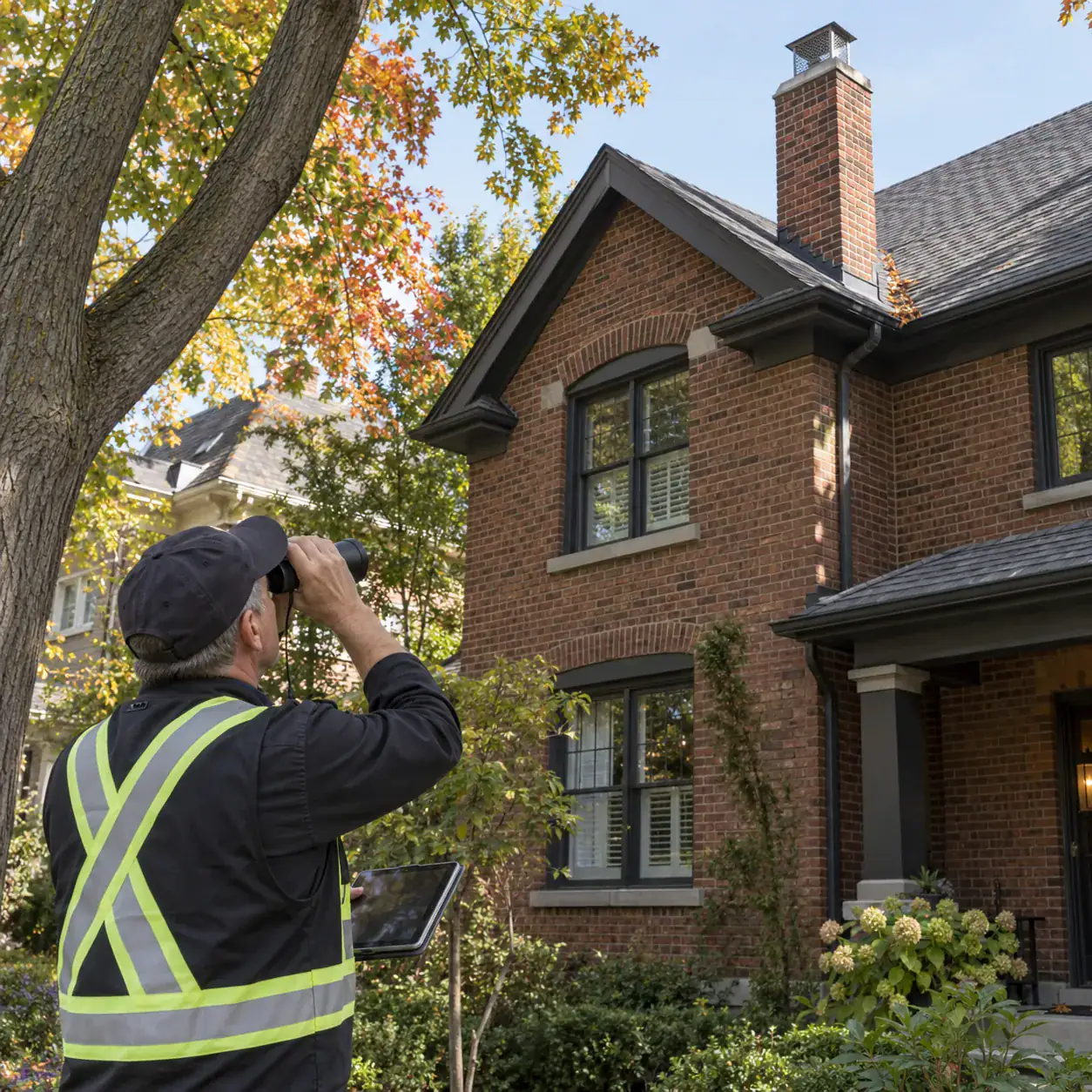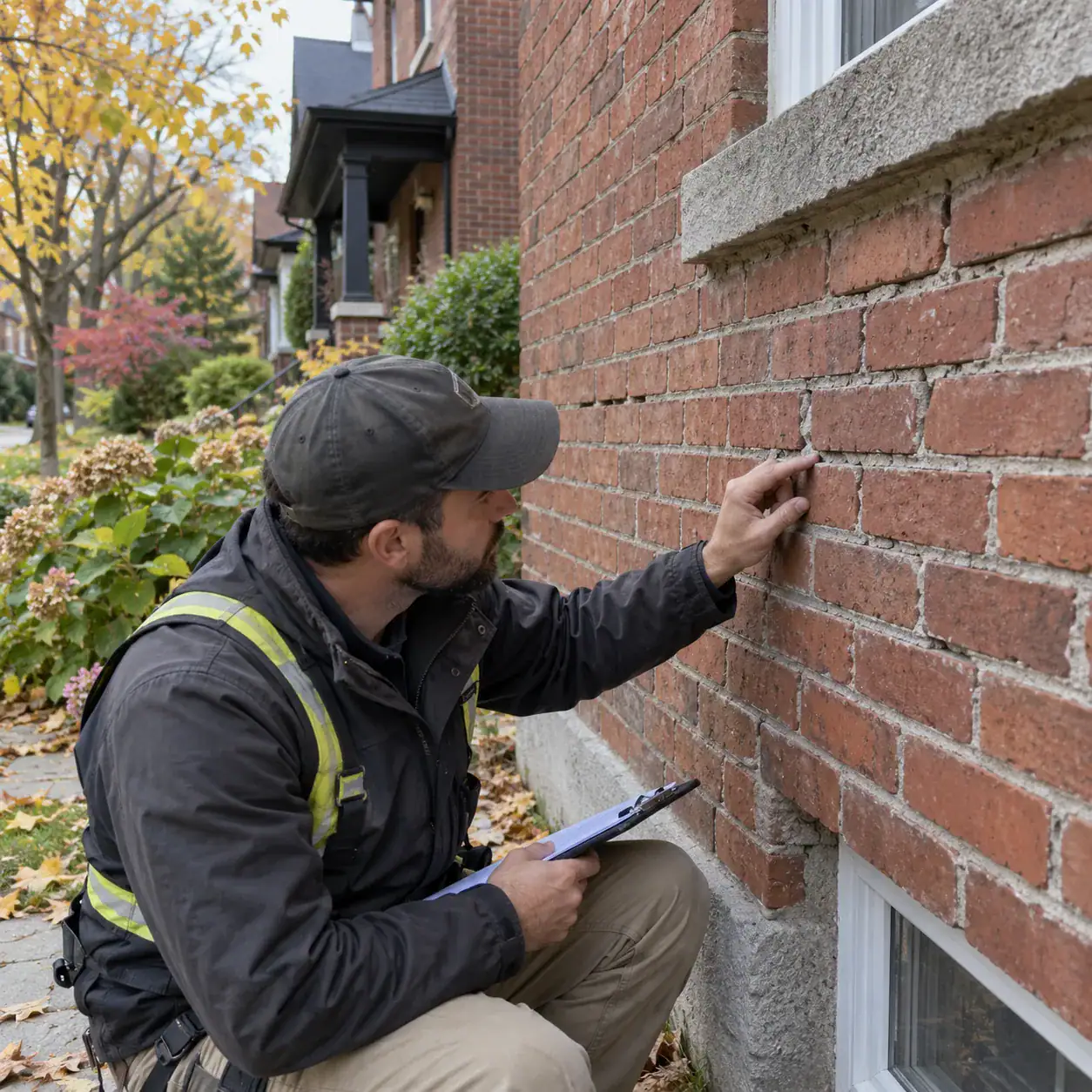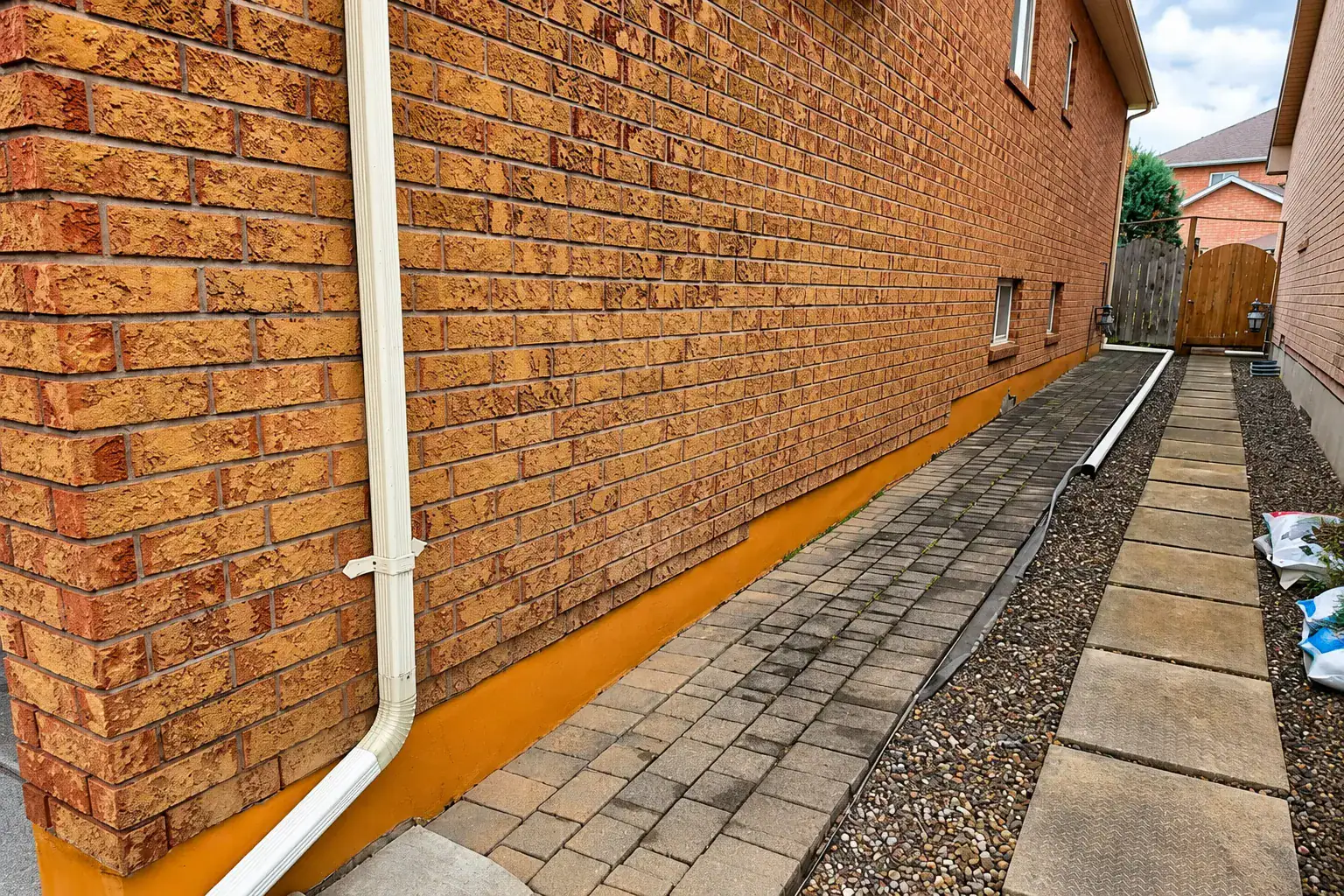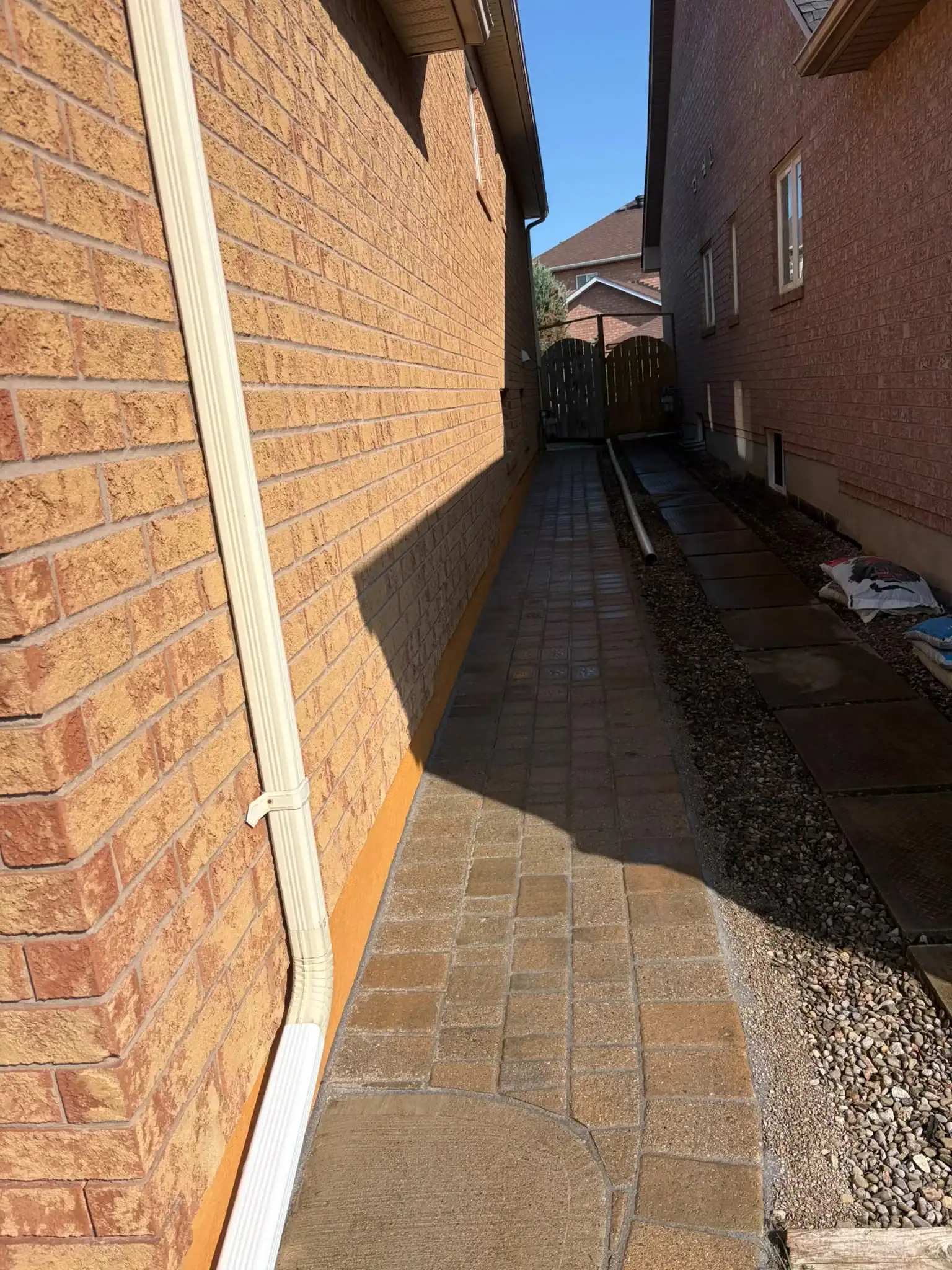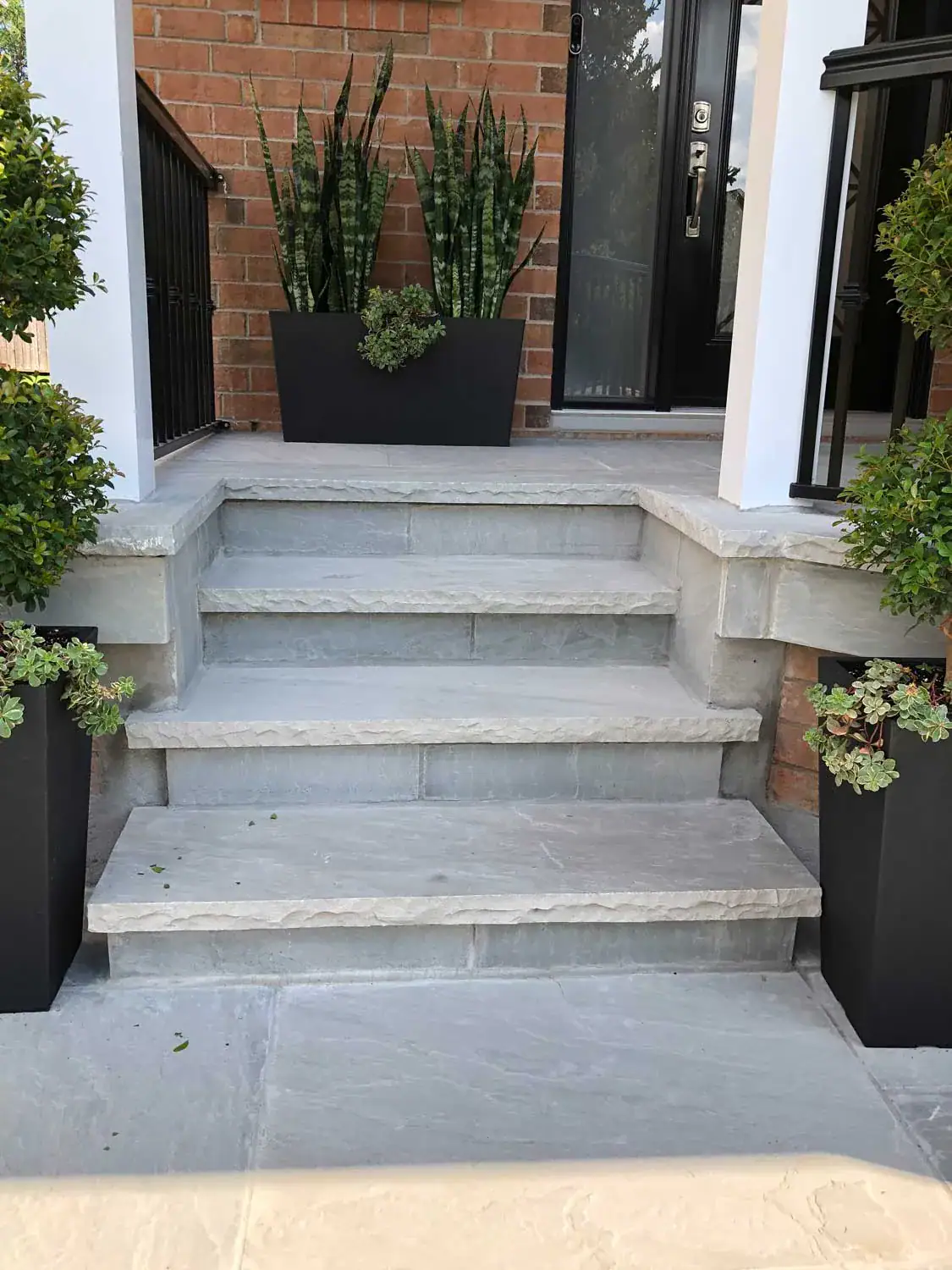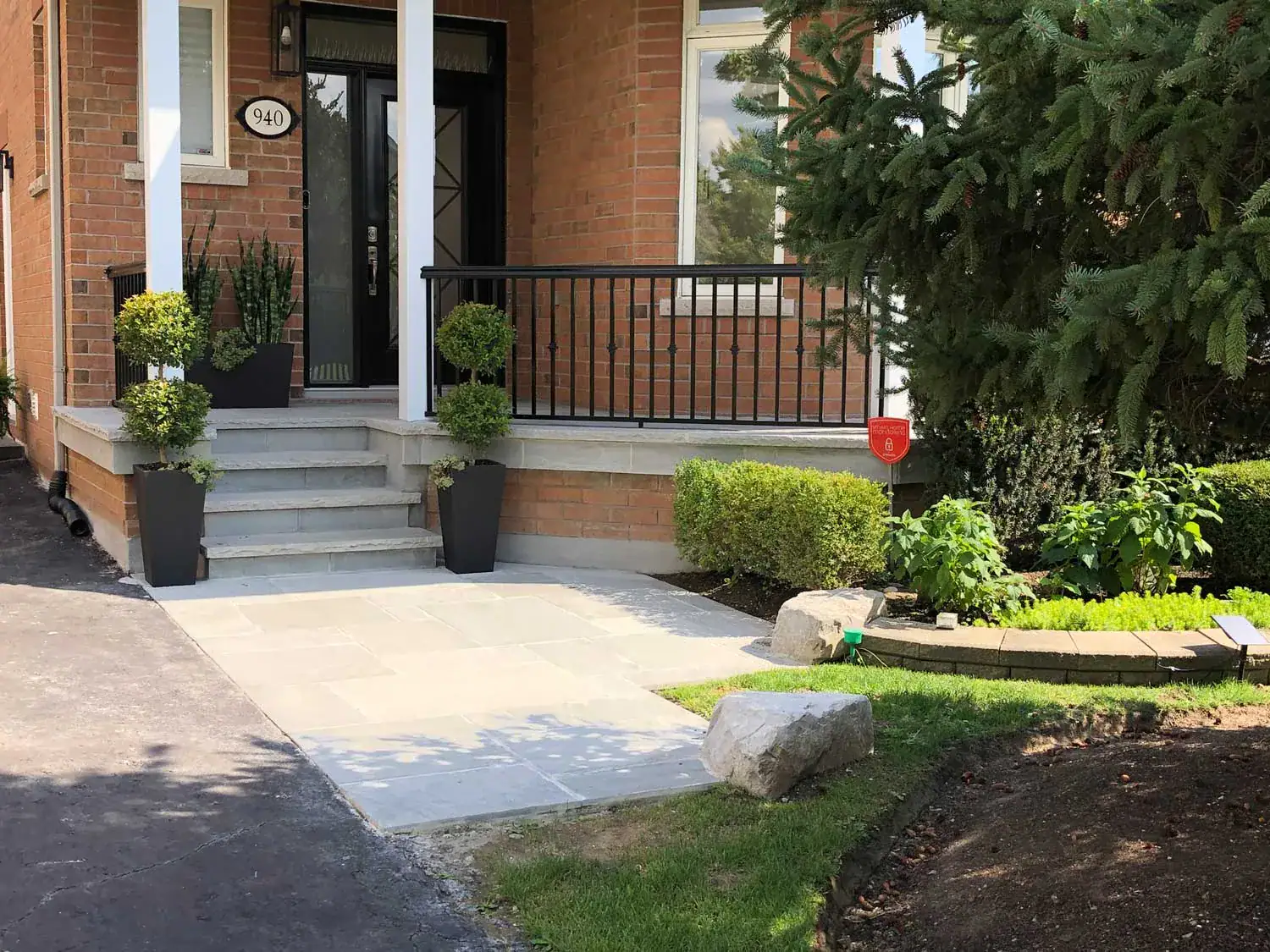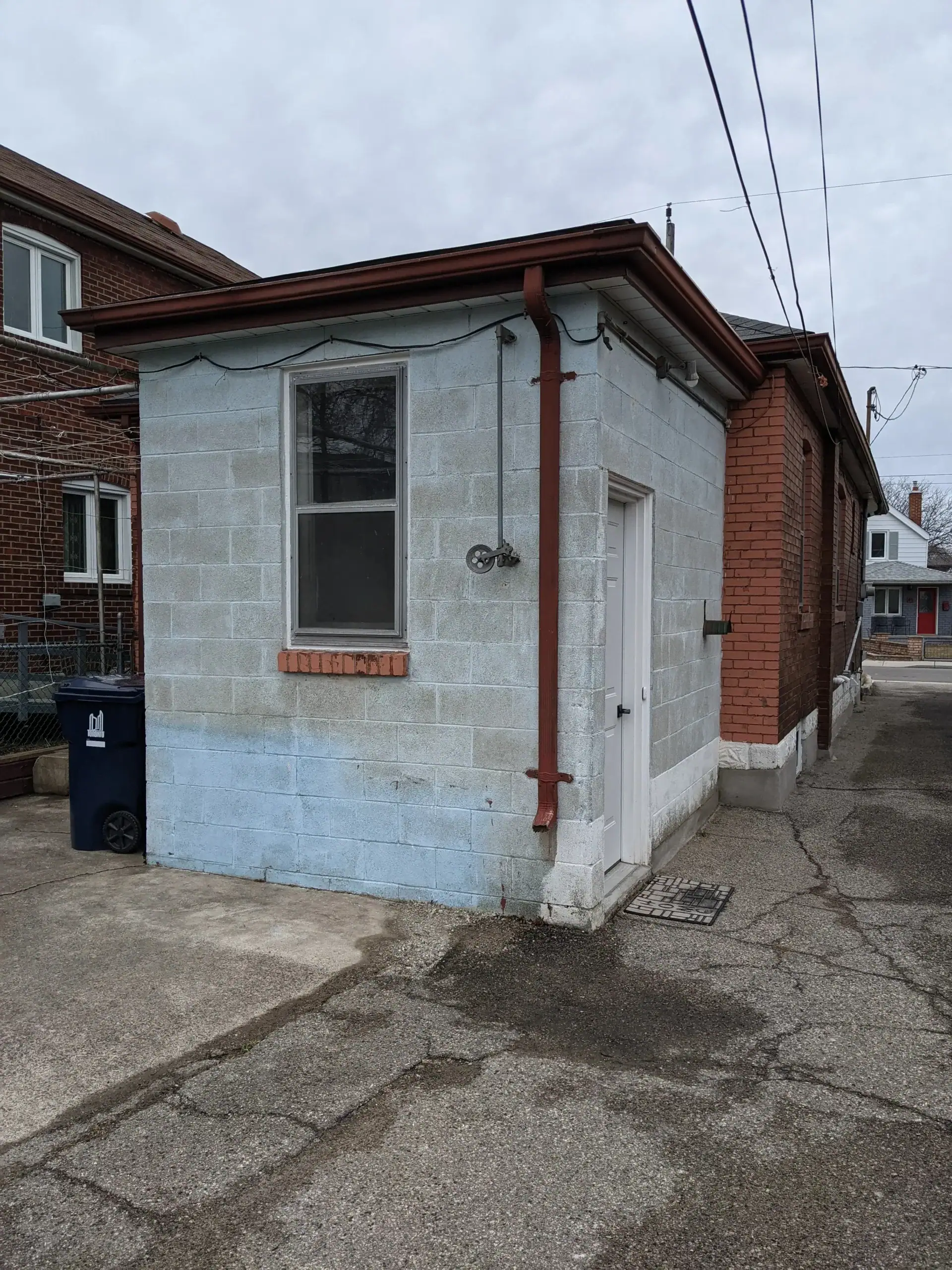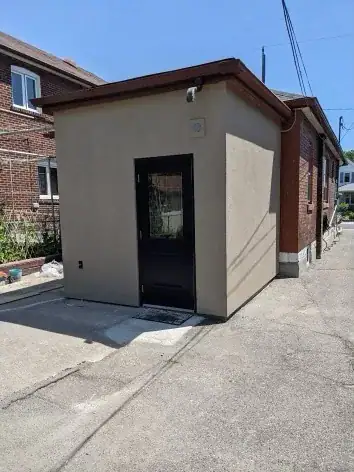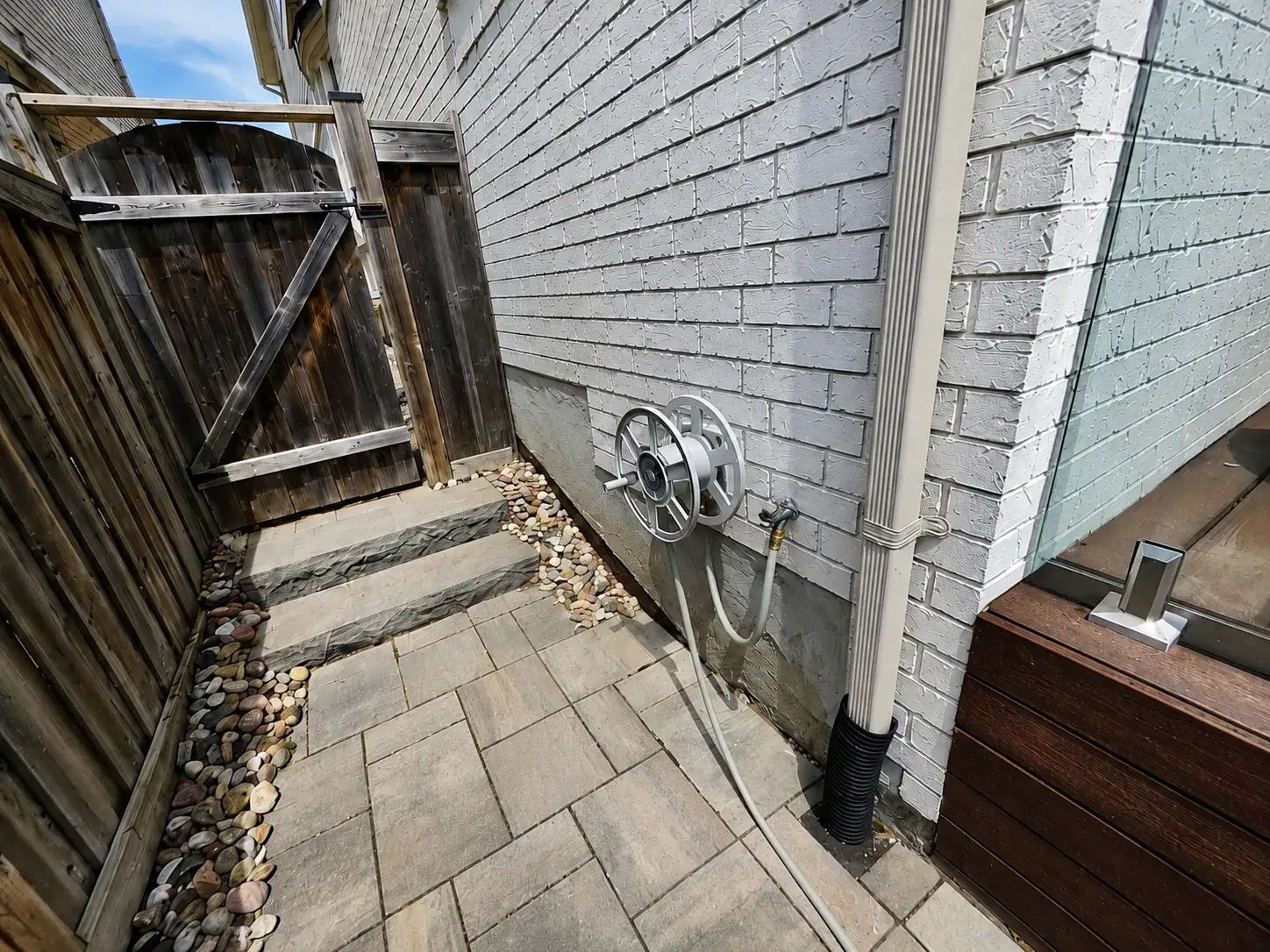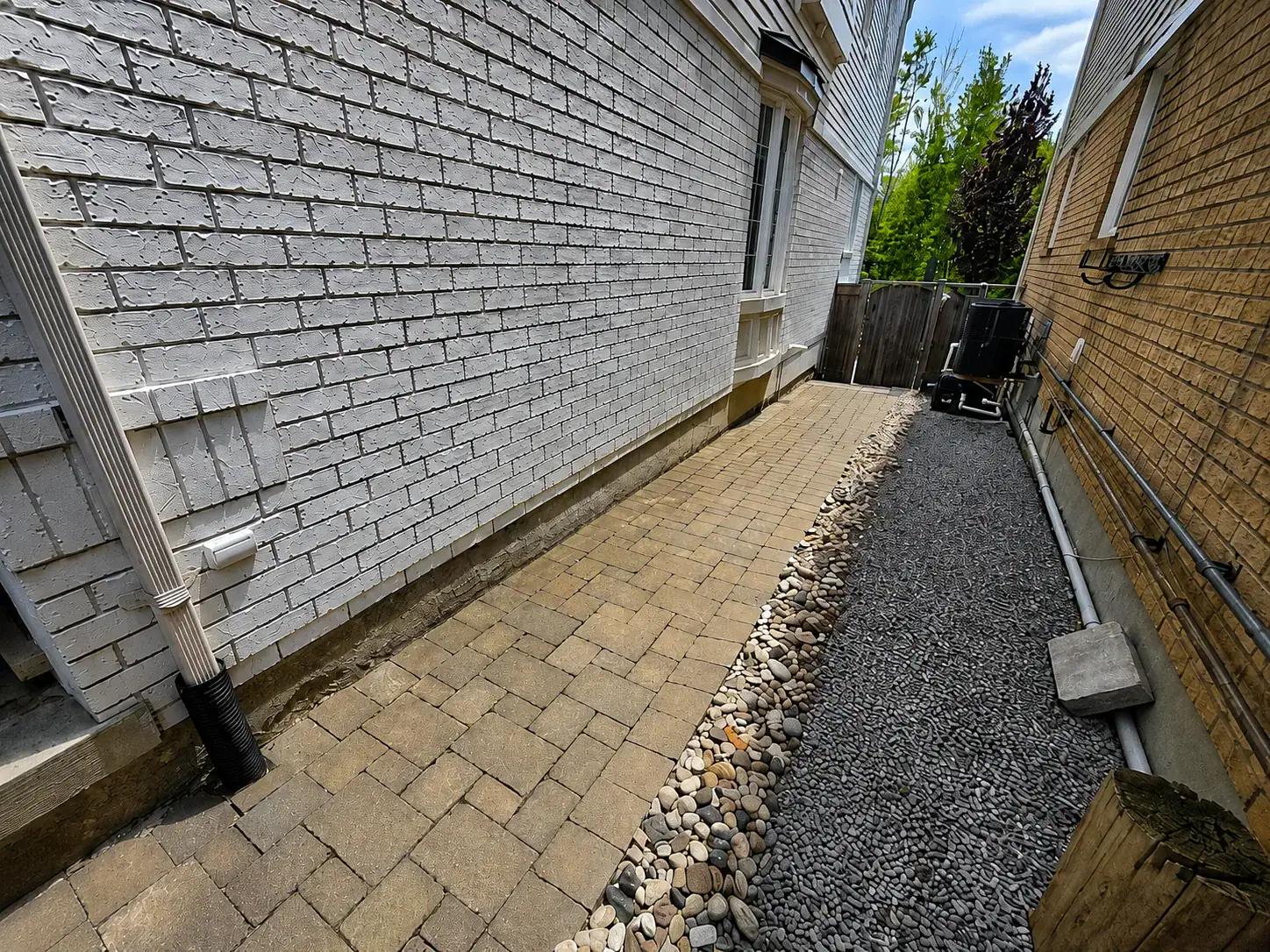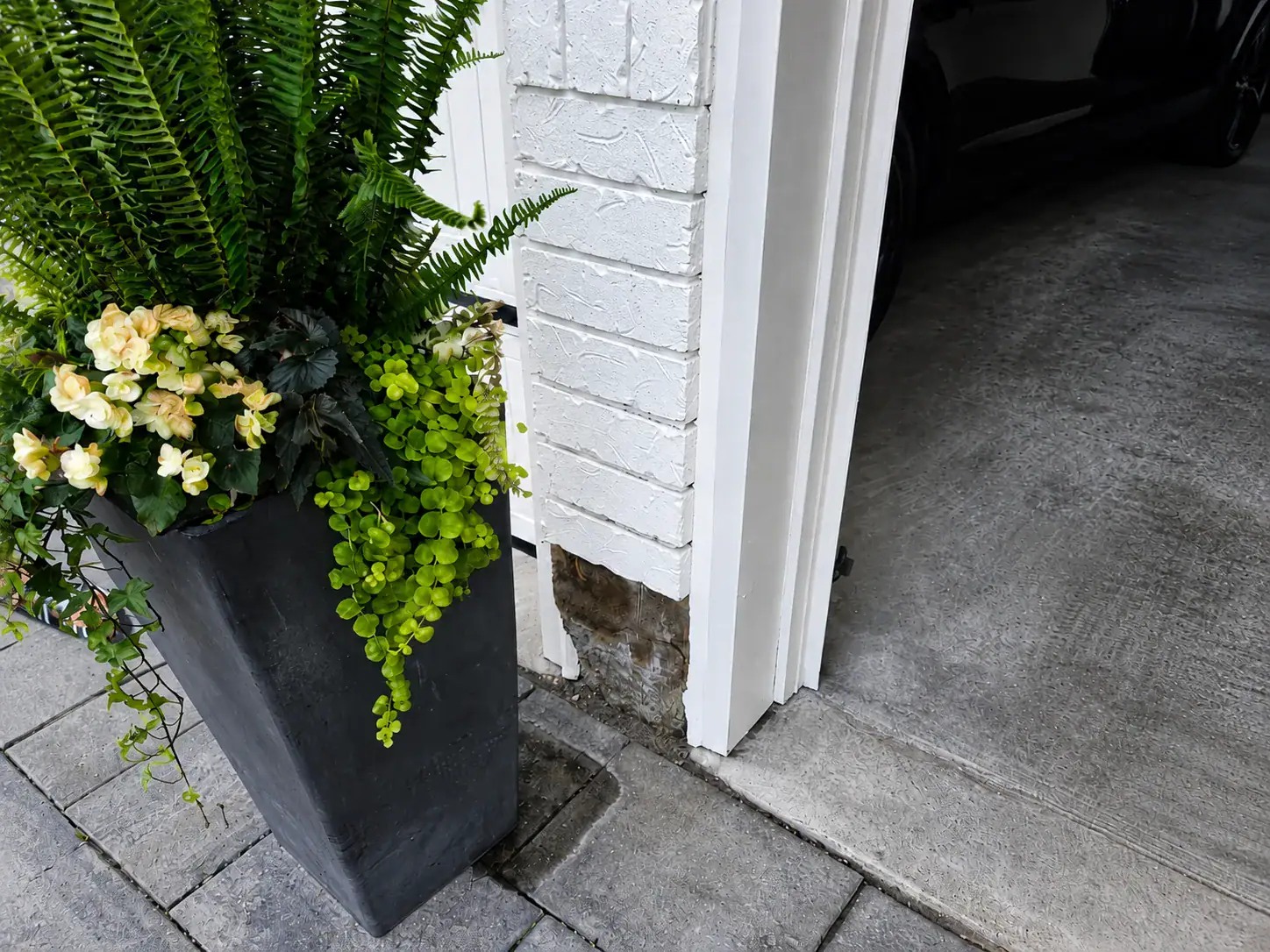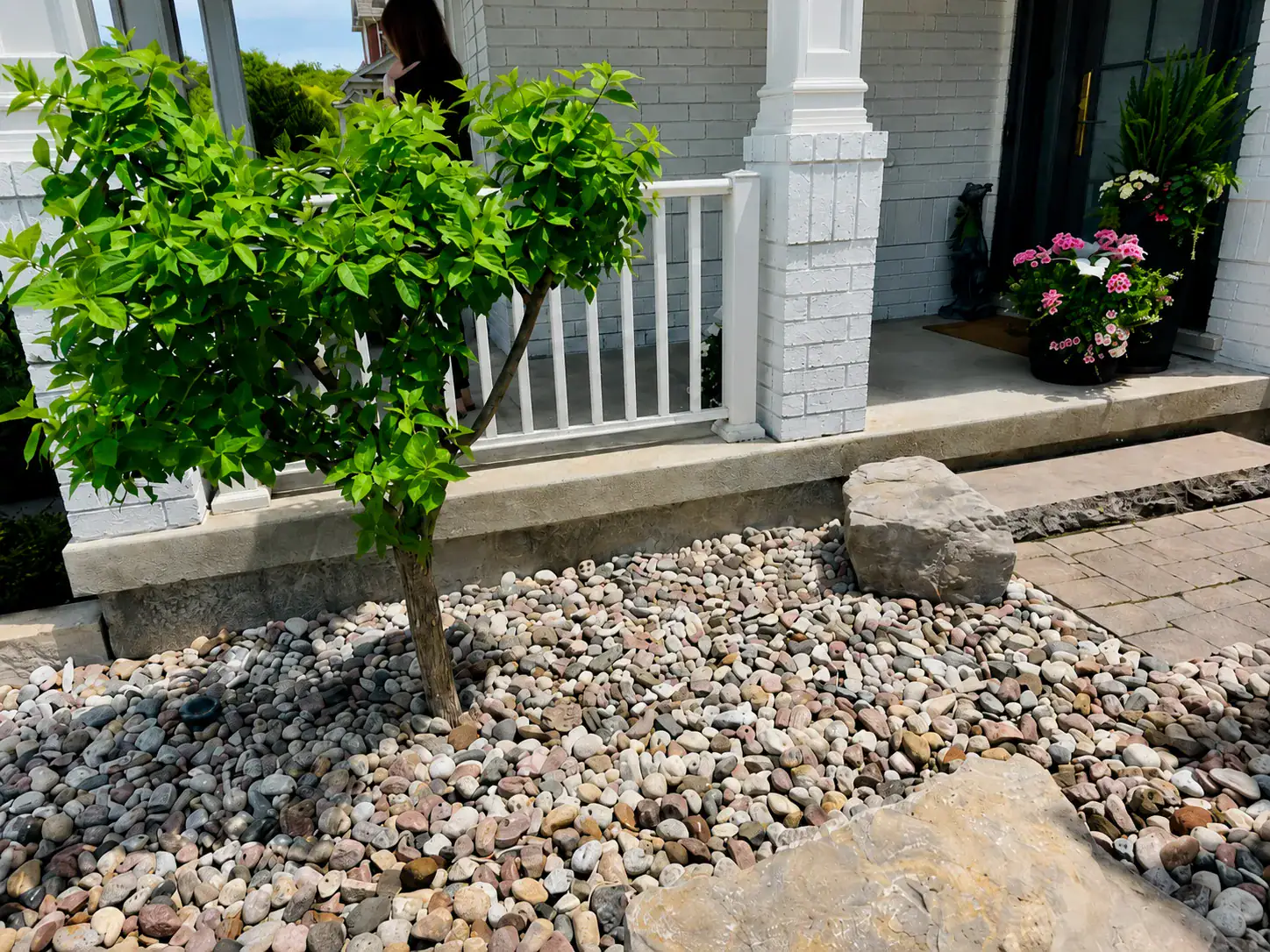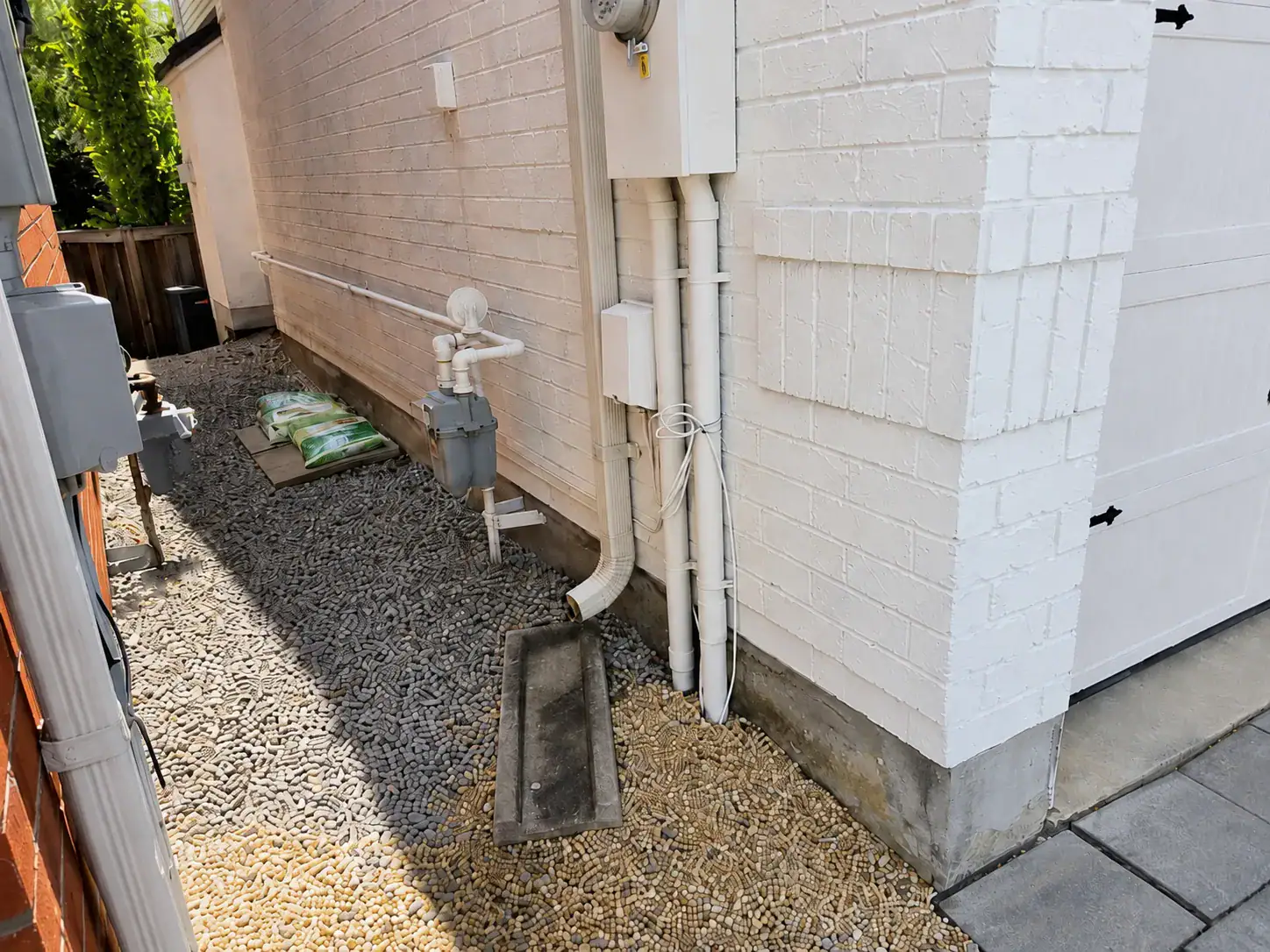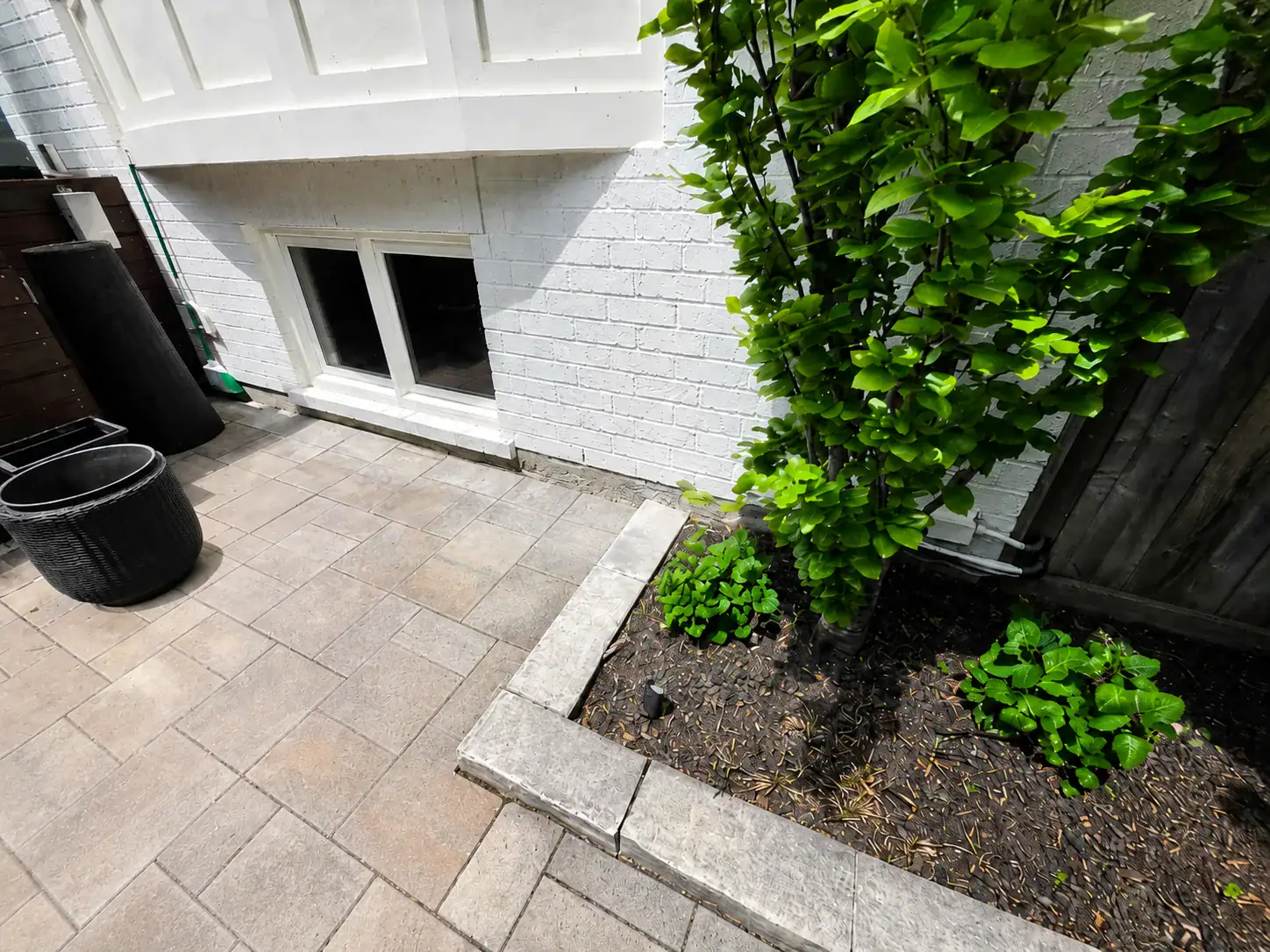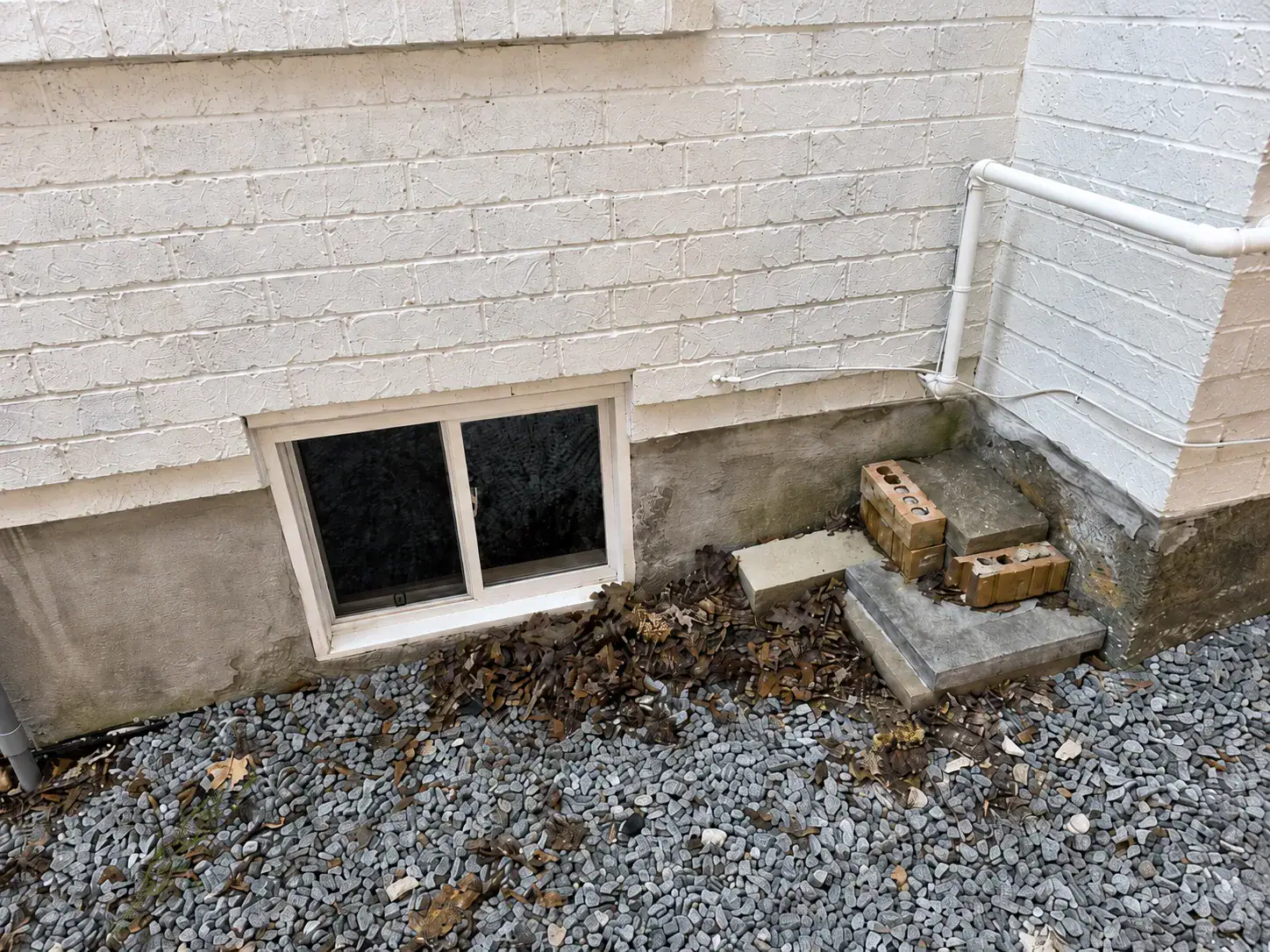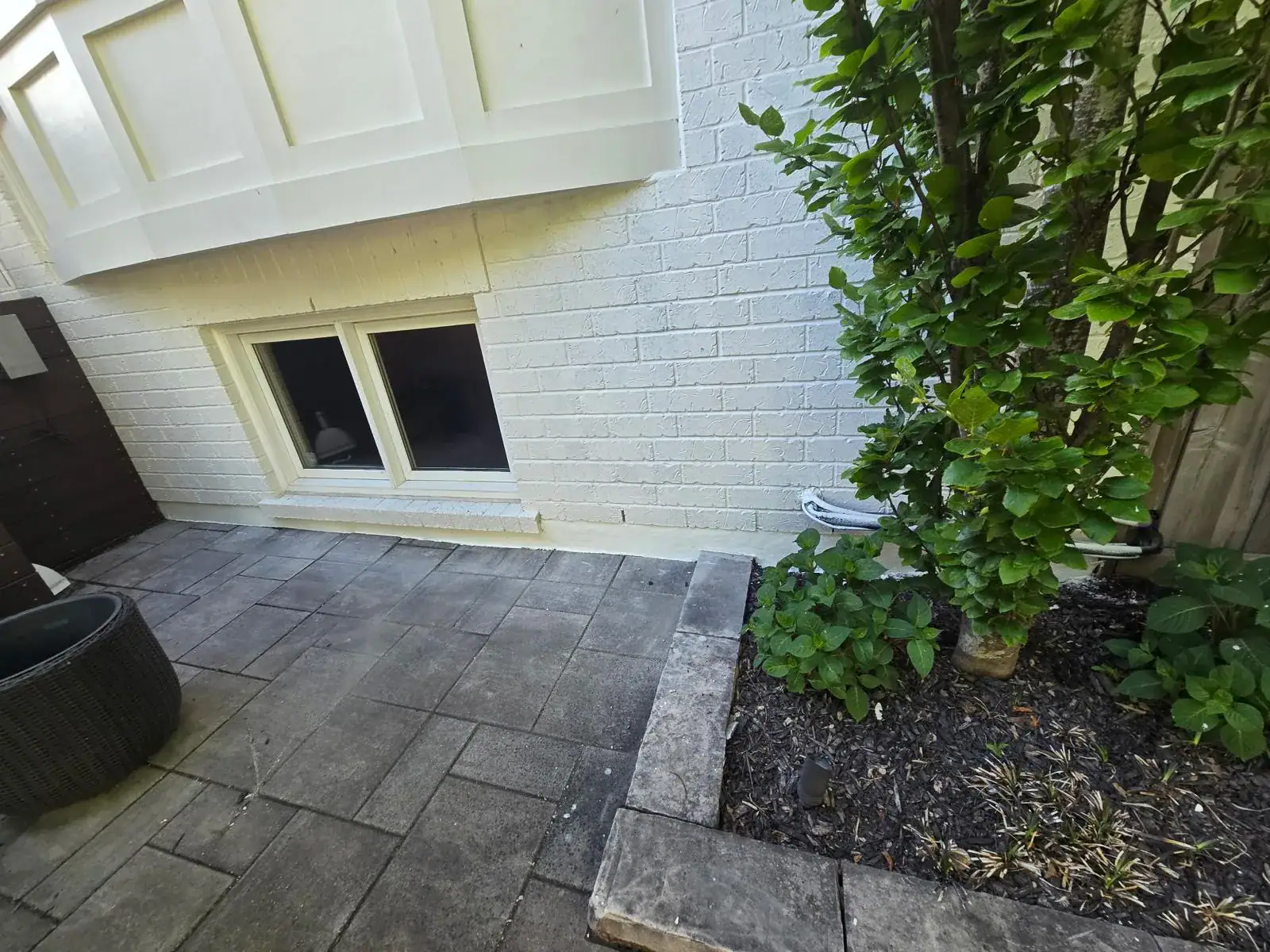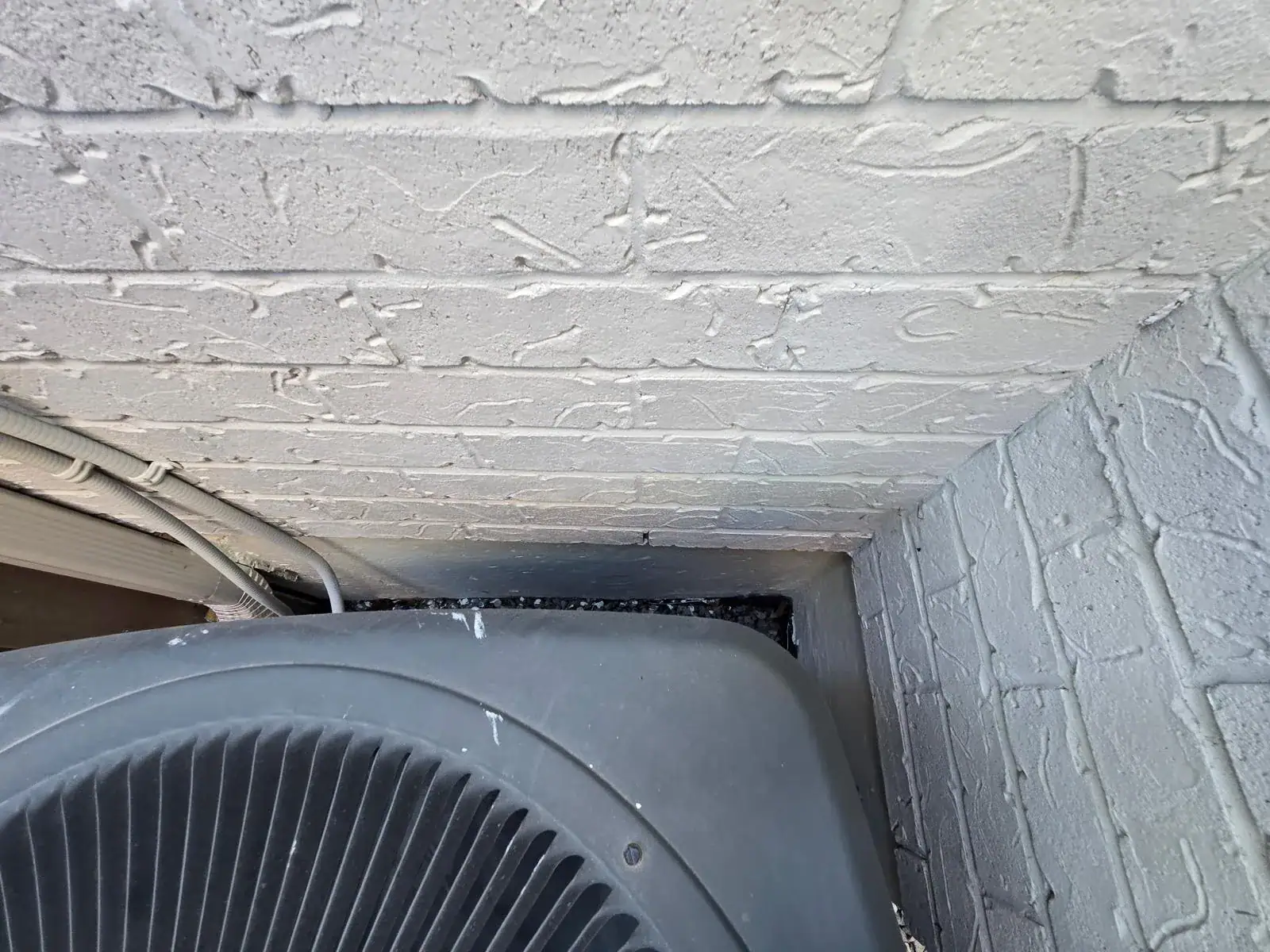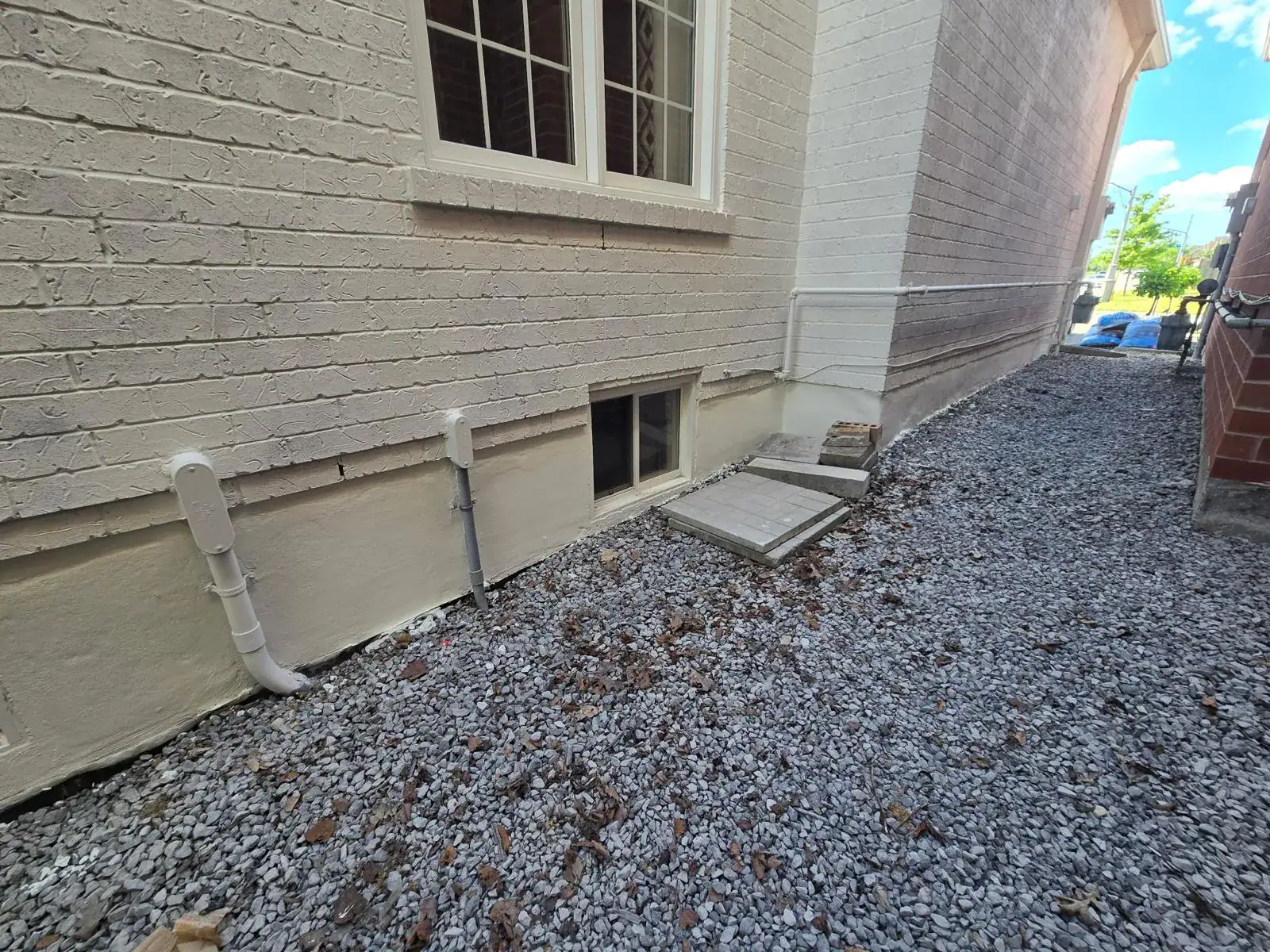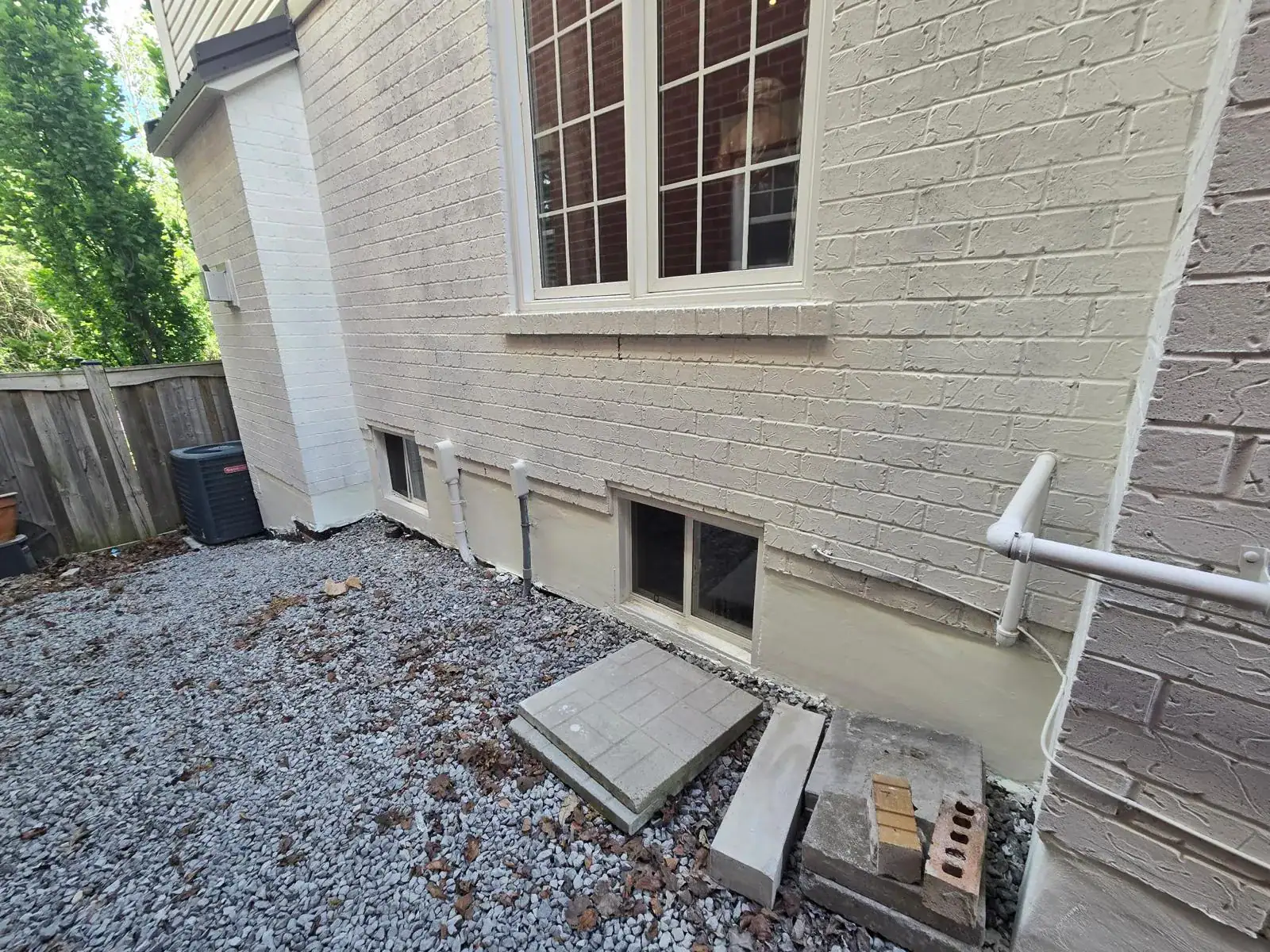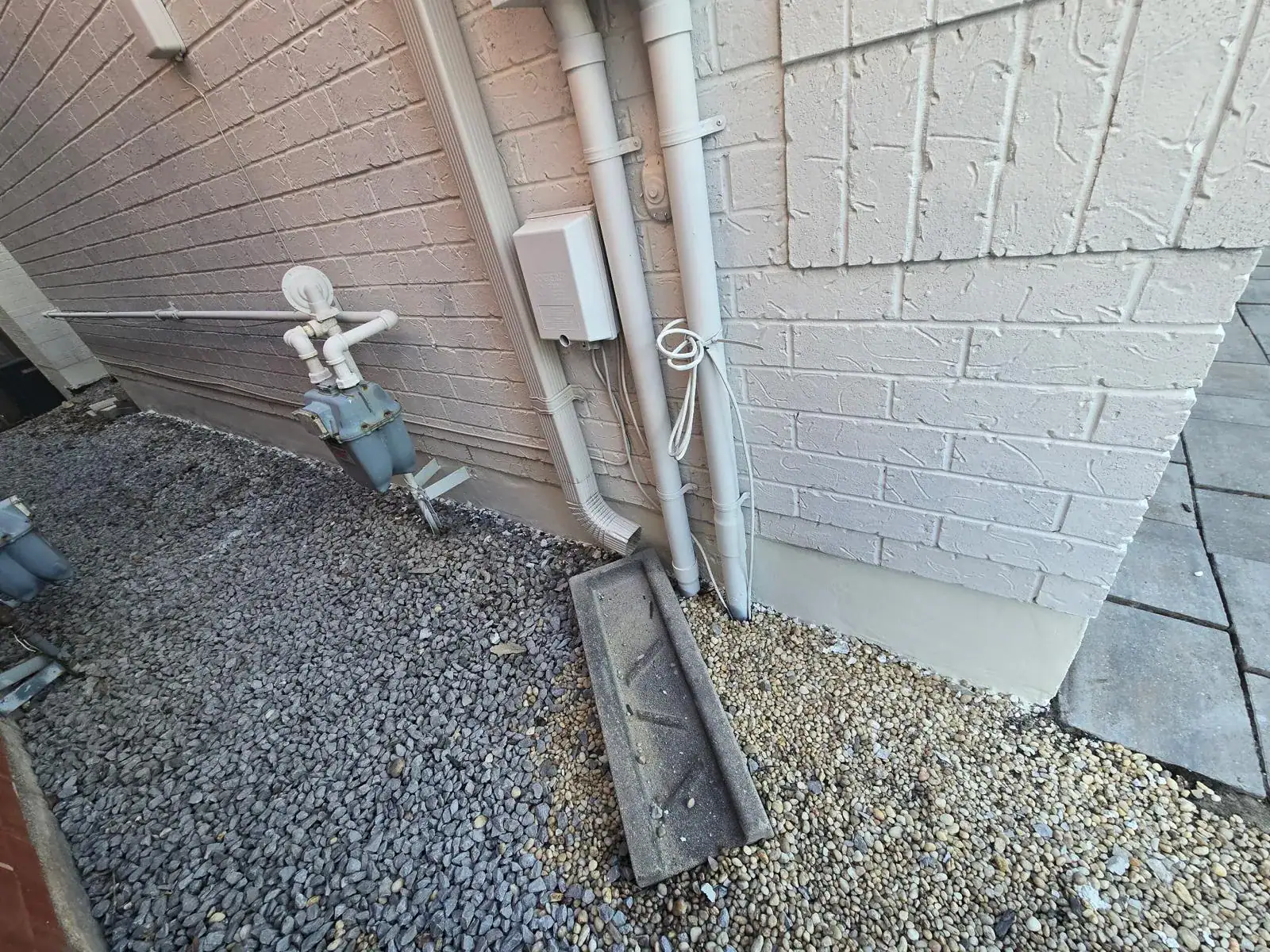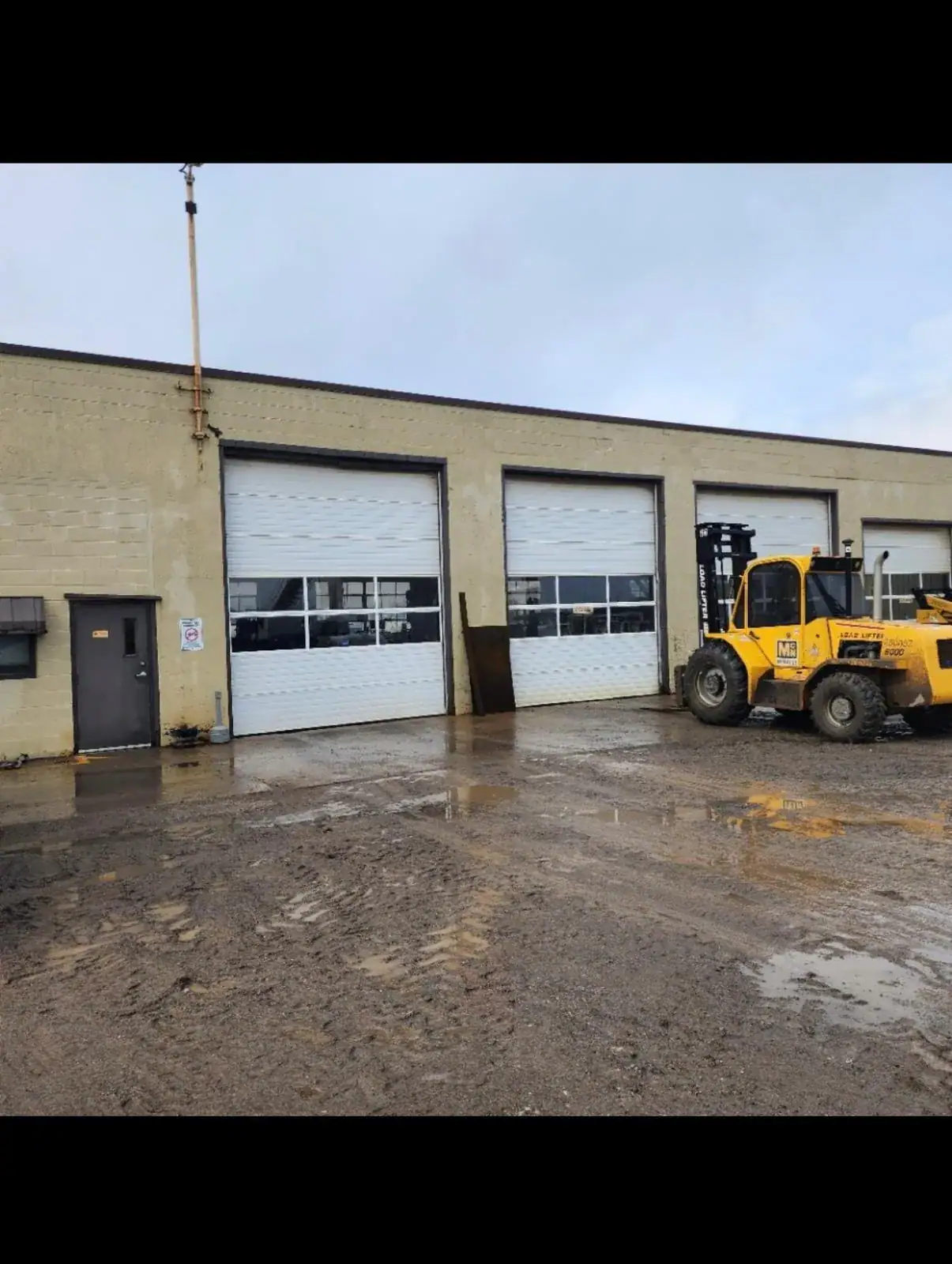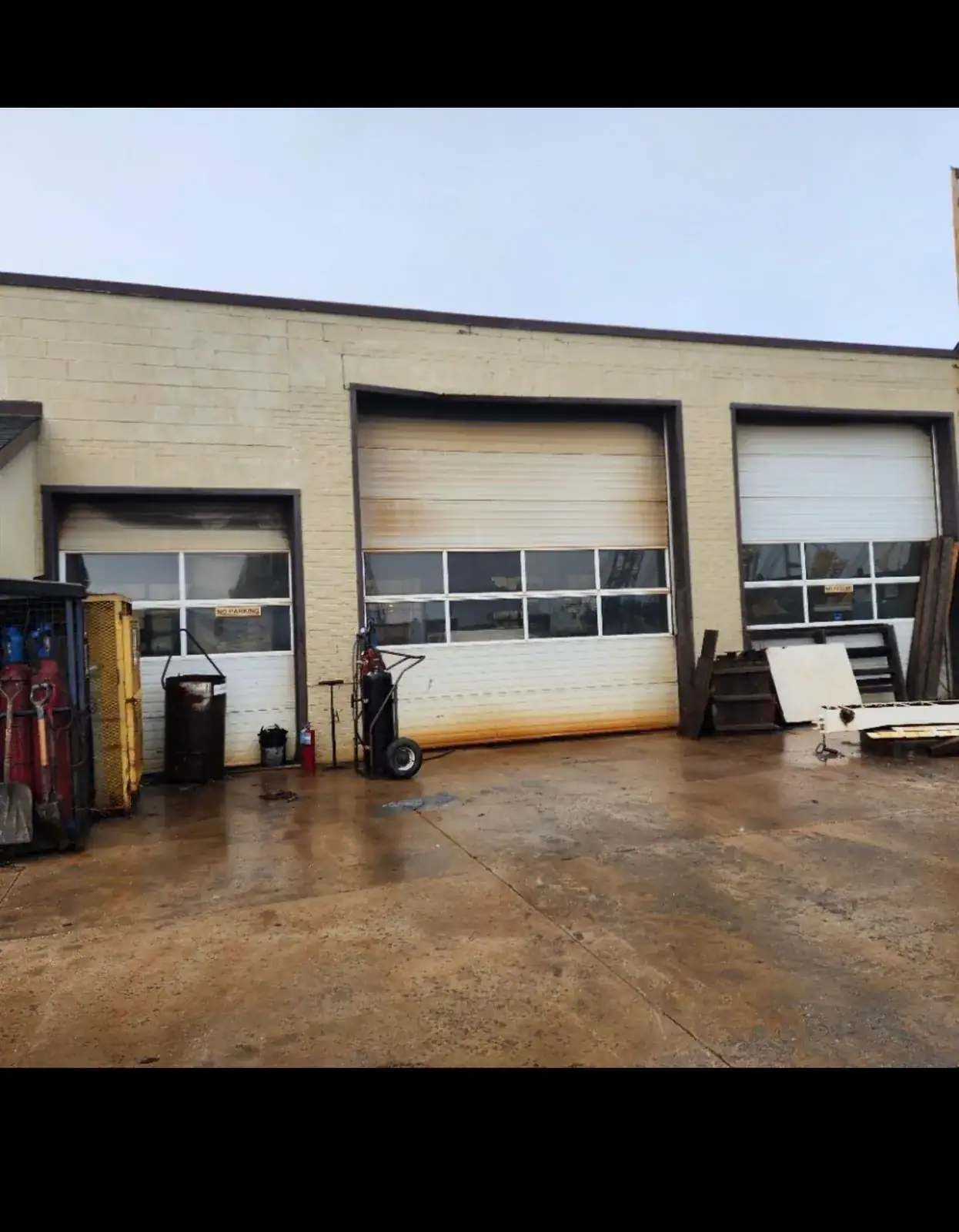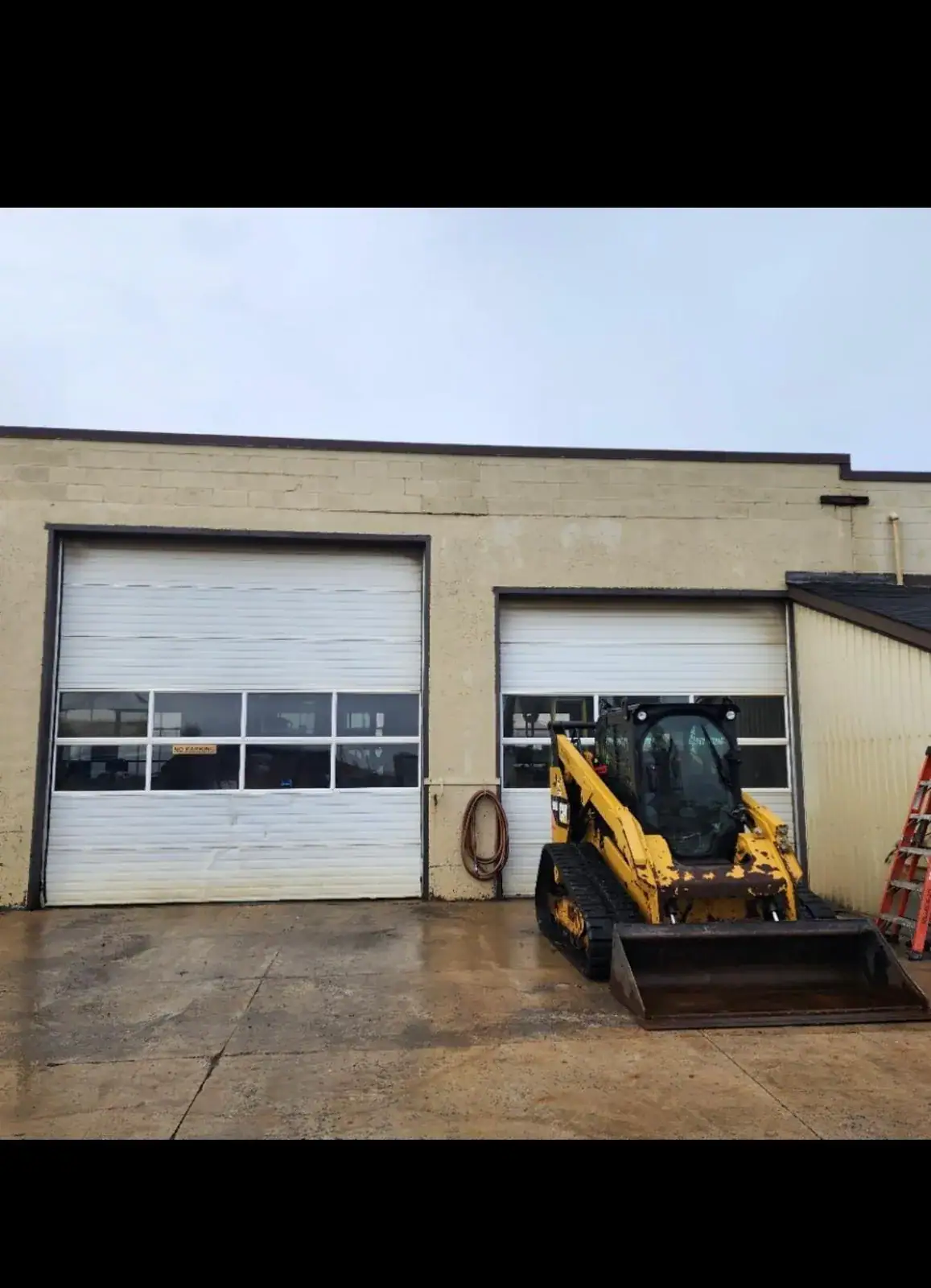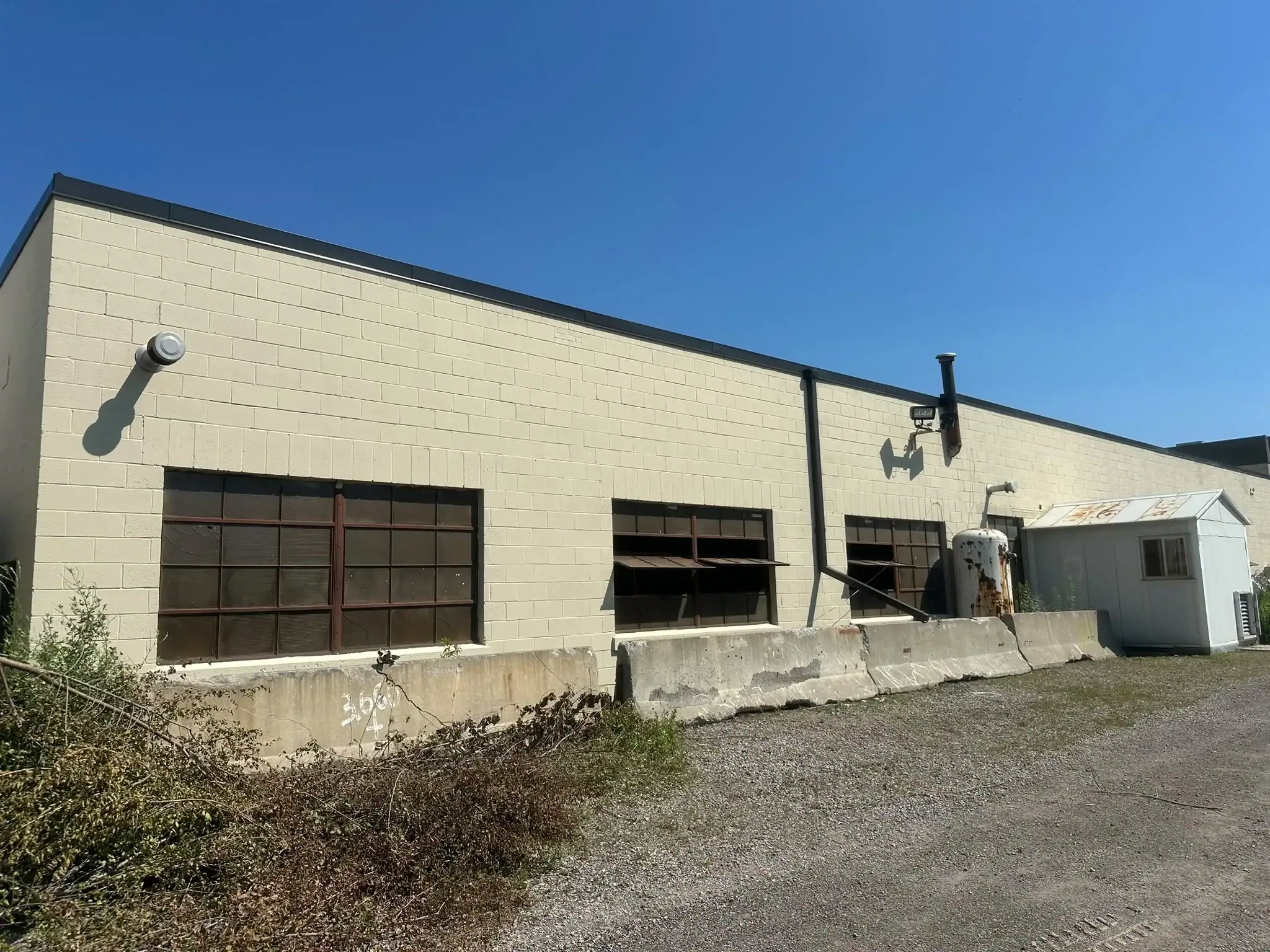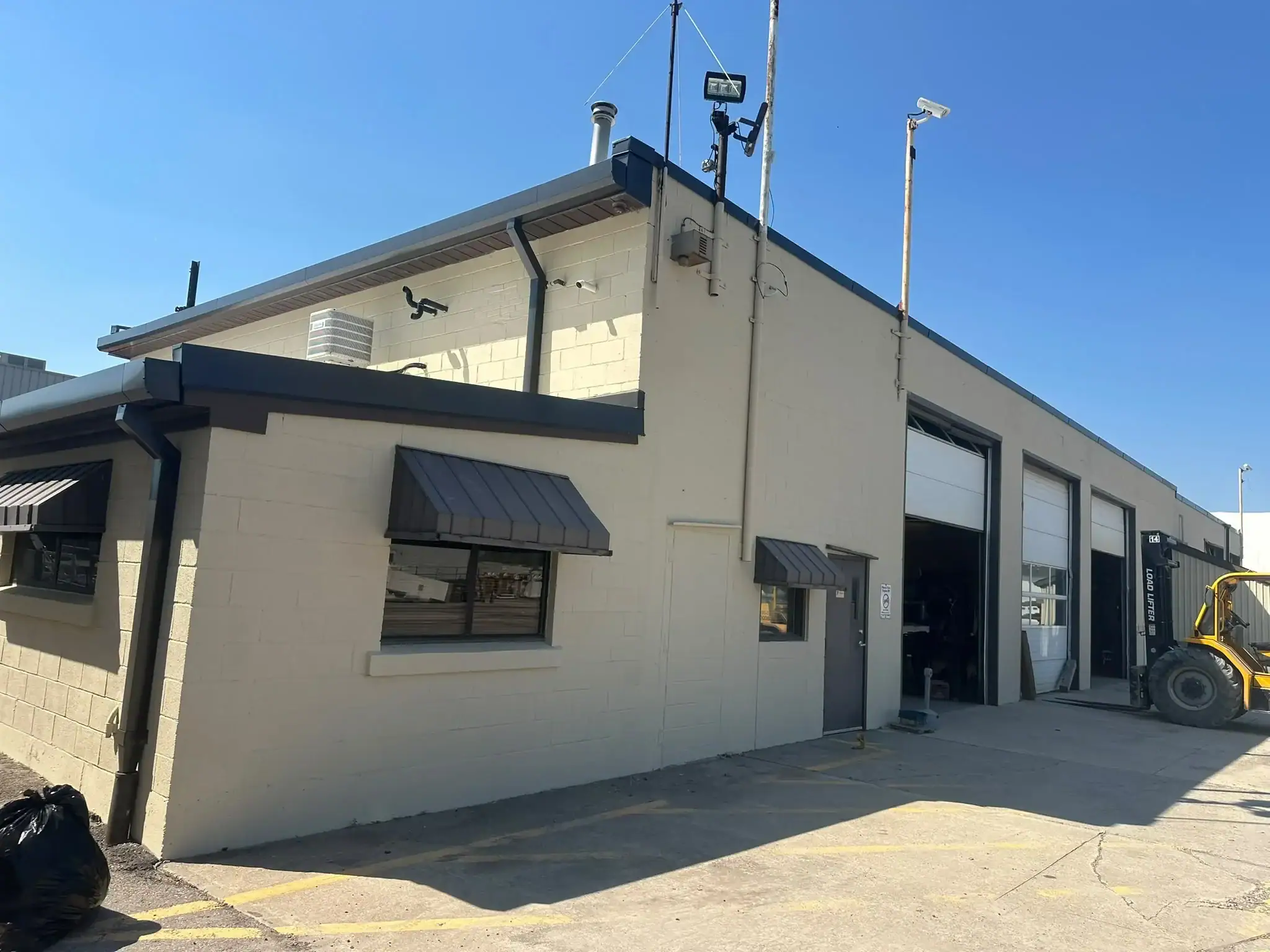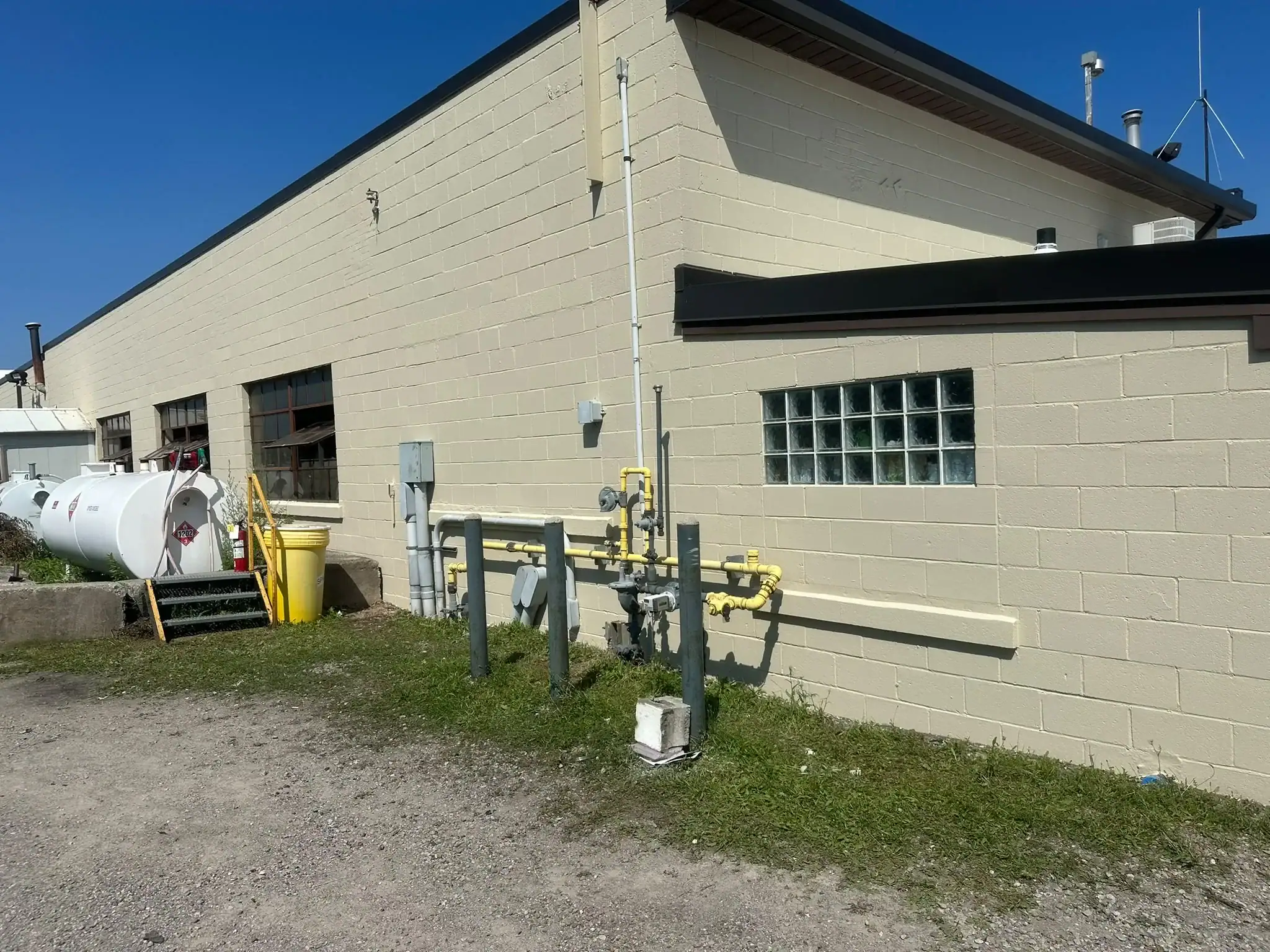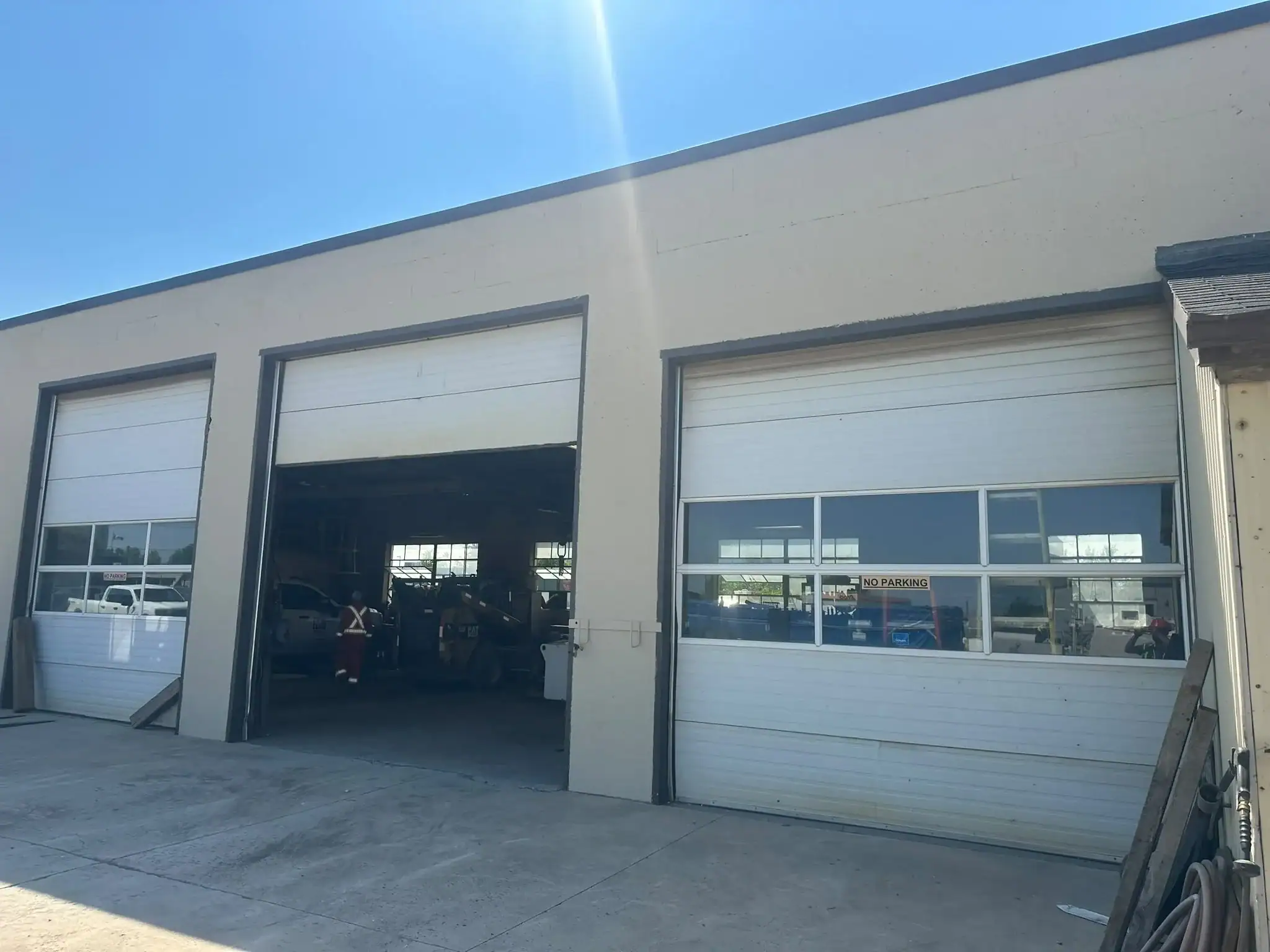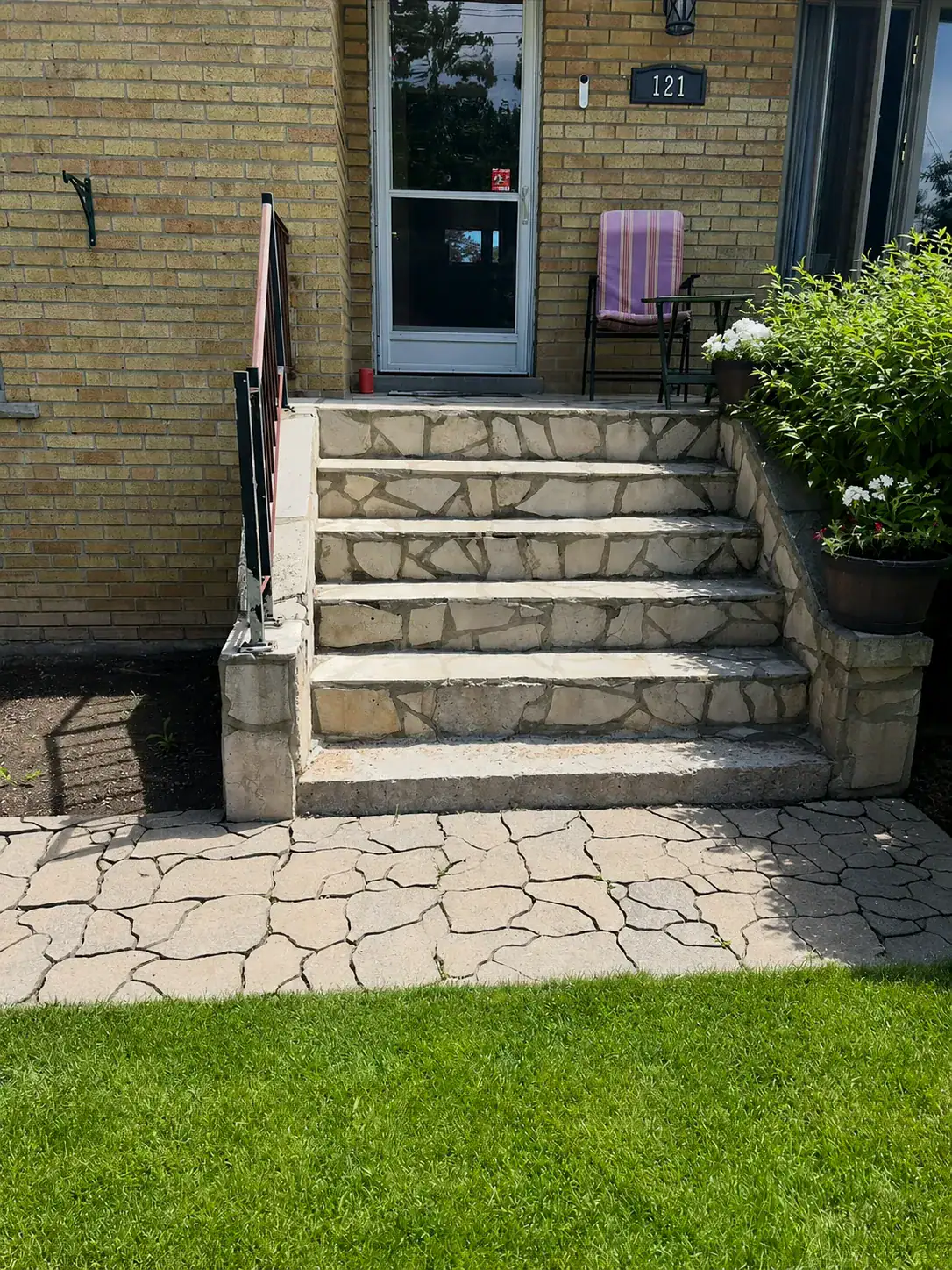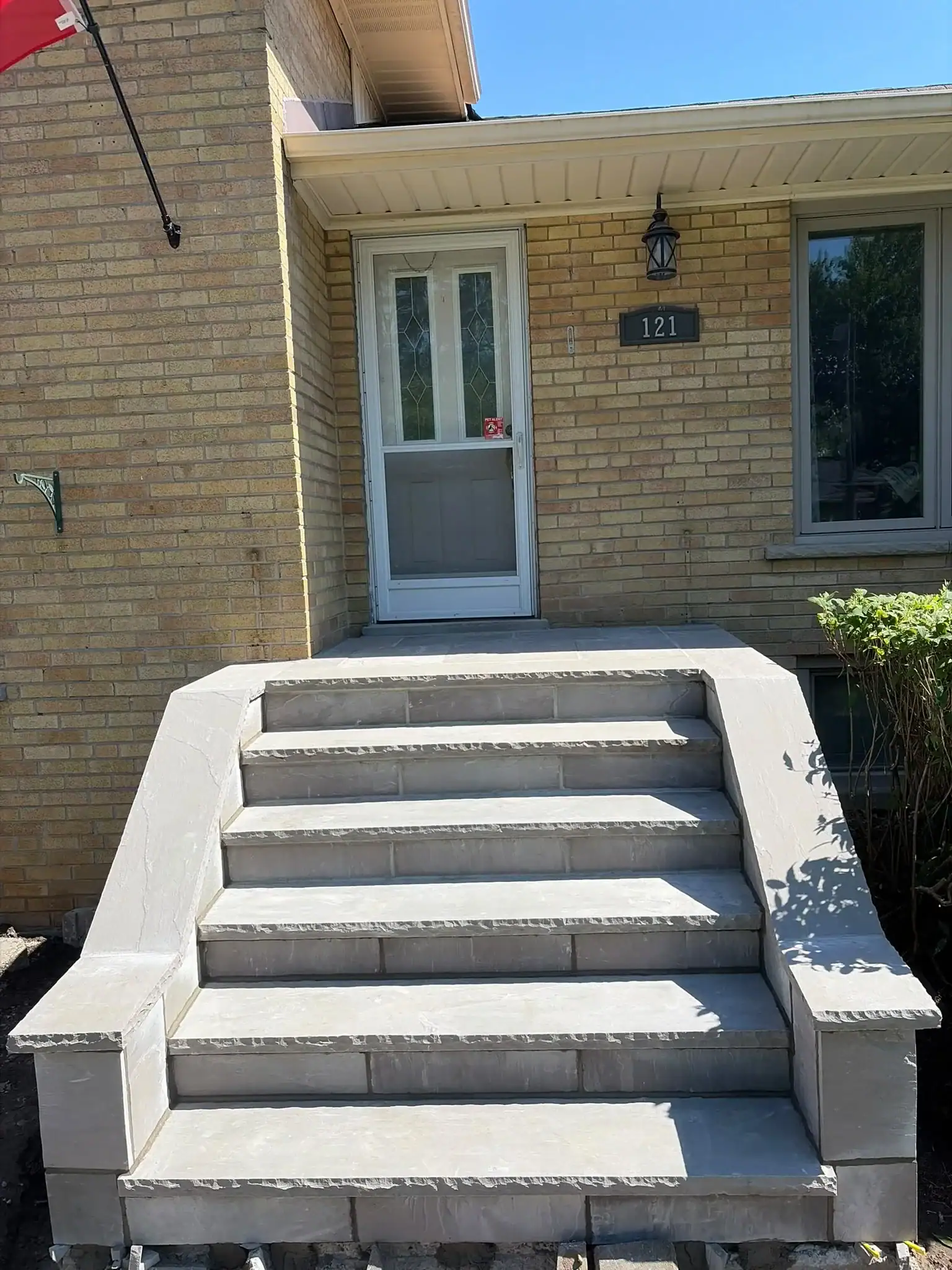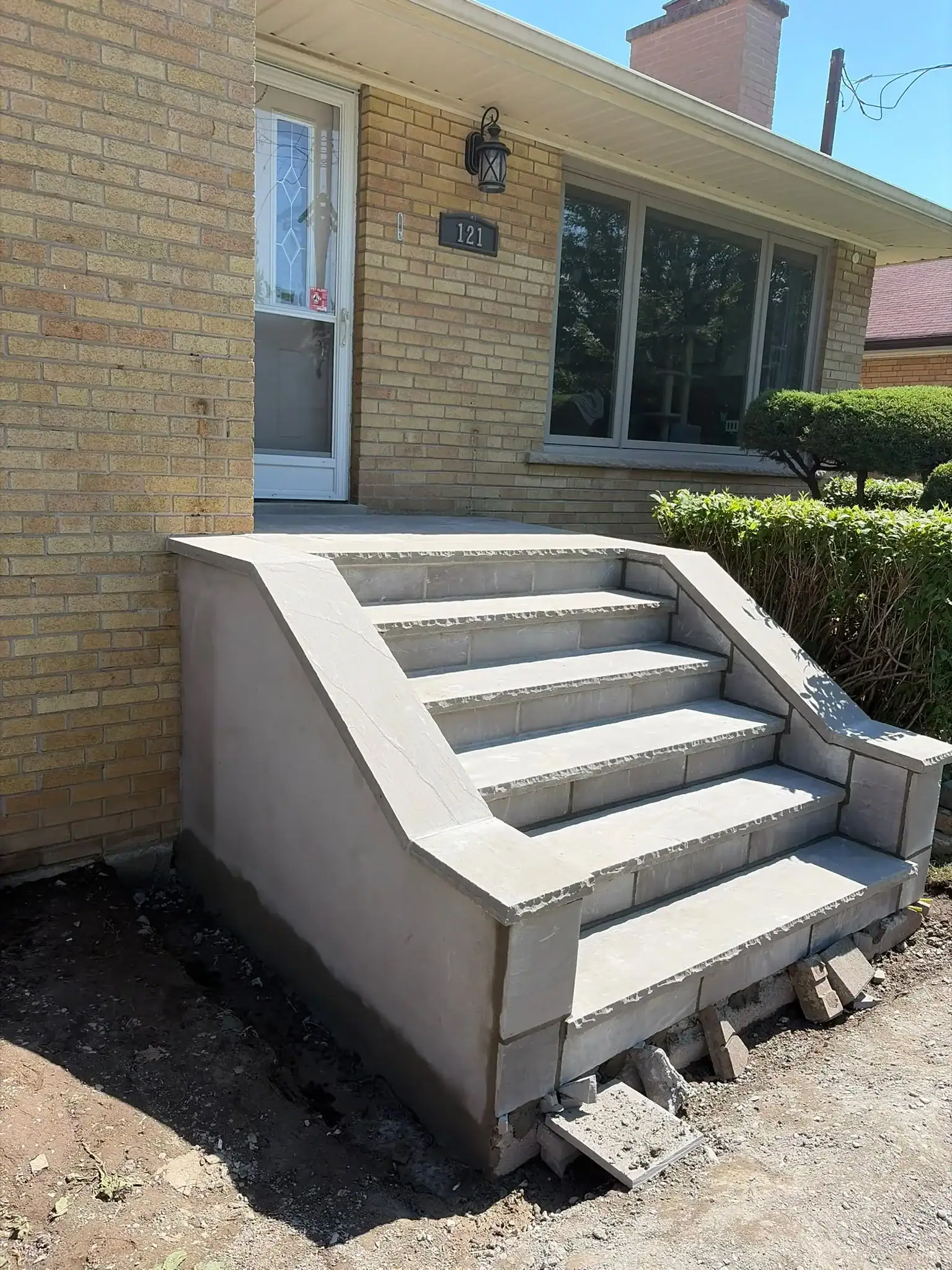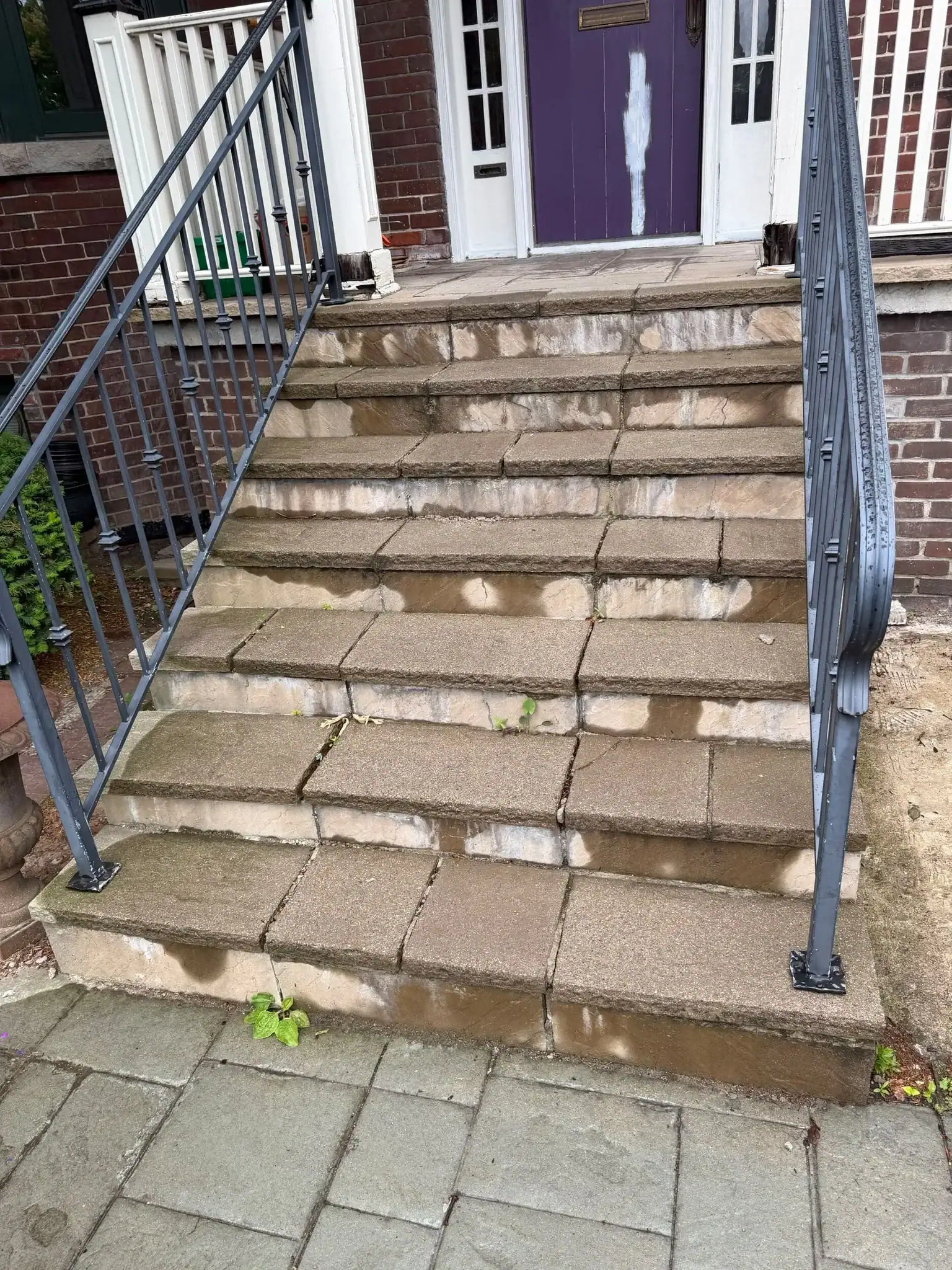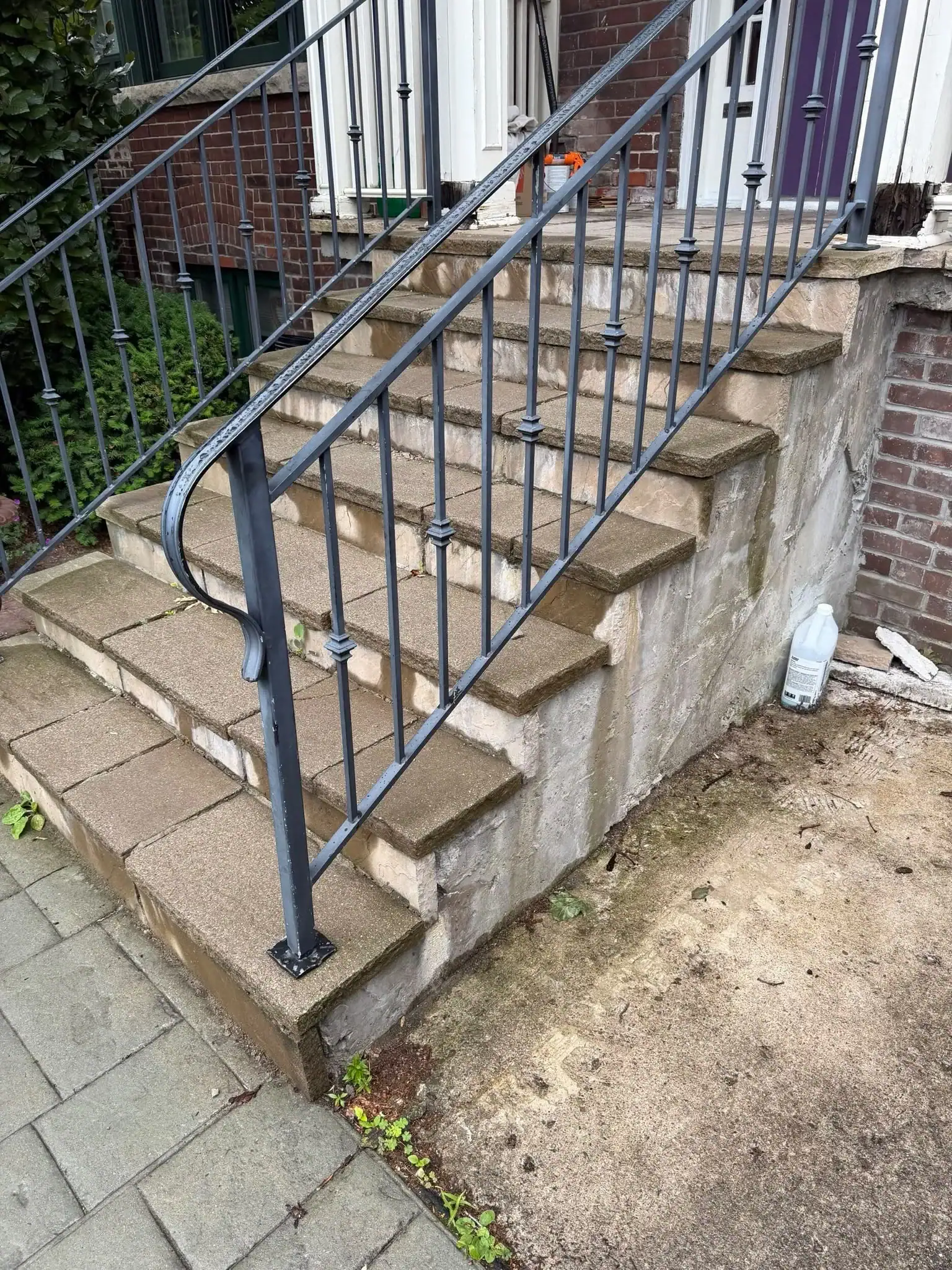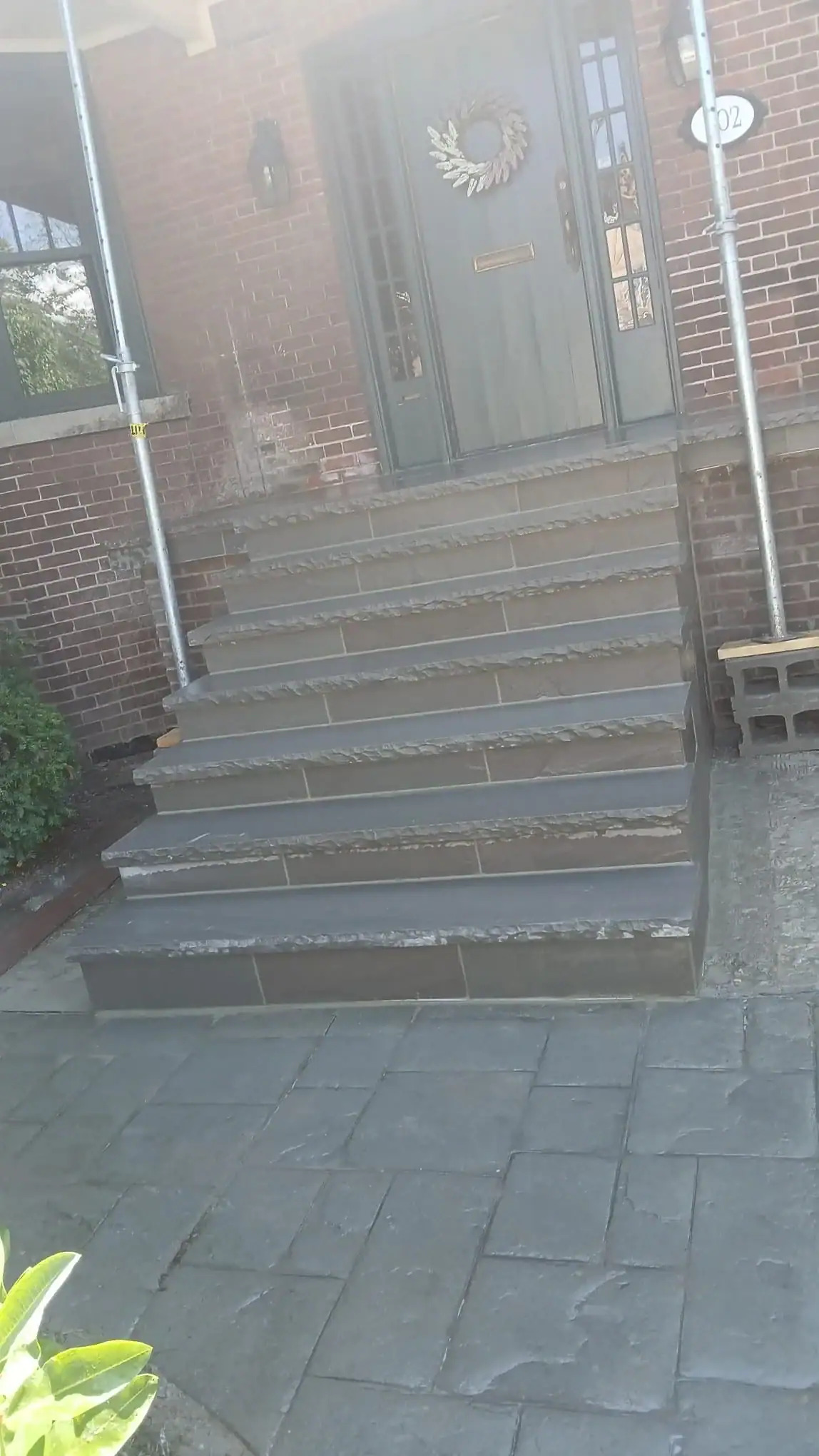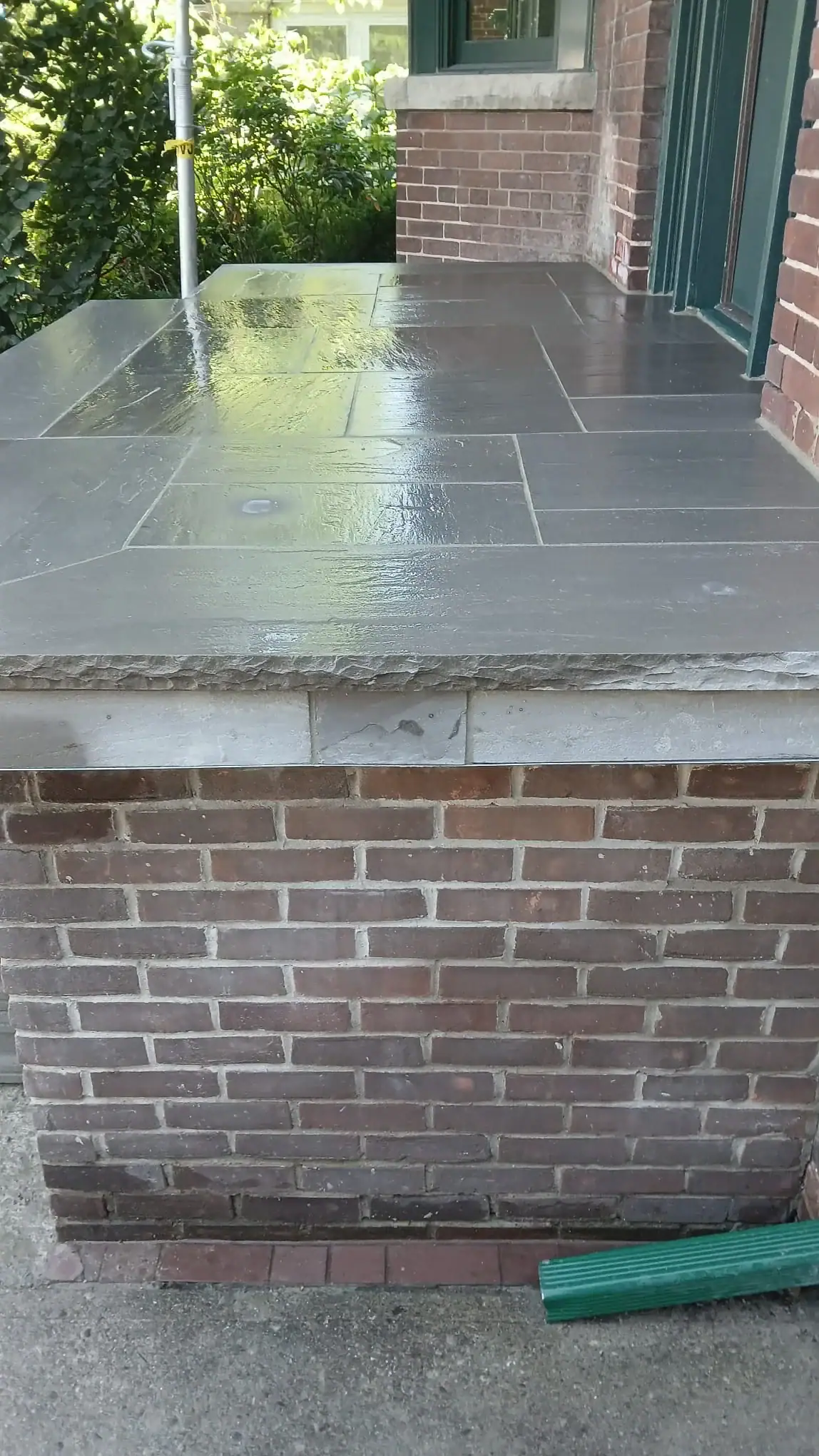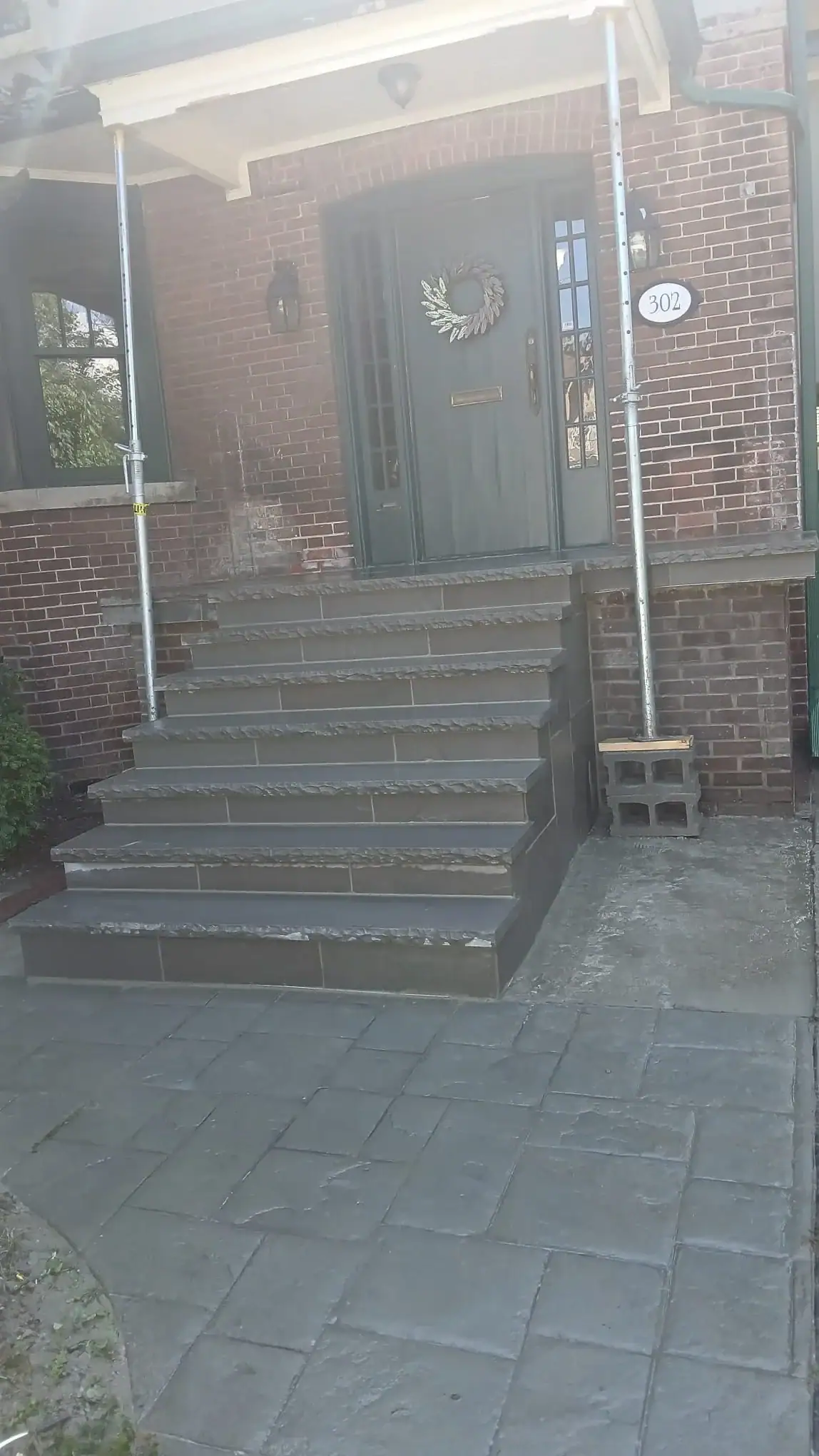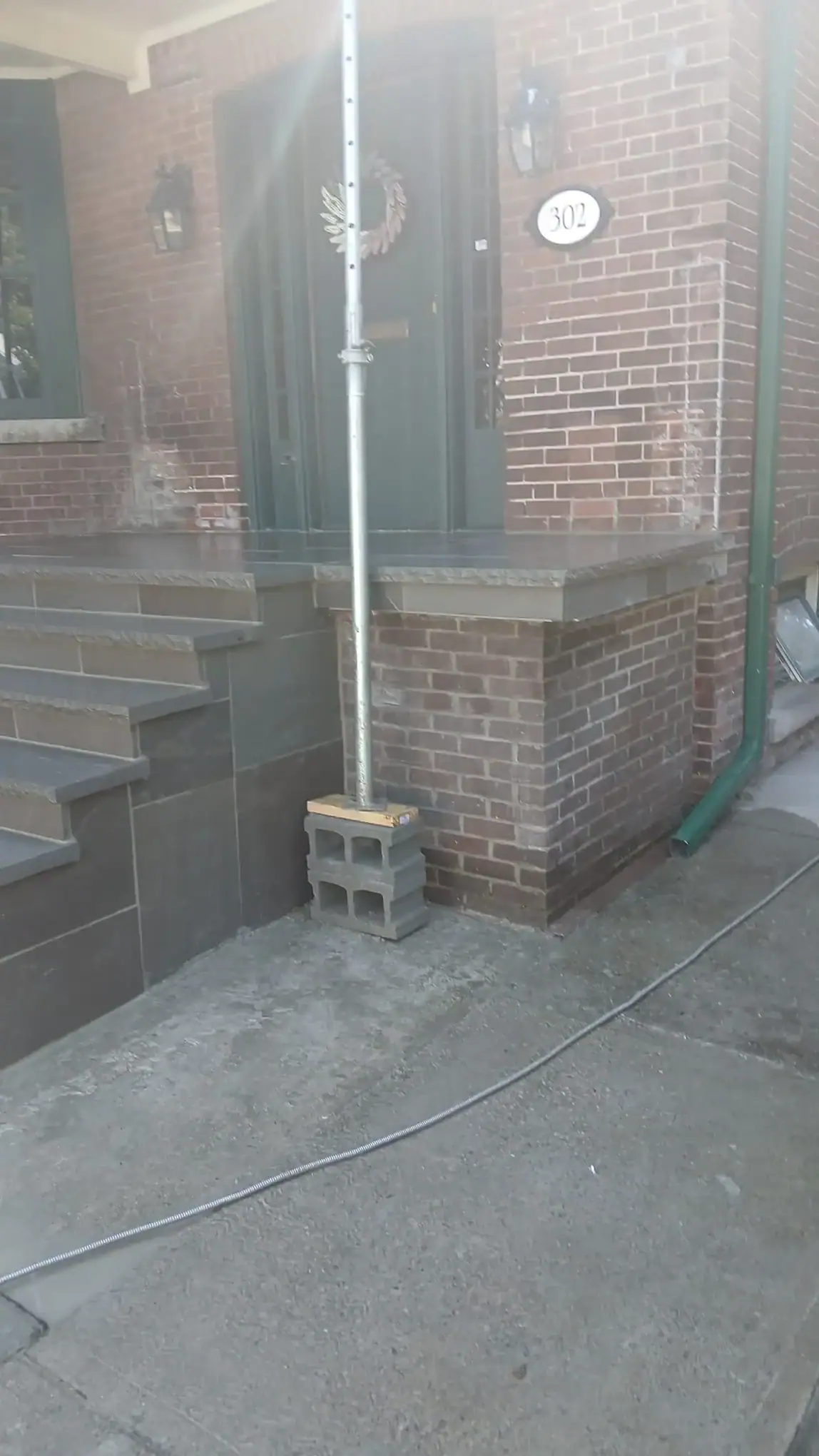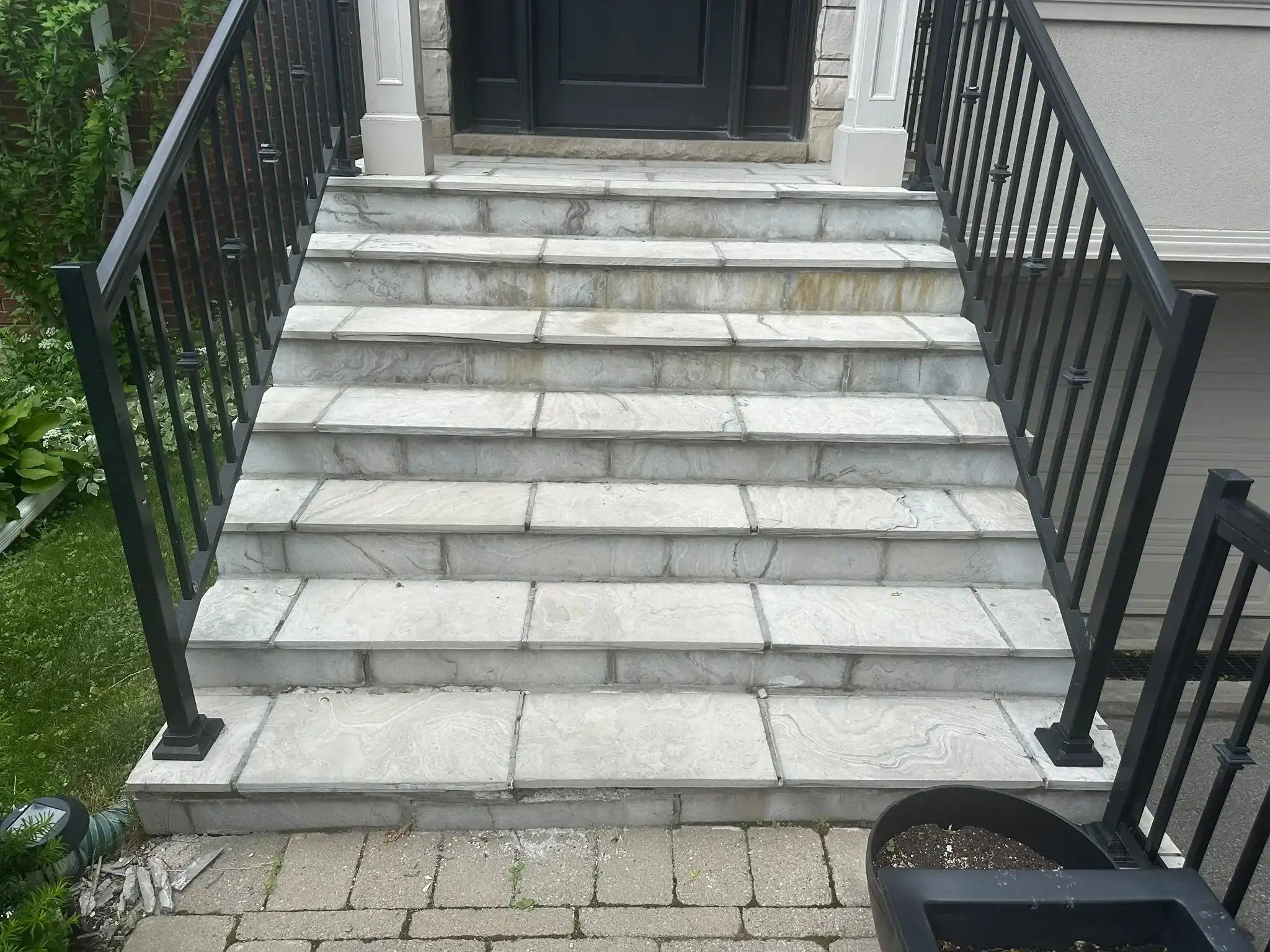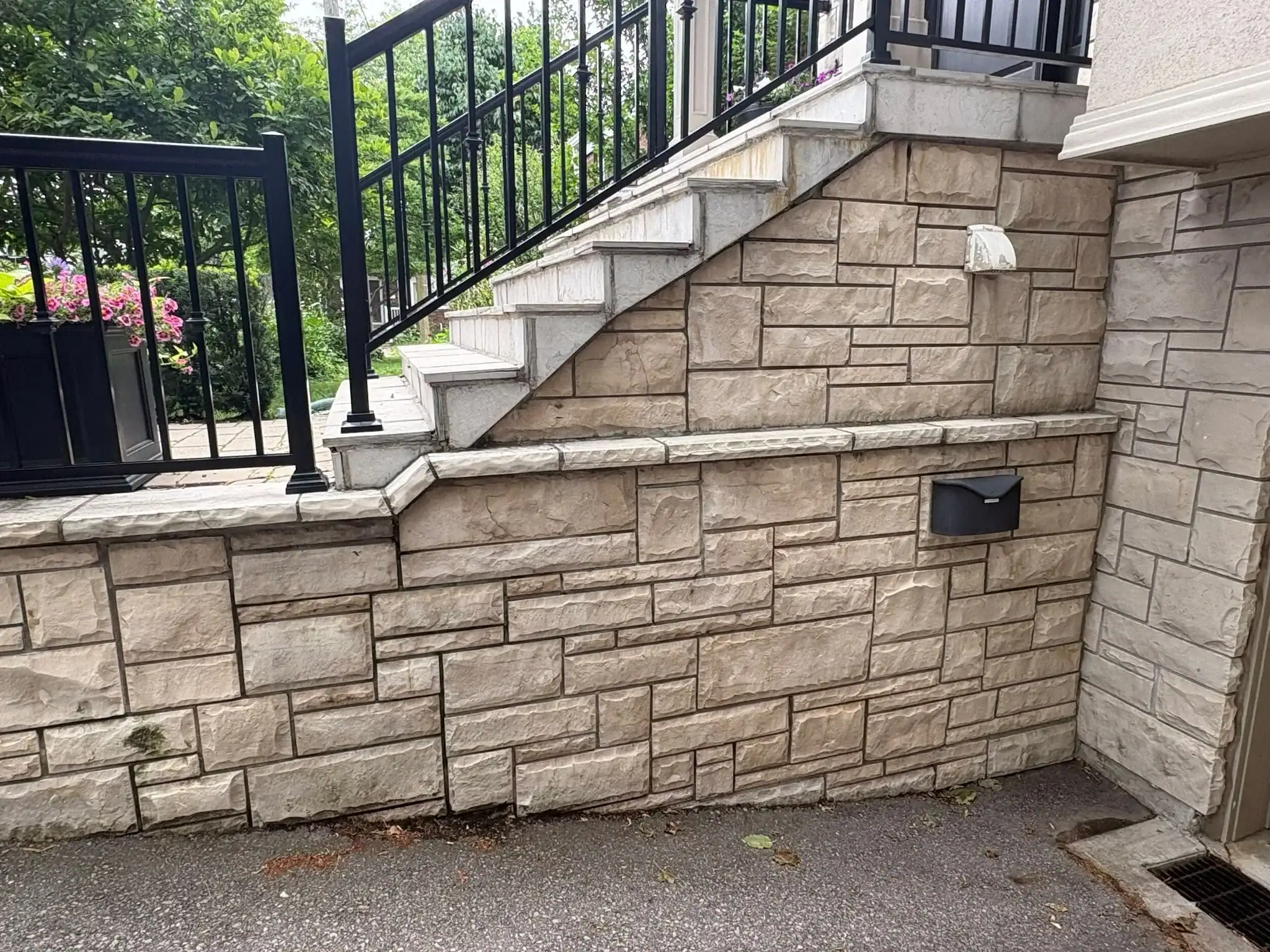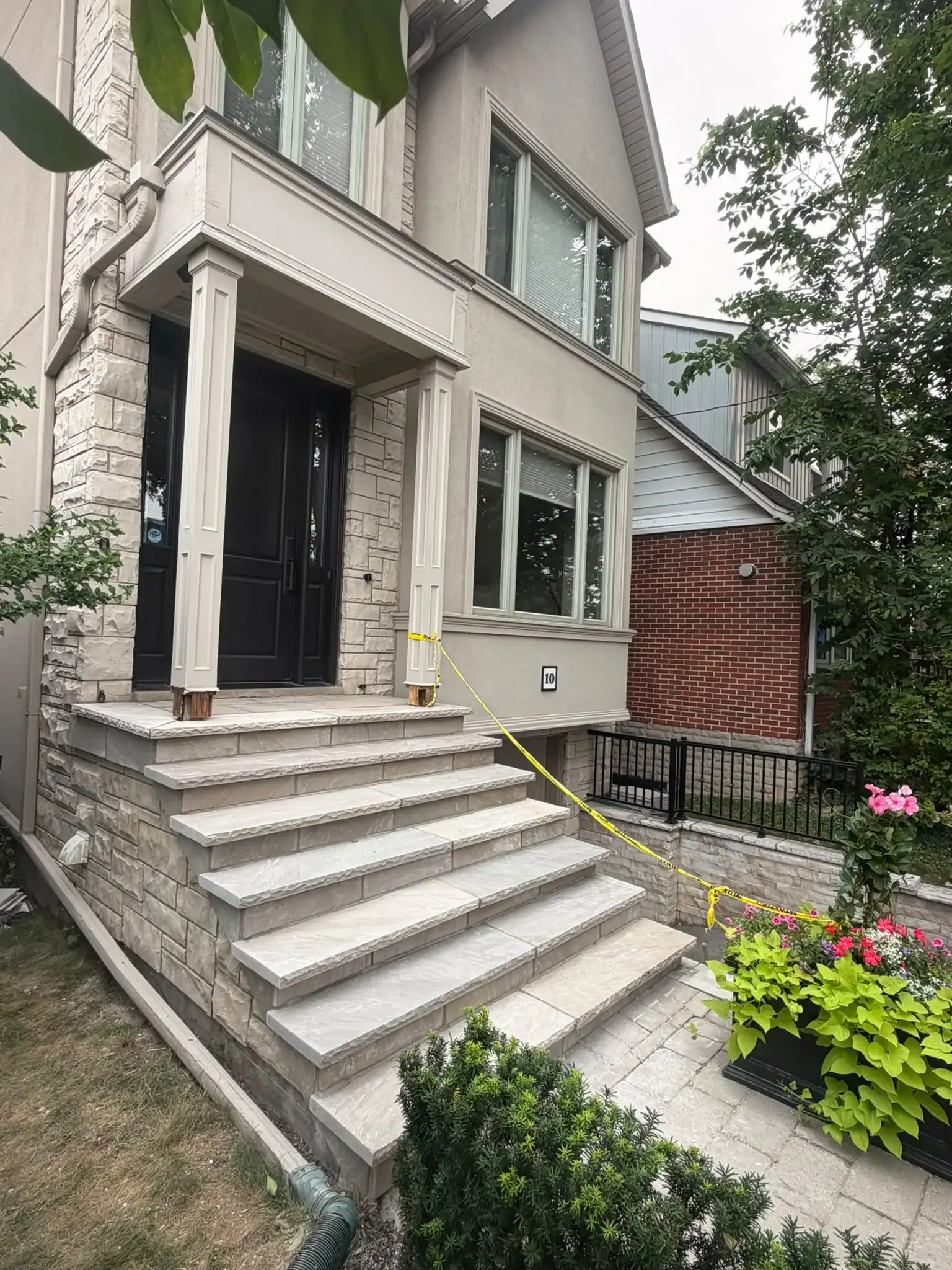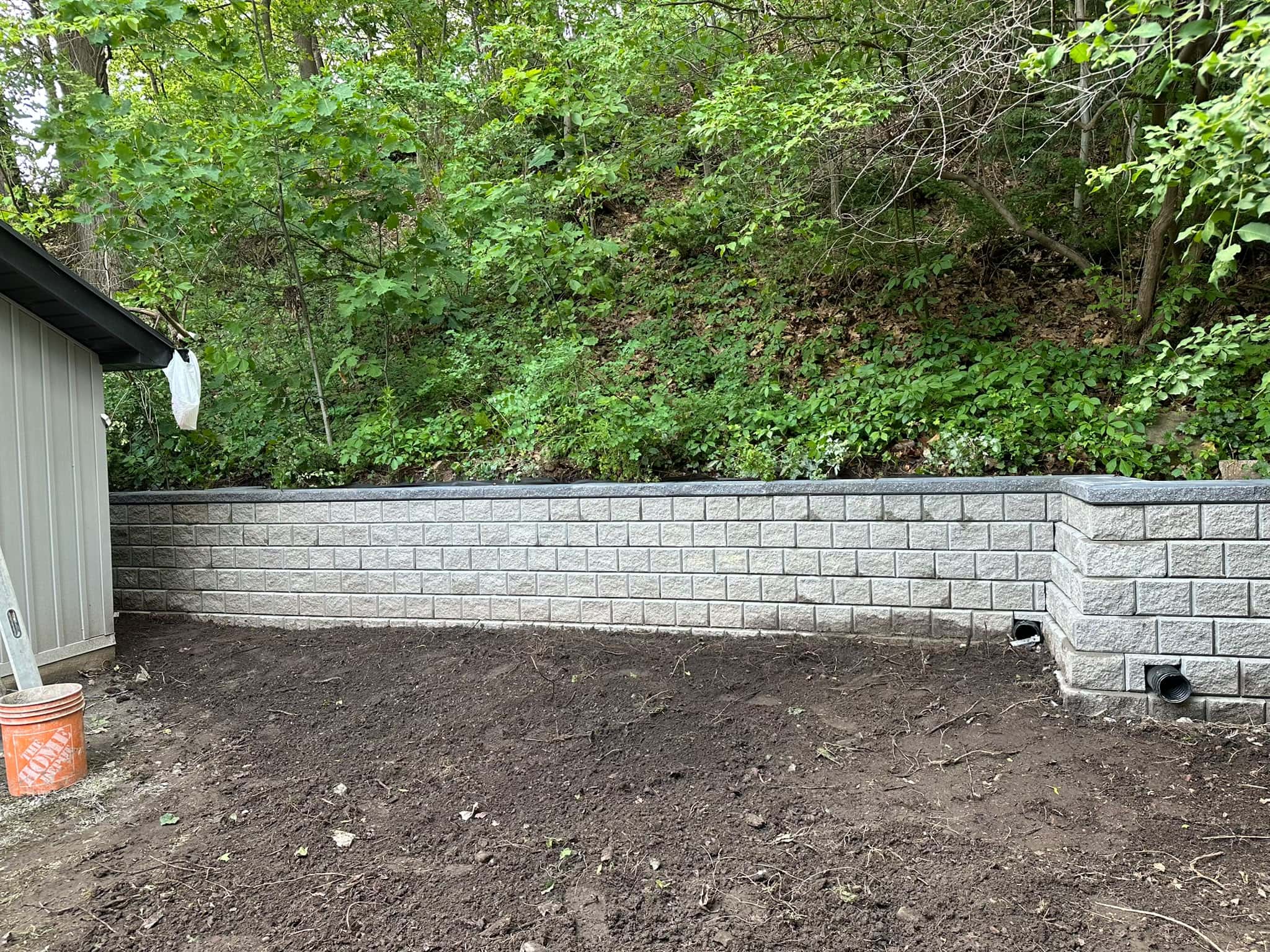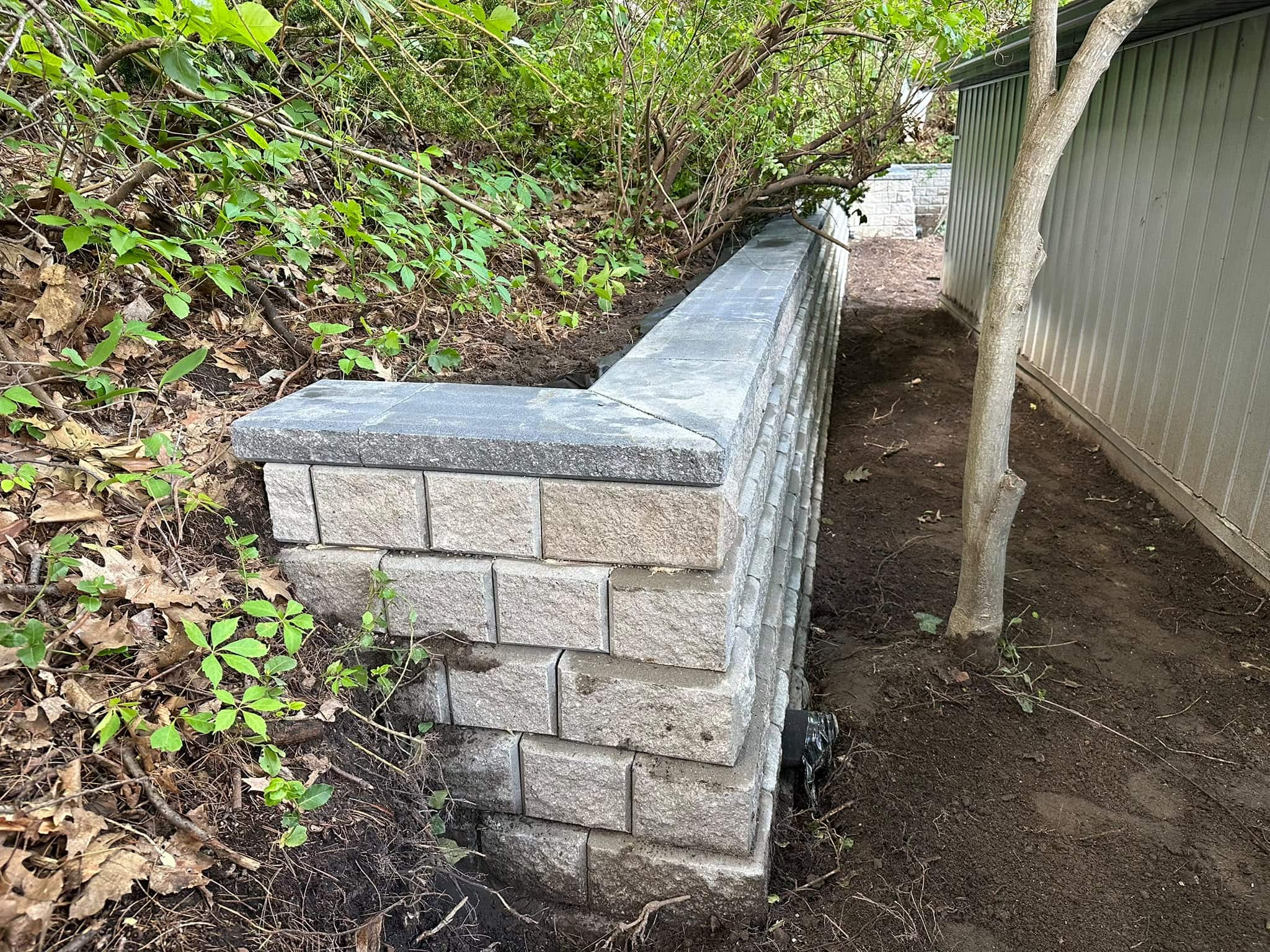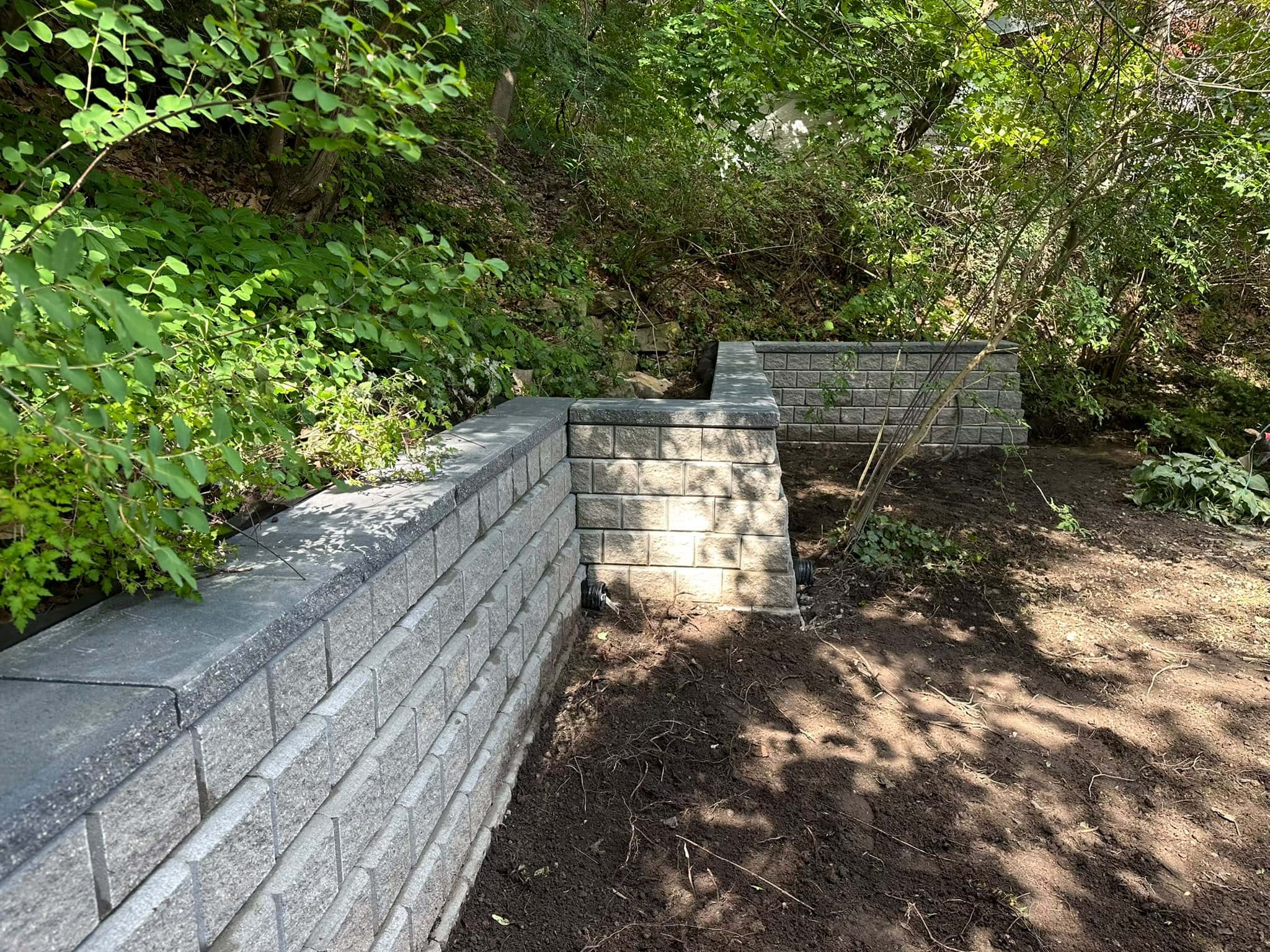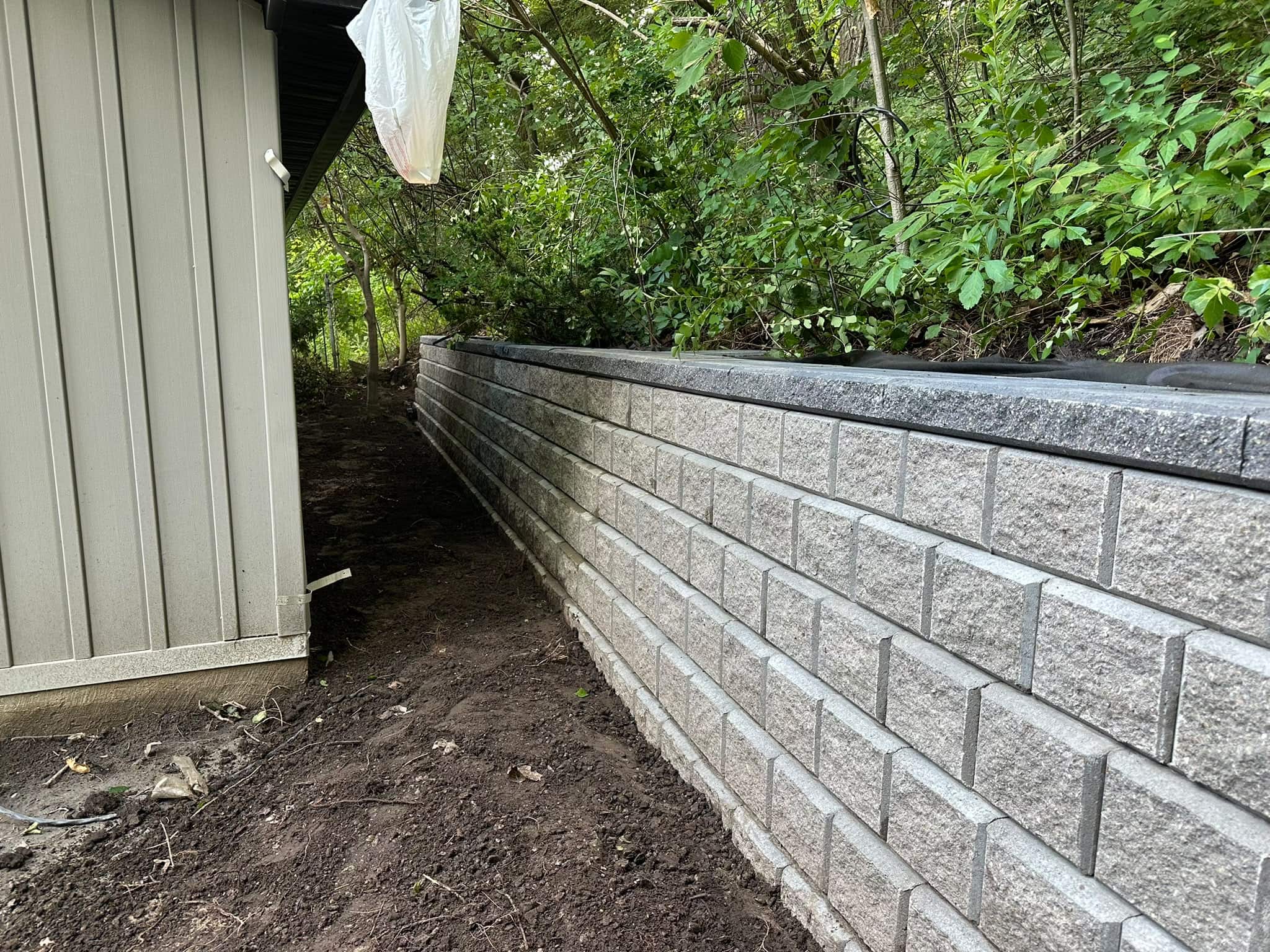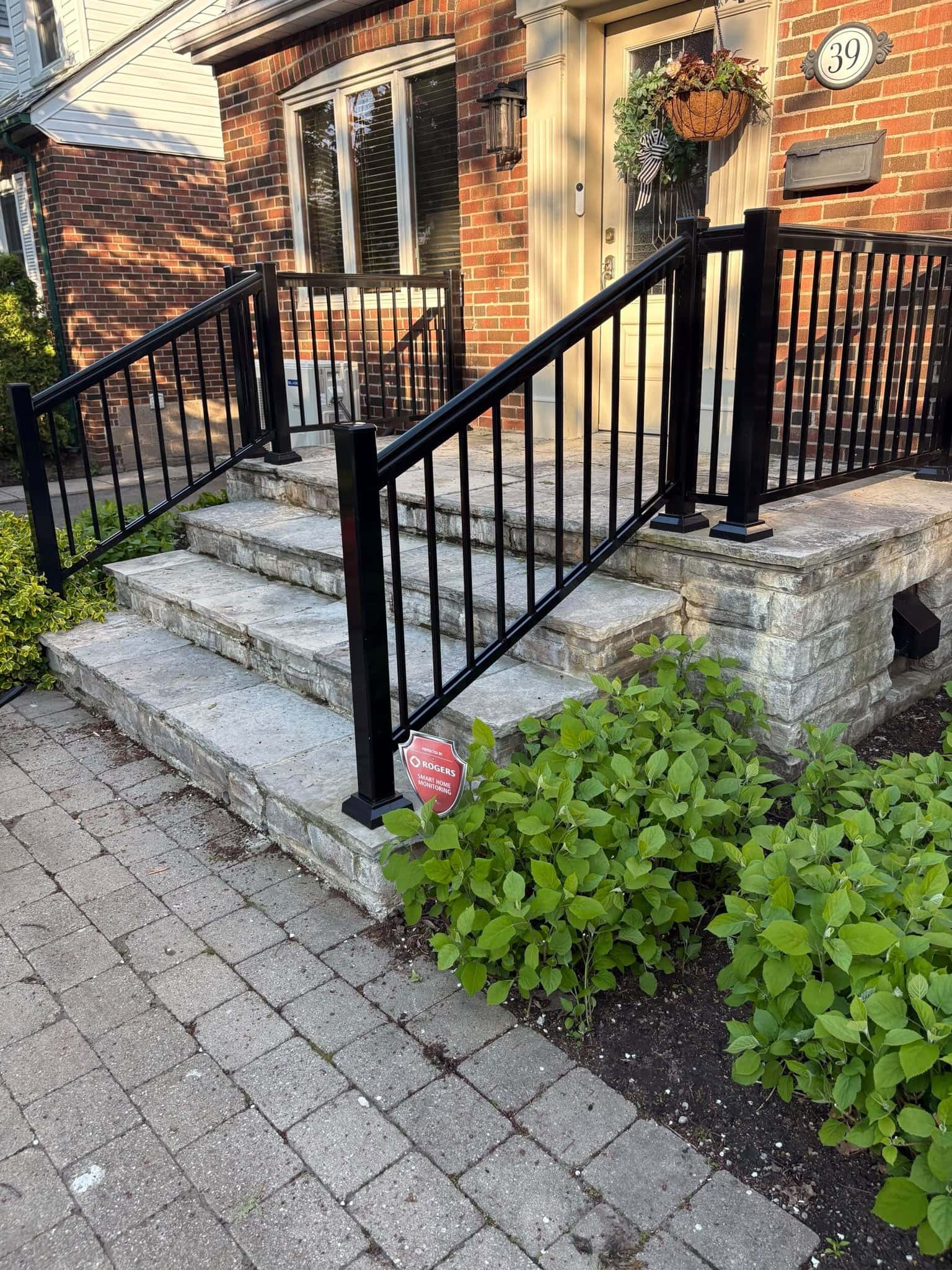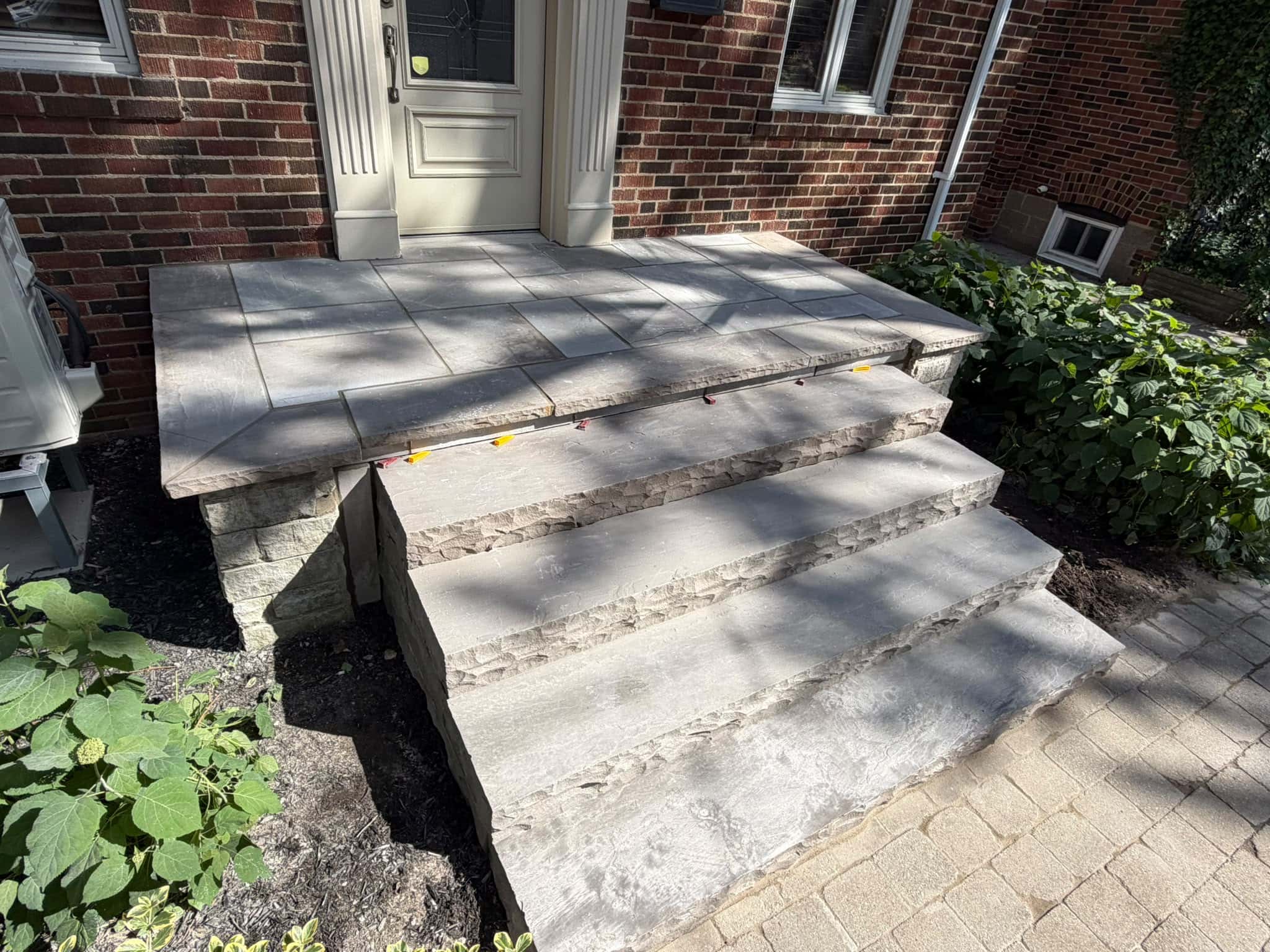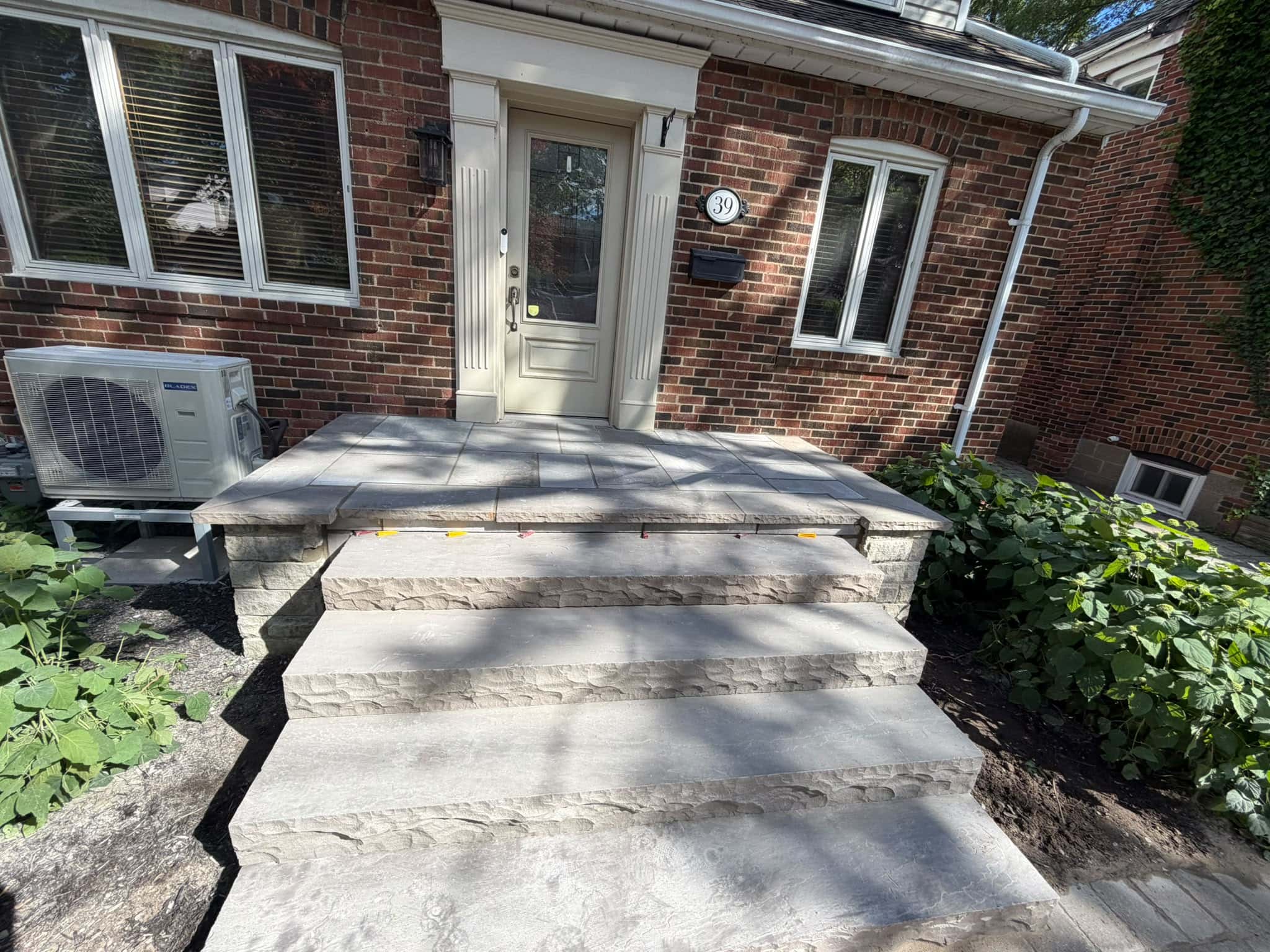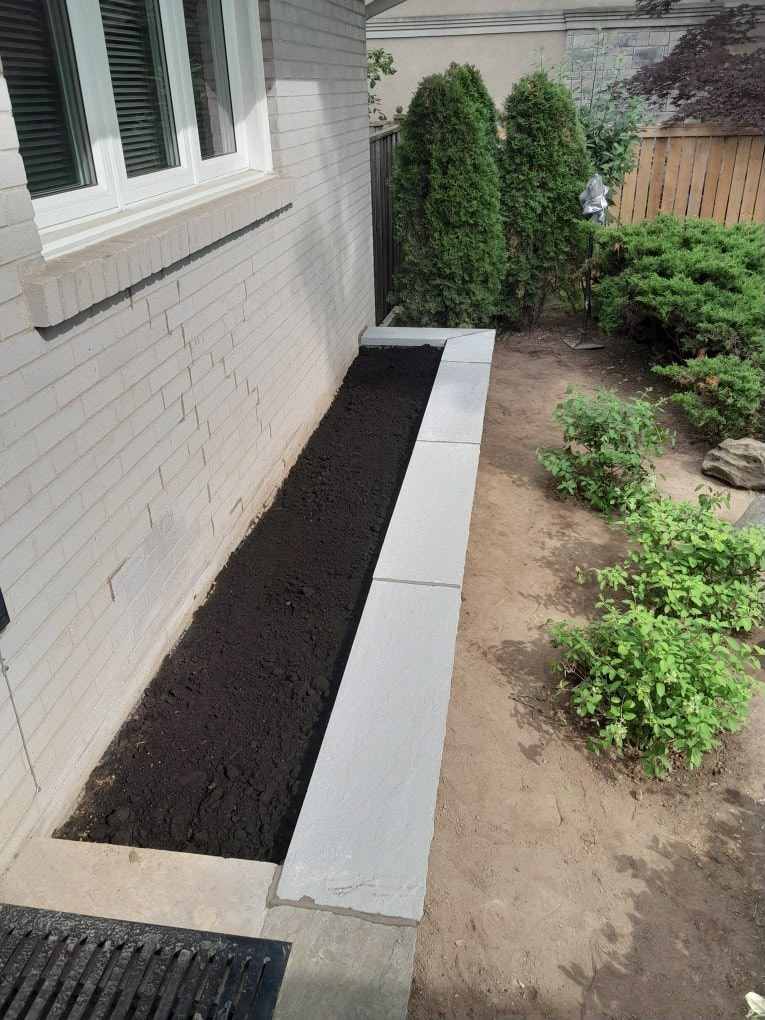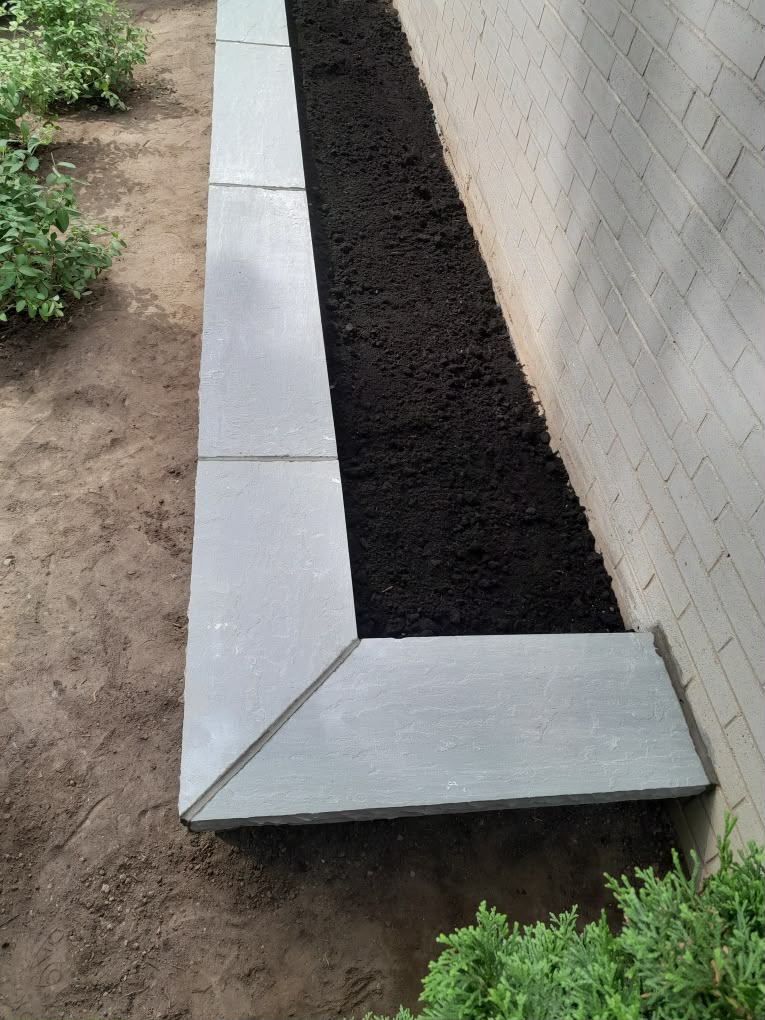

Choosing masonry materials for durability means looking beyond appearance and asking how the material will perform over time. Brick, stone, concrete block, mortar, veneer, and interlocking stone can all be durable when used in the right place, but no material is perfect for every project. The best choice depends on weather exposure, water movement, soil conditions, load, maintenance needs, design goals, and how the material works with the rest of the home.
For Toronto and GTA homeowners, durability matters because exterior masonry faces freeze-thaw cycles, rain, snow, road salt, shifting temperatures, and older building conditions. A material that looks good on installation day still needs to handle years of moisture, winter stress, and seasonal movement. This is why a durable masonry project starts with the right material, the right mortar, proper installation, and a drainage plan.
This guide explains how to compare common masonry materials, what makes each one strong or vulnerable, and how homeowners can make smarter decisions for walls, steps, chimneys, patios, walkways, foundations, and exterior features.
What Durability Means in Masonry
Durability in masonry means the material can resist weathering, moisture, movement, wear, and aging without failing prematurely. A durable masonry material should not only look good. It should also hold its shape, resist cracking, manage water properly, and work with the surrounding structure.
Durability is not only about the material itself. Installation matters just as much. A high-quality brick can fail if it is installed with the wrong mortar or exposed to constant trapped moisture. A strong stone can shift if the base is poorly prepared. A concrete block wall can crack if drainage and structural support are ignored. Even the best material can perform poorly when the entire system is not properly planned.
The first point homeowners should understand is that masonry is a system. Brick, stone, mortar, flashing, drainage, base preparation, anchors, slope, and maintenance all work together. If one part is weak, the rest of the project can suffer.
Why Toronto Weather Should Shape Your Material Choice
Toronto’s weather should inform your material choice because exterior masonry here faces repeated moisture and freezing conditions. Water can enter small cracks or open joints, then freeze and expand. Over time, this can lead to spalling brick, cracked mortar, lifted pavers, damaged steps, and loose masonry units.
Heavy rain and melting snow also affect durability. If water drains toward a wall, step, foundation, or patio rather than away from it, the material will experience greater stress. This is especially important around older Toronto homes, where grading, narrow side yards, older foundations, and past repairs can all influence how water moves.
The City of Toronto provides homeowners with information on managing rain and melted snow, which is useful context for exterior masonry planning. Durable masonry is not only about choosing a strong material. It is also about keeping water from sitting against that material for long periods.
Brick: Durable, Familiar, and Repairable
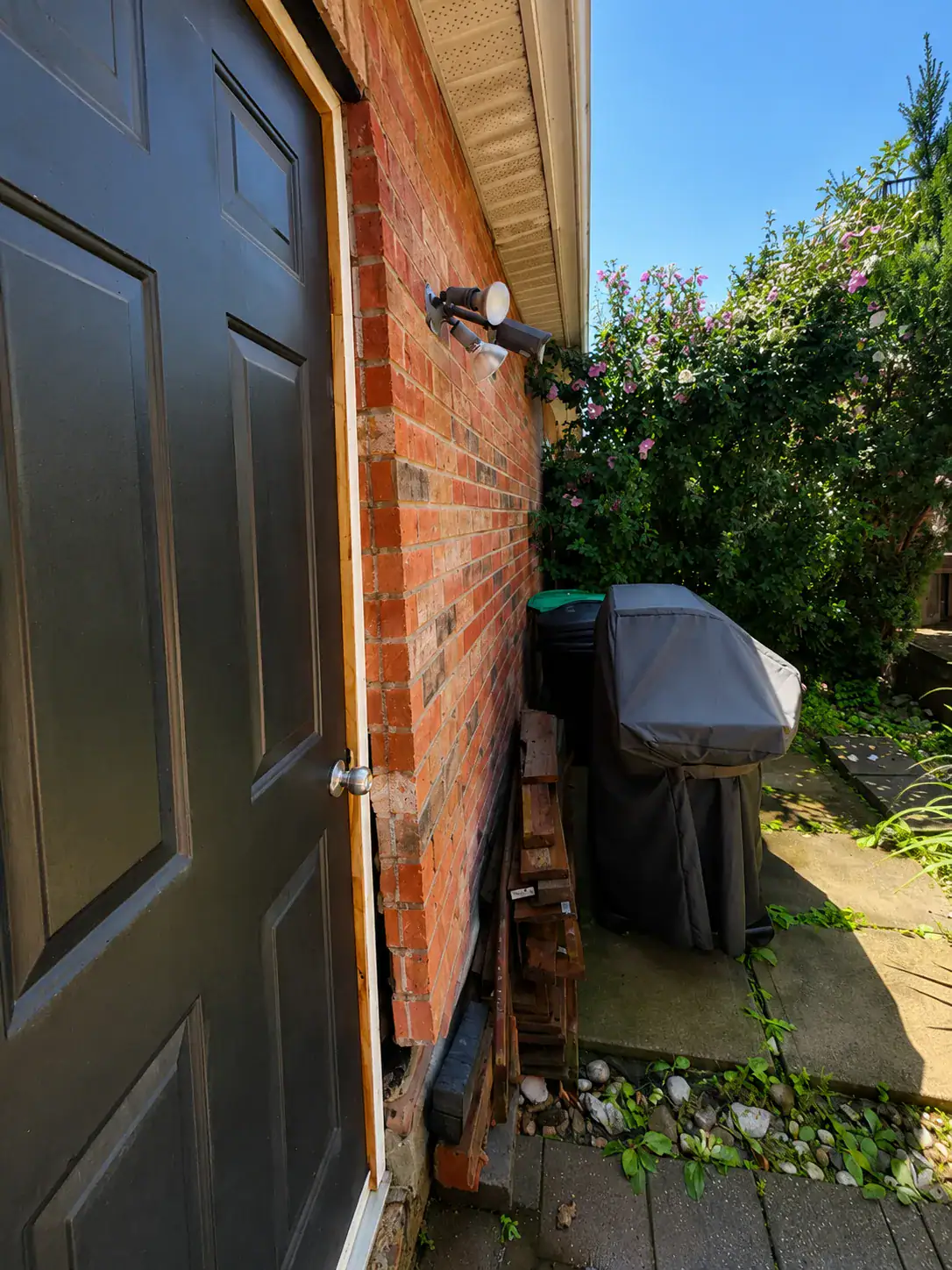
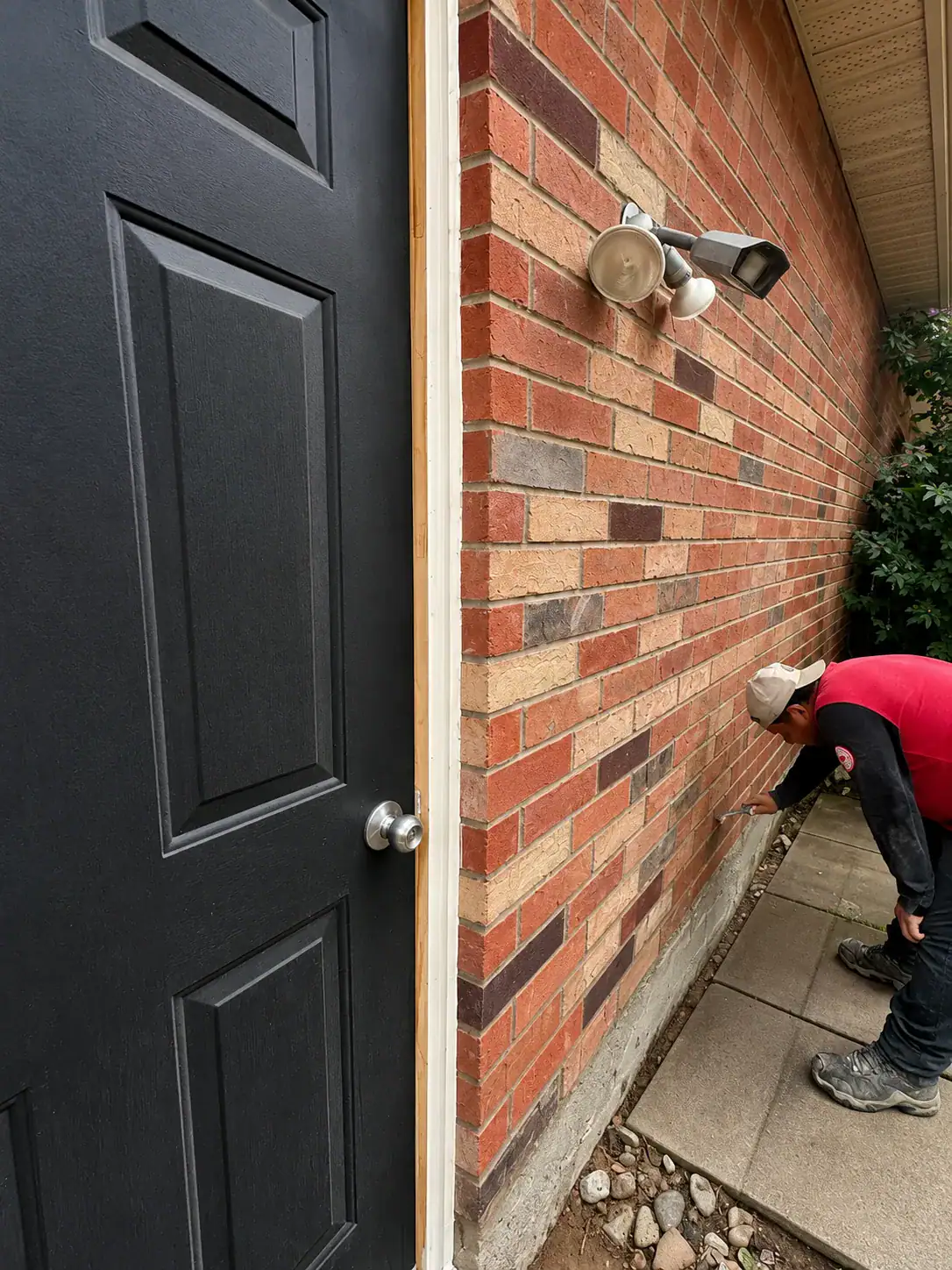
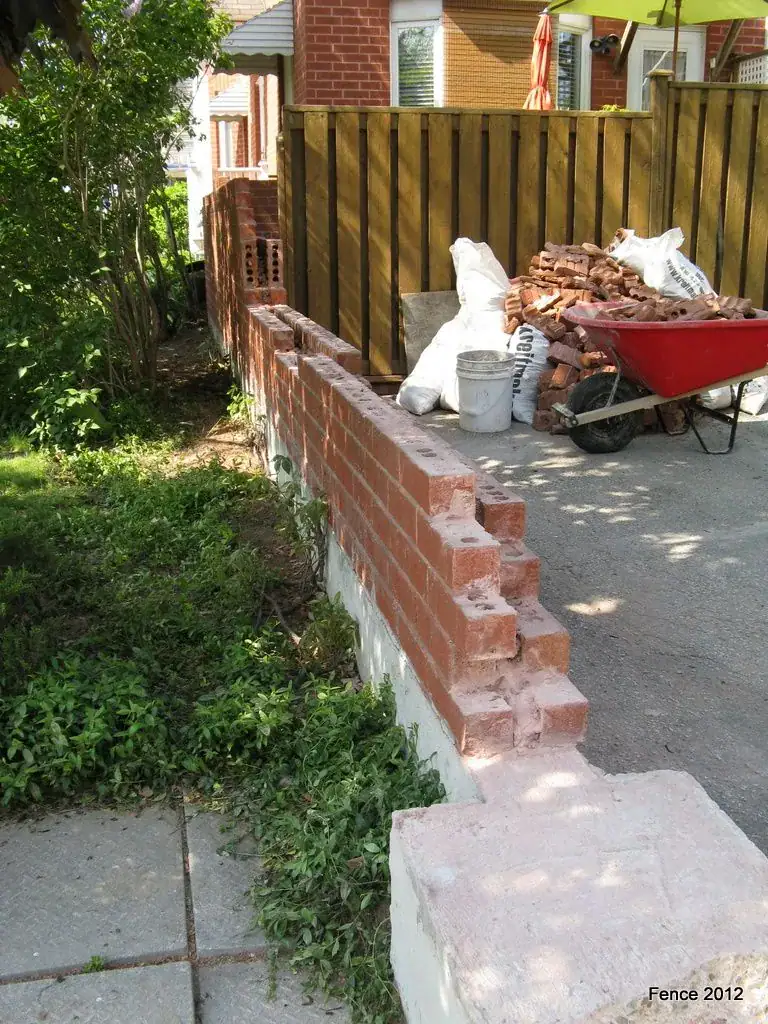
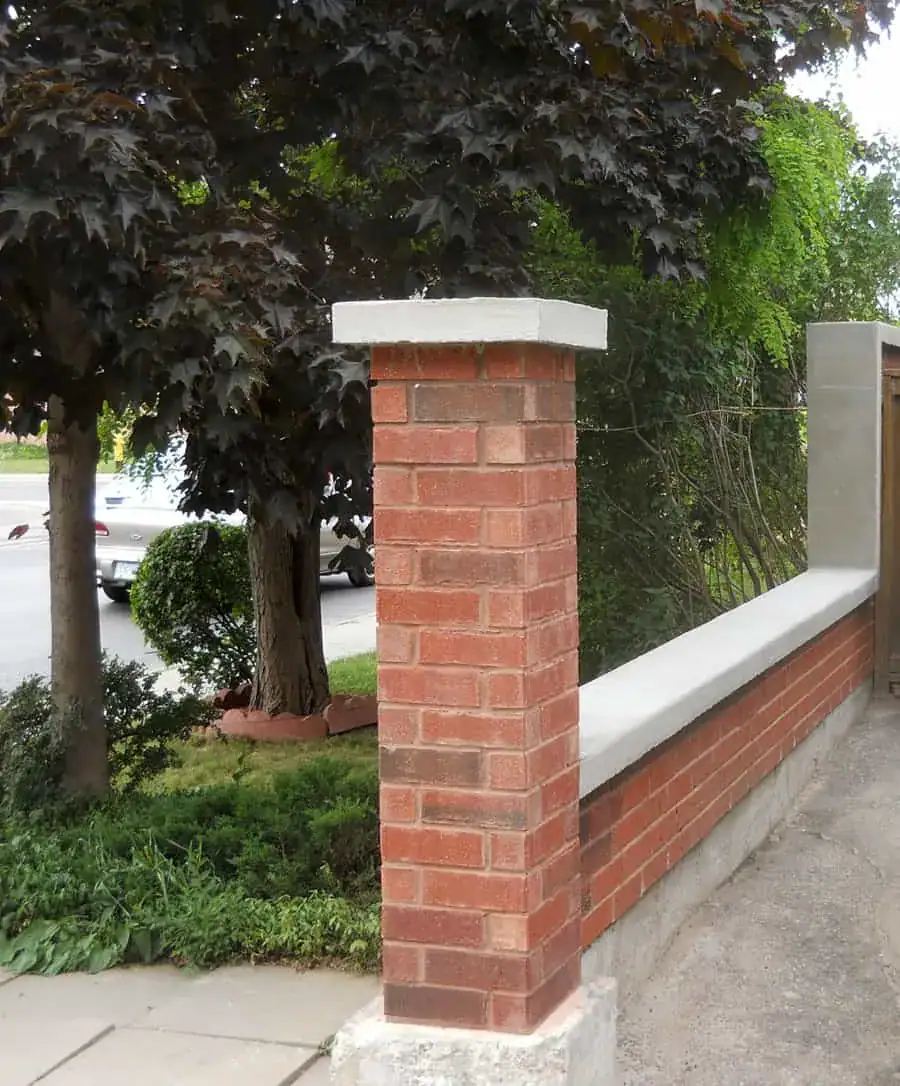
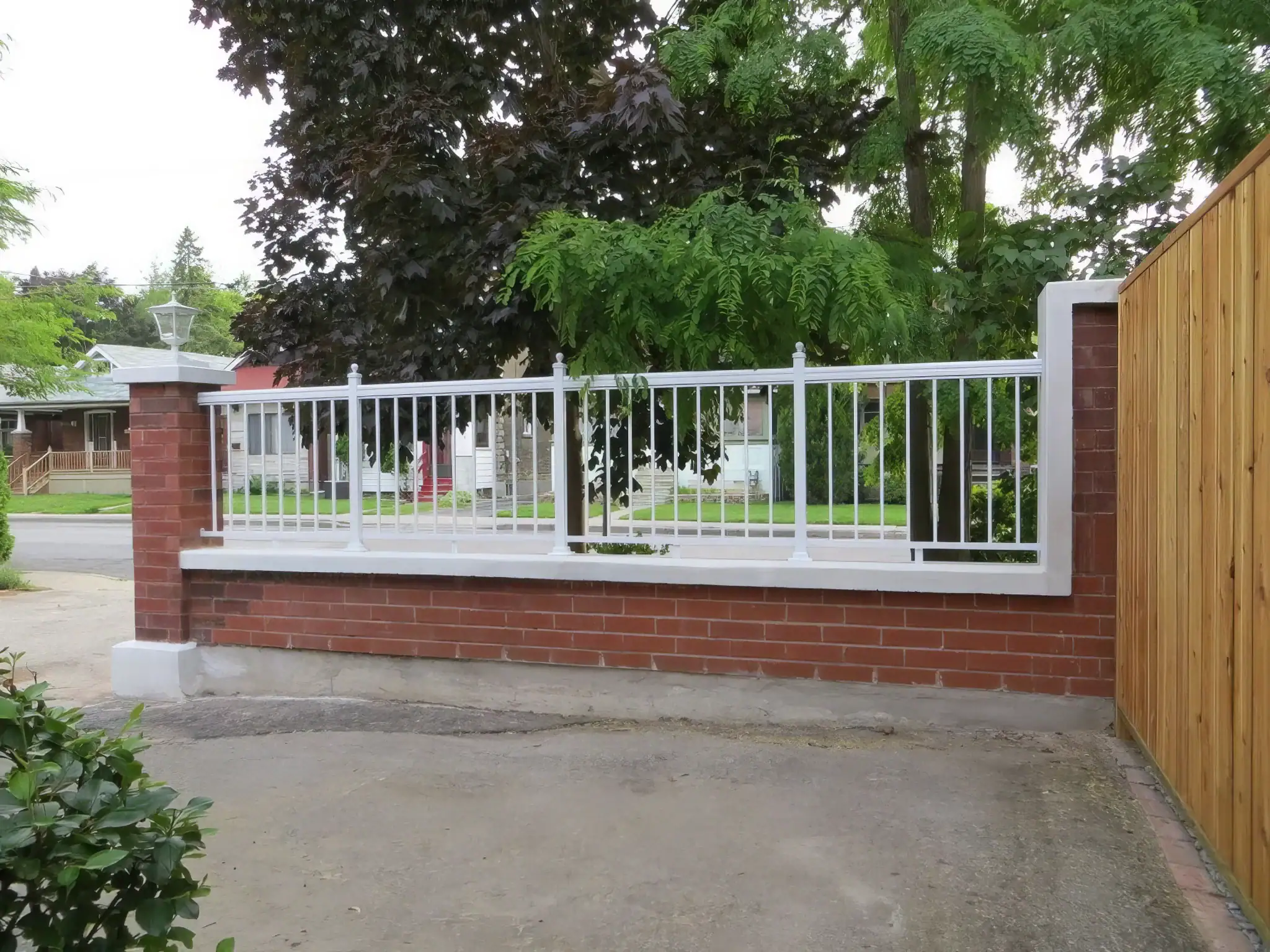
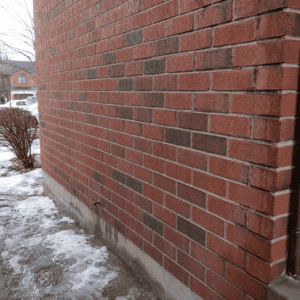
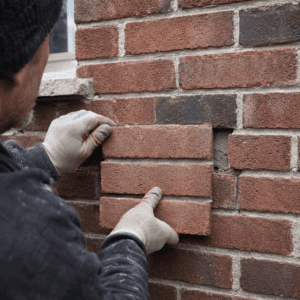
Brick is one of the most common masonry materials in Toronto because it is durable, familiar, and well-suited to many homes. When properly installed and maintained, brick can last for many years. It also has a major advantage: individual damaged bricks can often be replaced without rebuilding the entire wall.
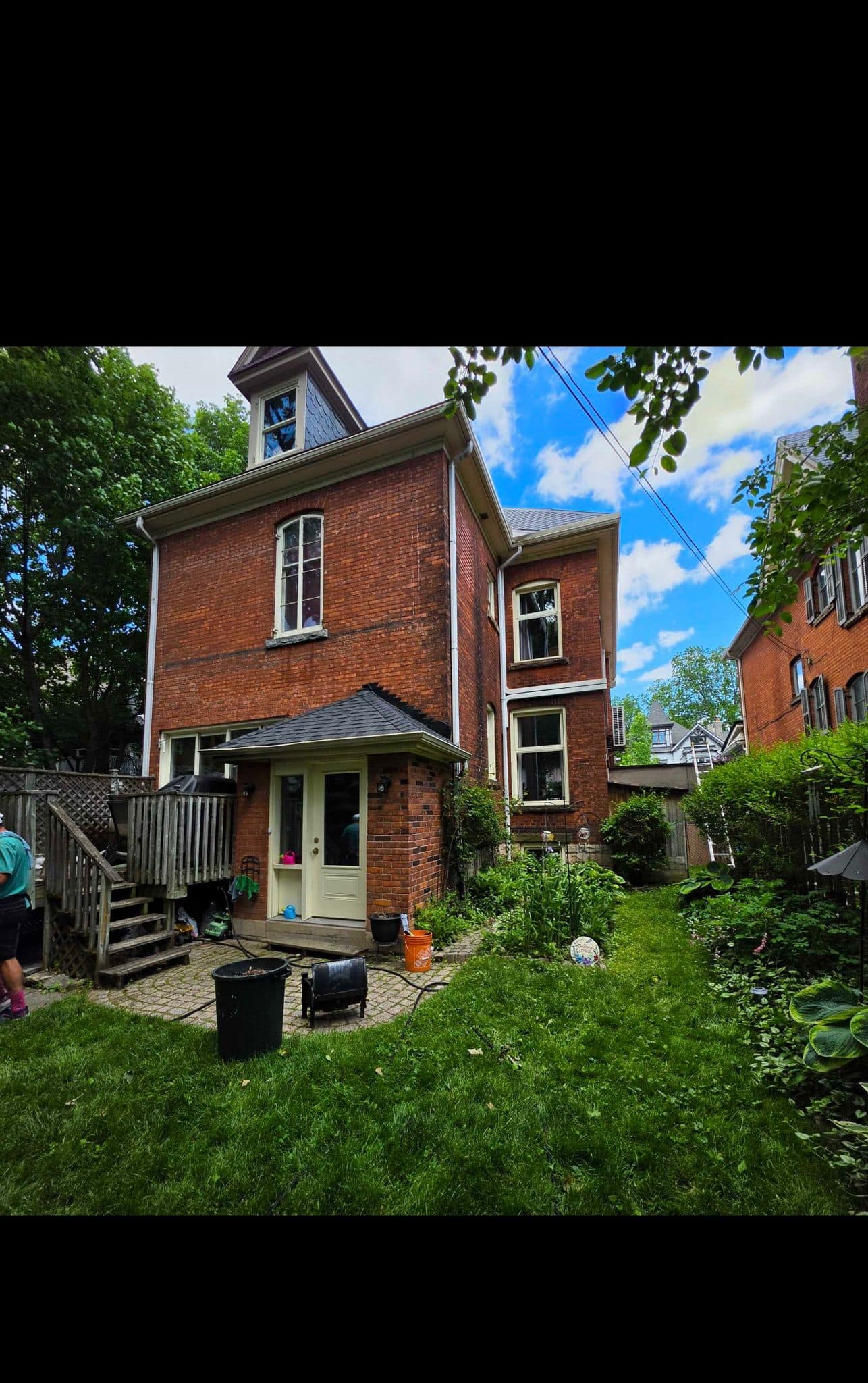
Brick works well for exterior walls, chimneys, garden features, repairs, and restoration projects. For older Toronto homes, matching the size, colour, texture, and hardness of the existing brick is important. A poor match can create a visible patch. More importantly, a brick that is too hard or too soft for the surrounding wall may not perform well over time.
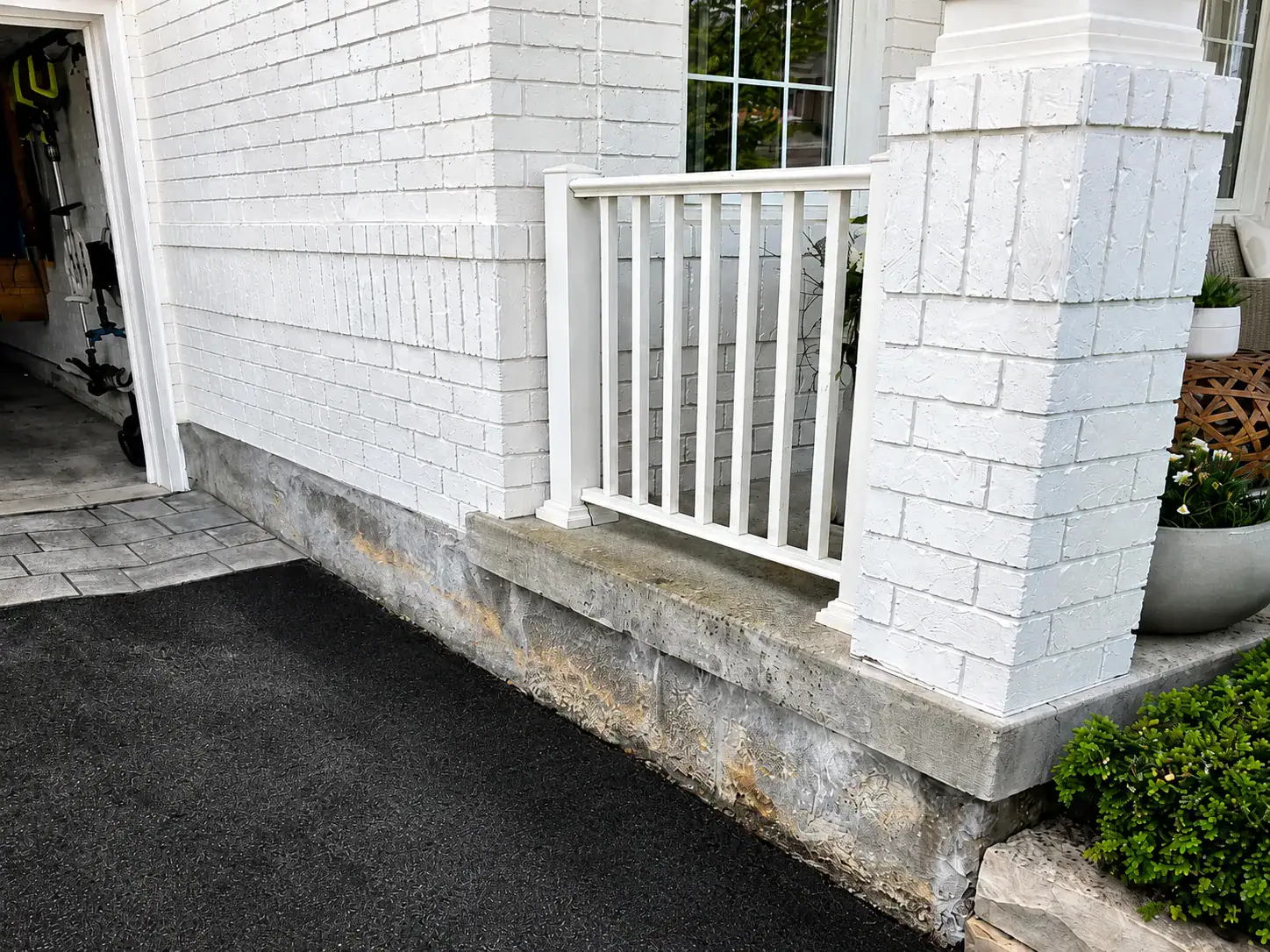
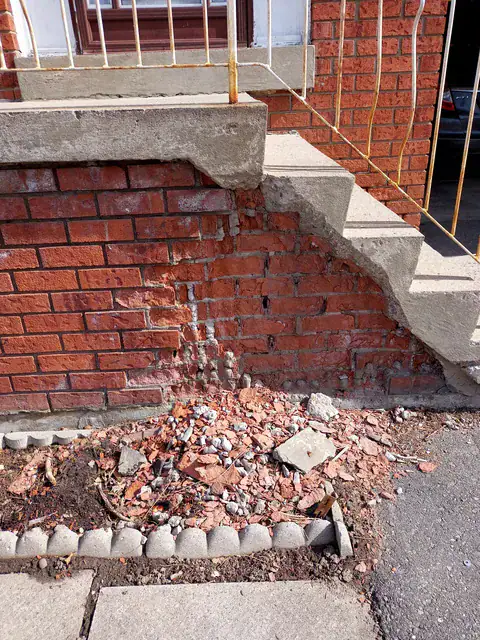
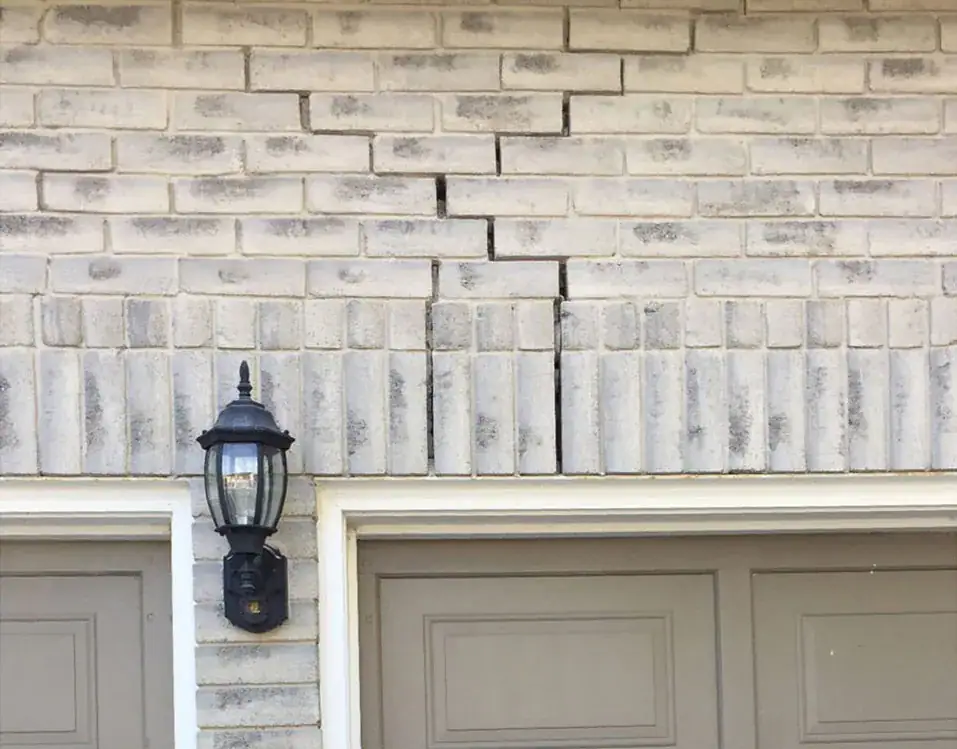
The main durability risks for brick are moisture, freeze-thaw damage, spalling, failed mortar, and poor previous repairs. Spalling happens when the face of the brick flakes, breaks, or pops off, often because moisture has entered the brick and expanded during freezing weather. Brick can also suffer when painted or sealed incorrectly, especially if moisture becomes trapped inside the wall.
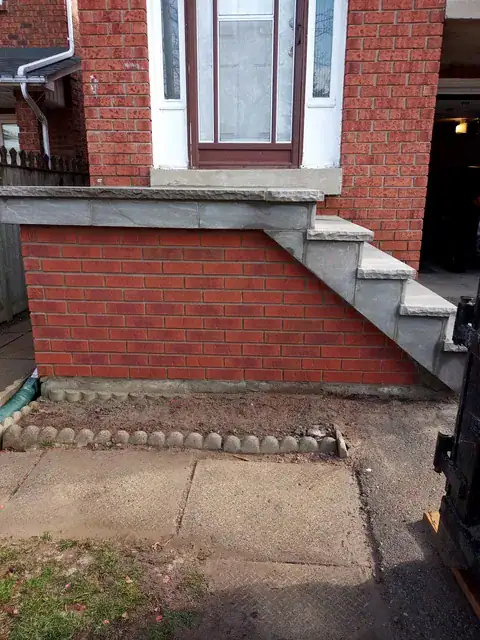
If your project involves damaged brickwork, A&A Masonry’s brick repair Toronto page explains common repair situations. For cases where individual bricks are too damaged to save, the brick replacement Toronto page is also relevant.
Stone: Strong, Natural, and Long-Lasting When Used Correctly
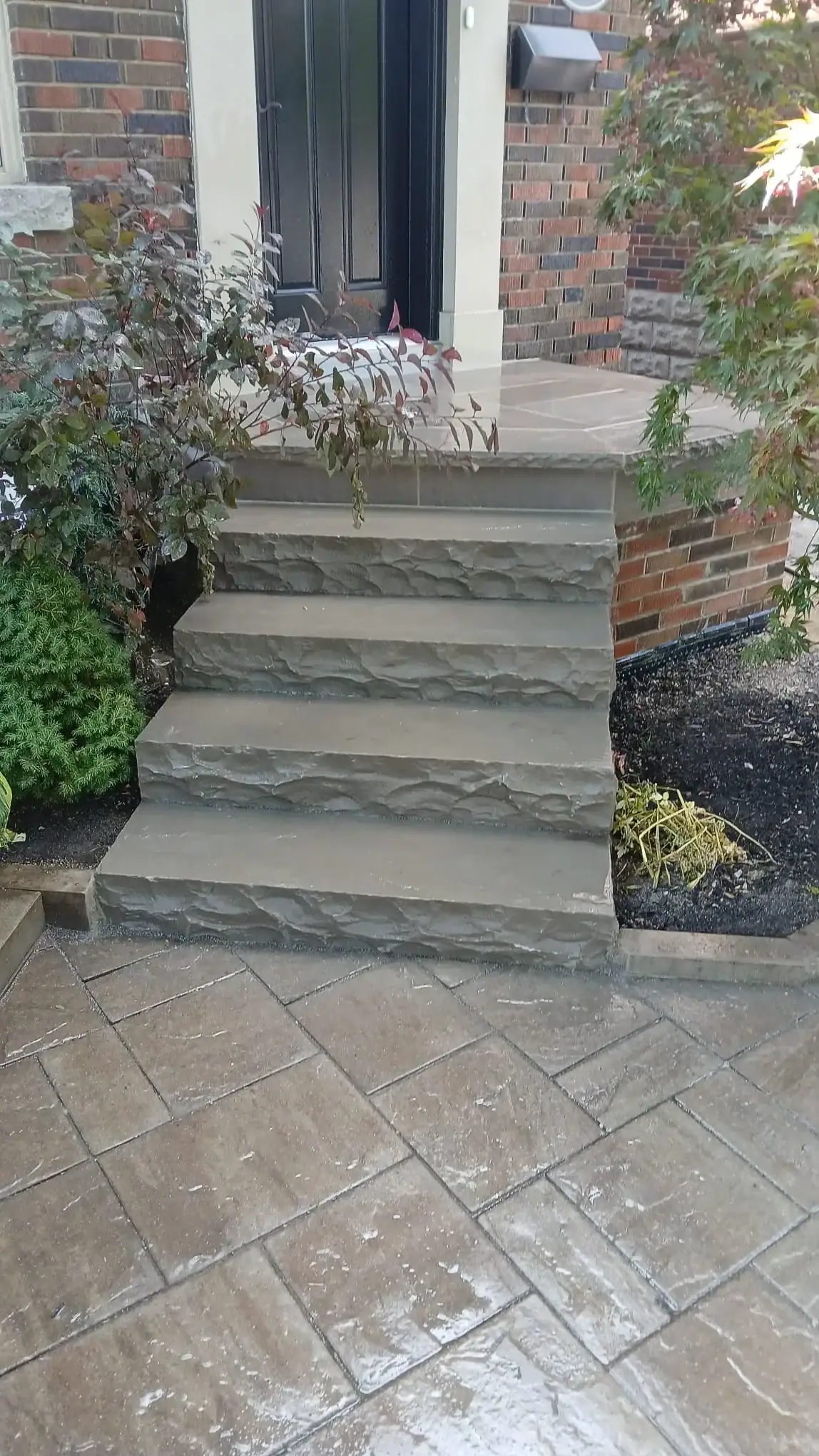
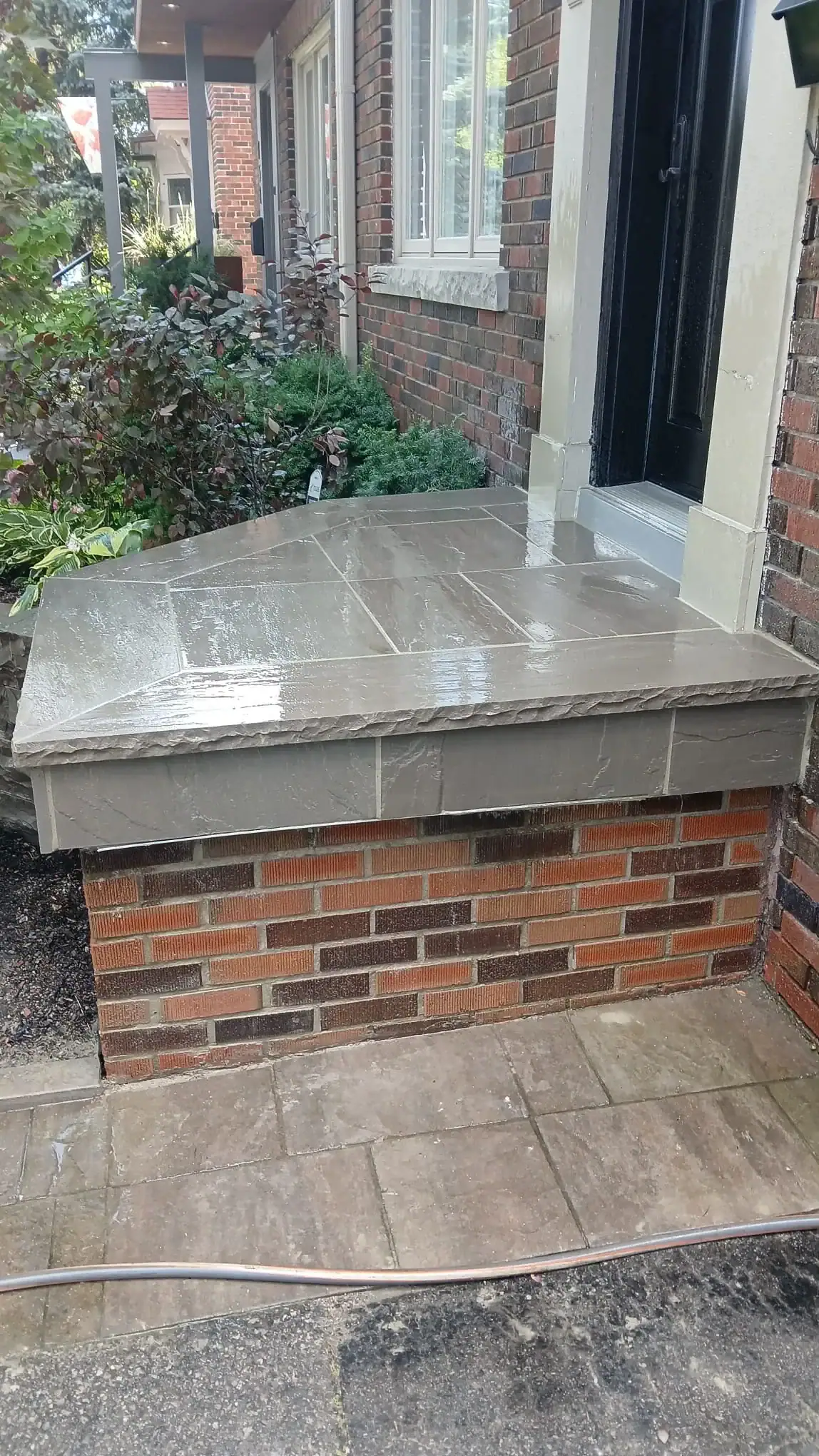
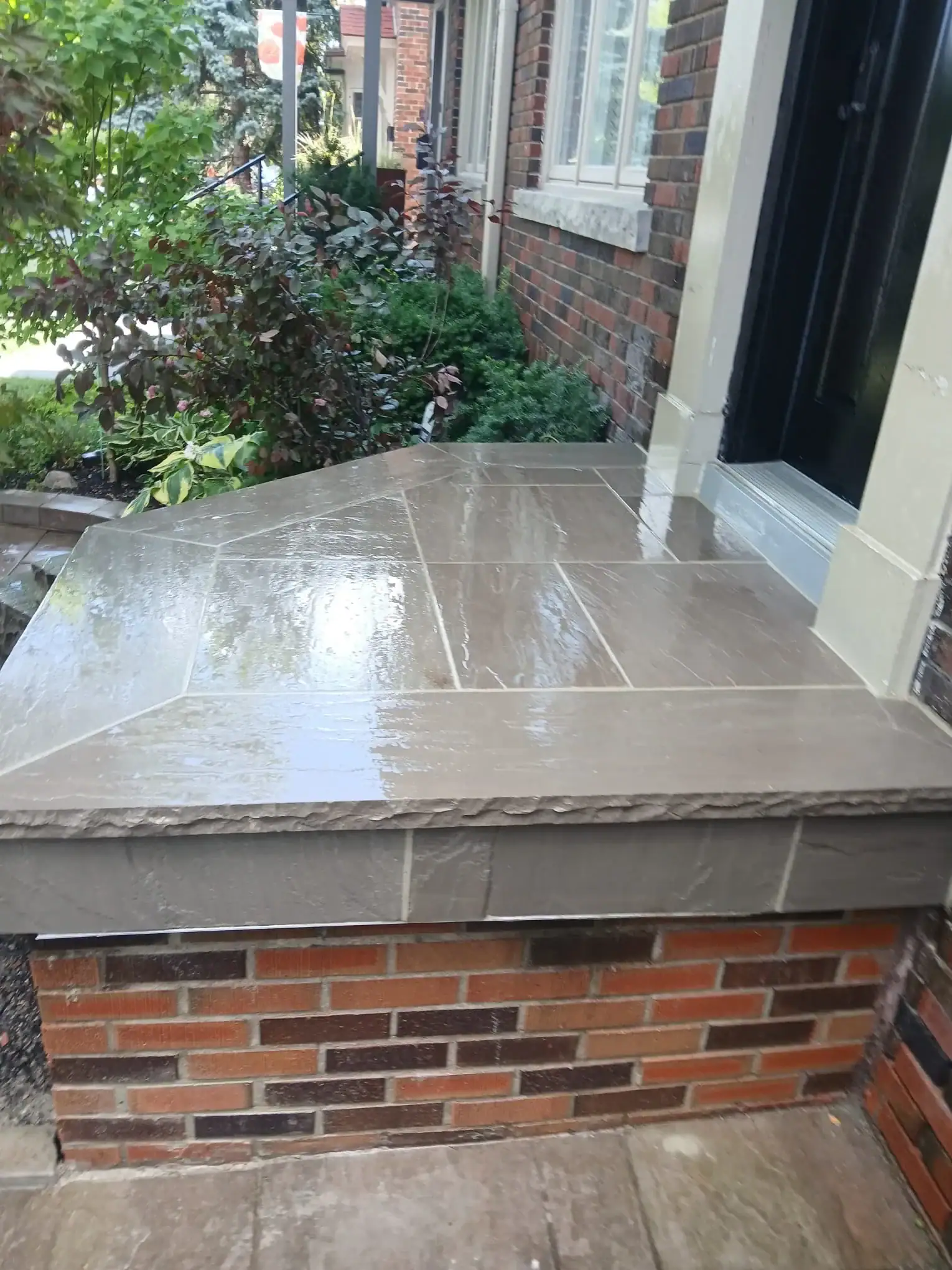
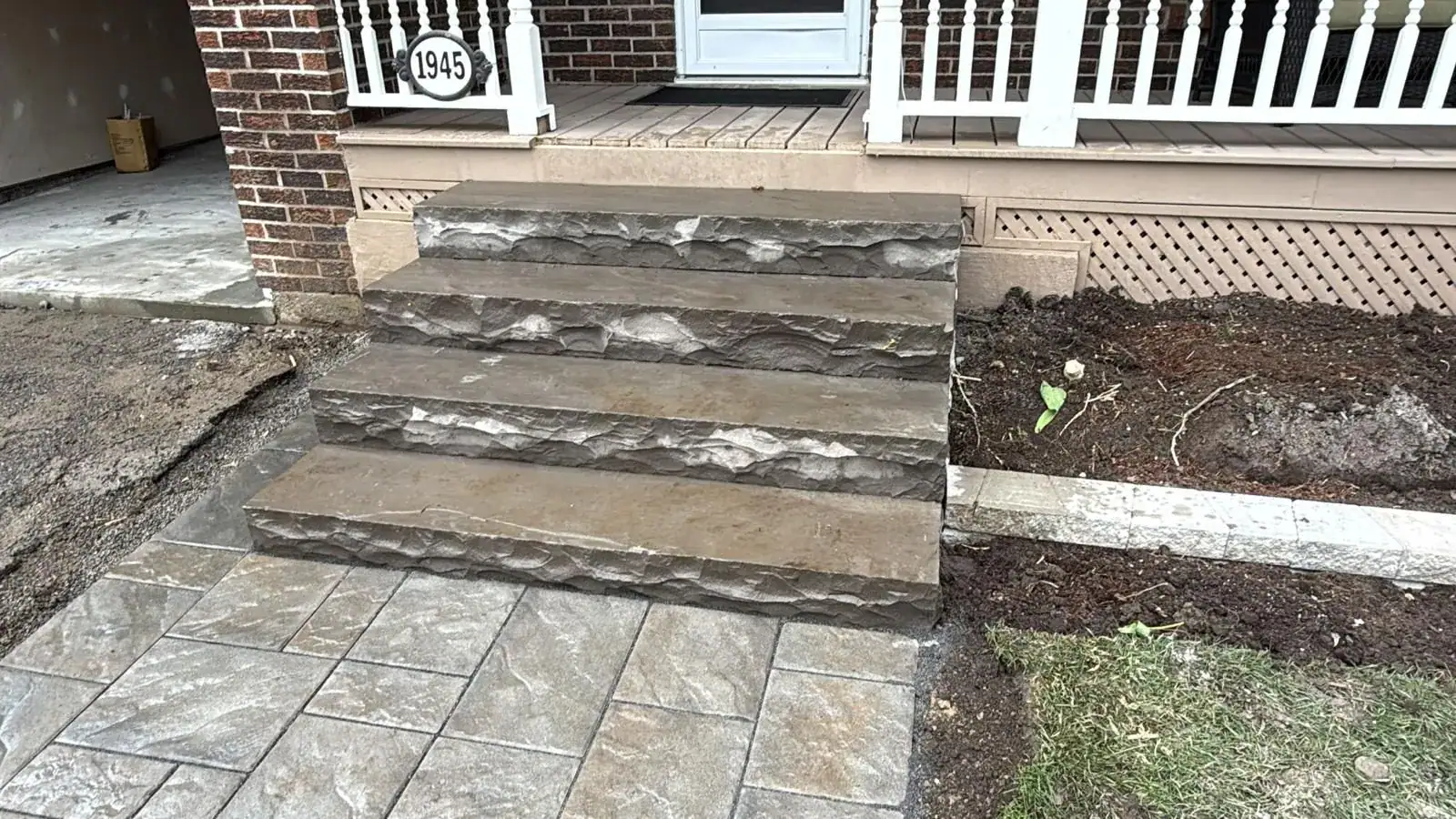
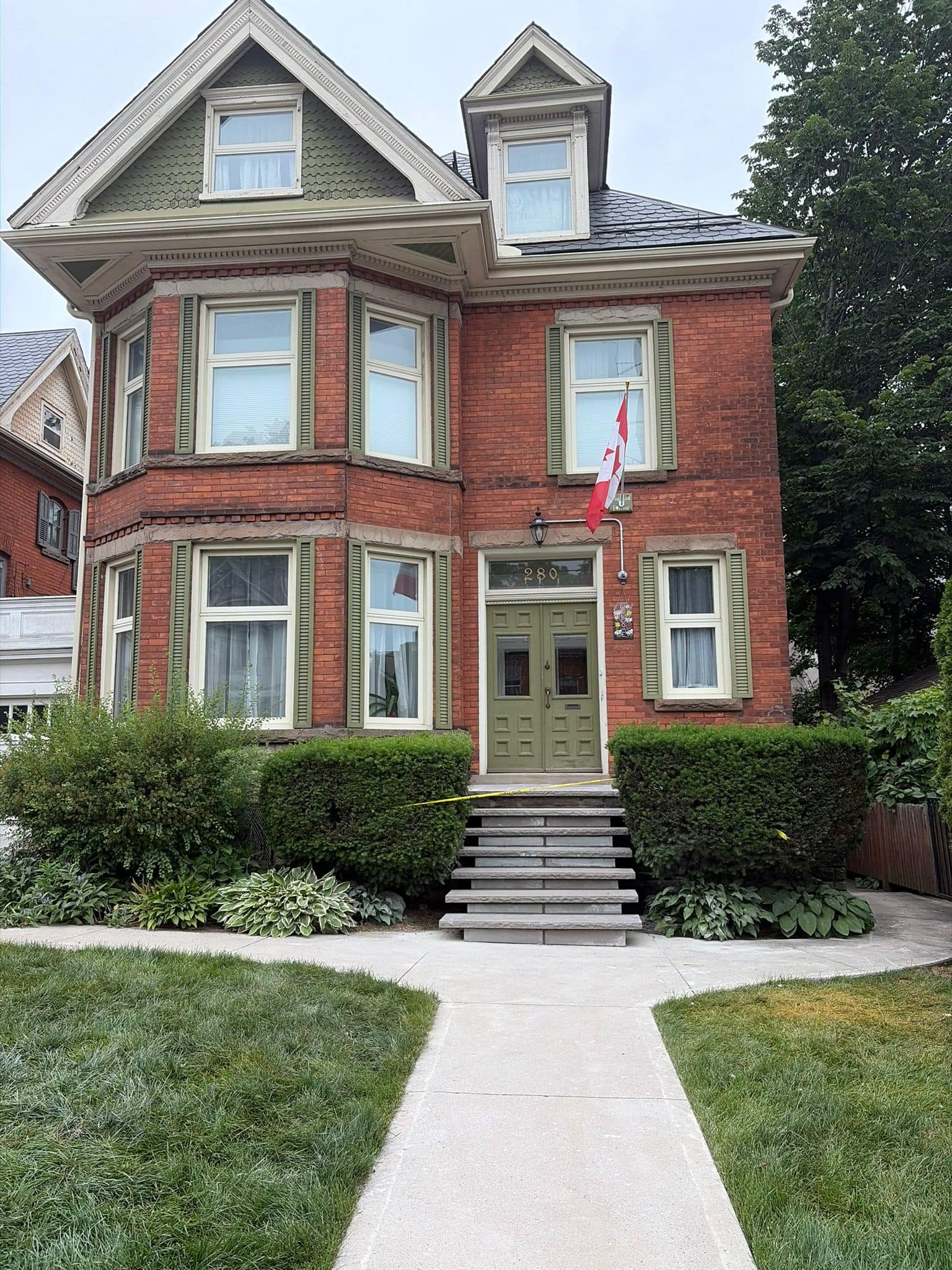
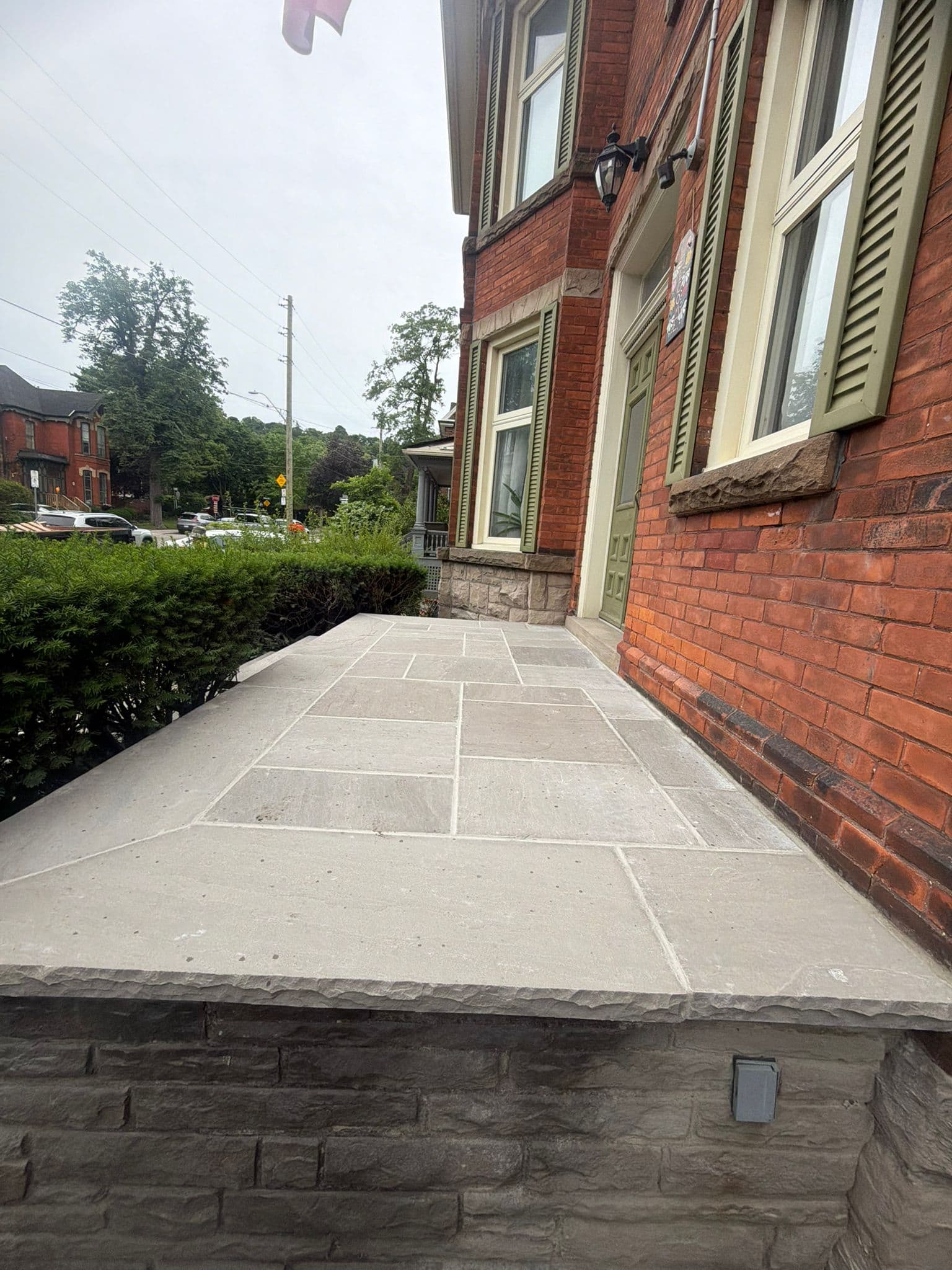
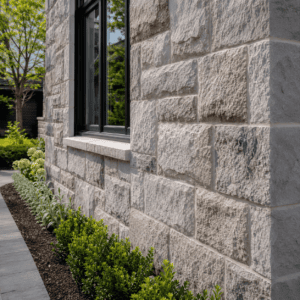
Stone is often chosen for durability because it is dense, natural, and visually strong. It can be used for walls, steps, garden features, veneer, fireplaces, pillars, and exterior accents. Stone can give a home a more permanent, substantial look, but the right type of stone must match the project and its exposure.
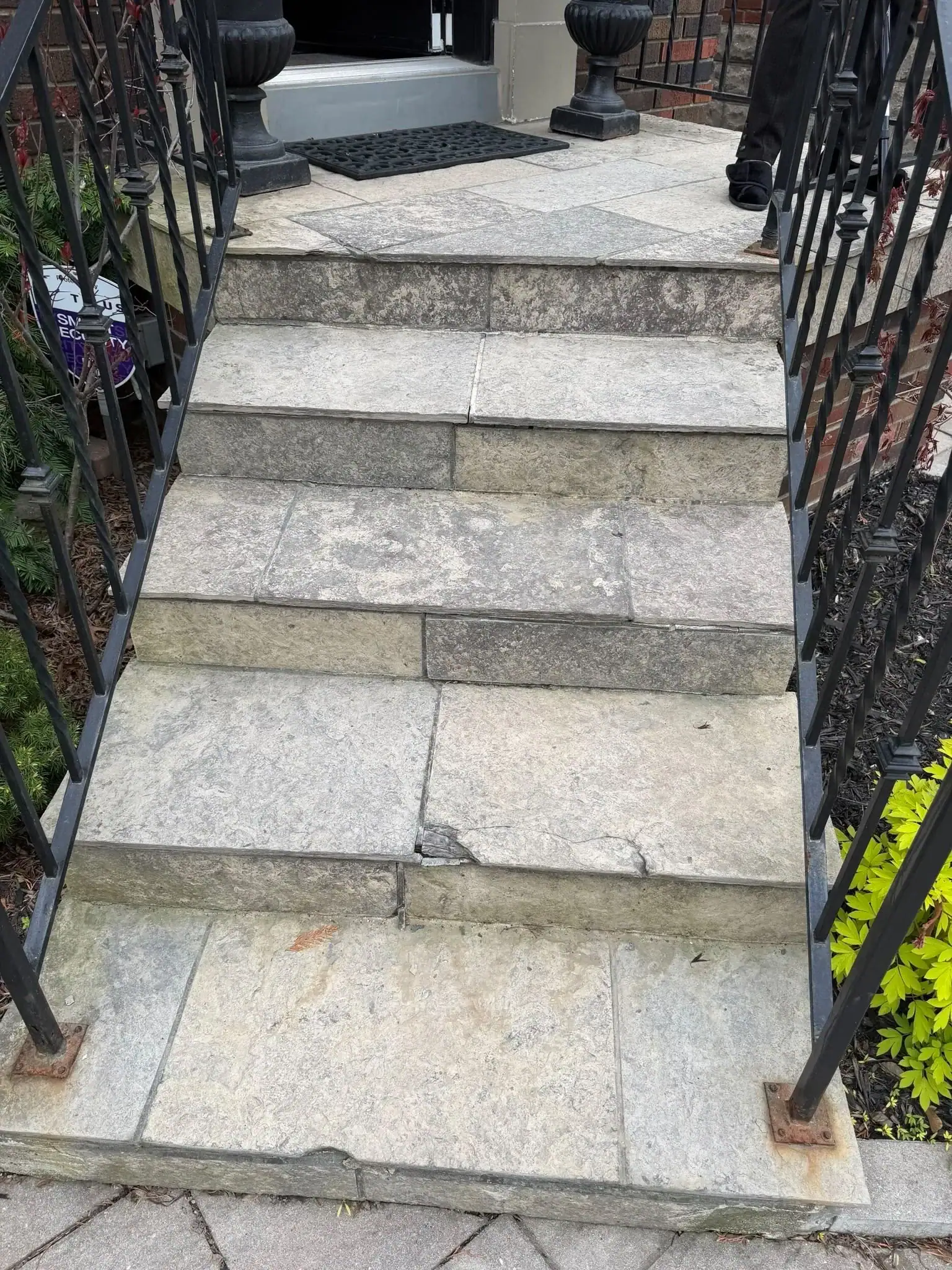
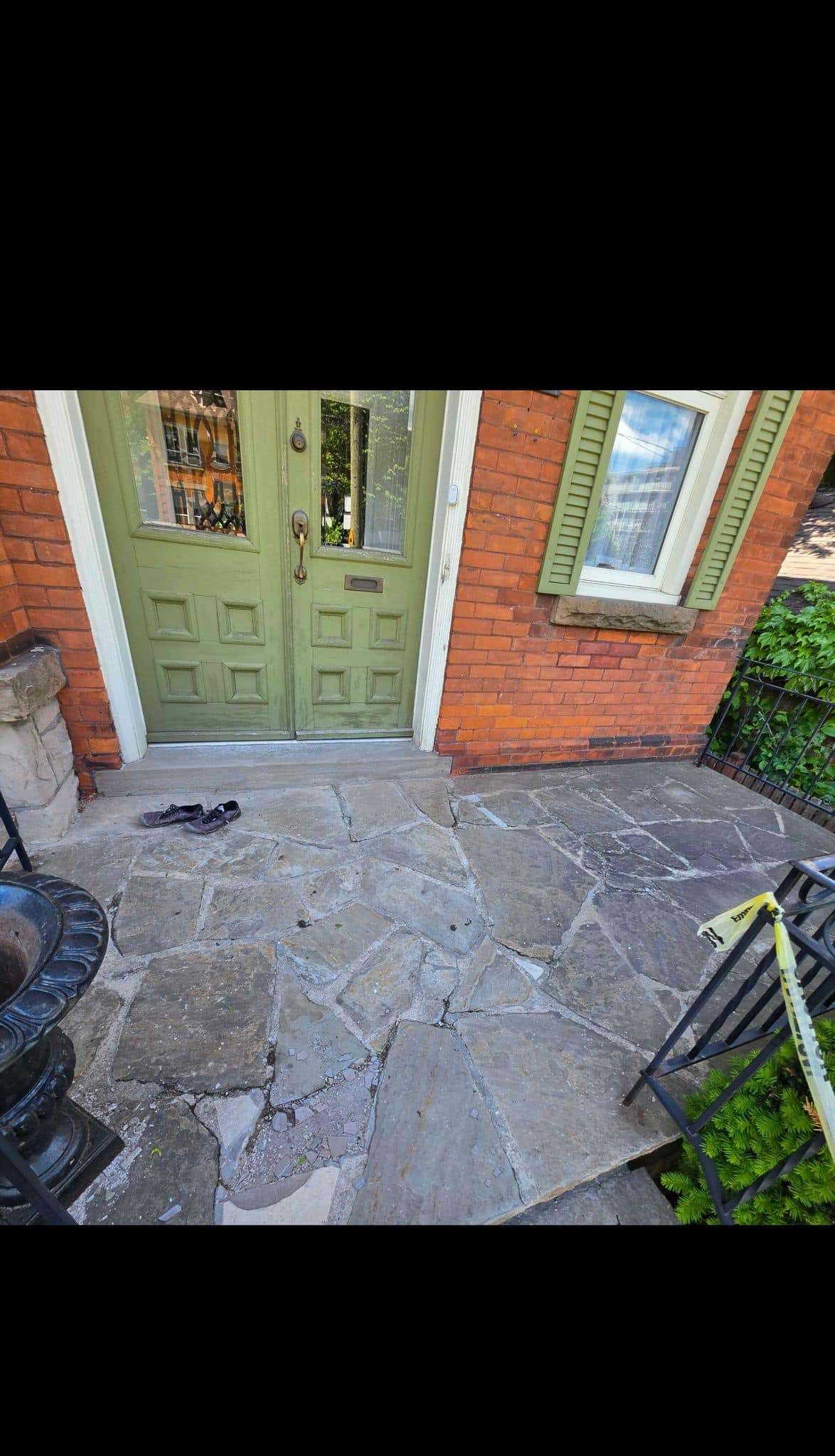
Natural stone varies. Some stones are harder and more resistant to wear. Others are more porous or sensitive to moisture and salt. A stone that works beautifully on a vertical wall may not be the best choice for steps exposed to winter salt and constant foot traffic. A stone used near grade may need different planning than a stone used as a decorative wall feature.
Stone masonry also depends heavily on the base, mortar, drainage, and setting method. If water sits behind stone veneer or under stone steps, the project can fail even when the stone itself is strong. For exterior projects, durability often depends on what you cannot see: the preparation beneath the stone.
If you are comparing natural stone, veneer, or stone features, A&A Masonry’s stone masonry Toronto page gives useful examples of stone masonry applications for homes and commercial properties.
Concrete Block and CMUs: Practical for Strength and Structure
Concrete masonry units, often called CMUs, are practical when strength, structure, and predictable installation matter. They are commonly used in foundations, retaining features, walls, partitions, and structural or semi-structural masonry work. CMUs may not always be chosen for appearance alone, but they can be very useful when performance is the priority.
Concrete block can be durable when properly reinforced, supported, drained, and protected. Like other masonry materials, it does not perform well when water problems are ignored. Cracking, movement, and moisture entry can appear if the wall is not designed for the load, soil conditions, or exposure.
Homeowners may see CMUs in foundation-related work, retaining walls, garage walls, garden structures, and utility areas. In some projects, a block may be used as a strong base or structural backing, then finished with brick, stone, parging, or another surface treatment.
A&A Masonry’s blog on the basics of concrete masonry units is a helpful supporting read if you want to understand where CMUs fit into masonry projects.
Mortar Choice Matters More Than Many Homeowners Realize
Mortar is one of the most important factors in masonry durability because it holds units together, seals joints, and helps the wall accommodate movement. Many homeowners focus on brick or stone first, but the wrong mortar can shorten the life of the entire project.
Older brick homes often need special care because their original masonry may be softer than modern materials. If the mortar is too hard, it can force stress into the brick instead of allowing the joint to absorb movement. This can lead to damaged brick faces, cracking, and premature failure. If the mortar is too weak or poorly installed, it can wash out or crumble too quickly.
Mortar also needs to be tooled properly so water sheds away from the wall. Poorly finished joints can retain moisture, increasing the risk of freeze-thaw damage. This is why tuckpointing is not just filling gaps. It is a repair process that should remove failed mortar, prepare the joints, install compatible new mortar, and shape the finish correctly.
If failing mortar is already visible on your home, A&A Masonry’s tuckpointing services in Toronto page explains how mortar joint repair helps protect brick and stone from further damage.
Stone Veneer vs. Full Stone: Which Is More Durable?
Stone veneer and full stone can both be durable, but they perform differently. Full stone is thicker and heavier, while stone veneer is thinner and usually installed as a facing material over a prepared surface. The better choice depends on the project, budget, support structure, exposure, and design goal.
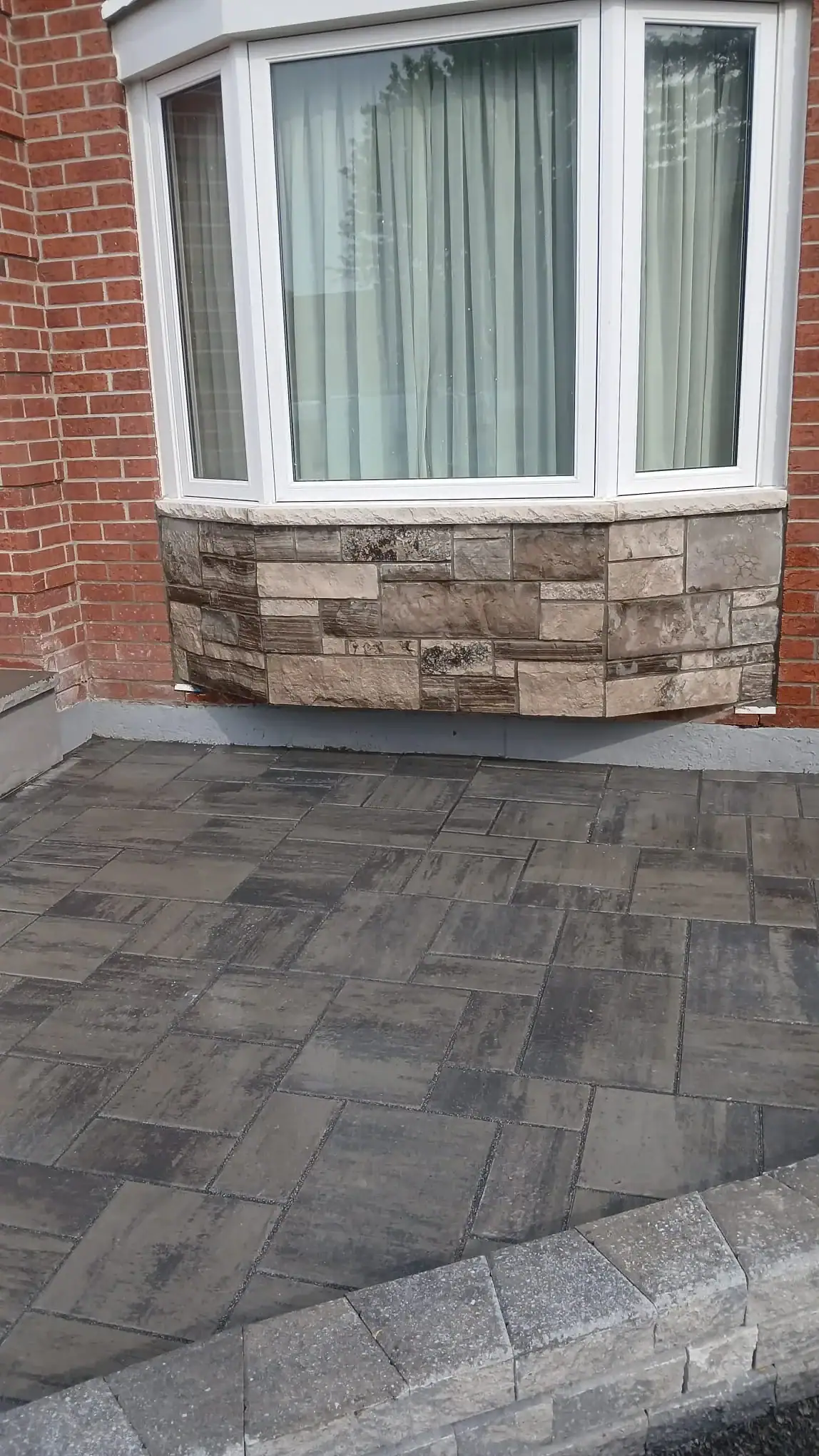
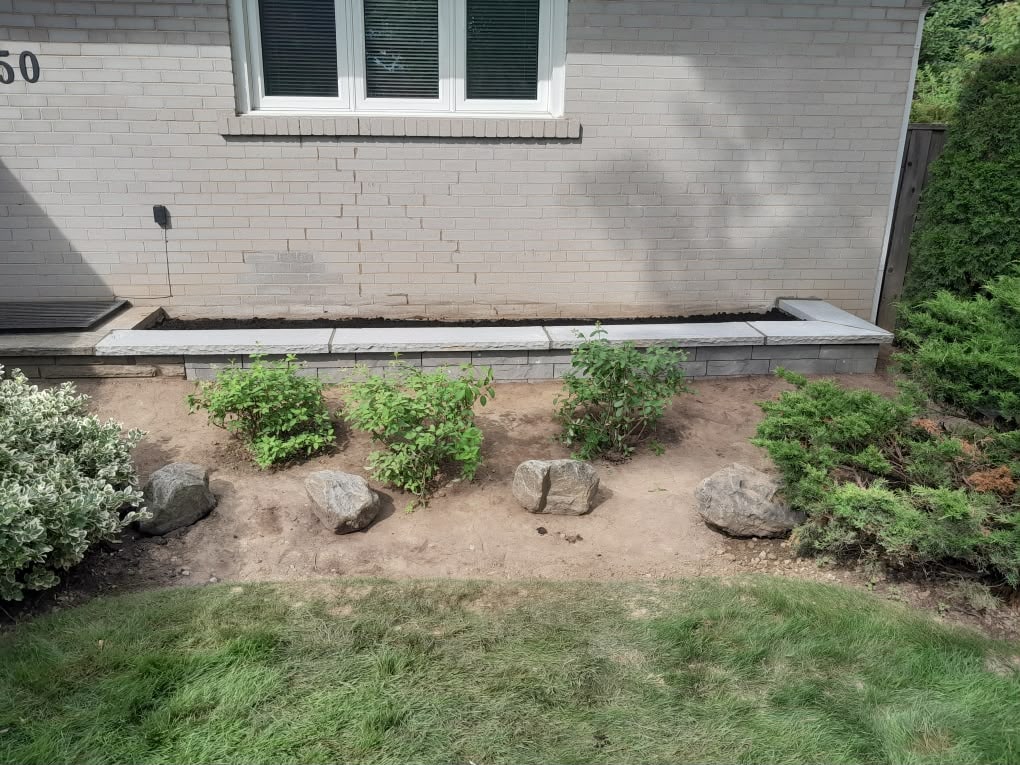
Stone veneer can be a good option when homeowners want the look of stone without the weight and cost of full-depth stone. It is often used on exterior walls, fireplaces, columns, porch faces, and accent areas. Its durability depends on proper substrate preparation, moisture management, fastening, and installation. If water gets behind the veneer and cannot escape, the veneer can loosen or fail.
Full stone may be better for certain walls, landscape features, steps, and structurally oriented designs, but it requires more planning due to weight, support, layout, and access. It can last a long time when properly built, but it is not automatically the better choice for every home.
A practical way to compare them is this: choose veneer when you want a durable finish over a suitable backing, and choose full stone when the design, structure, and site conditions justify the added weight and construction needs.
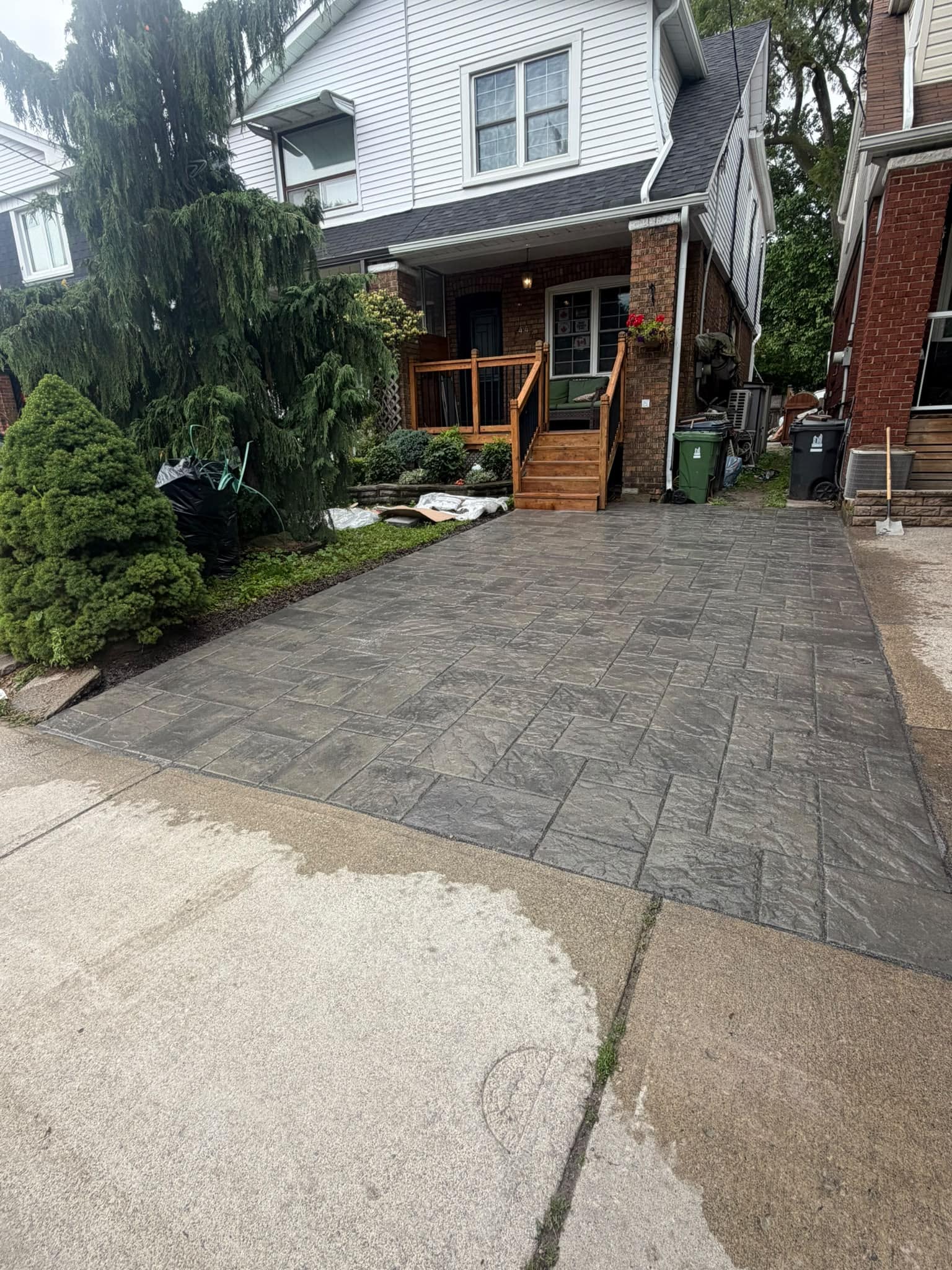
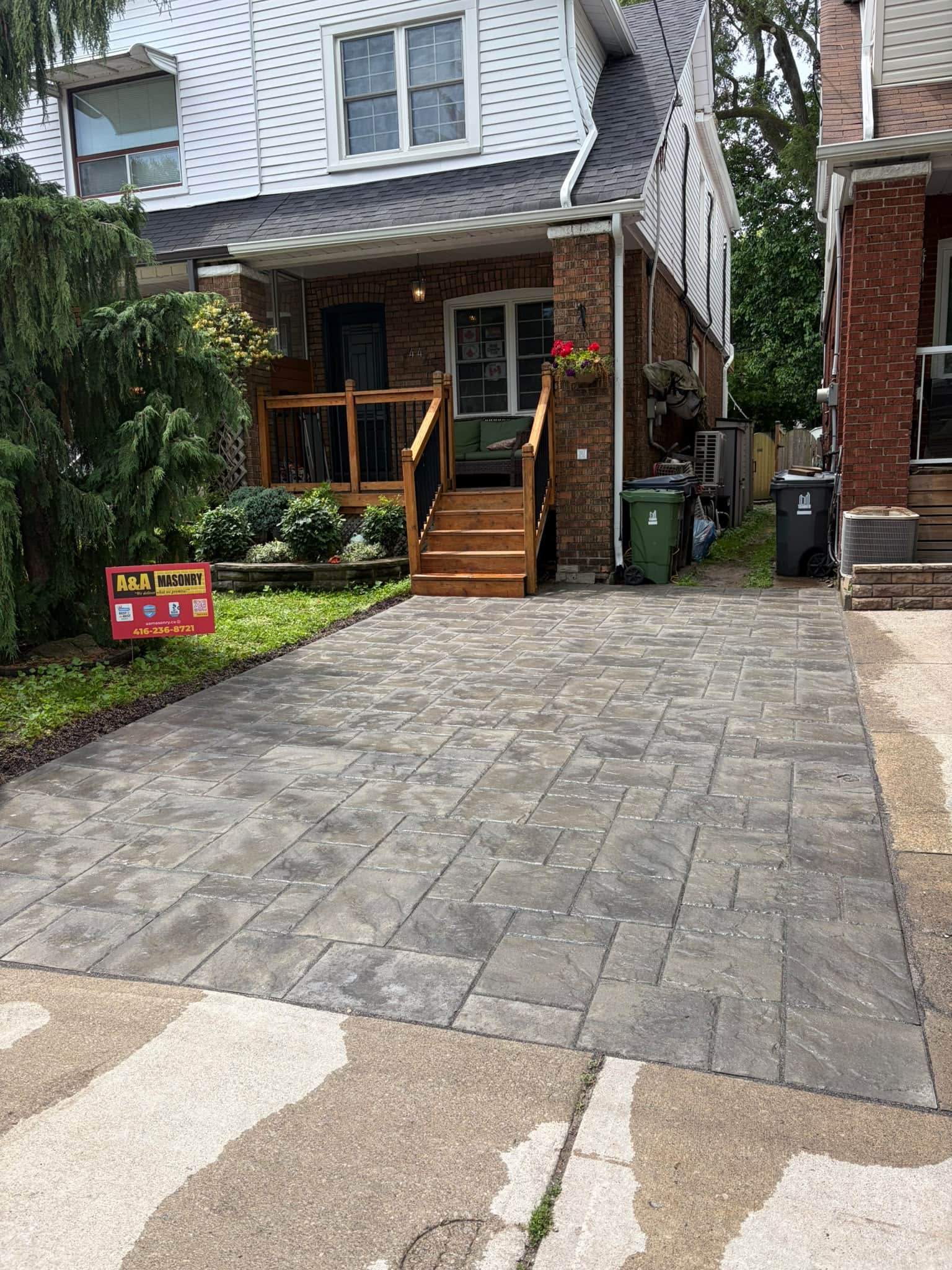
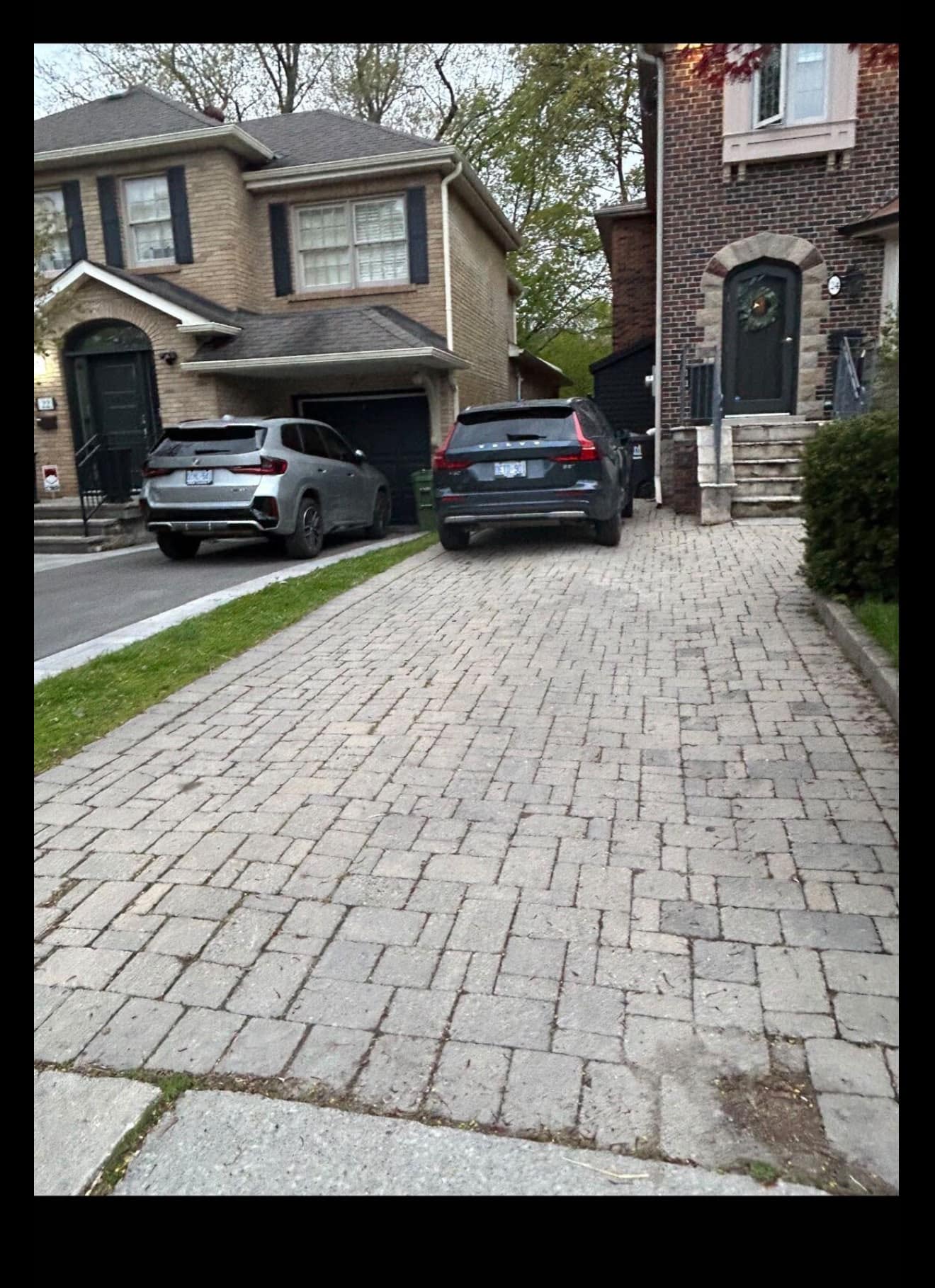
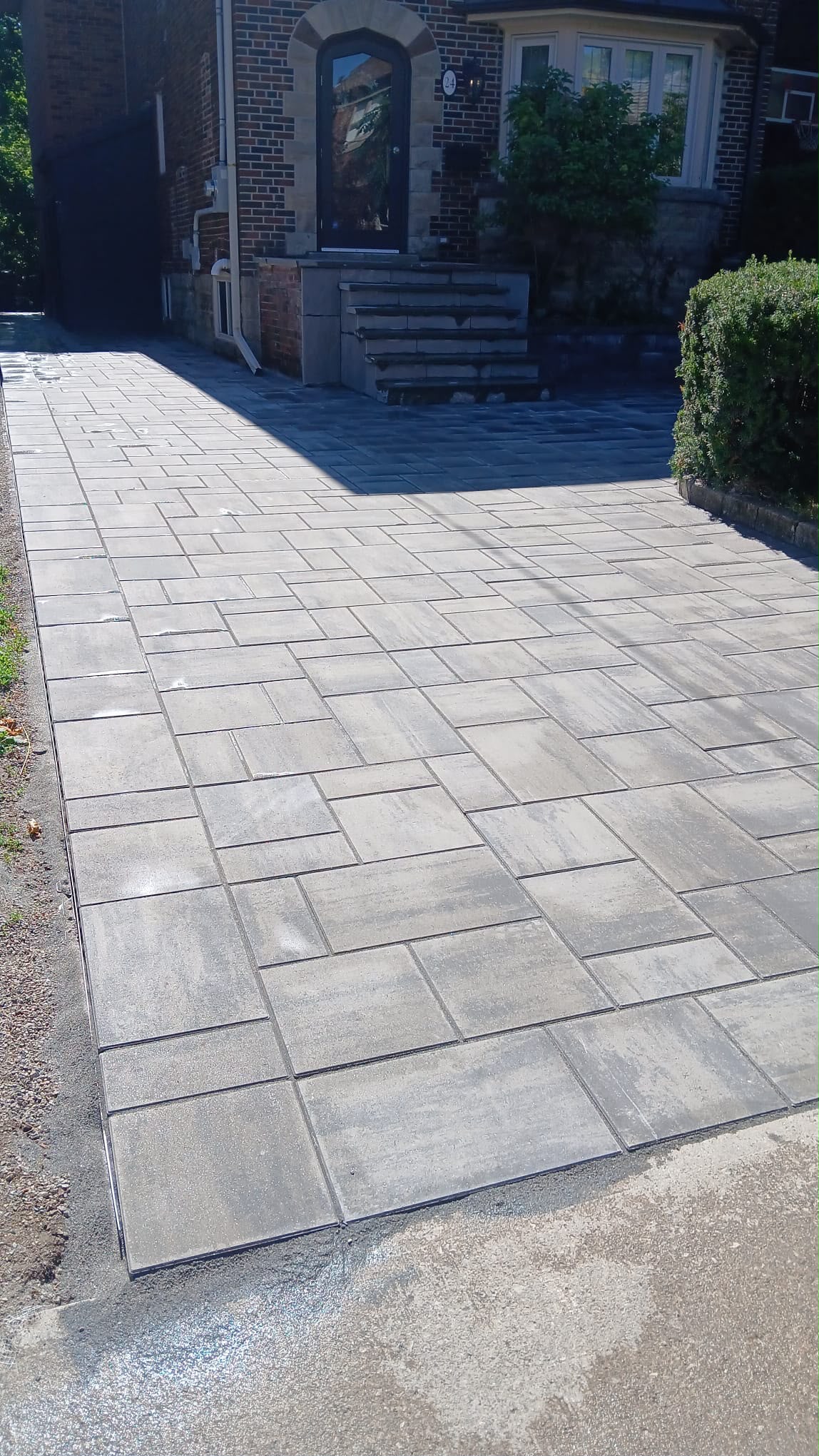
Interlocking Stone: Durable When the Base Is Built Right
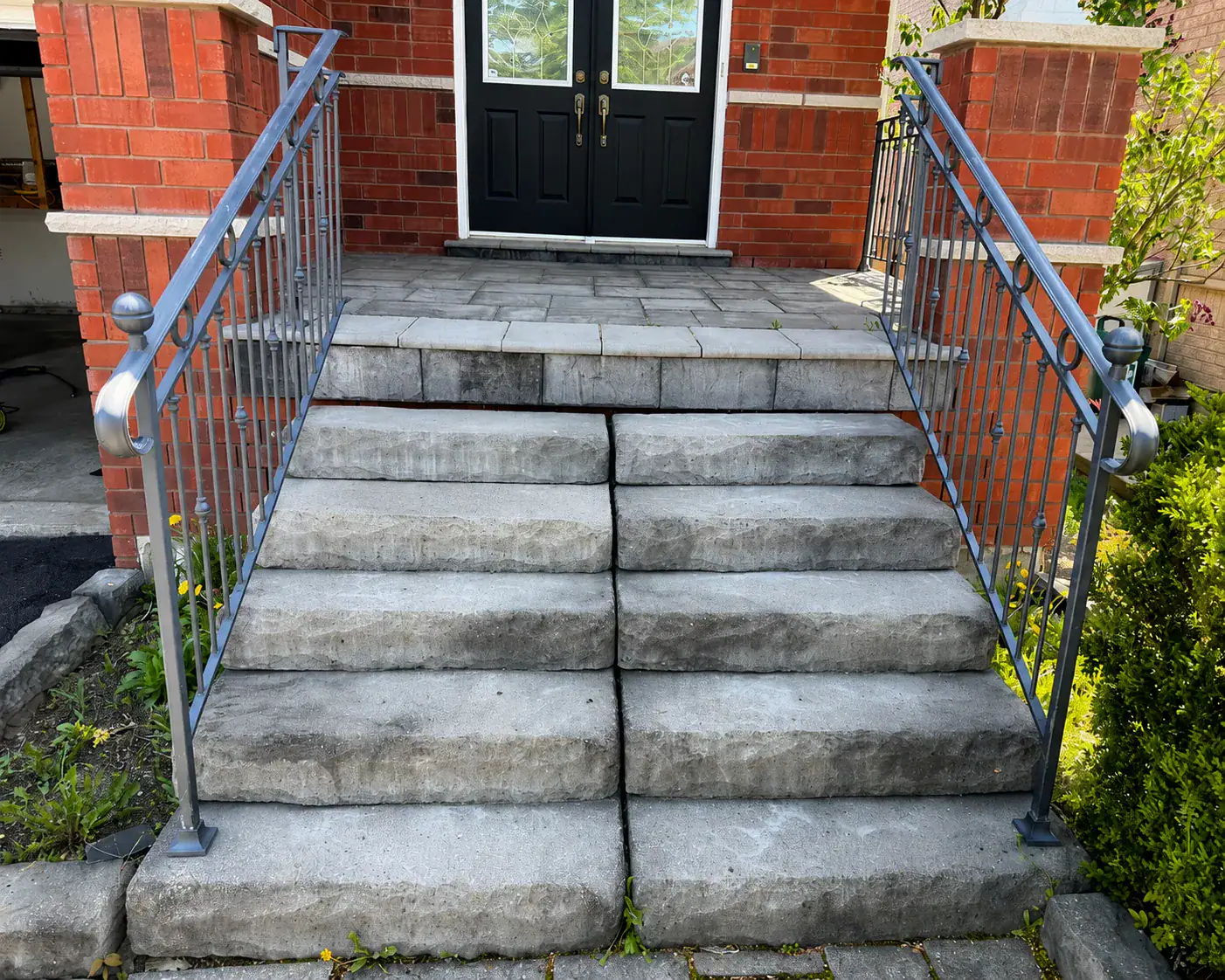
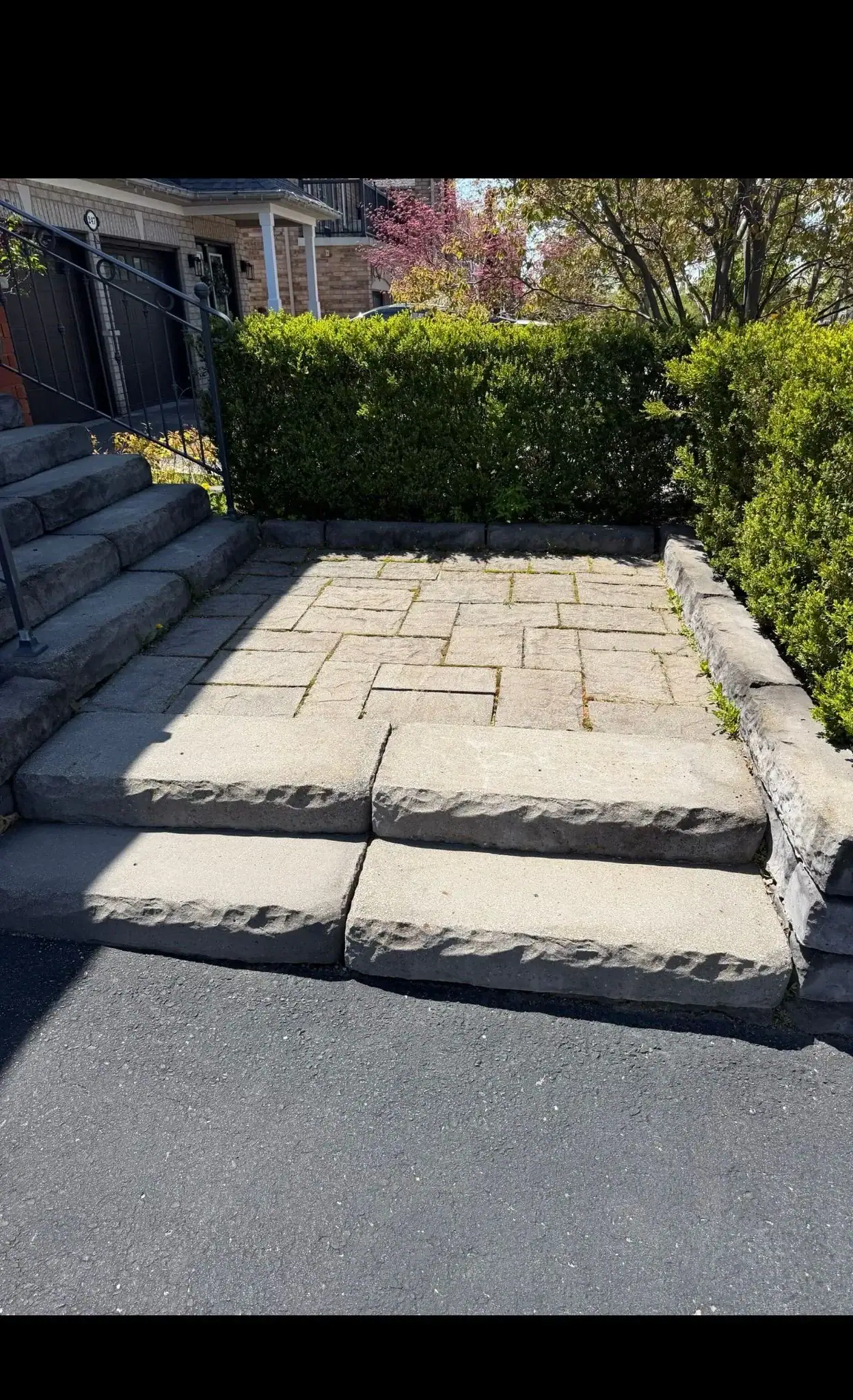
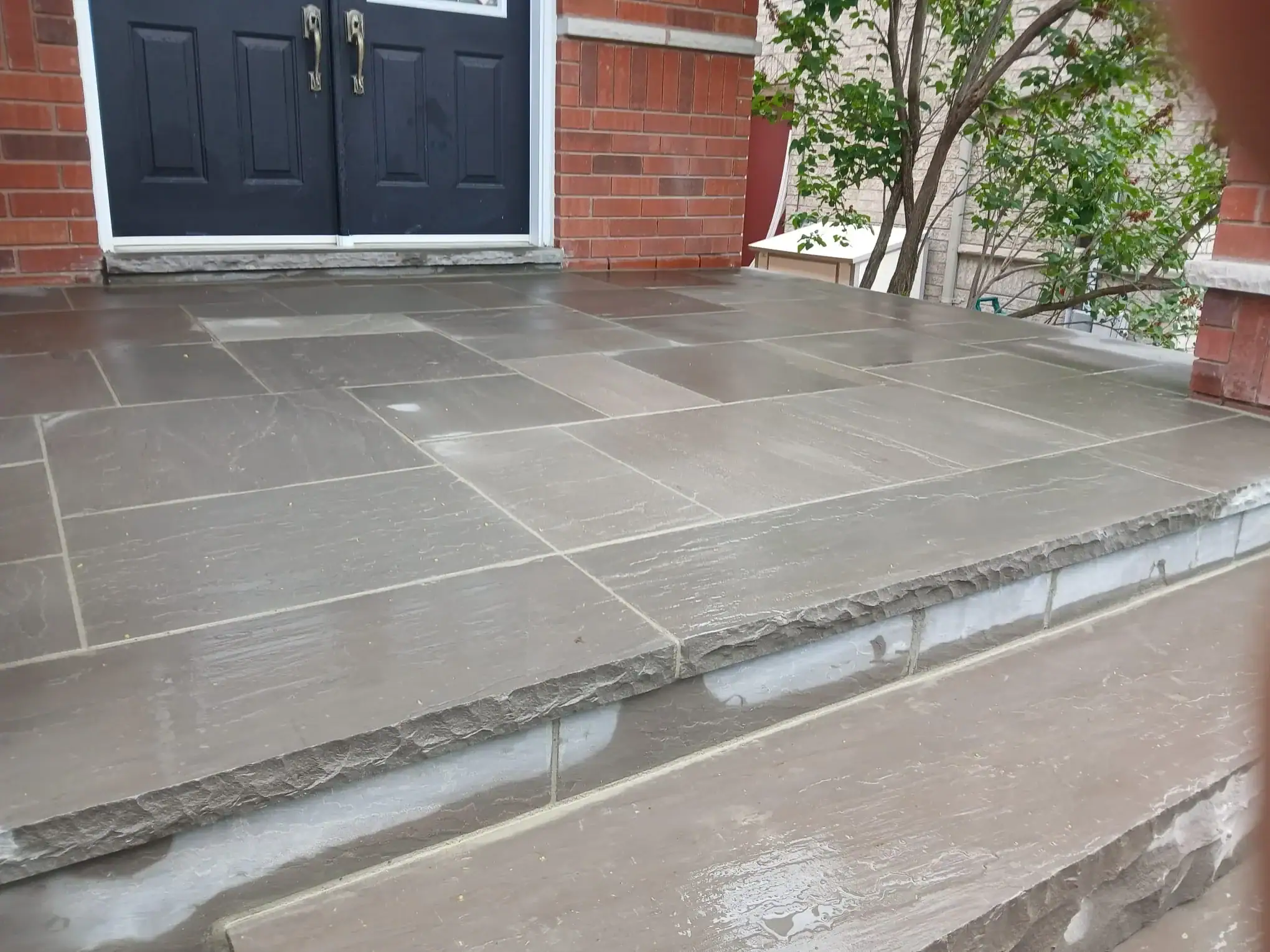
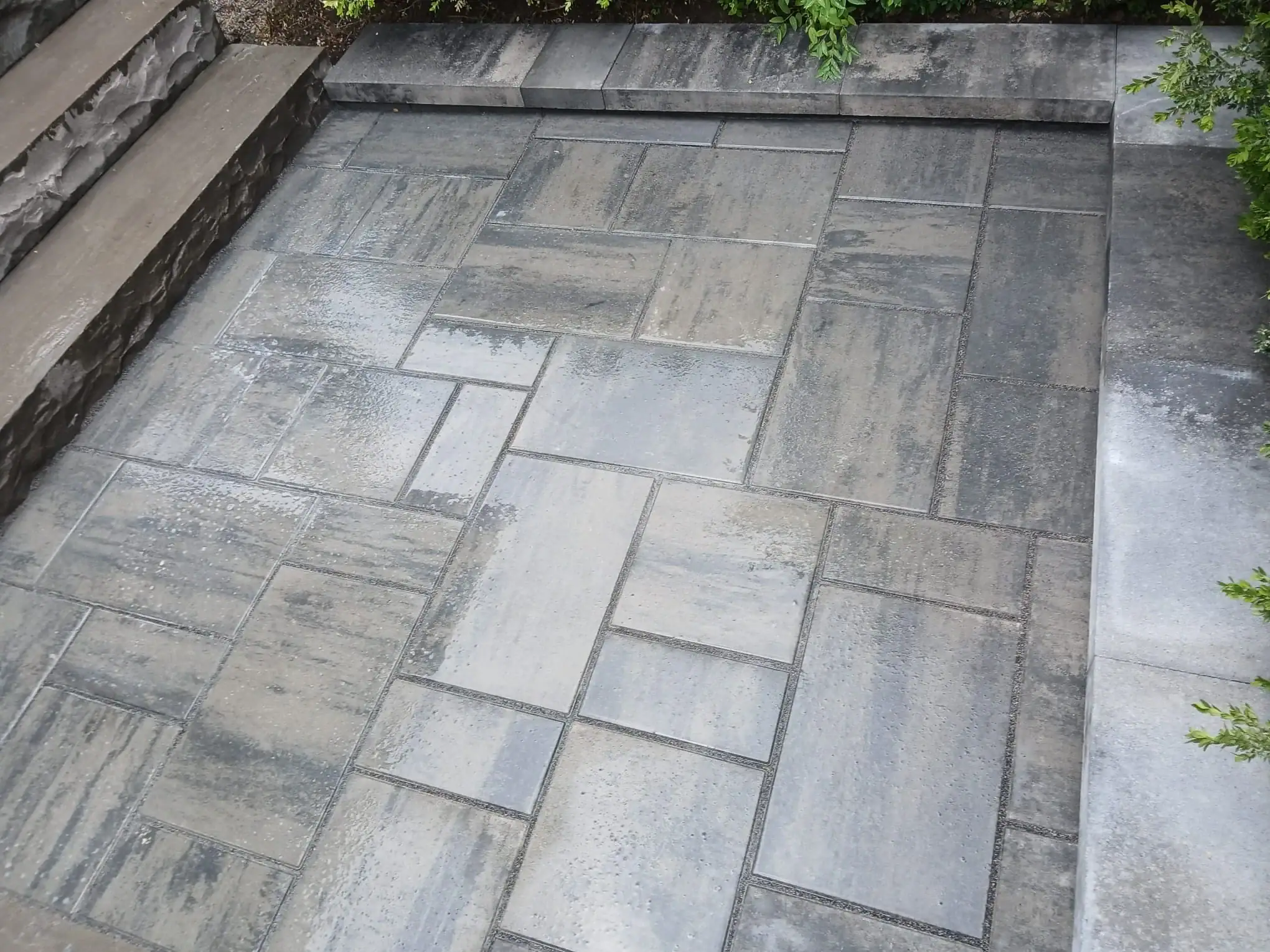
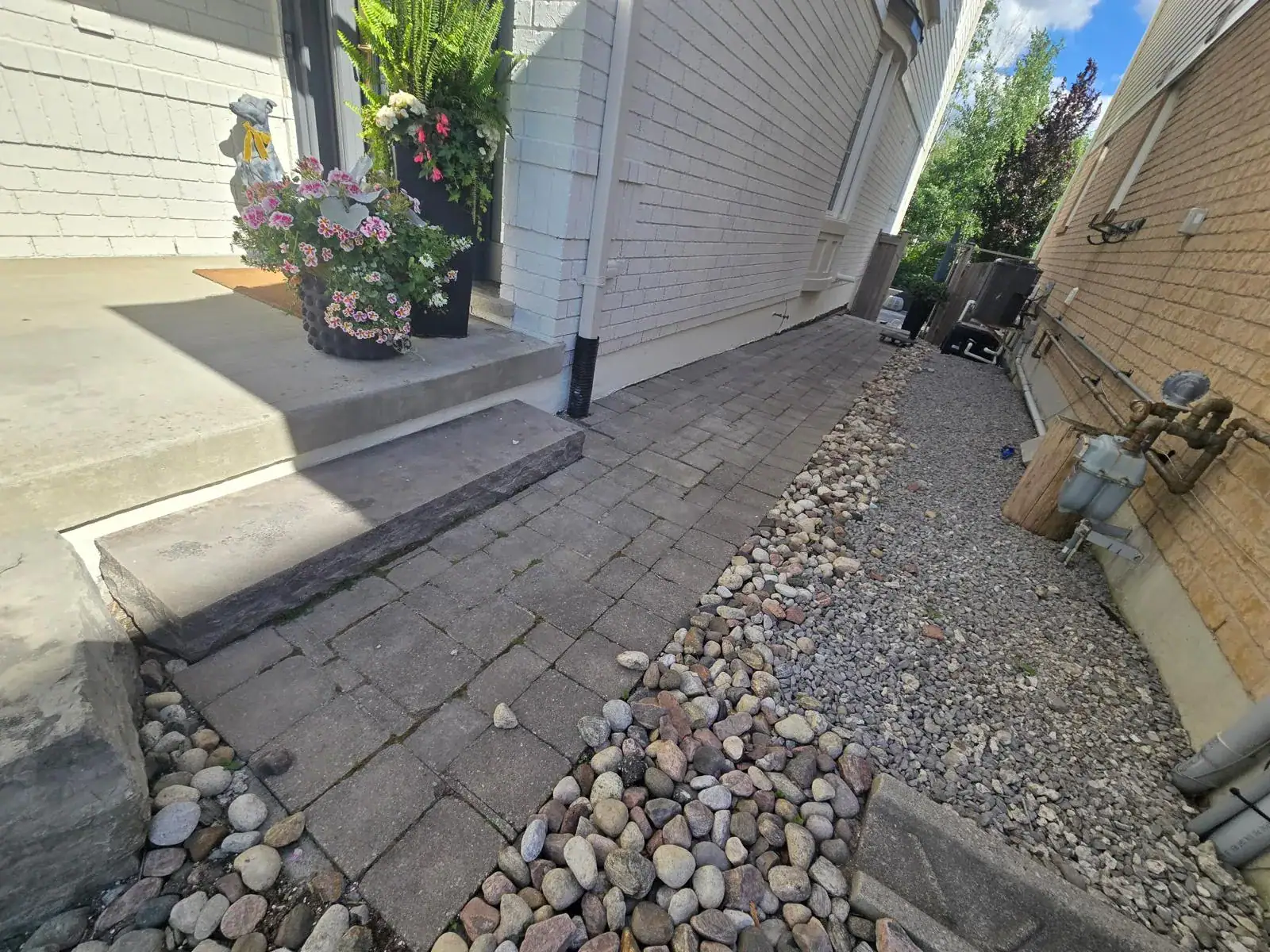
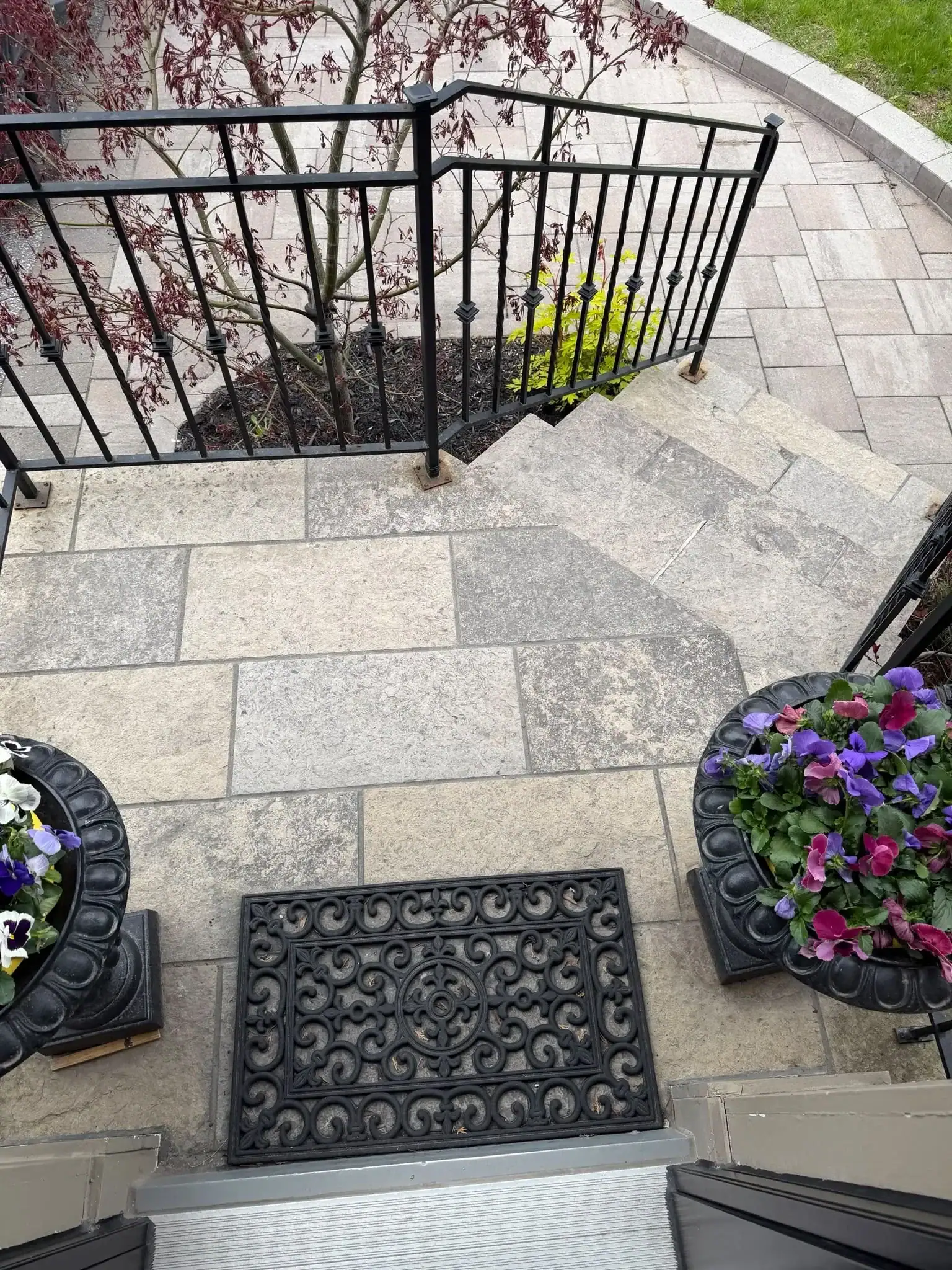
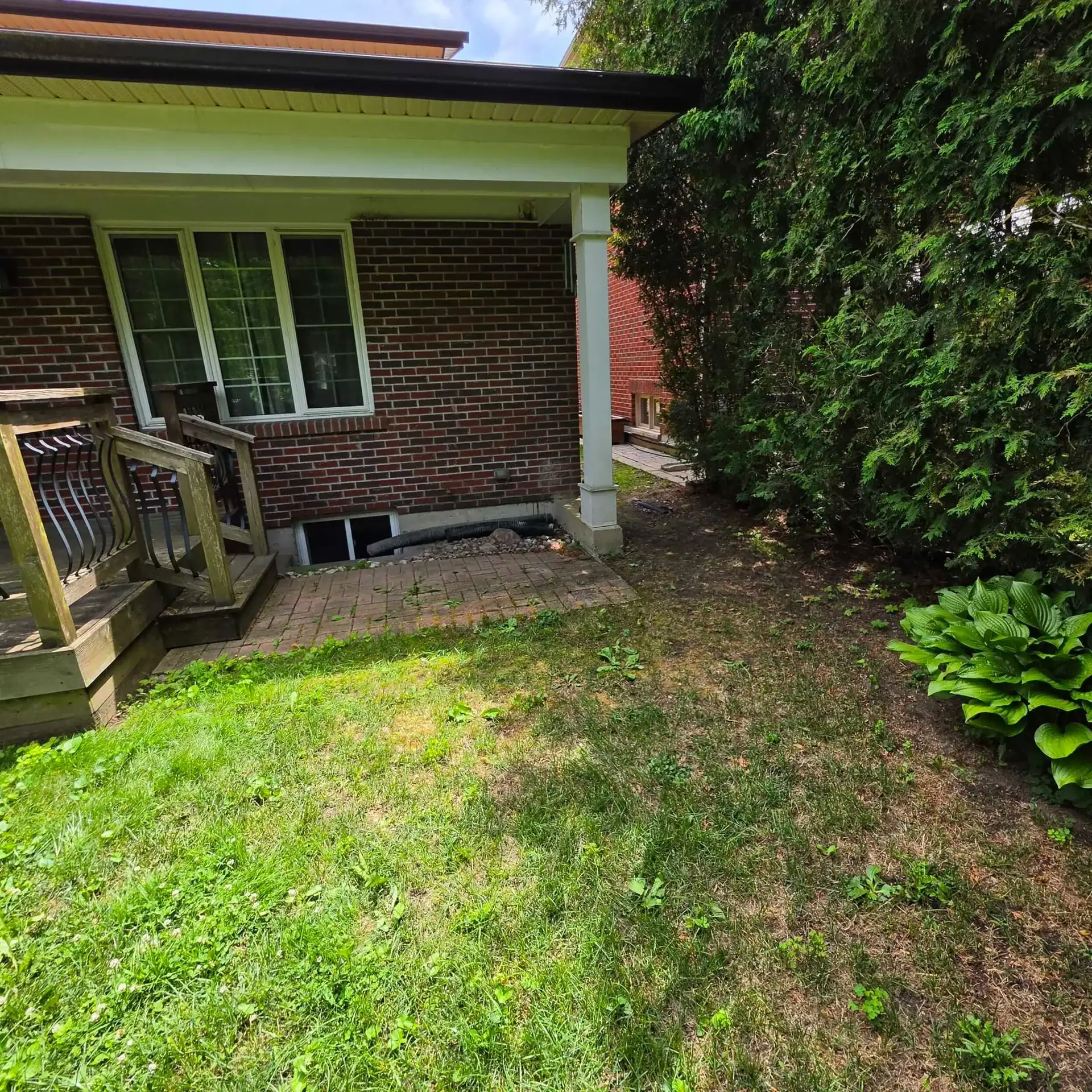
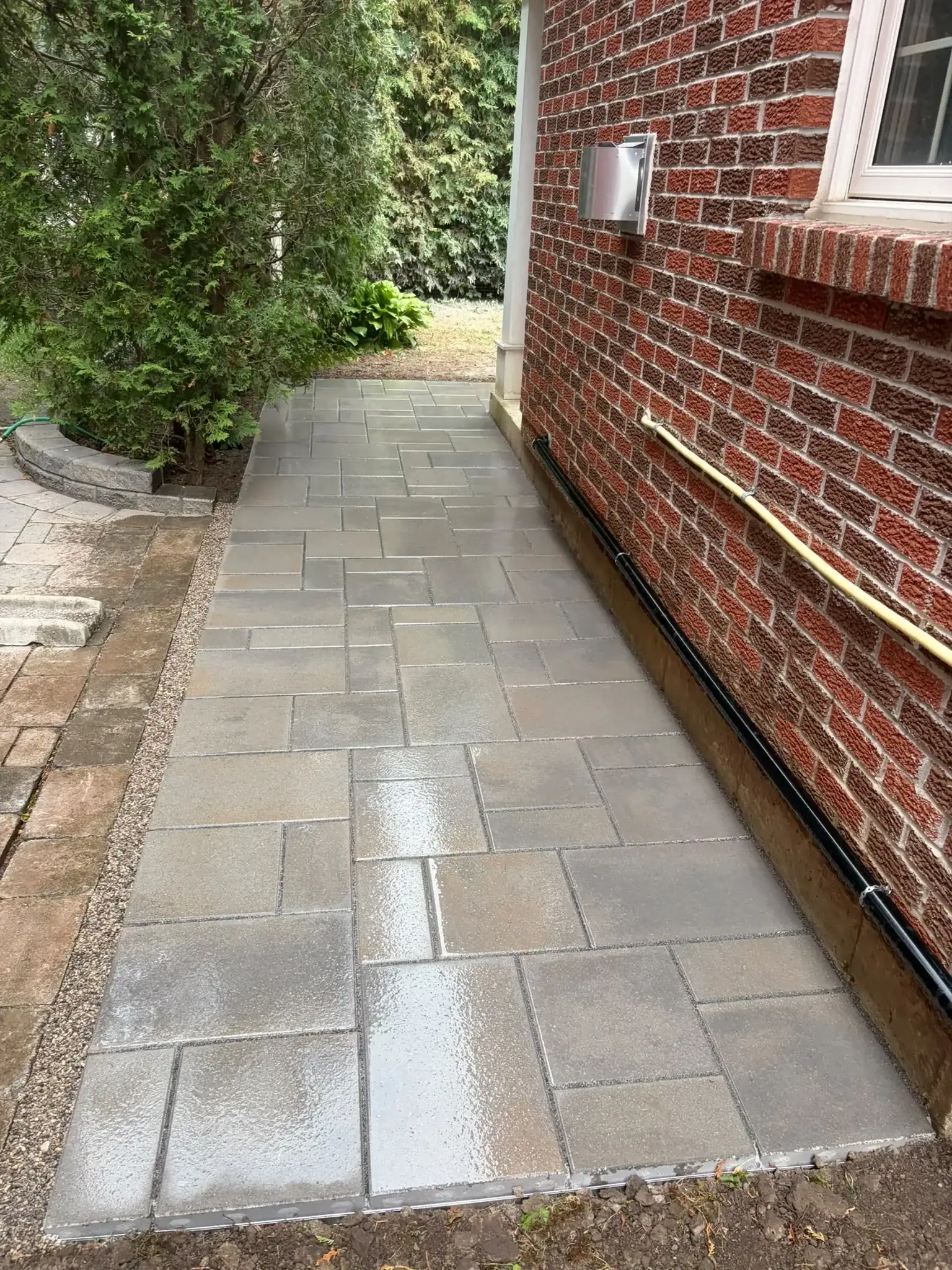
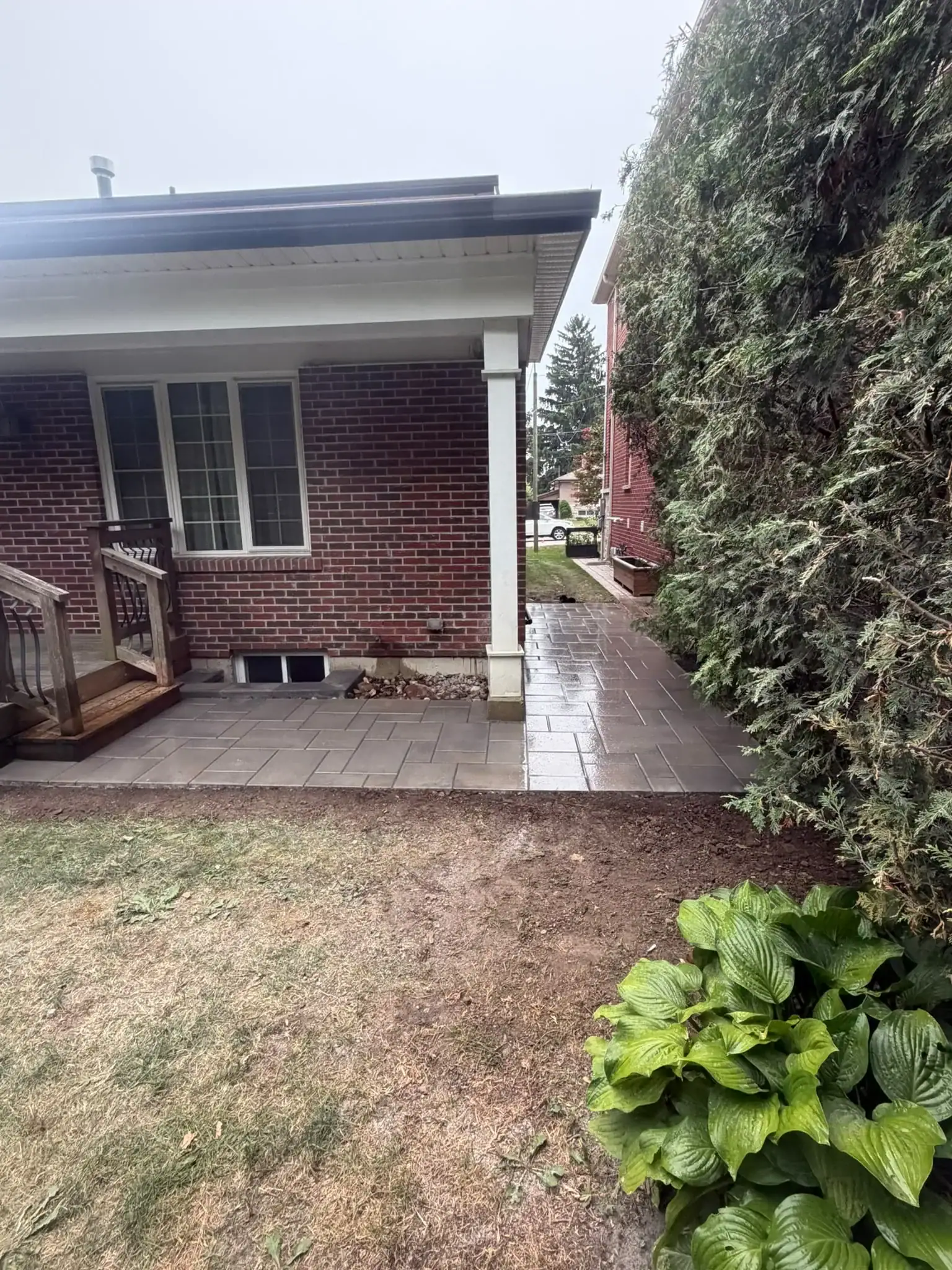
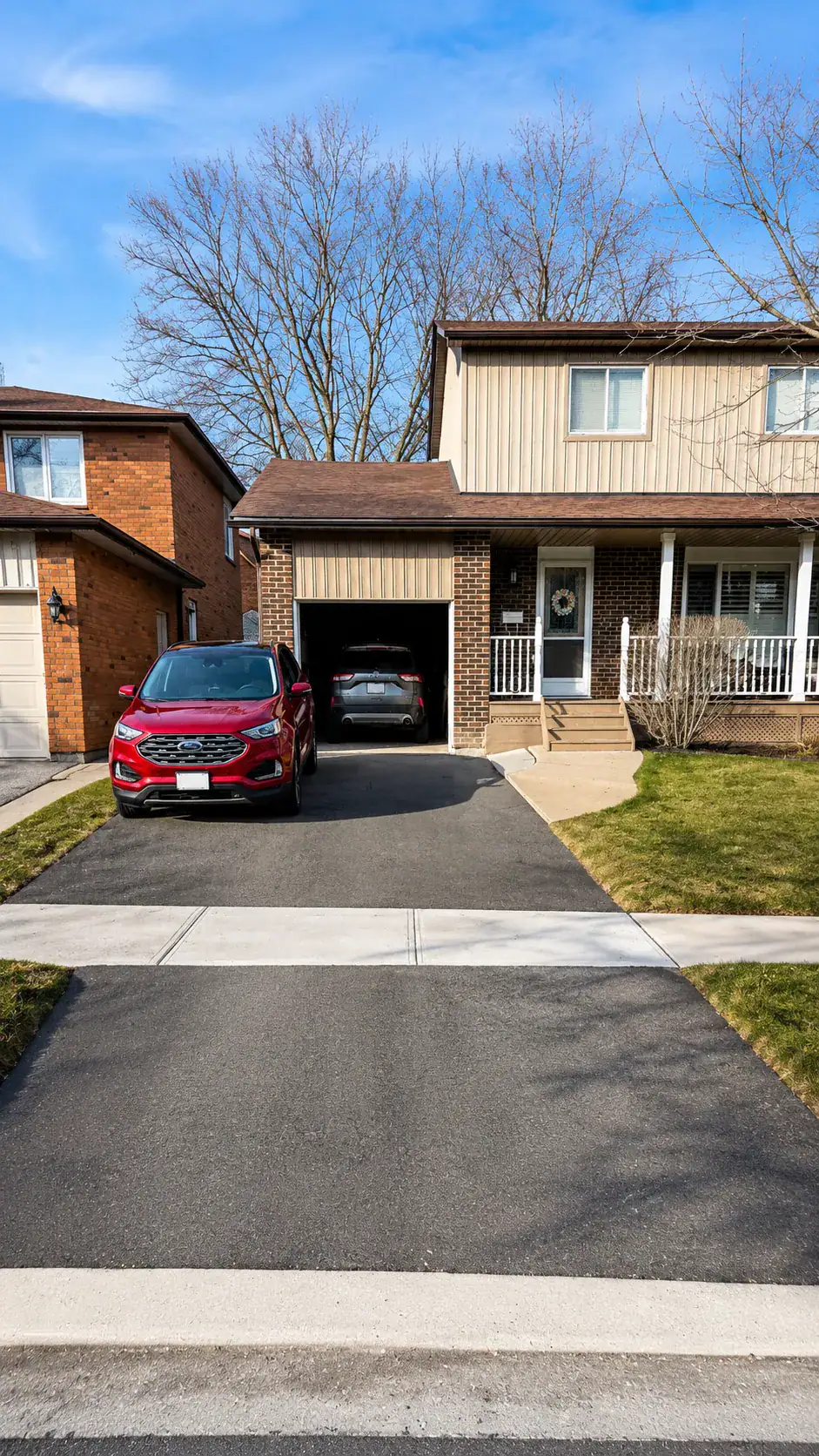
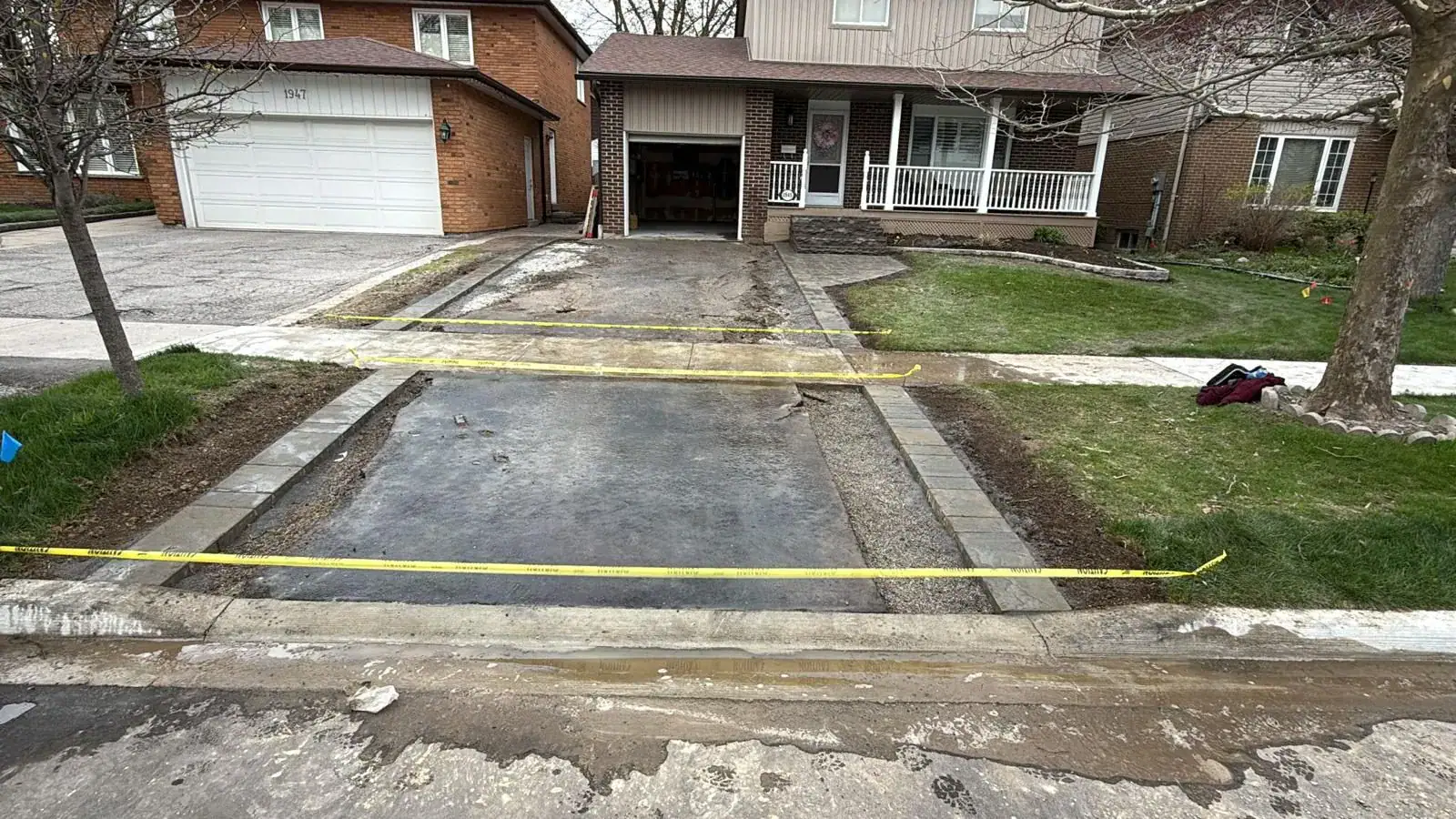
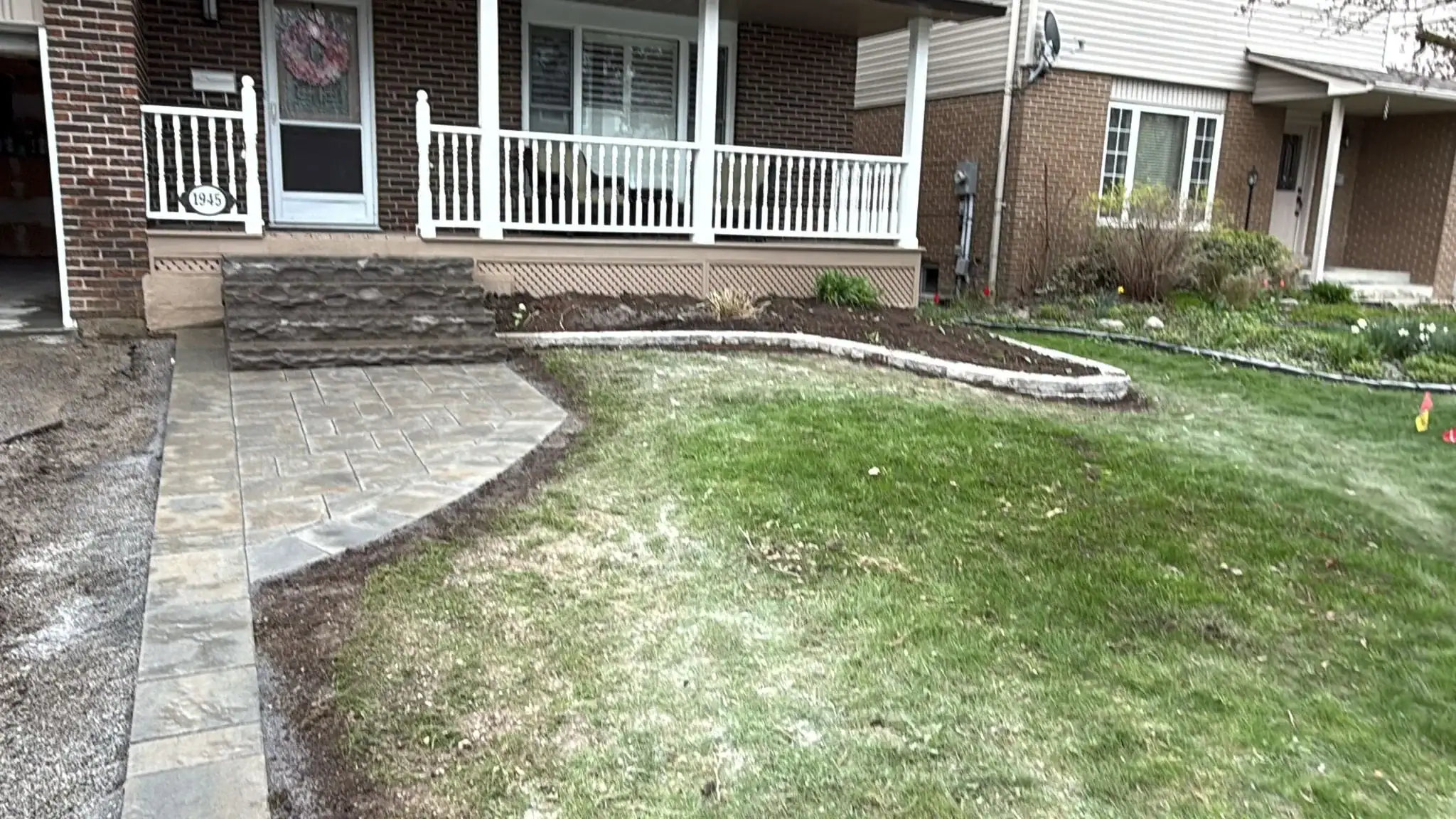
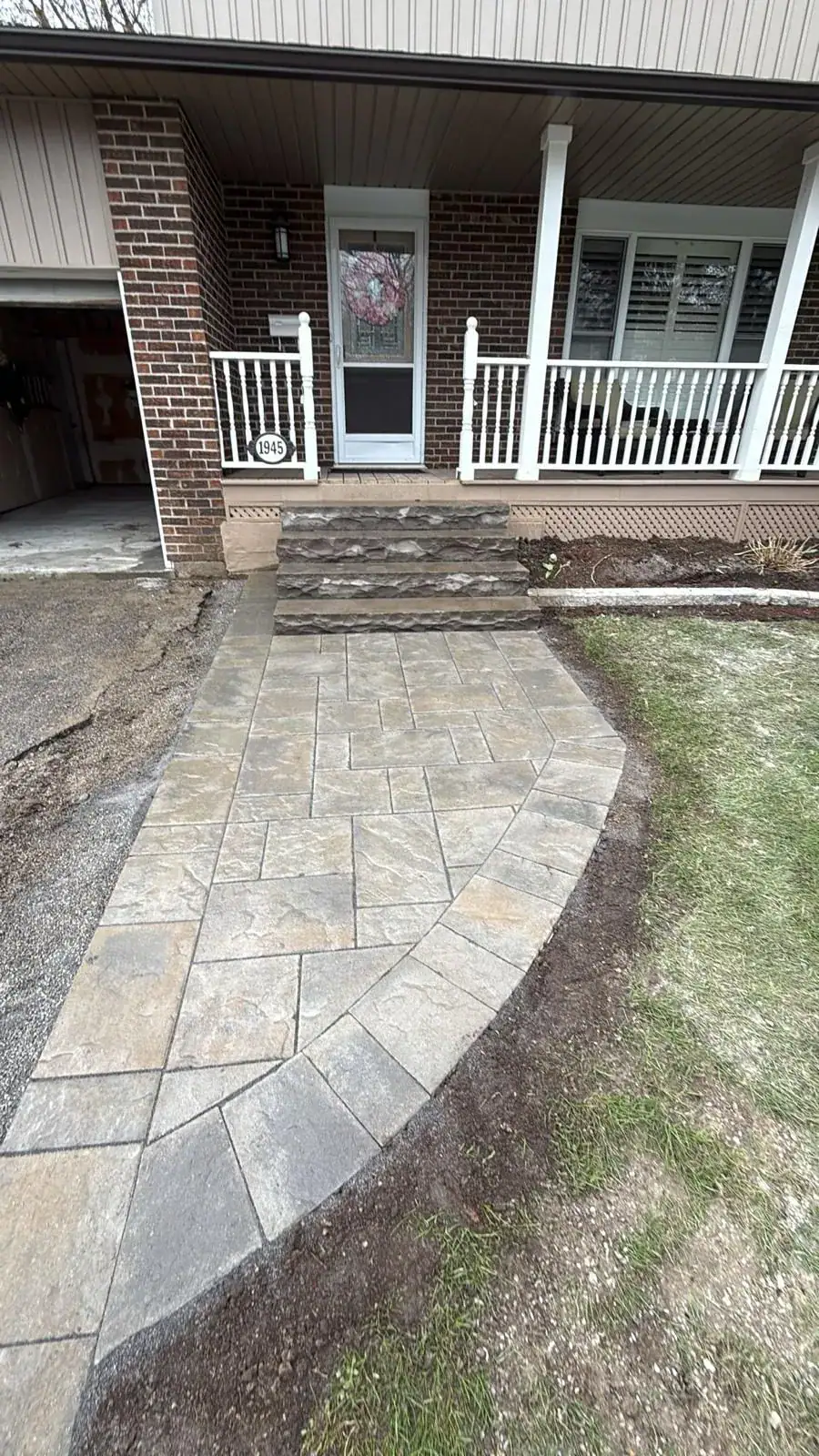
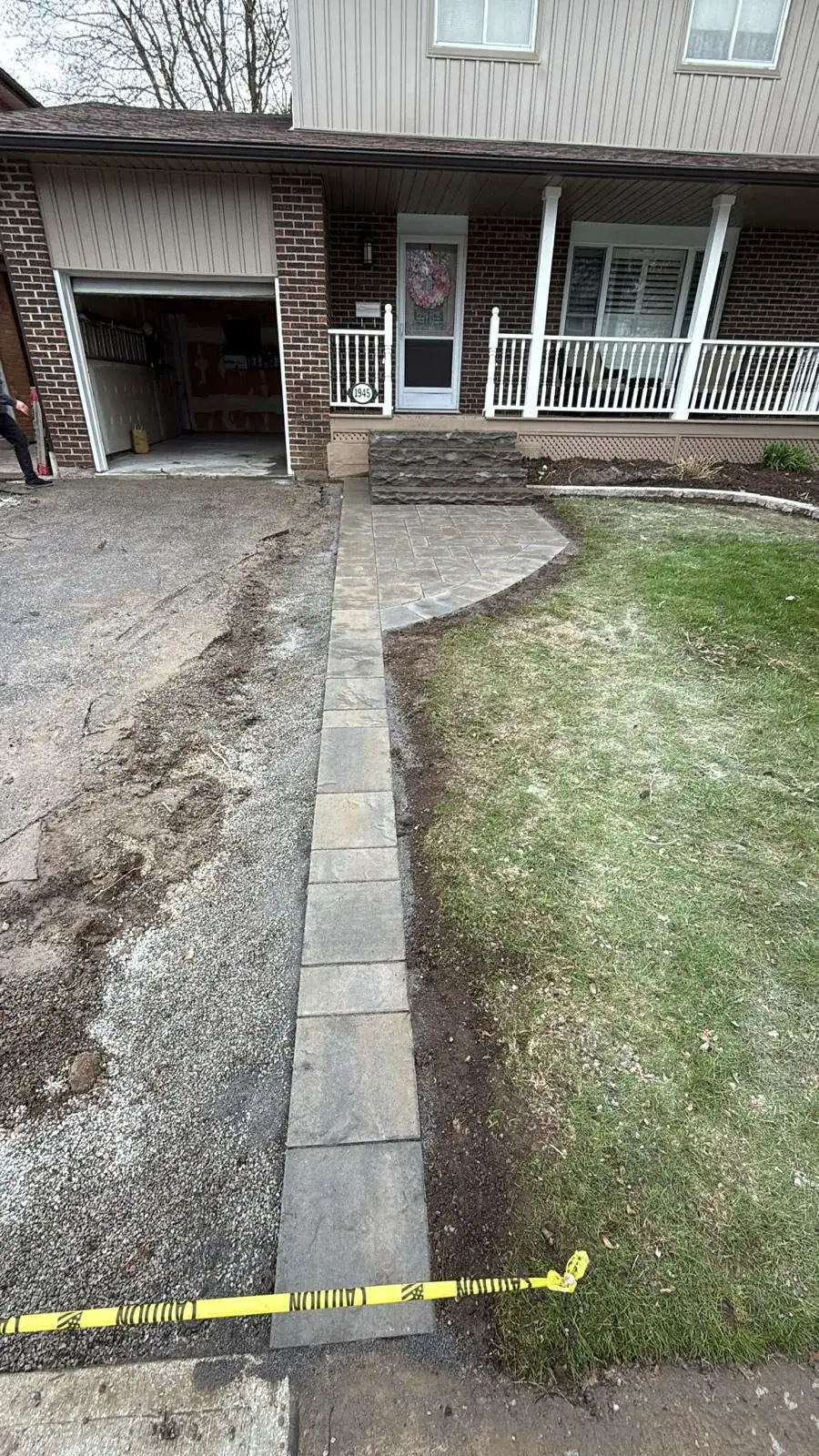
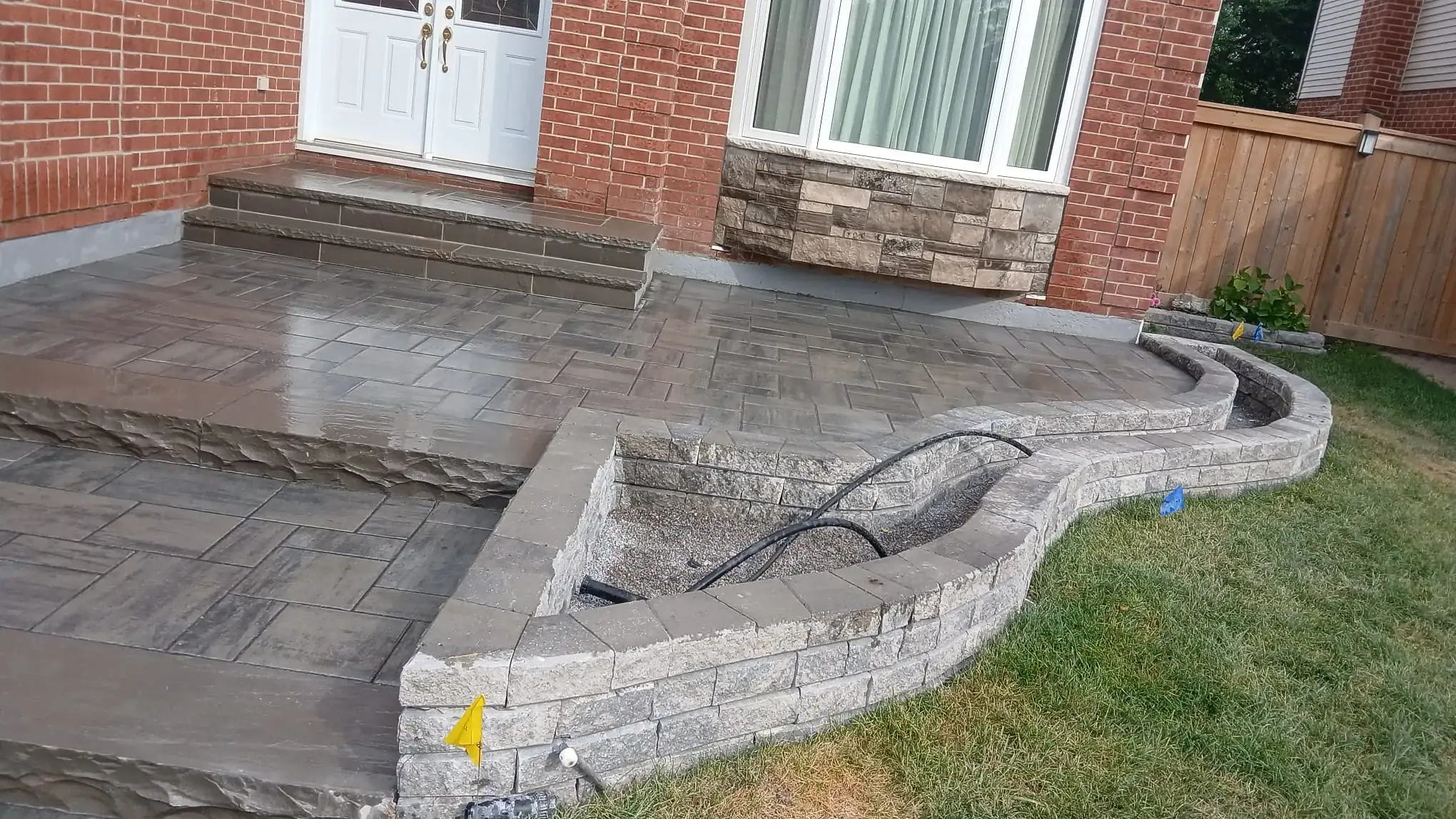
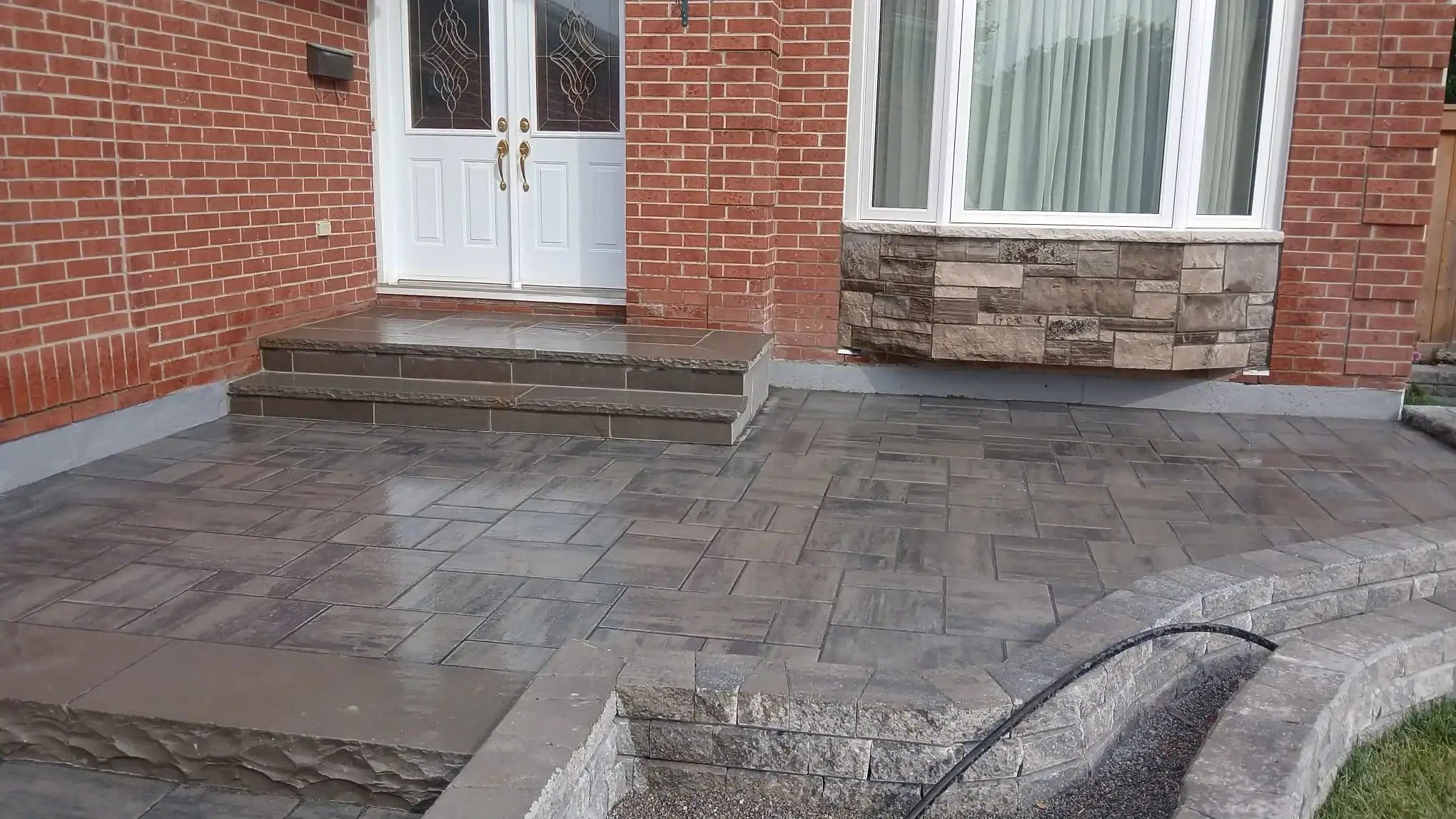
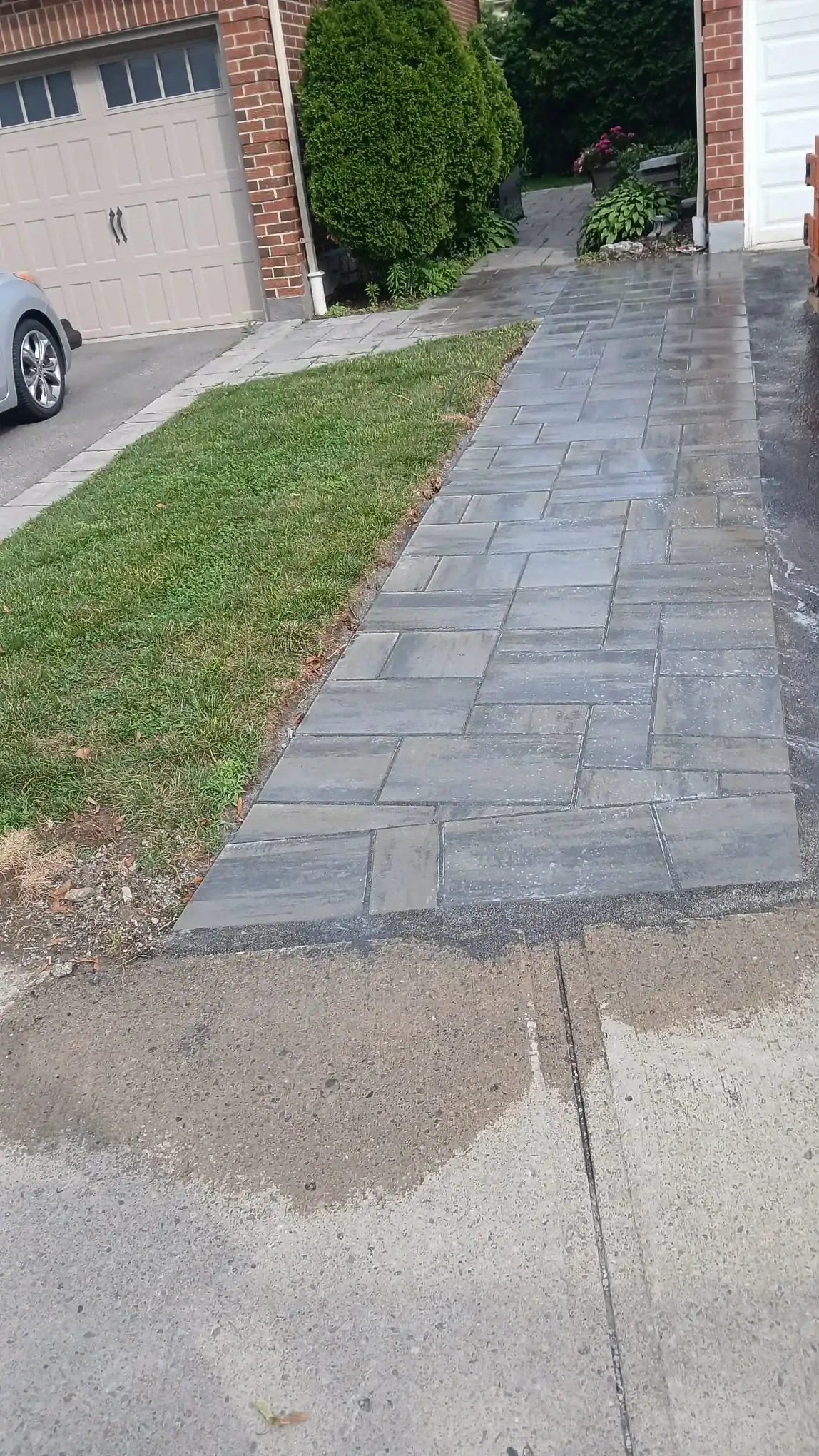
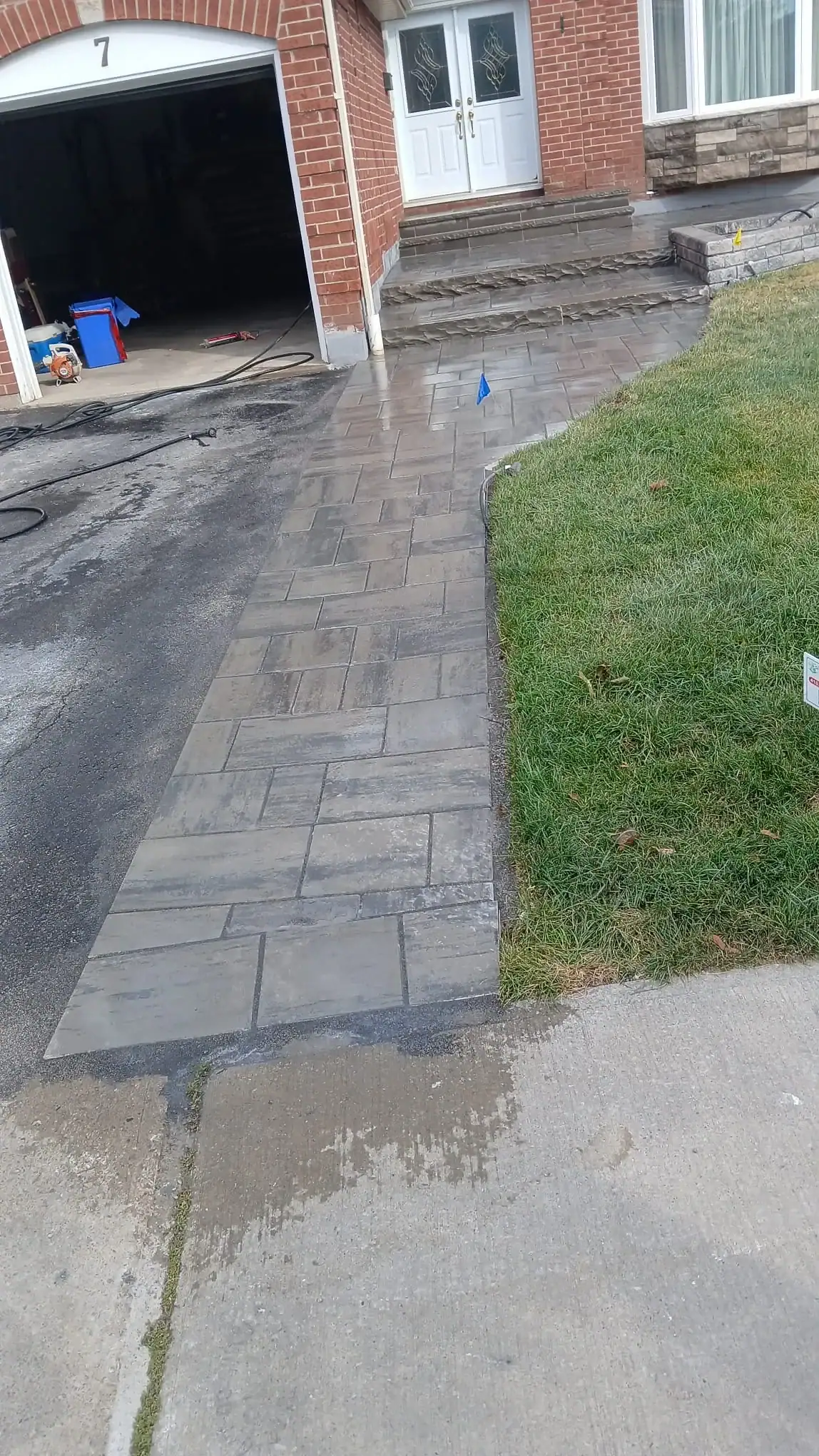
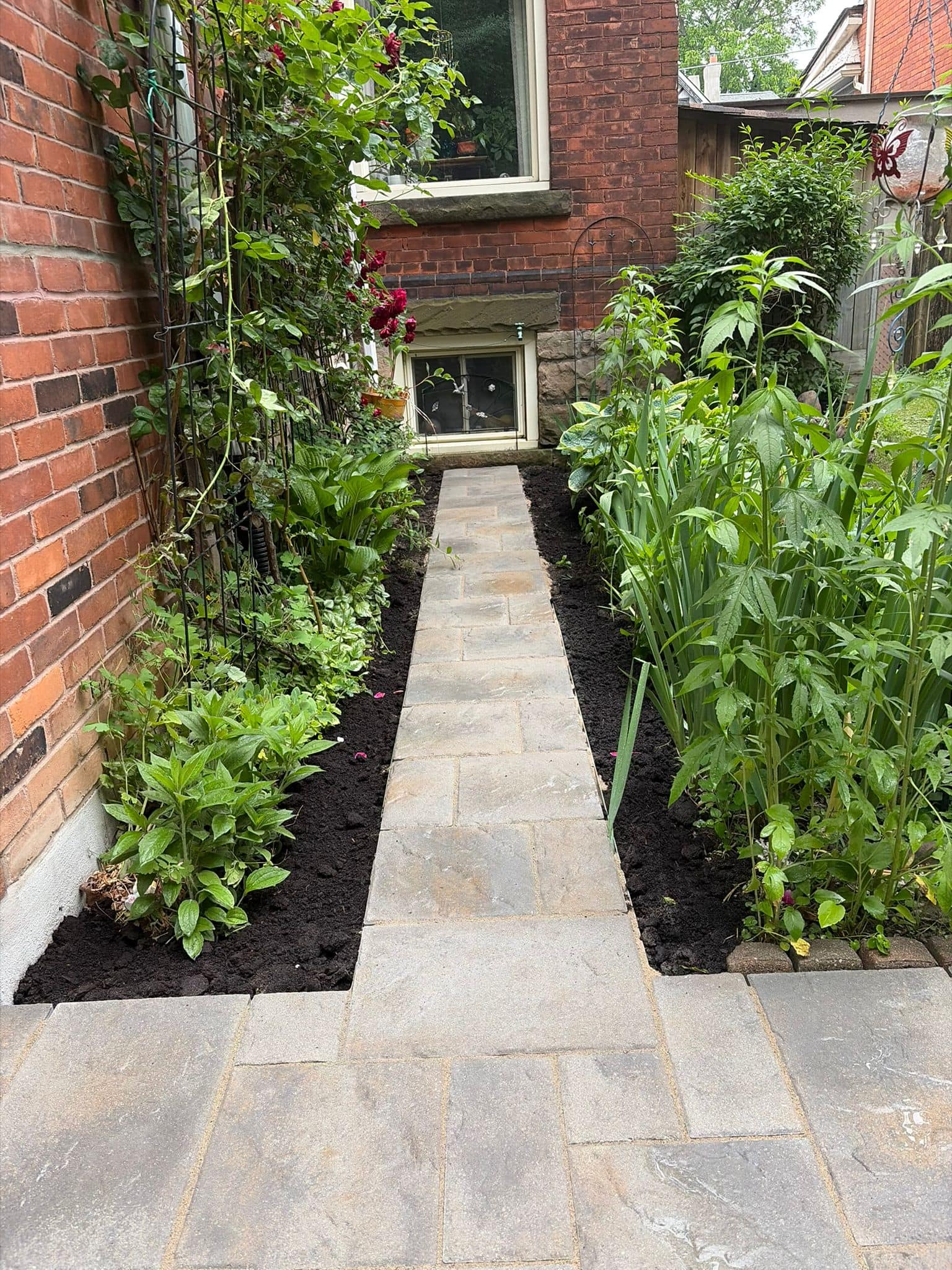
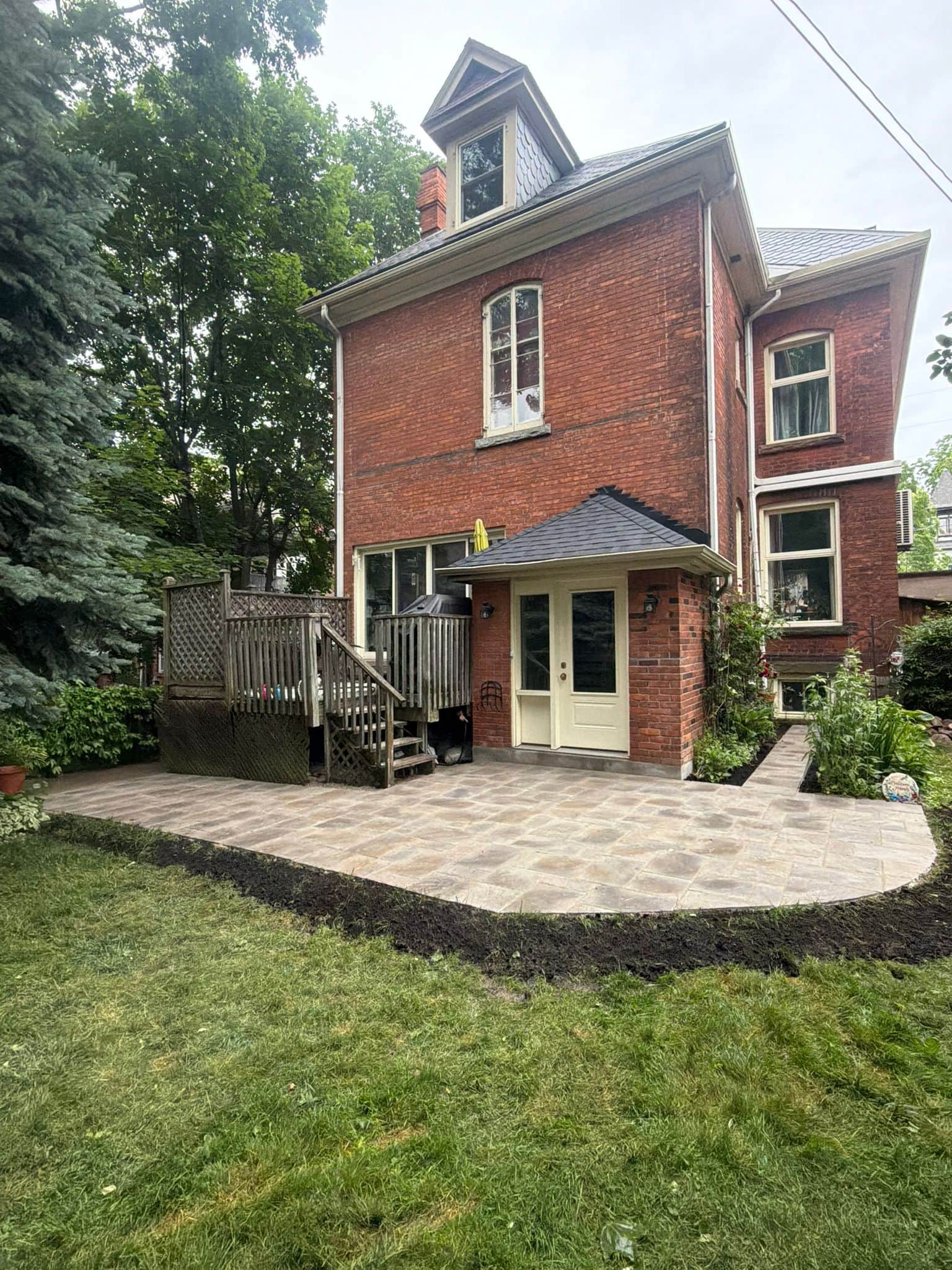
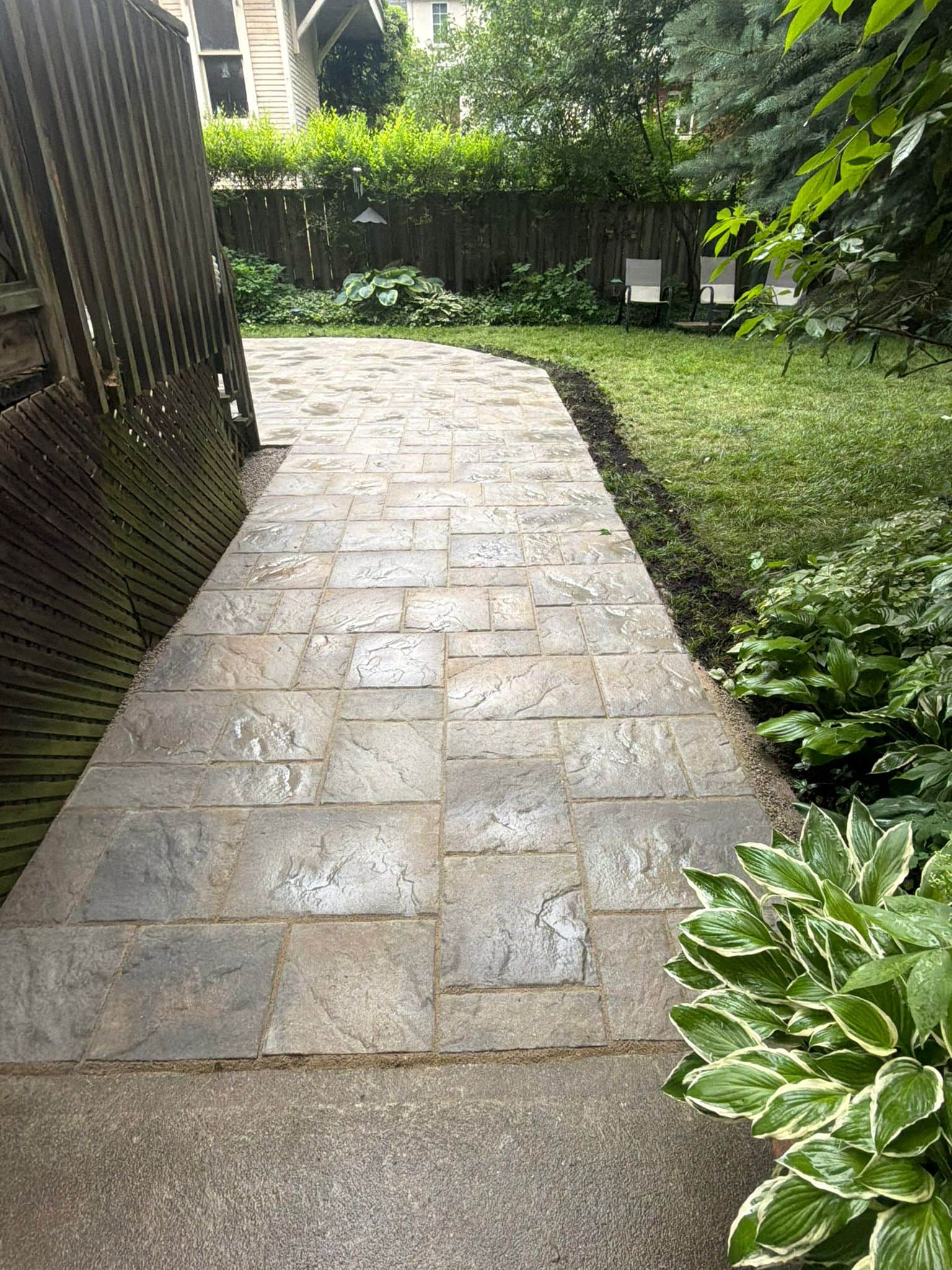
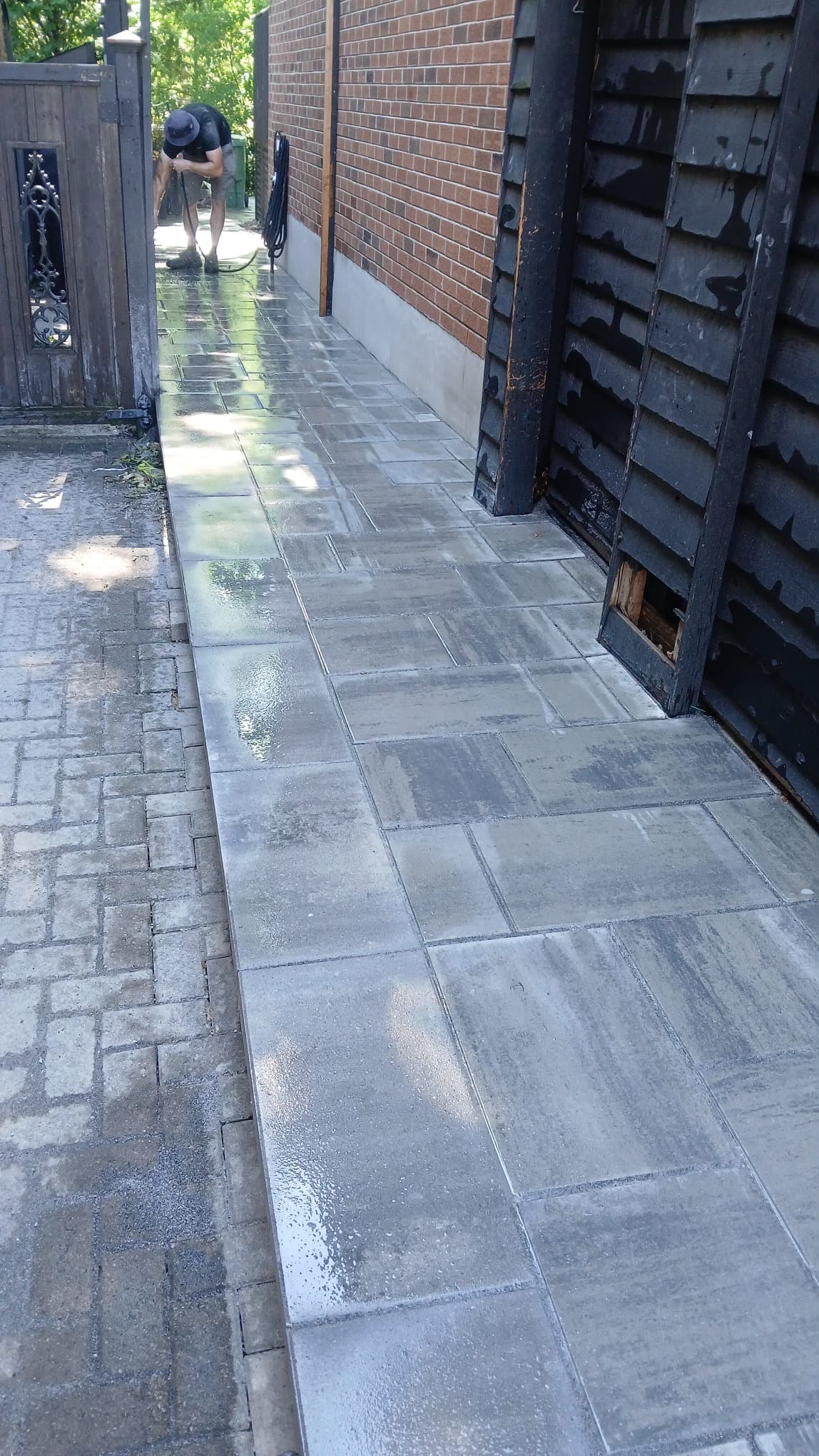
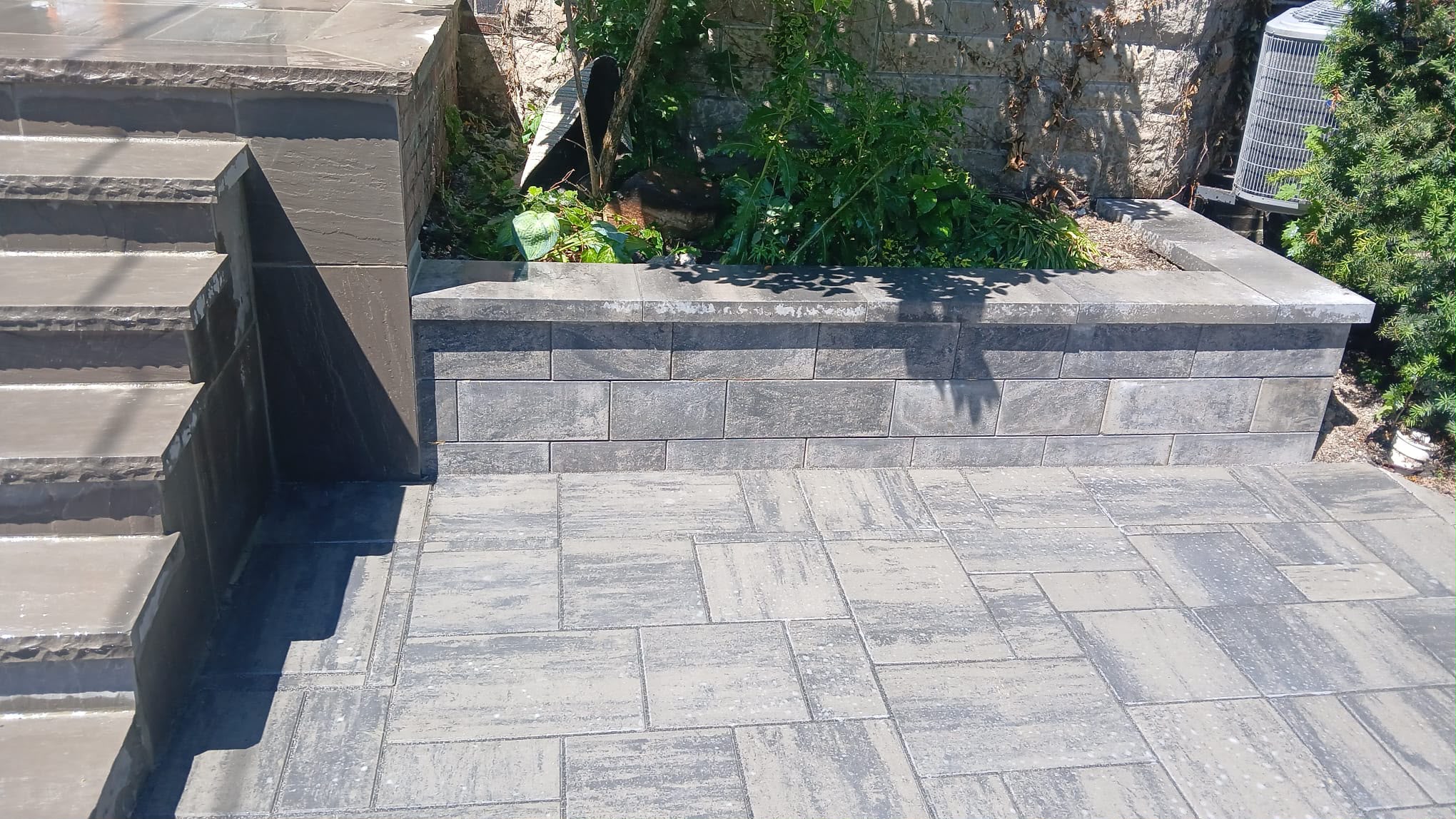
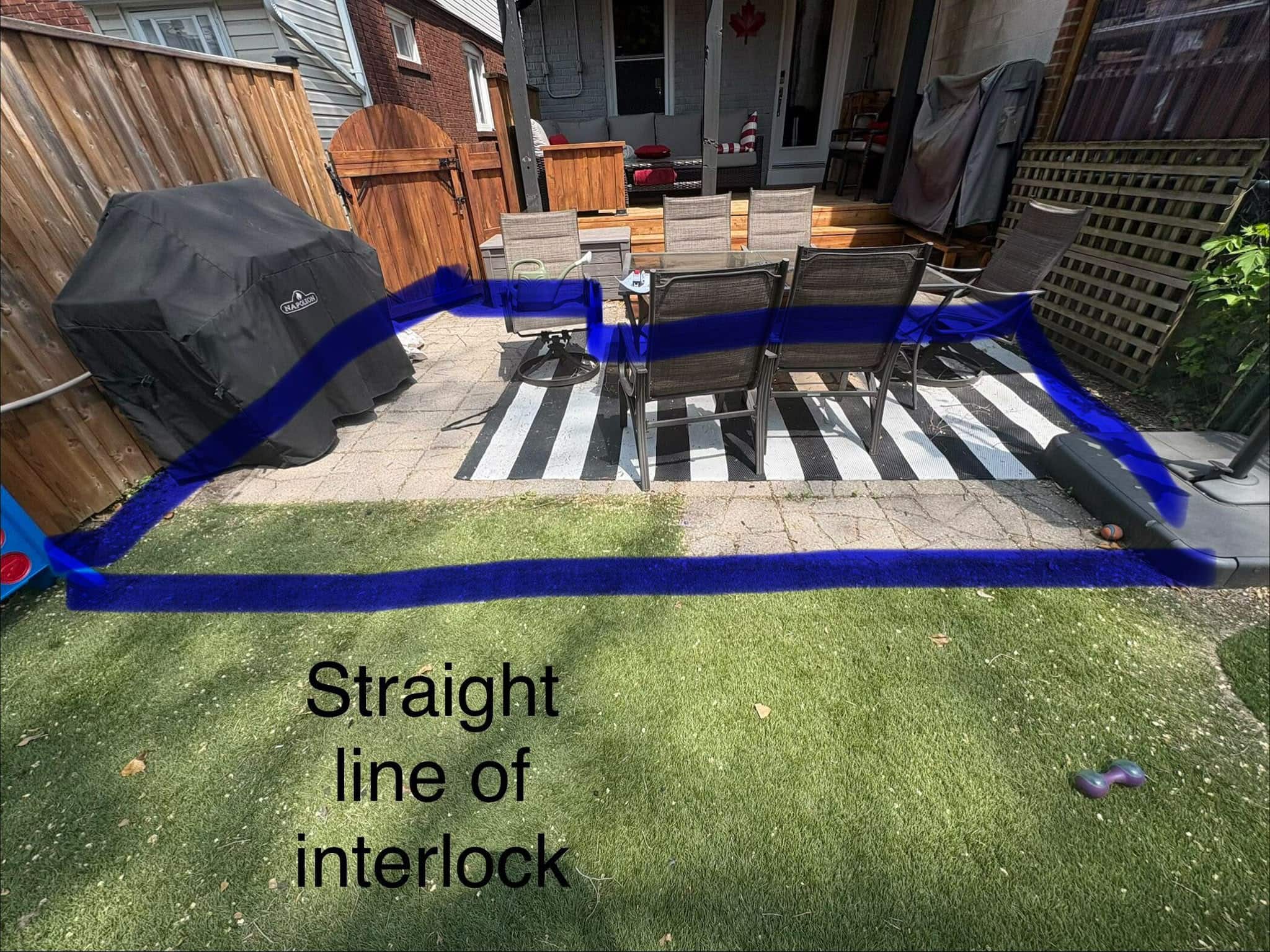
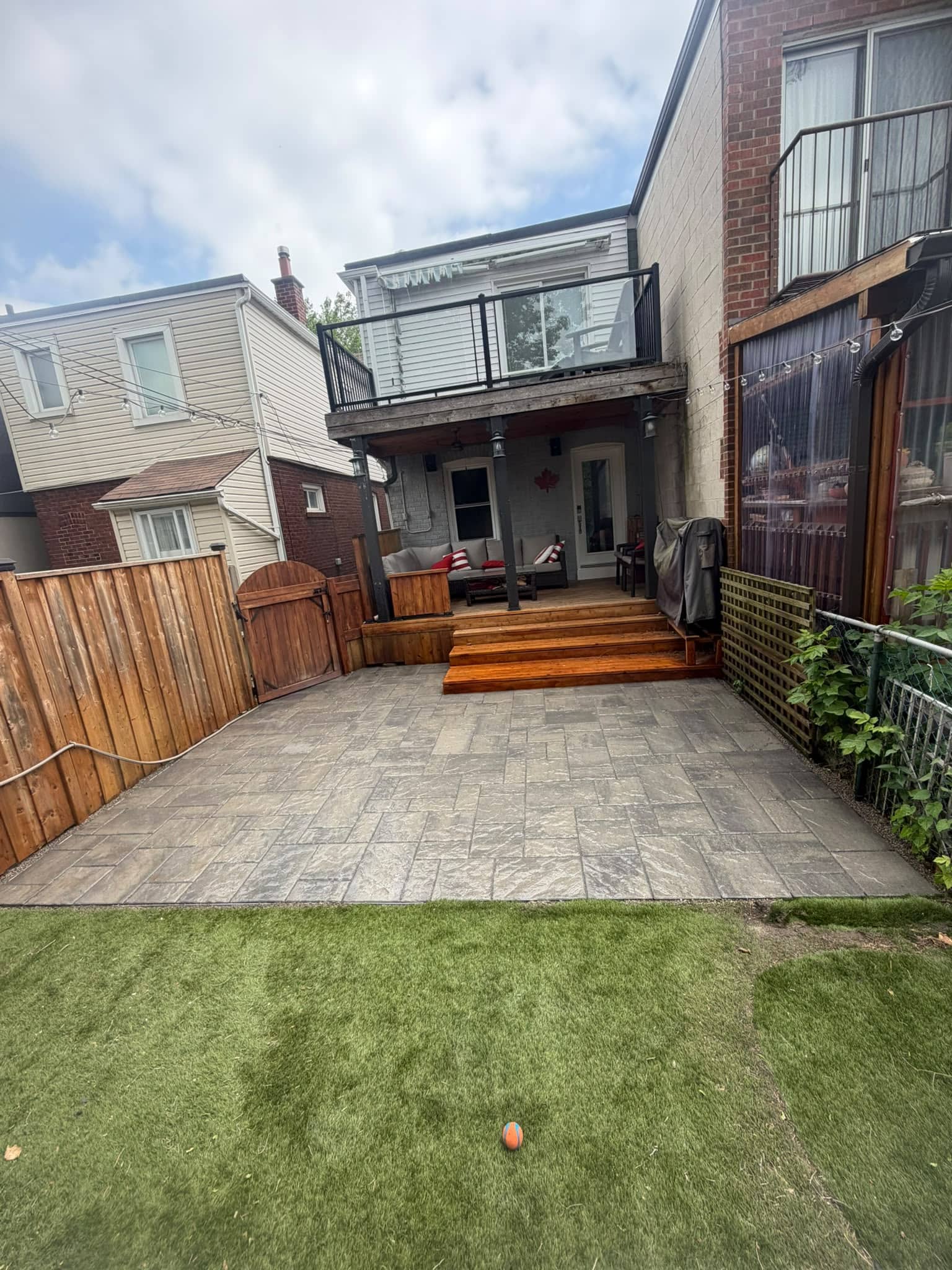
Interlocking stone can be durable for driveways, walkways, patios, front entrances, and steps when the base is prepared properly. The stones themselves matter, but the base, compaction, grading, edge restraint, and drainage often decide how long the surface stays level.
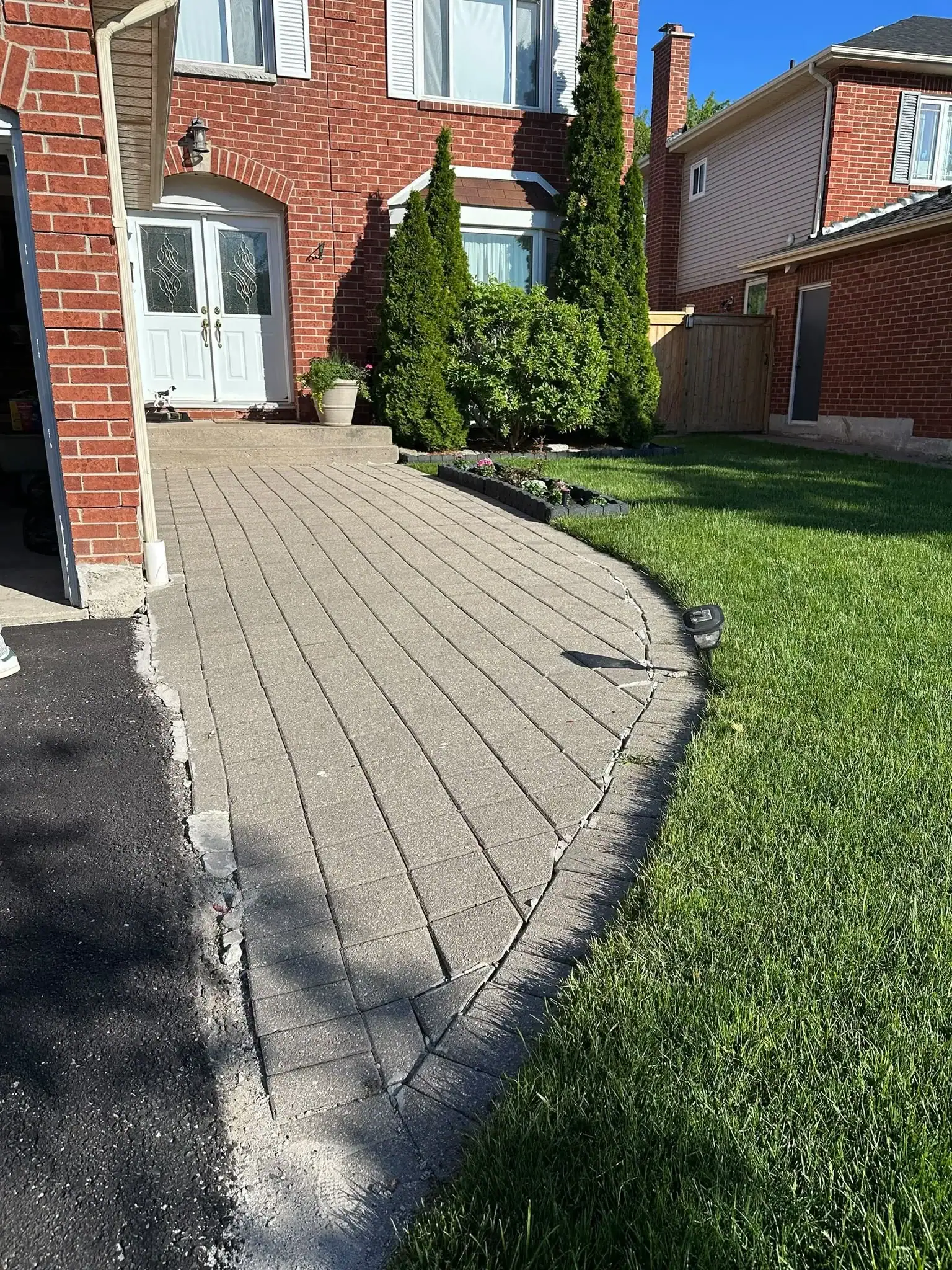
In Toronto, interlocking surfaces must withstand winter movement, snow, ice, salt, rain, and vehicle and foot traffic. If the base is weak or water collects underneath, stones can sink, shift, lift, or separate. A good installation should account for slope, water runoff, soil type, expected load, and how the surface meets steps, porches, driveways, and walls.
One advantage of interlocking stone is repairability. If a section settles or a unit becomes damaged, individual stones can often be lifted, corrected, and reset. This can make long-term maintenance easier than some rigid surfaces, depending on the site.
If your project involves patios, walkways, driveways, or steps, A&A Masonry’s interlocking stone services in Toronto page is a useful reference for outdoor masonry surfaces built for local conditions.
Material Choice by Project Type
The most durable masonry material is the one that fits the job. A material that works well for a wall may not be the best choice for steps. A material that looks strong in a garden may not be right beside a foundation. Choosing by project type helps avoid costly mistakes.
- Exterior walls: Brick and stone can both be durable, but the choice should match the home’s structure, exposure, and existing materials.
- Chimneys: Brick, mortar, crown materials, caps, and flashing must all work together because chimneys face heavy weather exposure.
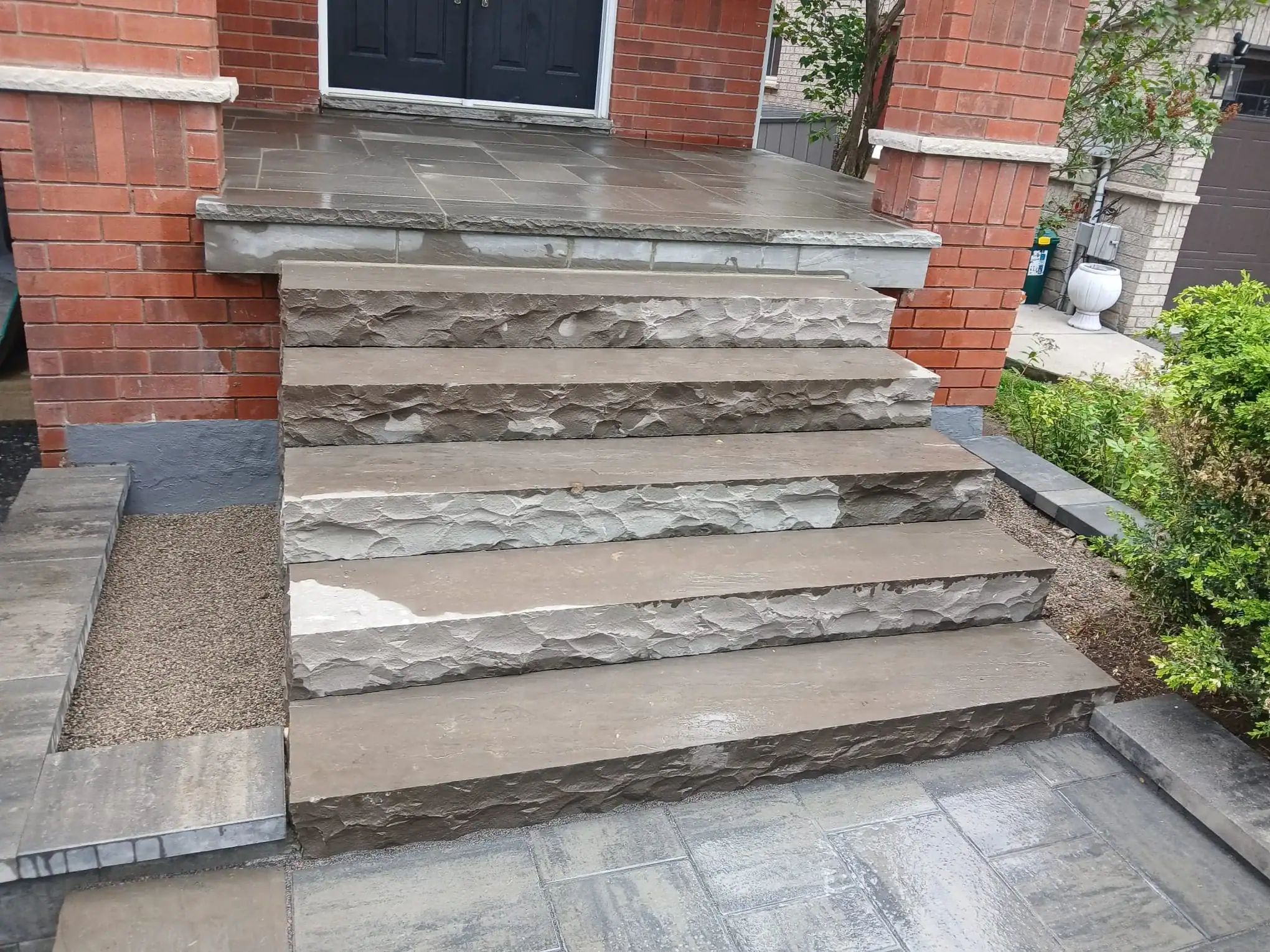
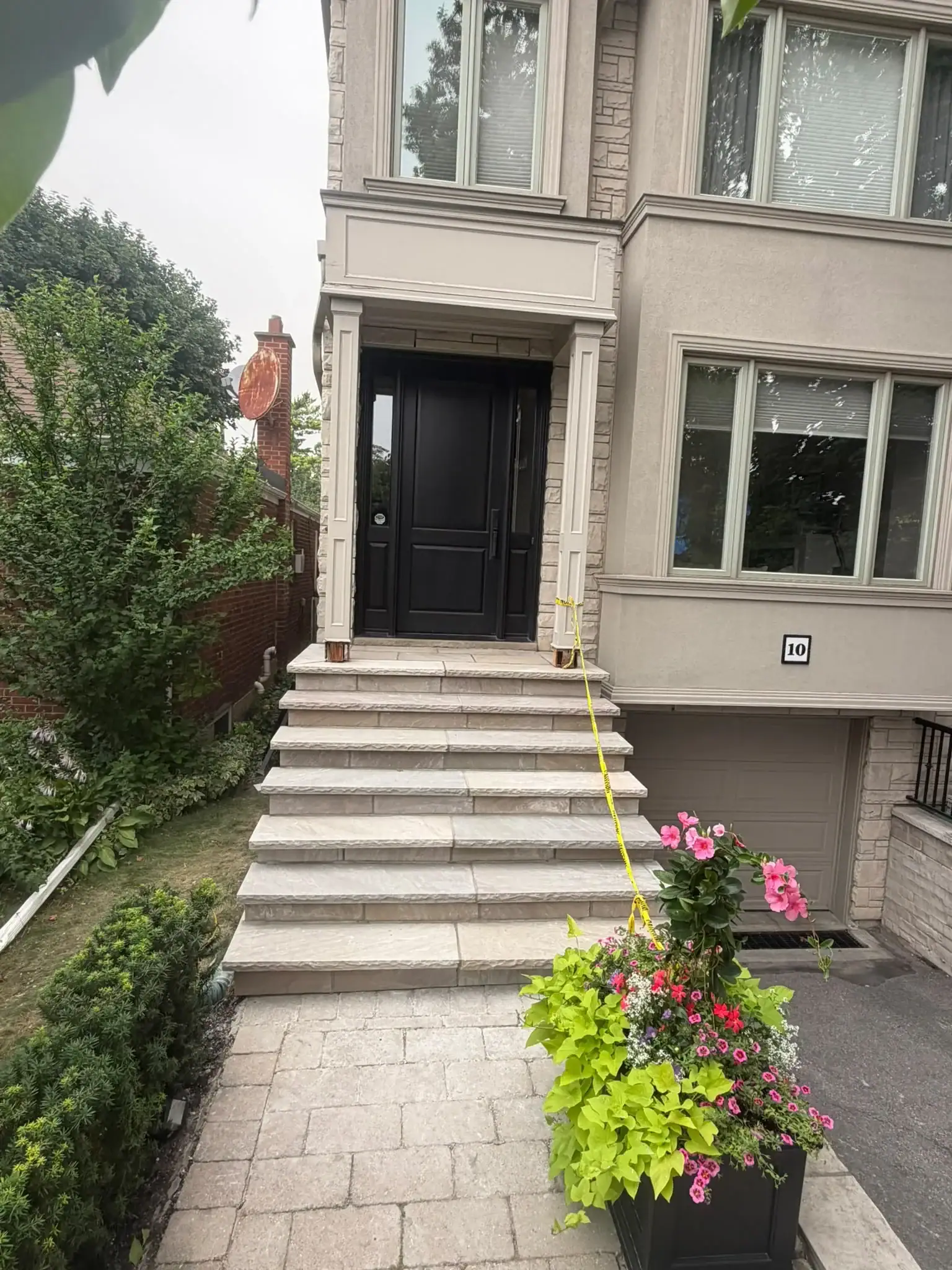
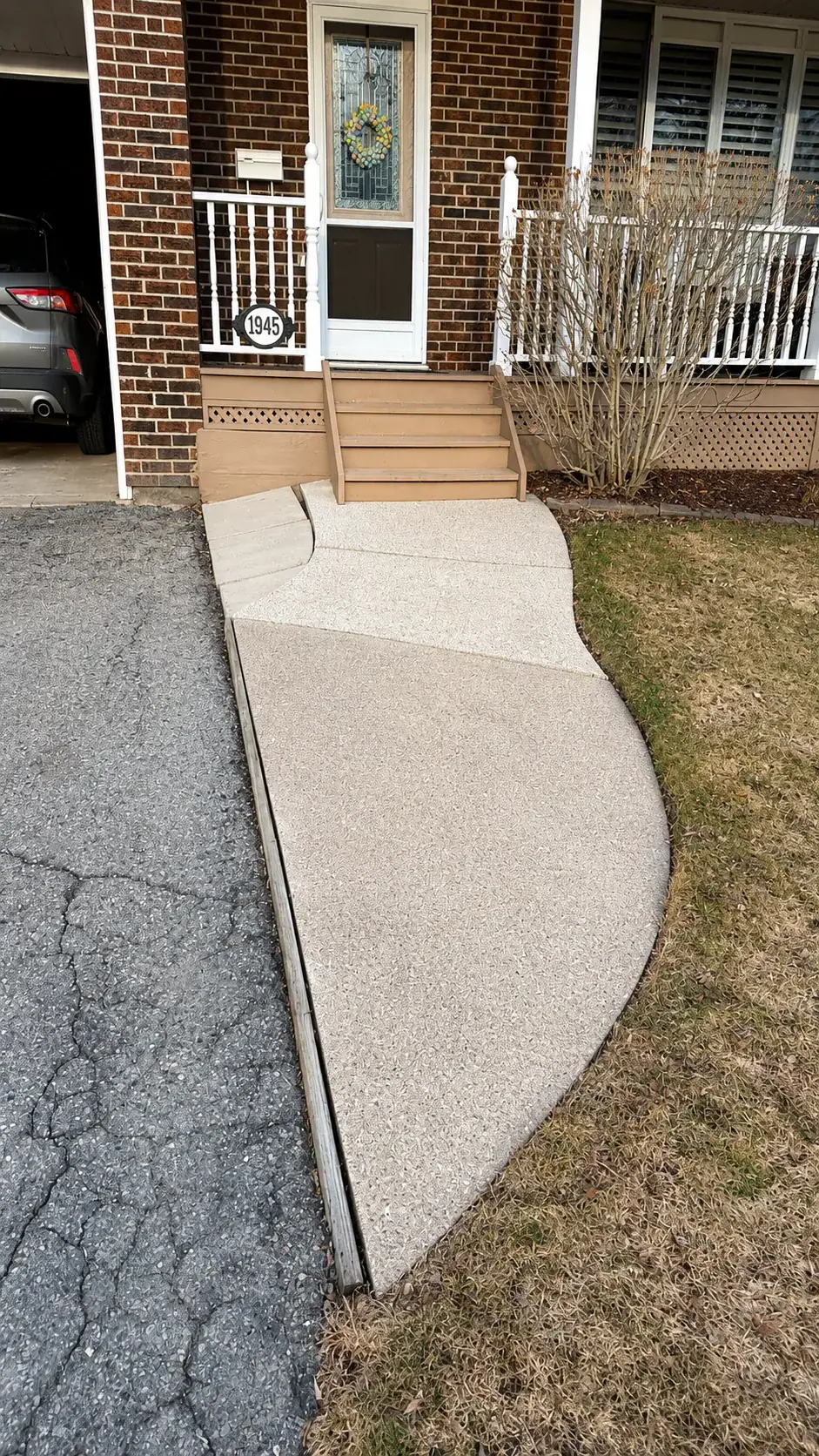
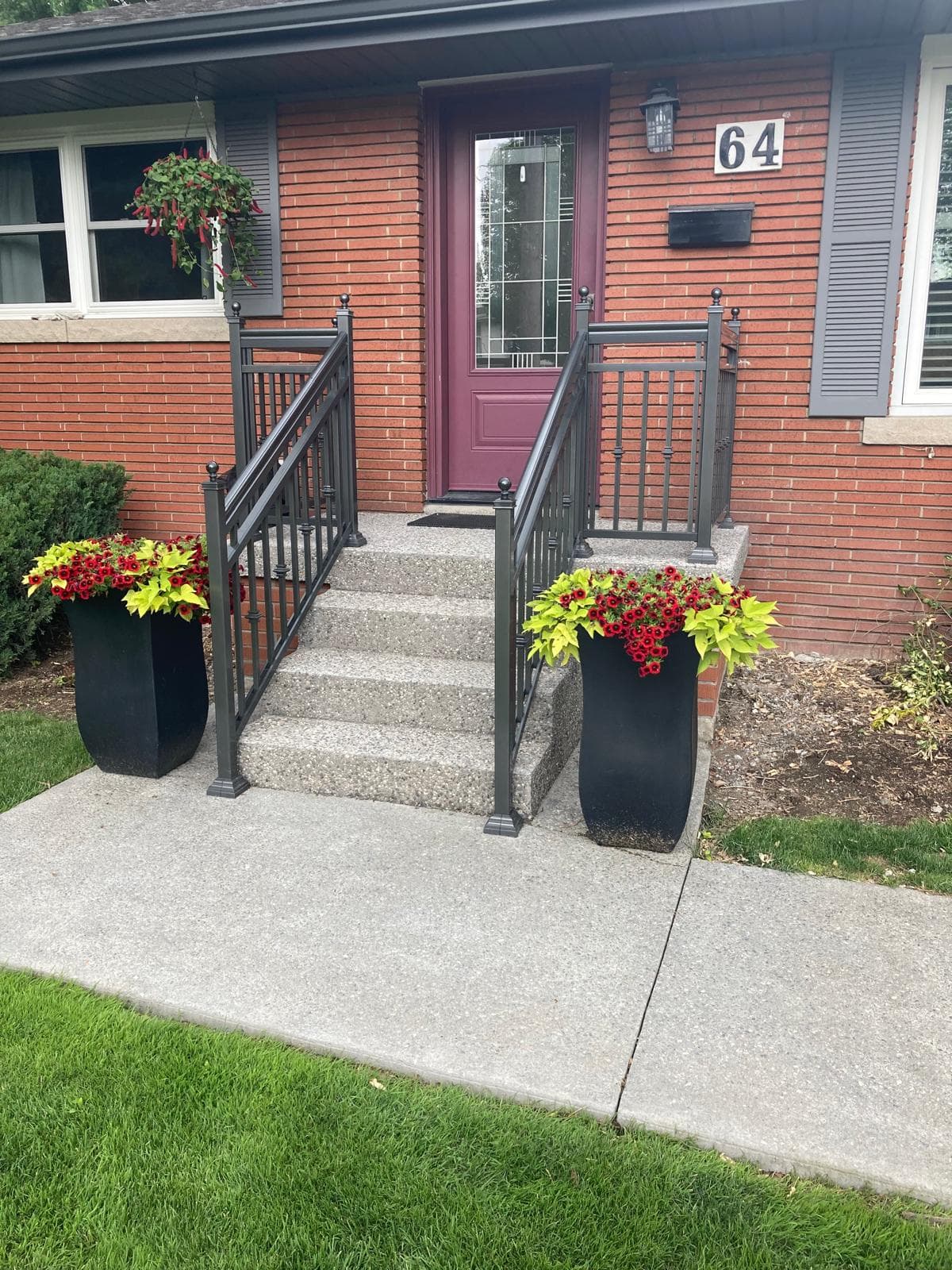
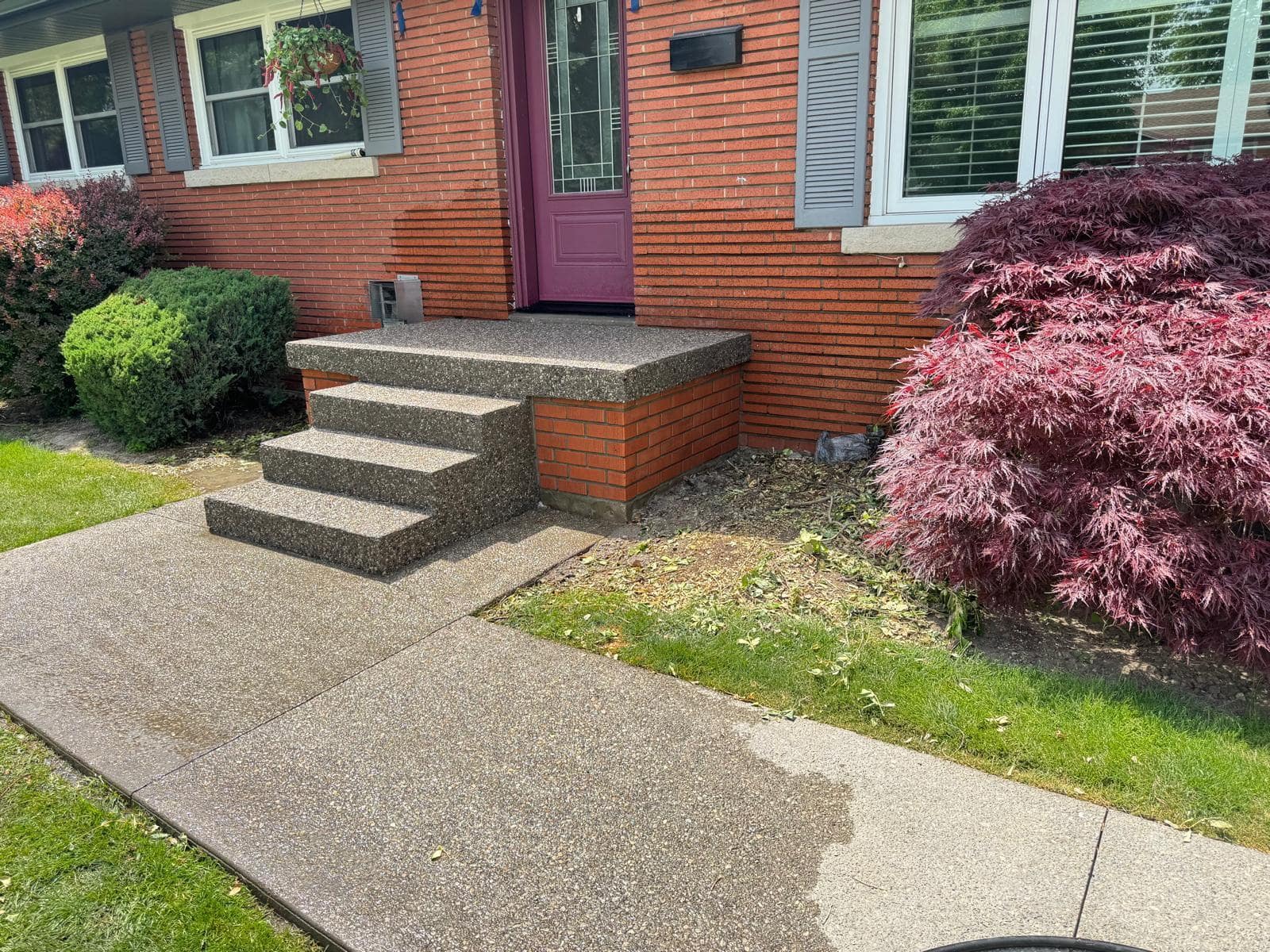
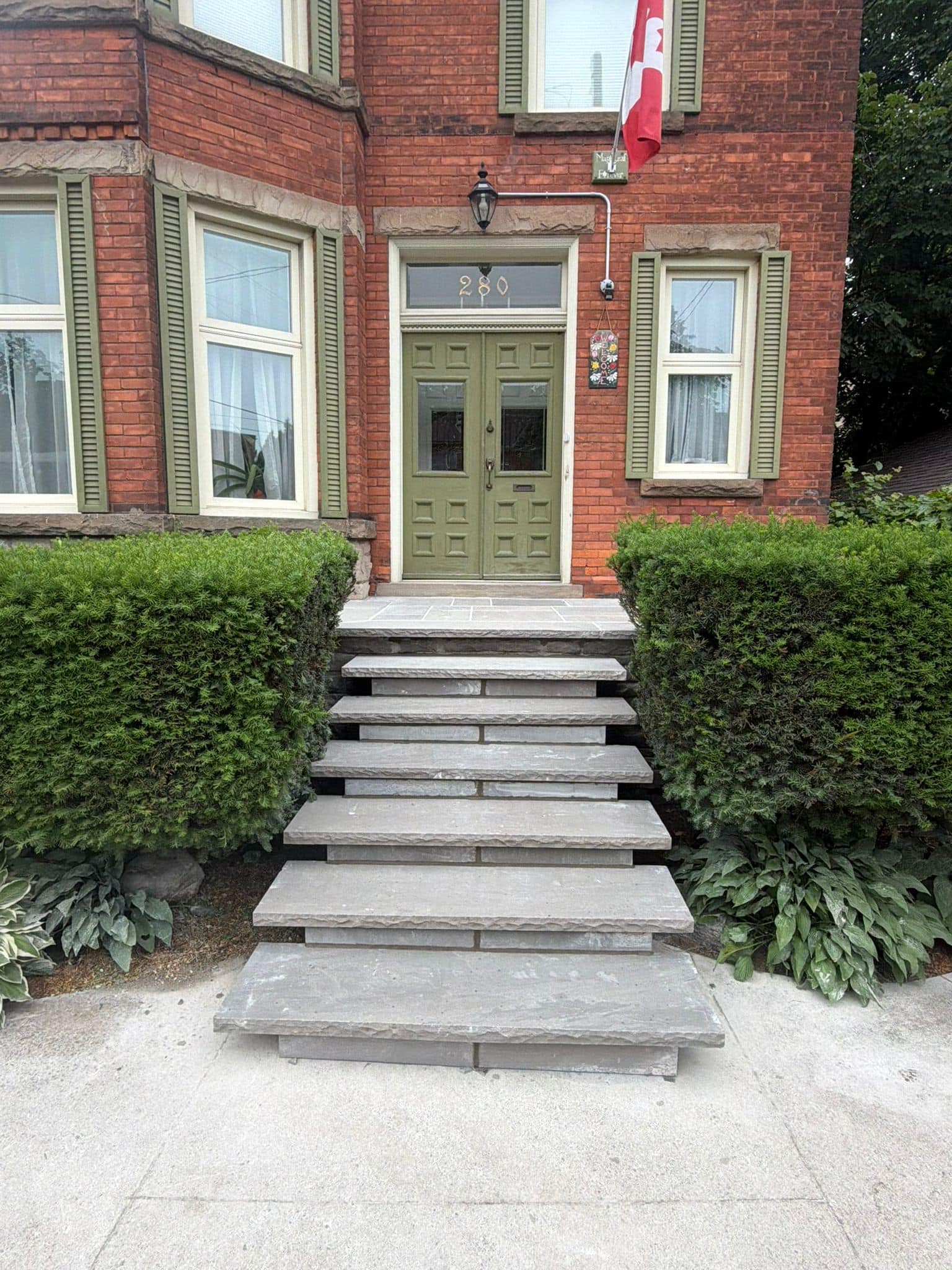
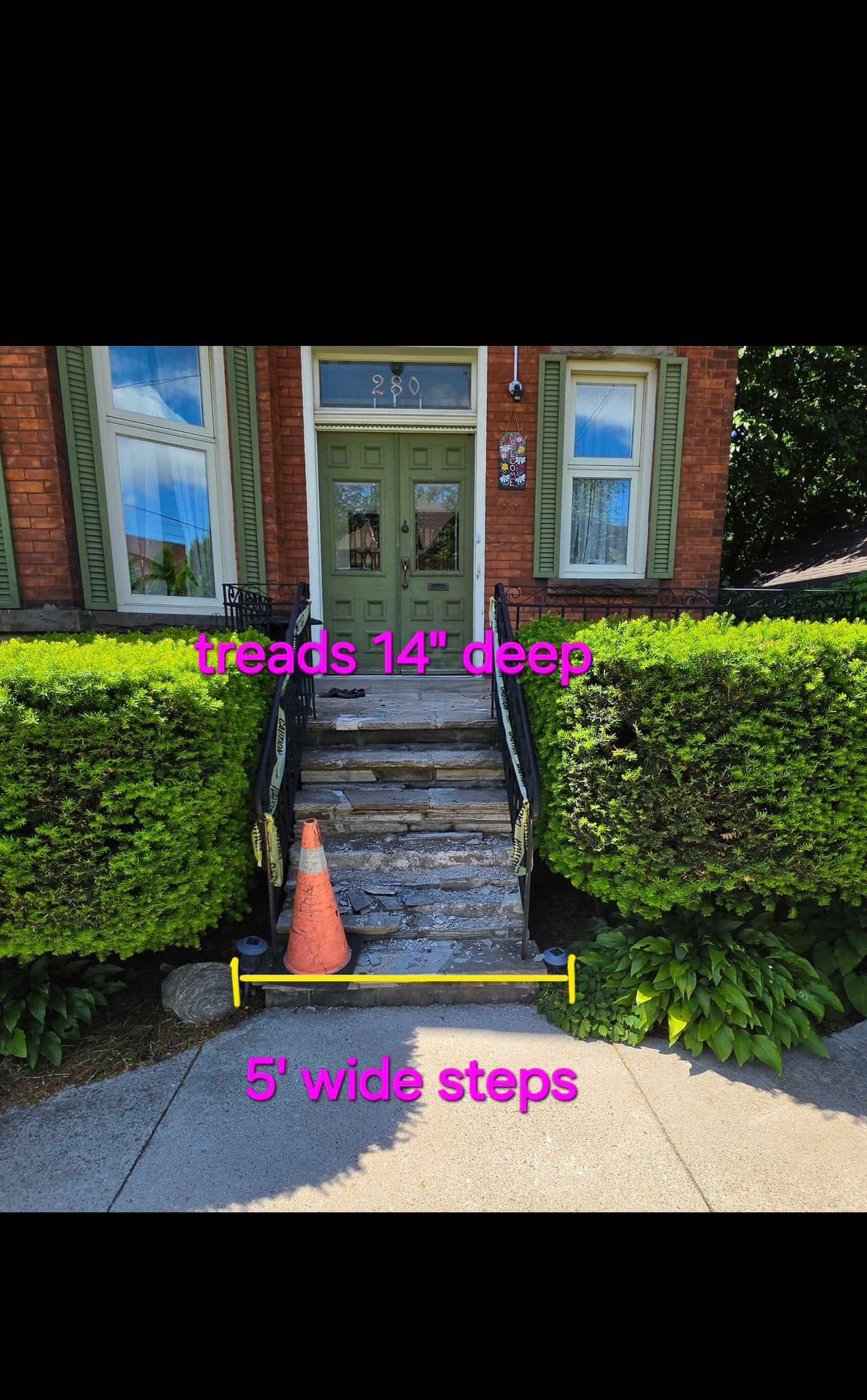
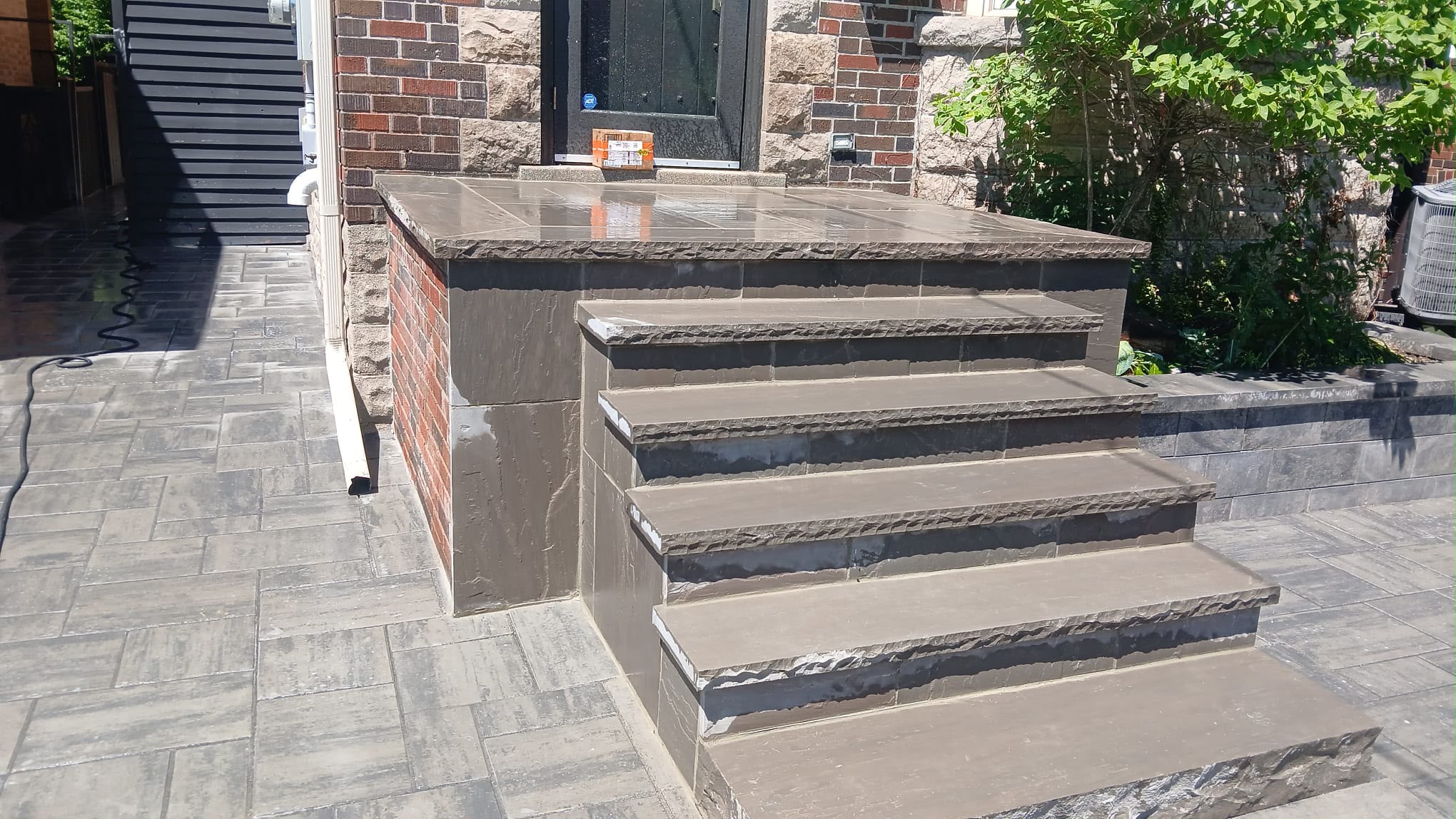
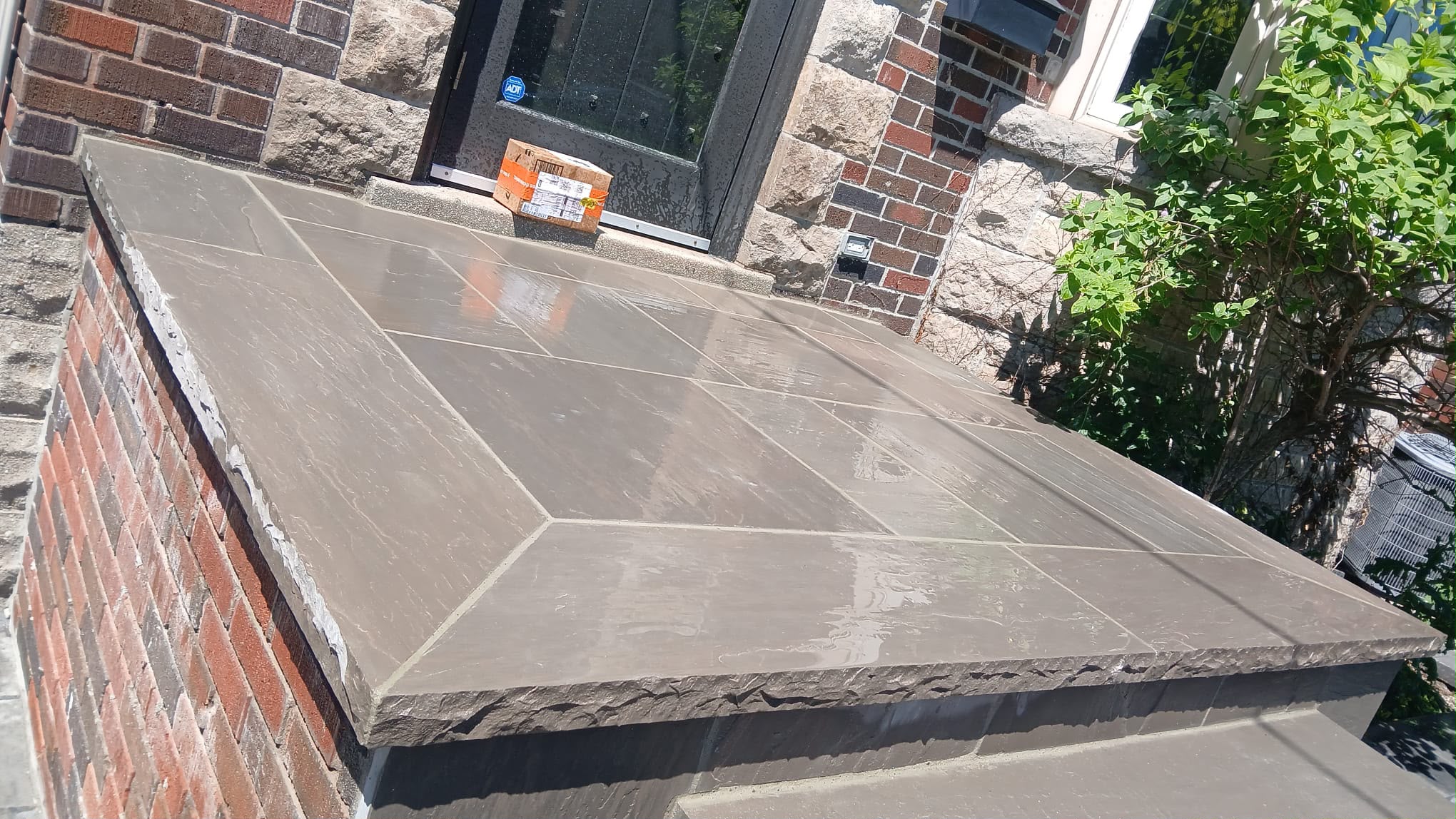
- Steps and entrances: Choose materials that resist wear, water, ice, and salt. Base preparation and drainage are critical.
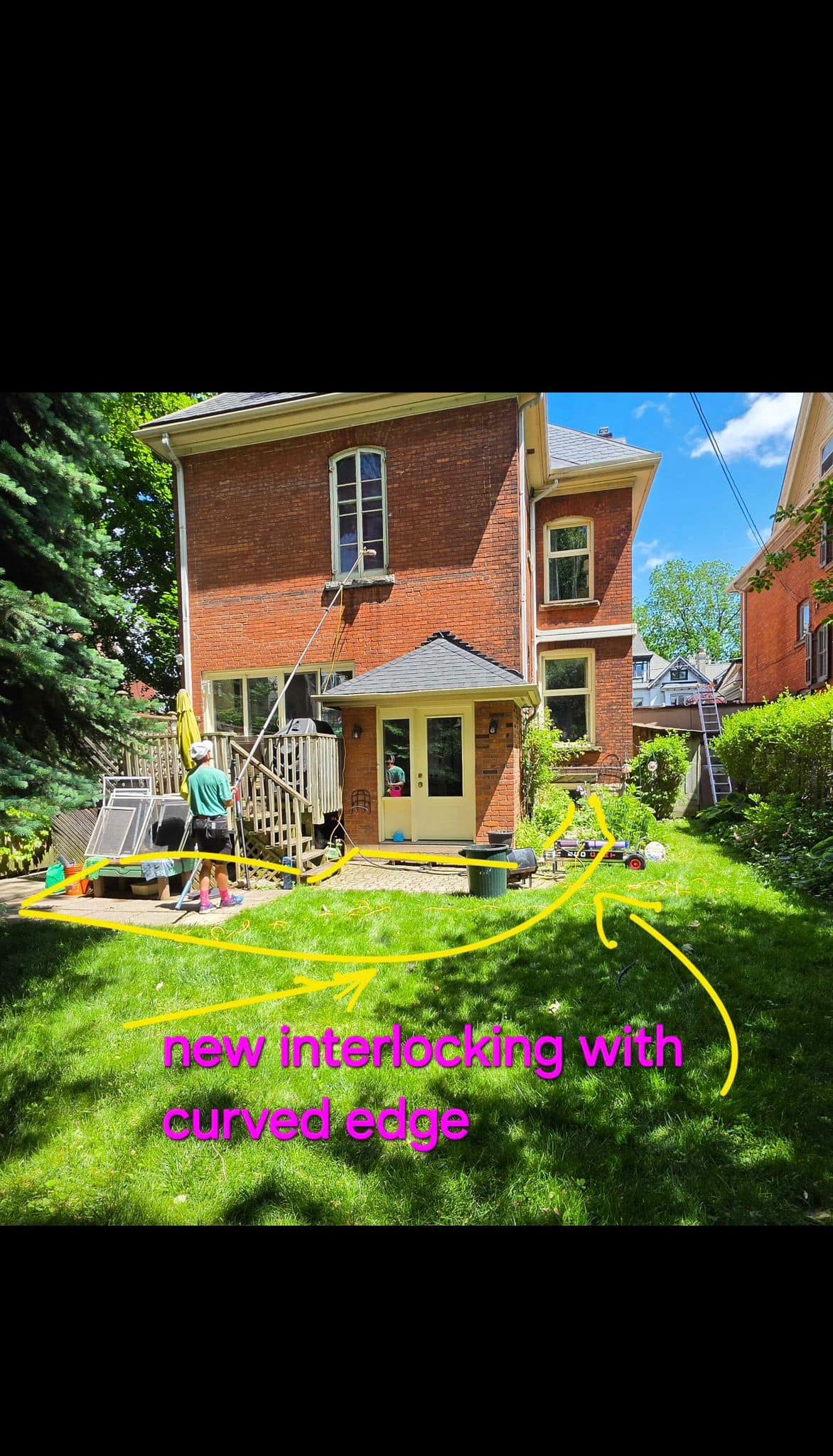
- Patios and walkways: Interlocking stone, pavers, or natural stone can work well when installed on a strong, well-drained base.
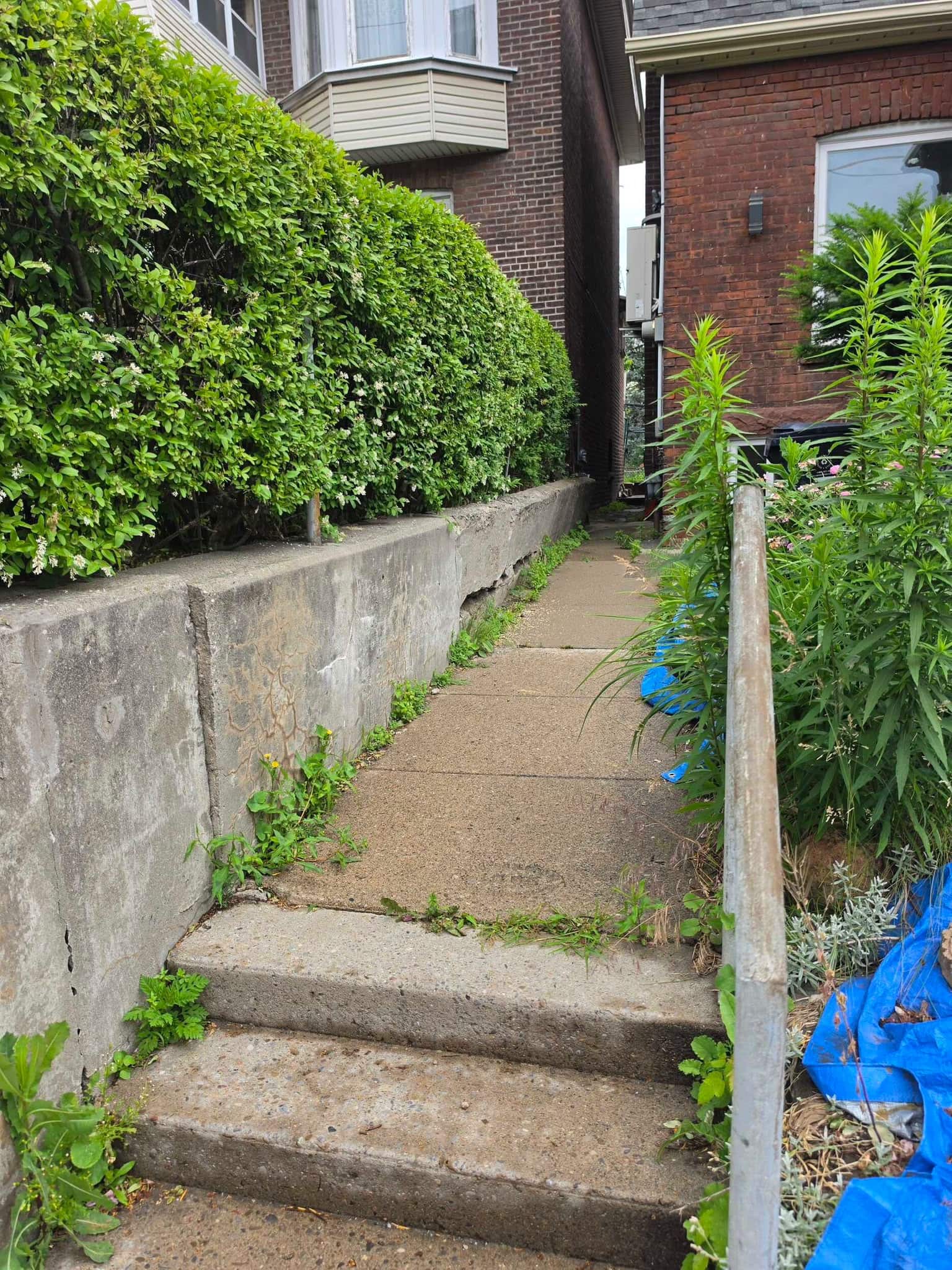
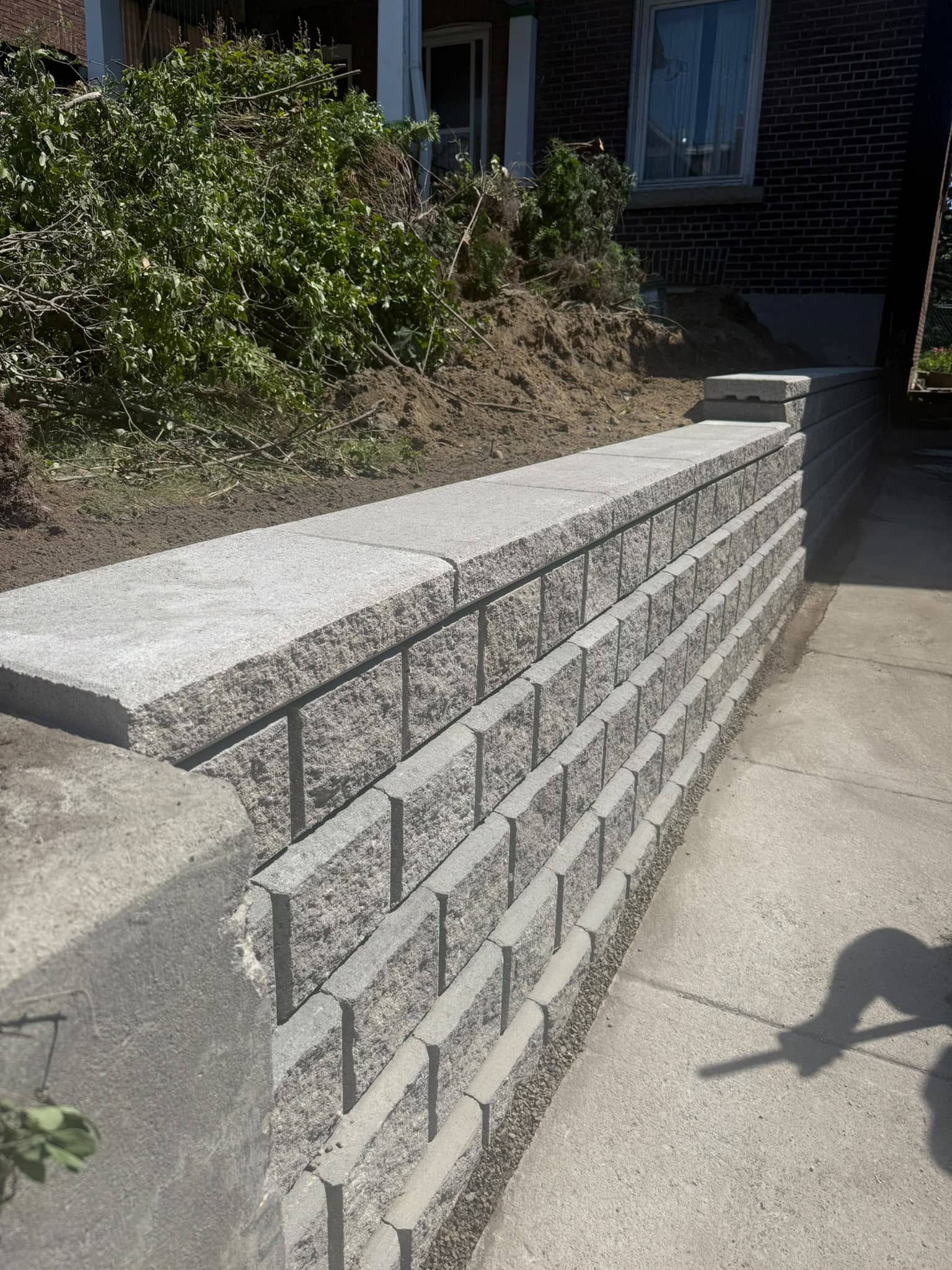
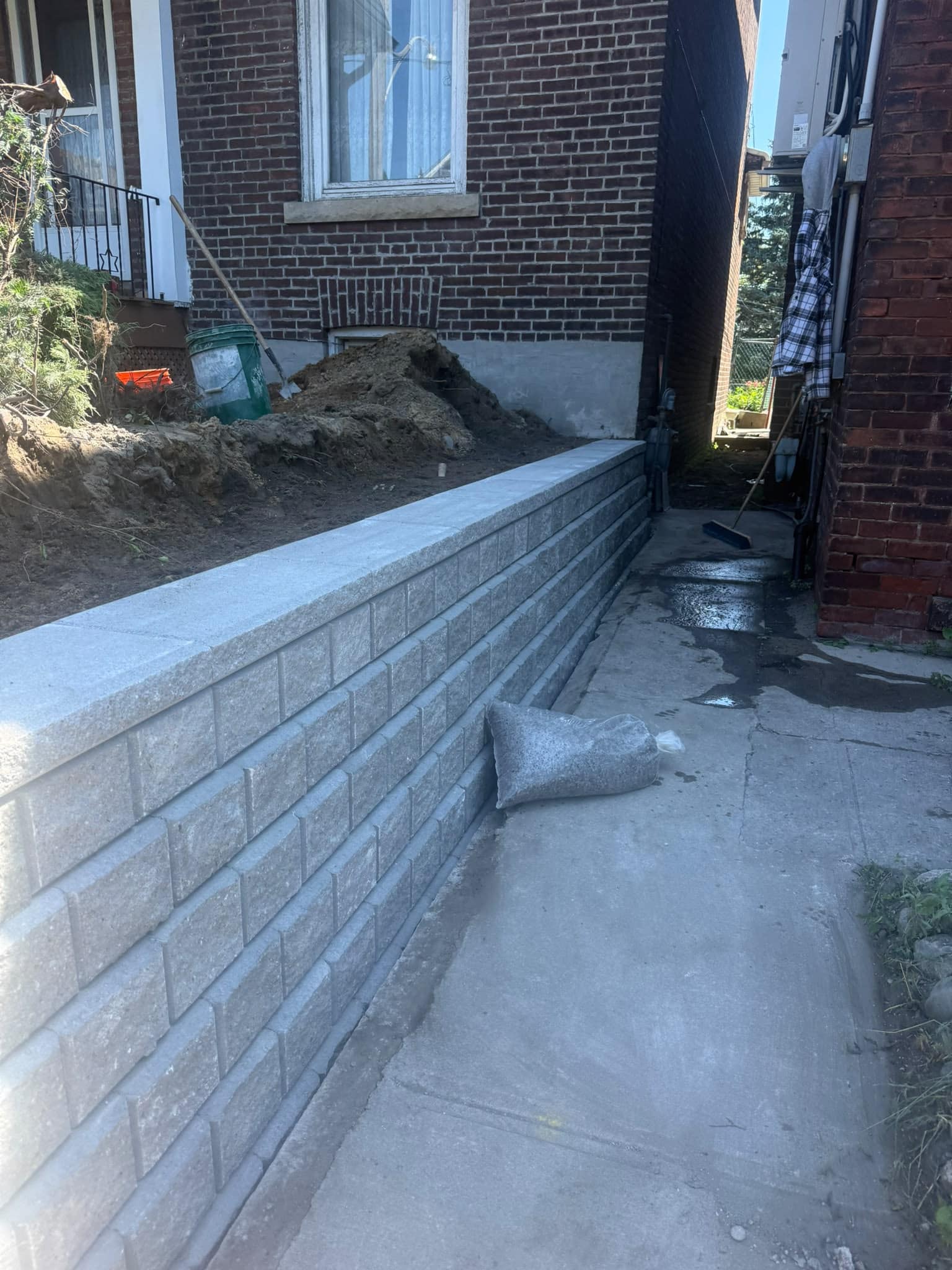
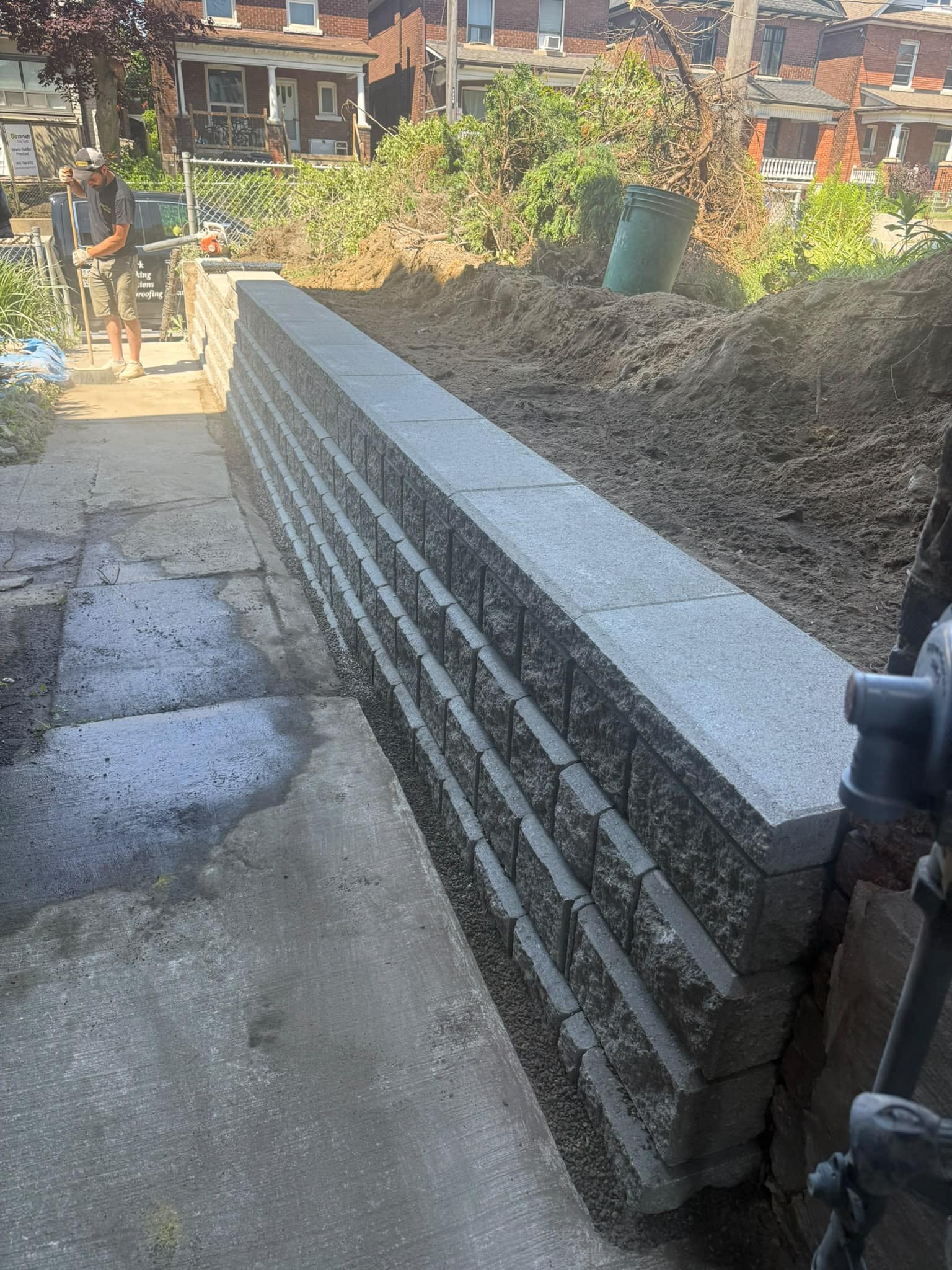
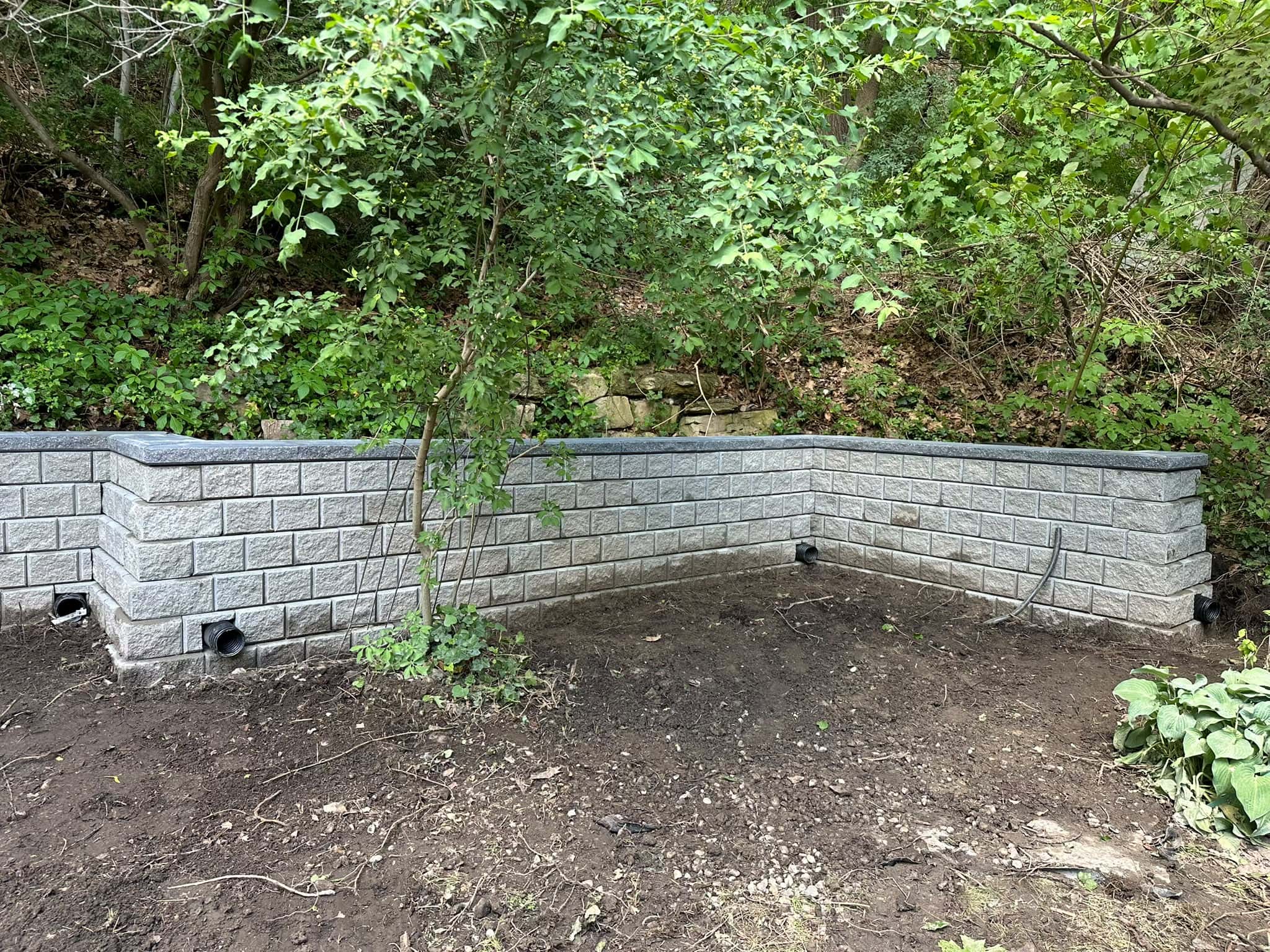
- Retaining walls: Concrete block, armour stone, natural stone, or segmental systems may be suitable, depending on height, soil, and drainage conditions.
- Foundations and lower walls: Moisture resistance, drainage, and compatibility matter more than appearance alone.
- Decorative features: Stone veneer, brick accents, and custom masonry can be durable when installed over the right backing.
This is where homeowners should challenge the assumption that the most expensive material is always the most durable. Sometimes the better choice is a simpler material installed correctly with better drainage and a stronger base.
Durability Also Depends on Water Management
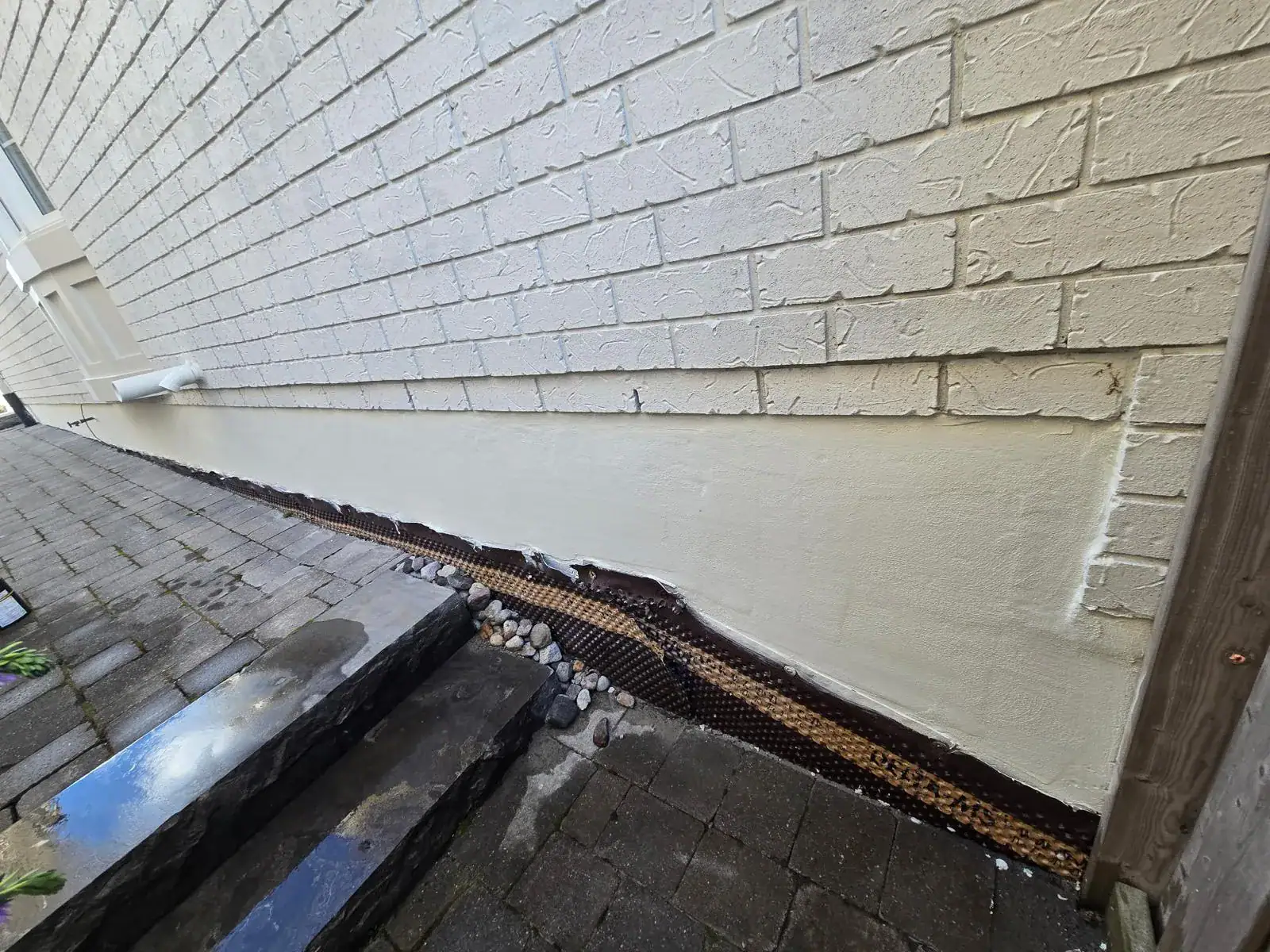
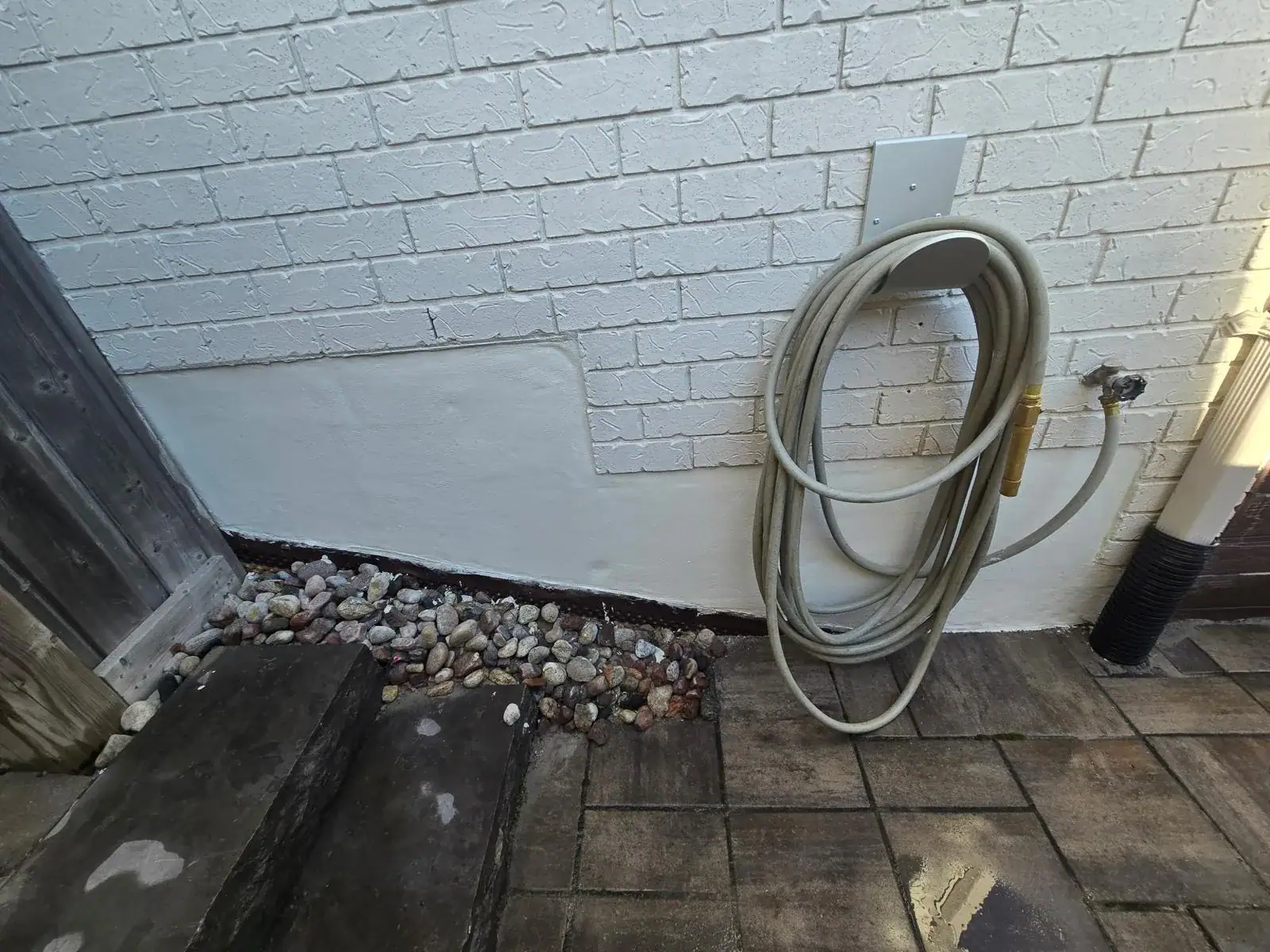
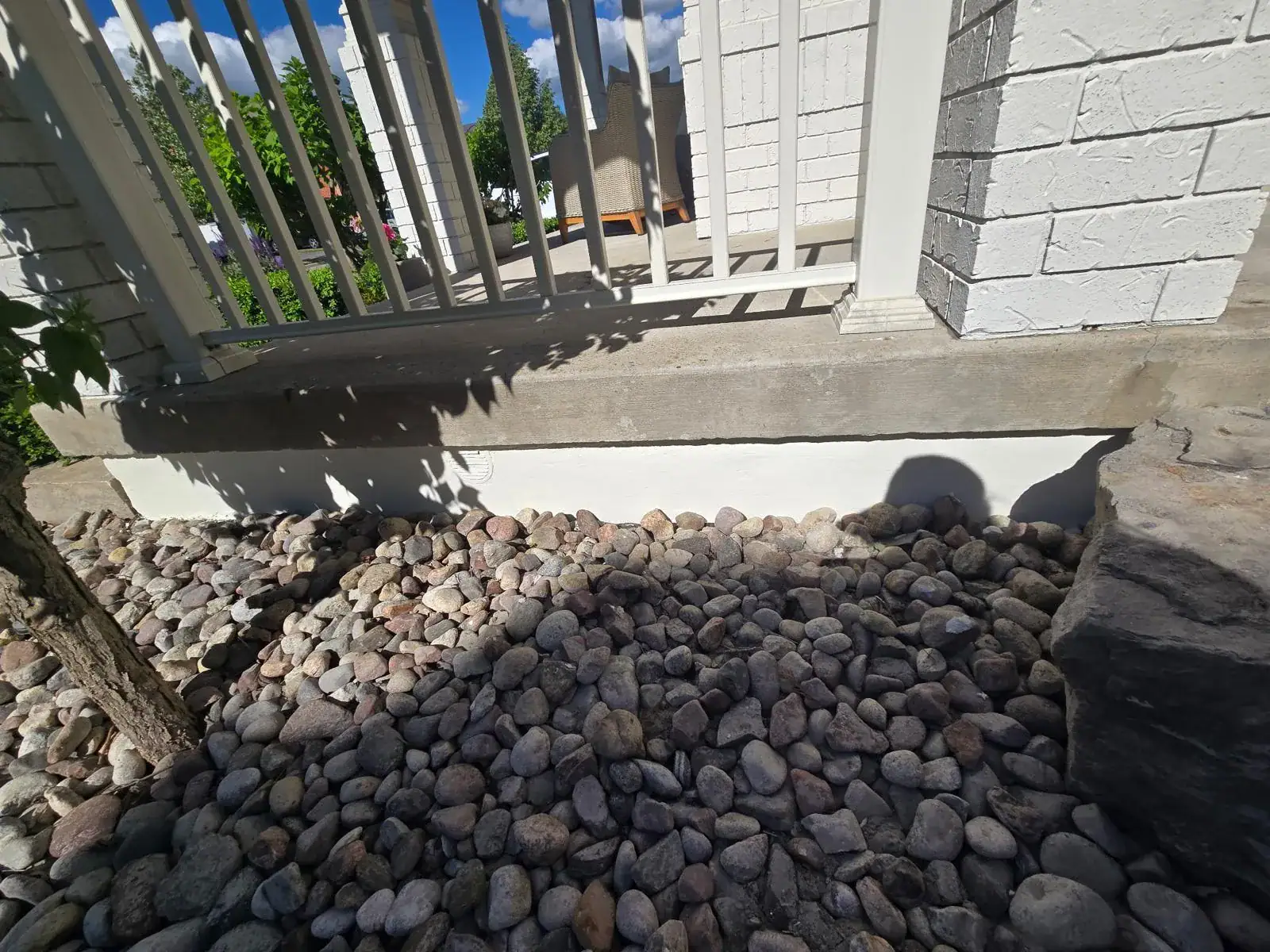
Water management is one of the strongest predictors of masonry durability. A good material can fail early if water sits against it, drains behind it, freezes inside it, or gets trapped by poor sealing. This is why grading, flashing, weep paths, drainage stone, caps, and joint details all matter.
For walls, water should be able to shed away from the surface and escape from behind the masonry when needed. For steps and patios, water should drain away rather than pool. For chimneys, caps, crowns, flashing, and mortar joints all help protect the masonry from constant exposure to water. For foundations, grading and waterproofing can make a major difference in how long the surrounding masonry performs.
The City of Toronto notes that building permits are required for many types of construction, demolition, additions, and major renovations, and that plans are reviewed against the Ontario Building Code and other applicable laws. Homeowners planning larger masonry changes can review the City’s building permit guidance. For the technical masonry context, the Canada Masonry Design Centre provides information on masonry construction standards.
Warning Signs That the Material Choice Was Wrong
Wrong material choices often show up as early cracking, staining, movement, flaking, or repeated repairs. The problem may not always be the material itself. It may be that the material was used in the wrong place, installed over the wrong base, paired with incompatible mortar, or exposed to moisture it was not designed to handle.
- Brick faces are flaking, crumbling, or popping off.
- Mortar joints are cracking or falling out too soon.
- The stone veneer is loosening or pulling away from the wall.
- Interlocking stones are sinking, shifting, or collecting water.
- Efflorescence appears repeatedly on brick or stone surfaces.
- Concrete block walls show cracking, staining, or moisture marks.
- Repairs keep failing in the same area after each winter.
If you are seeing repeated masonry problems, A&A Masonry’s blog on common masonry repair issues in Toronto can help you understand how cracking, moisture, mortar failure, and weather exposure often connect.
What Homeowners Can Do Before Choosing Materials
Homeowners can make better material choices by considering the project’s conditions before falling in love with a particular style. Appearance matters, but durability starts with how and where the material will be used.
- Look at exposure: Is the area open to rain, snow, salt, shade, wind, or constant moisture?
- Check drainage: Does water move away from the wall, step, patio, or foundation?
- Consider traffic: Will the material handle foot traffic, vehicles, snow removal, or furniture?
- Match existing masonry: Older brick and mortar may need compatible materials, not just a colour match.
- Think about repairability: Some materials are easier to repair in sections than others.
- Ask about maintenance: Durable does not mean maintenance-free. Ask what care the material will need.
- Work permits for larger projects: Bigger structural or exterior changes may require permit review.
These steps help homeowners compare materials based on real performance, not just showroom appeal or short-term cost.
When Professional Guidance Makes More Sense
Professional guidance makes more sense when the masonry project affects structure, water control, safety, older materials, a chimney, a retaining wall, a foundation, or a high-traffic surface. In these cases, the material choice can affect more than appearance.
A mason can help determine whether the project needs brick, stone, block, veneer, tuckpointing, replacement, waterproofing, or another repair approach. They can also look at the surrounding conditions that homeowners may miss, such as weak mortar, drainage issues, hidden water paths, base failure, or incompatible past repairs.
A good material recommendation should explain why the material fits the project. If the answer is only “this looks nice,” that is not enough. For durable masonry, the better question is: will this material withstand the site conditions, weather exposure, water movement, and long-term use?
Quick Decision Guide for Durable Masonry Materials
A simple decision guide can help narrow your options before planning a project.
- Choose brick when you need a durable, repairable material that matches a Toronto home’s existing exterior.
- Choose natural stone when you want a strong, long-lasting finish, and the project can support the weight and installation needs.
- Choose stone veneer when you want the look of stone over a suitable wall system with proper moisture control.
- Choose concrete block or CMU when structural strength, structural support, or practical support is more important than decorative finish.
- Choose interlocking stone for patios, walkways, driveways, and entrances when the base and drainage systems can be properly built.
- Focus on mortar compatibility for older masonry, tuckpointing, and brick restoration work.
- Focus on drainage first if the area has pooling water, foundation moisture, slope problems, or repeated freeze-thaw damage.
The strongest material on paper is not always the best choice. The best choice is the material that fits the home, the exposure, the installation method, and the long-term maintenance plan.
Final Thoughts on Choosing Masonry Materials for Durability
Choosing masonry materials for durability requires more than comparing brick, stone, block, and pavers by appearance. Toronto and GTA homes need materials that can withstand moisture, winter conditions, freeze-thaw cycles, drainage challenges, and existing building conditions. A durable project depends not only on the right material but also on proper installation, compatible mortar, strong base preparation, and water control.
Before choosing a material, ask where it will be used, how much weather it will face, whether it needs to match older masonry, and what kind of maintenance it will require. Brick may be best for repairability and matching existing walls. Stone may be best for a strong, natural look. CMUs may be best for structure. Interlocking stone may be best for outdoor surfaces when the base is built correctly.
The most durable masonry choice is not always the most dramatic one. It is the one that fits the project conditions and continues to perform after many seasons of rain, snow, heat, and freezing weather.