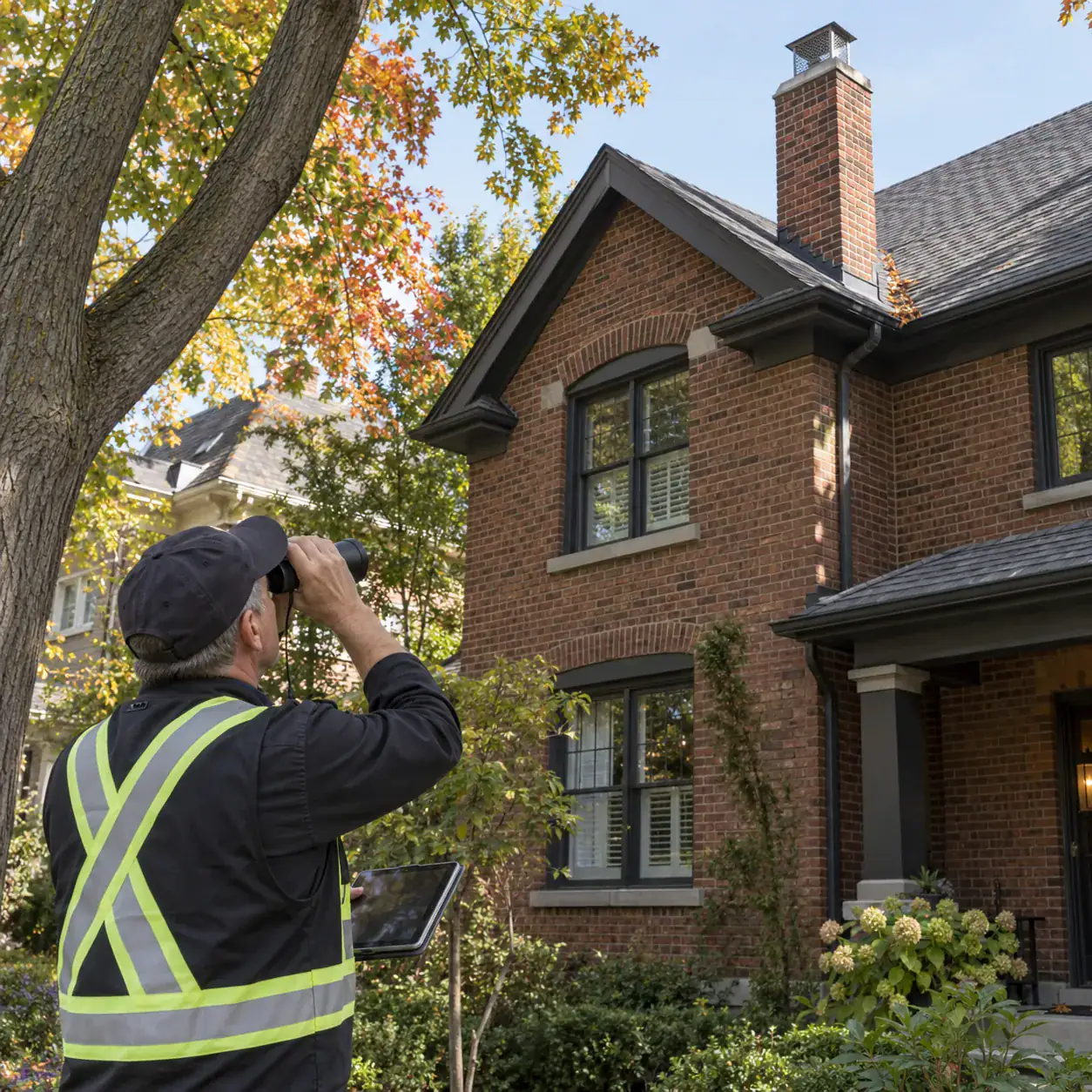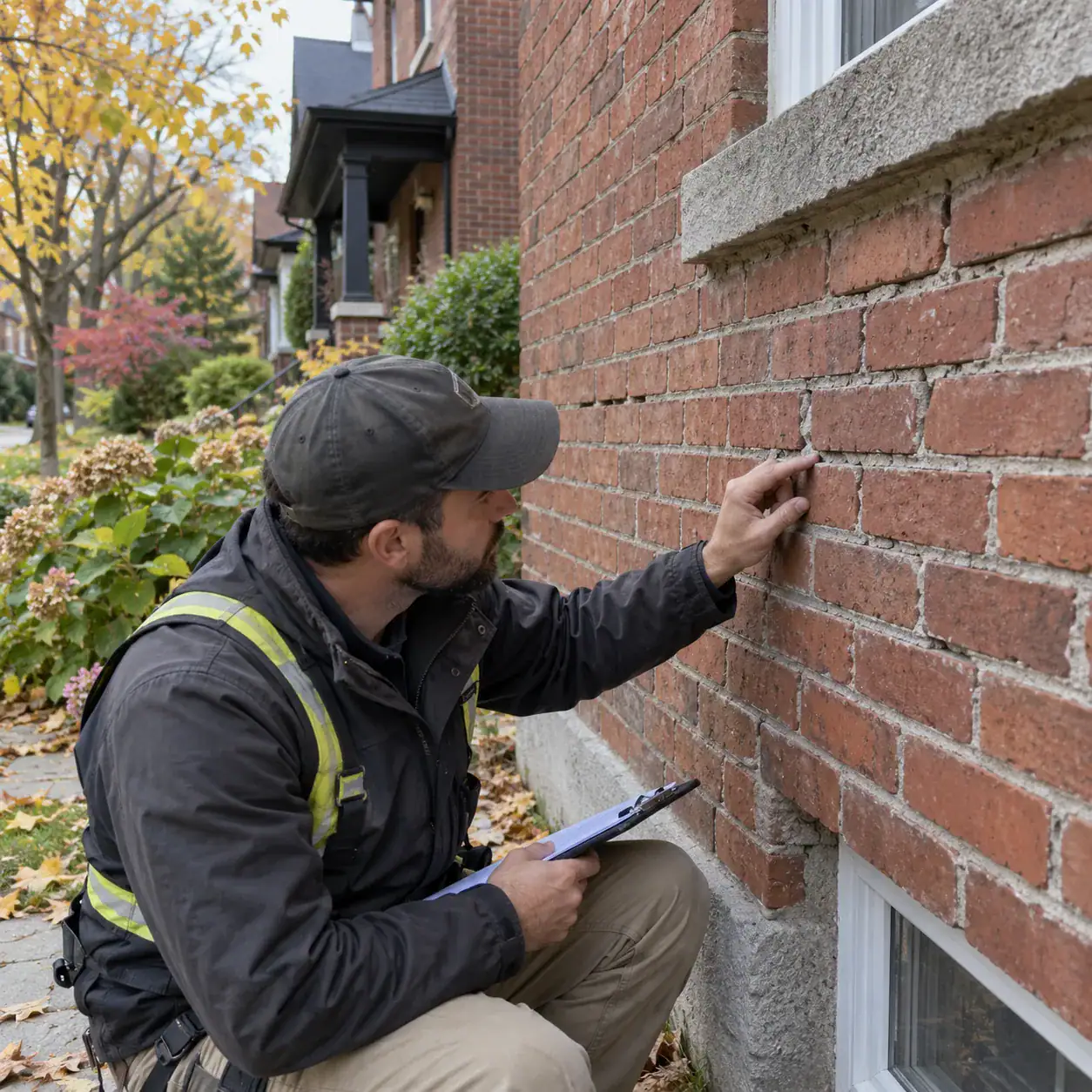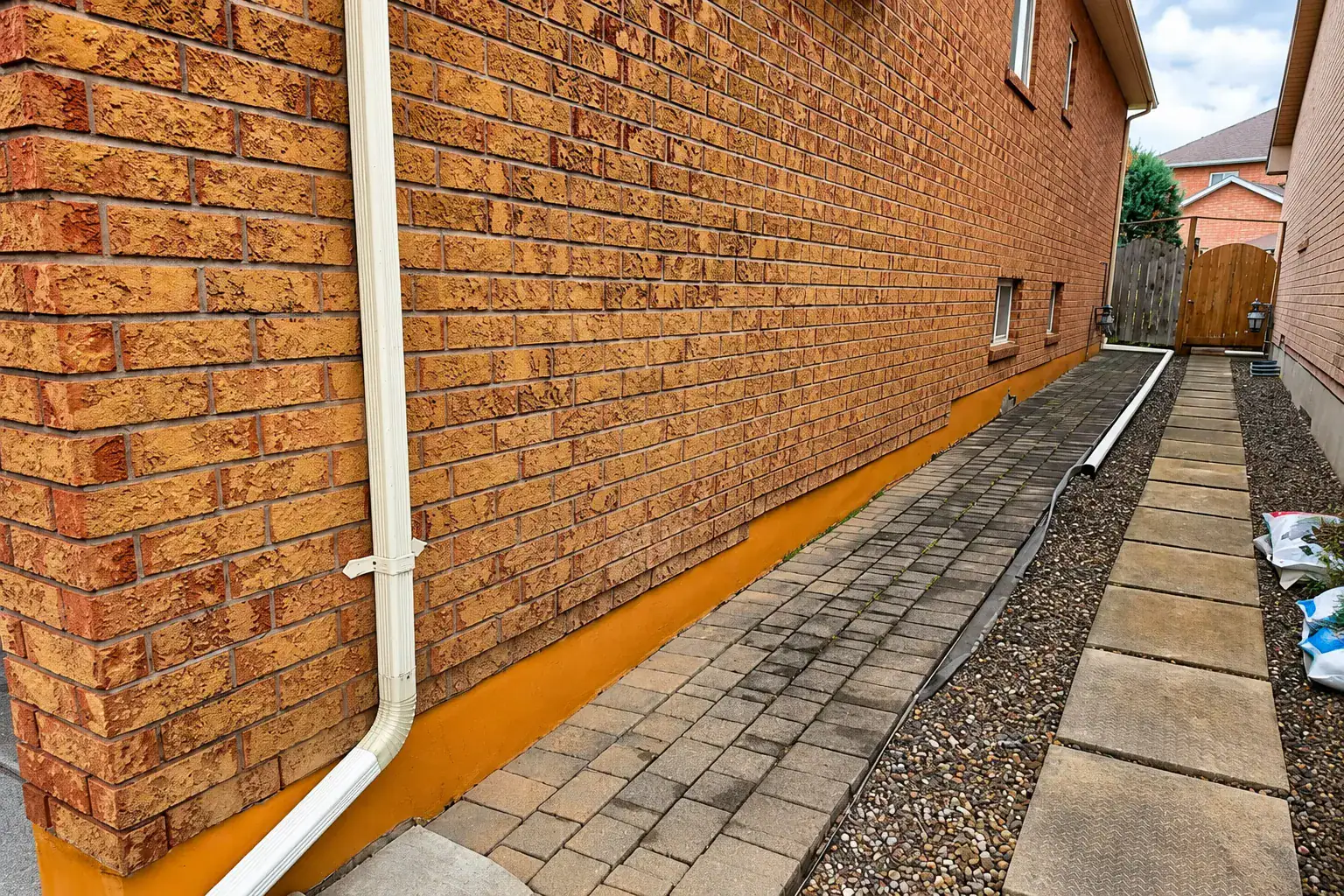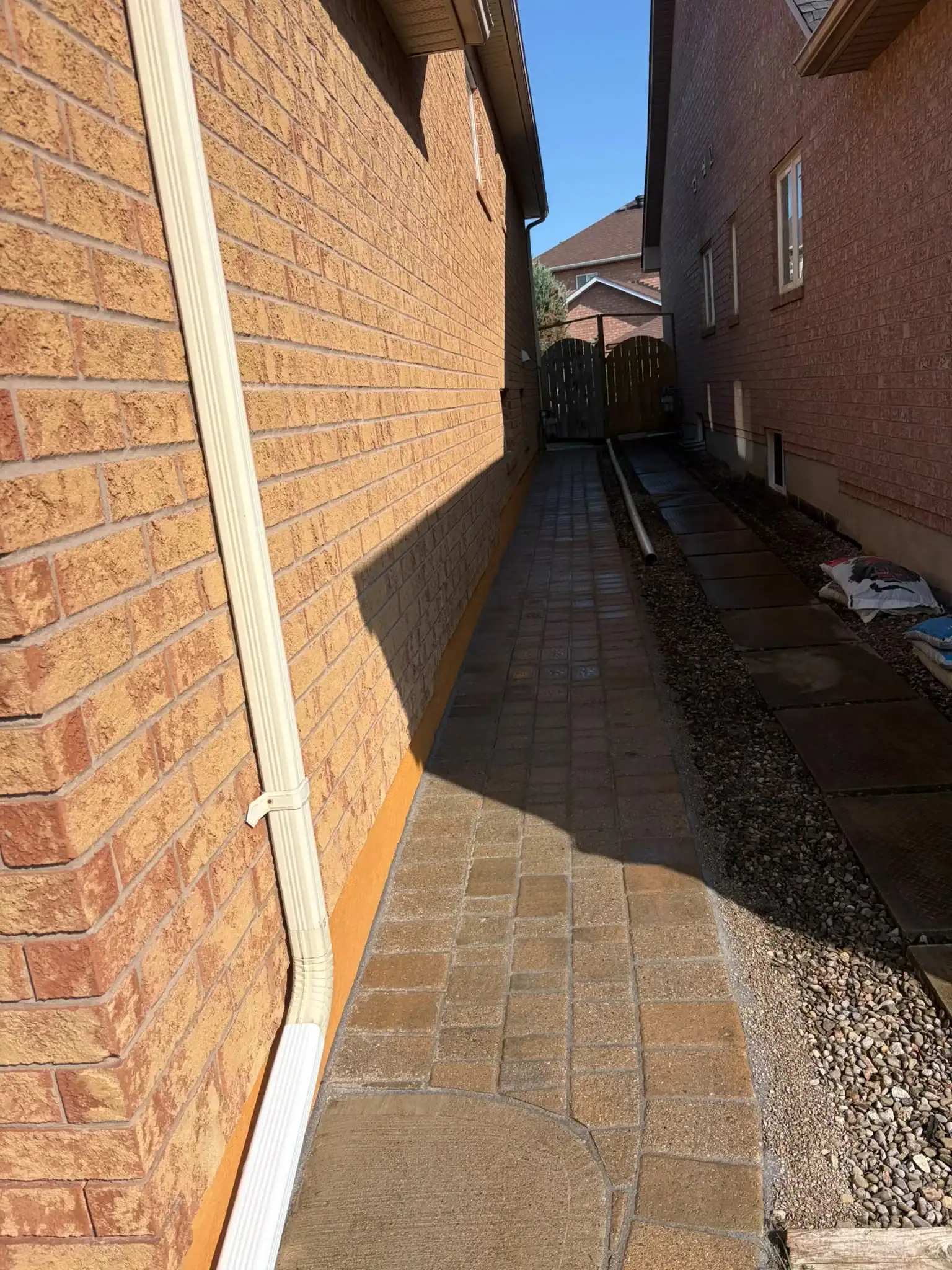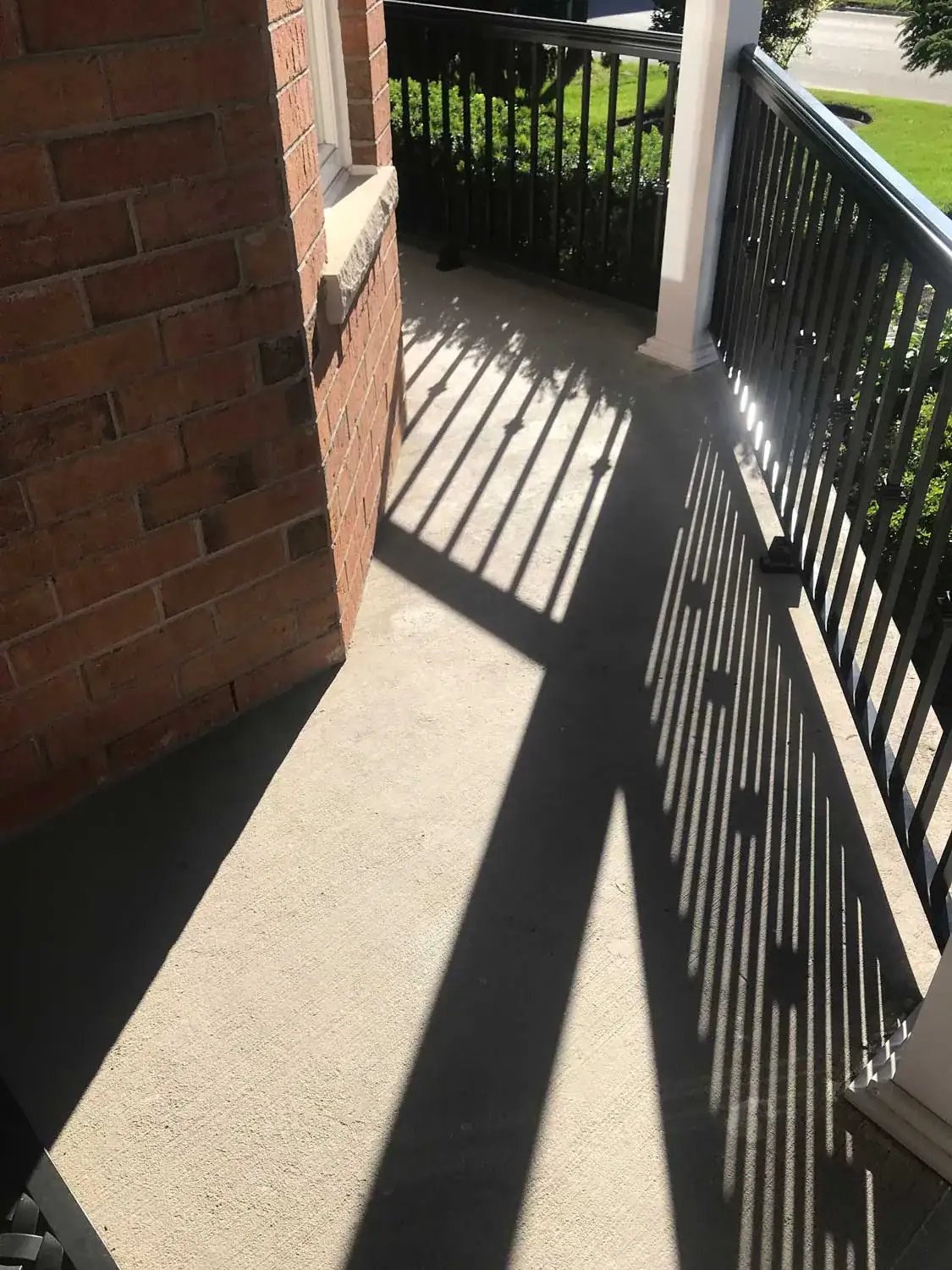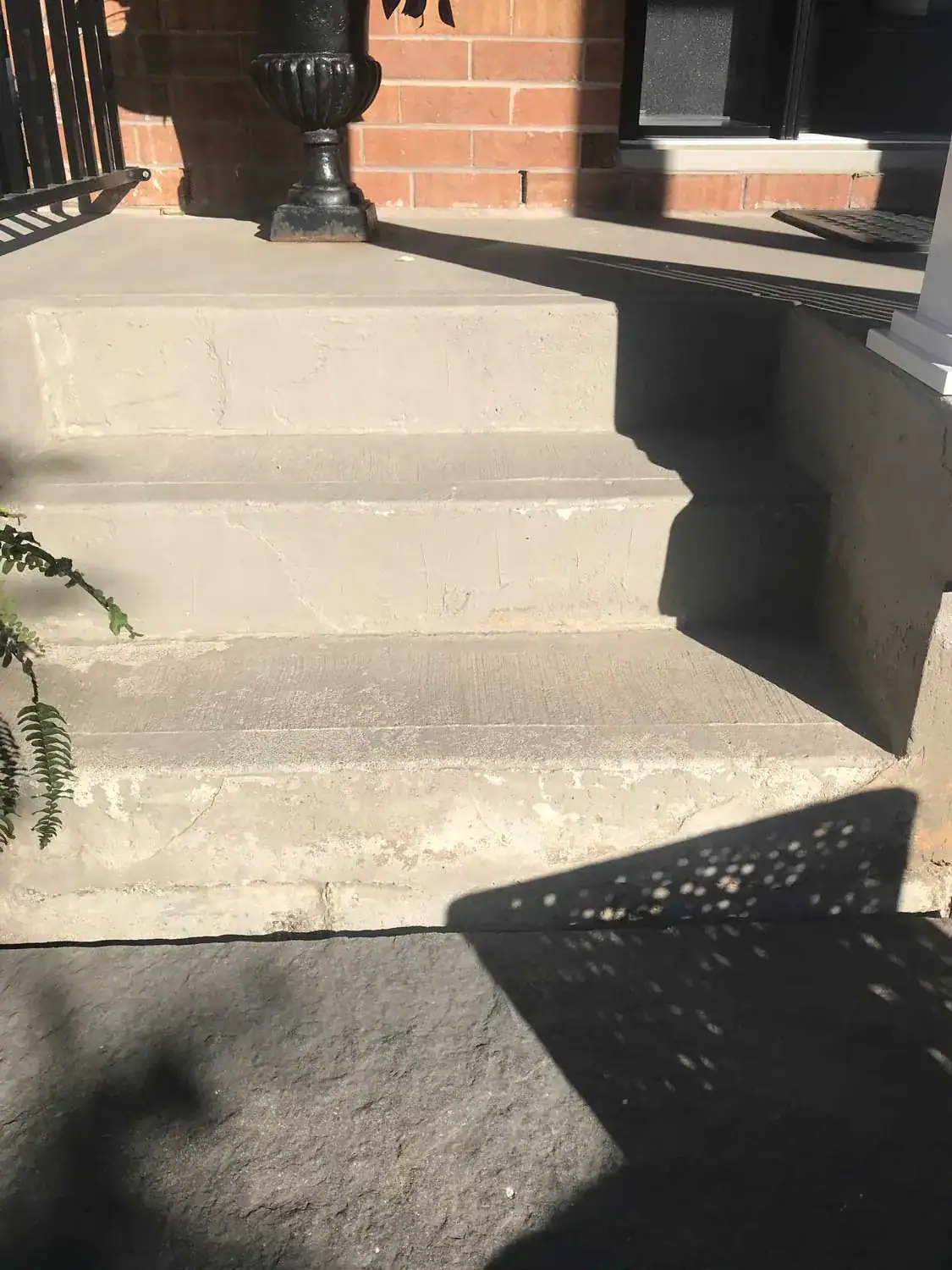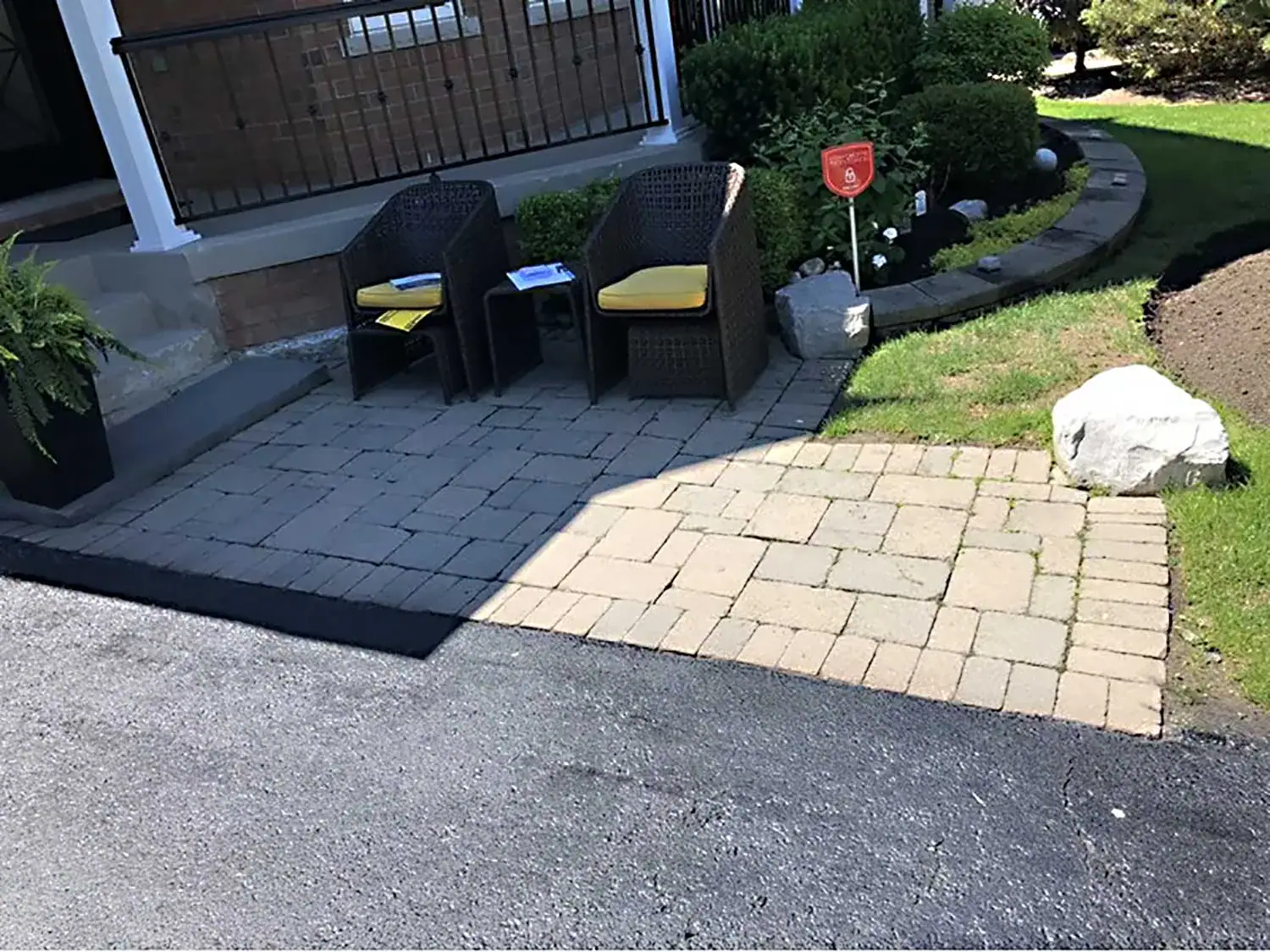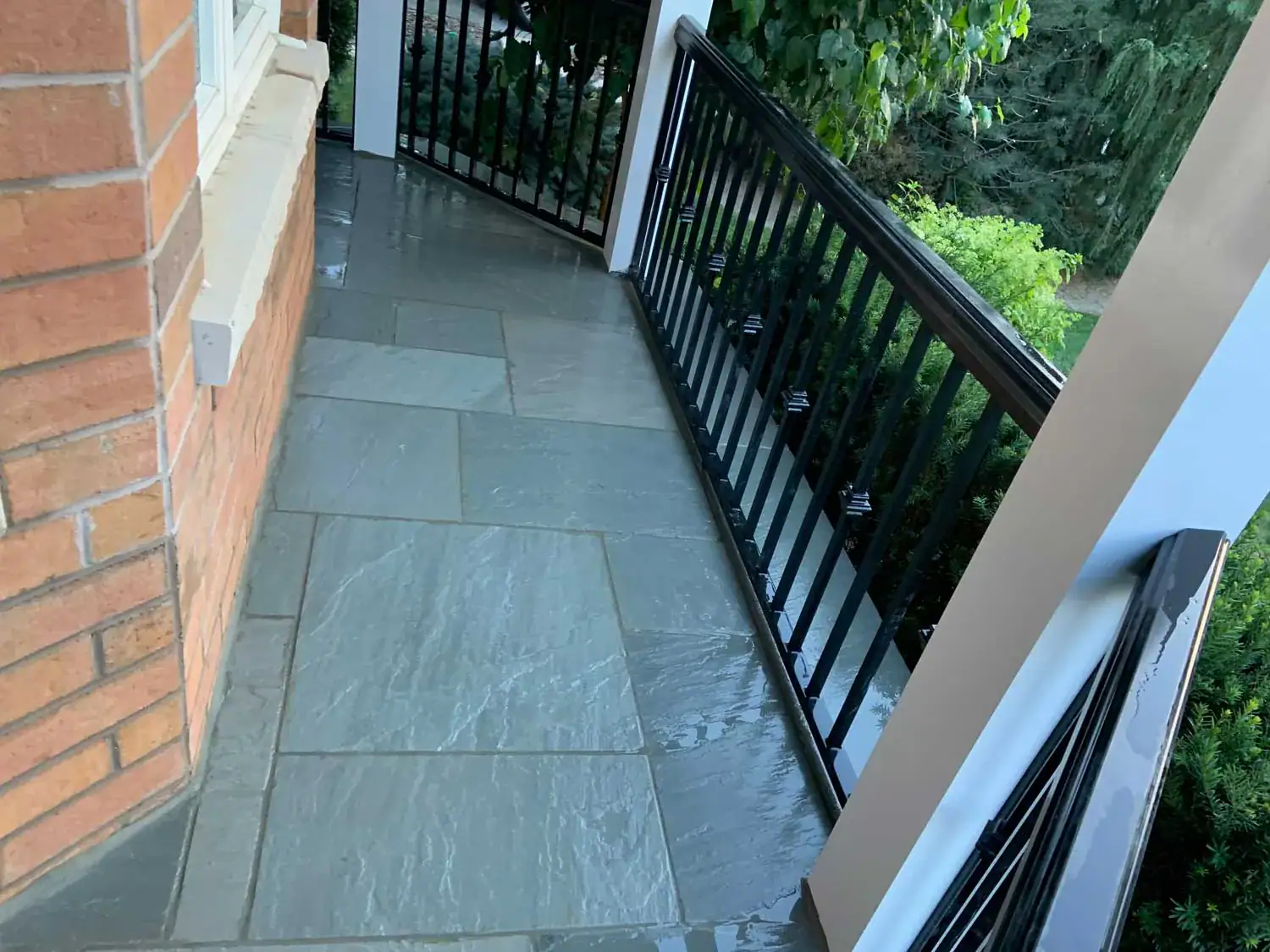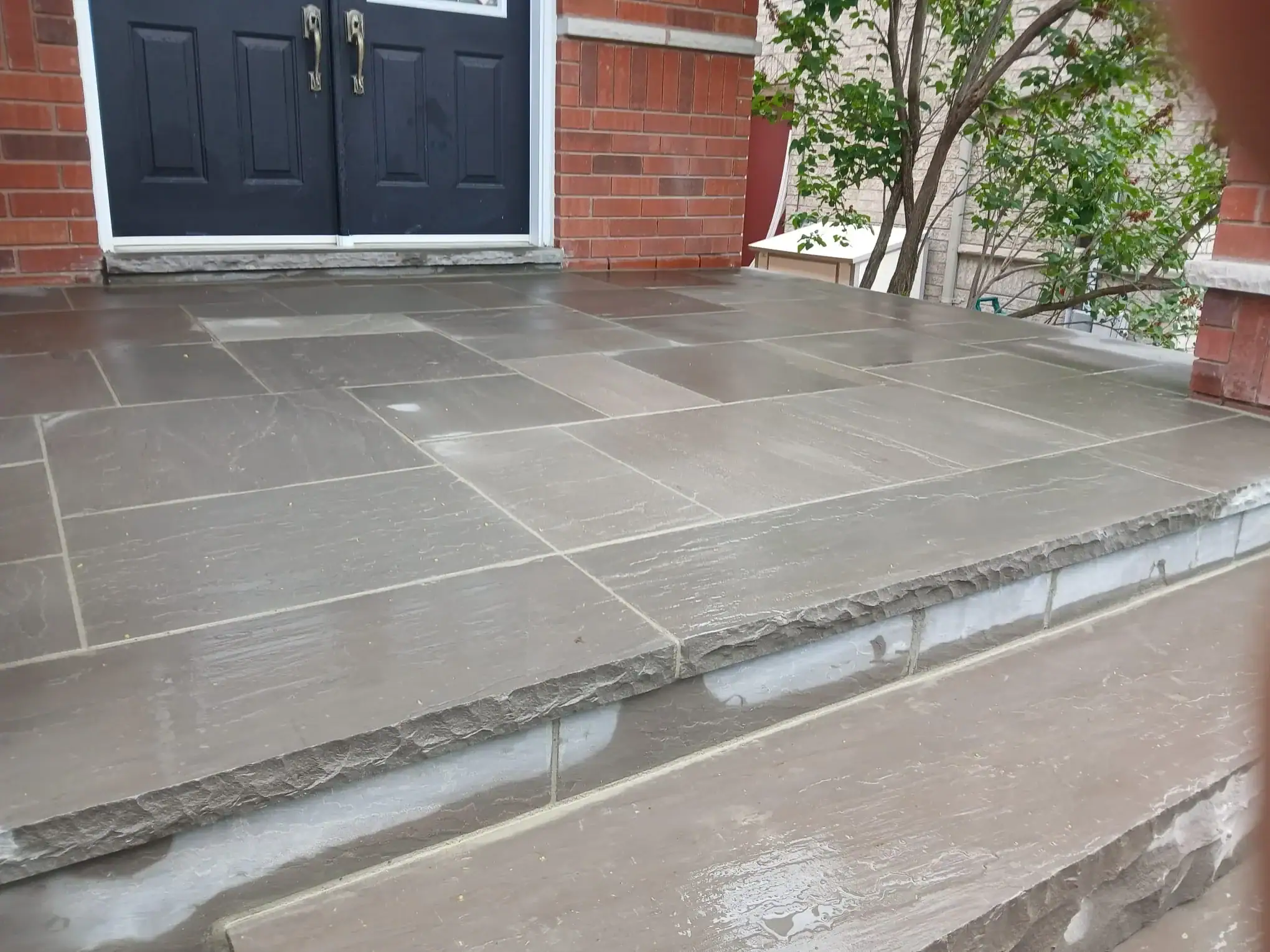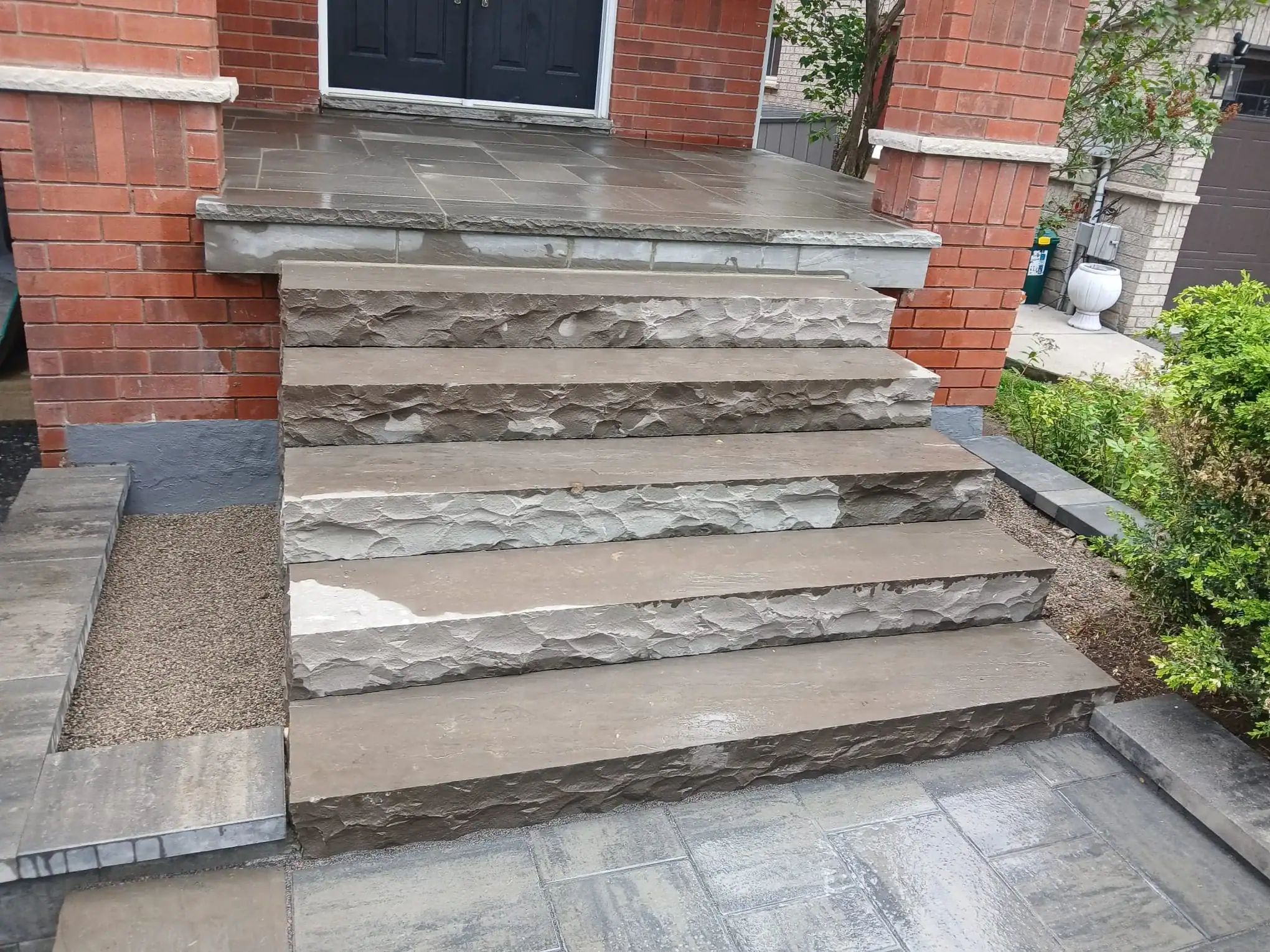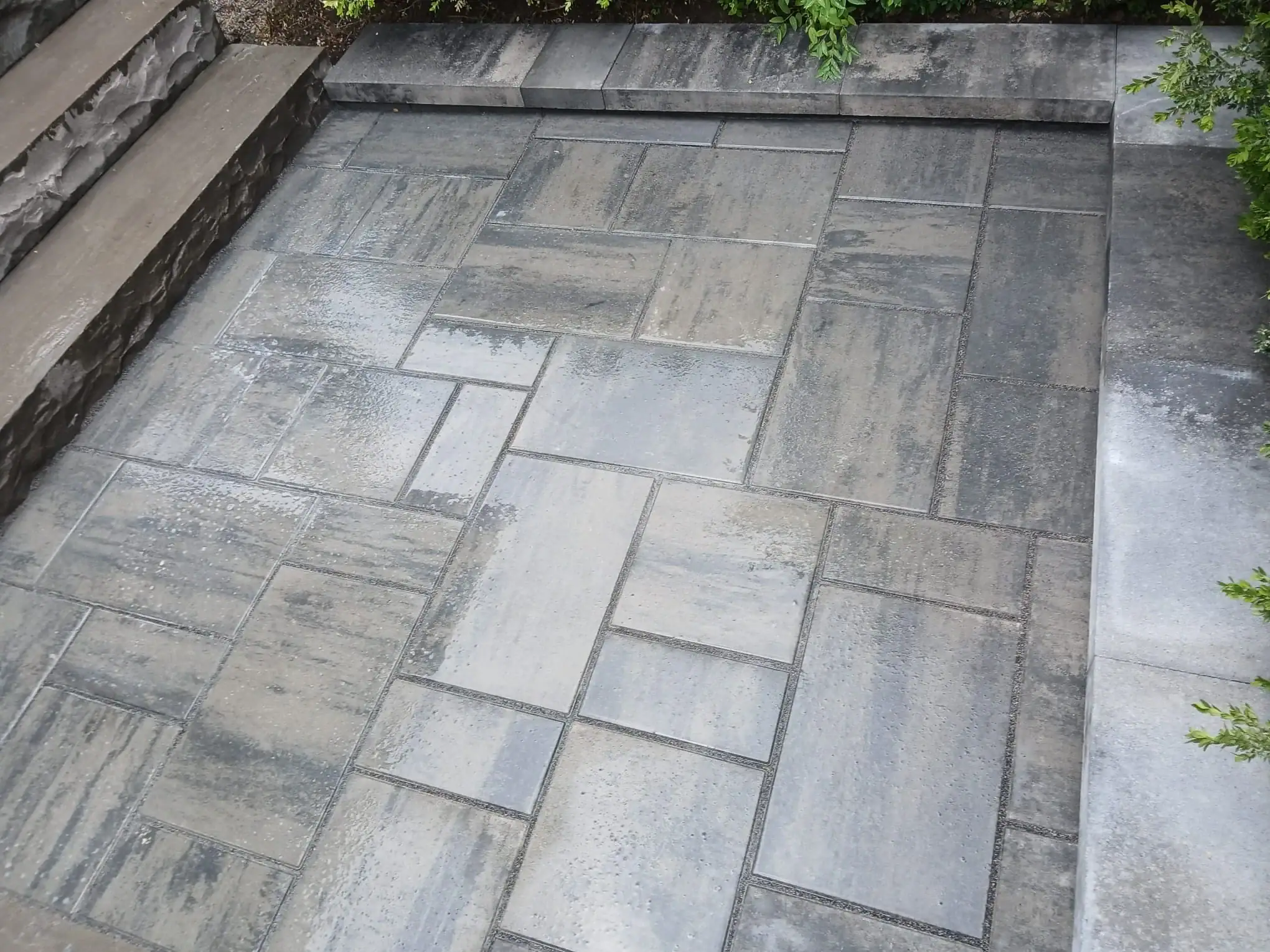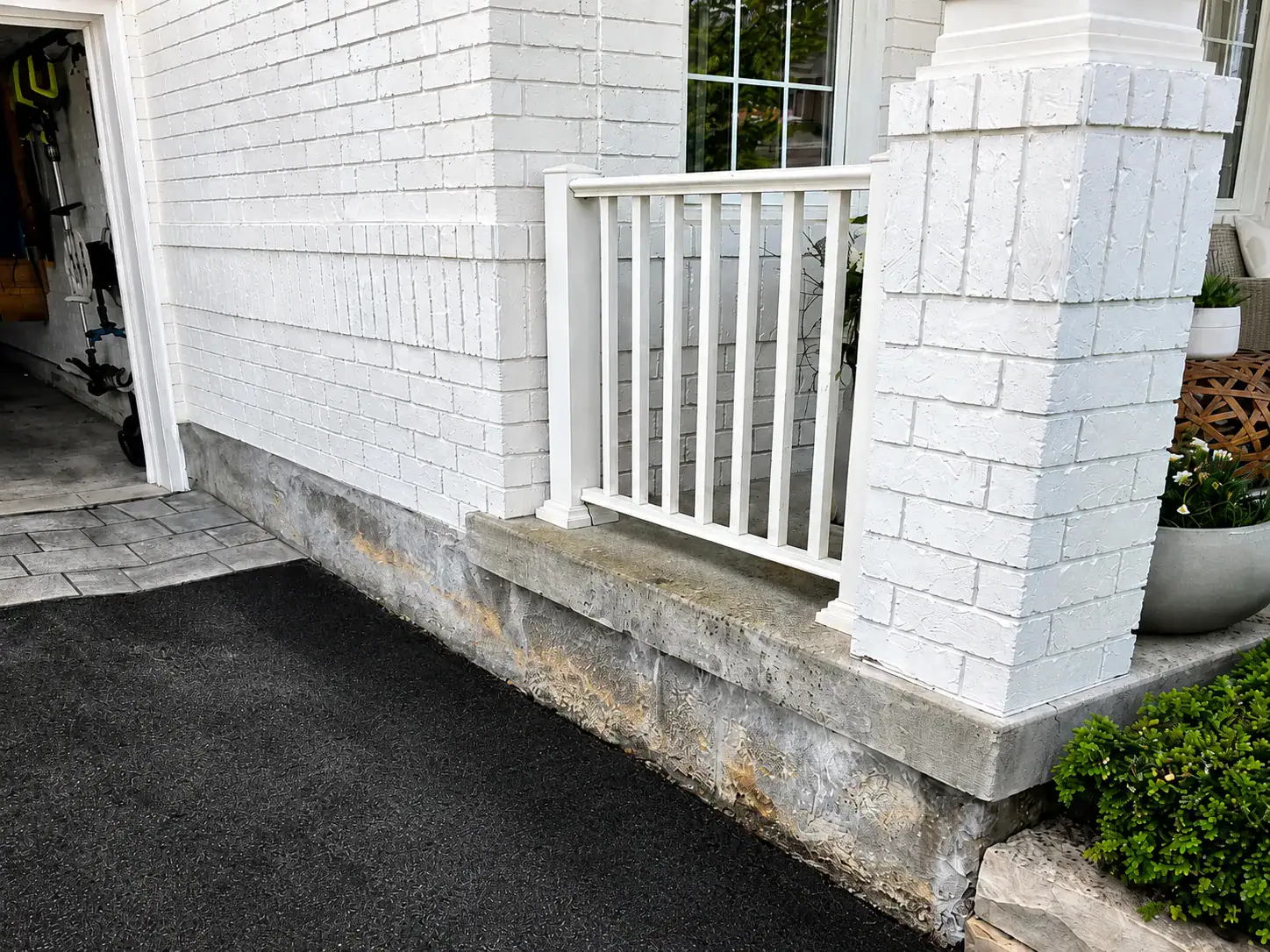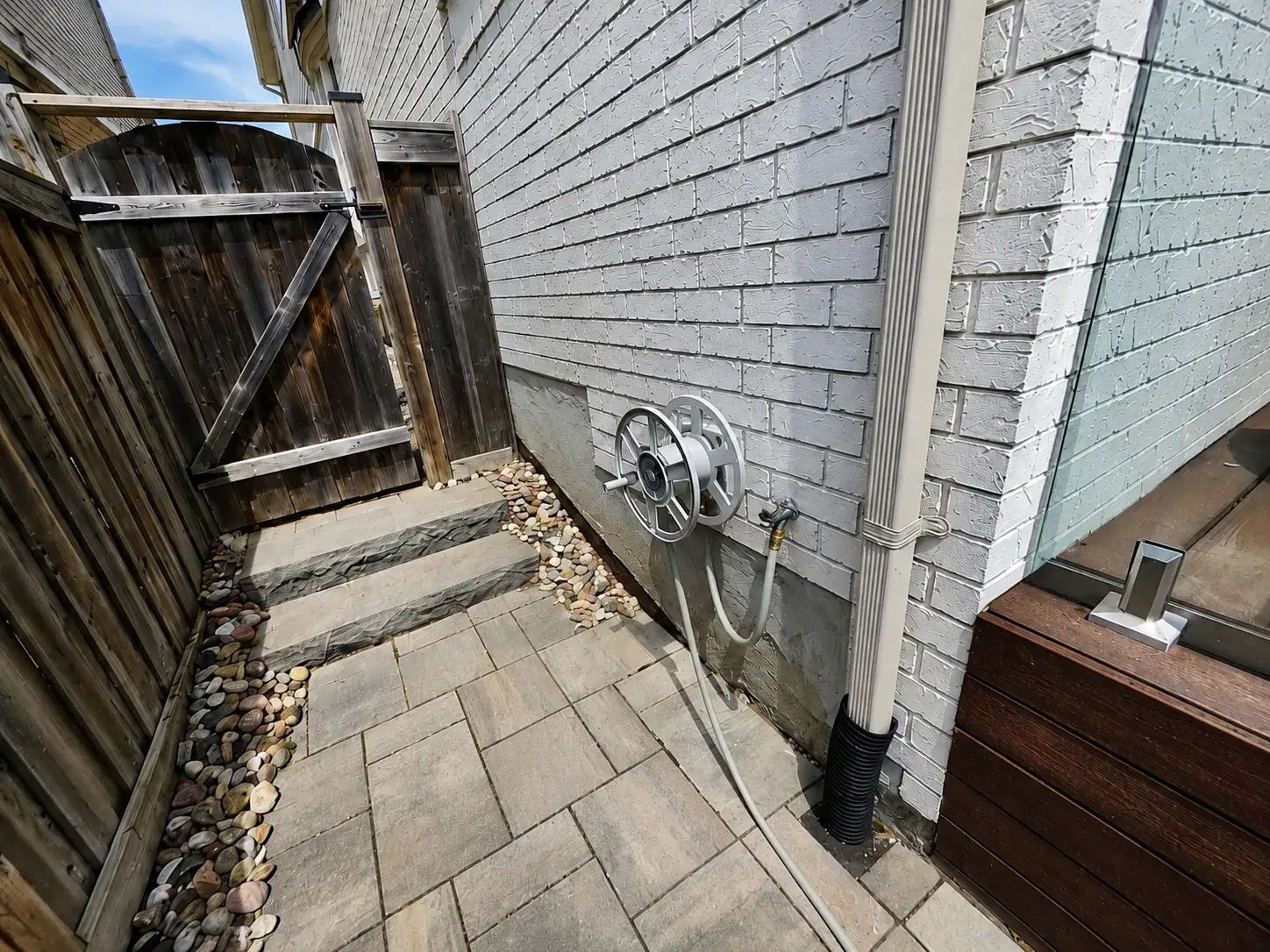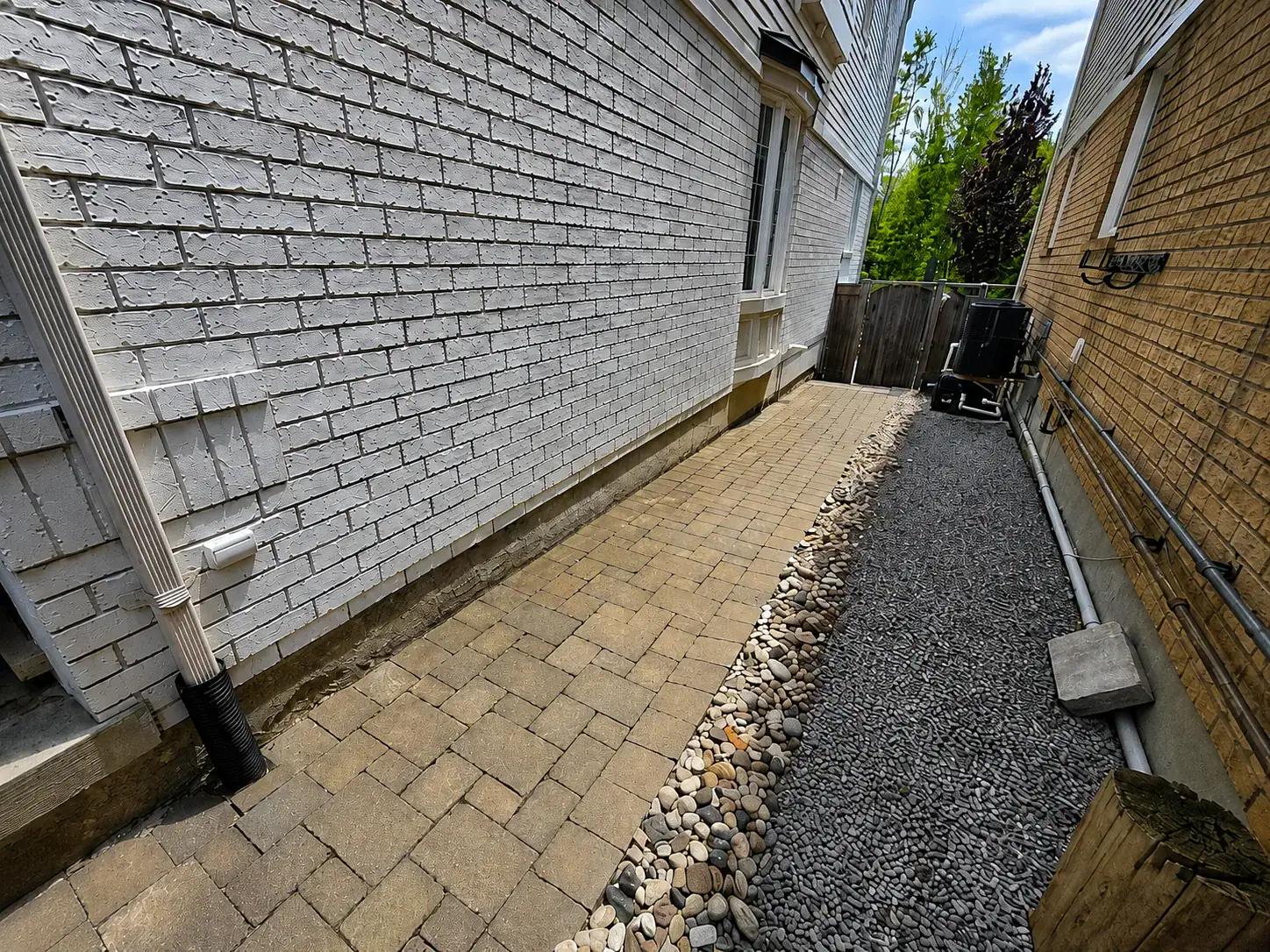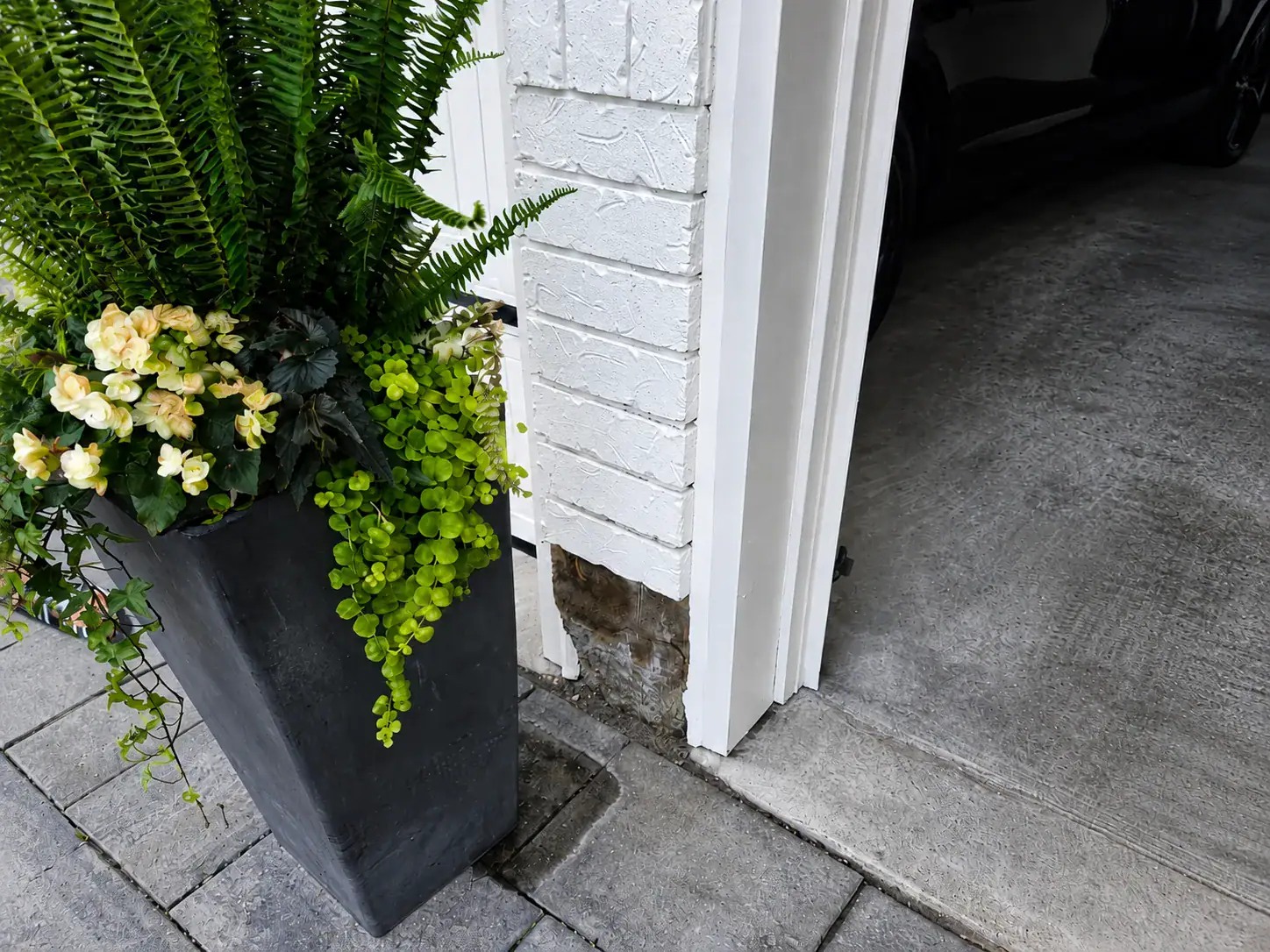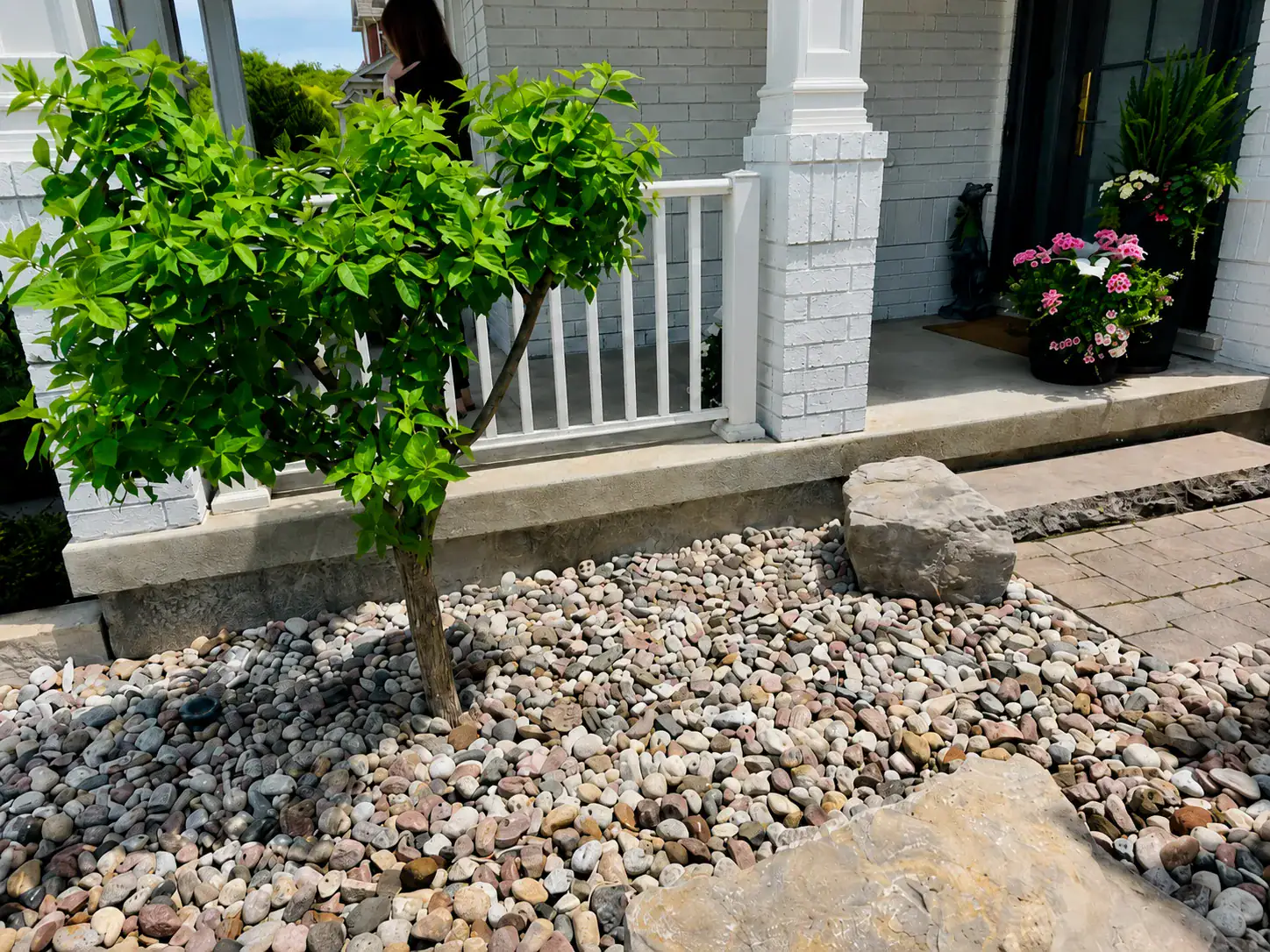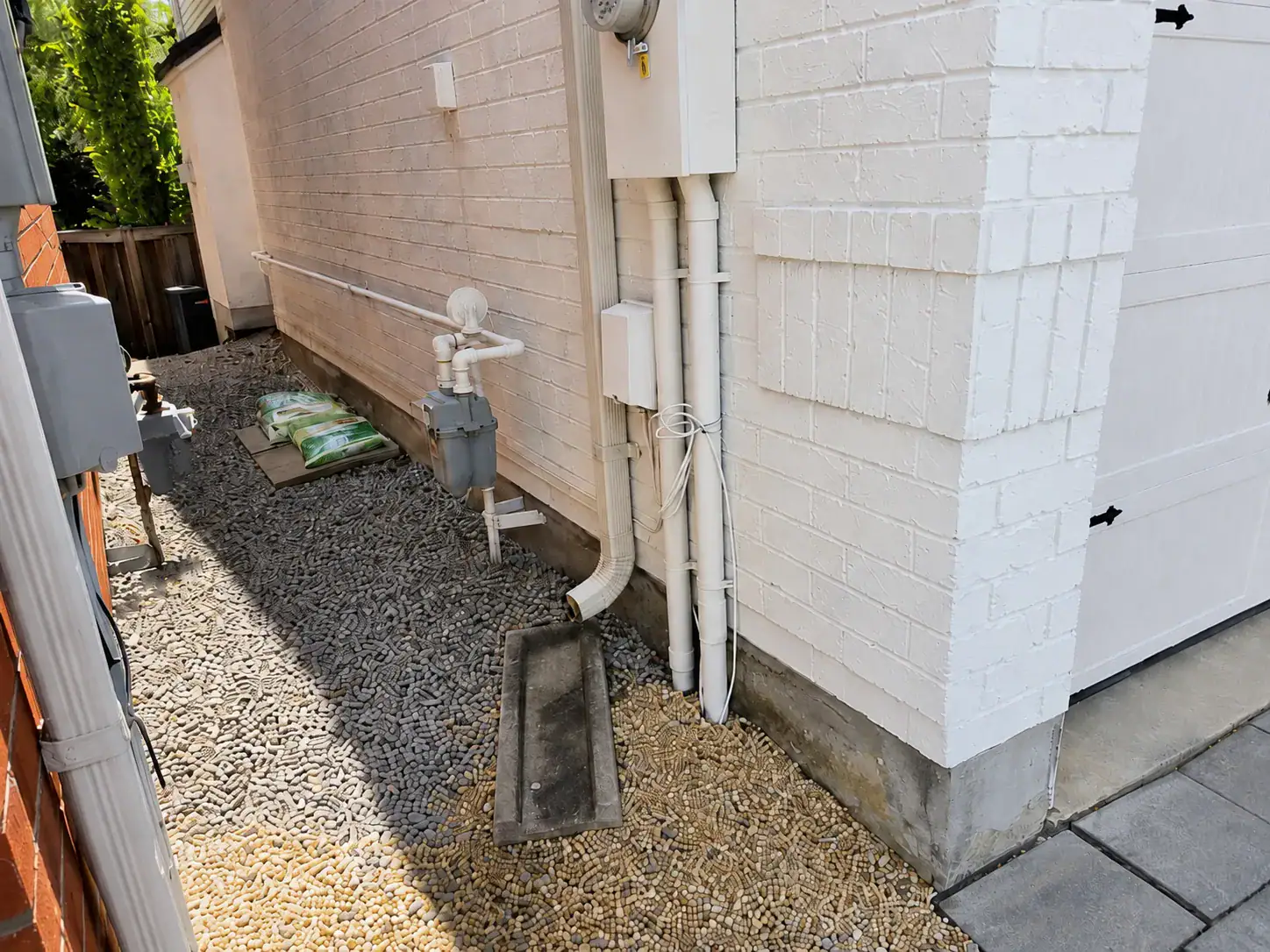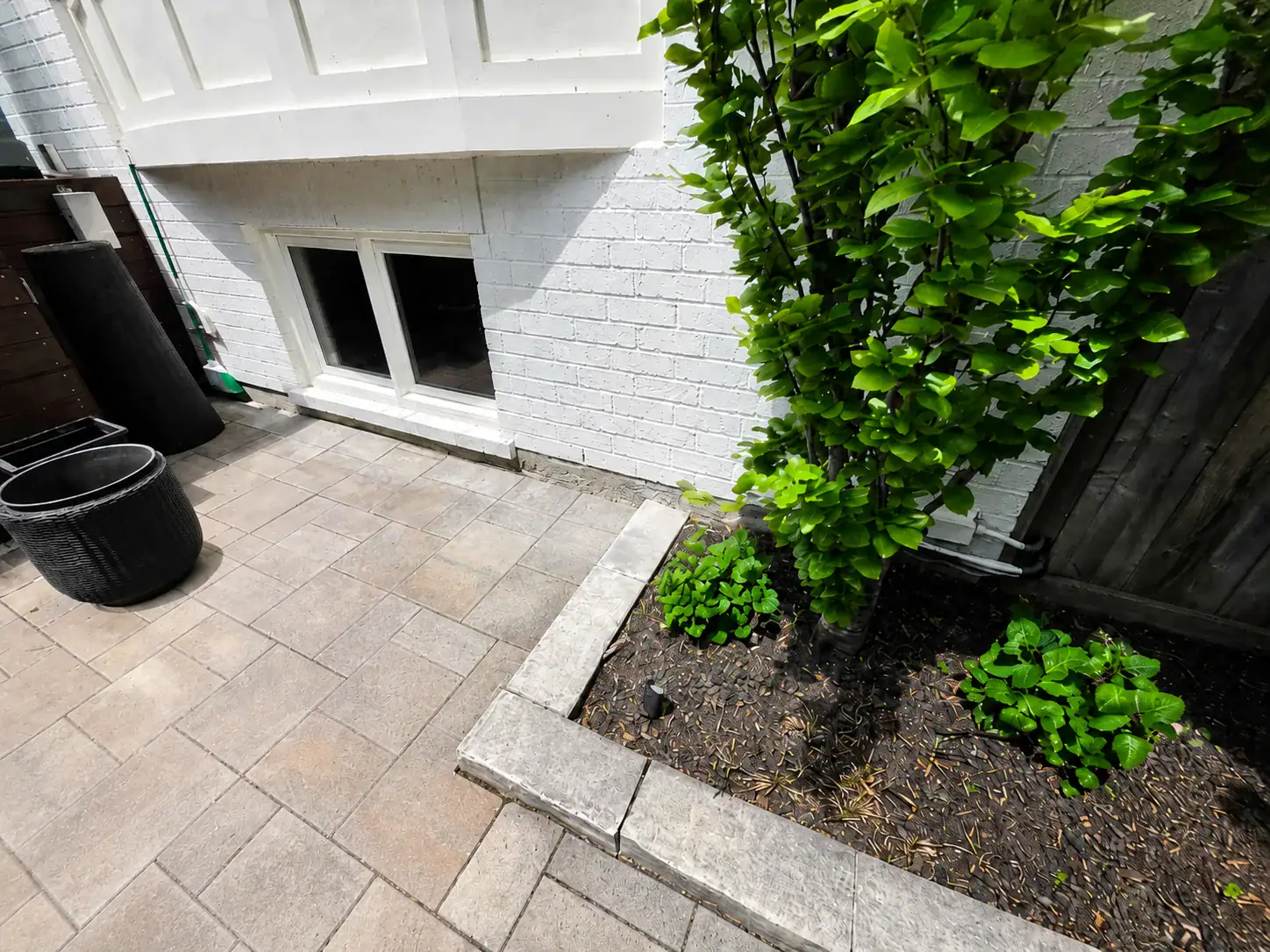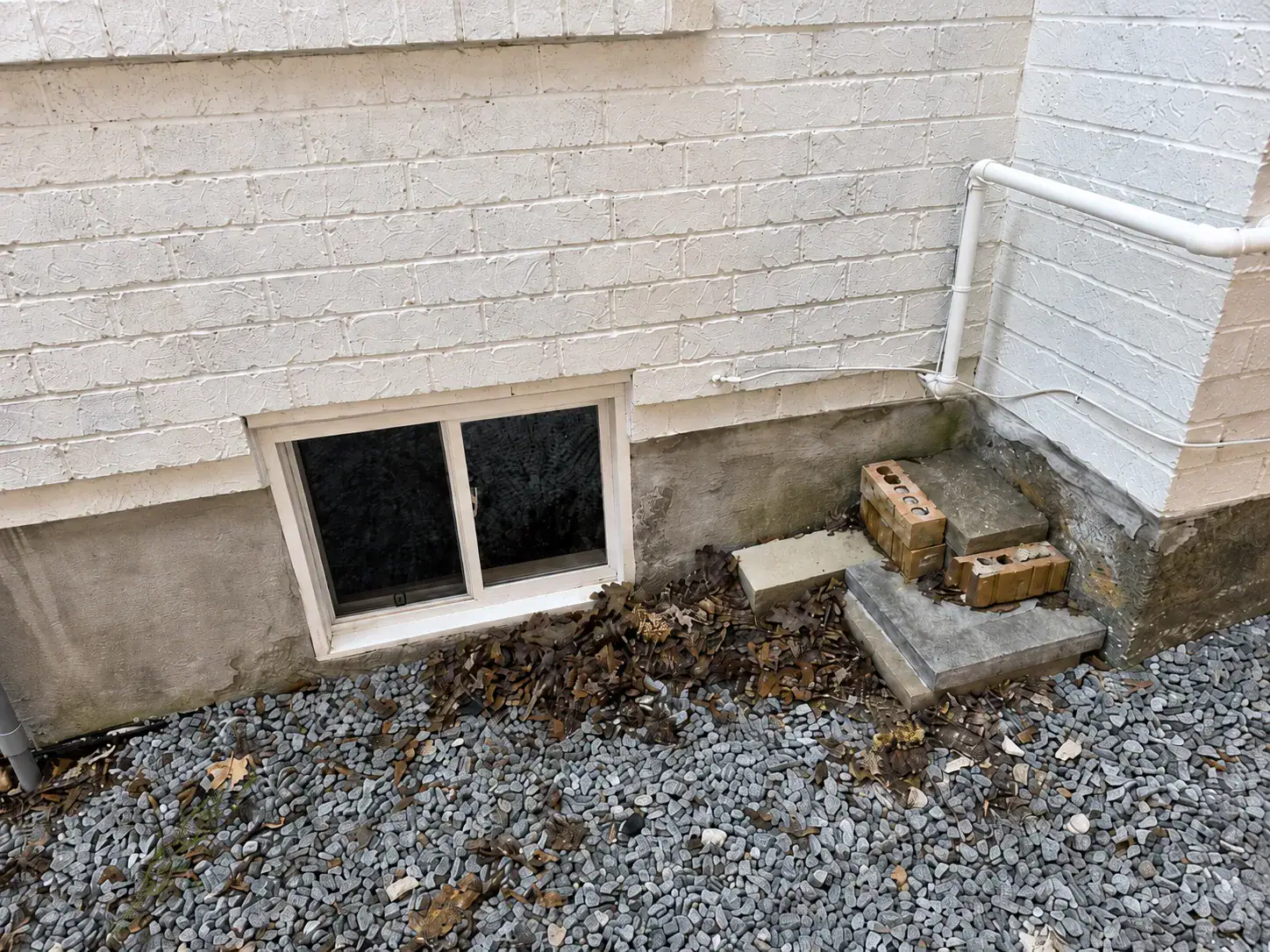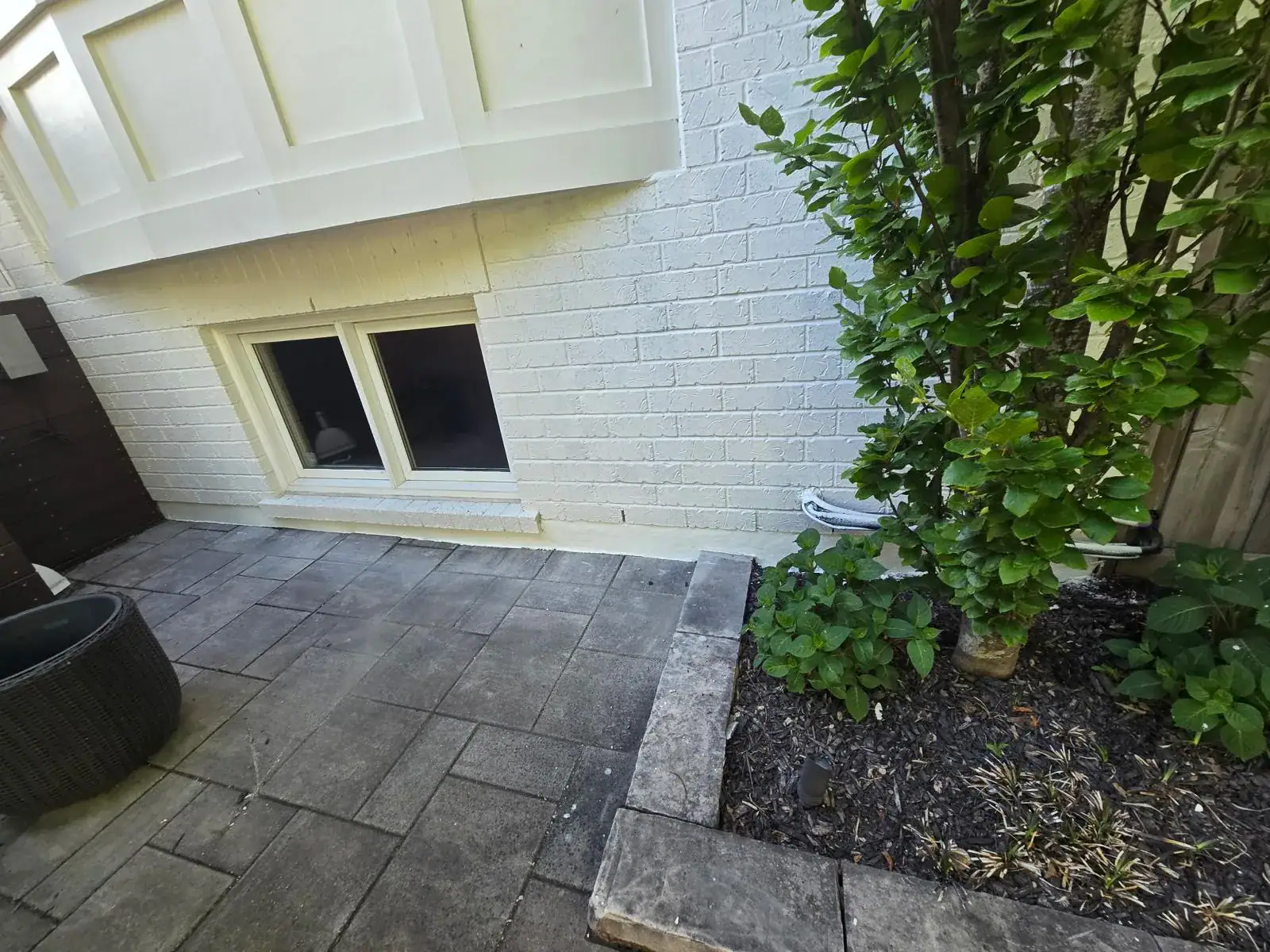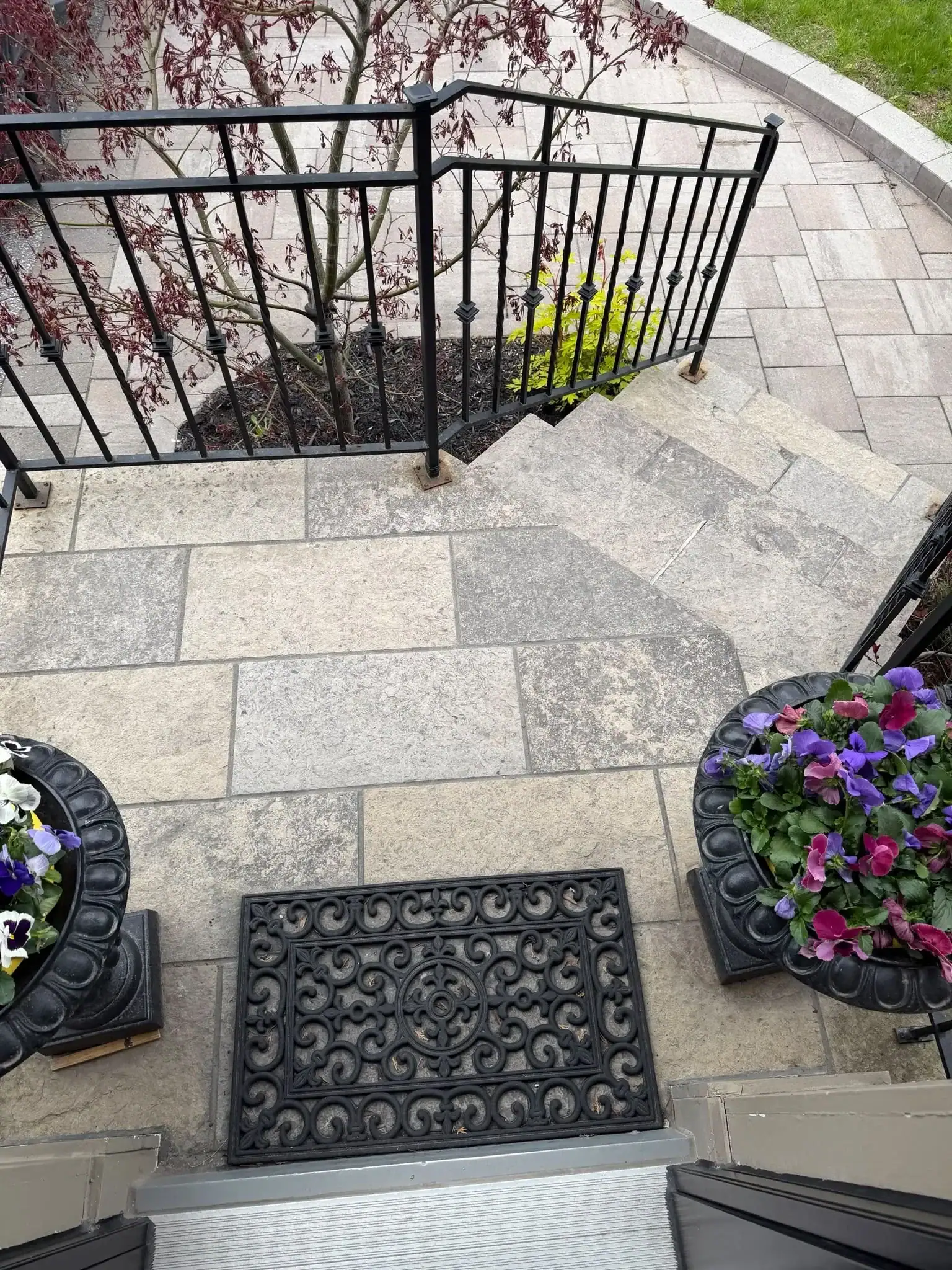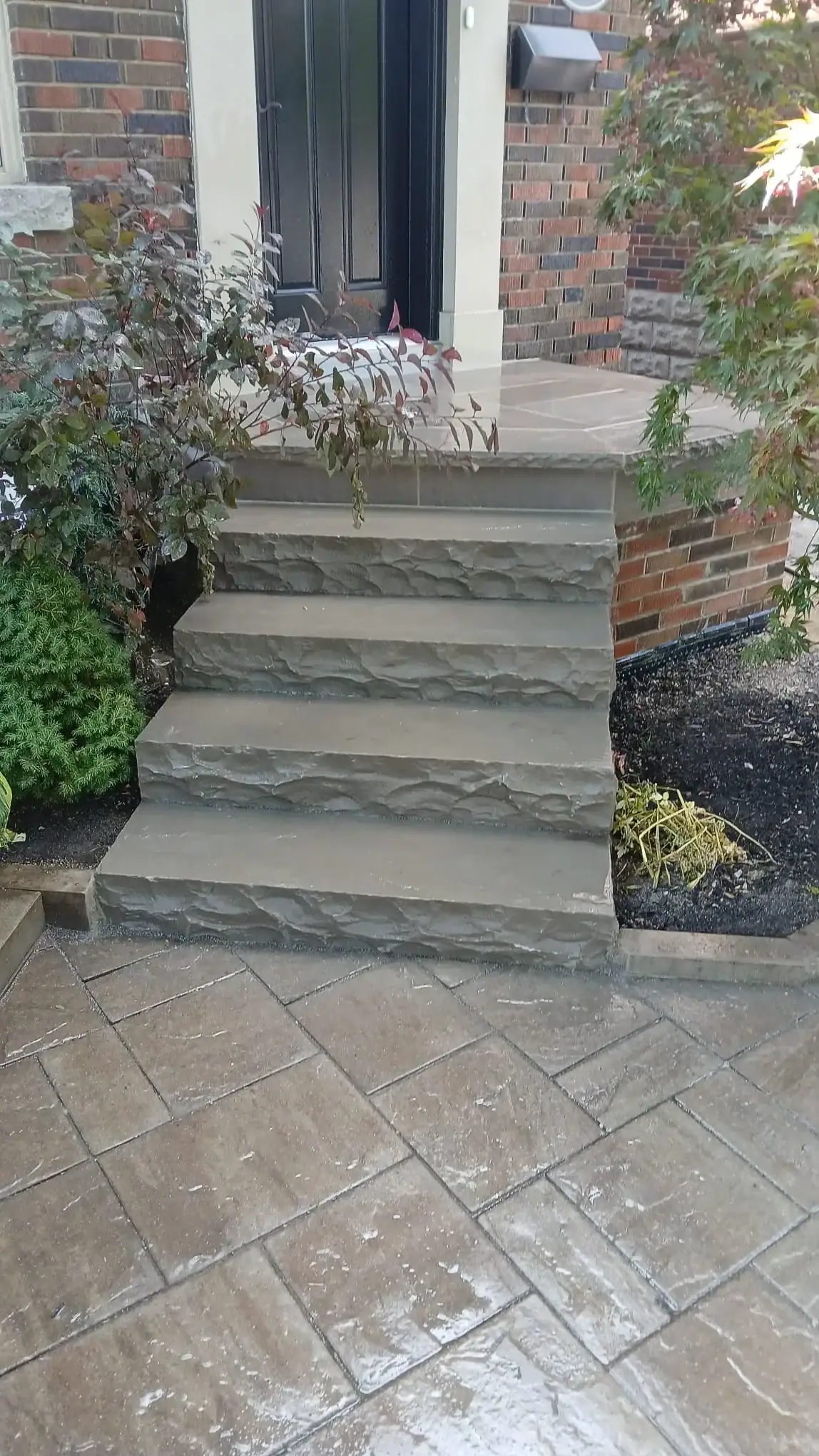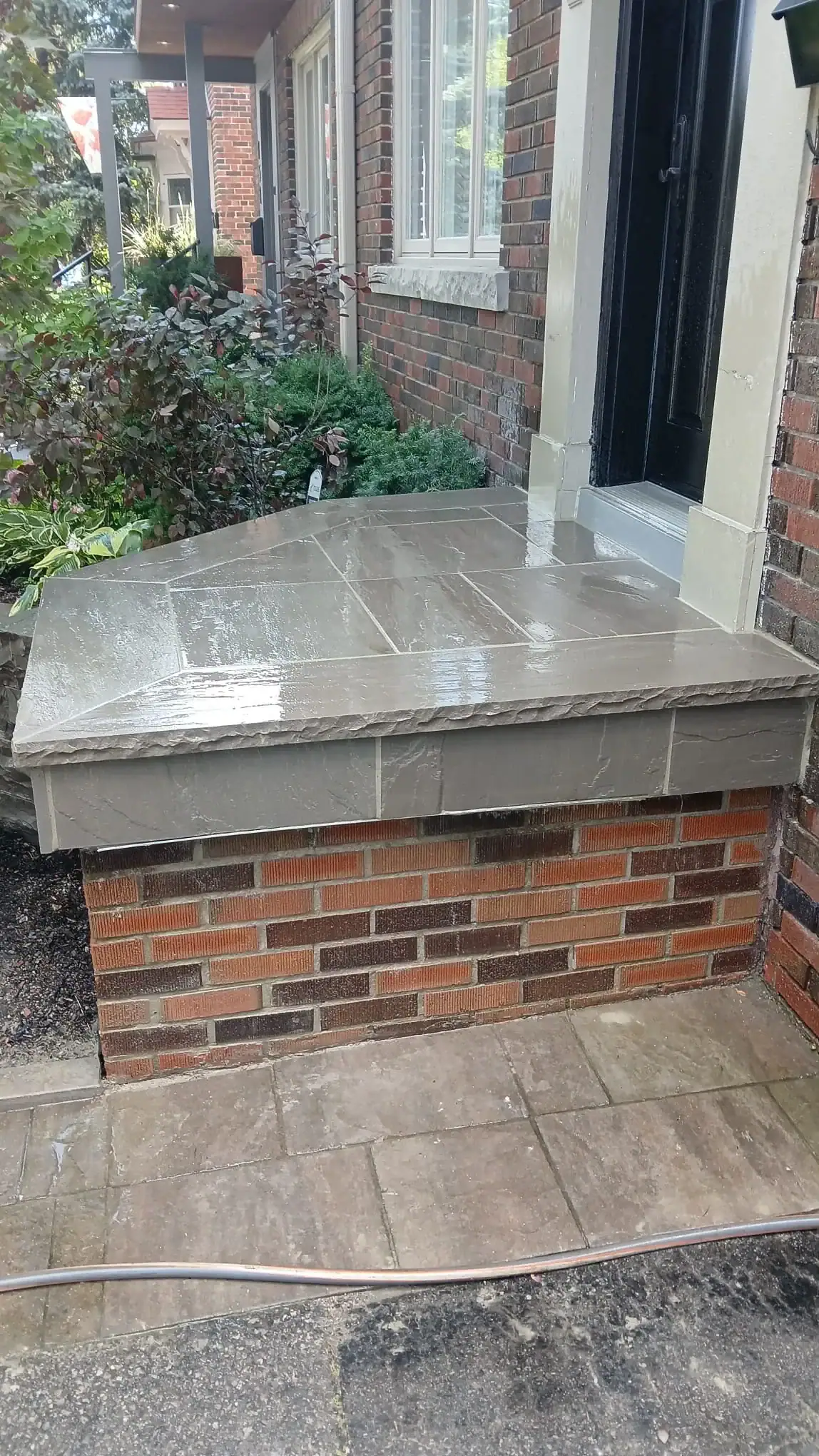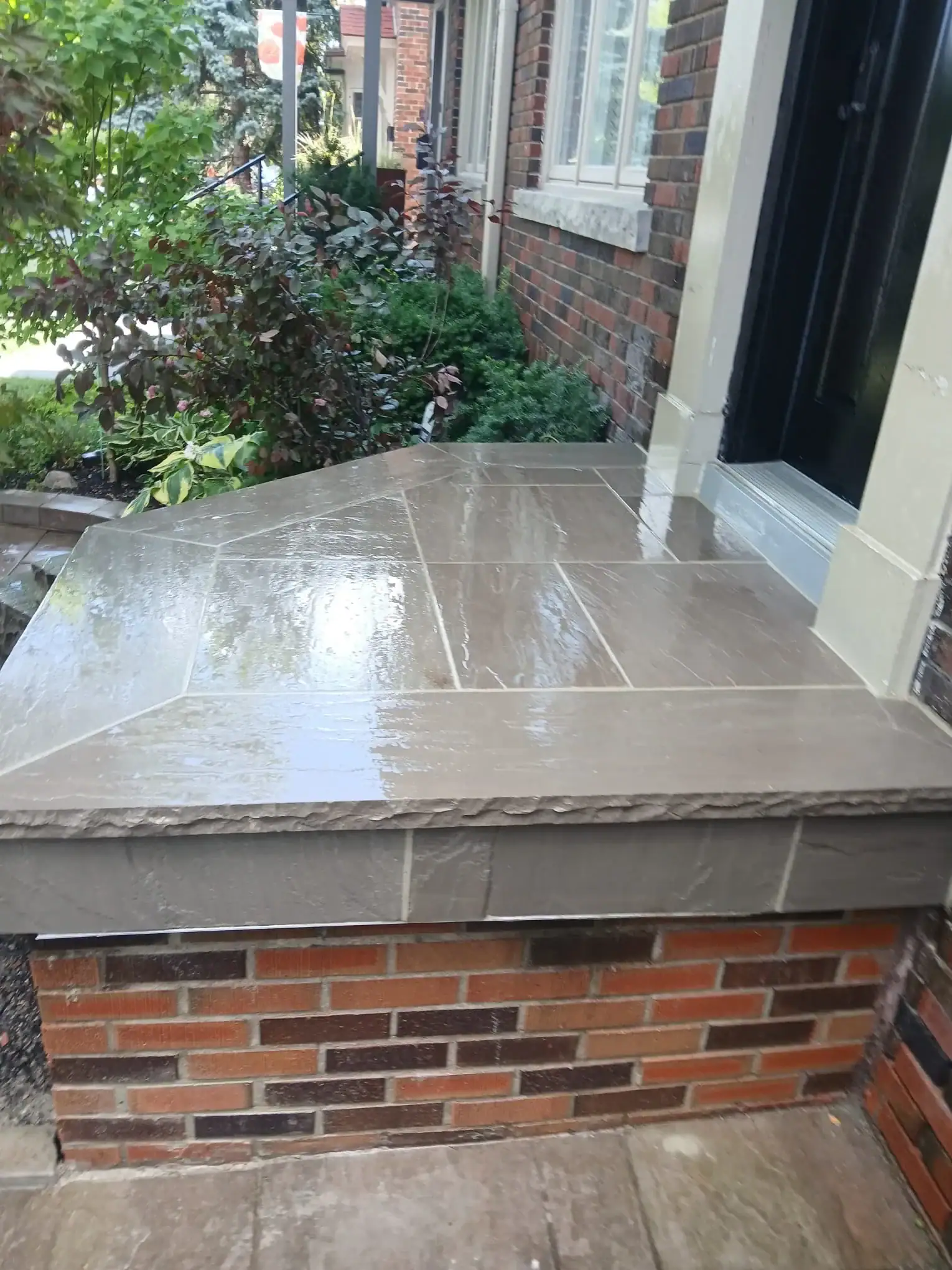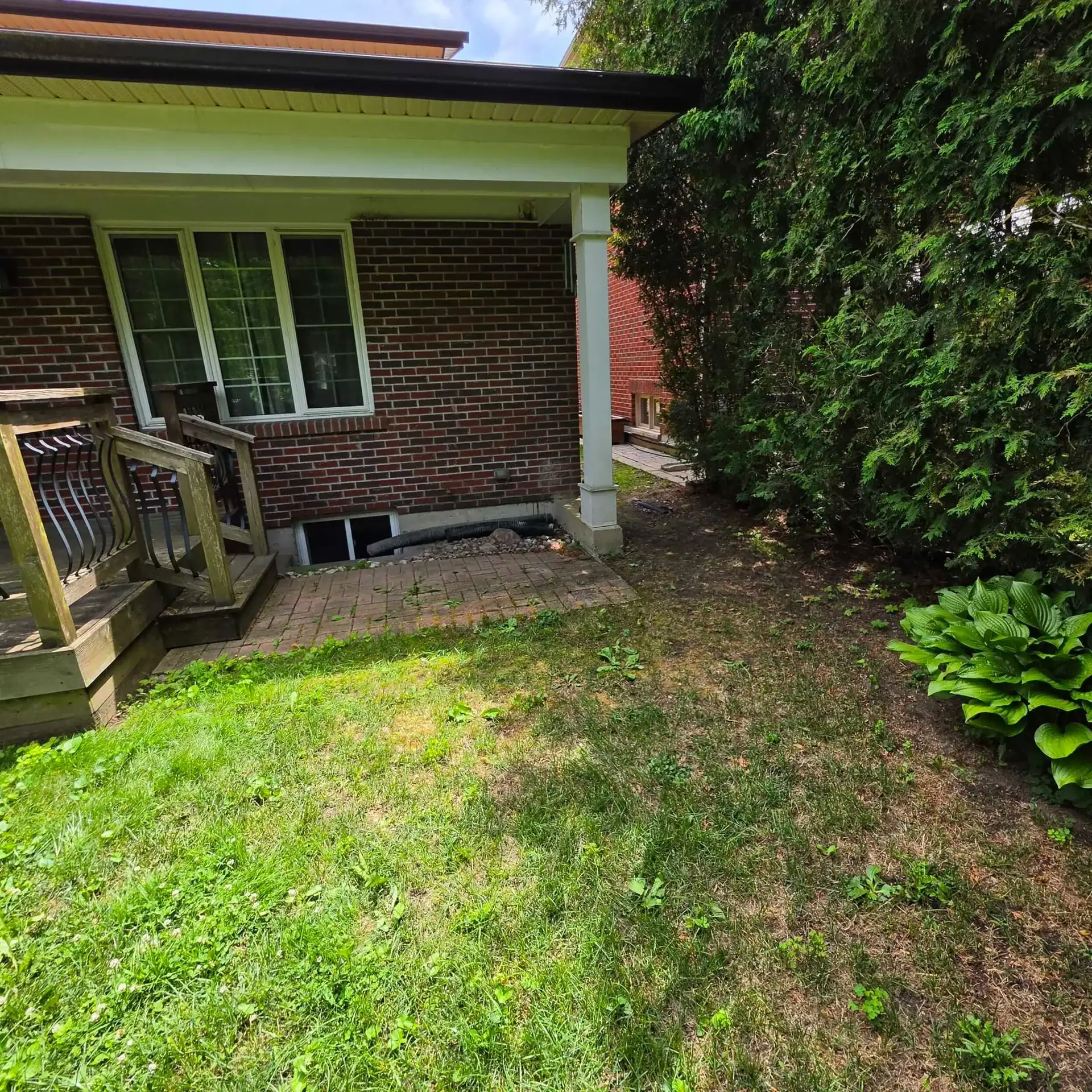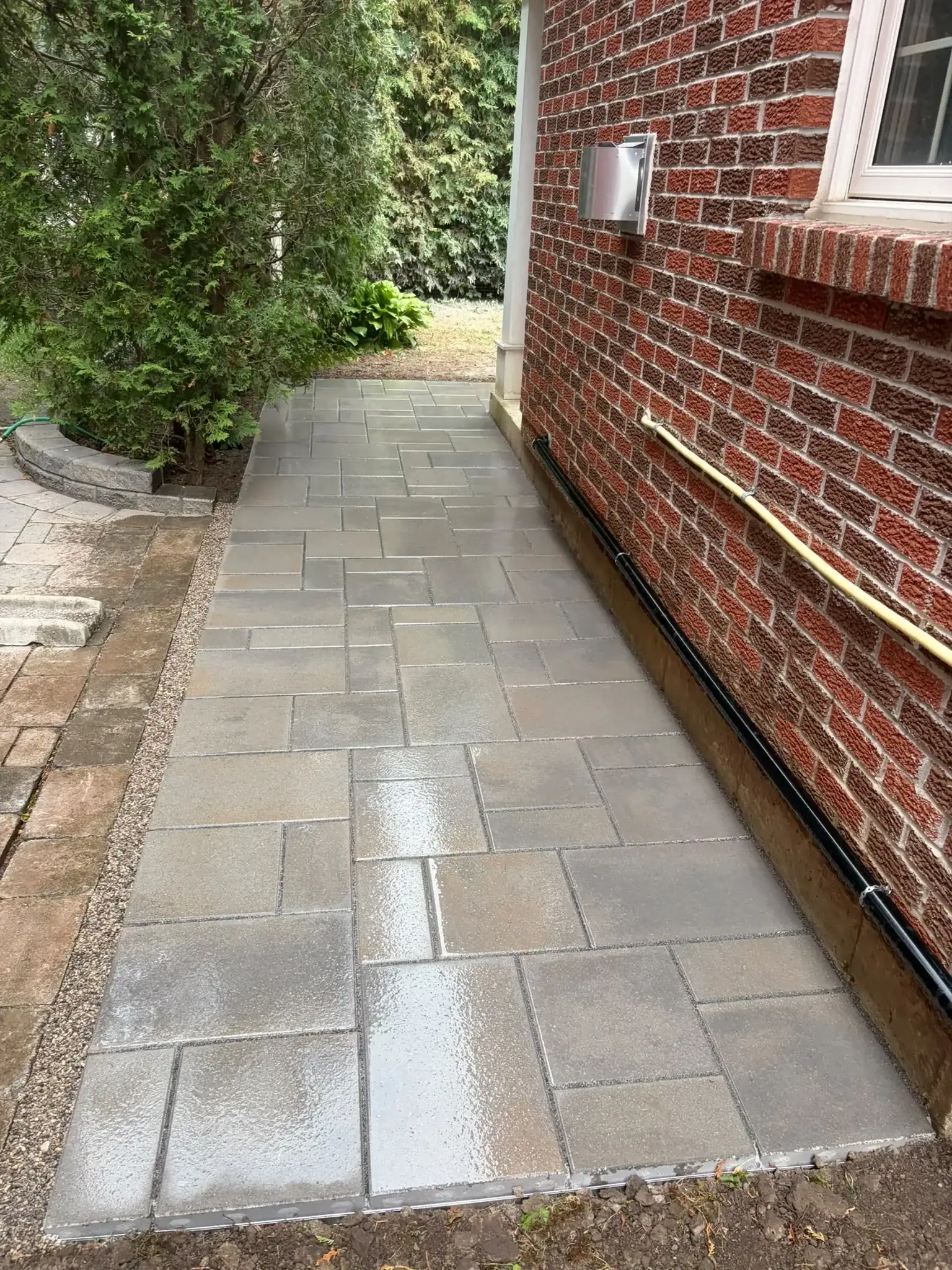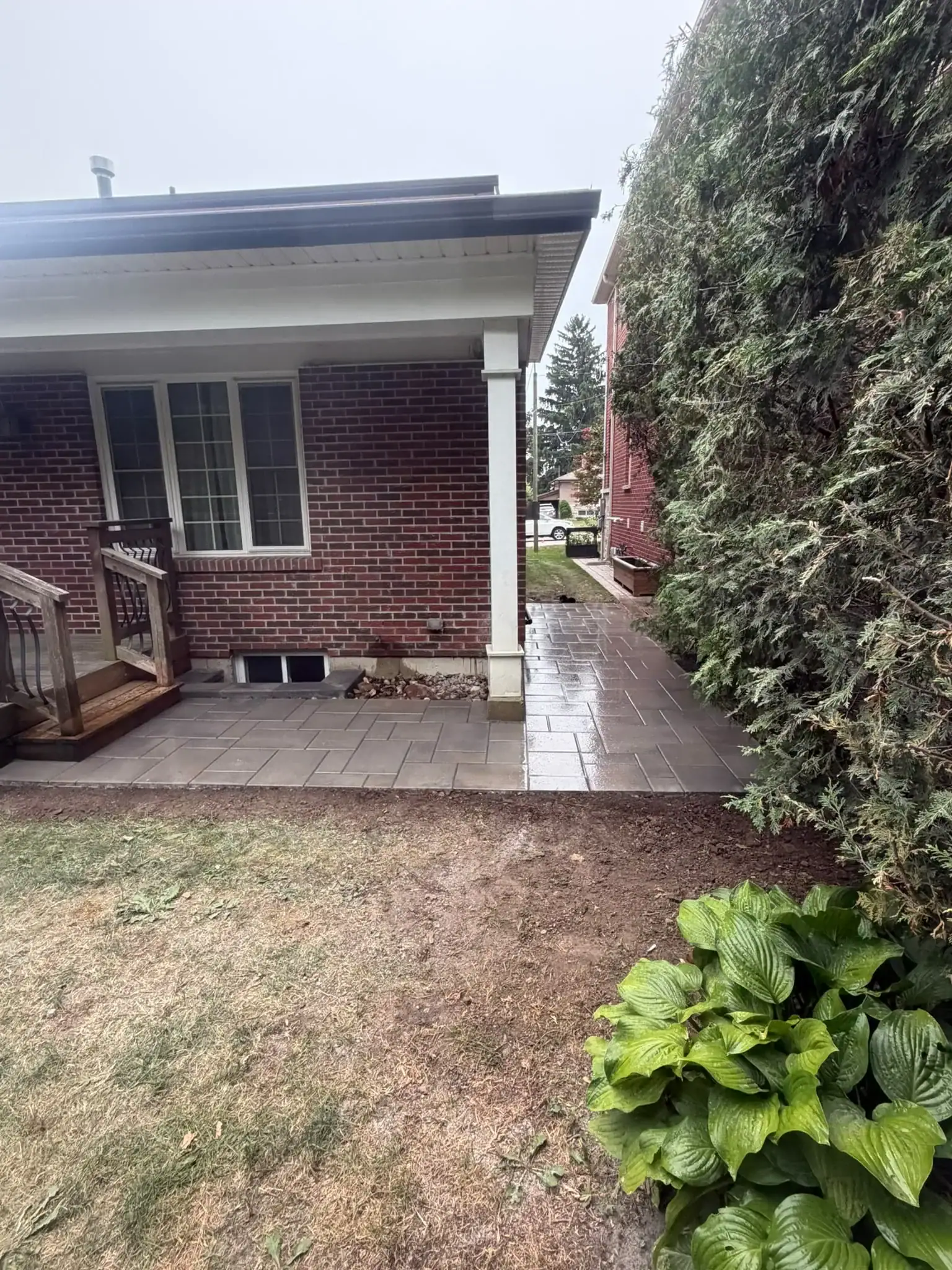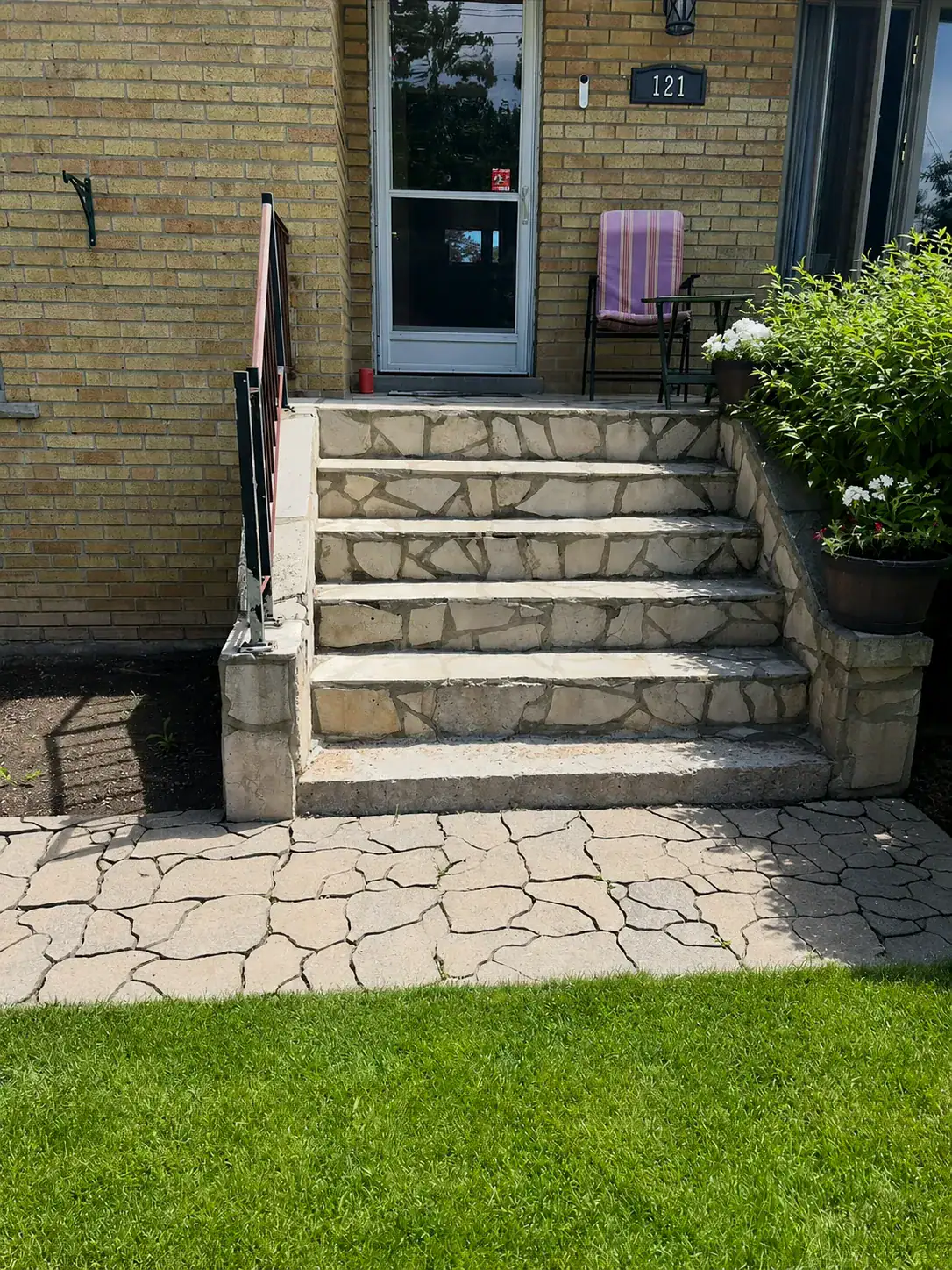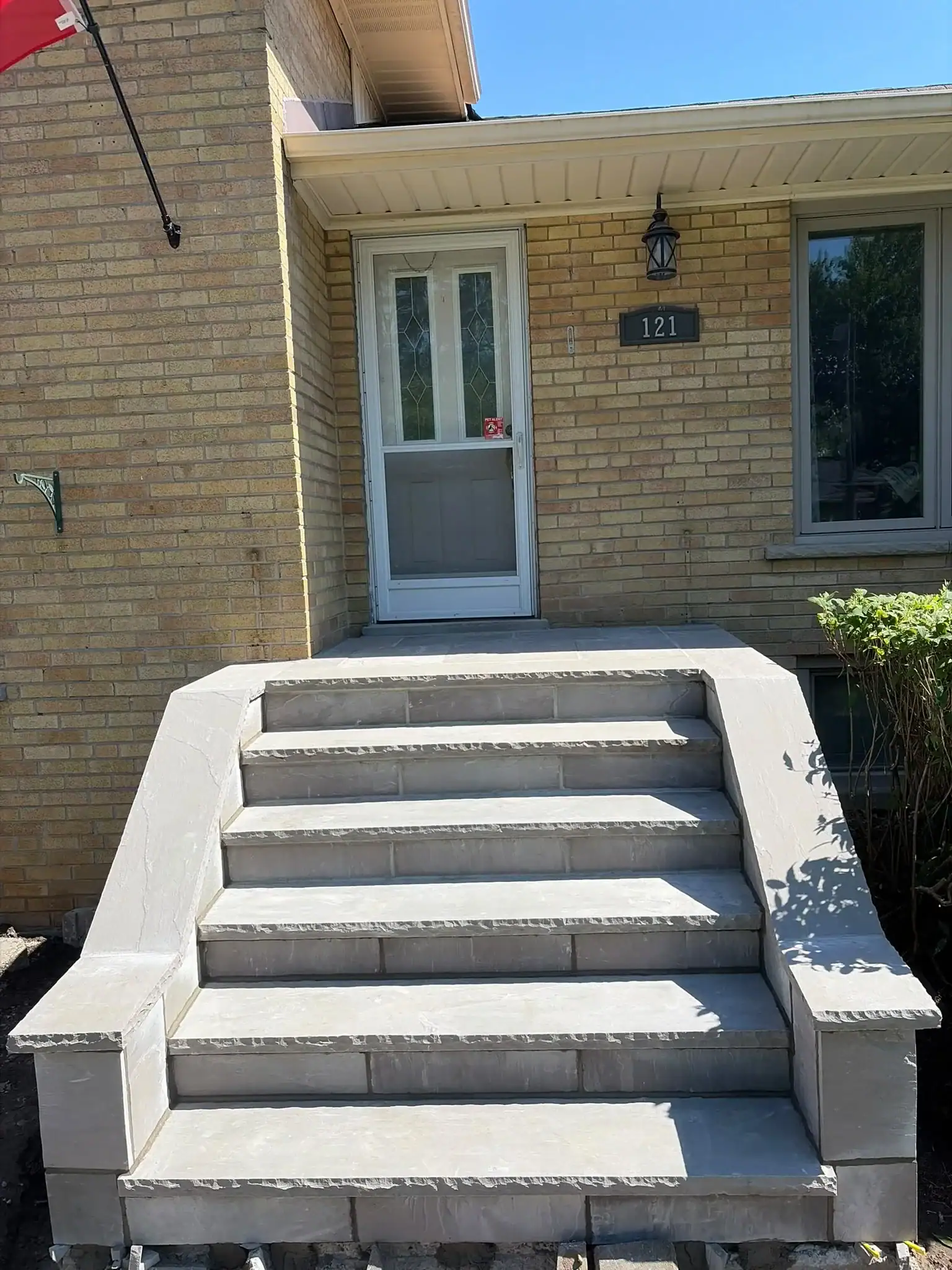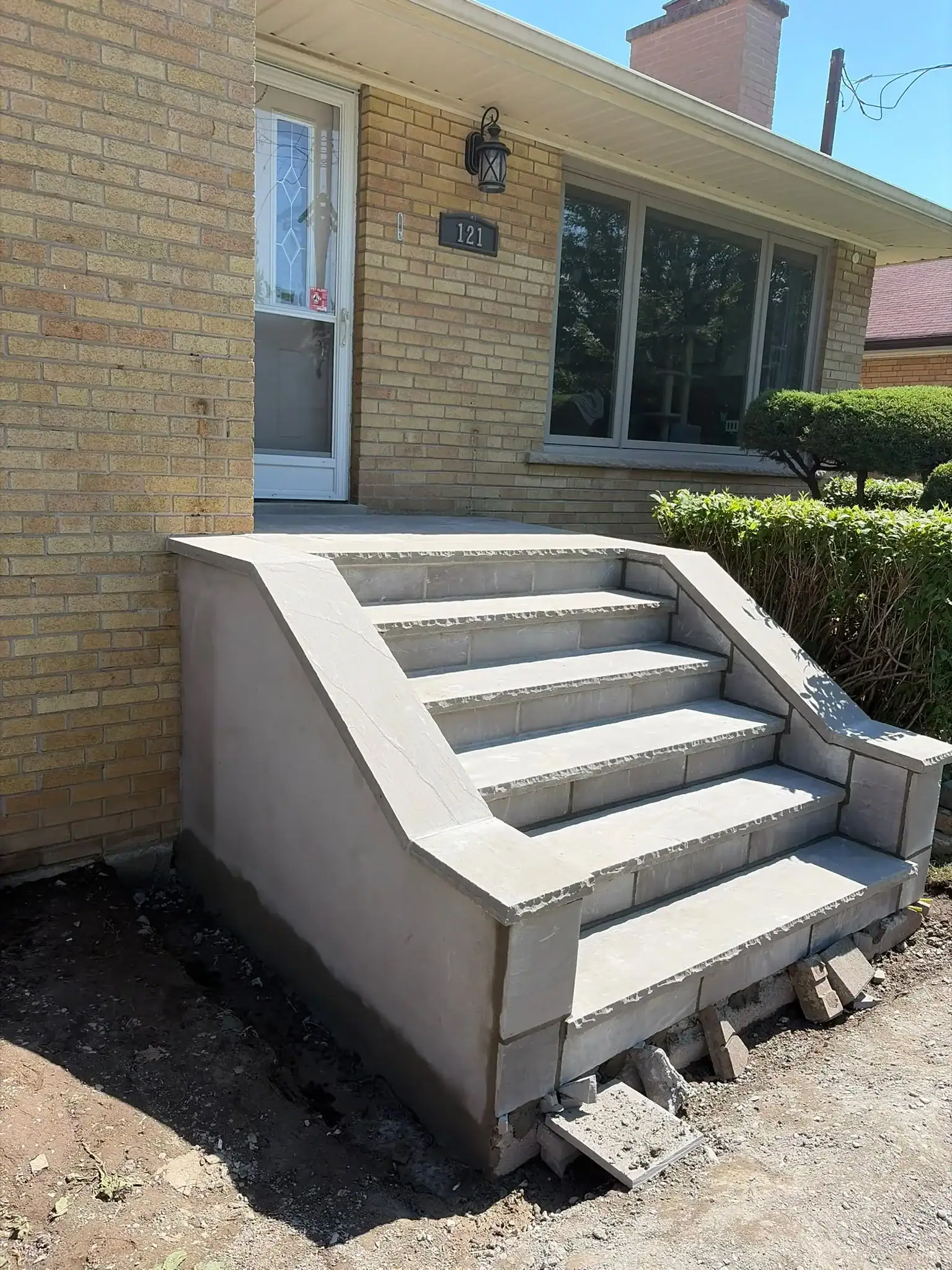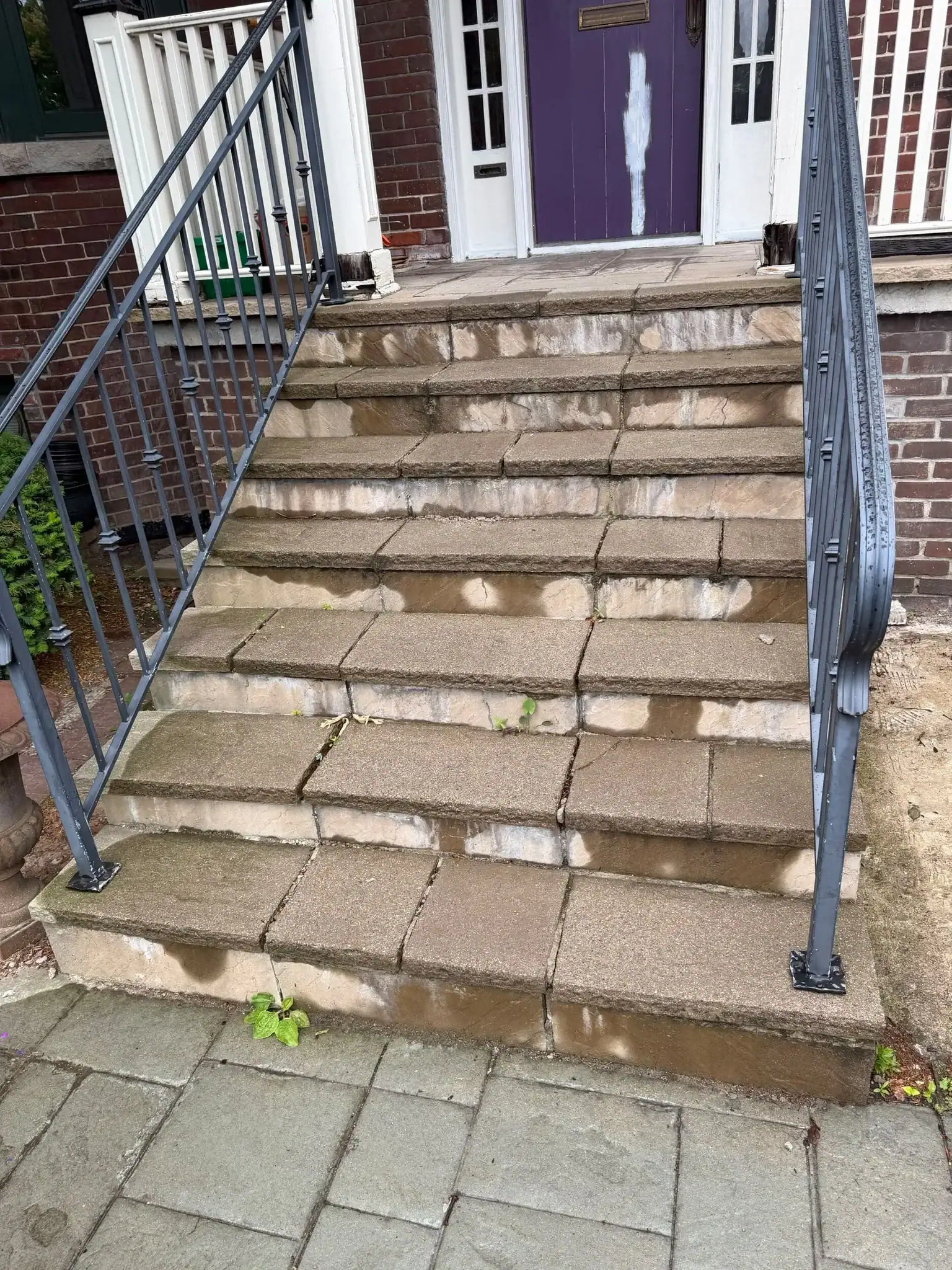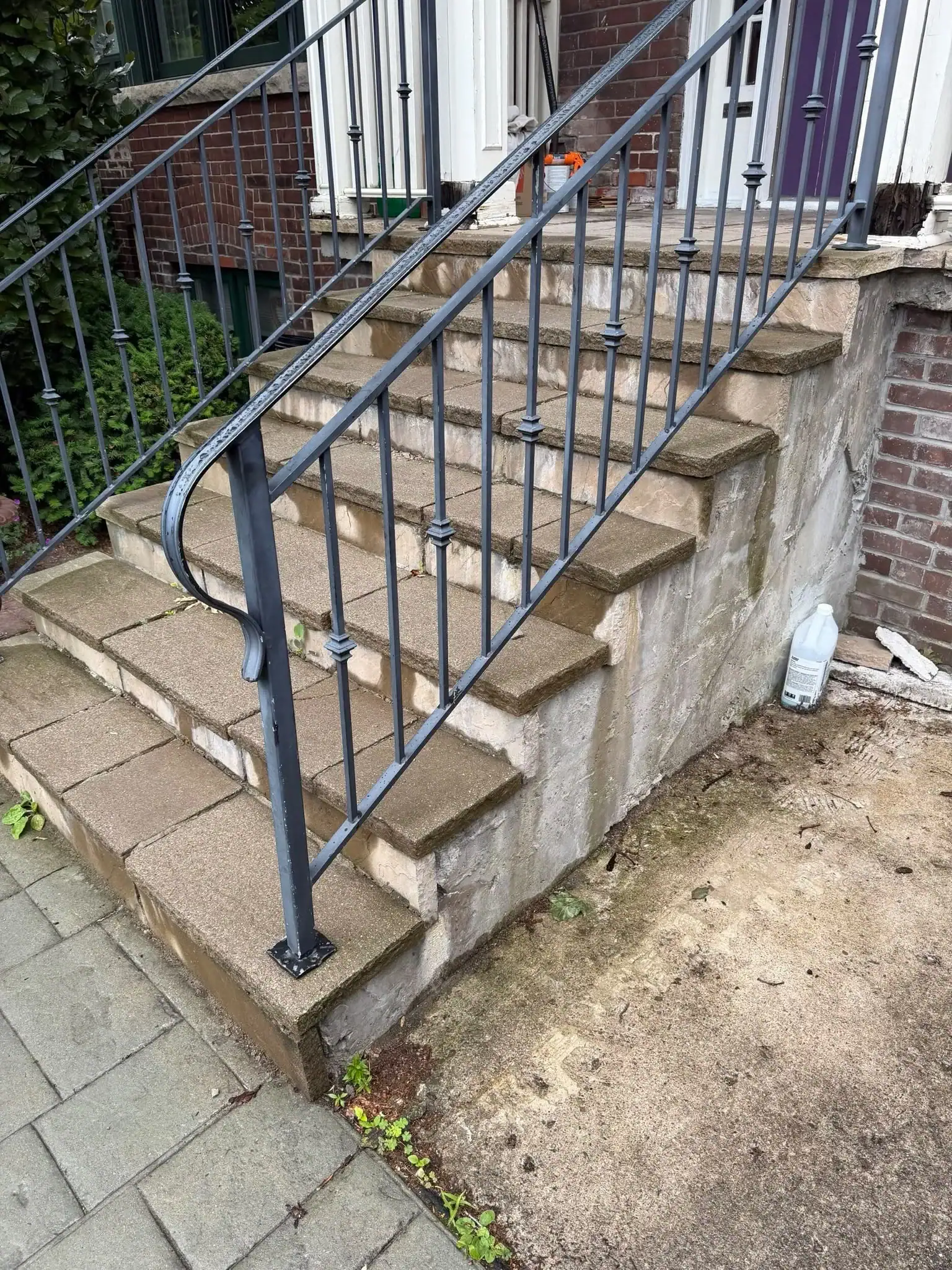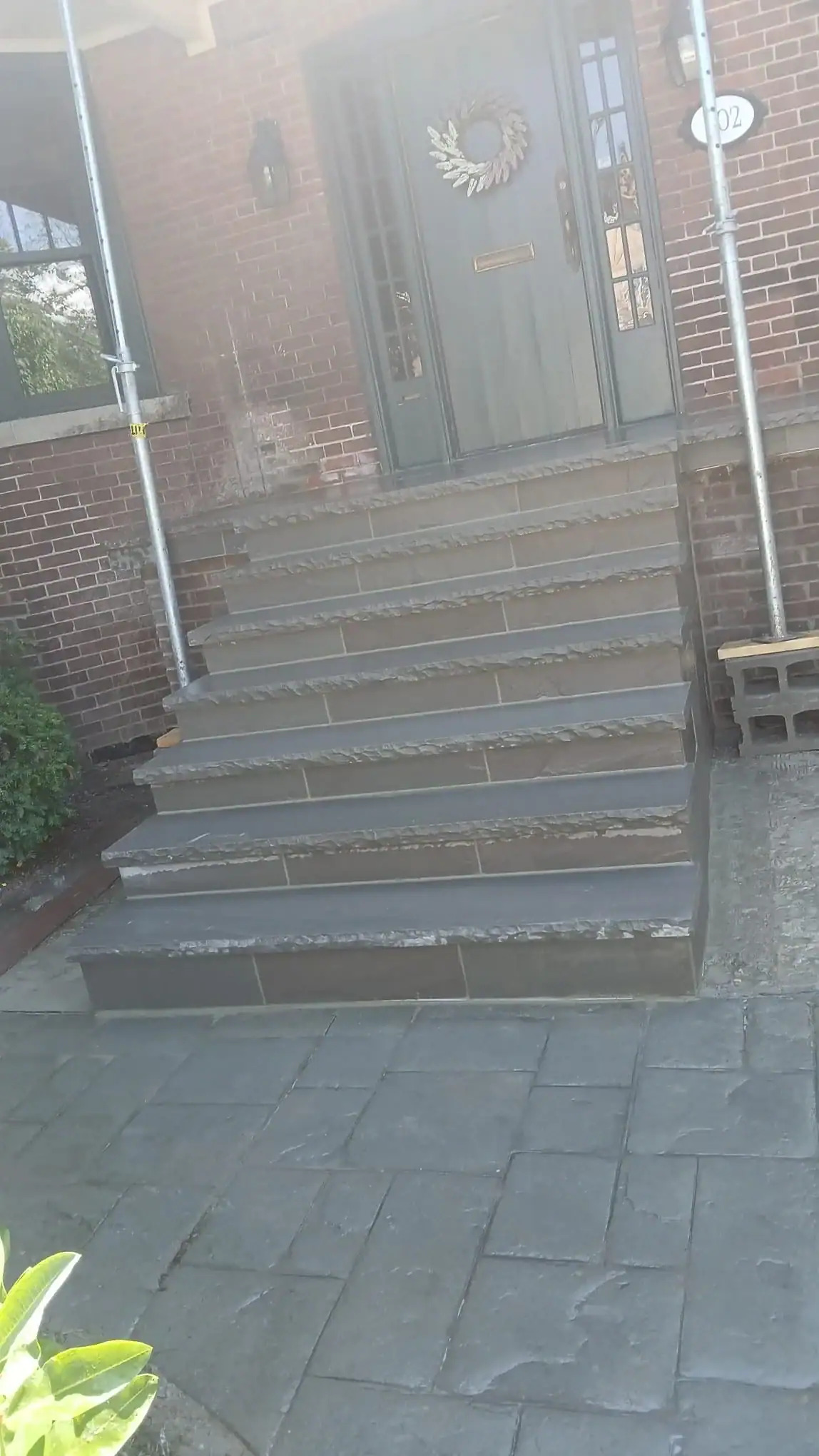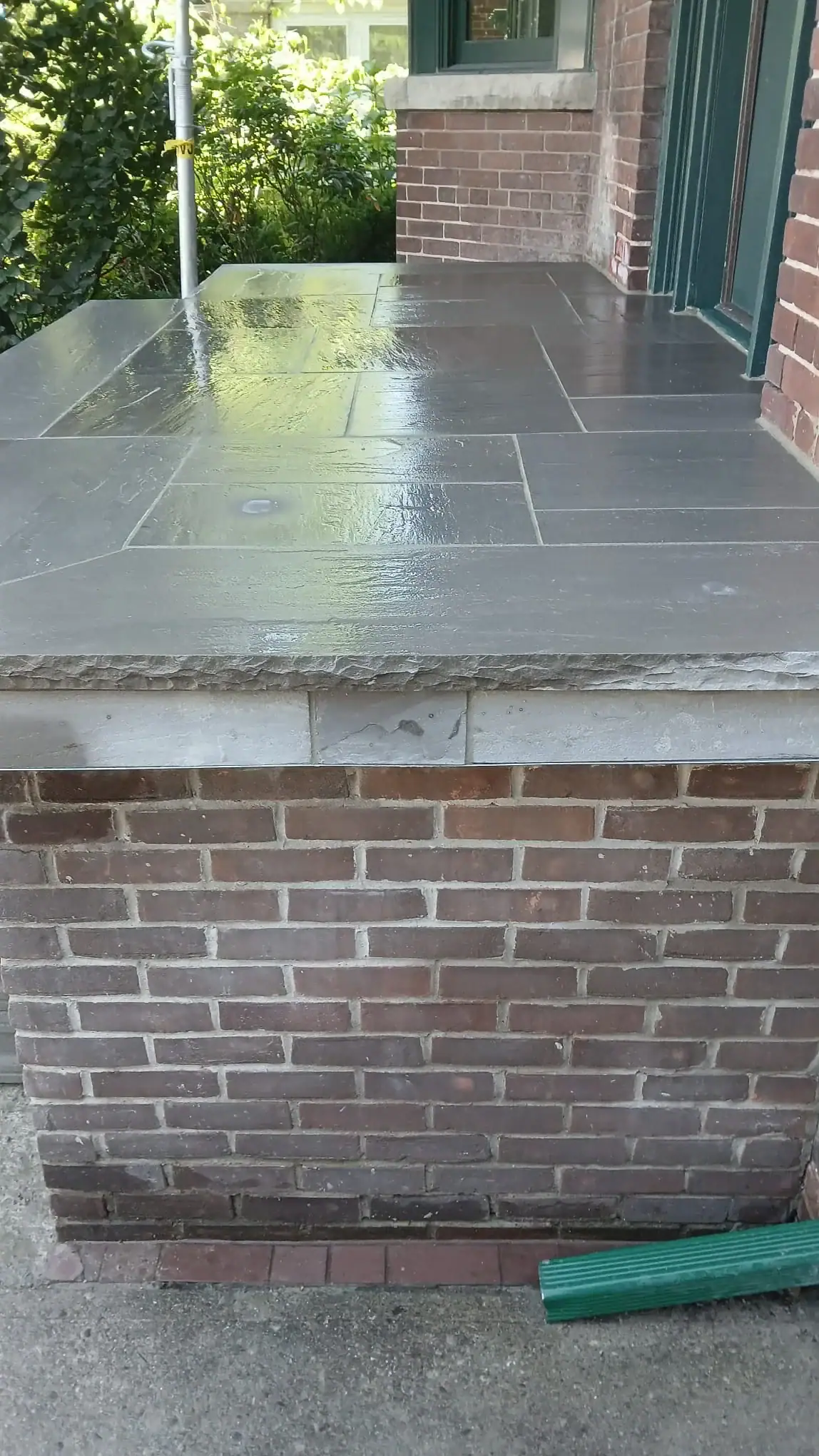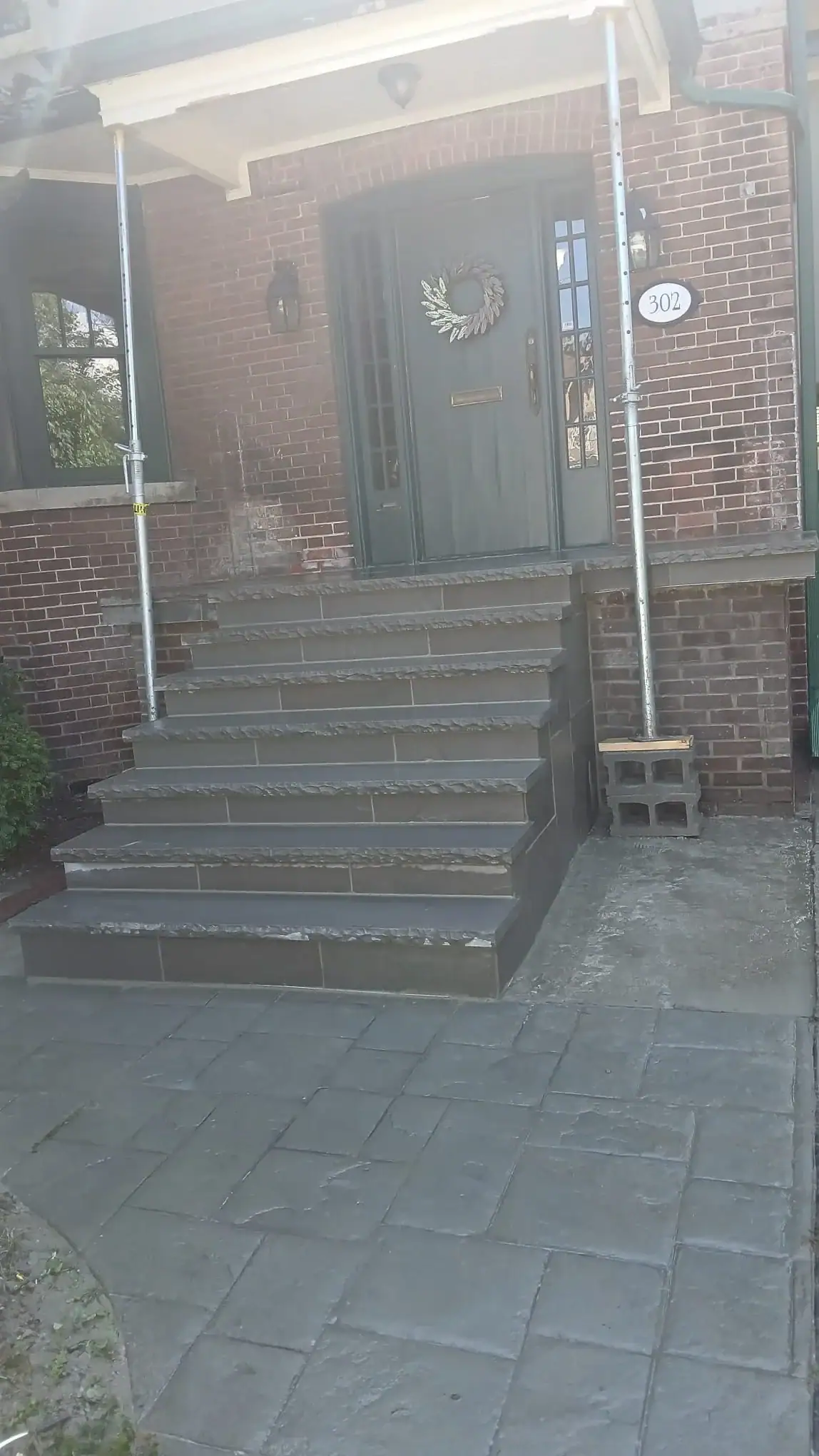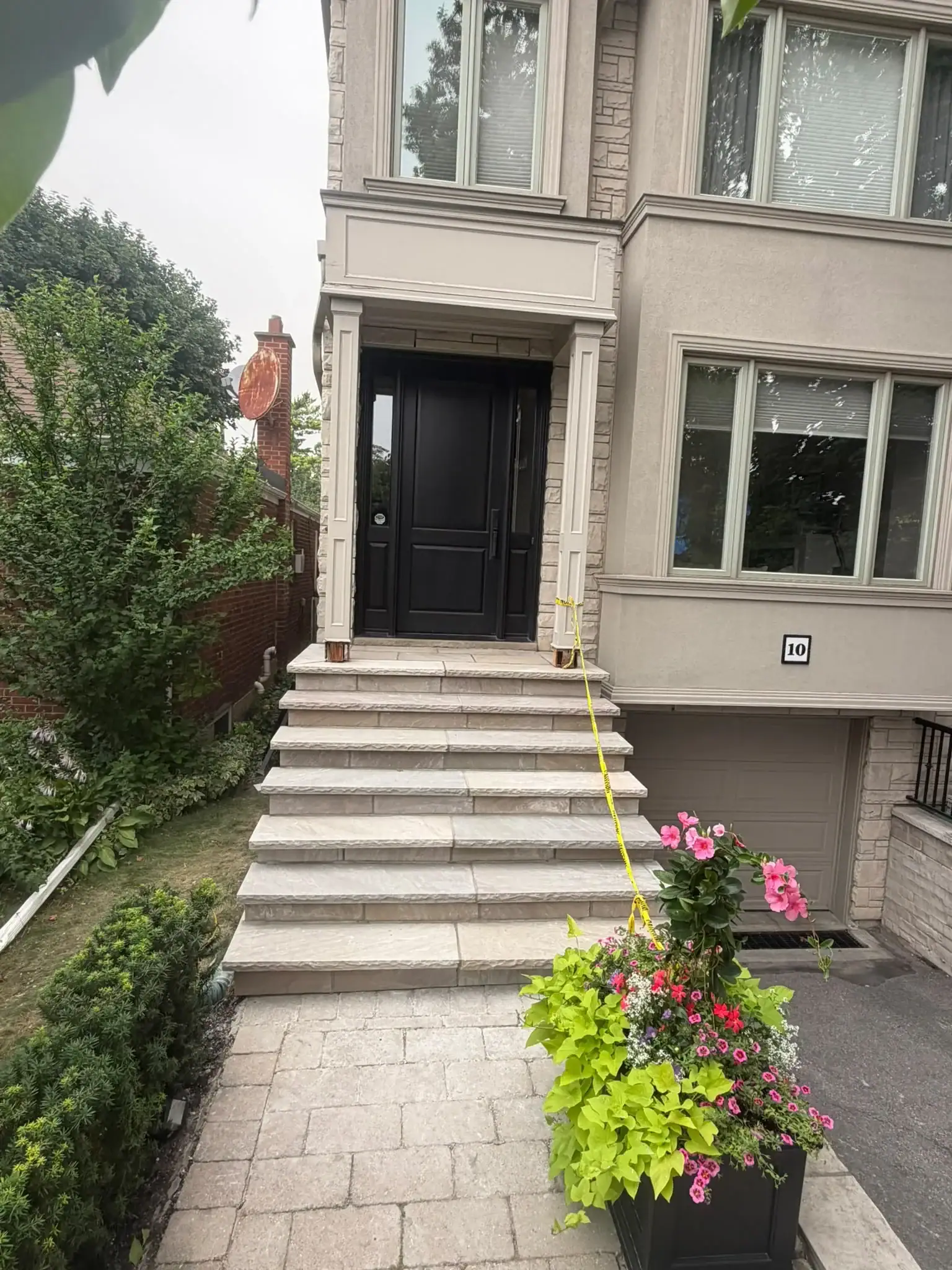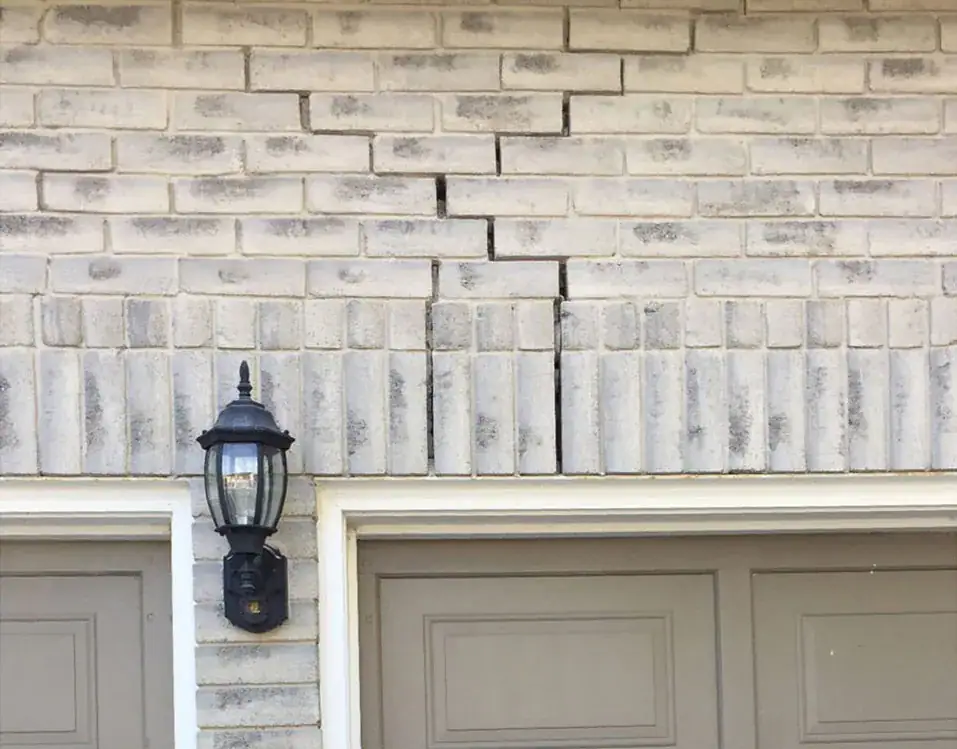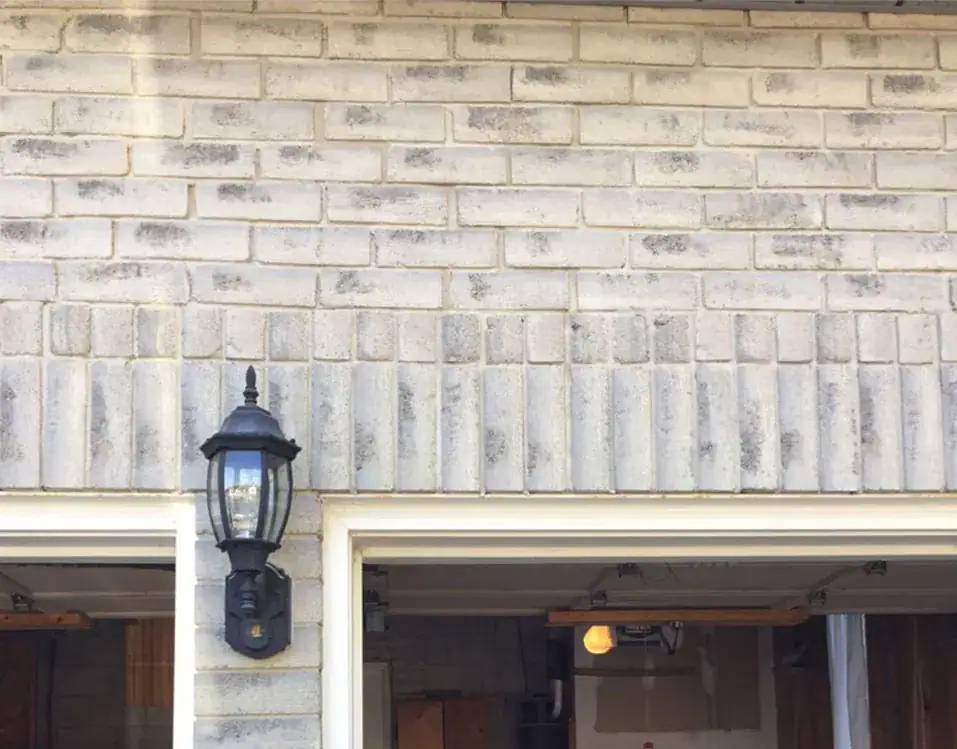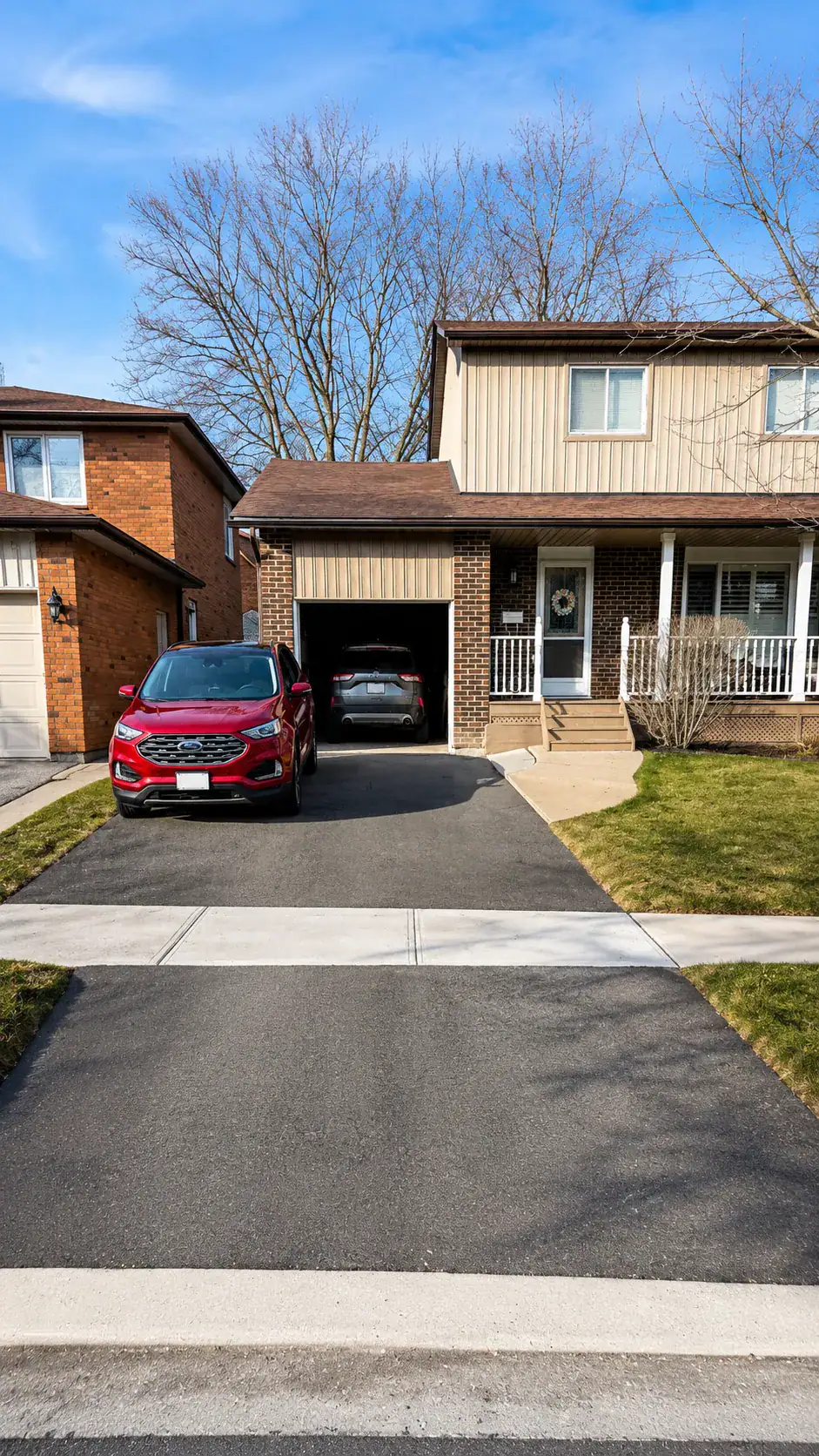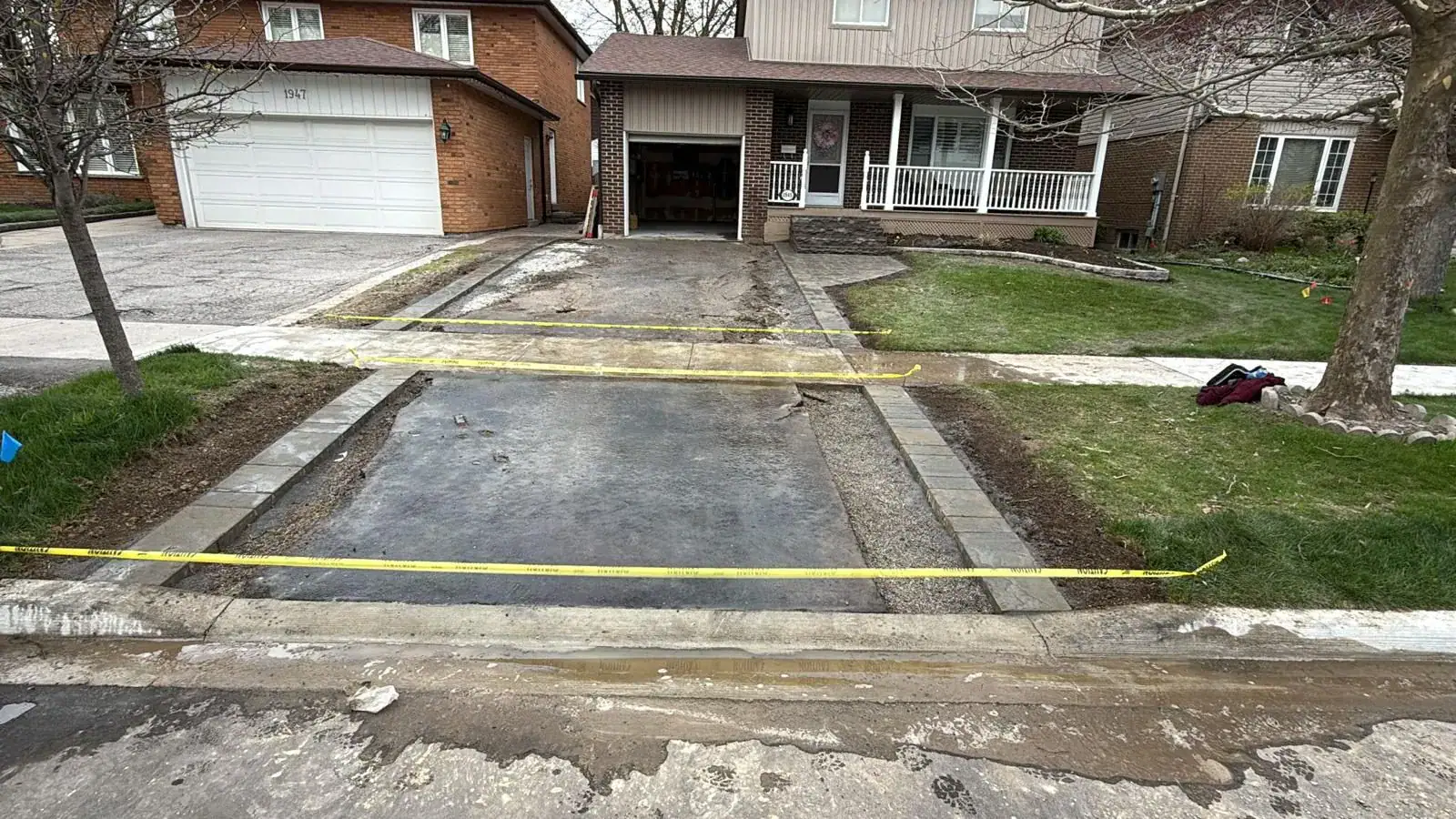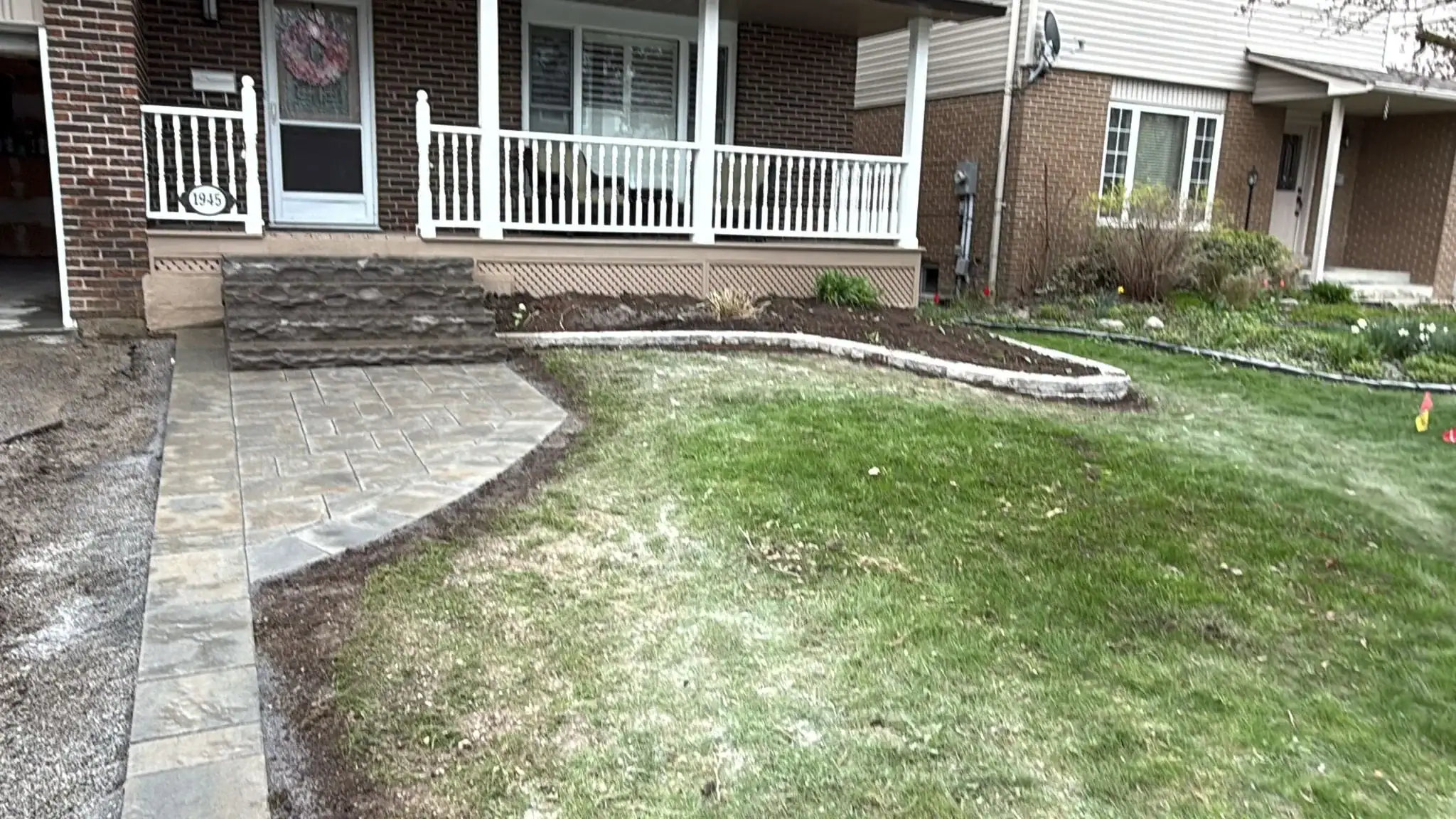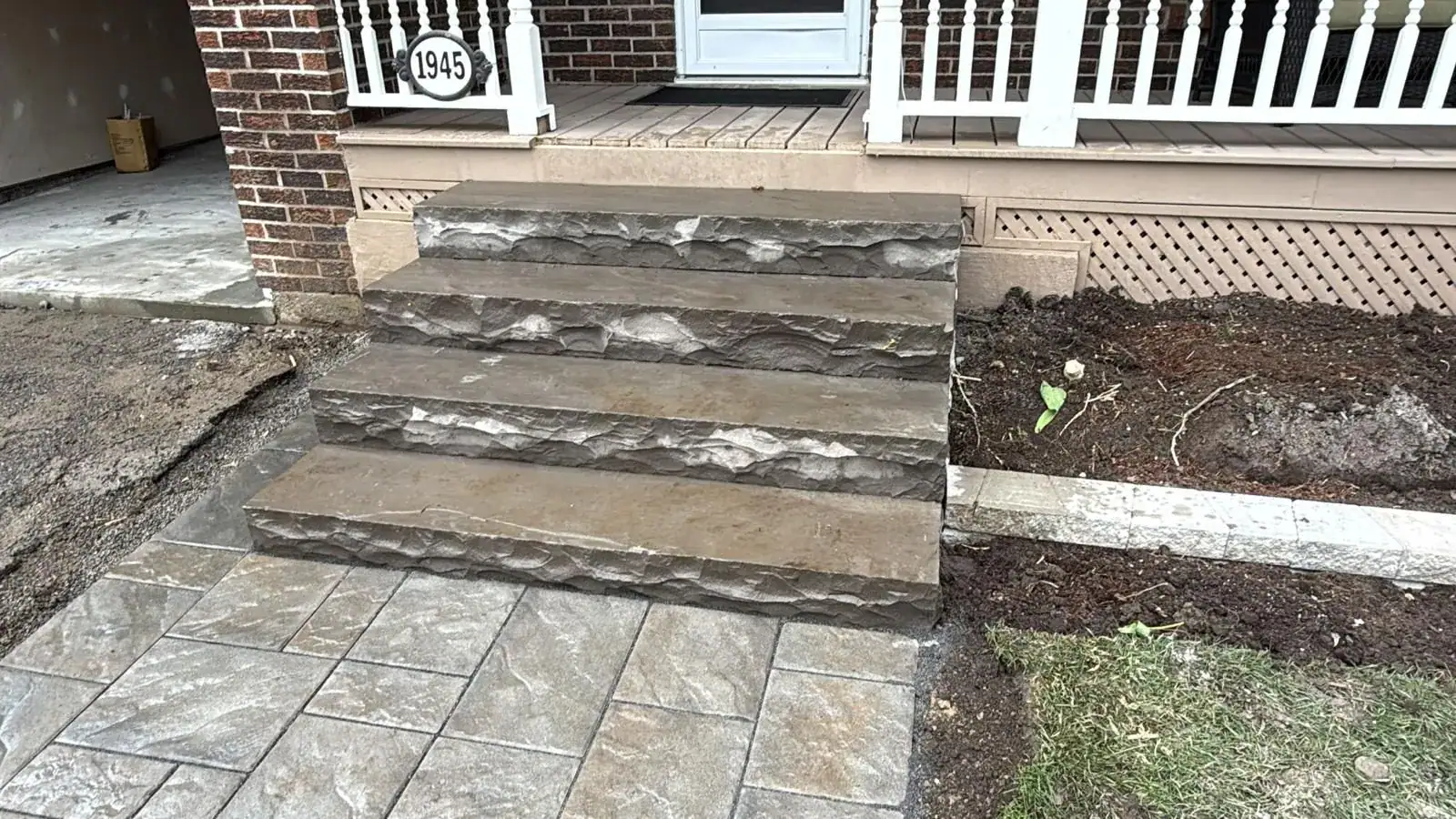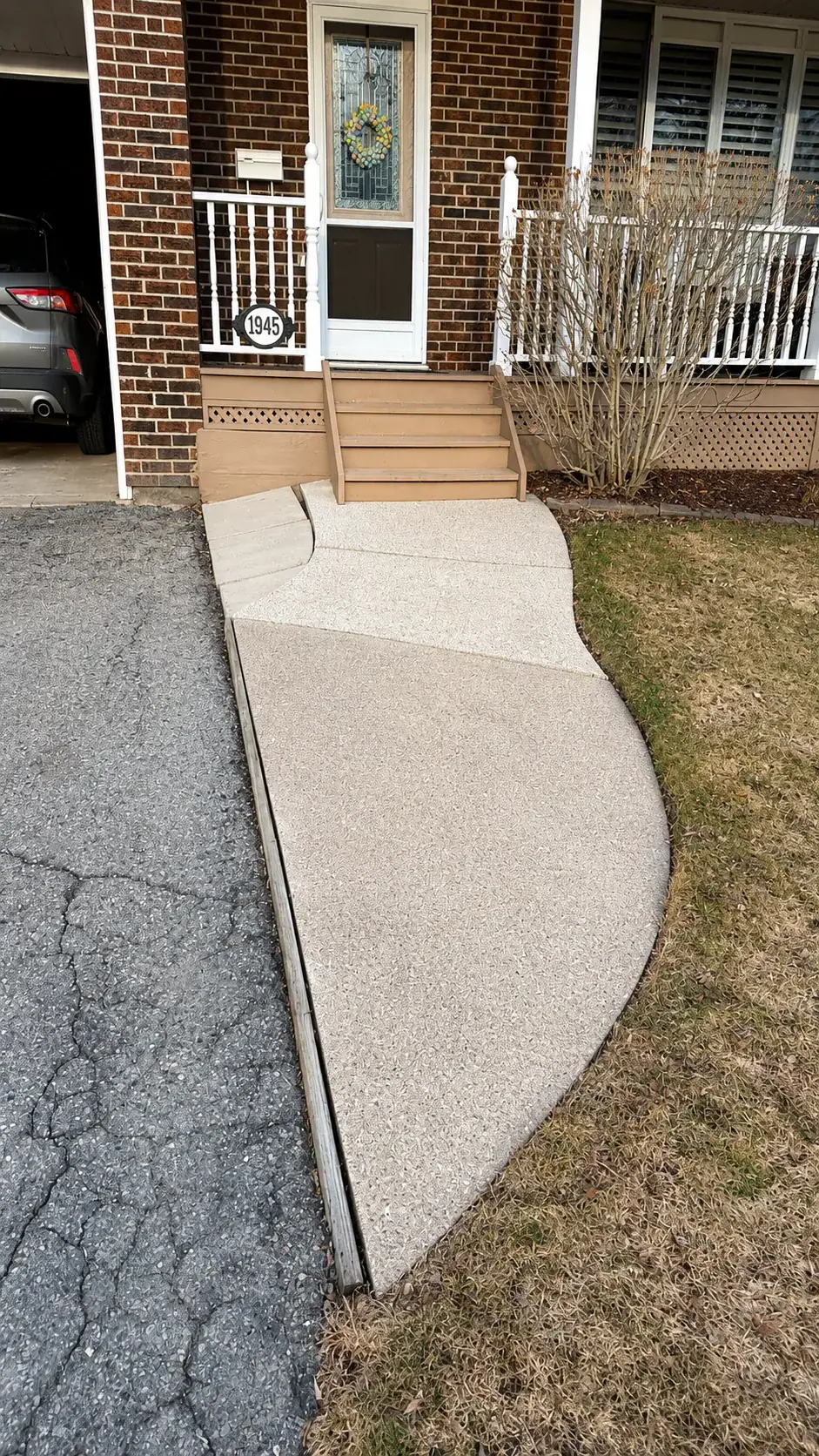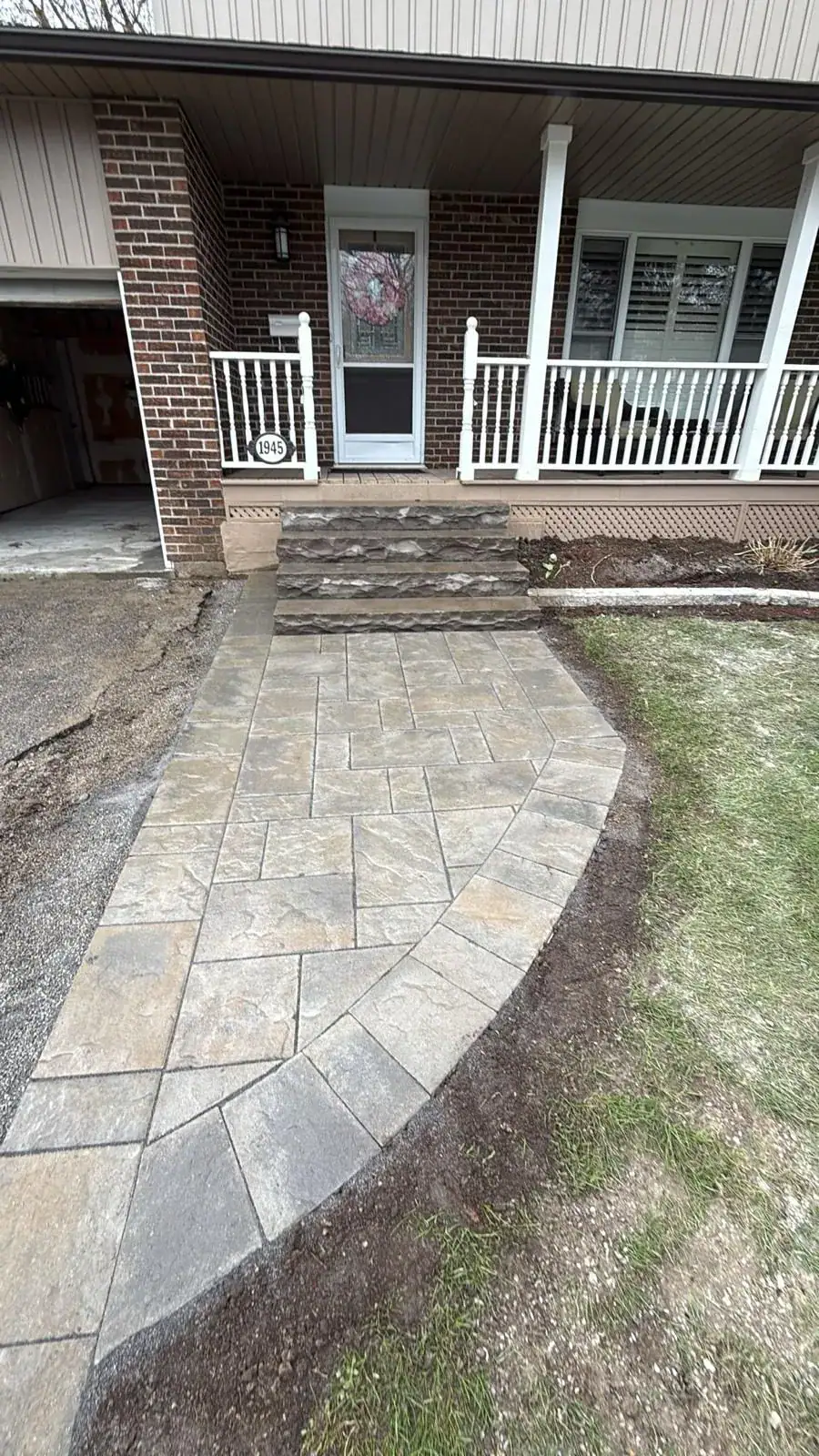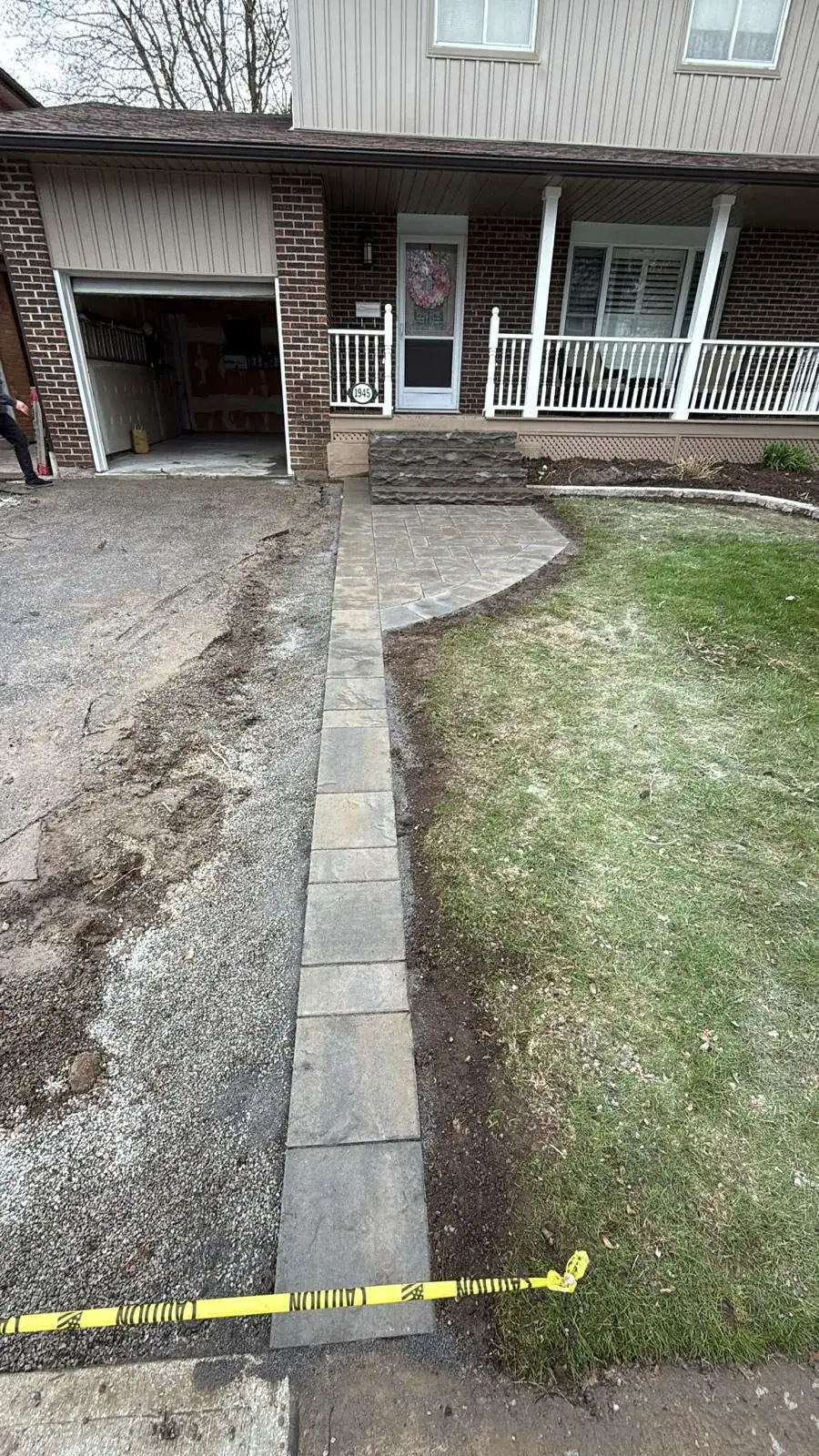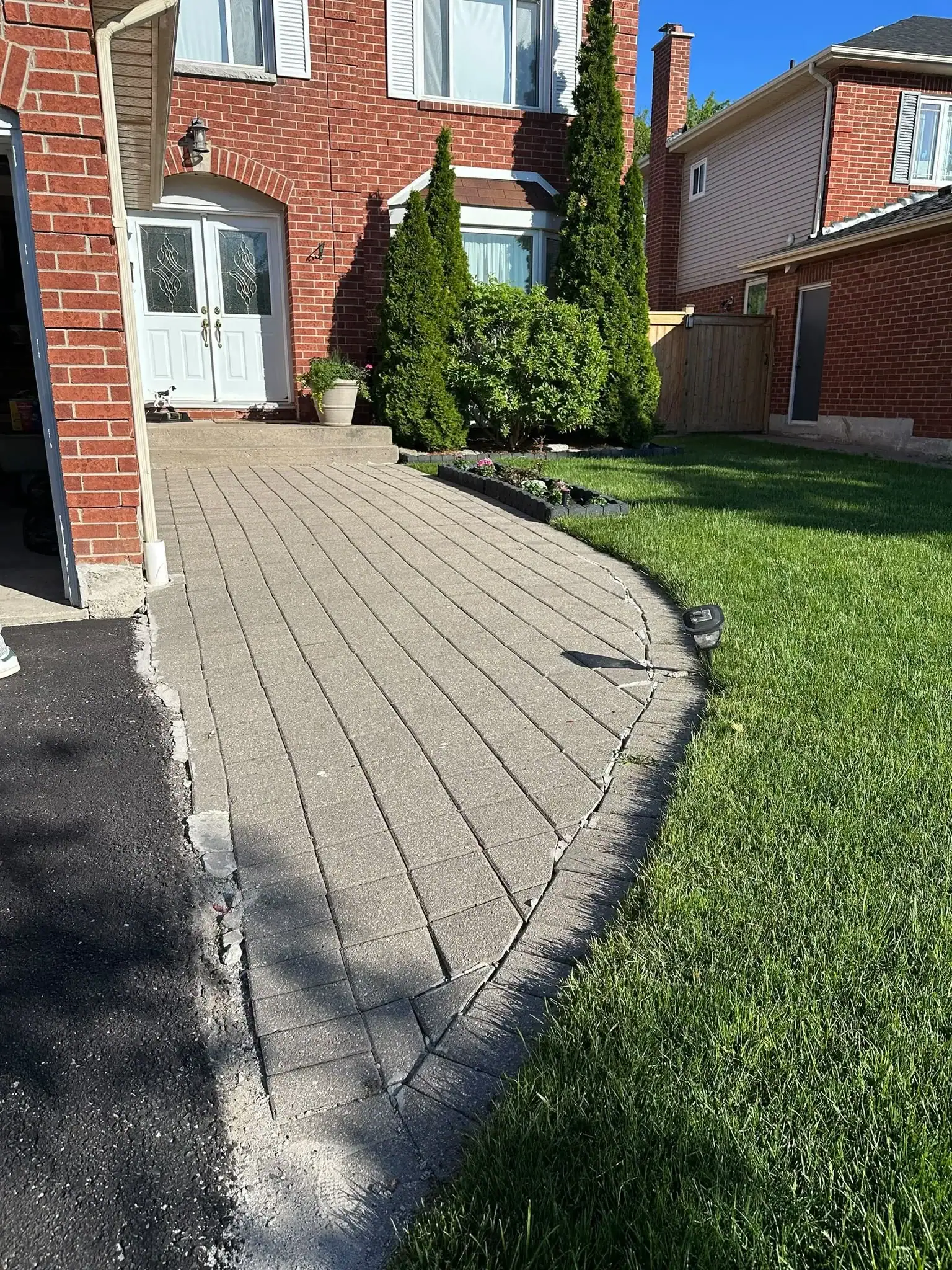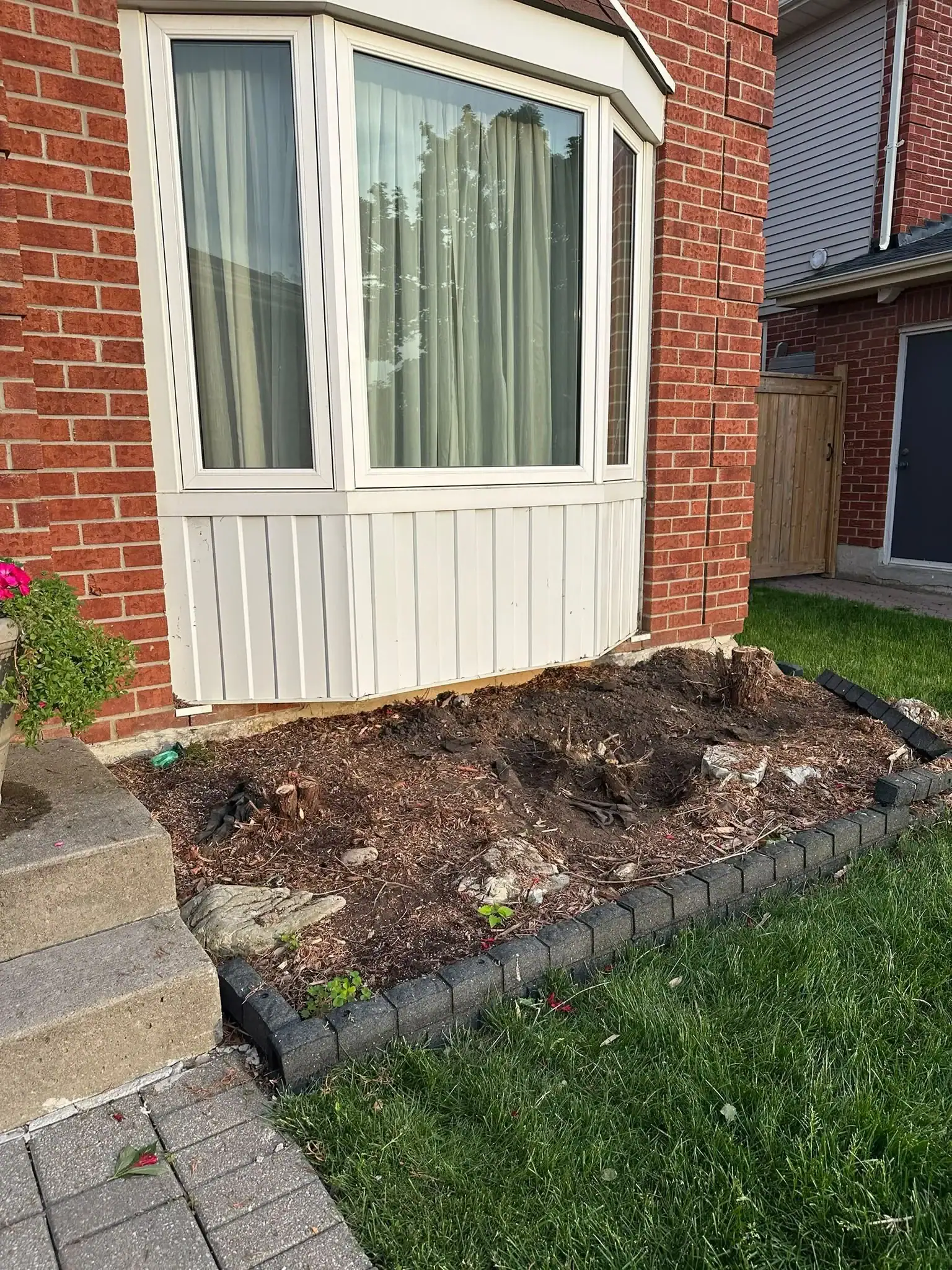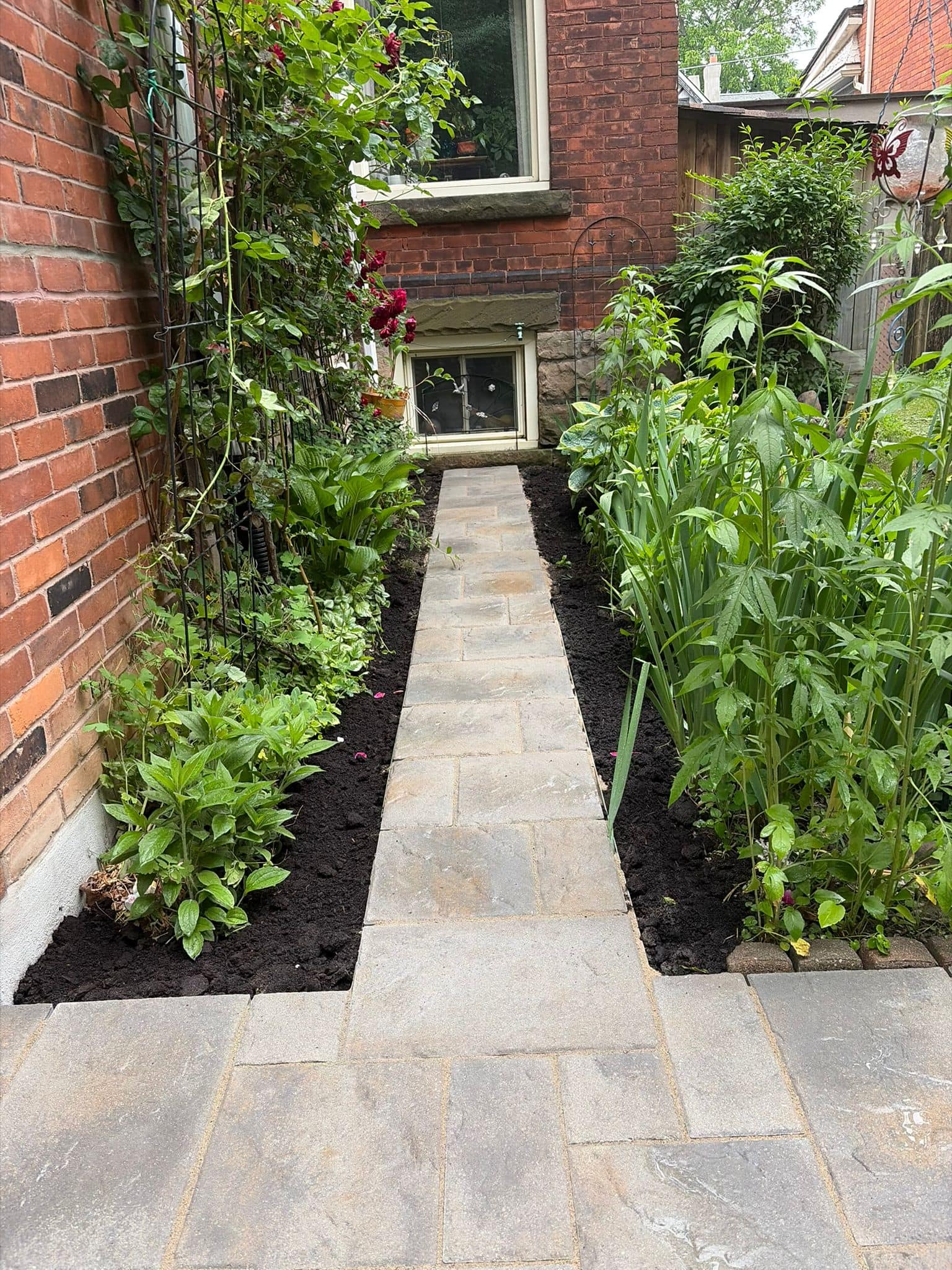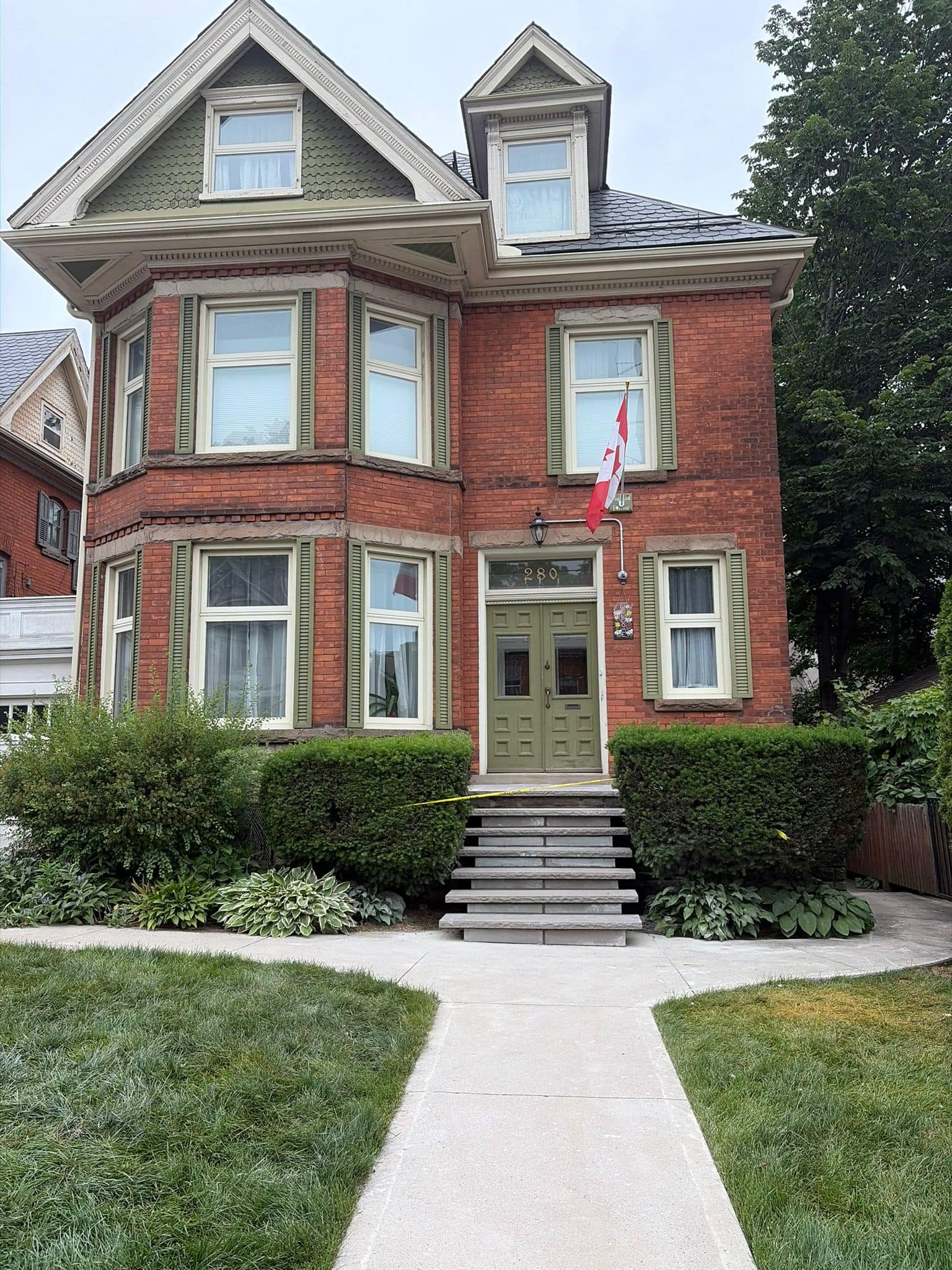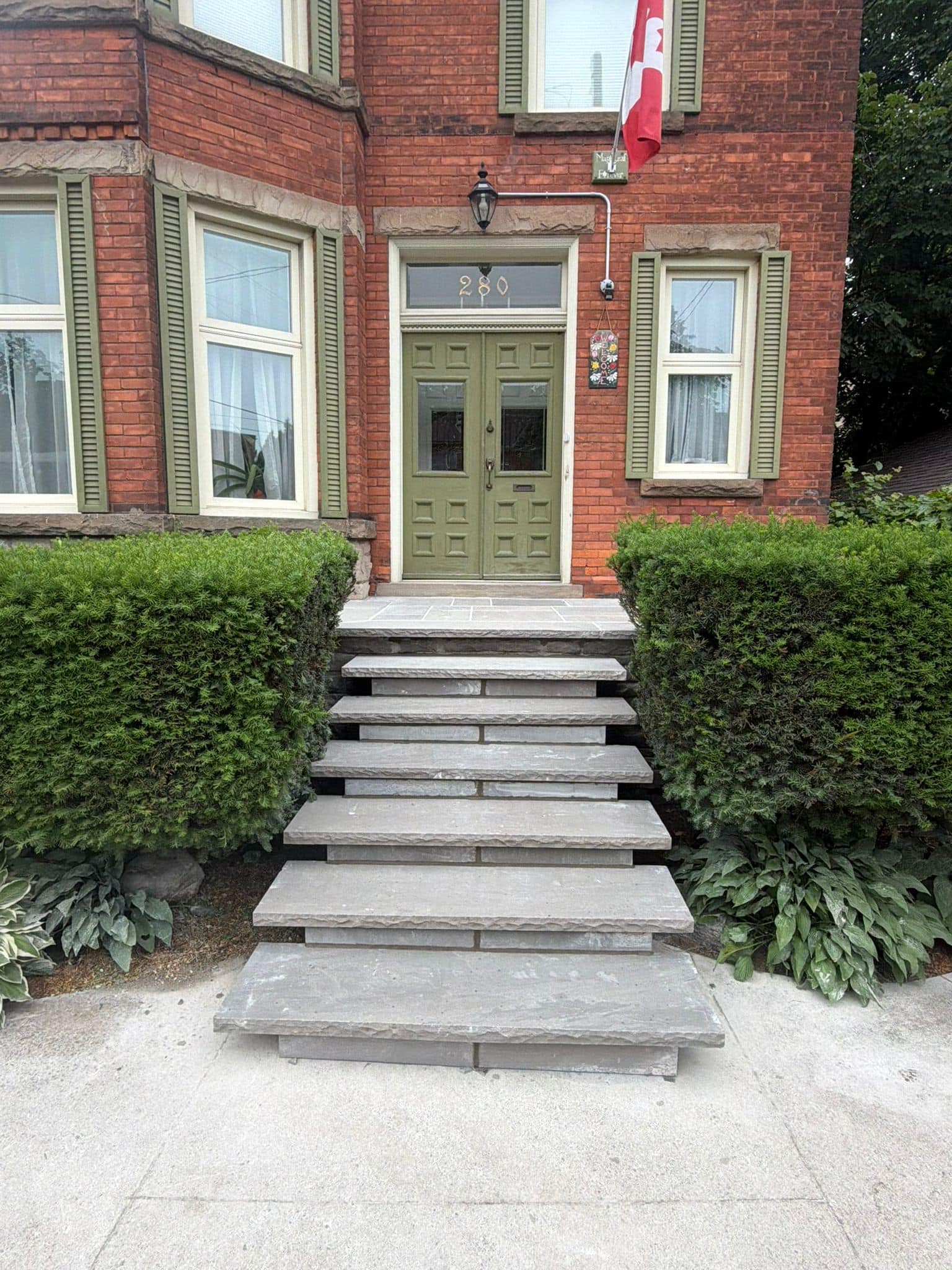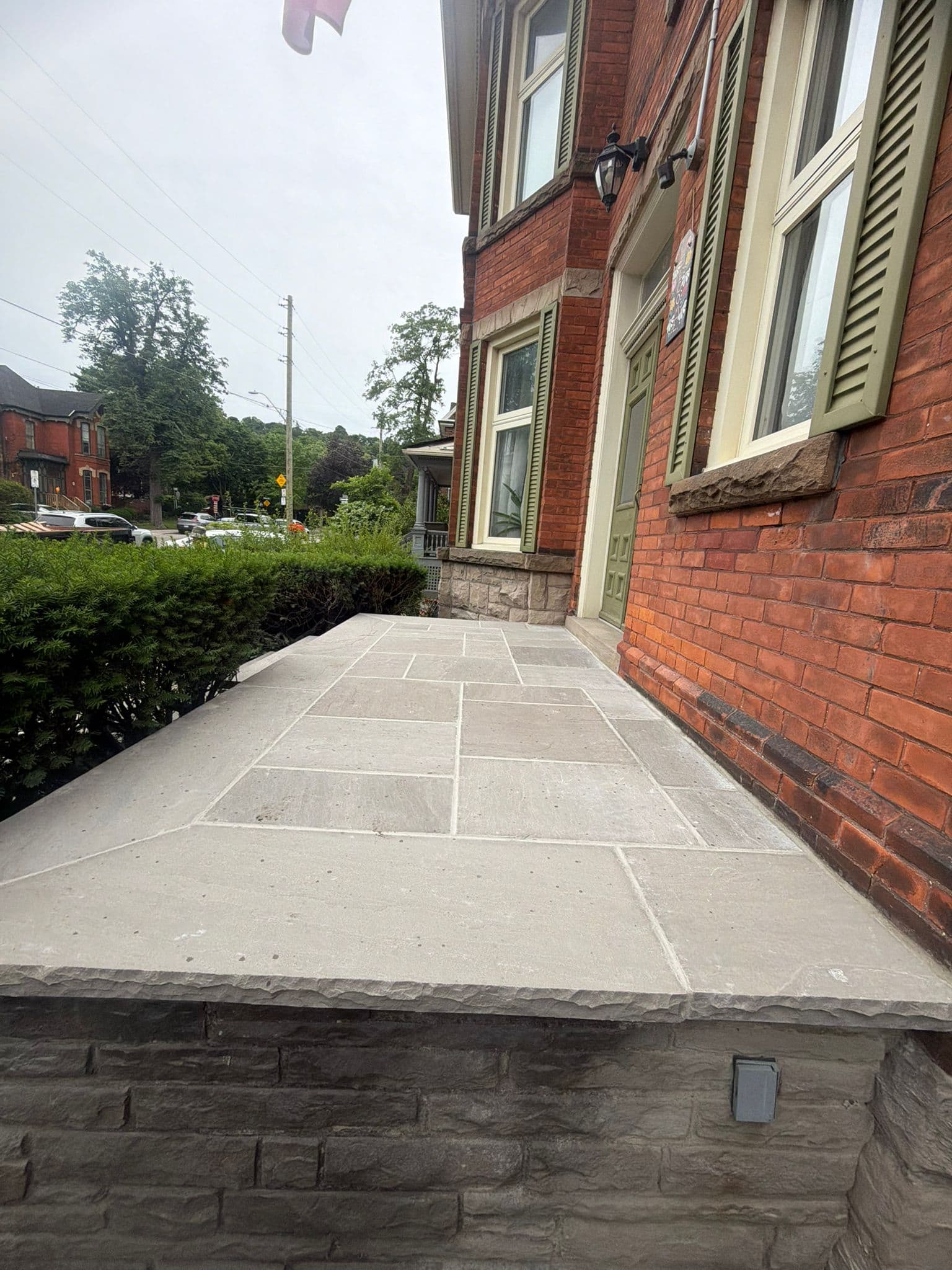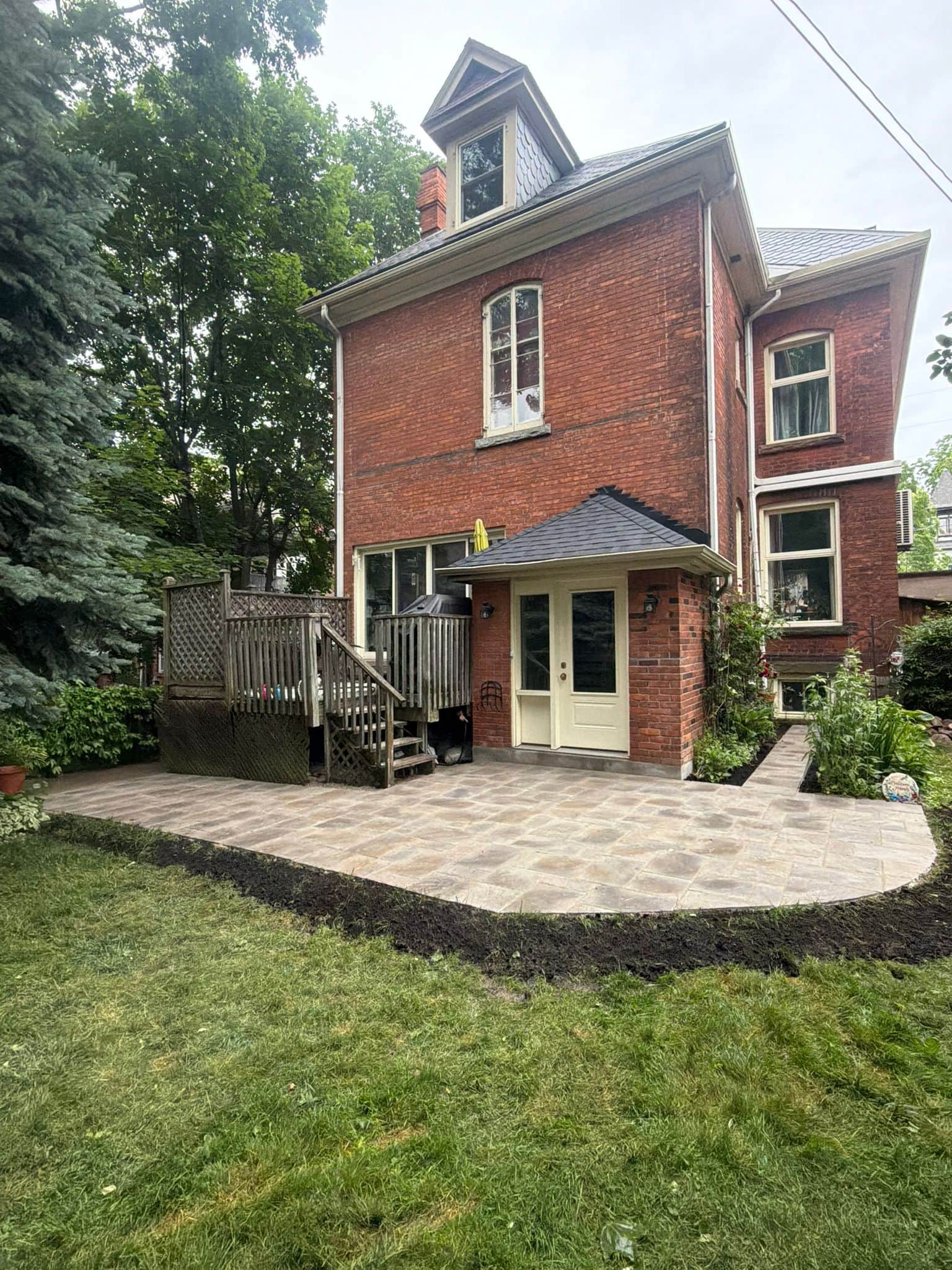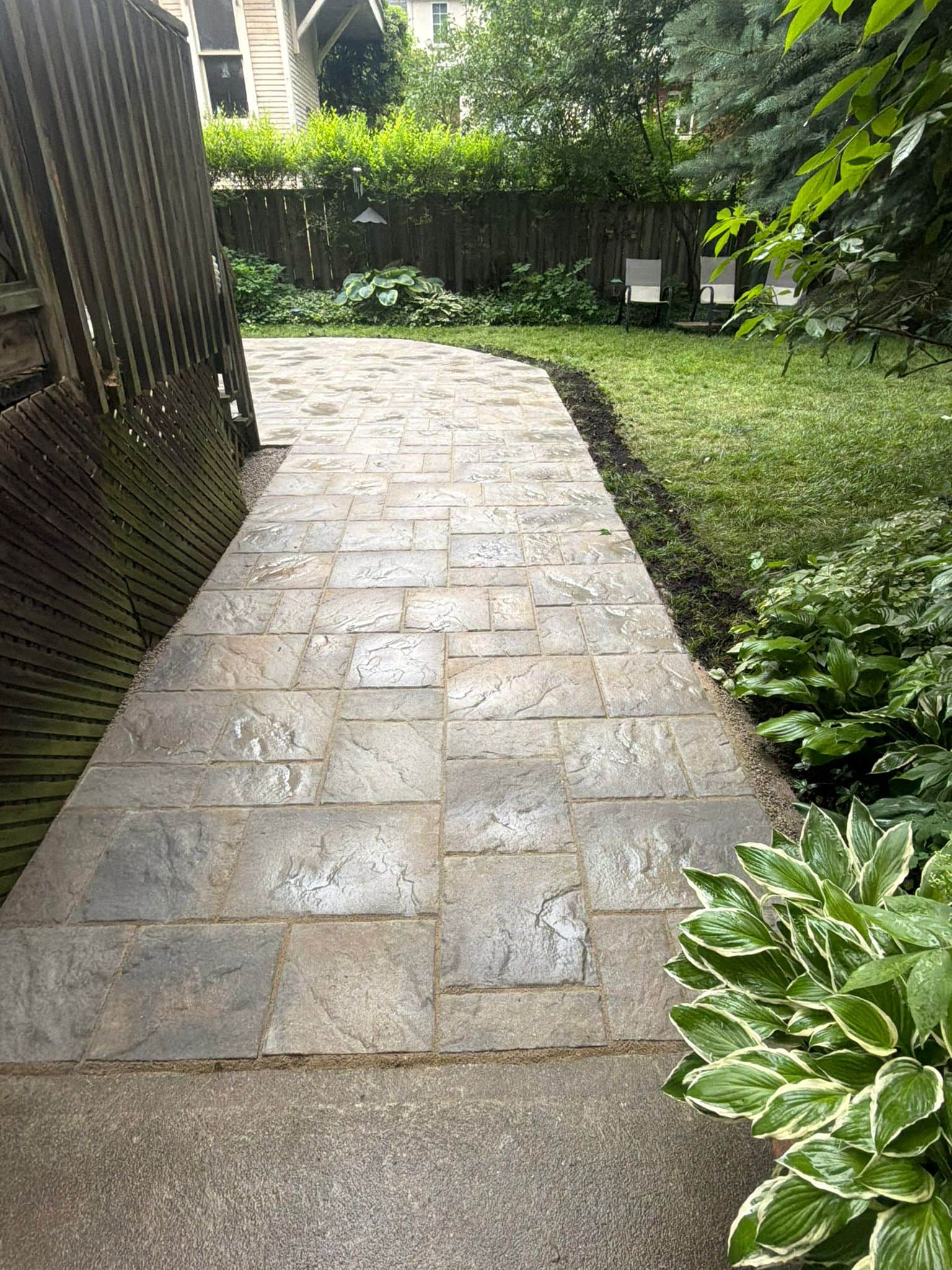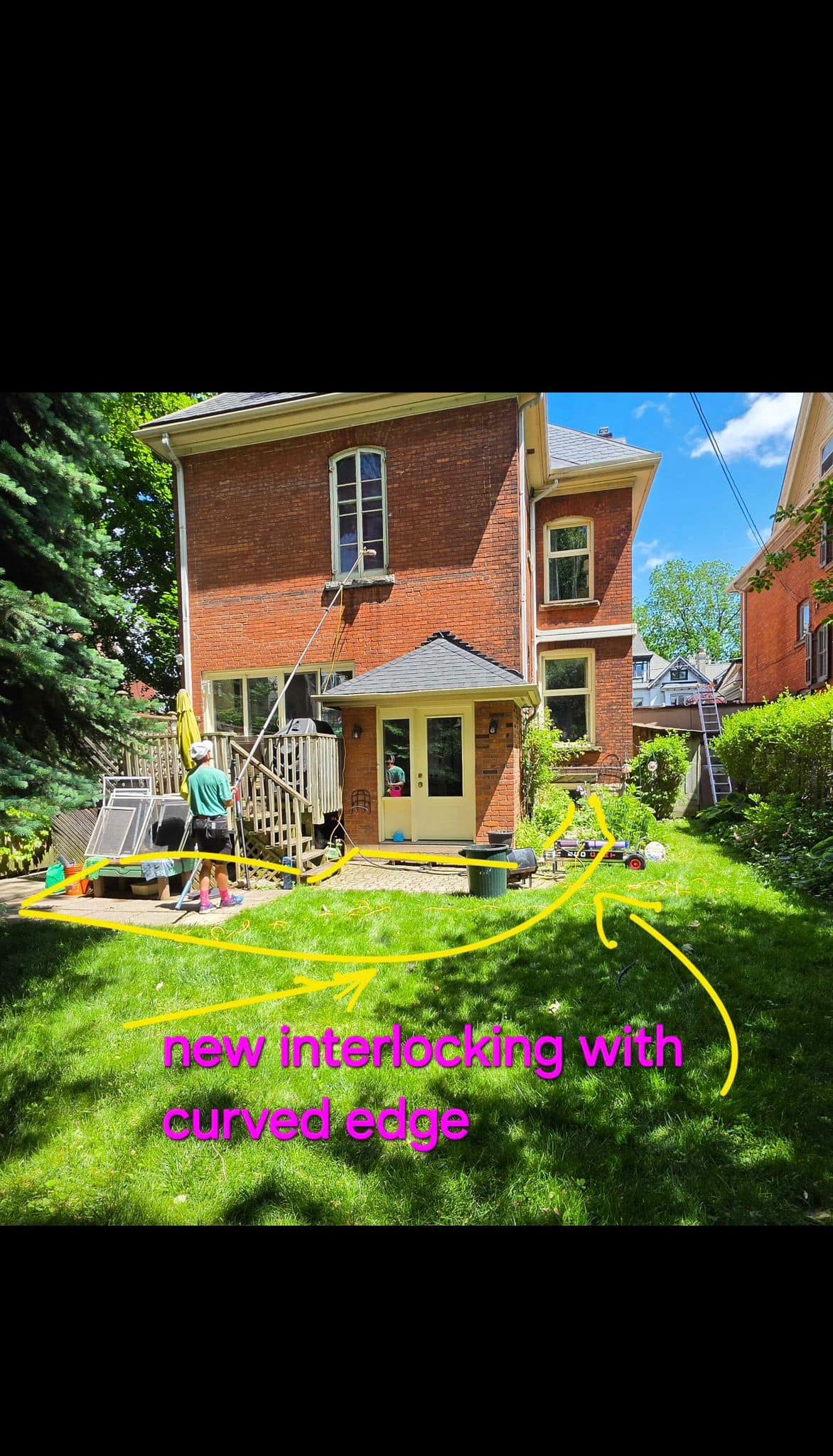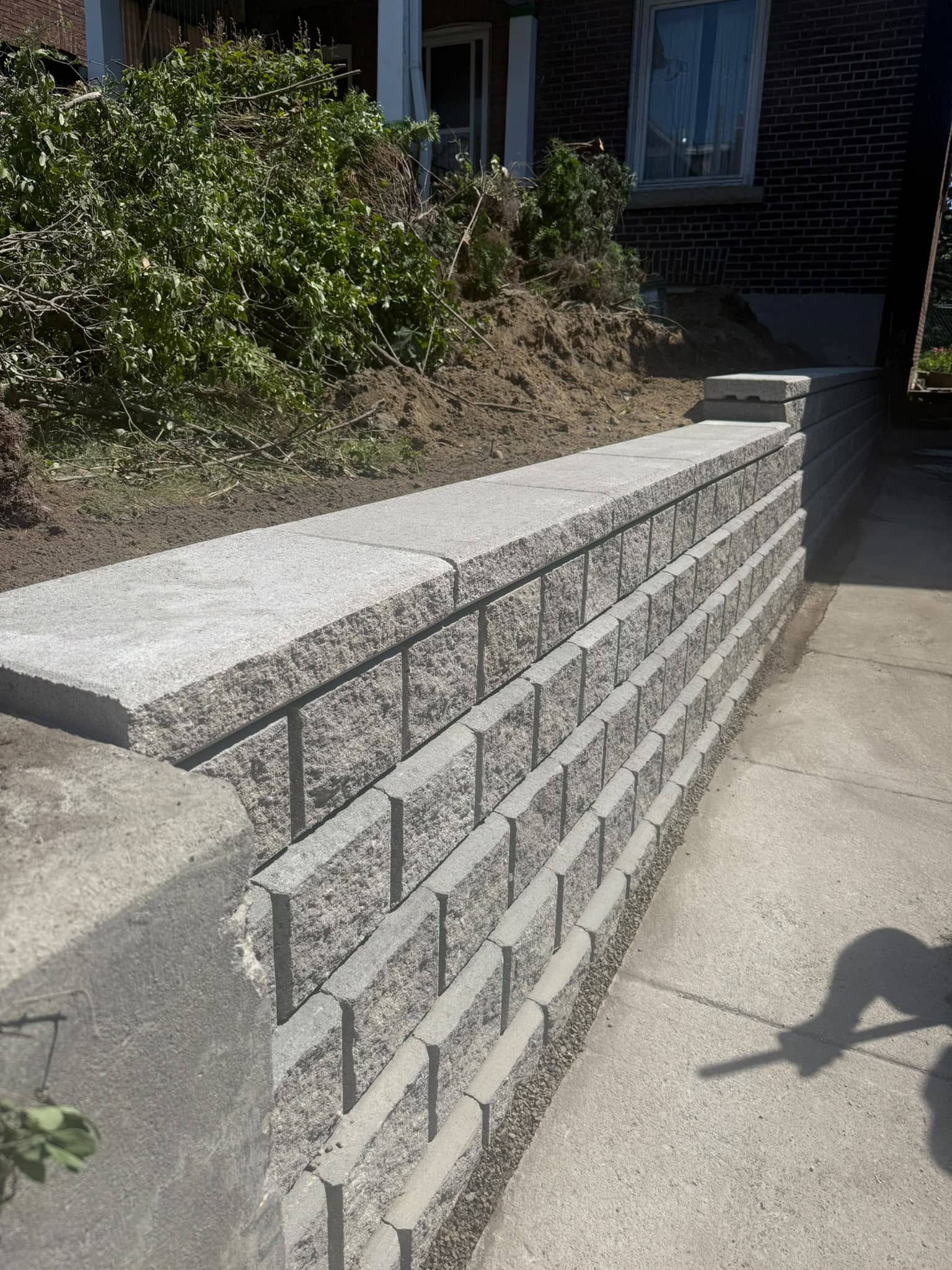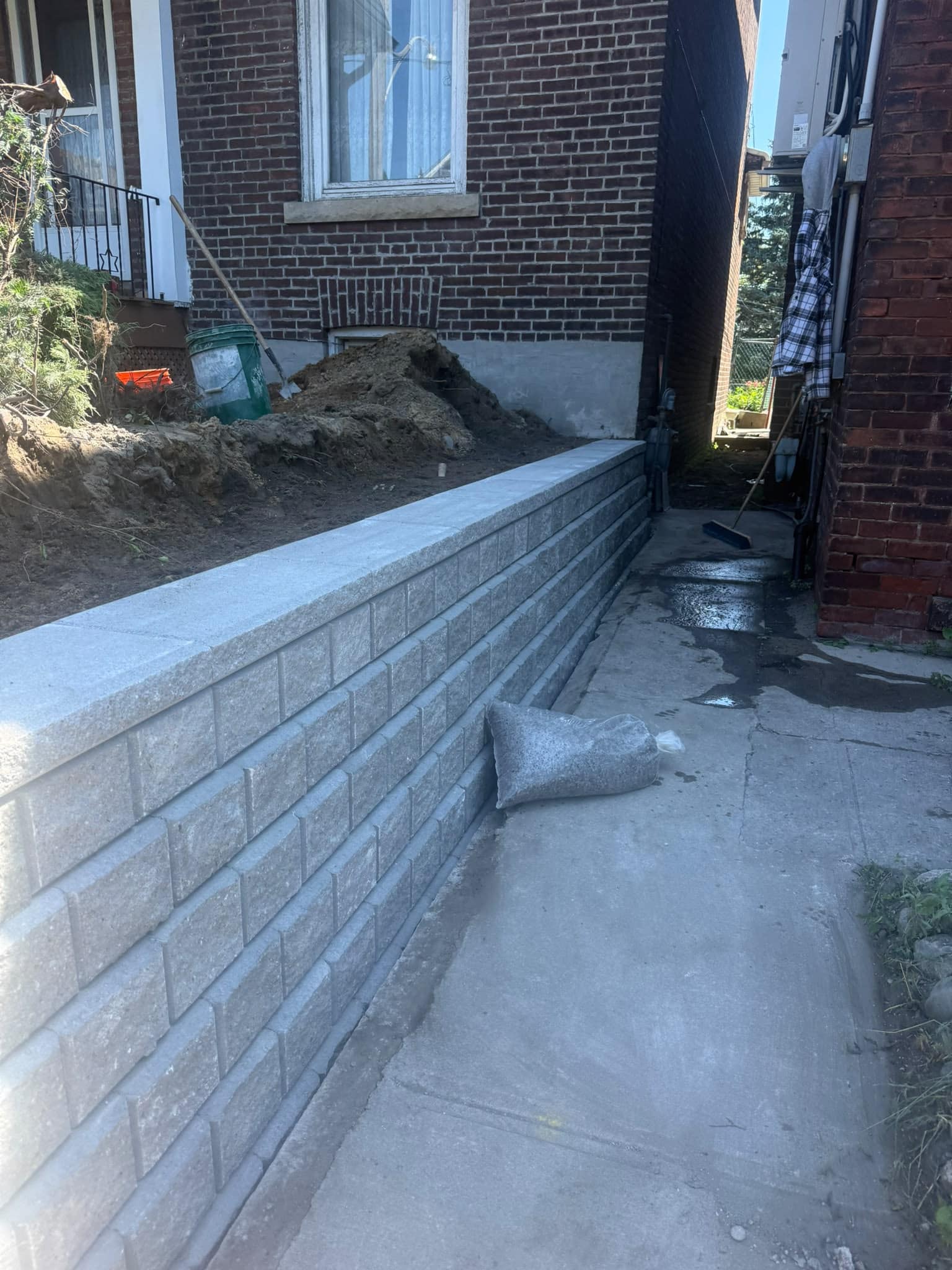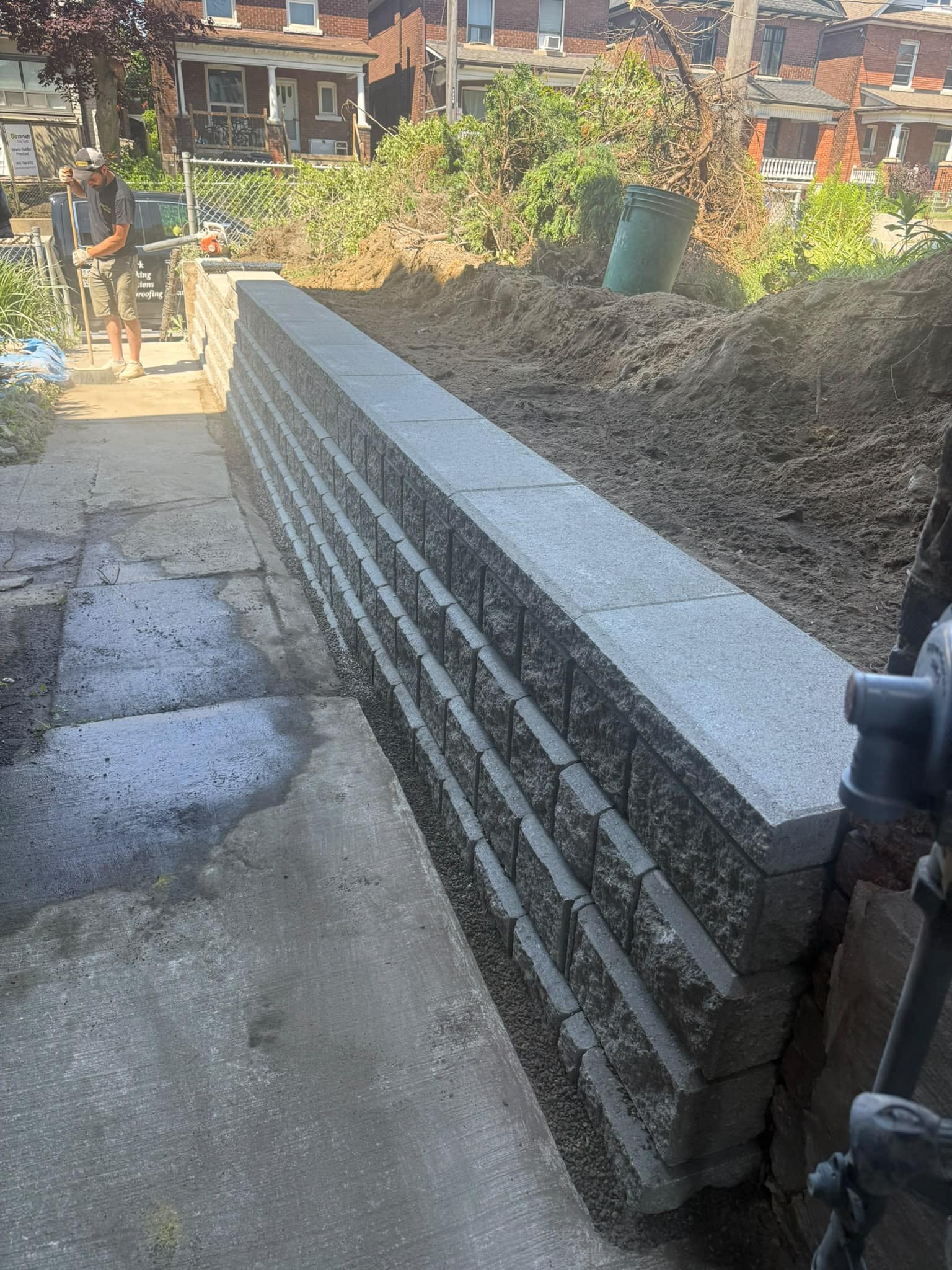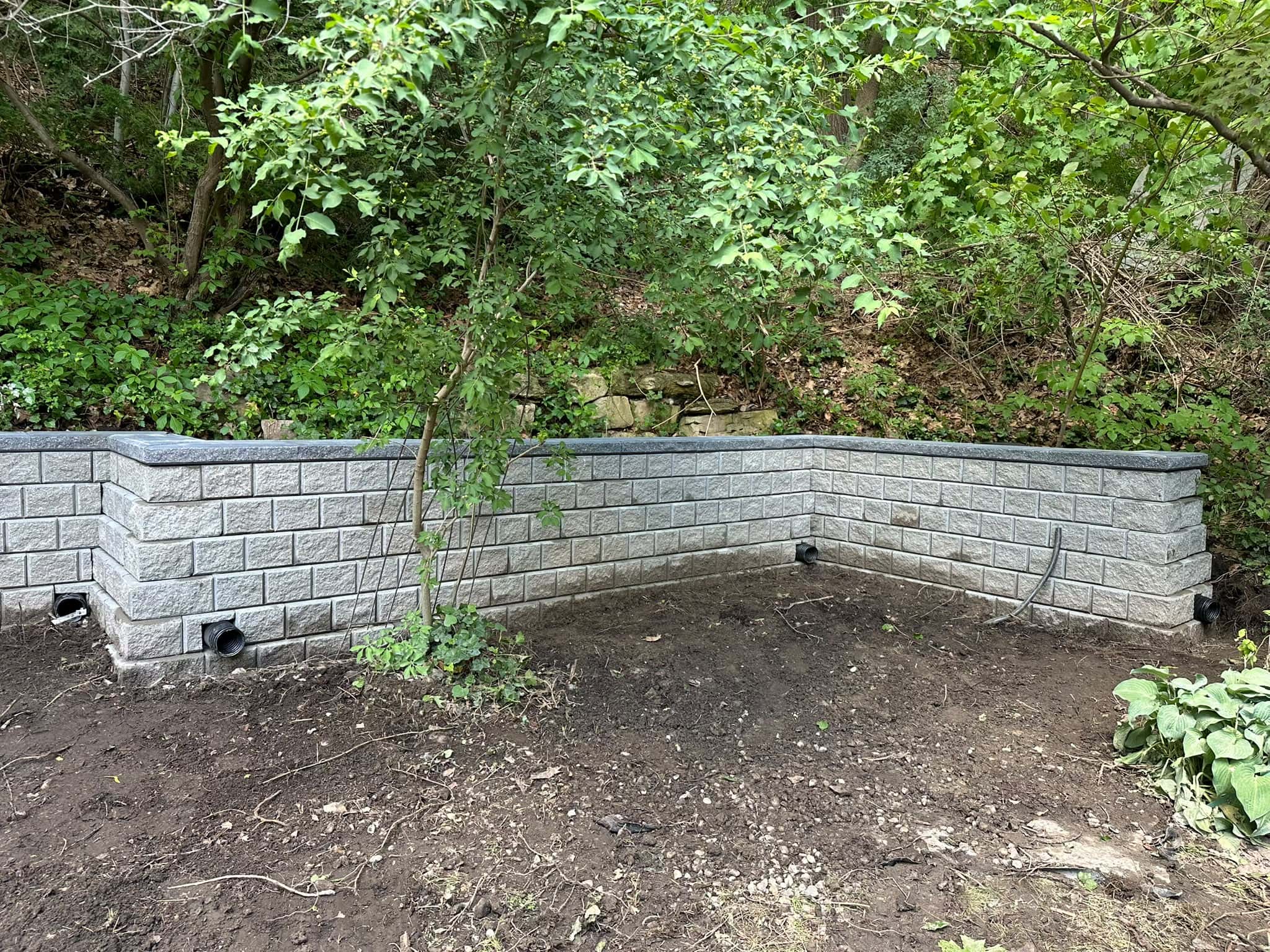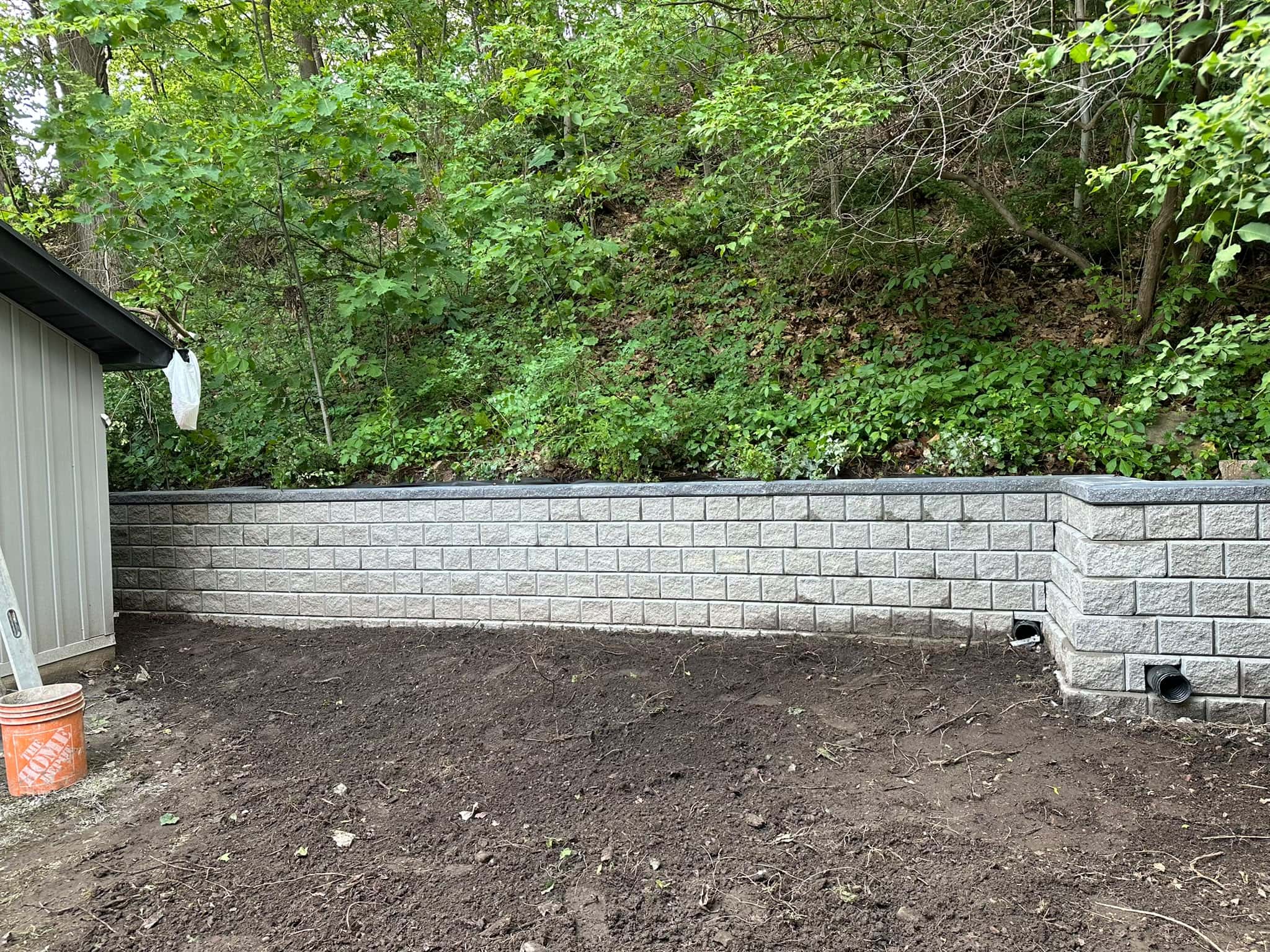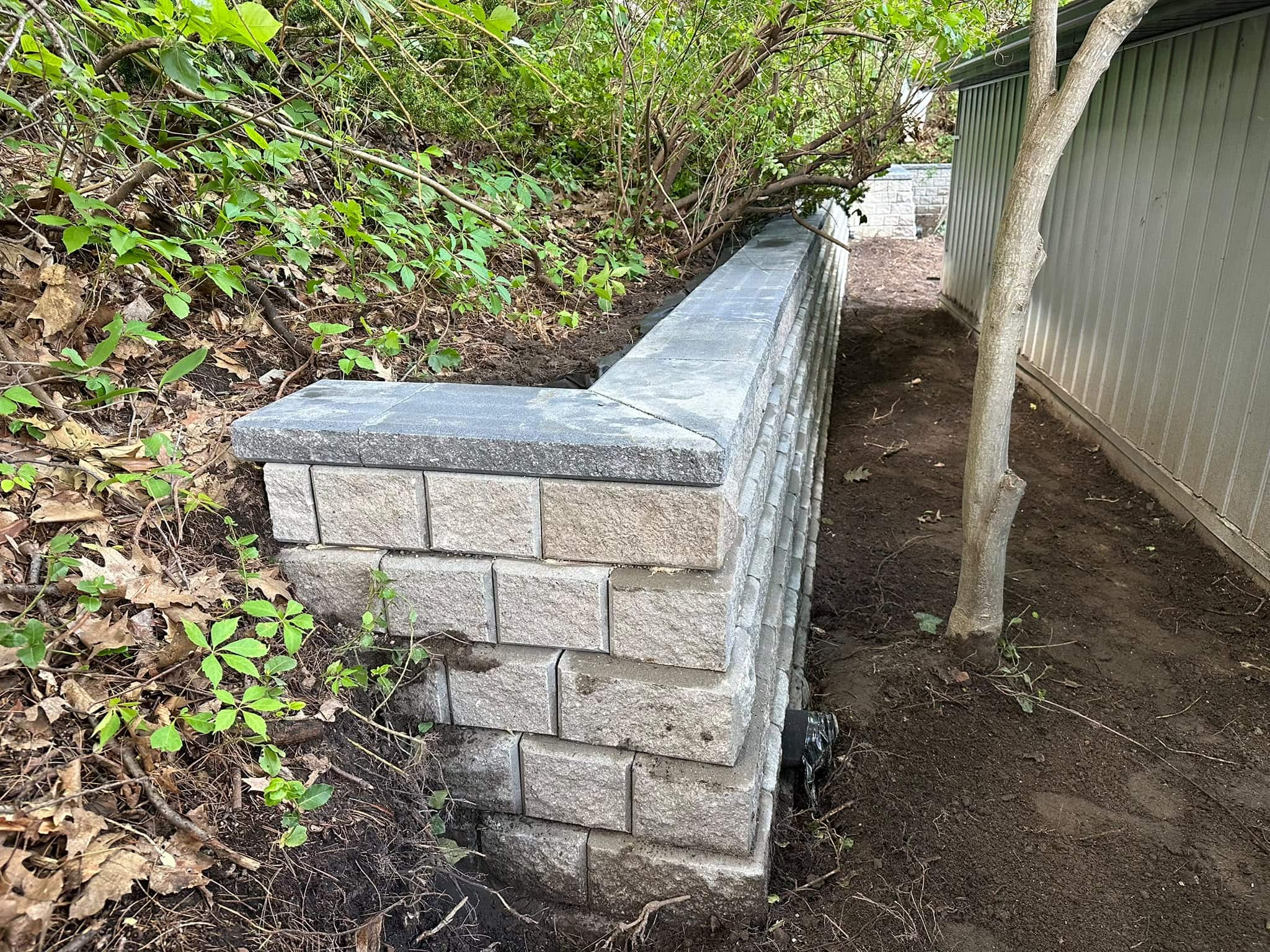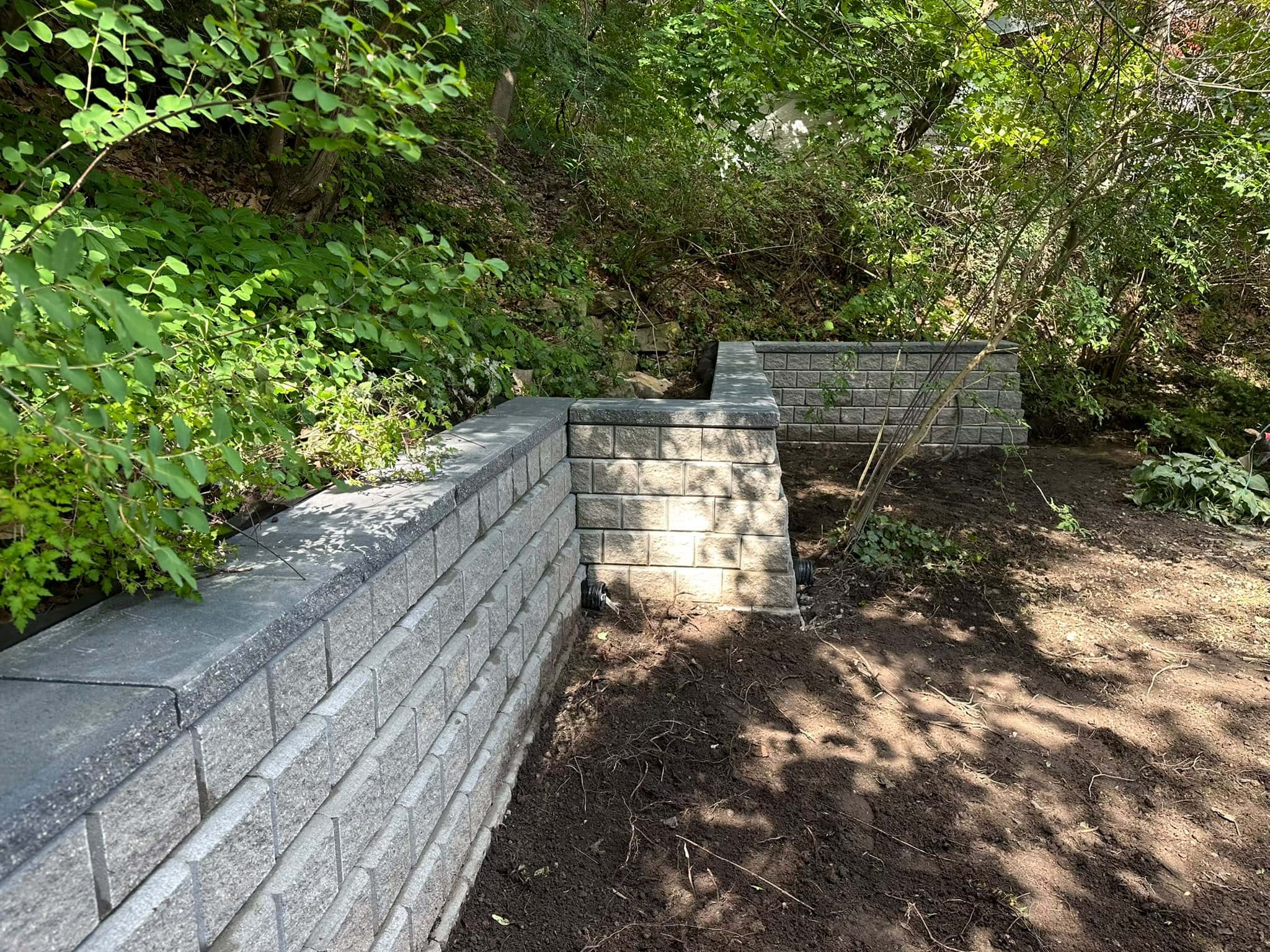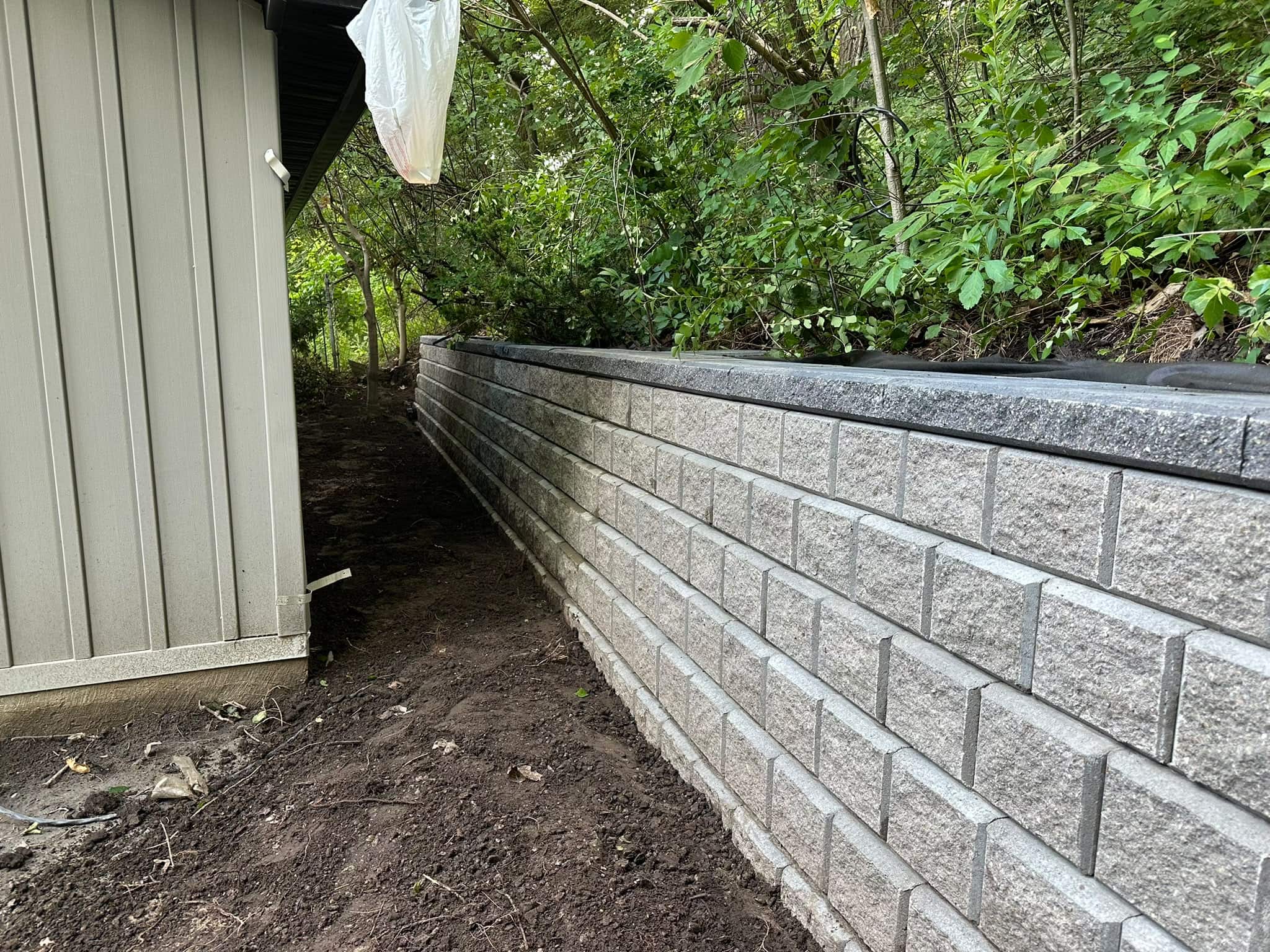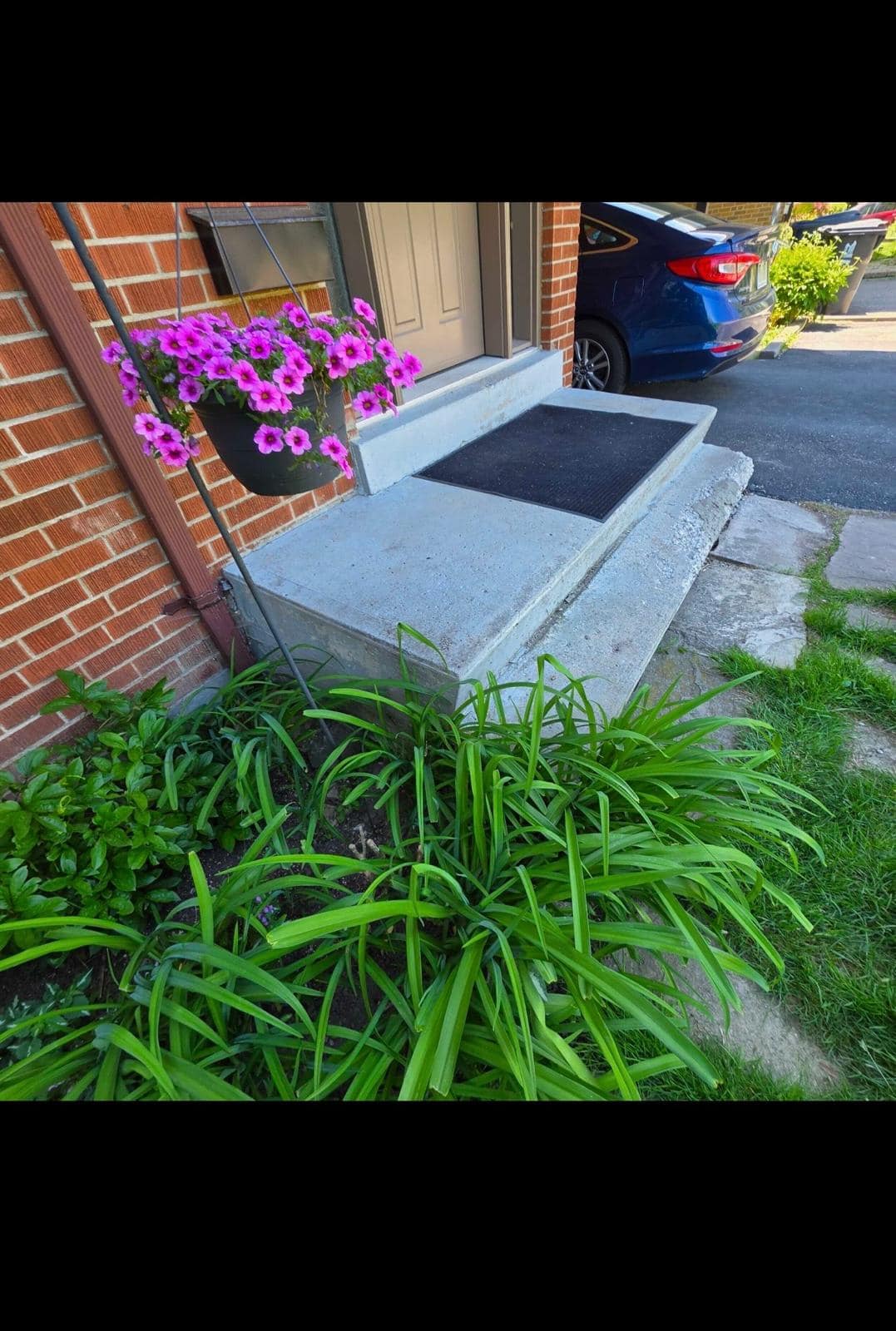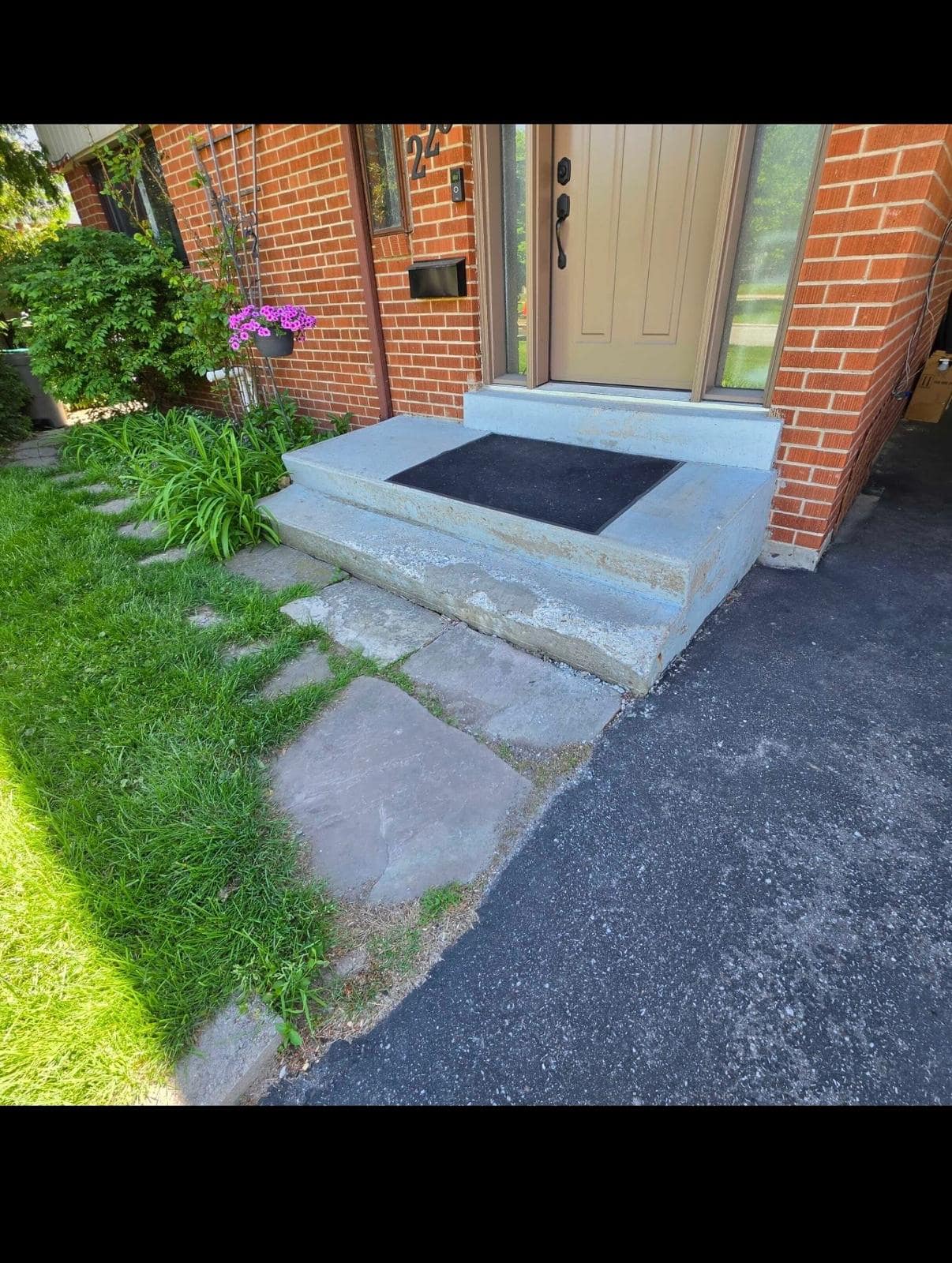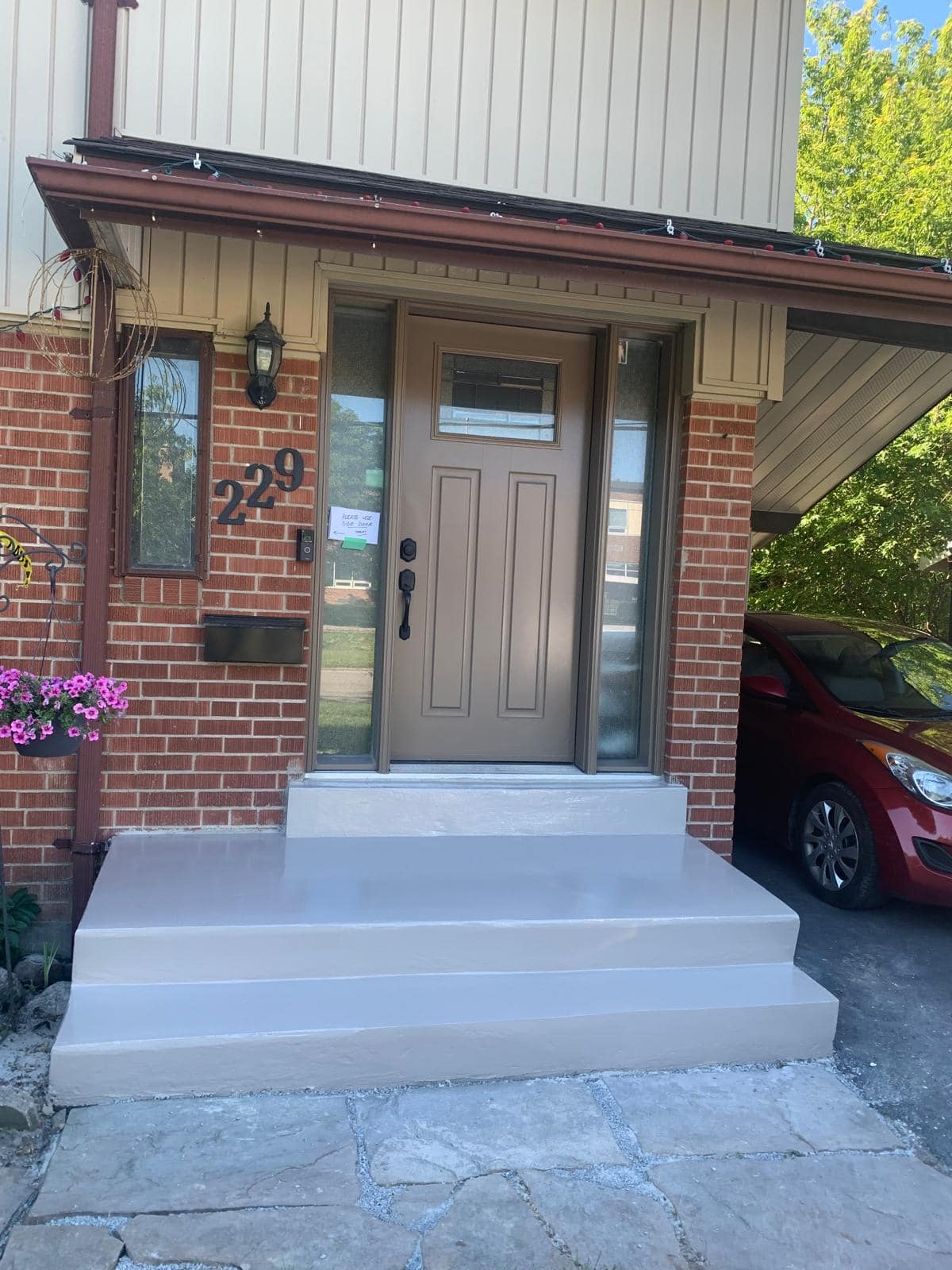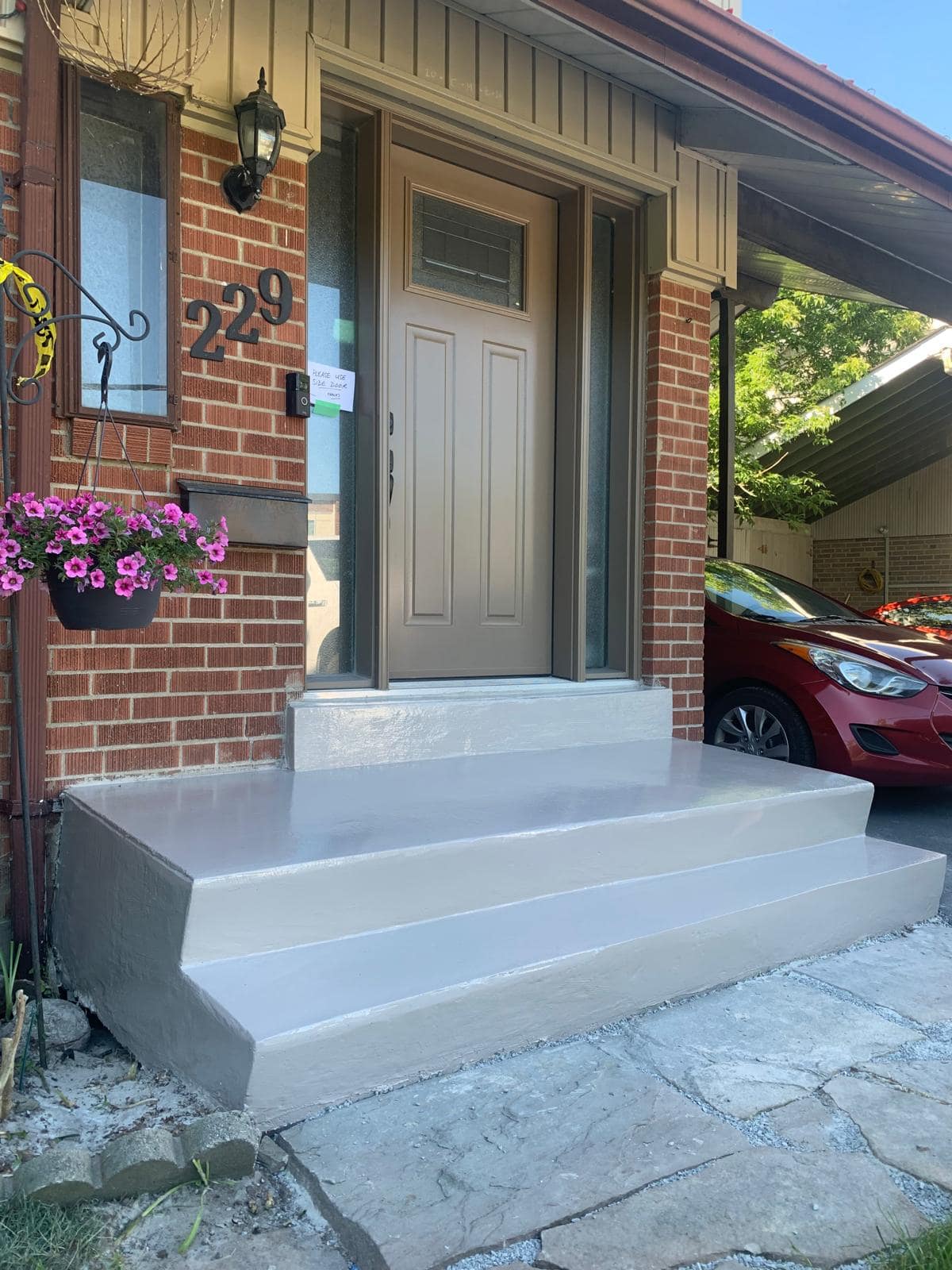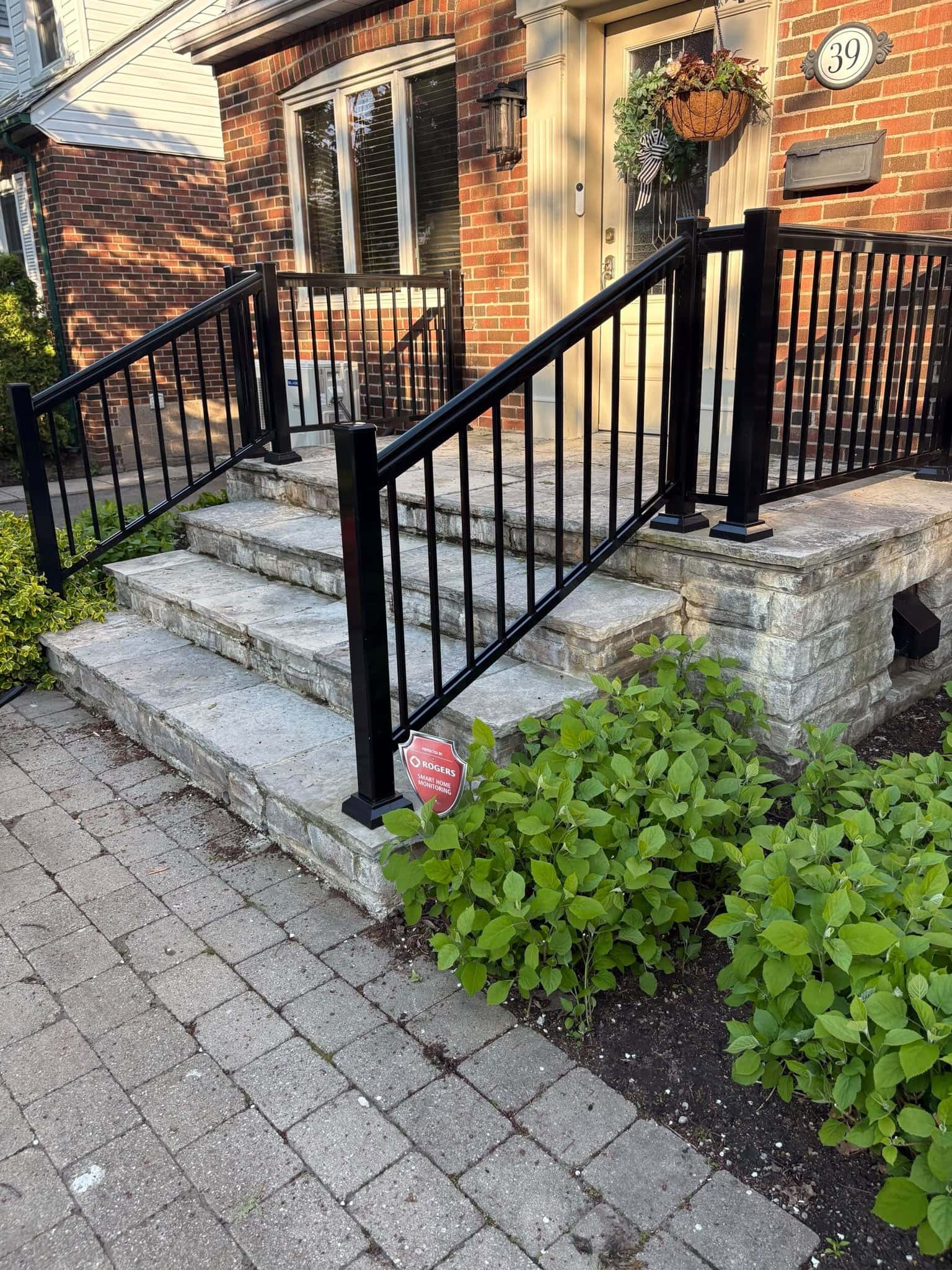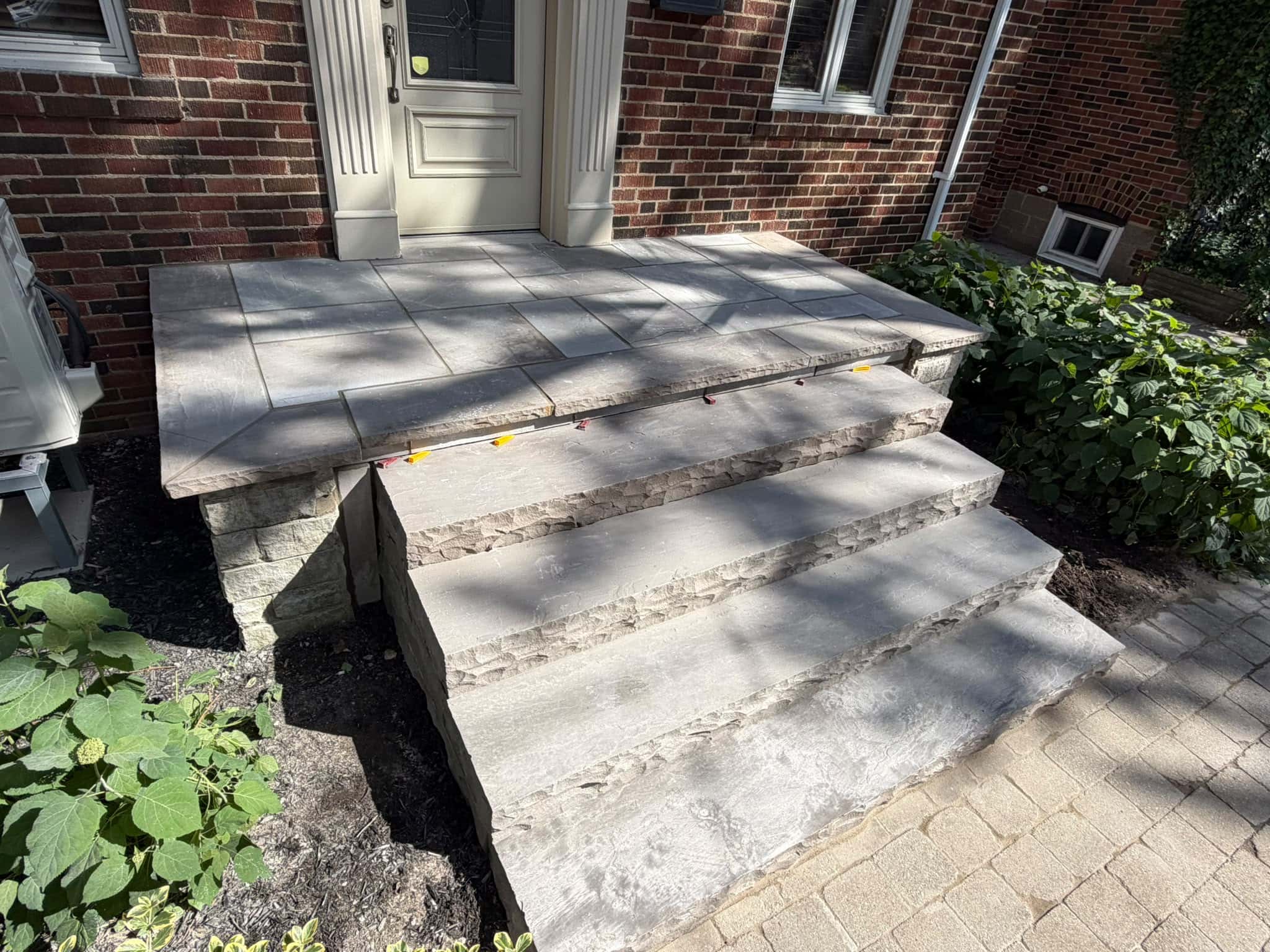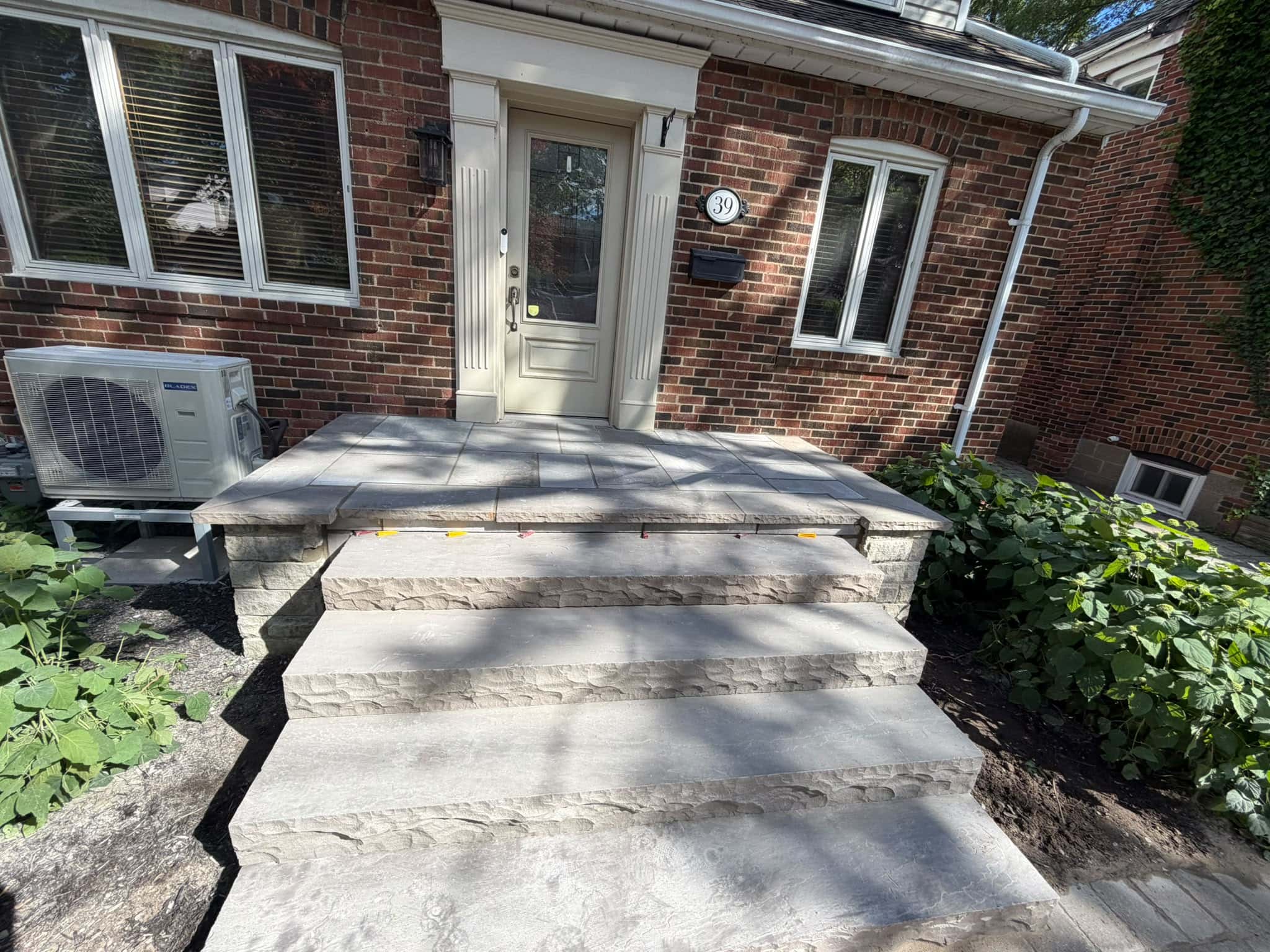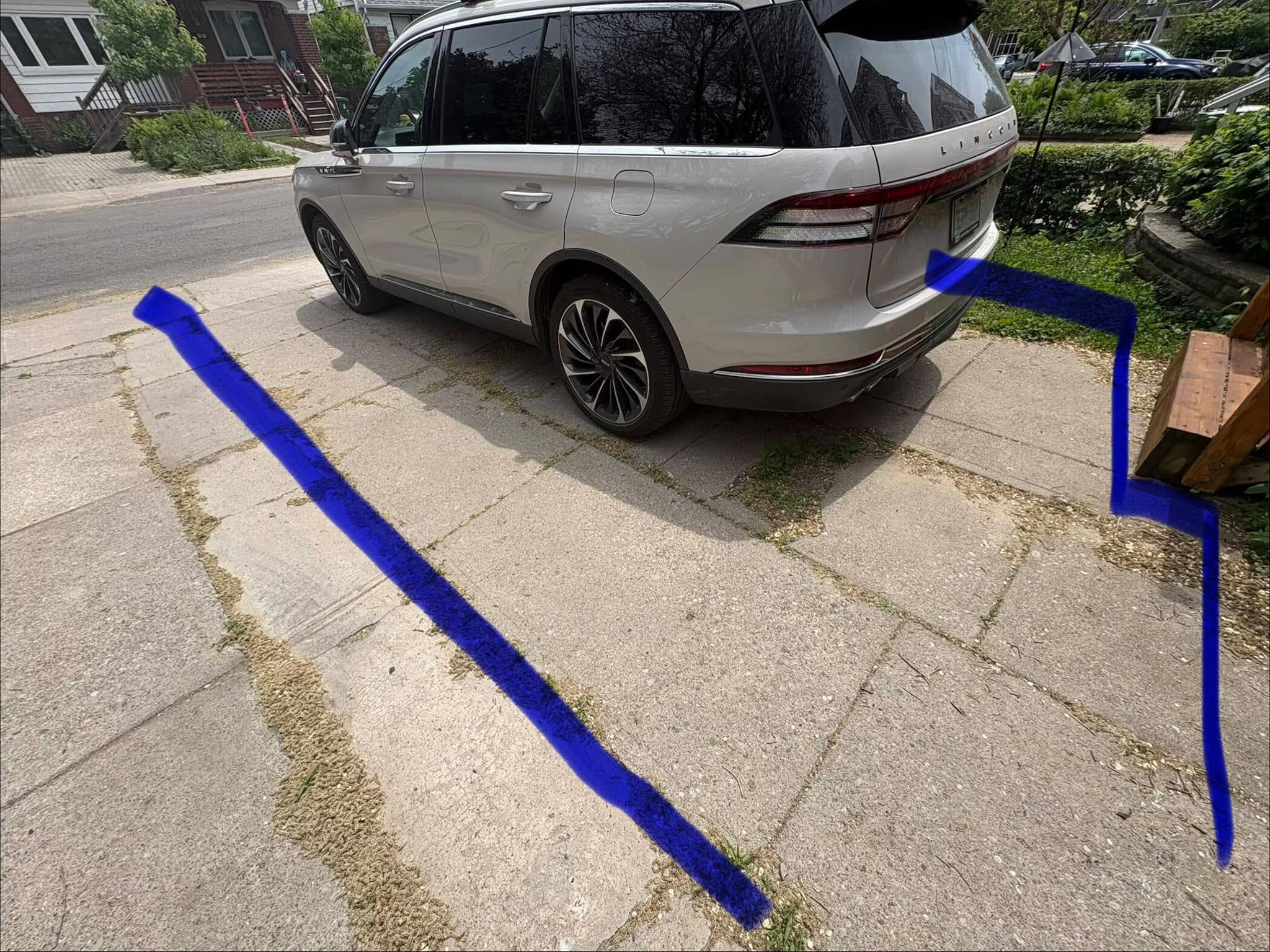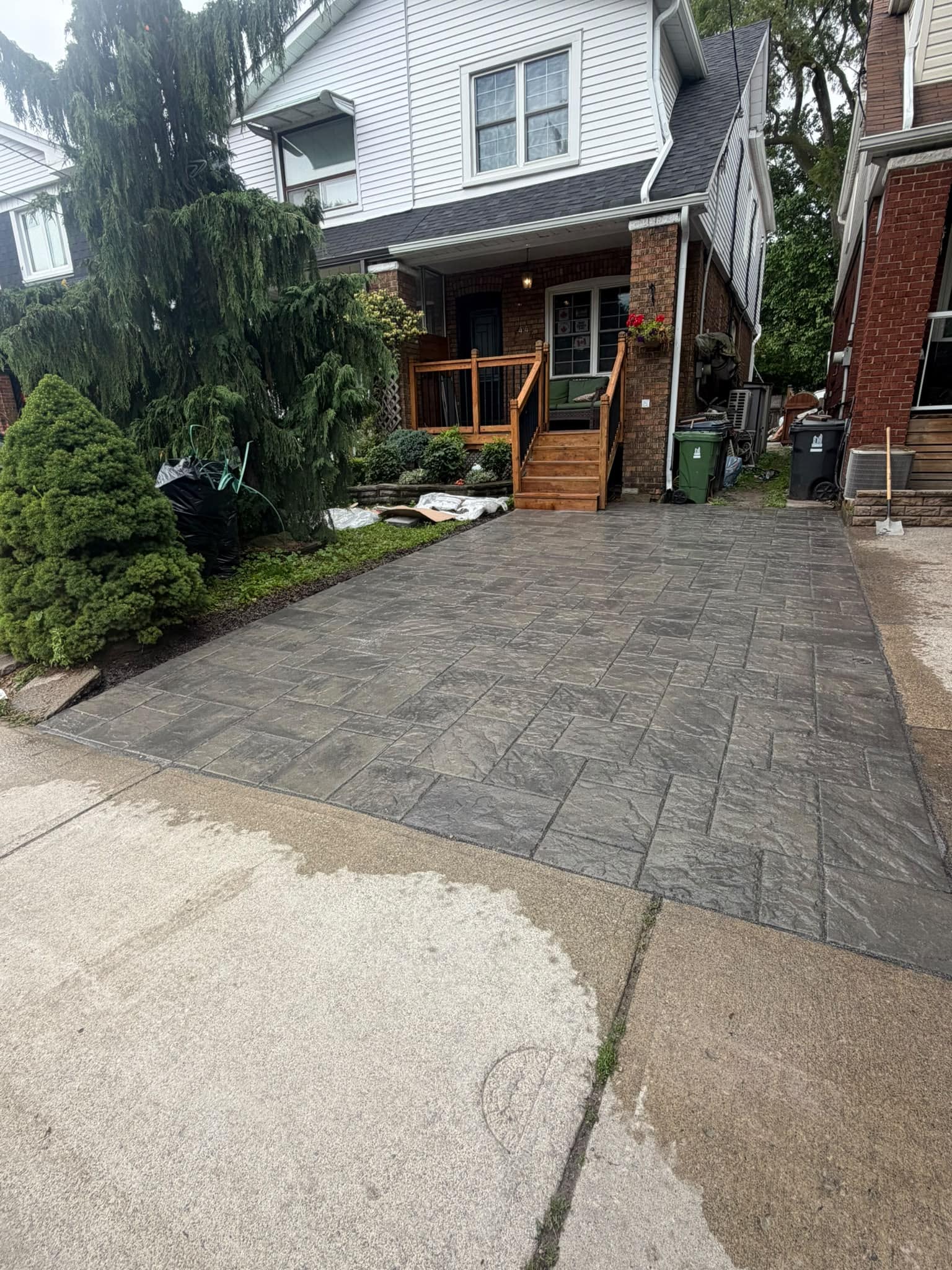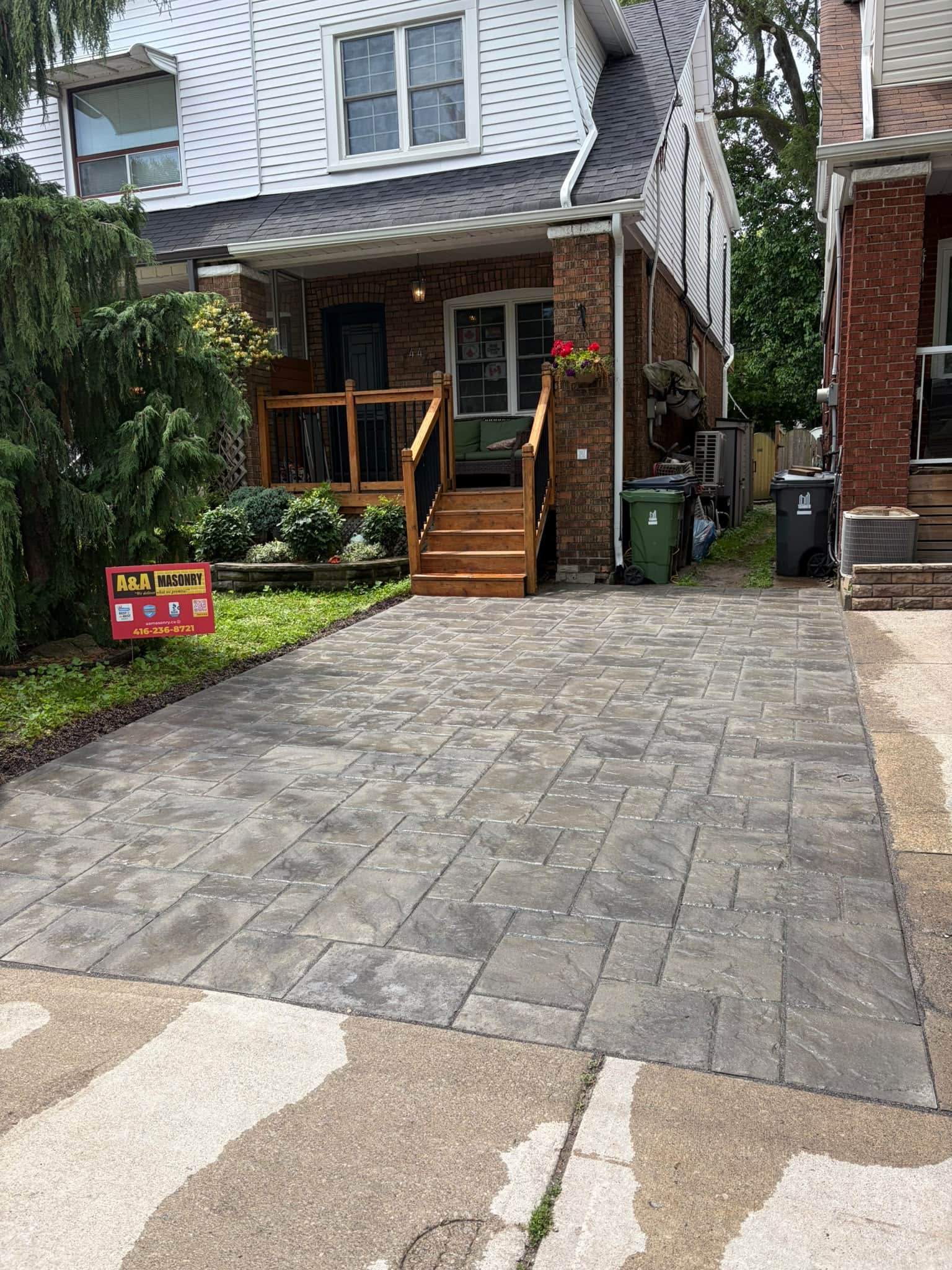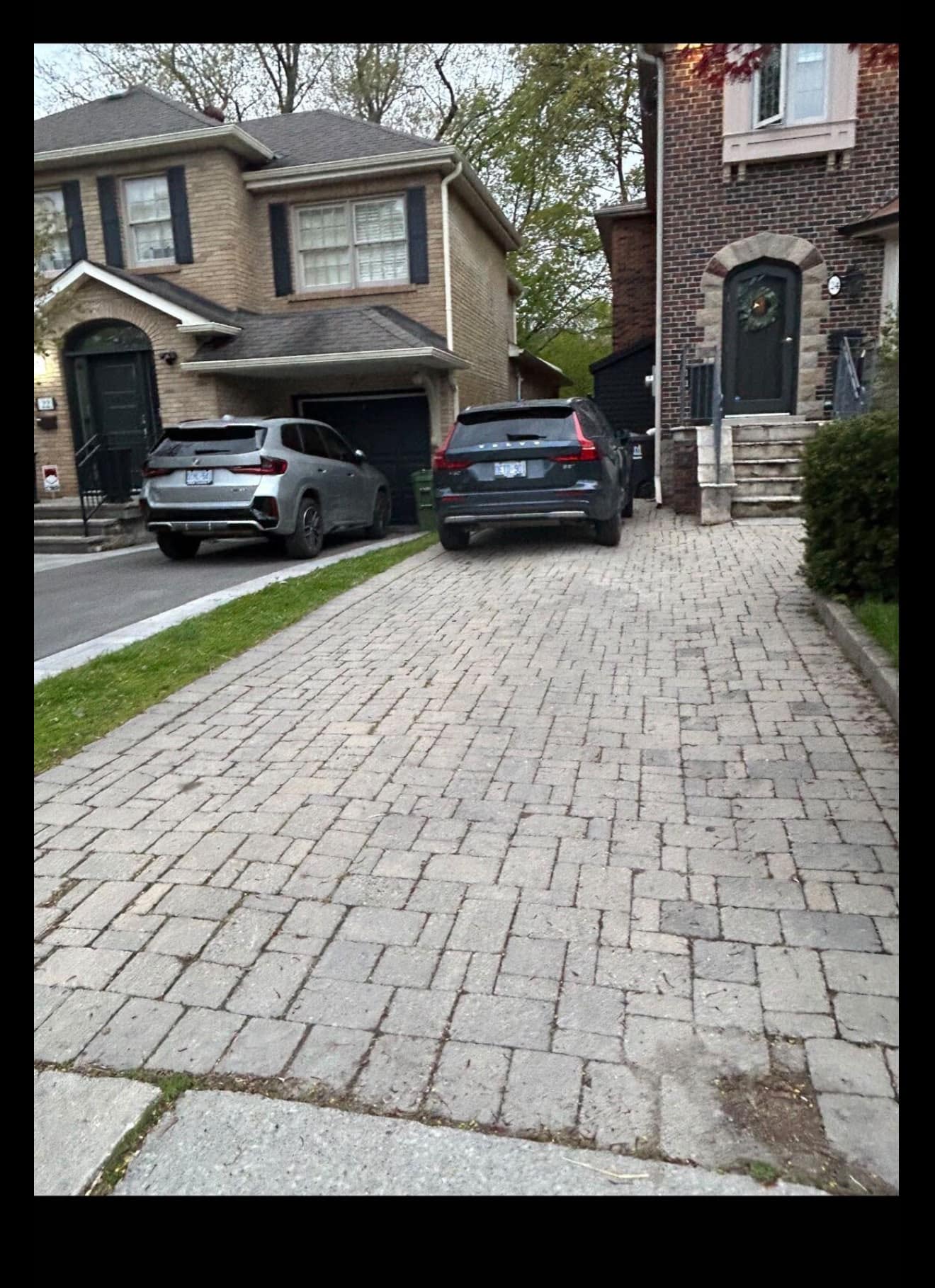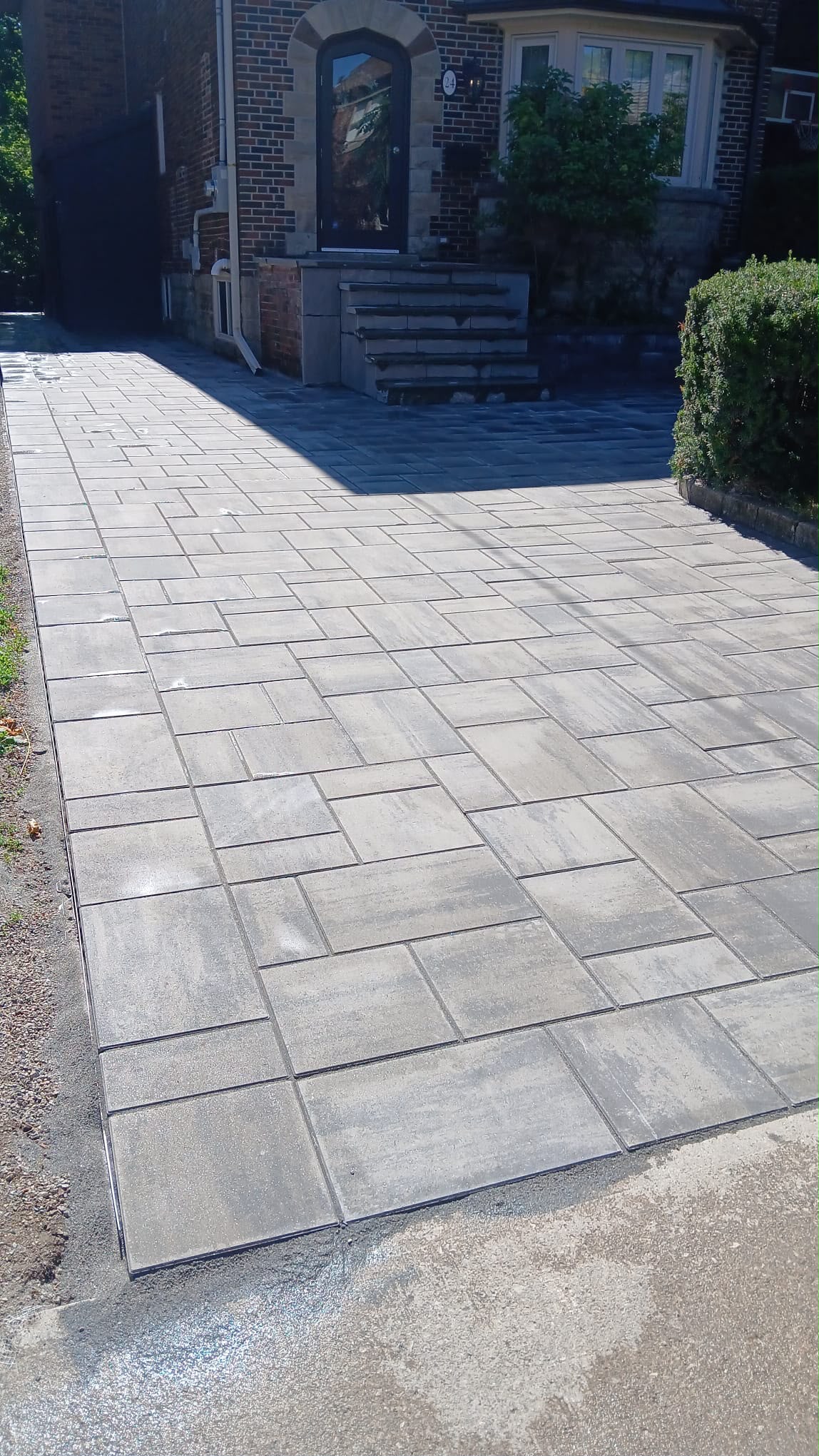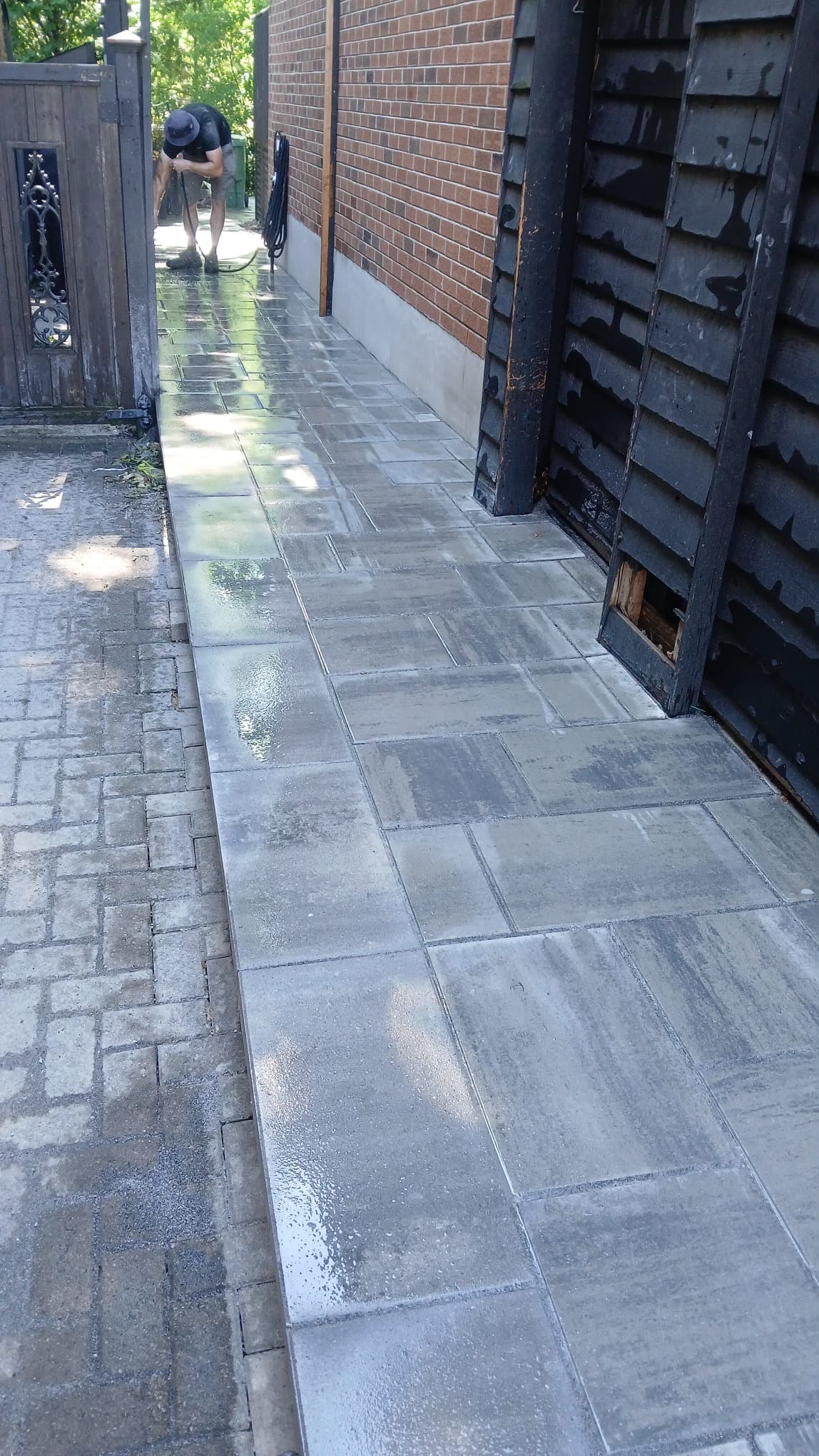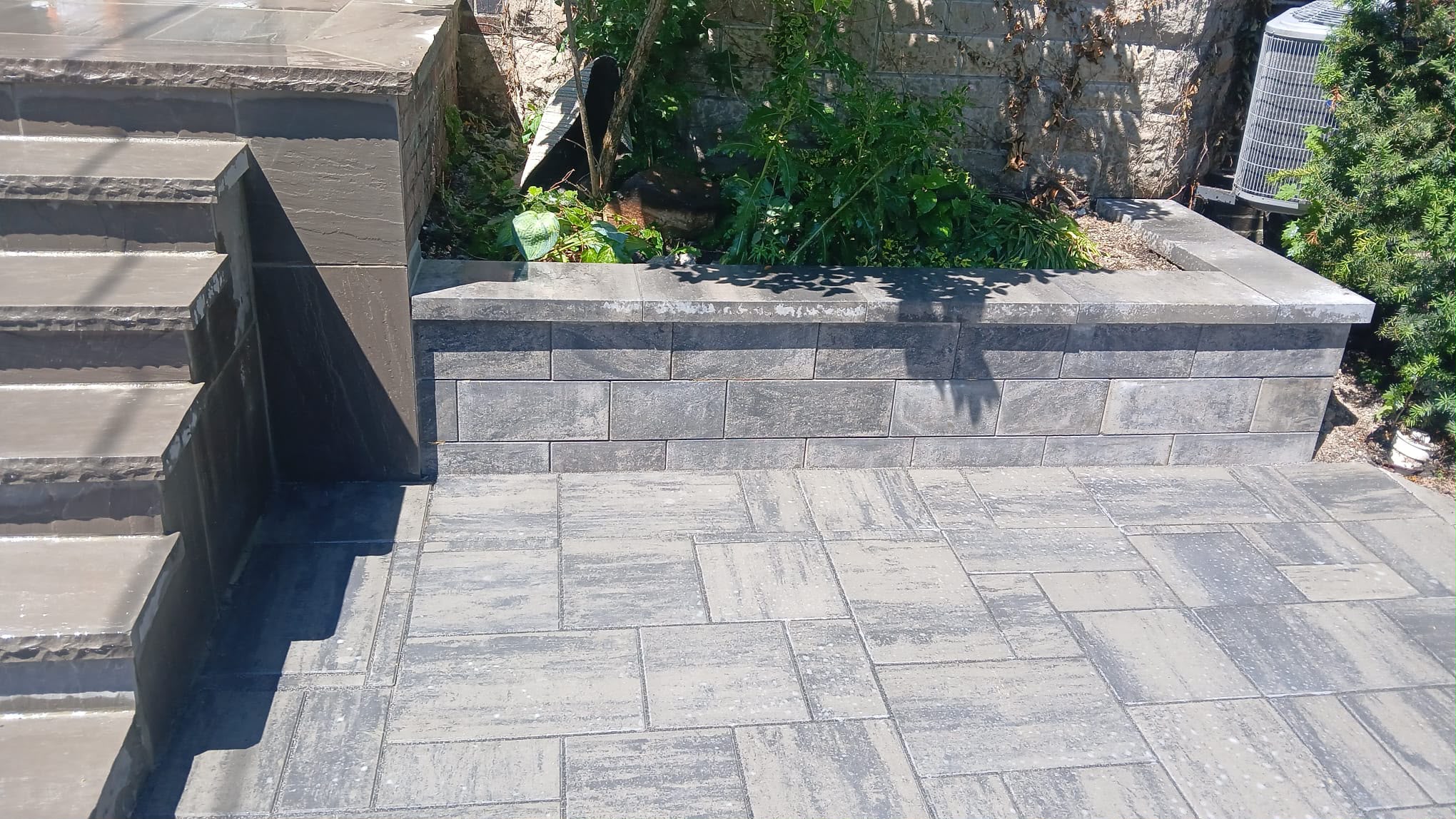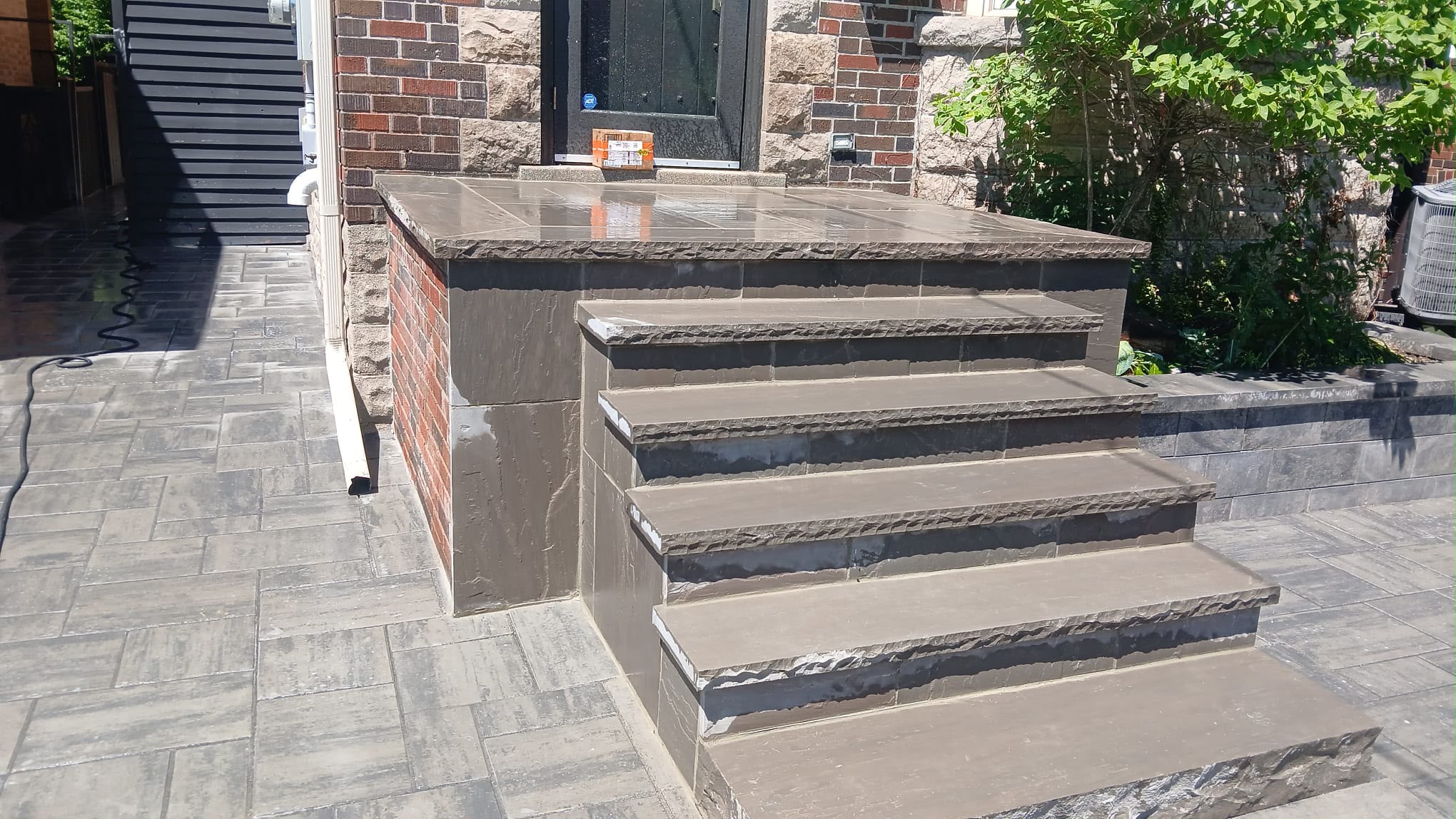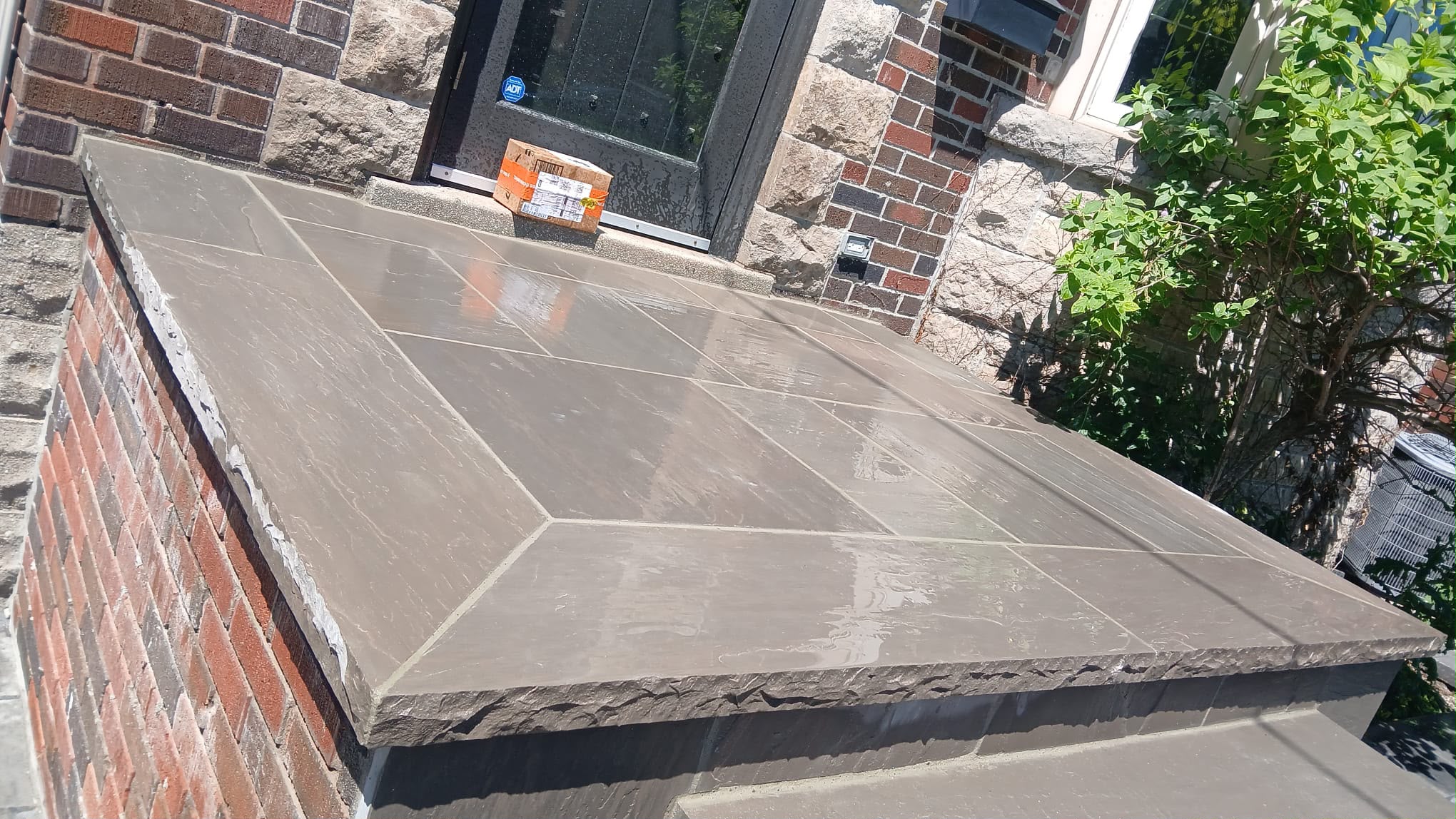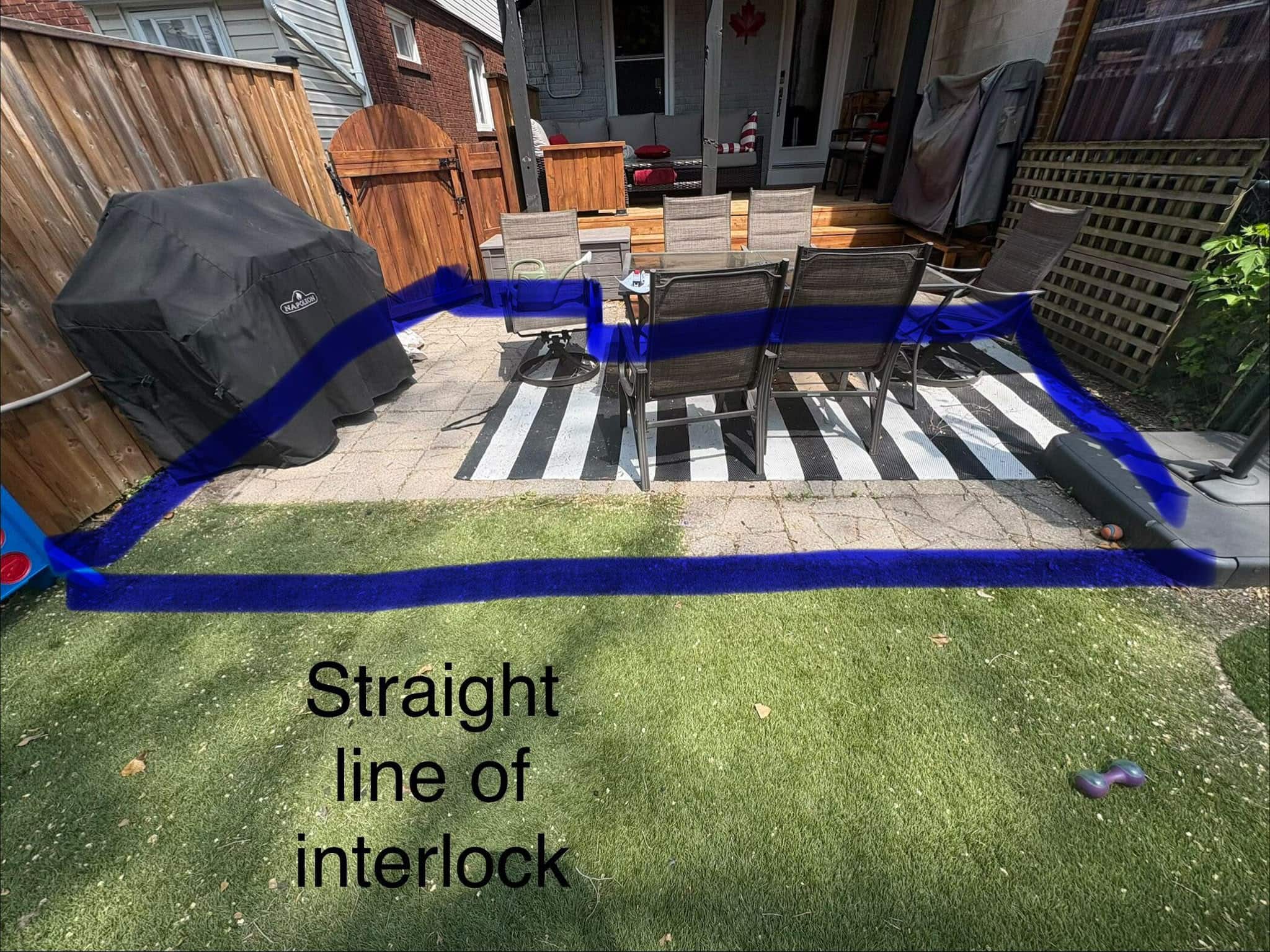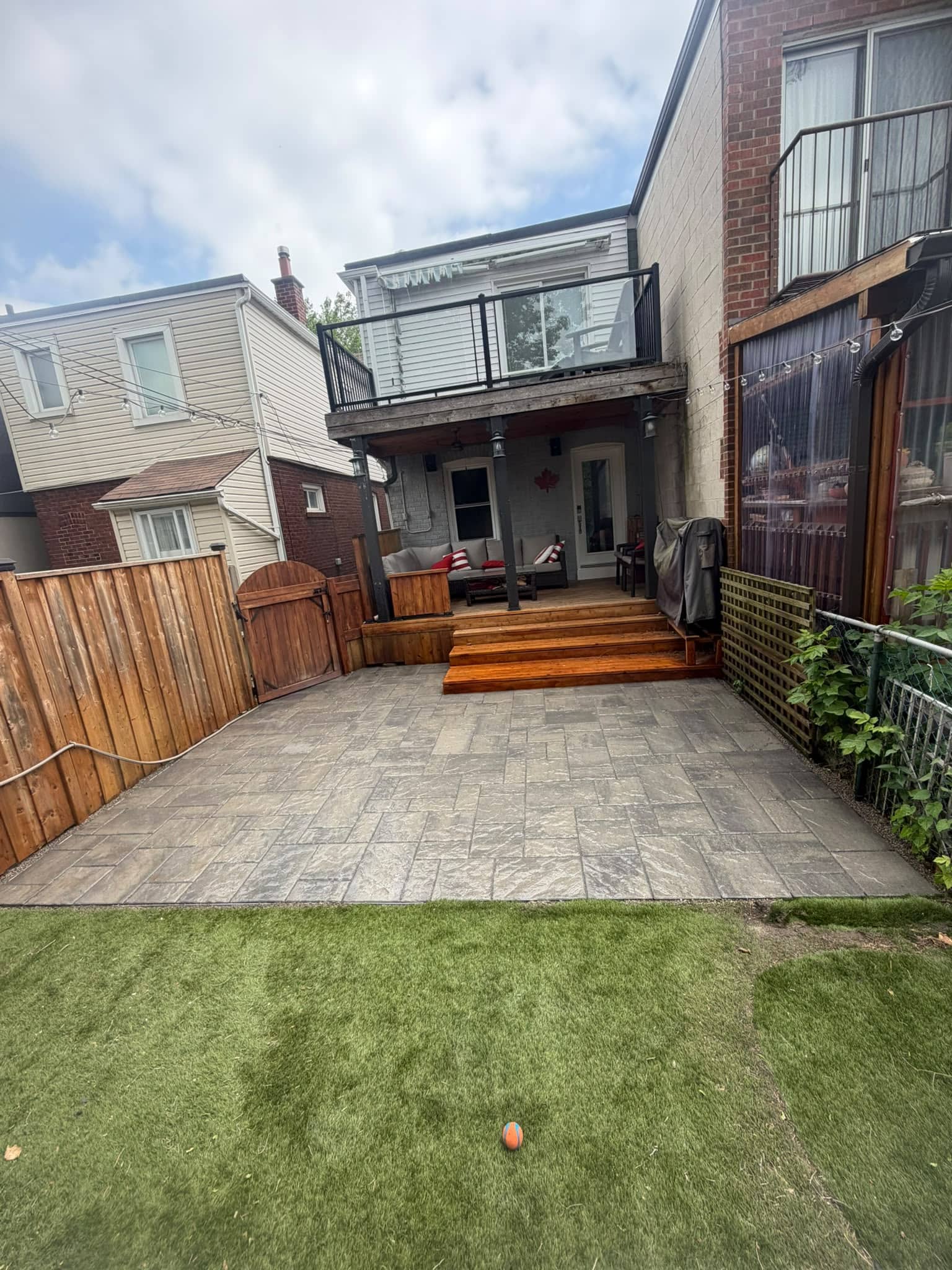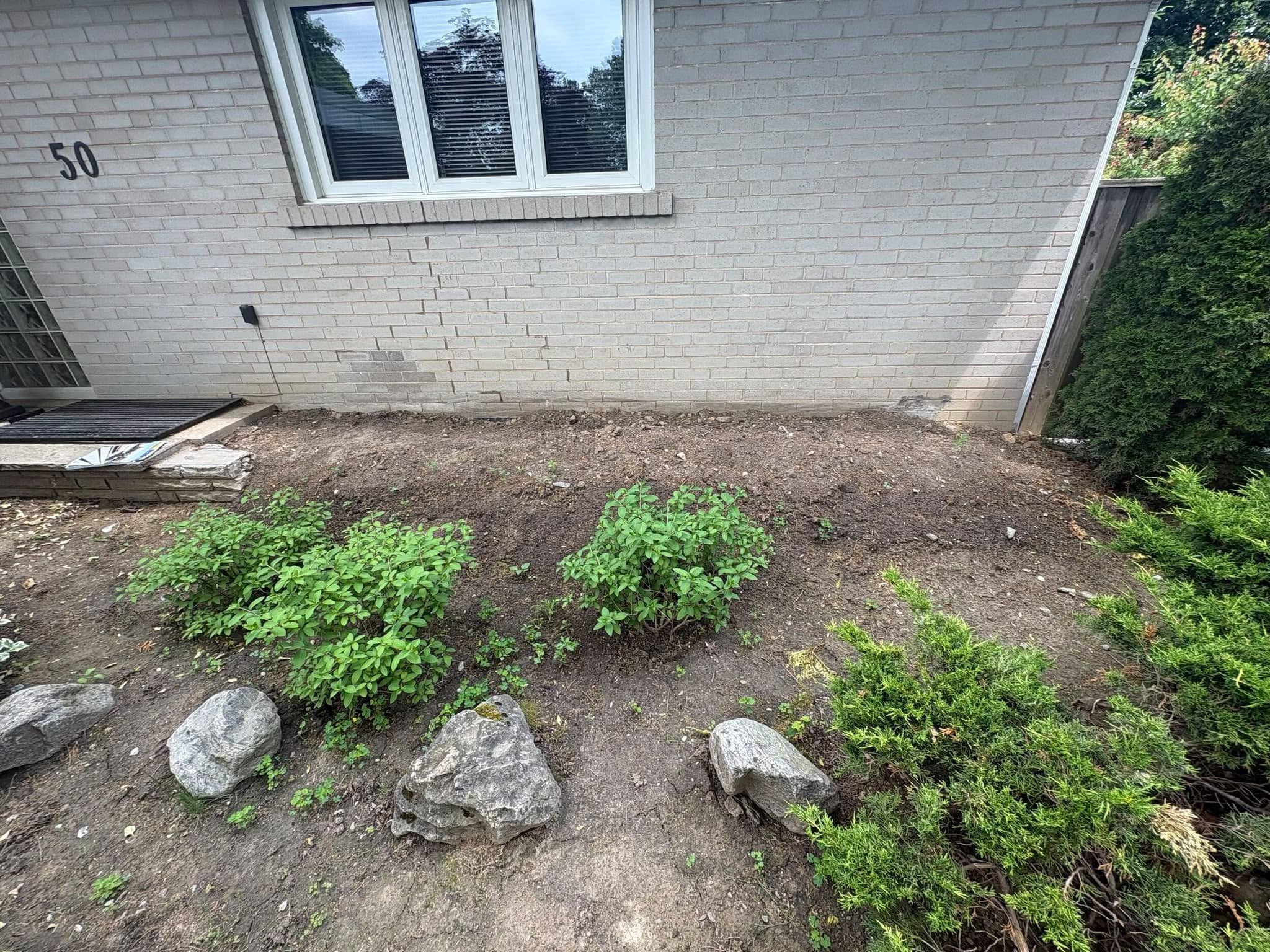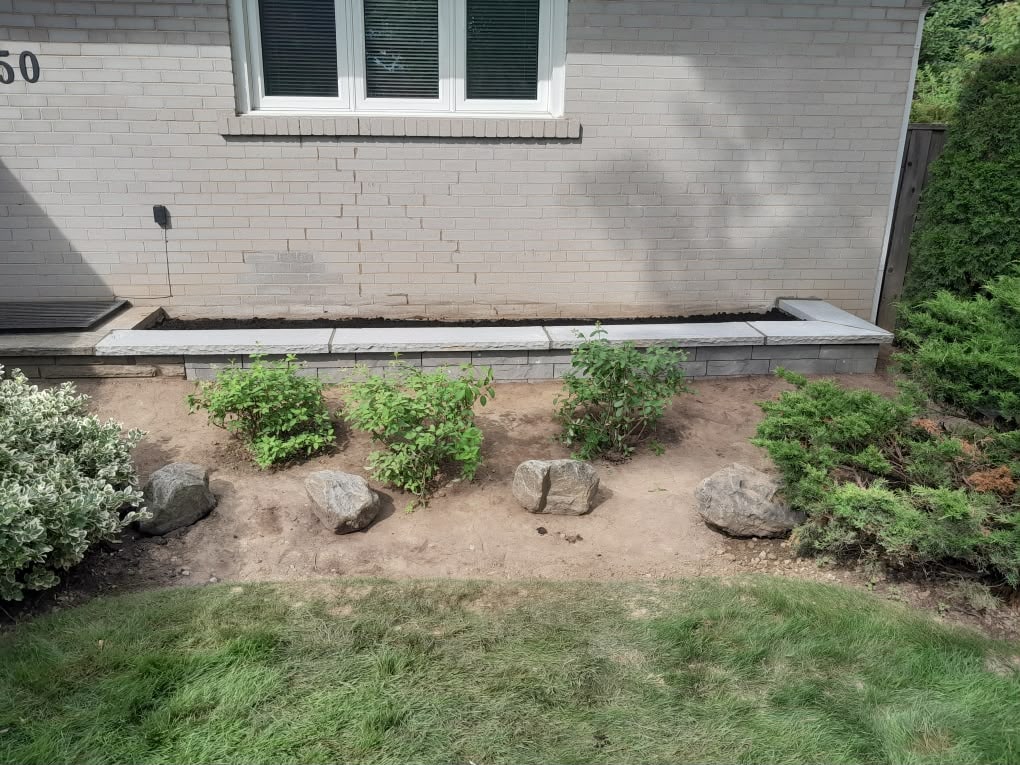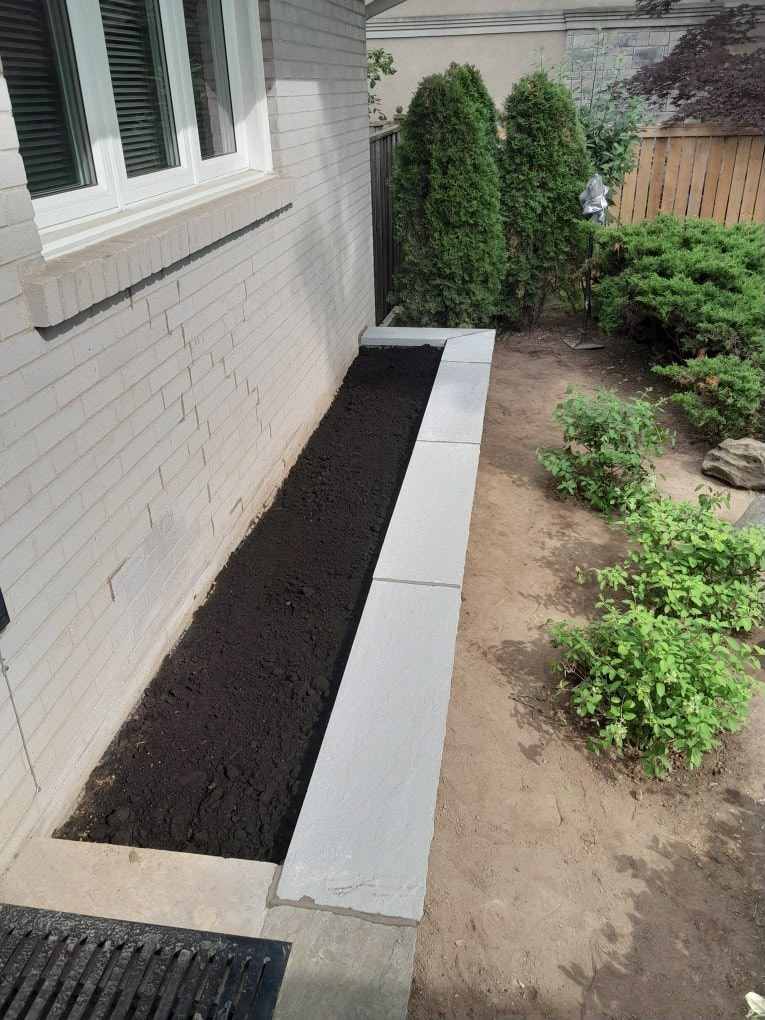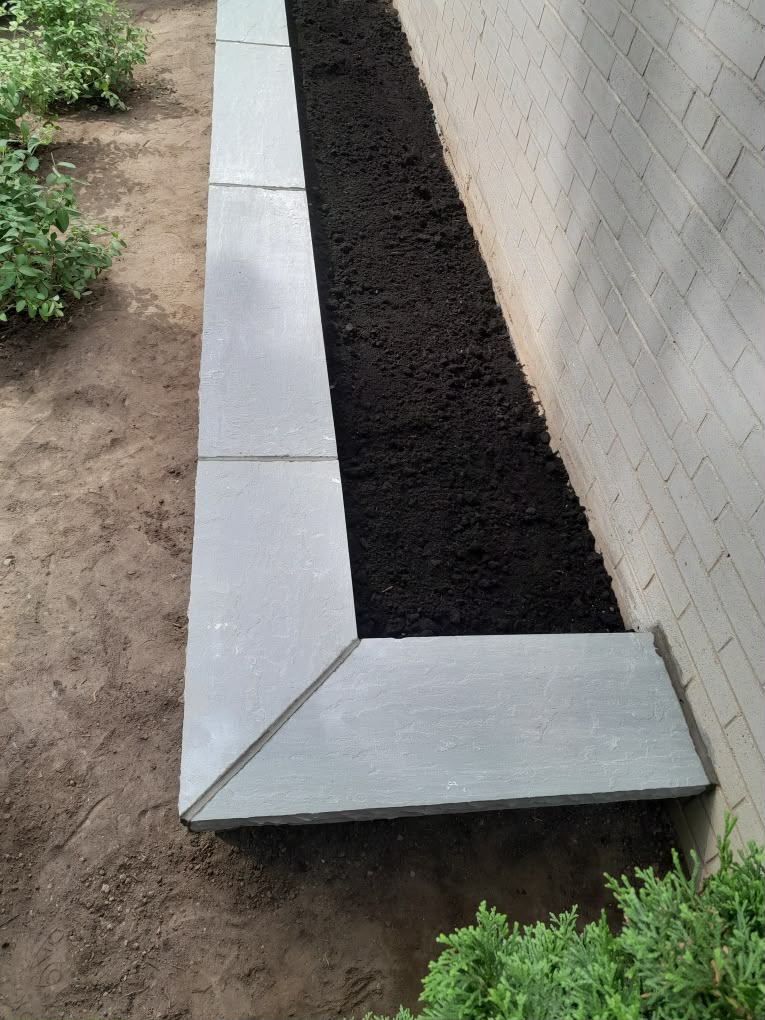

Interlocking stone vs poured concrete driveways is a common comparison for Toronto and GTA homeowners who want a durable, attractive, and practical driveway surface. Both options can work well, but they perform differently. Interlocking stone is built from individual pavers set on a prepared base, while poured concrete is installed as a single continuous slab. That difference affects drainage, repair options, winter performance, appearance, maintenance, and long-term cost.
For homeowners, the best choice is not always the one that looks better on day one. A driveway has to handle vehicle weight, snow clearing, road salt, rain, freeze-thaw cycles, and daily use. In Toronto, these conditions can be hard on any exterior surface, especially when the base, slope, drainage, or surrounding masonry is not planned properly.
This guide explains how interlocking stone and poured concrete compare, where each option makes sense, what can go wrong, and how to make a smarter driveway decision for your home.
What Is an Interlocking Stone Driveway?
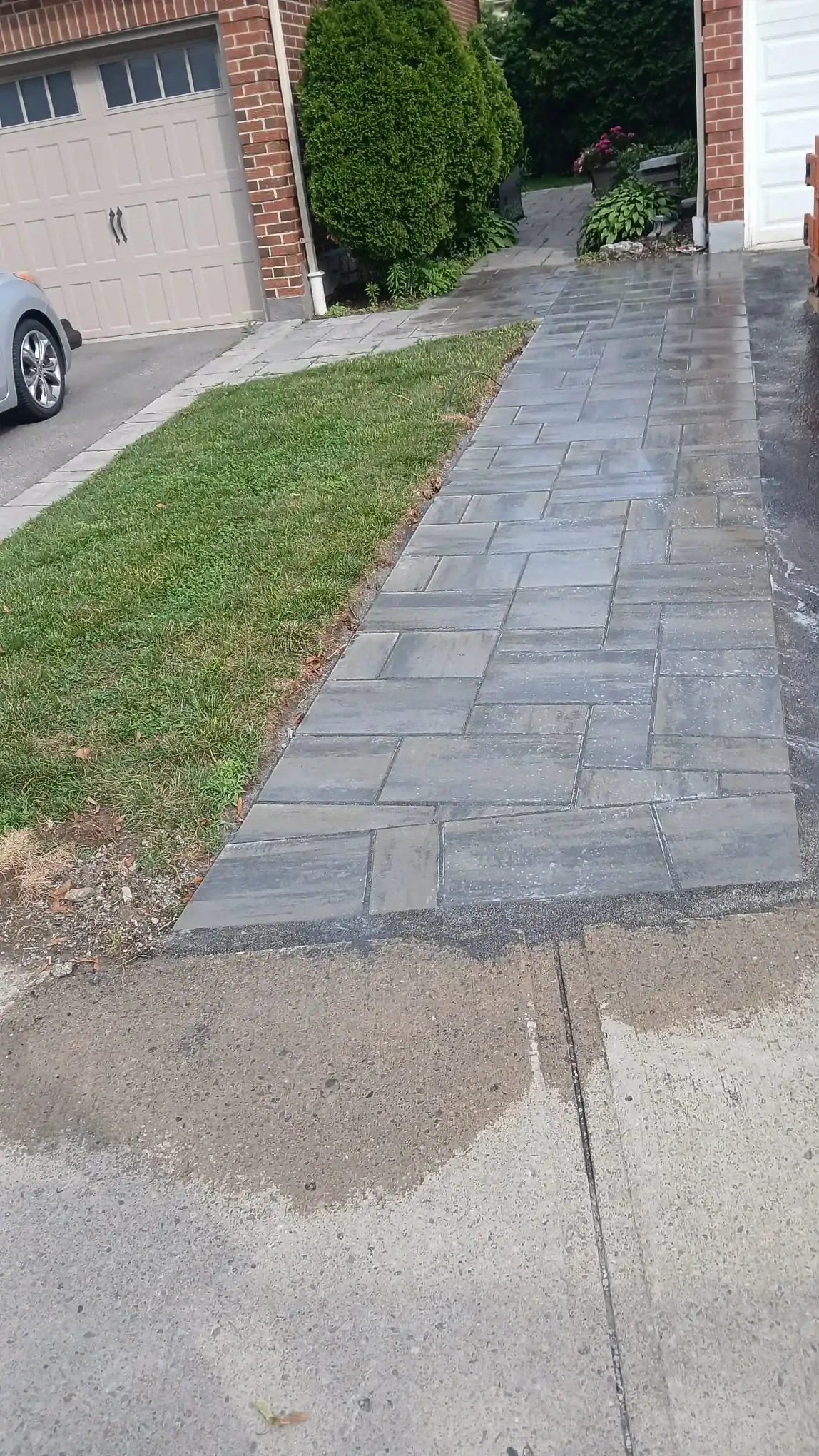
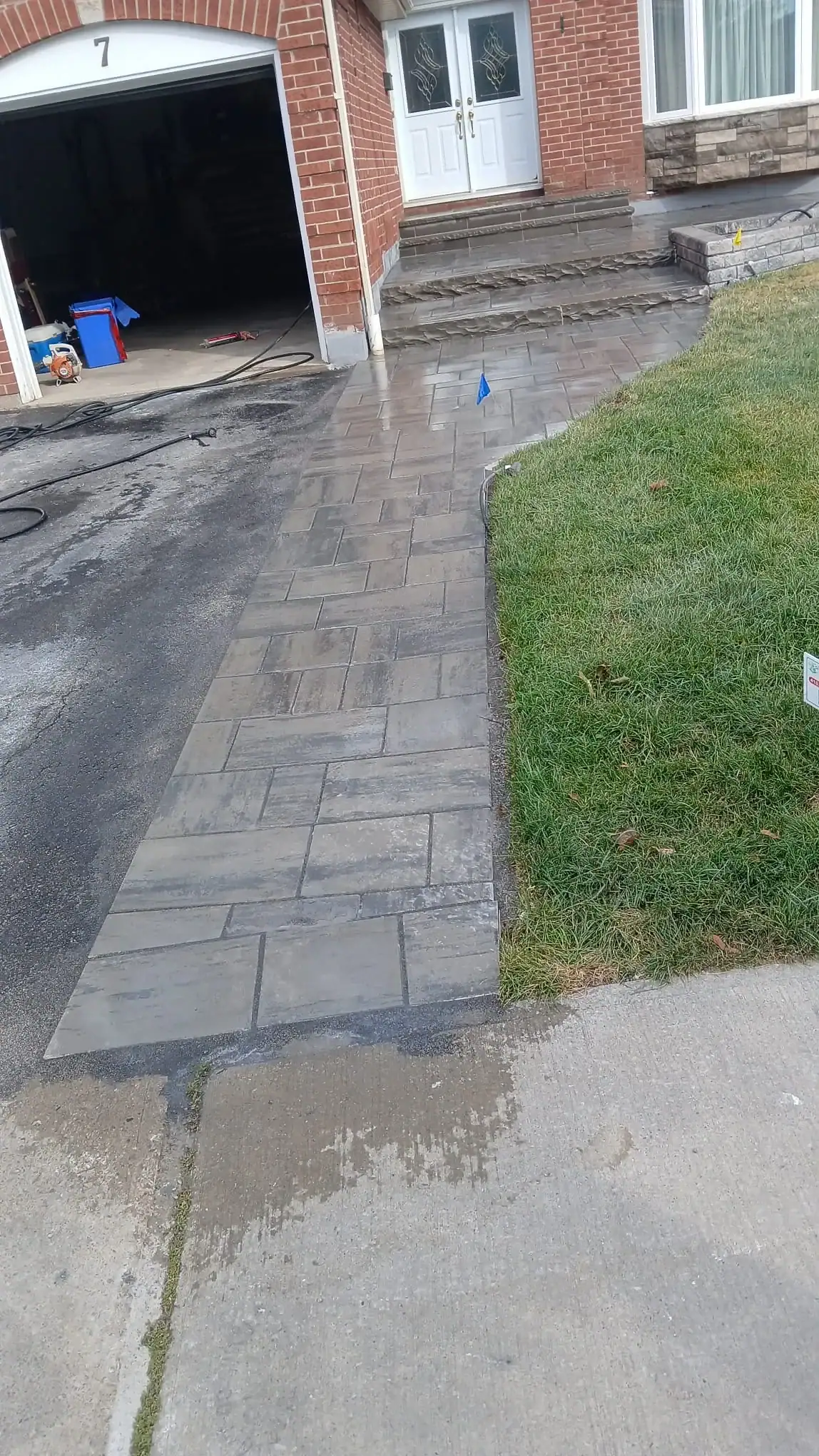
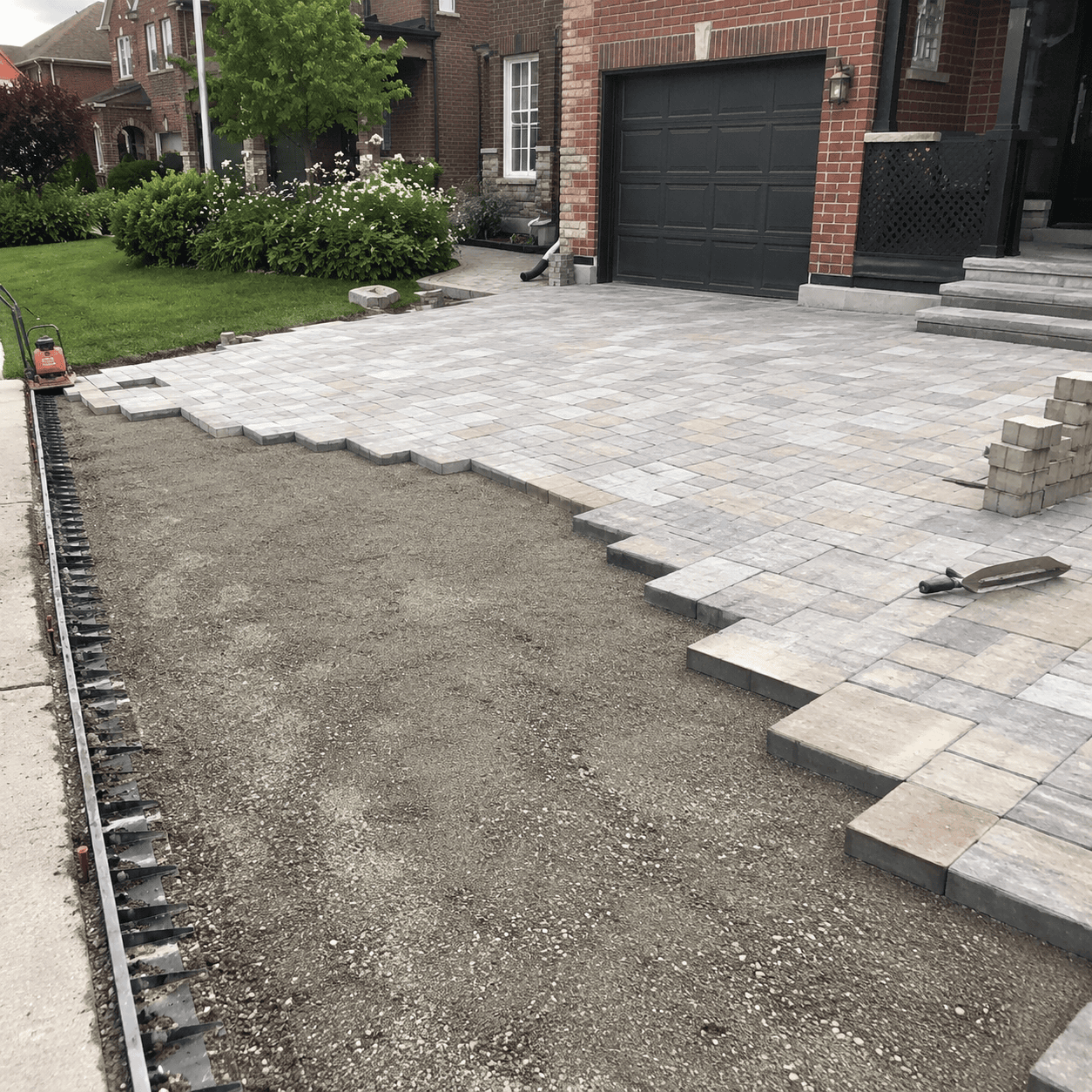
An interlocking stone driveway is made of individual pavers set on a compacted base. The pavers are placed in a pattern, restrained at the edges, and jointed so the surface locks together while still allowing some movement. This is one of the main reasons interlocking stone can perform well in climates with freeze-thaw cycles when the base is built correctly.
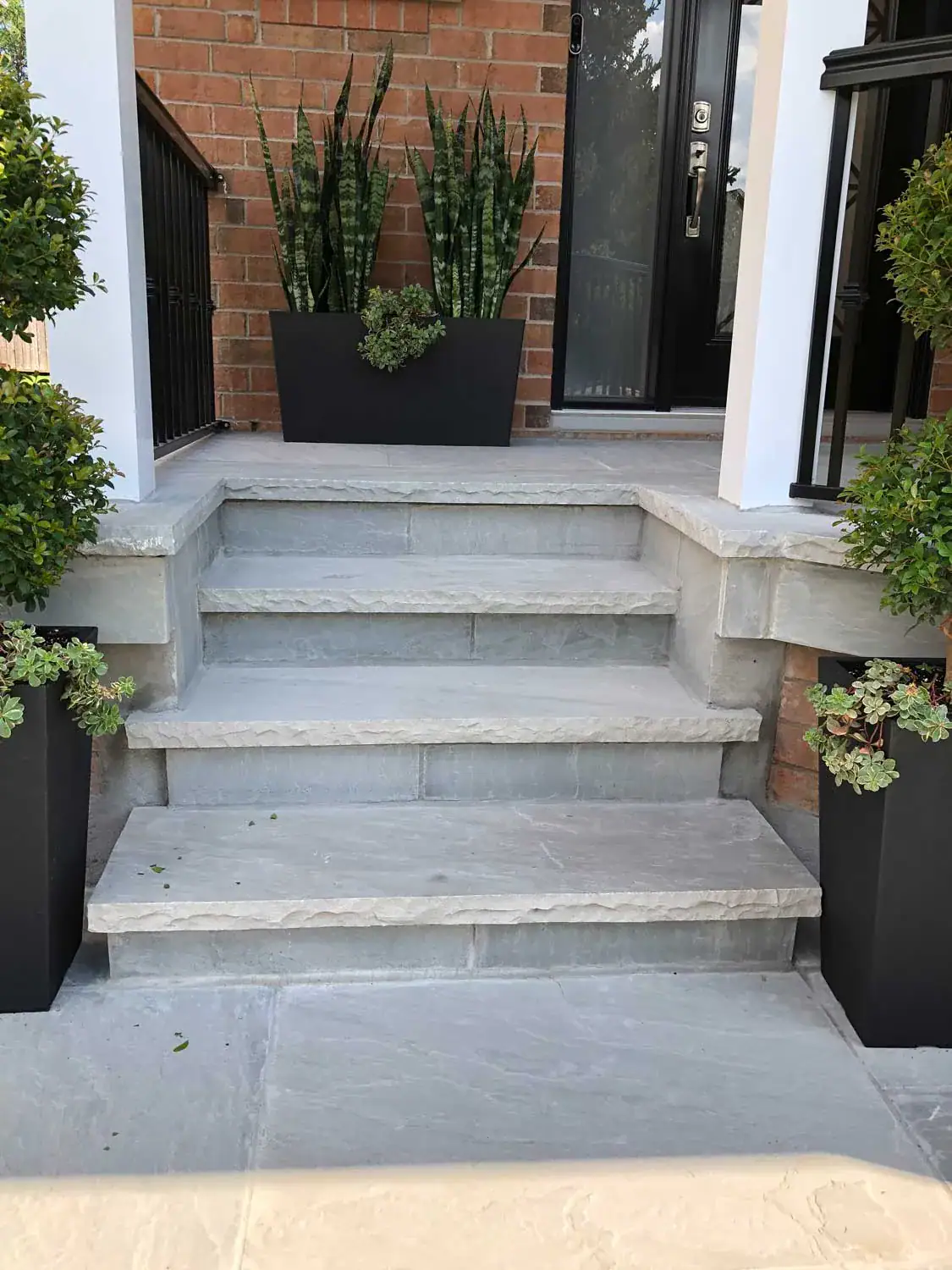
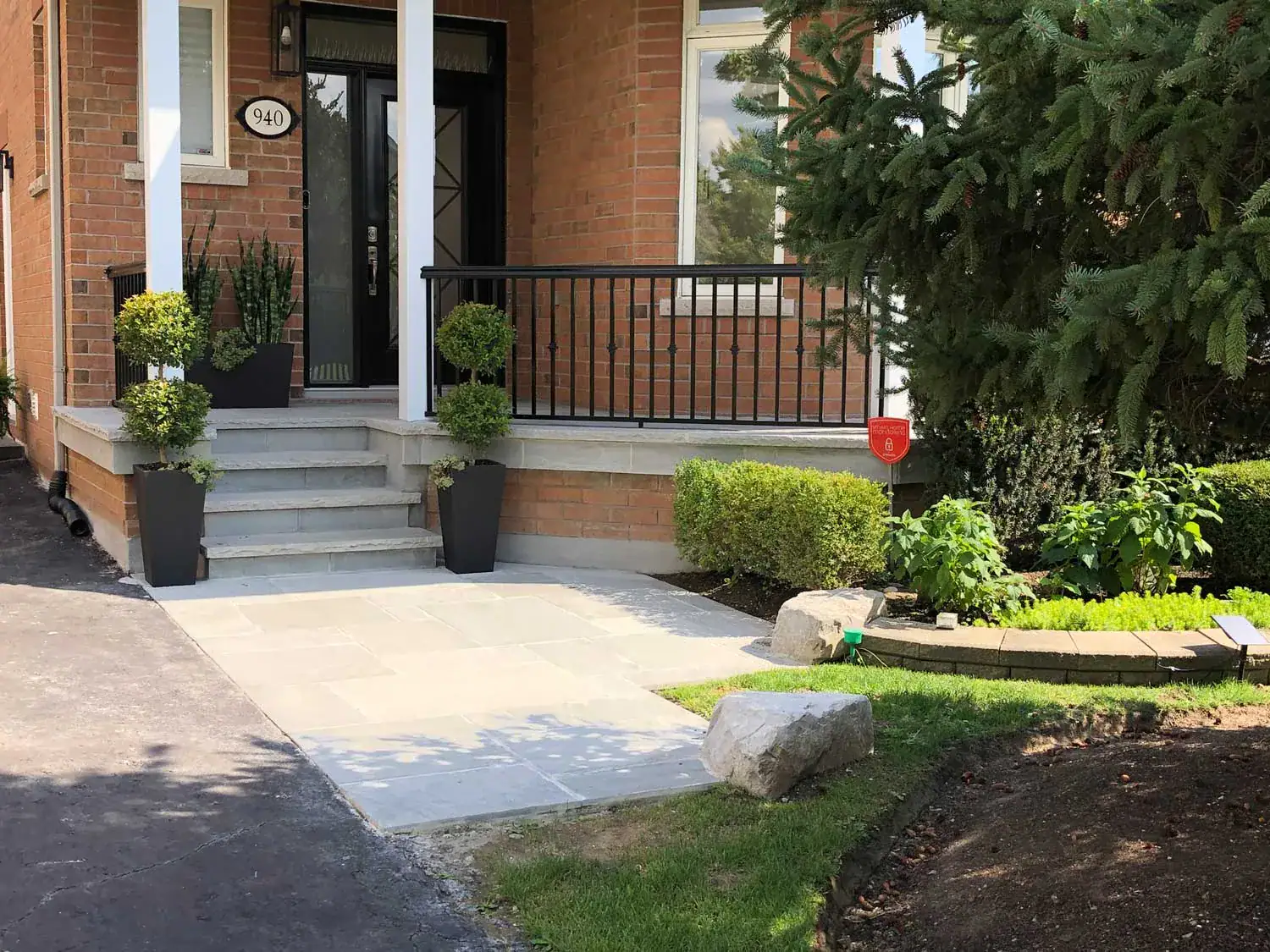
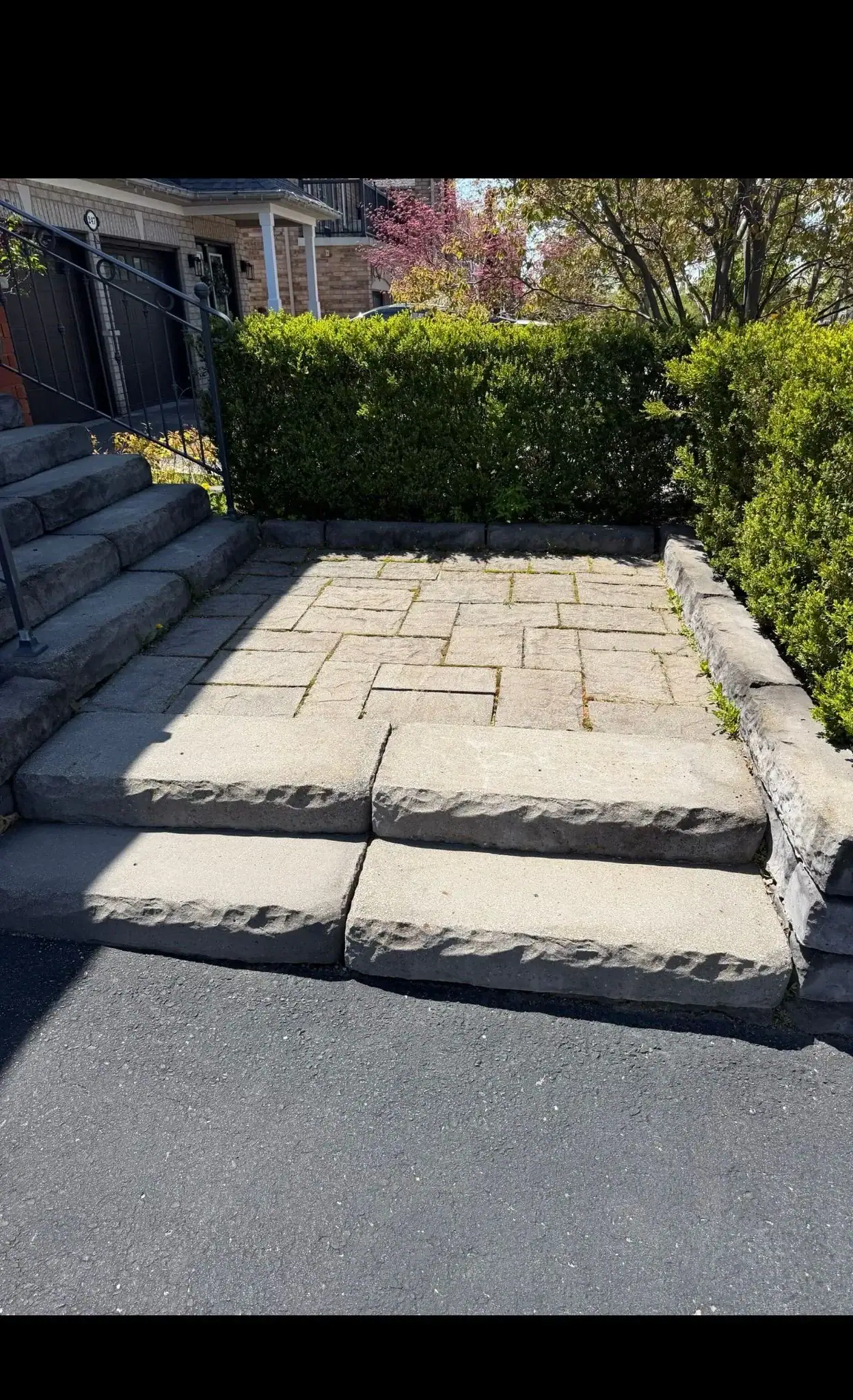
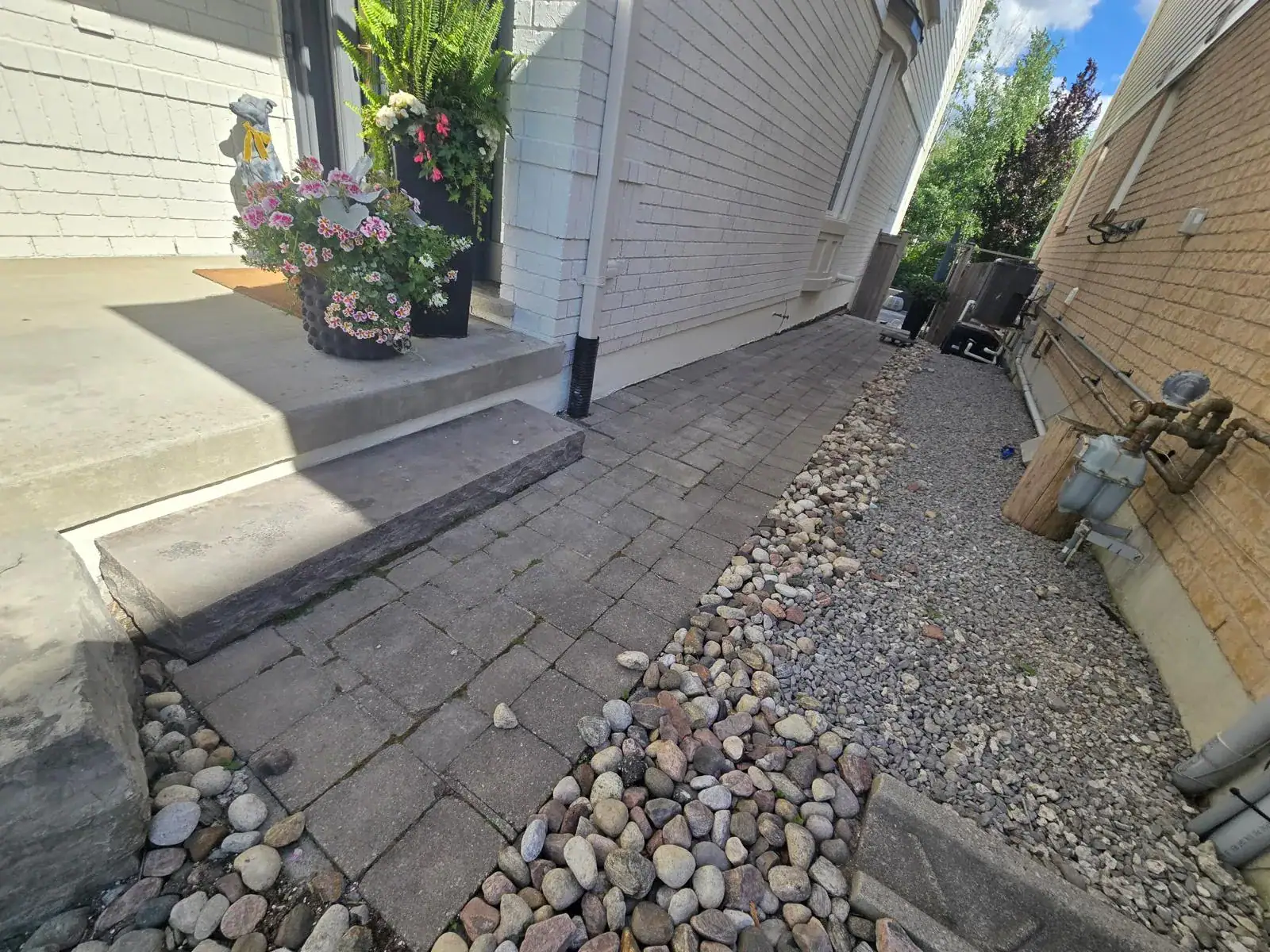
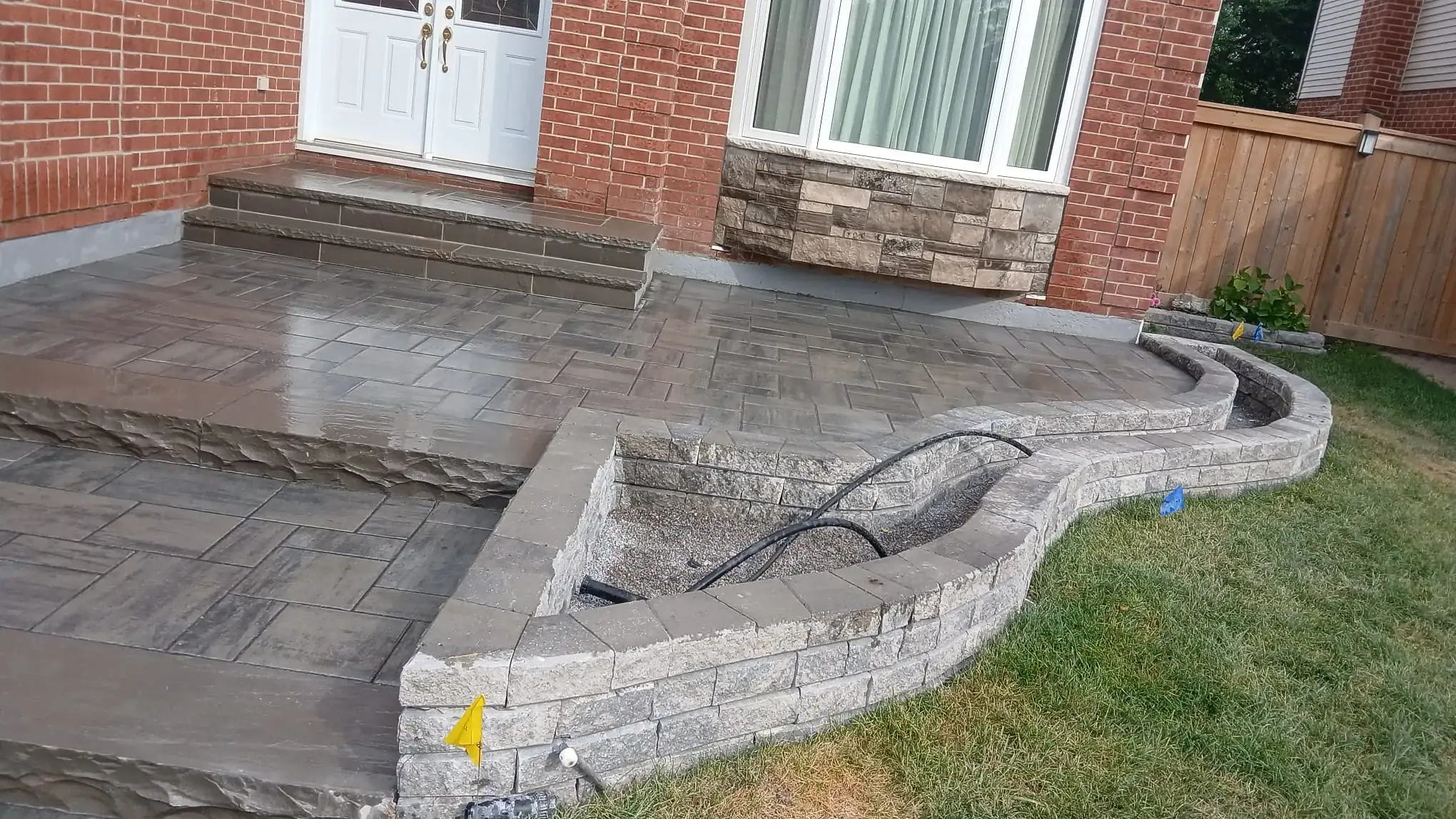
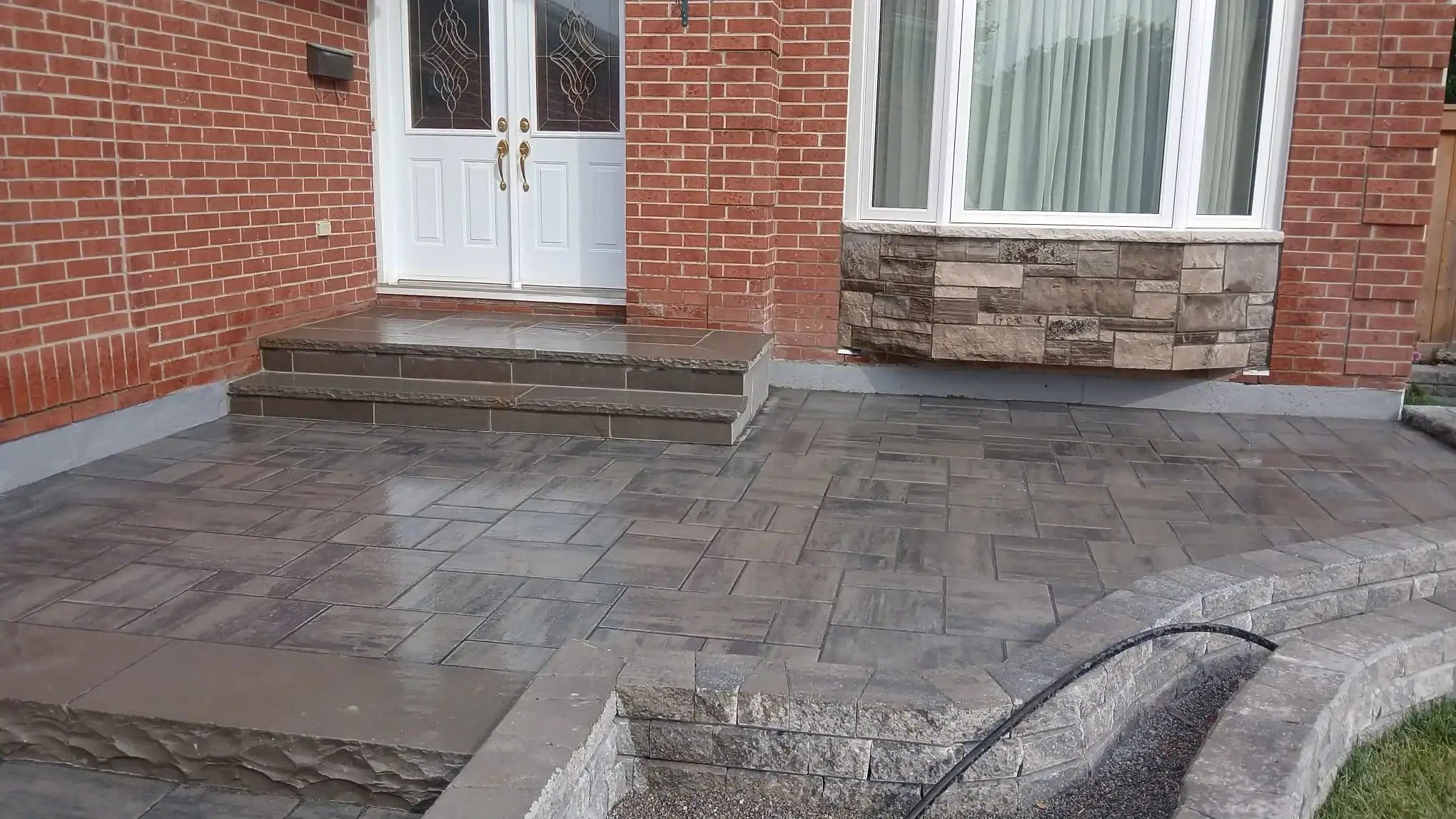
Interlocking stone is often chosen for curb appeal because it offers more design flexibility than plain concrete. Homeowners can choose different colours, shapes, patterns, borders, and layouts. It can also blend well with front steps, walkways, patios, retaining walls, and other masonry features.
If you are considering pavers for the driveway, A&A Masonry’s professional interlocking driveway installation service explains how base preparation, drainage, grading, borders and paver layout are planned for Toronto properties.
What Is a Poured Concrete Driveway?
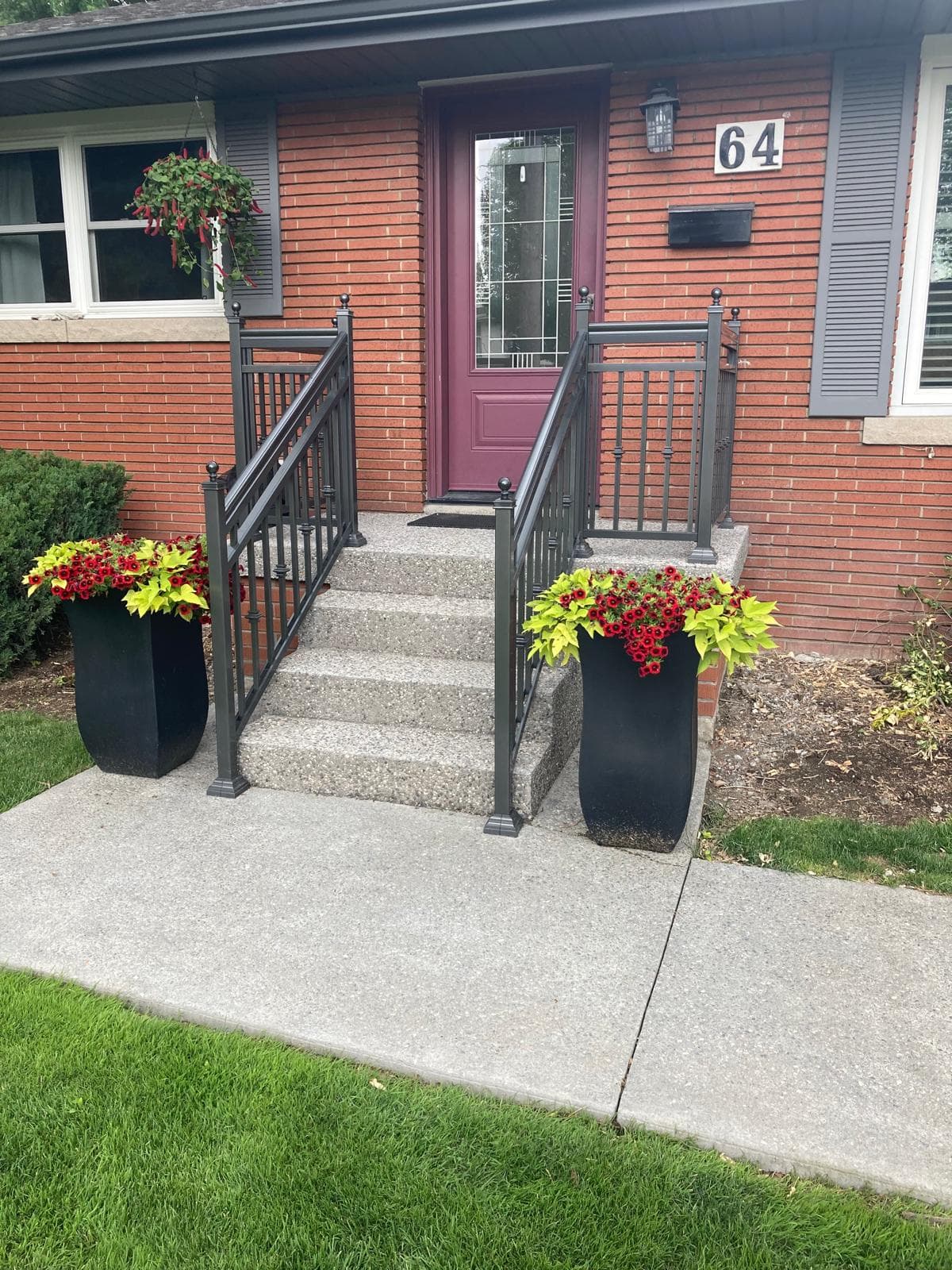
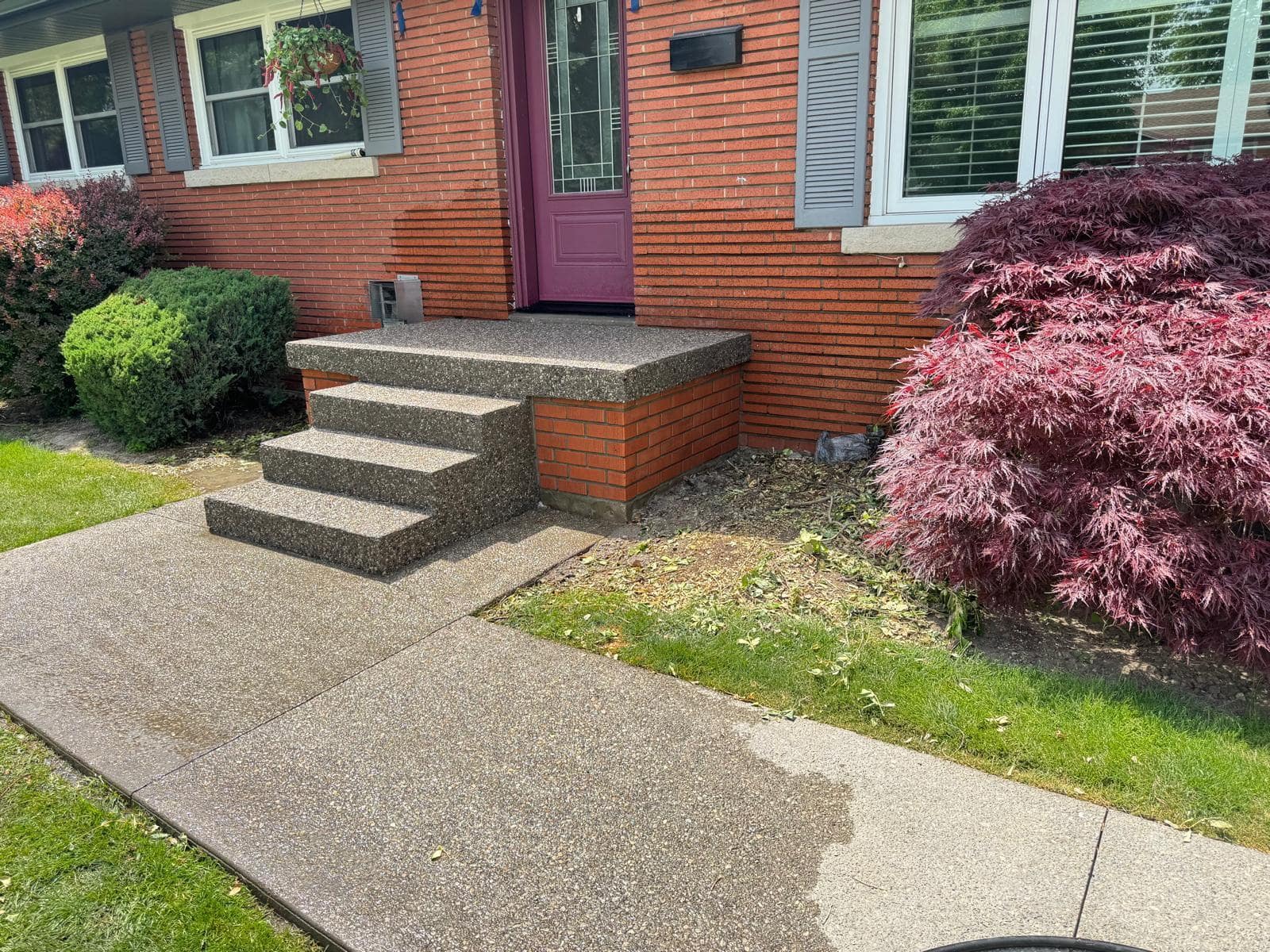
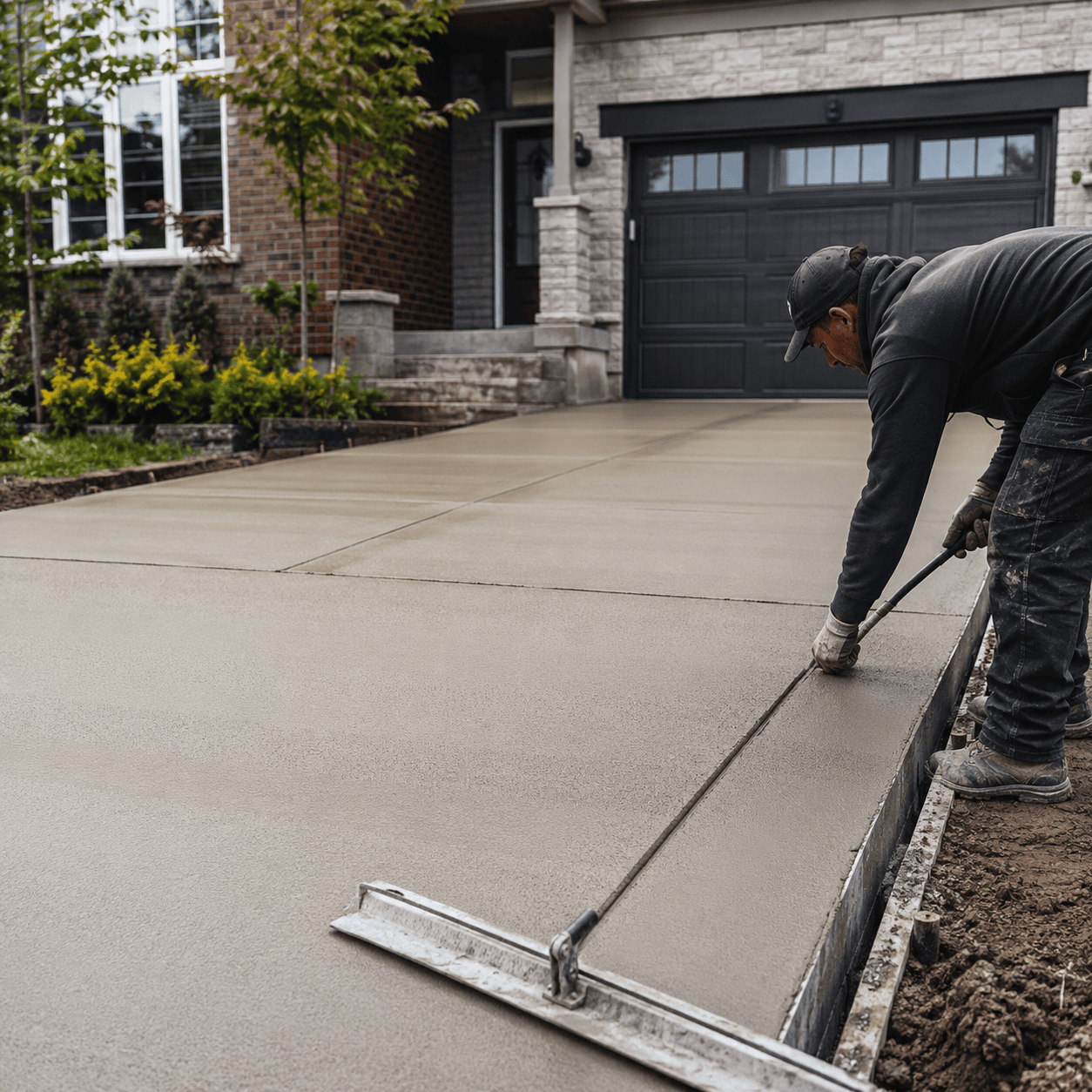
A poured concrete driveway is installed as a continuous slab over a prepared base. Concrete is placed, levelled, finished, and cured into a hard surface. It can be plain, brushed, coloured, stamped, or finished in different textures, depending on the design and budget.
Concrete is often chosen because it creates a clean, solid surface and can be practical for driveways with simple layouts. It can also work well where a homeowner wants a more minimal look. However, poured concrete behaves differently from interlocking stone because it forms a single large surface. When concrete cracks, settles, scales, or spalls, the repair can be more visible than replacing a few individual pavers.
Concrete durability depends on the mix, reinforcement where needed, base preparation, joint placement, drainage, finishing, curing, and winter maintenance. In Toronto, concrete driveways can be affected by freeze-thaw cycles, de-icing salts, poor drainage, and surface wear. If your existing driveway is already cracked, spalling, or uneven, A&A Masonry’s concrete repair services page is a useful reference for understanding common concrete repair issues.
Why Toronto Weather Matters for Driveway Materials
Toronto weather matters because driveways here deal with water, ice, snow, salt, and repeated freeze-thaw movement. Water can enter joints, cracks, or weak base areas. When it freezes, it expands. Over time, this can lift surfaces, widen cracks, loosen edges, and create uneven sections.
Driveway performance is not only about the top layer. The base and drainage are just as important. If water sits beneath interlocking stone pavers, the pavers can settle or heave. If water sits under or on poured concrete, the slab can crack, scale, or spall. In both cases, poor grading can send water toward the garage, foundation, steps, or walkway.
The City of Toronto provides homeowners with guidance on managing rain and melted snow, which is relevant when planning exterior surfaces such as driveways, walkways, and hardscaping. Driveways should be planned so that water drains away safely rather than creating pooling, ice patches, or foundation moisture issues.
Durability: Which Driveway Lasts Better?
Both interlocking stone and poured concrete can be durable, but they fail in different ways. Interlocking stone is more flexible because individual pavers can move slightly in response to seasonal changes in the ground. Poured concrete is rigid, so movement often appears as cracks.
Interlocking stone usually handles minor movement better because the surface is made of separate units. If a section settles, it may be possible to lift the pavers, correct the base, and reinstall them. This repairability is a major advantage. However, this does not mean interlocking stone is automatically stronger. If the base is shallow, poorly compacted, or missing proper edge restraint, it can shift quickly.
Poured concrete can provide a strong, continuous surface when installed properly. It may suit homeowners who want a simpler driveway with fewer joints. The tradeoff is that cracks are harder to hide. Control joints can help manage cracking, but they do not make concrete crack-proof. If the slab moves, cracks, or spalls badly, repair can become more noticeable.
A simple way to compare them is this: interlocking stone is often easier to repair in sections, while poured concrete can be simpler upfront but less forgiving when damage appears.
Drainage and Water Management
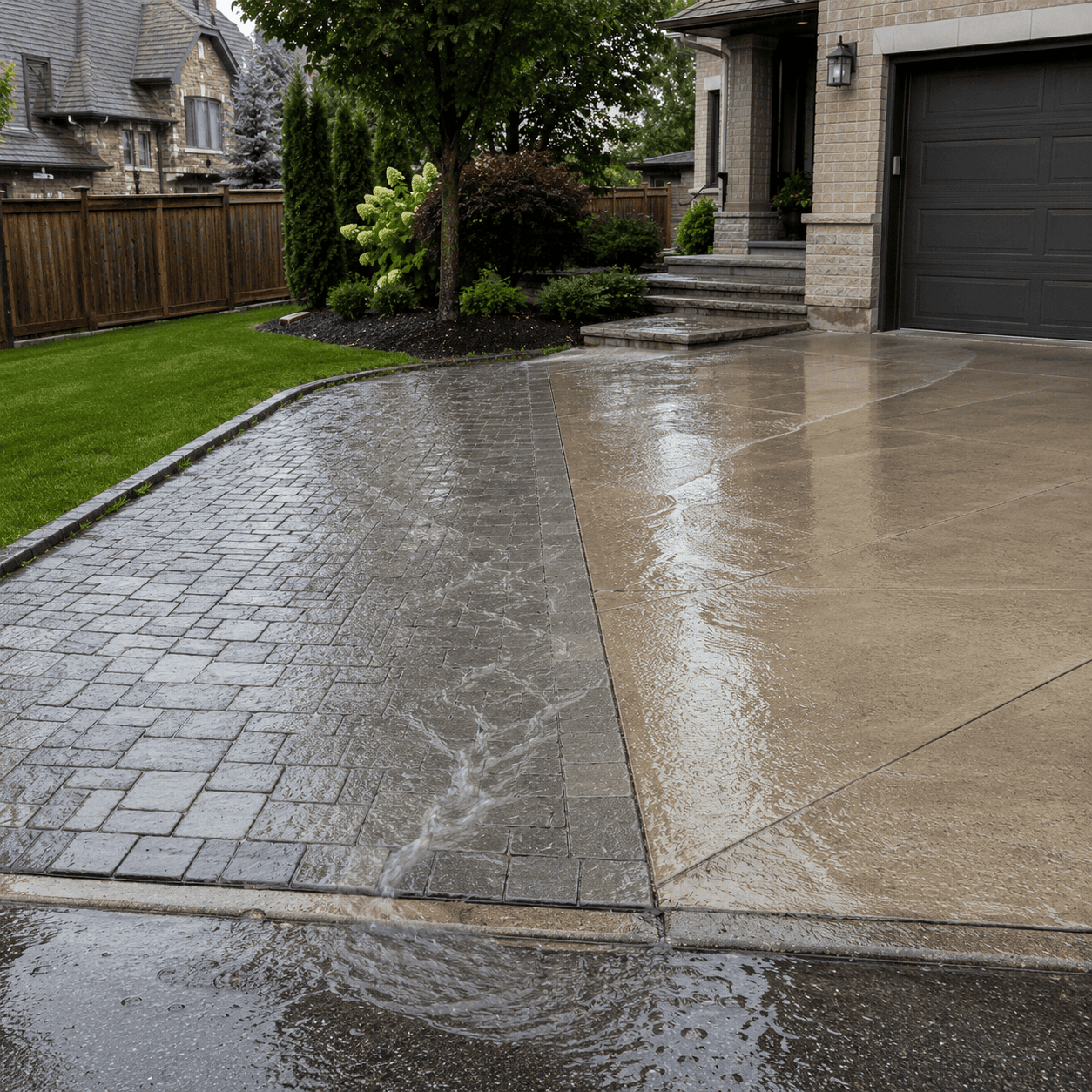
Drainage is one of the most important factors in any driveway decision. A driveway that looks clean but sends water toward the house can create bigger problems later. Water should move away from the foundation, garage, steps, and masonry features.
Interlocking stone has joints between pavers, but standard interlocking systems are not automatically fully permeable. Some water may pass through joints, but proper drainage still depends on the base, slope, joint material, and design. Permeable paver systems are a separate category and require specific base and joint preparation. The Toronto and Region Conservation Authority’s Sustainable Technologies guide explains that, when designed for that purpose, permeable pavements allow stormwater to drain through the surface into a stone reservoir.
Poured concrete is typically less permeable. Water usually runs across the surface, so slope and drainage direction are critical. If the driveway is flat, pitched toward the home, or bordered by raised edges that trap water, winter ice and long-term moisture problems can appear.
For Toronto homeowners, the key point is not simply “interlocking drains better” or “concrete is worse.” The better question is whether the driveway system has been designed to manage water properly for that specific property.
Repairability and Long-Term Maintenance
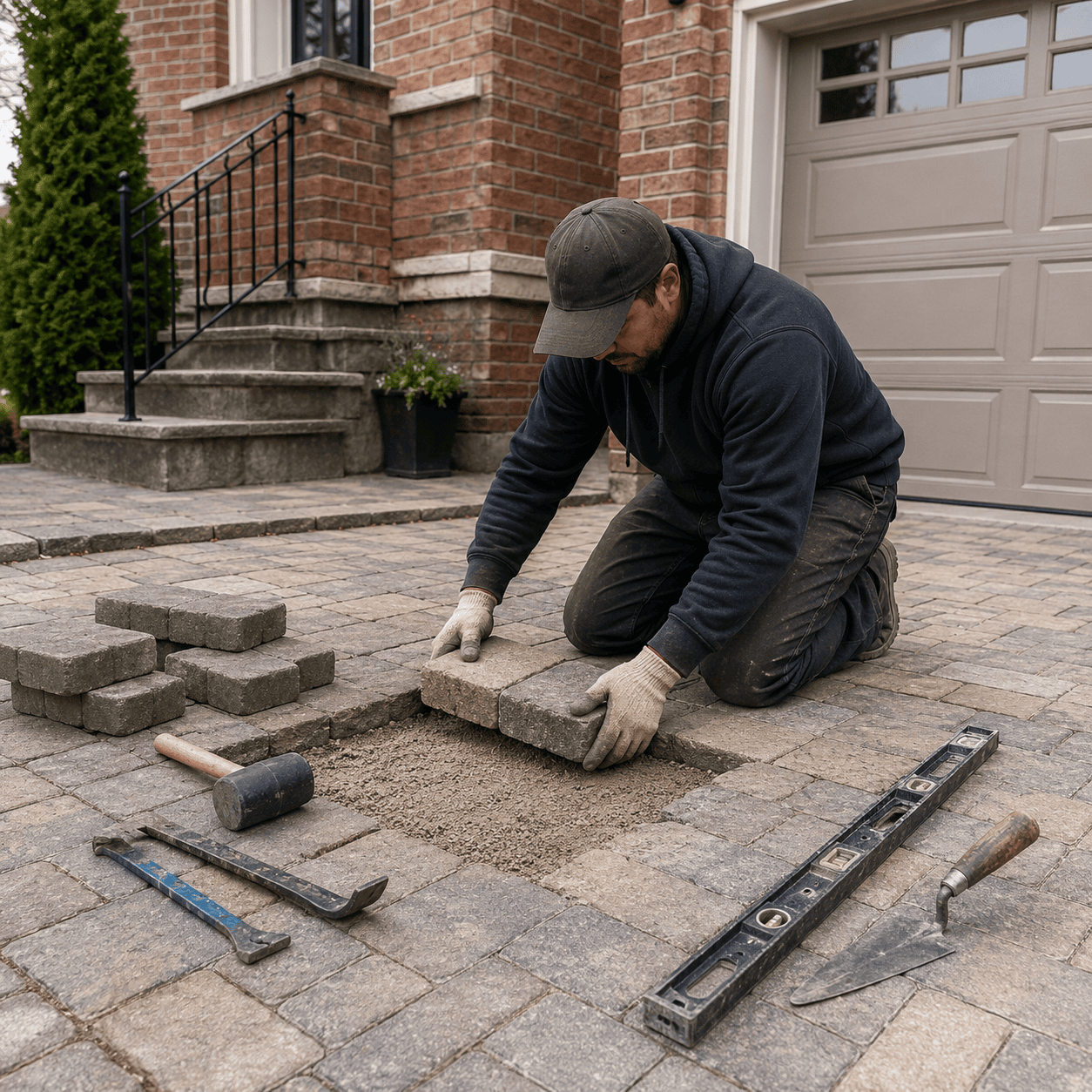
Interlocking stone usually has the advantage in terms of repairability. If a few pavers are stained, cracked, lifted, or sunken, those units can often be removed and reset. If the base has settled in one area, the affected section can be lifted, corrected, and reinstalled. This makes interlocking stone practical for driveways where long-term access to underground utilities, tree root issues, or local settlement may be a concern.
Poured concrete repairs can be more visible. Small cracks may be sealed and surface damage patched, but matching the colour and texture of older concrete can be difficult. If a large section fails, replacement may be more practical than patching. Concrete also needs careful winter maintenance because de-icing salts and freeze-thaw exposure can contribute to surface scaling and spalling.
Interlocking stone is not maintenance-free. Joints may need sweeping, joint material maintenance or replenishment, weed control, cleaning, and occasional resetting. Concrete may need sealing, crack attention, cleaning, and surface protection. The real difference in maintenance is that interlocking stone repairs are often more localized, whereas concrete repairs may be more visually obvious.
Appearance and Curb Appeal
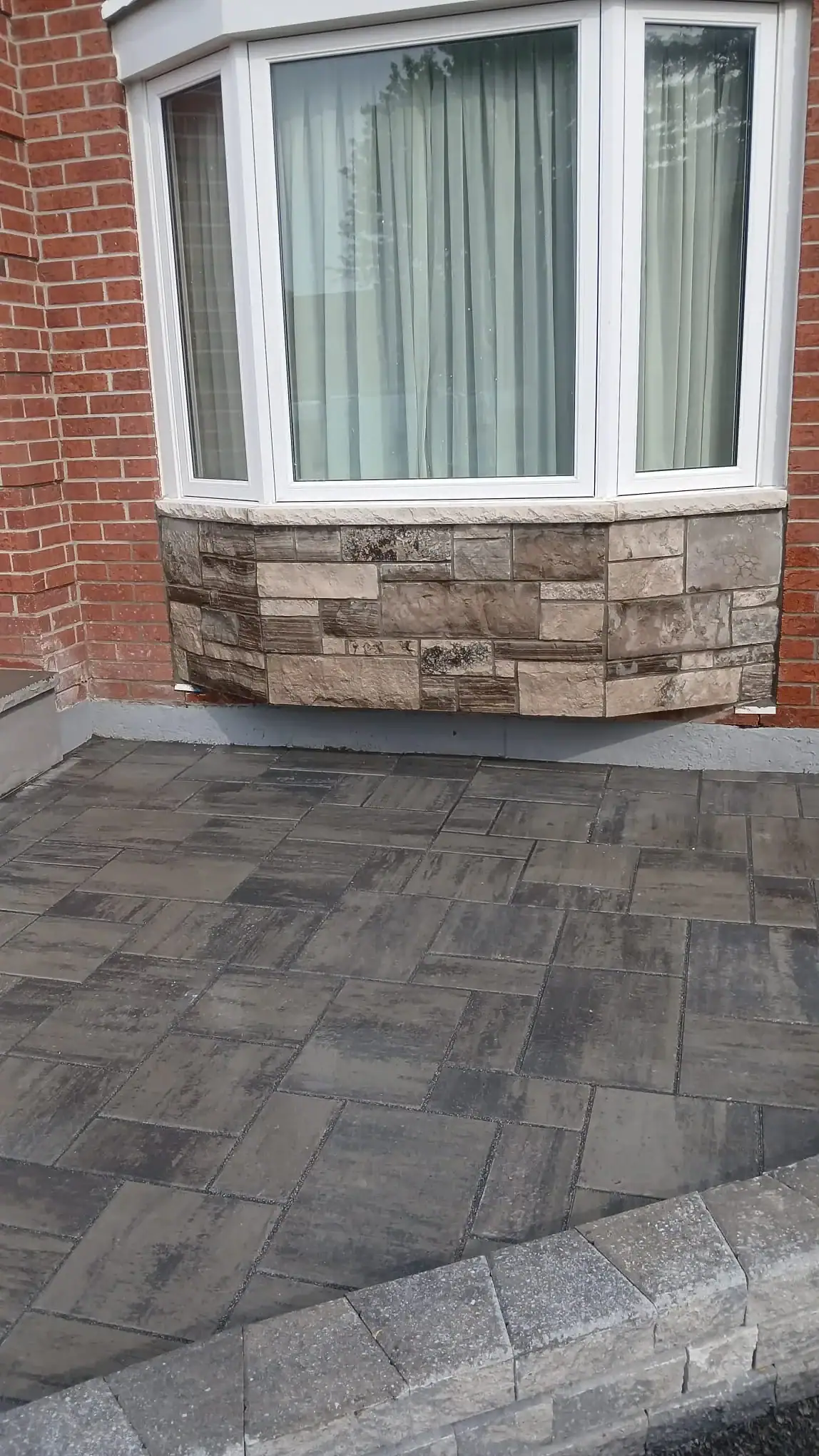
Interlocking stone usually offers more design flexibility than poured concrete. Homeowners can choose patterns, borders, contrasting colours, shapes, and layouts that match the house. This can be especially useful for Toronto homes where the driveway connects visually to brickwork, stone steps, front walkways, garden walls, or porch masonry.
Poured concrete can still look clean and attractive, especially when the home has a modern or simple exterior. A brushed concrete finish can suit many properties. Stamped or coloured concrete can add style, but it should be chosen carefully because decorative finishes can be harder to repair invisibly if damage occurs.
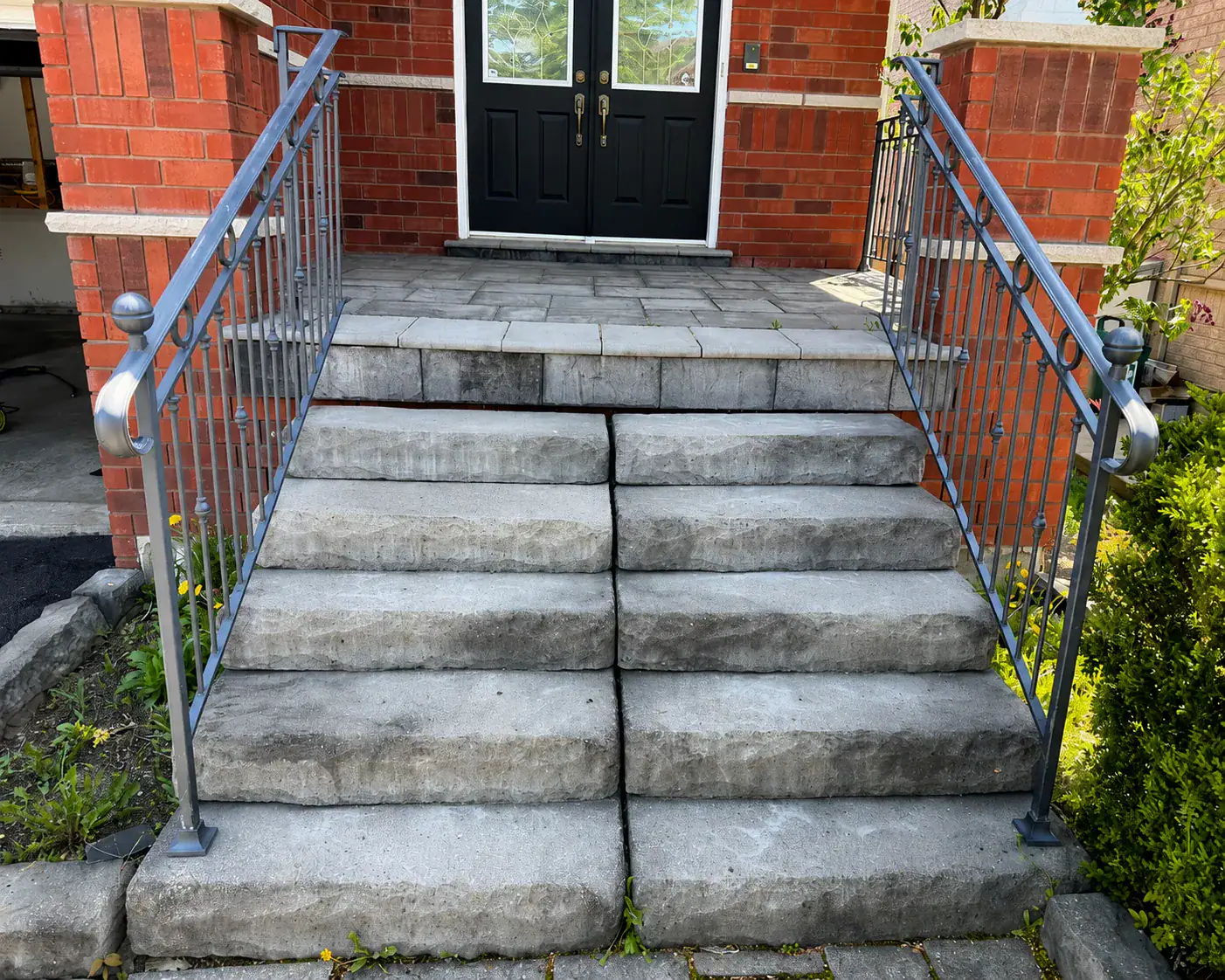
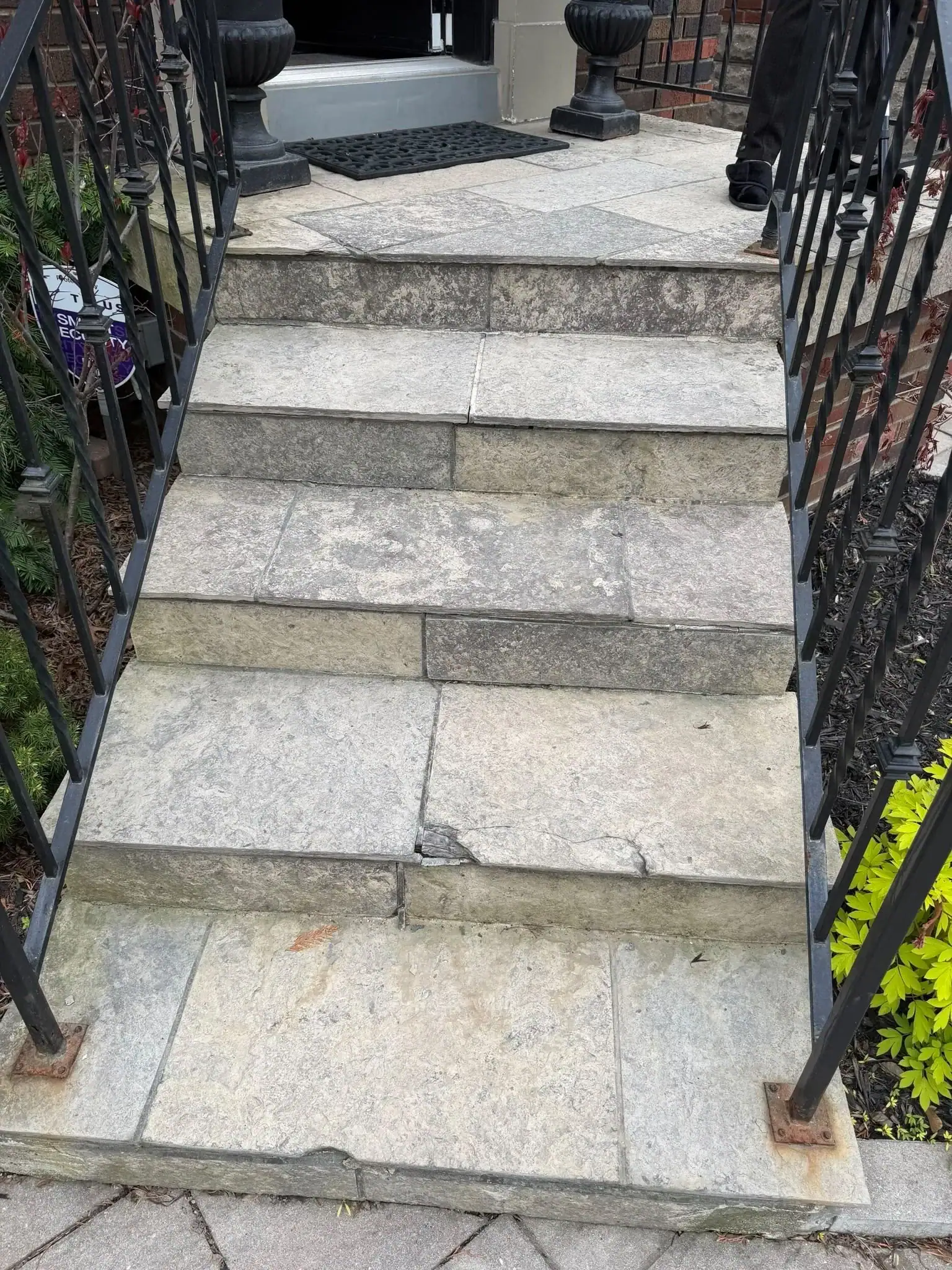
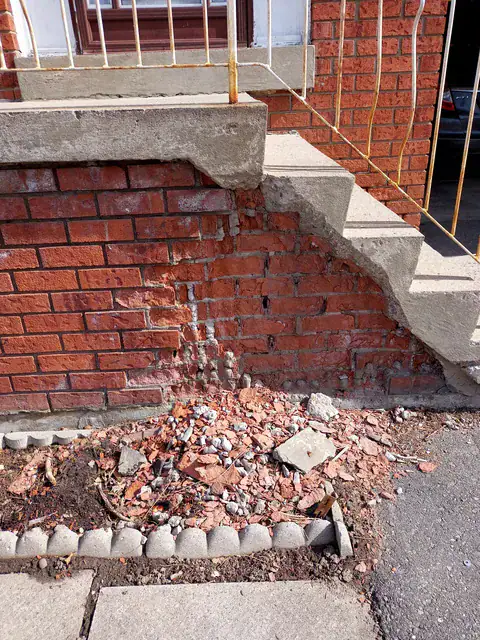
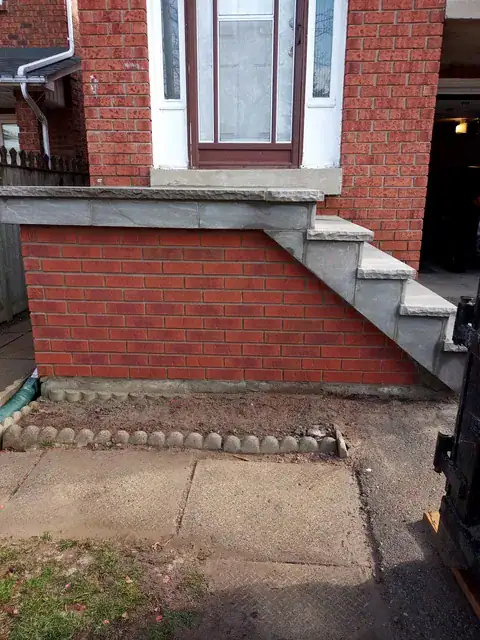
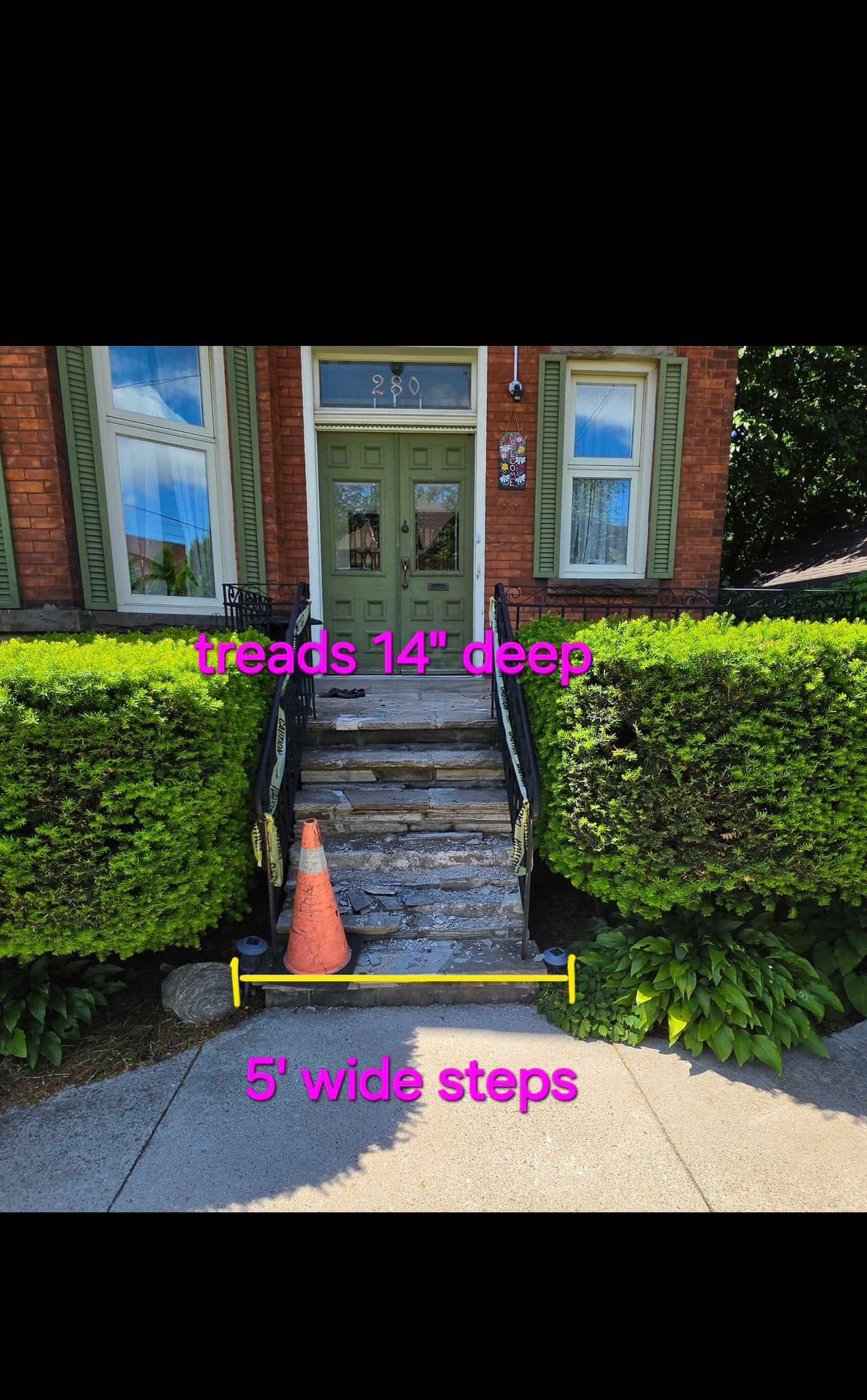
If the driveway is part of a larger front entrance upgrade, it is worth considering the entire exterior, not just the driving surface. Interlocking stone can pair naturally with front steps, walkways, and retaining features. A&A Masonry’s interlocking steps page may be helpful if your driveway connects directly to front entry steps or walkway work.
Cost: Upfront Price vs Long-Term Value
Driveway cost depends on size, excavation, base depth, drainage, material type, access, disposal, edge details, and finishing. It is risky to compare interlocking stone and poured concrete solely on the lowest upfront quote, because the hidden preparation often determines how long the driveway lasts.
Poured concrete may be more straightforward for some basic driveway layouts. Interlocking stone often requires more design and installation steps due to pattern layout, edge restraint, jointing, and paver selection. However, interlocking can offer long-term value through repairability and design flexibility.
Homeowners should ask what is included in the estimate. Does it include proper excavation? What base depth is planned? How will drainage be handled? Are edges restrained? Is disposal included? What happens around the garage, walkway, steps, and property line? A lower quote that reduces excavation, drainage or base preparation can become more expensive if the driveway begins to settle or move prematurely.
A&A Masonry’s blog on how to estimate masonry project costs is a useful supporting guide if you want to understand how labour, access, preparation, and materials affect pricing.
Winter Performance and Snow Clearing
Winter performance matters because Toronto driveways are subject to snow shovelling, plowing, freeze-thaw cycles, and de-icing products. A smooth-poured concrete driveway is easier to shovel when it remains level, but cracks, spalling, and heaving can make the surface rough over time.
Interlocking stone can also be snow-cleared effectively, but uneven pavers can catch shovel edges or plow blades if the surface has settled. This is another reason base preparation is so important. A well-installed interlocking driveway should be level and stable enough for regular winter use, while a poorly installed one may become frustrating after seasonal movement.
Salt use should be considered for both materials. De-icing products can affect concrete surfaces and may also impact pavers, joints, and surrounding masonry. Homeowners should use winter products carefully and follow material-specific guidance where available.
Permits, Parking Rules, and Permeable Surface Questions
Driveway work can sometimes be subject to local rules, especially if the project changes the parking layout, curb access, drainage, hard-surface coverage, or front-yard conditions. Not every driveway repair or replacement requires the same review, but homeowners should check before making major changes.
The City of Toronto provides information on front-yard and boulevard parking, which may be relevant if a driveway project affects parking permissions or front-yard use. Larger construction or exterior changes may also require checking the City’s building permit guidance.
The Ontario government’s Building Code regulation is the official provincial reference for construction requirements, although many driveway surface replacements are more directly shaped by municipal rules, grading, drainage, and site-specific conditions. The practical advice is simple: if the project changes the size, use, drainage, curb access, or structure around the driveway, check before starting.
What Can Go Wrong With Interlocking Stone Driveways?
Interlocking stone driveway problems usually come from poor base preparation, weak edge restraint, drainage issues, or rushed installation. The pavers may be strong, but the system can fail if the foundation beneath them is not properly built.
- Sinking or uneven pavers: Often caused by weak compaction, poor base depth, or water movement below the surface.
- Spreading edges: Can happen when edge restraints are missing, weak, or poorly installed.
- Weed growth: May appear in joints when maintenance is ignored or joint material breaks down.
- Poor drainage: Can lead to pooling, ice patches, and base movement.
- Colour mismatch: Can happen if replacement pavers are needed years later and the original product is no longer available.
- Surface movement after winter: Usually points to base or drainage problems rather than the paver alone.
Interlocking stone works best when the driveway is treated as a full system: excavation, base, compaction, slope, edge restraint, pavers, joints, and water control.
What Can Go Wrong With Poured Concrete Driveways?
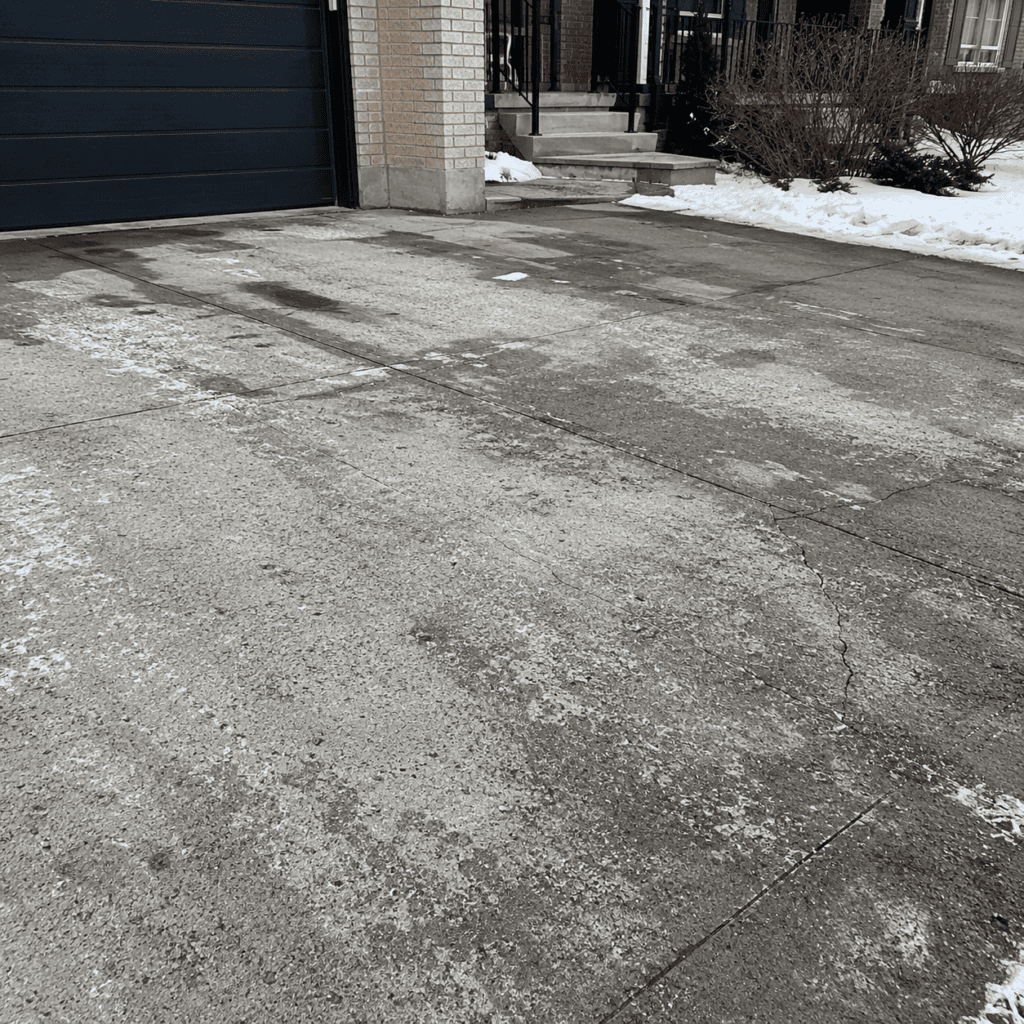
Poured concrete driveway problems usually show up as cracking, scaling, spalling, settlement, or drainage issues. Some fine cracking can occur over time, but wider cracks, uneven sections, and surface flaking may indicate deeper problems.
- Cracking: Can be caused by movement, shrinkage, weak base support, poor joint placement, or freeze-thaw stress.
- Spalling and scaling: Surface breakdown can happen when moisture, salt, finishing issues, or winter exposure damage the top layer.
- Settlement: The slab may sink if the base was not compacted well or if water has washed material away below it.
- Poor drainage: Water pooling on the surface can lead to ice, staining, and faster deterioration.
- Visible patching: Repairs often stand out because new concrete rarely matches old concrete perfectly.
Concrete can be a practical driveway material, but it needs good preparation, joint planning, curing, drainage, and winter care. If the surface is already damaged, repair may be possible, but the cause should be understood before patching.
What Homeowners Can Check Before Choosing
Homeowners can make a better decision by considering the driveway as part of the overall front exterior. The surface has to work with drainage, garage height, steps, walkways, landscaping, property lines, and the home’s masonry.
- Check slope: Does water flow away from the house, garage, and foundation?
- Look for existing settlement: Sinking areas may indicate foundation or drainage issues that must be corrected first.
- Think about snow removal: Consider shovelling, plowing, salt use, and winter safety.
- Compare repair needs: Ask whether future repairs can be done in sections or will require larger replacement.
- Match the home: Consider how the driveway will look with brick, stone, front steps, porch areas, and walkways.
- Ask about base preparation: The base is not the exciting part, but it is often the most important part.
- Review local rules: Check whether the project changes parking use, drainage, curb access, or front-yard hardscaping.
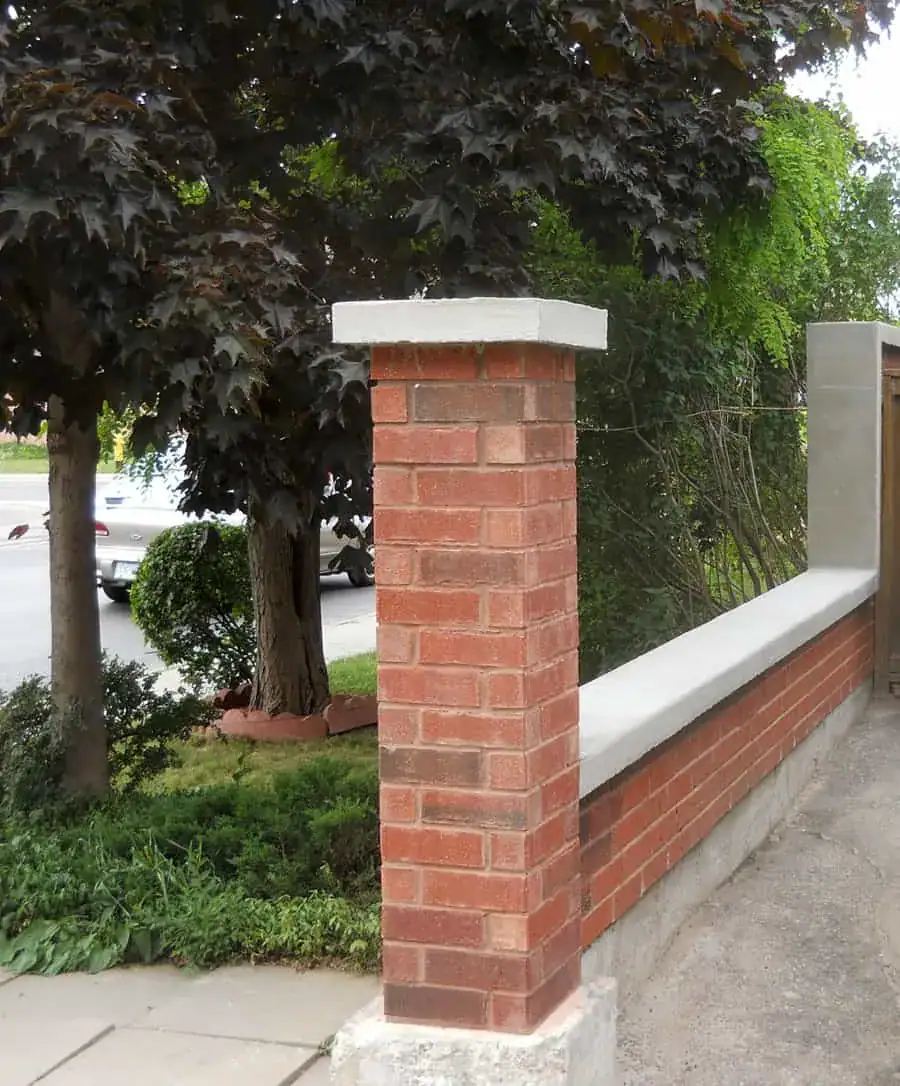
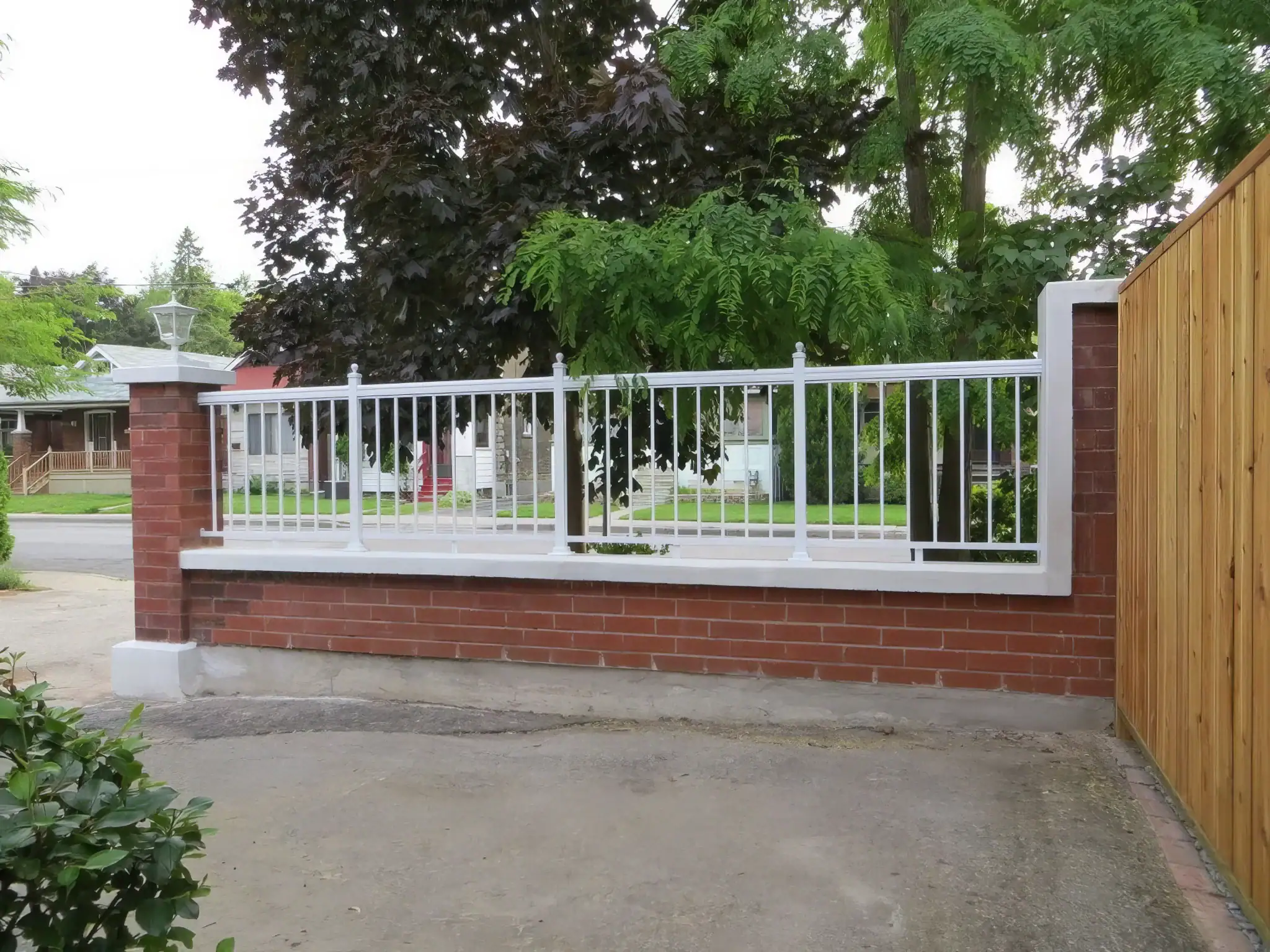
If your driveway connects to other masonry features, A&A Masonry’s masonry services in Toronto page can help you see how driveway work may relate to concrete repairs, interlocking stone, steps, retaining walls, parging, and waterproofing.
When Interlocking Stone Makes More Sense
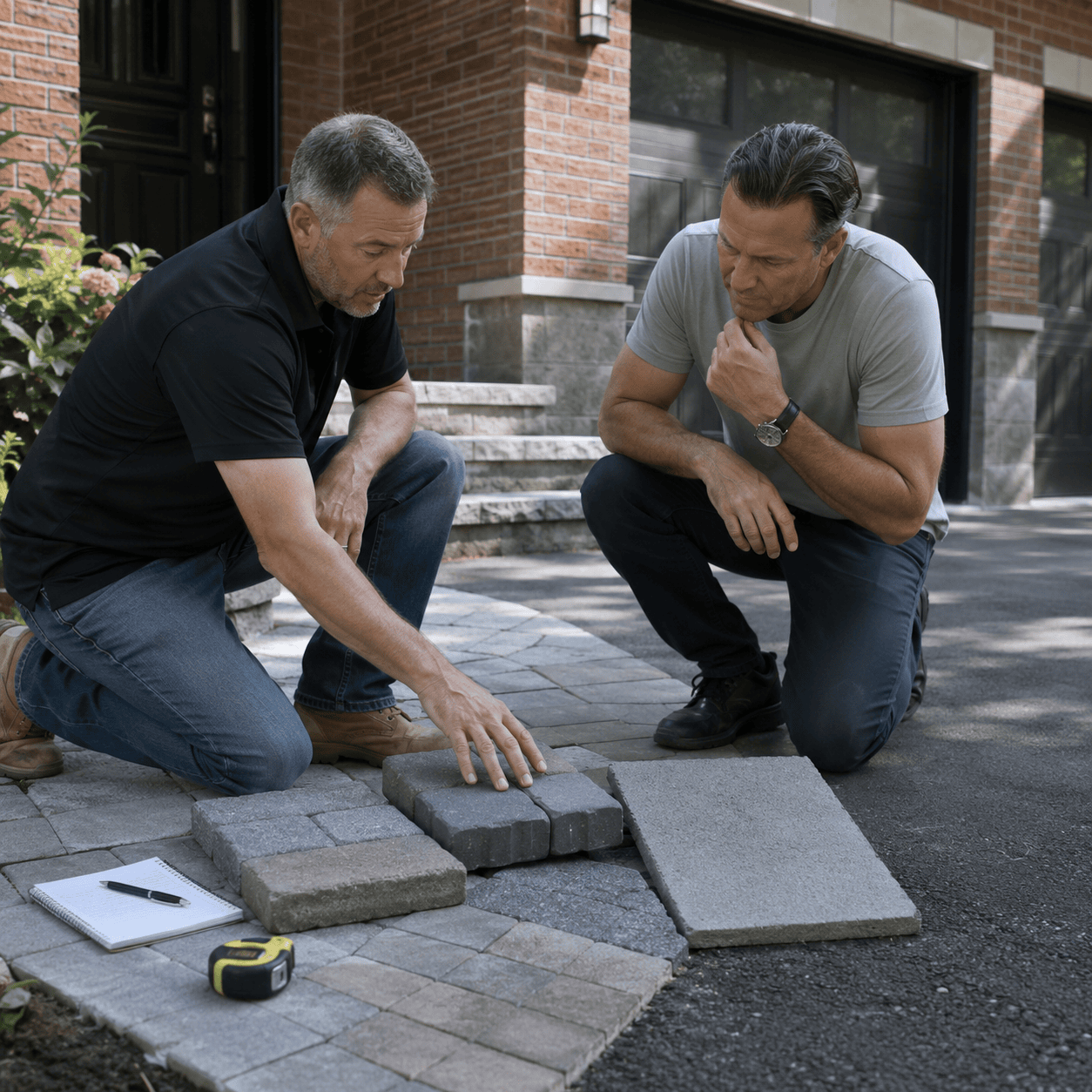
Interlocking stone usually makes more sense when design flexibility, repairability, and curb appeal are priorities. It can be a strong option for homeowners who want the driveway to visually connect to a walkway, patio, garden border, front steps, or stone masonry feature.
Choose interlocking stone for more pattern and colour options, easier section repairs, and a driveway surface that can be lifted and reset if needed. It may also be worth considering if the driveway is part of a broader front yard upgrade. The caution is that the installation quality matters. Poor base work can ruin the benefits of a good paver.
When Poured Concrete Makes More Sense
Poured concrete usually makes more sense when the homeowner wants a simple, clean, continuous surface with fewer design details. It may suit properties where the driveway layout is straightforward and the goal is a practical surface rather than a patterned entrance feature.
Choose poured concrete if you prefer a more minimal look, do not need decorative patterns, and are comfortable with the possibility that cracks or repairs may be more visible over time. Concrete can be a good choice when installed correctly, but it should not be treated as maintenance-free or crack-proof.
Quick Decision Guide: Interlocking Stone vs Poured Concrete Driveways
The best driveway material depends on what matters most for your property. Use this simple guide before comparing quotes.
- Choose interlocking stone if curb appeal, repairability, patterns, and section replacement matter most.
- Choose poured concrete for a simple, continuous surface and a cleaner, more minimal look.
- Prioritize drainage if your driveway slopes toward the house, garage, steps, or foundation.
- Prioritize base preparation if the current driveway has sinking, uneven areas, or winter movement.
- Ask about permeable options if stormwater runoff or hard surface coverage is a concern.
- Think long term if you want repairs to be less visible and easier to complete in sections.
A good driveway decision should balance cost, appearance, maintenance, drainage, and the surface’s performance after several Toronto winters.
Final Thoughts on Interlocking Stone vs Poured Concrete Driveways
Interlocking stone vs poured concrete driveways is not a simple question of which material is always better. Interlocking stone offers strong design flexibility and easier section repairs, while poured concrete provides a clean, continuous surface that works well for simpler driveway layouts. Both can fail if the base, drainage, slope, and installation are poorly handled.
For Toronto and GTA homes, freeze-thaw cycles, road salt, snow clearing, rain, and drainage should guide the decision. A beautiful driveway that traps water or sits on a weak base will not stay beautiful for long. Before choosing, look at how water moves, how the driveway connects to the home, what kind of maintenance you can handle, and whether repairability matters to you.
The smarter choice is the material that fits your property, not just the material that looks best in a sample photo. When you plan the base, drainage, and installation properly, either option can serve a home well. The difference is how each one handles movement, repairs, appearance, and long-term care.
Considering an Interlocking Driveway for Your Home?
If you are comparing interlocking stone with poured concrete, the right choice depends on drainage, grading, base conditions, vehicle use, maintenance expectations, and how the driveway connects with the rest of the property. A&A Masonry can assess the site and help determine whether an interlocking driveway is a practical fit for your home.