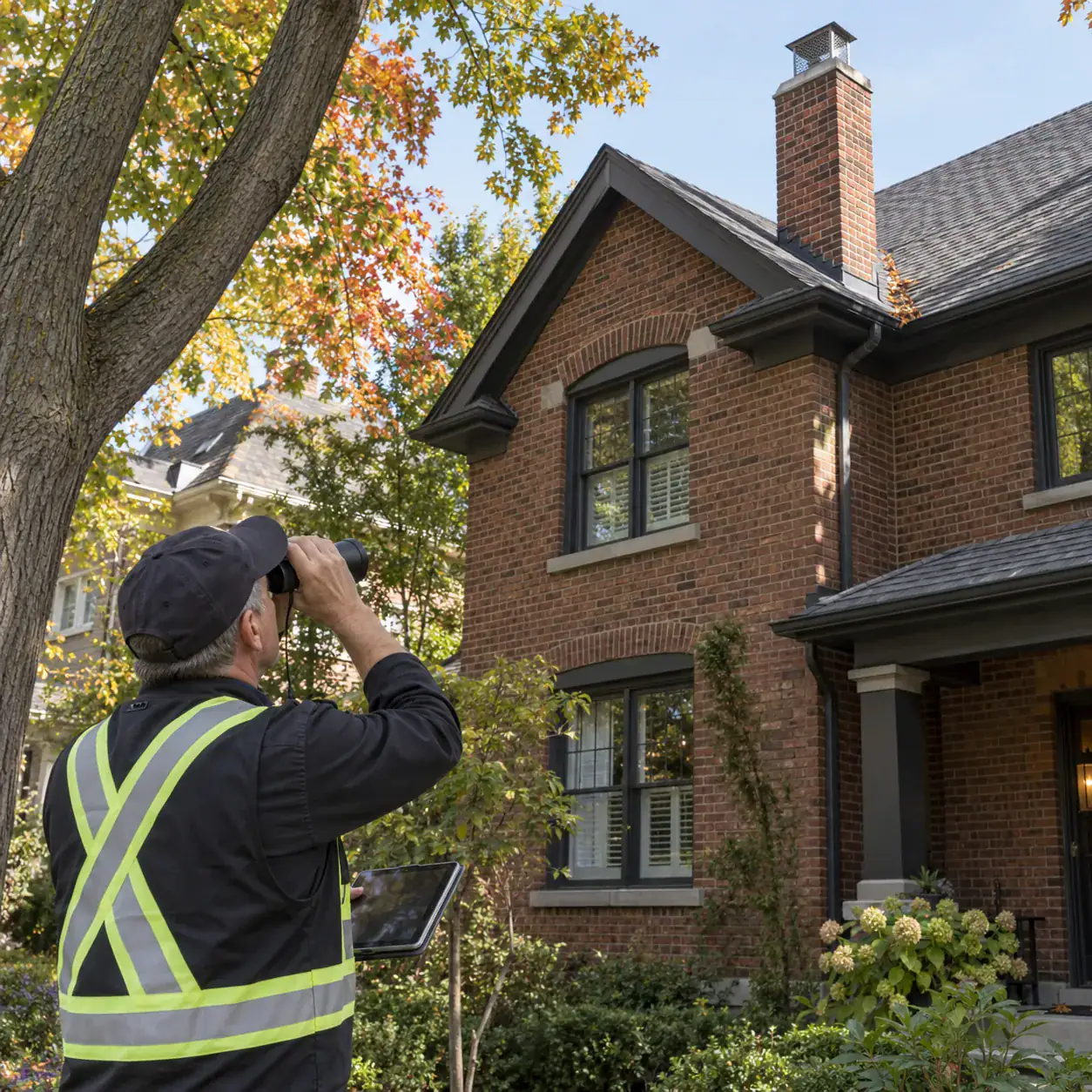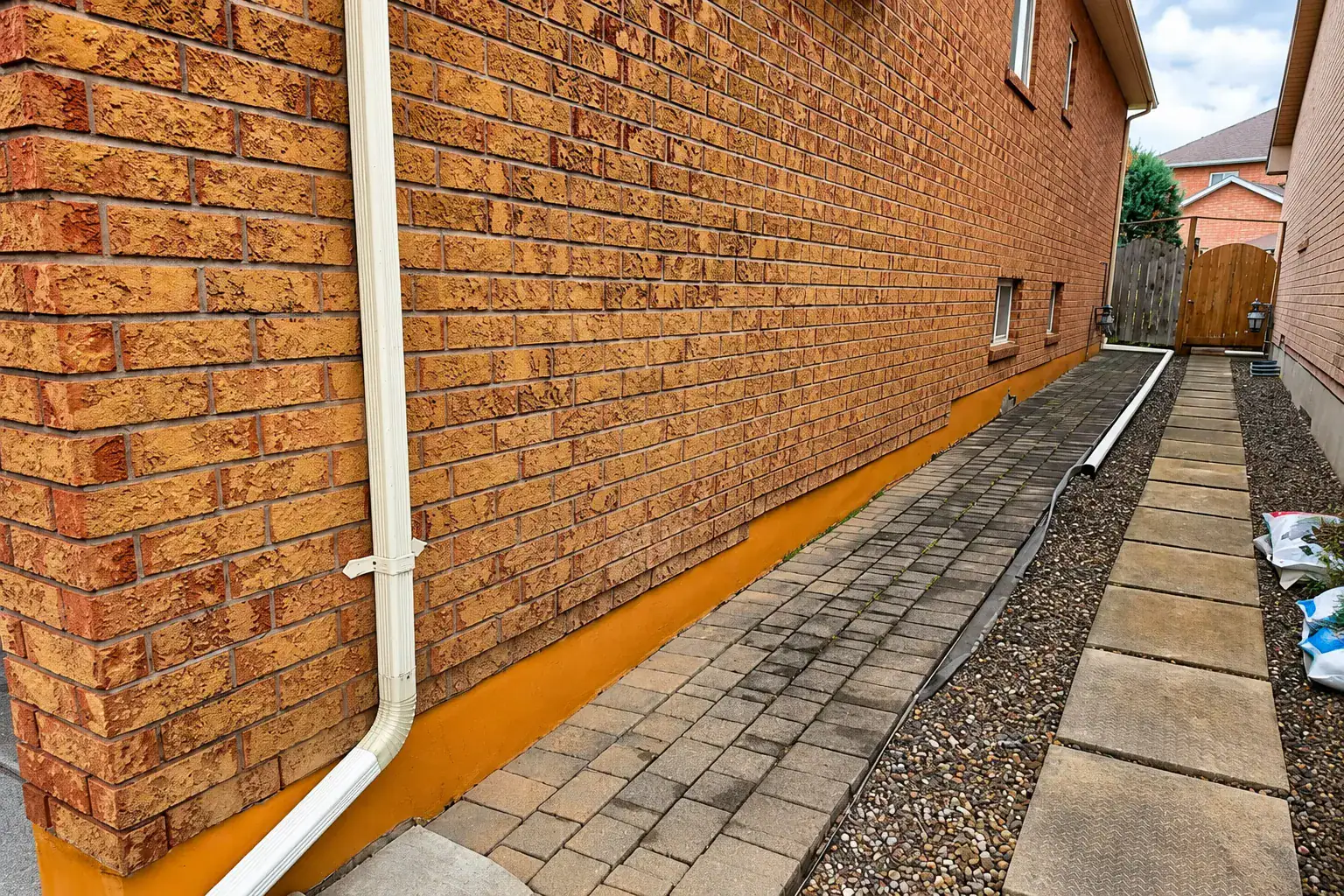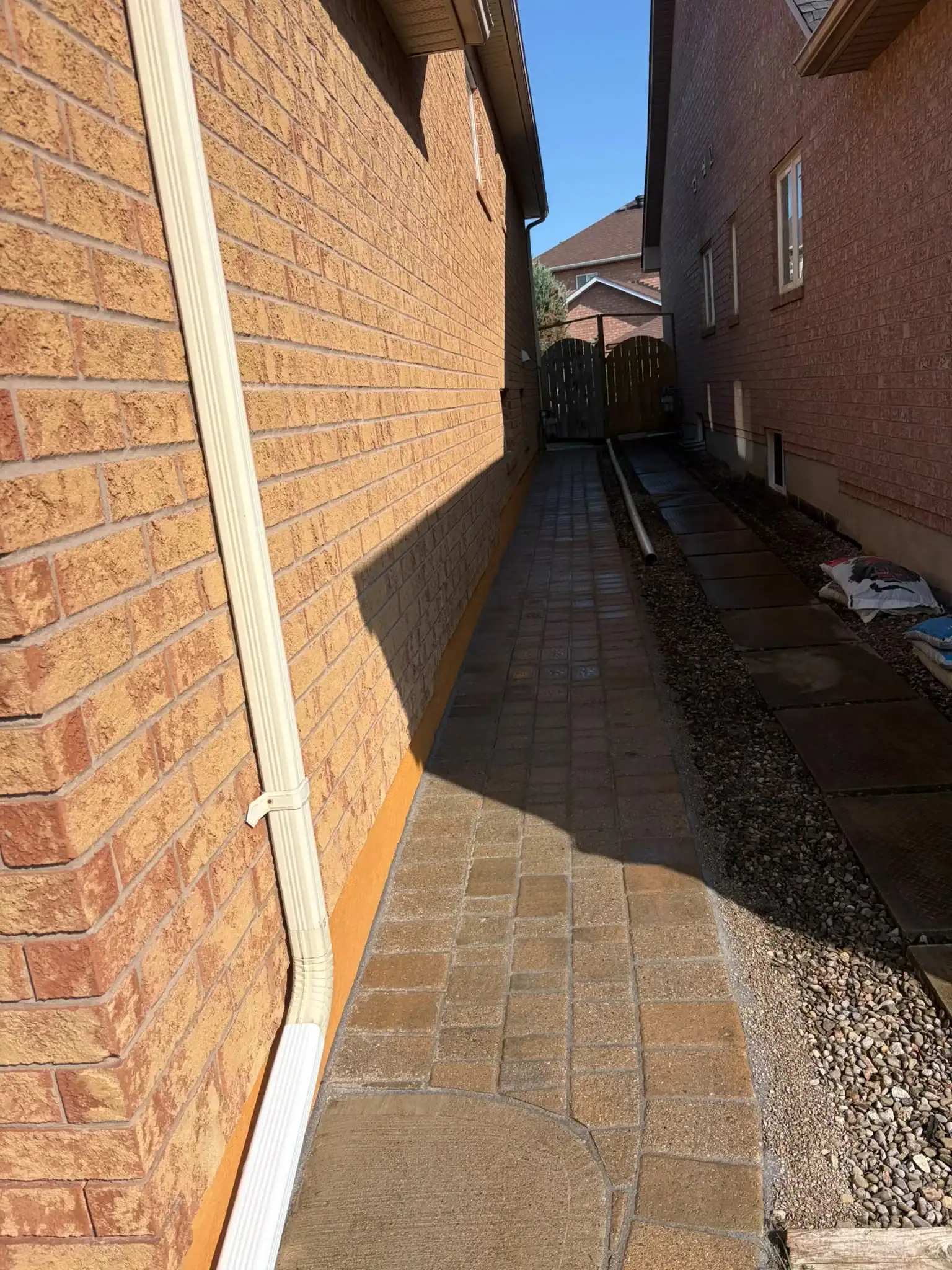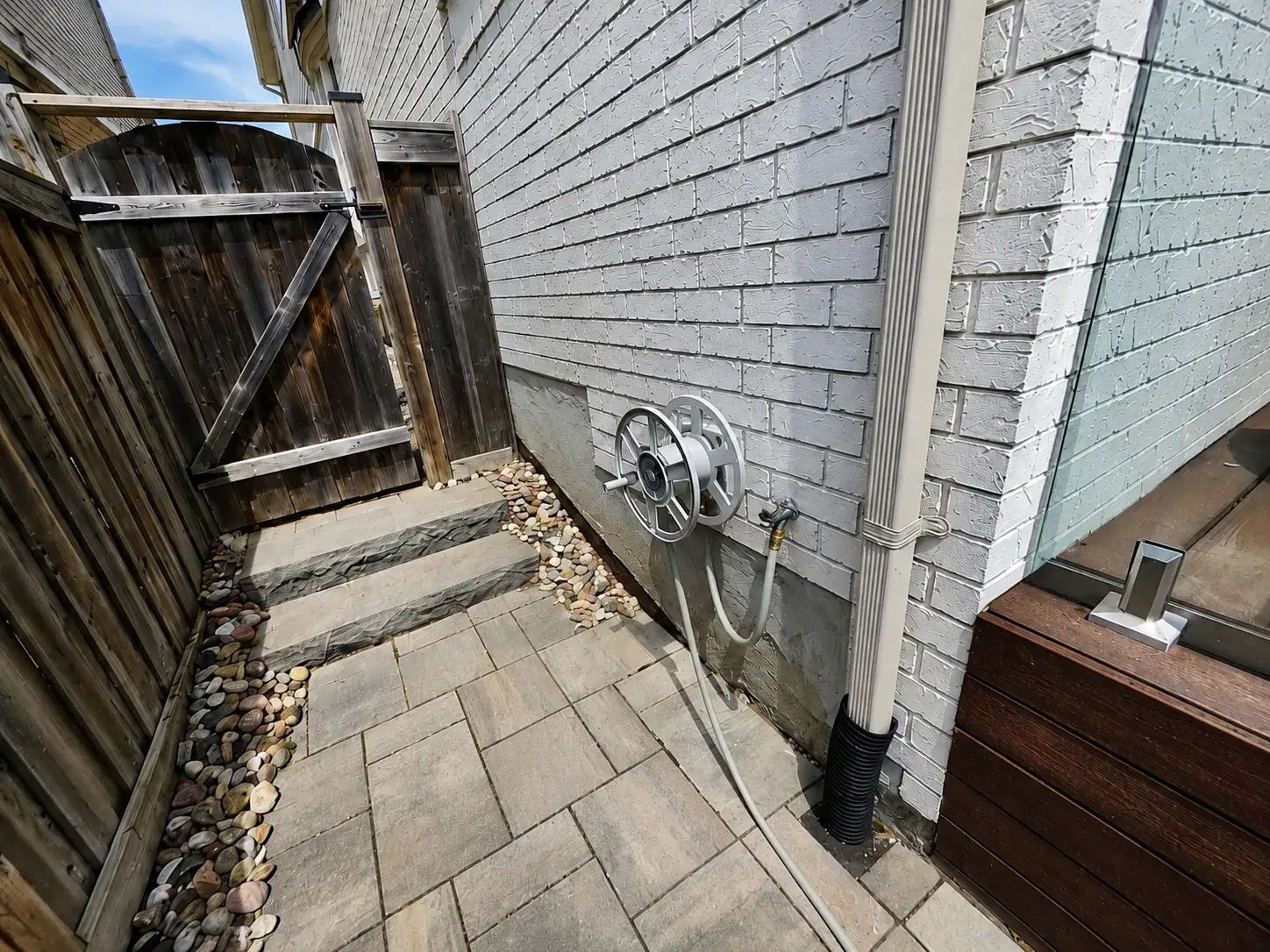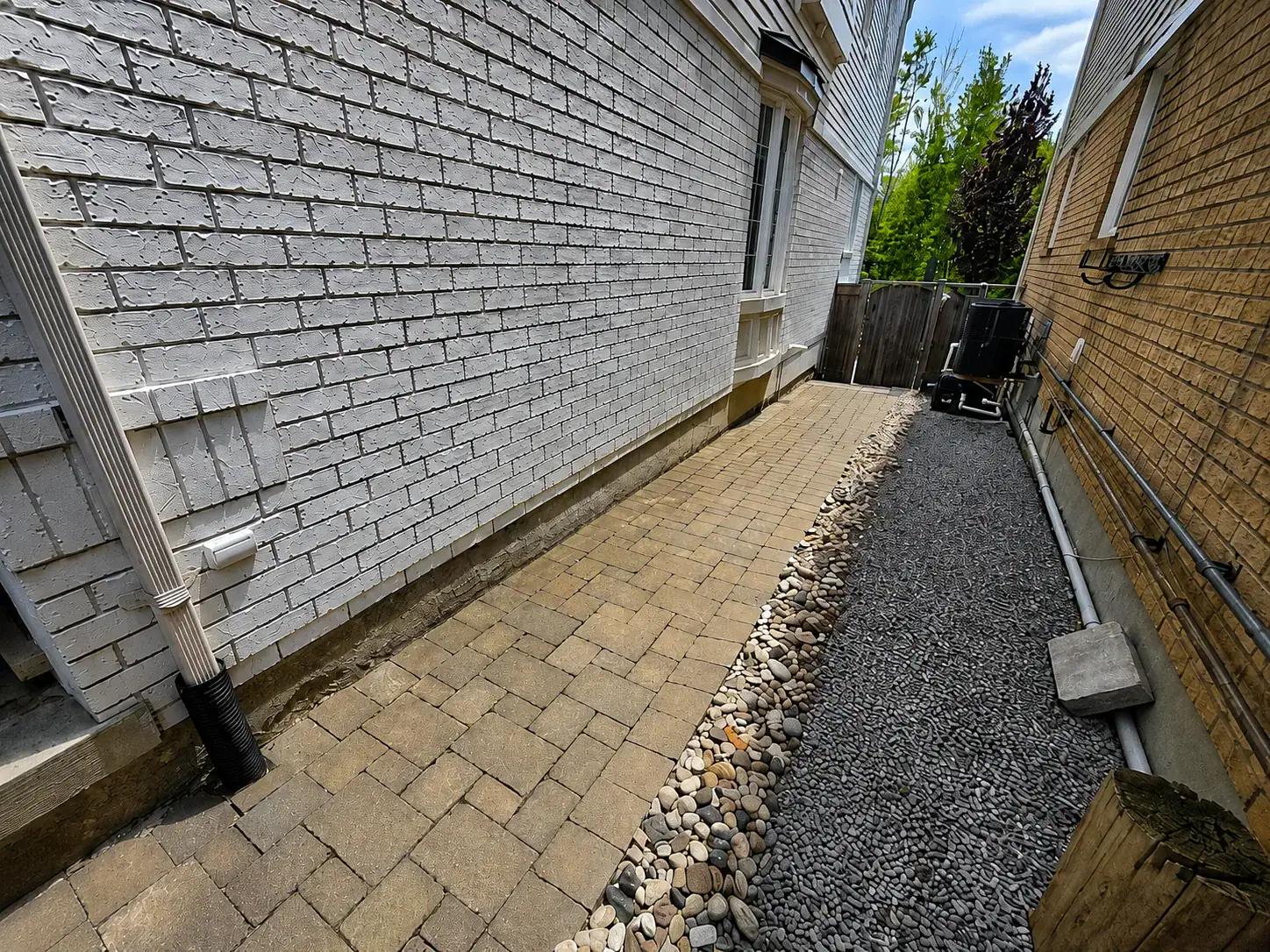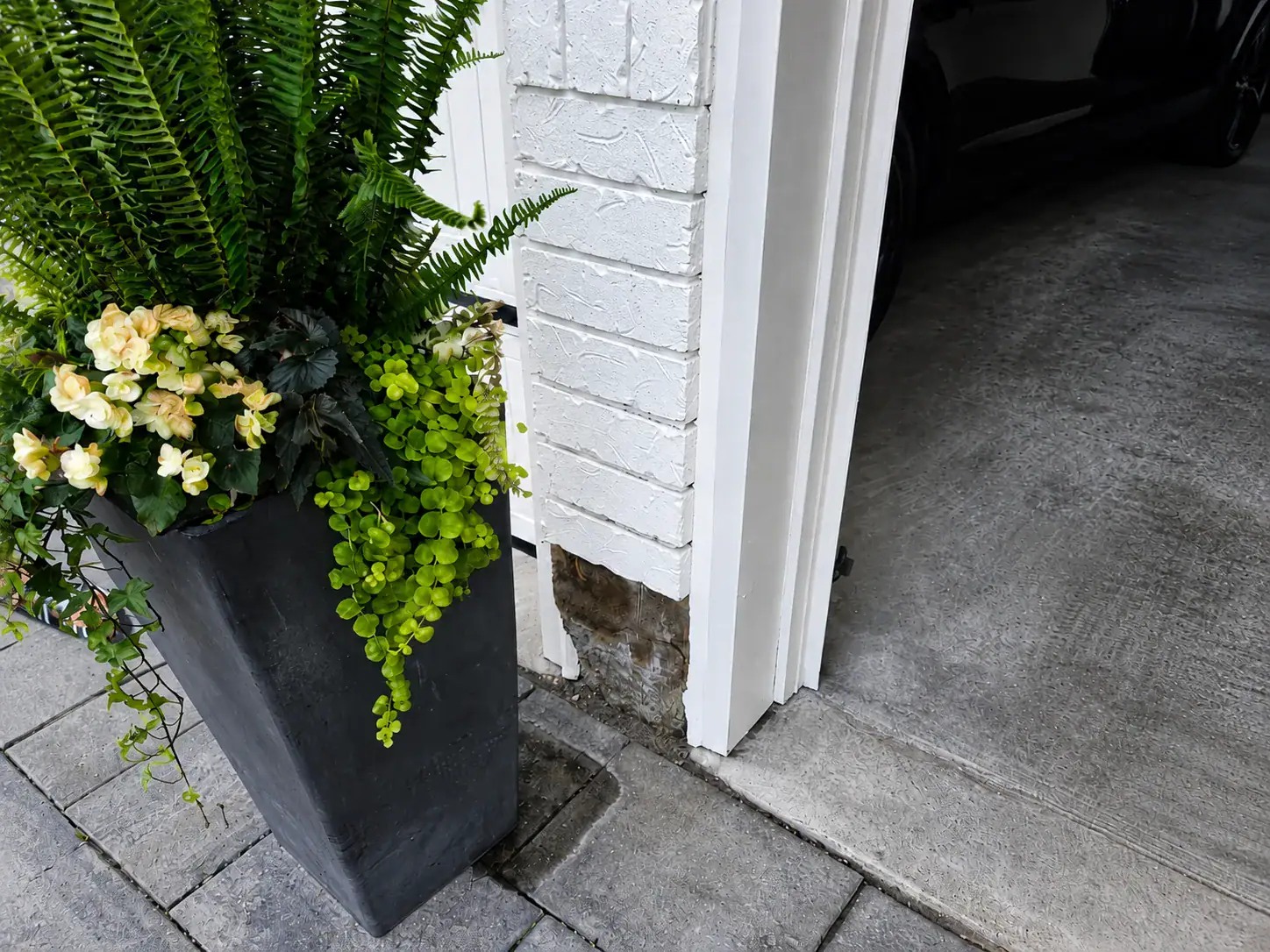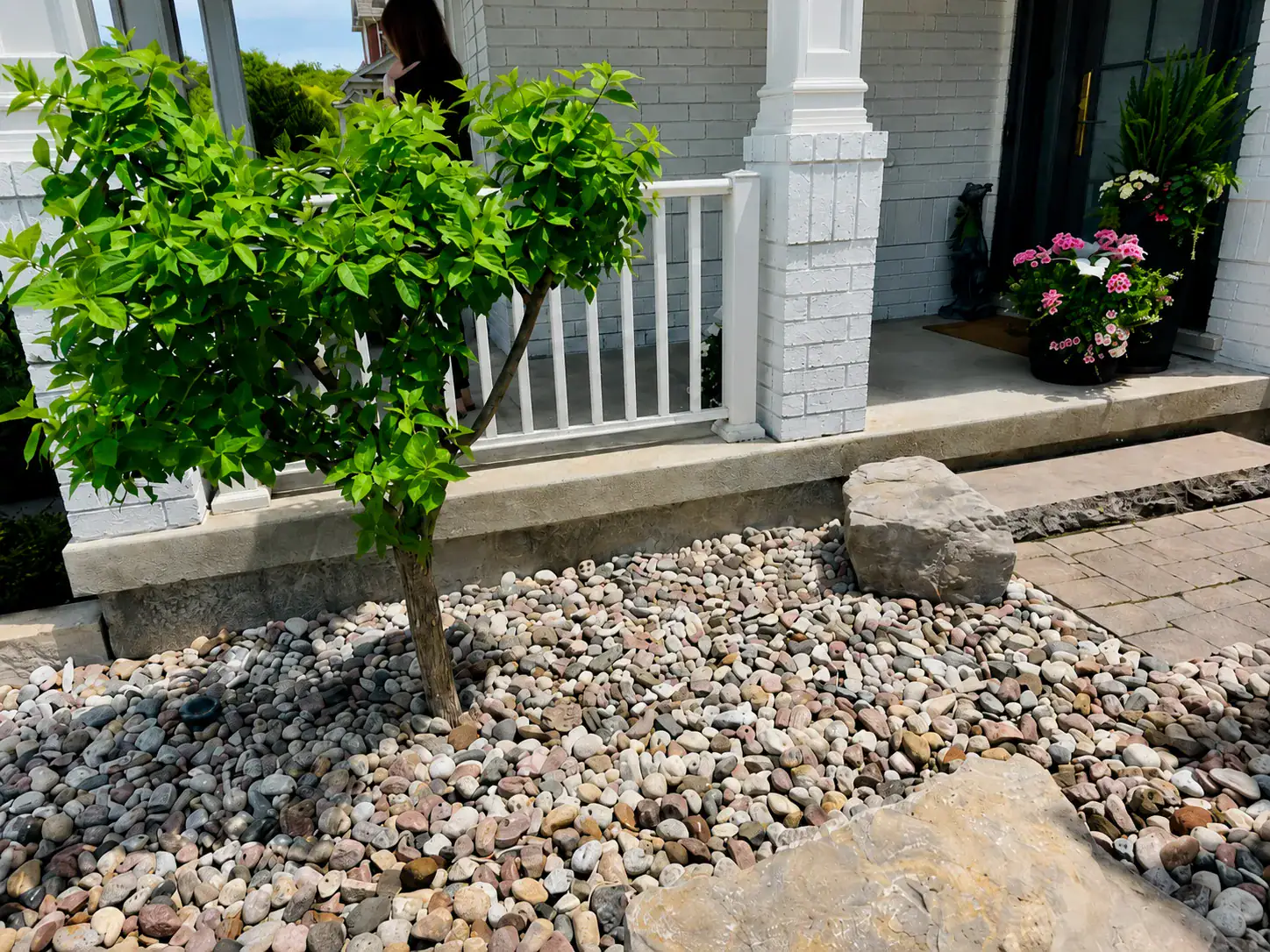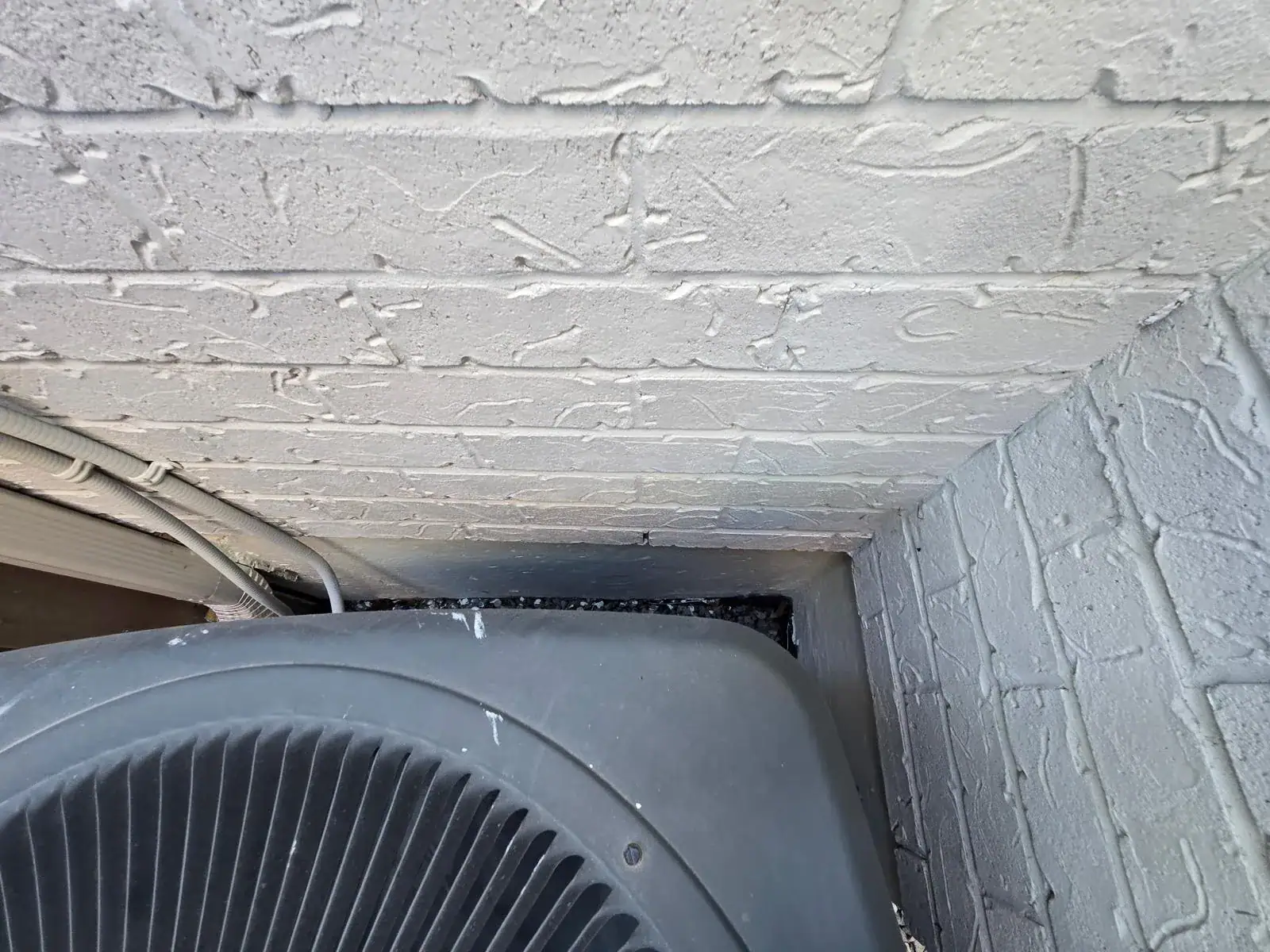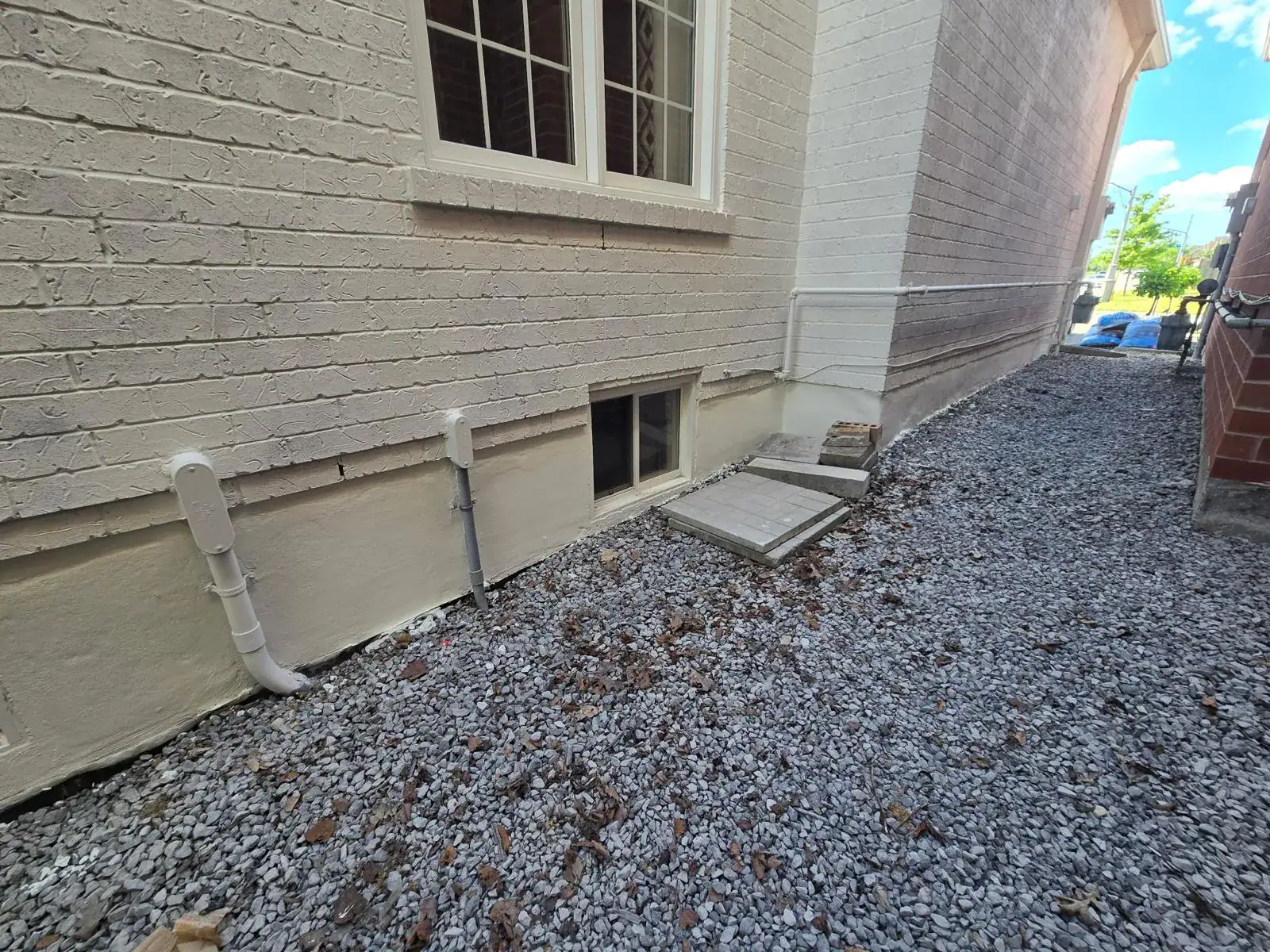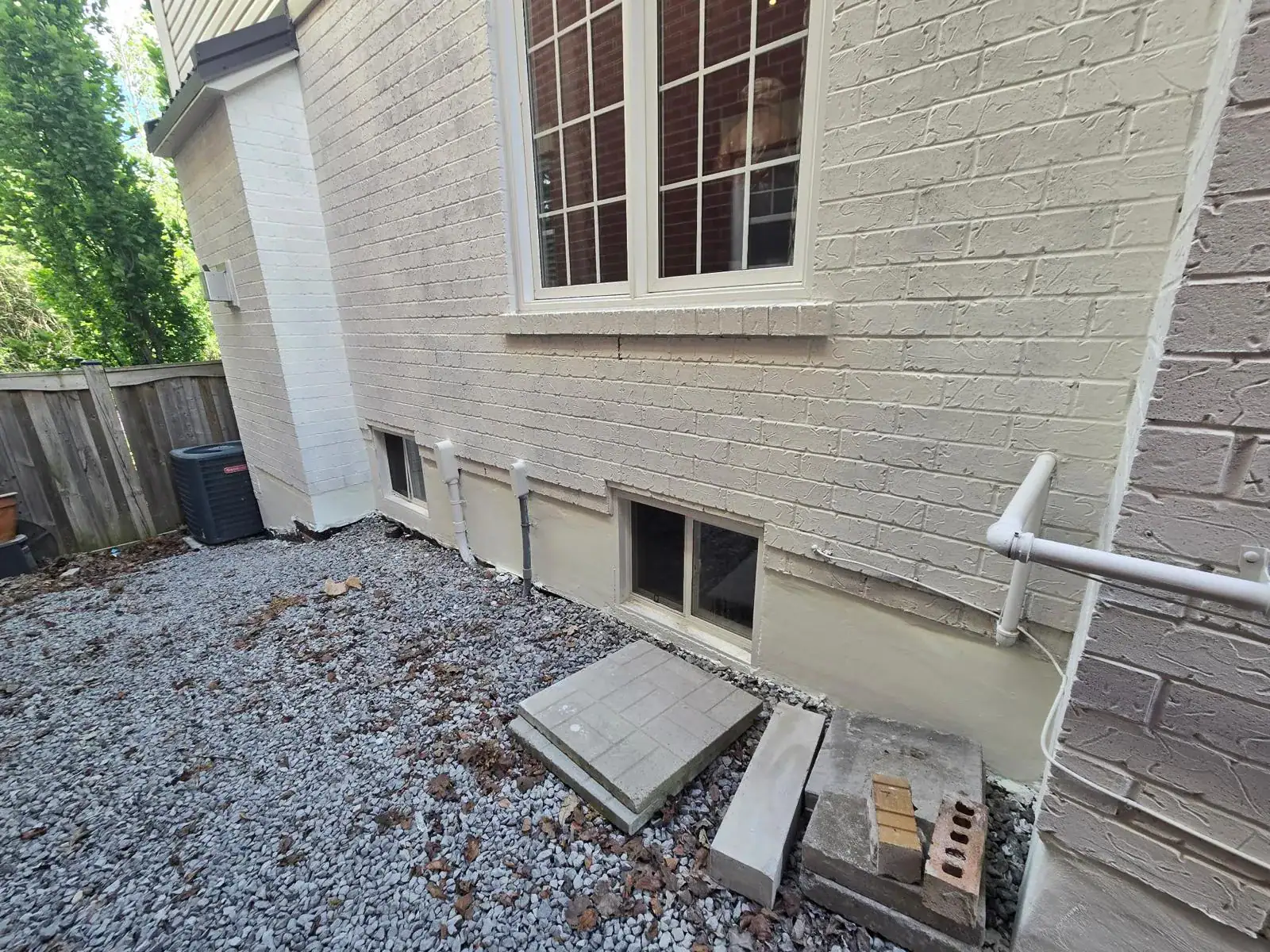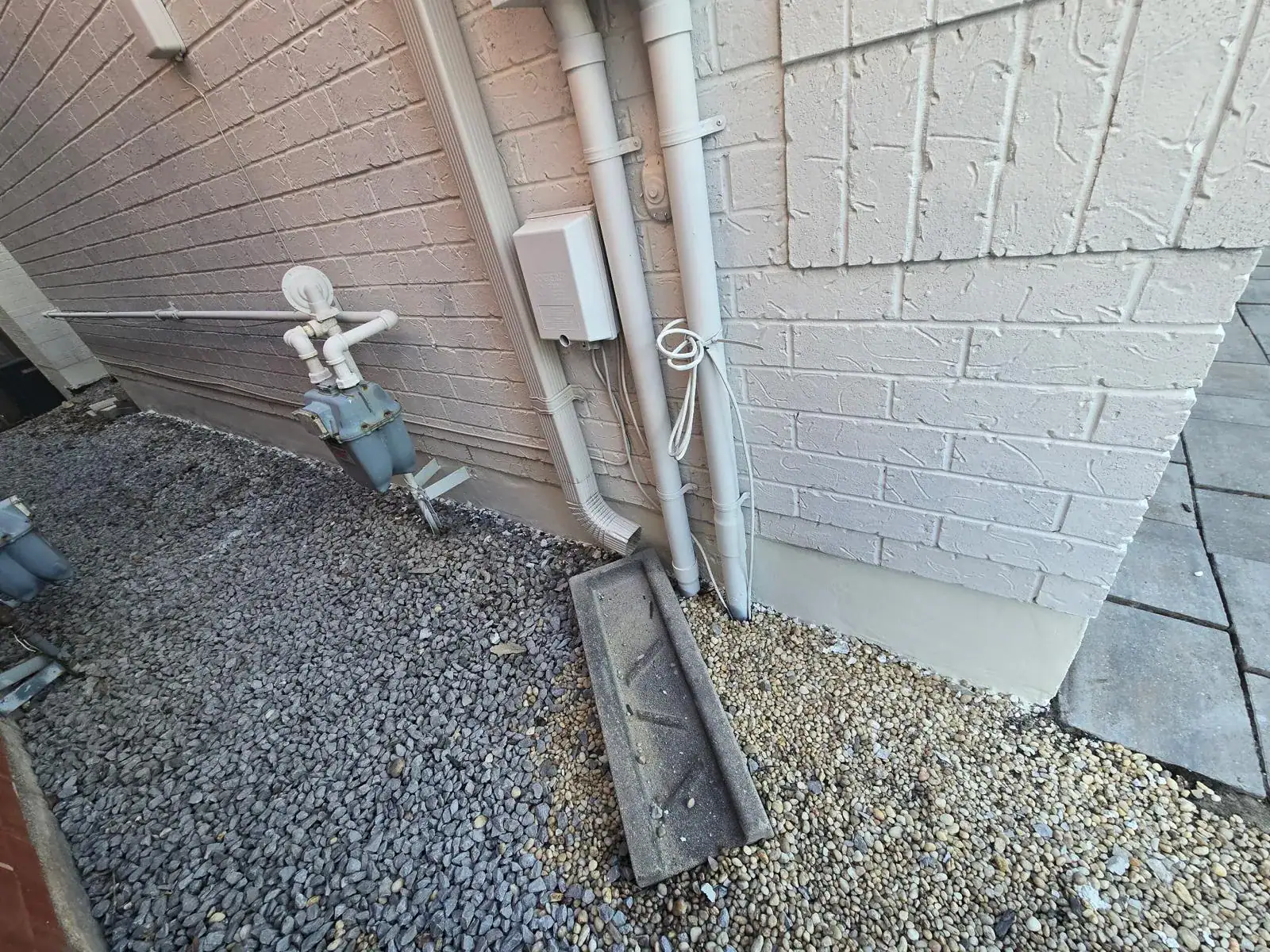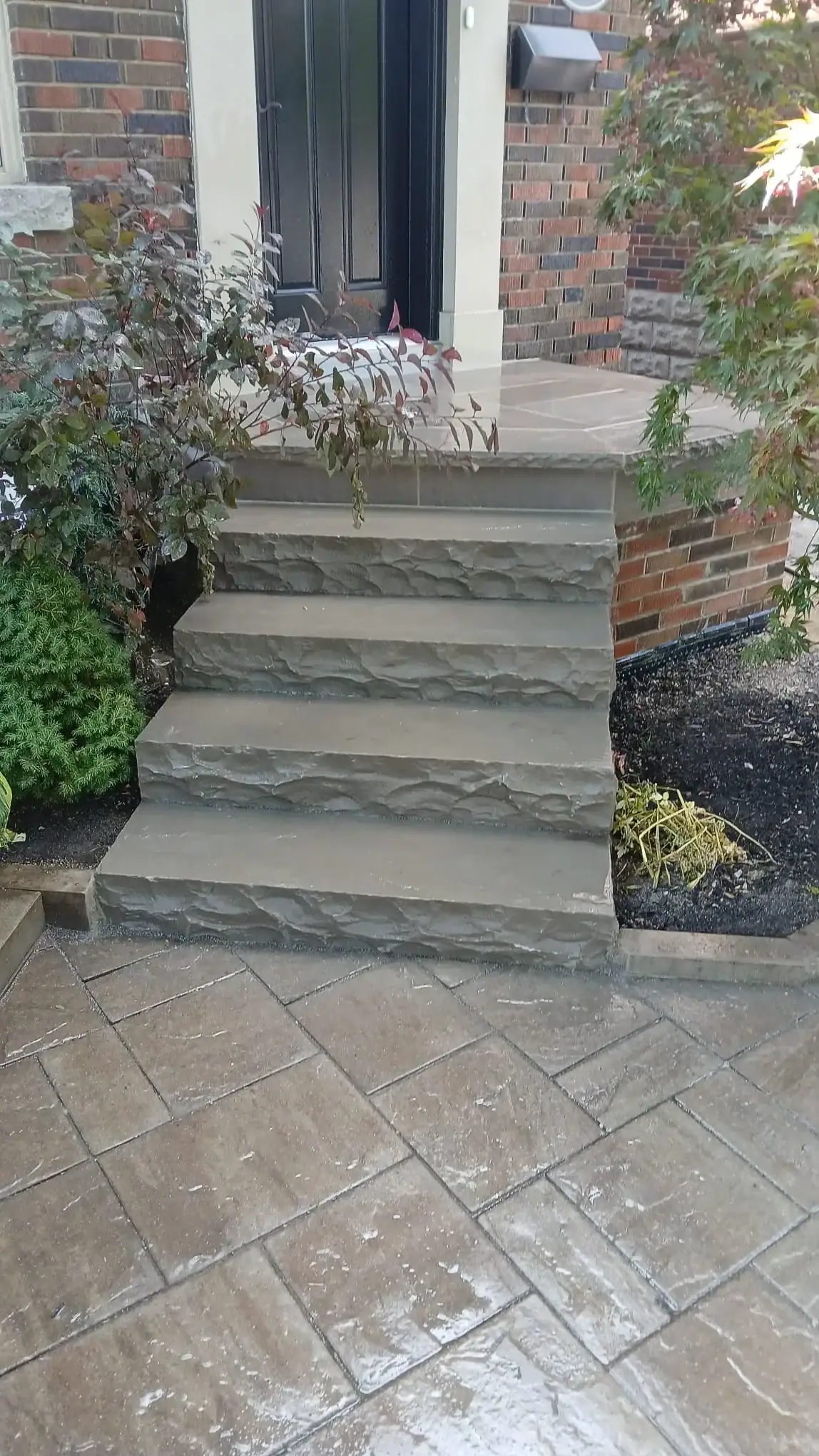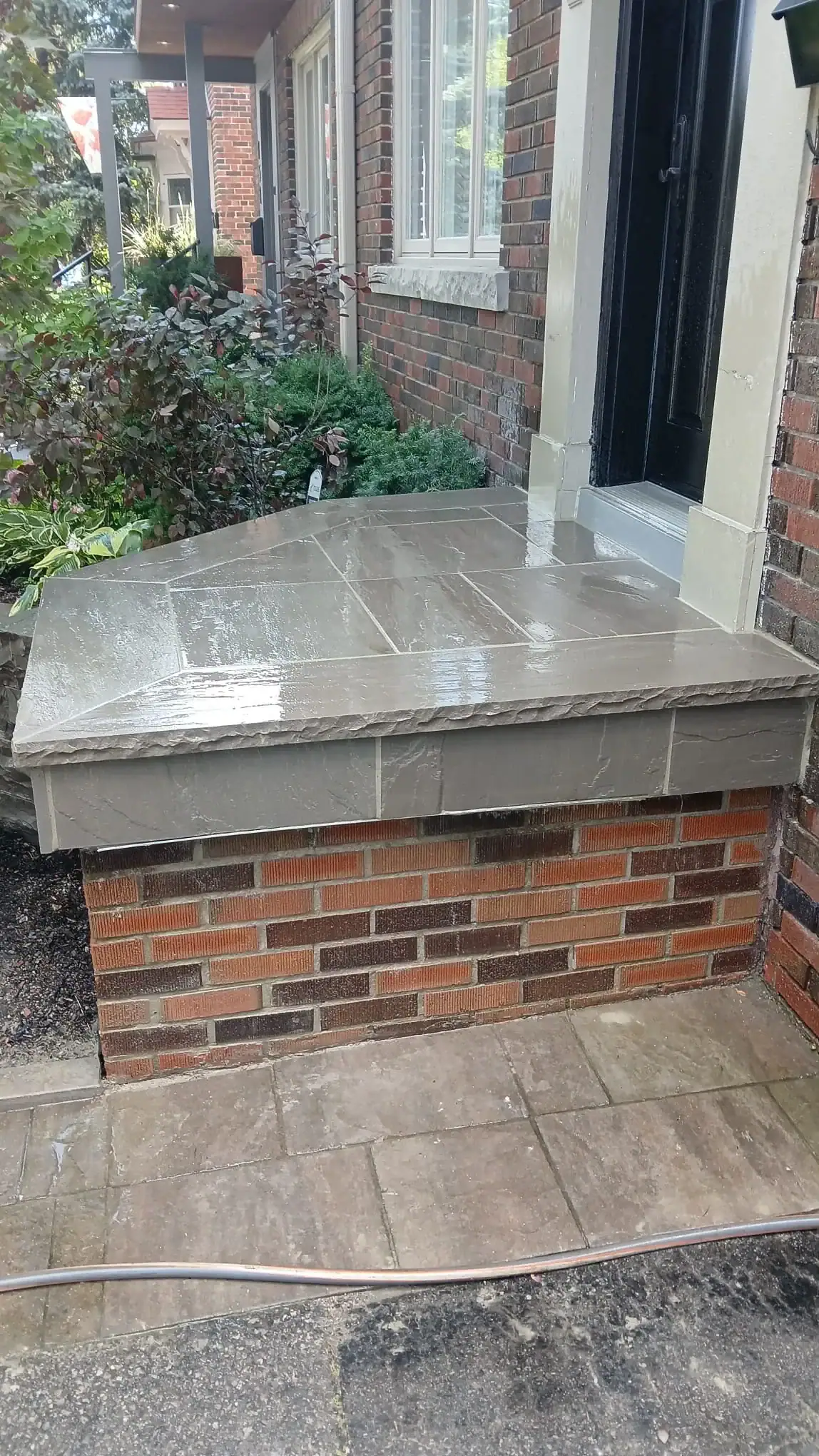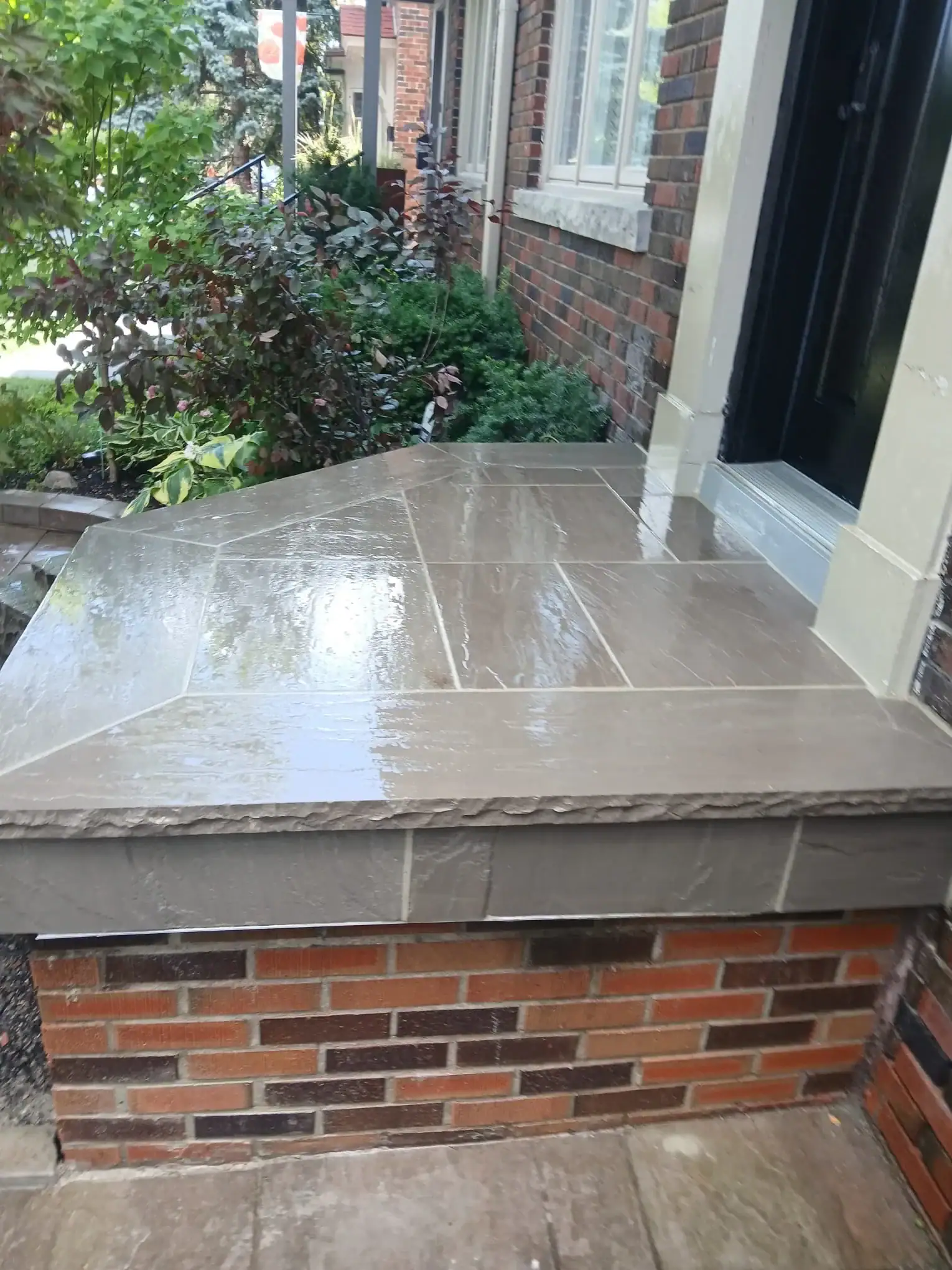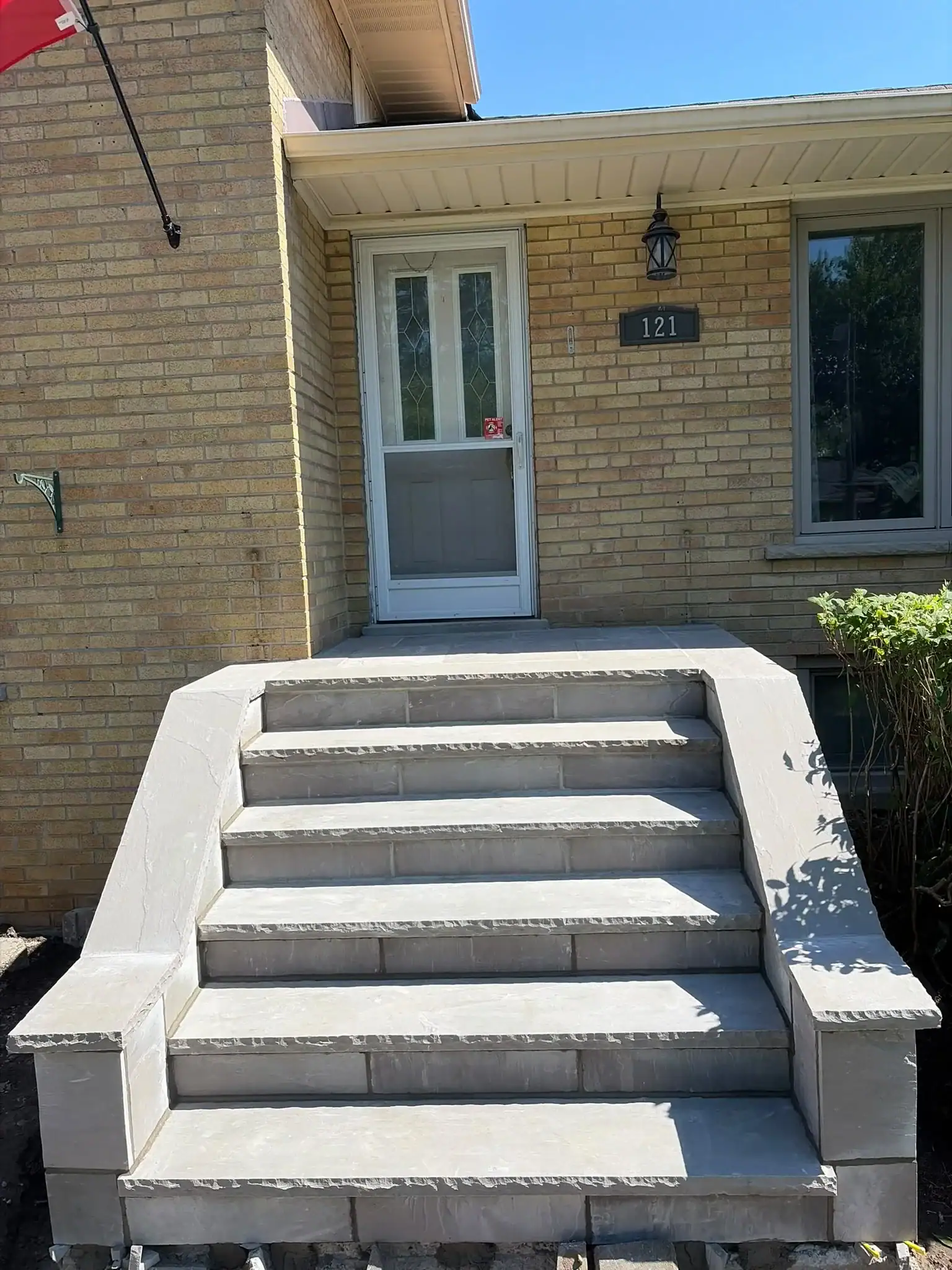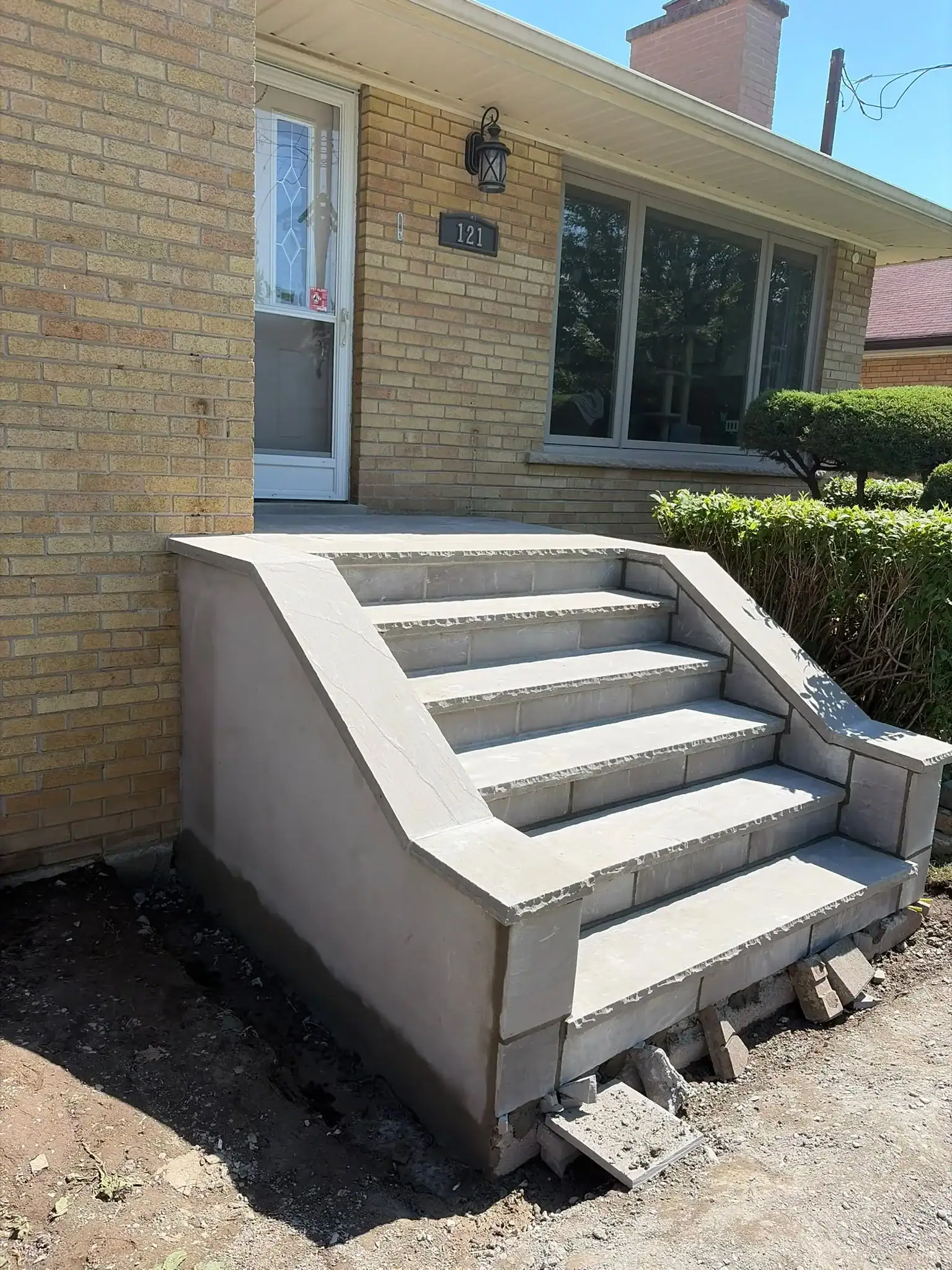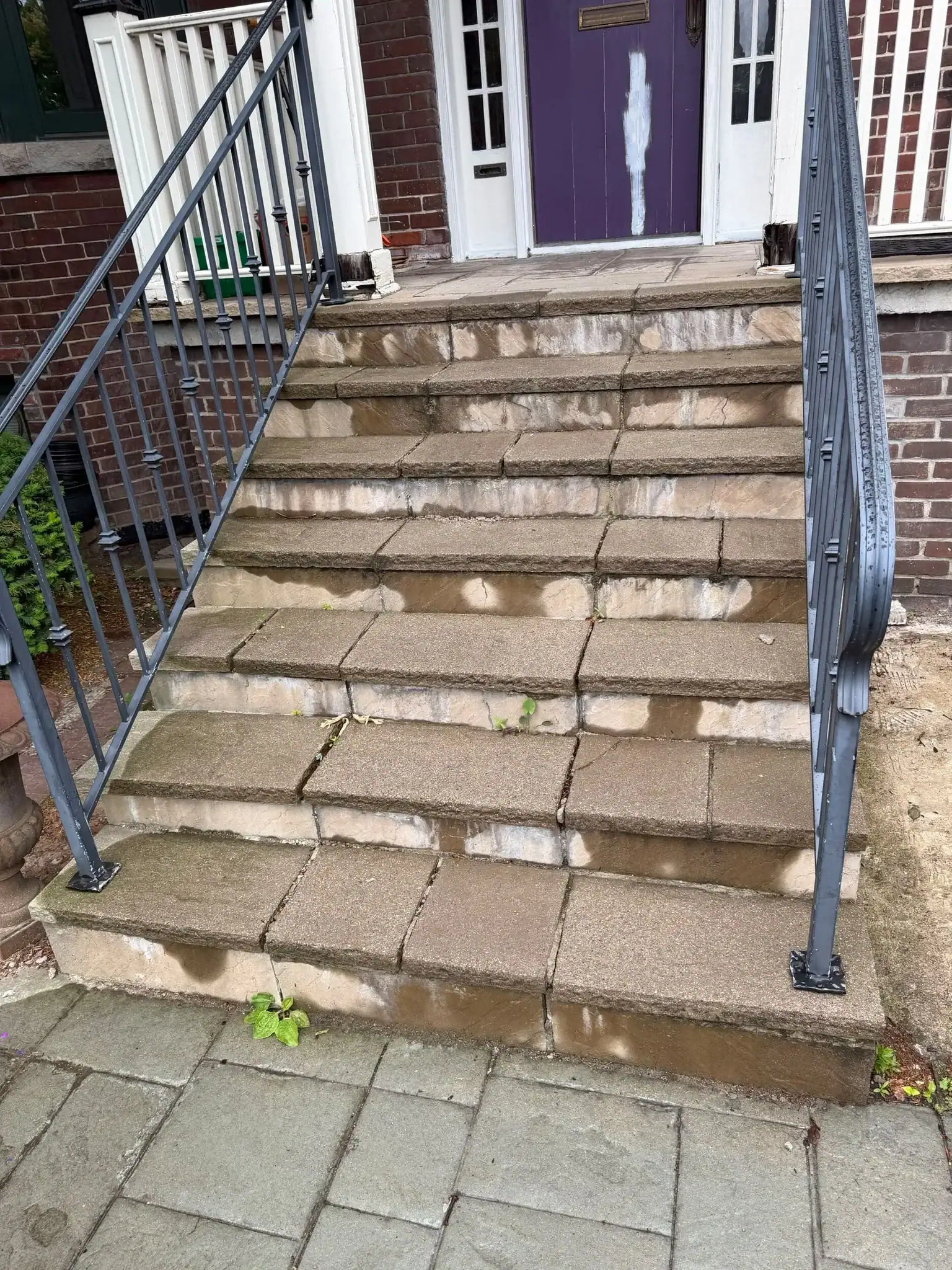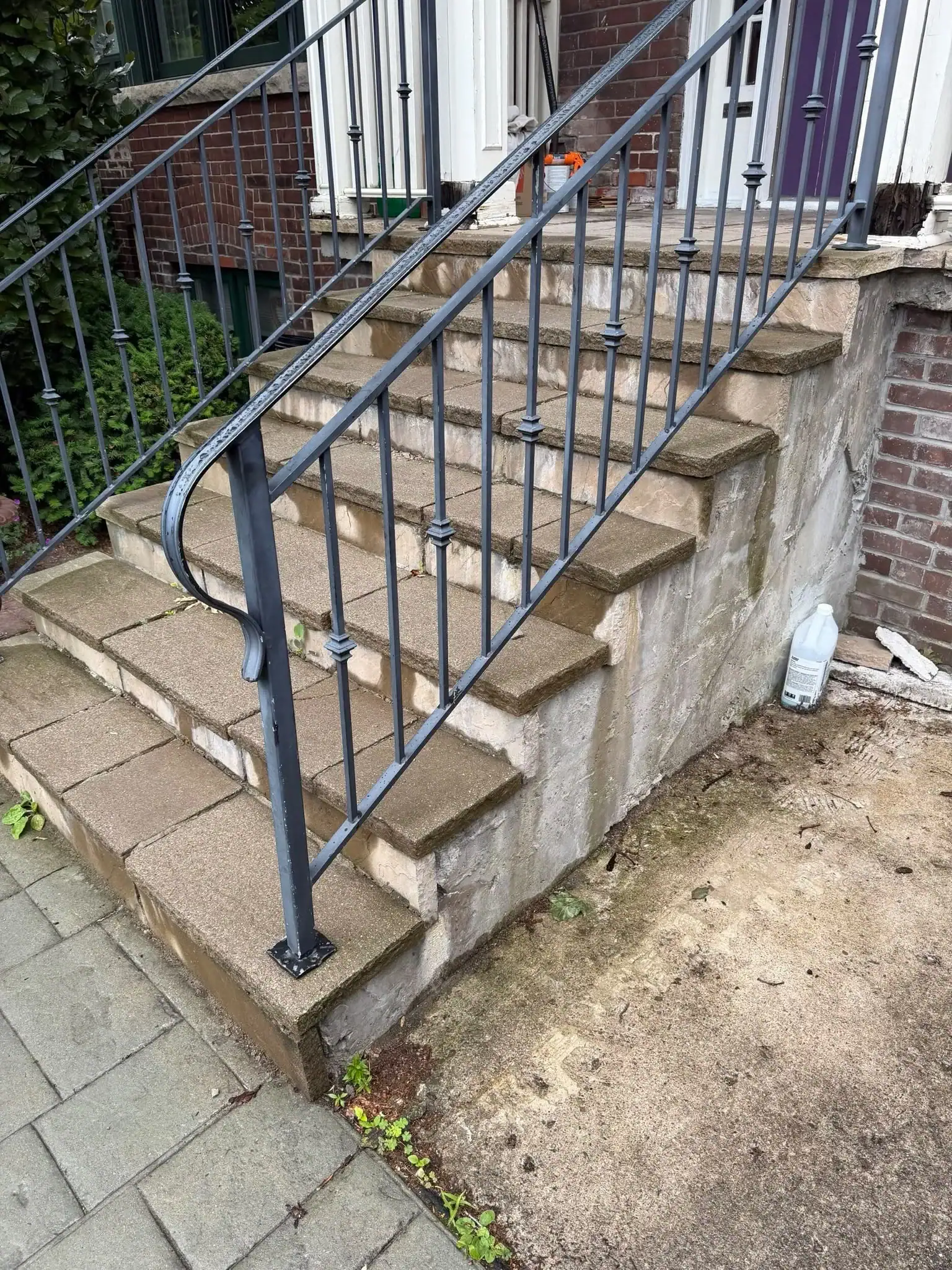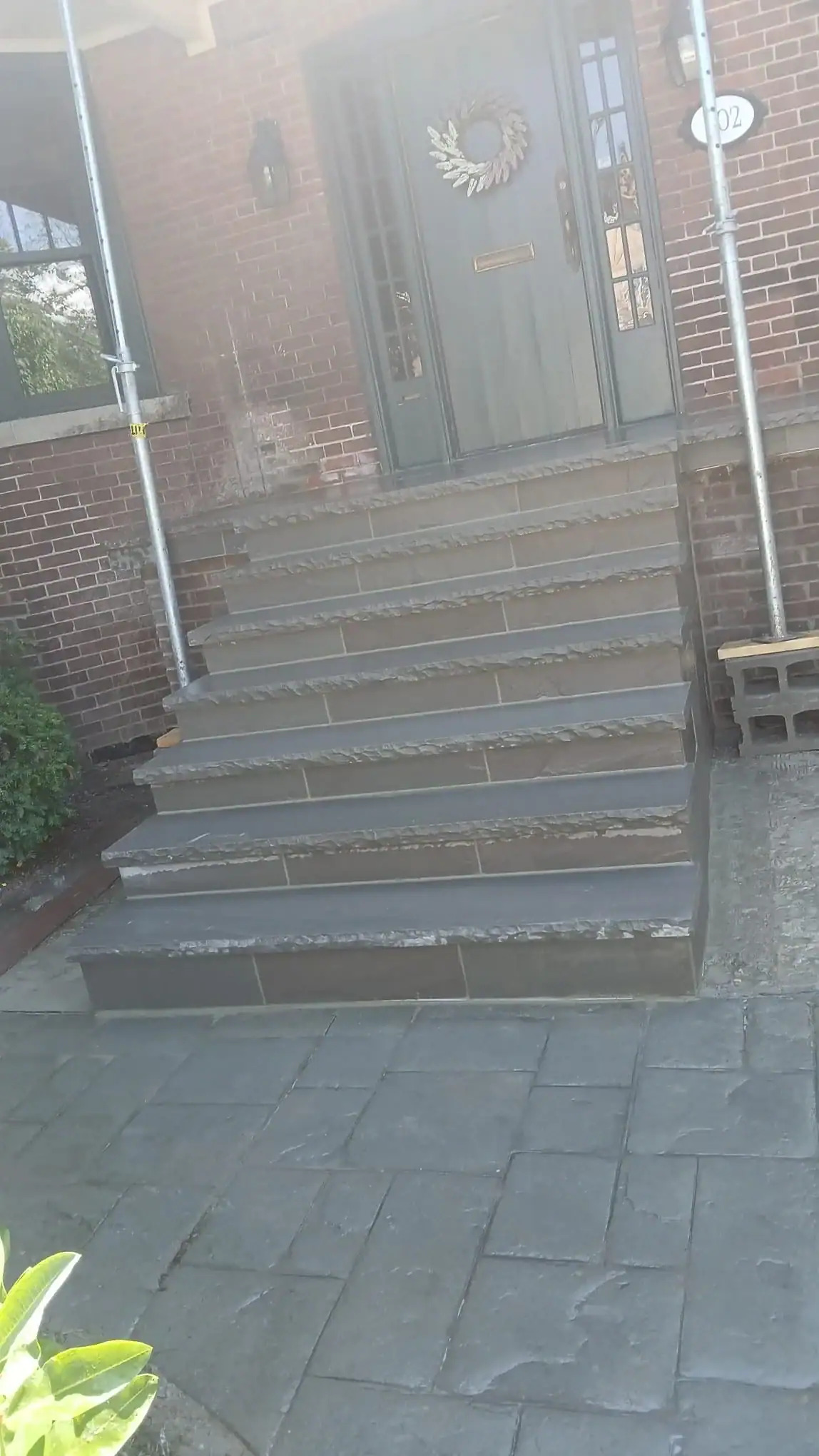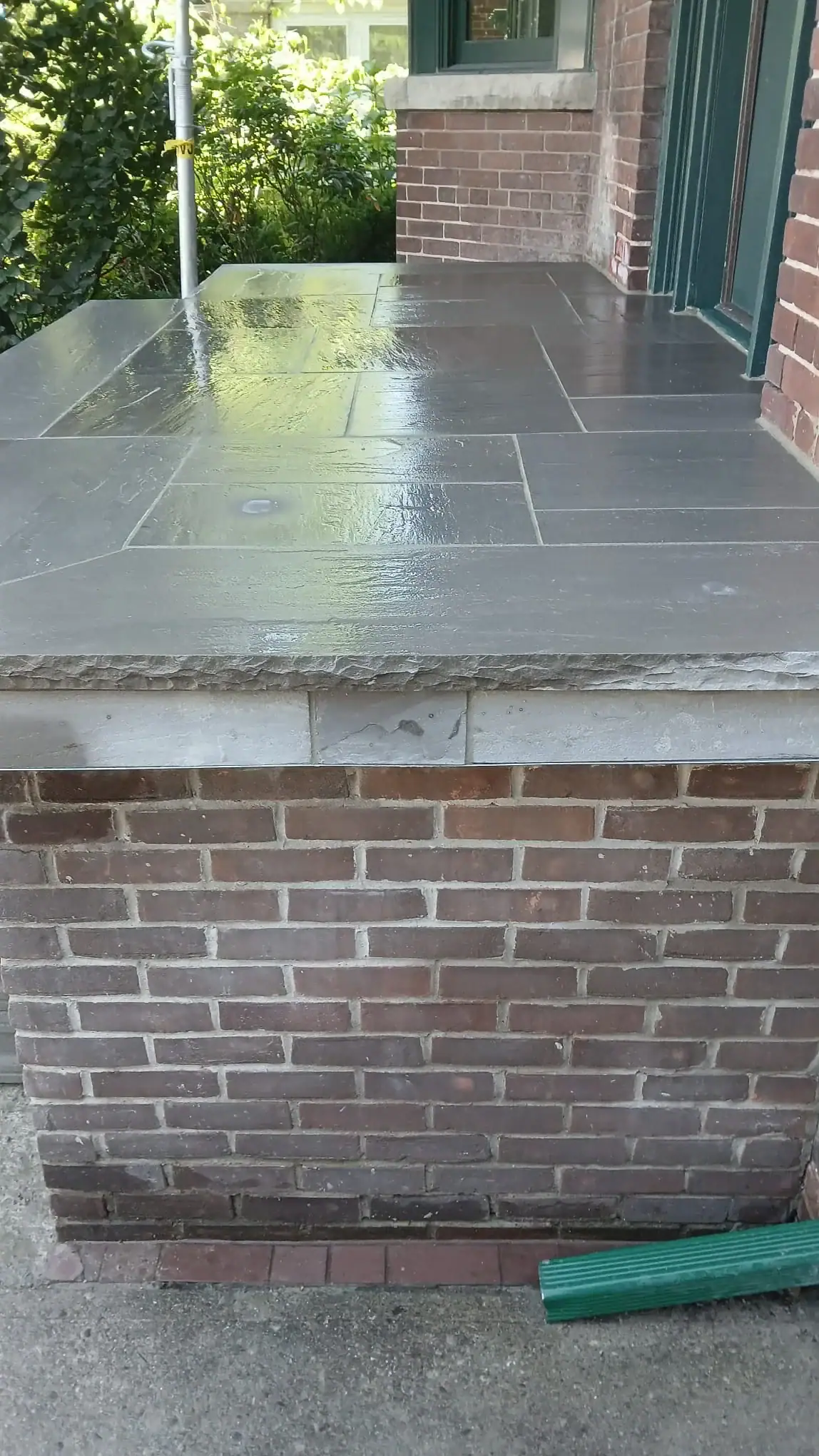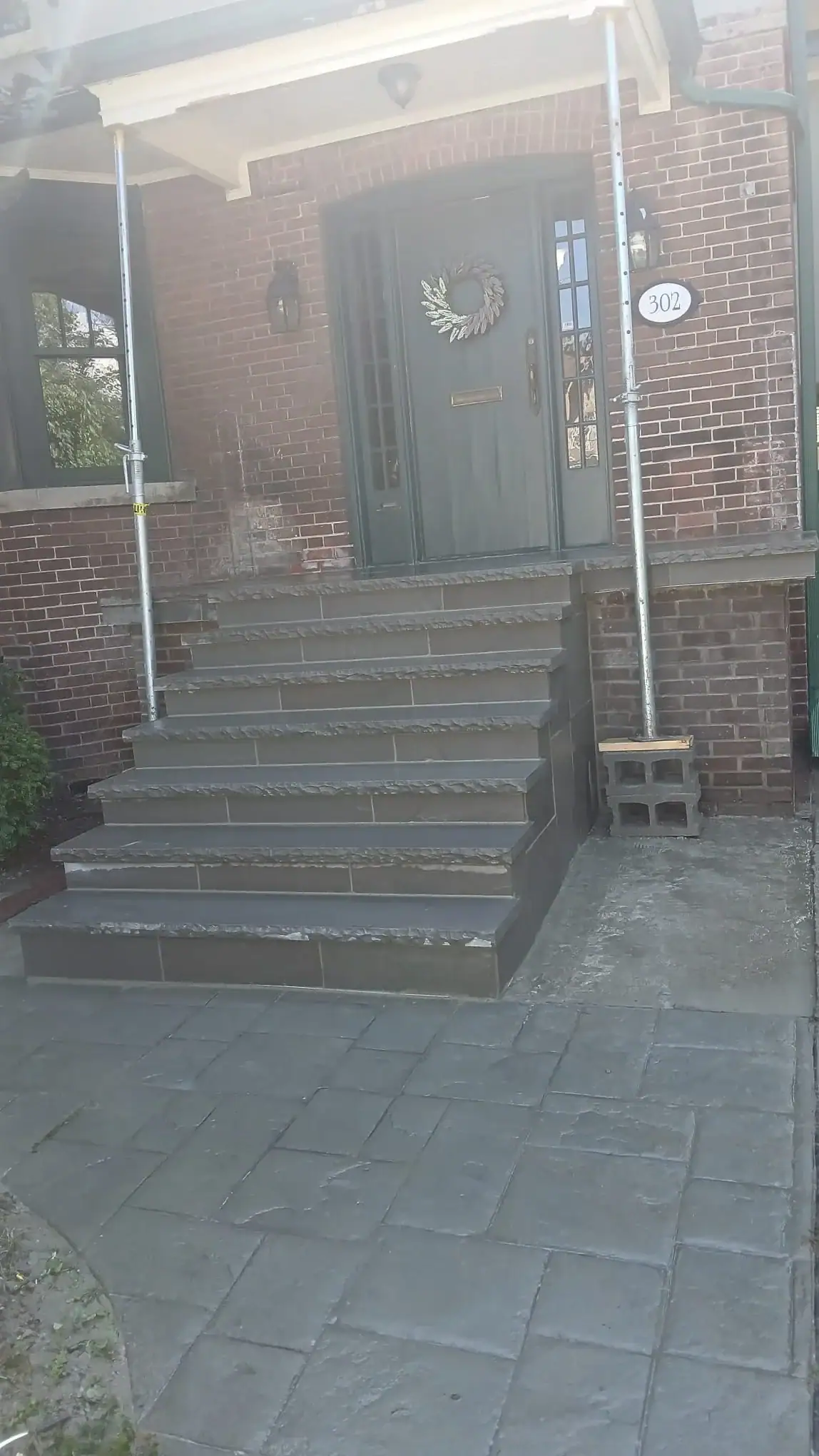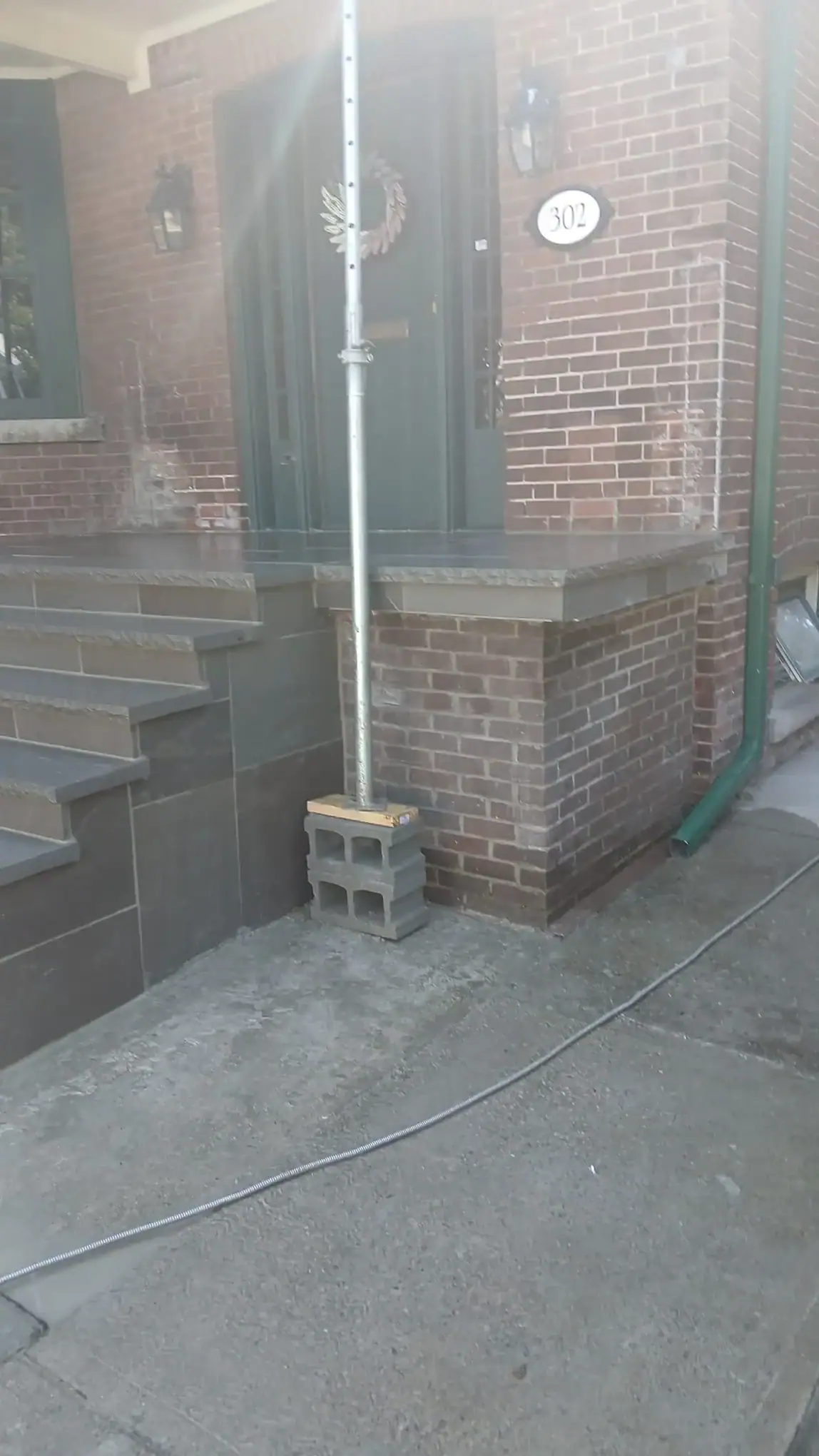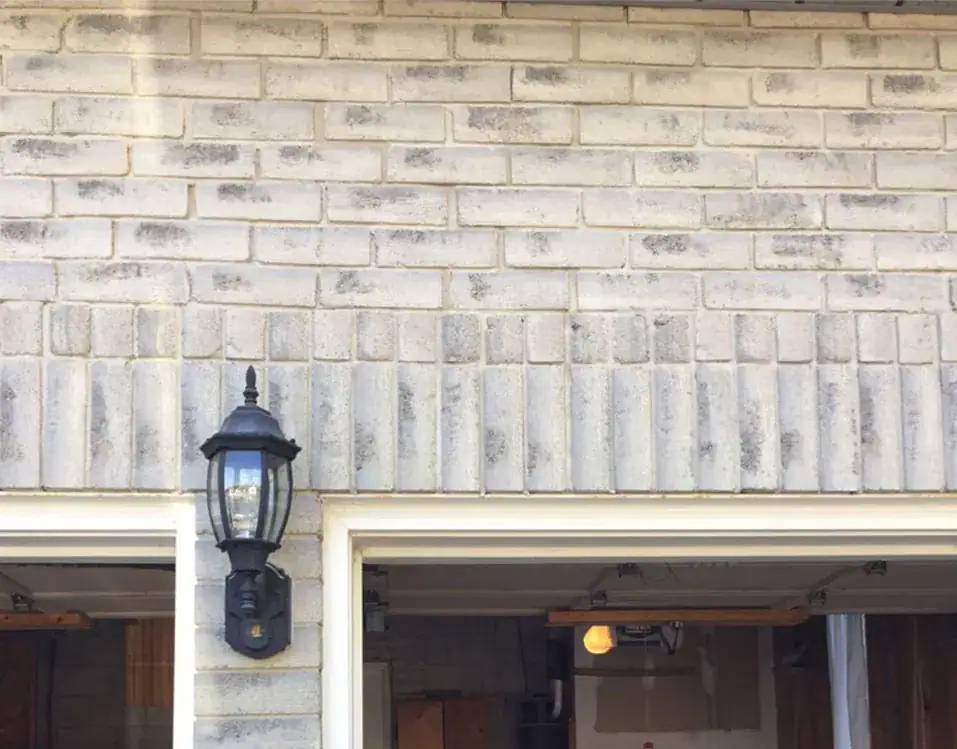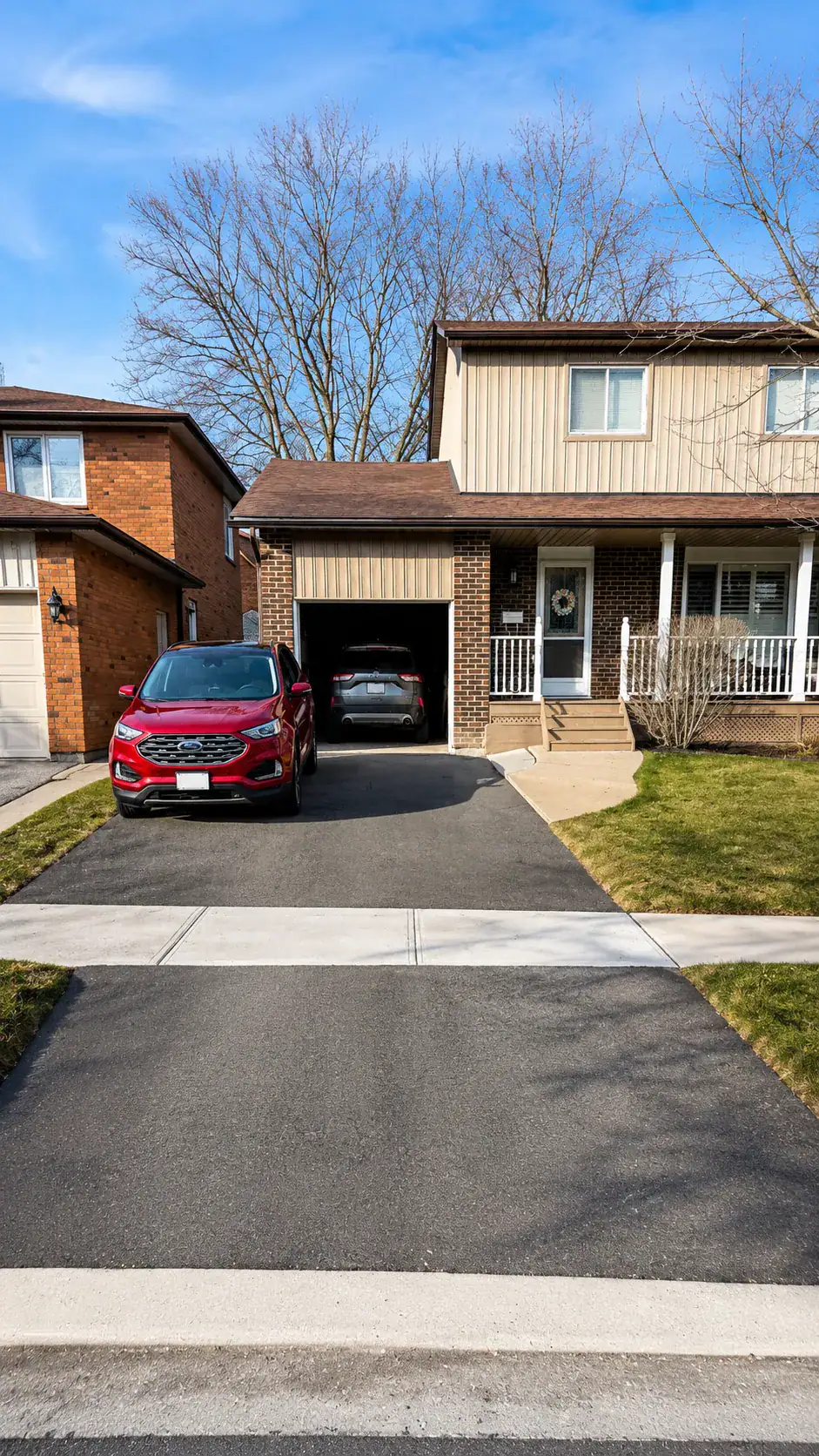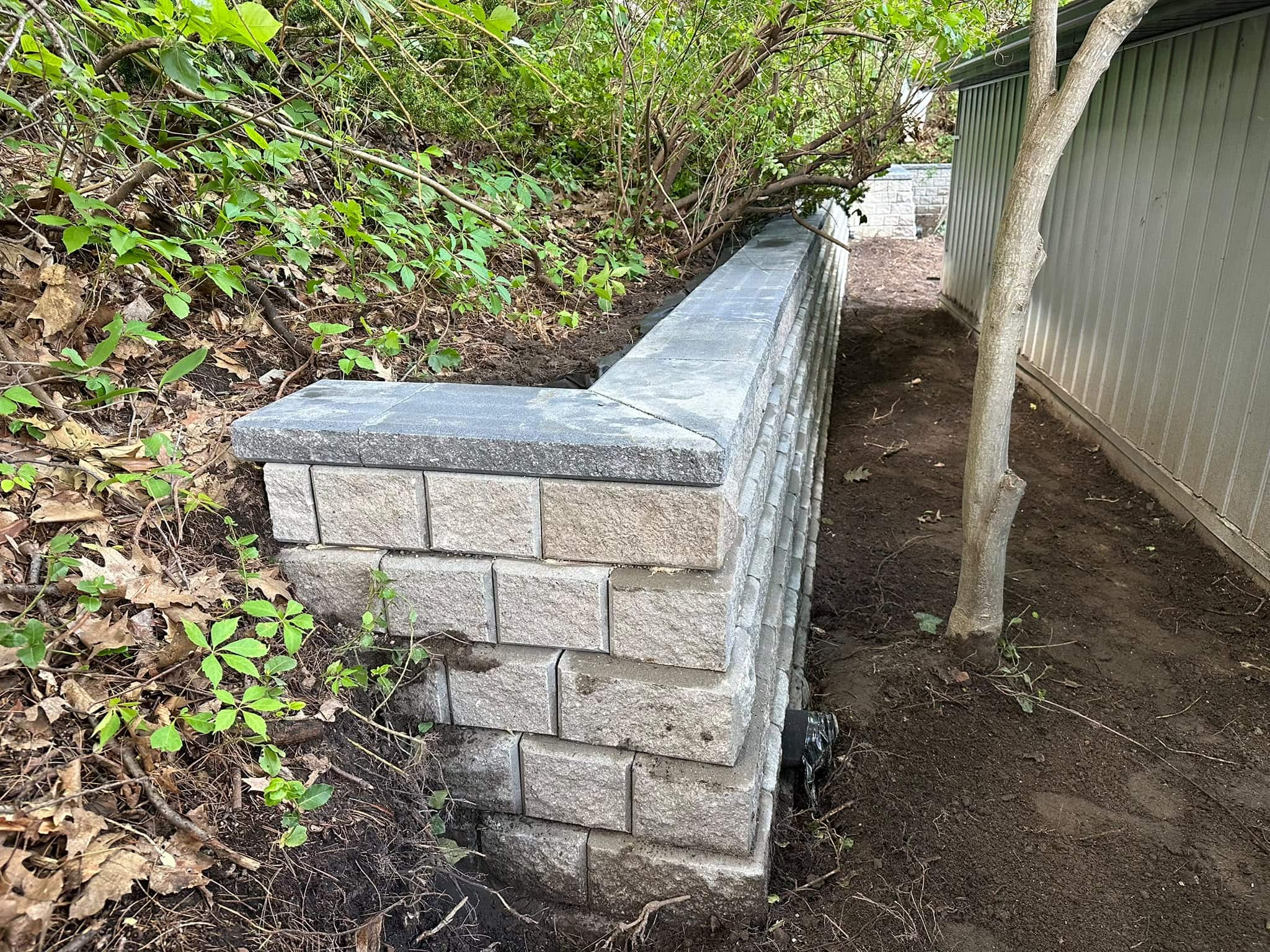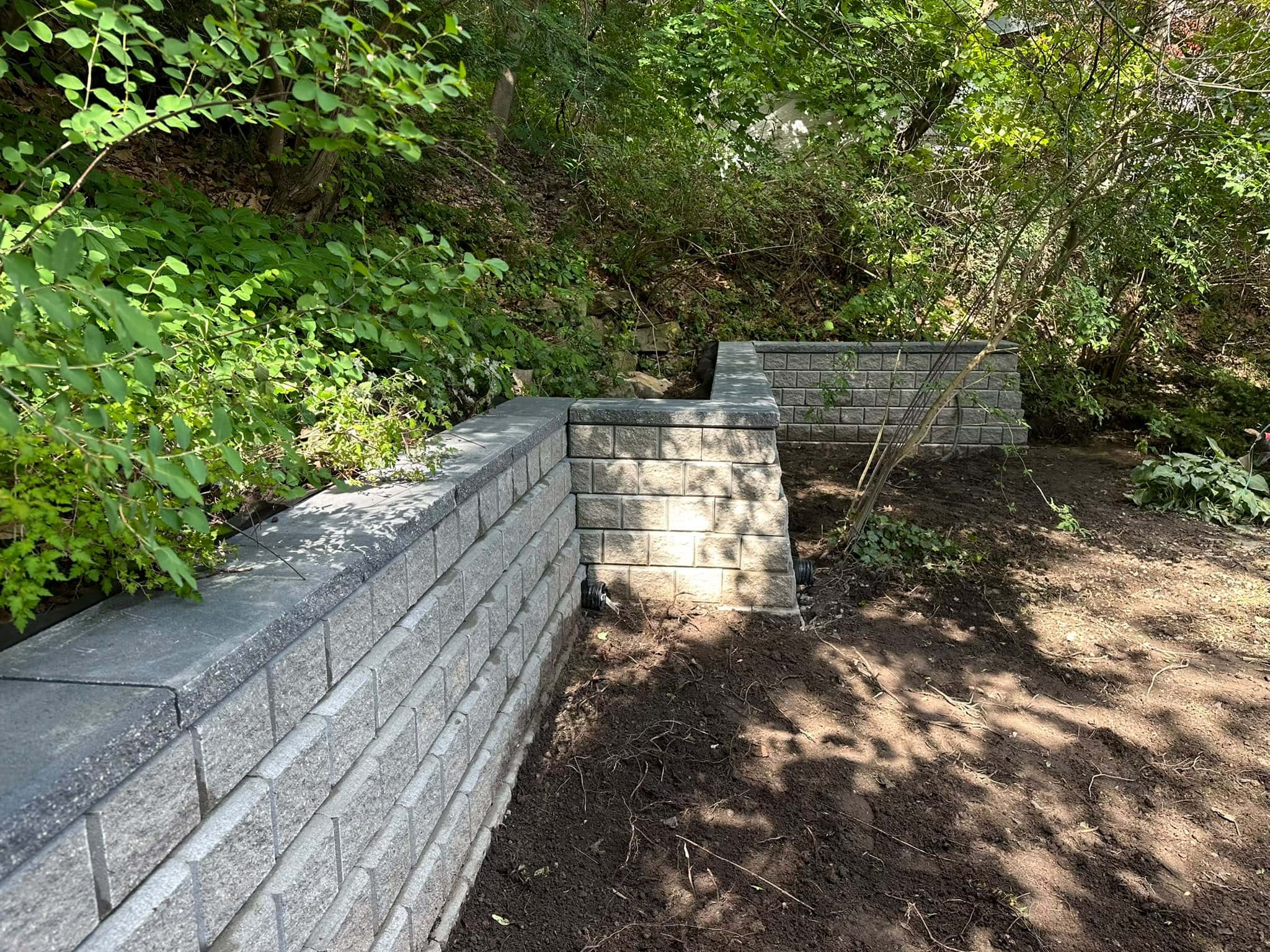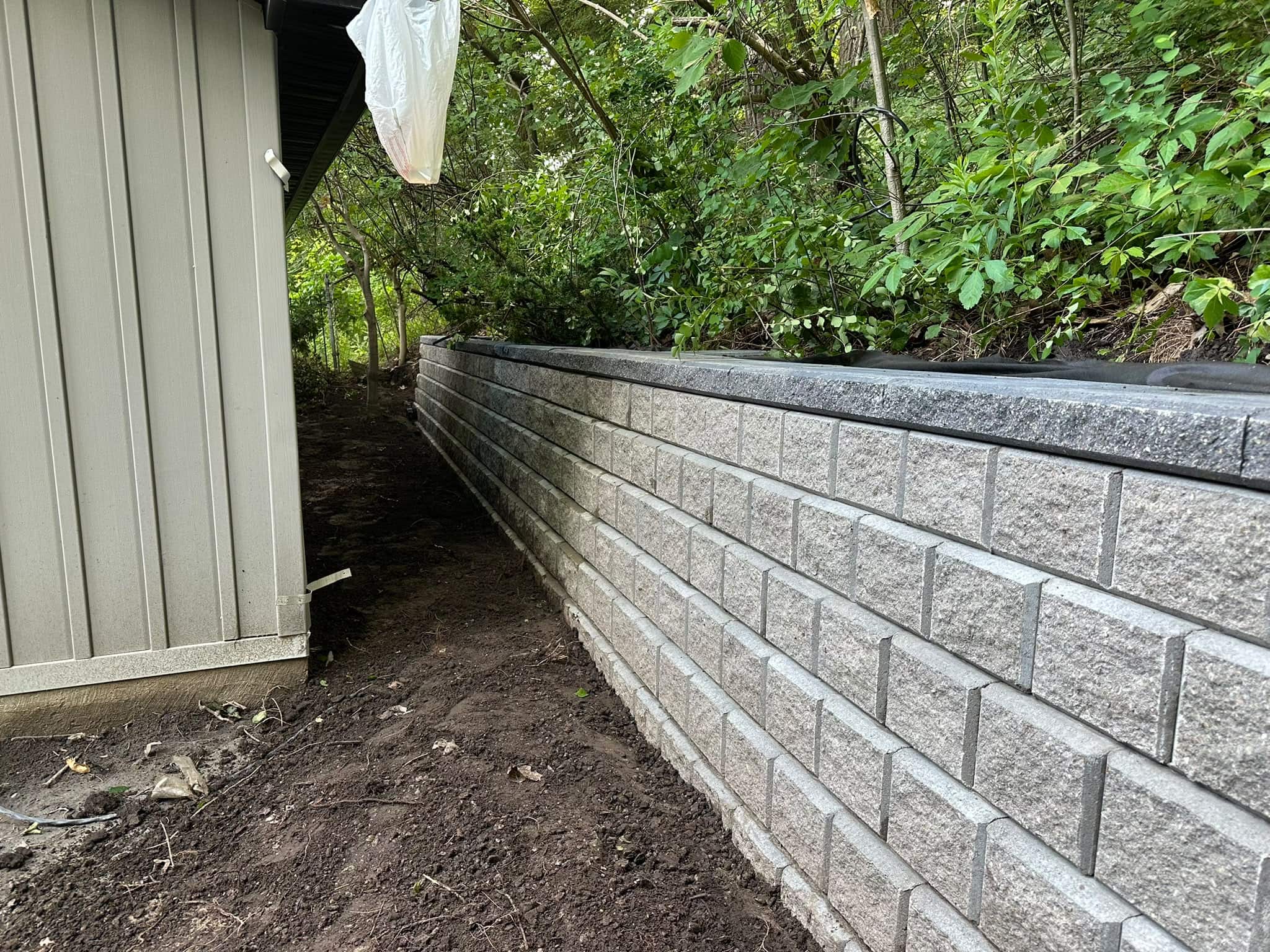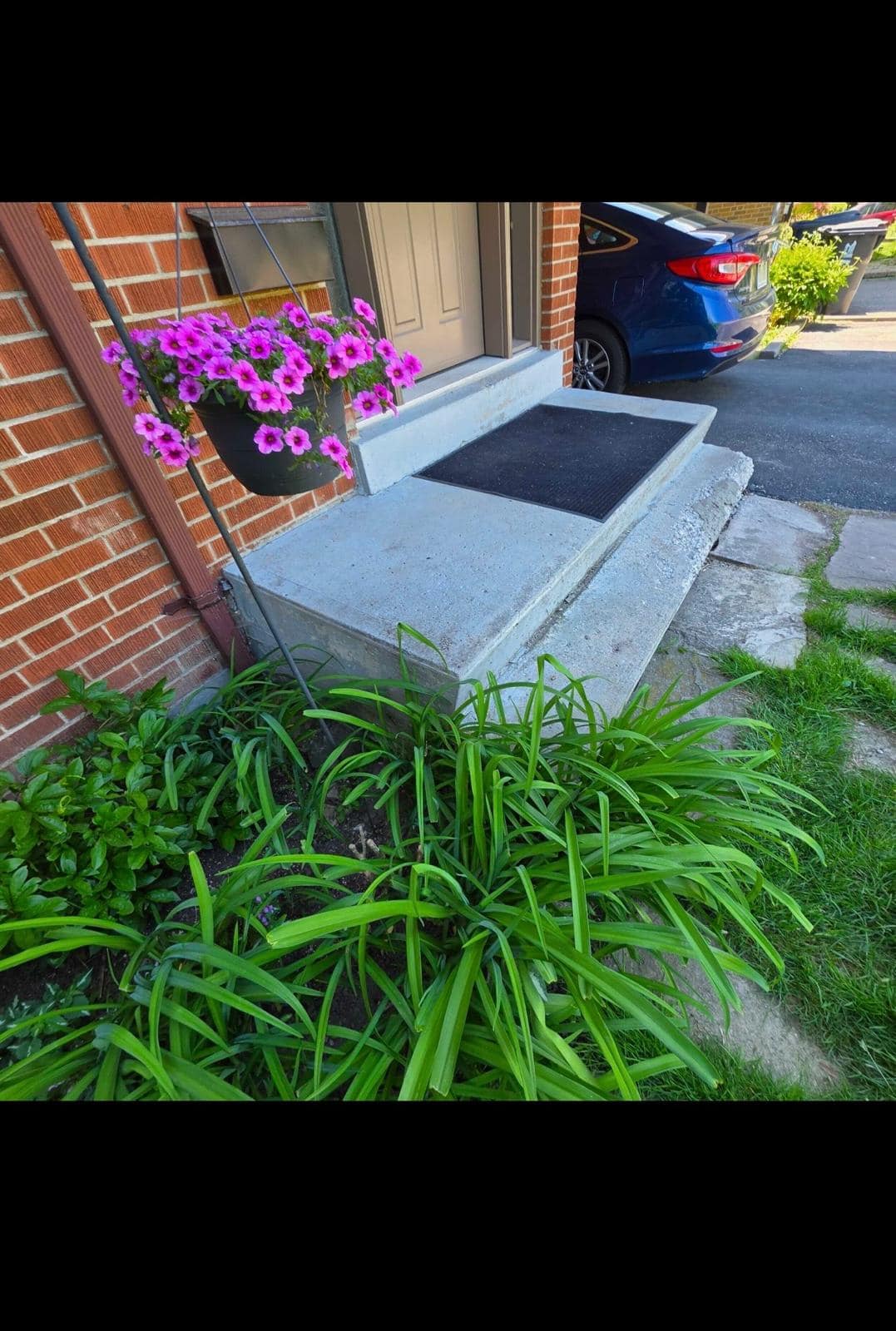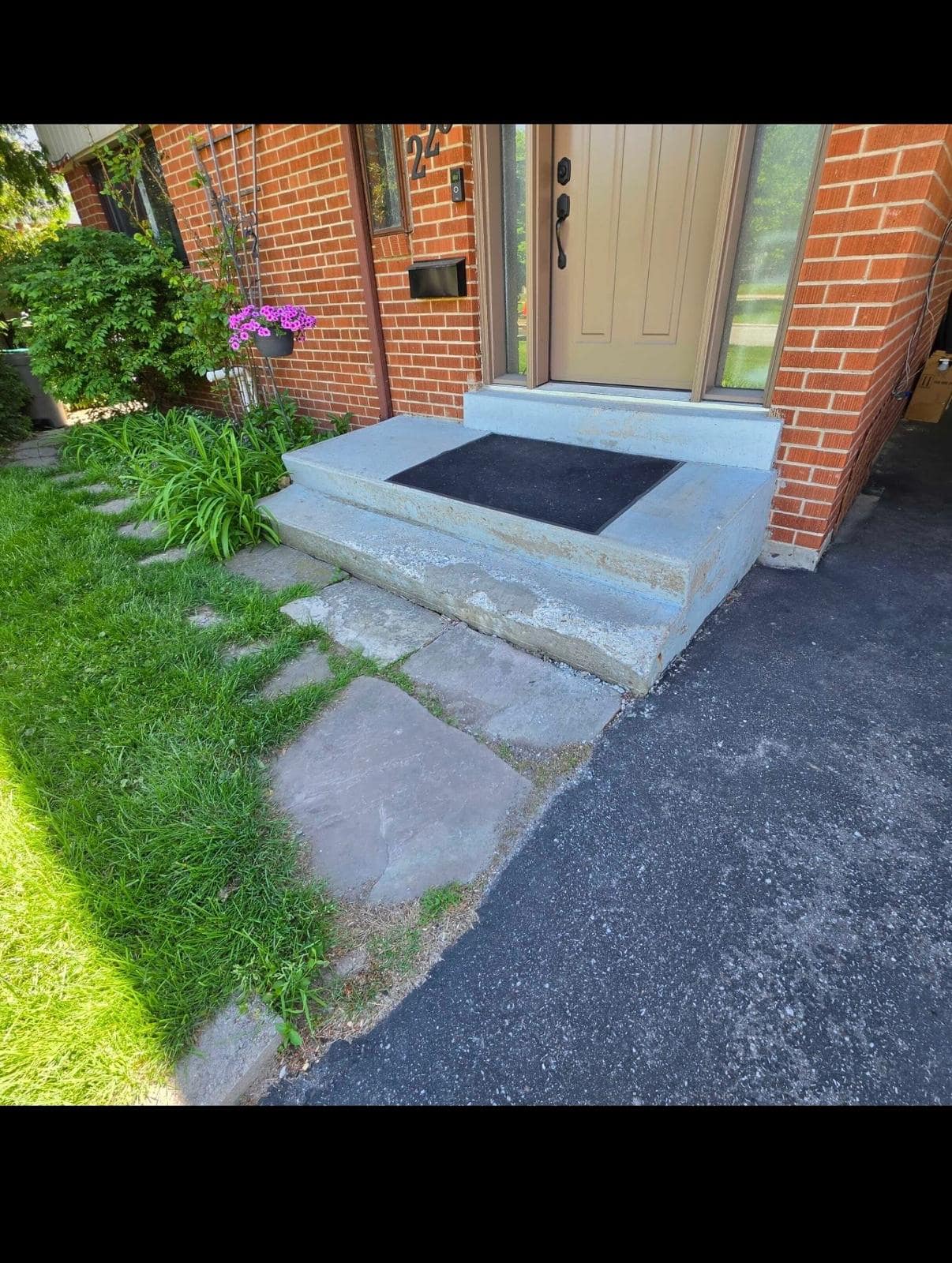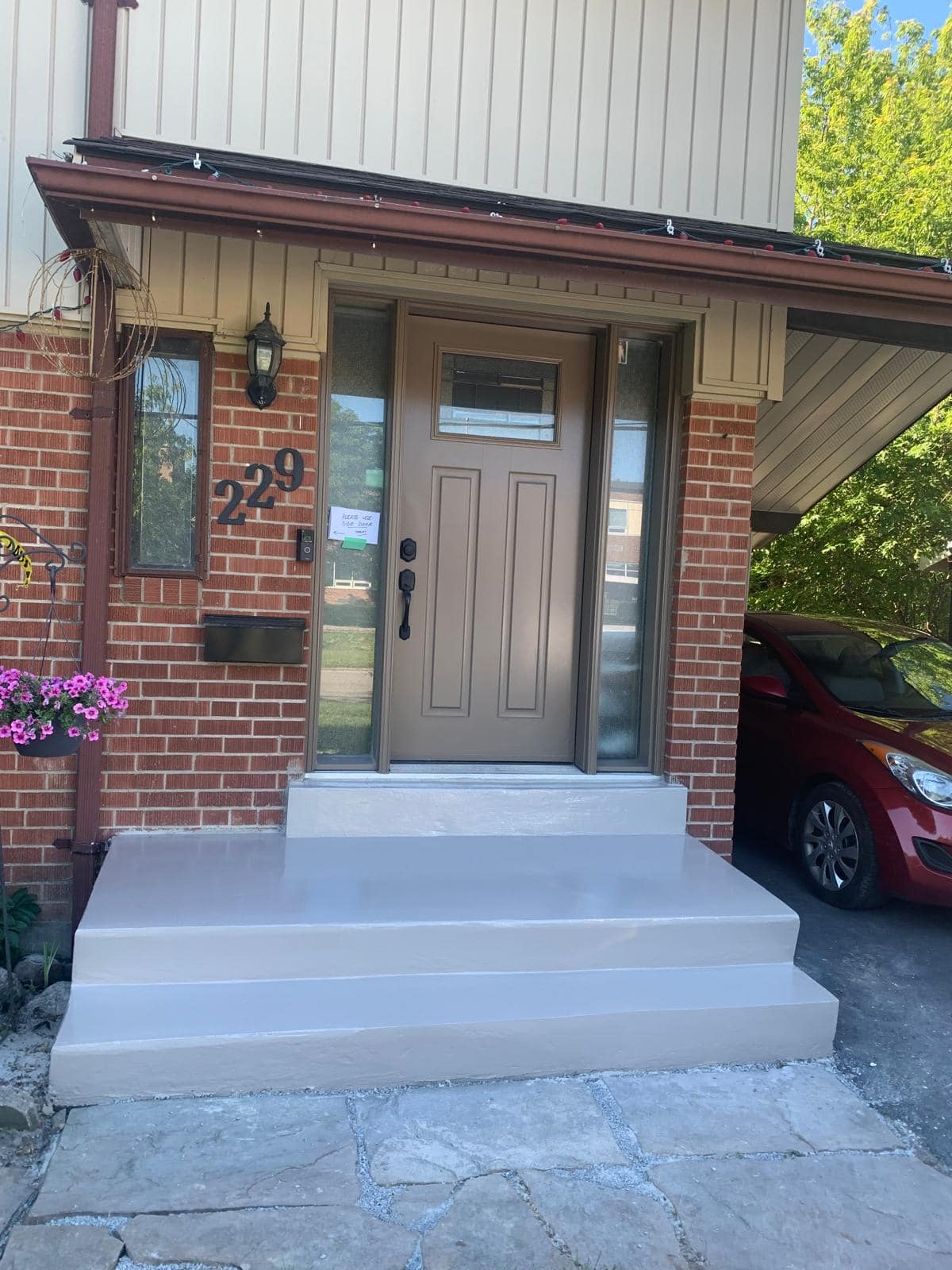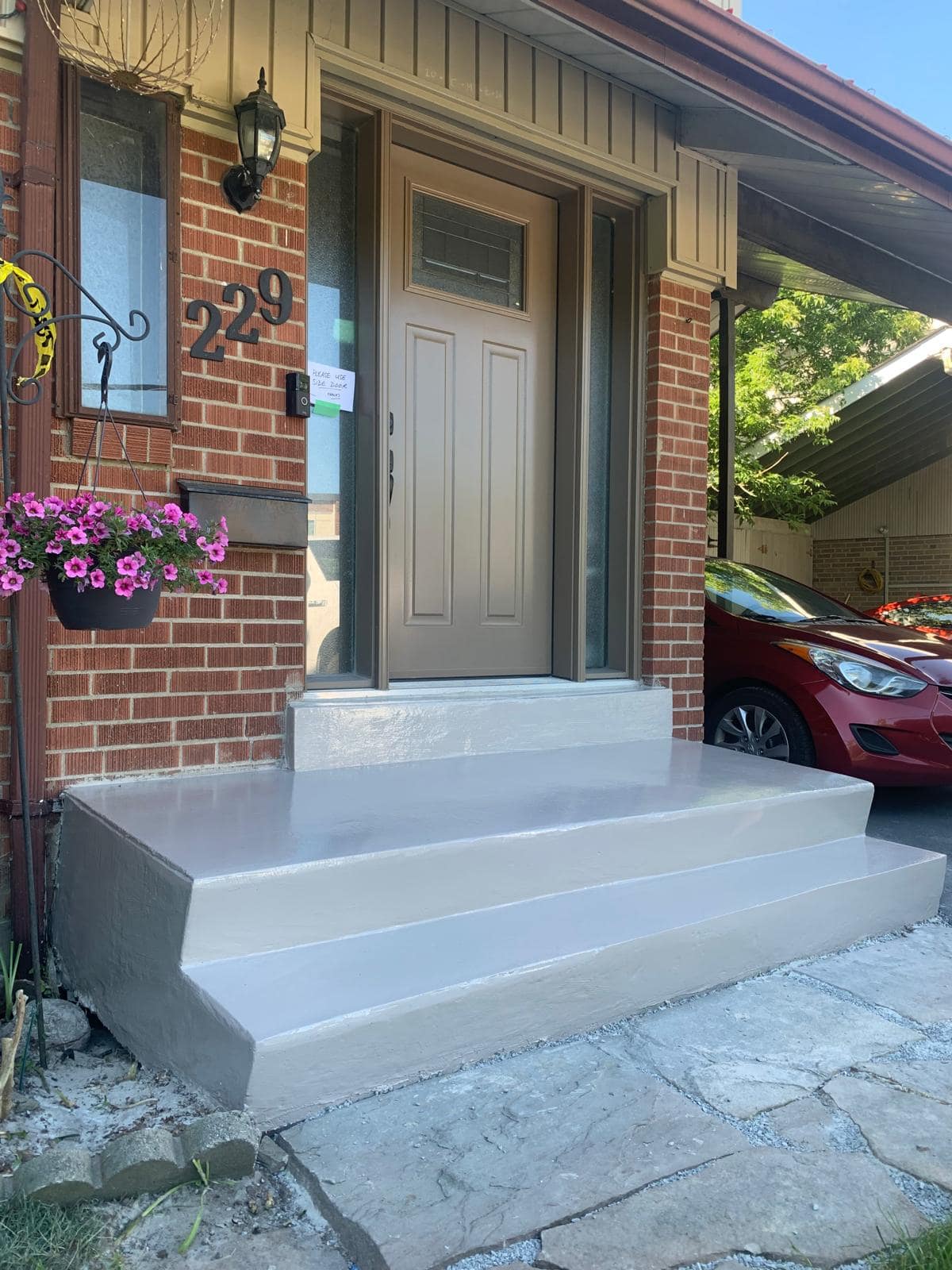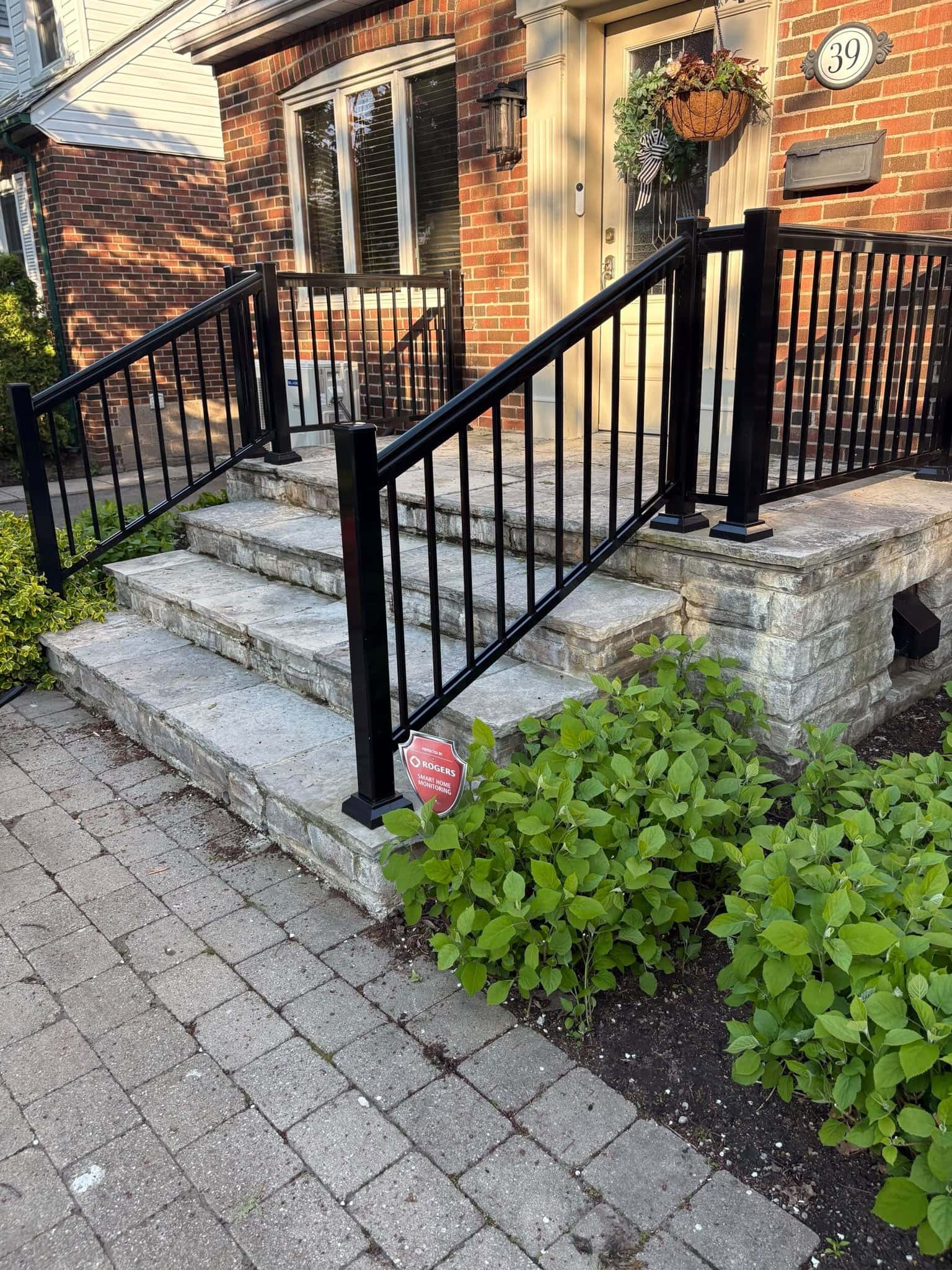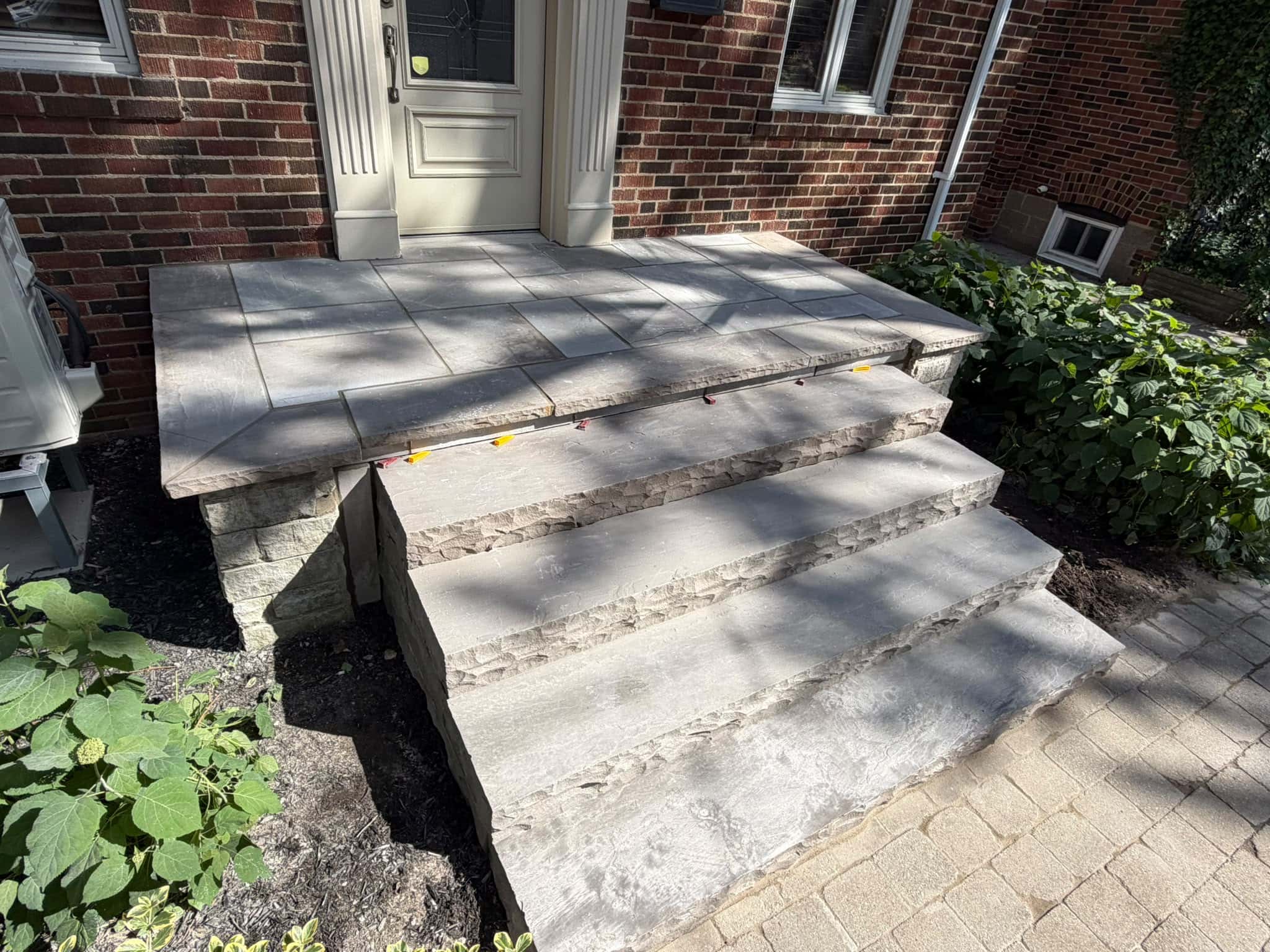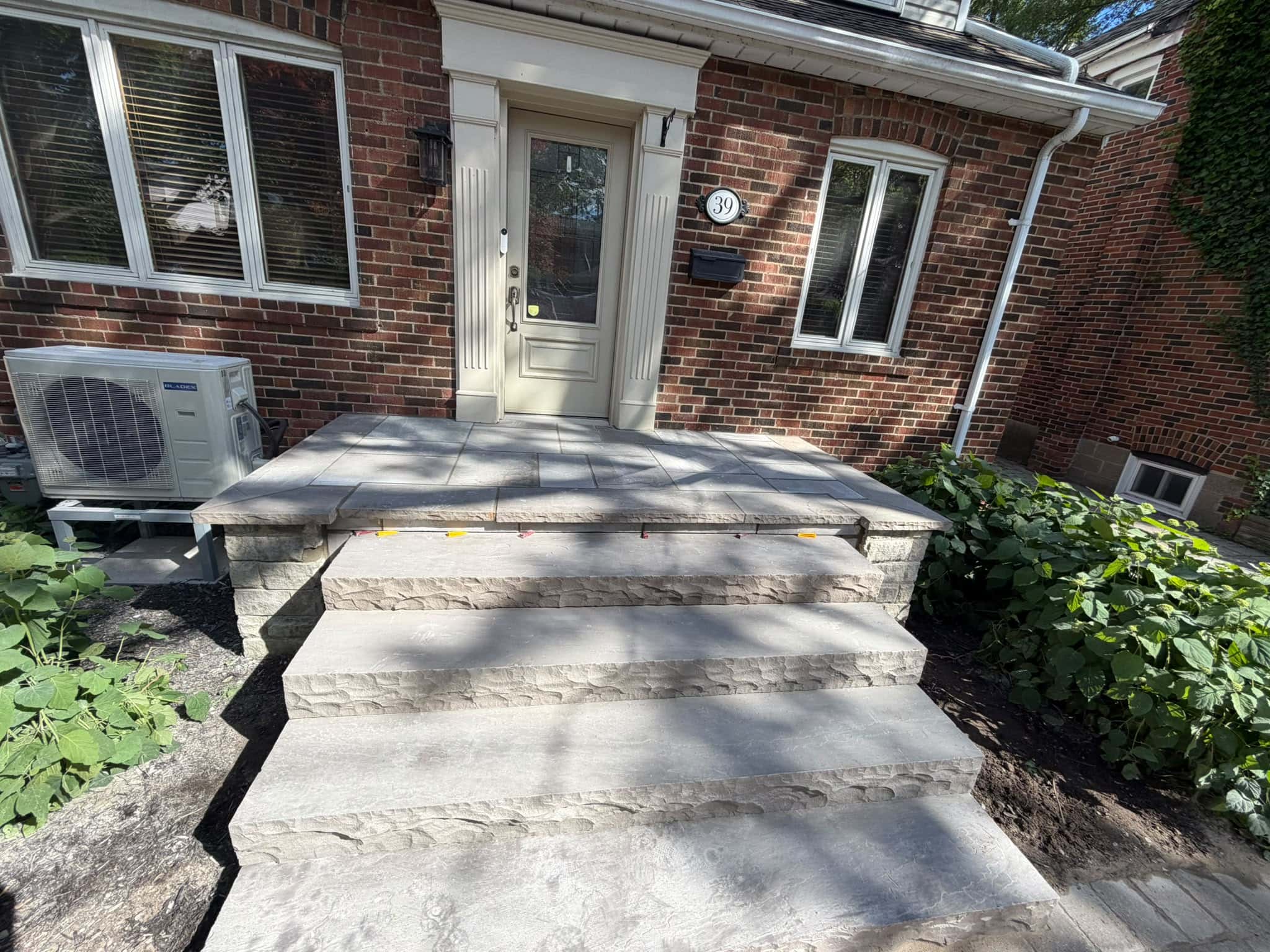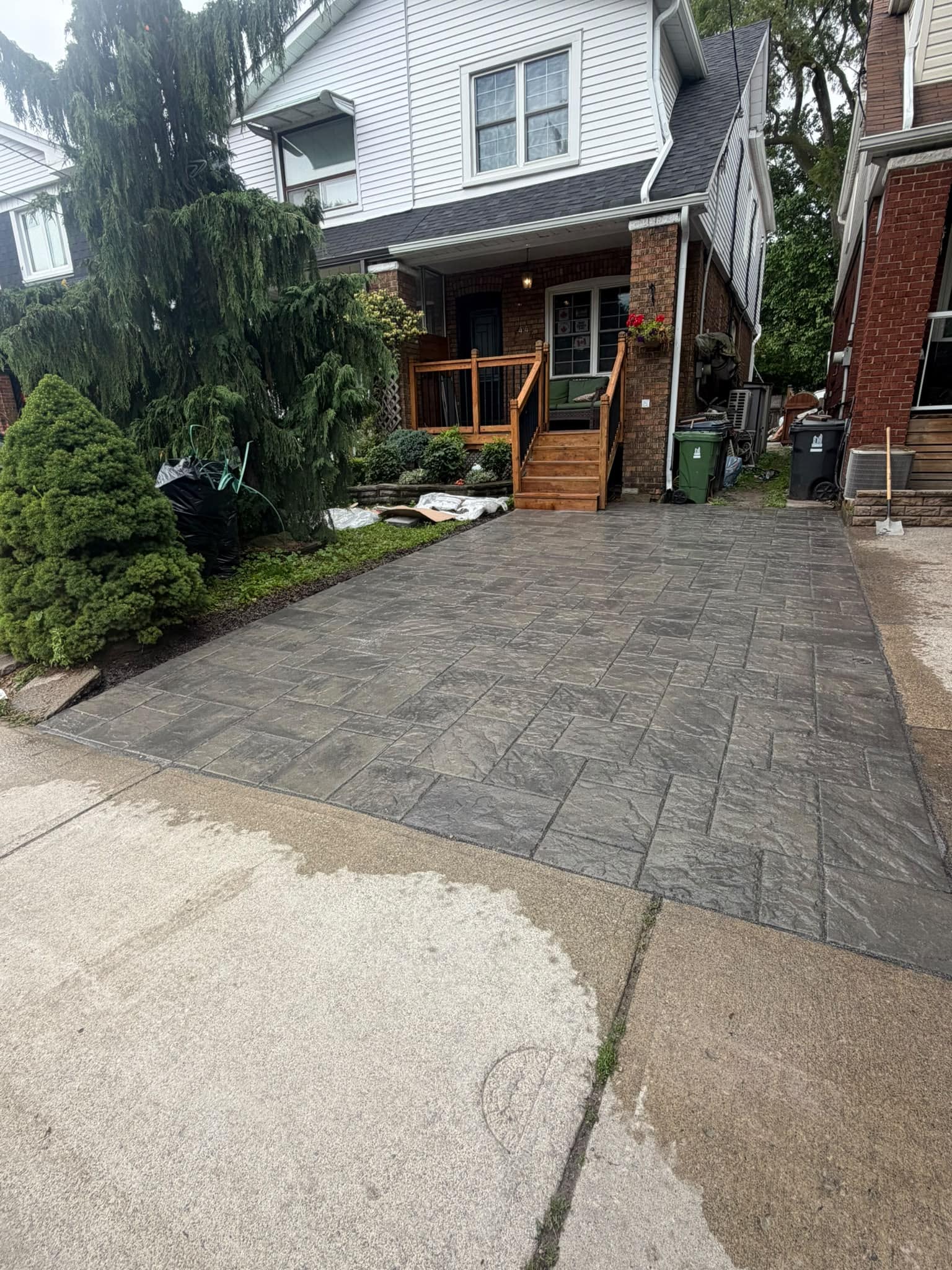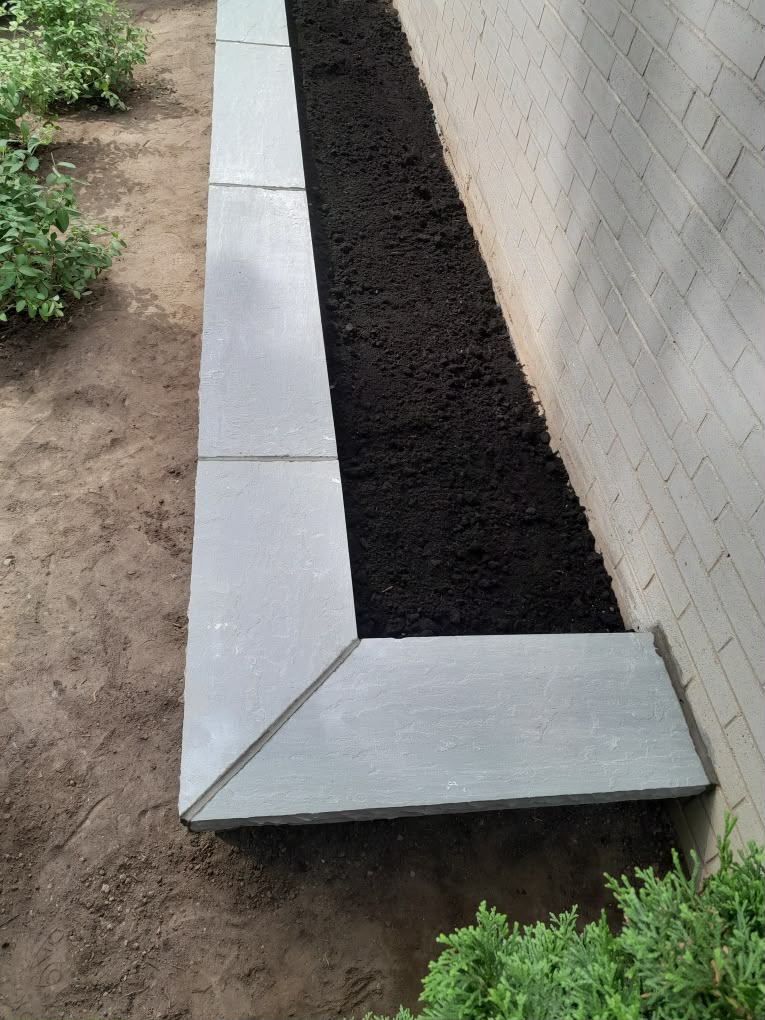

Masonry sealers can help protect brick, stone, concrete, and interlocking surfaces from moisture, staining, salt exposure, and weathering, but they are not the right answer for every masonry problem. The best sealer depends on the material, the condition of the surface, the type of exposure, and whether the masonry needs to breathe. Used correctly, a sealer can support long-term maintenance. Used incorrectly, it can trap moisture, change the surface’s appearance, or hide a problem that should be repaired first.
For Toronto and GTA homeowners, this matters because exterior masonry is exposed to rain, snow, ice, freeze-thaw cycles, road salt, and seasonal temperature swings. A sealer may be helpful on some driveways, walkways, stone surfaces, concrete areas, and repaired masonry, but it should never be treated as a cure for crumbling mortar, cracked brick, poor drainage, or active water entry.
This guide explains when masonry sealers make sense, why they are used, which types are commonly considered, and when repair or waterproofing should come before sealing.
What Masonry Sealers Actually Do
Masonry sealers are products applied to a surface to reduce water absorption, staining, dusting, or surface wear. Some sealers penetrate into the masonry and help repel water while still allowing vapour to escape. Others form a film on top of the surface, which can change the appearance and create a more visible coating.
The important point is that sealers are surface protection, not structural repair. They cannot rebuild damaged brickwork, replace missing mortar, fix poor grading, repair foundation cracks, or stop water from entering through a larger defect. A sealer may slow water absorption through a sound surface, but it will not solve a wall that already has open joints, loose masonry, or trapped moisture.
Think of a sealer as one part of a maintenance plan. It can help when the surface is sound, clean, dry, and suitable for sealing. It can hurt when it is applied over active moisture, damaged masonry, salt contamination, or materials that need a different repair first.
Why Toronto Weather Makes Sealer Choices More Important
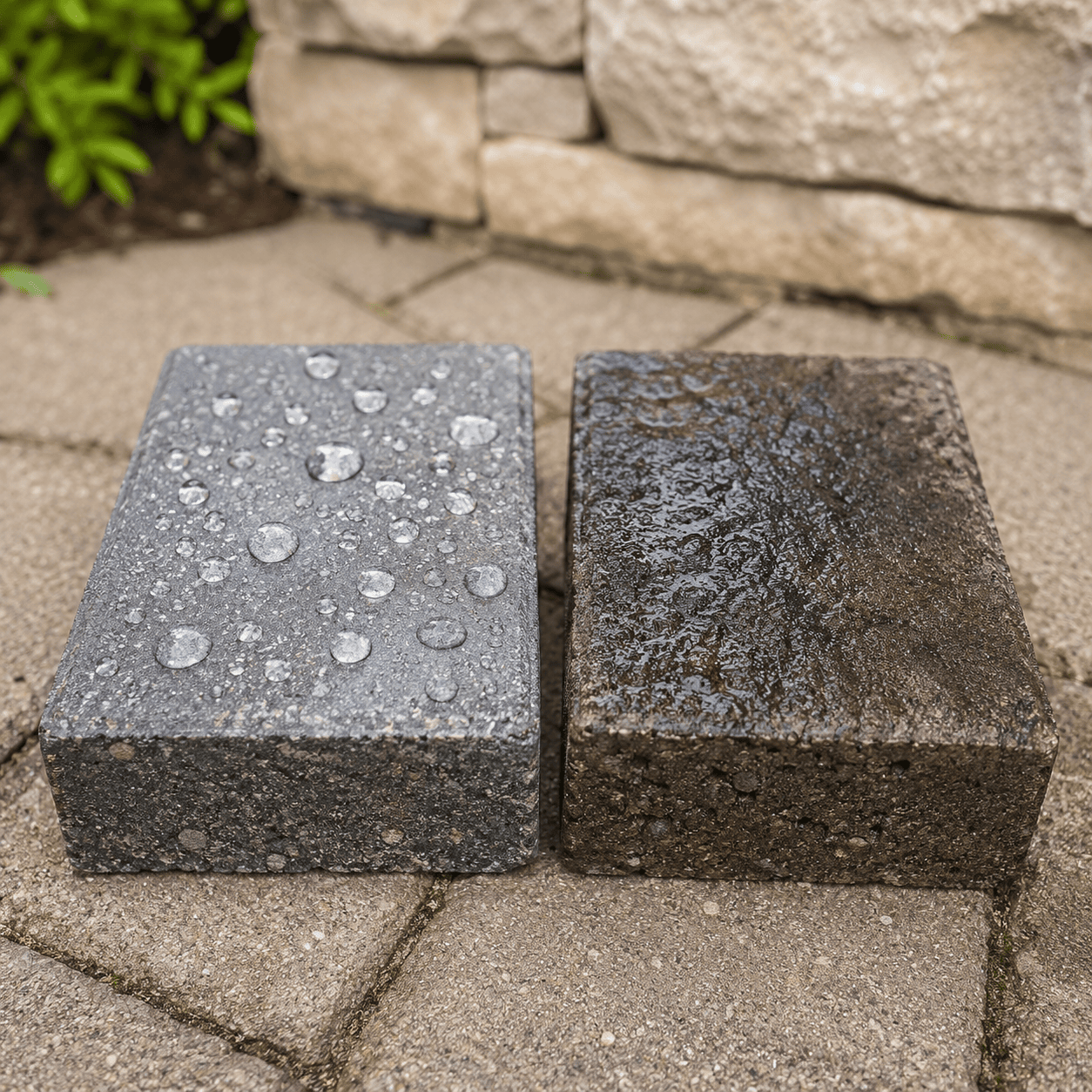
Toronto weather makes sealer choices more important because masonry often faces repeated wetting and freezing. Water can enter pores, joints, cracks, or weak surface areas. When that water freezes, it expands and can contribute to spalling, flaking, cracking, and surface breakdown over time.
Driveways, walkways, steps, and lower walls can also be exposed to de-icing salt. Salt can increase surface wear, leave white staining, and worsen moisture-related problems when the surface is already weak. This does not mean every surface should be sealed. It means the surface should be assessed carefully before choosing a sealer.
The City of Toronto provides guidance on managing rain and melted snow, which is useful context for any exterior masonry decision. If water is collecting against a wall, foundation, step, or paved surface, sealing alone is not the first solution. Water movement and drainage should be reviewed before adding surface protection.
When a Masonry Sealer Makes Sense
A masonry sealer makes sense when the surface is in good condition and needs added protection from moisture, stains, salt, or routine exposure. The surface should be stable, properly cleaned, dry enough for application, and free from major cracks or open joints.
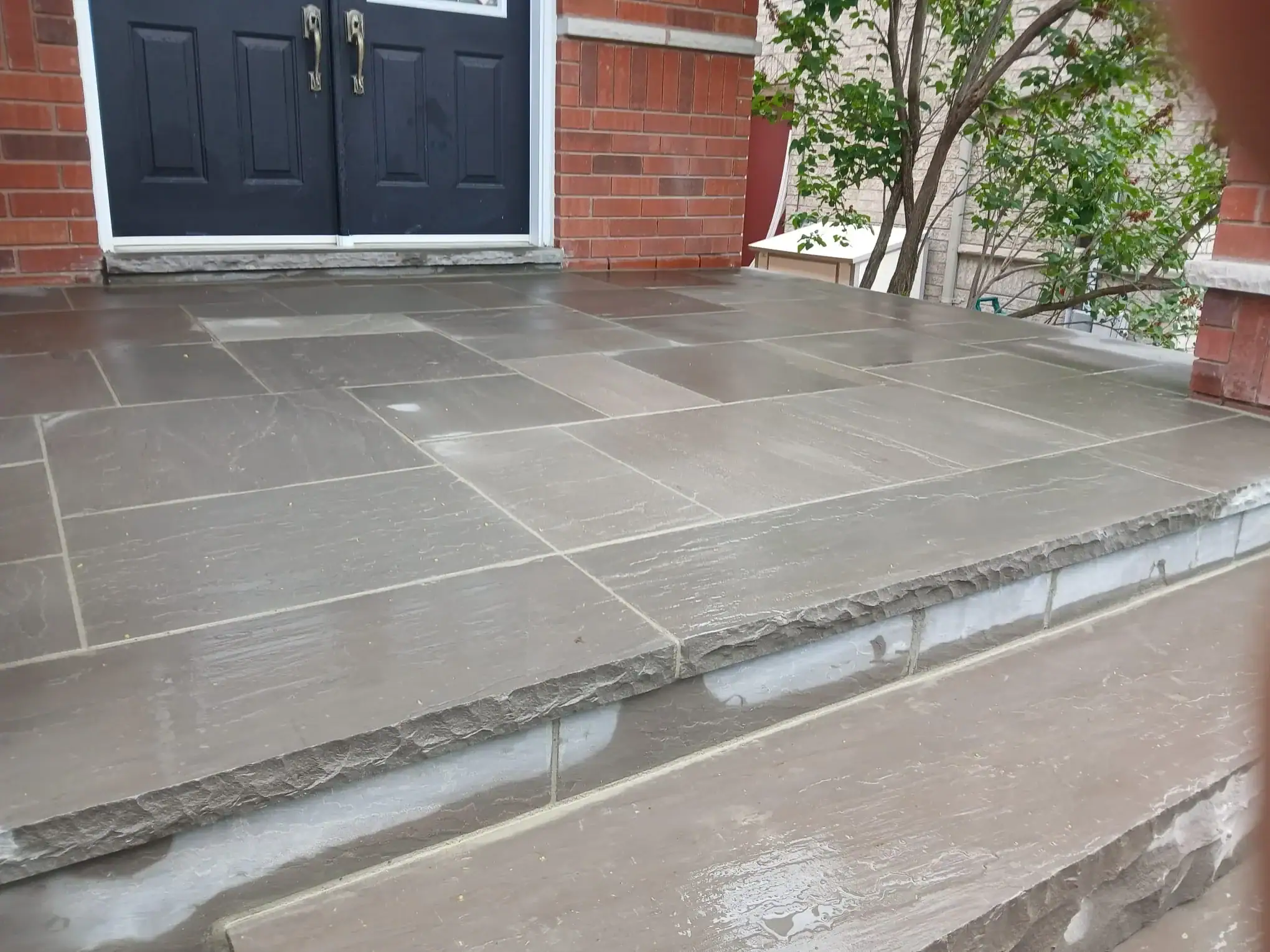
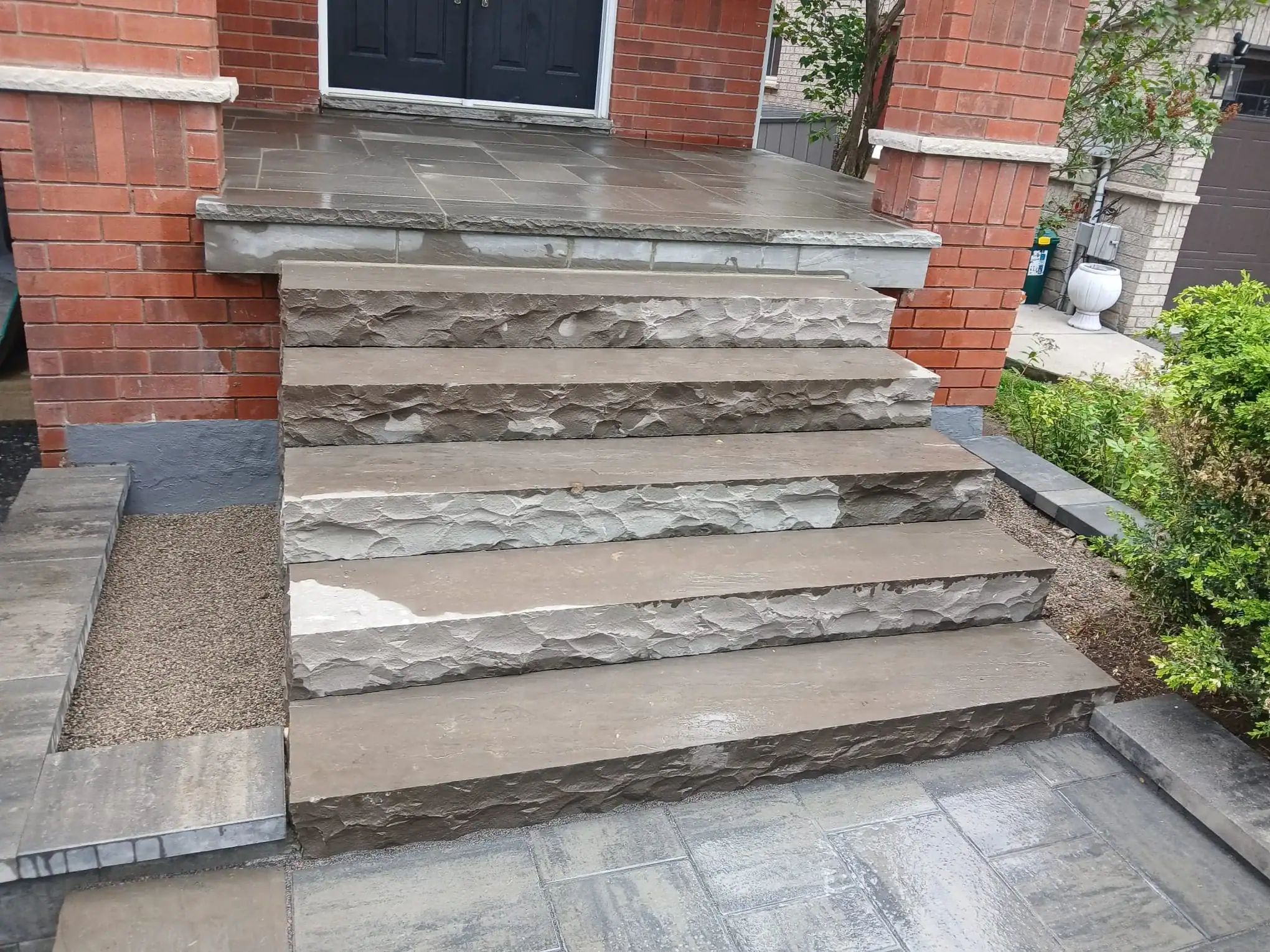
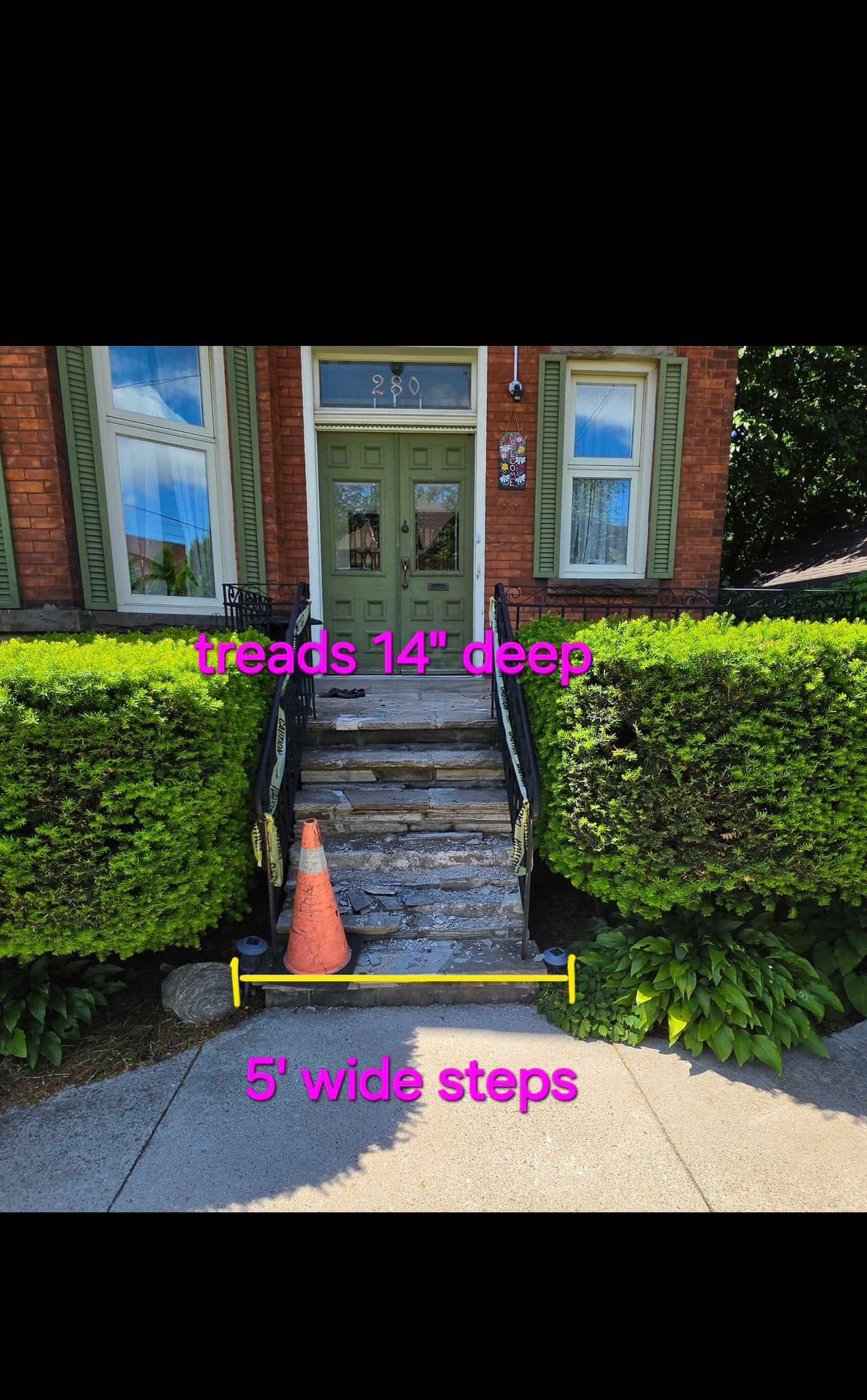
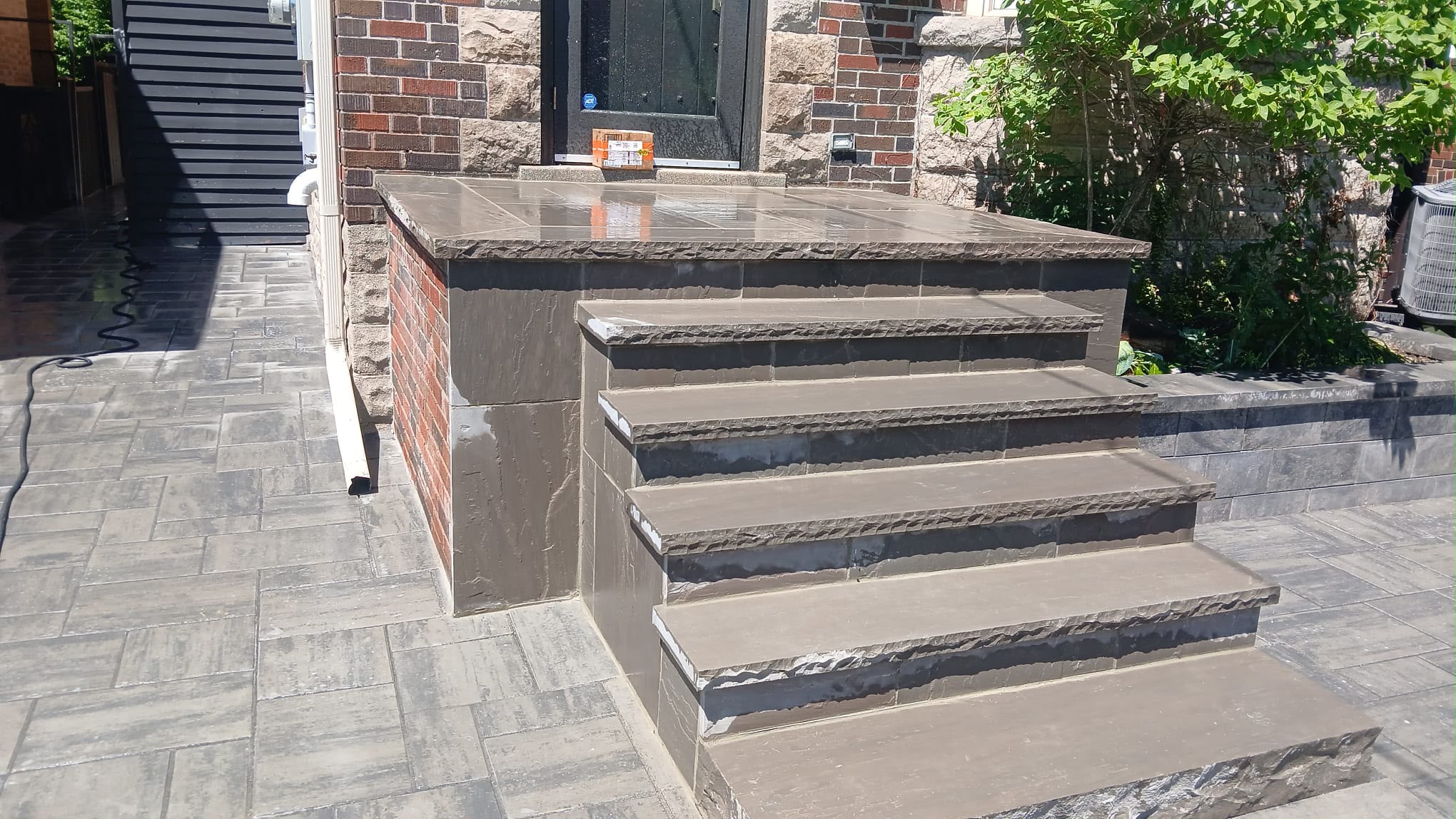
Sealers are often considered for concrete driveways, interlocking stone, natural stone features, exterior masonry that faces heavy rain, and areas where staining is a concern. They may also be used after certain repairs, but only after the repair has cured and the surface is ready. Timing matters because sealing too soon can trap moisture or interfere with curing.
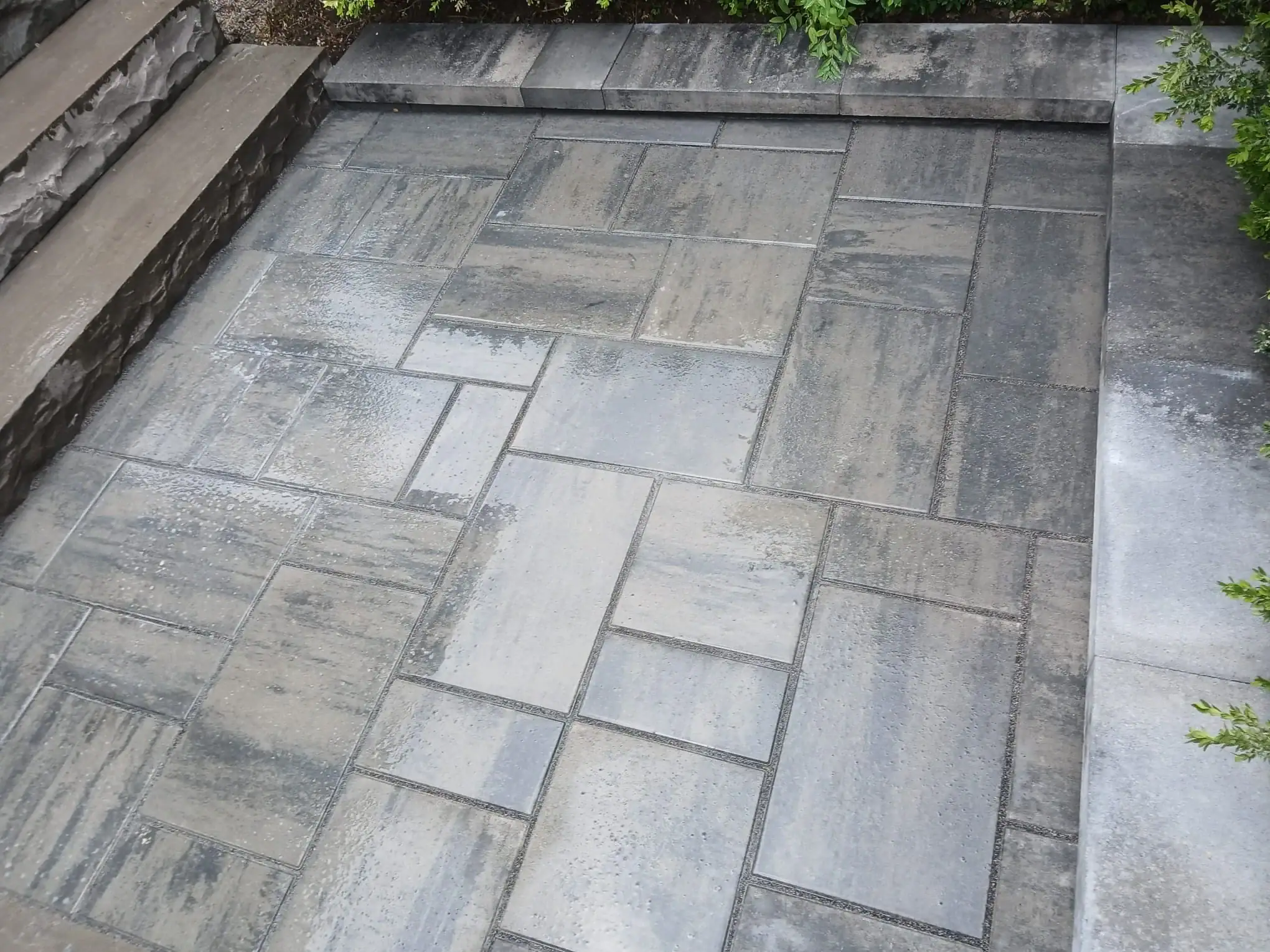
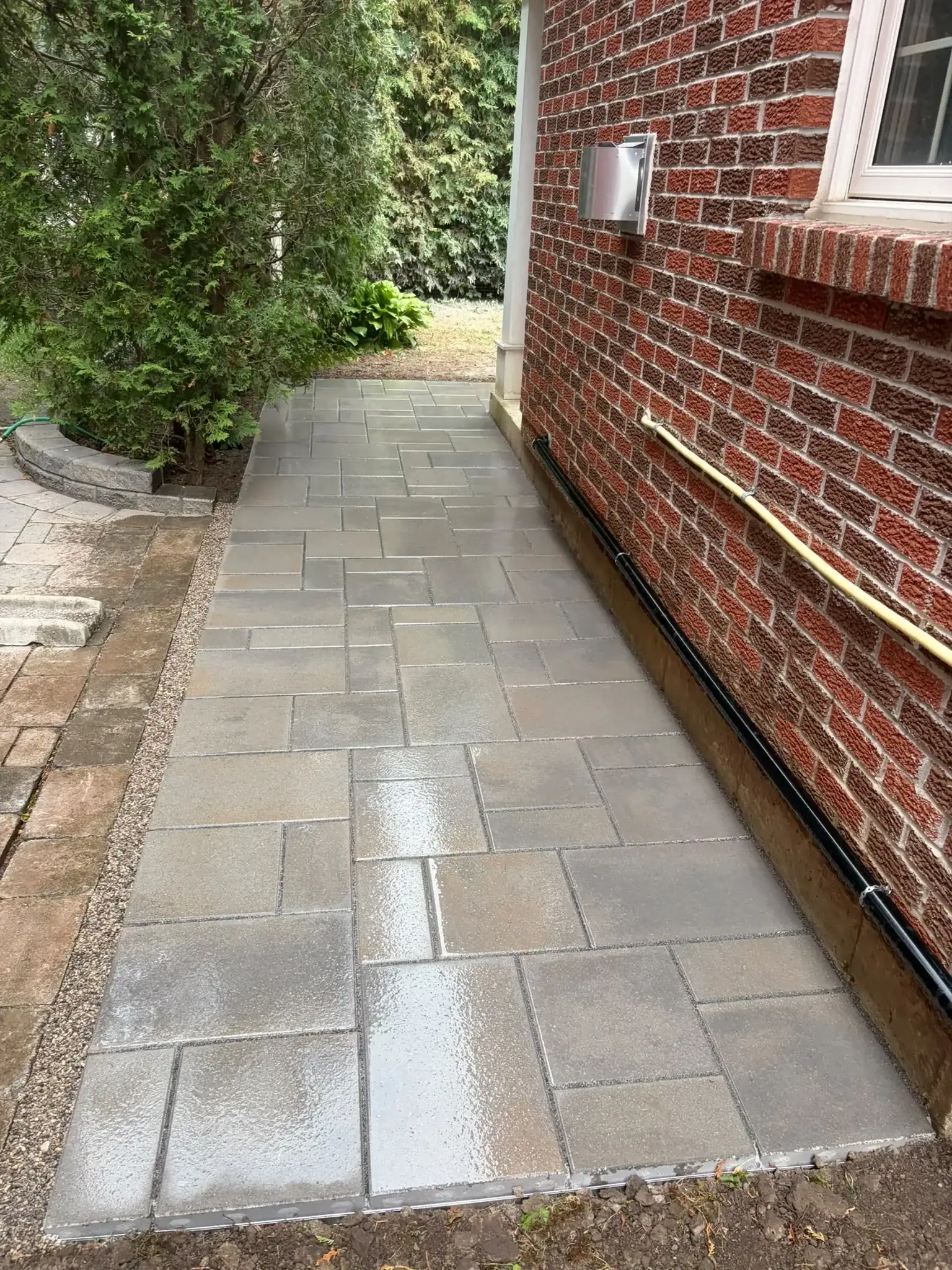
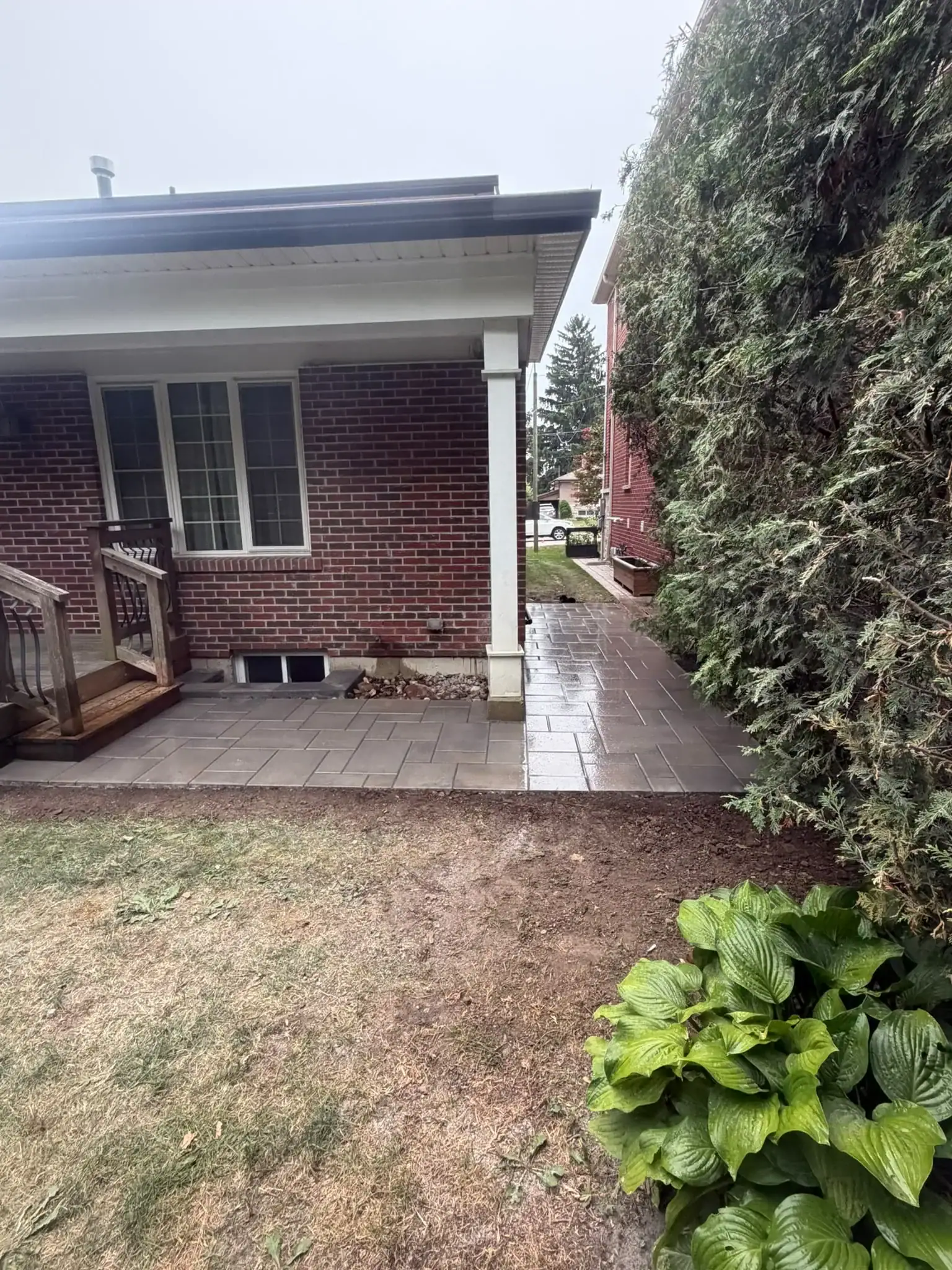
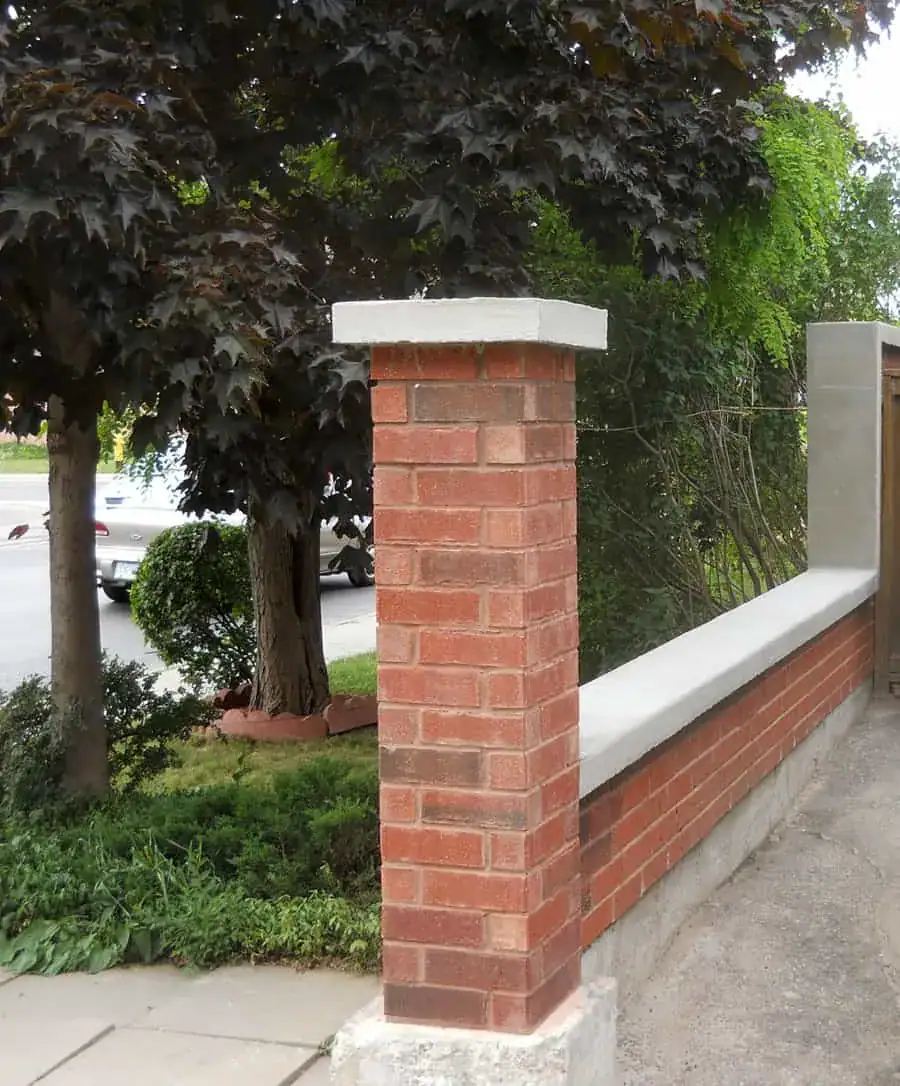
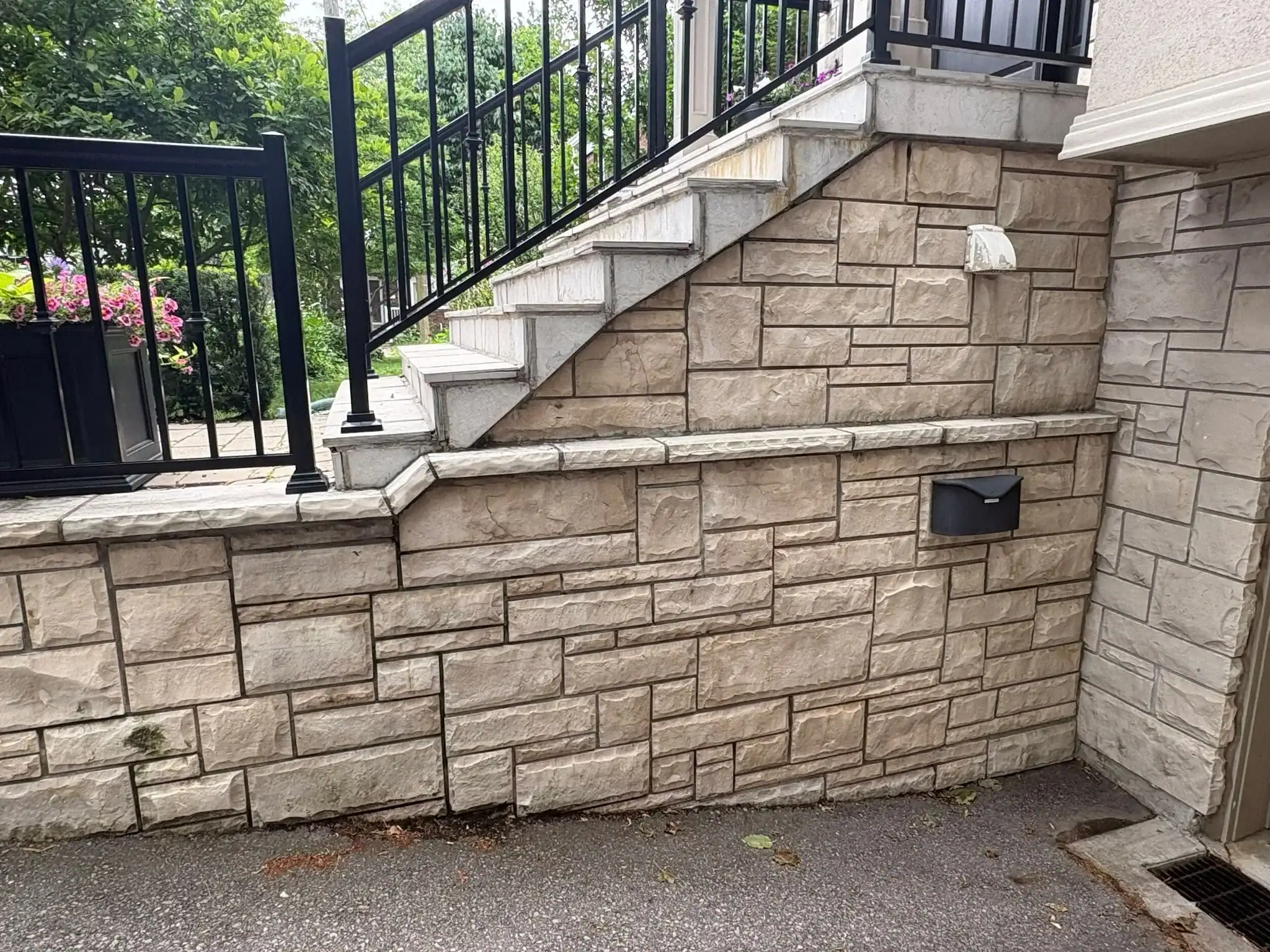
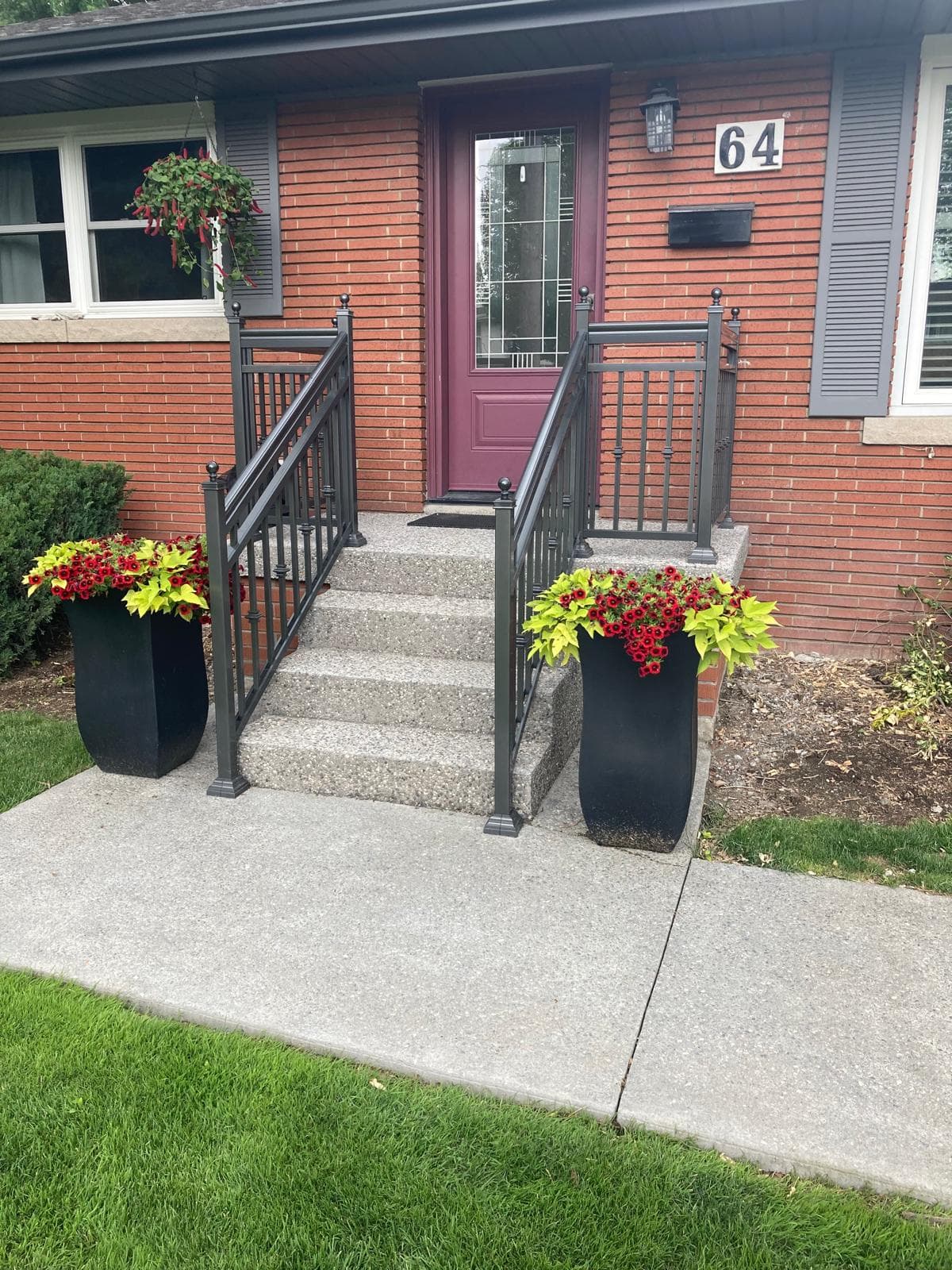
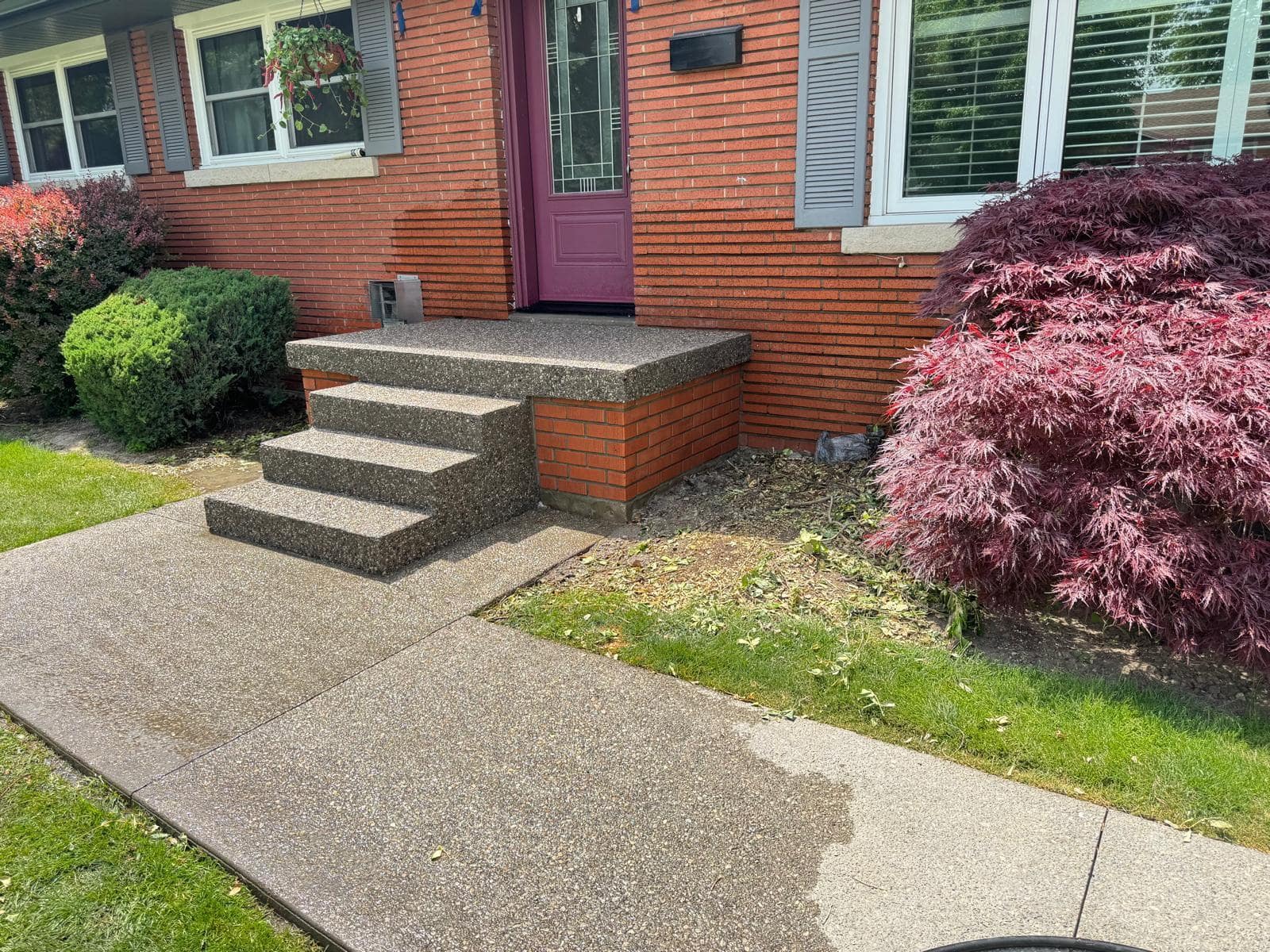
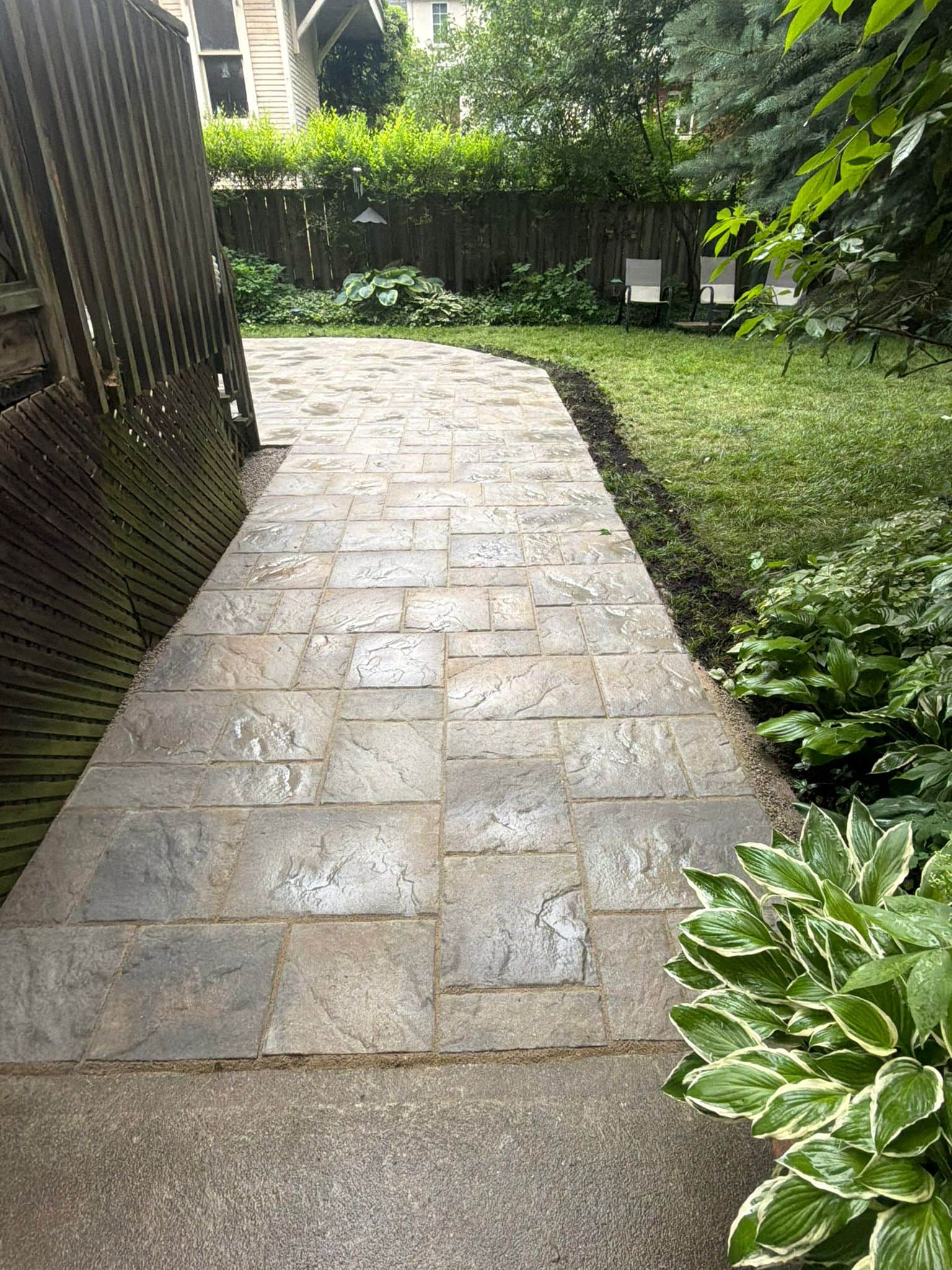
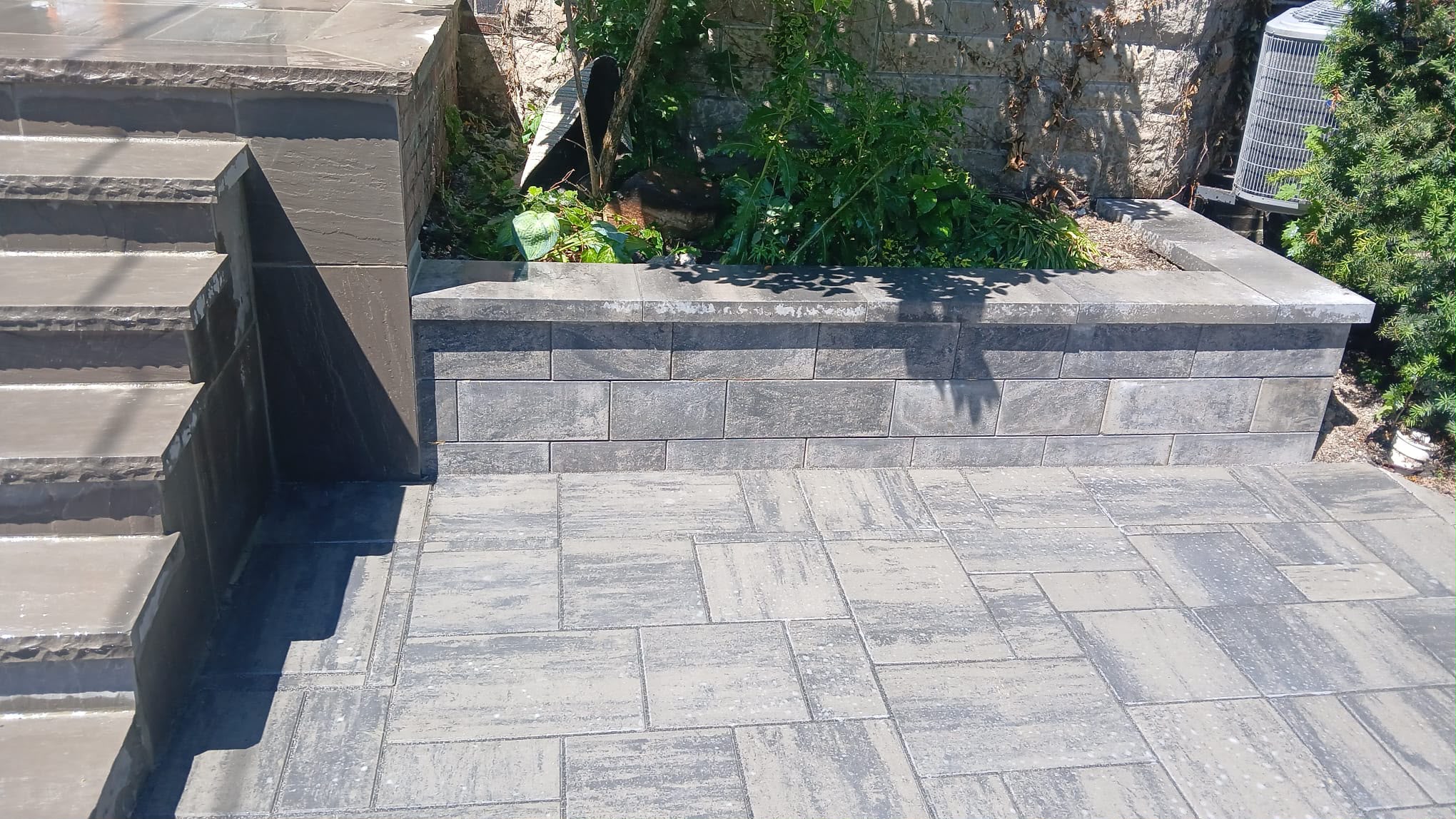
For interlocking surfaces, sealers may help reduce staining, improve joint stability when paired with the right joint material, and make cleaning easier. For concrete, some sealers can reduce water absorption and surface wear. For stone, the right sealer can help protect against stains while preserving a natural look. For brick, breathable water-repellent products may be considered in specific cases, but sealing brick is not always recommended if the wall needs to release moisture.
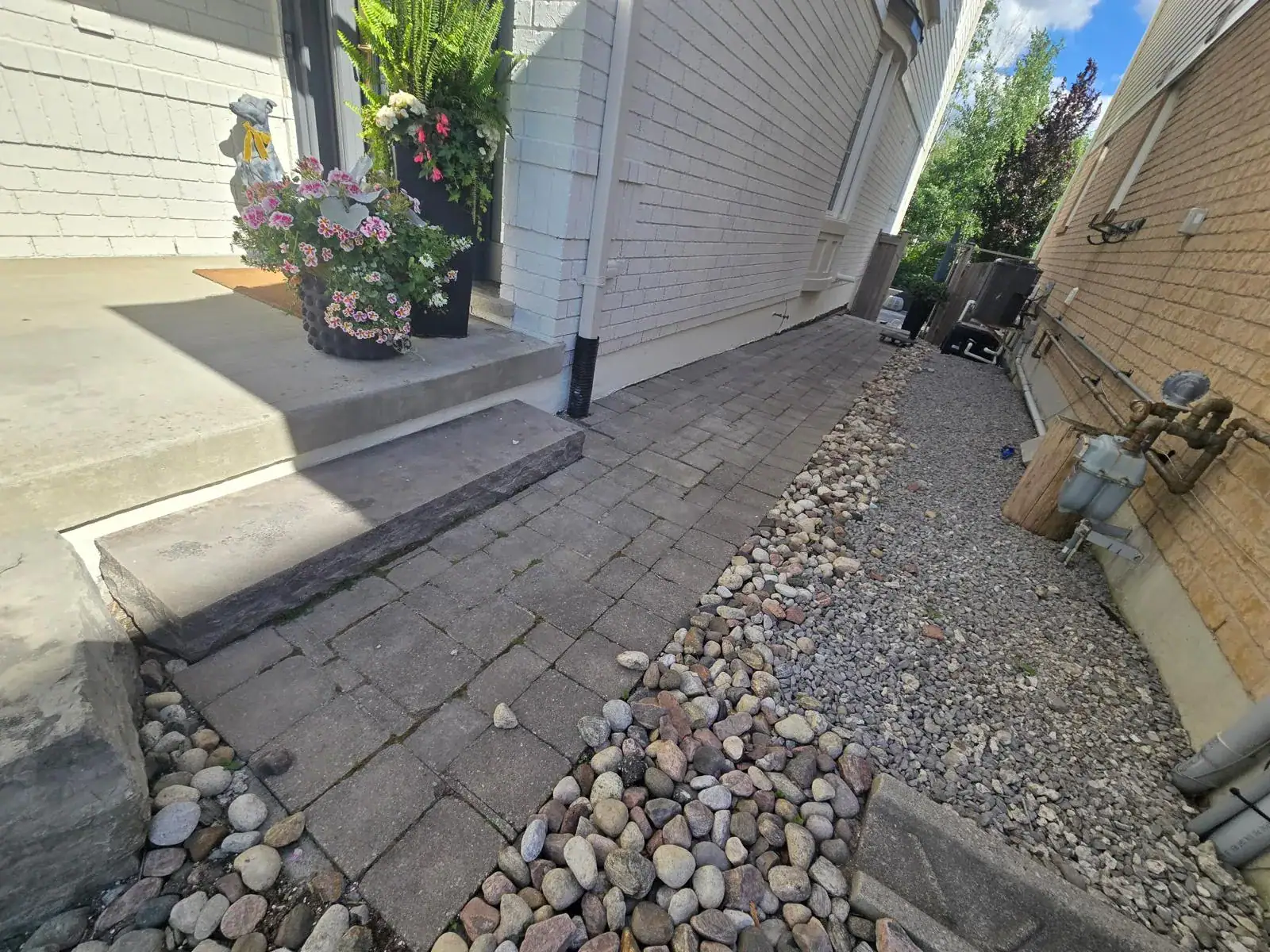
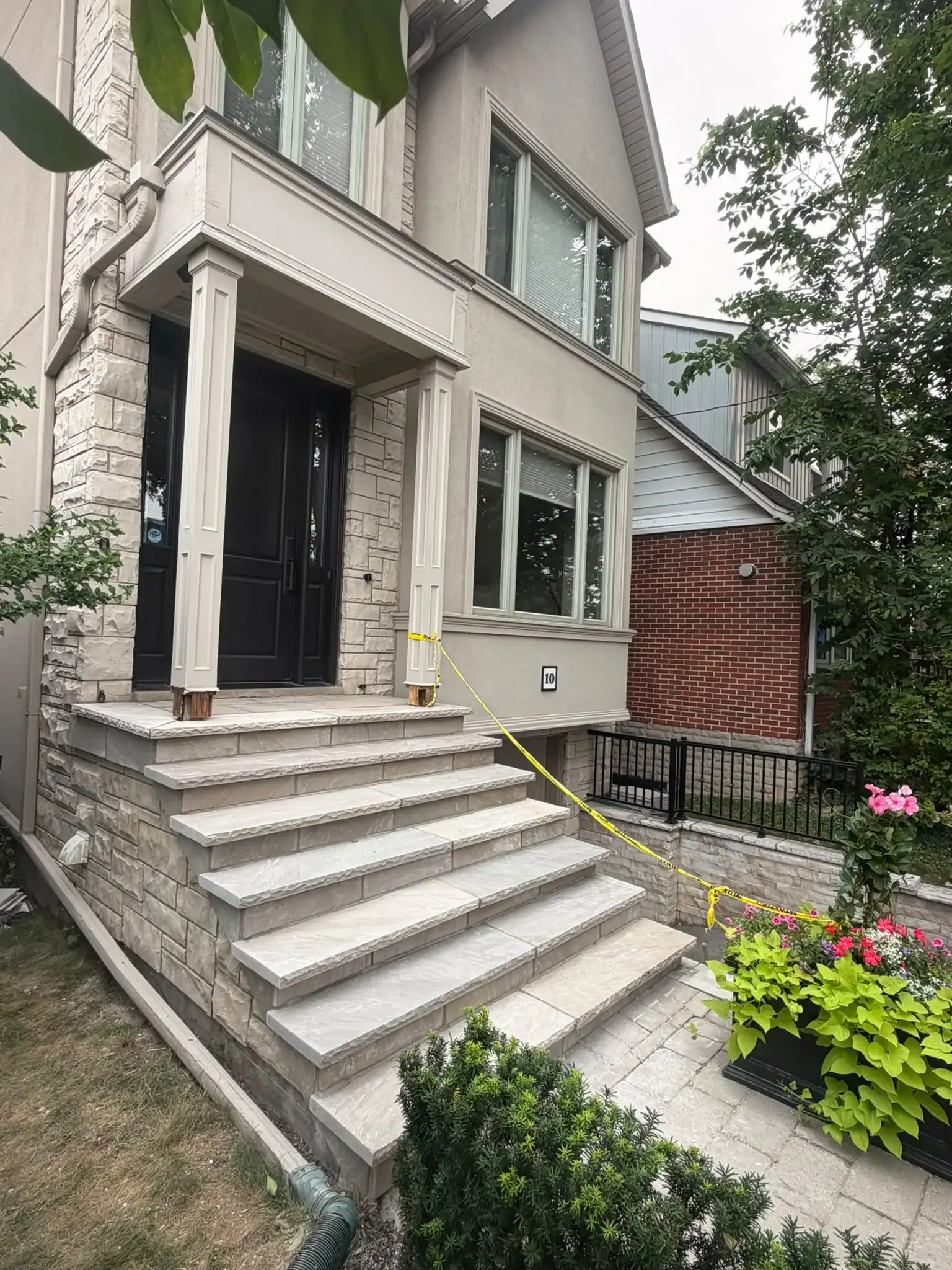
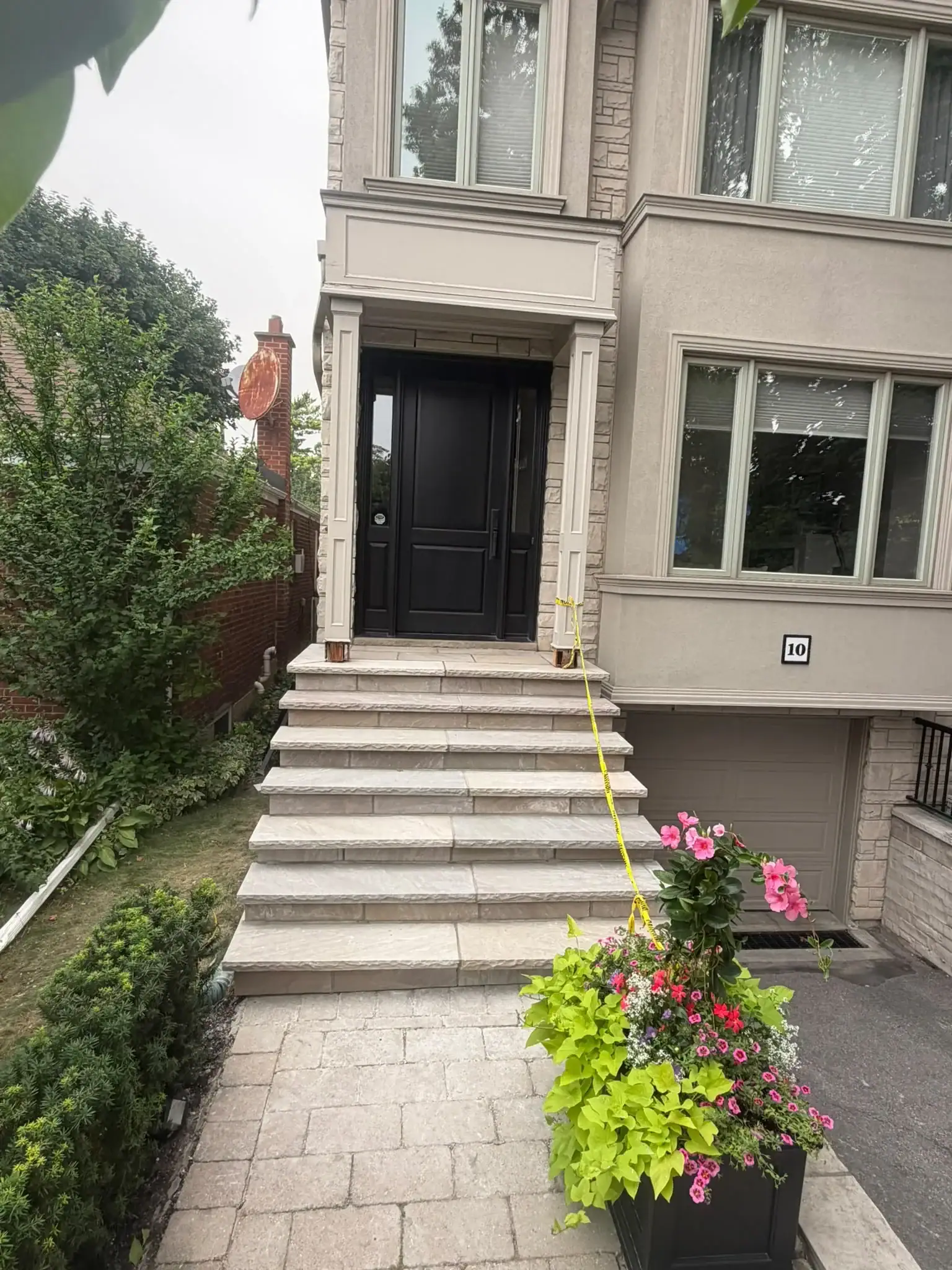
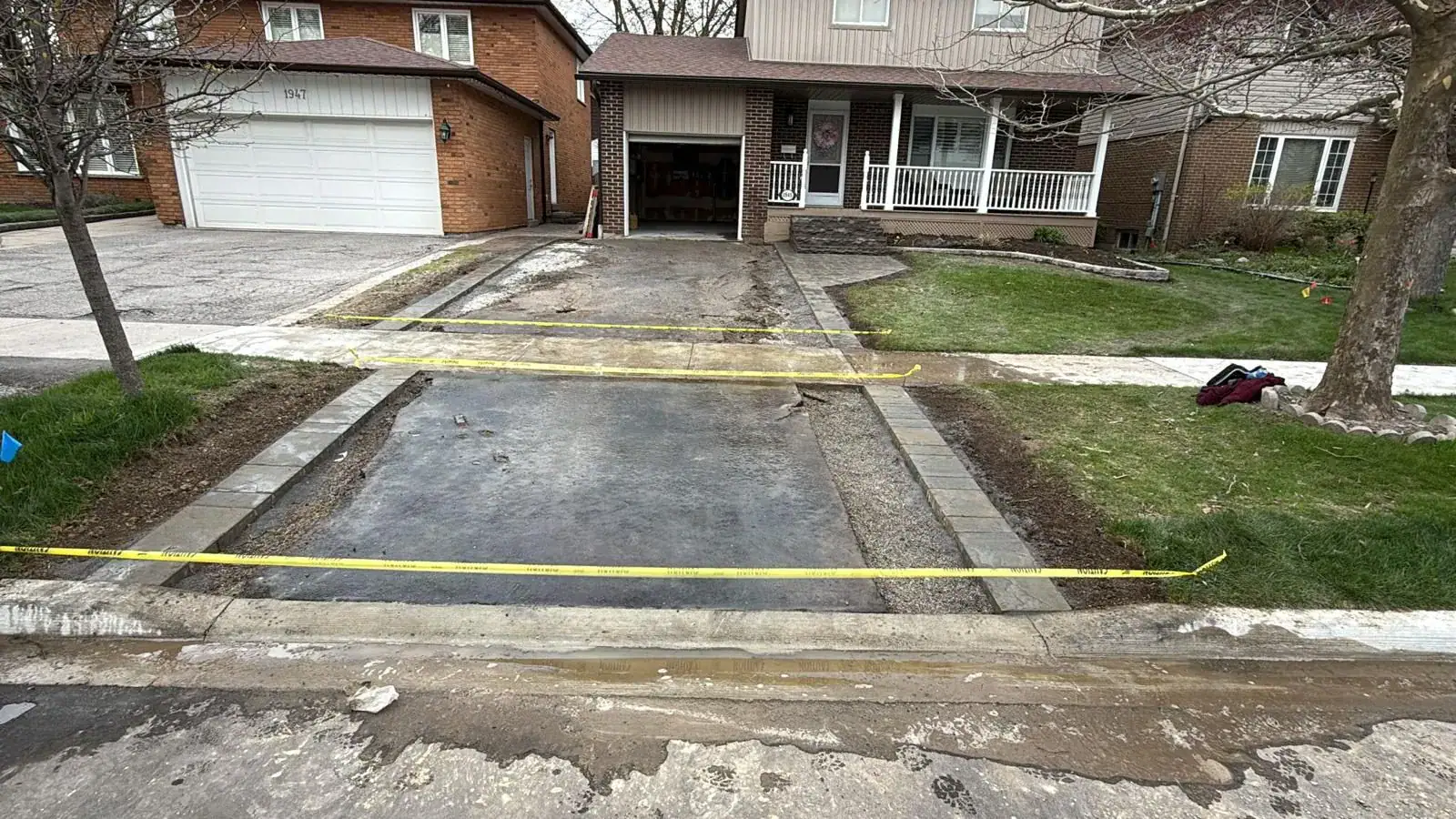
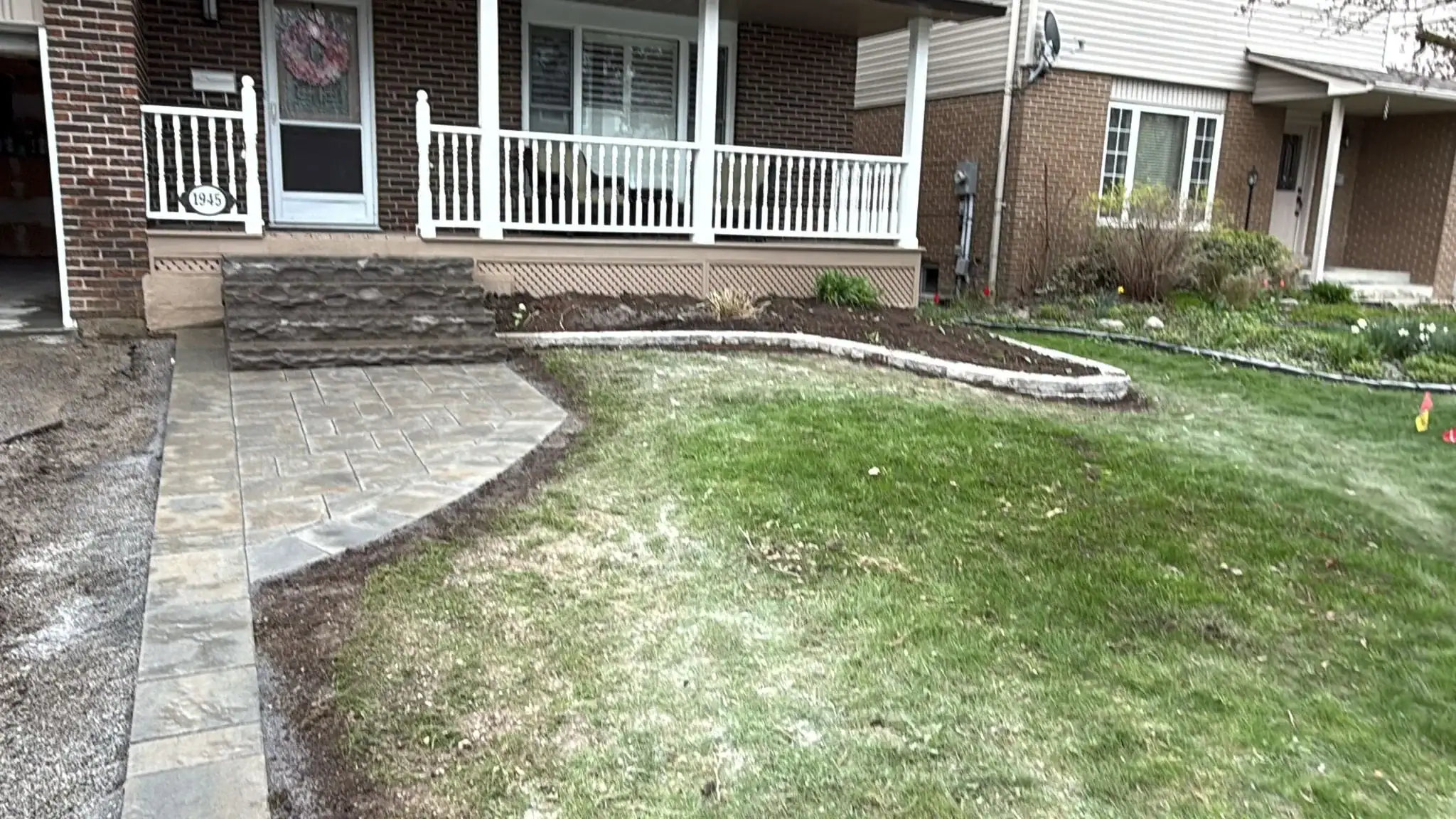
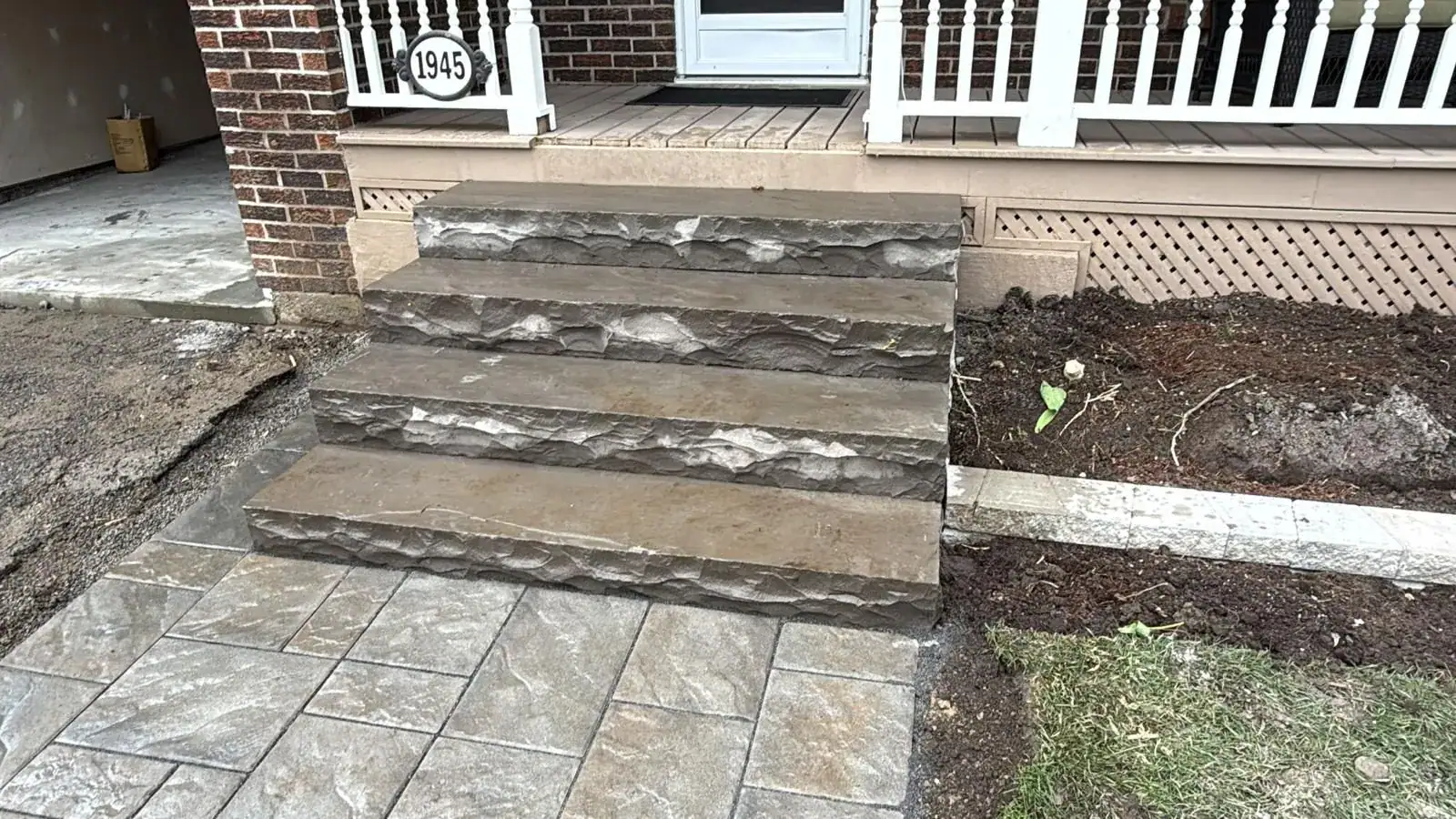
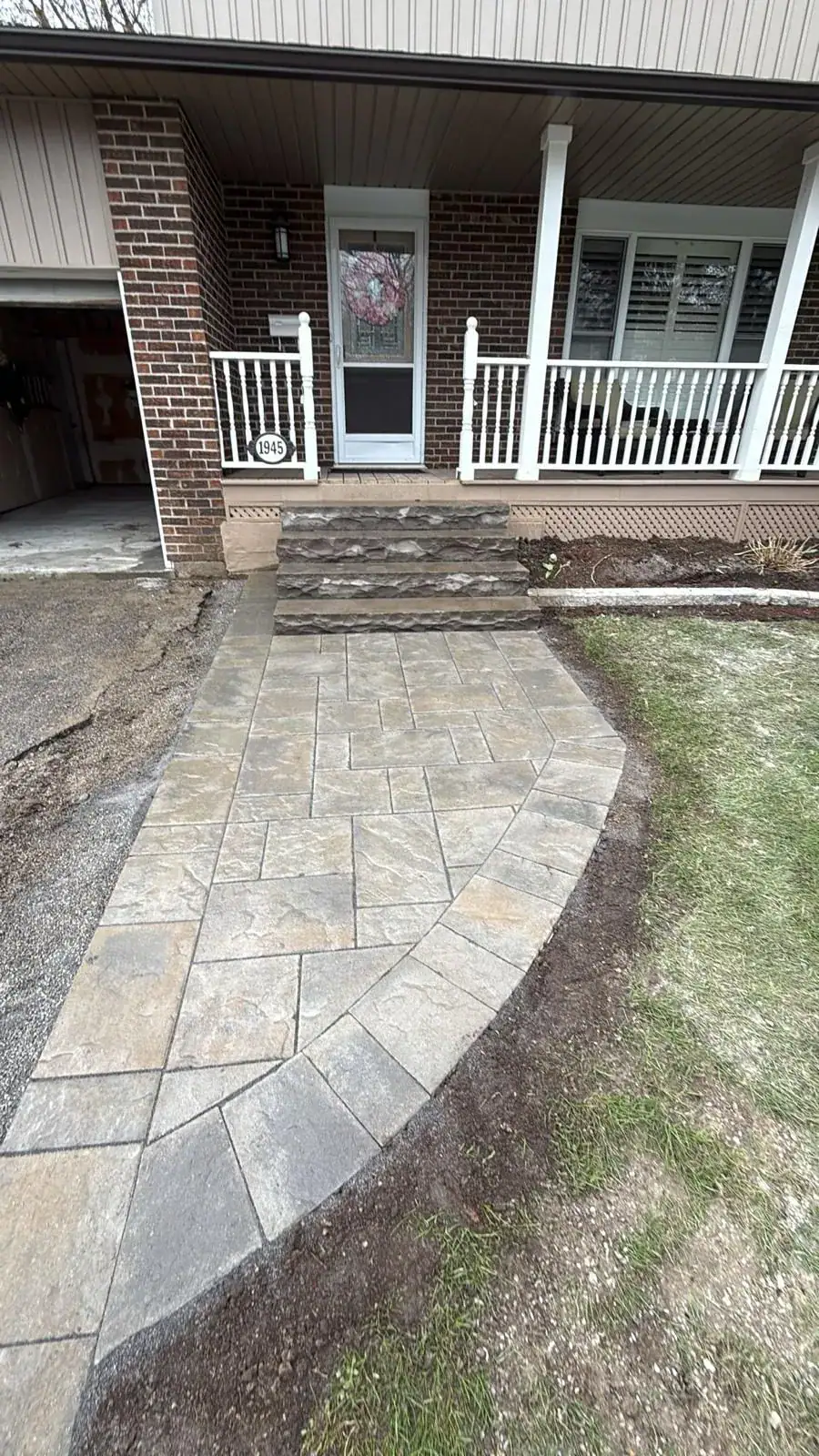
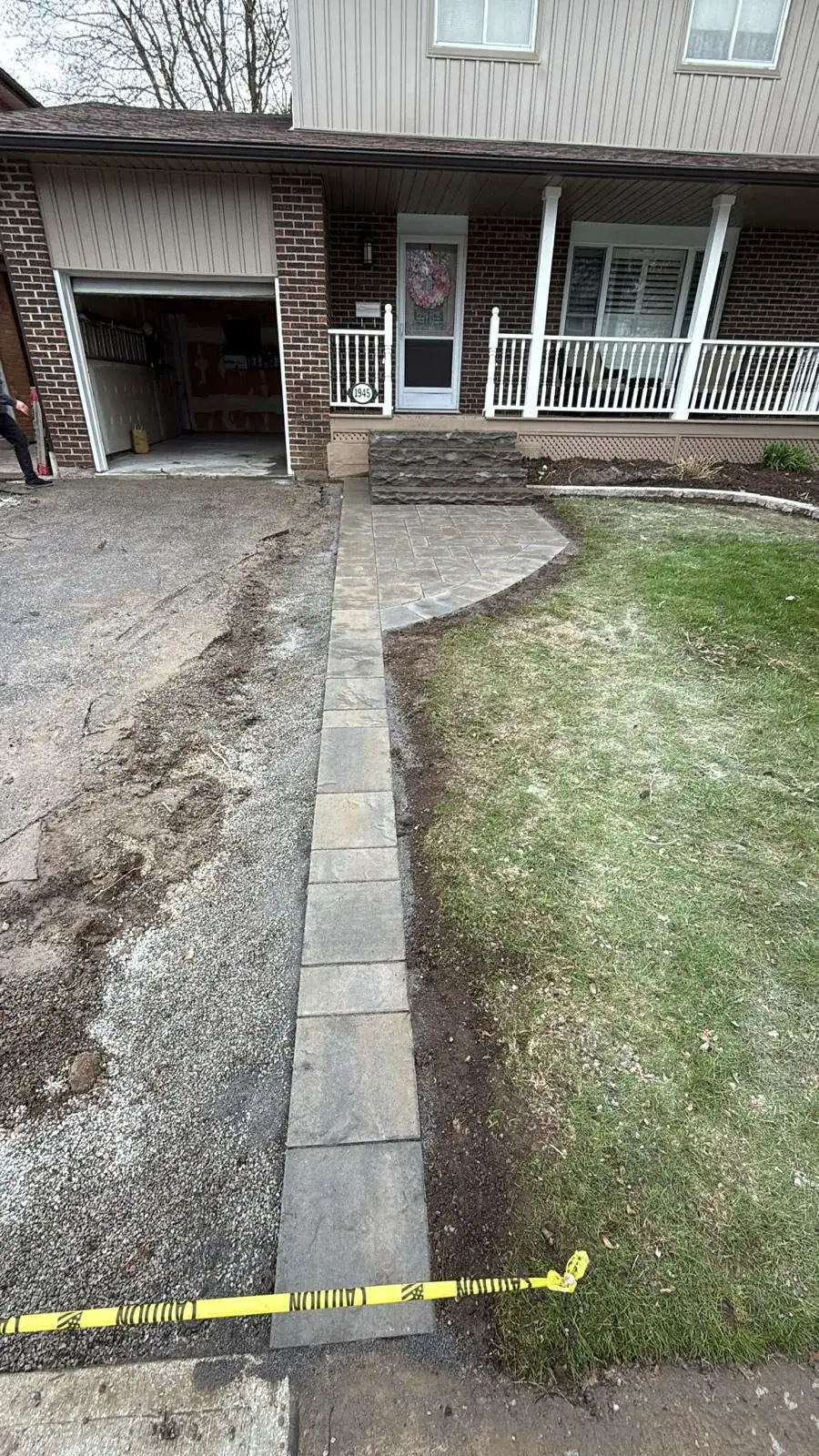
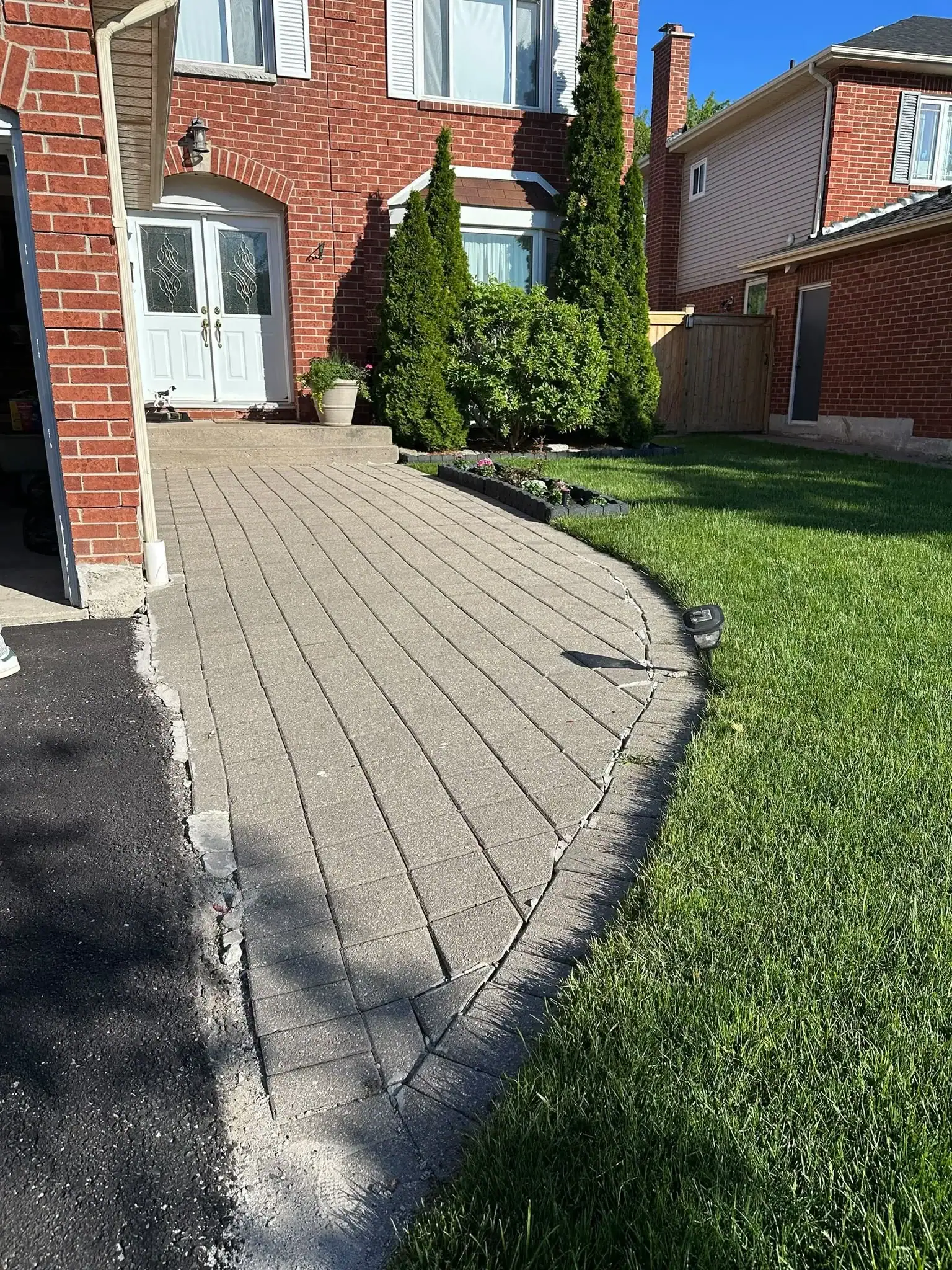
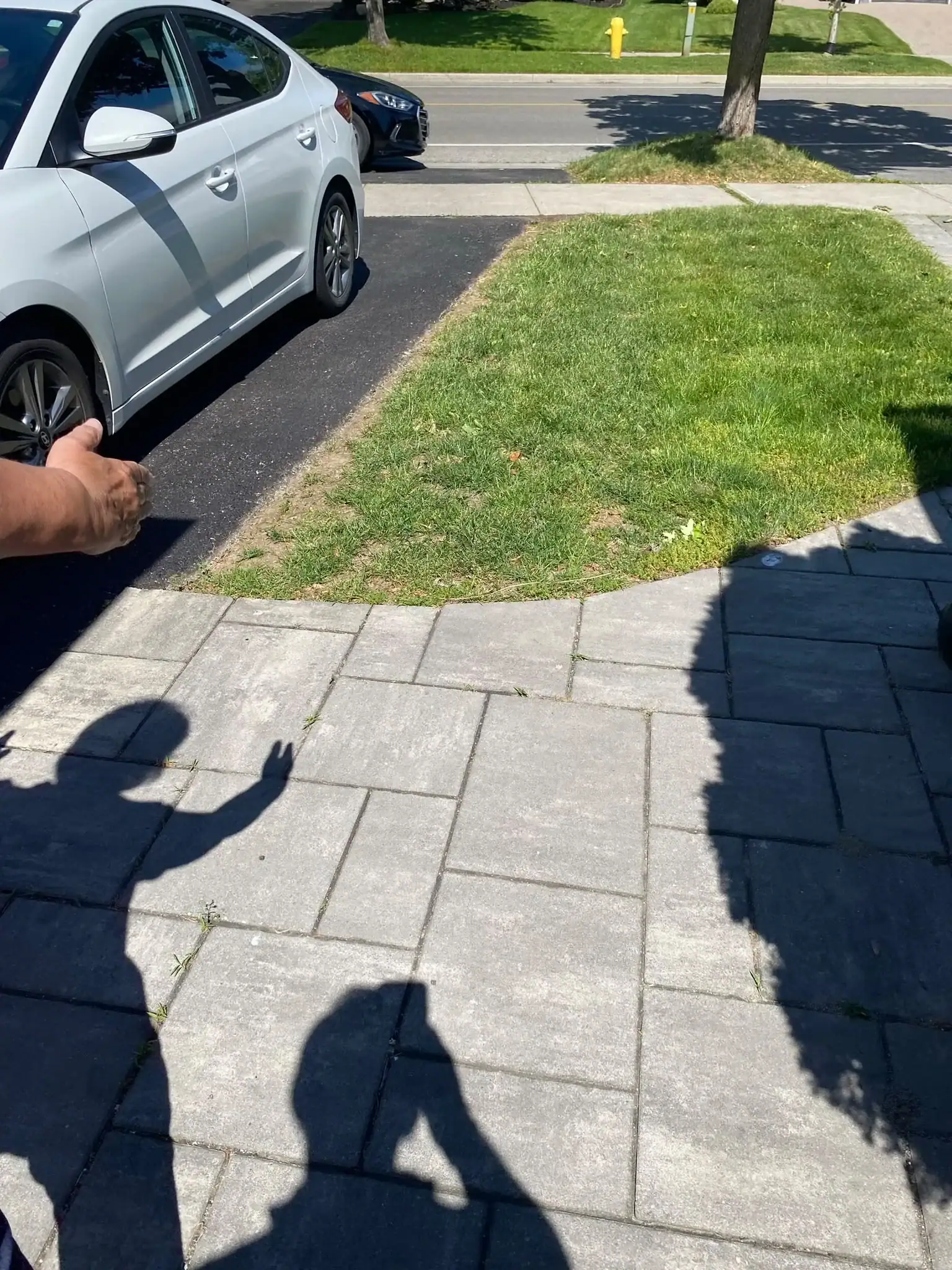
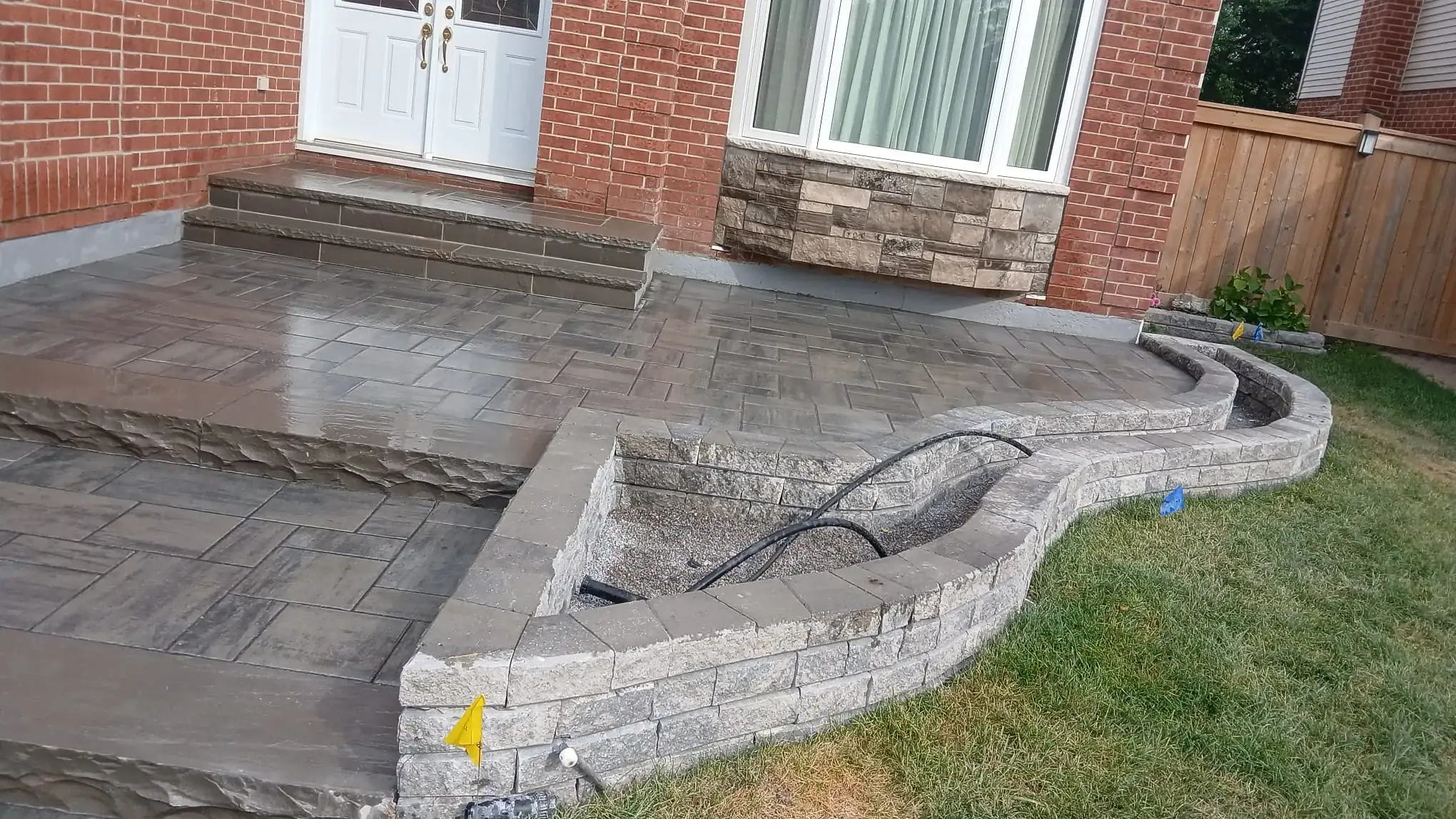
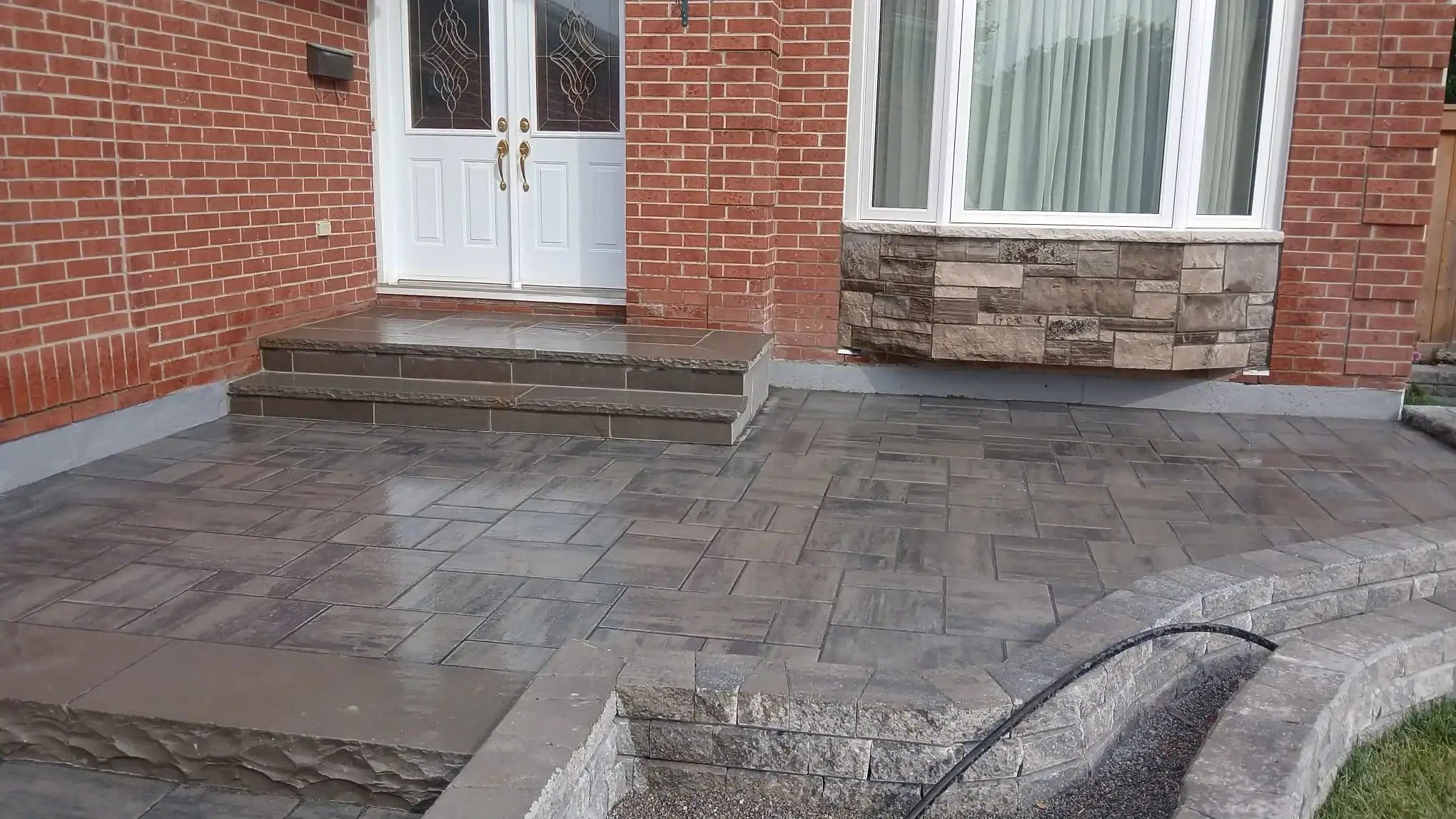
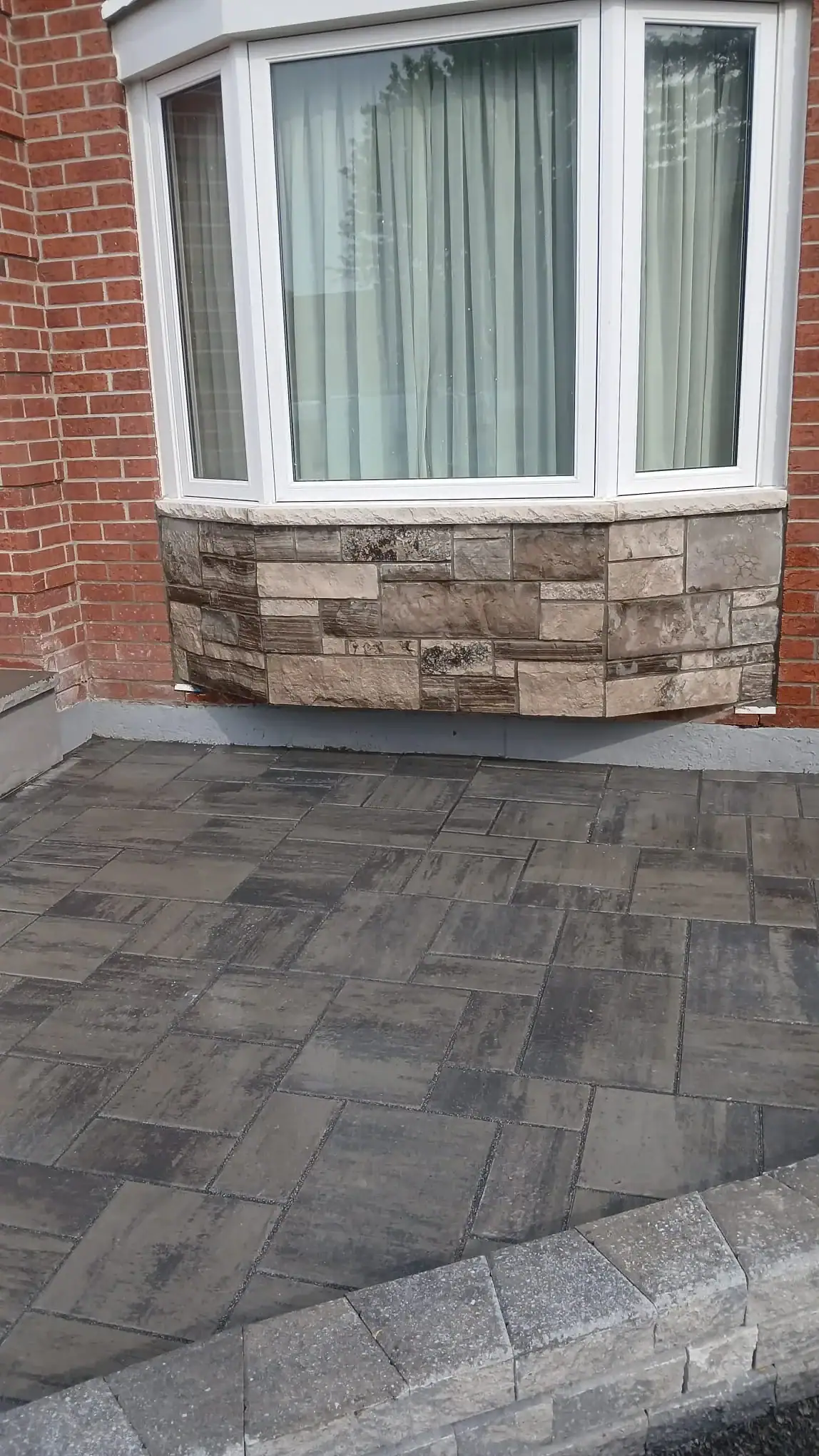
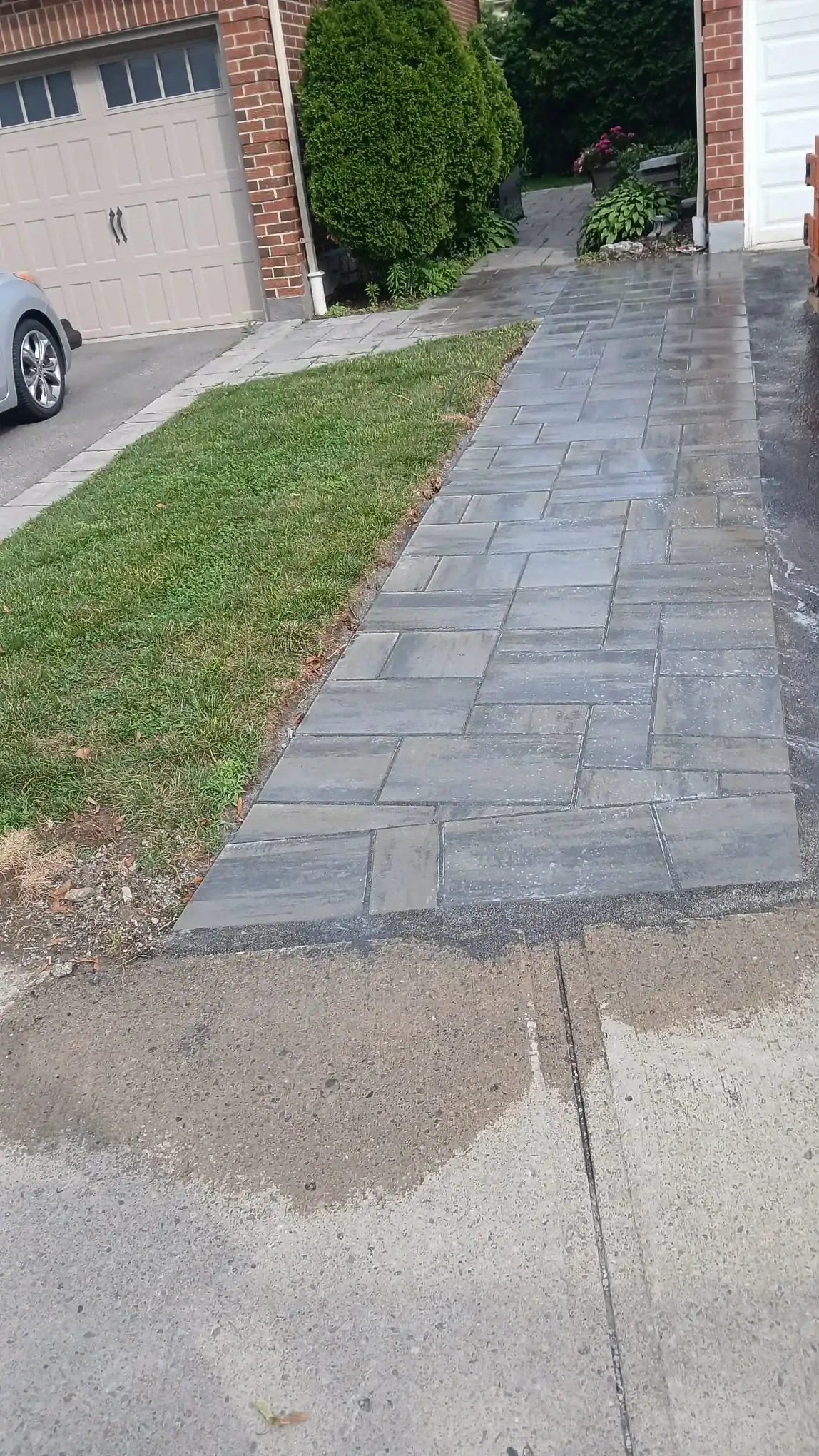
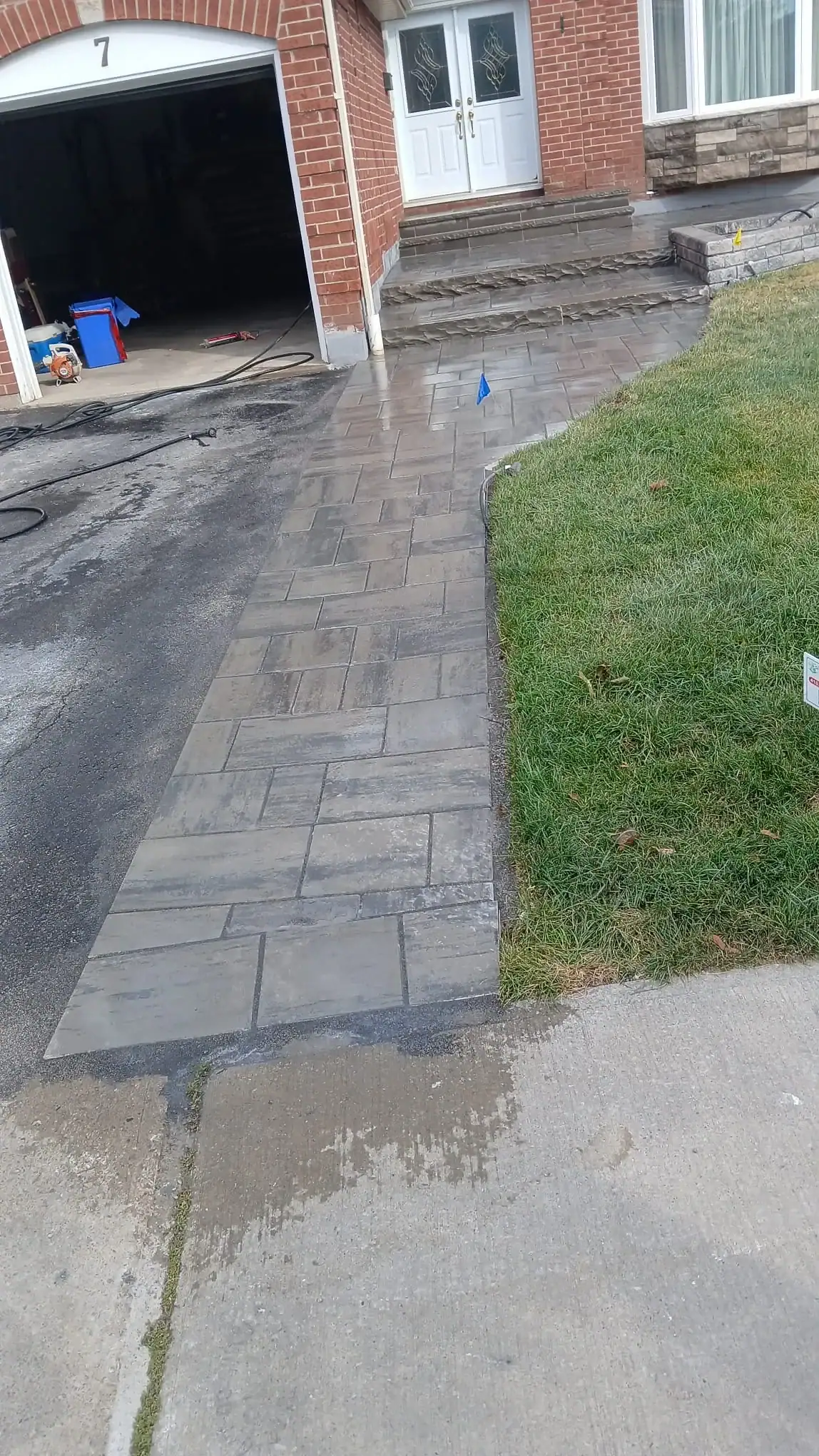
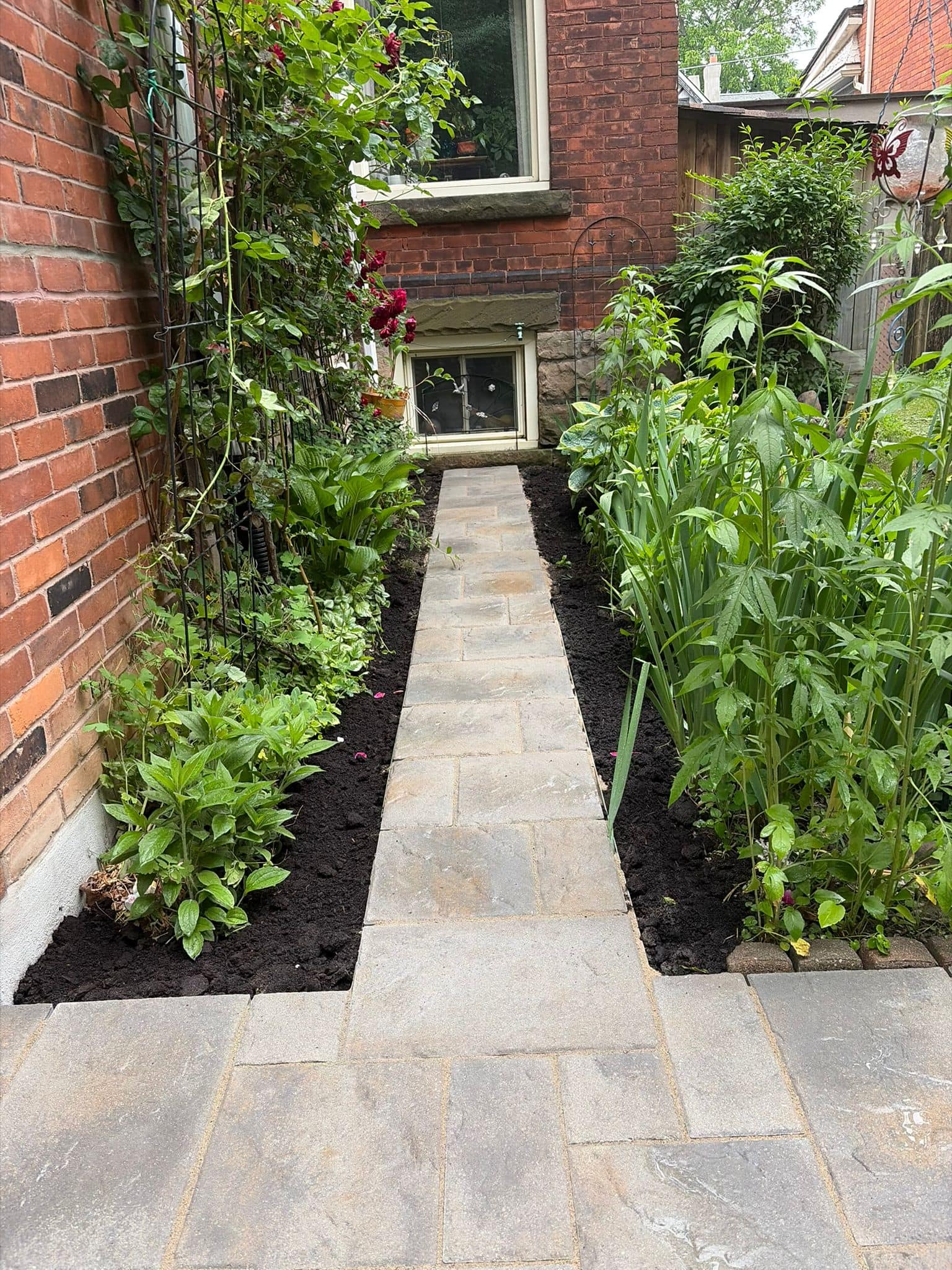
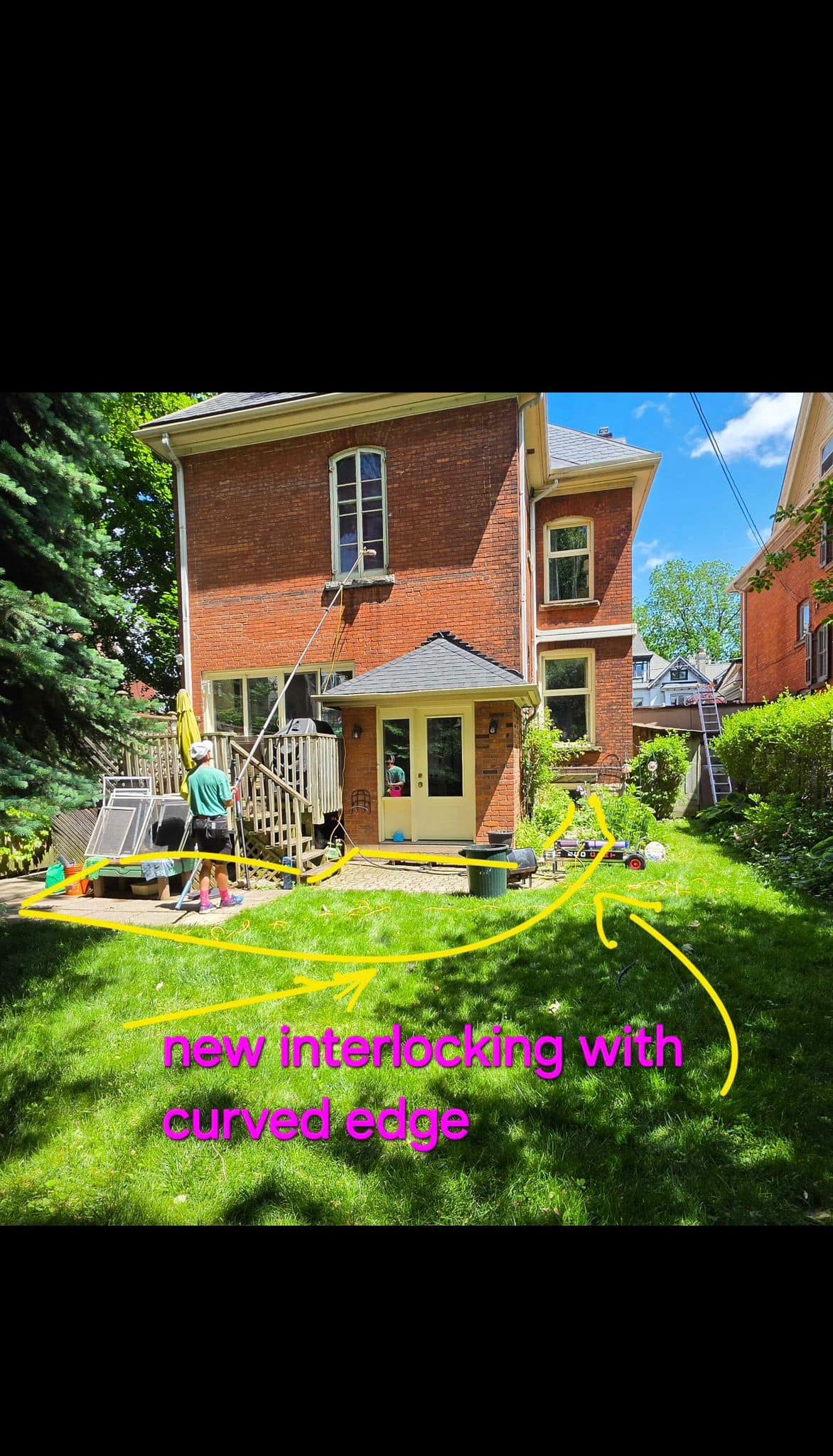
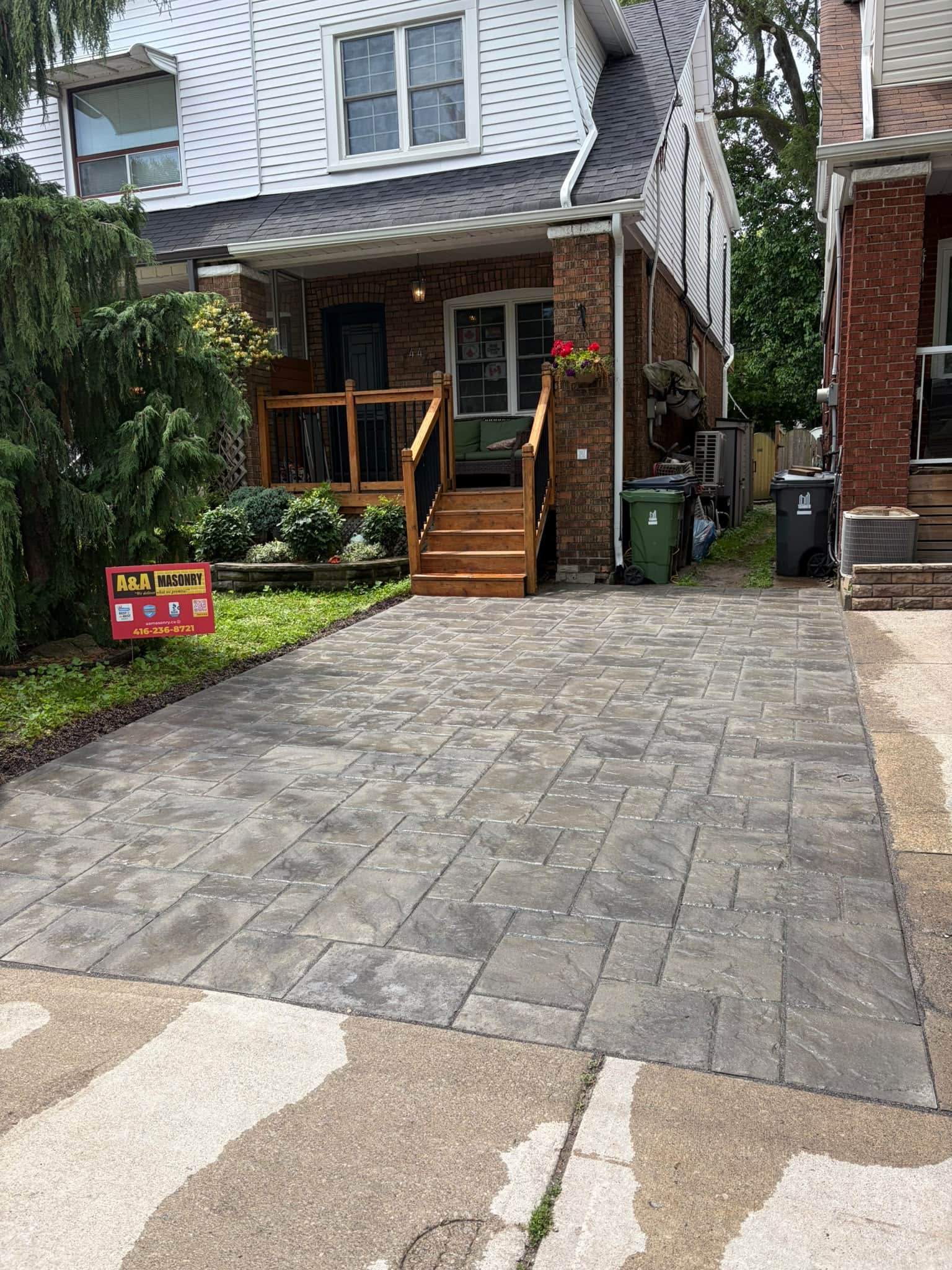
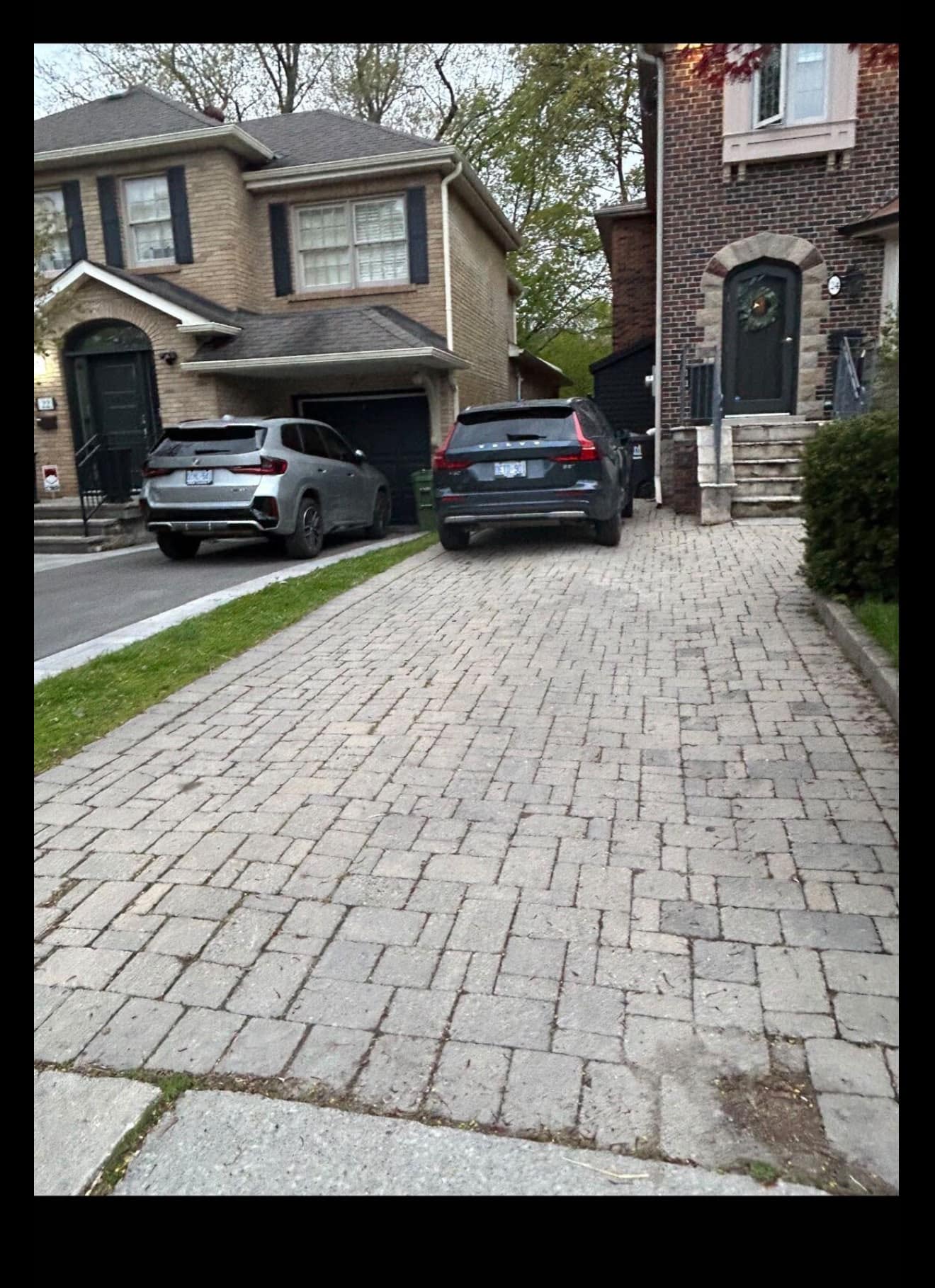
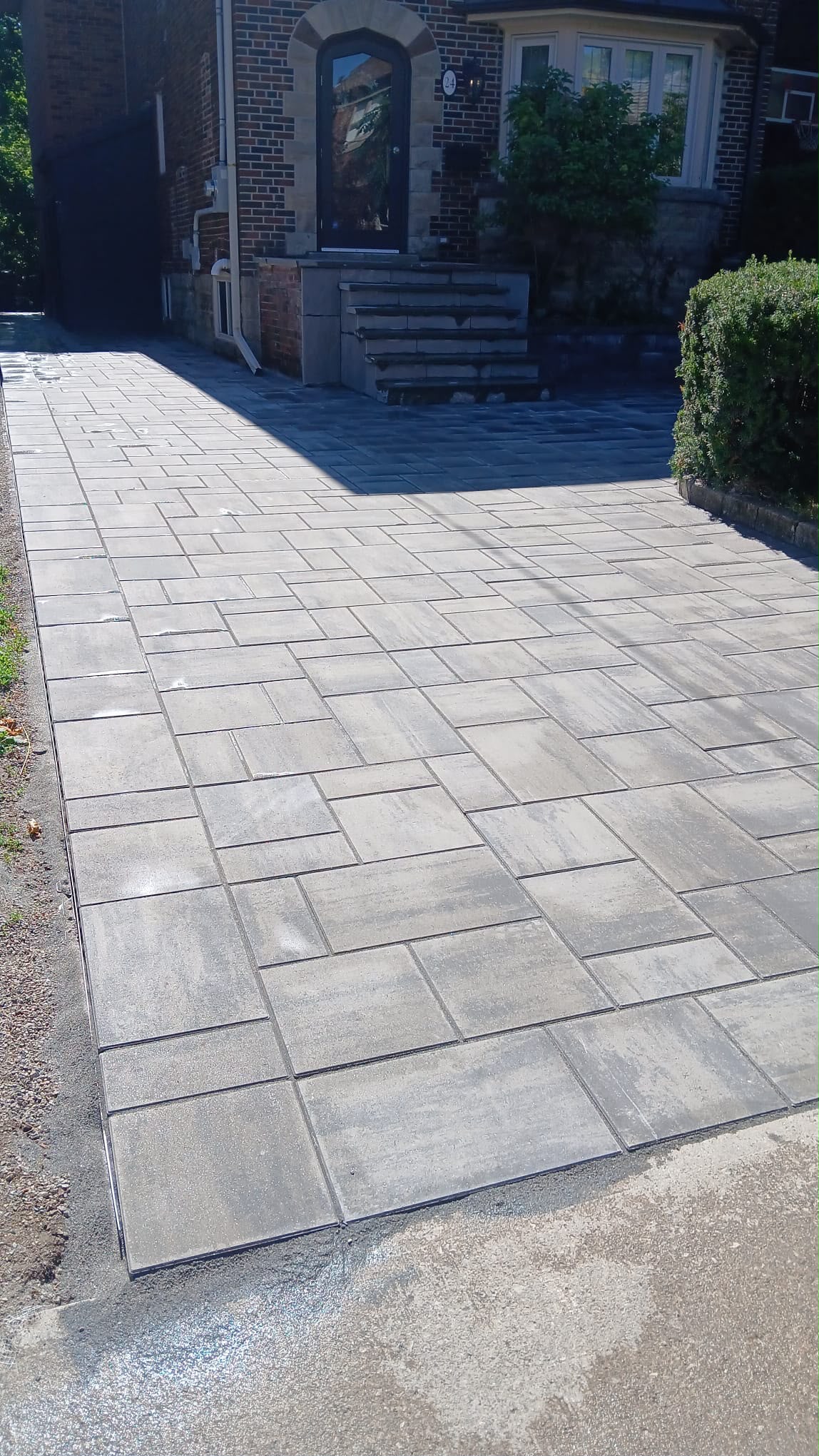
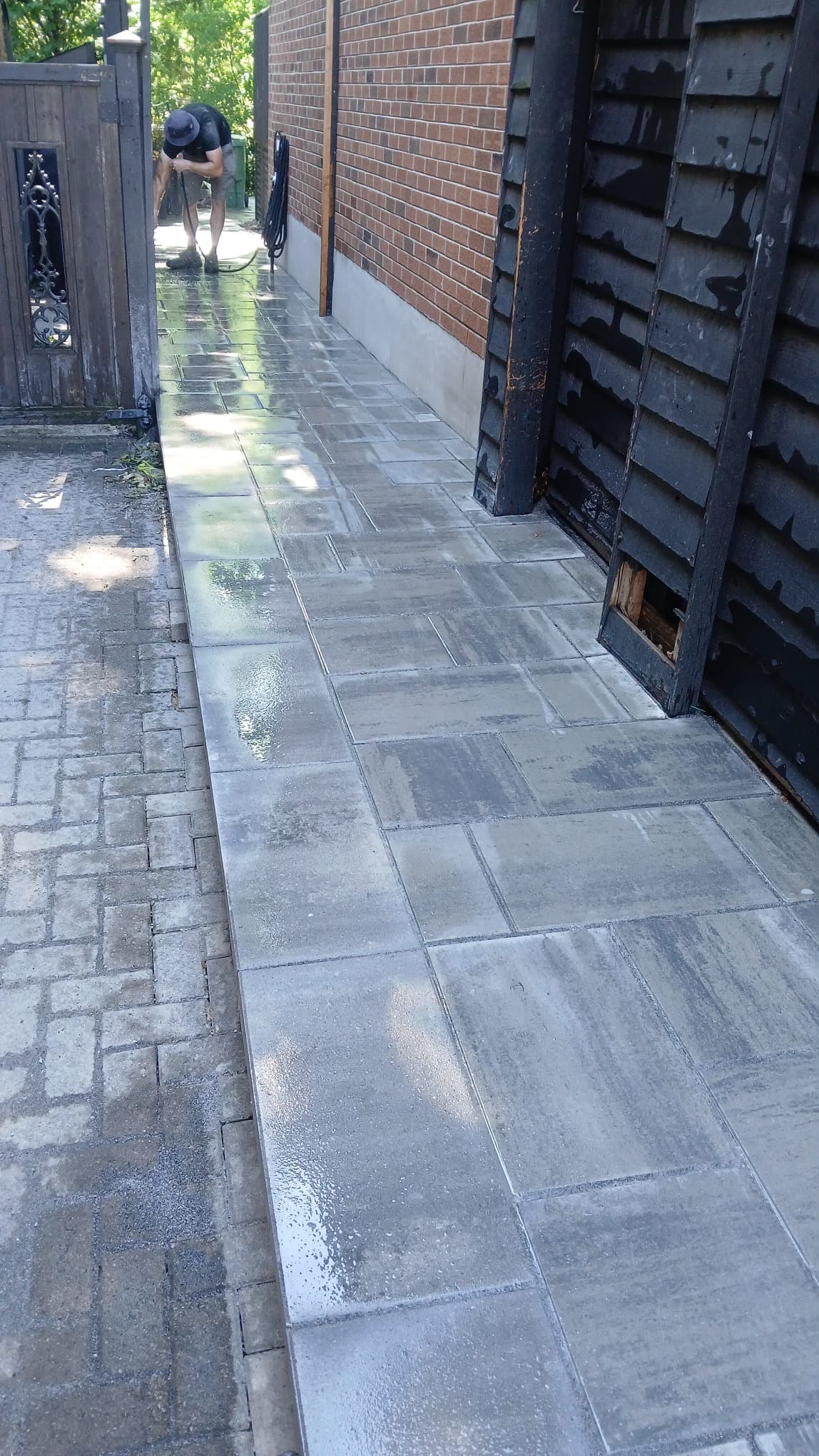
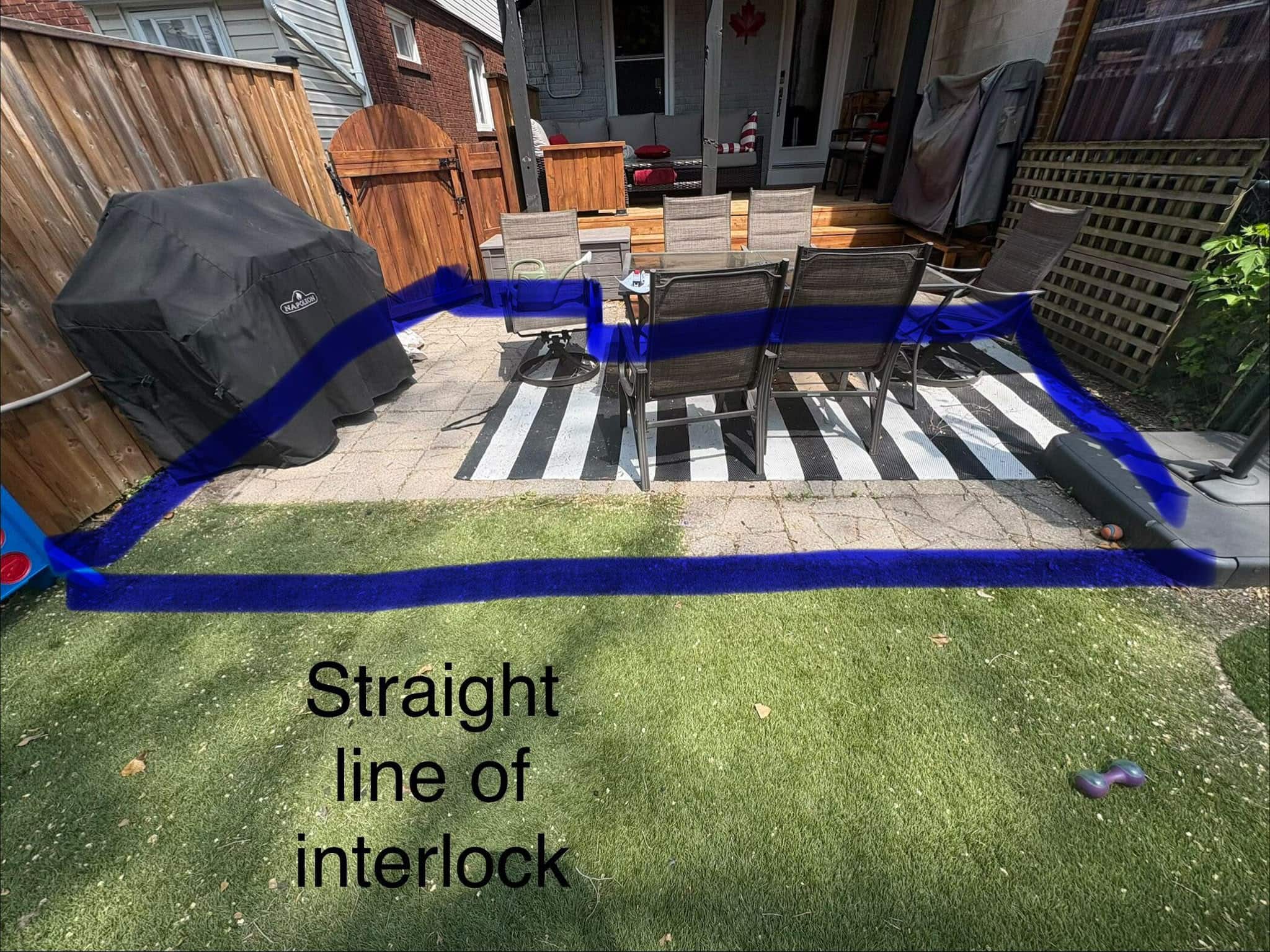
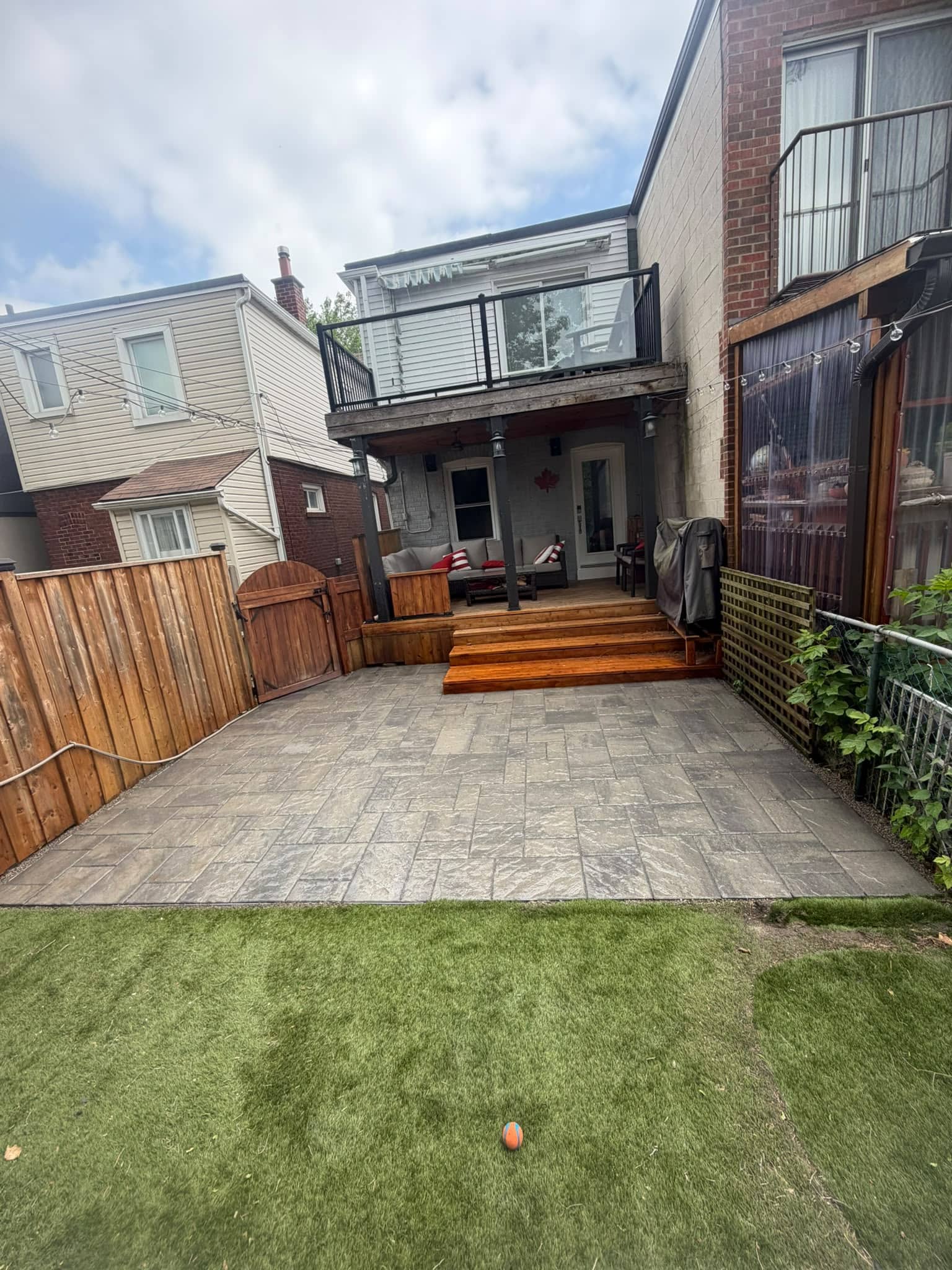
If the surface is an interlocking patio, walkway, or driveway, A&A Masonry’s interlocking stone services in Toronto page is a useful reference for understanding how outdoor masonry surfaces depend on base preparation, jointing, drainage, and maintenance.
When Sealing Is the Wrong First Step
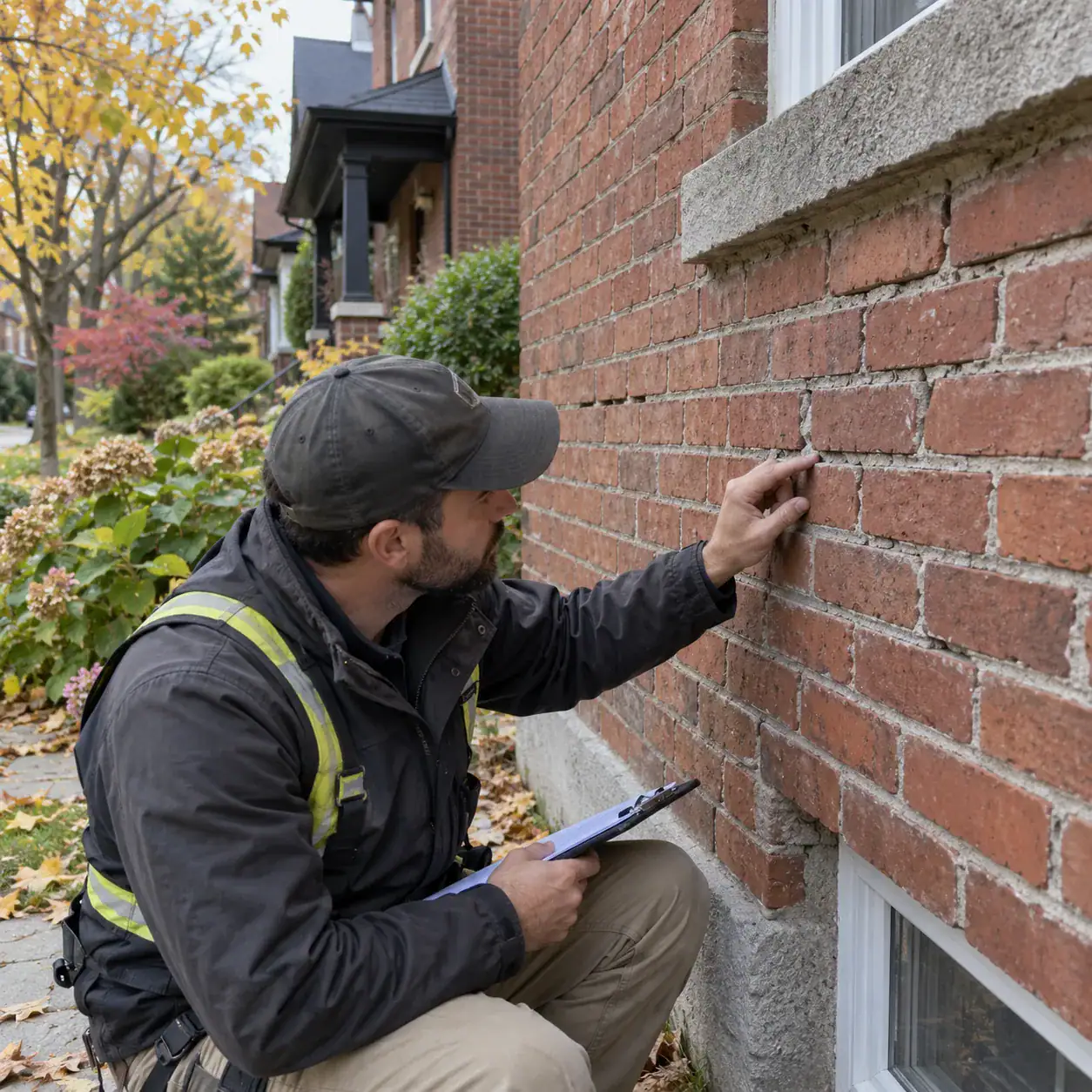
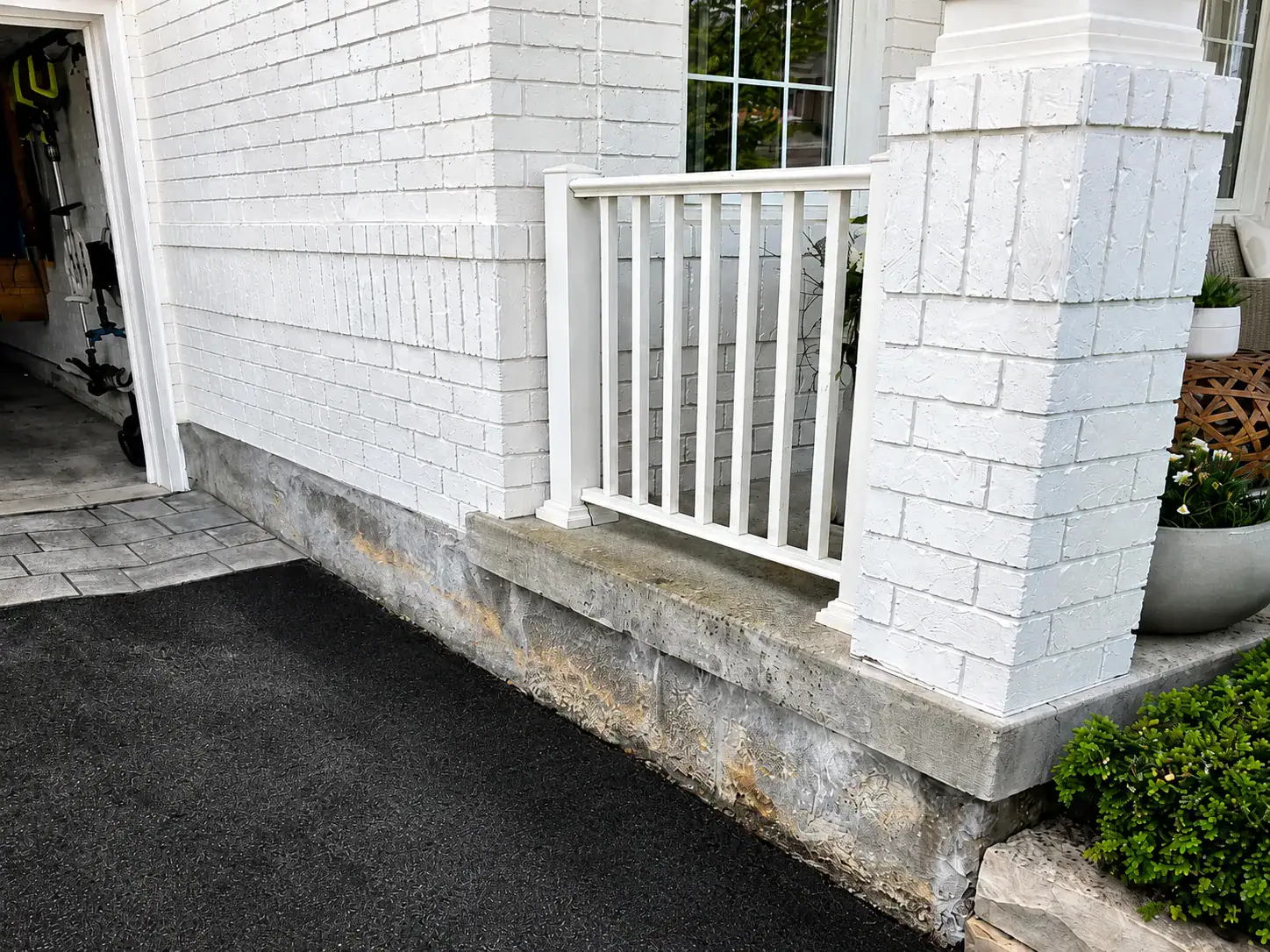
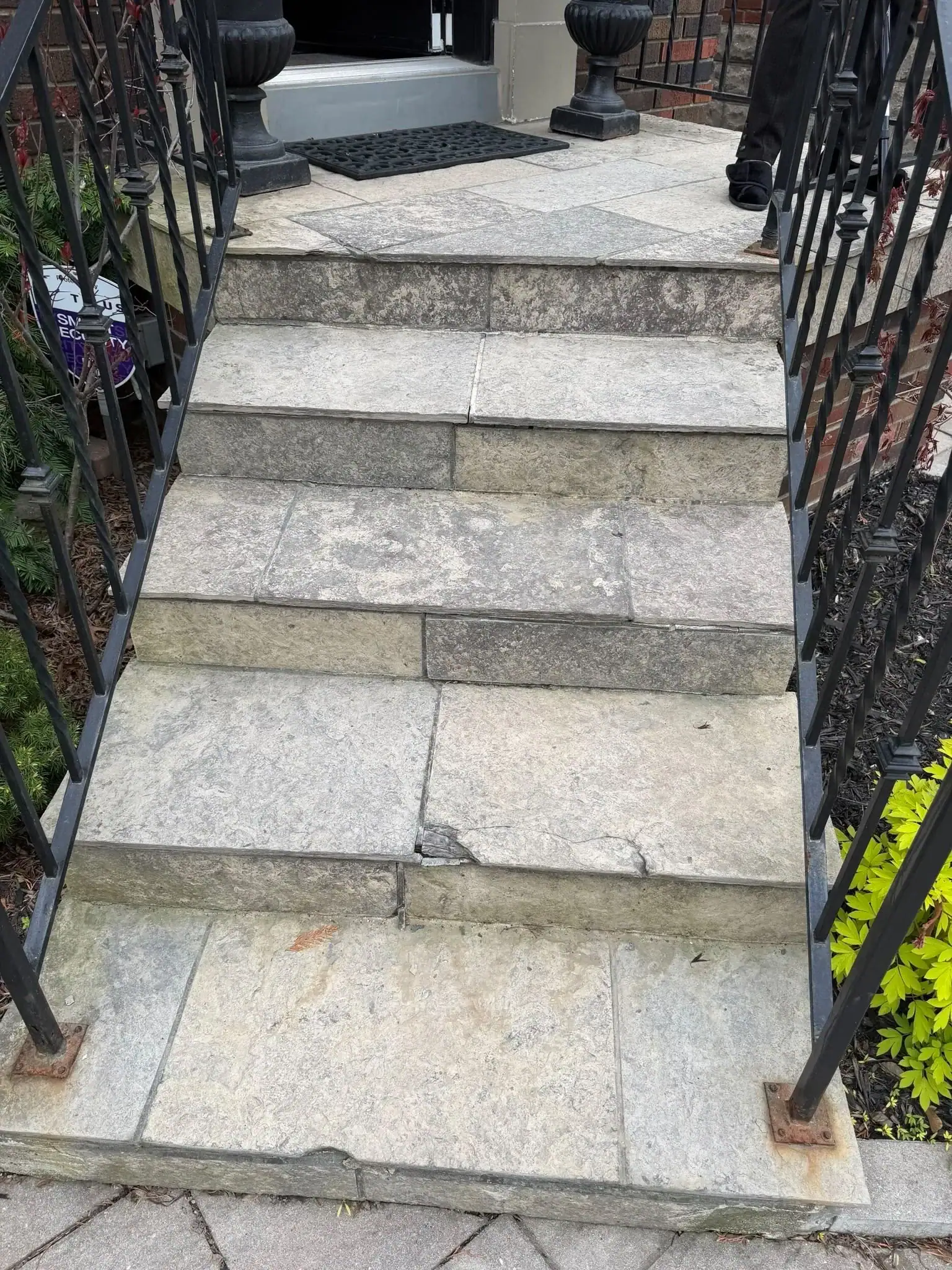
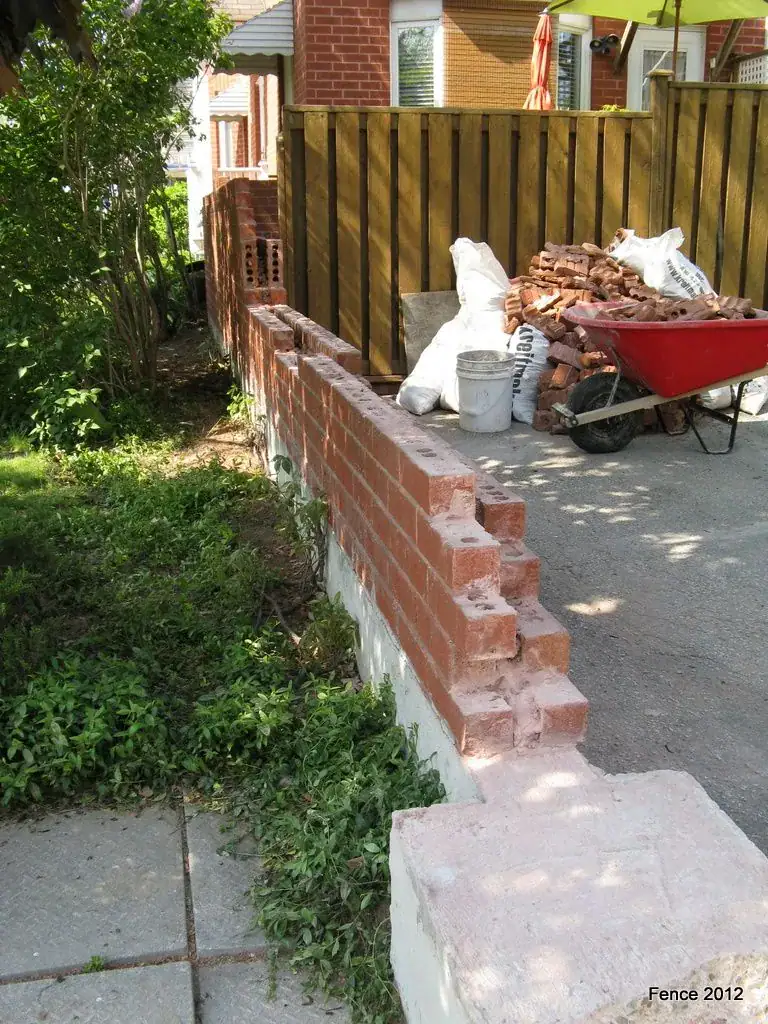
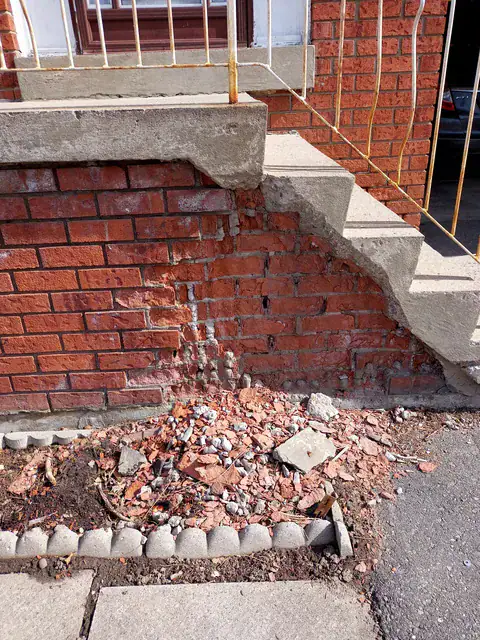
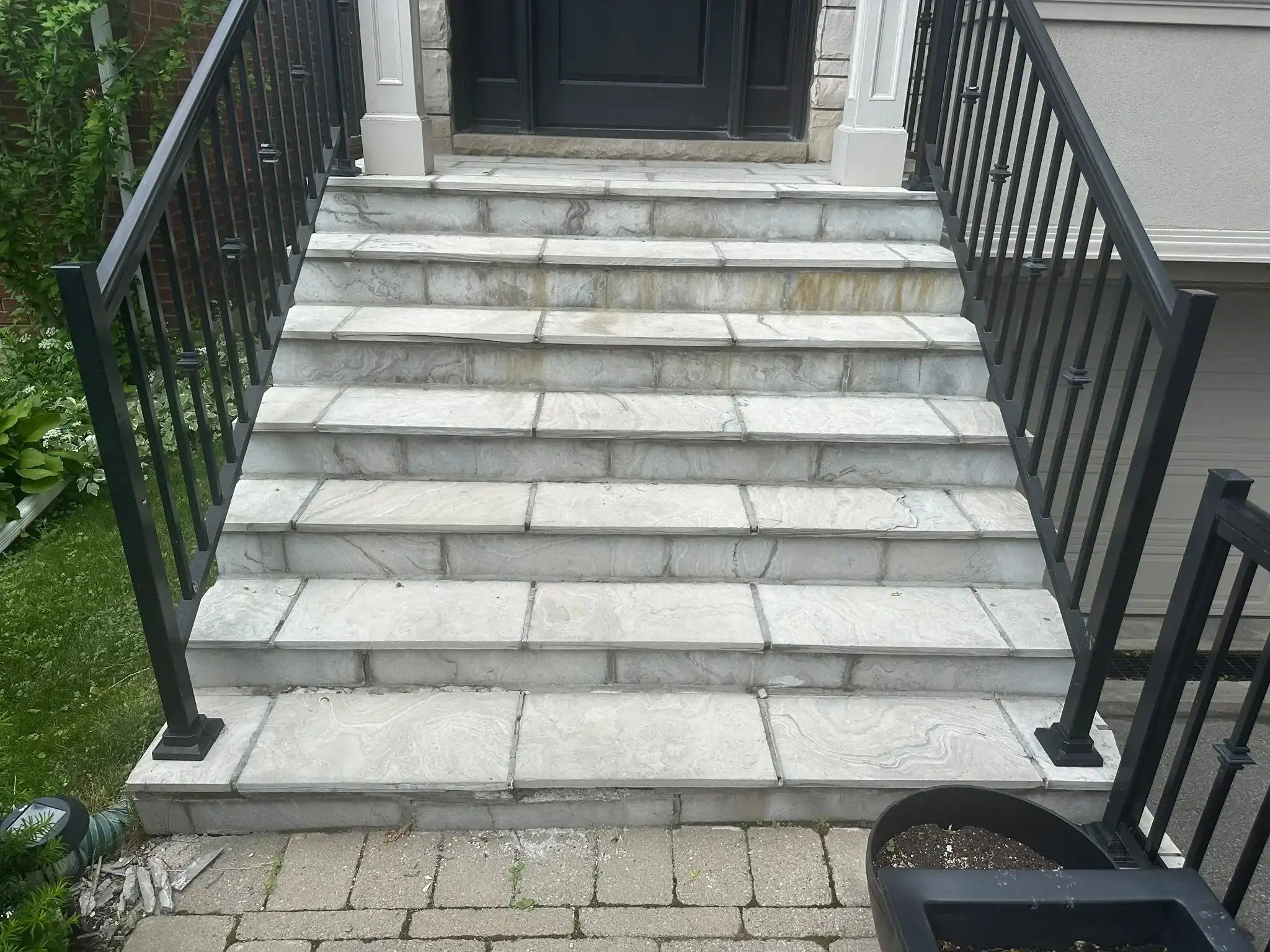
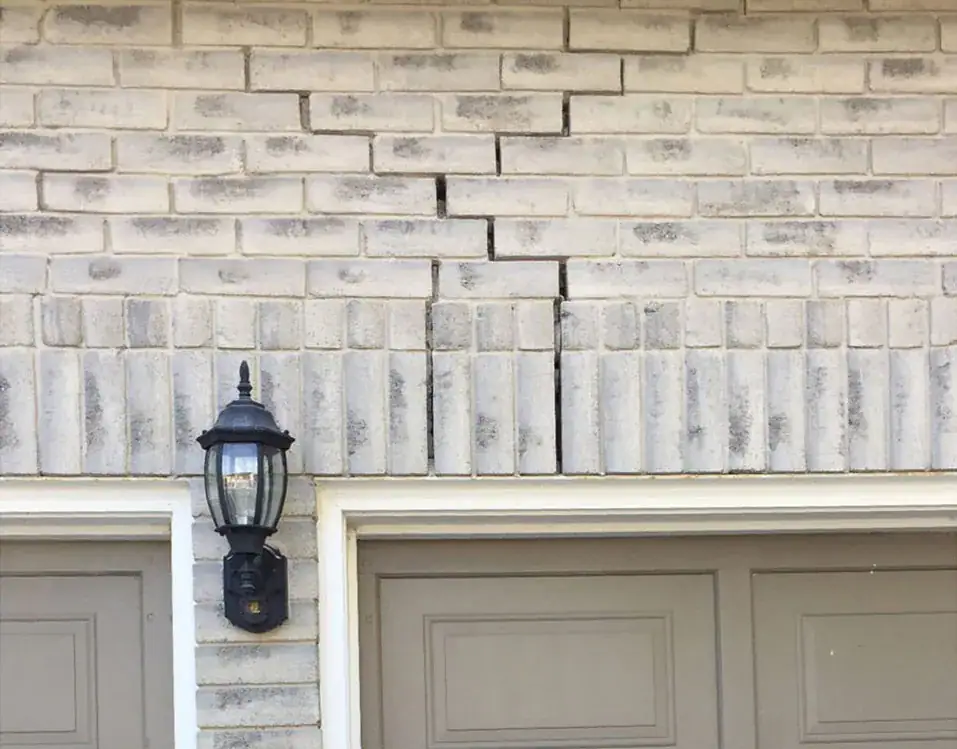
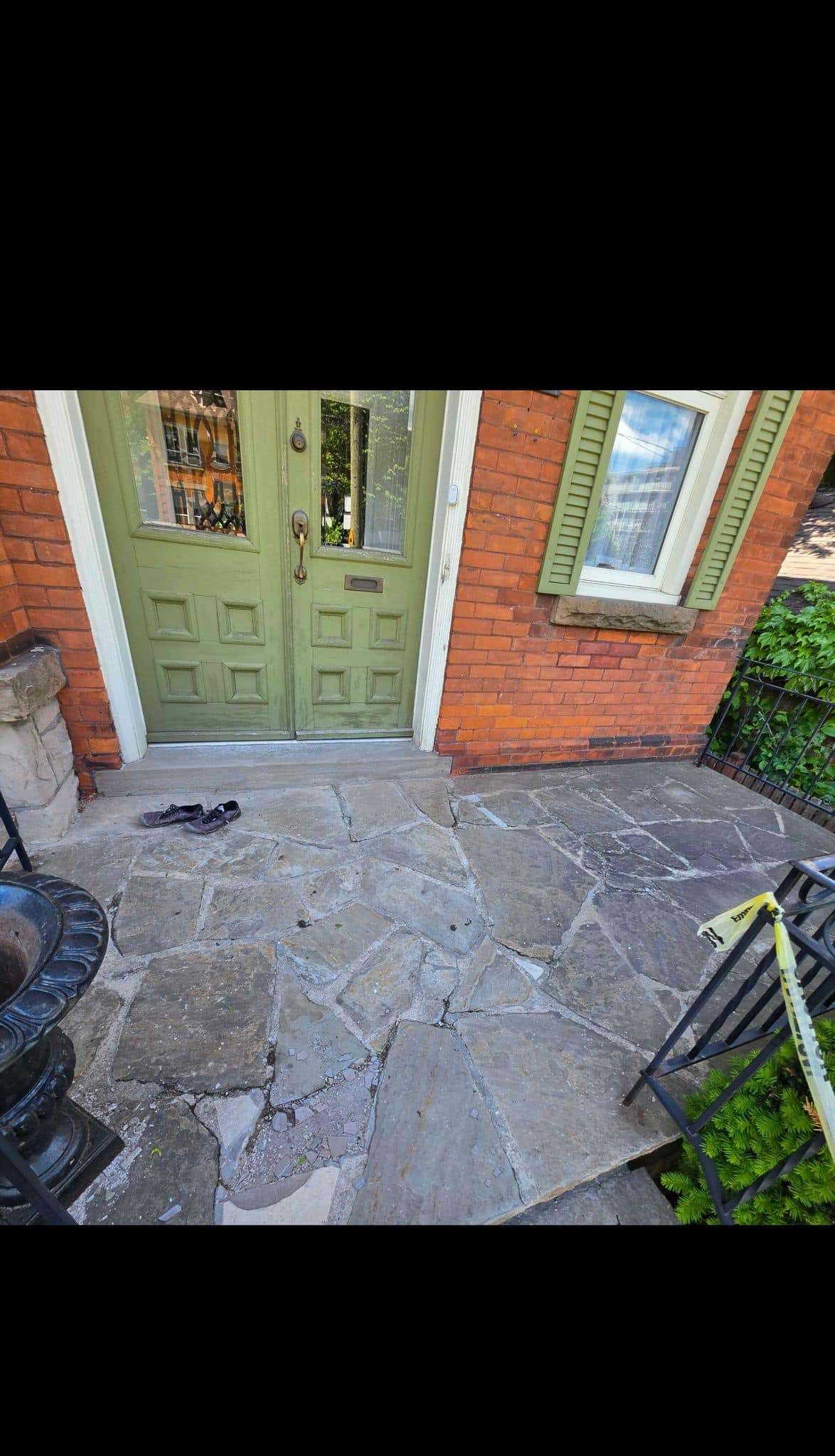
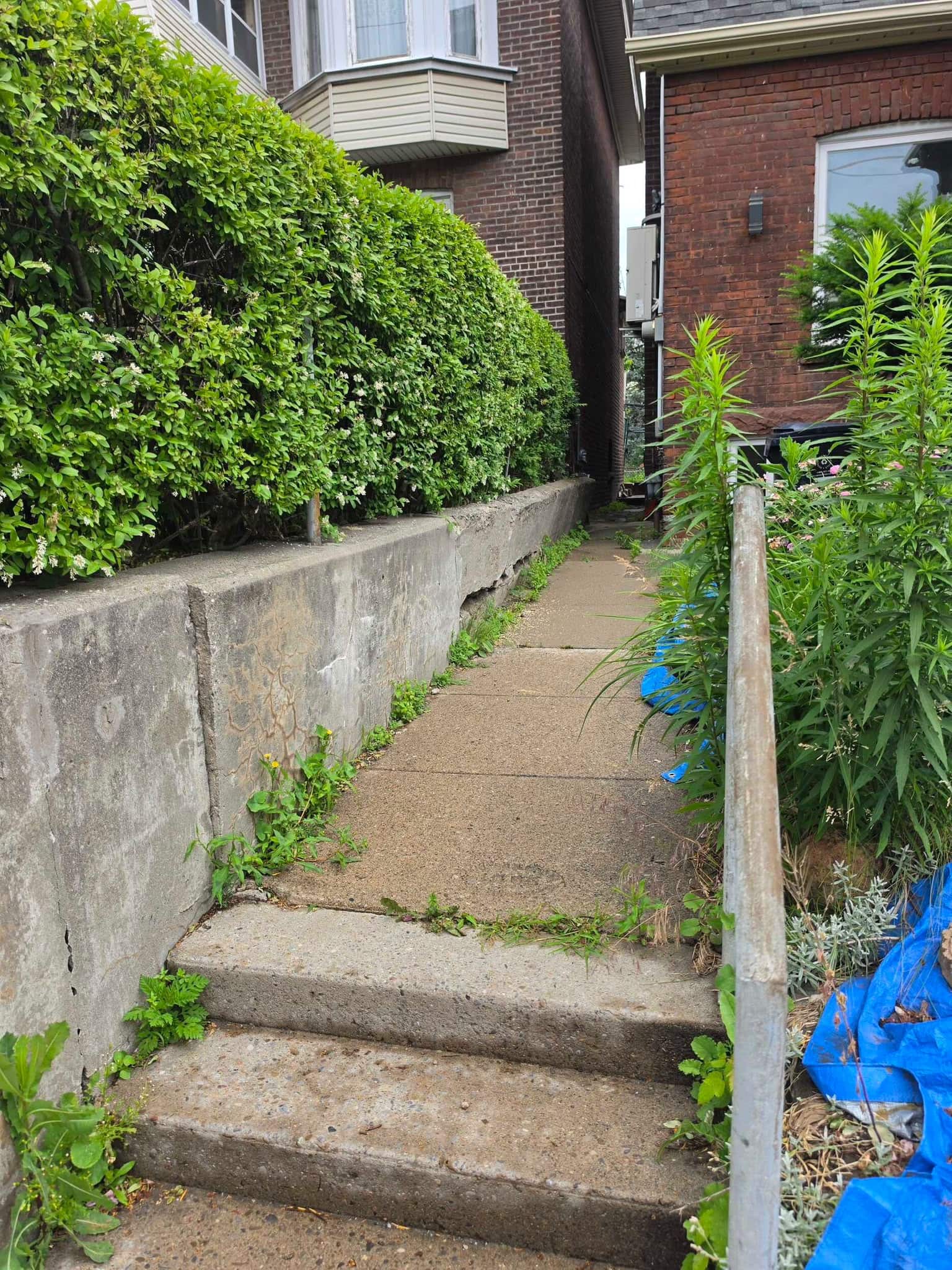
Sealing is the wrong first step when the masonry is already damaged, damp, cracked, or showing signs of deeper water problems. A sealer should not be used to cover up failing mortar, spalling brick, loose stone, foundation leaks, active efflorescence, or poor drainage.
One common mistake is sealing a brick wall because the homeowner sees moisture stains or white powder. But if the wall is already holding moisture, sealing the outside may trap more water inside. Another mistake is sealing over cracked joints instead of repairing them. Water will still find the weak areas, and freeze-thaw damage may continue.
Before sealing, homeowners should ask what problem they are trying to solve. If the problem is staining on a sound surface, a sealer may help. If the problem is water entering the home, deteriorated mortar, crumbling brick, or foundation moisture, the correct first step is diagnosis and repair.
If the issue involves water entry or foundation moisture, review A&A Masonry’s waterproofing Toronto page. If the issue involves cracked or damaged brick, A&A Masonry’s brick repair Toronto page may be more relevant than its sealing page.
Penetrating Sealers: Best for Breathable Protection
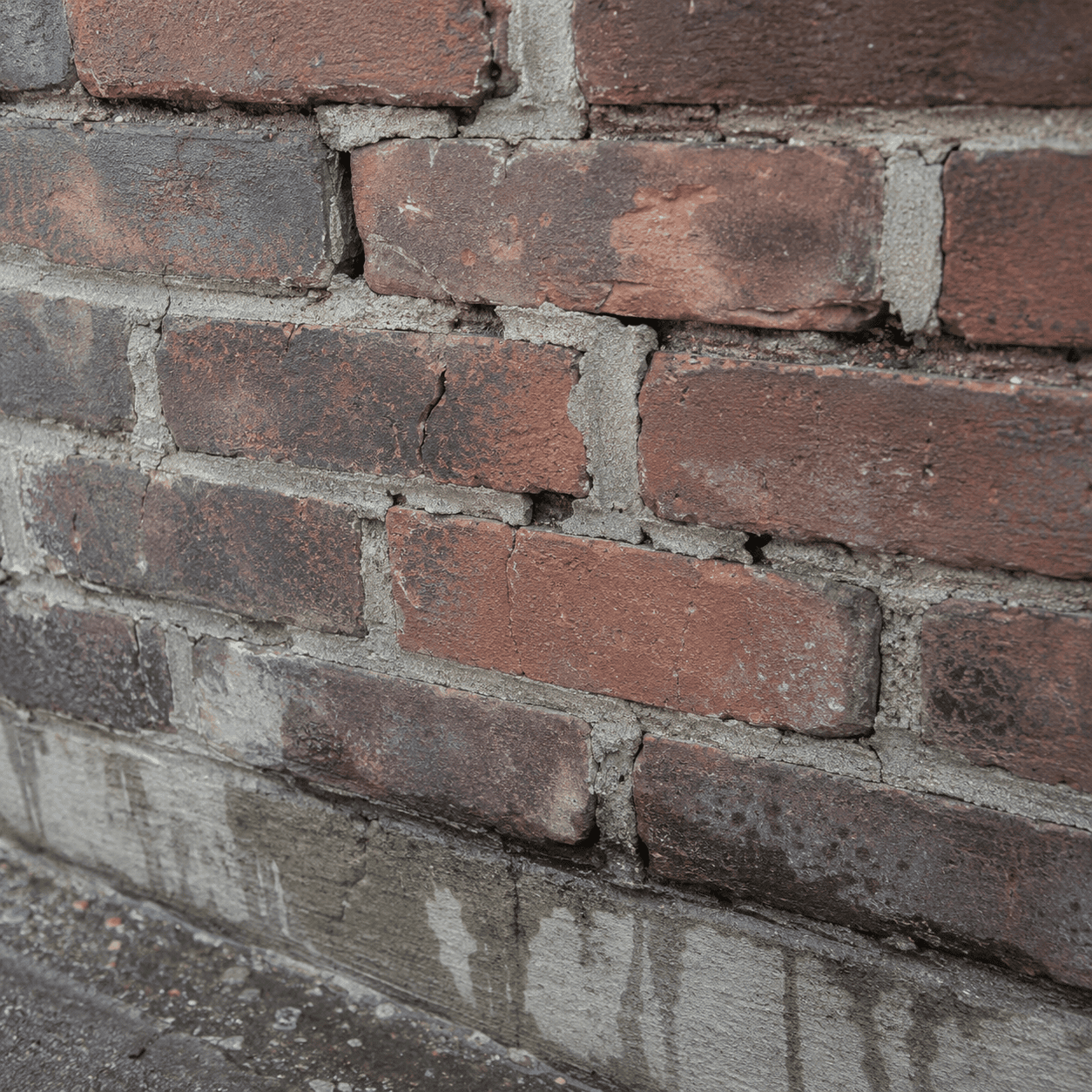
Penetrating sealers soak into the masonry surface rather than sit mainly on top. Many are designed to repel water while allowing water vapour to escape. This breathability is one reason penetrating products are often preferred for masonry surfaces that need protection without creating a heavy surface coating.
Penetrating sealers are commonly considered for brick, concrete, natural stone, and some pavers, depending on the product and surface. They can help reduce water absorption, which may lower the risk of moisture-related surface wear. They usually do not create a glossy finish, although some products can slightly change the appearance.
For Toronto homes, breathability matters because masonry can absorb moisture from different directions. A wall may take in wind-driven rain from the outside, but it may also release moisture from inside the wall system. If a sealer blocks that drying process, the wall can suffer.
Penetrating sealers are often a better fit when the homeowner wants protection without making the surface look coated. Still, the surface must be suitable and dry before application.
Film-Forming Sealers: Useful in Some Places, Risky in Others
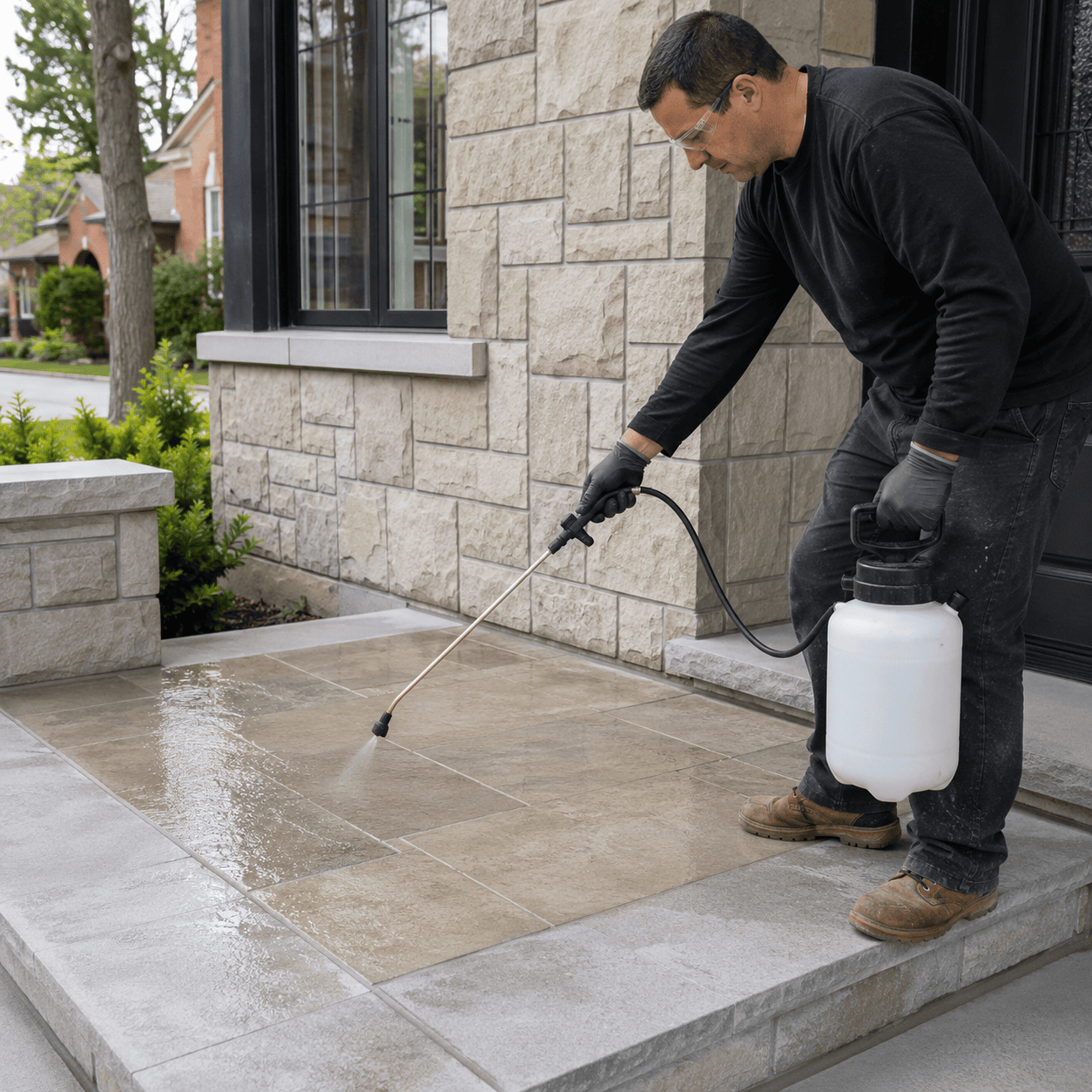
Film-forming sealers create a visible or semi-visible layer on top of the masonry surface. They may be used to add sheen, deepen colour, reduce staining, or protect certain concrete and paver surfaces. Some homeowners like the enhanced look, especially on decorative concrete or interlocking stone.
The risk is that film-forming sealers can trap moisture when applied to the wrong surface. They can also peel, wear unevenly, become slippery, or show whitening if moisture gets underneath. This is especially important outdoors, where surfaces are exposed to rain, snow, ice, sun, and temperature fluctuations.
Film-forming products may be appropriate for some horizontal surfaces, but they should be chosen carefully. On vertical brick walls, older masonry, damp surfaces, or areas with trapped moisture, a film-forming coating can create more problems than it solves. Homeowners should be cautious with any product that promises a quick waterproof barrier without addressing how the masonry will dry.
Water Repellents vs Waterproofing
Water repellents and waterproofing are not the same thing. A masonry water repellent is usually a surface treatment that reduces water absorption through a sound exterior material. Waterproofing is a broader system used to stop water from entering where it should not, often involving membranes, drainage, crack repair, grading, or foundation work.
This distinction matters because homeowners sometimes use the word “sealer” when they actually need waterproofing. A damp basement wall, leaking foundation, or water-stained interior surface cannot usually be fixed by applying a surface sealer to exterior brick. The water source, path, and pressure must be understood first.
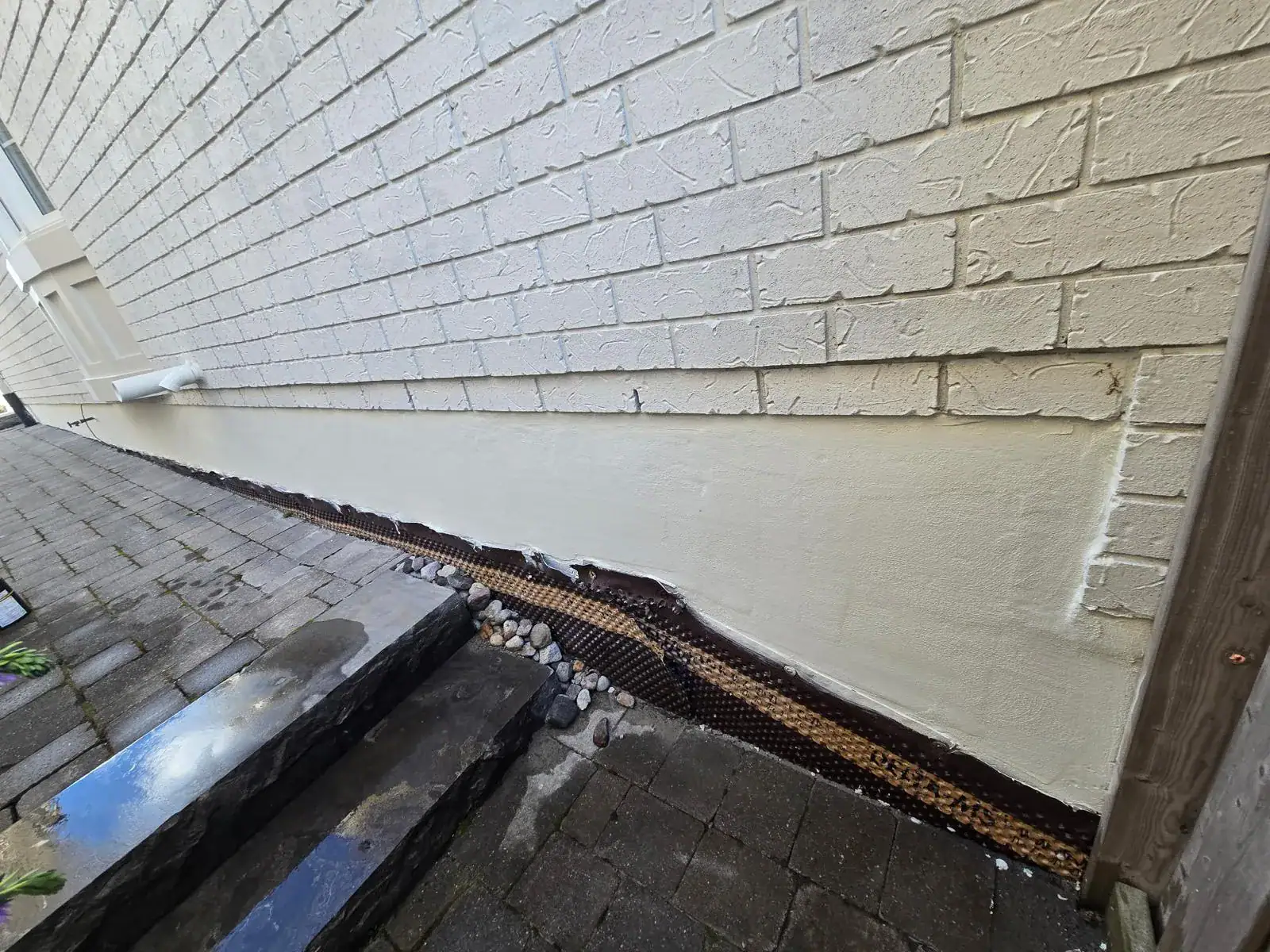
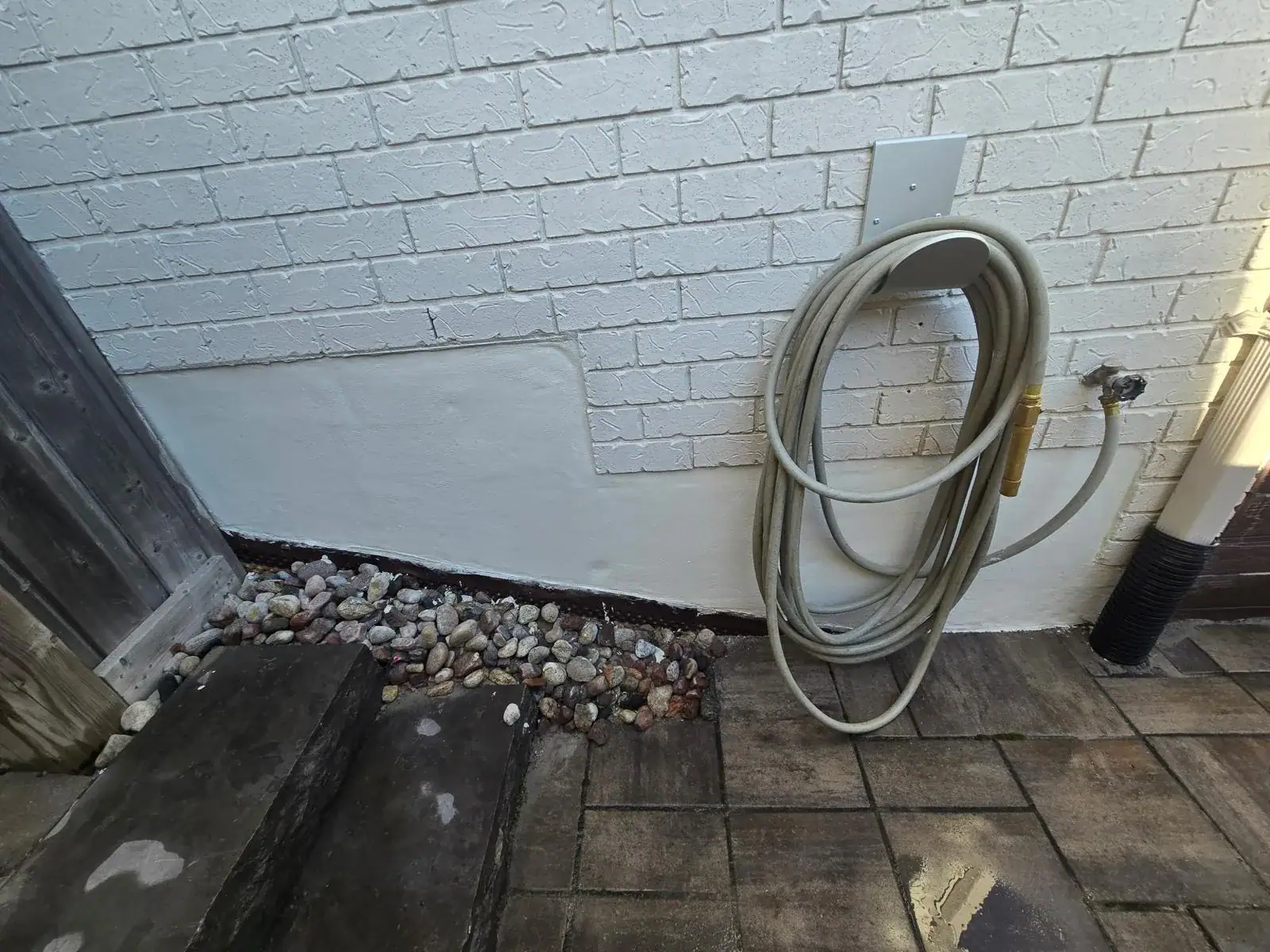
For foundation and basement moisture, waterproofing decisions should be made carefully. Exterior waterproofing, interior systems, drainage improvements, crack repair, and parging each solve different problems. A&A Masonry’s article on parging and waterproofing Toronto foundations is a helpful supporting read for homeowners comparing surface protection with deeper moisture control.
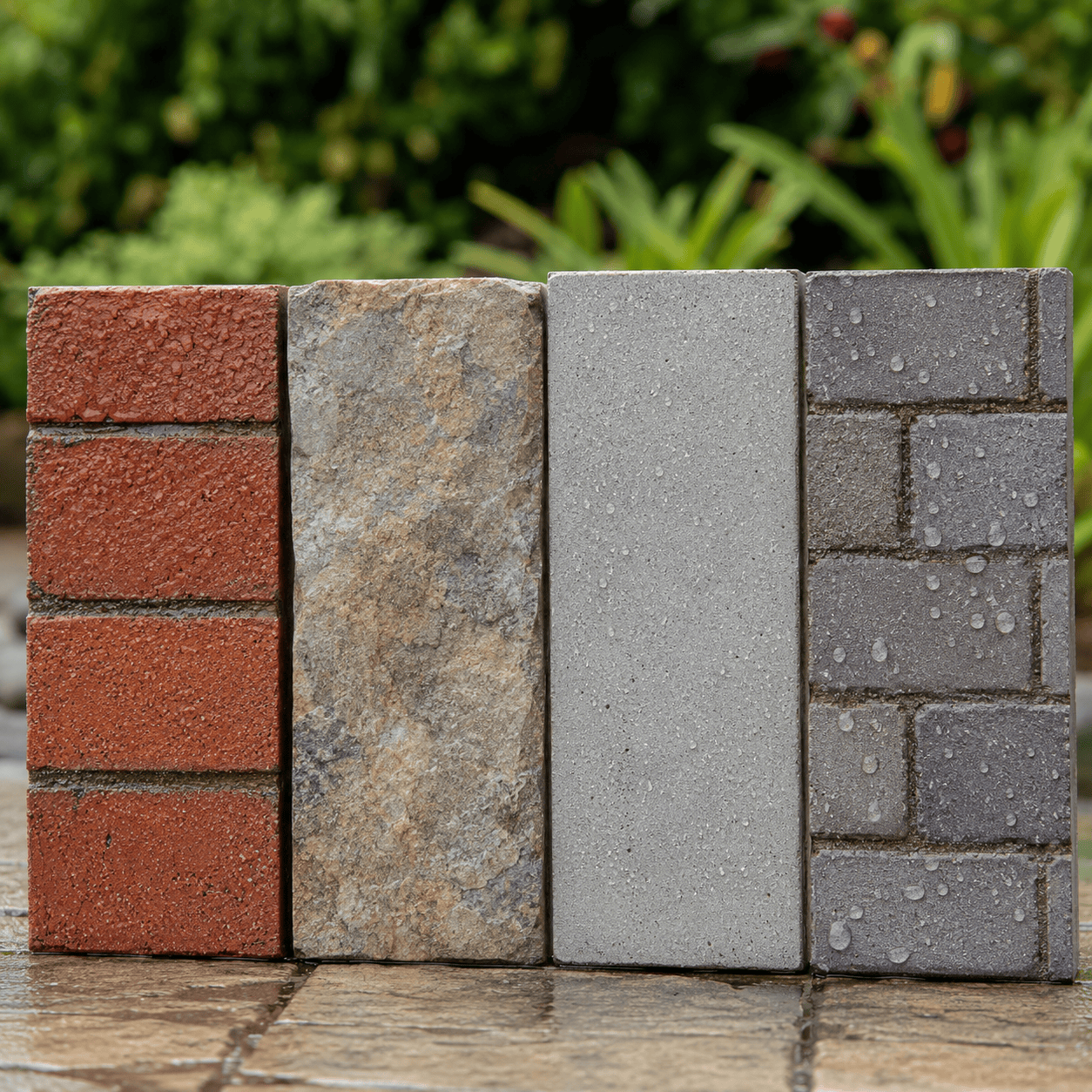
Brick, Stone, Concrete, and Interlocking: Which Surfaces Need Which Sealer?
Different masonry materials need different sealers. The right product for concrete may not be right for older brick. The right product for a paver driveway may not be right for natural stone. Surface condition, porosity, exposure, and appearance goals all matter.
- Brick: Brick usually needs breathable protection if sealing is appropriate. Avoid trapping moisture in older brick walls or walls with damaged mortar.
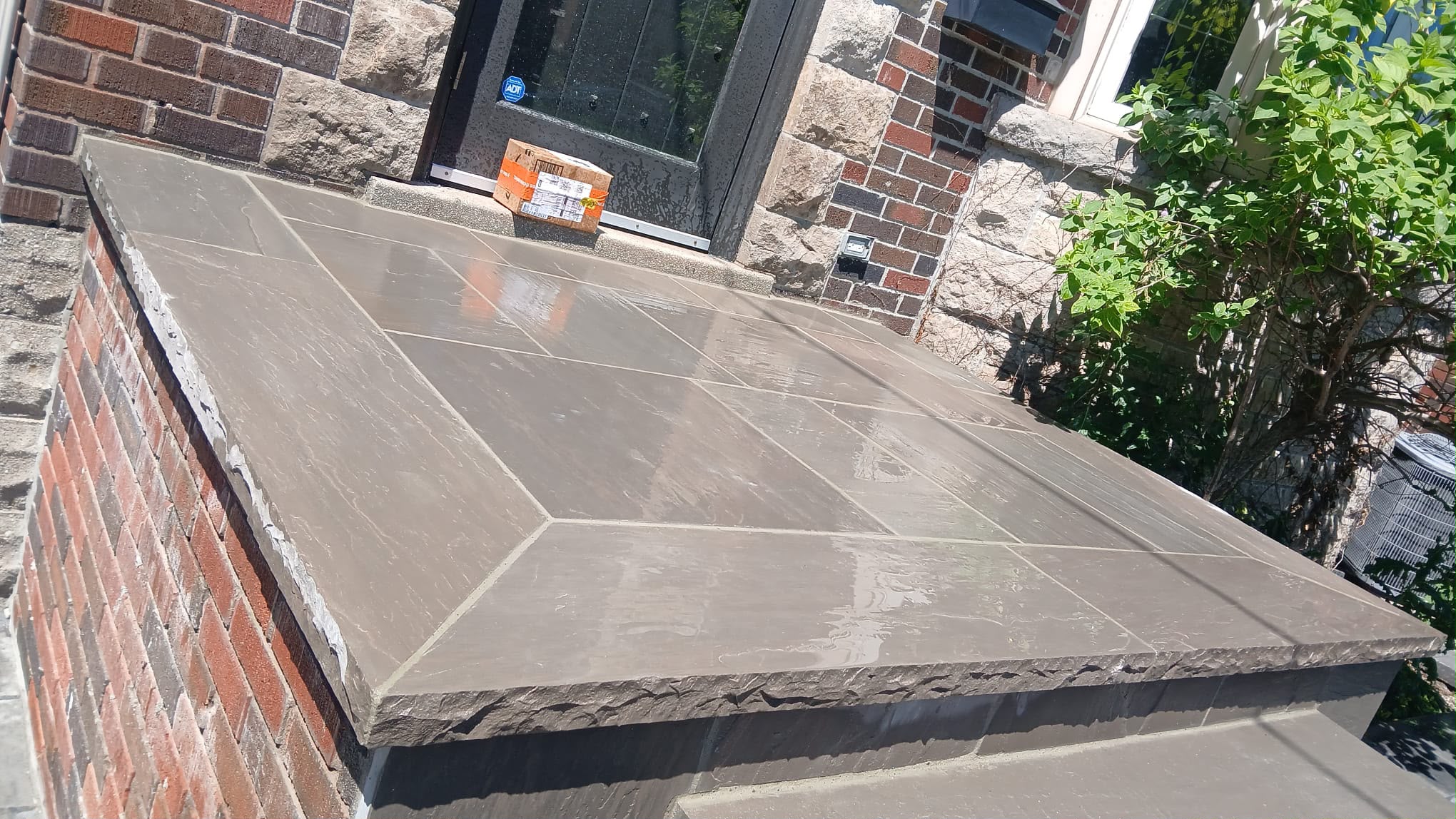
- Natural stone: Stone may need a penetrating sealer if staining is a concern, especially near patios, steps, or outdoor living areas. Test first because appearance can change.
- Concrete: Concrete may benefit from sealers that reduce water absorption, salt damage, dusting, or staining. Cracks and spalling should be repaired first.
- Interlocking pavers: Paver sealers may help with stains, colour enhancement, and joint stability, but the base and drainage still matter more for long-term performance.
- Chimneys: Chimney masonry may need repair, tuckpointing, cap work, flashing review, or breathable protection depending on the source of moisture.
- Foundations: Foundation moisture should be diagnosed before applying coatings. Sealing the wrong side or wrong surface can hide a bigger issue.
If damaged mortar is visible before sealing, A&A Masonry’s page on tuckpointing services in Toronto explains why mortar joint repair should often come before surface protection.
What Happens If You Use the Wrong Sealer?
The wrong sealer can cause moisture, appearance, and maintenance problems. A surface may look protected at first, then peel, turn white, trap moisture, or fail unevenly after winter.
On brick, the biggest risk is trapping moisture inside the wall. If water enters from cracks, open joints, inside humidity, or poor flashing, a non-breathable coating can slow drying. In freeze-thaw weather, trapped moisture can contribute to spalling and surface damage. On concrete or pavers, the wrong product can become slippery, turn cloudy, wear unevenly, or make future repairs harder.
Another issue is hiding damage. A sealer may temporarily darken or improve the look of a tired surface, but it does not restore failed material. If the surface is already crumbling, loose, or cracked, the sealer may simply delay the repair while the underlying problem continues.
How to Prepare Masonry Before Sealing
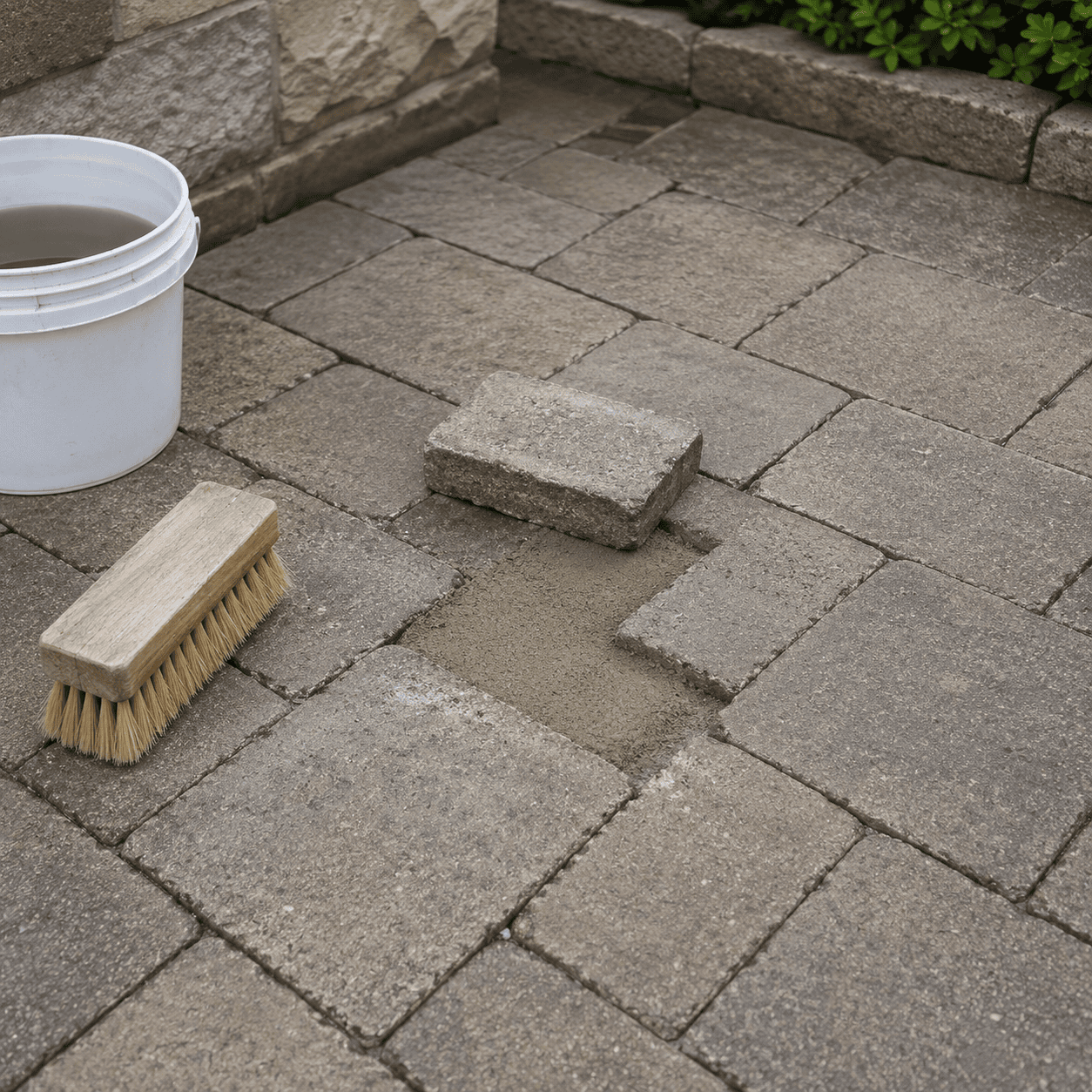
Good preparation is often the difference between a useful sealer and a failed one. The surface should be inspected, cleaned, repaired, and allowed to dry before any product is applied. Applying sealer over dirt, salt, moss, loose mortar, efflorescence, or damp masonry can reduce performance and create a poor finish.
- Inspect the surface: Look for cracks, loose units, failed mortar, spalling, stains, and moisture issues.
- Repair first: Fix damaged brick, mortar, stone, concrete, or joints before sealing.
- Clean properly: Remove dirt, algae, salt residue, and old failing coatings where needed.
- Let it dry: Masonry should be dry enough for the chosen product. Drying time depends on the weather and the material.
- Test a small area: Sealers can change colour, sheen, or texture. A test patch helps avoid surprises.
- Follow product limits: Temperature, humidity, drying time, and surface type all affect the application.
The Canada Masonry Design Centre provides information on masonry codes and standards, which is useful context for understanding why masonry performance depends on more than surface products. For larger exterior changes, Toronto homeowners can also review the City’s building permit guidance, especially when work goes beyond maintenance and becomes construction or major renovation.
How Often Should Masonry Be Sealed?
There is no single sealing schedule that fits every masonry surface. Some surfaces may need resealing after a few years, while others may not need sealing at all. The timing depends on the material, product type, exposure, traffic, cleaning methods, and weather conditions.
Horizontal surfaces usually wear faster than vertical surfaces because they are exposed to more direct rain, snow, foot traffic, vehicle weight, salt, and cleaning. Driveways, walkways, patios, and steps may need more frequent review than a sheltered wall. South-facing or exposed surfaces may also weather differently from shaded or protected areas.
Rather than sealing on a fixed schedule, homeowners should inspect the surface. Does water absorb quickly instead of beading? Are stains becoming harder to clean? Is the surface showing wear, flaking, or whitening? Are joints failing? These signs matter more than a calendar date.
What Homeowners Can Check Before Choosing a Sealer
Homeowners can do a simple review before deciding whether to seal. The goal is to understand whether sealing is helpful, unnecessary, or risky.
- Check for active damage: Do not seal over crumbling mortar, cracked brick, spalling concrete, or loose stone.
- Look for moisture patterns: Staining, efflorescence, damp patches, or interior leaks may point to a deeper water issue.
- Identify the material: Brick, stone, concrete, and pavers do not all need the same product.
- Consider exposure: Salt, traffic, shade, pooling water, and freeze-thaw stress affect product choice.
- Decide on appearance: Some sealers are invisible, while others darken, gloss, or enhance the surface.
- Ask about breathability: This is especially important for brick, older masonry, and damp-prone walls.
- Test first: A small test area helps confirm colour, sheen, and absorption before full application.
If your surface is already showing repeated cracking, moisture stains, or failing repairs, A&A Masonry’s blog on common masonry repair issues in Toronto can help you identify whether the problem is bigger than surface sealing.
When Professional Help Makes More Sense
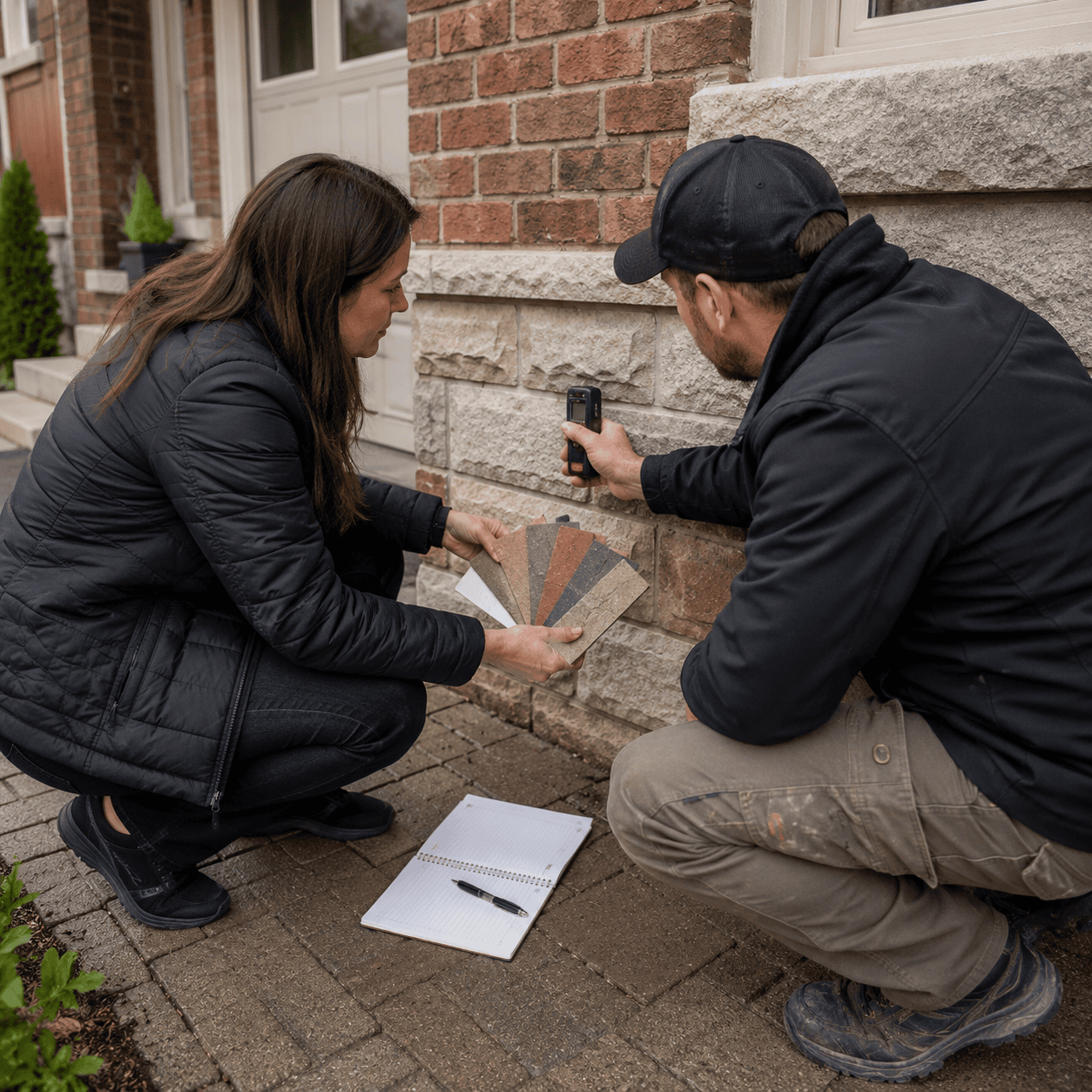
Professional help makes more sense when the surface is older, damaged, damp, historically sensitive, or connected to a larger water problem. A professional can help determine whether the masonry should be repaired, cleaned, repointed, waterproofed, or sealed.
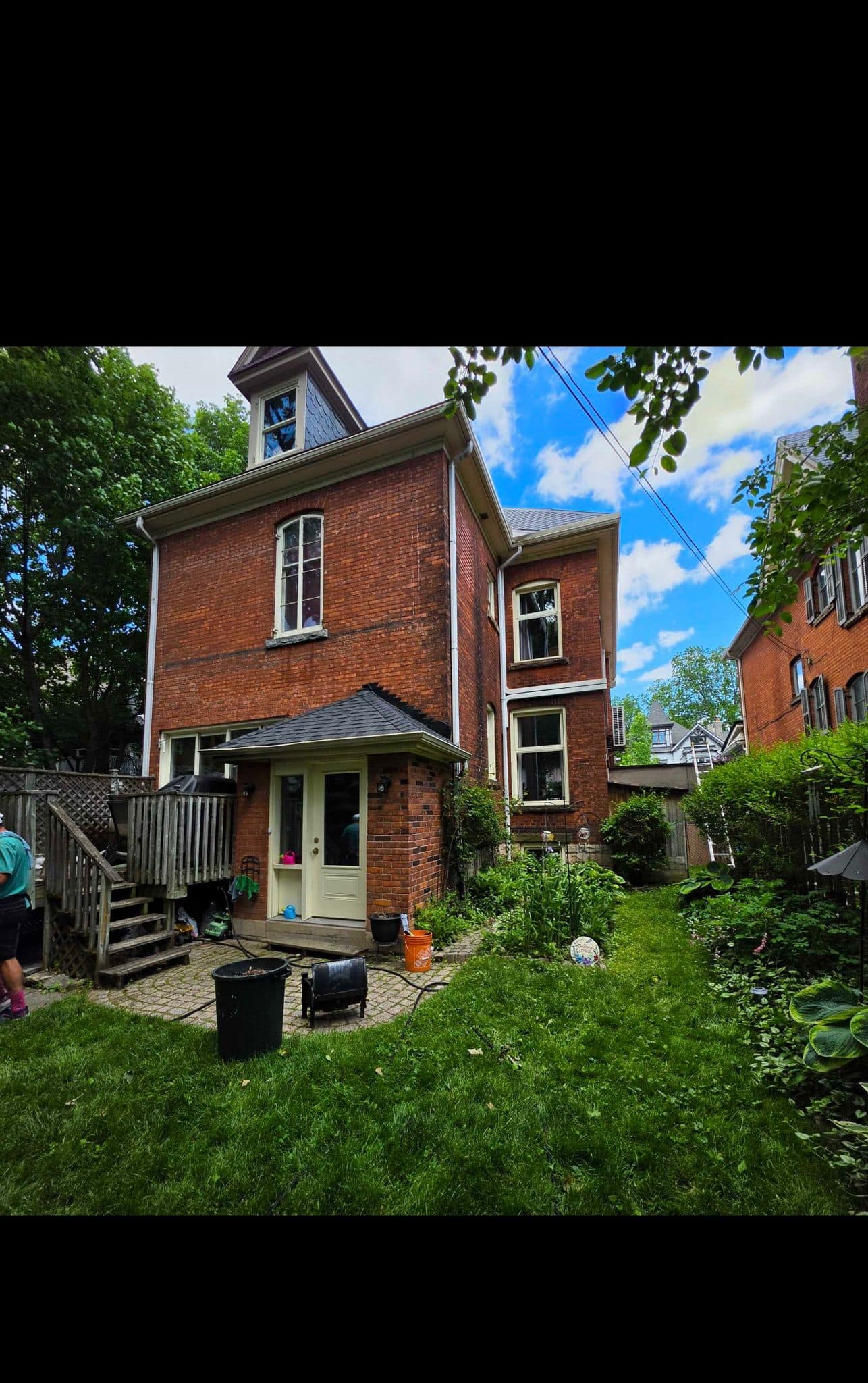
This is especially important for older brick homes in Toronto. Using the wrong coating on old brick can reduce drying and create long-term damage. Professional guidance is also helpful for interlocking driveways, stone patios, concrete steps, chimneys, and foundation areas, as each surface has distinct exposure and performance needs.
A careful recommendation should explain why a specific sealer is appropriate, which repairs should be done first, how the surface will be prepared, whether the product is breathable, and what maintenance to expect. If the recommendation is simply “seal everything,” that is worth questioning. Good masonry maintenance is specific, not one-size-fits-all.
Quick Decision Guide: When, Why, Which Type
A simple decision guide can help homeowners choose the right direction before buying or applying any sealer.
- Use a penetrating breathable sealer when the surface is sound and needs water resistance without trapping moisture.
- Consider a film-forming sealer only where a surface coating is suitable and moisture is unlikely to become trapped underneath.
- Repair before sealing when brick, mortar, stone, concrete, or joints are already damaged.
- Do not use a sealer as waterproofing when water is entering a basement, foundation, chimney, or wall system.
- Test first when appearance matters, especially on stone, brick, pavers, or decorative concrete.
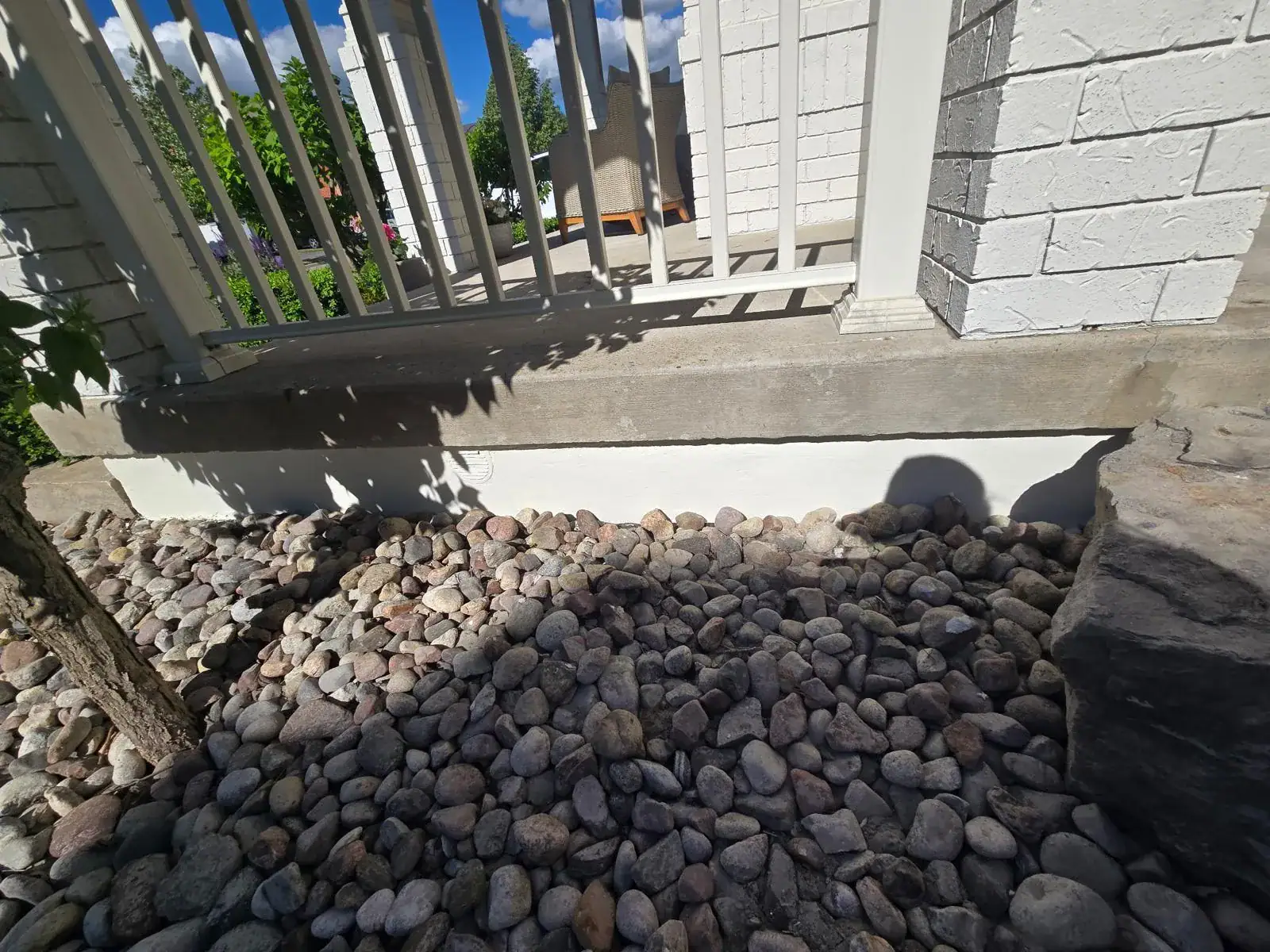
- Focus on drainage first when water is pooling, running toward the home, or collecting near foundations and steps.
The best sealer is not the strongest-looking product on the shelf. It is the product that fits the material, the moisture conditions, and the purpose of the surface.
Final Thoughts on Masonry Sealers
Masonry sealers can be useful when they are chosen carefully and applied to the right surface at the right time. They can help reduce water absorption, staining, salt exposure, and surface wear on some brick, stone, concrete, and interlocking surfaces. But they are not a shortcut for repair, drainage correction, or waterproofing.
For Toronto and GTA homes, the key is to think about moisture first. If the masonry is sound and dry, the right sealer may support long-term durability. If the masonry is cracked, damp, spalling, leaking, or poorly drained, sealing can make the problem harder to solve.
Before applying any product, ask three simple questions: when is sealing appropriate, why is it needed, and which type fits the surface? Those answers will help you avoid unnecessary coatings and choose a solution that protects the masonry instead of covering up a deeper issue.