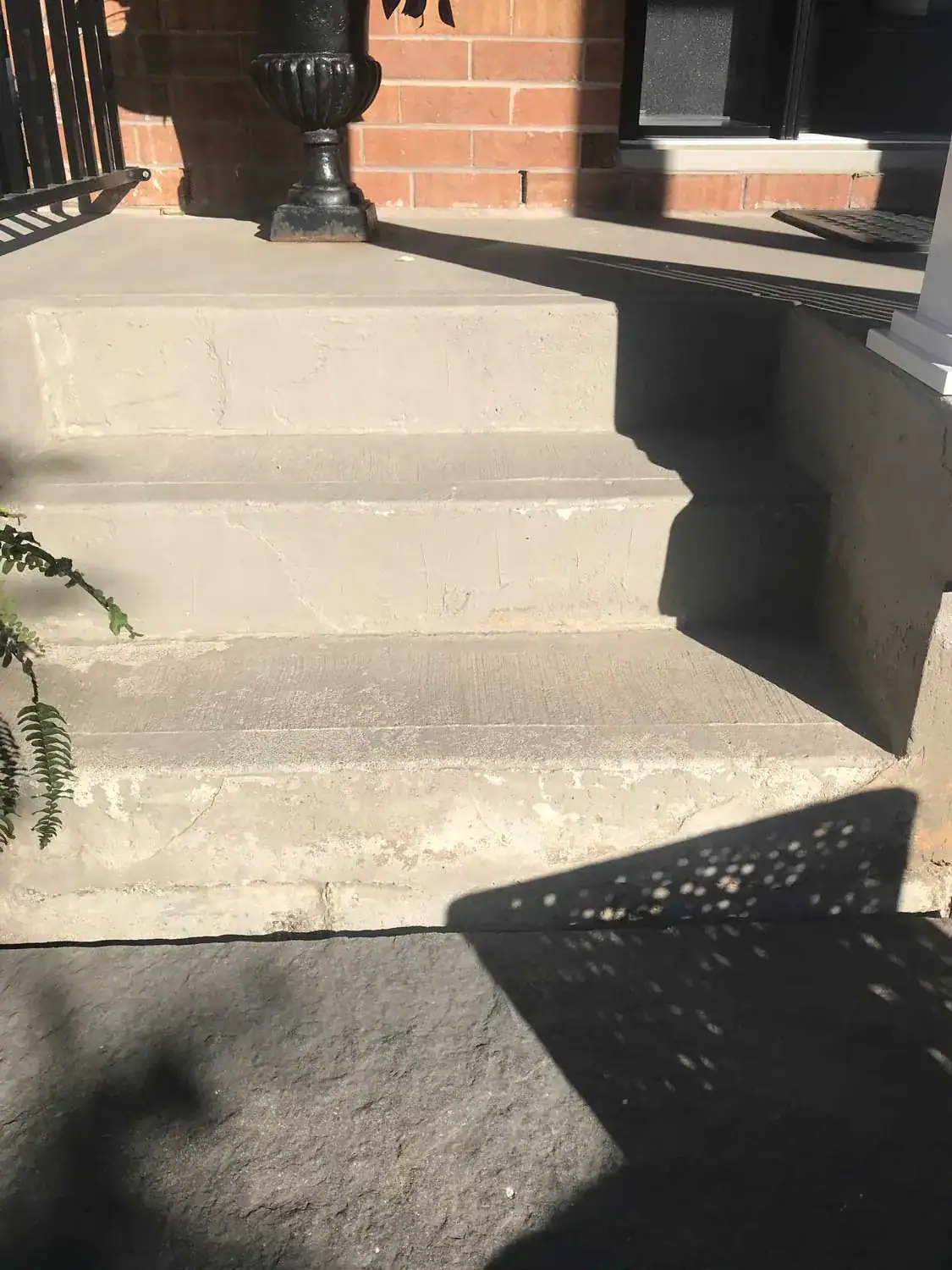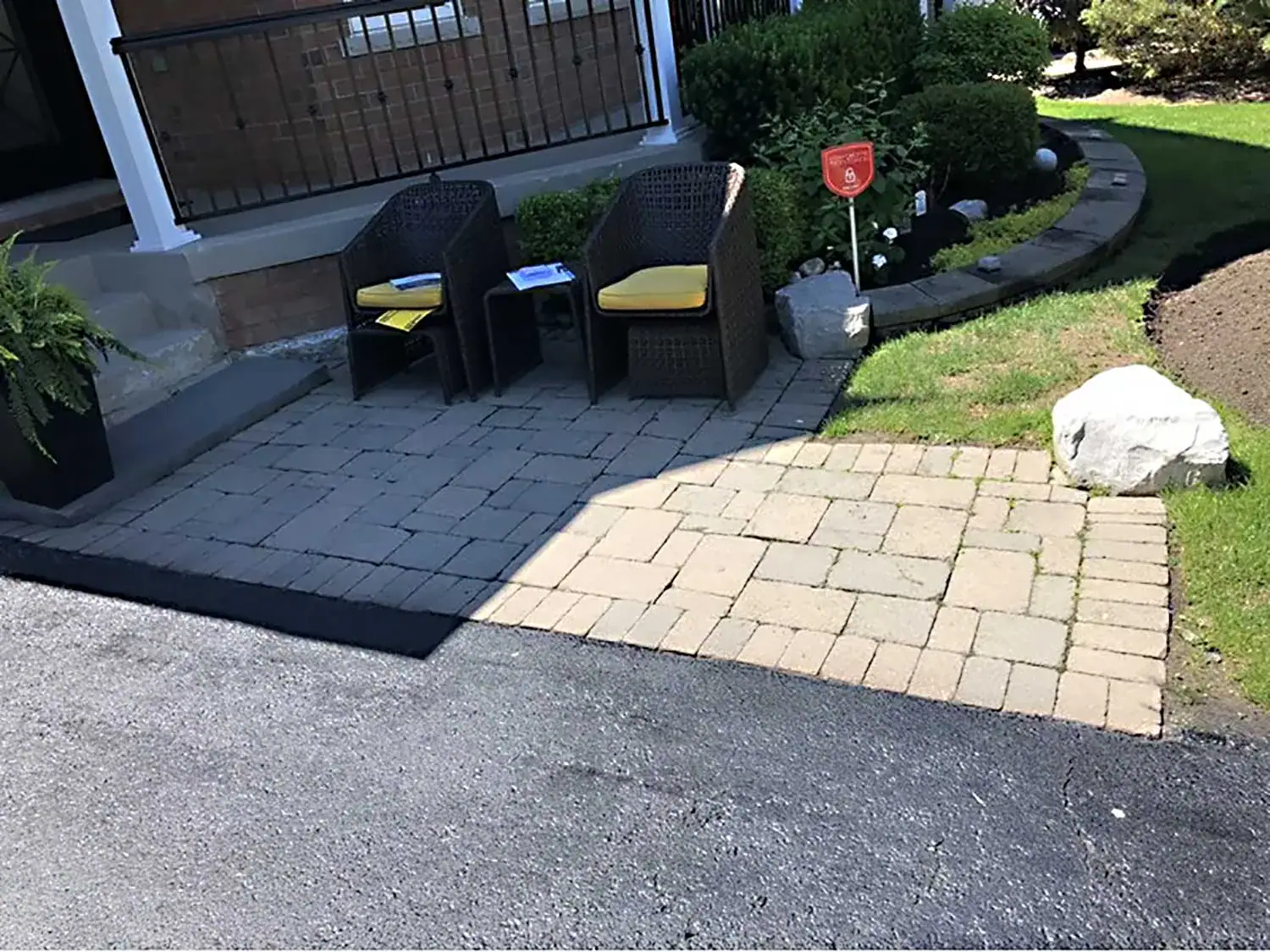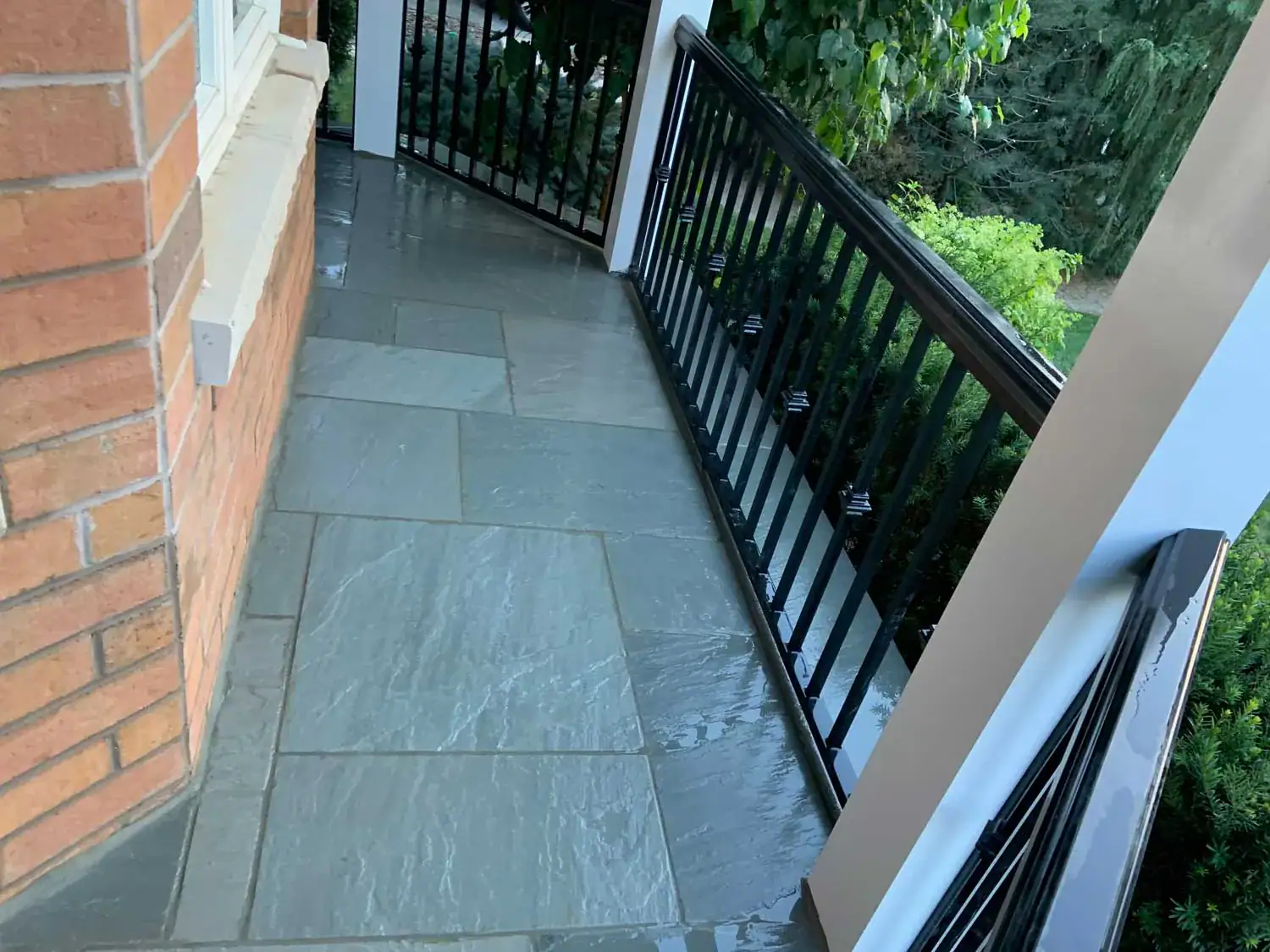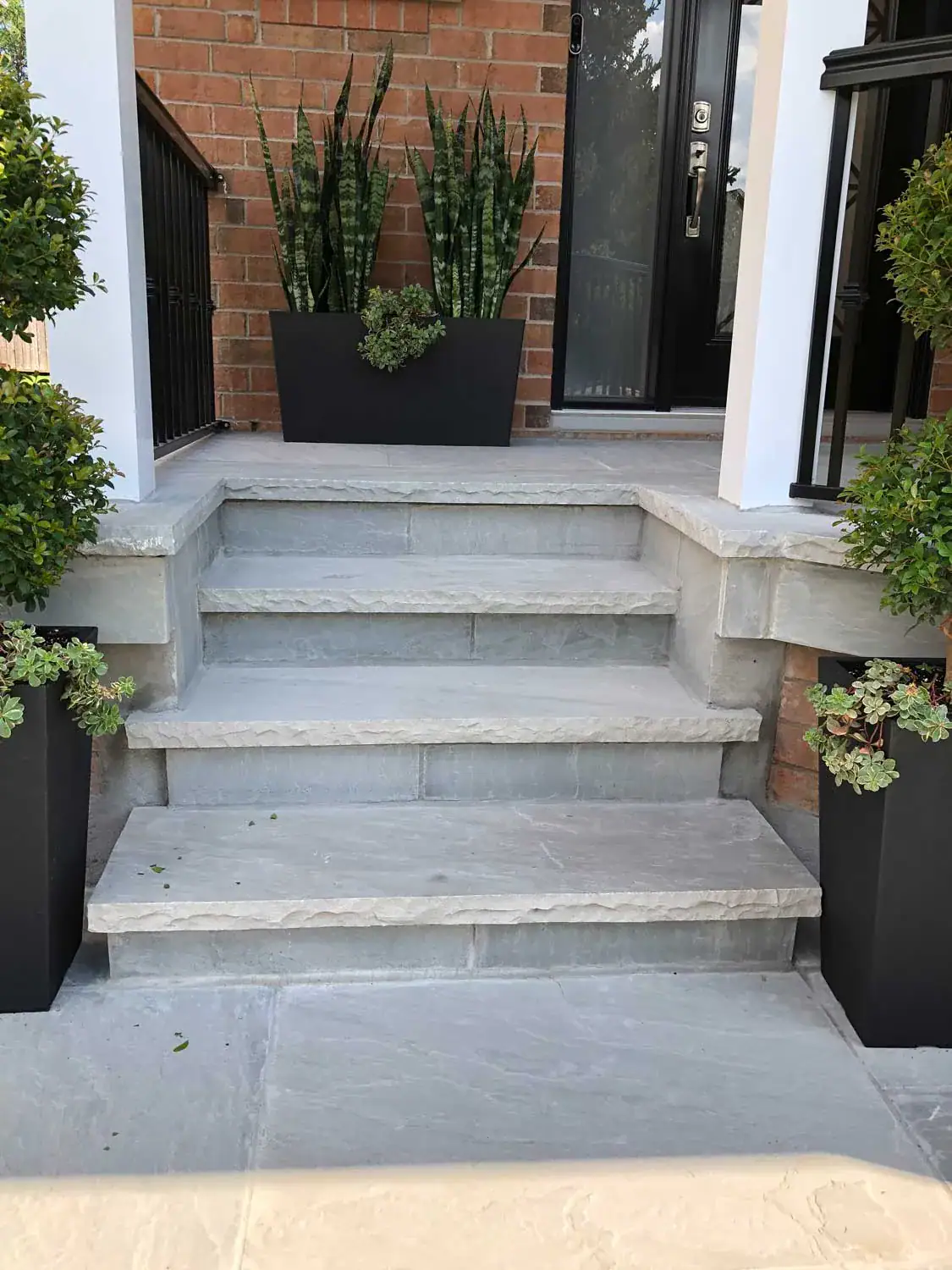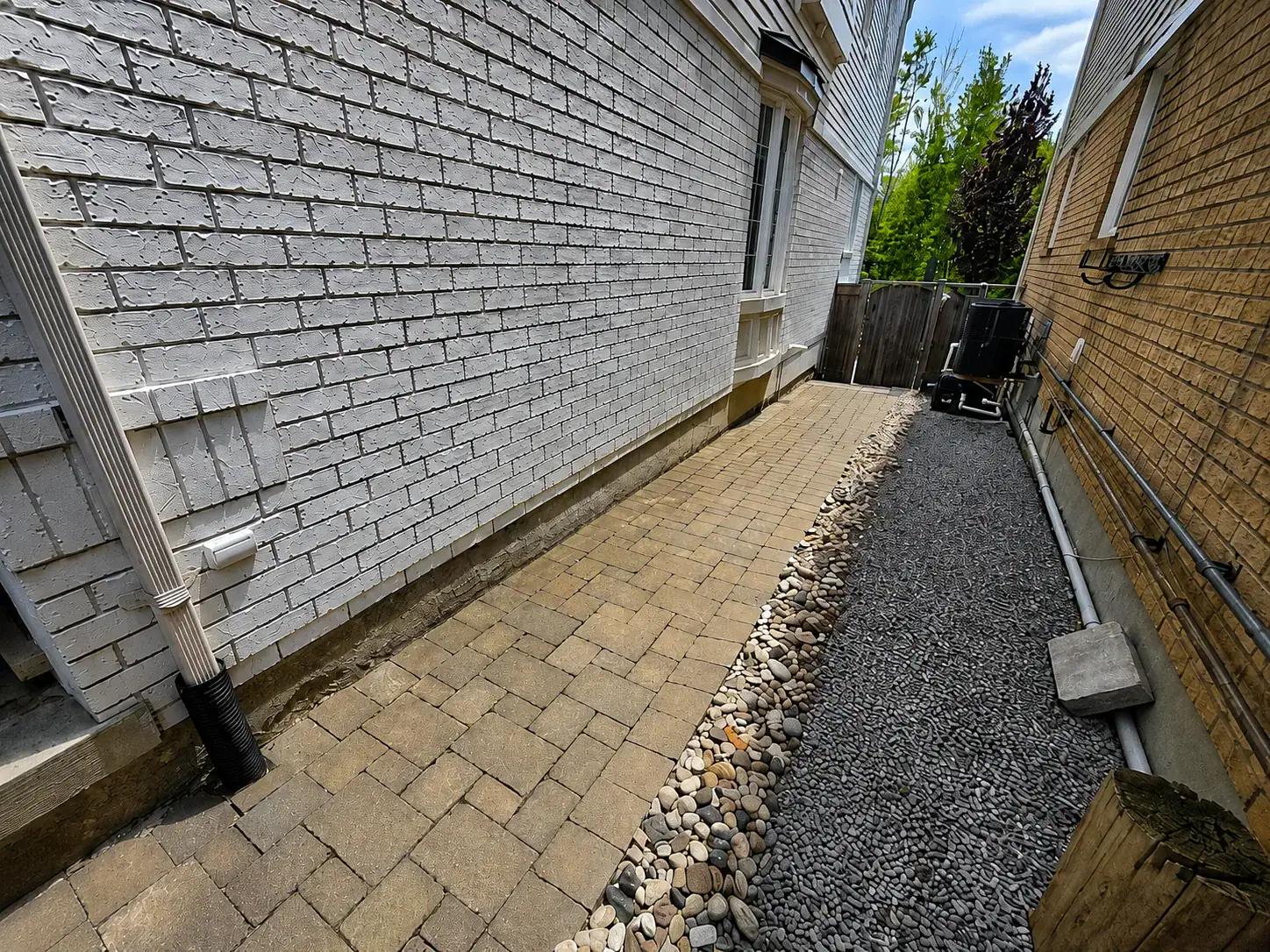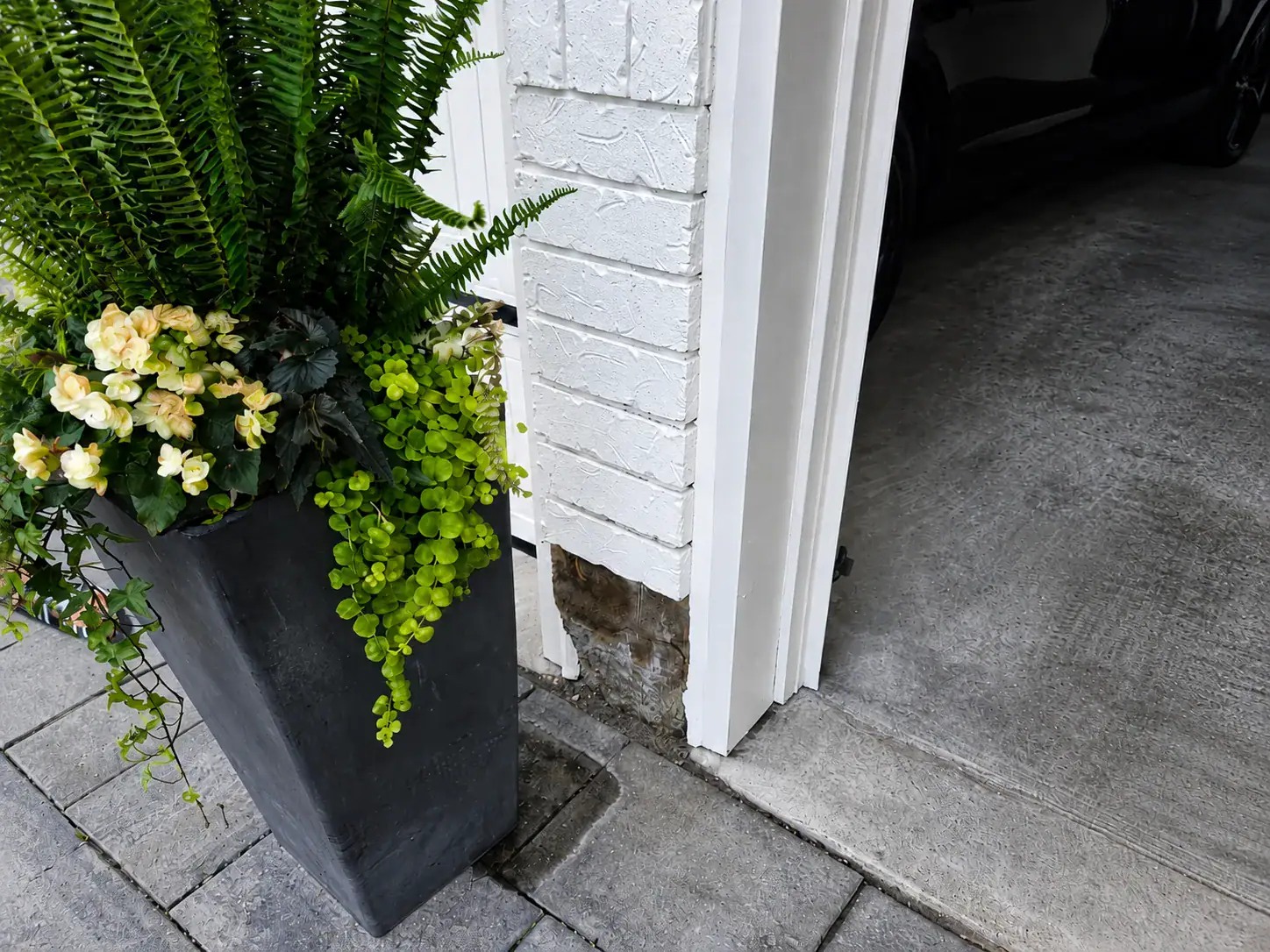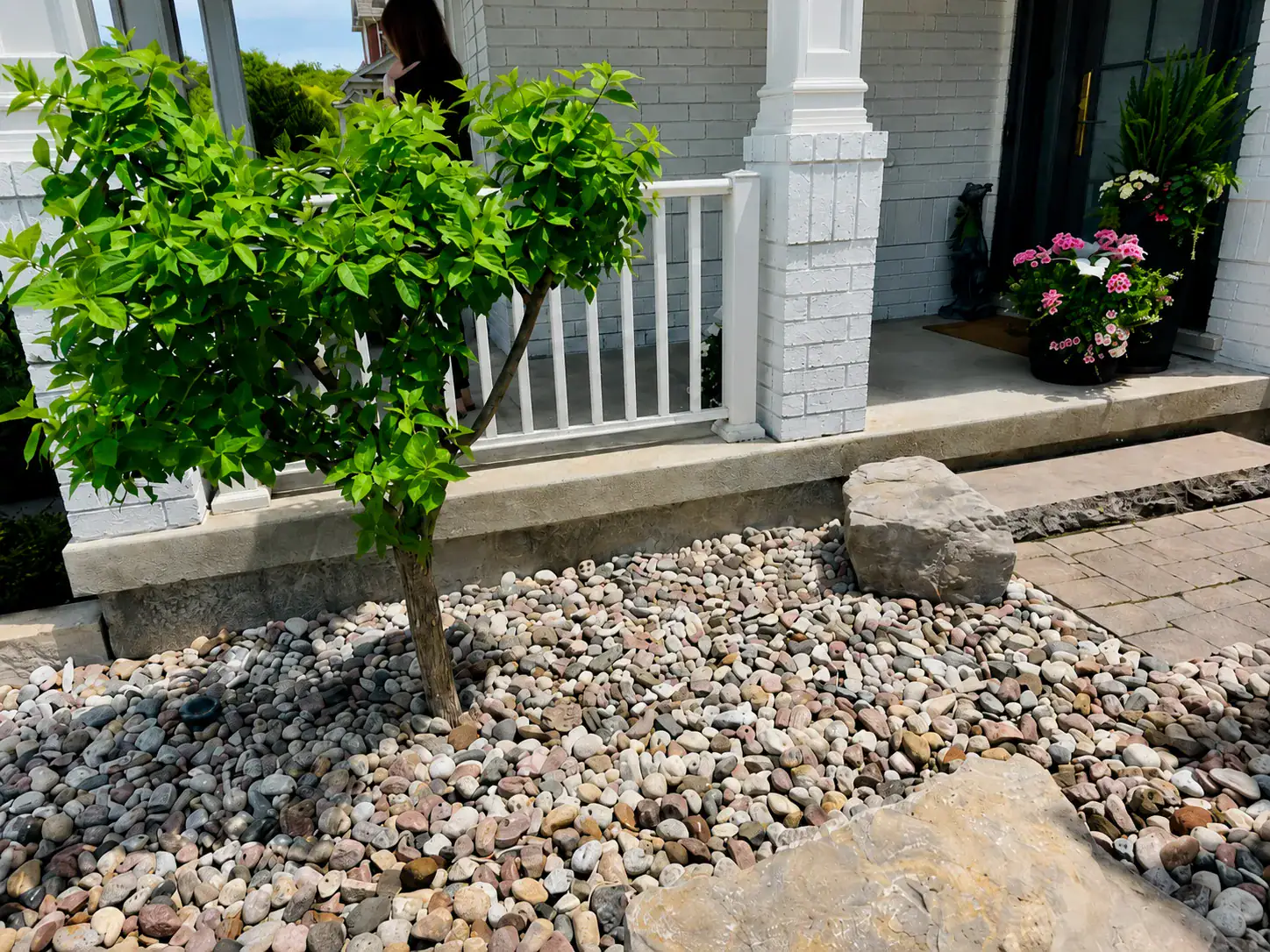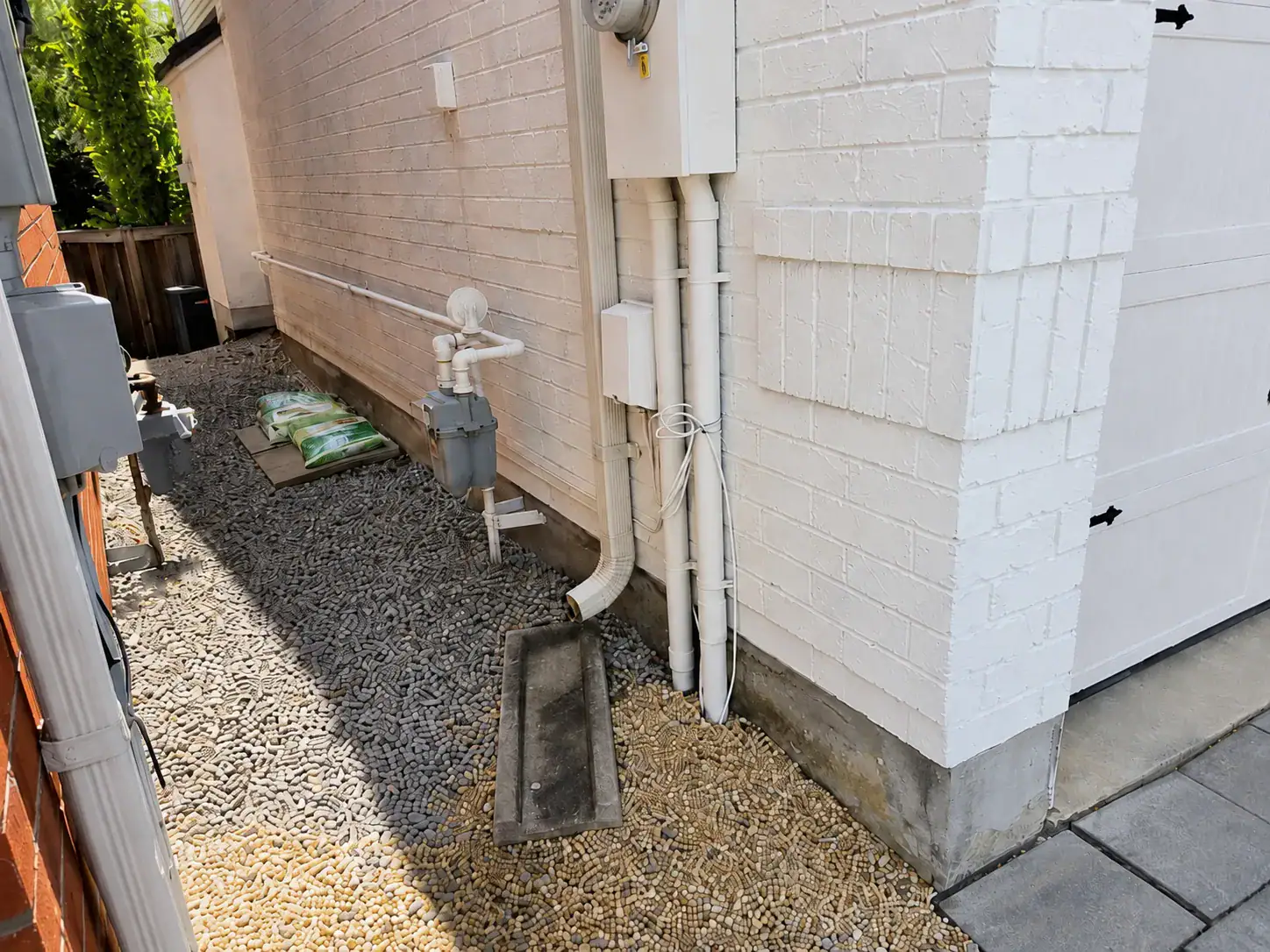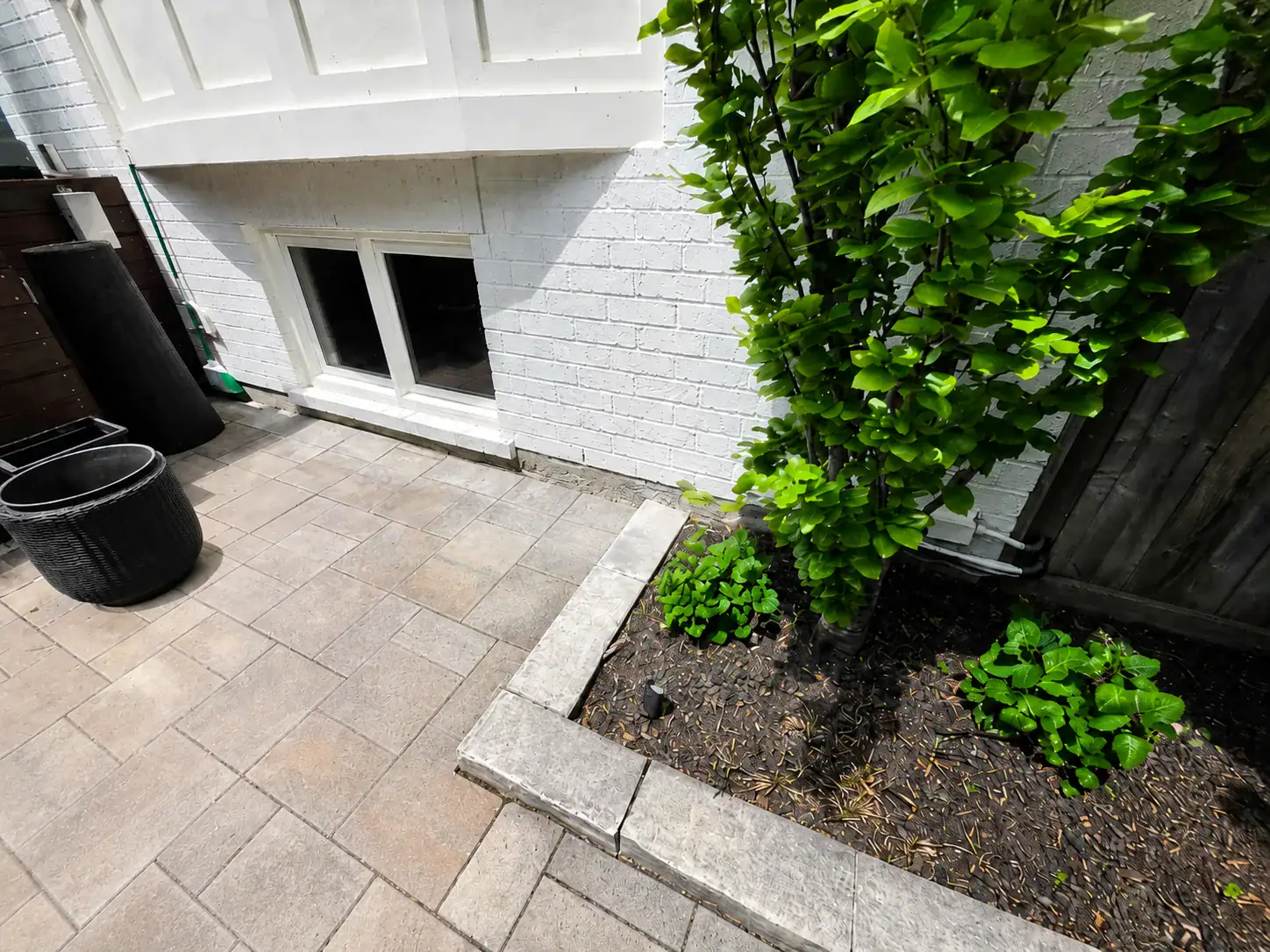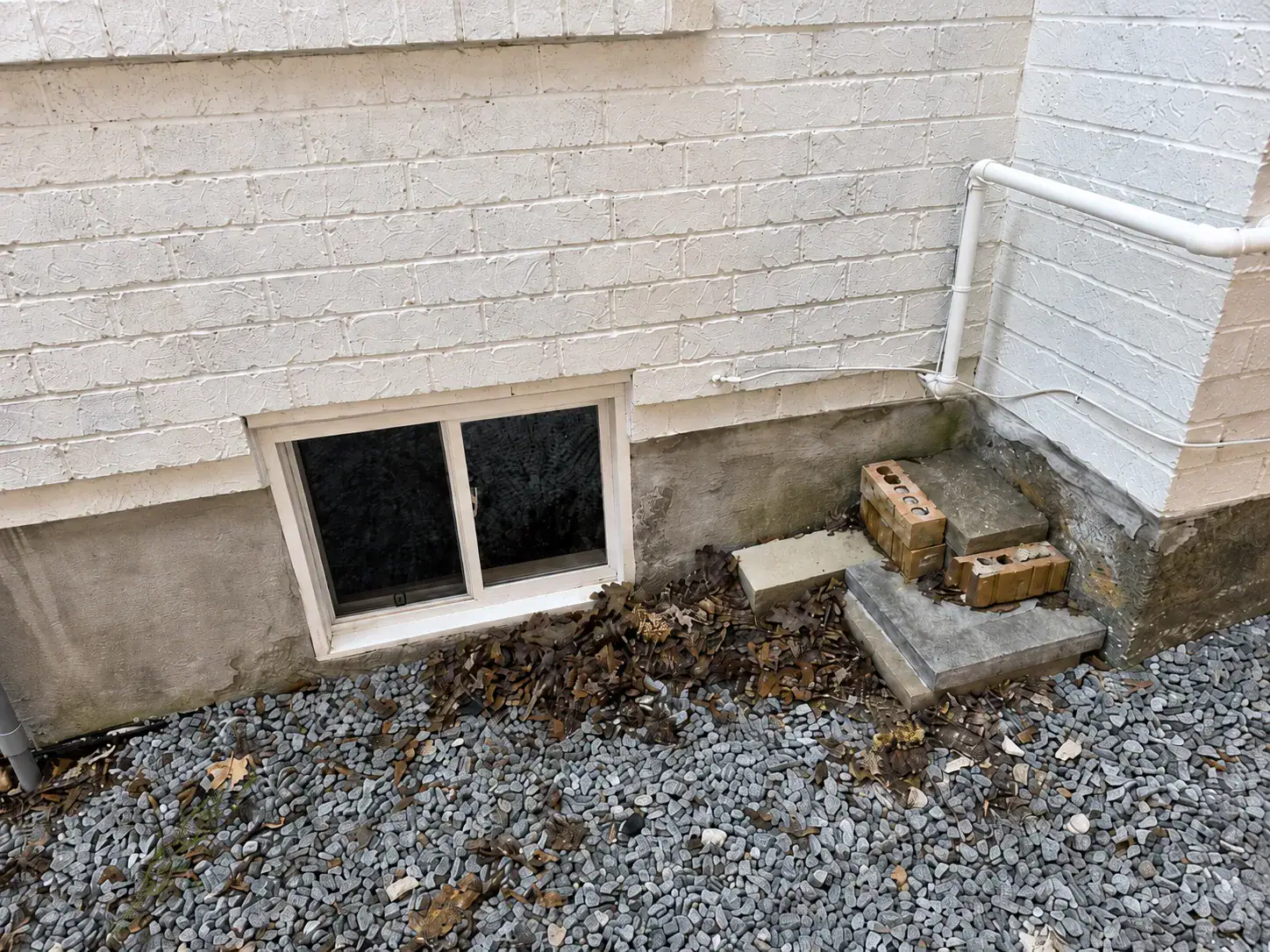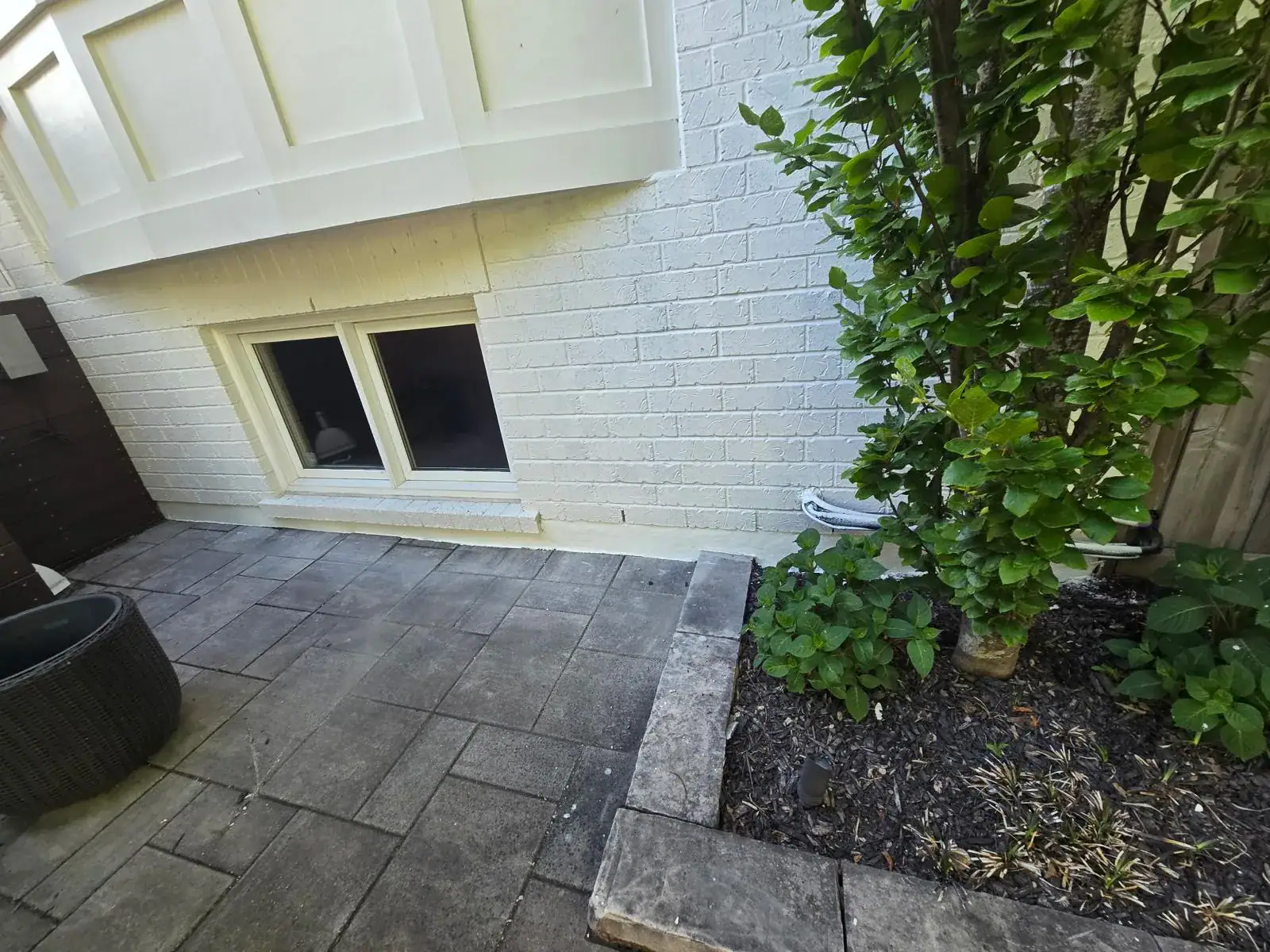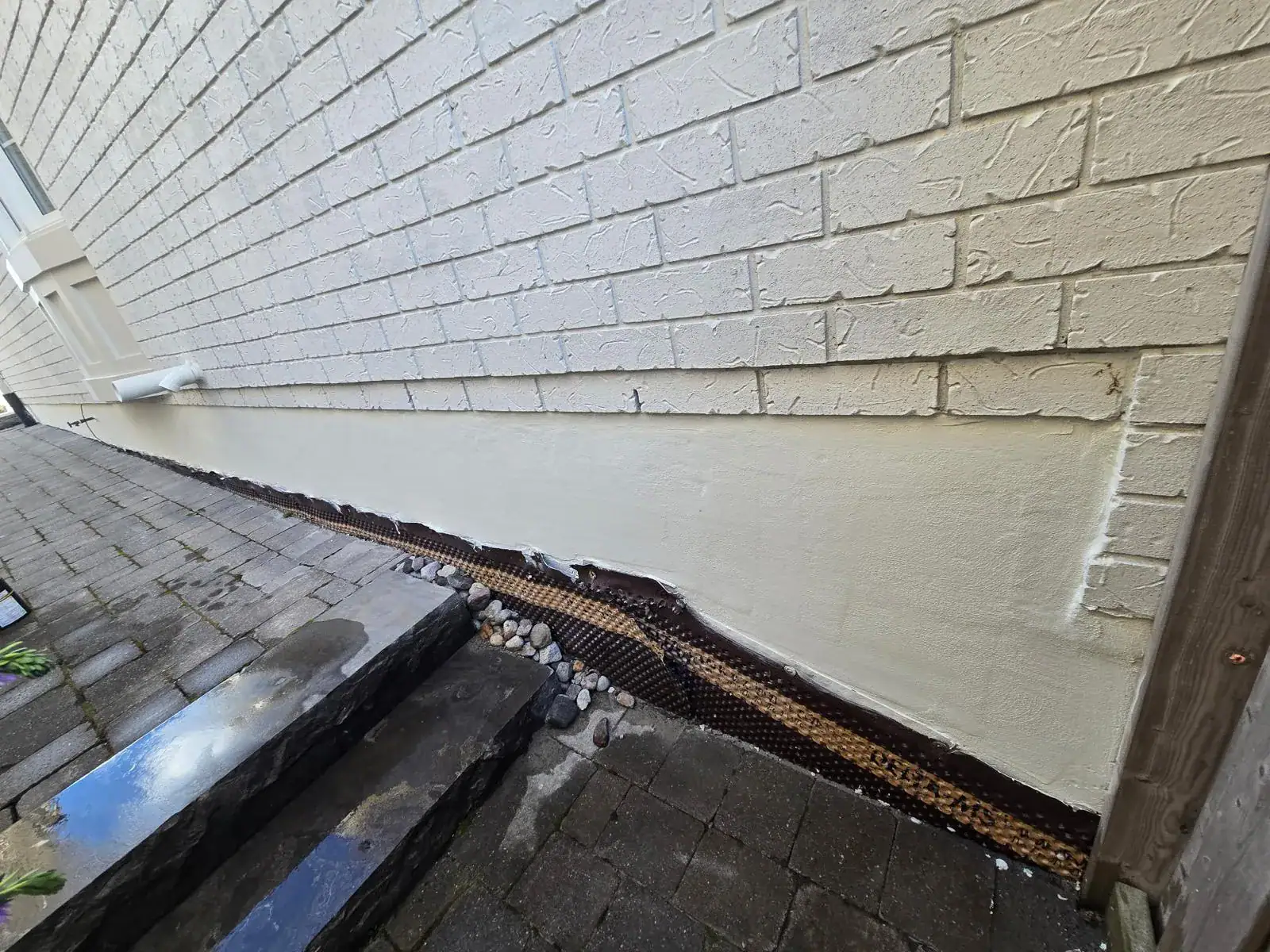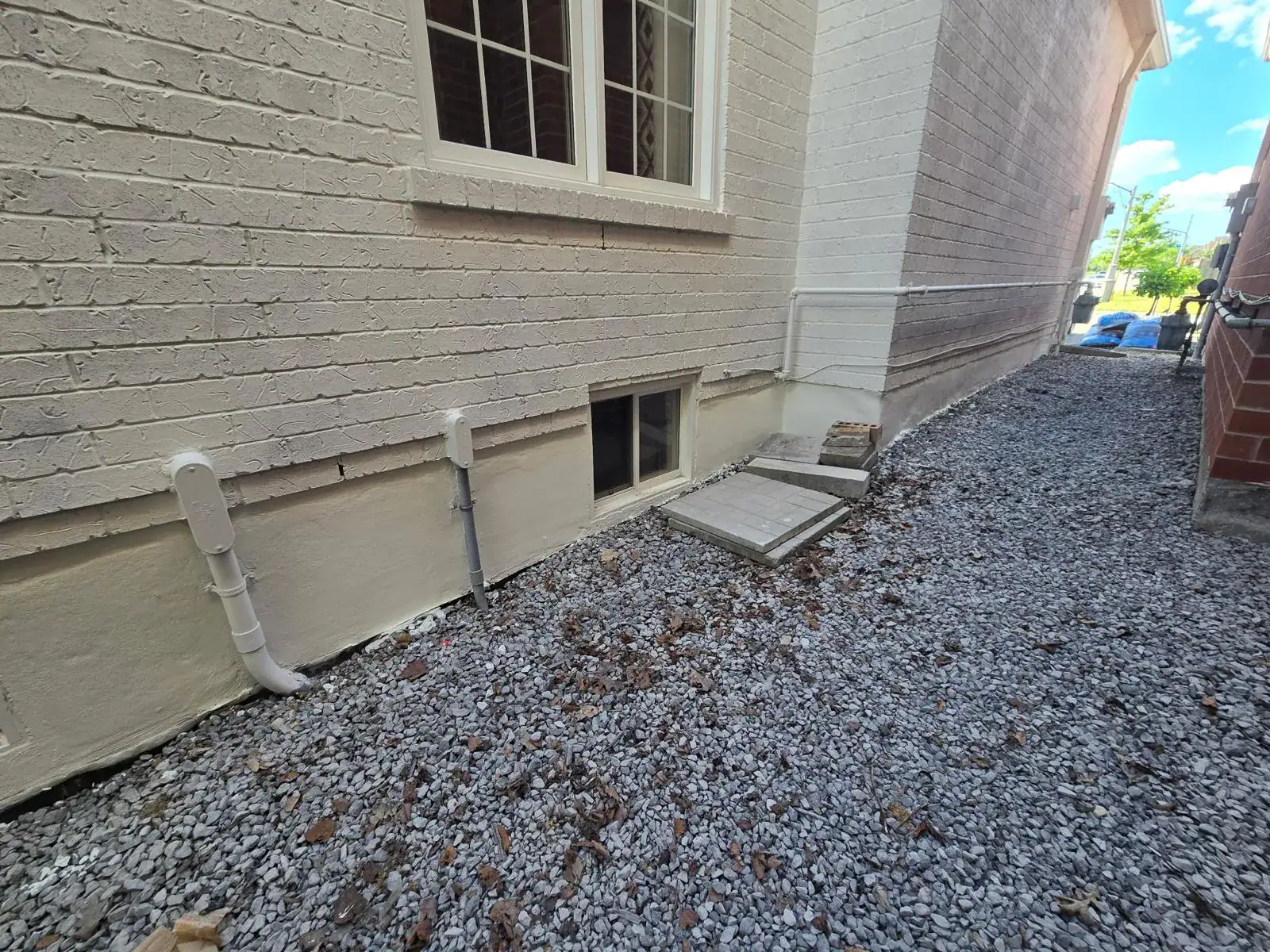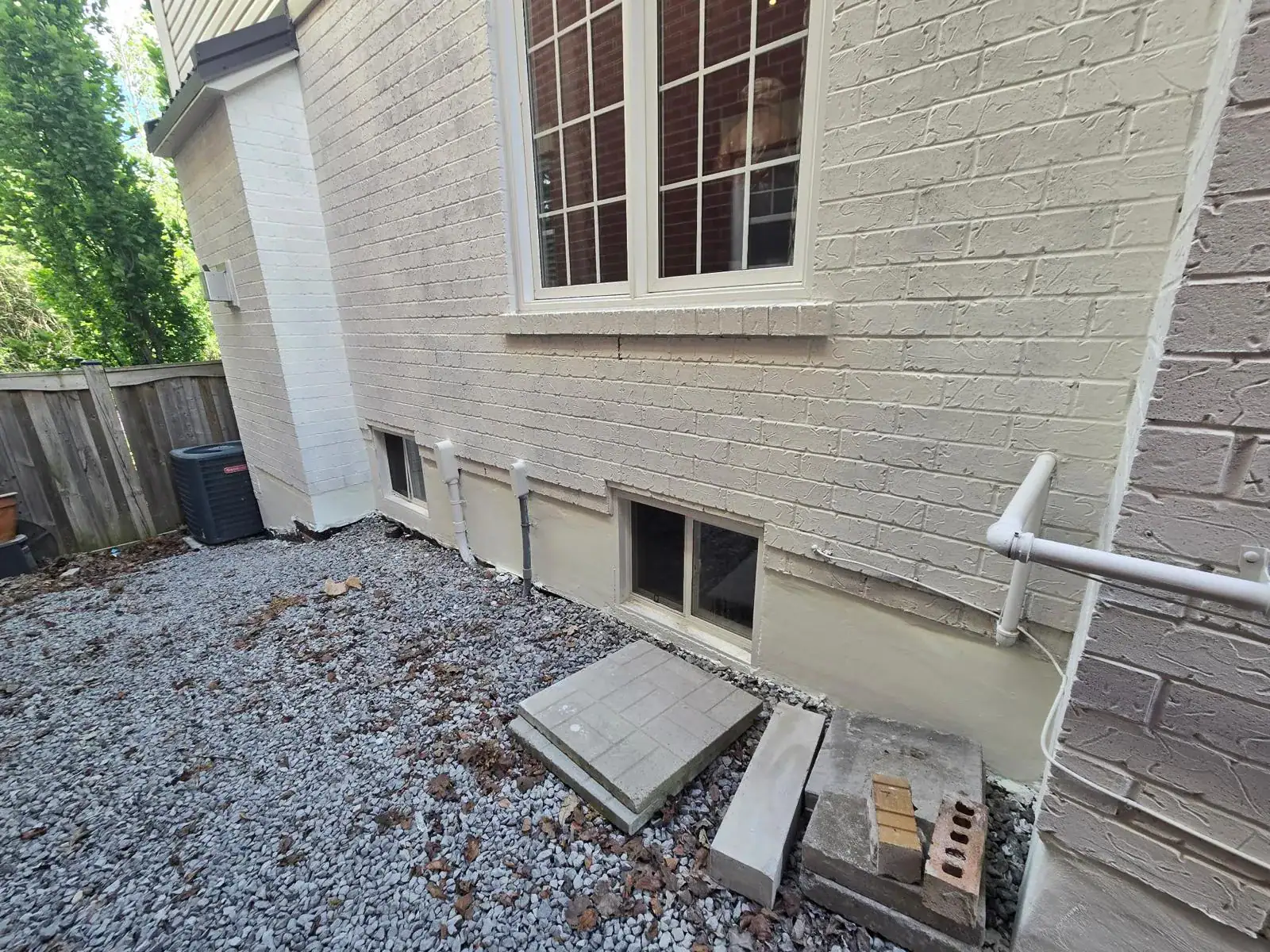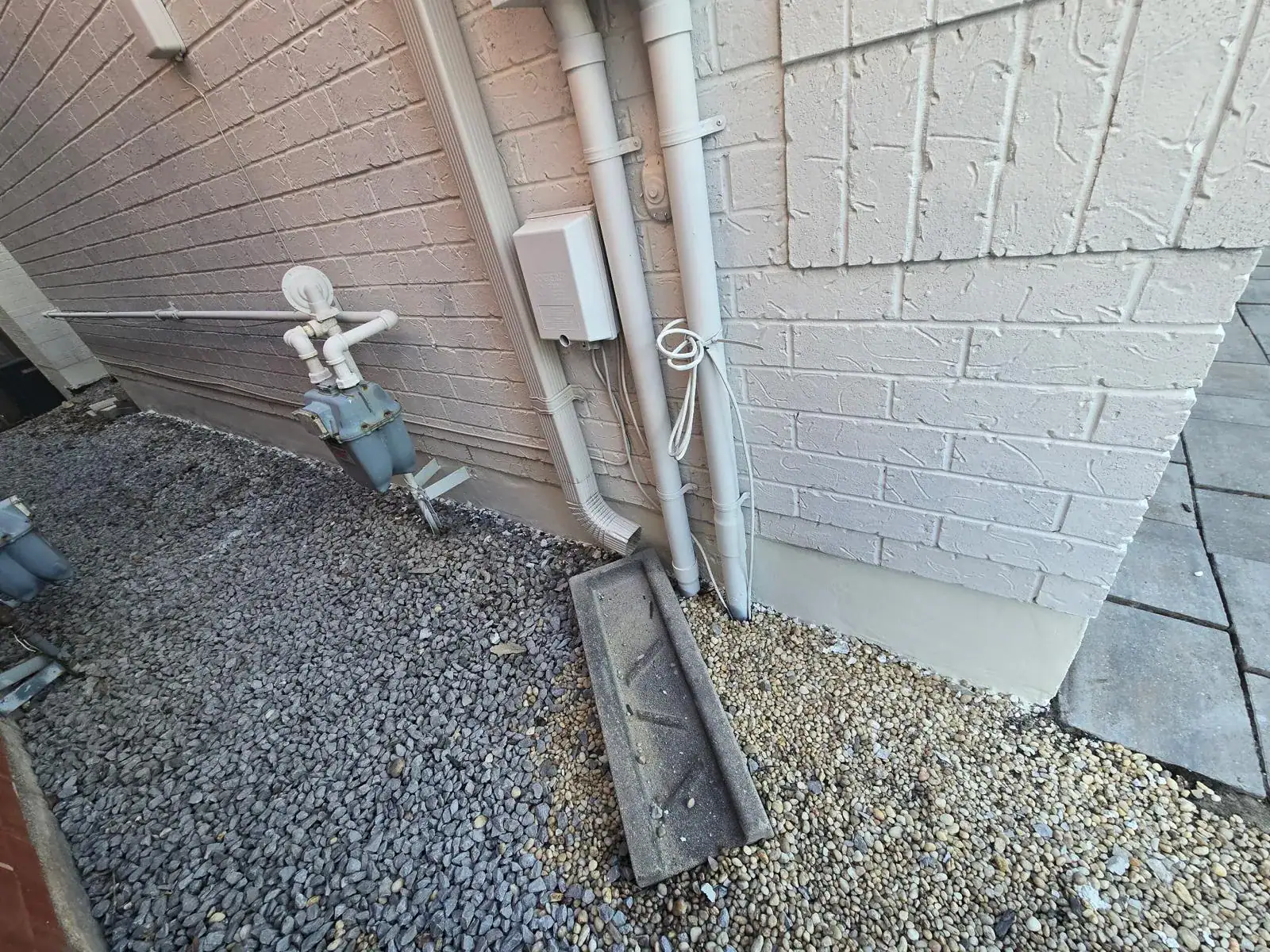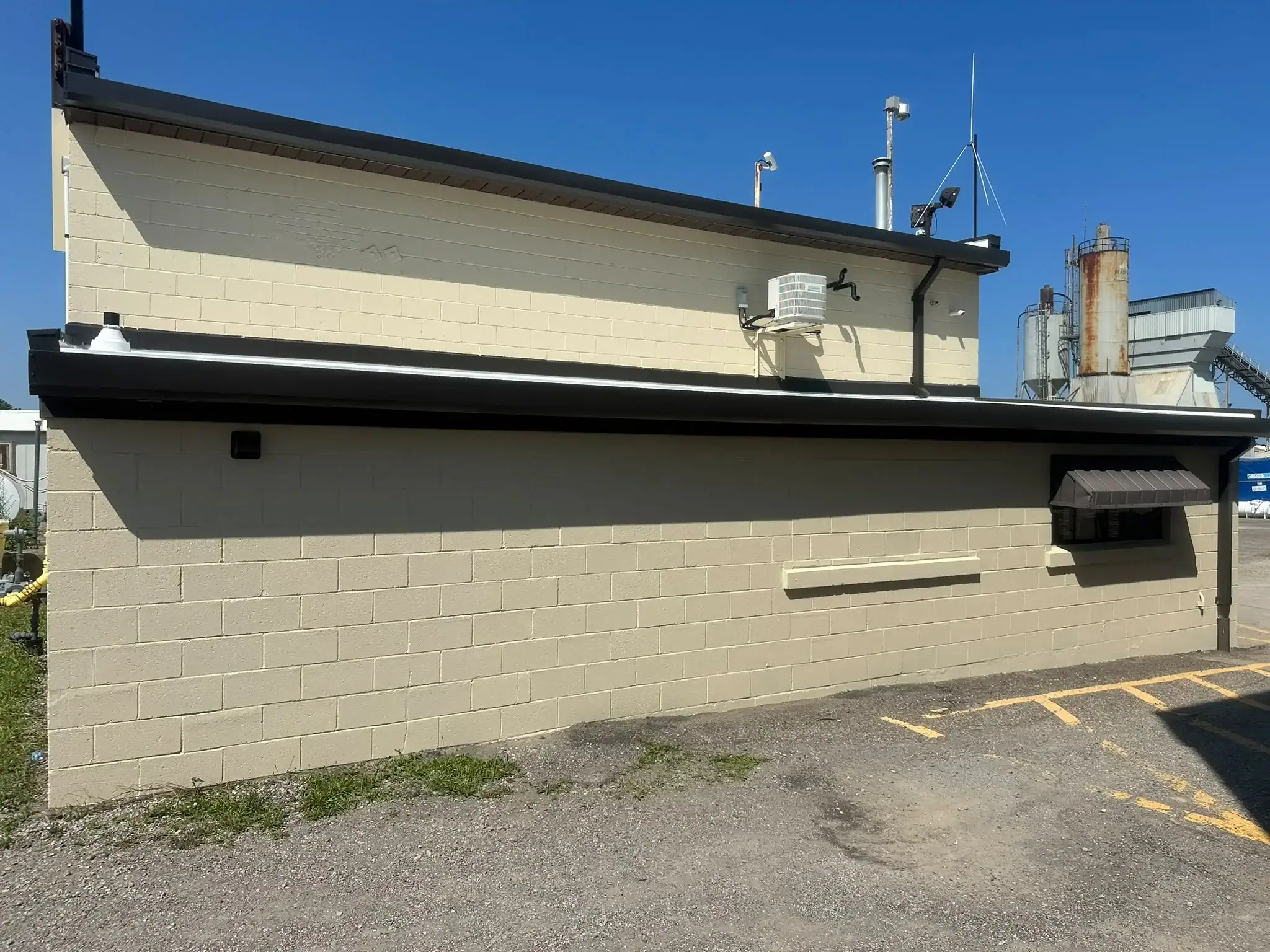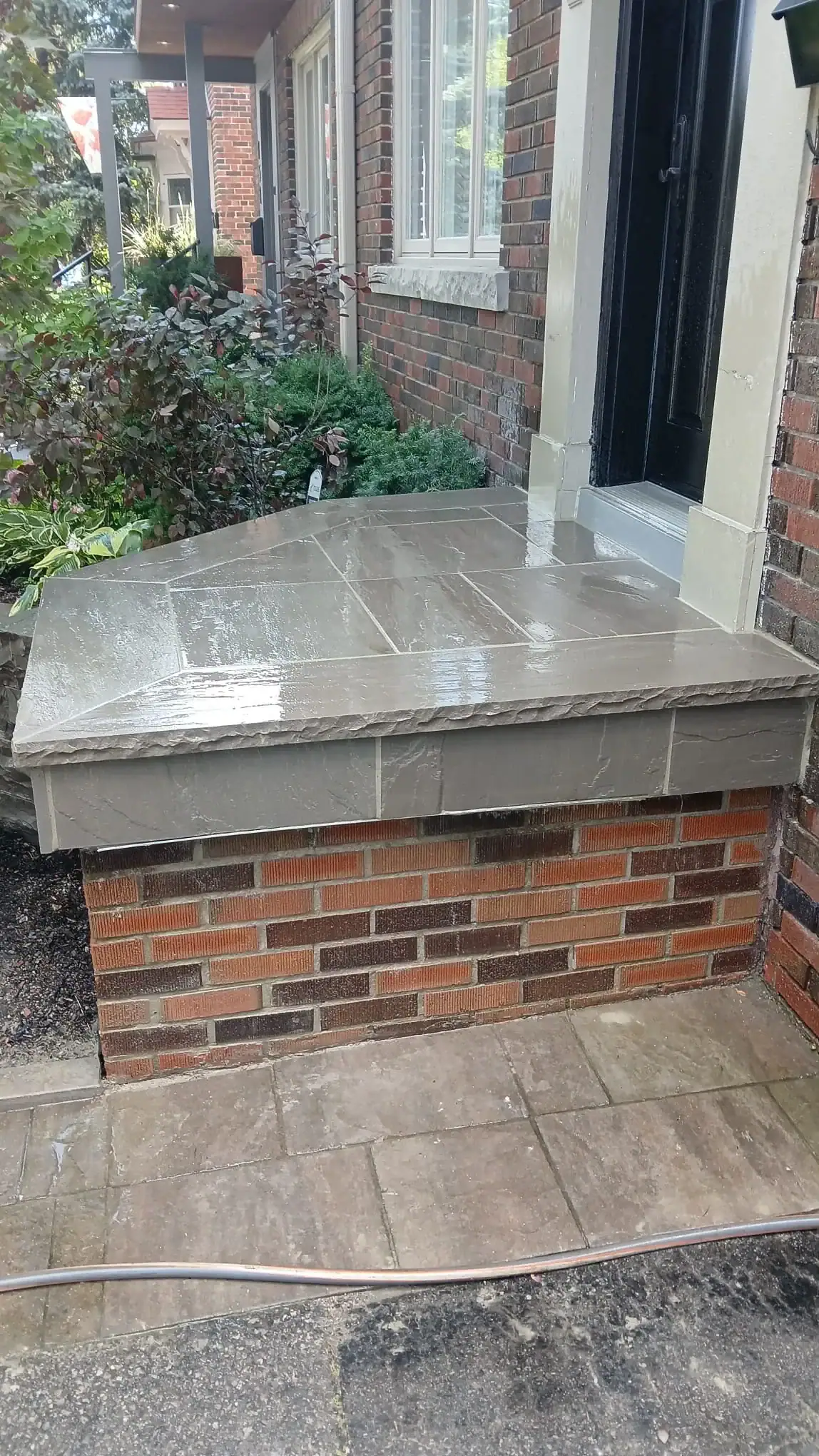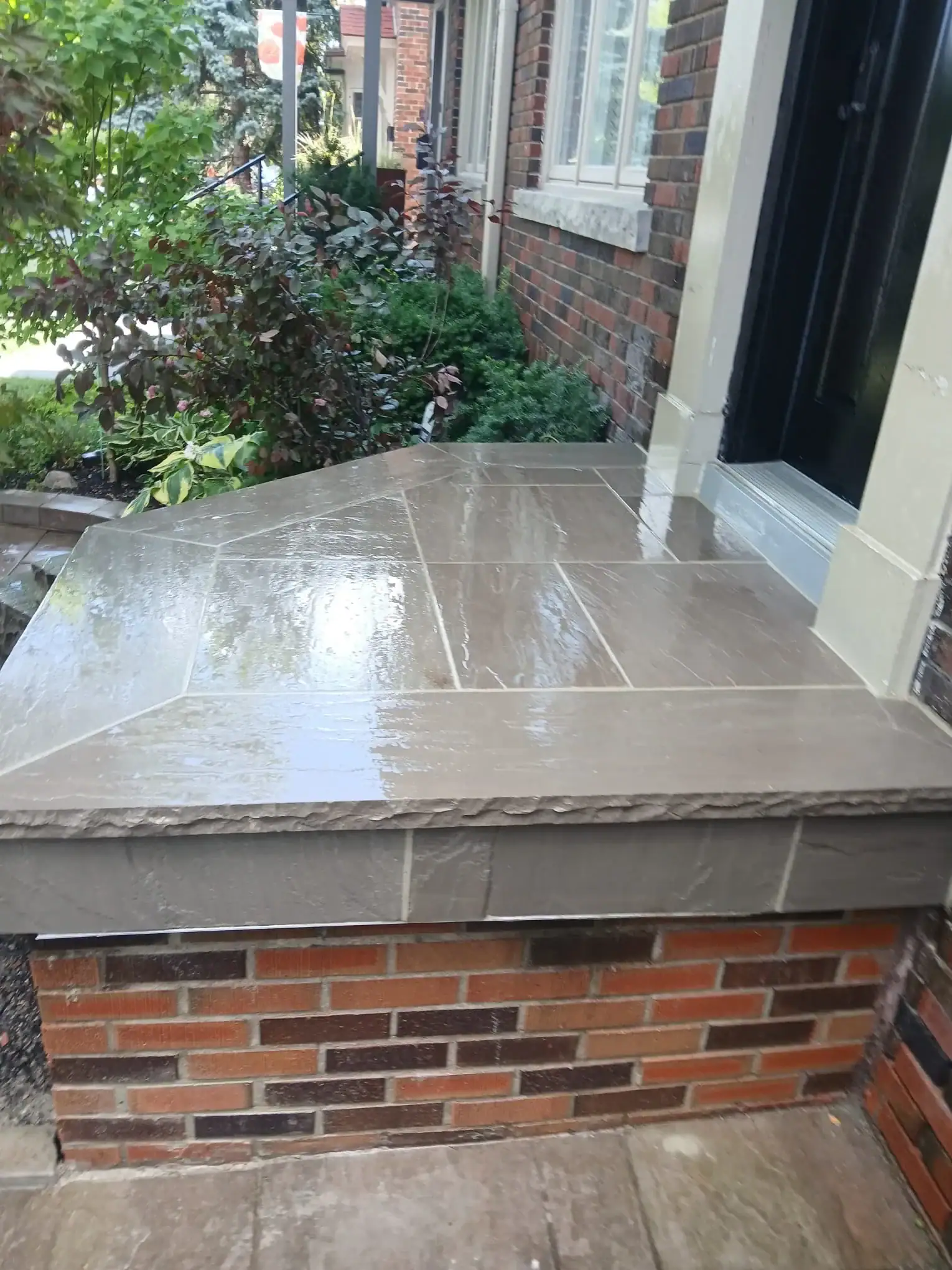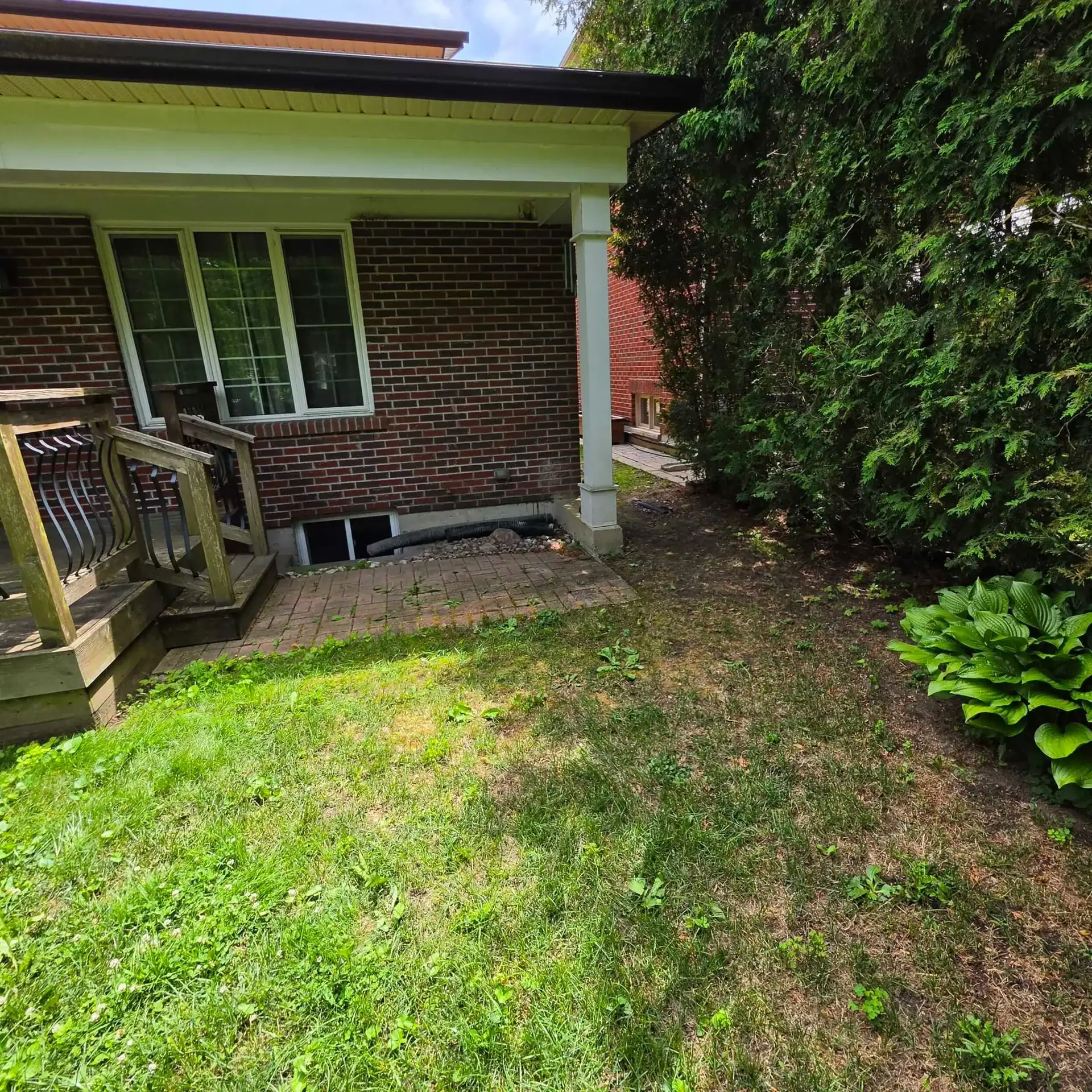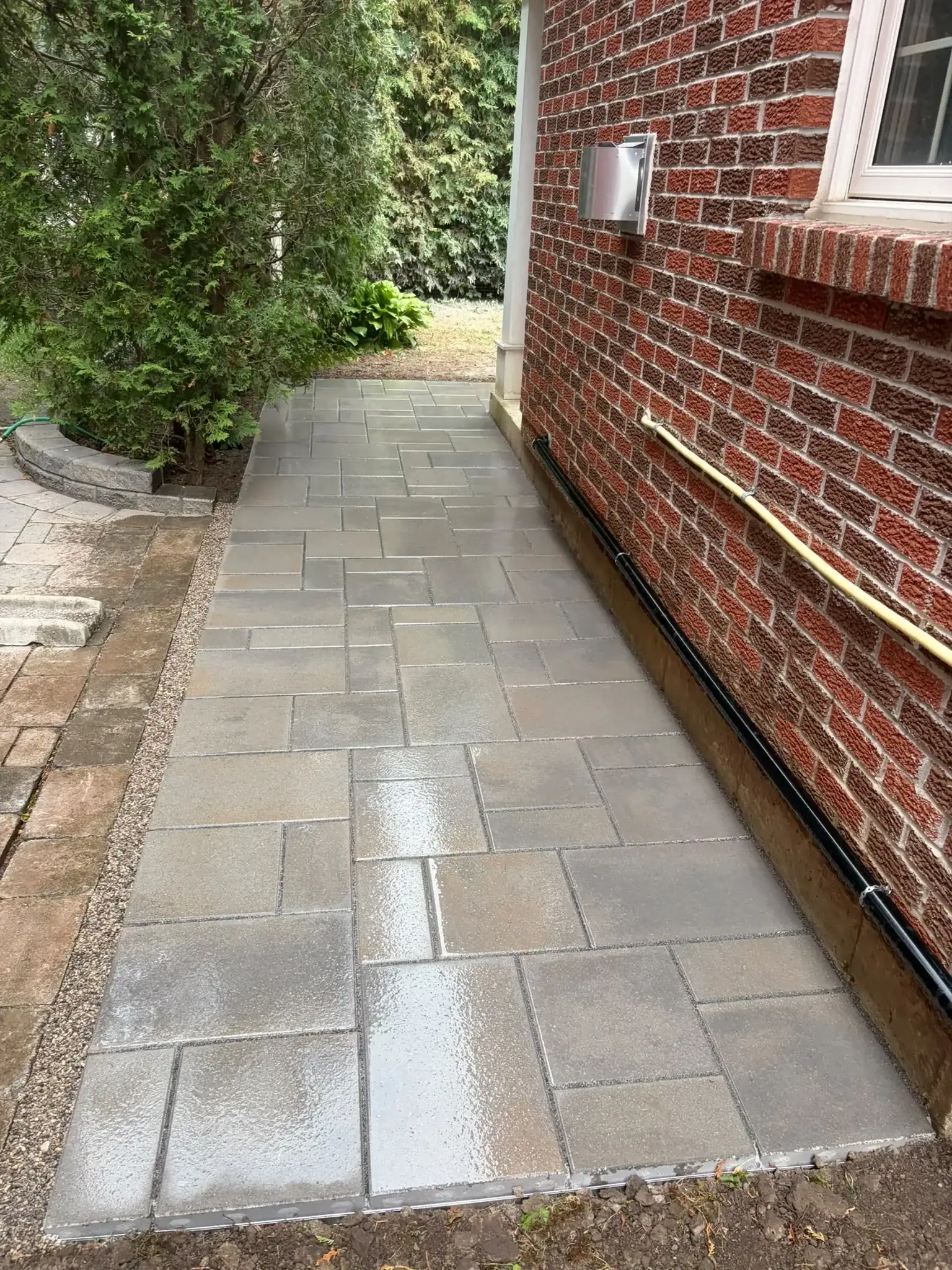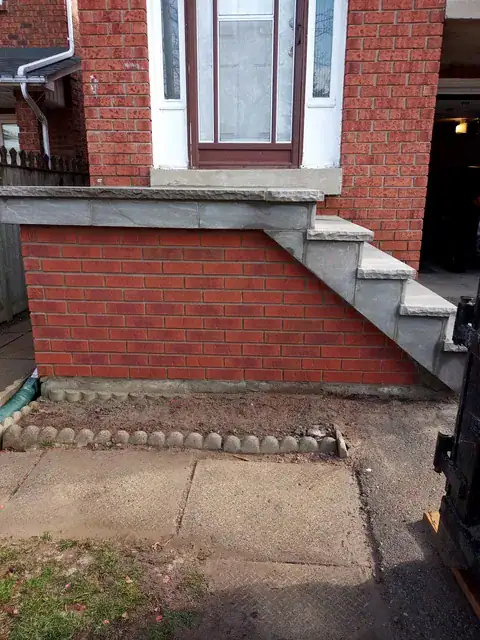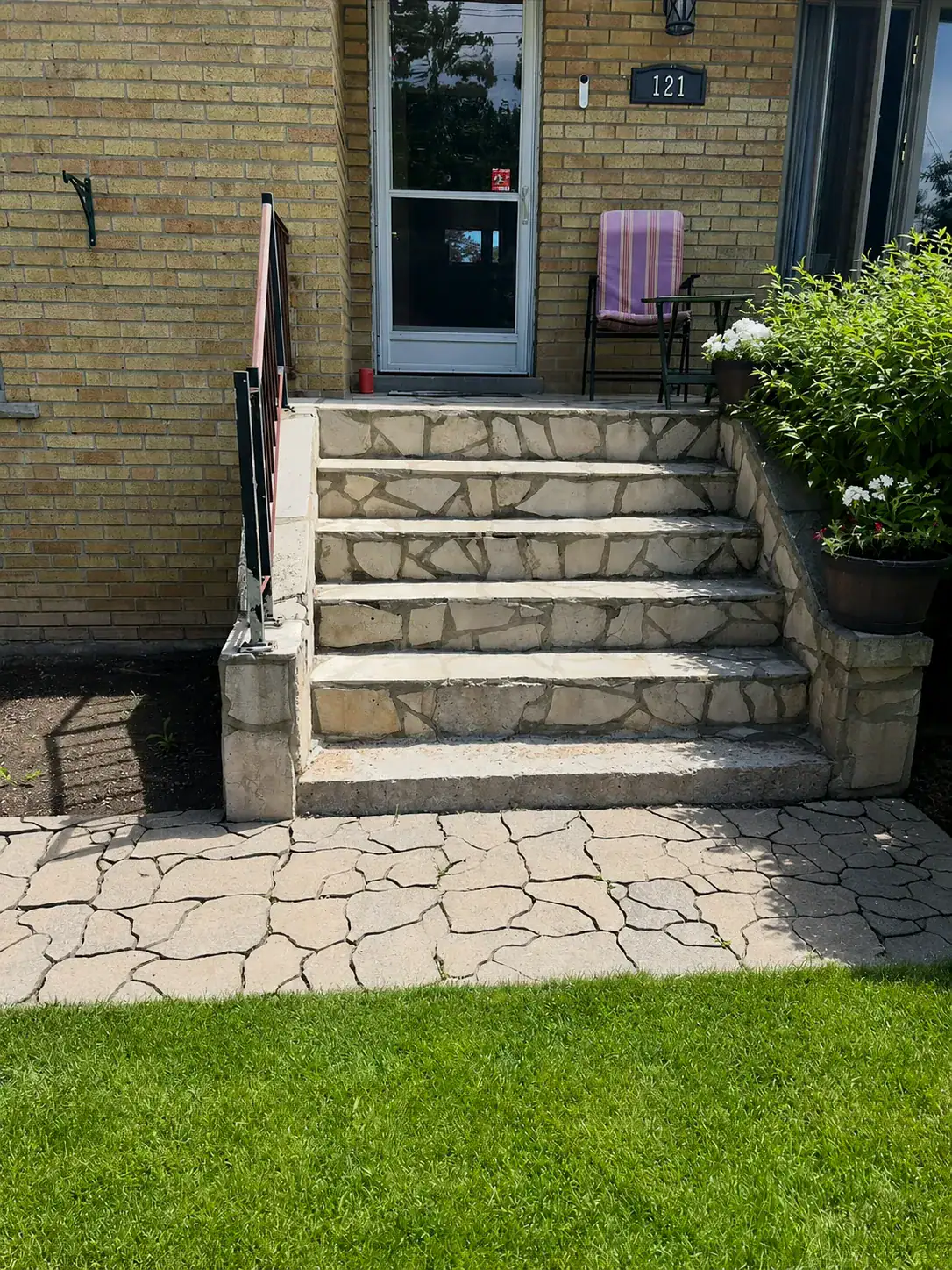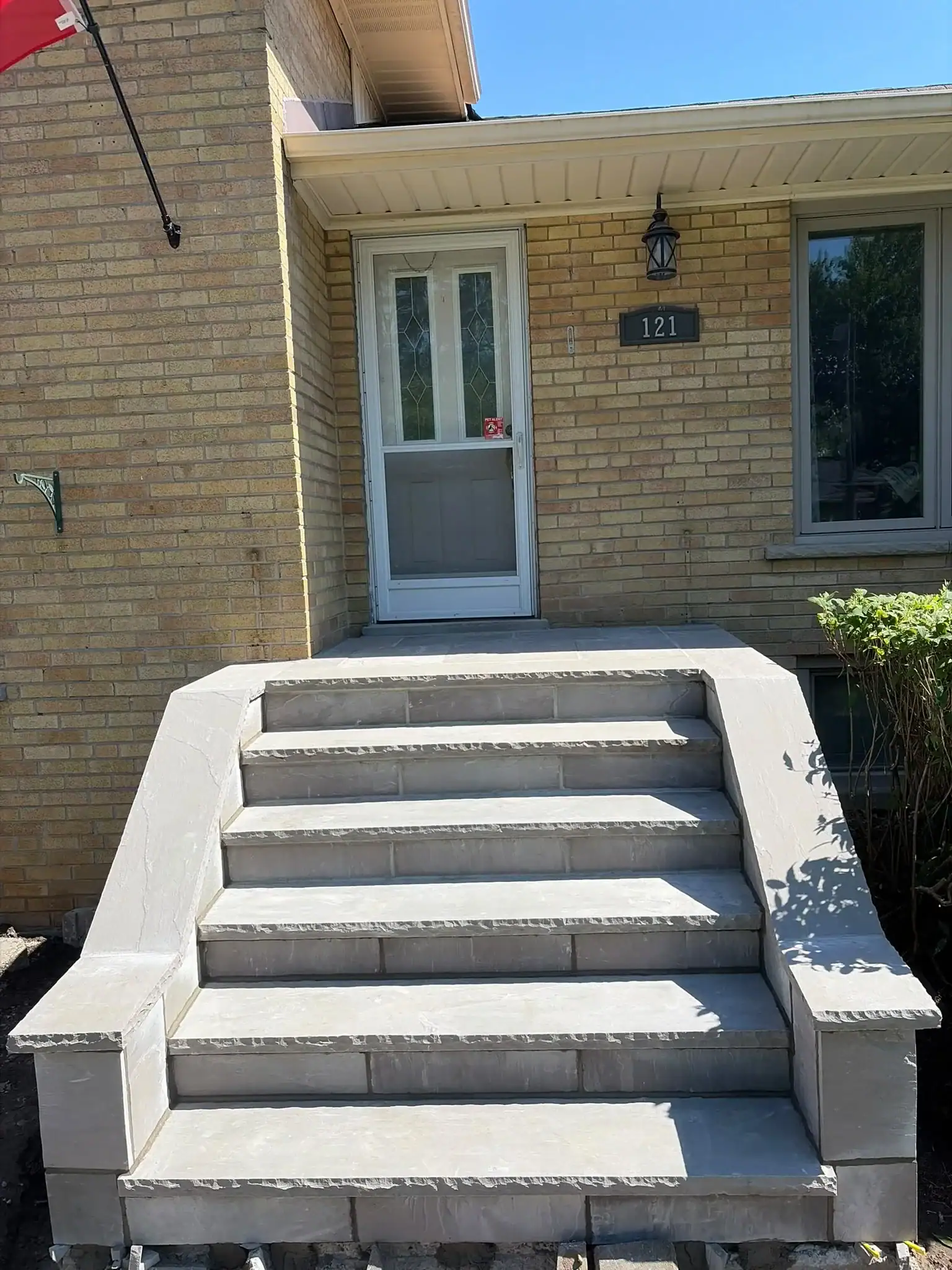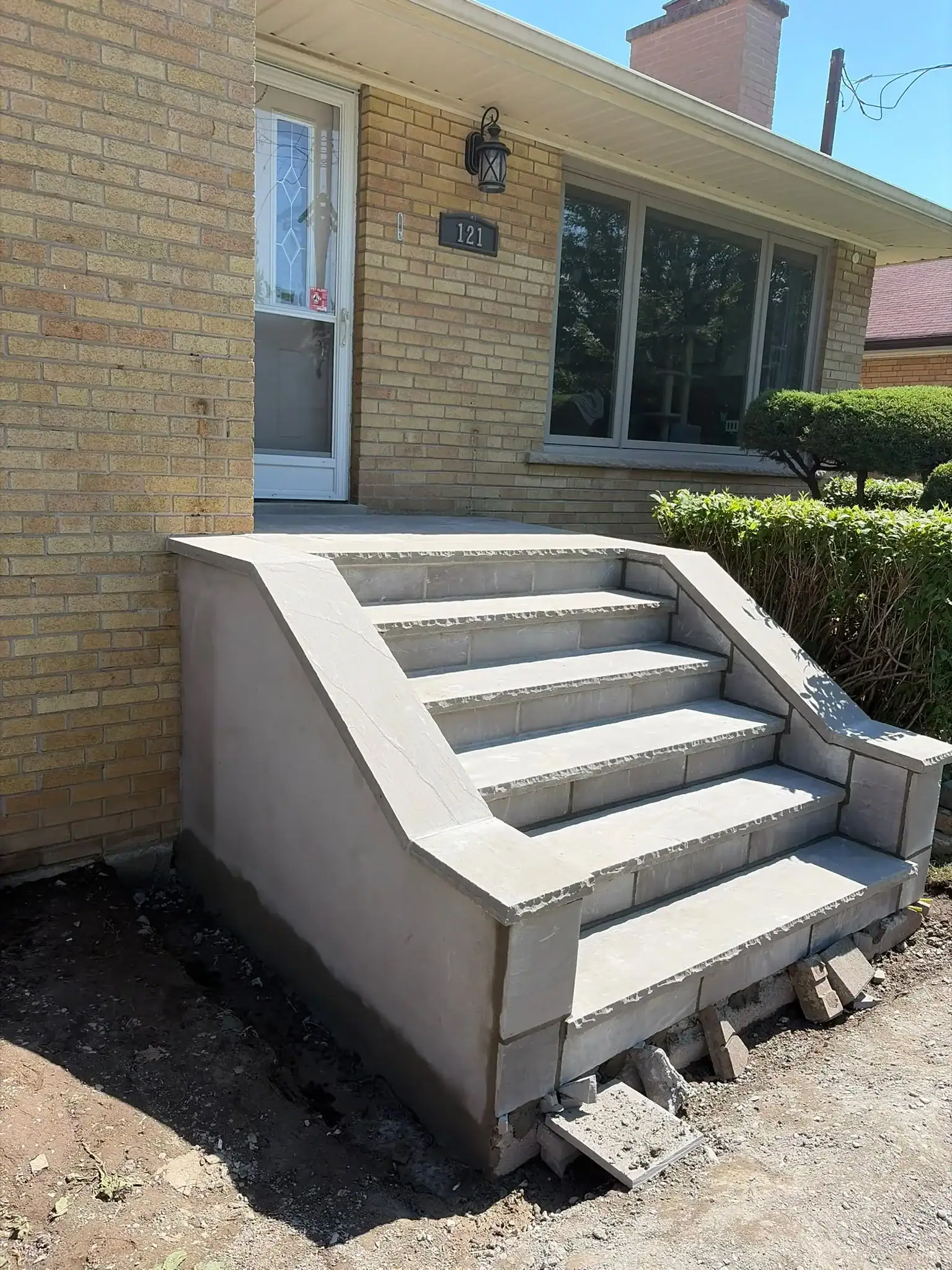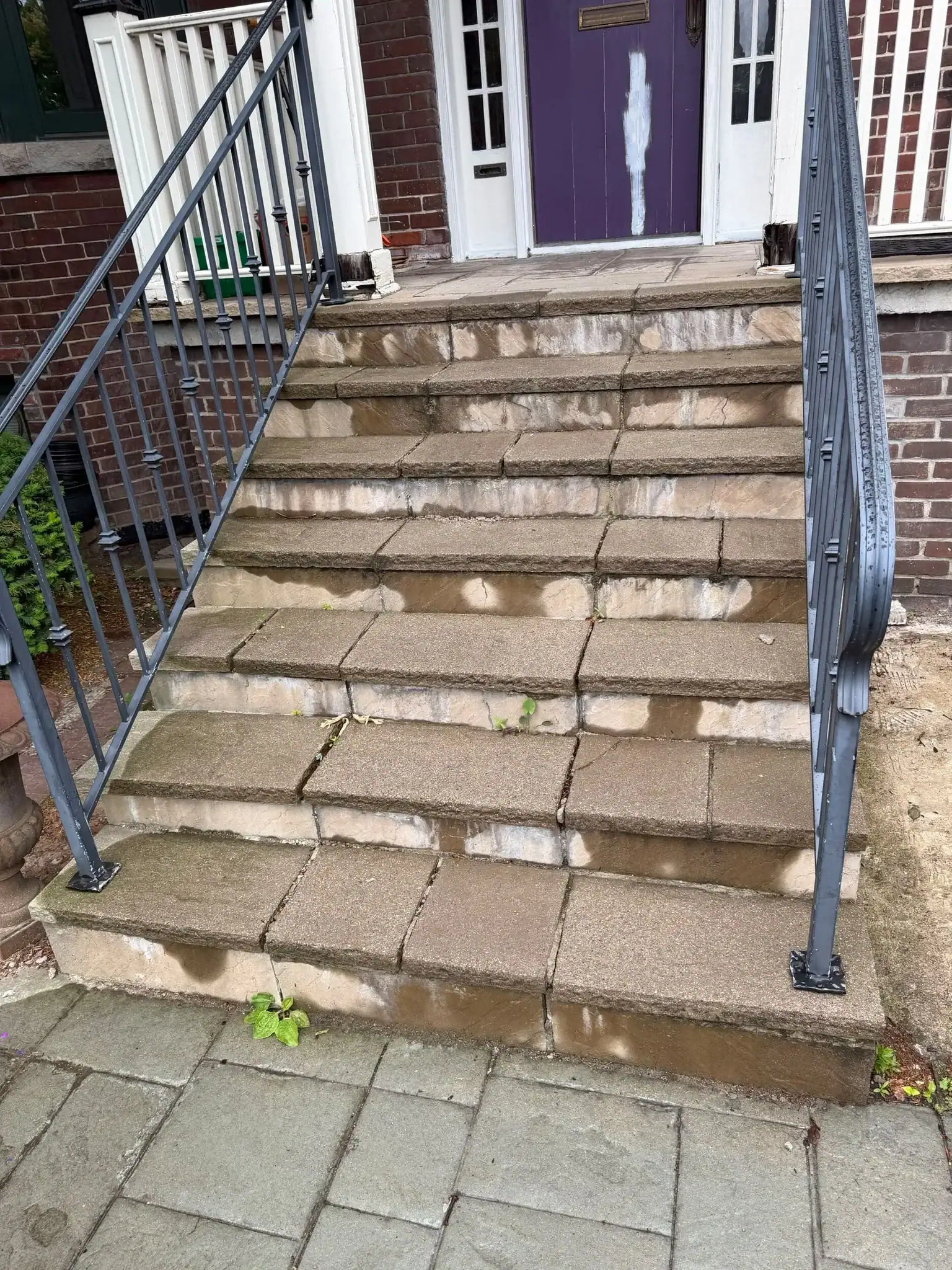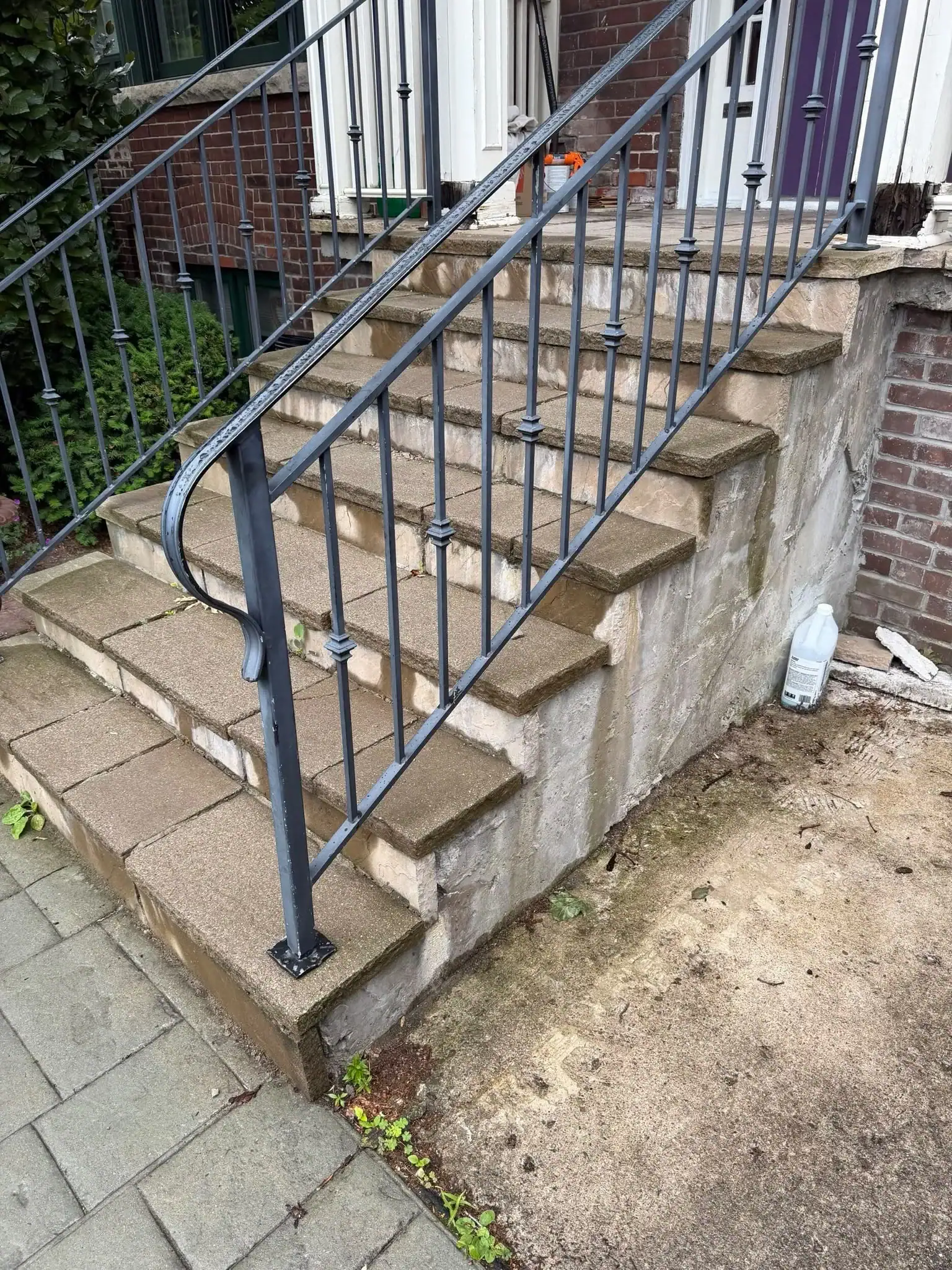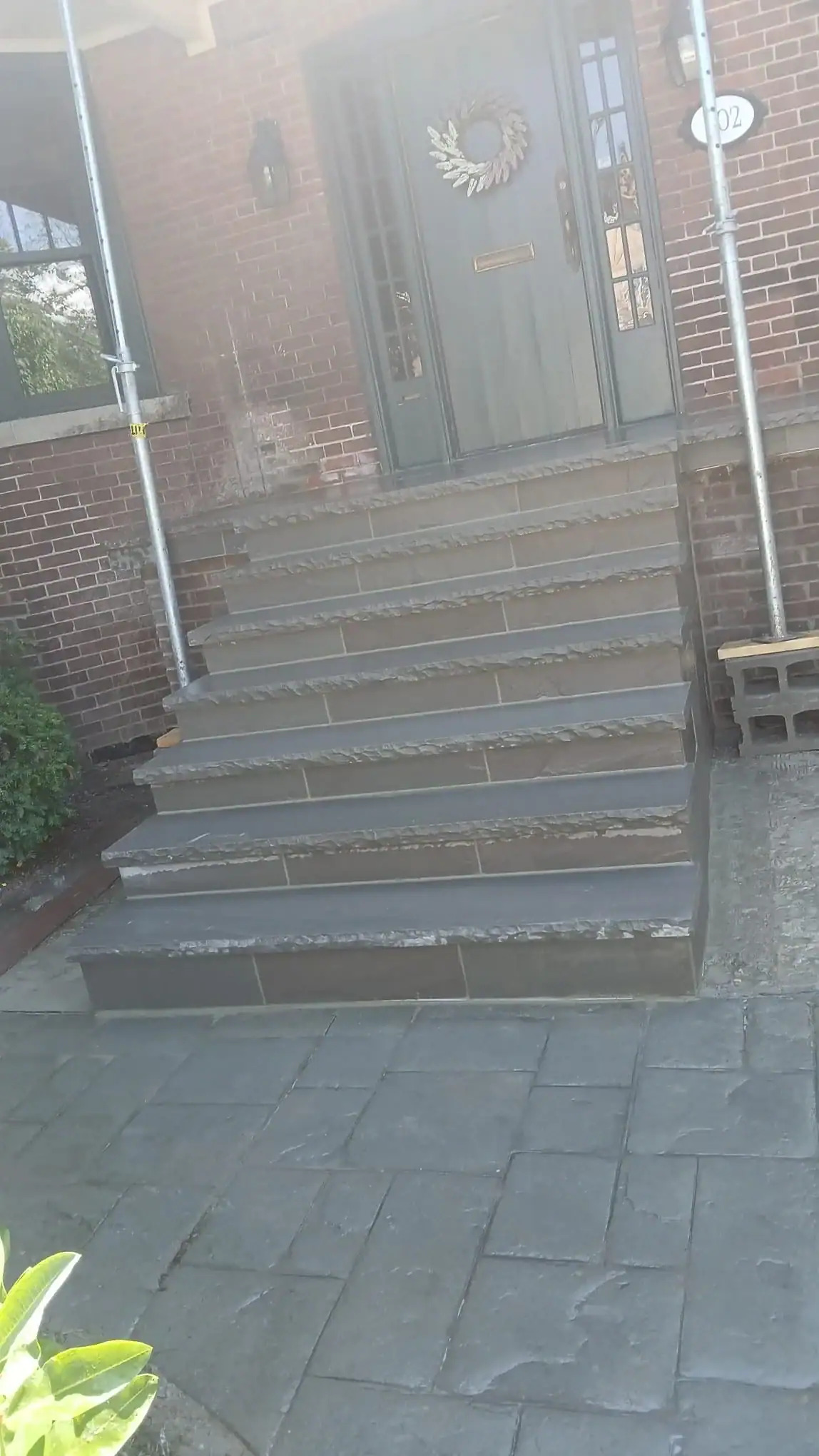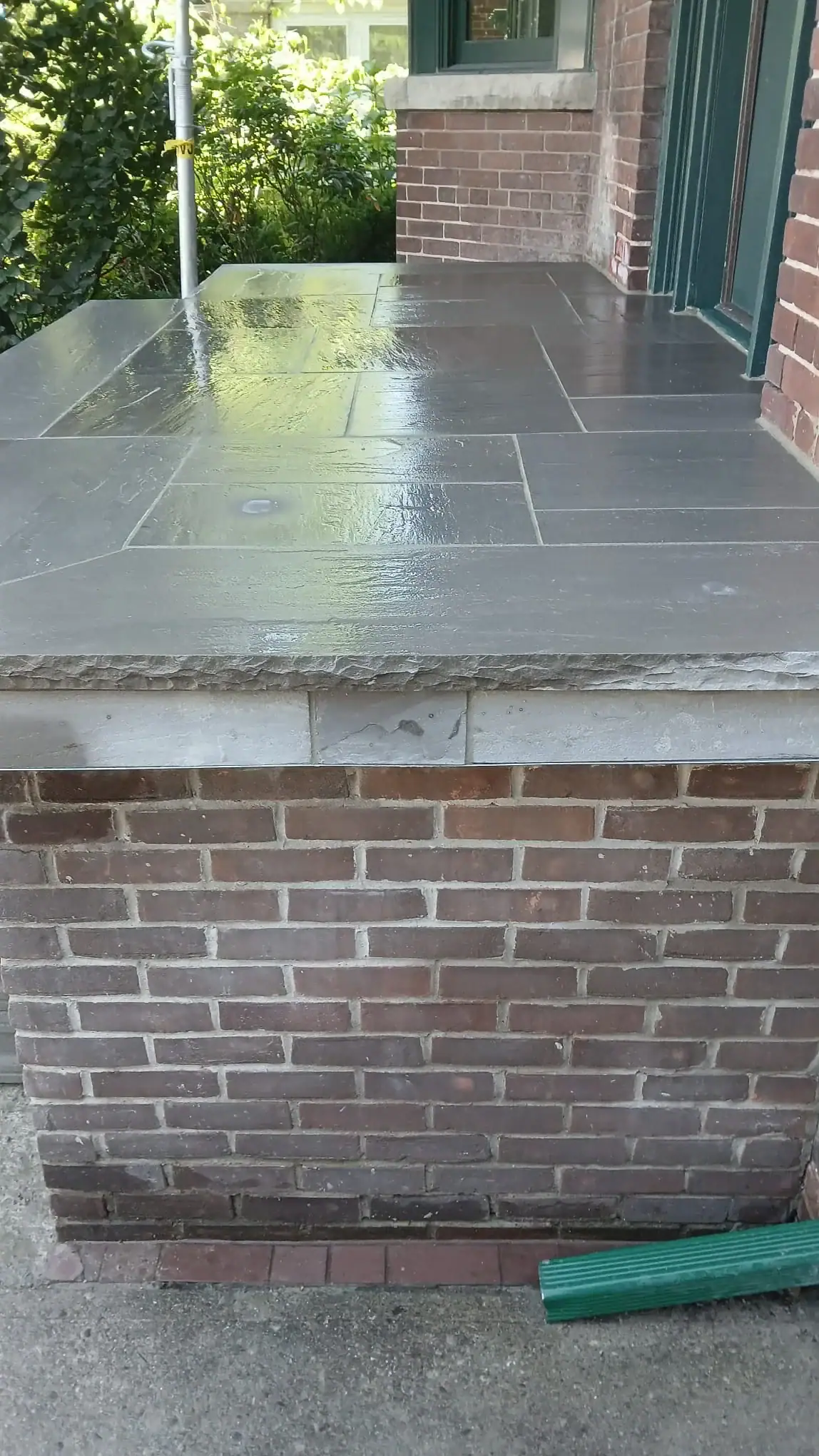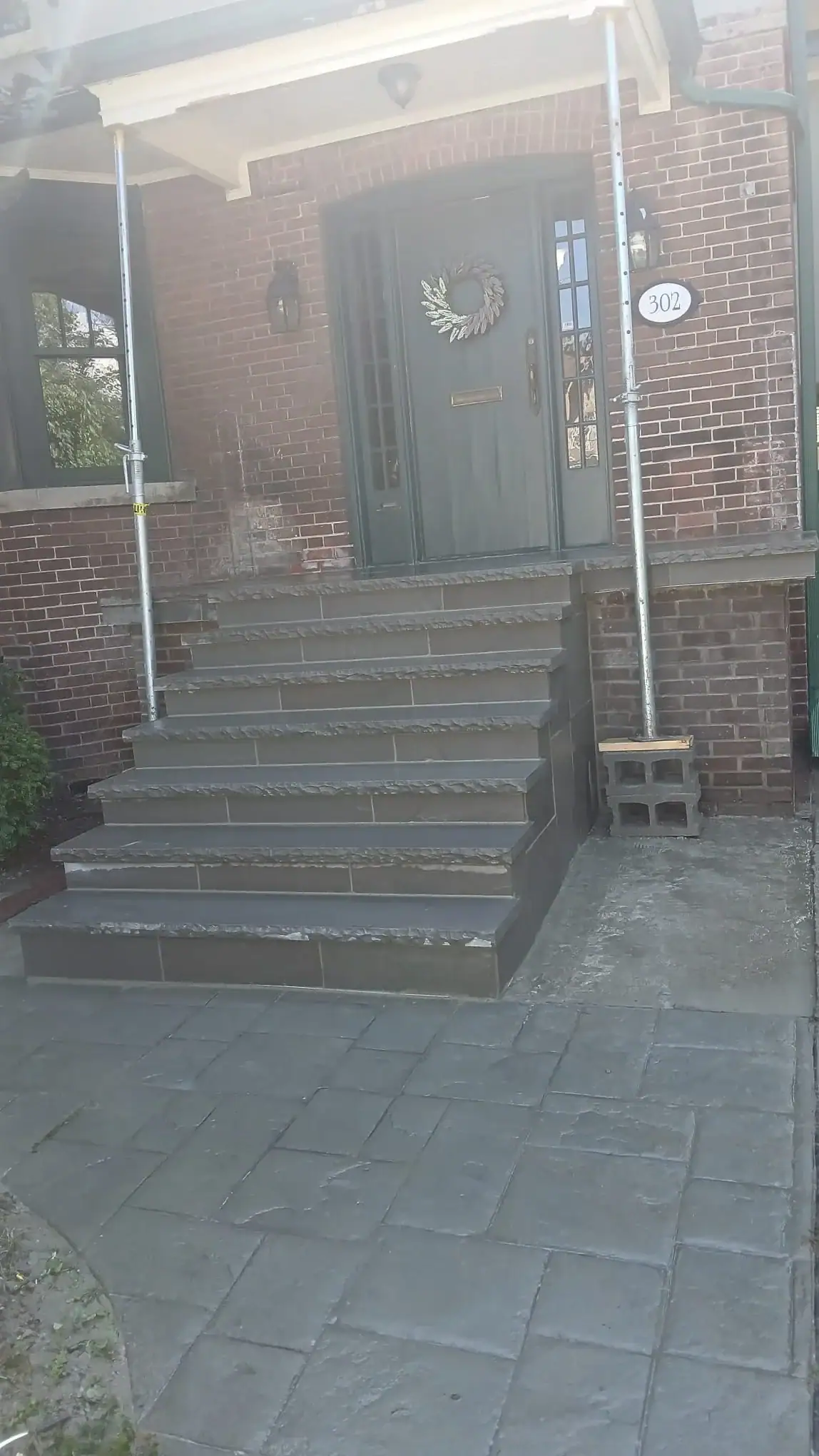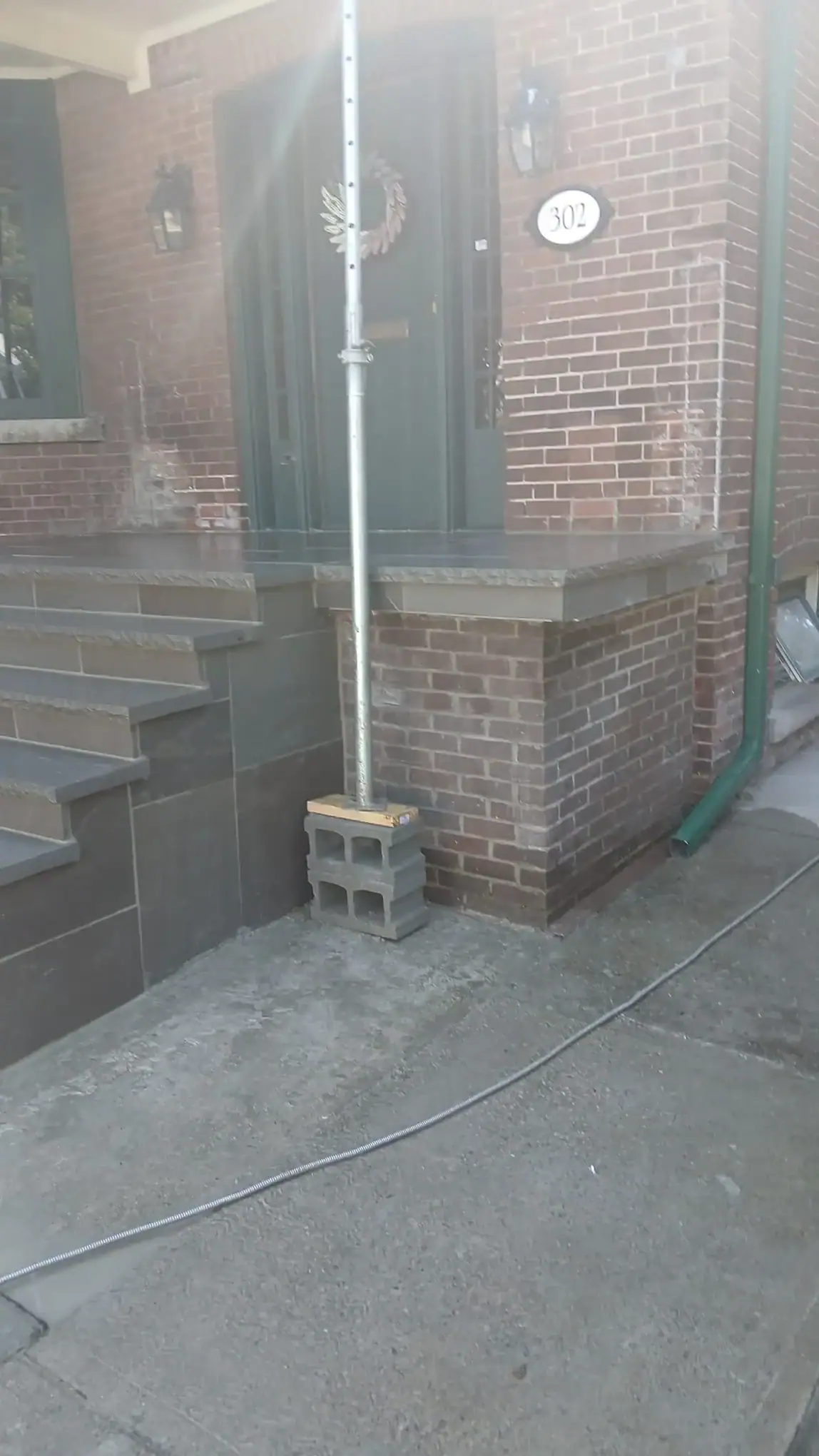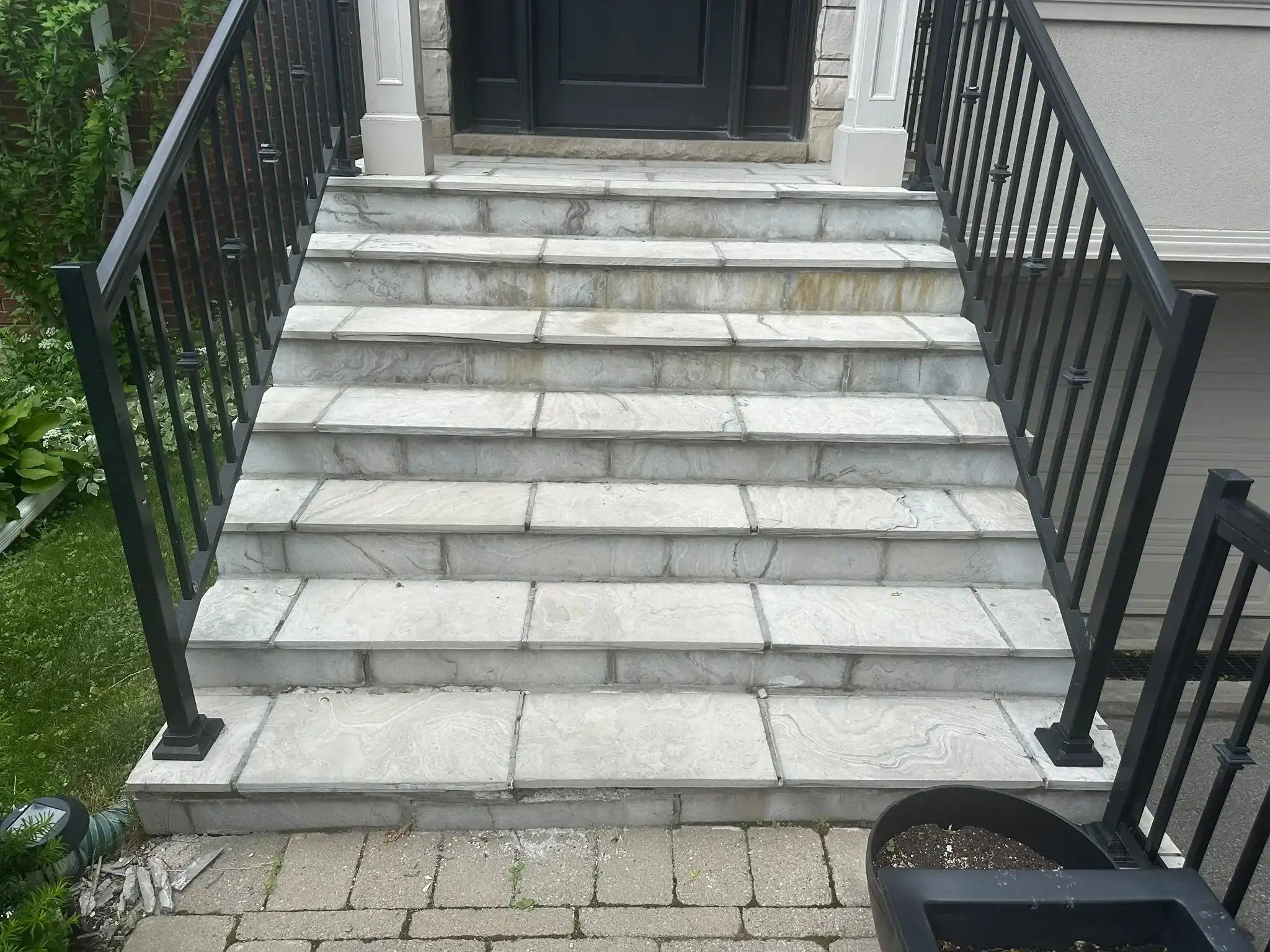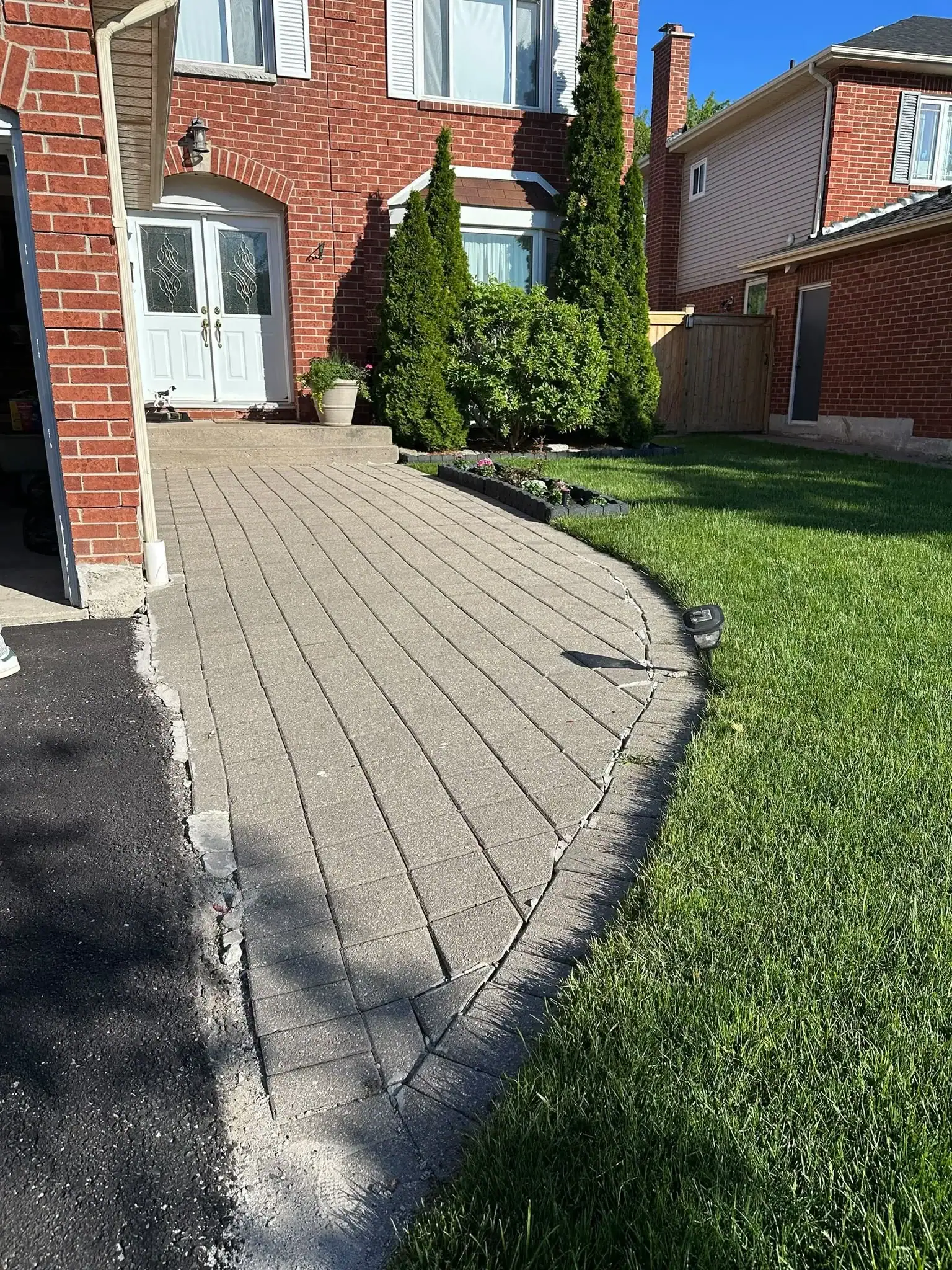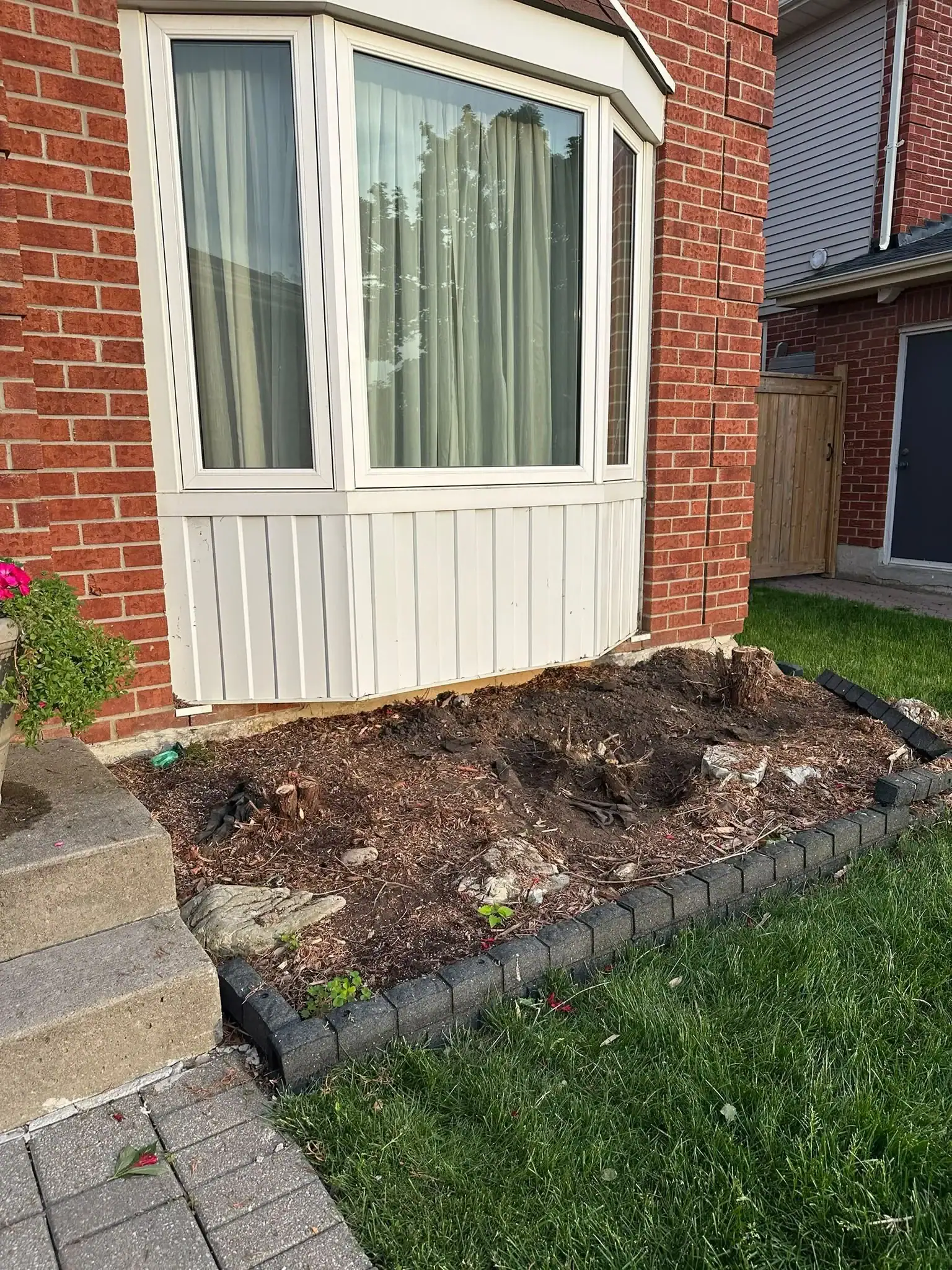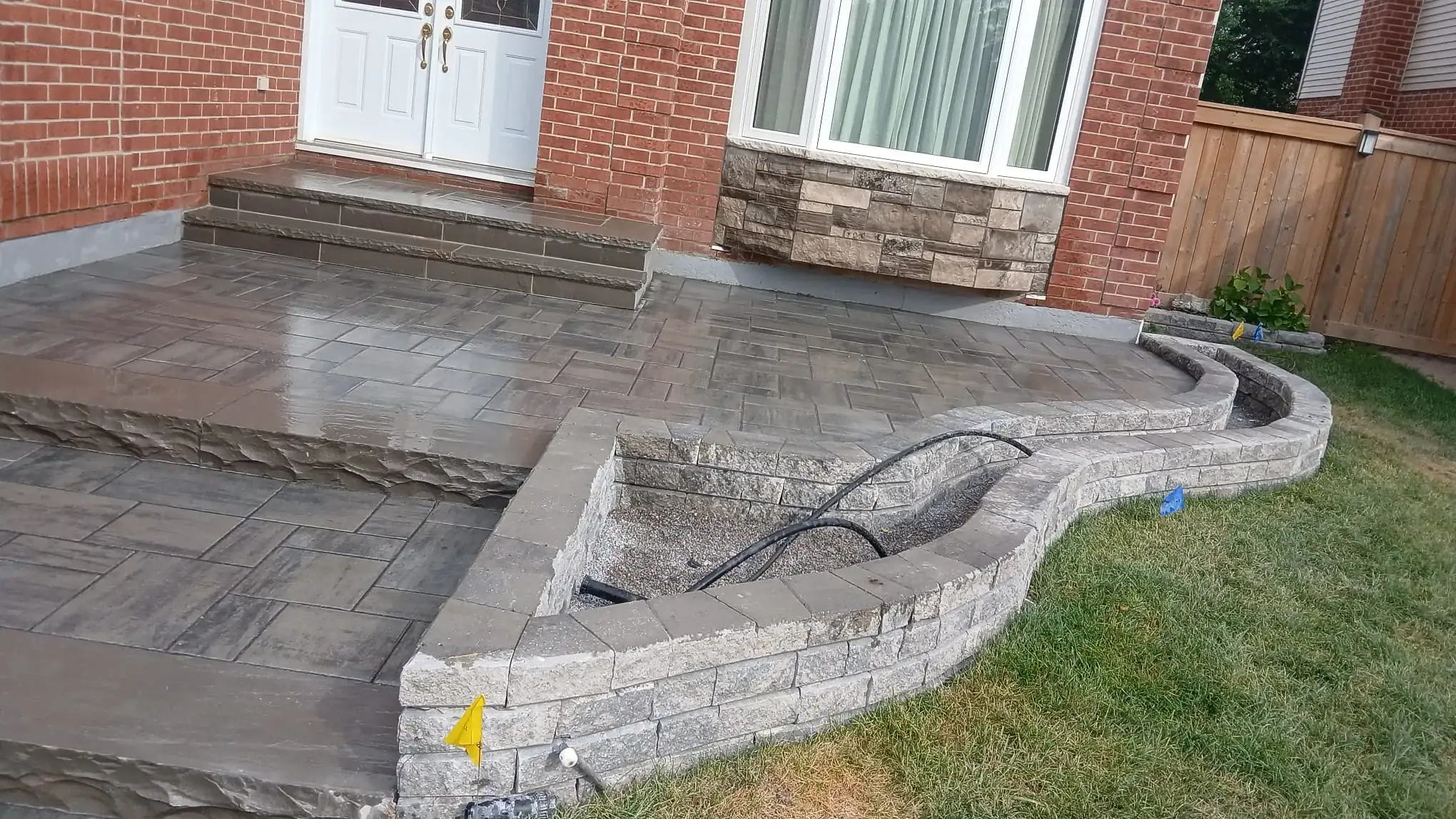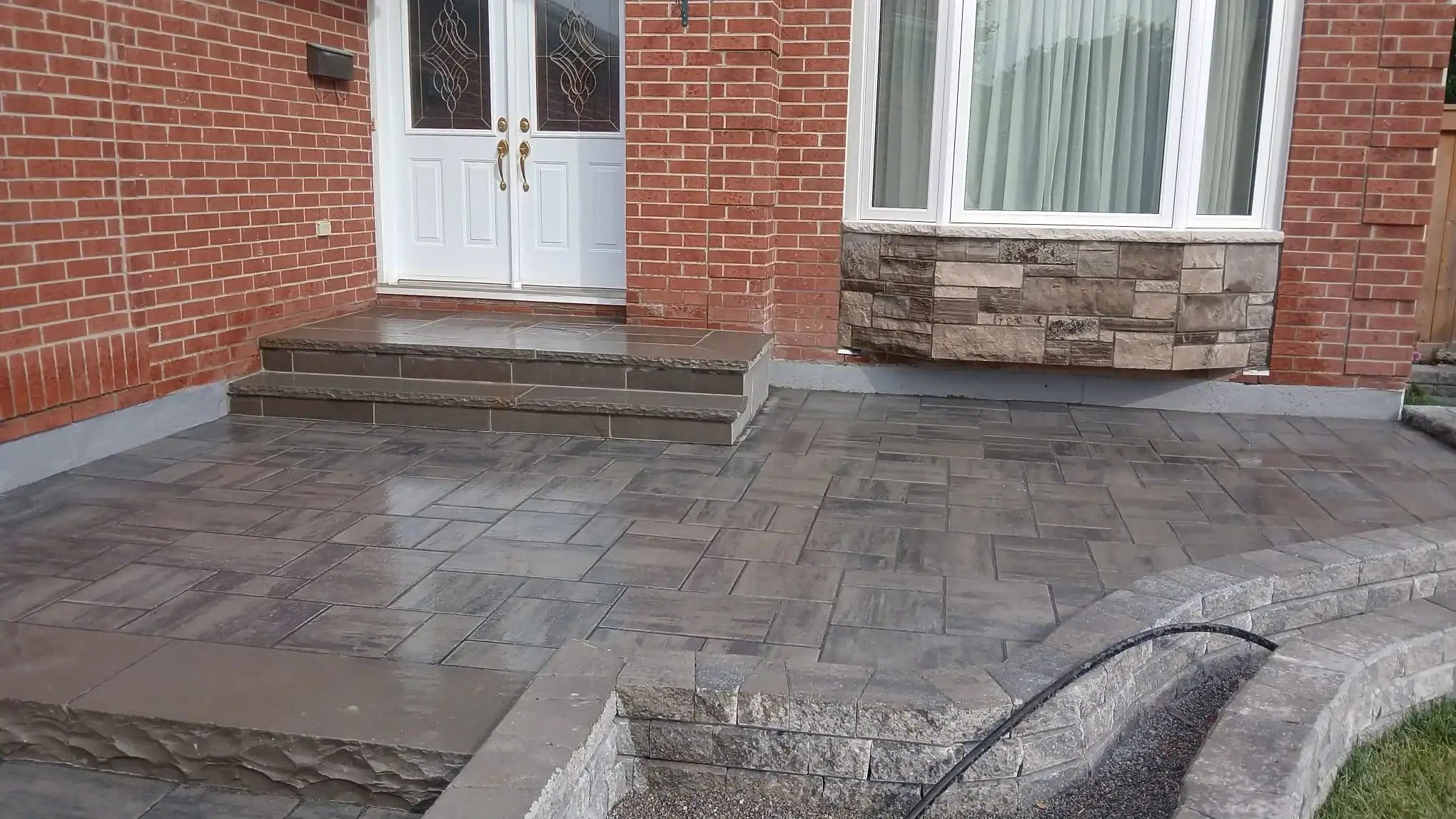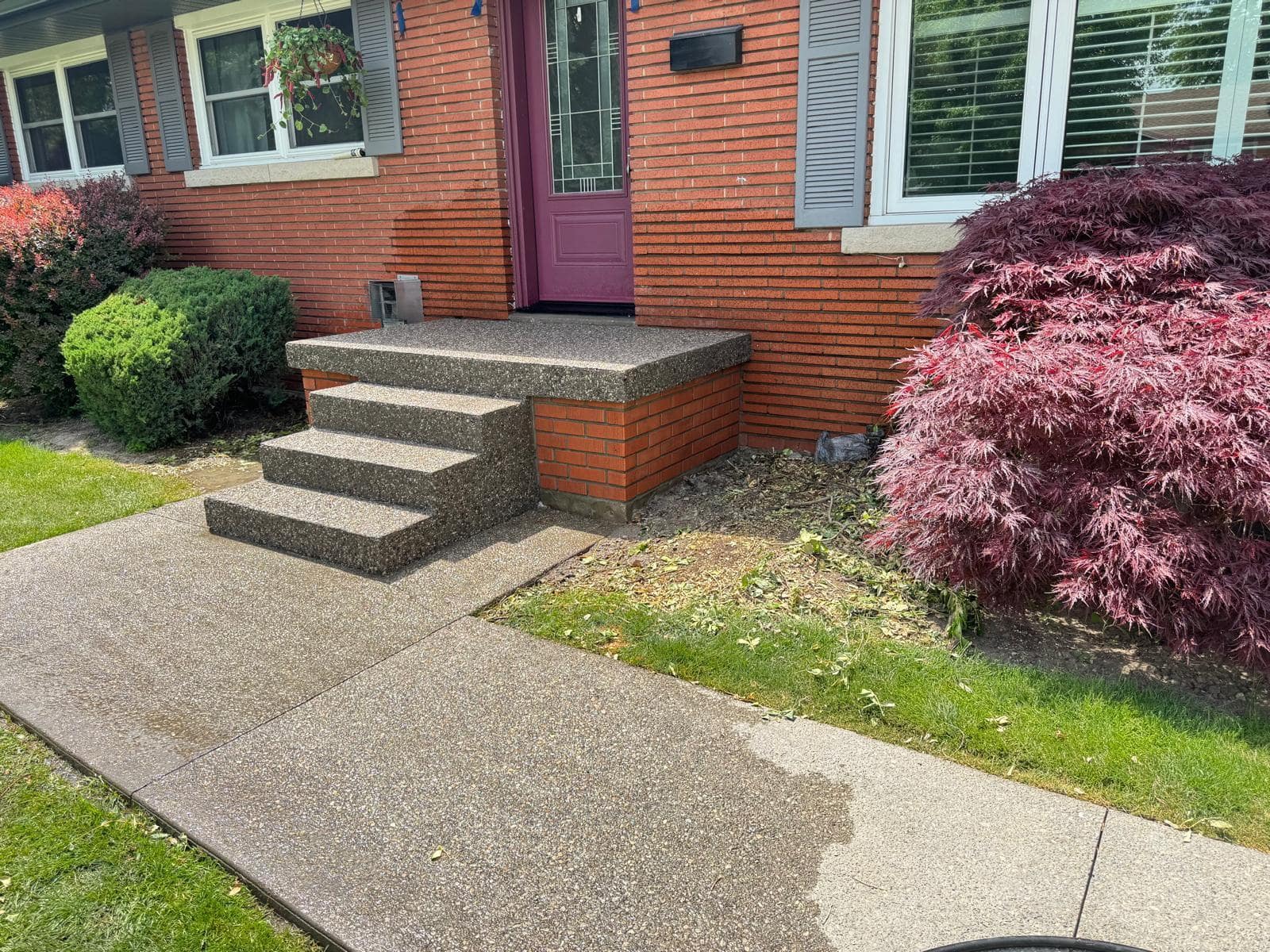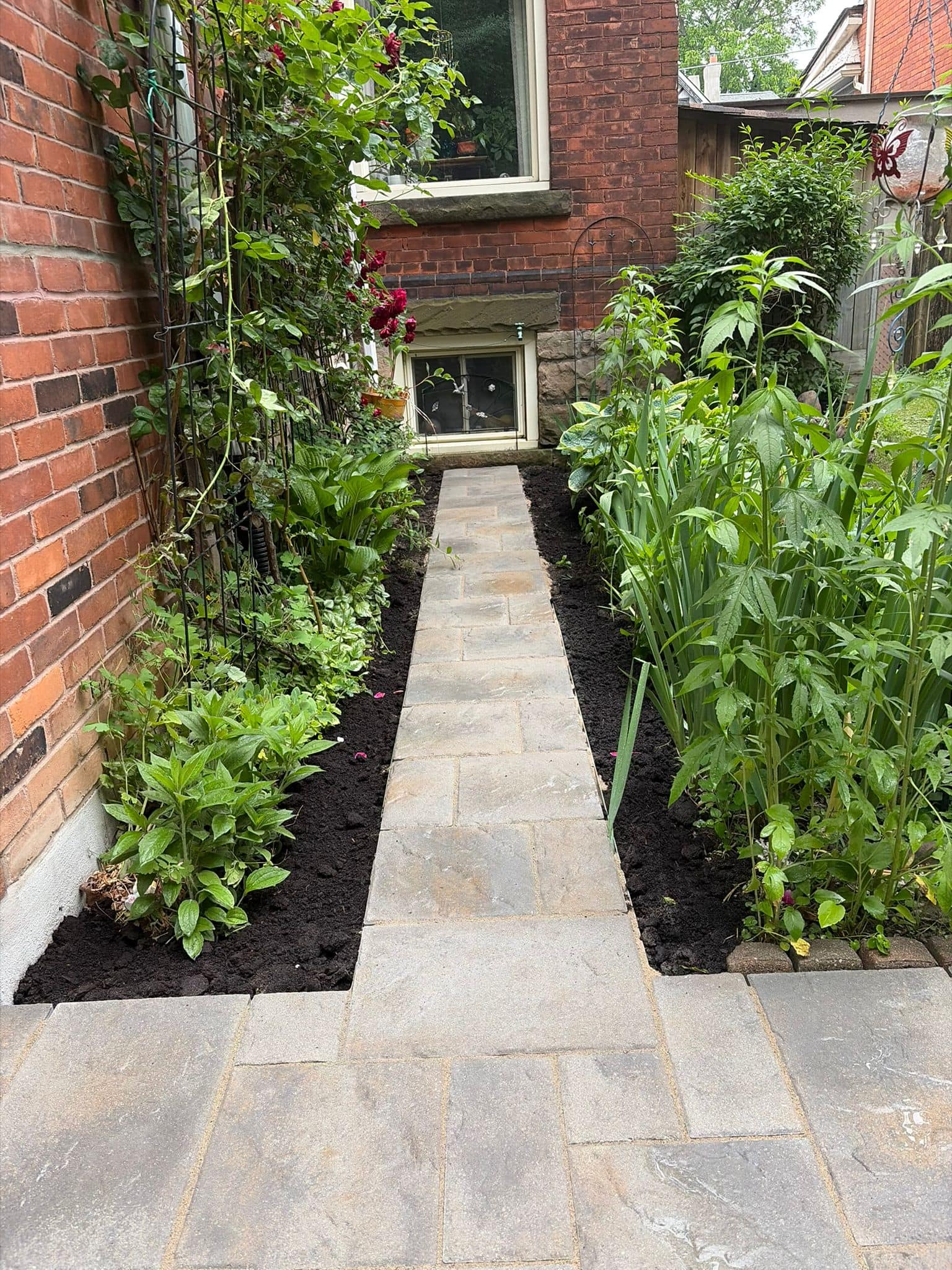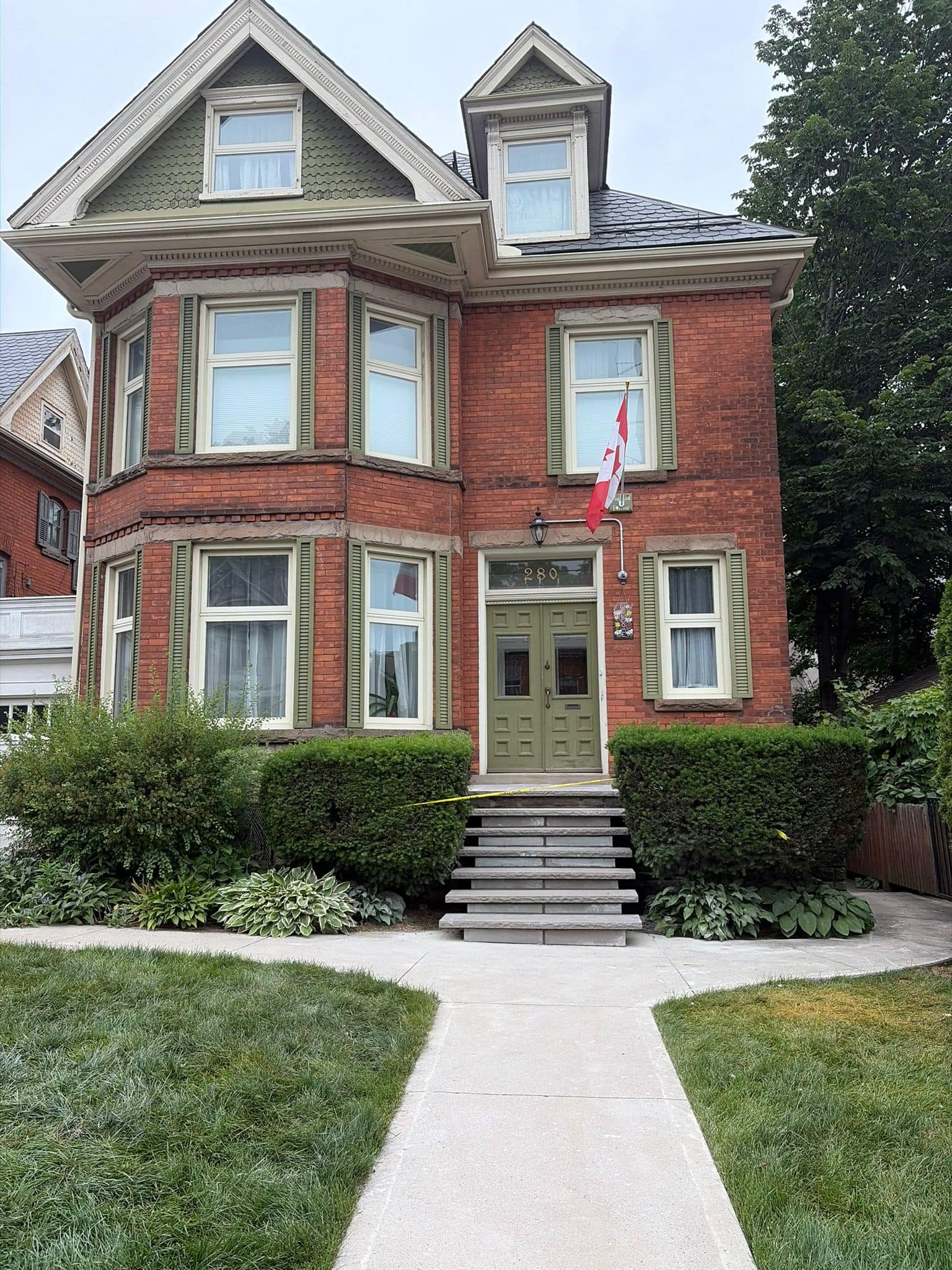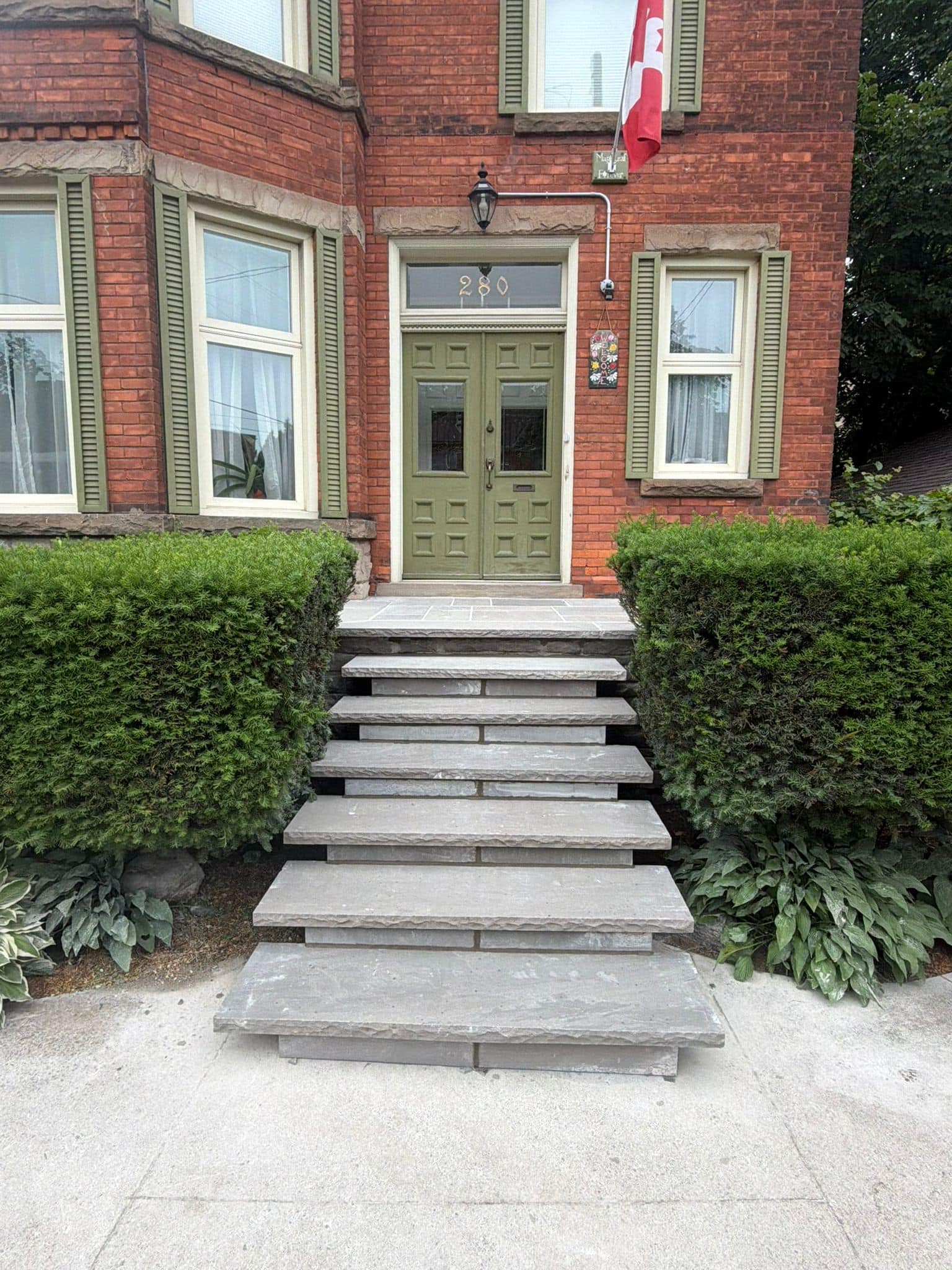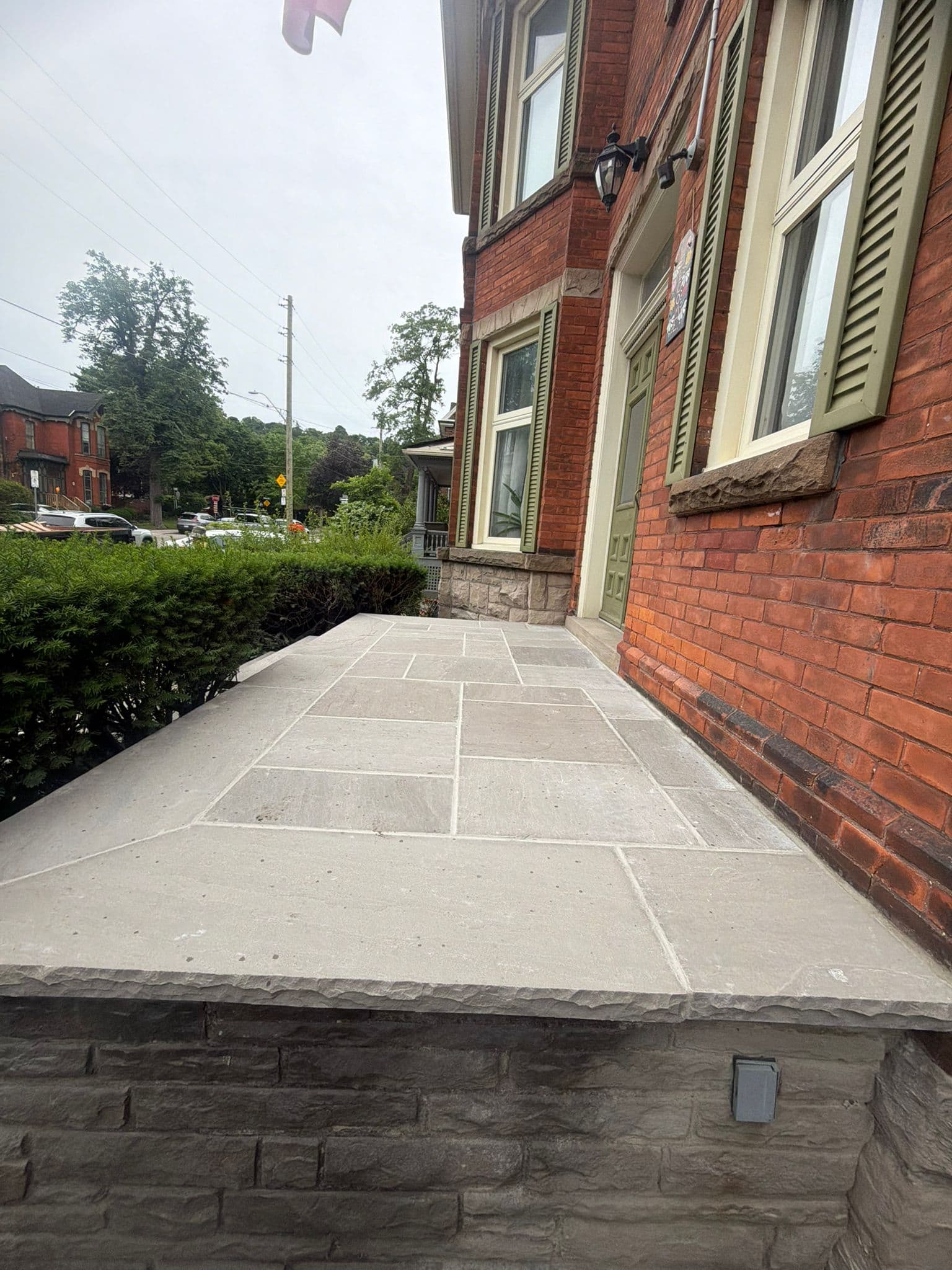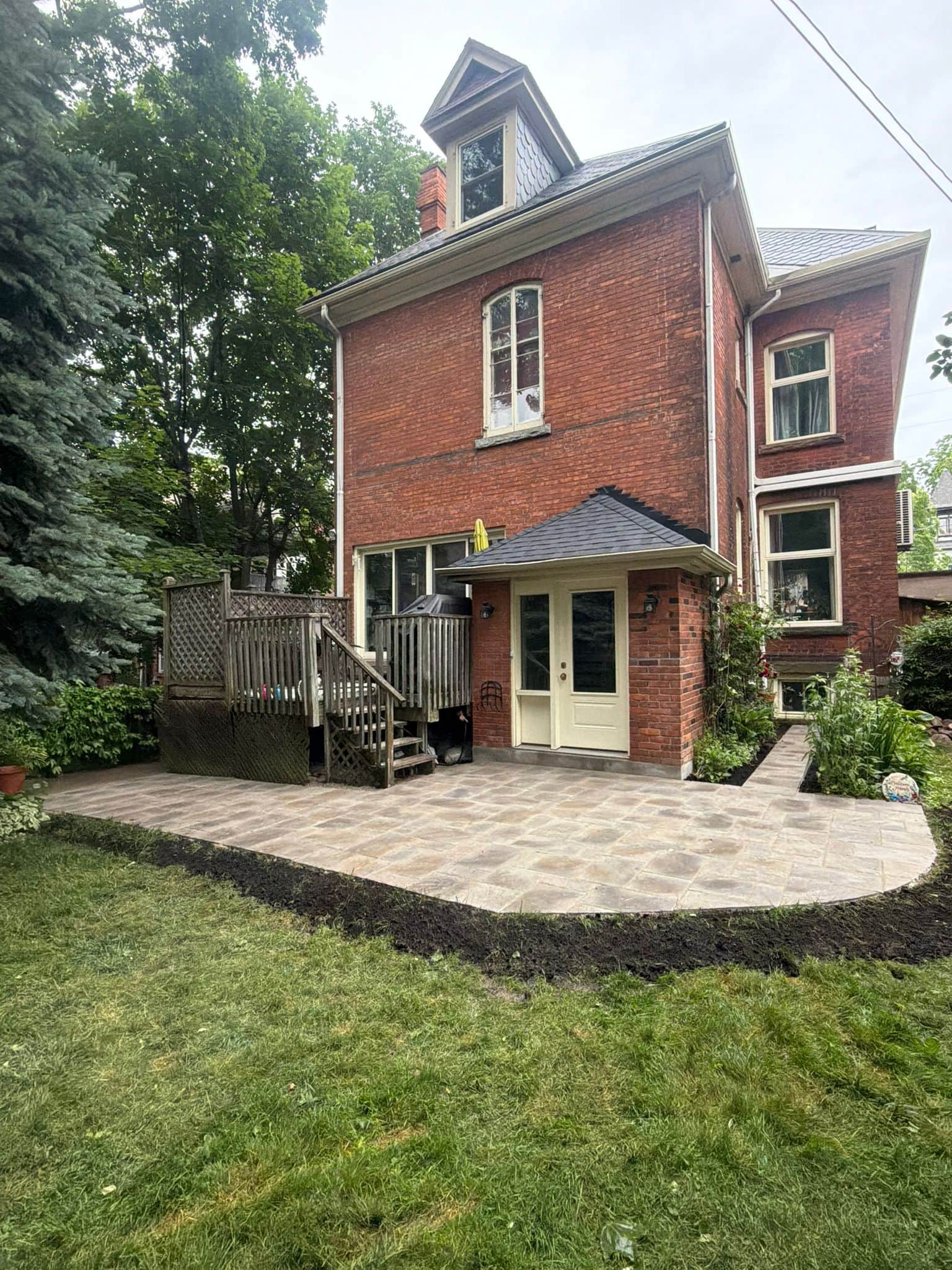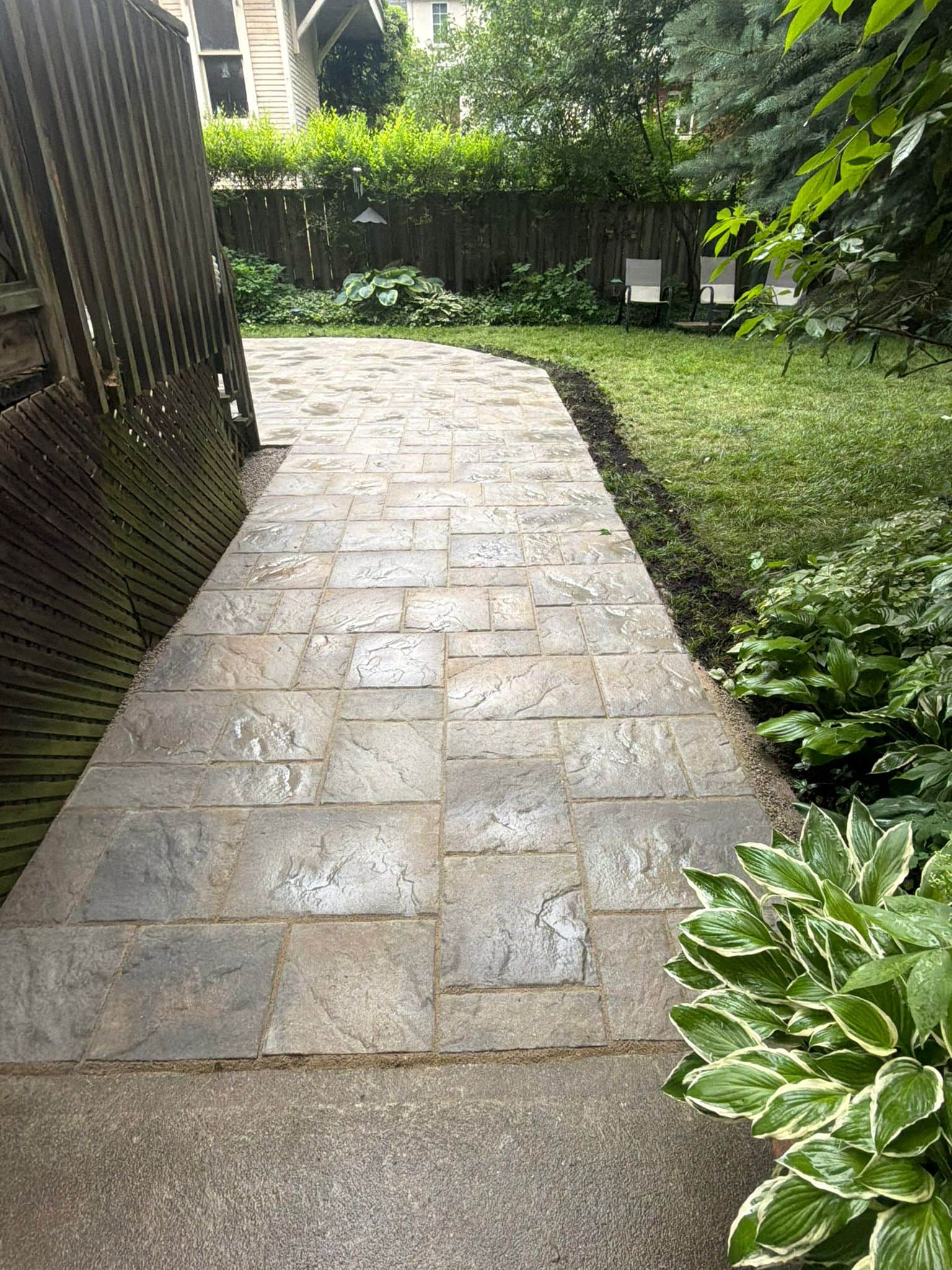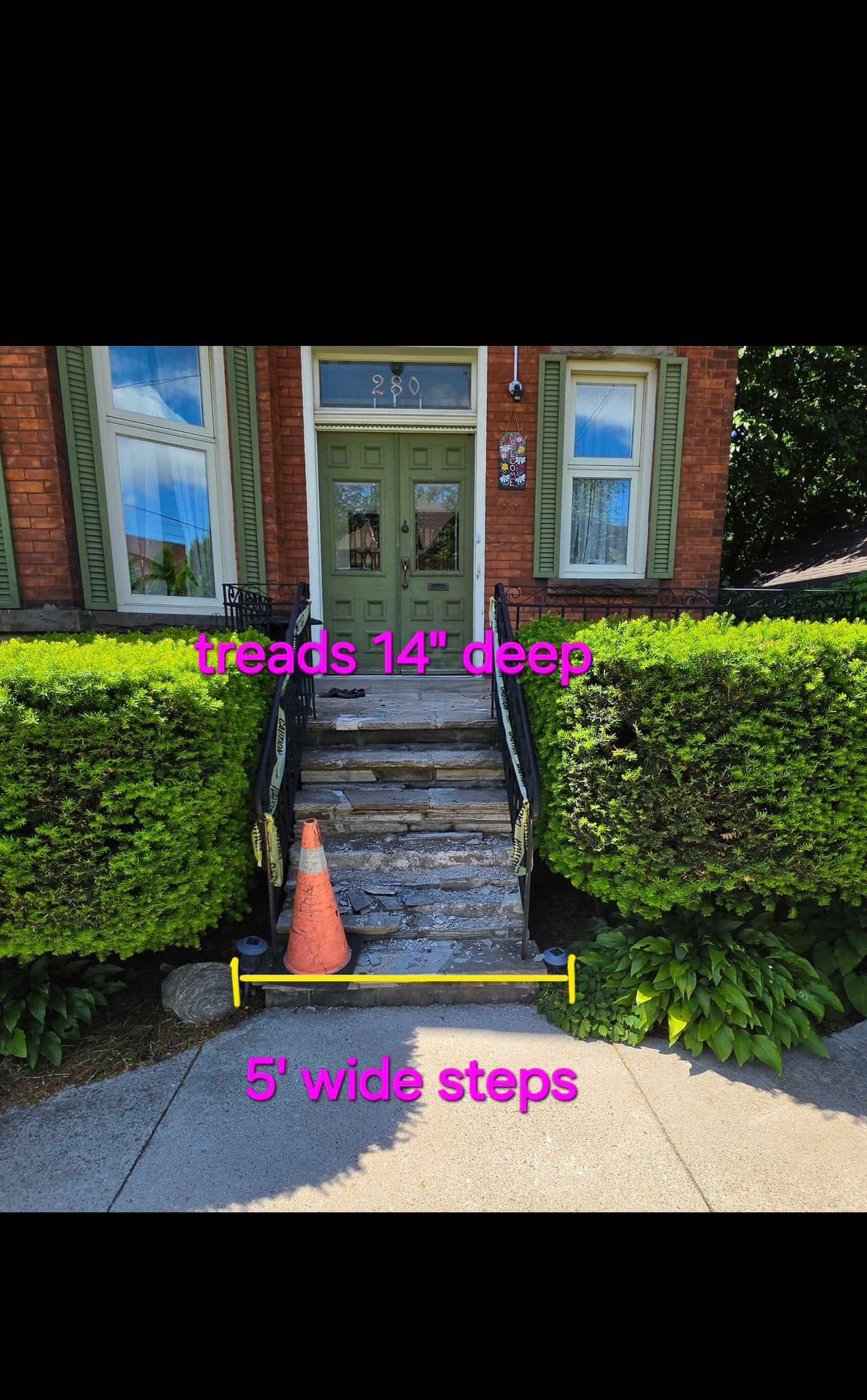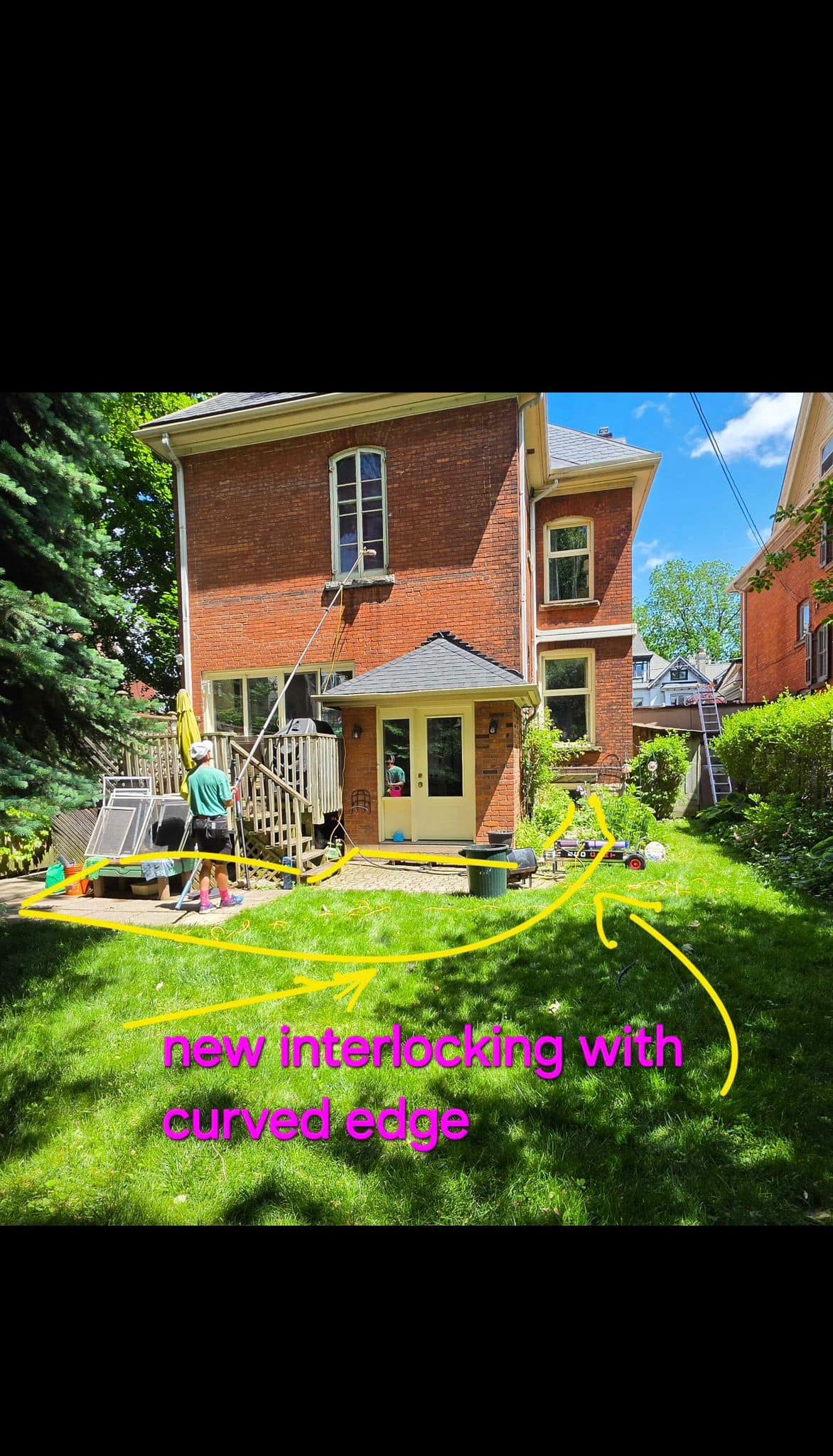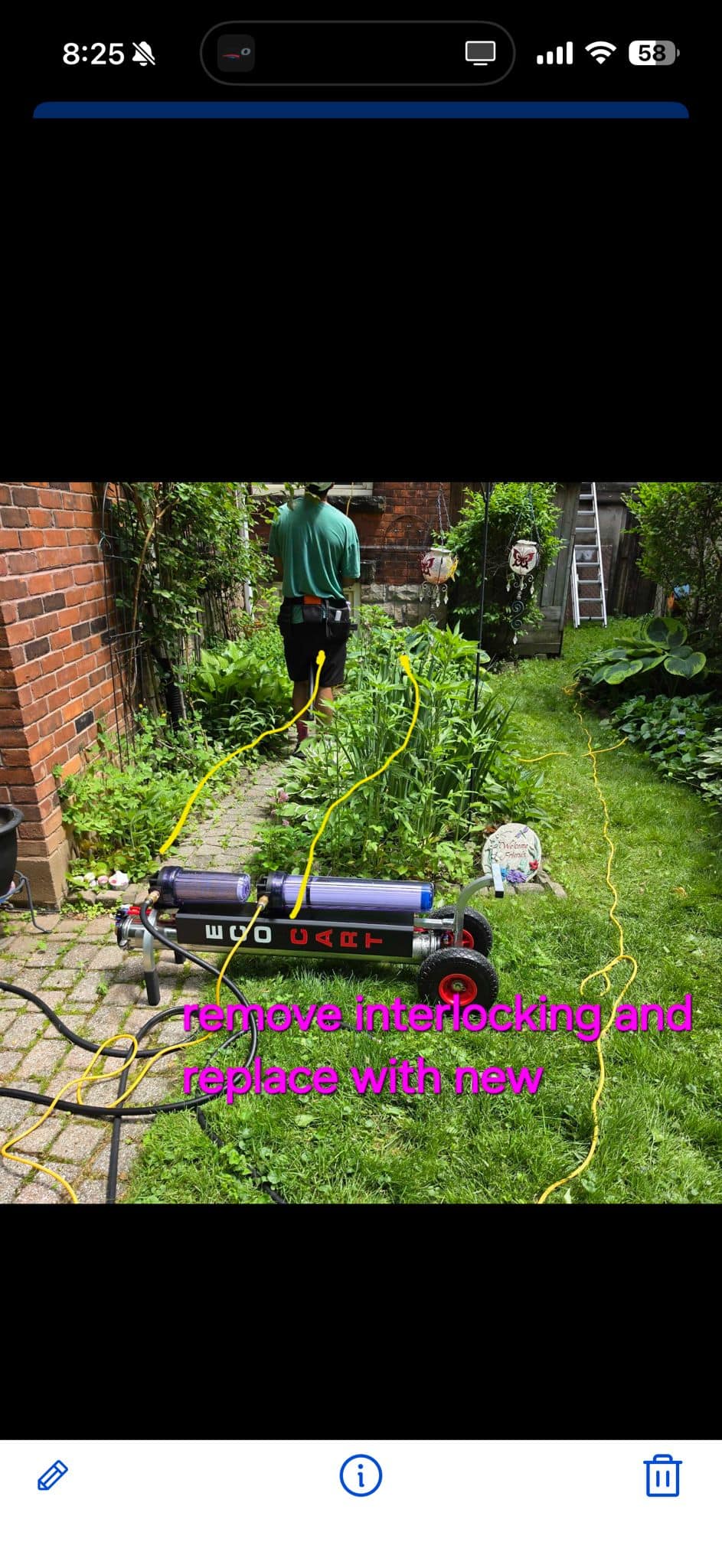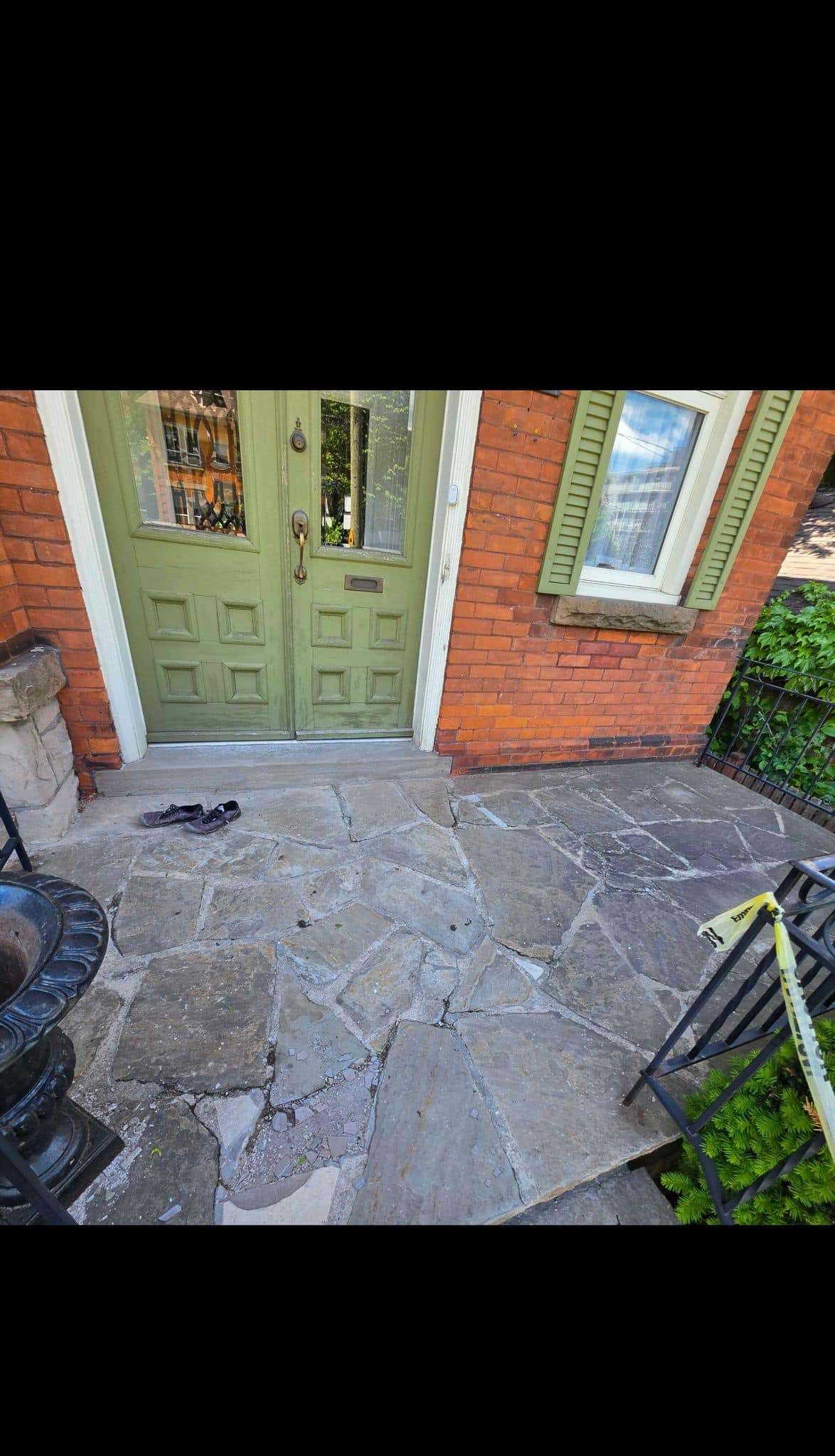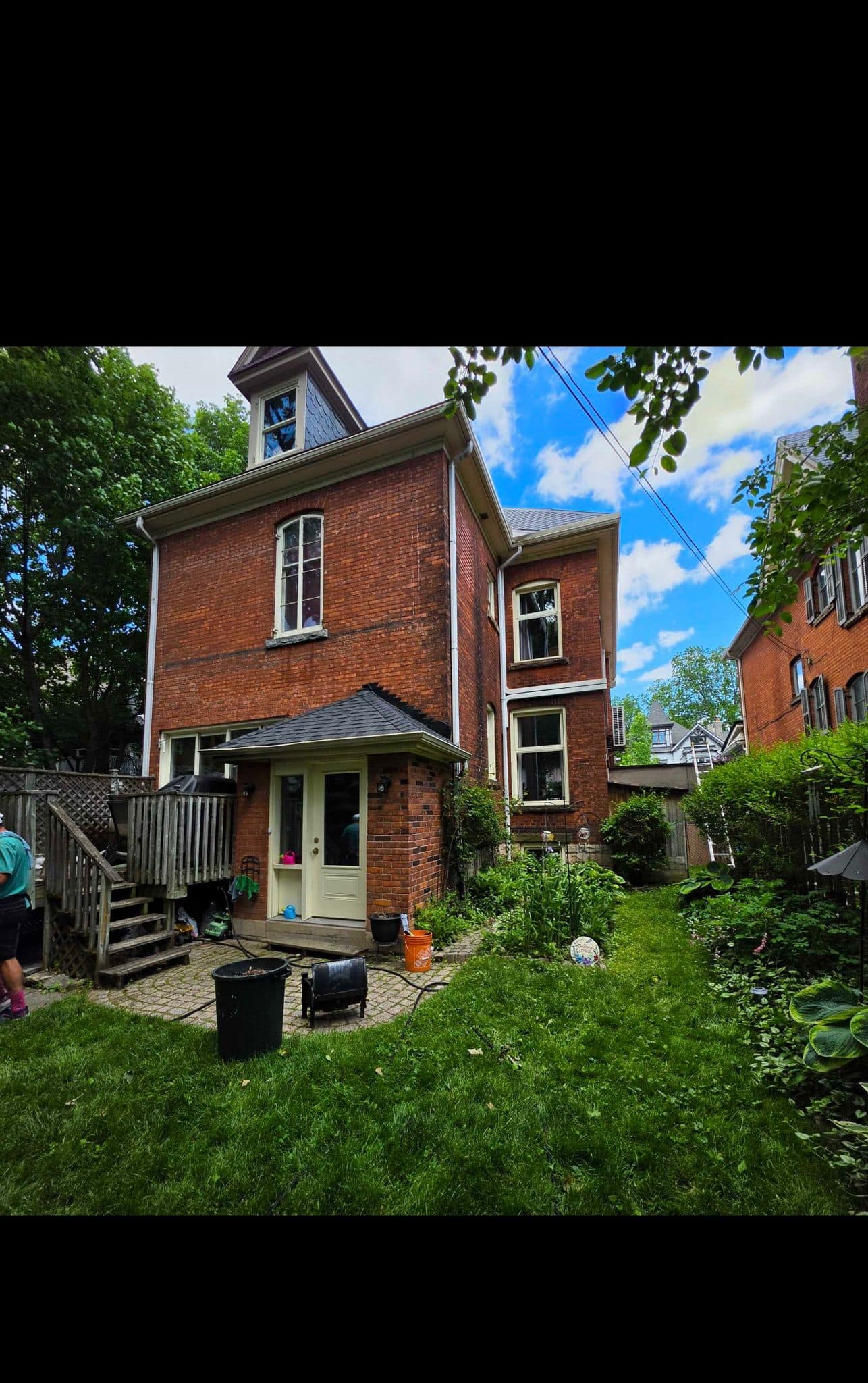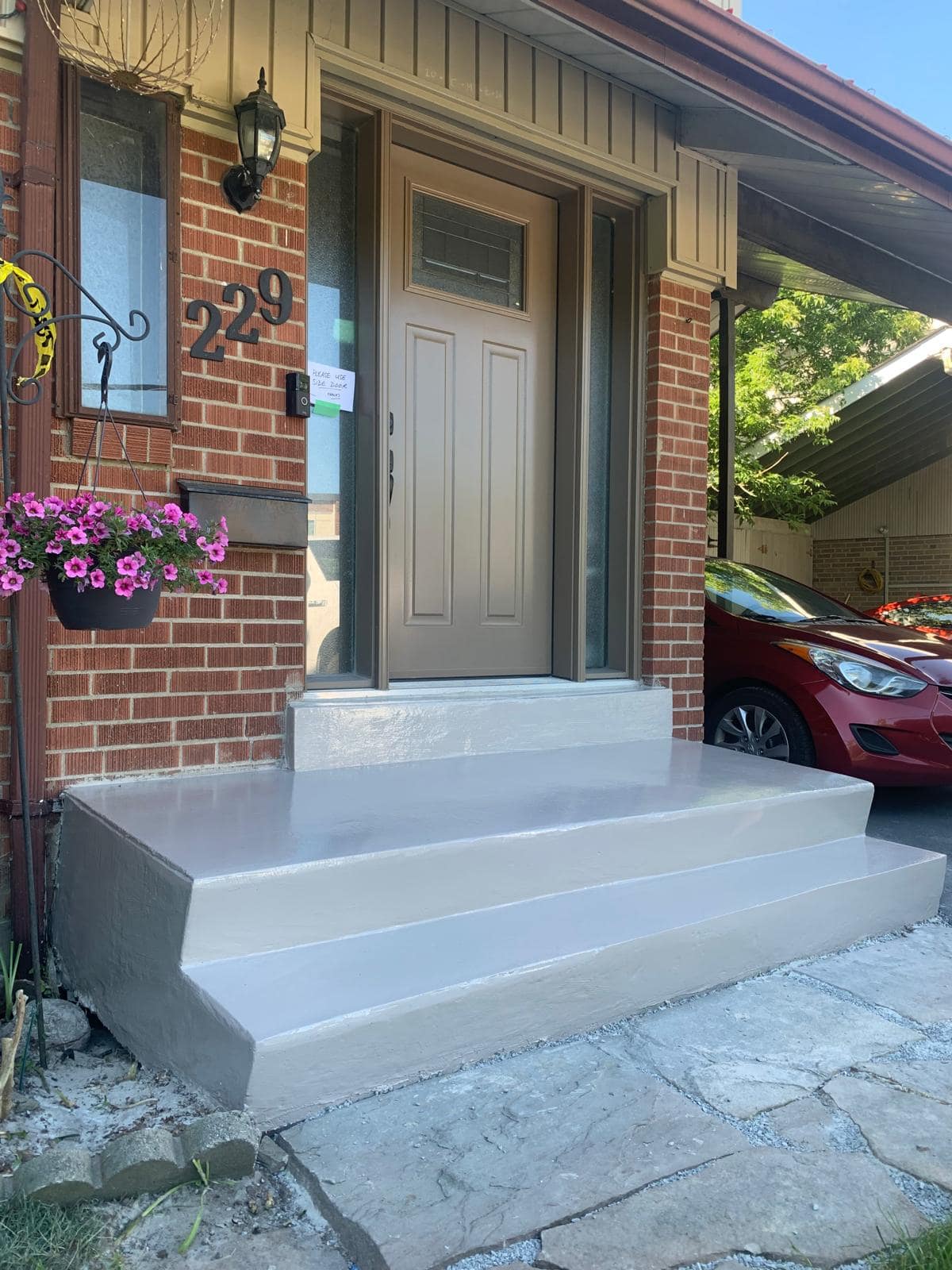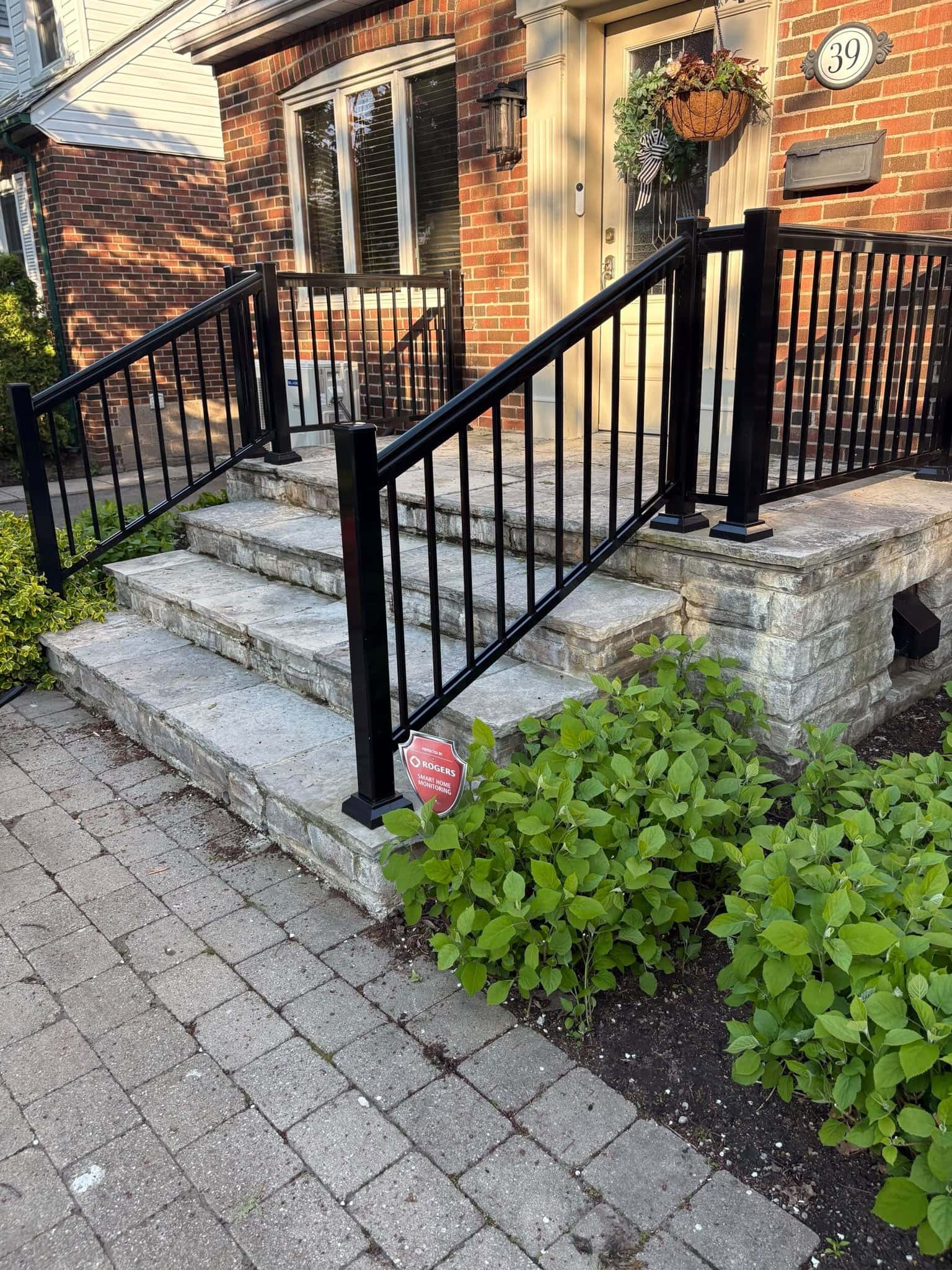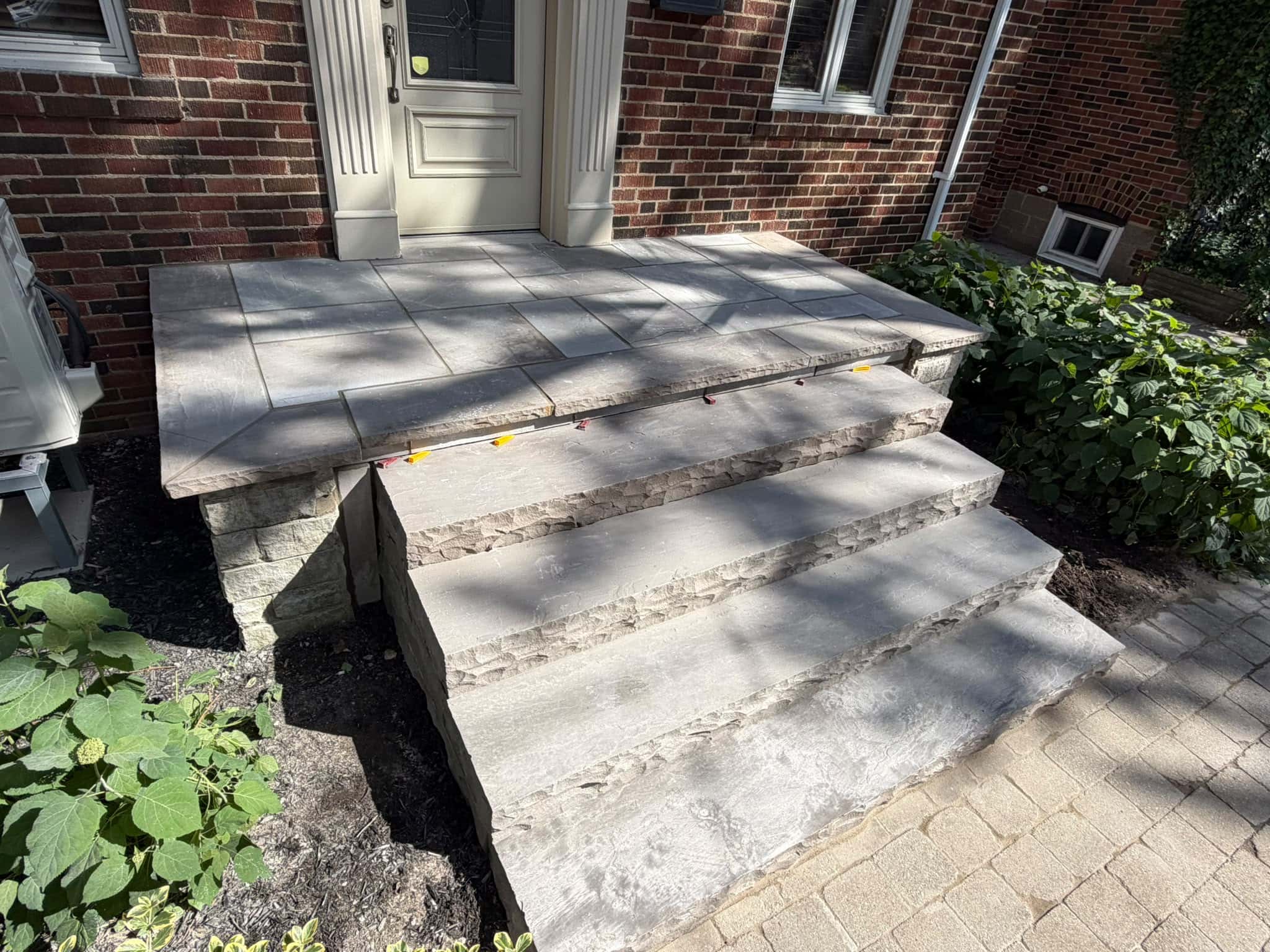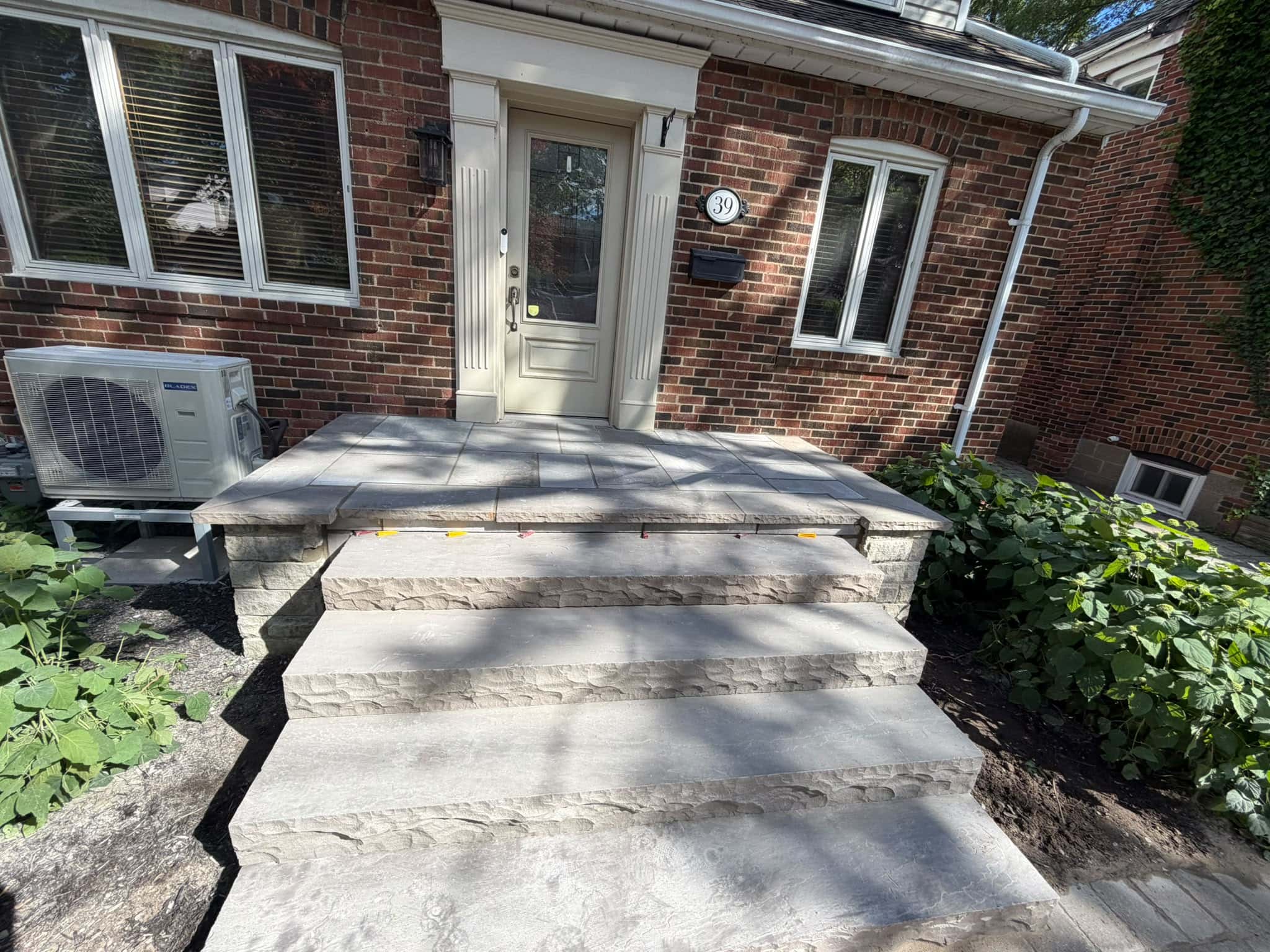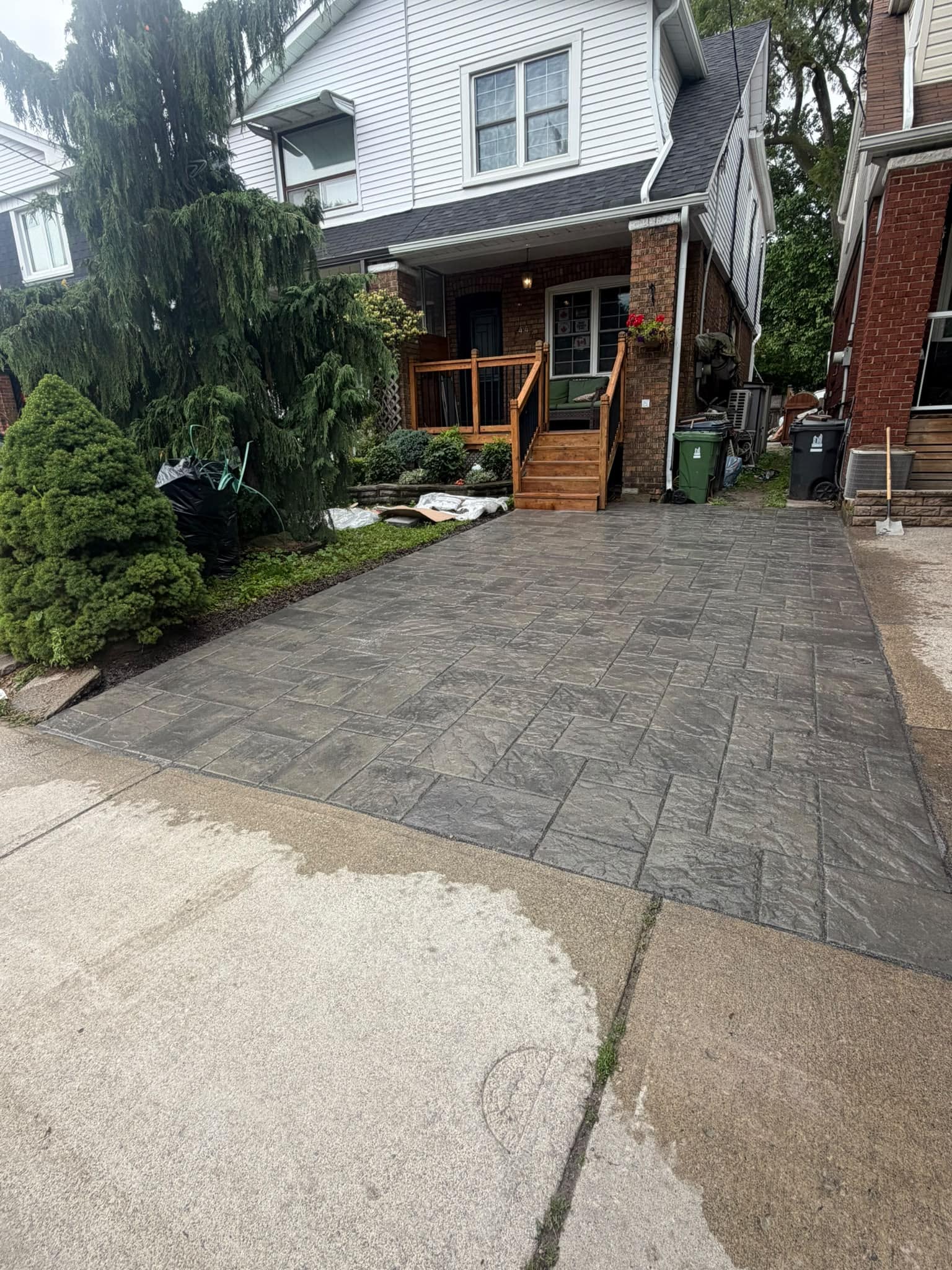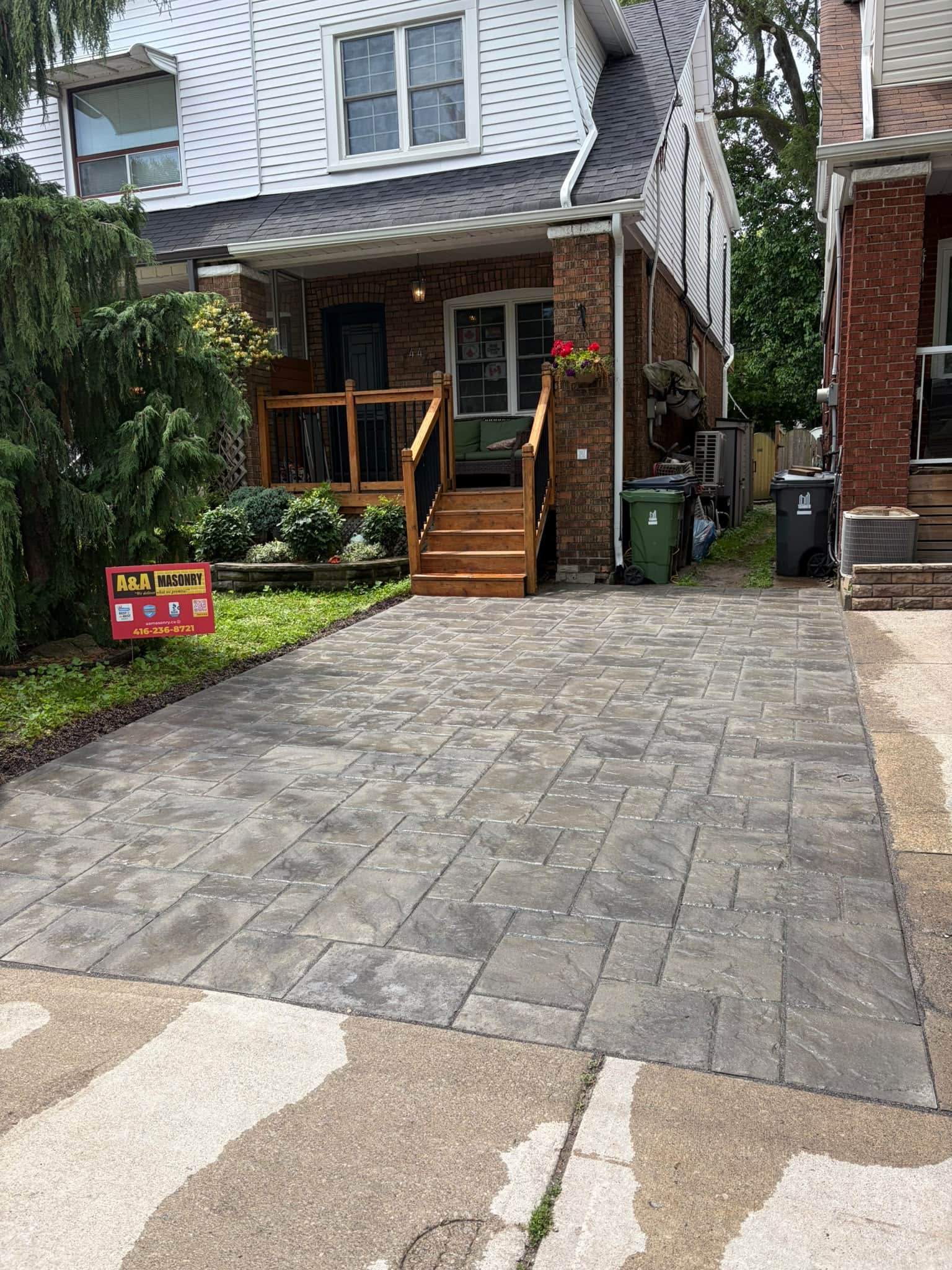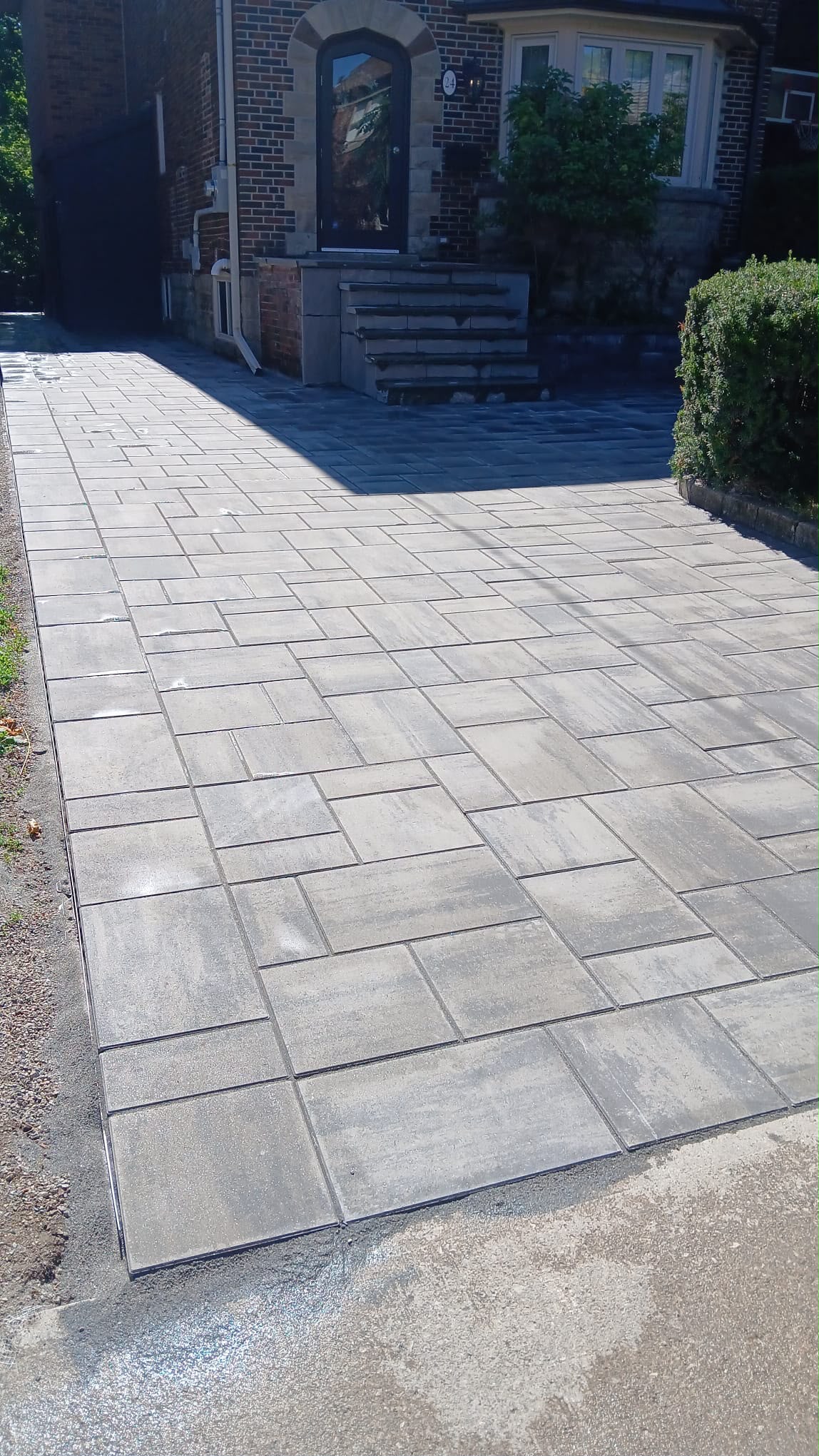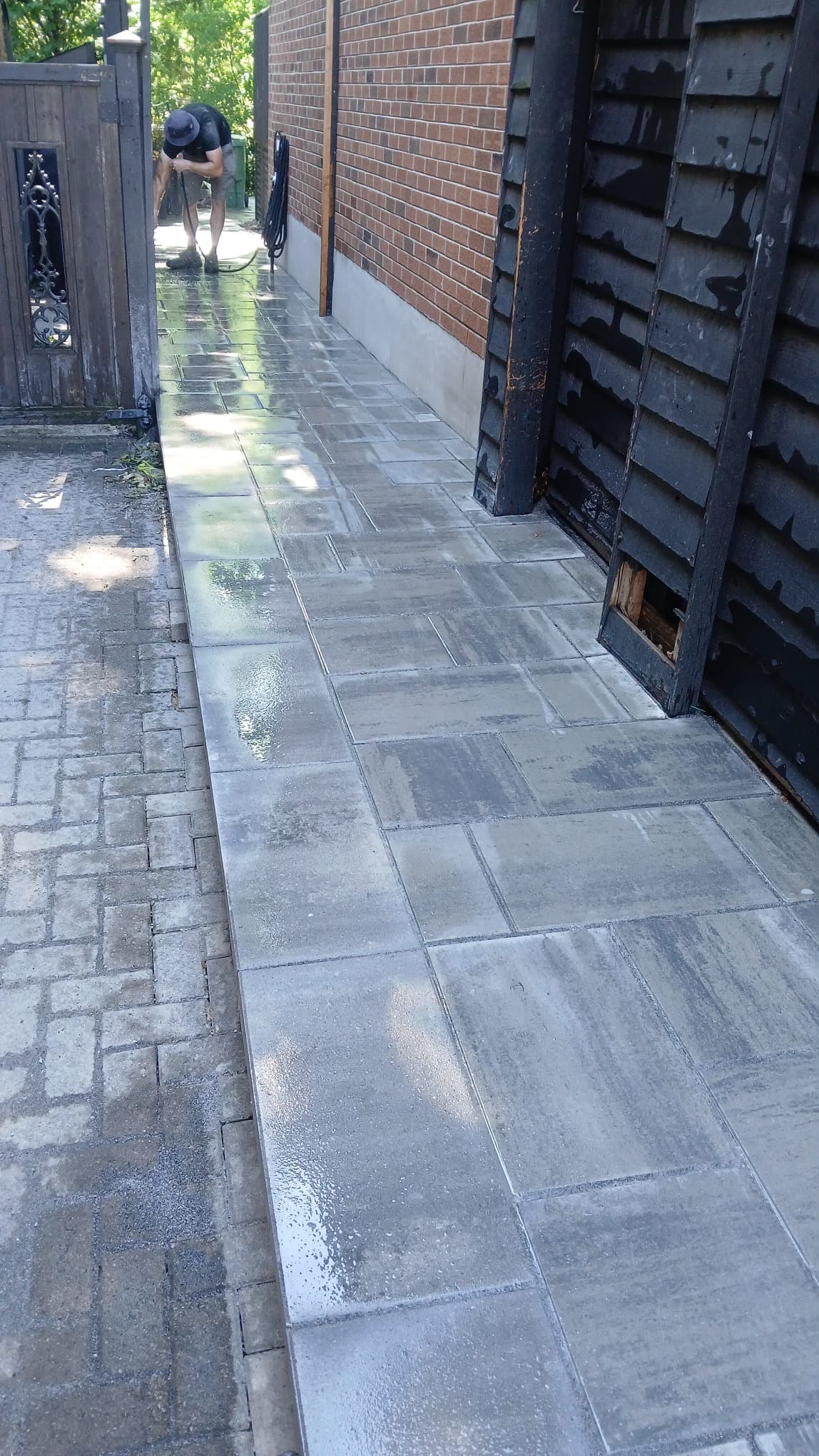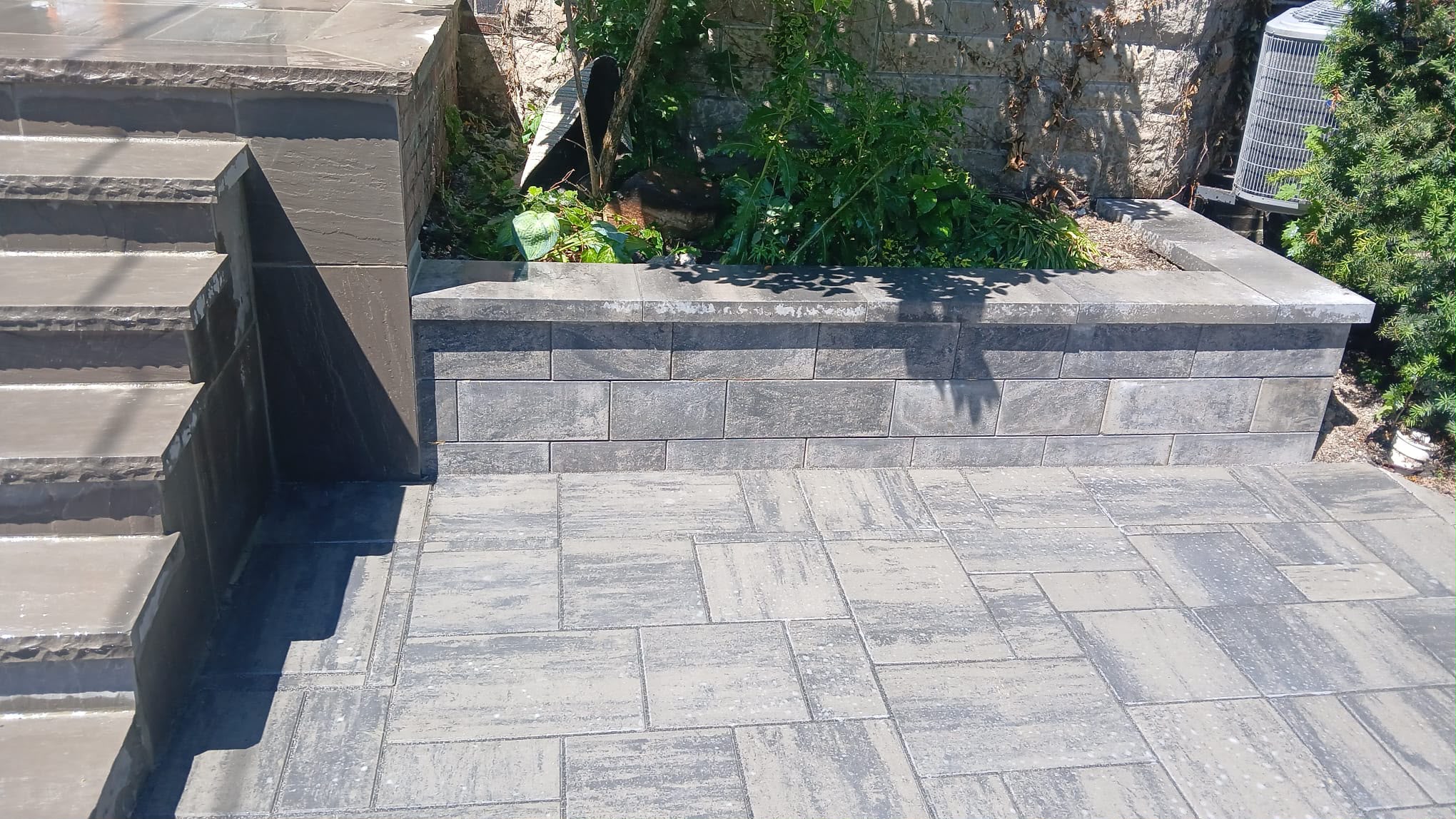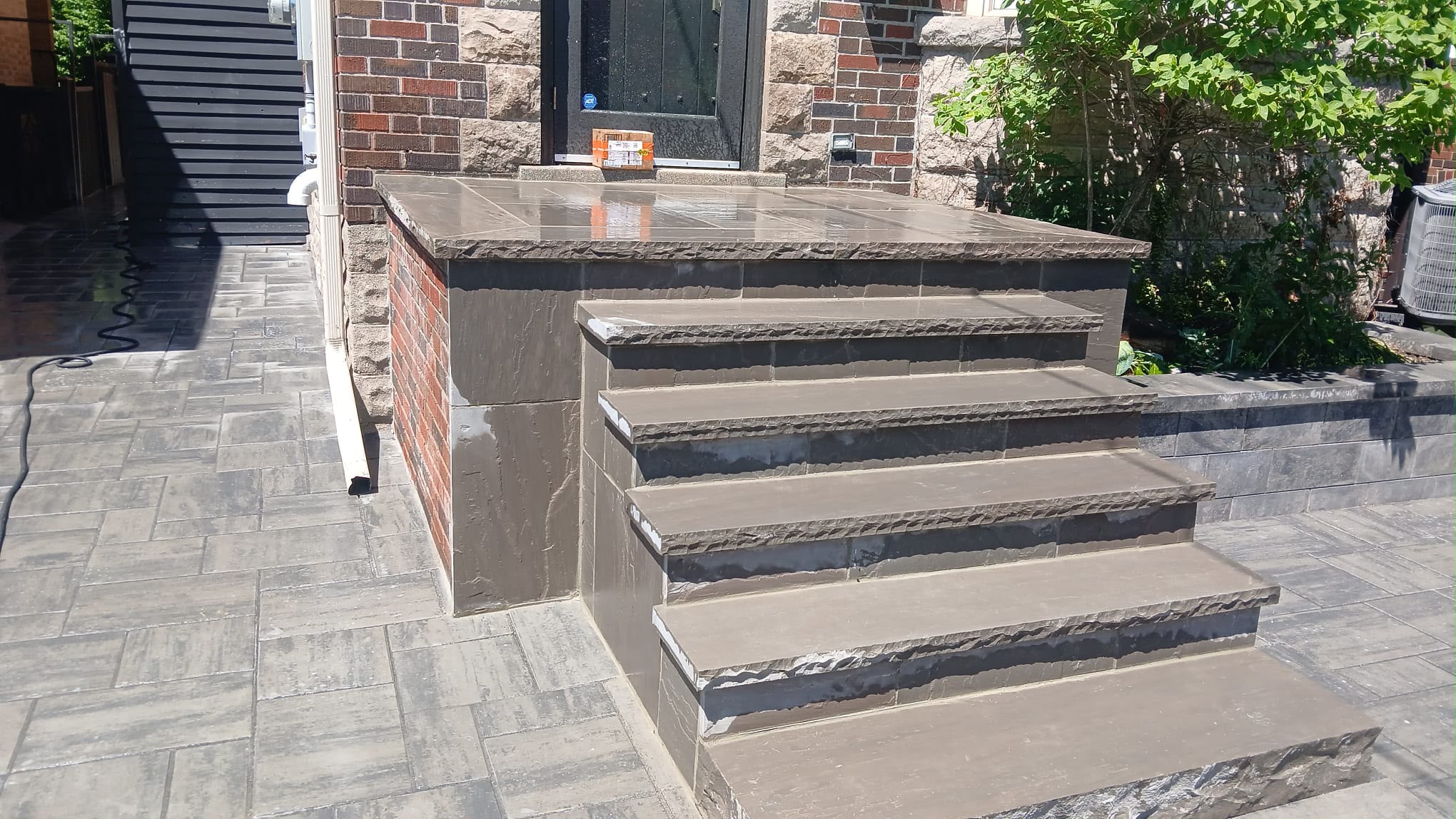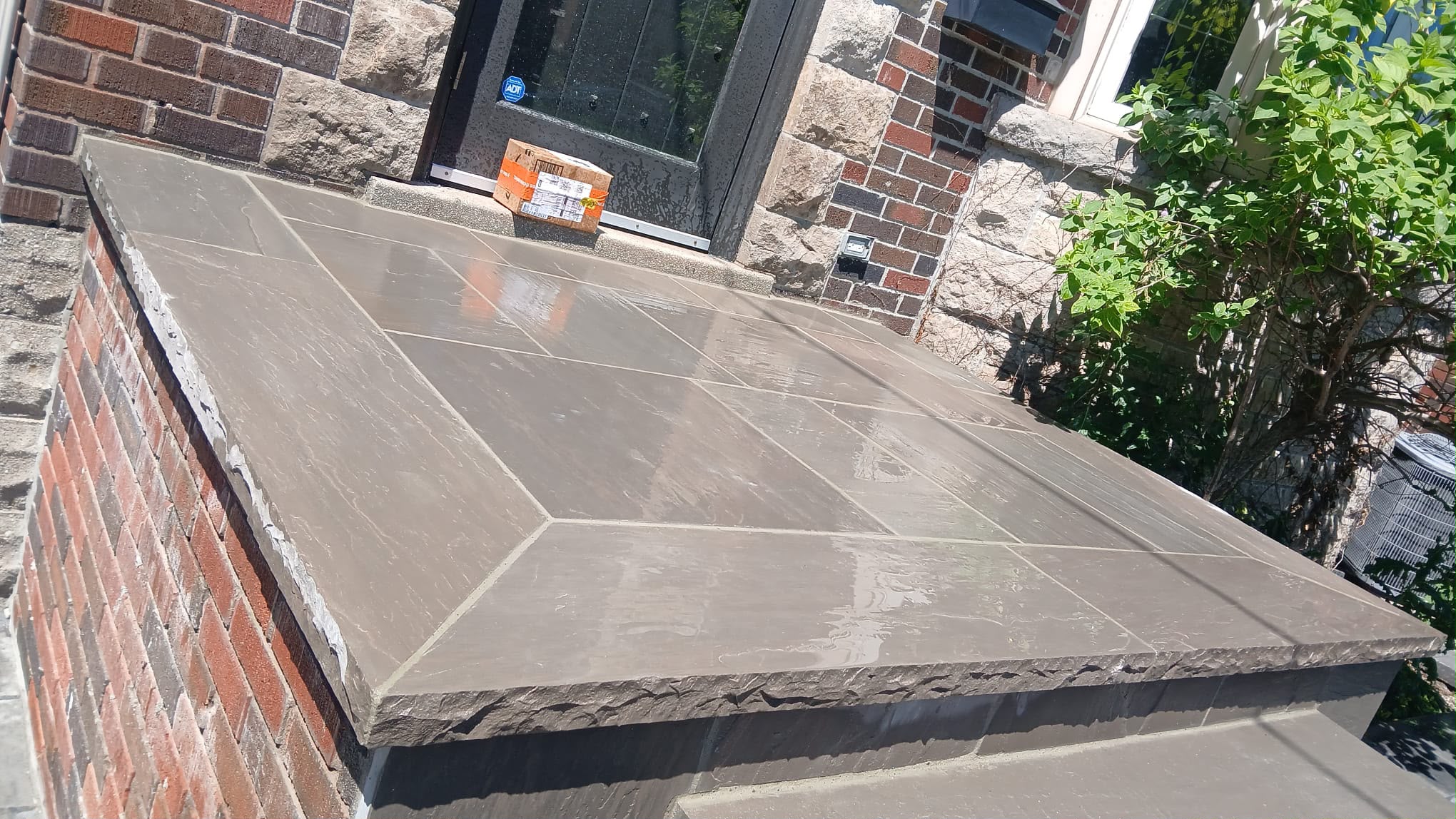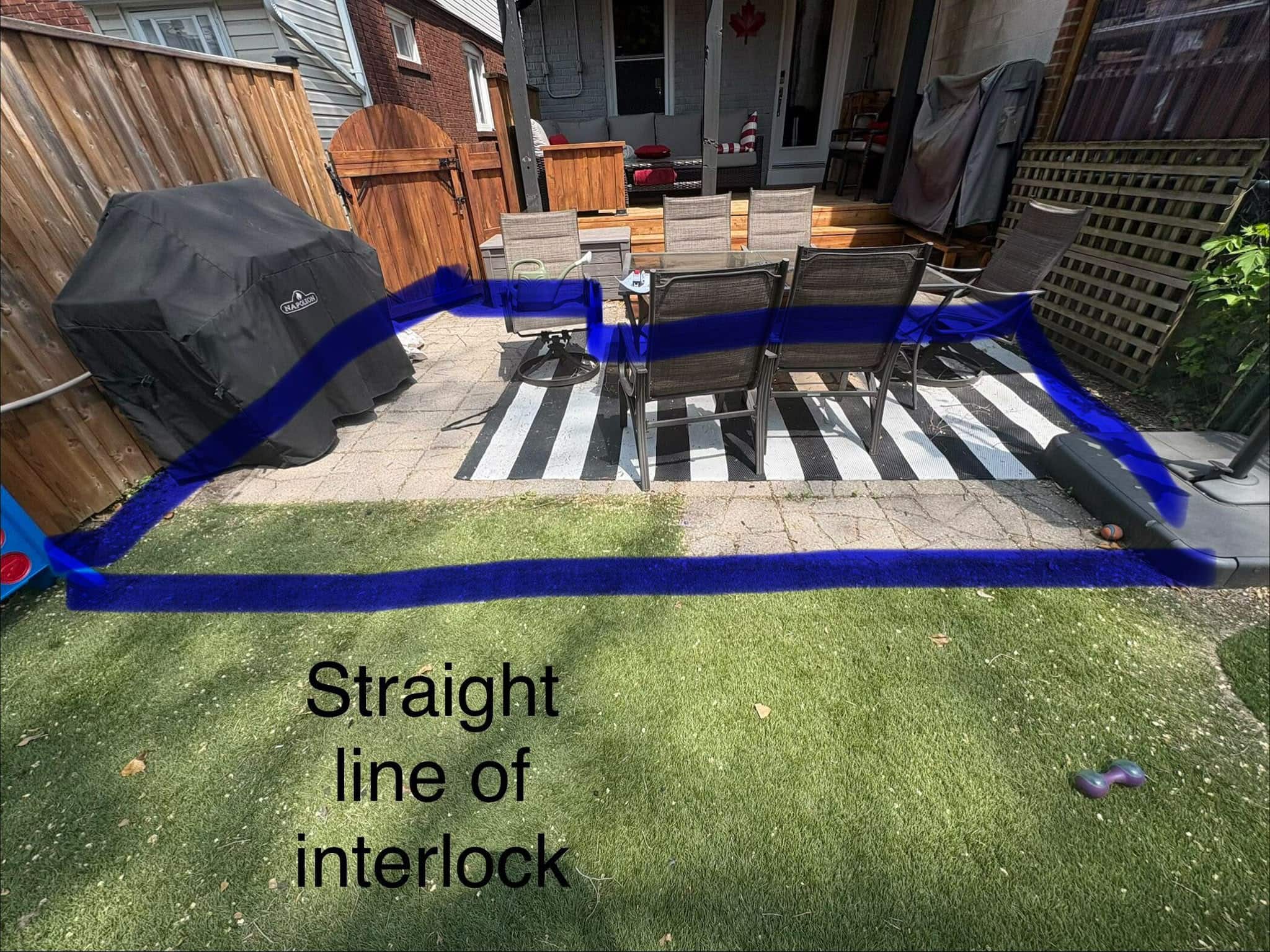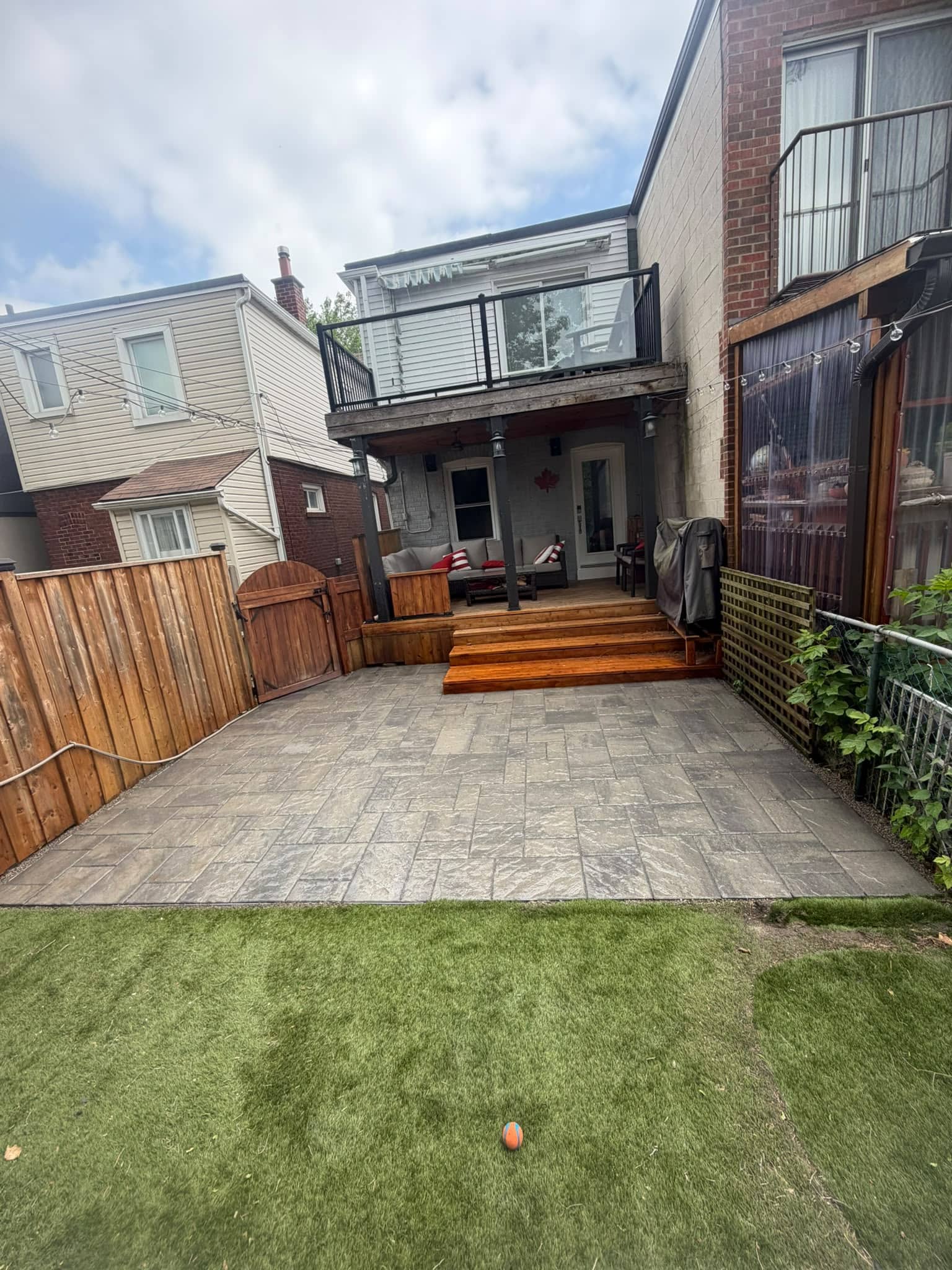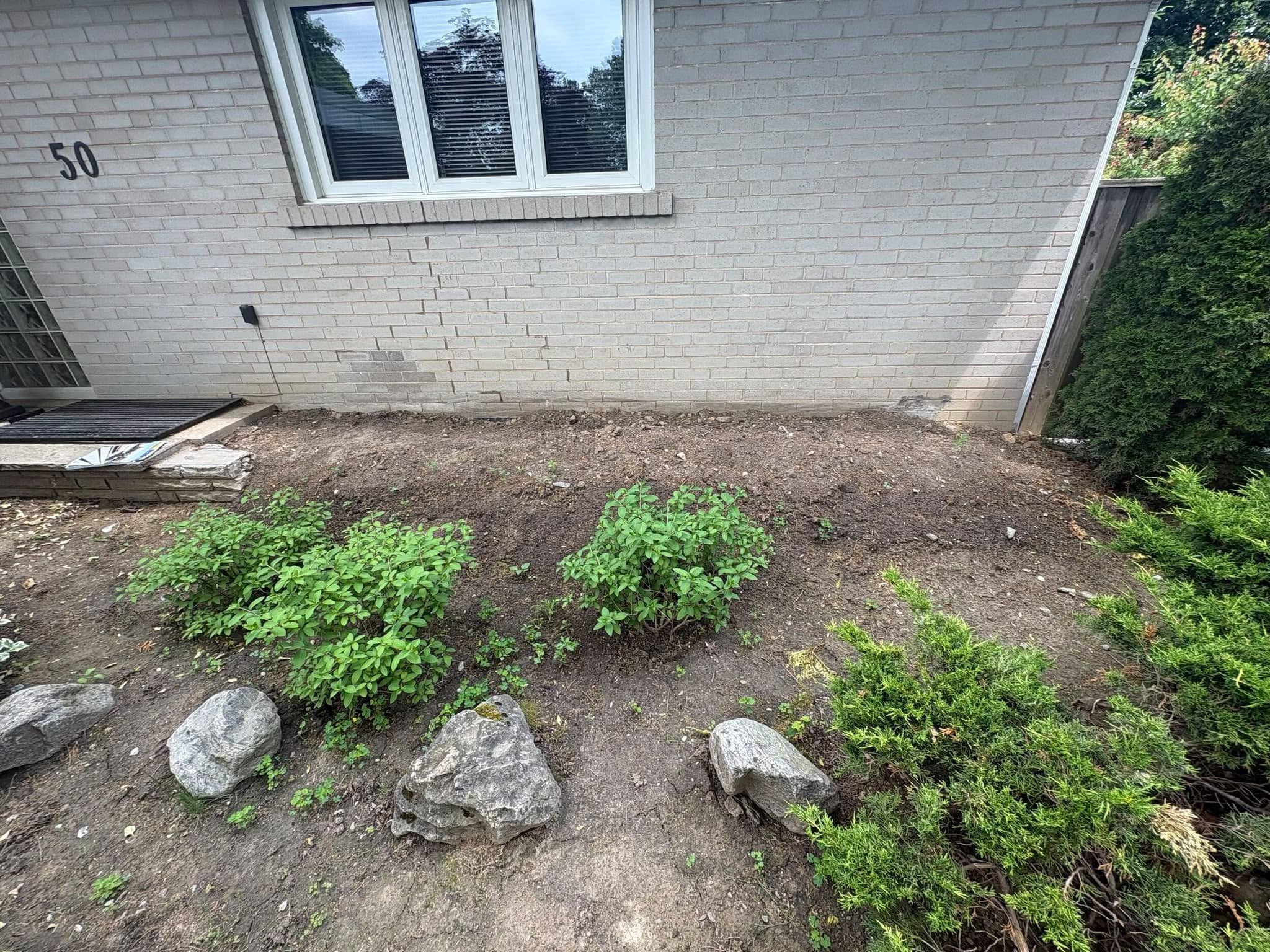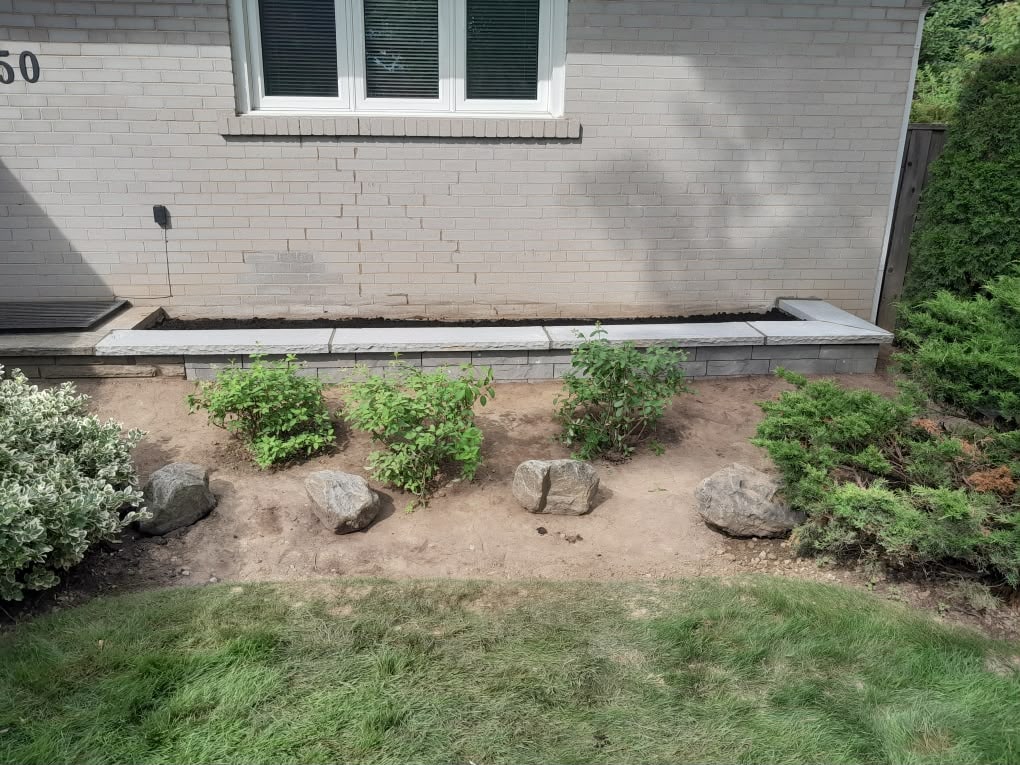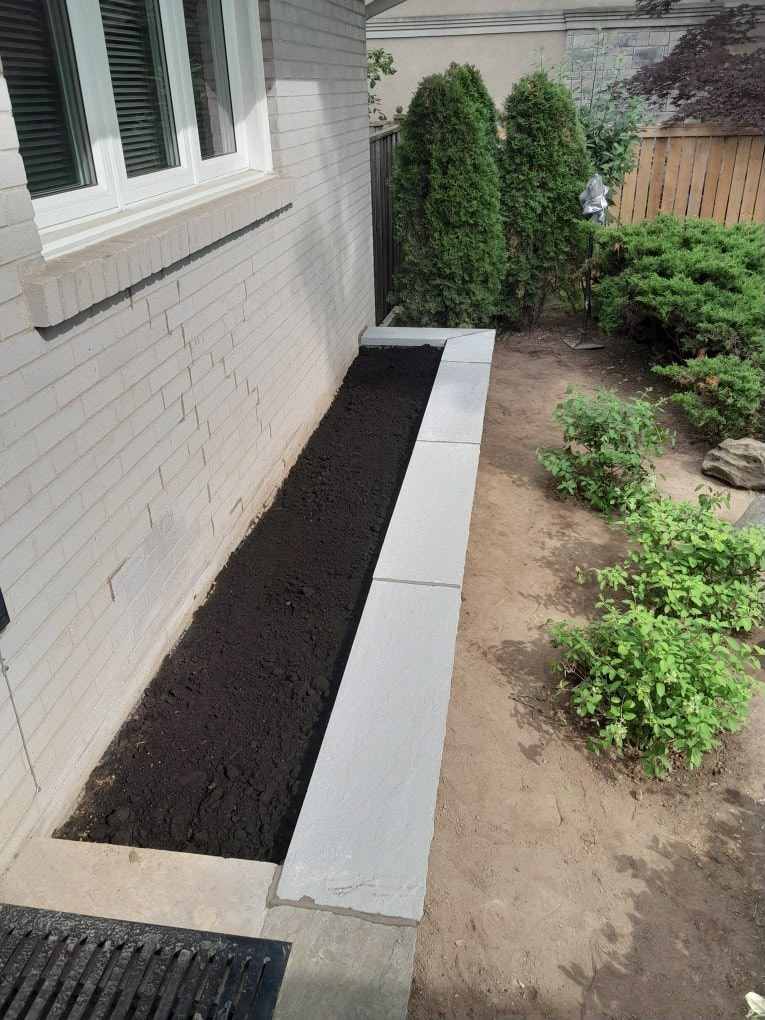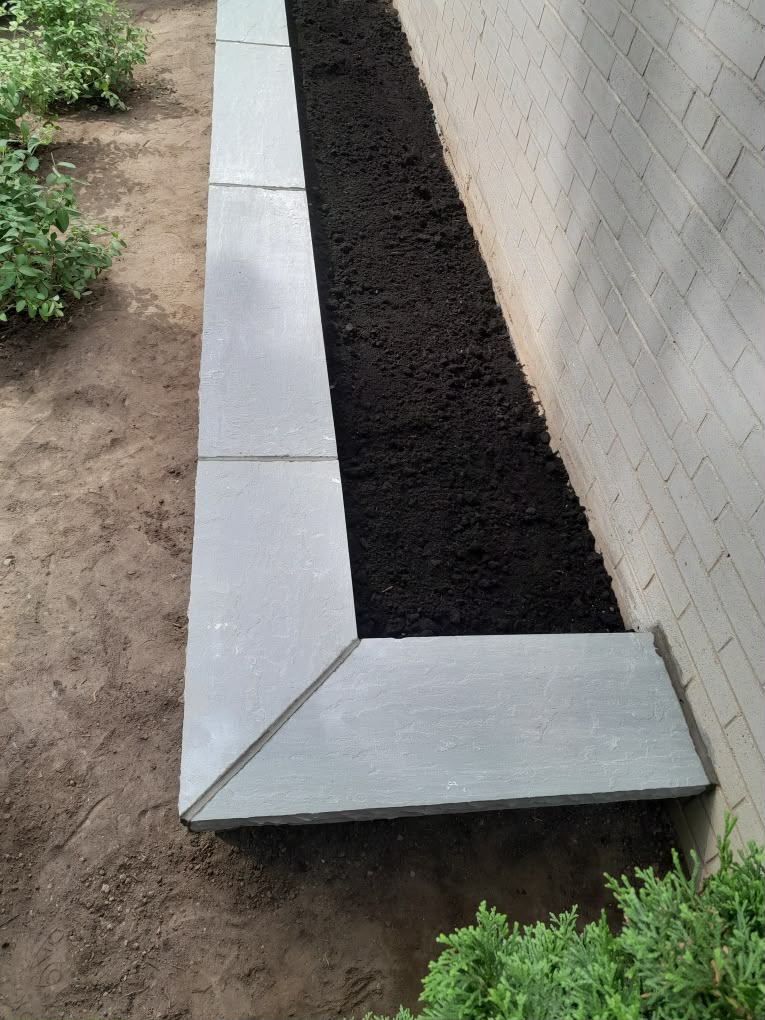

Masonry around gardens can make a Toronto yard more useful, easier to maintain, and better organized. Brick, stone, concrete, retaining walls, garden borders, raised beds, steps, walkways, and interlocking pavers can all help shape outdoor space. The key is to plan the masonry so it supports drainage, plant health, soil movement, winter durability, and the style of the home.
Garden masonry is not only about decoration. A small wall can hold soil in place. A stone border can separate planting areas from a walkway. Interlocking pavers can create a clean path through the yard. Concrete or stone steps can make a sloped garden safer. A retaining wall can turn an uneven backyard into usable levels.
For Toronto and GTA homeowners, masonry around gardens needs to handle rain, snow, freeze-thaw cycles, clay-heavy soil in some areas, mature tree roots, tight property lines, and drainage concerns near older homes. This guide shares practical tips and tricks for using masonry around gardens without causing water problems, maintenance issues, or premature repairs.
Start With the Purpose of the Garden Masonry
The best garden masonry starts with a clear purpose. Before choosing brick, stone, concrete, or interlocking pavers, decide what the masonry needs to do. A decorative border, retaining wall, pathway, raised planter, patio edge, and set of garden steps all have different requirements.
A low brick border may only need to define a planting bed. A retaining wall may need to hold back soil and manage water pressure. A walkway needs a stable base and safe surface. Steps need proper height, tread depth, drainage, and winter traction. A raised bed beside the house needs careful moisture control so soil and water do not sit against the foundation.
When homeowners choose material first and function second, the result can look good at first but fail later. A garden wall that is too light may lean. A path without enough base may sink. A wall without drainage may bulge. A border placed too close to brickwork may trap moisture.
For broader outdoor masonry planning, A&A Masonry’s page on masonry services in Toronto outlines related work, including stone masonry, interlocking, retaining walls, concrete repairs, brick repairs, and waterproofing.
Why Garden Masonry Needs Extra Planning in Toronto
Garden masonry in Toronto requires extra planning because outdoor features face moisture, freezing in winter, soil movement, salt, shade, and seasonal plant growth. A garden that looks dry in summer may hold a lot of moisture in spring or after heavy rain.
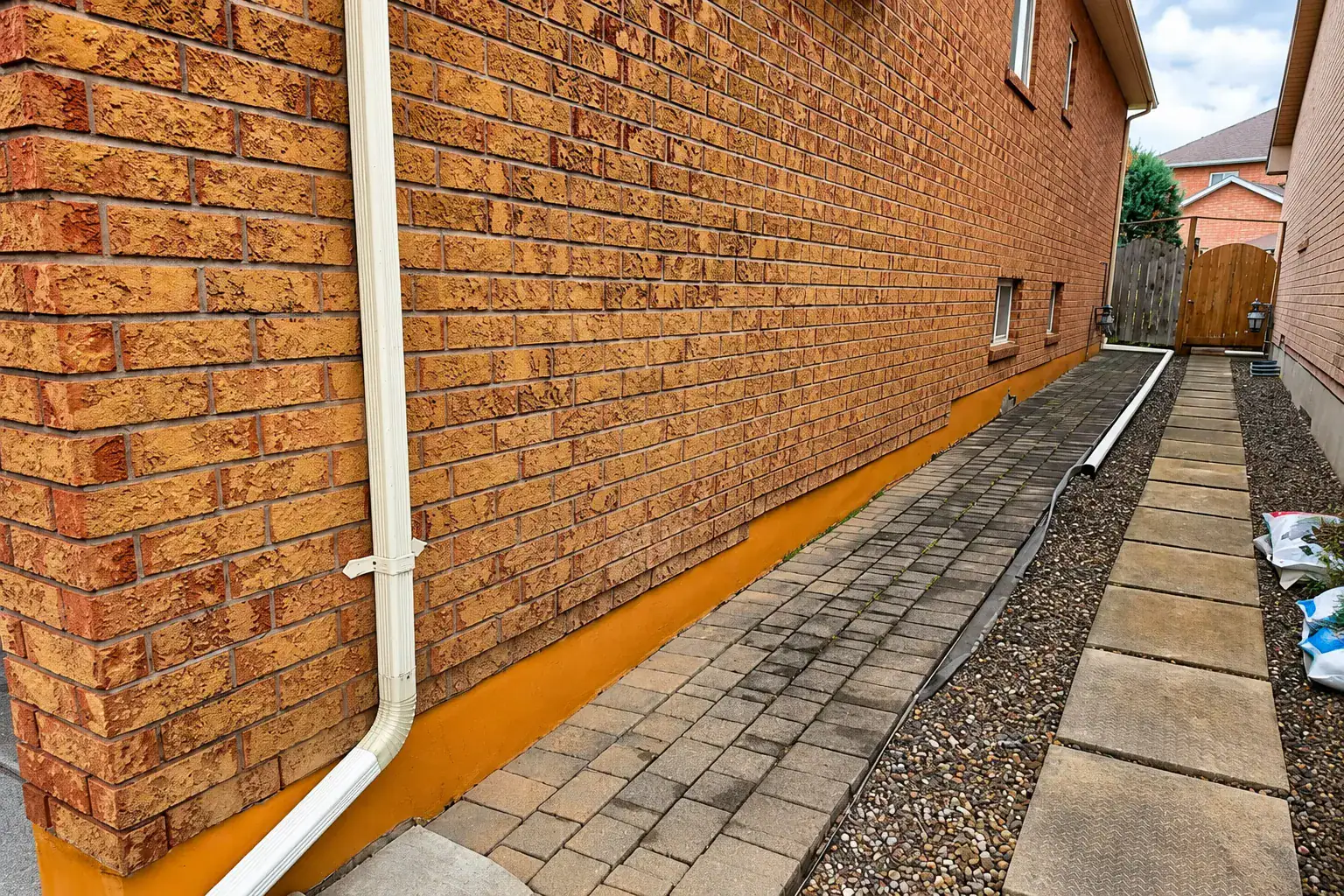
Toronto yards often have hard surfaces close to planted areas. Patios, walkways, driveways, downspouts, fences, garages, and older foundation walls can all affect where water goes. If masonry directs water toward the house or holds wet soil against brick, it can create problems beyond the garden.
The City of Toronto explains that managing rainwater and meltwater is important for reducing water problems around properties. Its guide to managing rainwater and melted snow is useful for homeowners planning garden masonry, as every hard surface affects drainage.
Garden masonry should help water move safely through the yard. It should not trap water against foundations, send runoff toward neighbours, or create icy low spots in winter.
Use Stone for a Natural Garden Look
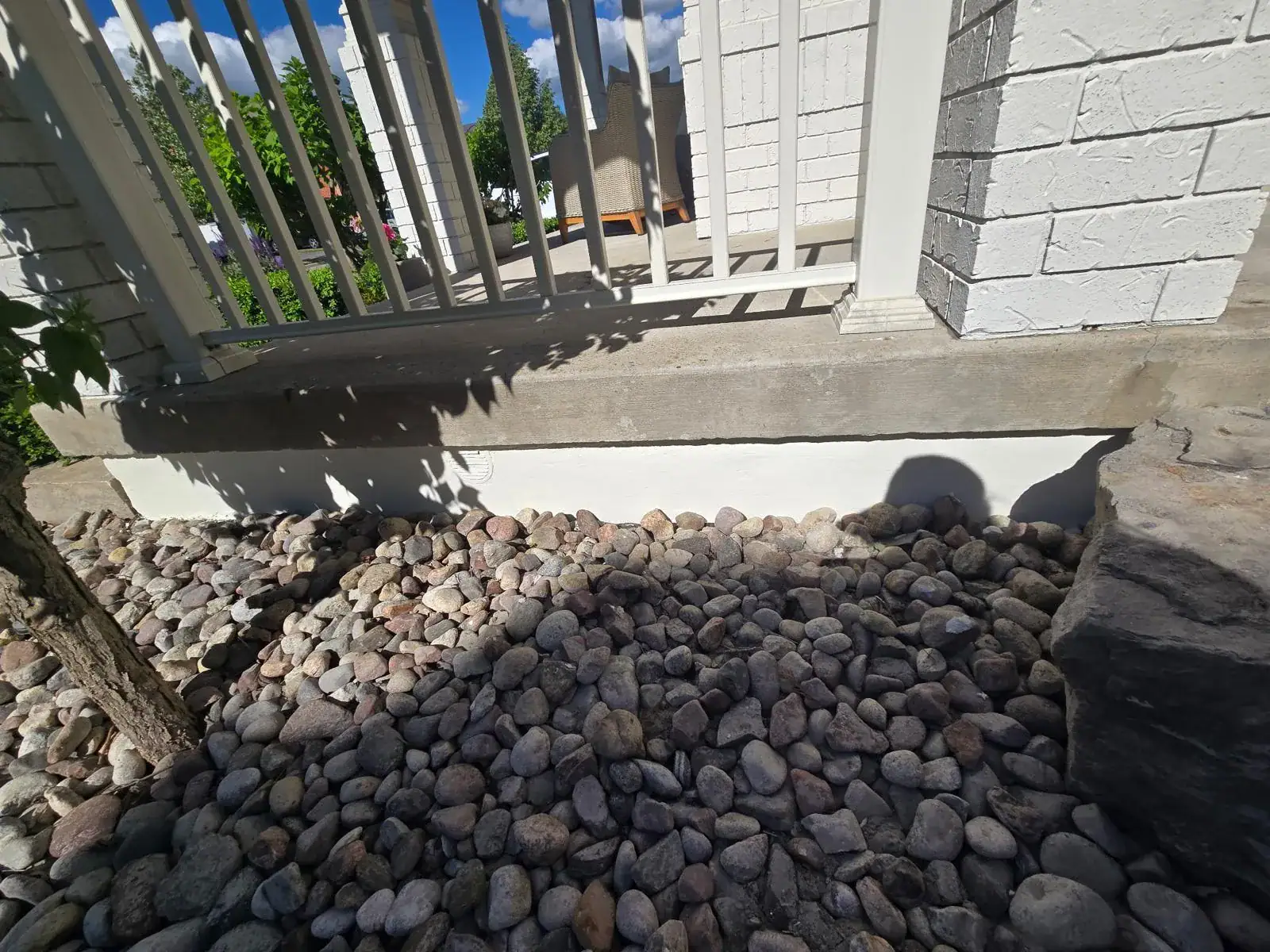
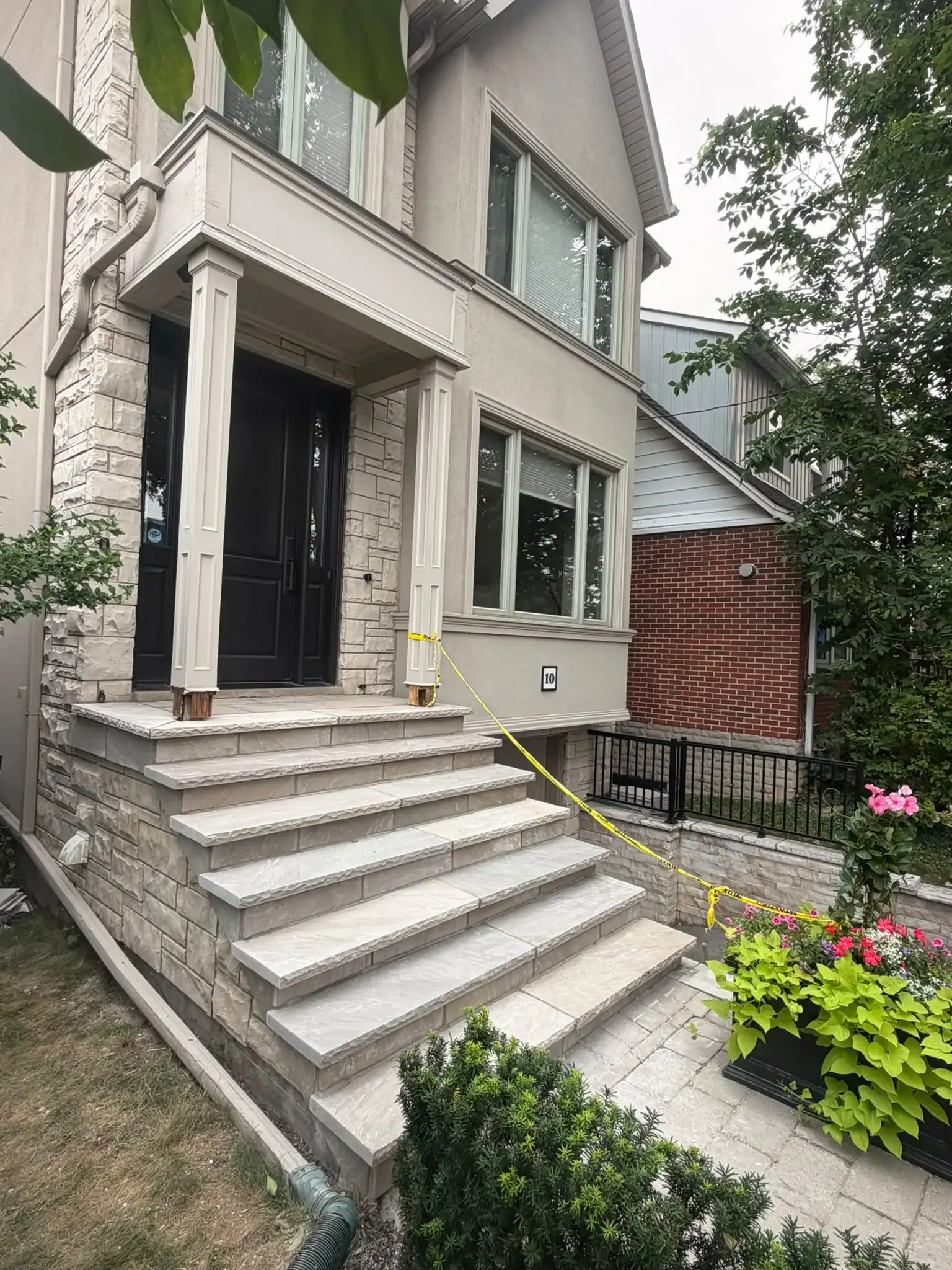
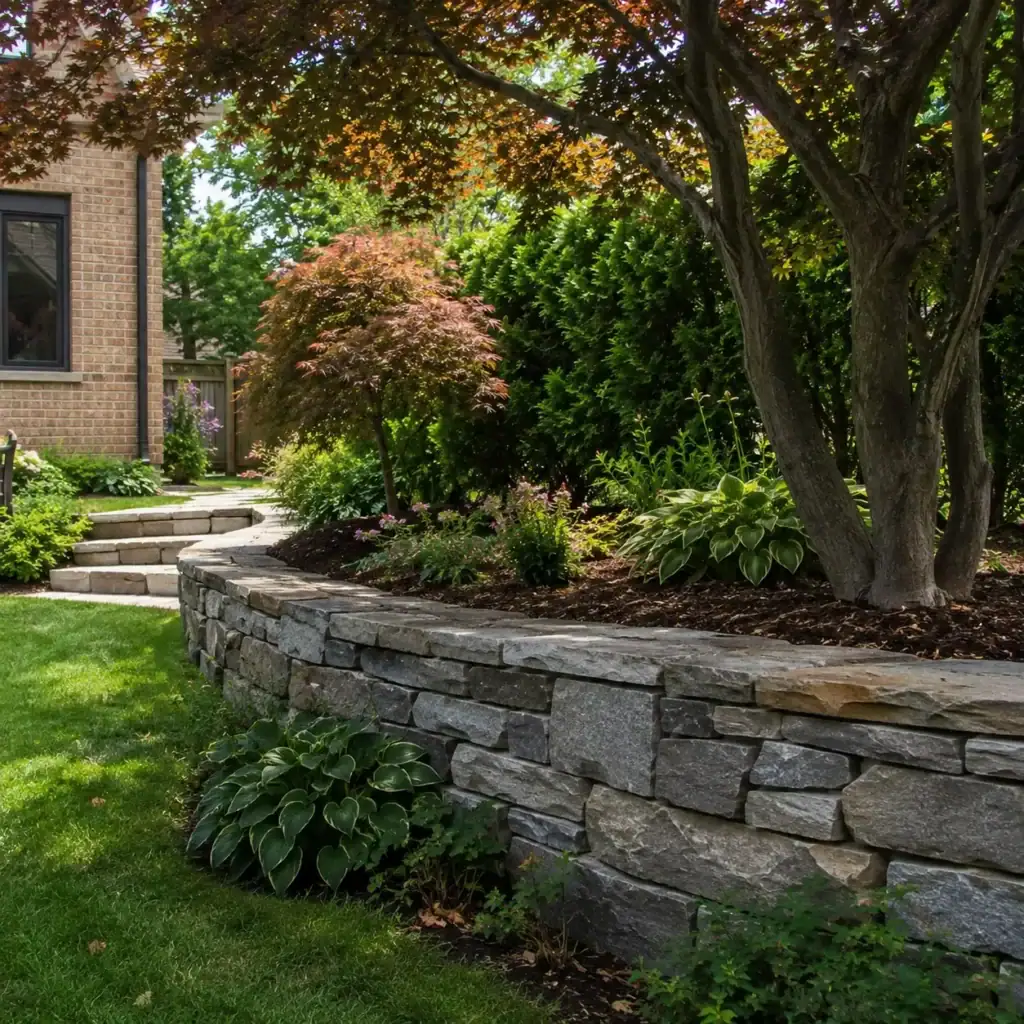
Stone is often one of the best materials for garden masonry when the homeowner wants a natural, long-lasting look. Natural stone fits well with plants, trees, mulch, gravel, lawns, and older Toronto brick homes.
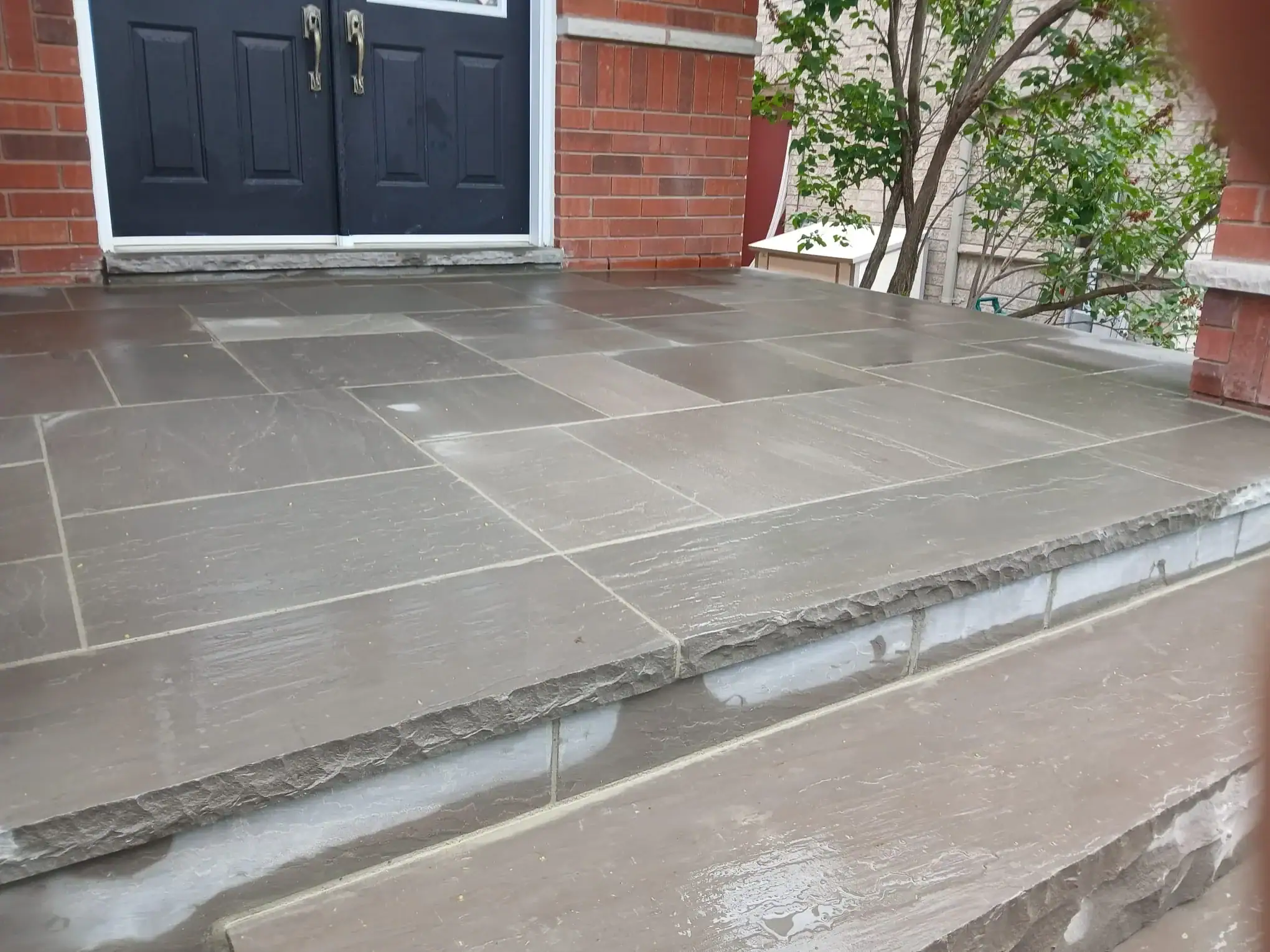
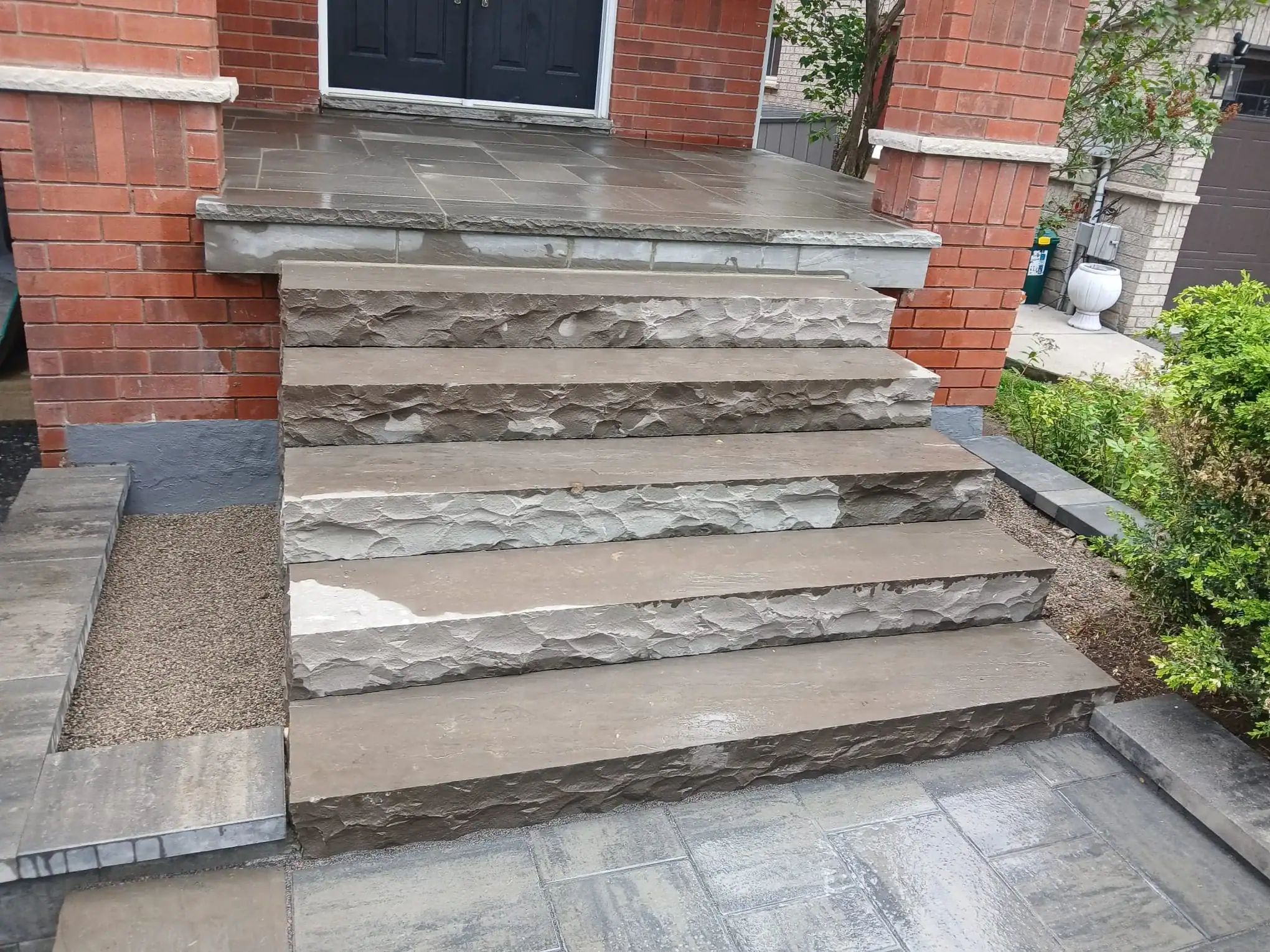
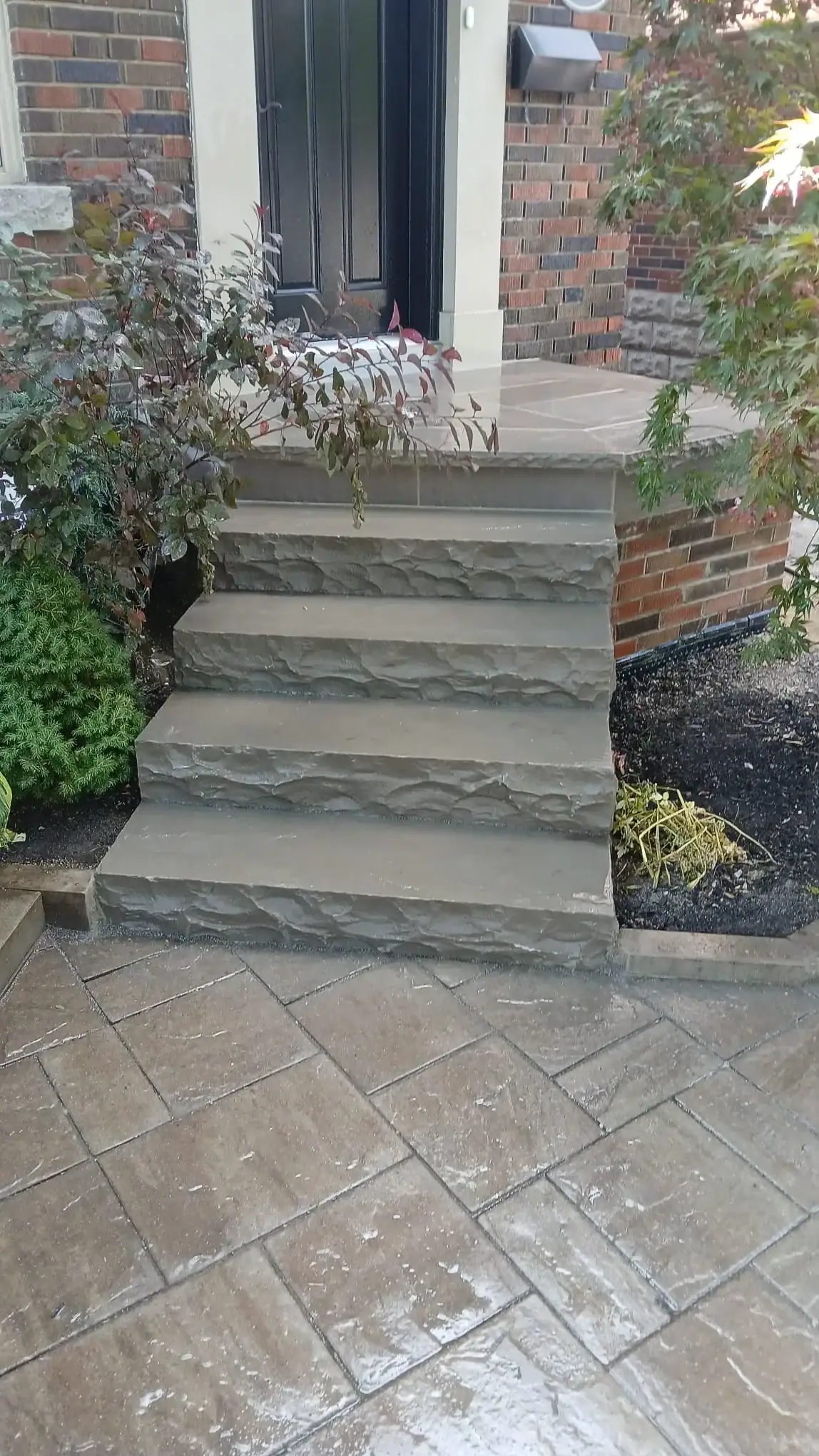
Stone can be used for garden walls, borders, retaining walls, steps, pathway edges, seat walls, water feature surrounds, and outdoor focal points. Because stone has natural colour and texture variation, it can age gracefully in a garden setting.
Choose stone if you want the masonry to feel like part of the landscape instead of a separate hard surface. It works especially well in mature gardens, shaded yards, and homes where the exterior already includes brick, stone, or traditional details.
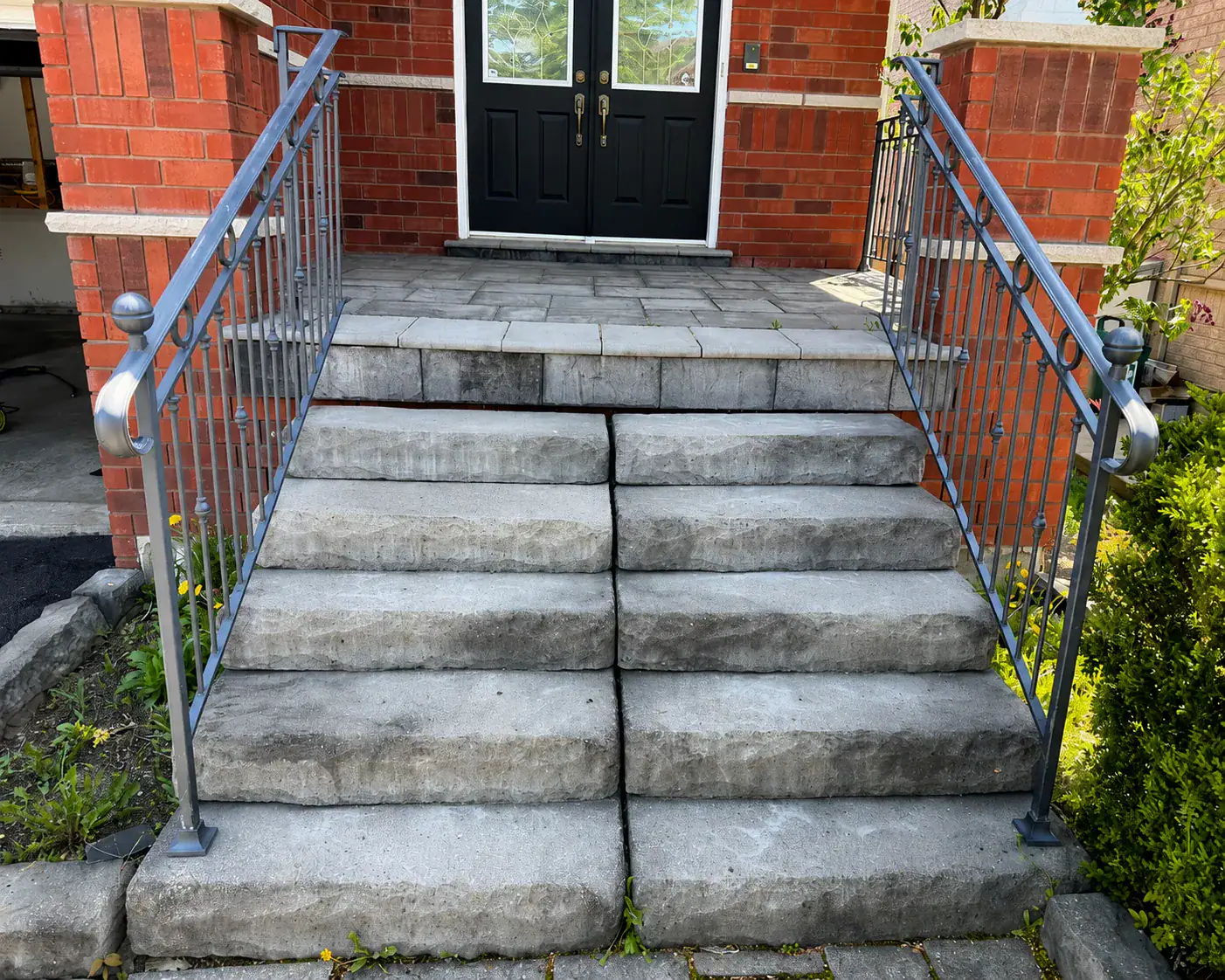
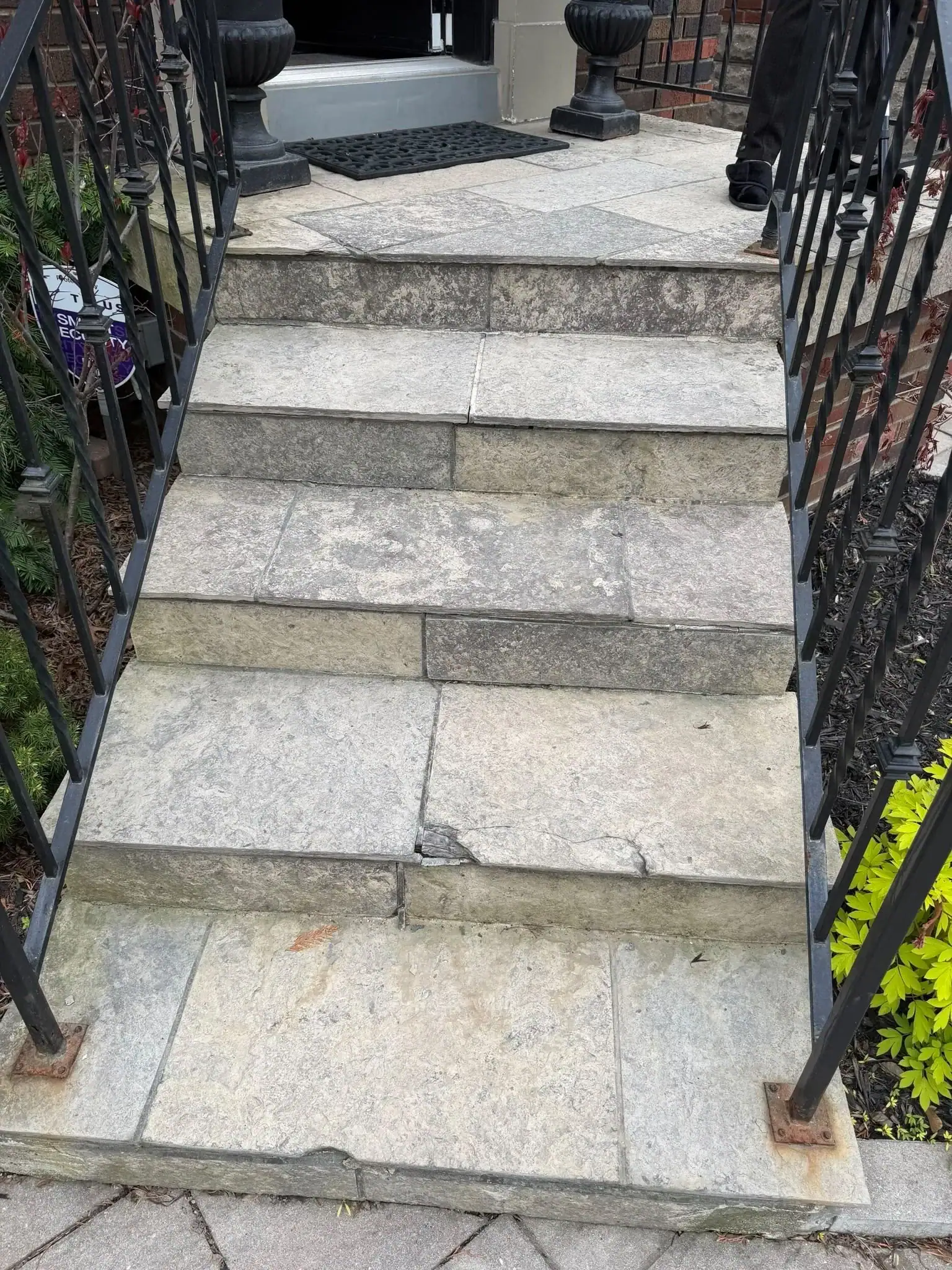
The main thing to remember is that stone still needs proper installation. A stone border can shift if the base is weak. A stone retaining wall can lean if water builds up behind it. A stone step can become unsafe if it settles unevenly.
If you are considering stone features, A&A Masonry’s stone masonry Toronto page explains common uses for stone walls, steps, exterior details, and custom masonry features.
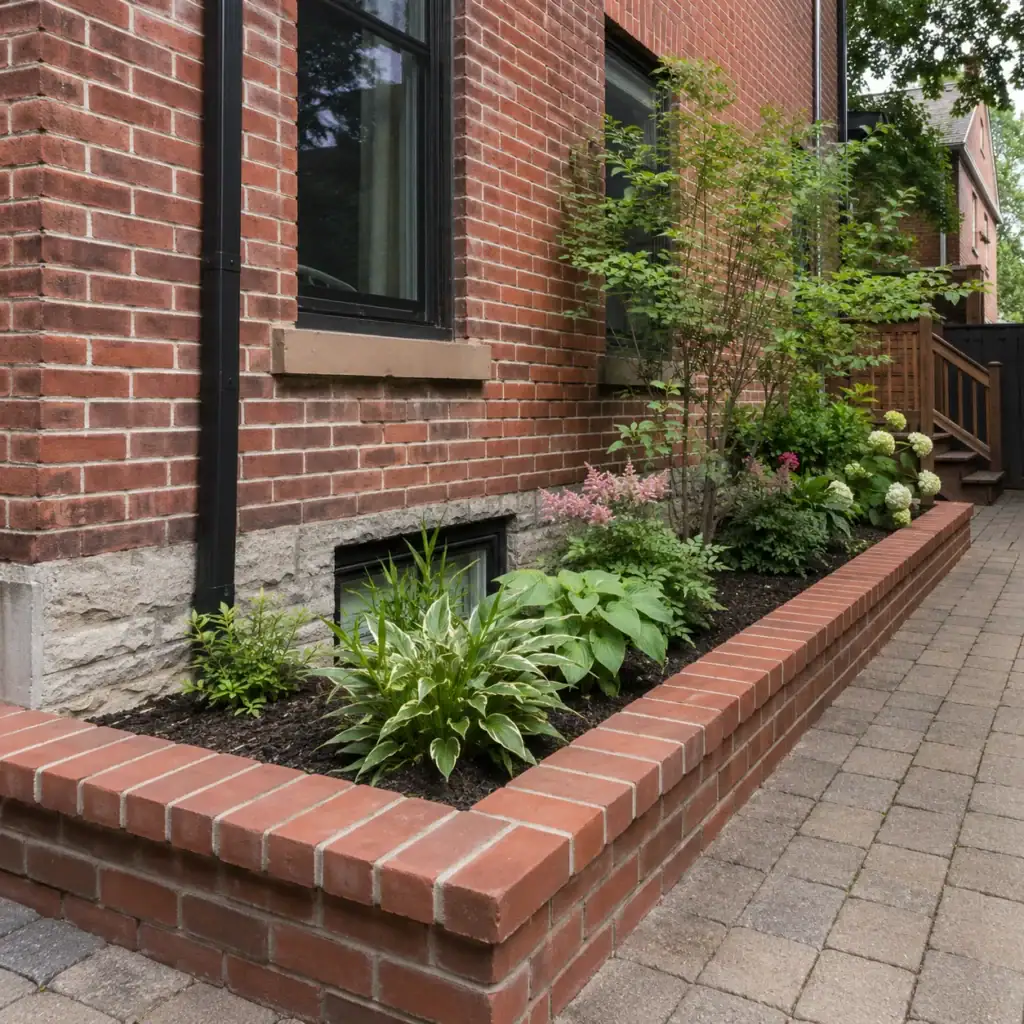
Use Brick Carefully Around Garden Beds
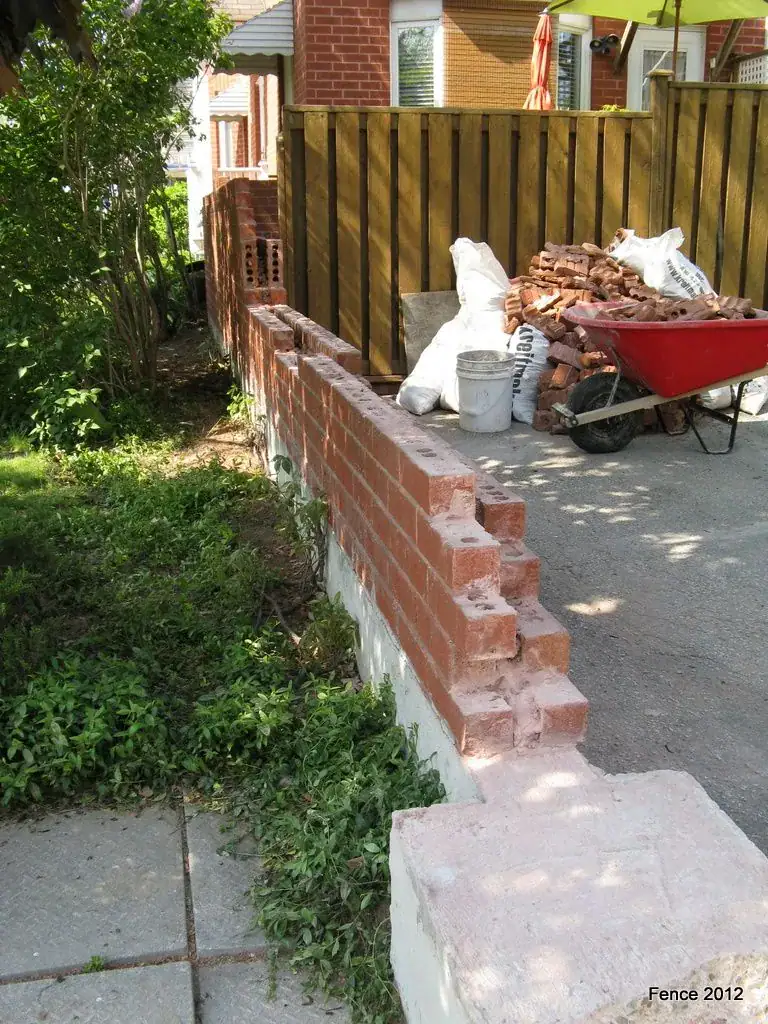
Brick can look beautiful around garden beds, especially beside older Toronto brick homes. It can create a traditional border, raised planter, low wall, or garden edge that visually connects to the house.
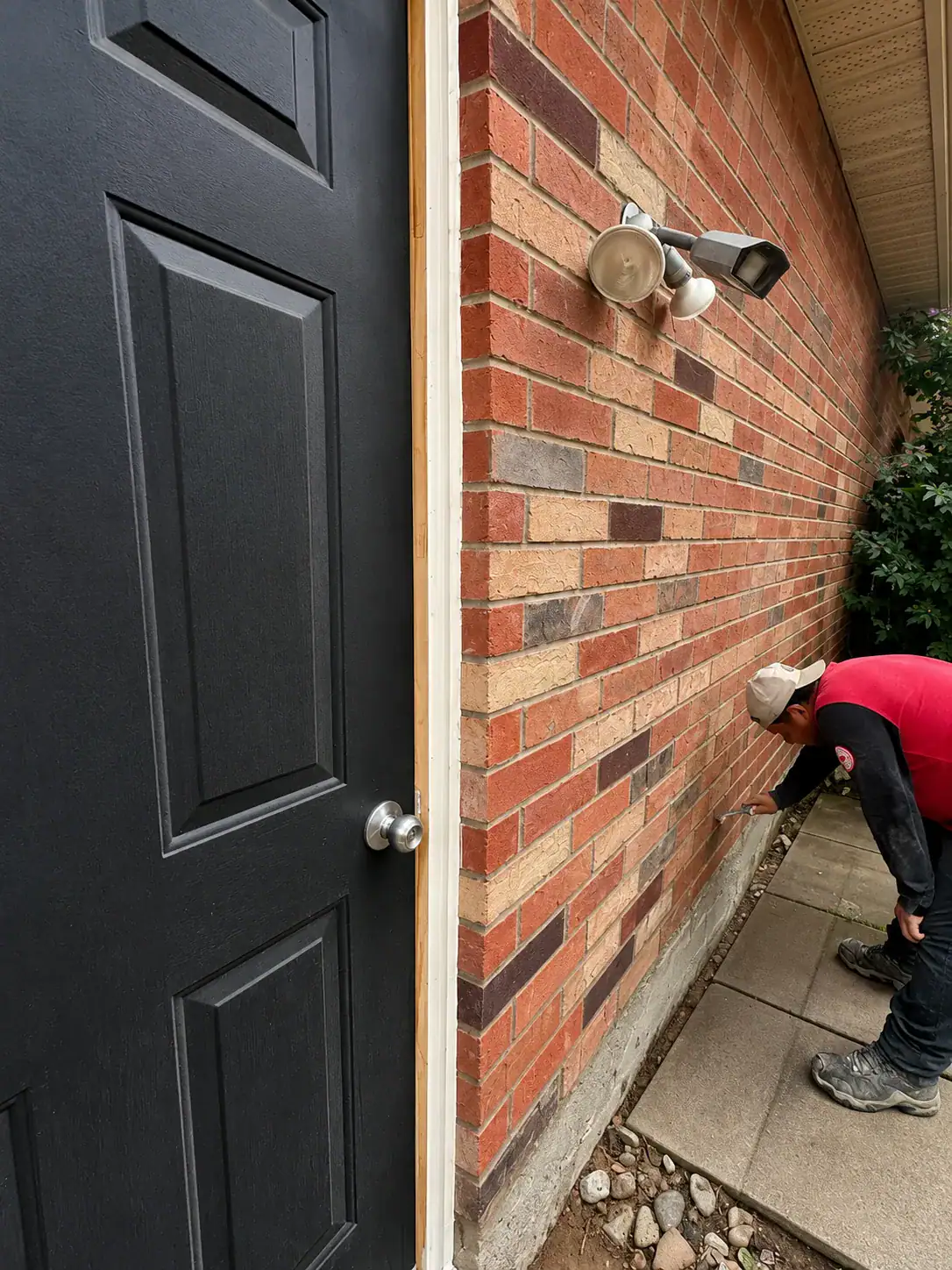
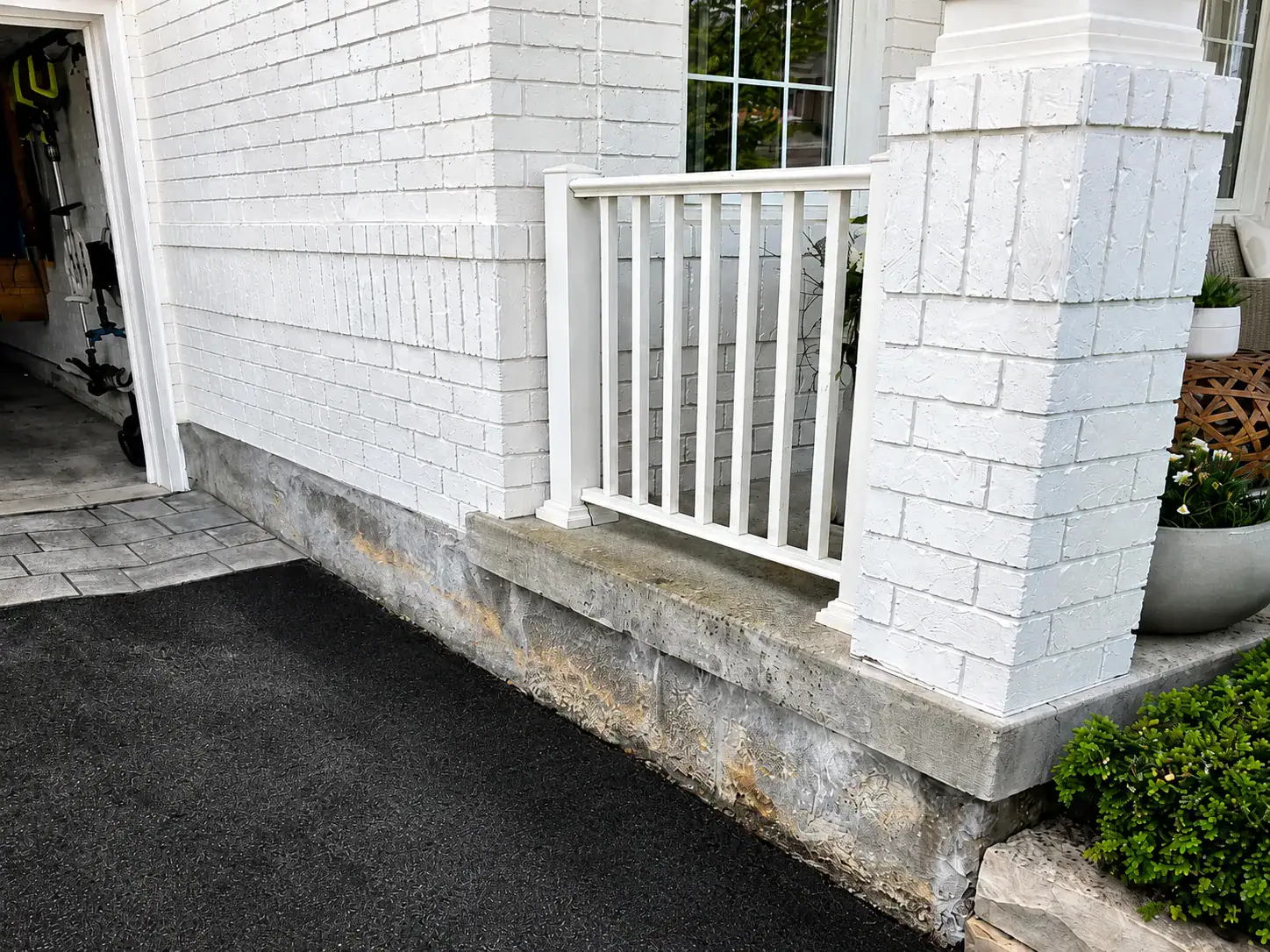
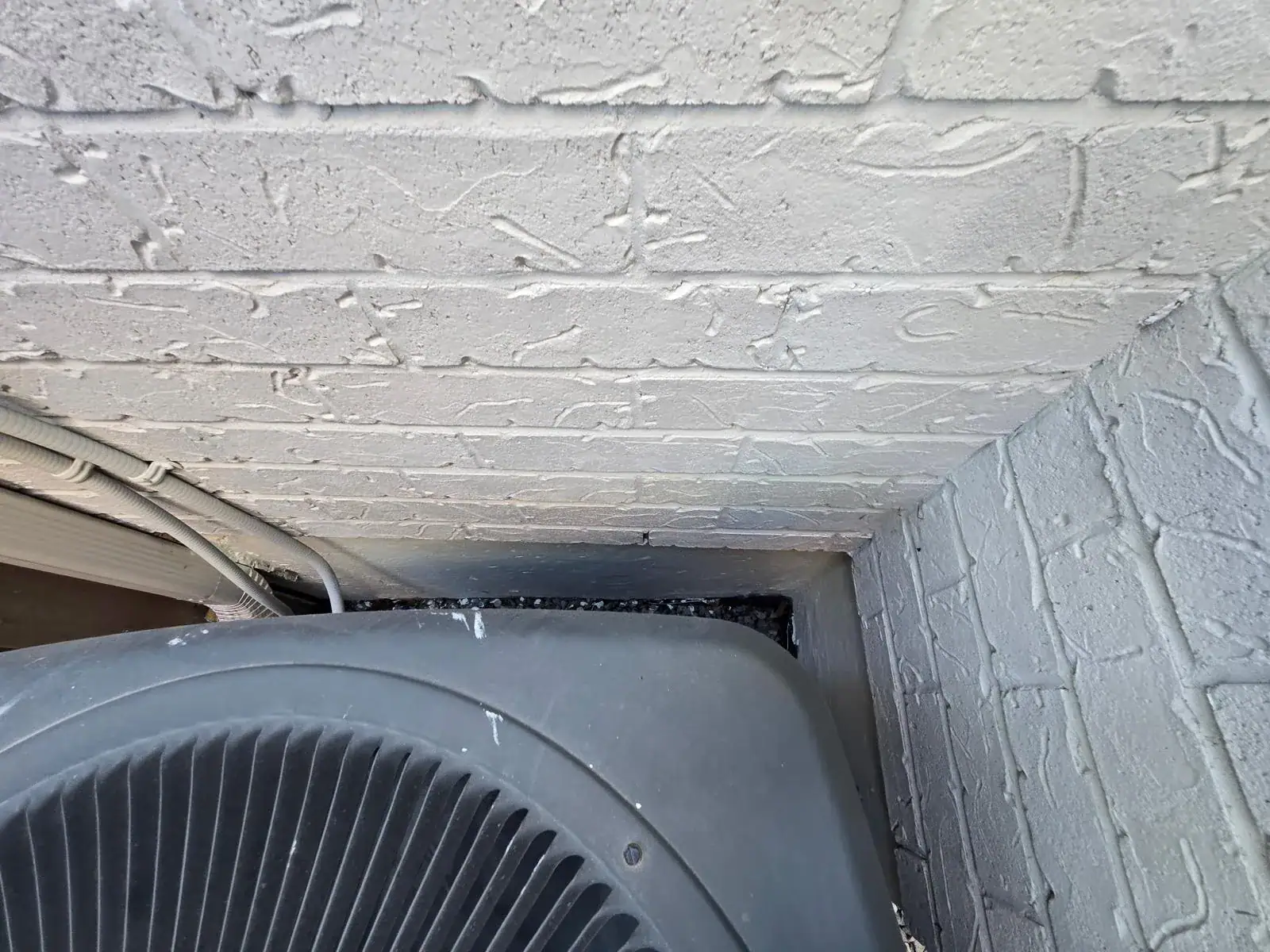
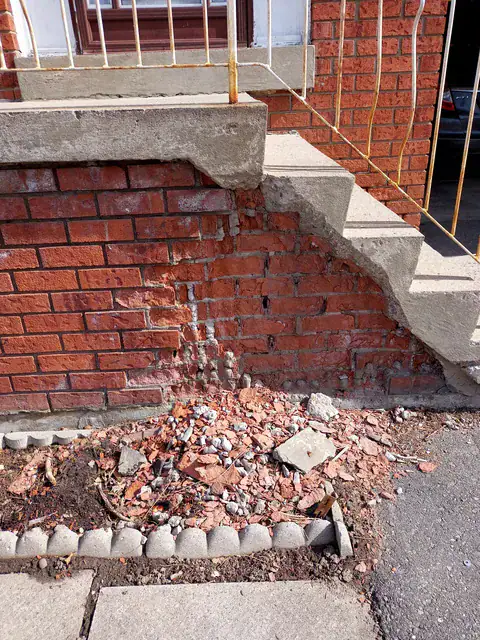
The caution is moisture. Garden beds hold soil, and soil holds water. If brick is placed where it stays damp for long periods, the brick and mortar can deteriorate faster. This is especially true when soil or mulch is piled directly against exterior brick, porch walls, or the foundation.
Brick garden masonry works best when it is used in low, well-drained, visible areas. It should be kept from constant exposure to wet soil when possible, and caps or top details should shed water rather than letting it soak downward.
For older homes, brick matching also matters. A bright new brick border may not suit a weathered historic facade. Reclaimed or carefully selected brick may look more natural, but it still needs to be suitable for exterior exposure.
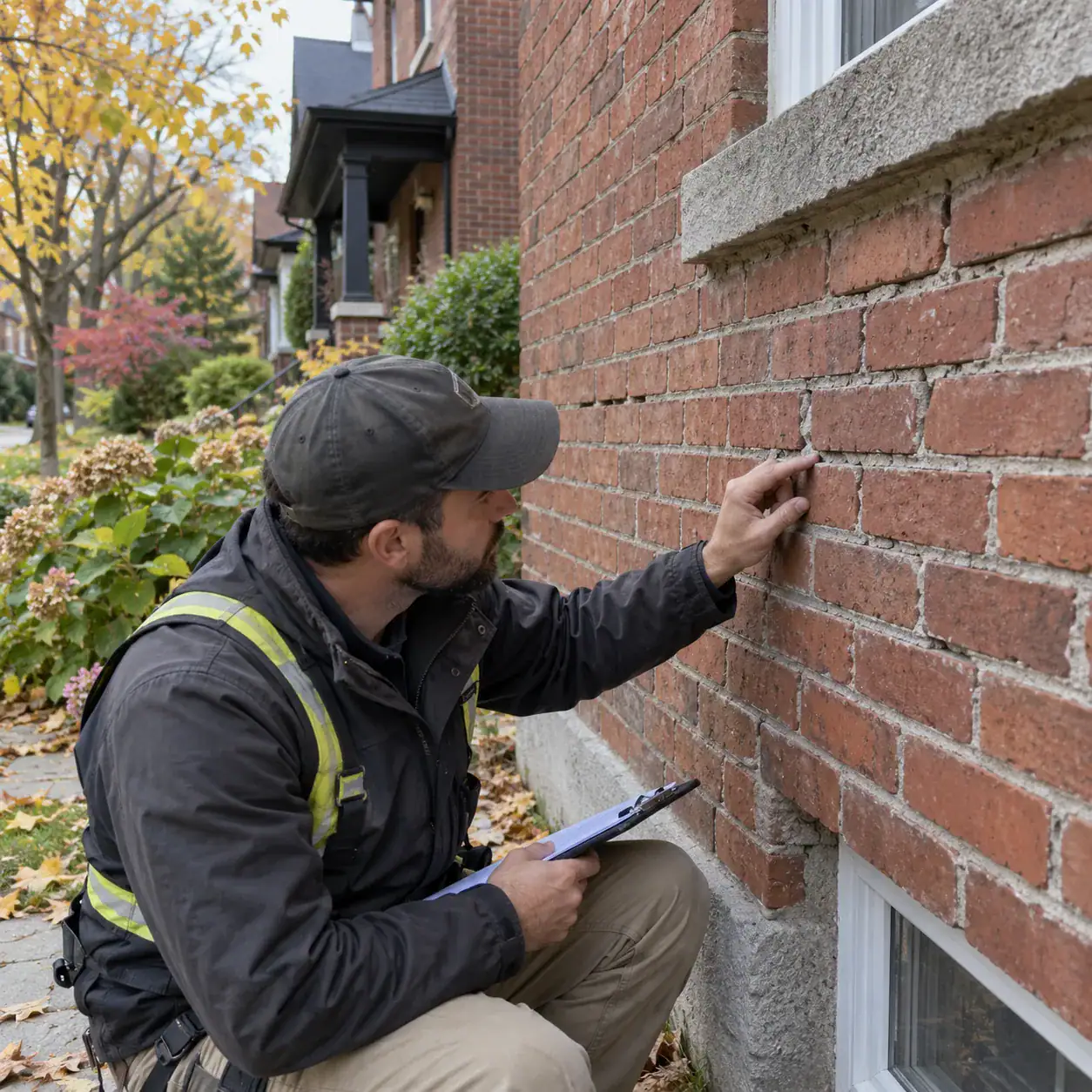
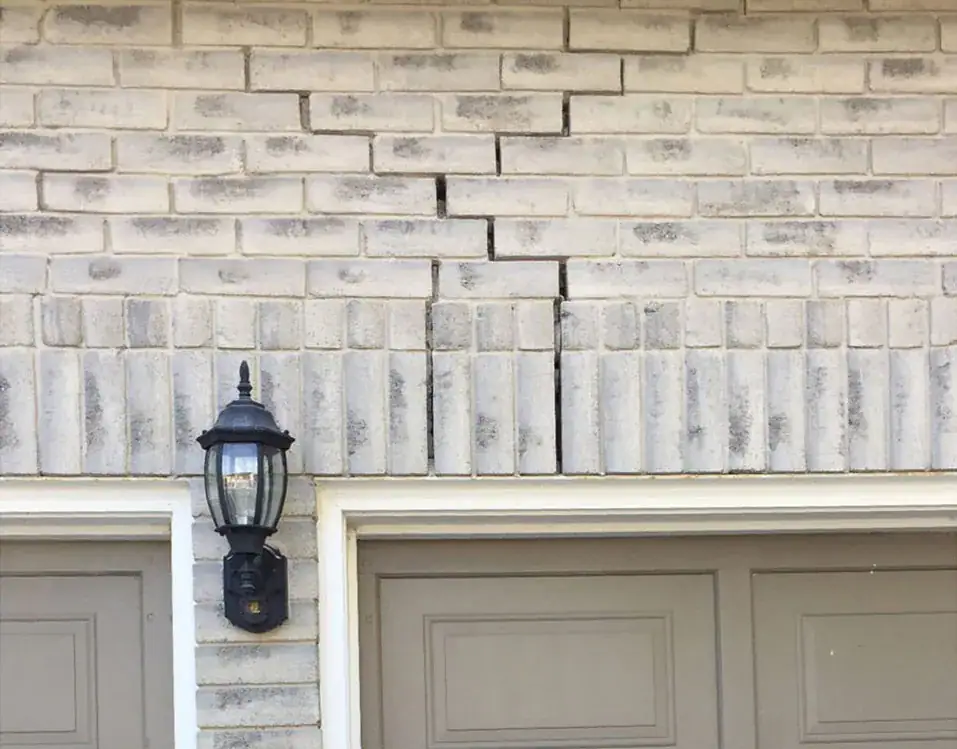
If existing garden-side brickwork is already cracking, crumbling, or spalling, A&A Masonry’s brick repair Toronto page can help homeowners understand when repair should come before new landscaping.
Use Retaining Walls to Manage Slopes and Soil
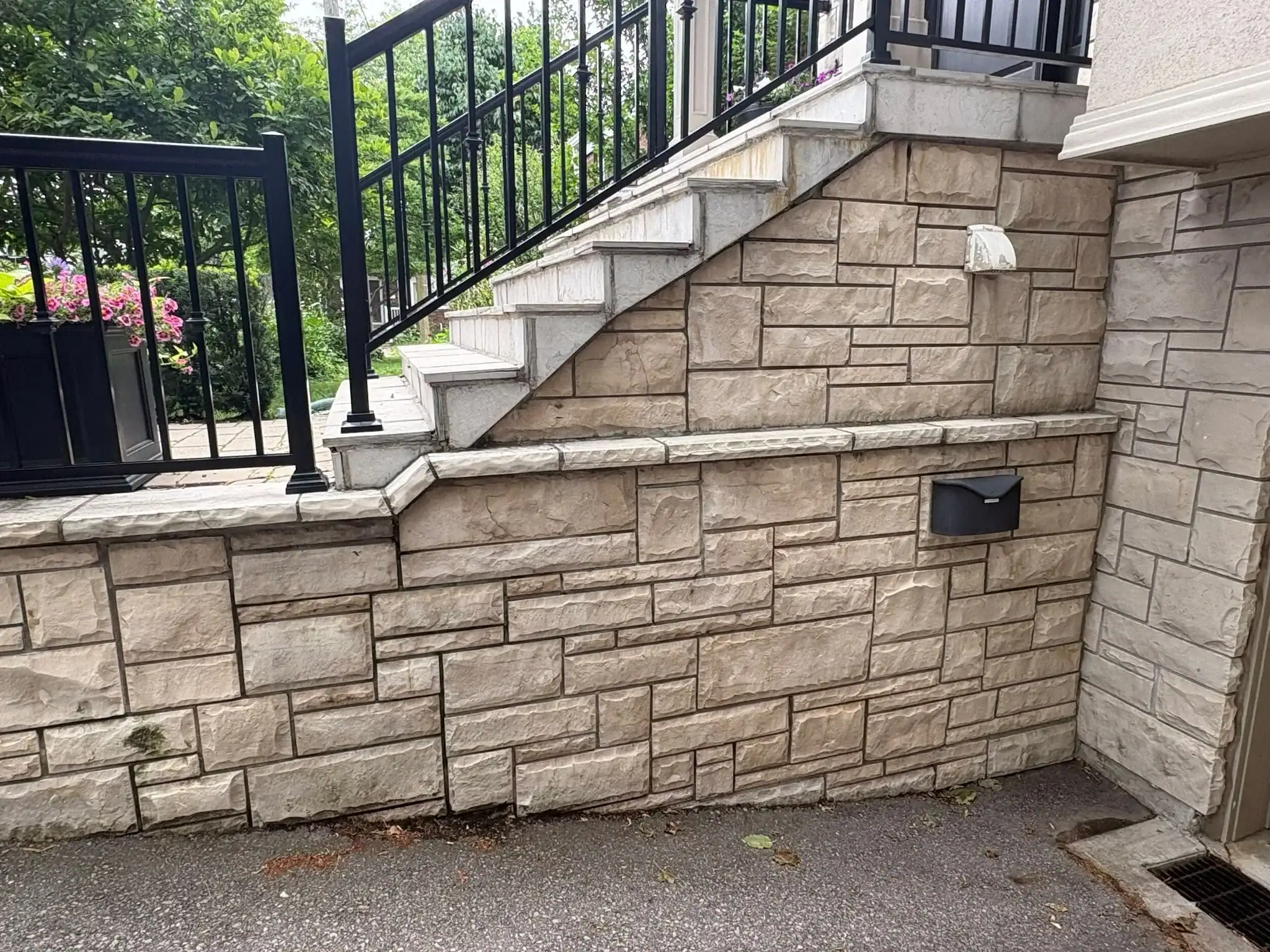
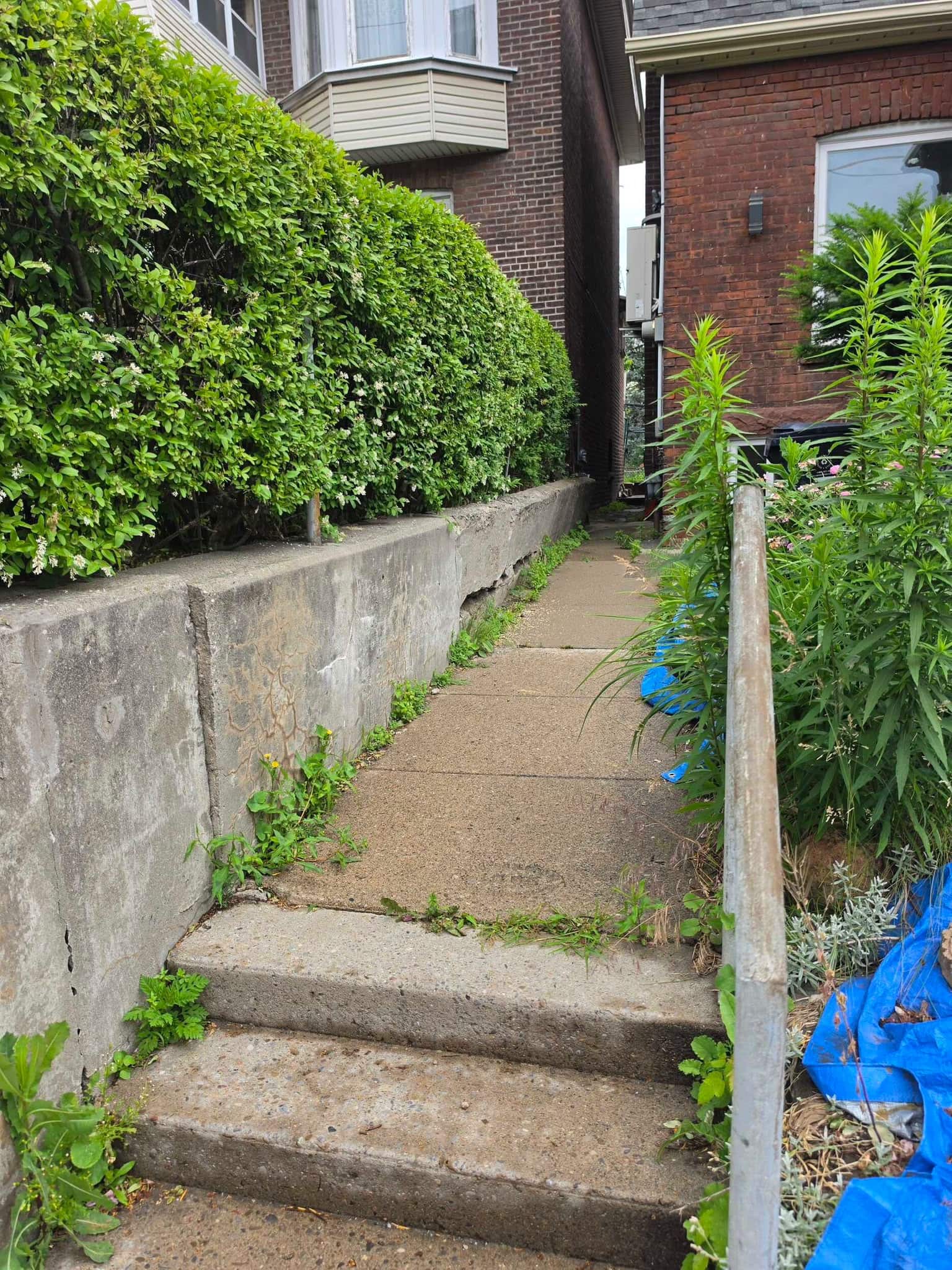
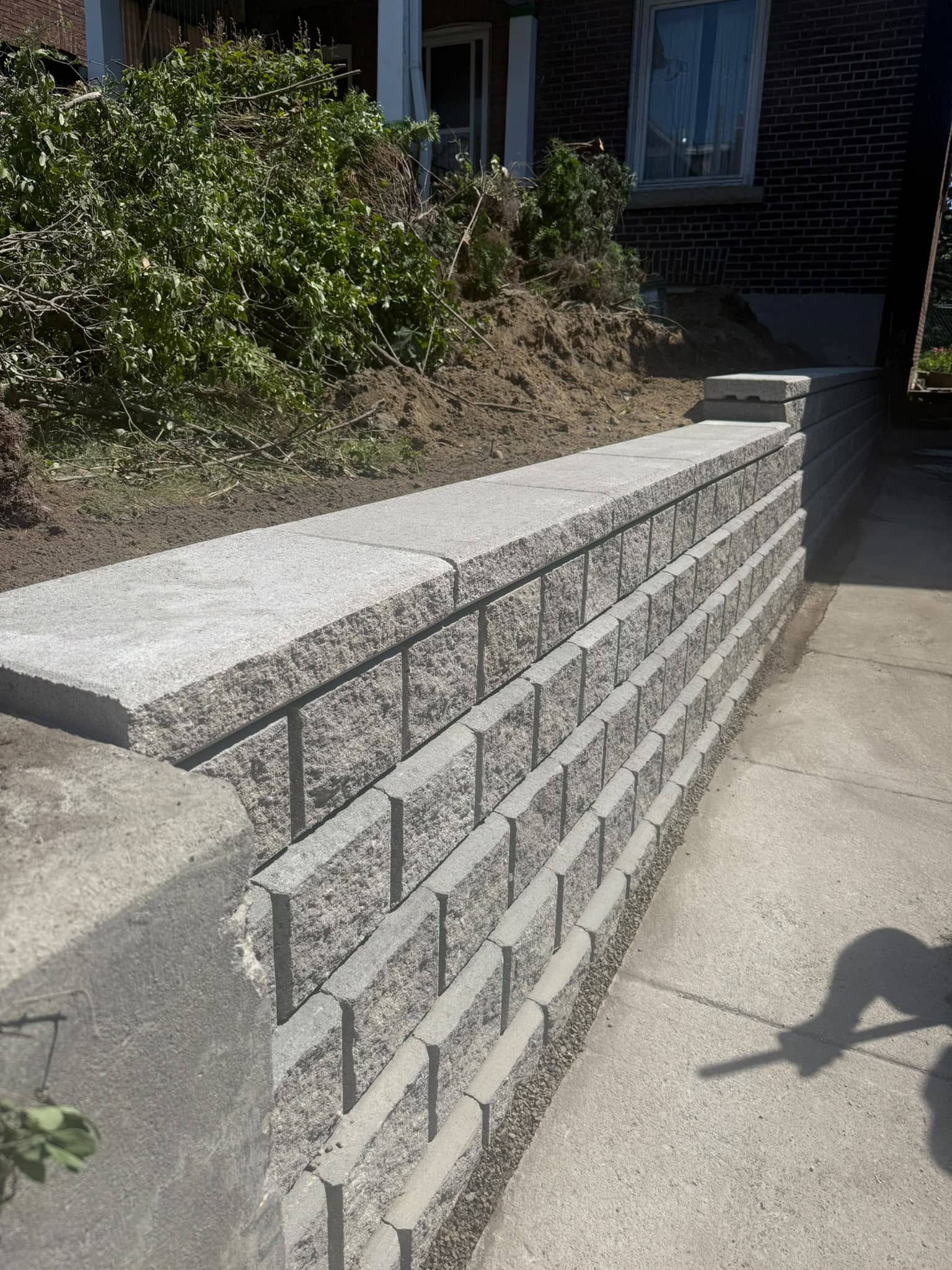
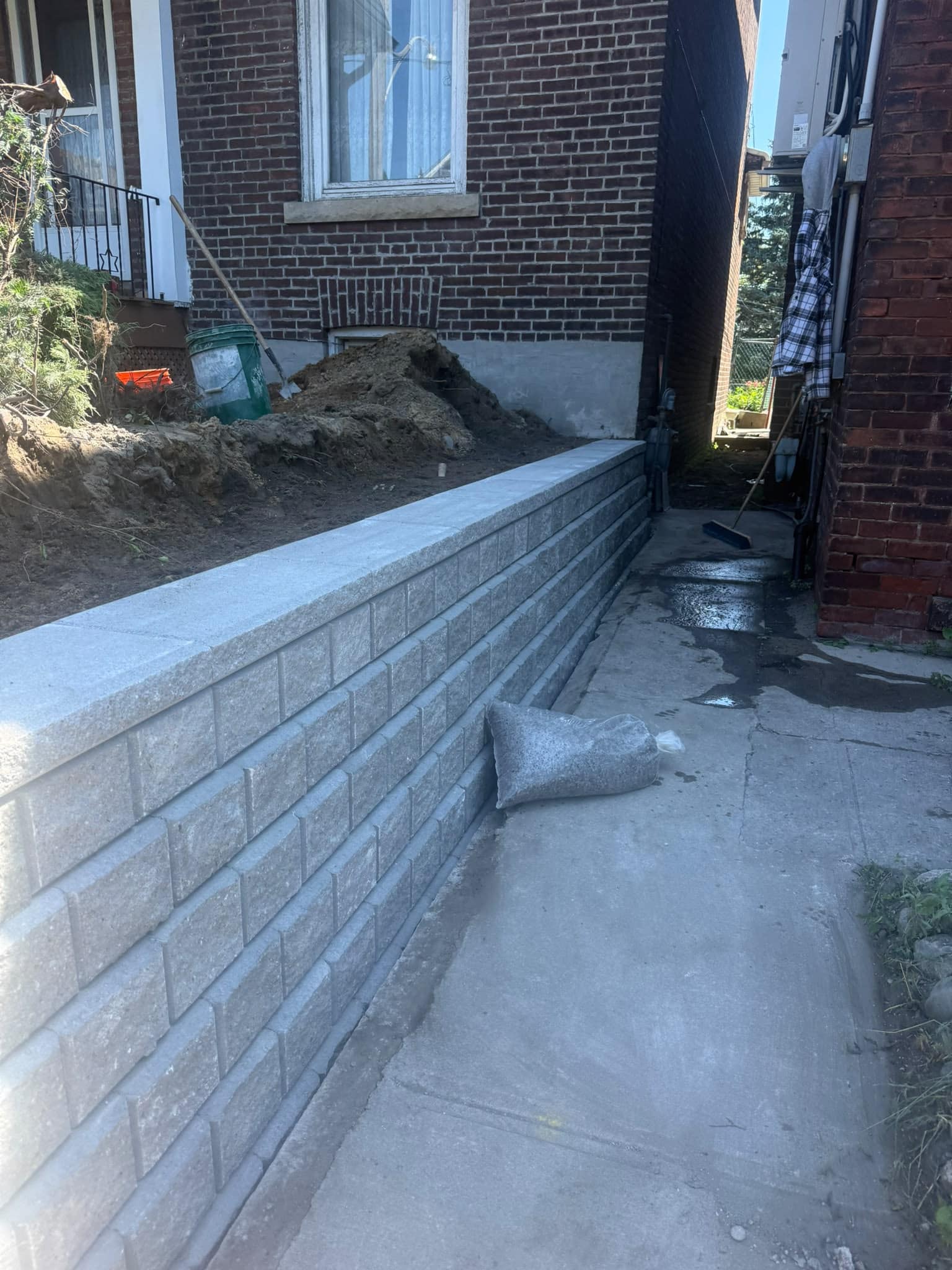
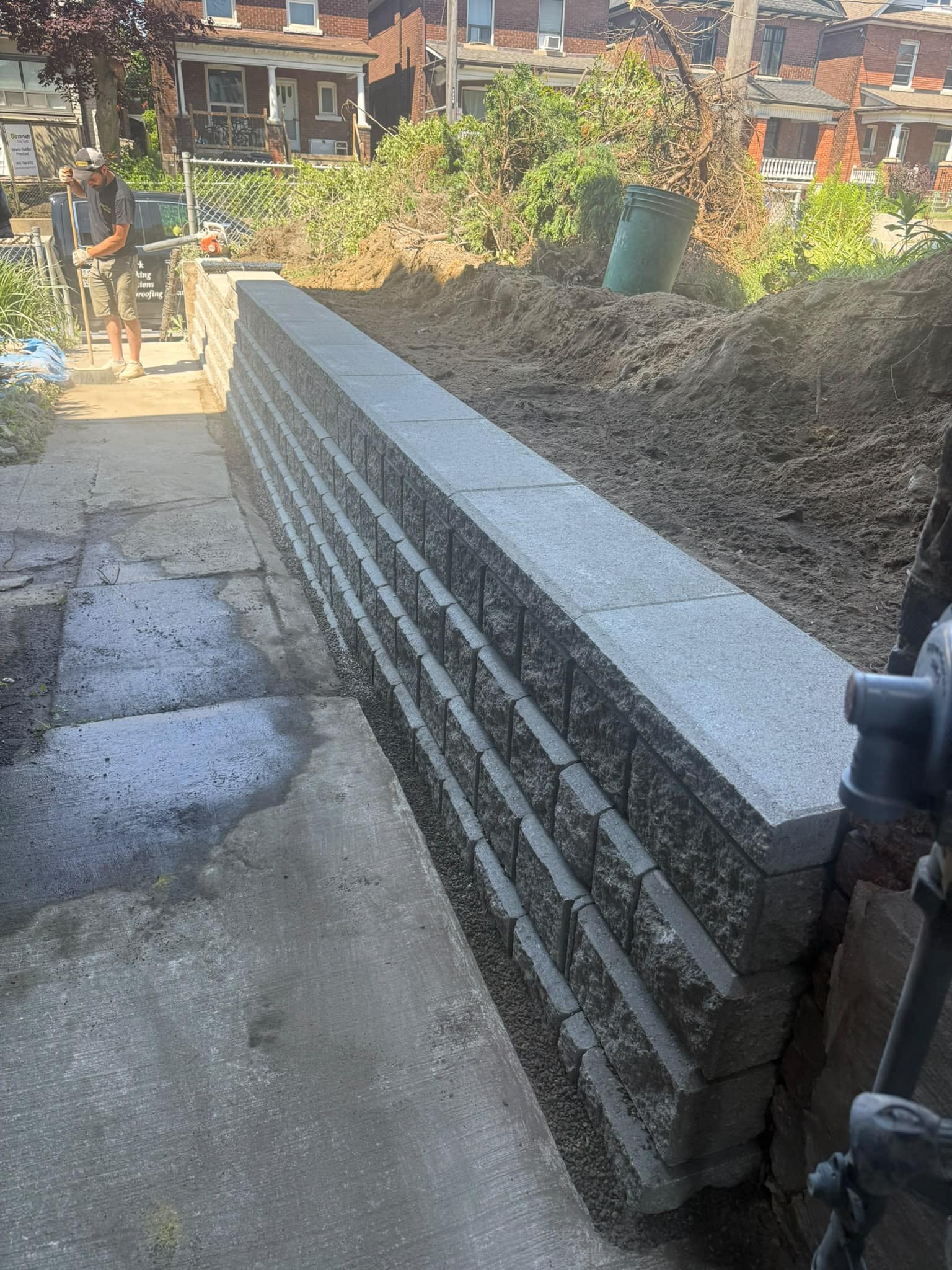
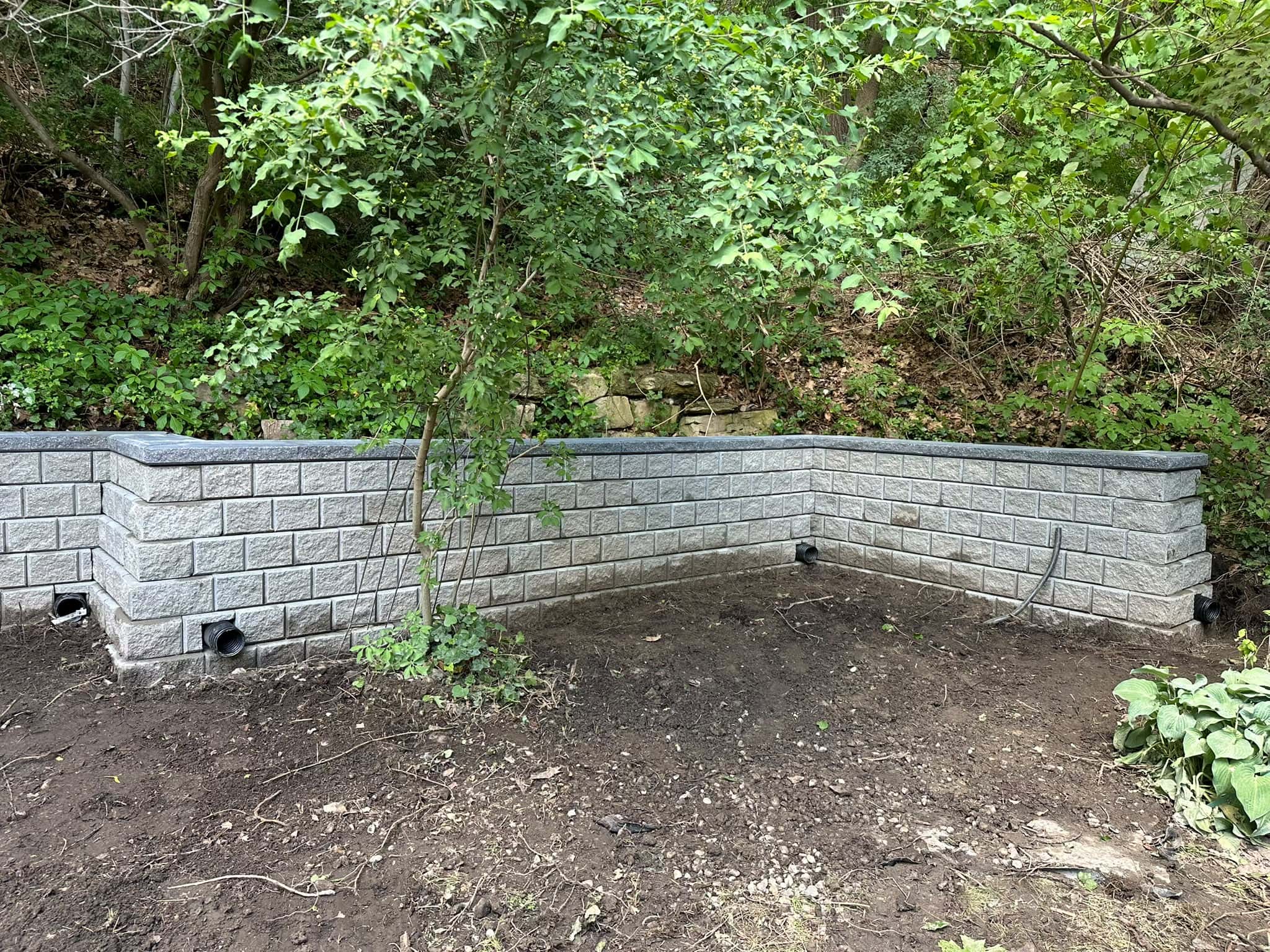
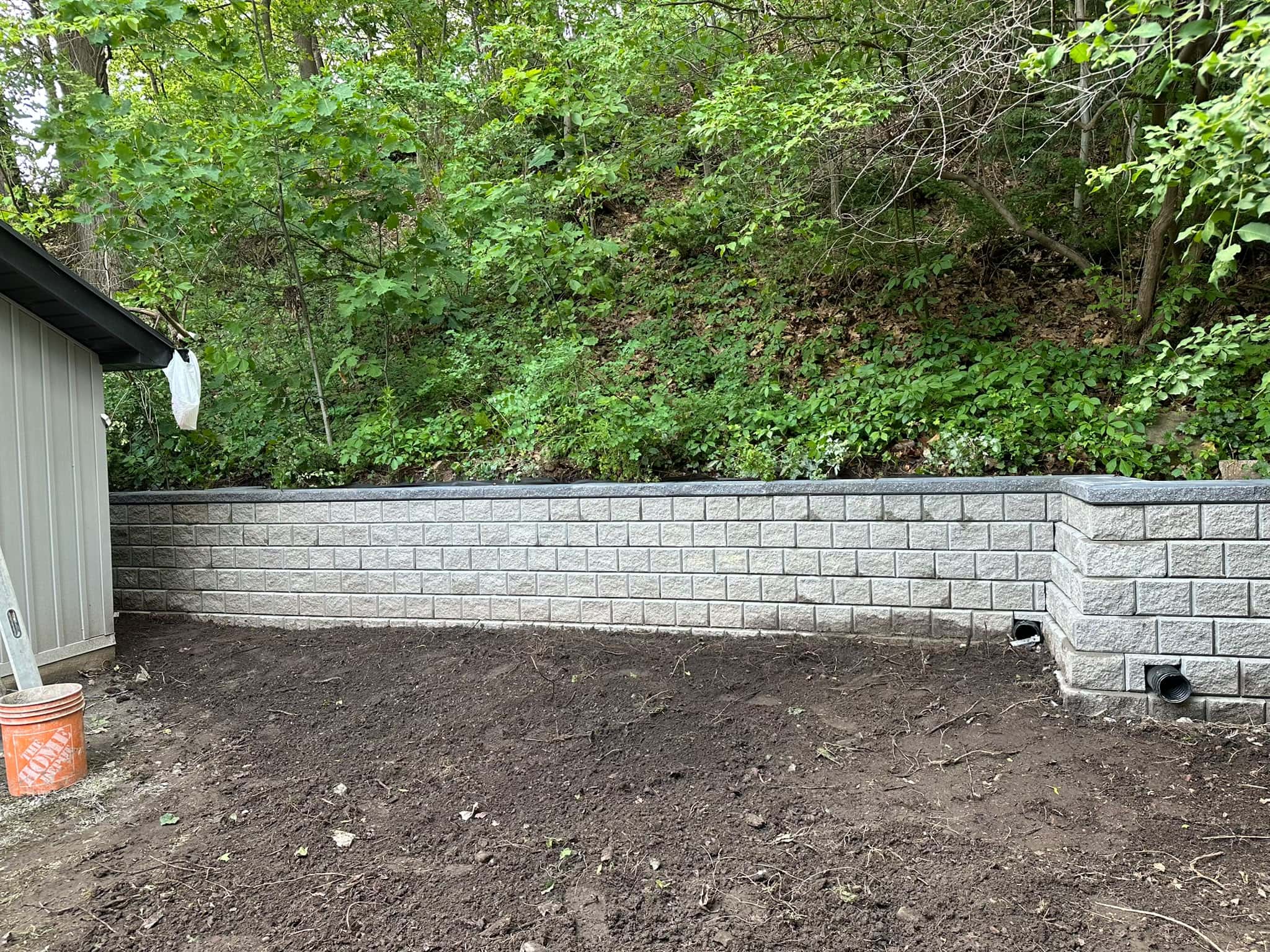
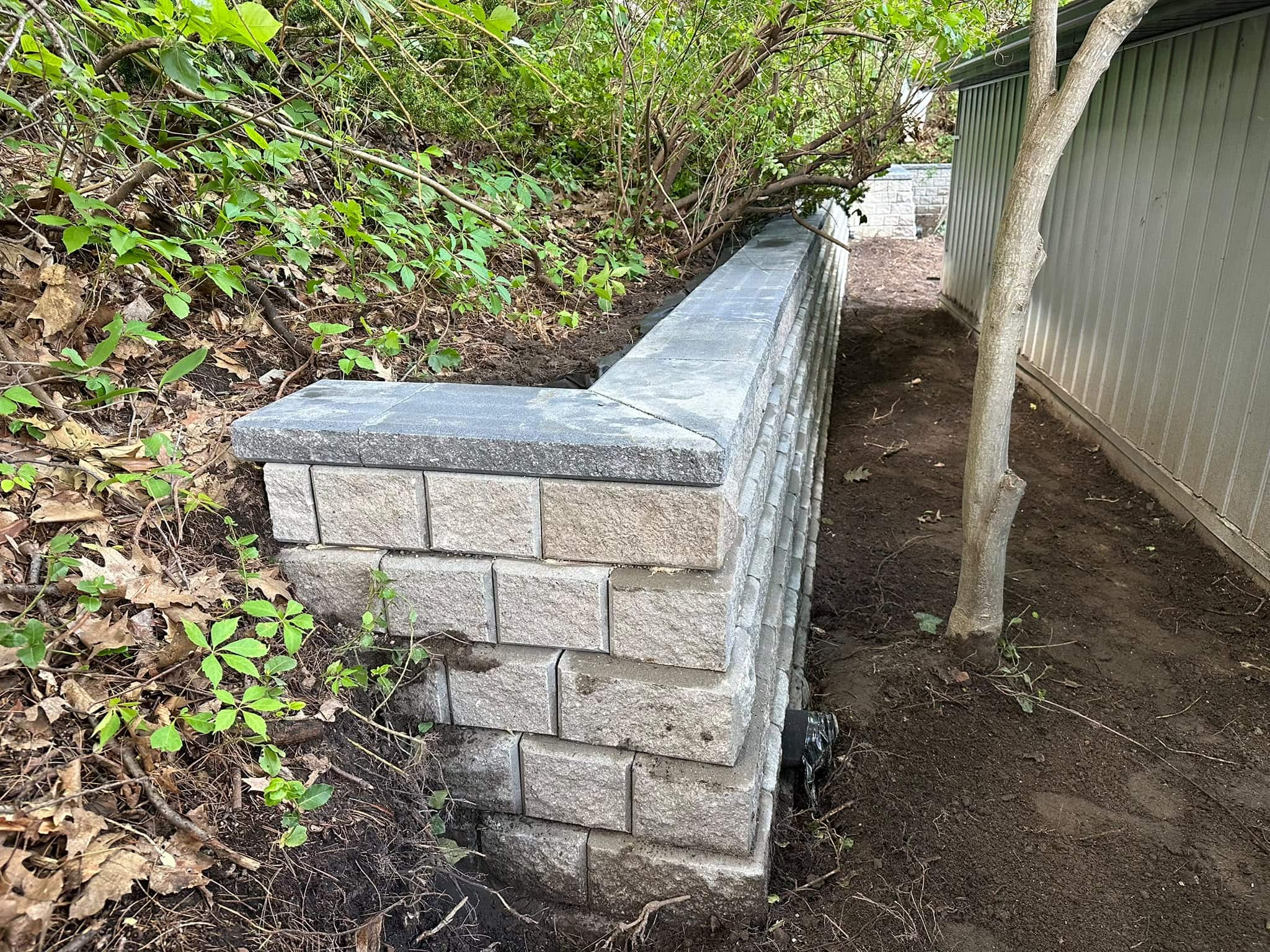
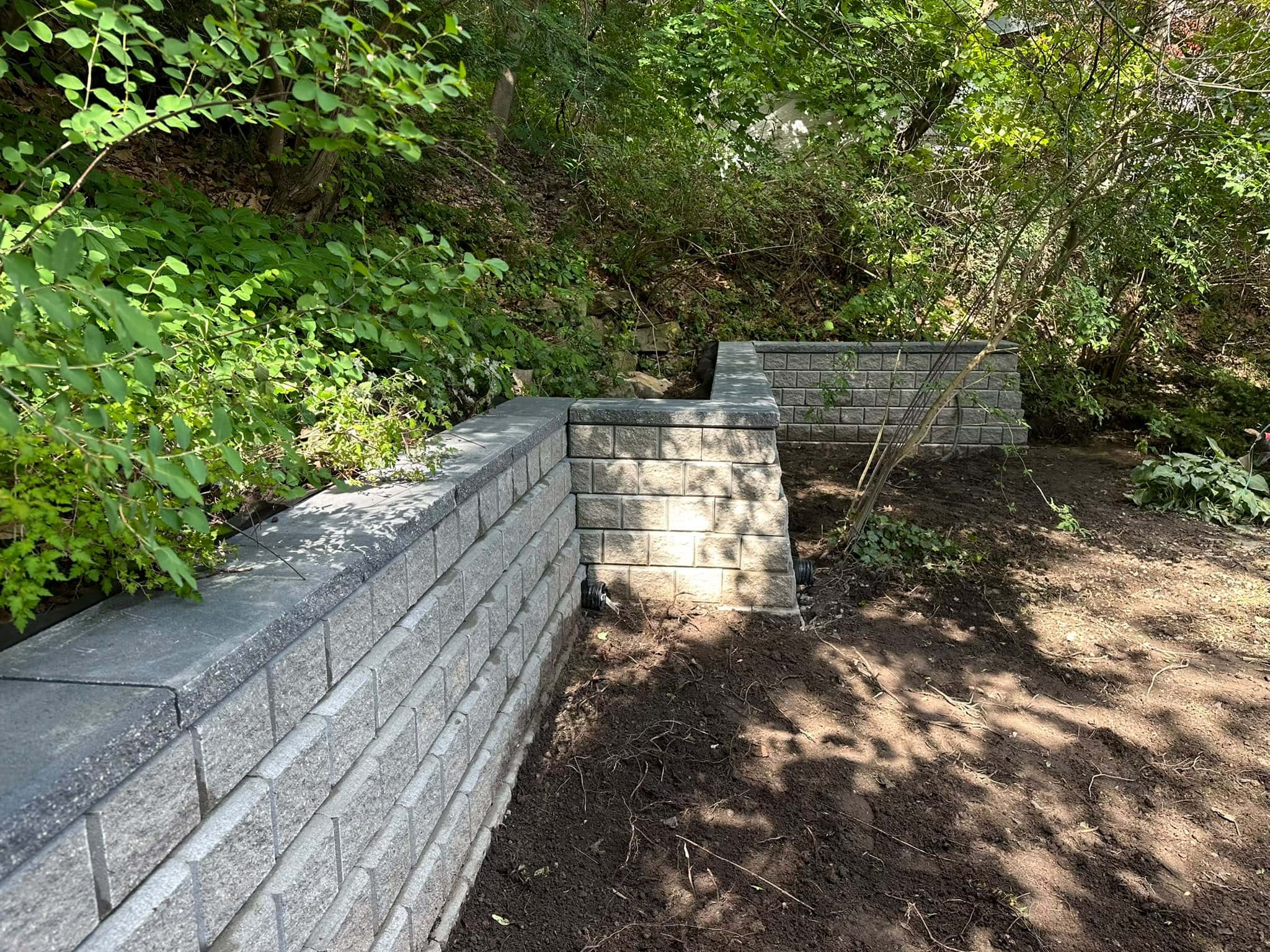
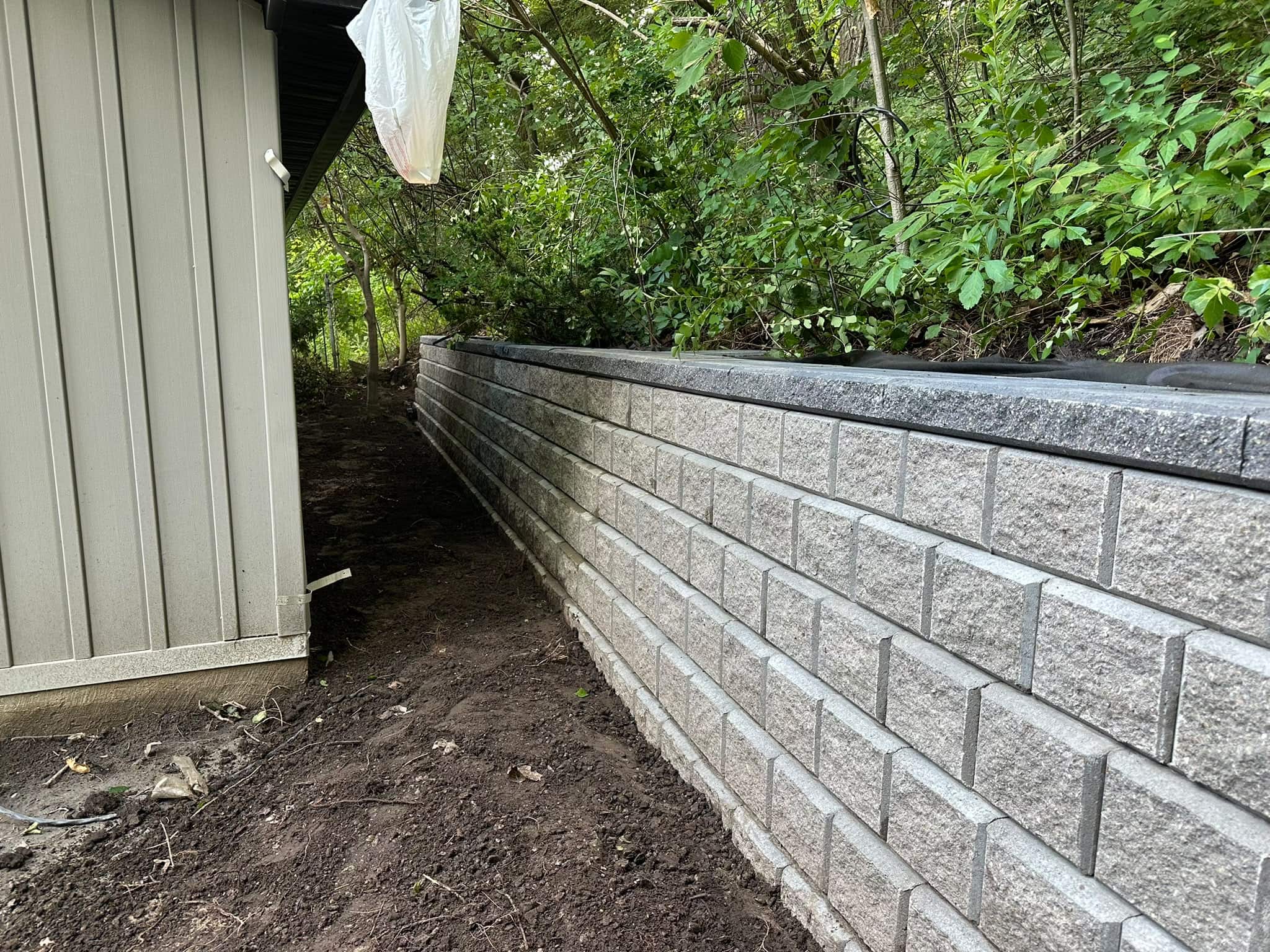
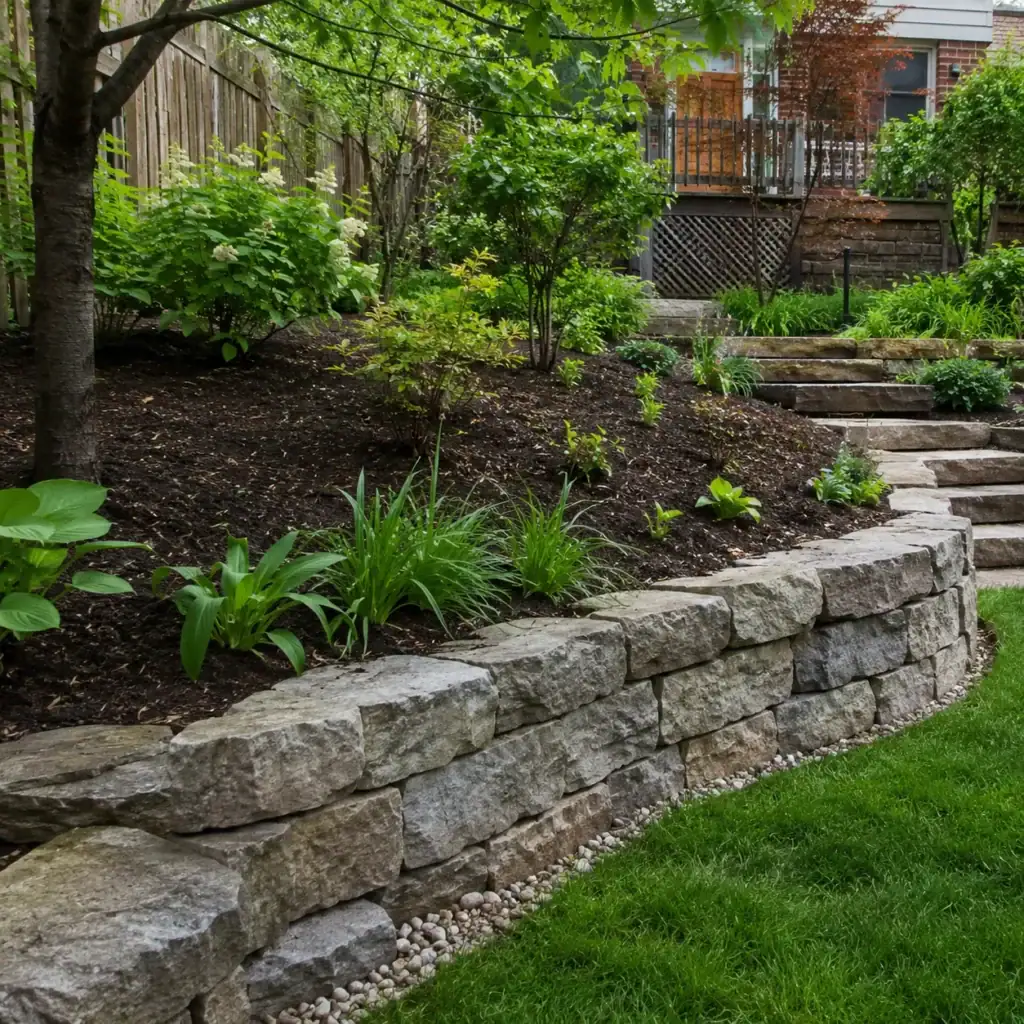
Retaining walls are useful around gardens when a yard has a slope, a raised planting area, a patio edge, a driveway edge, or soil that needs support. A retaining wall can turn uneven outdoor space into more practical garden levels.
A low retaining wall can create a raised bed, define a seating area, or separate a walkway from a planted slope. A taller wall may retain significant soil and require more careful planning. Height, soil type, drainage, backfill, base preparation, and nearby structures all matter.
Many retaining wall problems come from water pressure. Soil behind a wall gets heavier when wet. If water cannot drain, it can push the wall forward, causing it to lean, bulge, crack, or fail.
A good retaining wall should include drainage planning, not only visible masonry. Clear stone, filter fabric, weep openings, drainage pipe, proper backfill, and correct grading may be needed depending on the wall.
For homeowners planning or repairing walls near gardens, A&A Masonry’s retaining walls Toronto page is a helpful internal resource.
Plan Drainage Before Adding Garden Masonry
Drainage should be planned before adding masonry around gardens. This is one of the most important tips because water problems are easier to avoid before construction than to fix after the masonry is installed.
Ask where rainwater goes during a storm. Does it run toward the house? Does it collect at the bottom of steps? Does it sit behind a garden wall? Does it pool along a walkway? Does a downspout empty into a planting bed beside brickwork?
The City of Toronto’s guide on how homeowners can help manage stormwater recommends increasing soft-surface landscaping, such as gardens, wood chips, or gravel, where appropriate. For masonry planning, this is a useful reminder that not every part of the yard should become hard surface.
Masonry should work with soft landscaping, not fight it. A good garden design uses hard surfaces for structure and soft surfaces to absorb water where suitable. This balance can reduce runoff, protect foundations, and make the yard more comfortable through wet seasons.
Avoid Trapping Soil Against House Brick
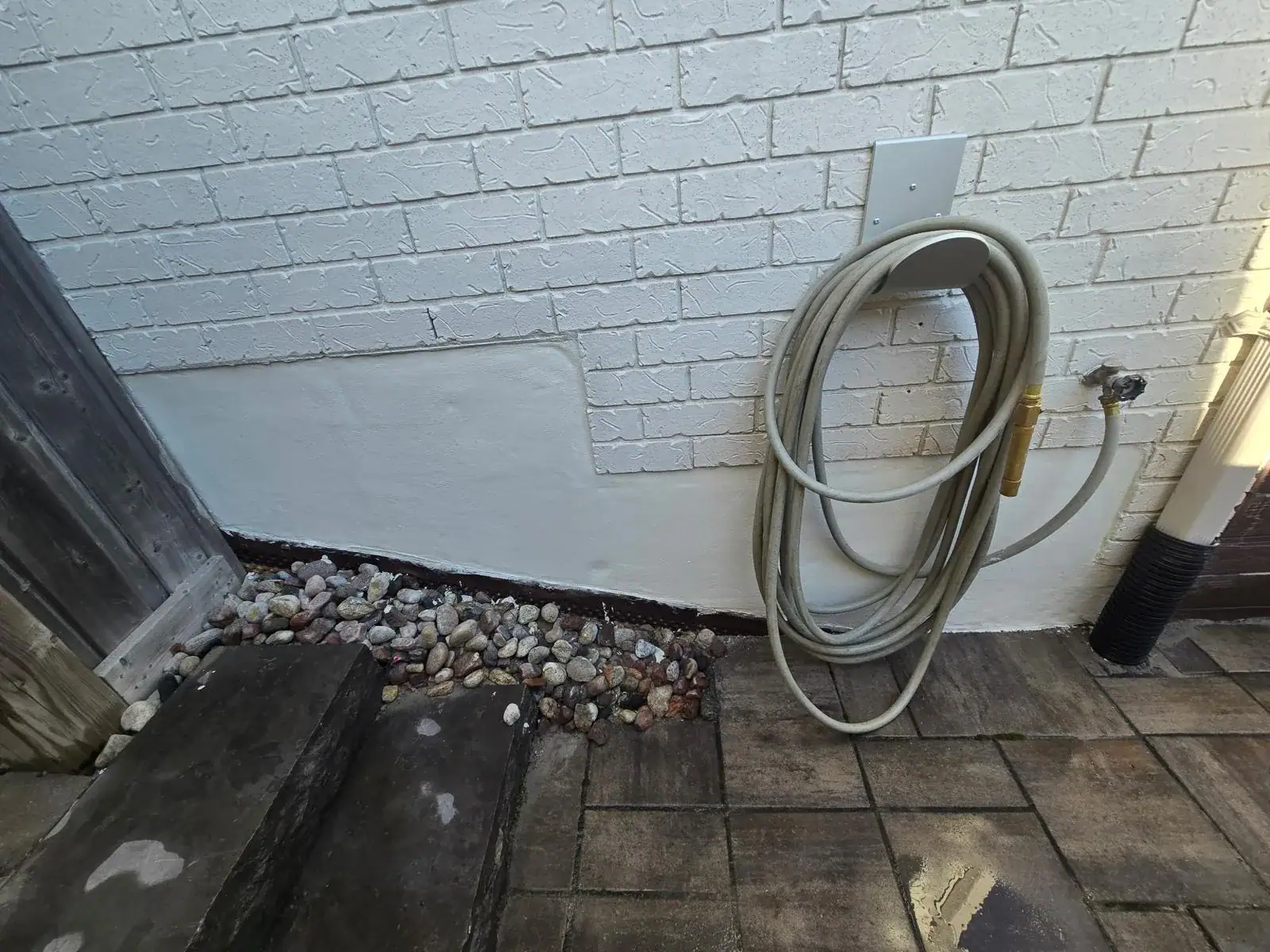
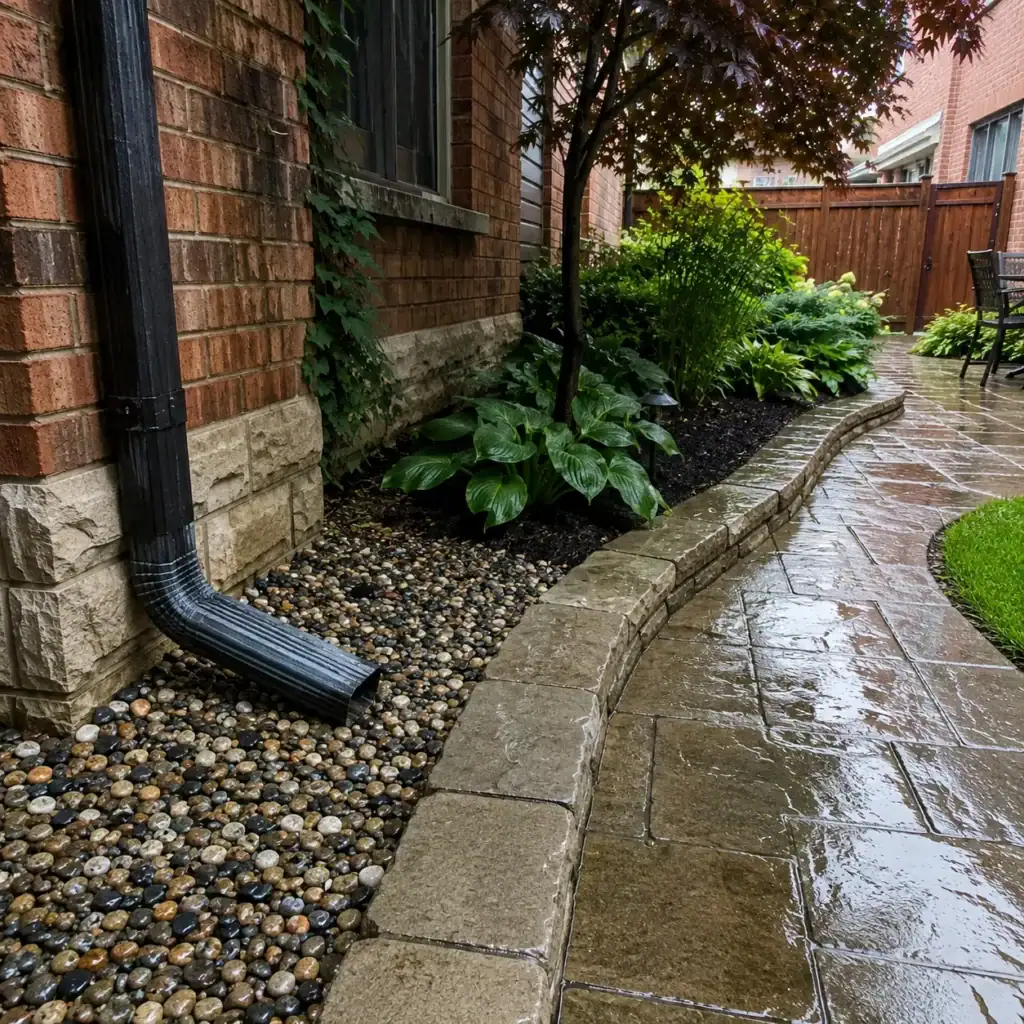
Soil and mulch should not be piled against house brick or lower masonry. This is a common garden mistake that can lead to damp brick, staining, spalling, mortar decay, and pest or moisture concerns.
Garden beds beside the home should be planned carefully. Plants may look attractive against a brick wall, but the wall still needs airflow and drying. If soil sits too high against the wall, moisture can stay in contact with the masonry for long periods. This can be especially damaging during freeze-thaw cycles.
Keep planting beds below vulnerable masonry details and avoid covering weep areas, foundation transitions, or lower brick courses. If the grade already sits too high, it may need correction before adding borders, raised beds, or decorative stone.
Raised masonry planters near the home should be designed so water drains away from the foundation. A planter that holds wet soil directly against the house can create more problems than it solves.
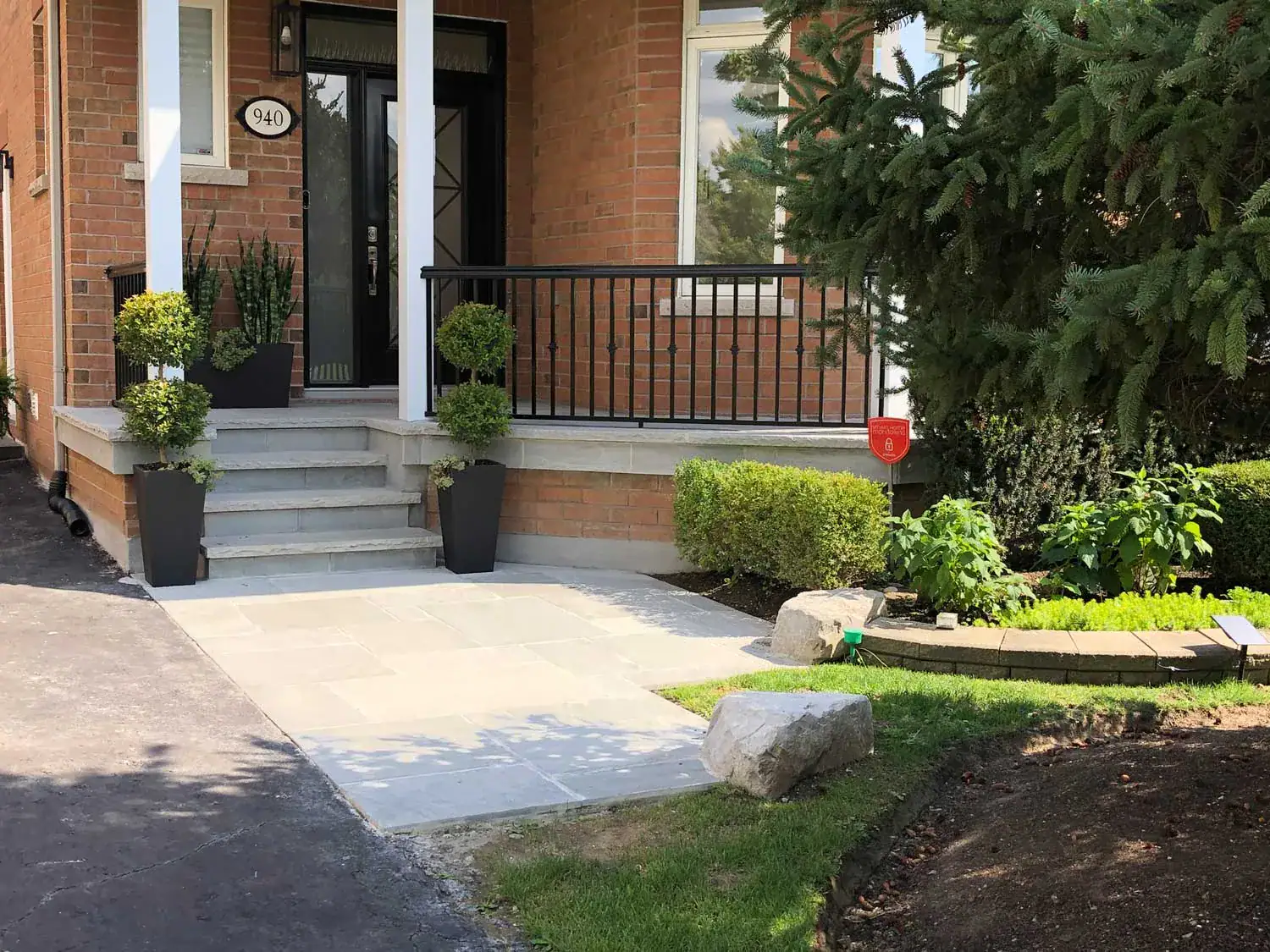
Use Interlocking Pavers for Garden Paths and Edges
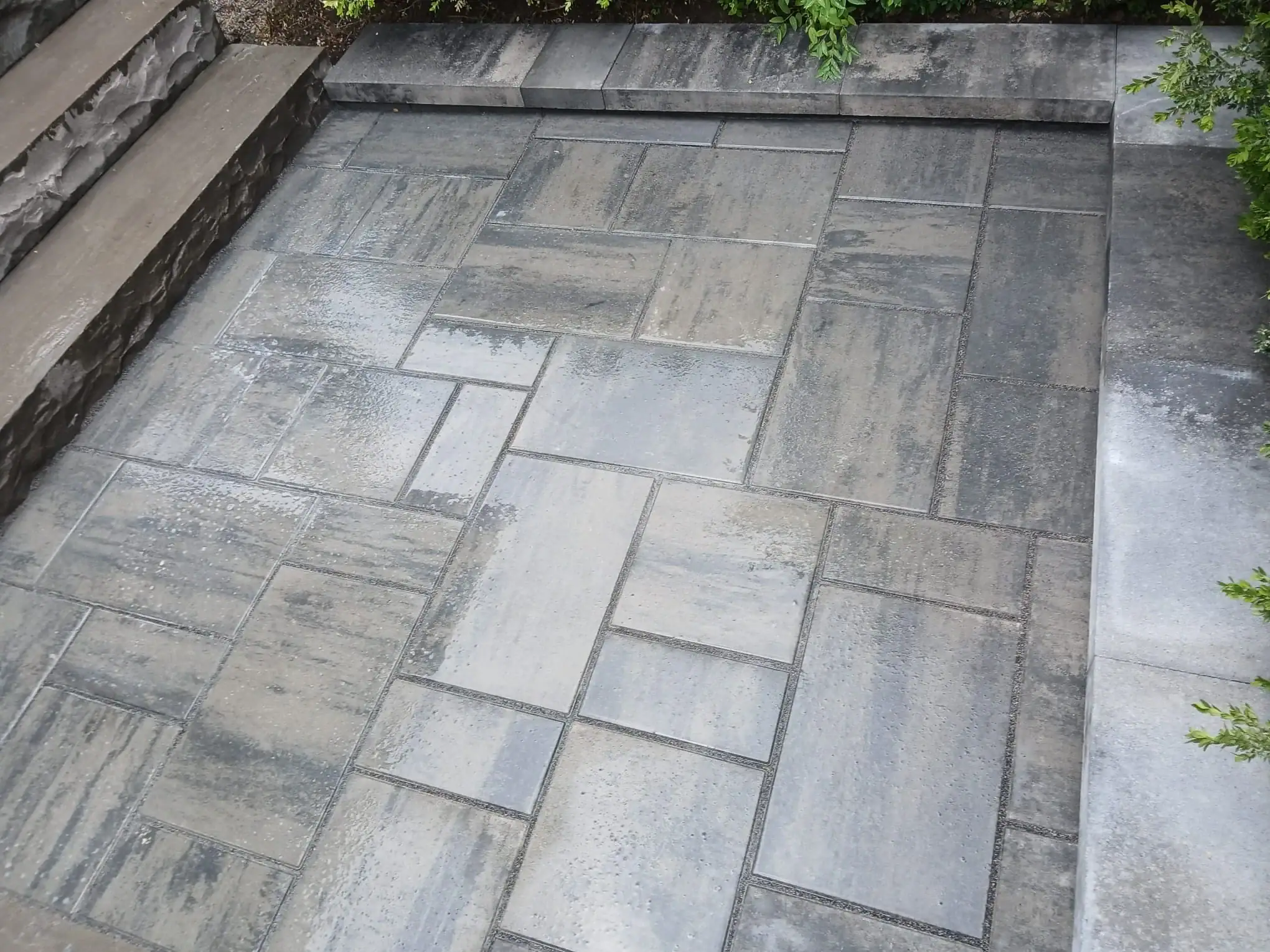
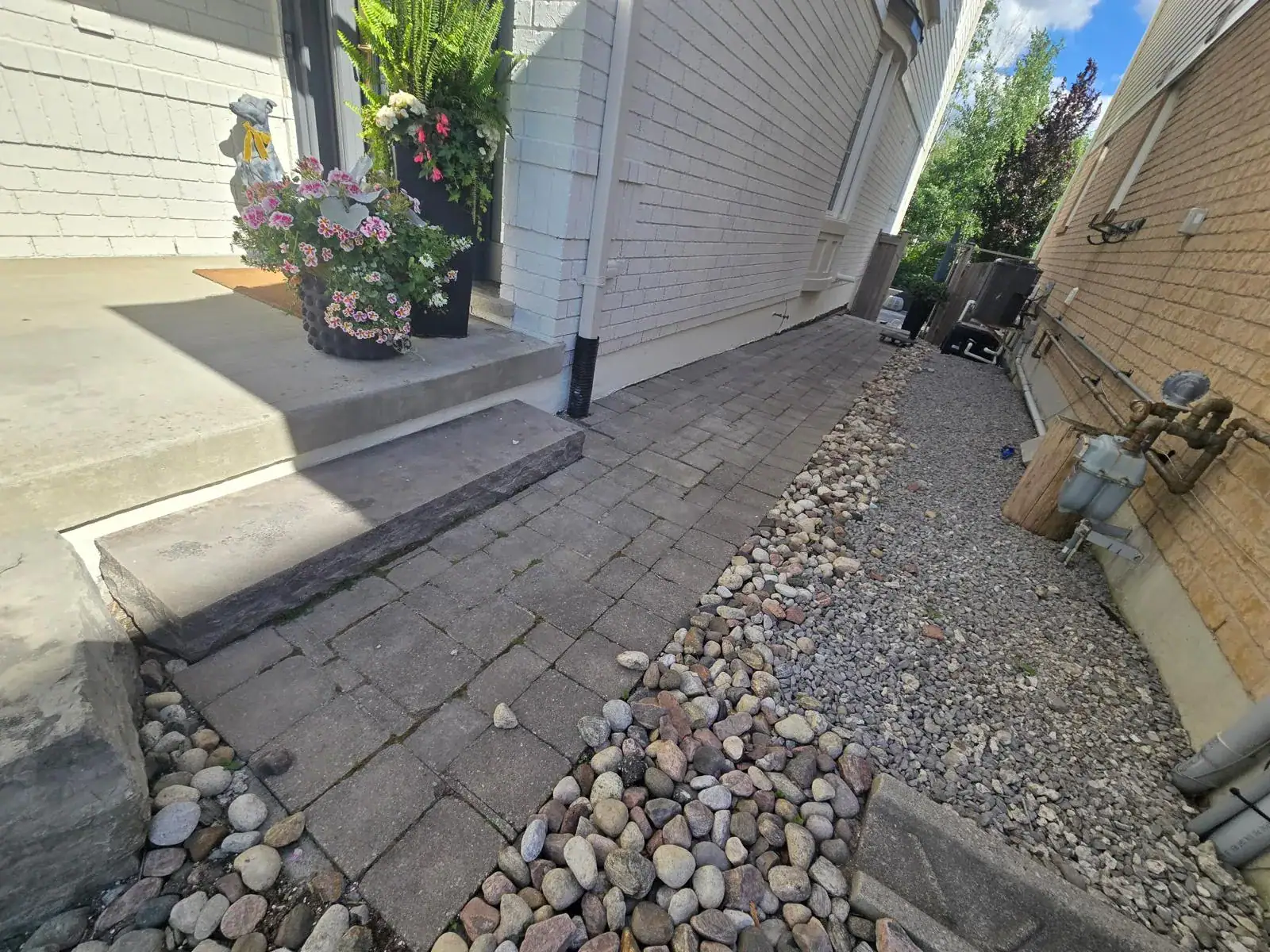
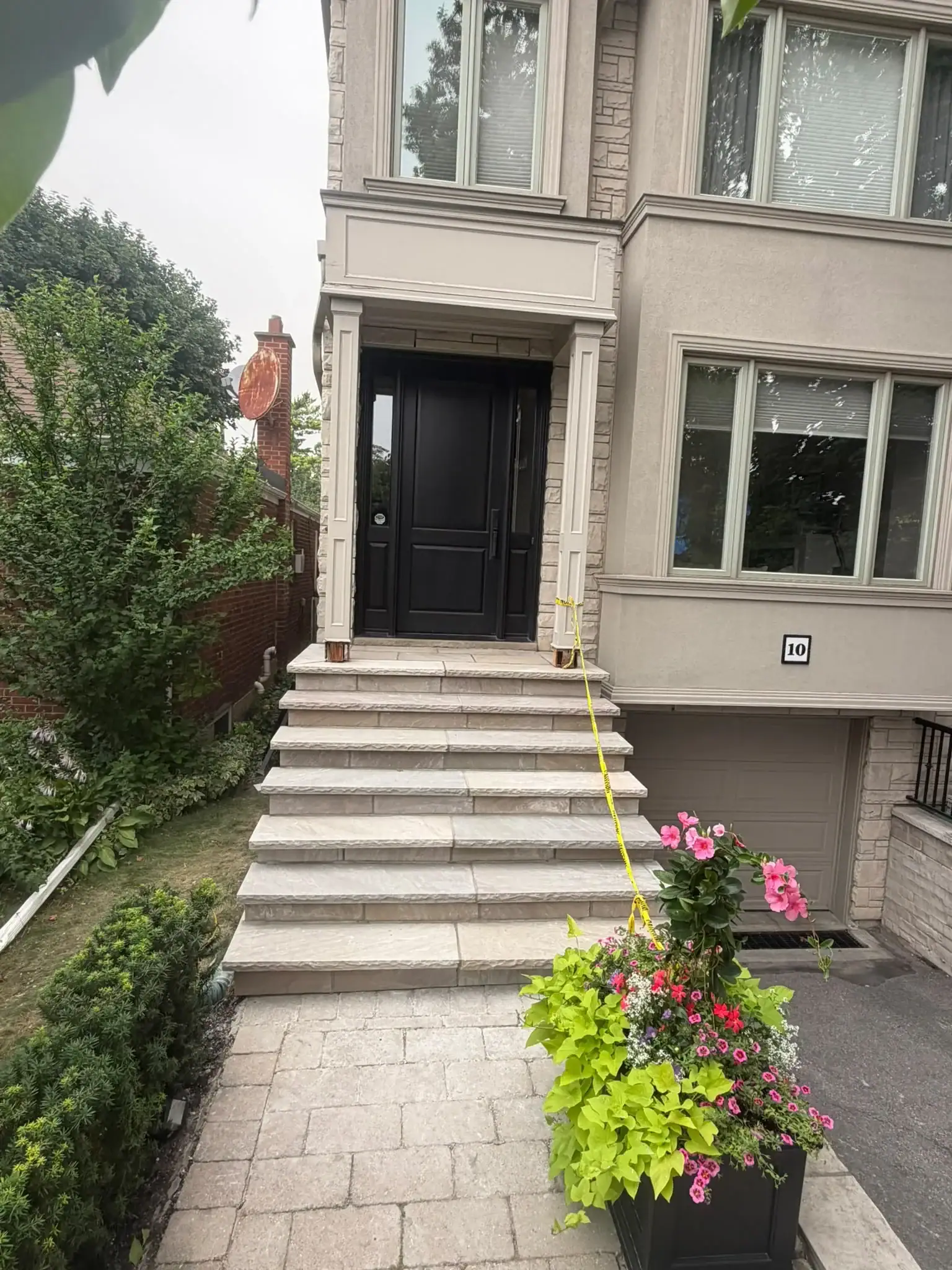
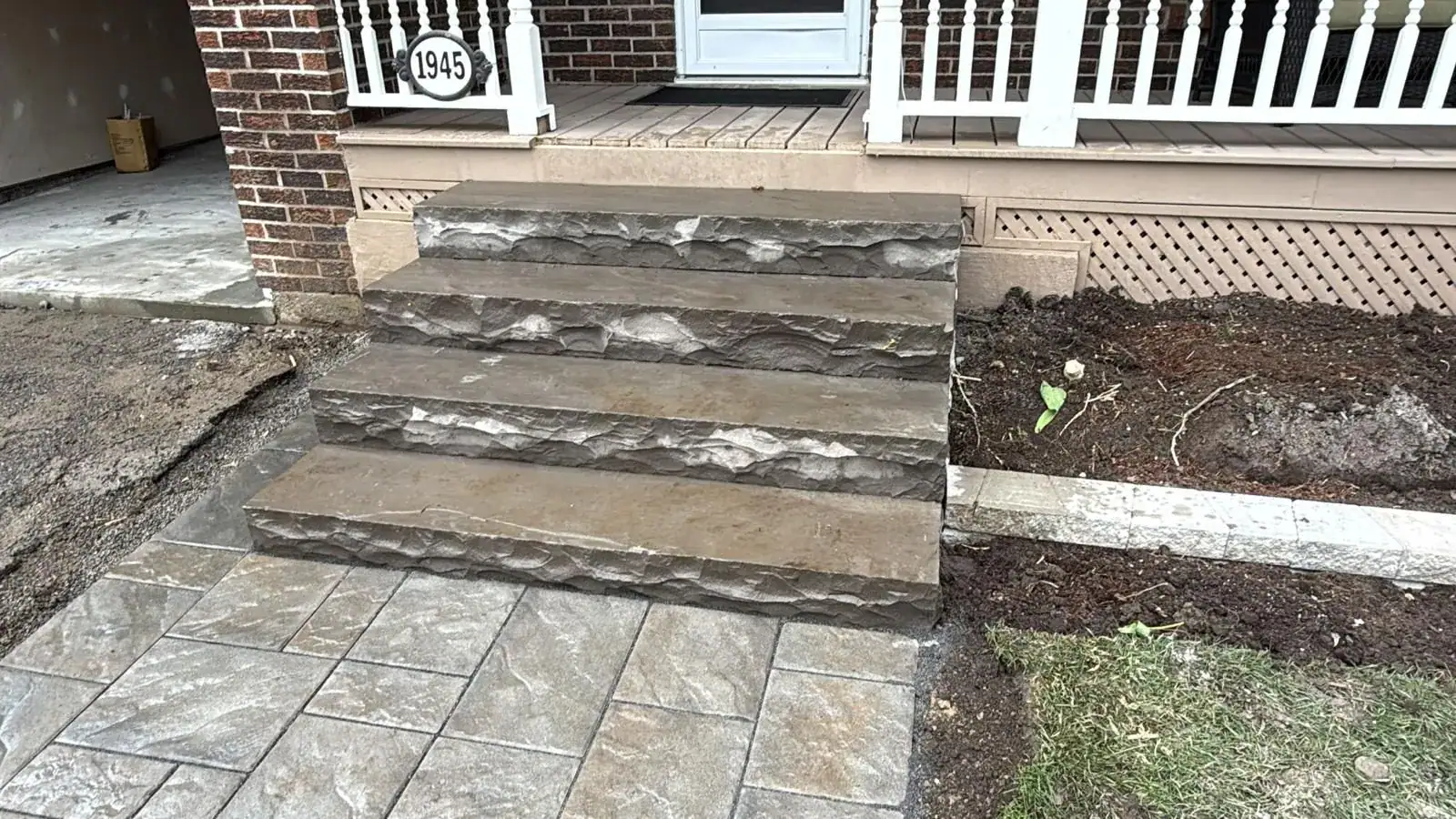
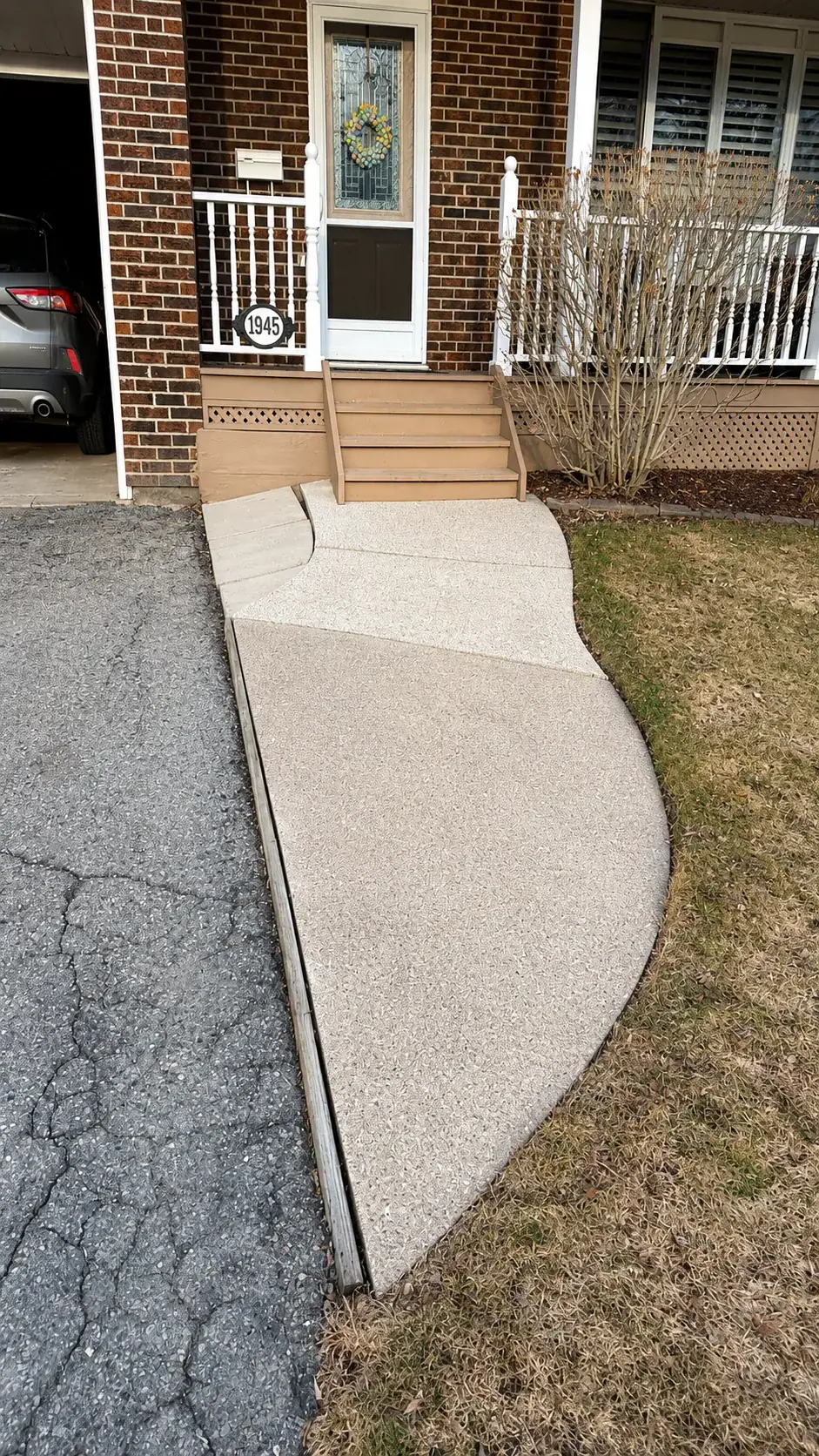
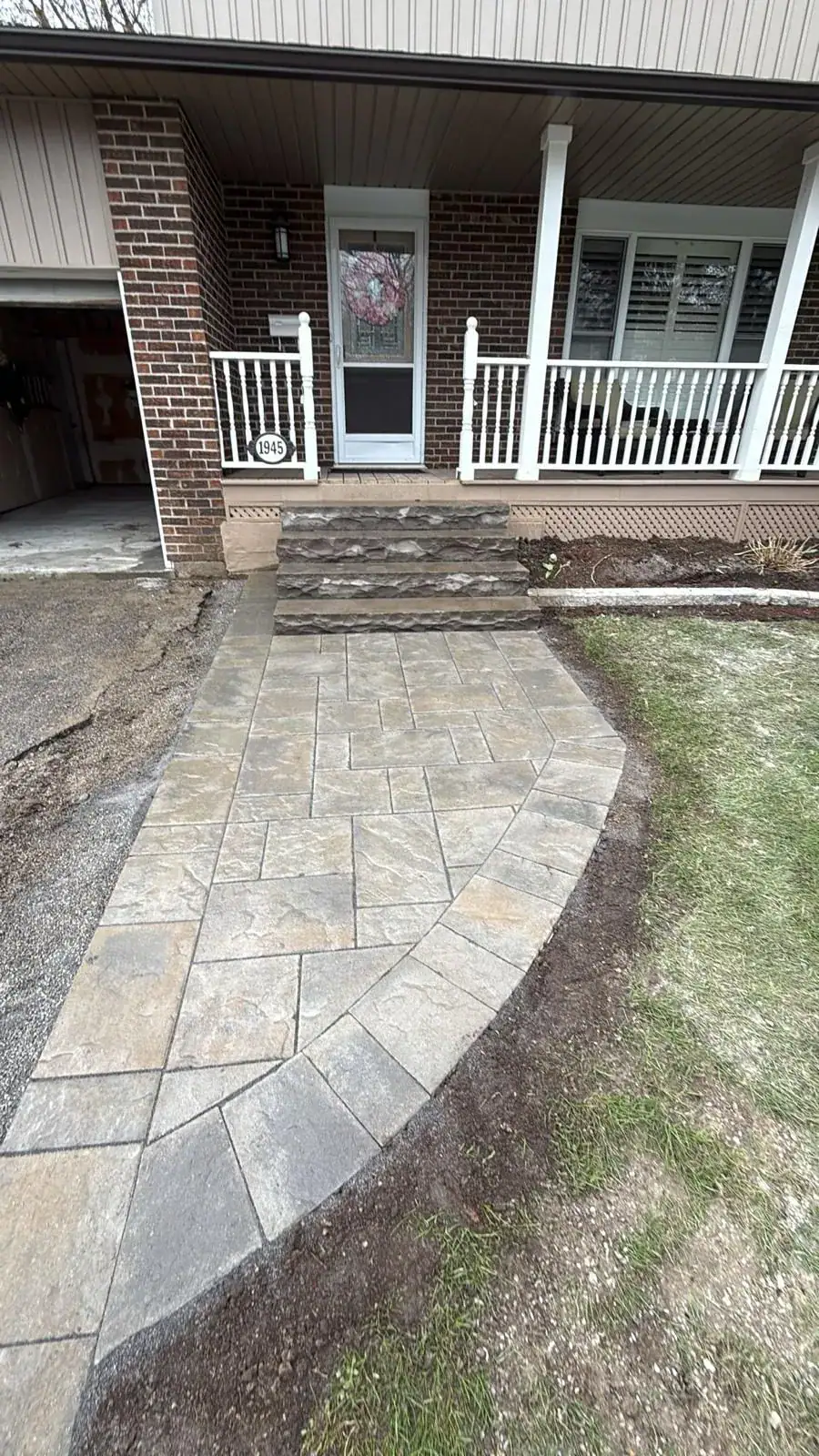
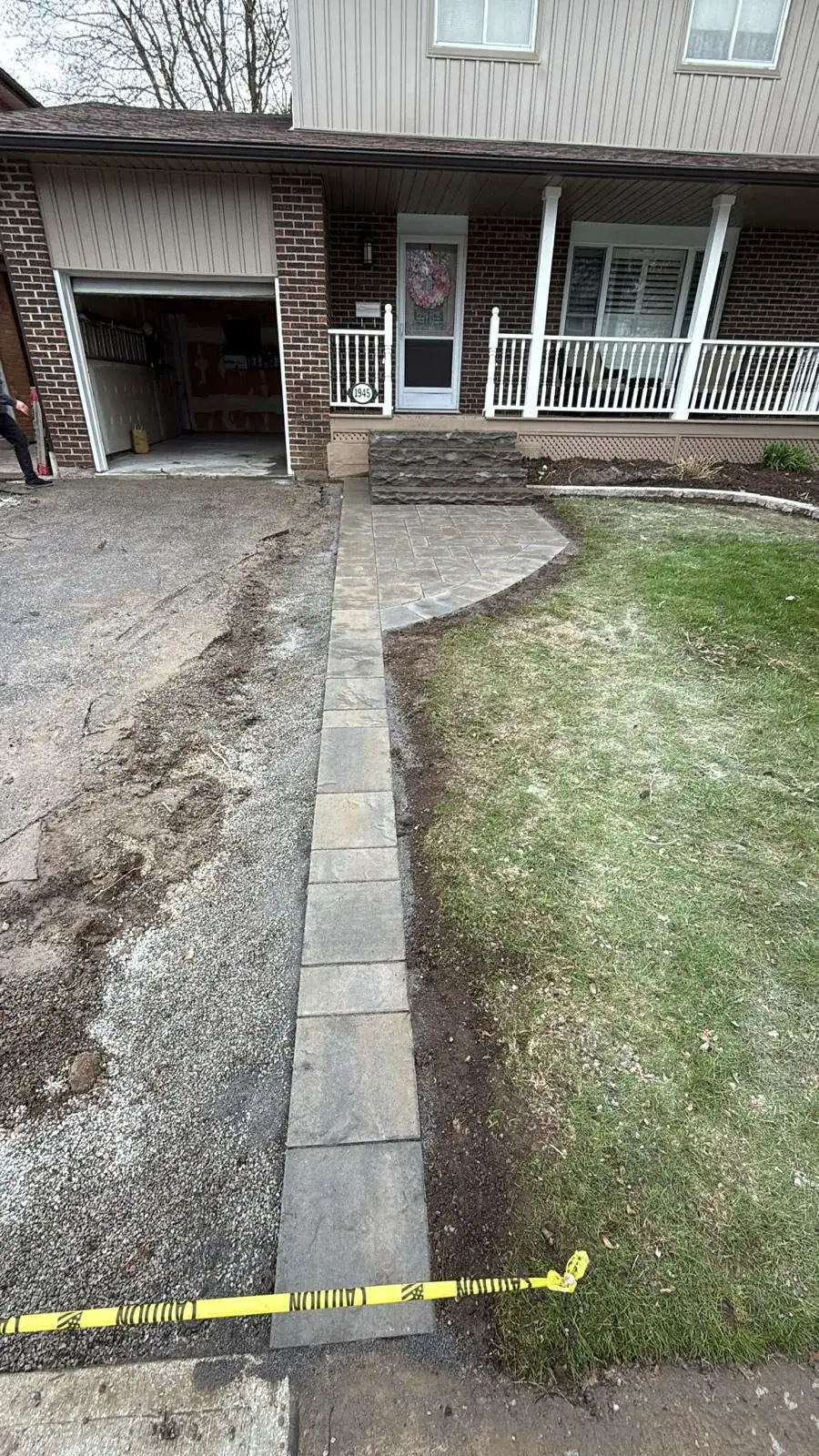
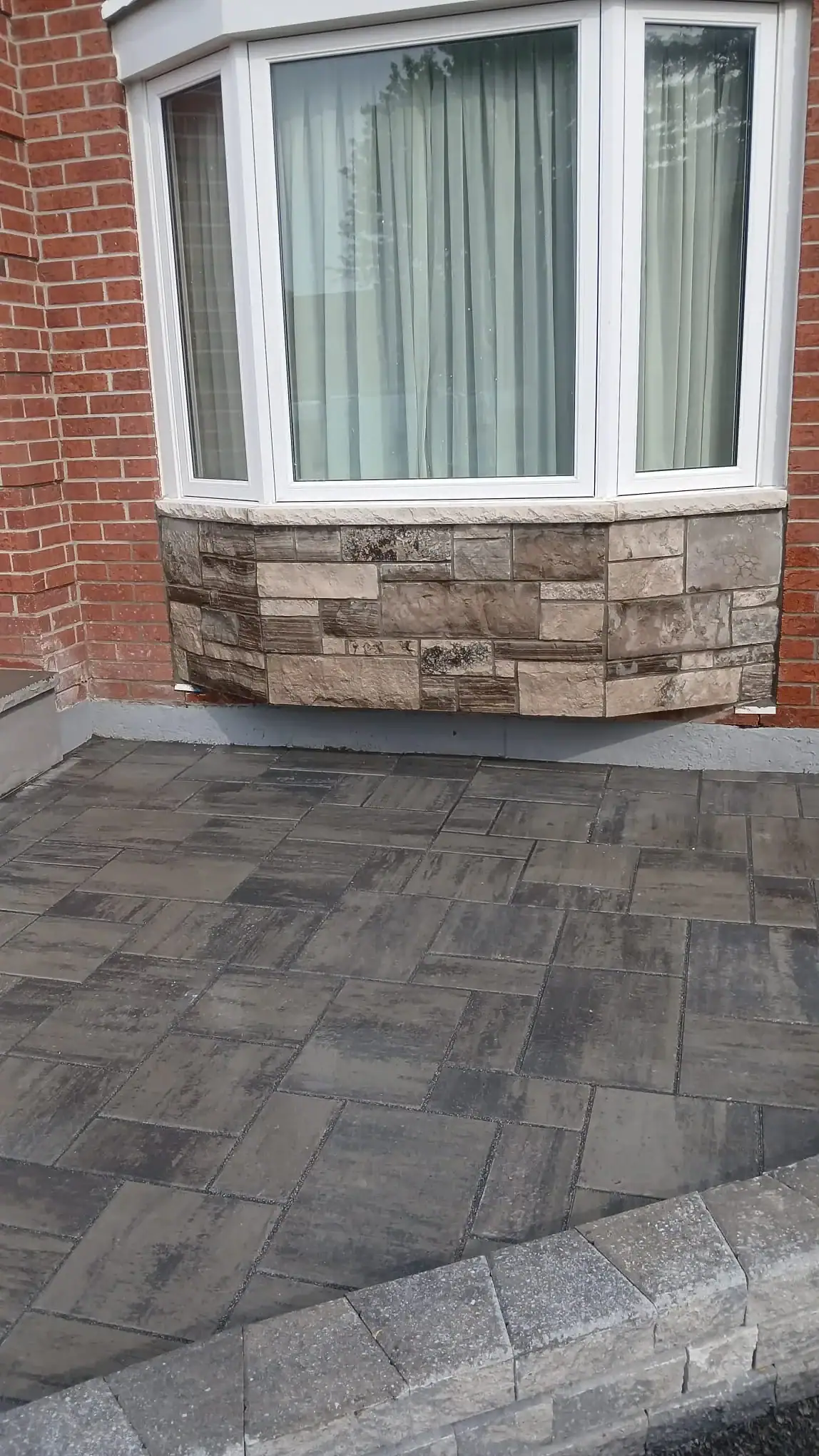
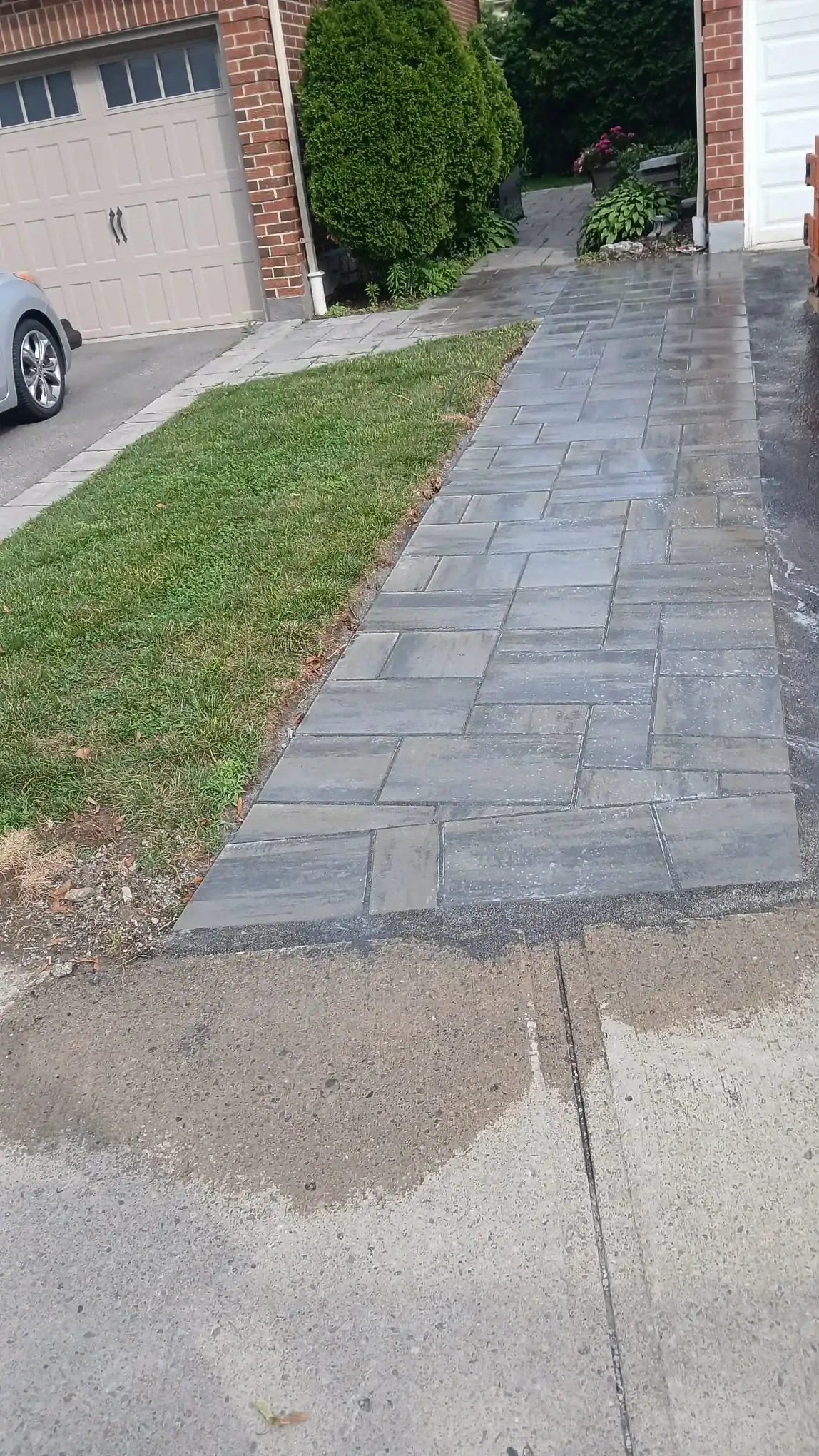
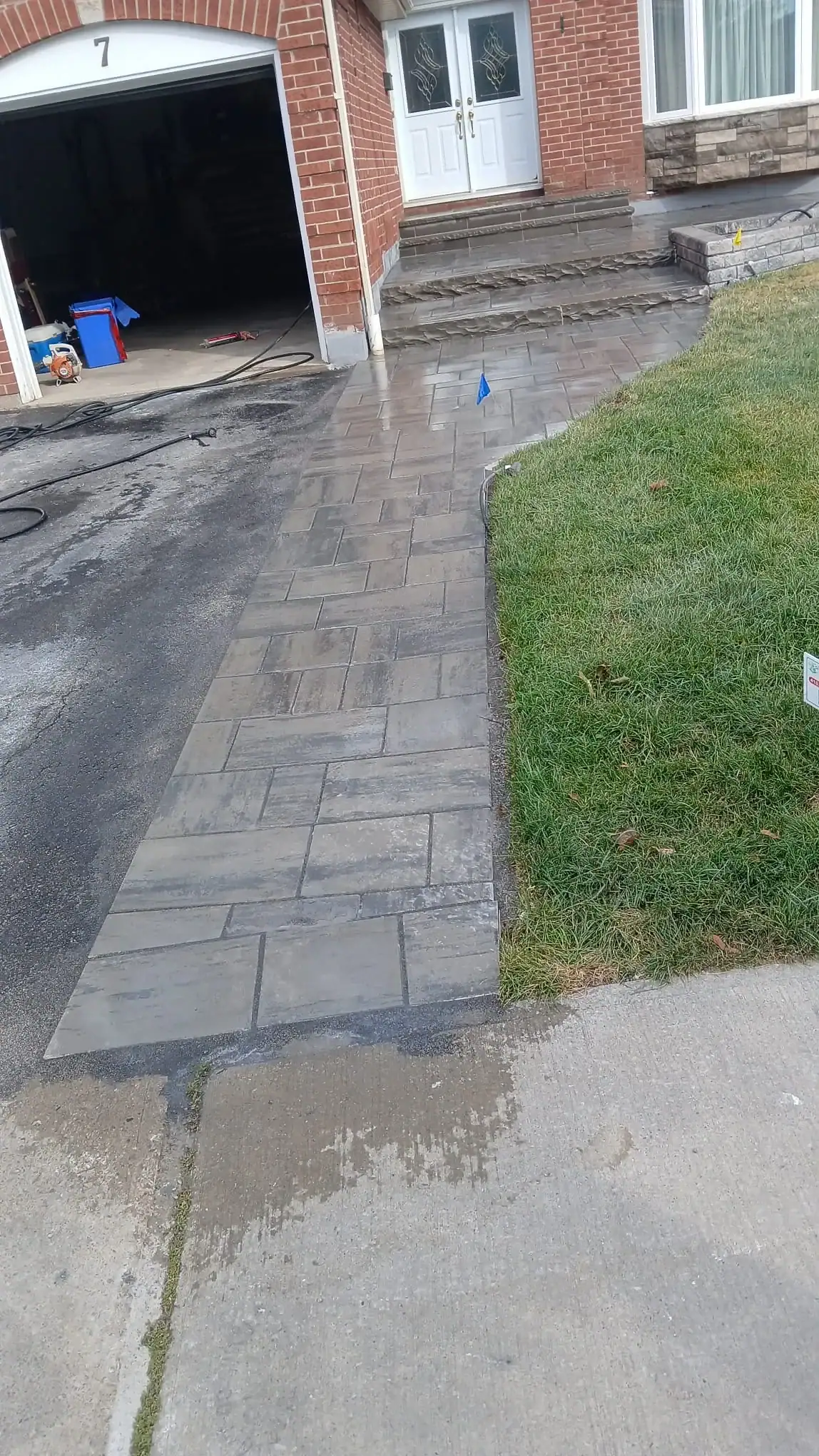
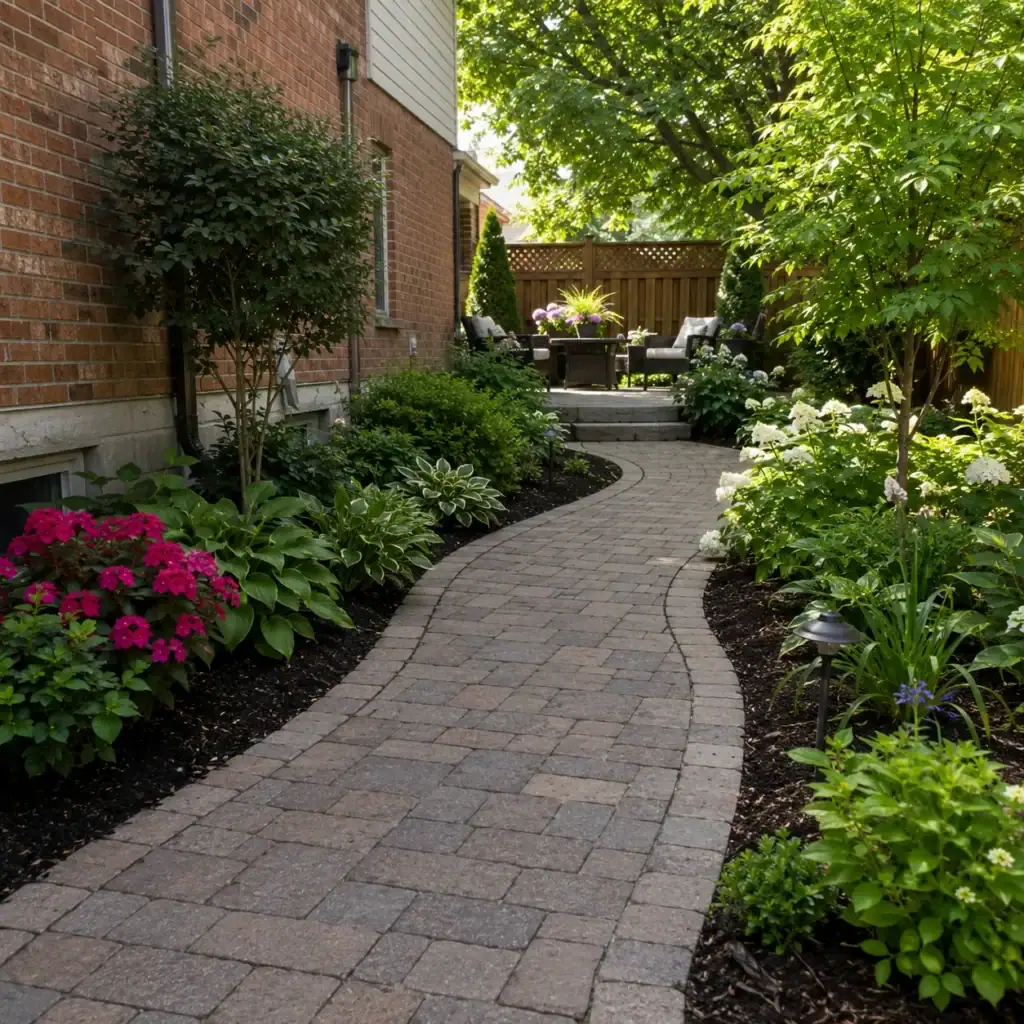
Interlocking pavers can work well around gardens when homeowners want clean paths, patio connections, stepping areas, or defined edges. Pavers can create practical access through the yard without turning the entire garden into concrete.
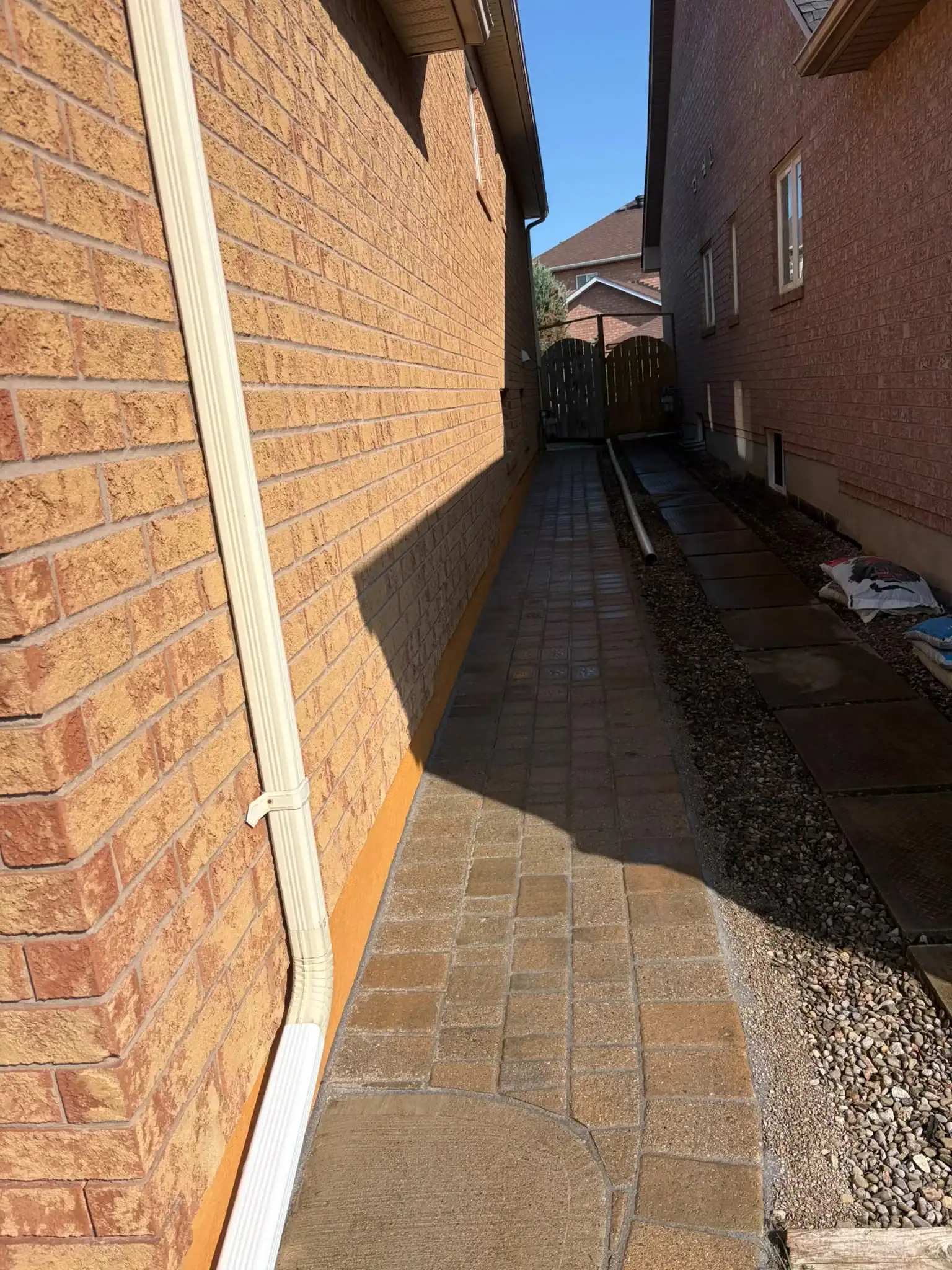
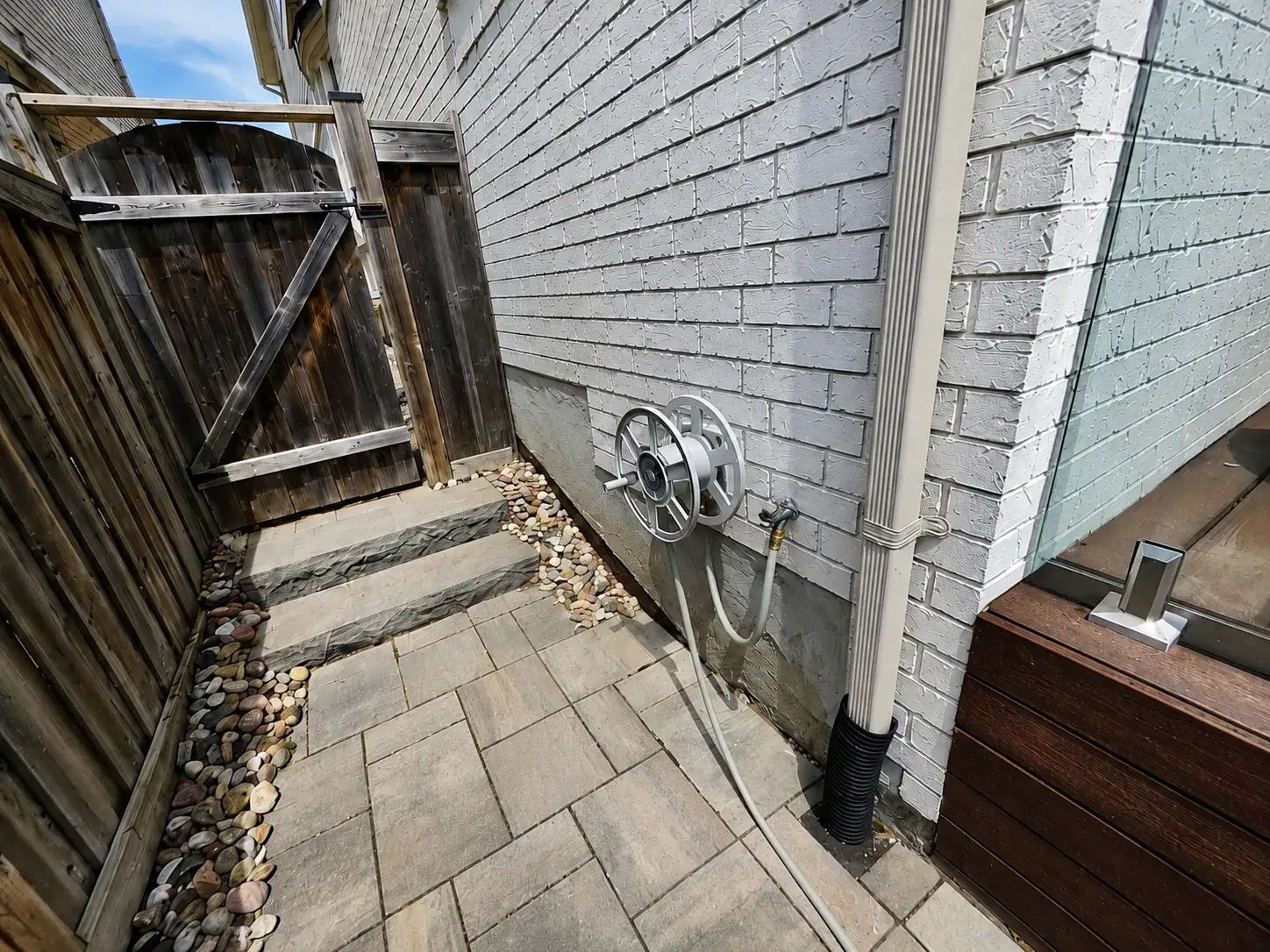
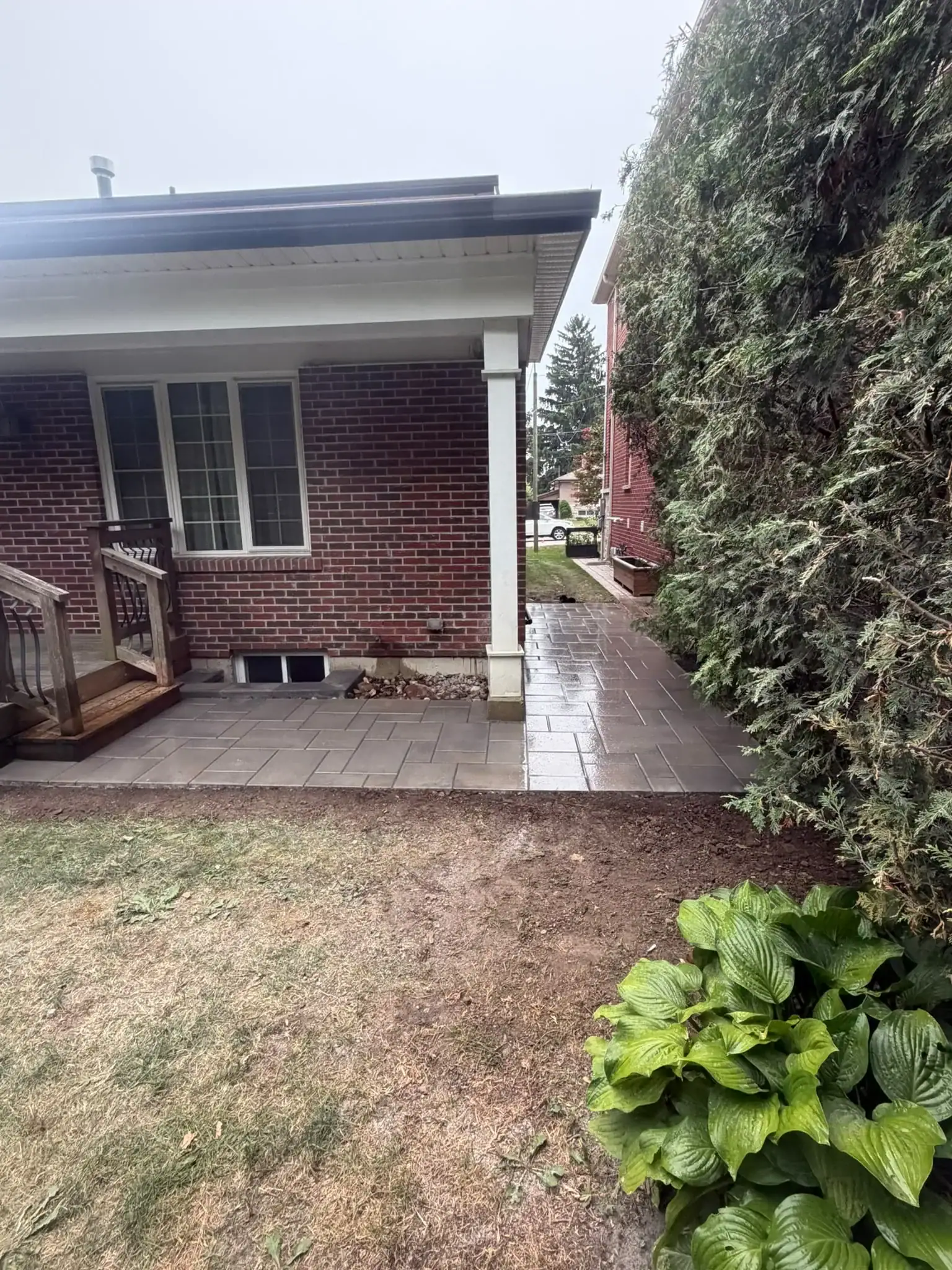
Paver walkways are useful where grass gets muddy, where people walk repeatedly, or where a path is needed between a patio, a gate, a garden shed, a driveway, or a back entrance. They also help define planting beds and can make the yard easier to maintain.
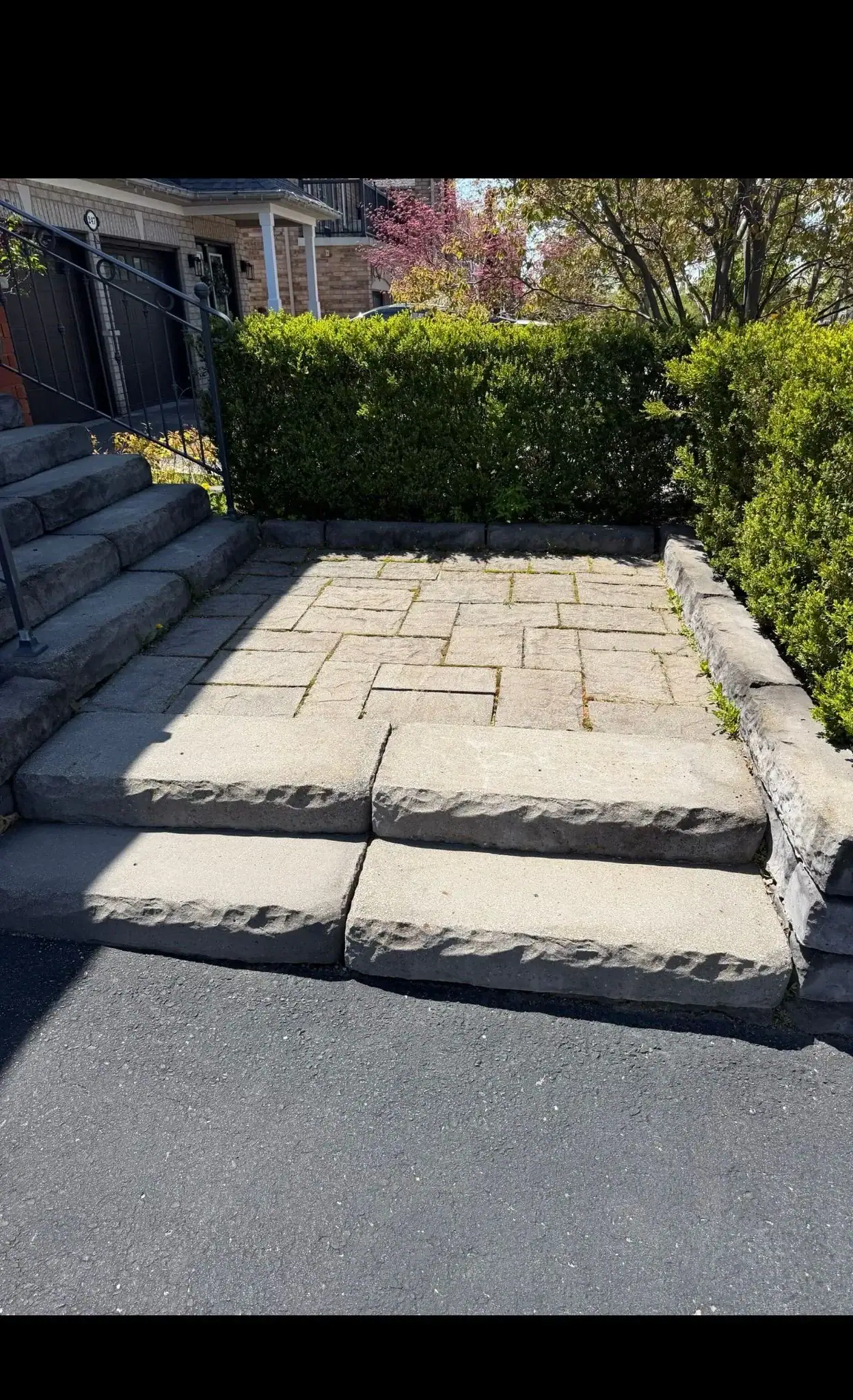
The base is the most important part. Pavers can sink or shift if the base is too shallow, poorly compacted, or not properly drained. Edging also matters because garden soil and roots can push into paver areas over time.
If you are planning garden paths or patio connections, A&A Masonry’s interlocking stone services in Toronto page explains common interlocking uses for walkways, patios, steps, driveways, and outdoor hardscaping.
Consider Permeable Surfaces Where Water Is a Concern
Permeable surfaces can be helpful in garden areas where water management is a goal. Permeable pavers allow water to move through joints into a prepared base instead of sending all runoff across the surface.
This can be useful near garden walkways, side yards, patios, and areas where hard surfaces meet planting beds. However, permeable pavers need proper design. They are not simply regular pavers with wider gaps. The base, joint material, slope, soil conditions, and maintenance all affect performance.
The Toronto and Region Conservation Authority explains that low-impact development practices help manage stormwater runoff in urban areas by using approaches that mimic natural water processes. This idea aligns well with garden masonry, as the yard can be designed to manage rainwater more thoughtfully.
Permeable systems are not right for every spot, but they can be worth considering when drainage, runoff, or basement moisture is a concern.
Choose Edging That Matches the Maintenance Level
Garden edging should match how much maintenance the homeowner wants to do. Some edging looks natural but needs resetting over time. Some masonry borders are more permanent but require better base preparation.
Loose stone edging can be flexible and easy to adjust. Mortared brick edging can look clean and traditional, but it may crack if the base shifts. Concrete curbing can create a firm line but may look less natural in some gardens. Interlocking borders can tie into nearby walkways or patios.
Choose loose or dry-laid stone if you want a natural look and easy adjustment. Choose mortared masonry for a cleaner, more permanent appearance. Choose paver edging if the garden connects to an interlocking patio or walkway.
The best edging is not only the one that looks good on day one. It should also remain practical after rain, during winter, amid garden growth, and during seasonal maintenance.
Think About Plant Roots Before Building
Plant roots should be considered before building masonry around gardens. Trees, large shrubs, and aggressive root systems can shift small walls, lift pavers, disturb borders, and affect drainage paths.
New masonry should not be installed too close to trees without understanding future growth. Roots can move under pavers, behind retaining walls, or through loose stone areas. They can also make future repairs harder if the masonry is built tight around mature planting.
Leave room for plants to grow. Avoid boxing in trees with tight masonry rings that trap soil and moisture around the trunk. For larger landscape changes, it may be worth speaking with a landscaping or arborist professional before building around mature trees.
Masonry and planting should support each other. If the garden will keep growing but the masonry is fixed in place, spacing matters.
Use Caps on Garden Walls
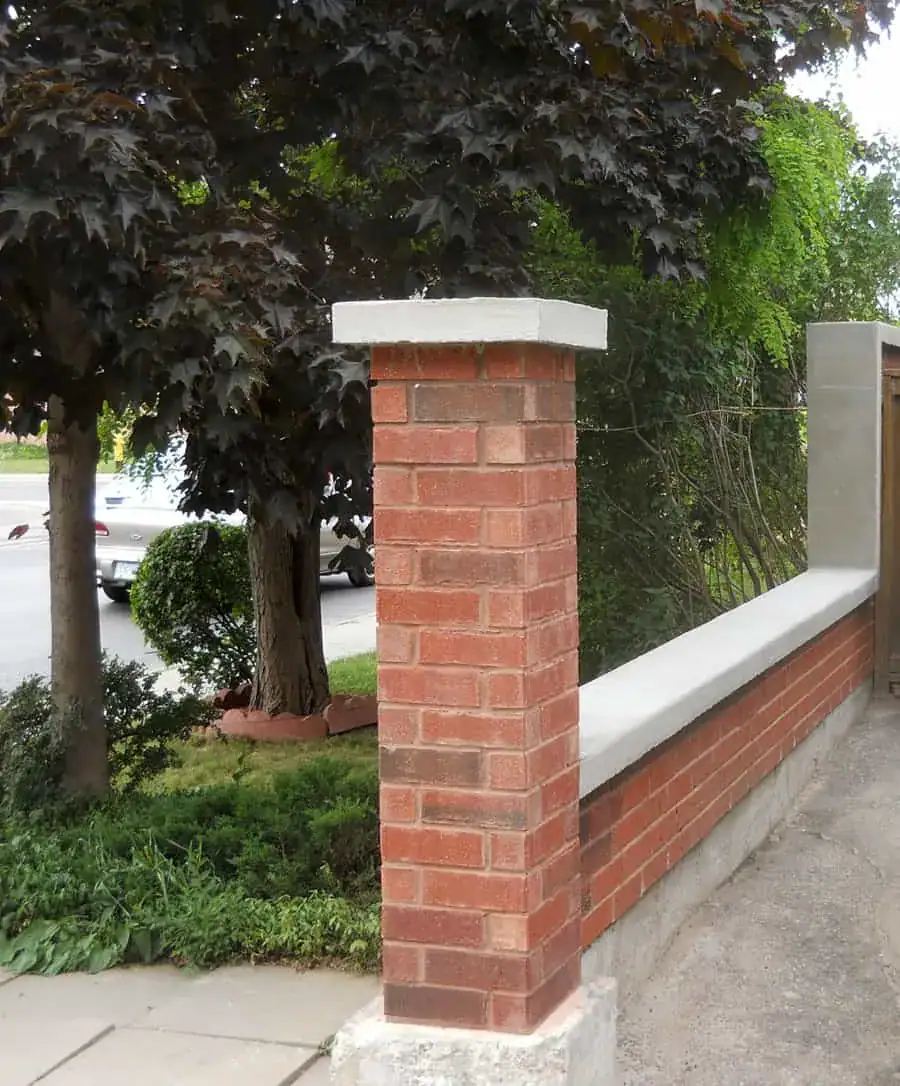
Caps help protect garden walls by shedding water away from the top. A wall without a proper cap can absorb water through open joints or flat surfaces. Over time, freeze-thaw cycles can loosen mortar, crack brick, or damage stone.
Caps are especially important for brick, stone, retaining, and seat walls. They also improve the finished appearance of the wall. A good cap should overhang slightly where appropriate and direct water away instead of letting it run down the face.
Flat tops that hold water are a common problem. Water that sits on top of masonry can slowly work into joints, especially in winter. If the wall already has missing mortar or loose units, water entering from above can worsen the damage.
For garden masonry, the top detail is not just decorative. It is part of moisture protection.
Match Garden Masonry to the Home
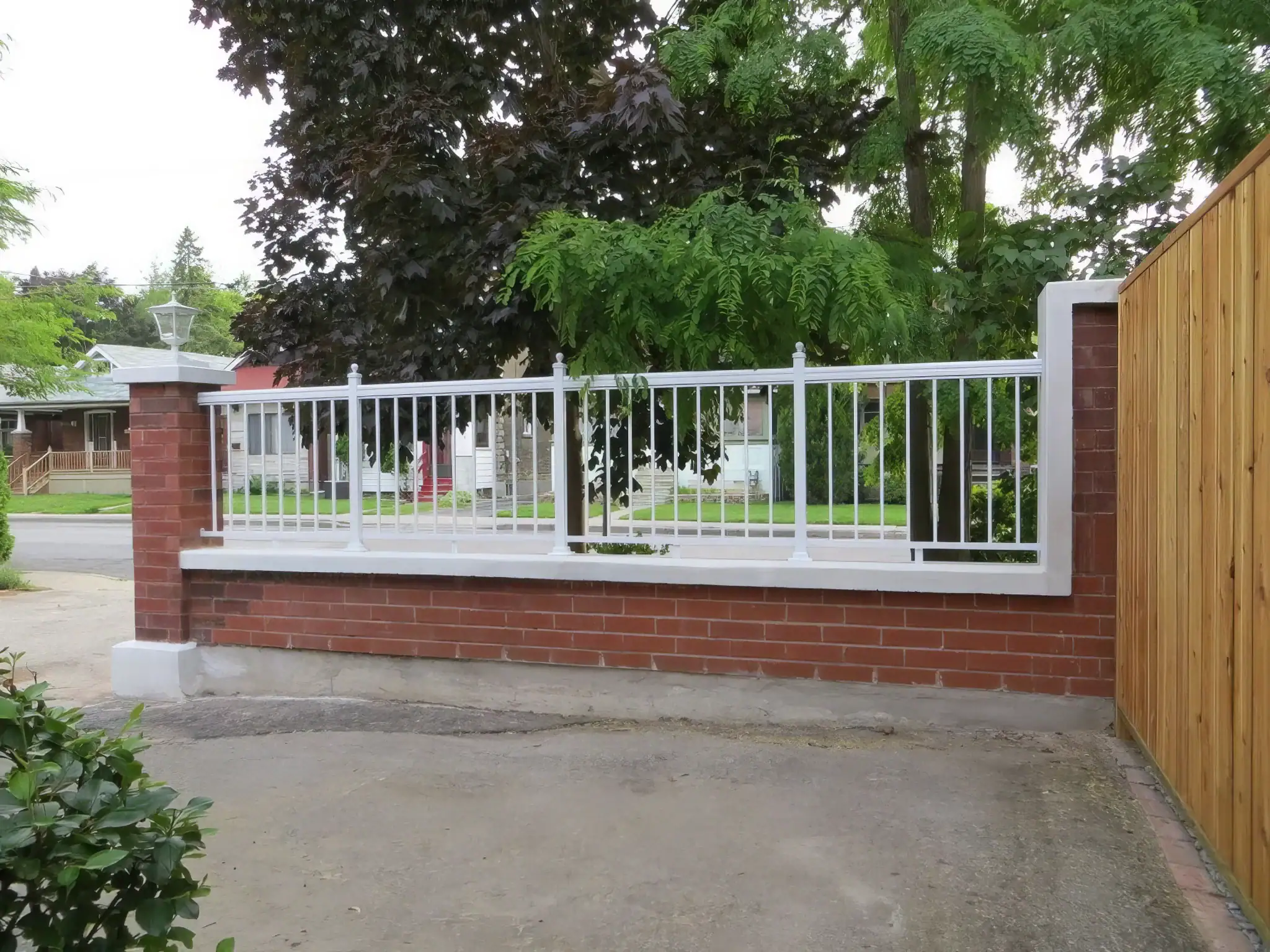
Garden masonry should match or complement the home so the outdoor space feels intentional. A brick home may look good with brick borders, stone steps, or interlocking pavers that pick up tones from the facade. A modern home may suit clean concrete pavers or simple stone walls. An older Toronto home may benefit from softer, more traditional materials.
Matching does not mean everything has to be identical. In fact, a perfect match can be difficult with older brick. The goal is coordination. Look at the colour of the brick, mortar, roof, trim, porch, walkway, and existing stone or concrete.
Garden masonry should also match the scale of the yard. A heavy stone wall may overwhelm a tiny garden. A thin border may look weak beside a large patio. A narrow walkway may feel cramped if the planting grows over it.
Good garden masonry looks like it belongs to the property, not like it was added without considering the house.
Plan for Winter Maintenance
Winter maintenance should be considered before masonry is added around gardens. Toronto snow, ice, salt, and shovelling habits affect walkways, steps, borders, and walls.
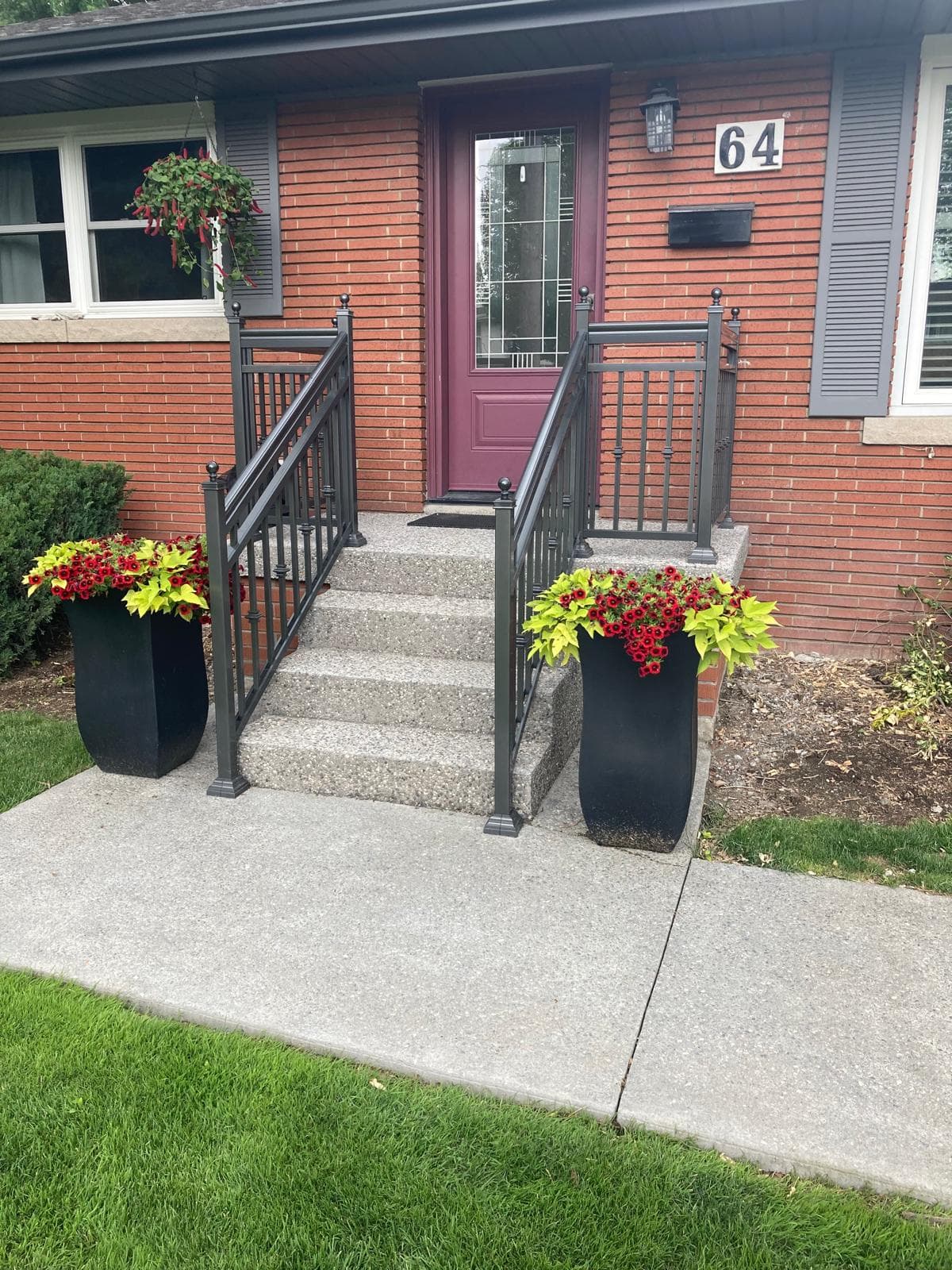
Garden paths should be wide enough to walk safely and clear snow if needed. Steps should have stable treads and proper drainage so that ice does not repeatedly form in the same place. Borders should not create awkward snow traps beside driveways or sidewalks. Retaining walls should not block snowmelt from draining safely.
If salt is used near masonry, concrete and some stone surfaces may wear faster. Homeowners should use de-icing products carefully and clear snow early to reduce freeze-thaw stress.
A garden may be designed for summer beauty, but the masonry still needs to work in February.
Common Mistakes With Masonry Around Gardens
Common mistakes with masonry around gardens usually come from ignoring water, soil movement, or maintenance. These mistakes can make a yard harder to care for and can damage the masonry over time.
- Building without drainage: Water behind walls can create pressure and movement.
- Piling soil against brick: Constant dampness can damage lower masonry.
- Using the wrong material: Some materials are decorative but not suitable for retaining soil.
- Skipping a proper base: Paths, borders, and walls can sink or shift.
- Ignoring plant growth: Roots and overgrown plants can move or hide masonry damage.
- Forgetting winter use: Steps and paths need to stay safe in snow and ice.
- Making walls too tall without review: Taller retaining walls need careful planning.
- Letting water run toward the home: Garden masonry should not direct runoff toward foundations.
Most garden masonry problems are preventable when water, soil, plants, and winter conditions are considered before work begins.
When Garden Masonry May Need Permits or Extra Review
Garden masonry may need permits or extra review when it involves retaining walls, structures, grade changes, foundations, entrances, stairs, or work near public areas. Small decorative borders usually do not raise the same concerns as taller walls or structural landscape features.
The City of Toronto provides information about building permits. Its guidance on designated structures includes information on retaining walls for certain situations. Ontario’s official Building Code page is also the preferred provincial reference for building requirements.
For homeowners, the simple rule is this: if the garden masonry holds back soil, changes grade, affects access, supports a structure, or sits near public areas, check official guidance before building.
What Homeowners Can Do Themselves
Homeowners can safely handle light garden masonry planning and maintenance when the work is low, non-structural, and not connected to drainage or foundation issues. Observation and simple upkeep can prevent many problems.
- Watch where rainwater goes during storms.
- Keep soil and mulch below vulnerable brick areas.
- Clear leaves and debris from steps, paths, and drainage areas.
- Trim plants so masonry can dry and damage remains visible.
- Reset loose decorative stones before they become trip hazards.
- Photograph cracks, leaning walls, or sinking pavers to track movement.
- Keep downspouts from emptying directly into masonry garden beds.
- Use soft landscaping where water infiltration is helpful and appropriate.
DIY work becomes riskier when the wall holds back soil, the ground is sloped, the masonry is near the foundation, or the feature affects safe walking routes. Those situations usually benefit from professional planning.
Quick Guide: Masonry Around Gardens
A quick guide can help homeowners decide what type of garden masonry fits their yard.
- Choose natural stone for garden character, texture, and a softer landscape feel.
- Choose brick for low borders or raised beds that complement a traditional brick home.
- Choose interlocking pavers for paths, patio connections, and clean garden access.
- Choose retaining walls when soil needs support or a sloped yard needs usable levels.
- Use caps on masonry garden walls to reduce water entry from above.
- Plan drainage first before adding walls, borders, patios, or raised beds.
- Keep soil away from house brick to reduce dampness and freeze-thaw damage.
- Plan for winter so steps and walkways stay safe and easy to maintain.
The best garden masonry is practical, attractive, and built around how water and people move through the yard.
When Professional Help Makes More Sense
Professional help makes more sense when garden masonry involves retaining walls, steps, sloped ground, drainage problems, foundation-adjacent planting, cracked existing masonry, sinking pavers, or larger outdoor living areas. These projects can affect more than the garden’s appearance.
A professional mason can help choose the right material, plan the base, manage drainage, build walls that handle soil pressure, match existing brick or stone, and avoid trapping water near the home. They can also help decide when repair is enough and when rebuilding is the better long-term option.
Garden masonry should make the yard easier to enjoy and maintain. When the feature affects water, grade, structure, or safety, careful planning is worth it.
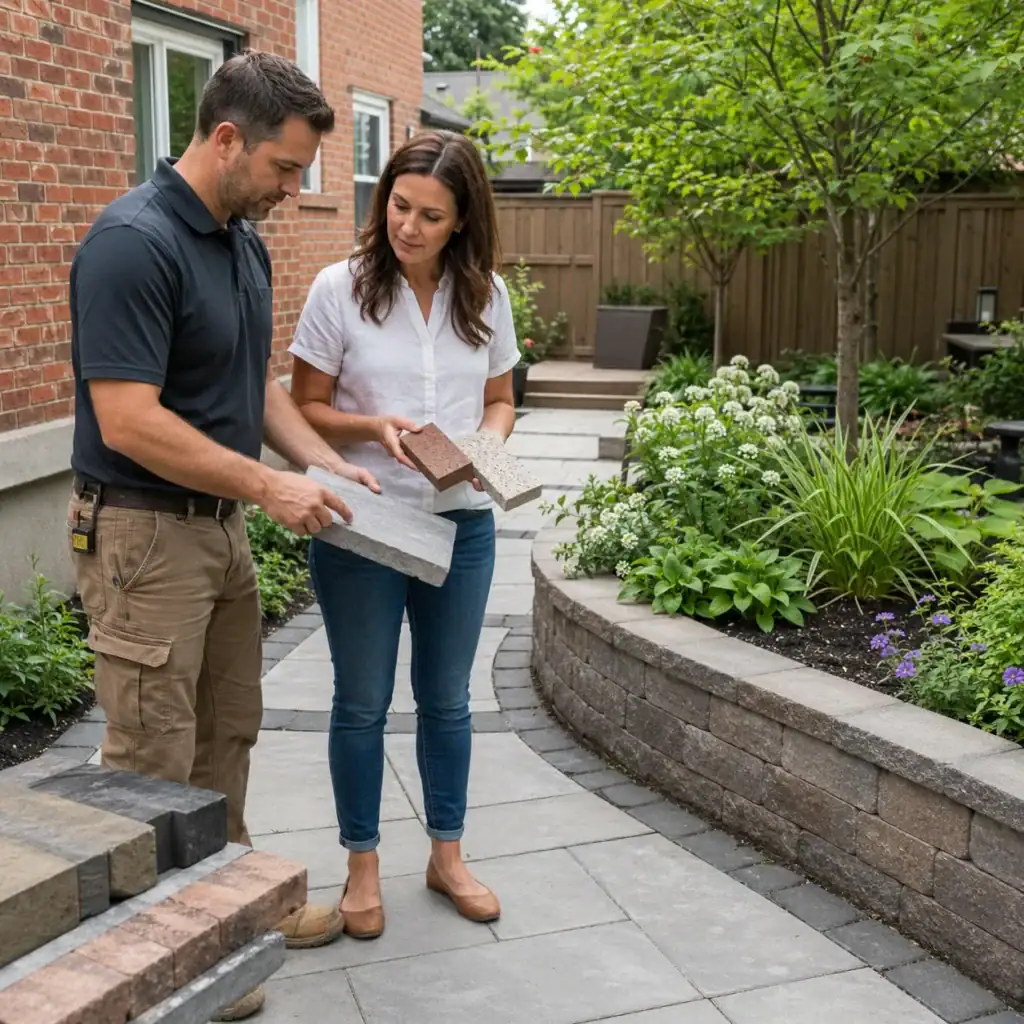
Final Thoughts on Masonry Around Gardens
Masonry around gardens can add structure, beauty, and functionality to yards in Toronto and the GTA when planned properly. Brick, stone, retaining walls, pavers, concrete, steps, and borders can all help organize outdoor spaces, support soil, improve access, and create a more finished landscape.
The most important tips are simple: plan the purpose first, manage drainage, choose materials that suit the home, avoid trapping soil against brick, build on a proper base, and remember winter conditions. A garden feature should look good in summer, drain properly in spring, and stay stable through winter.
When garden masonry is designed with water, soil, plants, and long-term maintenance in mind, it becomes more than decoration. It becomes a durable part of the home’s outdoor space.