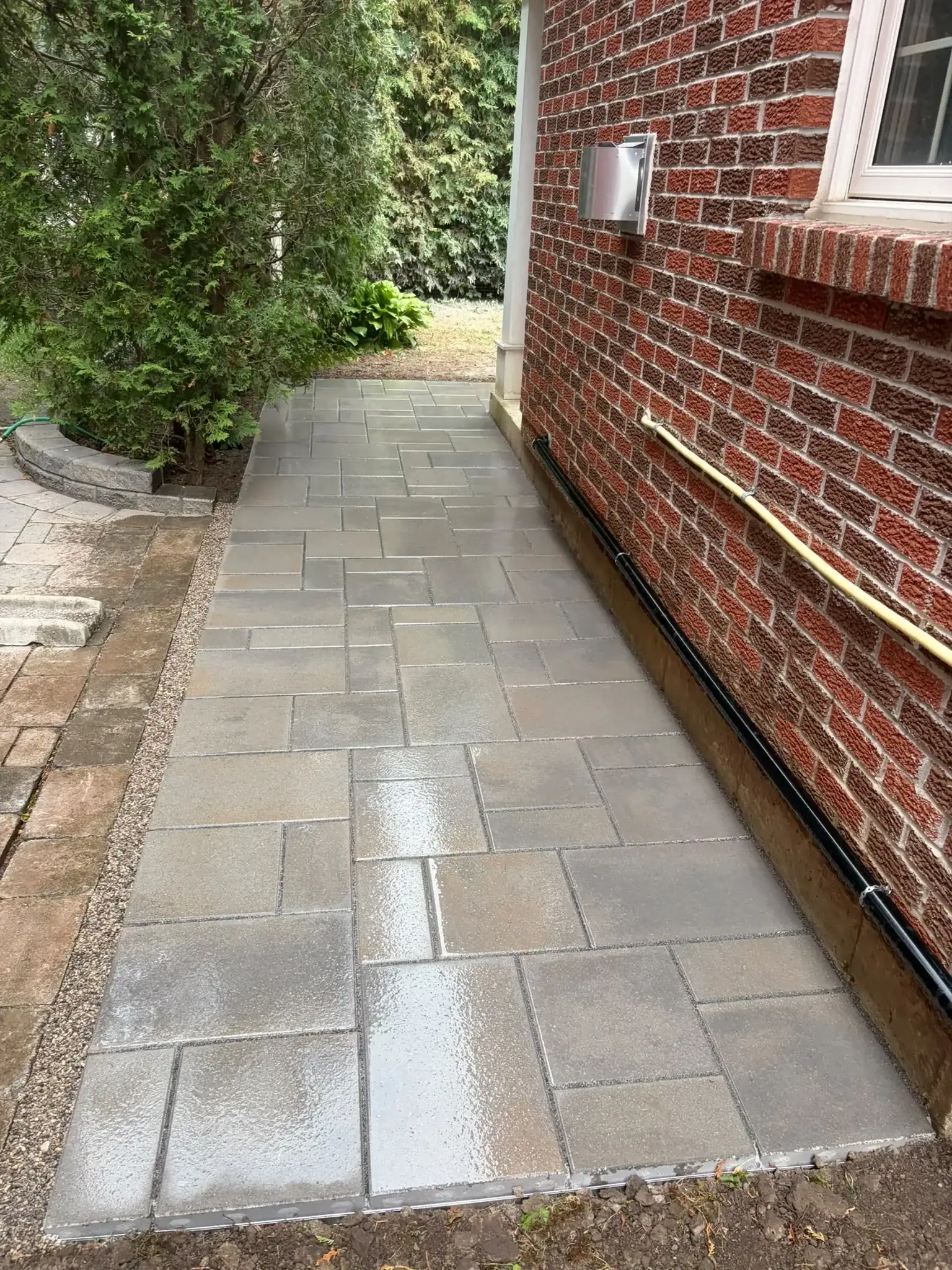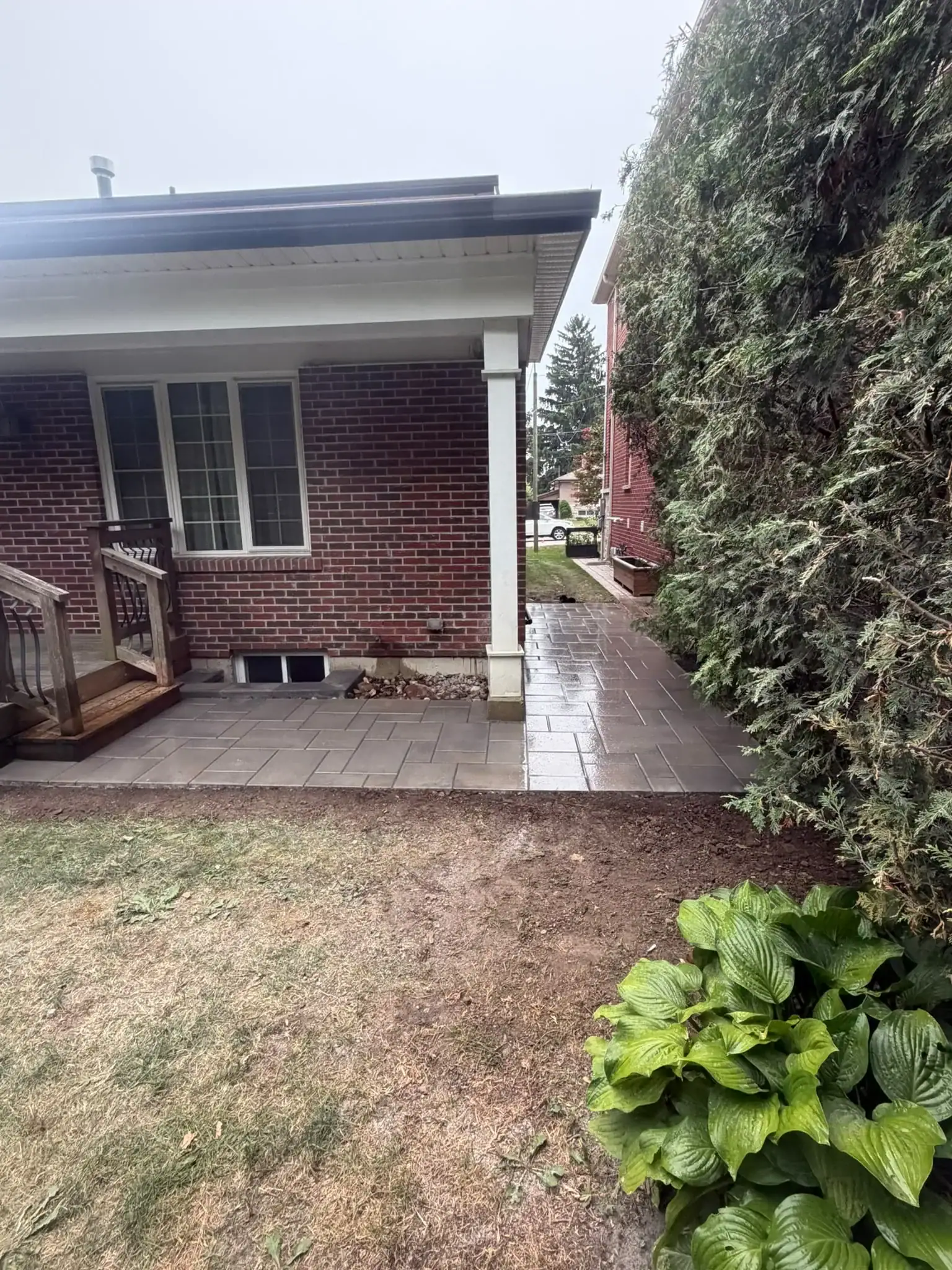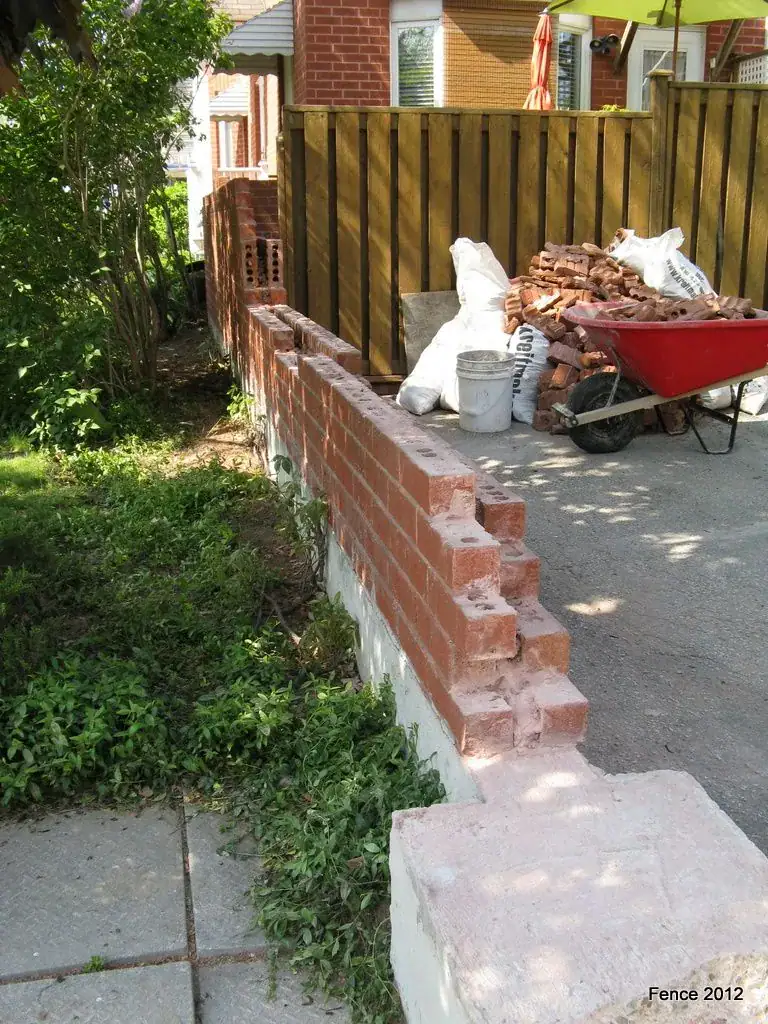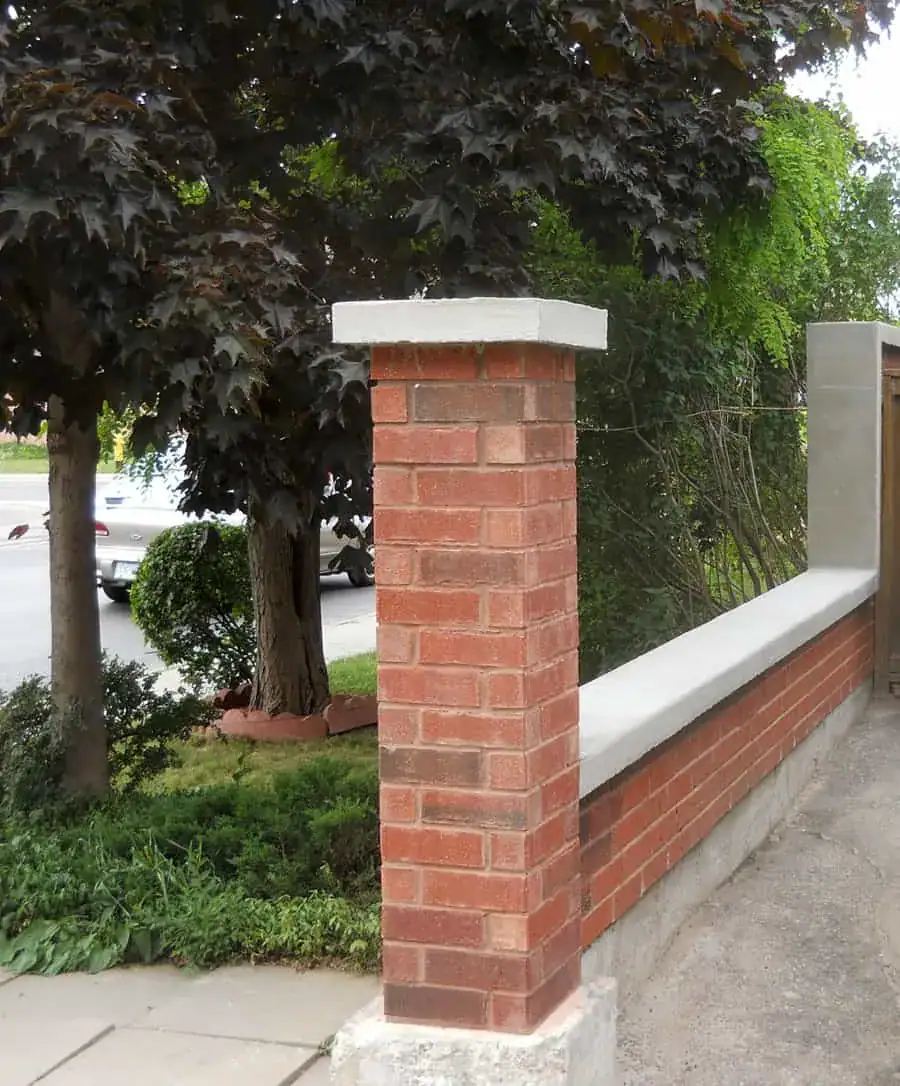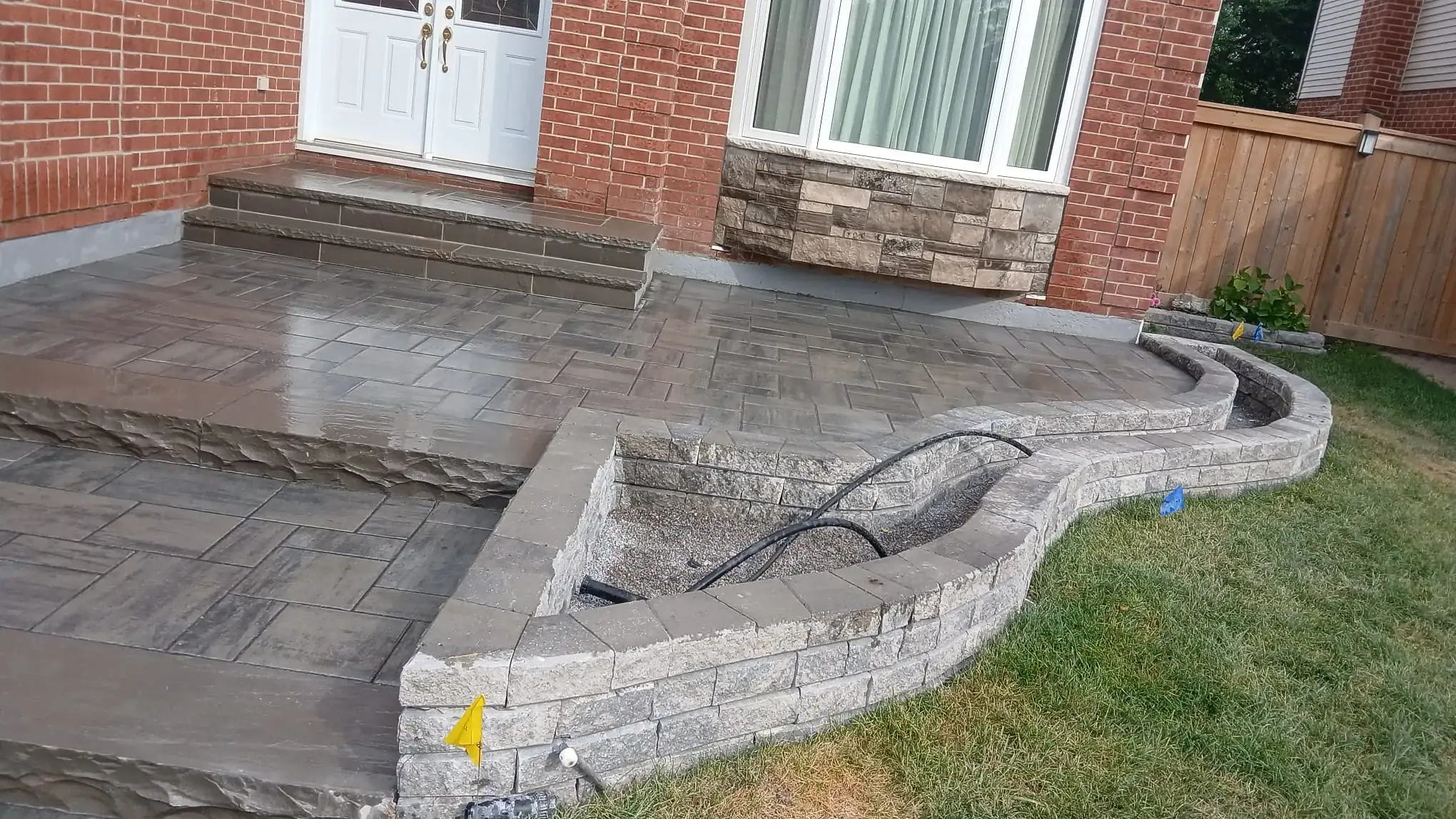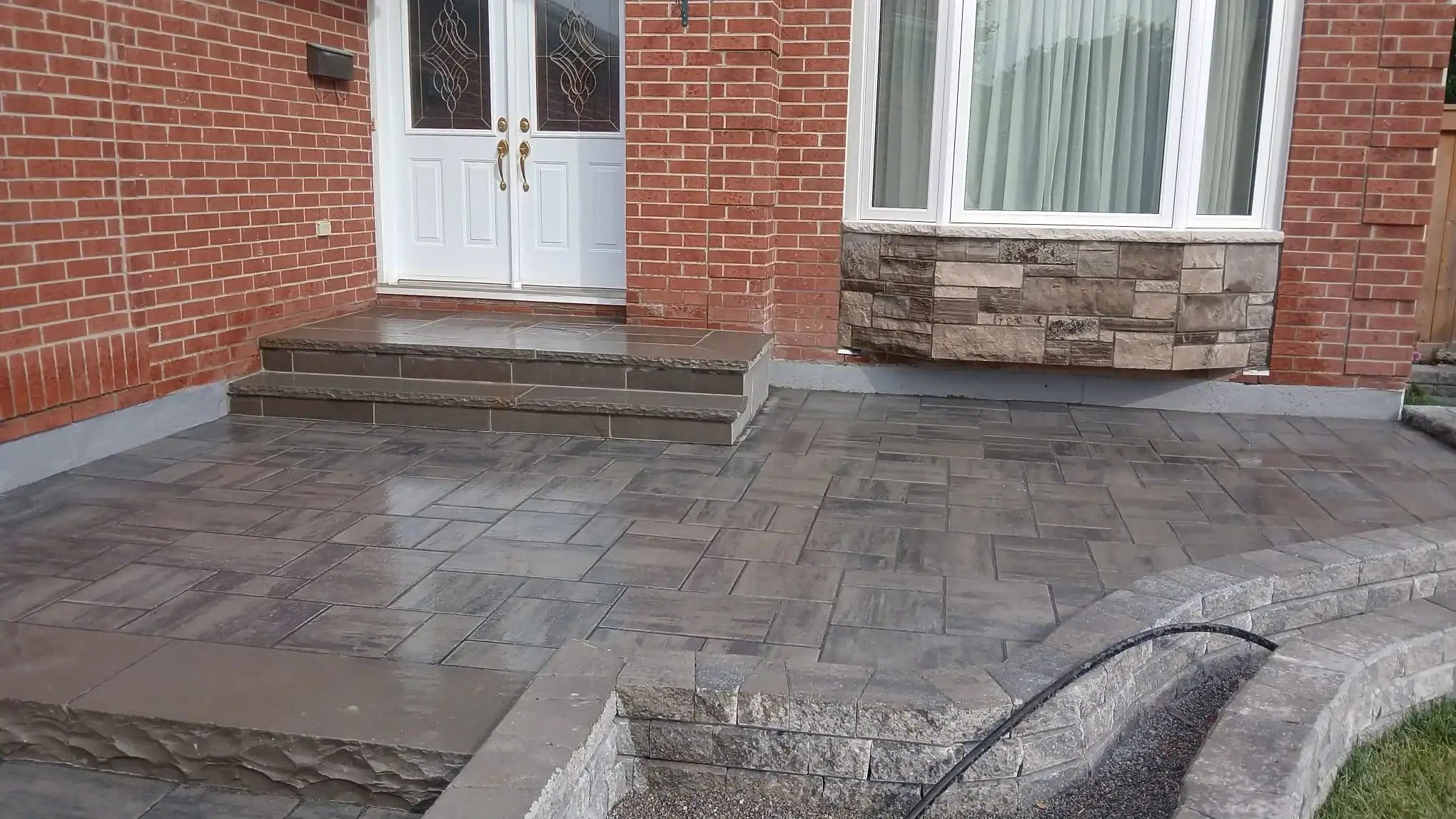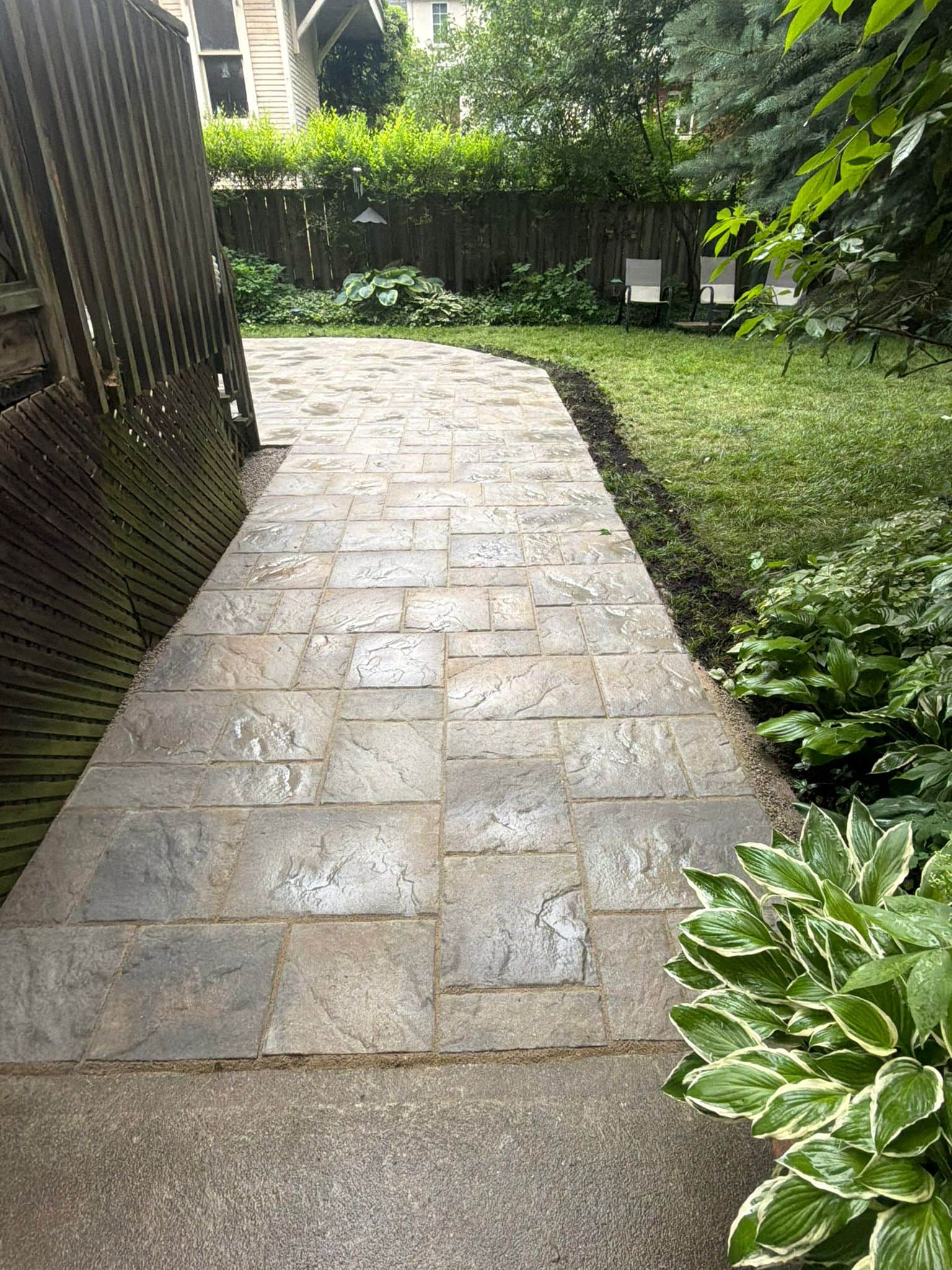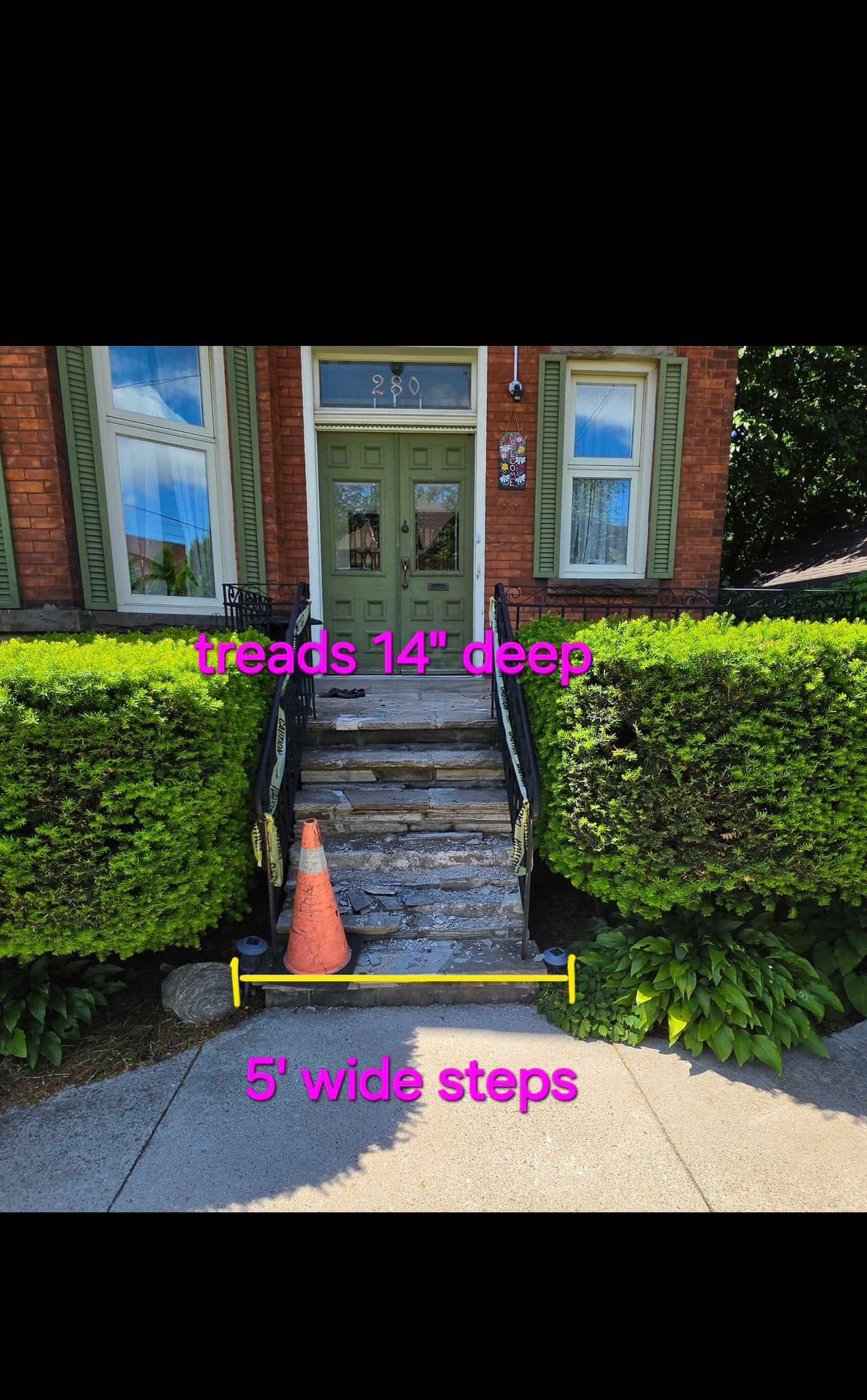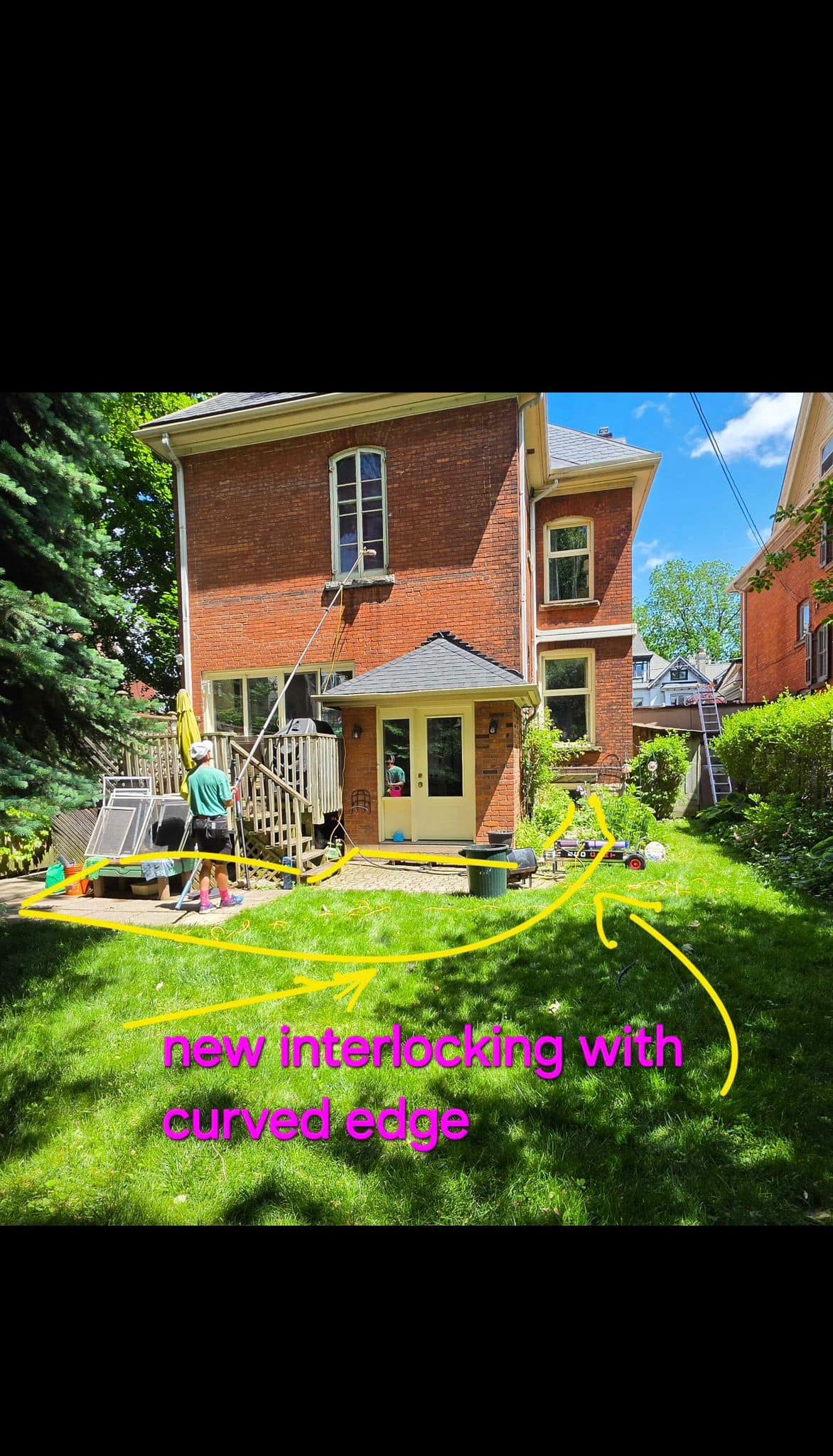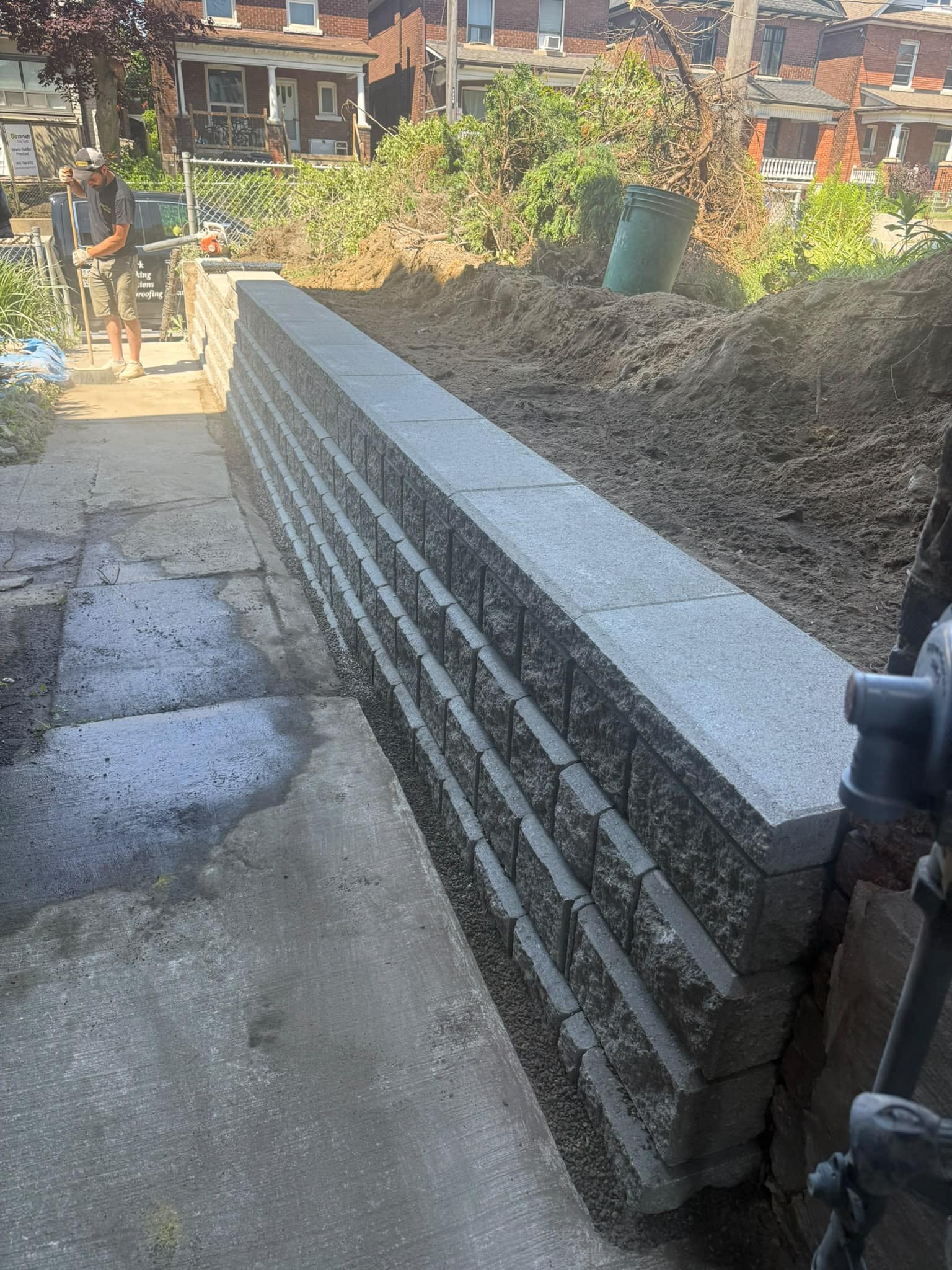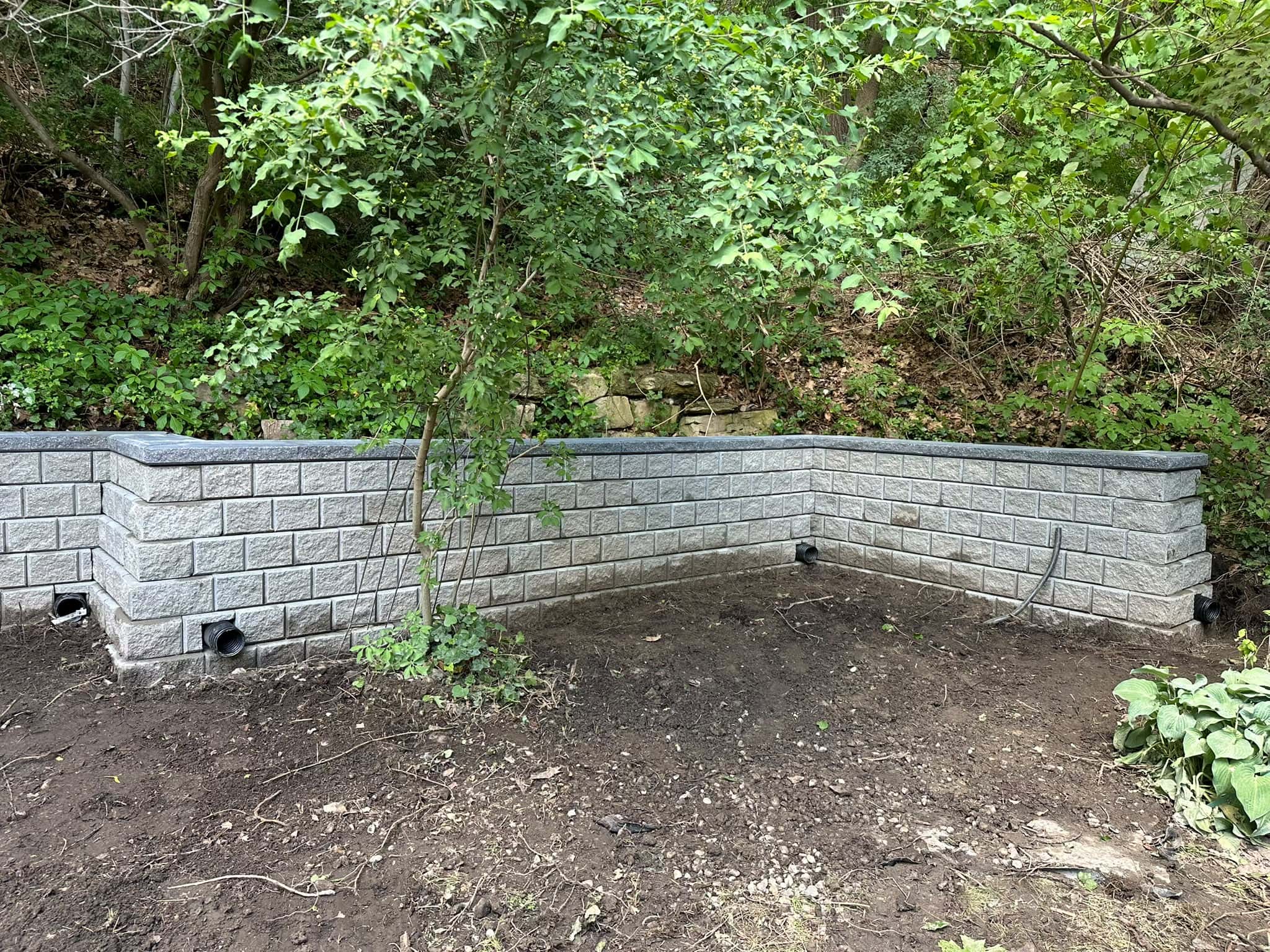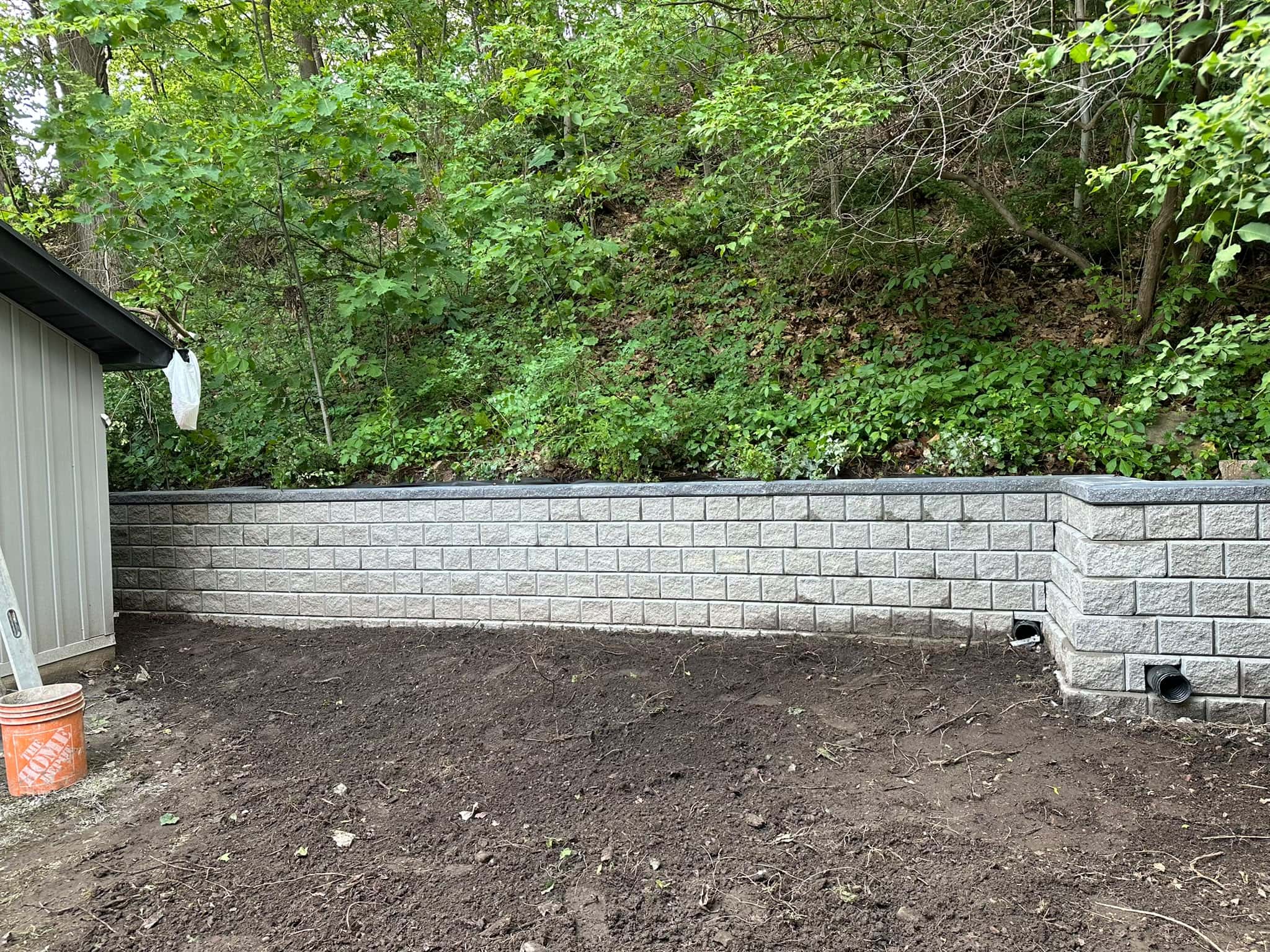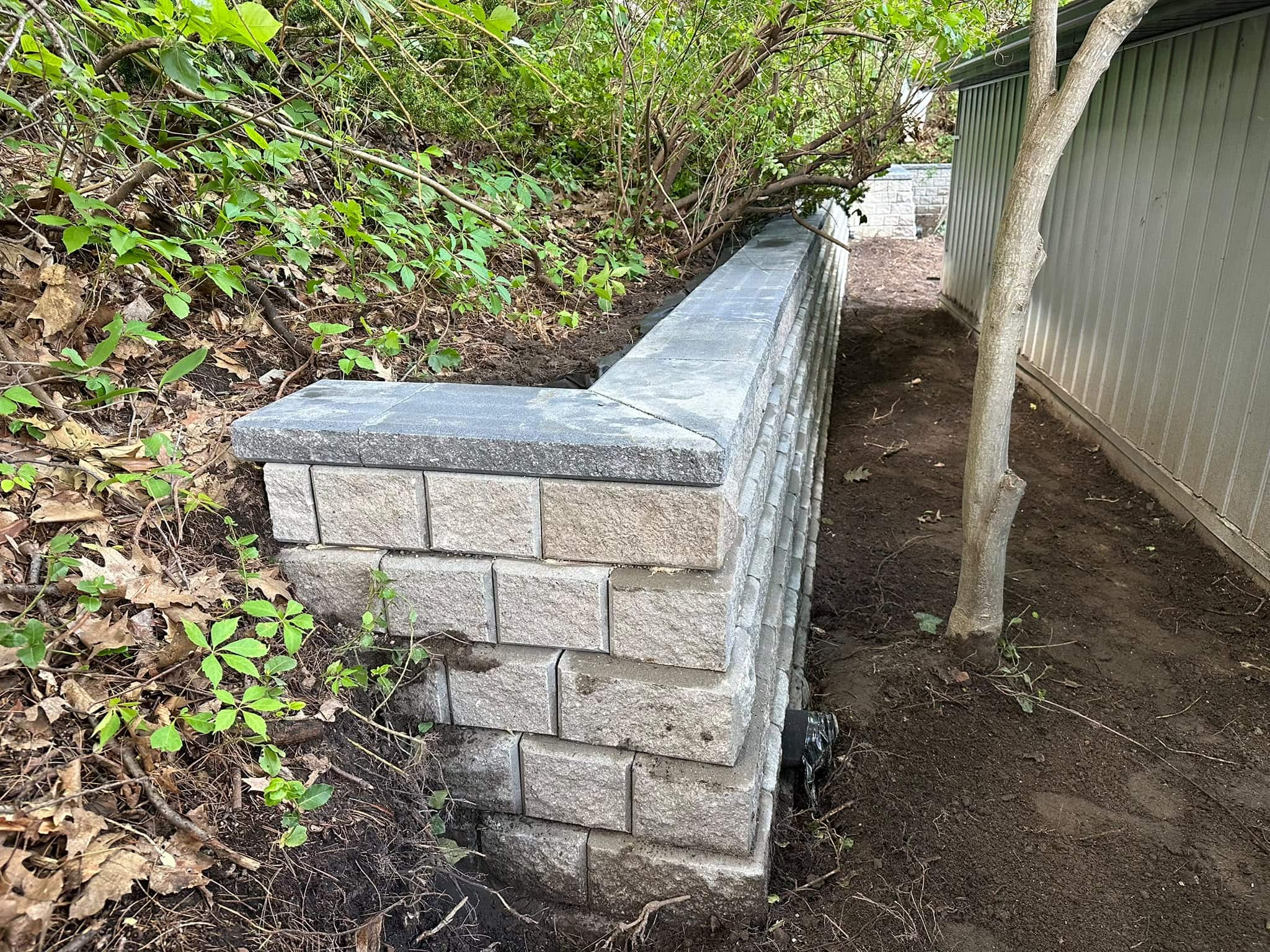

Choosing between a fire pit and an outdoor fireplace depends on how you want to use your backyard, how much space you have, how much heat and privacy you want, and what is allowed on your property. A fire pit usually creates a more open, social gathering area. An outdoor fireplace usually creates a stronger focal point, better wind protection, and a more built-in-outdoor-room feel.
For Toronto and GTA homeowners, this choice should also consider local fire rules, permits, masonry materials, drainage, winter exposure, smoke movement, property layout, and long-term maintenance. A fire feature can look beautiful, but it needs to be planned safely and practically.
This guide explains the difference between a fire pit and an outdoor fireplace, when each option makes sense, what materials to consider, and what homeowners should check before adding a masonry fire feature to an outdoor space.
Start With Local Fire Rules and Safety
Local fire rules should be checked before choosing any outdoor fire feature. In Toronto, open-air burning is generally not permitted unless it falls under specific exceptions or has approval. The City of Toronto’s open-air burning guidance states that open-air burning is not permitted, with limited exceptions such as small, confined fires used for cooking food on a grill, barbecue, or spit, which must be supervised at all times.
This is important because many homeowners think a backyard fire pit is automatically allowed if it is small or decorative. That is not always true. Outdoor fire rules can vary by municipality, property type, fuel type, and use. Homeowners outside Toronto should check their local municipal rules before planning a wood-burning fire feature.
Ontario also provides information on outdoor fire rules and permits, including the importance of checking municipal by-laws and safely controlling fires. If there is a restricted fire zone or local fire restriction, outdoor burning rules may become stricter.
Before spending money on masonry work, confirm what type of fire feature is allowed, whether it can burn wood, whether gas is the better option, and whether any permits or approvals are needed.
What Is the Main Difference Between a Fire Pit and an Outdoor Fireplace?
The main difference is how the fire is experienced. A fire pit is usually open on all sides, while an outdoor fireplace has a more defined structure, a firebox, and often a chimney or venting path.
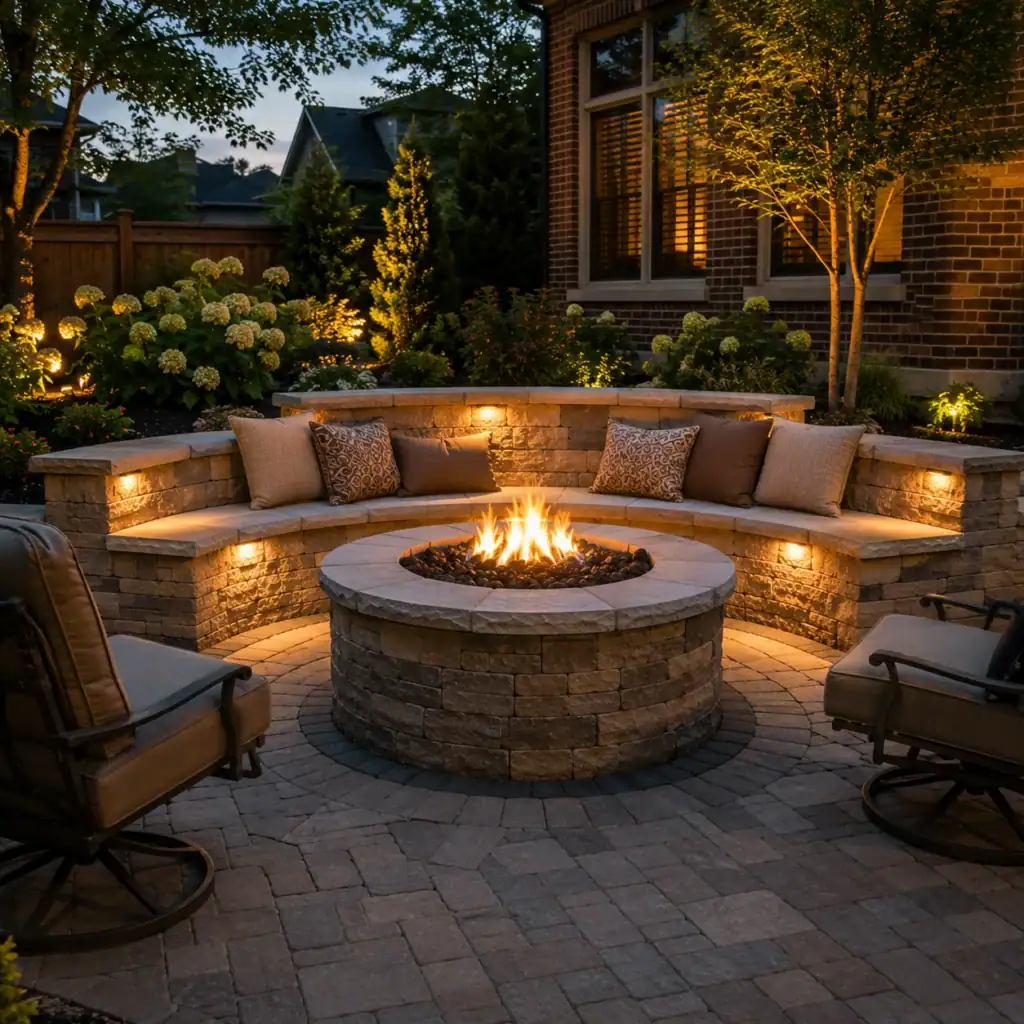
A fire pit encourages people to sit around the flame in a circle. It feels casual, social, and flexible. It can work well in a patio, garden area, or open seating zone where people want a campfire-style atmosphere.
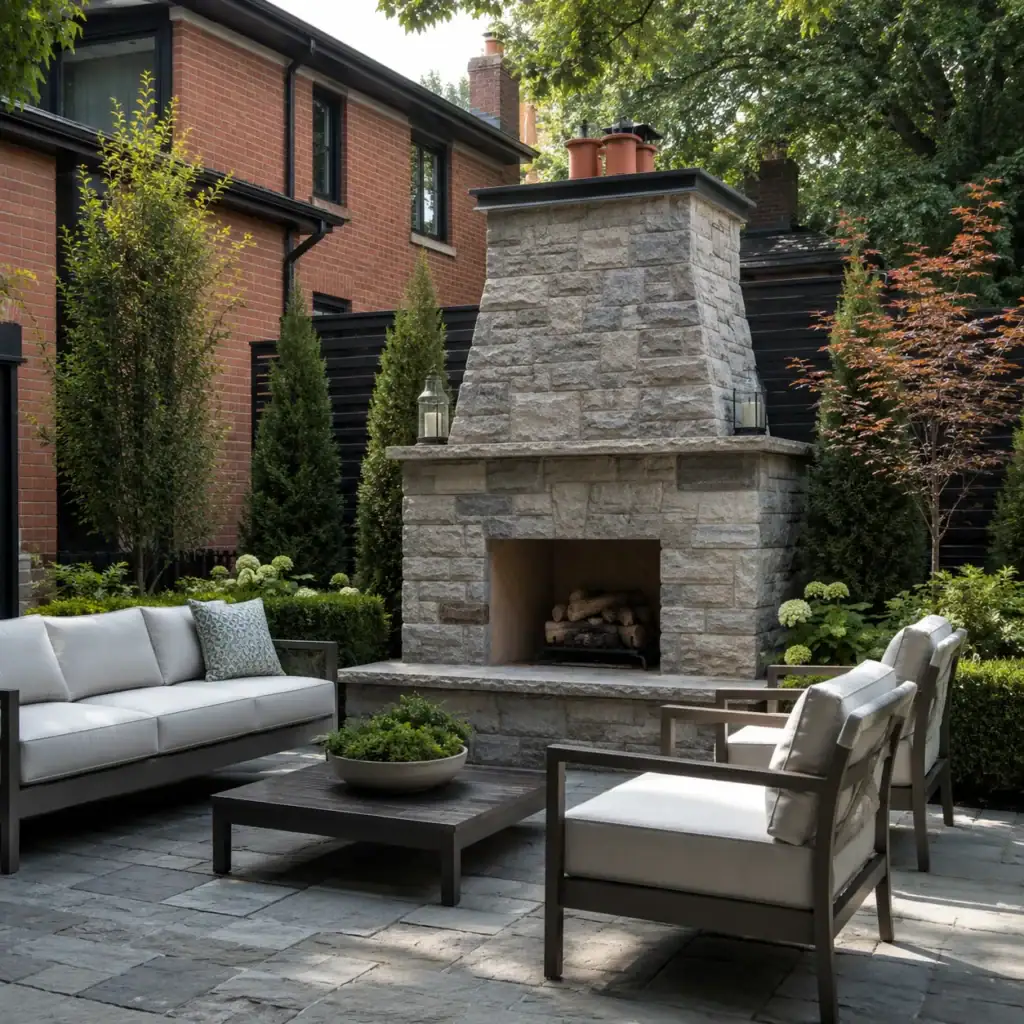
An outdoor fireplace creates a vertical feature that faces one direction. It can anchor a patio, create privacy, block wind, and make the backyard feel more like an outdoor living room. It usually feels more permanent and architectural than a fire pit.
Both can be built with masonry materials such as stone, brick, concrete block, or veneer, but their design, cost, safety planning, and maintenance needs differ.
When a Fire Pit Makes More Sense
A fire pit makes more sense when you want a casual gathering area with seating on several sides. It is often the better choice for homeowners who want a flexible outdoor feature that feels relaxed and social.
Fire pits can work well in larger open yards, patios, and garden seating areas where smoke movement, clearances, and local rules can be handled properly. They can also be easier to integrate into a low-profile landscape design because they do not create a large vertical structure.
A fire pit may be the better choice if:
- You want people to sit around the fire from all sides.
- You prefer a casual outdoor gathering space.
- You have enough open space around the feature.
- You want a lower profile than a fireplace.
- You want the fire feature to blend into a patio or garden setting.
- You are planning a gas fire feature instead of an open wood-burning one where rules allow.
For homeowners comparing material options, A&A Masonry’s blog on brick vs stone fire pits explains how brick and stone differ in look, durability, and maintenance.
When an Outdoor Fireplace Makes More Sense
An outdoor fireplace makes more sense when you want a strong focal point, more structure, and a built-in outdoor room feel. It can make a patio feel finished and can visually anchor the seating area.
Outdoor fireplaces are often chosen for backyards where homeowners want a more formal or permanent masonry feature. They can be designed with stone, brick, block, or veneer finishes to match the home and patio. Because they are taller and more built-in, they can also help create privacy or screen a view.
An outdoor fireplace may be the better choice if:
- You want the fire feature to face a main seating area.
- You want a vertical focal point in the backyard.
- You prefer a more finished outdoor living room style.
- You want better wind control than an open fire pit.
- Your patio layout can support a permanent feature.
- You want the masonry to match other stone, brick, or hardscape features.
A&A Masonry’s fireplace installation Toronto page is a useful resource for homeowners considering a masonry fireplace feature.
Space and Backyard Layout
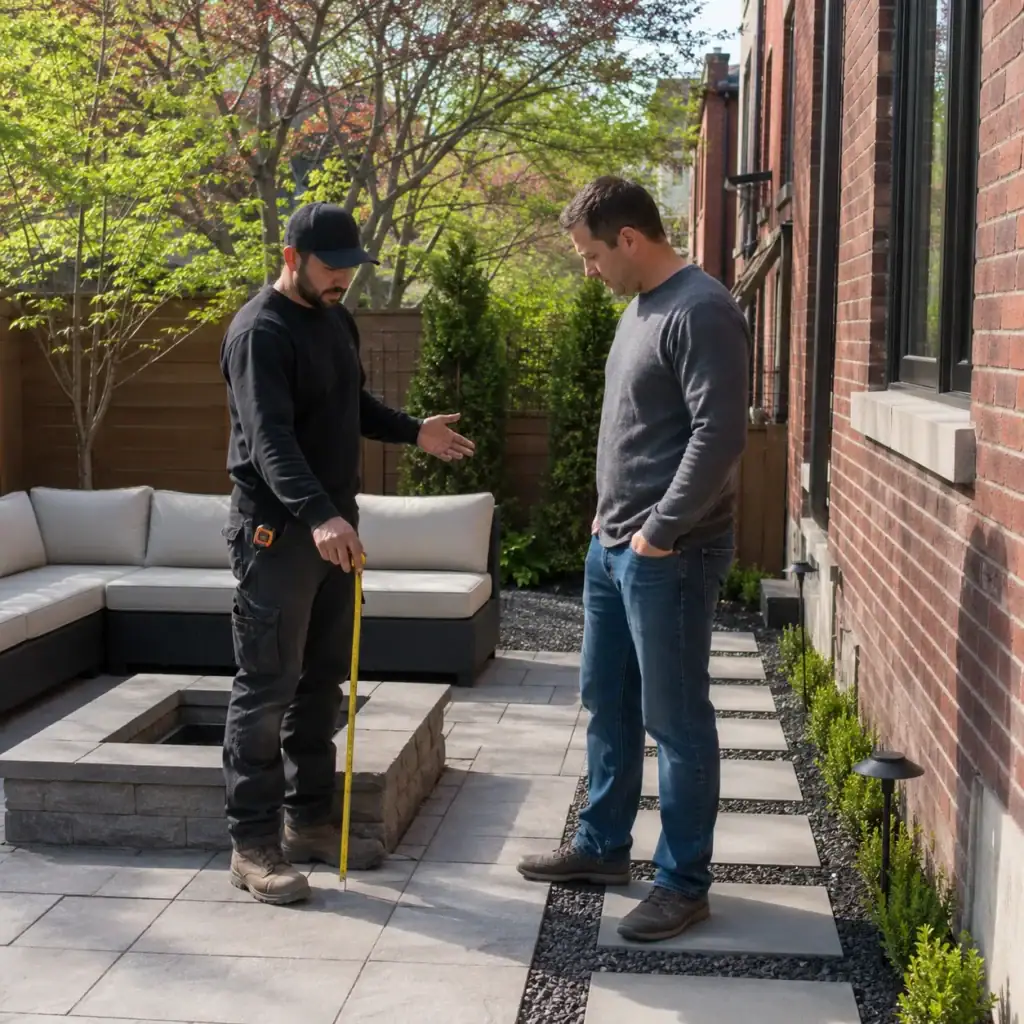
Space and layout often decide whether a fire pit or outdoor fireplace is more practical. A fire pit needs room around all sides for seating and safe movement. An outdoor fireplace needs sufficient width and depth for the structure, hearth area, and seating facing the fire.
Small Toronto backyards can be challenging due to fences, decks, garages, neighbouring properties, trees, overhead wires, sheds, and tight side yards. A fire feature should not be squeezed into a space where people cannot move safely or where heat, sparks, smoke, or clearances create problems.
A fire pit can feel crowded if there is not enough room for chairs around it. A fireplace can feel too heavy if it overwhelms a small patio. The best option is the one that fits the yard without making the space feel cramped or unsafe.
Before choosing, map out seating, walkways, doors, steps, garden beds, and existing masonry. The fire feature should support the layout, not force the whole yard to work around it.
Smoke, Wind, and Neighbouring Properties
Smoke and wind are major considerations, especially in dense Toronto neighbourhoods. A fire pit is open, so smoke can move in several directions depending on wind. An outdoor fireplace can direct smoke upward more effectively when properly designed, but it still requires careful planning.
Neighbouring homes, fences, windows, decks, and patios can all affect whether smoke becomes a problem. Even if a fire feature looks attractive, it may not be practical if smoke regularly blows toward doors, windows, or neighbours.
Gas fire features may produce less smoke than wood-burning options, but fuel type, appliance requirements, venting, and installation still require proper review. If the feature involves gas, fuel lines, or built-in appliances, qualified trades and applicable codes should be considered.
For homeowners, the simple rule is this: think about where smoke, heat, and people will go before choosing the design.
Heat and Comfort
A fire pit usually spreads heat in all directions, while an outdoor fireplace tends to direct warmth toward the seating area in front of it. This difference affects comfort and seating layout.
A fire pit can feel great for a circle of people because everyone shares the heat. It works well for casual evenings, open seating, and relaxed gatherings. However, wind can reduce comfort quickly because the flame is more exposed.
An outdoor fireplace can feel more sheltered because the back and sides help contain the flame and reflect heat forward. It can be more comfortable in a designed patio area, especially when paired with stone or brick seating walls, overhead lighting, and wind-aware placement.
Choose a fire pit if shared heat and conversation matter most. Choose an outdoor fireplace if you want a focused seating zone with a stronger visual anchor.
Privacy and Visual Impact
An outdoor fireplace usually provides more privacy and visual impact than a fire pit. Because it is taller, it can help screen a view, define a boundary, or make an outdoor space feel more enclosed.
This can be useful in Toronto backyards where neighbouring properties are close. A fireplace can create a backdrop for seating and reduce the feeling of being fully exposed. It can also become the patio’s main design feature.
A fire pit has a lighter visual footprint. It keeps the yard feeling more open and may be better when you do not want to block views or create a large structure. It works well in gardens, open patios, and yards where flexibility is important.
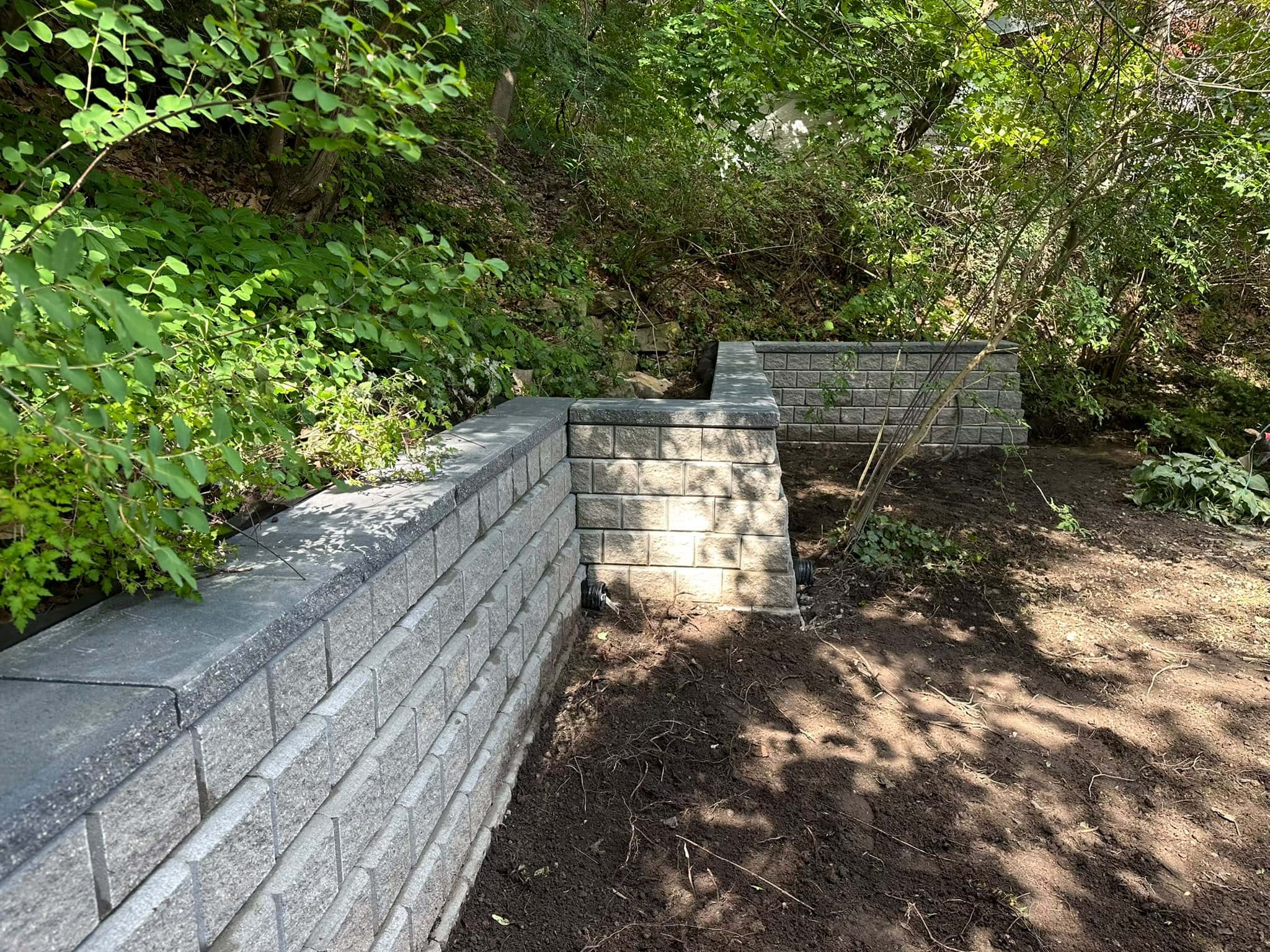
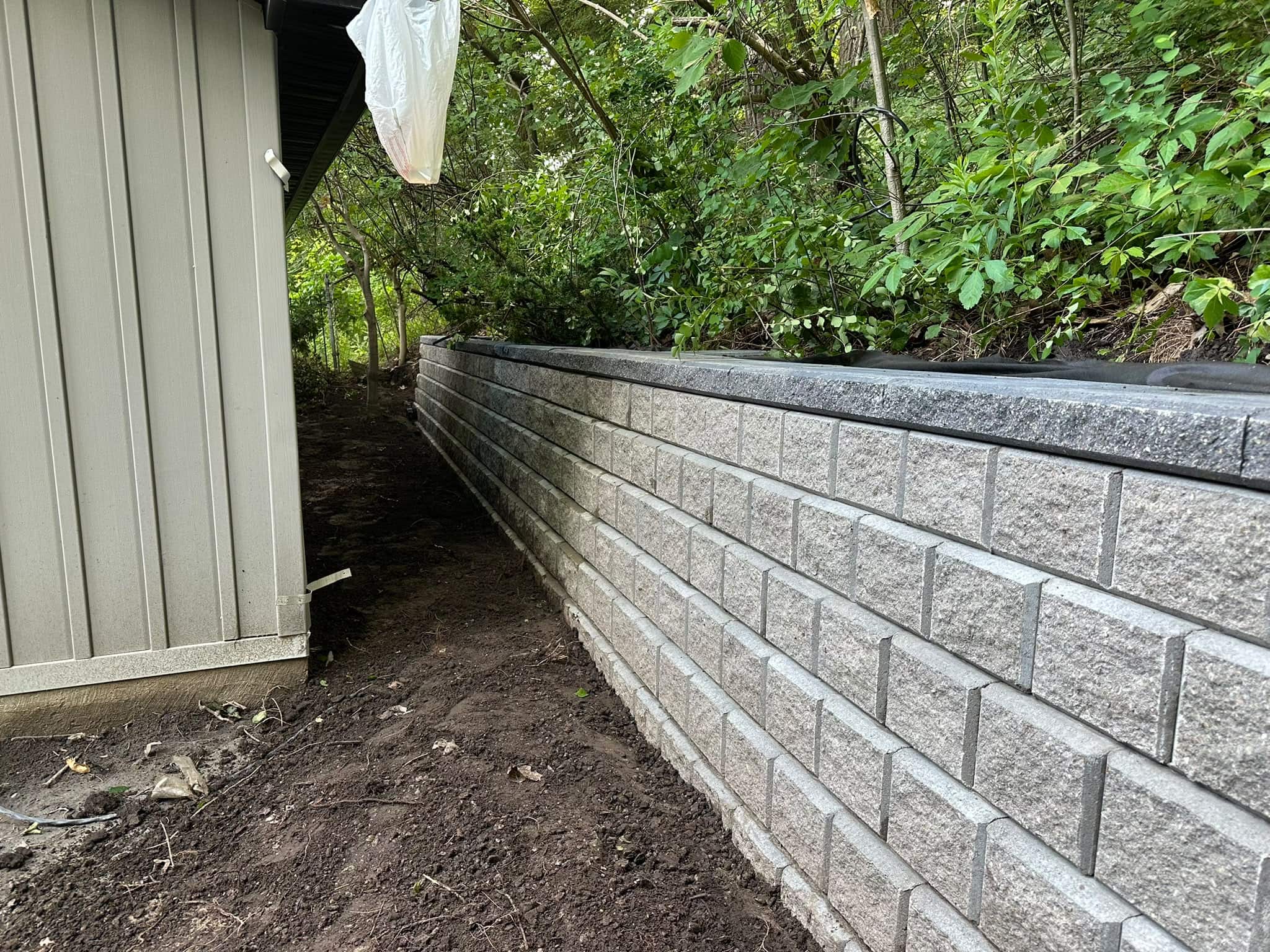
If the backyard already has retaining walls, stone features, interlocking patios, or garden walls, the fire feature should coordinate with those materials. A&A Masonry’s stone masonry Toronto page is helpful for homeowners considering stone fire features and outdoor masonry details.
Material Choices for Fire Features
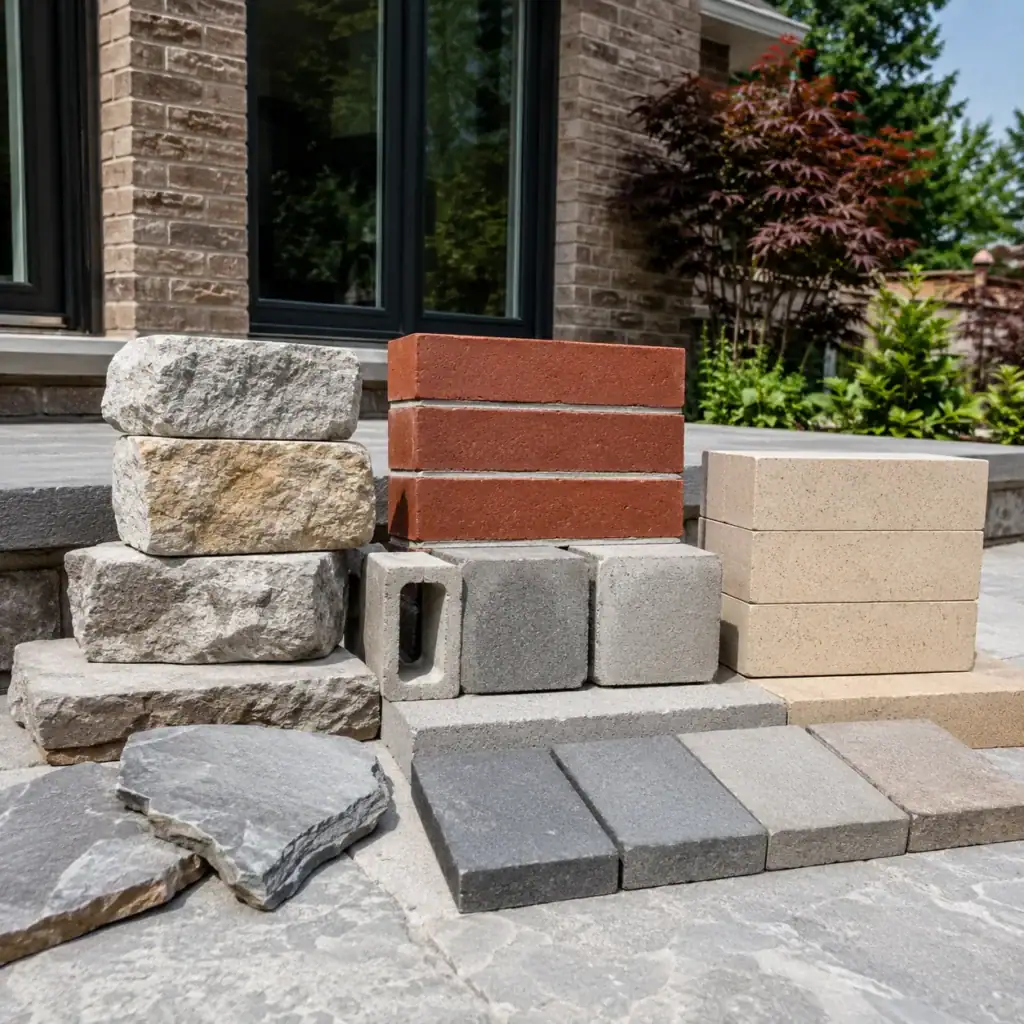
Material choice affects durability, appearance, maintenance, and how well the fire feature matches the home. Common masonry materials include natural stone, brick, concrete block, fire-rated materials, and veneer finishes over a suitable structure.
Not every attractive masonry material should be placed directly against heat. Fireboxes and areas exposed to high temperatures require materials suitable for high-temperature conditions. Decorative exterior materials may be used as finishes when the fire area itself is properly built.
Stone can create a natural and timeless look. Brick can feel traditional and suit older Toronto homes. Concrete block can form part of a practical structural system. Veneer can help match the style of the home when installed correctly over a suitable base.
For outdoor spaces, the material also needs to handle rain, snow, freeze-thaw cycles, and moisture. A beautiful fire feature that traps water or uses the wrong mortar may crack or deteriorate faster than expected.
Brick Fire Pits and Fireplaces
Brick fire features can look warm, traditional, and natural beside Toronto brick homes. Brick can help the fire feature feel connected to the house, especially when the colour and mortar are chosen carefully.
However, ordinary exterior brick and mortar should not be treated as a complete firebox system. Heat-exposed areas may need fire-rated materials or proper firebrick depending on the design. A decorative brick exterior can work well when the firebox and structure are designed properly.
Brick also needs moisture protection outdoors. Open joints, poor caps, flat surfaces that hold water, and freeze-thaw exposure can lead to cracking or spalling. If brick is used, the design should shed water and use compatible mortar.
Brick is a strong visual choice when you want the fire feature to match a traditional home, but the technical details still matter.
Stone Fire Pits and Fireplaces
Stone fire features can create a natural, textured, and high-quality look. Natural stone can work well in gardens, patios, retaining wall areas, and outdoor living spaces where the homeowner wants the feature to feel permanent and integrated with the landscape.
Stone works especially well when the backyard already includes stone steps, walls, borders, or interlocking. It can look less formal than brick and can blend into planting beds and natural materials.
As with brick, the heat-exposed parts of the feature need proper materials and construction. Stone used as a finish is not the same as a fire-rated inner firebox. Moisture control also matters because water can enter joints, freeze, and loosen stones or mortar.
Stone is a good choice when natural character and long-term curb appeal are priorities.
Gas vs Wood-Burning Fire Features
Fuel type can be more important than the shape of the fire feature. A wood-burning fire pit or fireplace creates a traditional flame and scent, but it may face stricter local rules, smoke concerns, ash cleanup, and impacts on neighbours. A gas fire feature may be cleaner and easier to control, but it requires proper appliance selection, gas work, and installation planning.
In Toronto, this question should be checked carefully because open-air burning rules can limit what homeowners are allowed to do. A decorative wood-burning backyard fire pit may not be permitted simply because it is built nicely. A fire feature used for cooking may still need to meet specific conditions.
Gas fire features may be a practical alternative for some homeowners, but gas lines and appliances are not DIY masonry details. They should be handled by qualified professionals and planned with safety, ventilation, clearances, and manufacturer requirements in mind.
Choose fuel type before finalizing the masonry design. The shape, size, firebox, ventilation, and clearances may all depend on it.
Drainage and Weather Protection
Drainage and weather protection matter because outdoor masonry fire features sit through rain, snow, freeze-thaw cycles, and winter moisture. Water can enter joints, caps, openings, and bases. If it freezes inside the masonry, it can cause cracking, spalling, or loose sections.
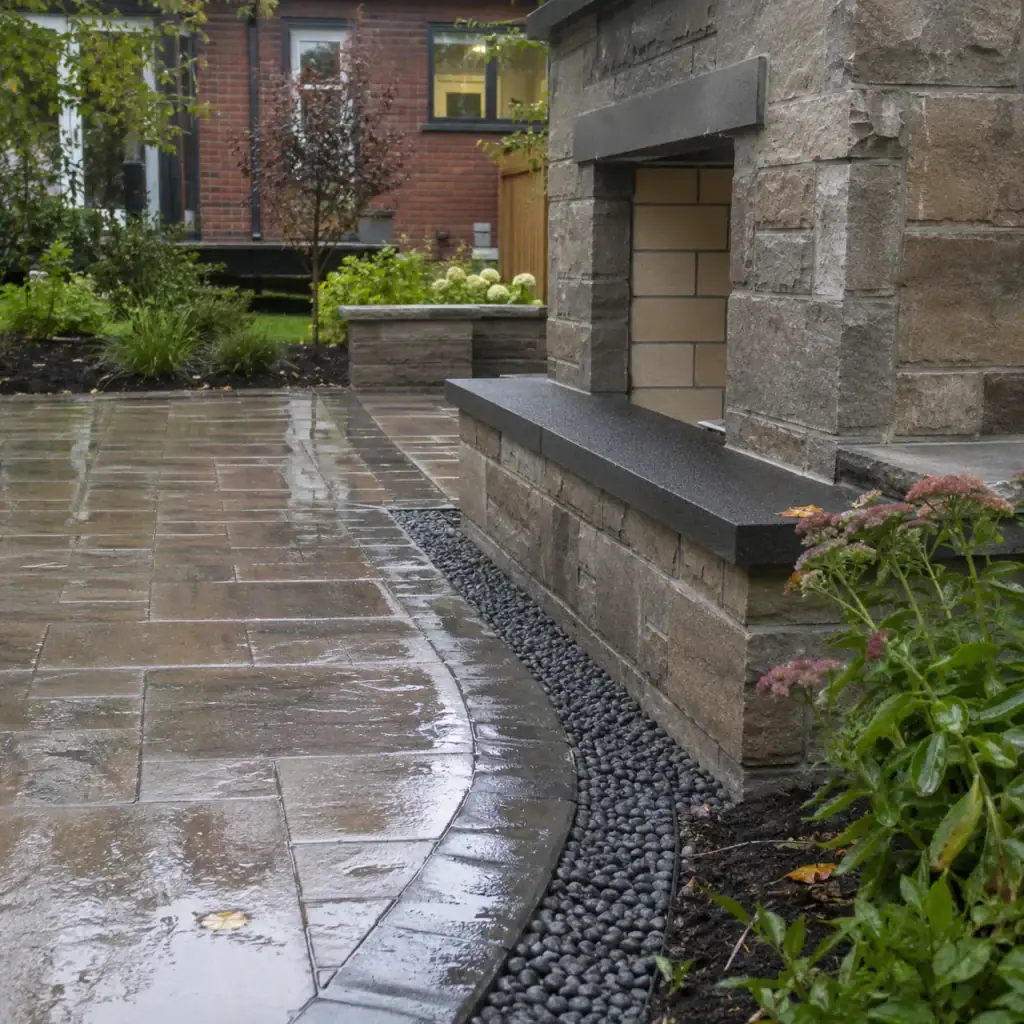
Good design should help shed water away from the fire feature. Caps, sloped surfaces, proper mortar joints, drainage around the base, and suitable covers can all help. The feature should not sit in a low area where water pools after rain.
The City of Toronto’s guidance on managing rain and melted snow is useful for outdoor projects, as patios, fire features, and hardscaping should direct water safely away from the home and neighbouring properties.
If the fire feature is part of a larger patio or interlocking project, A&A Masonry’s interlocking stone services in Toronto page is helpful for planning connected walkways, patios, borders, and outdoor hardscape surfaces.
Permits, Code, and Installation Questions
Permits and code questions may apply when a fire feature becomes a built structure, such as a fireplace or chimney, a gas appliance, or part of a larger patio or building project. Small movable features and permanent masonry structures are not treated the same way.
The City of Toronto’s building permit guidance lists installing or reconstructing a chimney or fireplace, and installing a wood-burning stove or fireplace, among projects that need a permit. Ontario’s official Building Code page is the preferred provincial reference for building requirements.
For homeowners, the practical rule is this: if the feature is permanent, masonry-built, connected to gas, includes a chimney, affects a structure, or significantly changes the outdoor space, check the official requirements before starting.
Safety Around Outdoor Fire Features
Safety should guide the entire design. Fire features create heat, flame, smoke, and clearance concerns. They should not be placed too close to structures, fences, trees, overhangs, furniture, or combustible materials.
Outdoor fire features should also be supervised when in use. Seating should allow people to move safely. Surfaces around the fire should be stable and non-combustible where needed. Children and pets should be considered in the layout.
Ontario’s fire safety legislation and the Ontario Fire Code page are useful official references for a broader context on fire safety. If a gas appliance or fireplace is involved, homeowners should also keep carbon monoxide safety in mind, especially where any combustion appliance is used near enclosed or semi-enclosed areas.
An outdoor fire feature should feel relaxing, but it should be planned with serious attention to fire behaviour, fuel, airflow, and nearby materials.
Maintenance Differences
Maintenance differs between fire pits and outdoor fireplaces. Fire pits are usually easier to access and clean, but they may collect water, leaves, ash, and debris if left uncovered. Outdoor fireplaces may need more attention around the firebox, chimney, cap, masonry joints, and vertical surfaces.
Wood-burning features require ash removal, soot cleaning, and more frequent checks for heat damage and smoke staining. Gas features may need appliance servicing, burner checks, and protection from debris. Both types need masonry inspection for cracking, loose mortar, water damage, and surface movement.
Outdoor fireplaces with chimneys should be reviewed more like chimney systems. Moisture, caps, crowns, liners, and venting may all matter depending on the design. A&A Masonry’s chimney waterproofing options guide can help homeowners understand moisture protection for masonry chimney-style features.
Maintenance should be planned before installation. A beautiful fire feature is easier to enjoy when it is also easy to clean, inspect, and protect.
Cost and Long-Term Value
Cost depends on size, material, fuel type, site access, design complexity, drainage, permits, and whether the fire feature is part of a larger patio or landscape project. A simple fire pit may cost less than a full outdoor fireplace, but the lowest initial price is not always the best long-term value.
An outdoor fireplace usually requires more materials, labour, structural work, and planning. It may also require more careful review if it includes a chimney or gas components. A fire pit can be simple, but it still requires safe placement, suitable materials, drainage, and compliance with local regulations.
Long-term value comes from choosing a feature you will actually use. If you host casual gatherings, a fire pit may deliver more enjoyment. If you want a finished patio focal point, an outdoor fireplace may better support the space.
Do not choose based only on cost. Choose based on use, safety, rules, layout, maintenance, and how well the feature fits the home.
What Homeowners Should Check Before Choosing
Homeowners should check practical site conditions before choosing a fire pit or outdoor fireplace. A quick review can prevent design, safety, and rule problems later.
- Local rules: Check whether the type of fire feature and fuel are allowed.
- Space: Confirm there is enough room for seating, movement, and clearances.
- Smoke path: Consider neighbours, windows, doors, fences, and wind direction.
- Fuel type: Decide whether wood, gas, or another approved option makes sense.
- Materials: Choose masonry and fire-rated components suited to heat and weather.
- Drainage: Avoid low areas where water collects around the feature.
- Access: Consider how materials, fuel, maintenance, and future repairs will be handled.
- Design fit: Match the fire feature to the patio, home, stonework, brickwork, and landscaping.
These checks should occur before the design is finalized, not after the masonry has already been built.
Quick Decision Guide: Fire Pit or Outdoor Fireplace?
A quick decision guide can help homeowners make a clearer choice.
- Choose a fire pit if you want a casual, open, social gathering area.
- Choose a fire pit if your patio has enough space for seating on several sides.
- Choose a fire pit if you want a lower-profile feature that blends into the yard.
- Choose an outdoor fireplace if you want a strong focal point and outdoor room feel.
- Choose an outdoor fireplace for more privacy, wind control, and structure.
- Choose gas carefully if smoke, convenience, or open-burning rules are concerns.
- Check permits and fire rules first before planning a permanent masonry feature.
- Plan drainage and winter protection so the masonry lasts longer.
The best choice is the one that fits your yard, follows local rules, feels safe to use, and supports how you actually spend time outdoors.
When Professional Help Makes More Sense
Professional help makes more sense when the fire feature is permanent, masonry-built, gas-connected, chimney-style, close to structures, or part of a larger patio or landscape project. Fire features involve safety, heat, materials, drainage, and local rules, so they should not be planned as simple decorative add-ons.
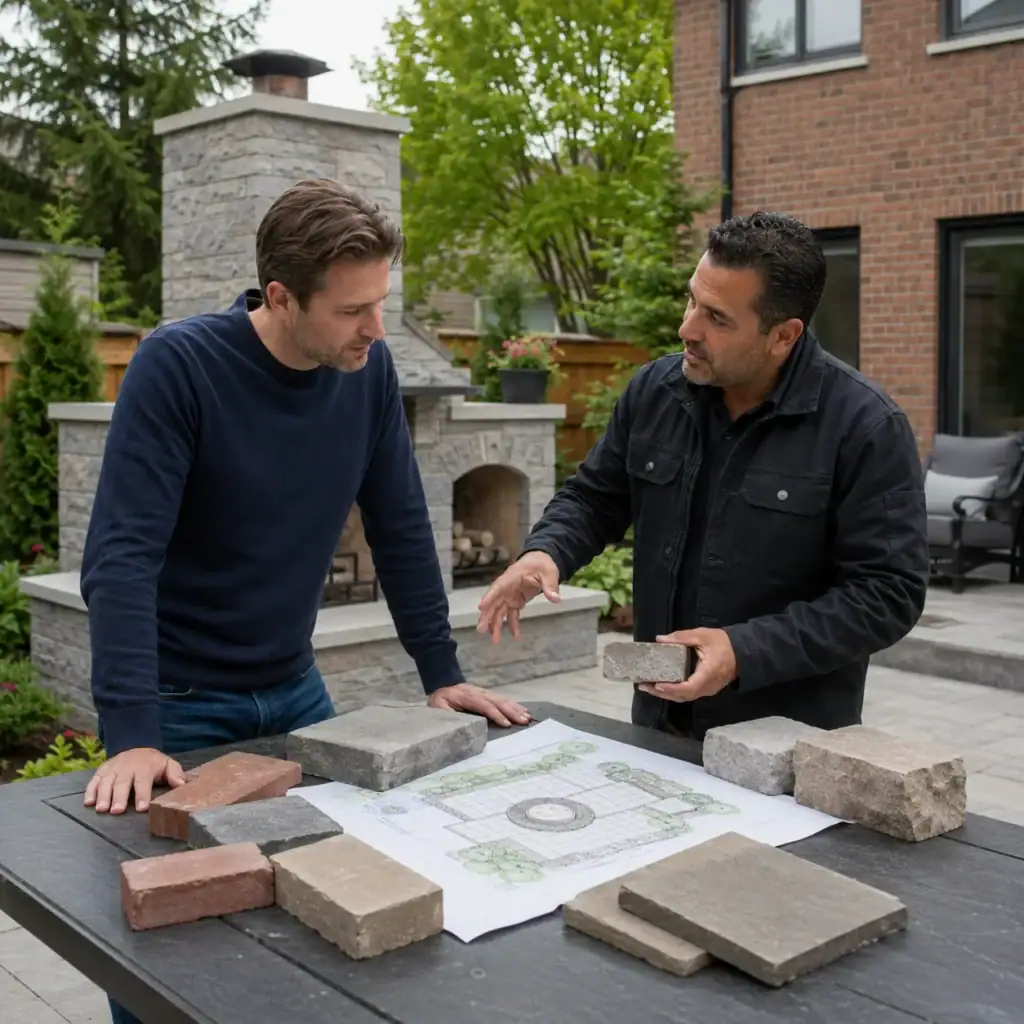
A masonry contractor can help with stone, brick, block, and veneer installation, base preparation, patio connections, drainage, caps, and material matching. Other qualified professionals may be needed for gas, appliance, venting, or permit-related work depending on the project.
For broader outdoor masonry planning, A&A Masonry’s page on masonry services in Toronto outlines related services, including stone masonry, fireplace installation, interlocking stone, concrete repair, brick repair, chimney repair, retaining walls, and exterior restoration.
Final Thoughts on Fire Pits vs Outdoor Fireplaces
Choosing between a fire pit and an outdoor fireplace depends on your space, rules, fuel type, design goals, and how you want people to gather. A fire pit is usually better for open, casual seating. An outdoor fireplace is usually better for a structured patio with a strong focal point.
For Toronto and GTA homeowners, the decision should start with safety and local rules. Open-air burning, permits, gas work, clearances, smoke, and neighbouring properties all matter. Once those are understood, the design can focus on comfort, materials, drainage, and long-term maintenance.
A well-planned masonry fire feature can make an outdoor space more inviting. The key is choosing the right type before building, using materials suited to heat and weather, and ensuring the feature fits both the home and how the backyard will actually be used.