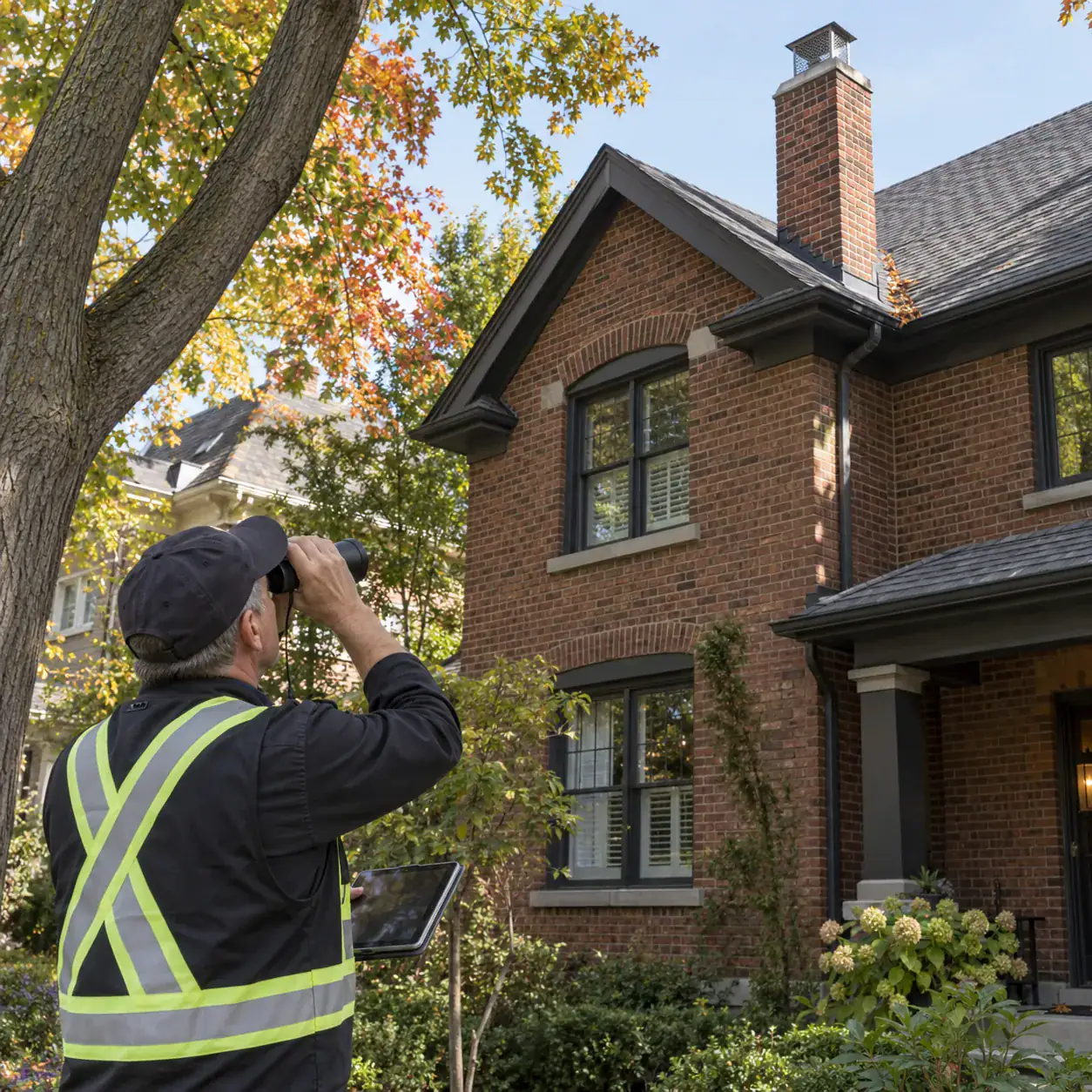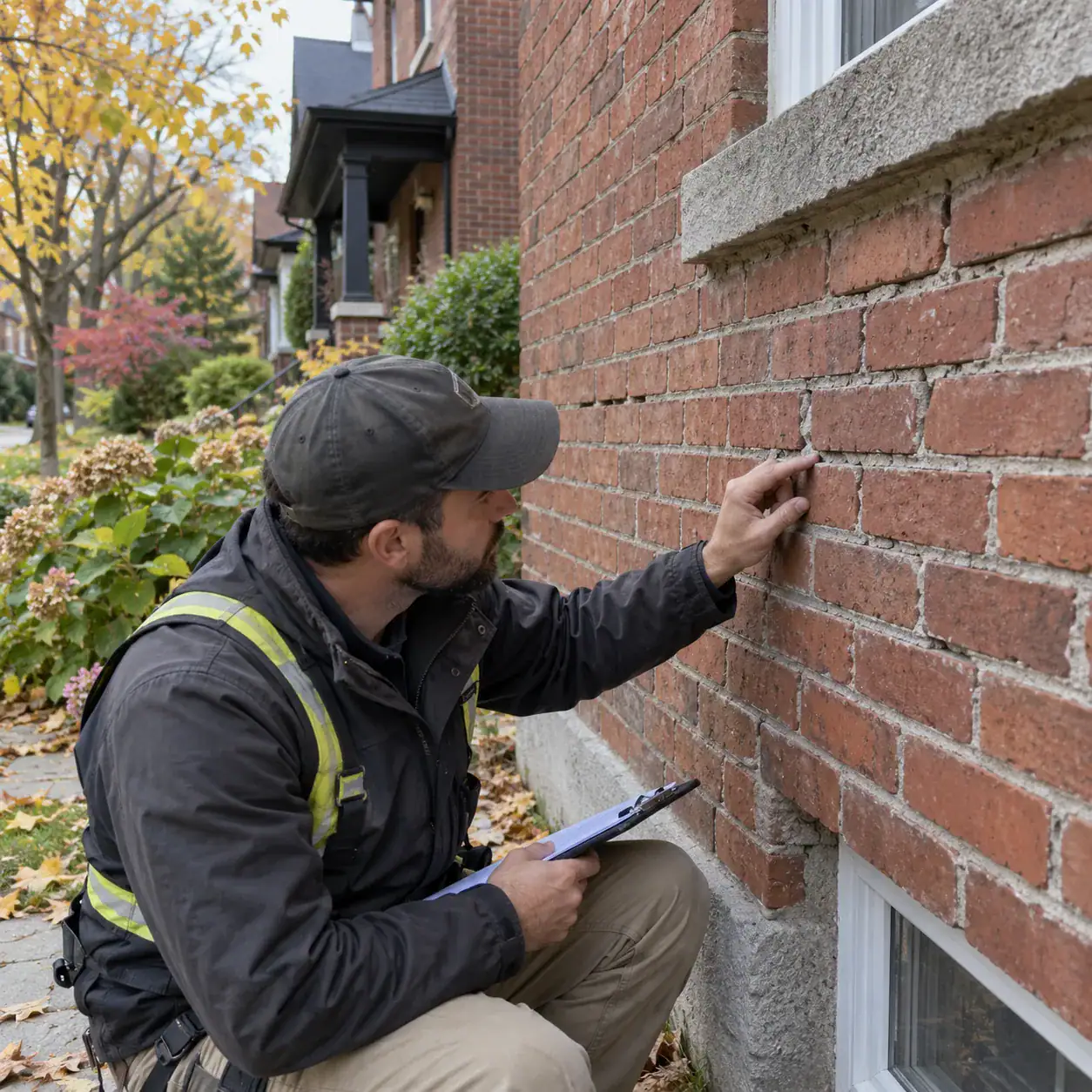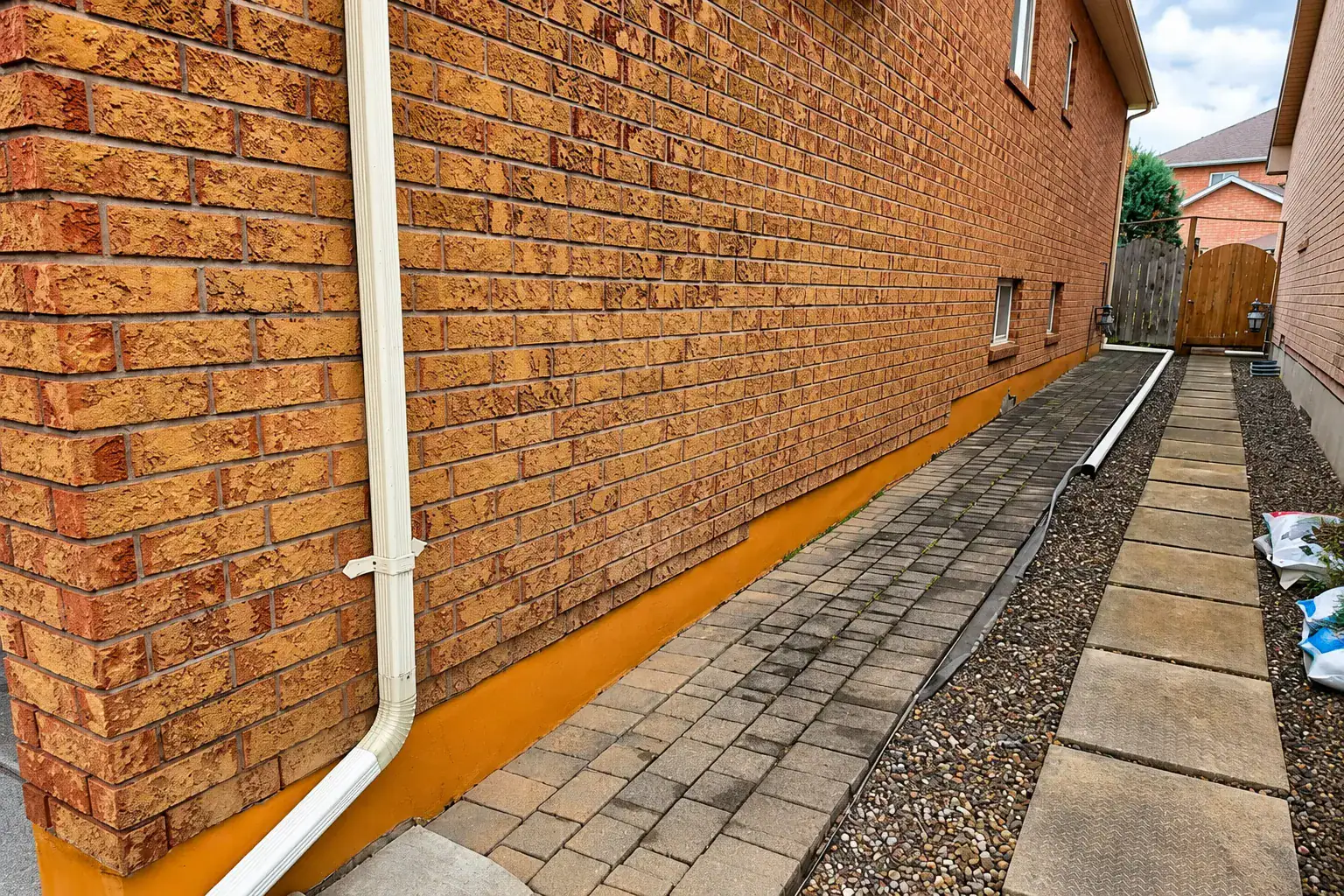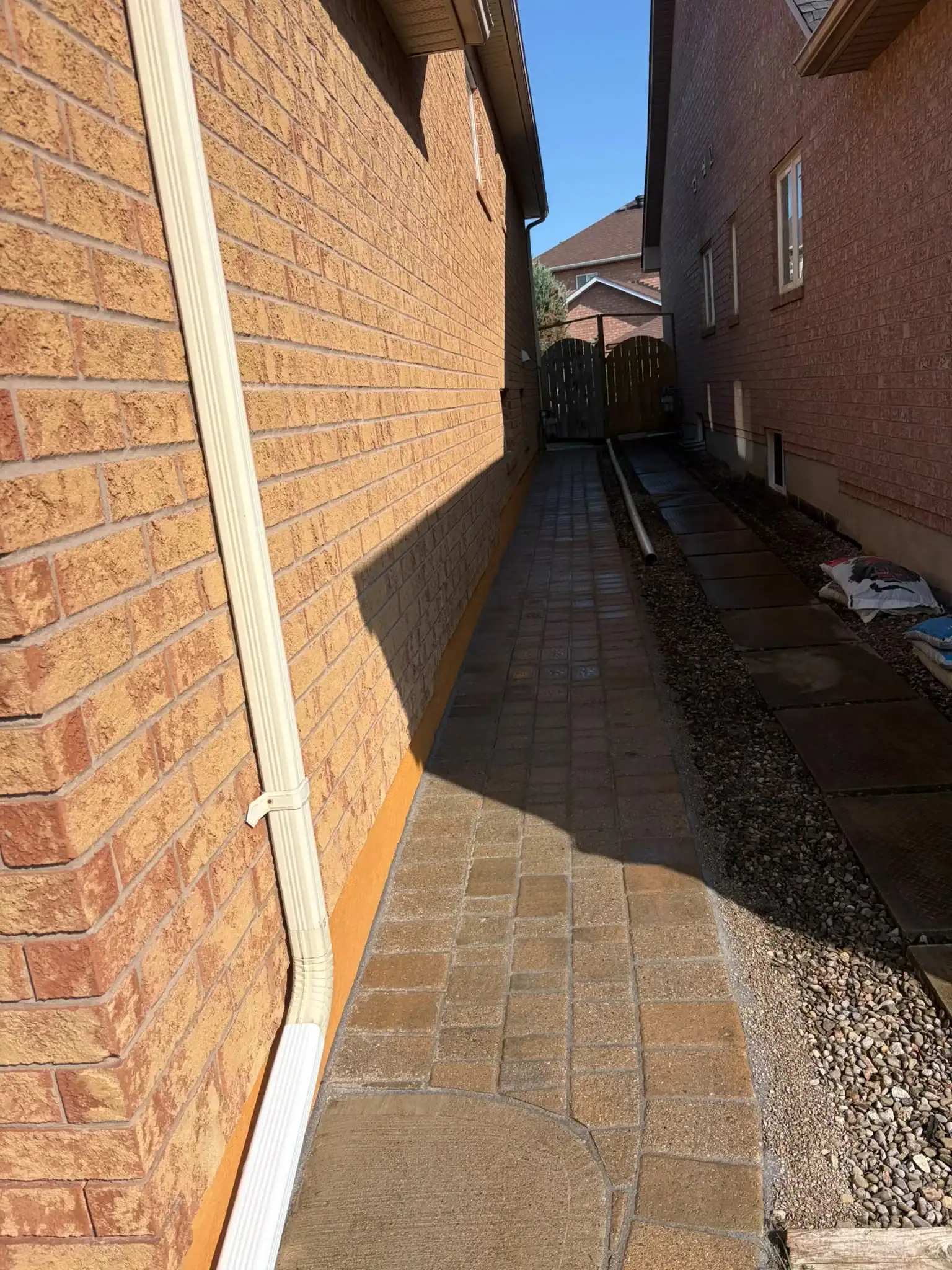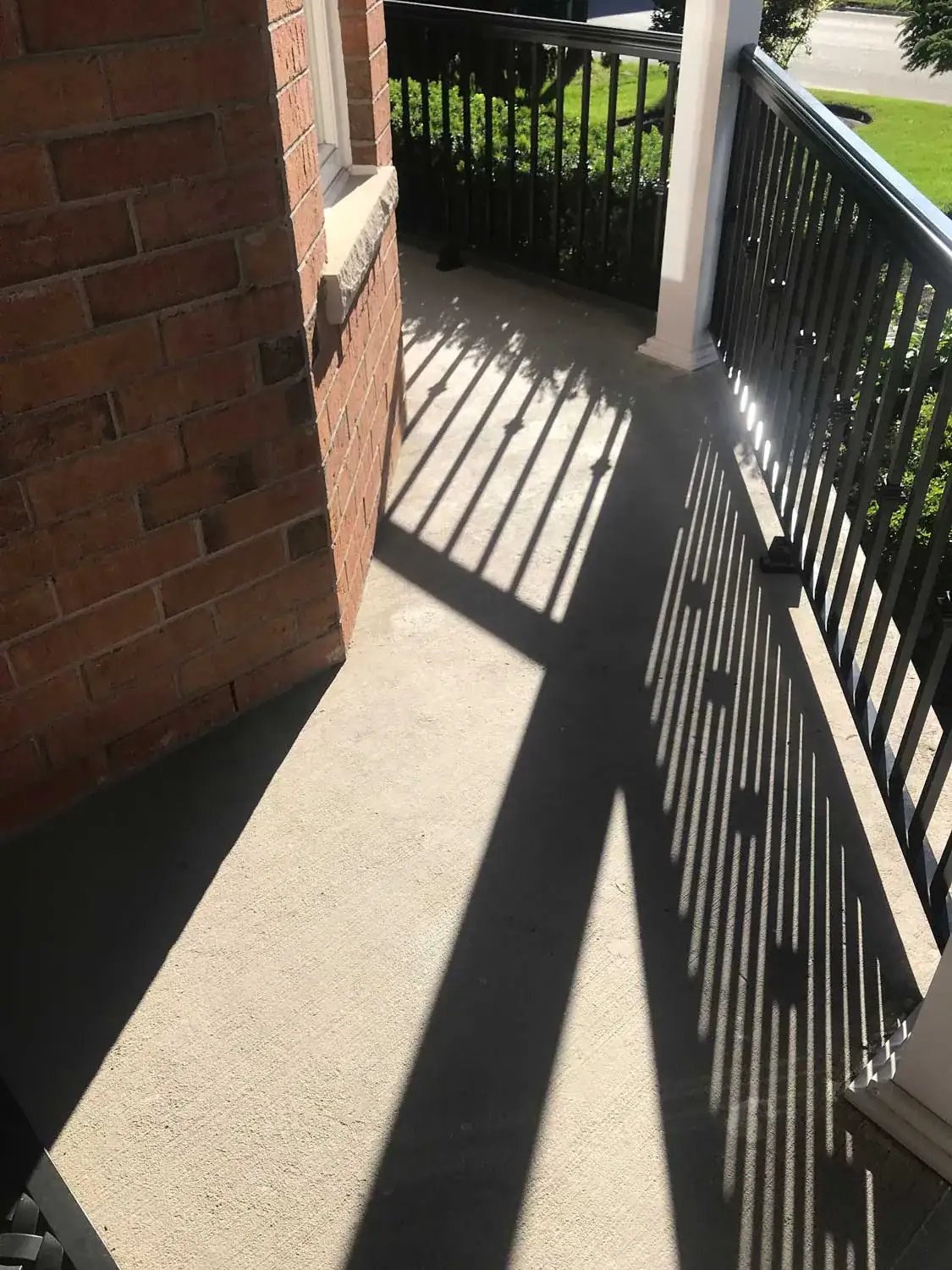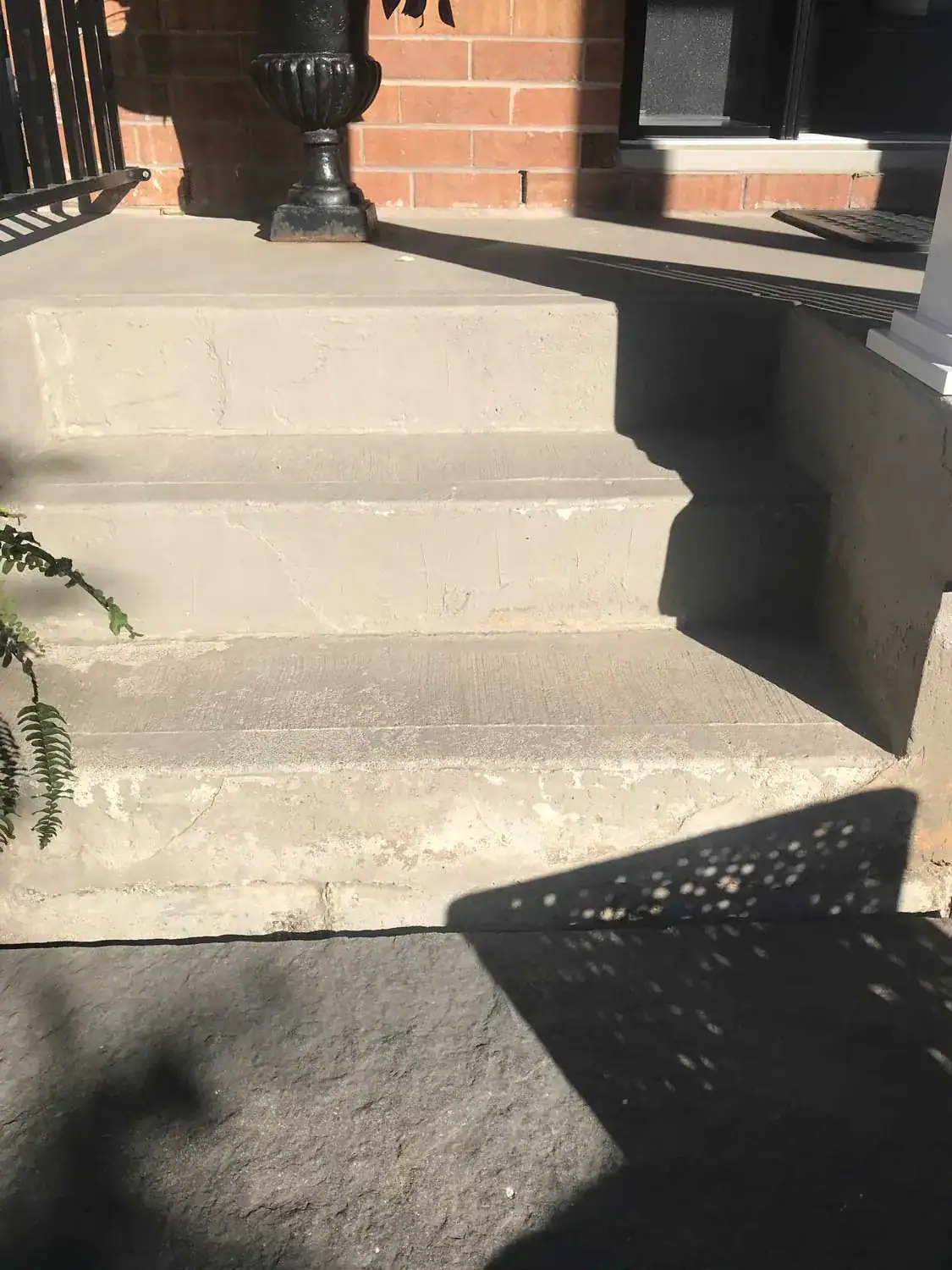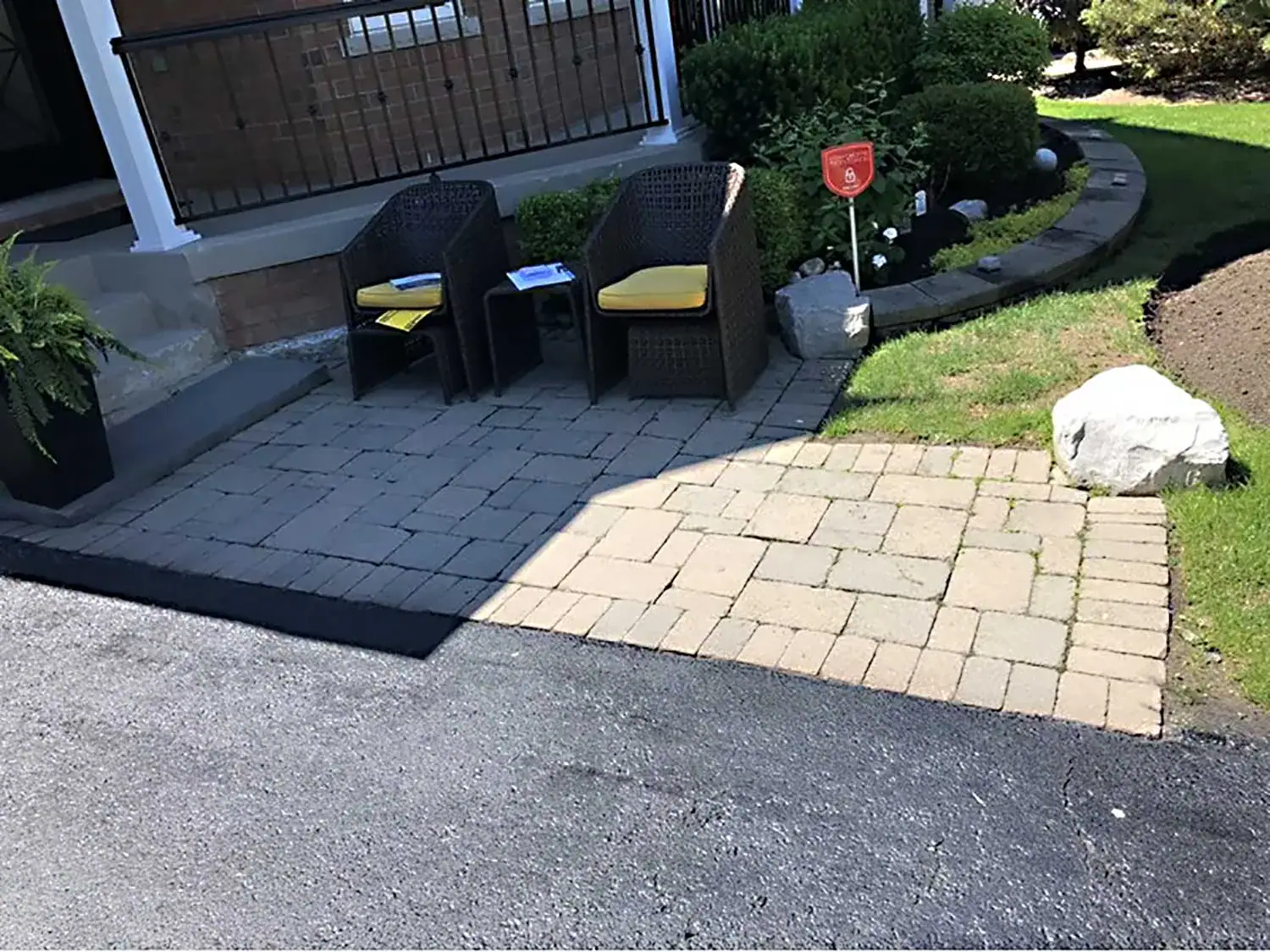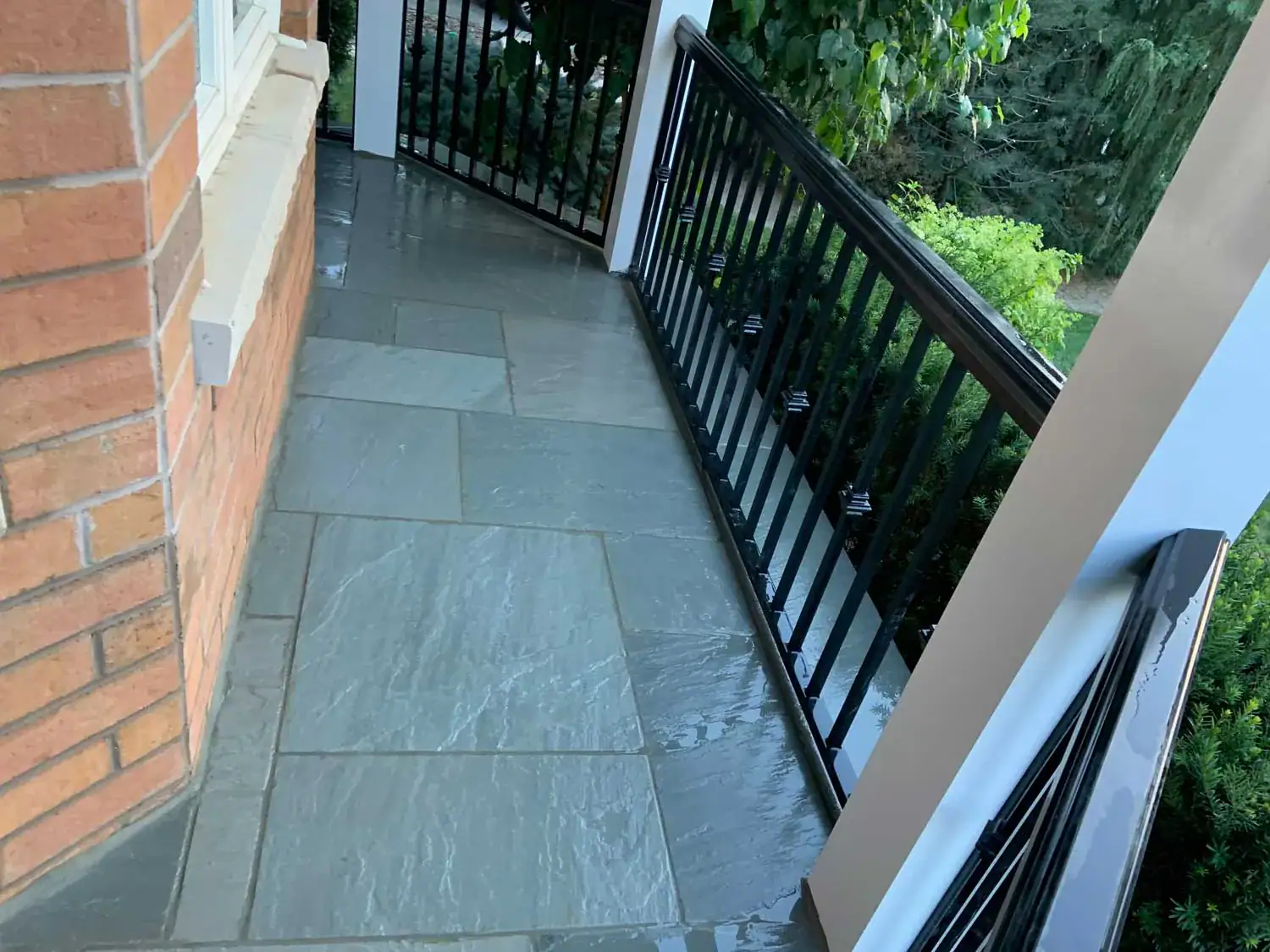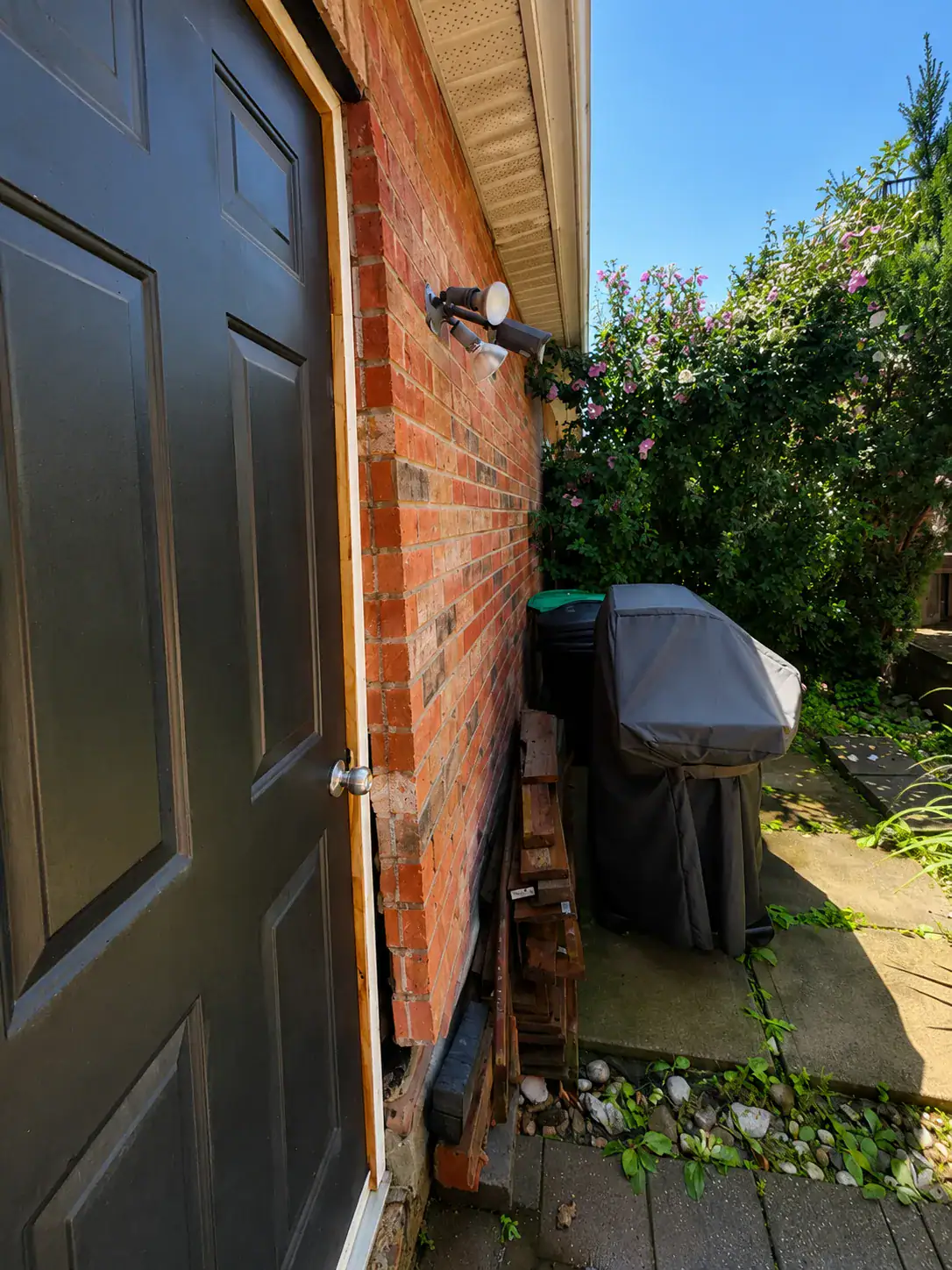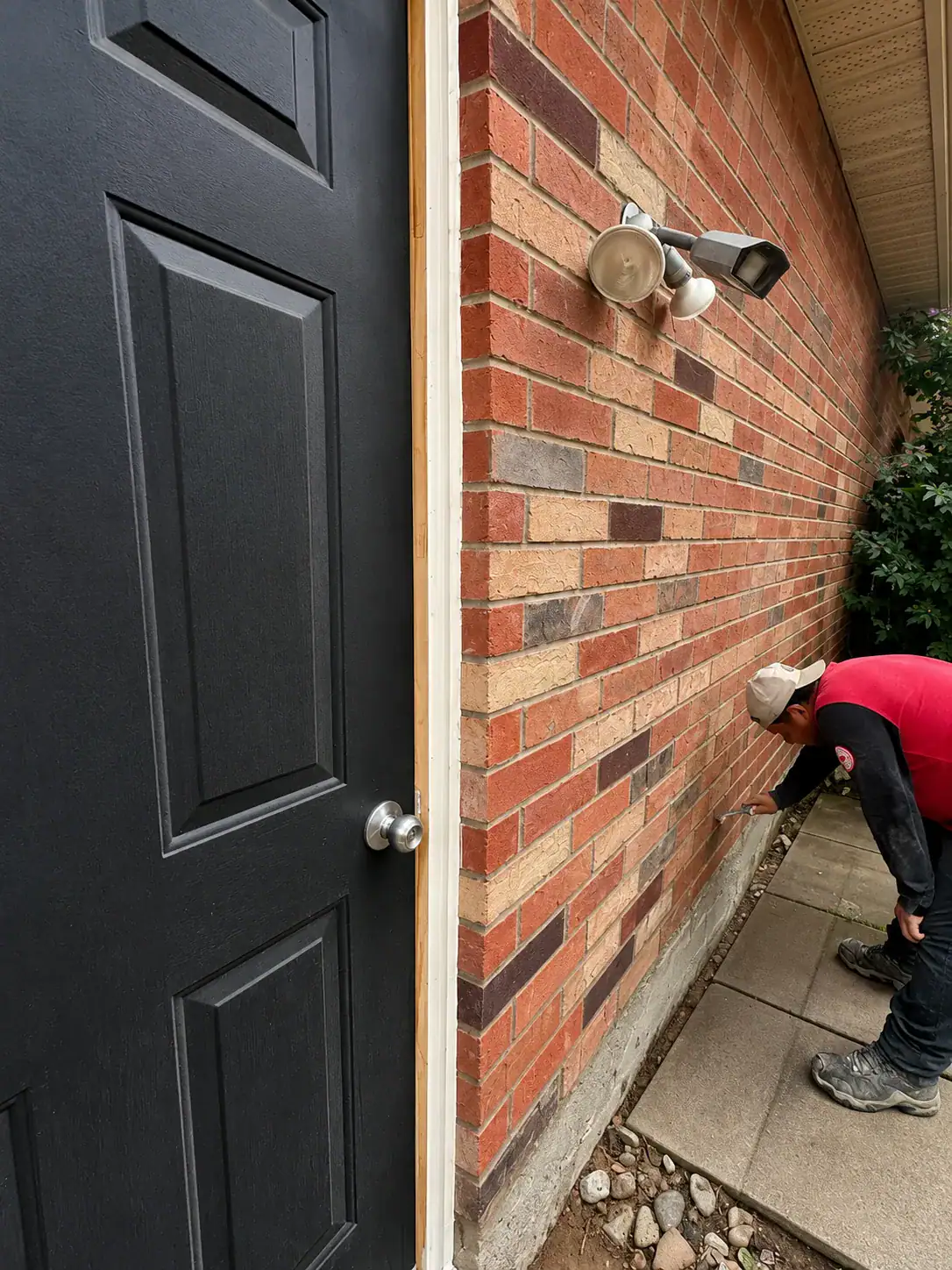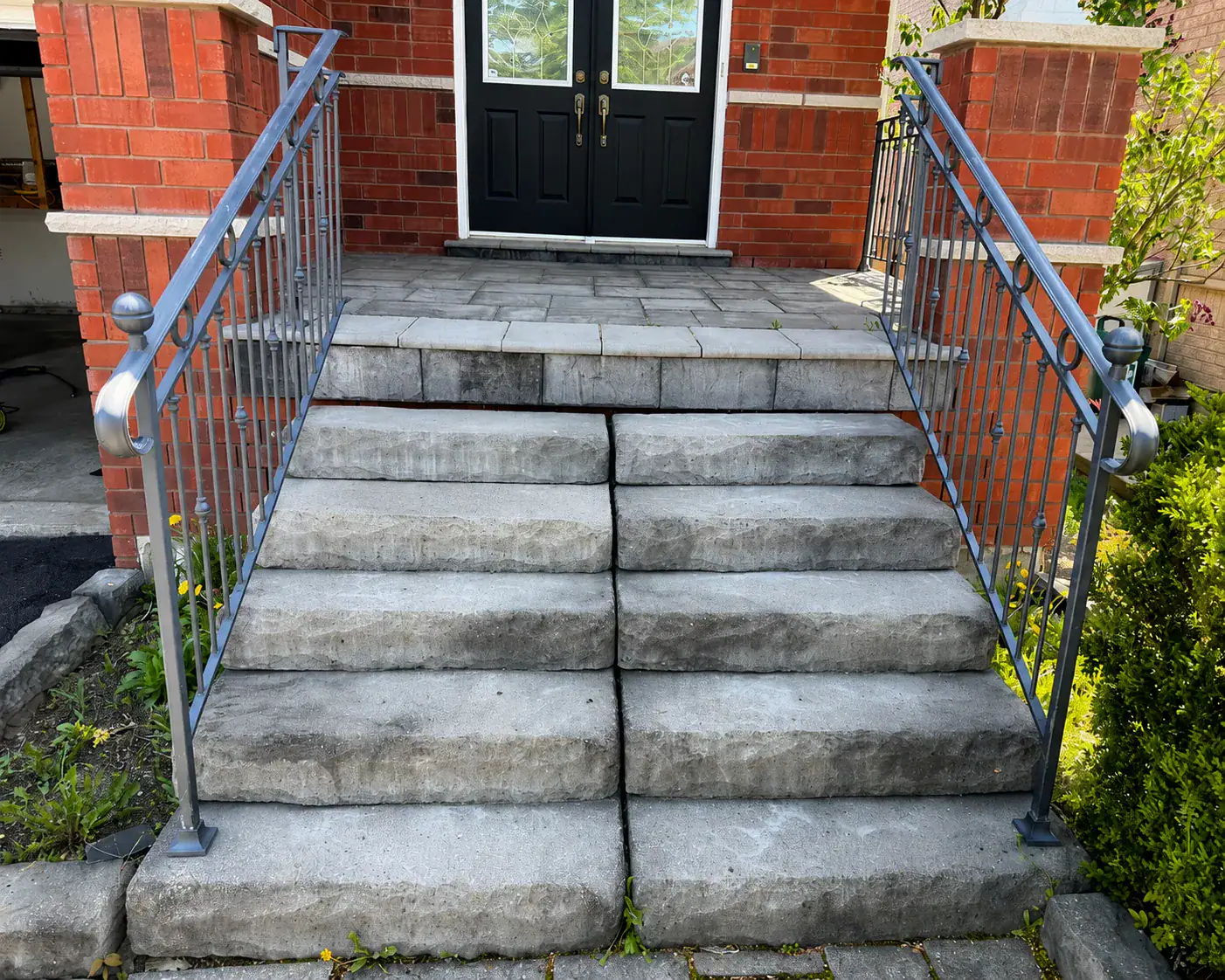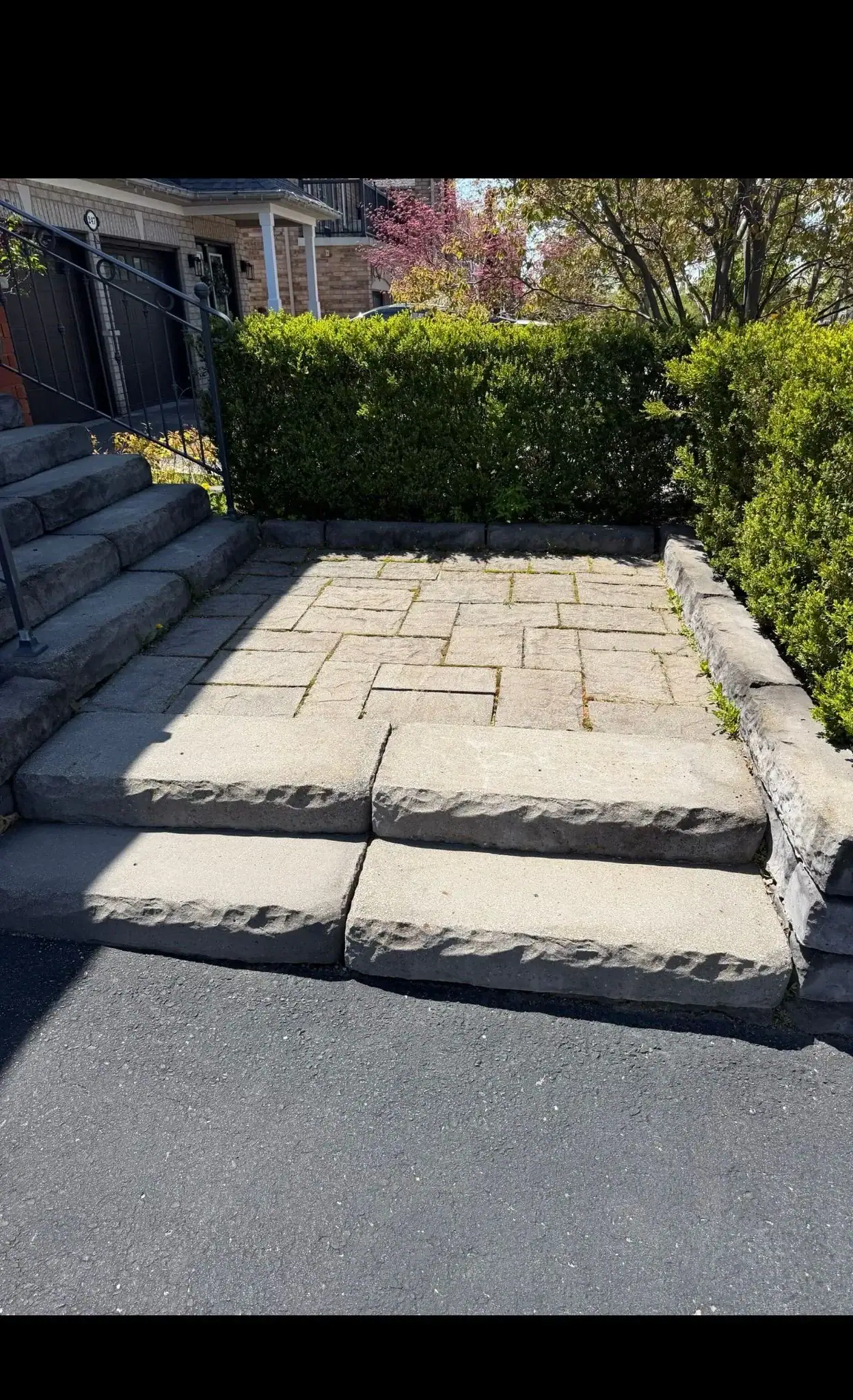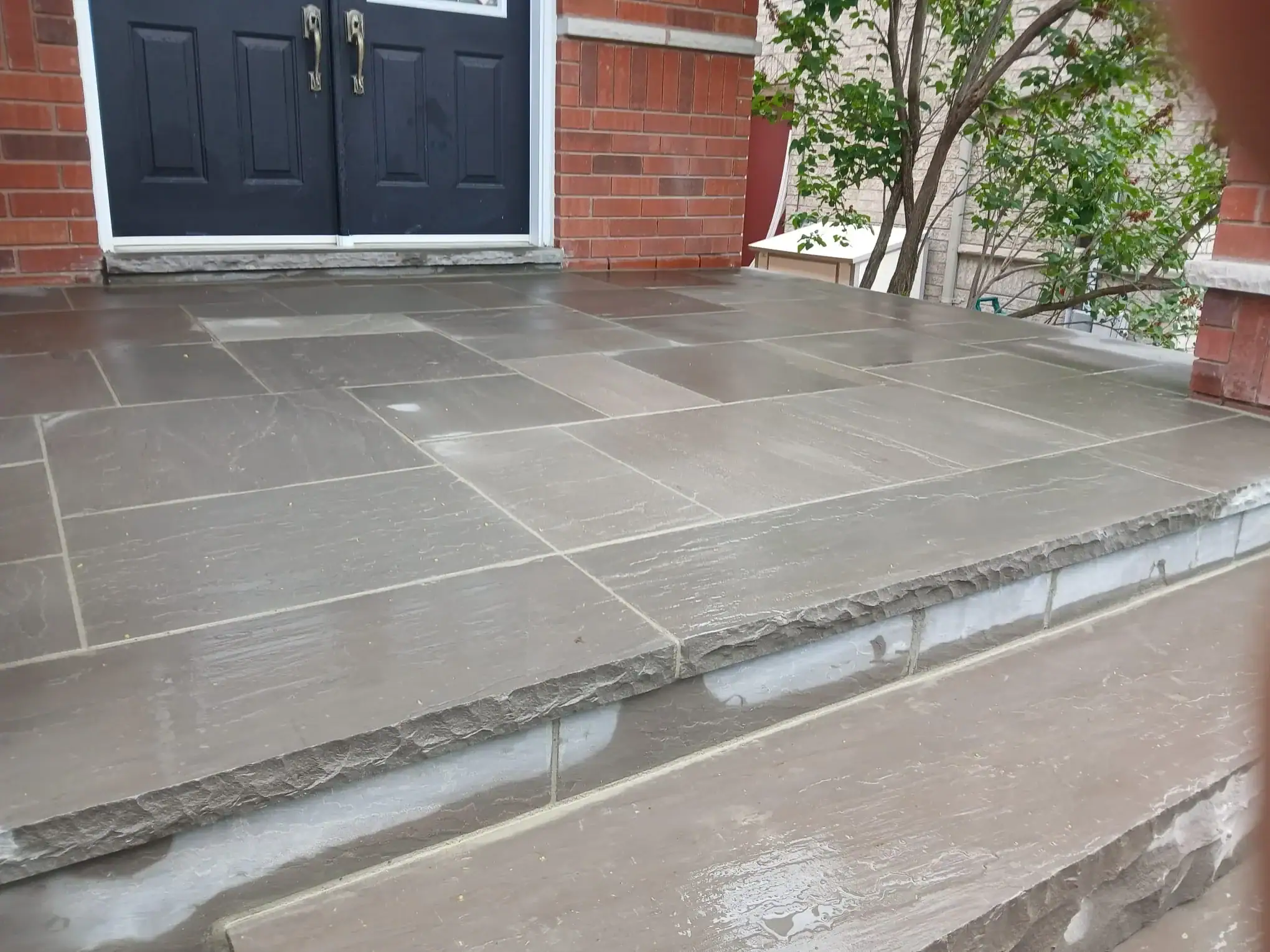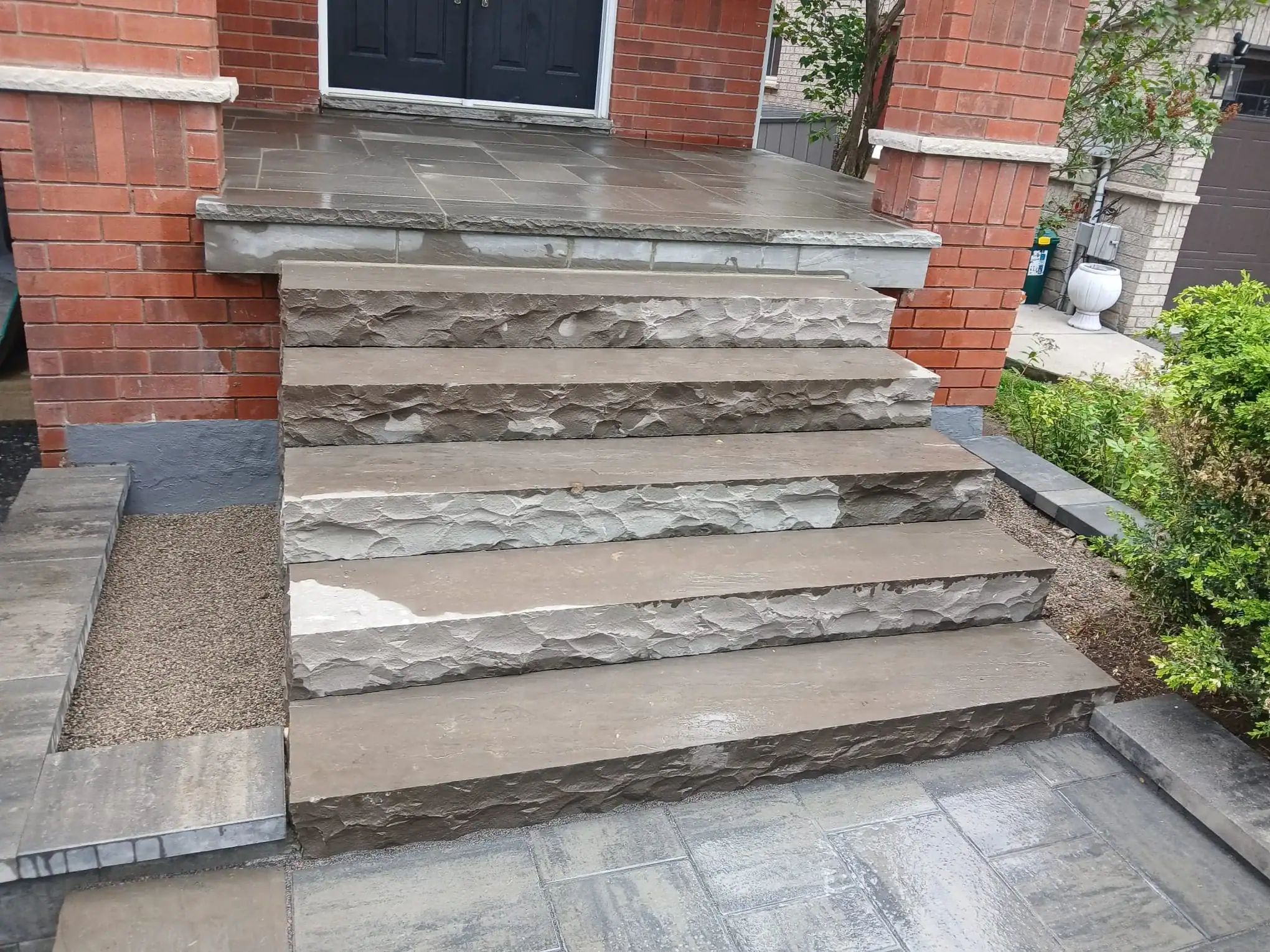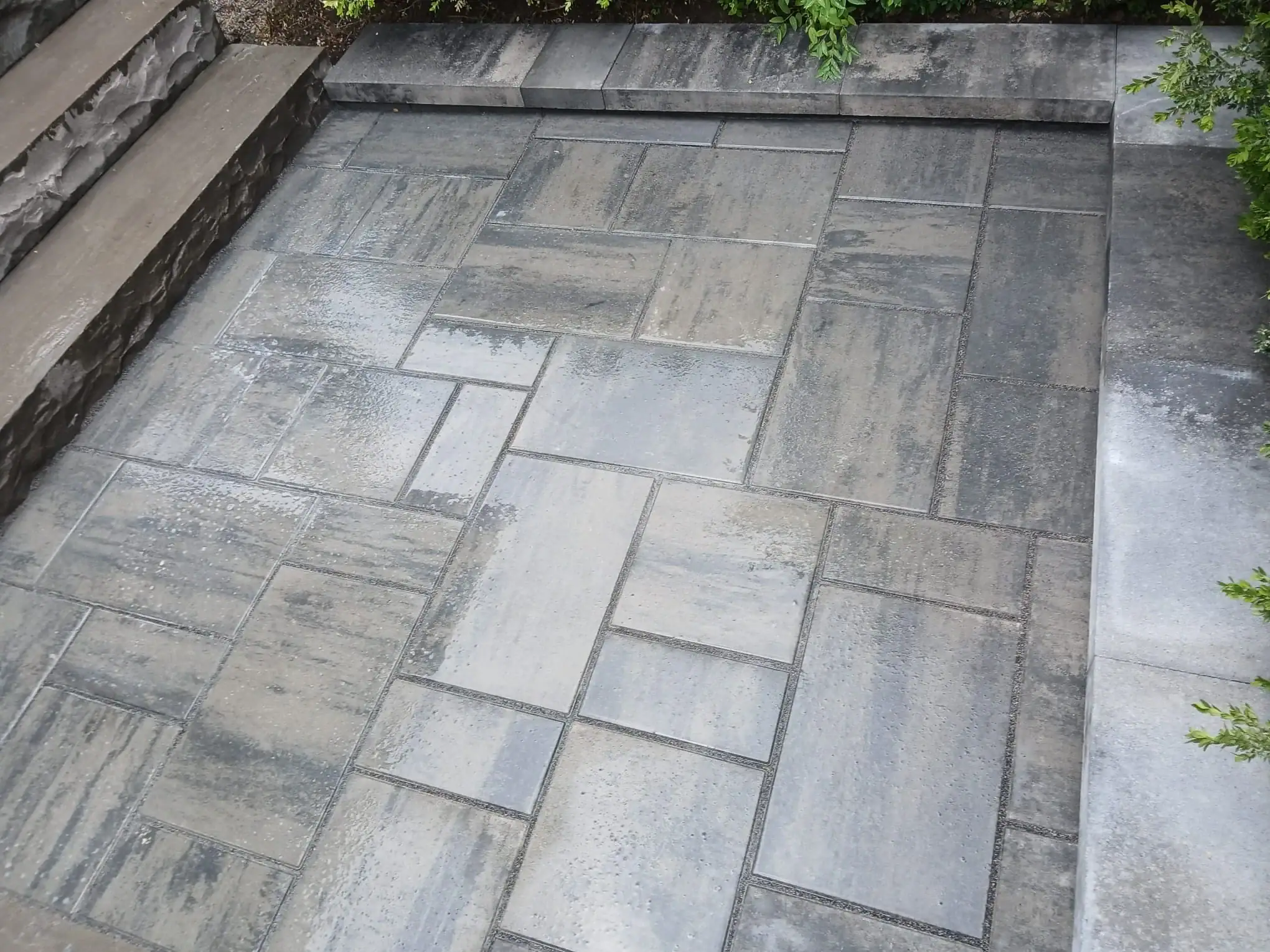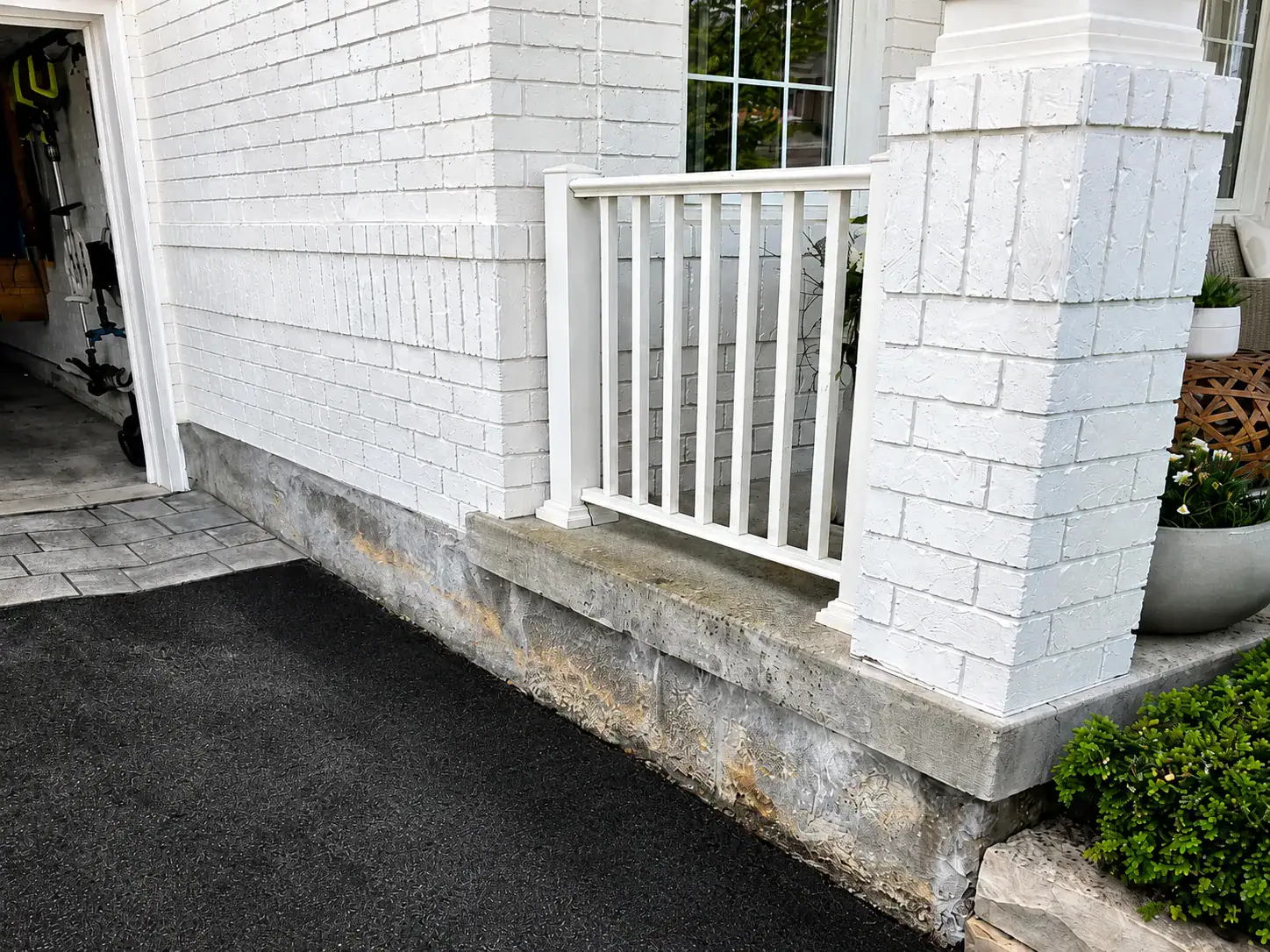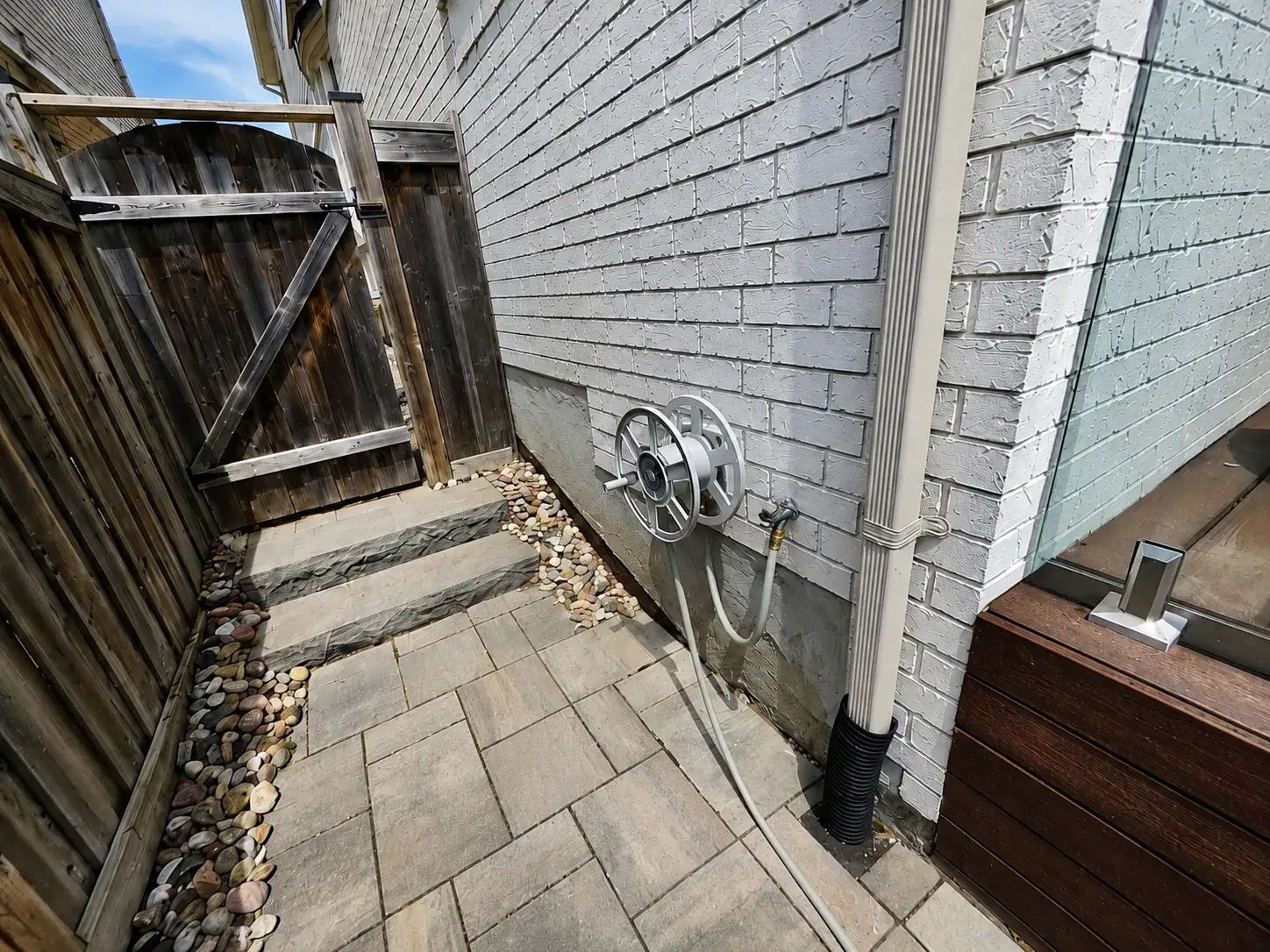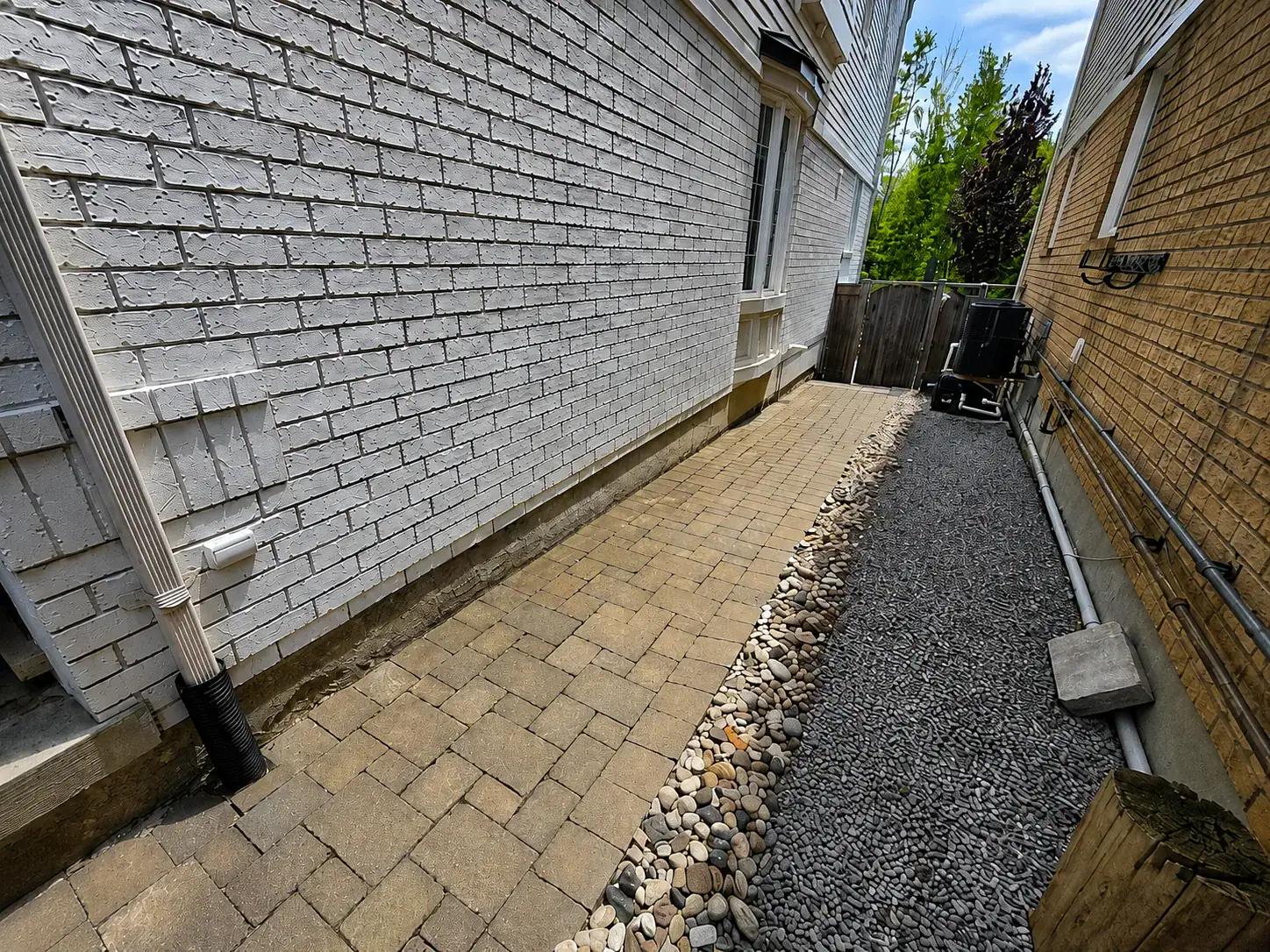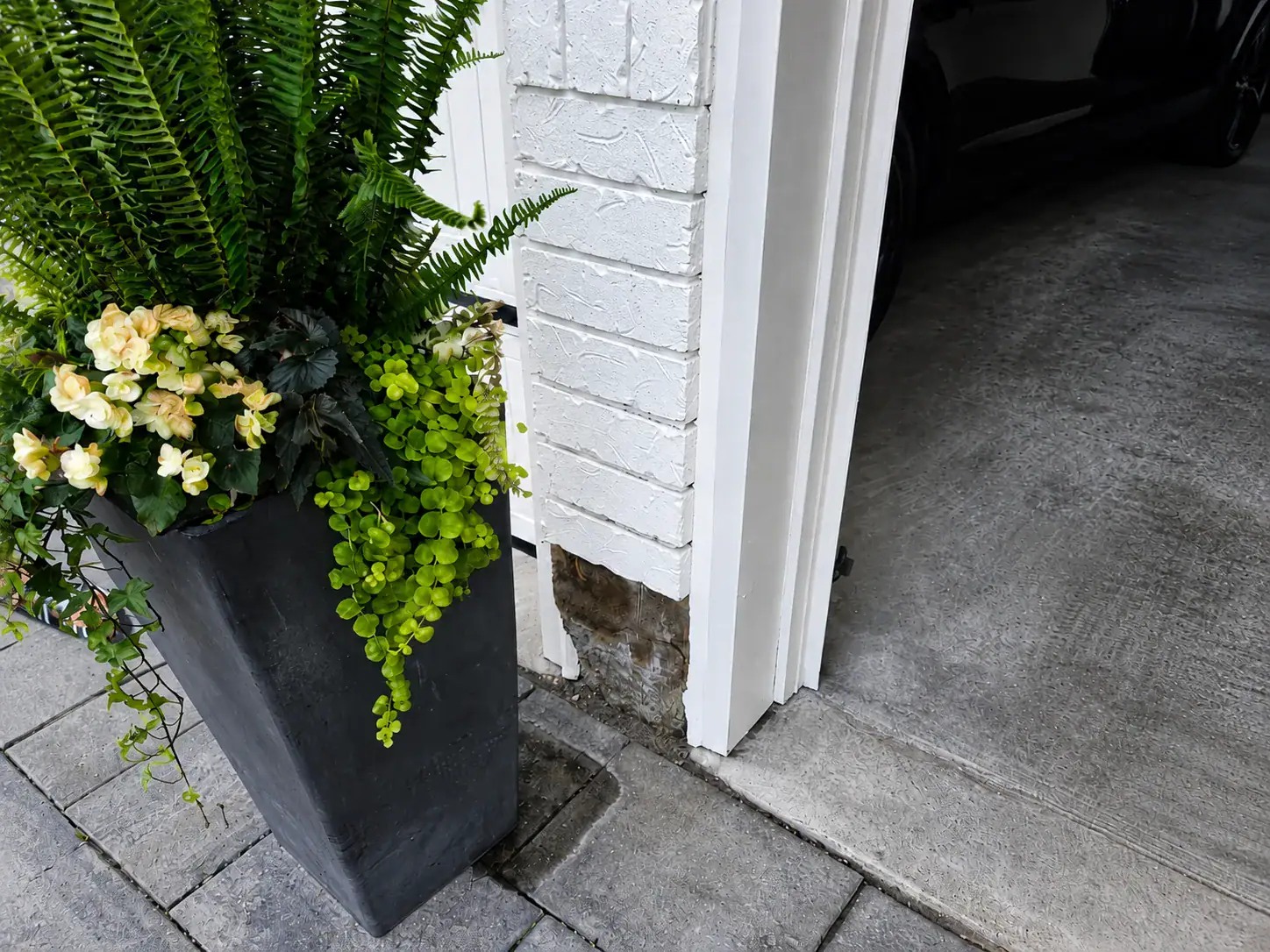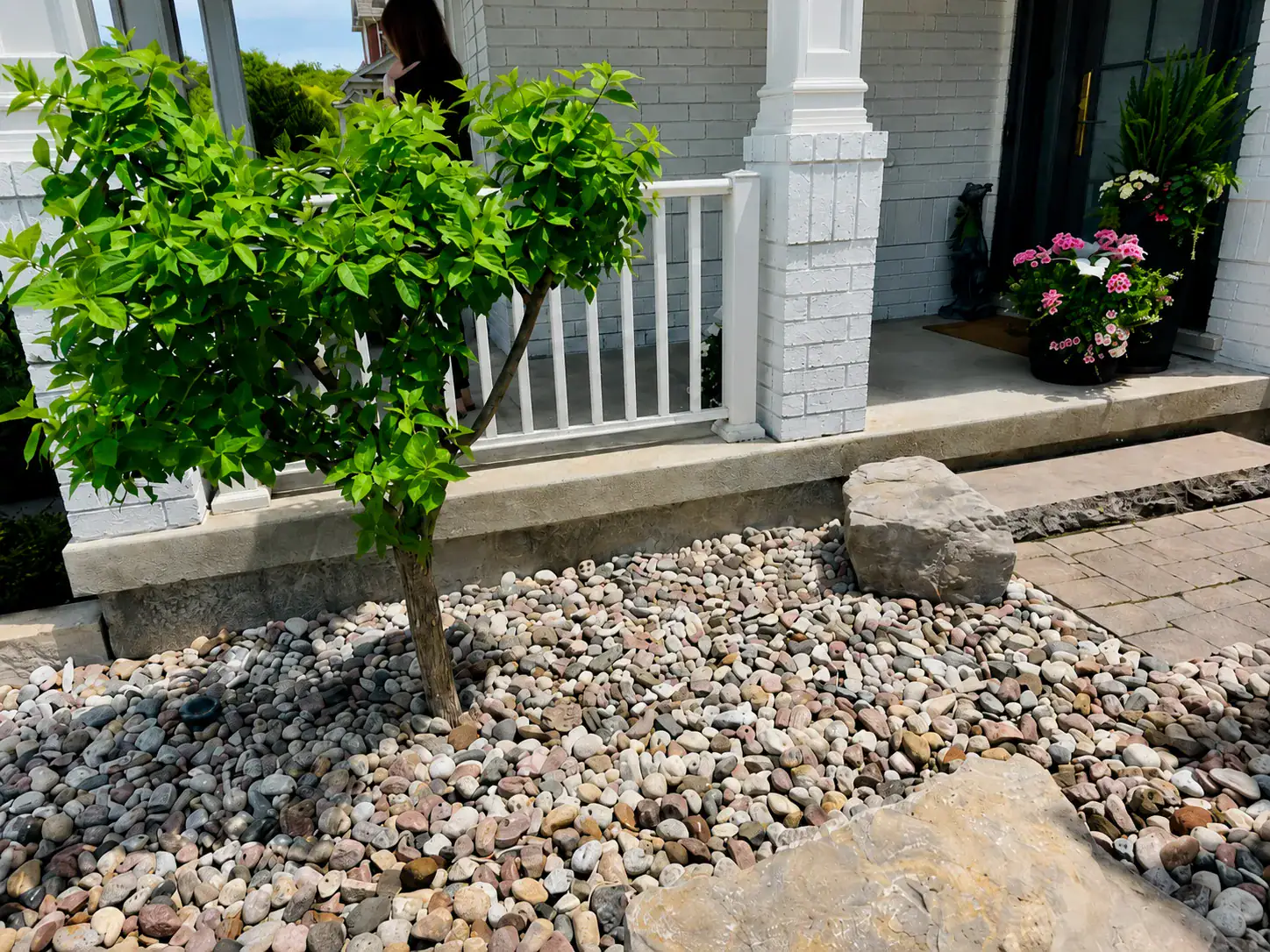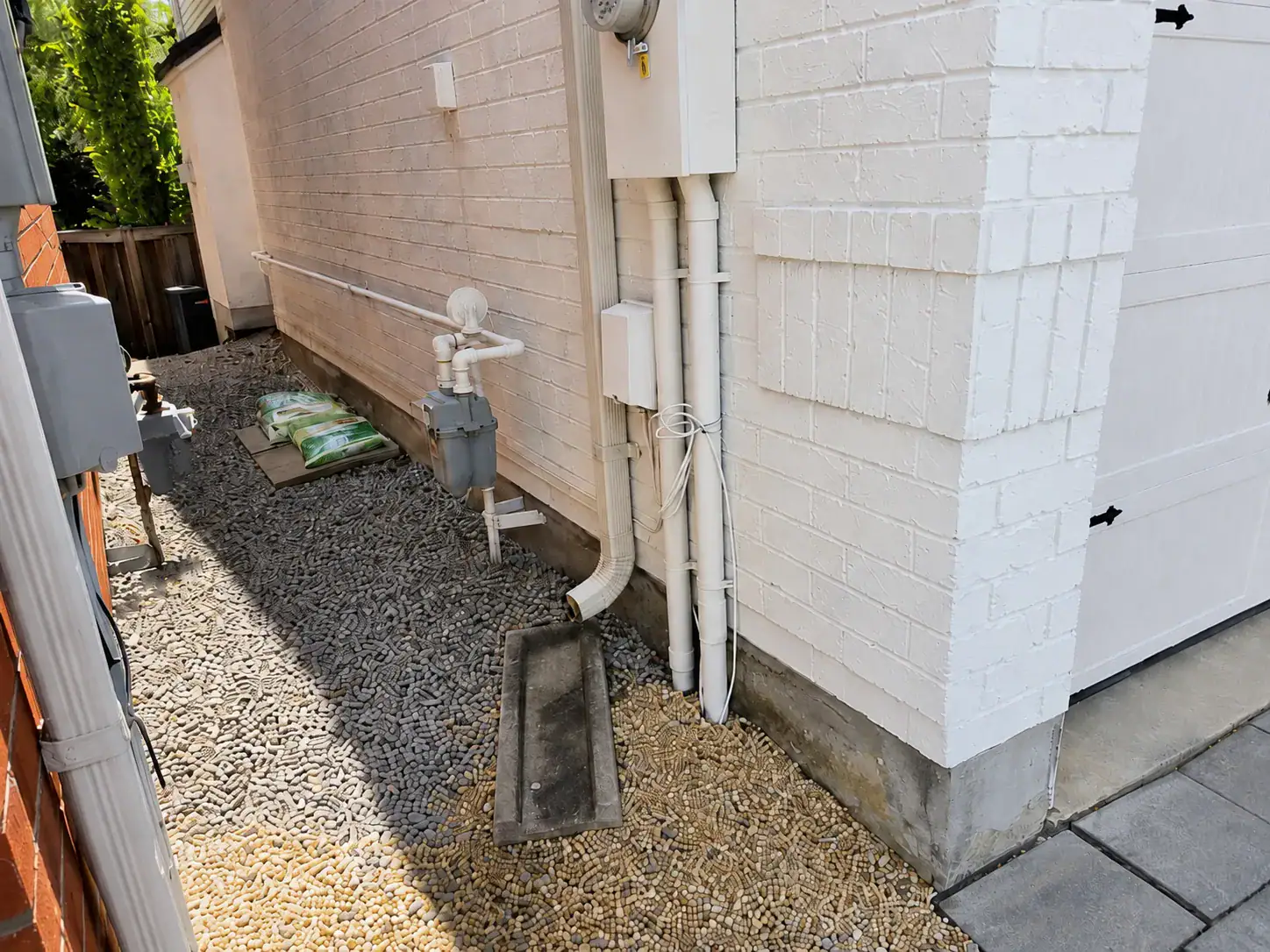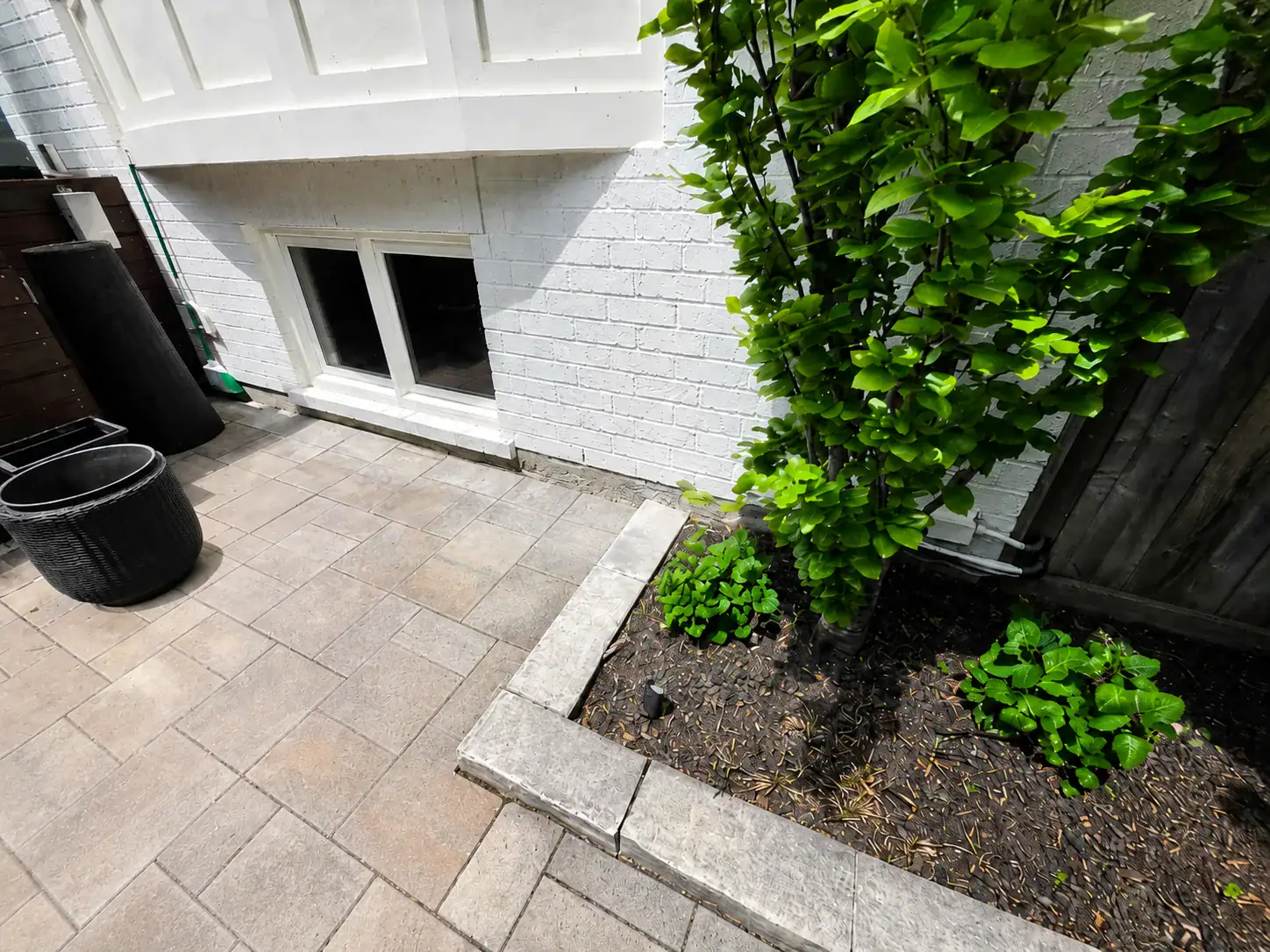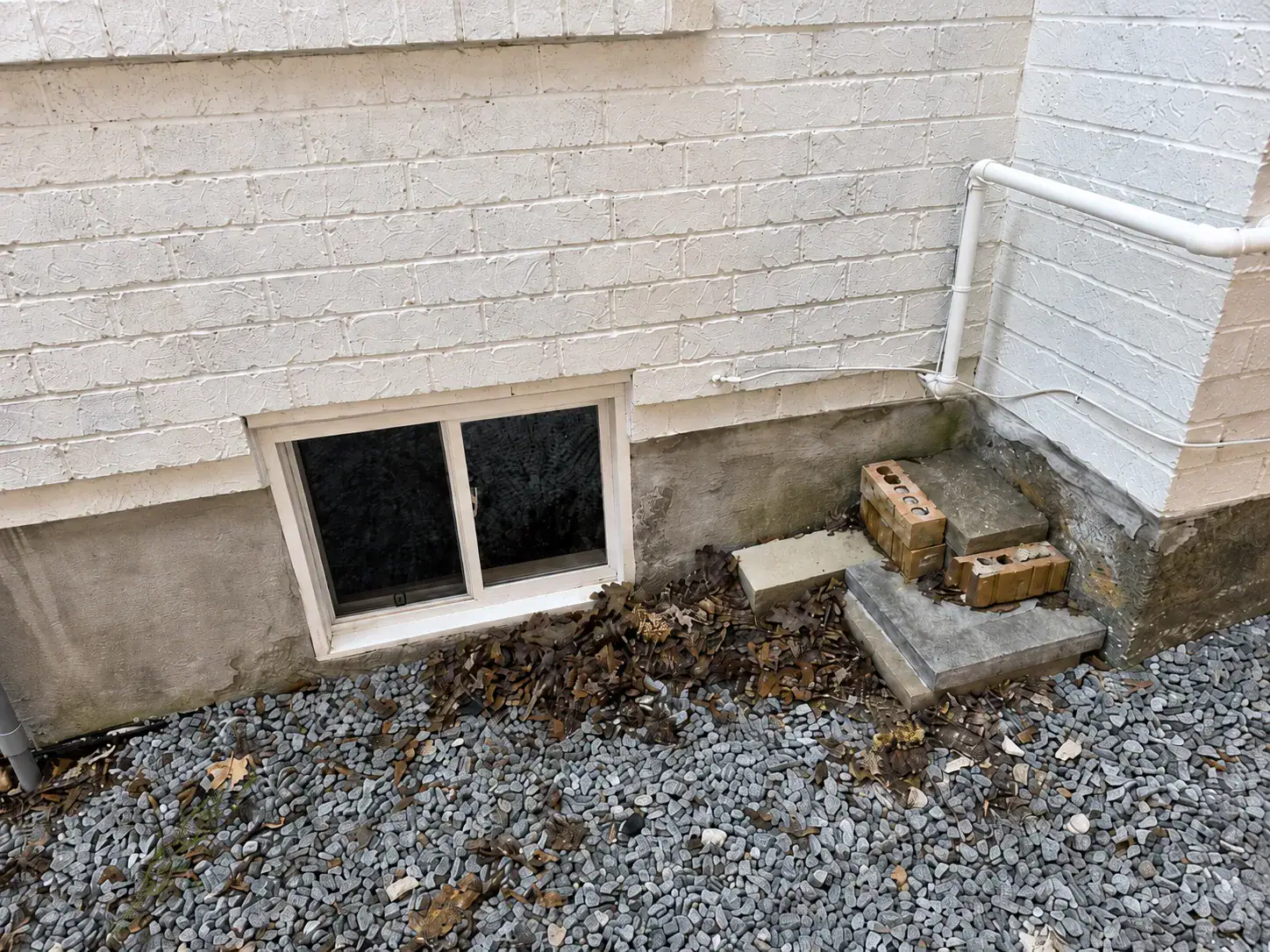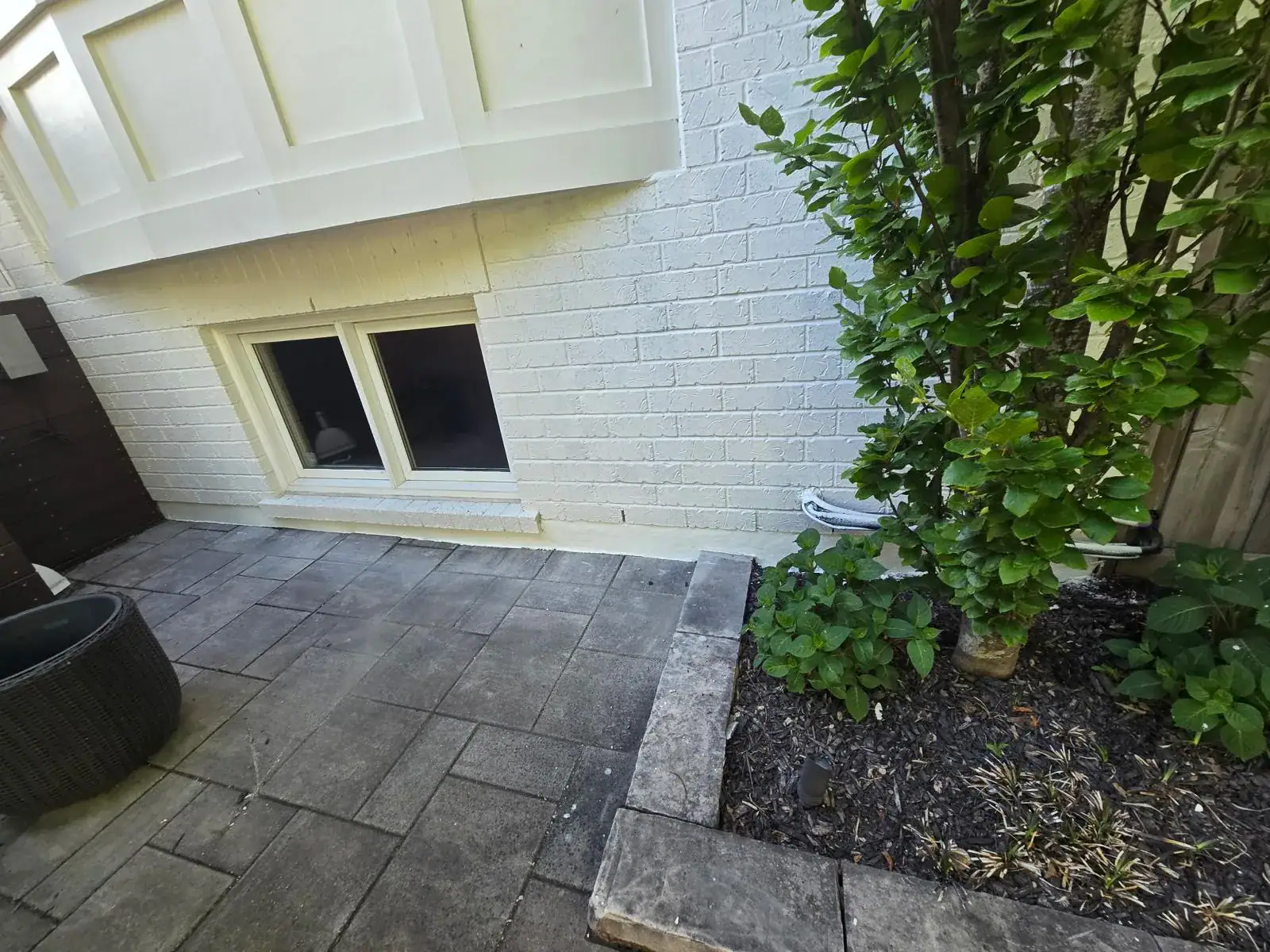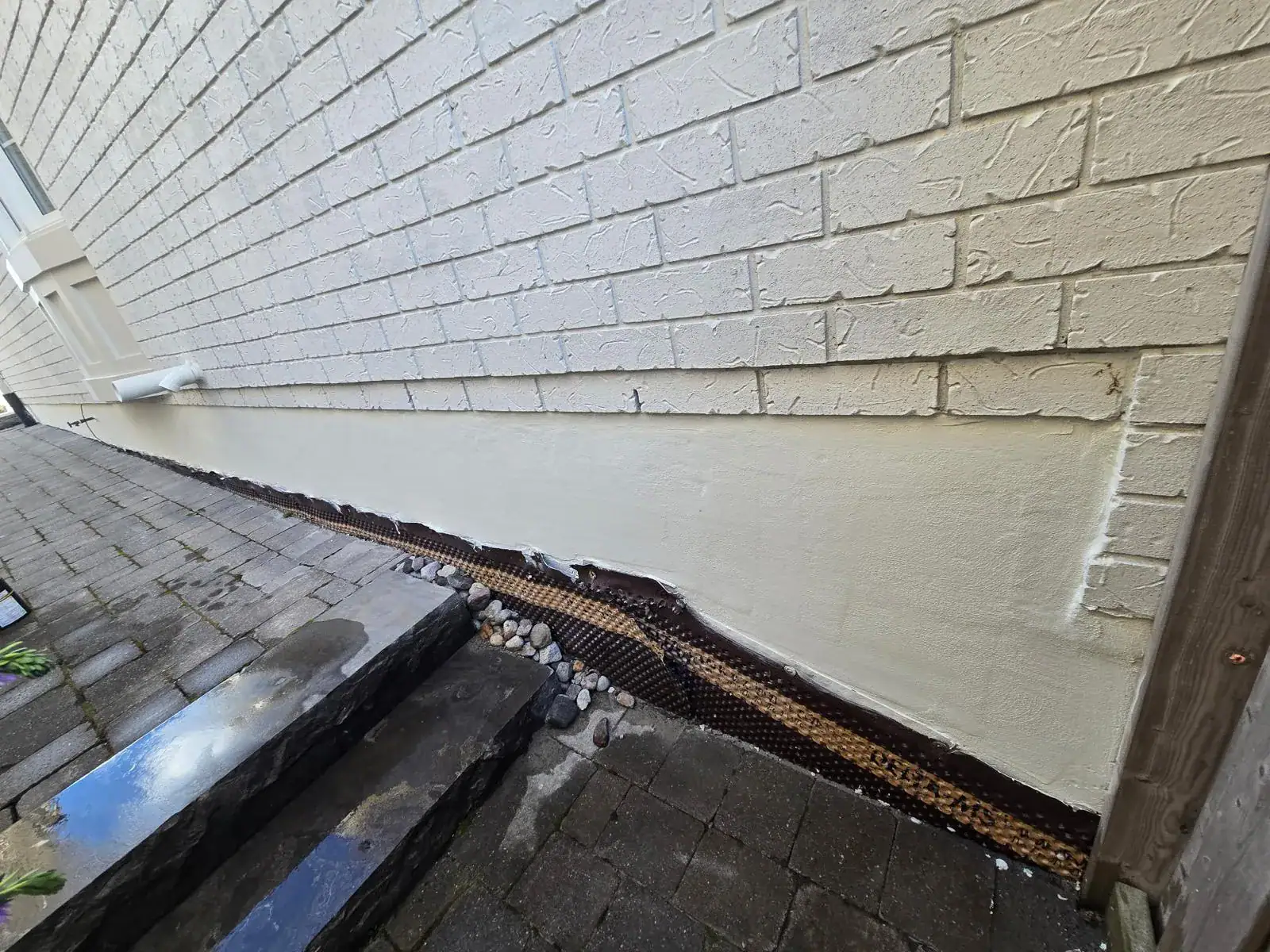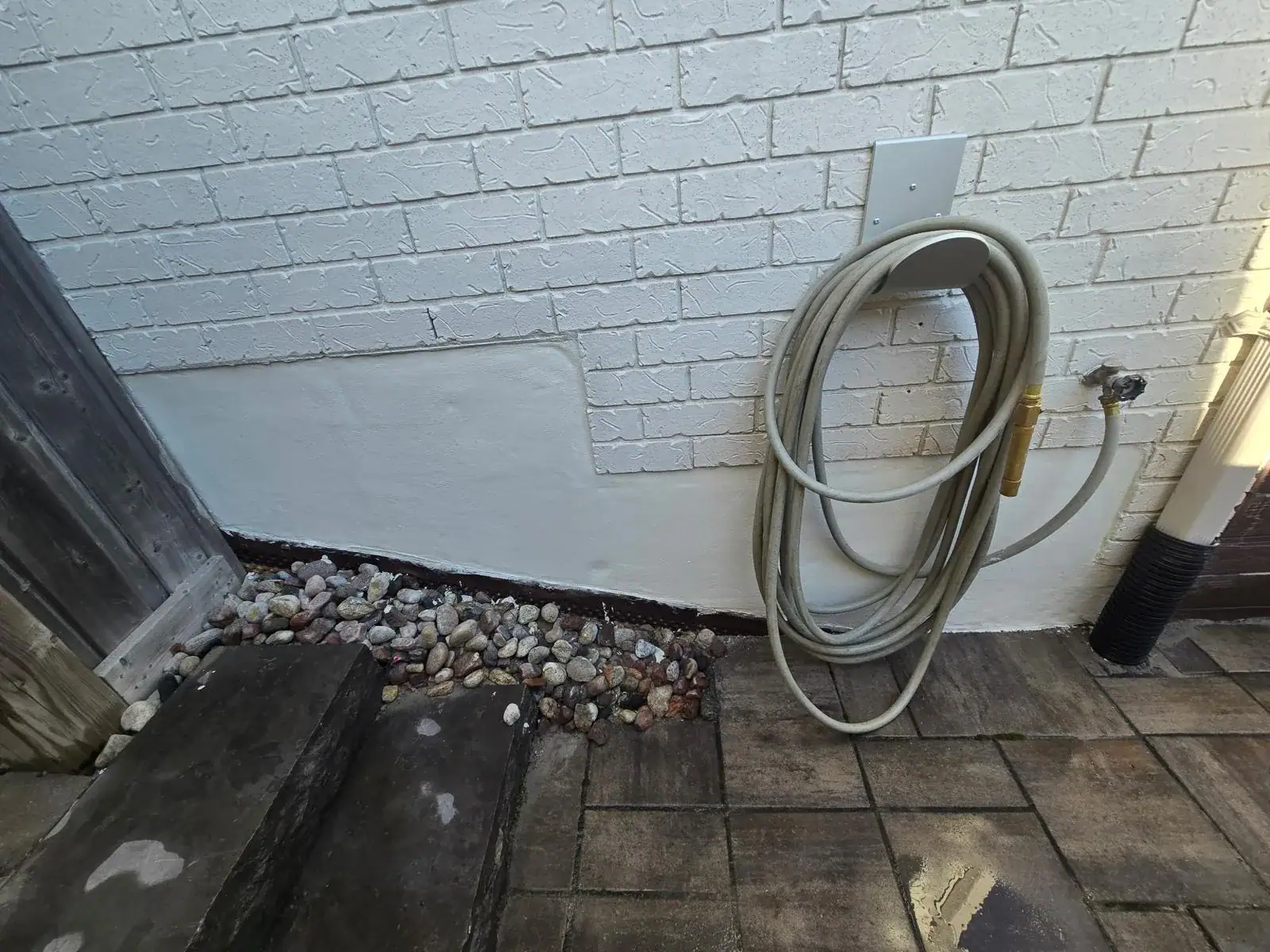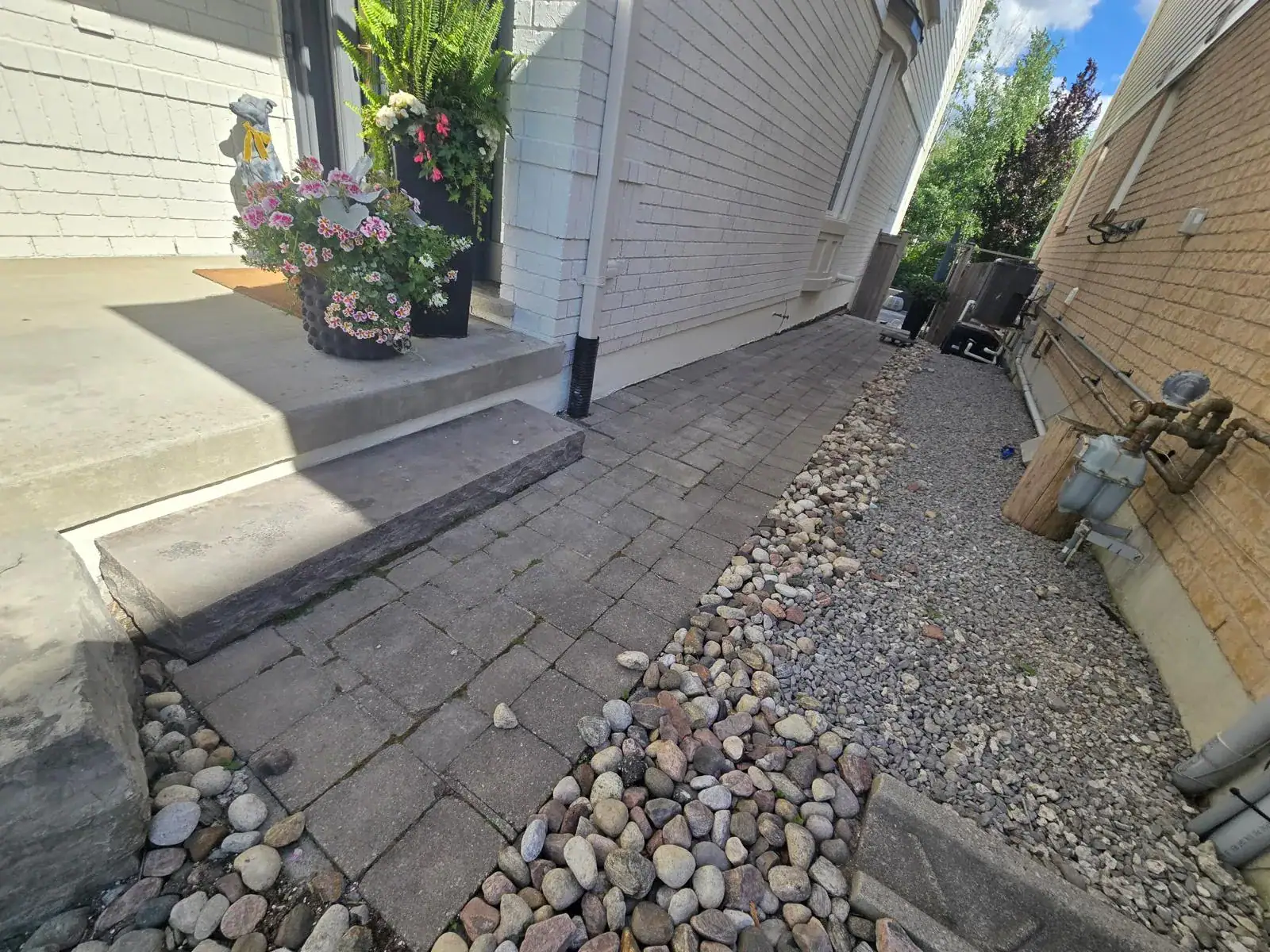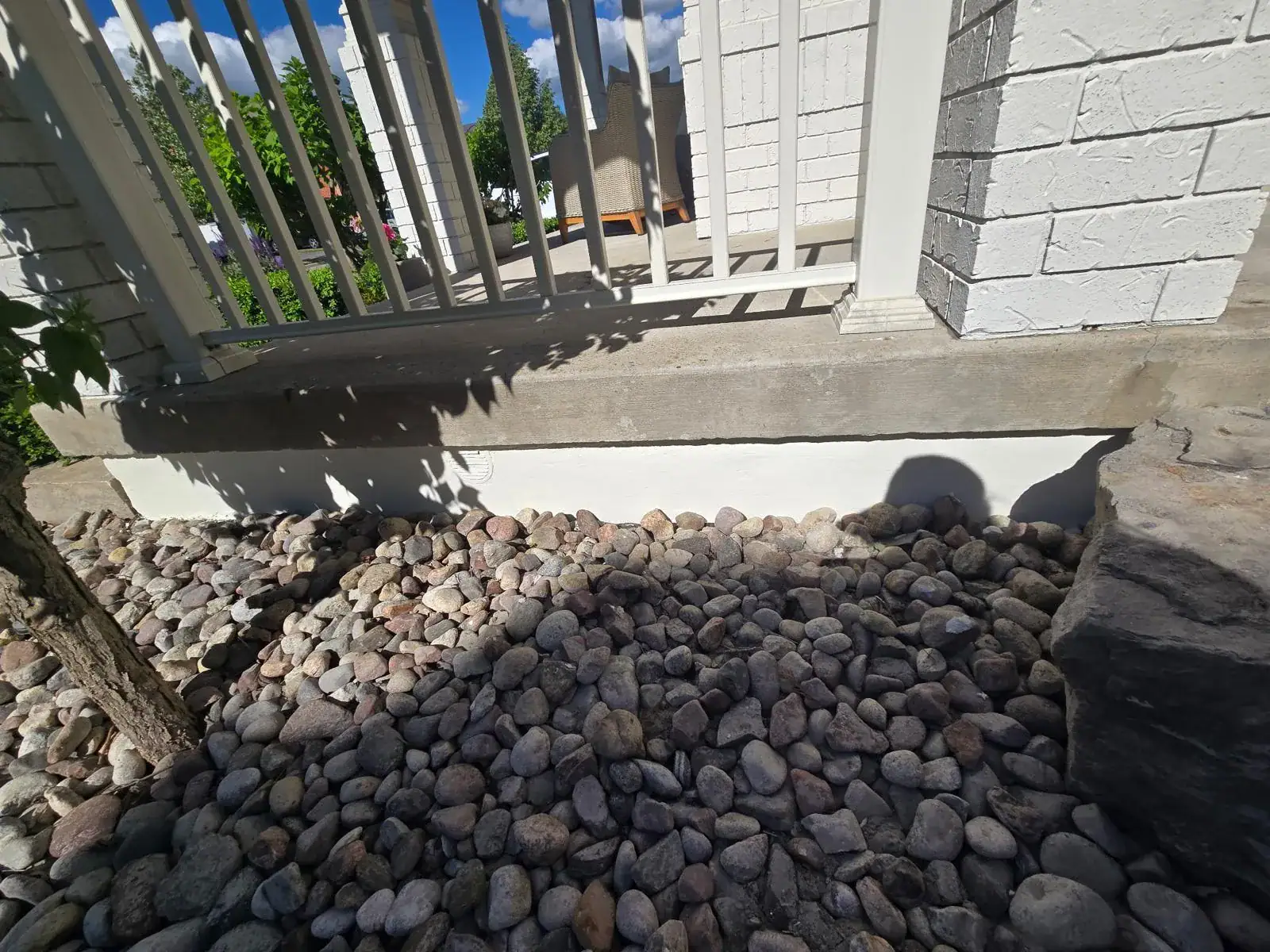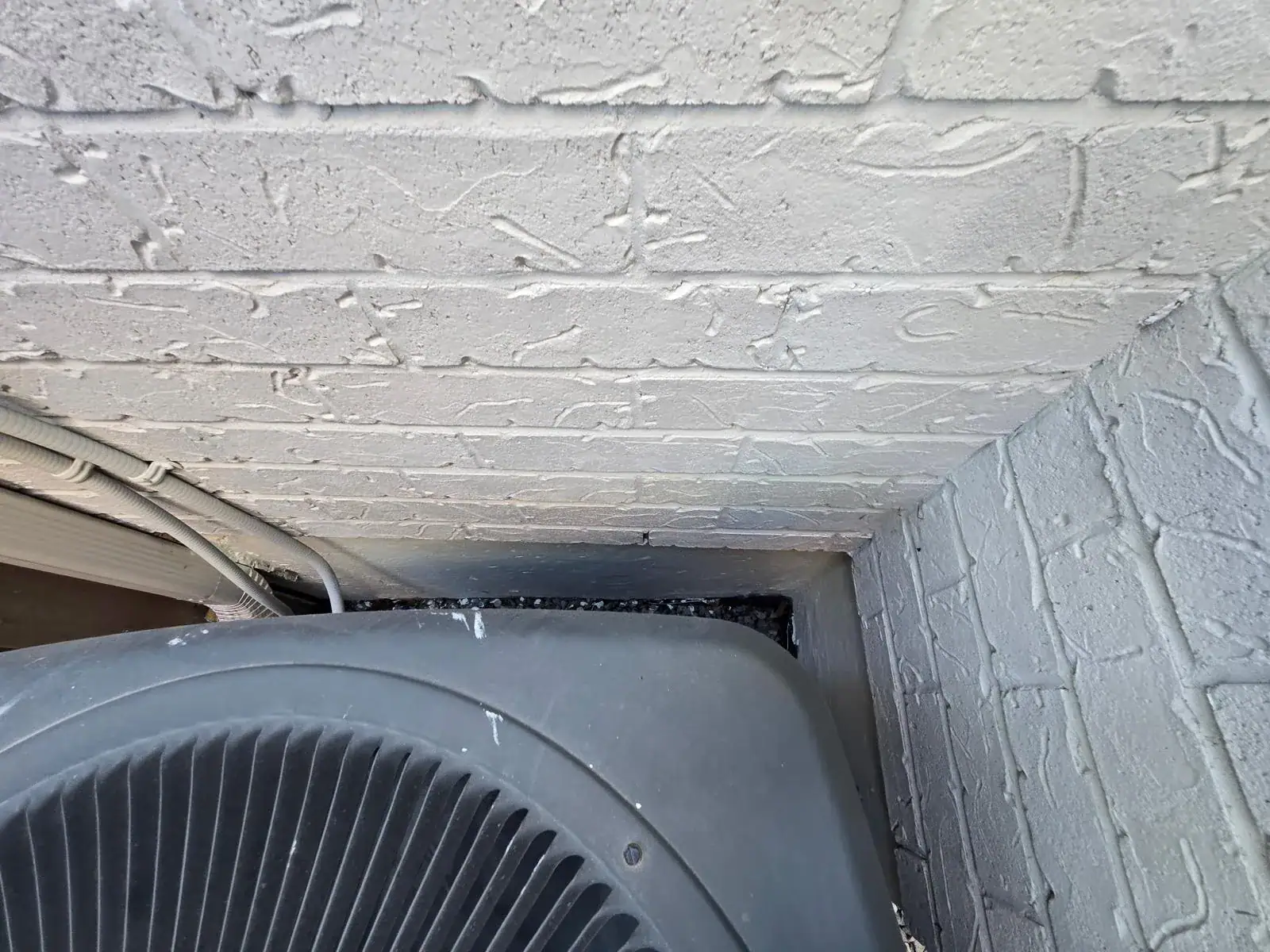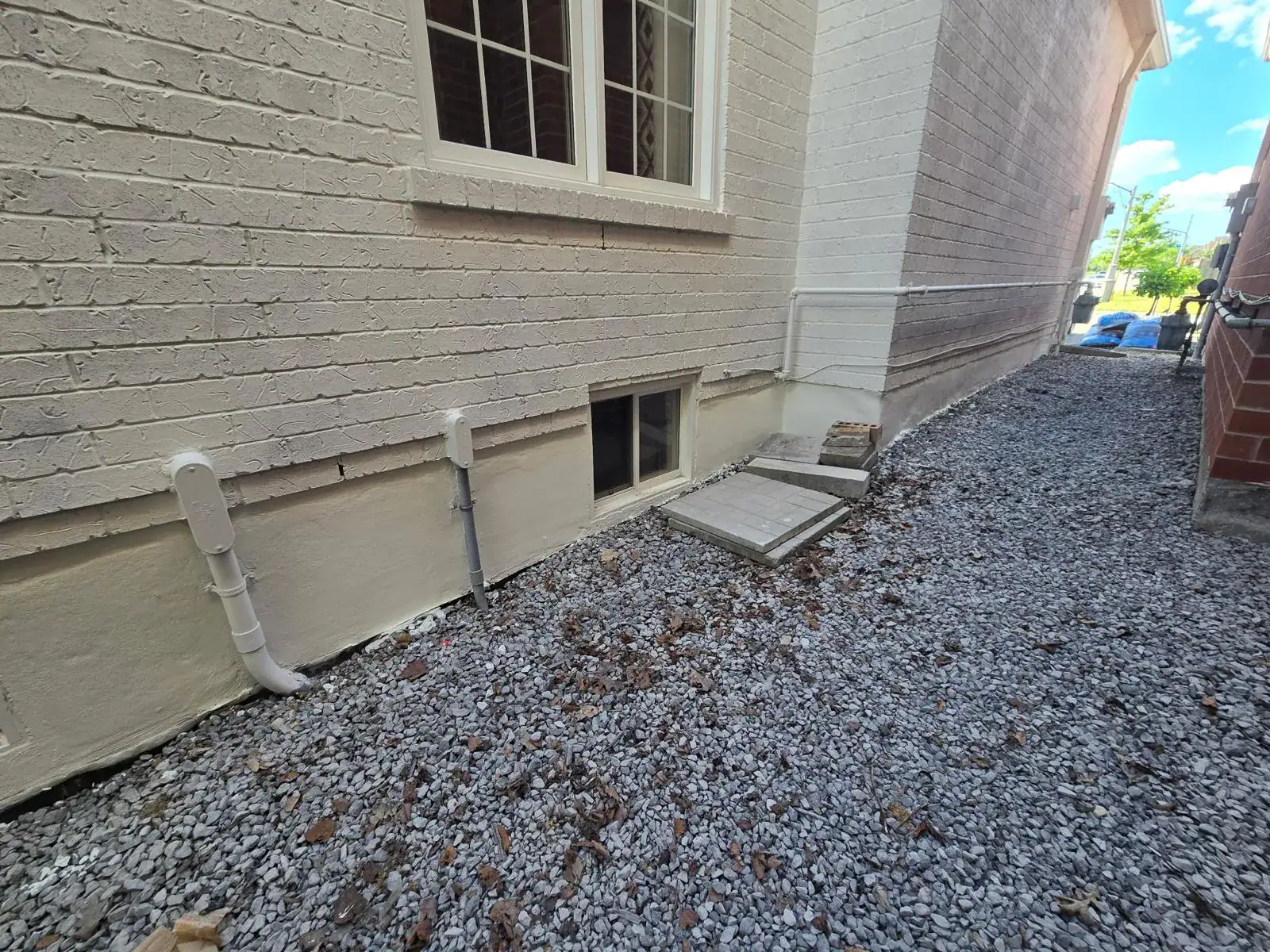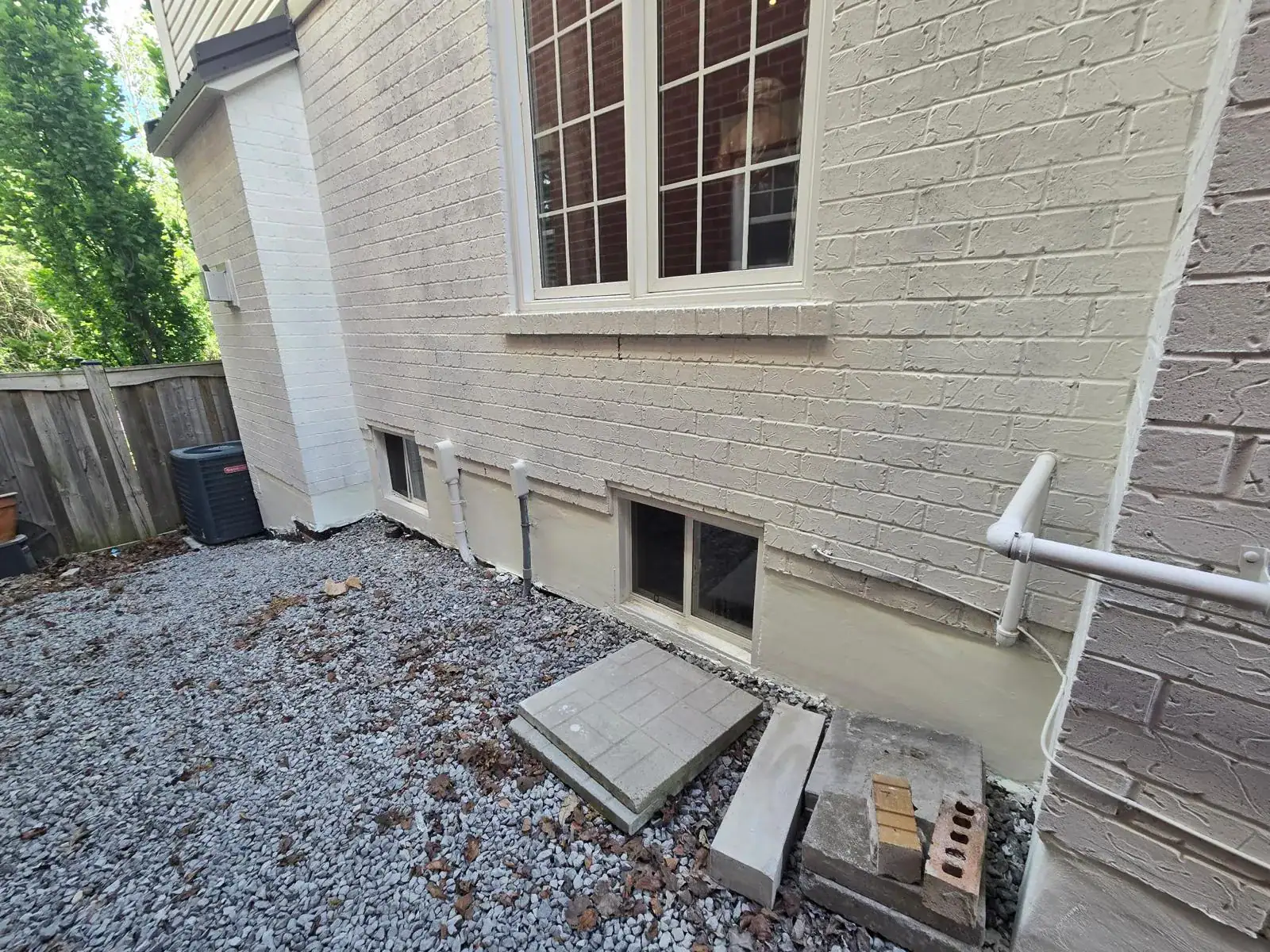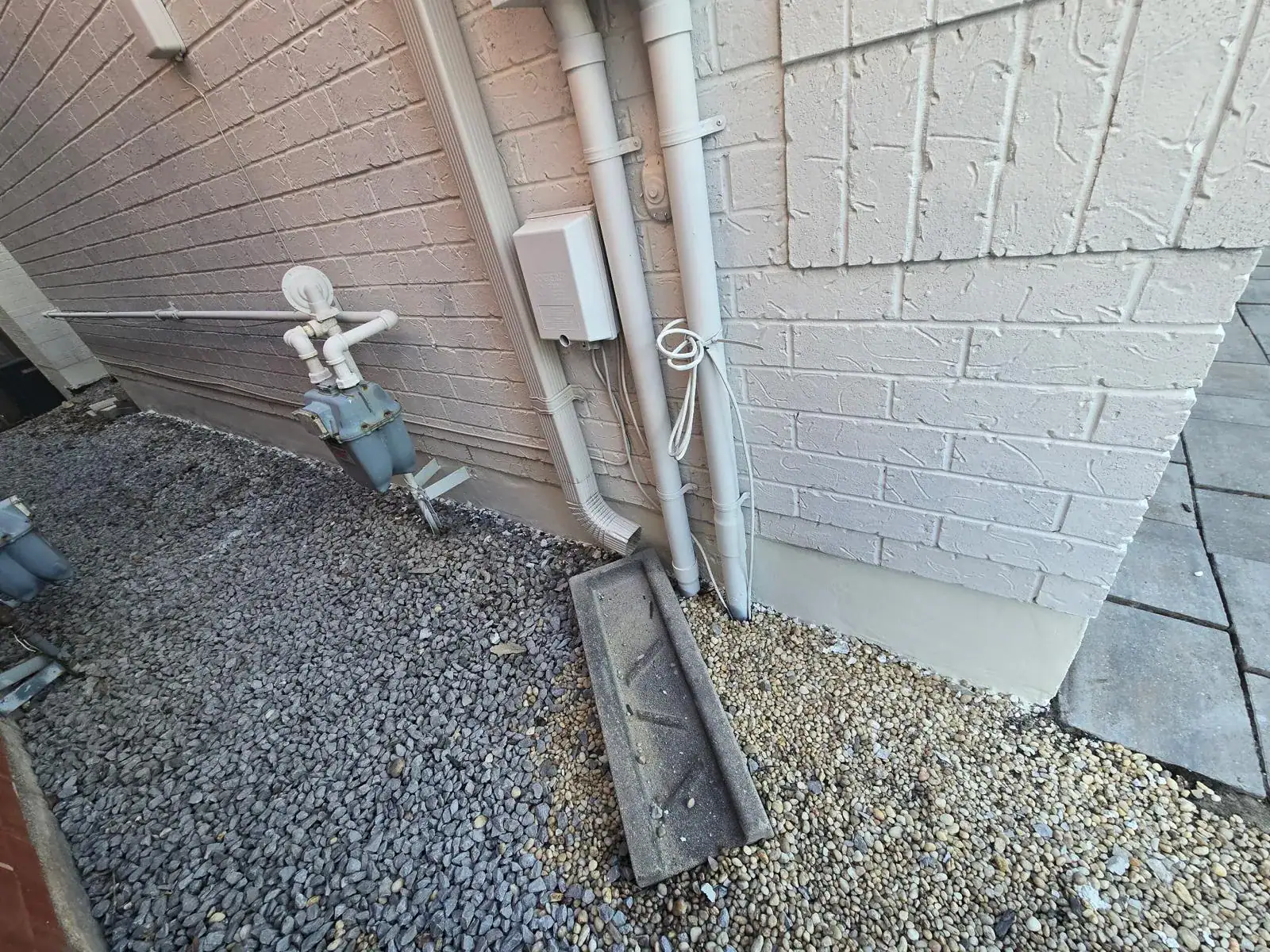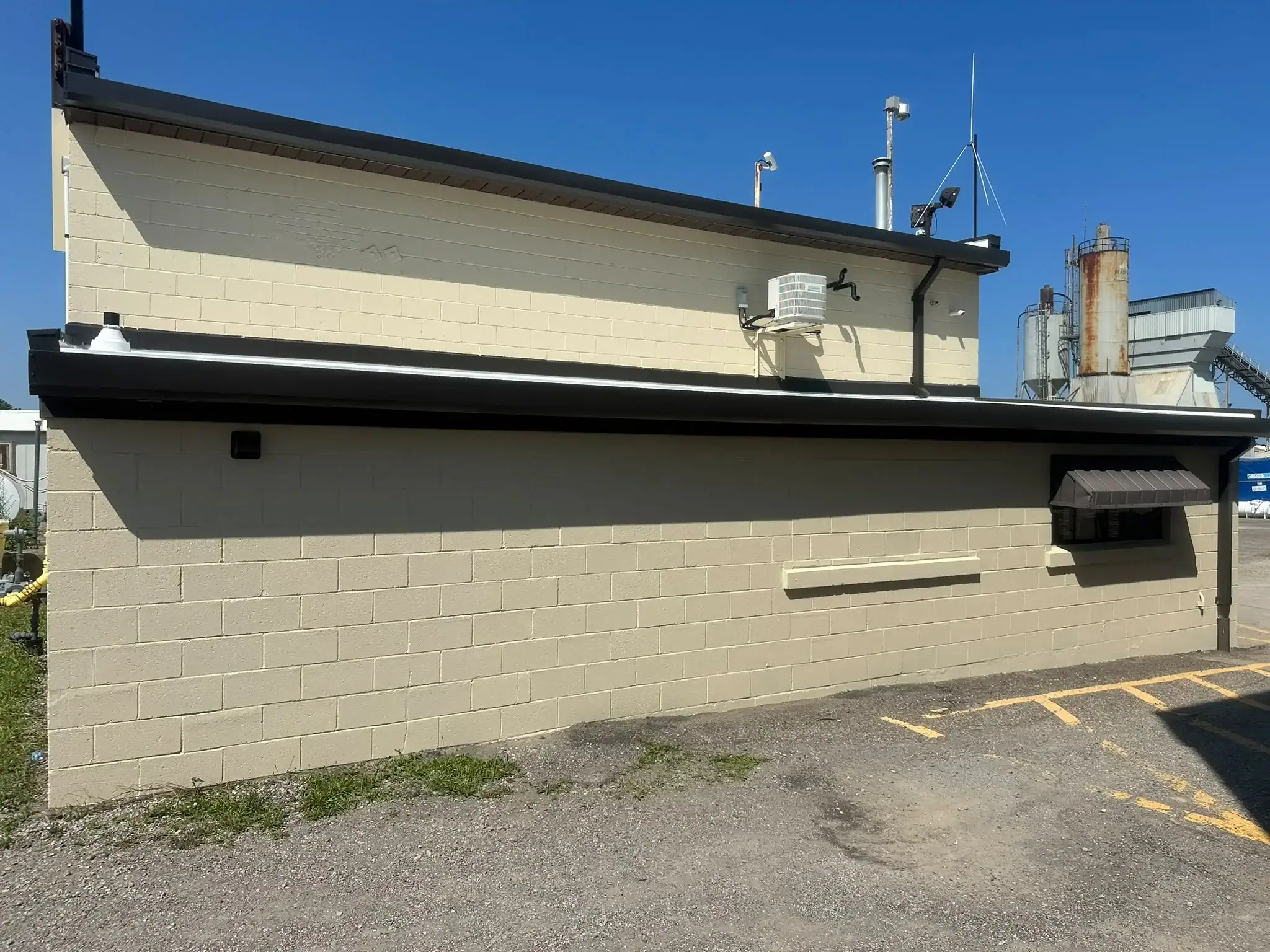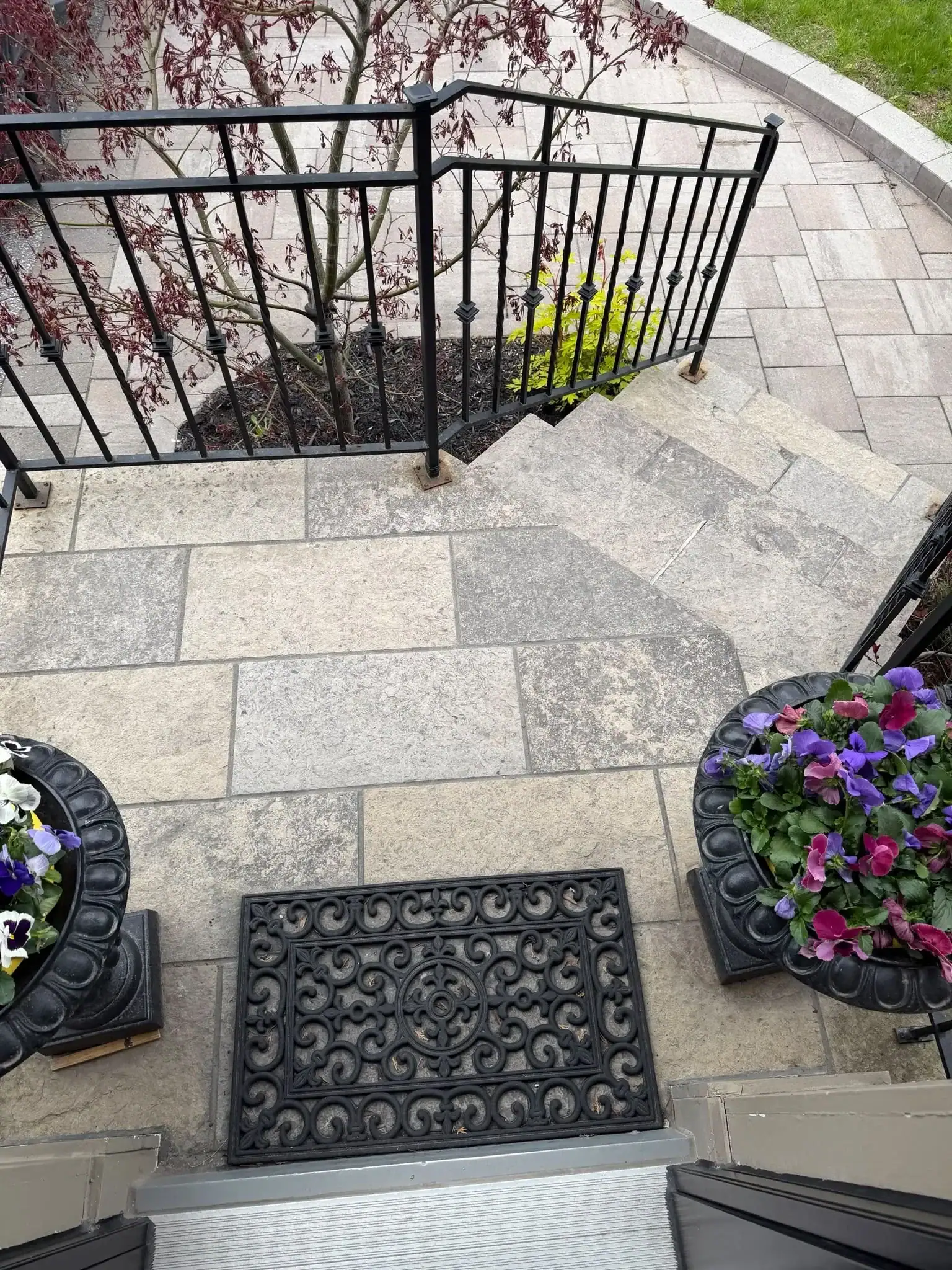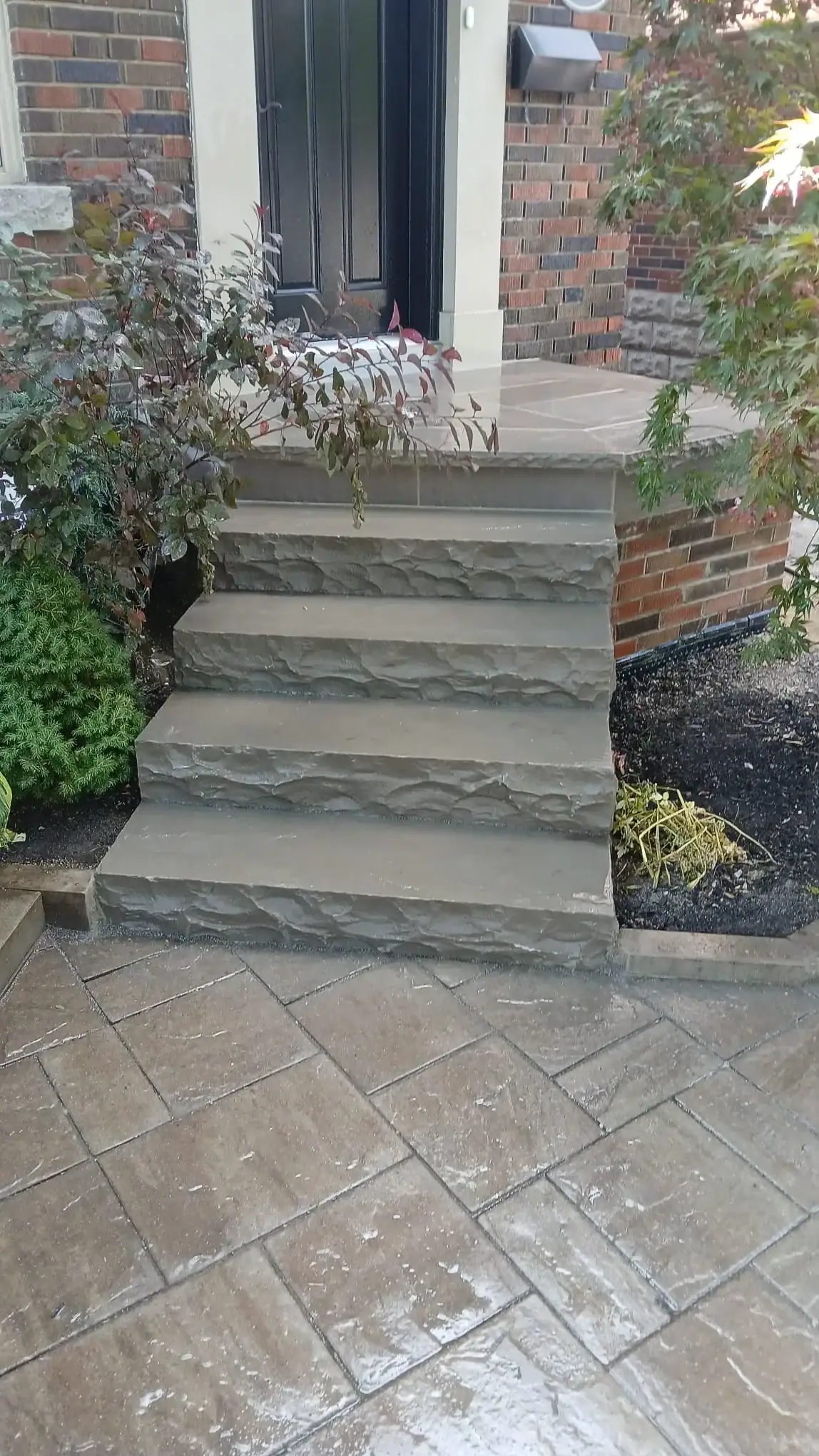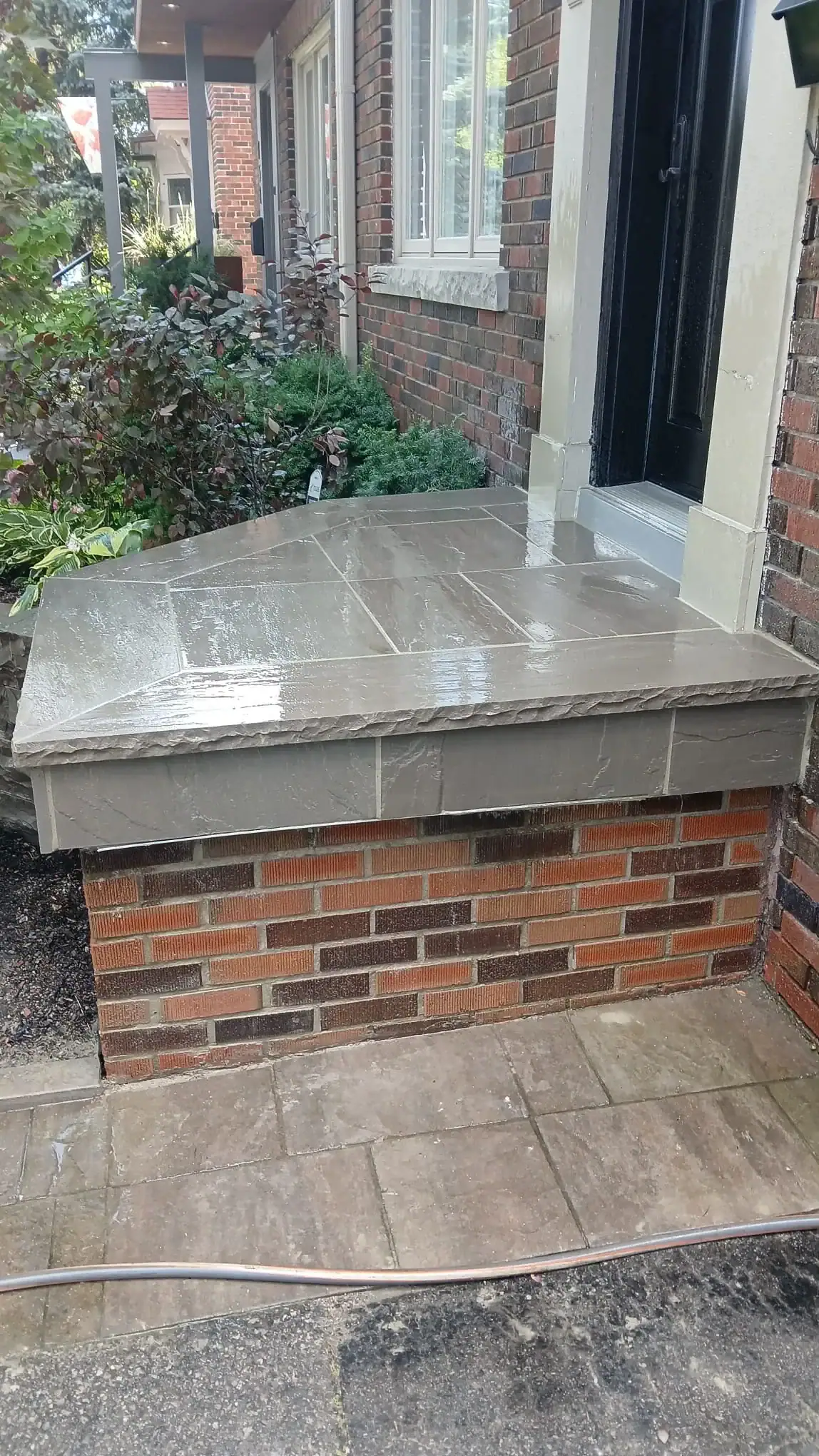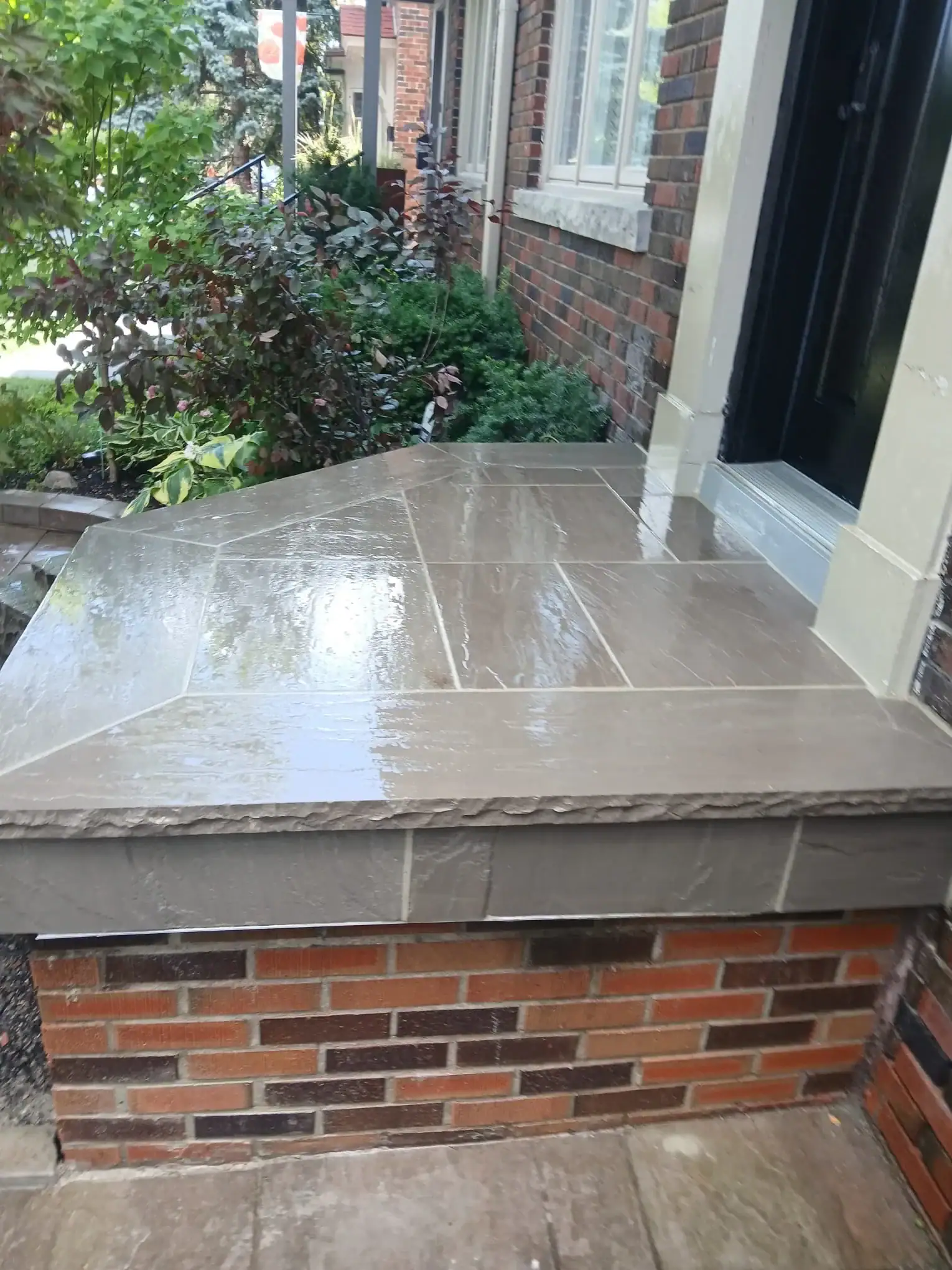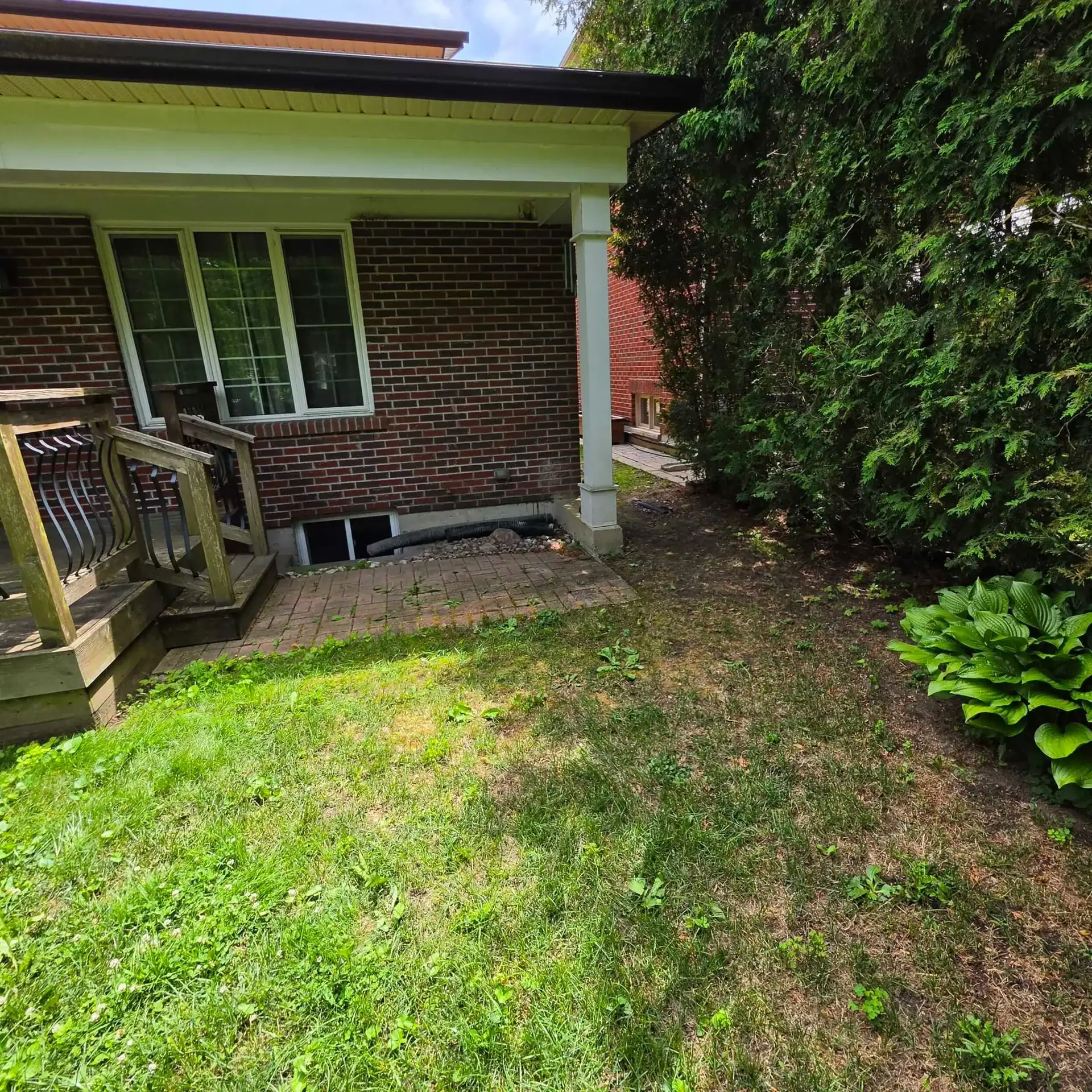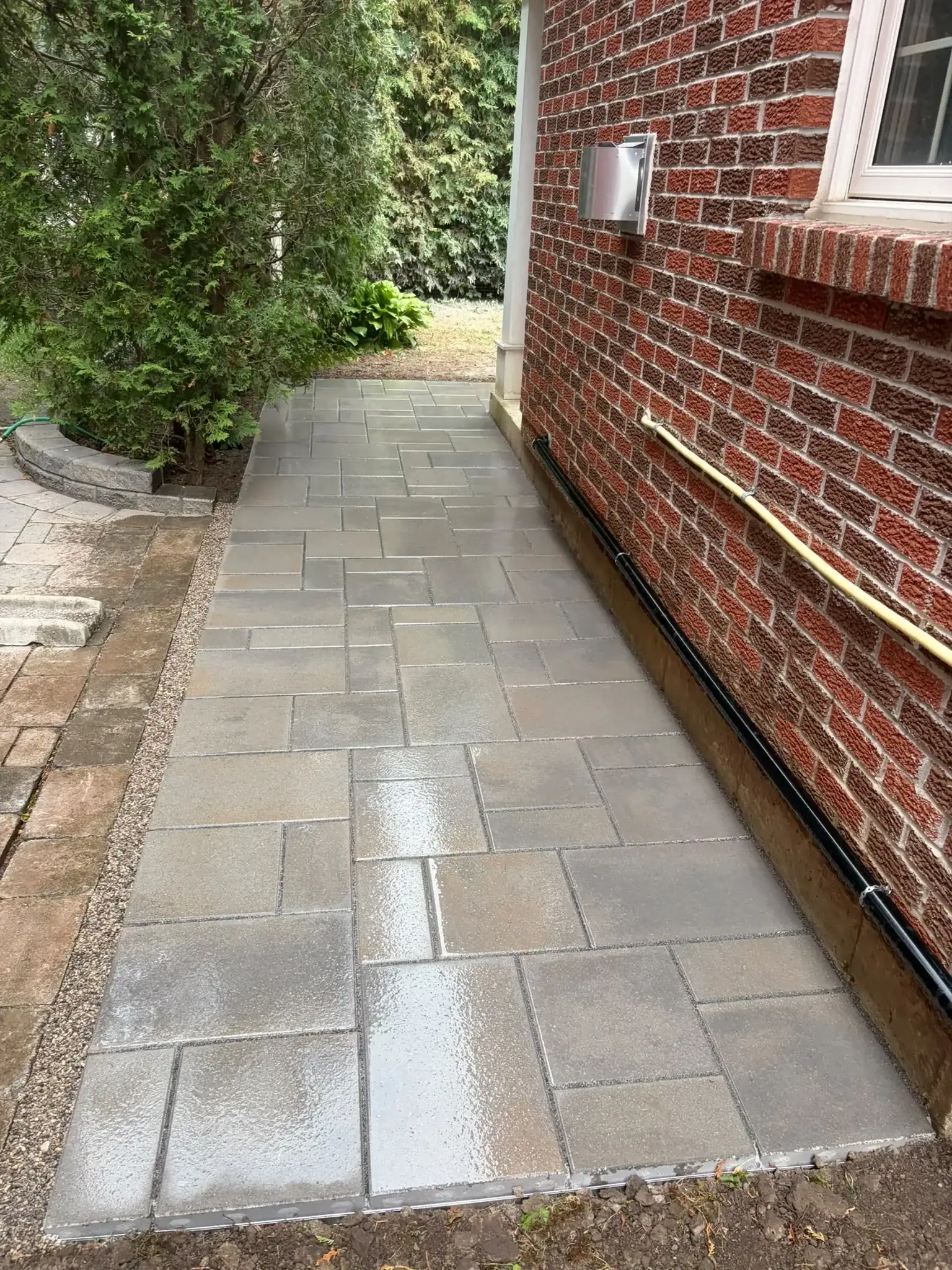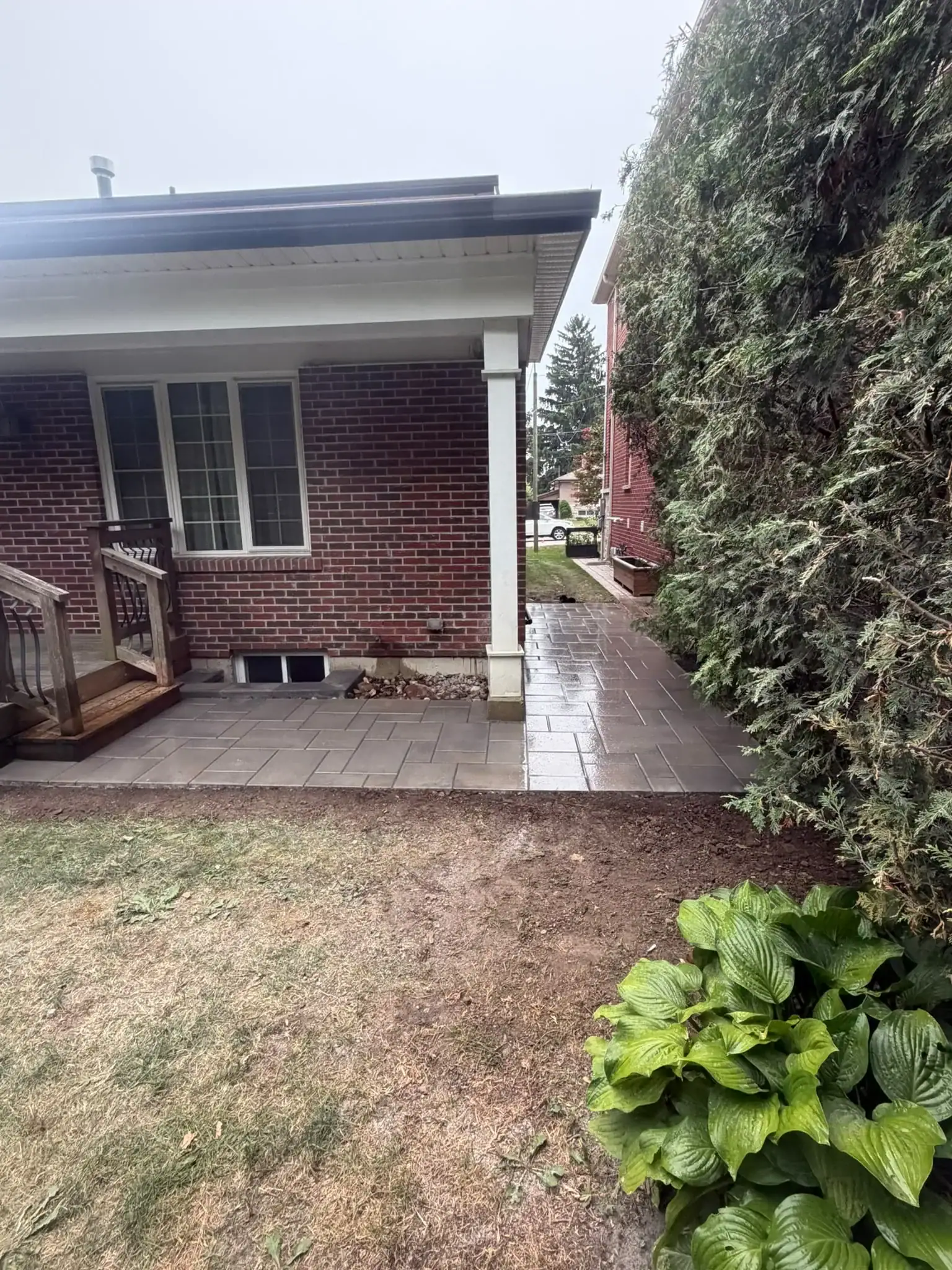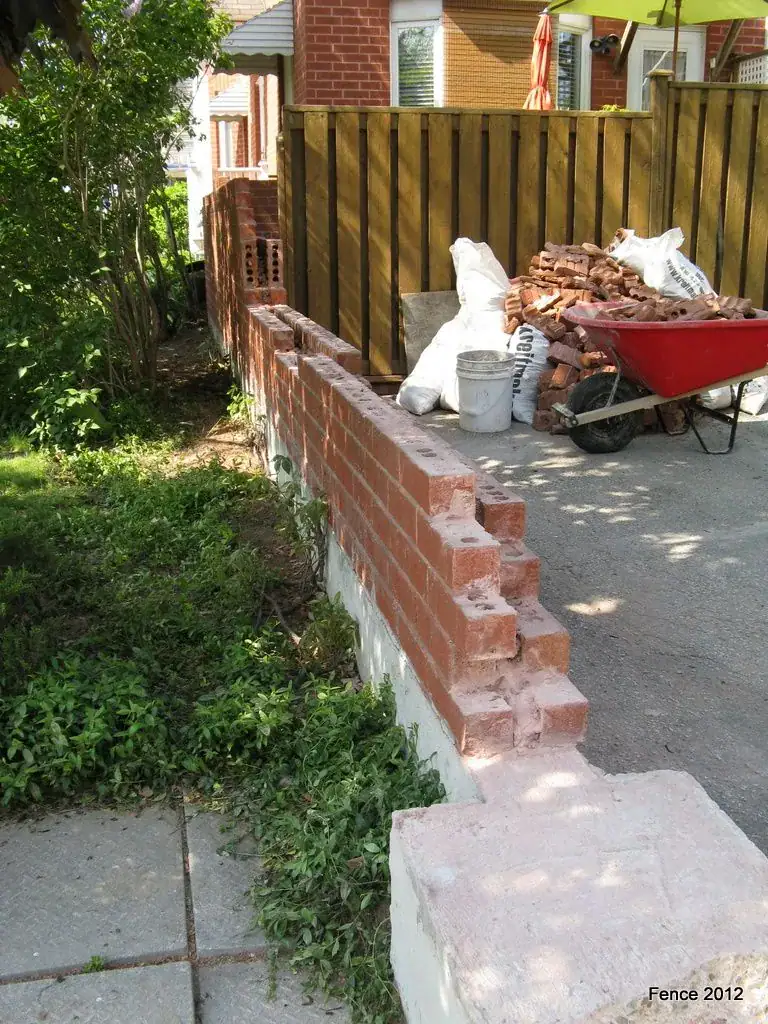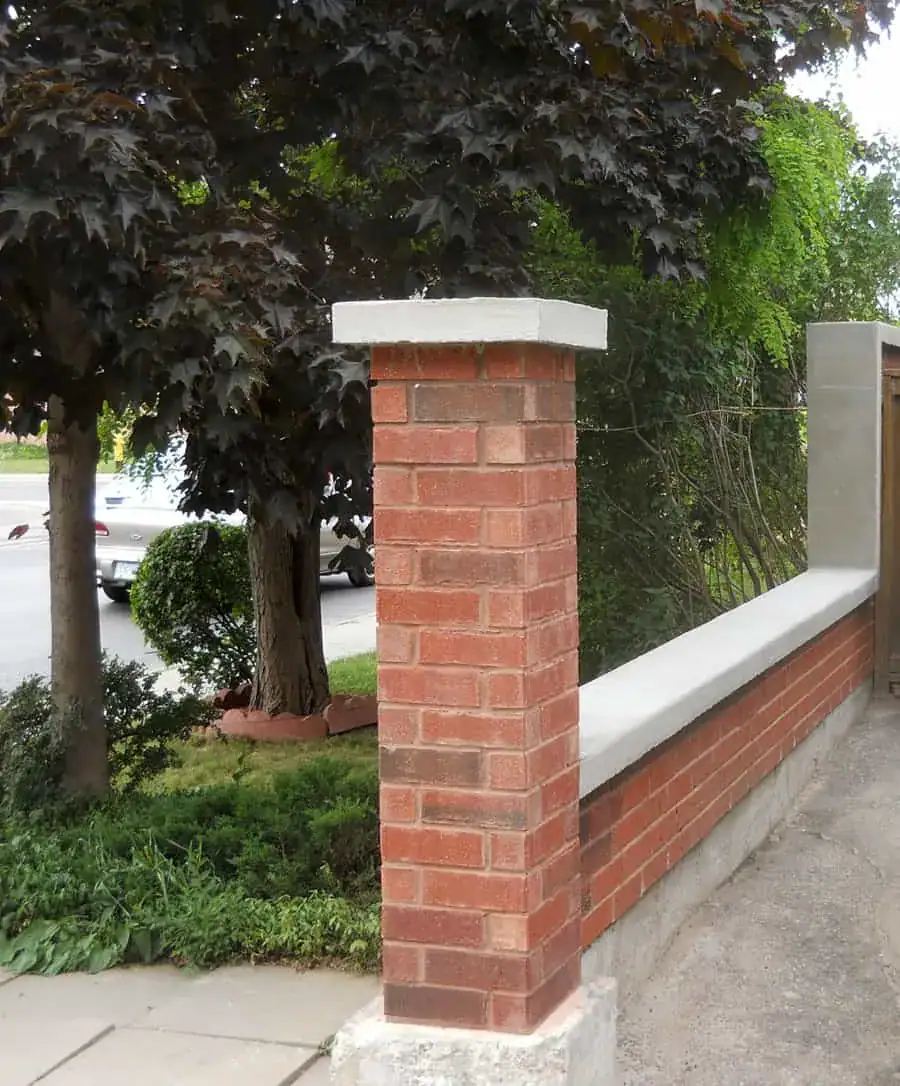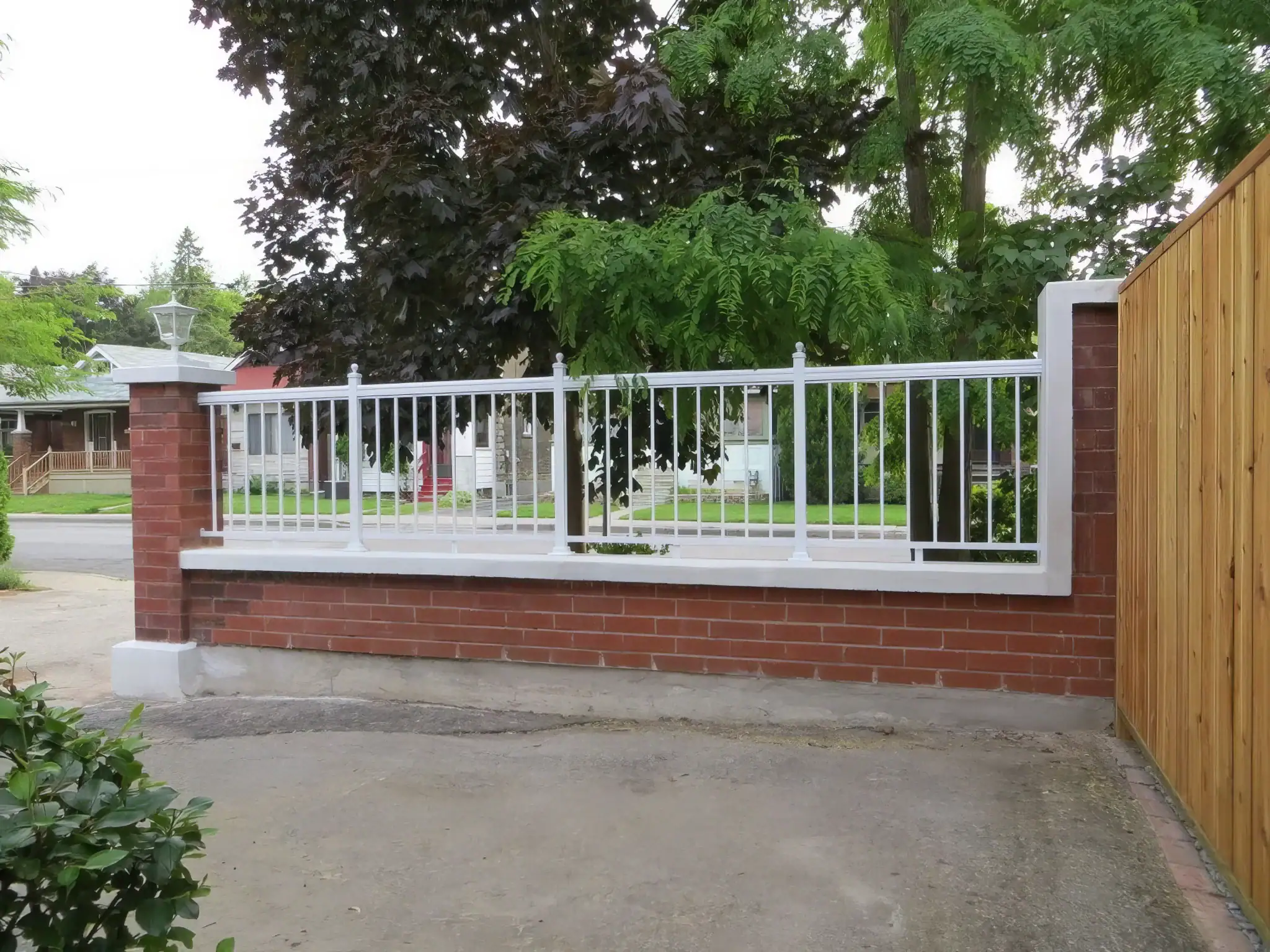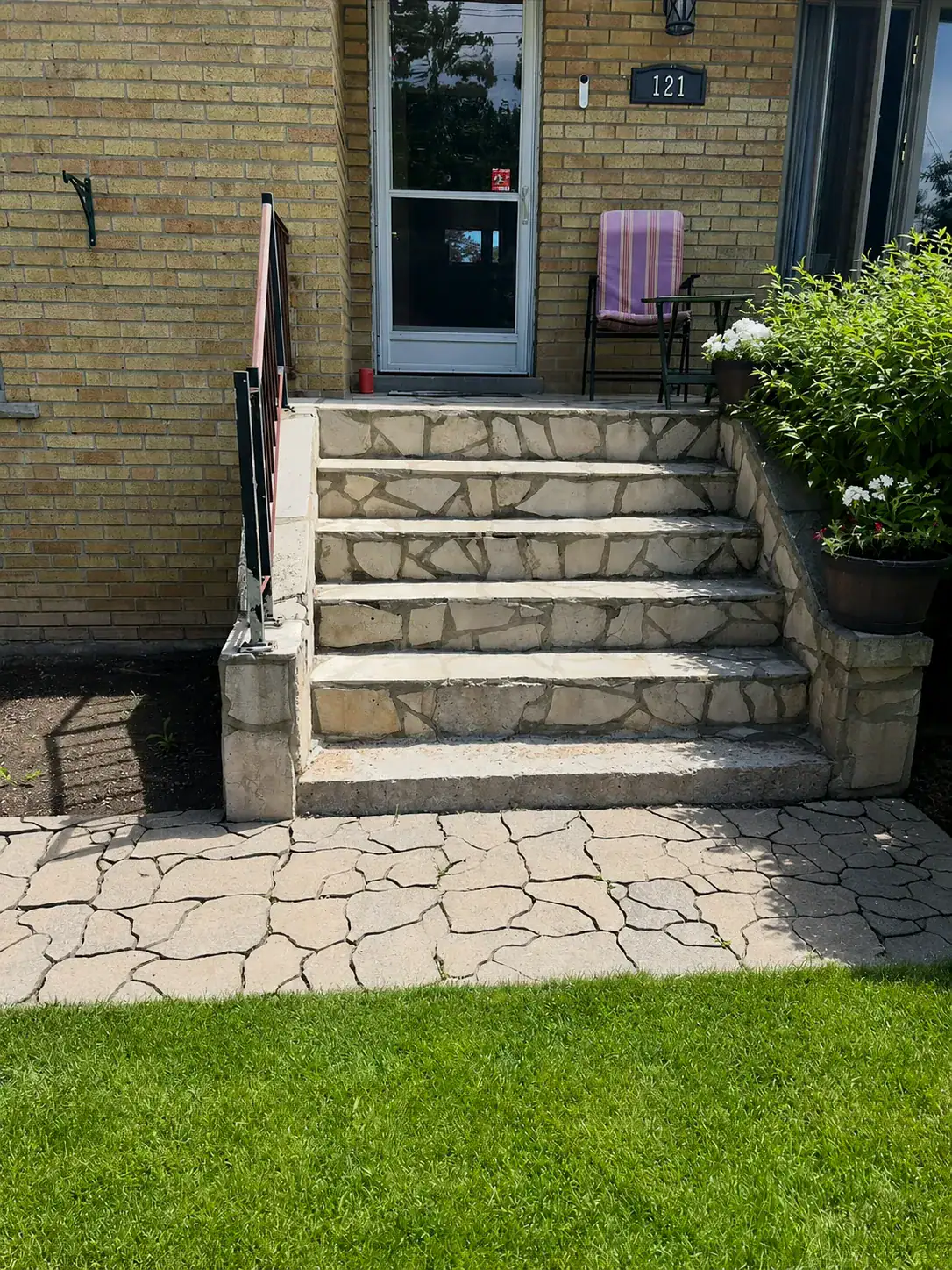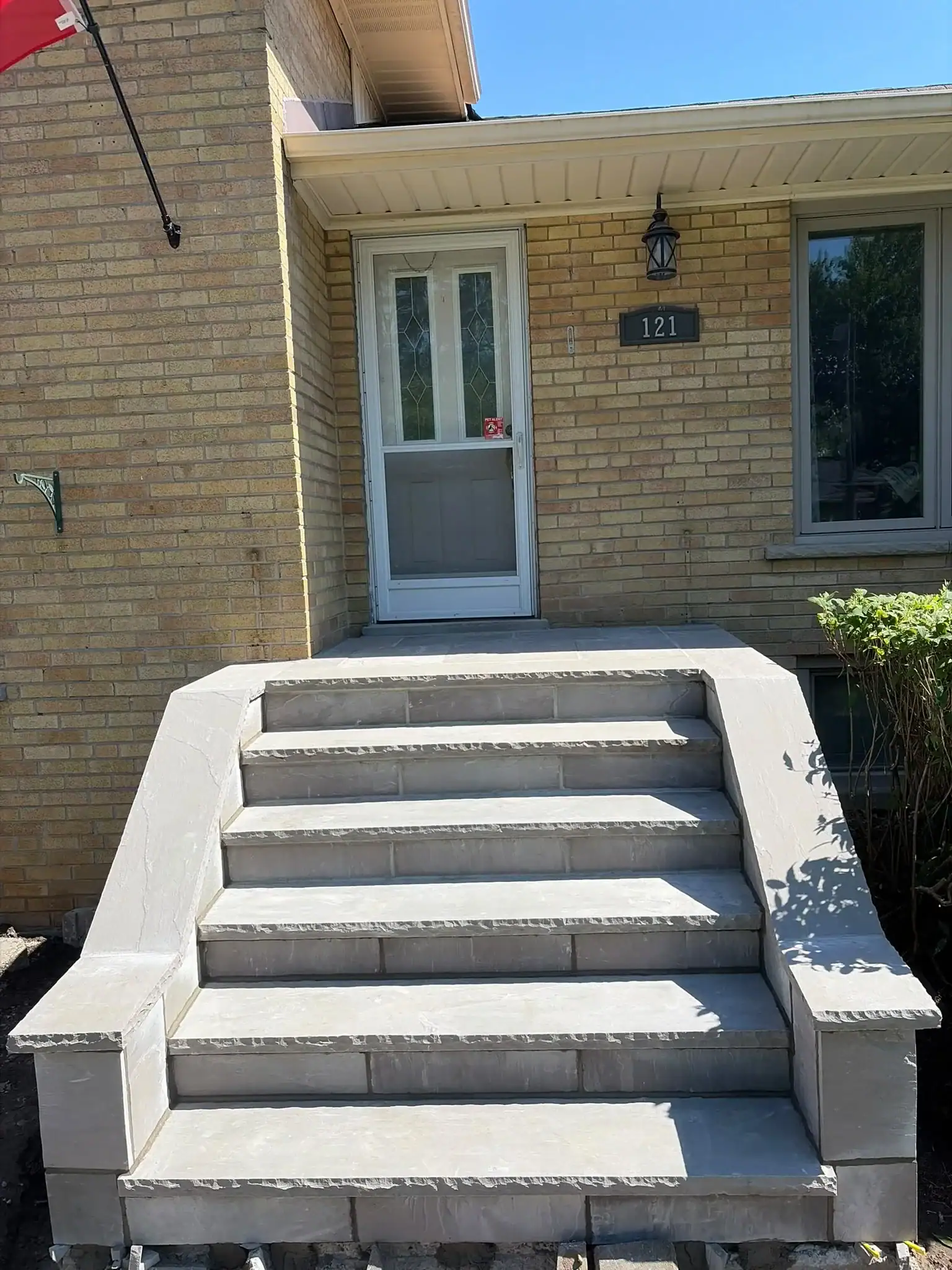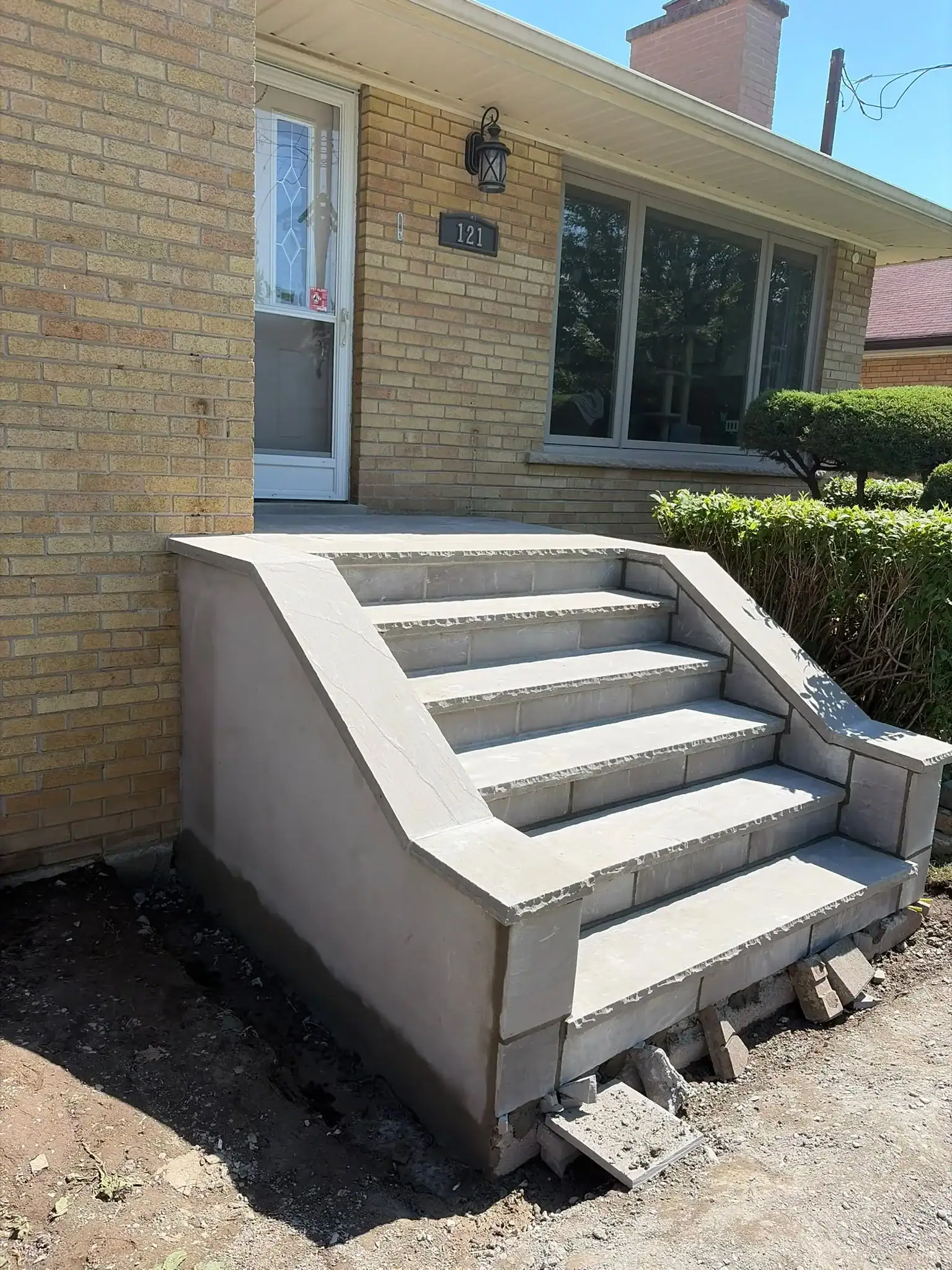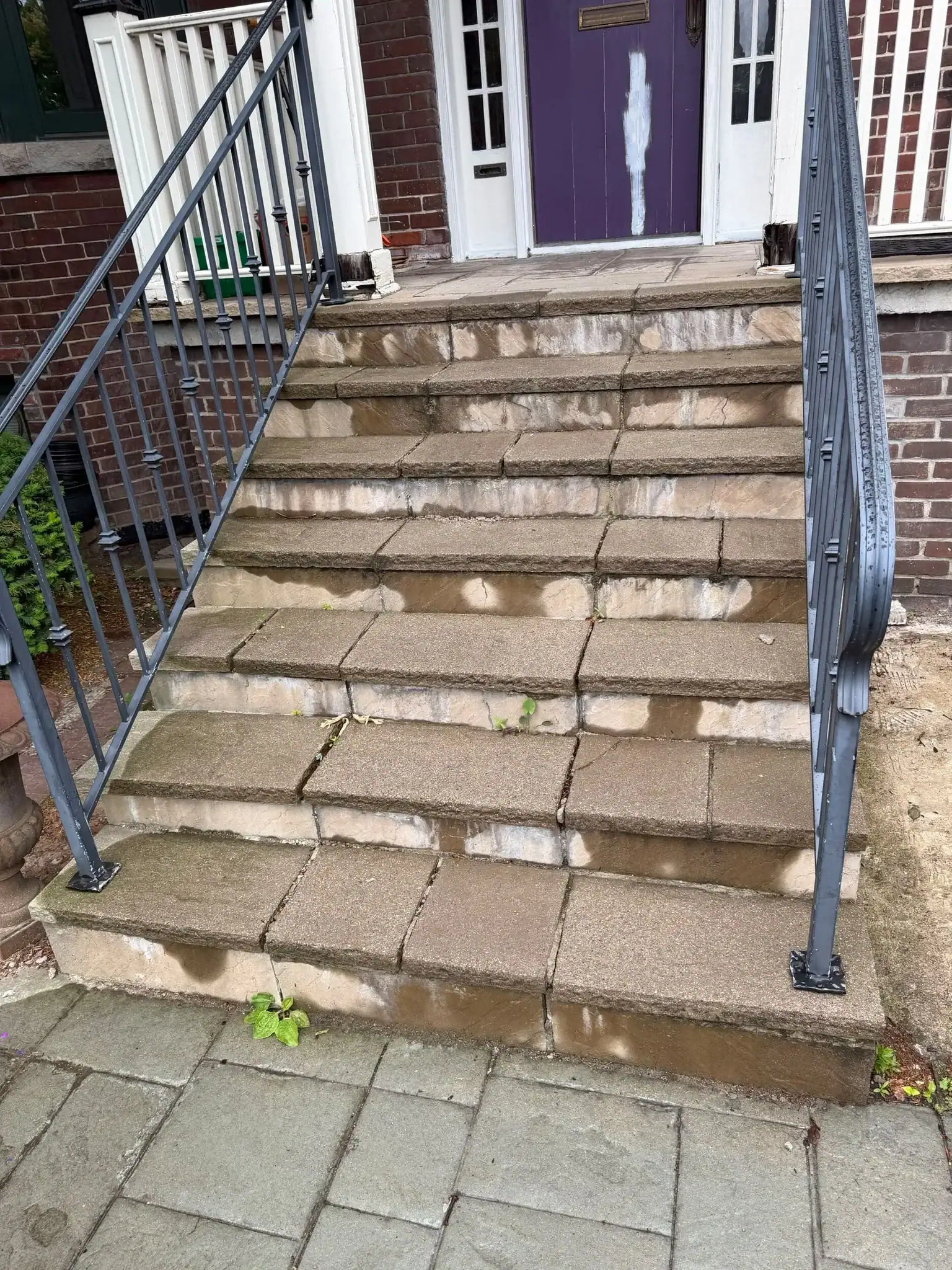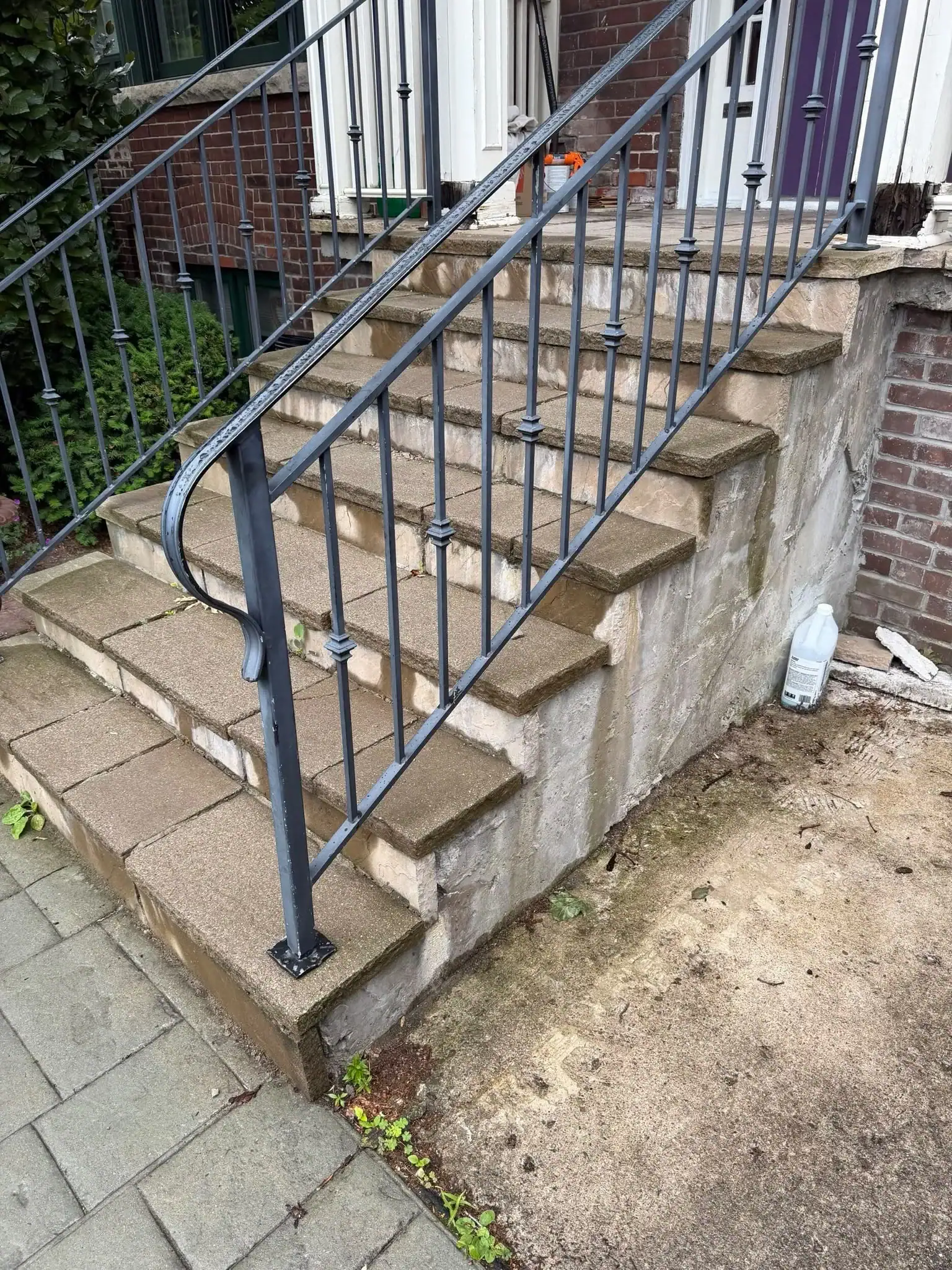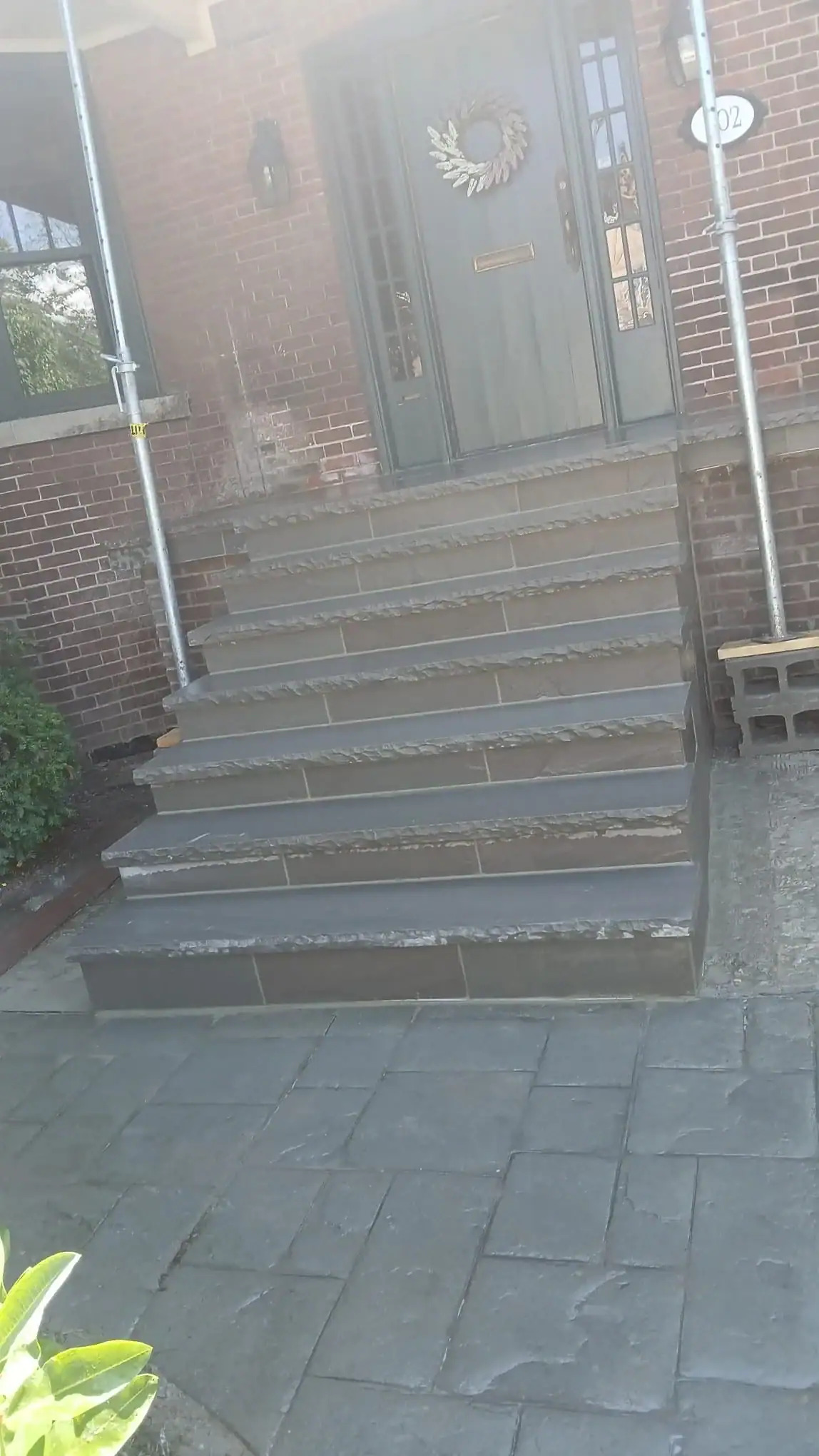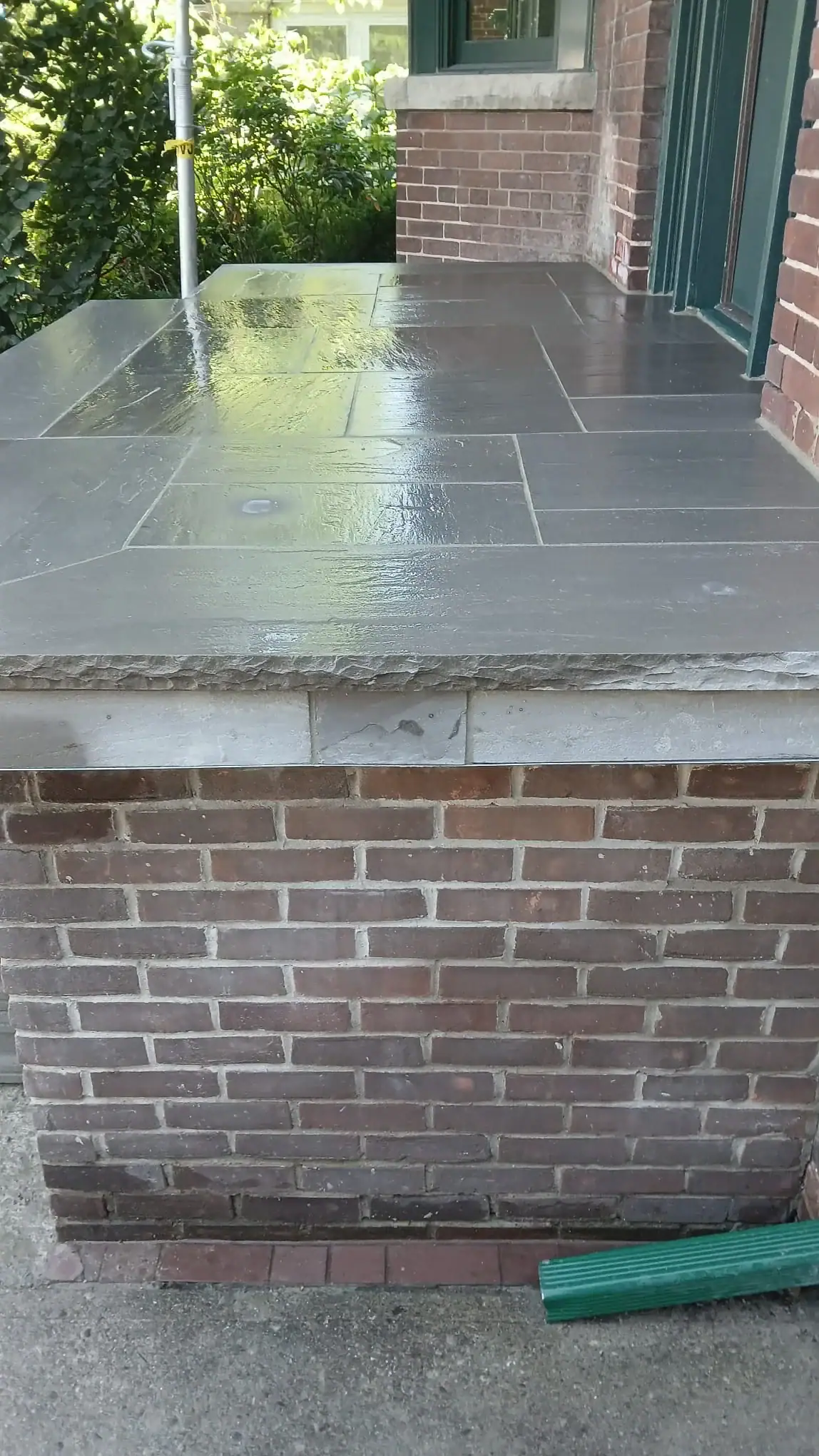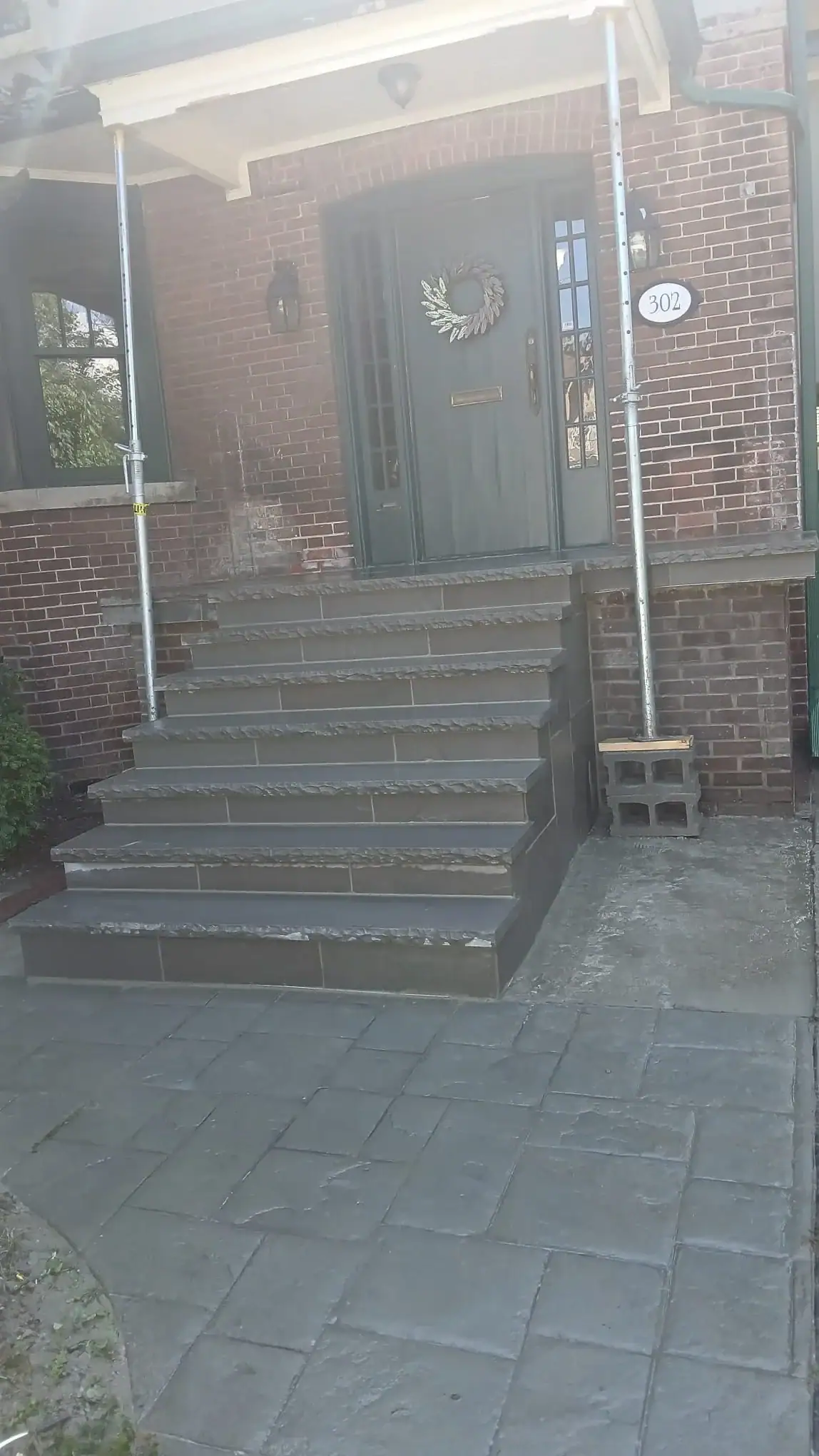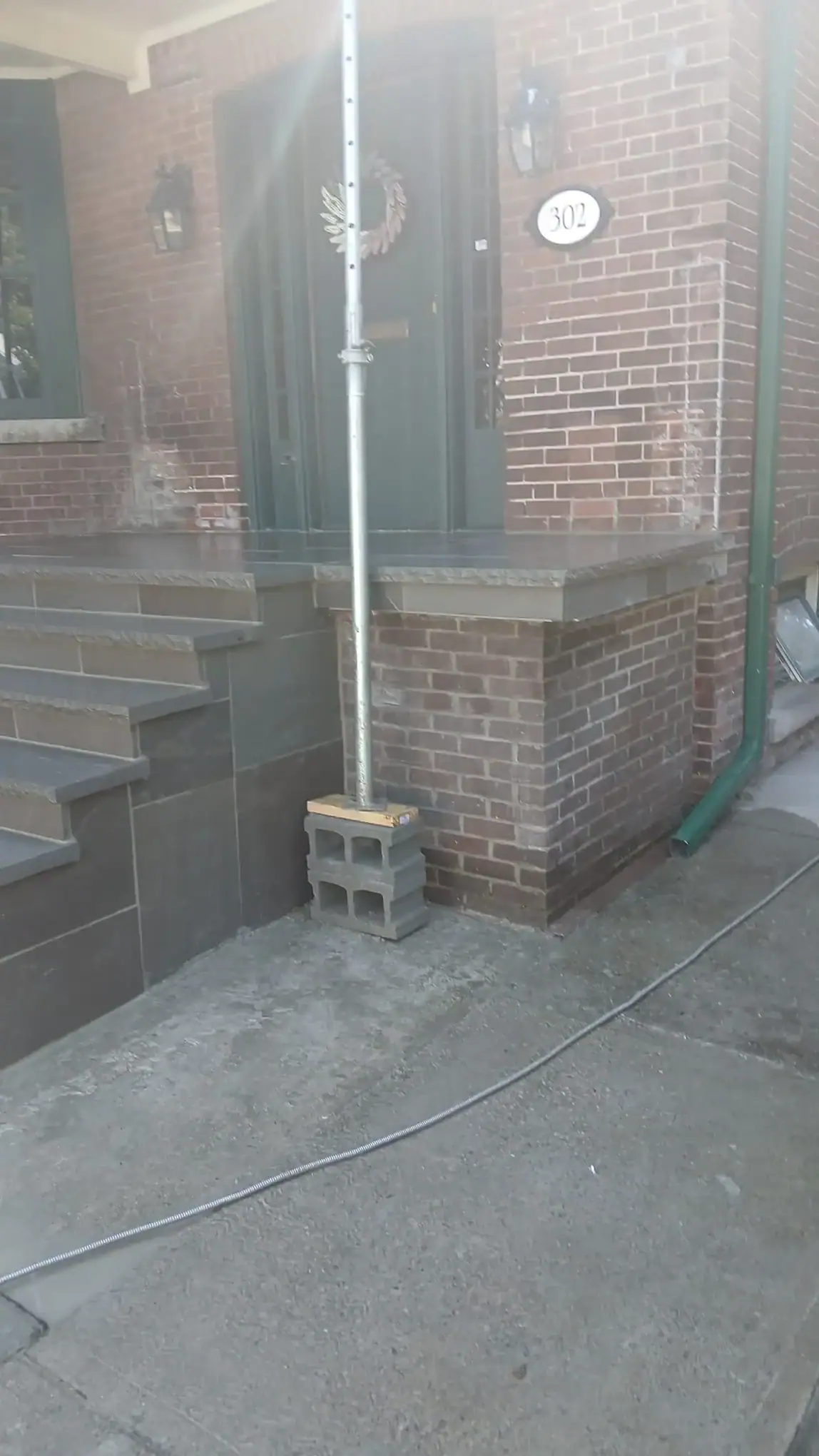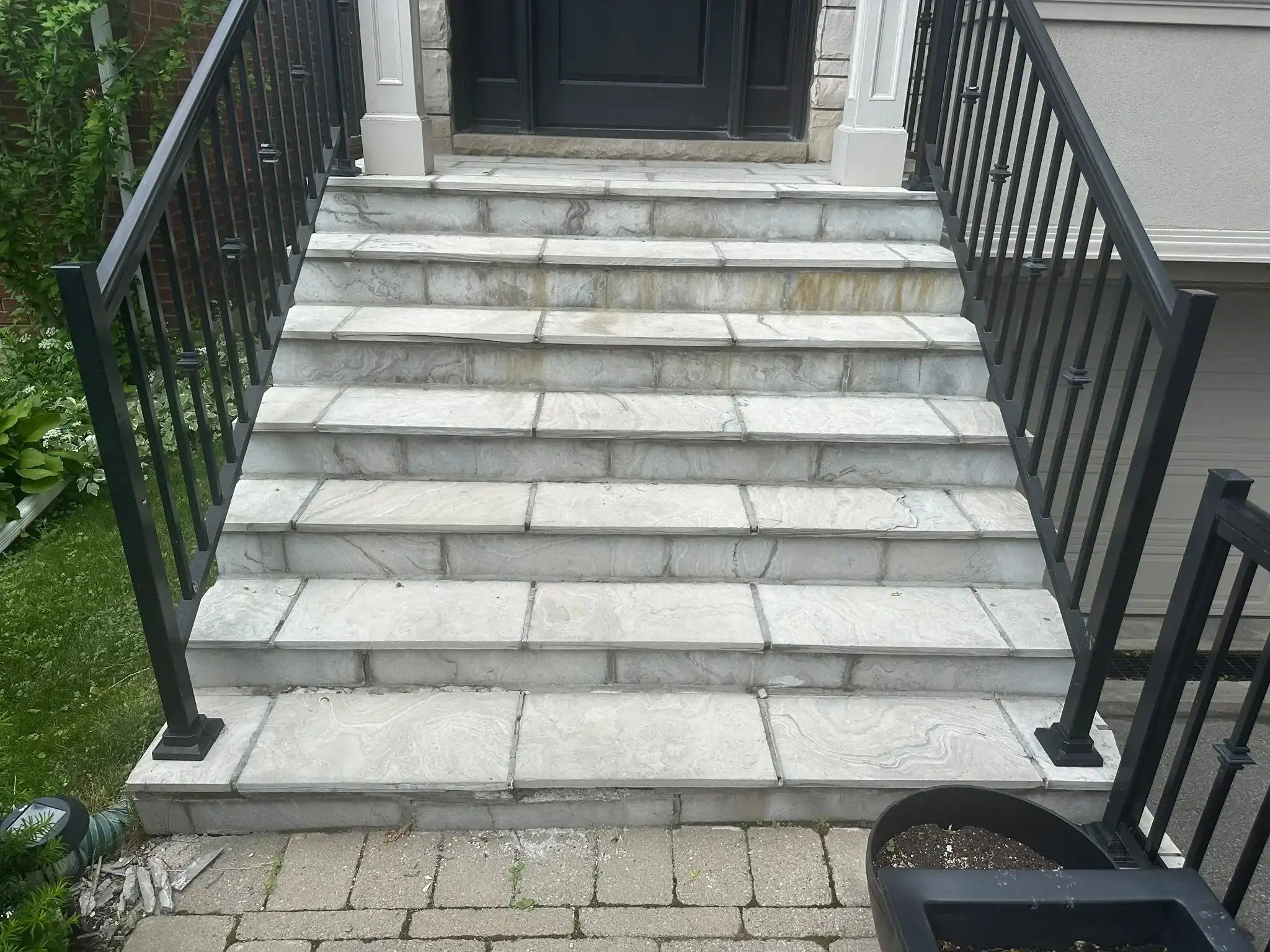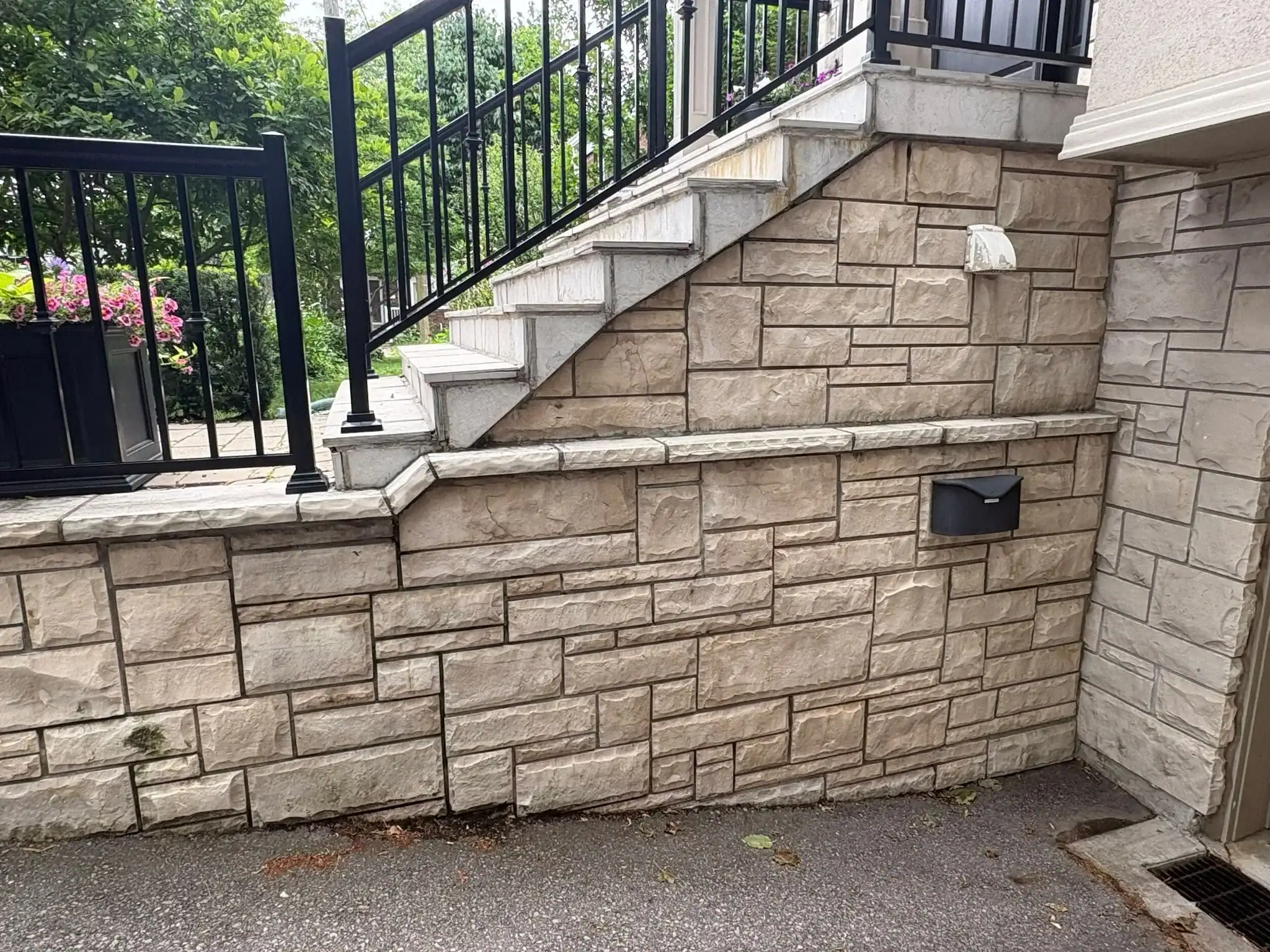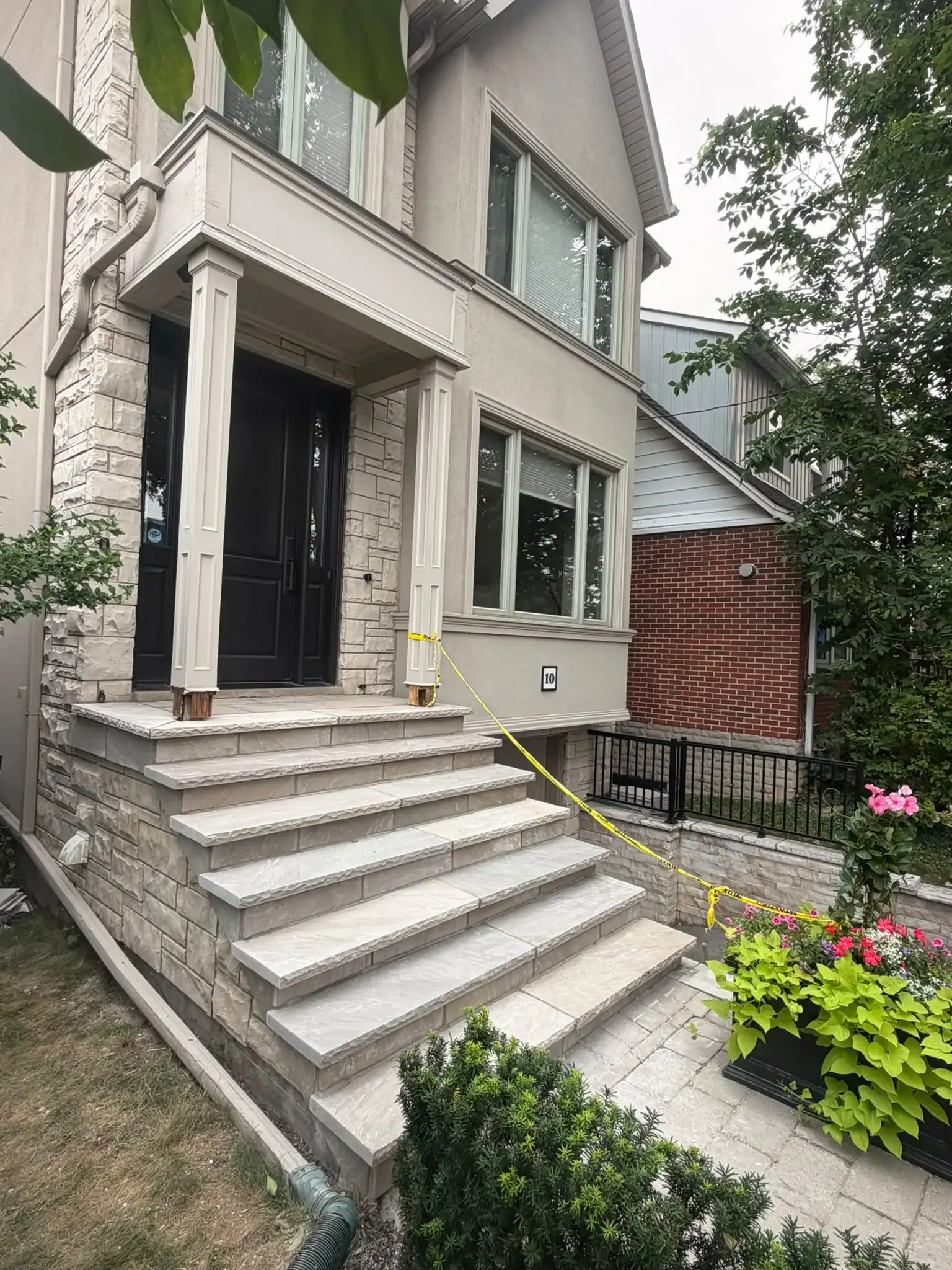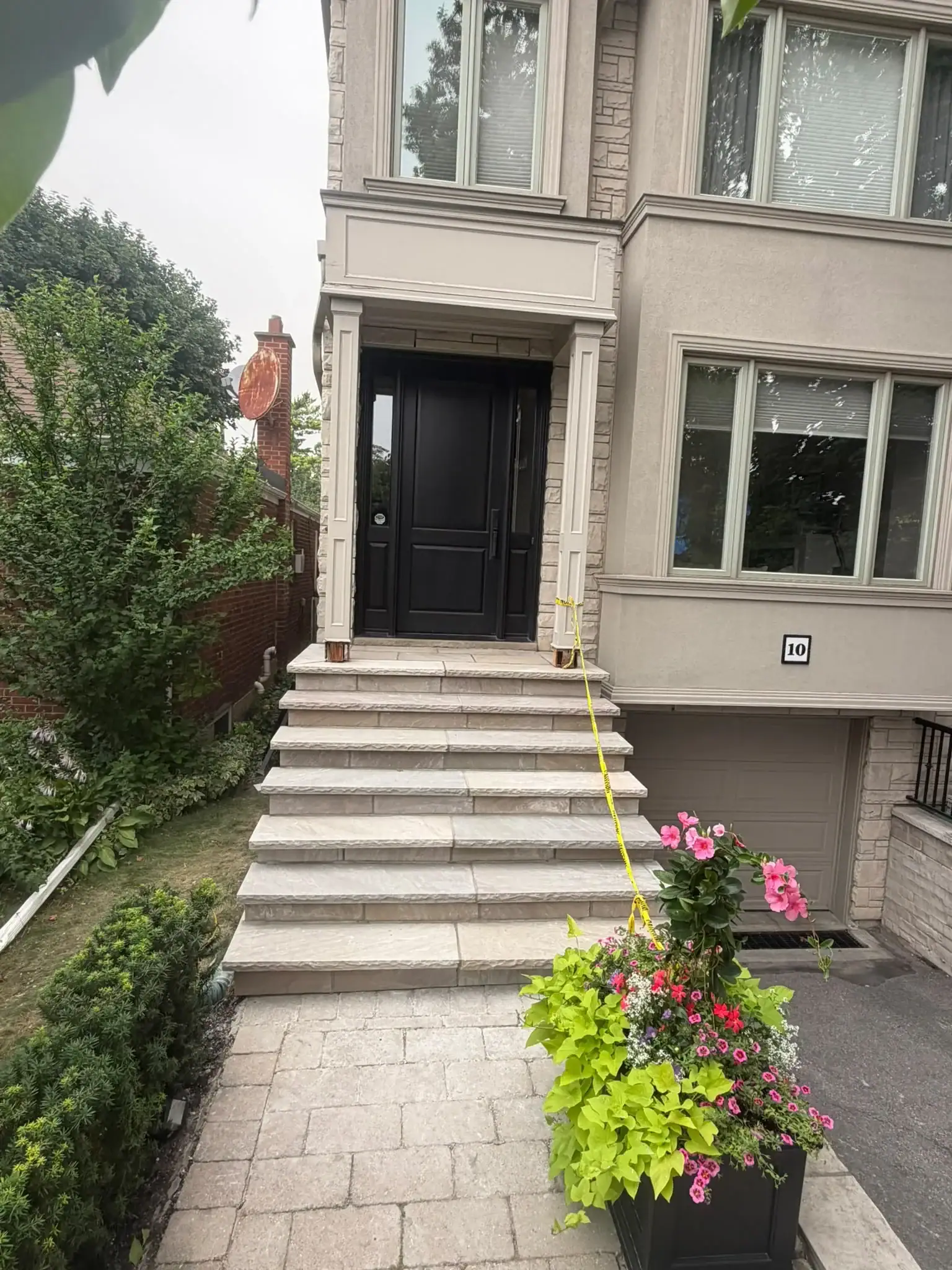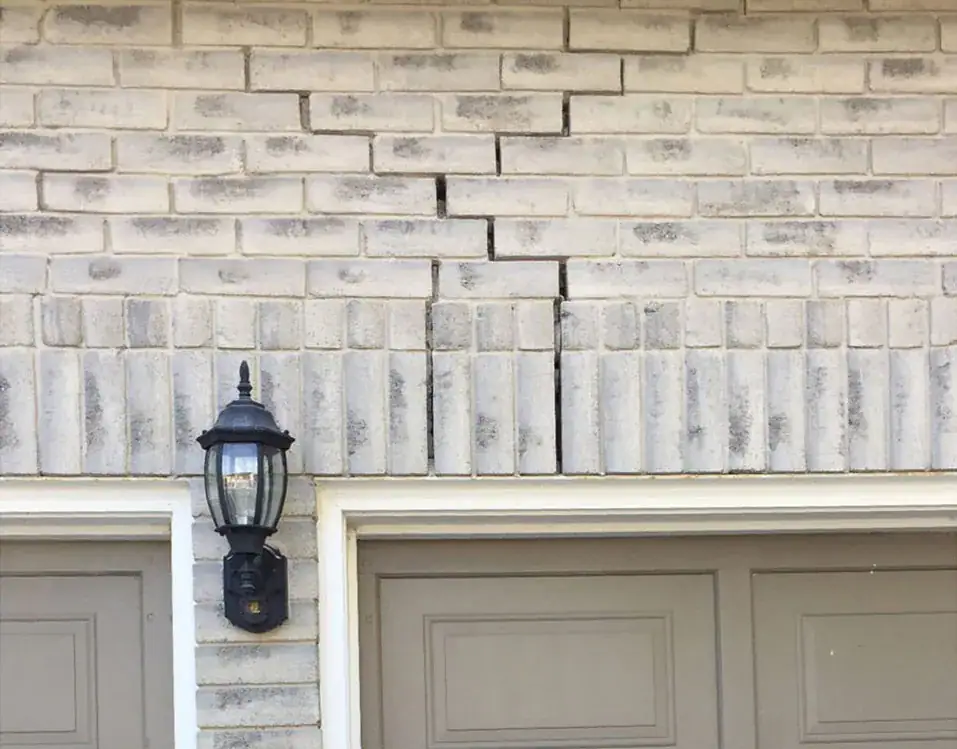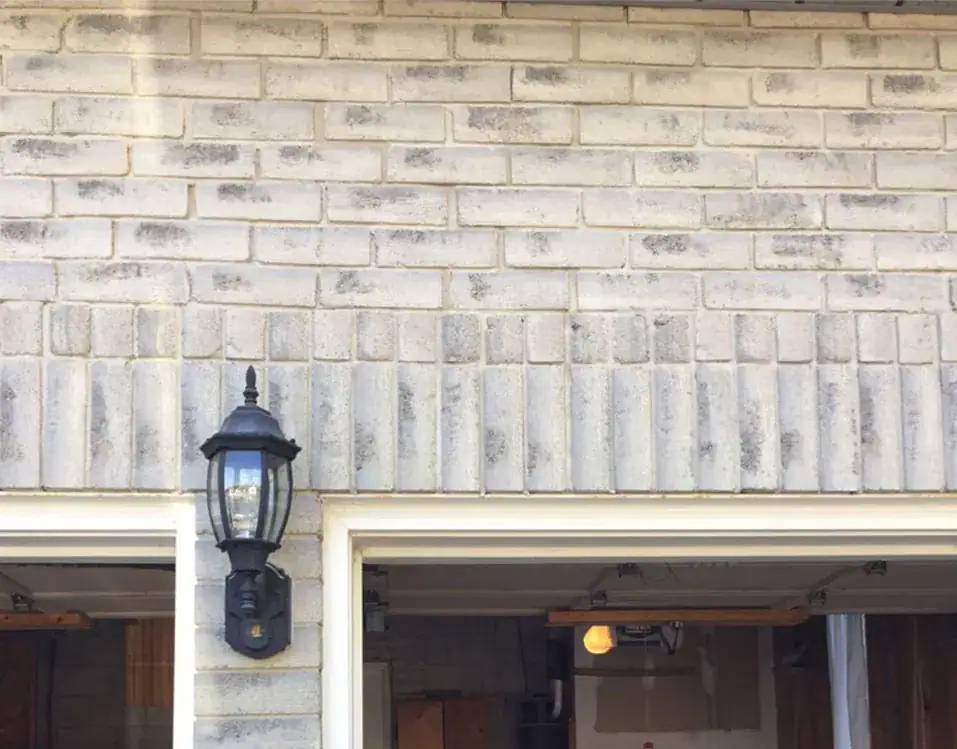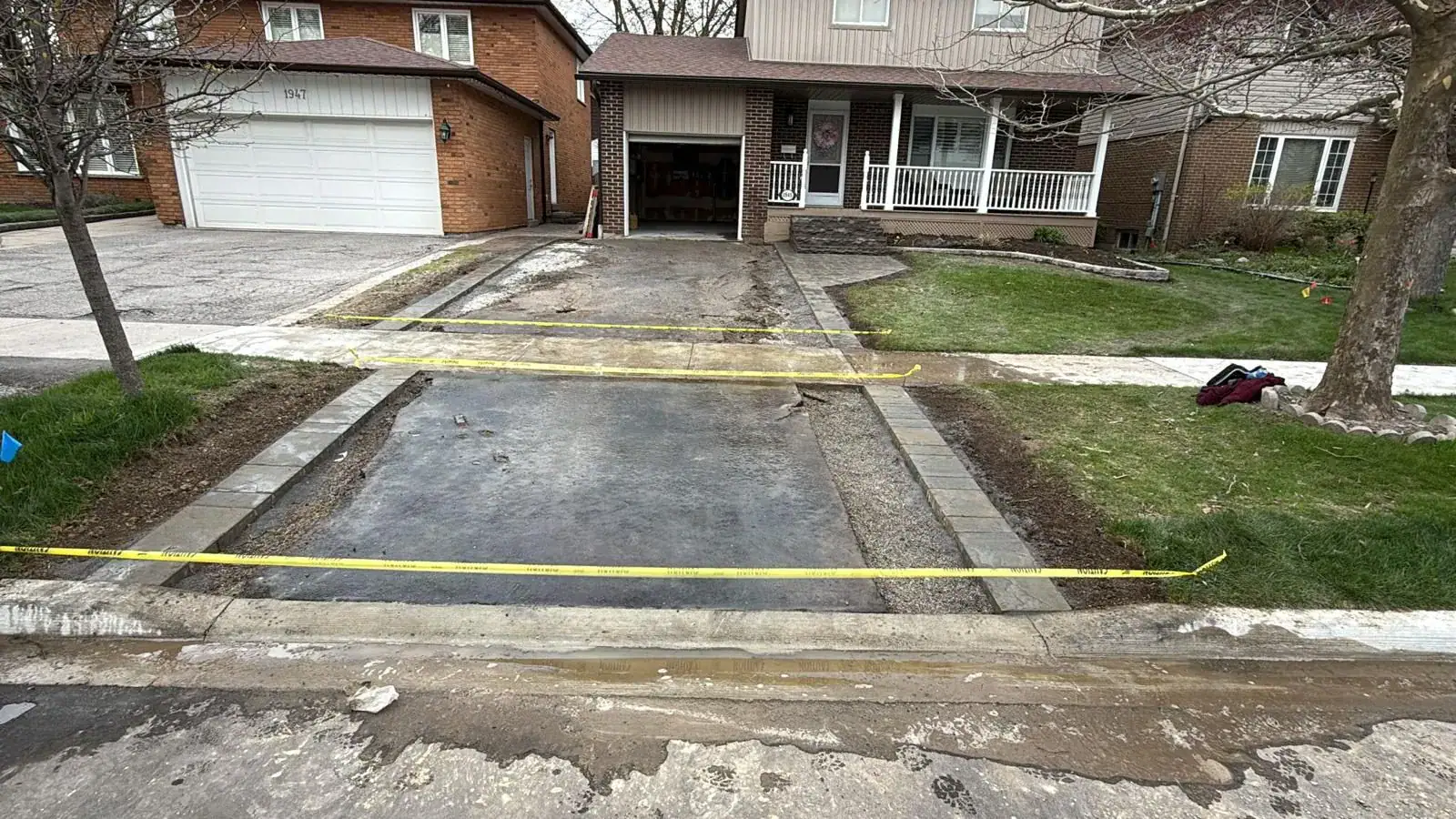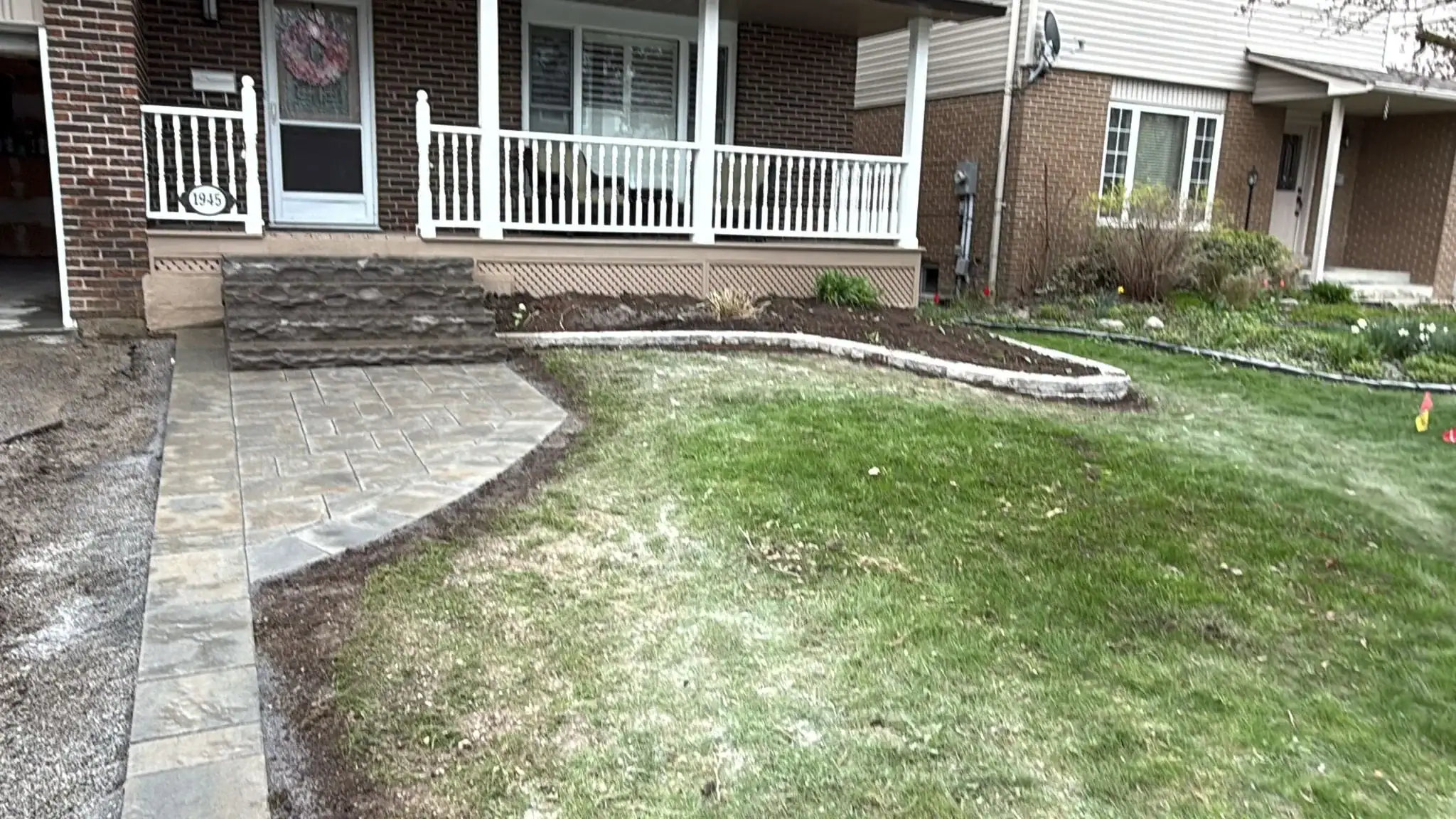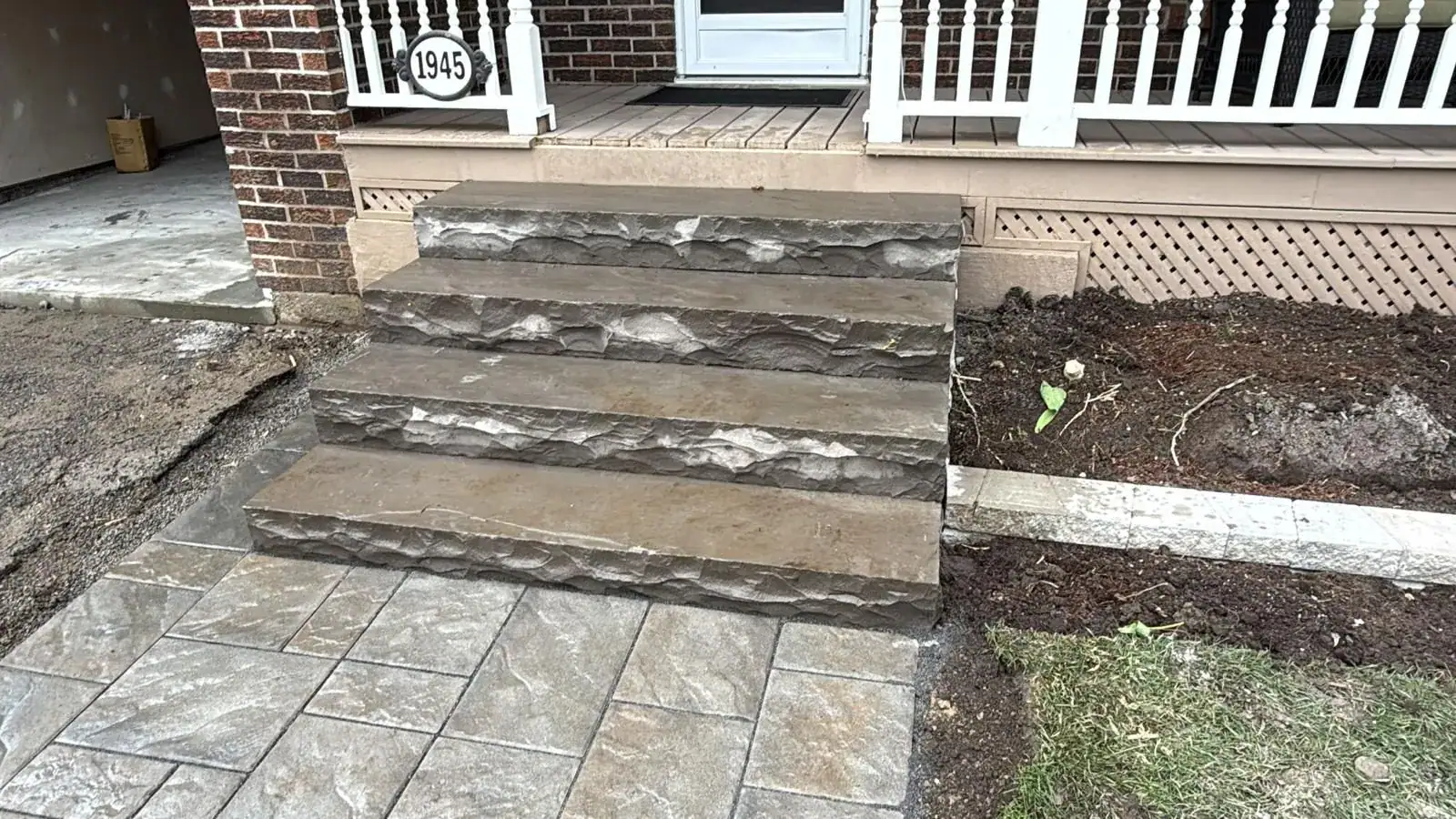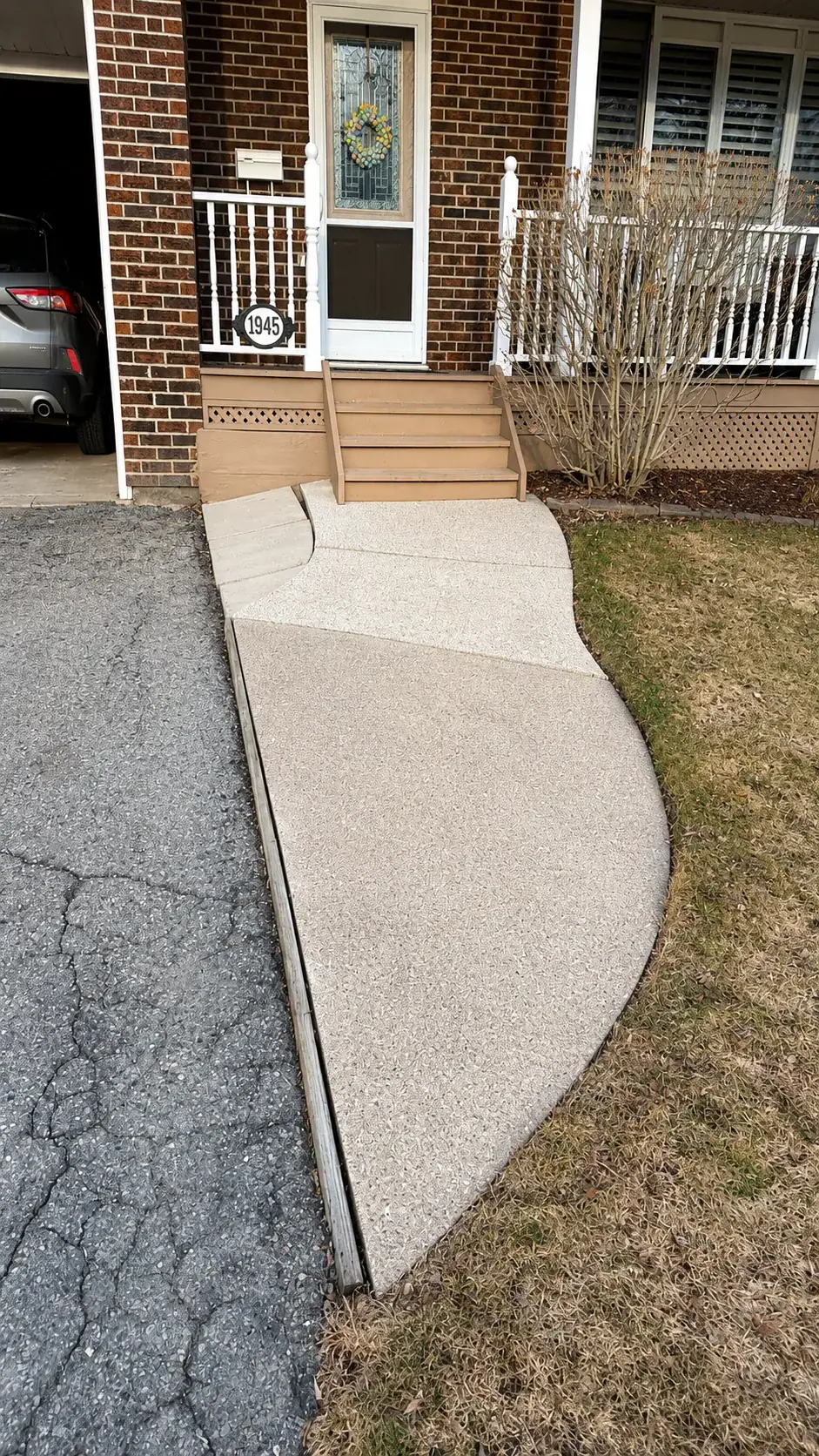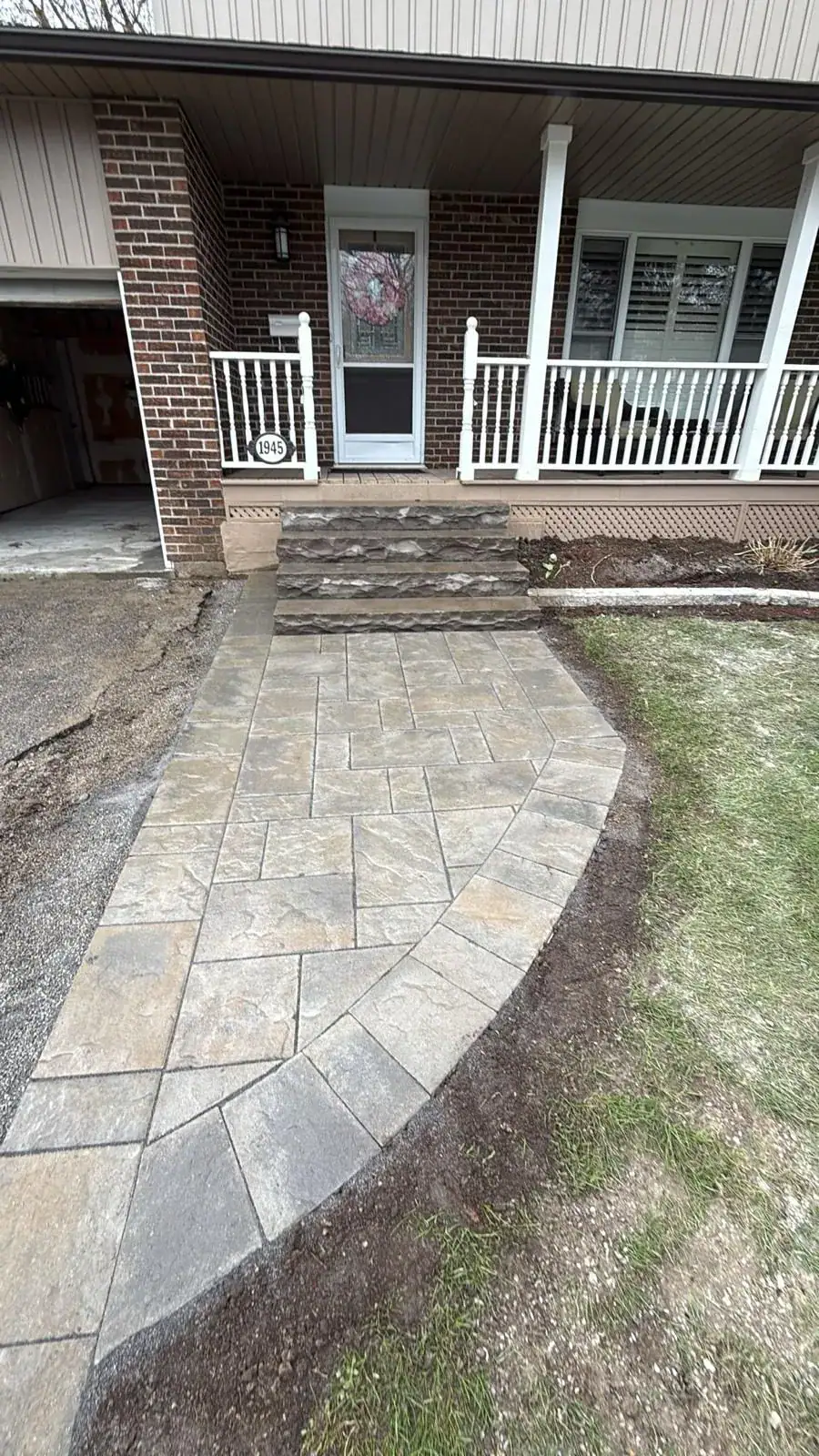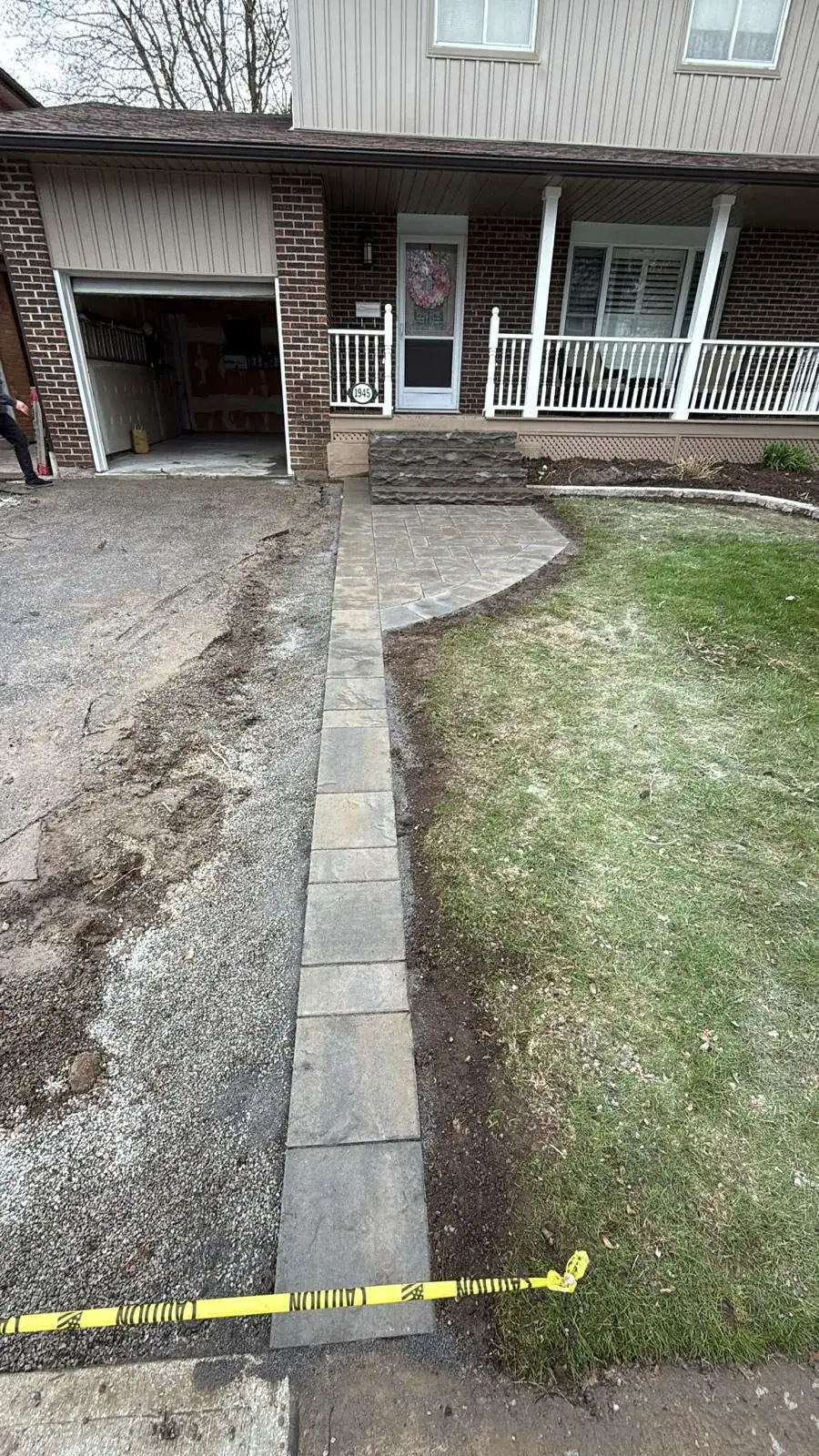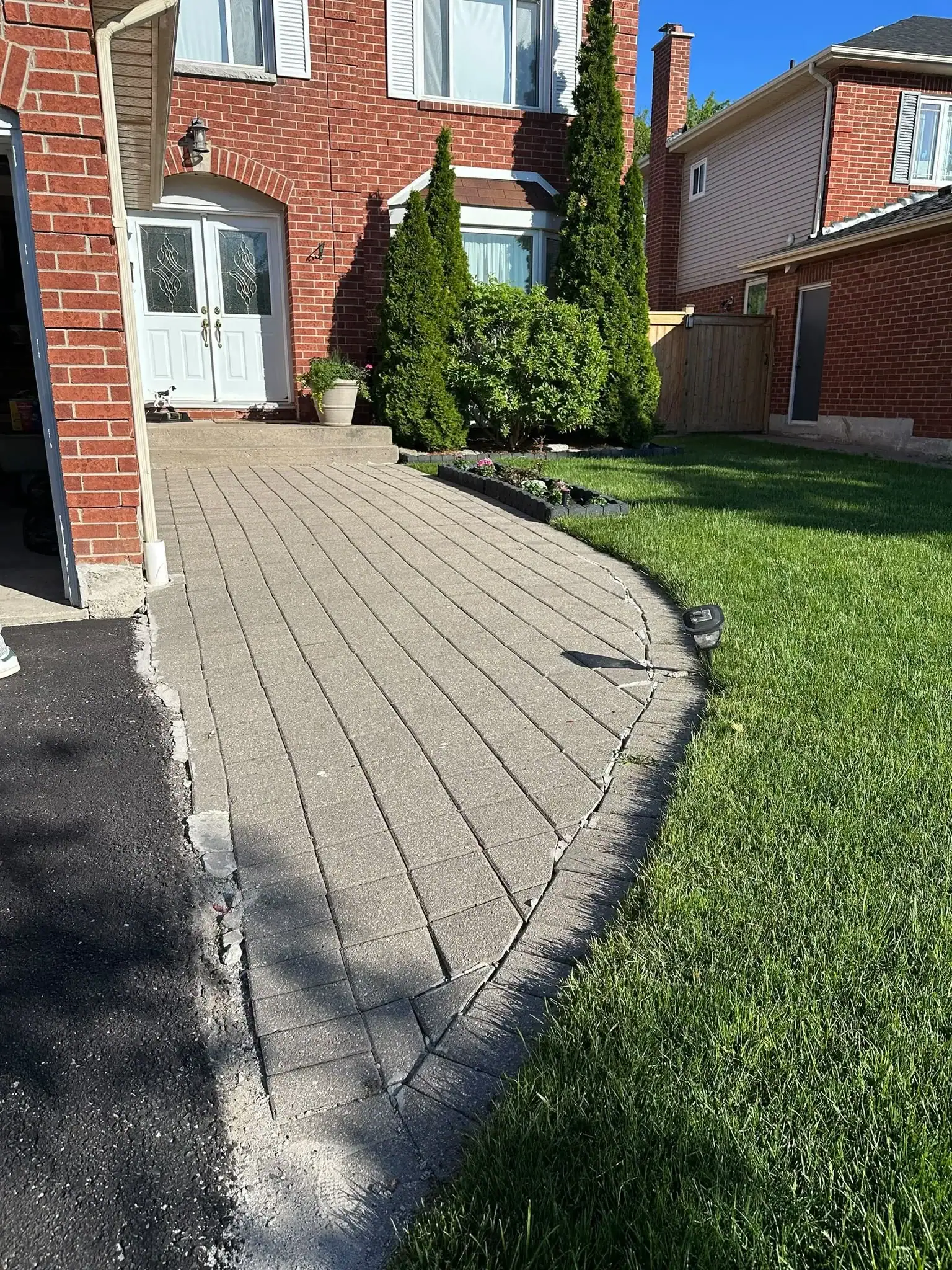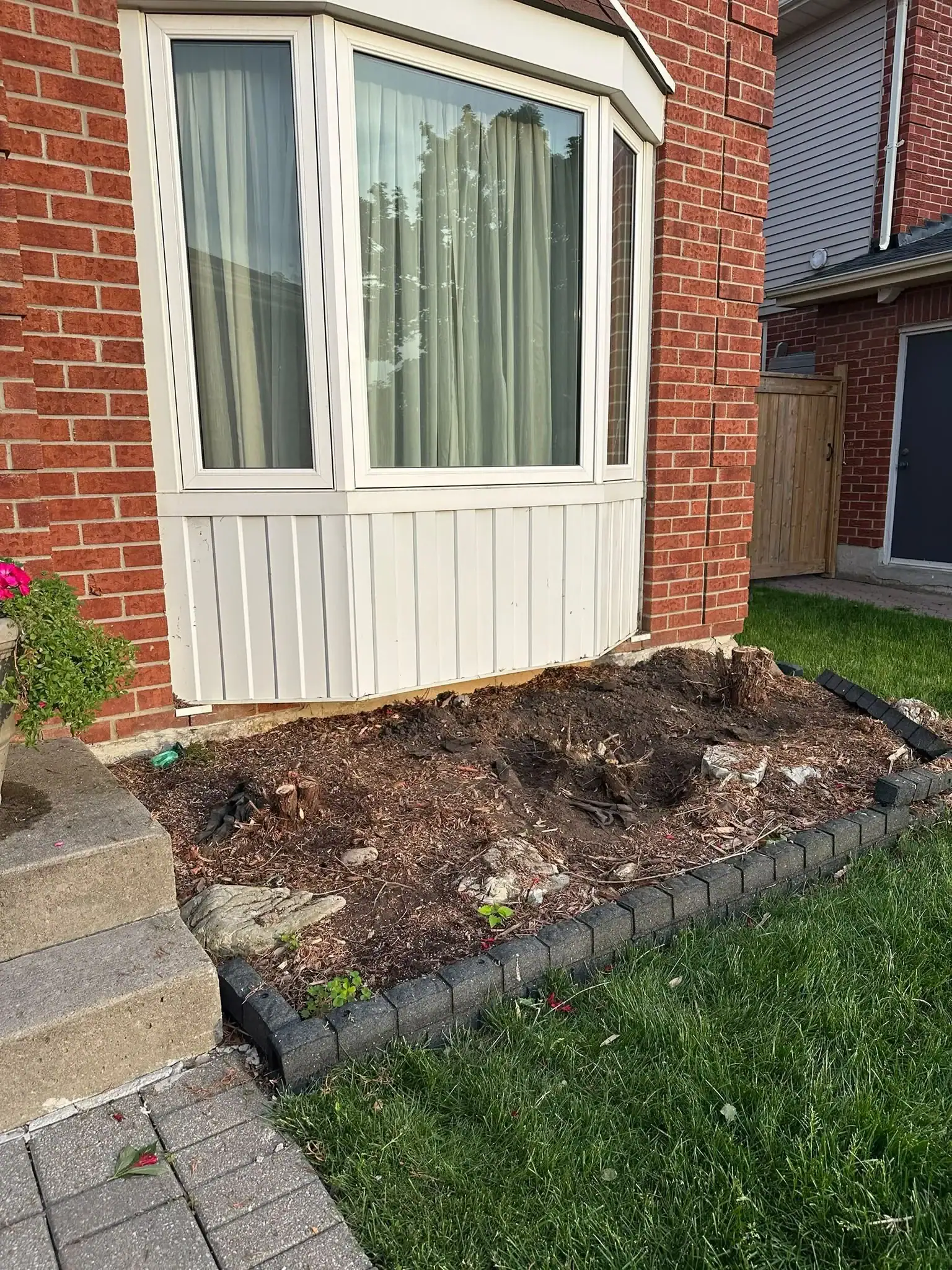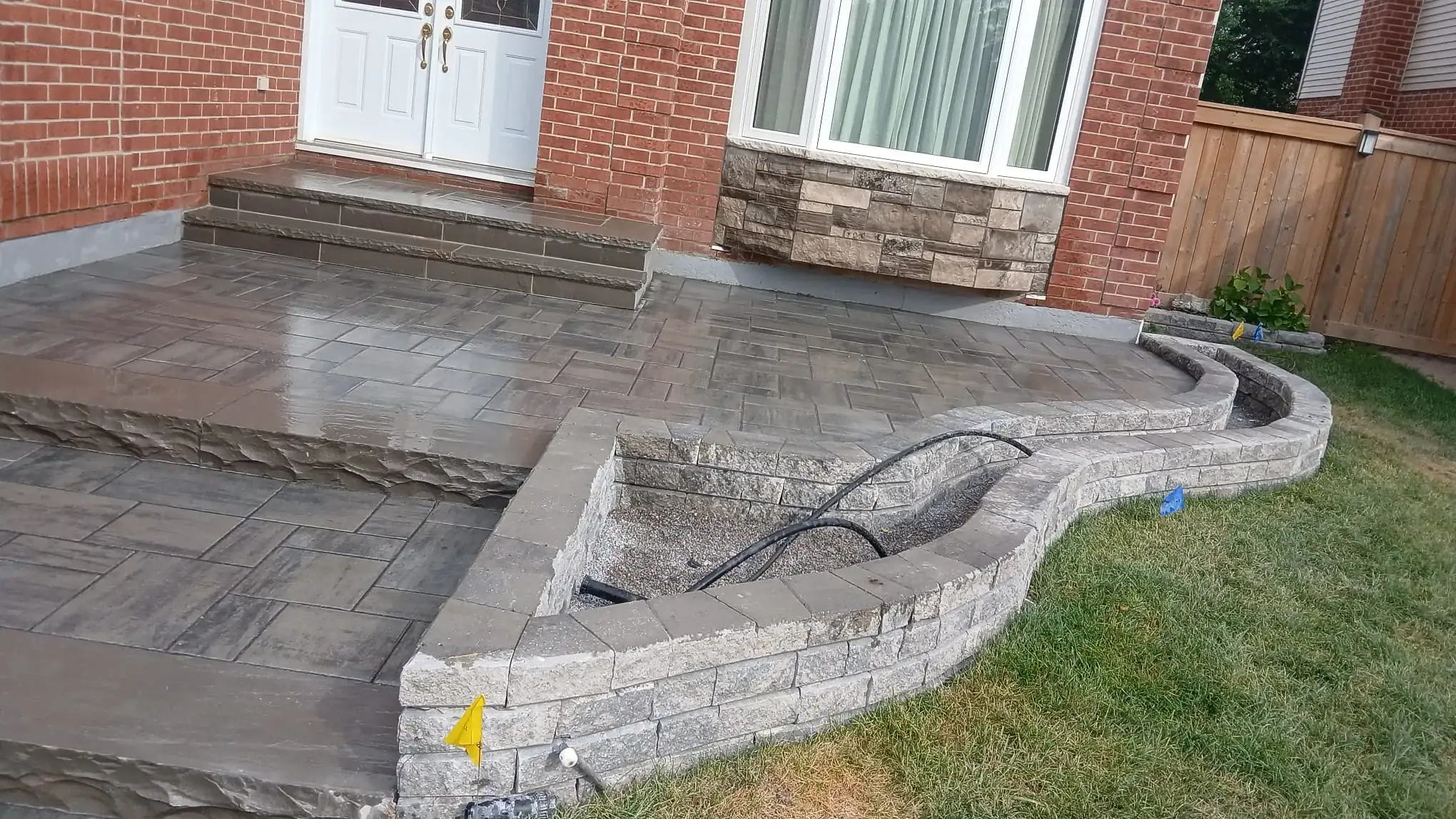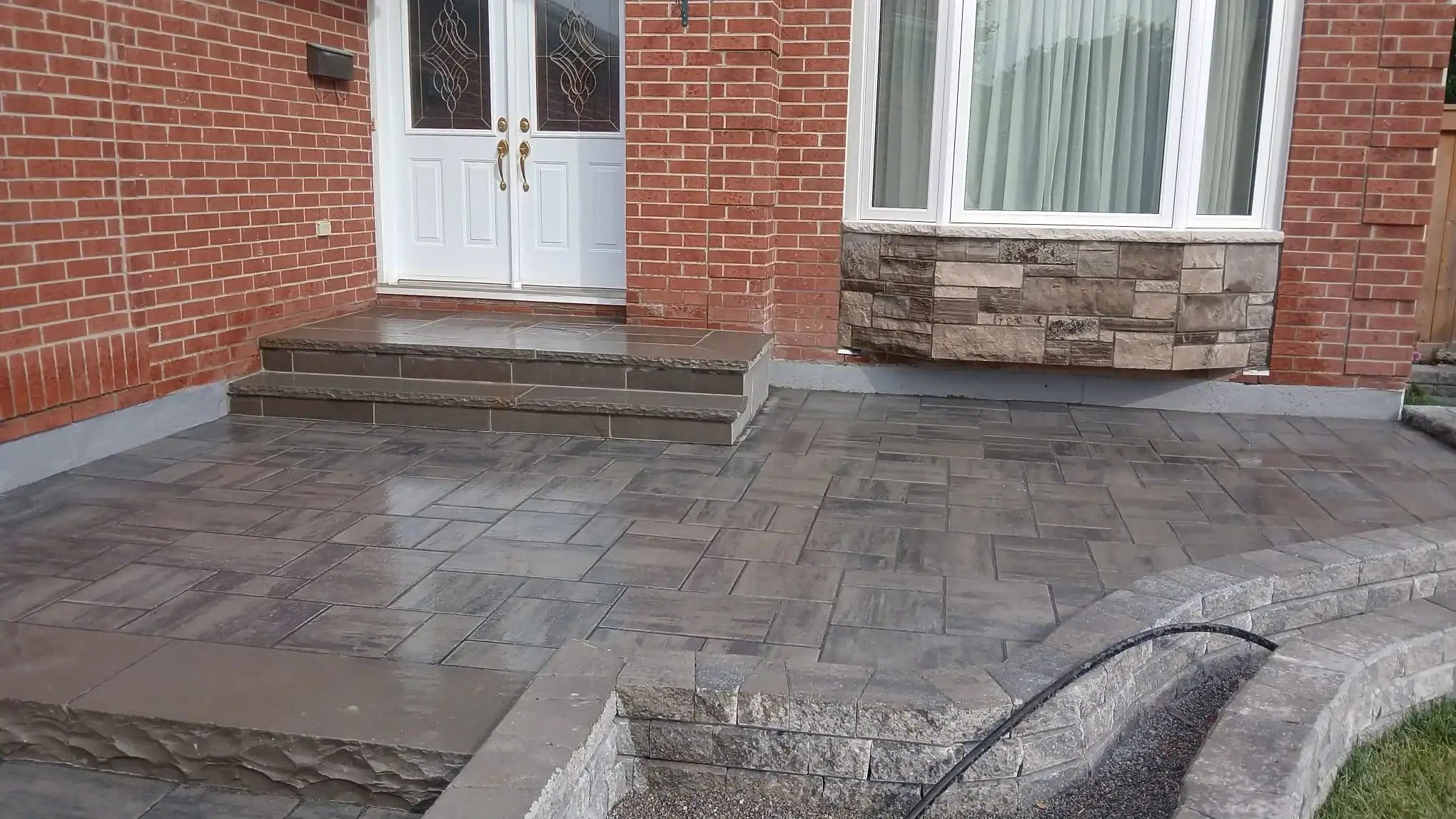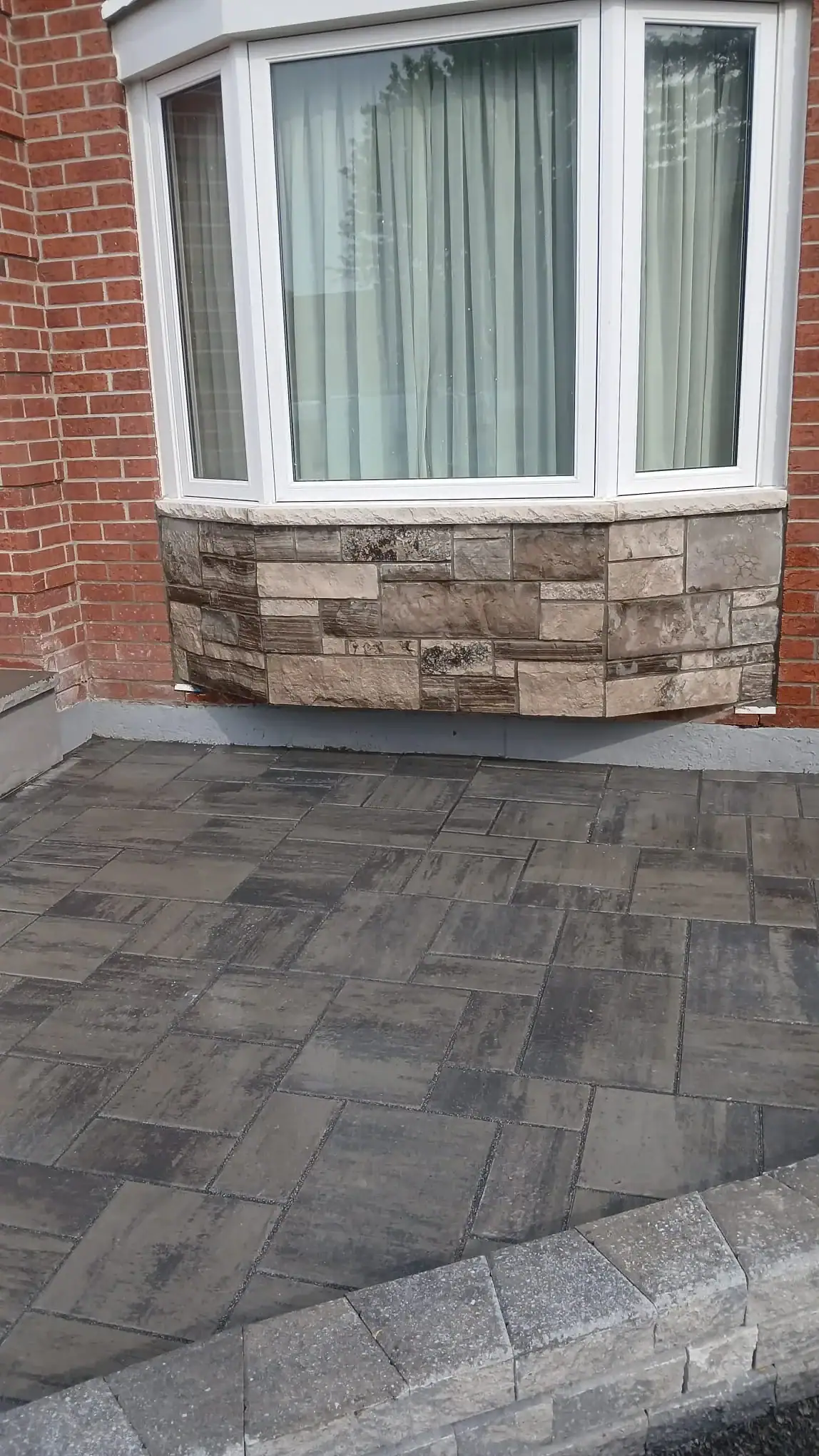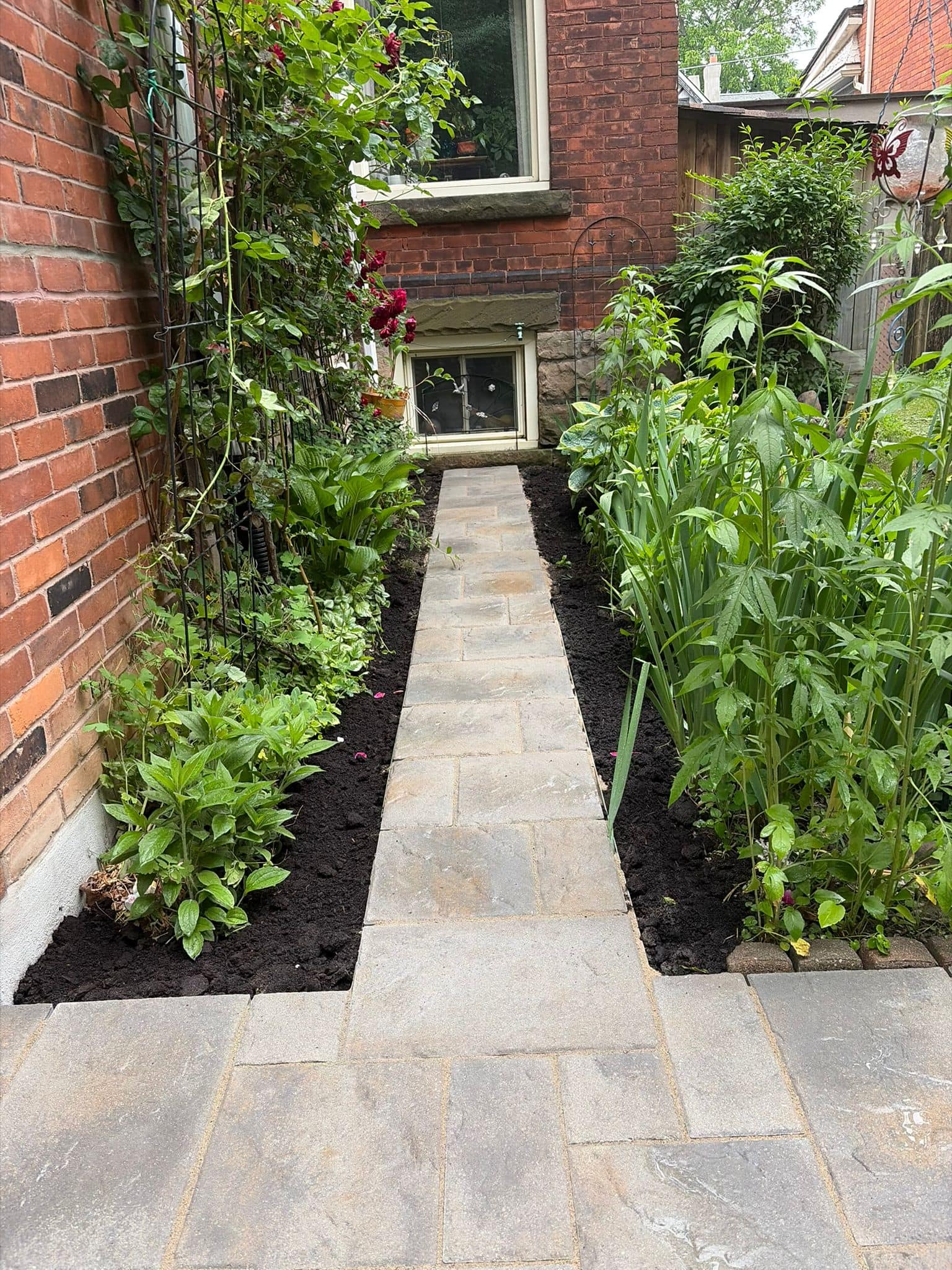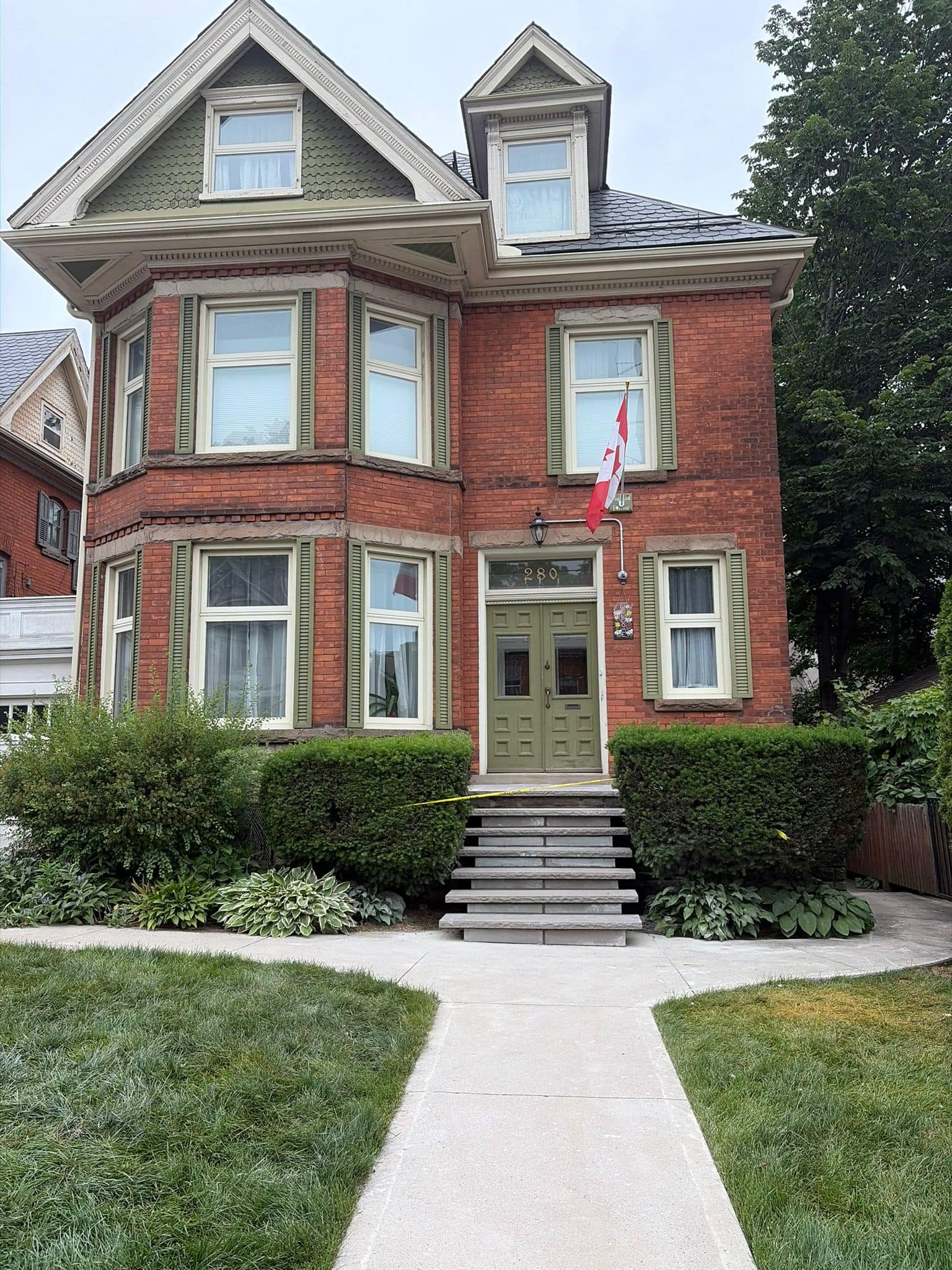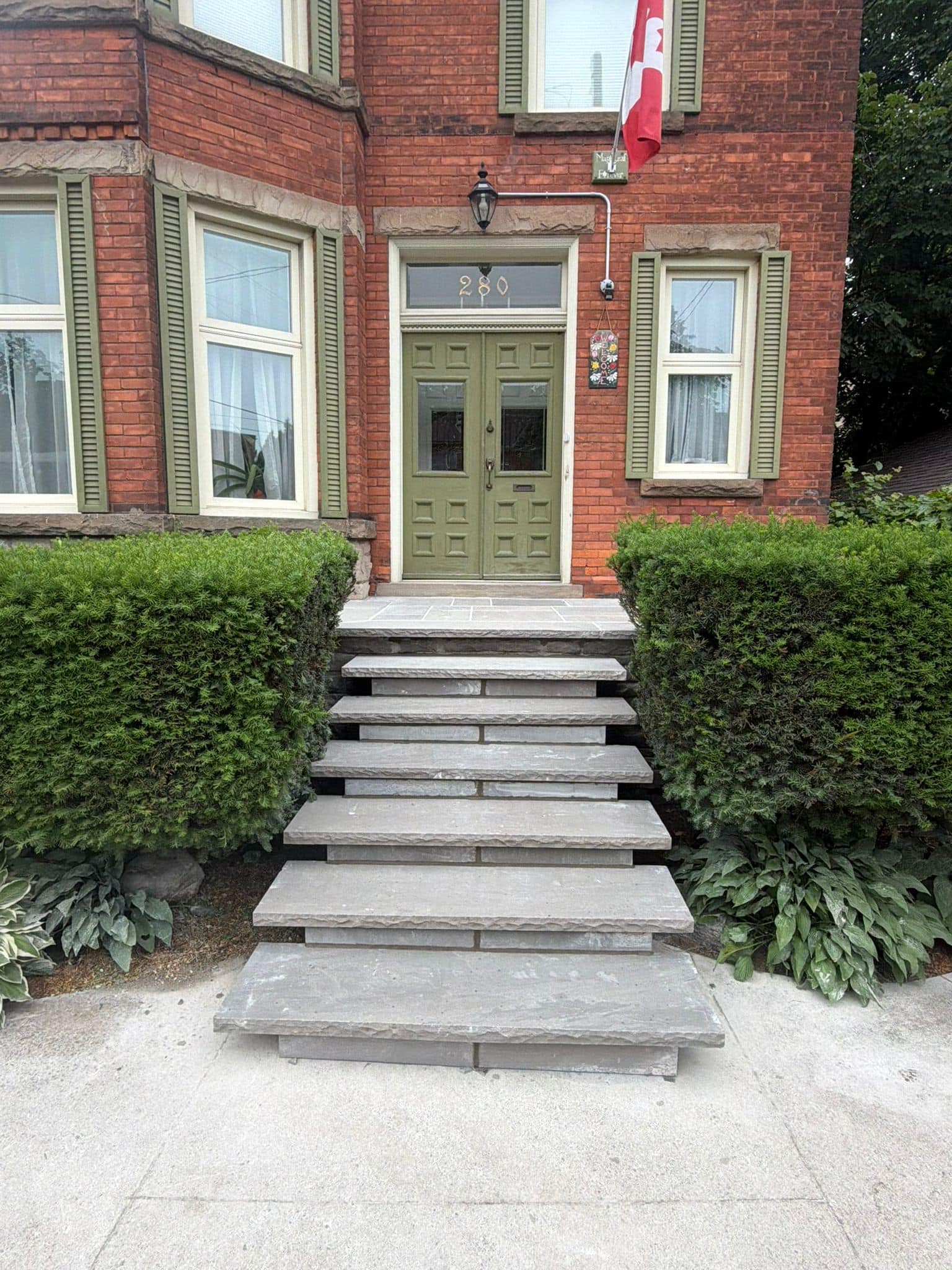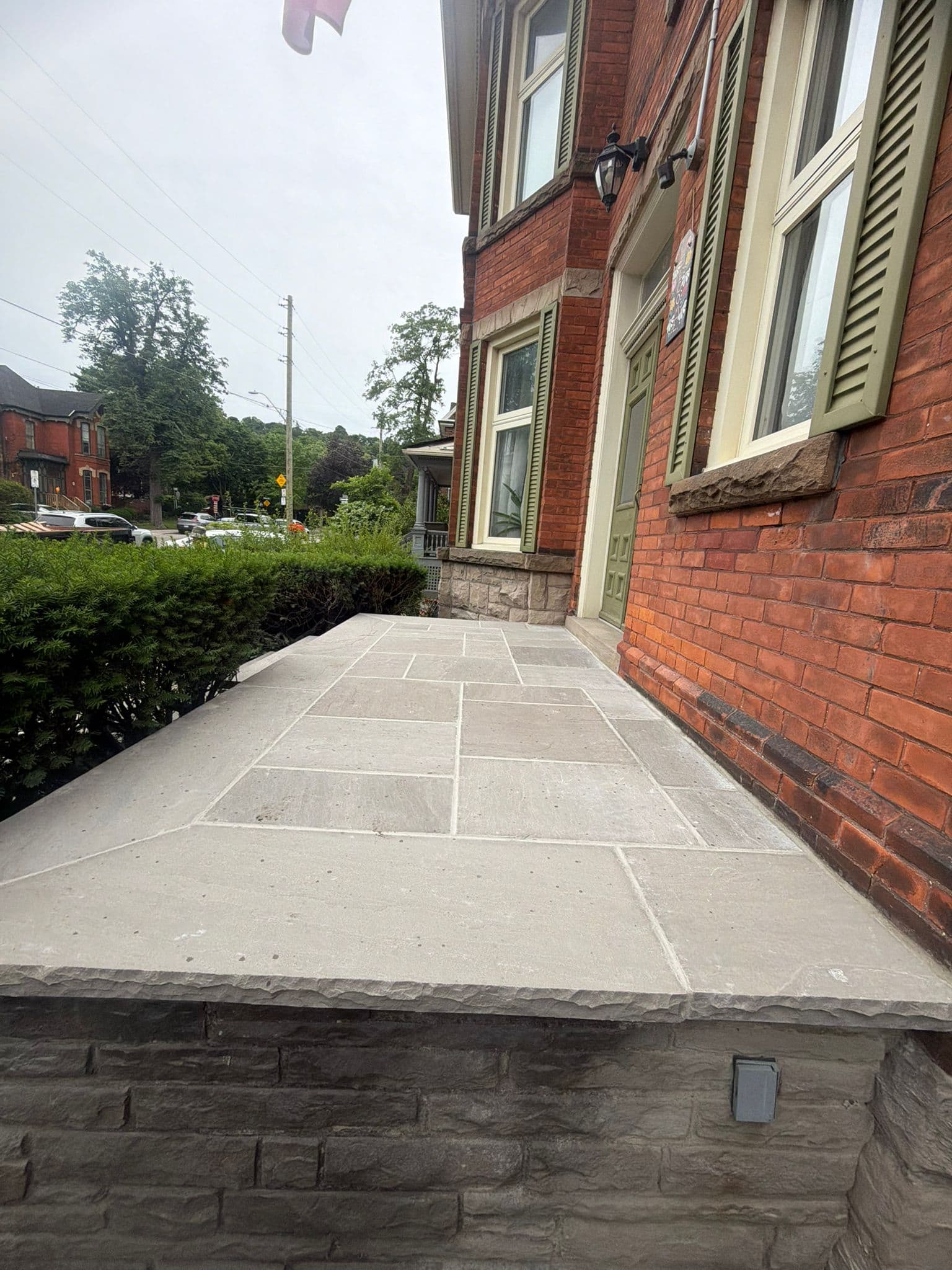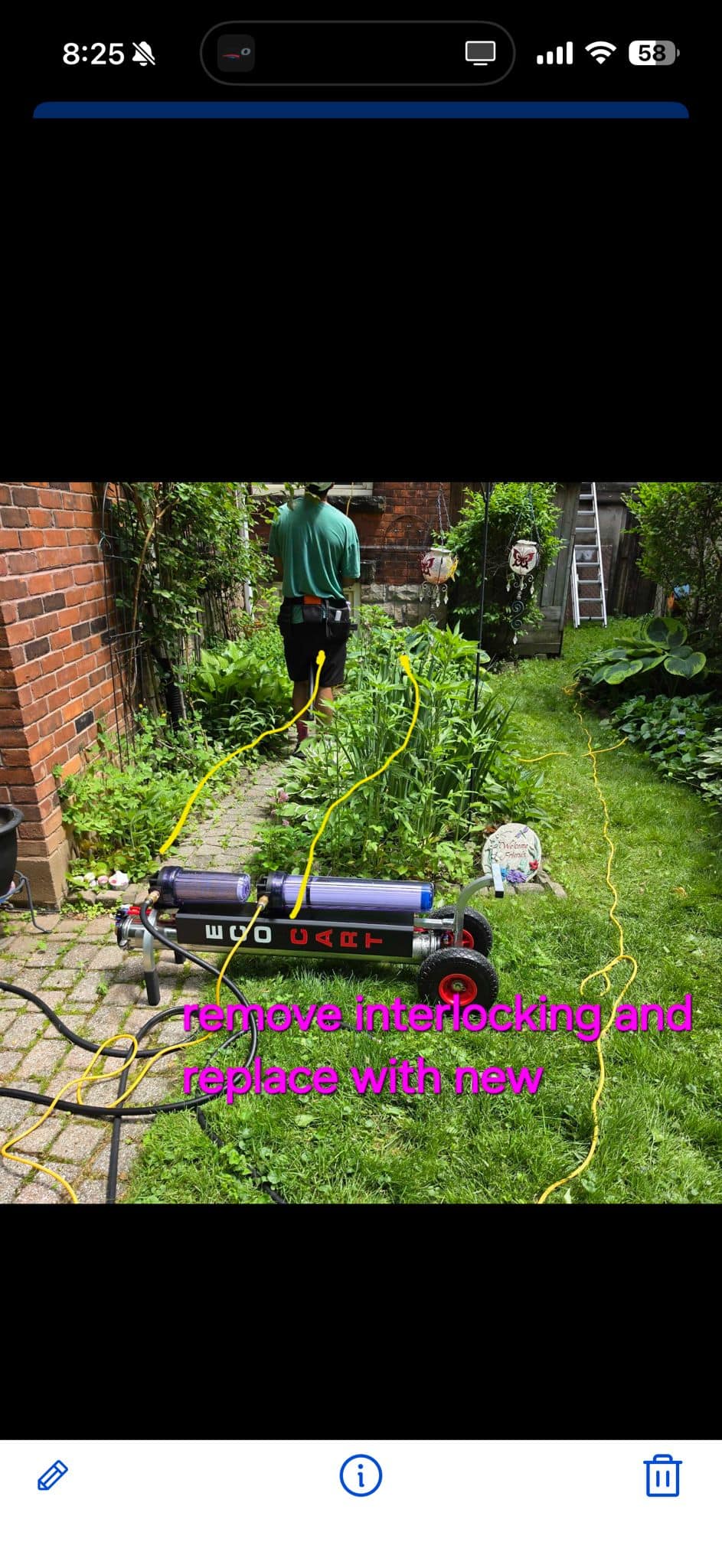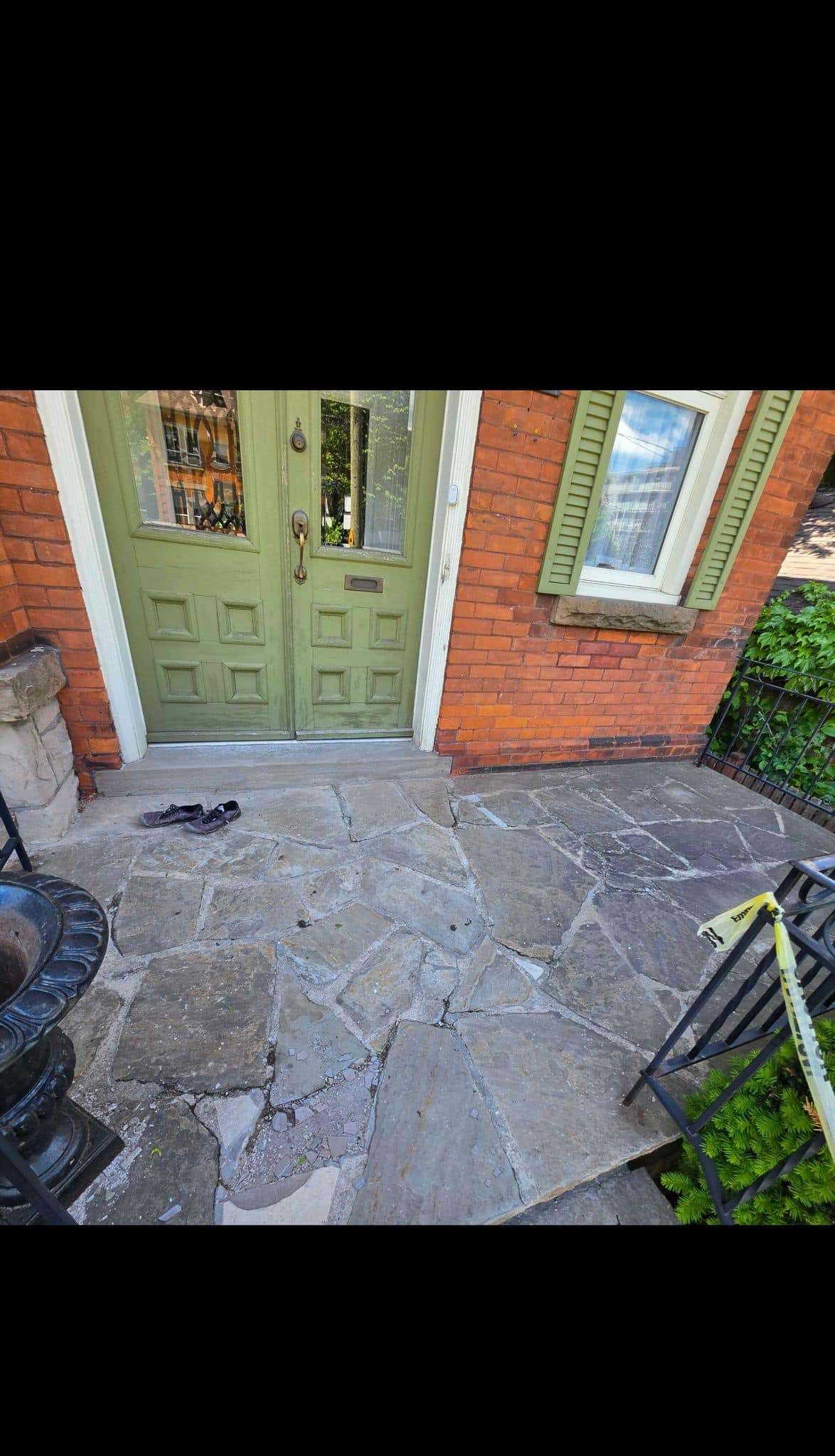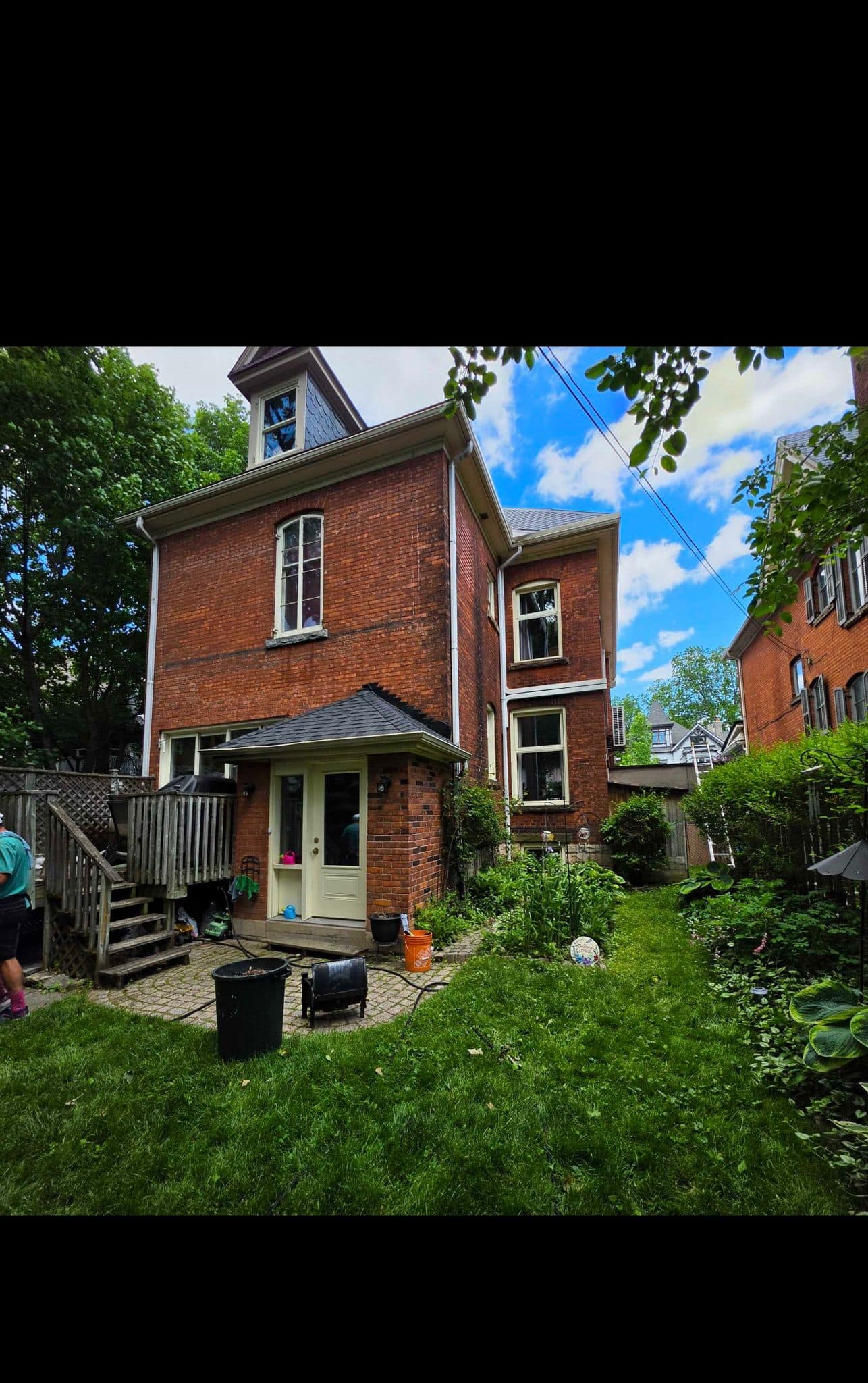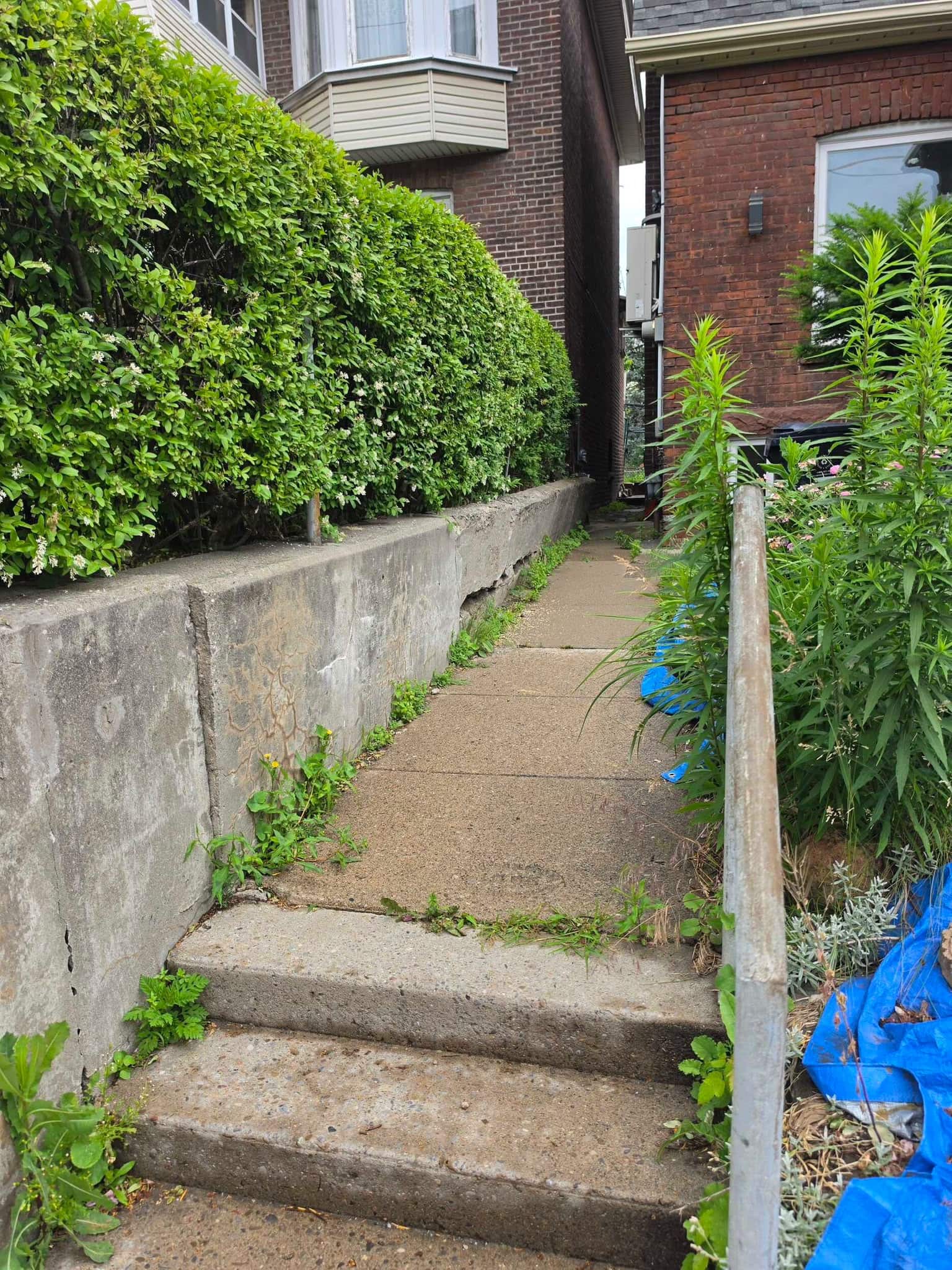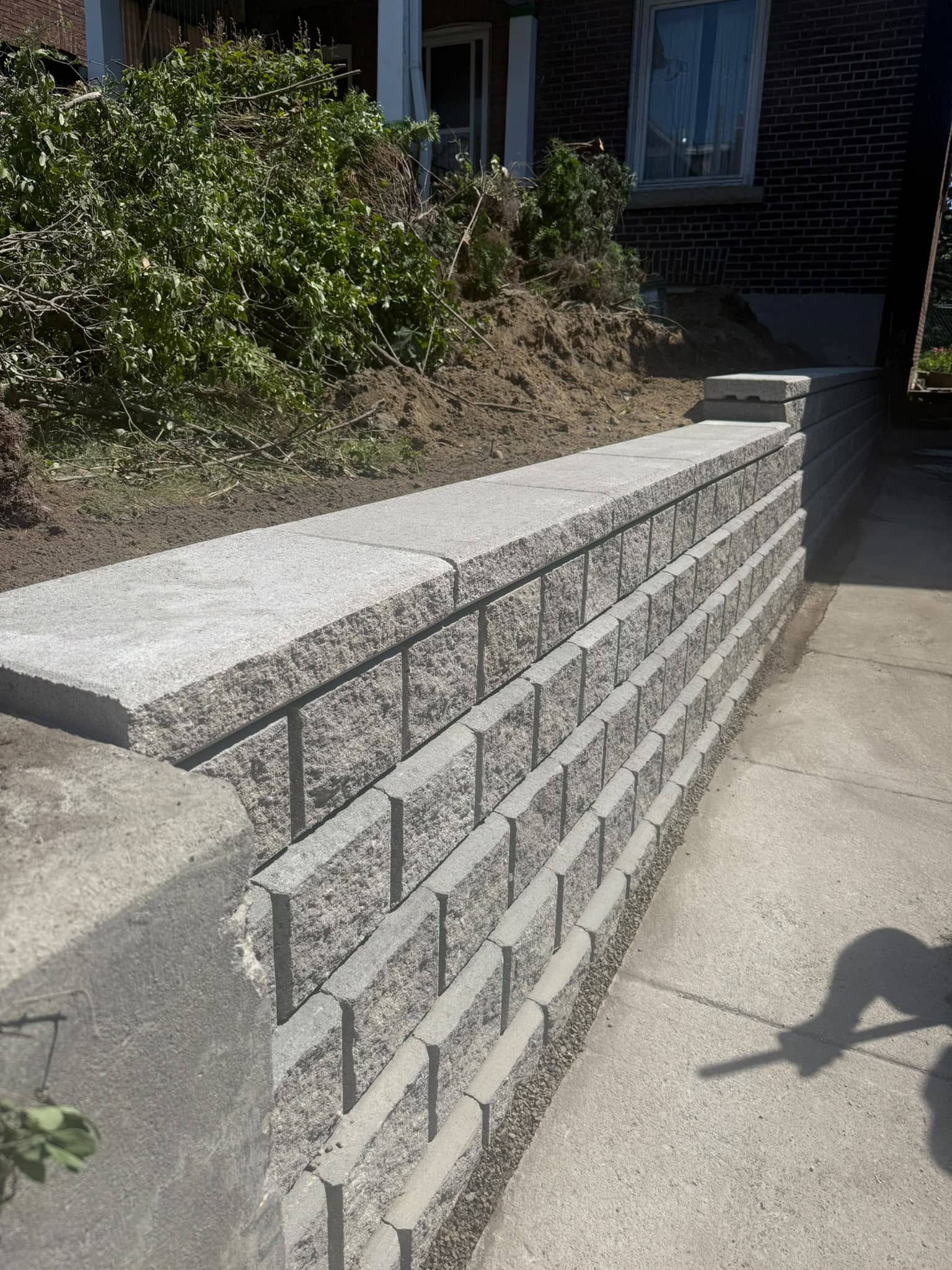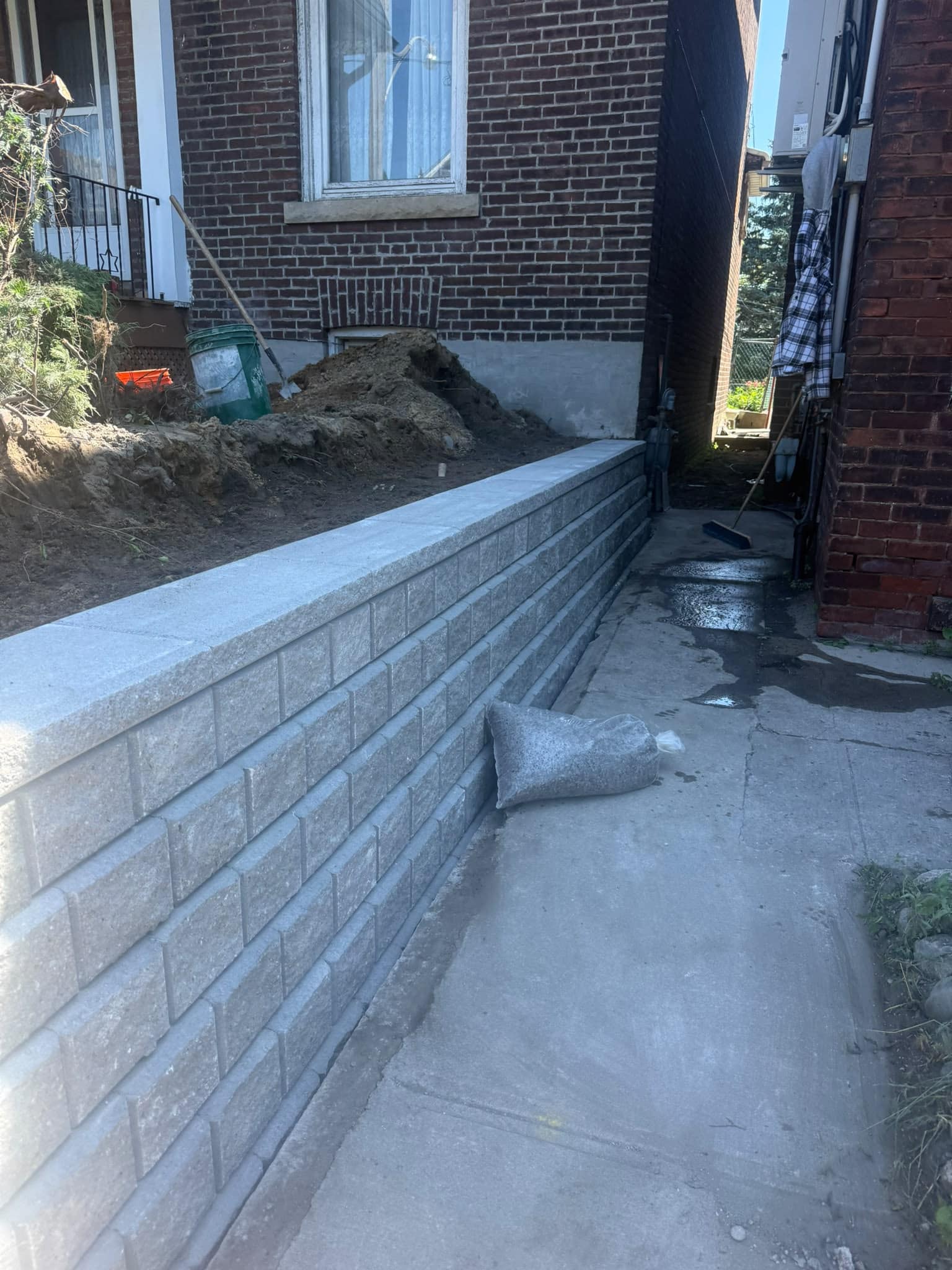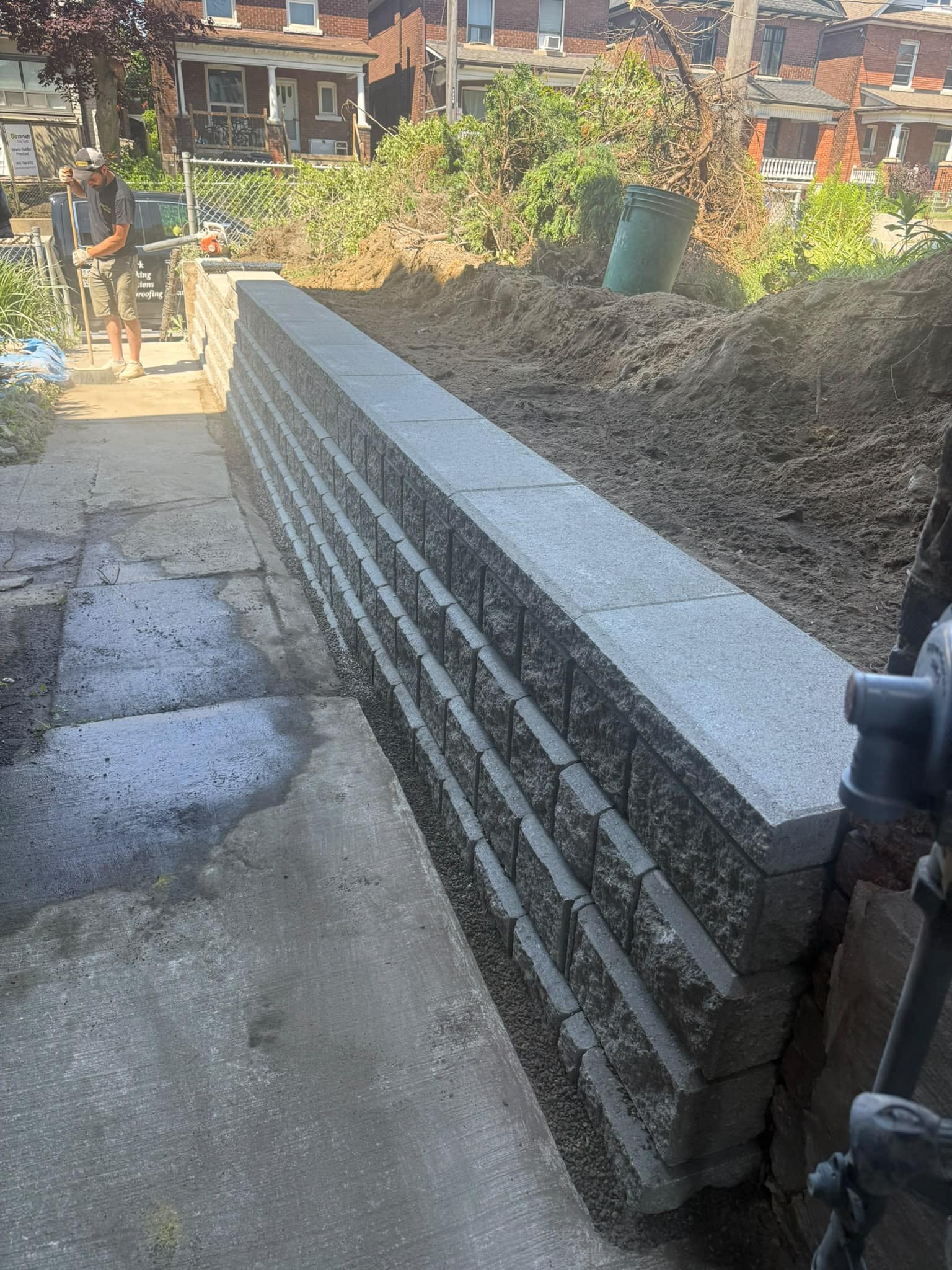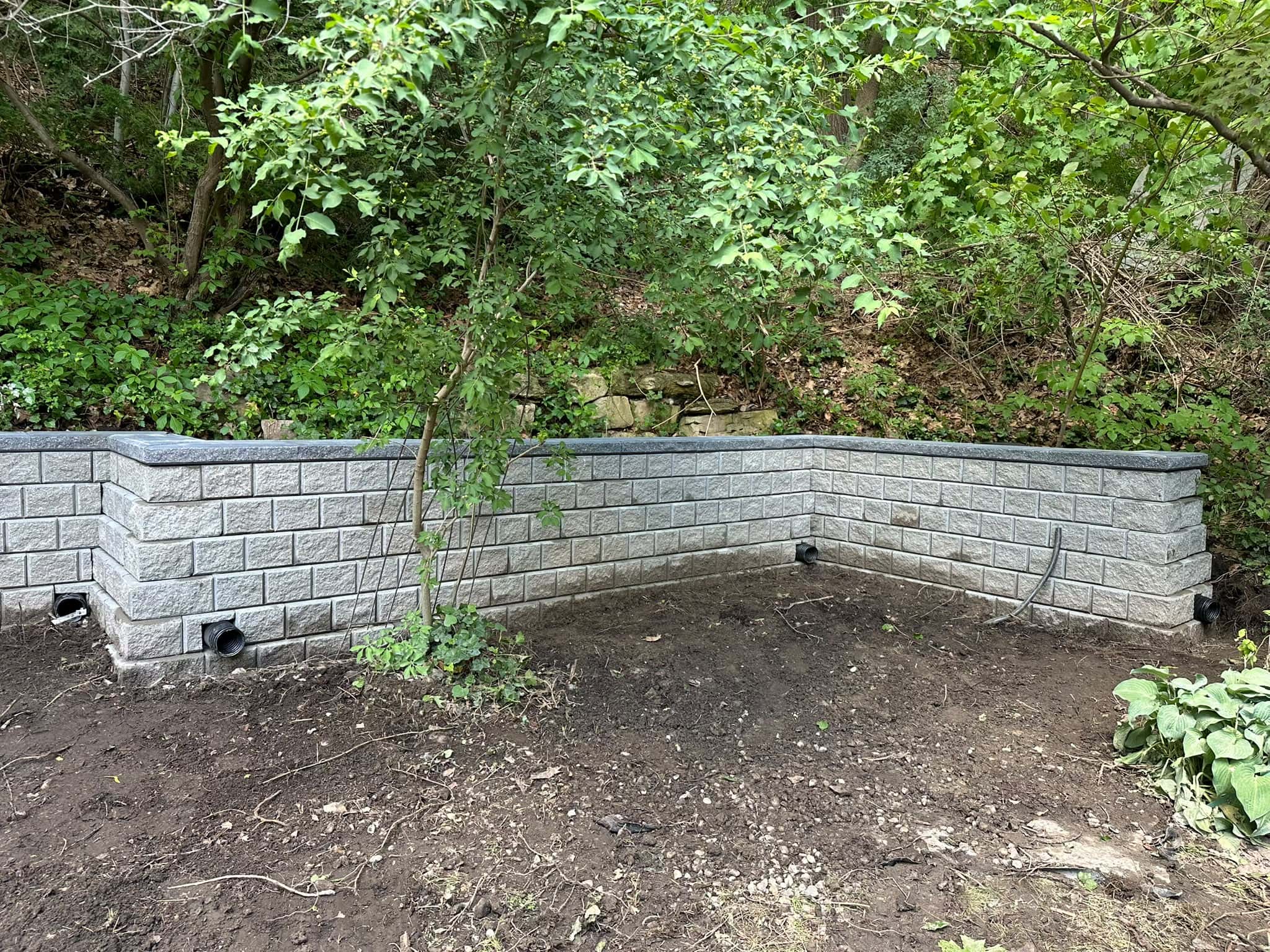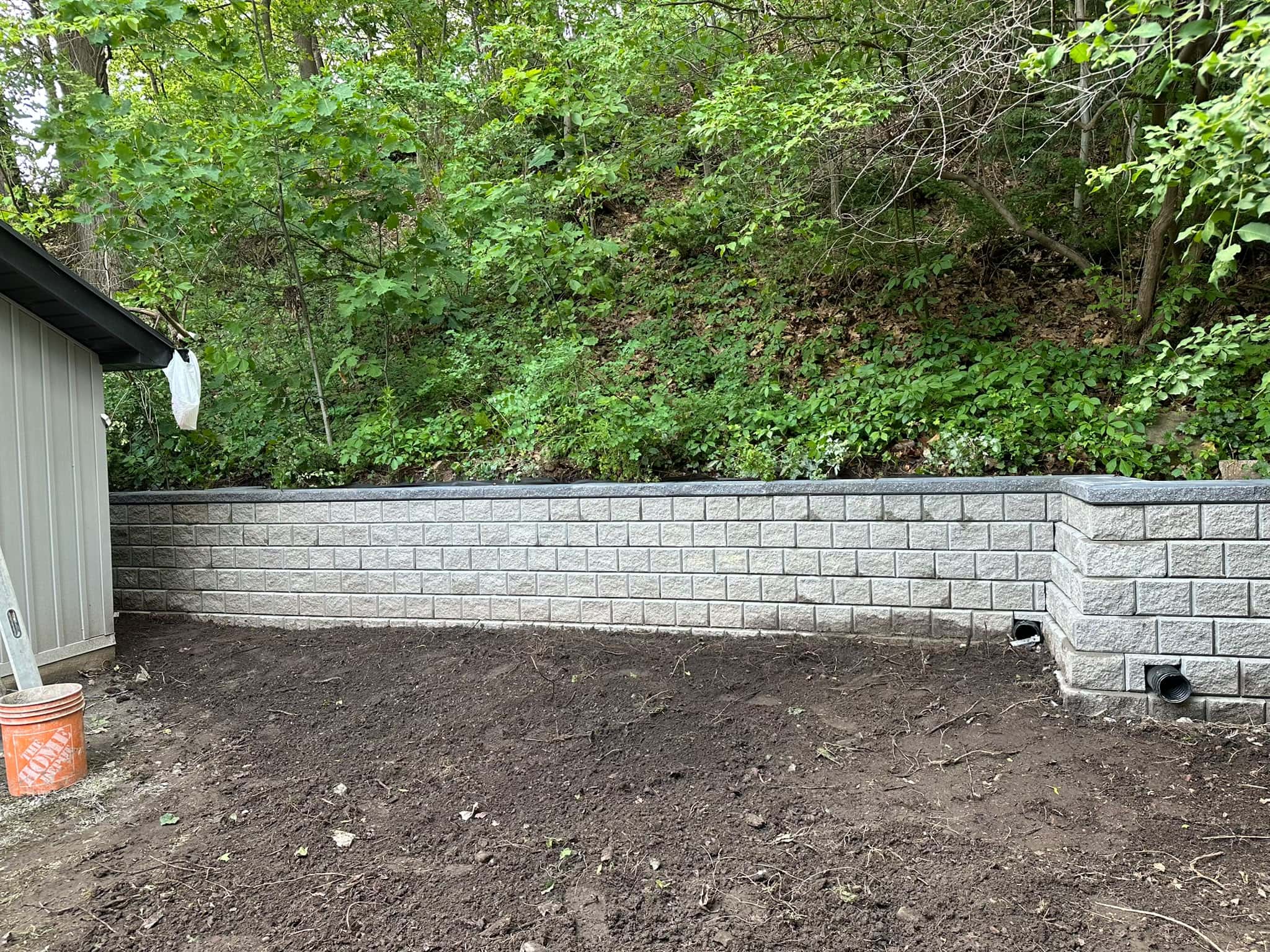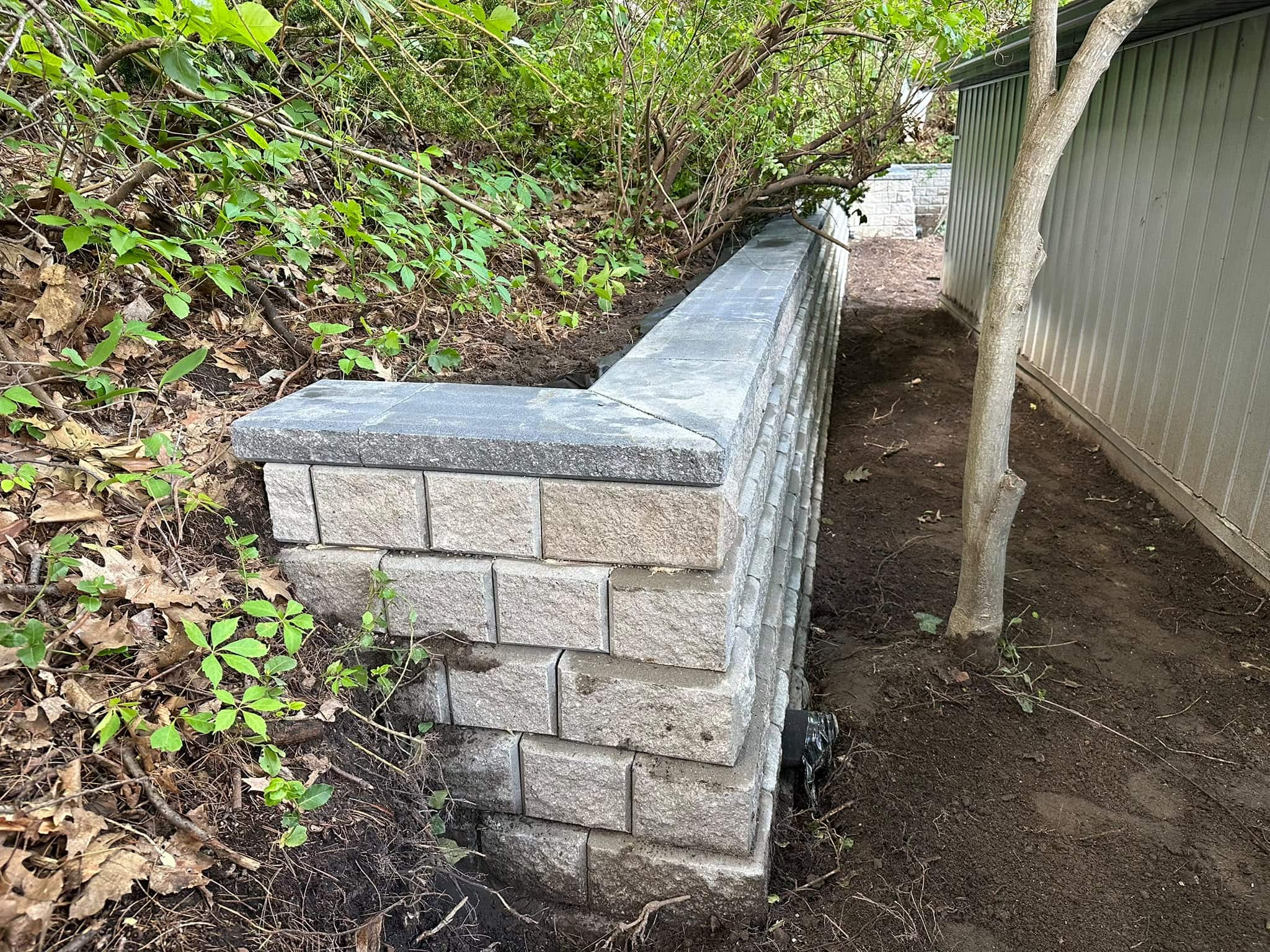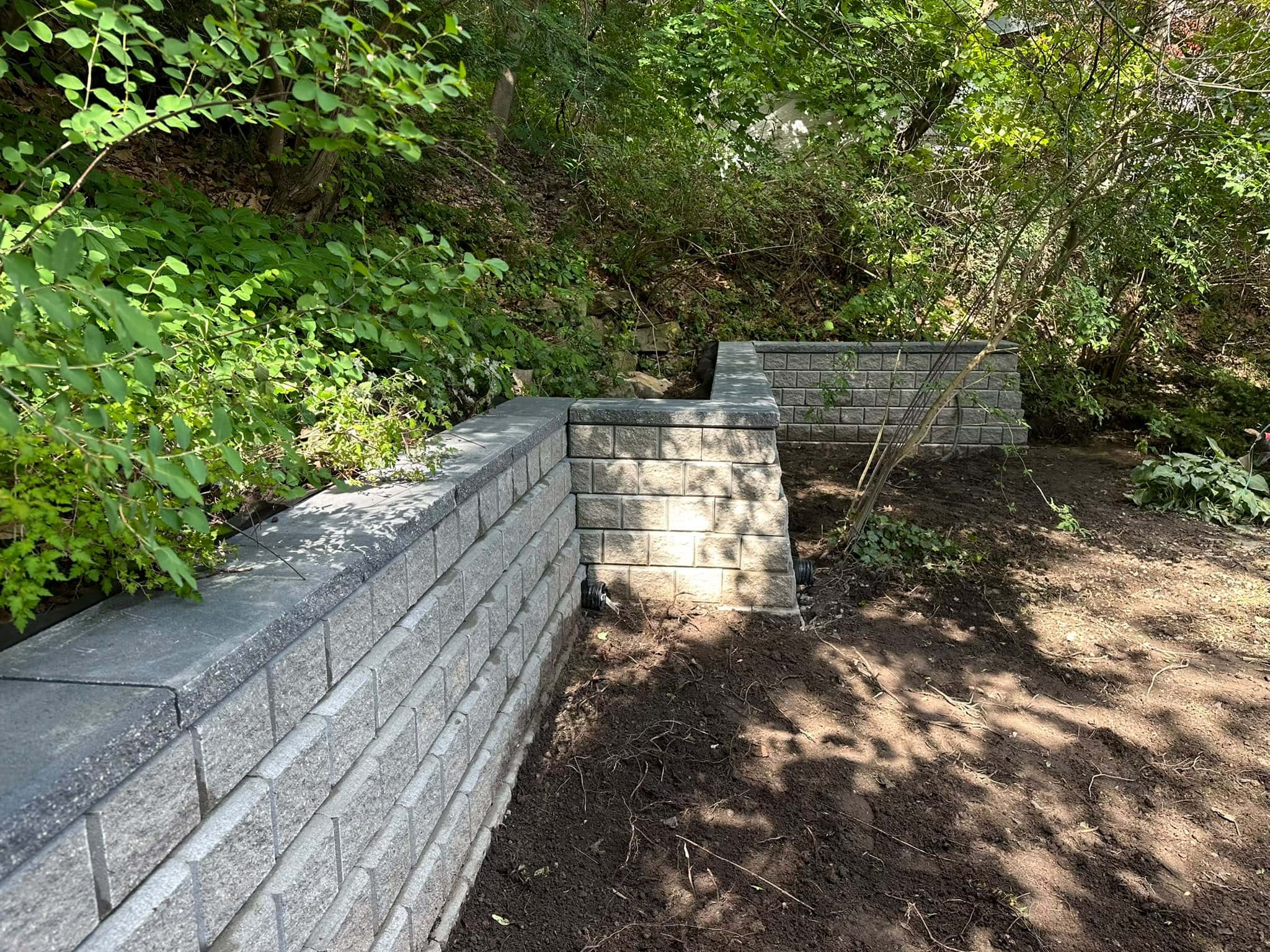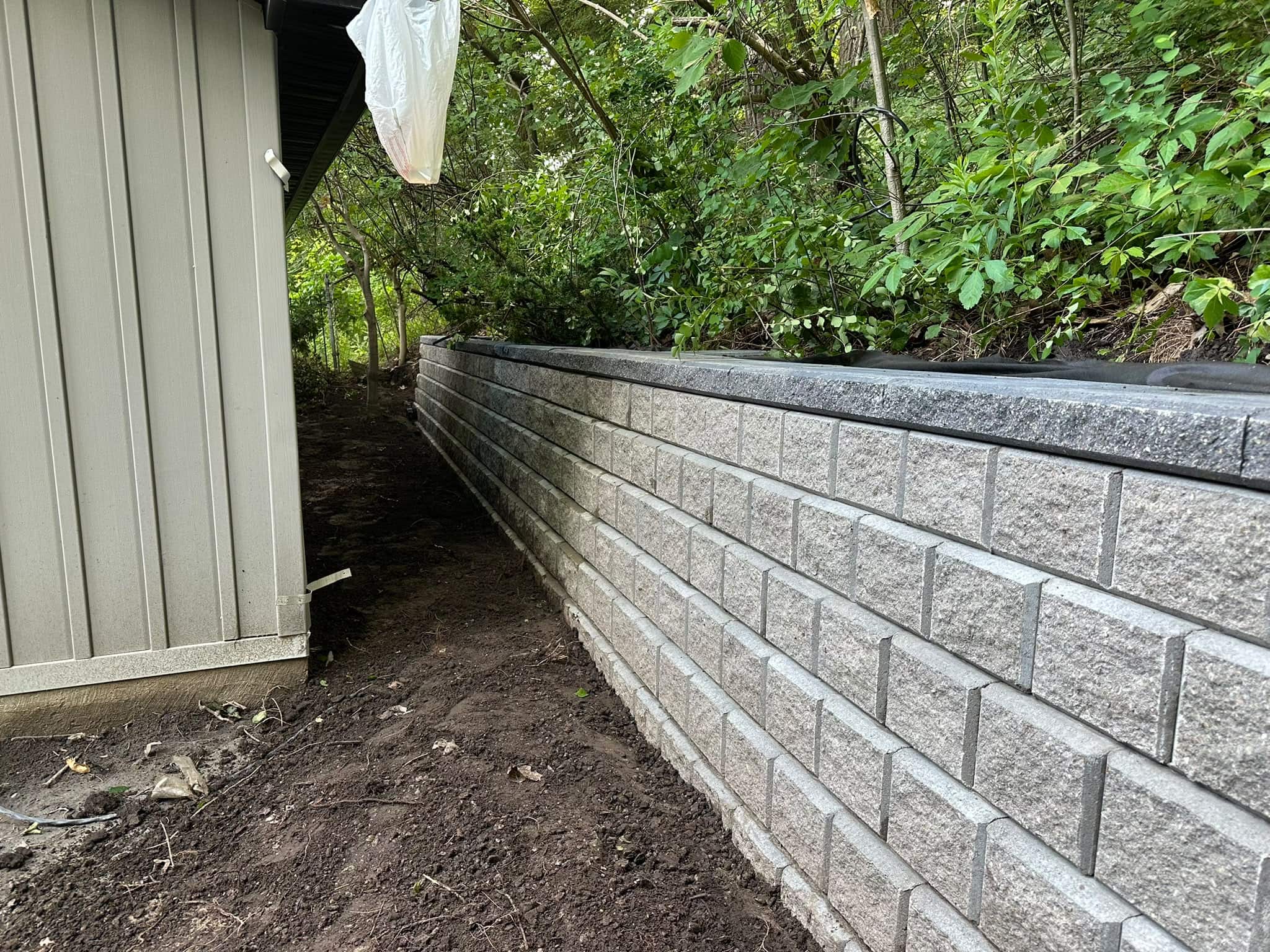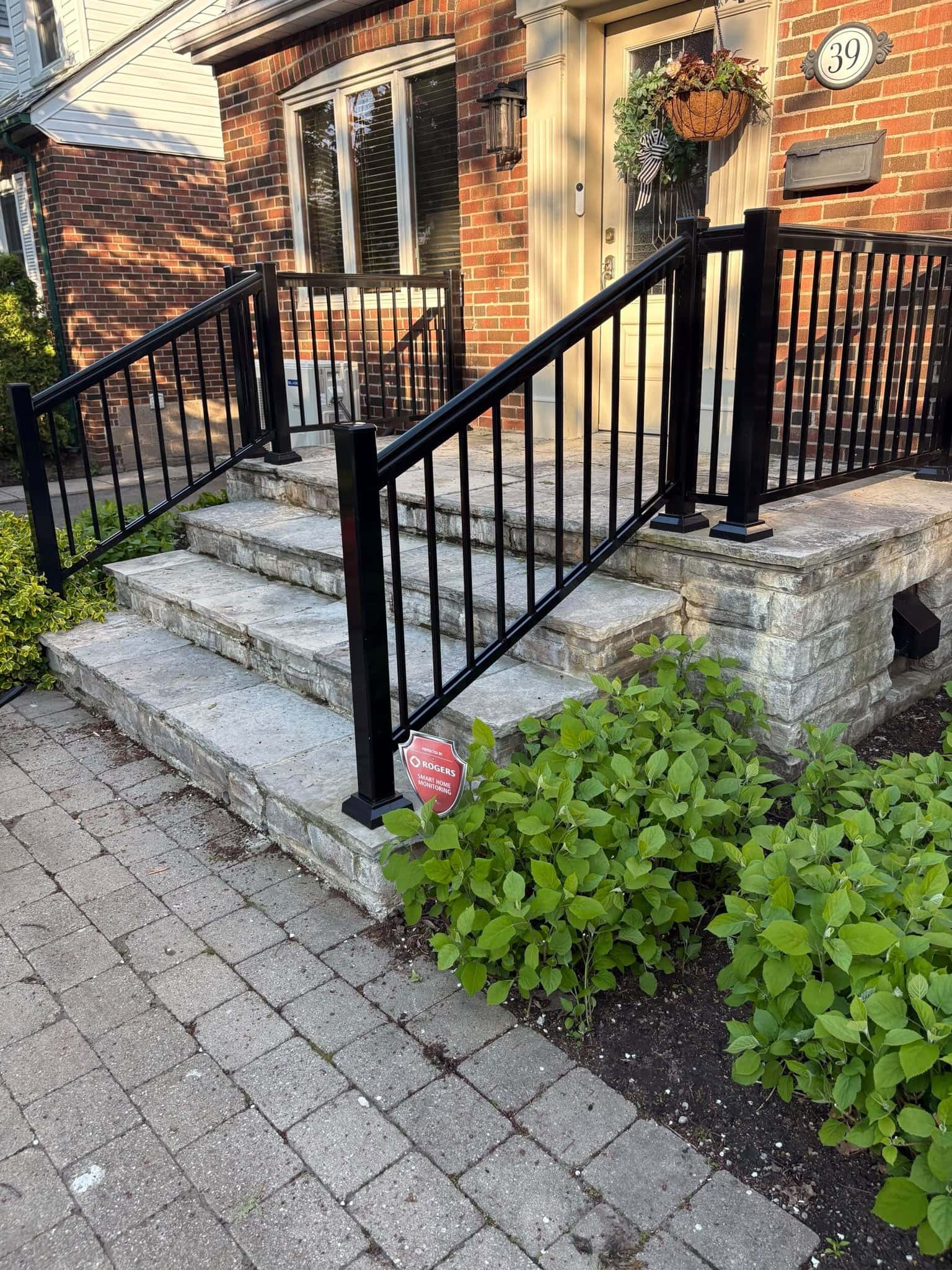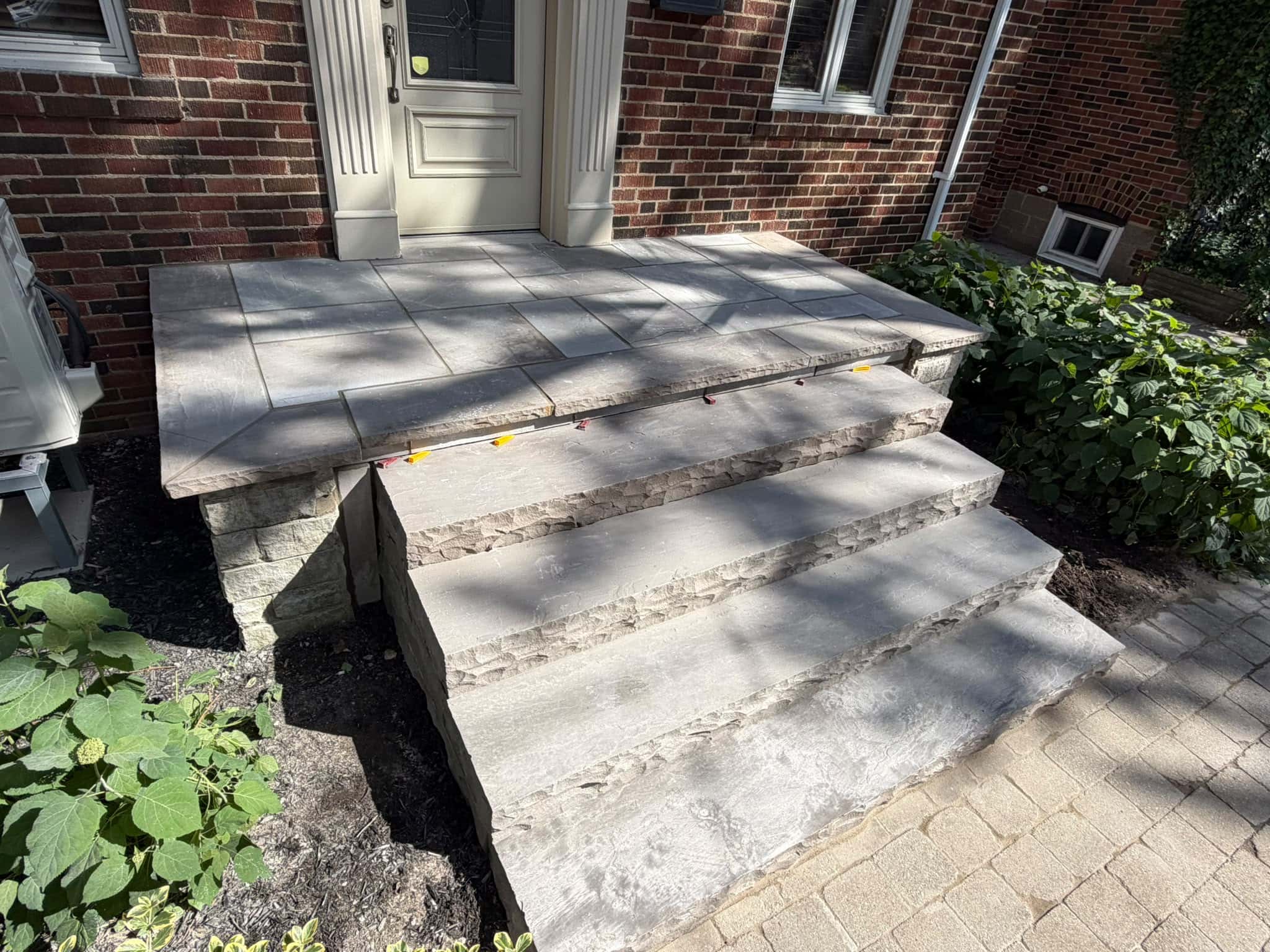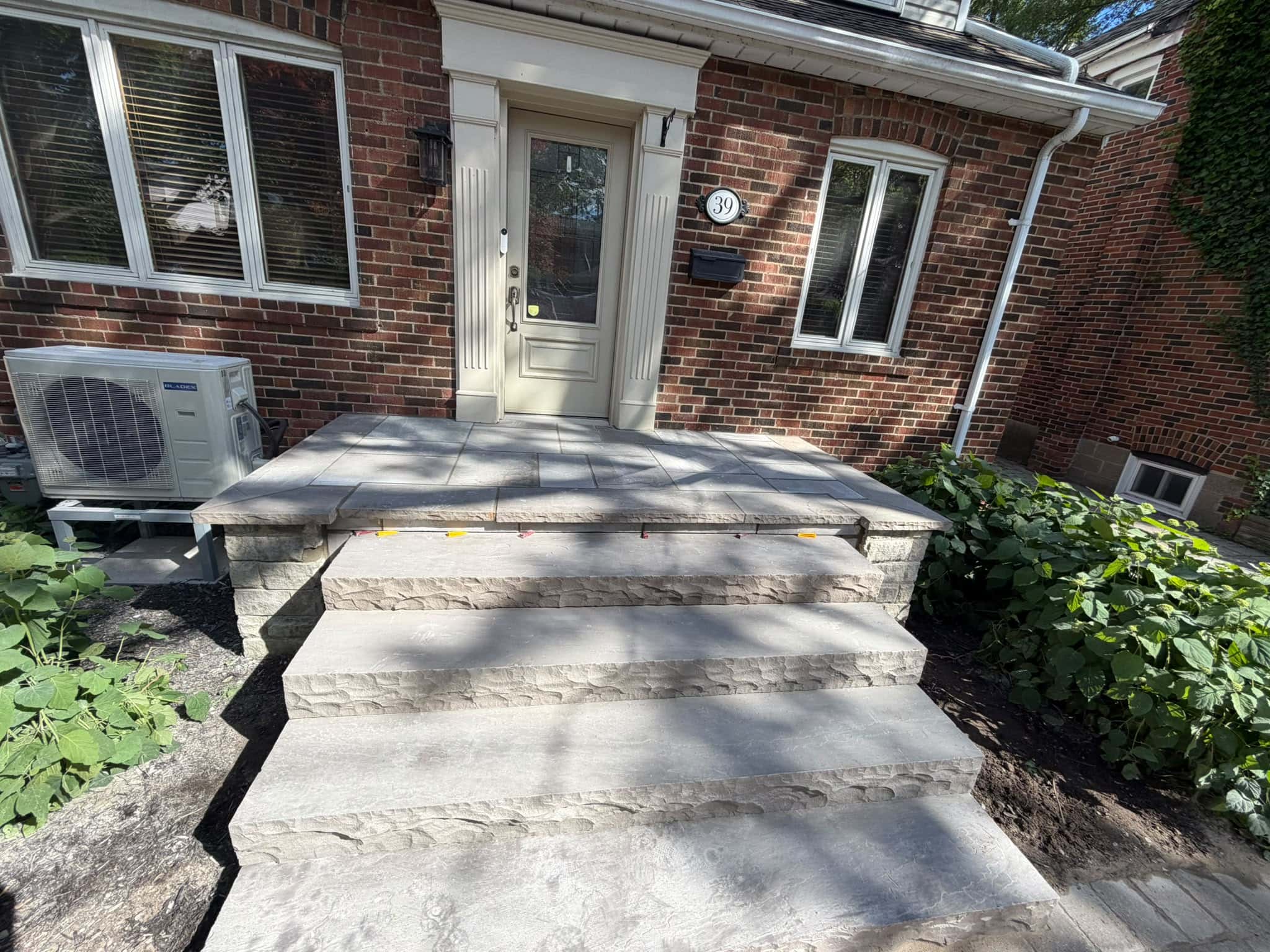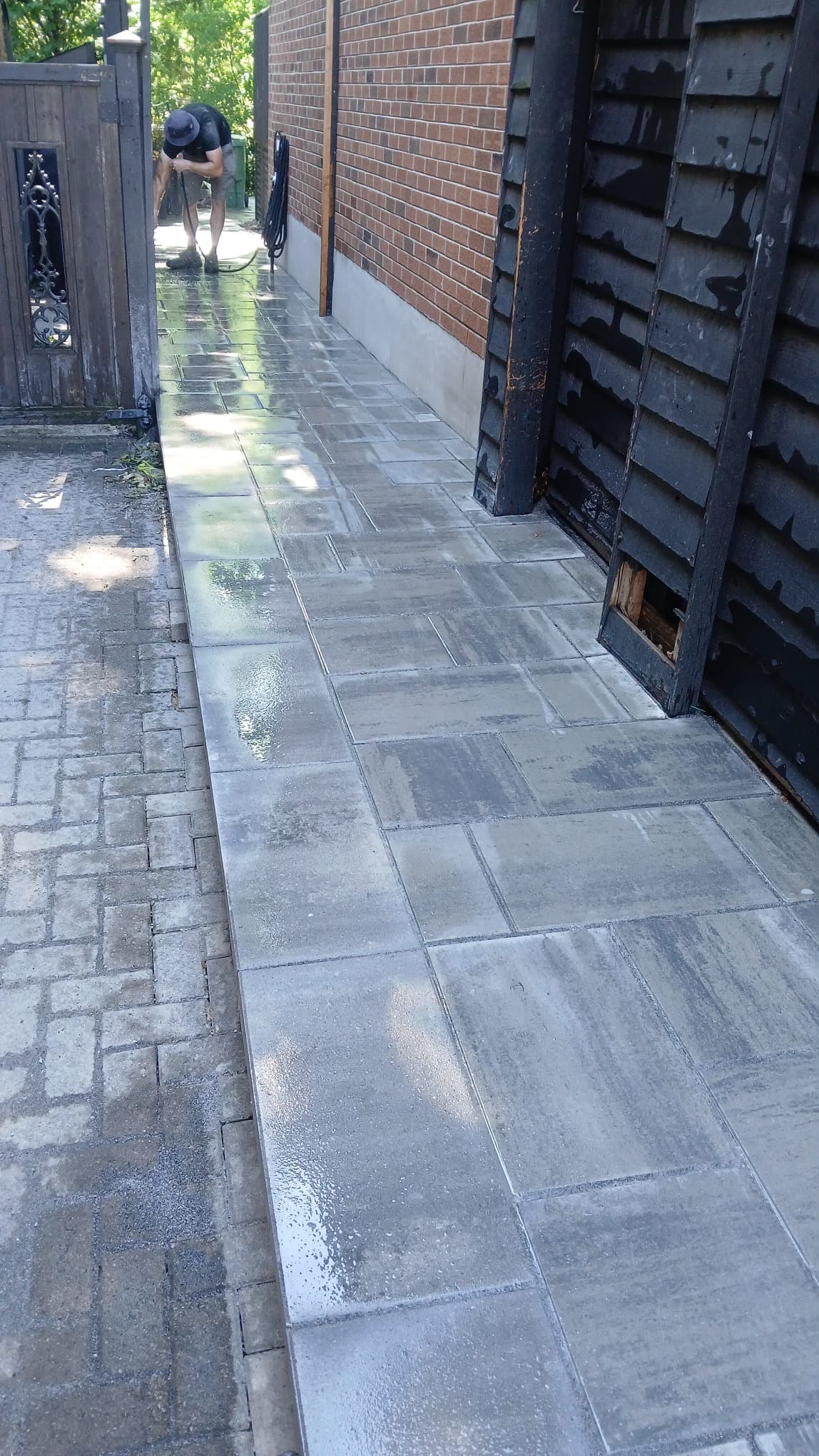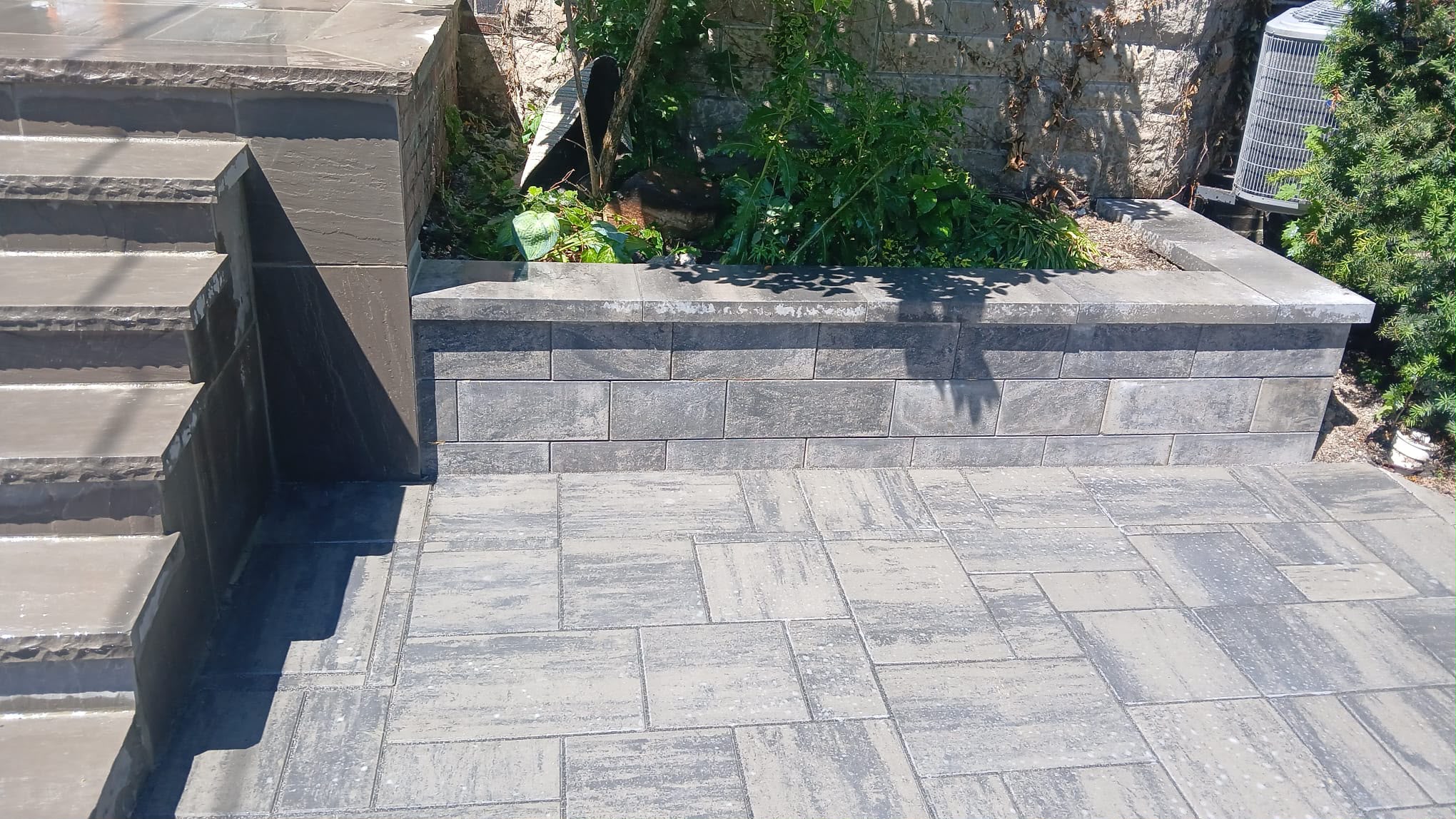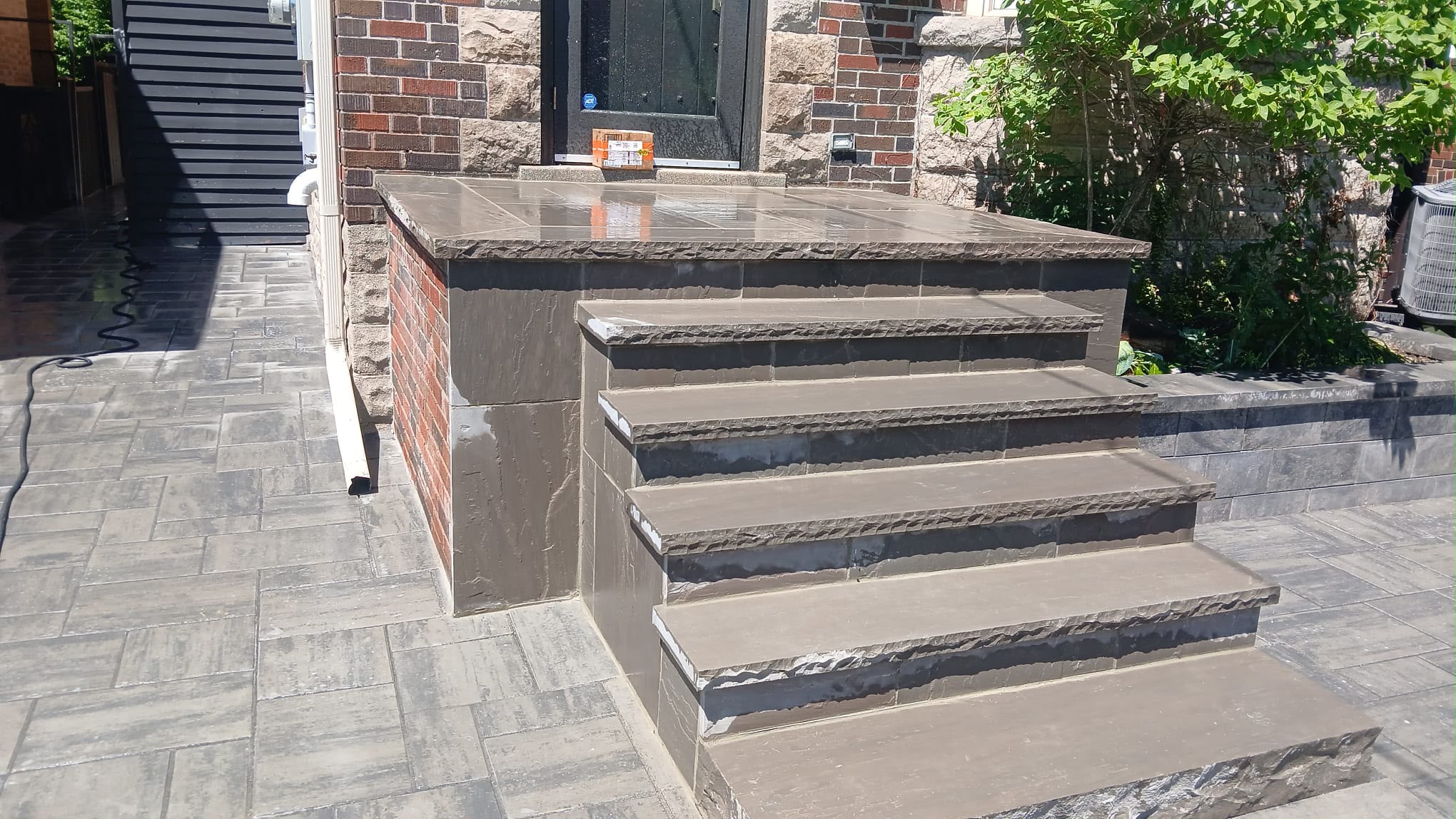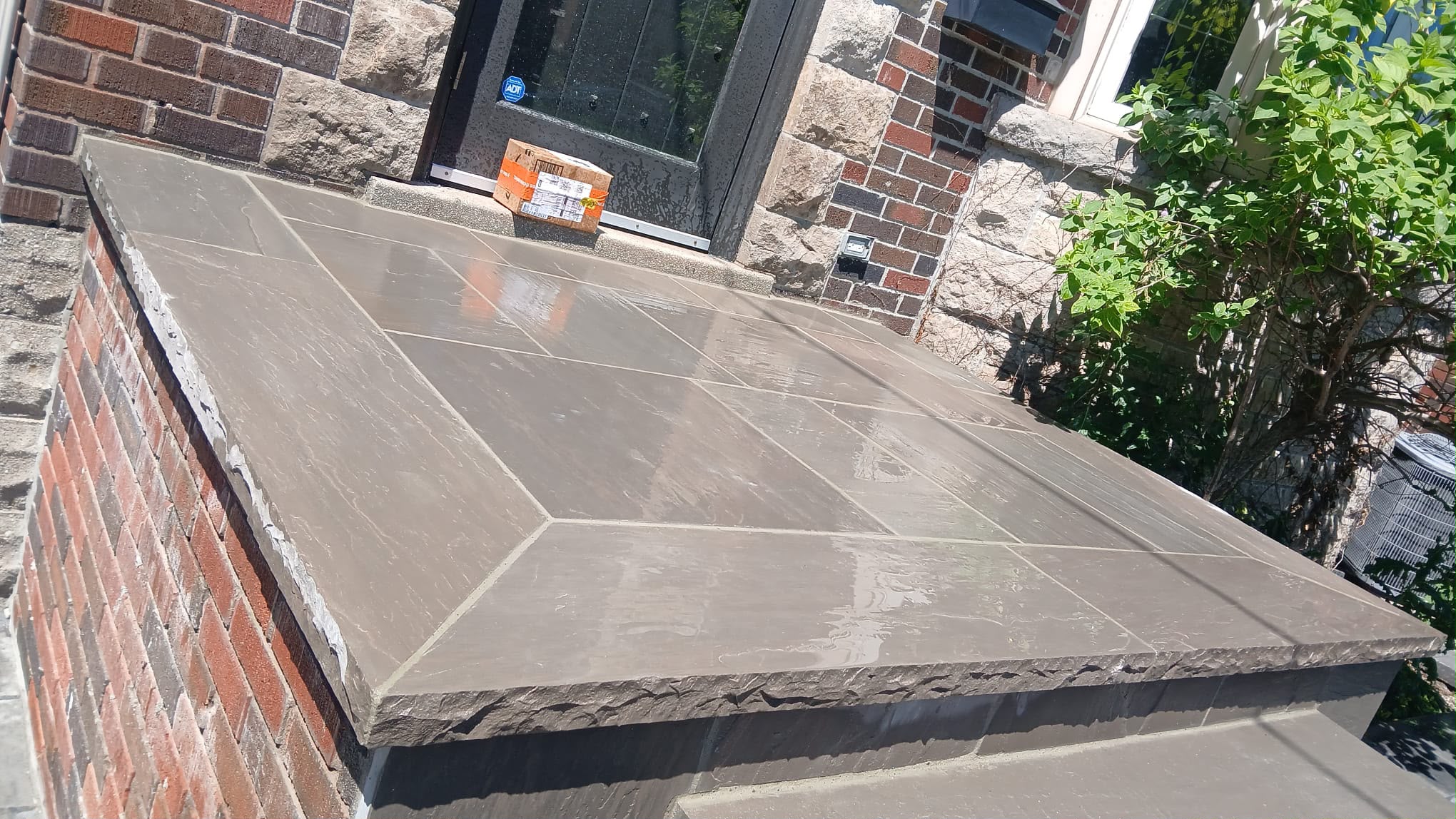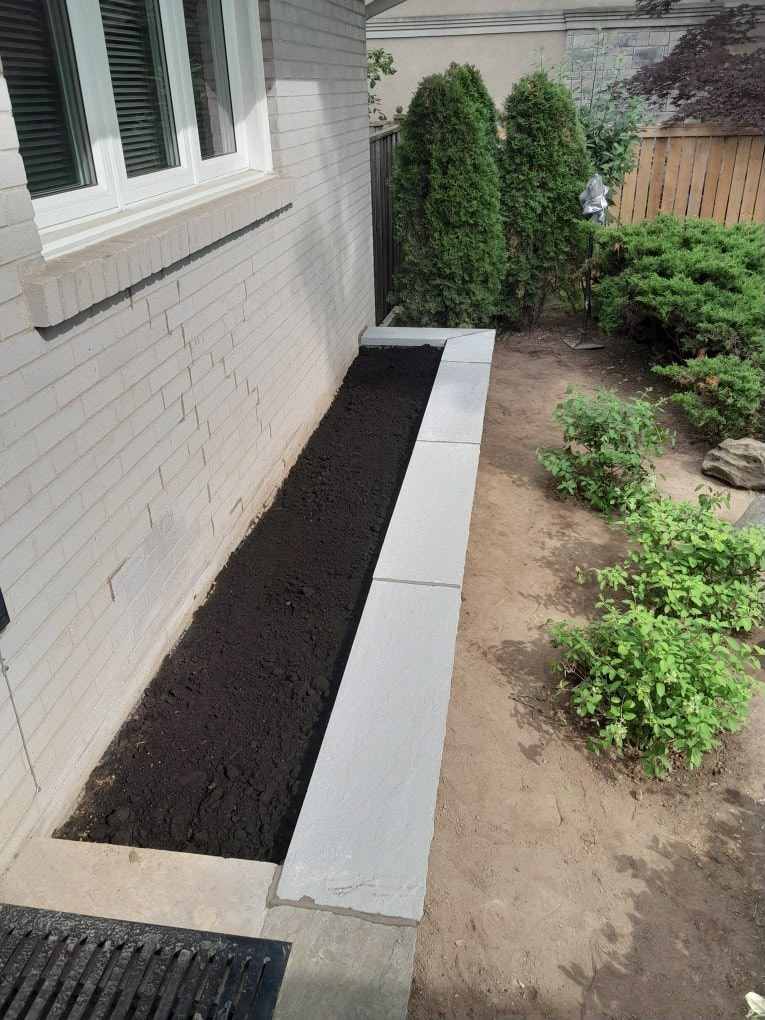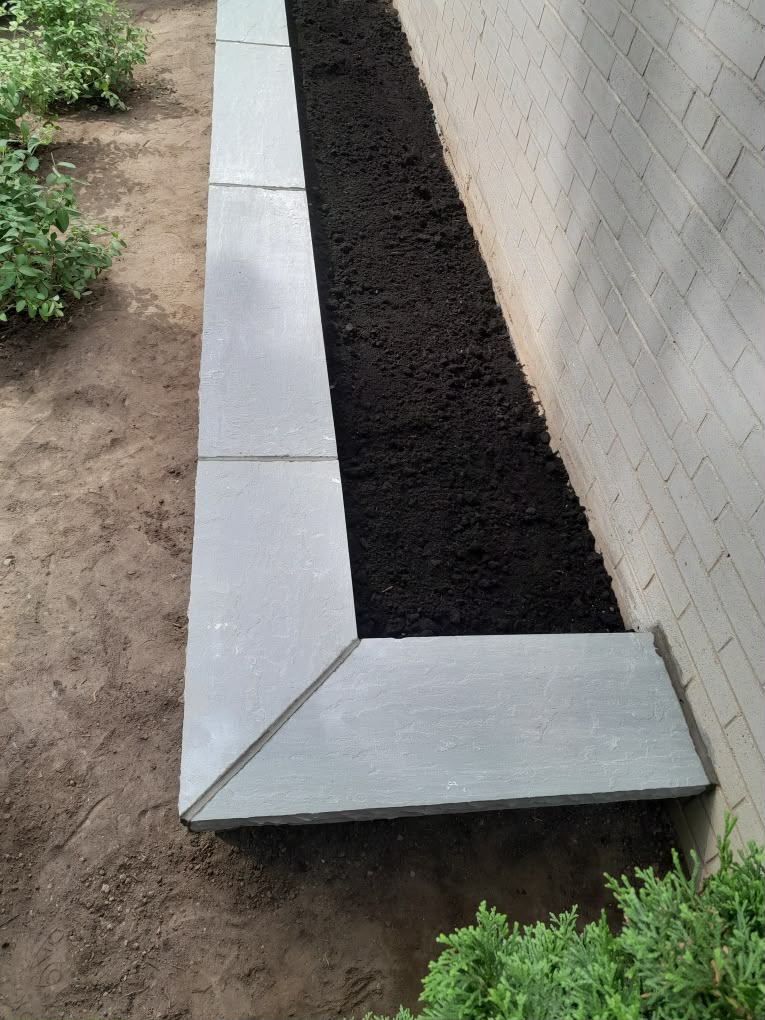

Eco-friendly masonry materials are materials that support durability, reduce waste, manage moisture well, and make sense for the building and climate where they are used. For Toronto and GTA homeowners, the most sustainable masonry choice is not always the newest product or the one with the greenest label. Often, it is the material that lasts longer, can be repaired, suits the home, handles freeze-thaw weather, and avoids unnecessary replacement.
Masonry can be a practical part of greener home improvement because brick, stone, concrete, and block are long-lasting materials when properly installed and maintained. A well-built masonry wall, walkway, step, chimney, or retaining wall can serve for many years. A poorly chosen or poorly installed material may require repeated repairs, early replacement, or additional resources to address moisture damage.
This guide explains eco-friendly masonry materials, how to compare them, what matters in Toronto’s climate, and why repairability, drainage, local suitability, and long service life are just as important as recycled content or product claims.
What Makes a Masonry Material Eco-Friendly?
A masonry material is more eco-friendly when it lasts a long time, performs well in the local climate, requires reasonable maintenance, and can be repaired rather than replaced. A material is not automatically sustainable just because it sounds natural or modern.
For homeowners, the practical question is simple: will this material work well on this property for many years without causing moisture problems, early failure, or unnecessary waste? A durable brick repair can be more sustainable than replacing an entire wall. A properly built stone feature can be more responsible than a cheaper wall that fails after a few winters. A permeable paving system can support better water management when the site is designed correctly.
Eco-friendly masonry decisions should consider:
- Longevity: How long the material is likely to last when installed properly.
- Repairability: Whether damaged sections can be repaired without full replacement.
- Local suitability: Whether the material handles Toronto rain, snow, salt, and freeze-thaw cycles.
- Moisture performance: Whether the wall, step, patio, or feature can dry properly.
- Waste reduction: Whether existing materials can be restored, reused, or selectively replaced.
- Maintenance needs: Whether the material requires frequent coatings, repairs, or replacement.
- Design fit: Whether the material suits the home so it does not need to be changed again soon.
Eco-friendly masonry starts with choosing the right material for the right place.
Why Durability Is One of the Greenest Choices
Durability is one of the most important parts of eco-friendly masonry because long-lasting materials reduce replacement waste. A wall, step, chimney, or walkway that lasts for decades usually has a smaller long-term impact than one that needs repeated removal and rebuilding.
In Toronto, durability depends heavily on water control. Even strong materials can fail early if water collects behind them, enters open joints, freezes inside cracks, or sits at the base of the wall. Good masonry should be designed to shed water, drain properly, and dry between wet periods.
This is why material choice and installation quality must work together. A durable brick can still fail if the mortar is wrong. A strong concrete step can still crack if water pools on it. A stone wall can still move if the base and drainage are poor.
If existing masonry is already damaged, repair may be the more sustainable first step. A&A Masonry’s brick repair Toronto page explains common repair needs for cracked, crumbling, and weather-damaged brickwork.
Restored Brick as an Eco-Friendly Option
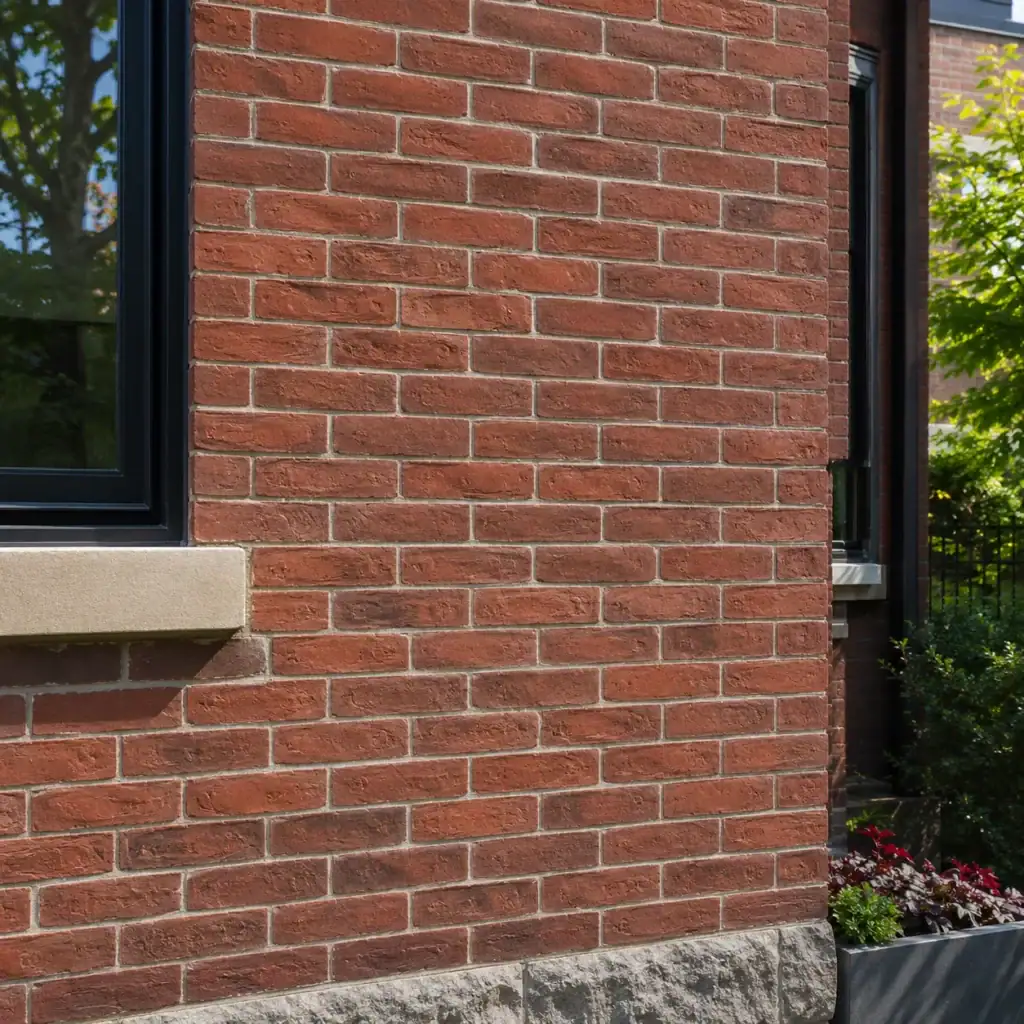
Restored brick is often one of the most eco-friendly masonry choices because it keeps existing material in place. Instead of removing a wall, chimney, or facade that still has serviceable brick, restoration focuses on repairing damaged areas and preserving what remains serviceable.
This is especially relevant for older Toronto homes. Many brick homes have strong original masonry that may only need tuckpointing, selective brick replacement, cleaning, or water management. Removing good brick just because part of the wall is damaged can create extra waste and may also erase the character of the home.
Brick restoration may include cleaning, repointing mortar joints, replacing a limited number of damaged bricks, addressing moisture sources, and matching repairs to the original masonry. When done carefully, it can extend the wall’s lifespan while preserving the home’s original appearance.
For homeowners comparing repair and preservation options, A&A Masonry’s brick restoration Toronto page is a helpful internal resource.
Reclaimed or Salvaged Brick
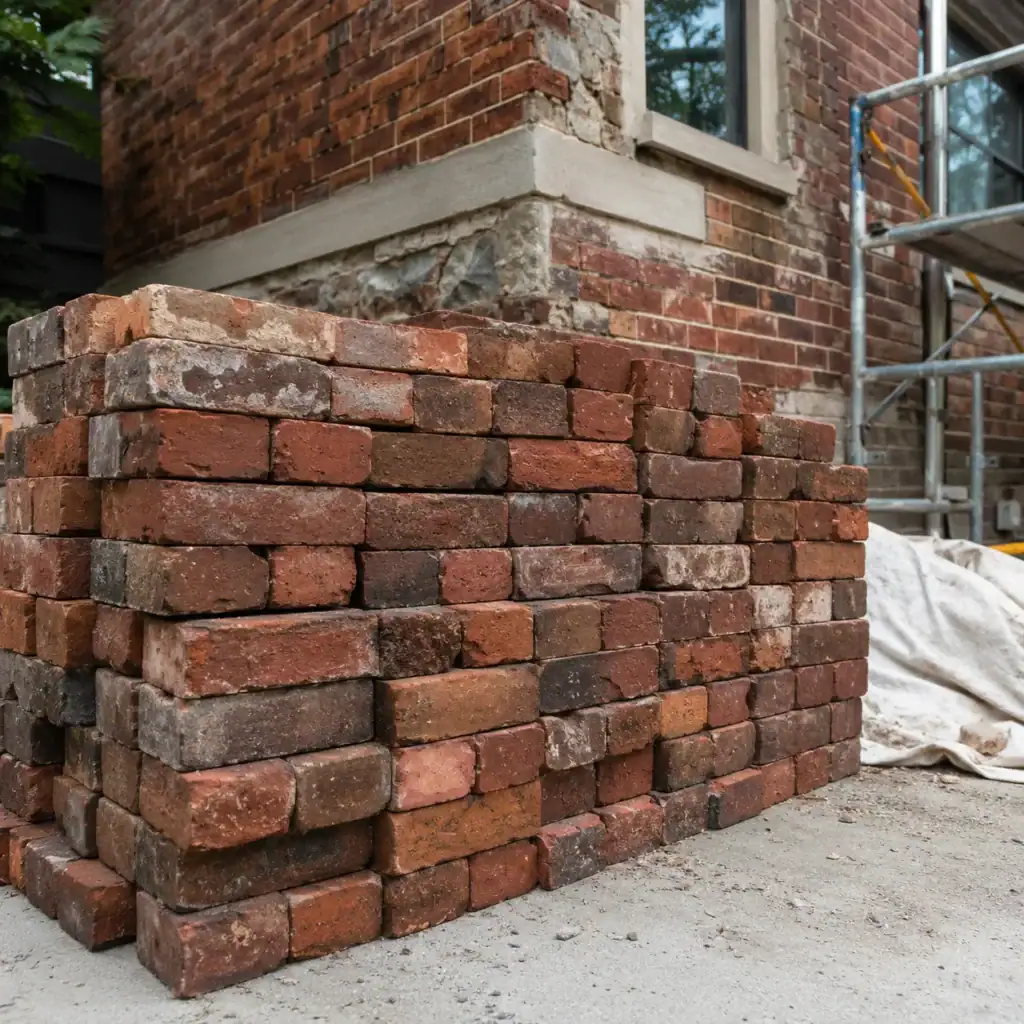
Reclaimed brick can be an eco-friendly masonry material when it is suitable for the project and in good condition. Reusing brick reduces demand for new materials and can help older repairs blend better with existing masonry.
However, reclaimed brick must be chosen carefully. Not every salvaged brick is suitable for exterior work, structural use, freeze-thaw exposure, or direct weather contact. Some older bricks may be too soft, too damaged, or too absorbent for certain applications. Others may be excellent for matching historic or traditional walls.
Reclaimed brick can work well for repairs, garden walls, decorative masonry, interior features, and some exterior projects when the brick quality, size, absorption, and appearance are appropriate. It should be cleaned, checked, and matched properly before use.
The main benefit is waste reduction. The main caution is performance. A reused material is only sustainable if it is safe and durable where it is installed.
Natural Stone Masonry
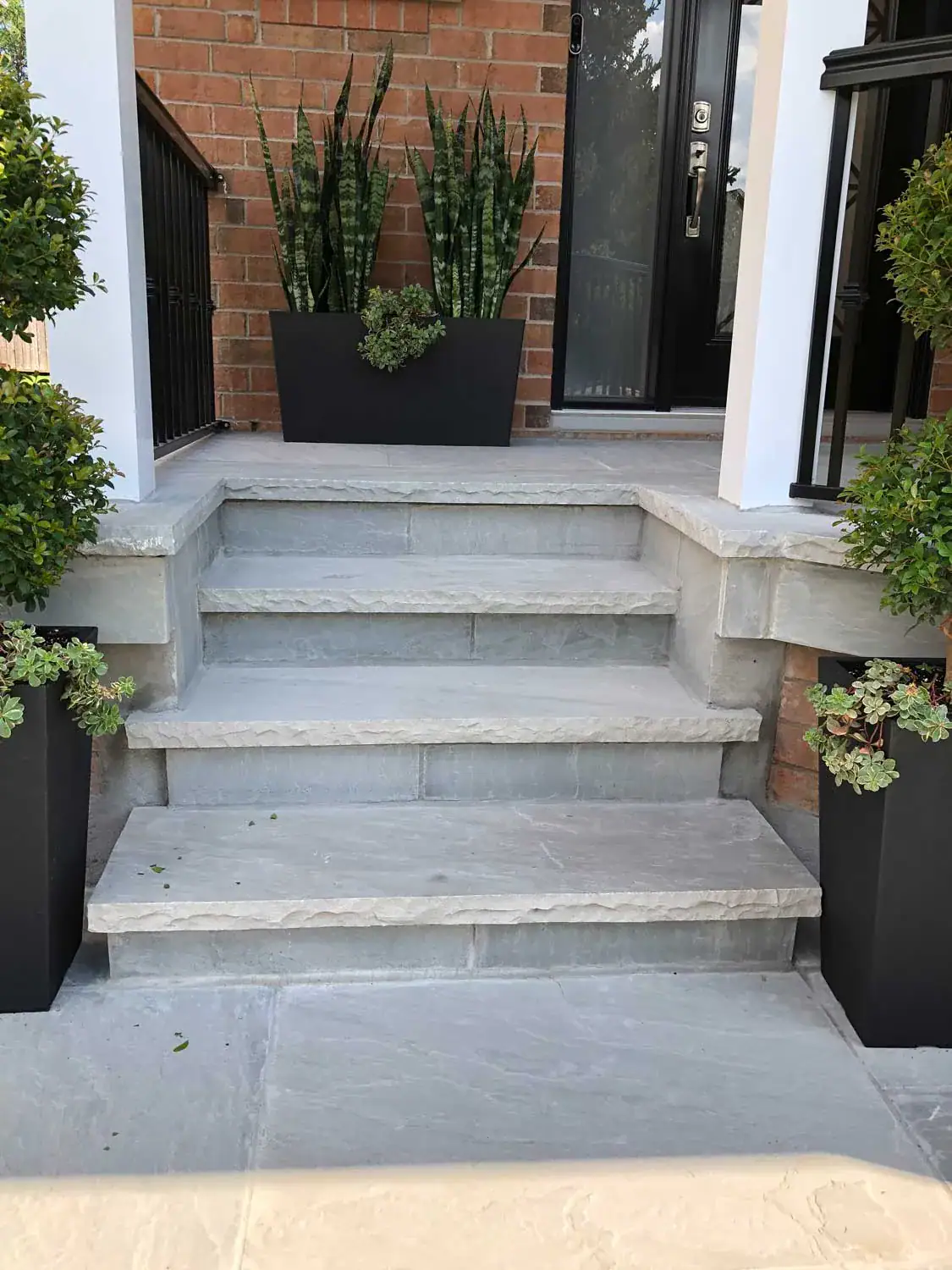
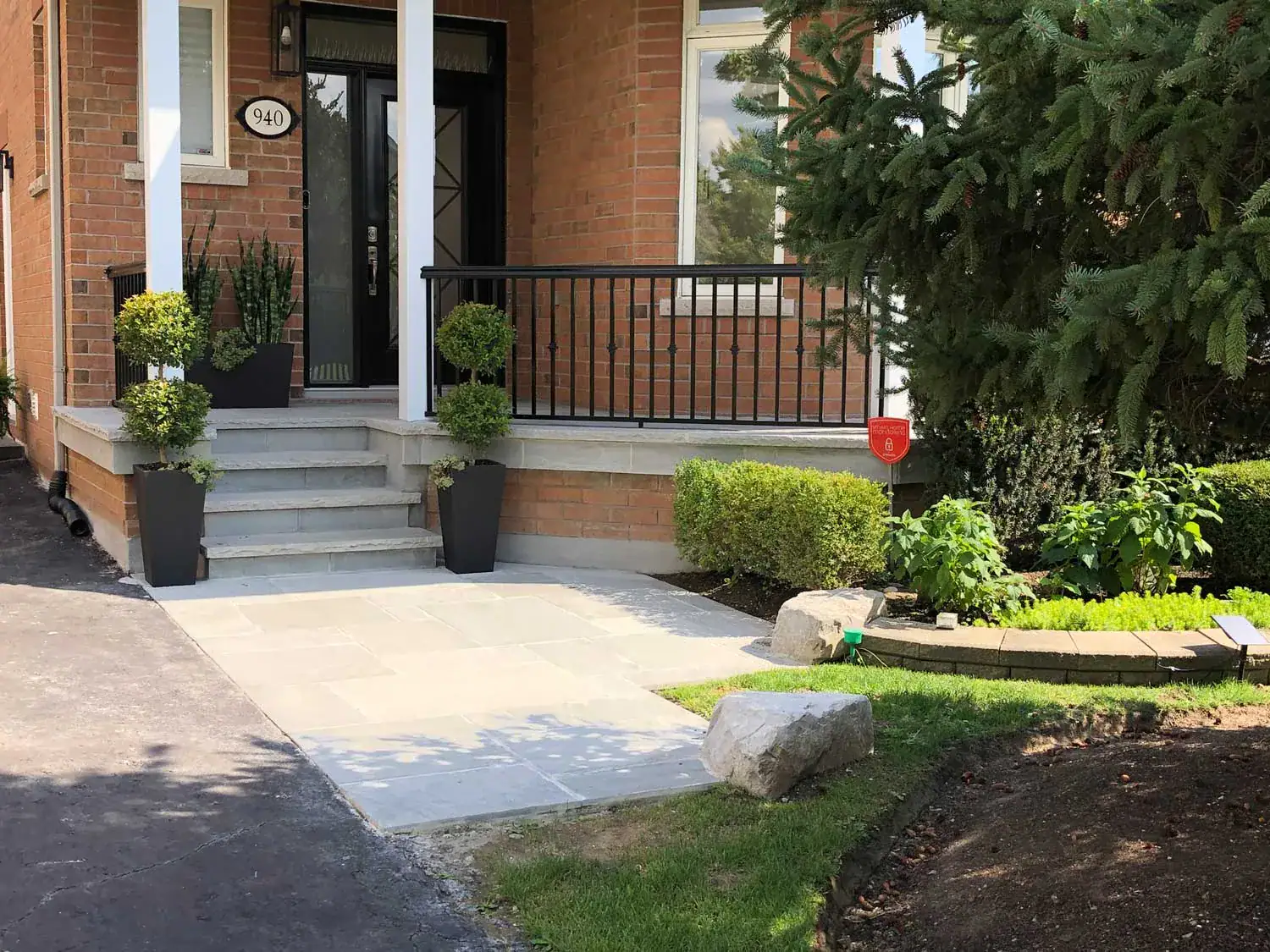
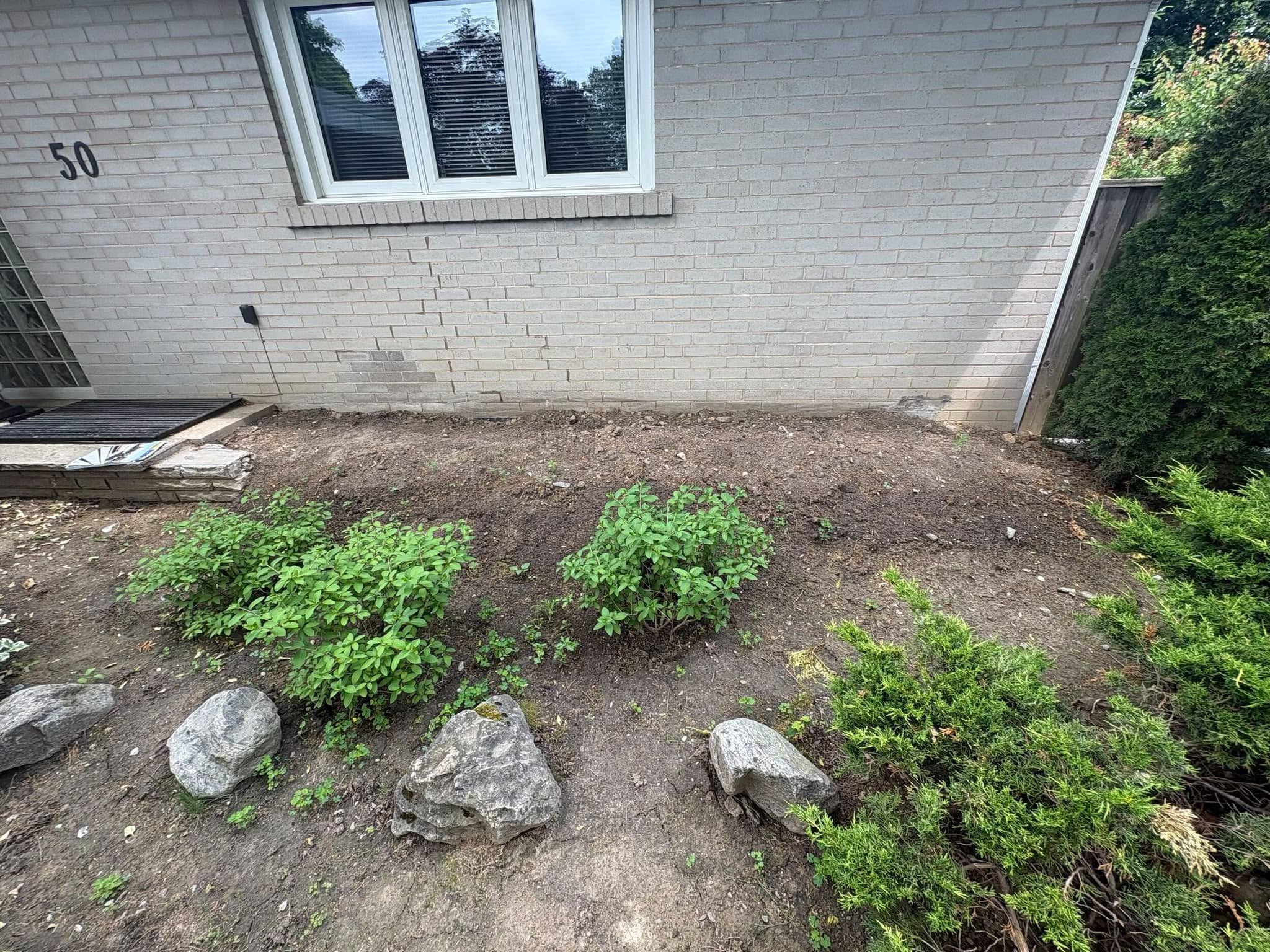
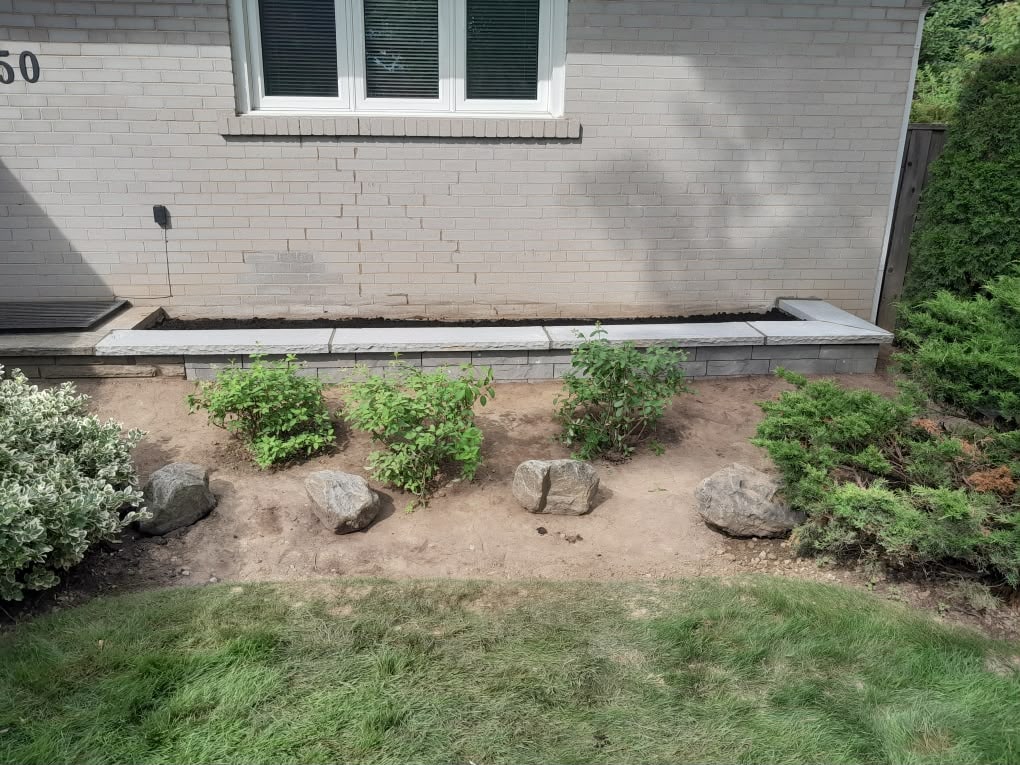
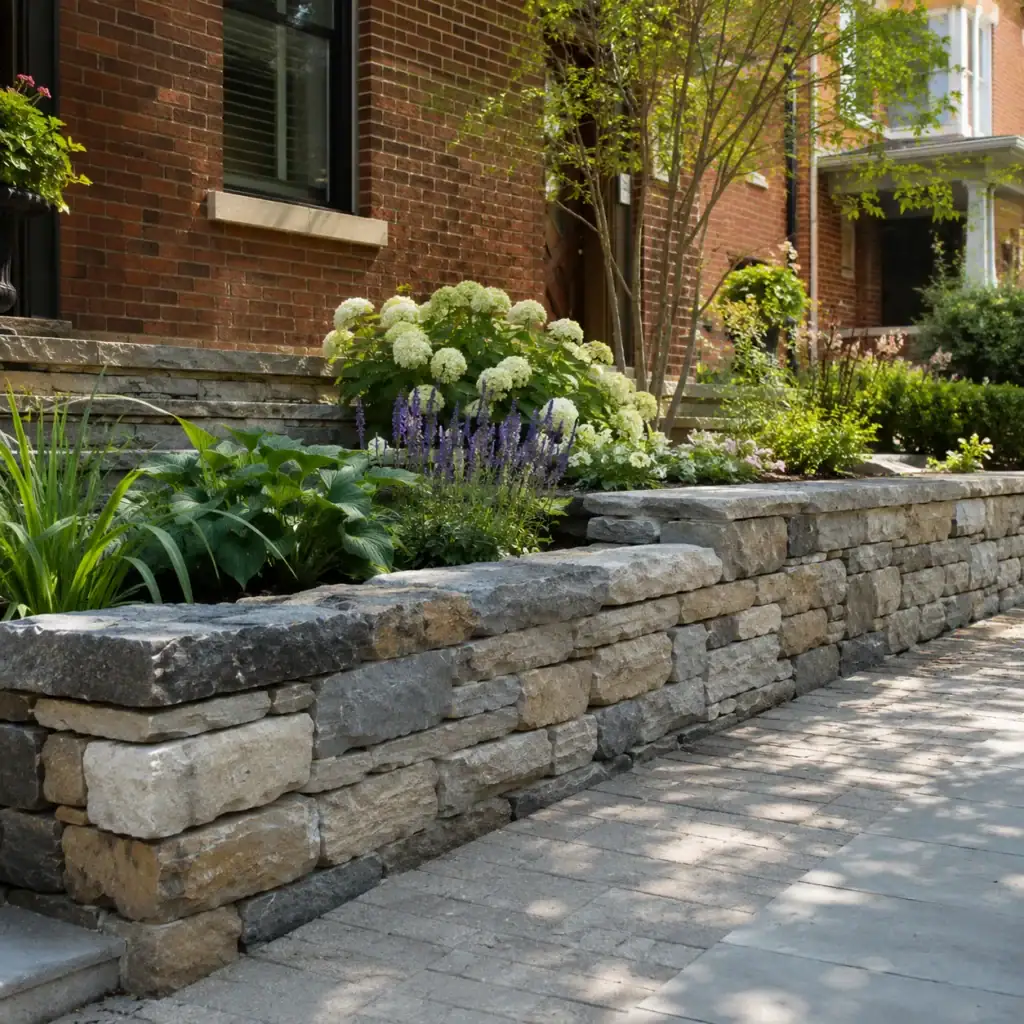
Natural stone can be an eco-friendly masonry option because it is durable, repairable, and visually long-lasting when used properly. Stone can work well for retaining walls, garden walls, steps, walkways, fireplace surrounds, and exterior features.
Stone has a long service life when it is selected for the right use and installed with proper drainage and base preparation. It can also fit well with older Toronto homes, mature landscaping, and traditional brick facades. Because it is often valued for its natural variation, stone does not need to look perfectly uniform to remain attractive over time.
Natural stone still has environmental tradeoffs. Quarrying, transport, cutting, and installation all use resources. From a homeowner perspective, stone becomes more responsible when it is chosen for long-term use, sourced thoughtfully where possible, and installed in a way that avoids early failure.
If stone is part of the design, A&A Masonry’s stone masonry Toronto page explains stone masonry options for homes in Toronto.
Concrete Masonry and Lower-Waste Repair
Concrete masonry can be eco-friendly when it is repaired, maintained, and used in the right applications rather than being replaced too early. Concrete has a high material impact, but it can also last a long time when properly designed and maintained.
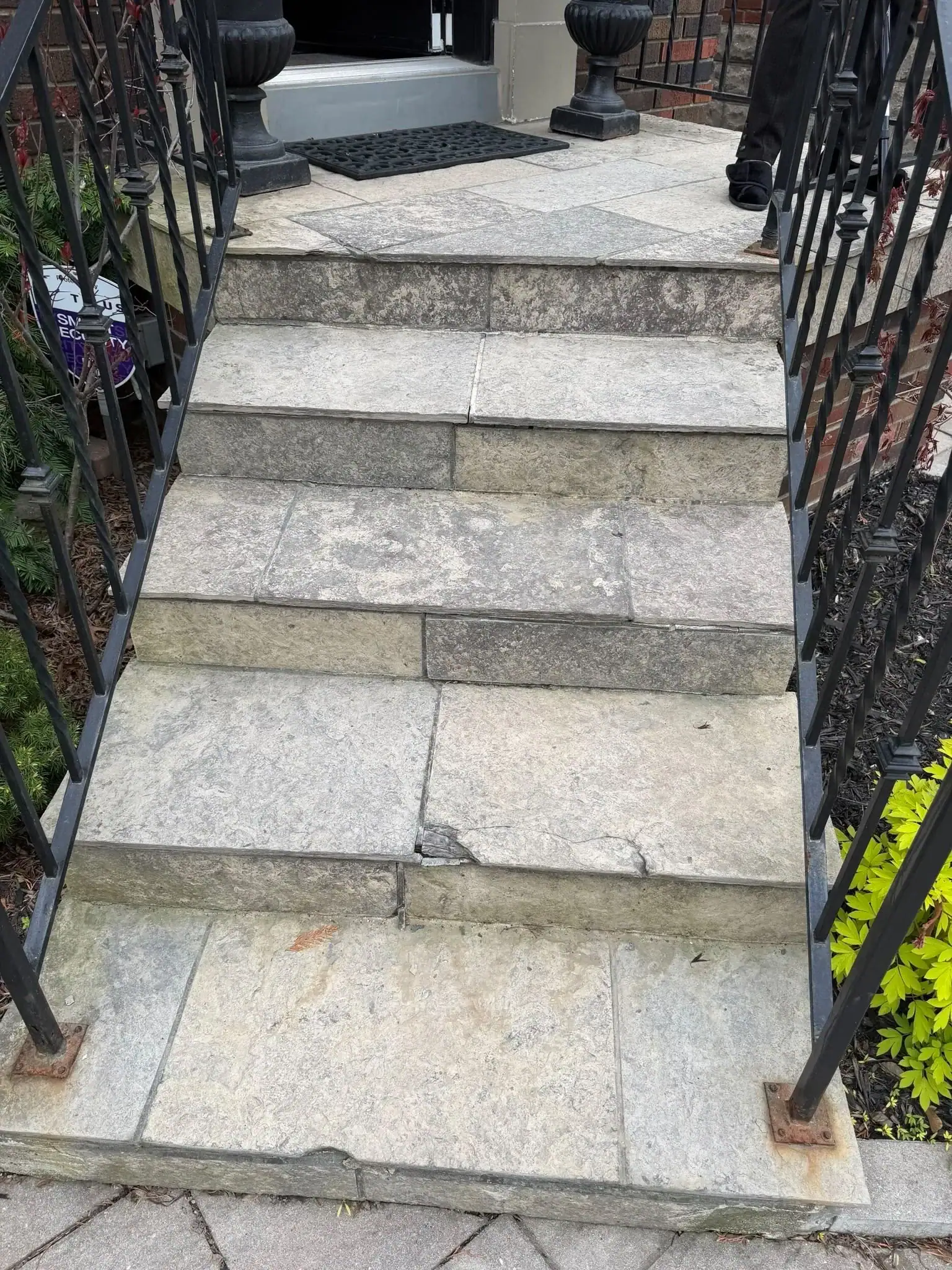
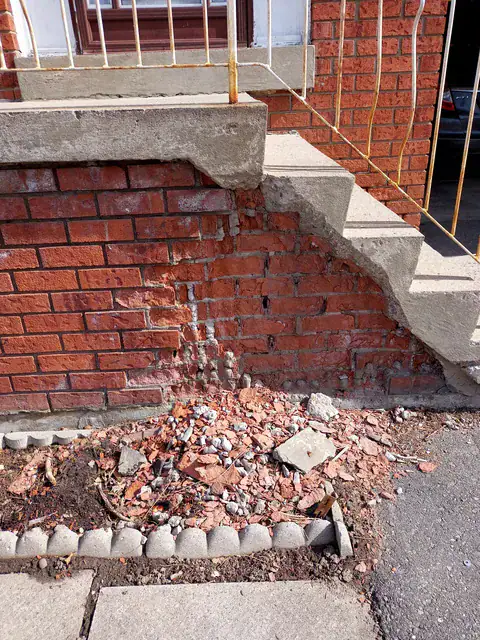
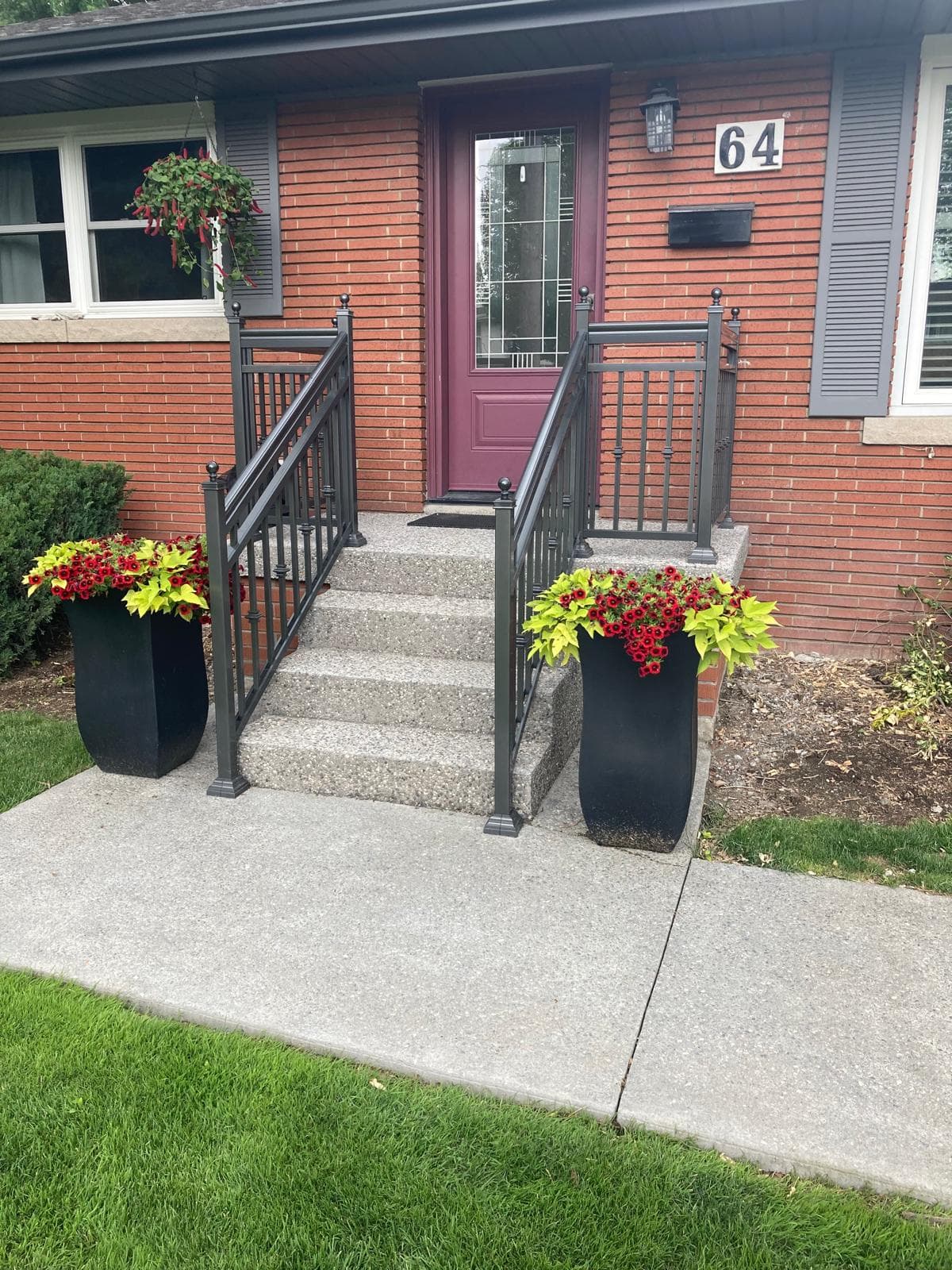
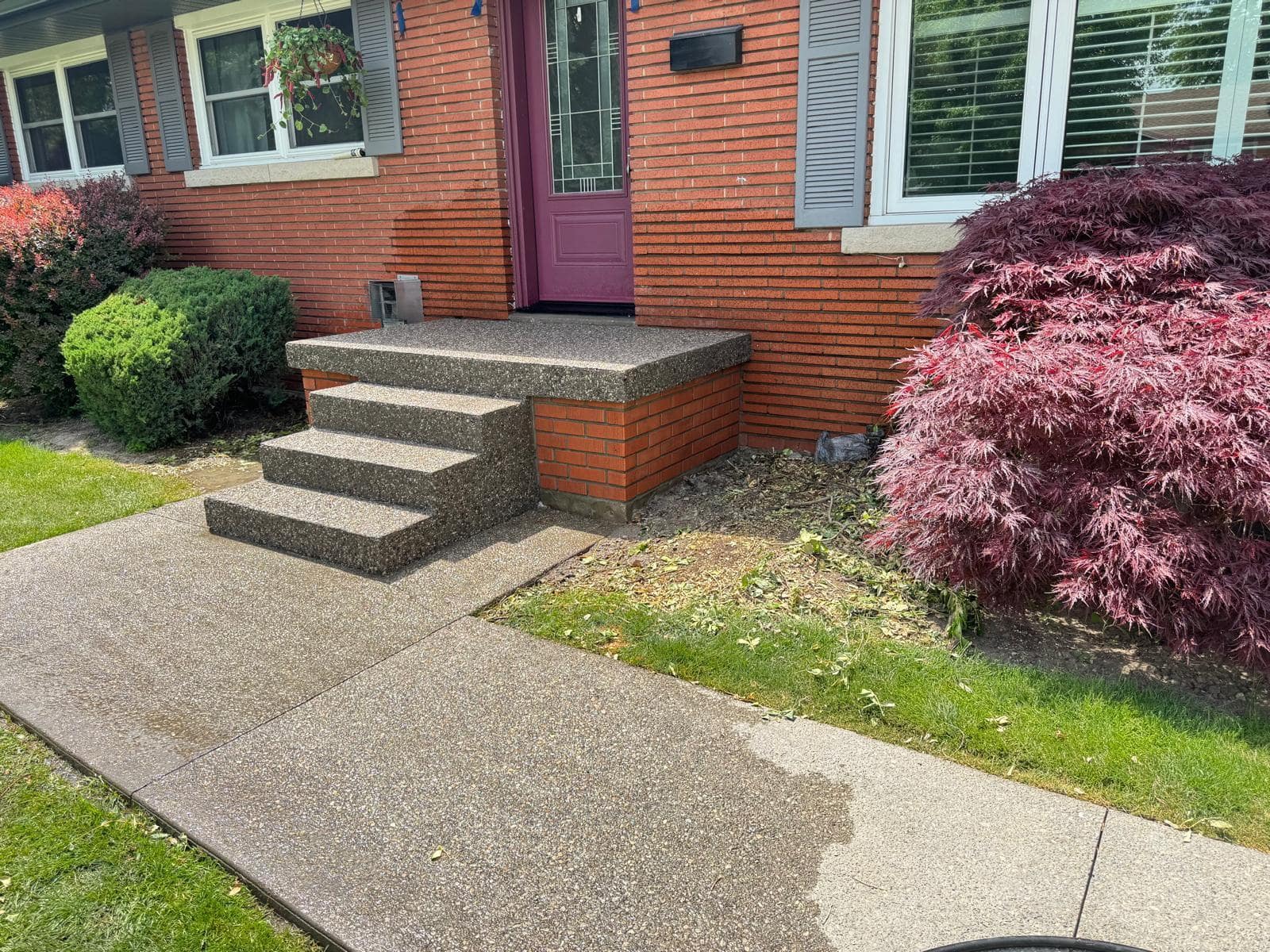
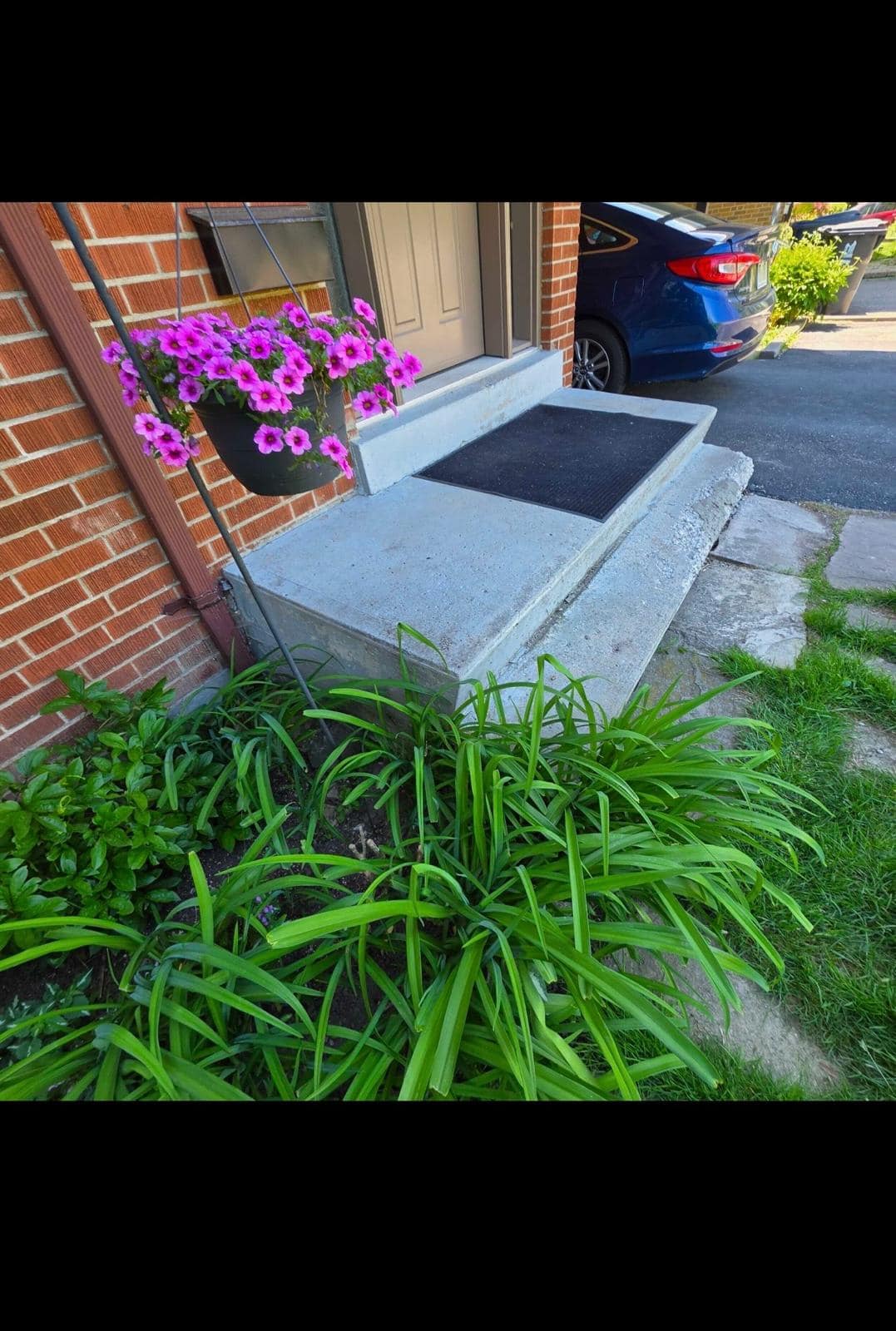
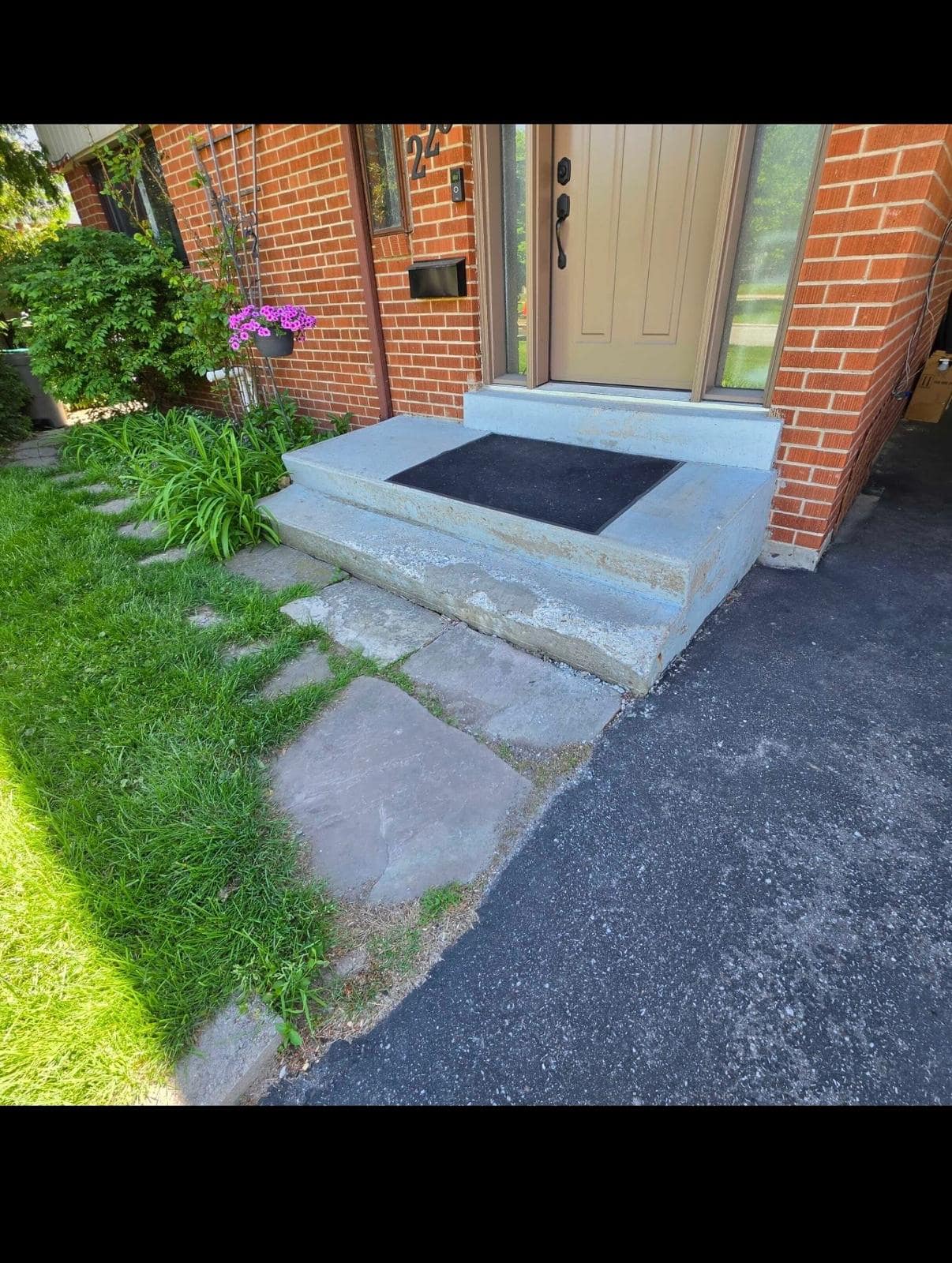
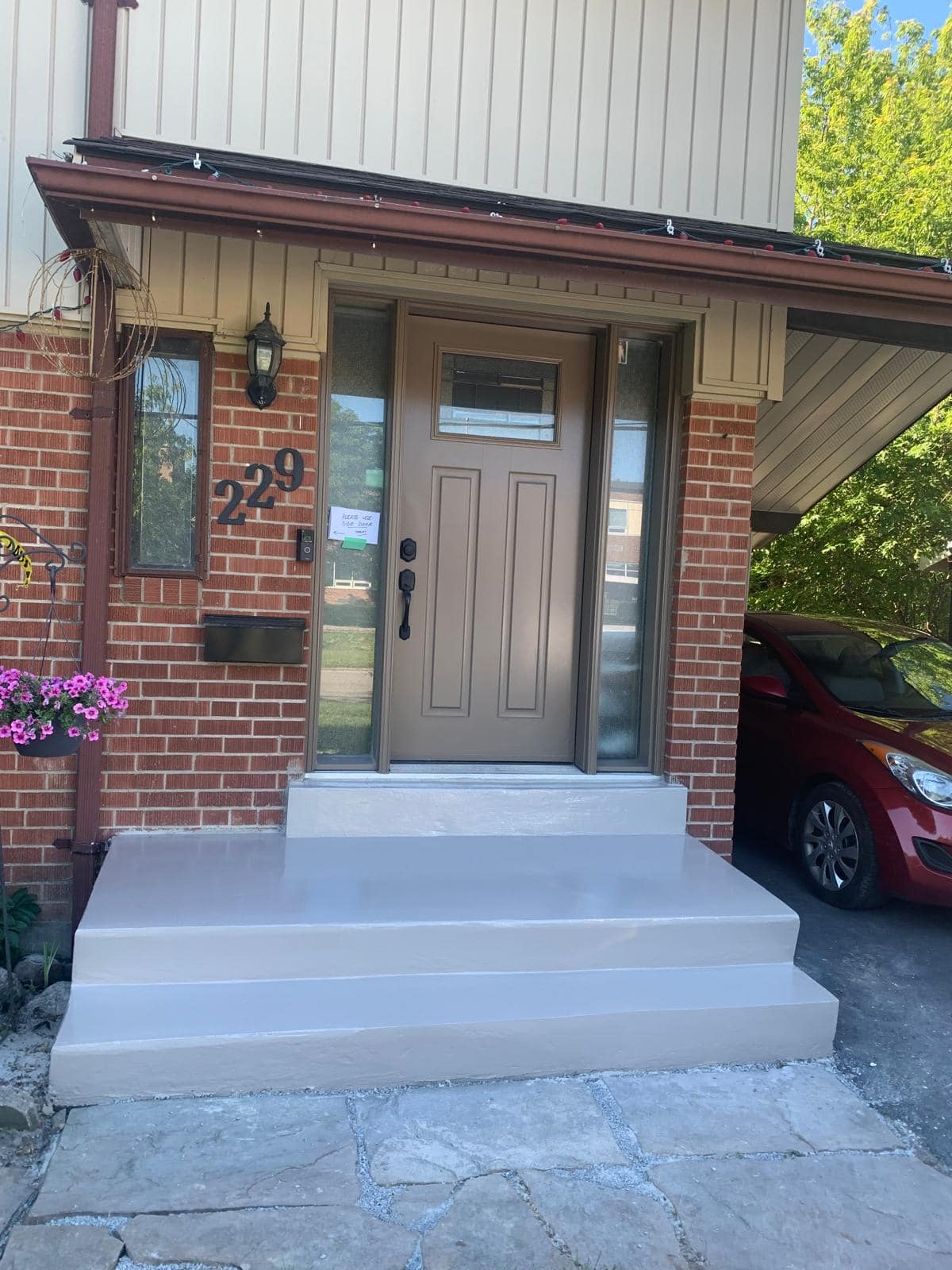
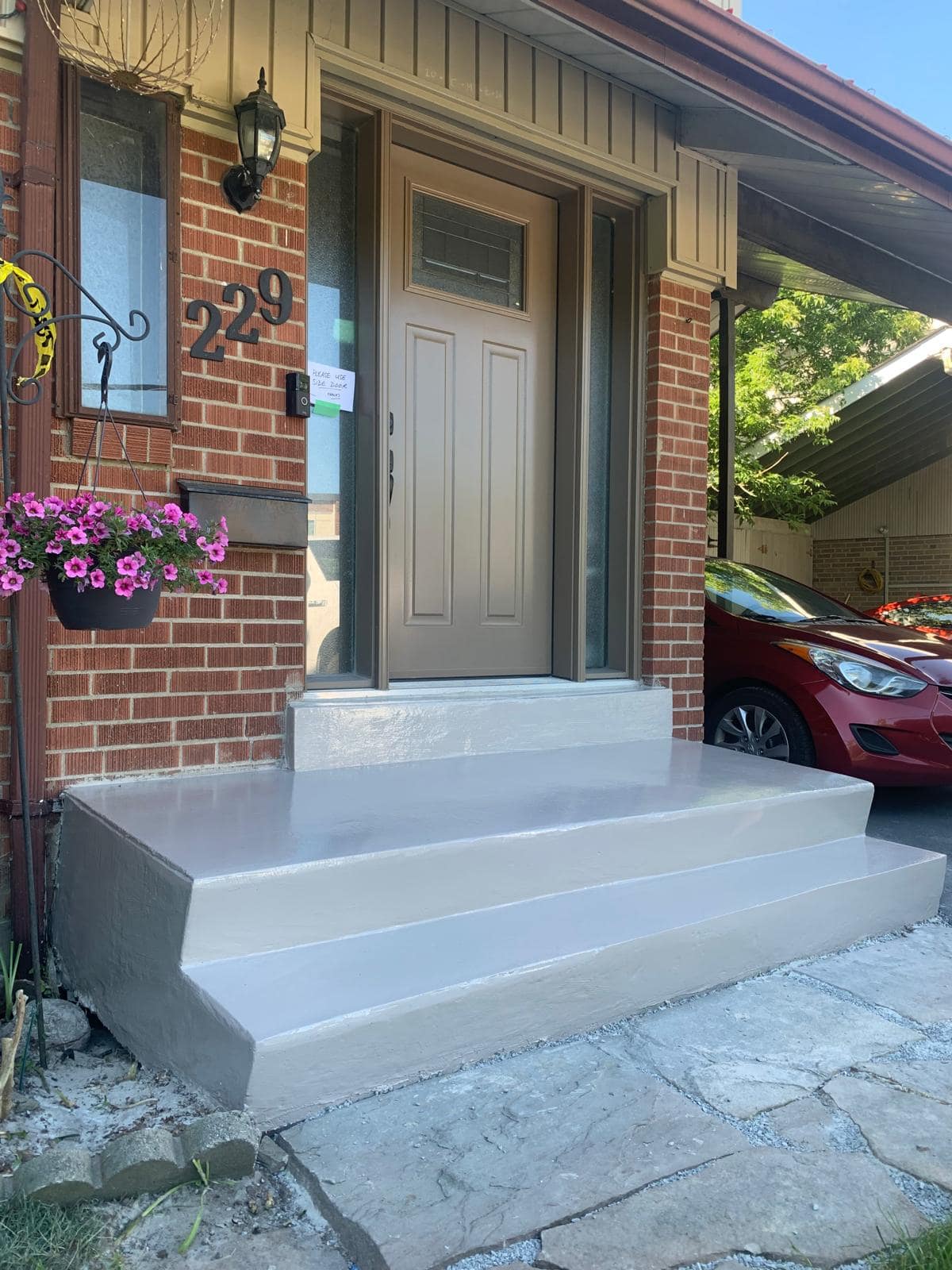
For homeowners, the greenest concrete decision is often to repair stable concrete before it fails completely. Cracked steps, walkways, porches, and slabs may be repairable if the damage is limited and the base is sound. Repairing a small damaged area can reduce waste compared with full removal.
However, repair is not always the sustainable choice if the concrete is structurally failing. Repeated patching of sinking, crumbling, or poorly drained concrete may waste material and labour. In that case, replacement with proper base preparation, drainage, and surface design may be the better long-term option.
If concrete areas are damaged but not clearly beyond repair, A&A Masonry’s concrete repair Toronto page can help homeowners understand common repair concerns.
Concrete Blocks and CMUs
Concrete masonry units, often called CMUs, can be practical for walls, foundations, retaining walls, and structural masonry when suited to the project. Their eco-friendly value often comes from durability, modular construction, repairability, and efficient use of material.
Concrete block is not always the most attractive exposed finish, but it can be used as part of a durable wall system. It may also be paired with brick, stone, stucco, or other finishes depending on the design. In retaining wall work, certain block systems are designed to manage soil pressure when installed with proper base, backfill, and drainage.
The environmental value of block depends on the full wall system. A block wall that fails due to ignored drainage is not sustainable. A wall that is properly built, moisture-managed, and maintained can be a long-lasting choice.
For homeowners, CMUs make the most sense when performance, structure, and long-term functionality are priorities.
Permeable Pavers and Water-Friendly Hardscaping
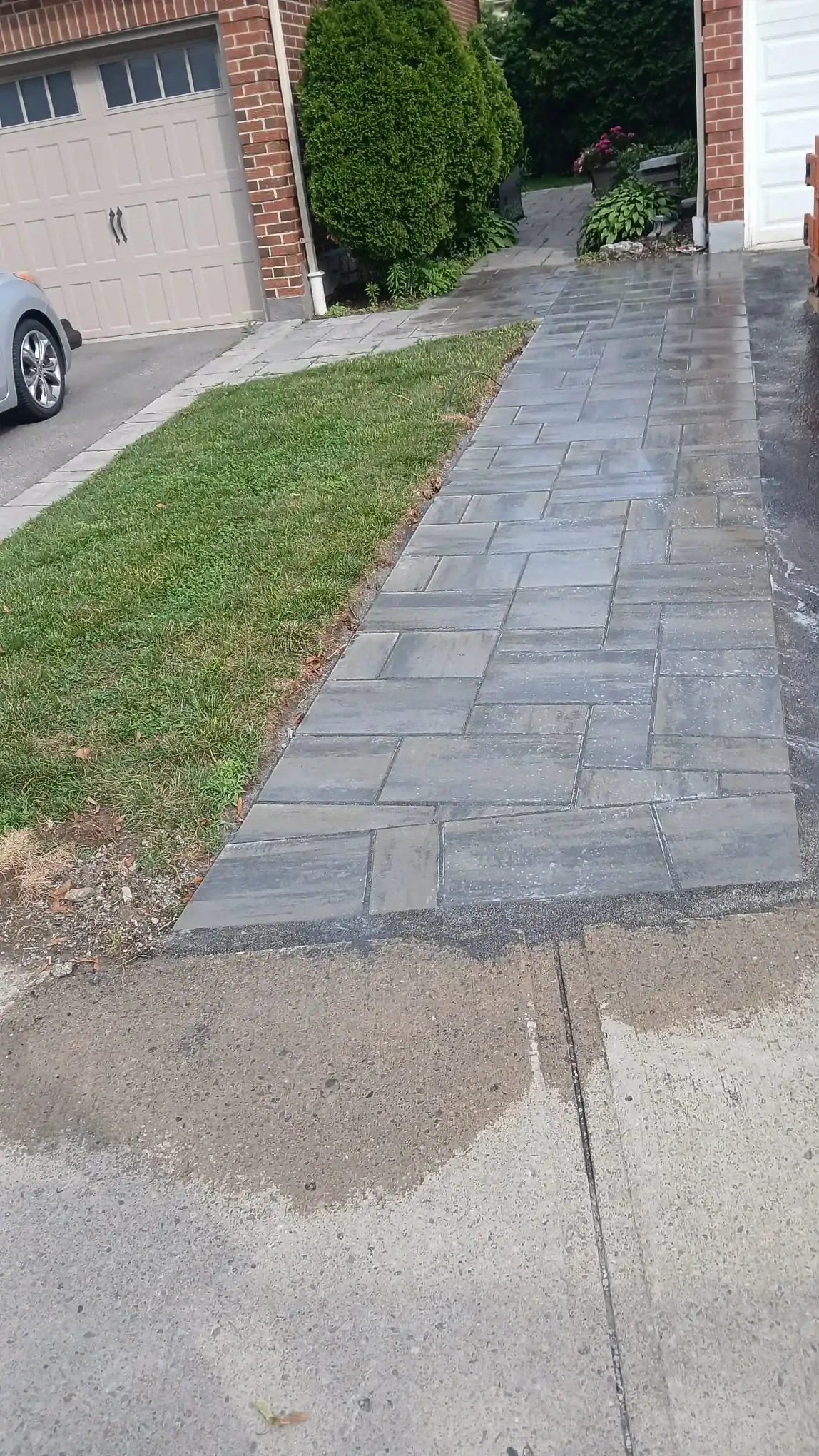
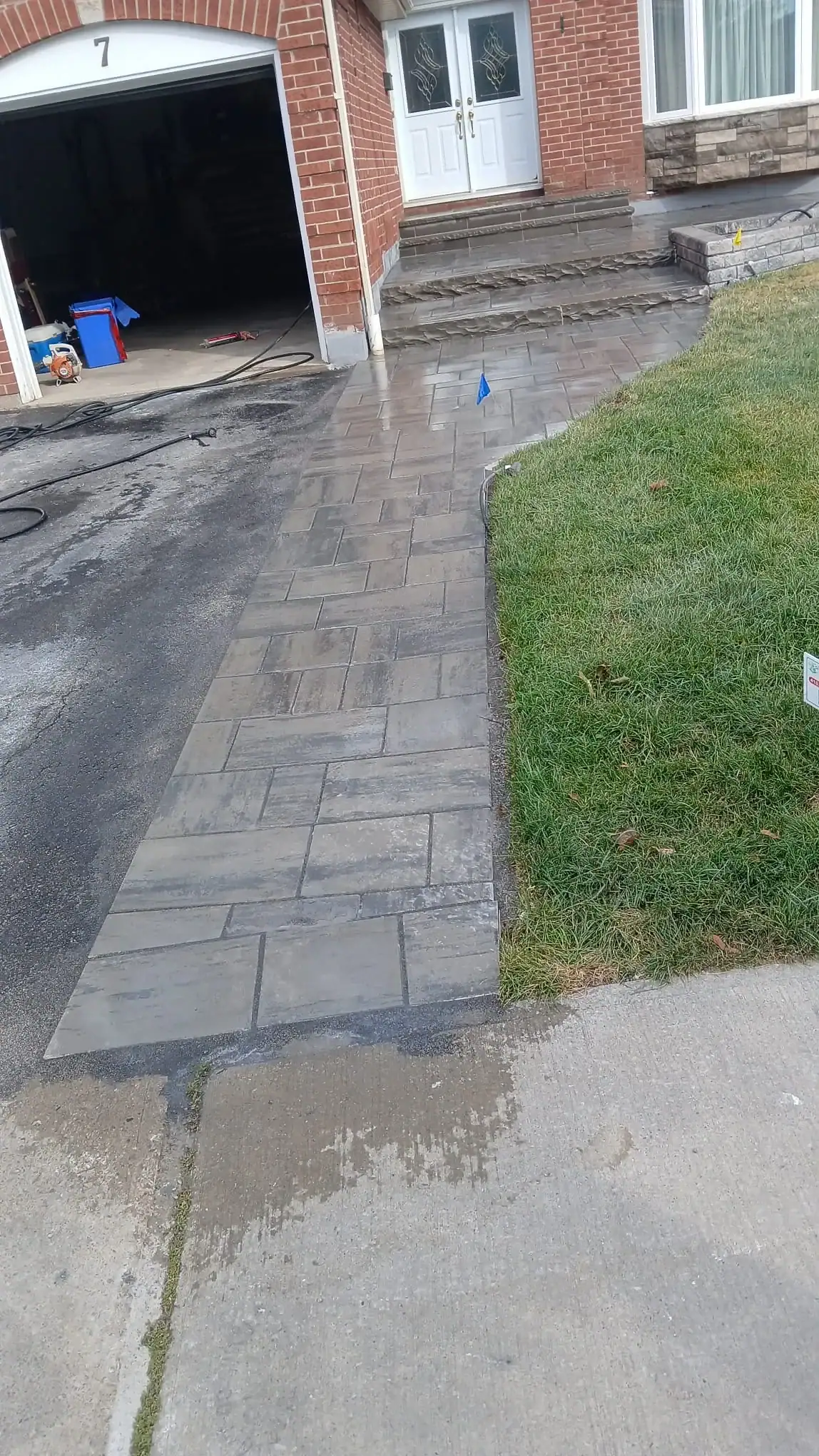
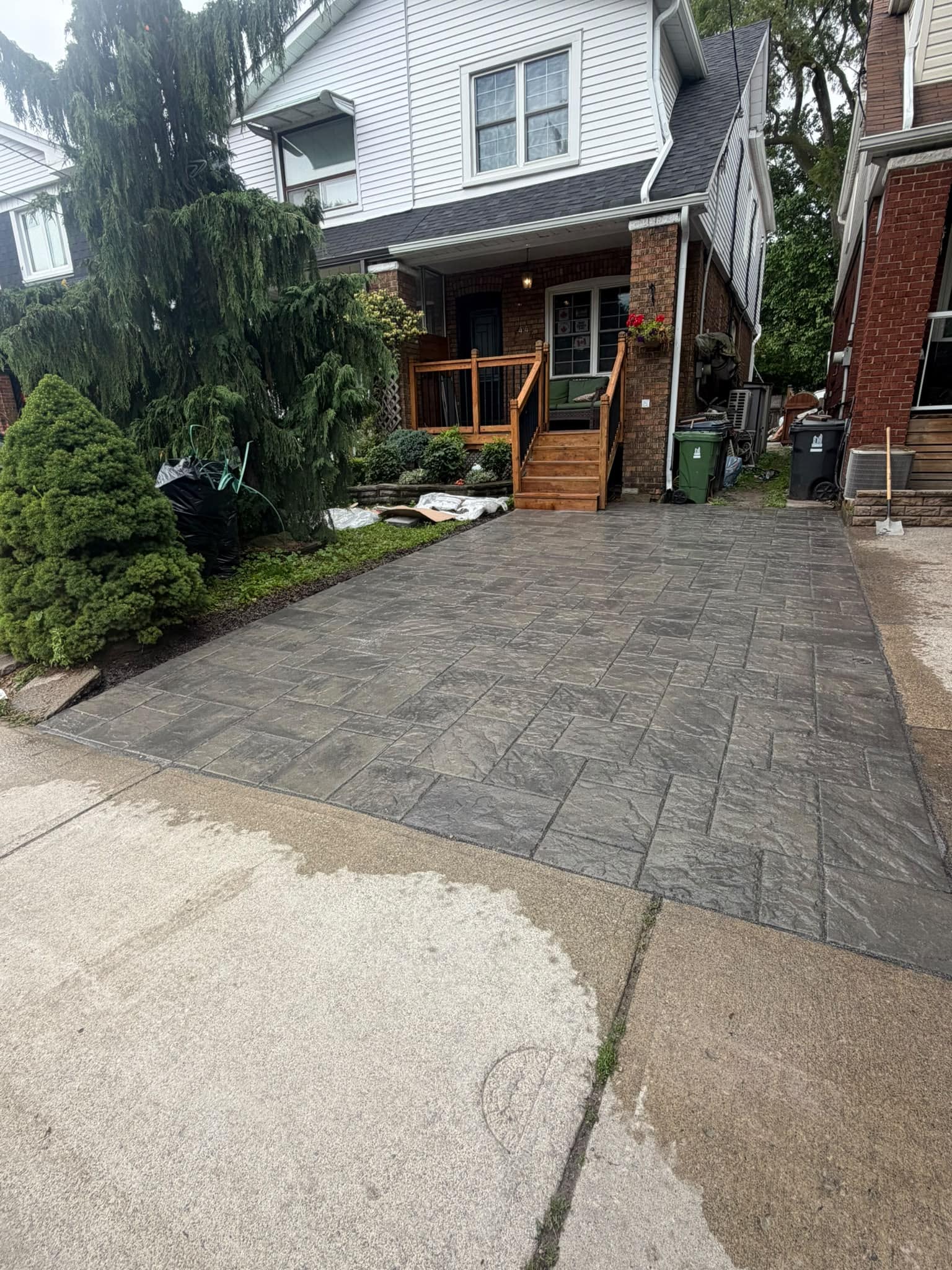
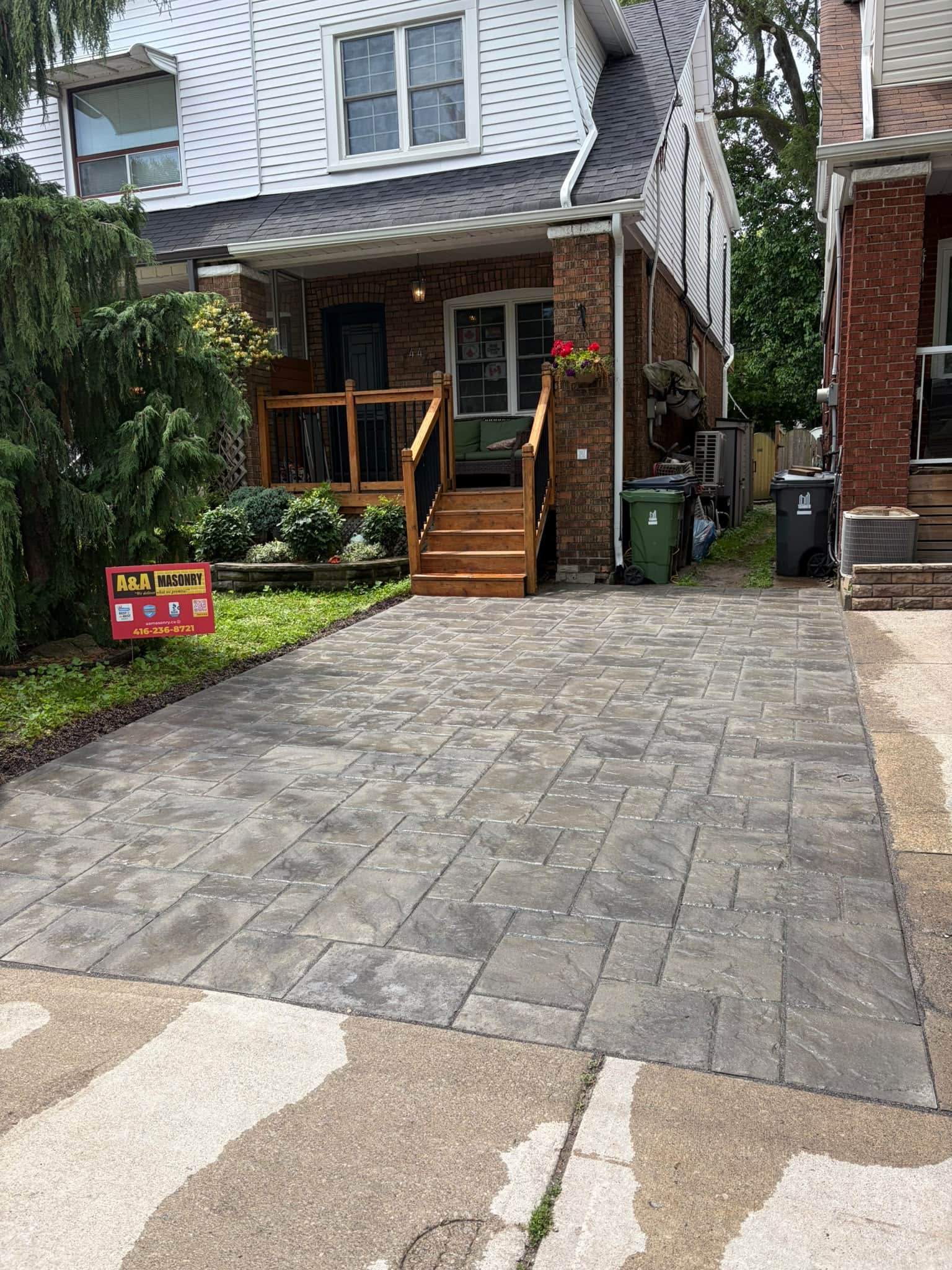
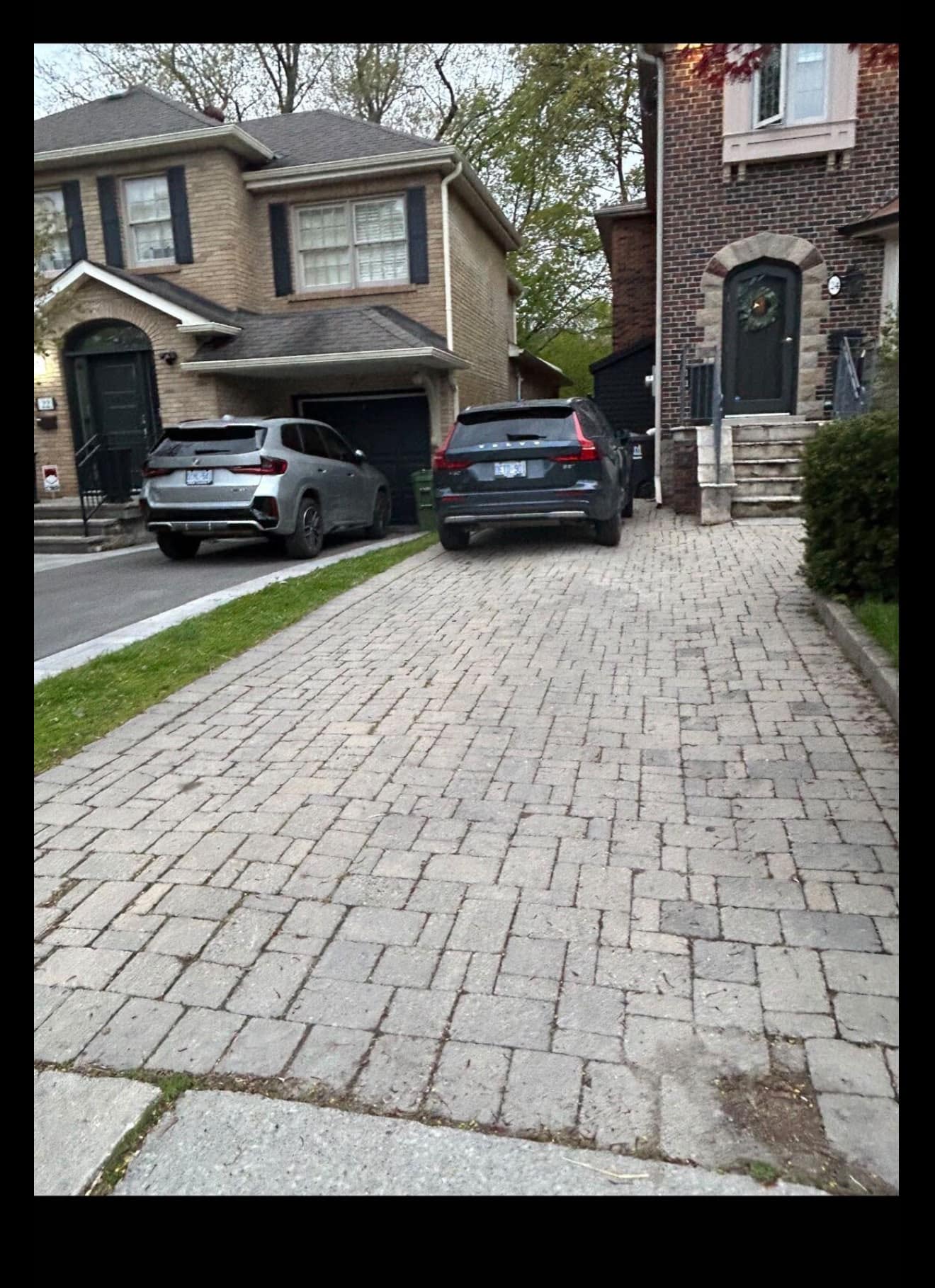
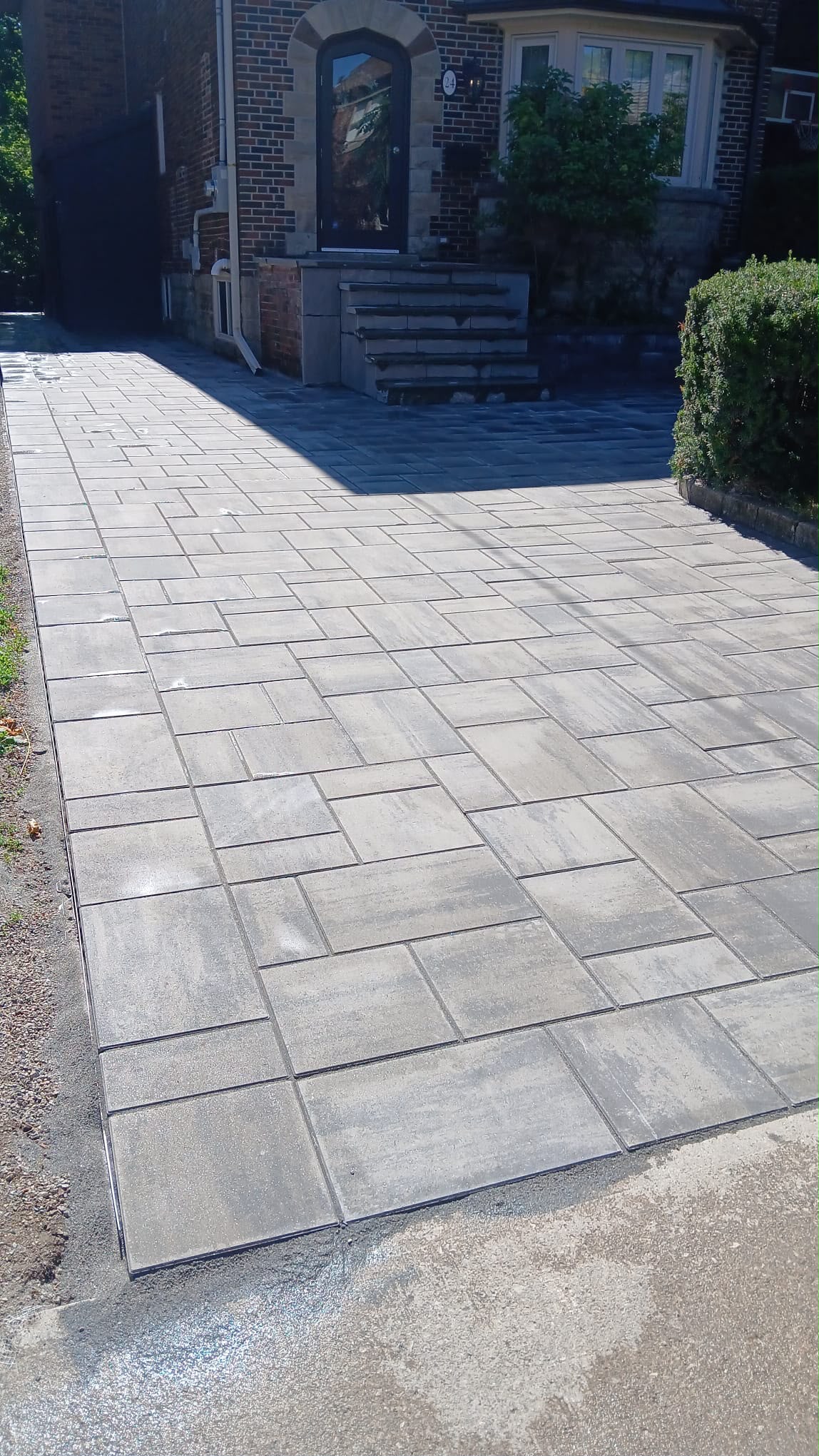
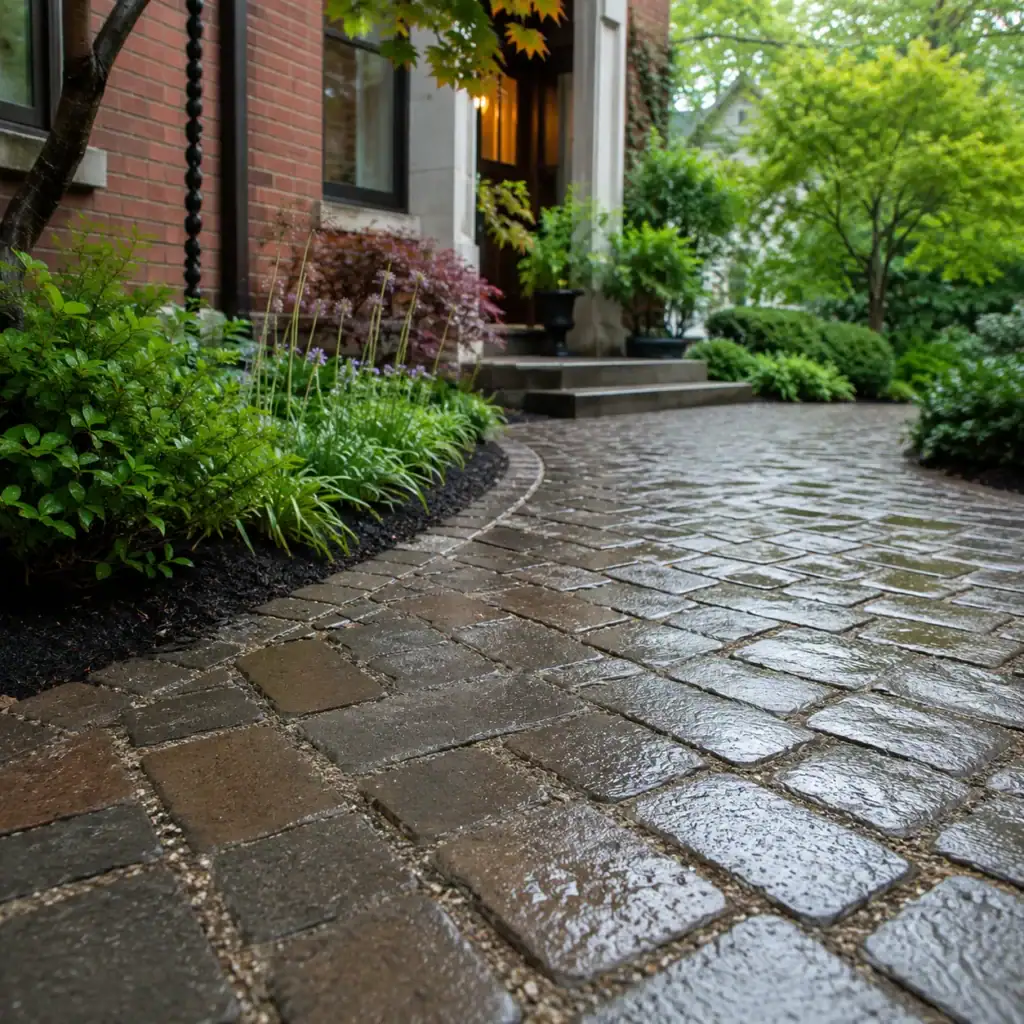
Permeable pavers can be an eco-friendly masonry choice when the goal is to manage rainwater and reduce runoff from hard surfaces. Instead of sending all water across the surface, permeable systems allow water to move through joints and into a prepared base, where it can be stored or filtered depending on the design.
This can be useful for walkways, patios, driveways, side yards, and outdoor spaces where drainage is a concern. However, permeable pavers are not just regular pavers with wider gaps. They need the right base, joint material, soil conditions, slope, and maintenance to work properly.
The City of Toronto provides information on green infrastructure resources, including features such as rain gardens and permeable approaches for managing stormwater. The Toronto and Region Conservation Authority’s permeable pavements resource is also useful for understanding how permeable surfaces manage water.
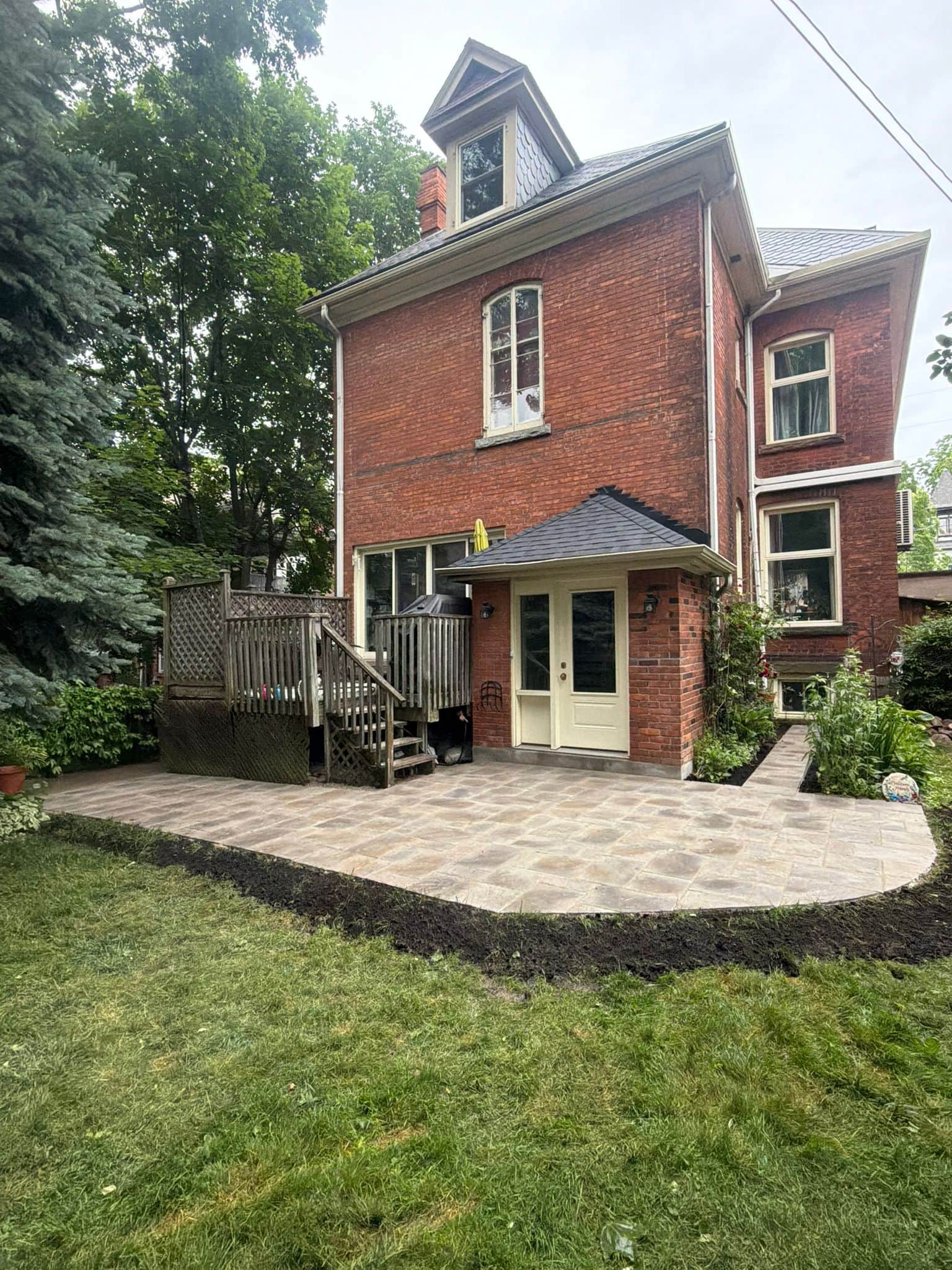
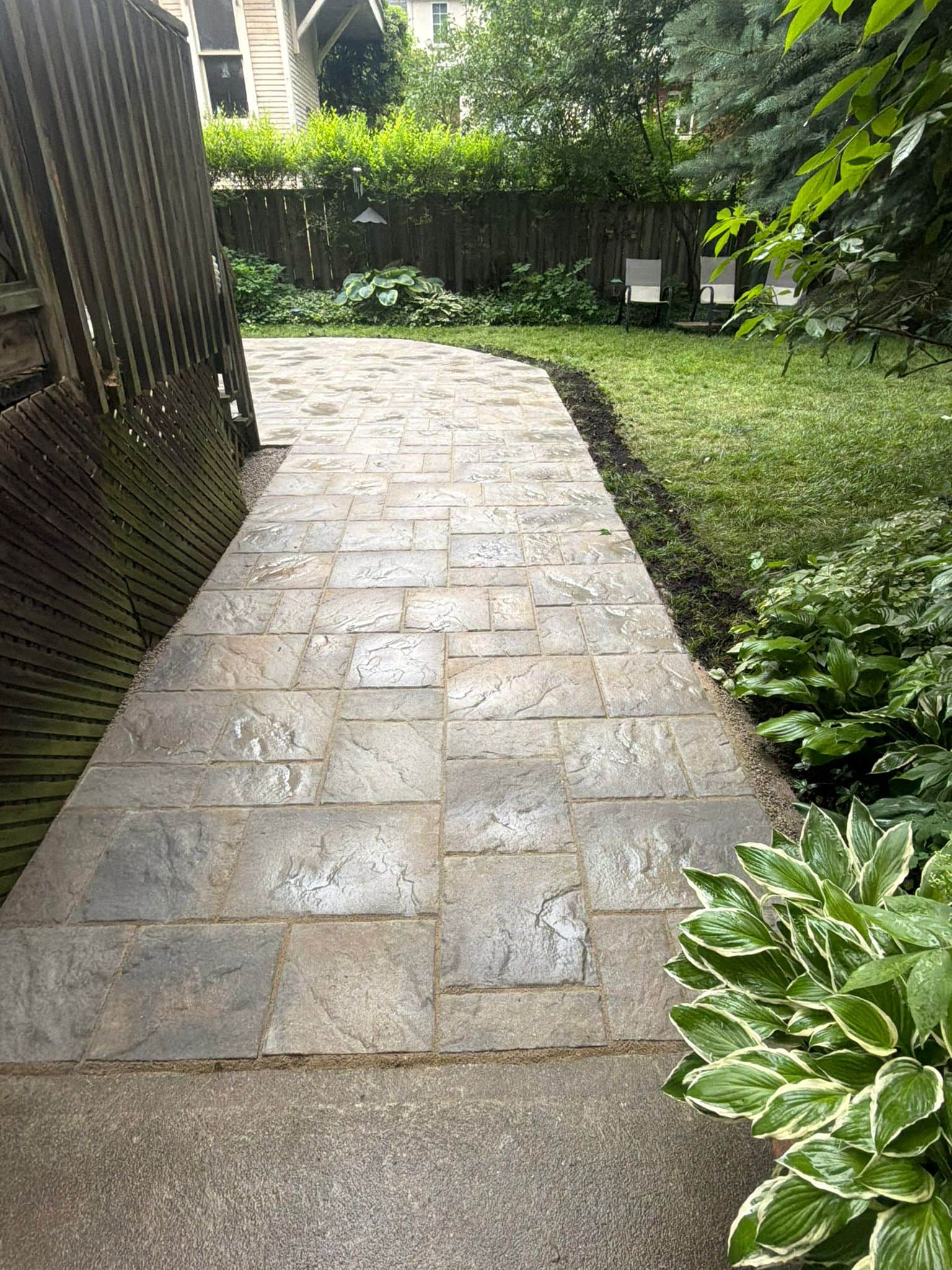
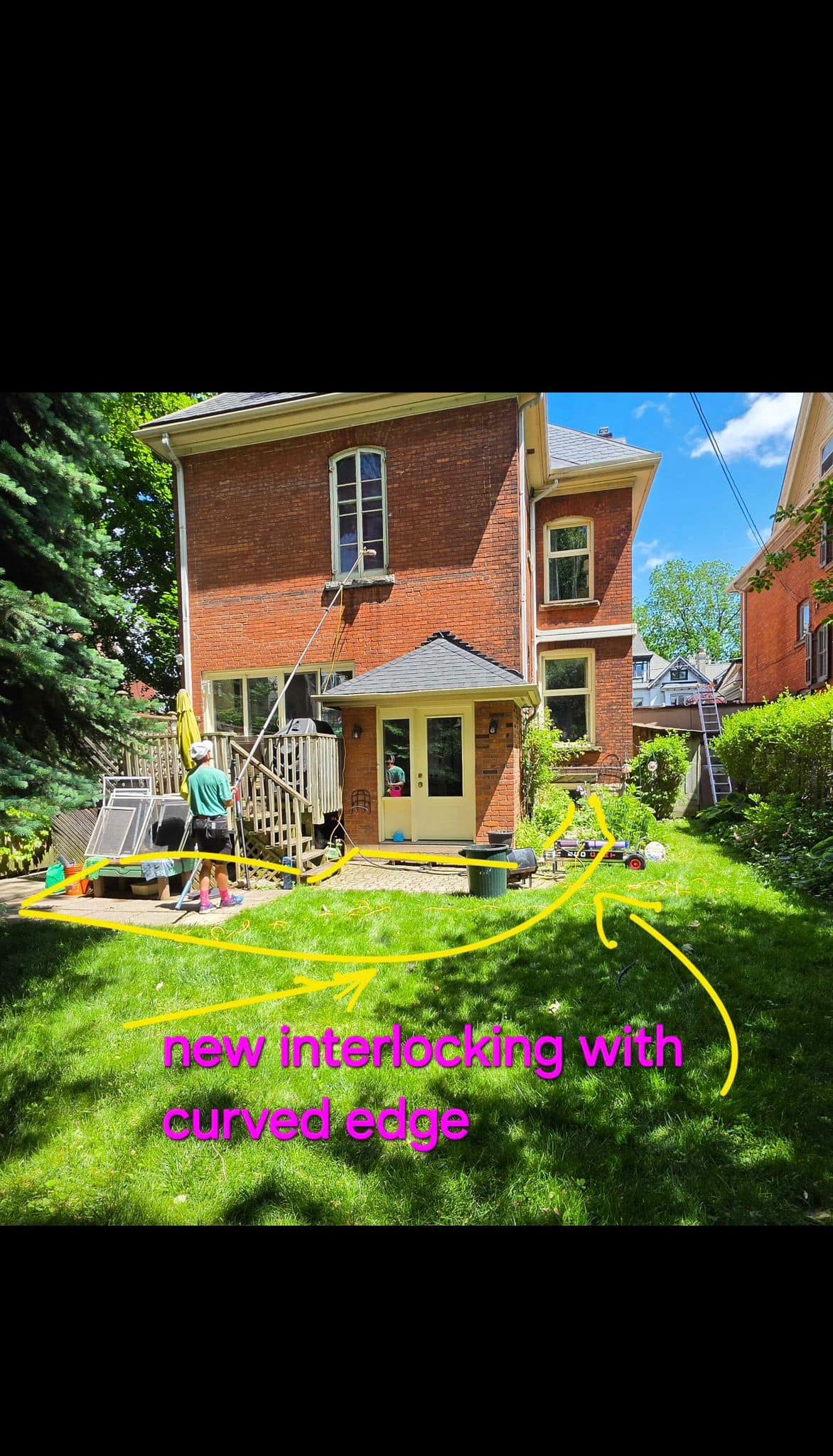
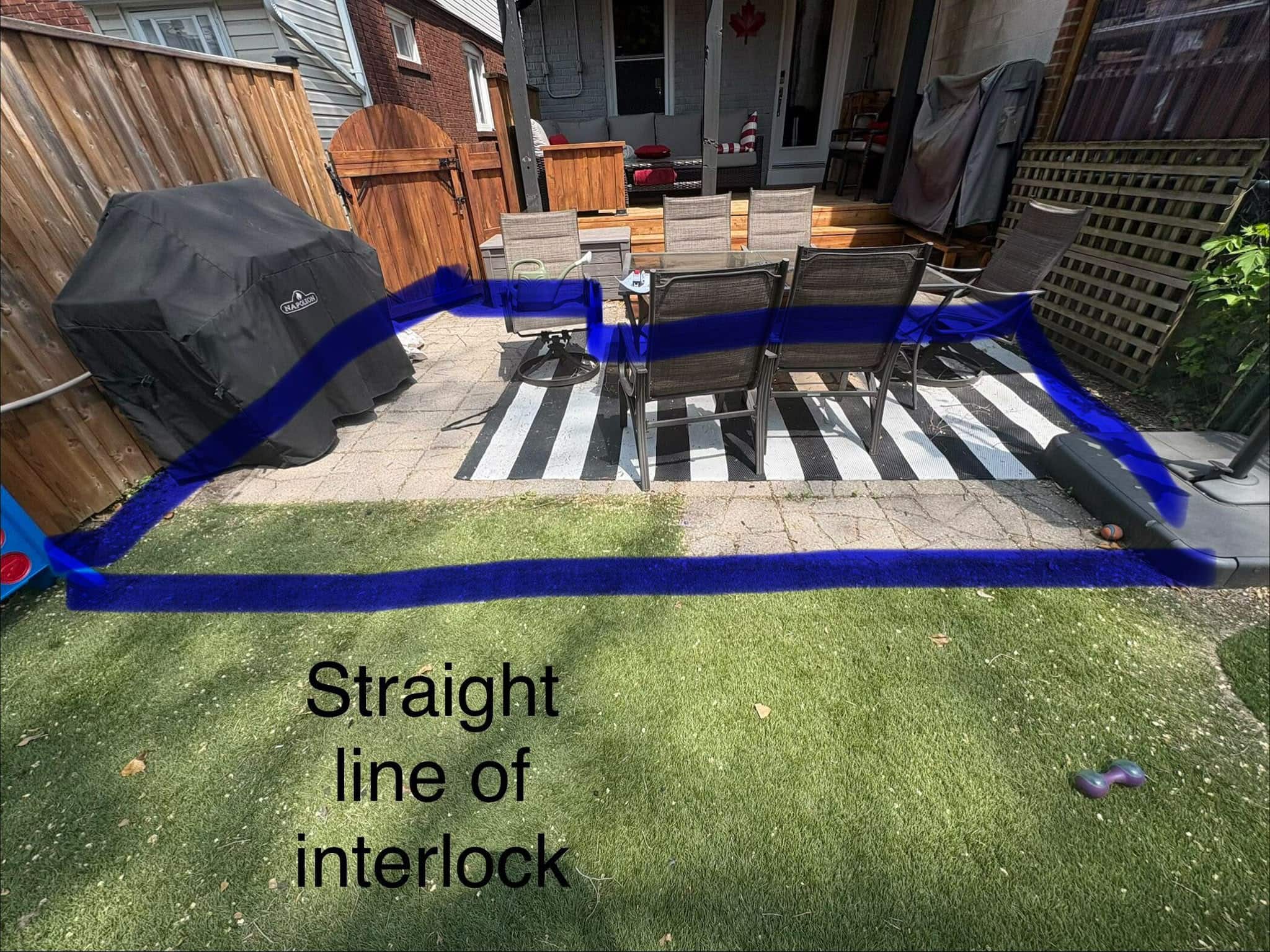
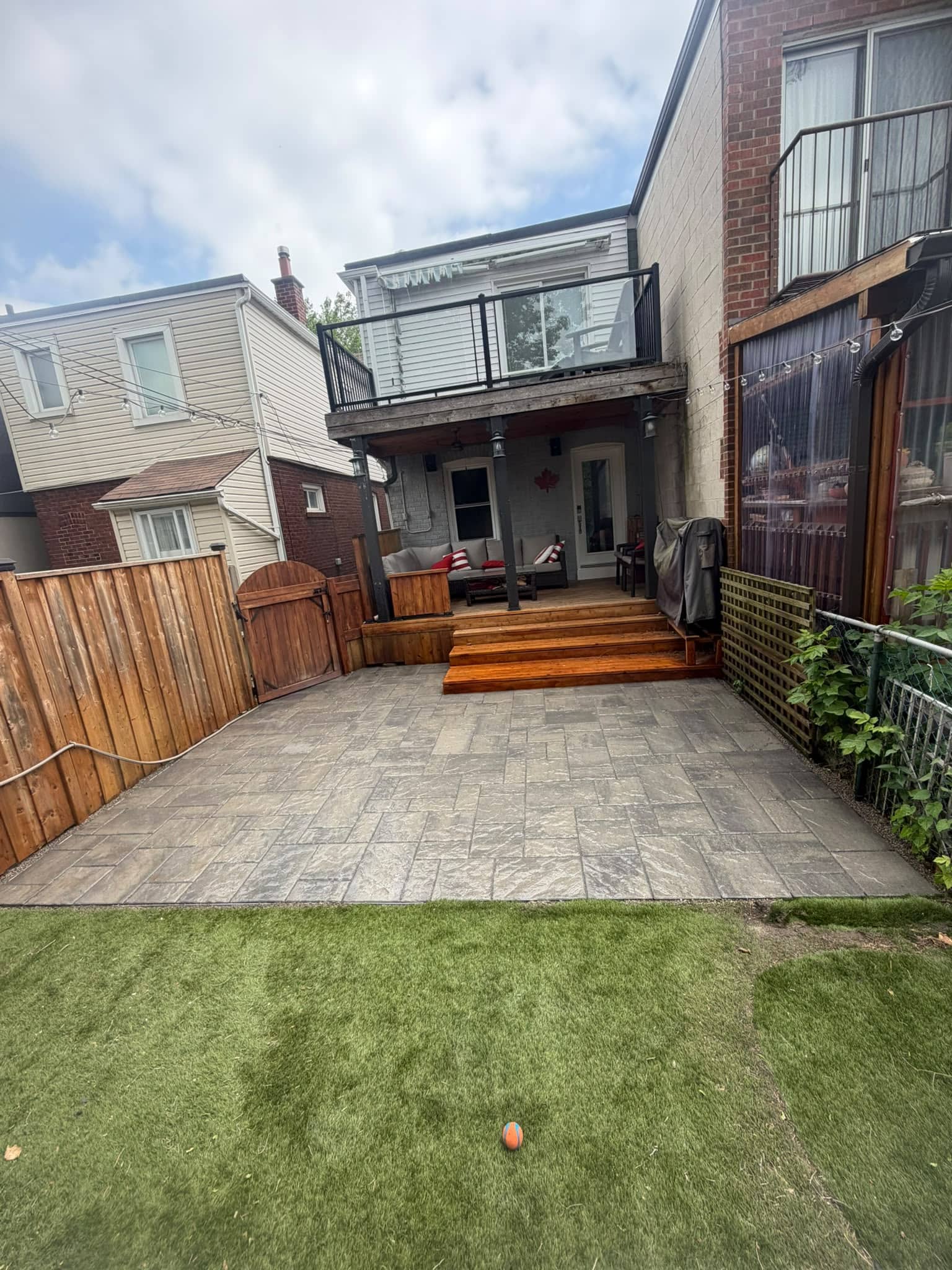
If a hardscape project includes patios, steps, walkways, or driveway surfaces, A&A Masonry’s interlocking stone services in Toronto page is a relevant resource for planning outdoor masonry surfaces.
Lime Mortar and Compatible Mortar Choices
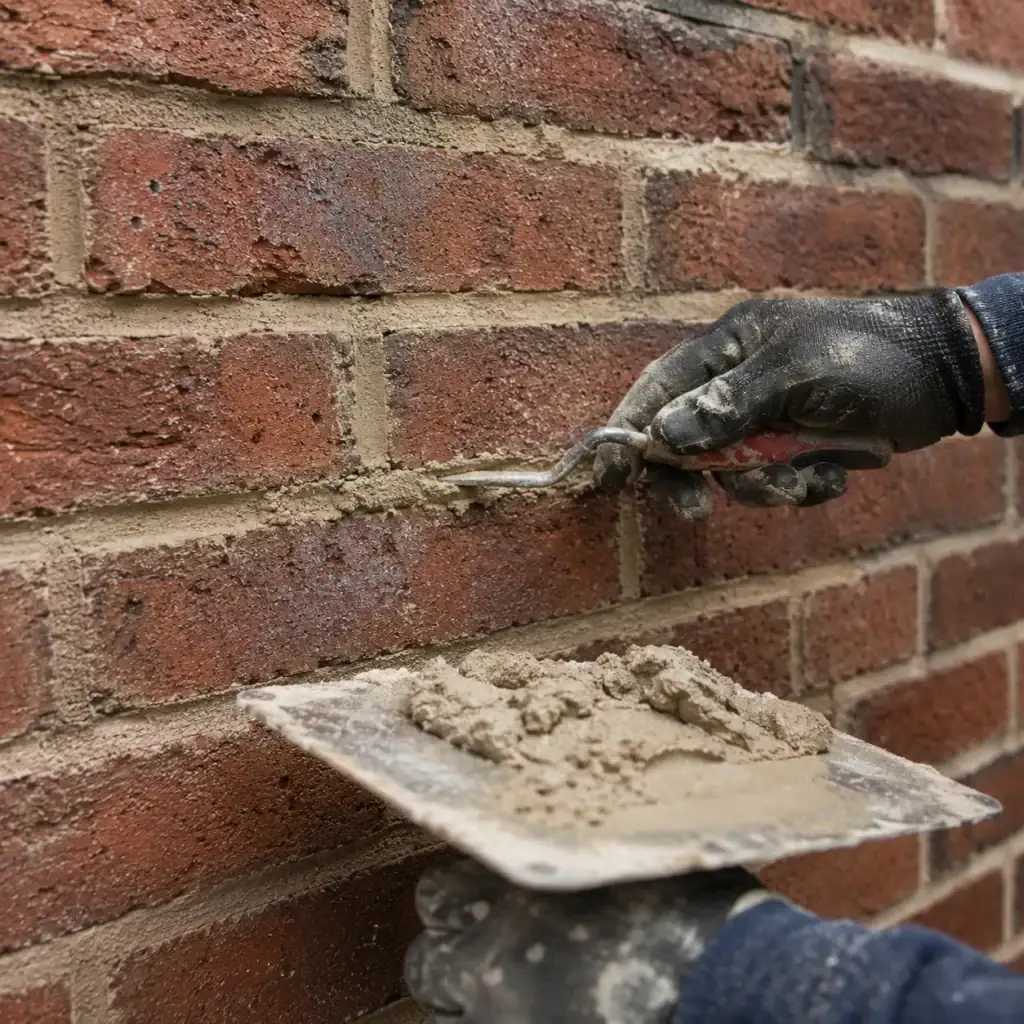
Compatible mortar can be eco-friendly because it helps existing masonry last longer. On older brick buildings, mortar that is too hard can damage softer brick. Mortar that is too weak or poorly matched can fail early, leading to repeated repairs.
Many older Toronto homes were built with mortar systems that behave differently from modern mixes. When repair mortar does not match the original wall’s needs, the repair may trap moisture, create stress, or cause brick faces to spall.
Using compatible mortar supports sustainability by protecting the existing wall rather than necessitating future replacement. The goal is to repair the joint in a way that works with the masonry, sheds water, and allows the wall to perform as intended.
If mortar joints are failing, A&A Masonry’s tuckpointing services in Toronto page explains why proper mortar removal, matching, and repointing matter.
Breathable Sealers and Low-VOC Coatings
Breathable sealers and low-VOC coatings can support eco-friendly masonry when they are used correctly, but they are not a substitute for repair. A breathable sealer may help reduce water absorption while allowing moisture vapour to escape. This matters because masonry often needs to dry naturally.
Non-breathable coatings can trap moisture inside brick, stone, concrete, or mortar. In Toronto’s freeze-thaw climate, trapped moisture can lead to spalling, peeling, staining, and surface failure. A product that looks protective at first may cause damage if it blocks drying.
Low-VOC products can reduce odour and emissions compared with higher-VOC options, but product claims should not be the only factor. The product must be suitable for the material, exposure, and wall condition.
Sealers and coatings should usually come after repairs, cleaning, drying, and drainage correction. They should not be used to cover active leaks, open joints, or damaged brick.
Local and Regional Material Choices
Local and regional material choices can reduce transportation impacts and help the finished masonry fit Toronto homes more naturally. A material that is common in the area may also be easier to match, repair, and maintain later.
This does not mean every material must be local in a strict sense. Availability, quality, cost, design, and performance all matter. But when two suitable materials are available, a durable regional option may be a smarter long-term choice than a fragile imported material that is hard to replace or repair.
Local fit also includes visual fit. A brick, stone, or paver that suits the home’s architecture may stay in place longer because the homeowner is less likely to replace it for design reasons. Good design can reduce waste by avoiding short-lived trends.
Repairing Existing Masonry vs Replacing It
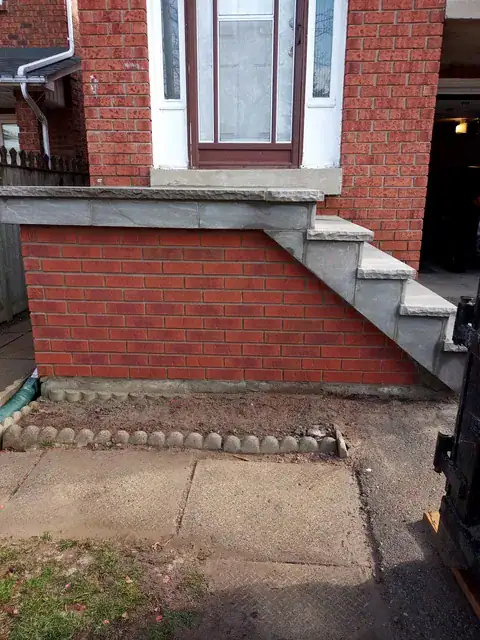
Repairing existing masonry is often more eco-friendly than replacing it when the original material is still sound. Selective repair keeps useful material in place, reduces demolition waste, and preserves the character of the home.
Repair makes sense when the damage is limited, the wall is stable, and the cause can be corrected. Tuckpointing, brick replacement, concrete patching, stone resetting, chimney crown repair, and drainage correction can all extend the life of existing masonry.
Replacement makes more sense when the material is badly deteriorated, unsafe, structurally failing, or repeatedly damaged by a cause that cannot be corrected with patching alone. Eco-friendly decision-making is not about avoiding replacement at all costs. It is about choosing the option that reduces waste and failure over the long term.
The best approach is to evaluate condition first, then decide whether repair, partial replacement, or full replacement is the most responsible path.
Eco-Friendly Masonry for Toronto Outdoor Spaces
Eco-friendly masonry for outdoor spaces should consider water movement, shade, snow storage, soil conditions, and long-term maintenance. Patios, walkways, steps, retaining walls, garden borders, and driveways all affect how rain and melted snow move around the property.
The City of Toronto’s guidance on managing rain and melted snow is useful for homeowners because exterior surfaces can affect water flow. Masonry and hardscaping should not push water toward foundations, neighbouring properties, basement windows, or low areas where ice forms.
Outdoor masonry materials should also handle Toronto winters. A beautiful patio is not eco-friendly if it fails early due to a poor base or a surface that holds water. A retaining wall is not sustainable if it lacks drainage and needs rebuilding after a few freeze-thaw seasons.
Good outdoor masonry combines material choice, base preparation, drainage, slope, and maintenance.
Eco-Friendly Masonry for Older Homes
Eco-friendly masonry for older homes often means preserving what is already there. Many older Toronto homes have brick, stone, lime-rich mortar, decorative details, and masonry features that are difficult to replace properly.
For older homes, sustainable choices may include matching brick instead of modern mismatched units, using compatible mortar, cleaning gently, avoiding harsh coatings, repairing chimneys before they fail, and protecting original details during restoration.
Parks Canada’s Standards and Guidelines for the Conservation of Historic Places in Canada are a useful public reference for conservation thinking. For homeowners, the practical approach is to keep character-defining materials where possible and use careful repair methods rather than unnecessary removal.
Eco-friendly restoration is not only about environmental impact. It also protects the architectural character that makes older masonry homes valuable.
Common Greenwashing Mistakes in Masonry
Greenwashing occurs when a material is marketed as eco-friendly without sufficient attention to its performance, durability, or suitability. Homeowners should be wary of claims that sound good but do not explain how the material performs under real-world conditions.
- Choosing by label only: A “green” label does not guarantee the material suits Toronto weather.
- Ignoring installation: Even a sustainable material can fail if installed poorly.
- Forgetting drainage: Water problems can ruin almost any masonry material.
- Replacing too much: Removing sound masonry creates unnecessary waste.
- Using non-breathable coatings: Some coatings trap moisture, shortening material life.
- Following trends: A trendy material that gets replaced early is rarely the greener choice.
- Ignoring maintenance: Materials need care to deliver their full service life.
The most reliable eco-friendly masonry choice is usually the one that is durable, repairable, and appropriate for the site.
Permits, Code, and Larger Masonry Projects
Permits and code questions may matter when eco-friendly masonry work involves structure, foundations, retaining walls, major exterior changes, entrances, porches, or building envelope work. A small repair is different from a major rebuild or new exterior feature.
Ontario’s official Building Code page is the preferred provincial reference for building requirements. The City of Toronto also provides information about building permits for homeowners planning work that may require review.
For homeowners, the simple rule is this: if the masonry project affects structure, support, drainage, retaining walls, building openings, foundations, or major exterior features, check official guidance before starting.
What Homeowners Should Ask Before Choosing a Material
Homeowners should ask practical questions before choosing an eco-friendly masonry material. These questions help separate a truly responsible choice from a material that only sounds sustainable.
- Will this material last in Toronto weather?
- Can it handle rain, snow, salt, and freeze-thaw cycles?
- Can damaged sections be repaired later?
- Does it need special maintenance or coatings?
- Will it manage moisture or trap it?
- Does it fit the home’s style so it will not feel dated quickly?
- Can existing masonry be repaired instead of replaced?
- Will drainage and base preparation support long-term performance?
- Is the material available for future matching or repairs?
A good material choice should answer both design and performance questions.
Quick Guide to Eco-Friendly Masonry Materials
A quick guide can help homeowners compare options more clearly.
- Choose restored brick when existing brick is still sound, and repair can extend its life.
- Choose reclaimed brick when the brick is suitable, durable, and a good match for the project.
- Choose natural stone when long service life, repairability, and landscape character matter.
- Choose concrete repair when the existing concrete is stable and can be renewed without full removal.
- Choose concrete block when structure, modular construction, and long-term function are priorities.
- Choose permeable pavers when water management is part of the project, and the base can be properly built.
- Choose compatible mortar when repairing older brick or stone masonry.
- Choose breathable sealers only after repairs, drying, and drainage have been addressed.
The greener choice is the one that performs well, avoids early failure, and reduces unnecessary replacement.
When Professional Help Makes More Sense
Professional help makes more sense when the project involves older masonry, structural repair, water damage, retaining walls, chimneys, foundations, steps, large hardscaping areas, or material matching. Eco-friendly masonry depends on more than the material itself. It depends on how the material is used.
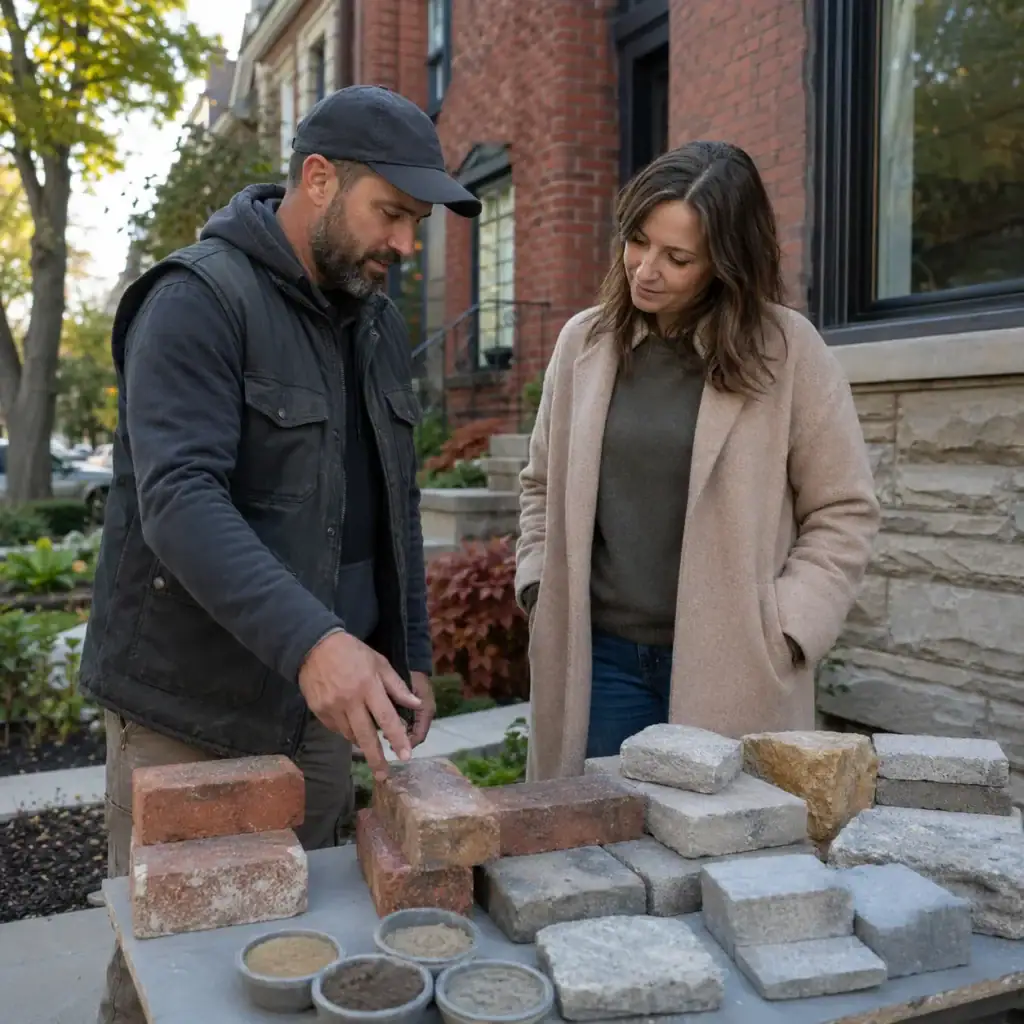
A professional mason can assess whether the existing masonry can be repaired, whether new materials are compatible, whether drainage needs correction, and whether the project may involve permit or code questions. They can also help avoid waste by recommending repair or selective replacement when full removal is not needed.
For homeowners planning exterior improvements, A&A Masonry’s page on masonry services in Toronto outlines related services, including brick repair, brick restoration, tuckpointing, stone masonry, concrete repair, waterproofing, interlocking stone, chimney repair, and exterior restoration.
Final Thoughts on Eco-Friendly Masonry Materials
Eco-friendly masonry materials are not only about recycled content, natural appearance, or product labels. The most responsible masonry choice is often the one that lasts, can be repaired, manages moisture properly, and fits the home well enough to stay in place for many years.
For Toronto and GTA homeowners, local climate matters. Rain, snow, salt, shade, drainage, and freeze-thaw cycles can all affect how well brick, stone, concrete, block, pavers, mortar, and sealers perform. A material that fails early is rarely the greener choice, even if it sounds sustainable at first.
Before choosing, look at the existing masonry, drainage, repair options, maintenance needs, and long-term fit. Repair what can be saved, replace only what truly needs replacing, and choose materials that are durable, compatible, and suited to the property.