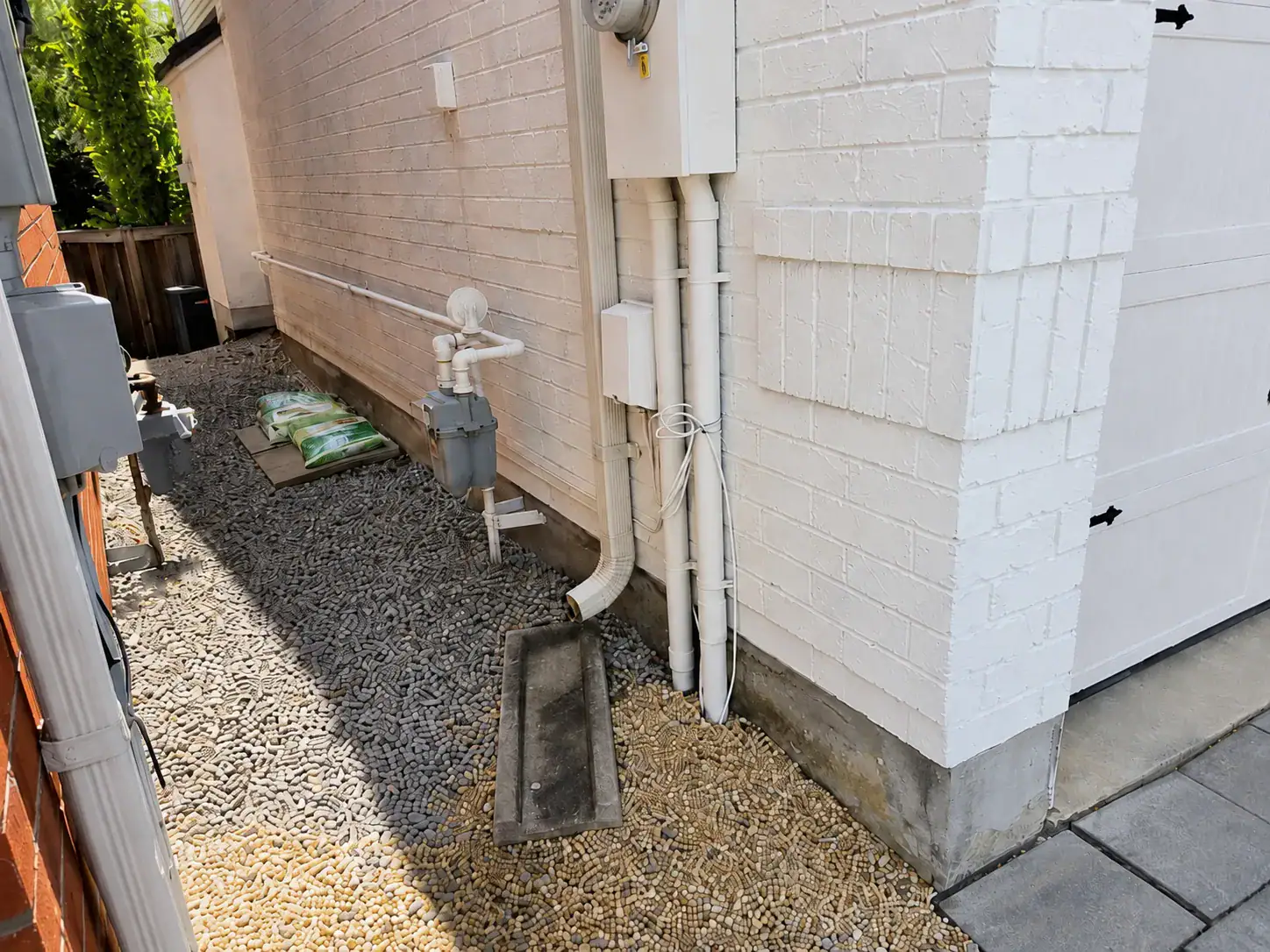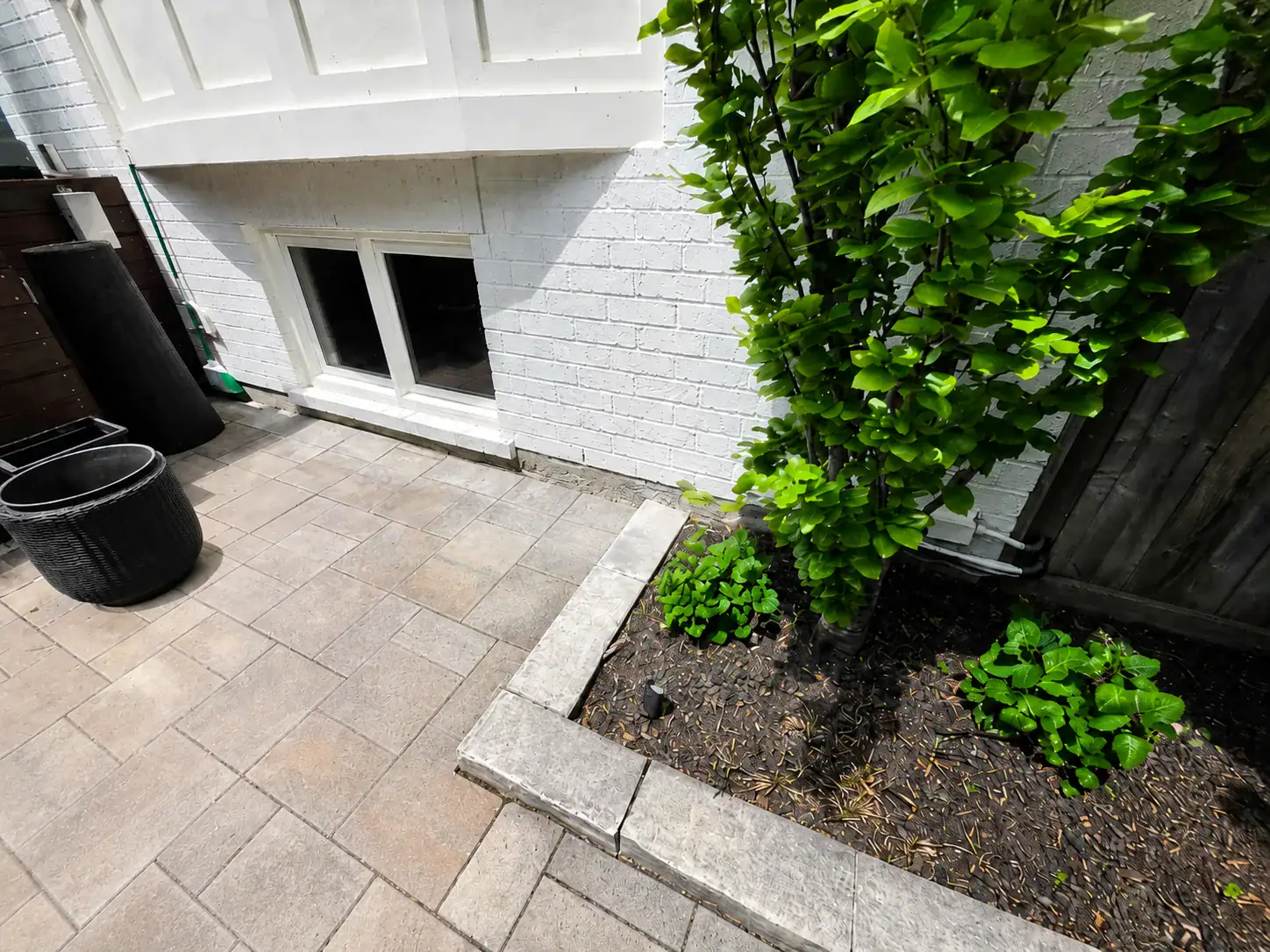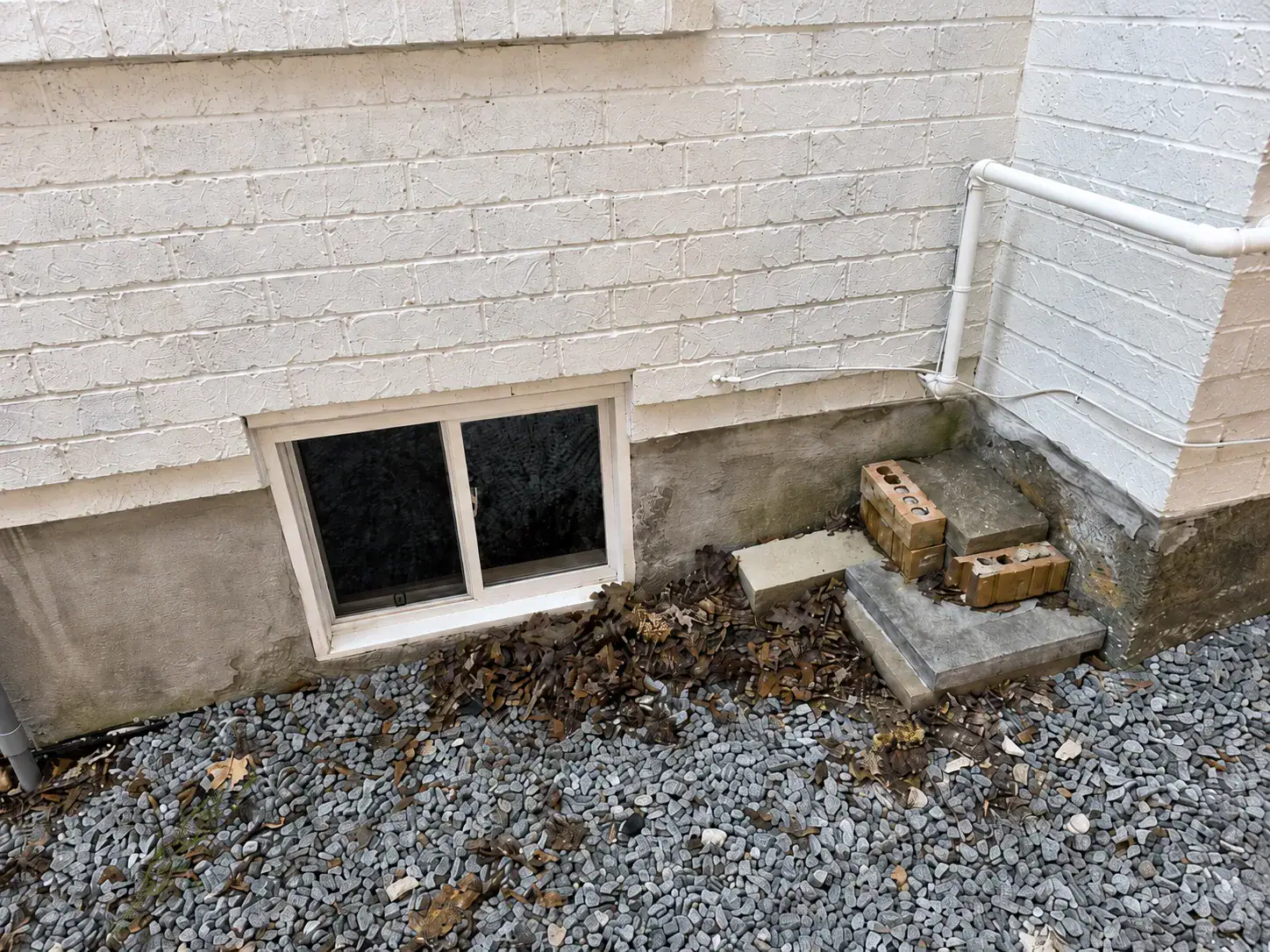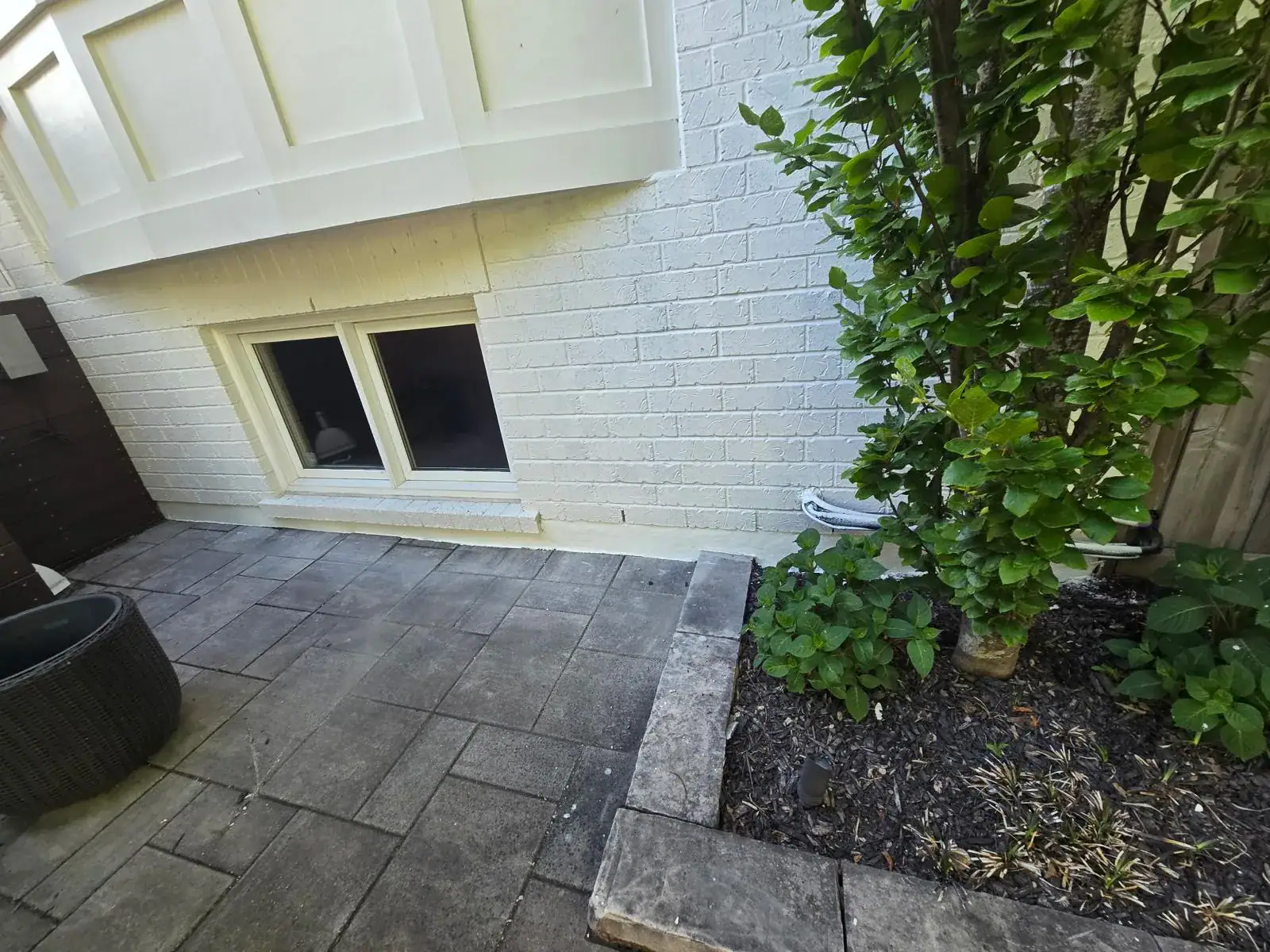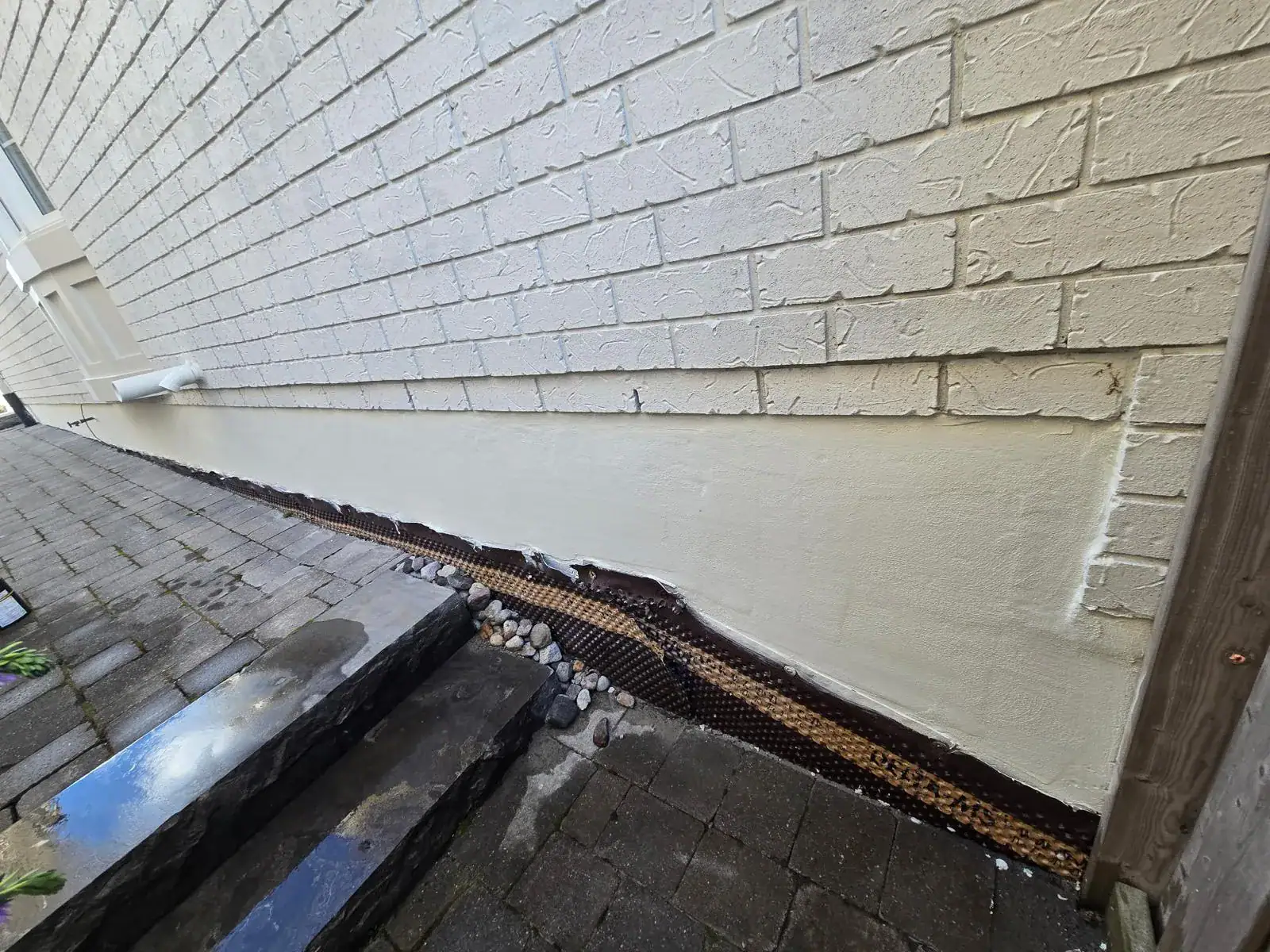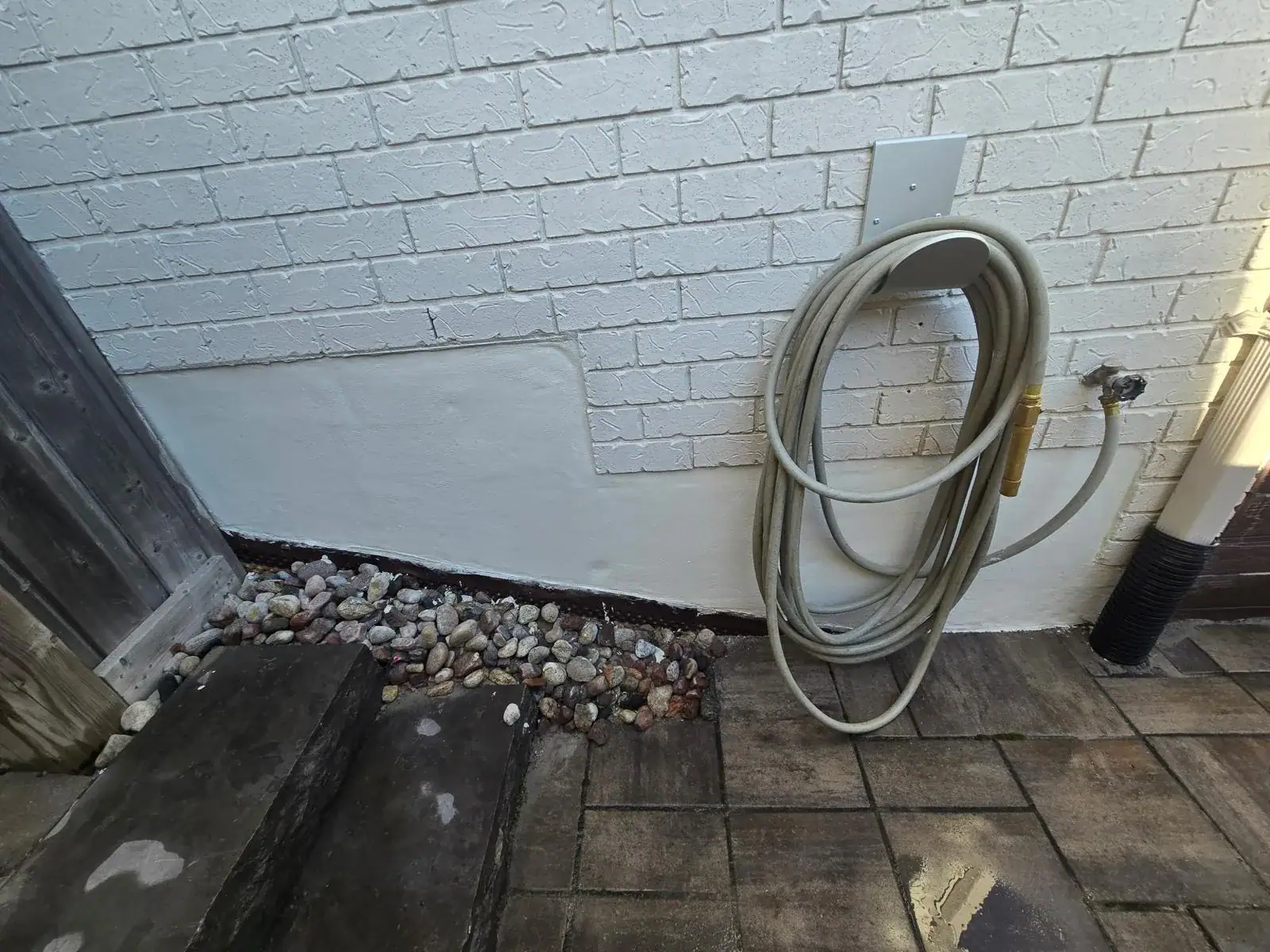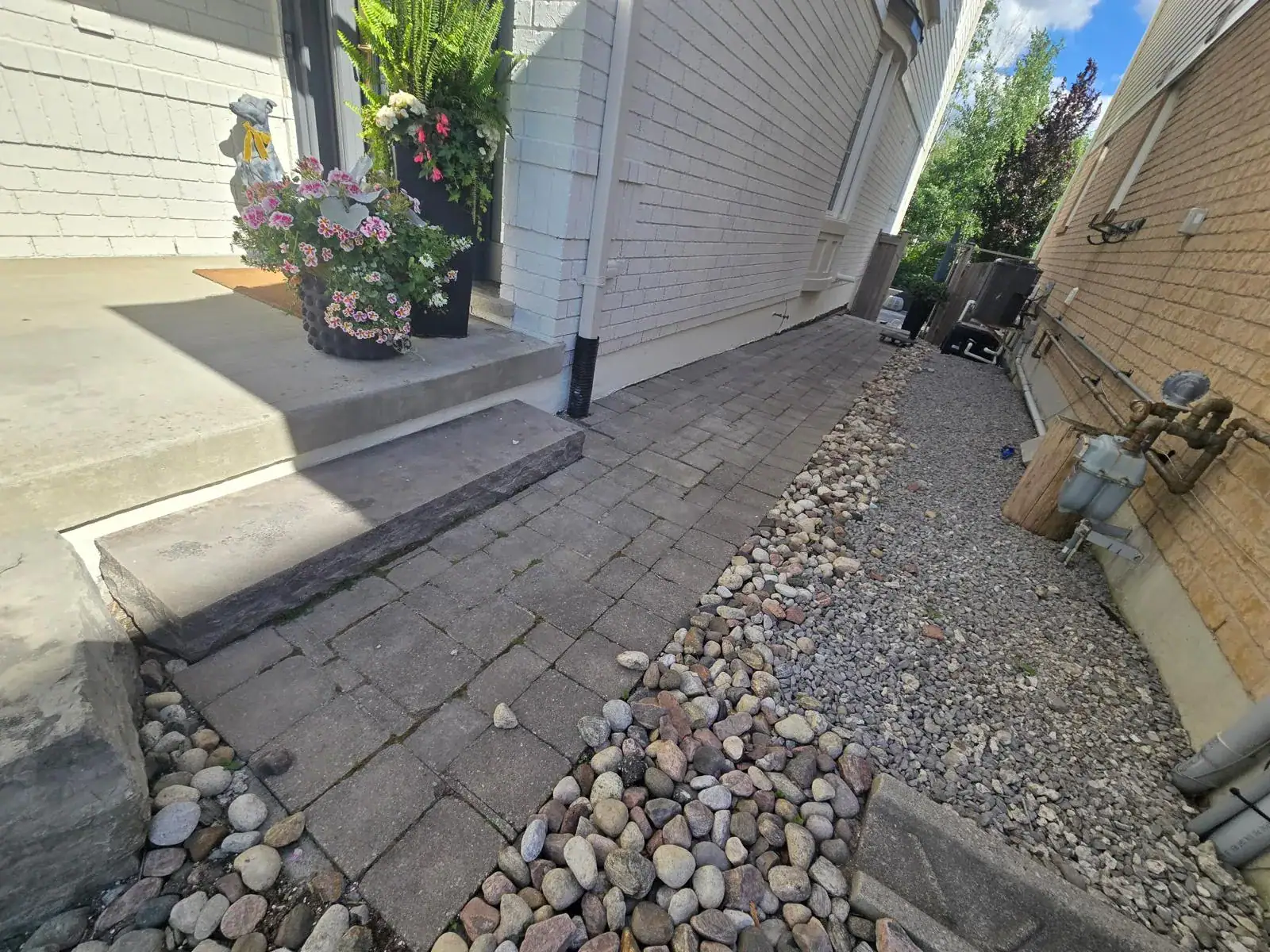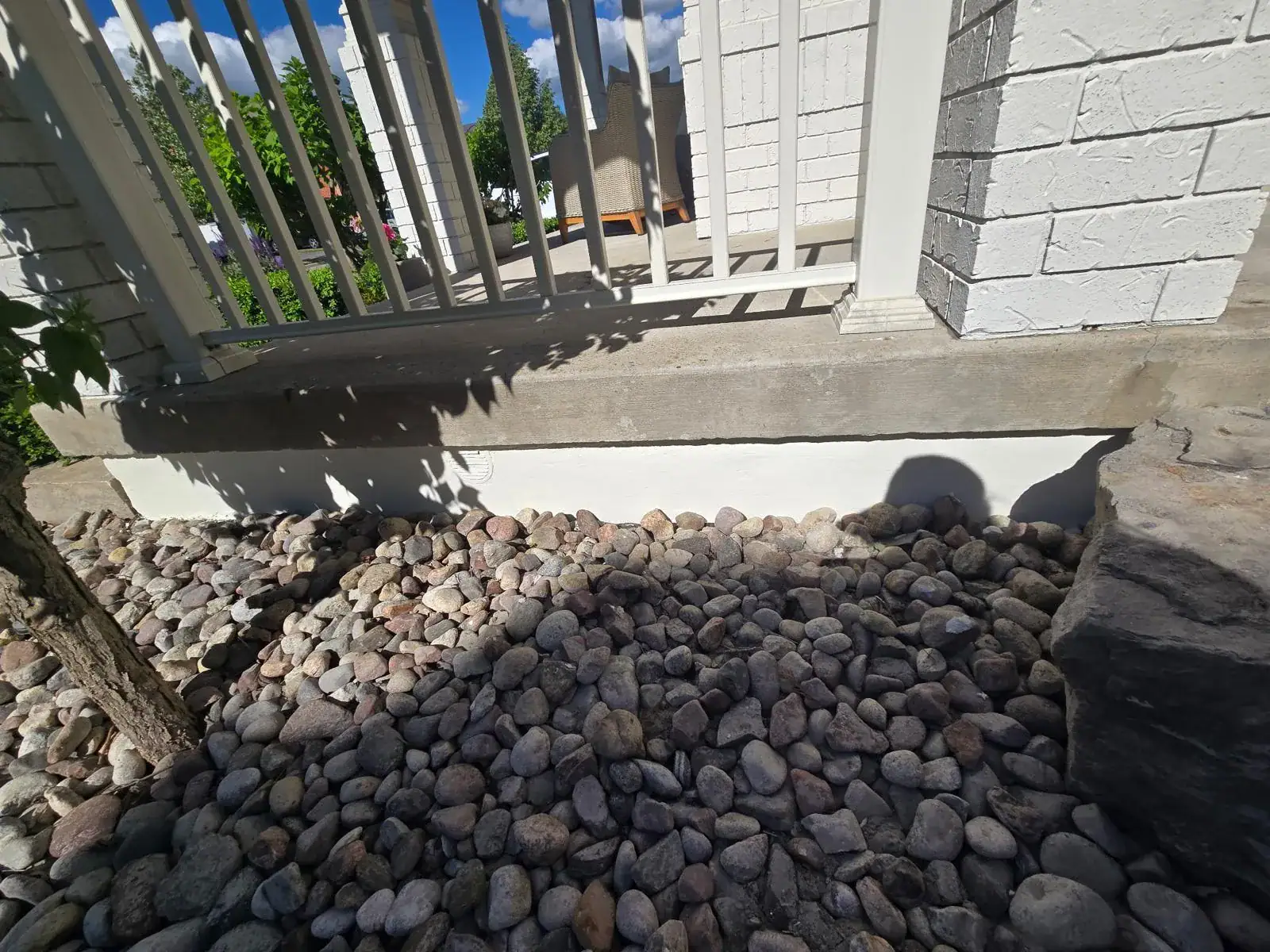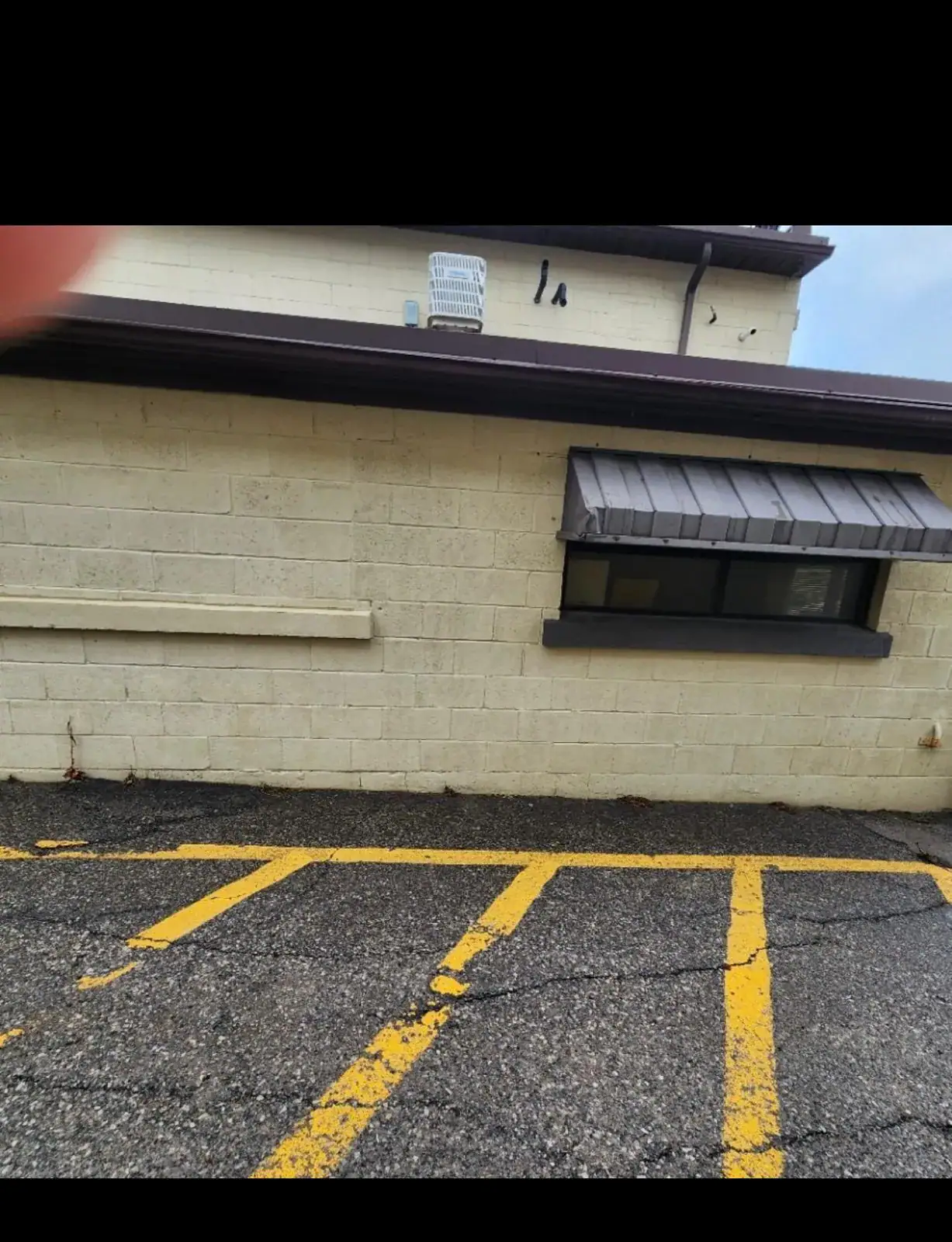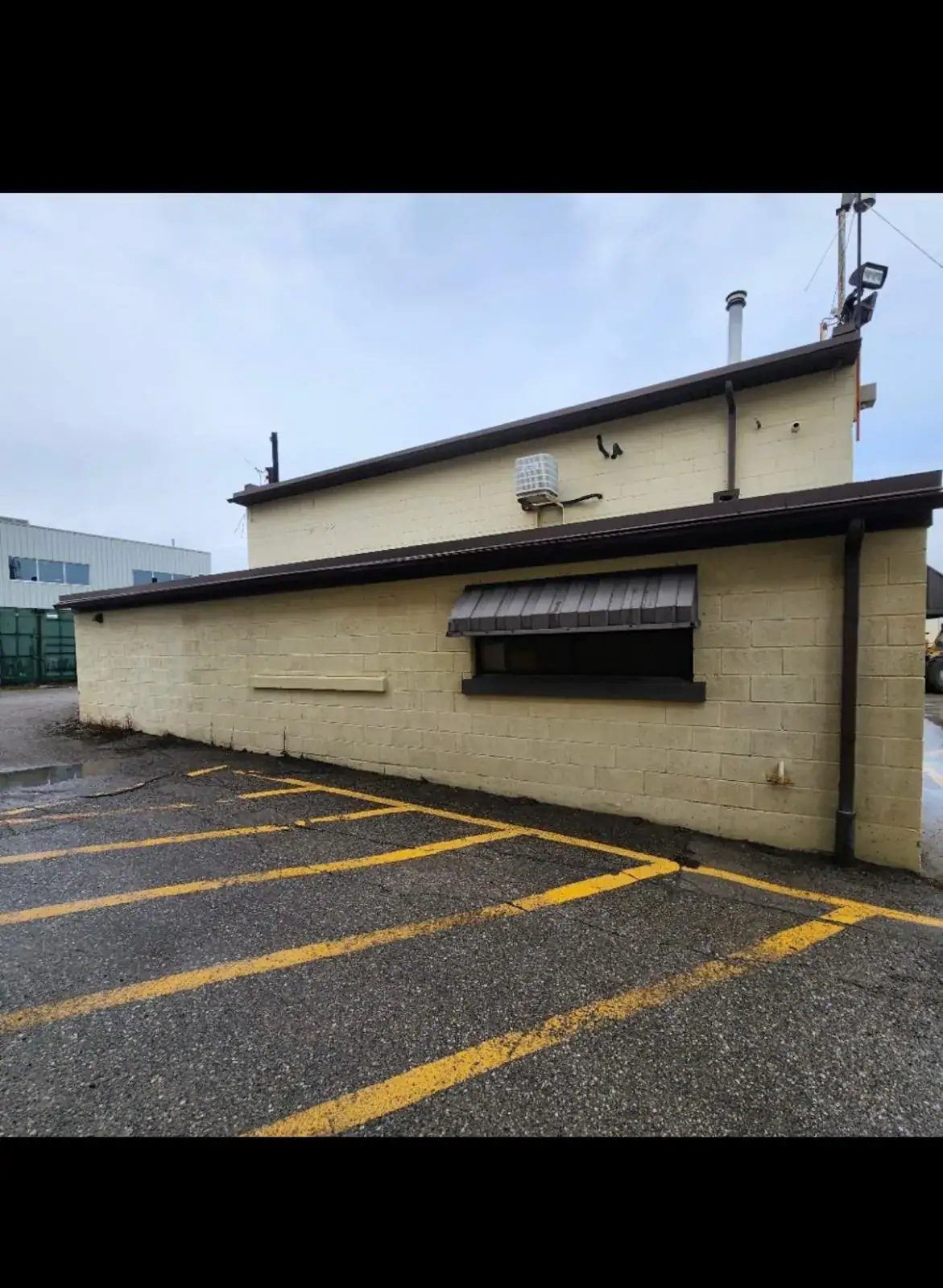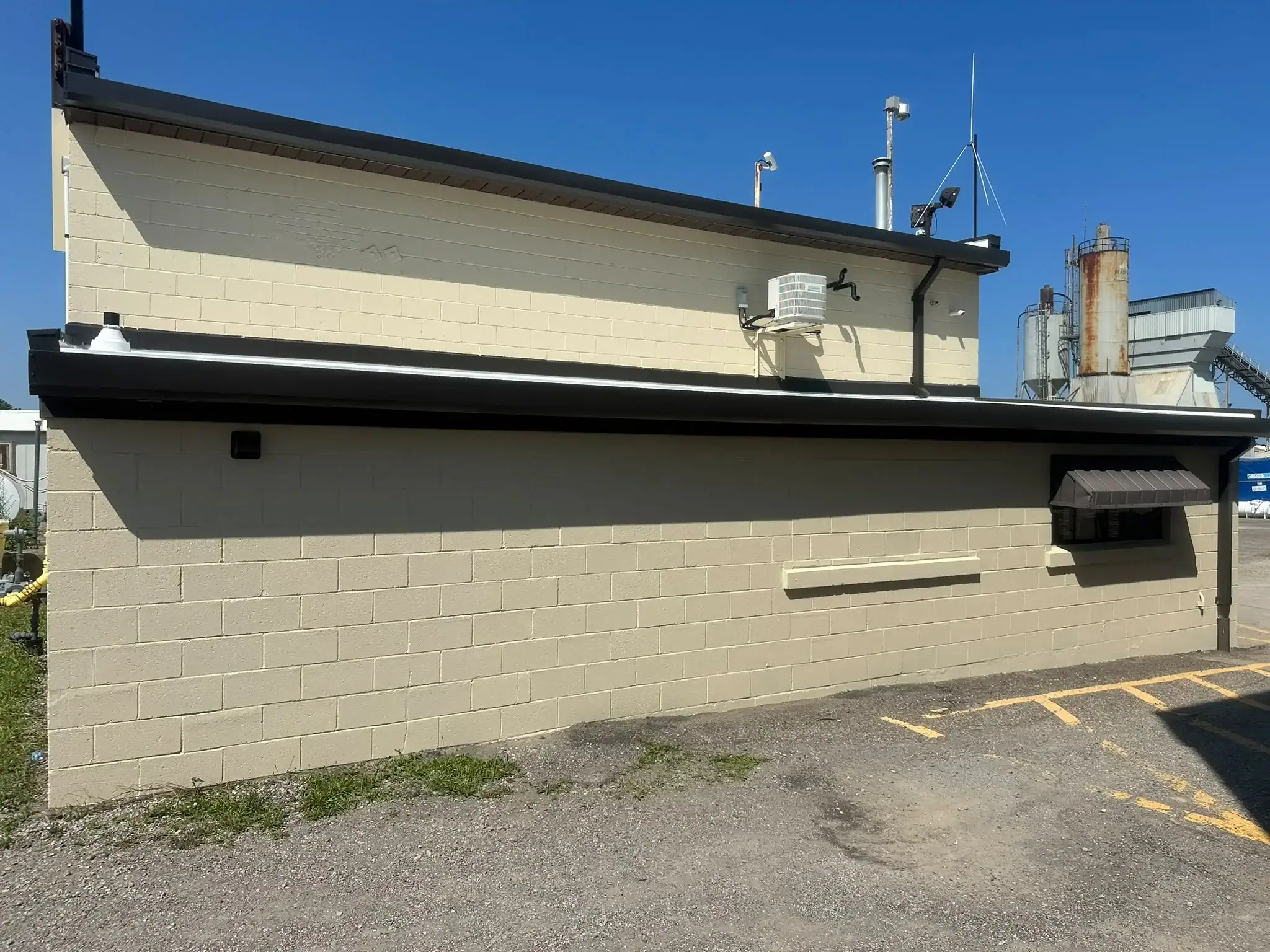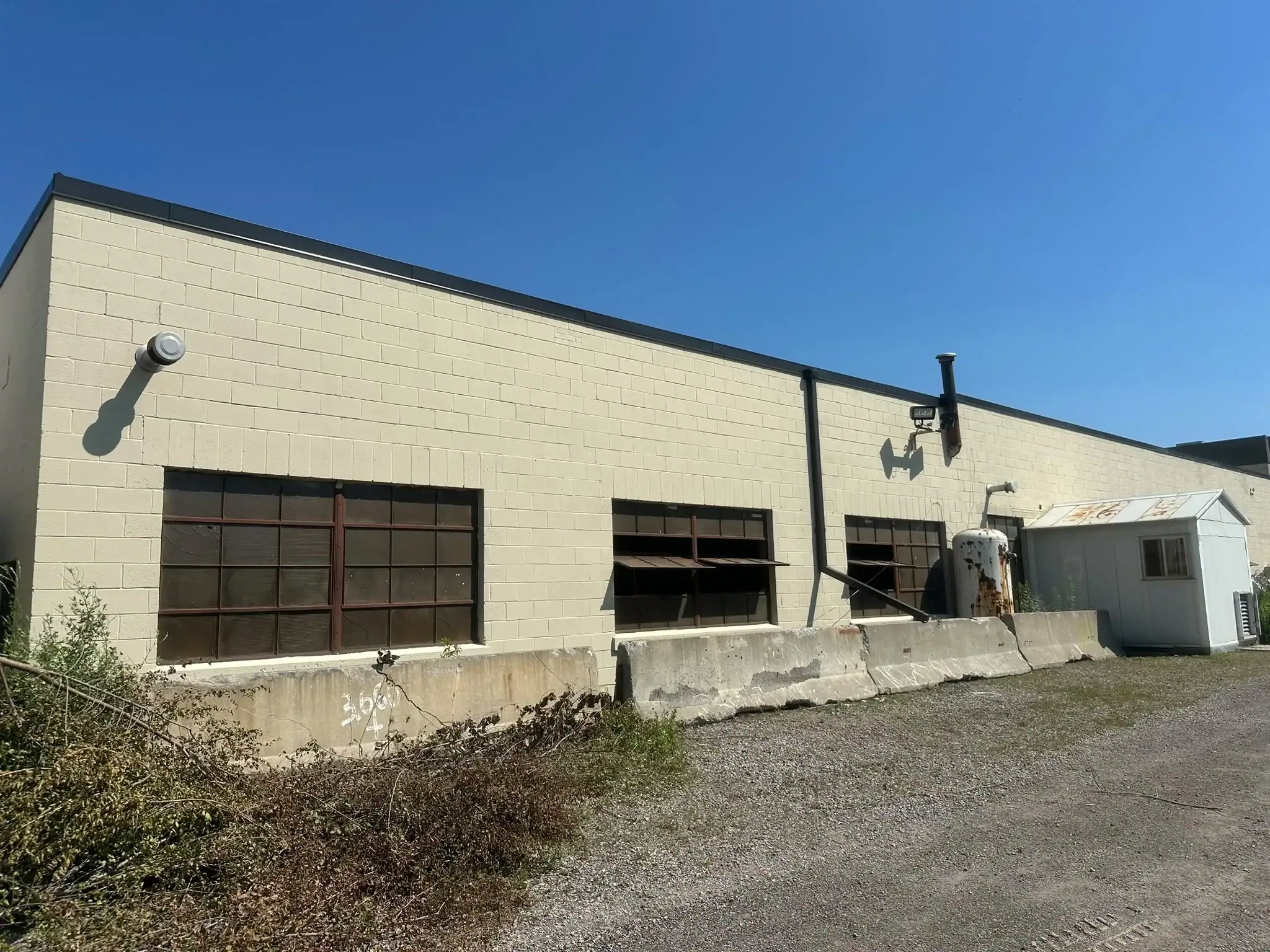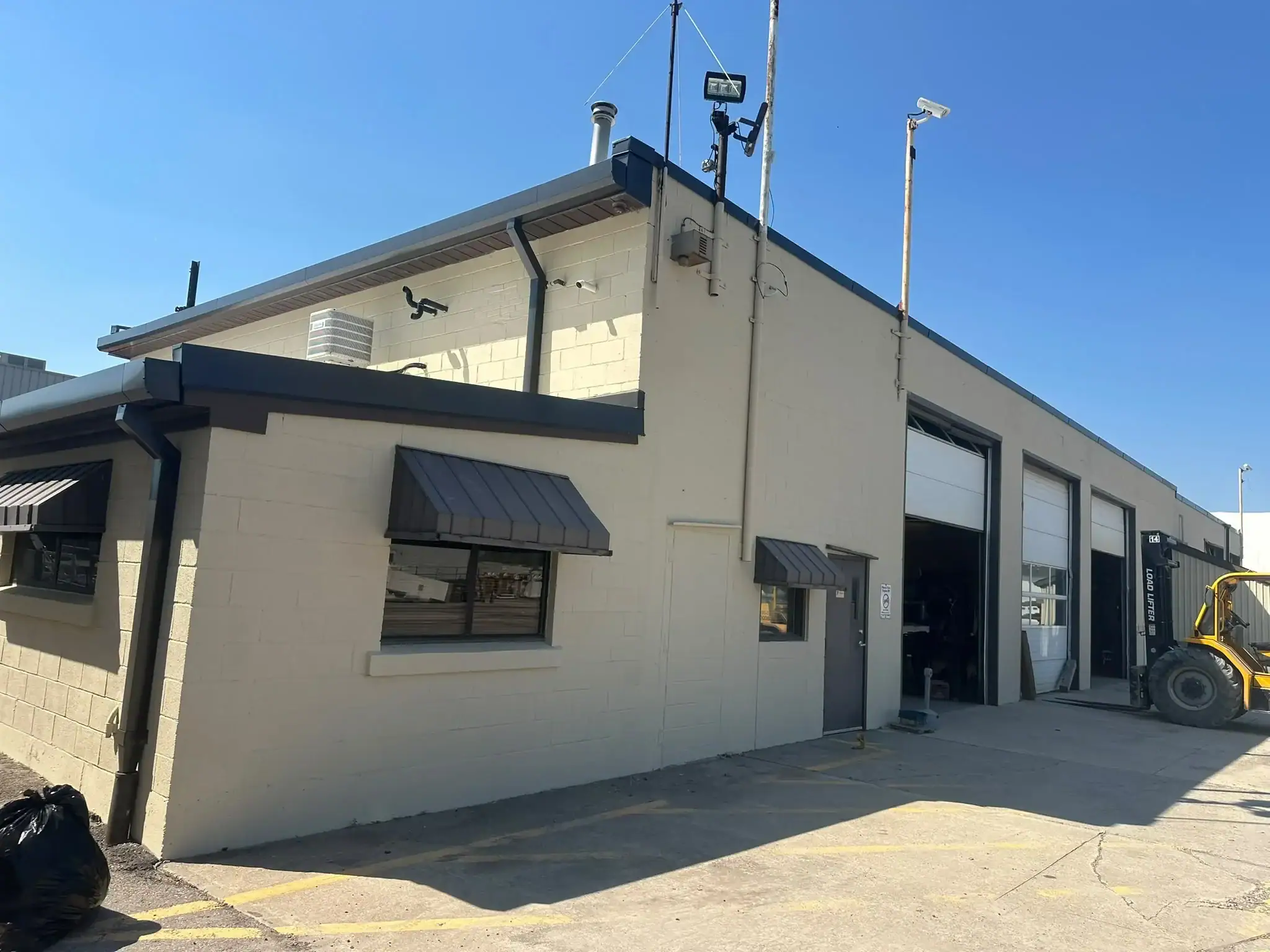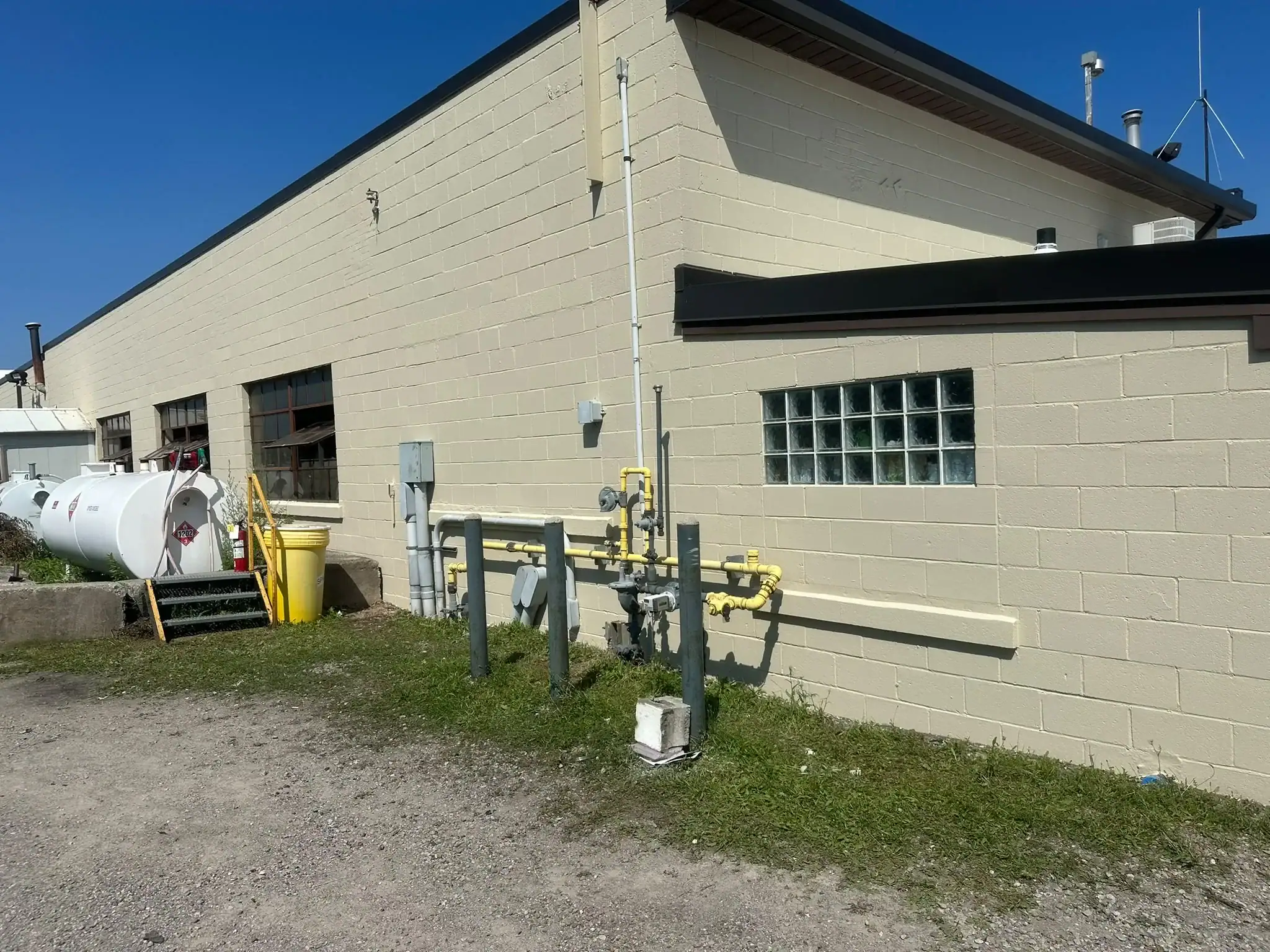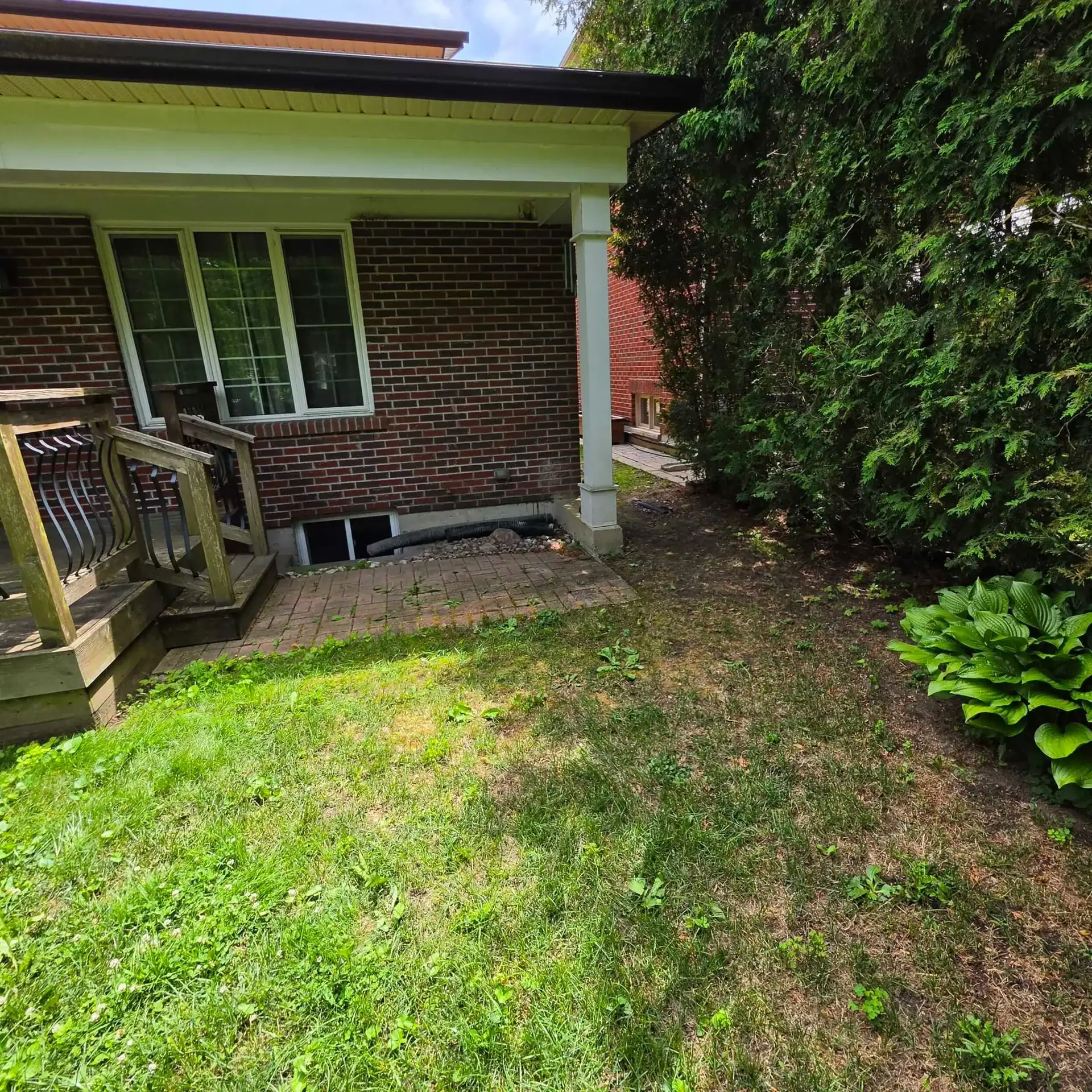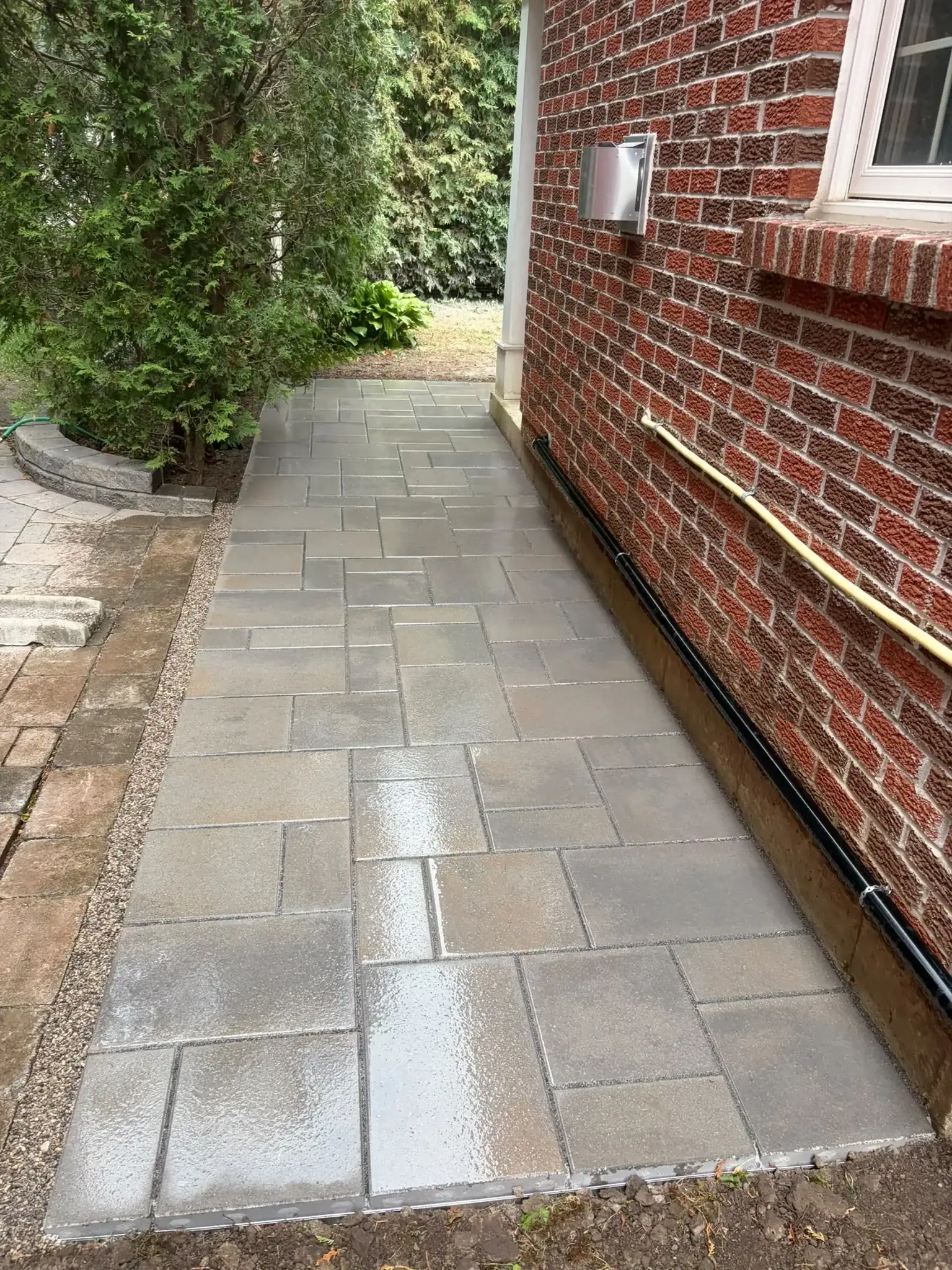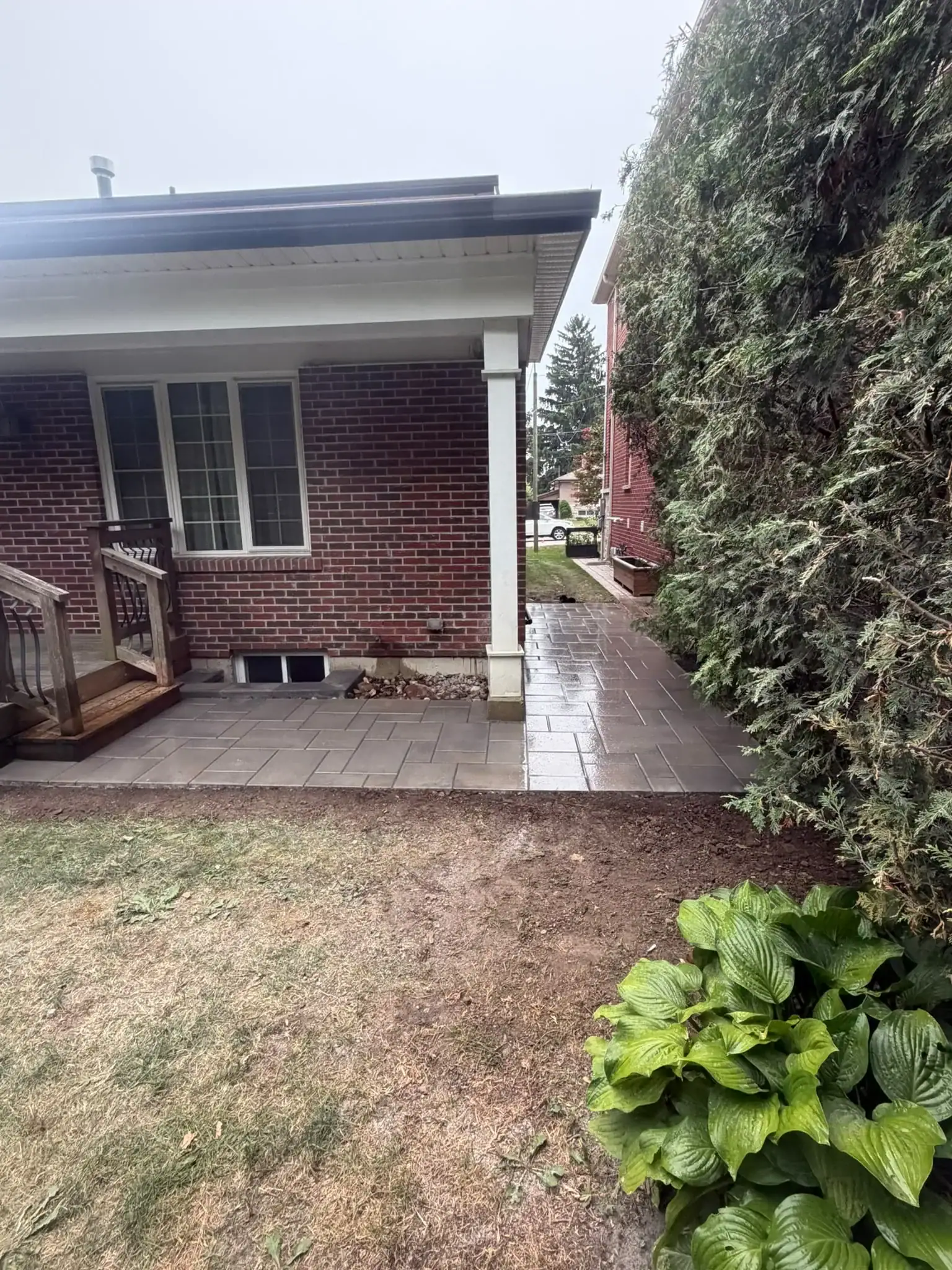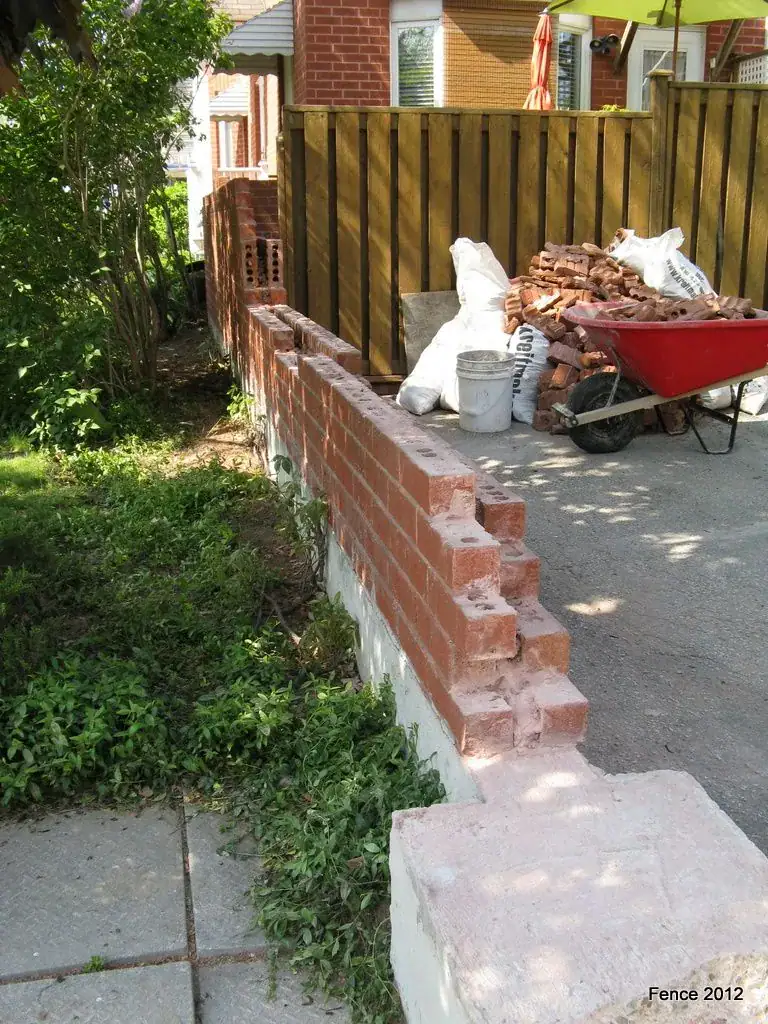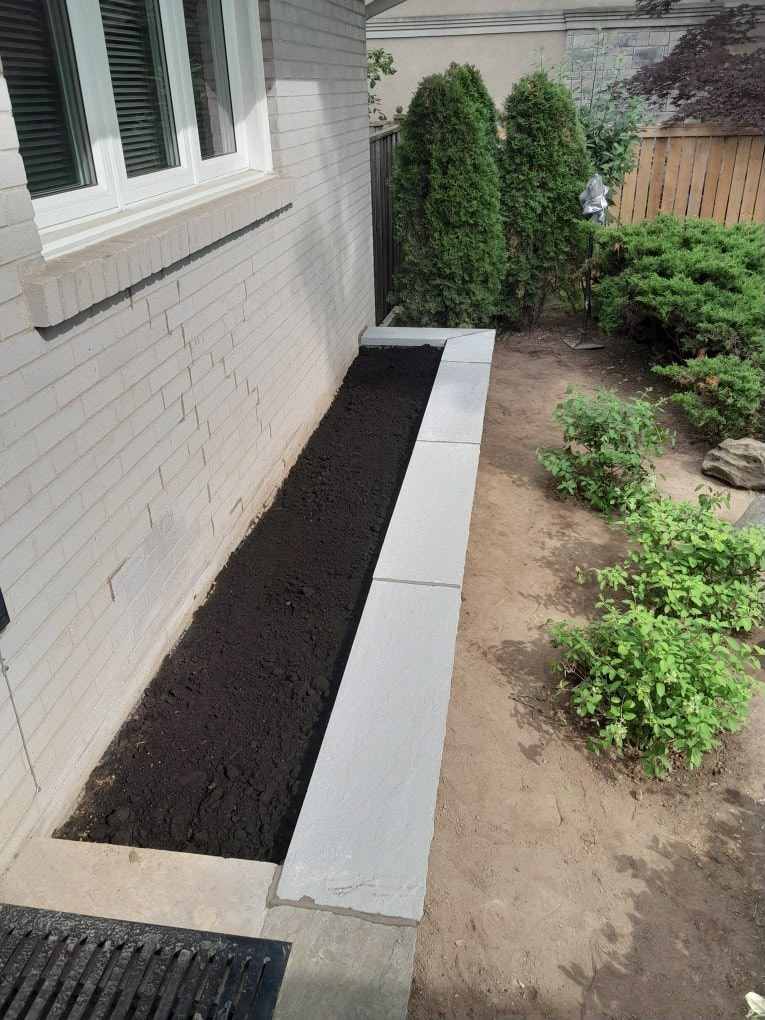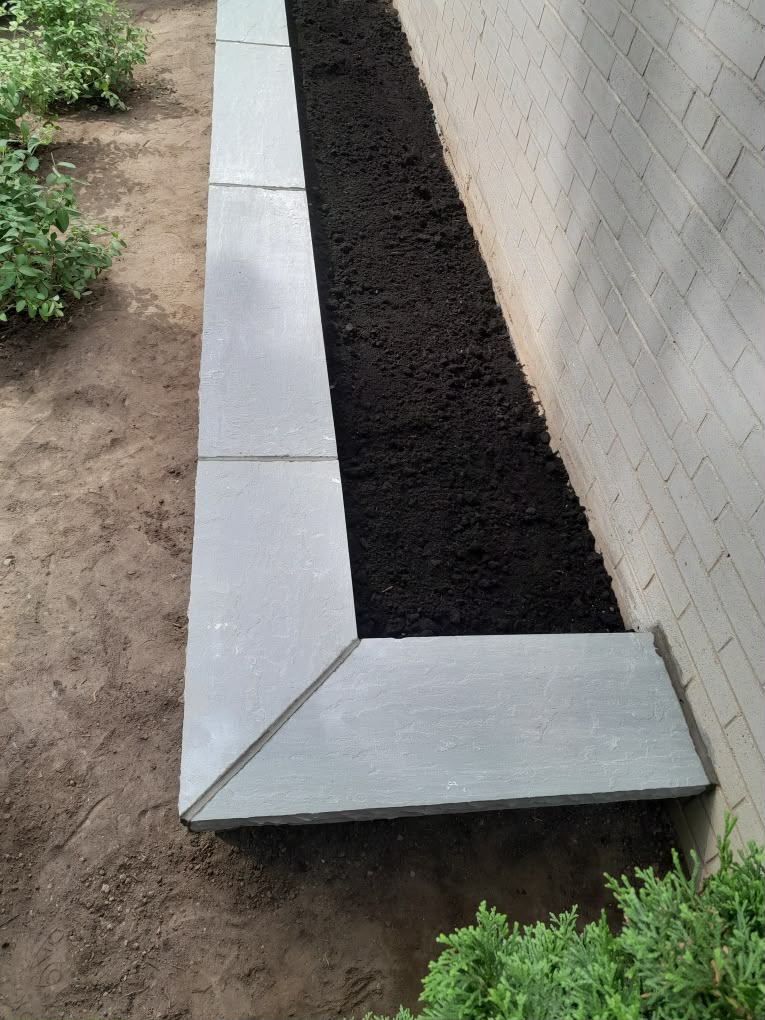

Basement waterproofing for older homes is one of the most important yet overlooked upgrades for Toronto and GTA properties built decades ago. Many older homes were constructed before modern drainage standards, making basement waterproofing for older homes essential for preventing moisture intrusion, foundation damage, and indoor air quality issues.
Understanding how basement waterproofing for older homes works helps homeowners avoid short-term fixes that fail after a few seasons. This guide explains why water problems occur, where older foundations are most vulnerable, and which waterproofing solutions actually last.
Why basement waterproofing for older homes is different
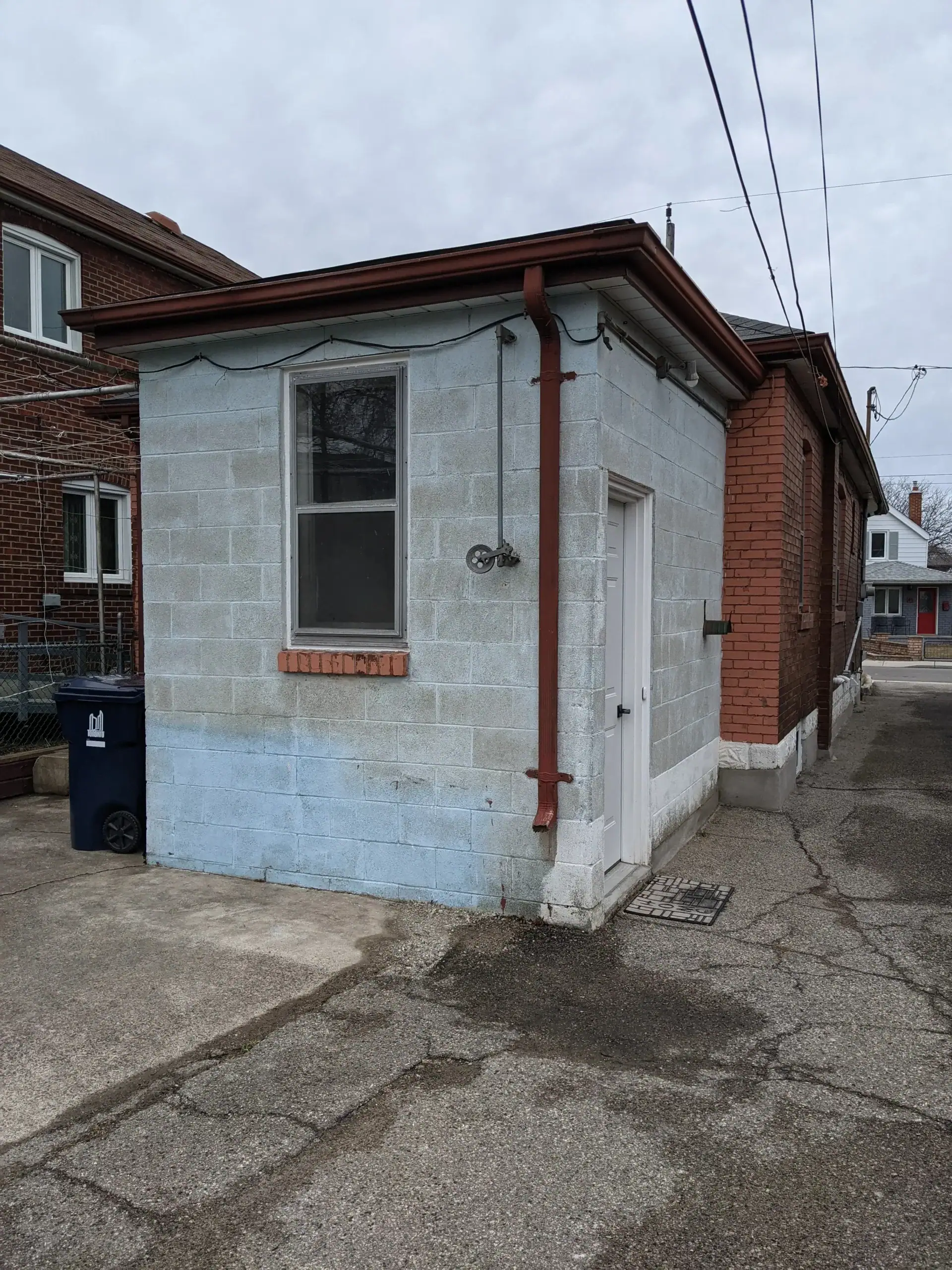
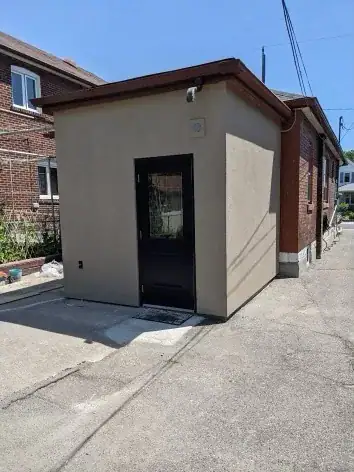
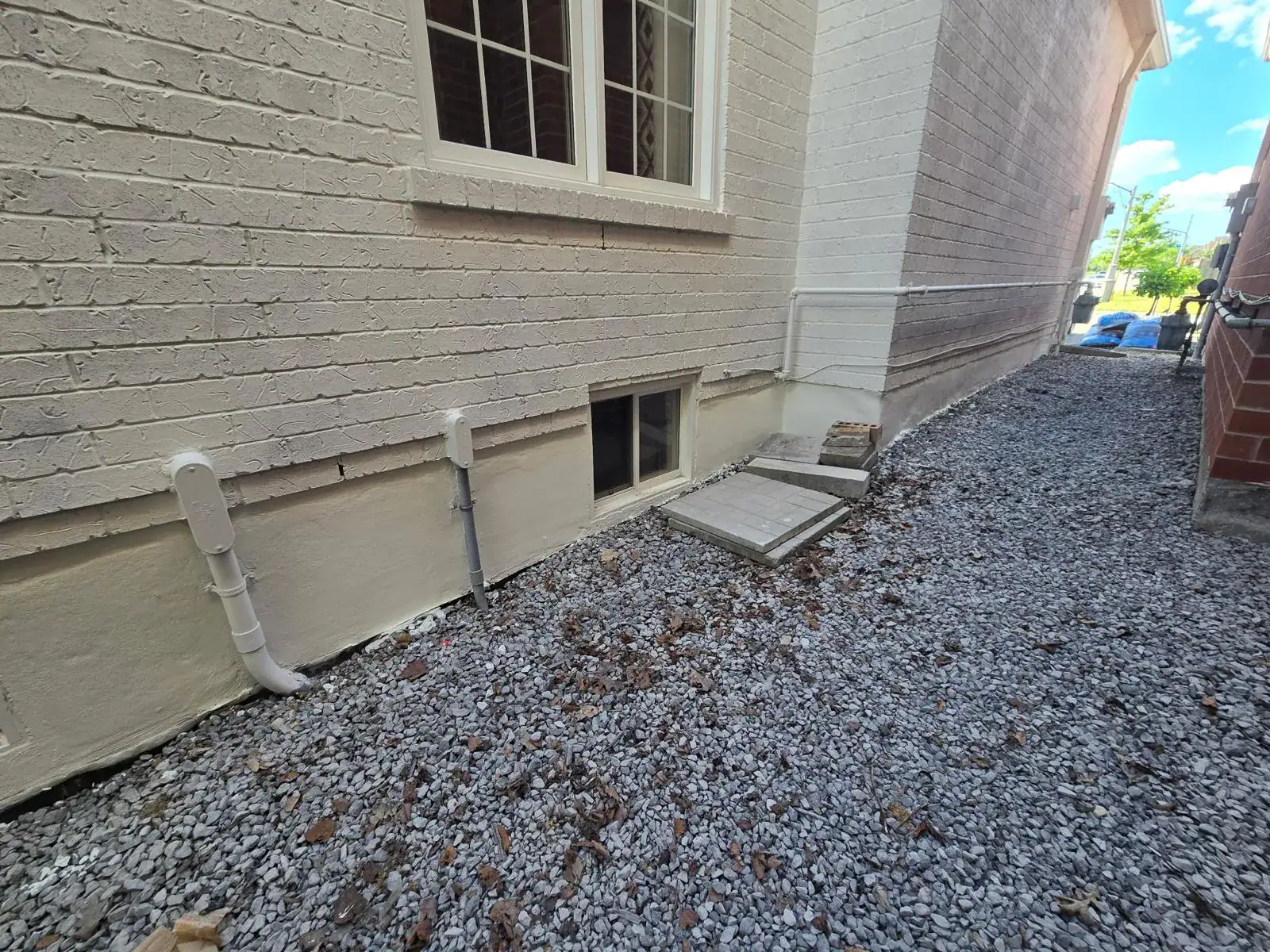
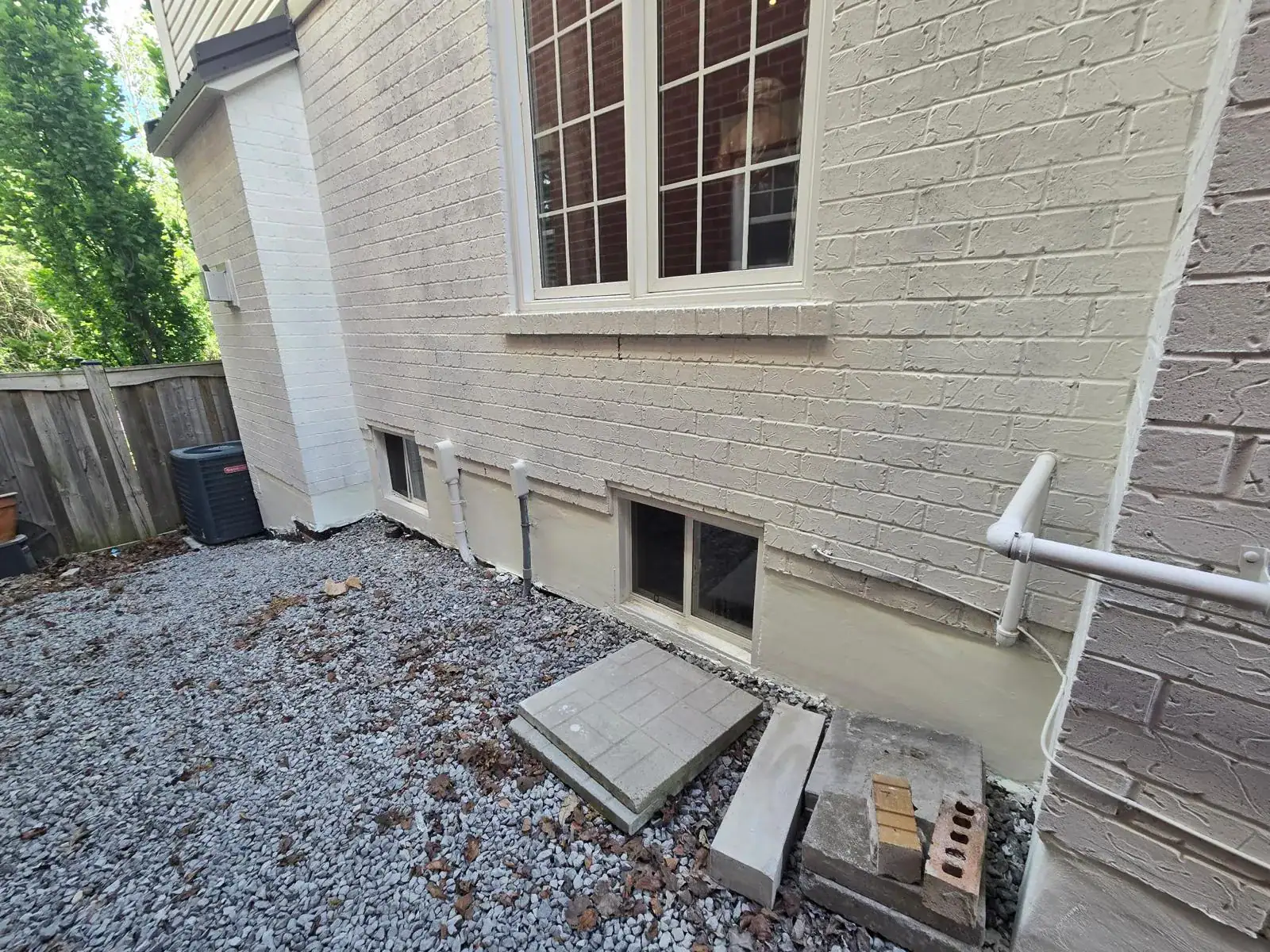
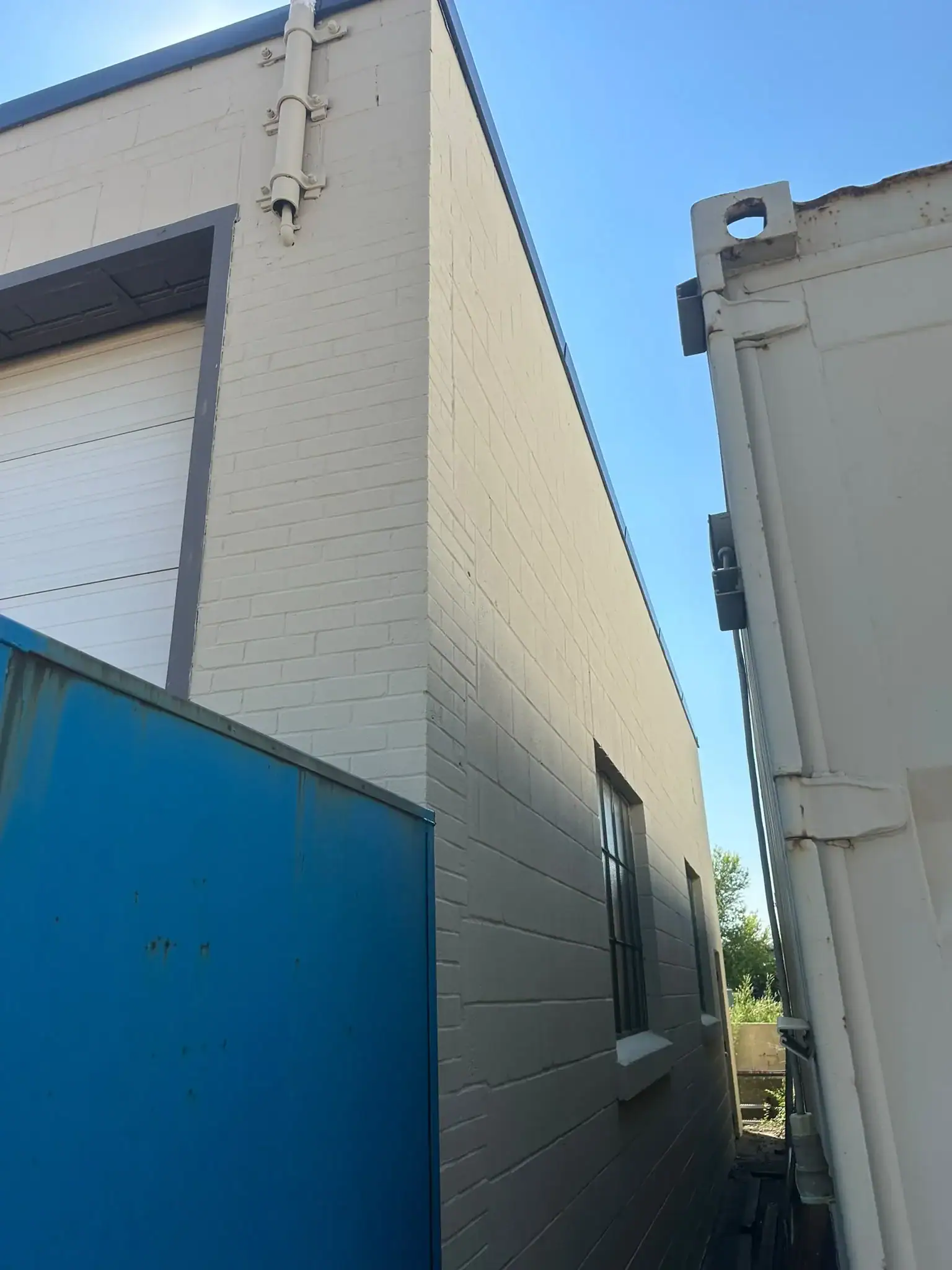
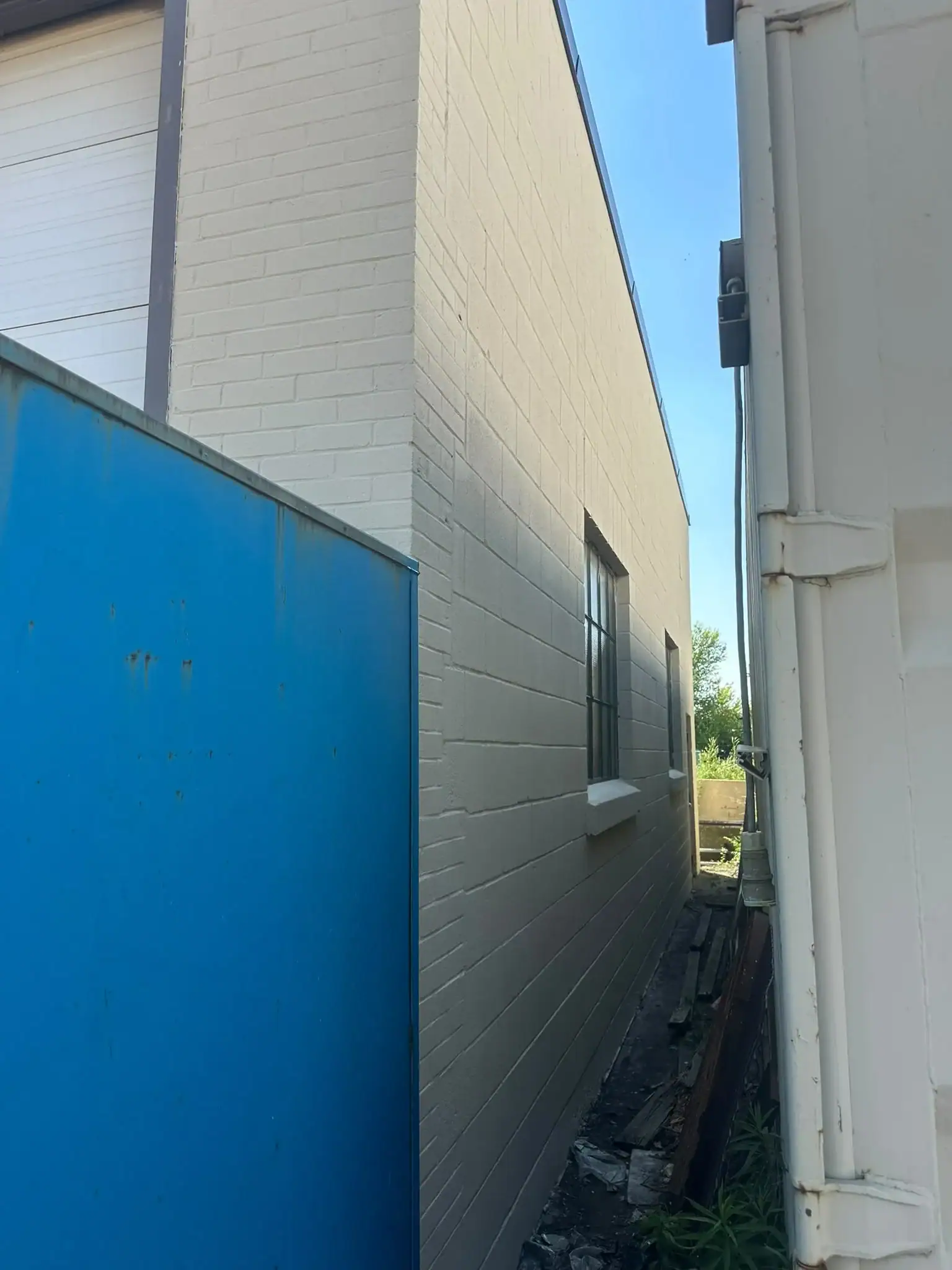
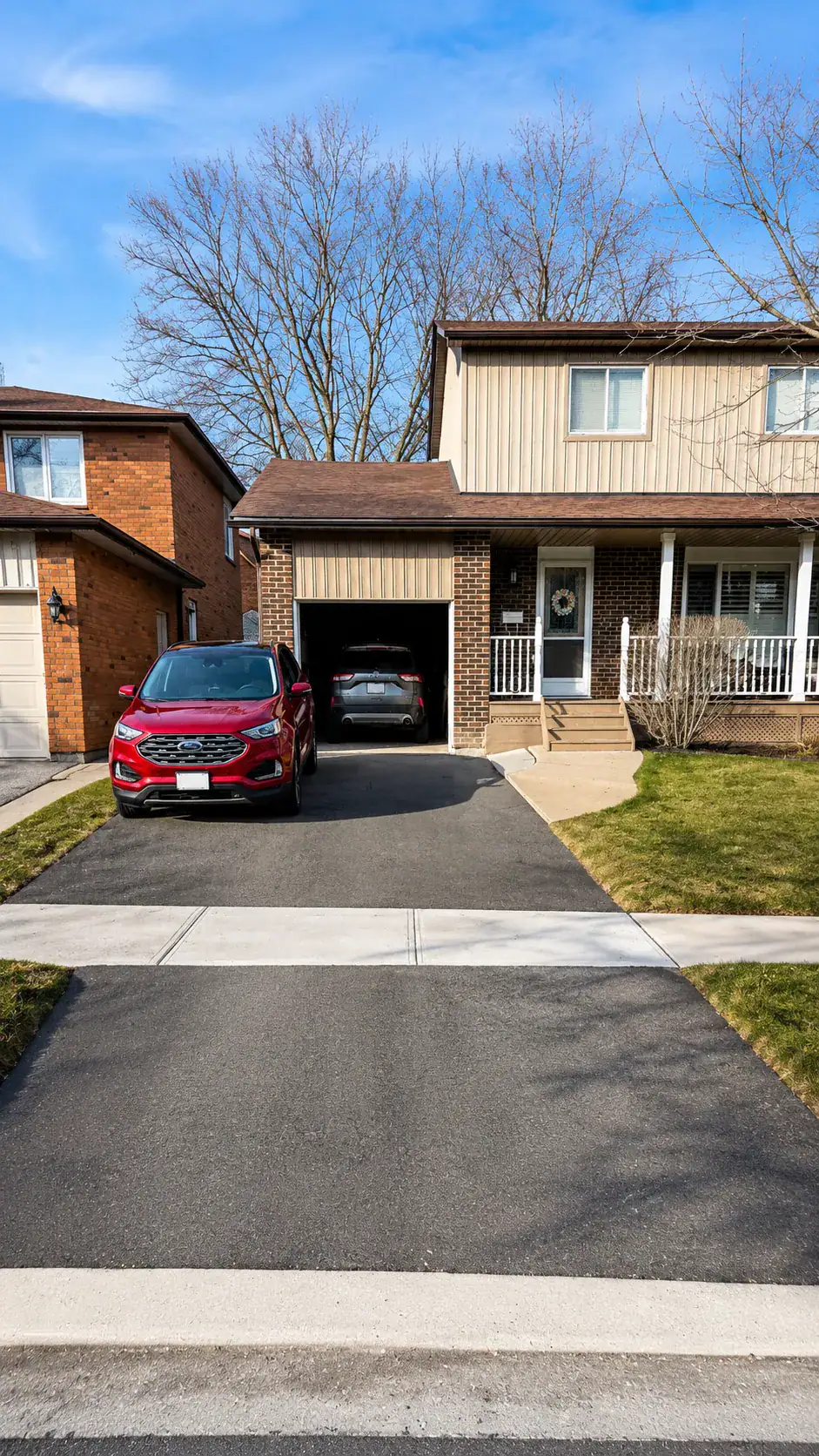
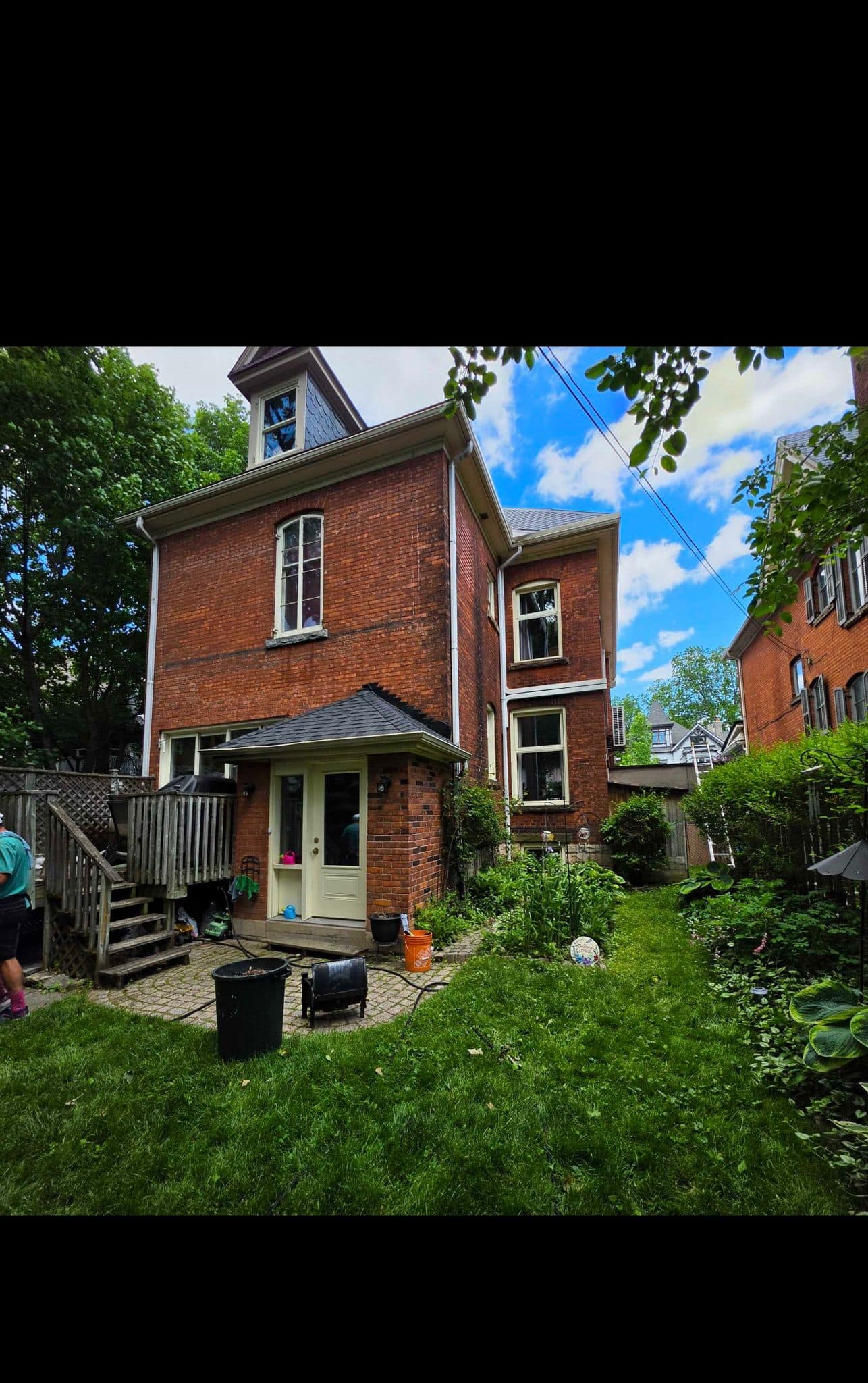
Basement waterproofing for older homes requires a different approach because materials, construction methods, and soil conditions have changed over time. Many Toronto homes built before the 1970s rely on shallow footings, unsealed foundation walls, and aging drainage systems.
As a result, basement waterproofing for older homes often involves addressing multiple entry points rather than a single crack or leak.
Common water entry points in older homes
Foundation wall cracks and mortar joints
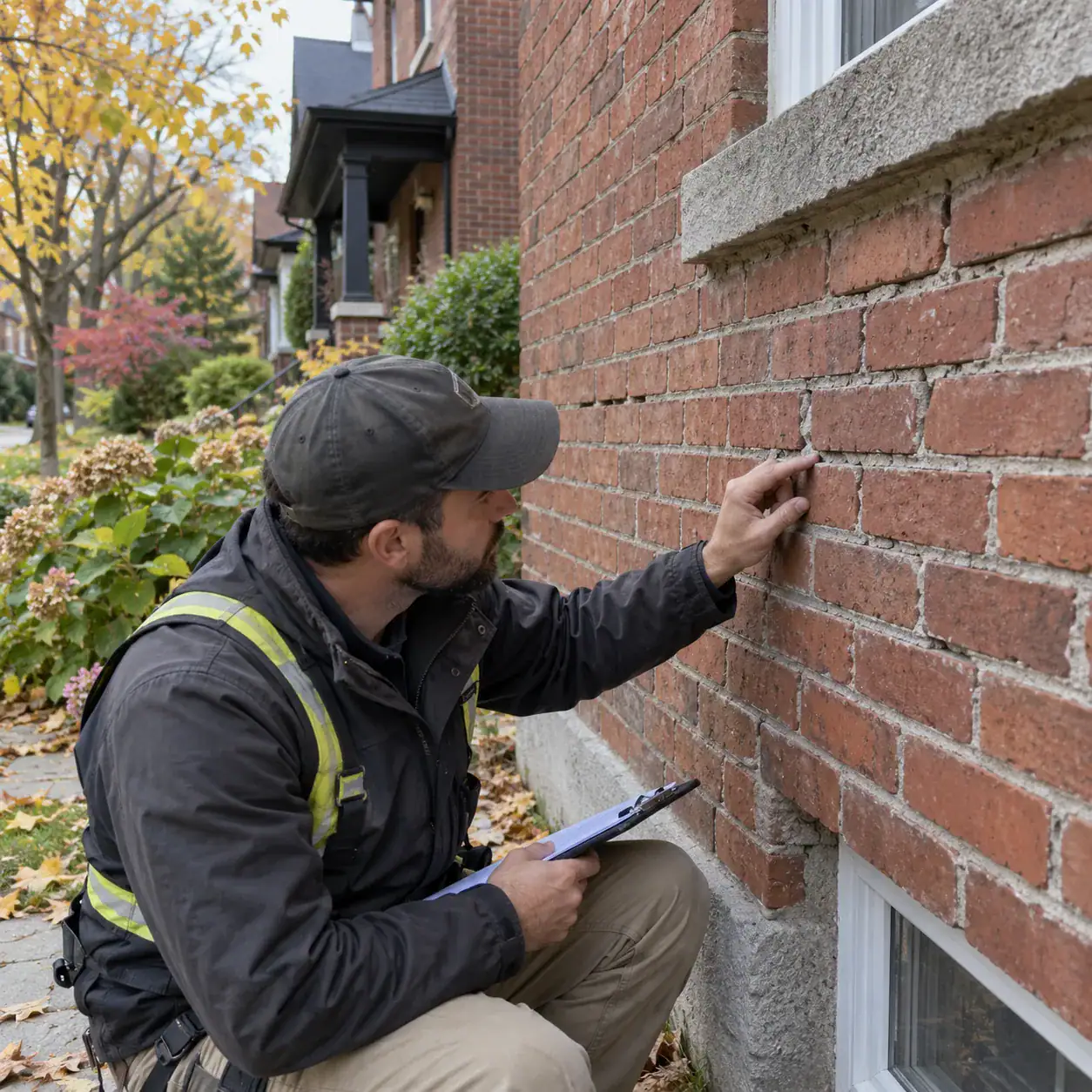
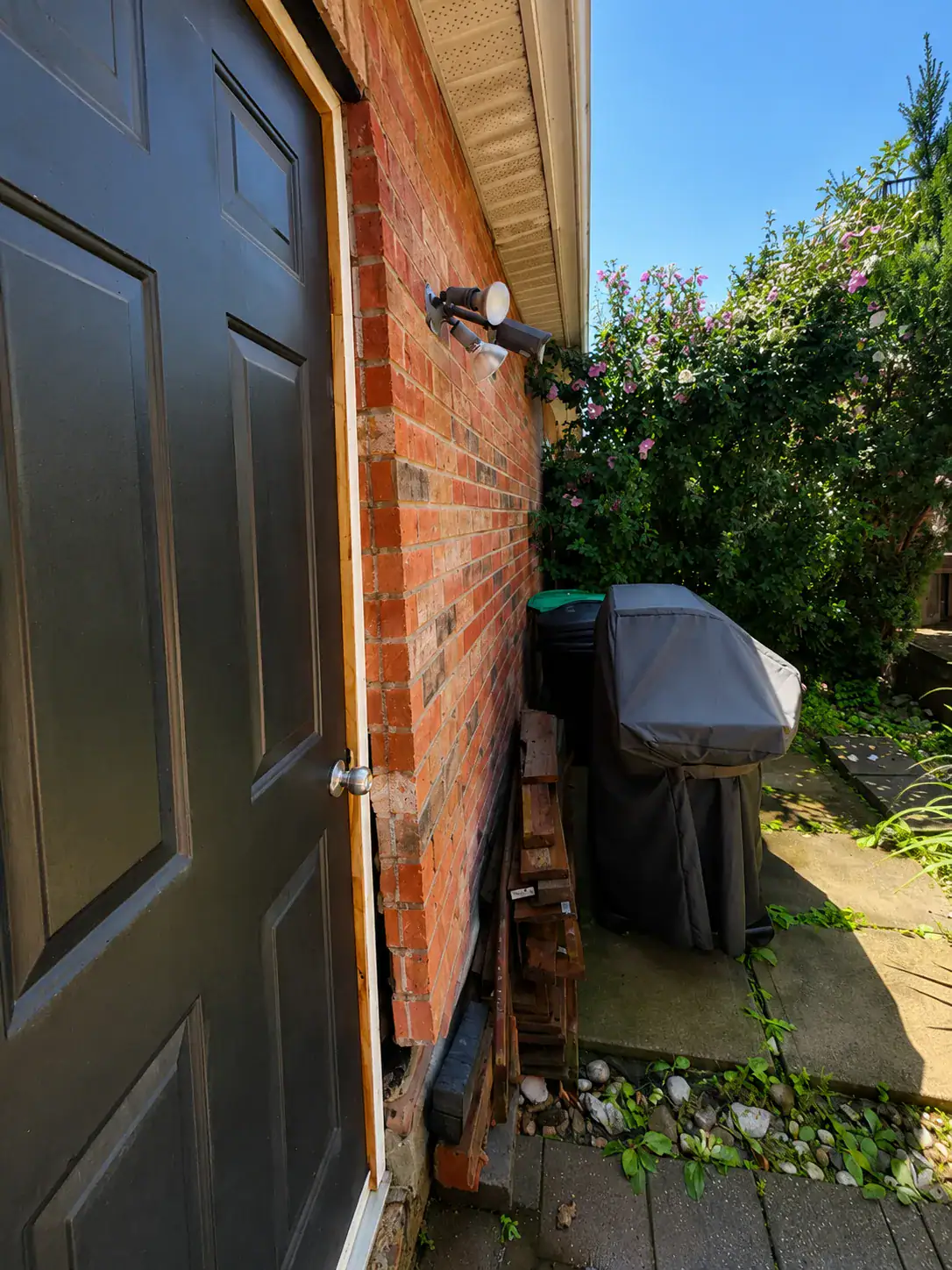
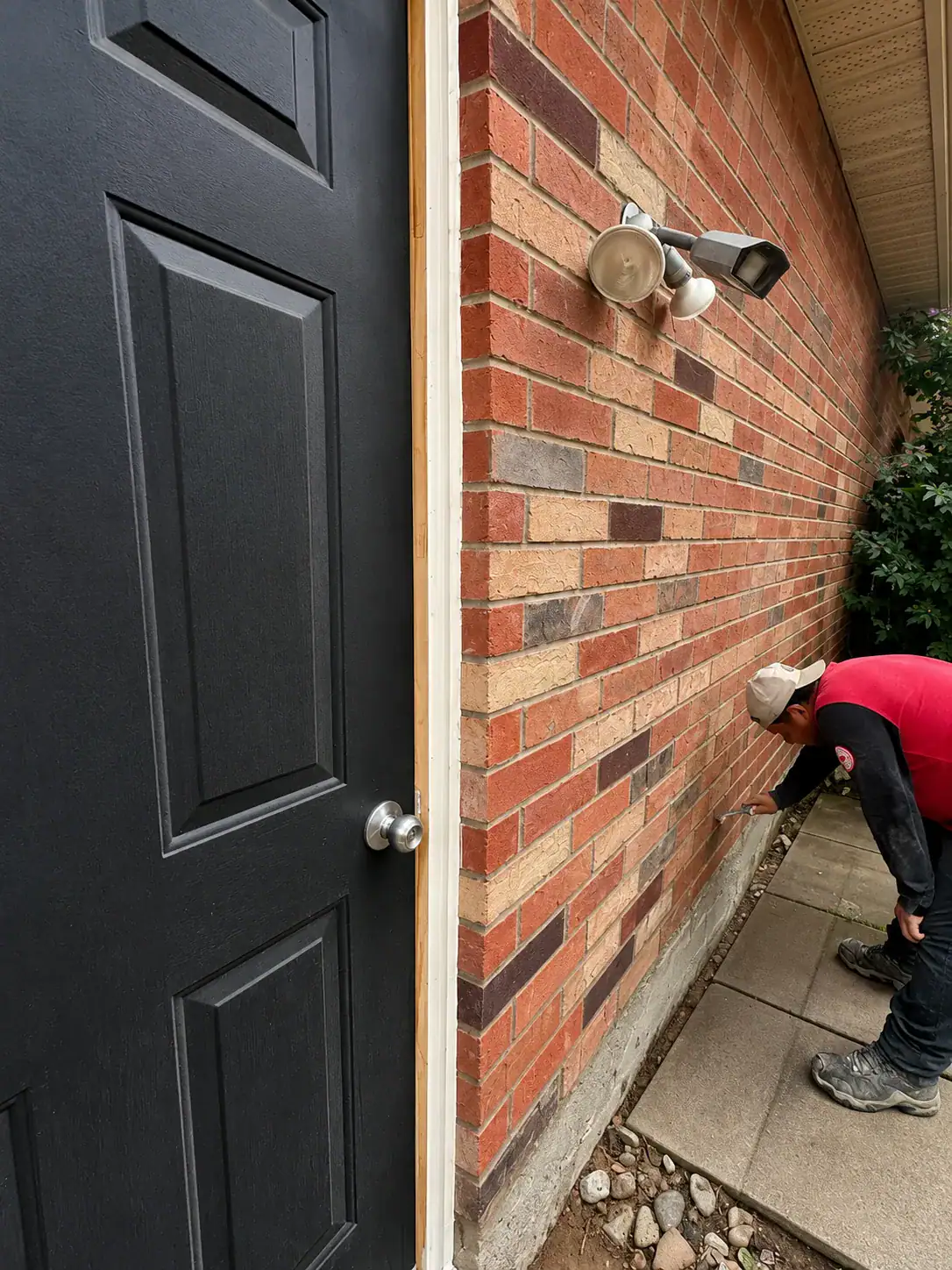
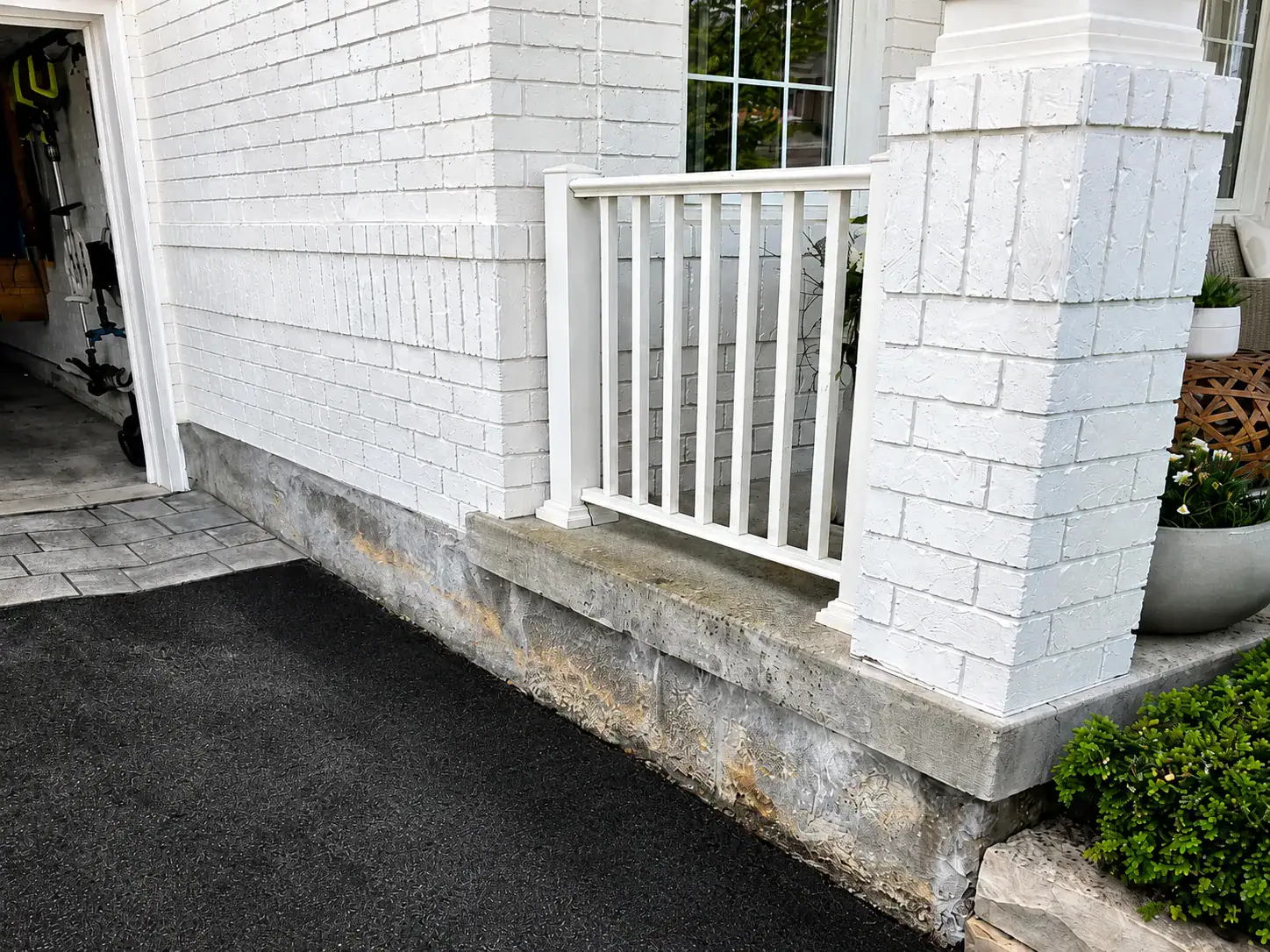
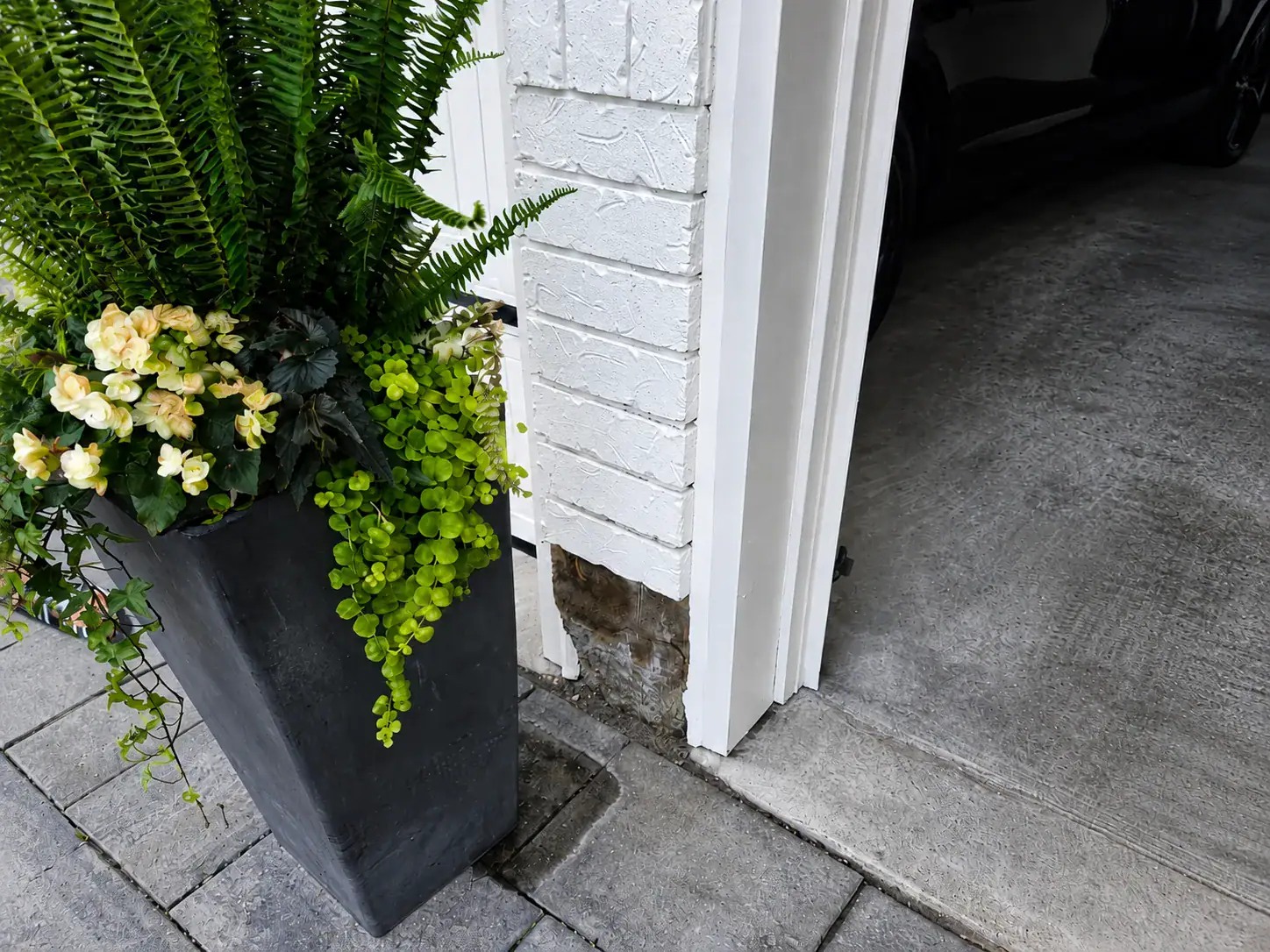
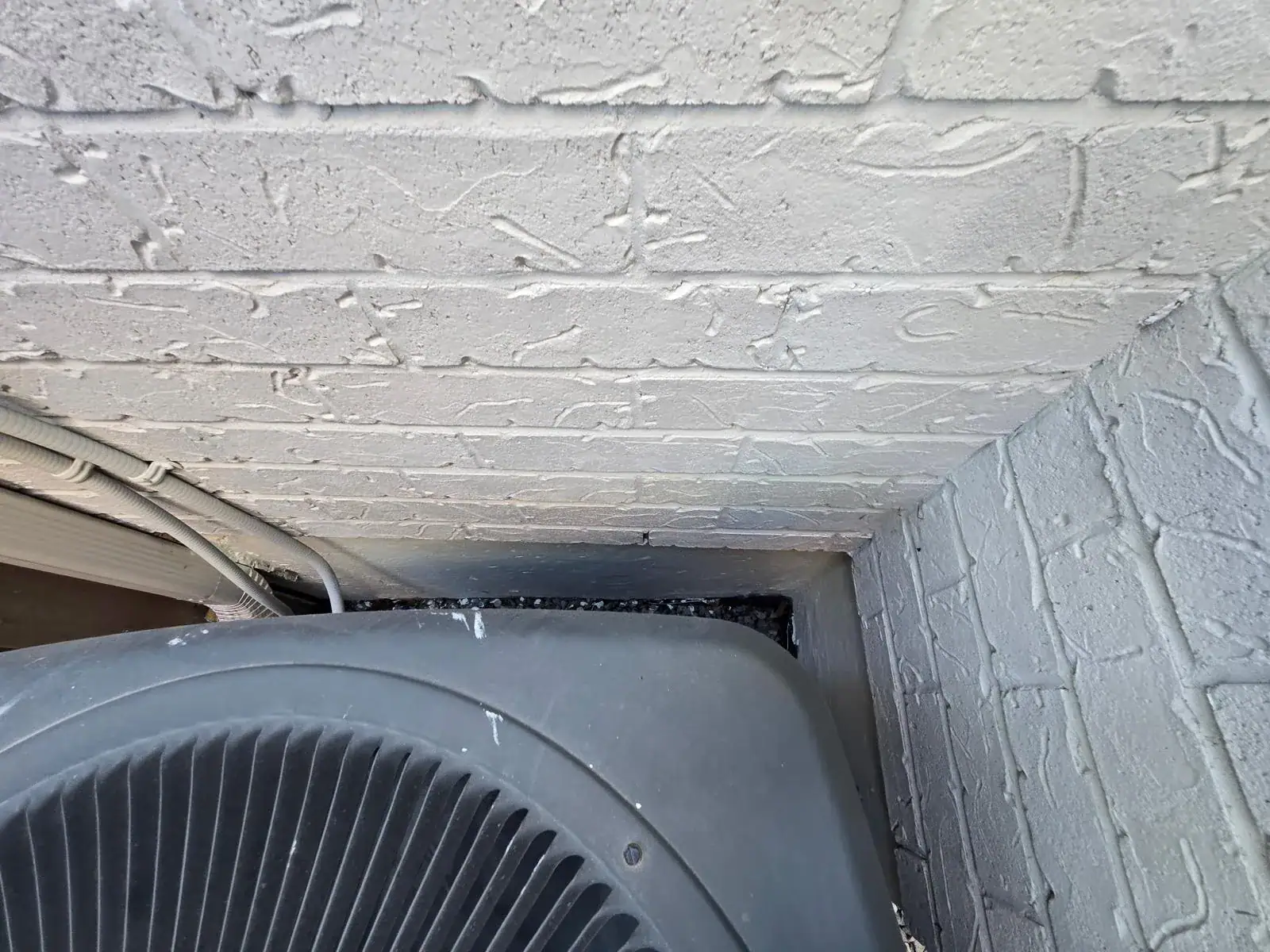
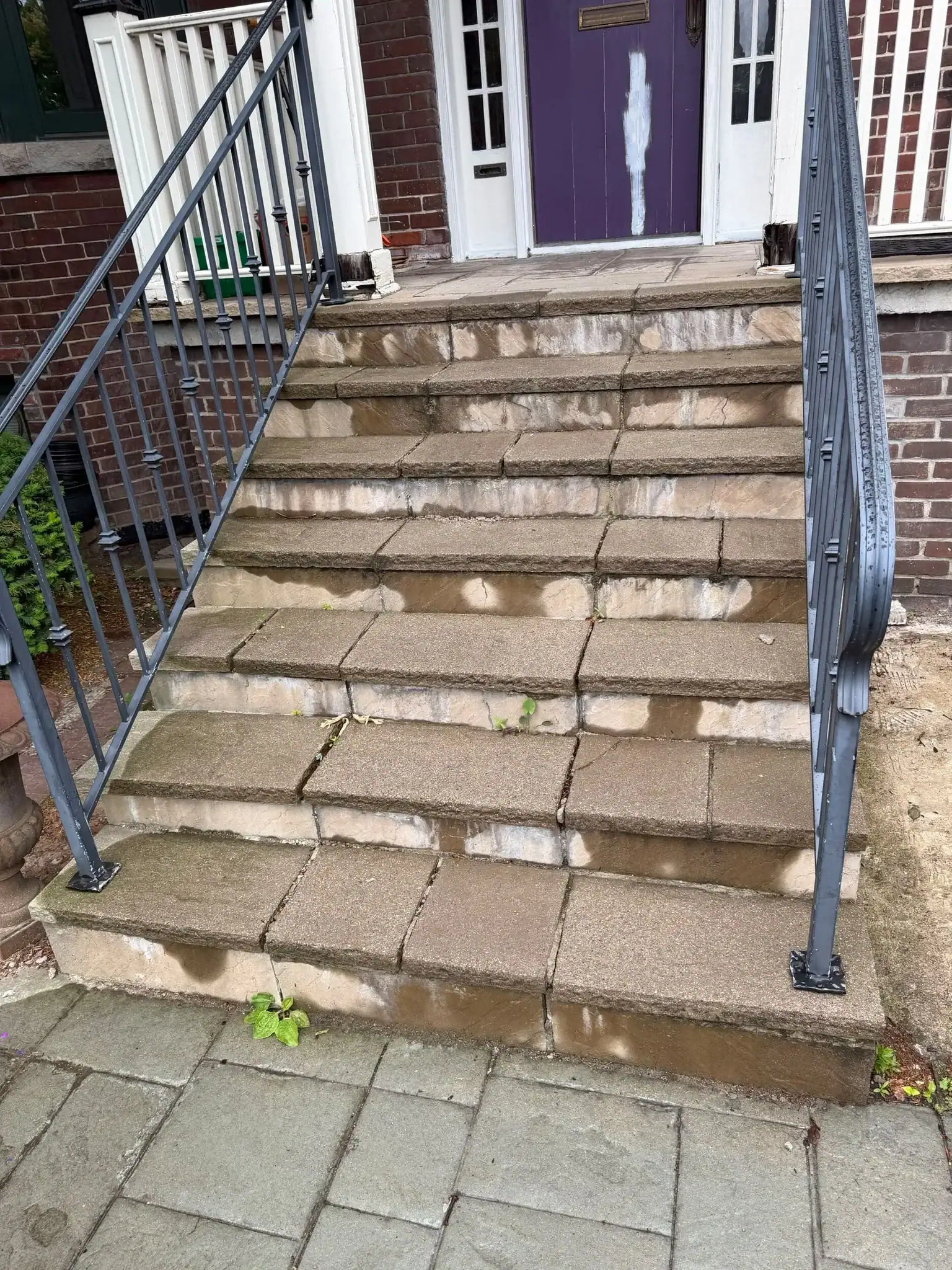
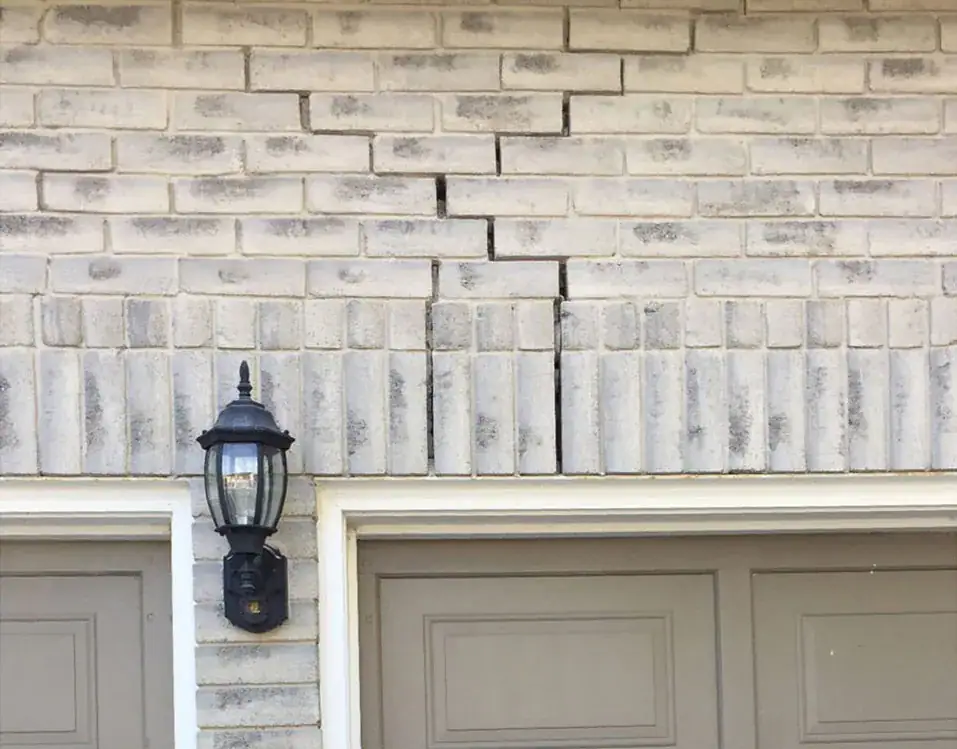
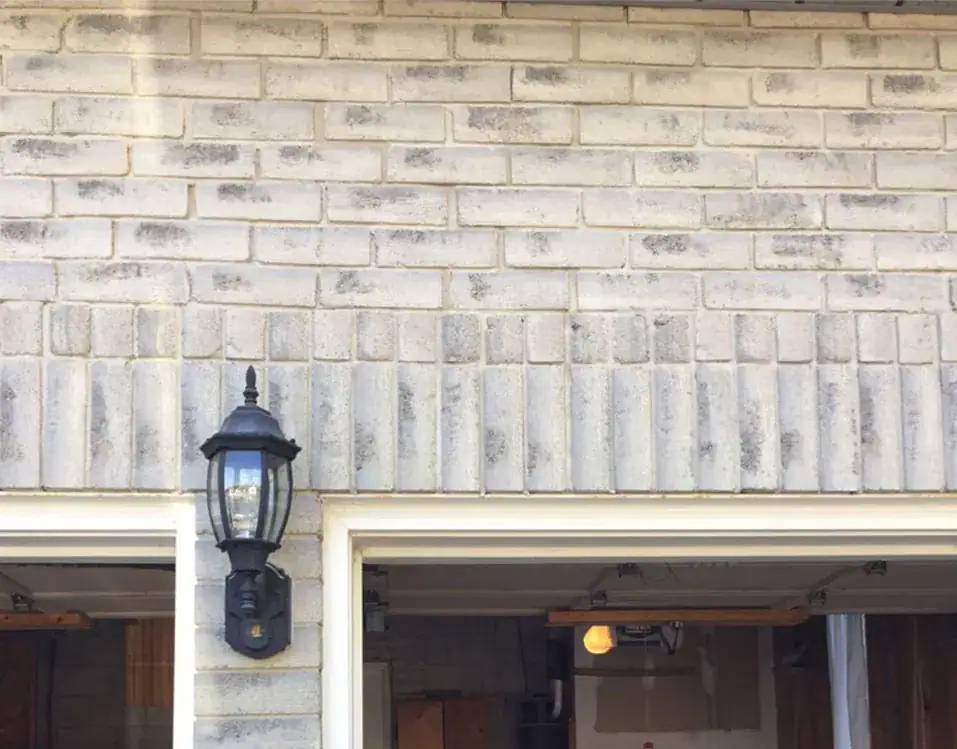
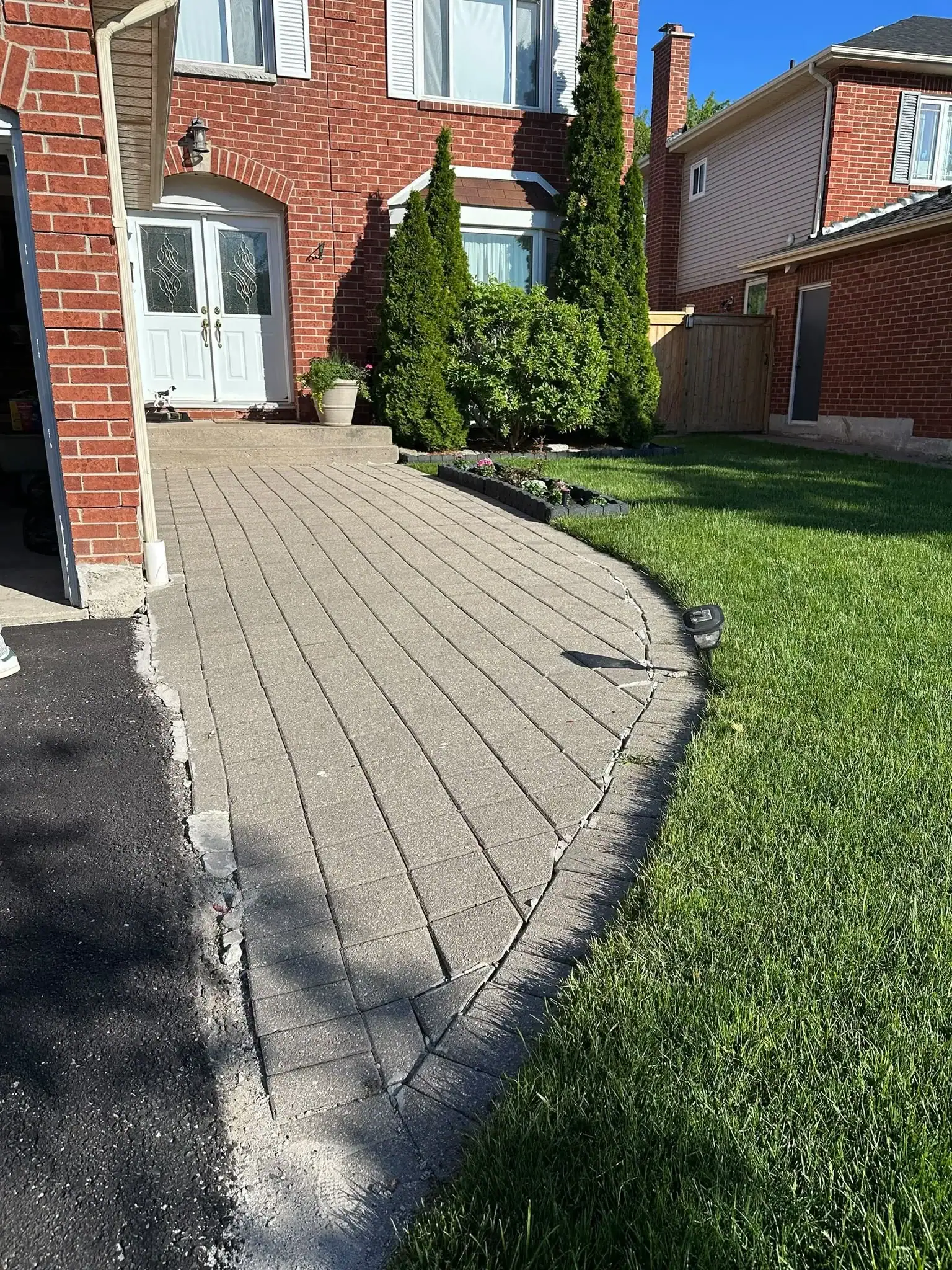
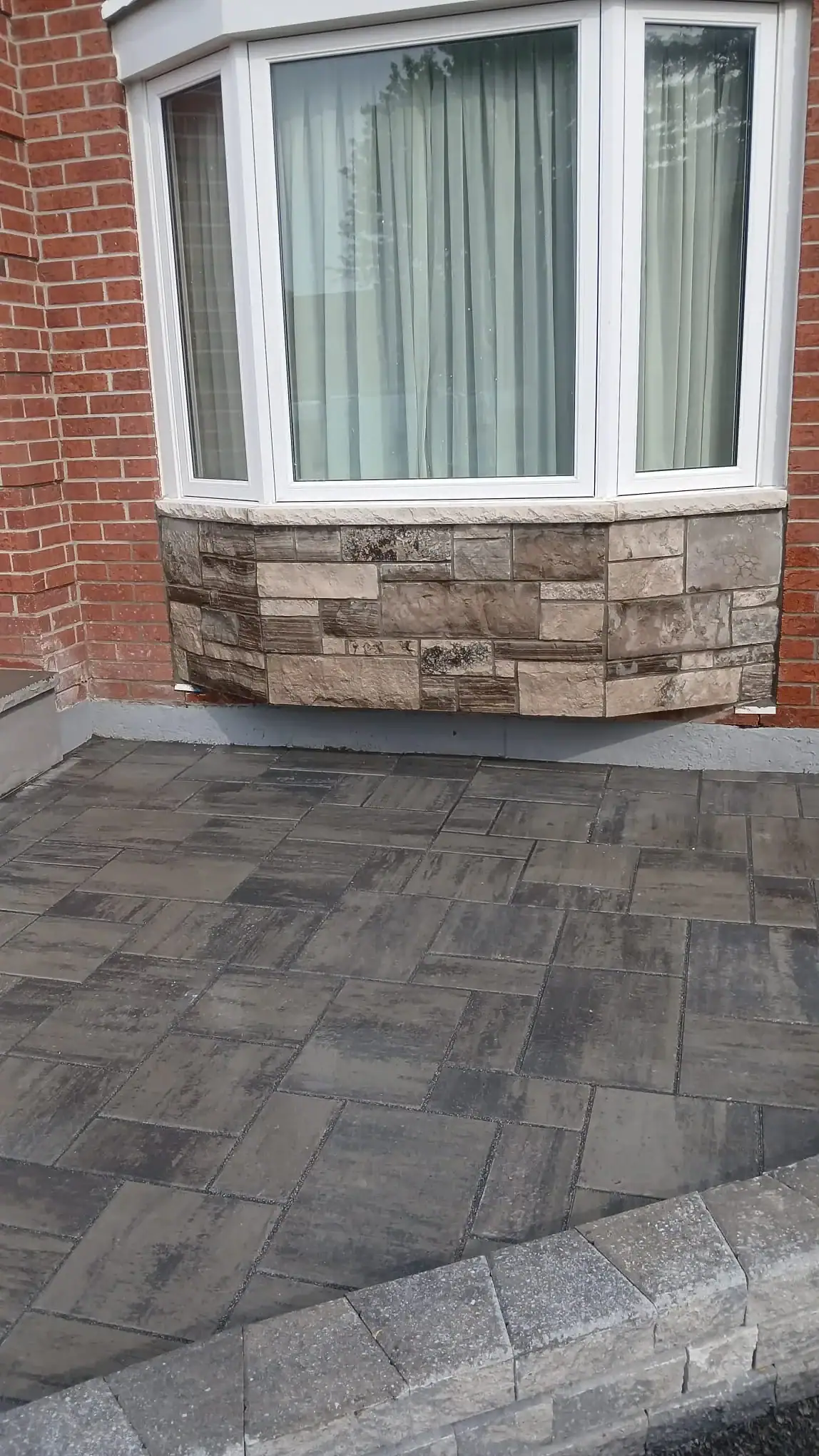
Over time, freeze-thaw cycles cause masonry weather damage that weakens mortar joints and concrete walls. This allows water to enter through hairline cracks and deteriorated joints, especially after heavy rainfall.
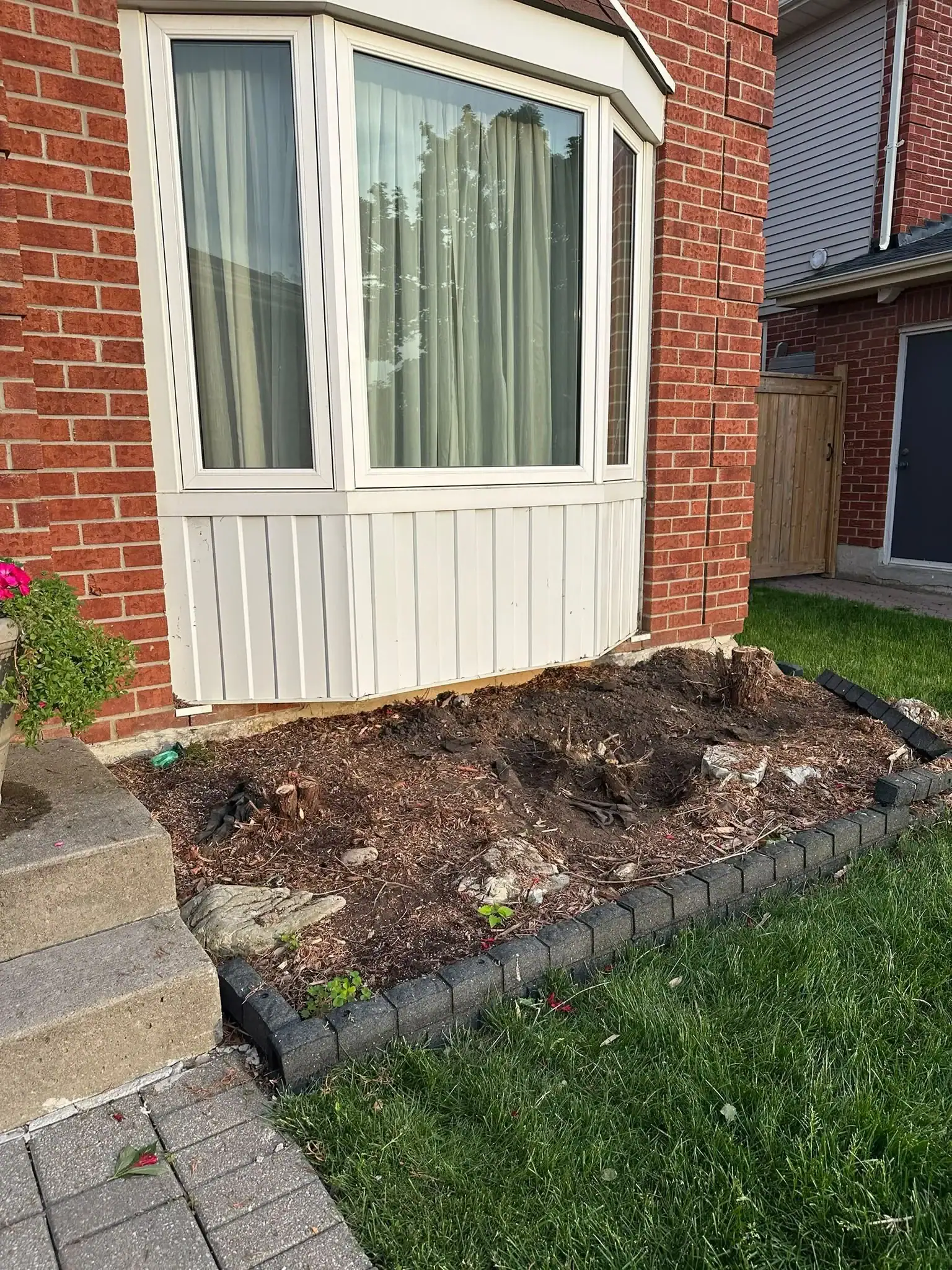
Poor exterior grading
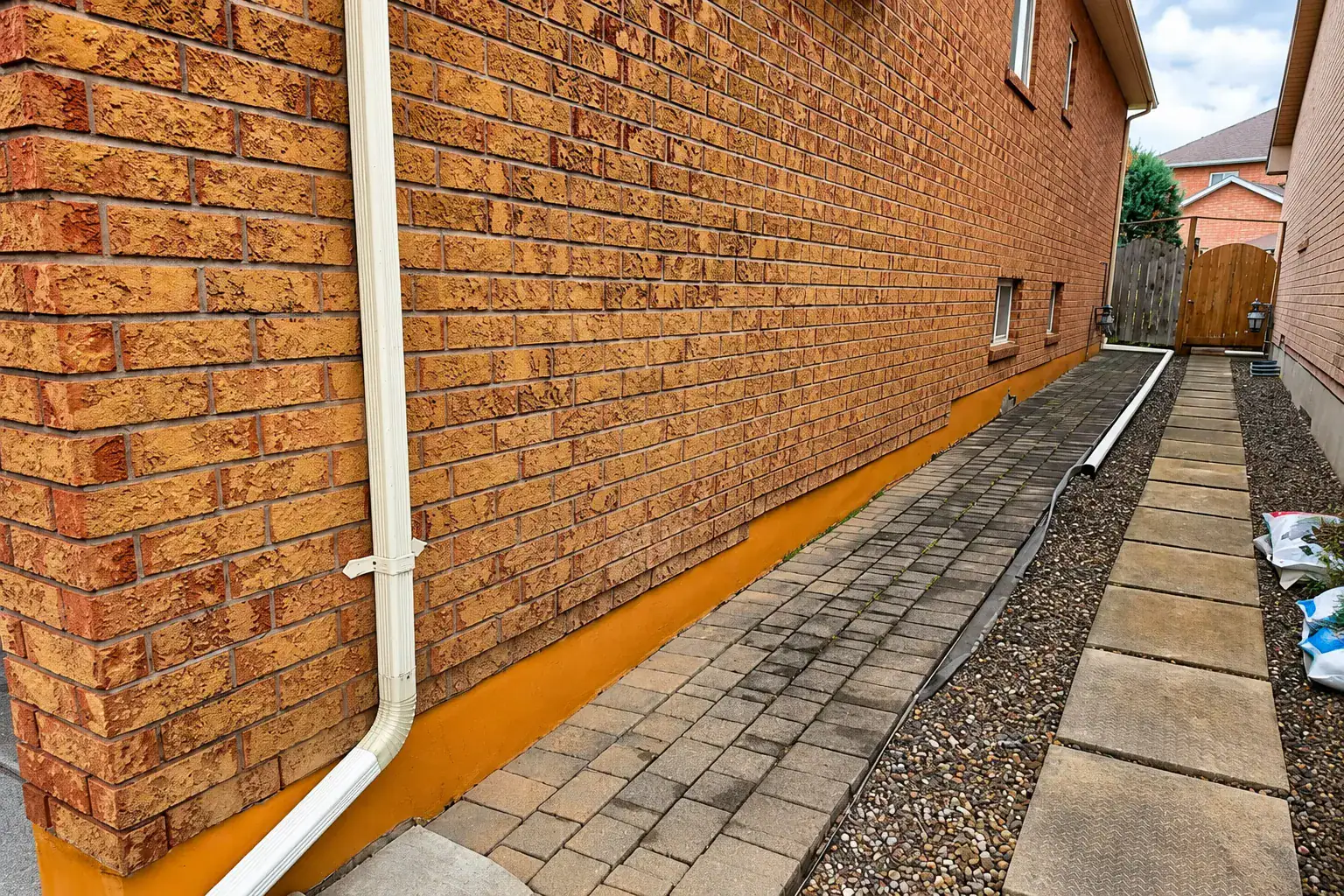
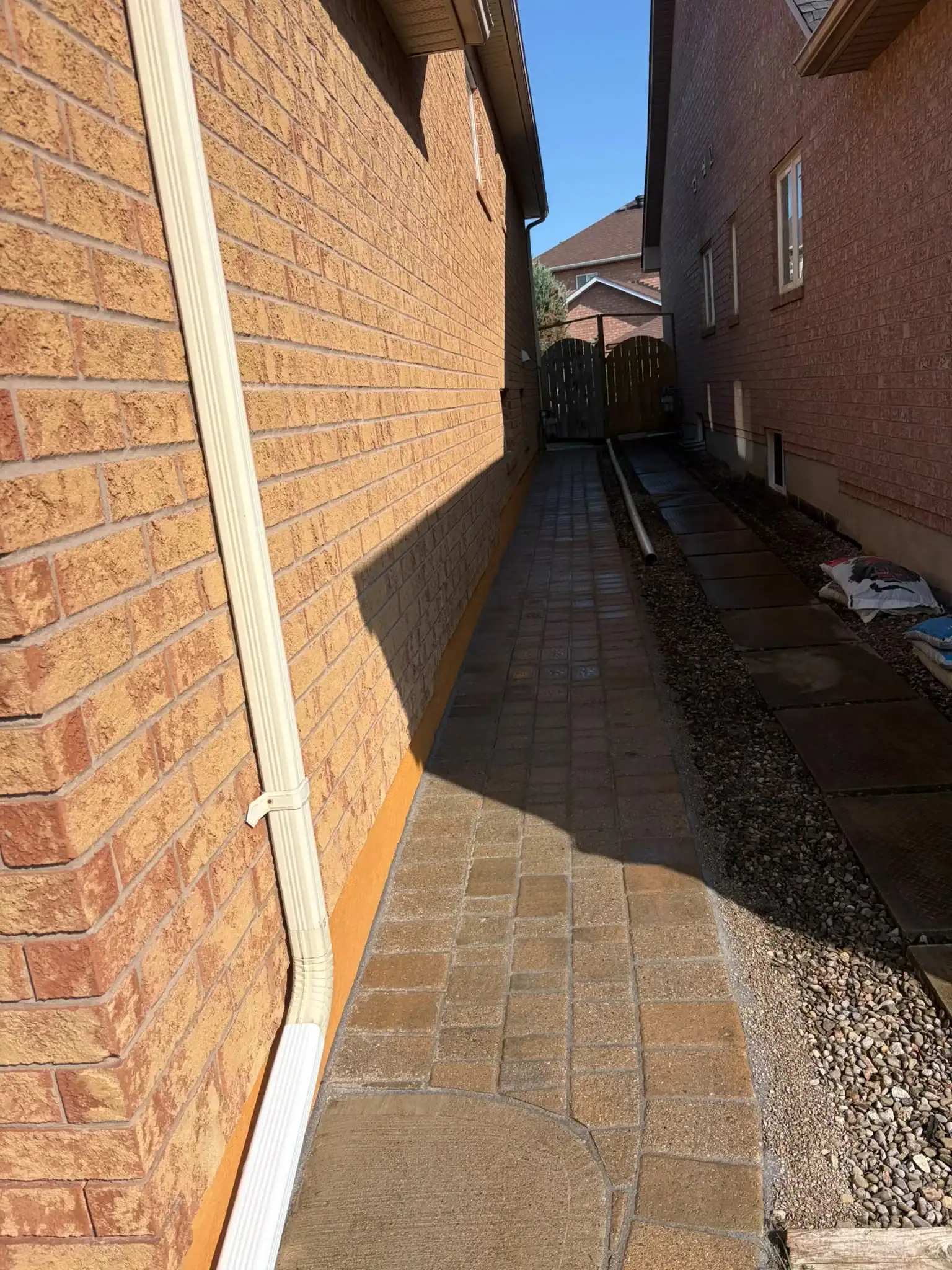
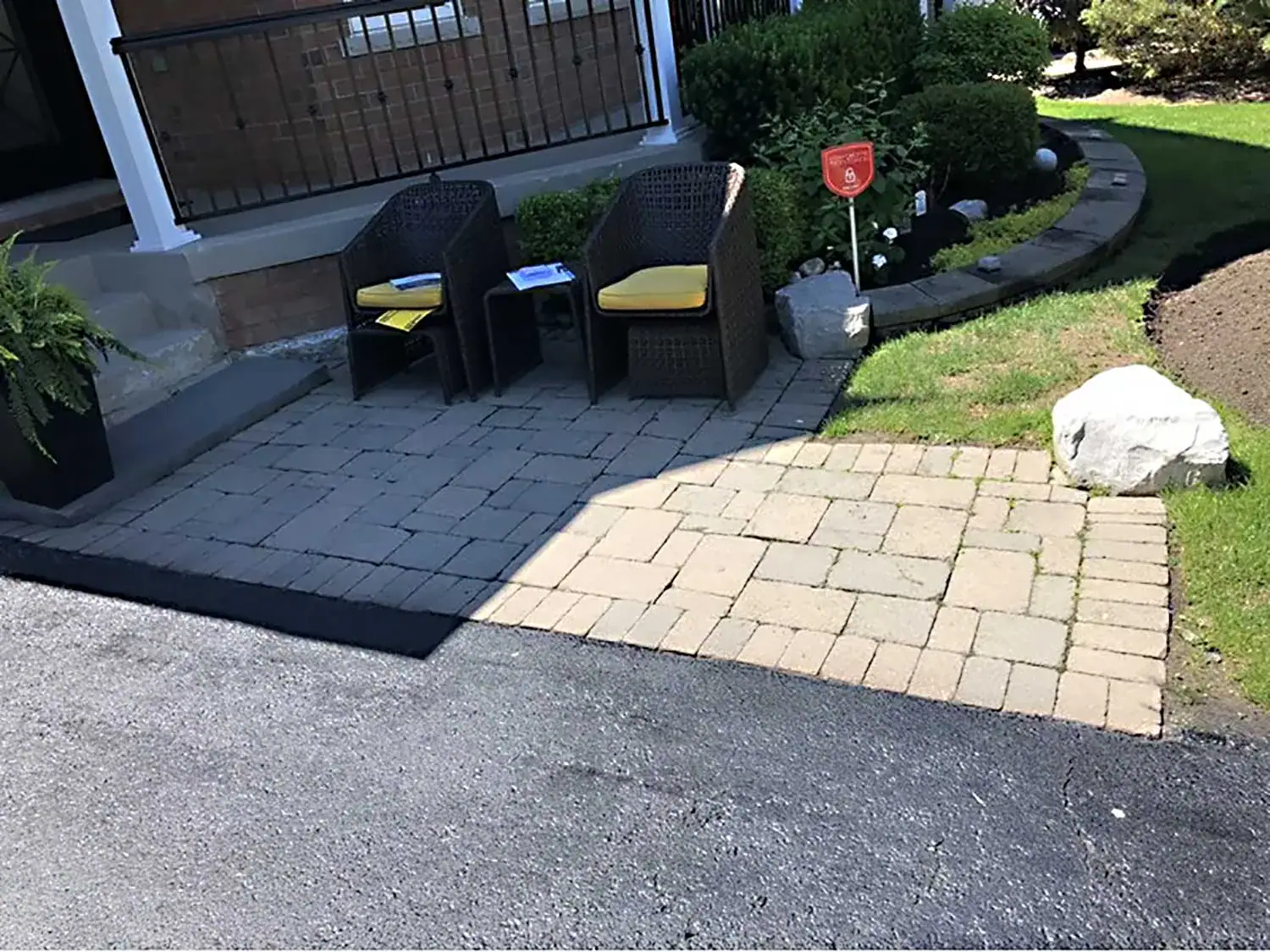
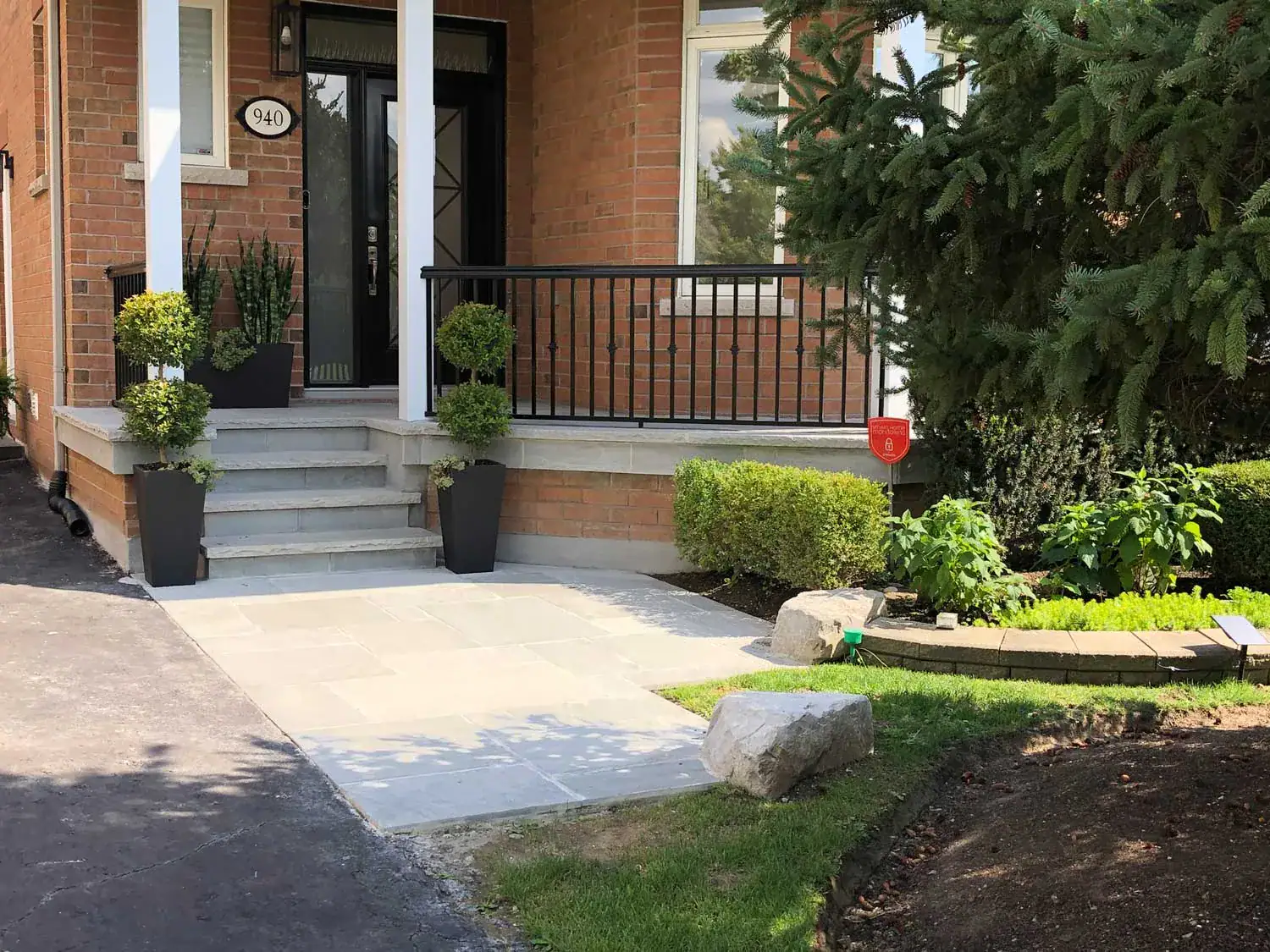
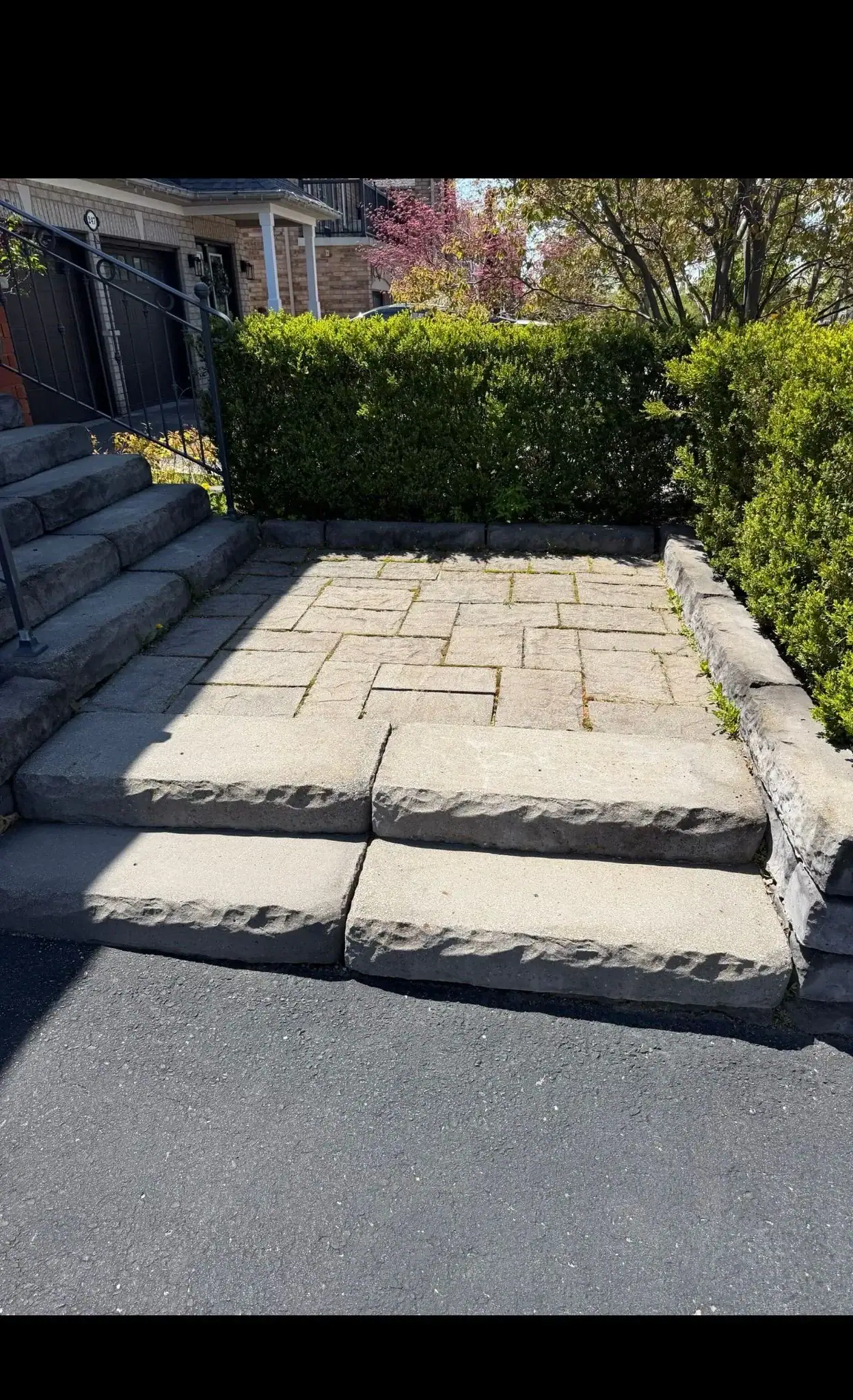
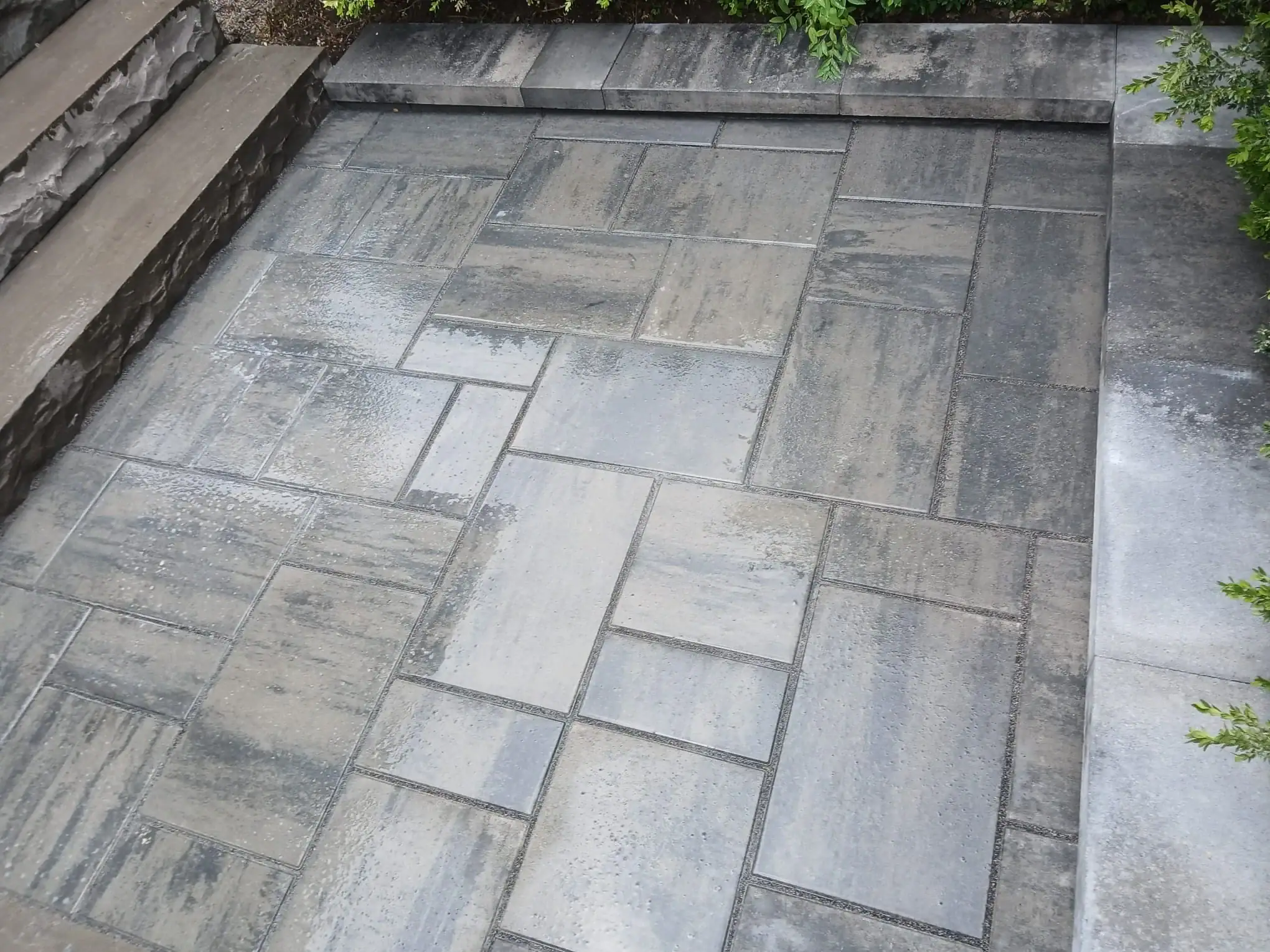
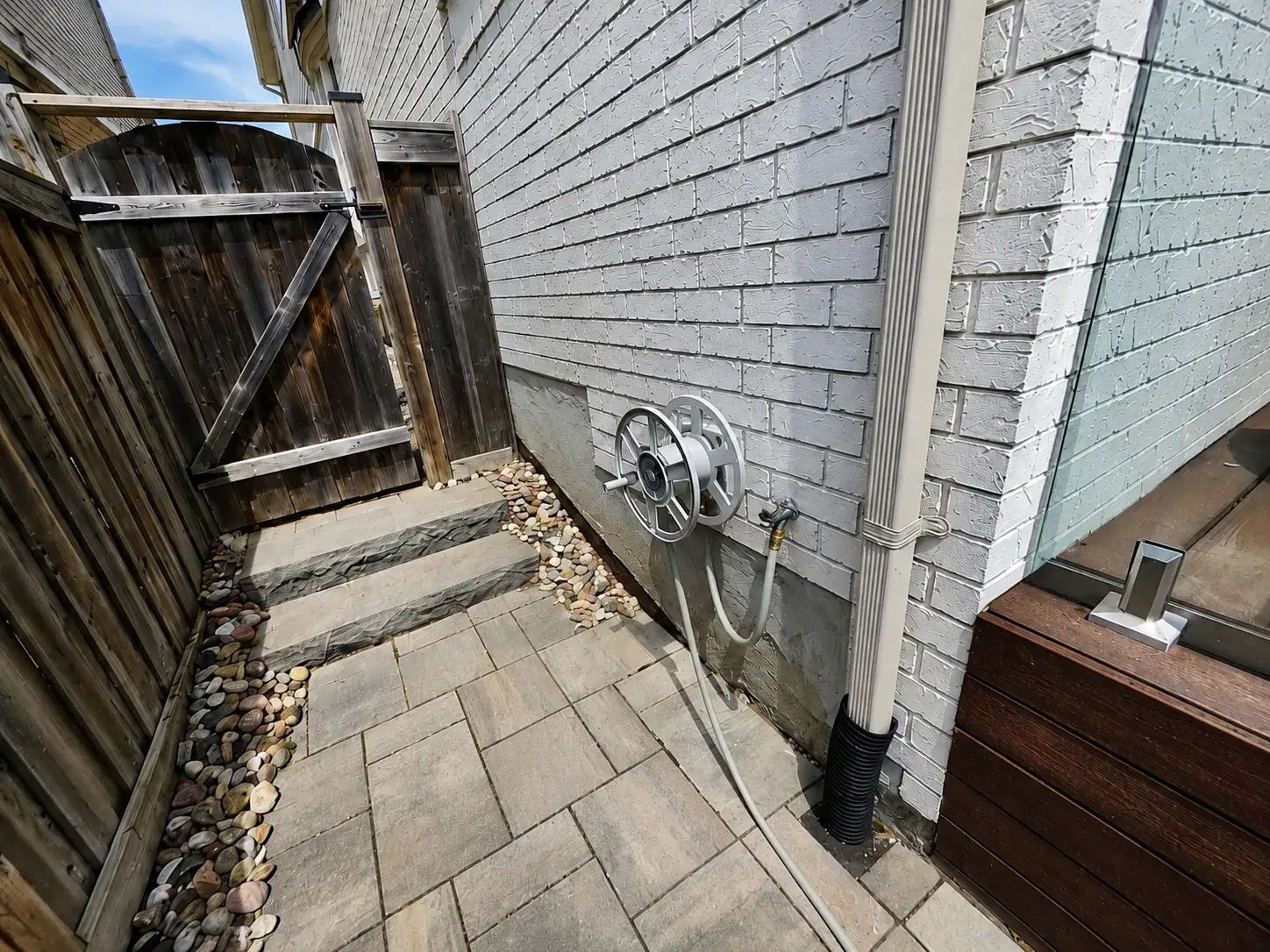
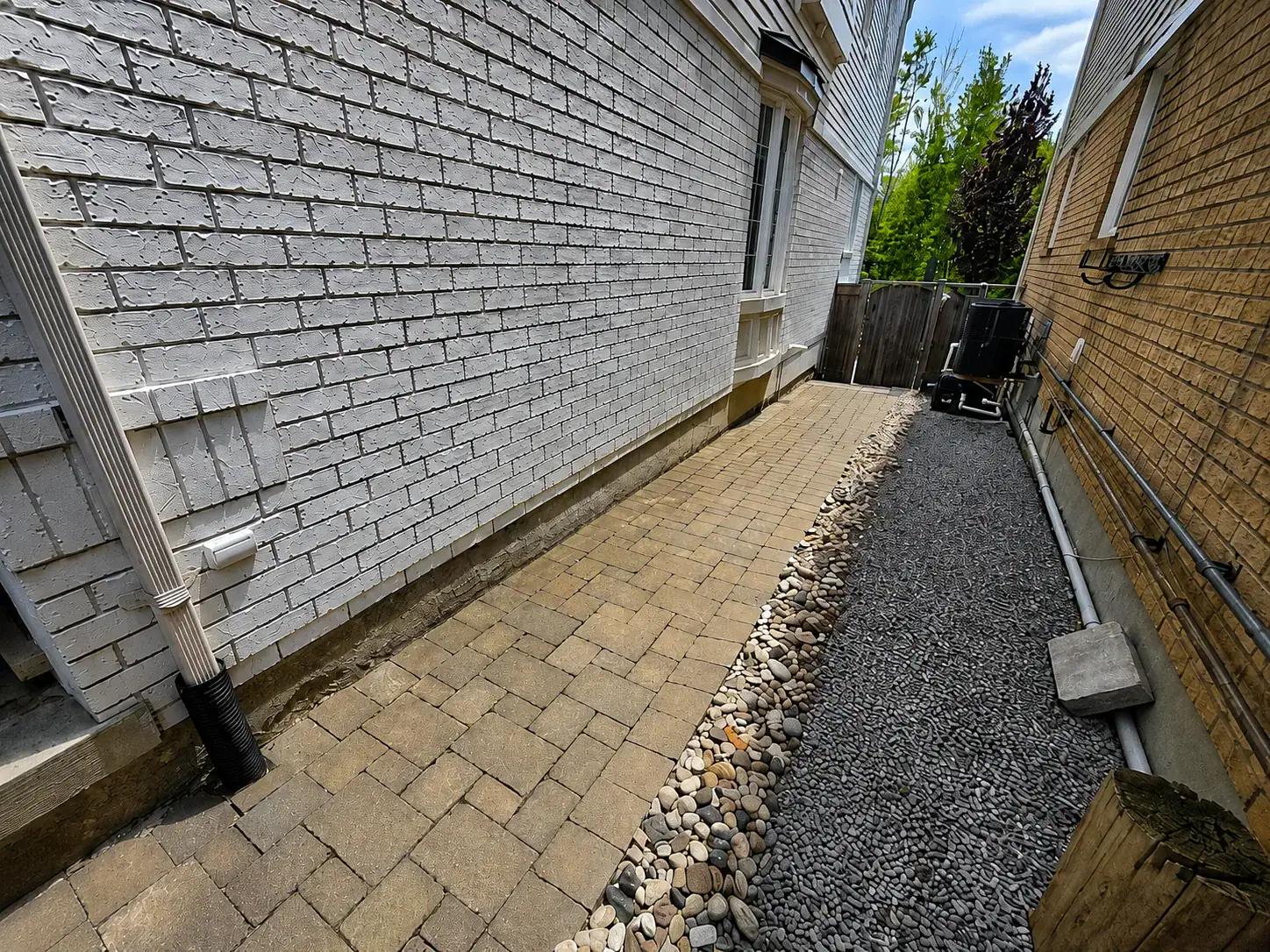
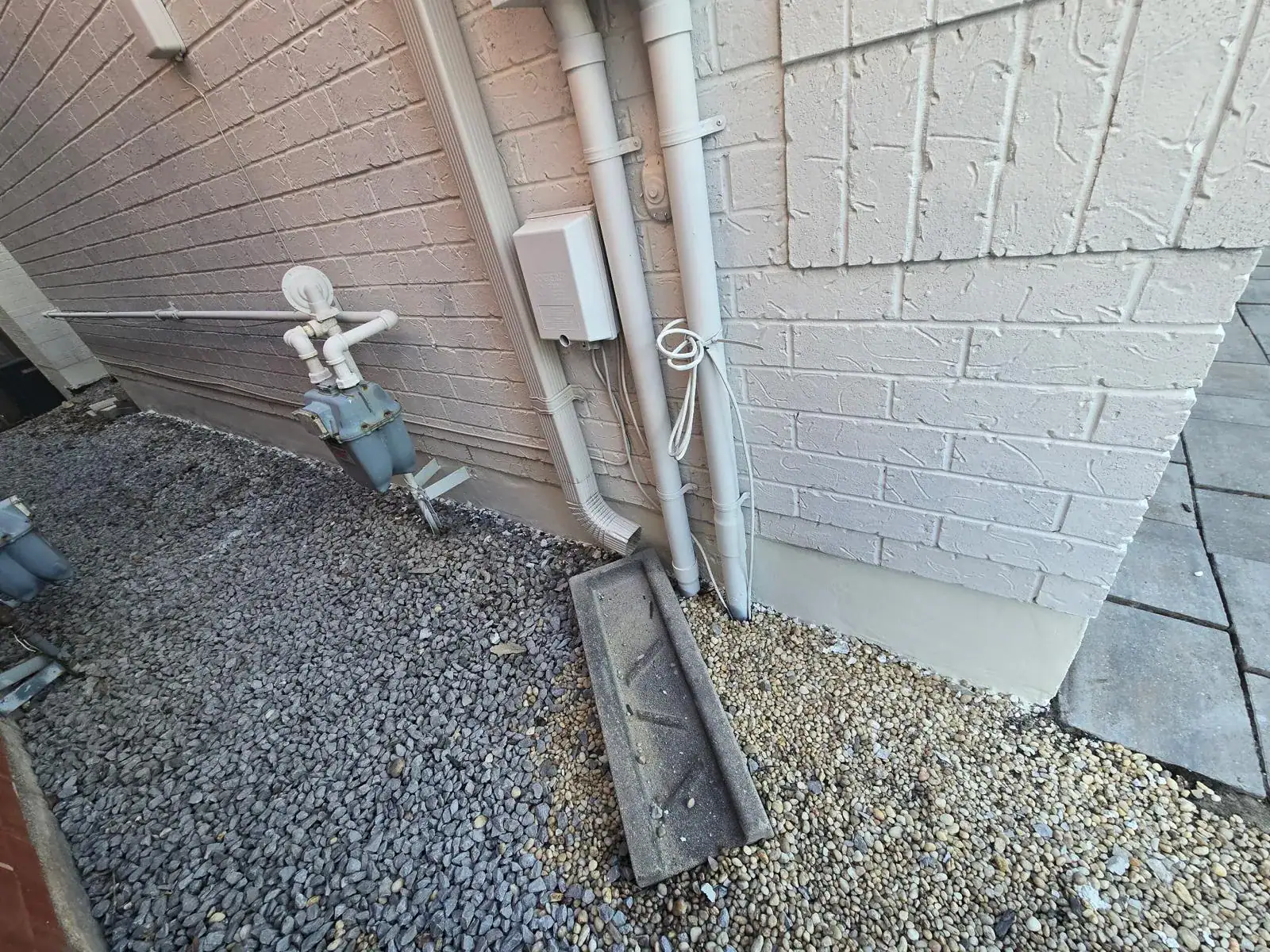
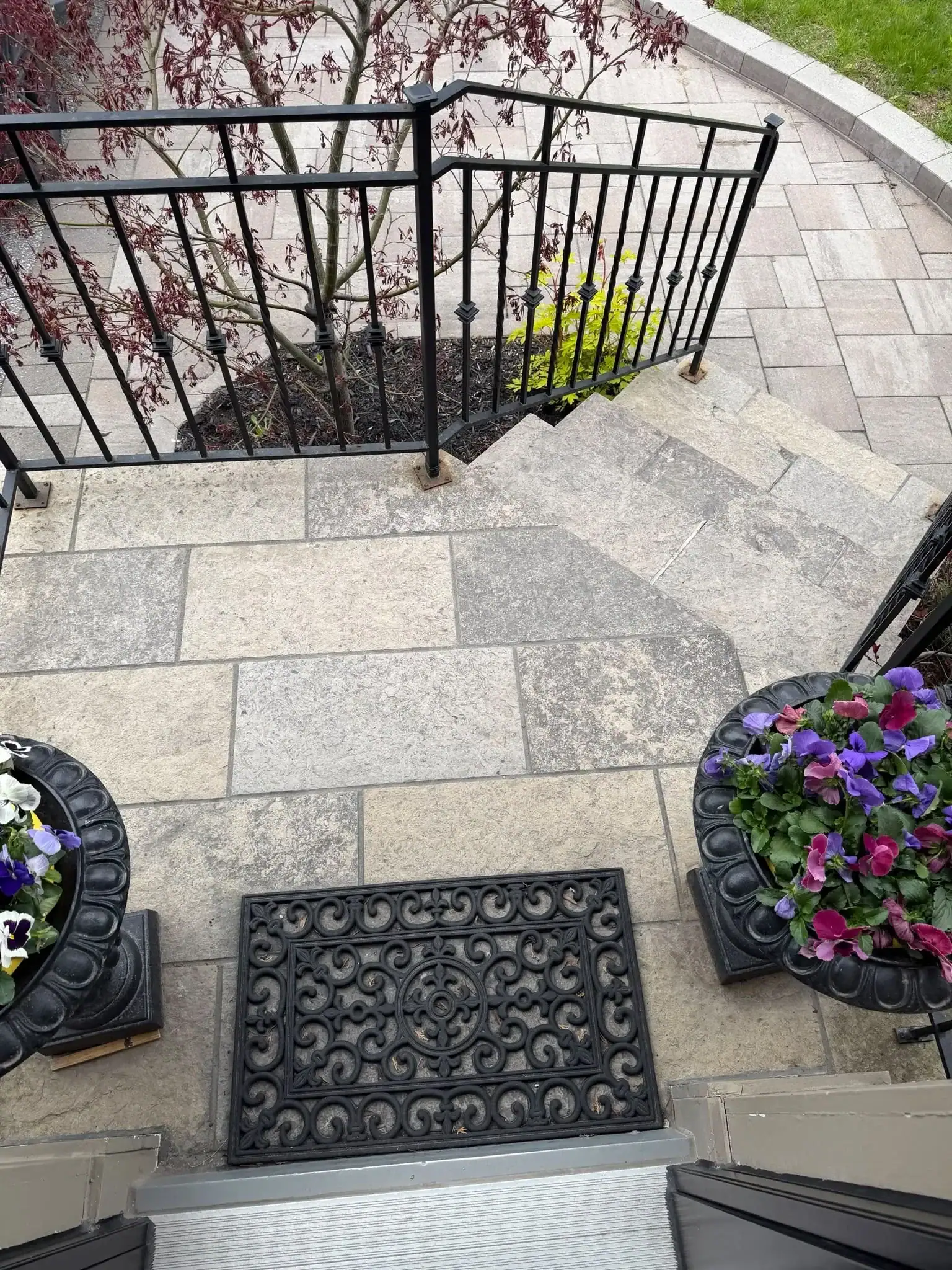
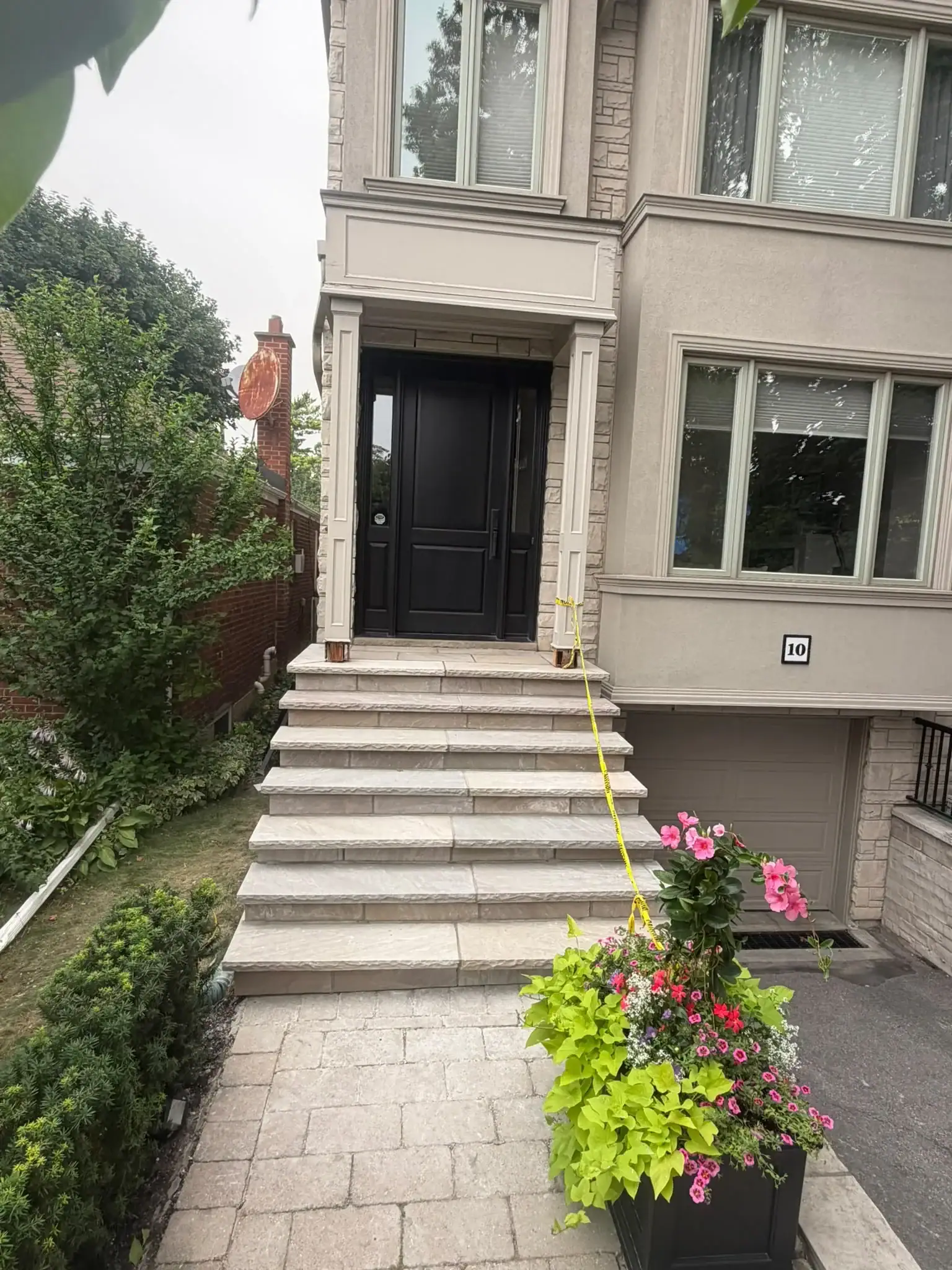
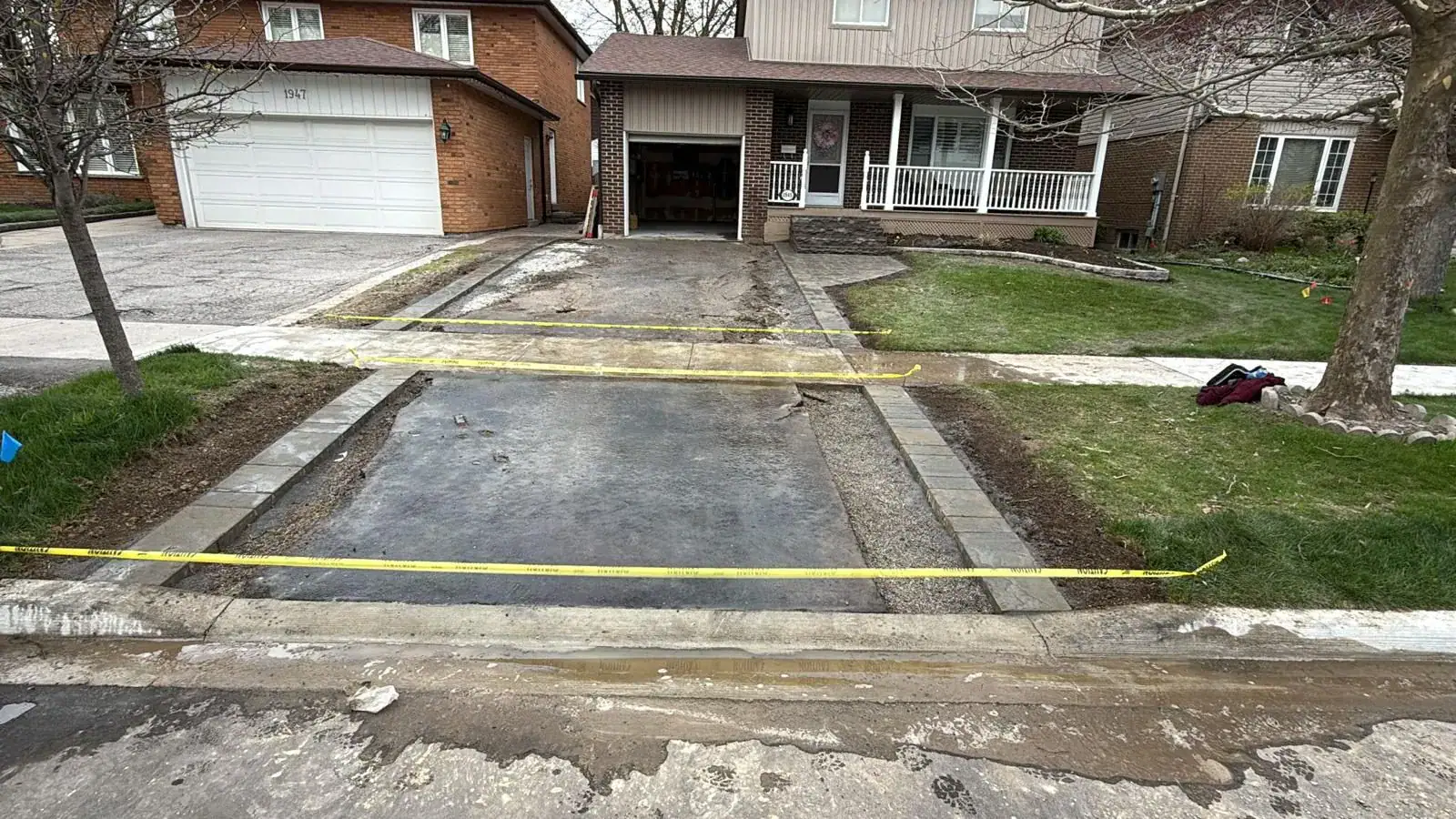
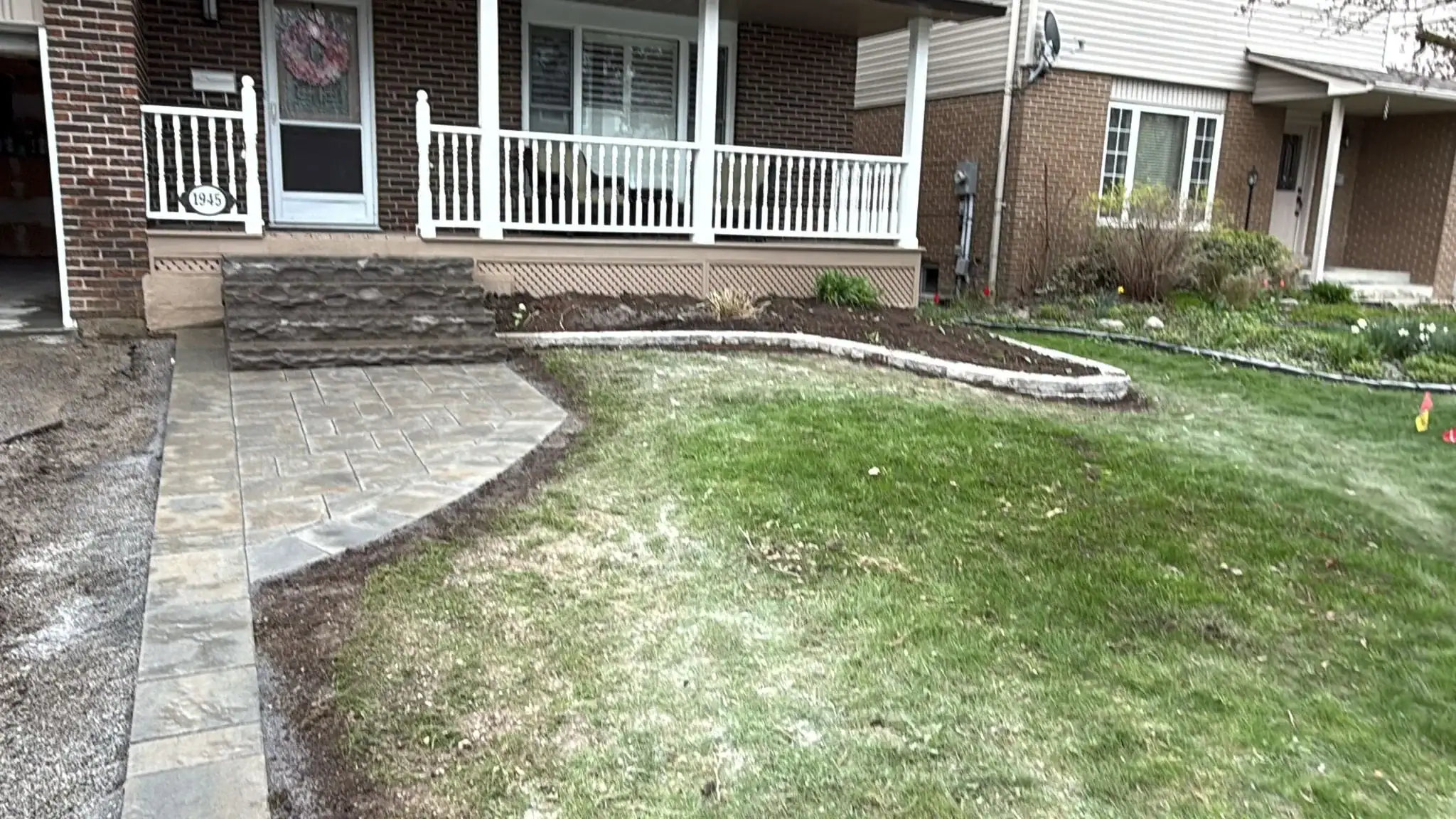
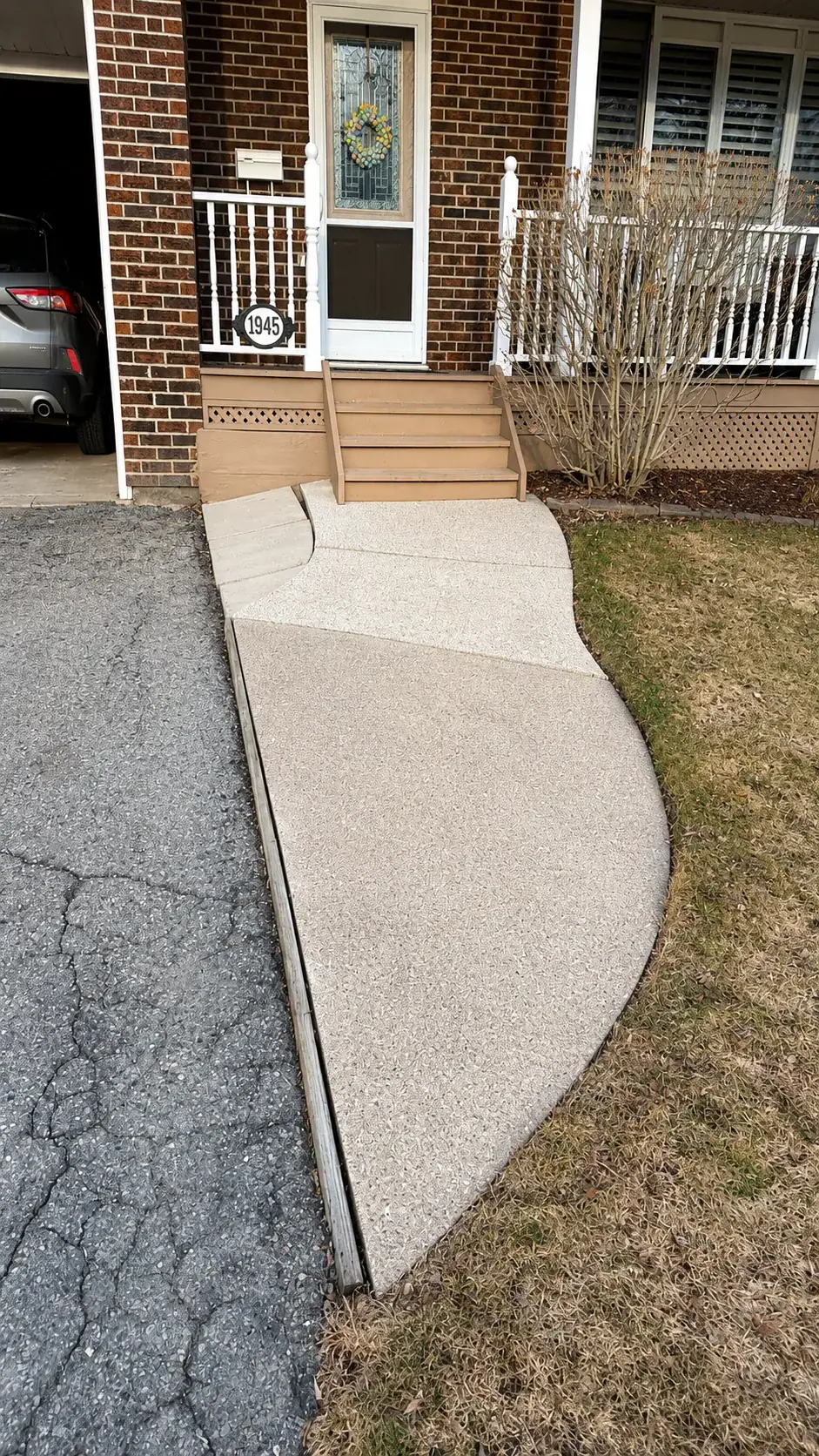
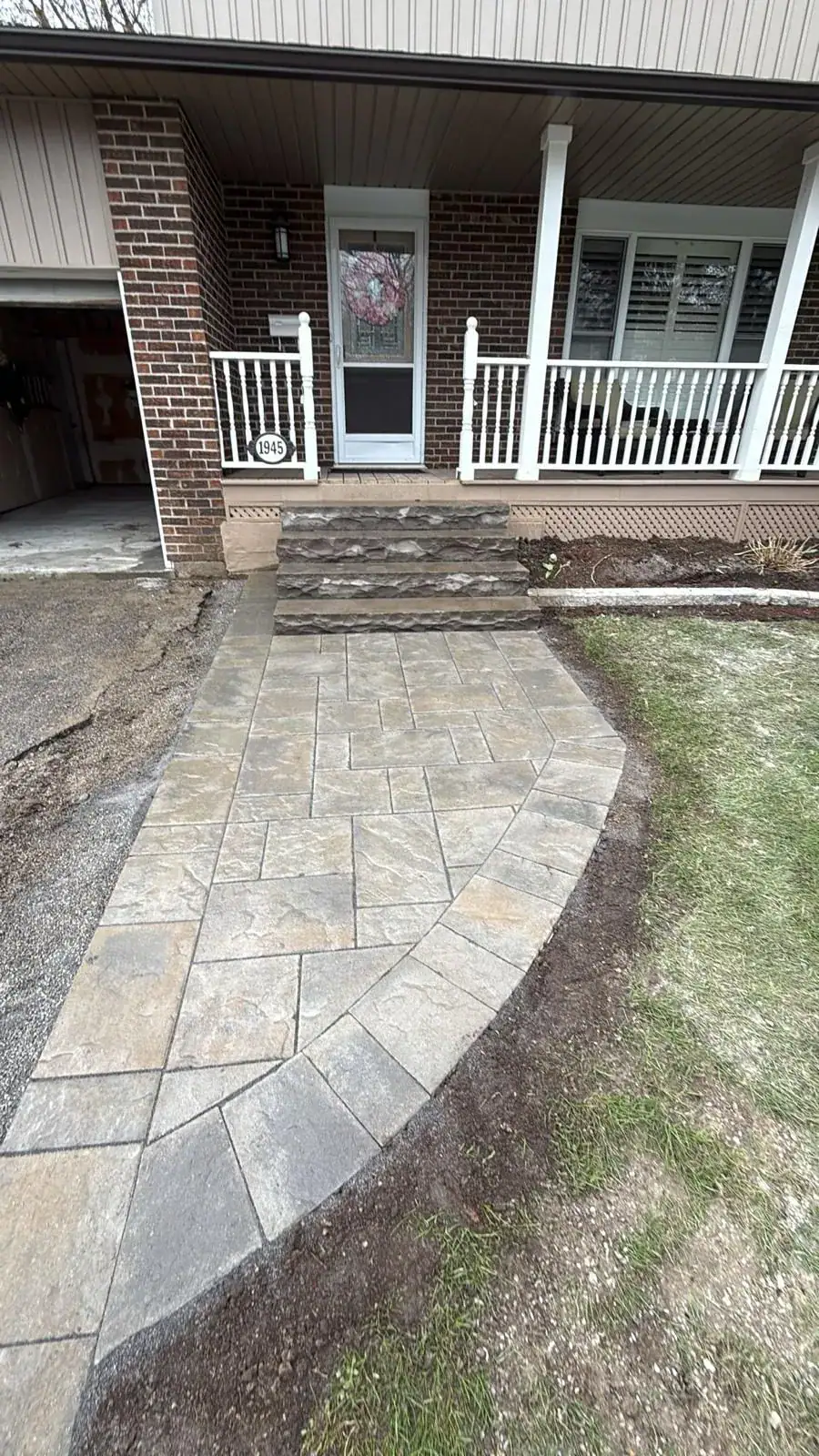
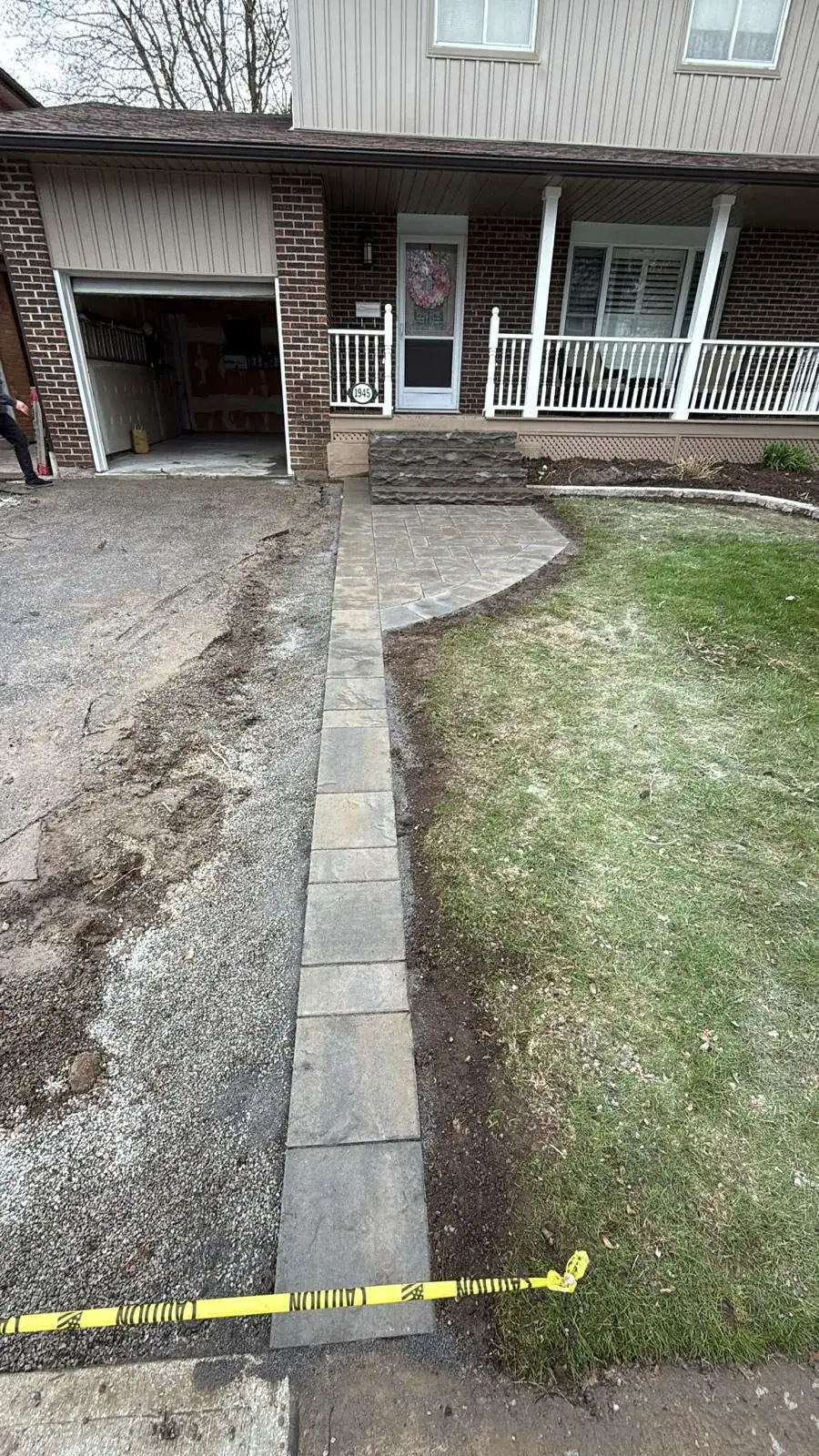
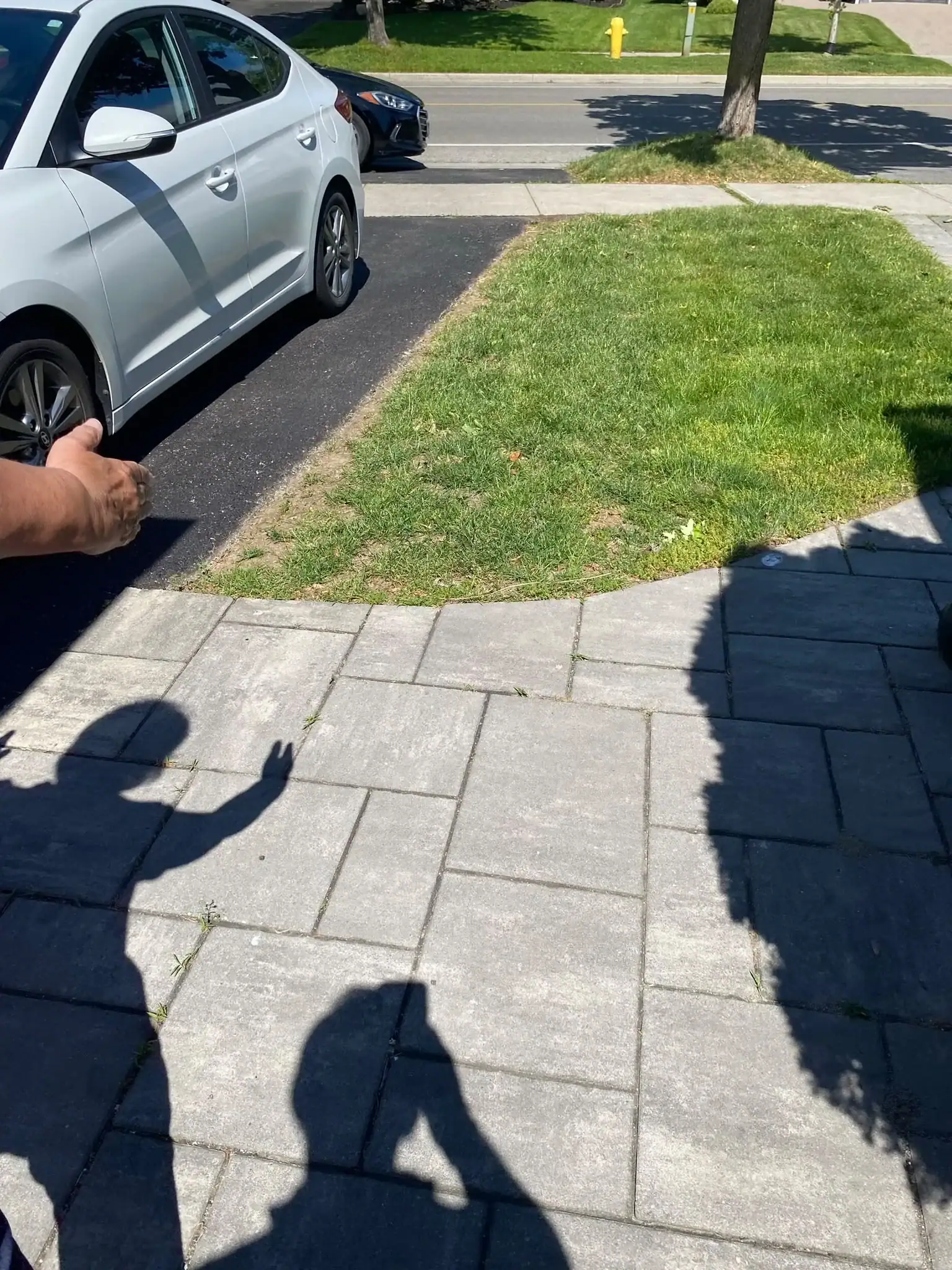
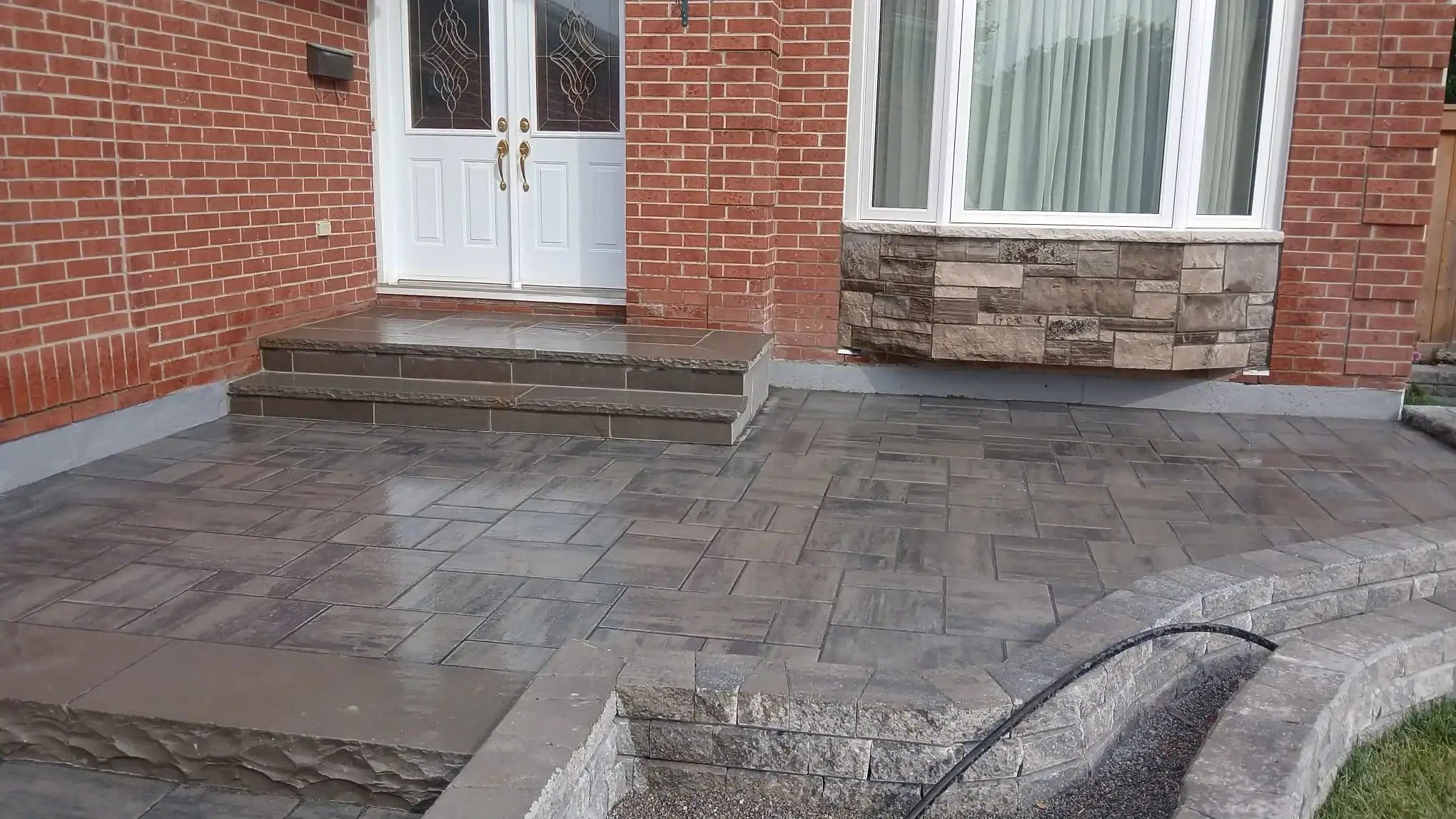
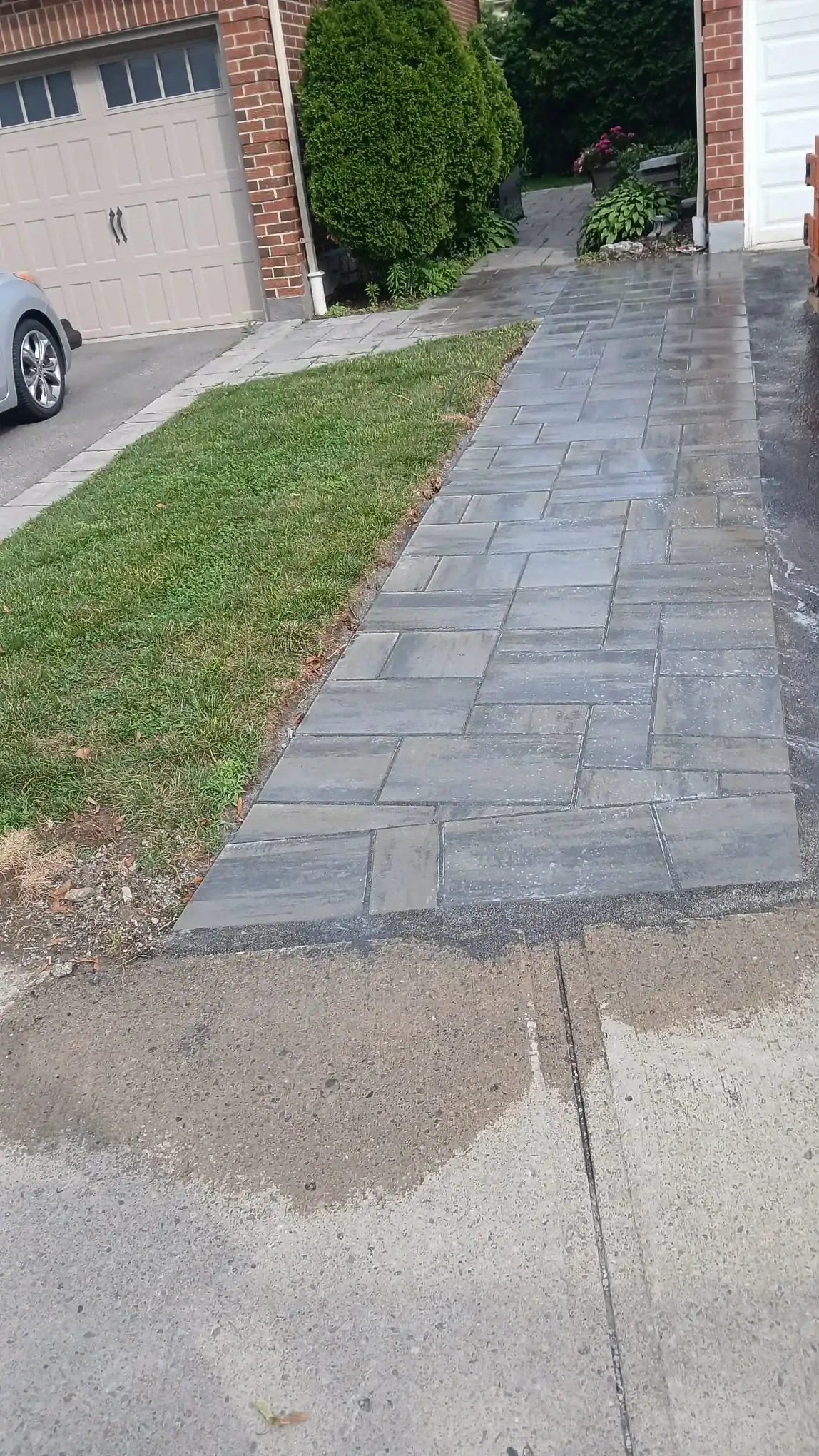
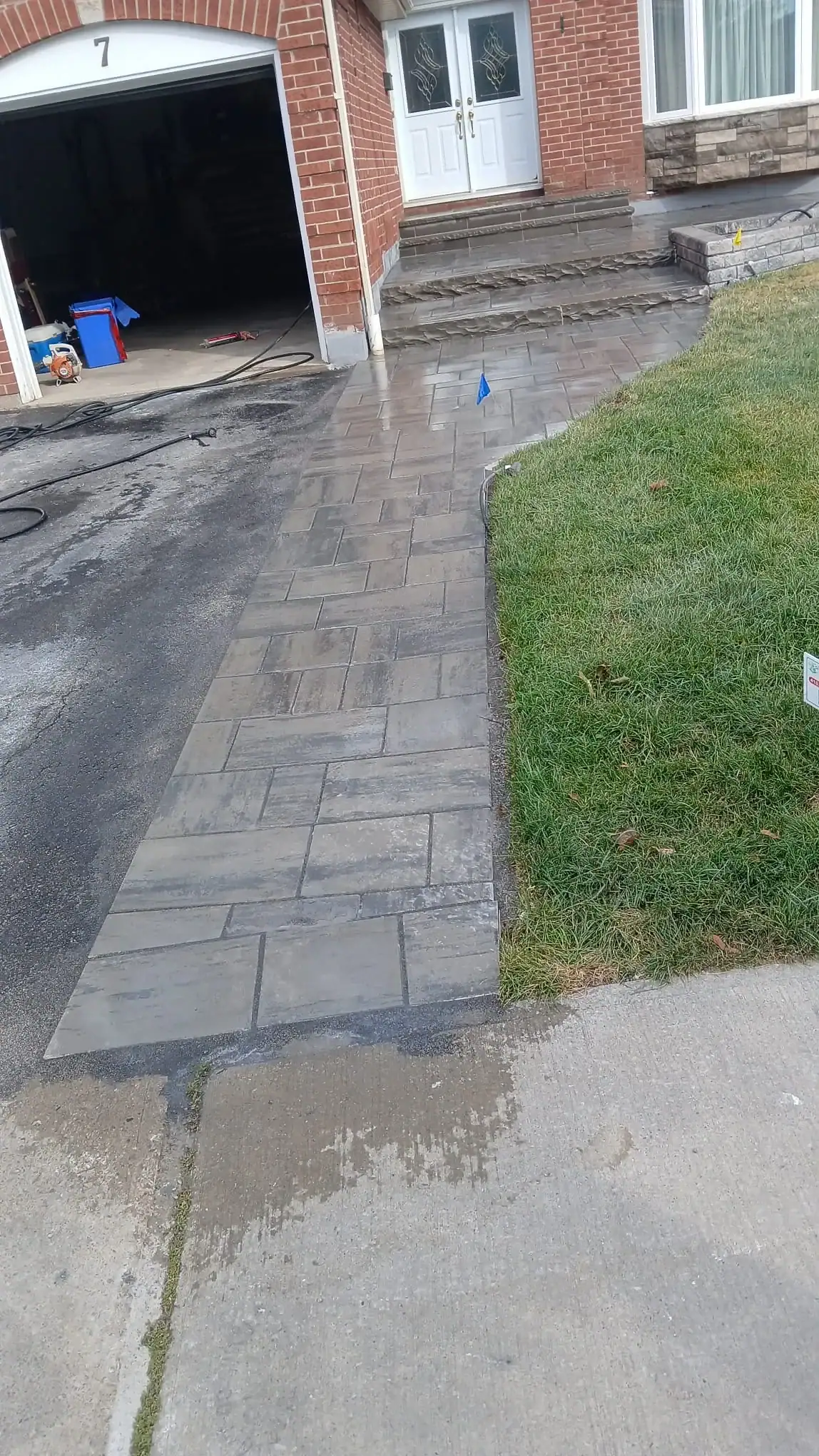
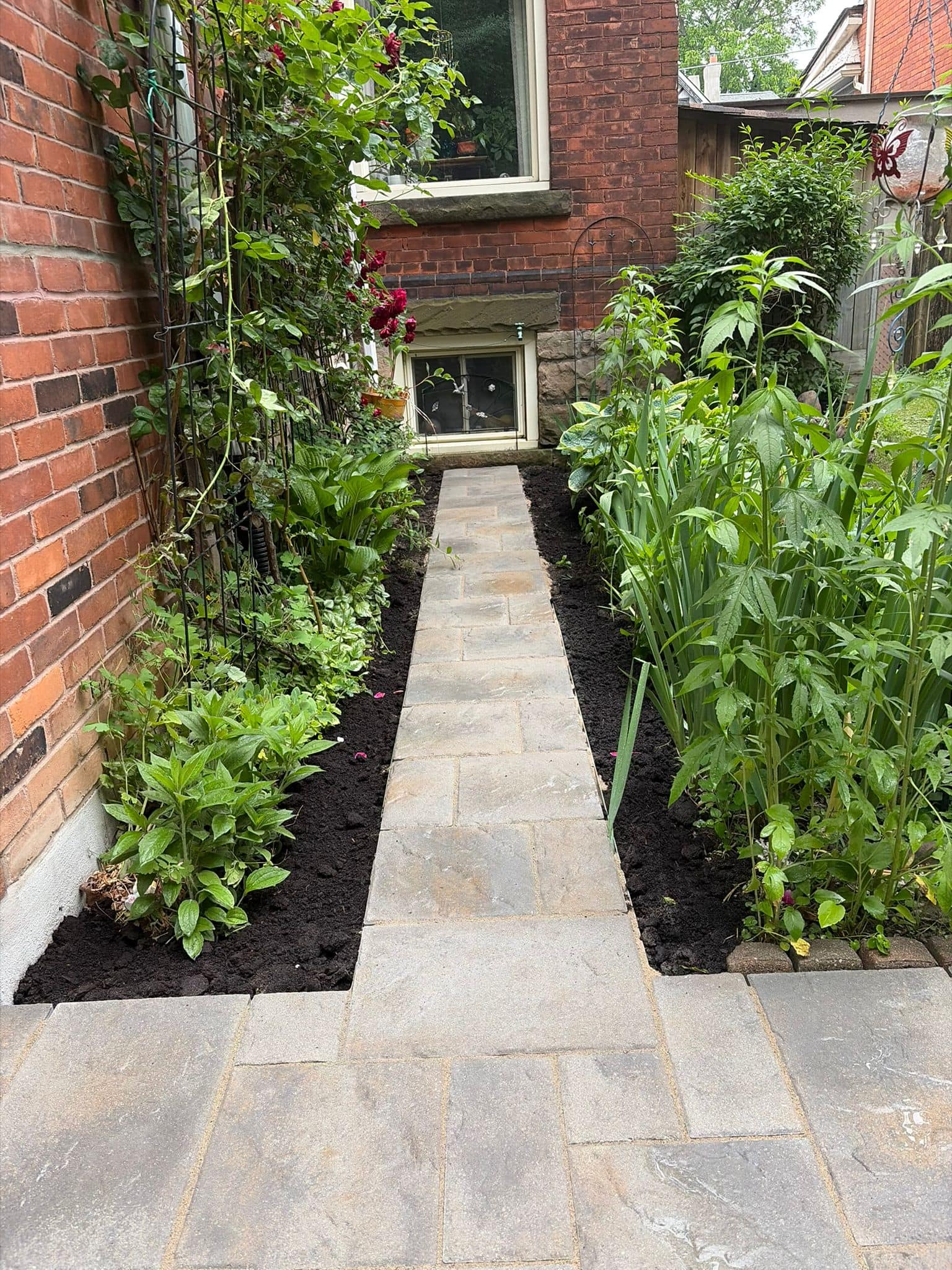
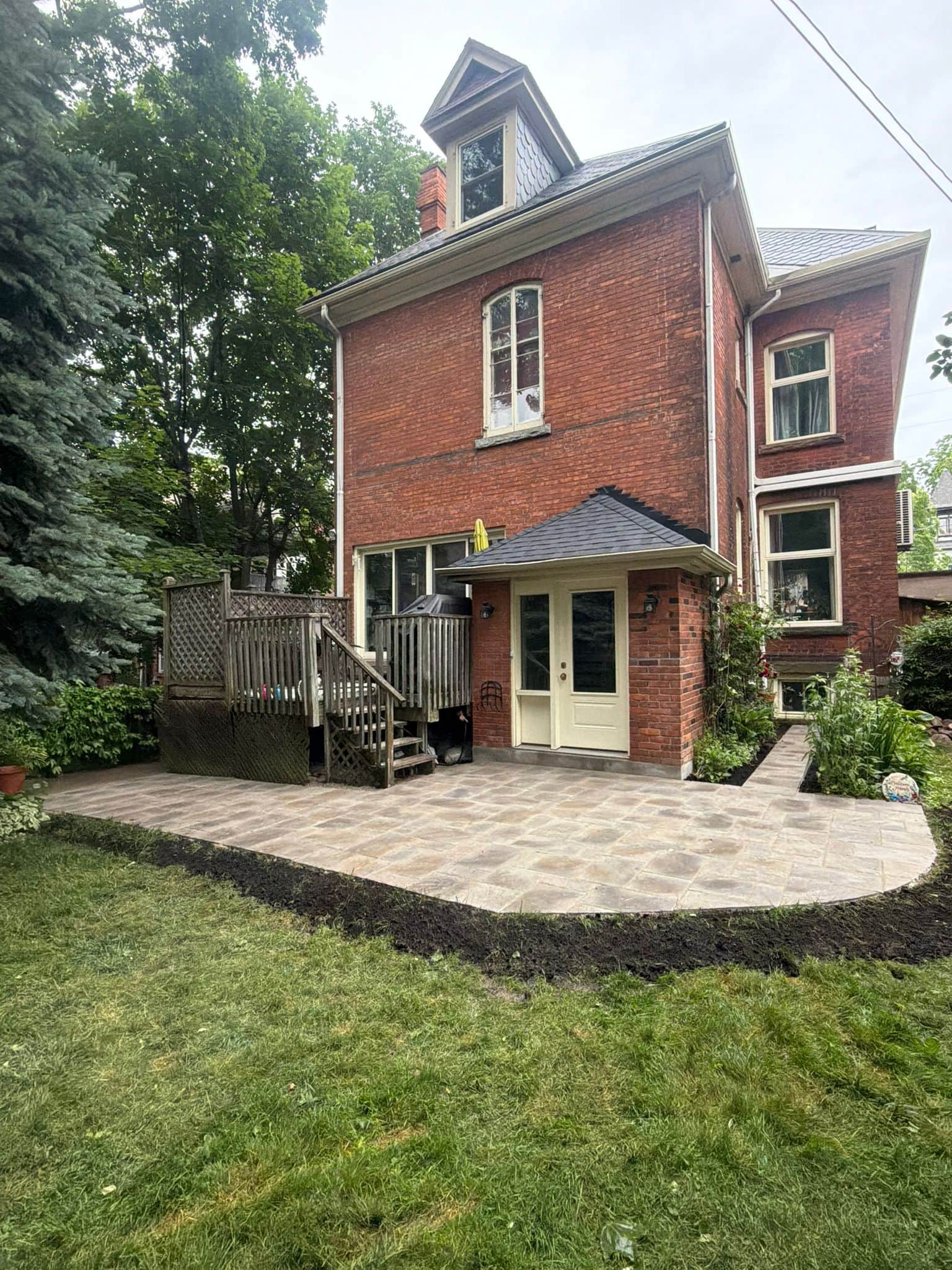
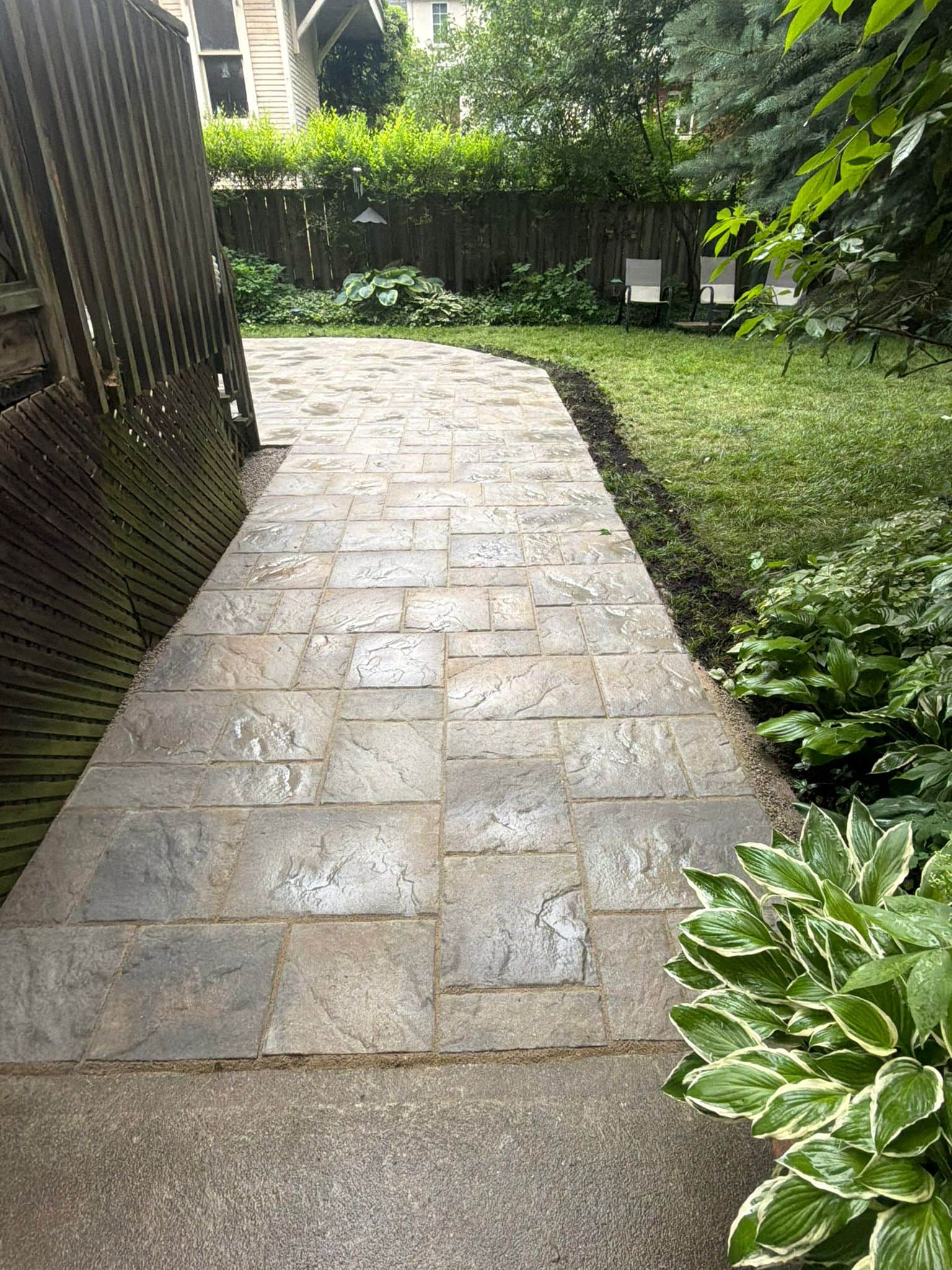
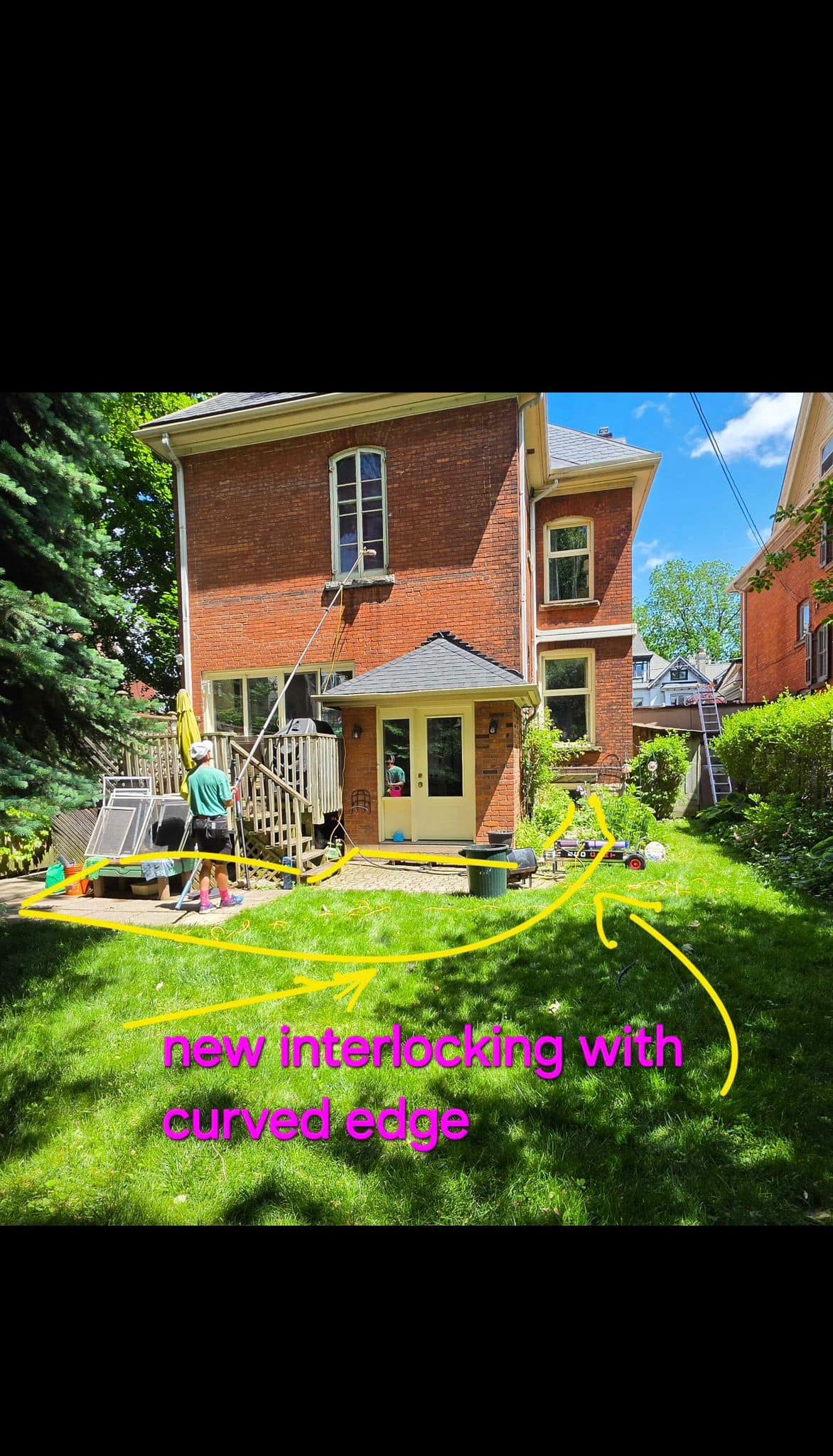
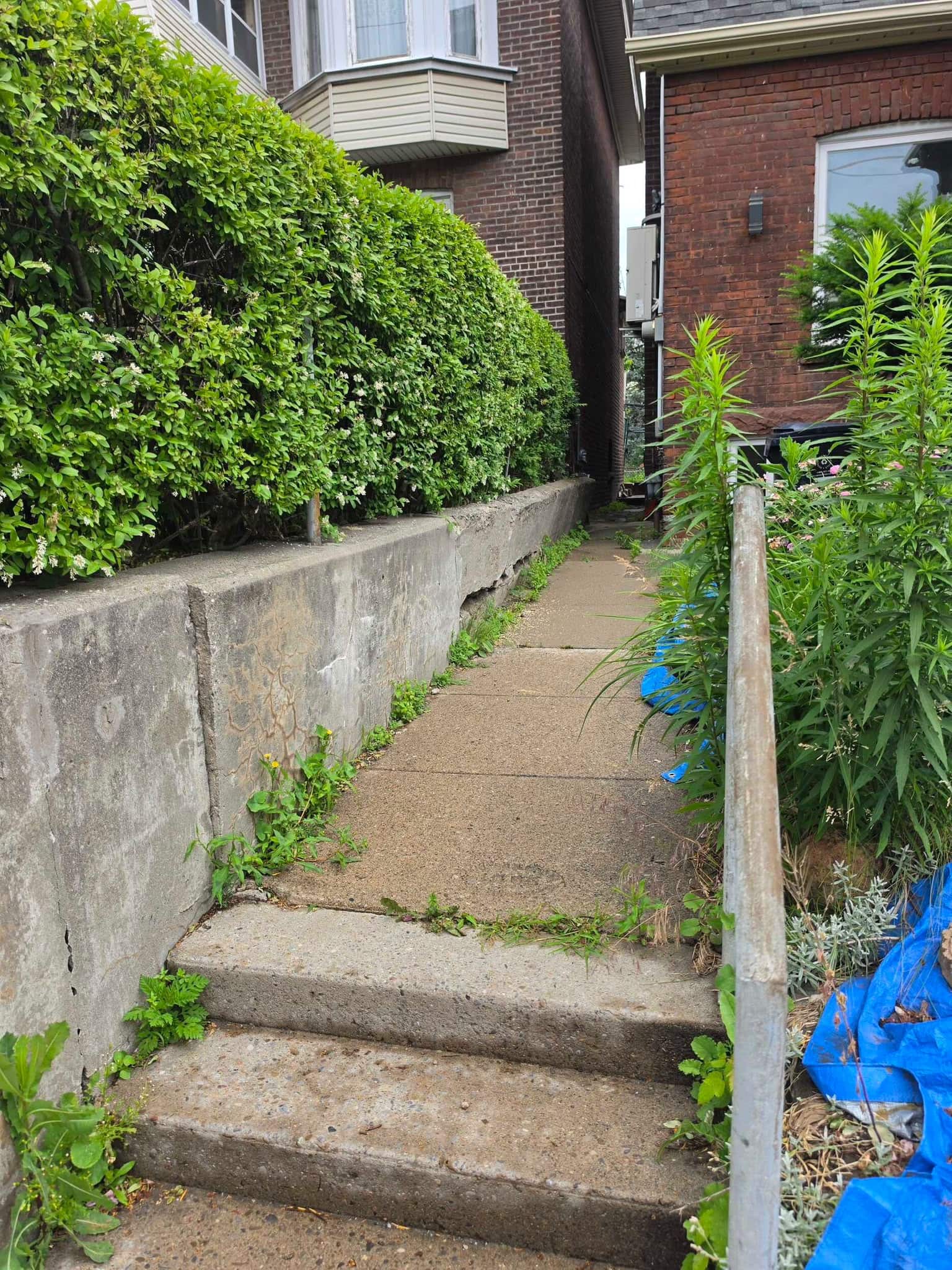
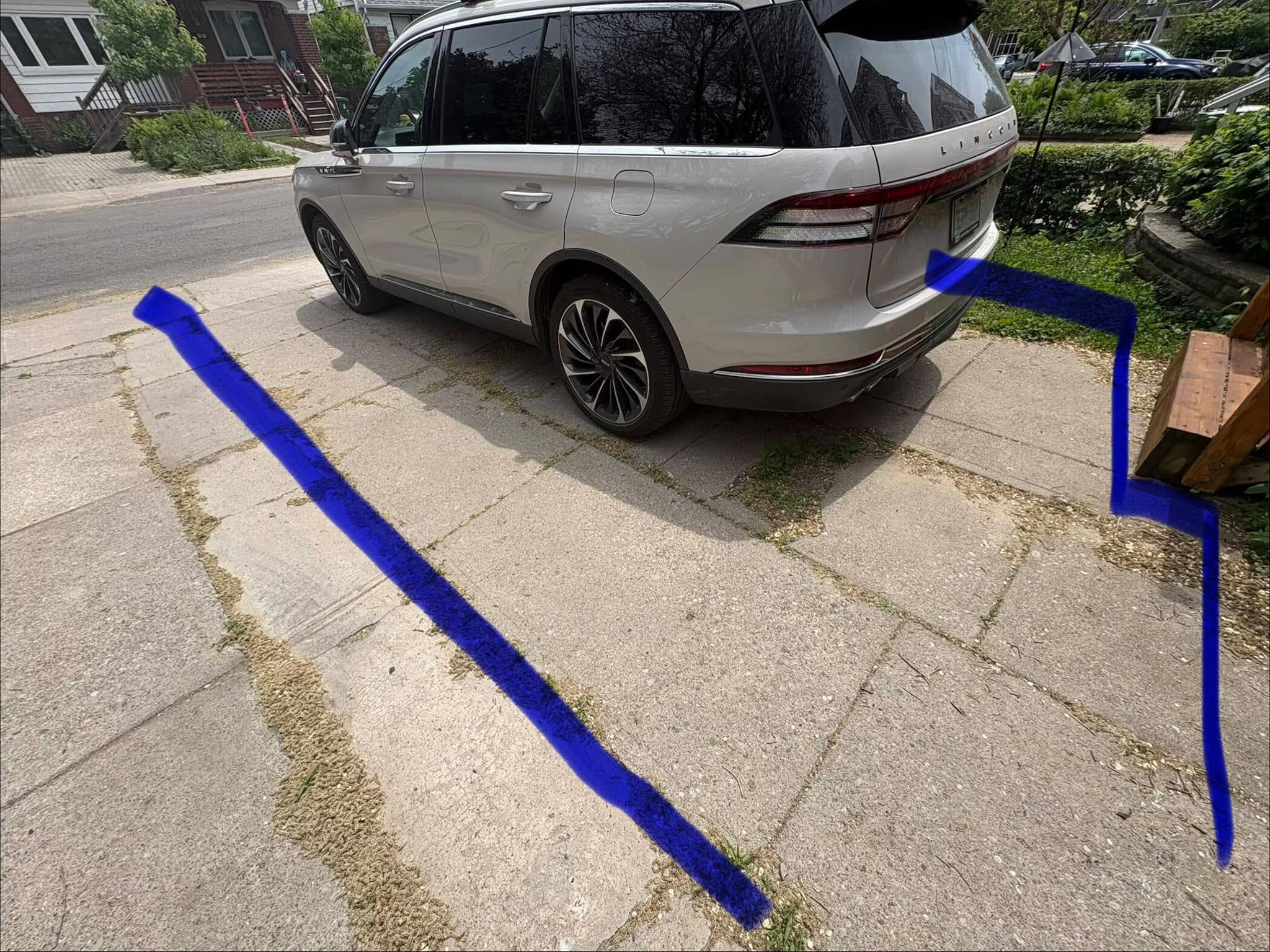
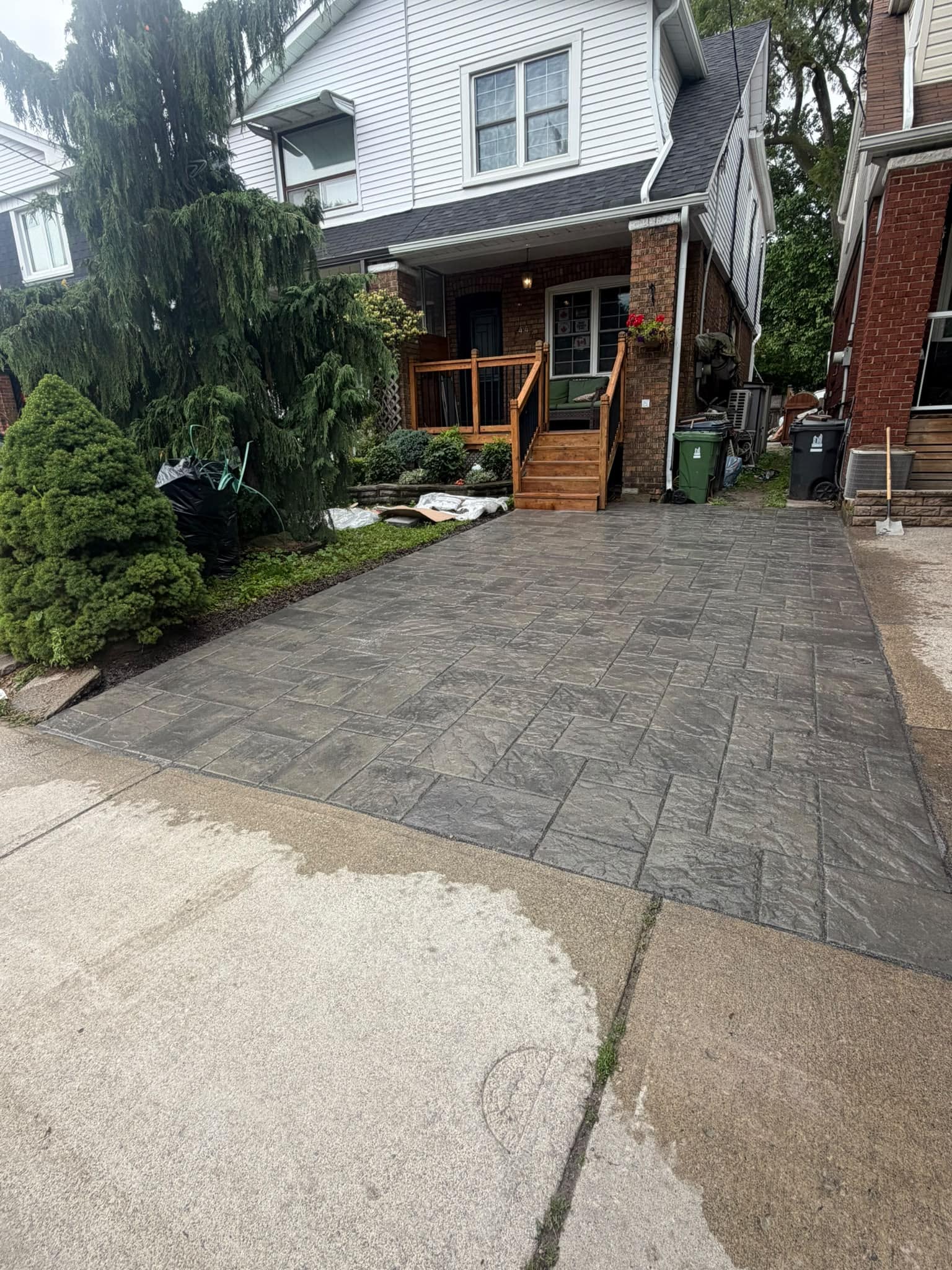
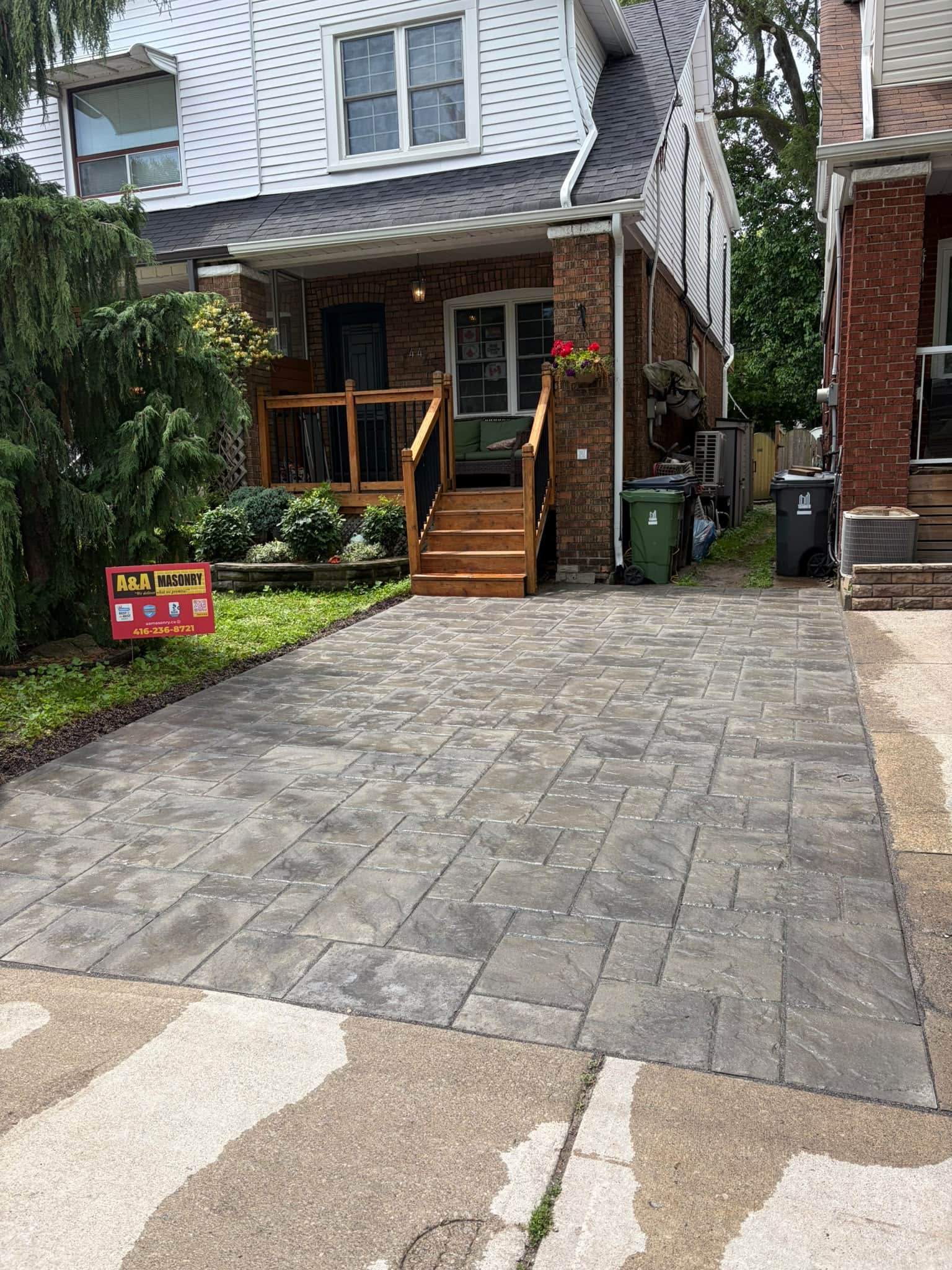
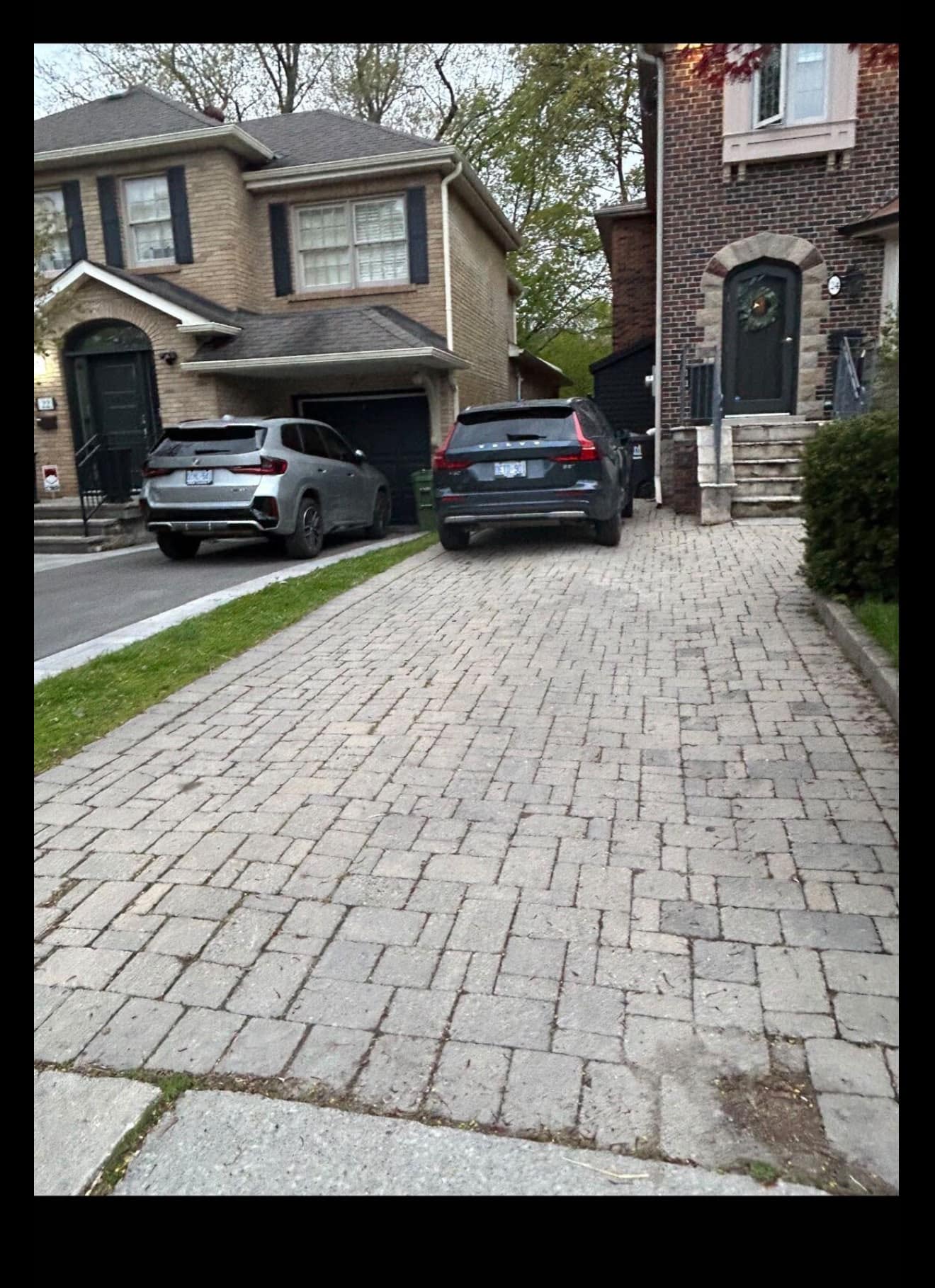
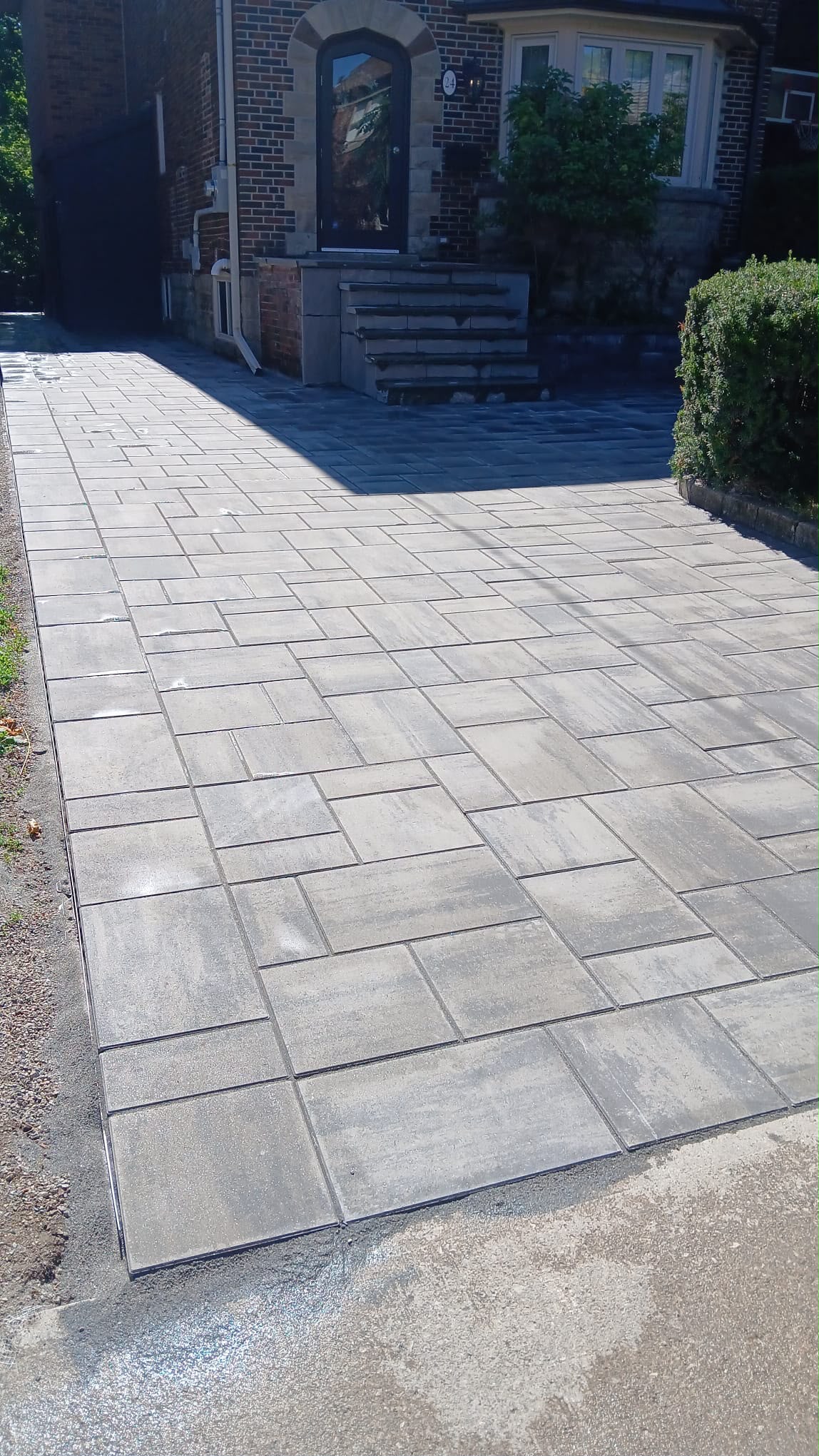
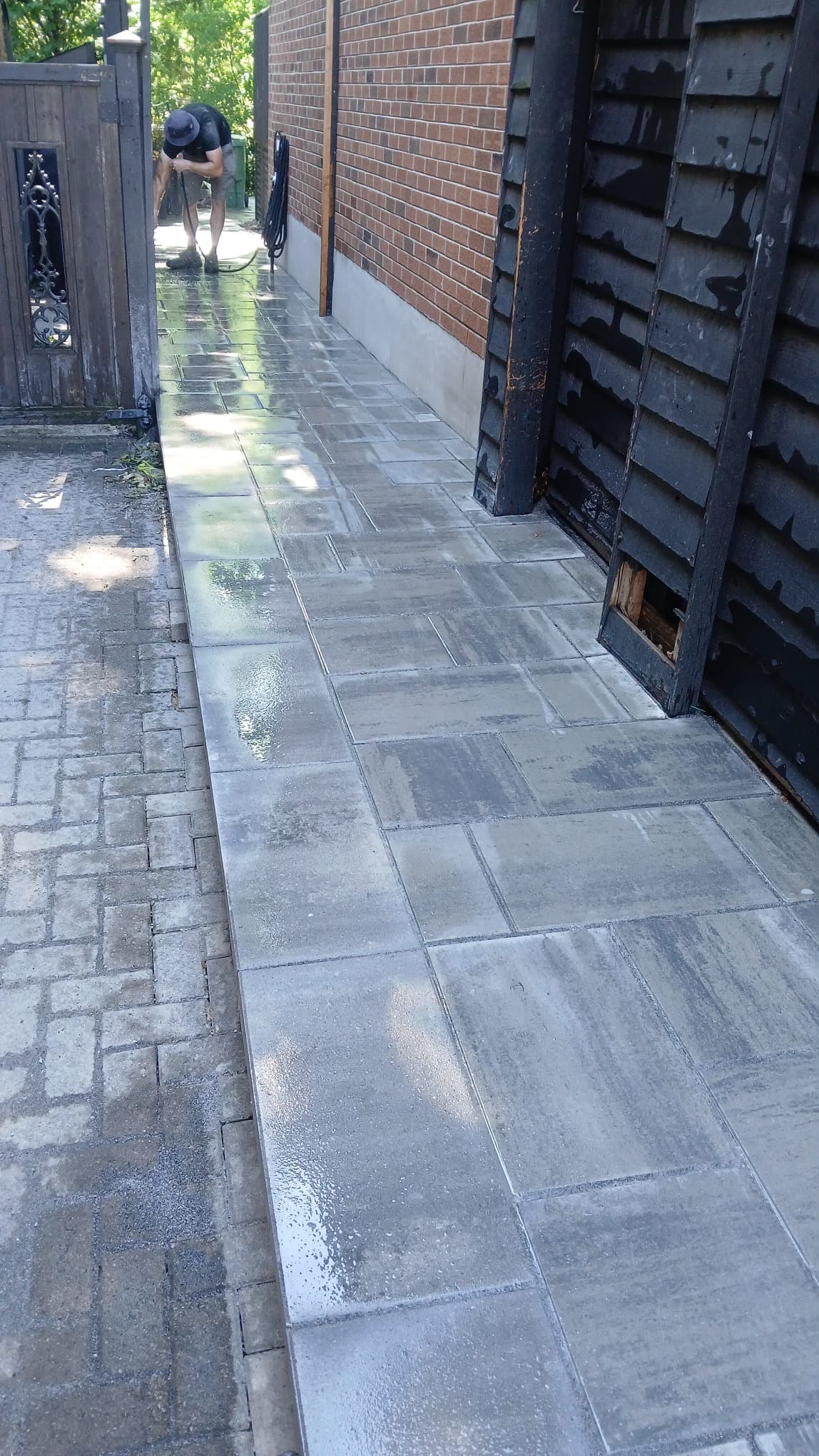
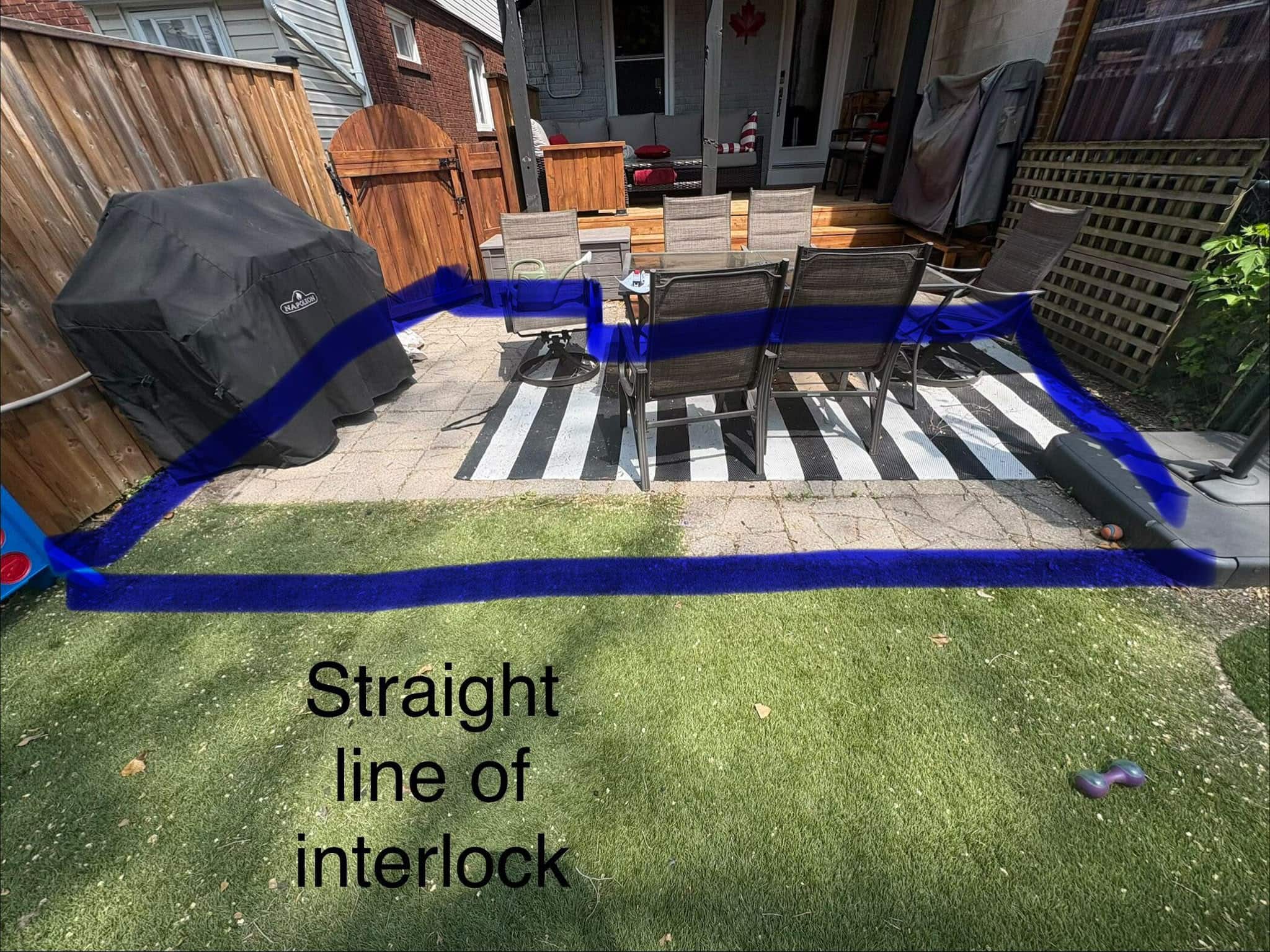
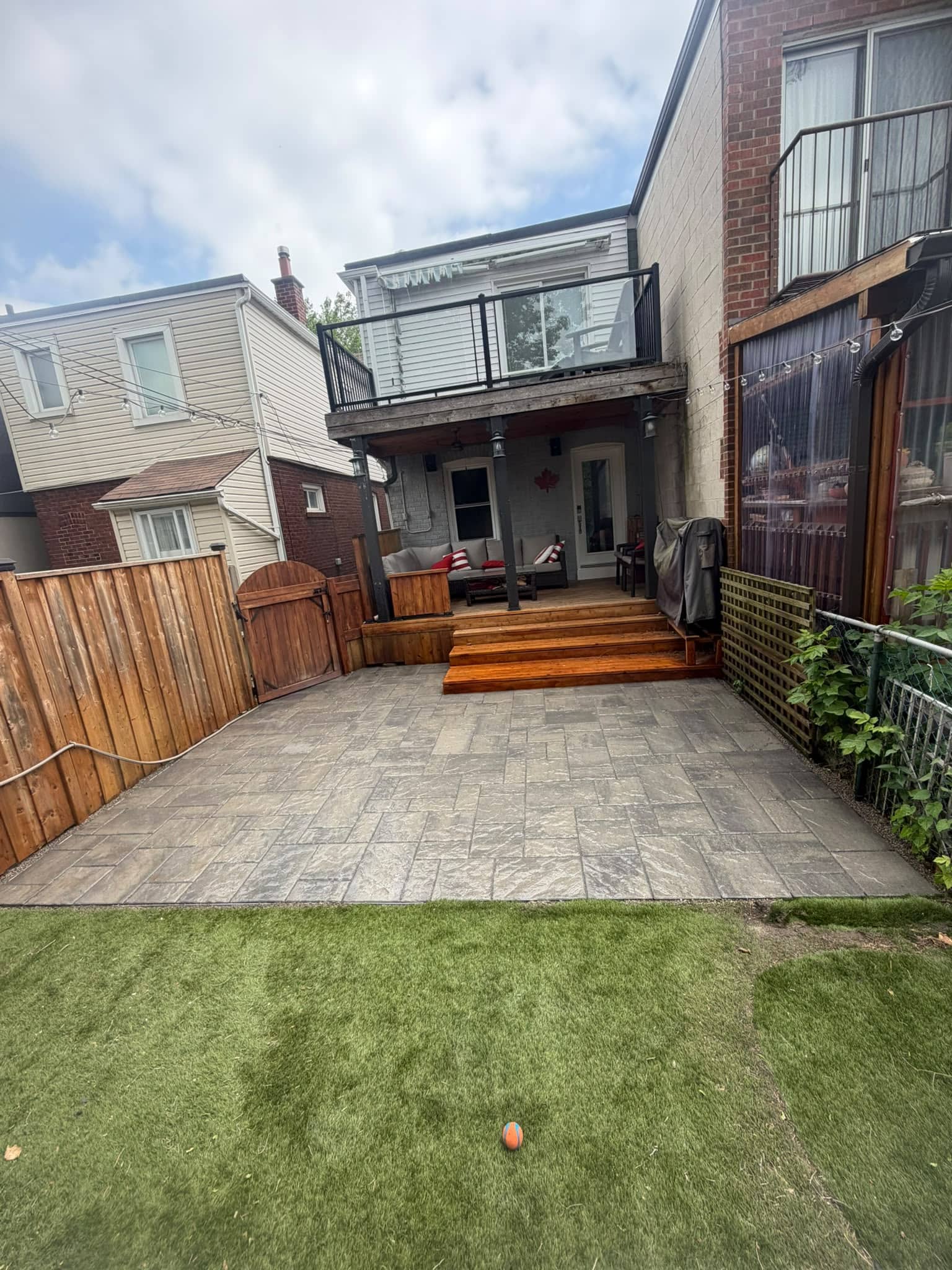
Improper grading directs water toward the foundation rather than away from it. In many cases, walkways and hardscapes installed decades ago now slope incorrectly. Modern solutions like paver walkway interlocking can correct drainage while improving curb appeal.
Aging porches and entry structures
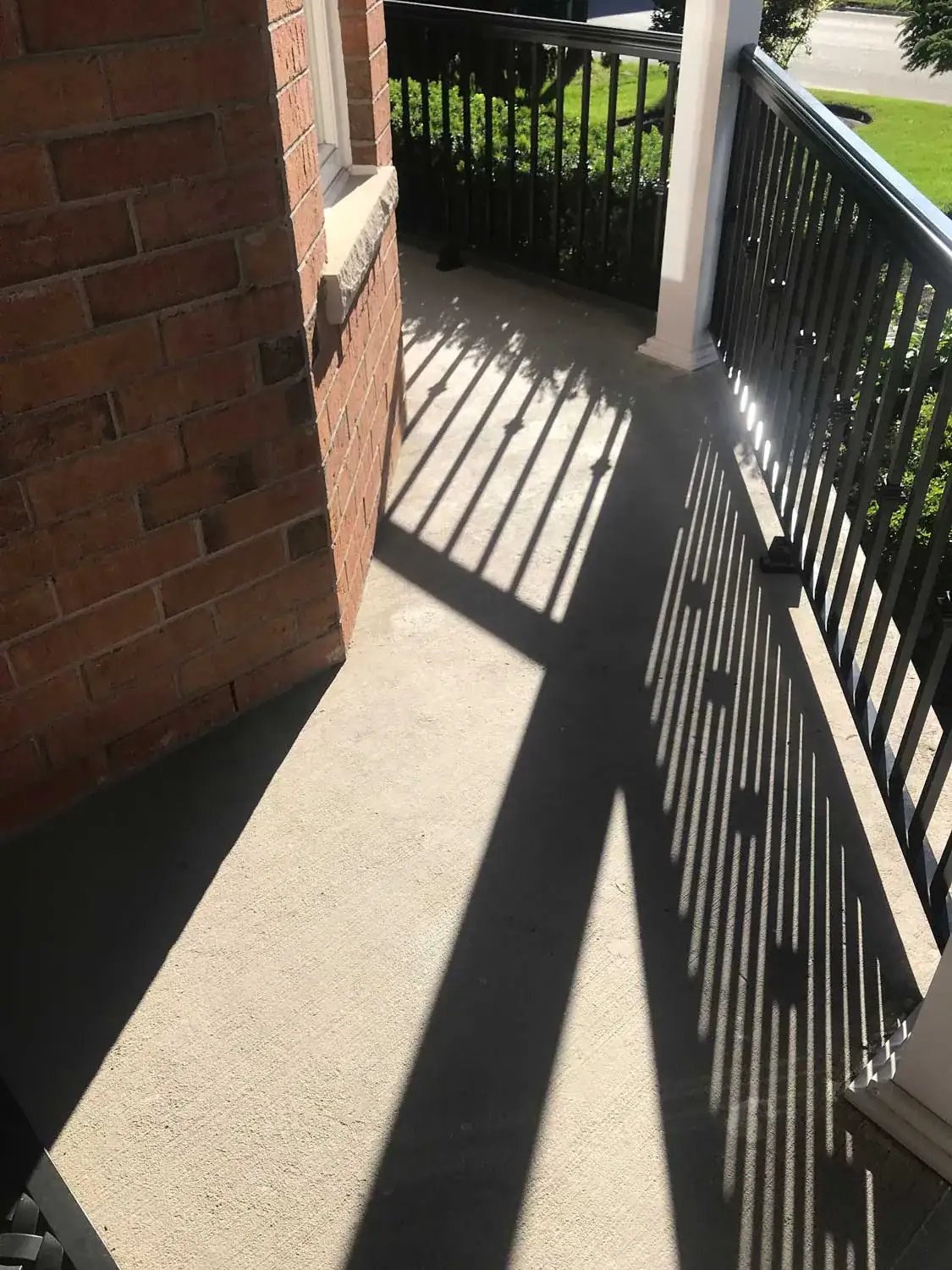
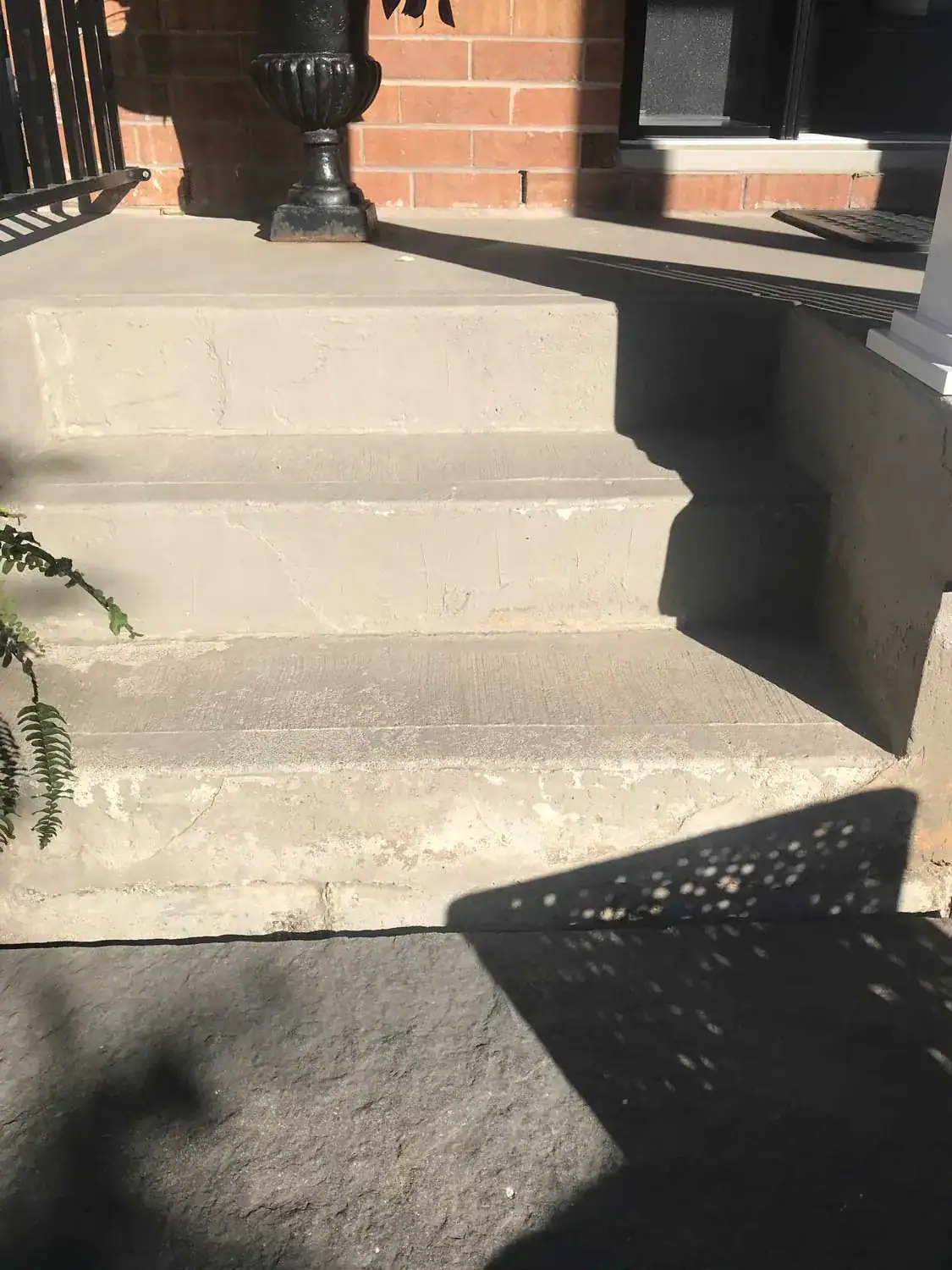
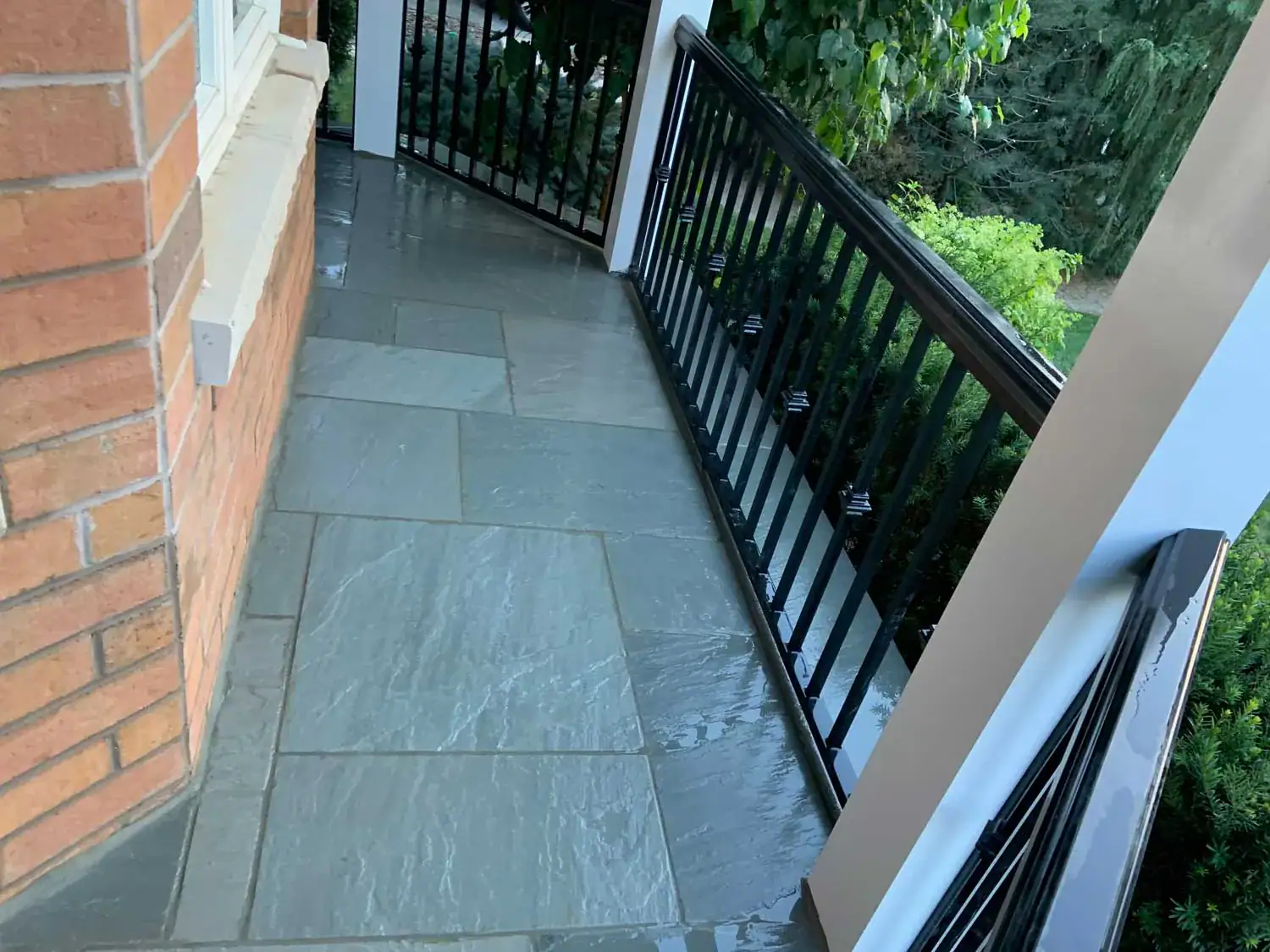
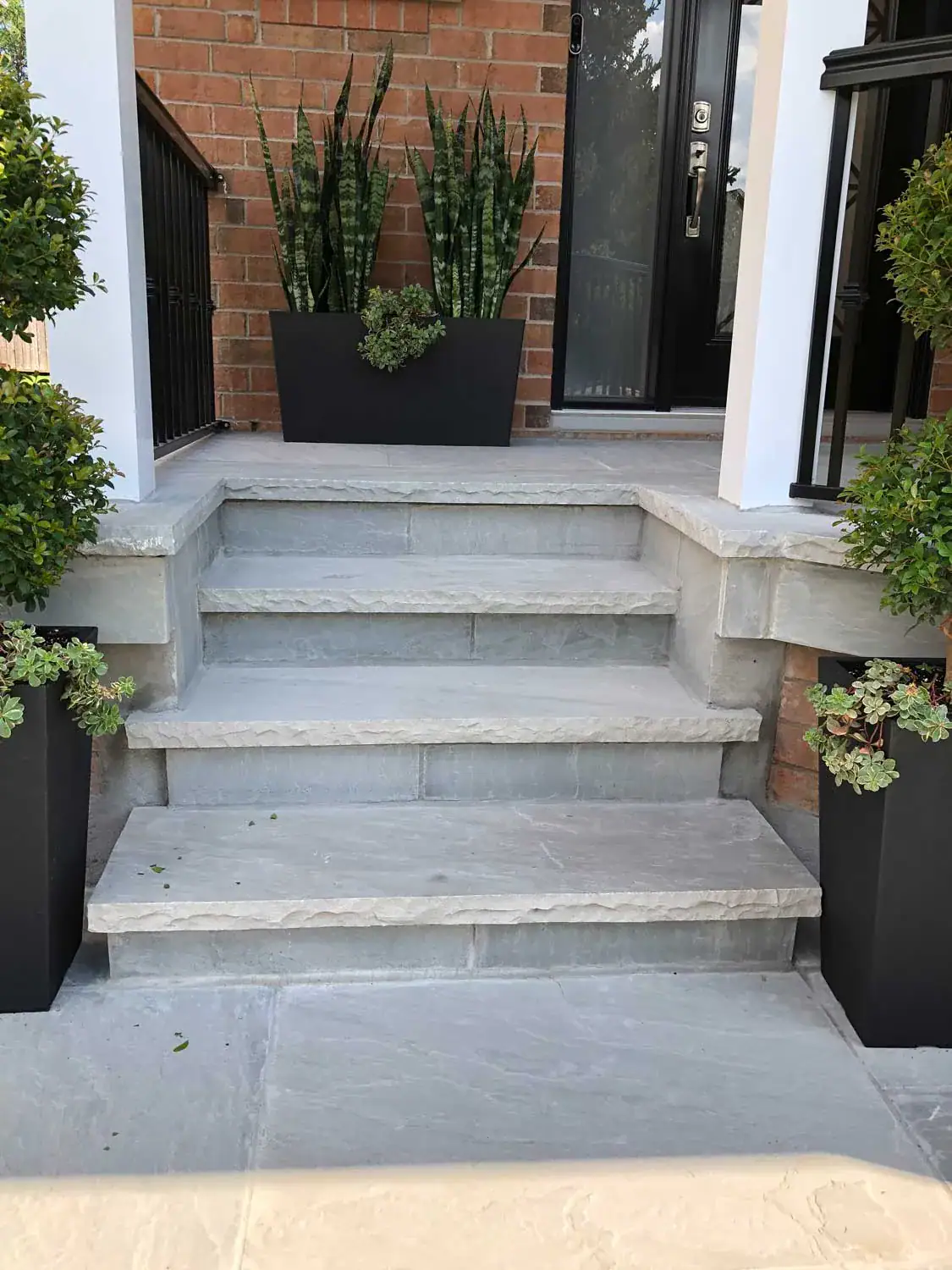
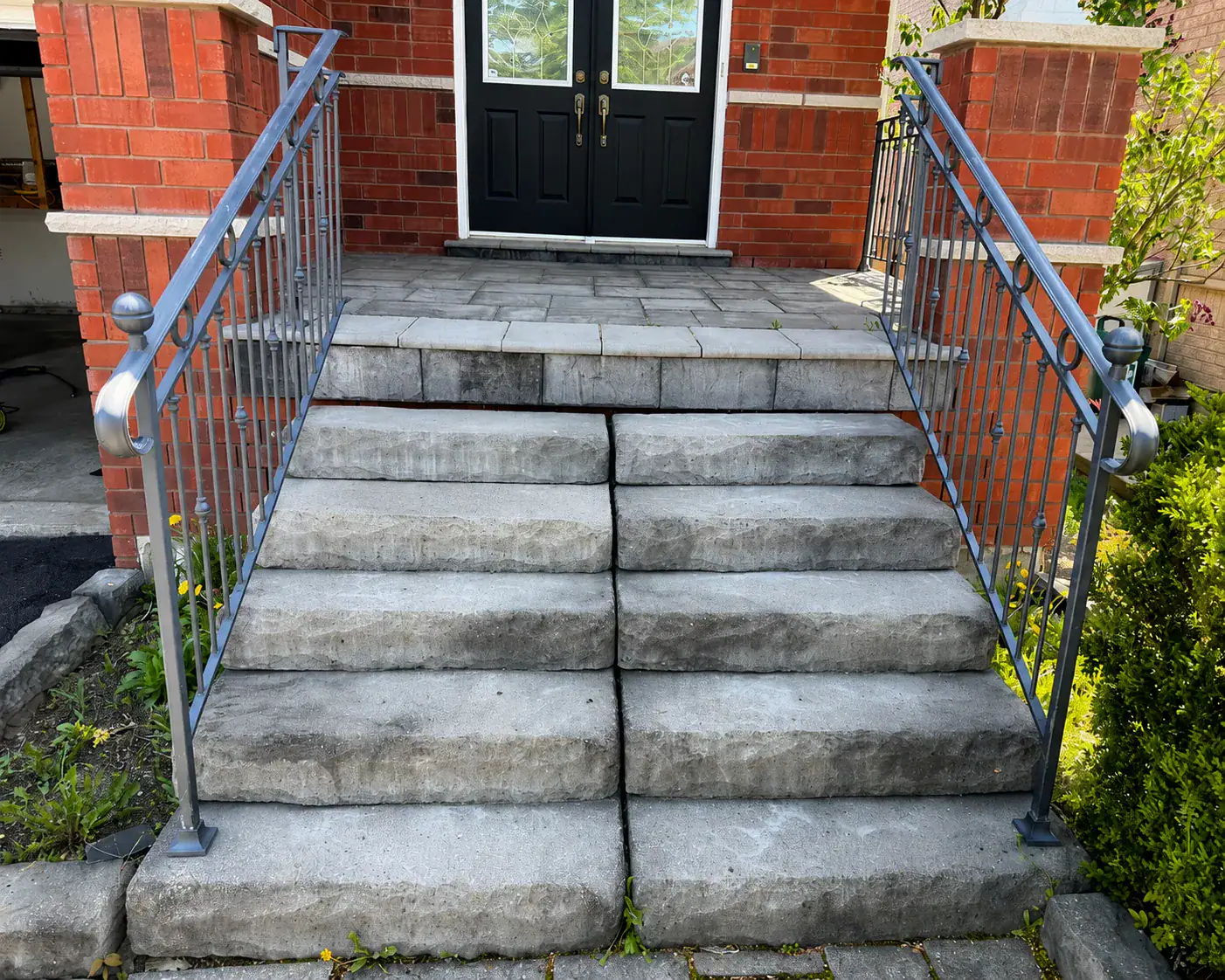
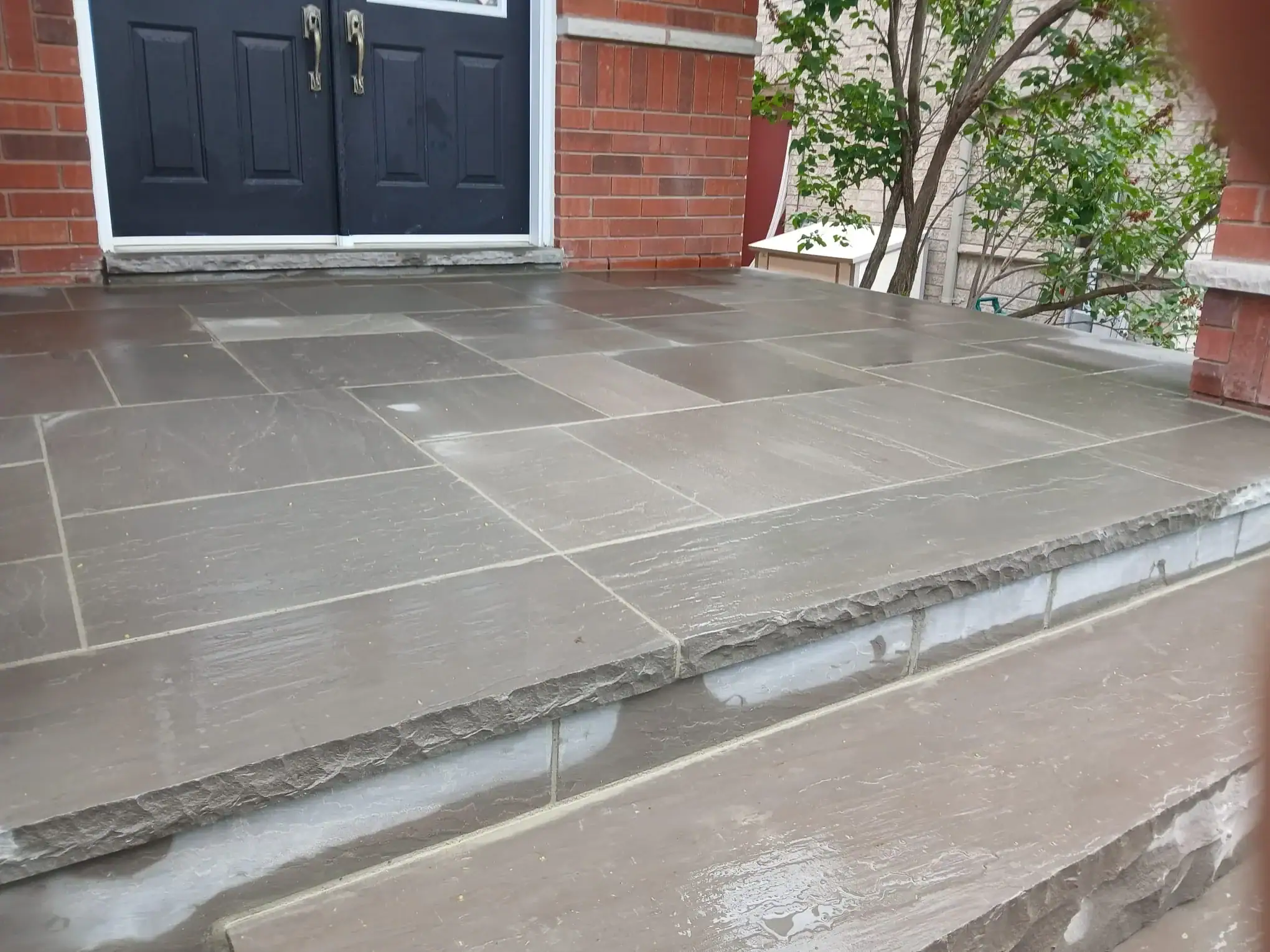
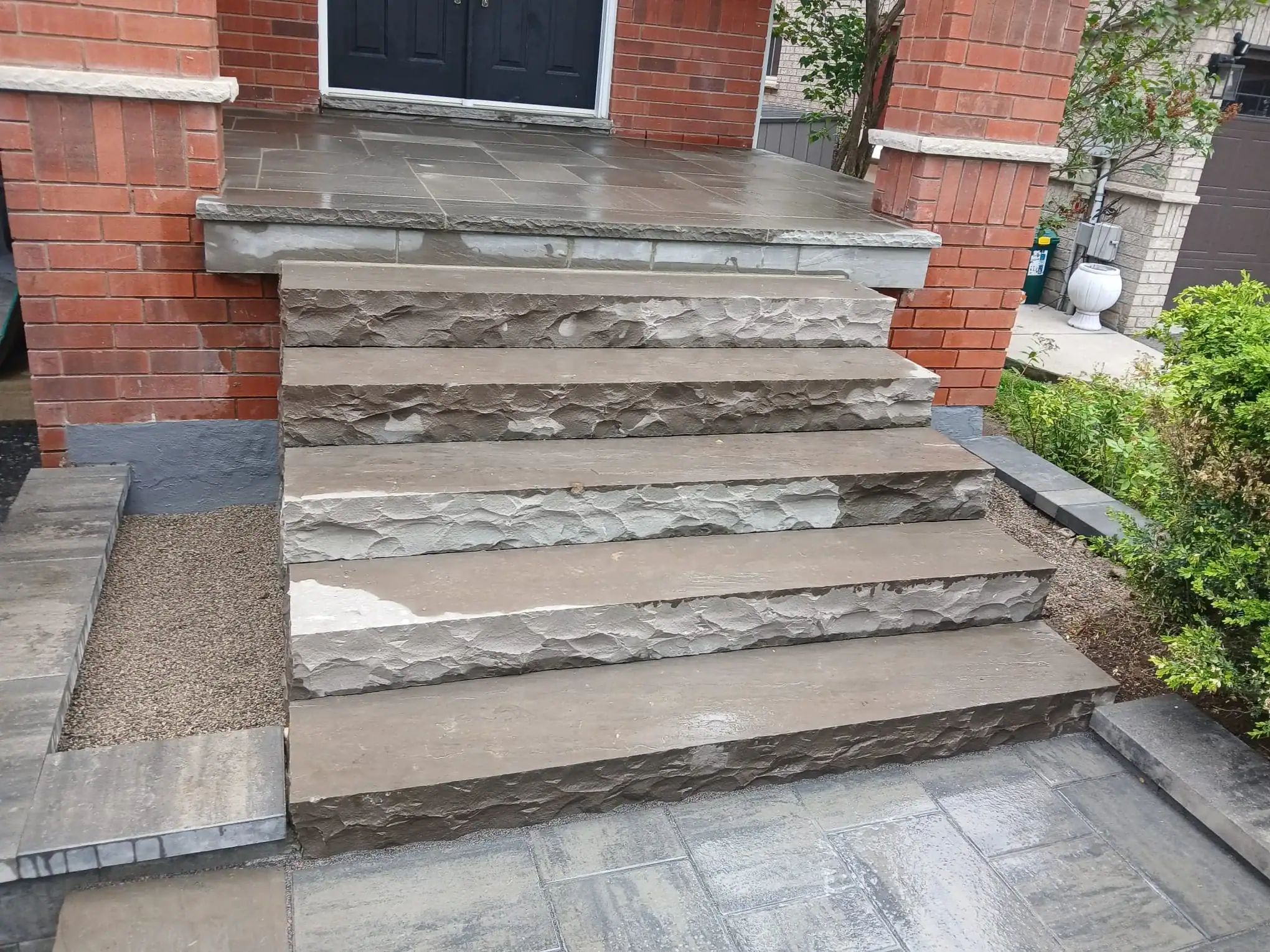
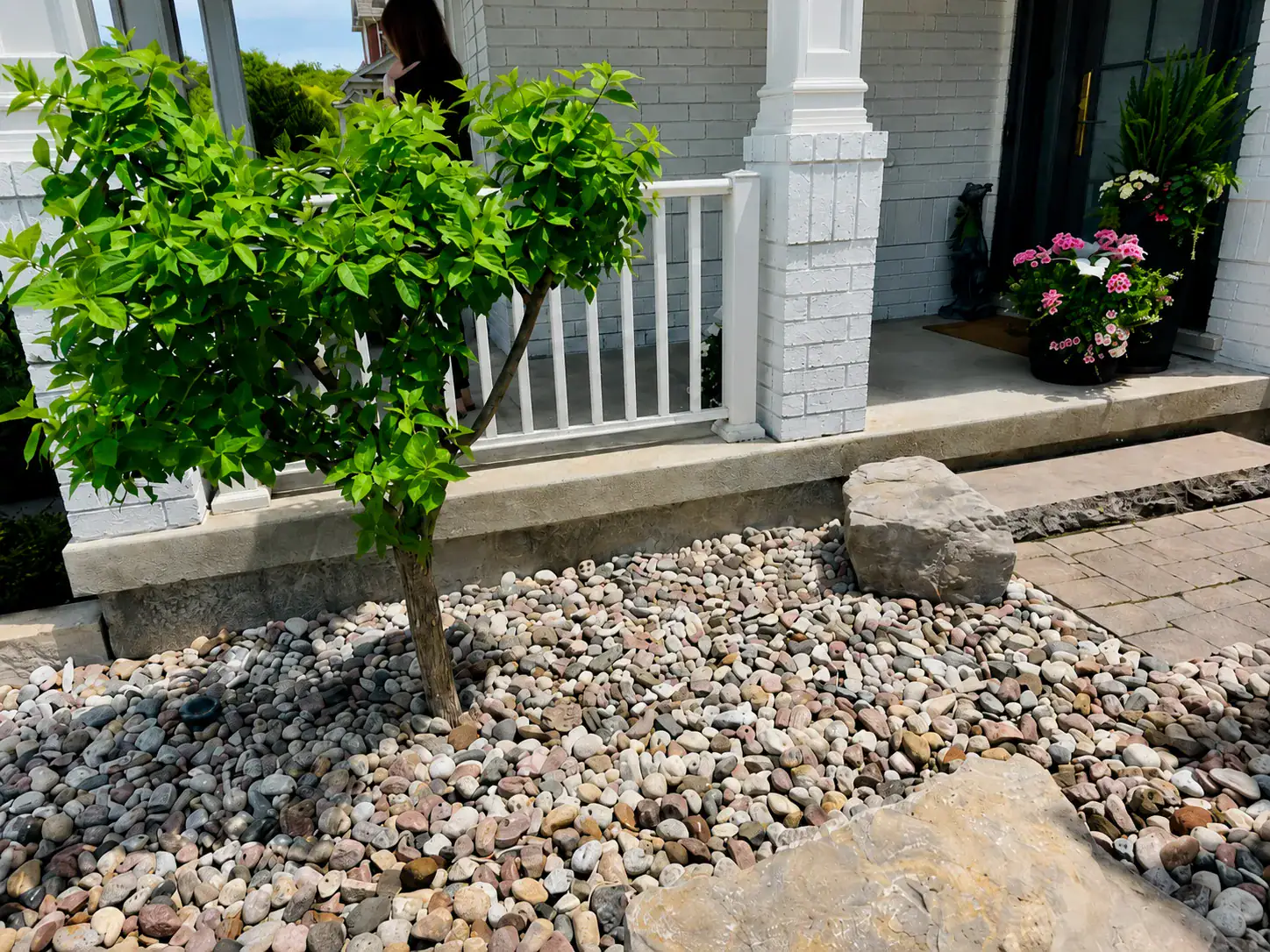
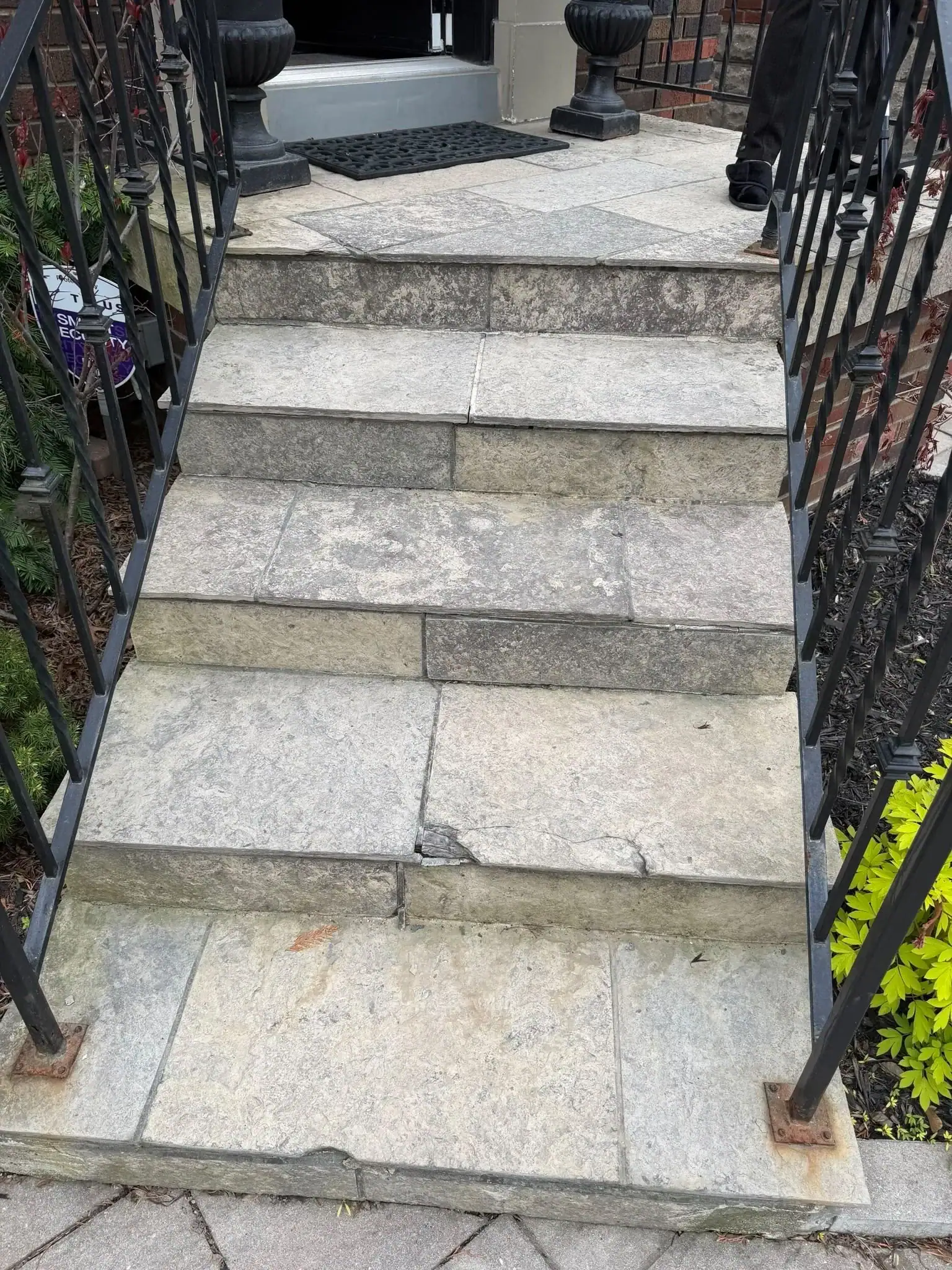
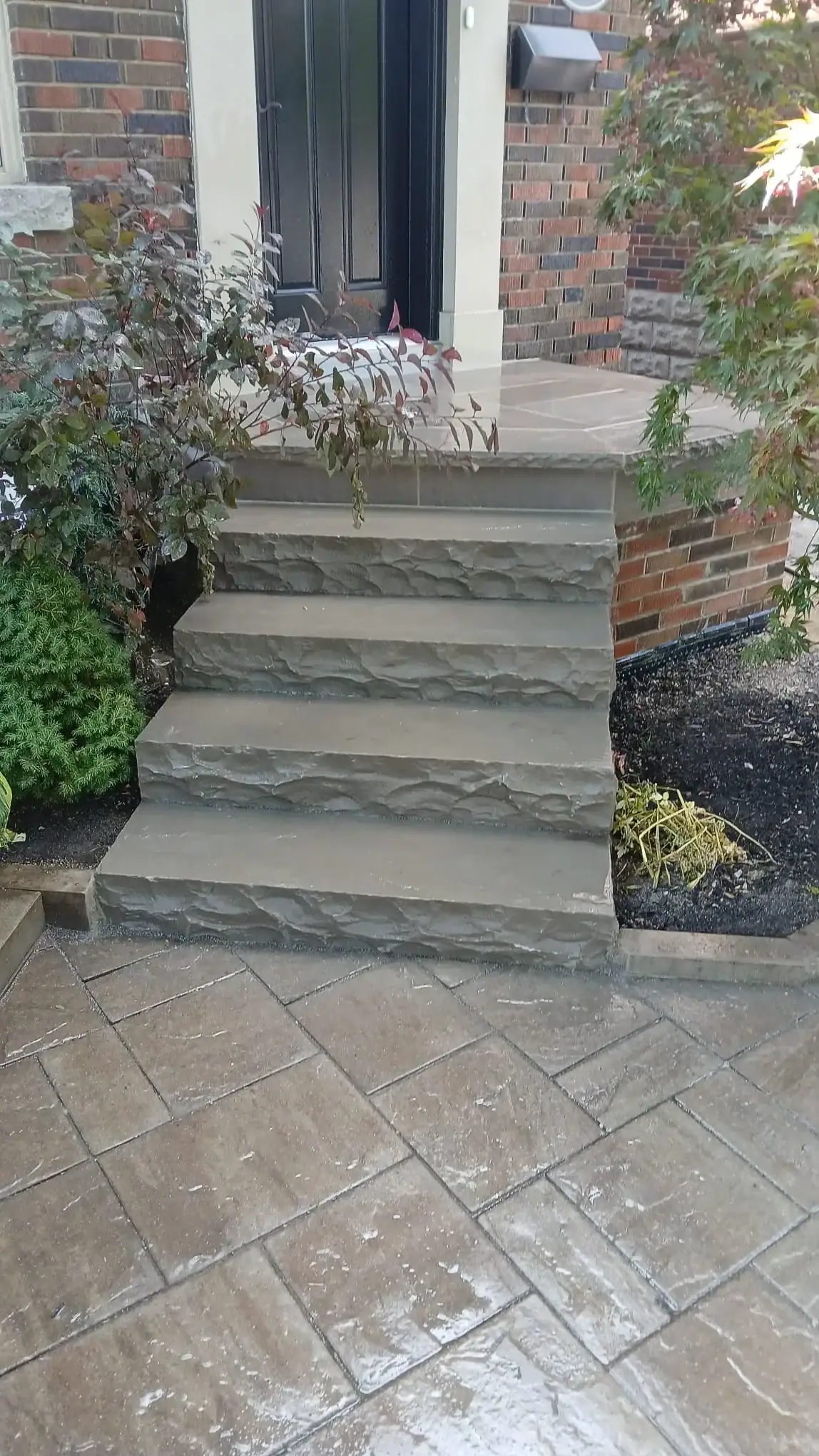
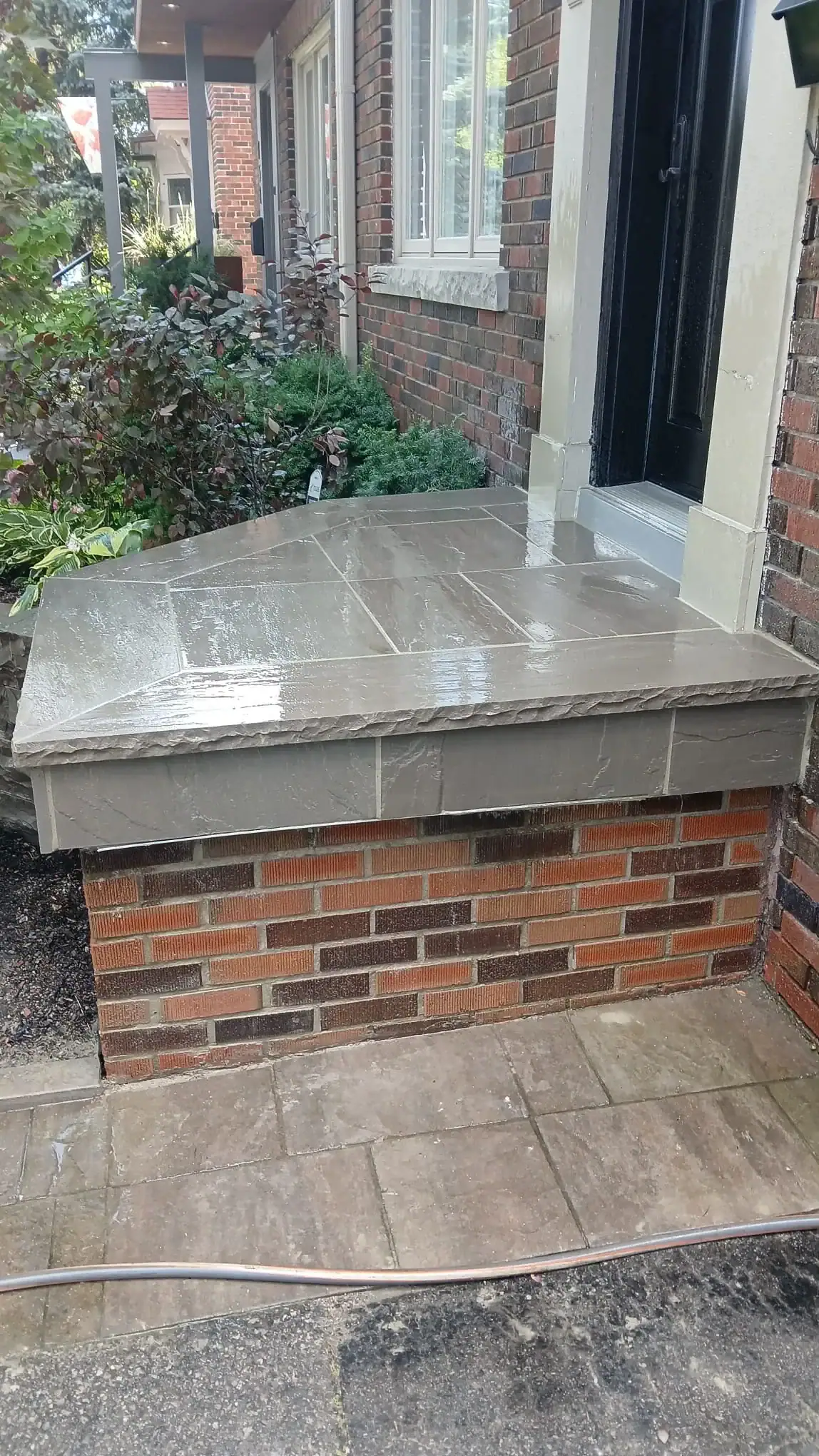
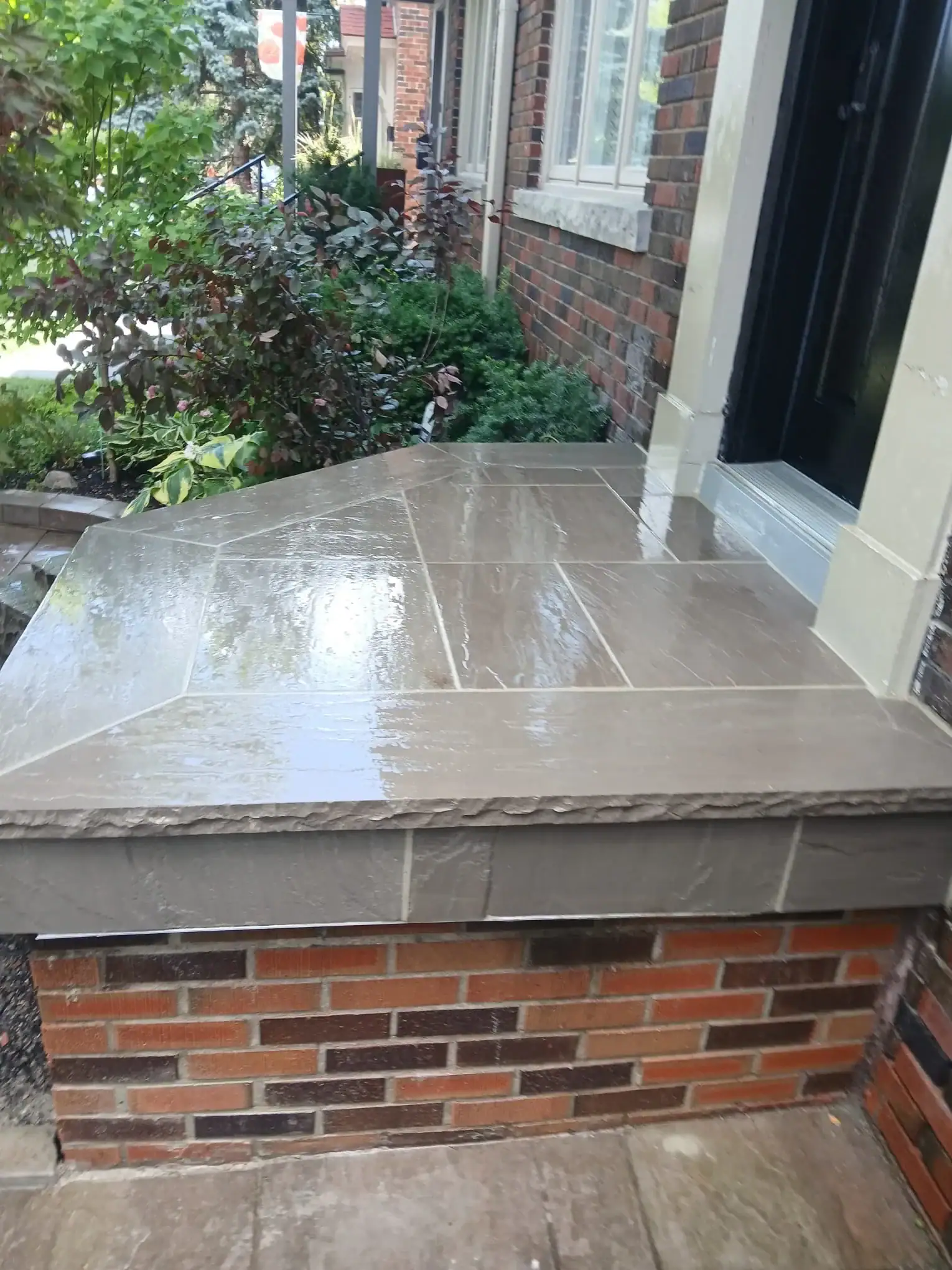
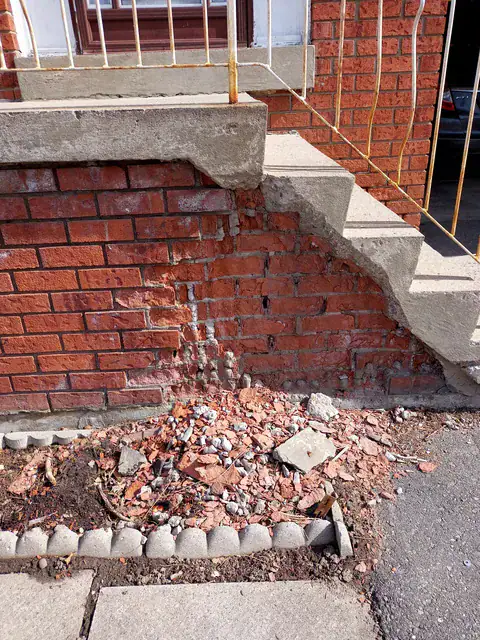
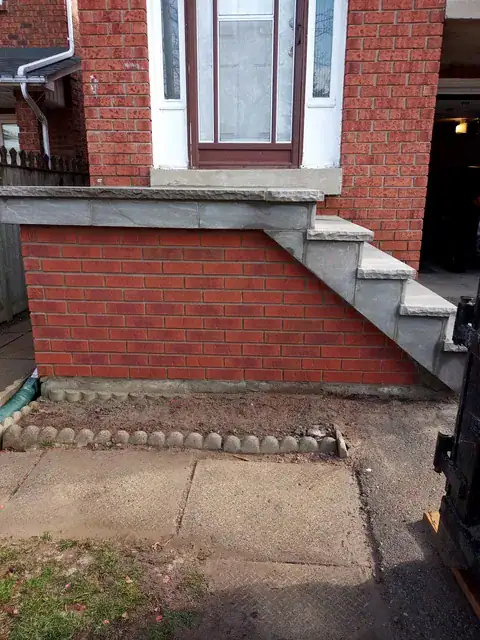
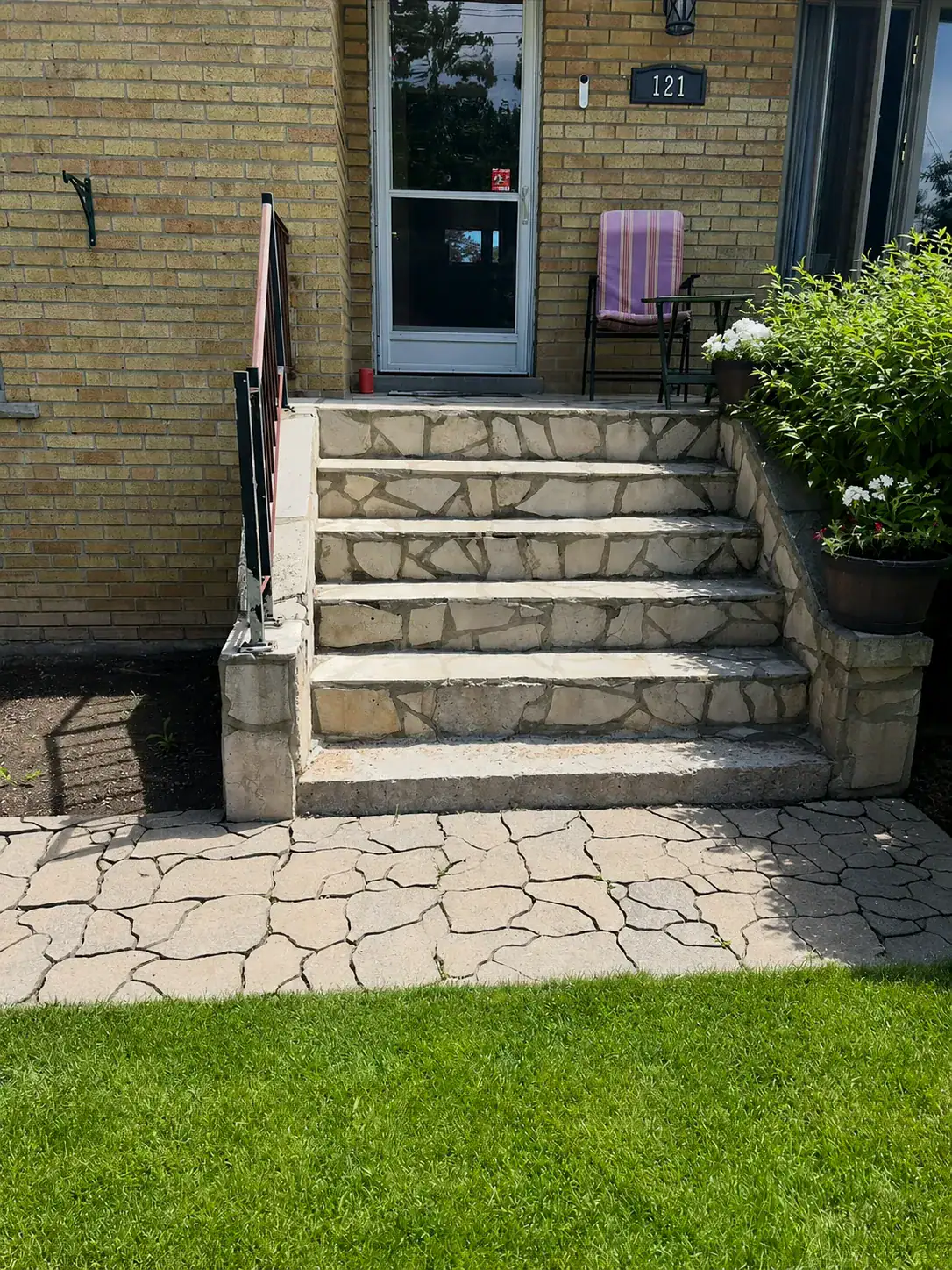
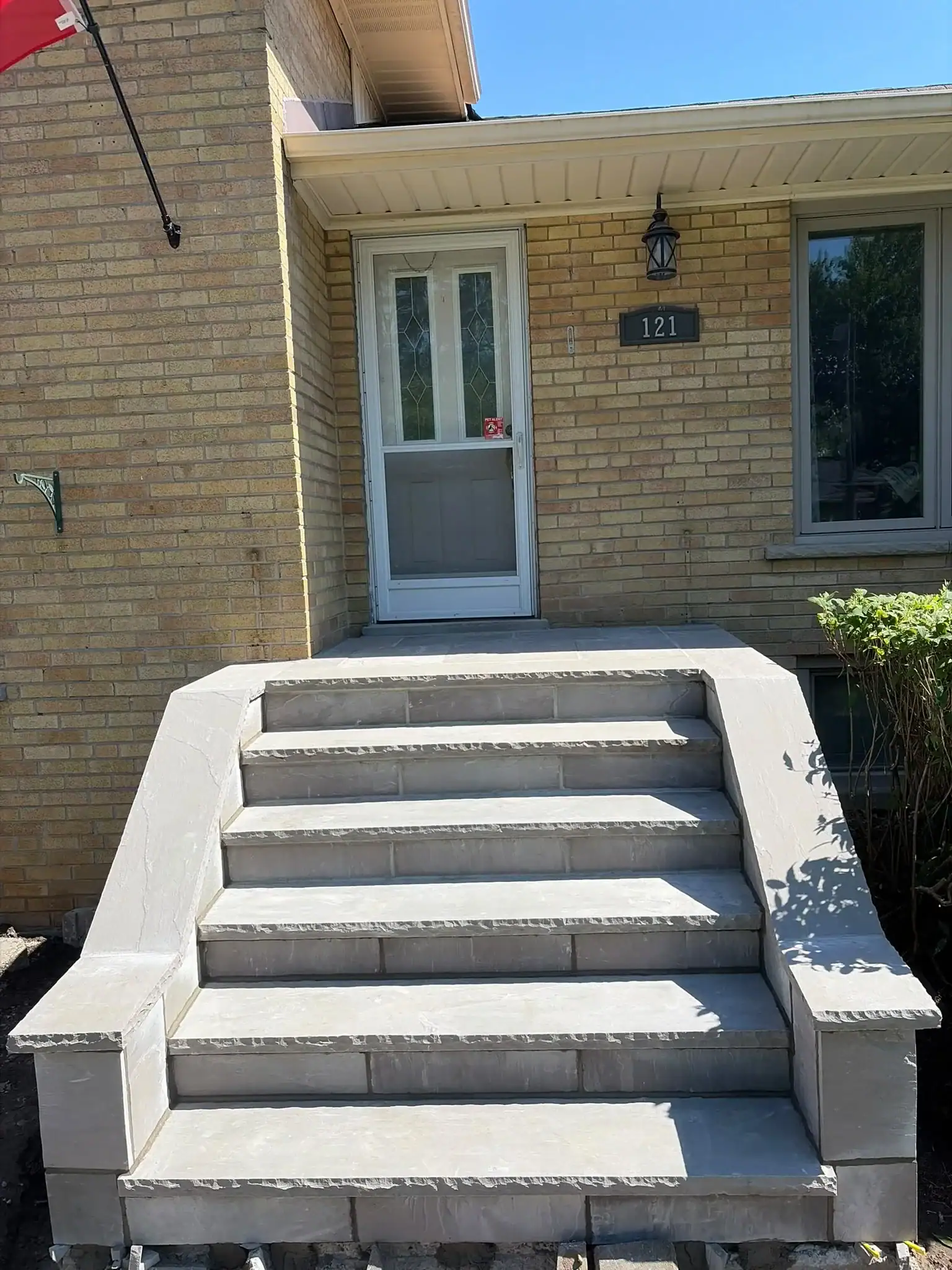
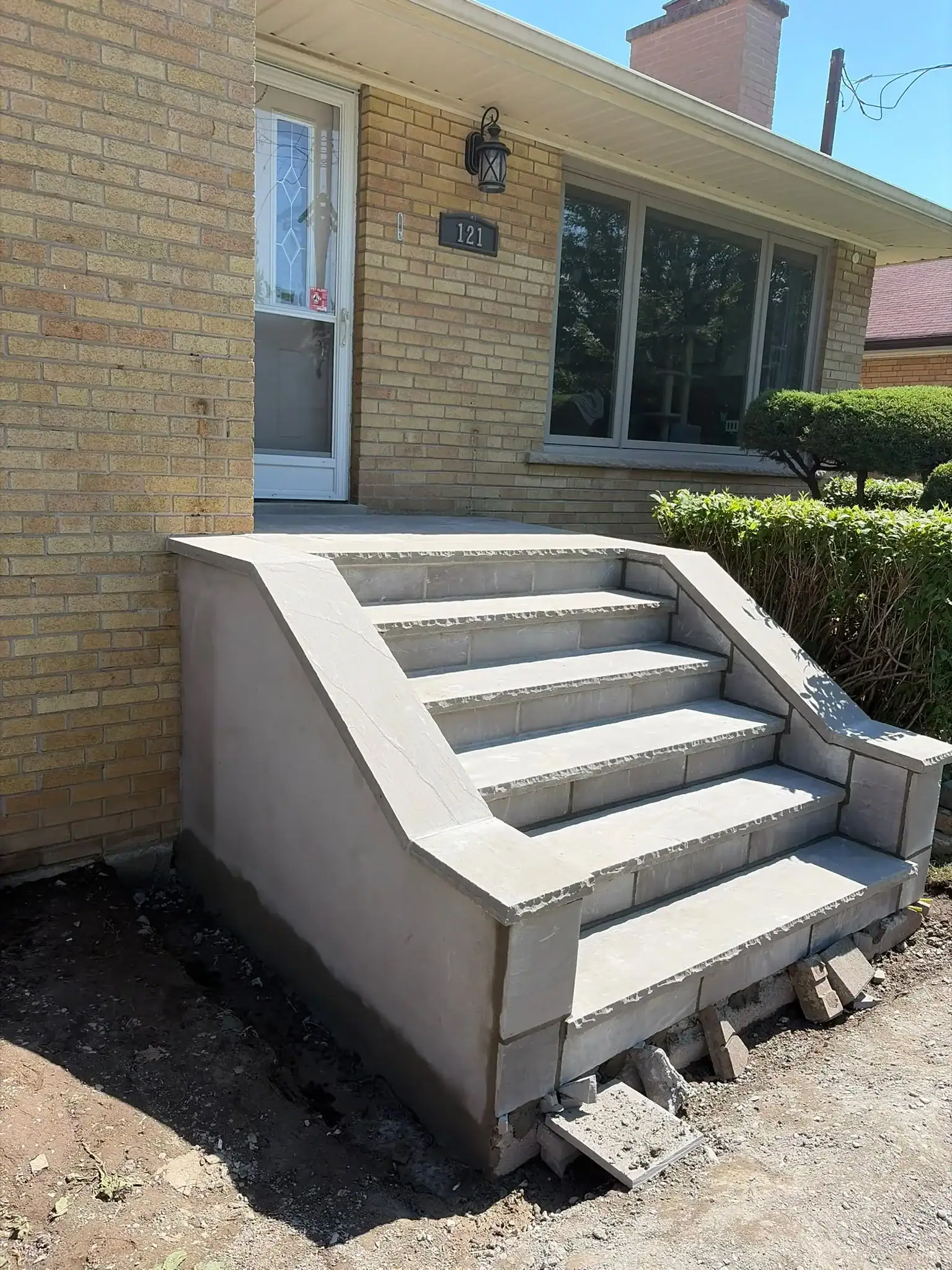
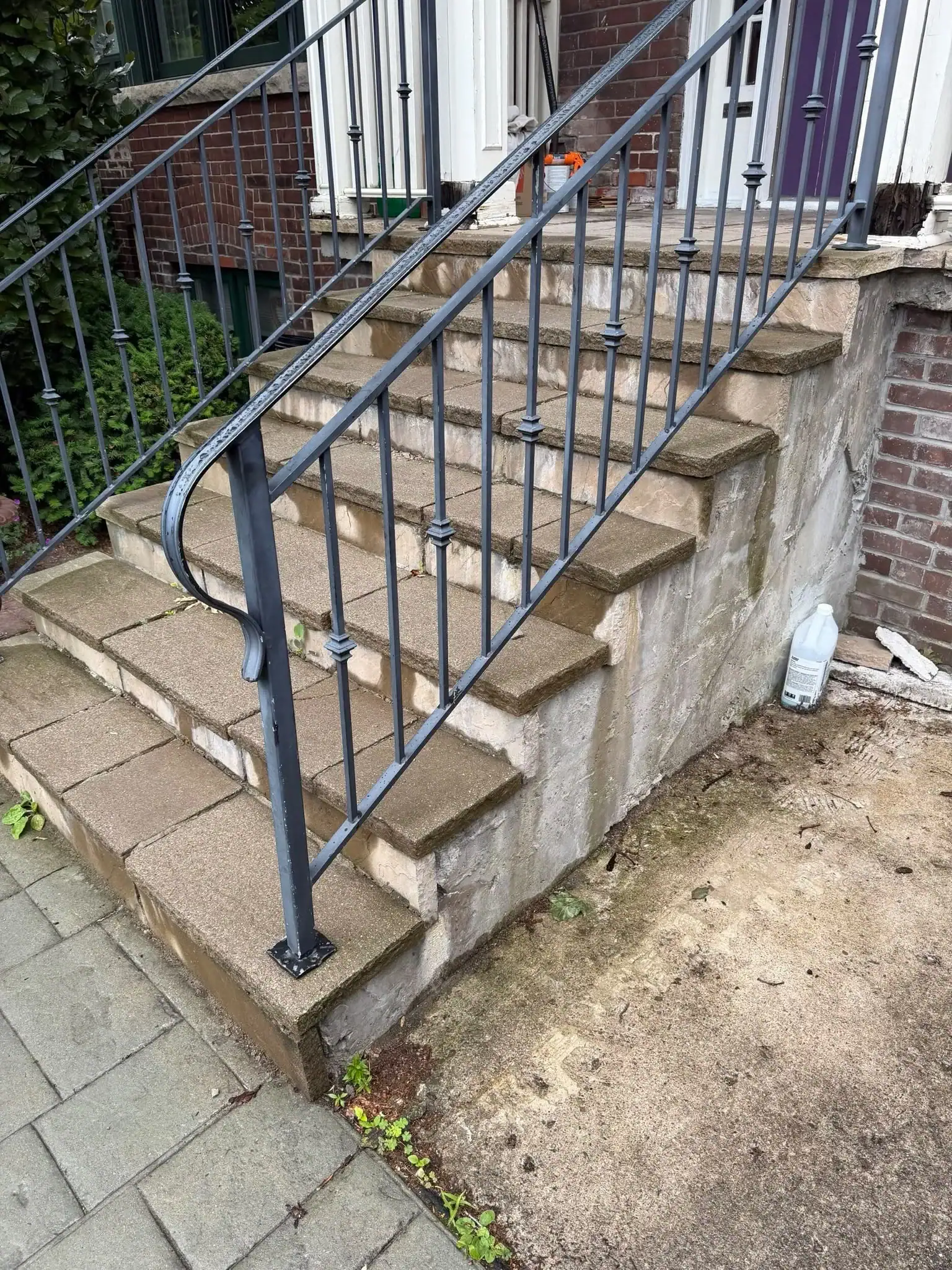
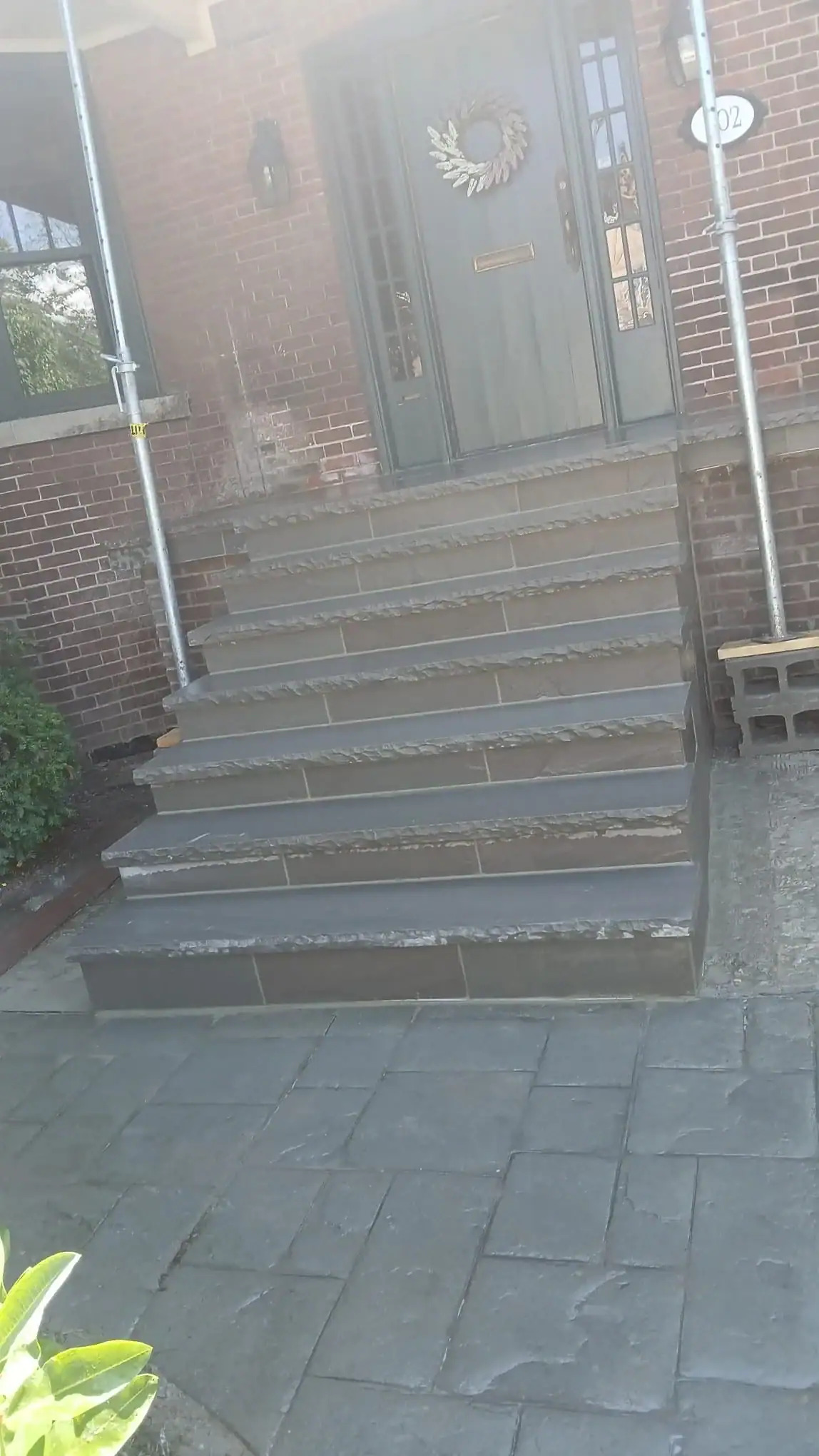
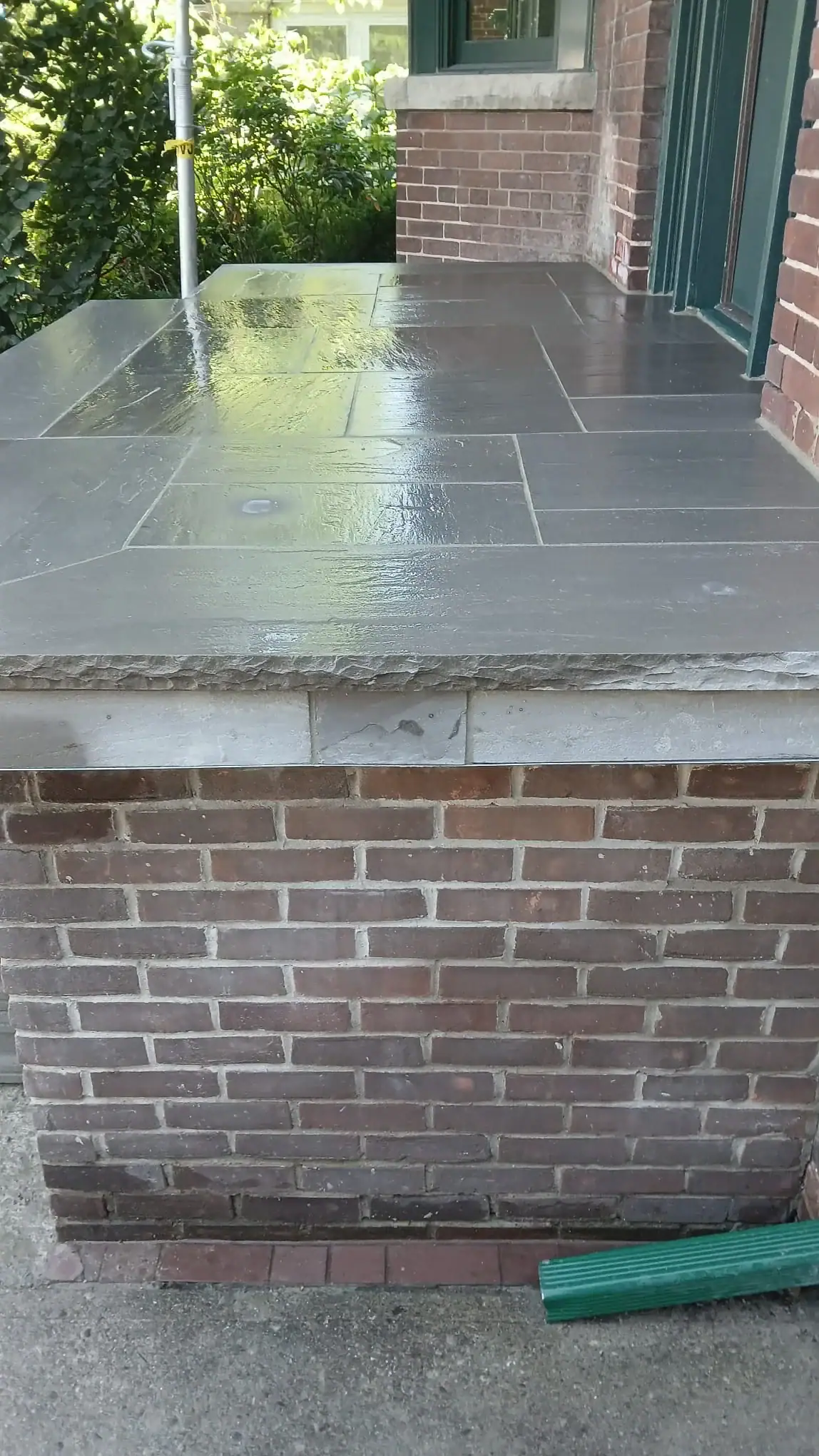
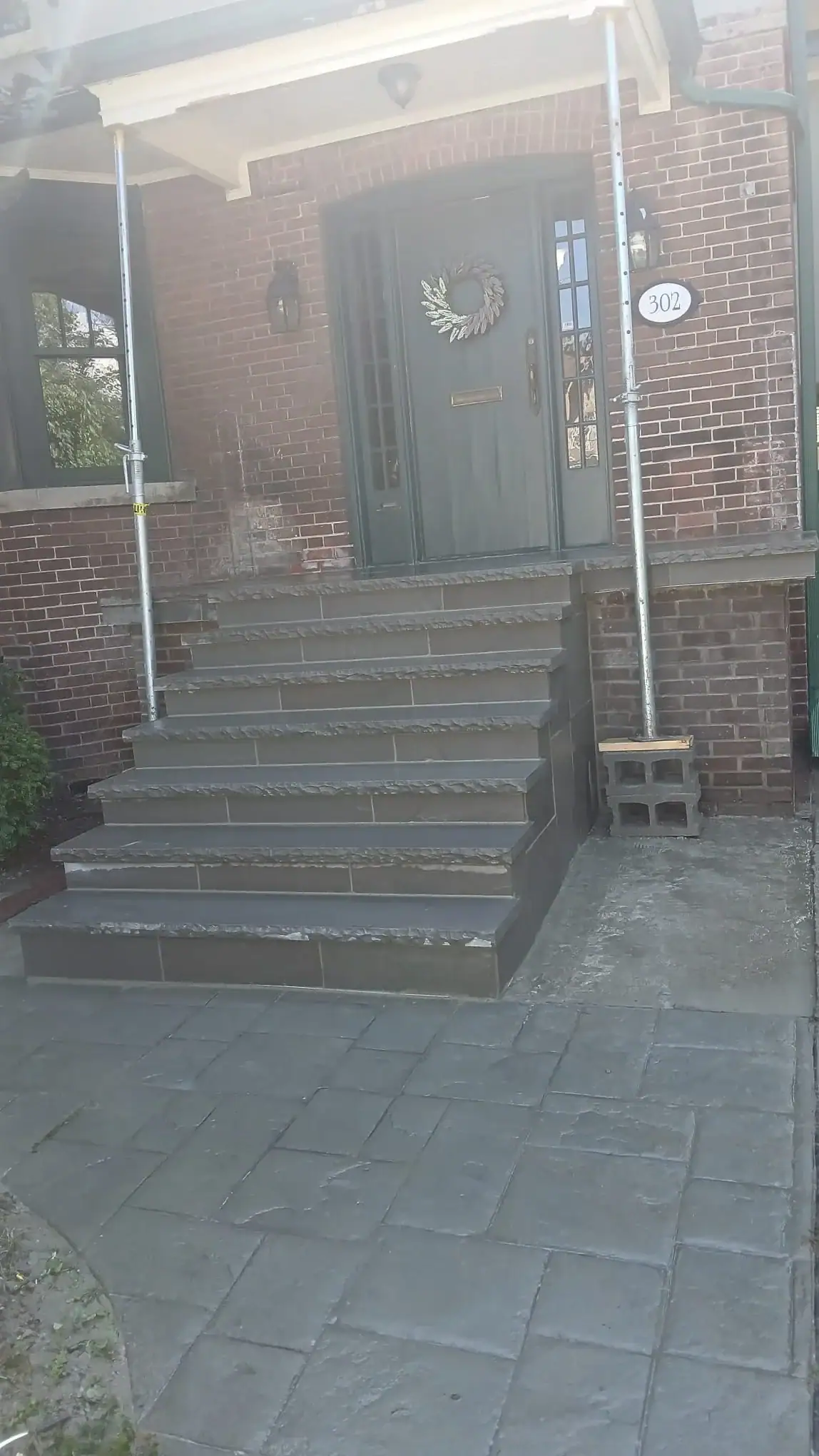
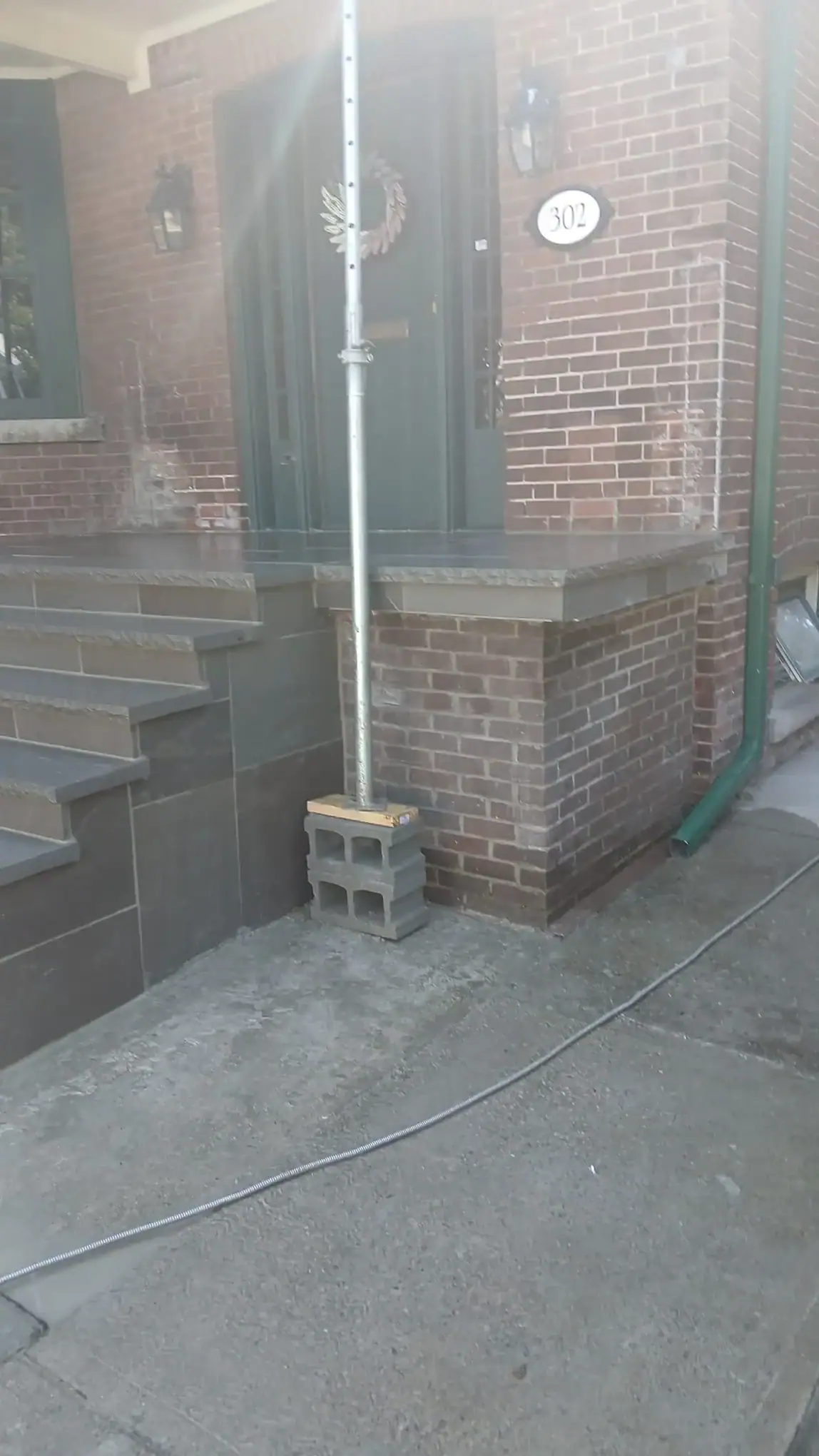
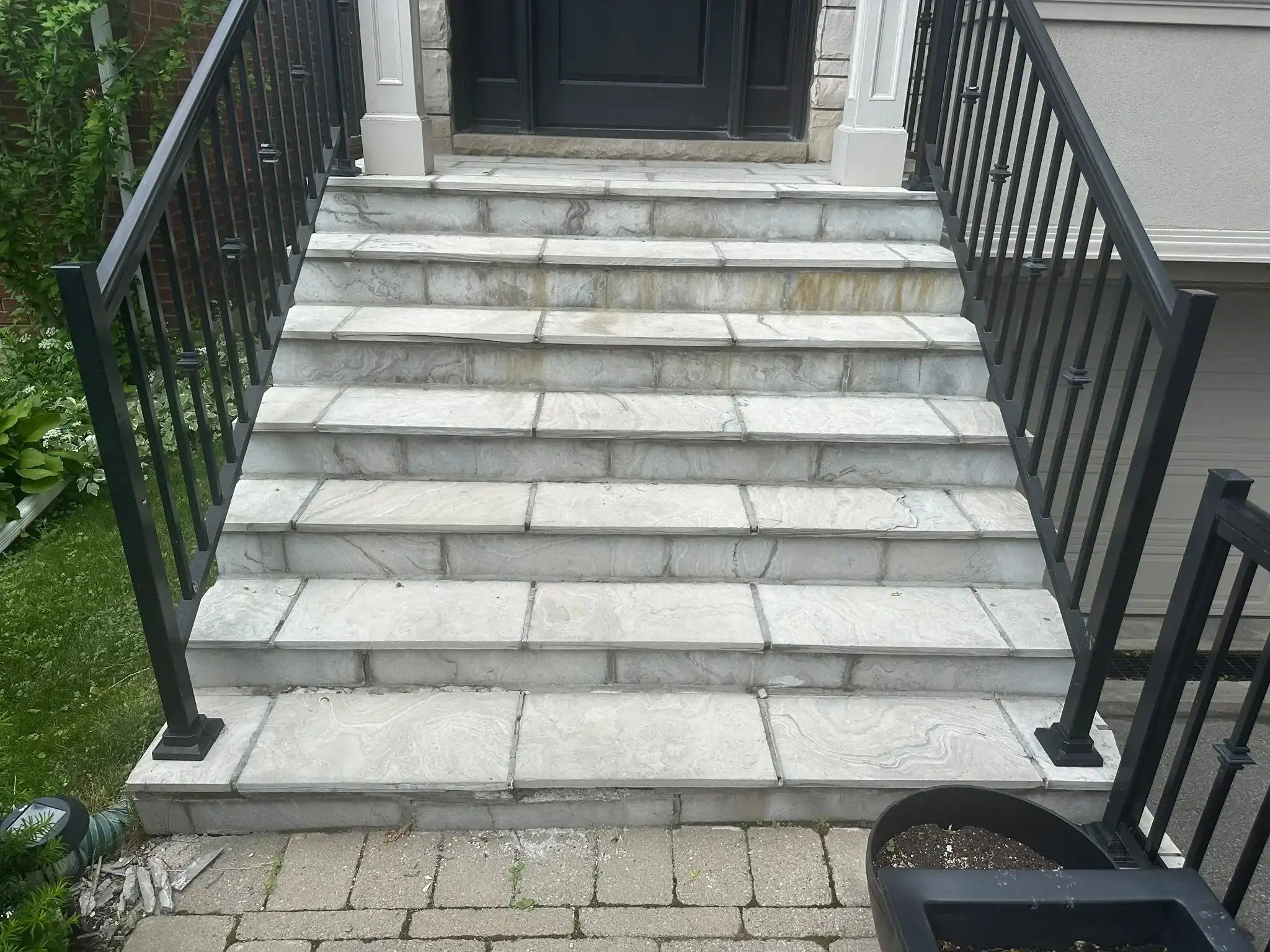
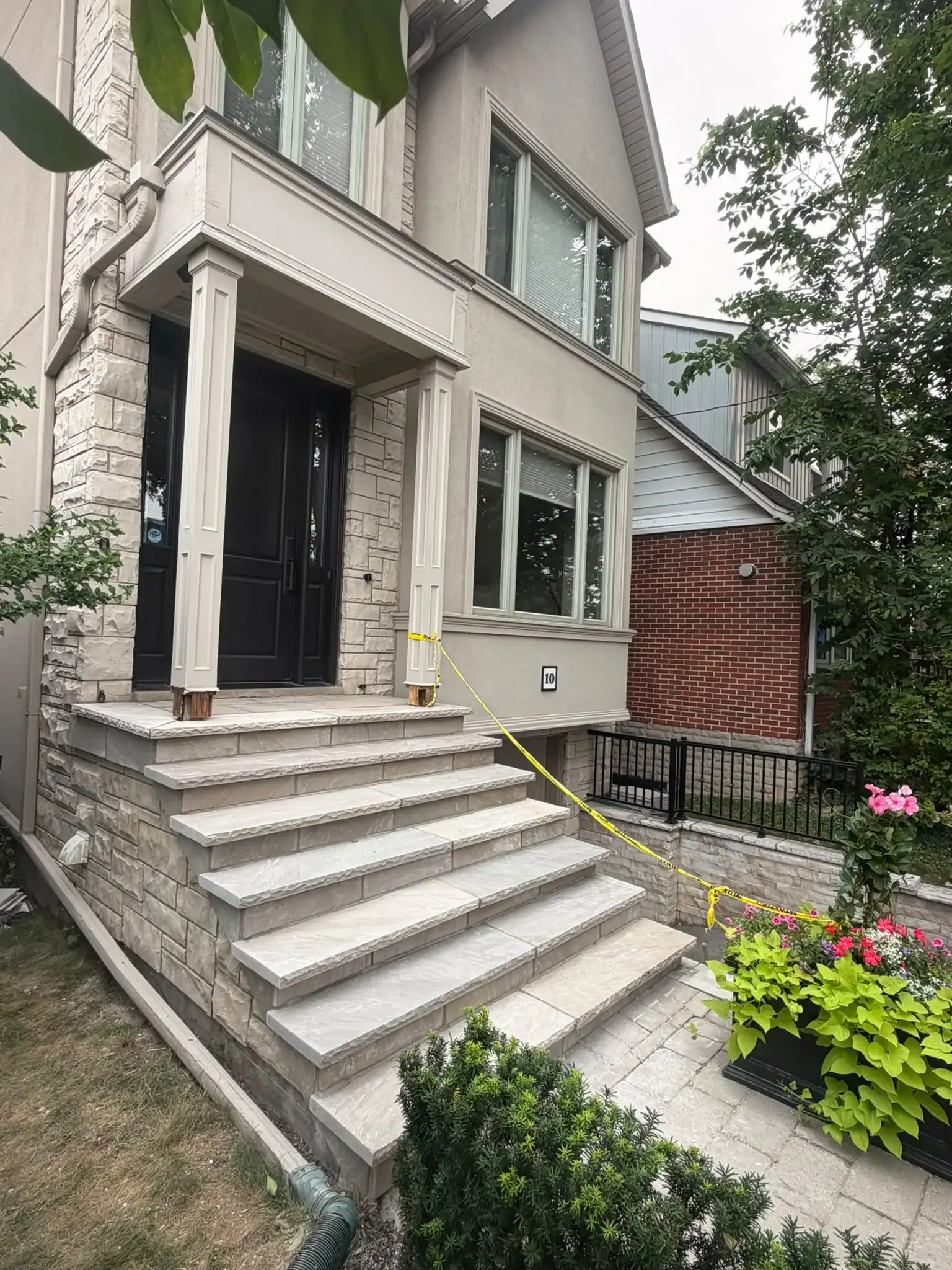
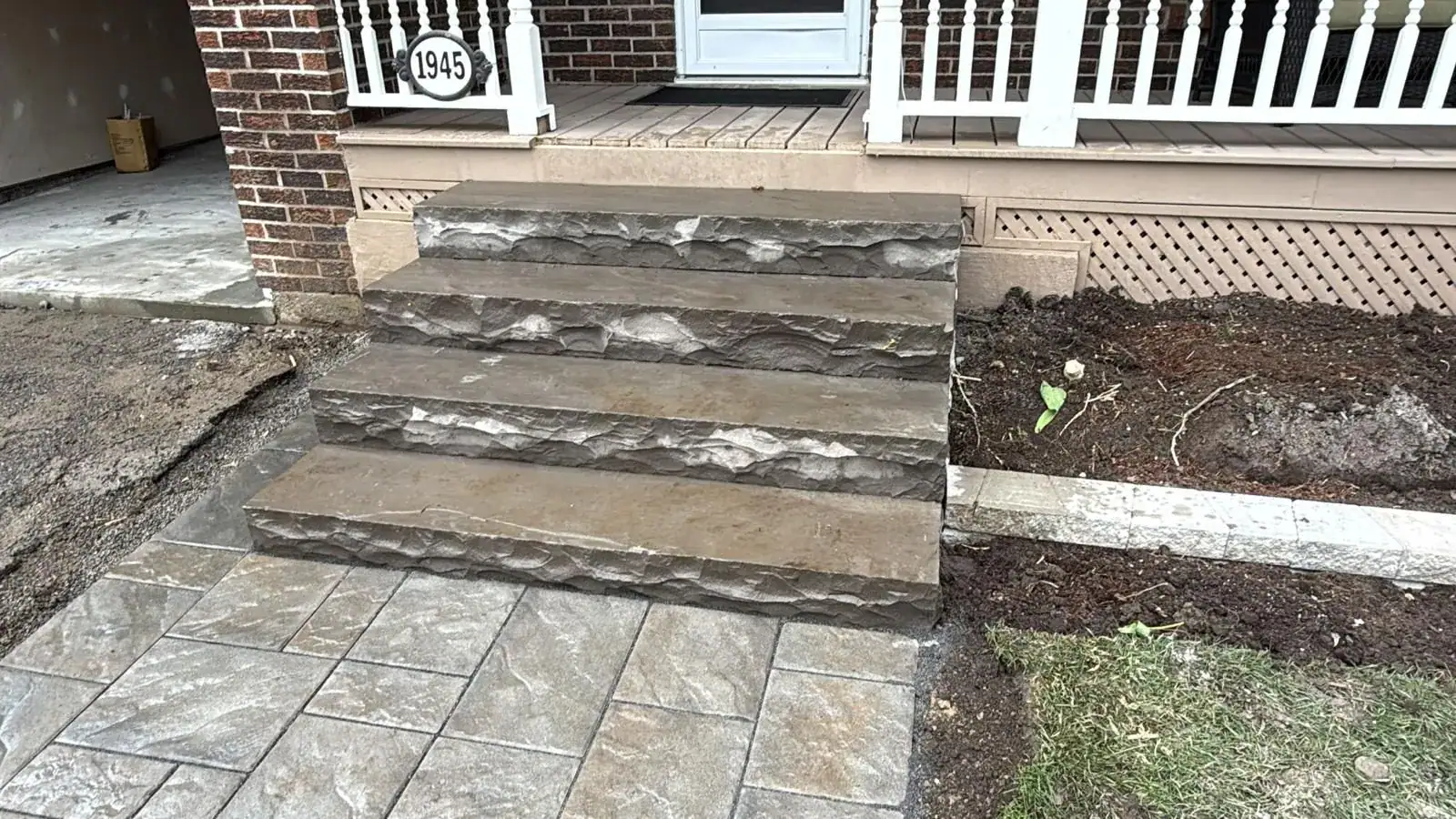
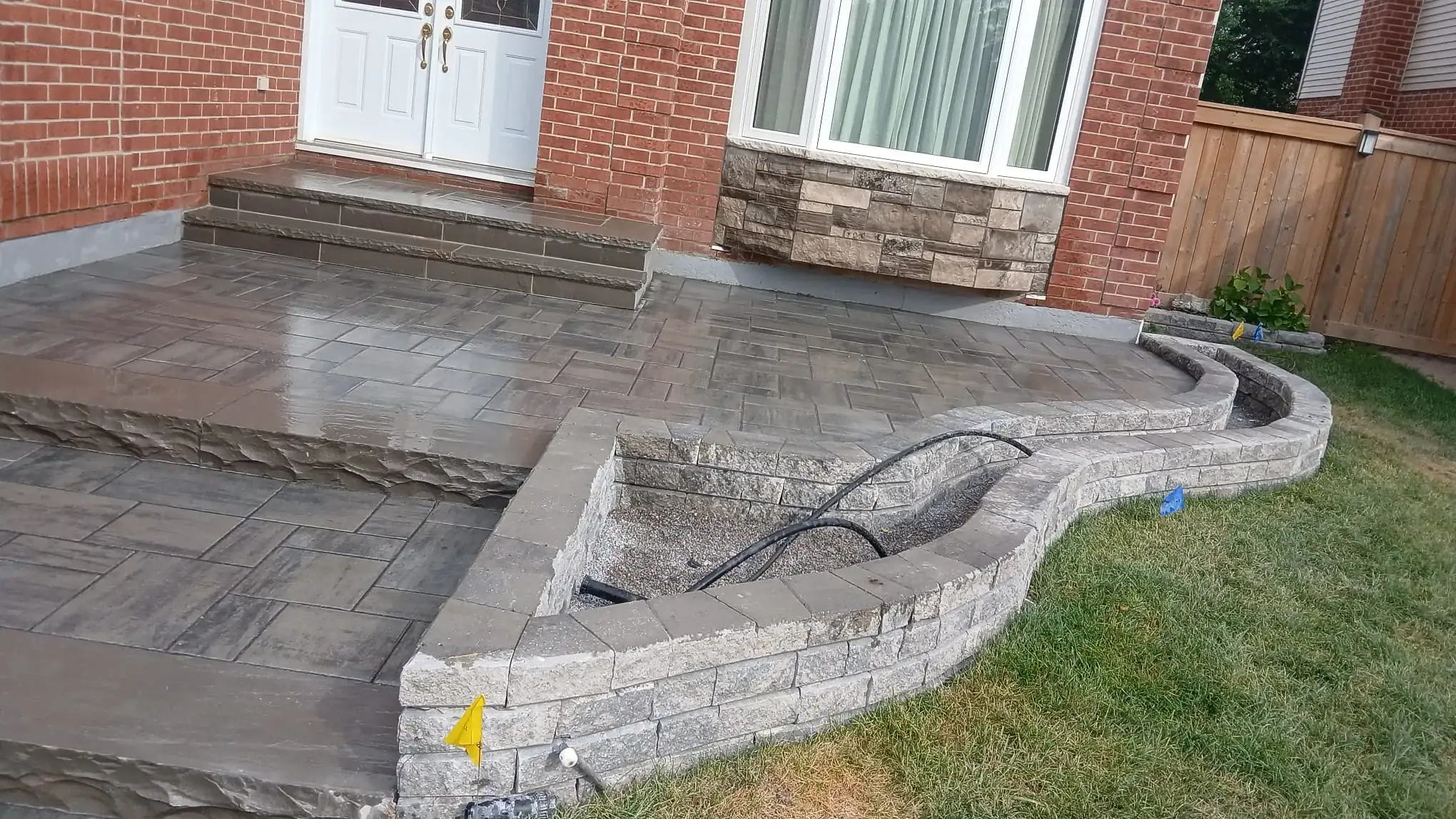
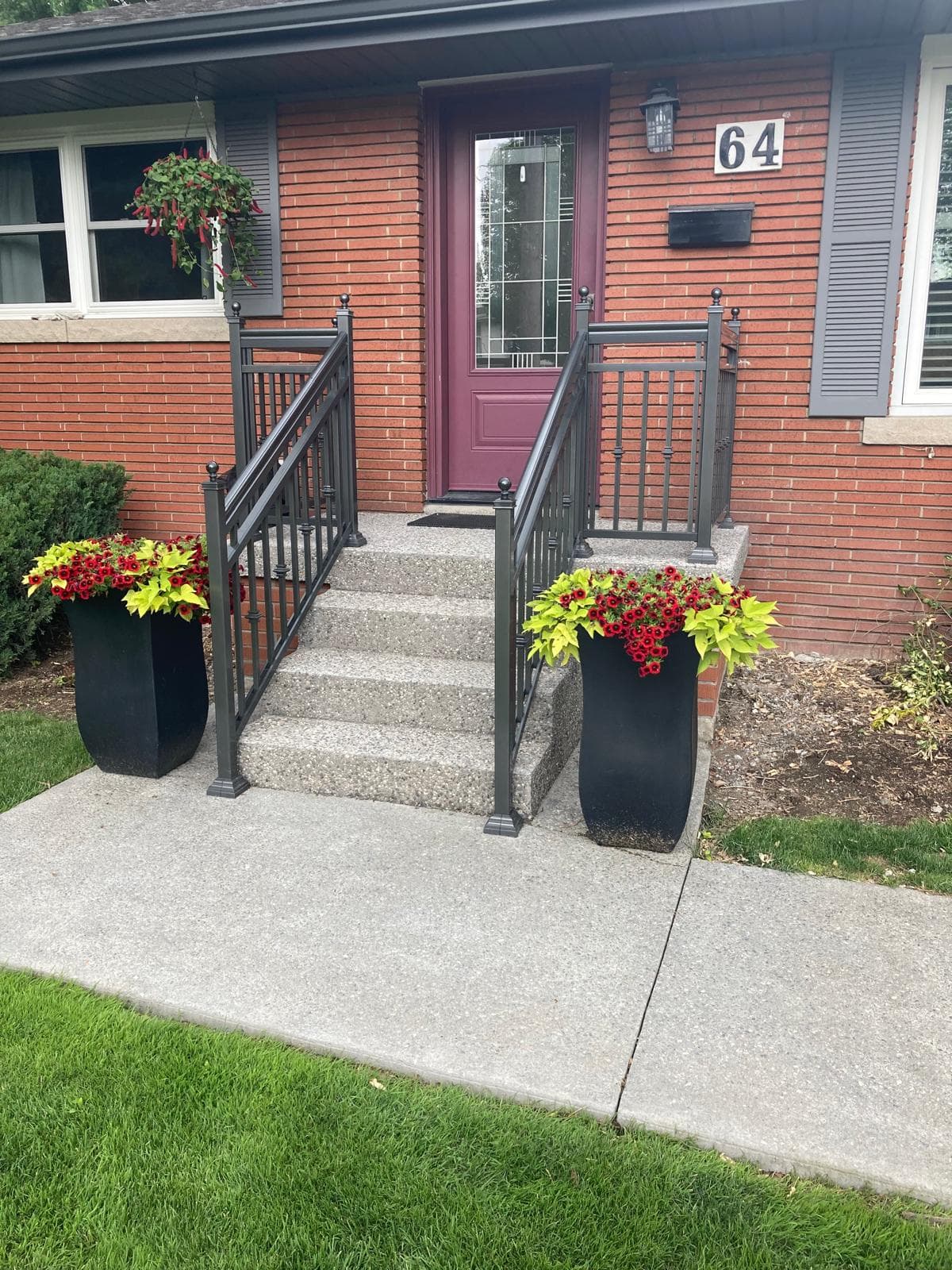
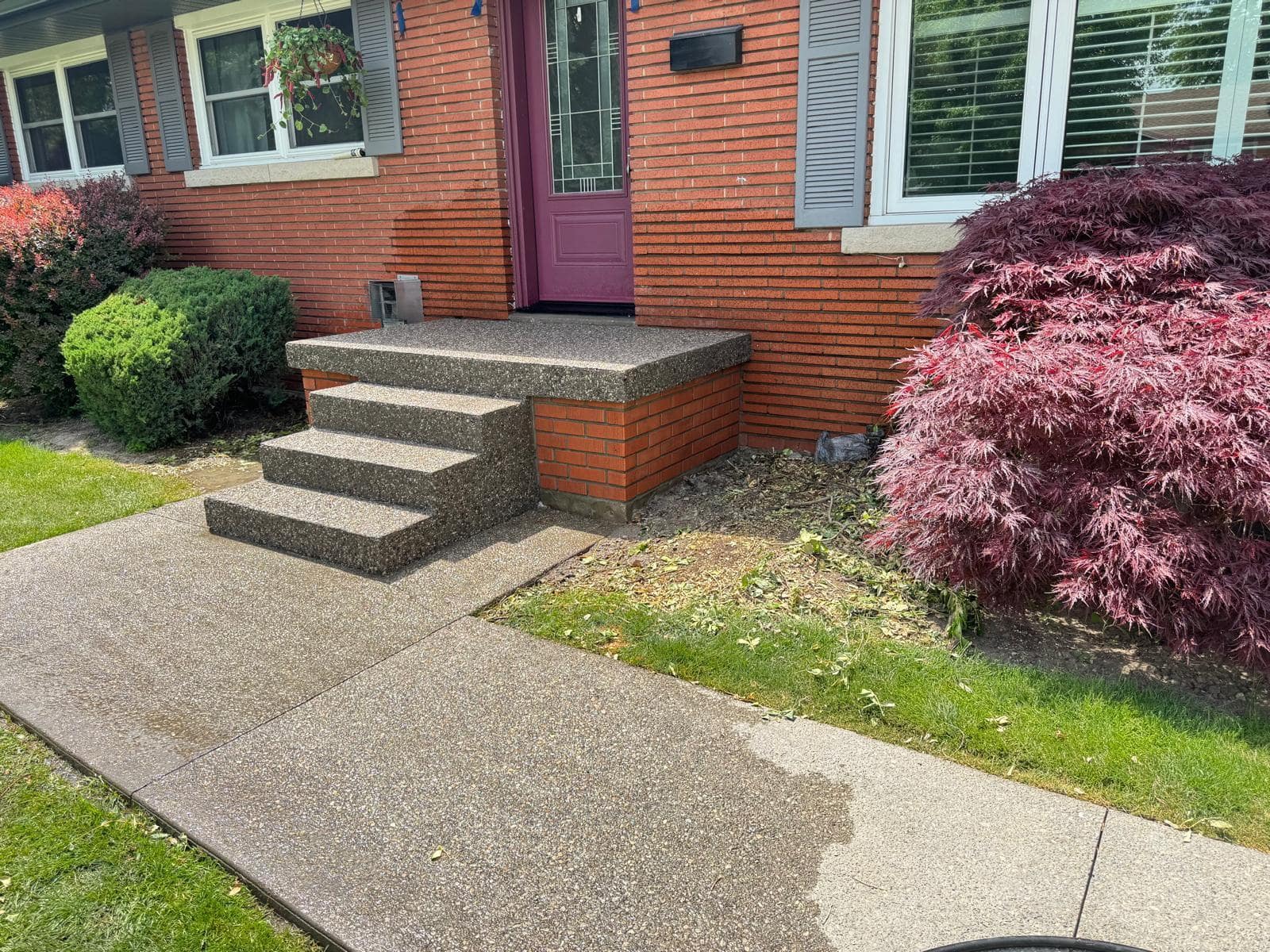
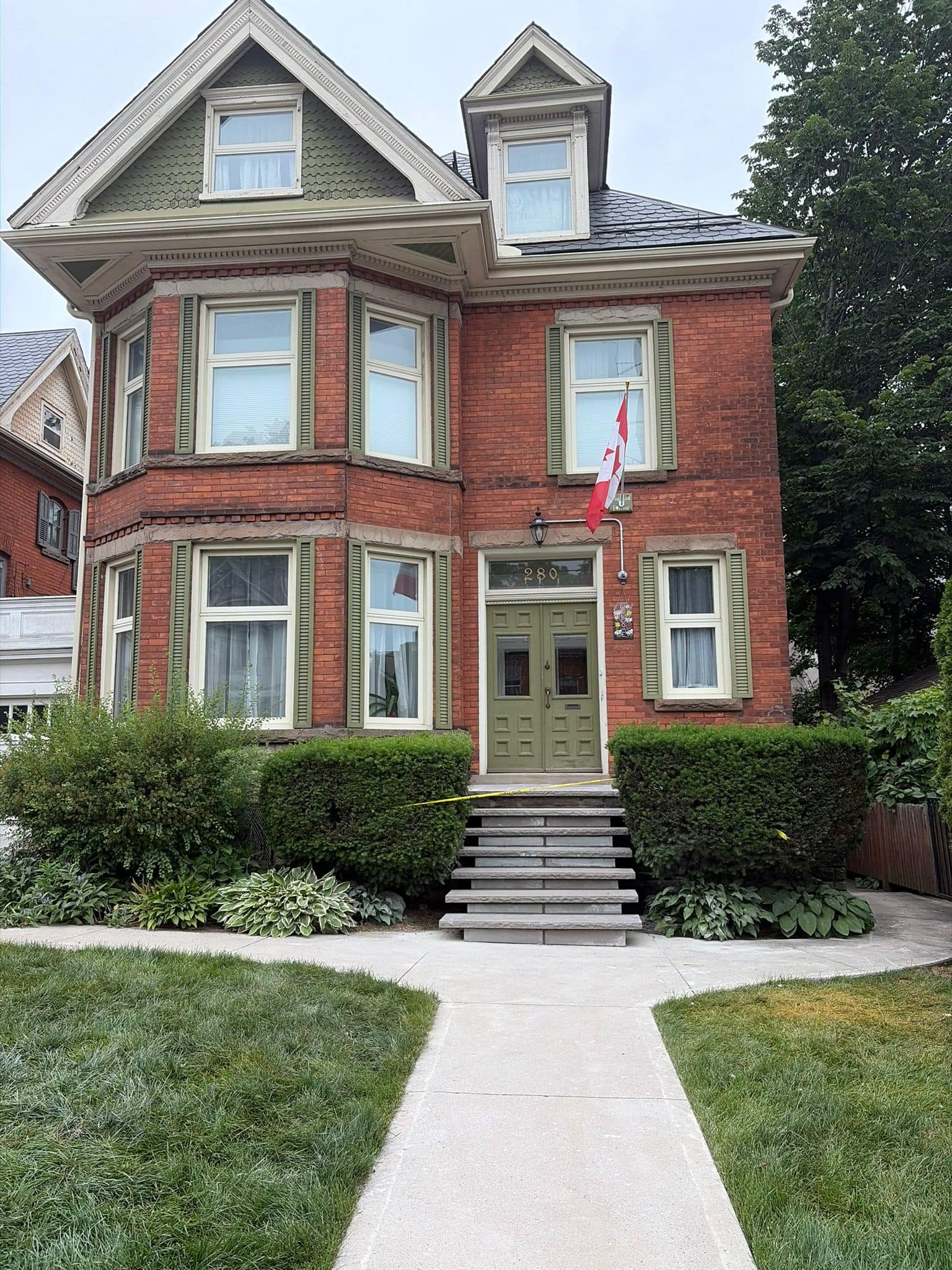
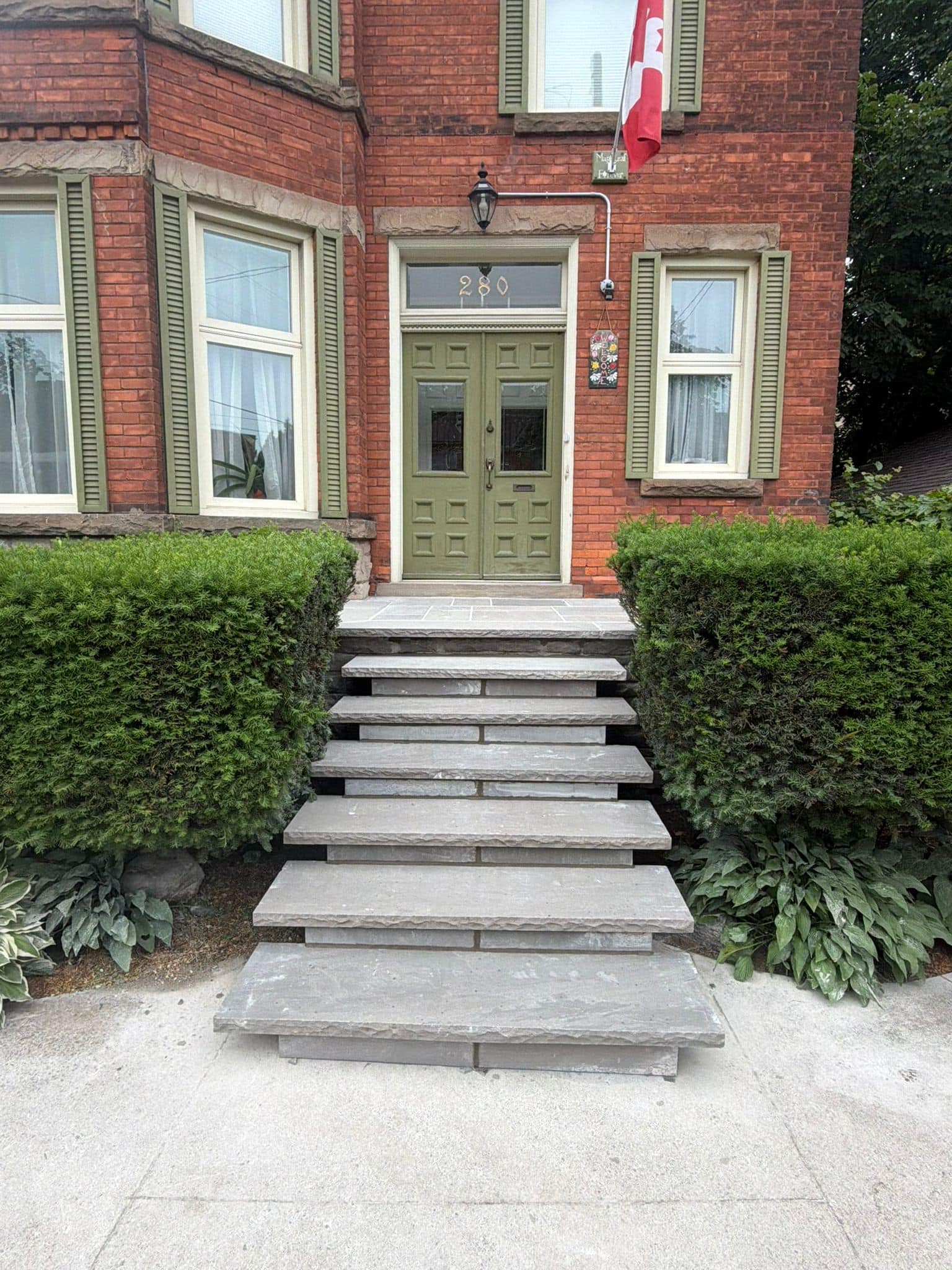
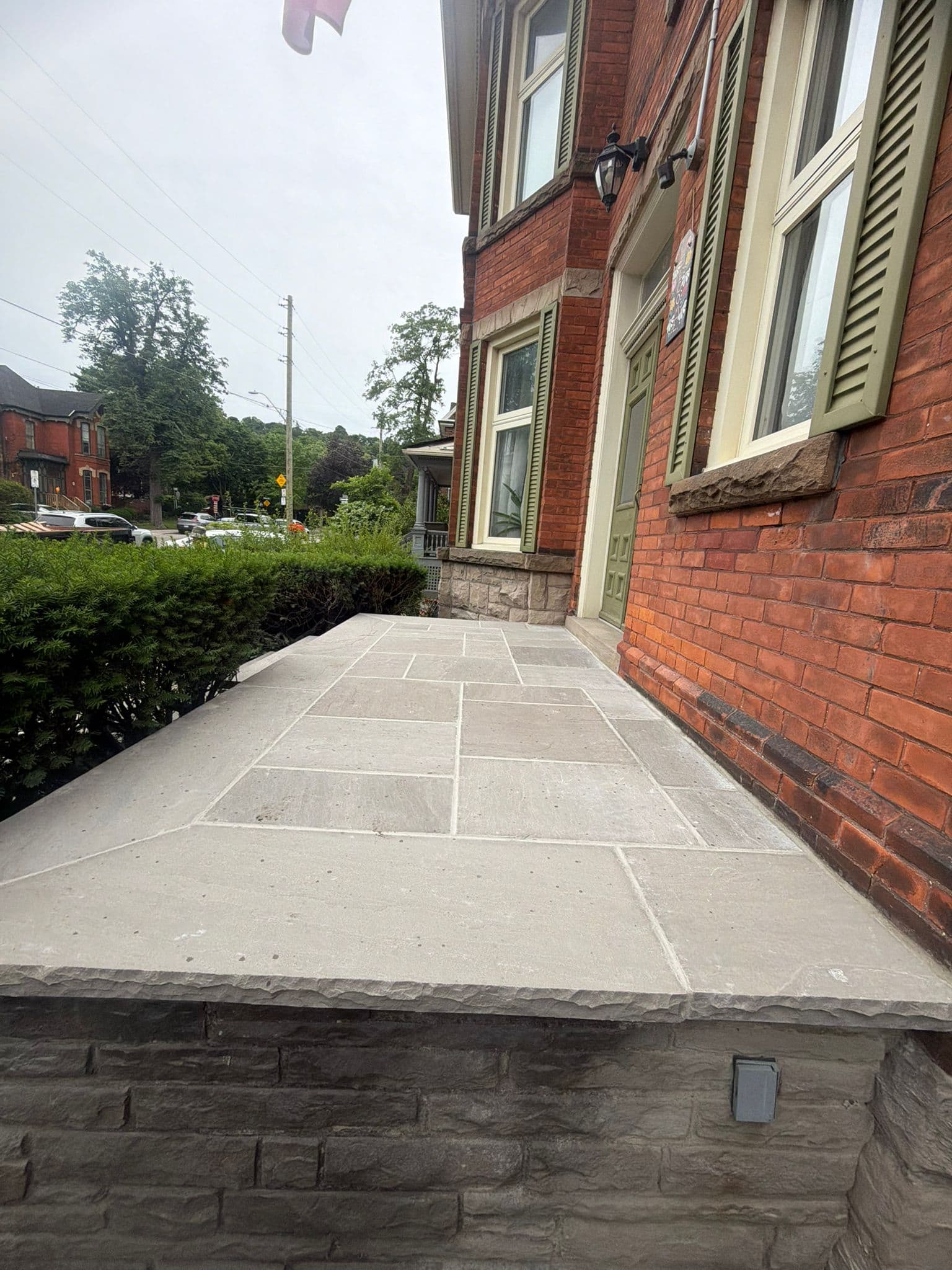
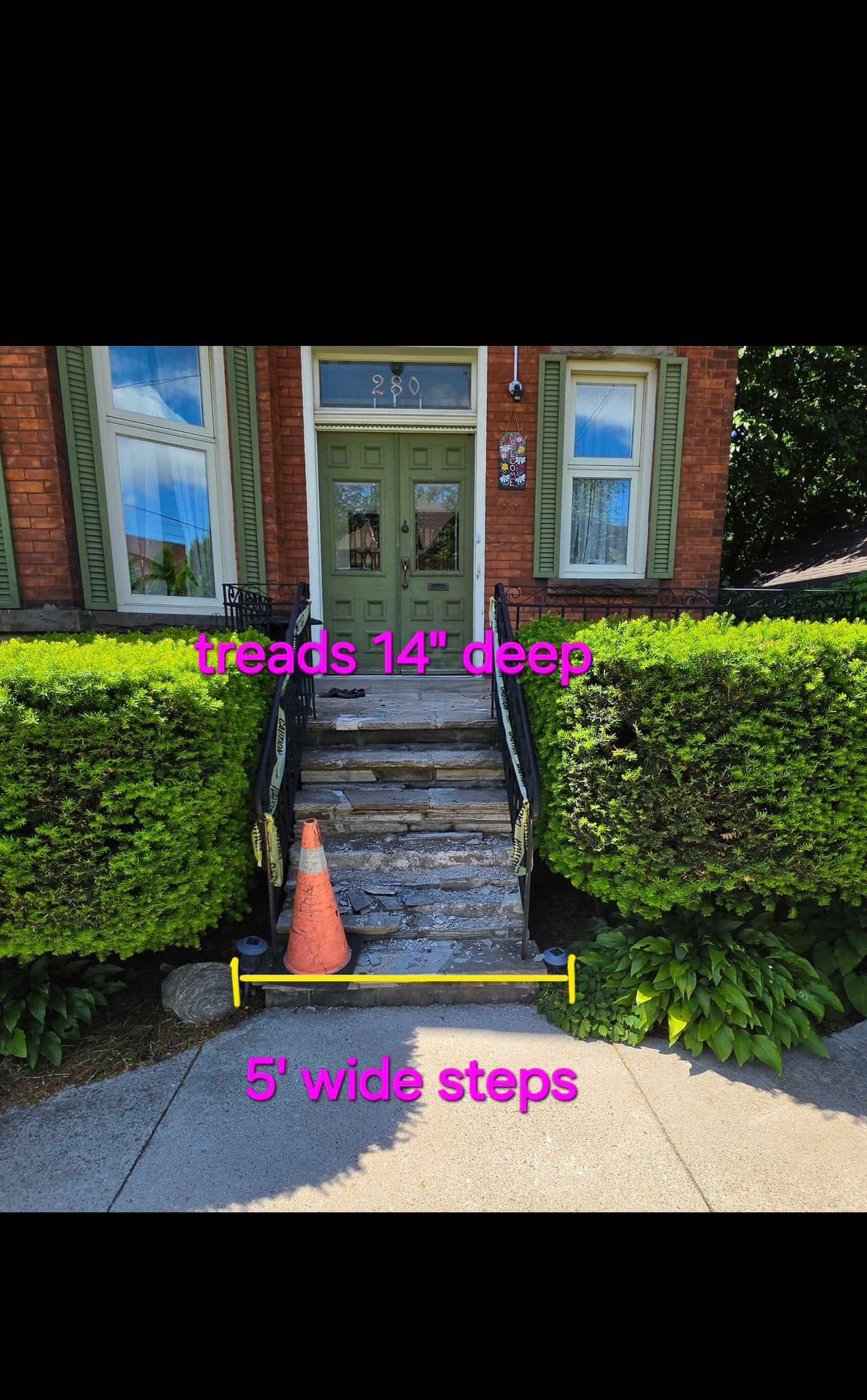
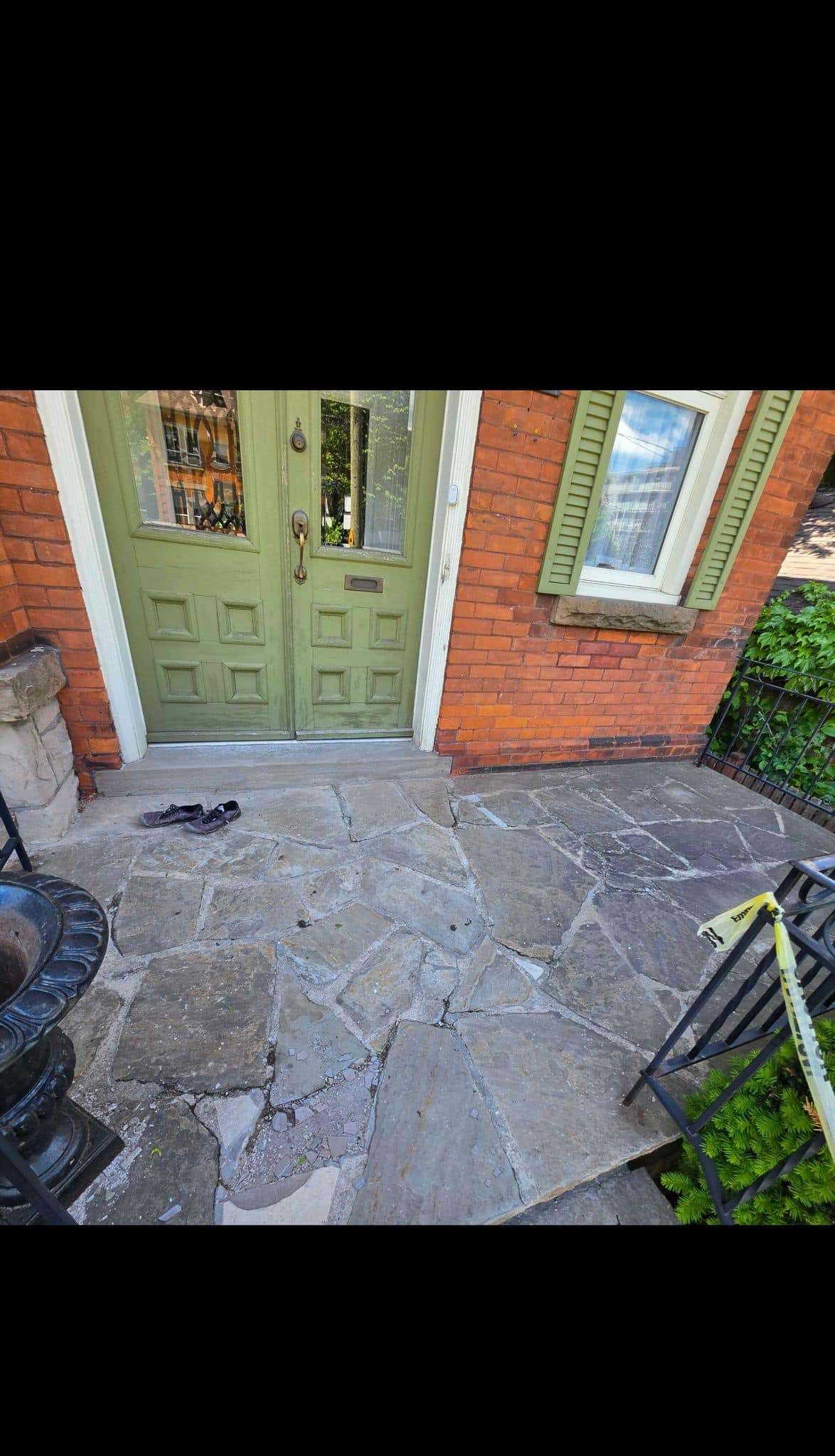
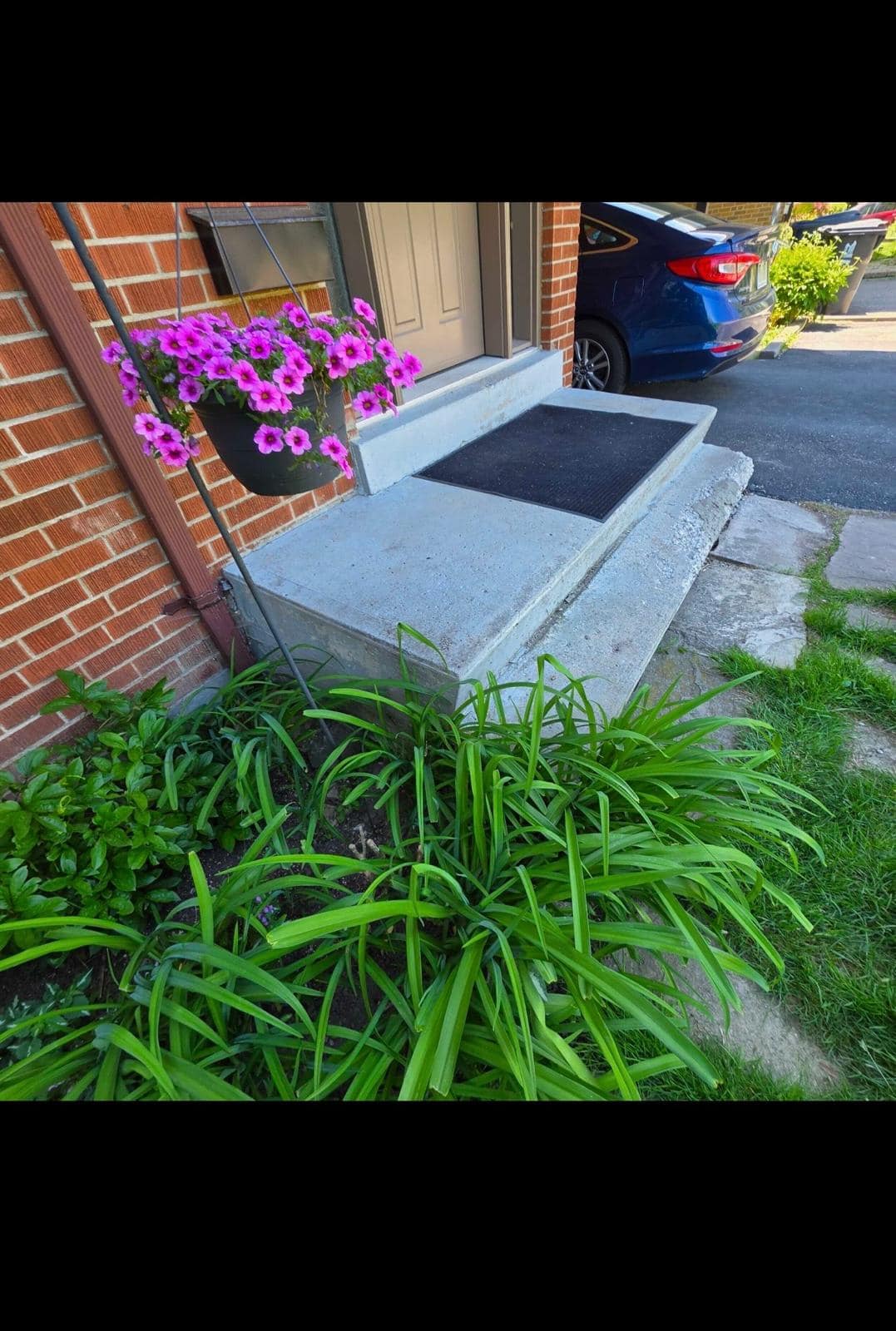
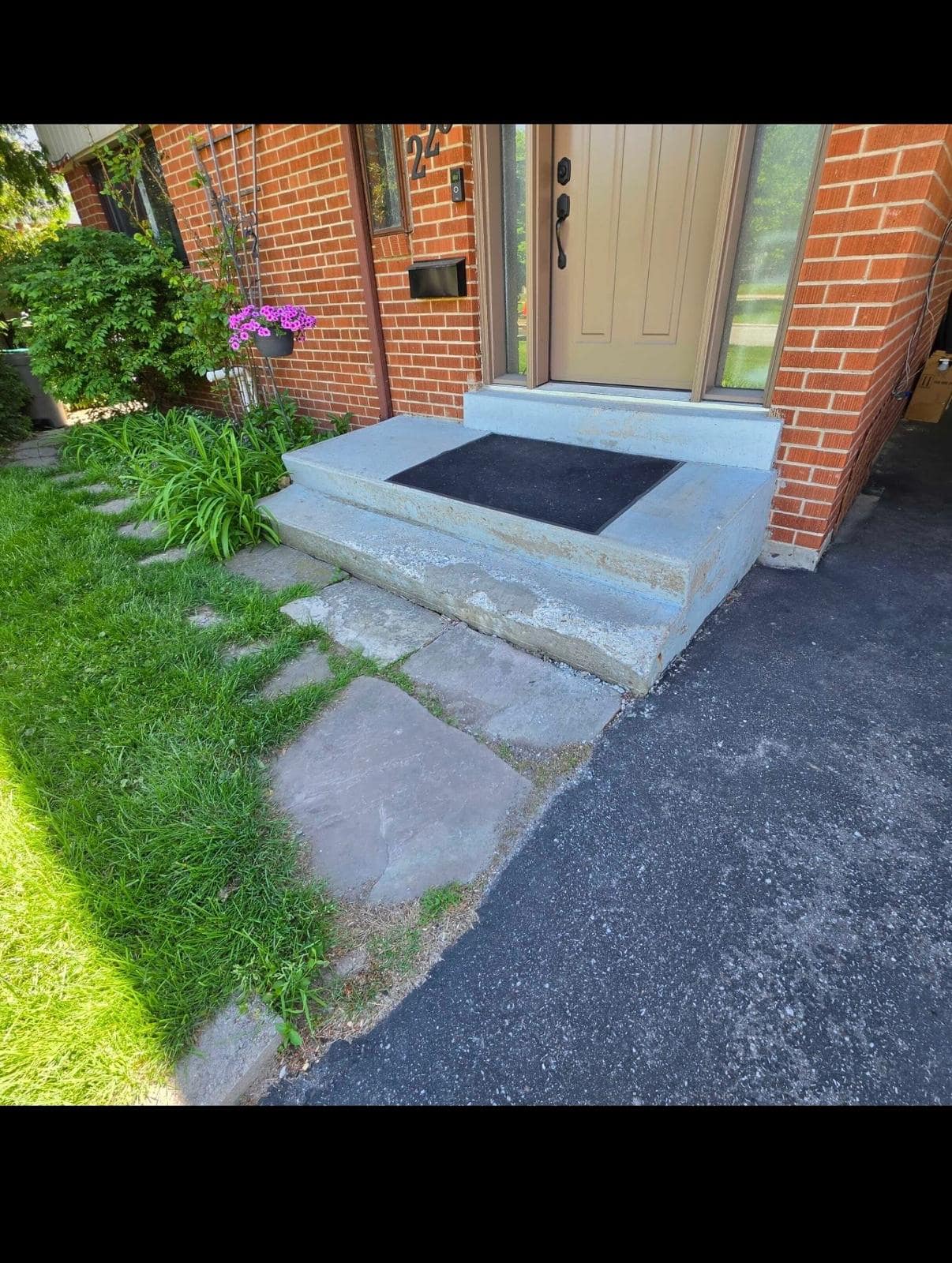
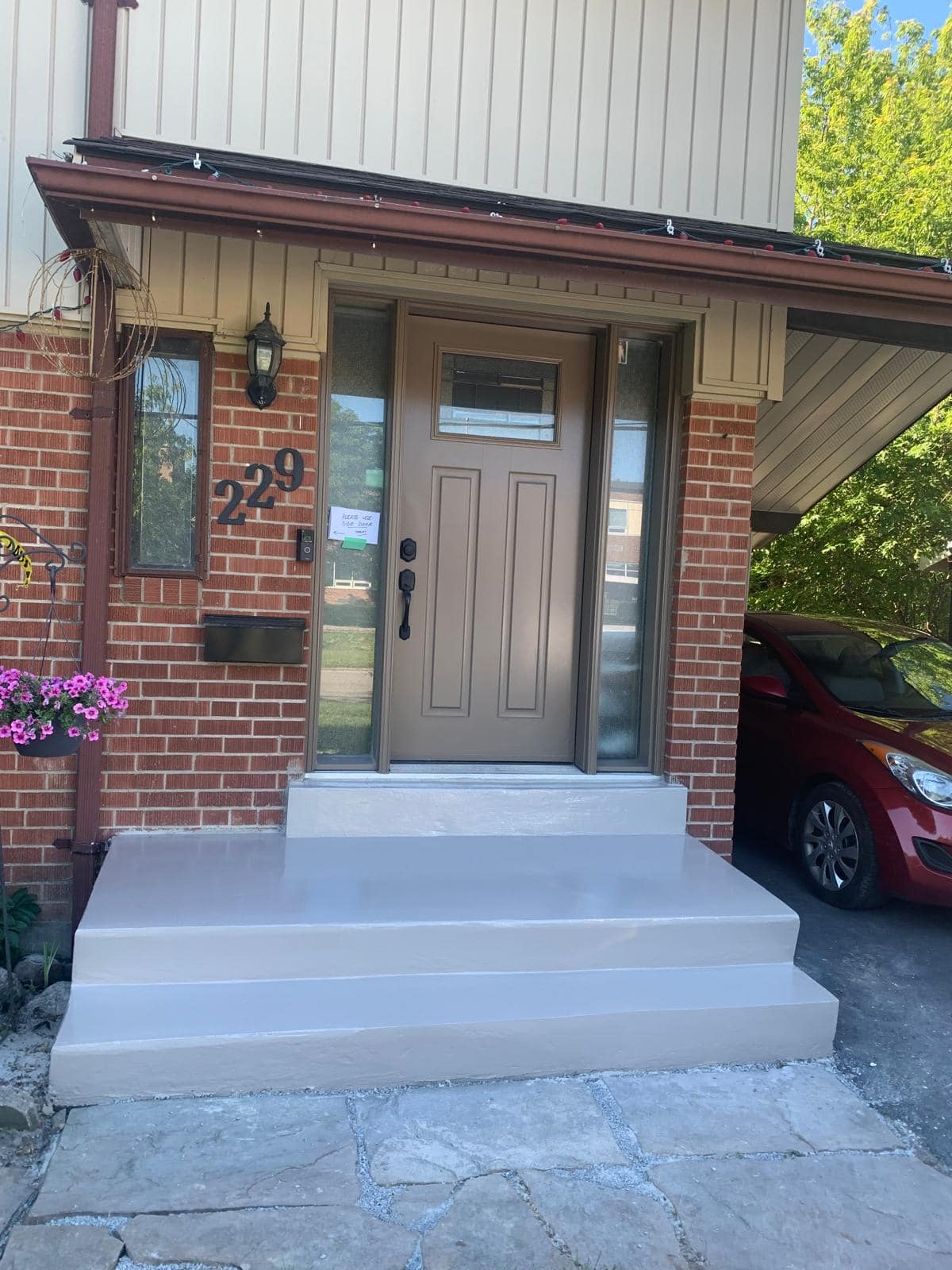
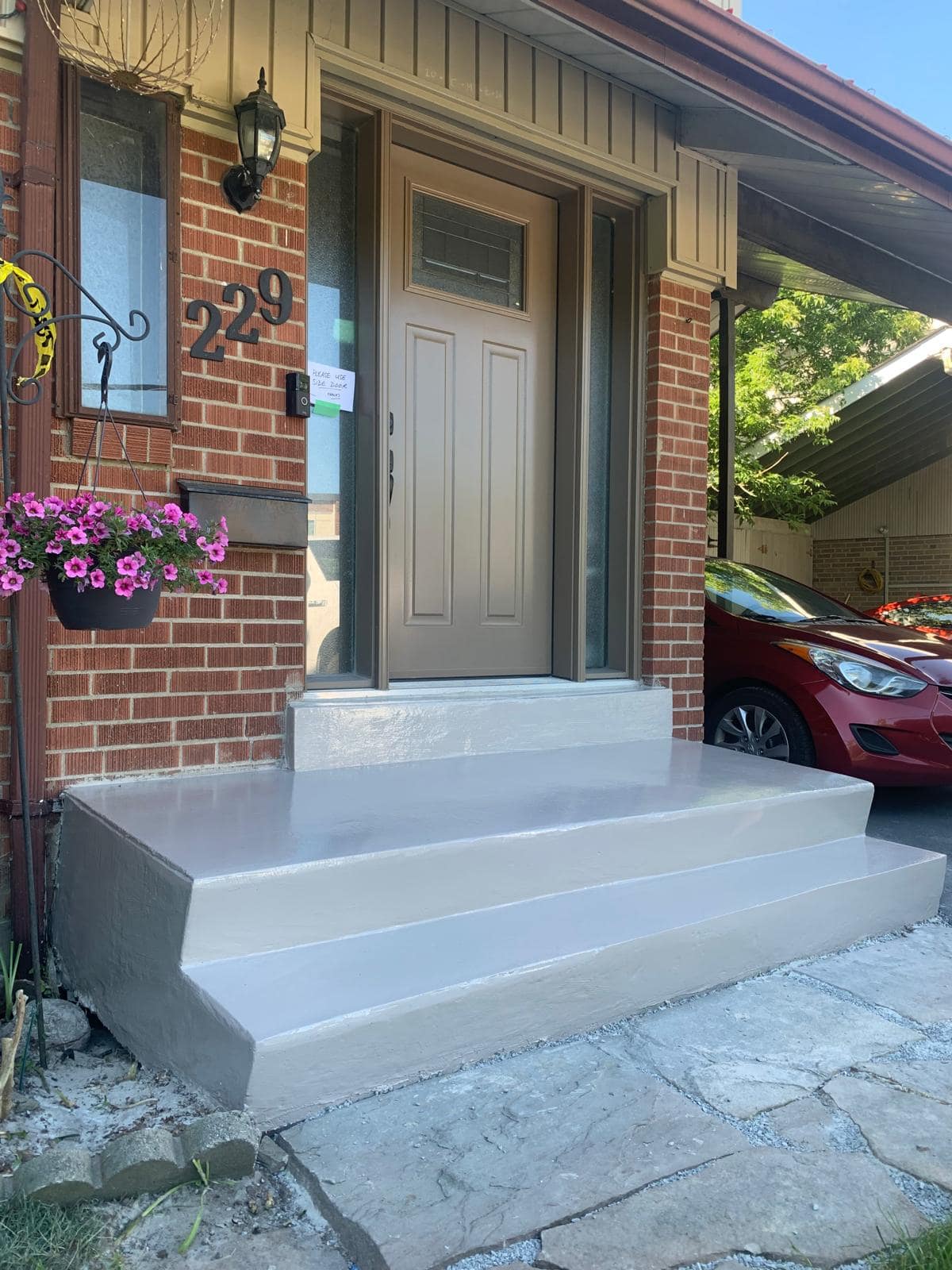
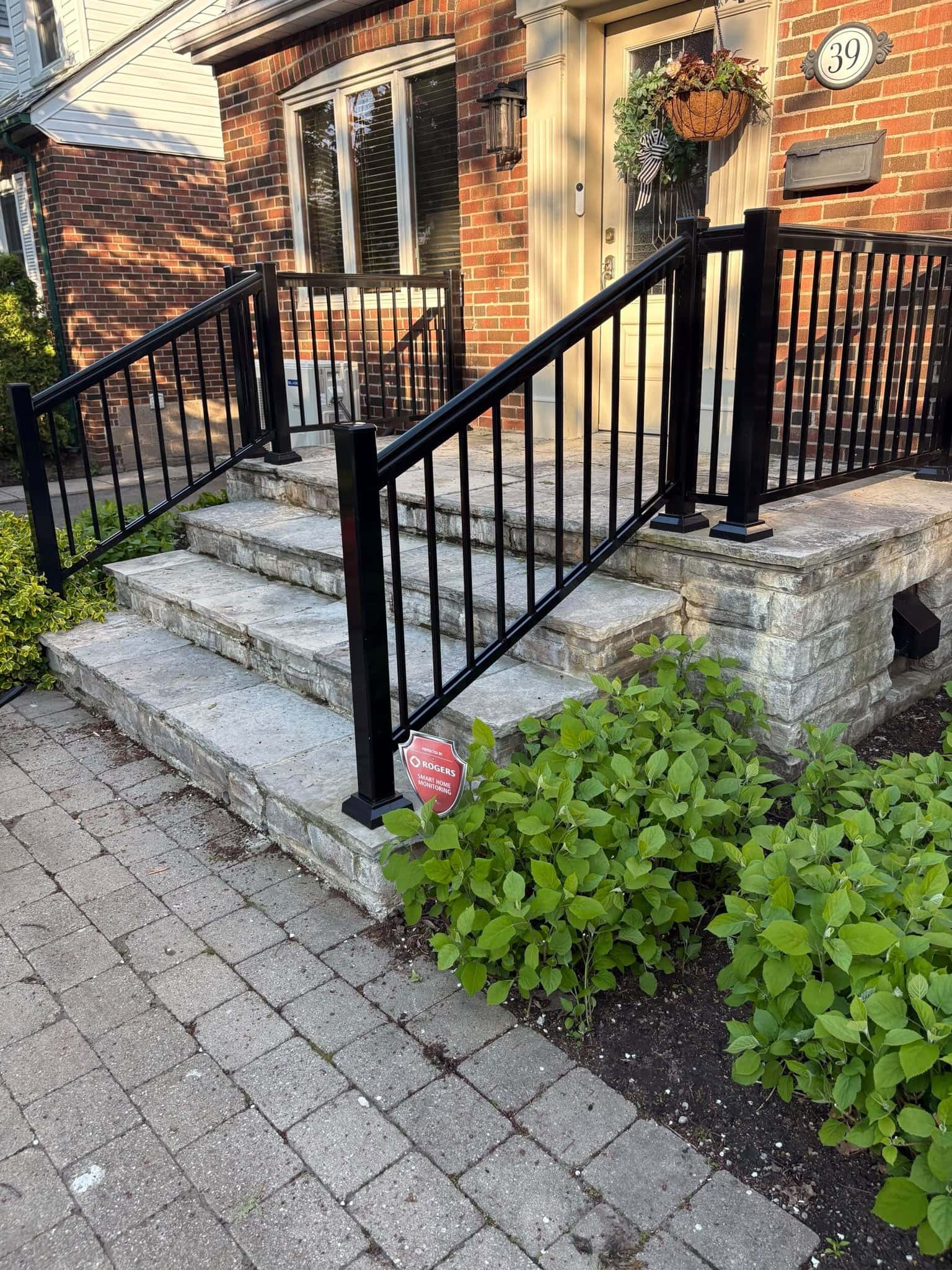
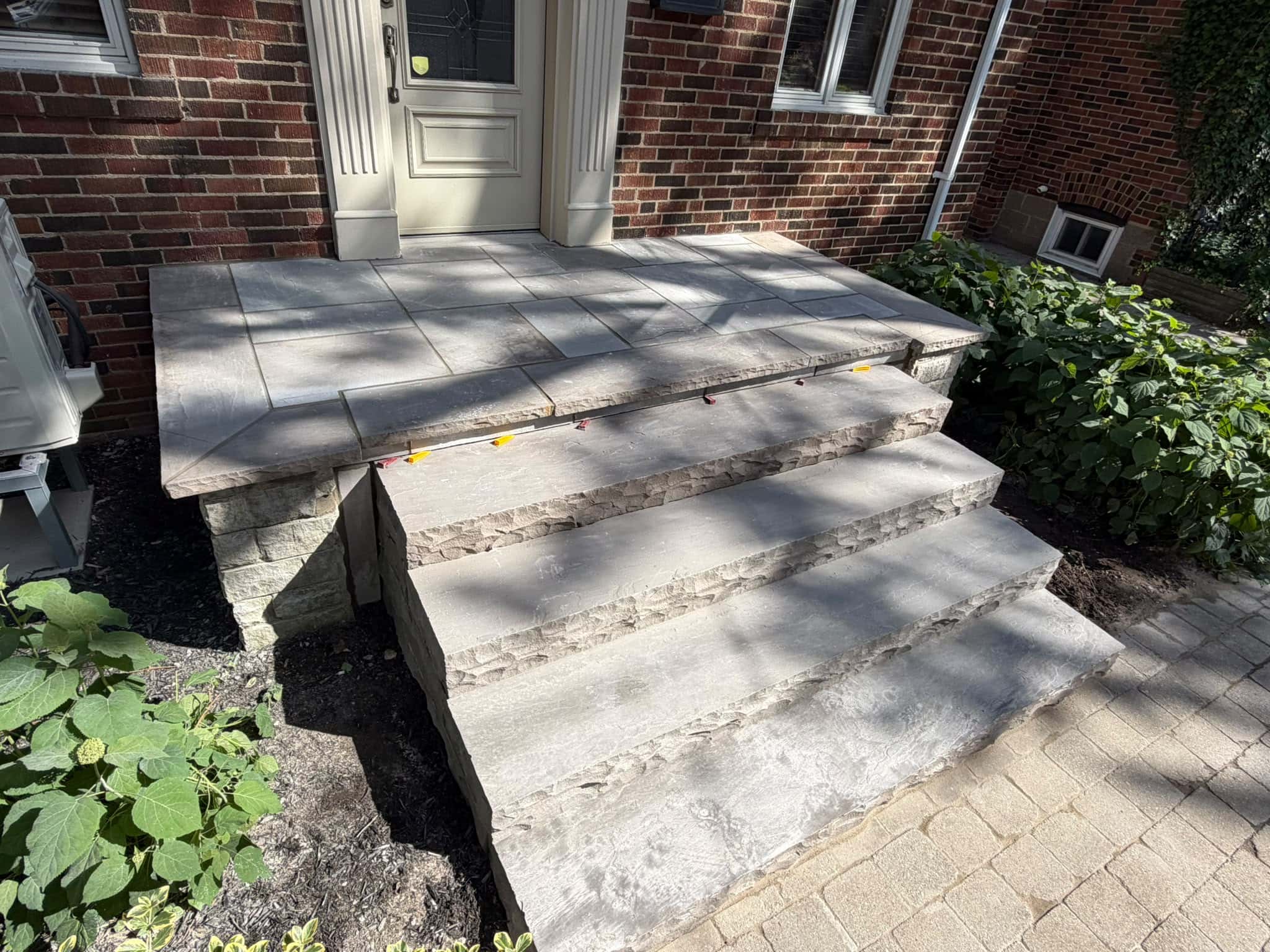
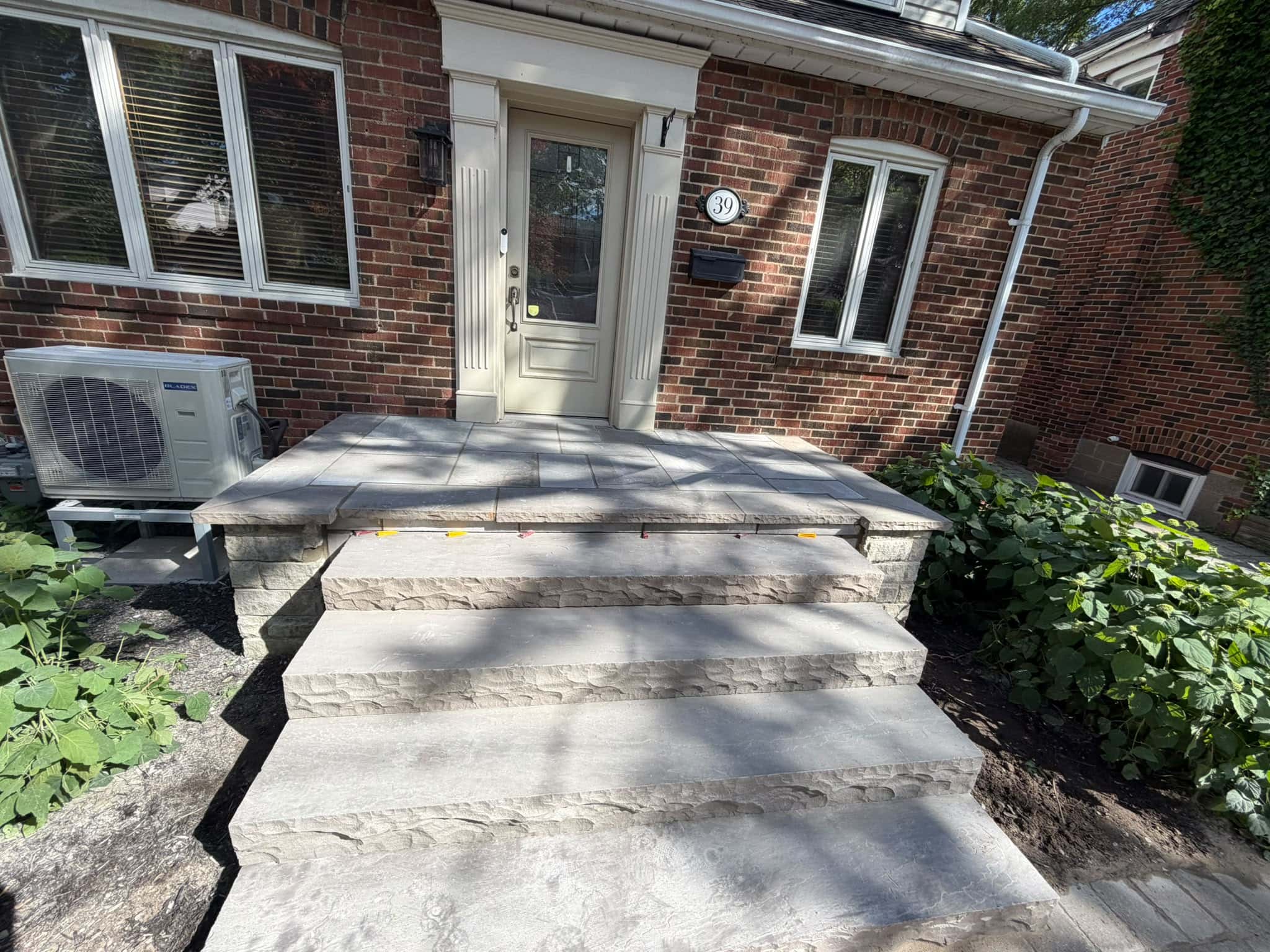
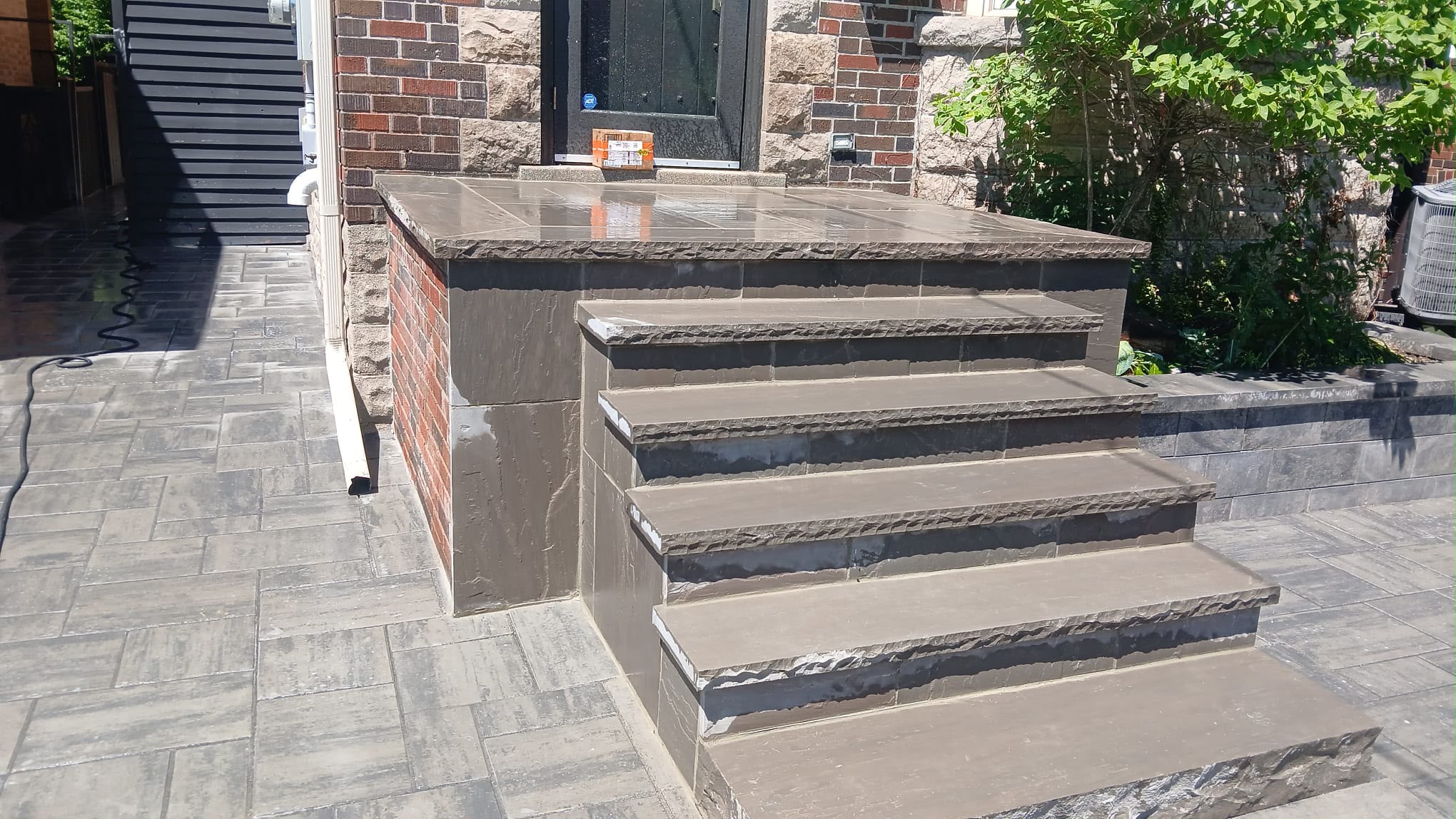
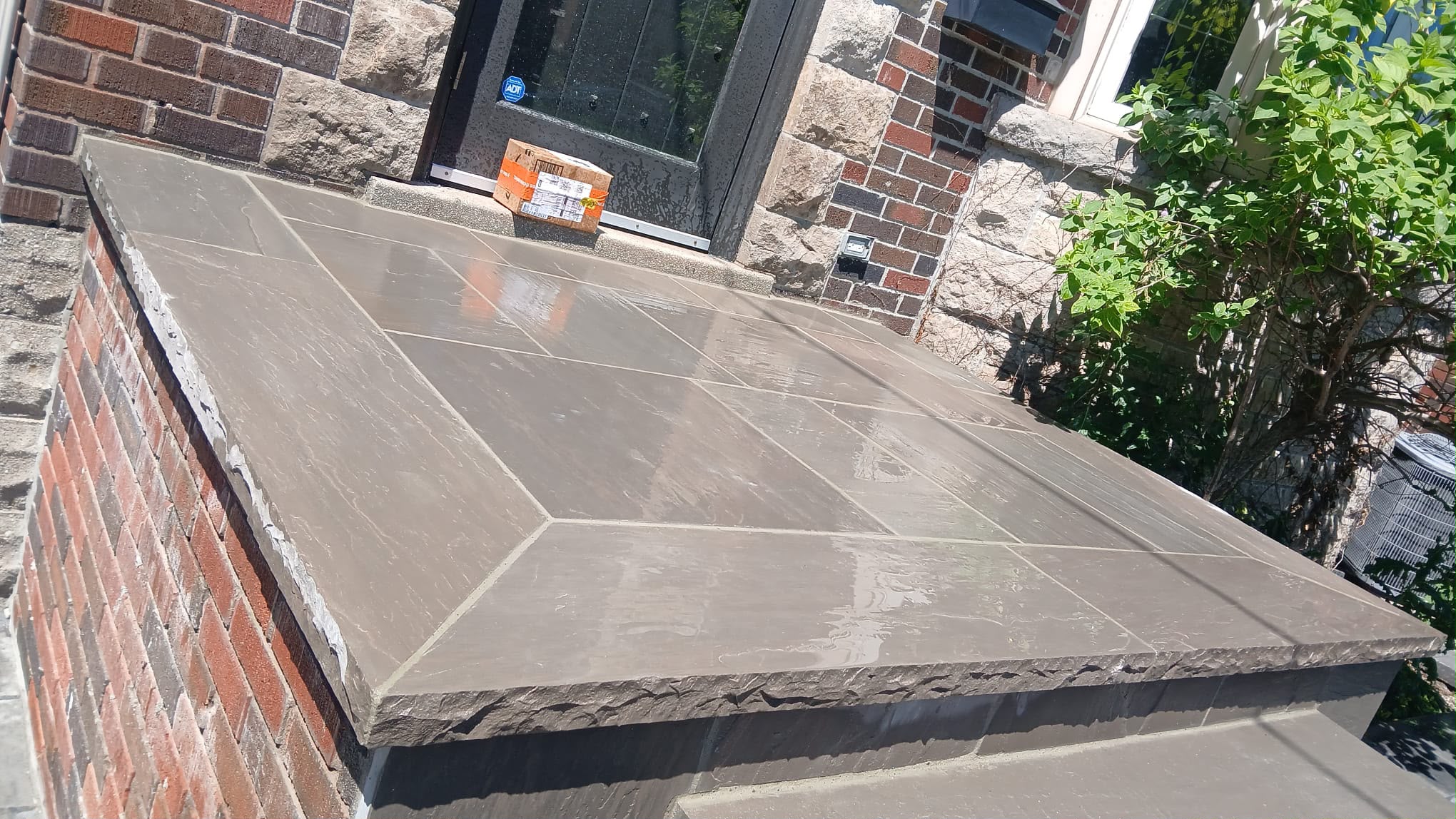
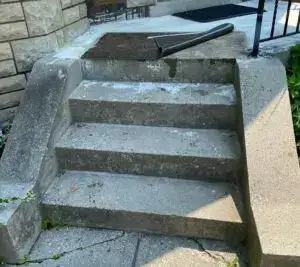 Front porches often sit directly above basement walls. When porch slabs or masonry deteriorate, water funnels straight into the foundation. This is why basement waterproofing for older homes often overlaps with porch repair in Toronto.
How basement waterproofing for older homes actually works
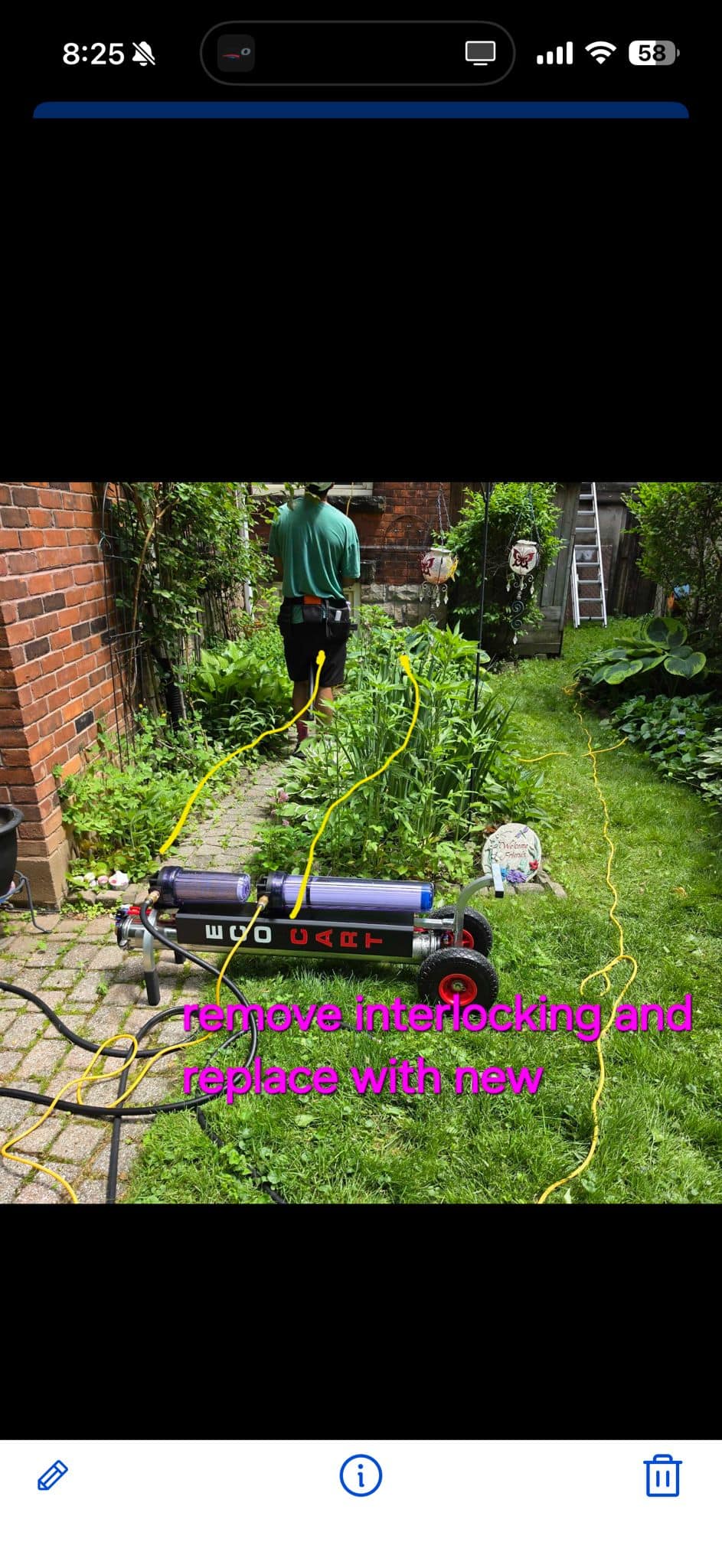
Effective basement waterproofing for older homes focuses on controlling water before it enters the structure. This may include exterior membrane systems, improved drainage, and targeted foundation repairs.
Interior coatings alone rarely solve basement waterproofing for older homes because they do not stop water pressure from building outside the wall. Long-term protection requires addressing exterior conditions.
The role of landscaping and retaining walls
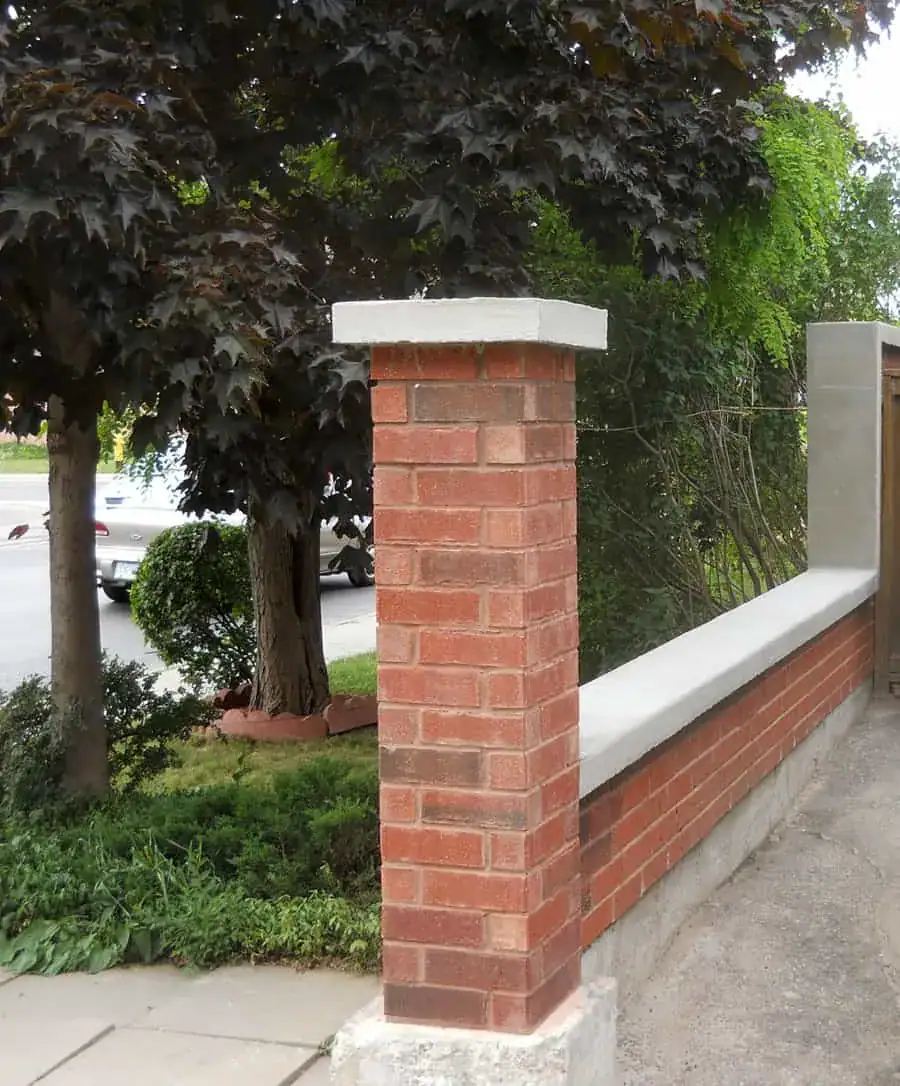
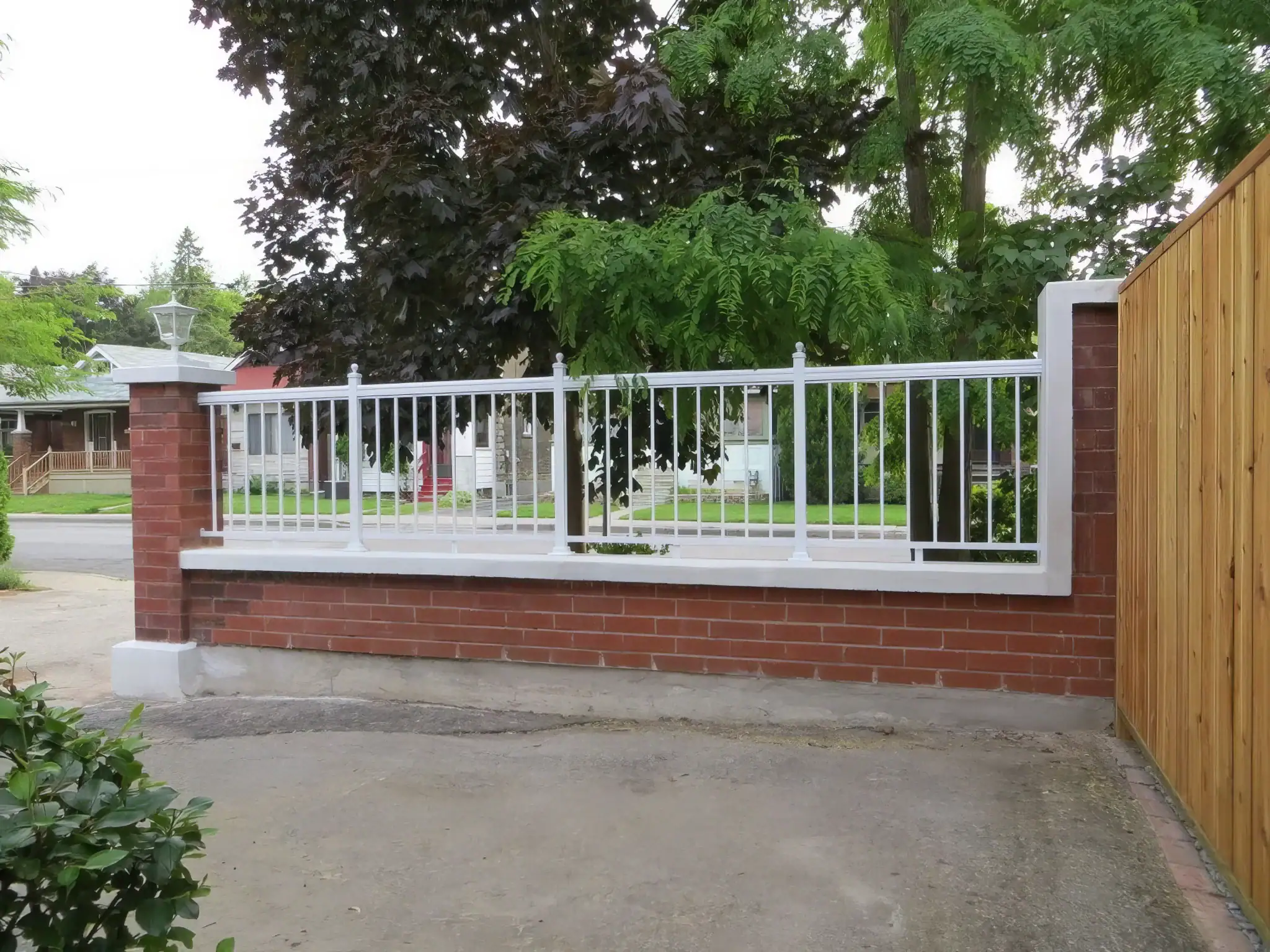
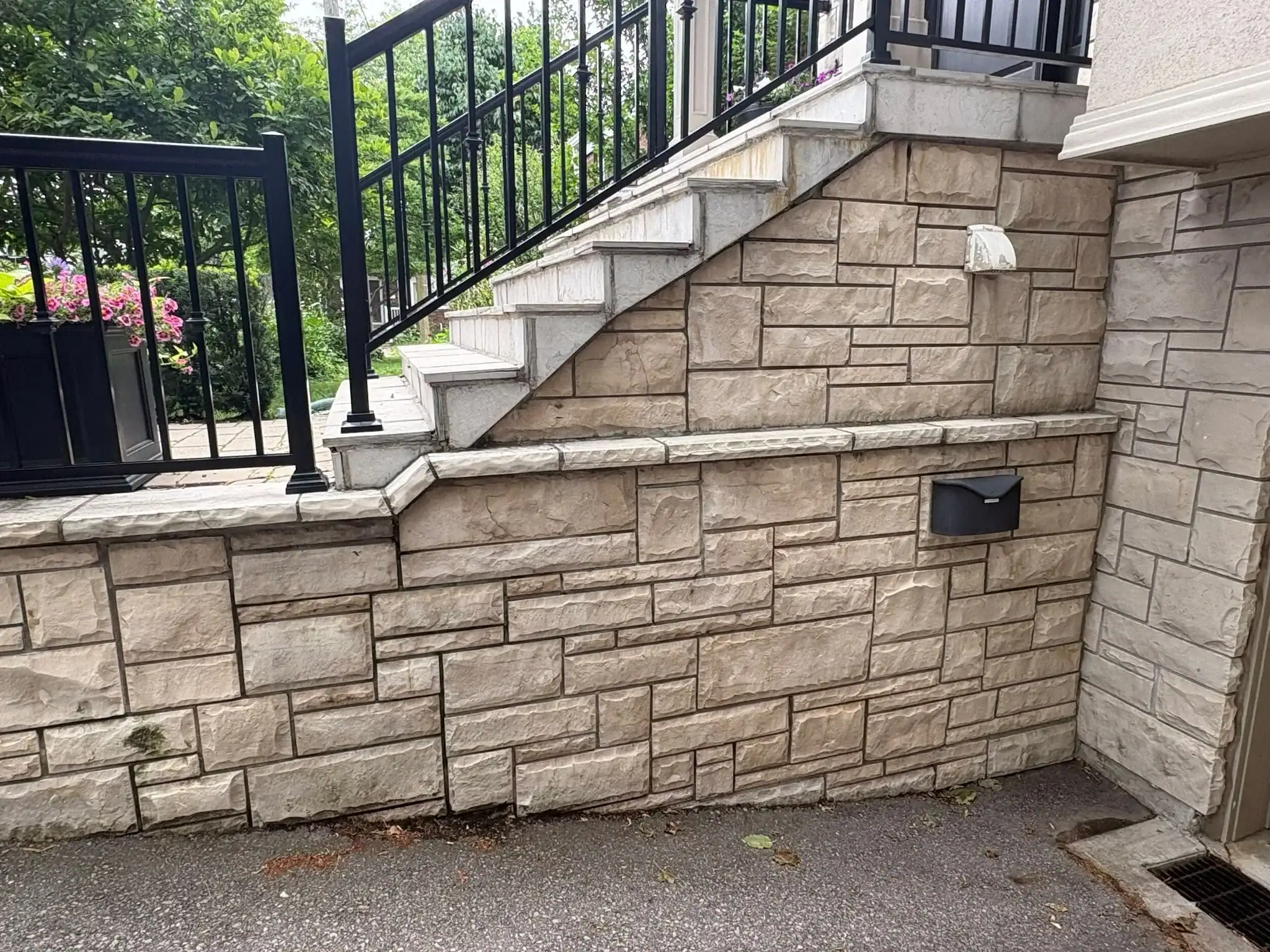
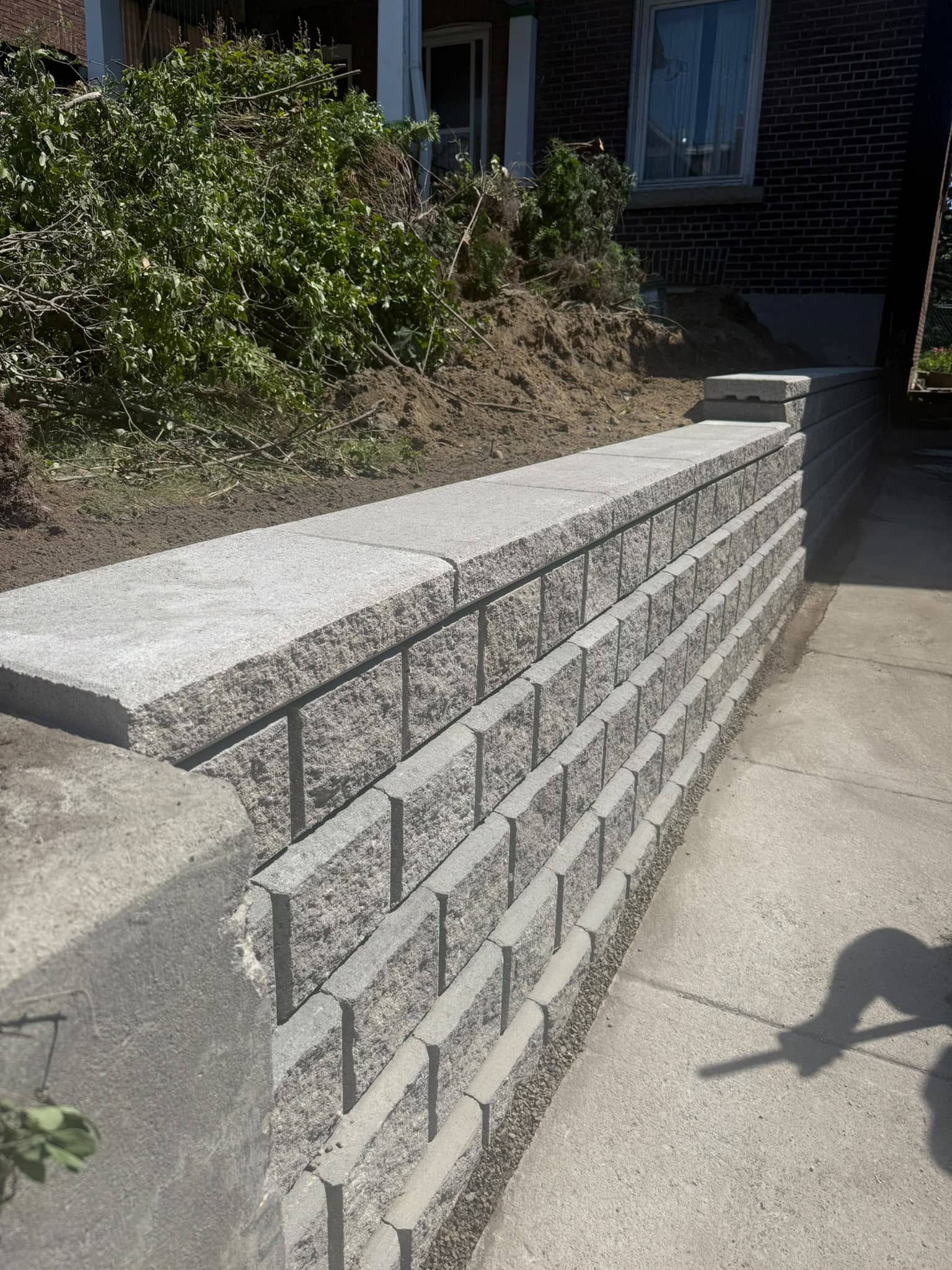
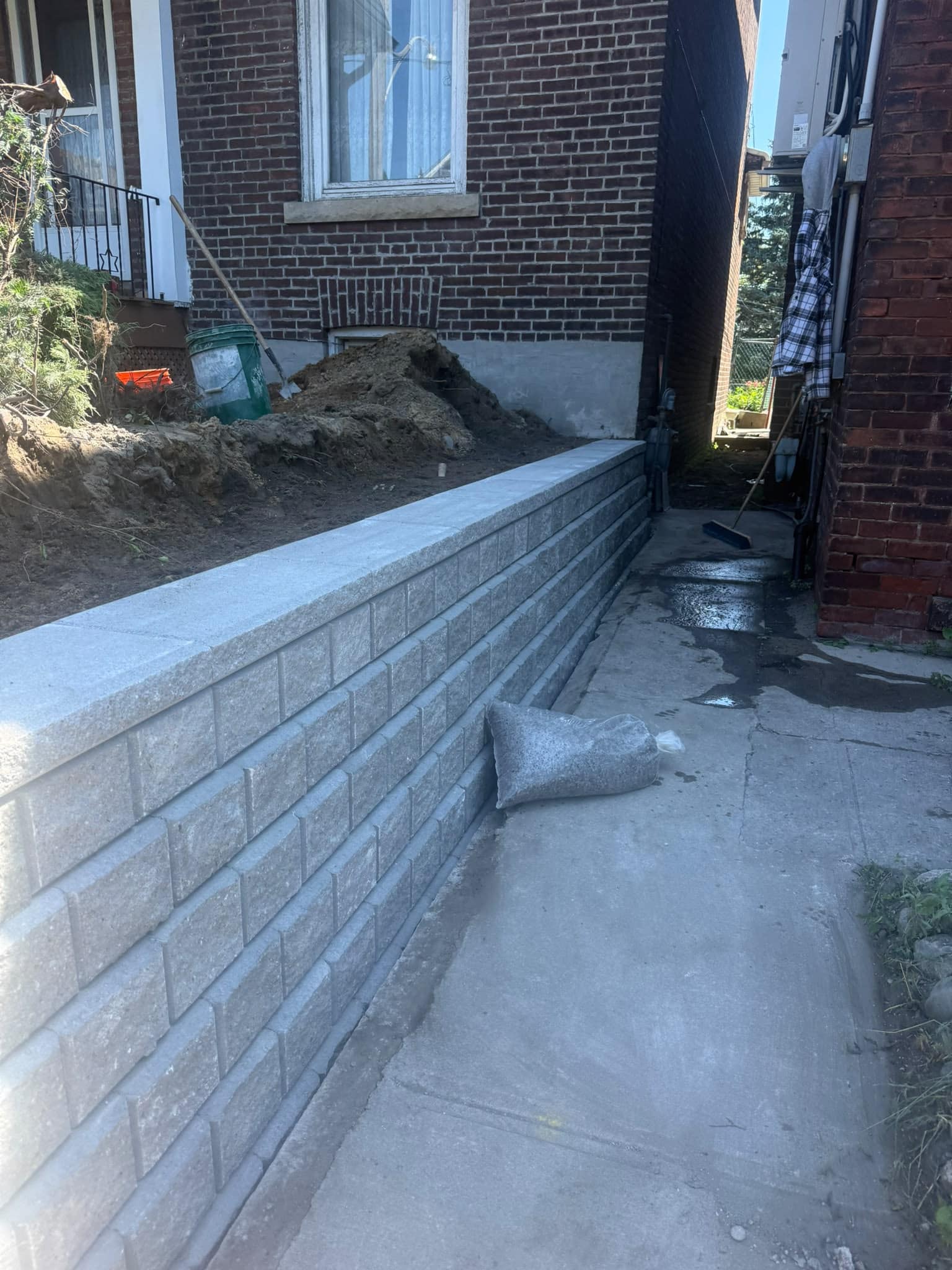
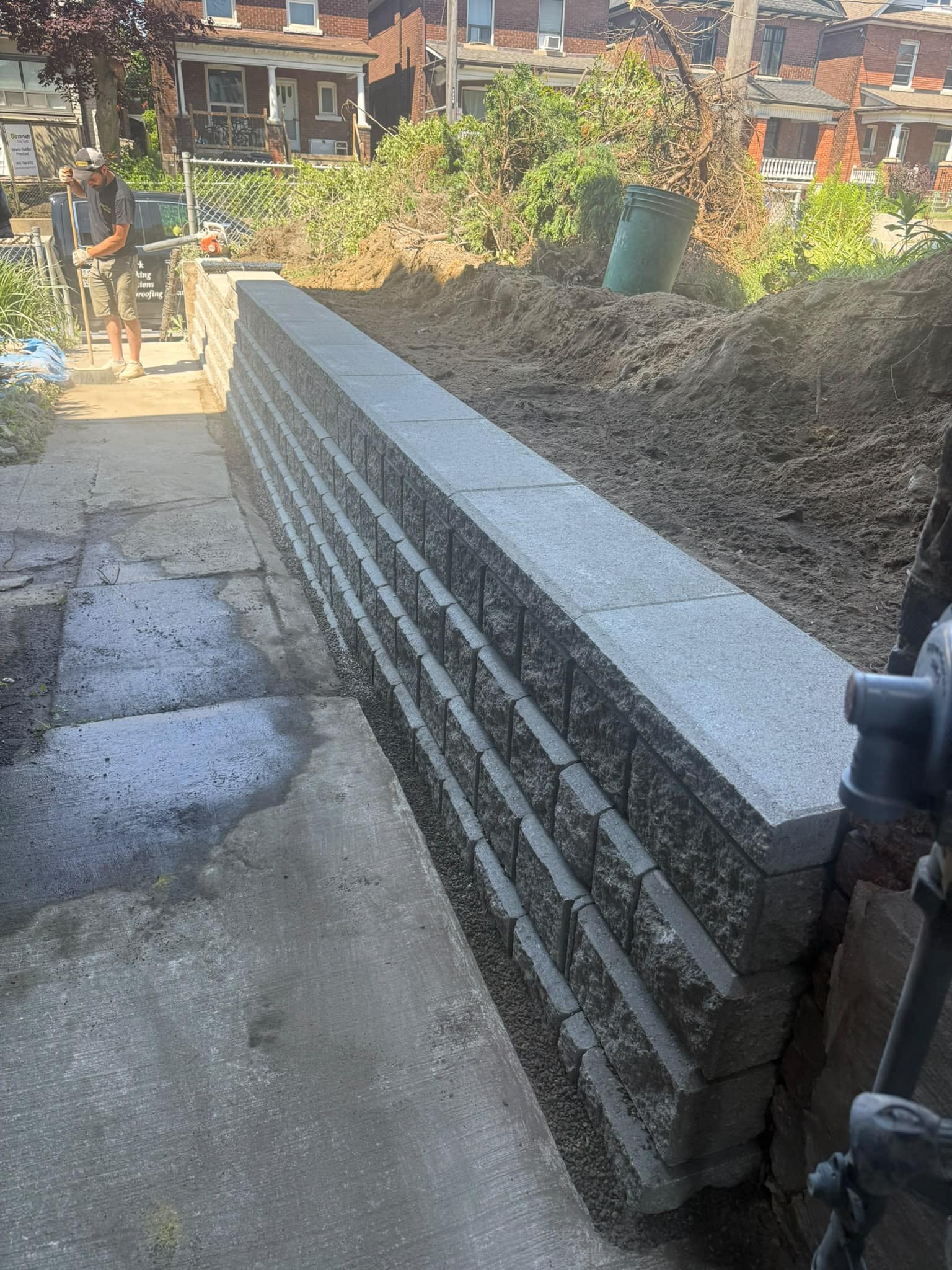
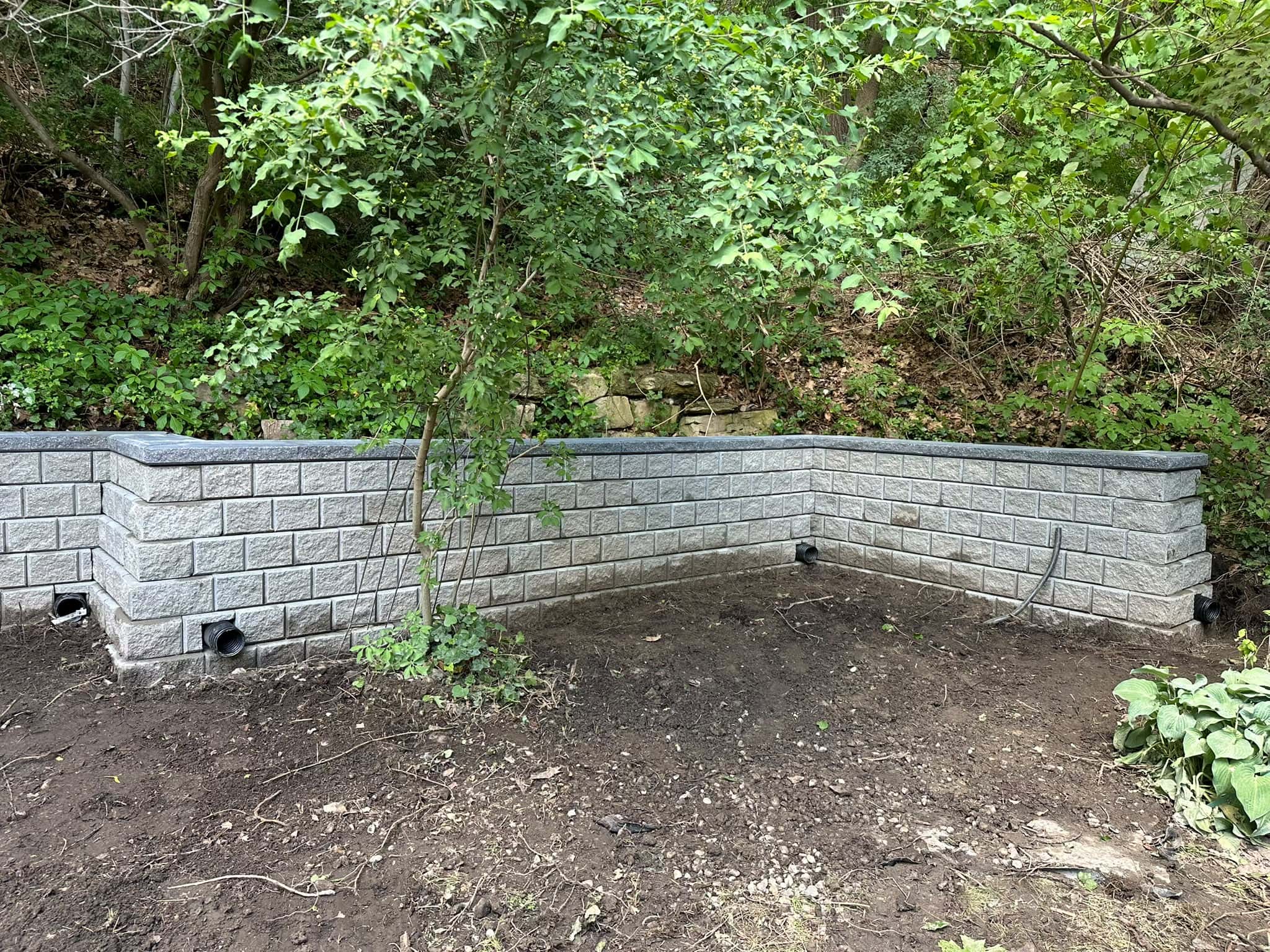
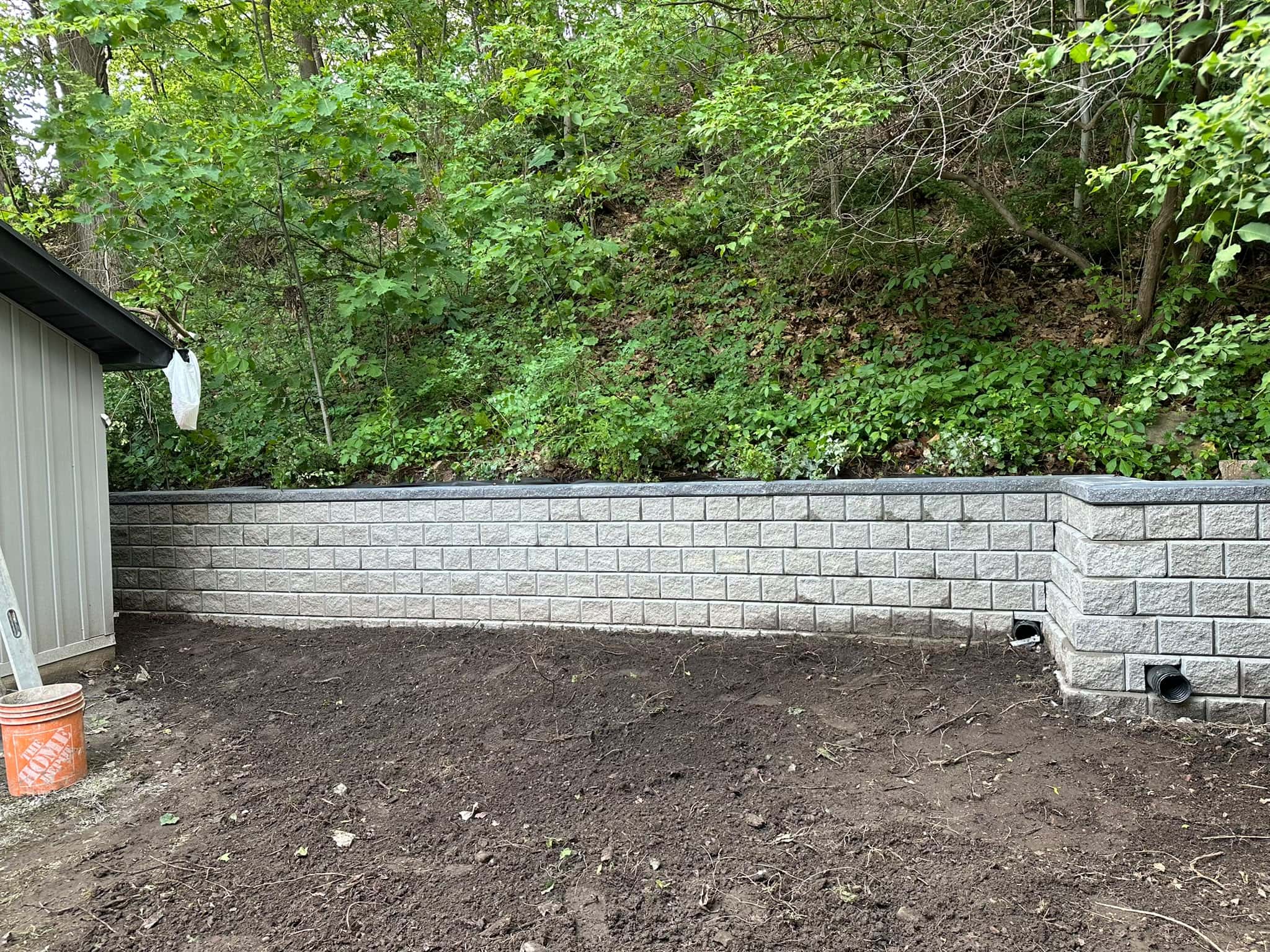
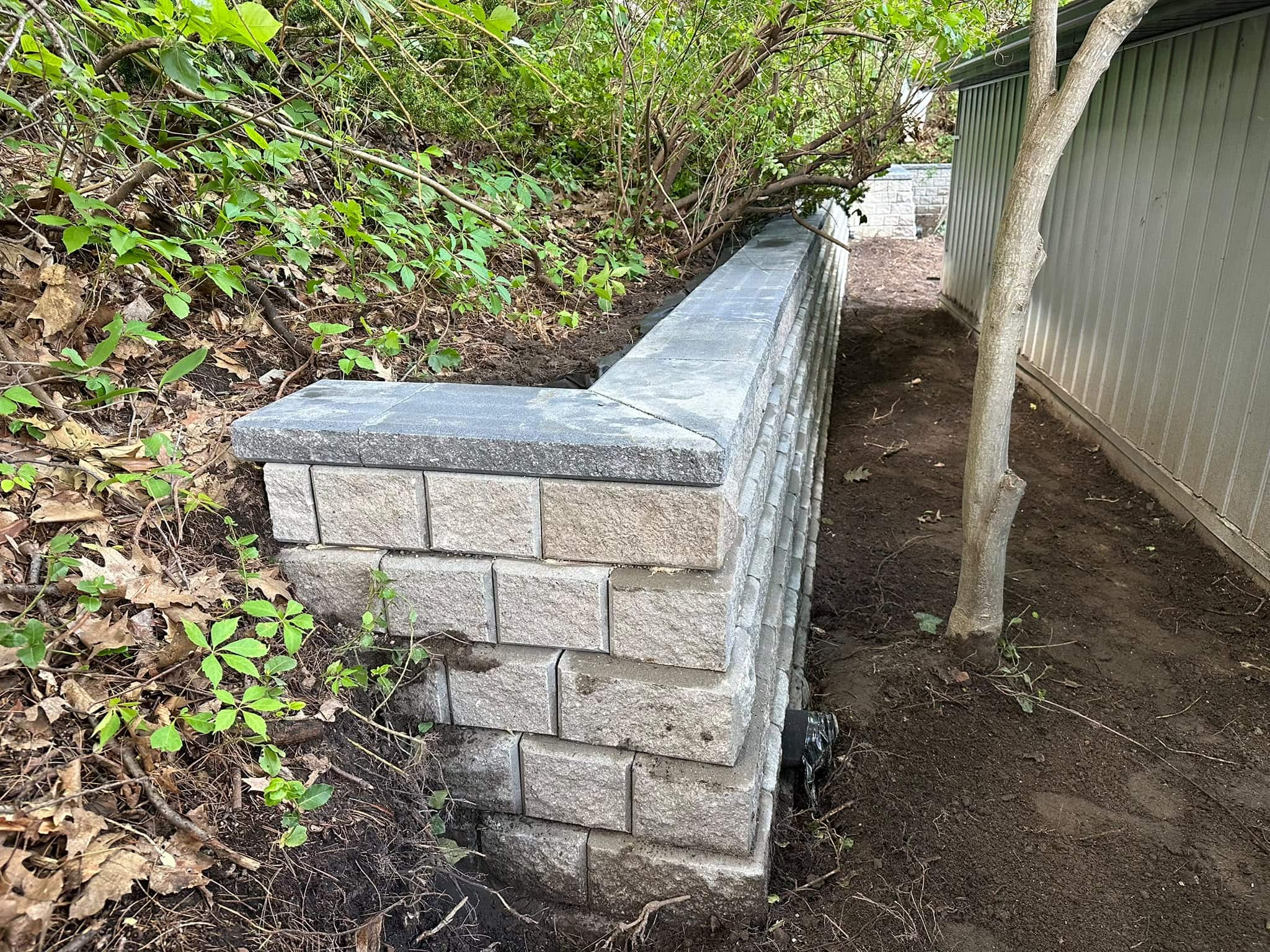
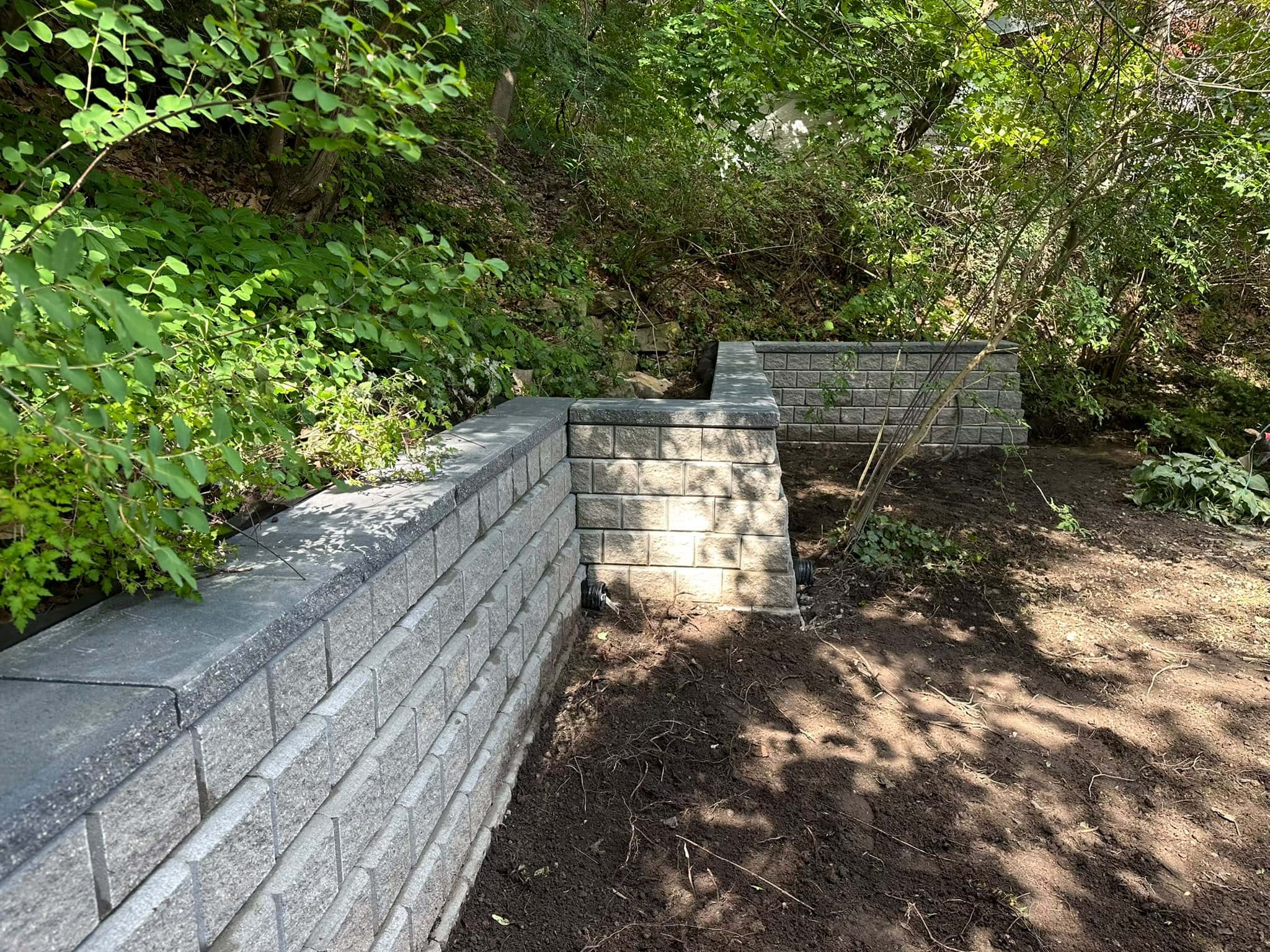
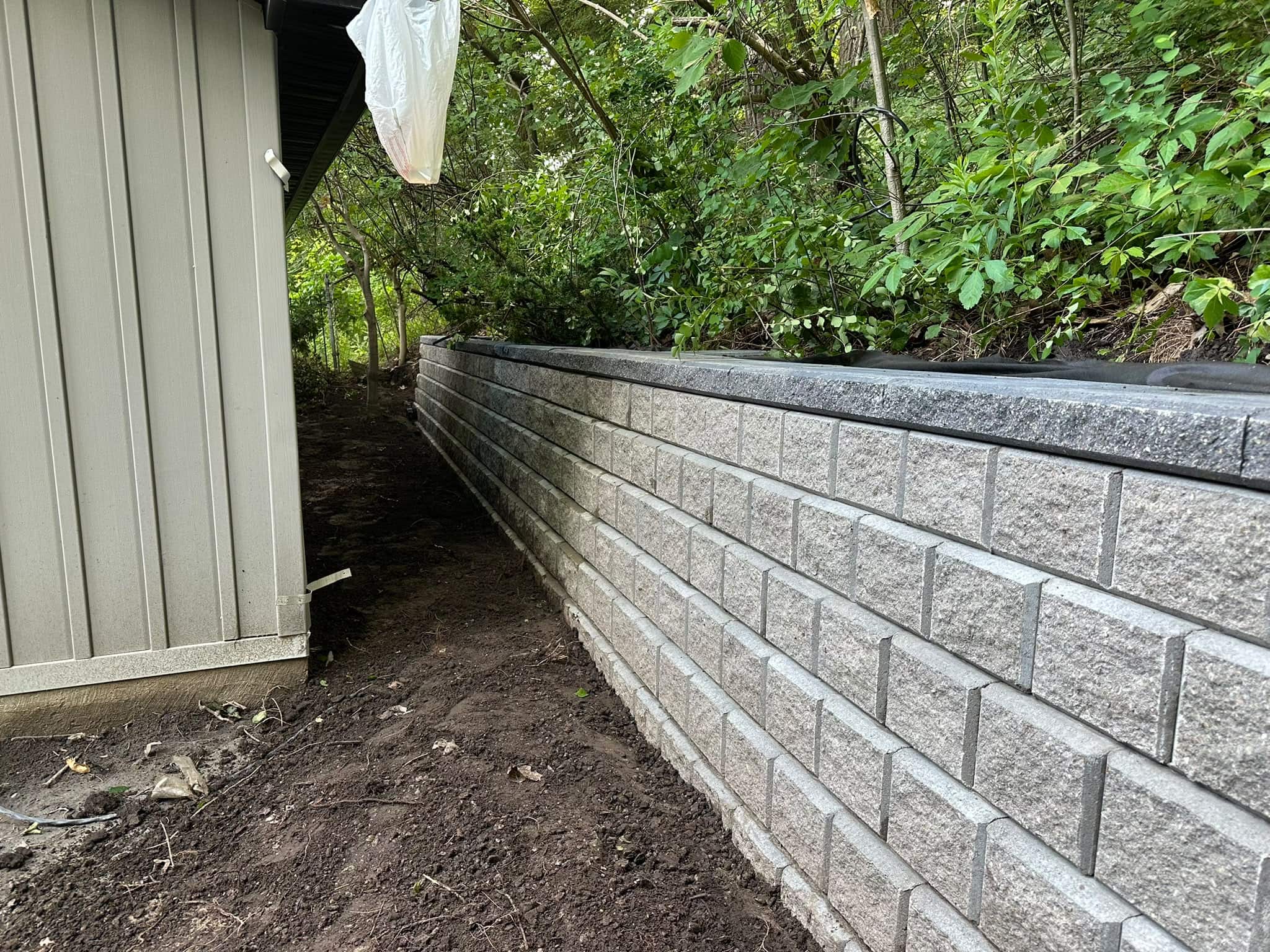
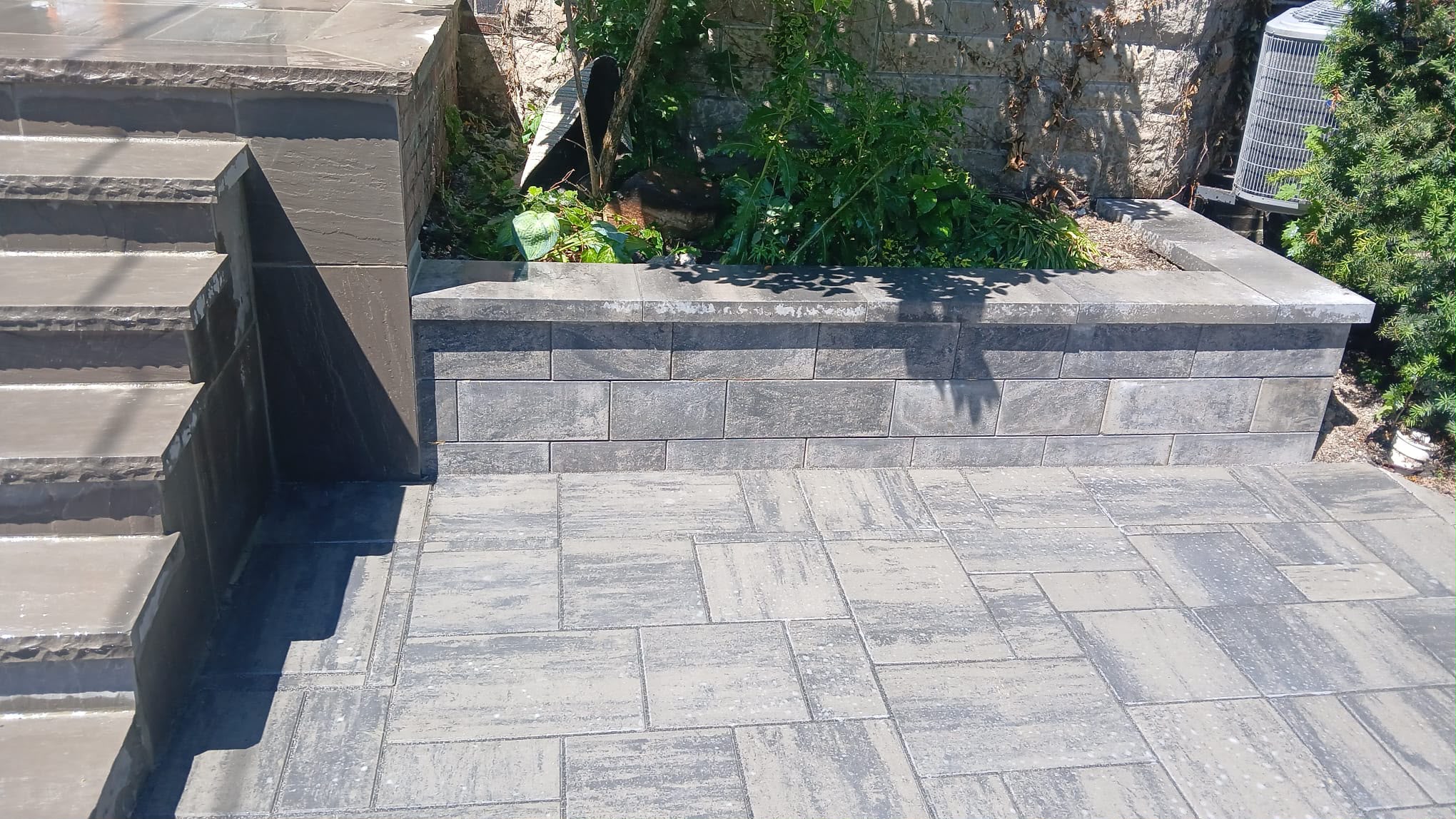
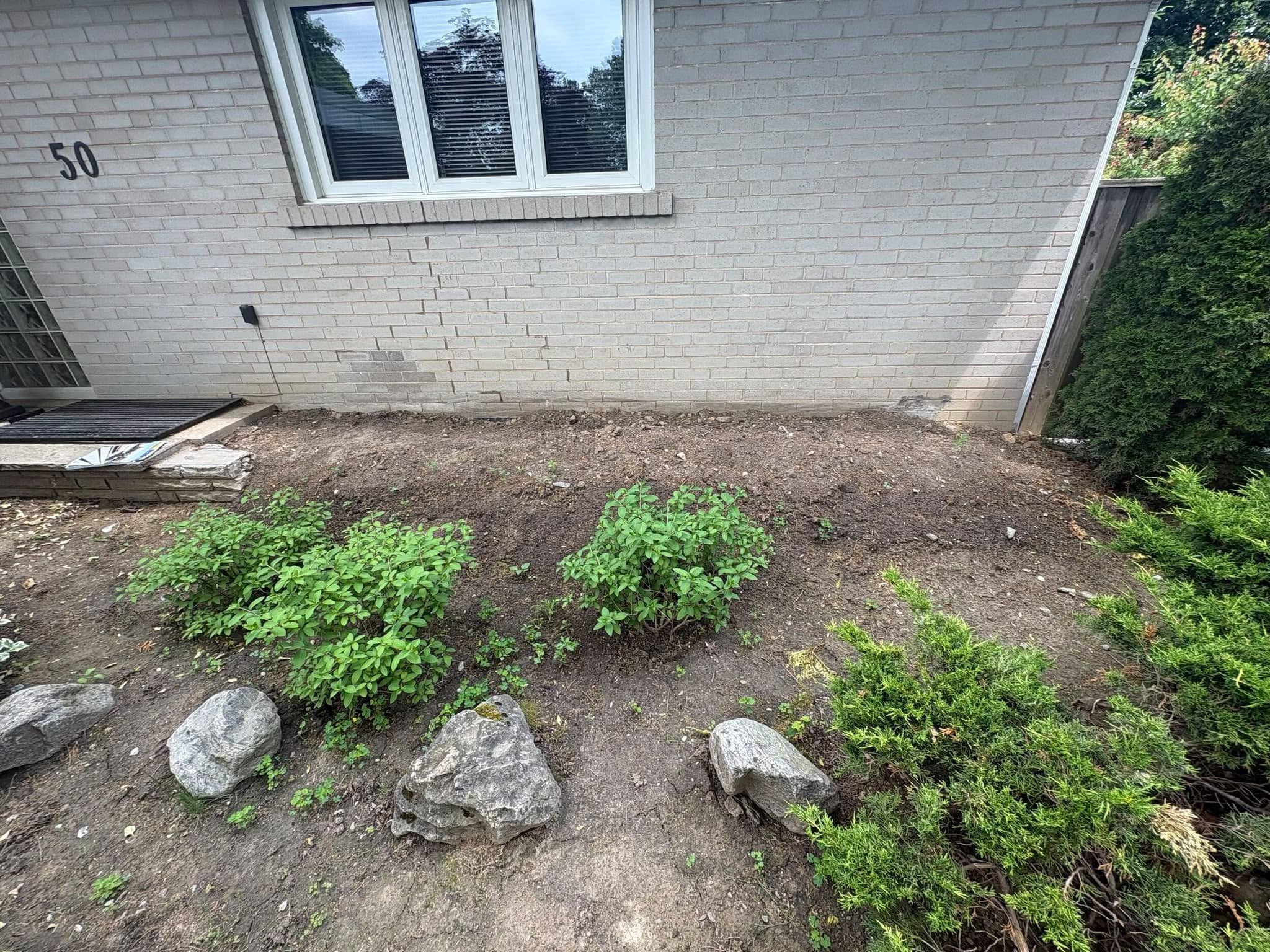
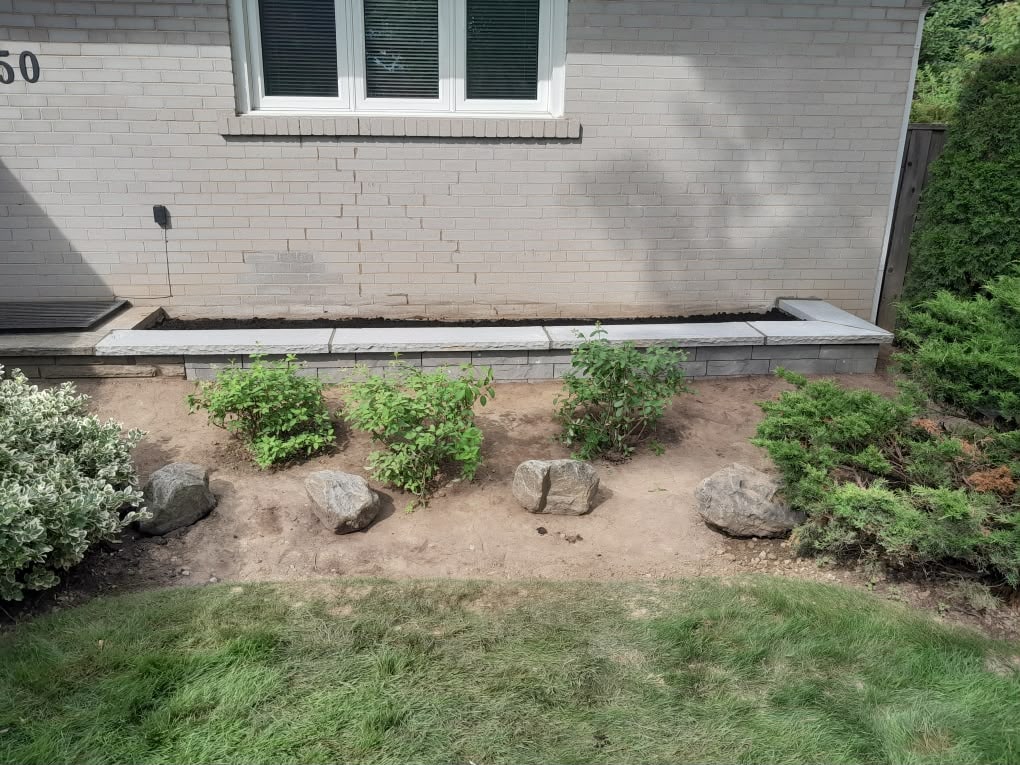
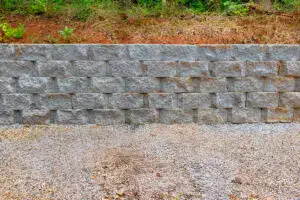 Older properties often rely on outdated retaining structures that no longer manage soil pressure or water flow correctly. In these cases, basement waterproofing for older homes may involve rebuilding or upgrading segmental retaining walls to redirect water safely.
Proper retaining systems reduce hydrostatic pressure on foundation walls, improving the effectiveness of basement waterproofing for older homes.
Building standards and inspections
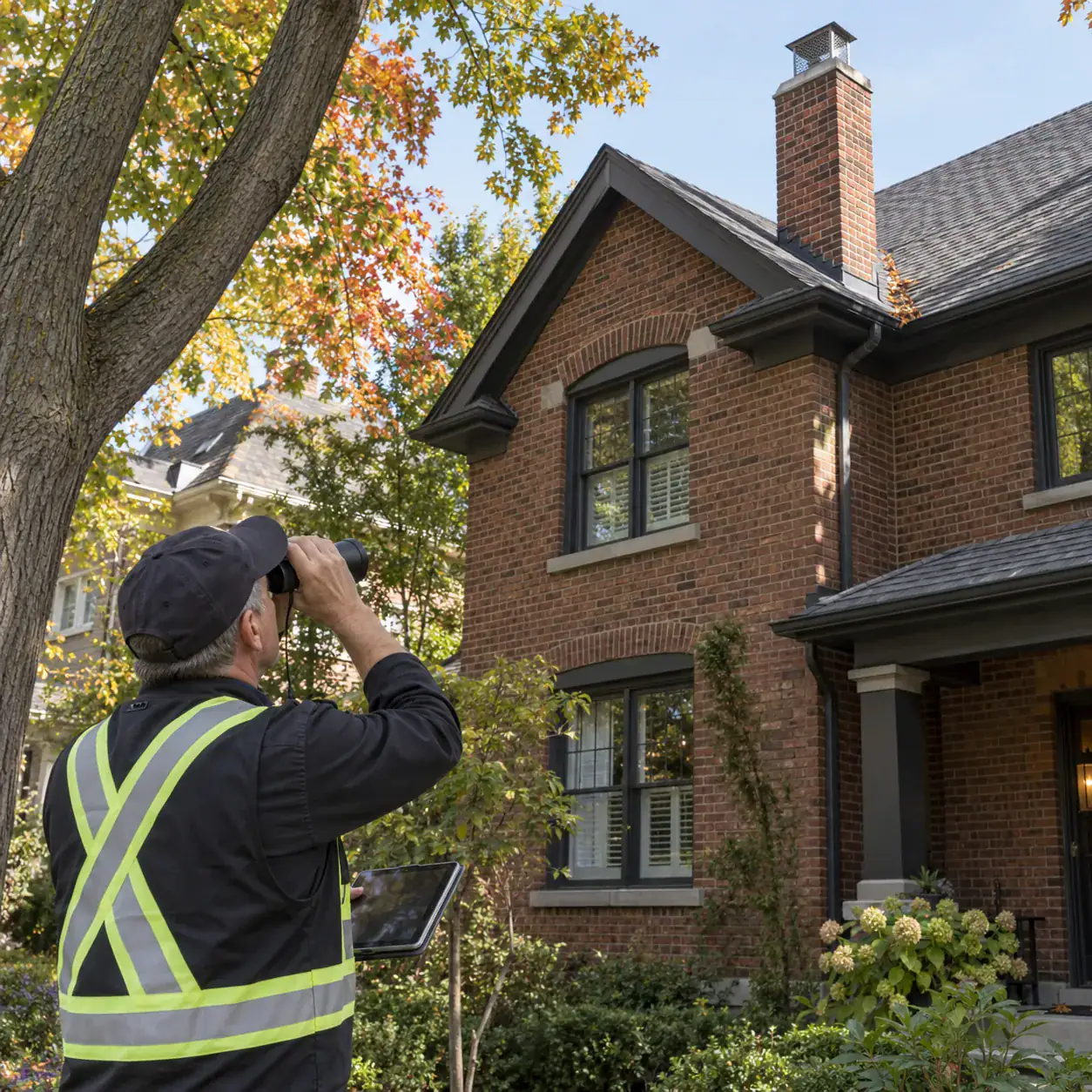
At a certain point, basement waterproofing for older homes becomes a building safety concern rather than just a comfort issue. In Toronto, foundation and exterior wall conditions fall under structural maintenance standards overseen by the City of Toronto Building Division, which provides guidance and inspections related to exterior wall and foundation safety.
How homeowners evaluate waterproofing contractors
Because basement waterproofing for older homes is a long-term investment, homeowners often want proof of past work and real outcomes. Reviewing client video testimonials and detailed feedback on the A&A Masonry testimonial page helps set realistic expectations.
When to act before damage spreads
Basement waterproofing for older homes is most cost-effective when done early. Water intrusion left unchecked can lead to mould growth, brick deterioration, and structural movement that requires far more extensive repairs.
Homeowners who notice recurring dampness, odours, or visible moisture should treat basement waterproofing for older homes as preventative maintenance rather than an emergency response.
Final thoughts for Toronto homeowners
Basement waterproofing for older homes is not about quick fixes. It is about understanding how water moves around your property and building a system that protects your foundation for decades.
For Toronto and GTA homeowners, addressing basement waterproofing for older homes early helps preserve property value, structural integrity, and indoor comfort year-round.