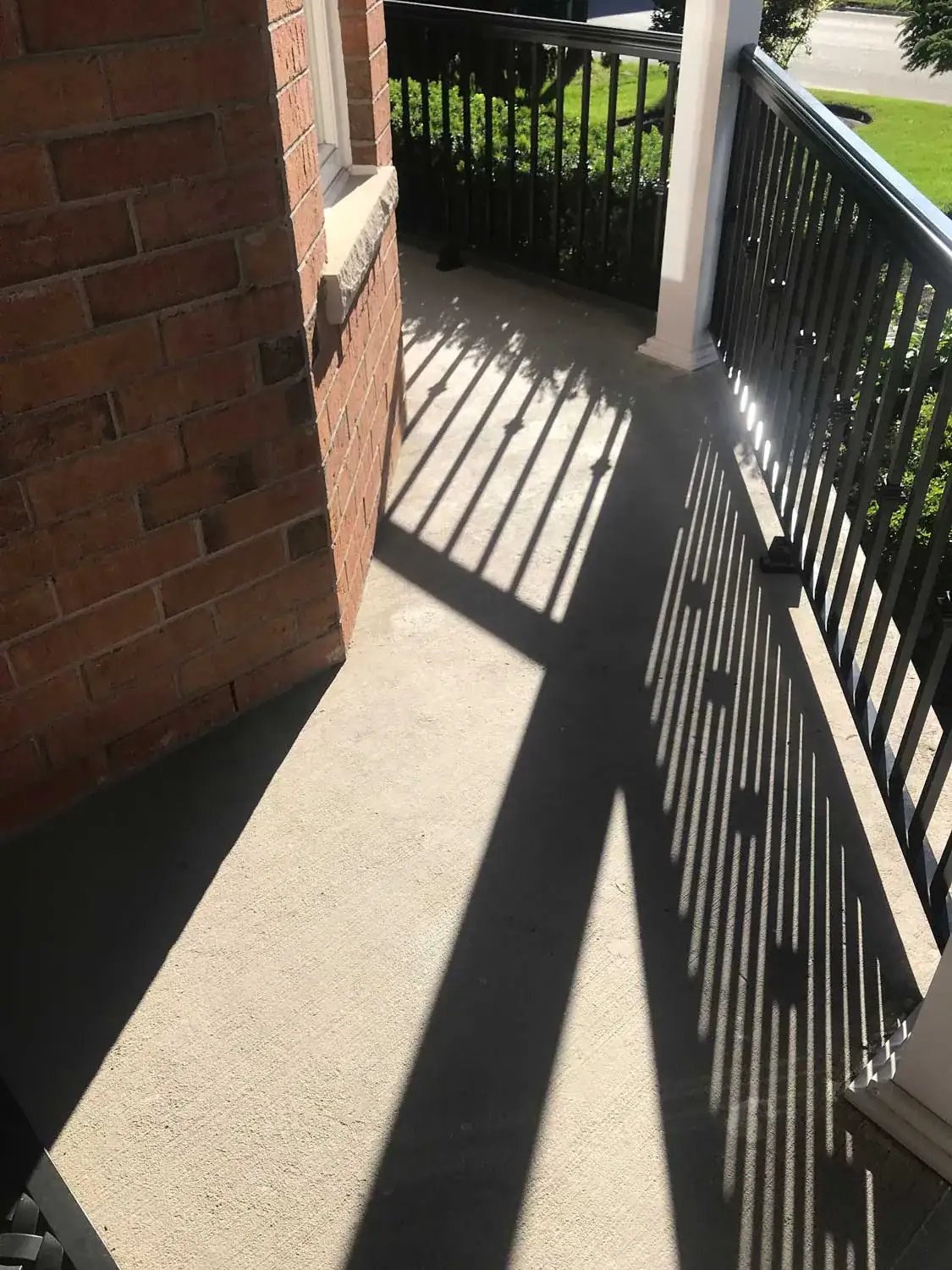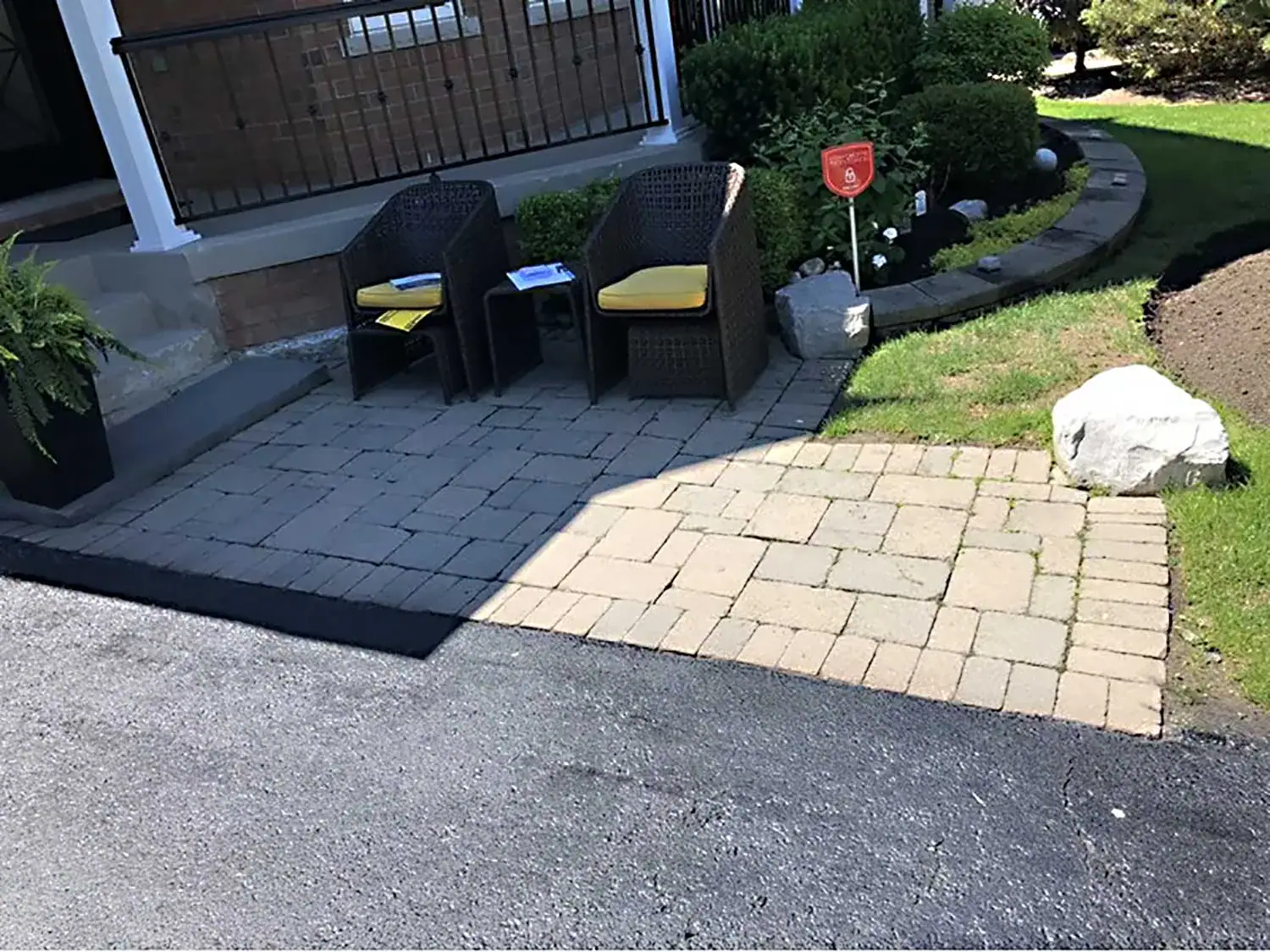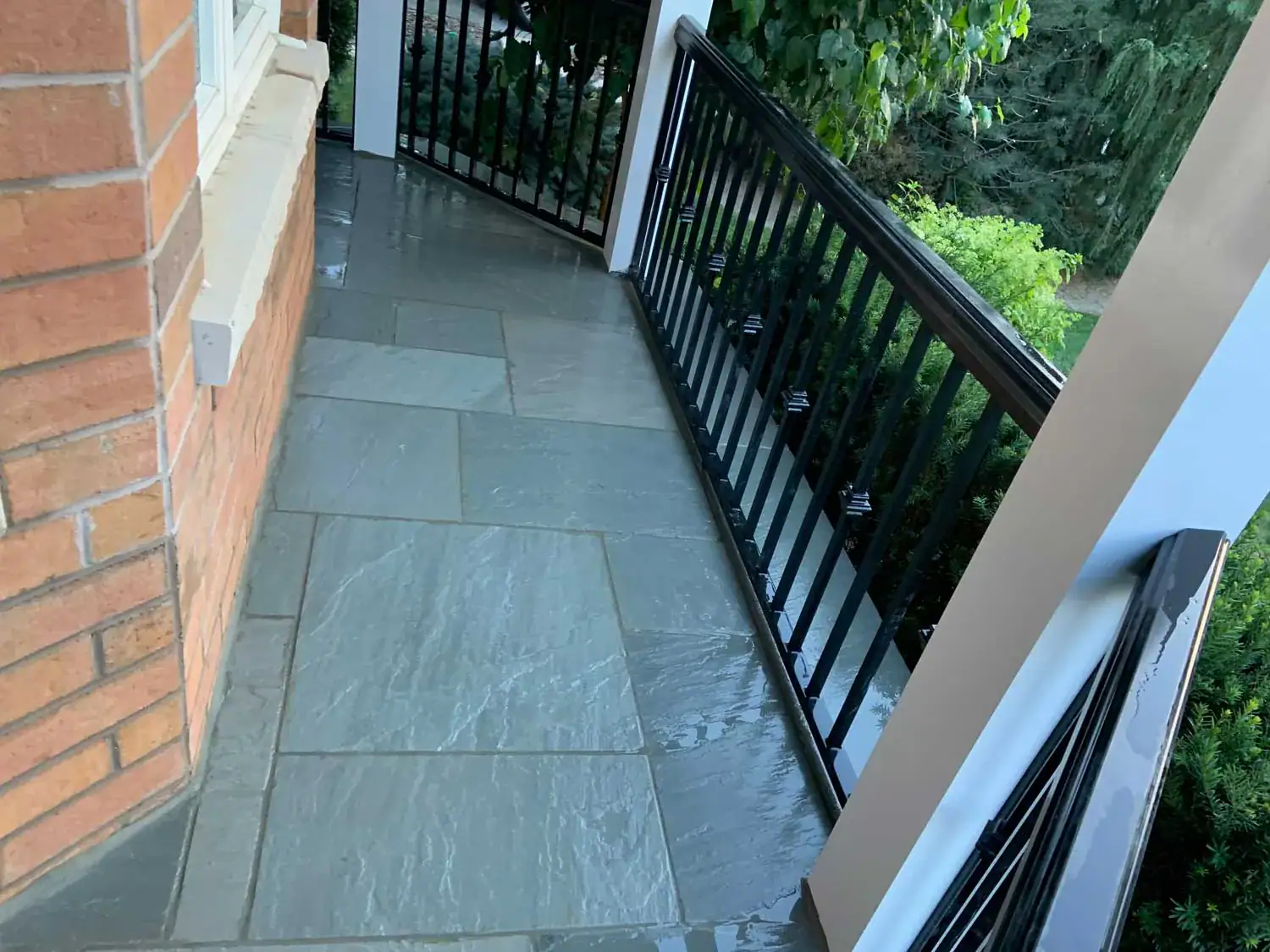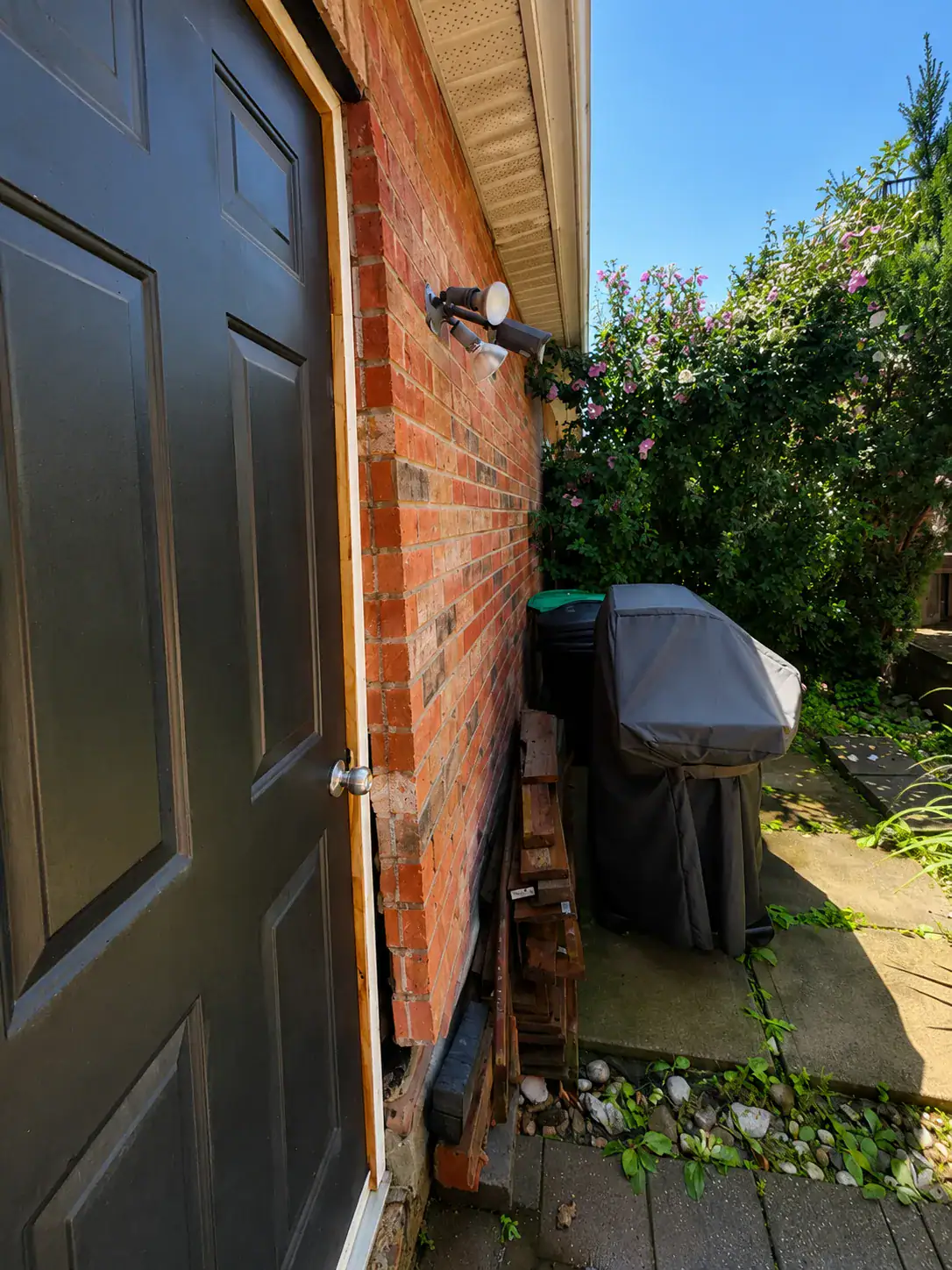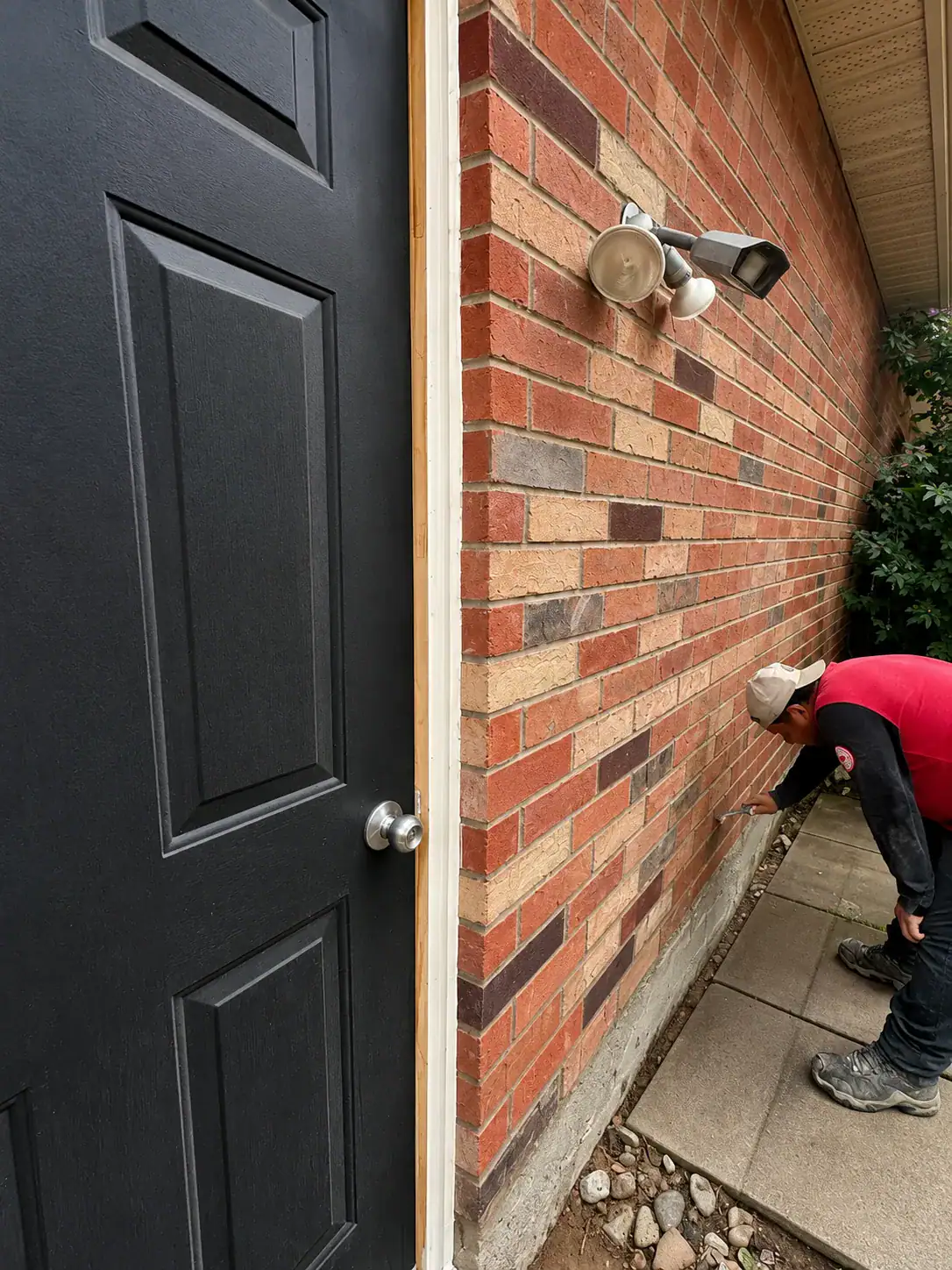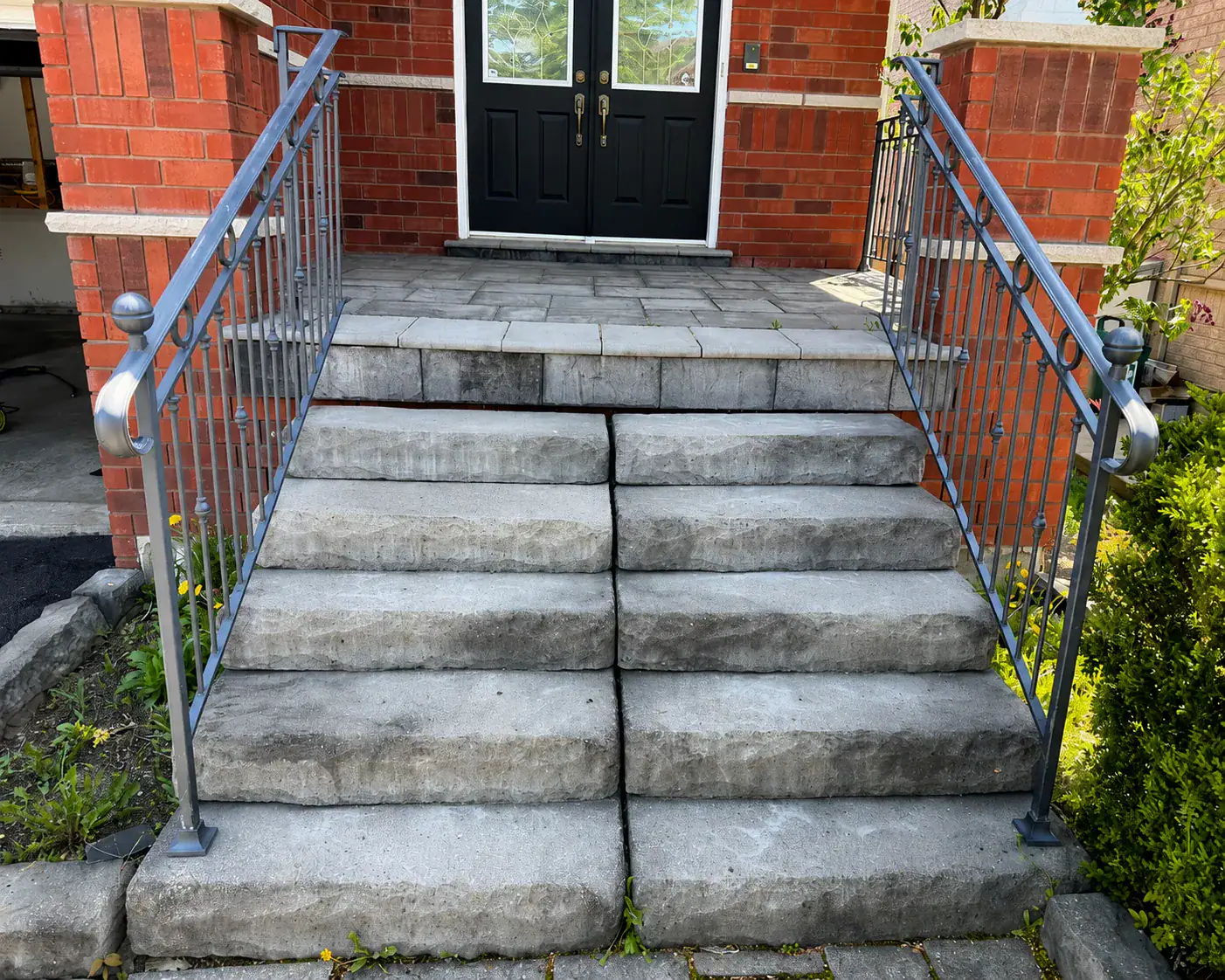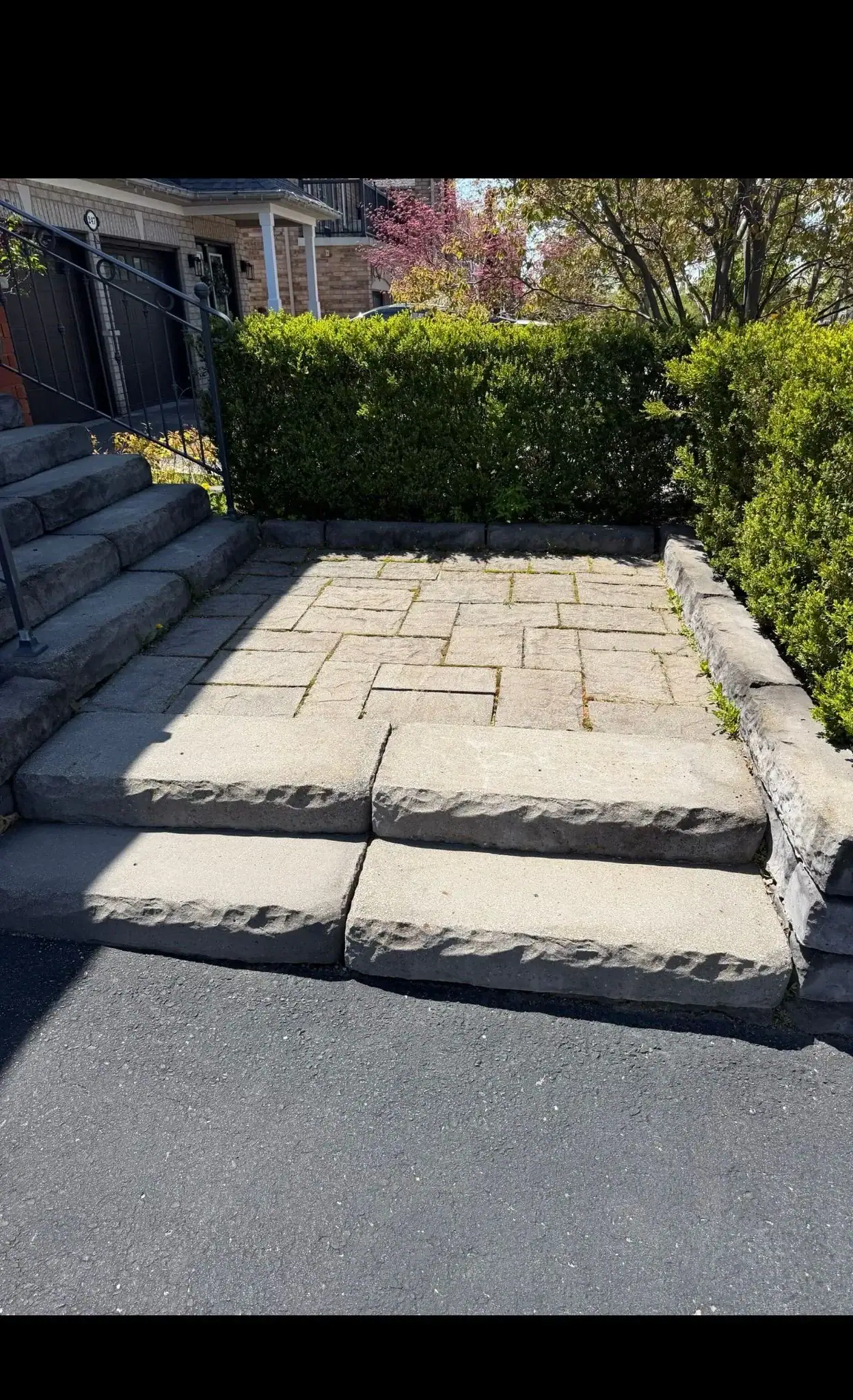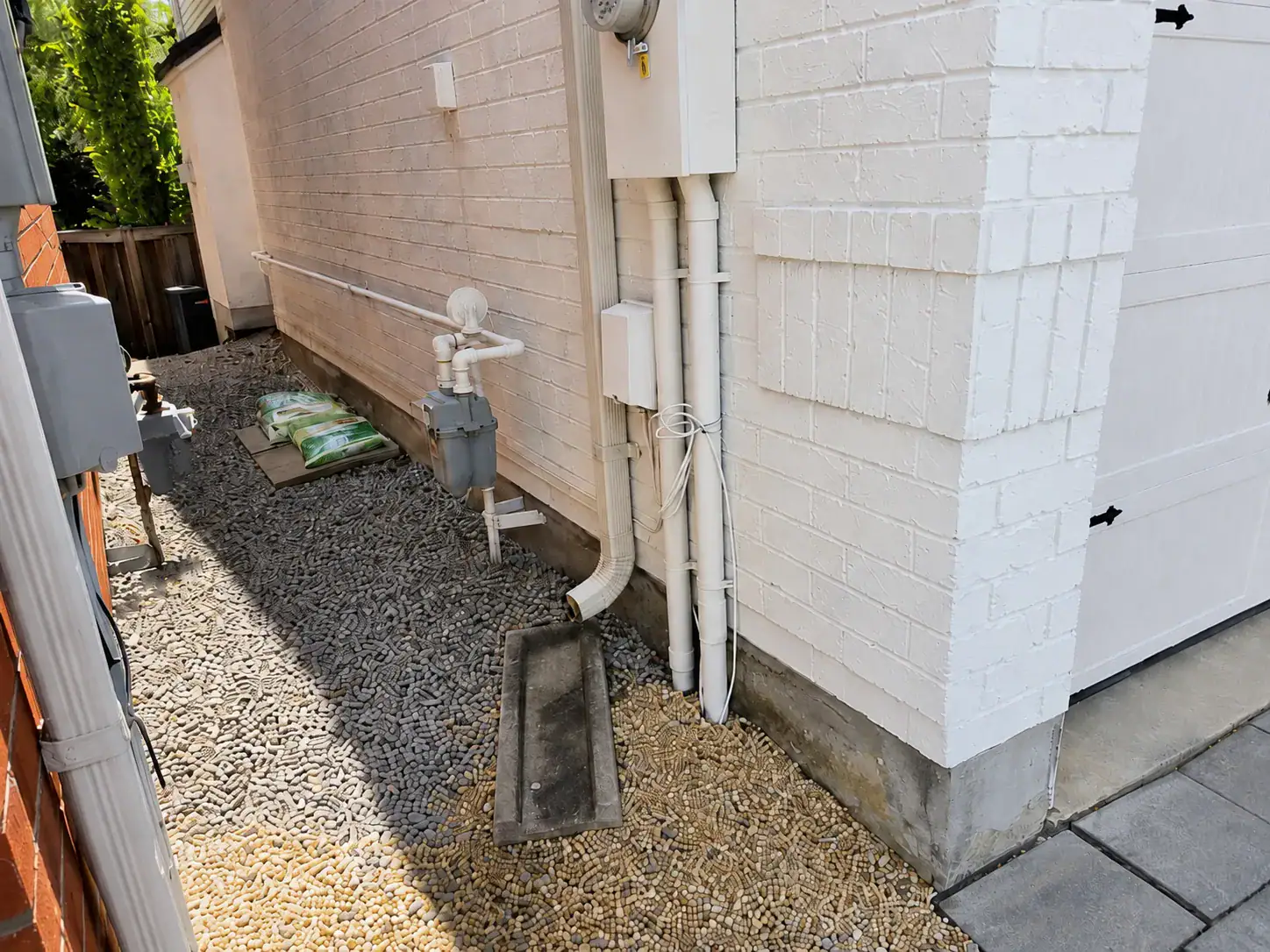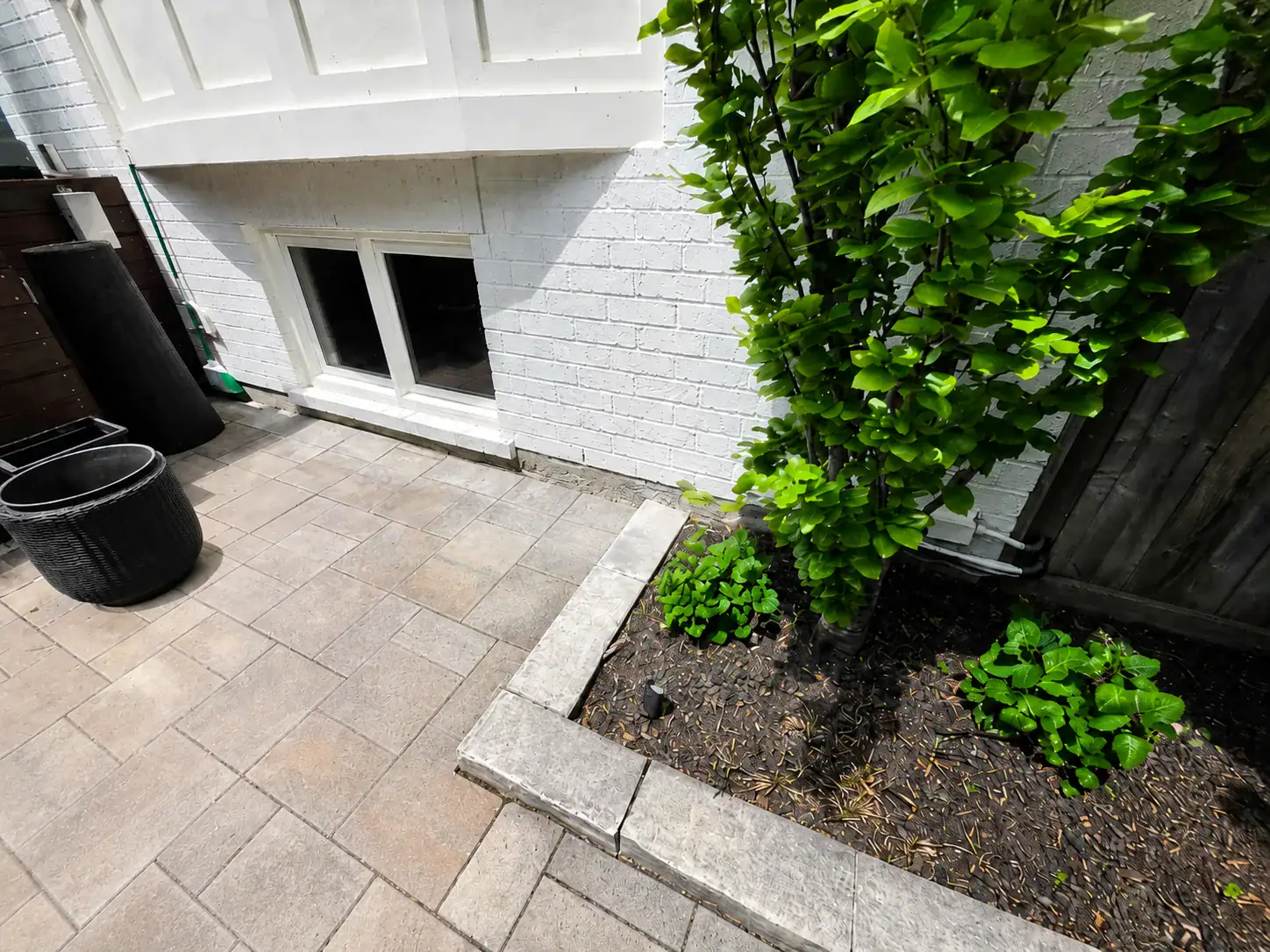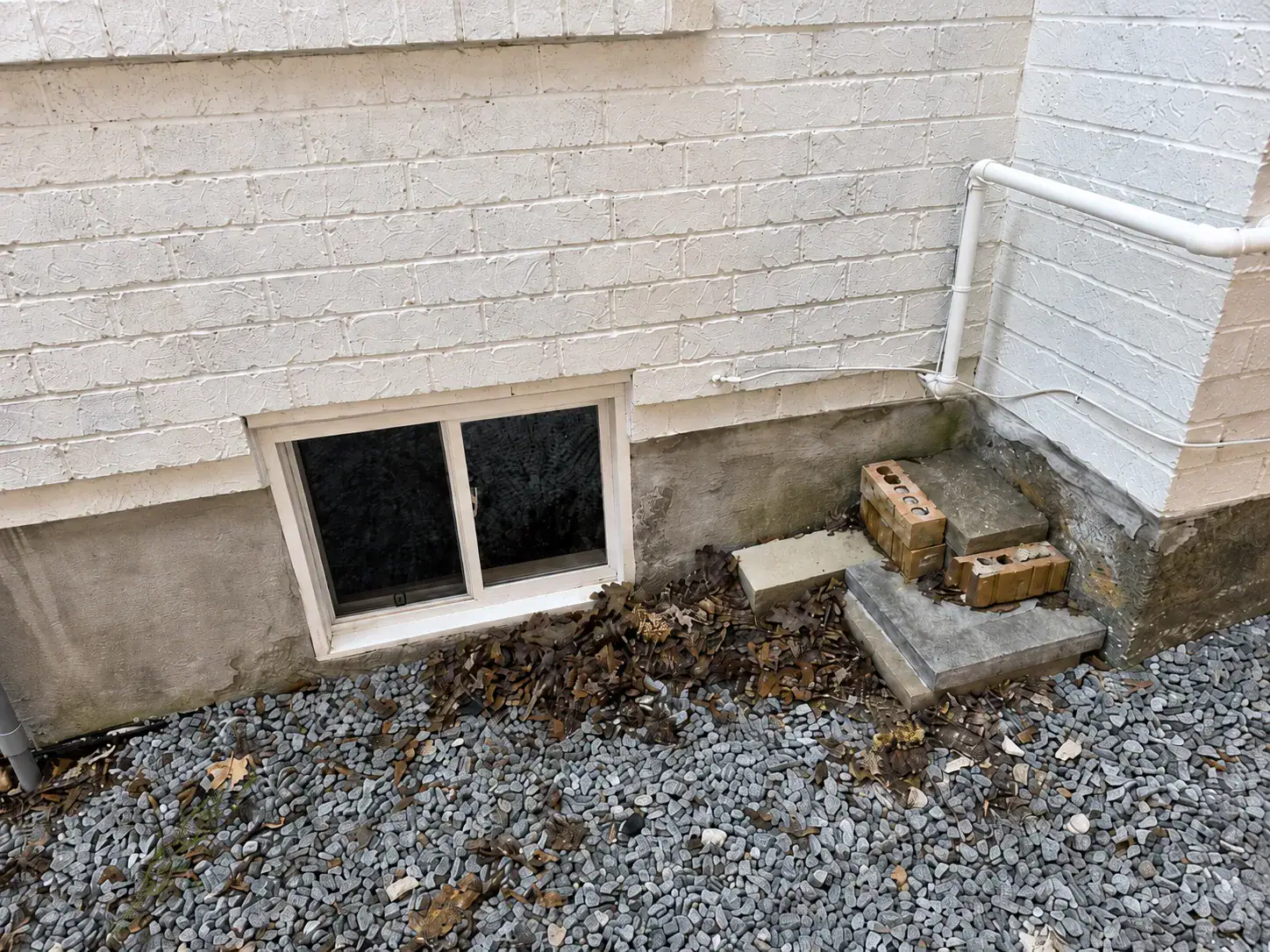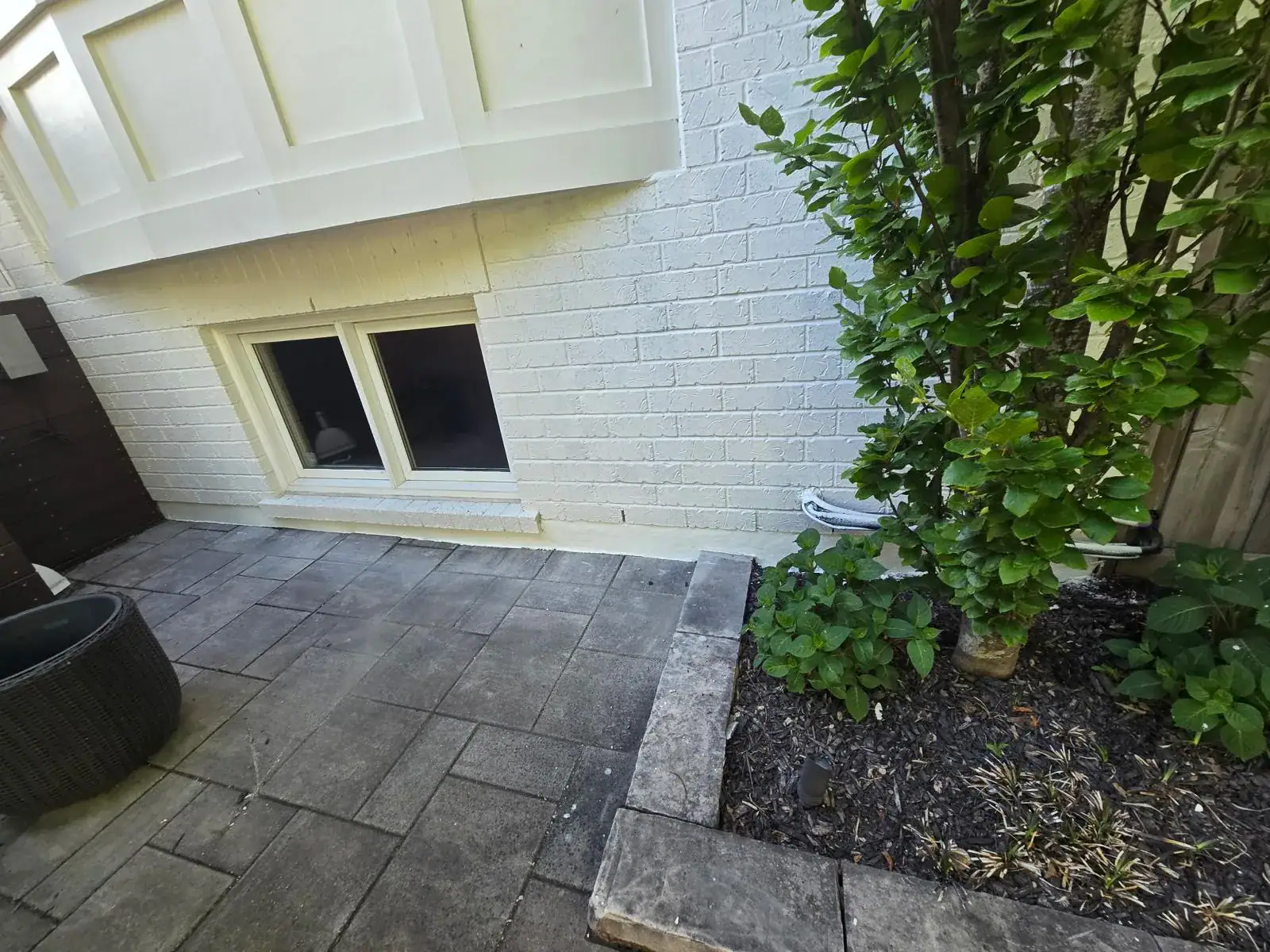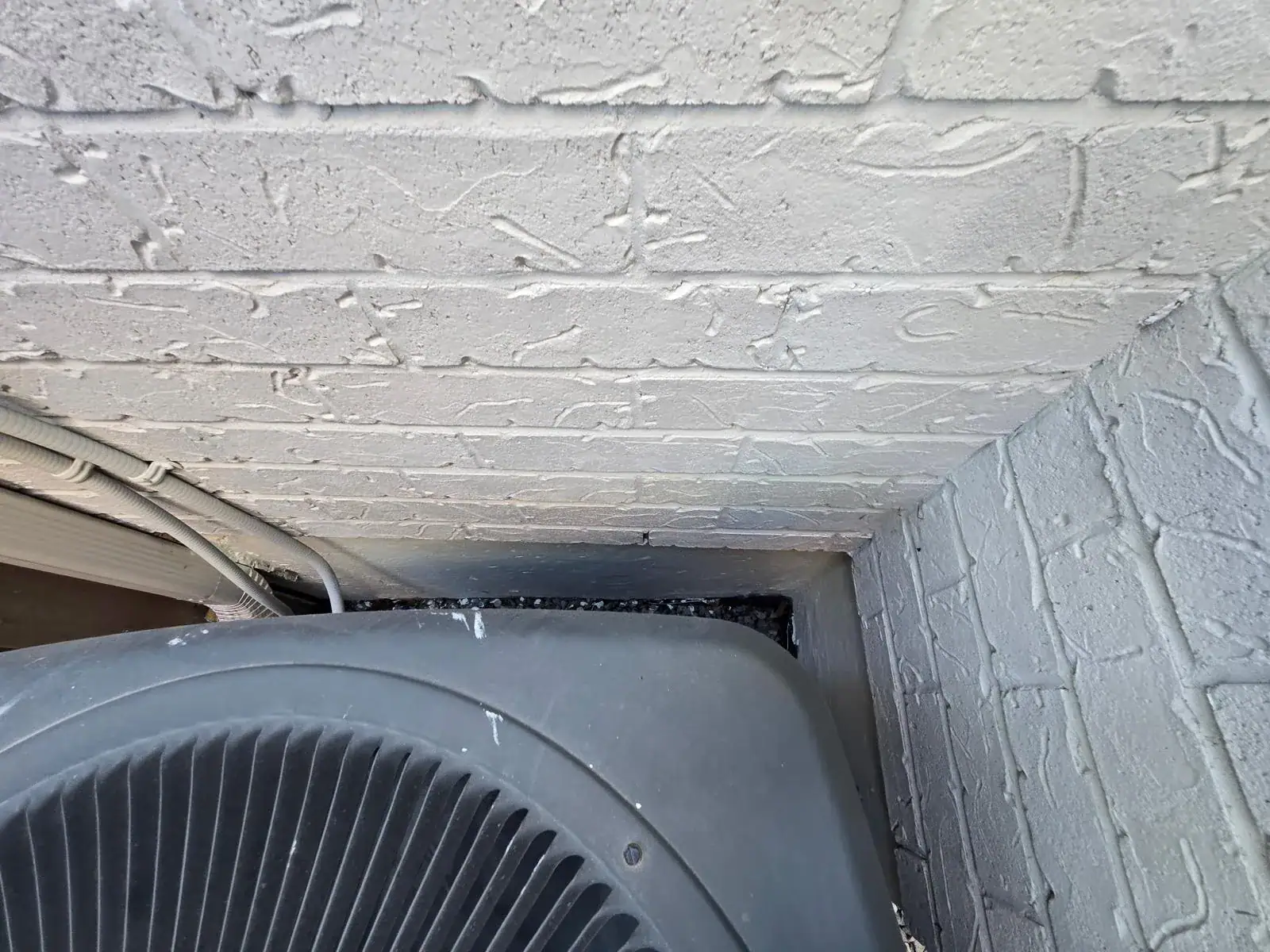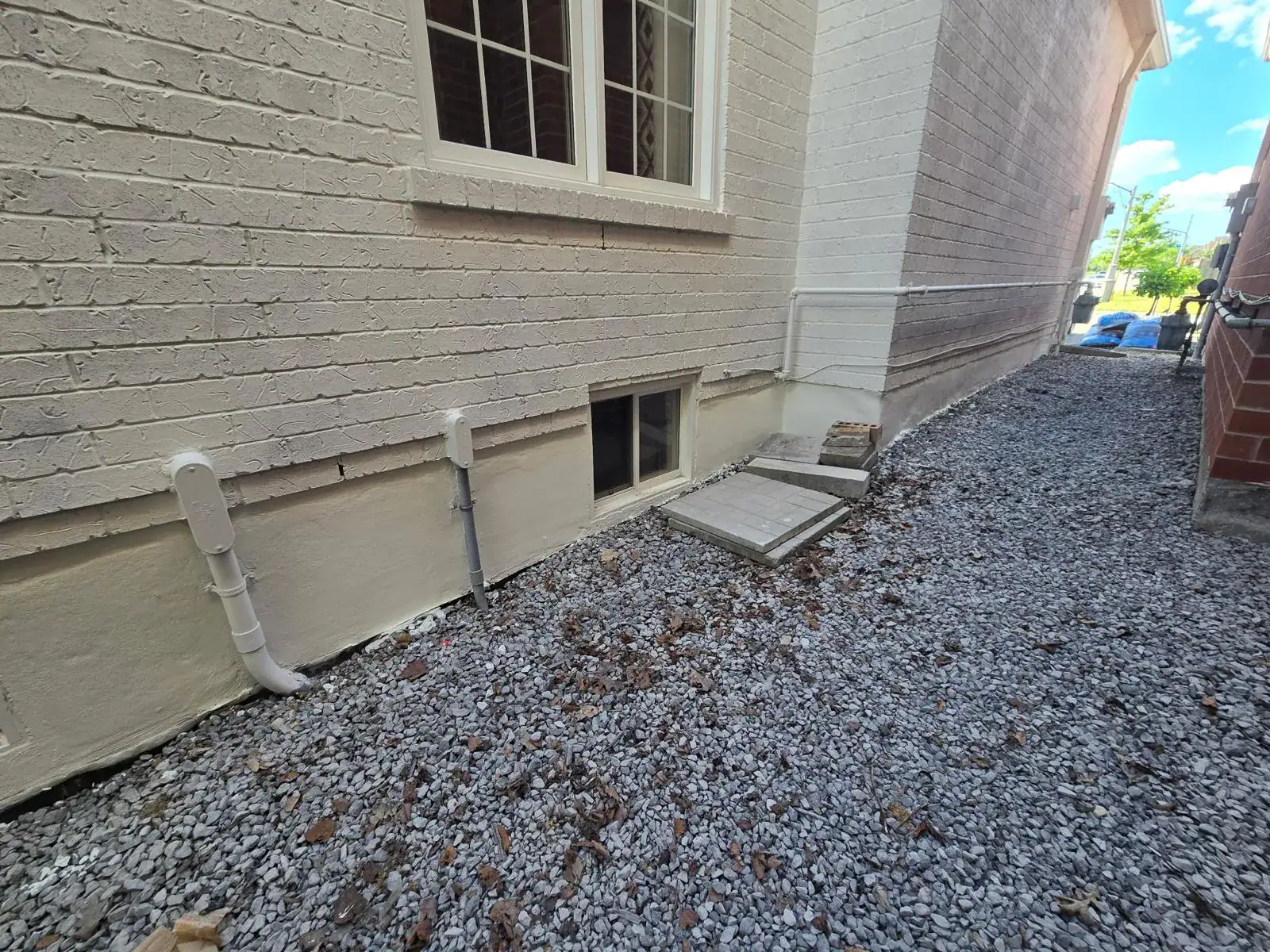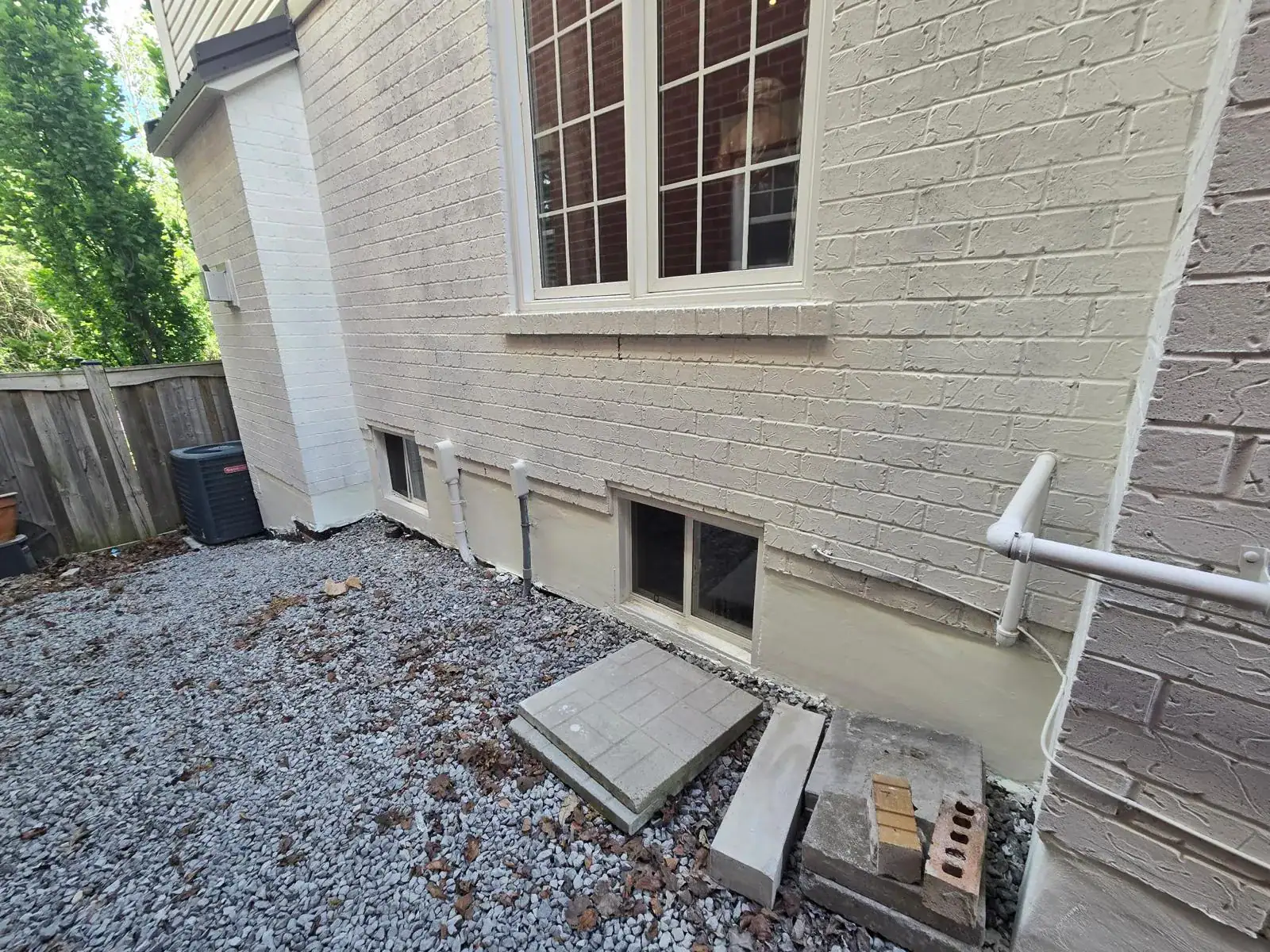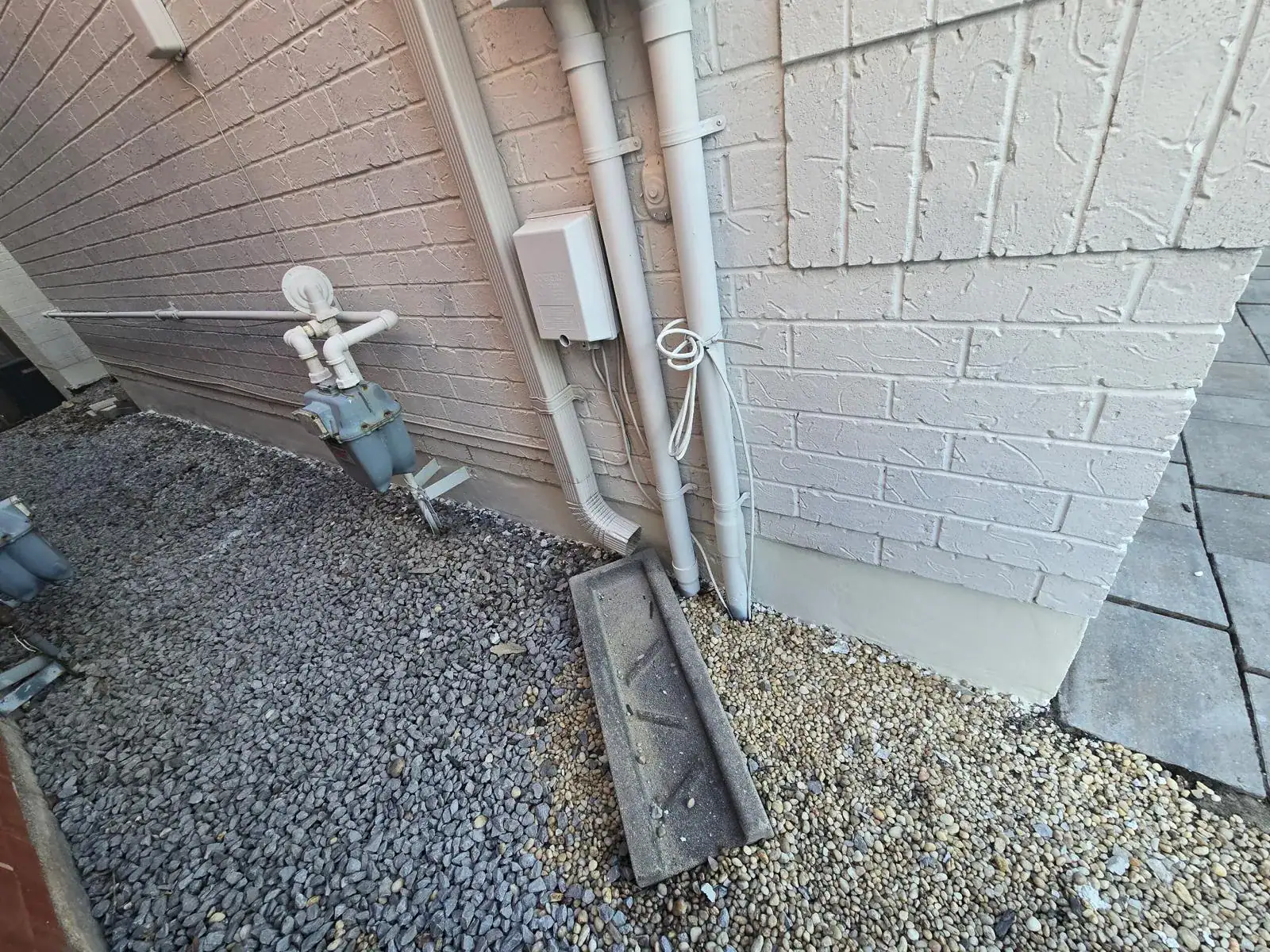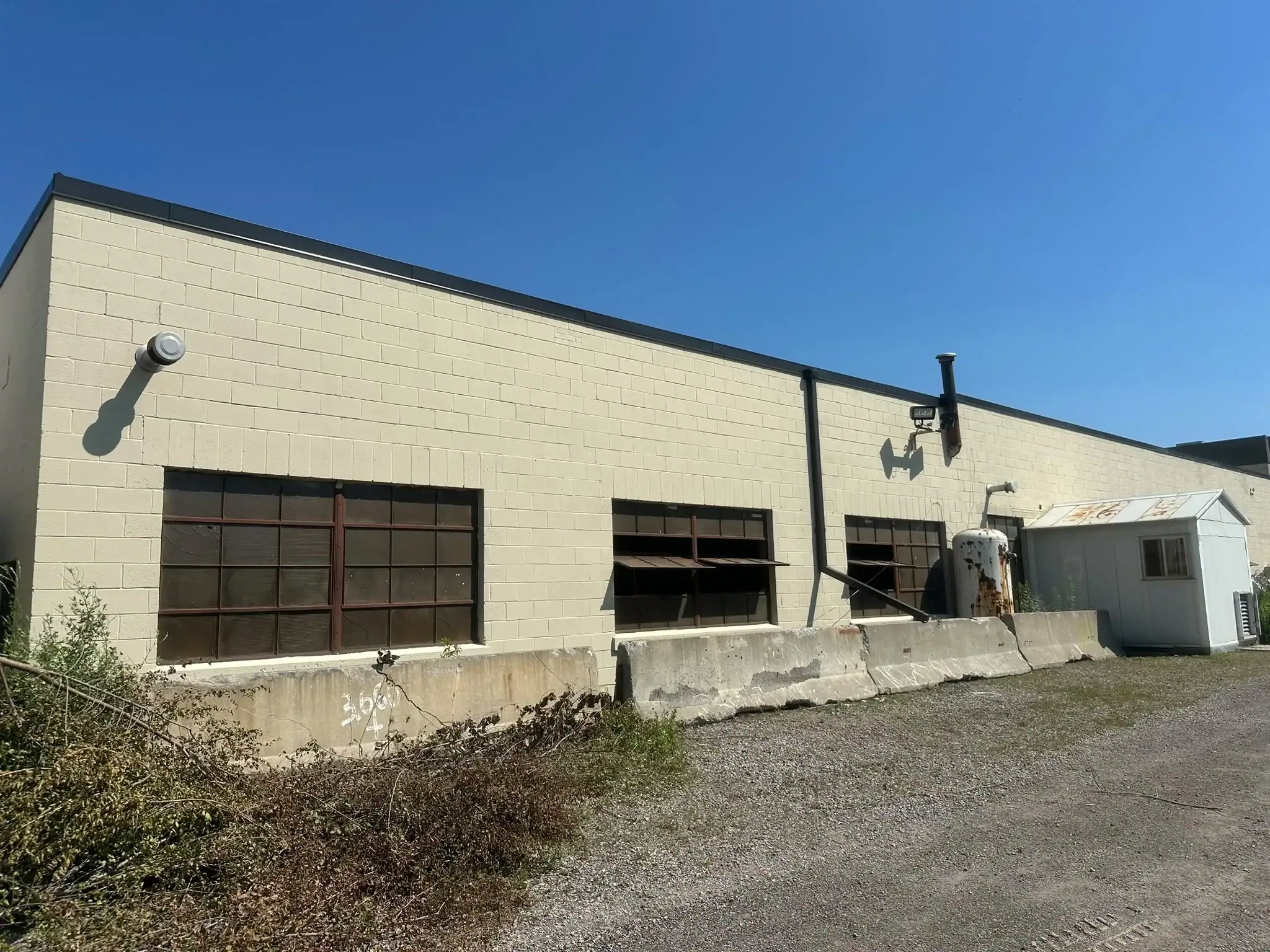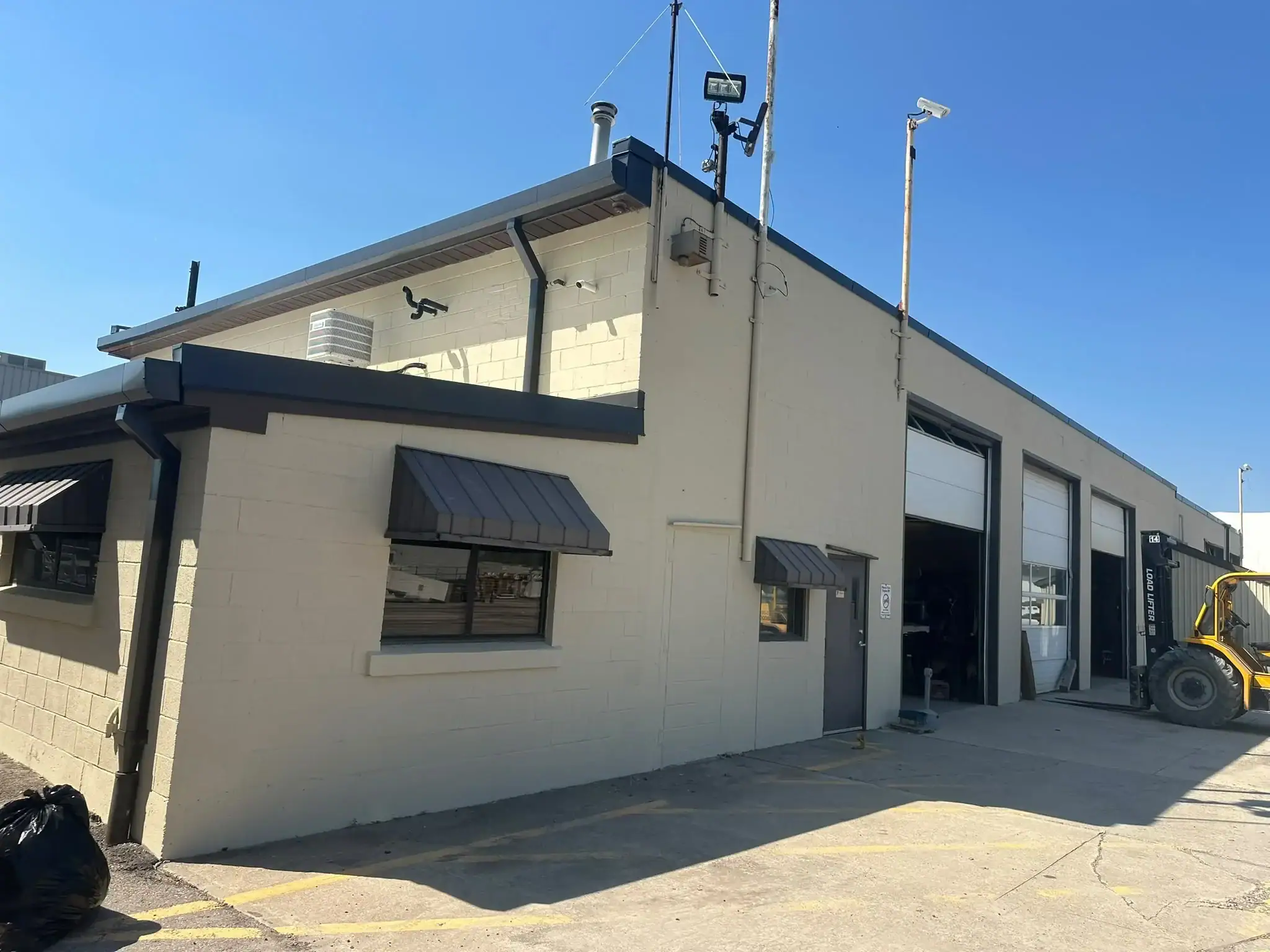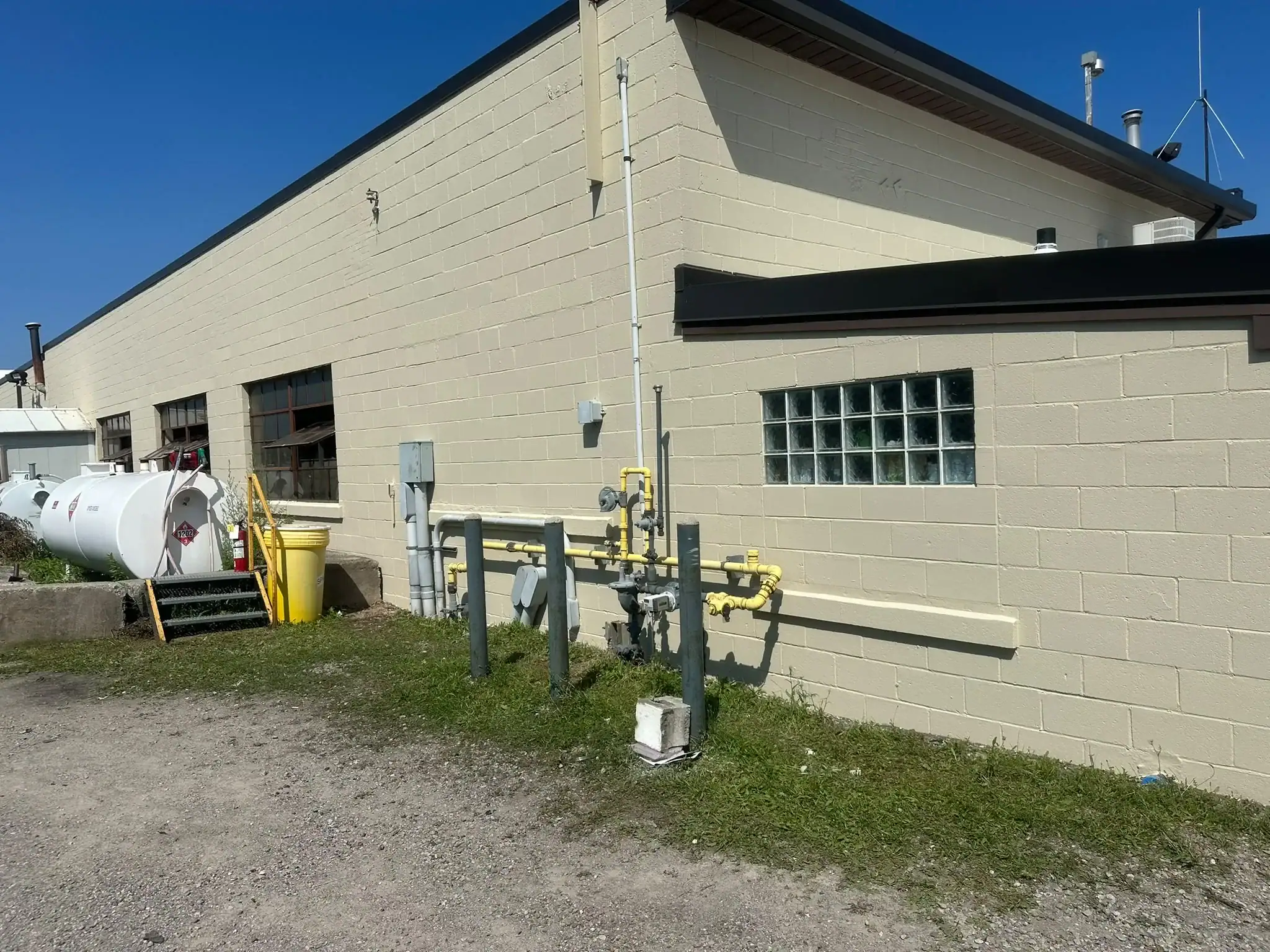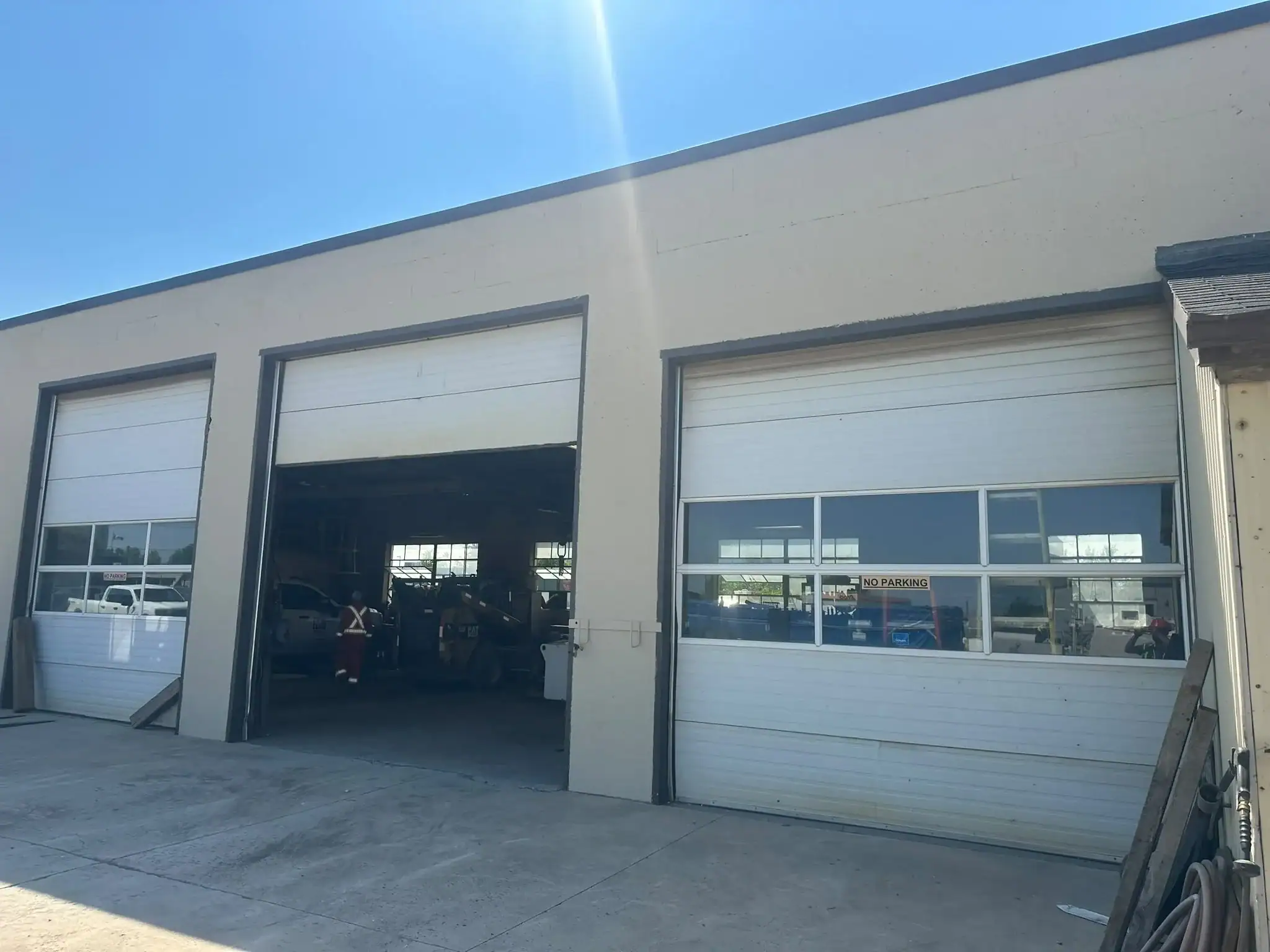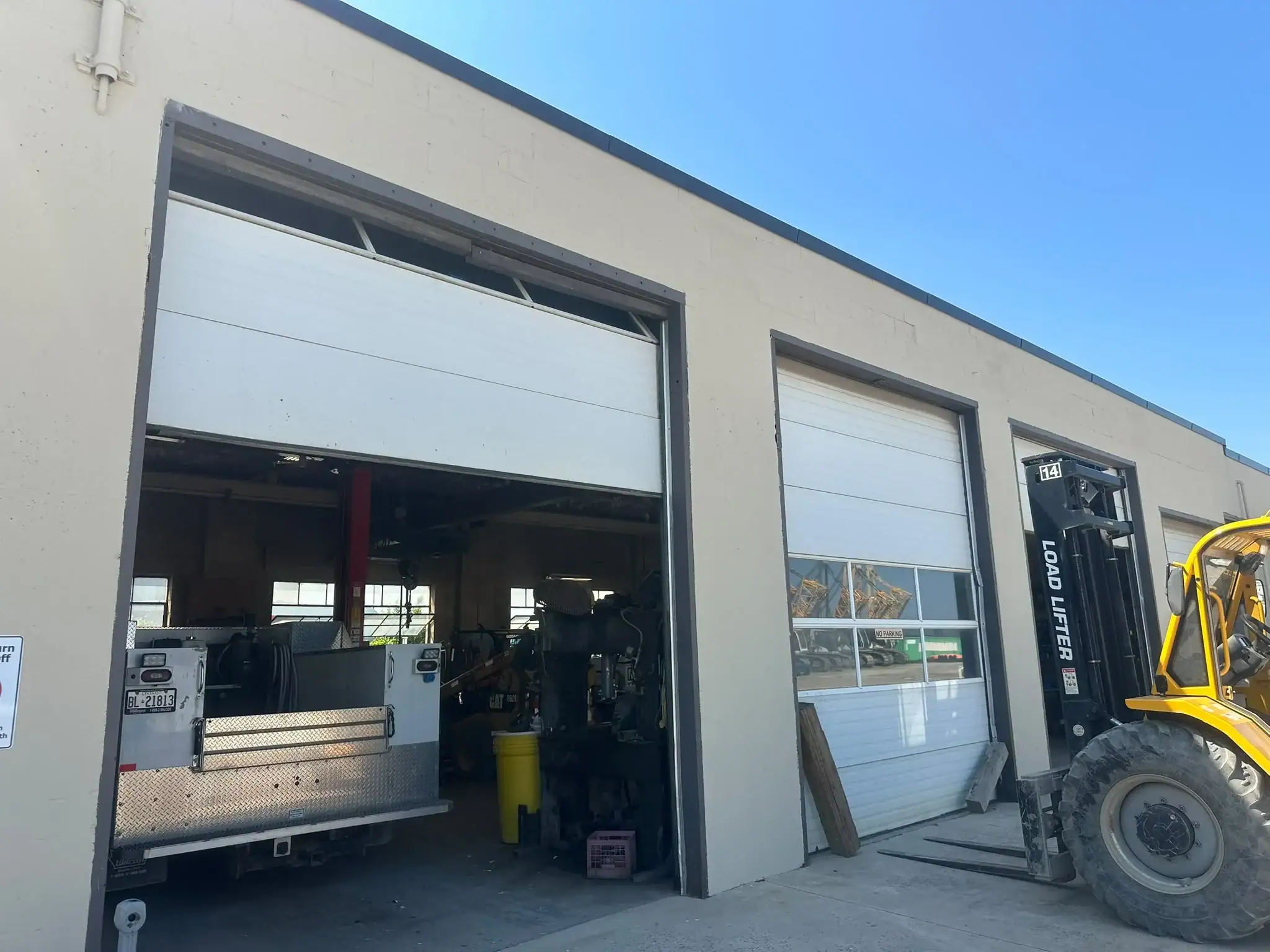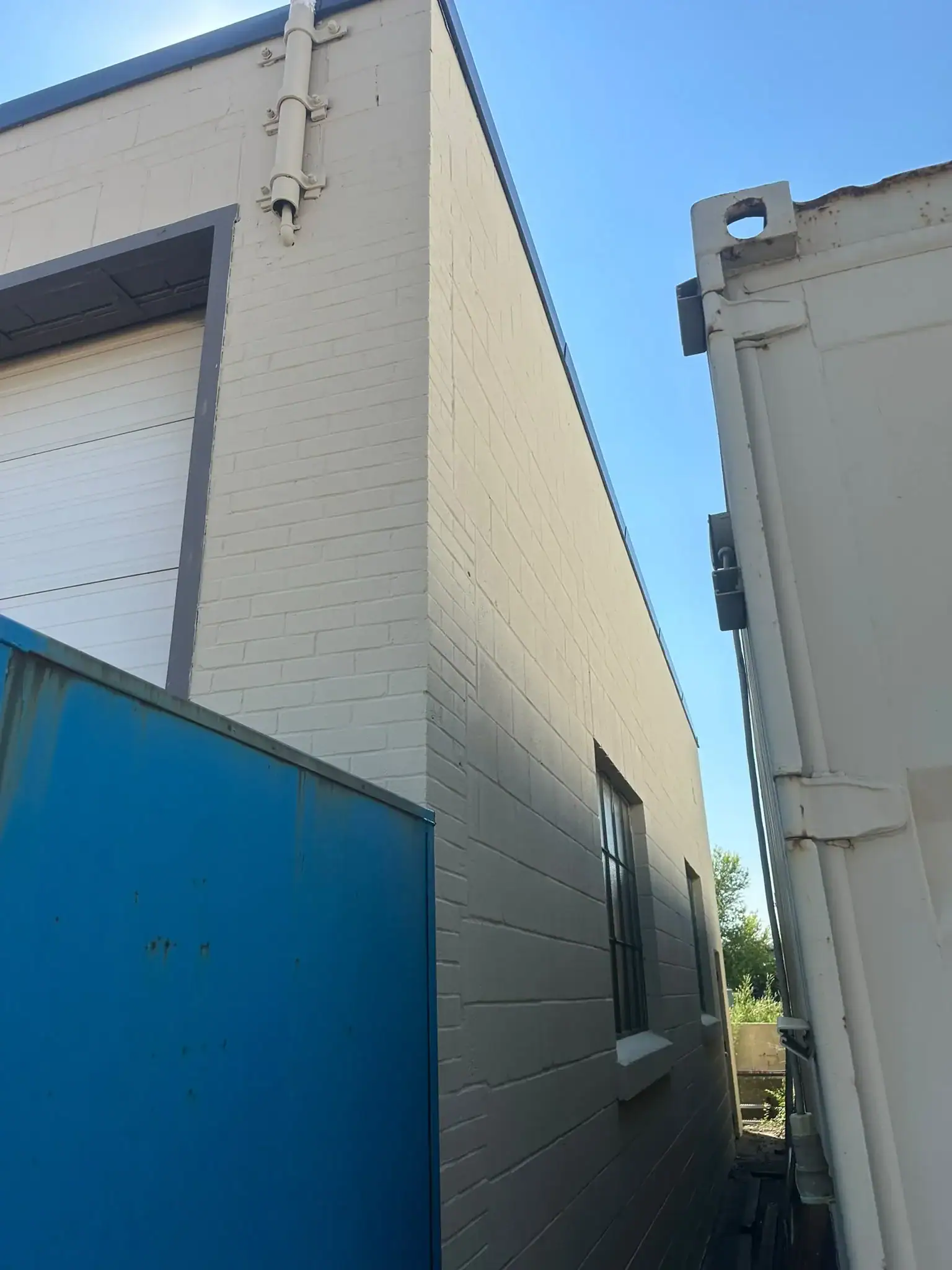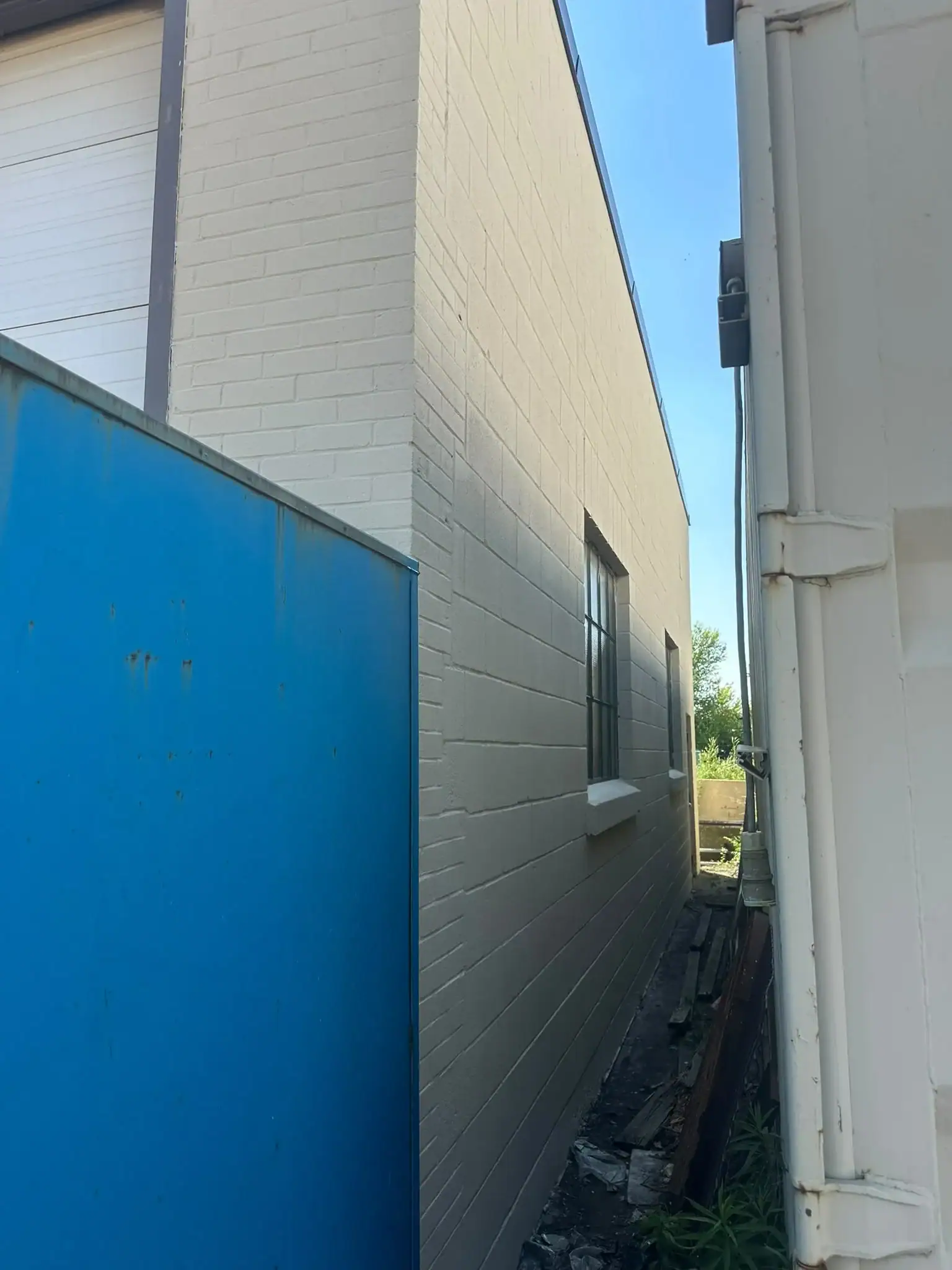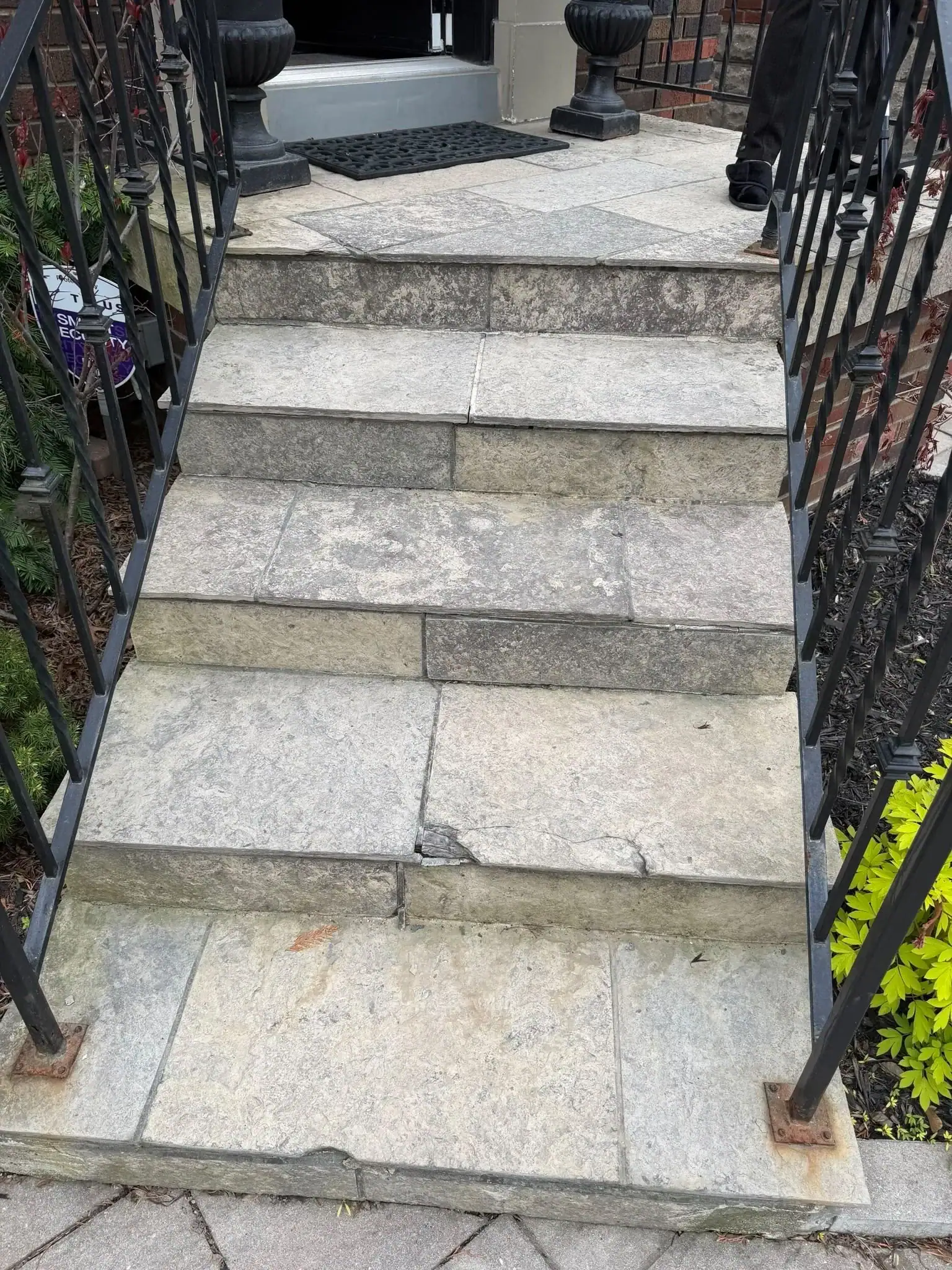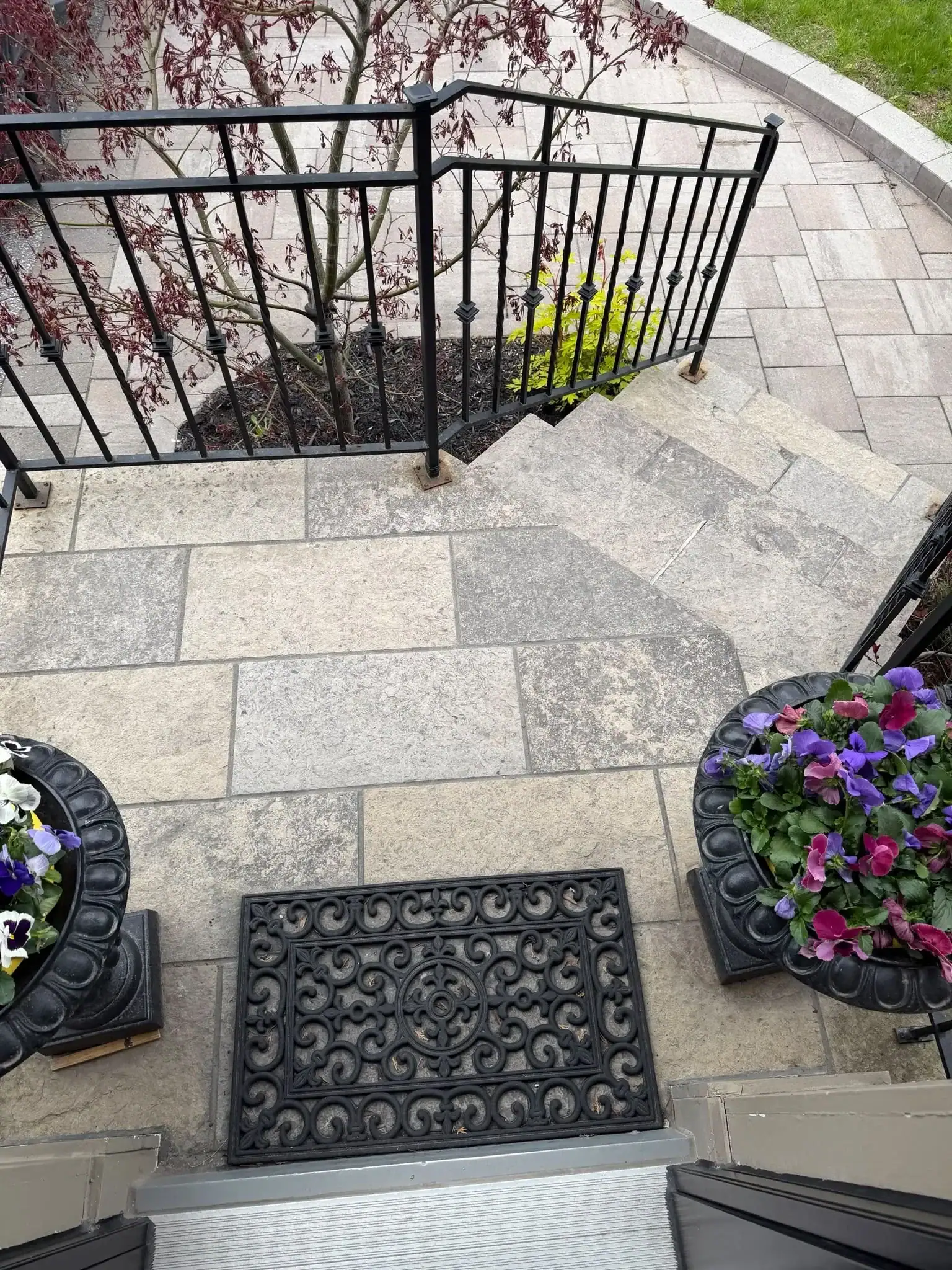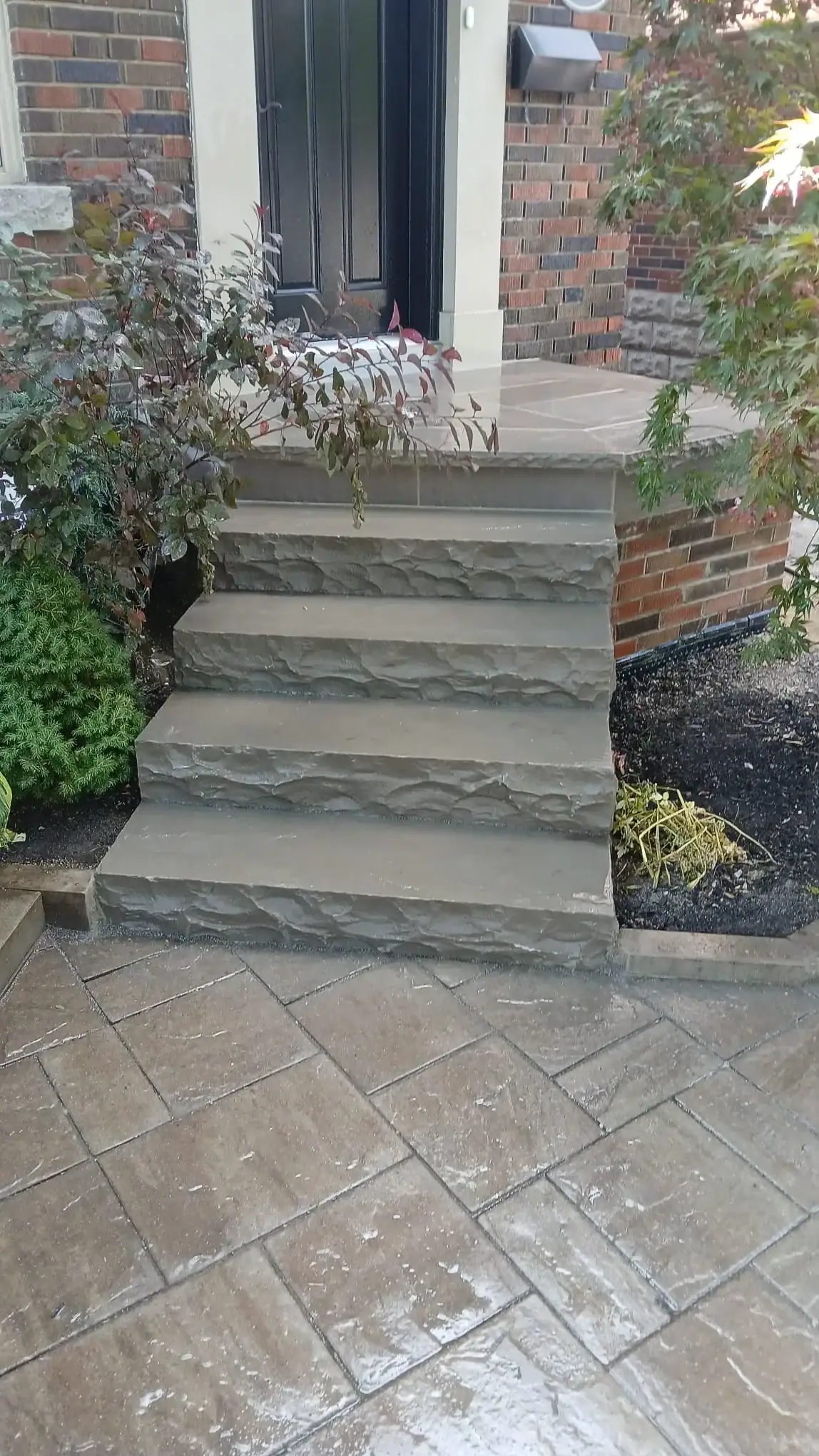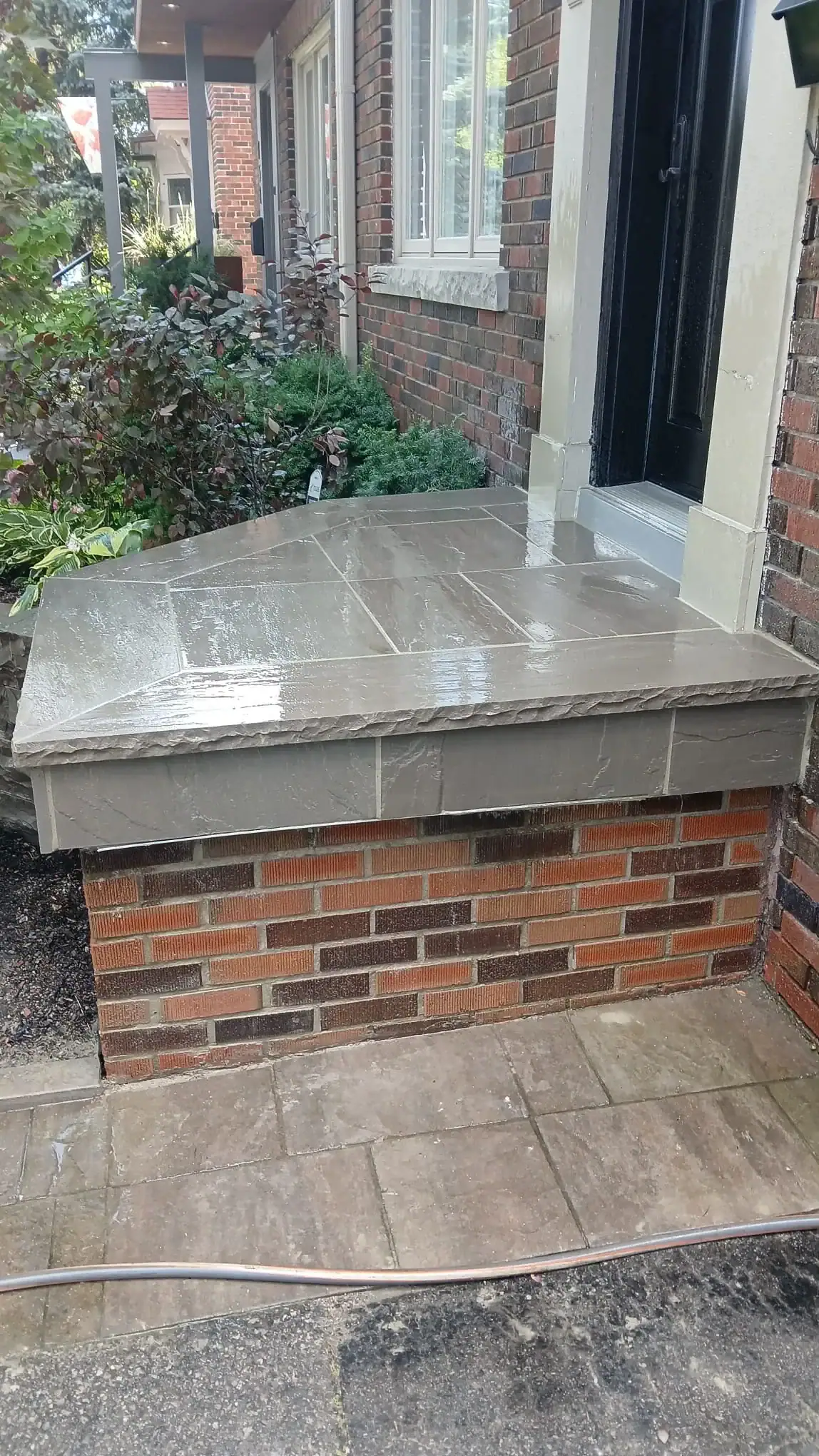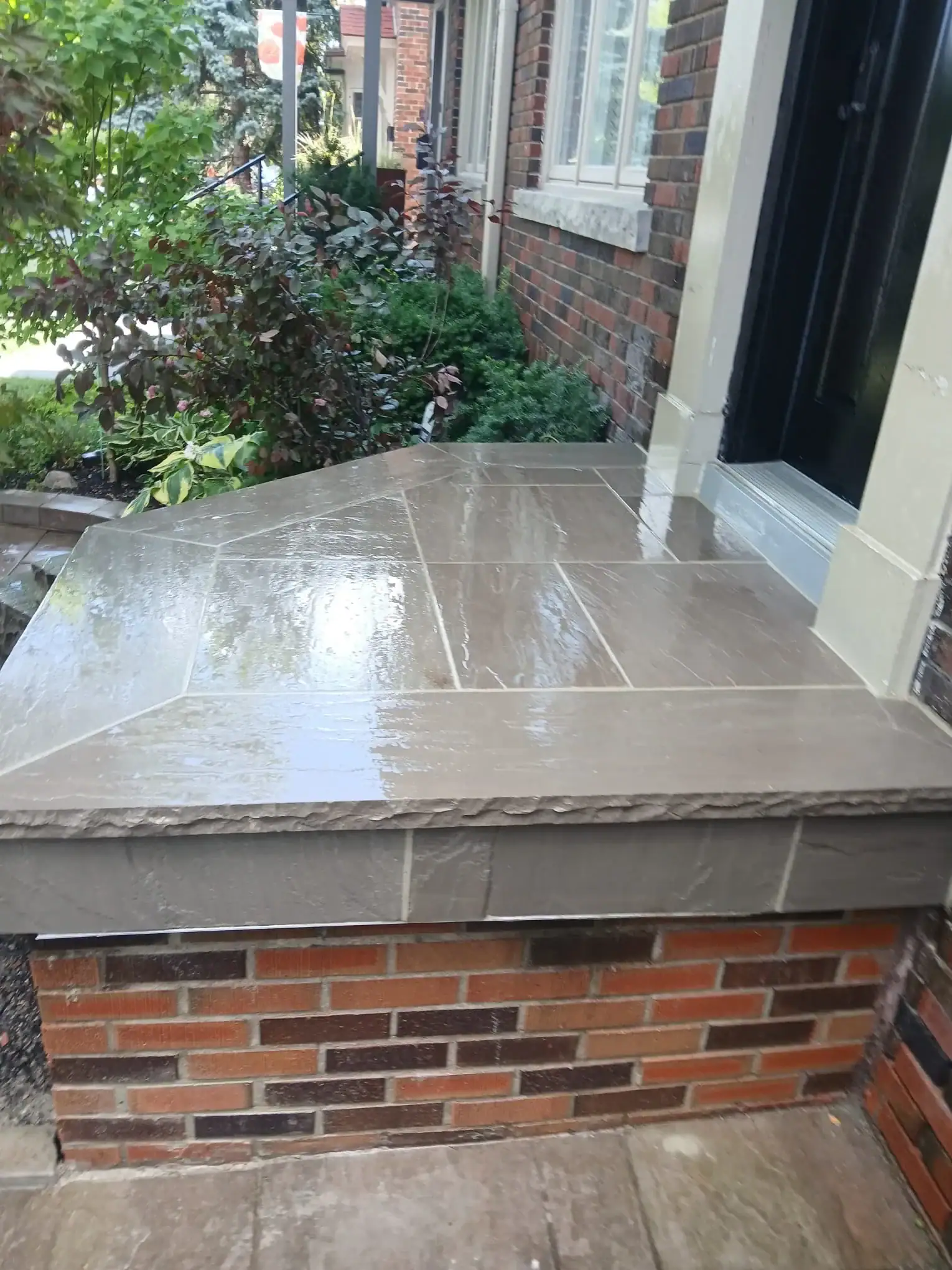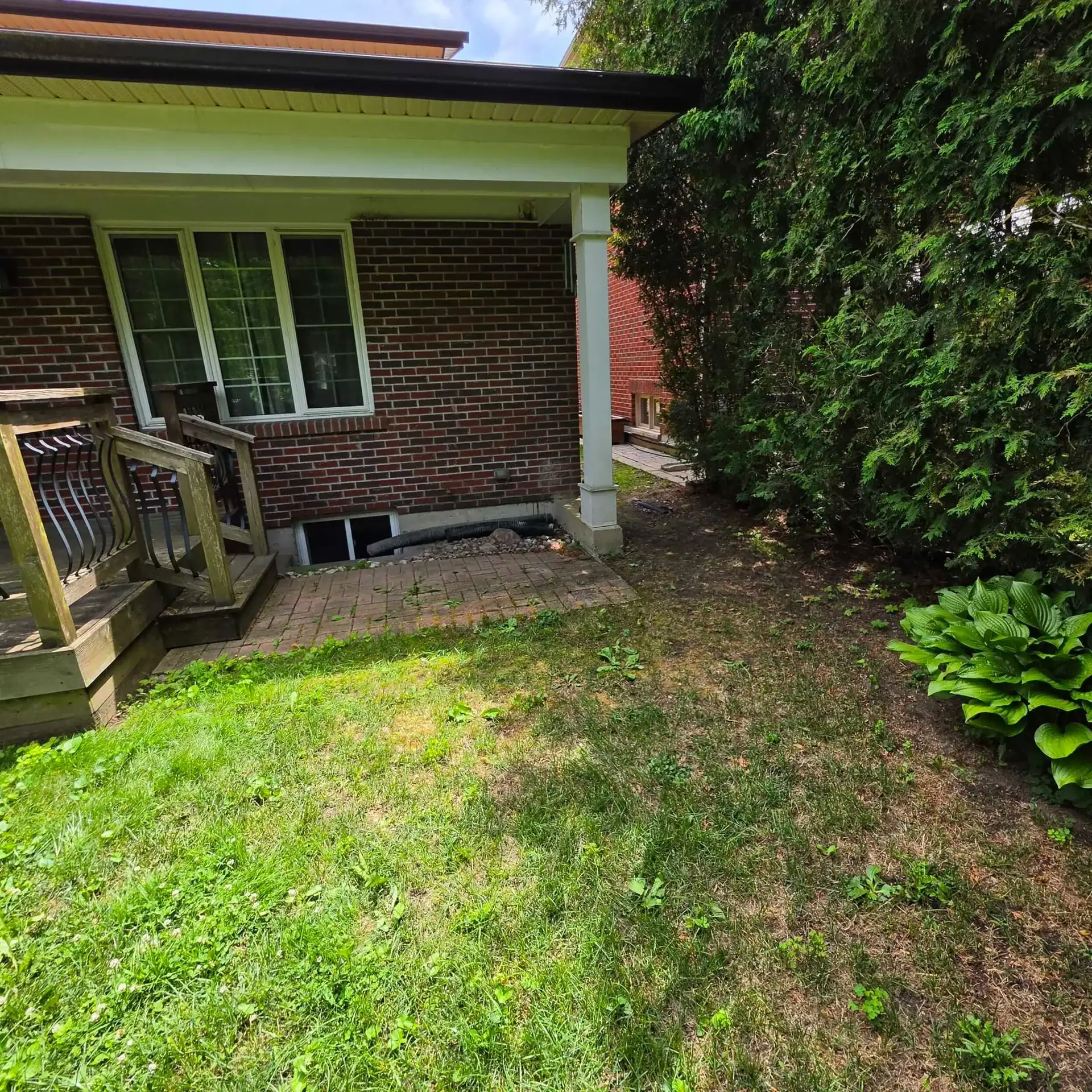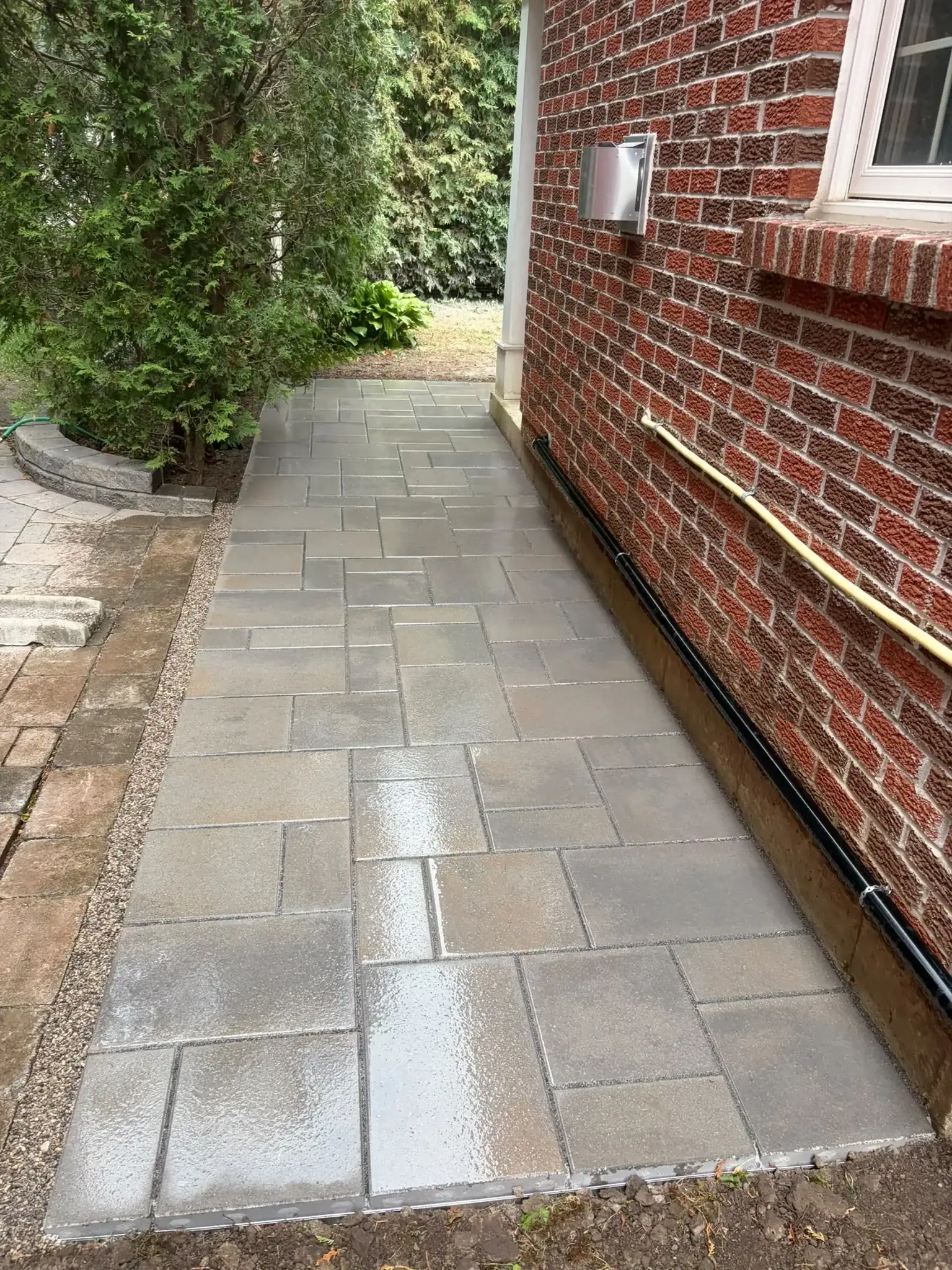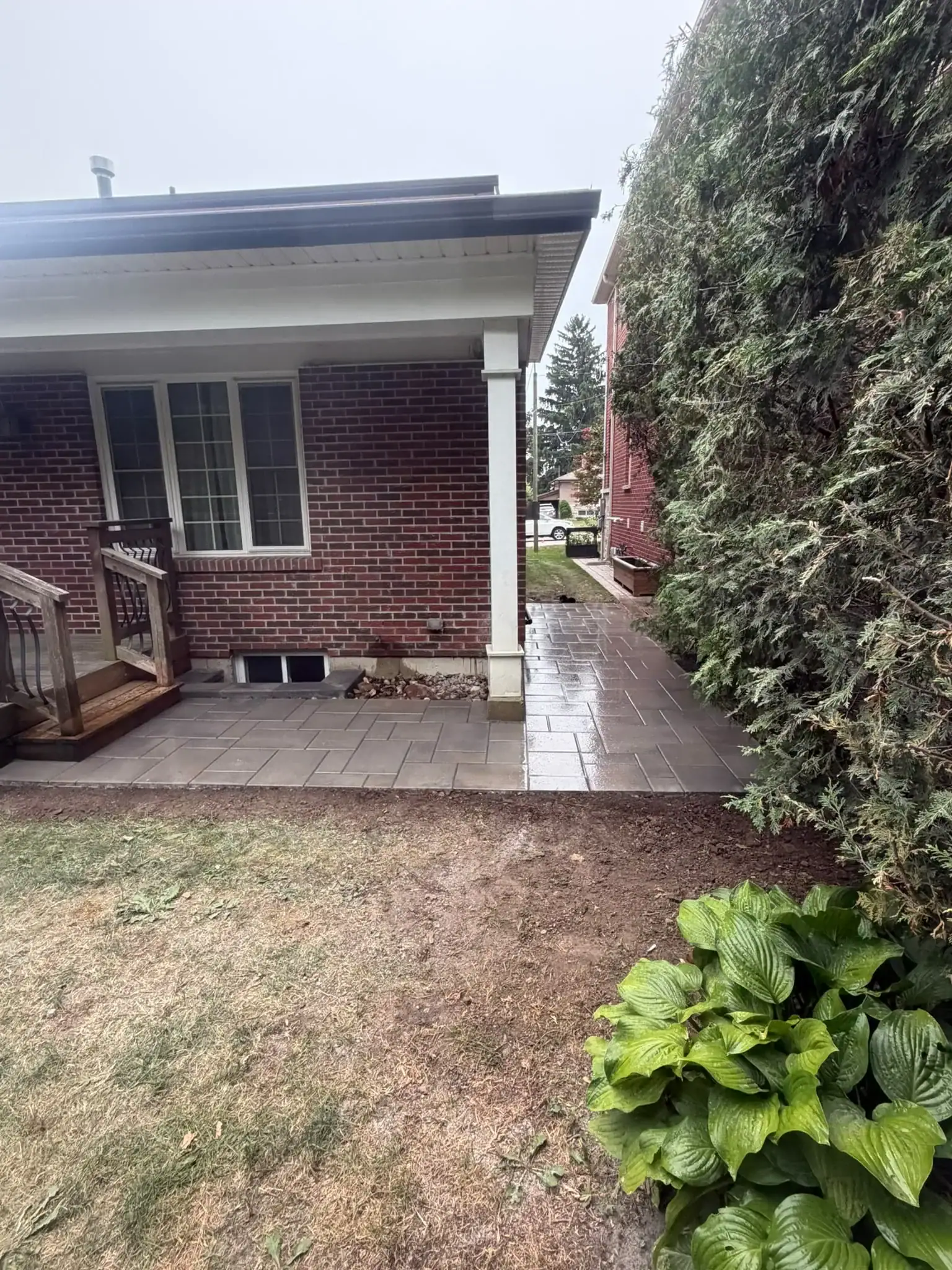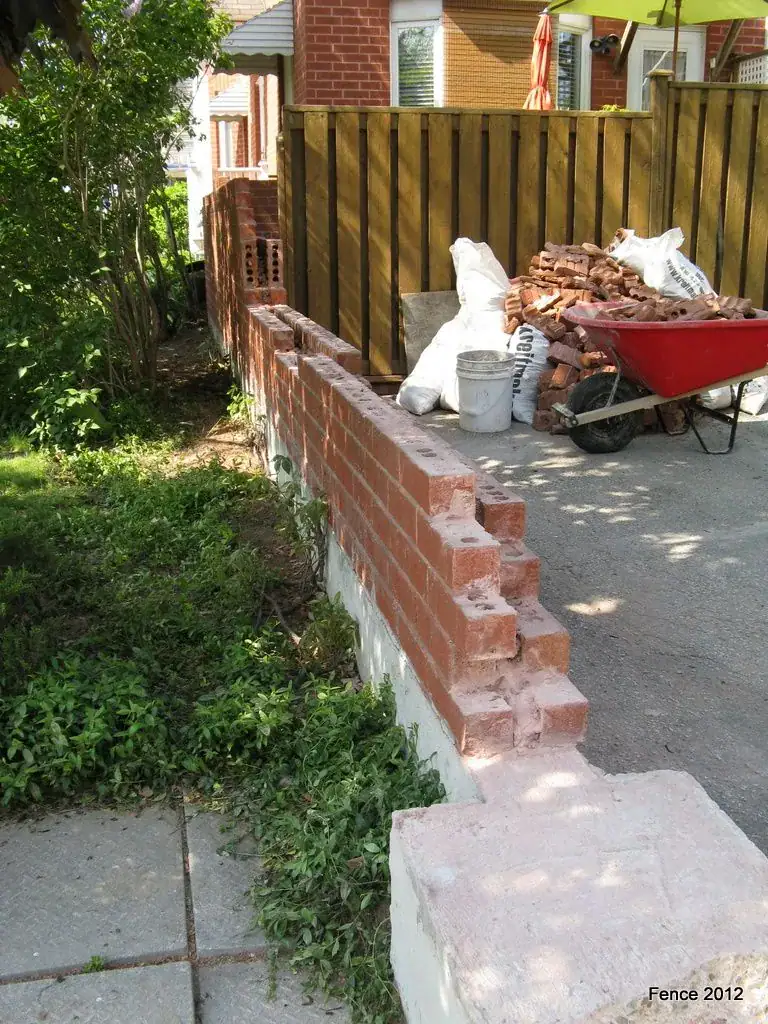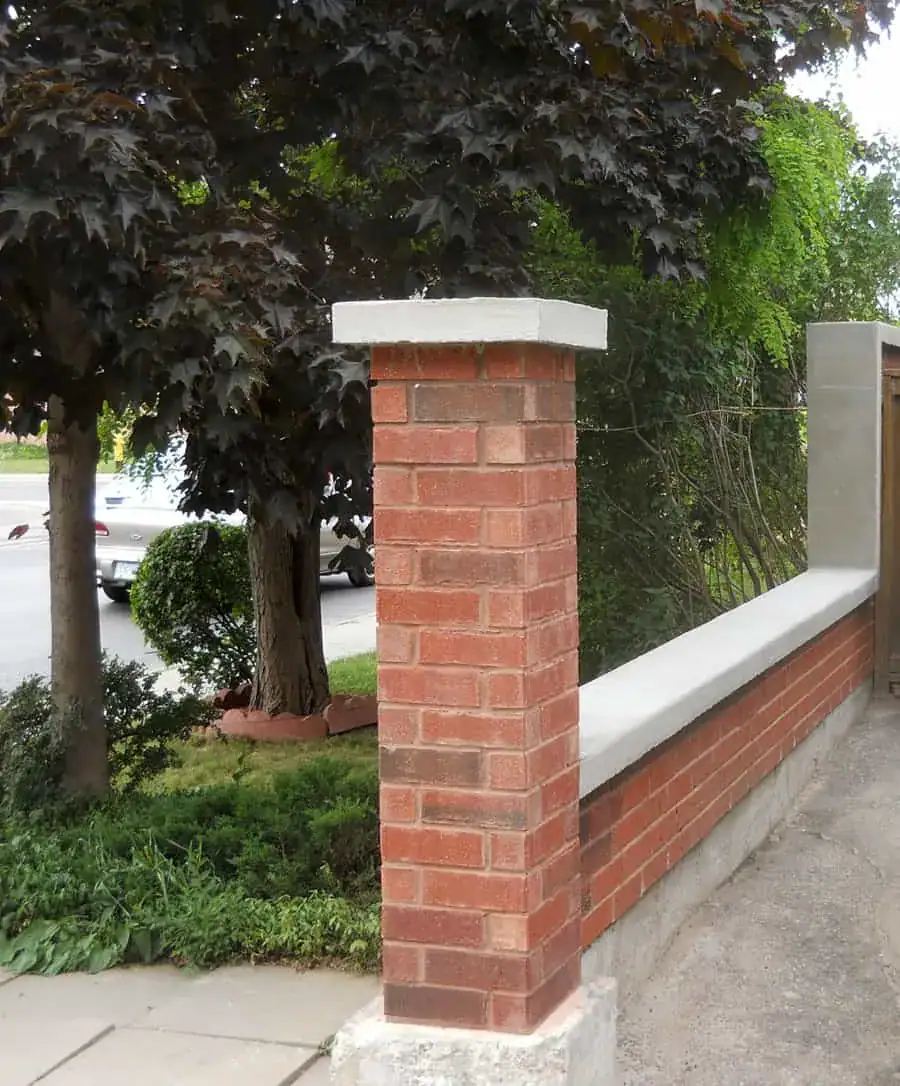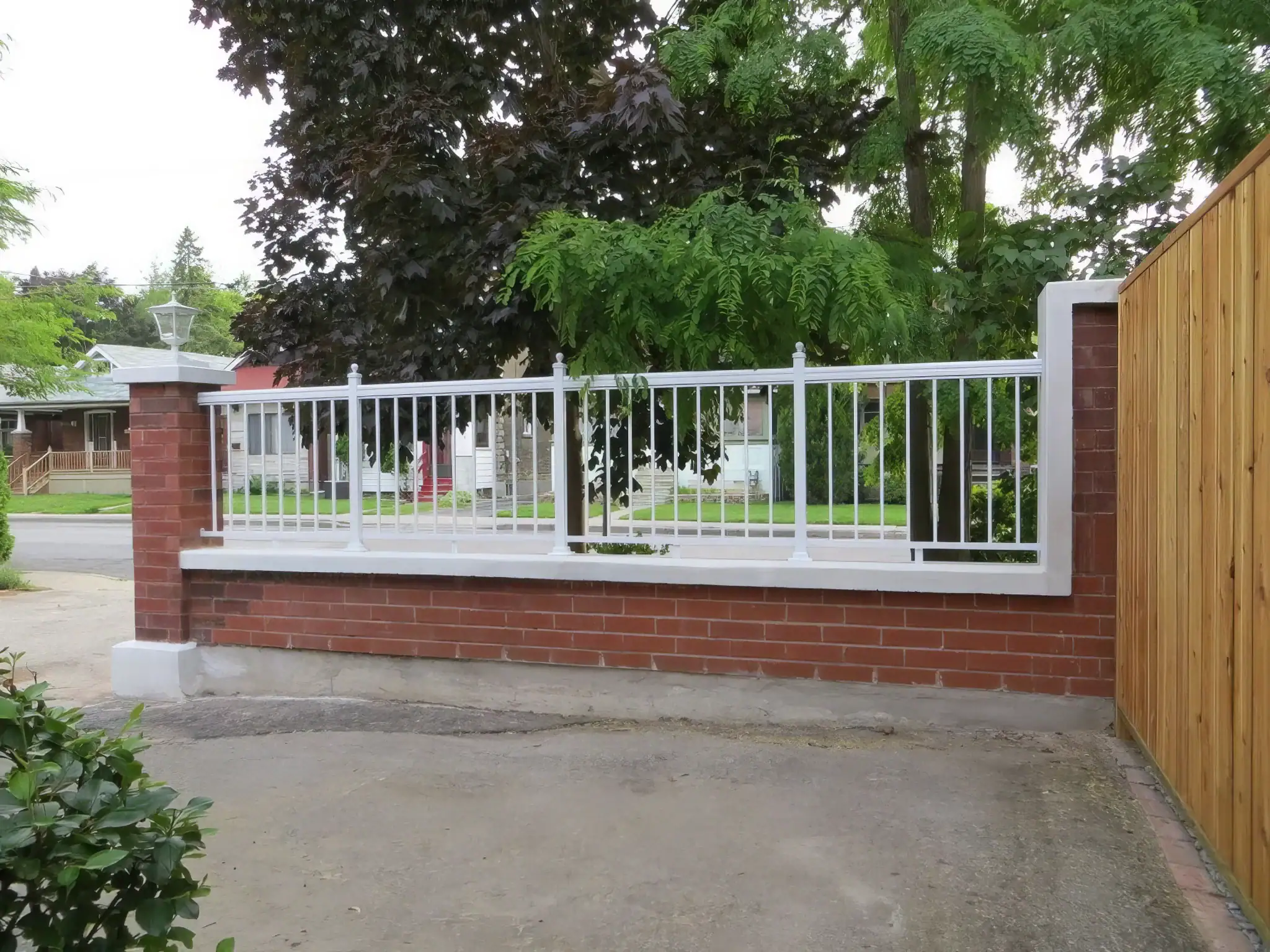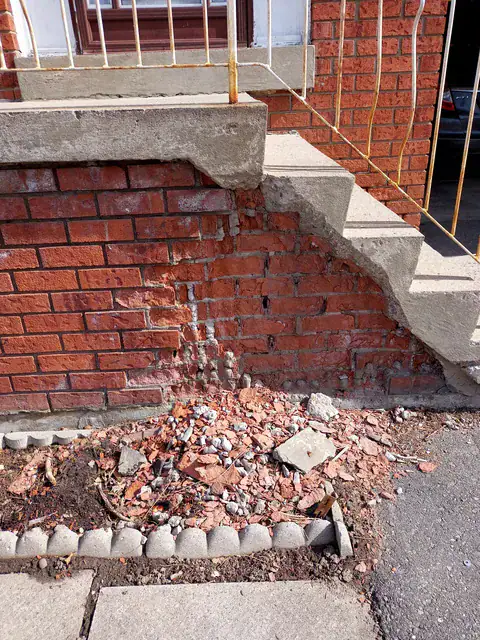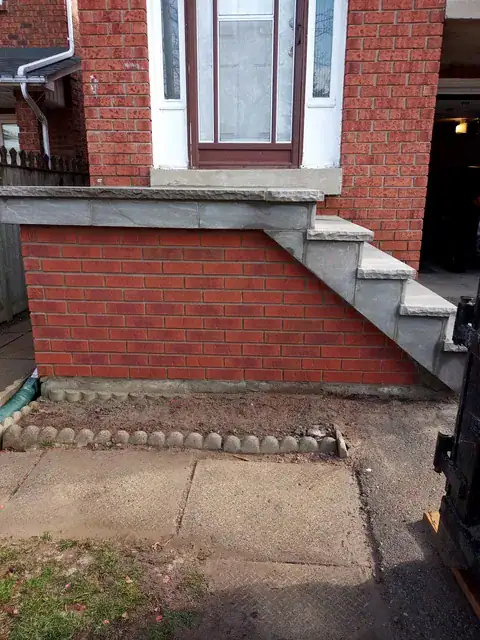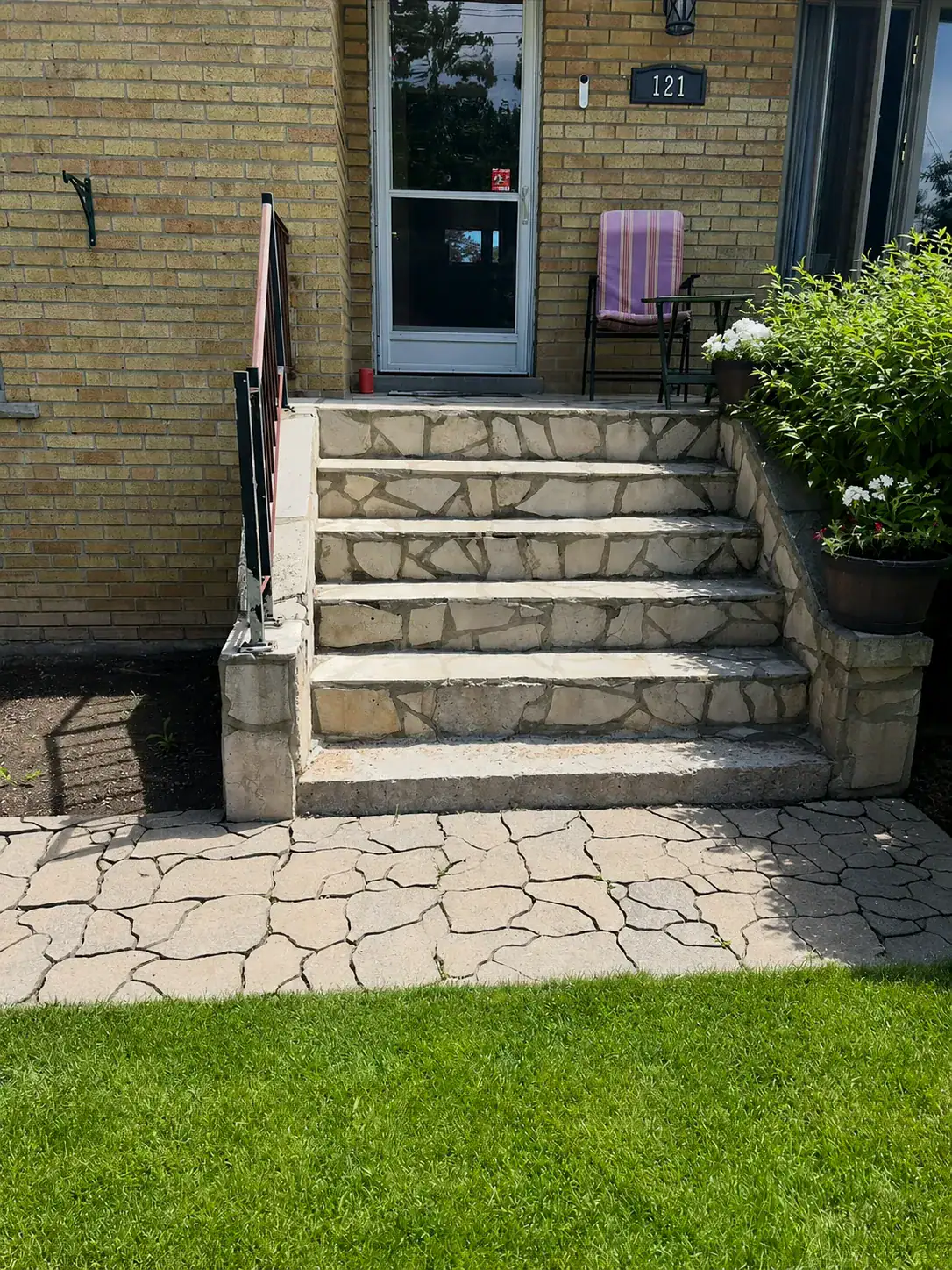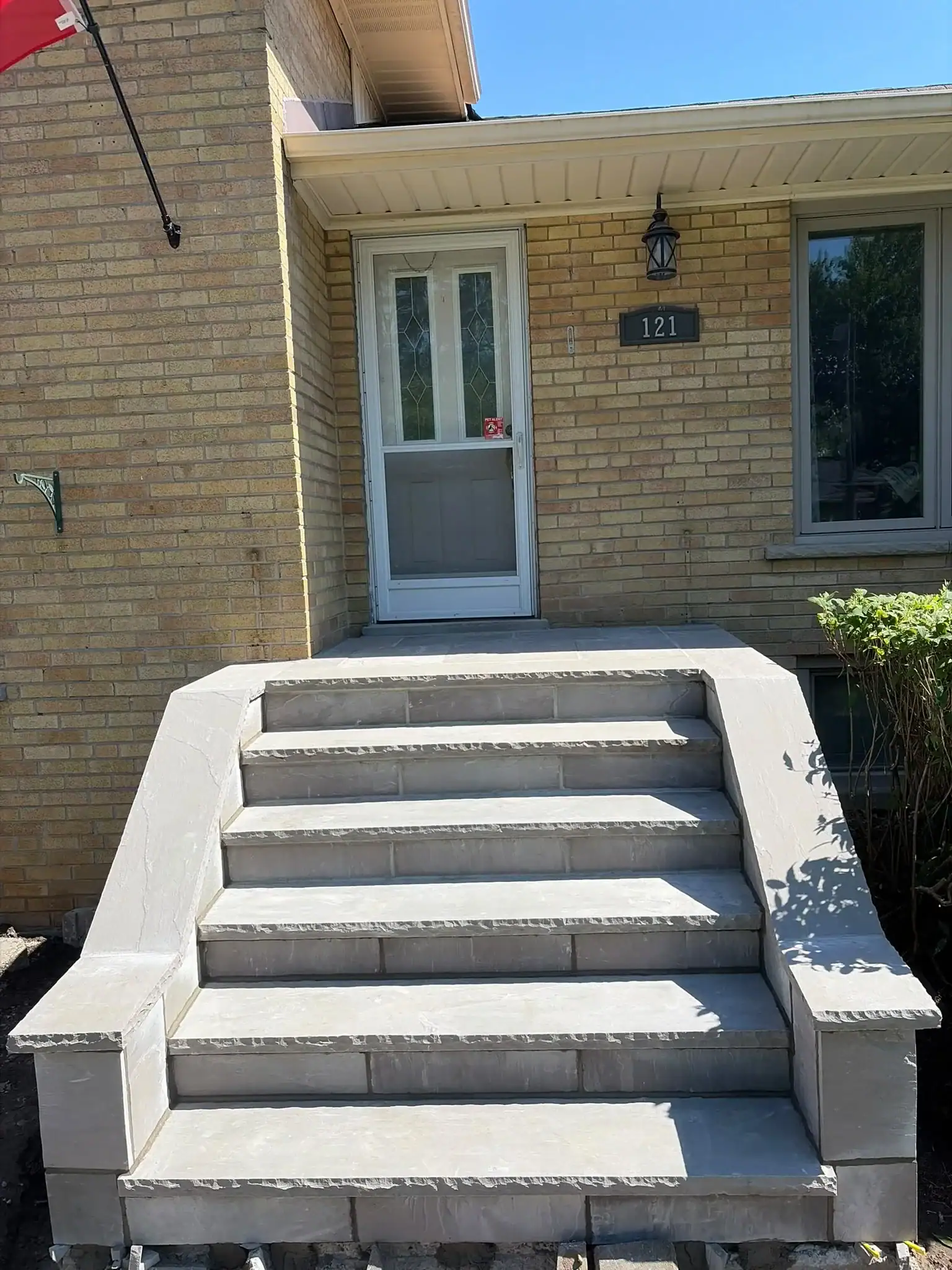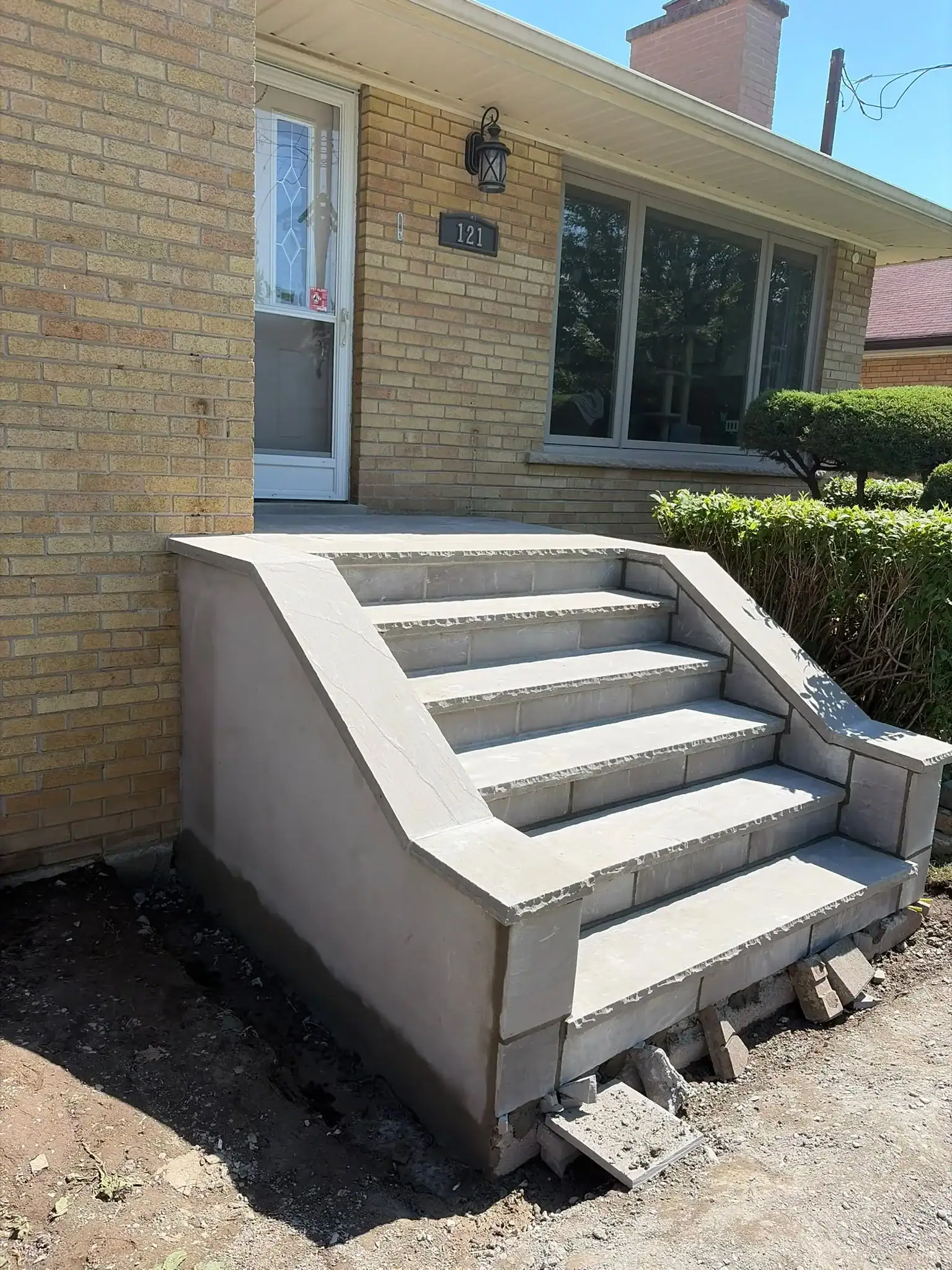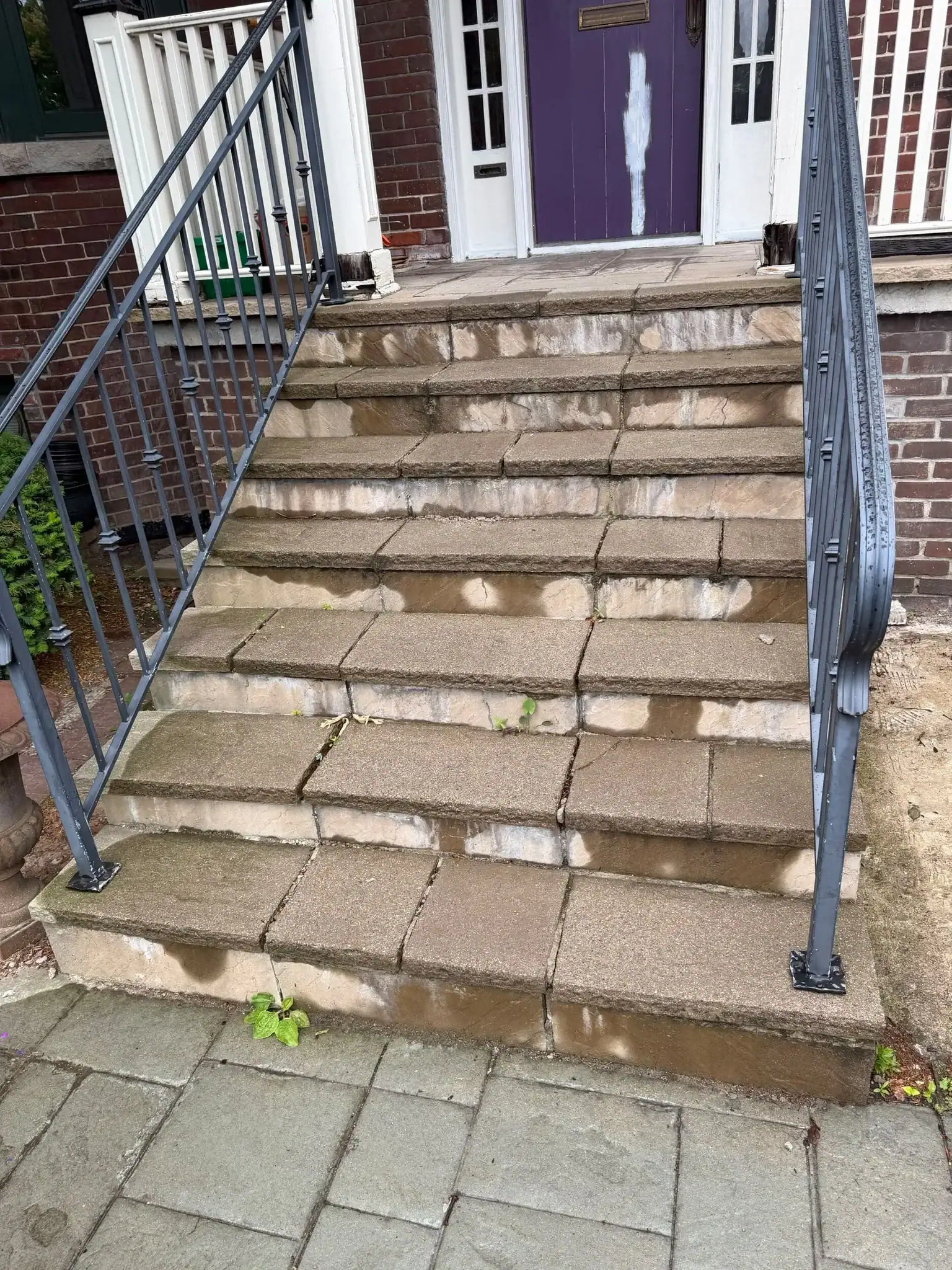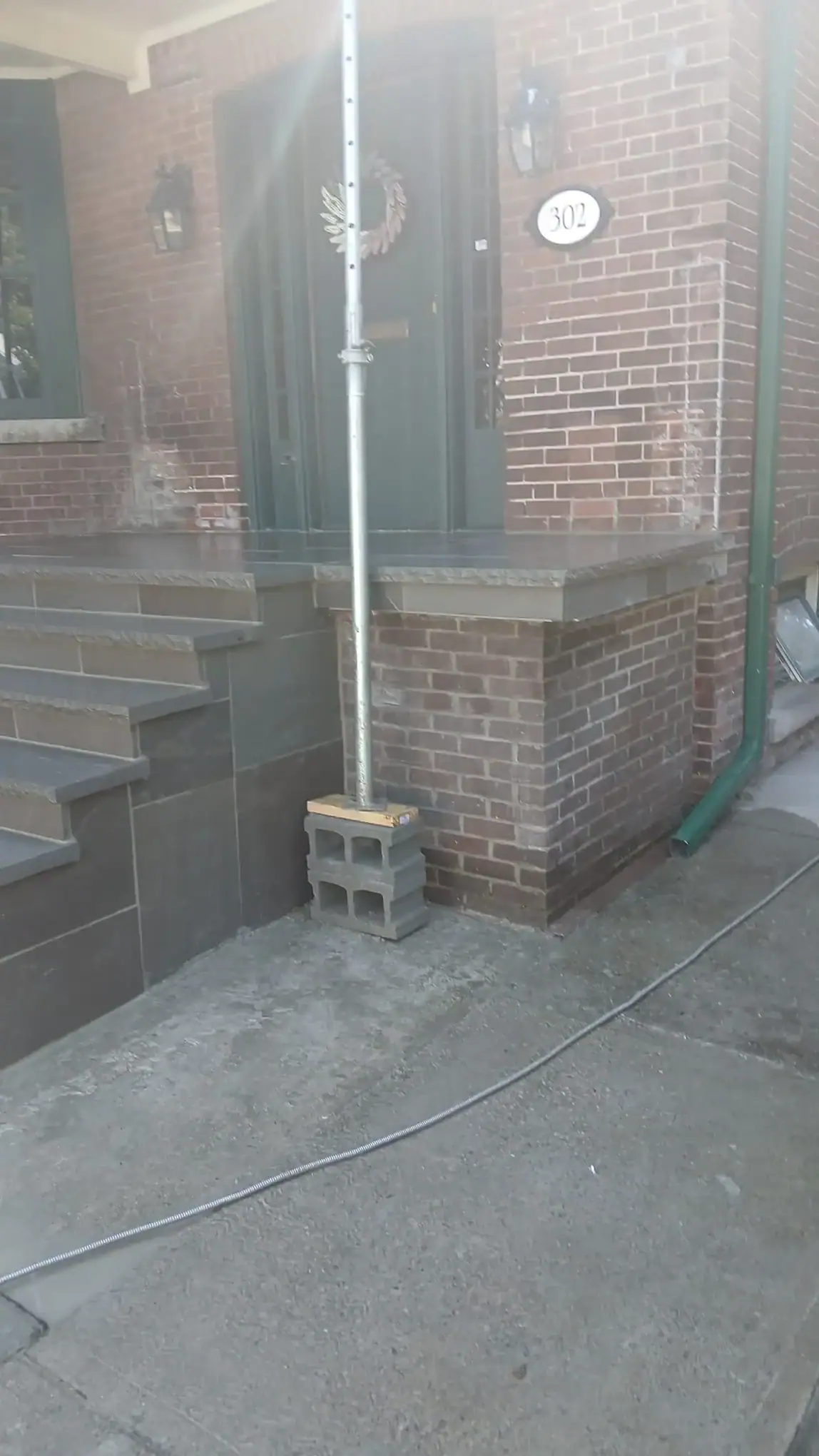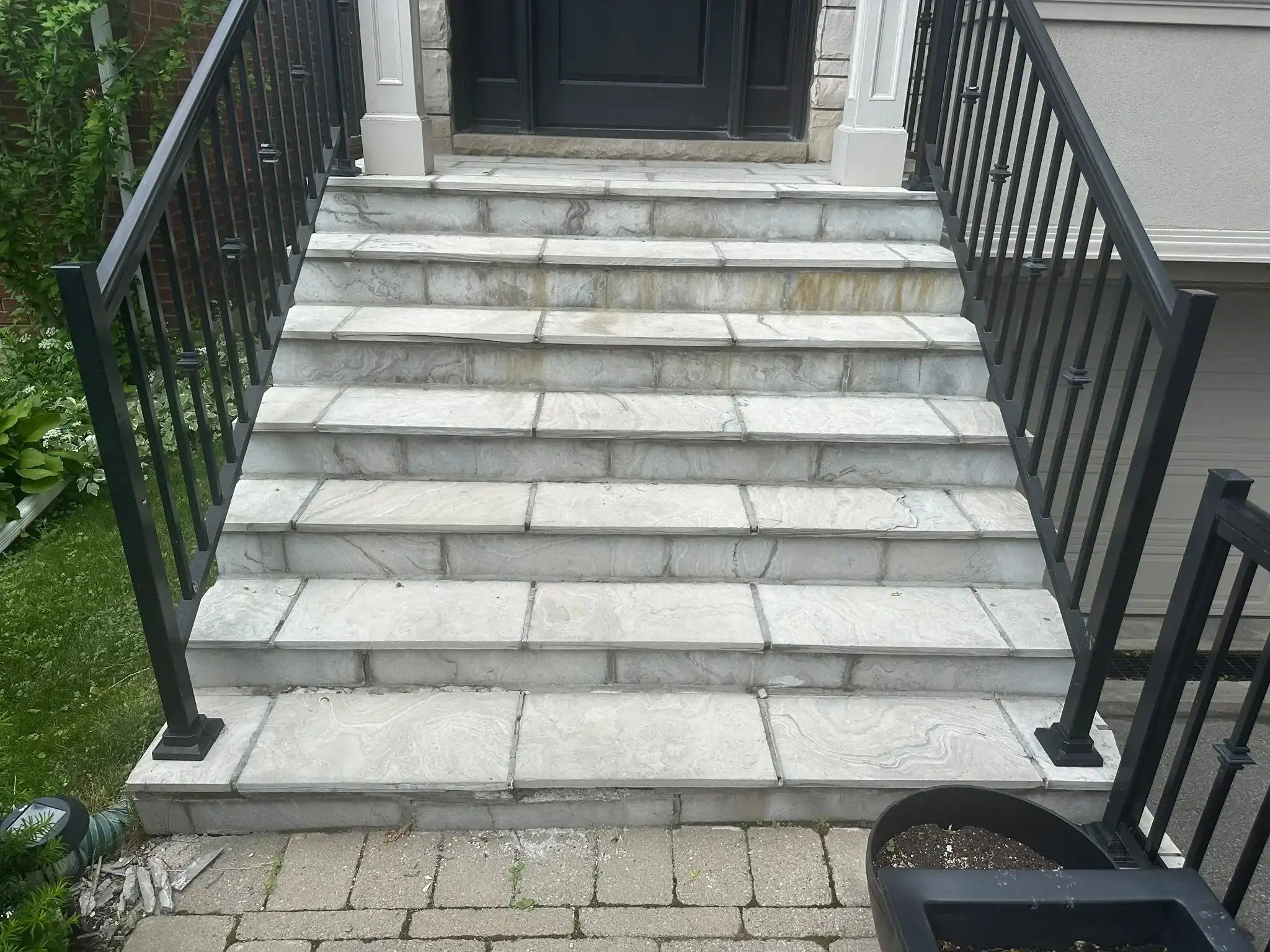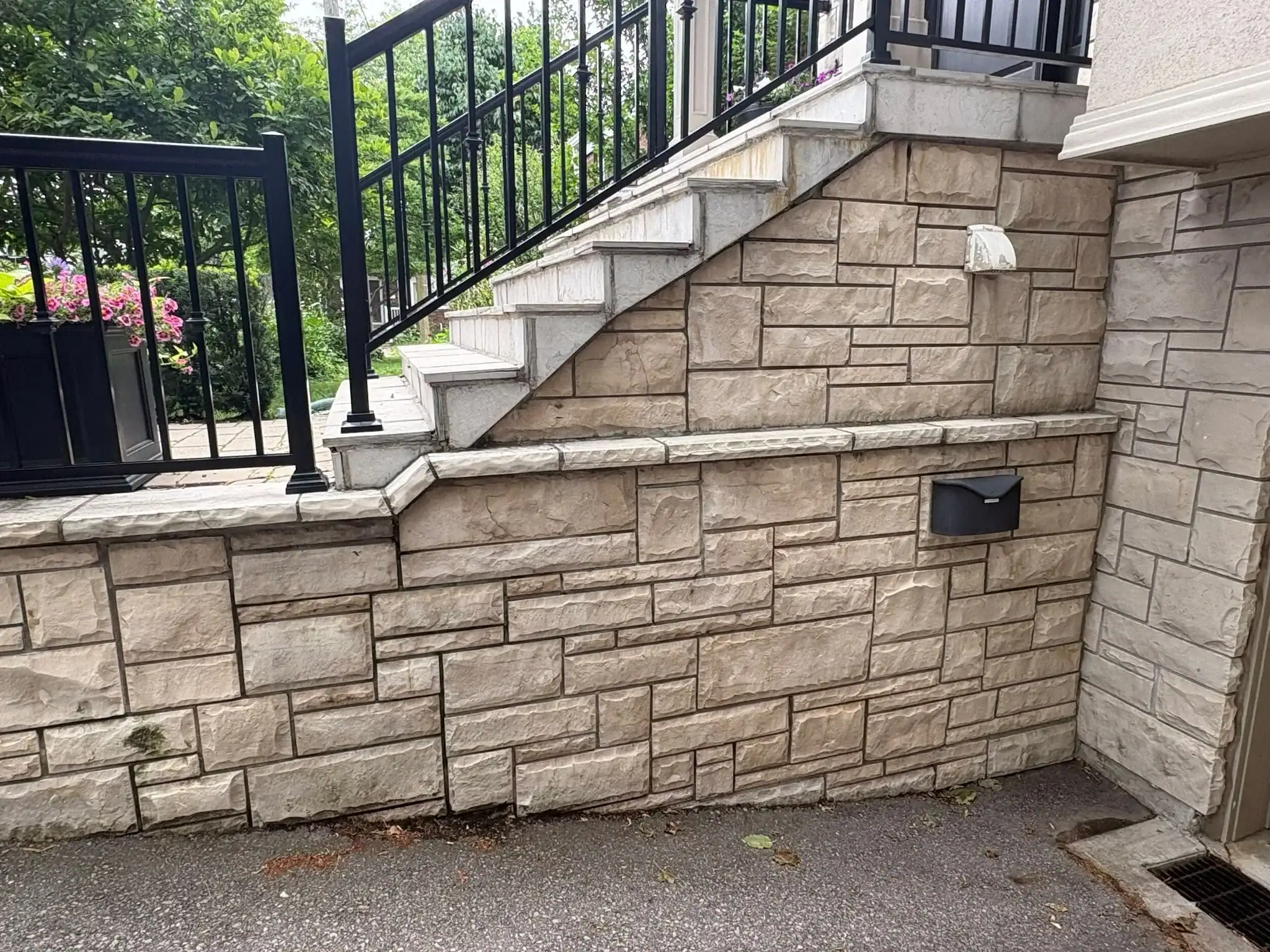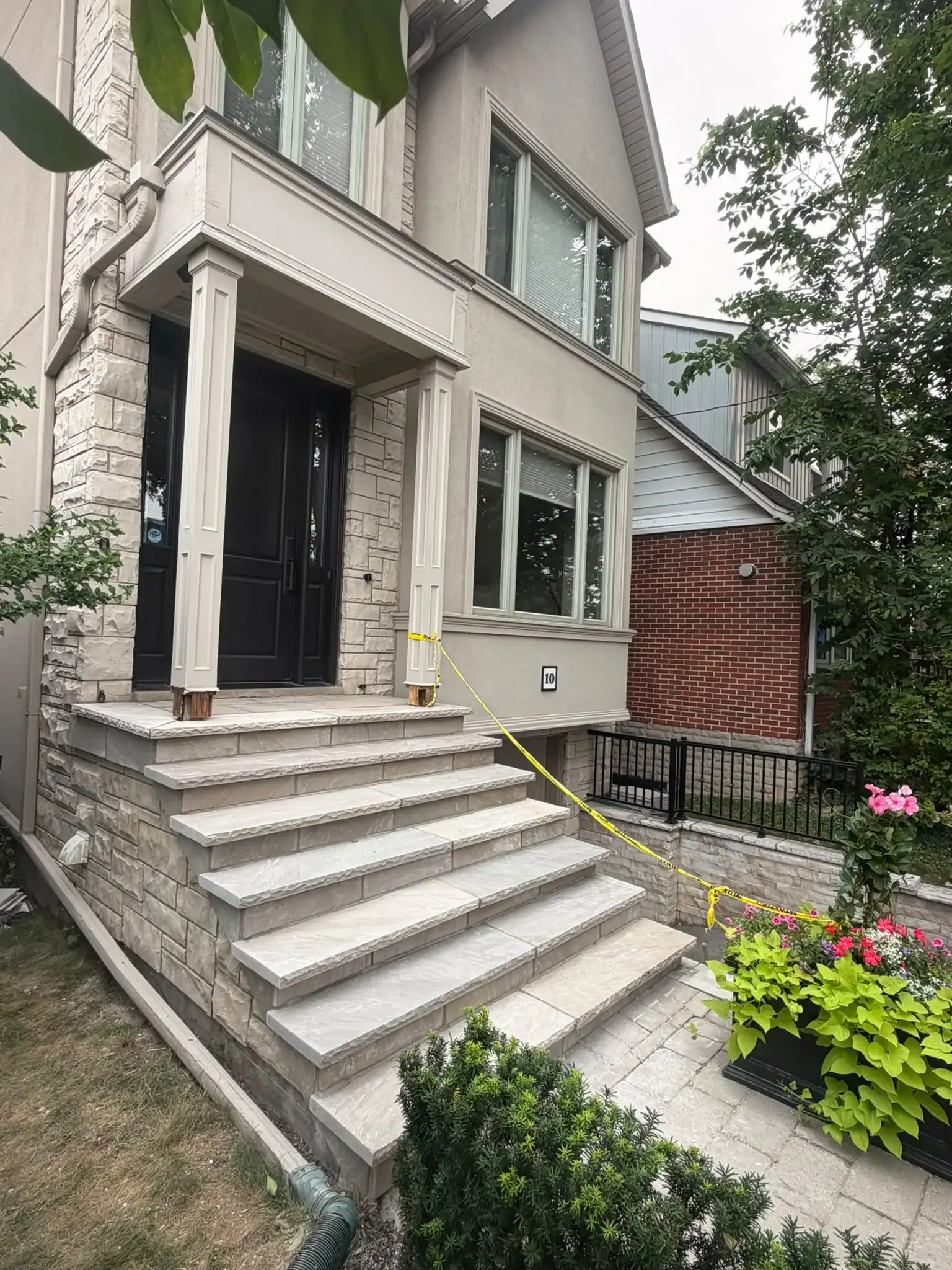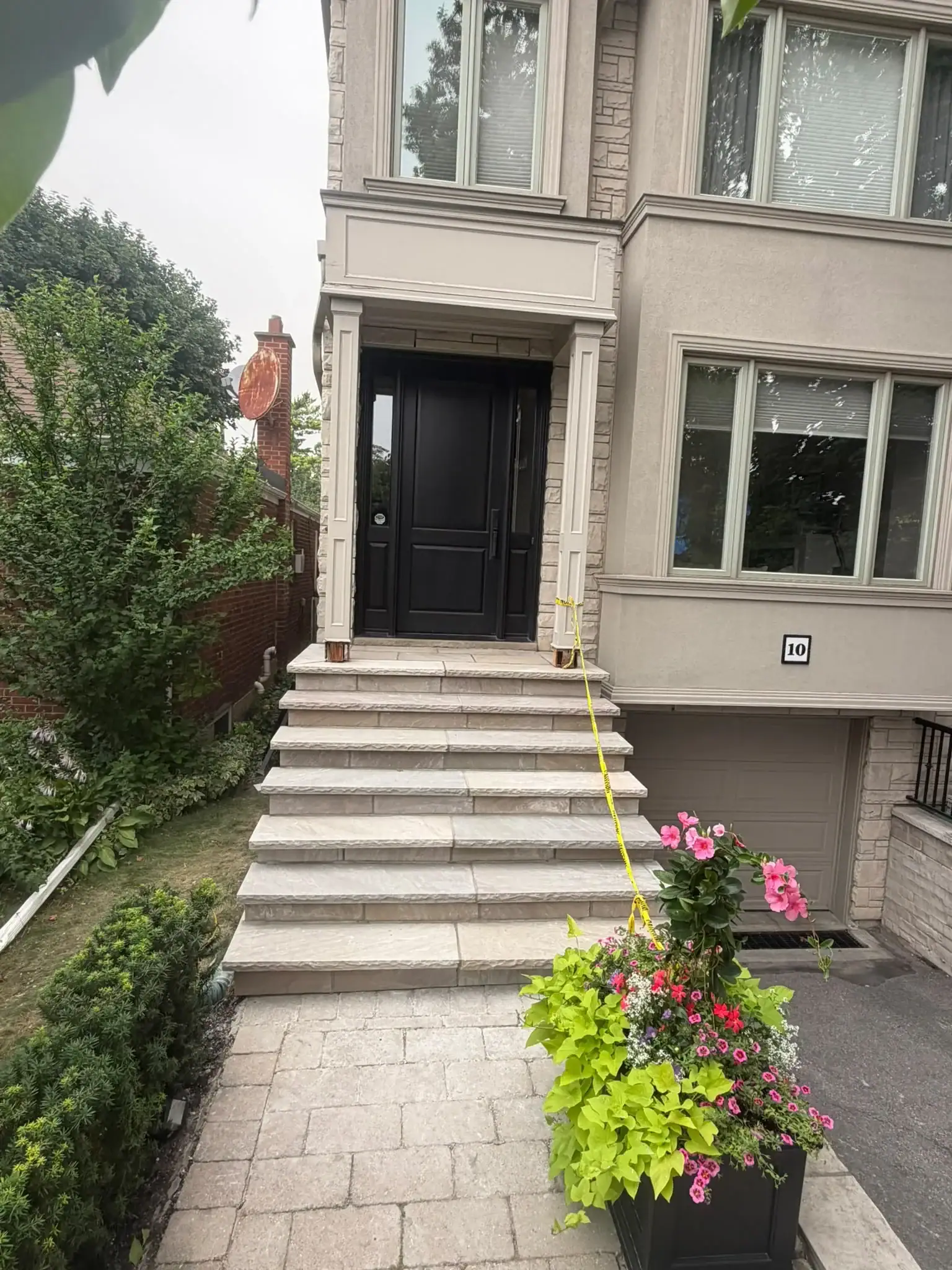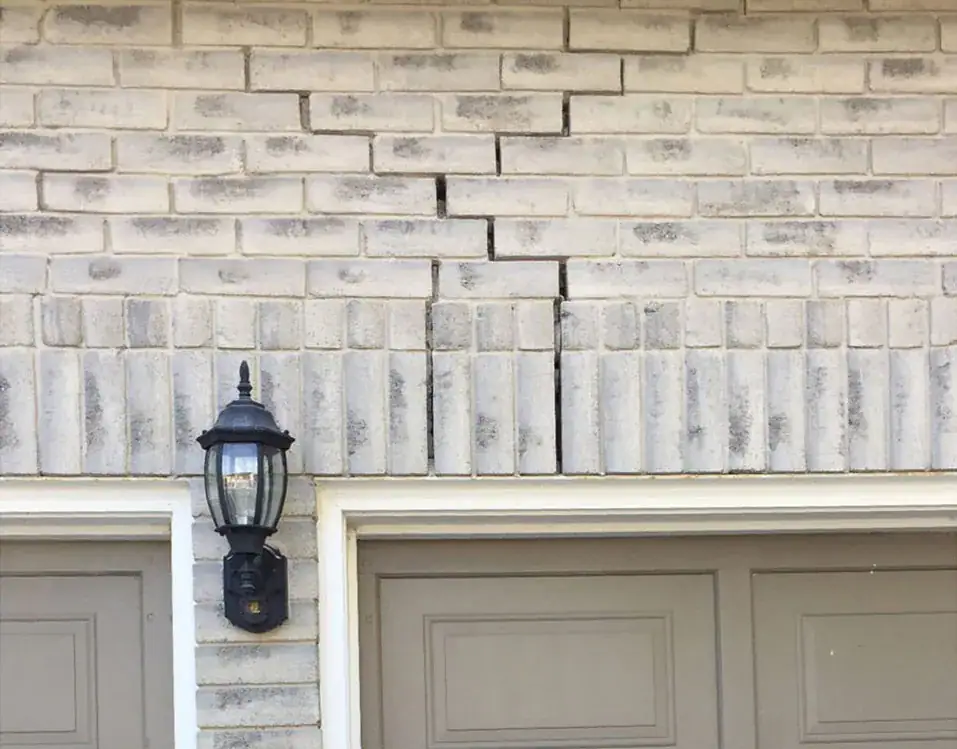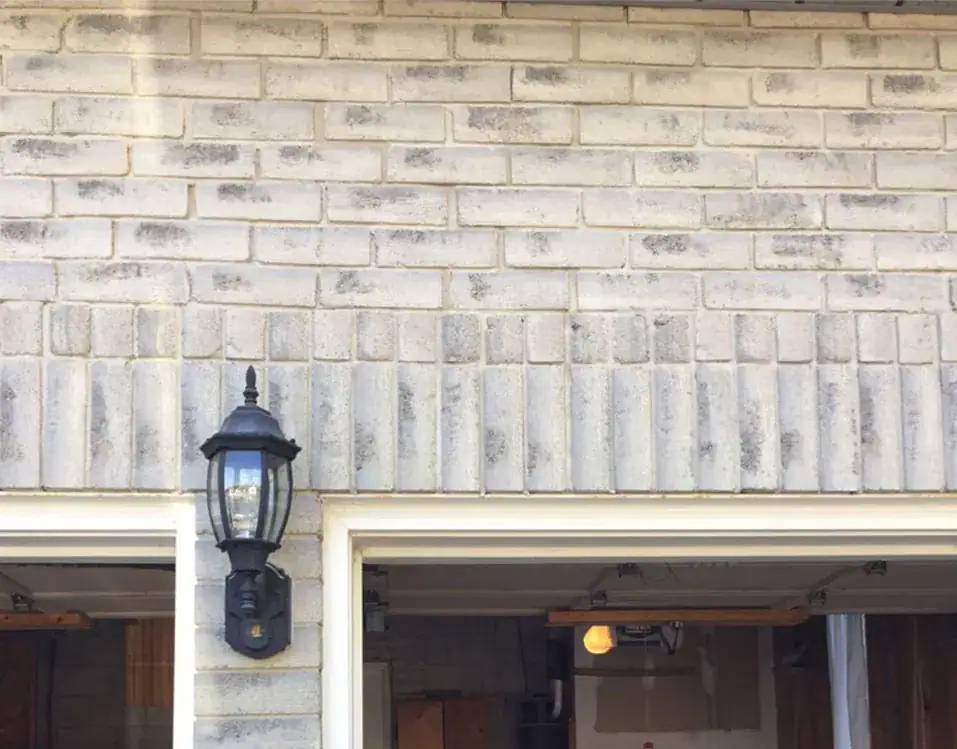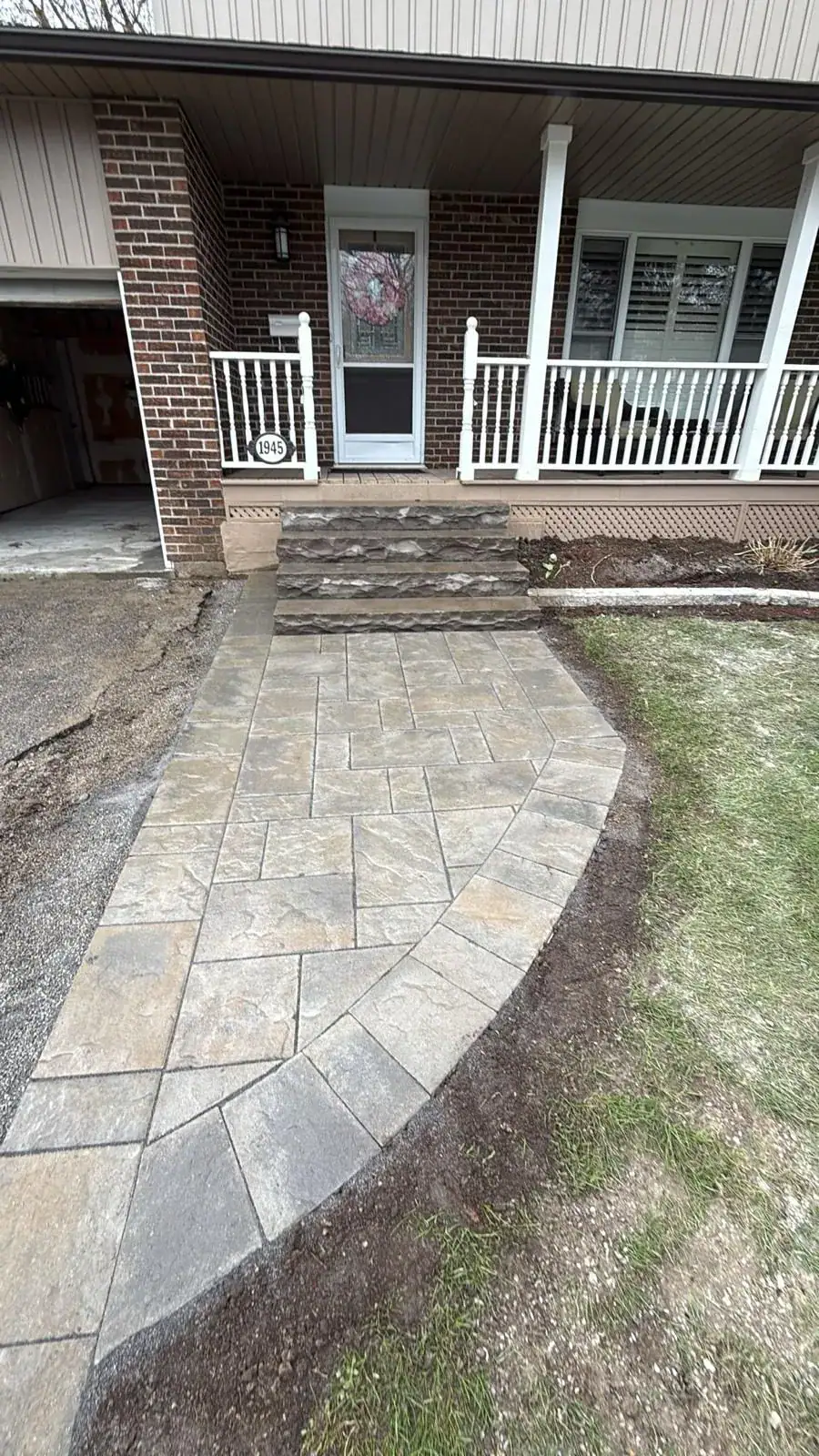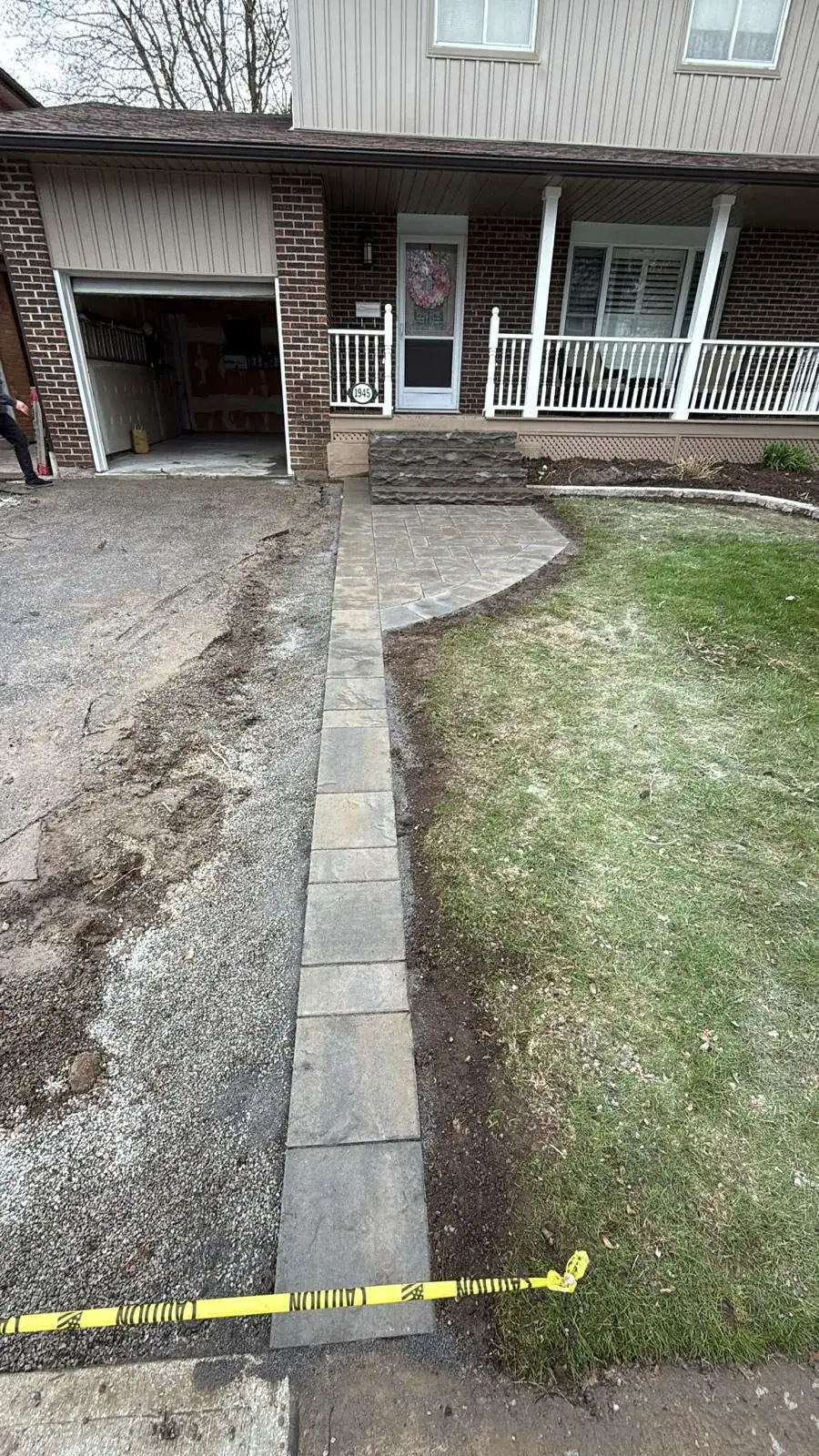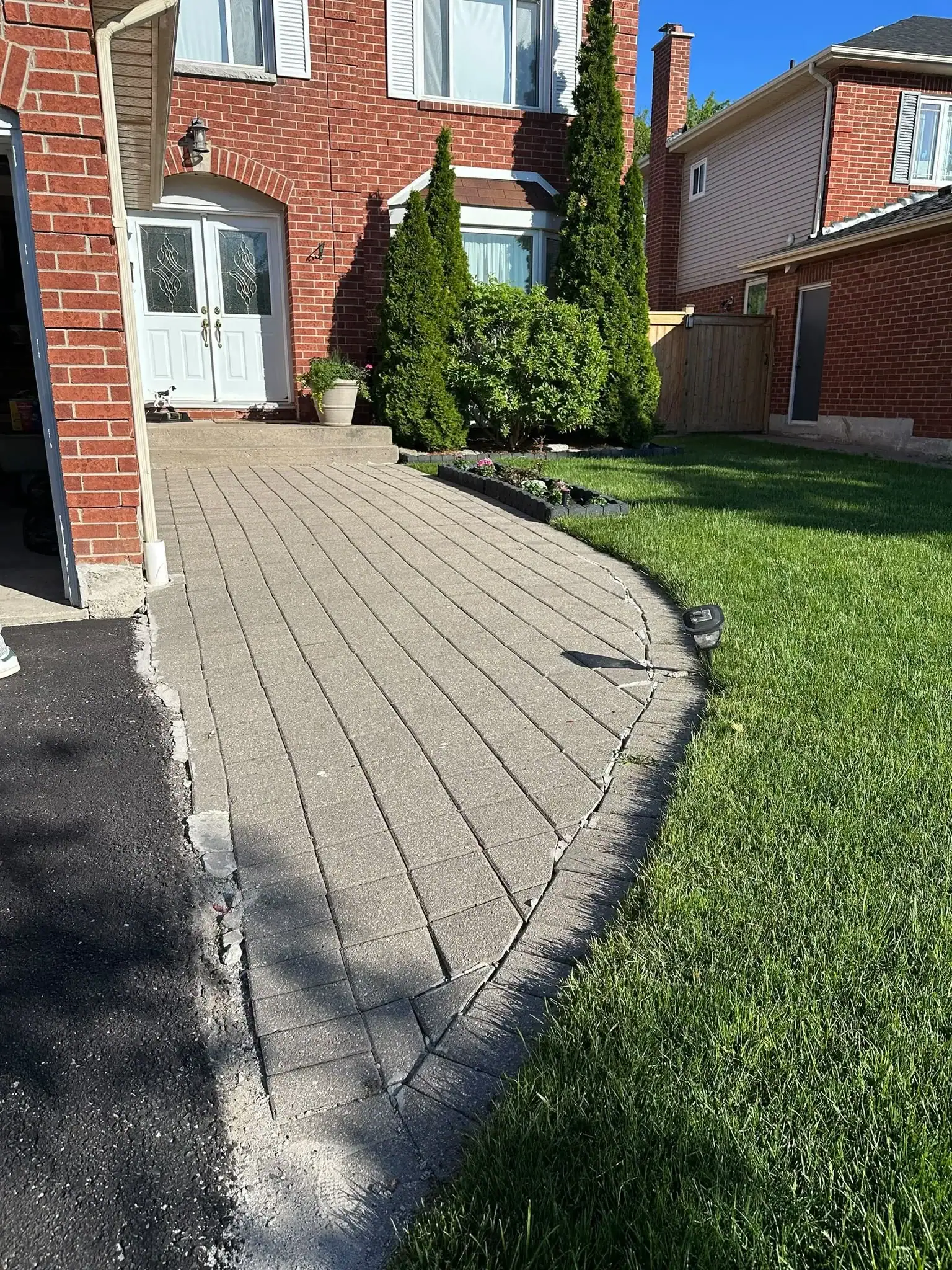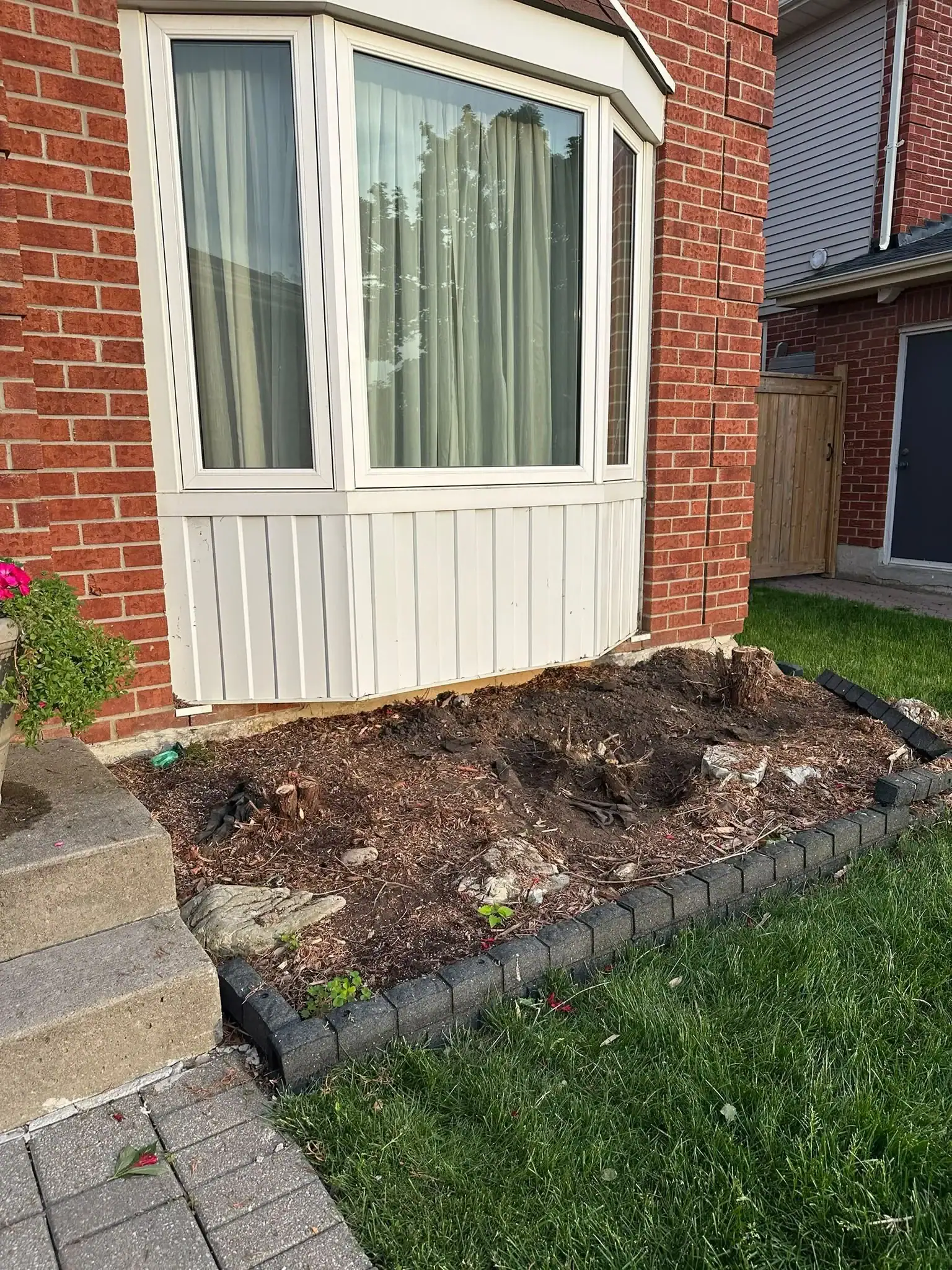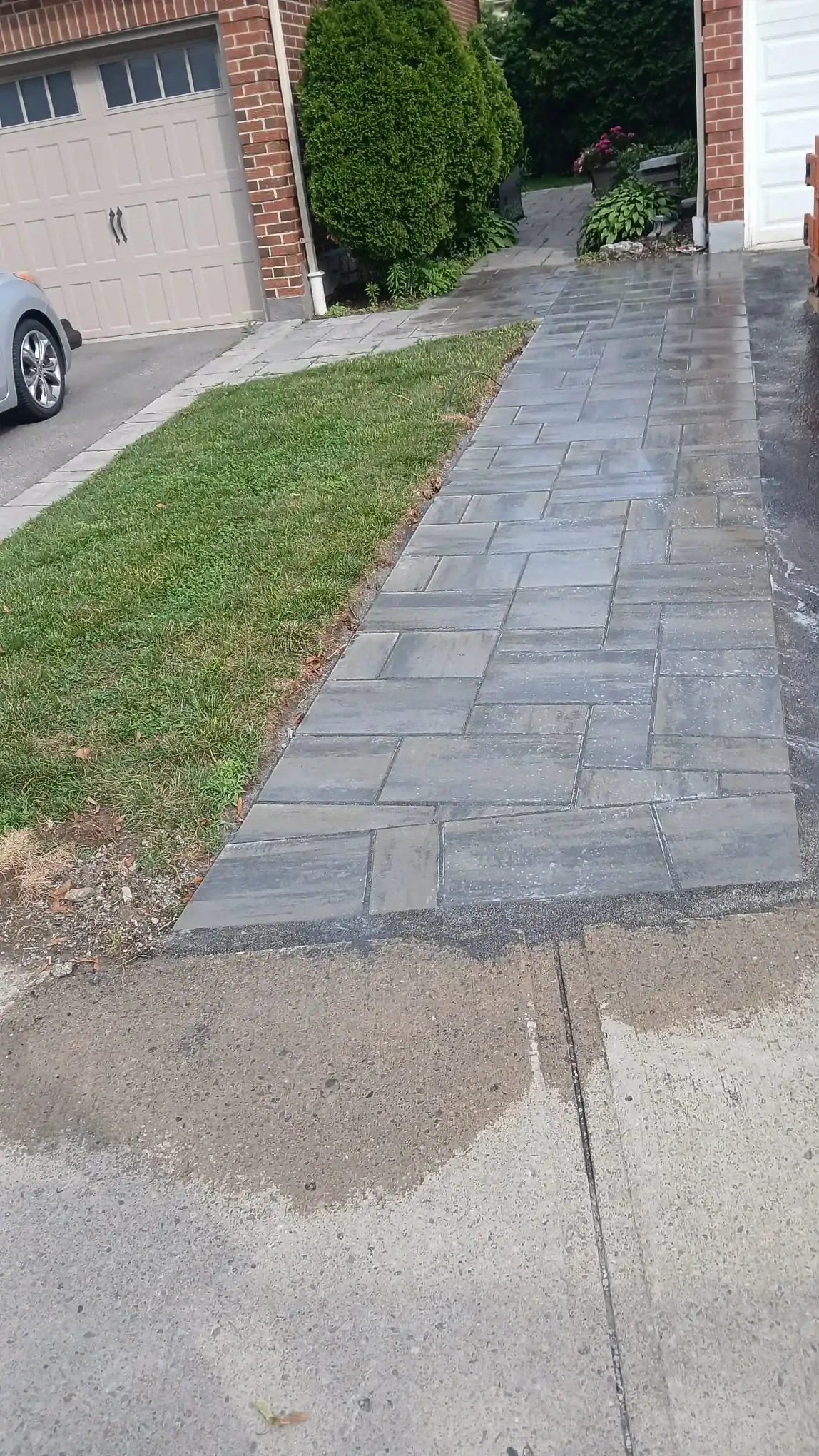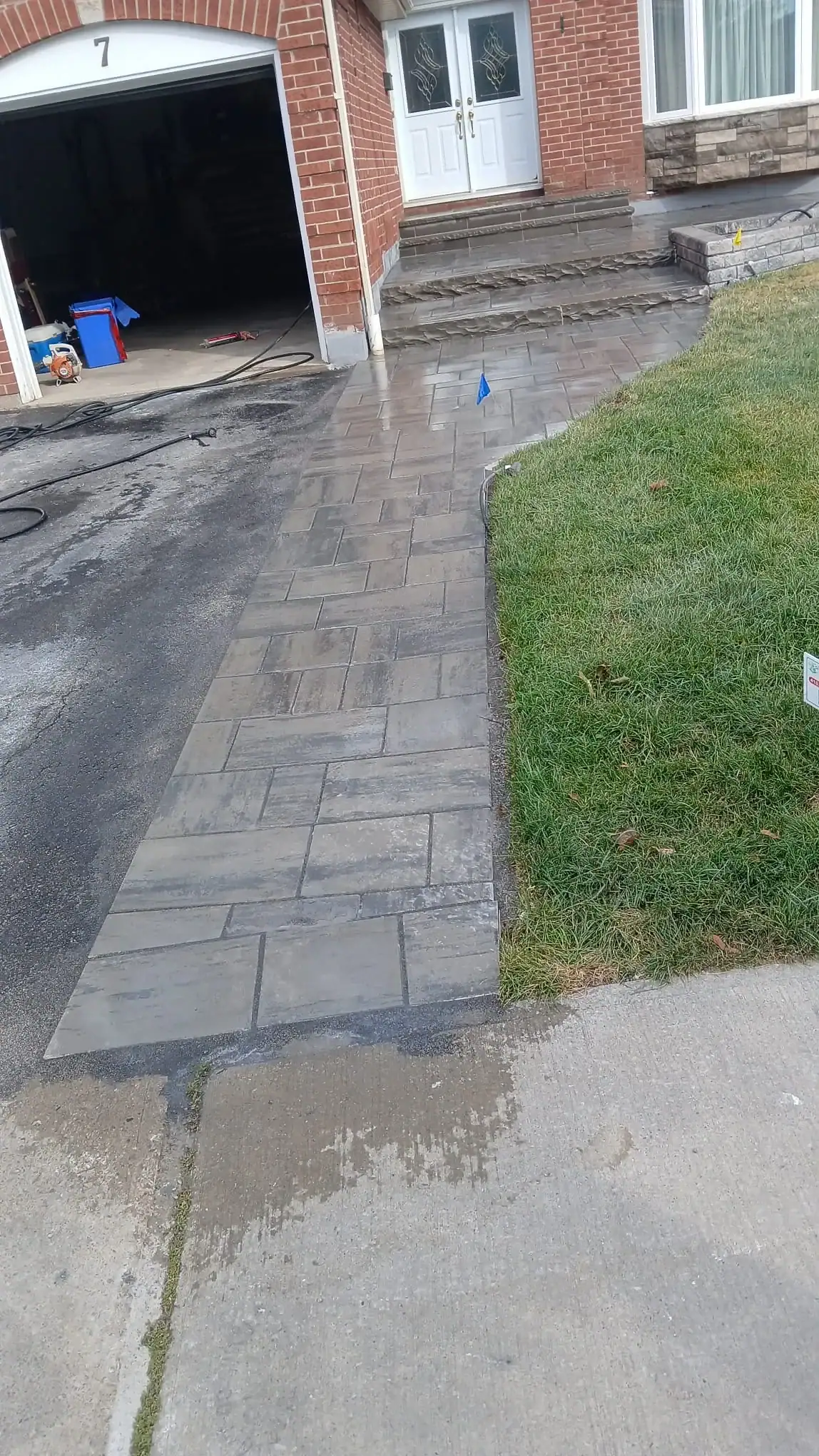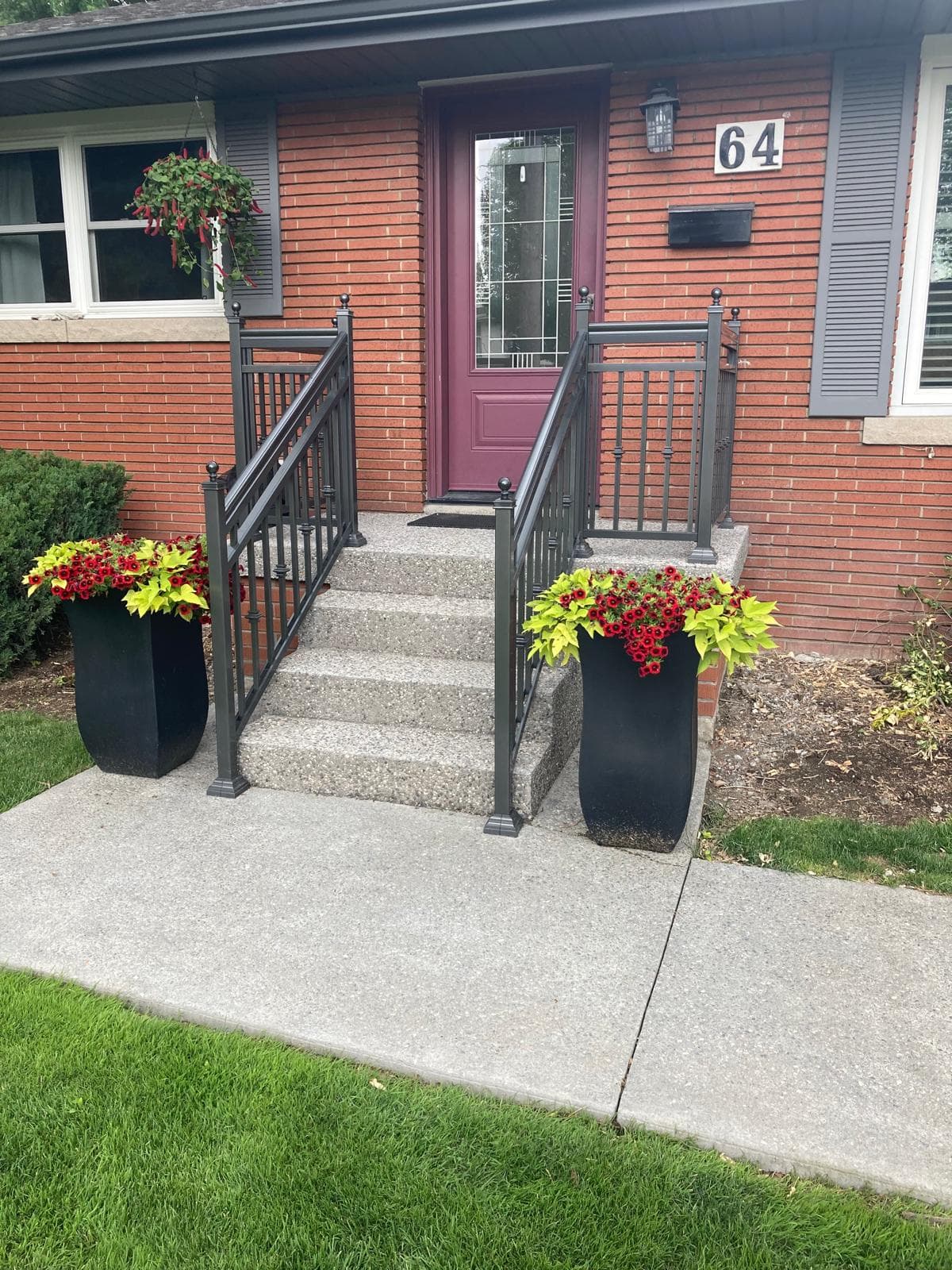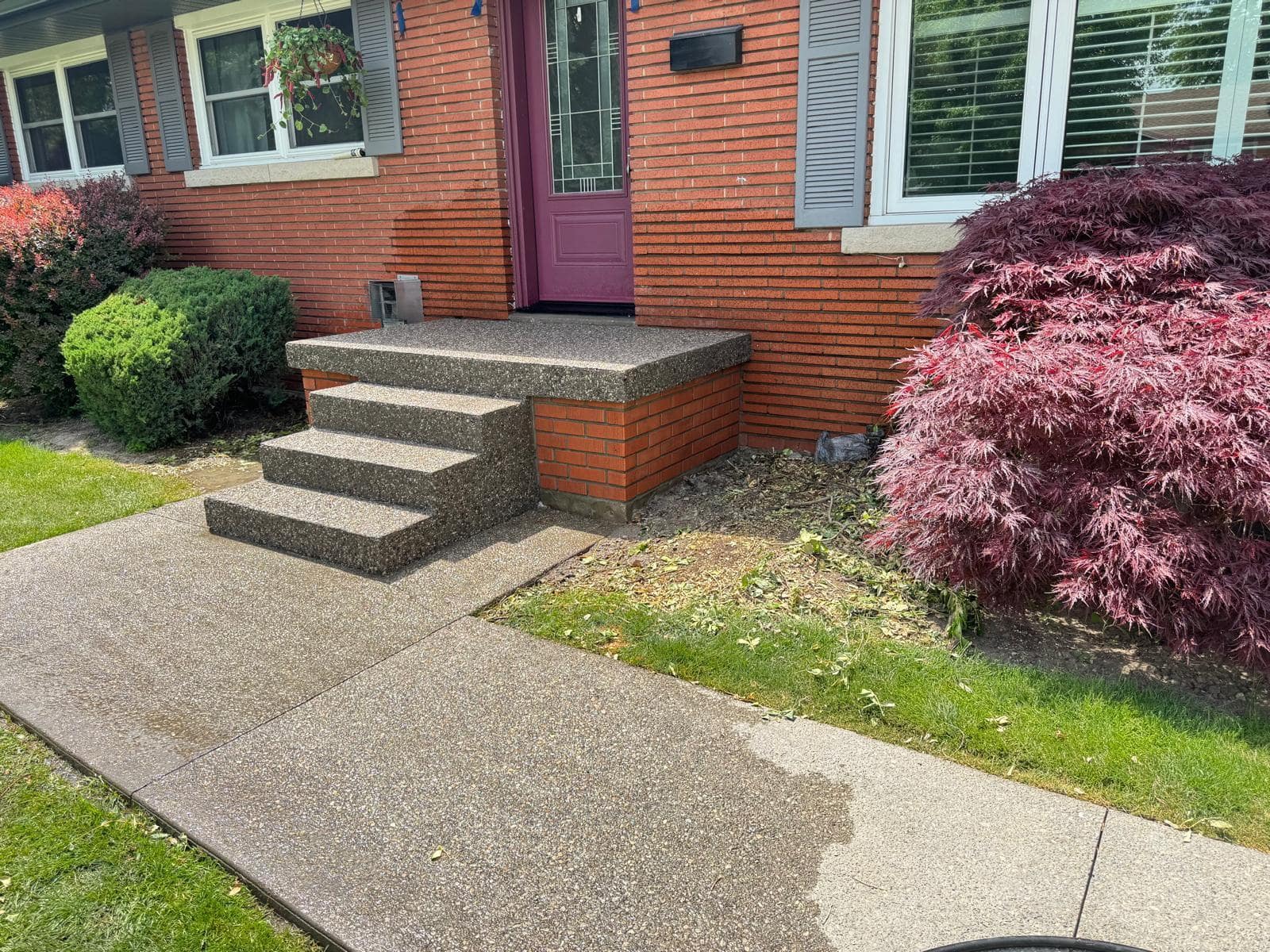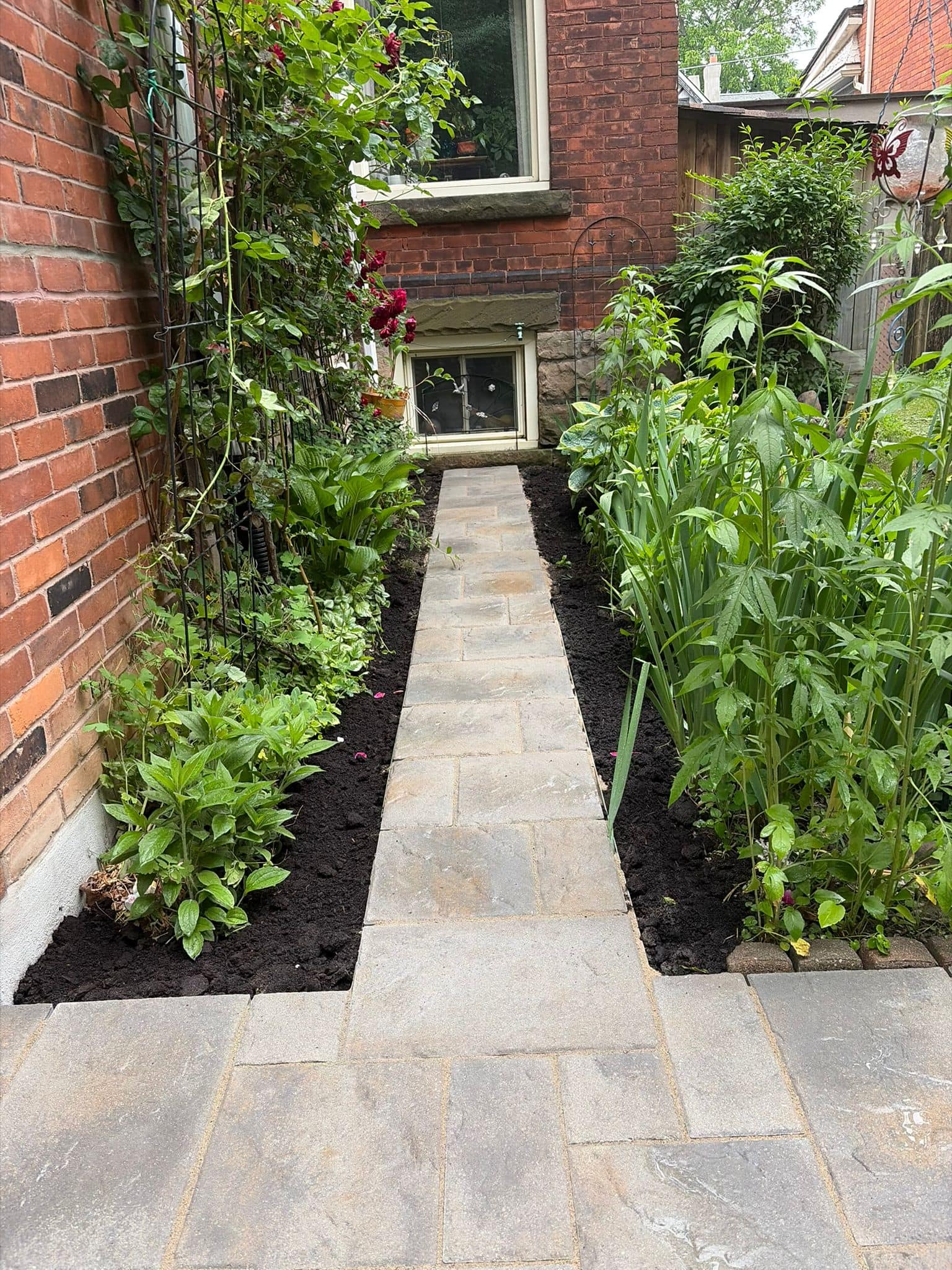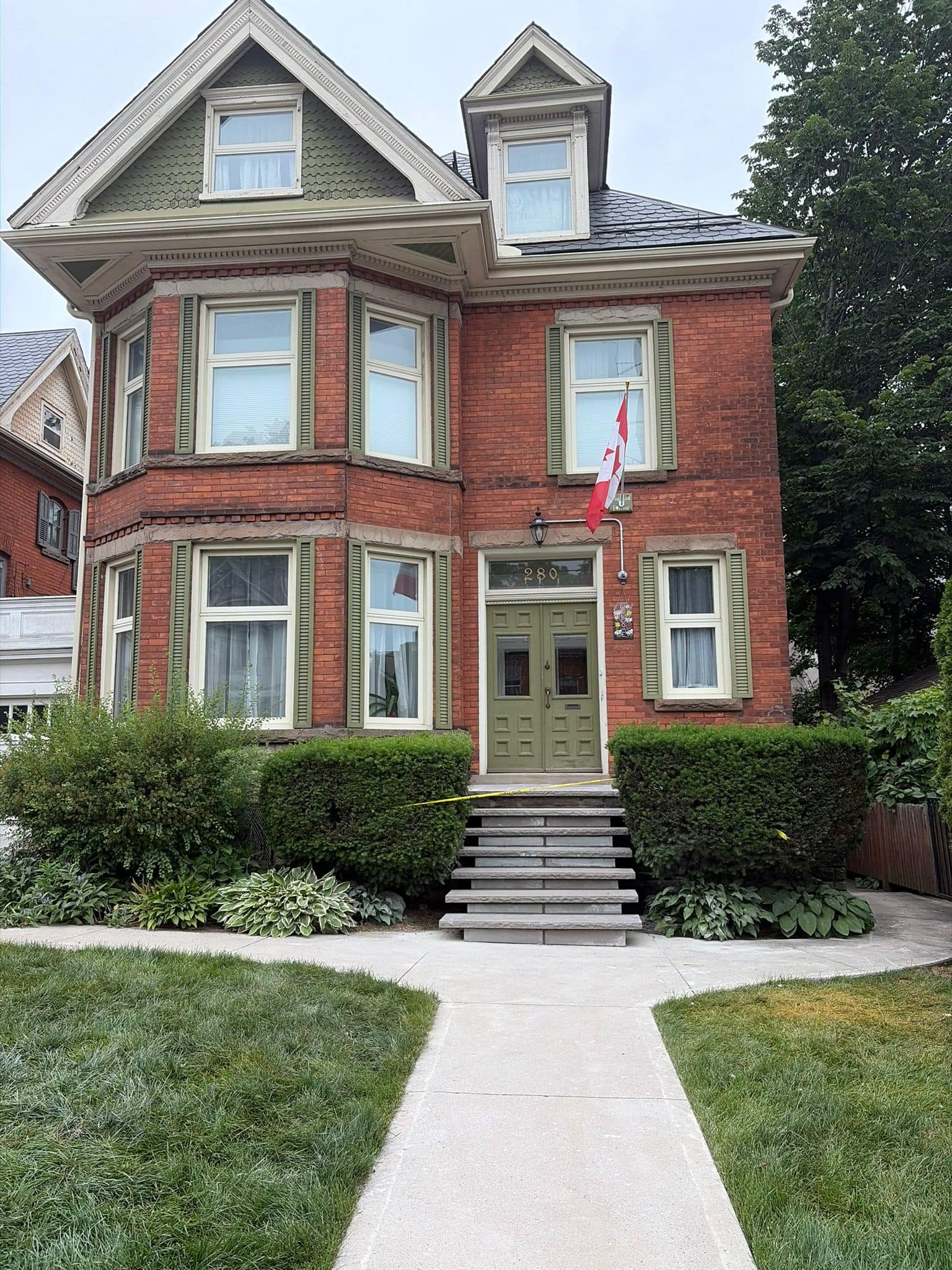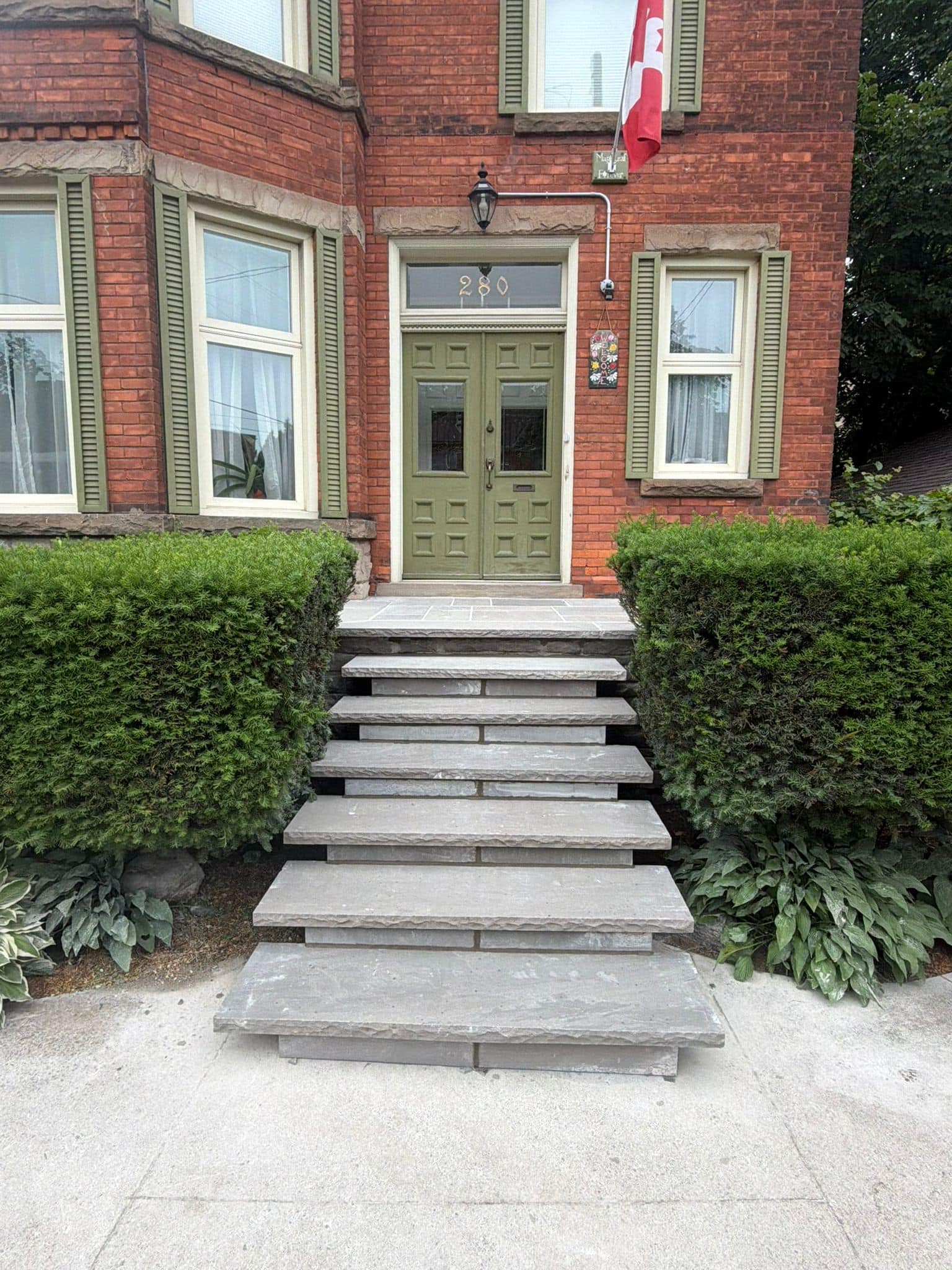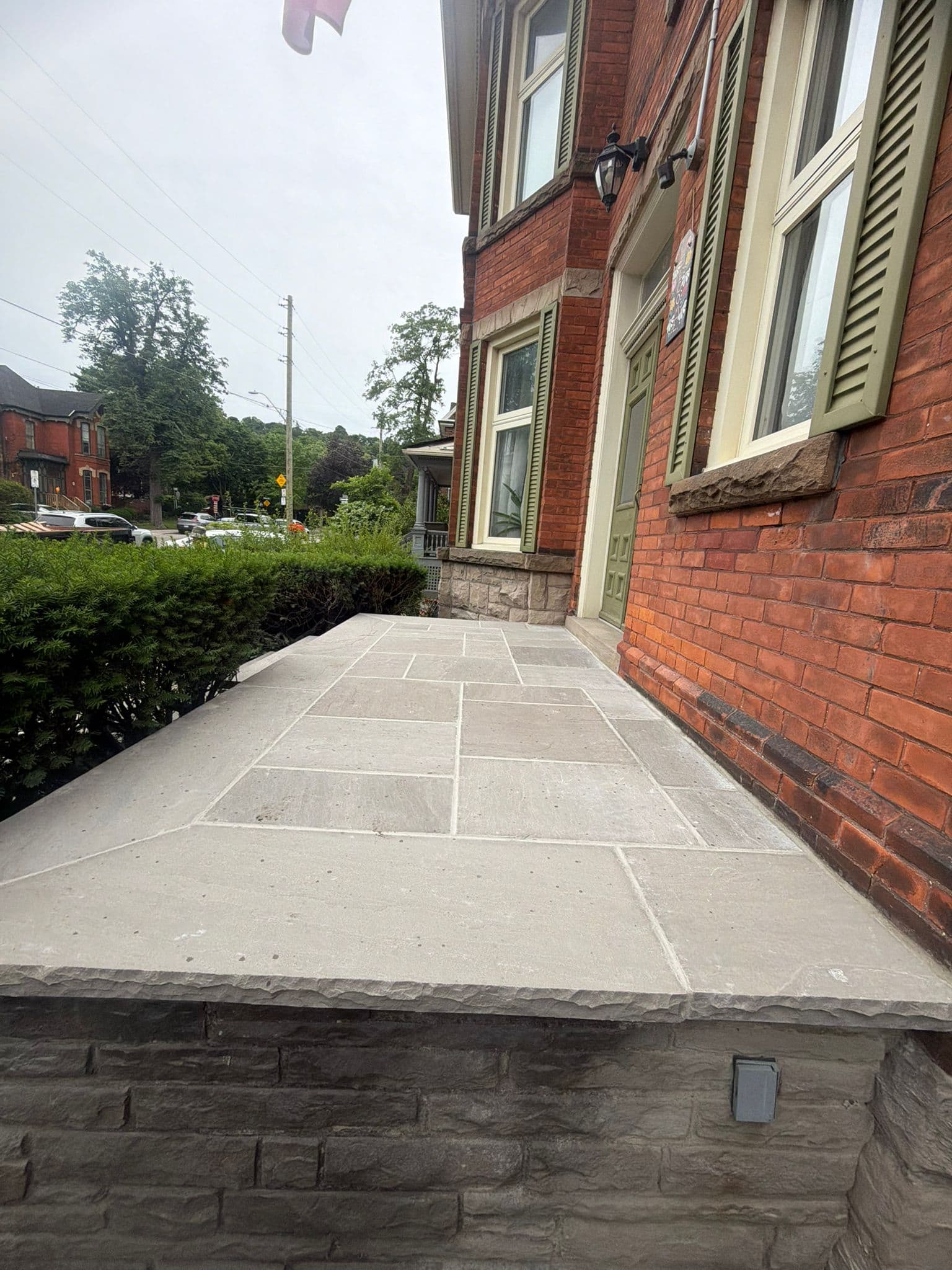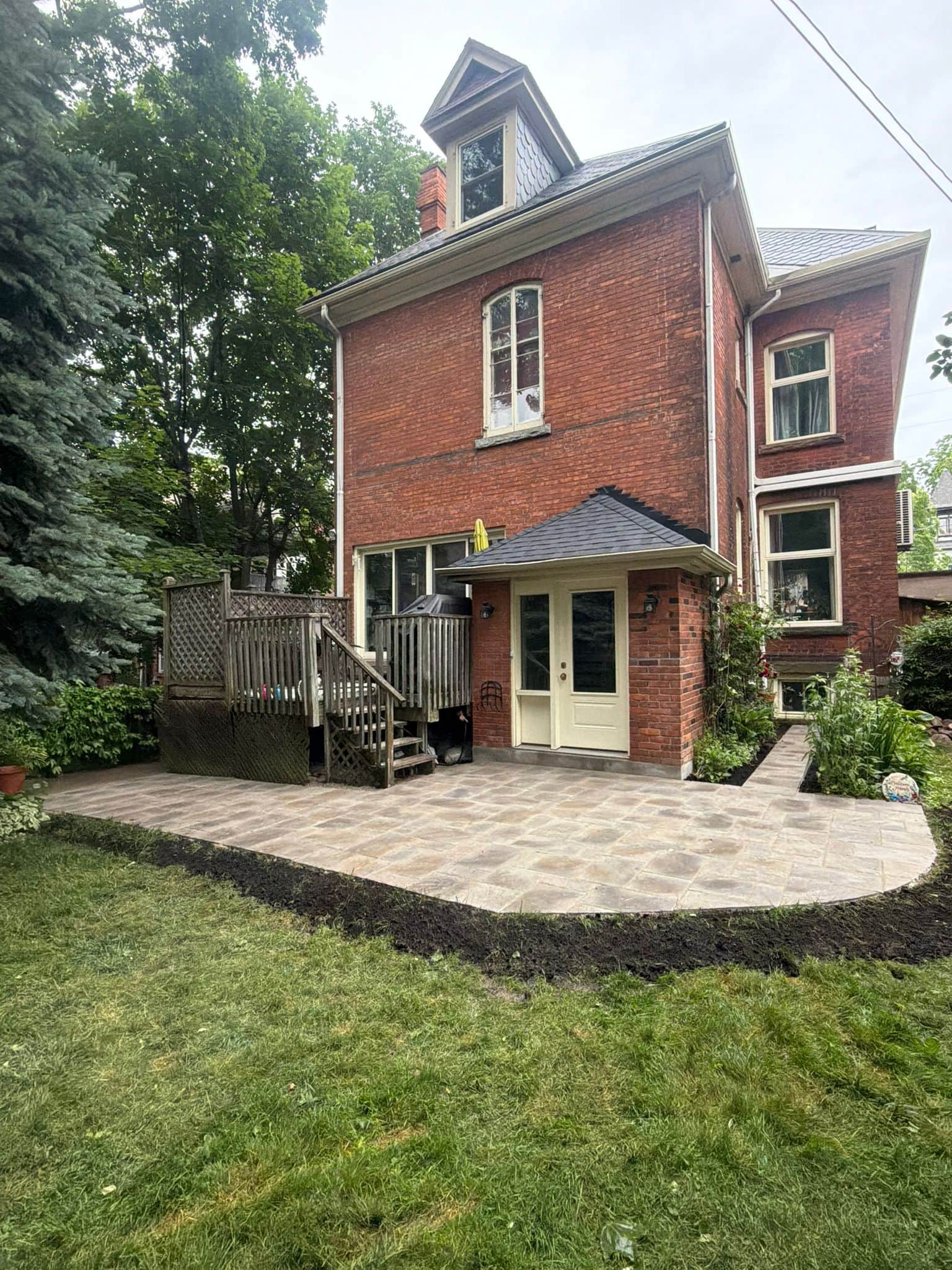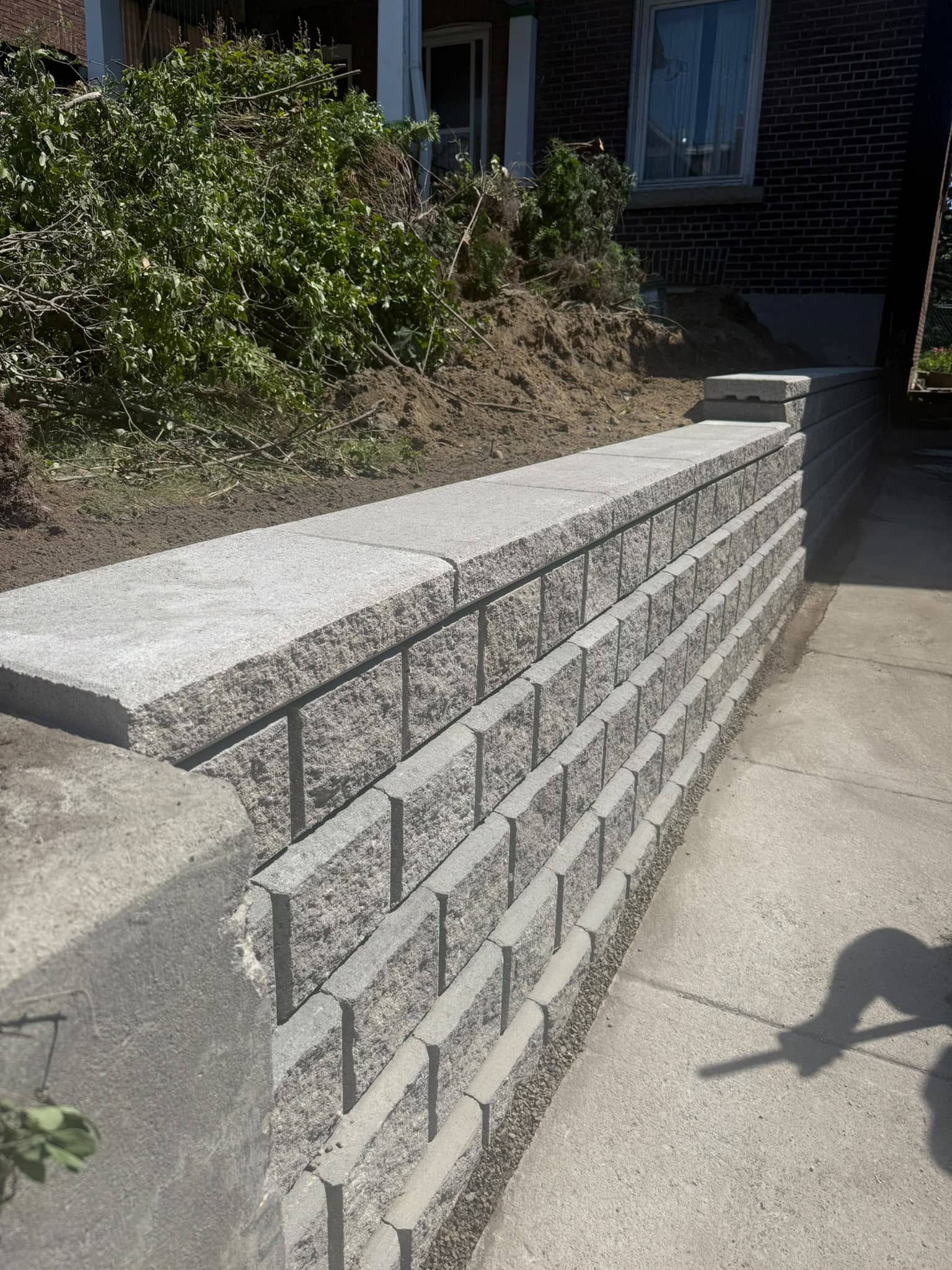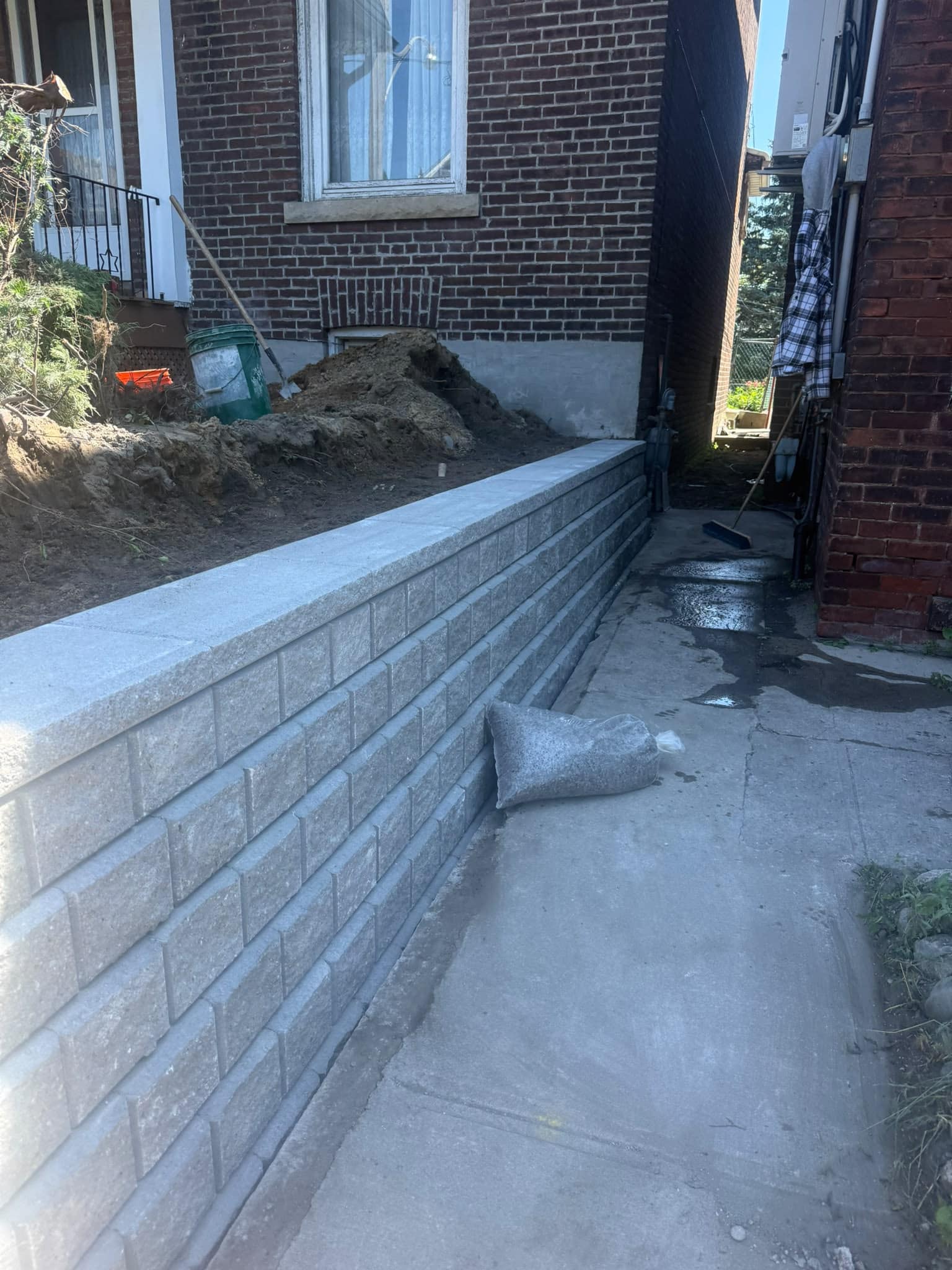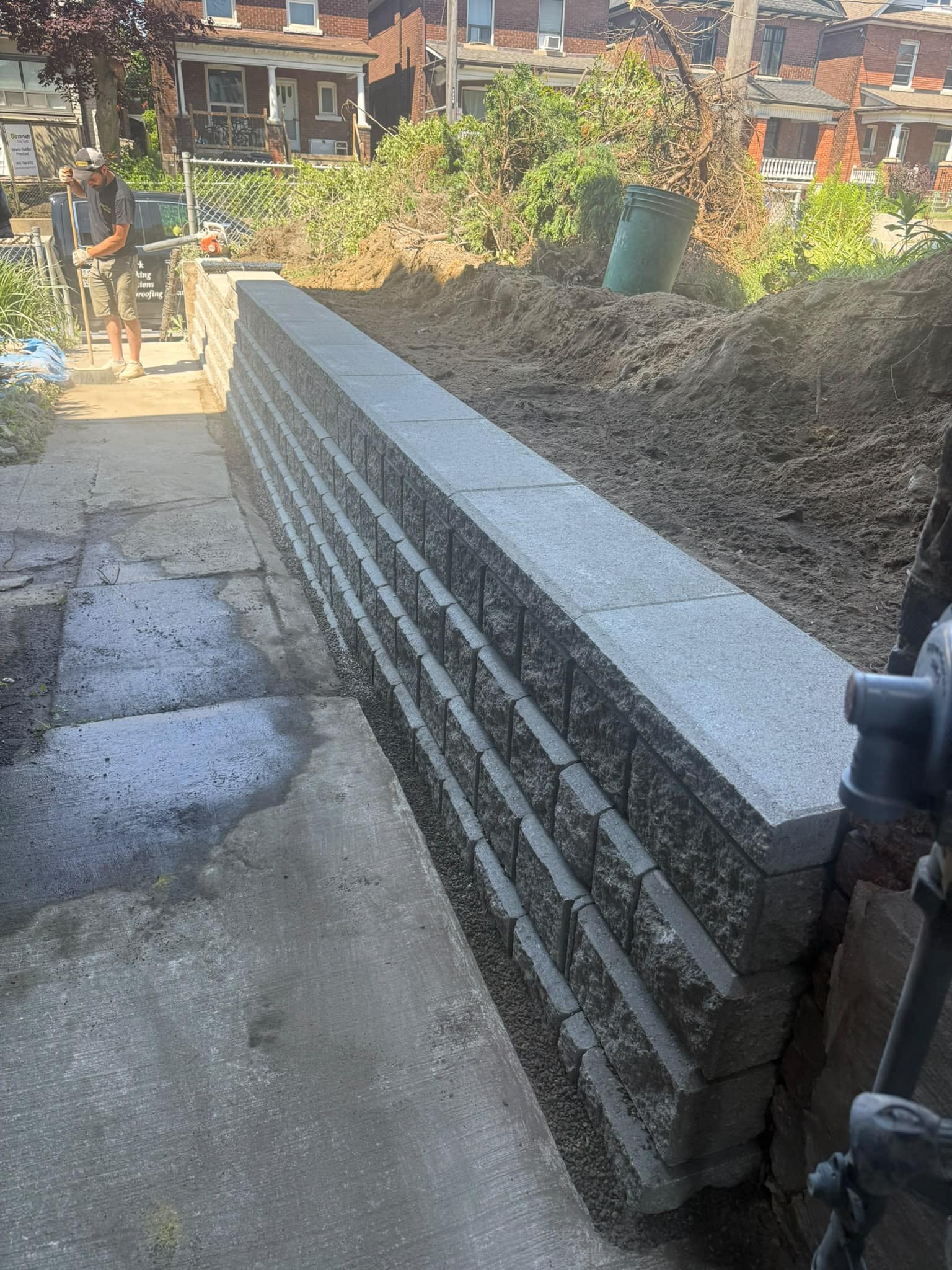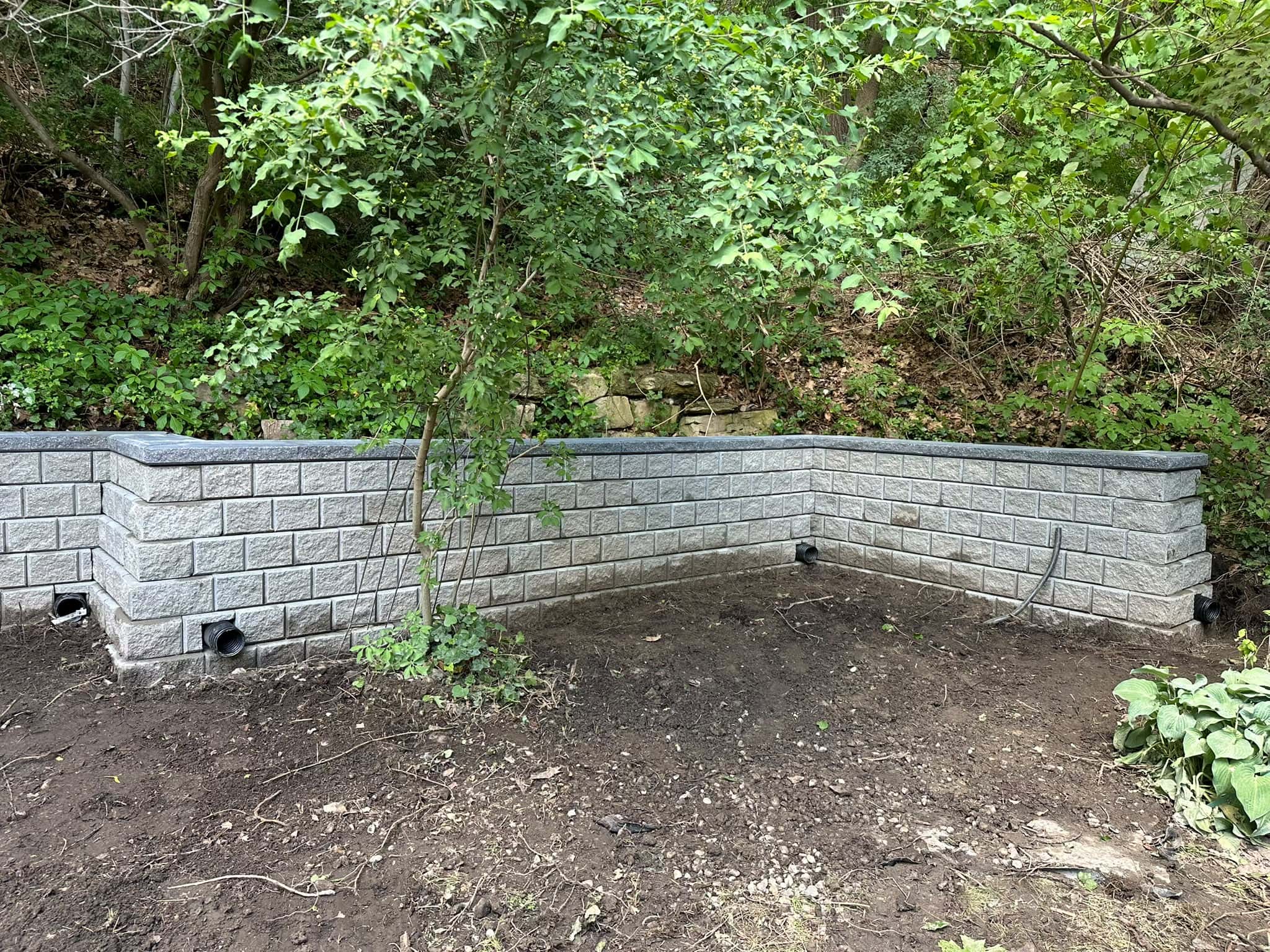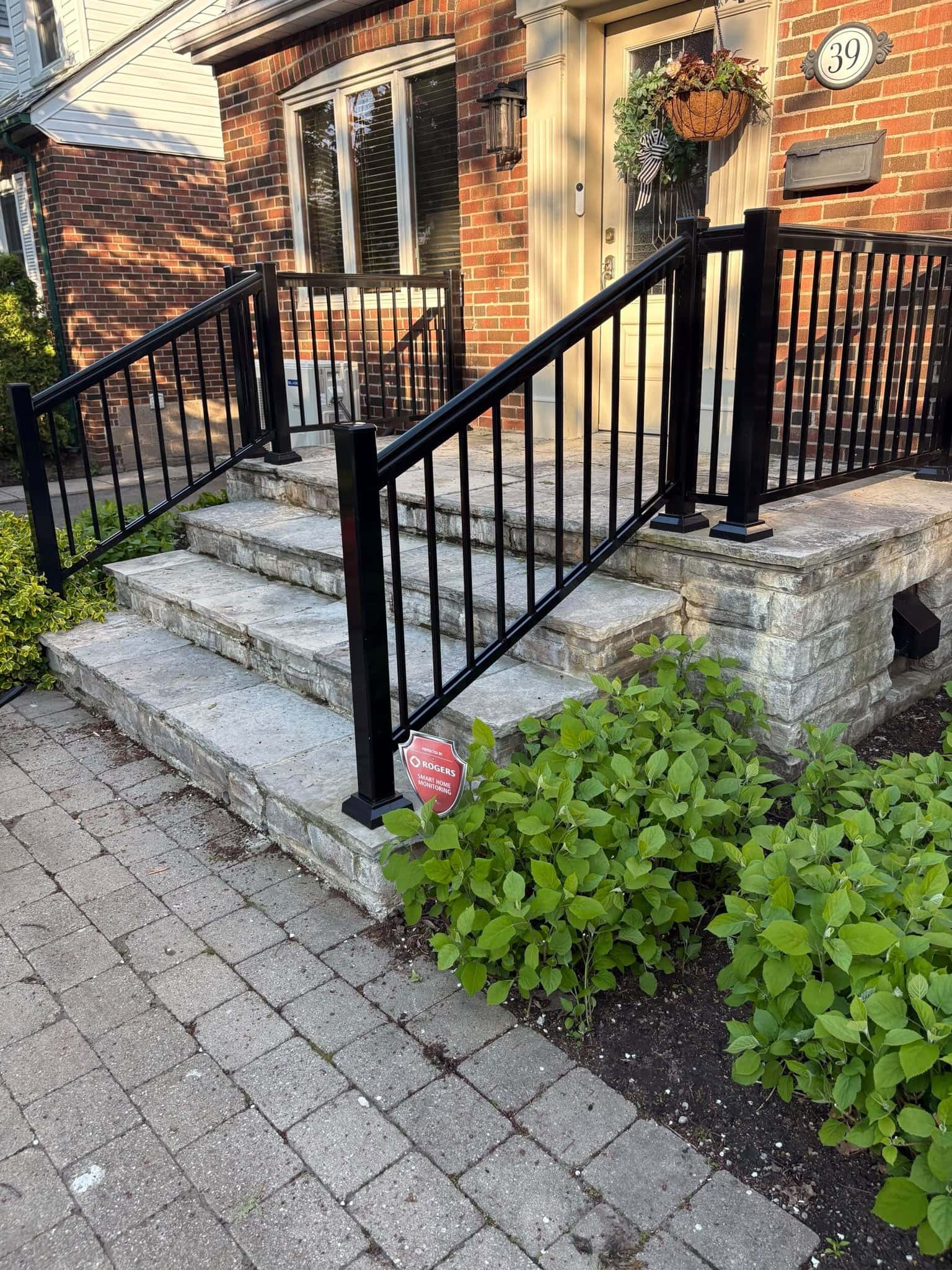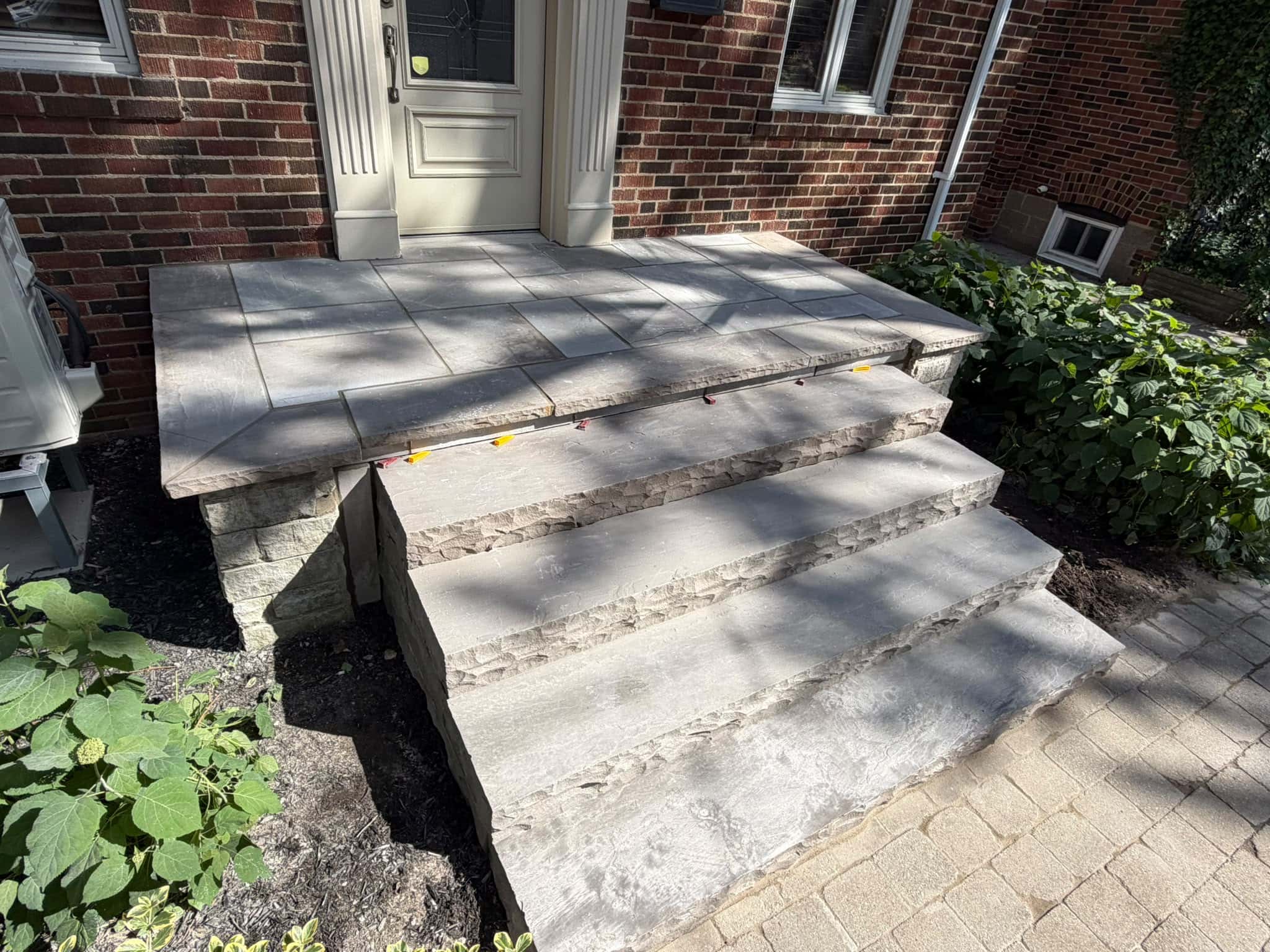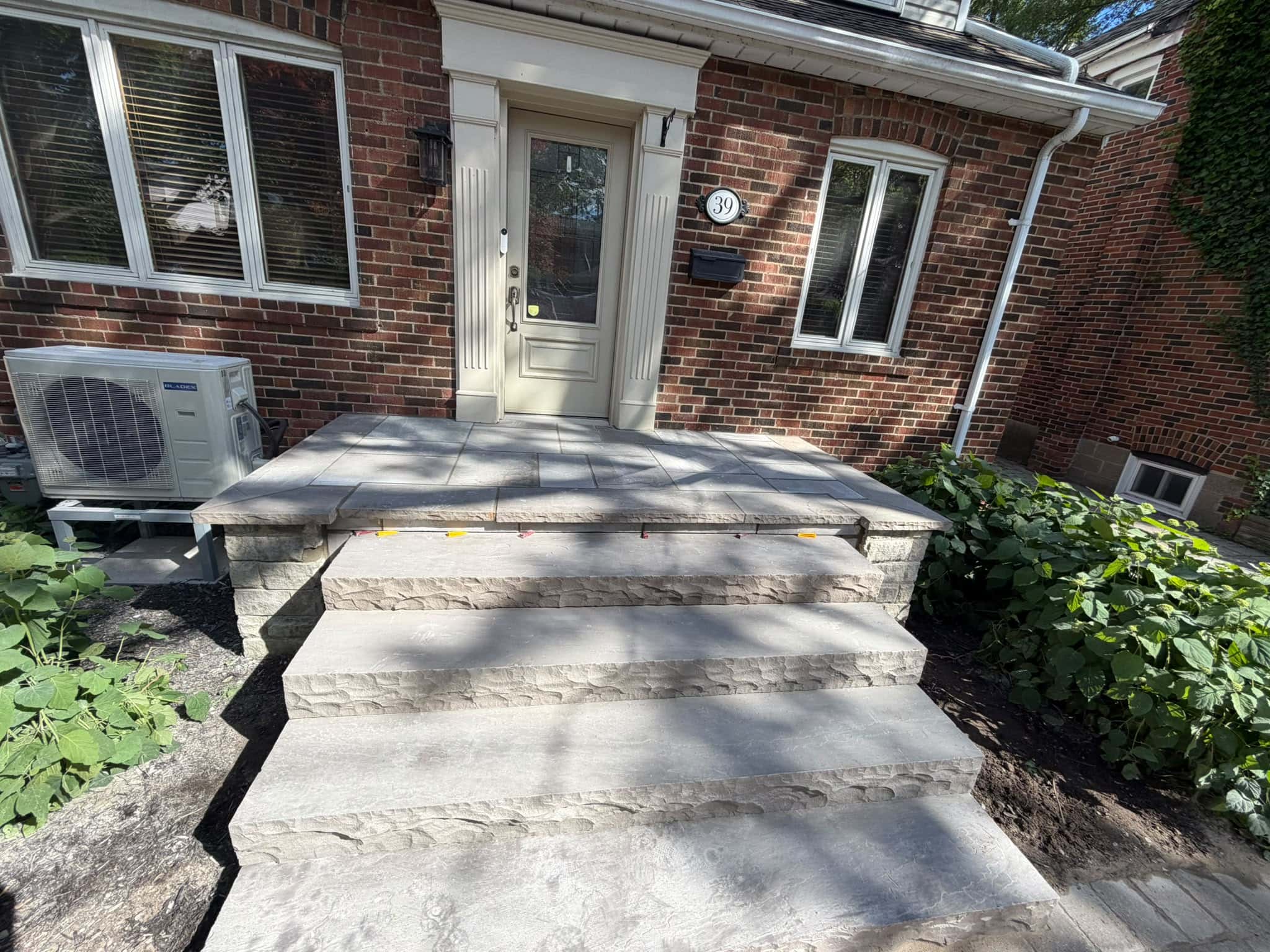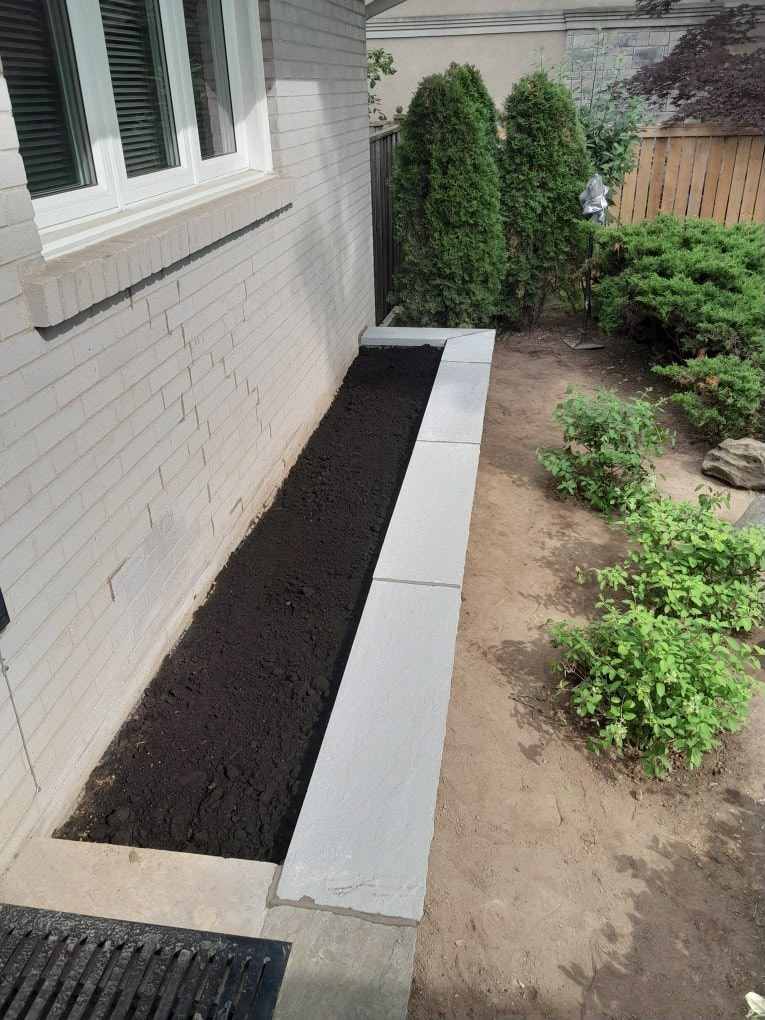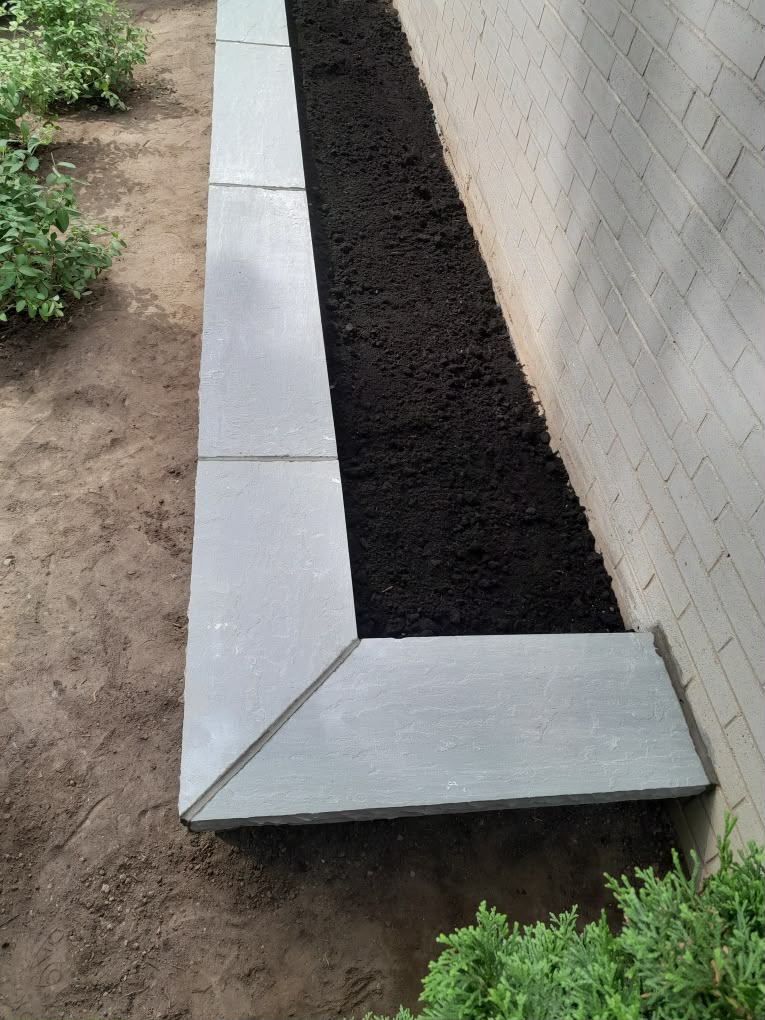

Regular masonry checkups help homeowners catch small issues in brick, mortar, chimney, concrete, stone, and foundation before they require larger repairs. A checkup does not always mean something is wrong. It is a way to understand how the exterior of the home is holding up against rain, snow, freeze-thaw cycles, drainage problems, age, and daily use.
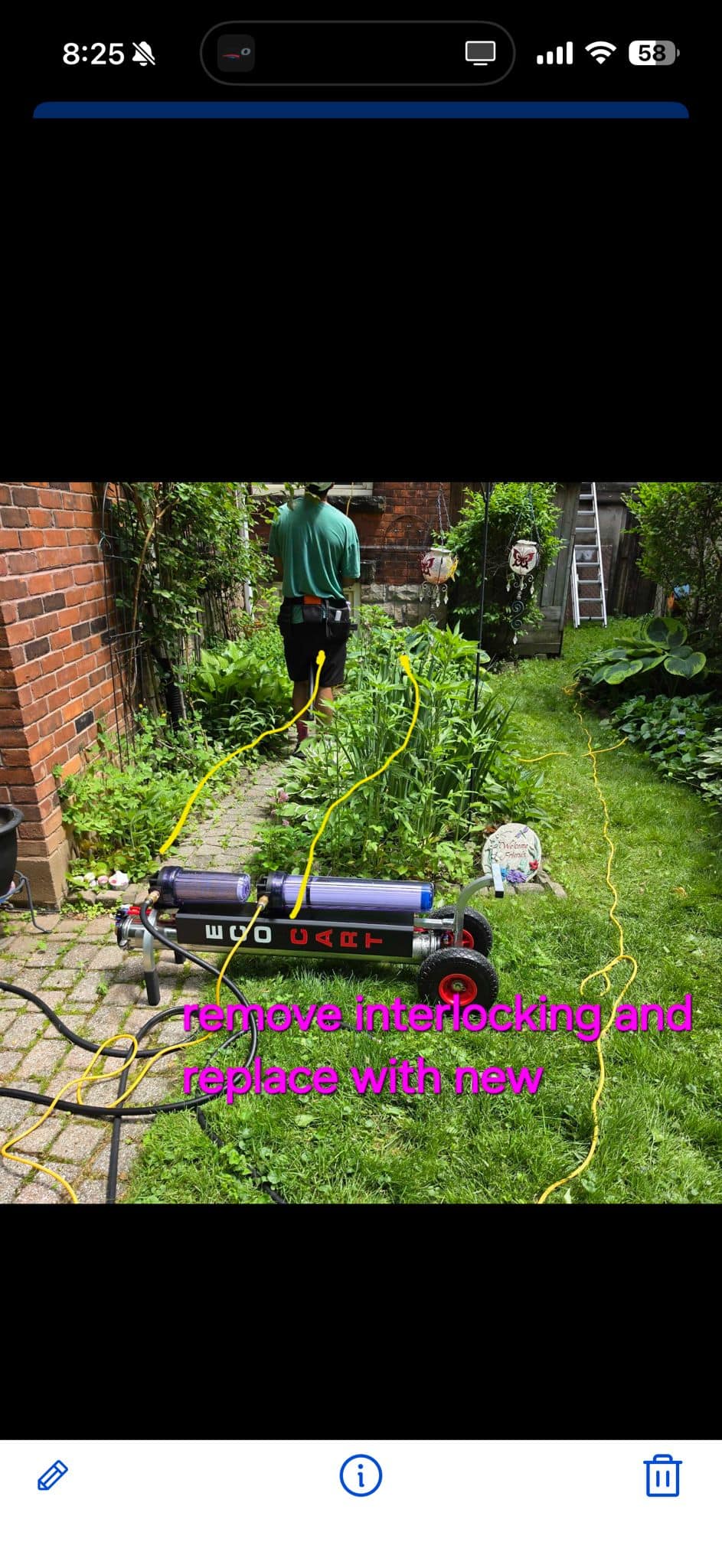
In Toronto and the GTA, masonry is subject to significant seasonal stress. Brick walls absorb moisture. Mortar joints age. Chimneys sit exposed above the roofline. Concrete steps deal with salt, ice, and foot traffic. Foundation areas may stay damp after heavy rain or snowmelt. Interlocking walkways and patios can move when water gets into the base. A regular checkup helps homeowners spot these changes before repairs become more complex.
This guide explains the benefits of regular masonry checkups, what areas homeowners should review, what warning signs matter, and when professional help makes more sense than waiting for visible failure.
Regular Masonry Checkups Catch Small Problems Early
Regular masonry checkups catch small problems before they spread. A tiny mortar crack, a loose brick, a small concrete chip, or a minor crack in the chimney crown may not look urgent, but each can provide a path for water into the masonry system.
Once water gets into brick, mortar, concrete, or stone, Toronto’s weather can make the damage worse. During freeze-thaw cycles, trapped water freezes, expands, and pushes materials apart. What starts as a small crack can become spalling brick, failed mortar, loose stone, or a larger repair area after one or two harsh seasons.
Early detection usually gives homeowners more options. A small section of failing mortar may need tuckpointing. A few spalled bricks may need to be replaced. A small drainage issue may be corrected before it affects the foundation. Waiting until the damage spreads can reduce choices and increase cost.
If you are not sure what common early issues look like, A&A Masonry’s blog on common masonry repair issues in Toronto is a helpful supporting guide.
They Help Protect Brickwork From Water Damage
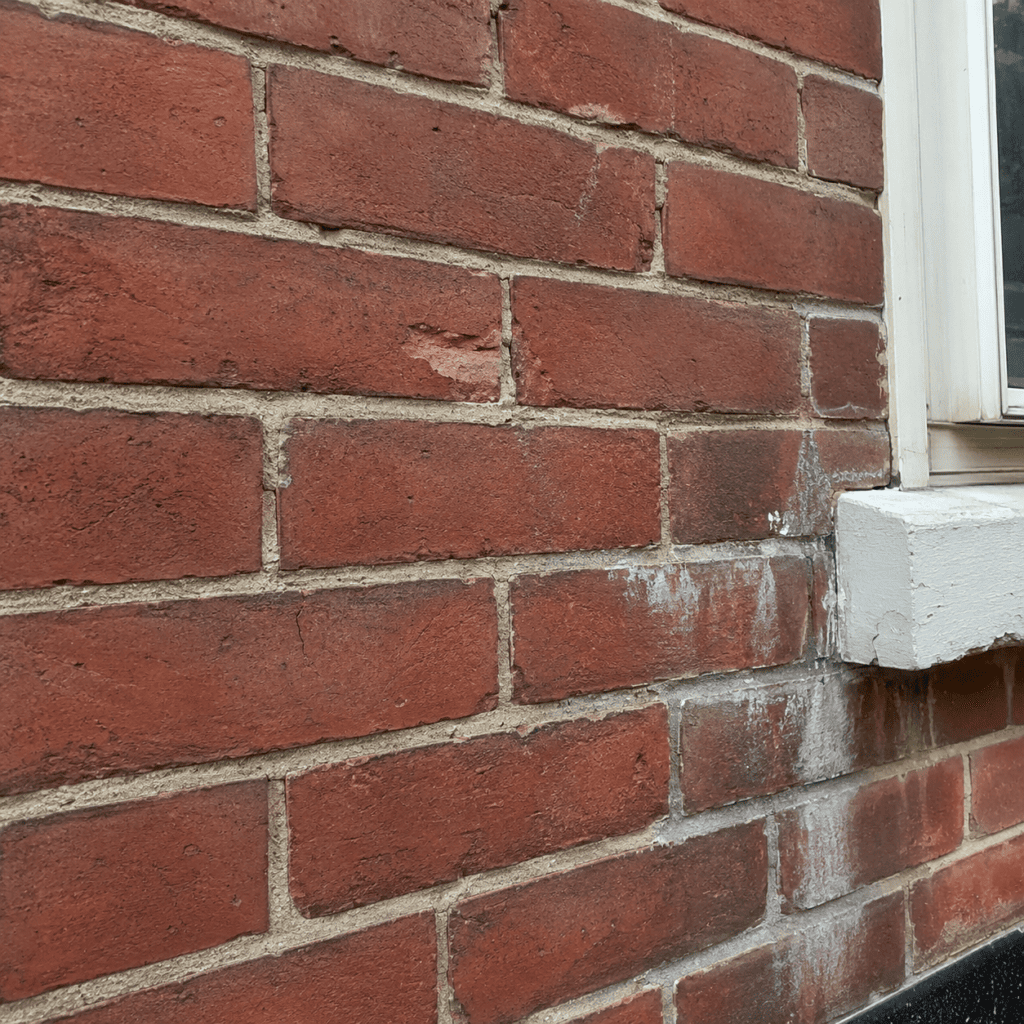
Masonry checkups help protect brickwork by identifying where water is entering, sitting, or failing to drain away. Water is one of the biggest causes of exterior masonry damage. It can enter through open mortar joints, cracked brick faces, missing caps, poor flashing, damaged parging, or hard surfaces that slope toward the home.
In Toronto, this matters because rain, snow, and melted ice can repeatedly affect the same areas. Lower brick courses, window sills, porch walls, chimneys, and foundation-adjacent masonry are especially vulnerable. If those areas stay damp, they may show efflorescence, spalling, staining, or crumbling mortar.
The City of Toronto explains that managing rainwater and meltwater helps reduce basement flooding and supports better stormwater management. Homeowners can use this same idea around masonry: the less water that collects near brick, stone, concrete, or foundations, the better the exterior is likely to perform over time.
If exterior walls already show cracked or crumbling brick, A&A Masonry’s brick repair Toronto page explains common repair concerns for damaged masonry in local homes.
They Reveal Mortar Problems Before Walls Weaken
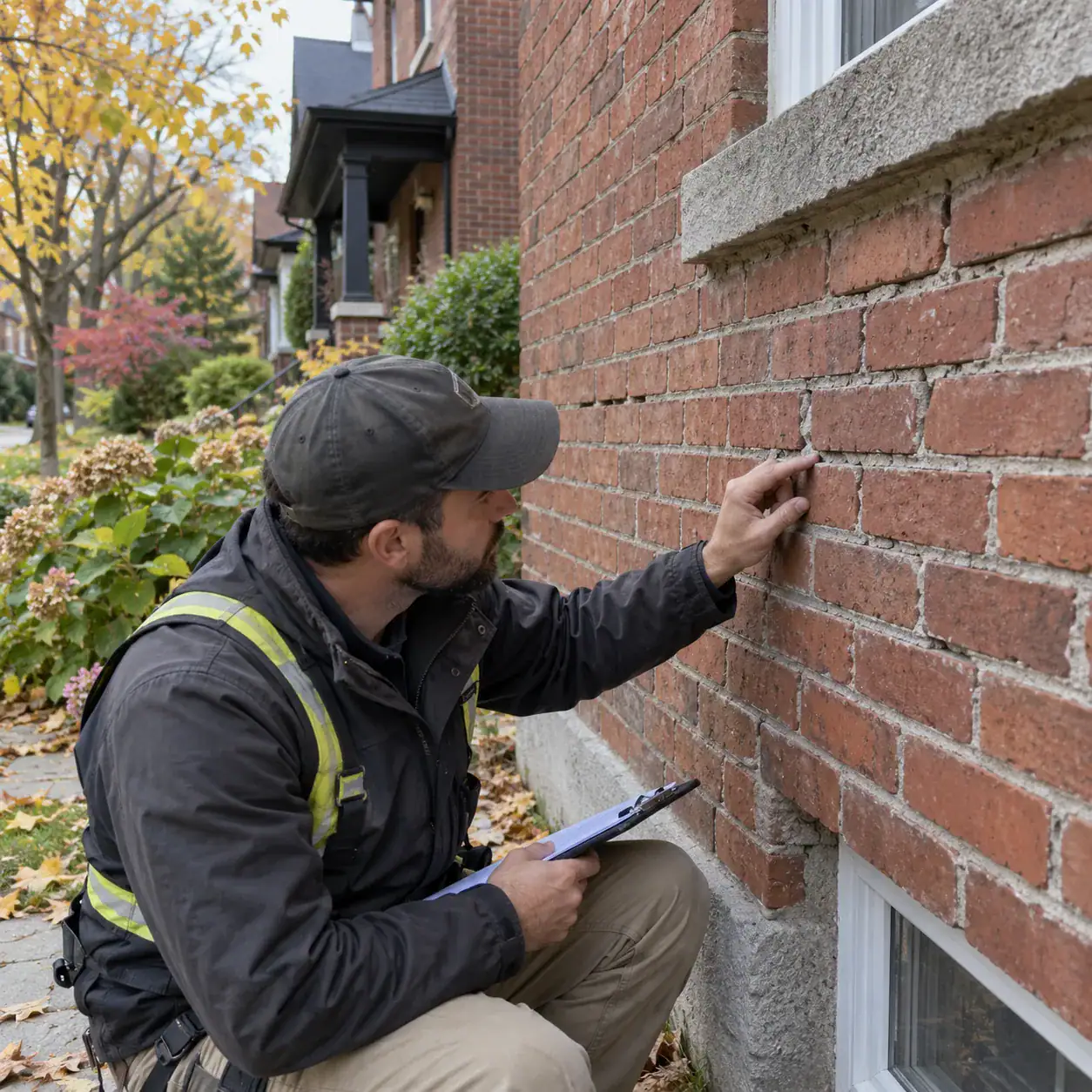
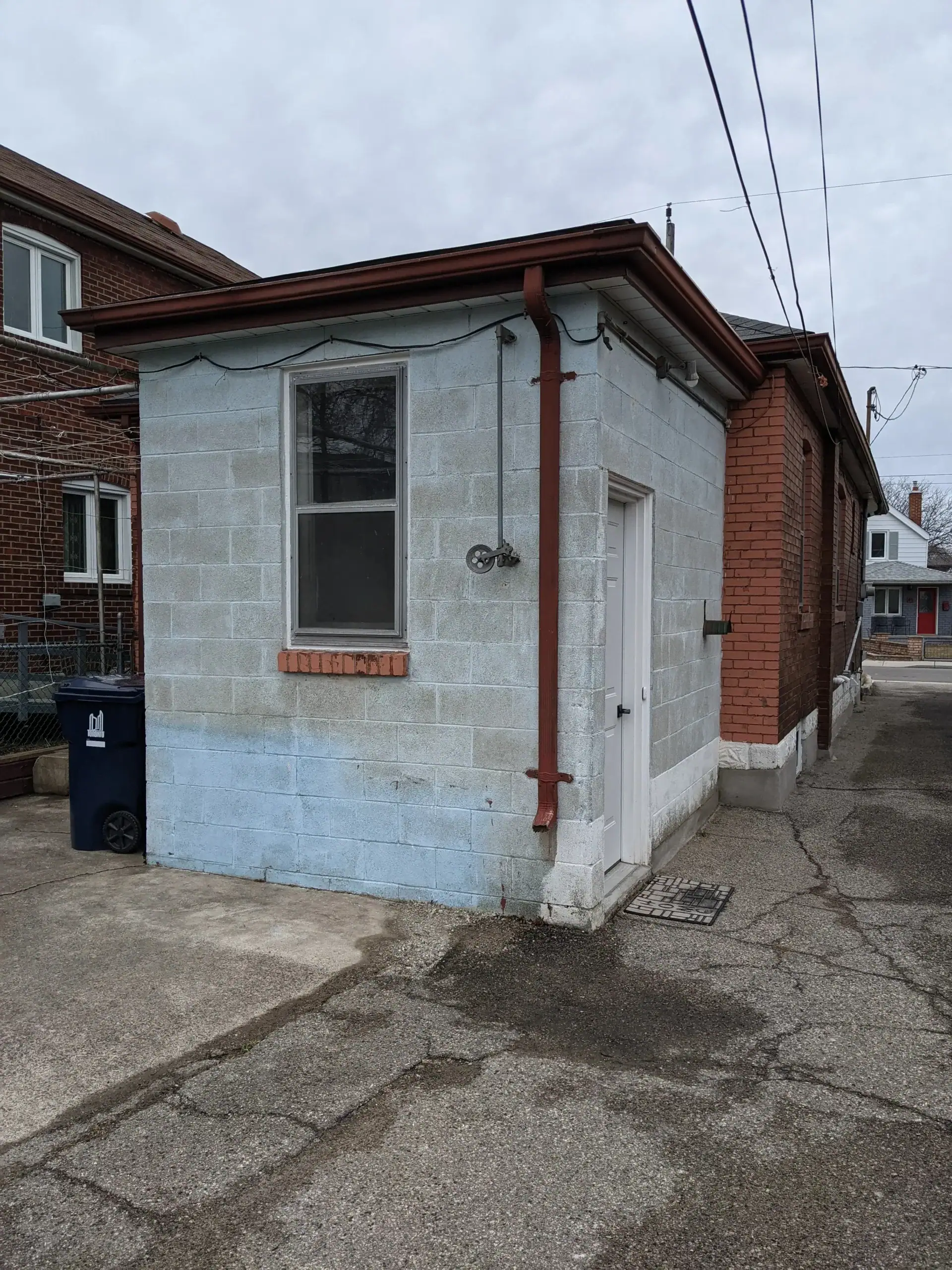
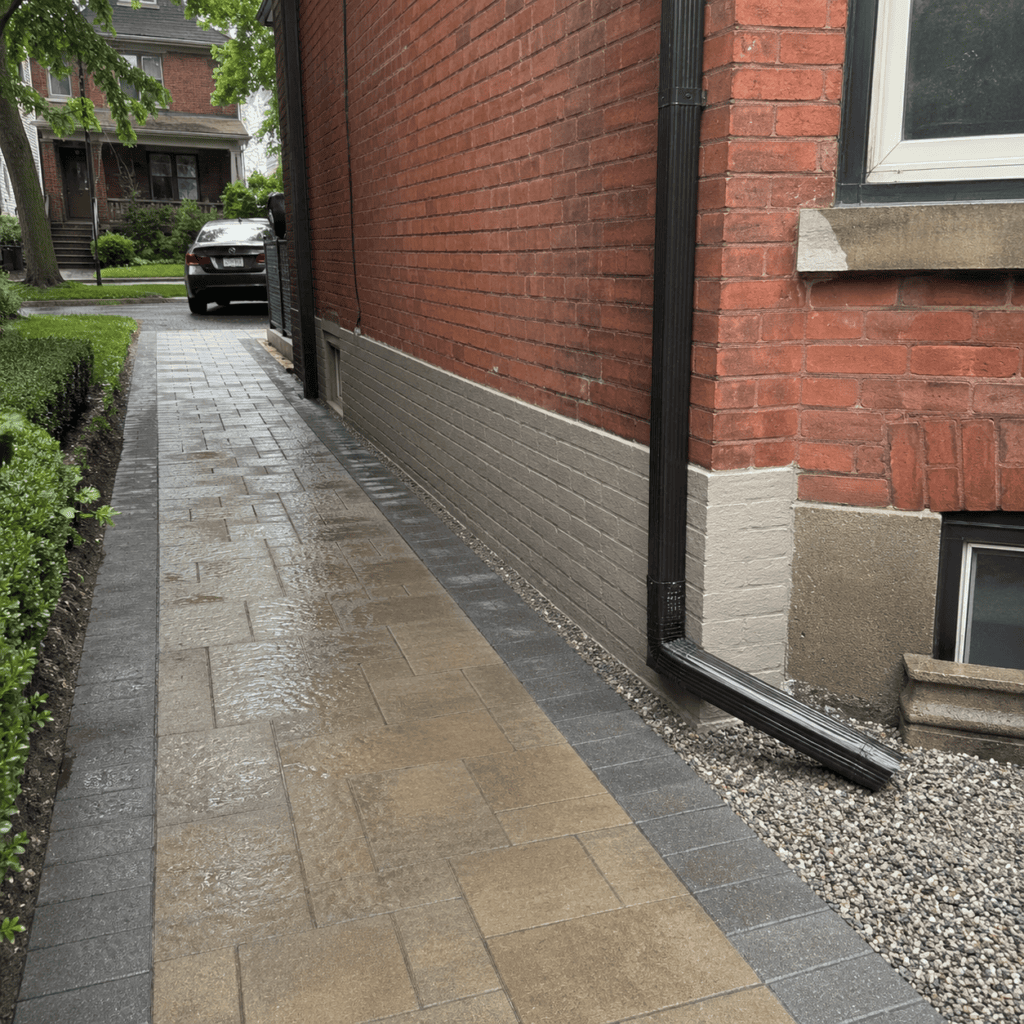
Mortar problems often appear before major wall damage. Mortar is the material between brick or stone units, and it helps shed water, hold units in place, and protect the wall from deeper moisture entry. When mortar begins to crack, crumble, recede, or turn sandy, the wall becomes more vulnerable.
A regular masonry checkup can identify mortar joints that need repointing before the surrounding brick deteriorates. This is especially important in older Toronto homes, where the brick may be softer than modern units. Using the wrong mortar or waiting too long can worsen the damage.
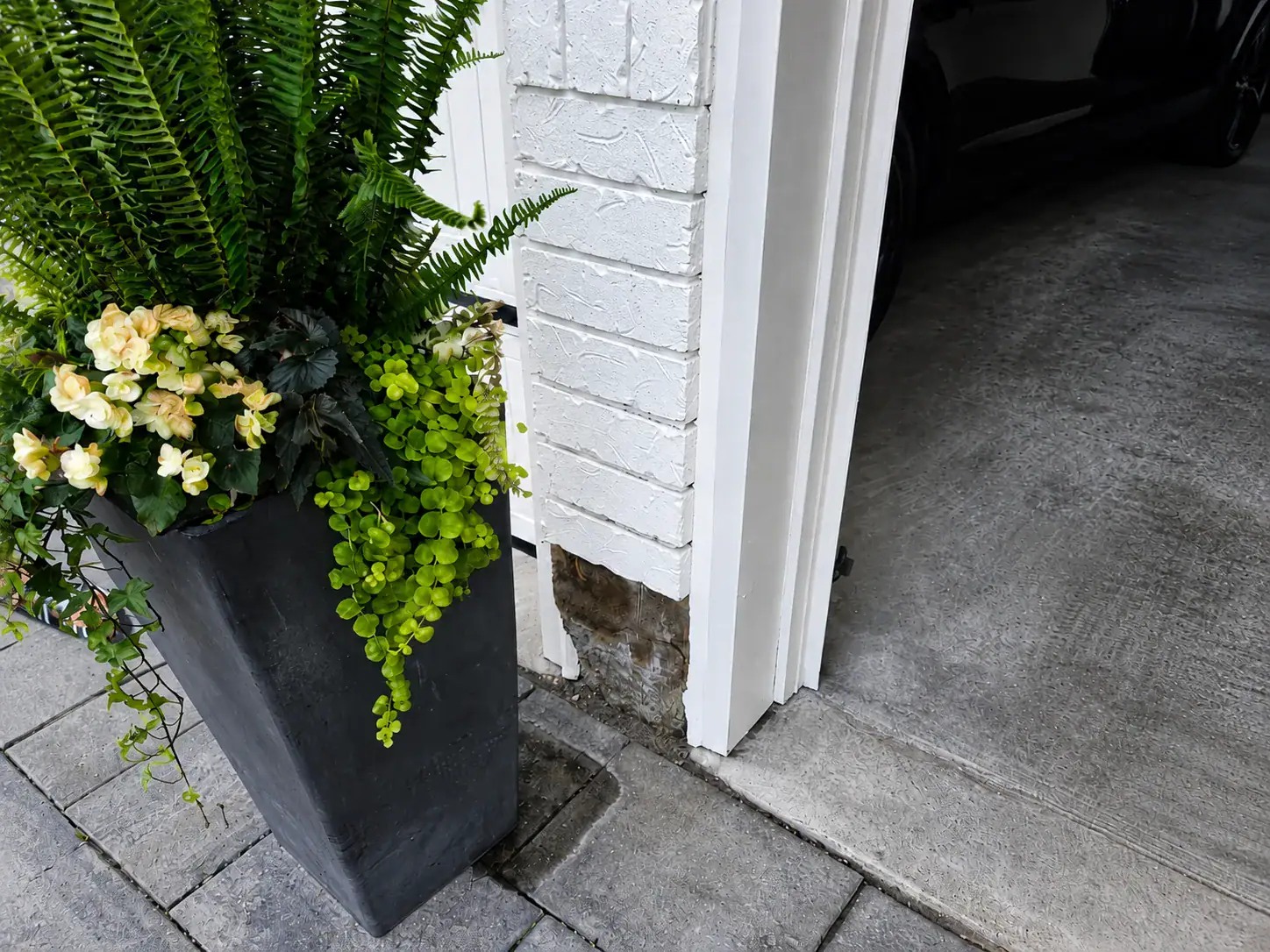
Signs of mortar trouble include missing joints, gaps between bricks, loose mortar dust, dark, wet joints, stair-step cracking, and patches that look newer but are already failing. These signs do not always mean the wall is unsafe, but they do mean the masonry needs attention.
For homeowners seeing open or crumbling joints, A&A Masonry’s tuckpointing services in Toronto page explains how proper mortar joint repair helps protect brickwork from water and freeze-thaw damage.
They Make Chimney Damage Easier to Spot
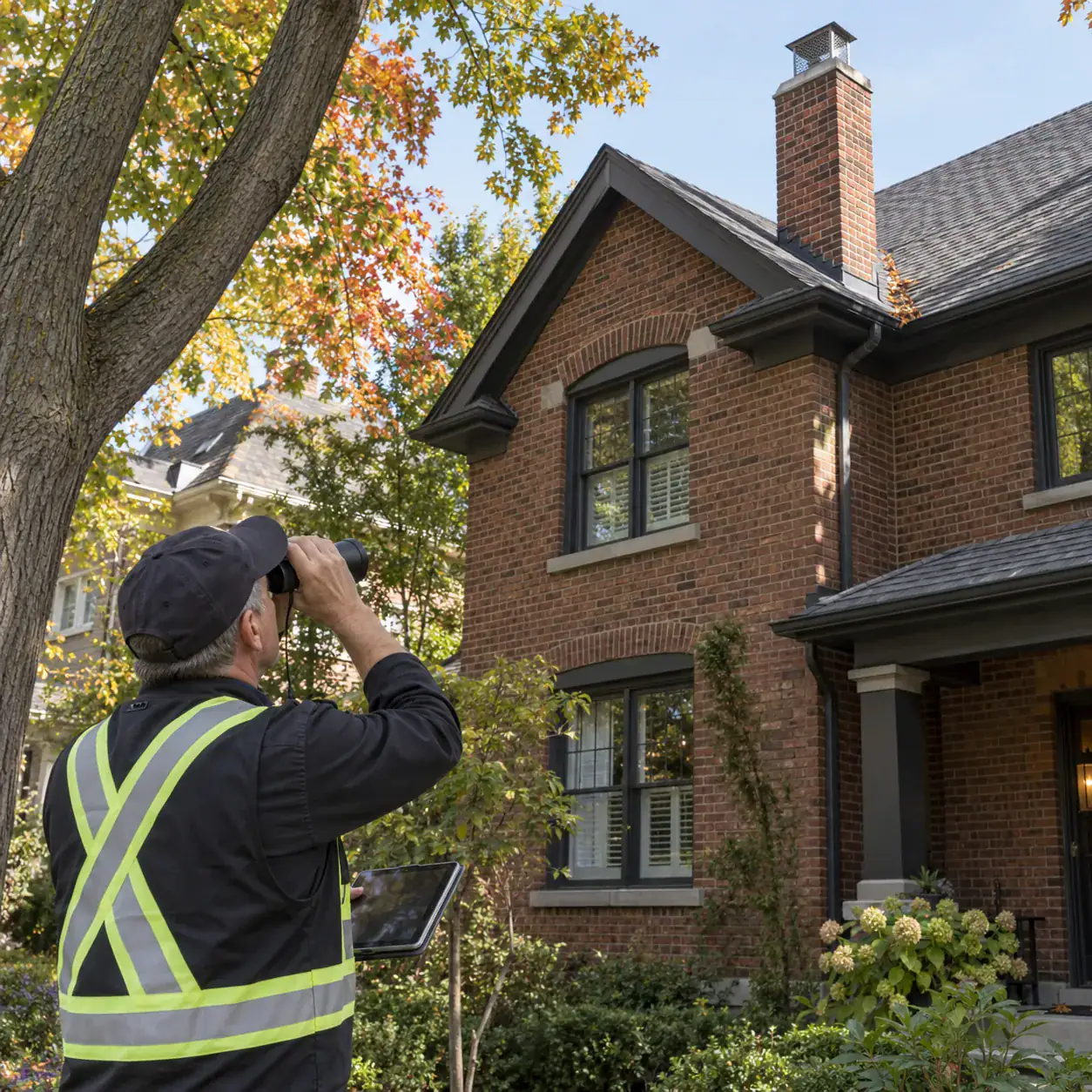
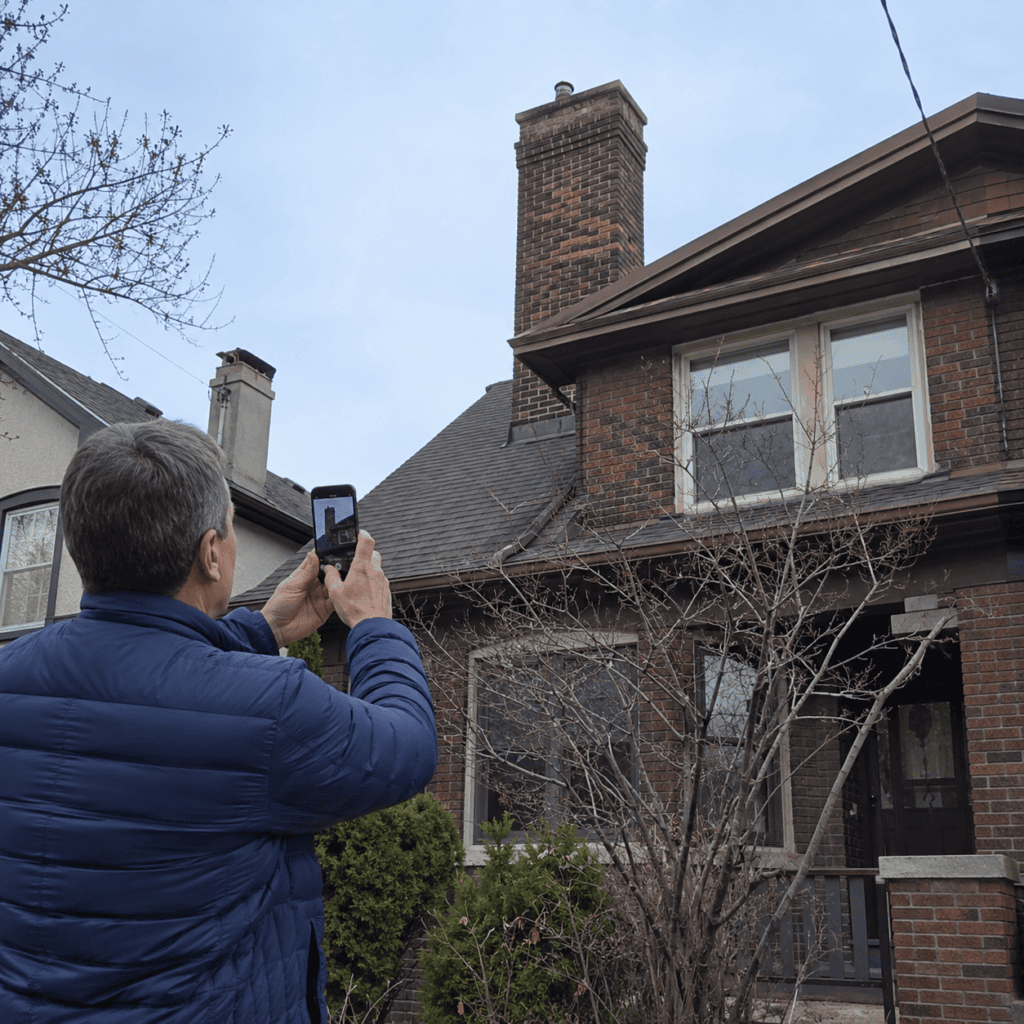
Regular masonry checkups help spot chimney damage, as chimneys are easy to overlook until there is a leak, a smoke issue, loose bricks, or visible cracking. A chimney sits above the roofline, where it faces rain, snow, wind, ice, sun, and temperature swings from all sides.
Common chimney warning signs include spalling brick, missing mortar, cracked crowns, loose caps, rust stains, leaning sections, and water stains near the fireplace or ceiling. Some damage may be visible only from a safe, ground-level view with zoom or during a professional inspection.
Chimney issues can affect more than appearance. Water entering through a damaged crown, missing cap, or open mortar joint can damage the flue, liner, surrounding masonry, and nearby roofline materials. A checkup can help identify whether the chimney needs simple maintenance, tuckpointing, brick replacement, crown repair, cap repair, or a more detailed review.
If your chimney shows visible wear, A&A Masonry’s chimney repair Toronto page explains common chimney repair needs for Toronto homes.
They Help Prevent Bigger Concrete and Step Repairs
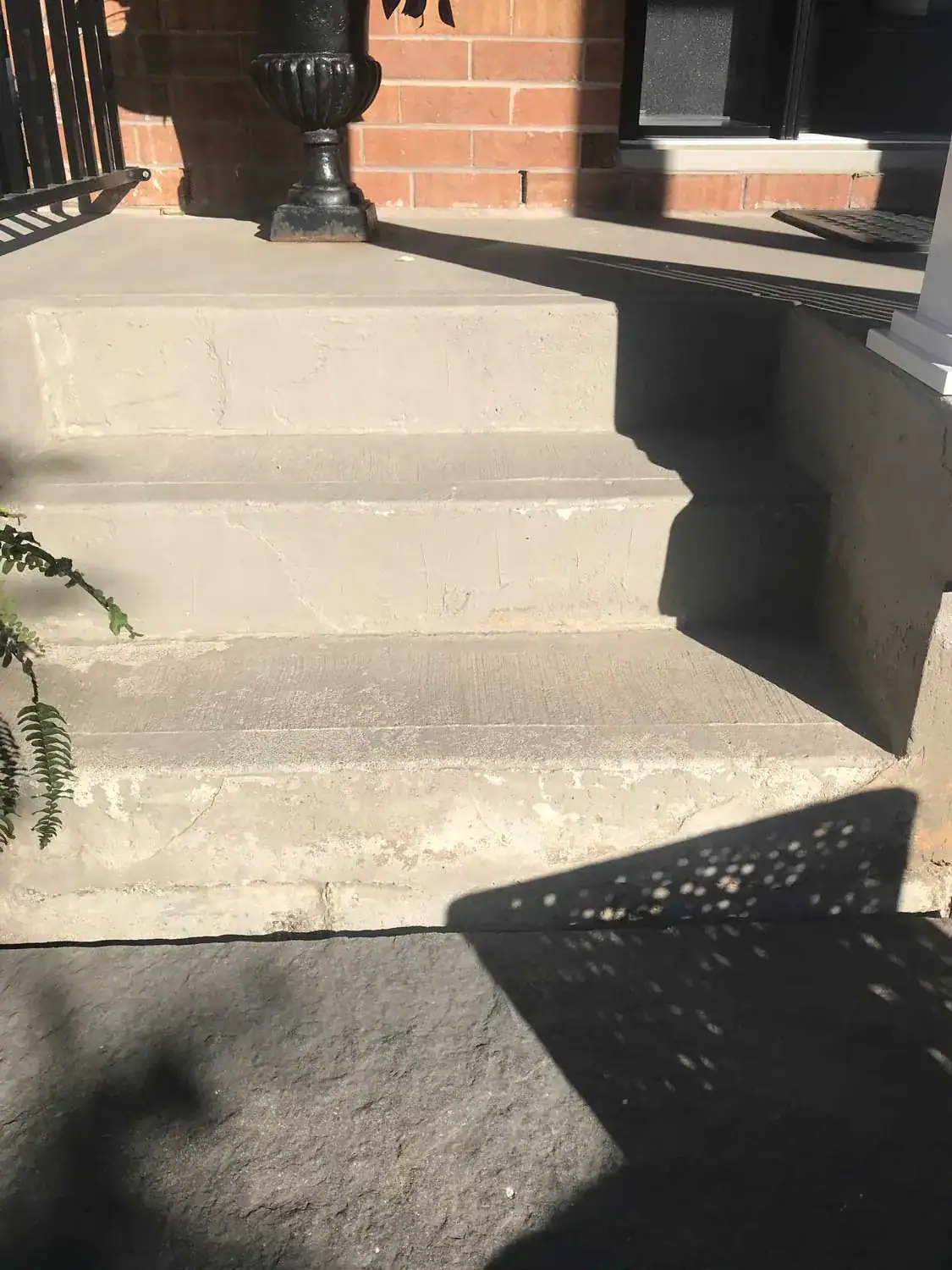
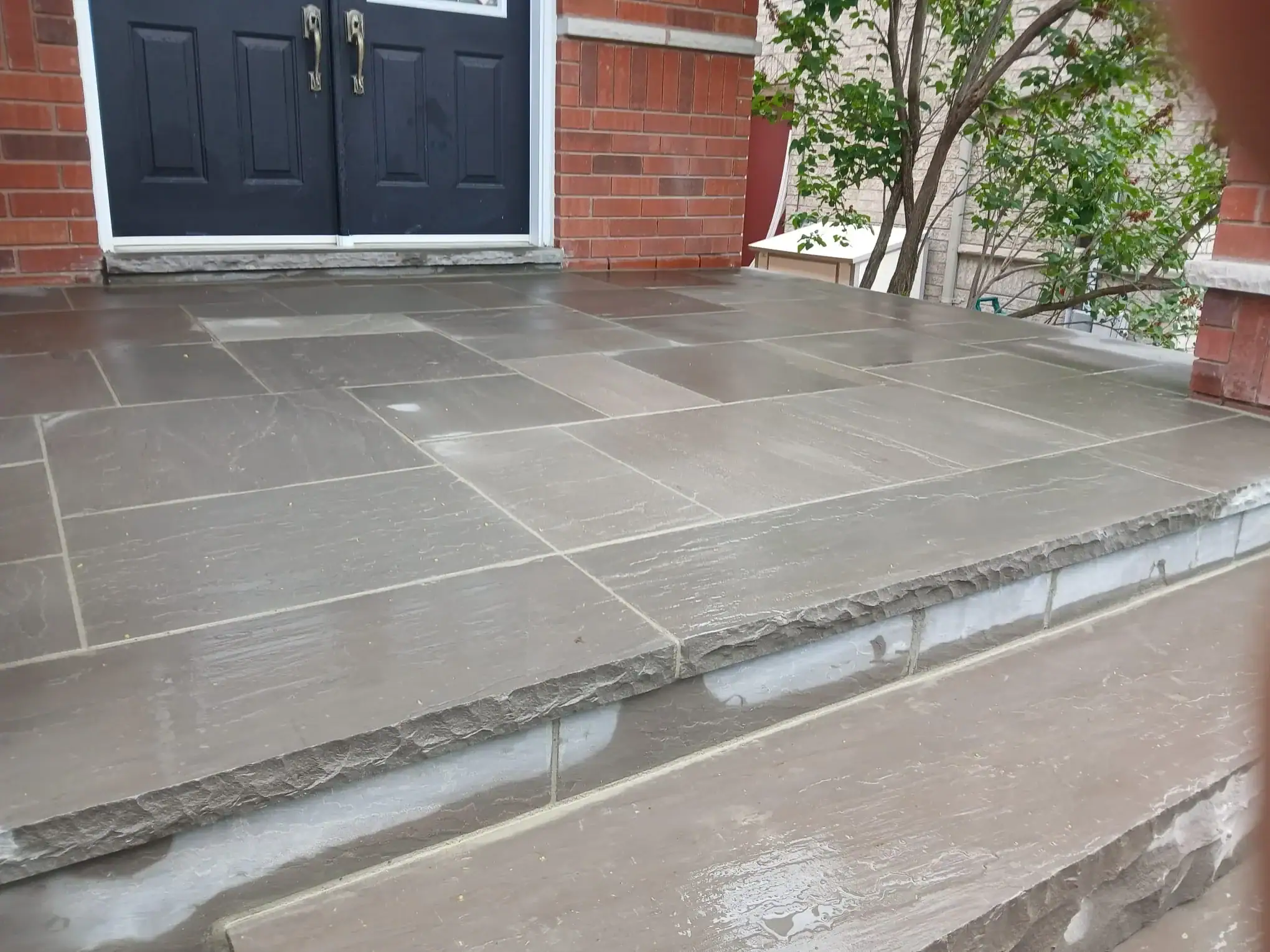
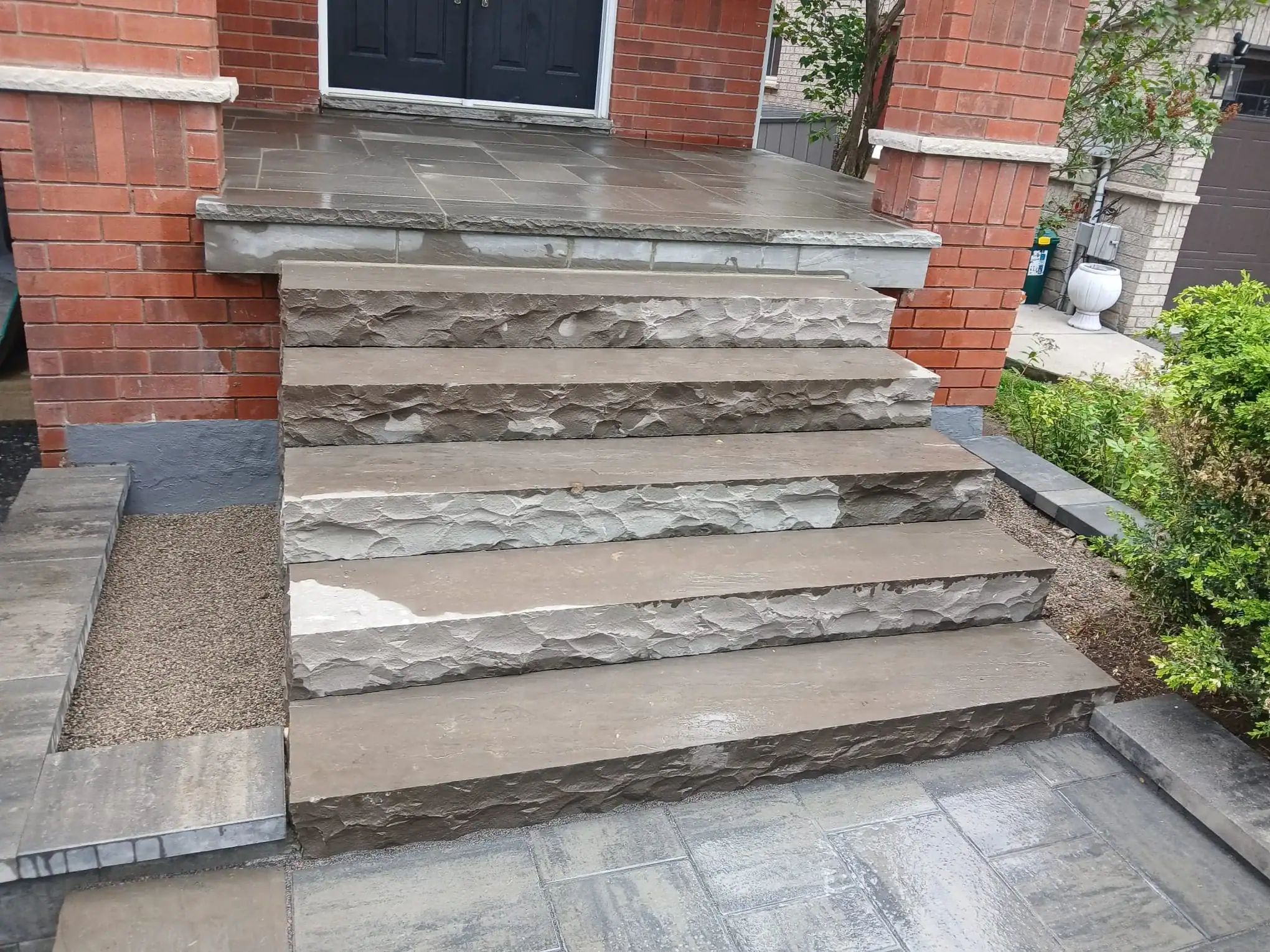
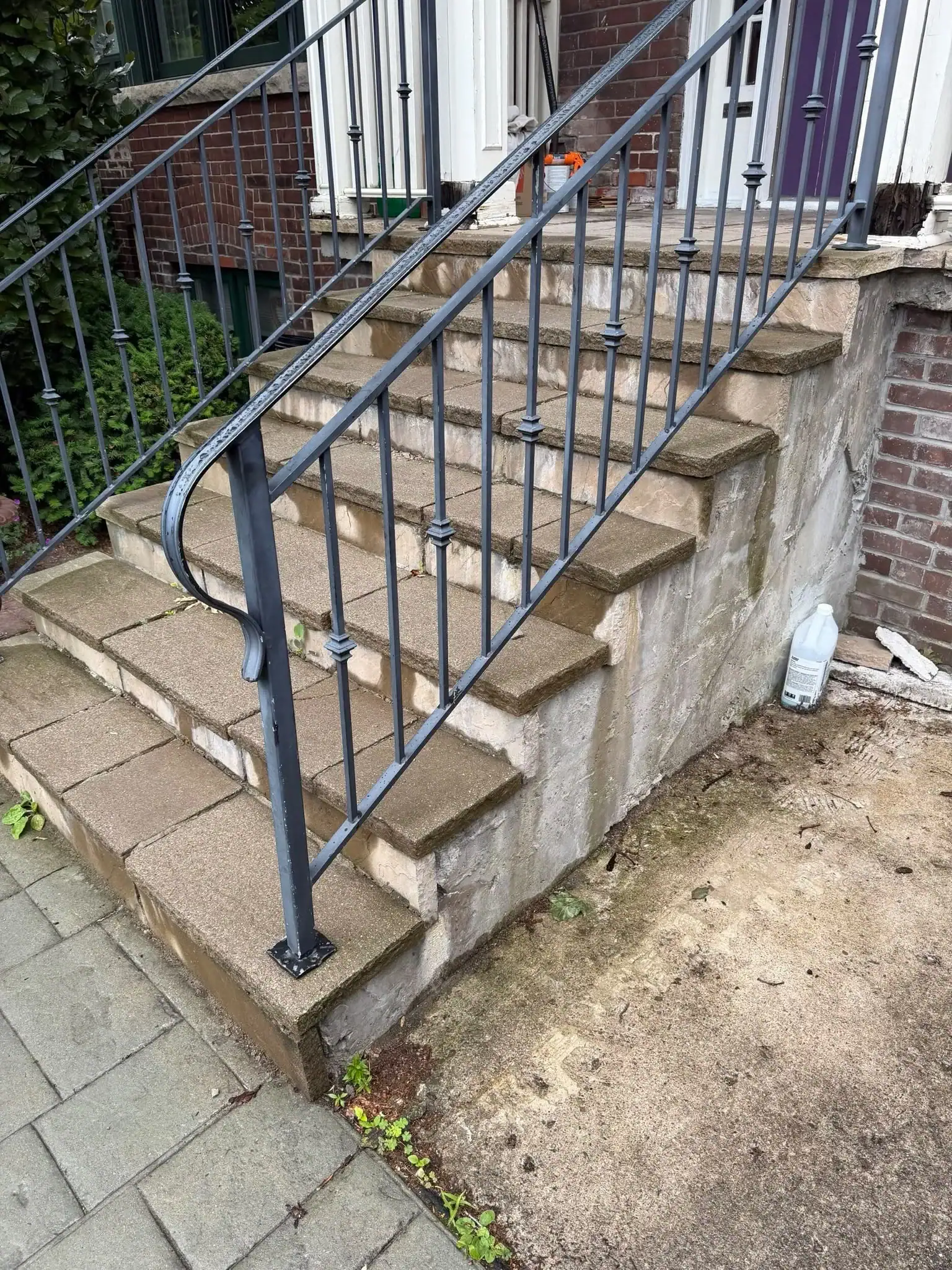
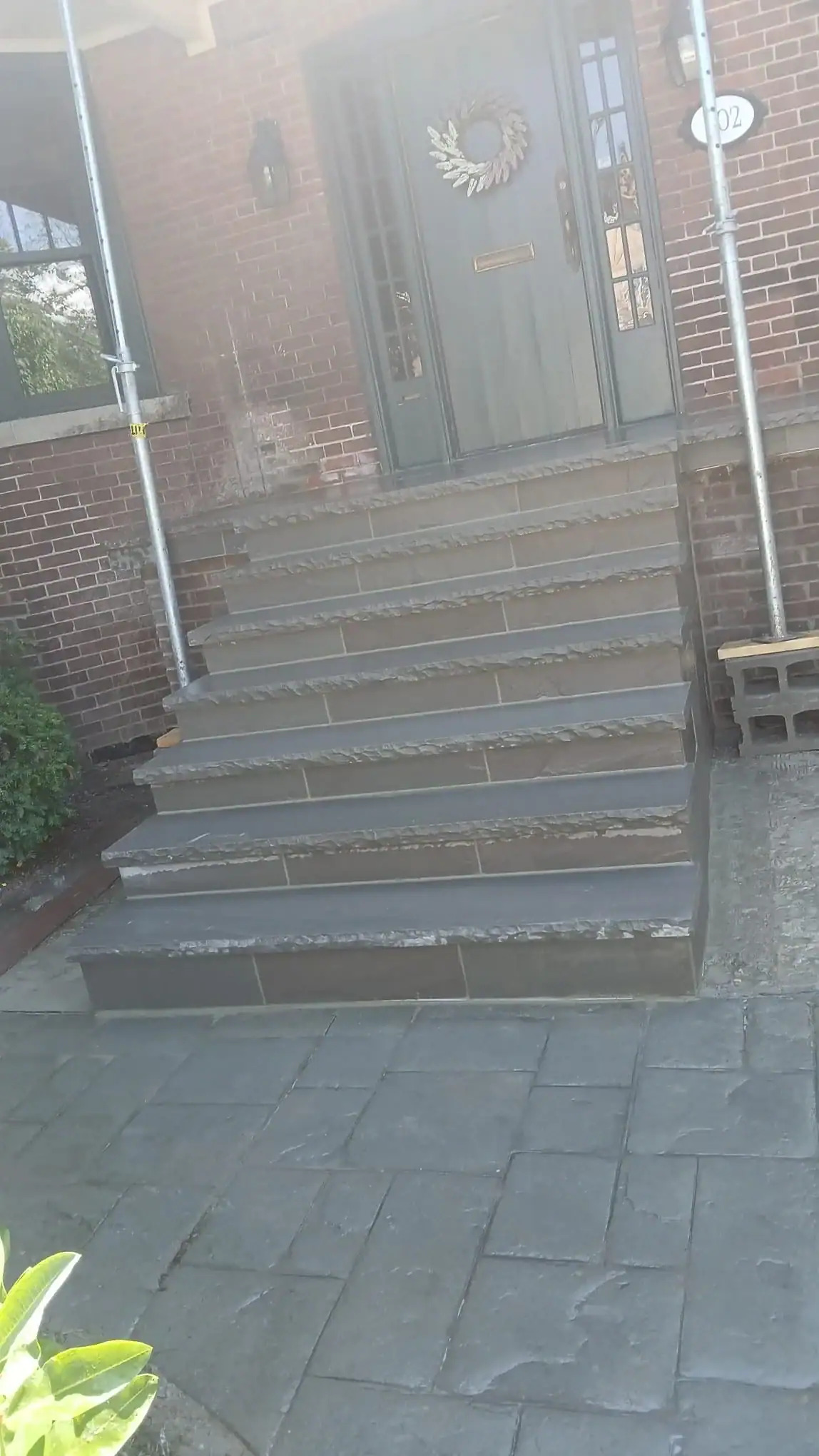
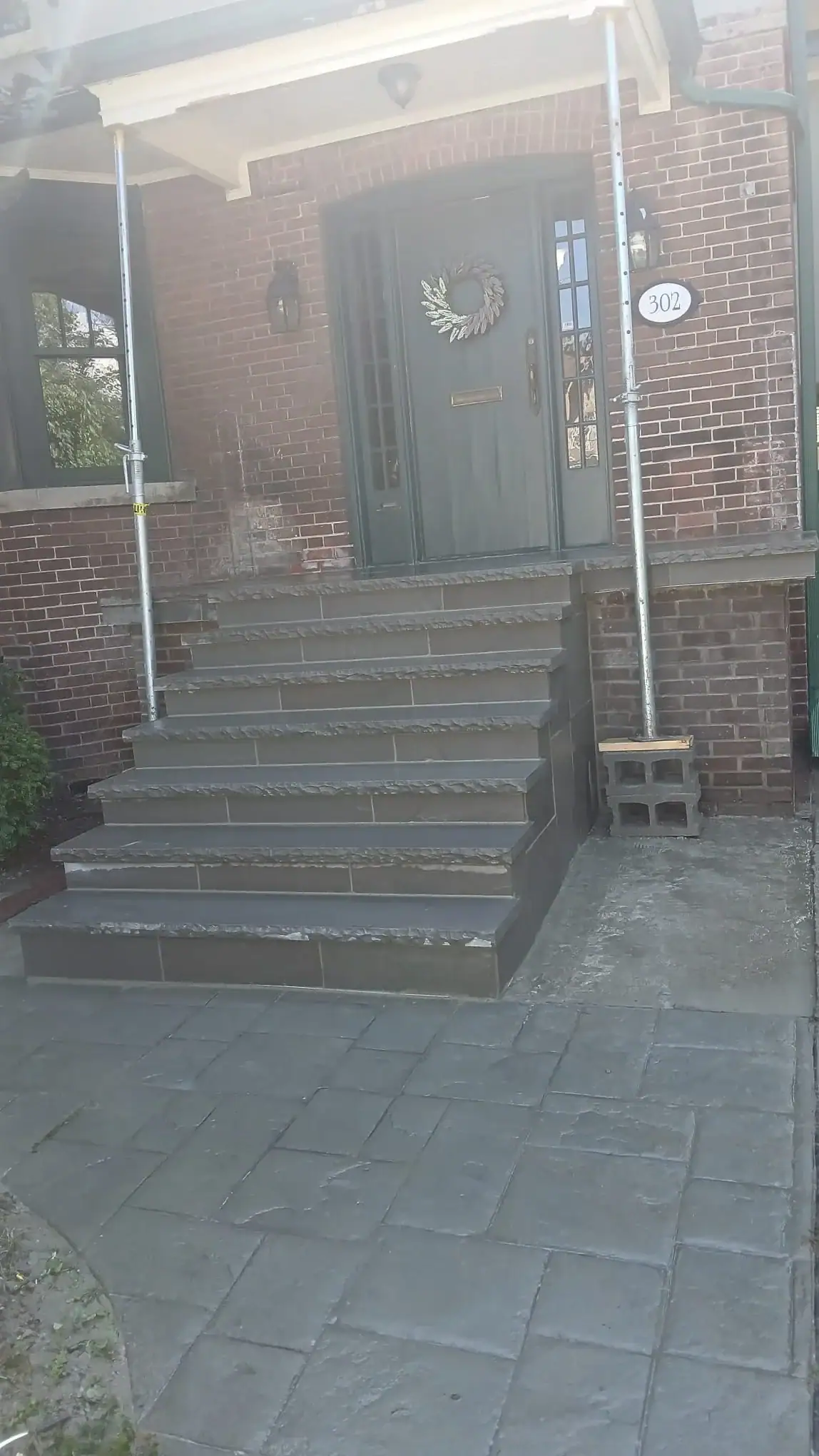
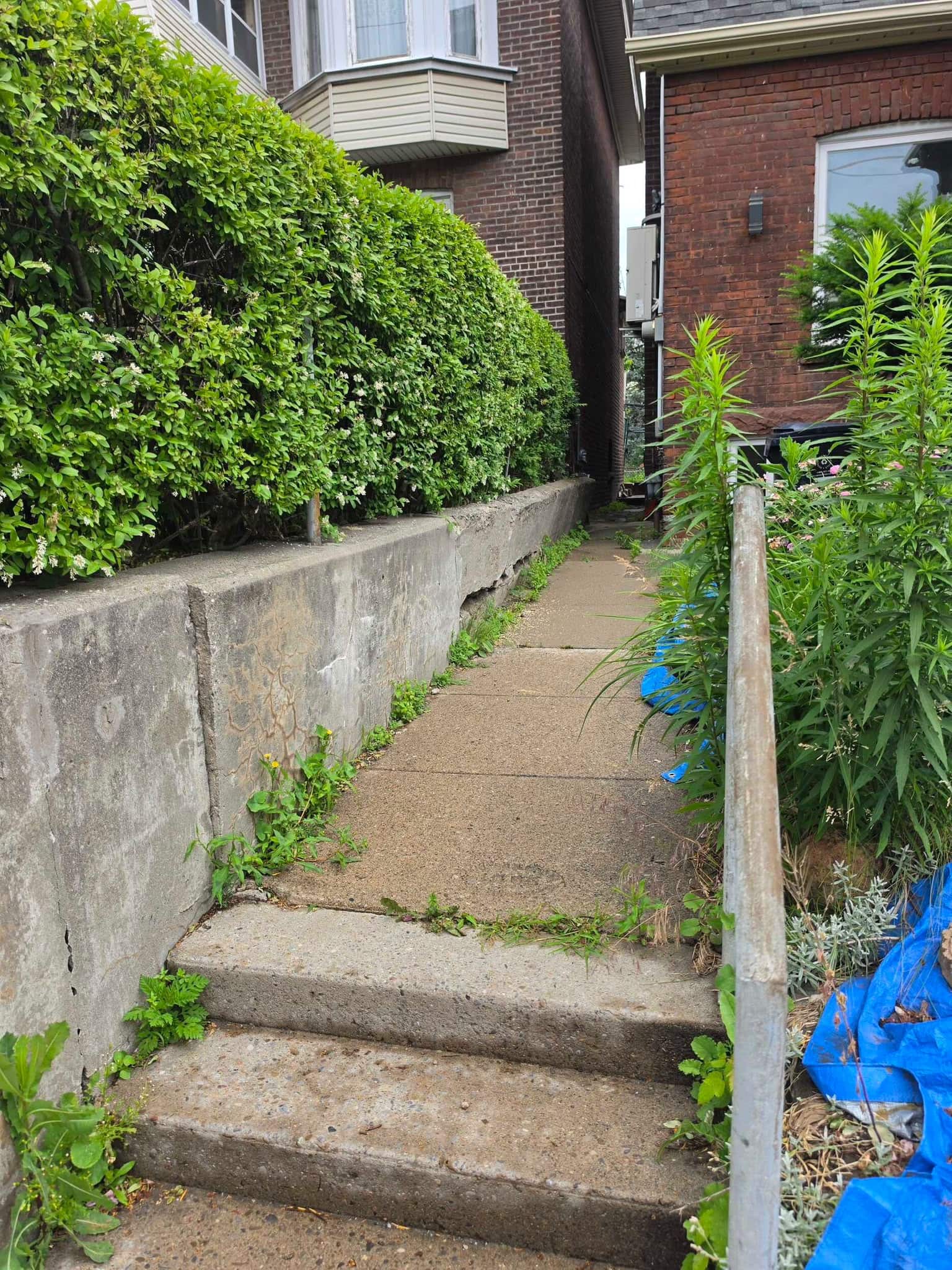
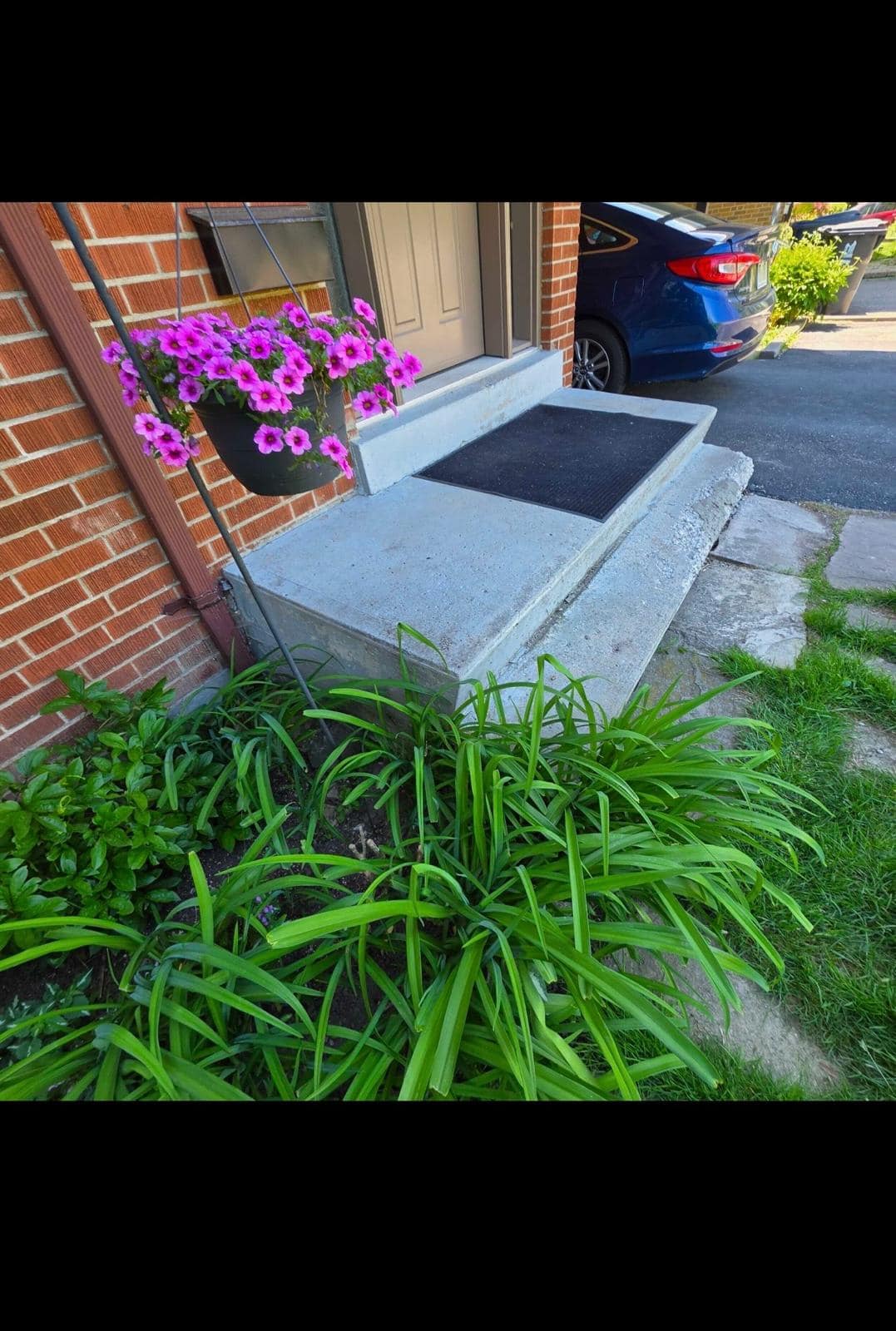
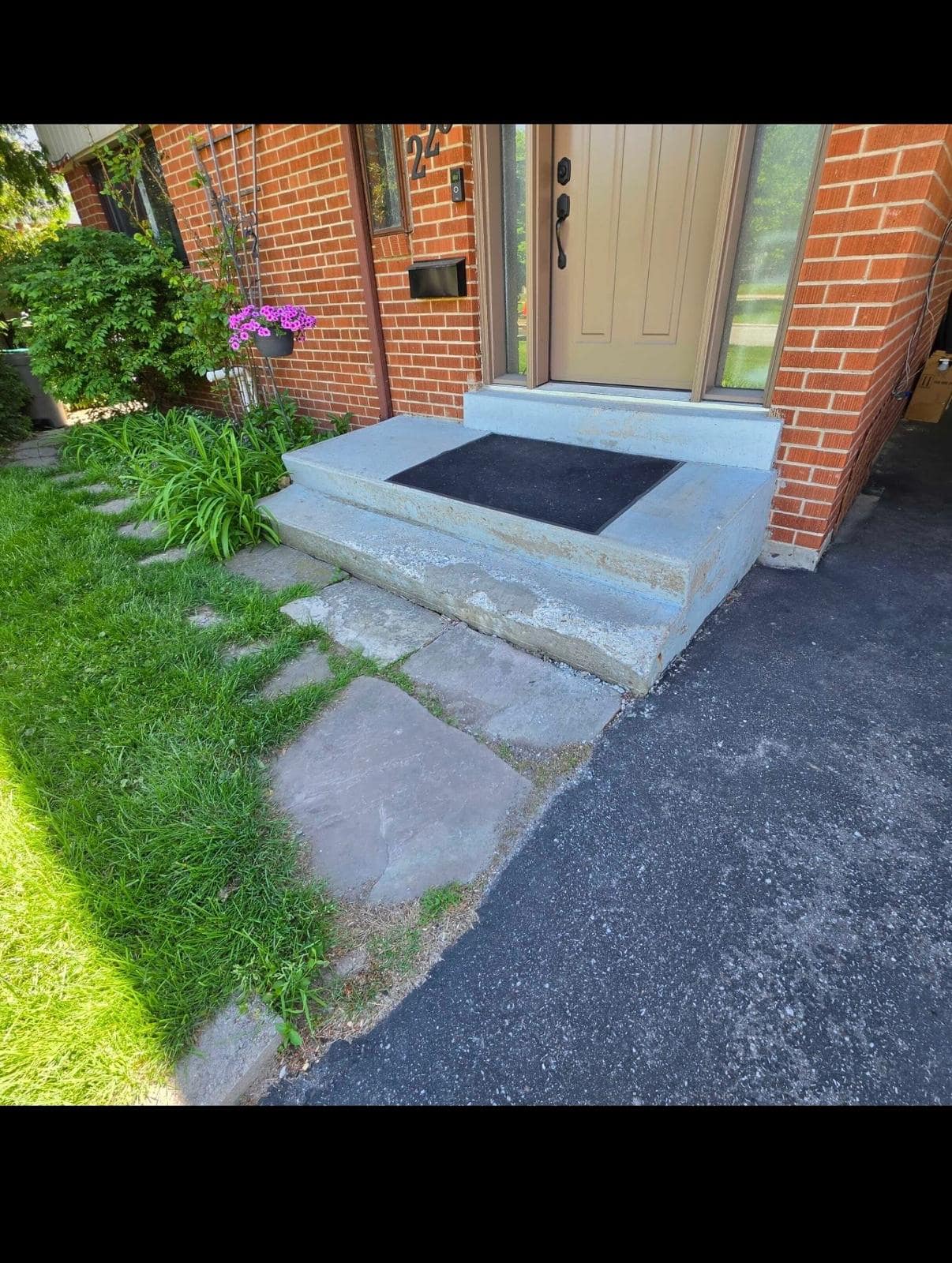
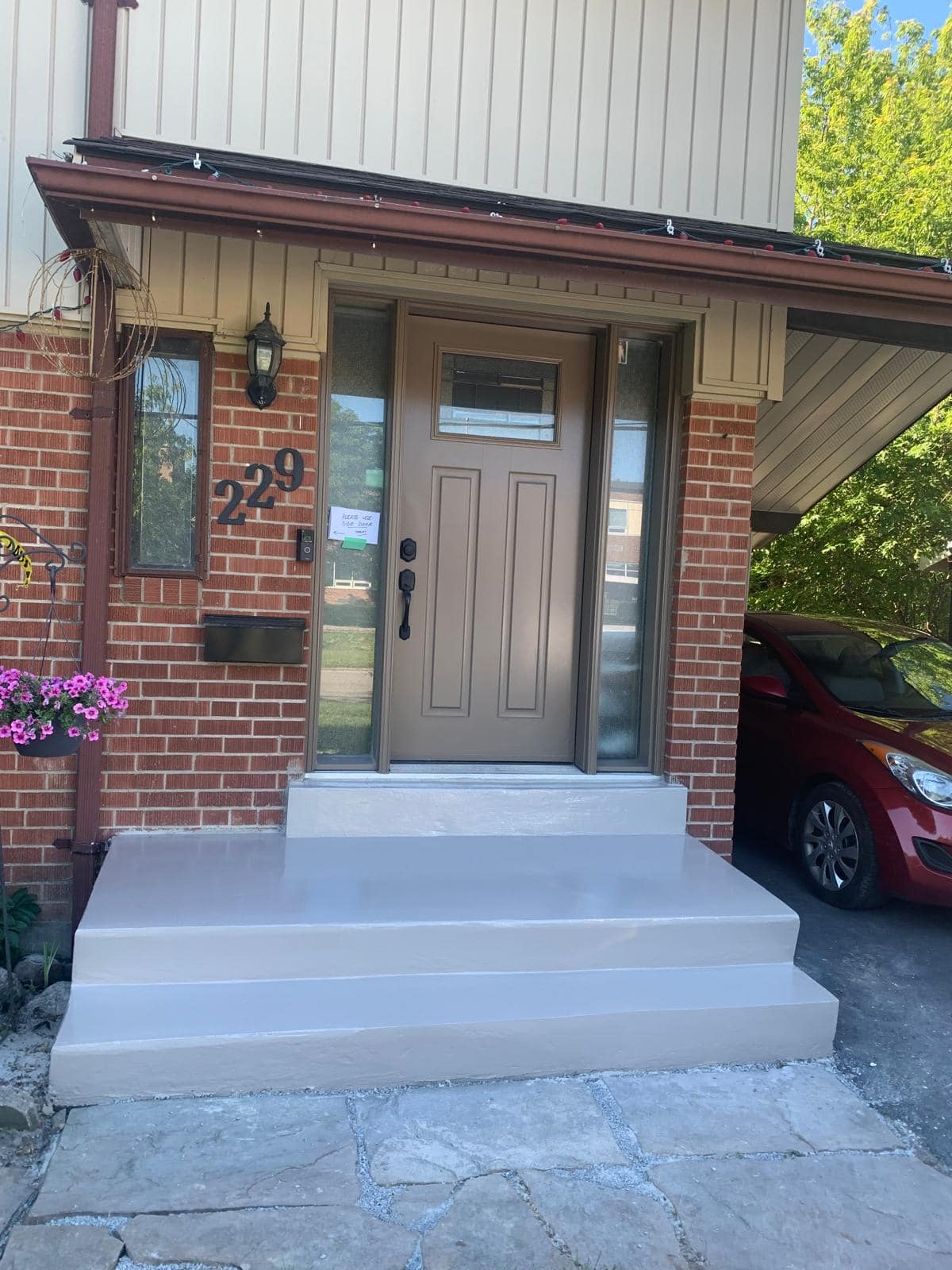
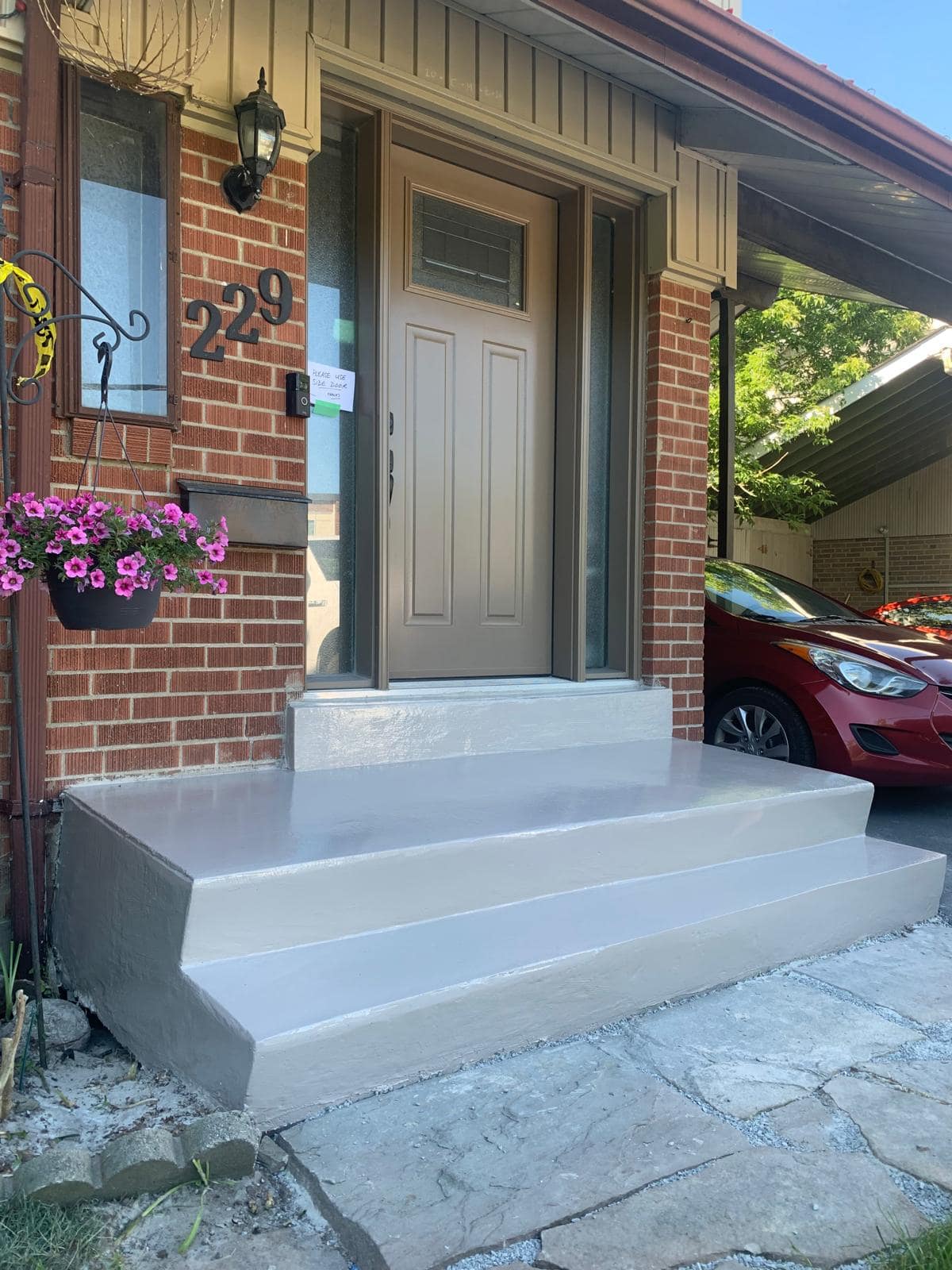
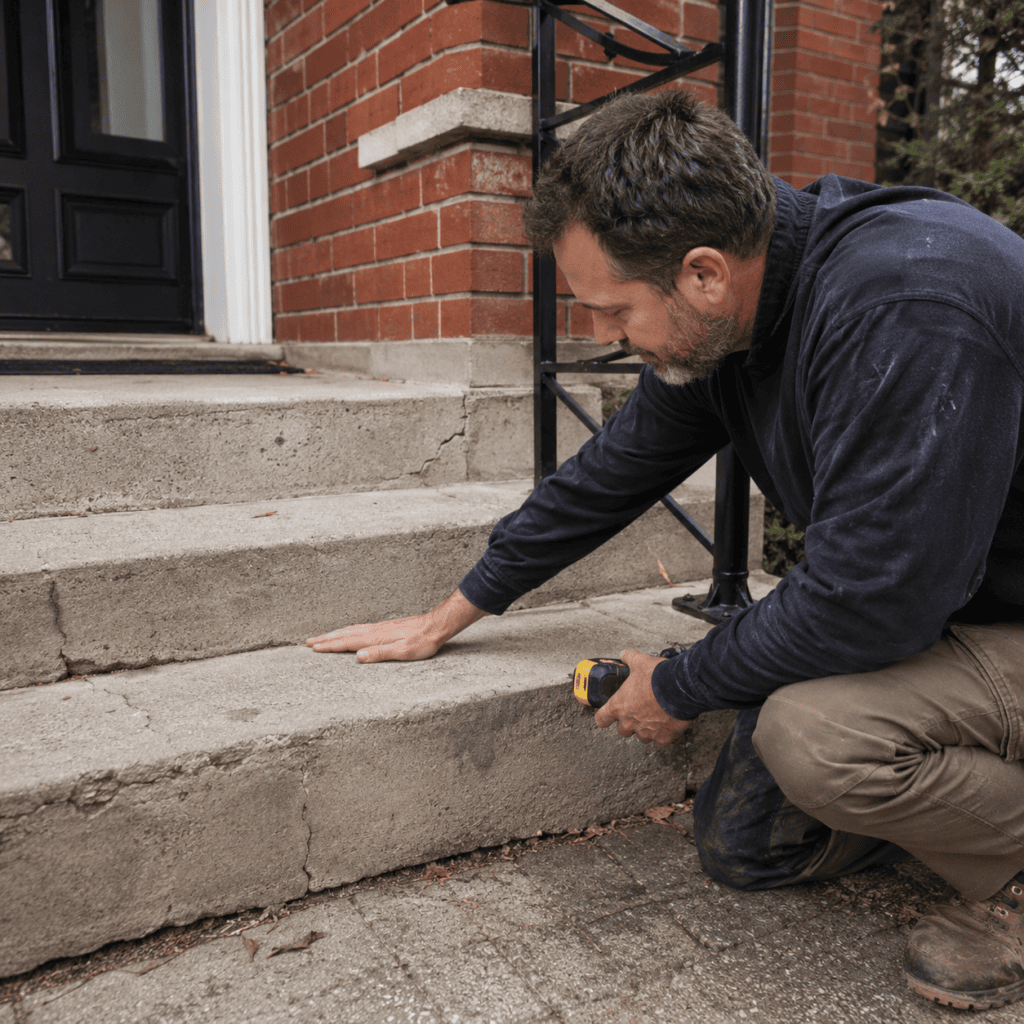
Regular checkups help prevent bigger concrete and step repairs by identifying cracks, surface scaling, uneven movement, loose edges, and drainage problems early. Concrete steps, porches, walkways, and driveways are exposed to salt, ice, foot traffic, snow-clearing, and freeze-thaw cycles.
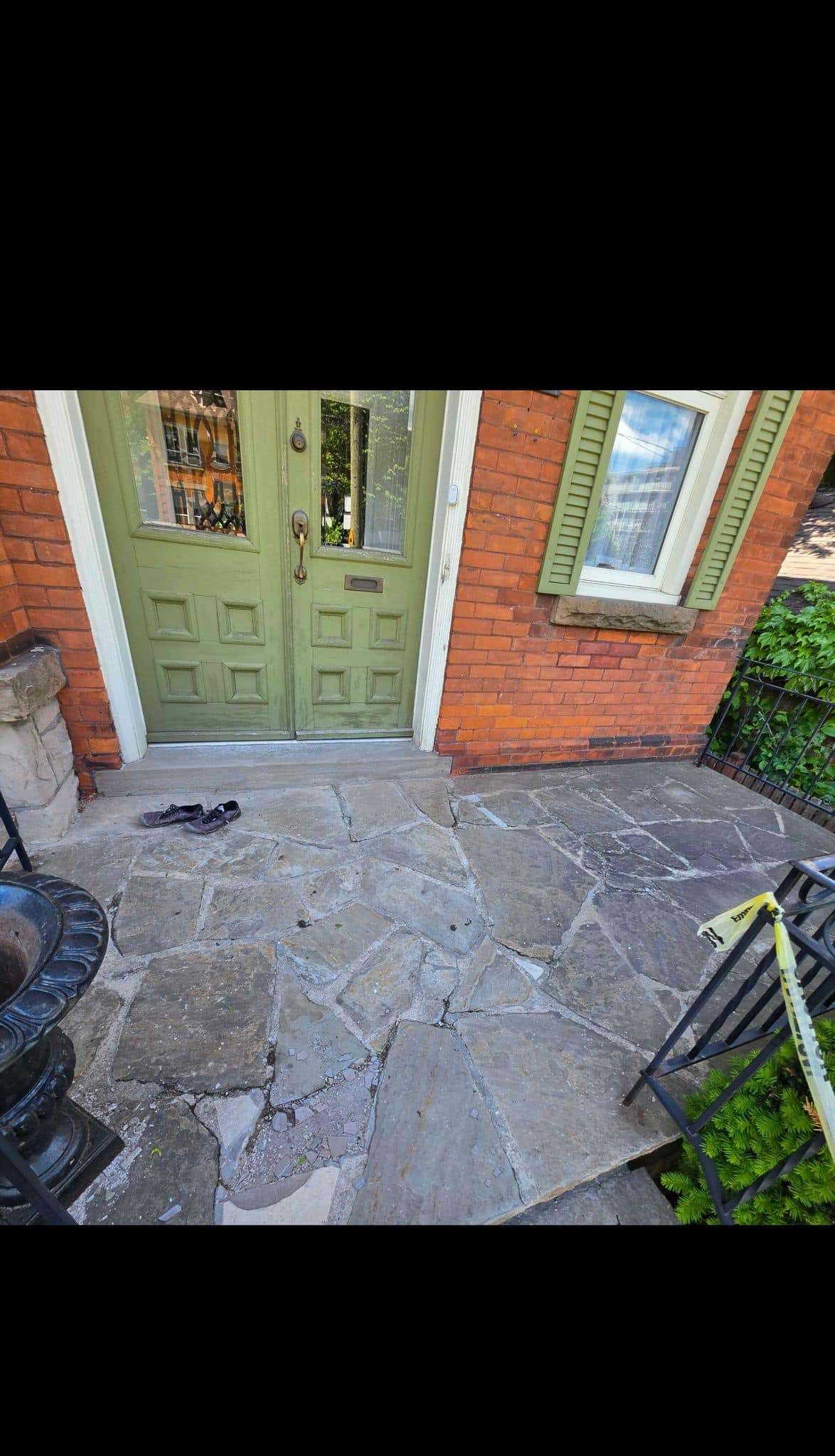
A small crack in concrete may seem harmless, but water can enter the crack and widen it during winter. Surface scaling can spread if moisture and salt continue to attack the top layer. Uneven steps can become safety concerns, especially when wet, icy, or poorly lit.
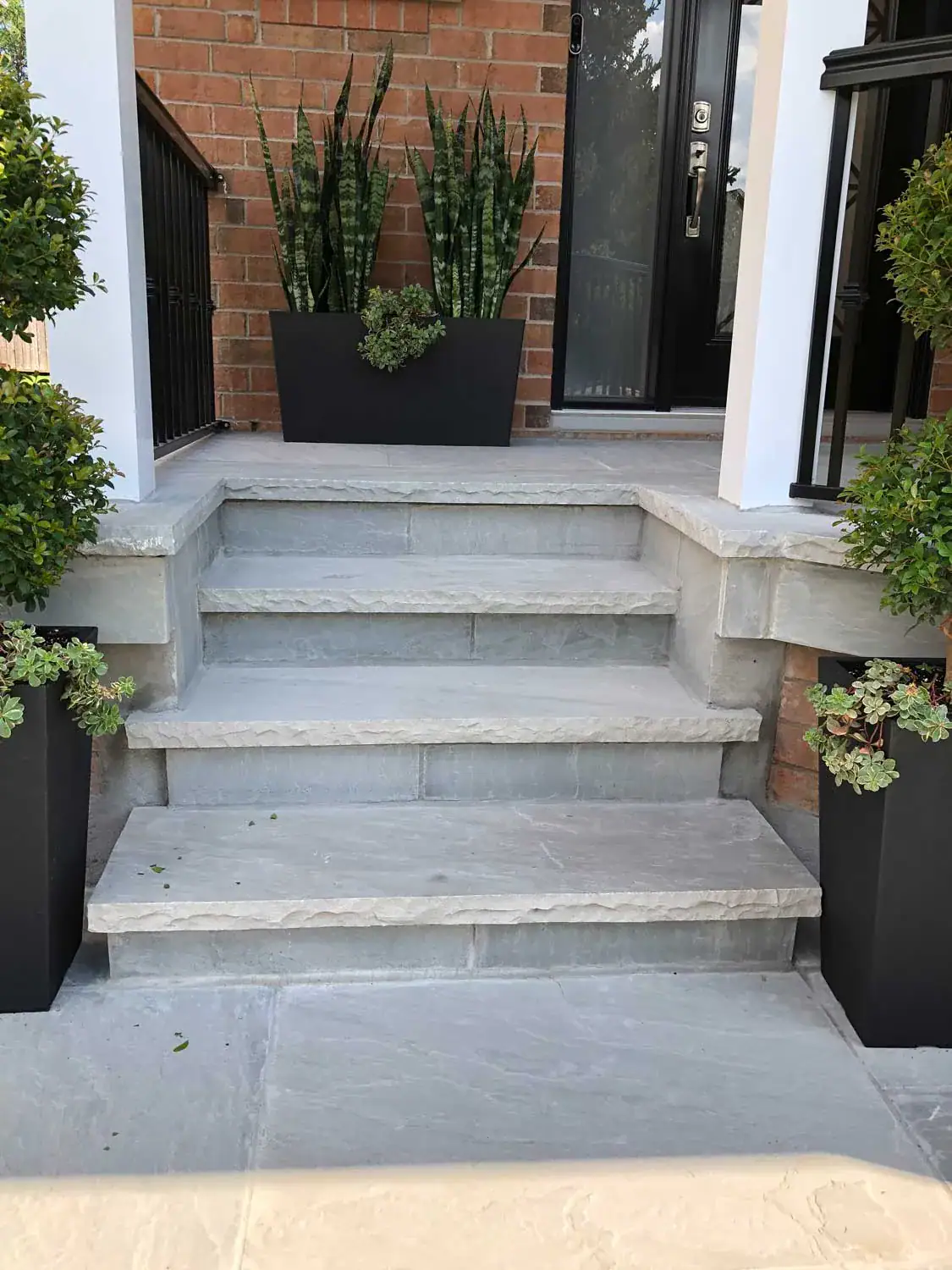
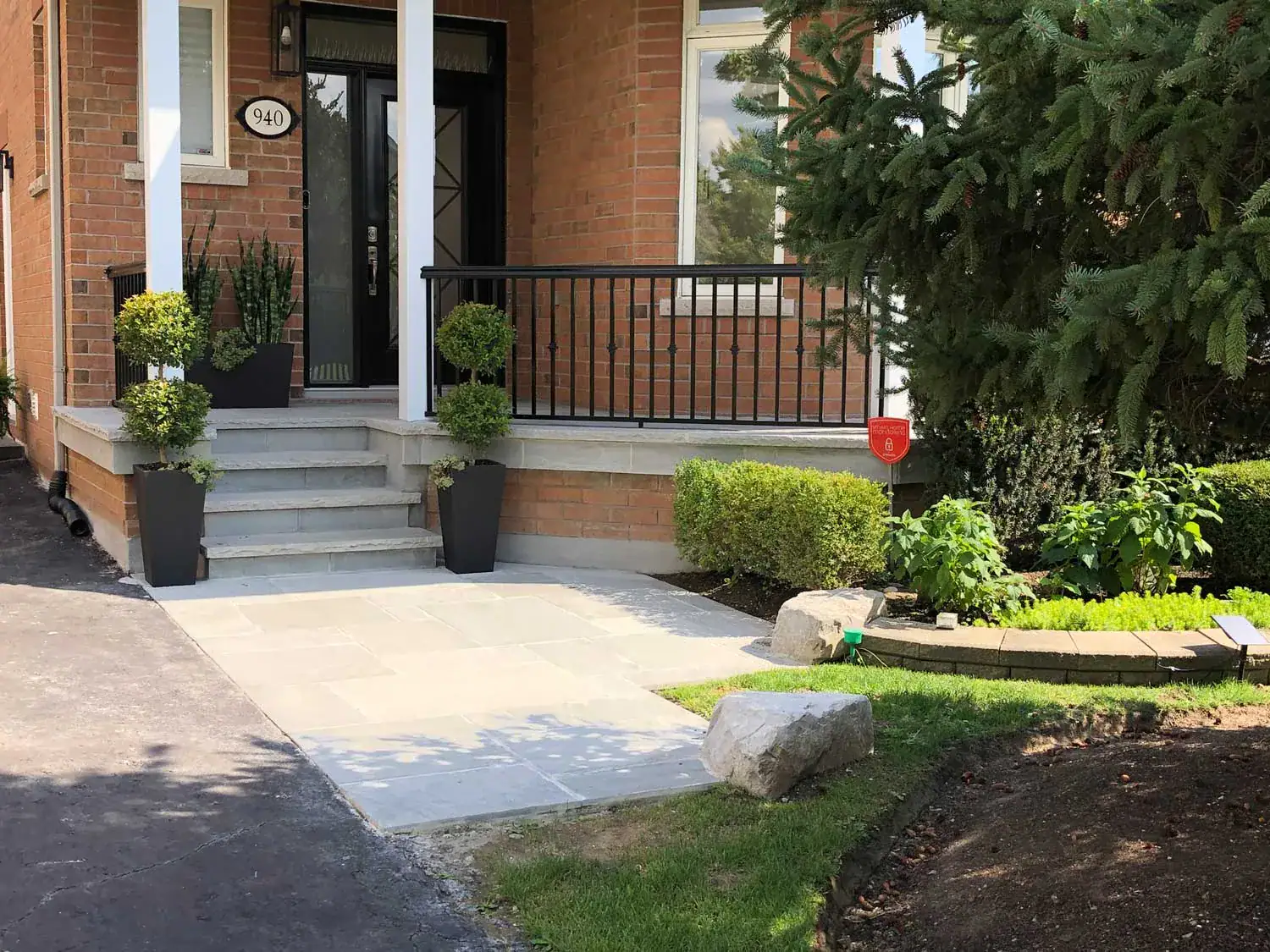
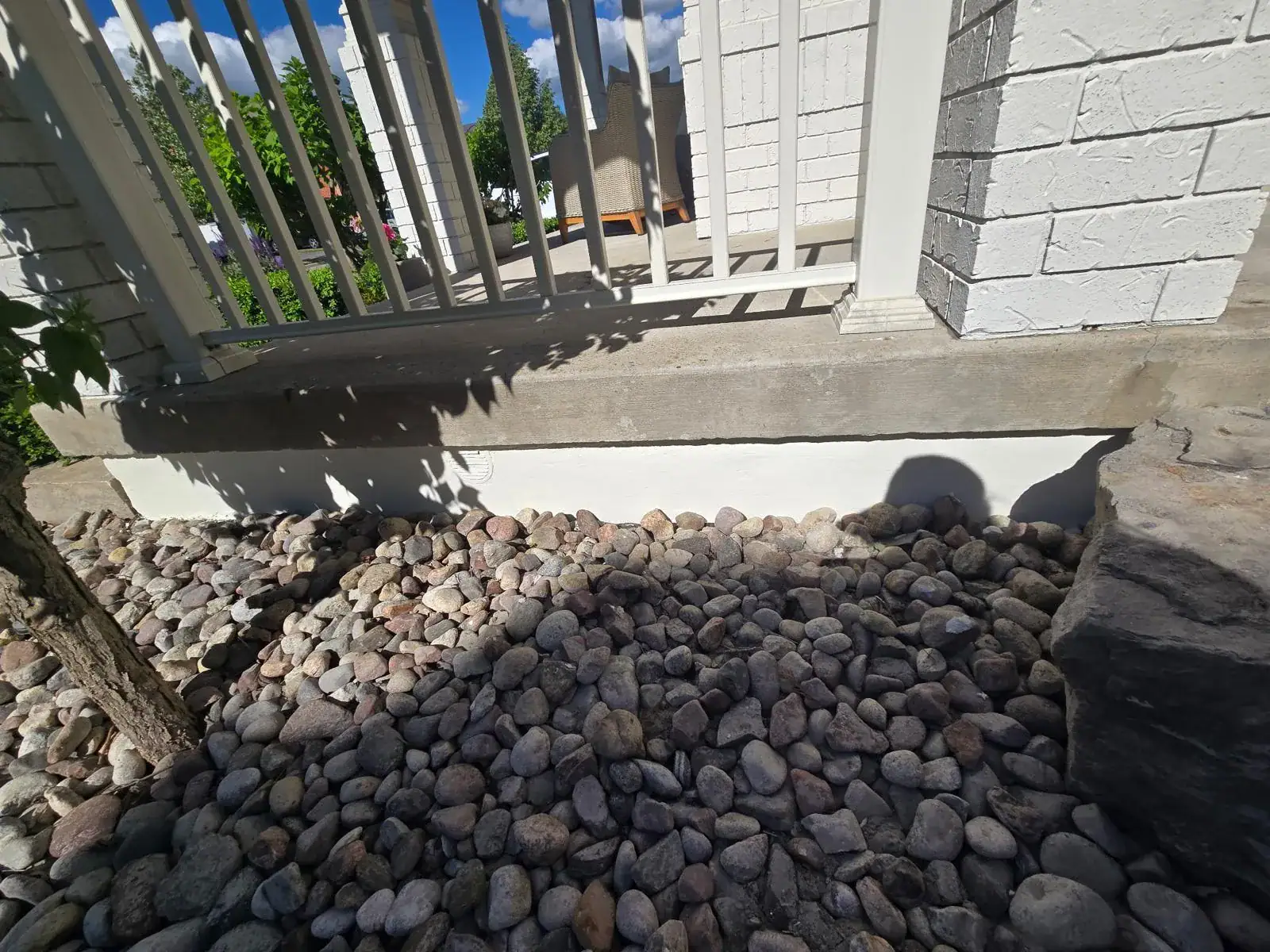
A masonry checkup should include concrete surfaces around the home, not only brick walls. Look for cracks, loose corners, flaking surfaces, pooling water, sinking slabs, and steps that have shifted away from the porch or foundation.
If concrete areas show visible deterioration, A&A Masonry’s concrete repair Toronto page gives helpful context for cracked, crumbling, uneven, or weather-damaged concrete surfaces.
They Support Better Foundation and Waterproofing Decisions
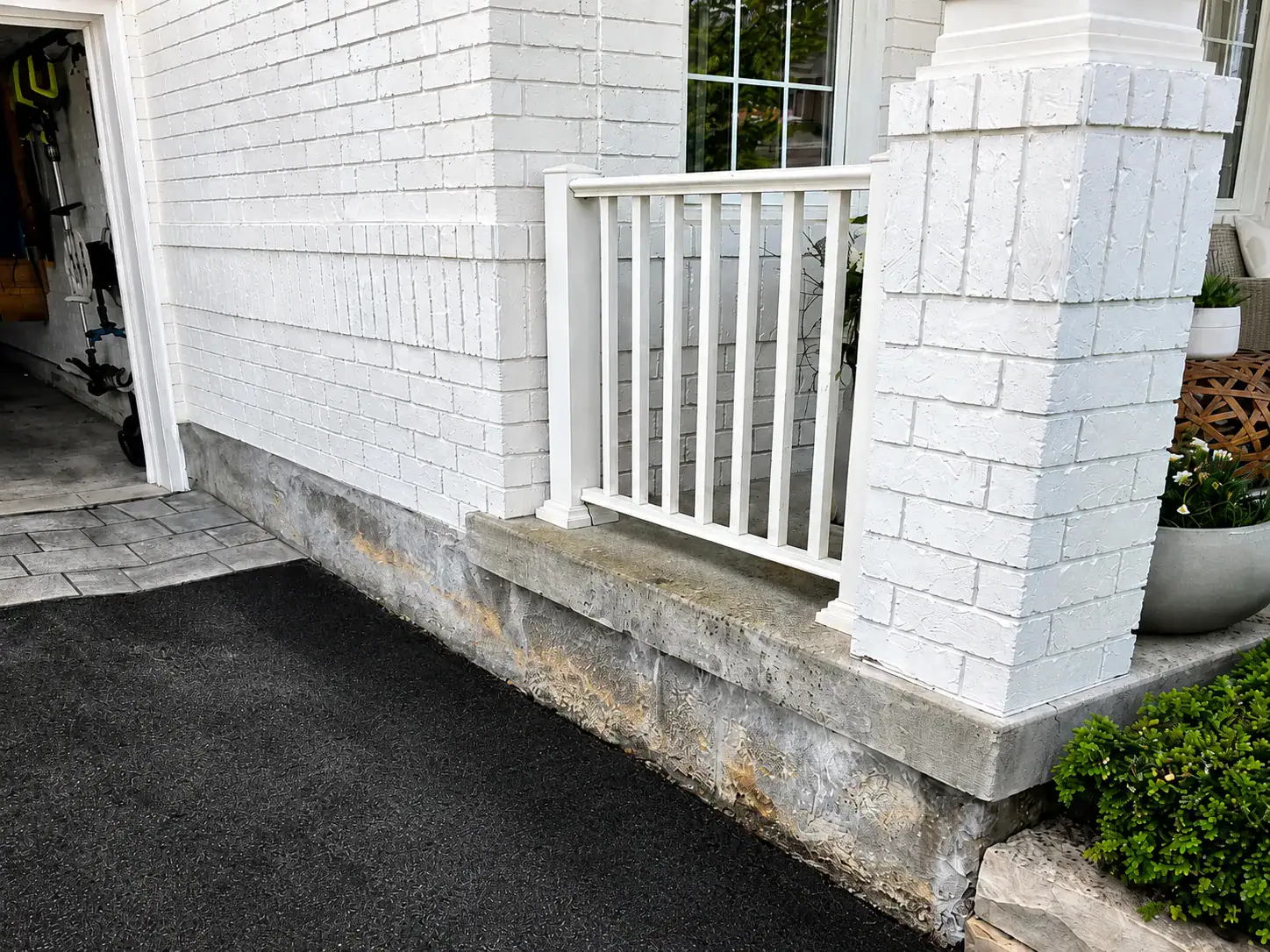
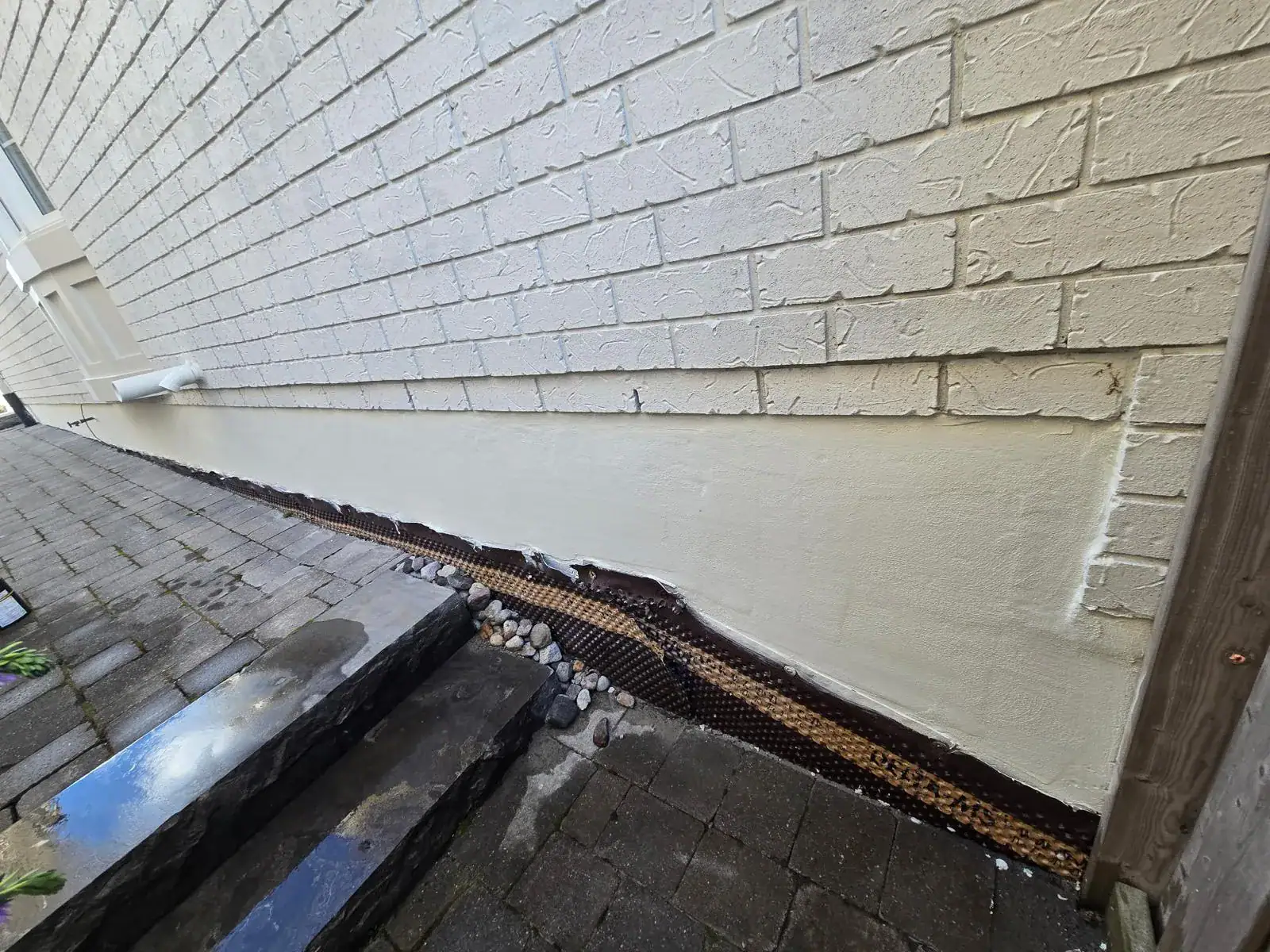
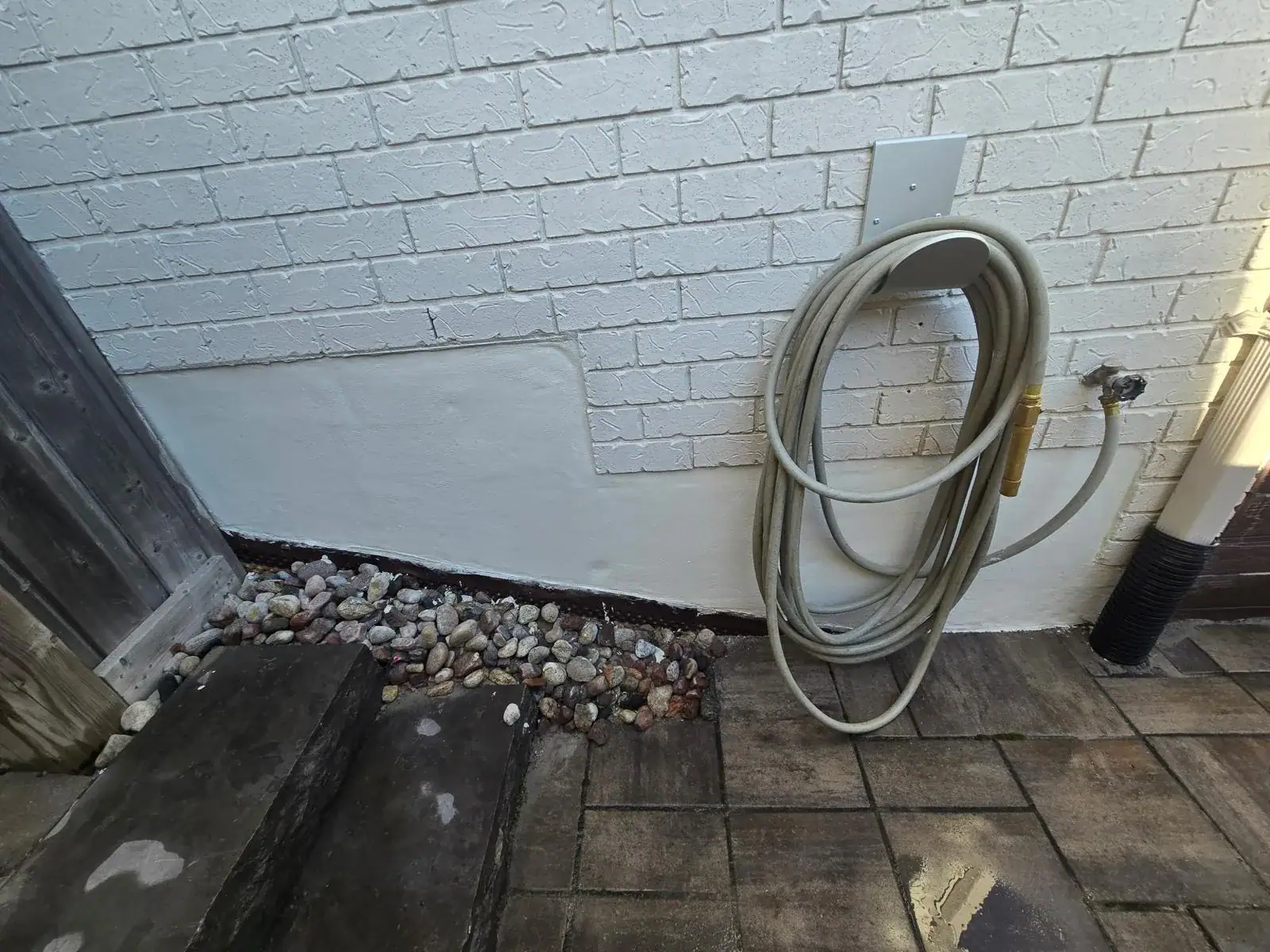
Masonry checkups support better foundation and waterproofing decisions because many water problems start outside before they show up inside. A damp basement wall, peeling paint, a musty smell, or a stained lower brick area may indicate drainage issues, grading problems, foundation cracks, or failed exterior protection.
The City of Toronto provides information about basement flooding and encourages homeowners to understand where water is coming from. Around masonry homes, this is important because foundation moisture can affect parging, lower brick, concrete, walkways, basement windows, and interior finishes.
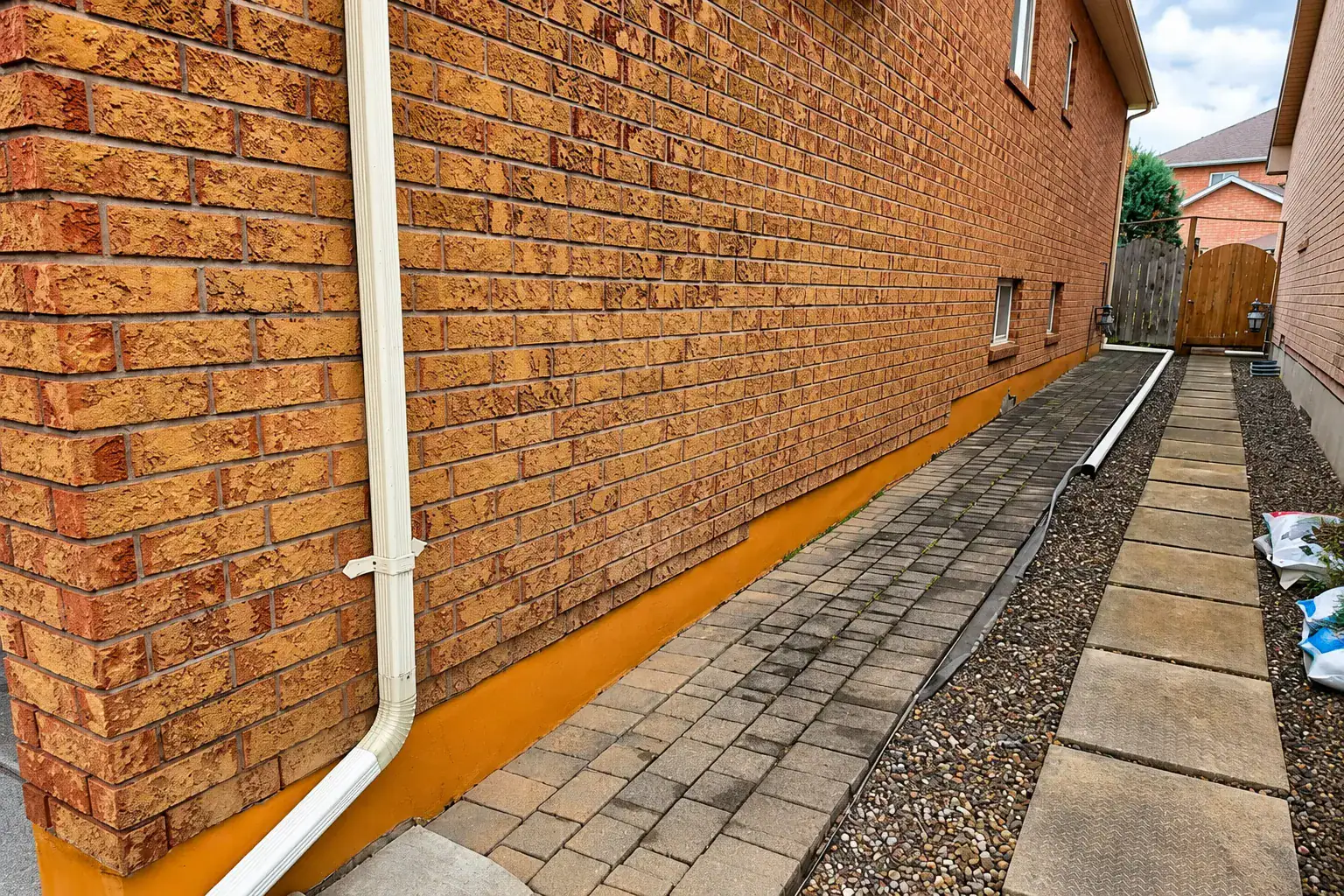
A checkup can identify signs such as cracked parging, efflorescence, damp lower walls, soil sloping toward the home, short downspouts, pooling near the foundation, or water stains near basement windows. These clues help homeowners decide whether the issue is simple drainage maintenance or a deeper waterproofing concern.
For homes with recurring dampness or basement water entry, A&A Masonry’s Toronto waterproofing page explains common foundation moisture and exterior water-entry issues.
They Help Homeowners Plan Repairs Instead of Reacting to Emergencies
Regular masonry checkups help homeowners plan repairs before they become urgent. Emergency repairs are usually more stressful because damage has already reached a point where waiting is risky or inconvenient.
For example, a chimney with early mortar failure can often be planned for spring or summer repair. A cracked step can be addressed before winter makes it more dangerous. A damp foundation area can be reviewed before the next rainy season. A few spalled bricks can be replaced before the damage spreads to a larger section of the wall.
Planning ahead also makes it easier to budget. Homeowners can prioritize urgent issues, delay cosmetic work if needed, and avoid spending money on surface fixes that do not solve the real problem. A checkup gives you a clearer repair order.
For broader repair planning, A&A Masonry’s masonry services in Toronto page outlines related services, including brick repair, tuckpointing, chimney repair, concrete repair, stone masonry, waterproofing, and exterior restoration.
They Protect Curb Appeal and Home Value
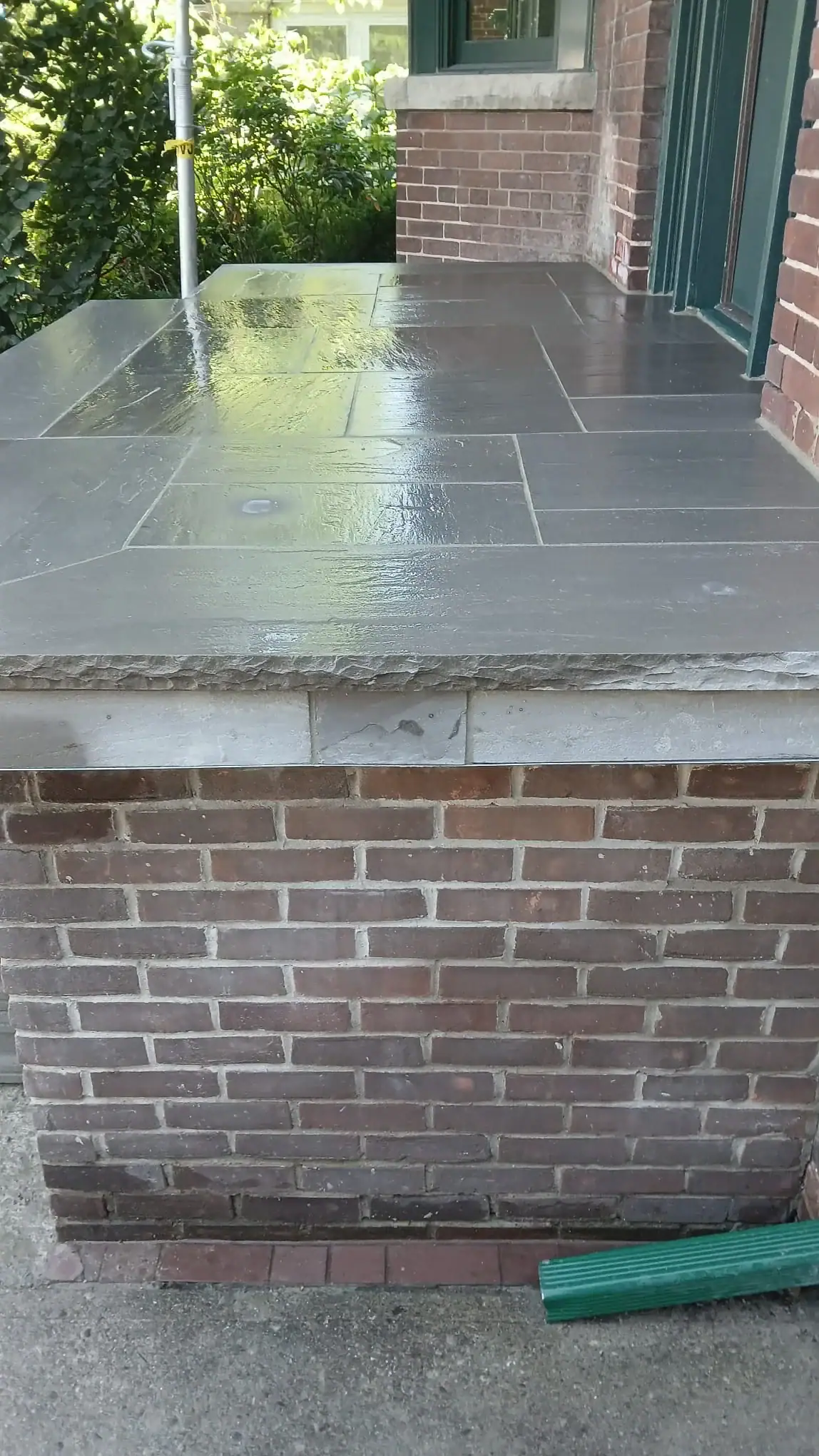
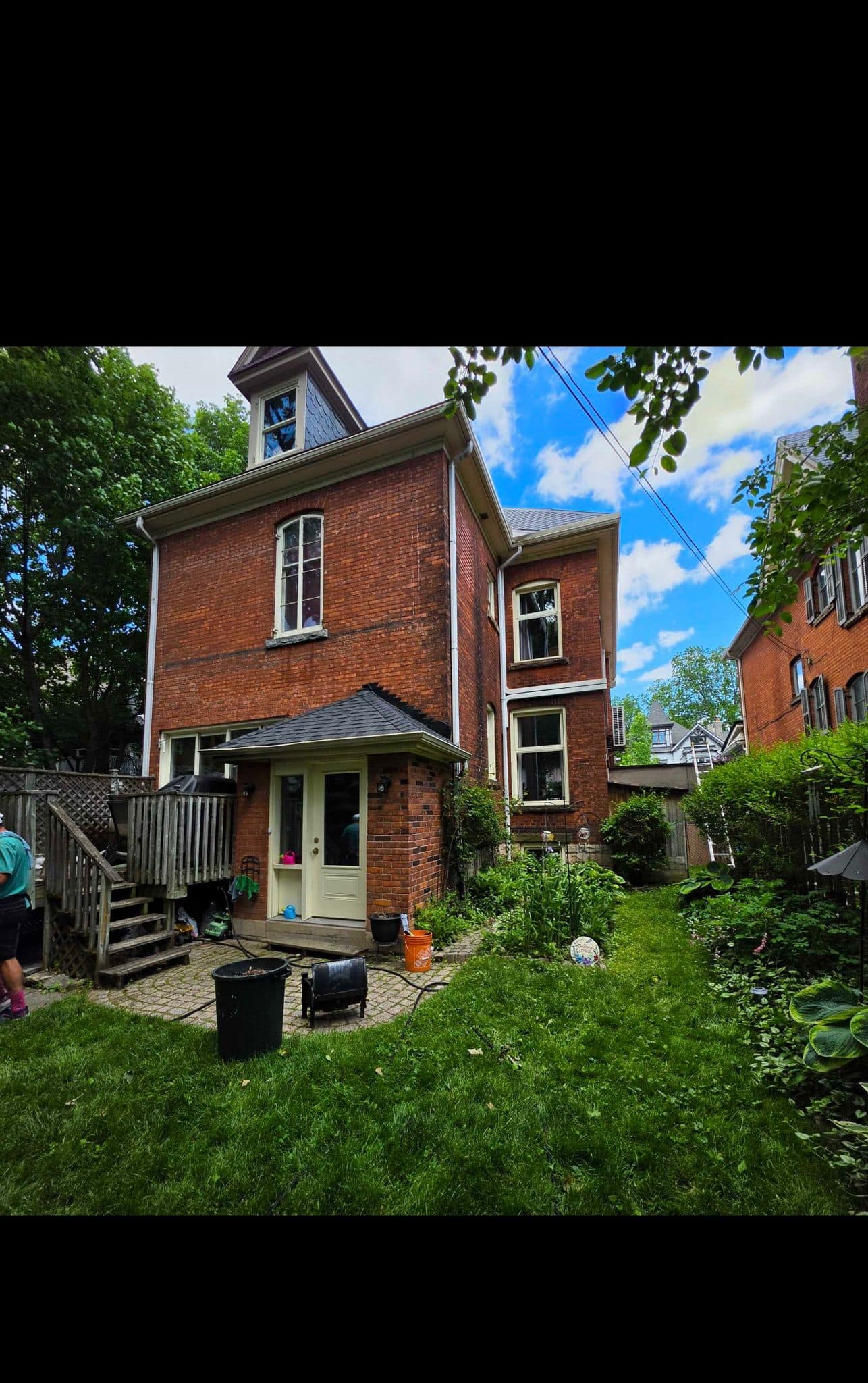
Masonry checkups protect curb appeal by helping homeowners maintain the visible parts of the home before they look neglected. Brick walls, chimneys, stone features, steps, walkways, retaining walls, and porches all shape the first impression of a property.
Buyers and visitors may not know masonry terms, but they notice cracked brick, crumbling mortar, leaning chimneys, stained lower walls, and uneven steps. These signs can make a home feel older or poorly maintained, even when the interior is updated.
Regular checkups help keep the exterior looking cared for. They also reduce the chance that a future home inspection will reveal long-ignored damage. While not every maintenance task directly increases resale value, a well-maintained masonry exterior builds confidence in the home’s overall condition.
They Help Identify Drainage Problems Around Masonry
Drainage problems are easier to fix when they are found early. Many masonry repairs fail sooner when water continues to flow toward the same area. A regular checkup should include an assessment of how rainwater and melted snow move around the property.
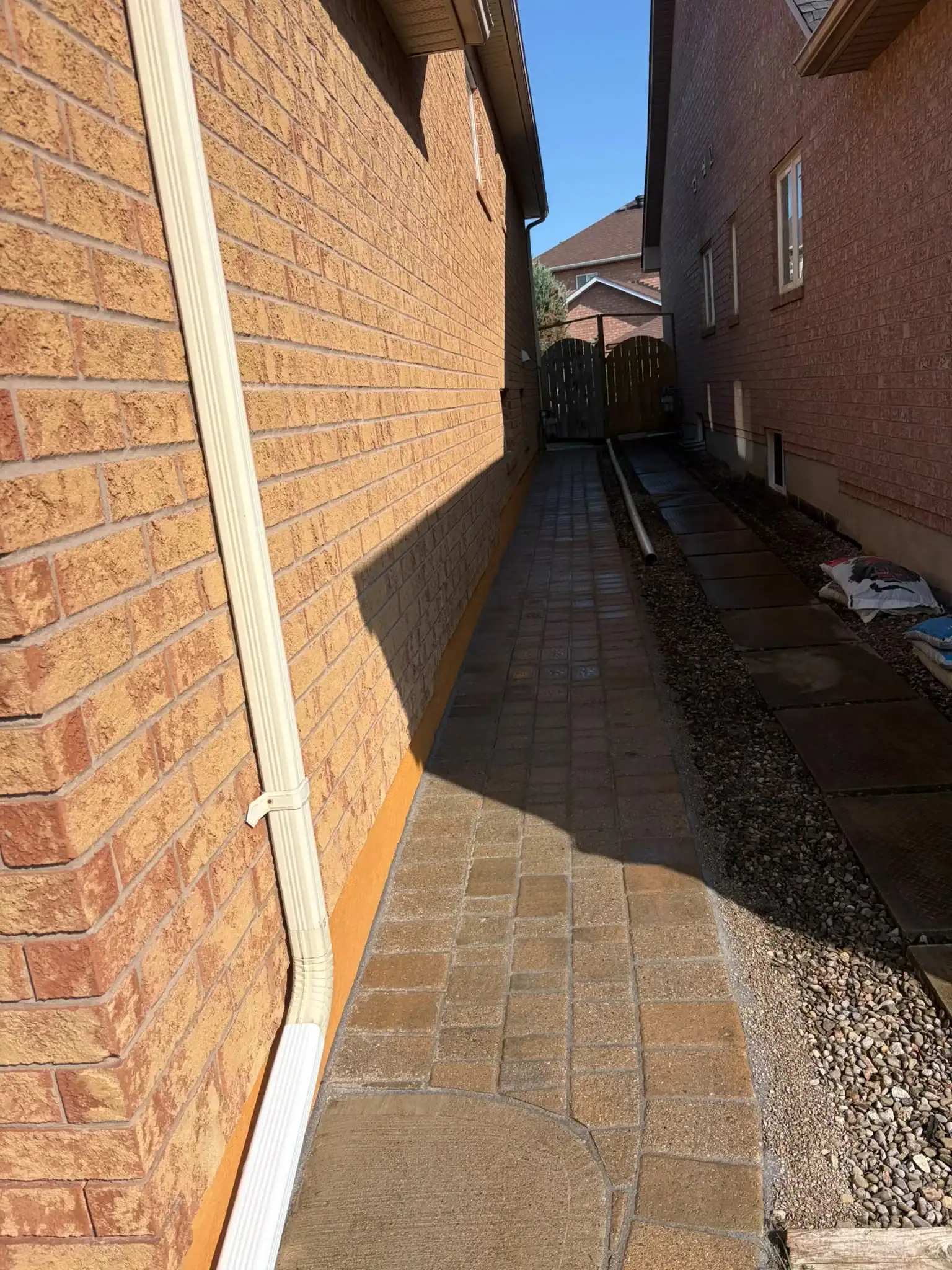
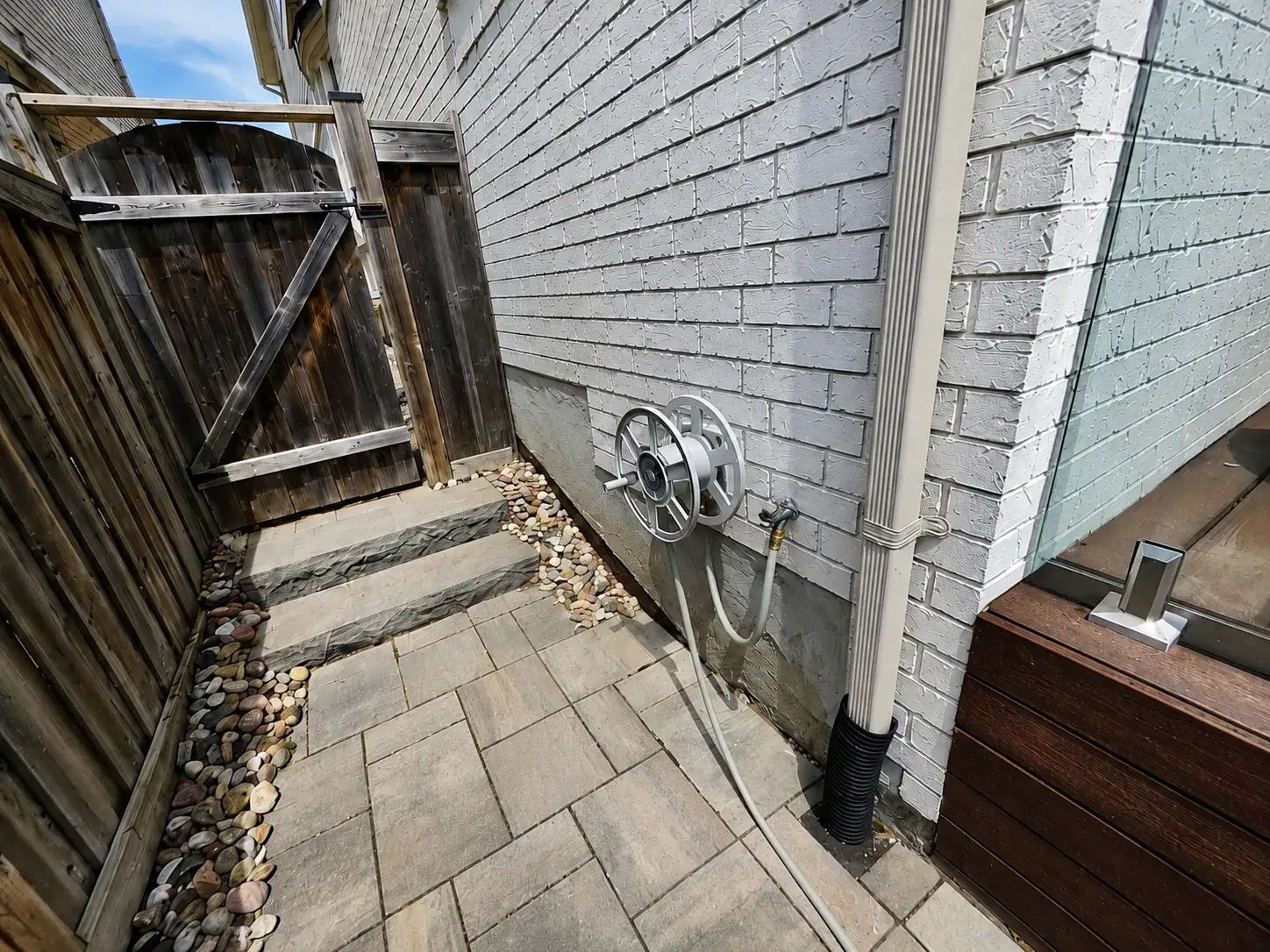
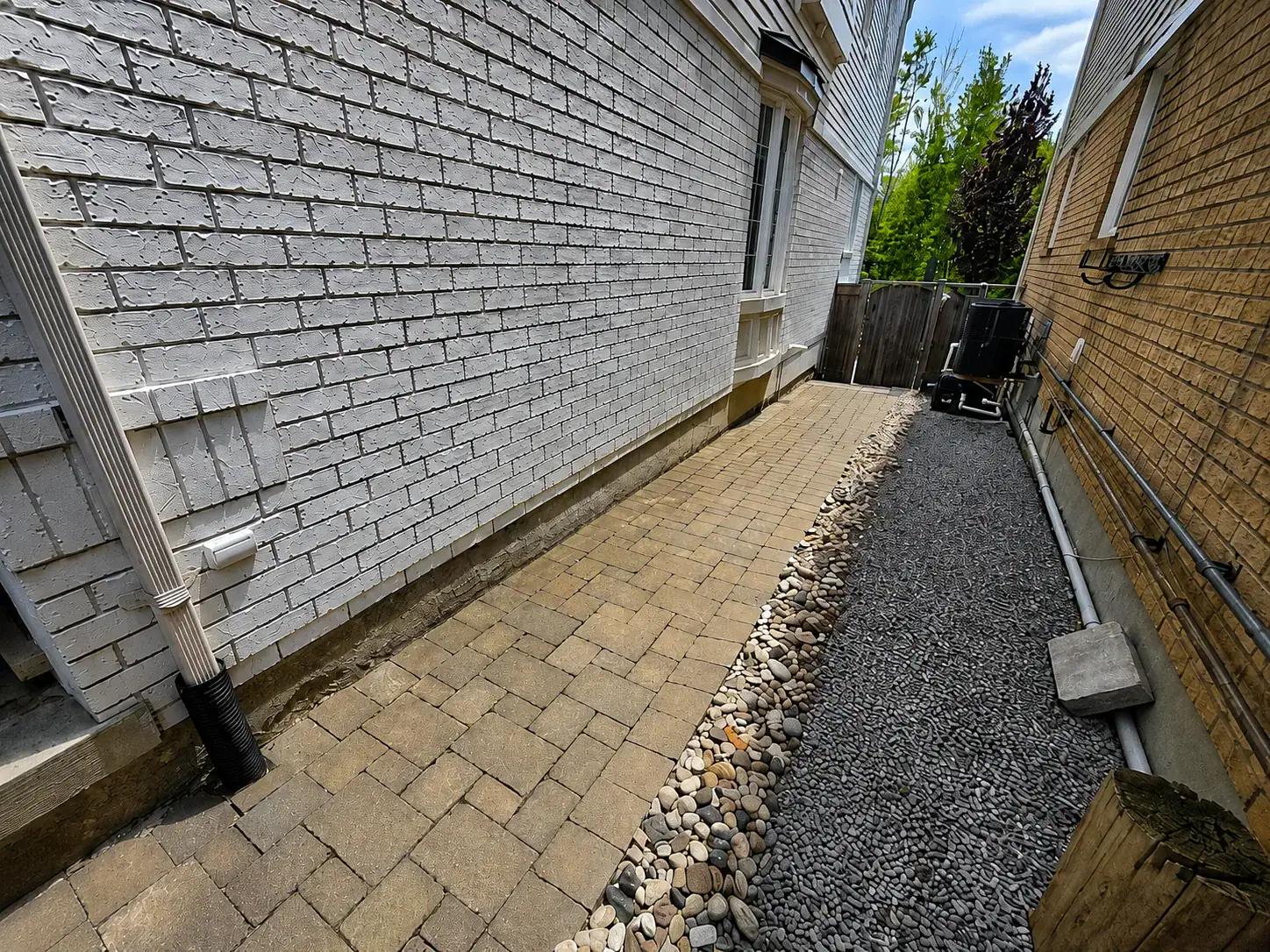
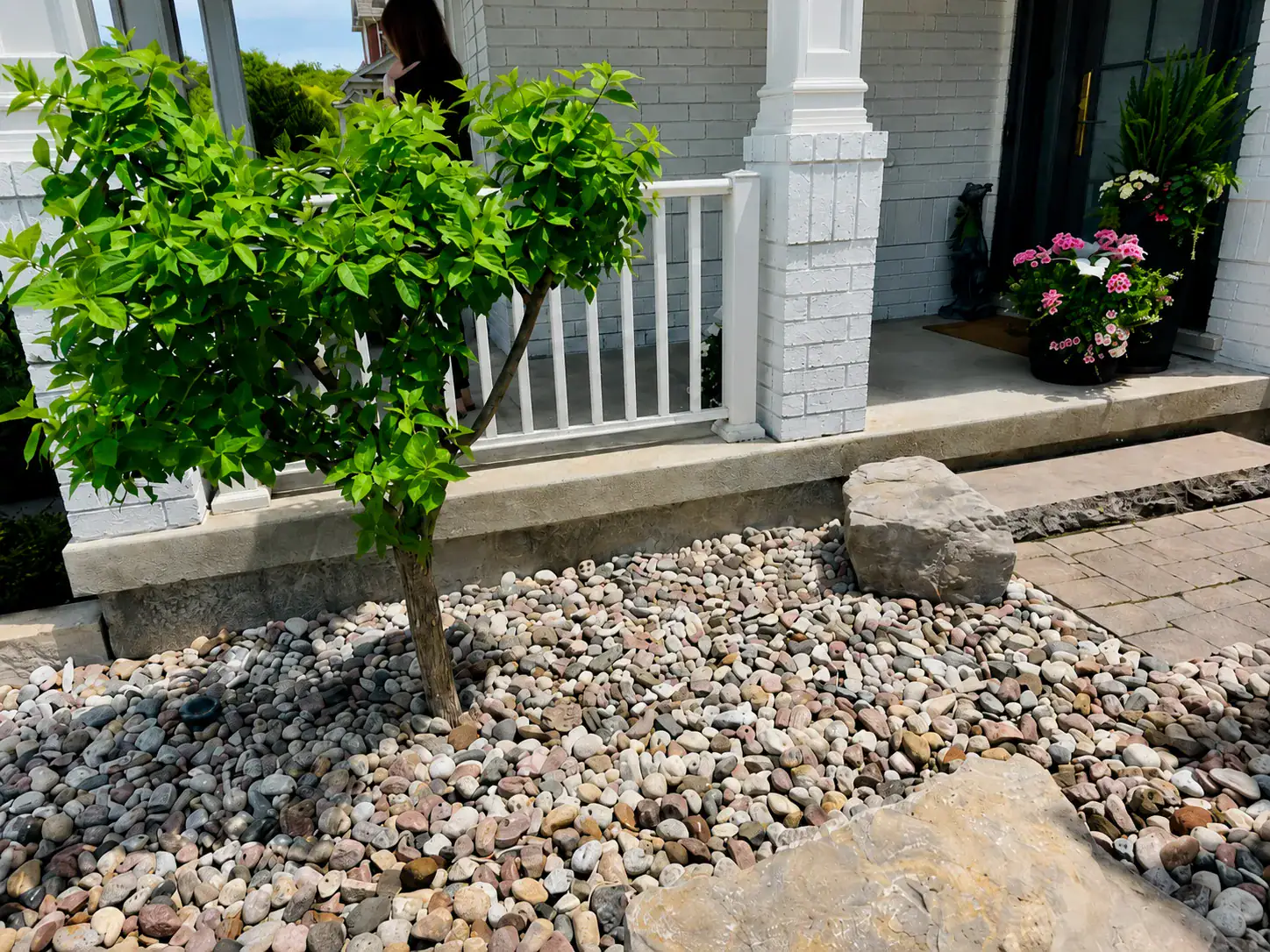
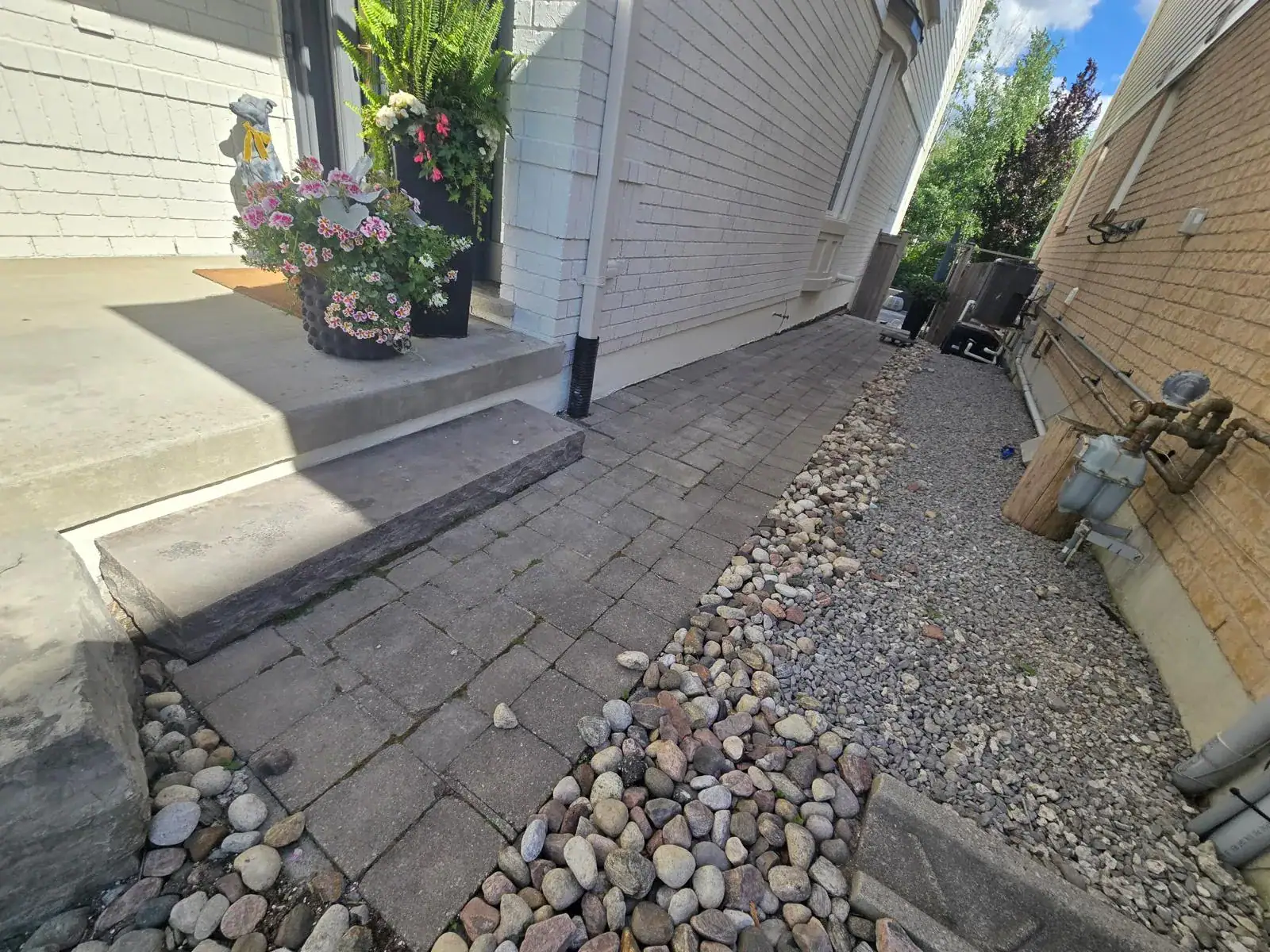
Look for water pooling beside foundation walls, downspouts dumping water near brickwork, soil or mulch piled too high against lower walls, walkways sloping toward the house, and patios that hold water after rain. These conditions can keep masonry damp and increase freeze-thaw damage.
The City of Toronto’s guidance on managing rain and melted snow is useful for homeowners because it explains why water movement around private property matters. For masonry, good drainage often supports longer-lasting repairs.
The goal is not only to repair damaged brick or concrete. It is also to reduce the conditions that caused the damage.
What Should Be Included in a Masonry Checkup?
A masonry checkup should review the home’s main exterior masonry areas, especially those most exposed to water, winter weather, and movement. The goal is to understand the condition, not to create unnecessary repairs.
- Brick walls: Look for cracks, spalling, bulging, staining, and damaged units.
- Mortar joints: Check for gaps, crumbling, sandy texture, deep recession, or stair-step cracking.
- Chimneys: Review visible brick, crown, cap, flashing area, mortar, leaning, and water stains.
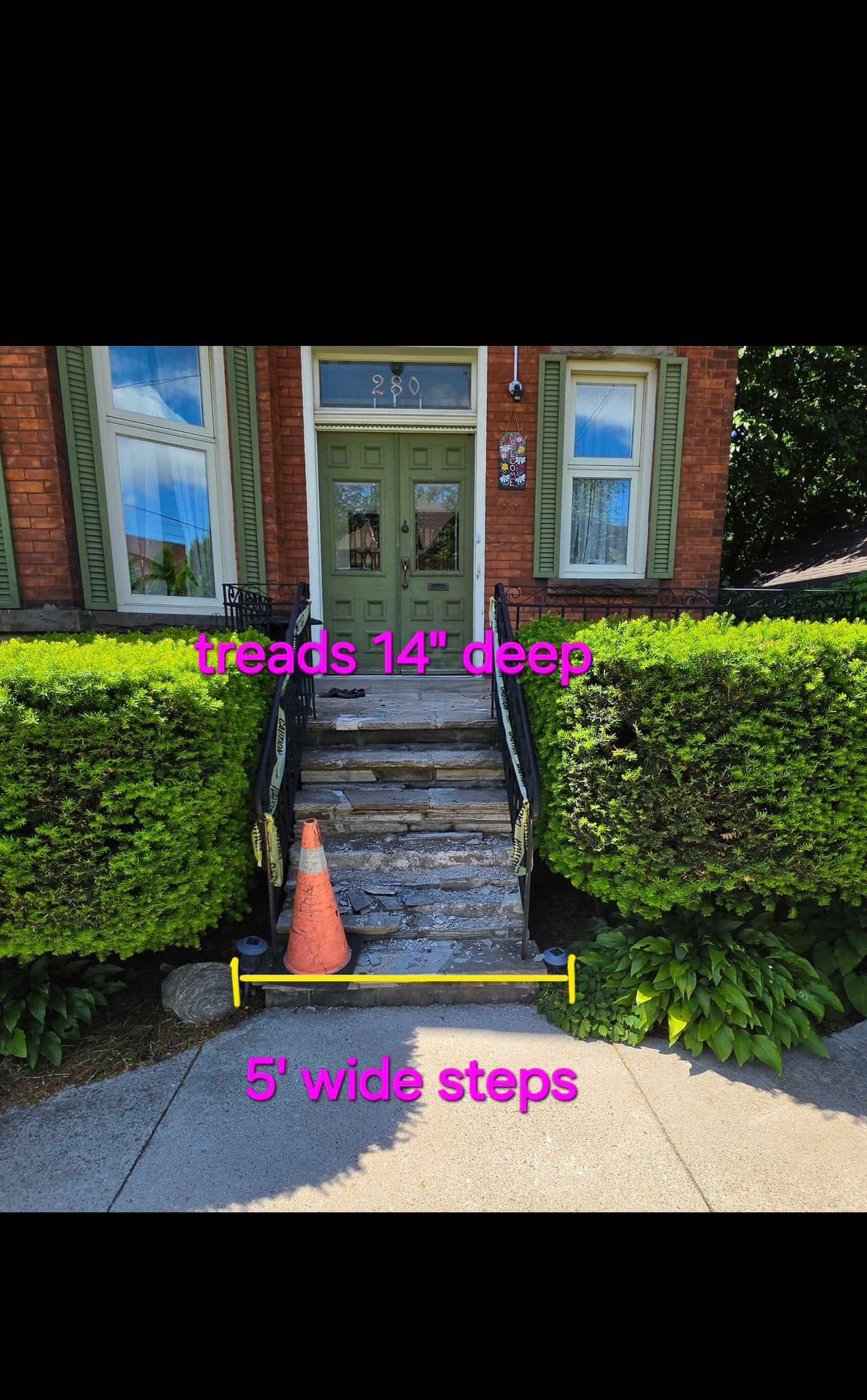
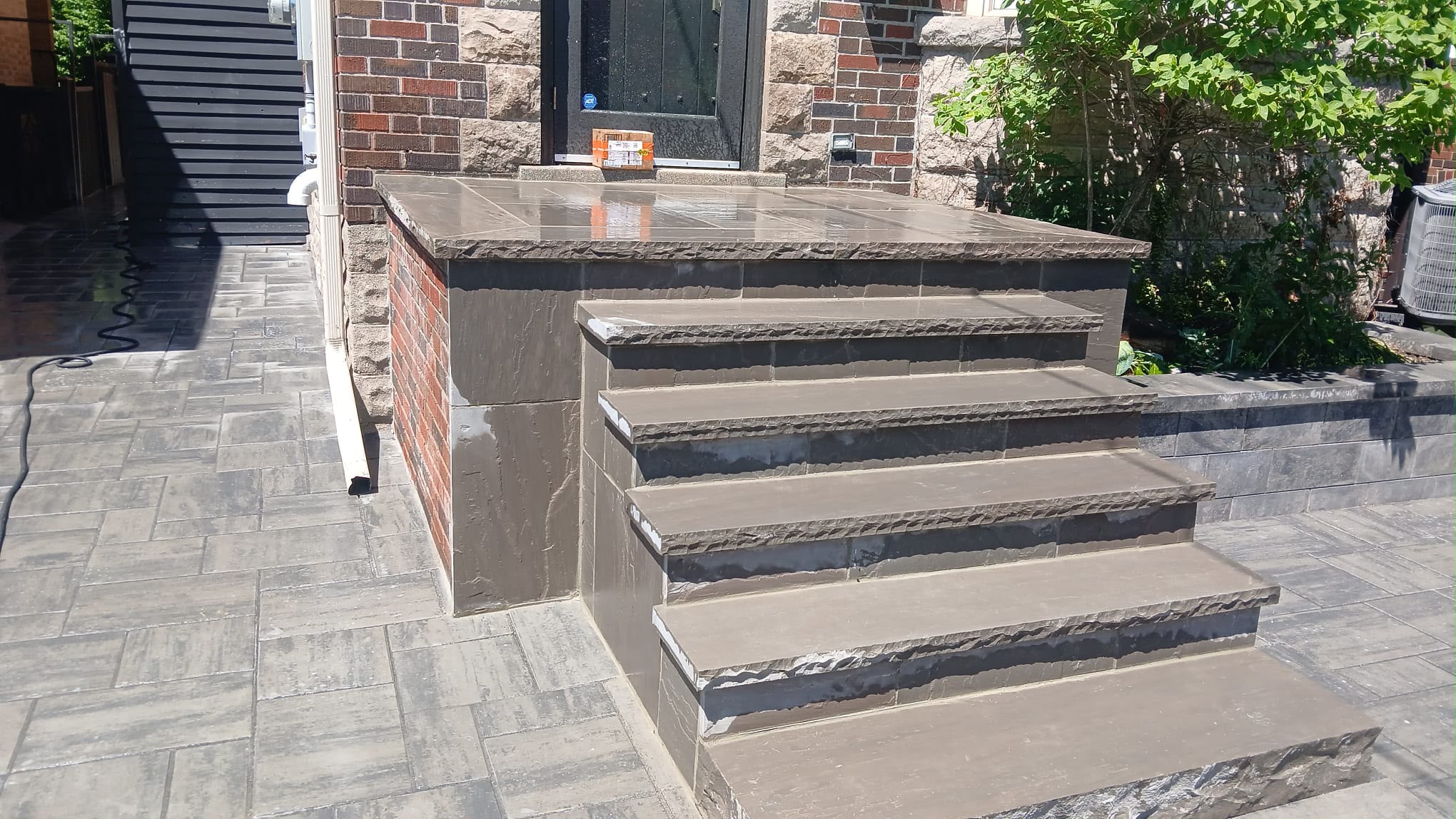
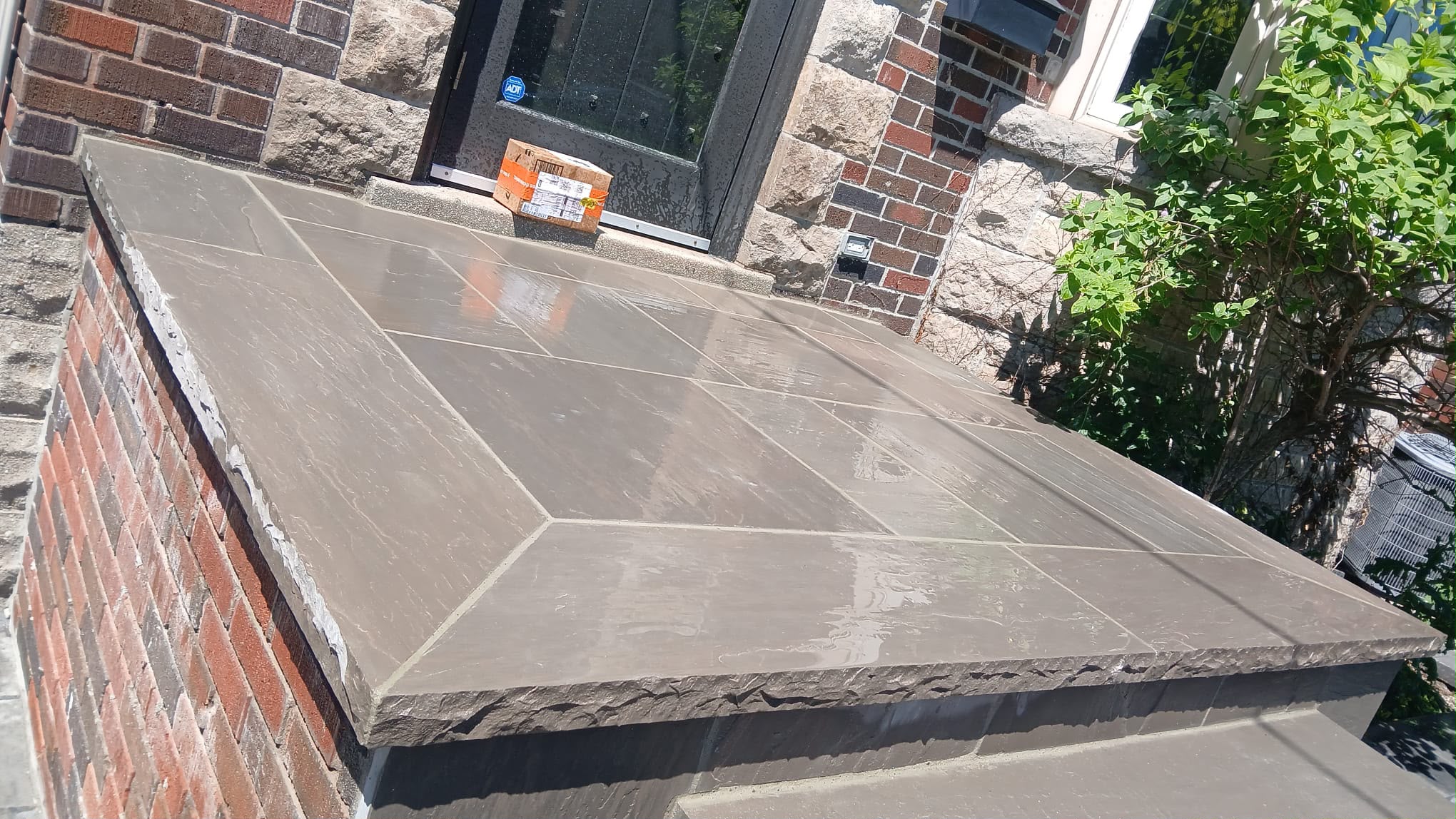
- Concrete steps and walkways: Check cracks, scaling, uneven surfaces, loose sections, and trip hazards.
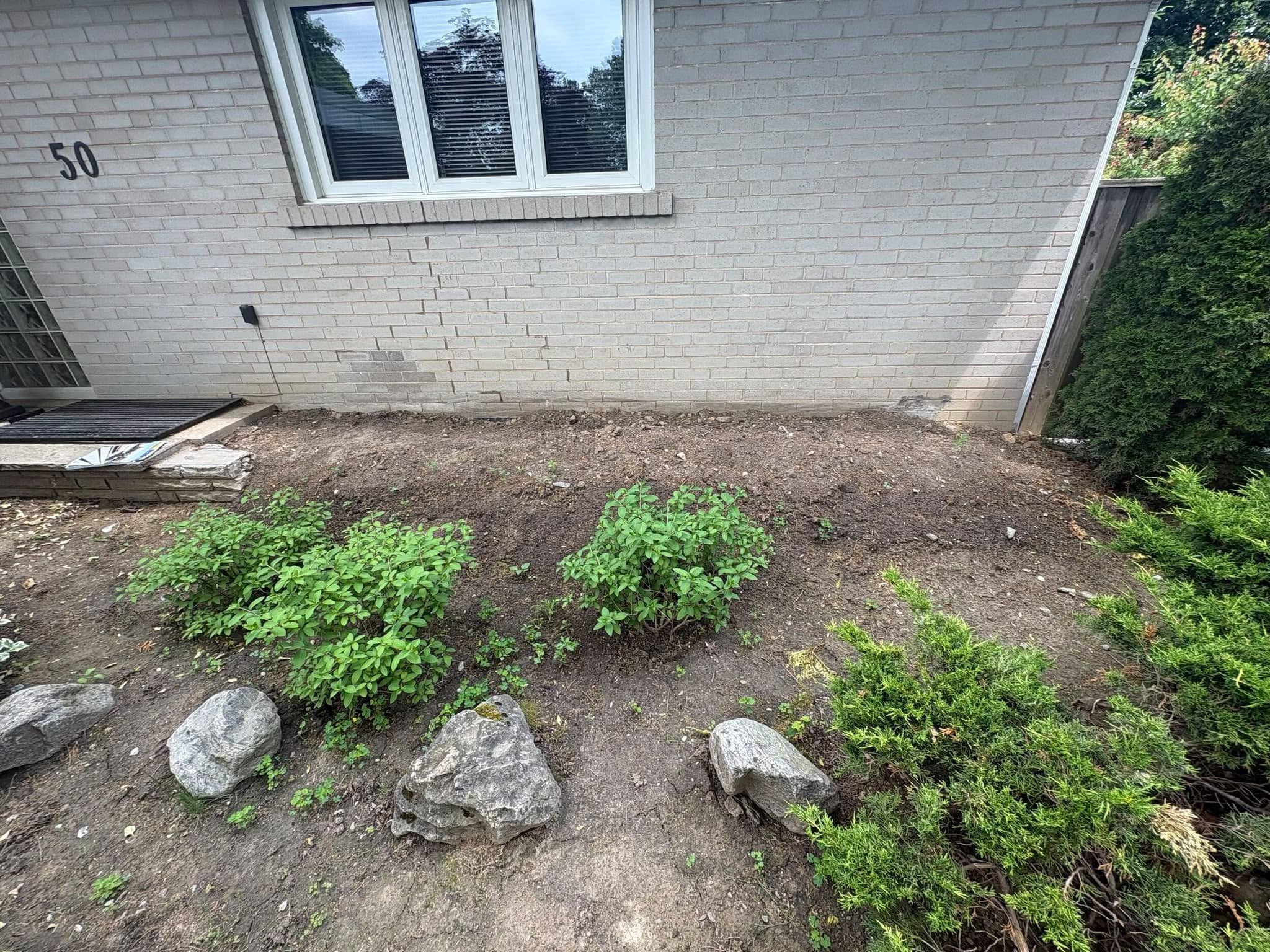
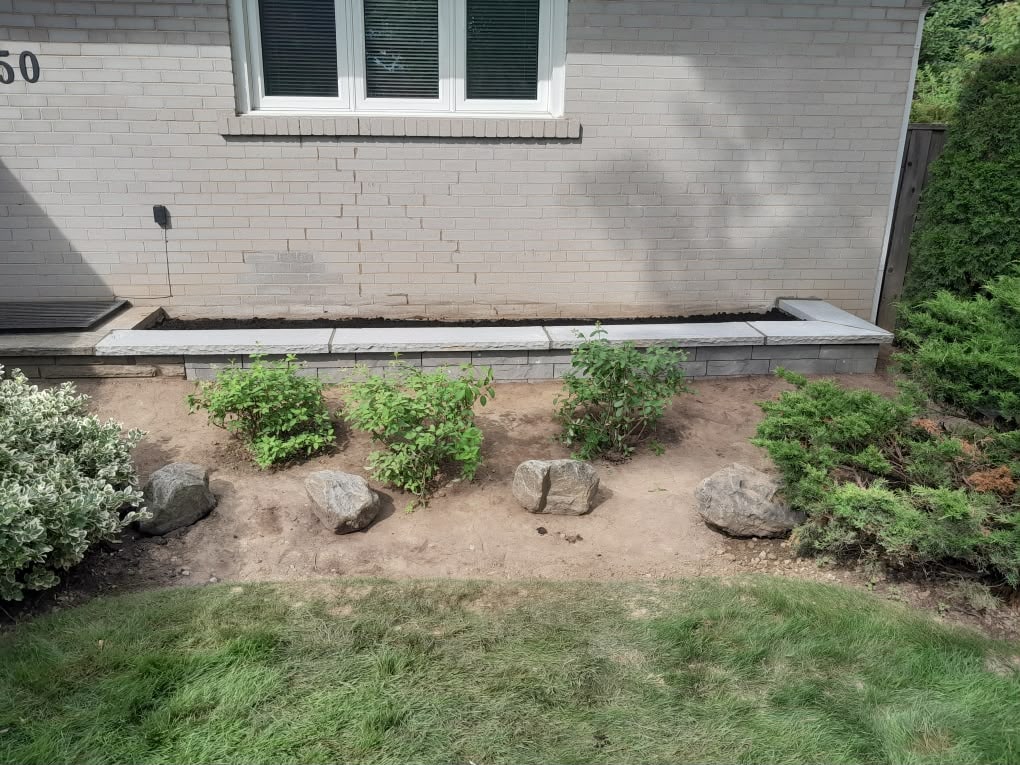
- Foundation areas: Look for dampness, cracked parging, efflorescence, and water pooling.
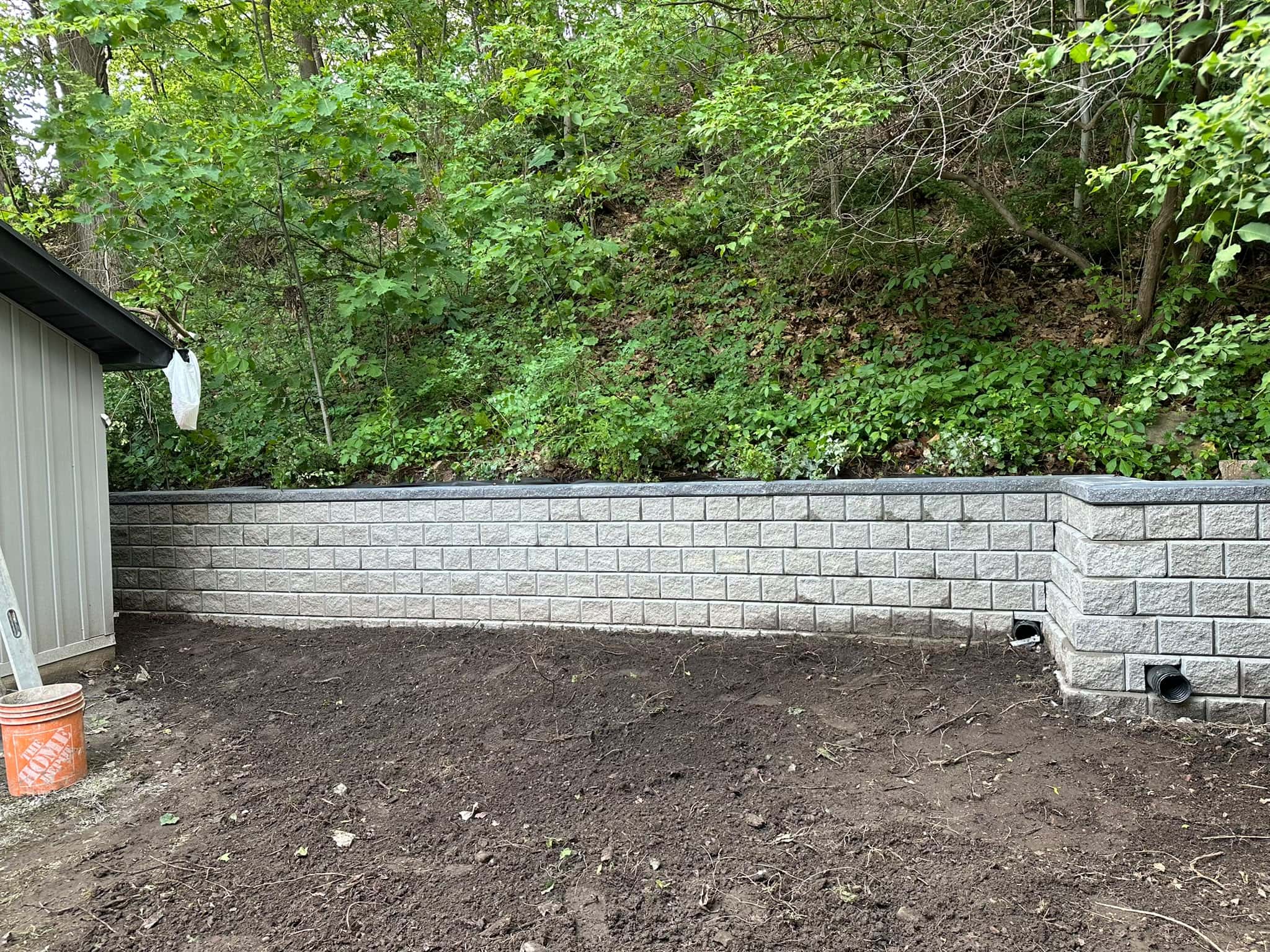
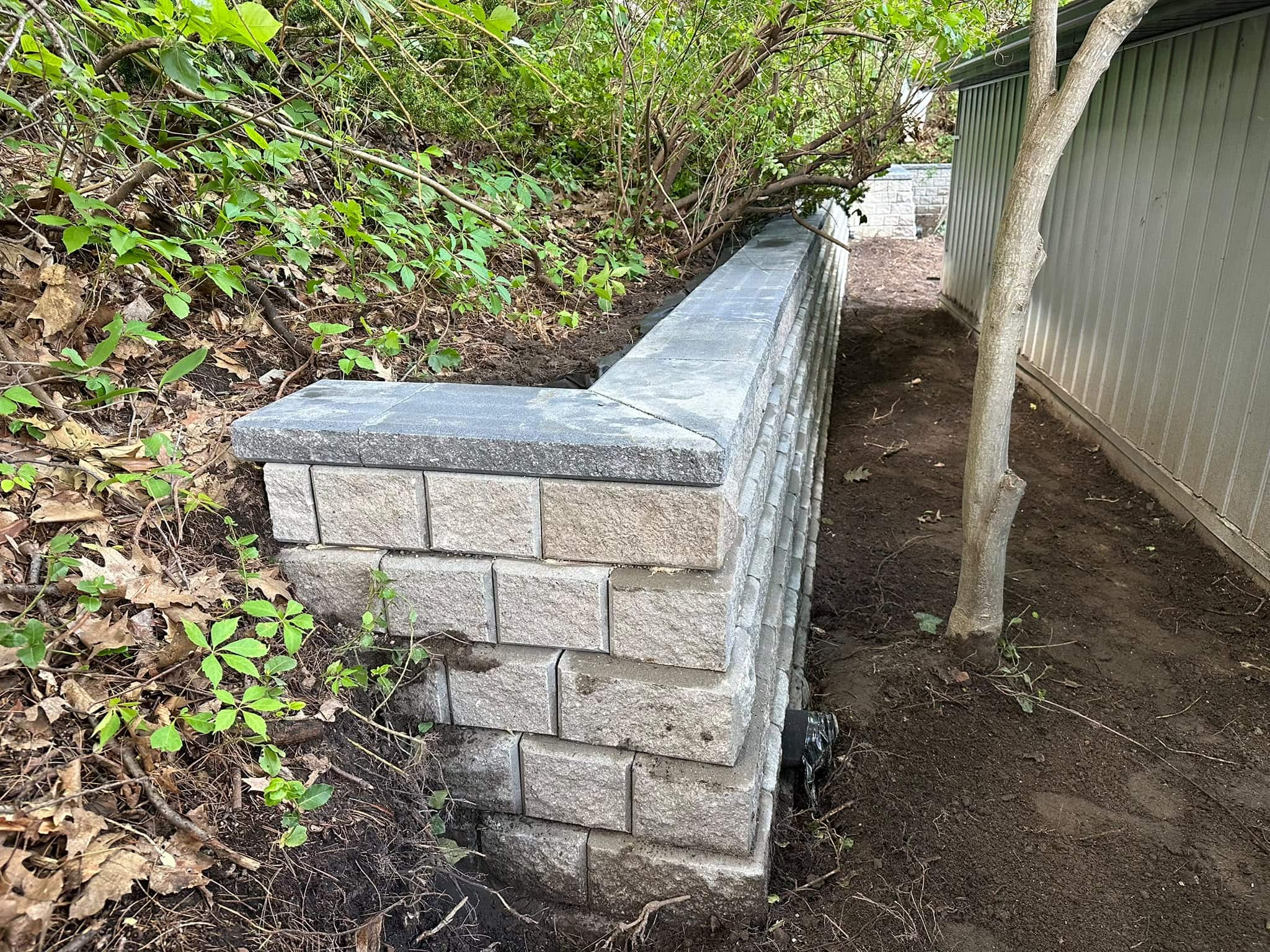
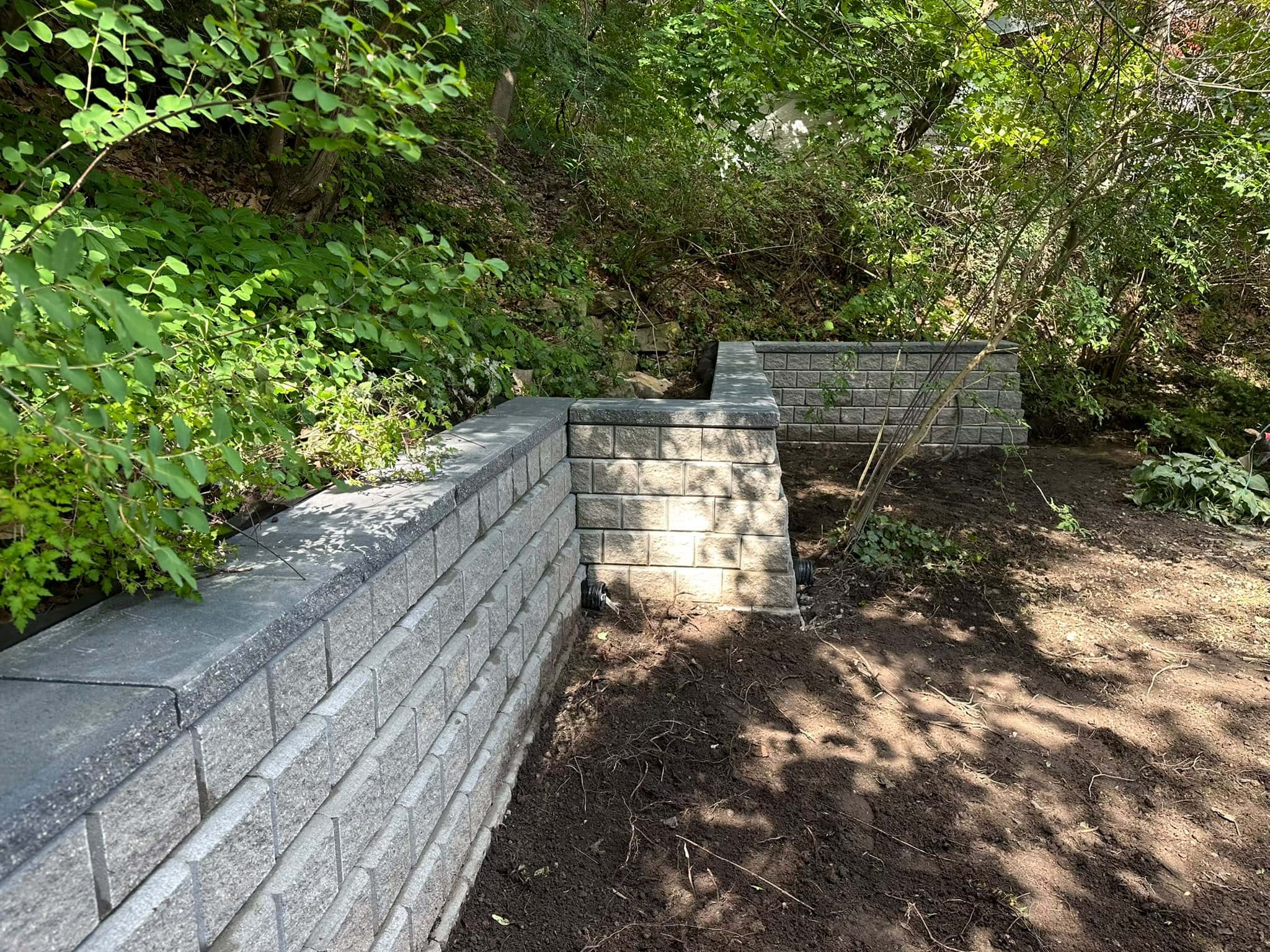
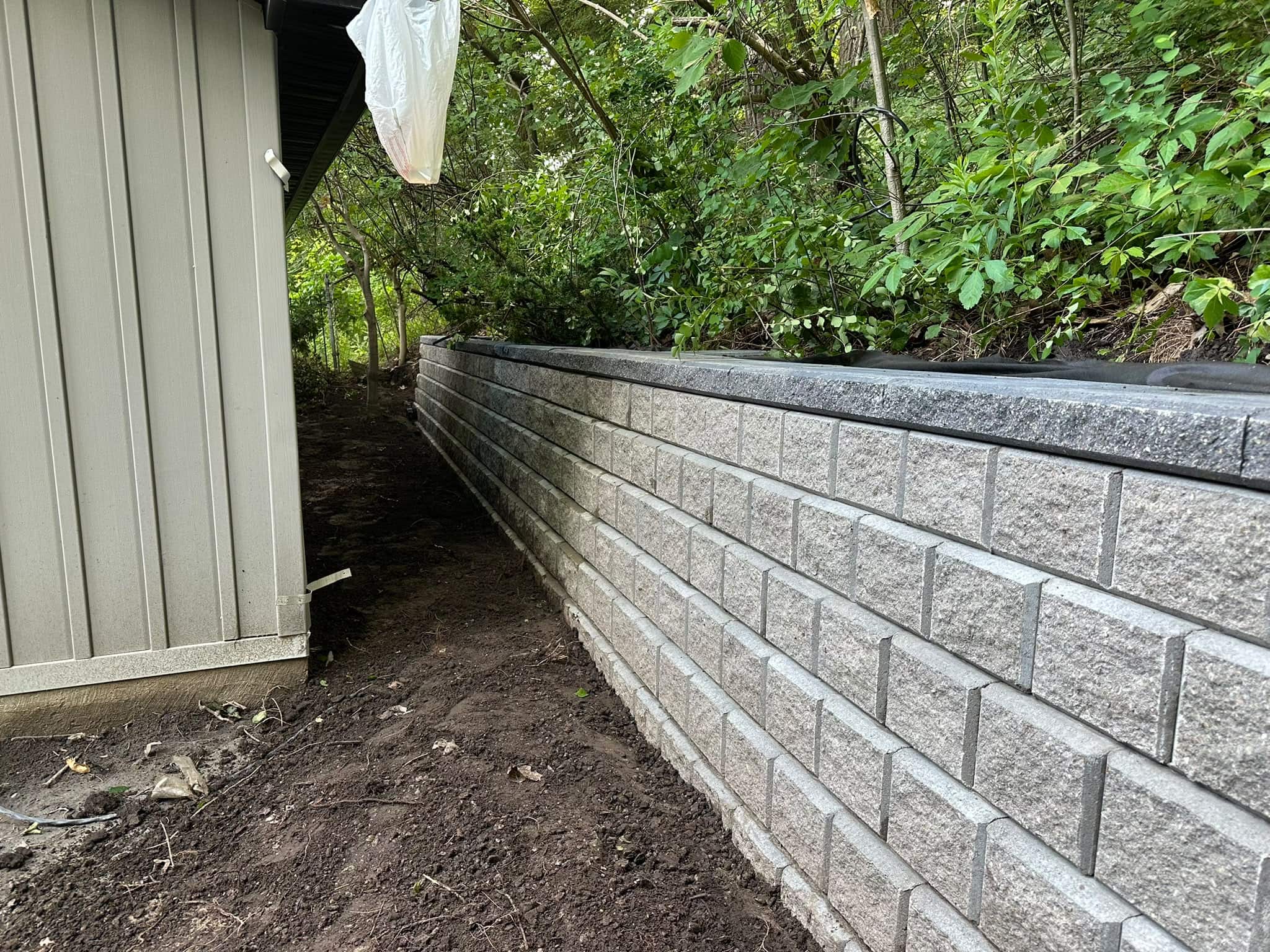
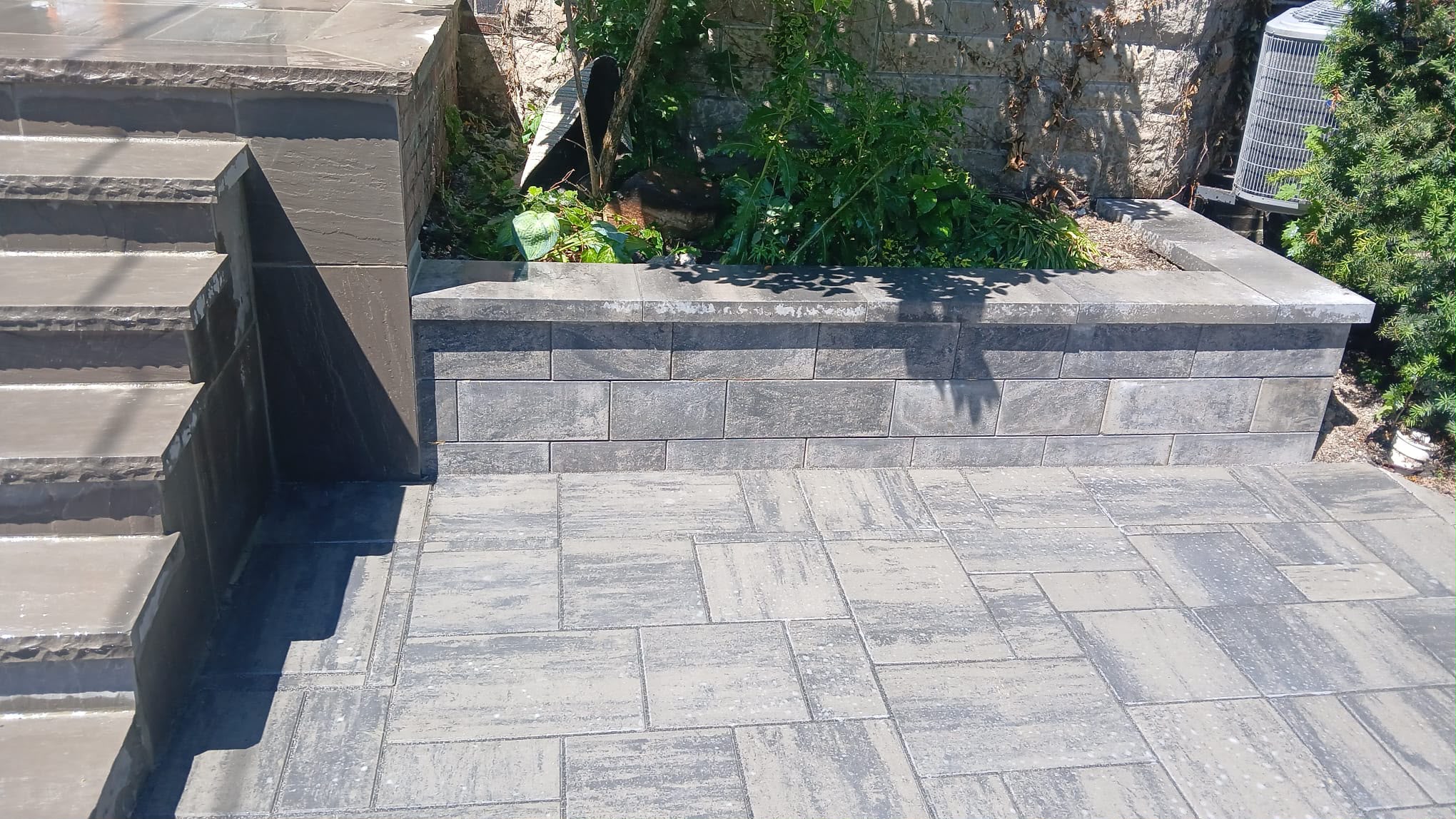
- Stonework: Check loose stones, open joints, staining, cap damage, and drainage behind walls.
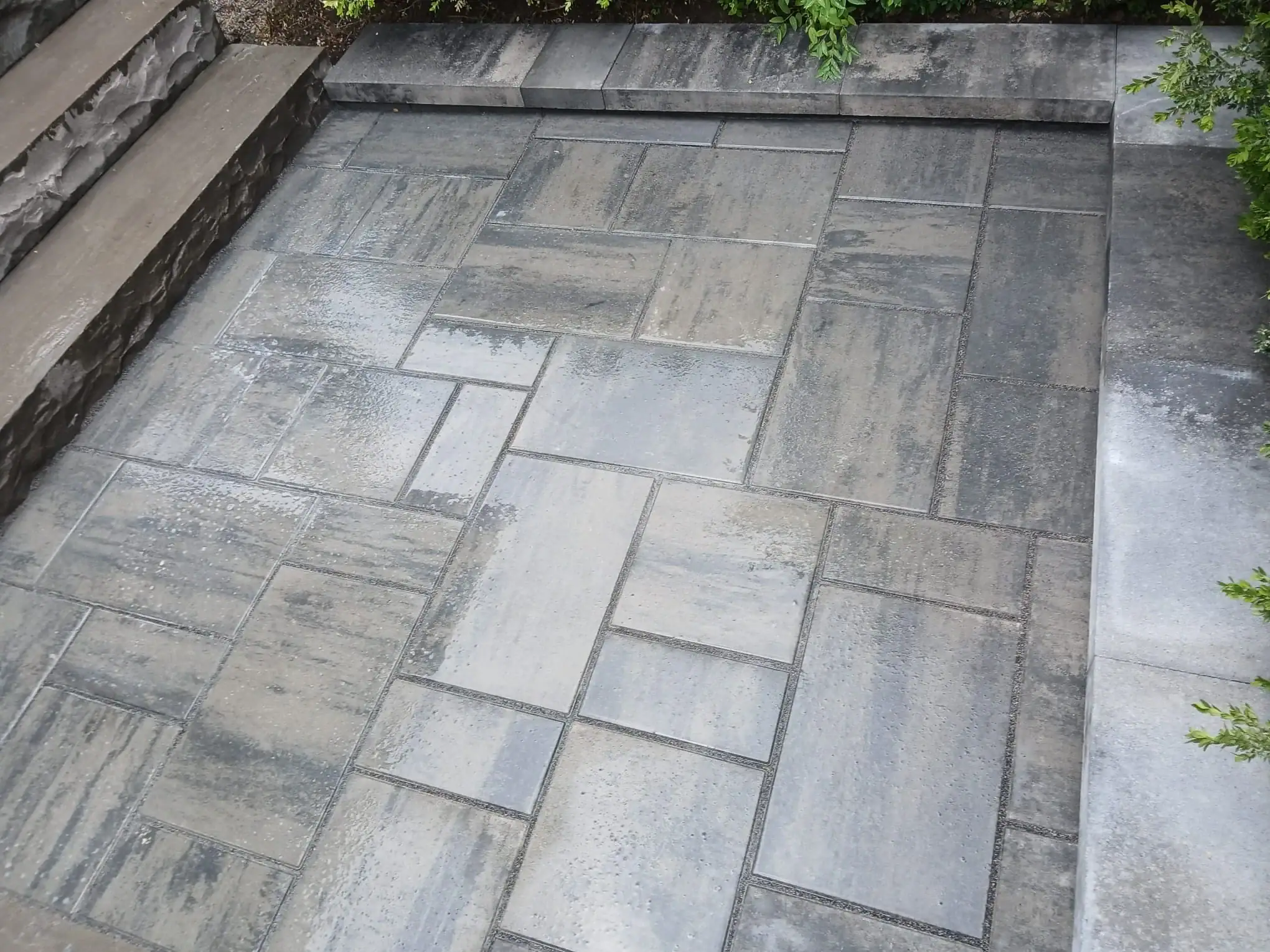
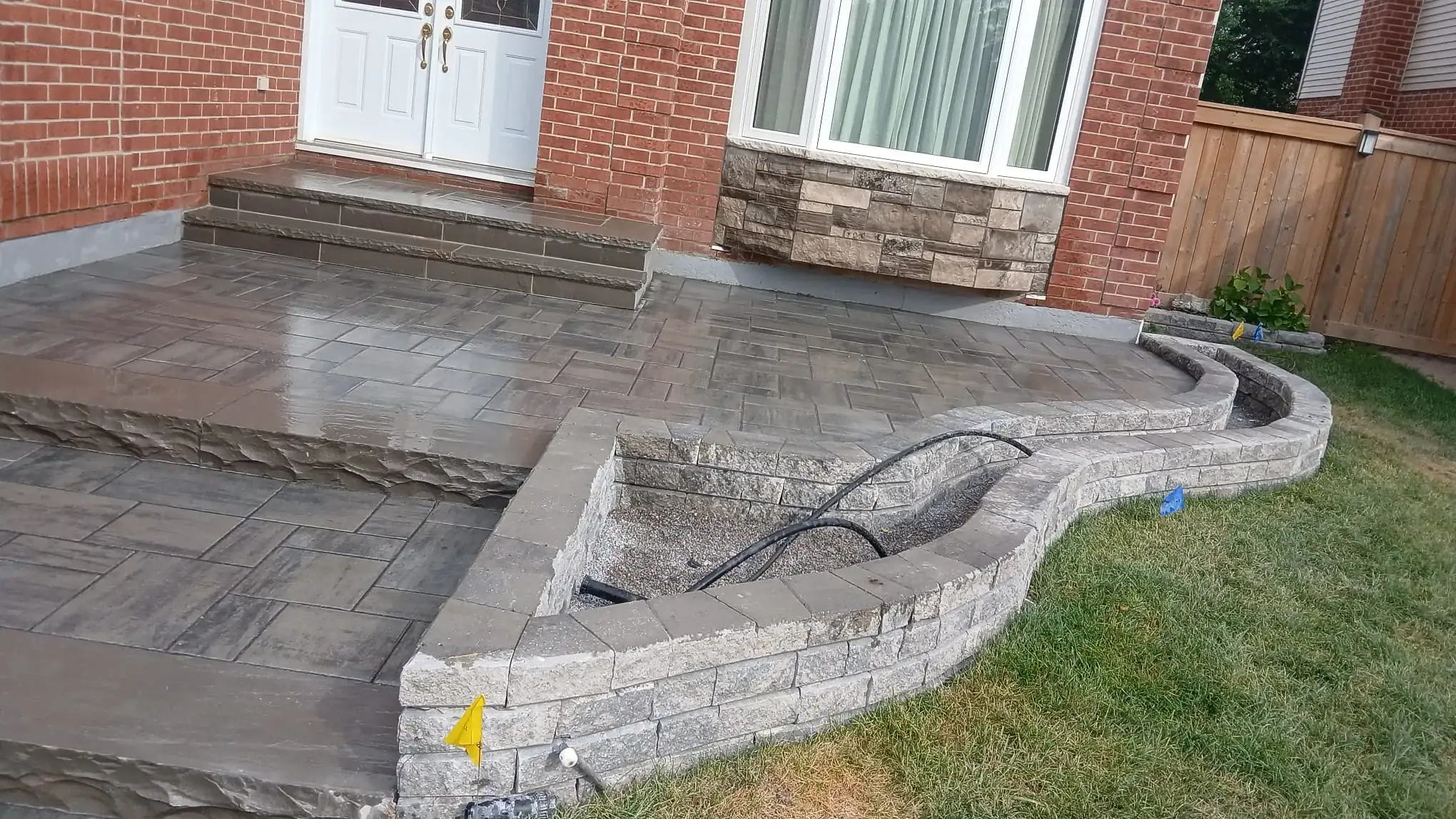
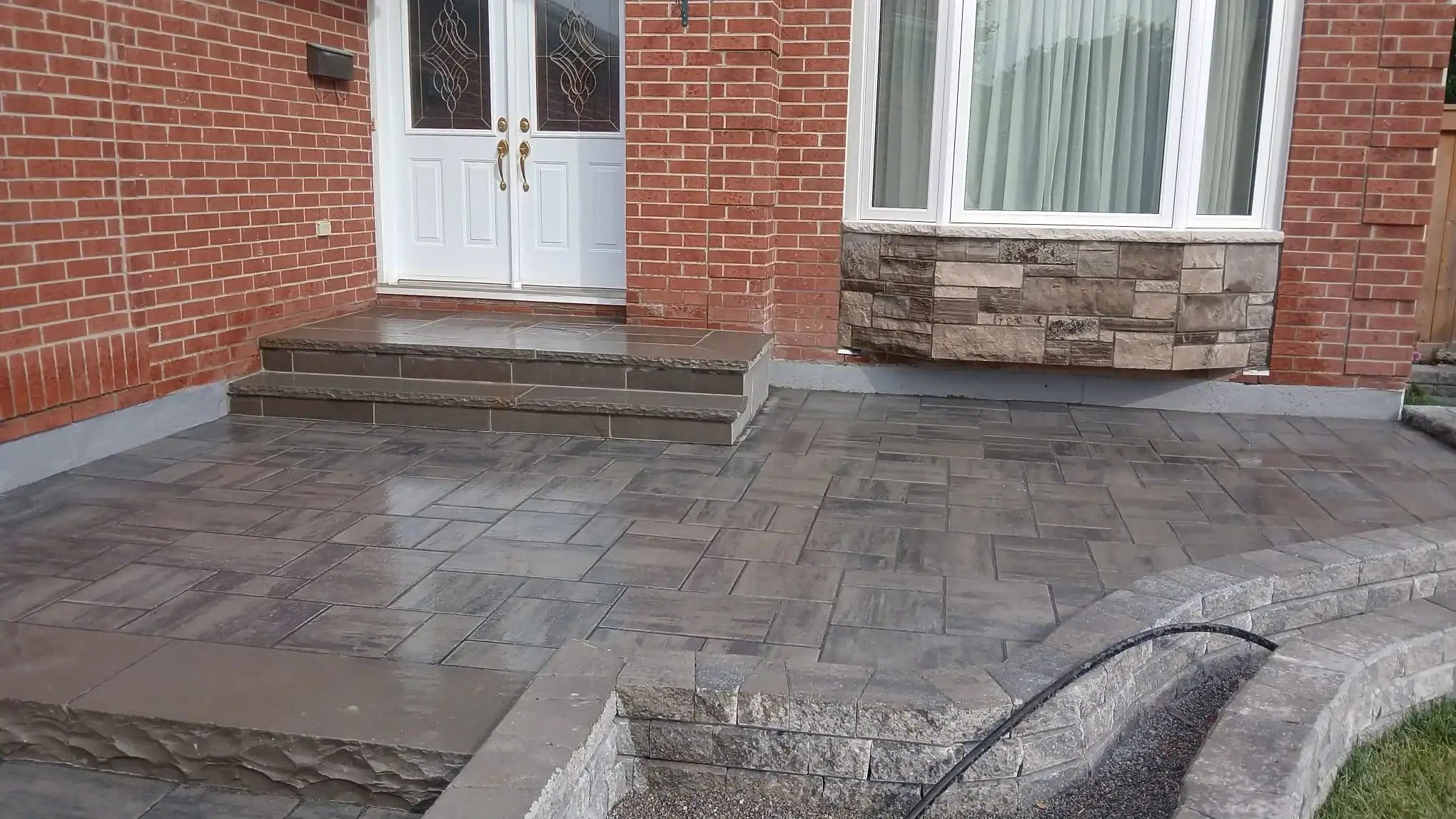
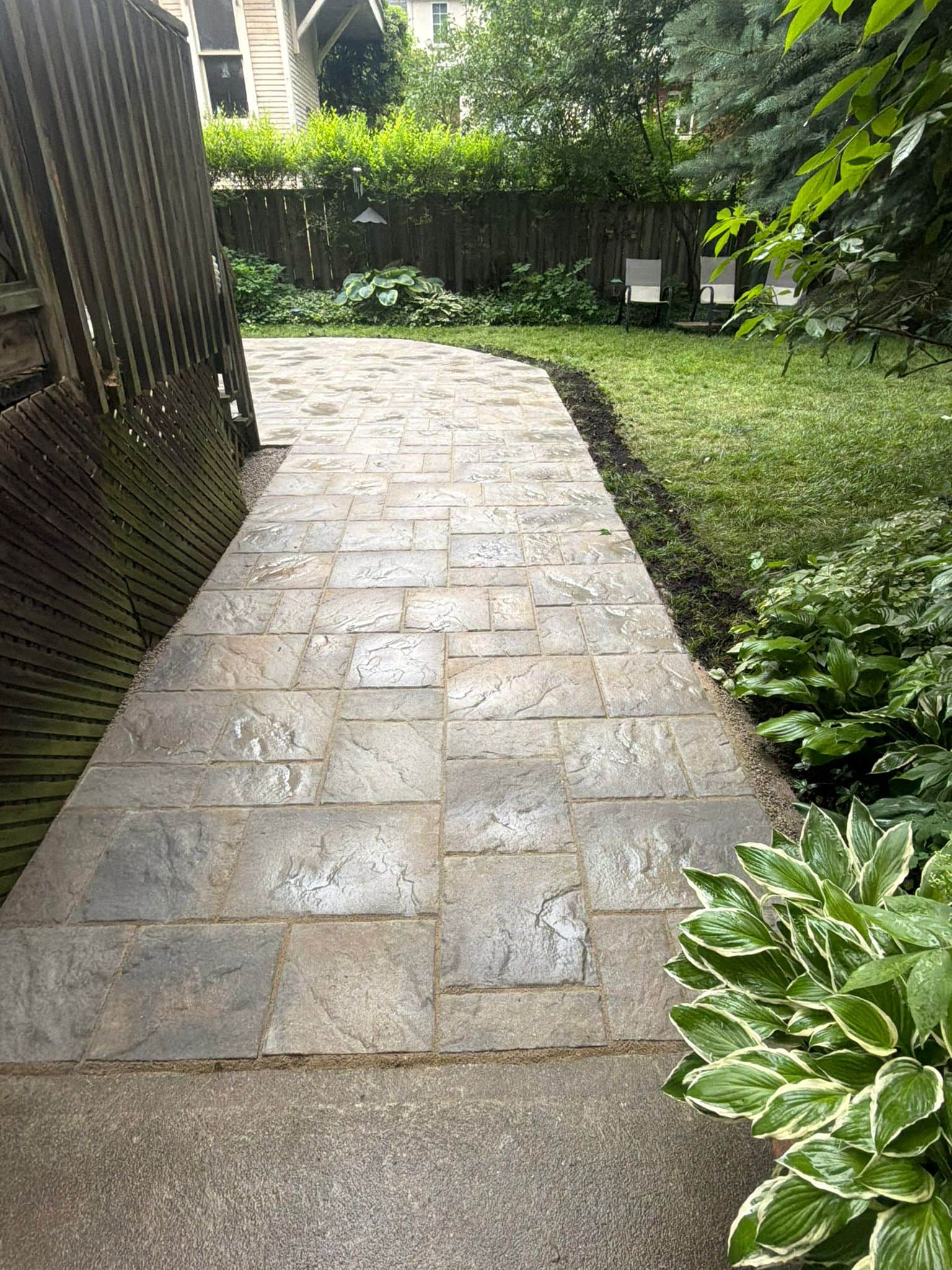
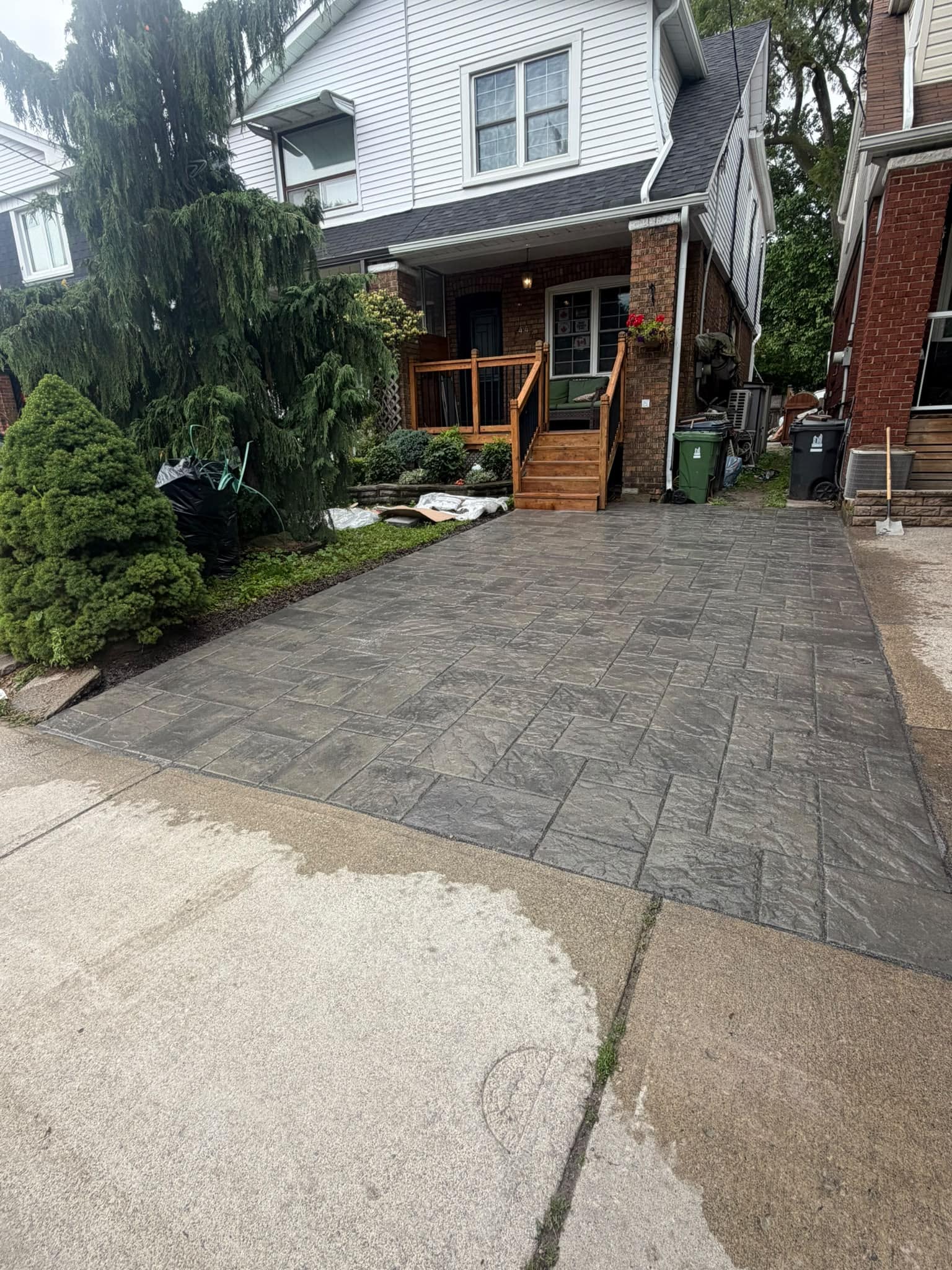
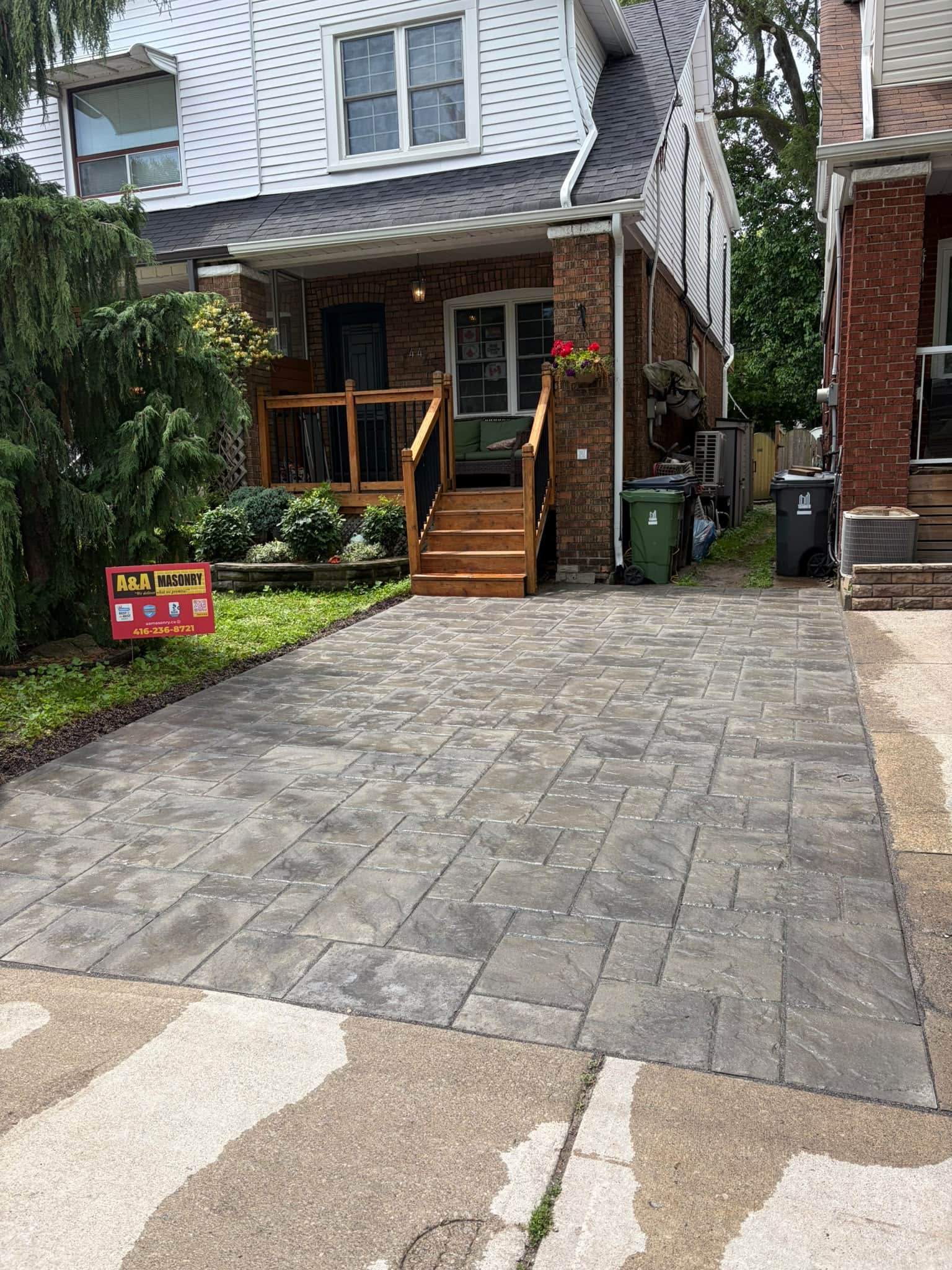
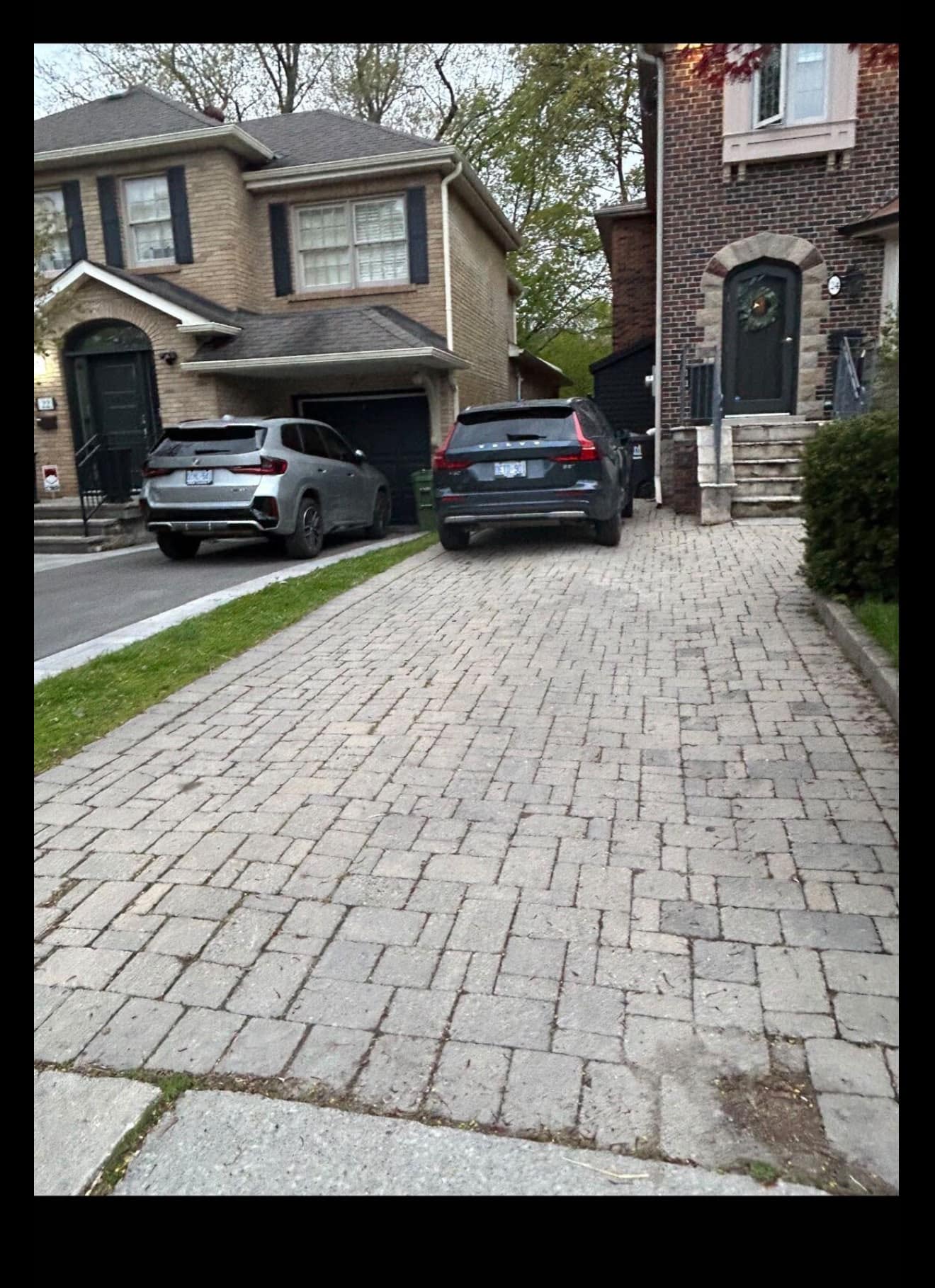
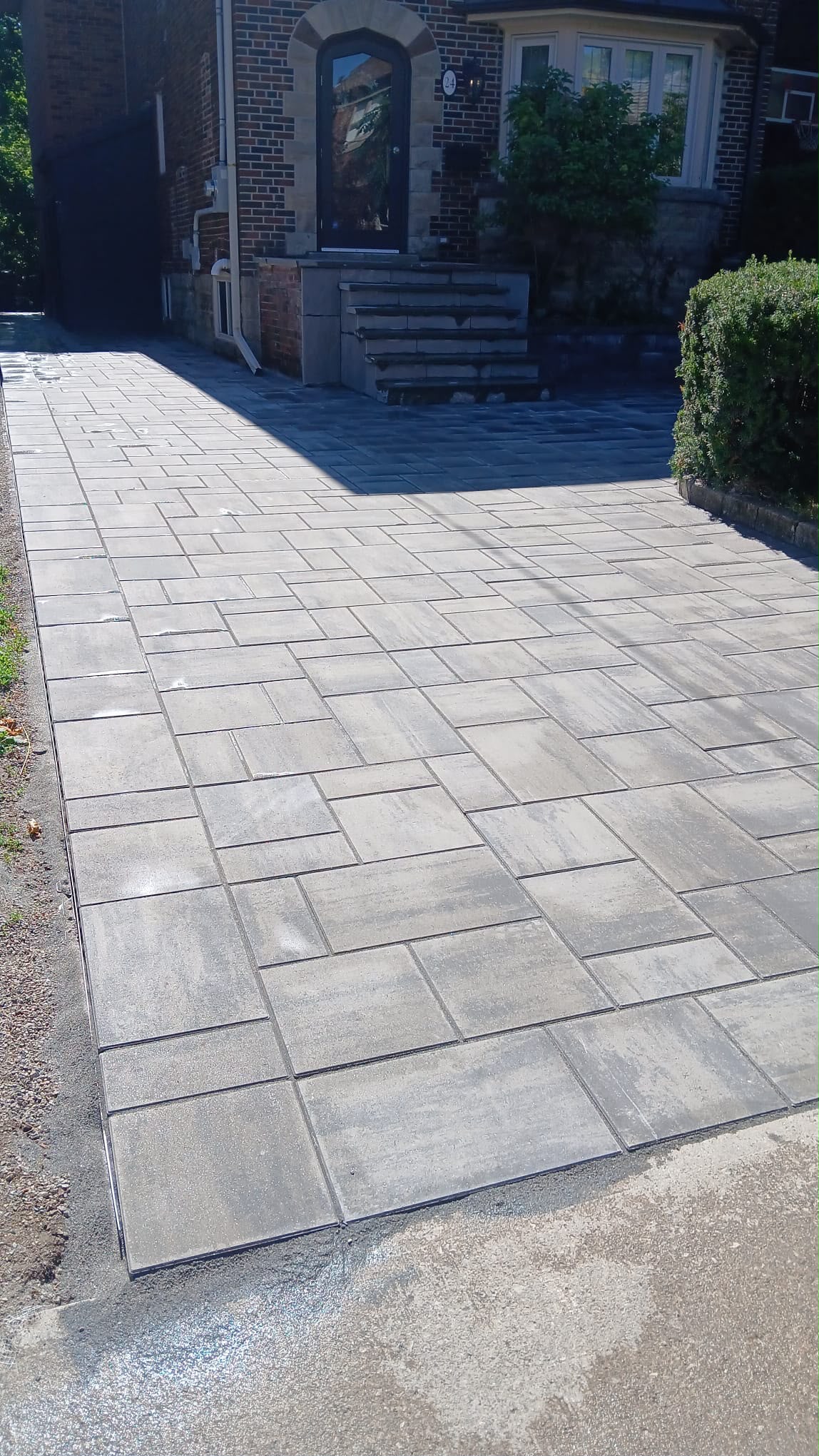
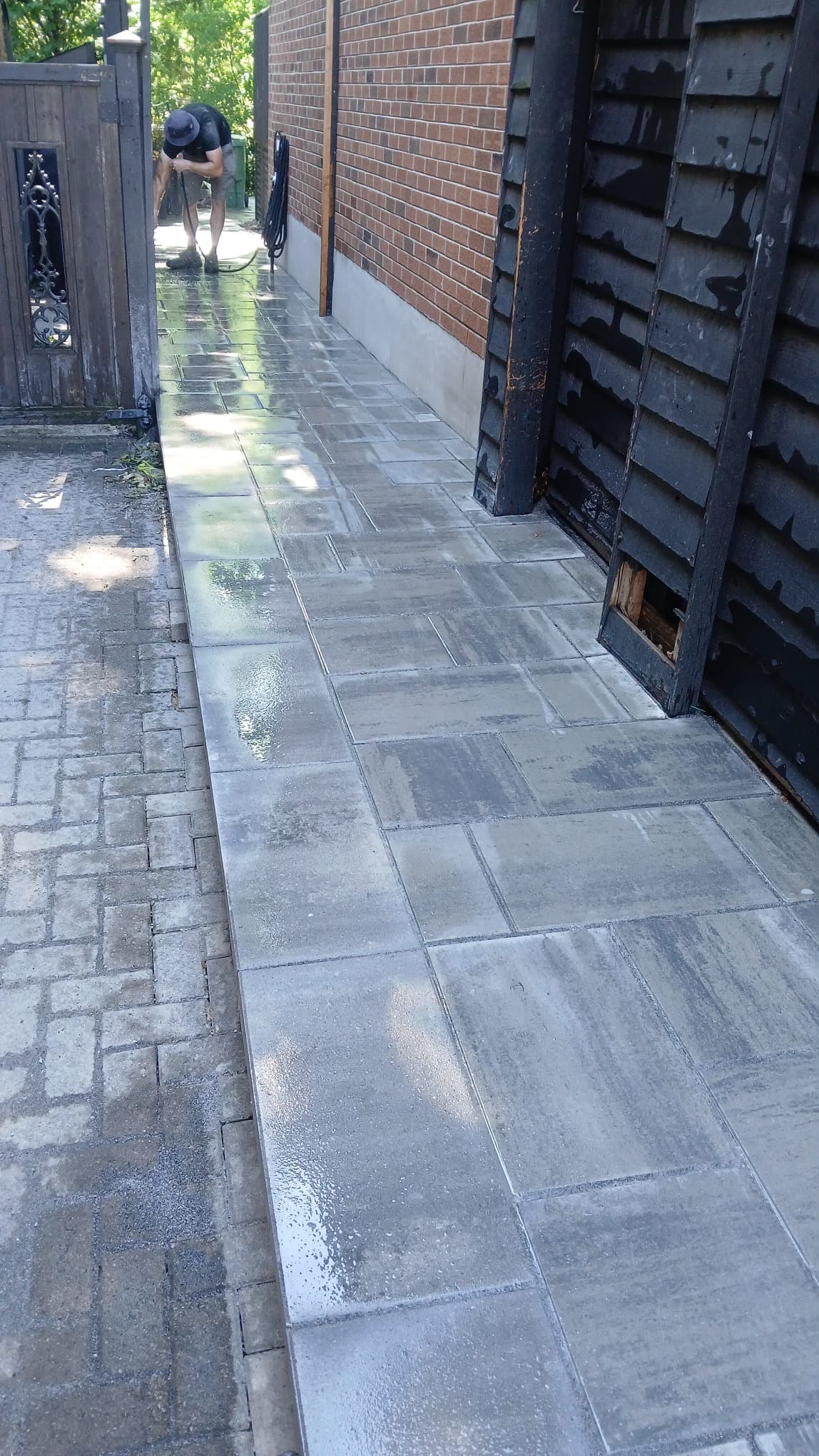
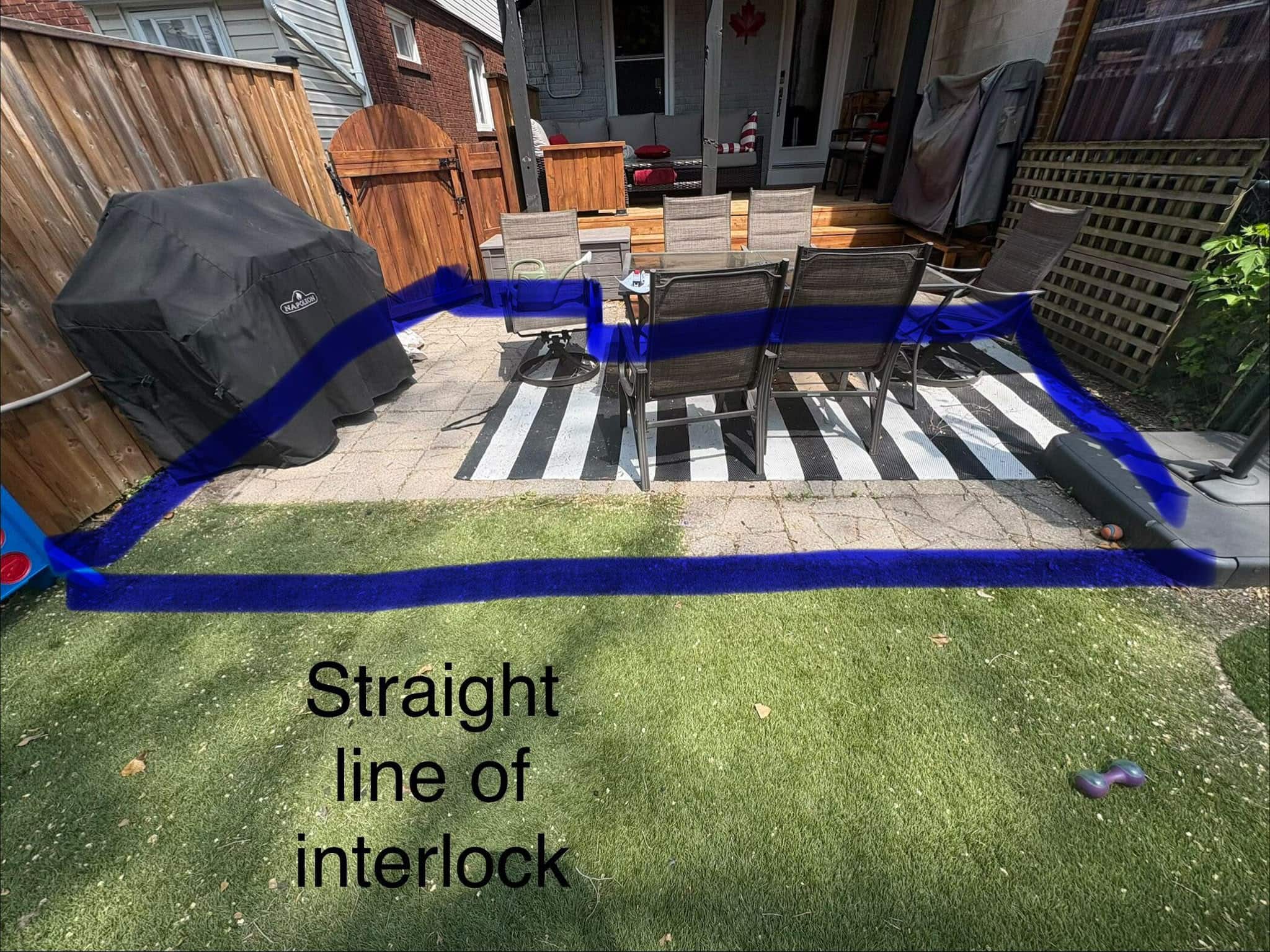
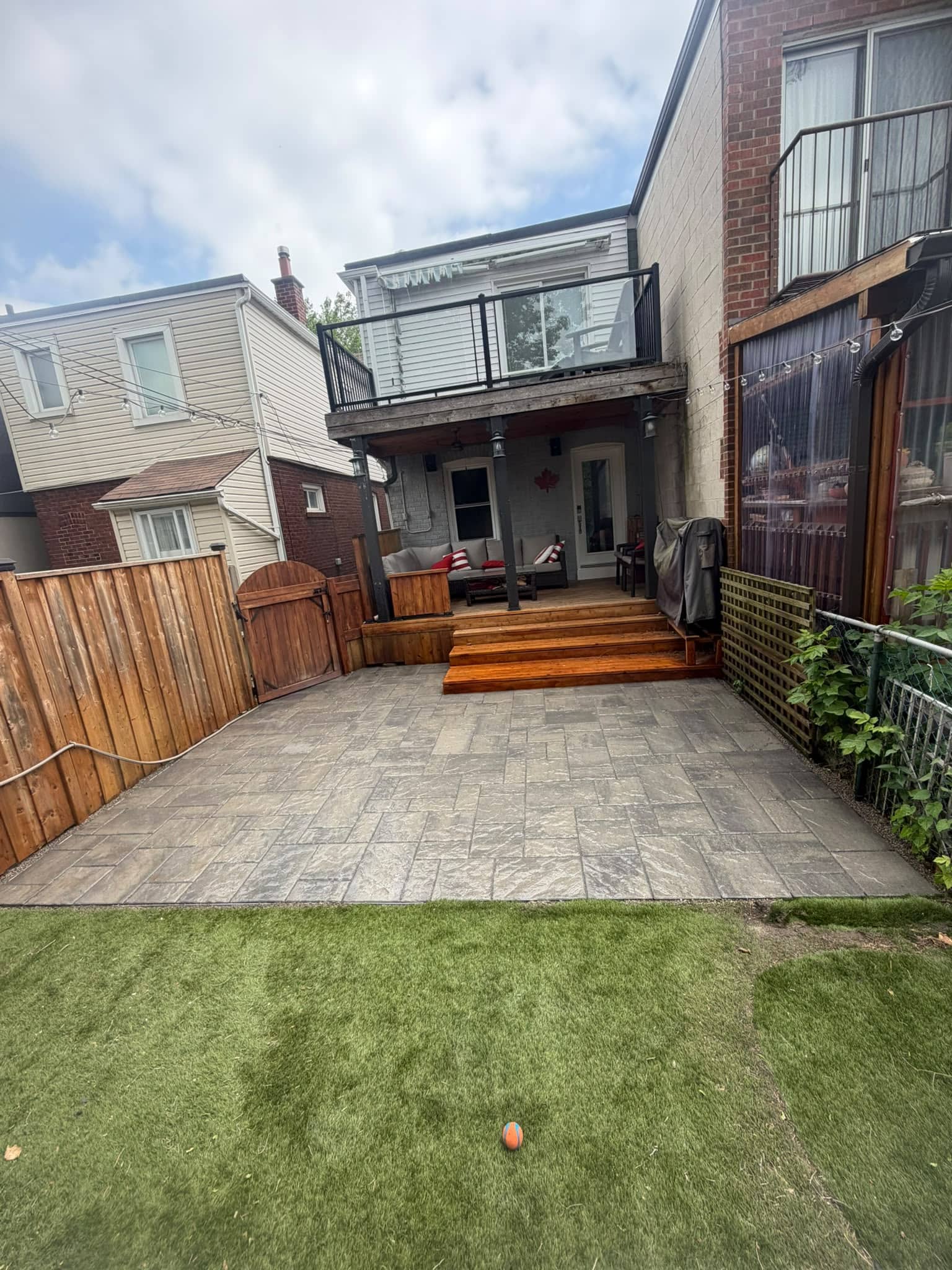
- Interlocking surfaces: Look for sinking, lifting, spreading edges, pooling, and uneven joints.
- Drainage paths: Check gutters, downspouts, grading, window wells, patios, and hard surfaces.
A homeowner can check many of these safely from the ground. High areas, unstable masonry, roofline chimneys, and structural concerns should be left to professionals.
How Often Should Masonry Be Checked?
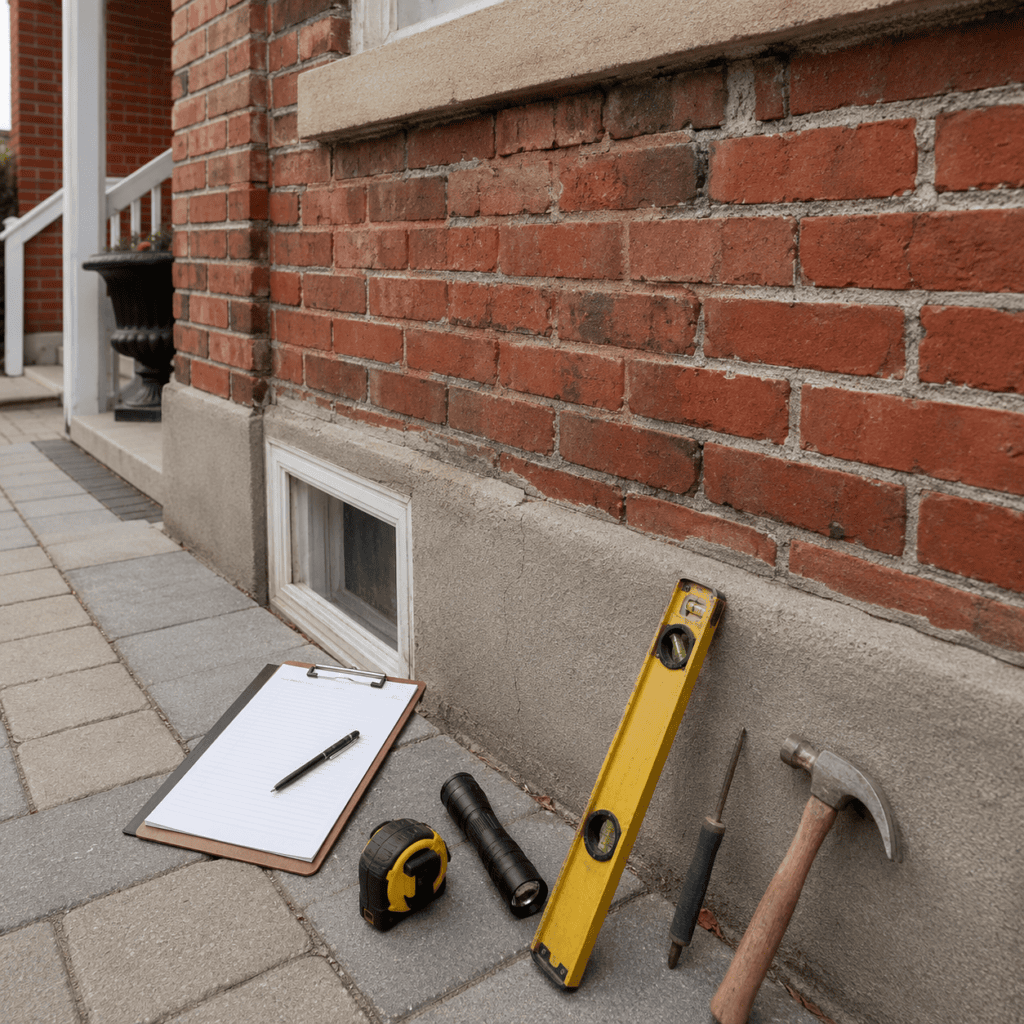
Masonry should be checked at least once or twice a year by the homeowner, with a more detailed professional review when damage is visible, the home is older, or water problems keep returning. Good times to check are spring and fall.
Spring checkups help find winter freeze-thaw damage, salt wear, chimney deterioration, concrete scaling, and drainage issues after snowmelt. Fall checkups help prepare the home for rain, ice, and freezing temperatures as they return.
Homes with older brick, active chimneys, known water issues, retaining walls, or previous repairs may need closer attention. Newer homes may still benefit from routine checks, especially around concrete, exterior steps, and drainage.
A professional checkup makes sense when you see cracks widening, brick faces breaking off, mortar falling out, water entering the basement, a chimney leaning, or steps becoming unsafe.
What Homeowners Can Do Themselves
Homeowners can safely perform simple masonry checks and maintenance from ground level. This helps catch early signs without taking on risky repair work.
- Walk around the home after winter and after heavy rain.
- Take photos of cracks, stains, spalling, and damp areas so changes can be tracked.
- Clear leaves and debris from steps, window wells, and drainage areas.
- Make sure downspouts discharge away from the foundation where feasible.
- Keep soil and mulch below the brick weep areas and away from the lower walls.
- Watch for water pooling beside the home, patio, walkway, or driveway.
- Look at the chimney from the ground using phone zoom instead of climbing.
- Avoid sealing, patching, or painting over damp or damaged masonry before the cause is understood.
These steps are useful, but they are not a substitute for proper repair. If the issue keeps returning or the masonry is loose, high, cracked, or water-damaged, a professional review is safer.
What Happens If Masonry Checkups Are Ignored?
If masonry checkups are ignored, small problems can turn into larger repairs. Water can penetrate deeper into walls, mortar can fail over wider areas, spalling can spread, chimneys can deteriorate, steps can become unsafe, and foundation dampness can persist unnoticed.
Ignoring masonry also makes it harder to understand what caused the damage. By the time a problem becomes obvious, several materials may be affected. A downspout issue may lead to lower brick damage. A cracked chimney crown may lead to liner concerns. A small concrete crack may become a broken step. A missing mortar joint may cause several bricks to be damaged.
Regular checkups do not prevent every issue, but they make surprises less likely. They also help homeowners make repair decisions based on evidence rather than waiting until the damage is urgent.
Permits, Code, and Larger Masonry Repairs
Permits or code questions may be required when a checkup reveals larger masonry work involving structural elements, openings, foundations, retaining walls, chimneys, porches, or major exterior changes. Not every repair requires a permit, but homeowners should know when a project goes beyond simple maintenance.
The City of Toronto provides information about building permits. Ontario’s official Building Code page is also the preferred provincial reference for building requirements.
For homeowners, the practical rule is simple: if the repair affects structure, support, major exterior features, retaining walls, or building openings, check official guidance before starting work.
Quick Masonry Checkup Guide
A quick masonry checkup guide can help homeowners decide what needs attention first.
- Check brick faces: Look for flaking, cracking, crumbling, or missing pieces.
- Check mortar joints: Look for gaps, sandy mortar, missing sections, or deep recession.
- Check chimneys: Look for leaning, spalling, missing caps, cracked crowns, and loose mortar.
- Check concrete: Look for cracks, scaling, uneven steps, and pooling water.
- Check lower walls: Look for dampness, efflorescence, staining, and damaged parging.
- Check drainage: Look for water flowing toward the home, short downspouts, and blocked window wells.
- Check after storms: Rain often reveals weak drainage and water-entry points.
- Check before winter: Repairing open joints and water issues before freezing weather can reduce damage.
The most important checkup habit is consistency. Looking at the same areas each season makes it easier to notice when something changes.
When Professional Help Makes More Sense
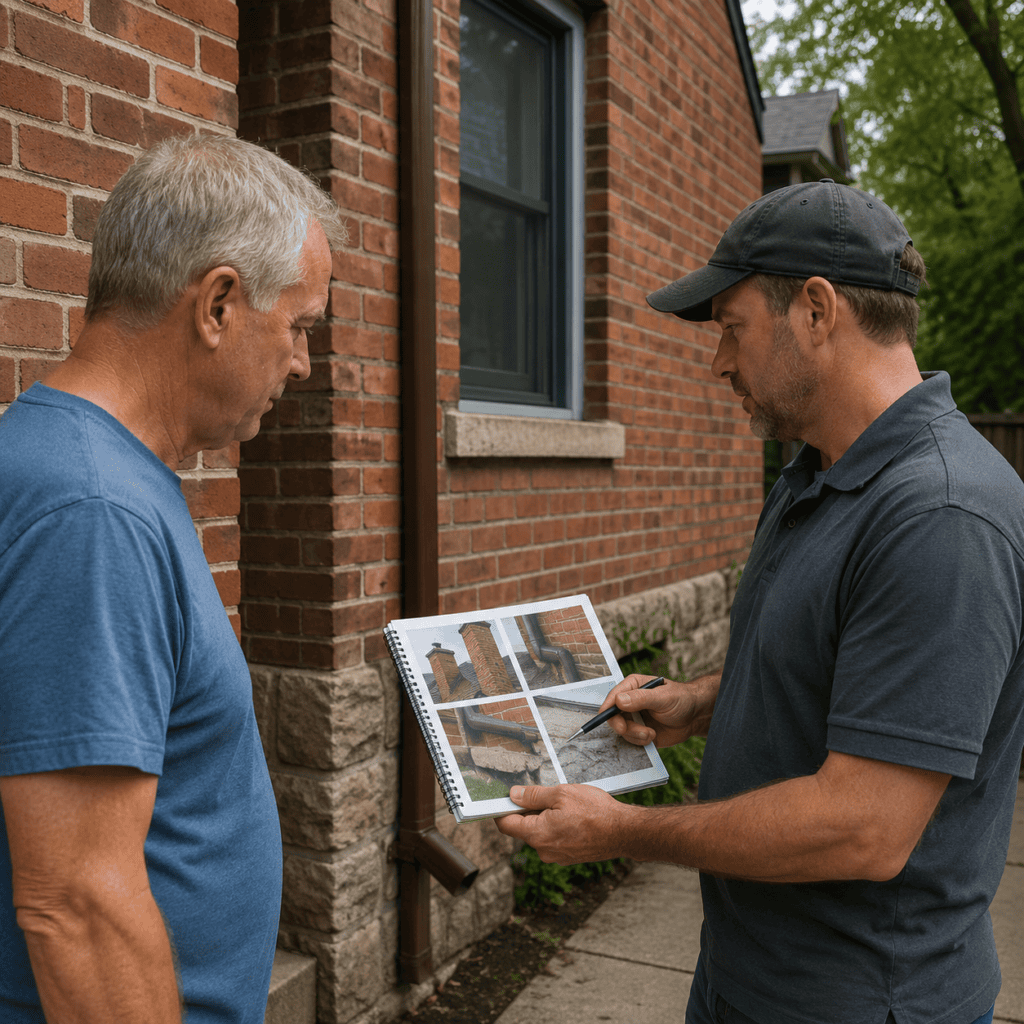
Professional help makes more sense when masonry damage is spreading, water is entering, the chimney is involved, steps are unsafe, mortar is falling out, or repairs from previous years keep failing. These signs often point to a deeper issue that needs more than surface patching.
A professional mason can assess the cause, not just the visible symptom. They can determine whether the home needs brick repair, tuckpointing, chimney repair, waterproofing, concrete repair, stone repair, parging, or drainage-related correction. They can also help prioritize repairs so the most important issues are handled first.
For homeowners, a good masonry checkup is not about finding work to do. It is about understanding what is sound, what is aging, and what needs attention before the next season makes it worse.
Final Thoughts on the Benefits of Regular Masonry Checkups
The benefits of regular masonry checkups are simple: they help homeowners catch small problems early, protect brick and mortar from water damage, reduce freeze-thaw deterioration, improve safety, support curb appeal, and plan repairs before they become emergencies.
For Toronto and GTA homes, masonry checkups are especially useful because the exterior is exposed to rain, snow, salt, ice, and repeated temperature changes. Brick, mortar, chimneys, concrete, stone, foundations, and interlocking surfaces all perform better when water is managed and damage is repaired early.
A seasonal walkaround, a few photos, and attention to drainage can go a long way. When damage is visible, recurring, high up, or connected to water entry, professional help can make the difference between a short-term patch and a repair that actually addresses the cause.