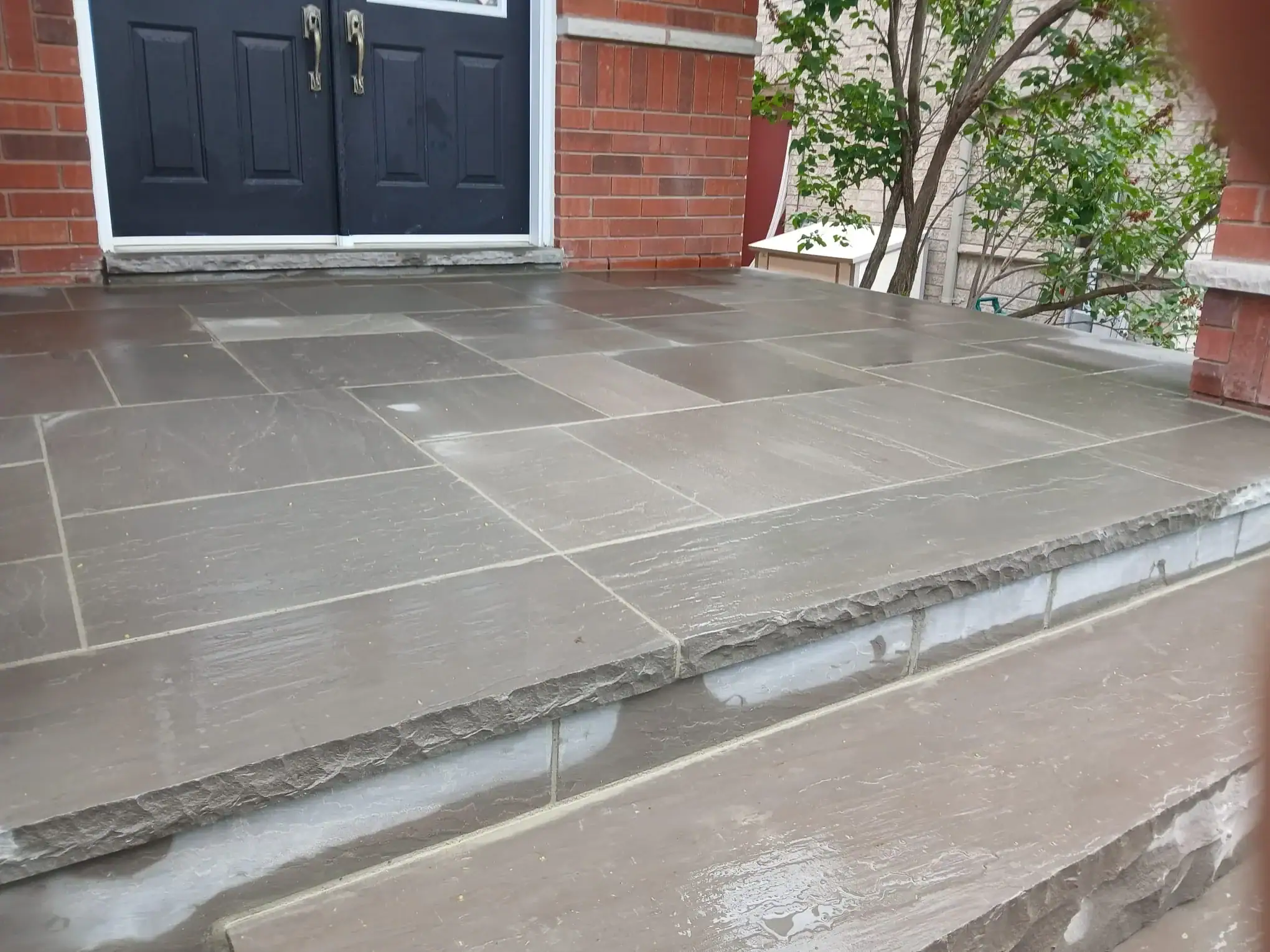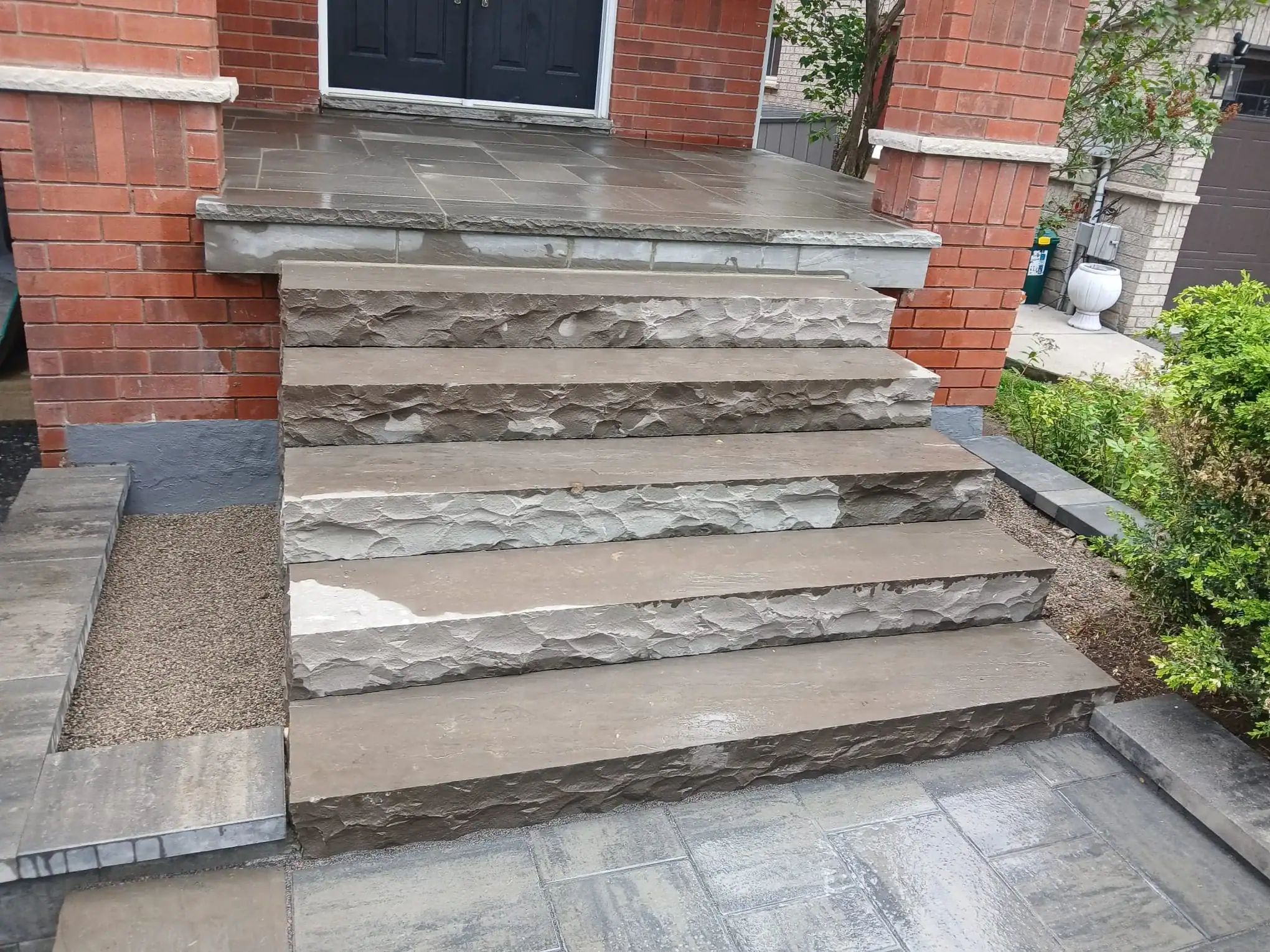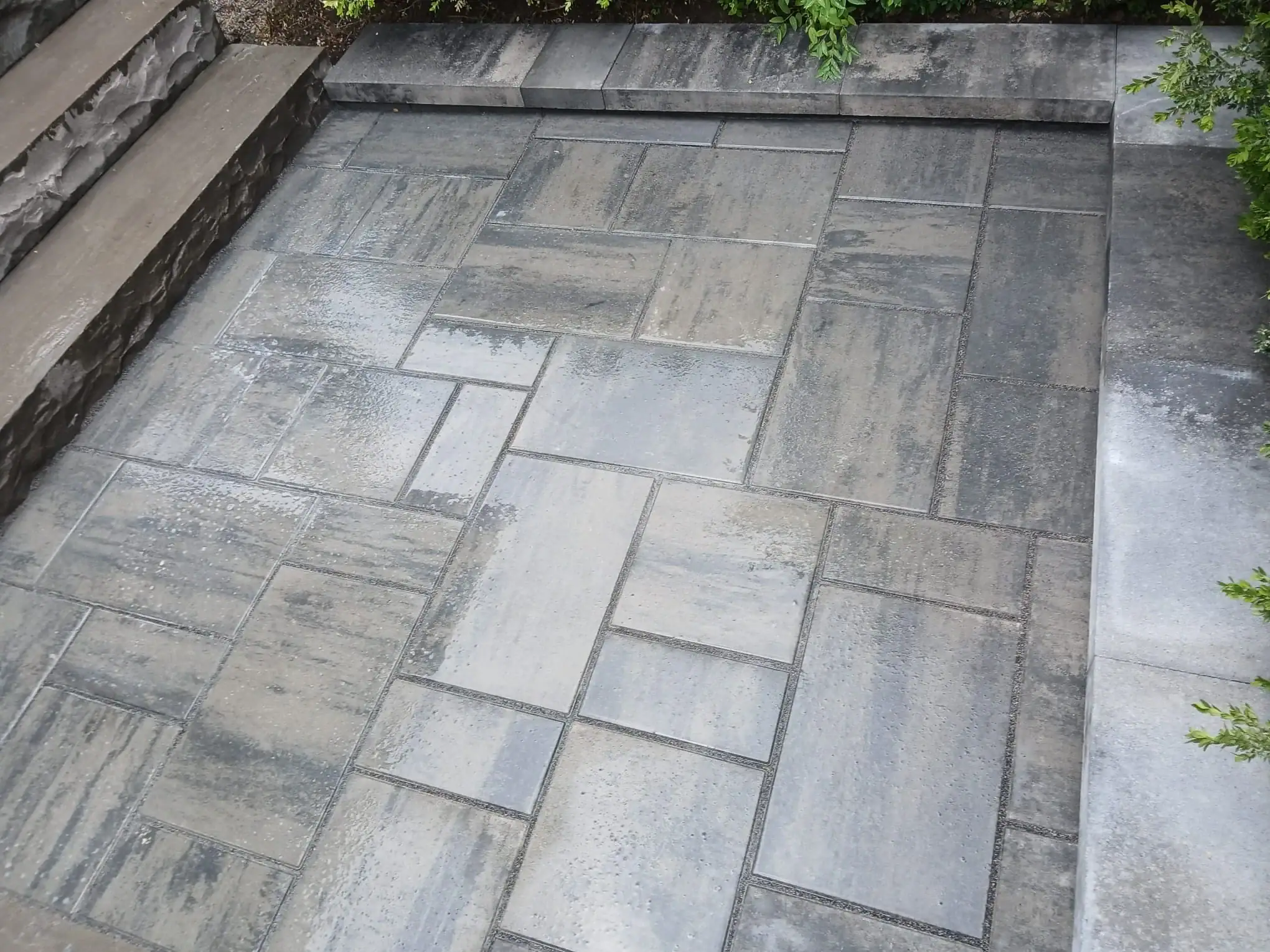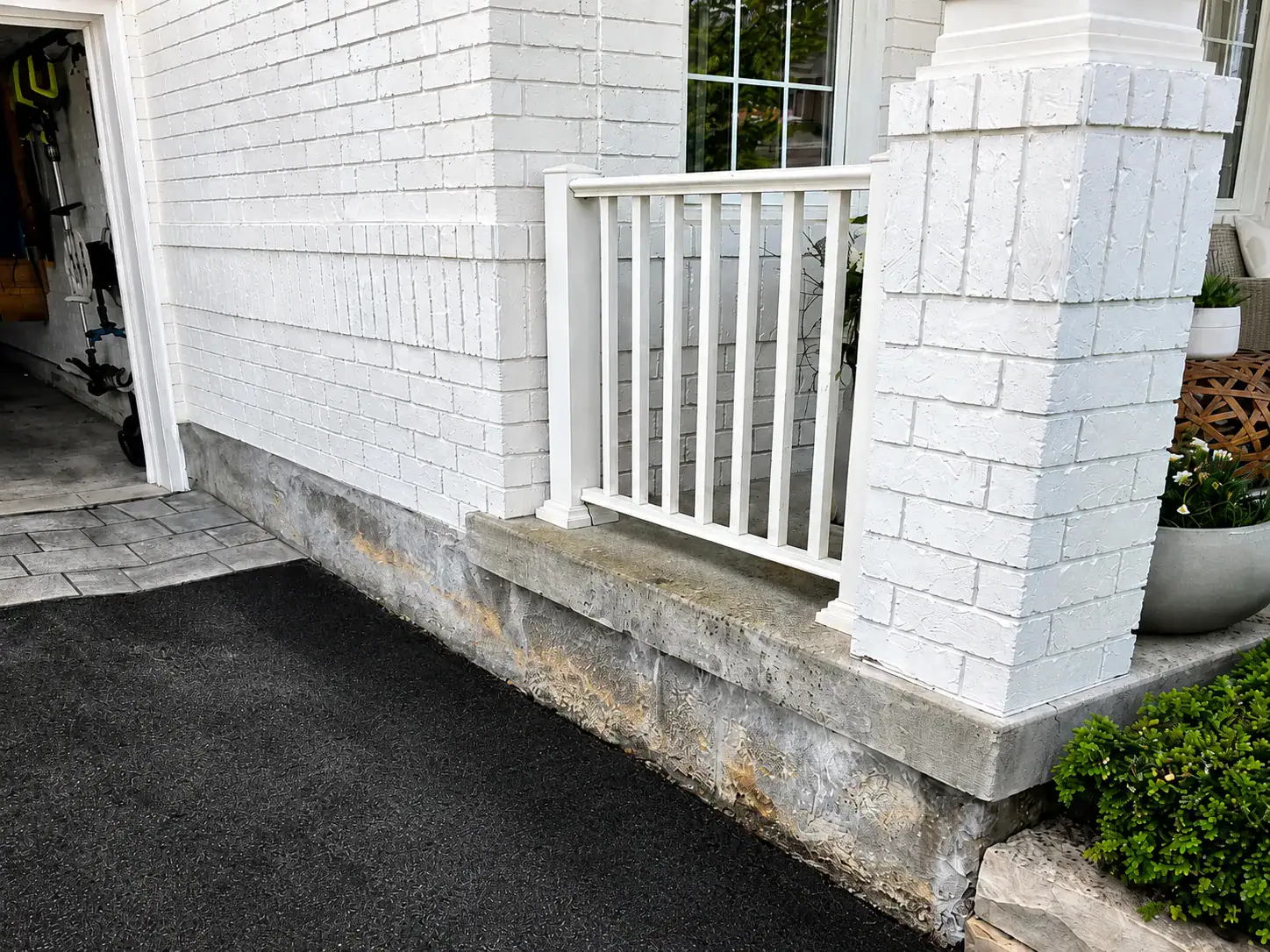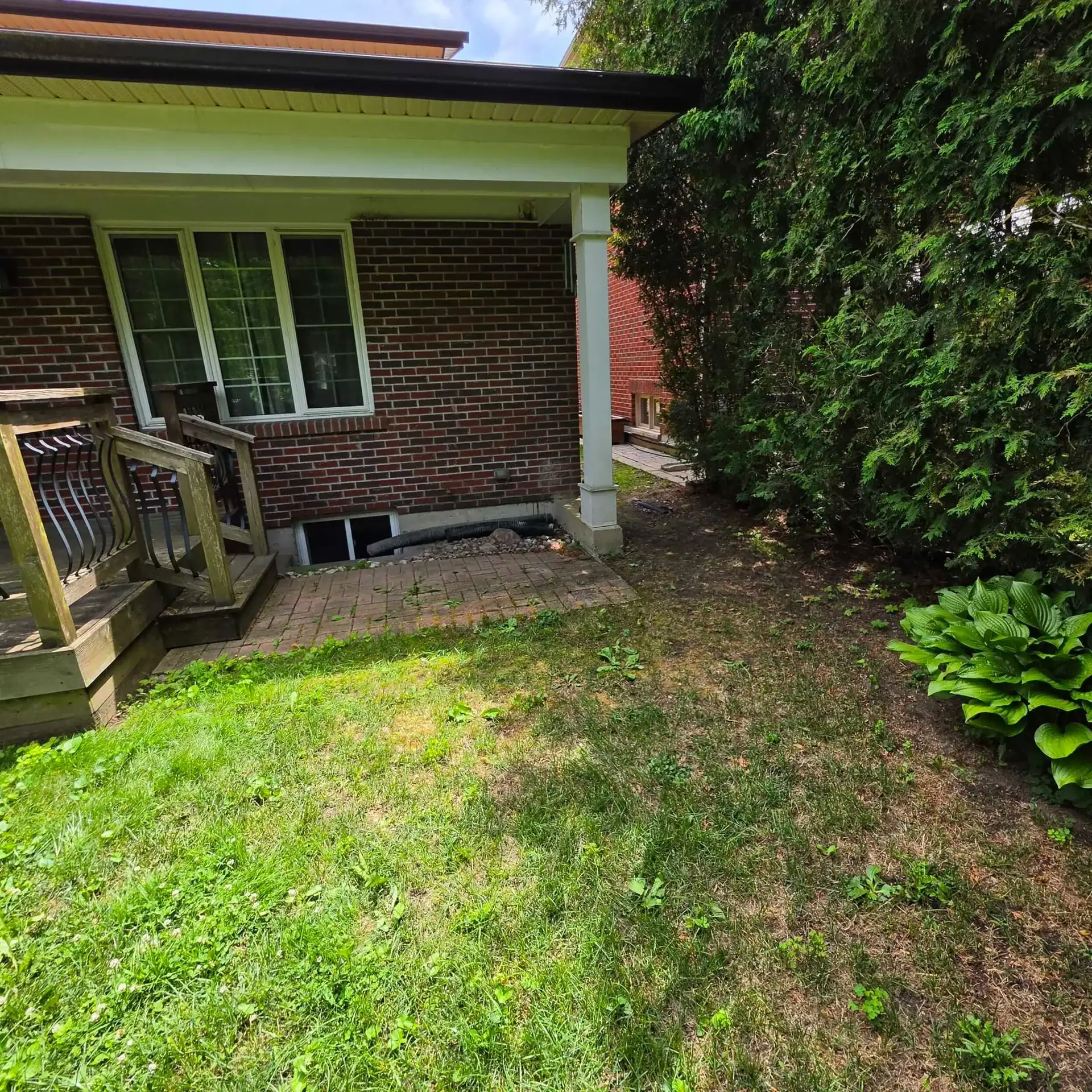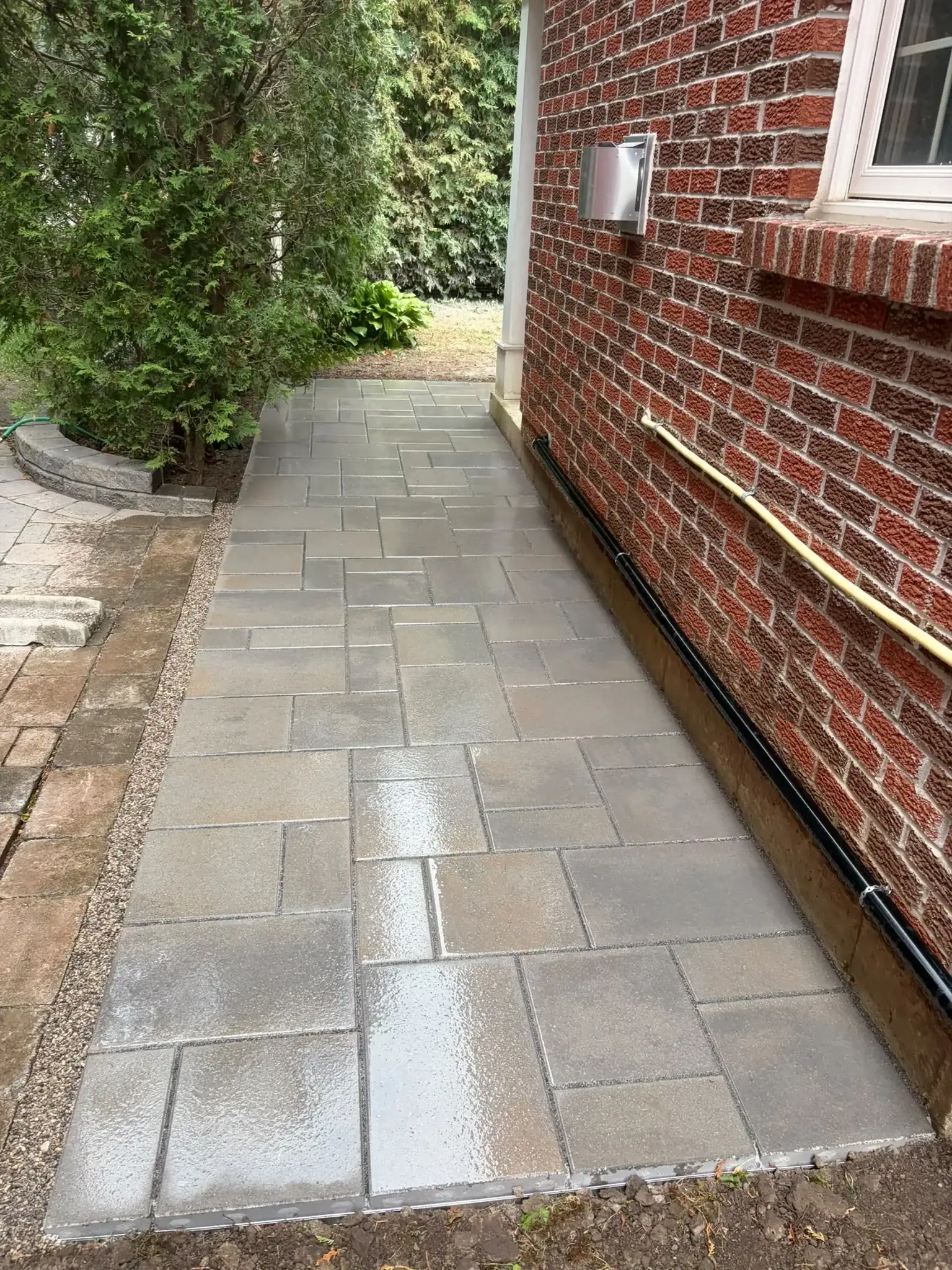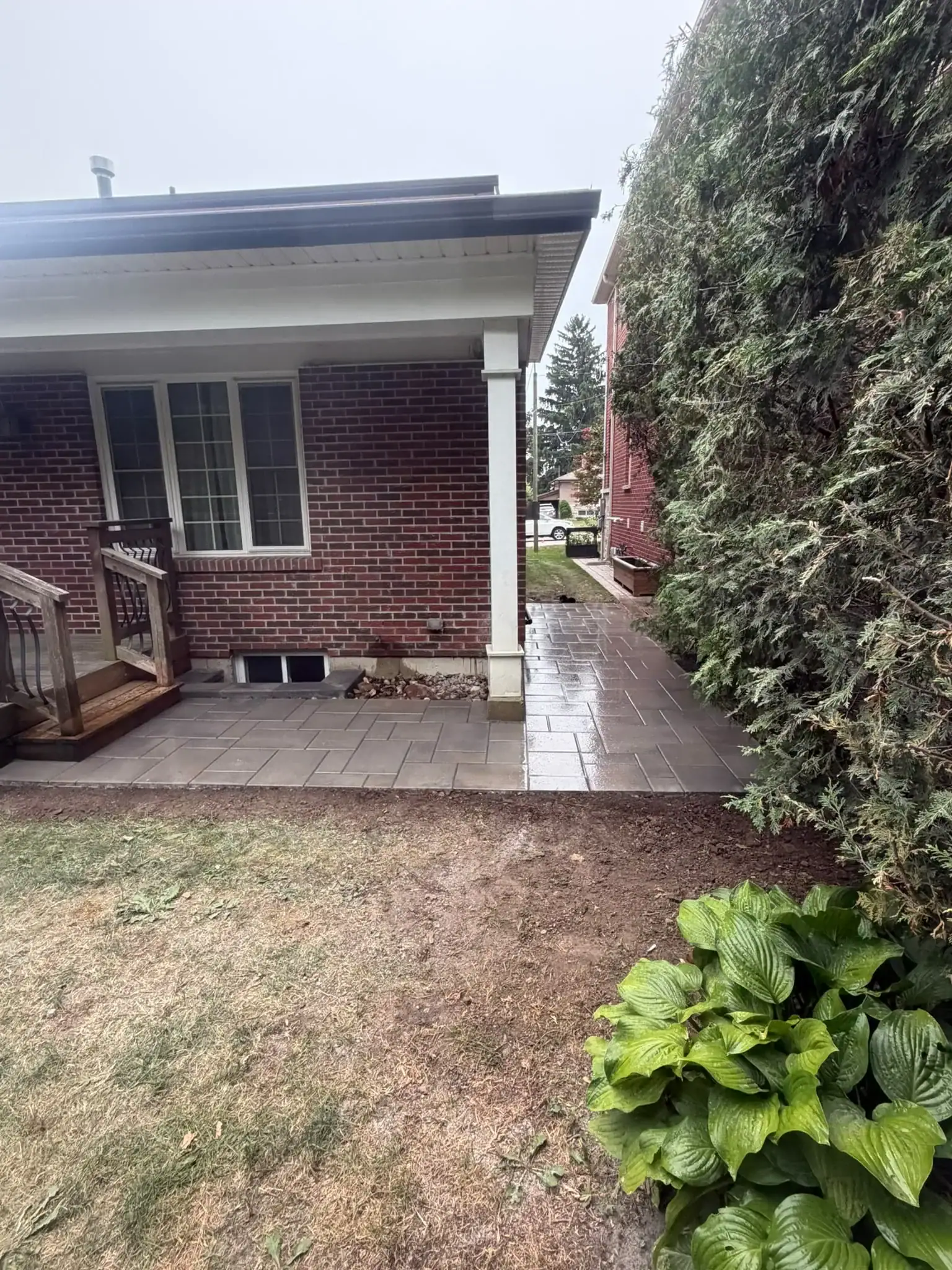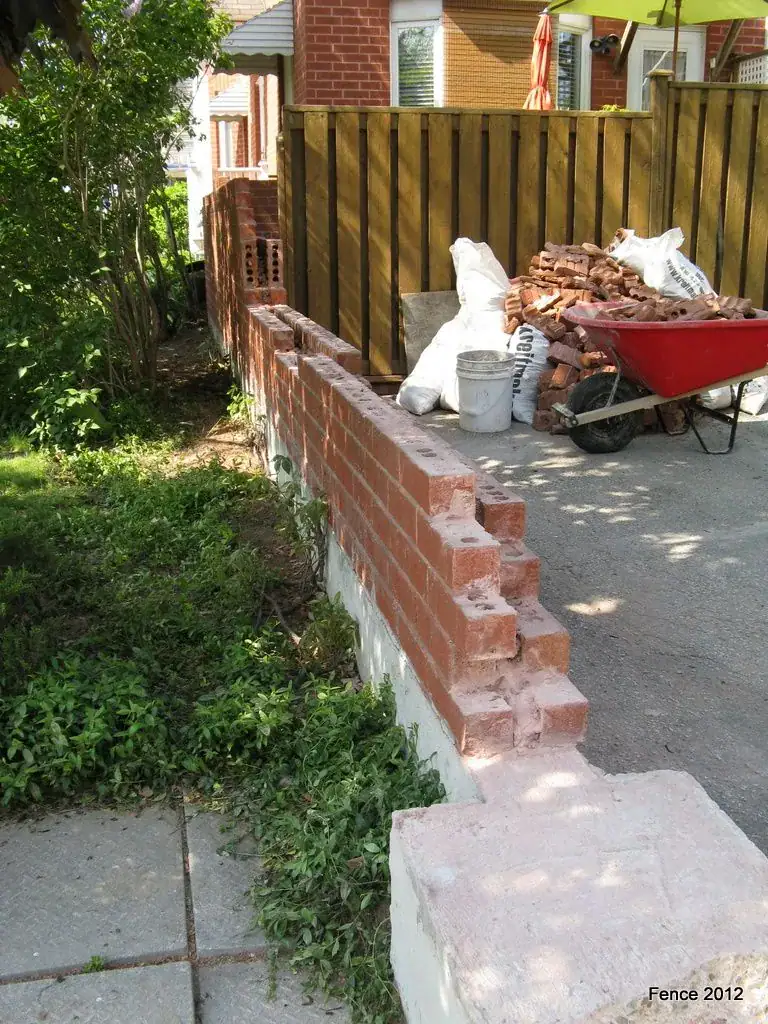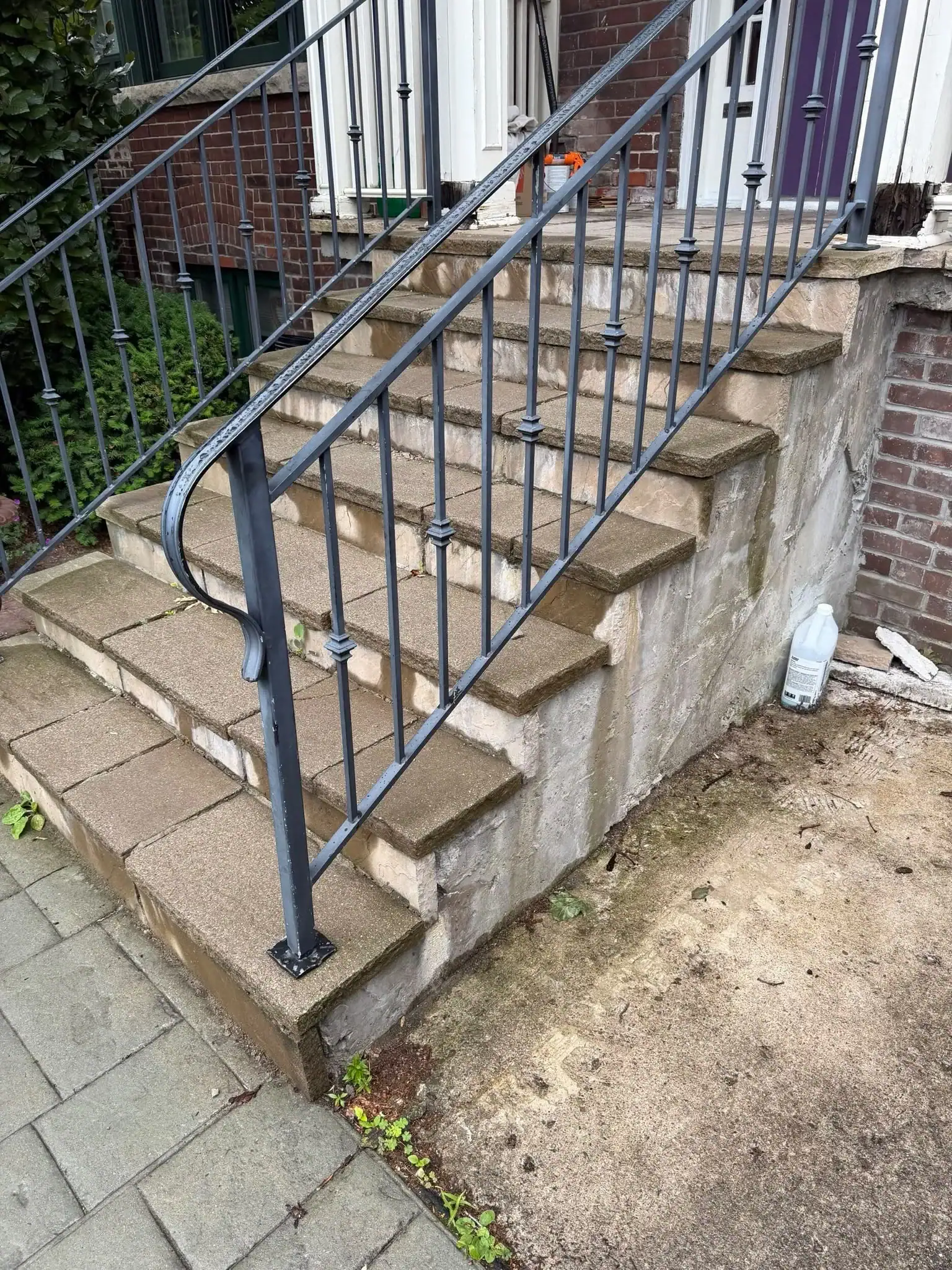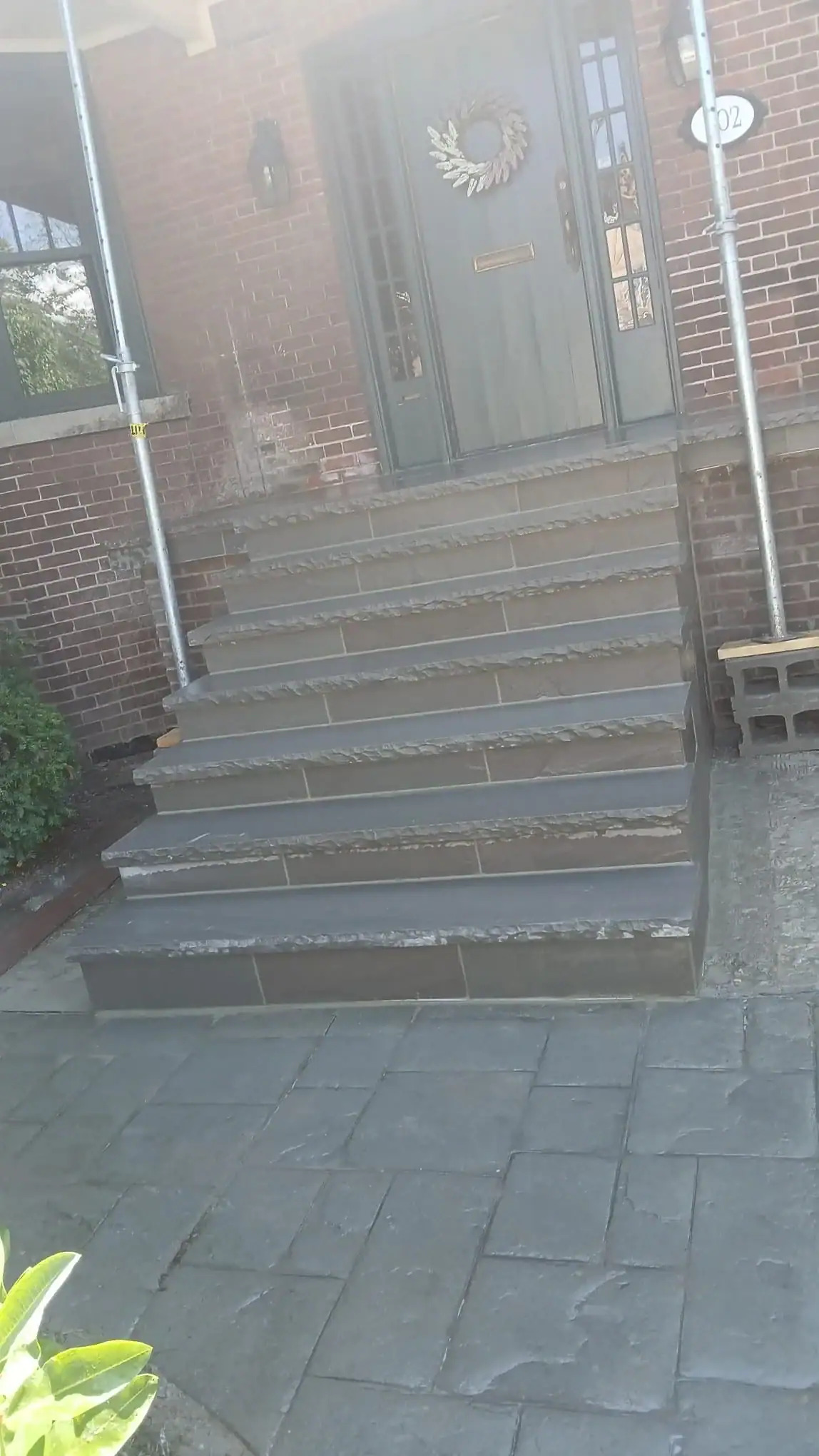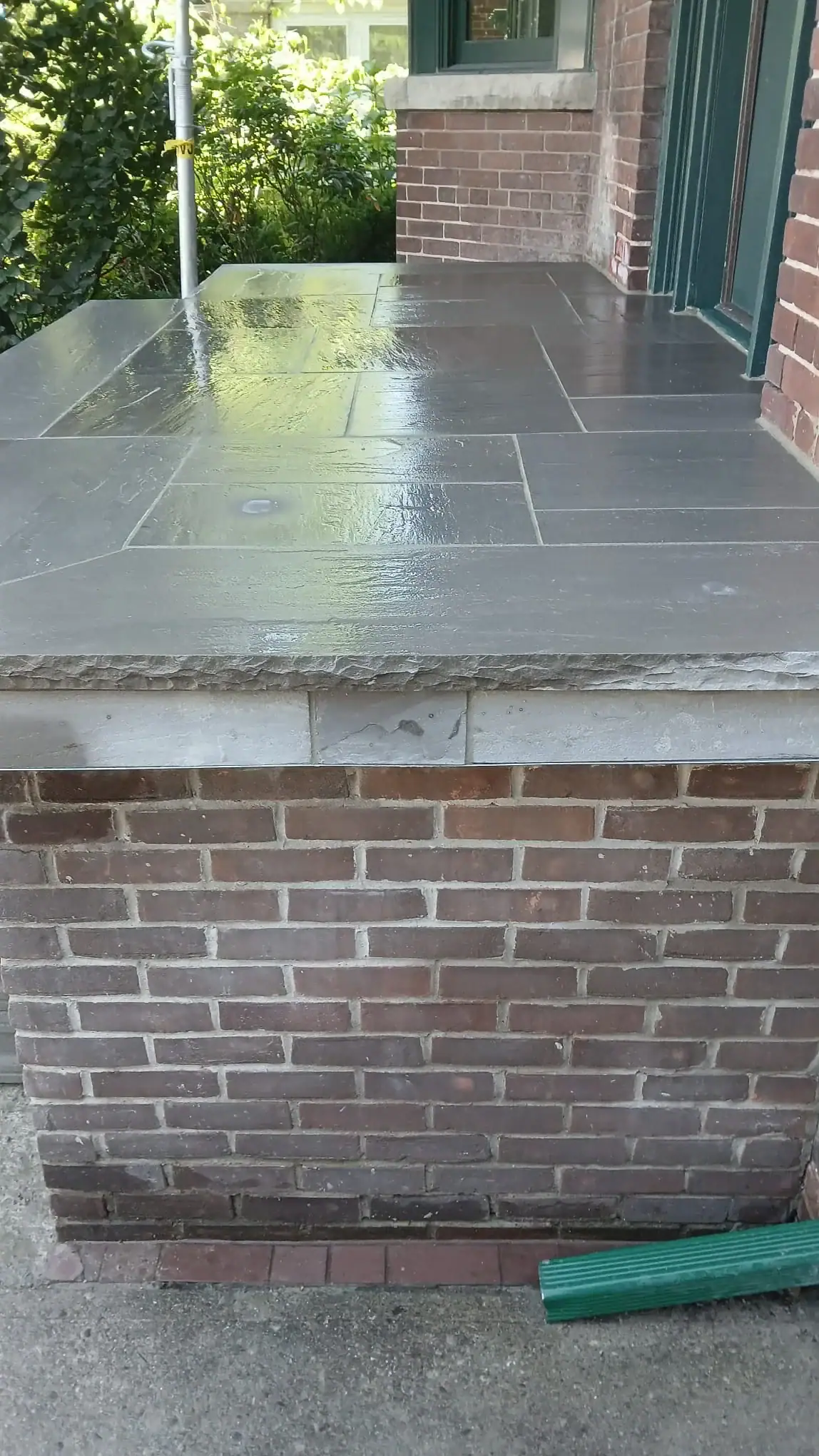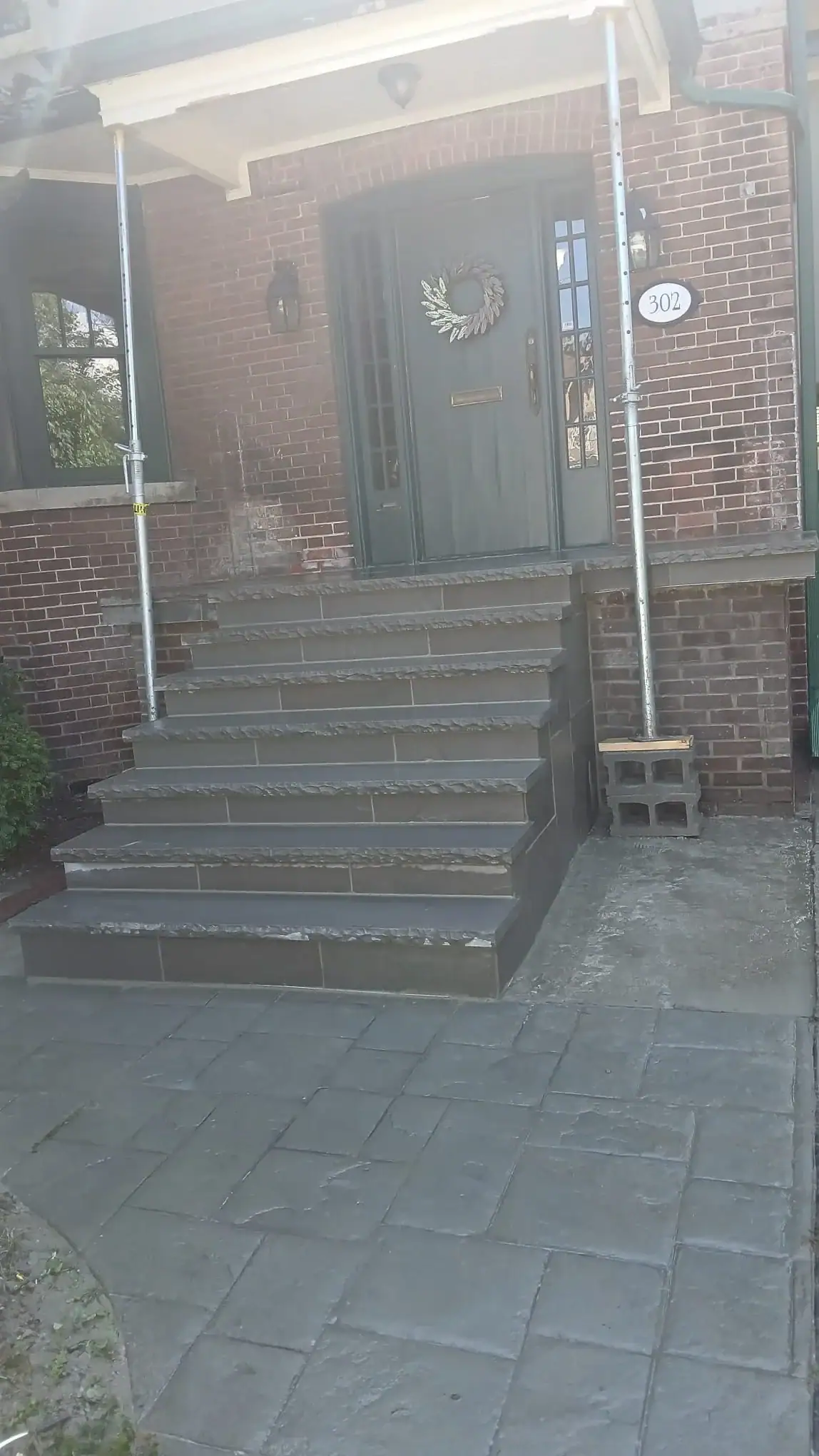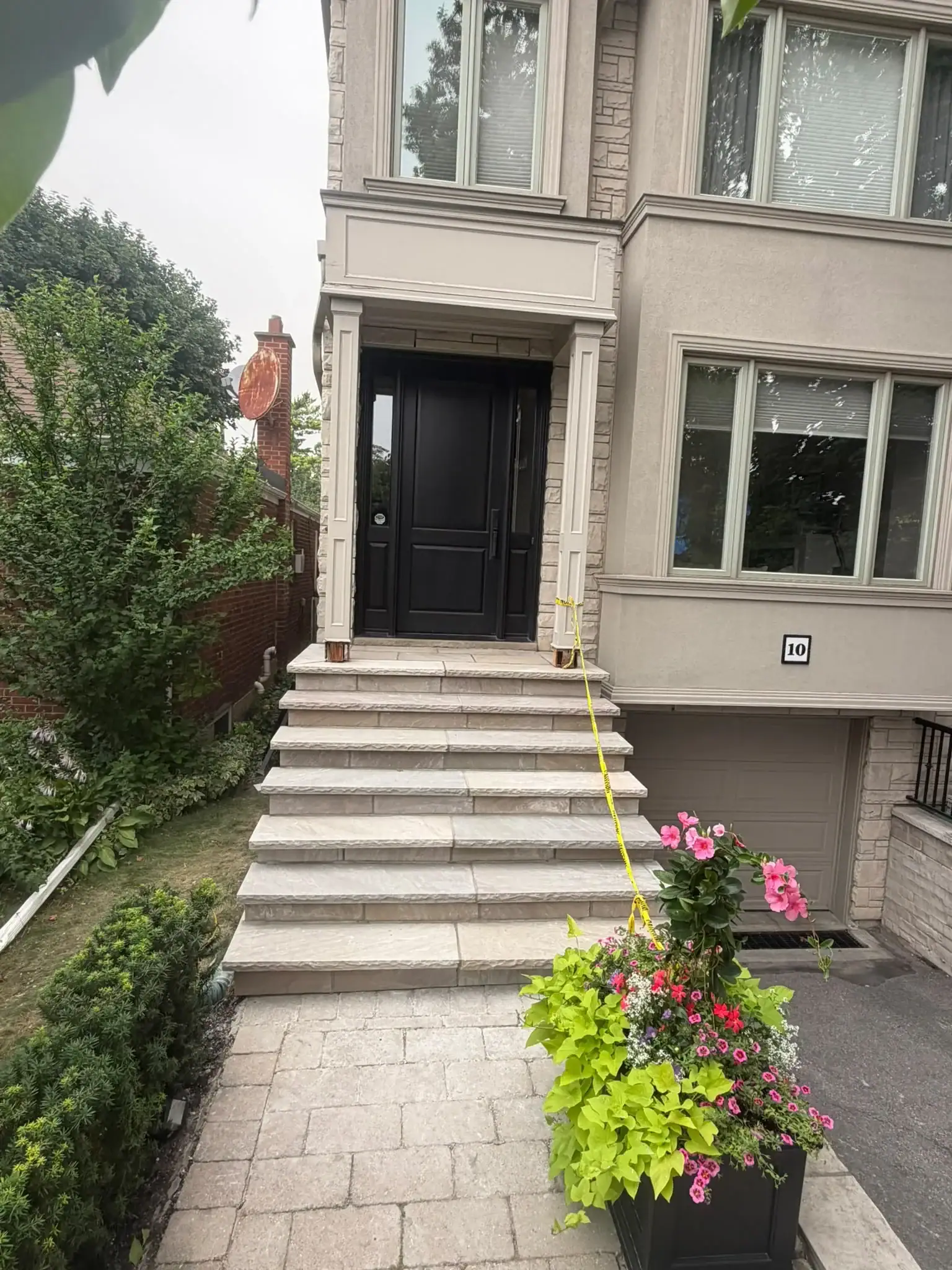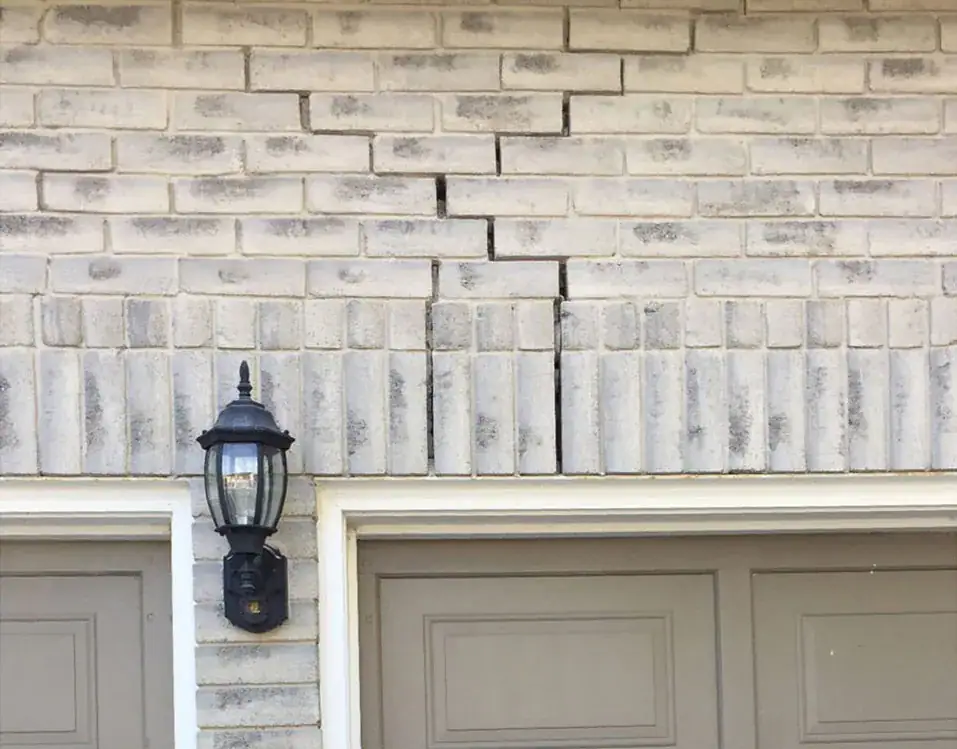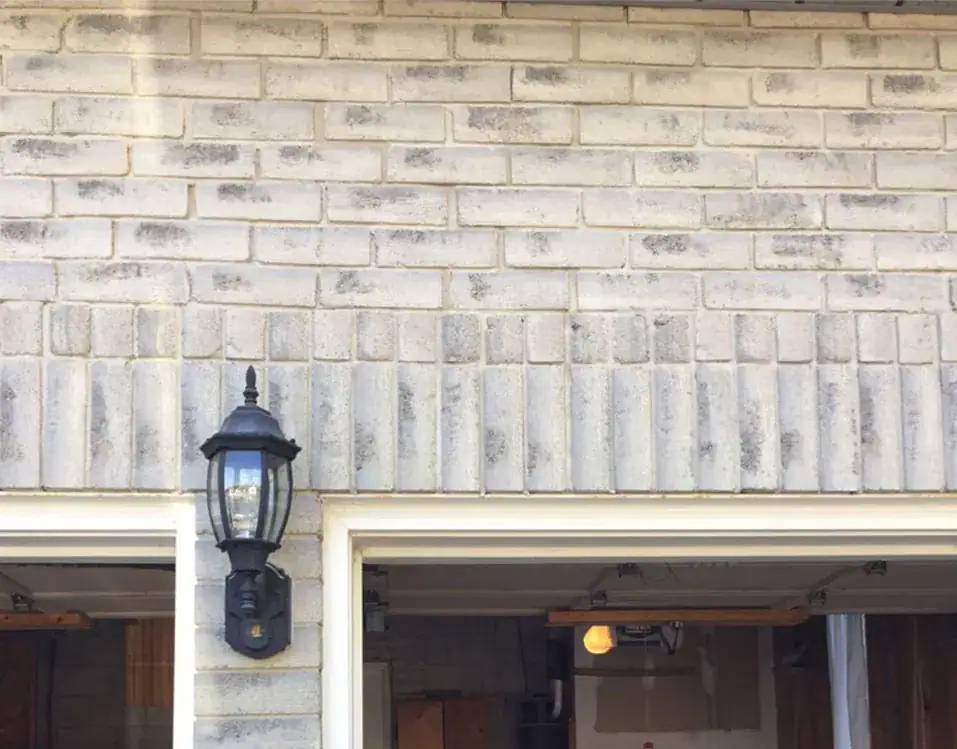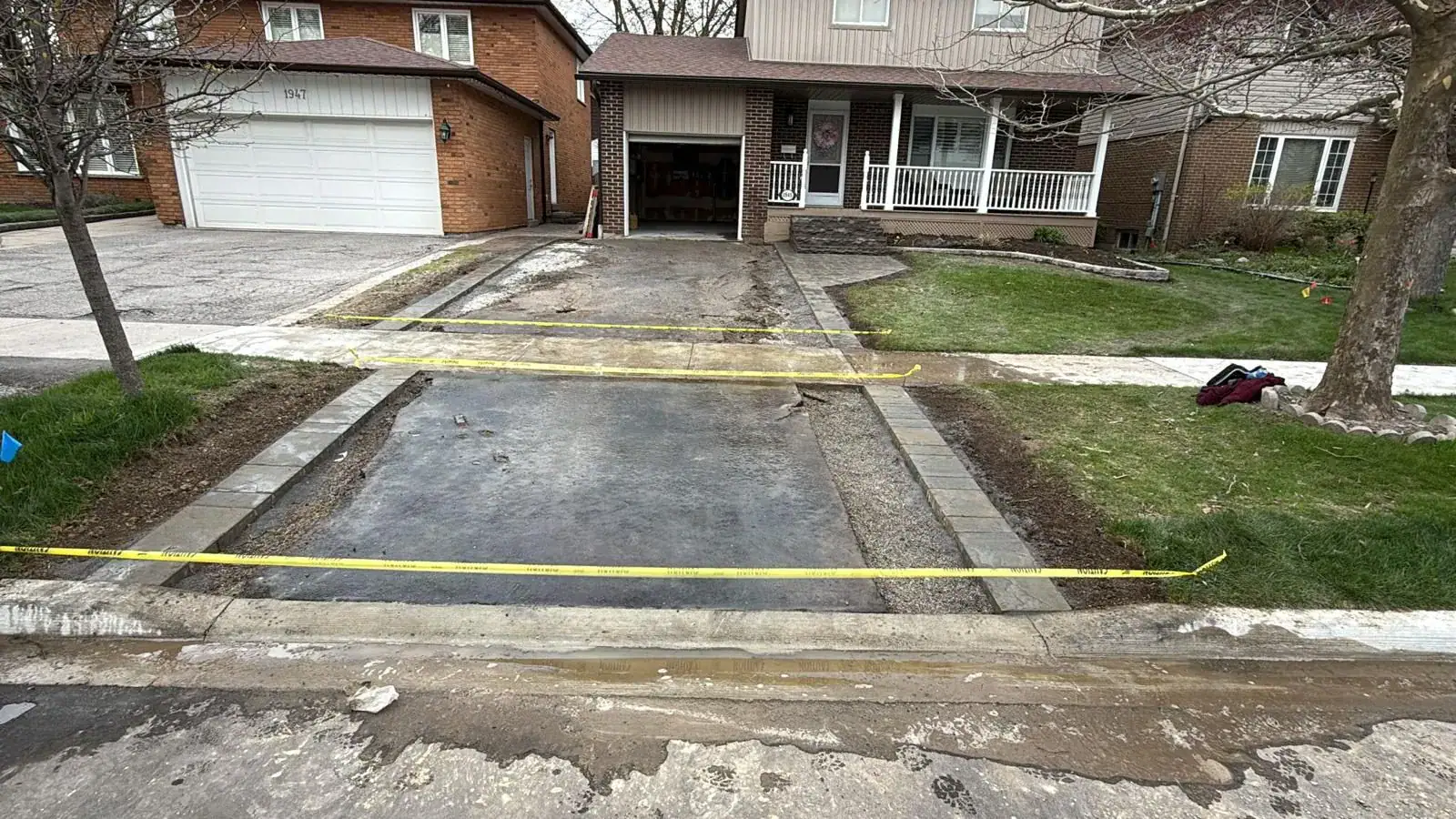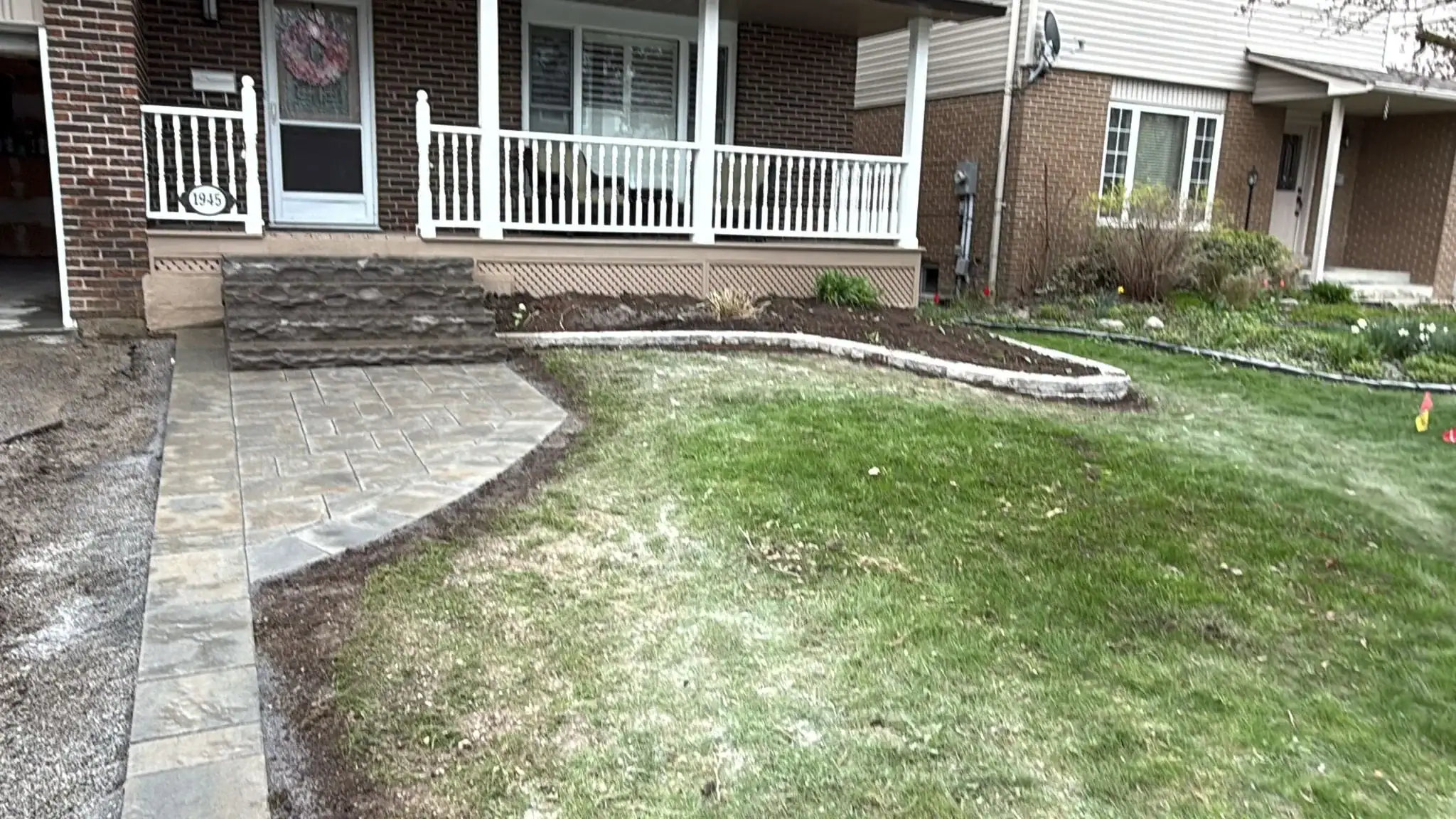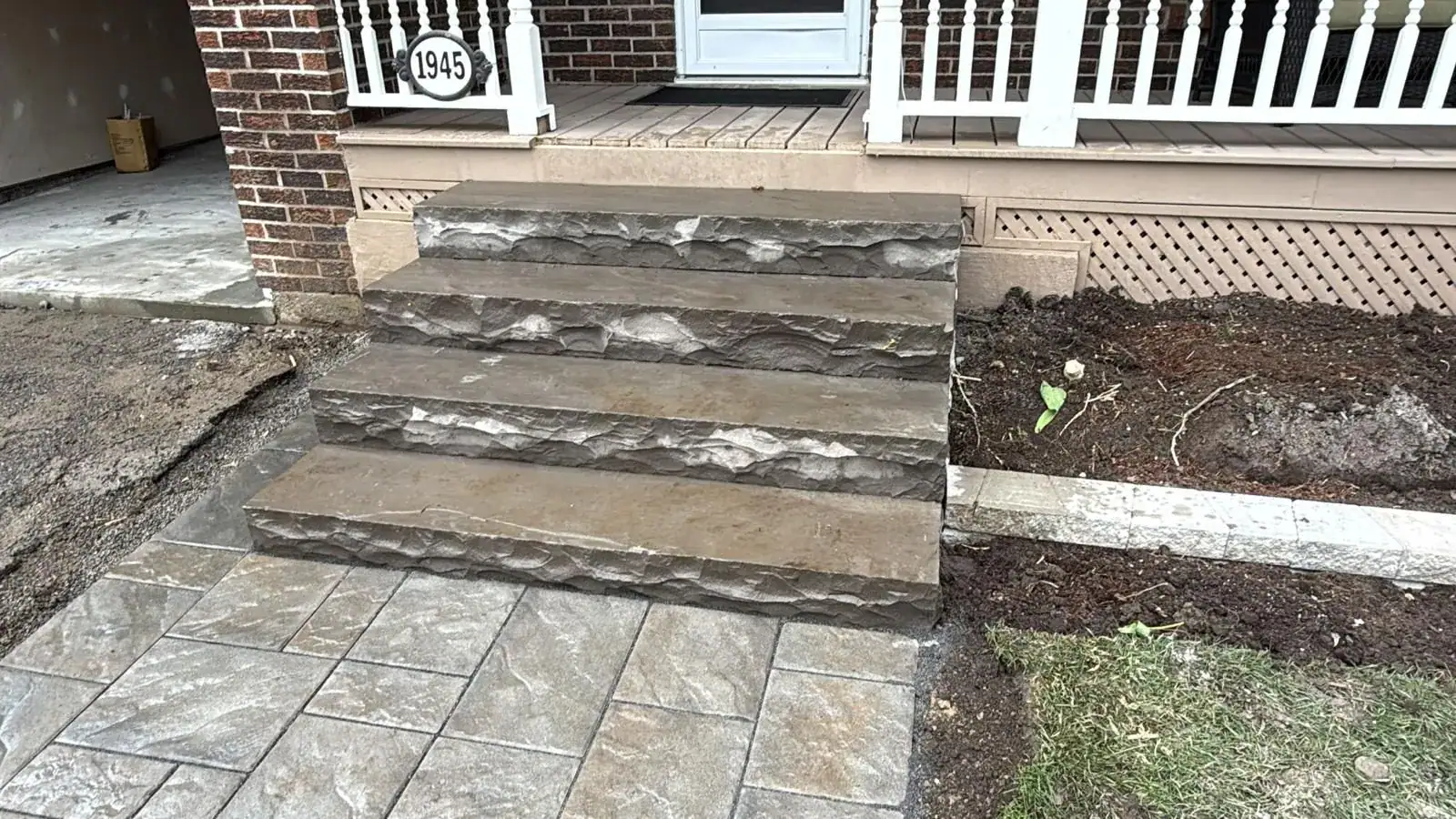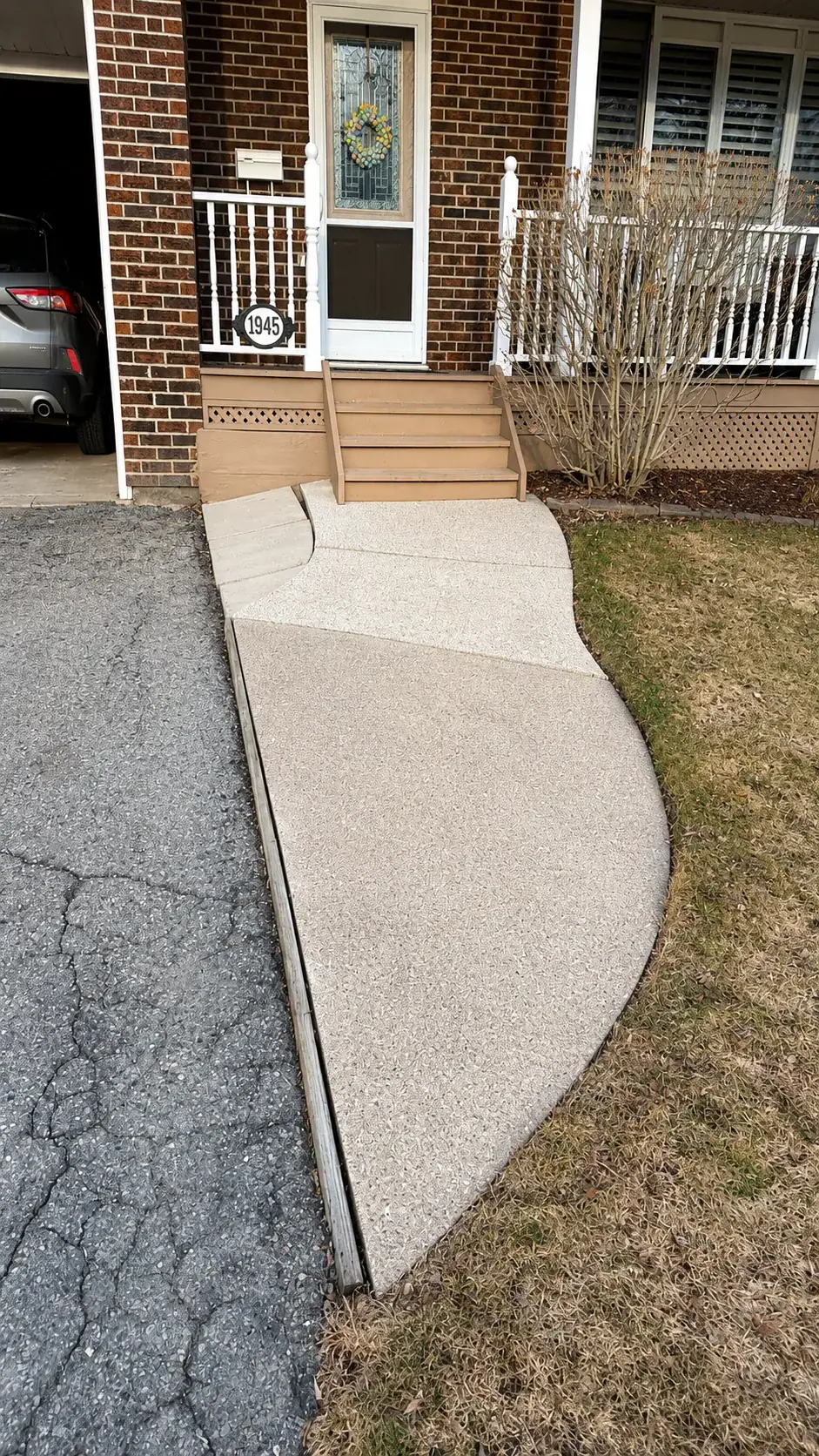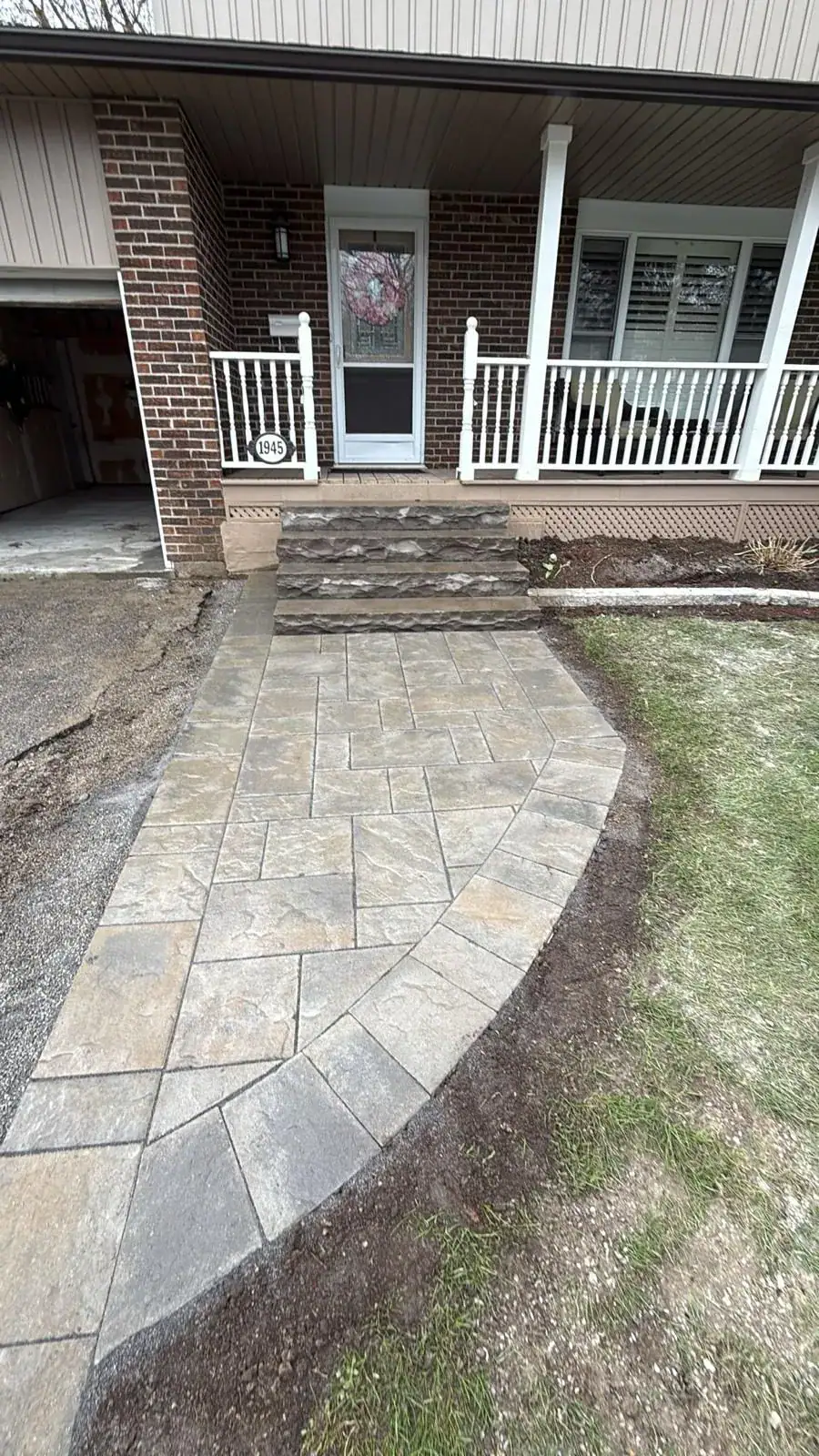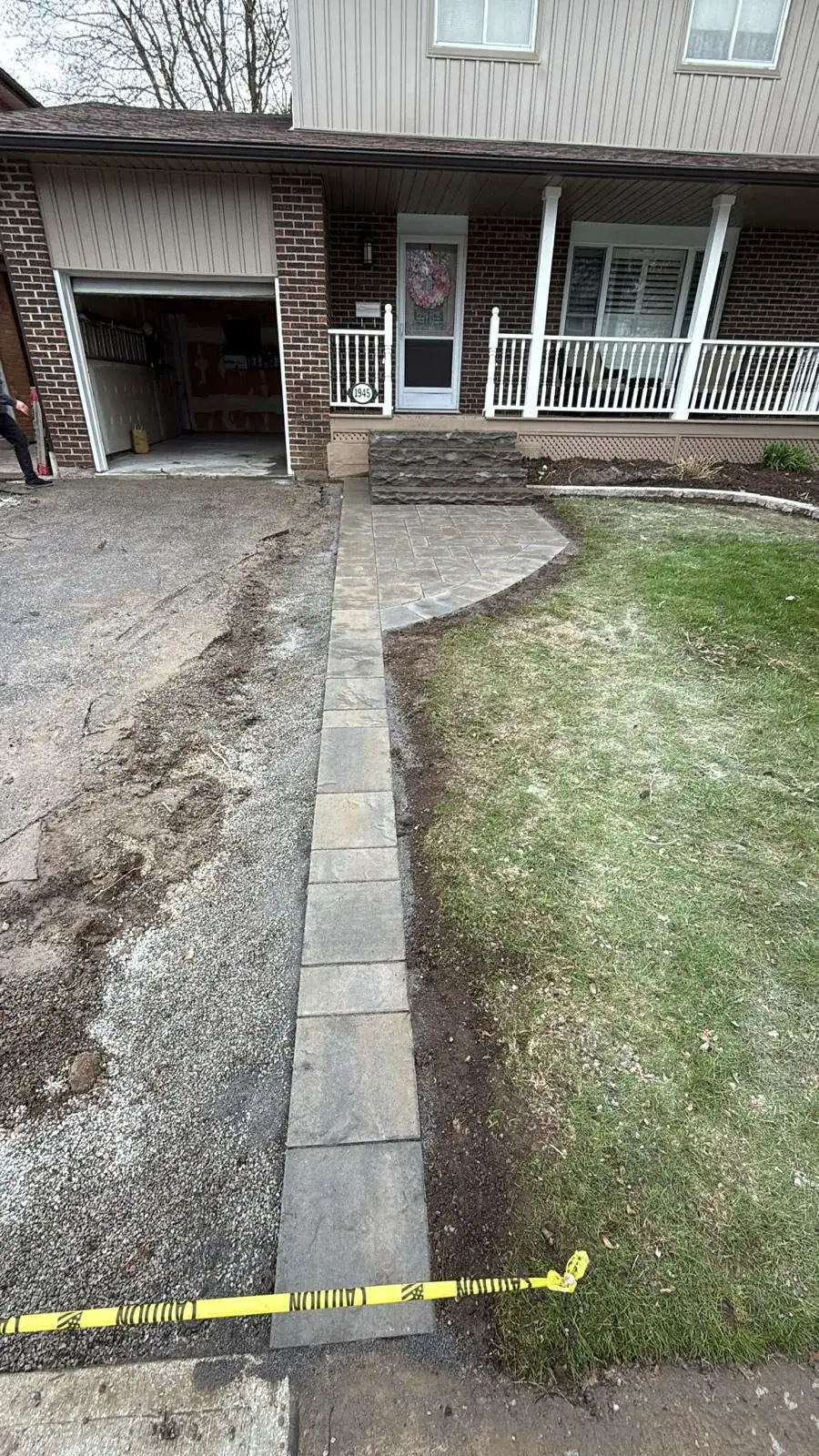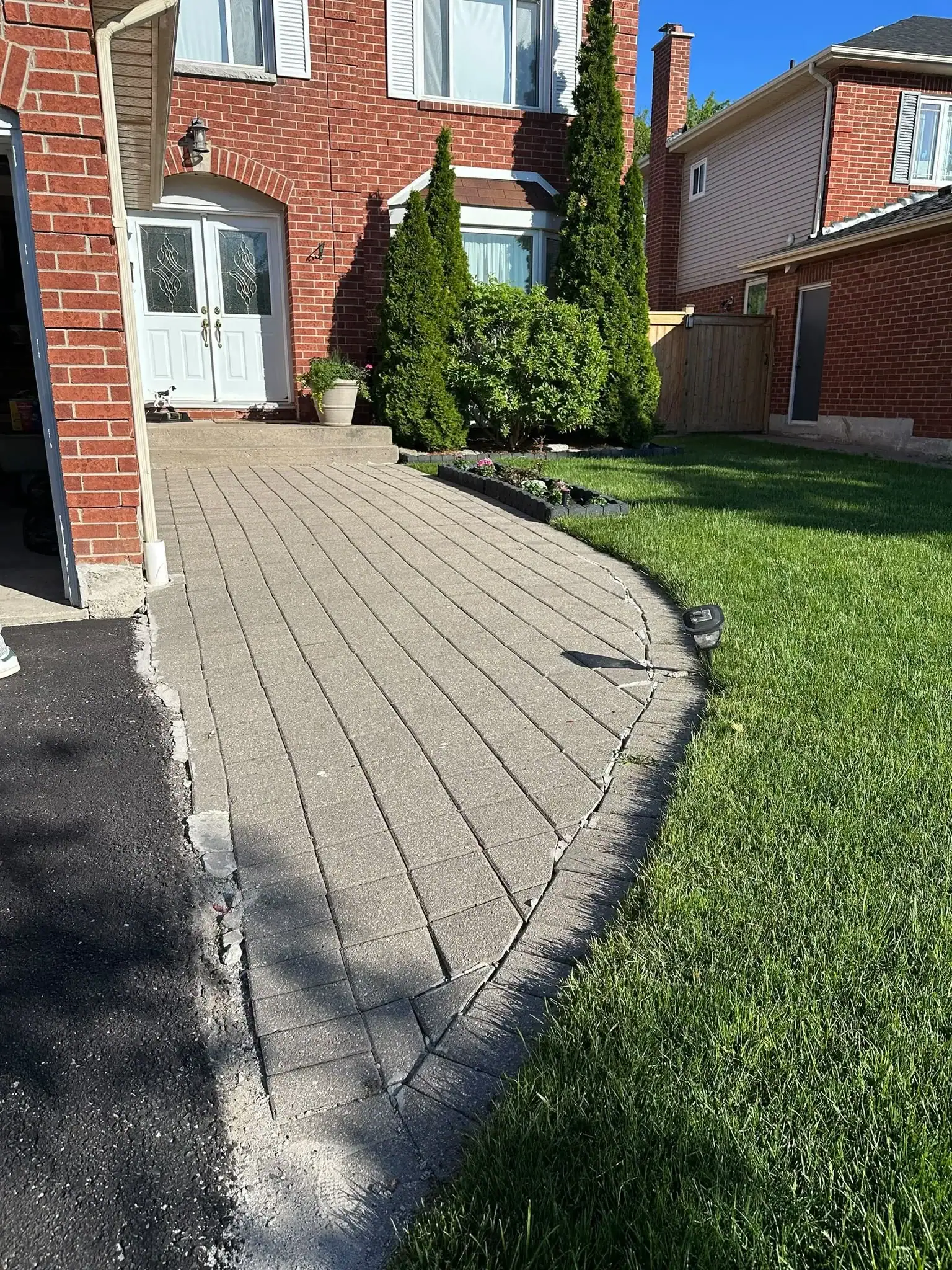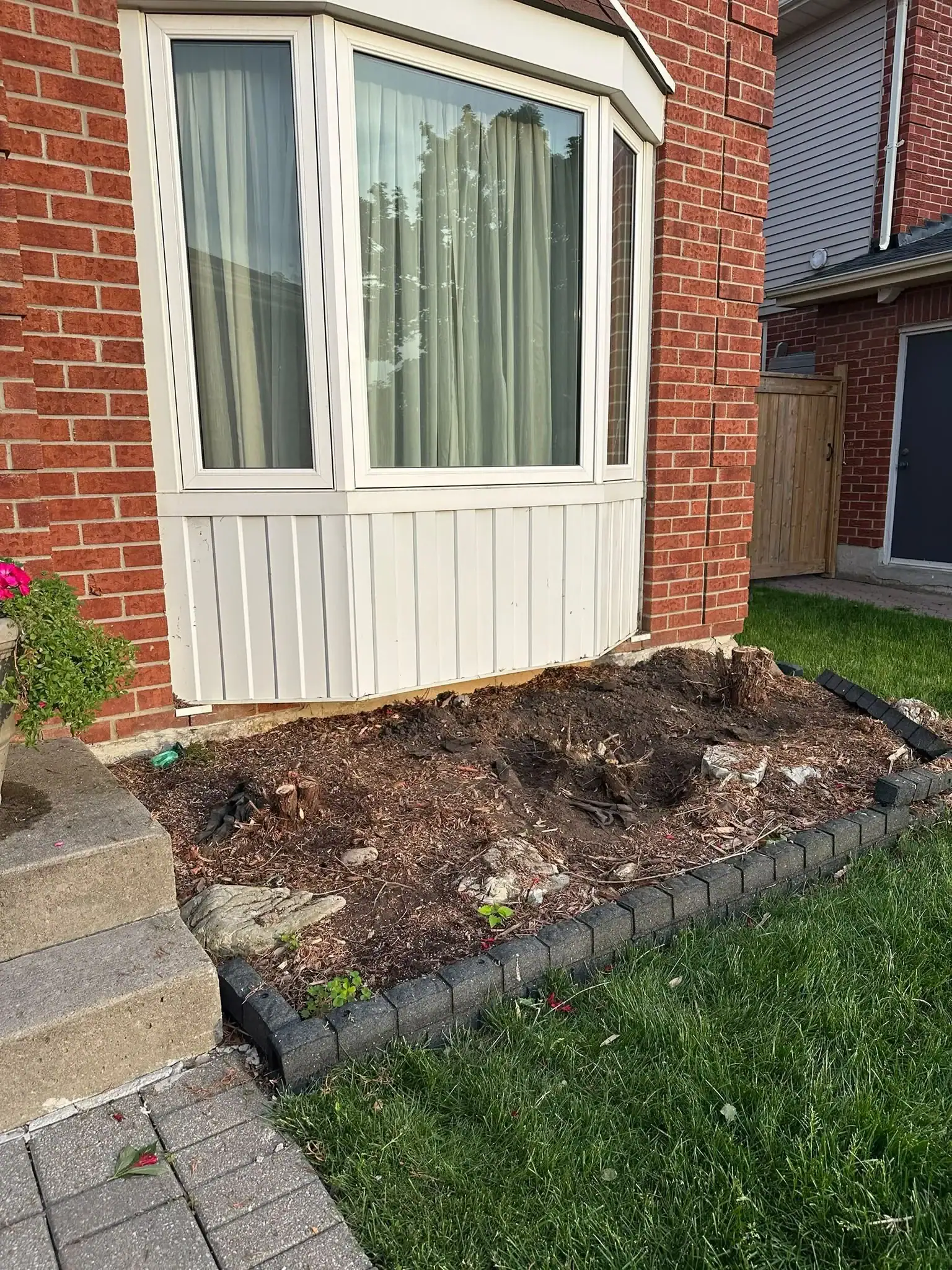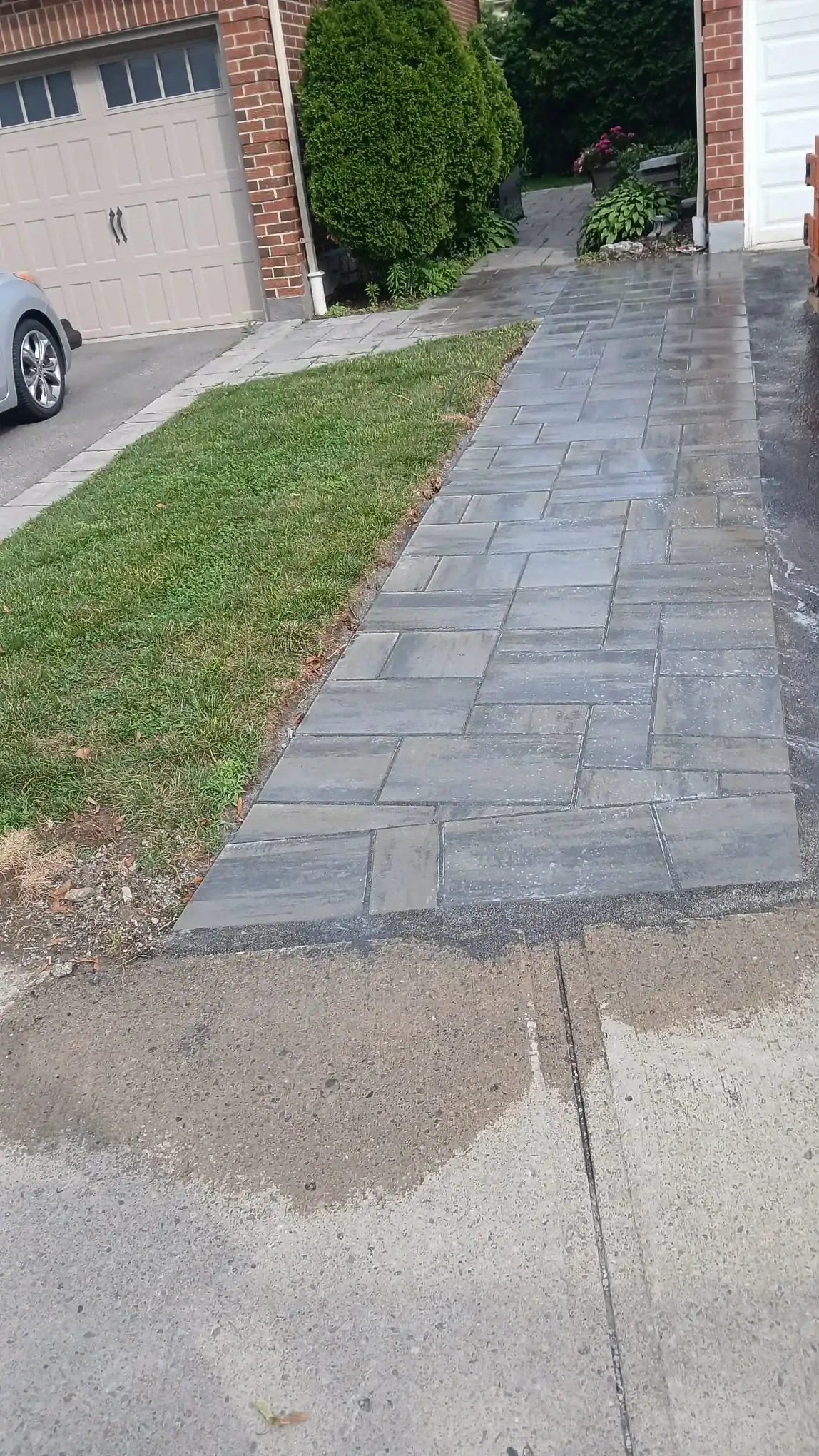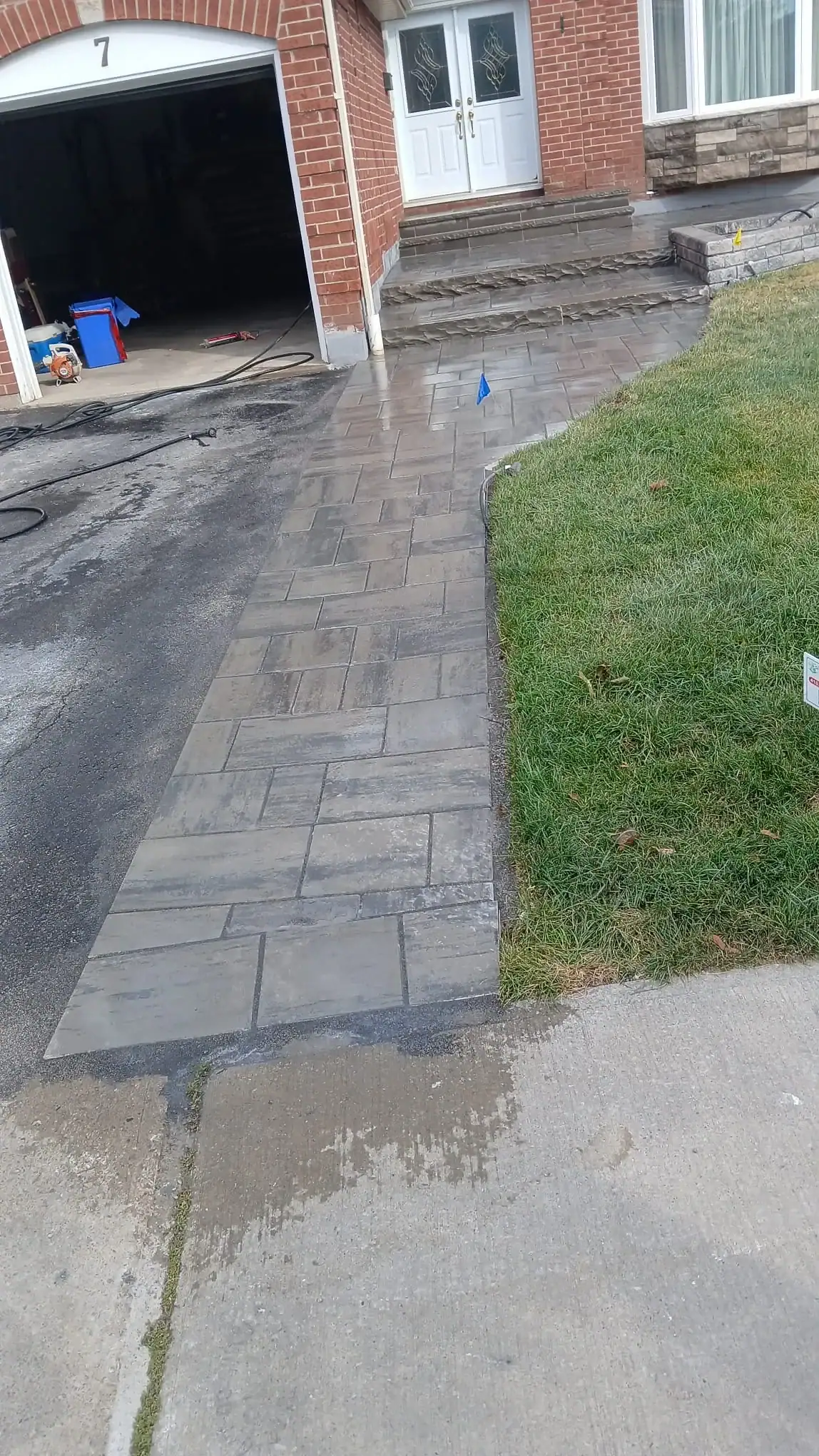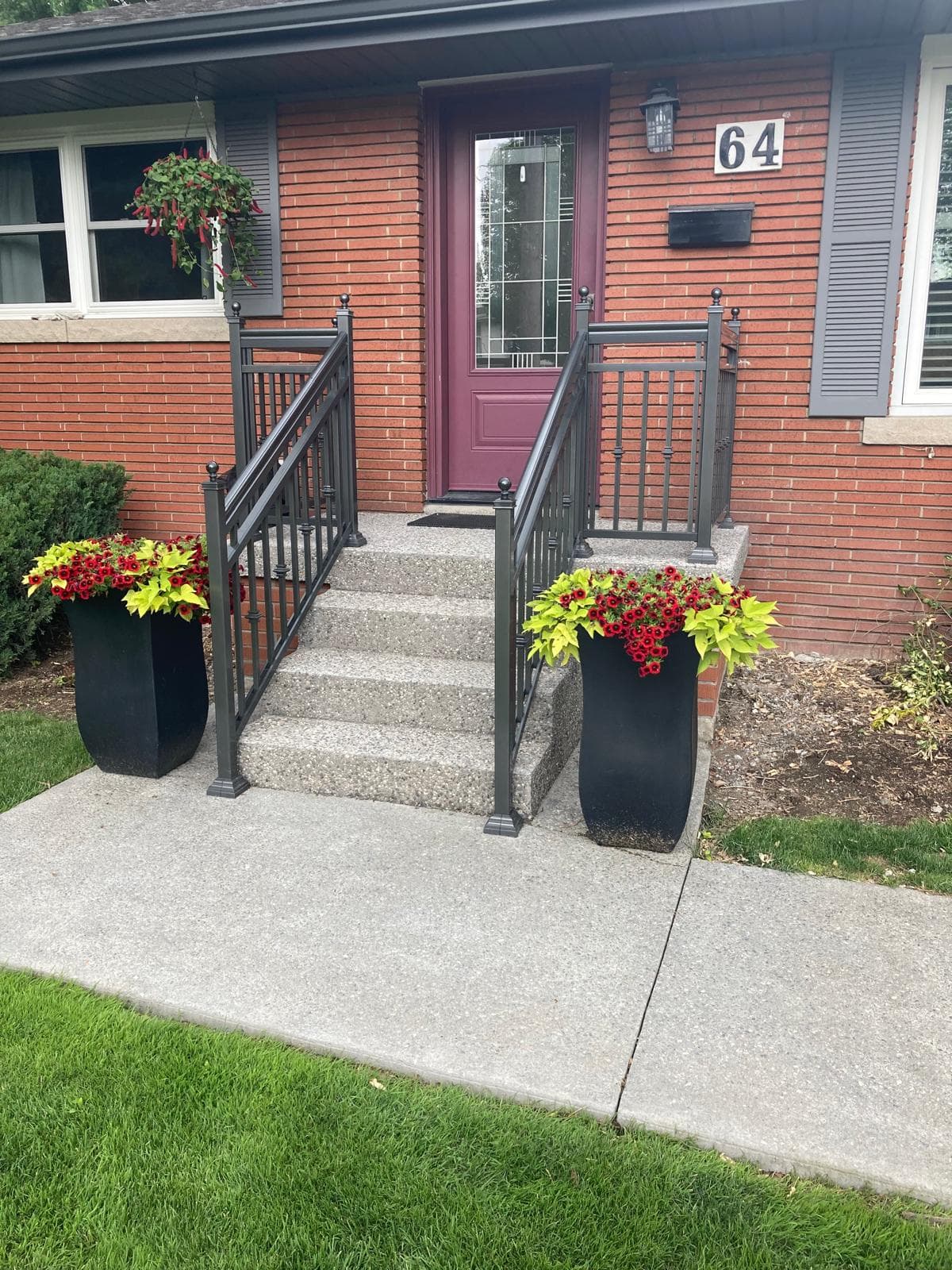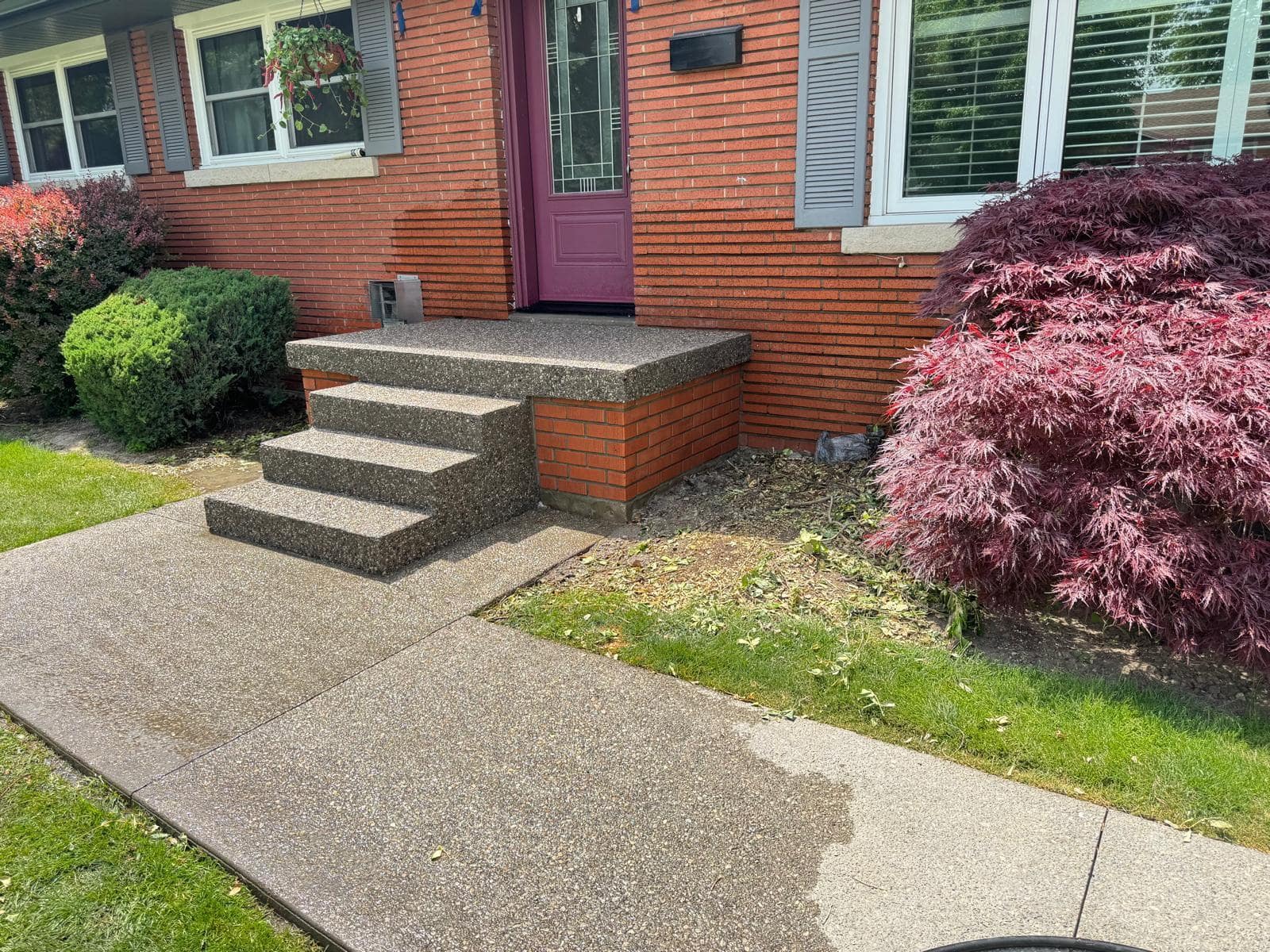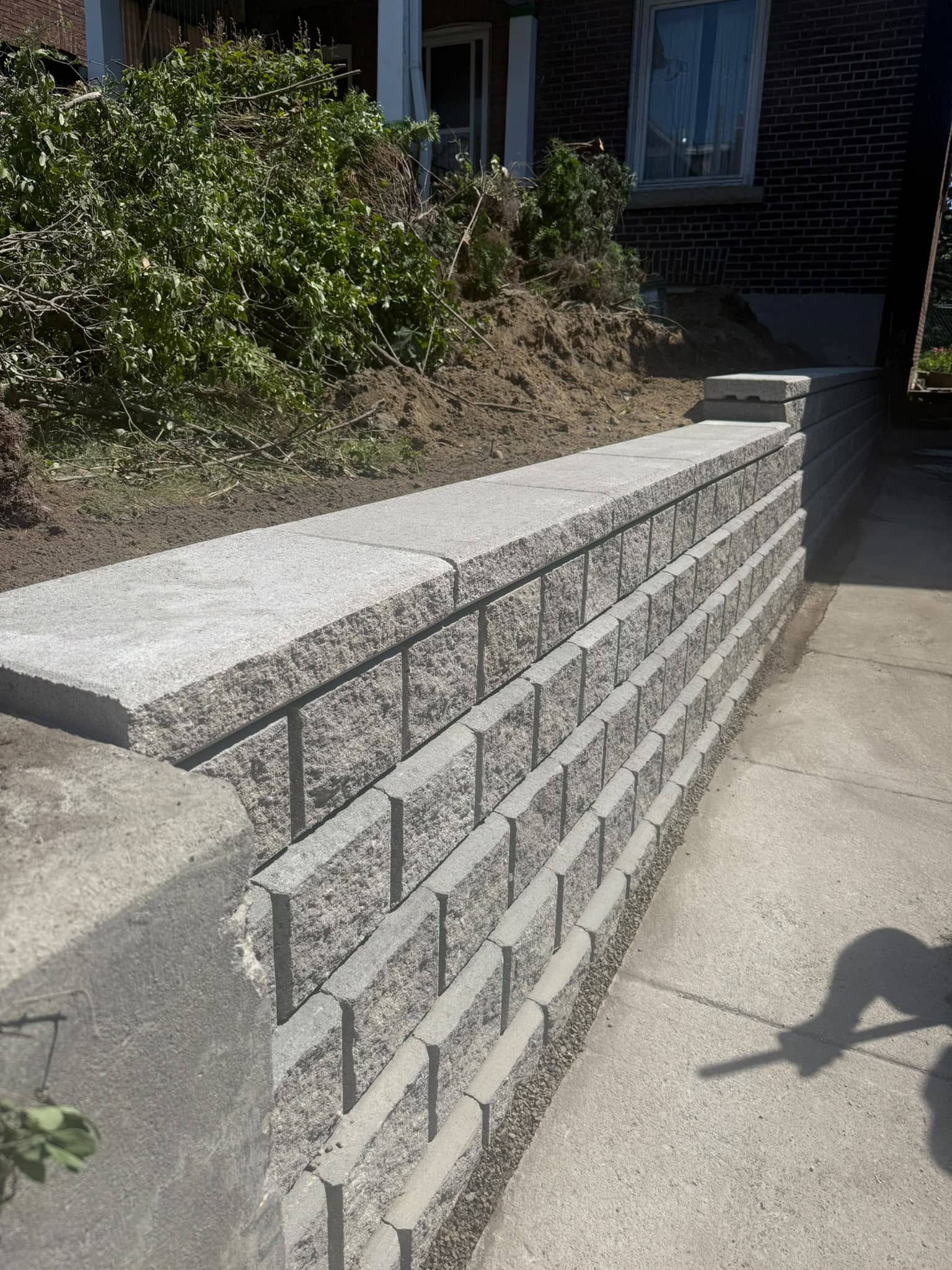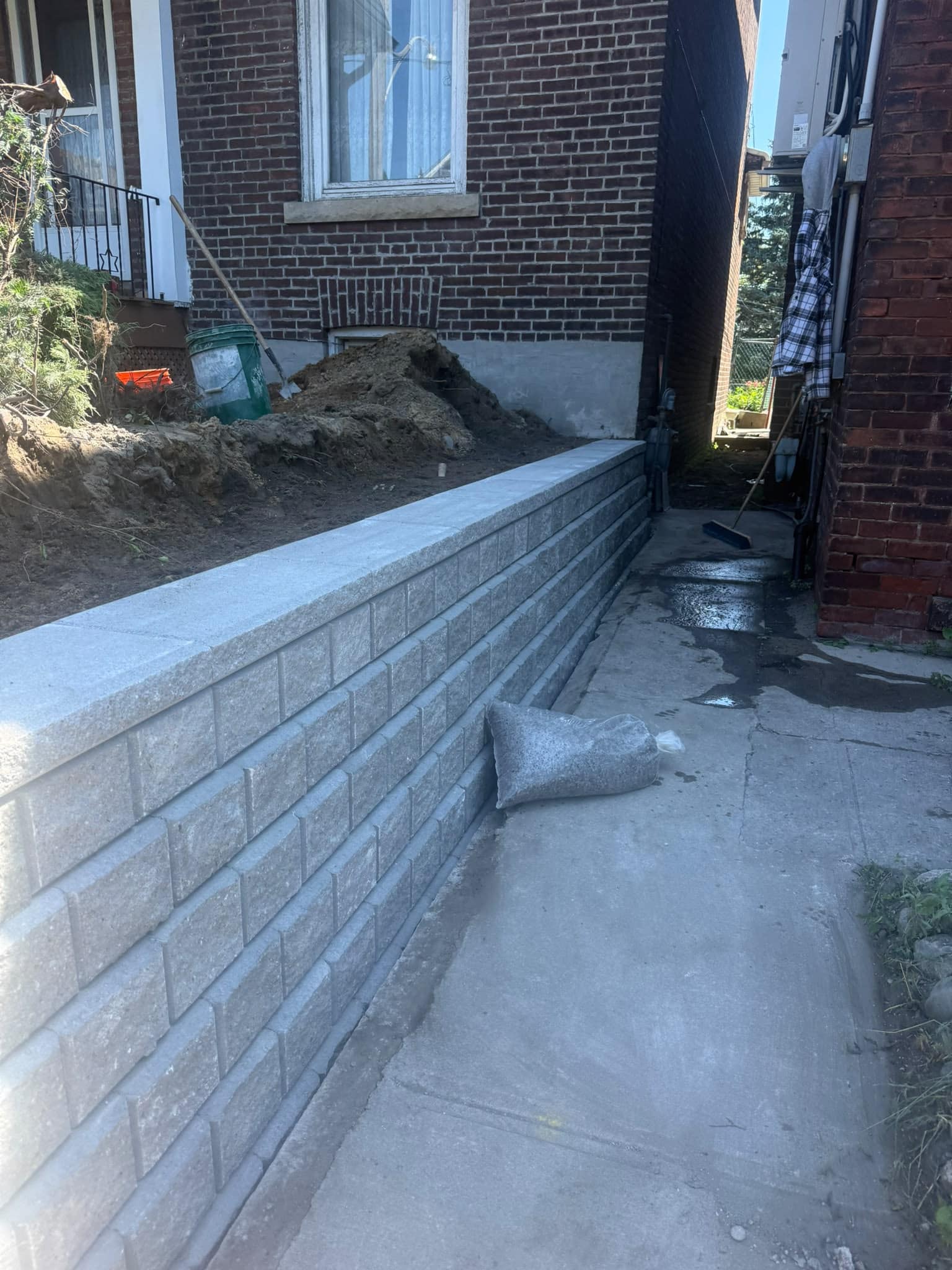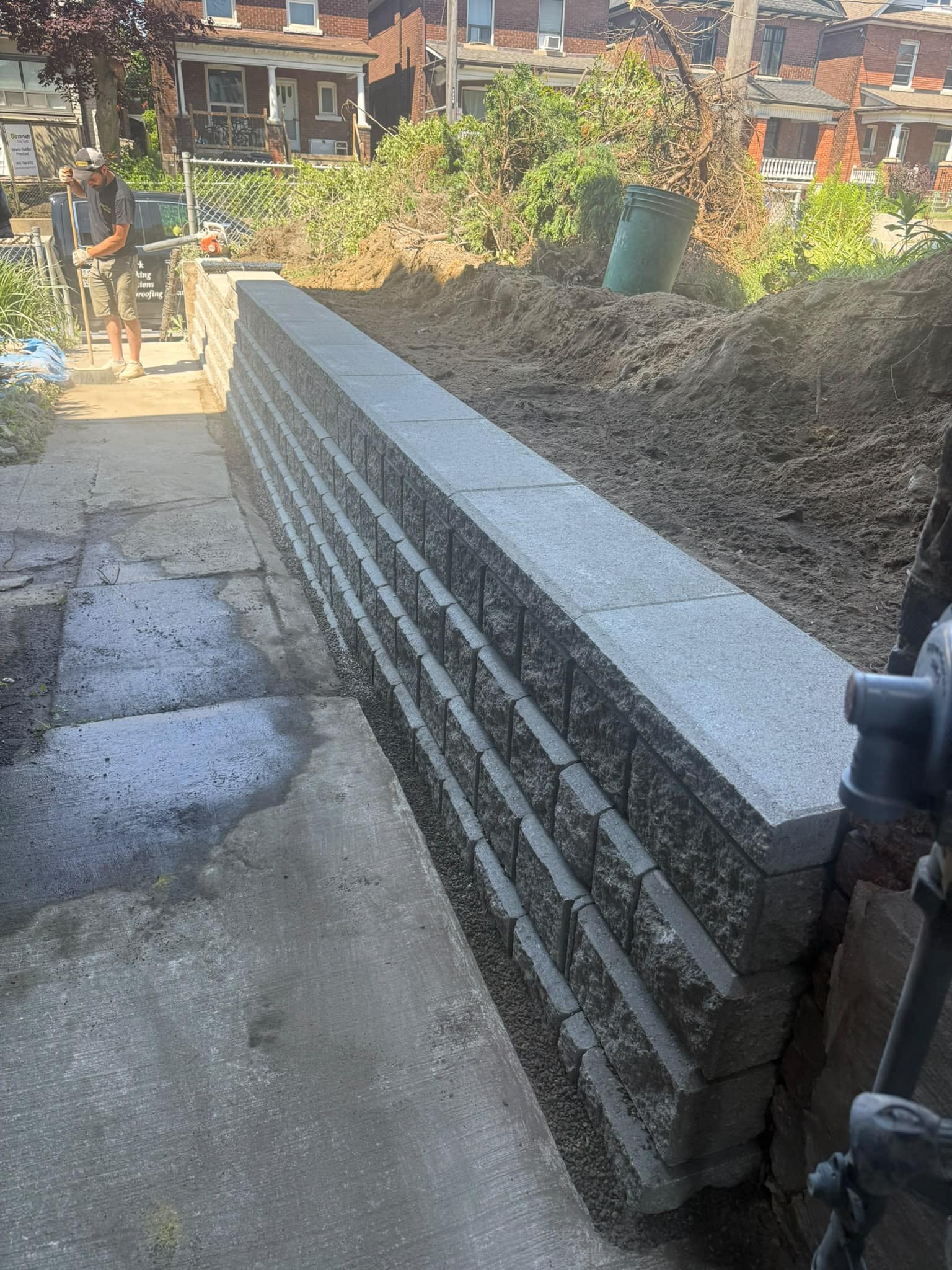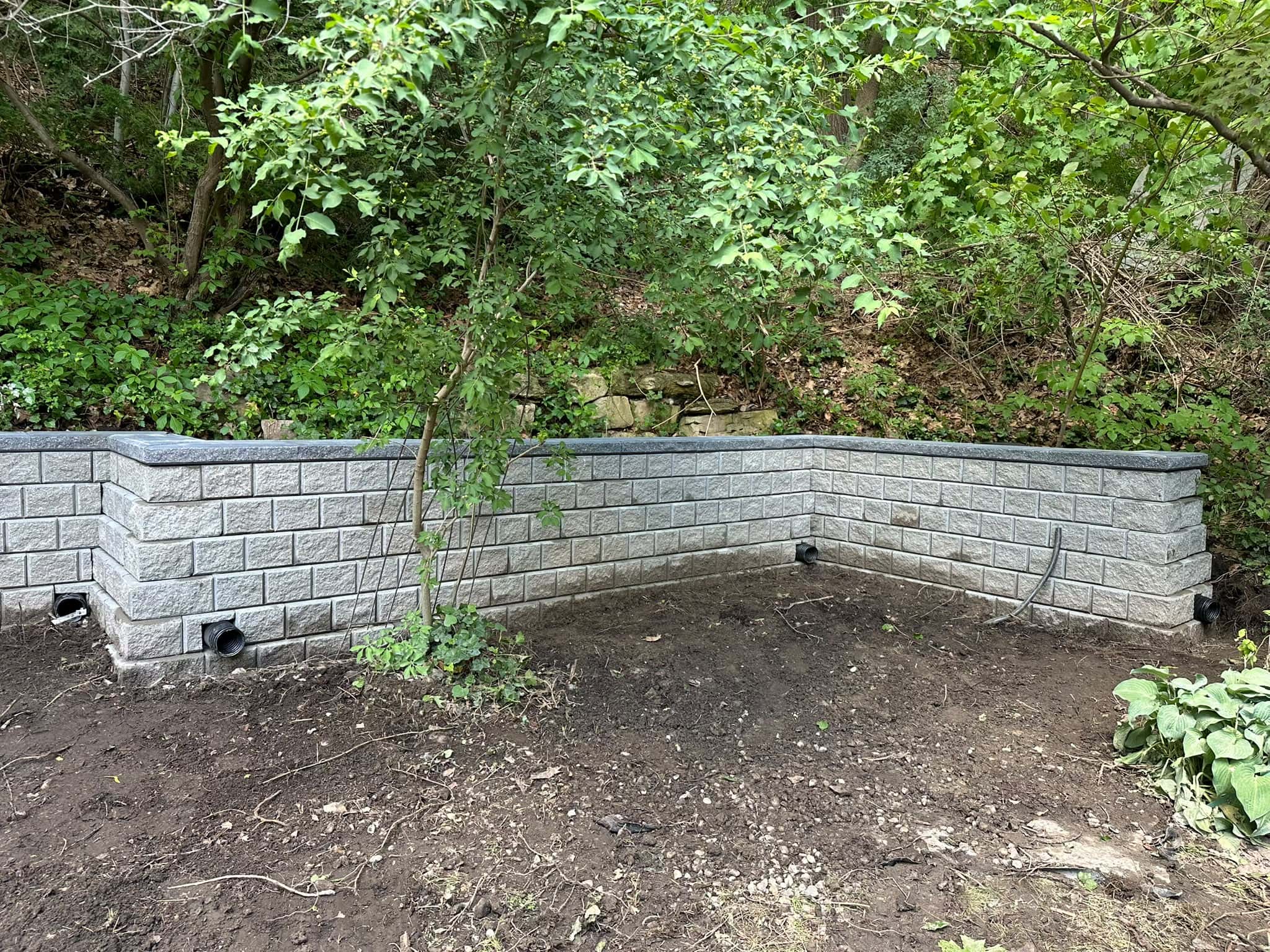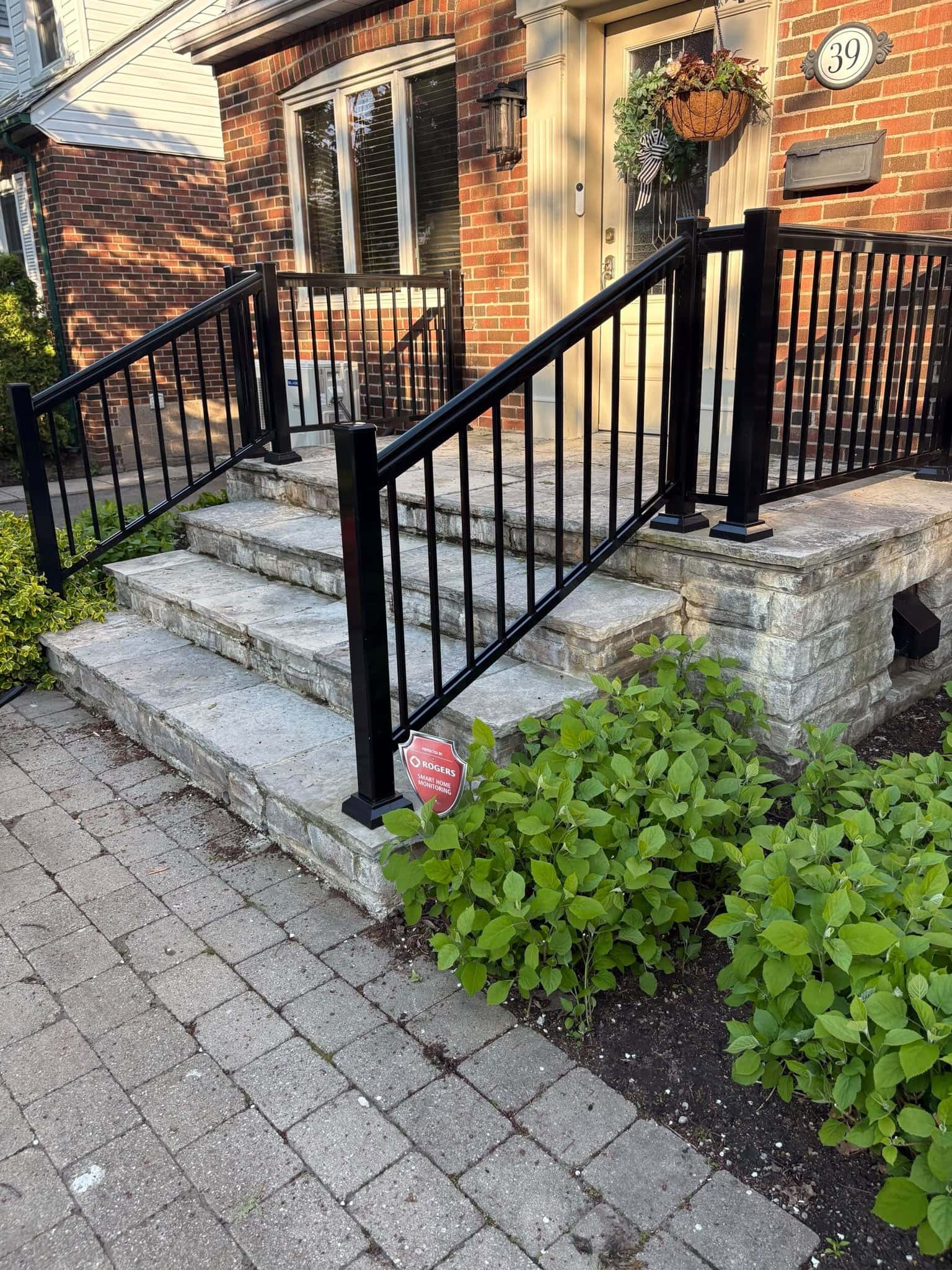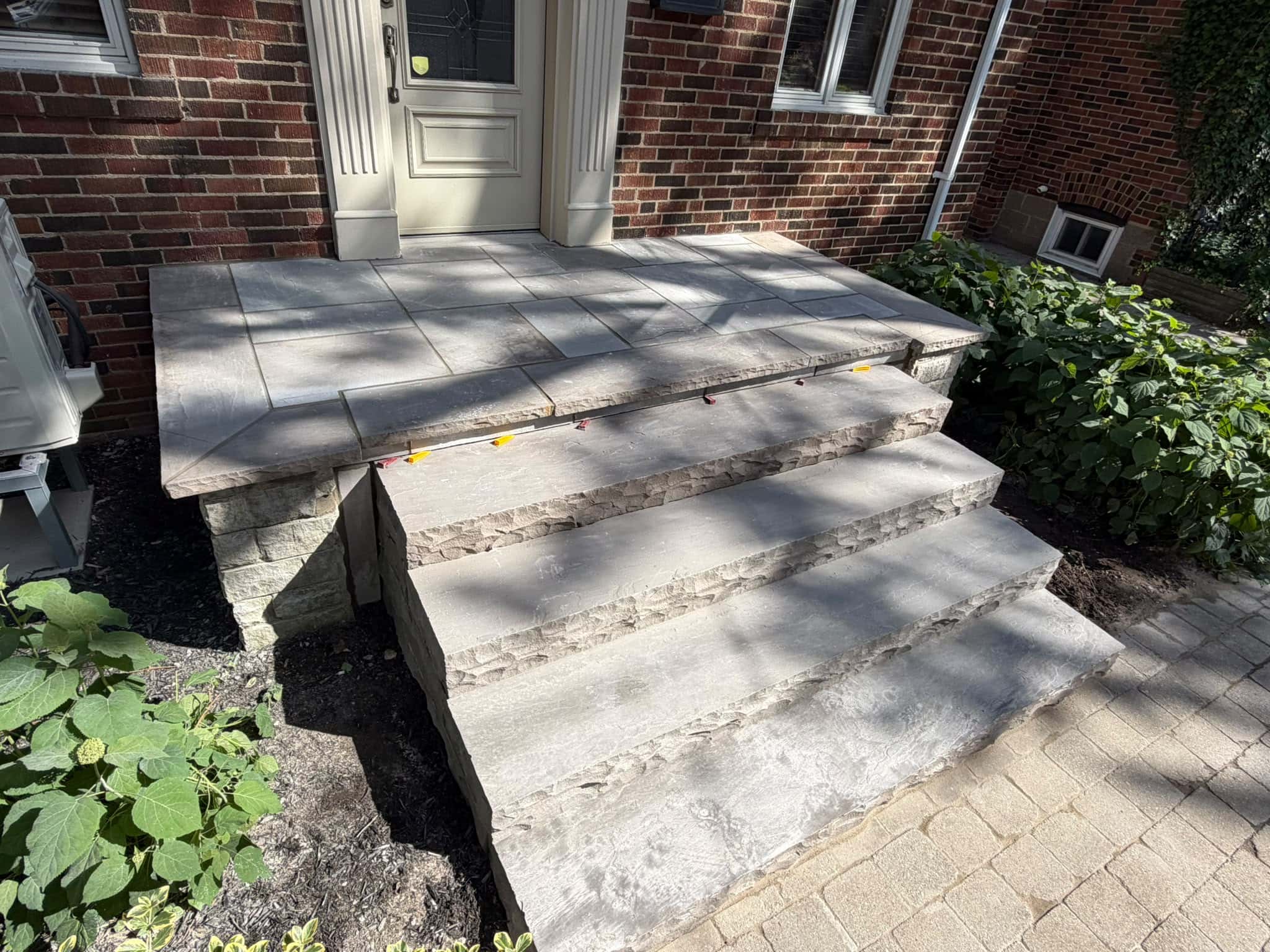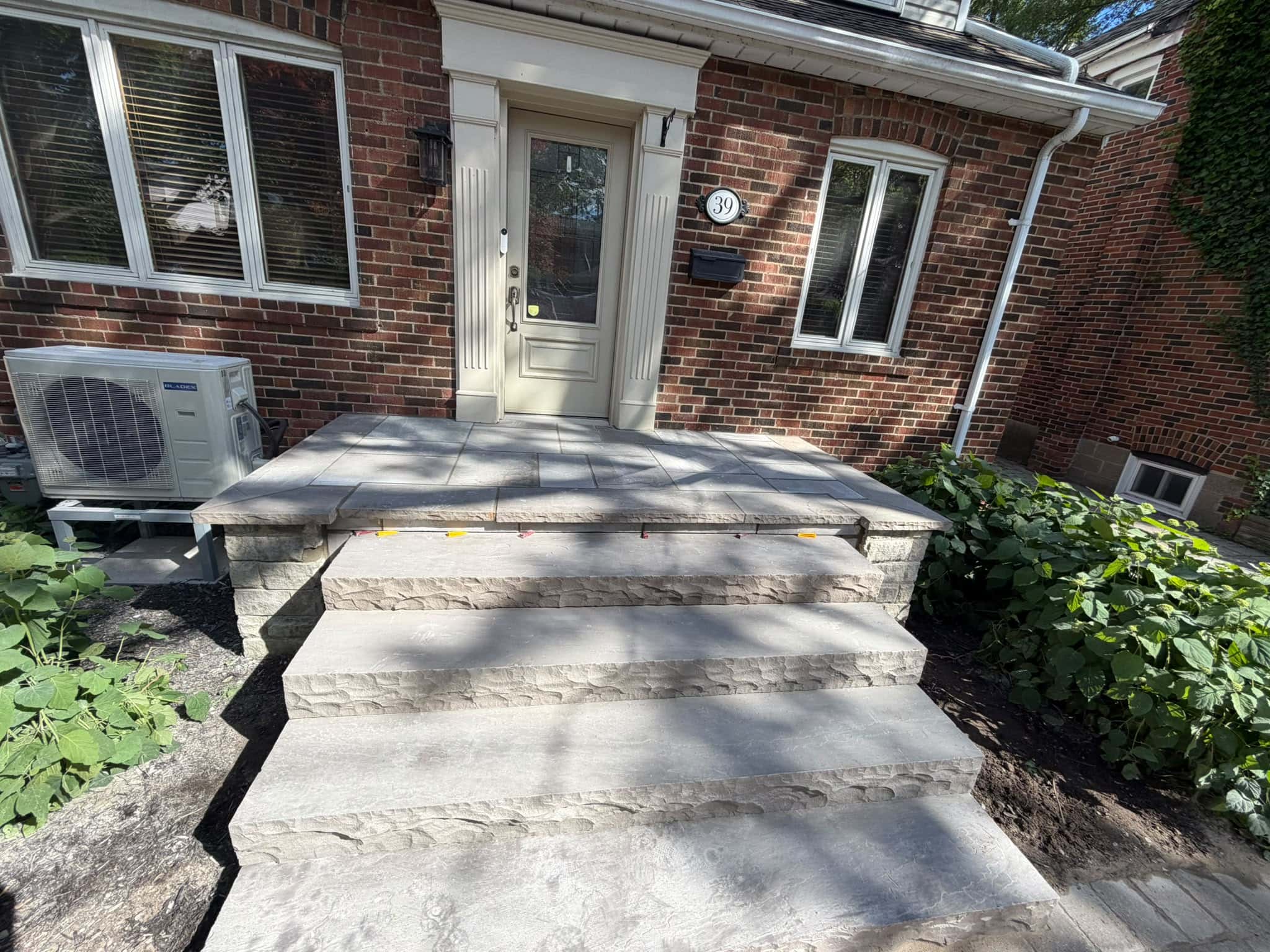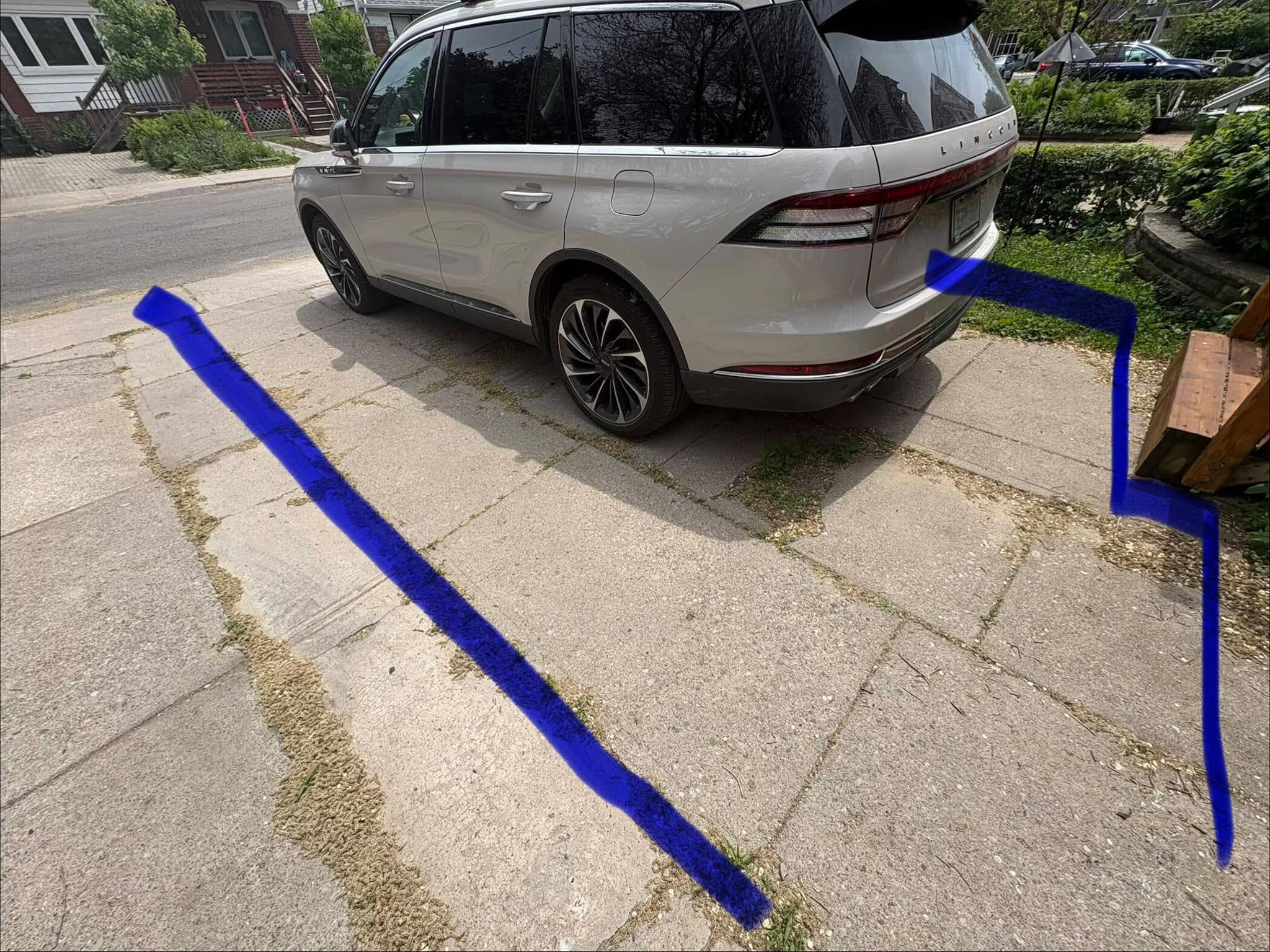

Searching for the “best” concrete repair company in Toronto can get confusing fast. Most contractors describe their services in similar terms, and price alone does not tell you whether a repair method is appropriate for your property.
This guide gives you a practical way to compare contractors, ask better questions, and avoid repairs that may look acceptable initially but deteriorate prematurely because the underlying cause was not addressed.
If you are still determining what type of repair your concrete needs, A&A Masonry’s concrete repair services cover cracks, steps, porches, walkways, driveways, and other damaged concrete surfaces across Toronto.
Request a Consultation→
Start with this truth: there is no “best” contractor for every job
A company can be excellent at one type of concrete work and still be the wrong fit for your project. For example, repairing a spalling porch, fixing a sinking driveway, and addressing a structural concrete issue are not the same job. The better question is: who is the best fit for my specific repair?
That mindset helps you avoid flashy marketing and focus on what matters: method, prep, and long-term durability in Toronto weather.
What “reputable” looks like for concrete repair in Toronto
A reputable contractor should do more than quote a number. They should explain what caused the problem, the method they recommend, and the realistic result. That matters even more in Toronto because freeze-thaw cycles, road salt, and water pooling can cause repeat damage if the repair only treats the surface.
Quick checklist: signs of a reputable concrete repair company
- They explain why the concrete failed, not just how they will patch it
- They include prep steps (cleaning, removal of weak concrete, bonding, finishing)
- They tell you what is included and what is not included
- They discuss cure time and when you can walk or drive on it
- They mention drainage or slab movement if they see it
- They have local reviews and project photos you can actually check
Step 1: Make sure they handle your type of concrete repair
This sounds obvious, but many homeowners skip it. Some contractors mainly do new concrete pours. Others focus on decorative finishes. Repair work is different. Repairs require diagnosis, prep, material matching, and knowing when repair is no longer the right option.
Ask directly: “Do you regularly repair this exact type of issue?”
Examples of repairs to be specific about:
- Concrete driveway crack repair or resurfacing
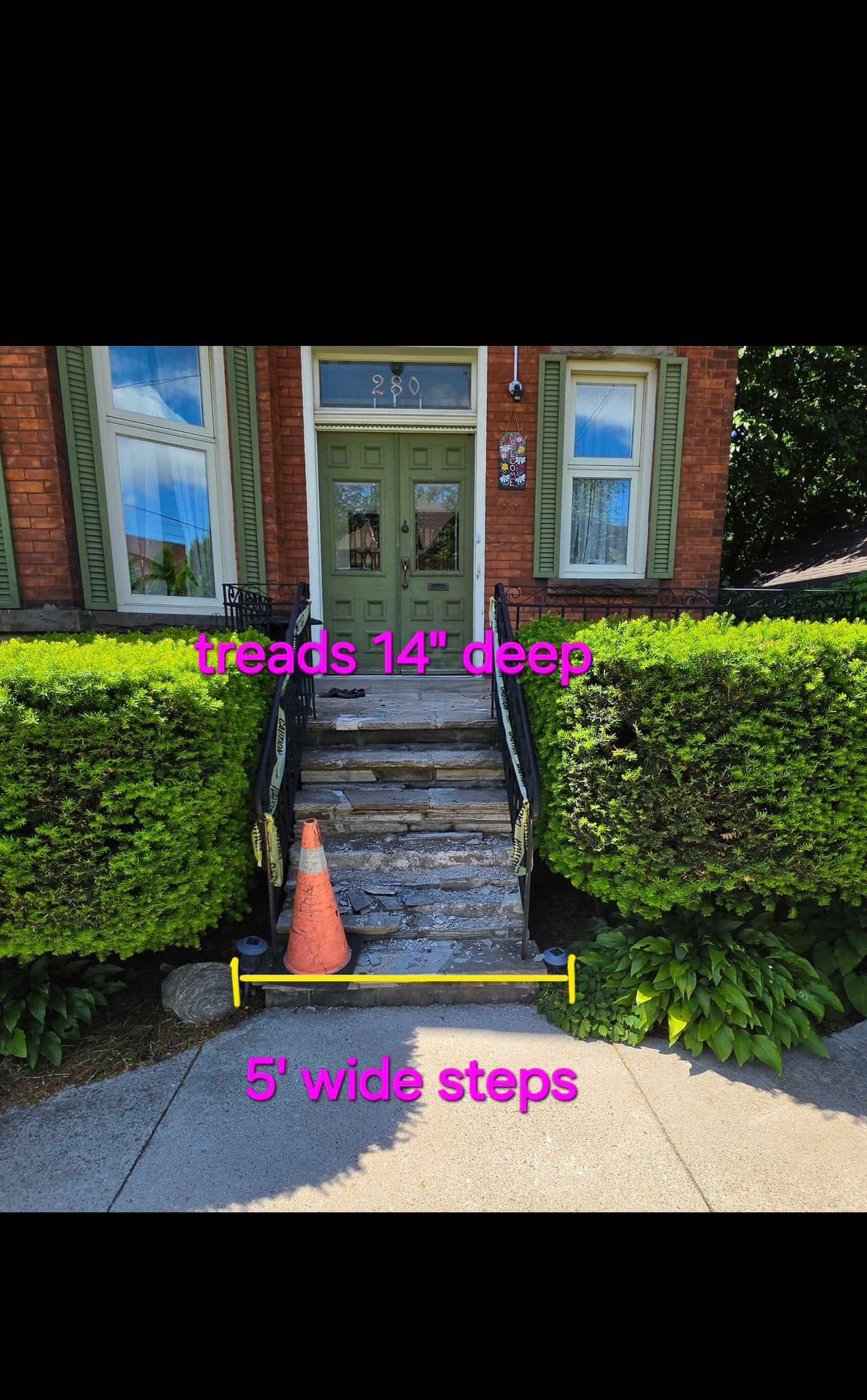
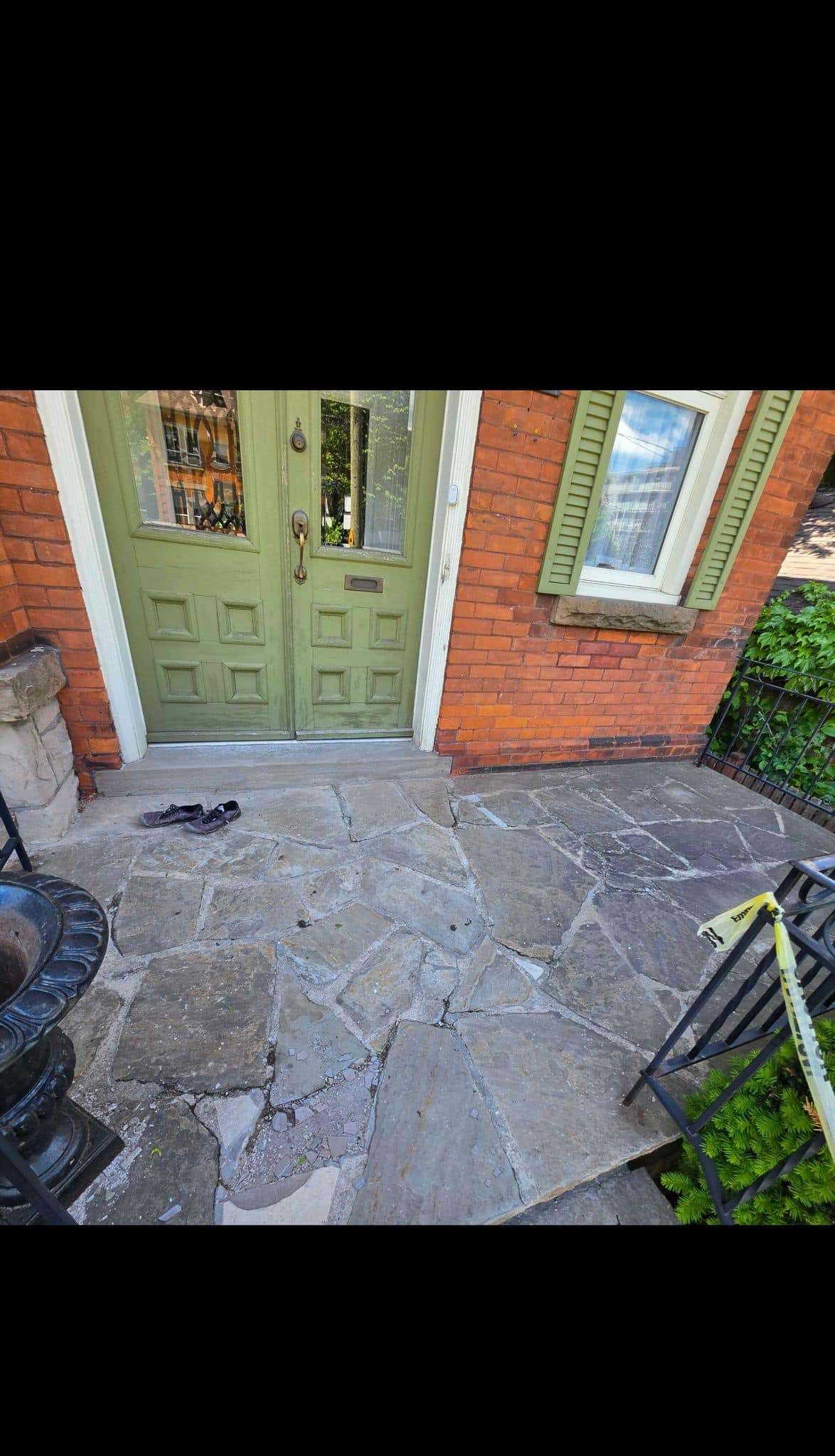
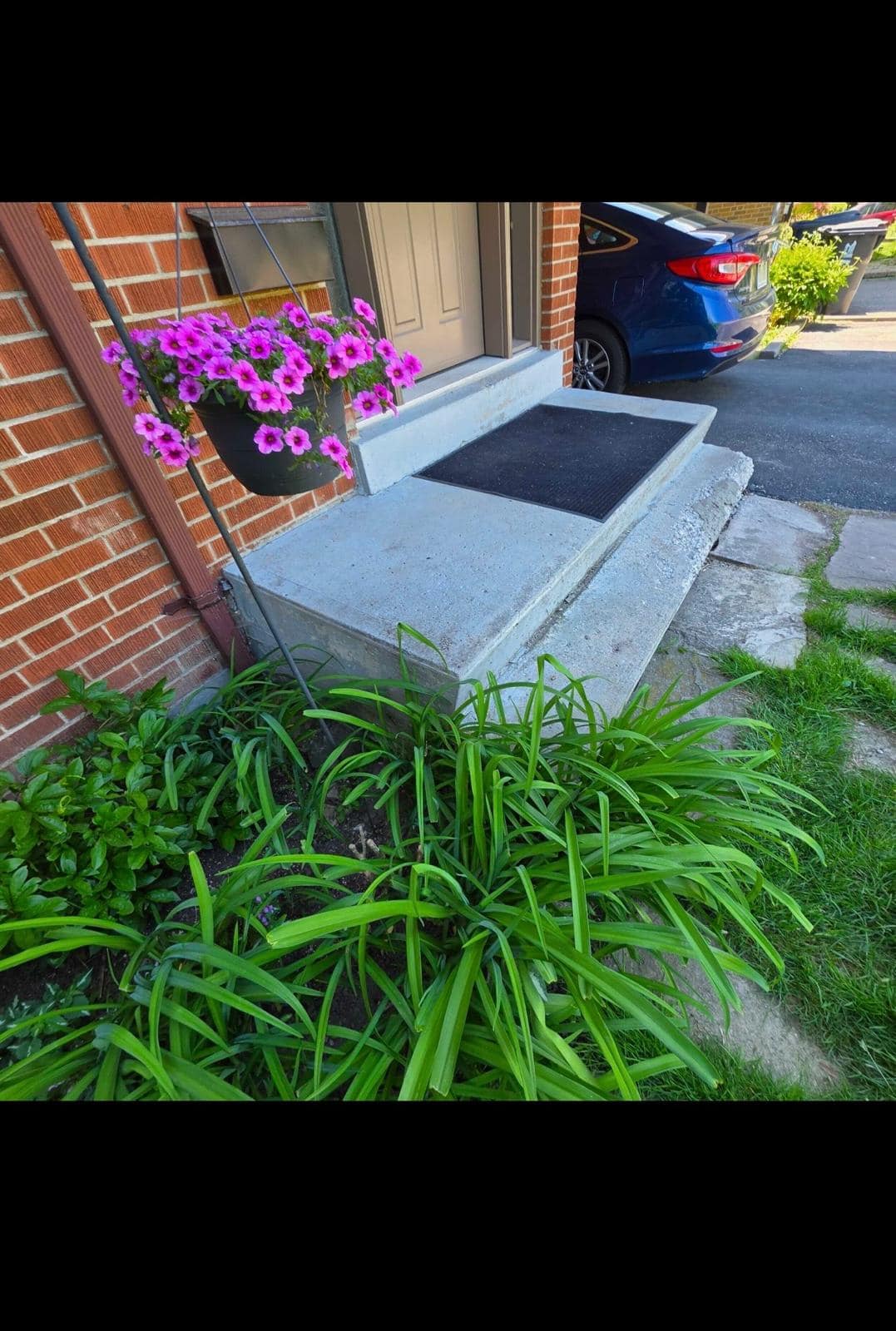
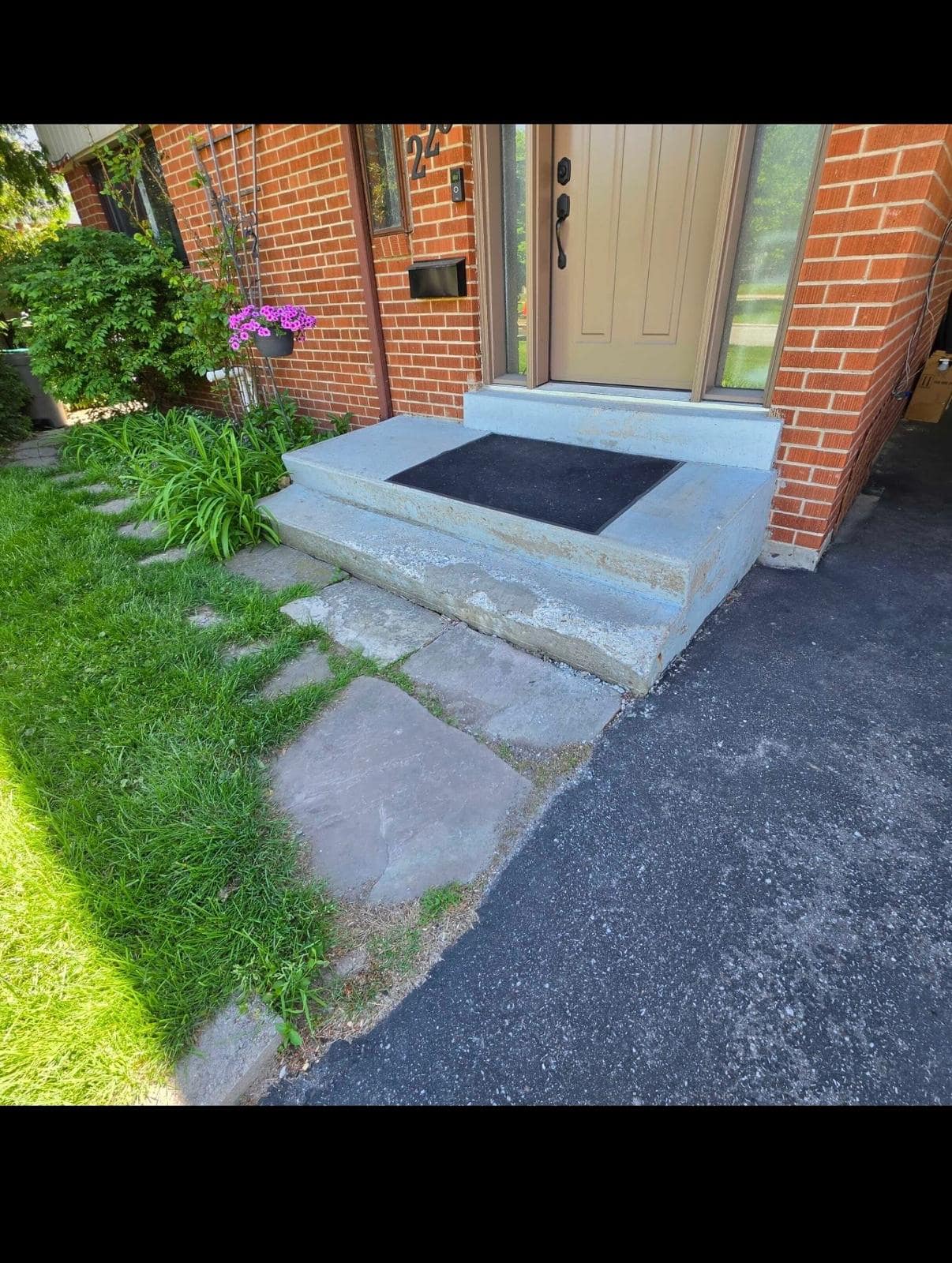
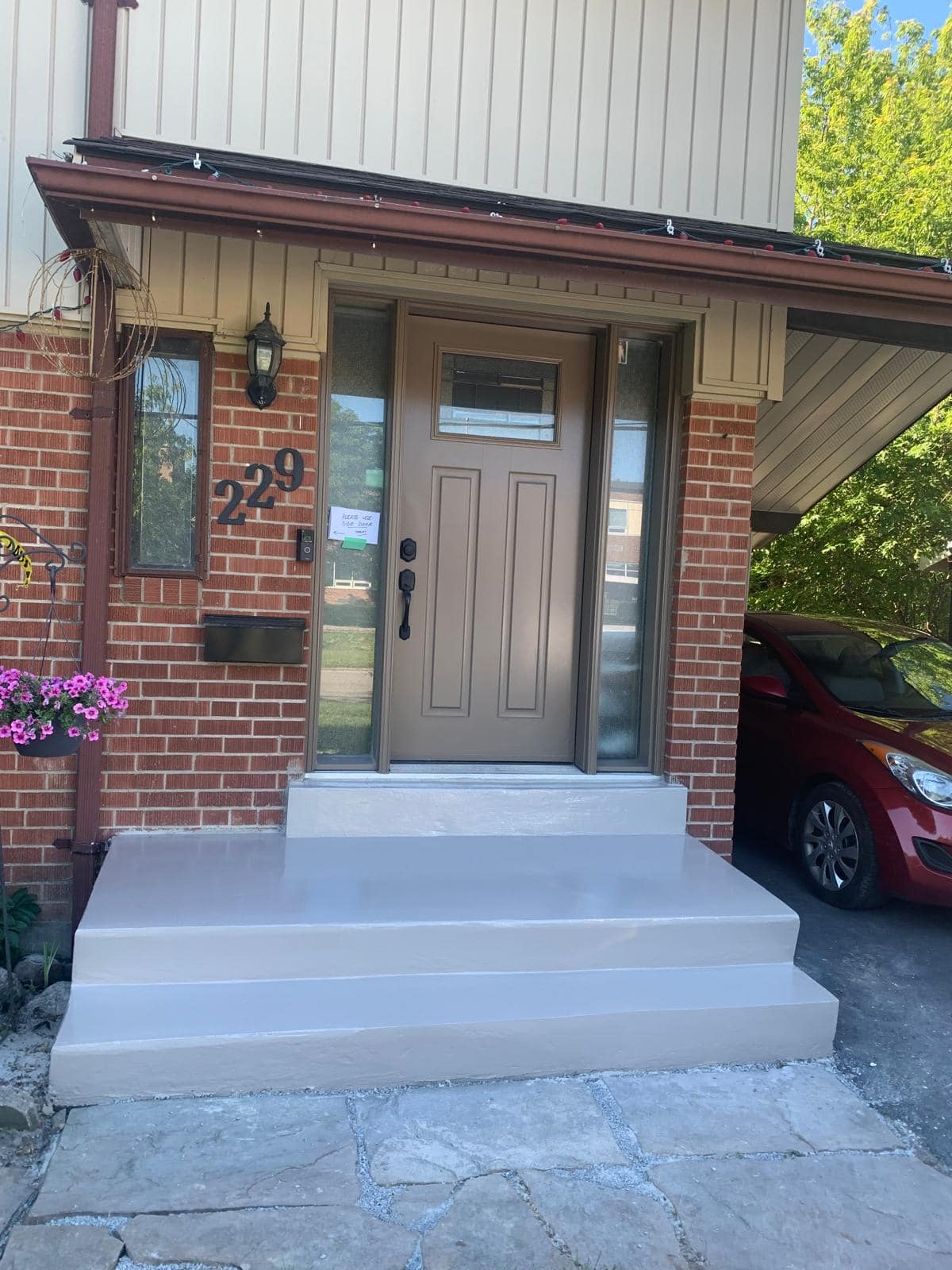
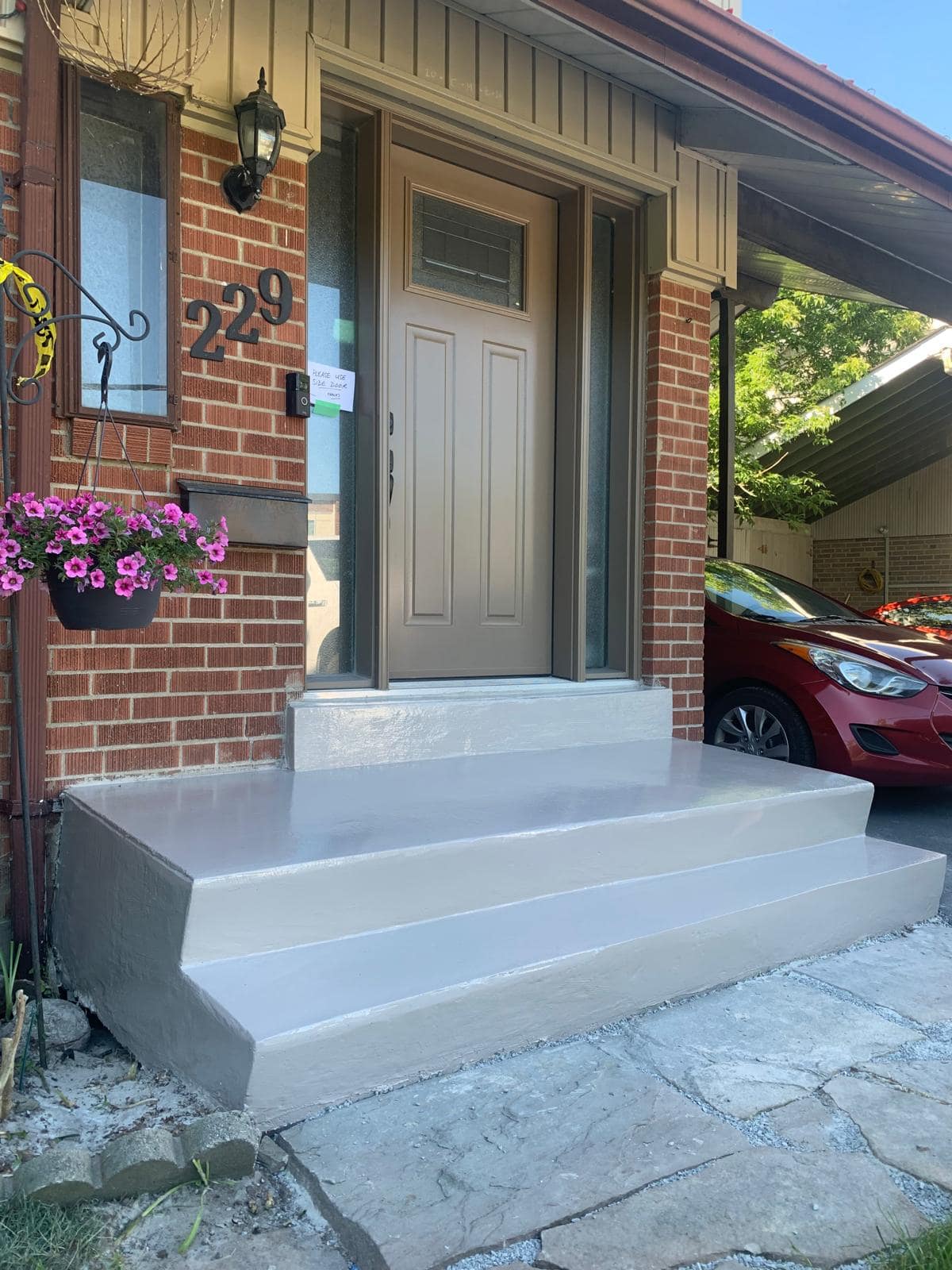
- Concrete porch and walkway repairs
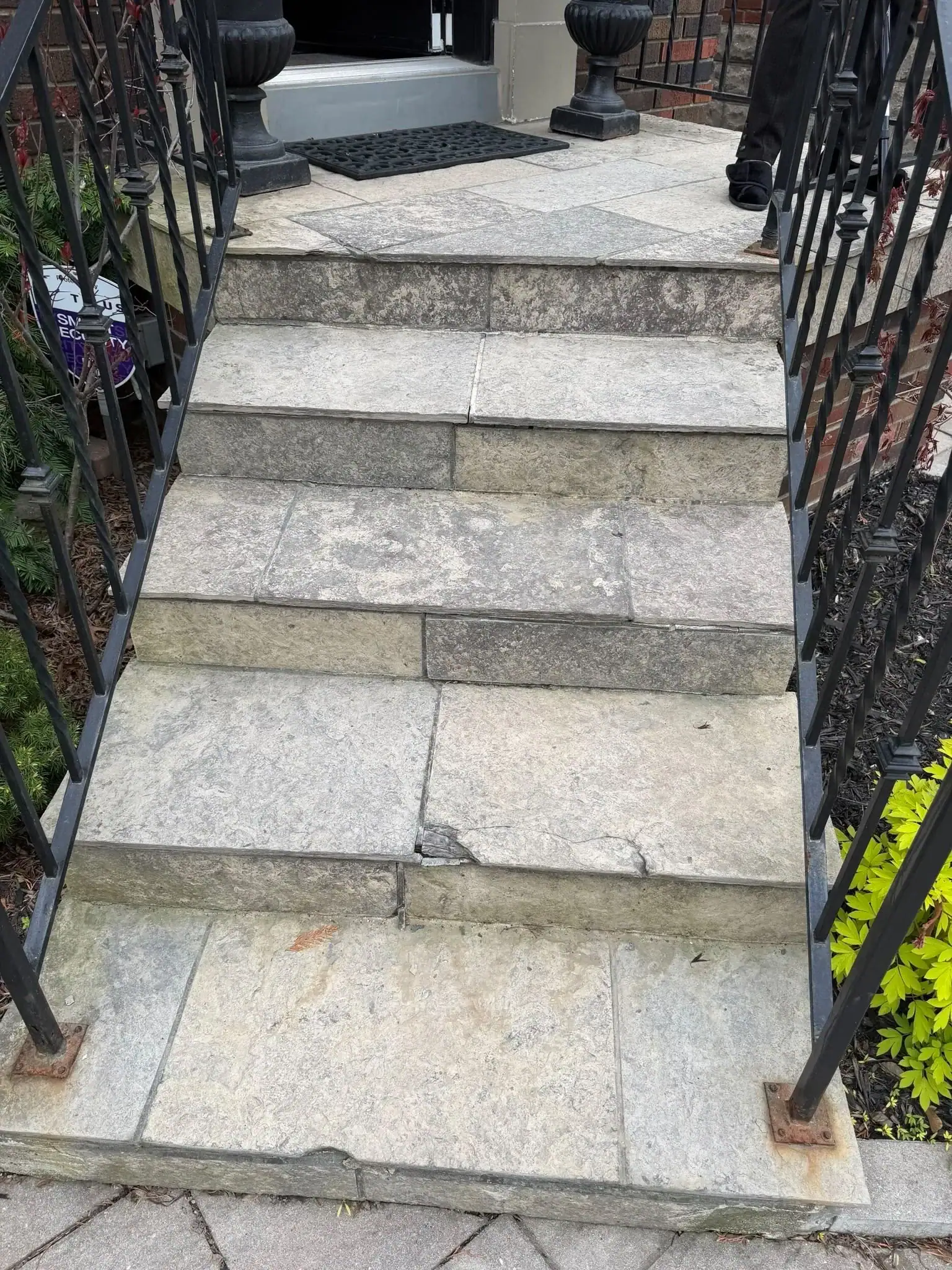
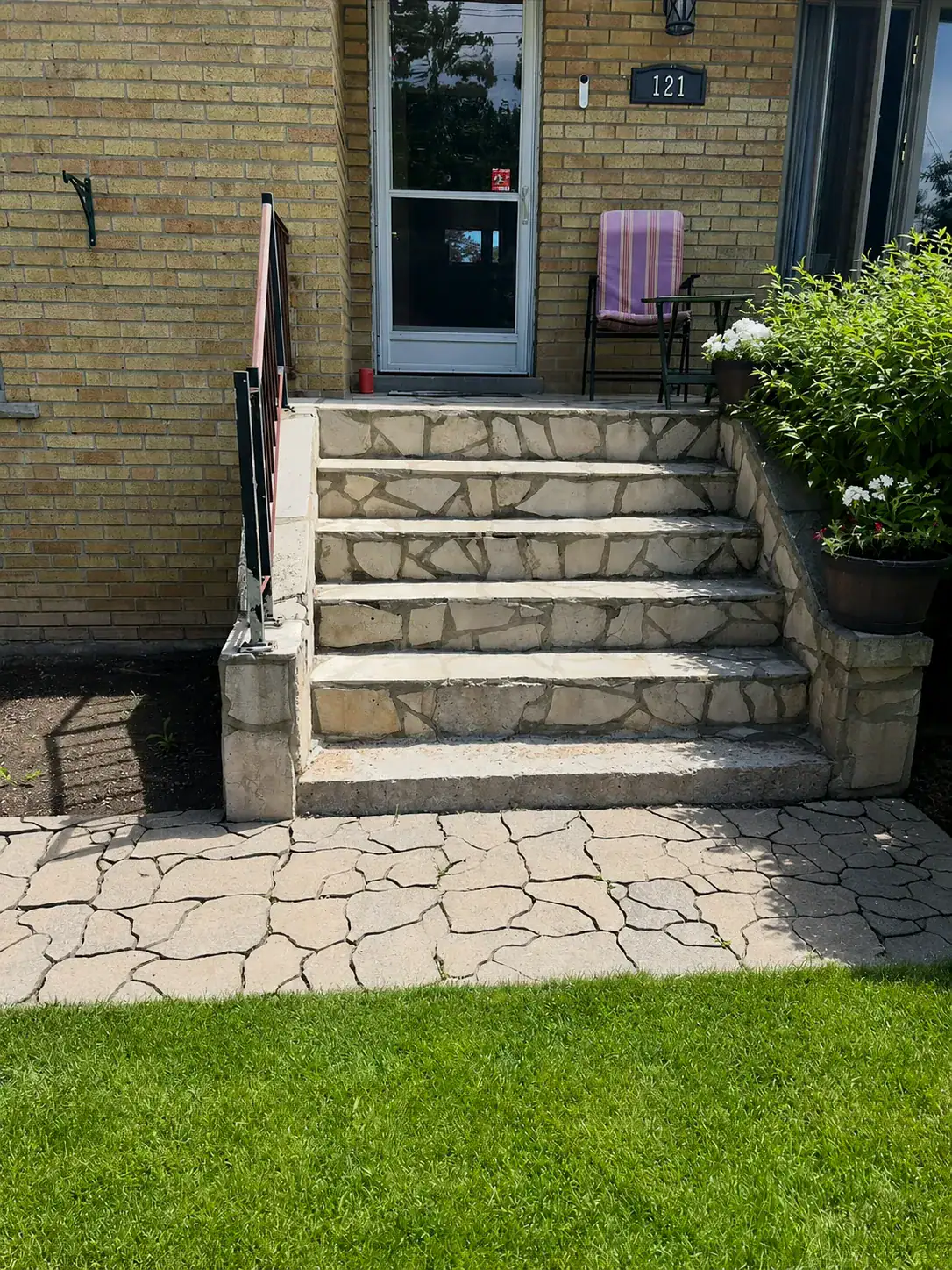
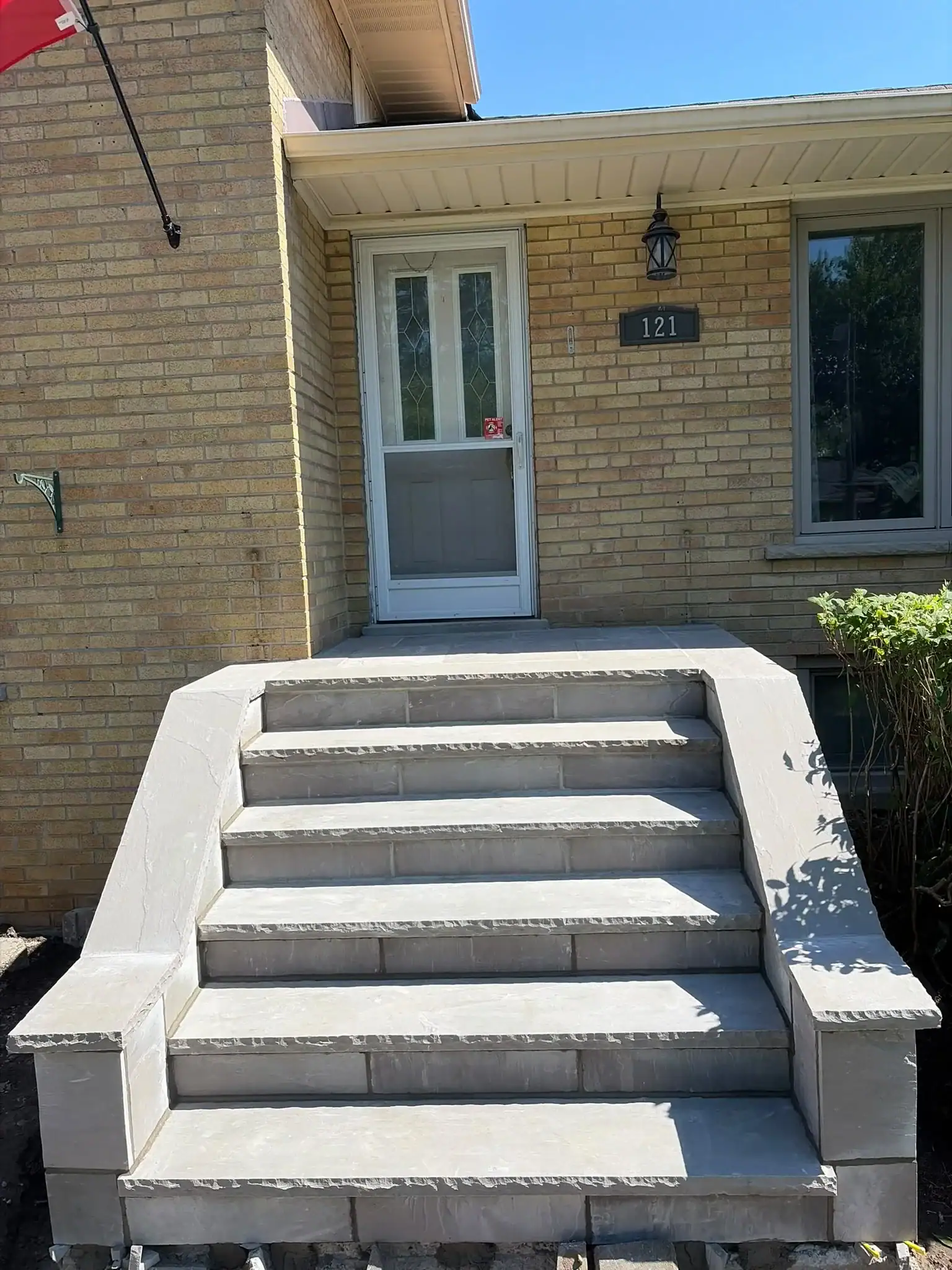
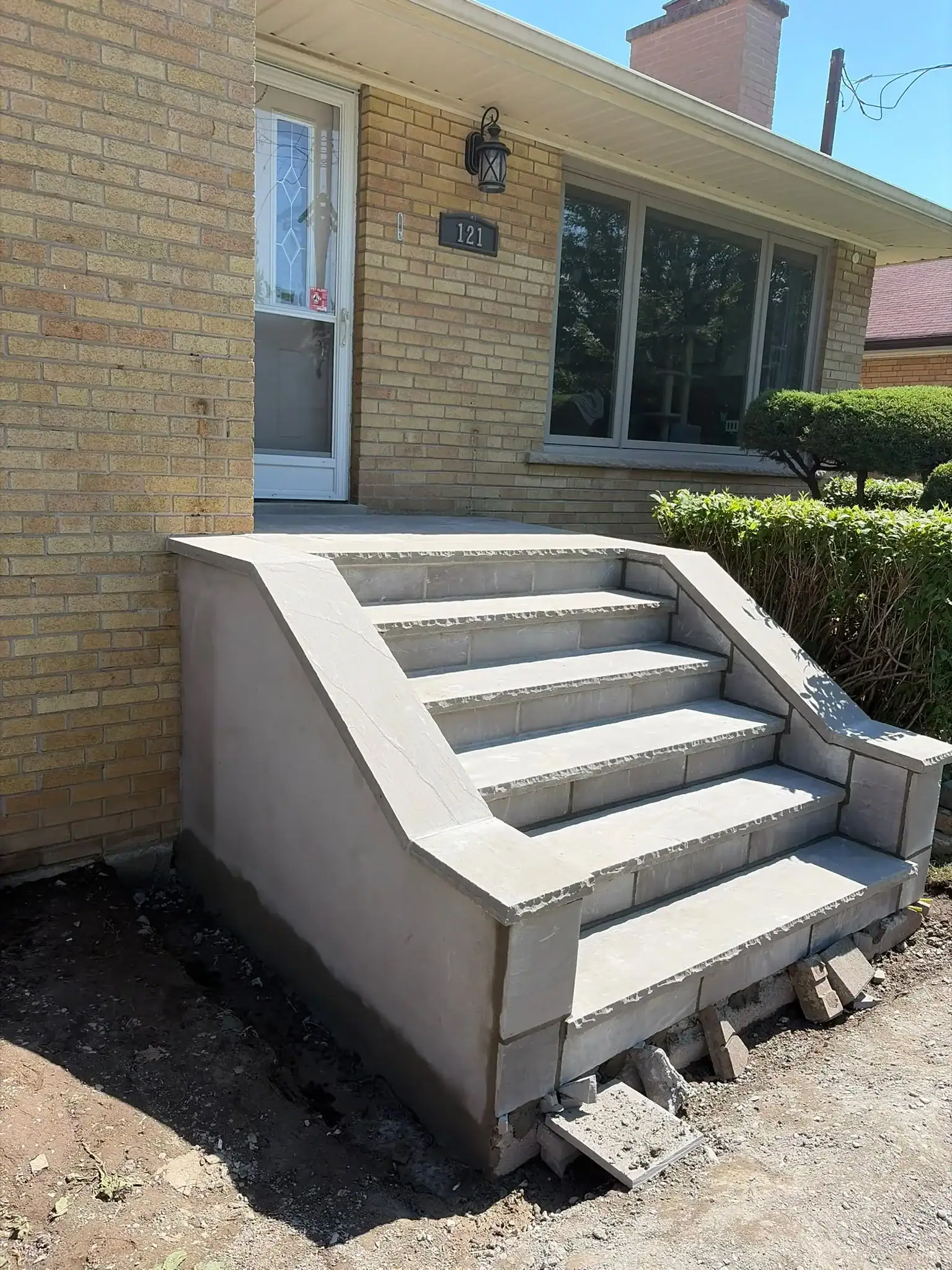
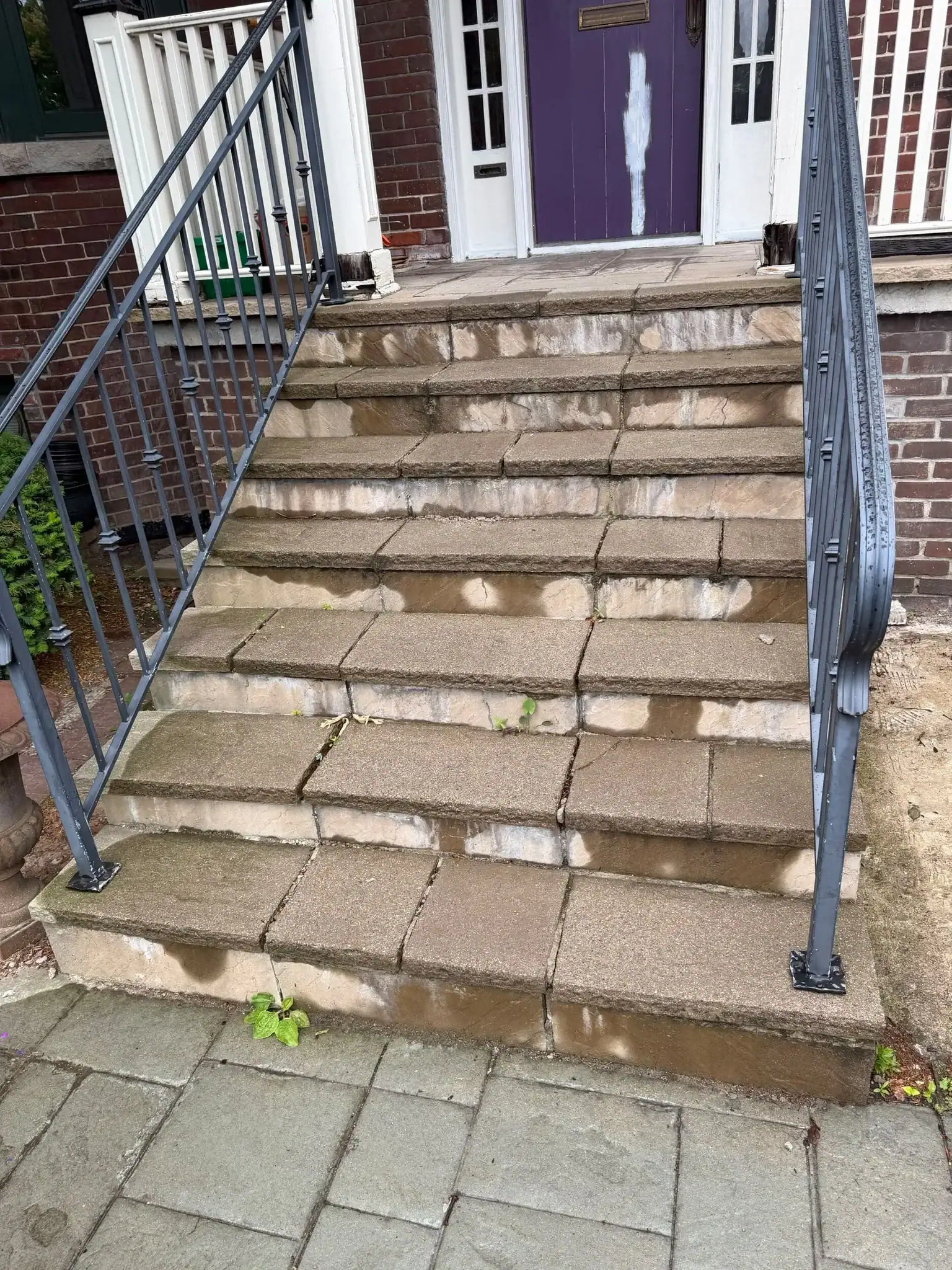
- Concrete step and stair repairs
- Garage or basement concrete floor repairs
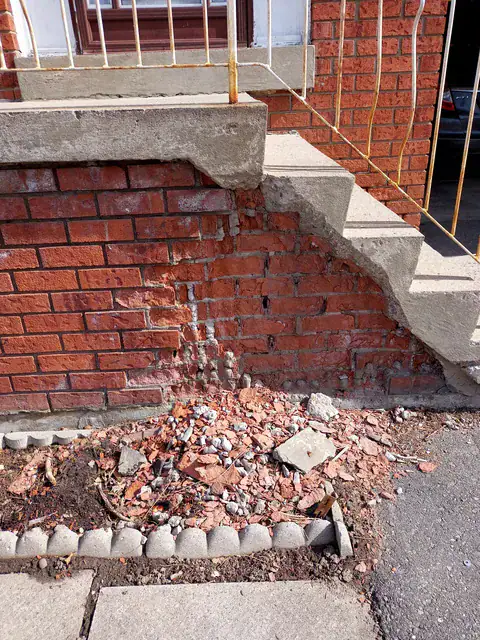
- Spalling and flaking concrete repairs
- Structural concrete repair concerns
If you want to compare against your own issue first, you can review the service types here: Concrete Repair Toronto.
Step 2: Ask for the Repair Method, Not Just the Price
A lower estimate is not automatically a problem. The key question is whether the scope includes the preparation, materials, and repair method needed for the concrete’s condition.
Before comparing totals, ask each contractor to explain what they believe caused the damage, how they’ll prepare the area, and what repair method they plan to use.
Questions to ask every contractor
- What caused the damage? (freeze-thaw, salt, movement, drainage, age, poor original finish)
- What prep is required? (cleaning, grinding, removing weak concrete, bonding)
- What repair method are you using? (patch, resurfacing, rebuild, partial replacement)
- Will the repaired area match the existing finish? (and how close should I expect it to look?)
- What cure time is needed? (when can I walk or drive on it?)
- What could cause this repair to fail again? (movement and drainage are common answers)
A good contractor should not be annoyed by these questions. If anything, they should like them because it means you care about doing it properly.
Step 3: Compare estimates line by line, not just the total
Two quotes can be close in price but very different in quality. One may include full prep and proper finishing, while another may be a quick surface patch. When you compare, focus on what is included.
What a strong estimate should include
- Repair area and scope
- Damage diagnosis (or suspected cause)
- Prep steps
- Repair method and materials
- Finish type (broom finish, smooth, textured, etc.)
- Curing and use timeline
- Exclusions (for example, drainage corrections or hidden damage)
- Any warranty offered, including what it covers and excludes
If you are also comparing pricing in general, this article helps: concrete repair cost guide.
Step 4: Check local reviews and before/after proof, but read carefully
Reviews matter, but not all reviews are useful. A five-star review that only says “great guy” tells you less than a review that mentions the actual repair type, timeline, and result. Look for patterns, not just star ratings.
What to look for in reviews
- Mentions of your type of repair (driveway, steps, porch, floor)
- Comments about communication and cleanup
- Signs that the contractor explained the work clearly
- Photos showing before and after
- Recent reviews, not only older ones
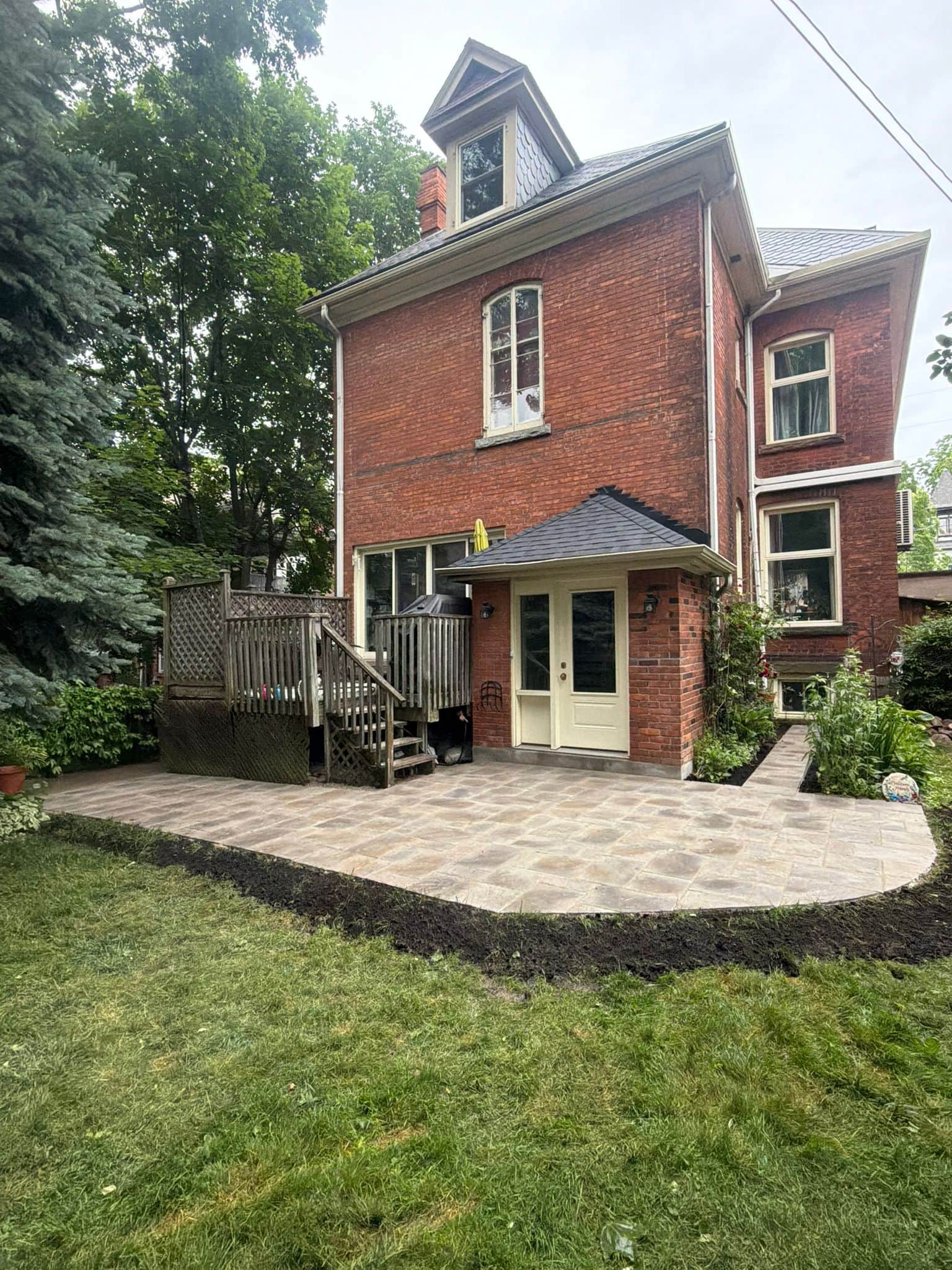
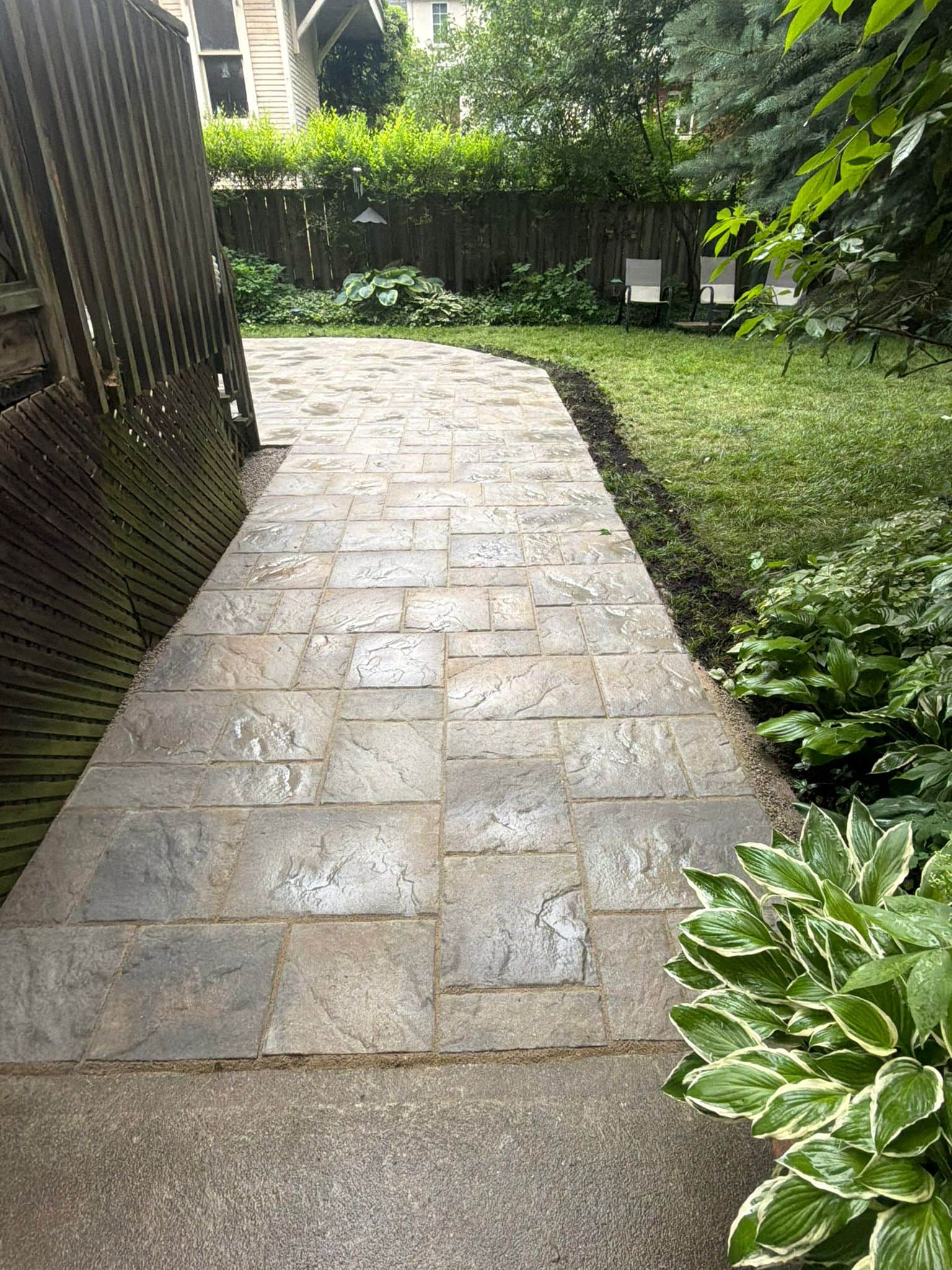
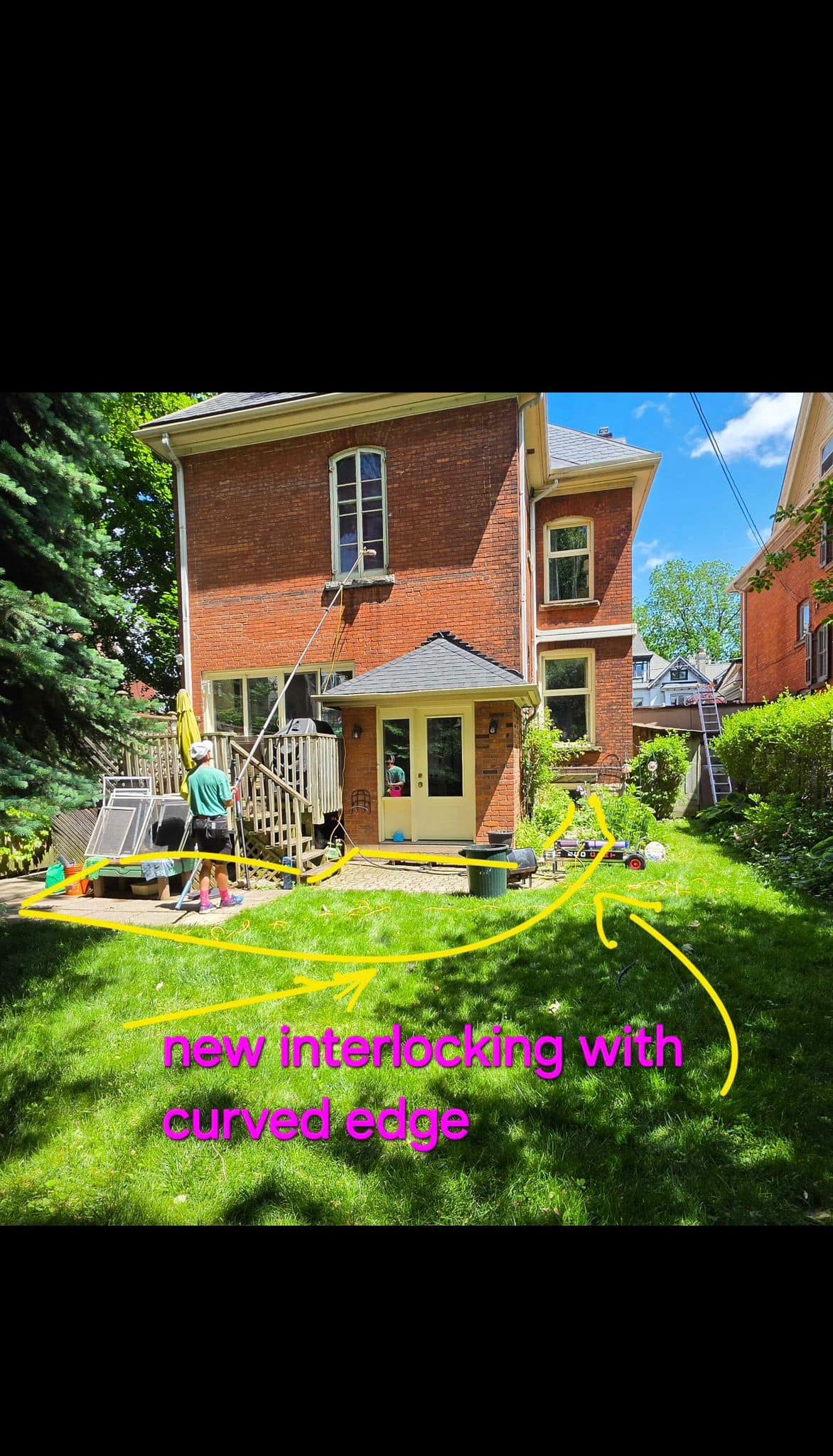
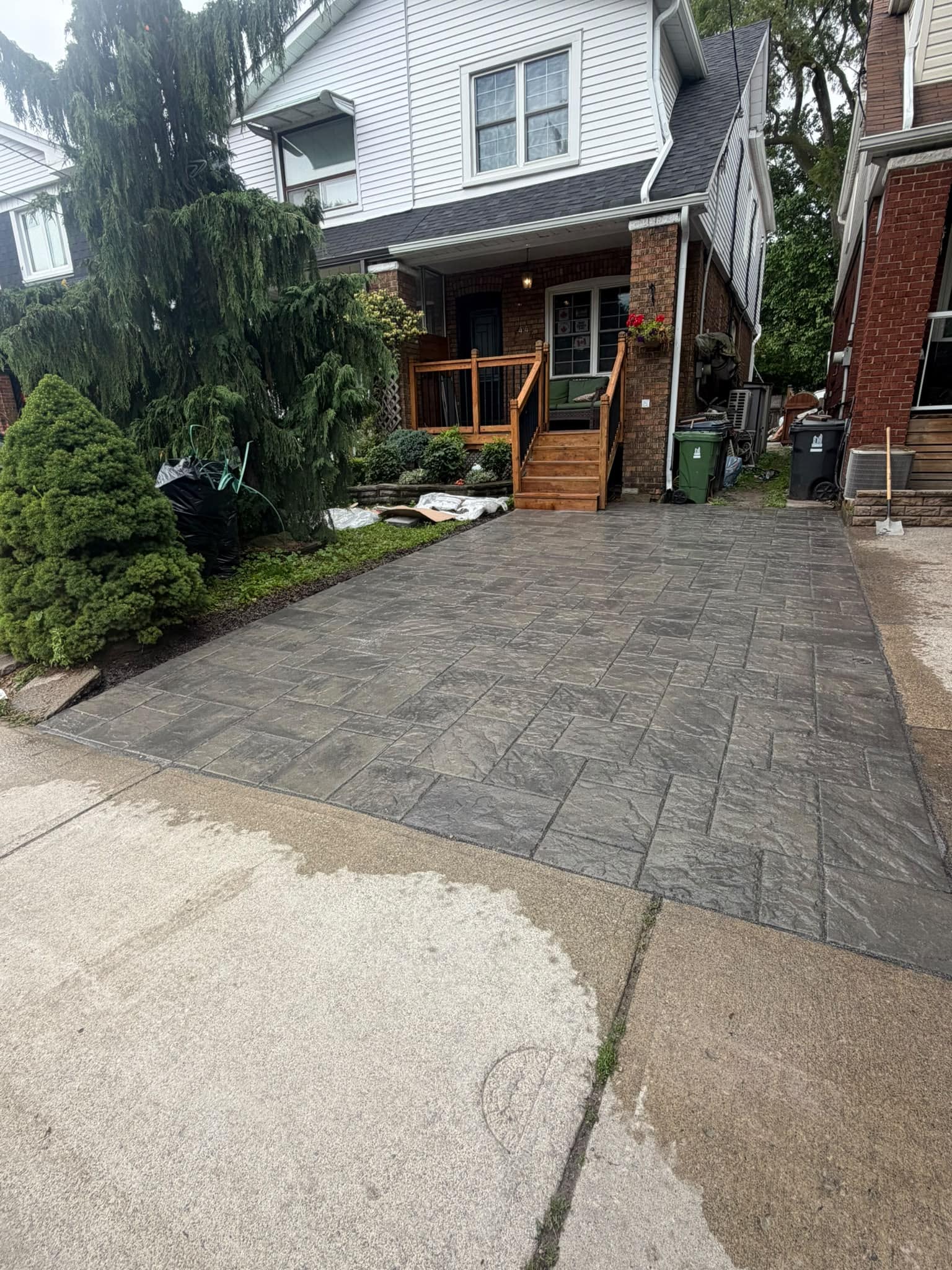
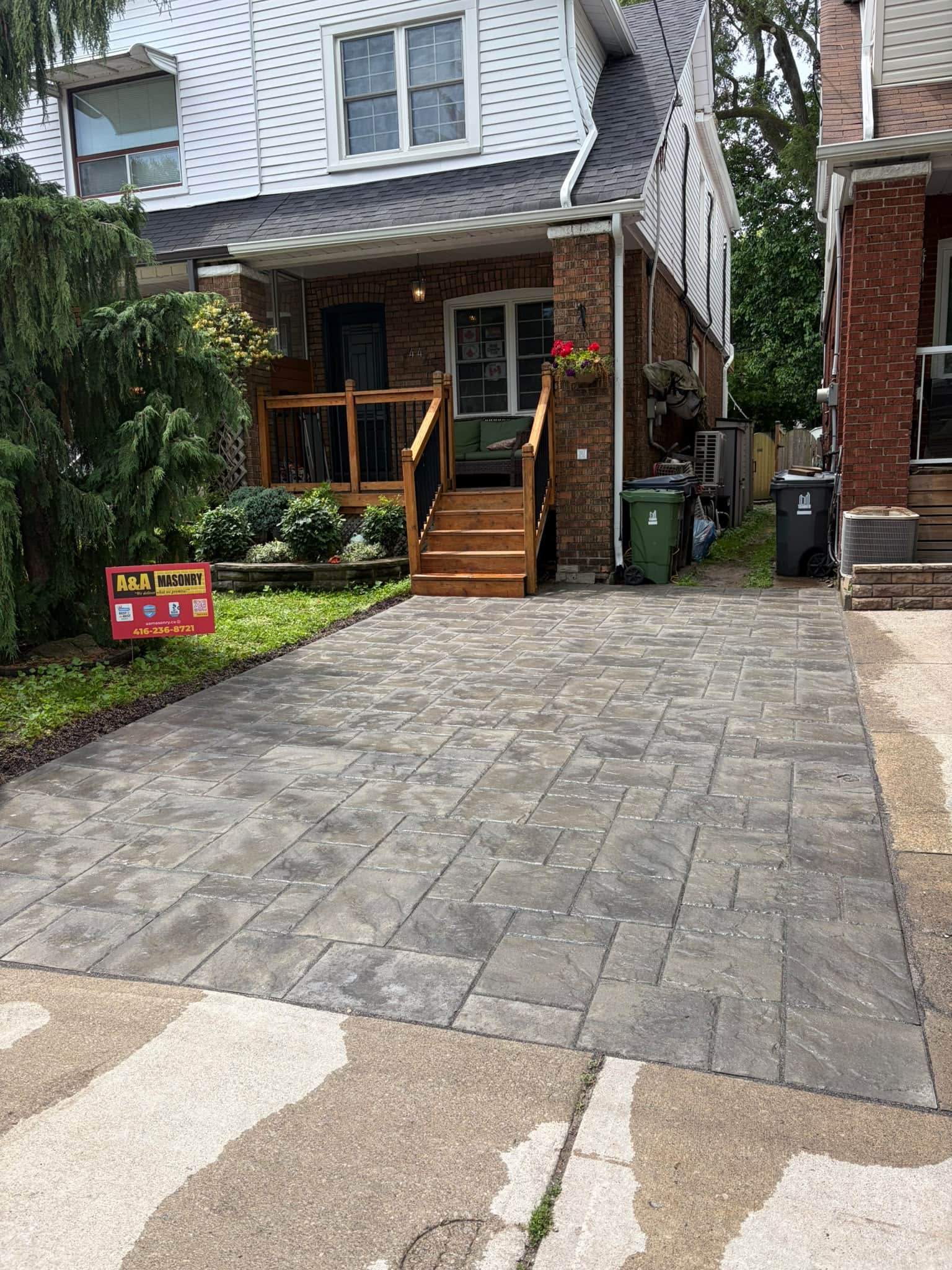
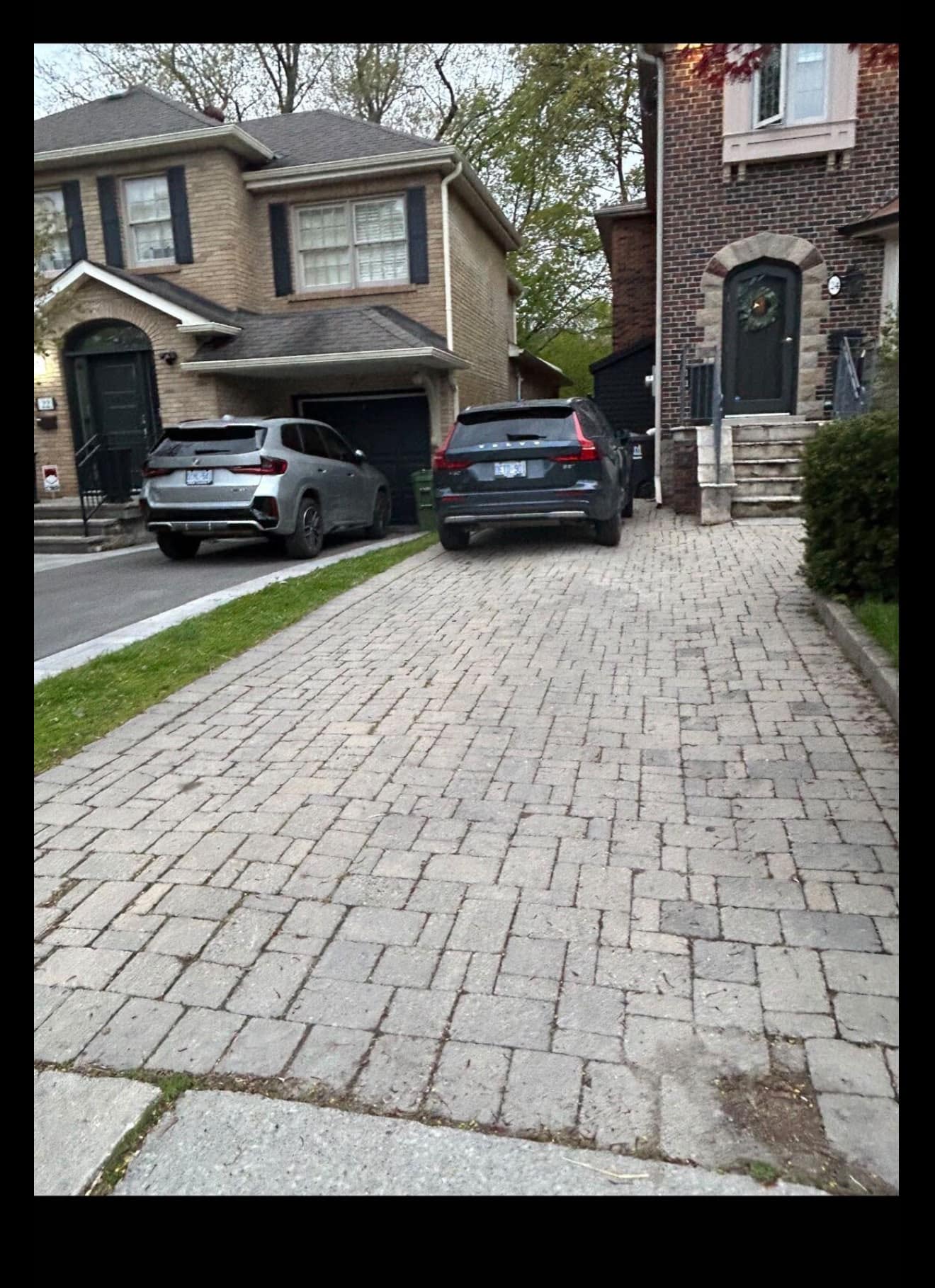
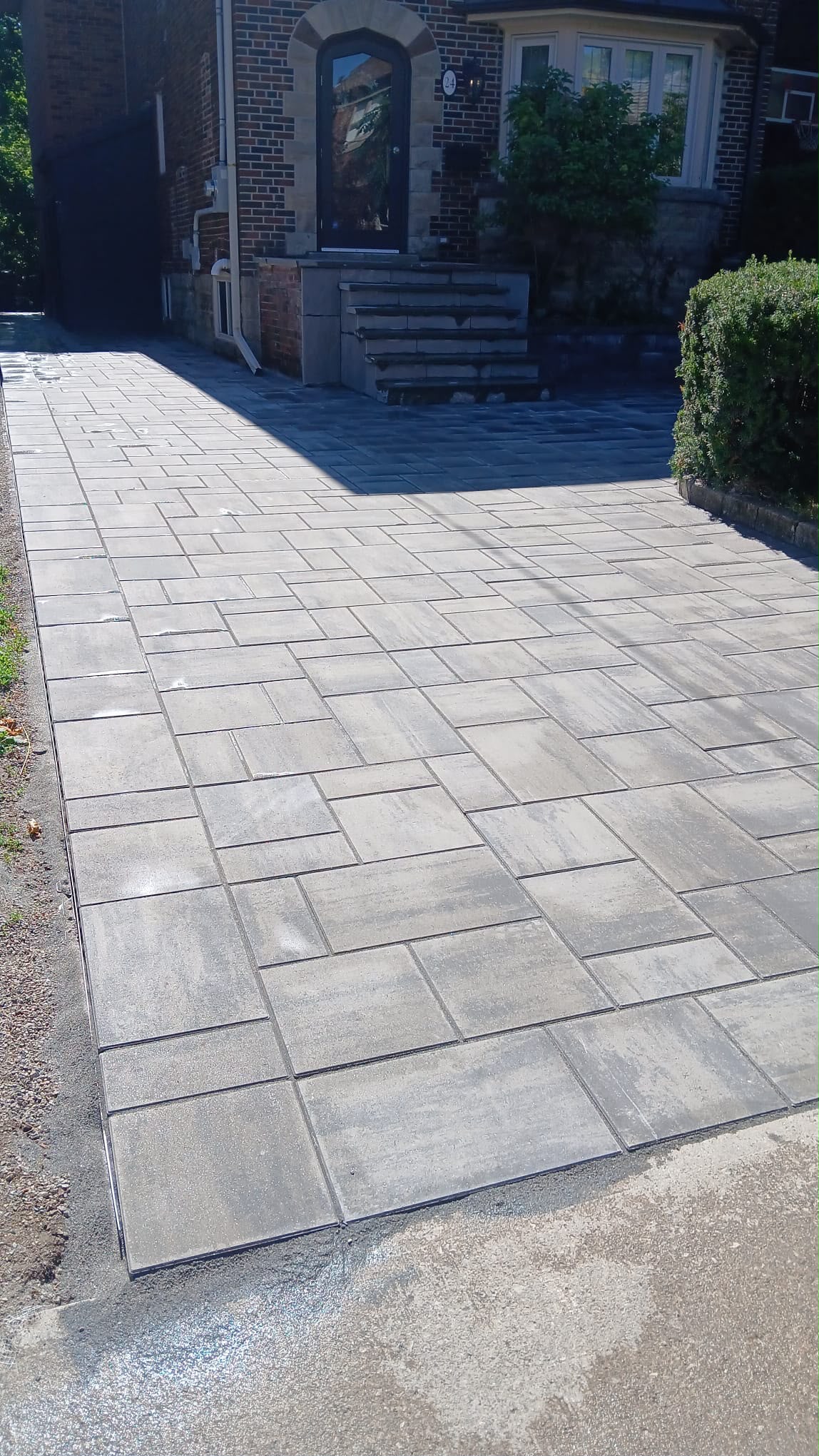
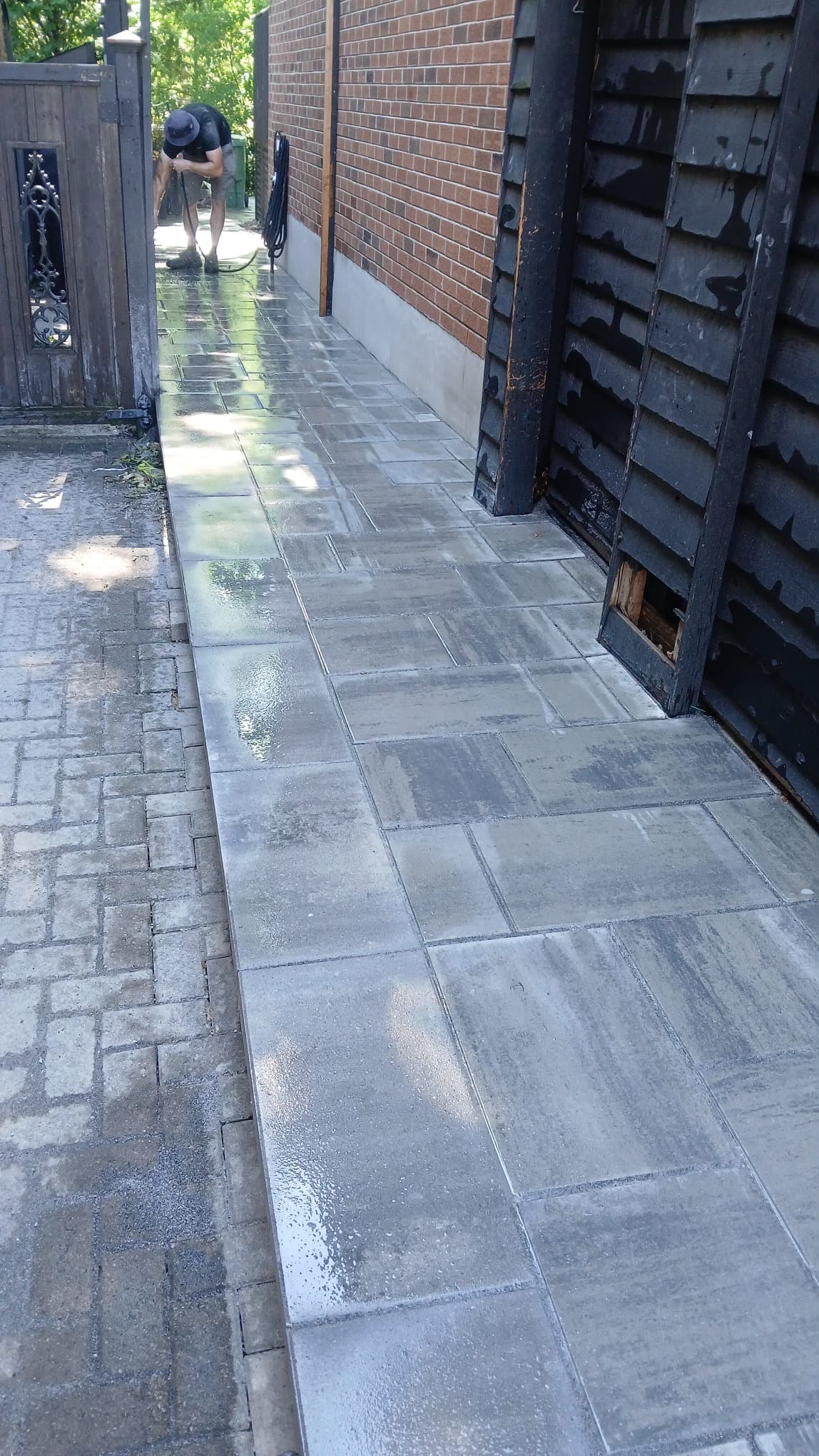
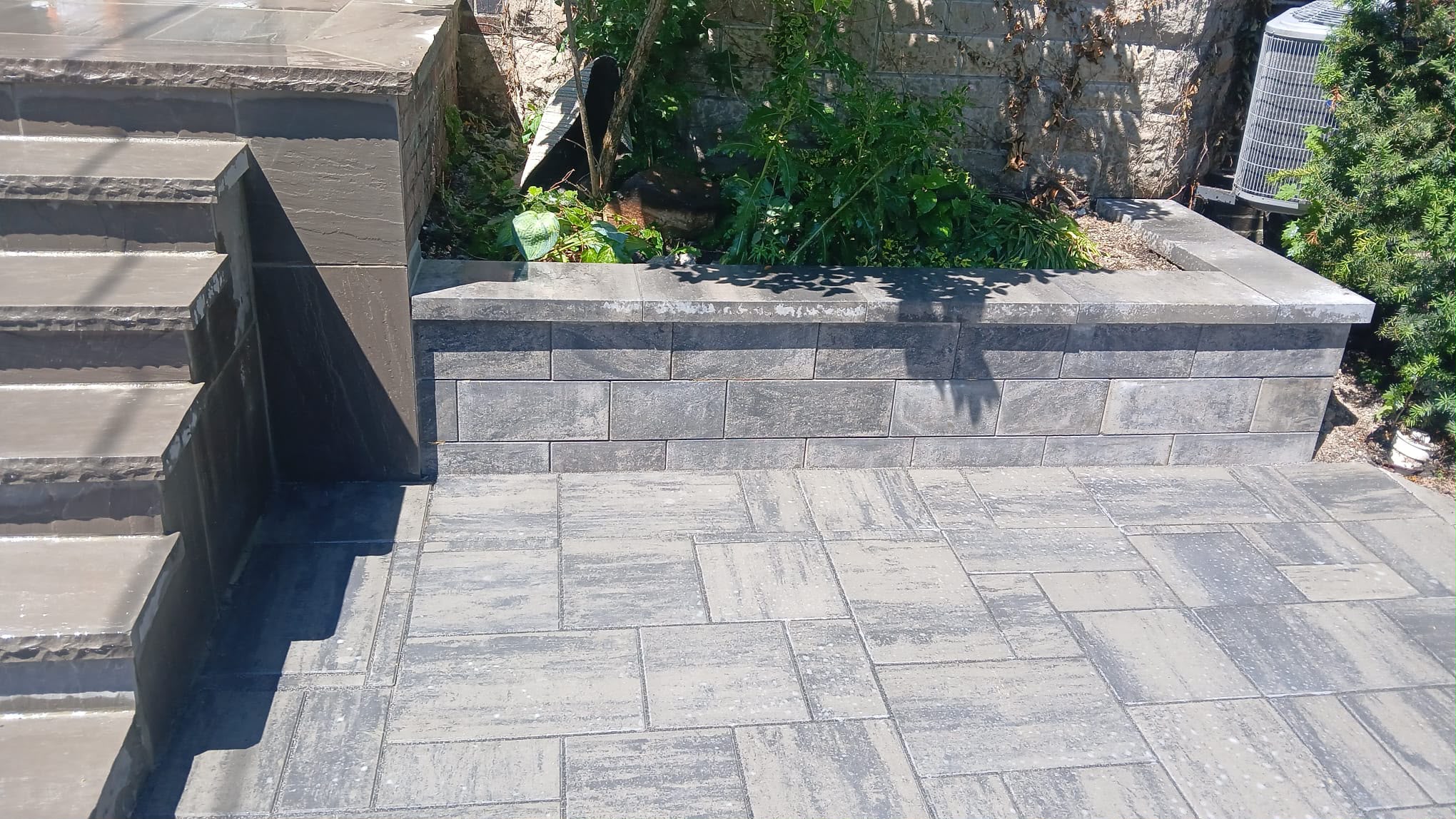
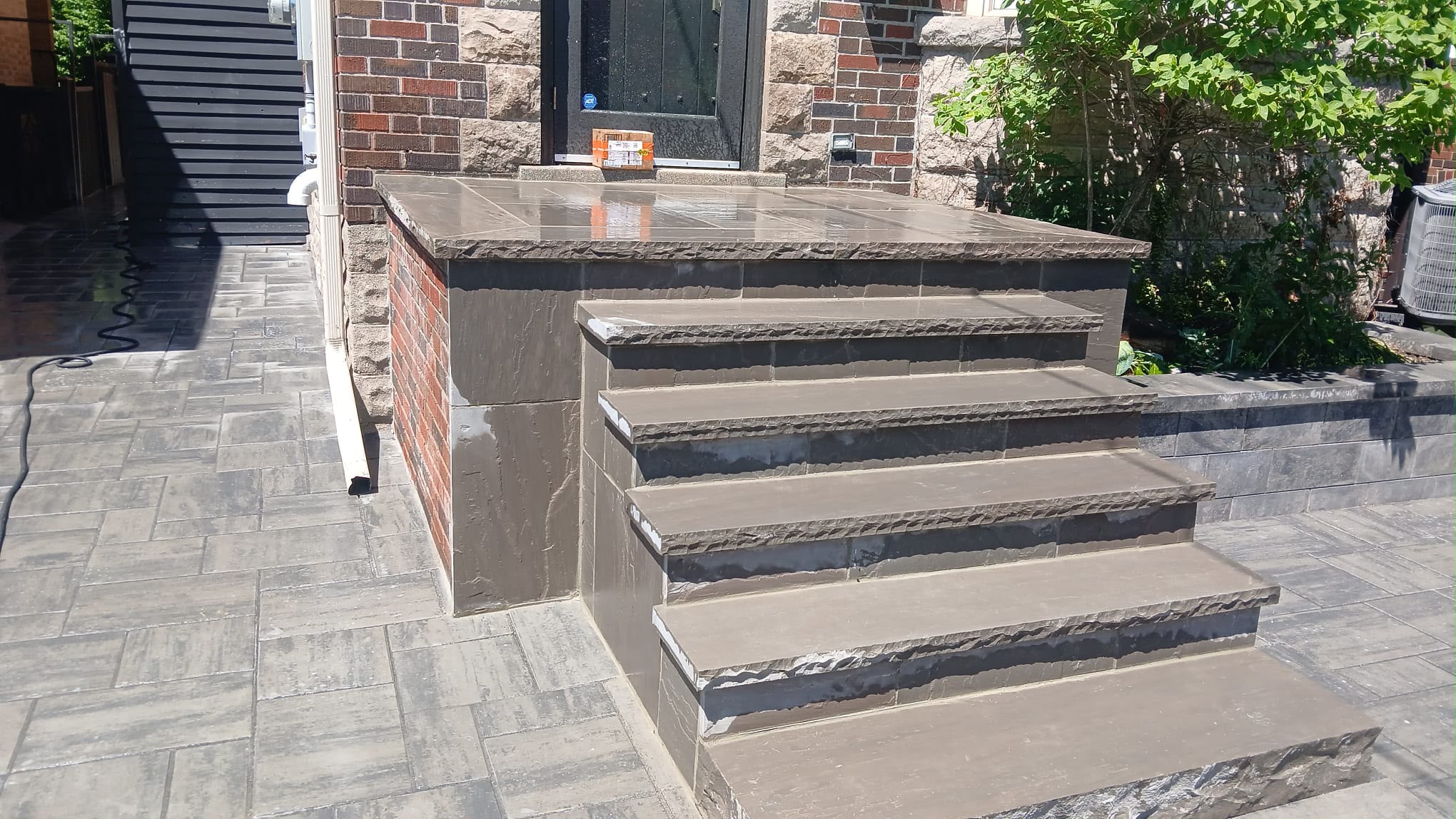
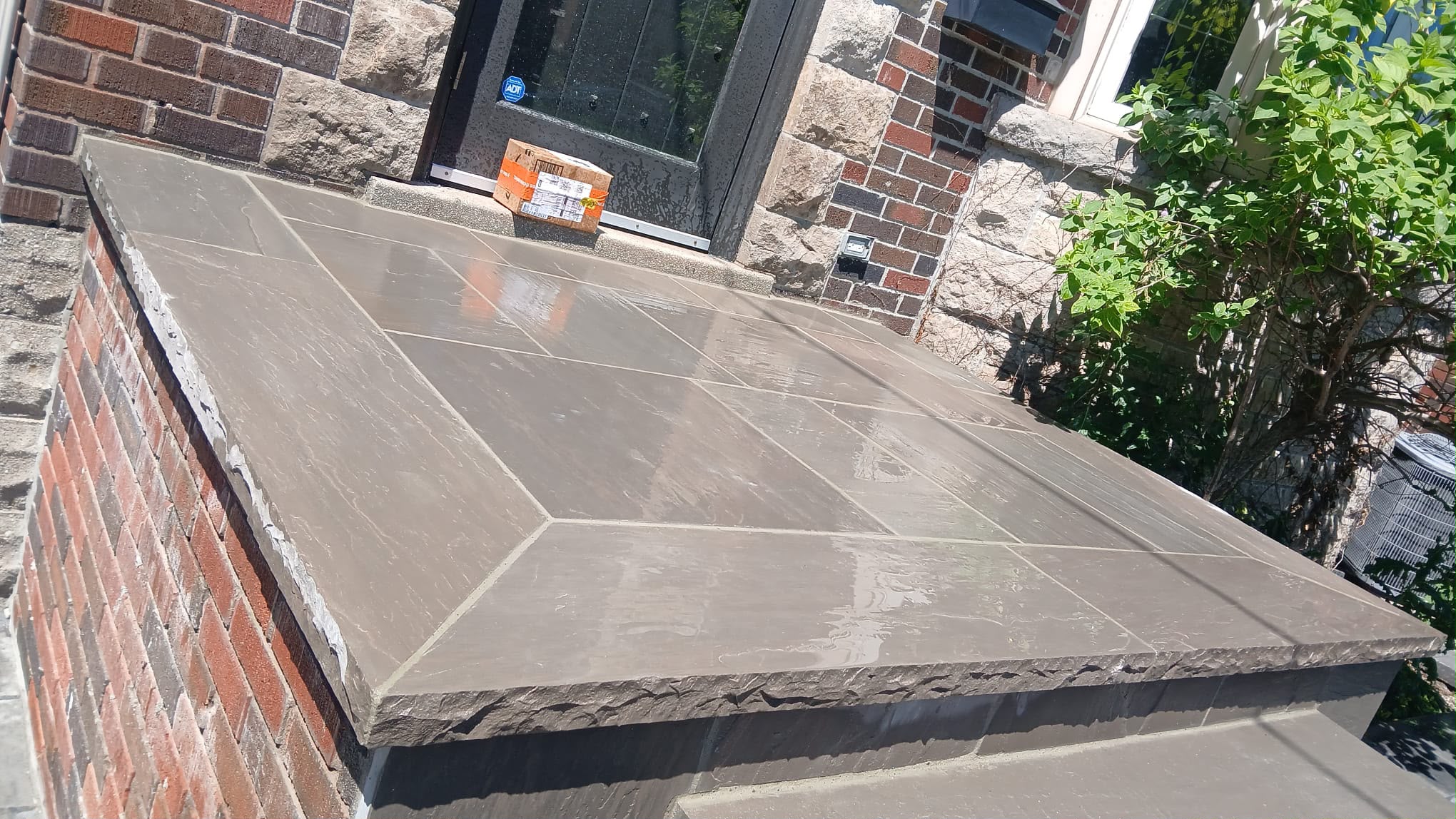
Also, look at project photos with a critical eye. Are they only close-ups, or do they show the full area? Full-area photos are more useful because they show finish consistency and transitions.
Step 5: Check site access and project constraints
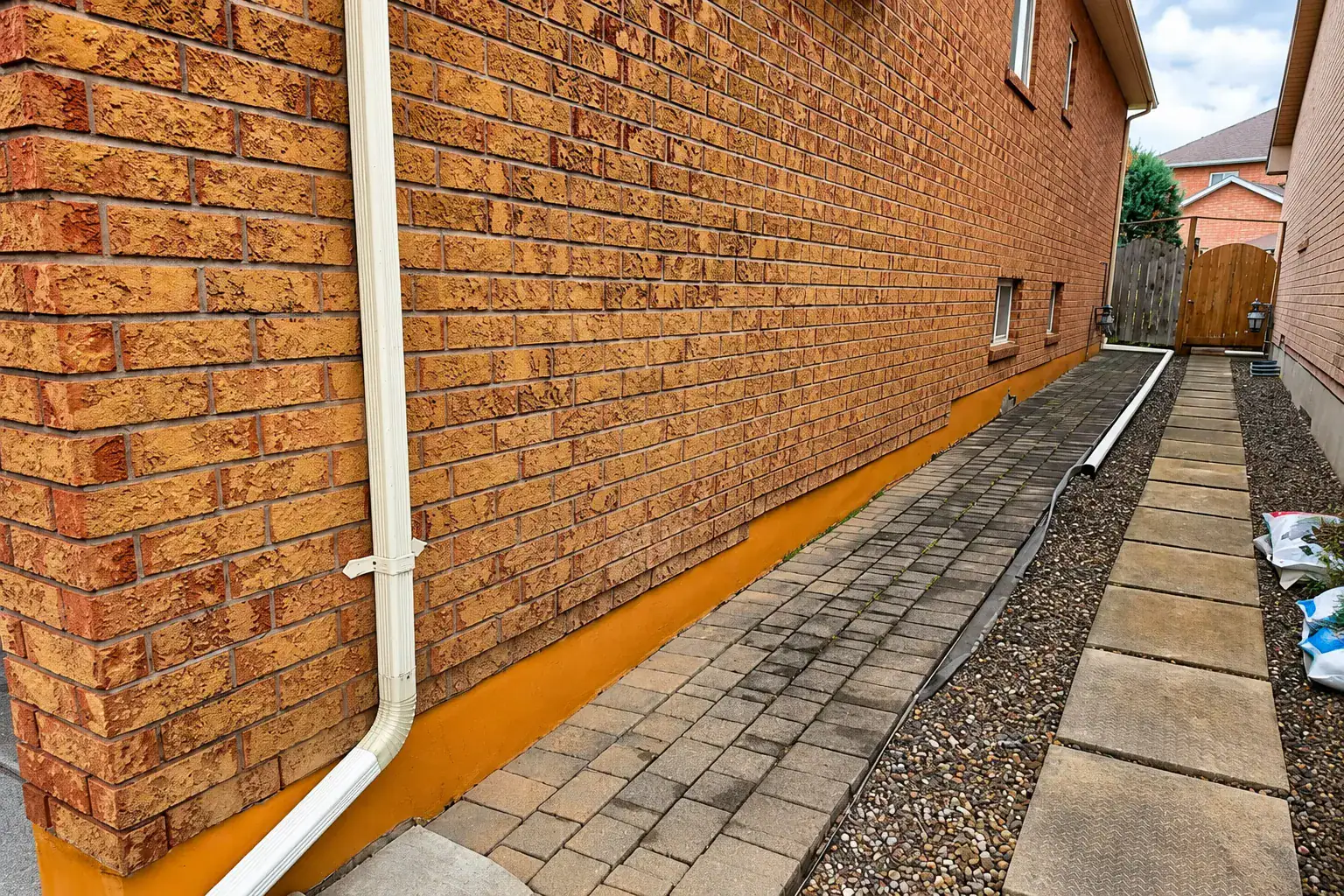
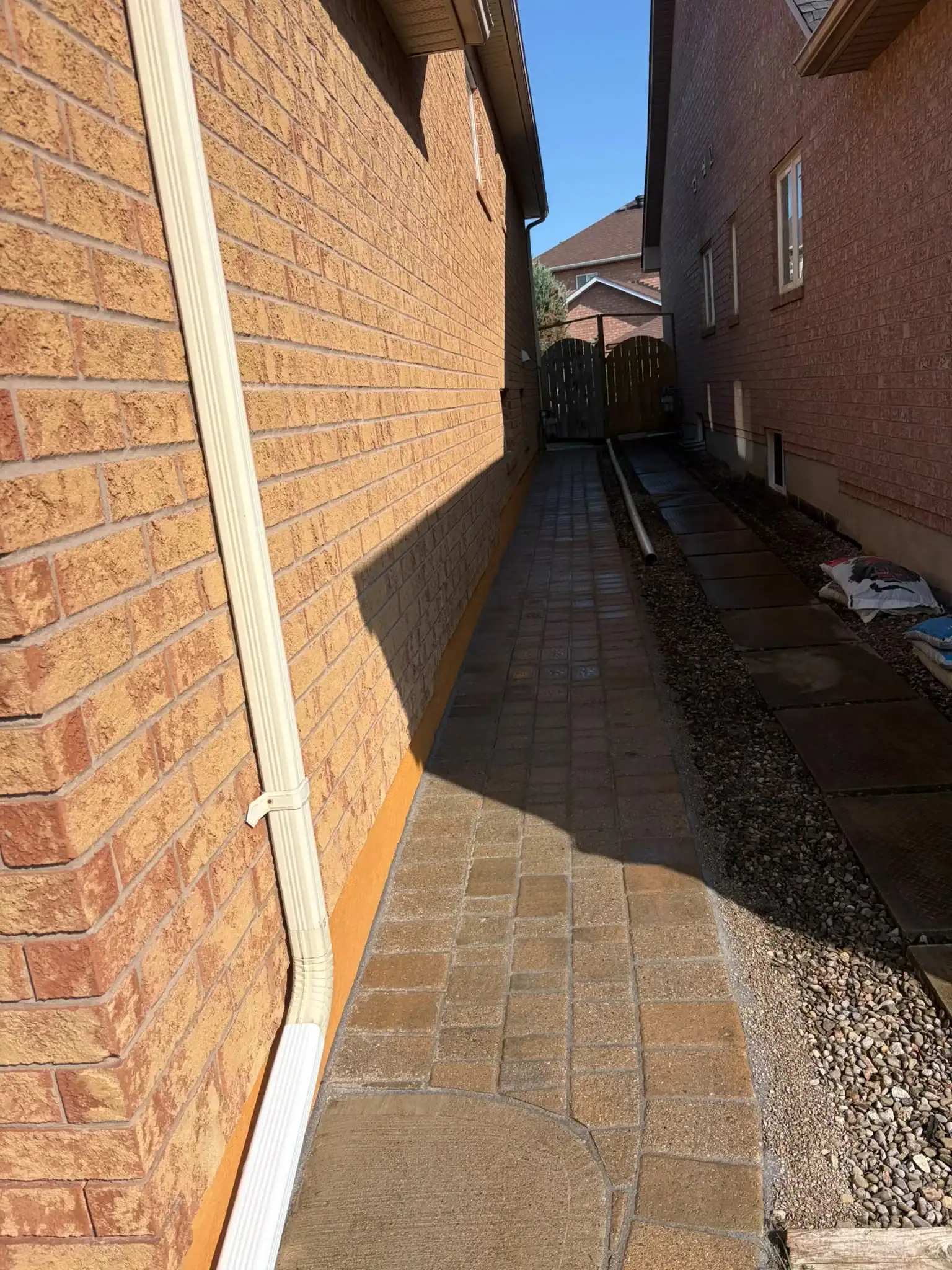
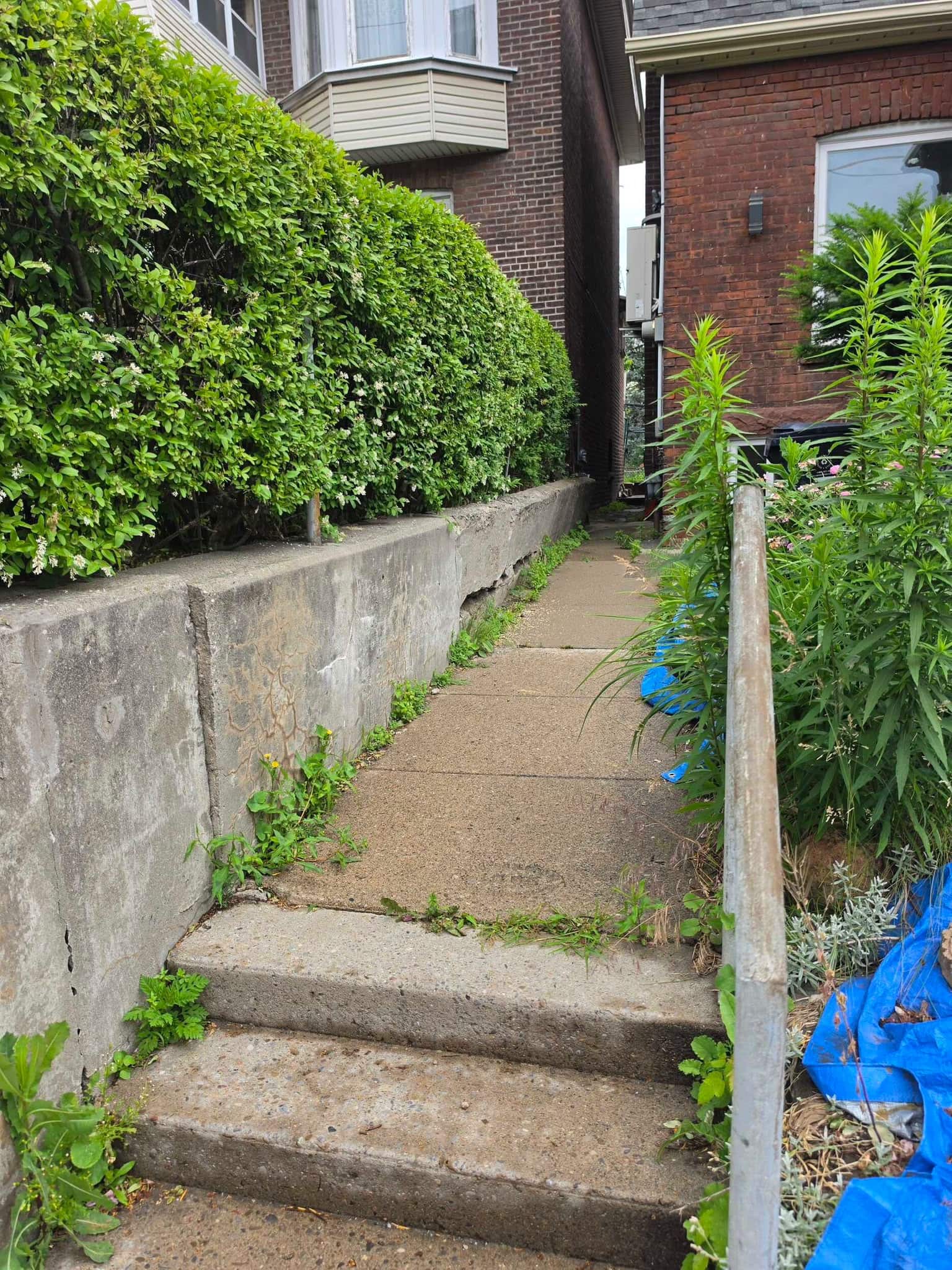
Access can affect both the repair method and project planning. This is especially noticeable on some downtown Toronto properties, but similar constraints can occur anywhere space is limited.
Factors worth discussing before work begins include:
- Limited parking or material staging space
- Narrow walkways or shared access paths
- Condo or property rules on work hours
- Noise restrictions
- Protection required for nearby finished surfaces, landscaping or entrances
A contractor should identify relevant access limitations before the repair scope is finalized.
Red Flags That Deserve a Closer Look
A concrete repair should match the condition of the surface and the cause of the damage. Before accepting a quote, look more closely when:
- The contractor only discusses filling the visible crack. A crack may be a localized surface issue or a sign of movement, drainage or settlement. The repair method should match the cause and condition of the slab.
- The quote gives no preparation details. Proper cleaning, removal of unsound material and other required surface preparation are important for repair bonding and performance.
- Drainage or movement is ignored where either appears relevant. Repeated water pooling, settlement or slab movement can affect whether a surface repair is appropriate.
- The contractor promises a perfect colour match or permanent repair. Existing concrete changes with age and weather exposure, and repaired areas may not match perfectly.
- There is pressure to approve the work immediately. Homeowners should have enough information to understand and compare the proposed scope.
A simple hiring checklist you can screenshot
Toronto concrete repair hiring checklist
- Confirm they can repair your type of concrete issue
- Ask what caused the damage
- Ask for prep steps and repair method
- Compare estimates by scope, not just total price
- Check local reviews and before/after photos
- Ask about cure time and aftercare
- Ask what could make the repair fail again
- Watch for vague answers and cheap patch-only quotes
Why This Matters More Than Simply Finding the Cheapest Company
The lowest estimate is not automatically the wrong choice, and the highest estimate is not automatically the best one.
Compare what each contractor is actually proposing. A stronger estimate should clearly explain the repair area, preparation, materials, finish, curing requirements, exclusions and any conditions that could affect the durability of the repair.
The right contractor is the one whose proposed method fits the condition of the concrete and who can explain the trade-offs clearly.
Need a Second Opinion on a Quote?
If you already have a concrete repair estimate, review whether it clearly identifies the repair area, preparation, repair method, materials, finish, curing requirements, and exclusions.
If you are dealing with cracked, spalled, uneven, or deteriorating concrete and want the area assessed directly, A&A Masonry’s concrete repair consultation can help determine whether repair, resurfacing, rebuilding, or replacement is appropriate.
FAQs: Choosing a Concrete Repair Company in Toronto
How do I choose the best concrete repair company in Toronto?
Focus on fit rather than marketing claims alone. Look for a contractor who regularly handles your type of repair, explains the likely cause of the damage, describes the preparation and repair method, and provides a clear estimate.
Experience with Toronto weather, drainage, and freeze-thaw conditions can also be relevant when comparing repair contractors.
What should I ask a concrete repair contractor before hiring them?
Ask what caused the issue, what repair method they recommend, what prep is included, how long curing takes, and what is excluded from the quote. Also, ask what could cause the repair to fail again, especially if there is water pooling or slab movement.
Are cheap concrete repair quotes always a bad sign?
Not always, but very low quotes often skip prep or ignore the root cause. If a quote mentions only filling cracks and provides no details on prep, bonding, or drainage, it may be a short-term patch. A clear scope is usually a better sign than the lowest number.
Need Help Evaluating a Concrete Repair?
If you are dealing with cracked, spalled, uneven, or deteriorating concrete, the right repair depends on the cause of the damage, the condition of the surrounding surface, and whether drainage or movement is involved. A&A Masonry can assess the area and explain whether repair, resurfacing, rebuilding, or replacement is the more appropriate option.