
Small chimney cracks, failing mortar and minor leaks can look harmless at first, but ongoing moisture and freeze-thaw exposure can turn localized damage into a much larger masonry problem. For Toronto homeowners, the key question is not simply how old the chimney is, but how widespread the damage has become.
This guide explains how chimney damage can progress, which warning signs deserve attention, and when targeted repairs may no longer be enough.
The right solution depends on how far the damage has progressed. A&A Masonry’s professional chimney repair options range from mortar and brick repairs to crown, flashing and rebuilding work when the chimney is no longer suitable for a smaller repair.
Is Your Chimney Showing Signs of Damage?
Crumbling mortar, loose bricks, water leaks and deteriorating chimney crowns can become bigger problems when left unattended.
A&A Masonry provides professional chimney repairs and rebuilding throughout Toronto and the GTA. Find out whether your chimney needs targeted repairs or more extensive restoration.
Request a Consultation–>
Understanding the Consequences of Delayed Chimney Repair
Ignoring small chimney problems can lead to big expenses. Even tiny cracks or loose mortar can weaken the structure over time. Here’s how waiting too long can cause major issues.
The Progressive Nature of Chimney Damage
Damage starts small but grows fast. Water seeps in and freezes, making gaps bigger until bricks fall. Rust on metal parts quietly weakens supports.
These problems often start with small issues like bad flashing or a crumbling crown. A missing cap lets debris and animals in, speeding up damage from the inside.
Typical Timeframes Before Minor Issues Become Major Problems
Time is key. A small crack can turn into a big problem in 1-3 years. Unfixed mortar joints can collapse in 5 years, especially in cold places.
Seasonal changes make problems worse. Freezing in places speeds up brick damage. Soil settling or tree roots near the foundation can also tilt the chimney over time.
In a colder region like Ontario, harsh winters, freeze-thaw cycles, and moisture infiltration accelerate chimney deterioration. Quick repairs are crucial to prevent costly damage and maintain home safety.
Common Causes of Chimney Deterioration
Knowing the causes of chimney damage you may not realize can save you money. Many people don’t think about things like cracks or leaks. Why do chimneys get damaged often comes from hidden processes that happen slowly.
- Freeze-Thaw Cycles: Water gets into masonry and freezes, causing it to expand and crack. This weakens the structure, especially in cold places. It may take years to see the damage, but it gets worse over time.
- Improper Construction: Badly installed flashing or missing caps let water in. Poor repairs, like weak mortar, also create gaps. These problems get worse over decades.
- Creosote Buildup: Burning green wood creates sticky creosote inside the flues. Acidic residues from this damage metal liners and masonry. If ignored, it can weaken flues in just 2-3 years.
- Environmental Exposure: Acid rain dissolves mortar in stone. Salt air corrodes metal parts. Tree roots near foundations and wildlife nesting in gaps also cause damage. All these things make chimneys decay faster.
These factors work quietly, so annual inspections are important. This way, you can catch problems early before they become big issues. Fixing small problems can prevent major repairs.

Visible Warning Signs Your Chimney Needs Immediate Attention
Regular checks can spot visible signs of chimney damage early. Ignoring these signs can lead to expensive repairs. Here are key signs homeowners should watch for:
Crumbling Mortar and Loose Bricks
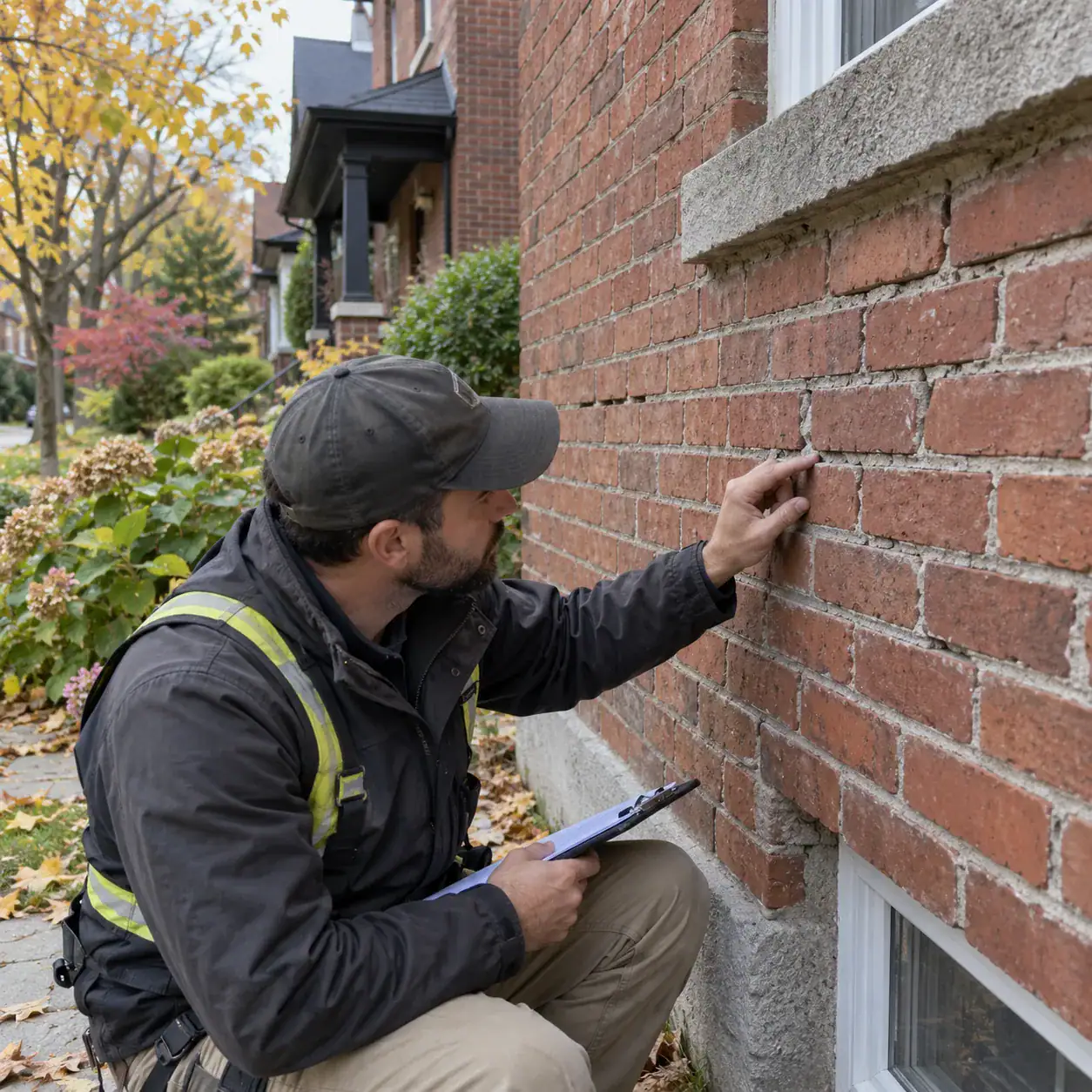
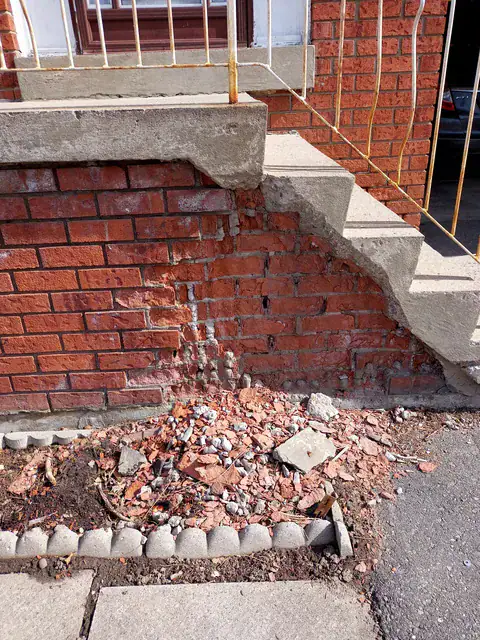
Assess crumbling or missing mortar promptly, especially when open joints allow water into the chimney. Tuckpointing may be appropriate when the brick remains stable, and the deterioration is mainly within the mortar joints.
- Sign: Powder residue when brushing mortar joints
- Risk: Bricks shifting or collapsing within 6–12 months if ignored
Chimney Leaning or Structural Shifting
If your chimney leans over 1.5 inches from vertical, it’s unstable. Fix it in 14 days to avoid collapse. A licensed mason will check the tilt to decide on repairs.
Water Damage Indicators Around Your Fireplace
Stains, peeling paint, or white deposits on walls near the chimney show water damage. Get repairs done in 30 days to stop rot or flue damage. You might need professional waterproofing.
Rust on Chimney Components
Rust on caps, dampers, or flashings traps moisture, causing more rust. Fix it in 60 days. Rusty dampers might need a new flue liner to stop smoke leaks.
| Sign | Severity | Action Timeline | Repair Type |
| Crumbling Mortar | Medium-High | Within 30 days | Tuckpointing |
| Structural Lean | Critical | Within 14 days | Structural assessment |
| Water Stains | High | Within 30 days | Waterproofing |
| Rusted Components | Medium | Within 60 days | Replacement/Restoration |
Fixing problems early saves money. Waiting too long can increase the risk of needing a full rebuild, says the Chimney Safety Institute of America (CSIA). Act fast to avoid serious damage.
Hidden Damage That Often Goes Unnoticed Until It’s Too Late
While visible signs of chimney damage, such as cracks or leaning structures, raise red flags, many dangers lurk beneath the surface. Hidden issues often progress silently, worsening over years until they become emergencies. Professional inspections reveal these threats before they escalate, underscoring the importance of professional chimney inspection and maintenance.
Internal Flue Deterioration
Flues degrade due to creosote buildup or acidic corrosion, creating gaps that can spread flames or toxic gases into living spaces. These flaws remain hidden until smoke leaks or odours appear. Left untreated, they risk carbon monoxide poisoning or house fires.
Moisture Penetration and Its Long-term Effects
Water seeping through deteriorated crowns or unsealed joints slowly weakens masonry. Over time, this causes rot in attic spaces, mold growth, or damaged walls—problems often mistaken for unrelated home issues. By the time visible decay appears, foundational harm may already exist.
Foundation Issues That Compromise Chimney Integrity
Settling soil or shifting foundations stress chimney structures, creating hairline cracks in masonry. These shifts can destabilize the entire system, leading to collapses. A professional’s thermal imaging or video scanning detects these issues long before they become catastrophic.
Ignoring hidden signs of chimney damage costs more in repairs and safety. Annual inspections with specialized tools like cameras prevent disasters. Acting early through professional chimney inspection and maintenance saves thousands and protects families from unseen dangers.
How Chimney Damage Can Progress From Repair to Rebuild
Chimney deterioration does not follow a fixed timeline. Two chimneys of the same age can deteriorate at very different rates depending on moisture exposure, brick and mortar condition, flashing, crown damage, previous repairs, and freeze-thaw exposure.
Early Deterioration
Small mortar cracks, minor crown cracking or isolated brick damage may still be suitable for targeted repairs if the surrounding masonry remains stable.
Developing Damage
Open mortar joints, recurring leaks, localized spalling, and damaged flashing can allow more moisture into the chimney. At this stage, repairs may need to address several related areas rather than one visible defect.
Widespread Deterioration
When large areas of brick and mortar are failing, water entry keeps returning or multiple chimney components have deteriorated, a more extensive repair or partial rebuild may be required.
Structural Instability
A chimney that is leaning, separating, loose or badly deteriorated should be professionally assessed. When the masonry is no longer stable enough for localized repairs, rebuilding may be the safer and more durable option.
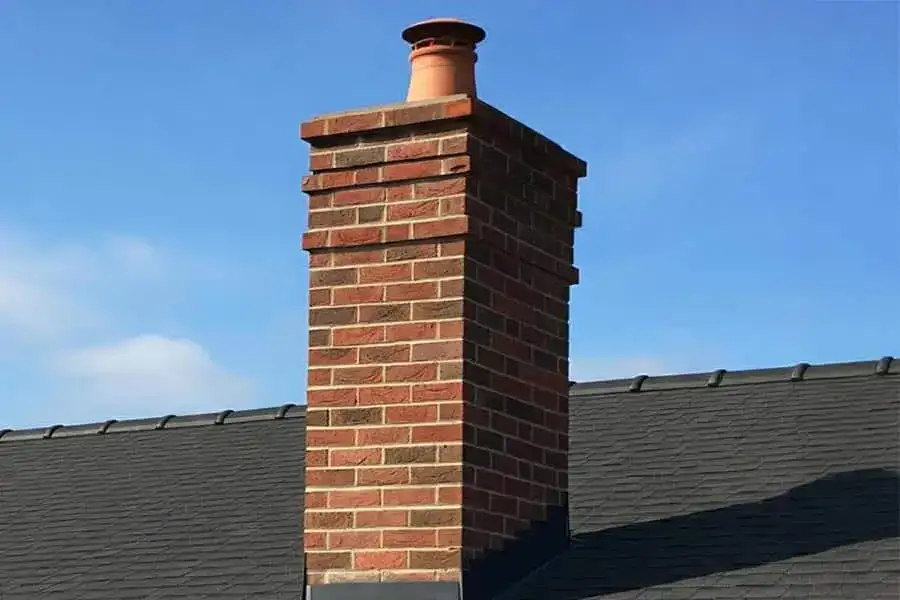
Essential Chimney Repair Options for Different Damage Levels
Choosing the right types of chimney repairs depends on the damage level. This guide helps homeowners pick between fixes or a full chimney rebuild.
Tuckpointing and Mortar Repair Solutions
Tuckpointing fixes mortar between bricks. It works well for small cracks or loose joints. It can last 15–20 years. Historic homes might need special mortar to keep their look.
Flue Liner Replacement Options
Flue liners stop heat and carbon monoxide leaks. There are three main types:
- Clay Tiles: Durable but can break. Often used in new homes.
- Cast-in-Place Liners: A resin-coated cement fix for broken tiles.
- Stainless Steel Liners: Flexible and doesn’t rust. Best for serious damage.
| Flue Lining Type | Material | Lifespan |
| Clay Tiles | Ceramic | 50+ years |
| Cast-in-Place | Epoxy Resin | 20–30 years |
| Stainless Steel | 316L Stainless | 20–30 years |
Chimney Crown and Cap Repairs
Crowns and caps keep water out. Cracked crowns might need tuckpointing or concrete replacement. Chimney cap costs vary based on the chimney, cap material, flue configuration, access and installation requirements. Coastal areas need copper or galvanized metal for protection.
Waterproofing Treatments
Vapour-permeable sealants let moisture out but keep rain away. Professionals apply them for 5–10 years at $300–$800 per year. Non-breathable coatings can cause rot and should be avoided unless advised by experts.
While repairs fix specific problems, serious damage might mean a full chimney rebuild. Talk to a certified technician to see if repairs or a rebuild are best for your home.
When a Full Chimney Rebuild Becomes Your Only Option
Some chimney problems can’t be fixed with small repairs. Knowing when a full rebuild is needed is key for safety and function. Here’s how to spot when it’s time to rebuild.
Recognizing the Point of No Return
Look out for signs such as a chimney leaning by more than 1.5 inches or cracks in the foundation. More than 25% damage also means it’s time for a rebuild. Benefits of a full chimney rebuild include making it safe again and fixing design issues that cause problems.
What the Rebuild Process Entails
A rebuild means:
- Removing unsafe parts, usually done by experts.
- Strengthening or replacing the foundation to meet current codes.
- Choosing strong materials like reinforced masonry or stainless steel liners.
- Getting permits and passing inspections to follow local rules.
Average Timeframe and Cost Considerations
Chimney rebuild costs vary widely based on height, roof access, brick and mortar requirements, demolition, flashing, crown work, and how much of the chimney must be rebuilt. A proper site assessment is more useful than applying a generic price to every chimney.
The Value of Professional Chimney Inspections in Preventing Rebuilds
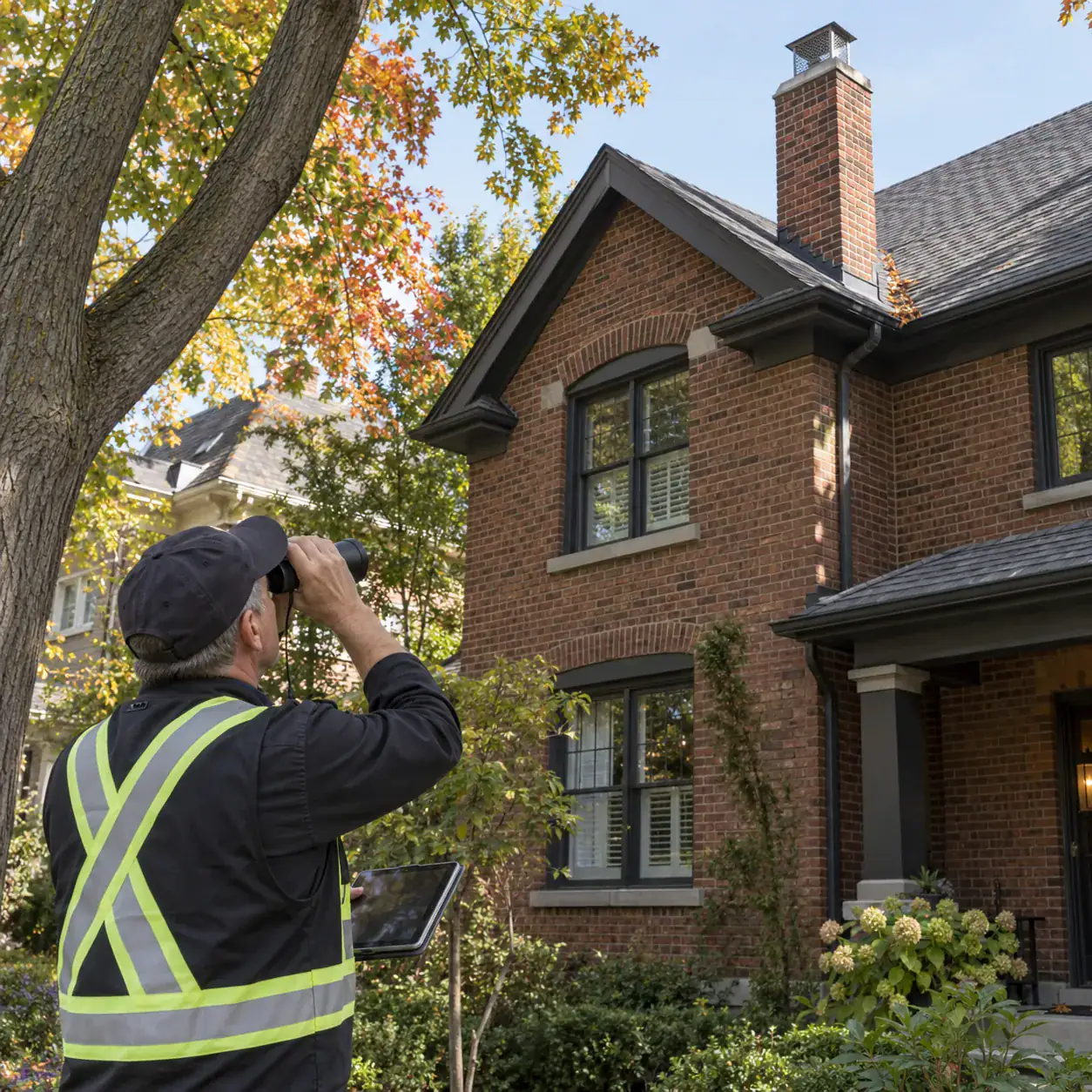
Getting your chimney checked by experts can save you a lot of money. They use specialized tools such as high-resolution cameras and thermal imaging to detect problems early. This way, they can spot cracks or damage before it gets worse.
Three inspection levels are the standard in the industry:
| Level | Purpose | When to Schedule |
| Level 1 | Basic safety assessment for routine maintenance | Annual for high-usage chimneys |
| Level 2 | Investigates damage after storms, fires, or structural changes | After extreme weather or system modifications |
| Level 3 | Comprehensive evaluation of compromised structures | When major repairs or rebuilds are suspected |
When looking for the best professionals for chimney repair in Toronto, choose CSIA- or NFI-certified inspectors. They should know how to handle Toronto’s weather.
By taking proactive steps like regular inspections, especially for older homes or heavily used chimneys, you can help your chimney last longer. Choosing certified professionals ensures any problems are fixed before they become major issues.
Maintenance Tips to Extend Your Chimney’s Lifespan
Regular maintenance is key to a long-lasting chimney. Homeowners can do some tasks, but knowing when to call a pro is important. Mixing DIY efforts with professional chimney inspection and maintenance keeps your chimney safe and sound.
Seasonal Checks You Can Perform Yourself
Check your chimney twice a year with these steps:
- Spring: Look for winter damage like loose bricks or water stains.
- Fall: Clean the roof edge and check the damper before heating season.
- Year-round: Watch for soot or odd smells between uses.
Get a fireplace and chimney safety tips checklist from our resources page. It helps you stay organized.
Simple Preventative Measures That Make a Difference
Follow these tips to avoid long-term damage:
- Put on a stainless steel chimney cap to keep out debris and pests.
- Let ashes cool before cleaning to avoid embers.
- Use a mesh screen over the fireplace when not in use.
When to Call the Professionals Instead of DIY
These signs mean you need an expert:
| Warning Sign | Action Required |
| Visible cracks in the chimney crown | Call a CSIA-certified technician |
| Rusted metal components or flue damage | Require professional repair |
| Smoke backing into the room | Stop use and contact a specialist |
Professional chimney inspection and maintenance is vital for serious issues. Never try to fix roofs or flues without the right training.
FAQ
Is it better to repoint or rebuild a chimney?
It depends on your chimney’s condition. Repointing is a cost-effective way to restore mortar joints and extend your chimney’s life if the structure is still solid. However, if there’s severe damage, leaning, or structural instability, a full rebuild may be the safest and most durable solution.
Is it cheaper to repair or remove a chimney?
In most cases, repairs are more affordable than a full removal, especially if the chimney is still in good condition. However, if the chimney is unused, deteriorating, or causing leaks, removal might save on long-term maintenance costs. The best option depends on your home’s structure and your future plans.
Why should you repair your chimney?
Regular chimney repairs prevent water leaks, structural damage, and fire hazards, helping keep your home safe and your heating system running efficiently. Addressing minor issues early can also save you from costly rebuilds later.
Conclusion:
Fixing your chimney on time can save you from expensive rebuilds. Ignoring small problems like cracks or water damage can lead to big issues. Regular checks help catch problems early, save money, and keep you safe.
Signs like crumbling mortar or rust mean you need to act fast. These signs indicate hidden damage that slowly worsens. By getting annual checks, you can spot problems before they get serious.
Choosing the right repair team is key. In Toronto, finding top chimney repair experts ensures your repairs are done right. They can tell you what needs fixing and suggest the best ways to fix it.
Properly caring for your chimney can help it last longer. Setting aside money for regular upkeep can stop costly emergencies. By taking care of your chimney, you keep your home safe and your investment sound. Smart choices now can prevent big problems later. So, check out our professional chimney repair page to help you make the smart choice.
Not Sure Whether Your Chimney Needs Repair or Rebuilding?
If you are seeing loose mortar, damaged brick, recurring leaks, crown damage or visible movement, the right next step depends on how widespread the deterioration is. A&A Masonry can assess the chimney and help determine whether targeted repairs are still practical or whether a more extensive rebuild should be considered.