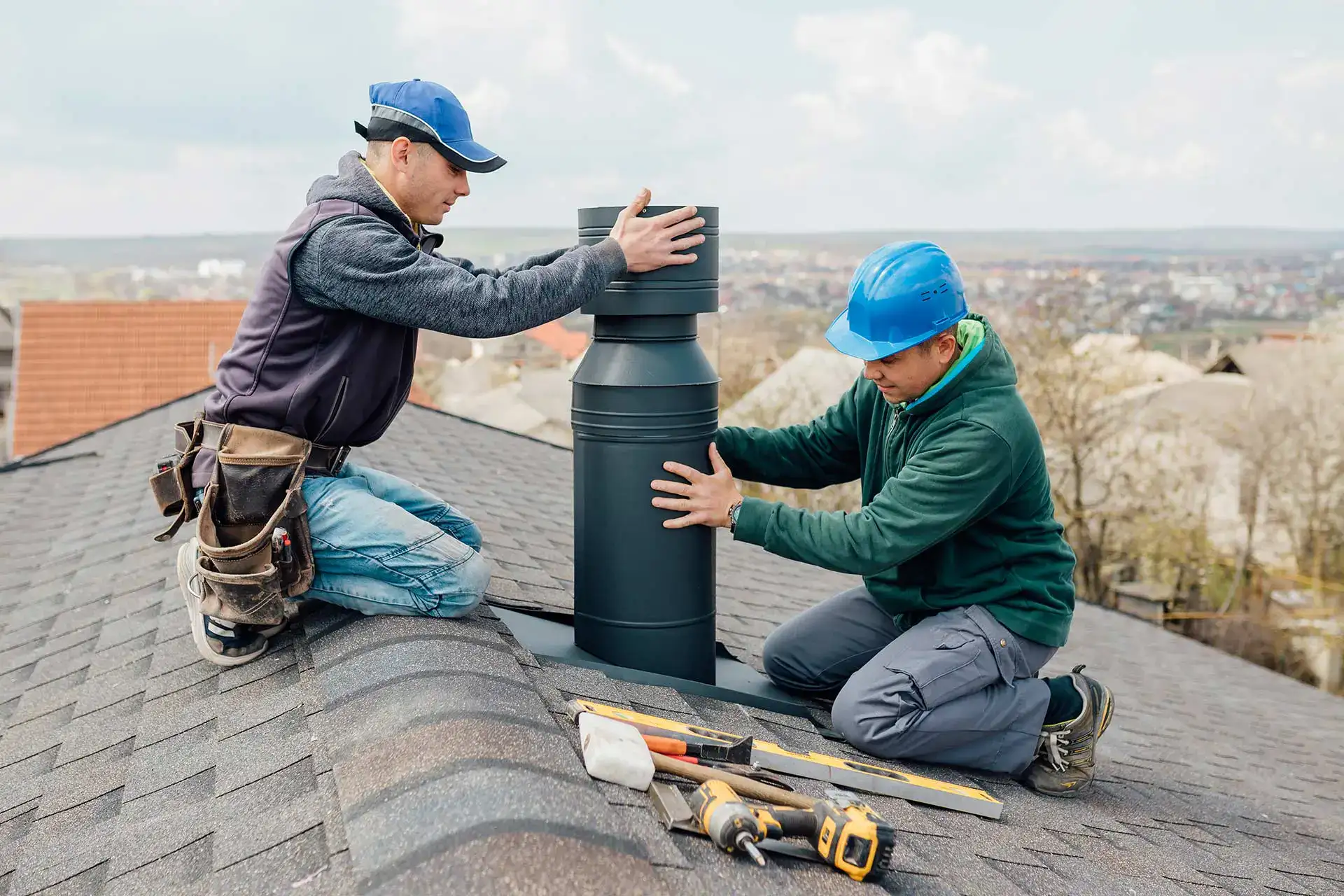
Choosing the right roof style is important for a healthy home. Good airflow stops moisture buildup and ice dams. It also saves money and makes your home more comfortable.
There are many roof styles to choose from. Each style affects how air moves, making some better for certain climates. By focusing on ventilation, you can pick a roof that looks good and works well.
The Impact of Proper Roof Ventilation on Your Home
Proper roof ventilation keeps your home safe and healthy. It makes sure air moves well, helping in three main ways. You save energy, your roof lasts longer, and your air is cleaner.
Energy Efficiency Benefits of Well-Ventilated Roofs
Roof vents like ridge and soffit vents help keep your attic cool. In summer, they stop heat from getting into your house, saving you up to 15% on cooling costs. In winter, they stop ice dams by letting out moisture, making heating easier.
Using these vents can lower your energy bills. Your HVAC system works less, saving you money.
How Ventilation Affects Roof Longevity
Without good airflow, your roof’s shingles and underlayment can warp and decay quickly. Ventilation pushes out hot, humid air, slowing down damage. Attic fans and turbine vents remove moisture, cutting down on rot risks.
Studies show roofs with good ventilation last 5–10 years longer than those without. This means your roof stays strong for a longer time.
Indoor Air Quality and Roof Ventilation Connection
Mold spores grow in still attic air and spread to your living areas. Good ventilation, like static vents or power-driven systems, keeps air moving. This keeps humidity levels low, under 60%, reducing allergens and musty smells.
Ignoring ventilation can lead to expensive fixes and health problems. The right roof ventilation ensures your home stays efficient, durable, and comfortable all year.
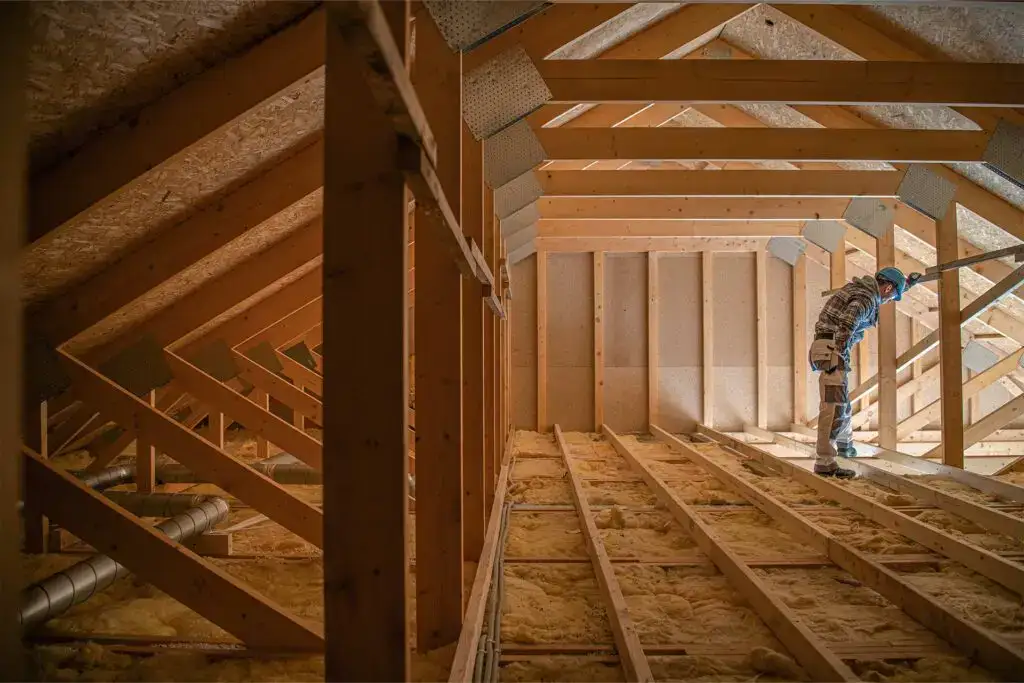
Understanding Different Roof Styles and Their Ventilation Potential
Choosing the right roof style is crucial for your home’s ventilation. The 6 top roof styles for optimal ventilation—gable, hip, flat, gambrel, shed, and butterfly—each have their own benefits. Understanding roof vents means knowing how a roof’s shape and slope affect airflow.
Roof ventilation works on principles like the stack effect and cross-ventilation. The stack effect lets hot air escape through exhaust vents. Cross-ventilation needs intake vents (soffit) and exhaust vents (ridge or box). A balanced system prevents moisture buildup and energy loss.
For example, gable roofs naturally channel air through their triangular design. Flat roofs, on the other hand, need special solutions like powered vents.
- Gable roofs use ridge and soffit vents for natural airflow.
- Hip roofs need vents placed strategically under slopes.
- Flat roofs rely on mechanical or ridge vents for proper circulation.
- Gambrel roofs combine steep slopes to enhance air movement.
- Shed roofs allow easy vent placement along their single slope.
- Butterfly roofs use their V-shape to direct air flow efficiently.
Climate is also important. In humid southern regions, gable roofs are great at expelling hot air. Northern climates might choose designs that balance insulation and ventilation to avoid ice dams. In arid areas, open designs like butterfly roofs maximize airflow.
Each style’s ventilation potential depends on matching vent types to its structural features.
Gable Roofs: The Classic Choice for Natural Airflow
Gable roofs are known for their iconic shape and ability to let air flow. They naturally help air move around, thanks to their design. This makes them a popular choice for those who want their homes to breathe.
Ventilation Features of Traditional Gable Designs
Traditional gables use simple physics to improve airflow. The roof’s slope helps warm air rise and escape through ridge vents. Meanwhile, cooler air comes in through soffit vents. Key features include:
- Ridge vents placed at the peak to exhaust hot air
- Soffit vents along eaves to intake fresh air
- Open attic spaces enabling convection cycles
Modern Gable Adaptations for Enhanced Air Circulation
Modern updates have made gables even better. Features like extended overhangs and louvered vents improve airflow. Builders now use:
- Perforated metal panels for continuous airflow
- Wind-optimized vent placements reducing pressure imbalances
- Insulated baffles to maintain airflow in colder regions
Ideal Vent Placements for Gable Roof Systems
For the best airflow, vents need to be placed right. Soffit vents should cover at least 50% of the attic. Ridge vents should span the roof’s peak. In humid places like Florida, gable-end vents at both ends help remove moisture.
In colder areas, vents 2-3 feet from the ridge work best. This way, cold air can enter without snow blocking it. Proper spacing ensures the vents work well with the home’s climate.
Hip Roofs: Balanced Design with Ventilation Challenges
Hip roofs are among the 6 top roof styles for optimal ventilation. But, they have unique challenges because of their four-sided structure. Their sloping sides make them strong in windy areas. Yet, they let less air in than gable roofs.
The small peak area makes it hard to fit ridge vents. Without gable ends, placing vents is tricky. This can lead to heat and moisture buildup, harming the attic.
Homeowners need to find a balance between the roof’s look and ventilation needs.
- Install soffit vents along eaves to draw cool air into the attic.
- Use specialized hip ridge vents that align with roof slopes to exhaust hot air.
- Pair with powered fans in humid climates to boost airflow in tight spaces.
Modern solutions include vent designs from CertainTeed or IKO, made for hip roofs. Custom baffles between rafters help keep air flowing without weakening the roof. With these fixes, hip roofs can still be a good choice for homes that need good ventilation.
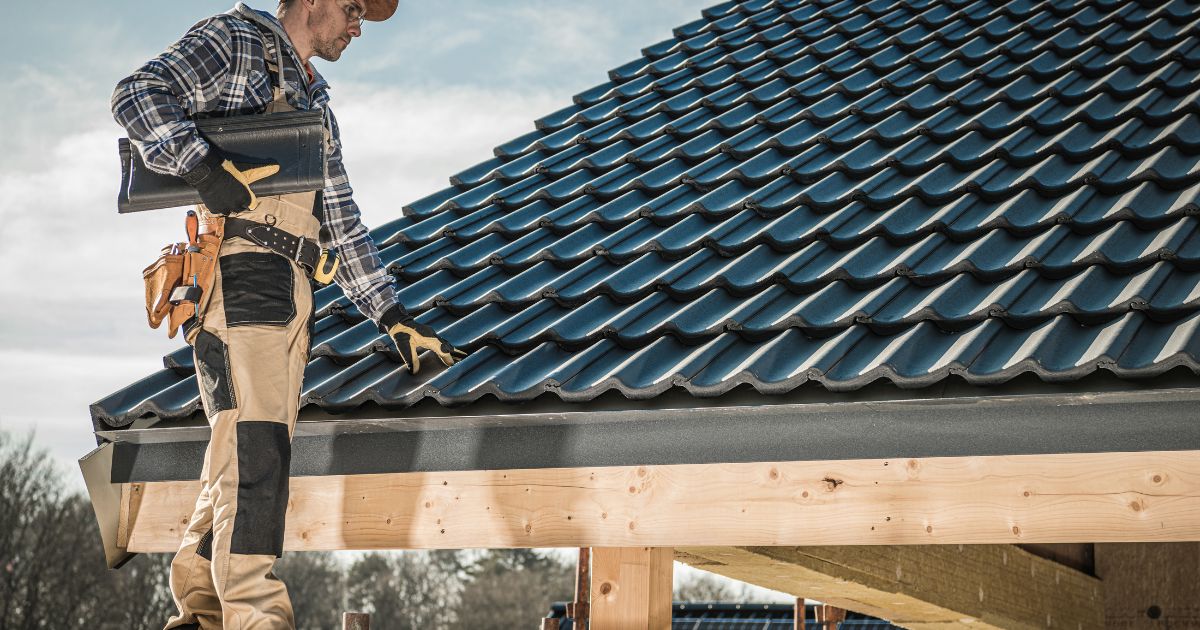
Flat Roofs: Specialized Ventilation Solutions for Contemporary Homes
Modern homes often have flat roofs for their sleek look. But, these roofs need special ventilation to avoid moisture and keep energy costs down.
Overcoming Ventilation Limitations in Flat Roof Designs
Flat roofs have big challenges because they don’t slope much. Without airflow, they trap heat and moisture, leading to mold and damage. To fix this, builders use through-roof vents and internal channels for airflow.
They also add insulation and vapor barriers to fight humidity. This keeps the roof dry and energy-efficient.
Innovative Vent Systems for Flat Roofing
Top solutions for flat roofs include:
- Through-roof ventilators from brands like Air Vent, Inc., which draw hot air upward
- Parapet-mounted vents that align with architectural lines while circulating air
- Sub-roof ventilation mats that create airflow gaps beneath membranes
These systems work well with solar-reflective coatings to cool sun-exposed areas.
When Flat Roofs Make Sense for Your Ventilation Needs
In dry places like Arizona or Texas, flat roofs are great. They reduce snow load and are perfect for solar panels. In cities like Chicago, green roofs with hidden vents are a hit.
Studies show homes in Houston save 30% on energy with hybrid vents. Always choose roof styles that fit your local weather for the best results.
Popular Roof Styles That Maximize Natural Ventilation
Exploring 6 top roof styles for optimal ventilation, we find three standout designs. They are great for airflow and look good too. Homeowners love them for their natural ventilation and style.
Gambrel and Mansard Options for Improved Airflow
Gambrel and mansard roofs are both beautiful and functional. They have multiple slopes that make great attic spaces for ventilation. By adding ridge vents and soffit vents, air moves up and down through the roof.
Key strategies include:
- Ridge vents at peak levels to exhaust hot air
- Low-profile vents near eaves to pull in cooler air
- Multi-tiered designs enabling stacked ventilation paths
Shed Roof Advantages for Ventilation-Conscious Homeowners
Shed roofs are simple and single-sloped. They are great for catching wind. Modern features include:
- Solar-powered turbine vents that rotate with wind direction
- Continuous soffit vents along low ends to draw in fresh air
- Low-pitch angles reducing snow buildup that blocks vents
These designs are key to understanding roof vents and their role in ventilation.
Butterfly Roof Designs: Combining Aesthetics with Functionality
The V-shaped butterfly roof is a breeze for airflow. Its benefits are:
- Central valley areas acting as natural air corridors
- High peaks accommodating ridge vents for hot air escape
- Compatibility with green roofs and rainwater harvesting systems
With good ventilation, butterfly roofs keep attics cool and look amazing.
Types of Roof Ventilation Systems for Different Architectural Designs
Choosing the right roof ventilation system is key. It depends on your roof’s design. Knowing types of roof ventilation and how they work helps pick the best fit for your home. There are two main types: passive and active, each suited for different roof styles.
- Passive Systems: Ridge vents work with soffit vents for gable roofs, using natural wind. Static vents, like box or gable vents, release hot air through fixed openings. Turbine vents spin with wind to draw heat out of steep-sloped roofs.
- Active Systems: Powered attic fans use electricity to exhaust hot air, great for homes with little natural airflow. Solar-powered vents are energy-efficient for those who care about the environment. Whole-house fans pull hot air downward, best for open attics.
Understanding roof vents means knowing how each type works with roof angles and materials. For flat roofs, through-roof vents paired with ridge caps keep airflow. Hip roofs often use ridge and soffit vents to balance airflow. CFM ratings help compare efficiency. Modern turbine vents can move up to 2,000 CFM, while ridge vents are quieter and easier to maintain.
Choosing the right system for your roof is crucial. Soffit-to-ridge setups work well for gables, turbine vents for slopes, and solar for energy savings. Making informed choices based on data prevents over- or under-ventilation. Whether you prefer natural airflow or mechanical solutions, the right system protects your roof and saves energy.
How to Select the Right Roof Vents Based on Your Roof Style
Choosing the right roof vents can boost airflow efficiency. Knowing types of roof ventilation and how they work helps control heat and moisture. Here’s a simple guide to pick the best system for your home.
Ridge Vents vs. Box Vents: Which Works Best for Your Design
Ridge vents fit along the roof’s peak, like on gables or hips. They offer continuous exhaust and match the roofline. Box vents, on the other hand, are placed in specific spots for complex roofs. Remember, size matters: 1 sq ft of net free area per 300 sq ft of attic space.
- Ridge vents: Perfect for roofs with a straight ridge line.
- Box vents: Great for complex roofs with multiple peaks or slopes.
Soffit Ventilation Considerations
Soffit vents are intake points but need to work with exhaust vents. Follow these important steps:
- Make sure soffit vents match exhaust vents in size (1:1 ratio).
- Install baffles to keep insulation away from vents.
- Choose materials with holes or insect screens to block debris.
Powered Ventilation Options for Complex Roof Structures
For multi-level homes or those with dormers, electric or solar-powered vents might be needed. These systems kick in when natural airflow drops below 3 air changes per hour. You can choose from:
- Attic fans with humidity sensors.
- Solar-powered turbines for energy savings.
Use our ventilation selection flowchart to find the best match for your roof’s shape and climate. Focus on what types of roof vents are best for your roof design. Balance looks, climate, and building codes.

How to Improve Roof Ventilation in Your Toronto Home
If you’ve identified signs of poor ventilation or want to ensure your roof is adequately ventilated, there are several ways to improve your roof’s ventilation system.
1. Install Ridge and Soffit Vents
Ridge vents are installed along the roof’s peak, allowing hot air to escape from the attic. Soffit vents along the roof’s eaves bring in cooler air from outside. Together, these vents create a balanced airflow that helps regulate the temperature in your attic and prevent moisture buildup.
Adding ridge and soffit vents to your roof is one of the most effective ways to improve ventilation and protect your home from the effects of extreme temperatures.
2. Add Attic Fans
If your attic still struggles with heat buildup, you may consider installing an attic fan even after improving passive ventilation. Attic fans actively push hot air out of the attic and bring in cooler air, helping to maintain a comfortable attic temperature.
Attic fans can be instrumental in Toronto’s humid summers, where passive ventilation alone may not be enough to prevent heat buildup.
3. Inspect and Repair Existing Ventilation Systems
If your home already has ventilation in place but is still experiencing problems, your ventilation system may be blocked or damaged. Blocked vents, improper installation, or damaged roofing materials can all contribute to poor airflow in the attic.
Hiring a professional roofer to inspect and repair your existing ventilation system can ensure it’s functioning properly and keeping your attic well-ventilated.
FAQ
What are the main benefits of proper roof ventilation?
Proper roof ventilation makes your home more energy-efficient. It keeps your home cooler in summer and drier in winter. This can cut down your energy bills by 10-15%.
It also makes your roof last longer by preventing damage from heat and moisture. This can add 5-10 years to your roof’s life. Plus, it improves the air inside your home by stopping mold and reducing allergens.
How do different roof styles affect ventilation?
Roof style affects ventilation in different ways. Gable roofs are good for airflow because of their shape. Hip roofs might have less airflow due to their design.
Flat roofs need special ventilation to avoid moisture problems. Gambrel, shed, and butterfly roofs can also be ventilated well if done right.
What is the best roof vent type for a gable roof?
Ridge vents are best for gable roofs. They let hot air out at the roof’s peak. Soffit vents at the eaves help with balanced airflow and temperature control.
Are there any specific ventilation solutions for flat roofs?
Yes, flat roofs need special vents. Through-roof vents and parapet vents create airflow paths. They help prevent moisture and improve energy efficiency.
Choosing the right vents depends on your climate and roof structure.
How can homeowners determine the appropriate number of vents needed?
To find out how many vents you need, calculate airflow based on your roof’s size. Use the 1:300 rule to figure out venting square footage. This ensures good air circulation and balance.
Conclusion
Choosing the right roof style and ventilation system is key to a comfortable and durable home. Gable roofs work well with ridge and soffit vents for good airflow. Hip roofs need specific vents to avoid moisture buildup. Flat roofs require unique solutions like turbine vents or powered systems.
Homeowners should consider, “What types of roof vents are best for your roof design?” to make the right choice. Box vents fit peaked roofs, while continuous ridge vents suit gambrel designs. Regular checks and expert advice help ensure systems meet energy standards and local climate needs.
New technologies, like solar-powered exhaust systems, offer modern ventilation solutions. Investing in ventilation during construction or upgrades saves energy and cuts maintenance costs. By choosing the right ventilation for your roof style and staying updated with new technologies, you can protect your home from mold and extend its life. This ensures good indoor air quality for years to come.