
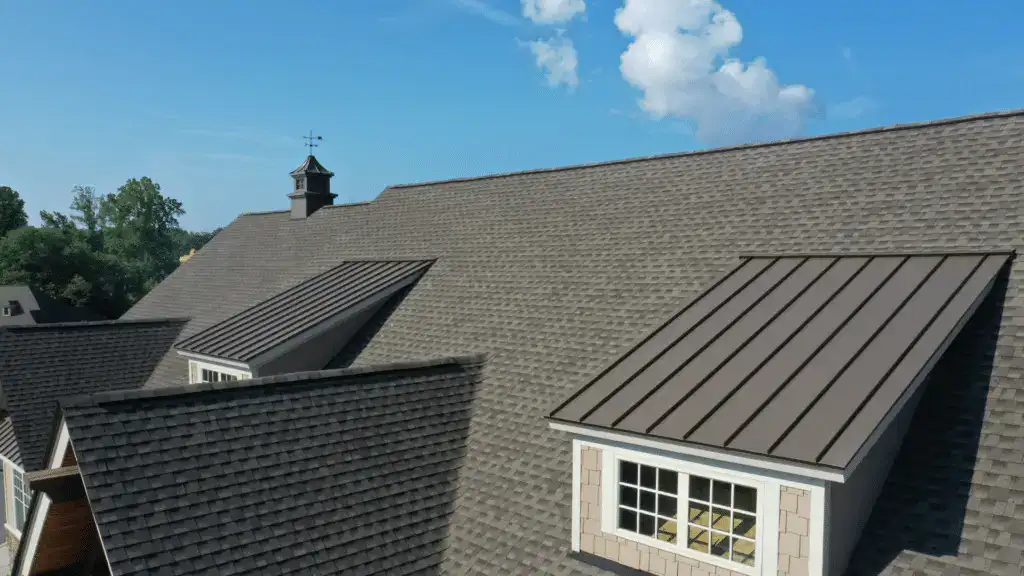
What is a standing seam metal roof? It starts with its design. These roofs have interlocking panels with raised seams. They run vertically or horizontally, giving a clean look and modern feel.
Unlike other roofing materials, standing seam systems focus on both durability and style. This makes them a favorite for modern homes.
Today’s homeowners want roofs that are both innovative and beautiful. Metal roofs, like standing seam, are popular for their long life and energy savings. This article looks at how standing seam metal roofs set the trend. They offer practical benefits and modern design, changing how we see homes today.
Understanding Standing Seam Metal Roofs
Standing seam metal roofs are a mix of design and modern needs. They use panels that fit together without visible clips, giving a clean look. They last long, making them a favorite for those who want something tough and easy to care for.
The Basic Structure and Components
A standing seam metal roof has three key parts: panels, clips, and seams. Panels are made into vertical ridges, or “seams,” that stick out. Clips hold the panels to the roof without screws, keeping water out and the roof strong against wind.
Key parts include:
- Interlocking panels: Made from metal sheets into ridges and valleys
- Hidden fasteners: Clips attach panels to the roof deck without visible screws
- Seams: Raised ridges that channel water while providing structural integrity
How Standing Seam Differs from Other Metal Roofing Systems
Standing seam roofs don’t have exposed fasteners that can rust. They stand out because:
- Corrugated metal roofs: Use bent sheets with visible seams and screws
- Metal shingles: Mimic shingle shapes but require more labor-intensive installation
- Exposed fastener systems: Screws penetrate panel surfaces, risking leakage points
The raised seams and hidden fasteners make standing seam roofs perfect for modern homes. They also last longer.
Materials Commonly Used in Standing Seam Roofing
Manufacturers pick materials for both looks and performance:
- Galvanized steel: Coated with zinc for corrosion resistance
- Aluminum: Lightweight and highly dent-resistant
- Copper: Develops natural patina over decades
- Zinc: Offers long-term protection against environmental factors
These materials are why standing seam roofs are becoming more popular. They offer a good balance of cost, durability, and eco-friendliness, like recycled content in some alloys.
Key Benefits of Choosing a Standing Seam Metal Roof
Standing seam metal roofs are gaining popularity for good reasons. They last long, save money, and are flexible. They offer both performance and style, making them a favorite in modern homes.
Superior Durability and Weather Resistance
These roofs can handle tough weather. They can face winds up to 140 mph and withstand hail. They also meet high standards for UV resistance.
Their sealed seams keep water out. This means they can last 40–60 years, much longer than asphalt shingles. They are also fire-resistant and don’t rot or attract pests, making them great for areas prone to wildfires or high humidity.
Energy Efficiency Advantages
These roofs can save a lot on energy bills. They reflect up to 75% of solar heat. This can lower attic temperatures and reduce HVAC use in warm places.
Adding radiant barriers or insulation can save even more. This can cut cooling costs by 15–30% each year. Their light-reflective finishes are also good for LEED-certified projects.
Aesthetic Versatility for Modern Homes
Architects and homeowners love their sleek look. They come in many styles:
- Modern minimalist designs with flat panels
- Rustic profiles mimicking traditional materials
- Traditional styles like barn metal accents
There are 50+ colors and profiles to choose from. They fit any style, from modern lofts to farmhouse estates.
Environmental Benefits and Sustainability
Most metal is recyclable, reducing landfill waste. Their long life means they need to be replaced less often. This saves resources.
Many systems earn LEED credits for being eco-friendly. They can even be solar-ready, making them a smart choice for those who care about the environment.
Potential Drawbacks to Consider
Standing seam metal roofs have many benefits, but there are also downsides. It’s important to know these trade-offs to make the right choice for your home and budget.
Initial Cost Considerations
Standing seam metal roofs cost between $7 to $12 per square foot, including installation. For a 2,500-square-foot home, this could be $20,000 to $40,000. This is more than asphalt shingle roofs, which cost $4-$7 per square foot.
But, metal roofs last 40-50 years. This means you won’t need to replace them as often as cheaper options.
Installation Challenges
Installing a standing seam metal roof requires special skills. You need to know about metalworking and roofing science. Here are some key things to consider:
- Managing thermal expansion to prevent seams from warping
- Ensuring proper substrate preparation to avoid structural weaknesses
- Accurate flashing integration to block water intrusion
Trying to install it yourself is not a good idea. It can void the warranty and shorten the roof’s life.
Noise Concerns During Rain and Hail
Metal roofs can make a lot of noise when it rains or hails. But, there are ways to make it quieter. Modern solutions include:
- Using rubberized underlayment
- Adding sound-deadening insulation
- Using solid plywood decking
Good attic ventilation also helps reduce noise. It keeps the roof’s benefits without making it too loud.
Maintenance Requirements and Best Practices
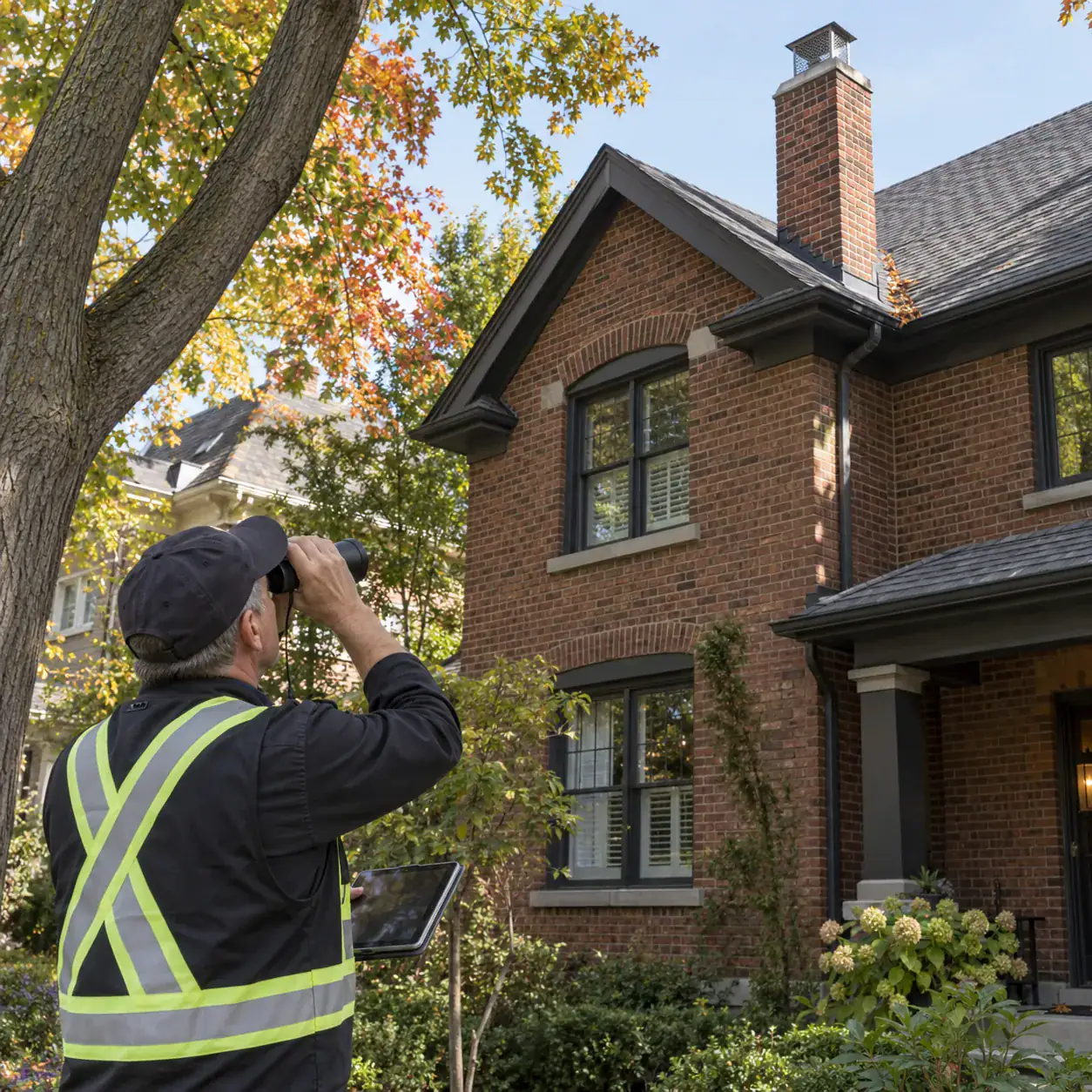
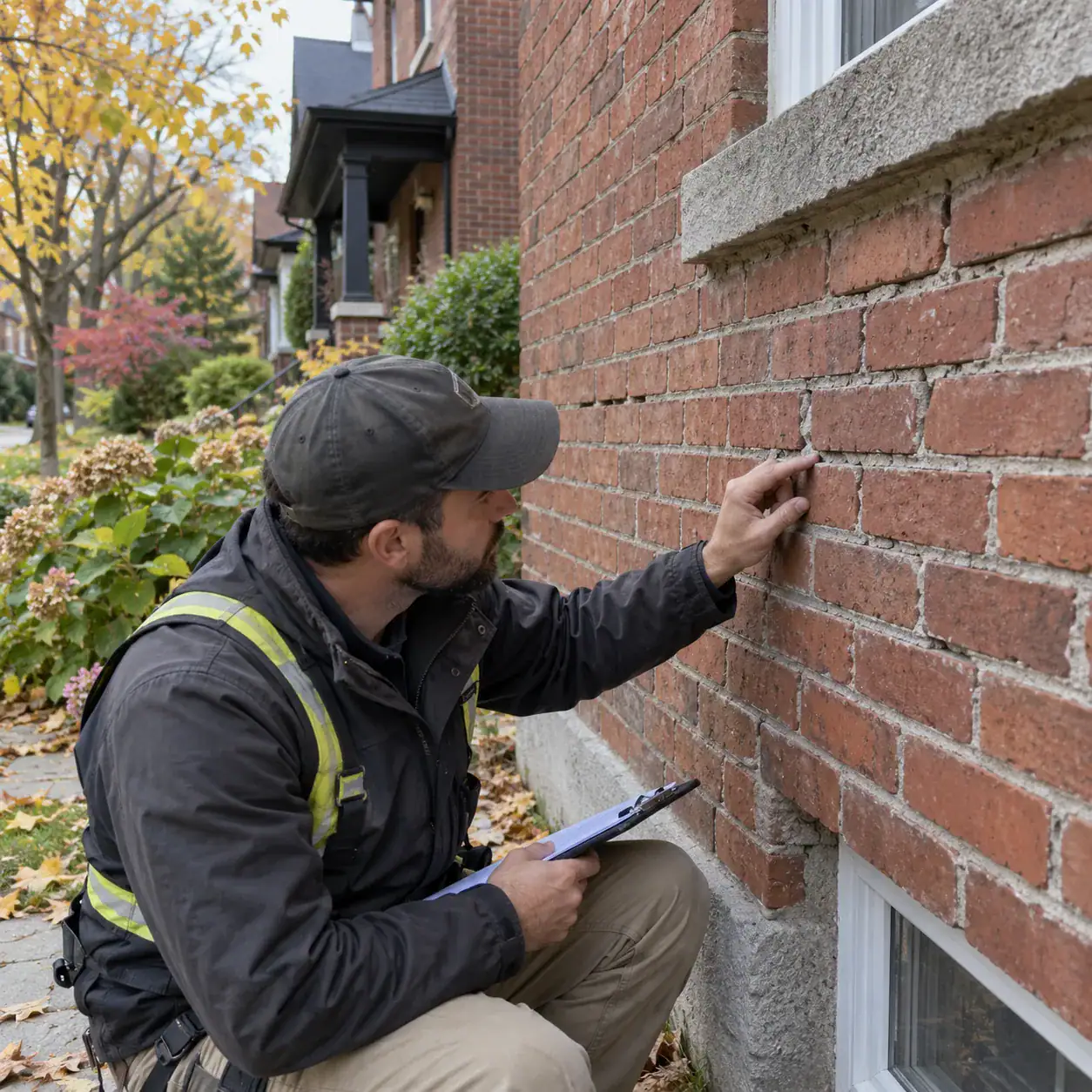
Standing seam metal roofs need little upkeep but regular care is crucial. It keeps them working well. Regular checks prevent corrosion and leaks, which affect the what is the life expectancy of a standing seam metal roof. A bi-annual check is essential to spot problems early.
Follow these steps to make your roof last longer:
- Clear gutters and valleys of leaves, branches, and debris to avoid water pooling.
- Inspect seams, fasteners, and flashing for signs of wear. Loose components should be tightened or replaced.
- Check for rust spots or paint peeling, which can lead to structural damage if ignored.
- Ensure proper drainage around the roof base to prevent moisture buildup.
Homeowners can do light cleaning and remove debris. For bigger repairs like sealant replacement or rust treatment, get a pro. Don’t walk on the roof in cold weather when metal is brittle. Use a soft-bristled brush and mild detergent for cleaning—harsh chemicals or power washers may damage coatings.
- Spring Inspection: Check for winter weather damage, such as ice dams or rust patches.
- Fall Inspection: Remove fallen debris and secure loose trim near chimneys or vents.
- Annual Documentation: Photograph problem areas to track progress and share with contractors.
Keeping up with these practices ensures your roof works well for years. Early action on small issues keeps the roof in top shape, saving you money in the long run.
Latest Roofing Trends for Modern Homes
Modern roofing is evolving with innovative materials, energy-efficient designs, and smart technology. Here are the top trends shaping the future of roofing:
1. Cool Roofing Technology
Cool roofs use reflective coatings and materials to reduce heat absorption, keeping homes cooler and lowering energy bills. Popular choices include white TPO membranes, reflective asphalt shingles, and metal roofing with special coatings.
2. Solar-Integrated Roofs
With the rise of renewable energy, more homeowners are choosing solar shingles and building-integrated photovoltaics (BIPV). These options blend seamlessly with the roof while generating electricity.
3. Sustainable Roofing Materials
Eco-conscious homeowners are turning to recycled shingles, green roofs, and composite roofing made from sustainable materials. These options reduce environmental impact while offering durability.
4. Smart Roofing Systems
Advanced roofing now includes leak-detection sensors, temperature-regulating materials, and self-cleaning coatings. These features improve roof longevity and energy efficiency.
5. High-Performance Insulation & Ventilation
Proper insulation and ventilation are essential for energy efficiency and roof durability. Ridge vents, soffit vents, and attic fans help maintain airflow, while spray foam insulation enhances thermal performance.
6. Durable & Weather-Resistant Roofing
Extreme weather conditions are increasing the demand for impact-resistant shingles, metal roofing, and synthetic slate tiles. These materials offer superior protection against storms, hail, and heavy snowfall.
7. Fire-Resistant Roofing Materials
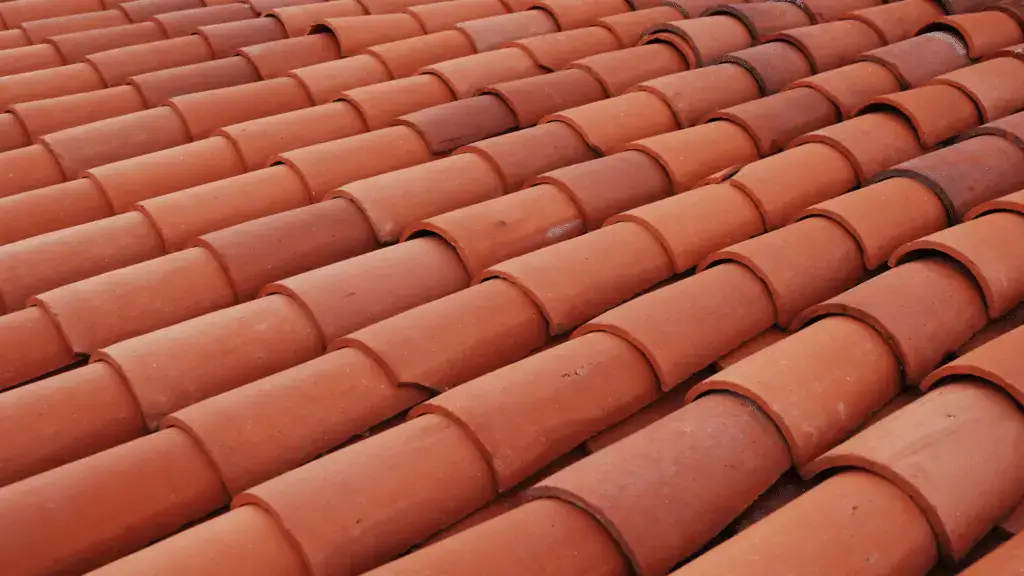
With rising wildfire risks, homeowners are choosing fire-rated roofing materials like metal, clay tiles, and Class A asphalt shingles to enhance safety.
8. Minimalist & Modern Roof Designs
Flat and low-slope roofs are trending in contemporary home designs. They complement modern architecture while integrating well with solar panels and green roofing systems.
9. Energy-Efficient Roof Coatings
Innovative roof coatings, such as elastomeric and silicone coatings, improve waterproofing and reflect sunlight, reducing heat absorption.
10. Prefabricated & Modular Roofing Systems
Pre-made roofing components help reduce installation time, labor costs, and material waste, making them an efficient choice for modern home construction.
Modern homeowners are prioritizing durability, energy savings, and sustainability when choosing roofing options. Whether opting for a standing seam metal roof, solar-integrated shingles, or green roofing, these trends are shaping the future of home roofing.

How to Select the Right Standing Seam Metal Roof for Your Home
Choosing the right standing seam metal roof is about finding the perfect mix of function and style. First, think about your local weather. Coastal areas need roofs that won’t rust, like aluminum or zinc. In colder places, look for roofs that can handle snow. And in hot areas, roofs with reflective coatings can save energy.
There are different types of panels for different looks and needs. Snap-lock systems are easy to put up, while mechanical seams last longer. Narrow panels fit traditional homes, while wider ones are modern. Choose the right seam height to match your home’s style.
When it comes to materials, think about your budget and how long you want the roof to last. Steel is affordable and comes with a protective coating. Copper and zinc get a beautiful patina over time. Make sure to check the warranty and look for certifications like ASTM and UL.
- Compatibility Check: Make sure the panels fit with your home’s features like skylights or vents.
- Warranty Review: Look at warranties from 25 to 50 years from brands like CertainTeed or Metal Sales America.
- Cost-Benefit Analysis: Consider how reflective coatings can save energy when comparing costs.
By understanding what a standing seam metal roof is and what you need, you can find the perfect roof. Look for durability in tough weather, match the finish to your home’s style, and check the warranty. A good roof today will last for decades, keeping up with trends without losing quality.
Conclusion
Standing seam metal roofs are becoming more popular. They offer a mix of long life and modern look. Their lifespan, usually 40 to 70+ years, makes them a smart long-term choice.
These roofs can handle harsh weather, lower energy bills, and fit many styles. Although they cost more upfront, they save money over time due to low maintenance and resistance to corrosion.
New features like solar panels and noise-reducing underlayments make them even better. As people care more about the environment, these roofs fit well with eco-friendly homes. They are durable and good for the planet.
These roofs combine technology and design, making them a top choice in roofing. They meet both immediate needs and future requirements. They are a smart choice for those who want durability and care for the environment.