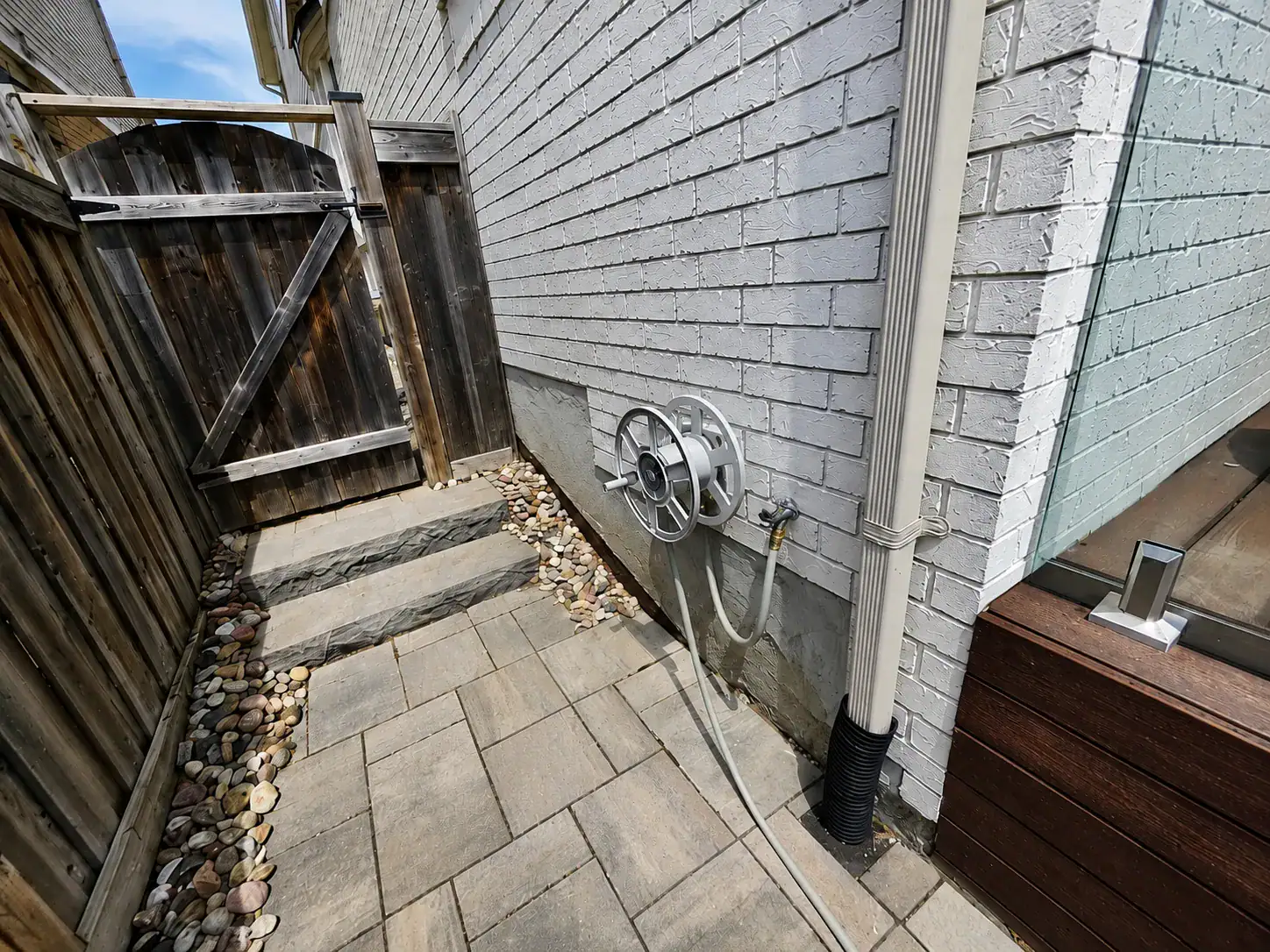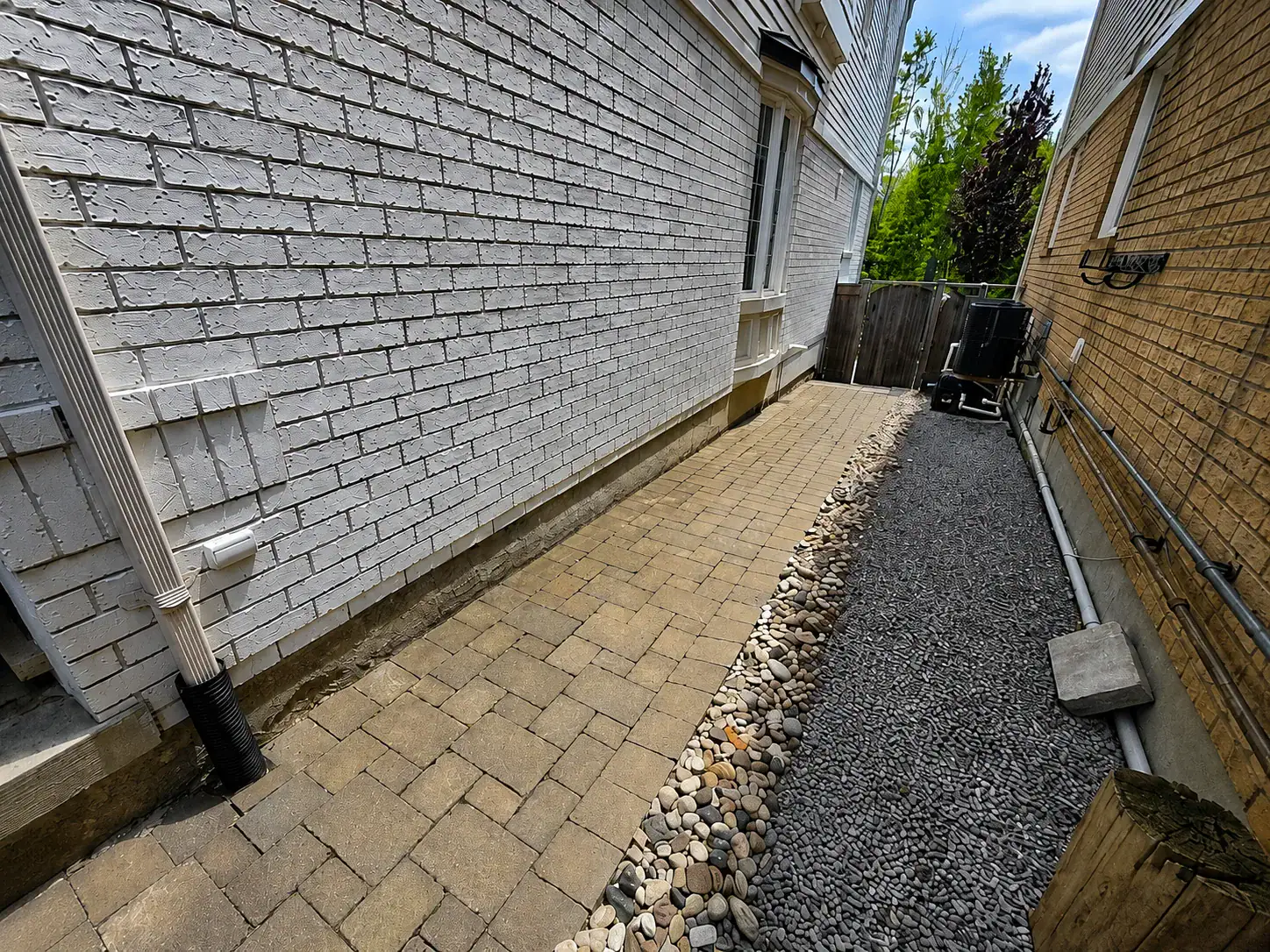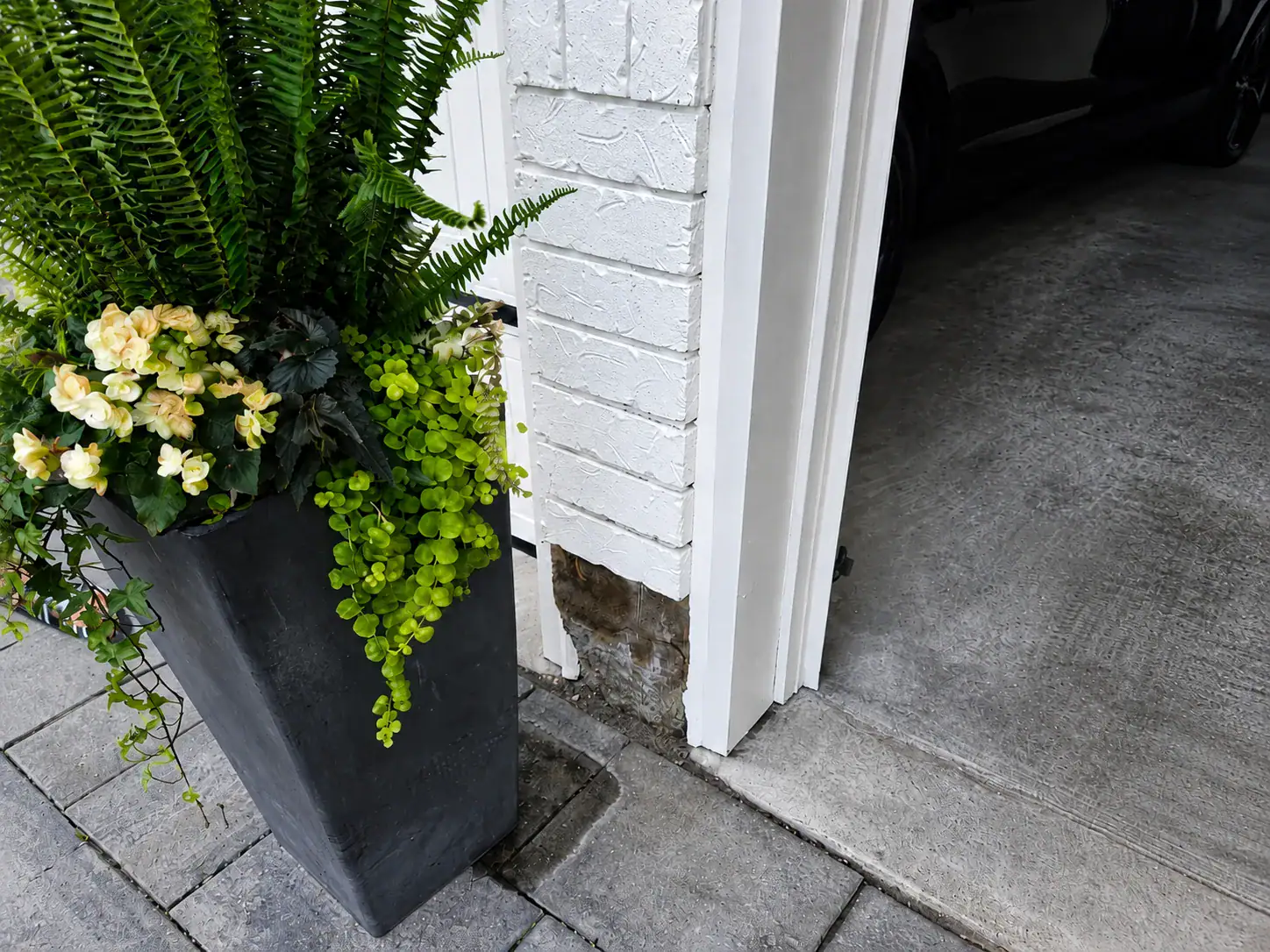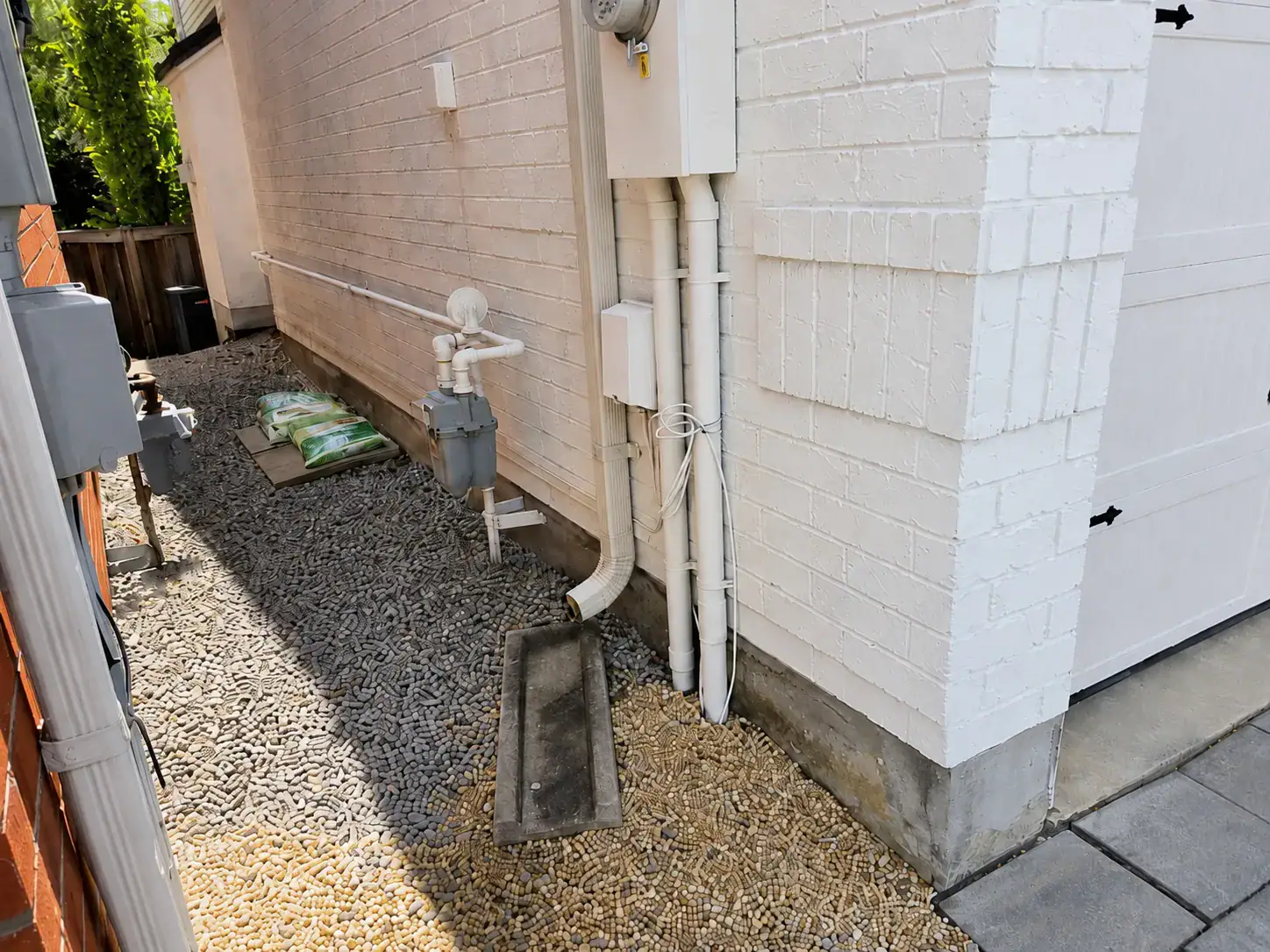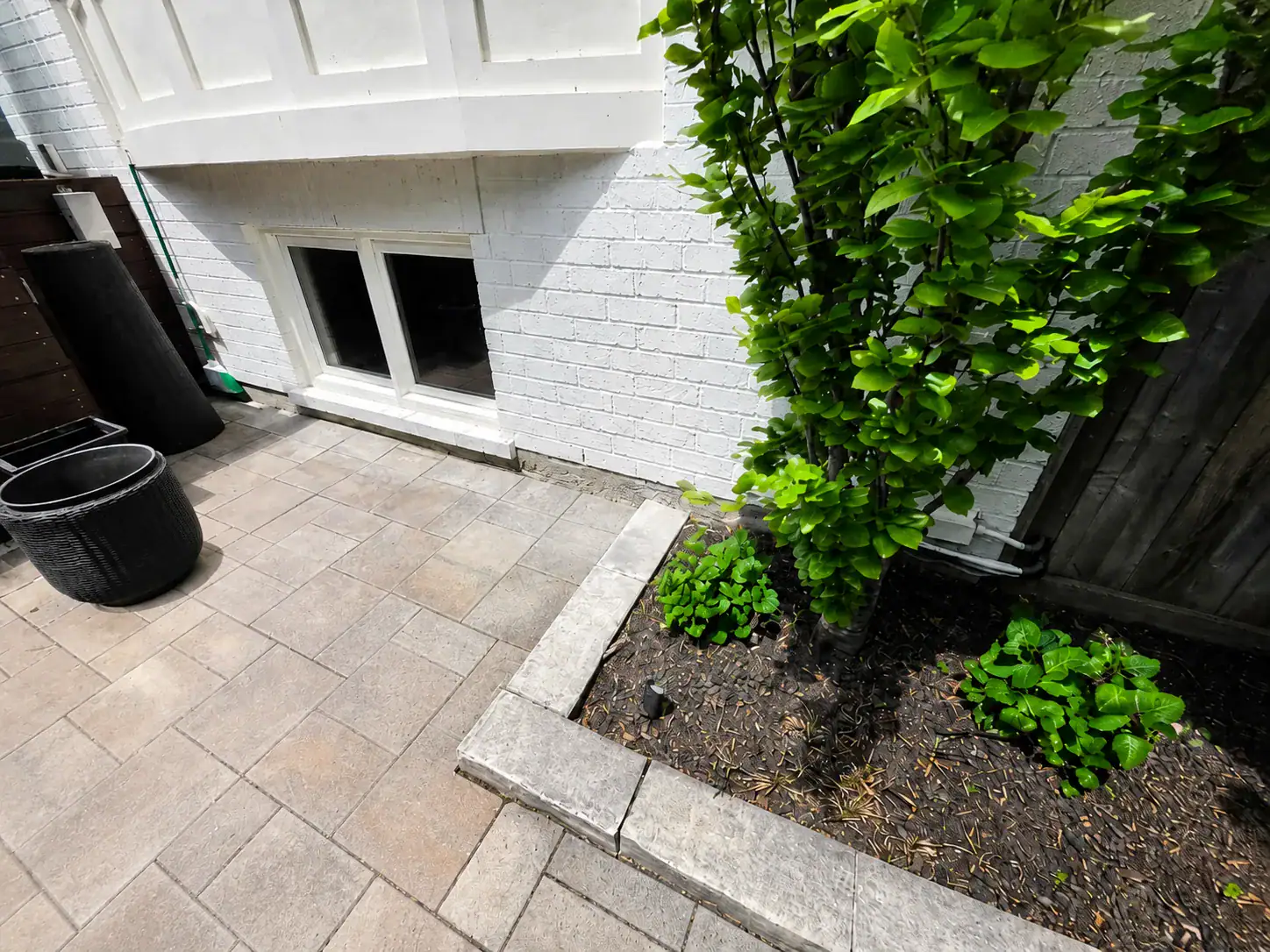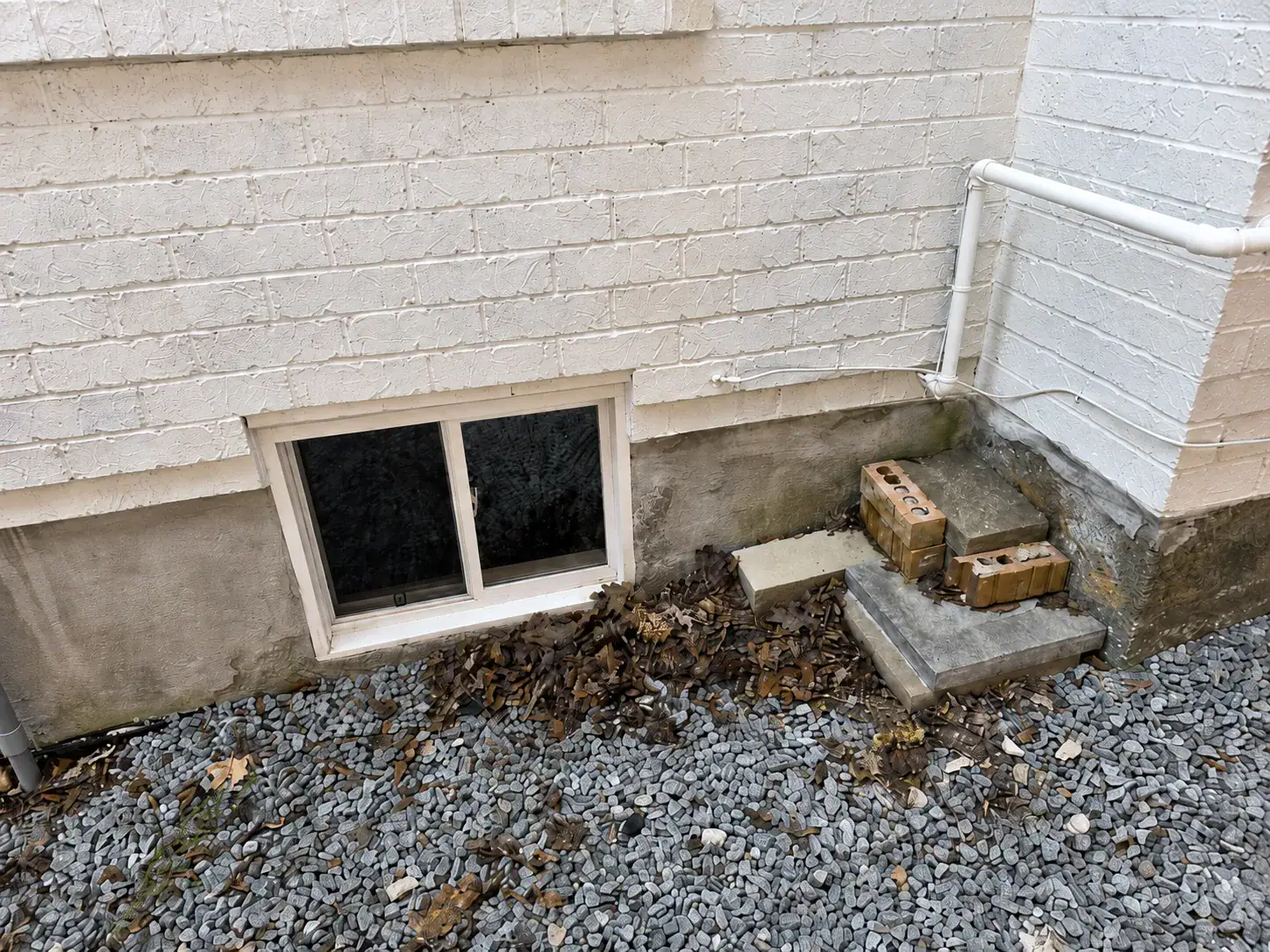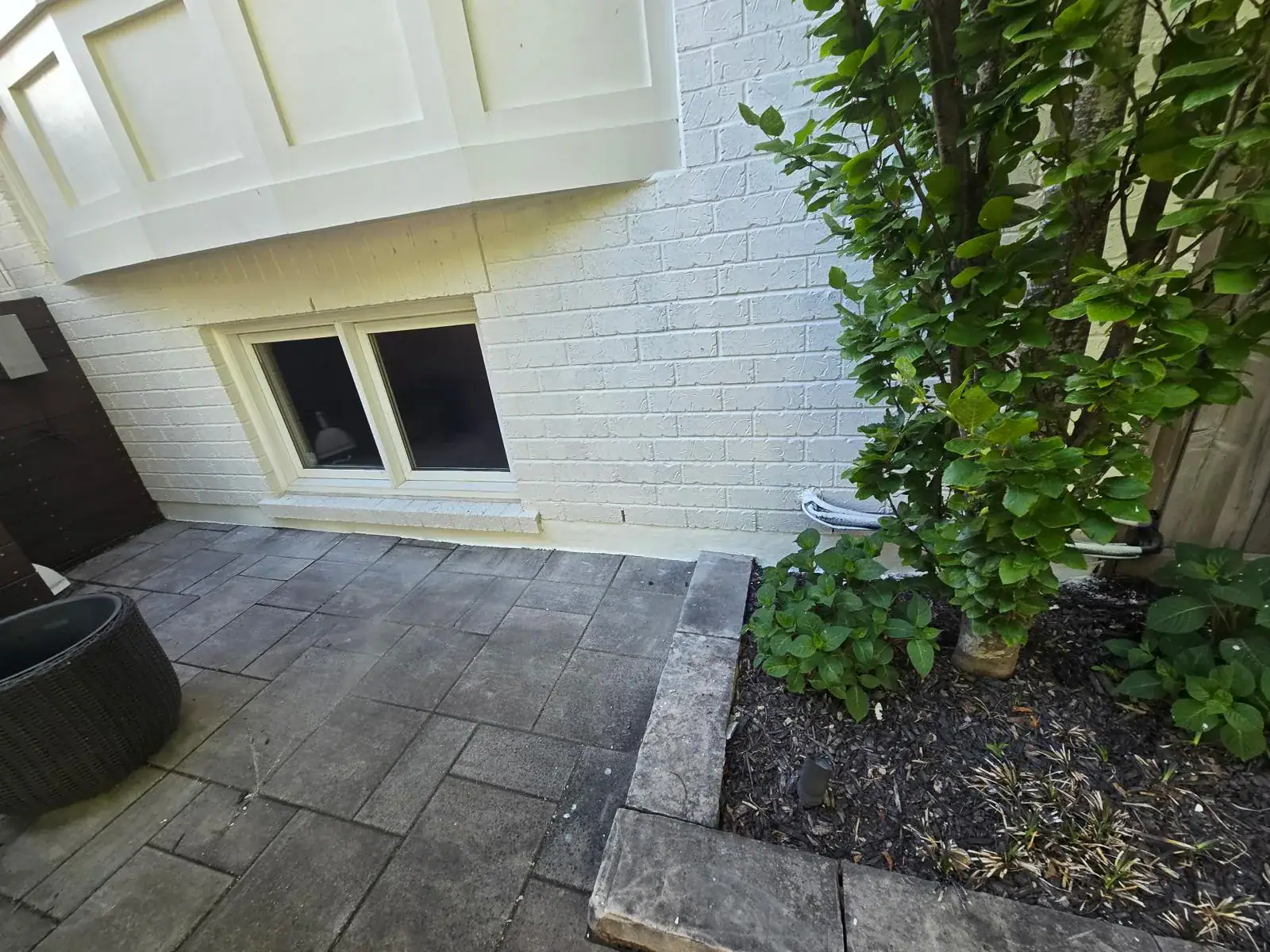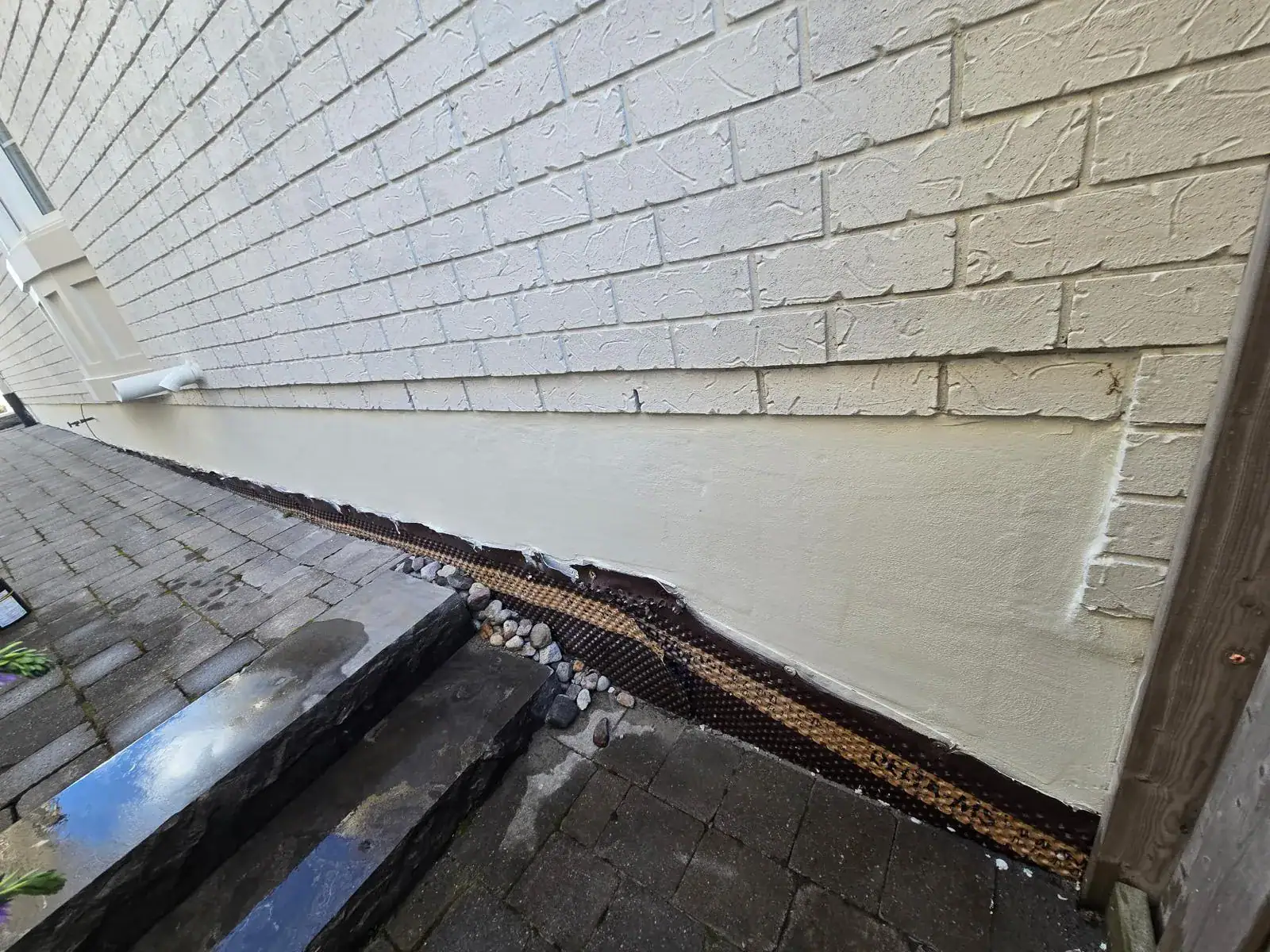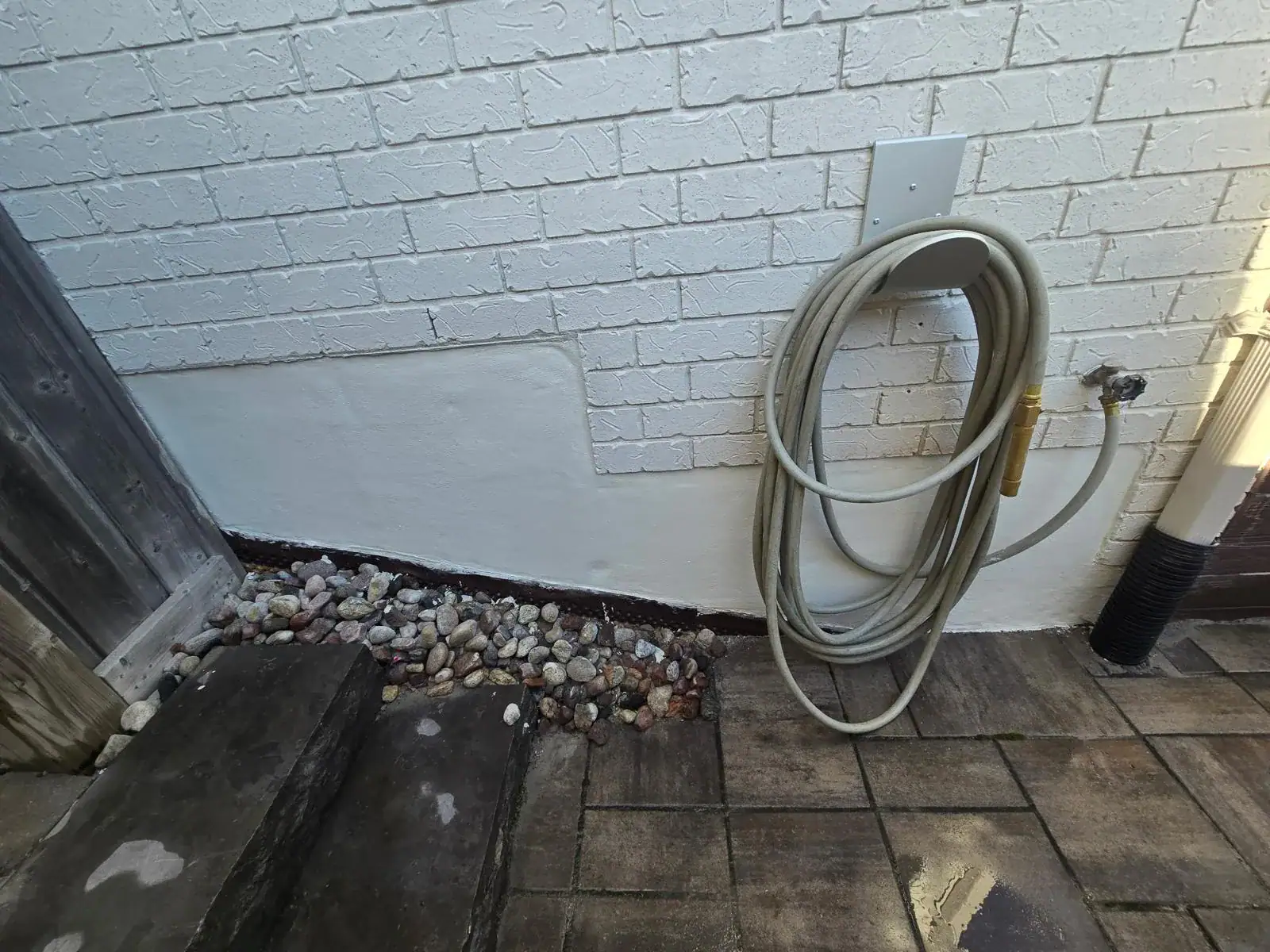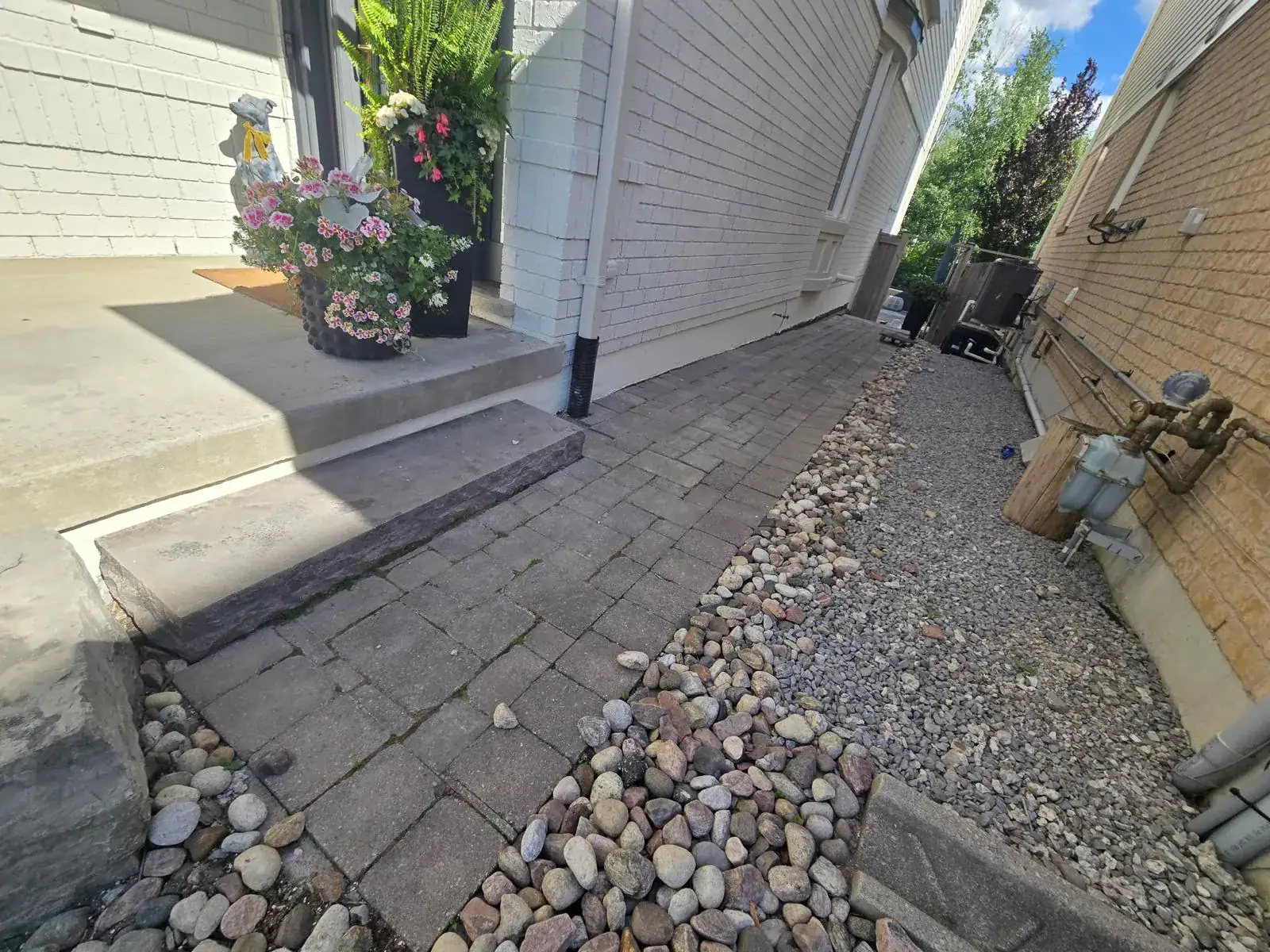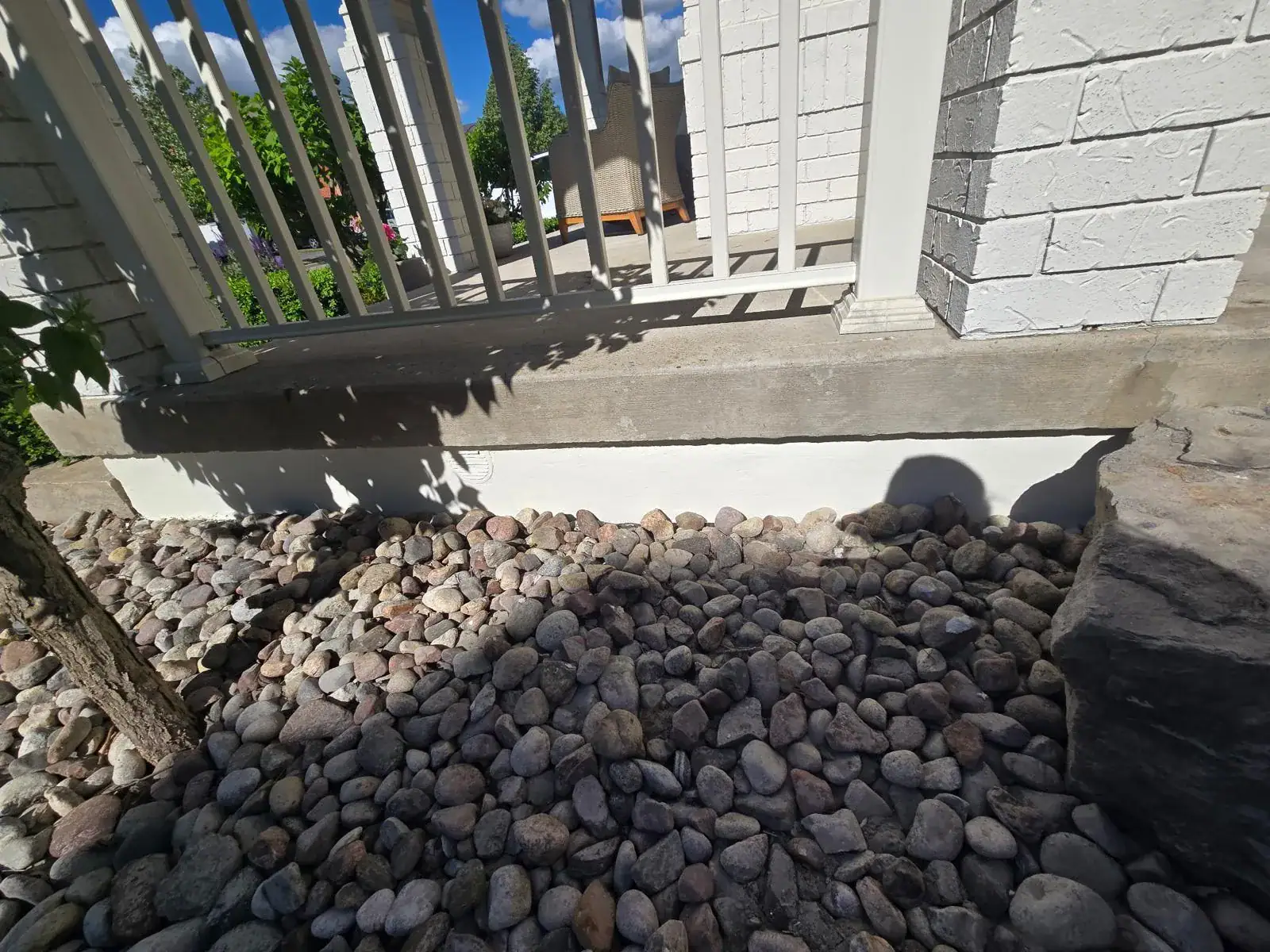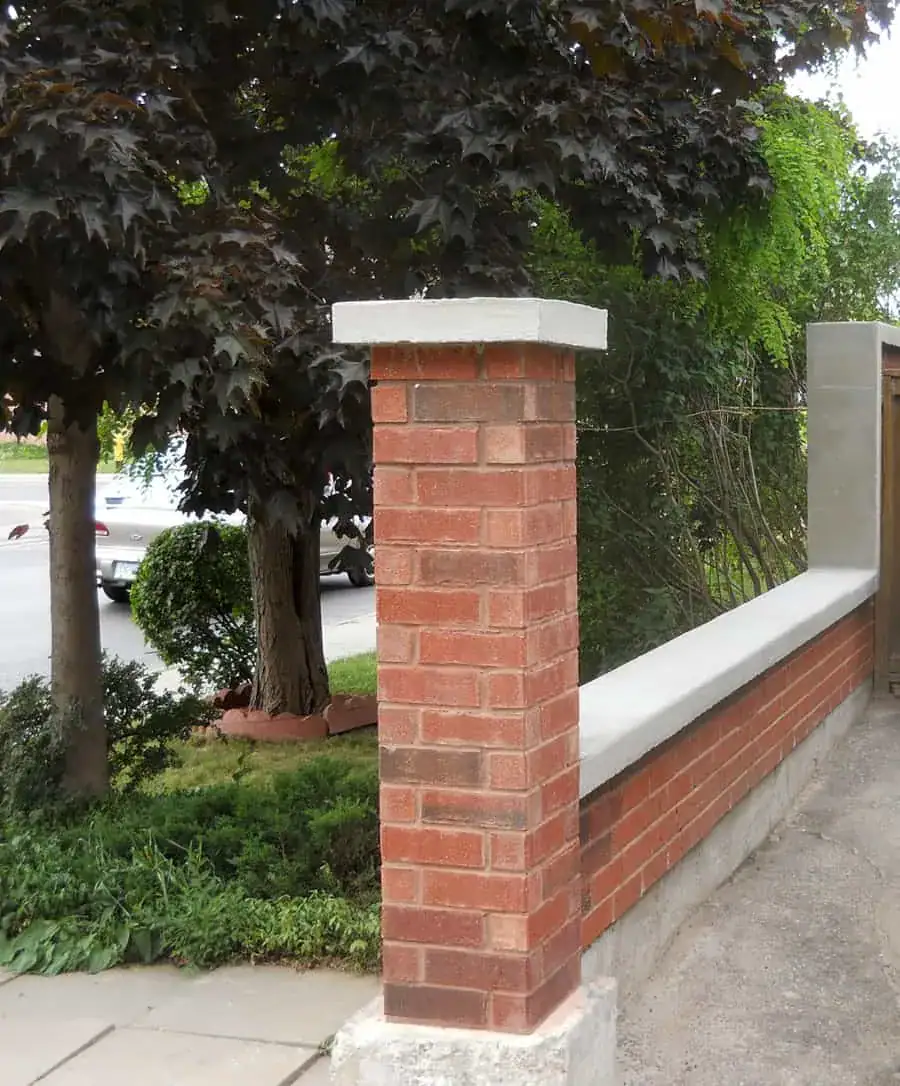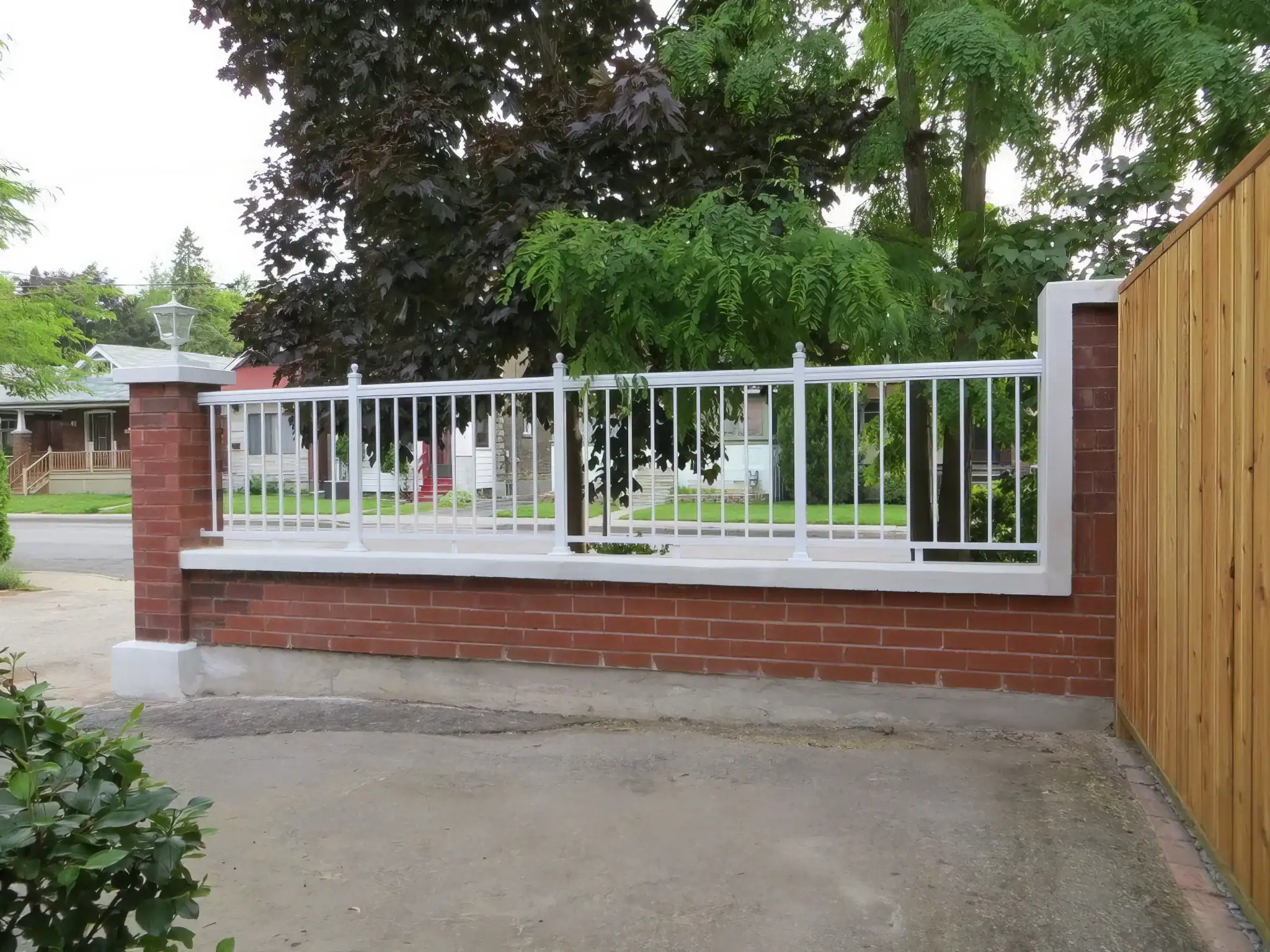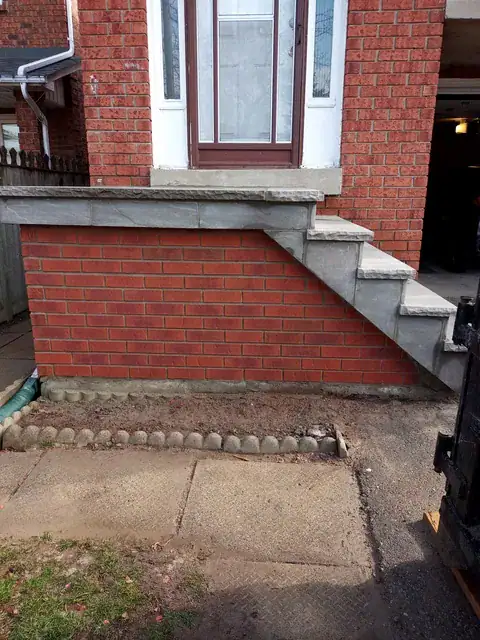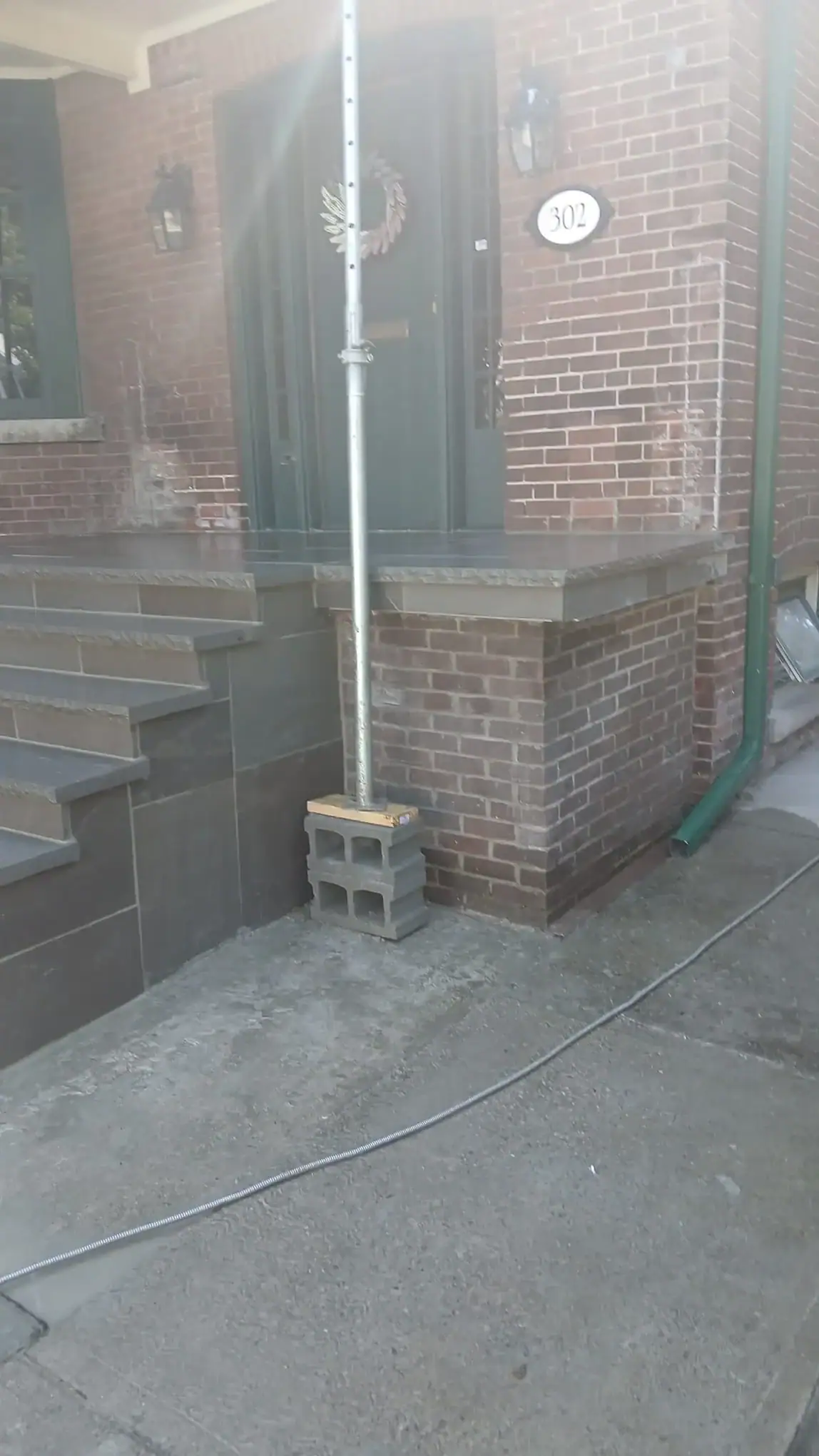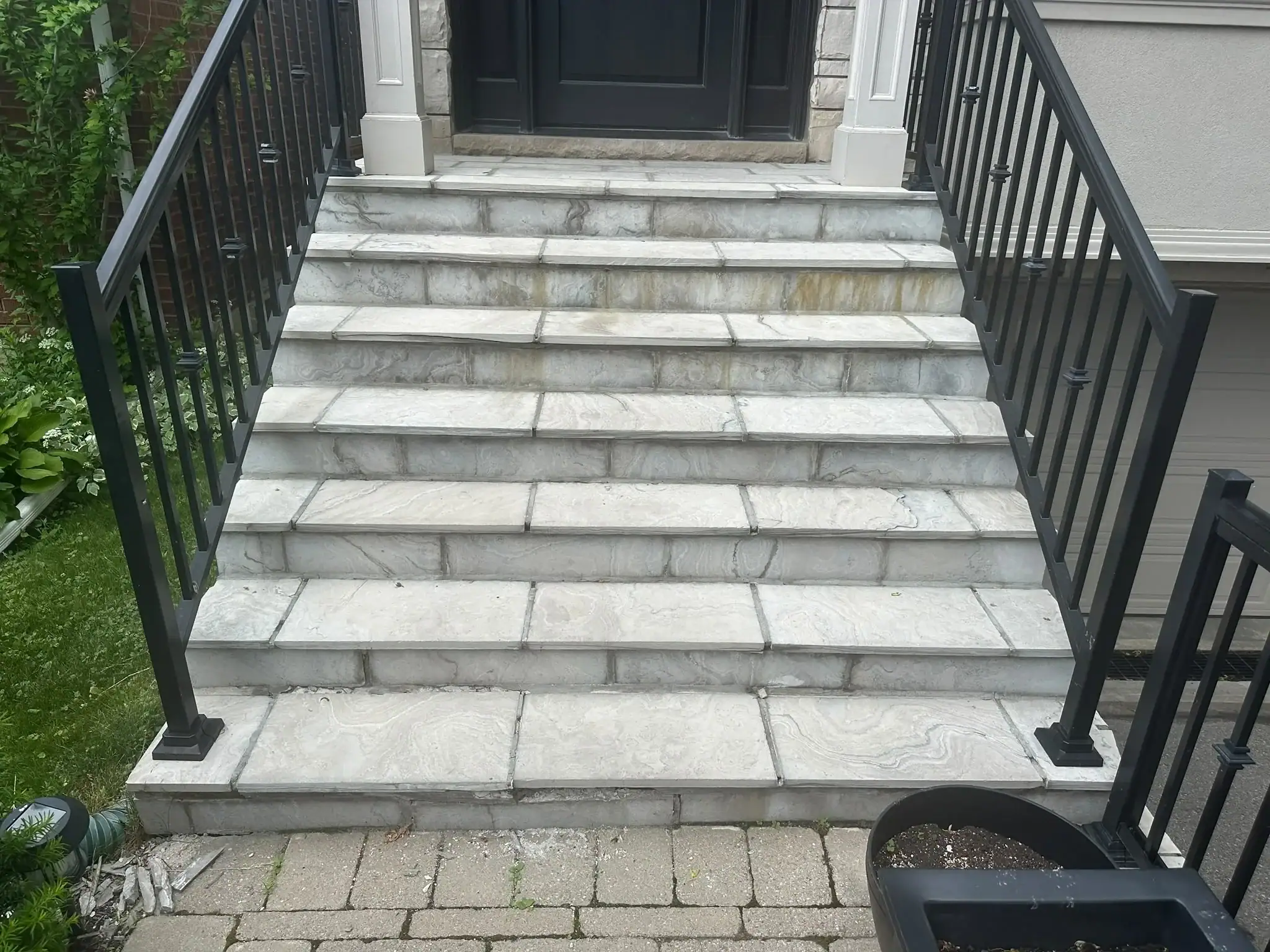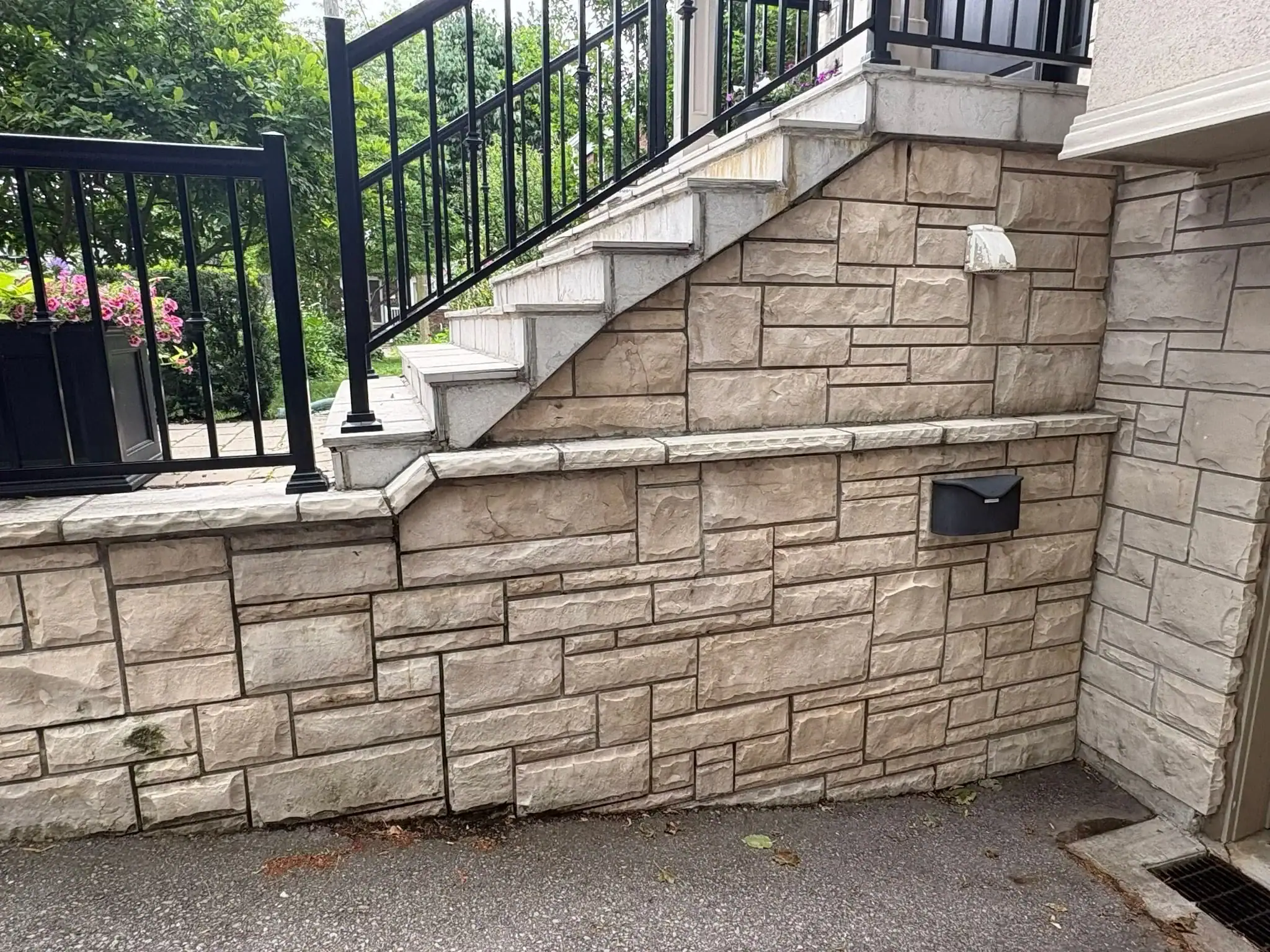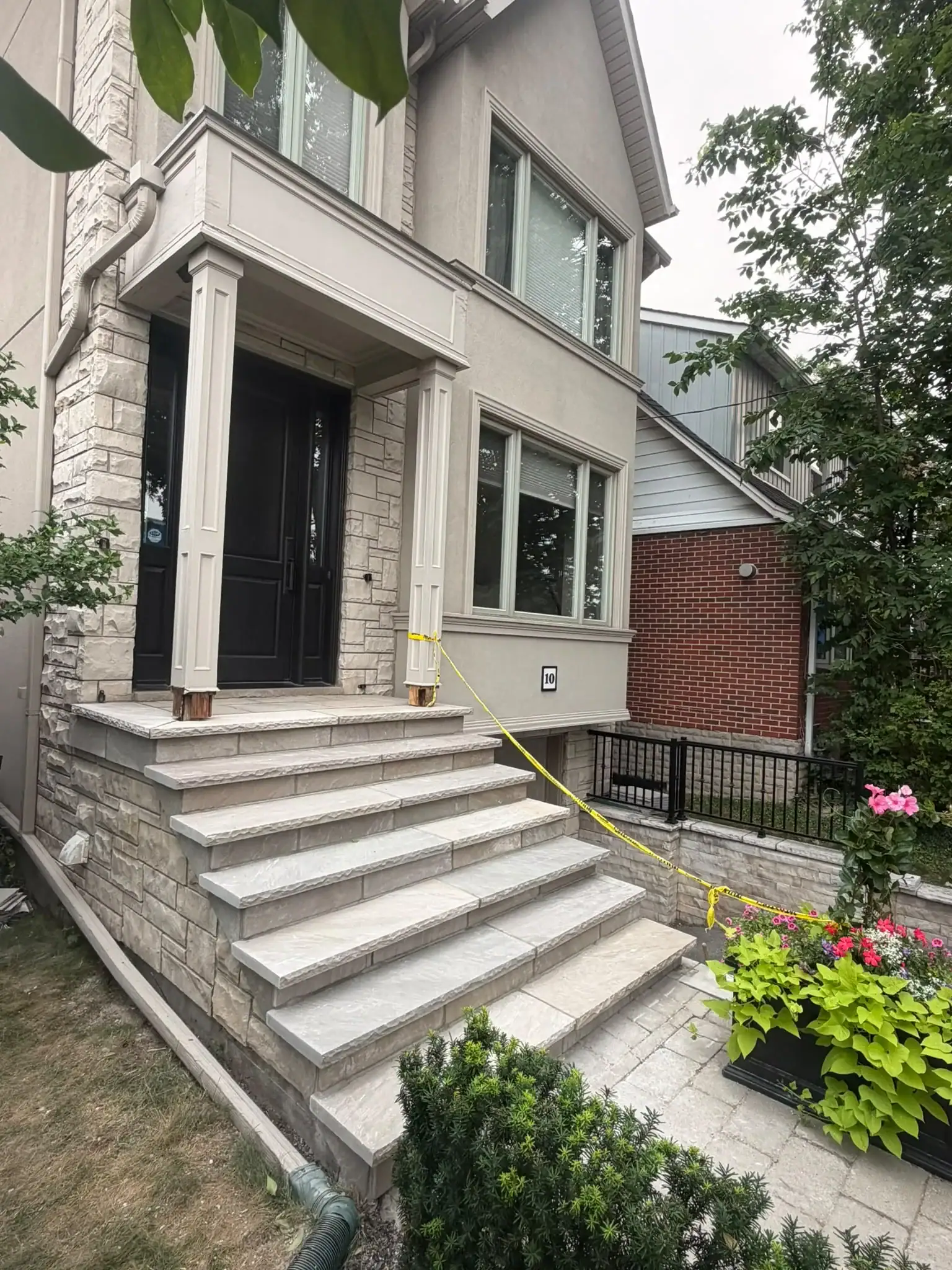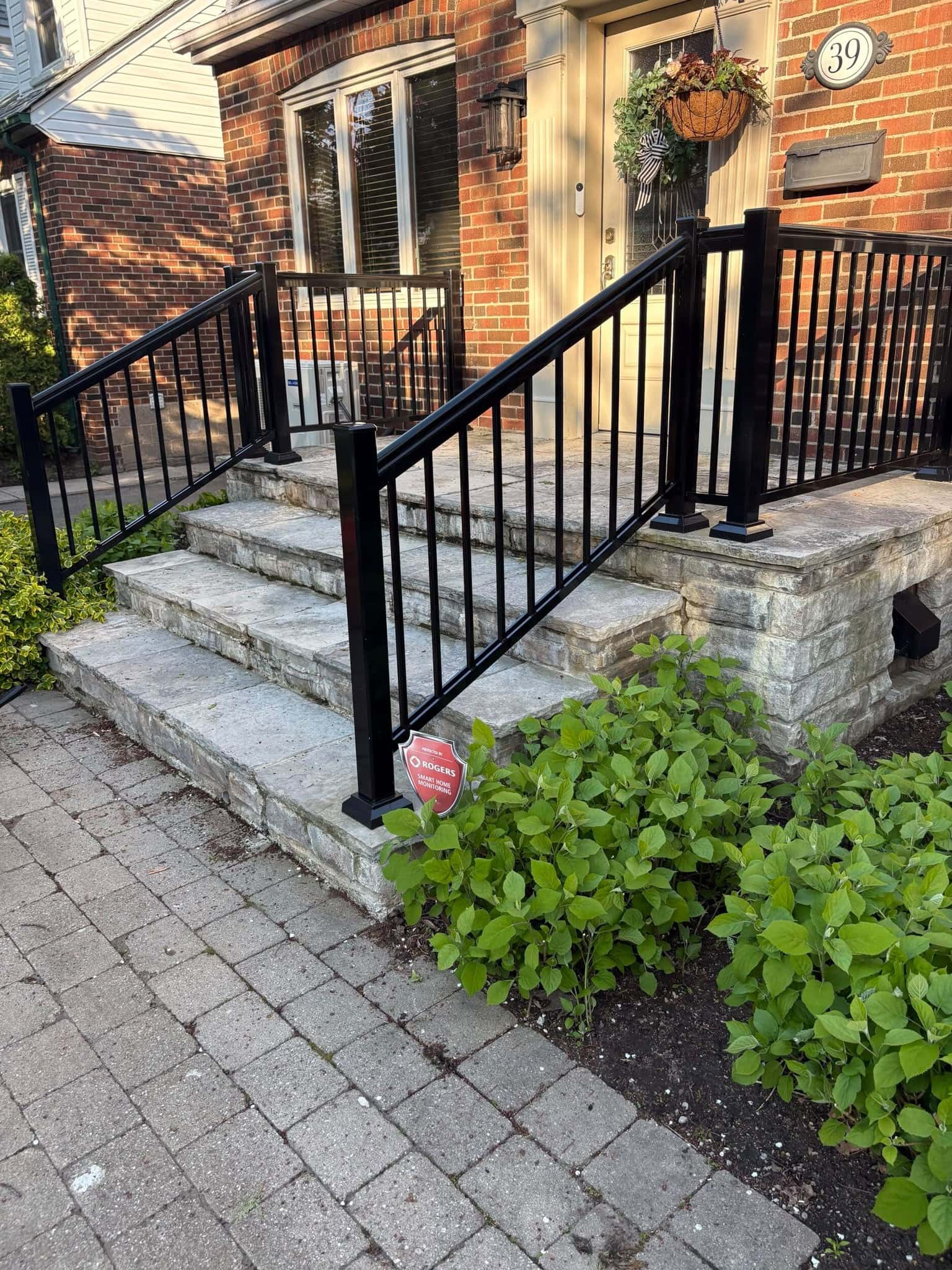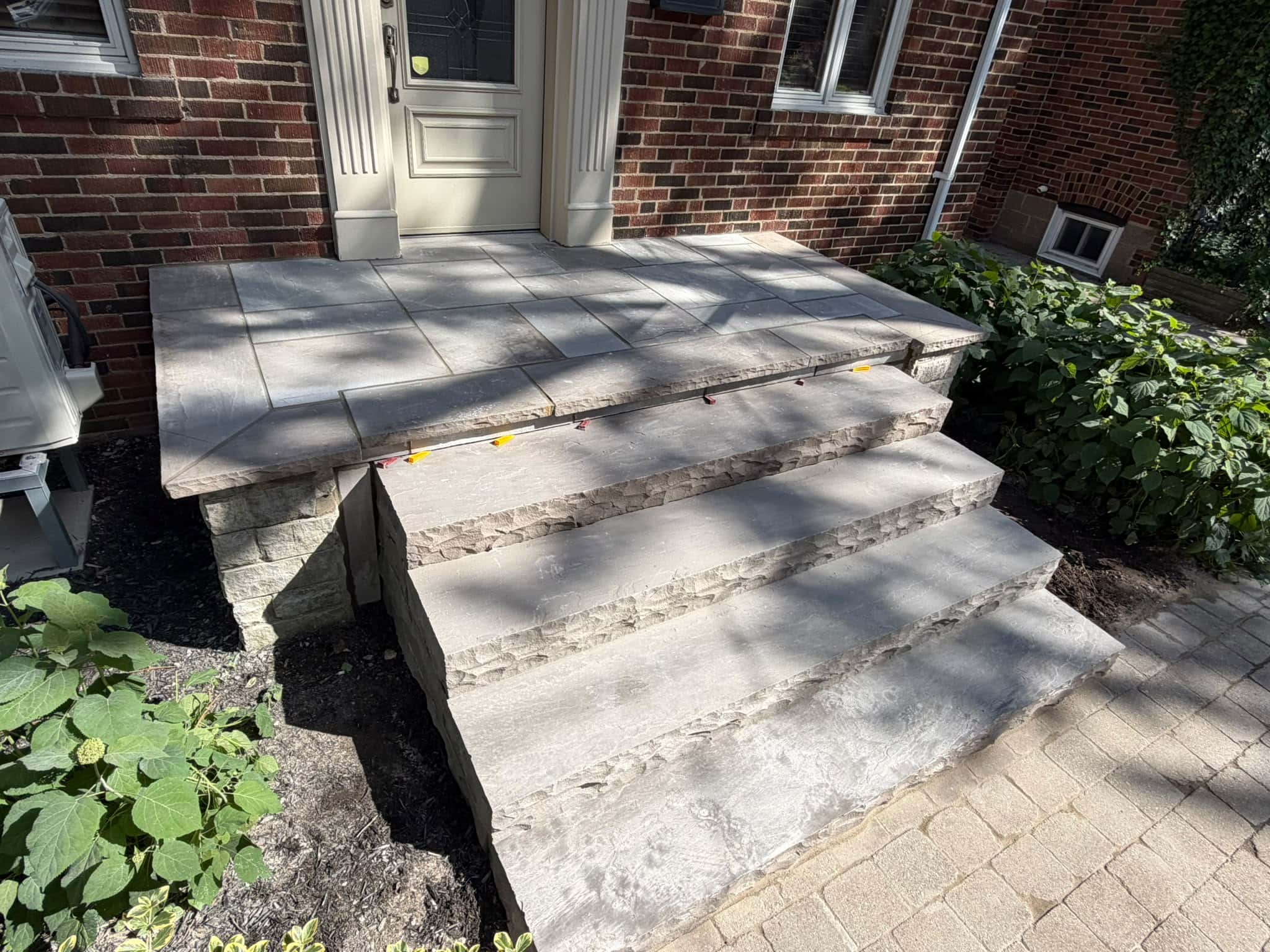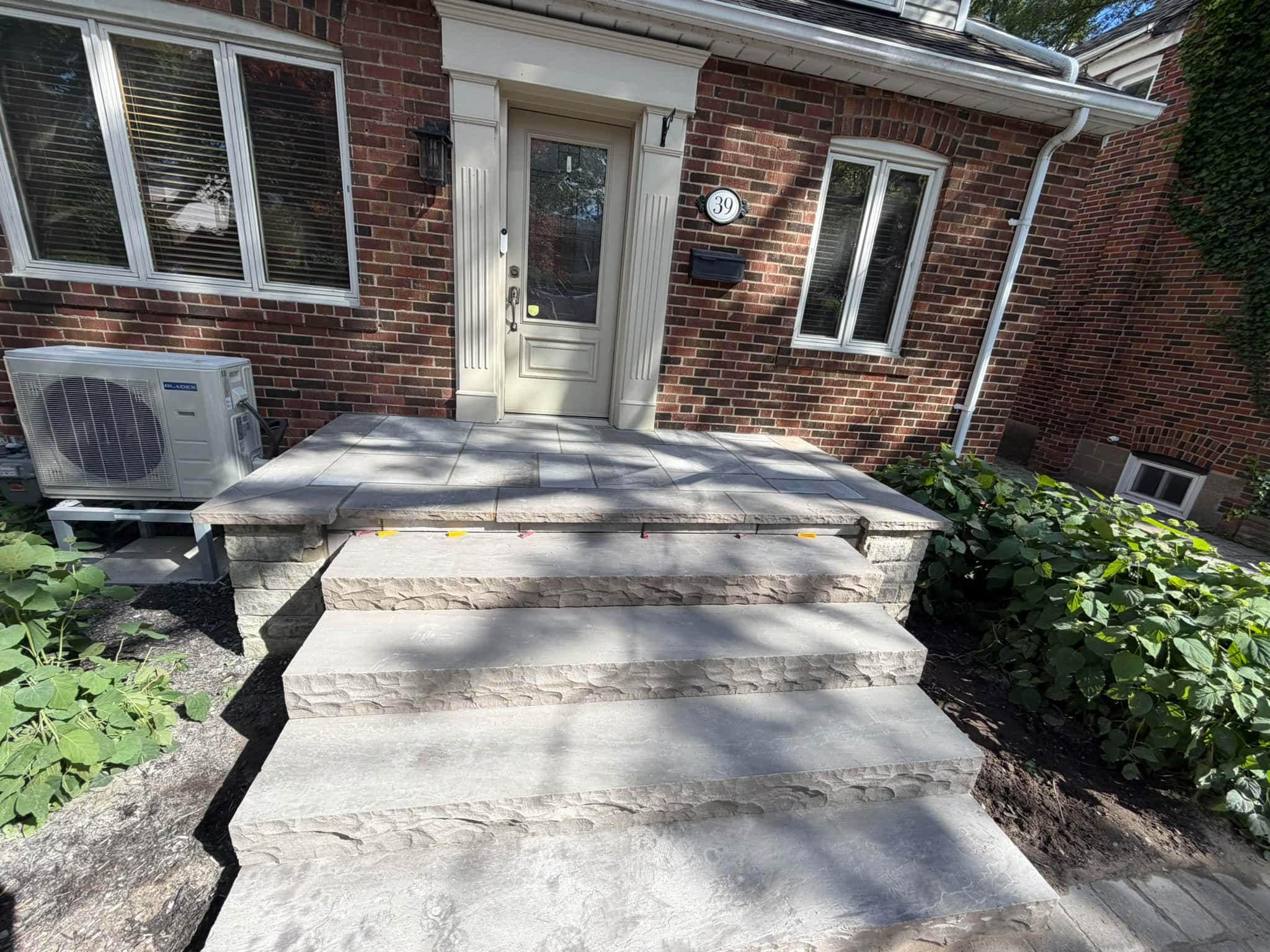

Quick answer: There is no fixed lifespan for tuckpointing. Properly prepared joints and compatible mortar can remain serviceable for decades, while highly exposed or moisture-affected areas may need attention sooner.
How long a tuckpointing repair lasts depends on the condition of the original masonry, joint preparation, mortar compatibility, workmanship, weather exposure, moisture and whether the wall is experiencing movement.
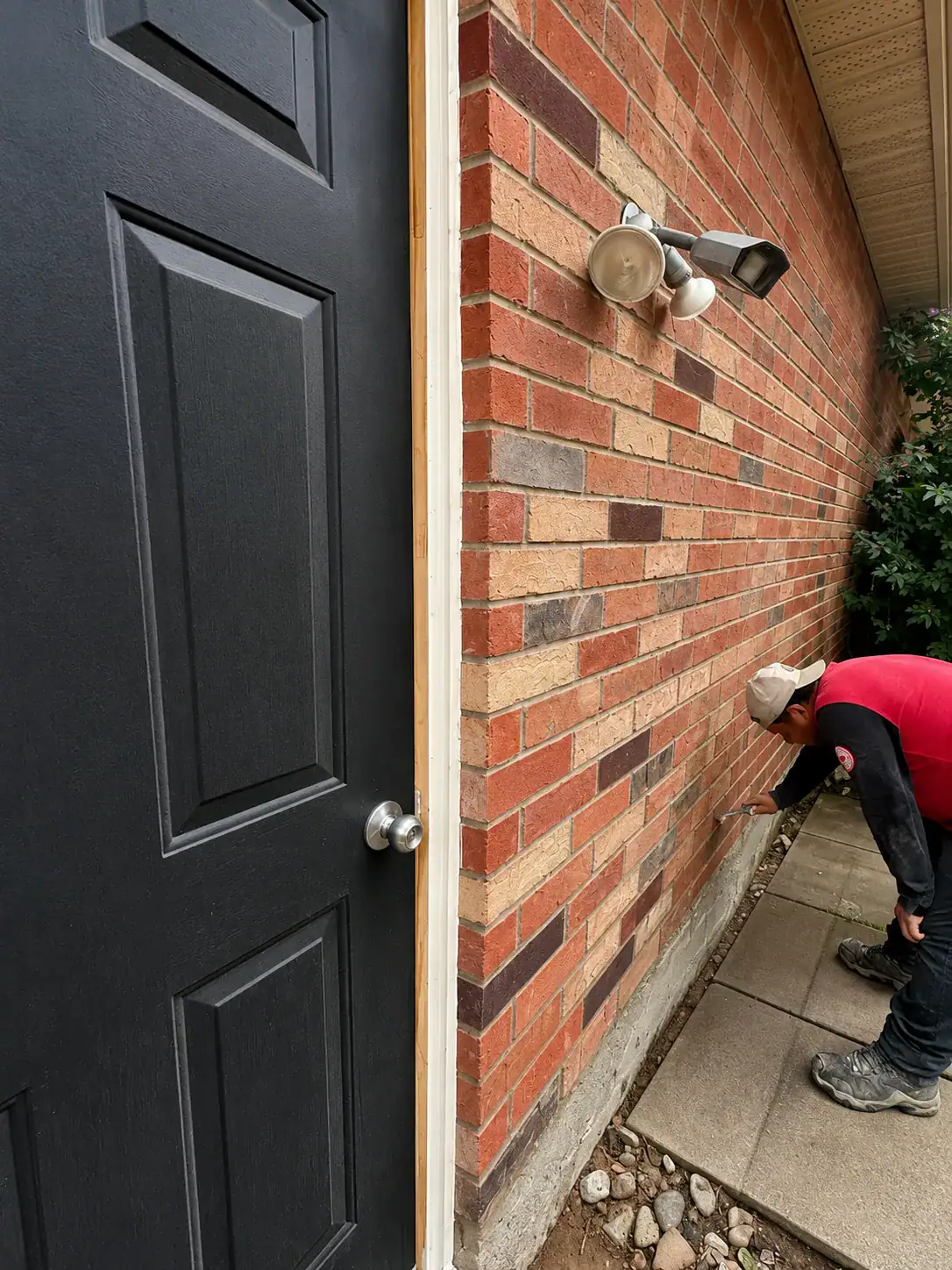
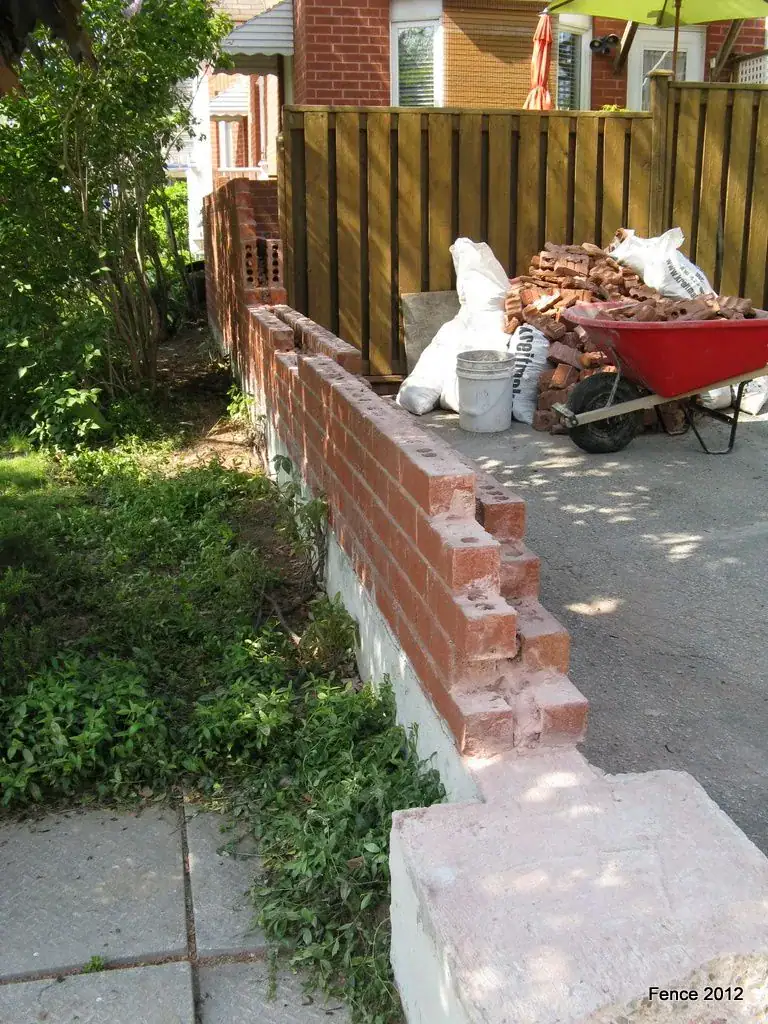
If your mortar is already cracked, recessed or crumbling, A&A Masonry’s professional tuckpointing services explain how deteriorated joints are removed and replaced with compatible mortar for Toronto brickwork.
Tuckpointing is not just cosmetic. Replacing deteriorated mortar helps restore sound joints, reduce pathways for water entry and preserve the surrounding masonry.
Why Mortar Fails Over Time
On older masonry, repair mortar should be compatible with the existing brick and mortar. Mortar that is too hard or too impermeable can shift stress and moisture into the surrounding brick and contribute to deterioration.
Over time, mortar joints are exposed to rain, snow, temperature changes, salts and normal building movement. Once joints begin to crack, erode or recede, they can absorb more moisture and deteriorate more quickly.
Toronto’s repeated freeze-thaw conditions are an important source of mortar deterioration, particularly when joints are already absorbing moisture. Wind-driven rain, salt exposure, movement and incompatible previous repairs can also shorten service life.

A Typical Toronto Example
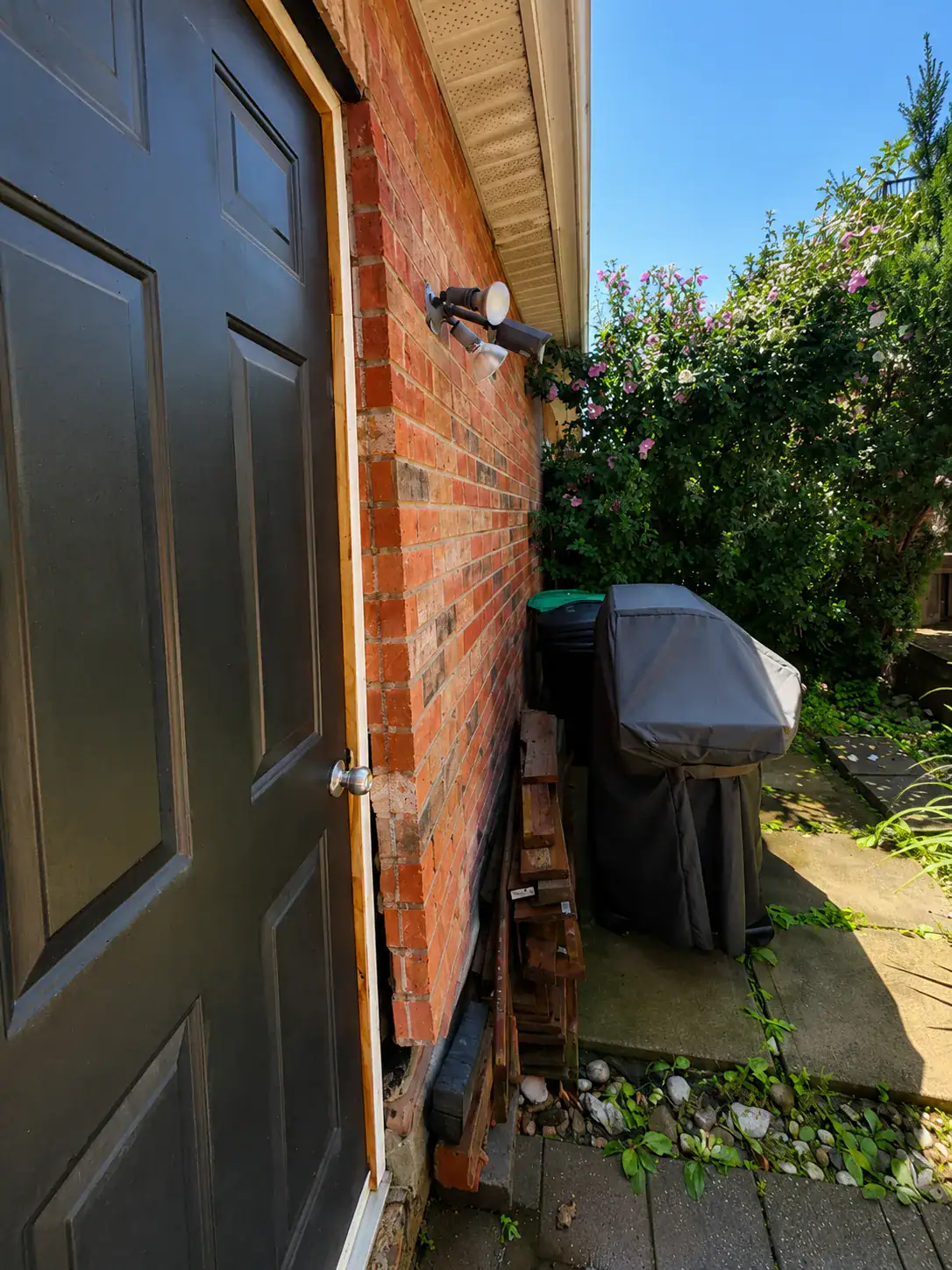
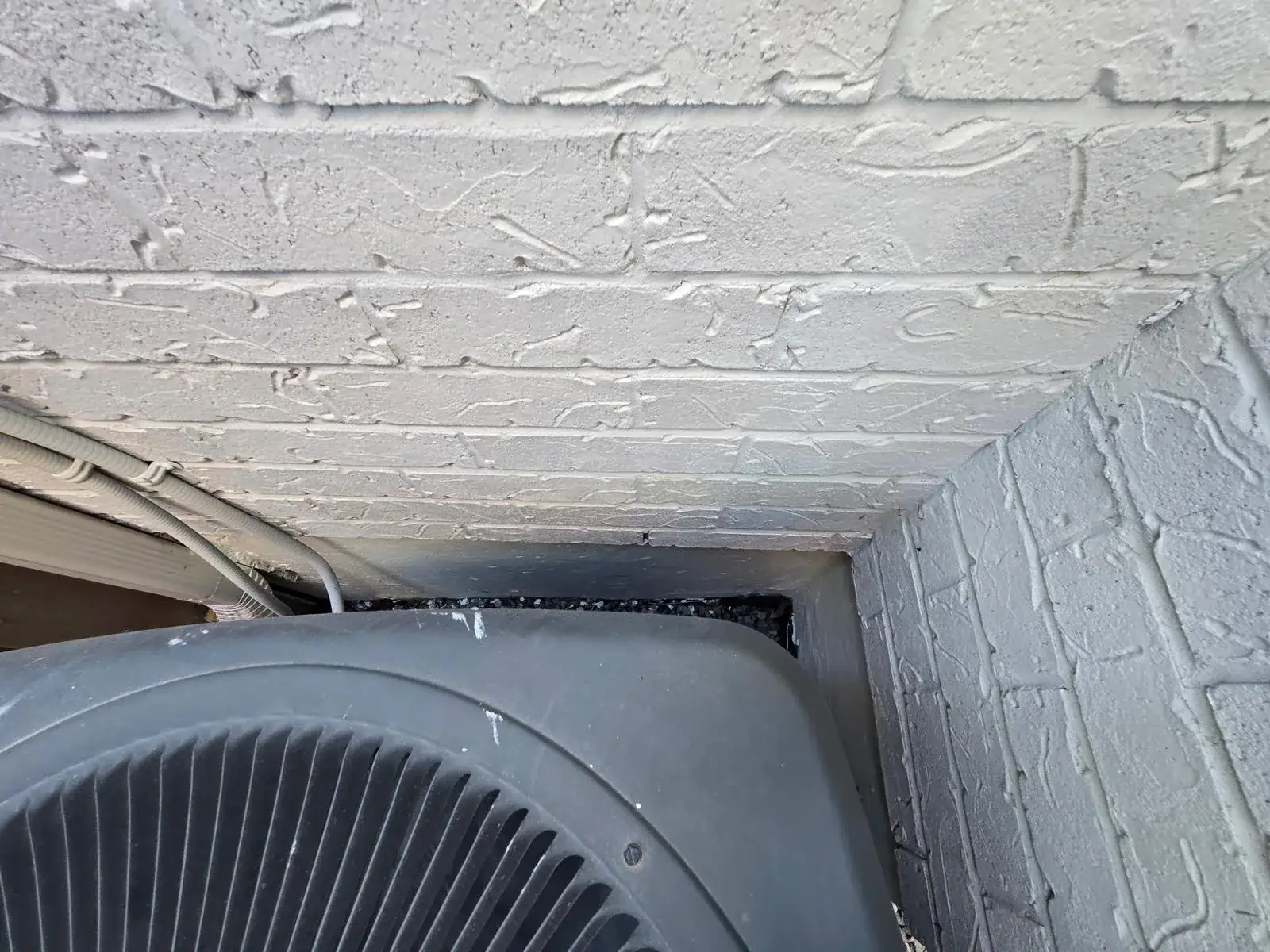
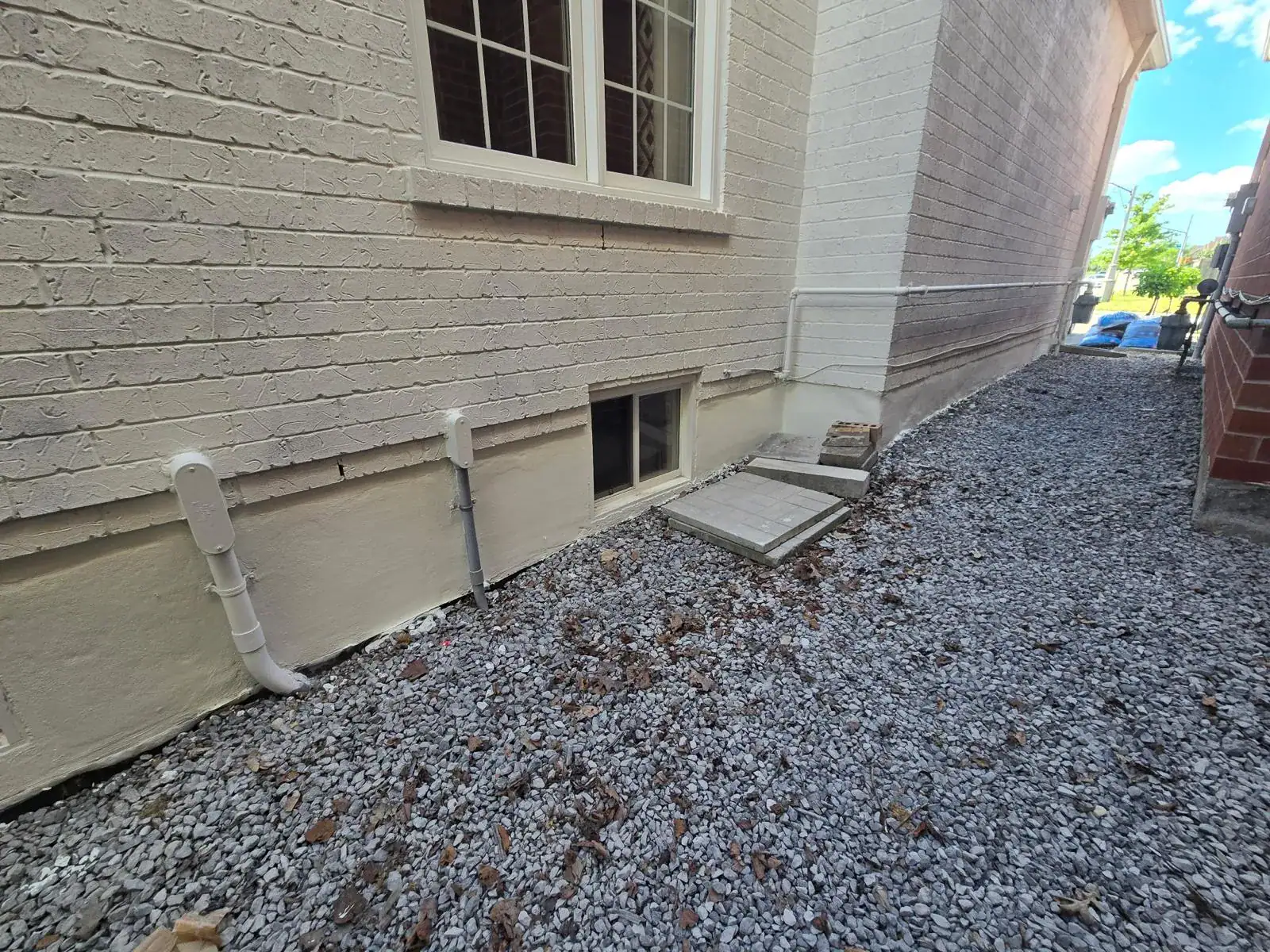
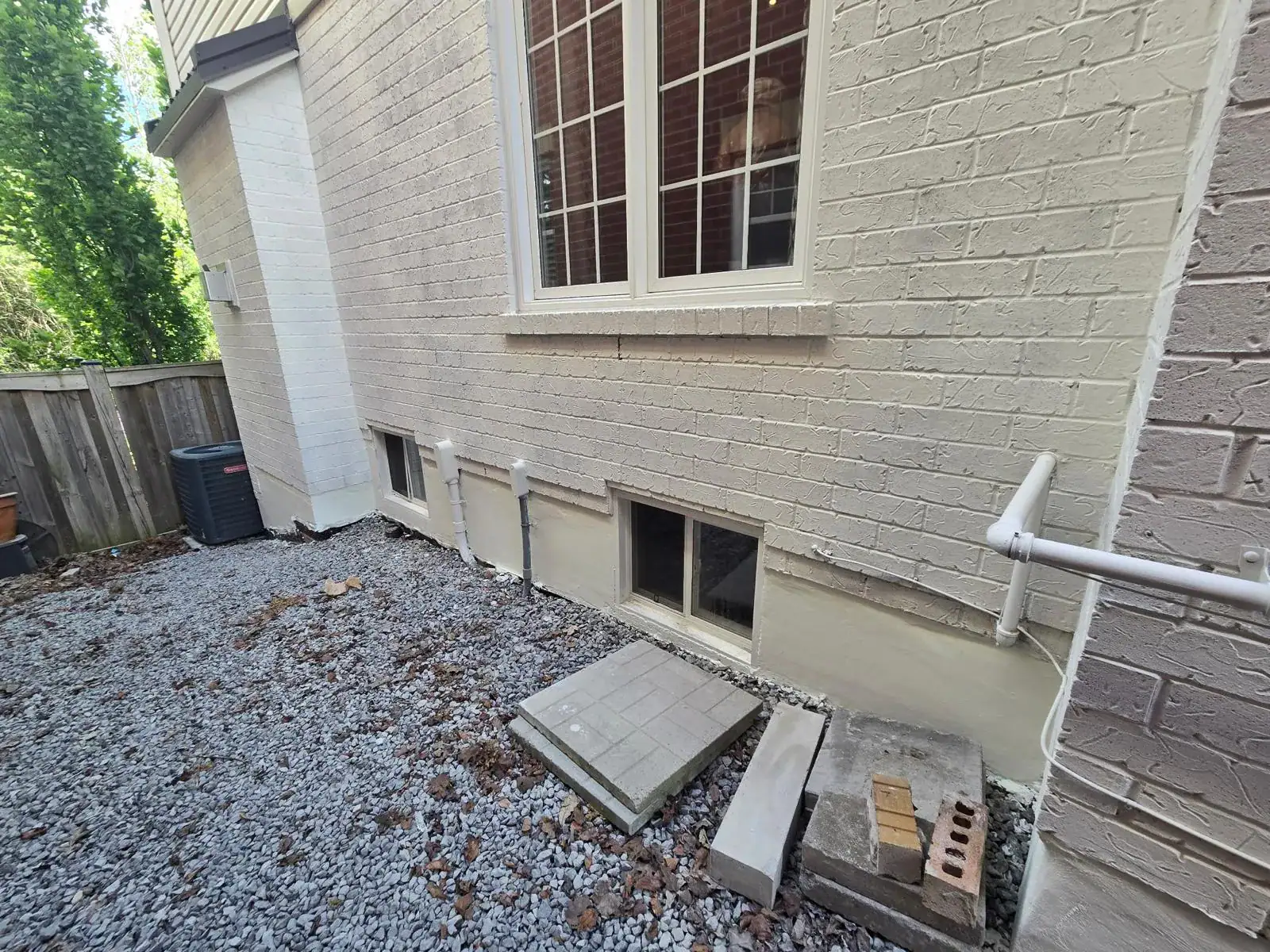
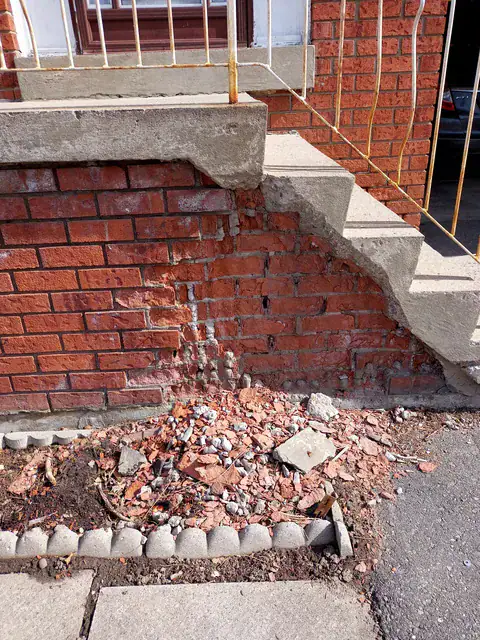
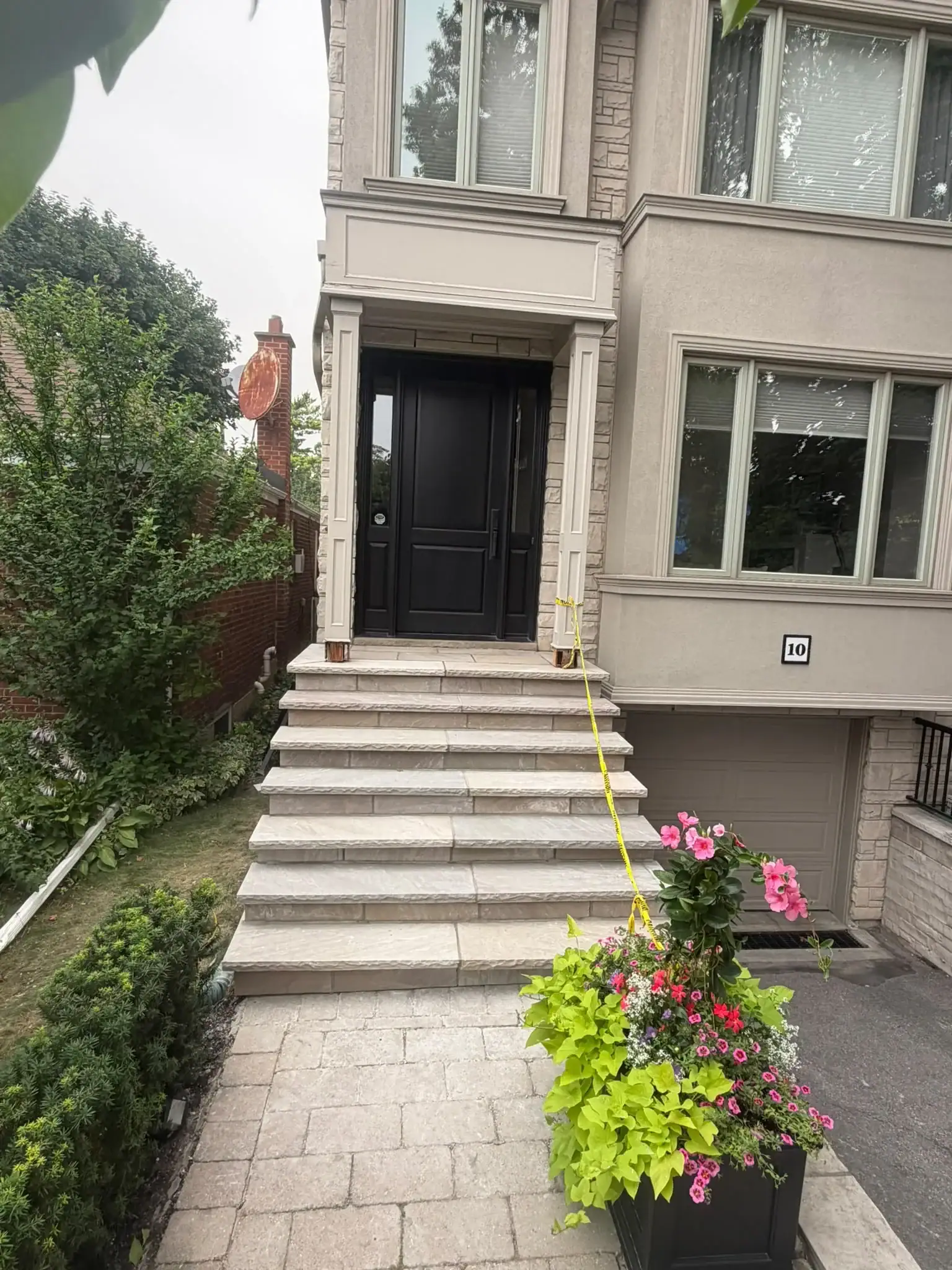
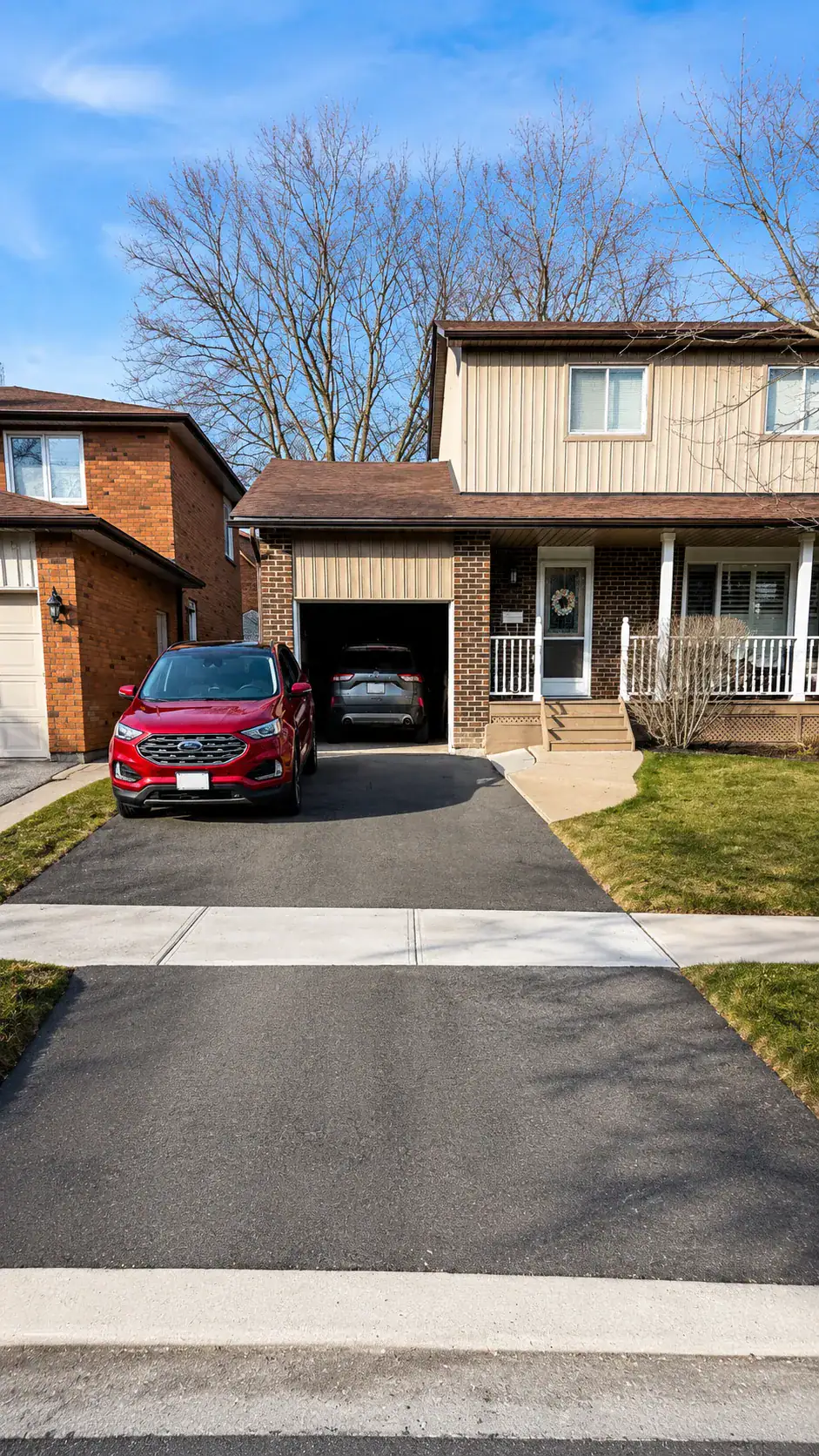
A homeowner in North York may notice that the mortar between bricks looks recessed and sandy. The wall can still appear solid from a distance while small cracks begin forming along the joints or pieces of mortar loosen near the base of the wall.
This pattern can be consistent with gradual mortar deterioration, although recurring moisture or wall movement should also be ruled out. When the surrounding brick is still sound, timely professional tuckpointing may restore the deteriorated joints before the repair scope becomes more extensive.
What Shortens the Lifespan?
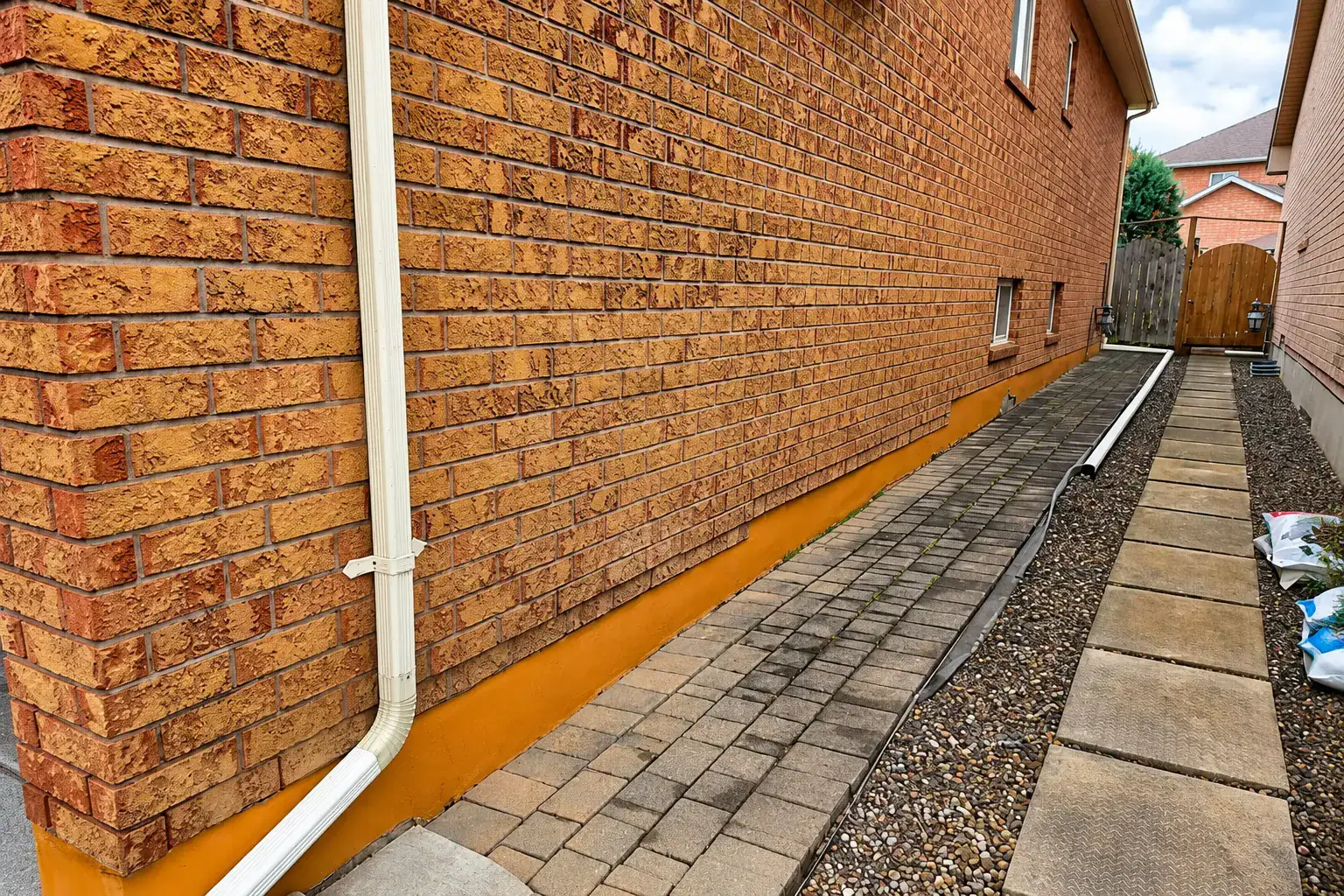
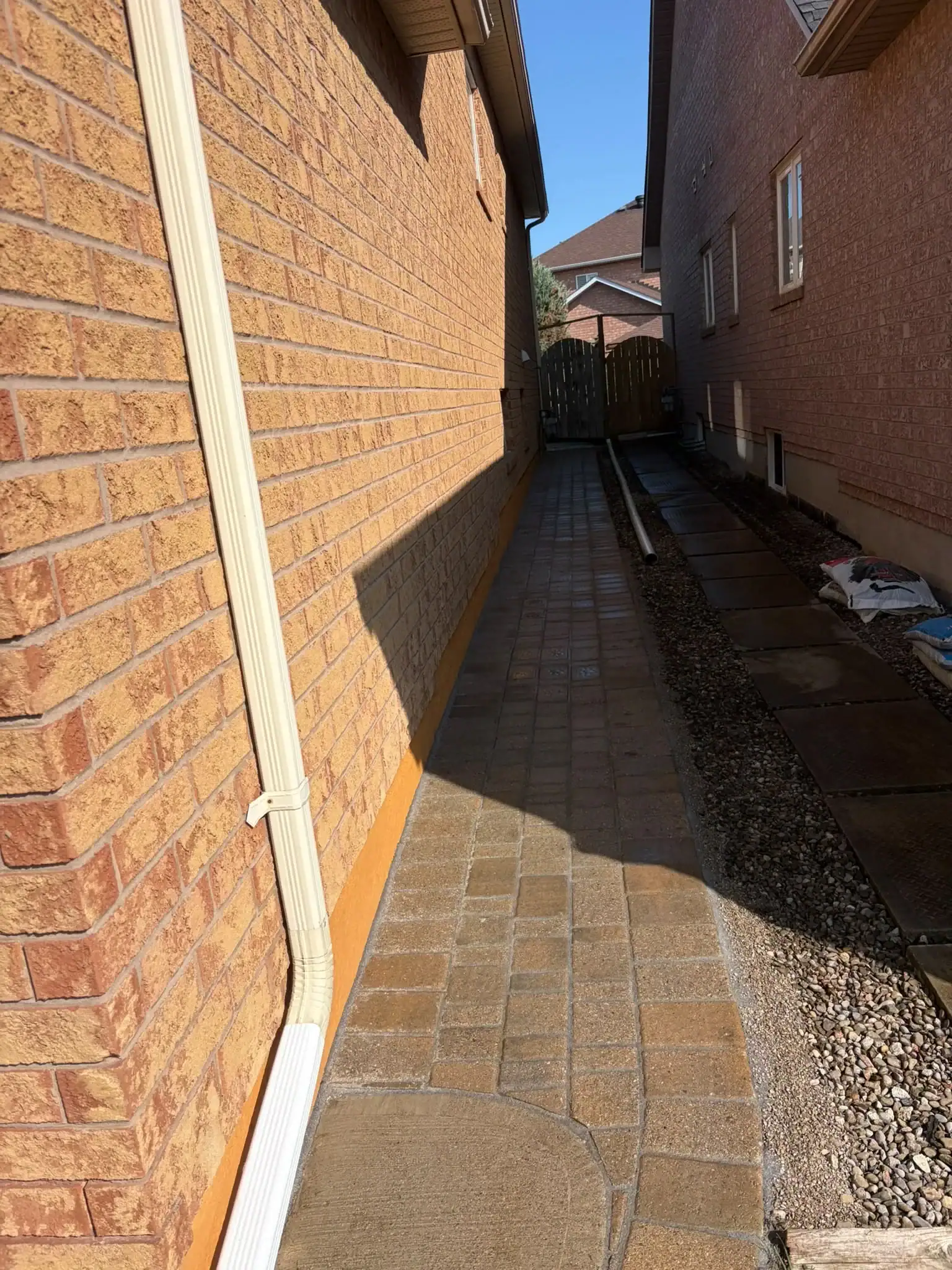
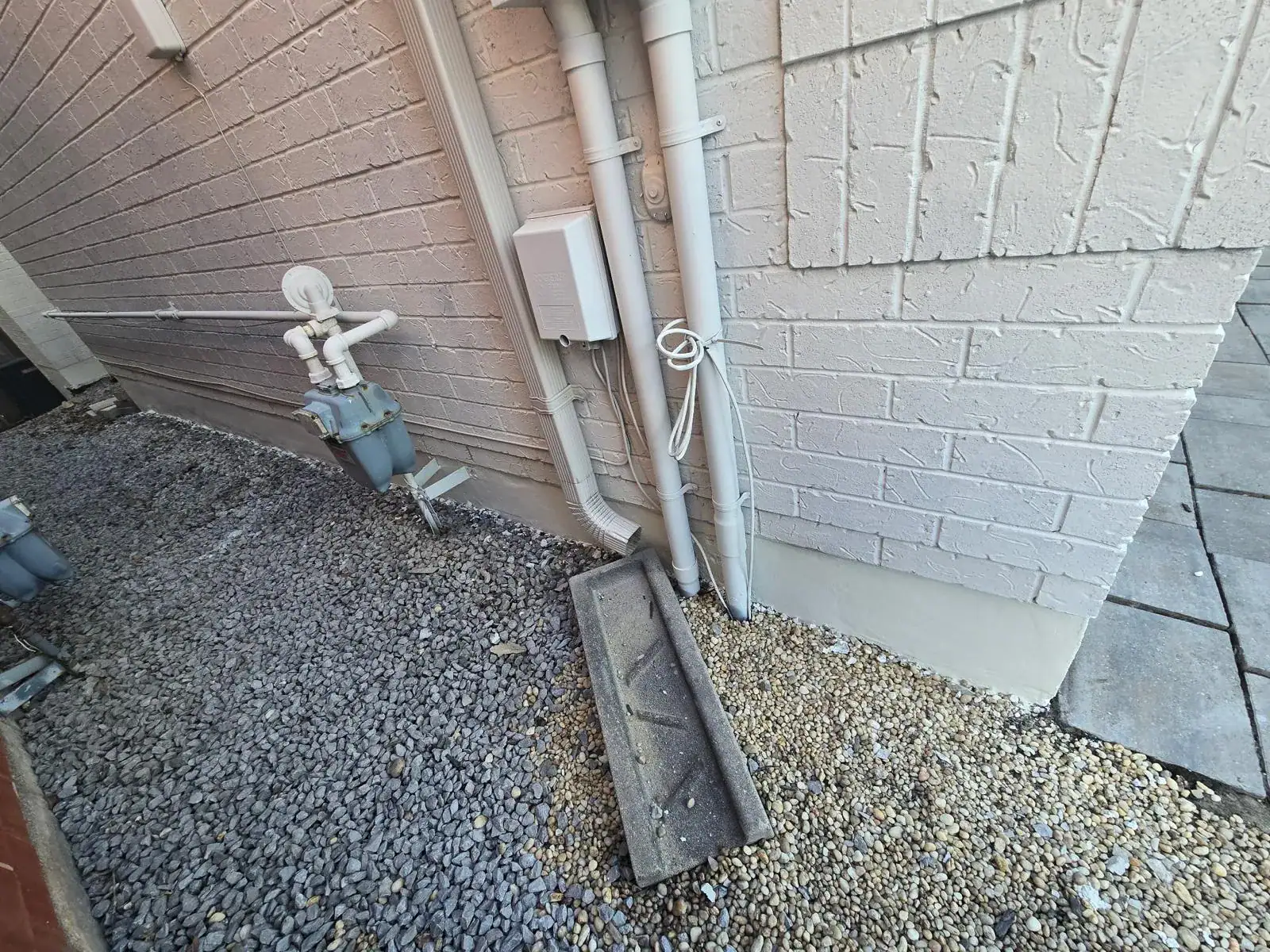
- Poor drainage around the foundation
- Recurring moisture intrusion
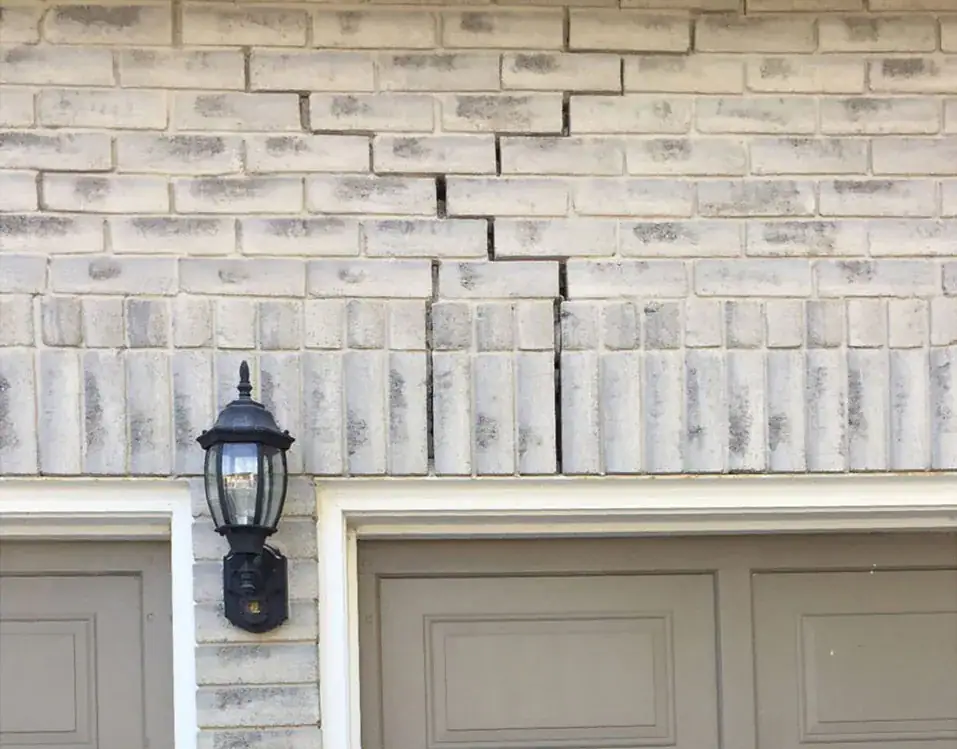
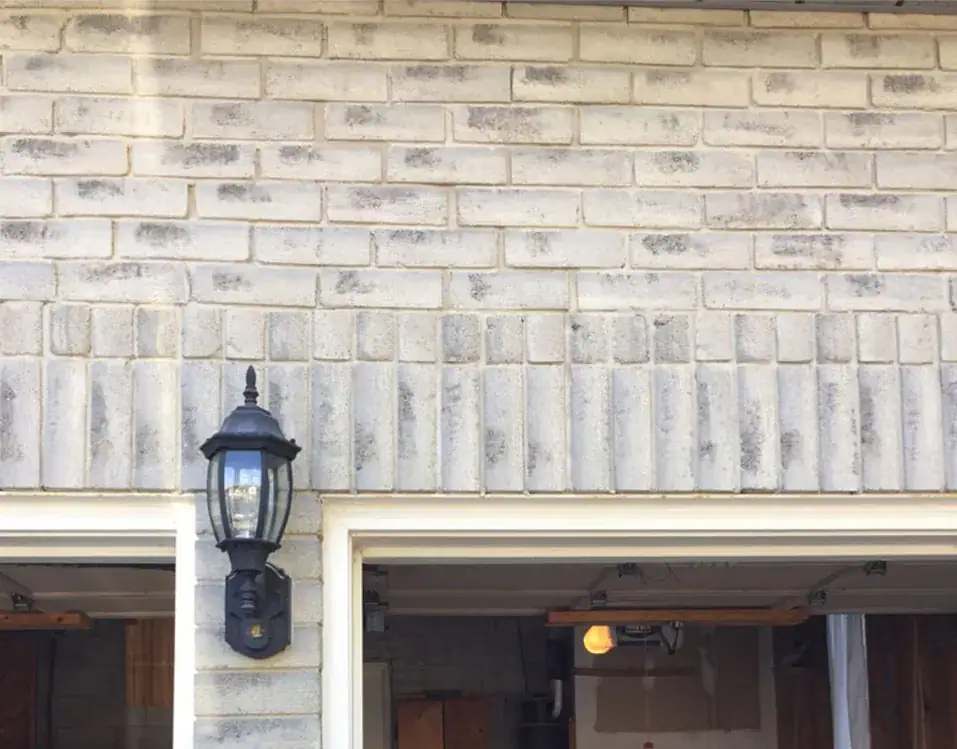
- Foundation movement or settling
- Improper mortar mix during past repairs
- Heavy exposure to wind-driven rain
If structural movement is involved, mortar alone may not be the root issue. In those cases, you may need to review foundation-settlement guidance or explore a foundation-repair assessment.
Signs It May Be Time to Repoint
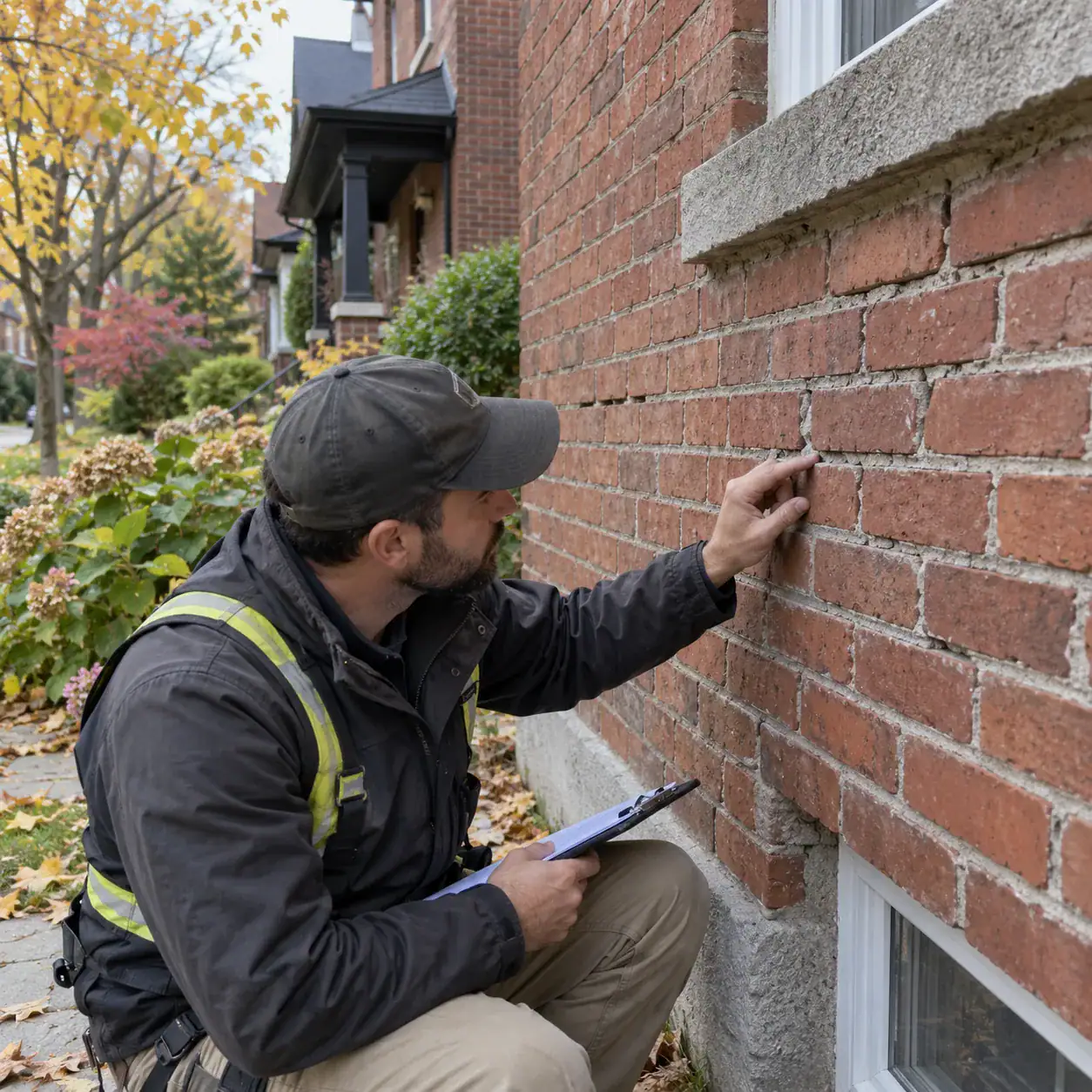
- Mortar joints look recessed or crumbly
- Small cracks are forming along brick lines
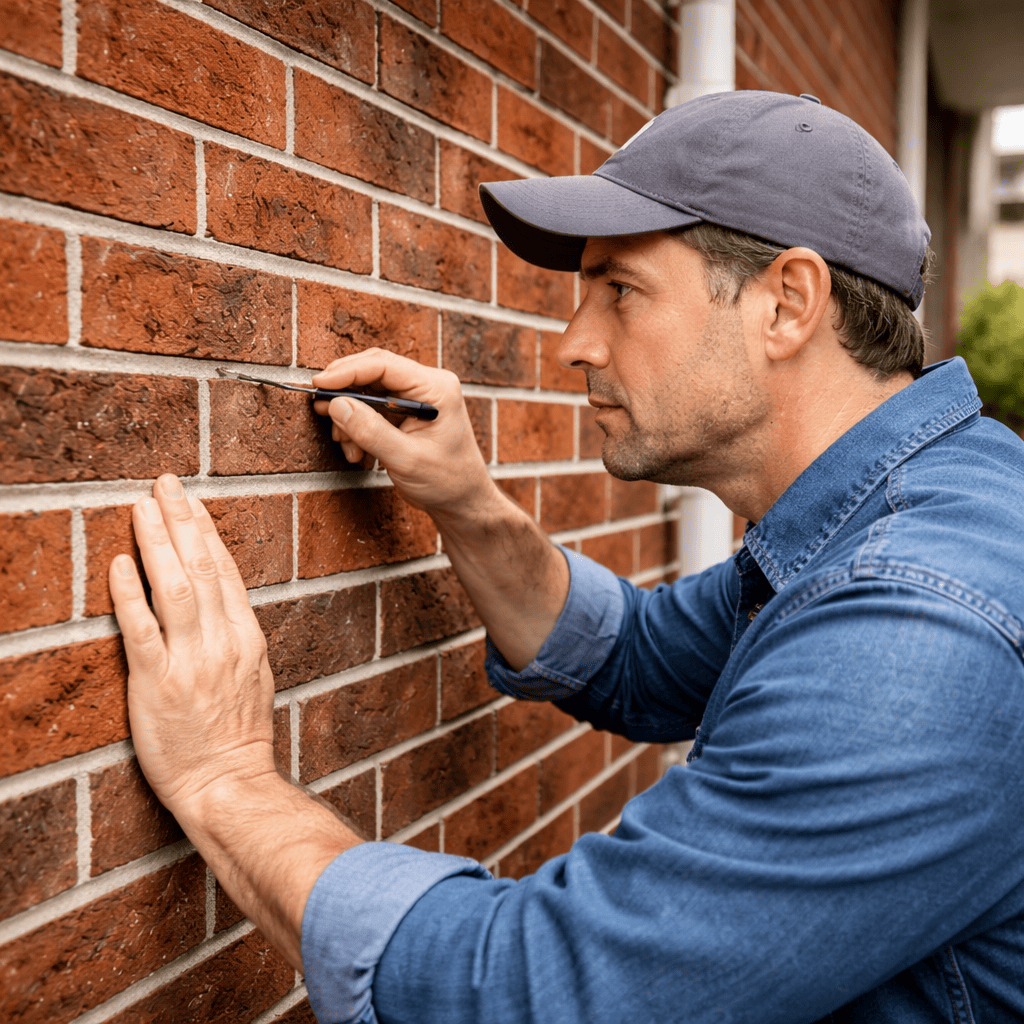
- Loose bricks shift slightly when pressed
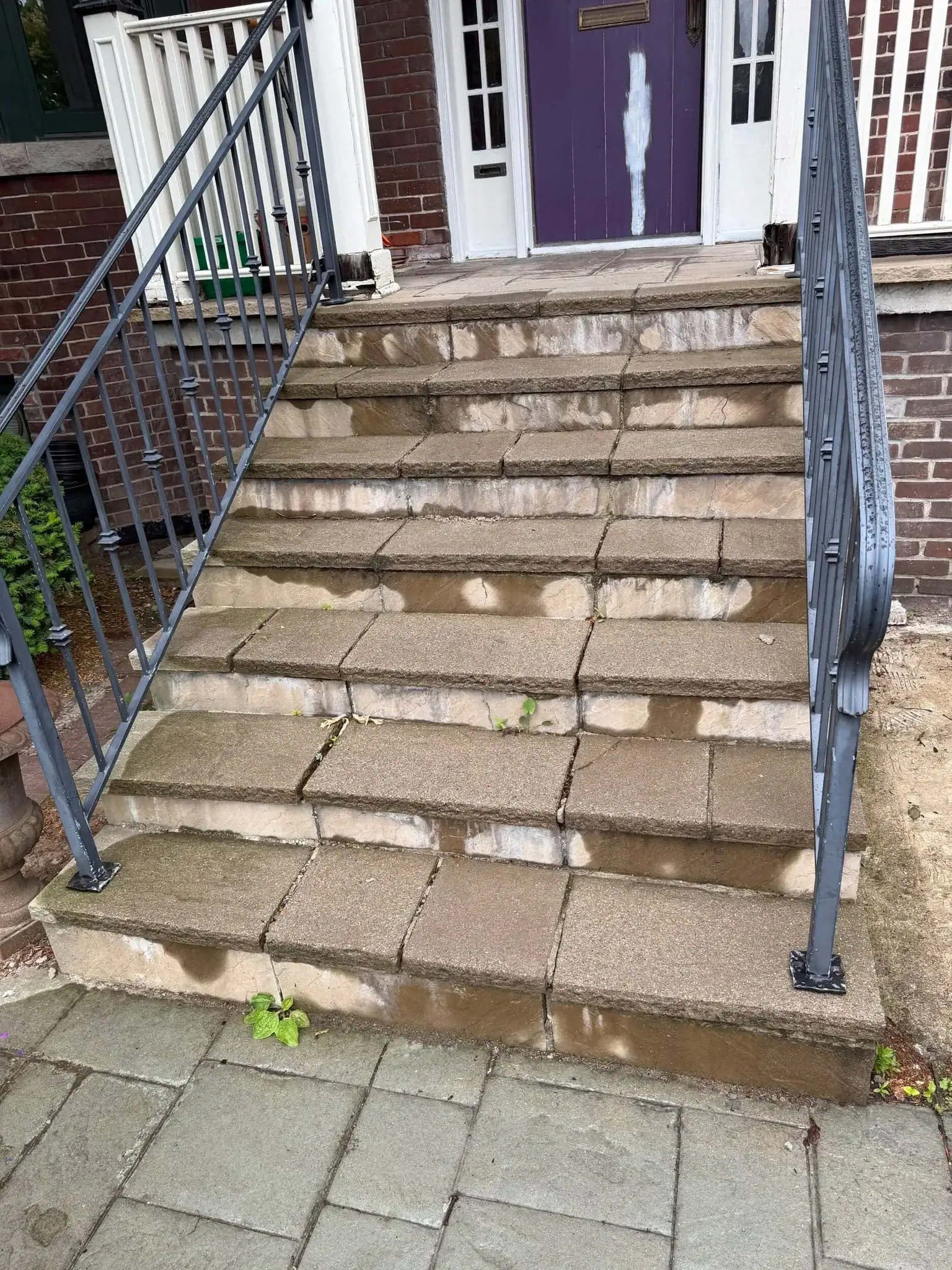
- Water stains appear after heavy rain
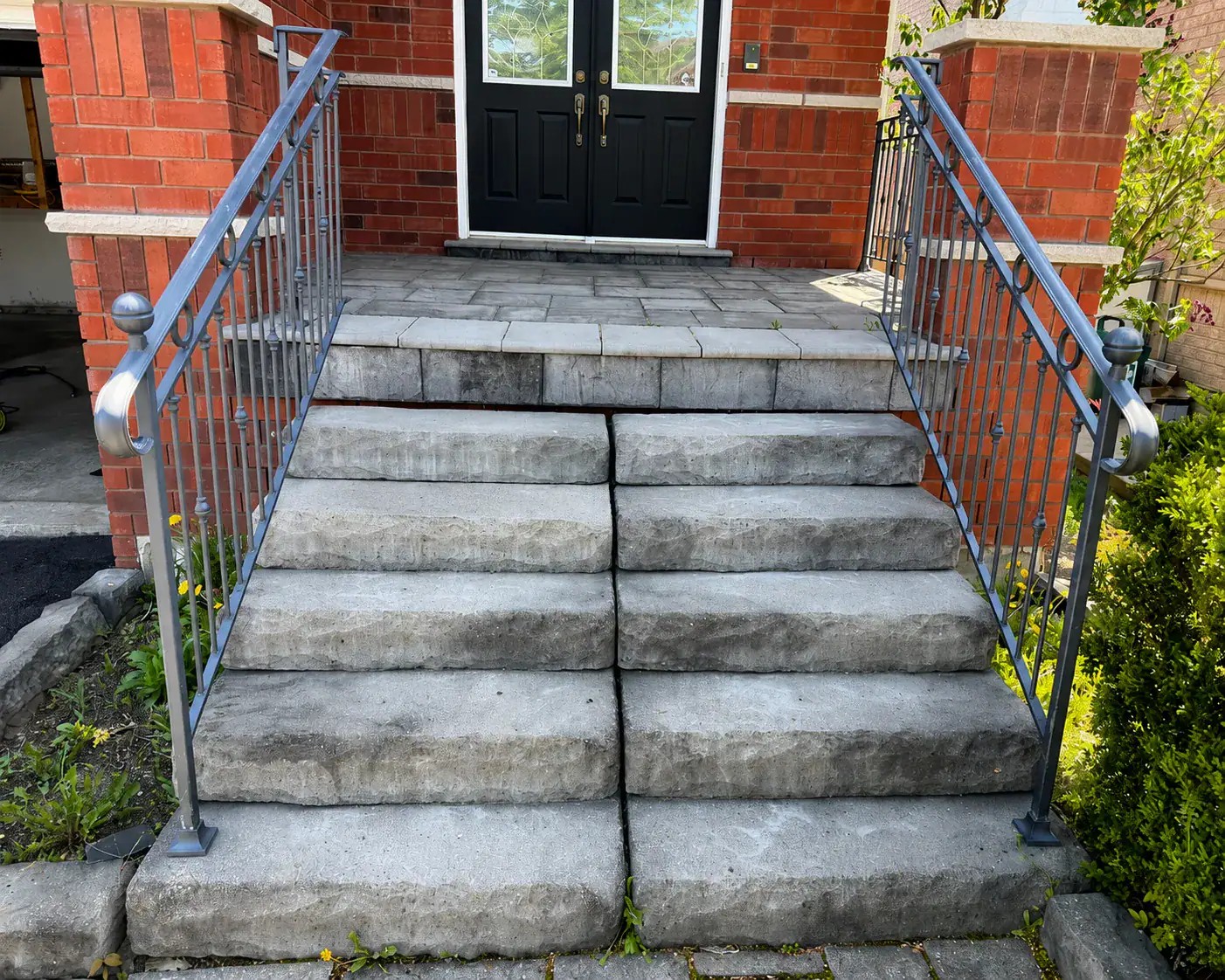
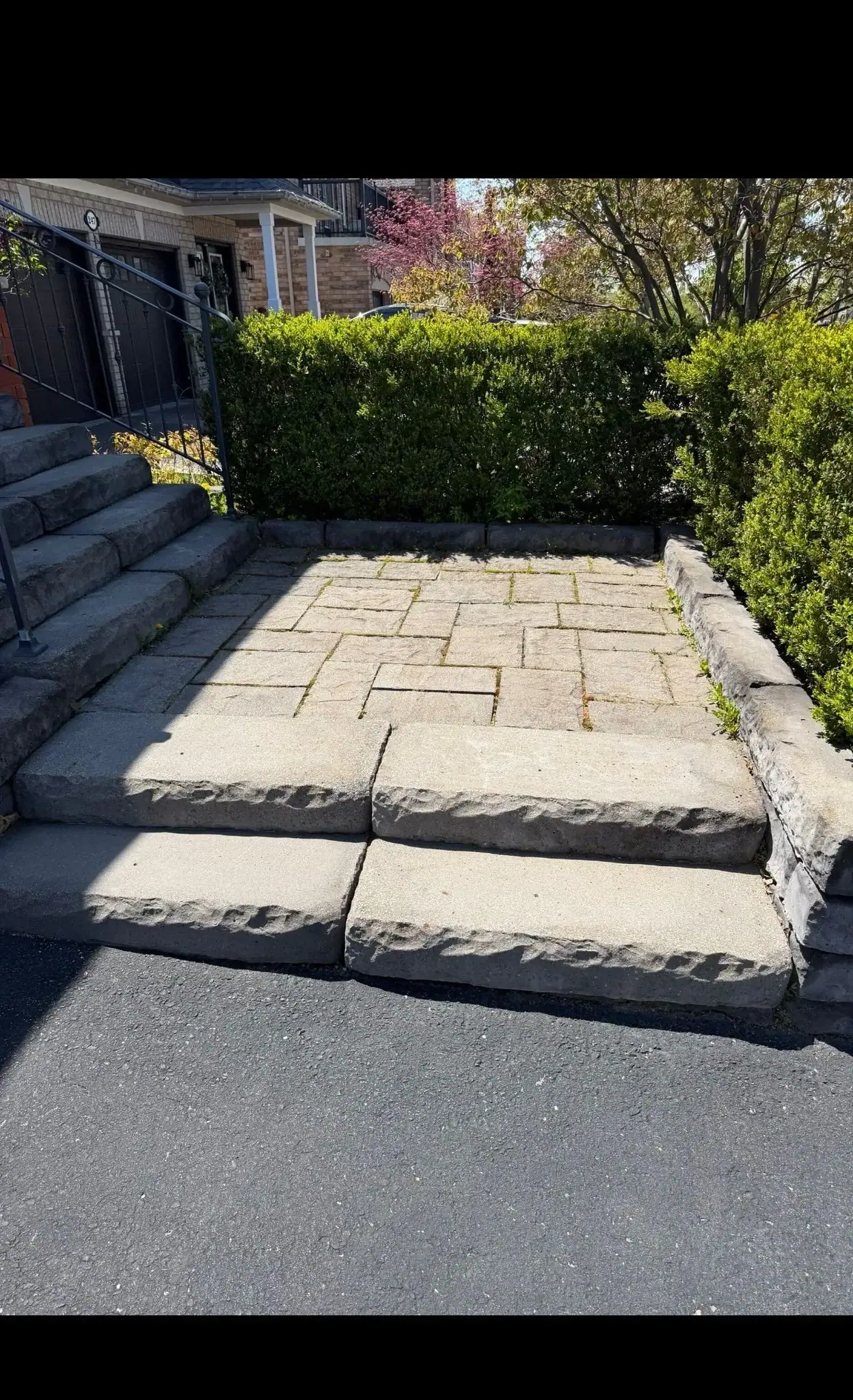
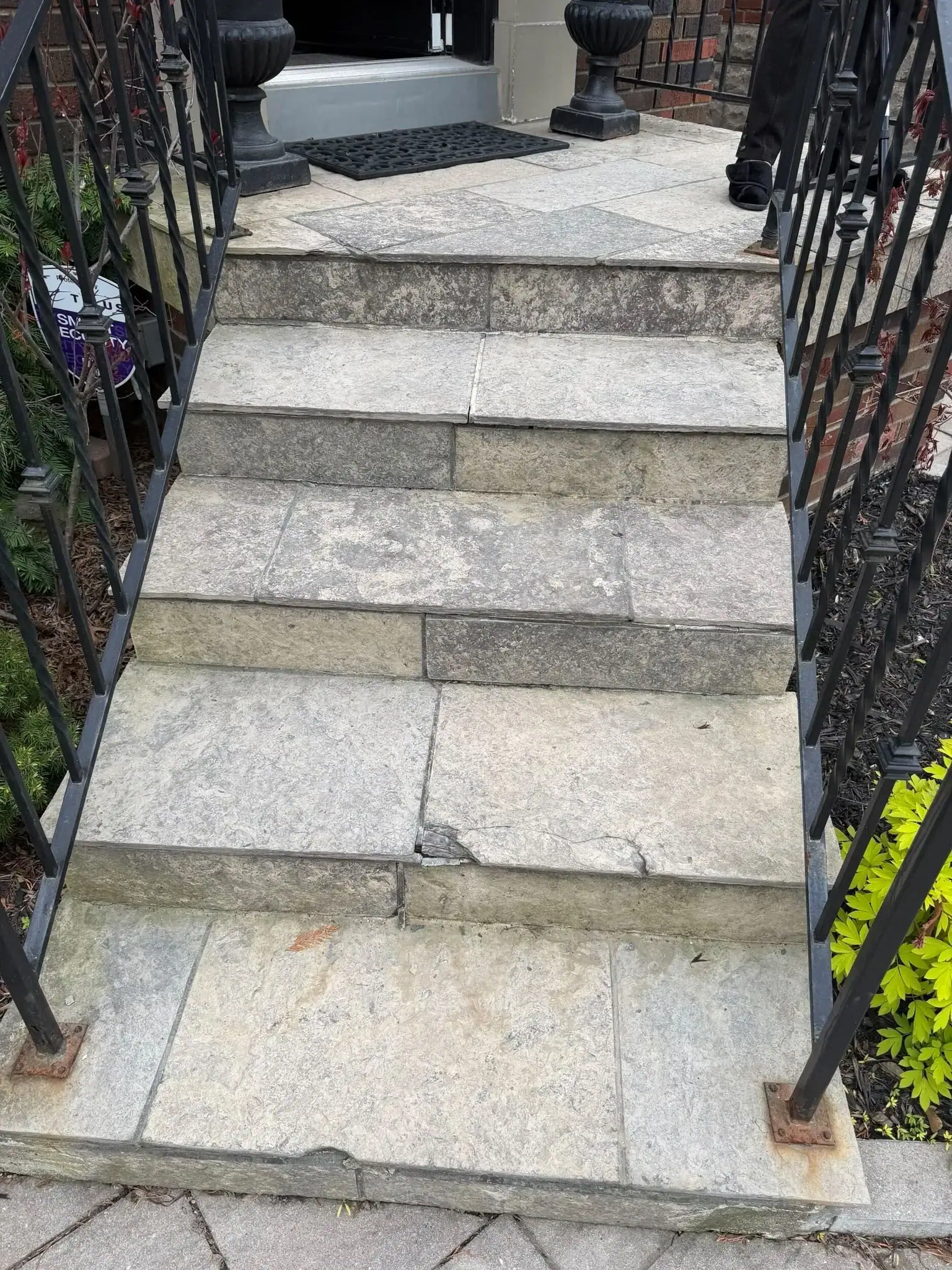
If deteriorated mortar is accompanied by loose, cracked, or spalled brick, professional brick repair may also be needed to address the damaged masonry.
Important: Once mortar deterioration is accompanied by cracked, loose, or spalled brick, the repair scope may extend beyond repointing alone.
How to Extend the Life of Tuckpointing
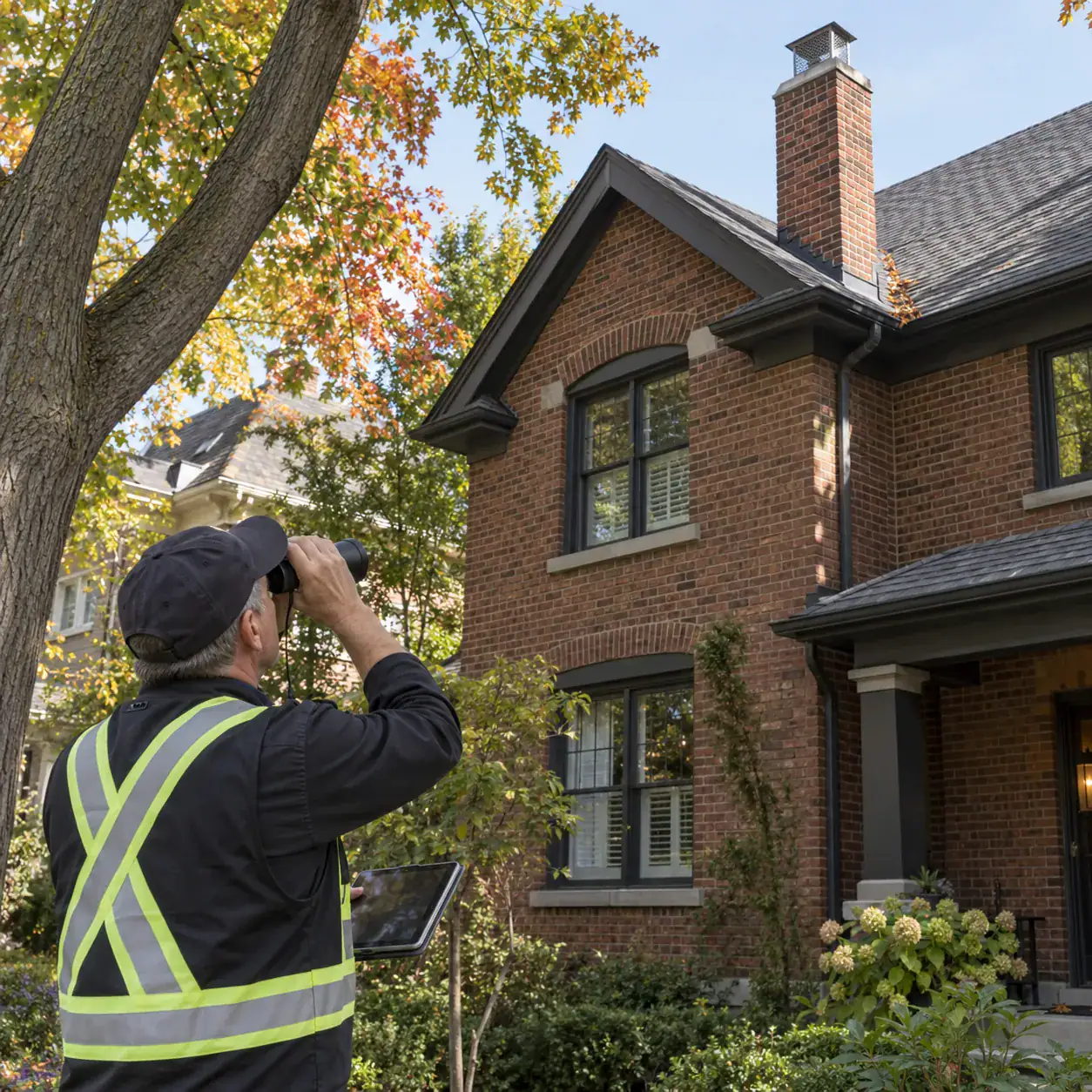
Annual visual inspections are one of the easiest ways to monitor mortar condition. Keep snow, soil, and standing water from remaining against the base of exterior masonry where practical, and watch for recurring staining or dampness after rain.
If mortar deterioration is connected to recurring foundation or basement moisture, also assess the underlying water-entry problem. A&A Masonry’s waterproofing and moisture-control options cover situations where moisture is entering through the foundation or related below-grade areas.
Local Inspection Context
If masonry deterioration becomes significant, homeowners can review safety and inspection information through the City of Toronto Building Division.
Frequently Asked Questions
Does tuckpointing need to be redone every 10 years?
Not typically. Properly installed mortar can last decades. However, high-exposure areas may require earlier maintenance.
Can poor tuckpointing fail quickly?
Yes. If joints are not properly cleaned or the mortar mix is incompatible with older brick, cracking may occur within a few years.
Is tuckpointing only cosmetic?
No. Tuckpointing restores deteriorated mortar joints, helps reduce water entry, and supports the continued performance of the surrounding masonry. It does not correct underlying structural movement or replace bricks that are already badly damaged.
Final Thoughts
So, how long does tuckpointing last in Toronto? When done correctly and maintained properly, it can protect your home for decades. The key is early intervention. Catching mortar wear before brick damage begins keeps repairs manageable and protects long-term property value.
Not Sure Whether Your Mortar Joints Need Tuckpointing?
If the mortar between your bricks is crumbling, deeply recessed, cracked, or missing, the next step depends on how widespread the deterioration is and whether the surrounding brick is still sound. A&A Masonry can assess the joints and help determine whether localized tuckpointing, broader repointing, or additional brick repair is appropriate.