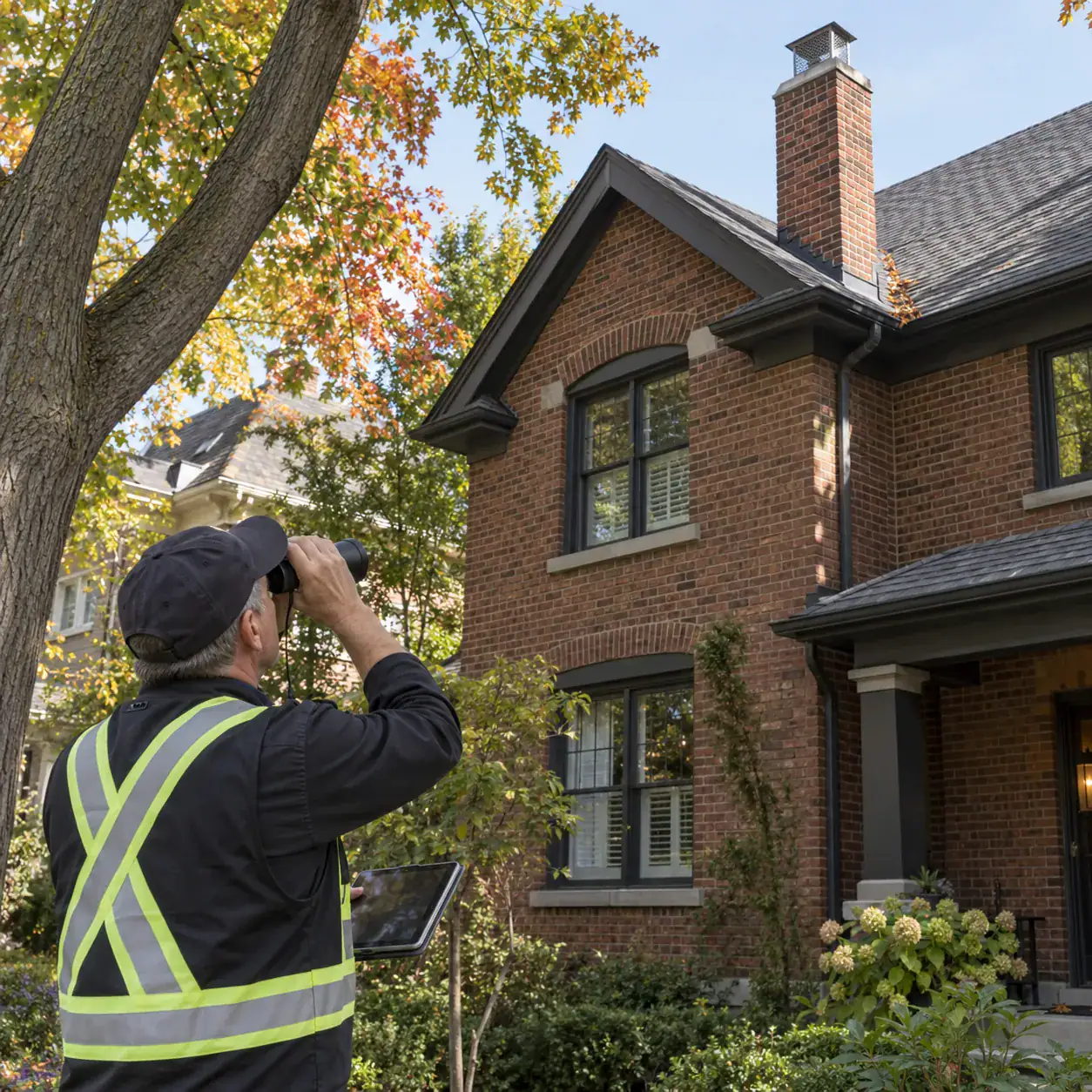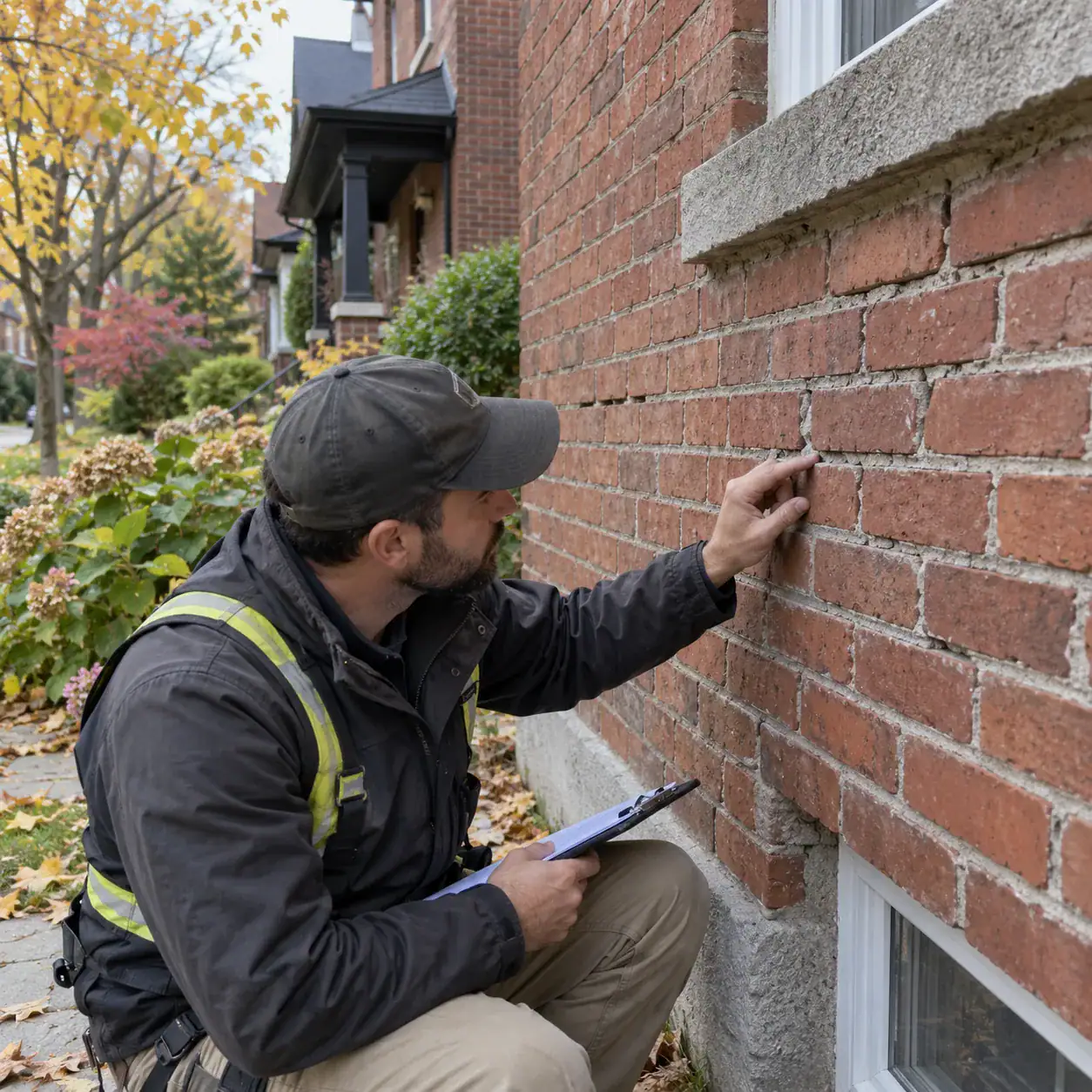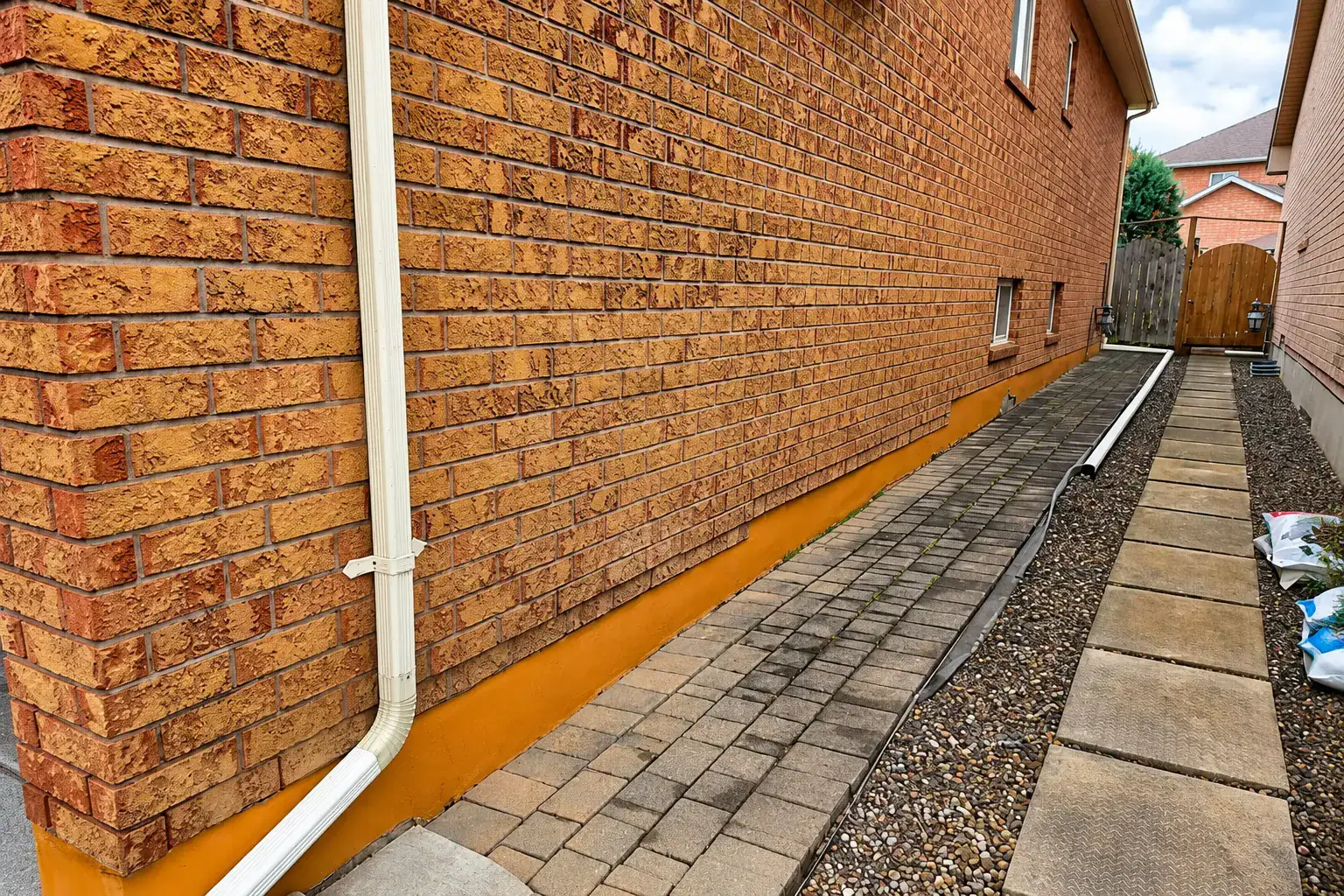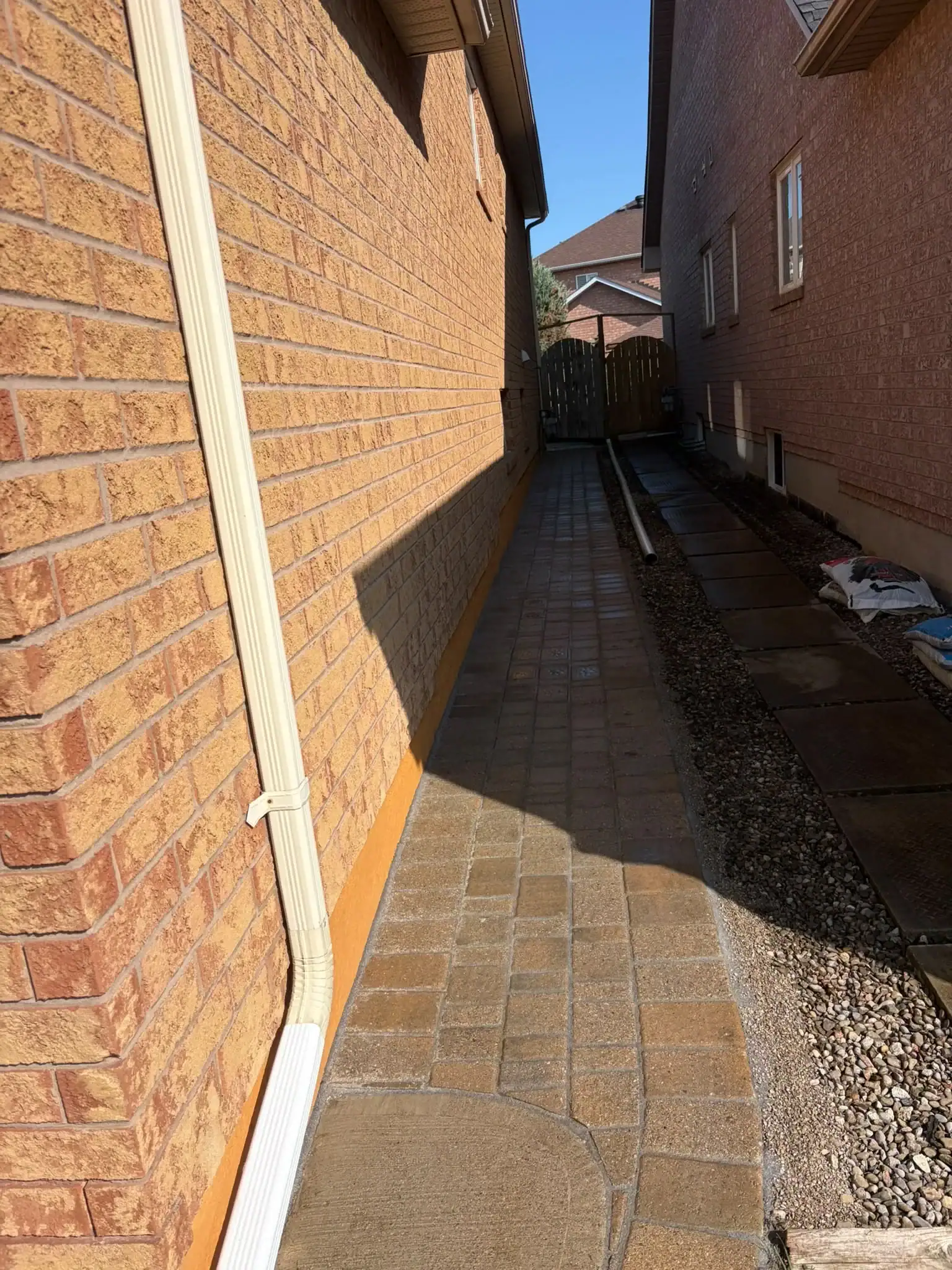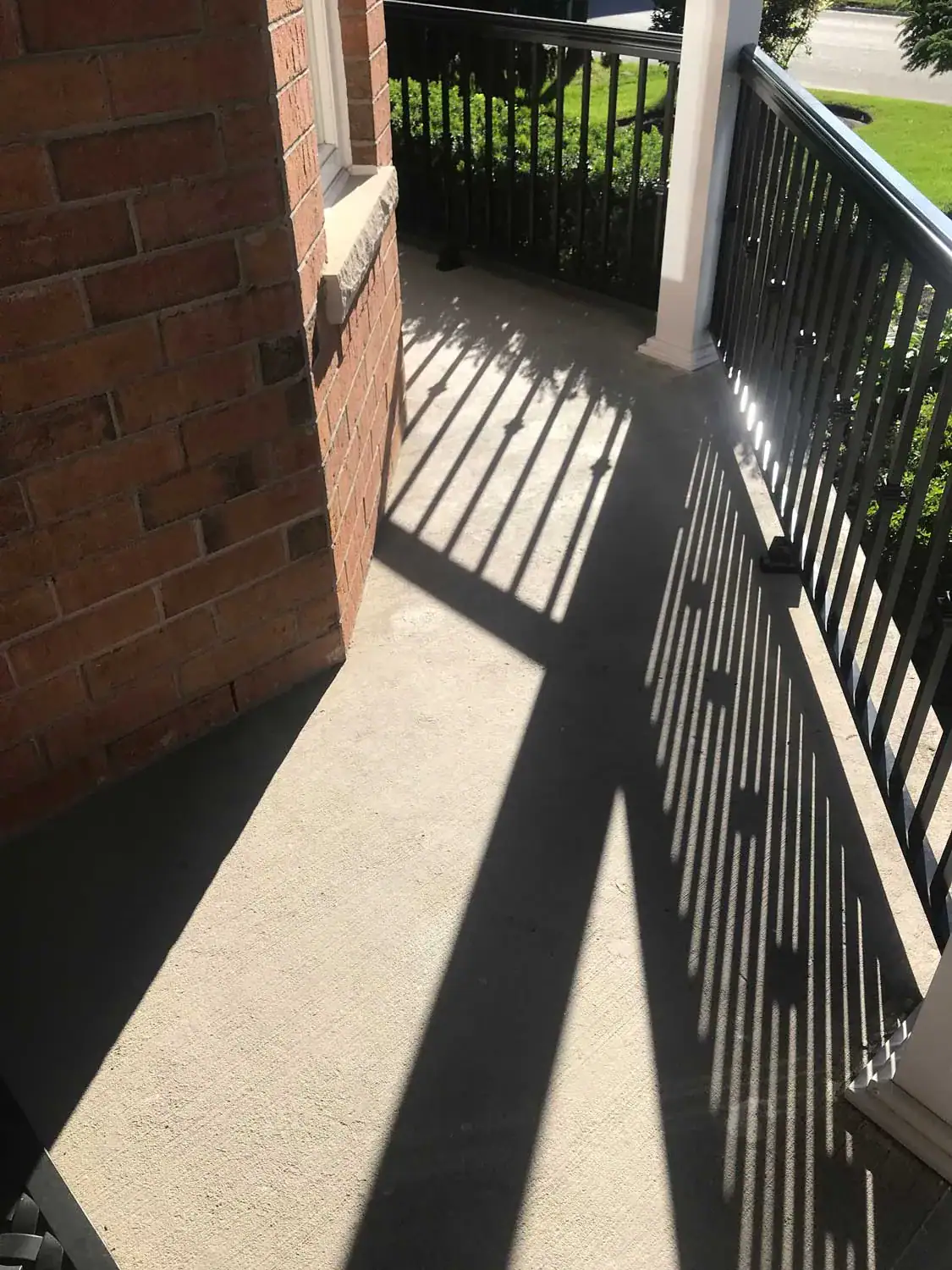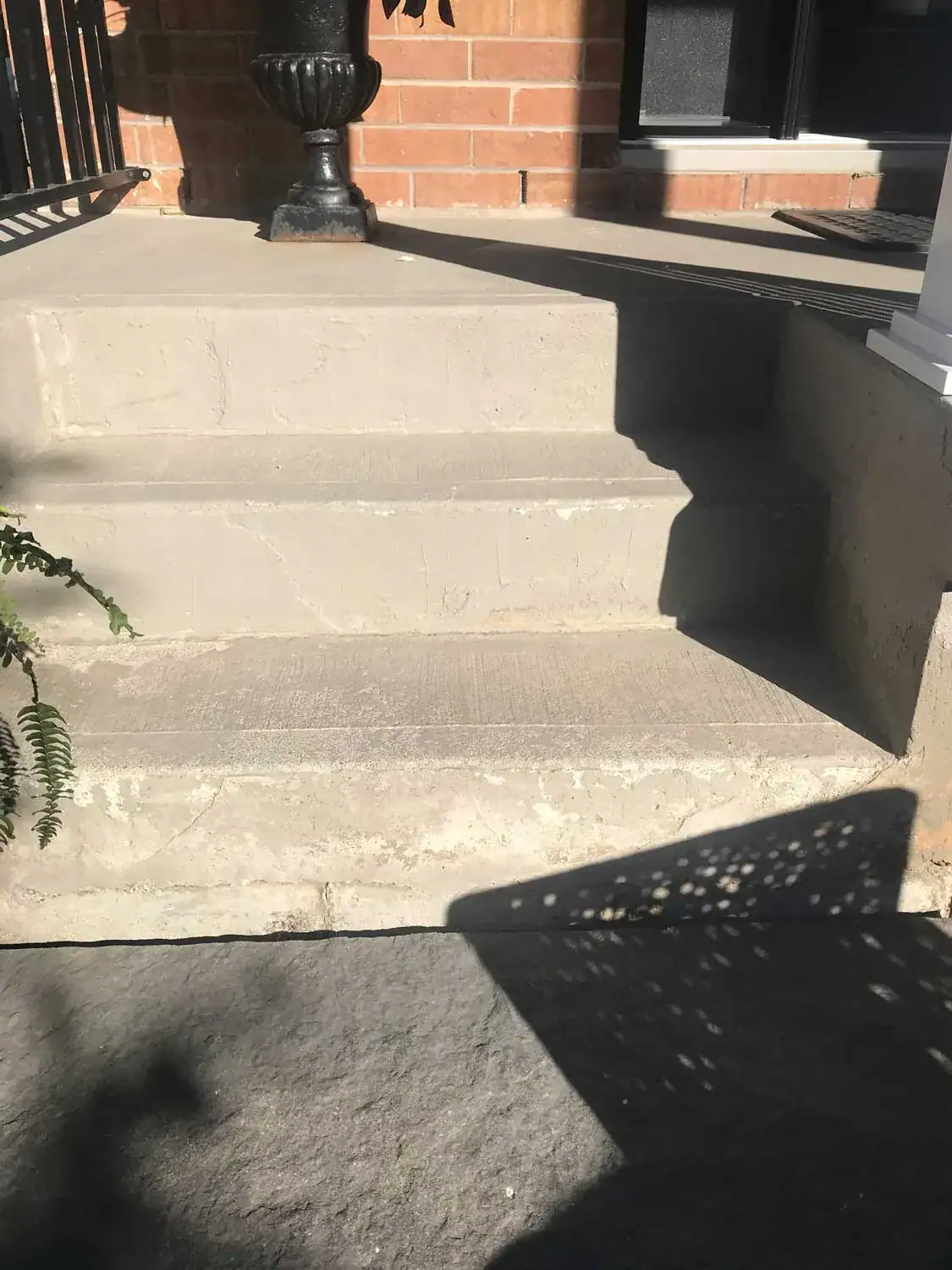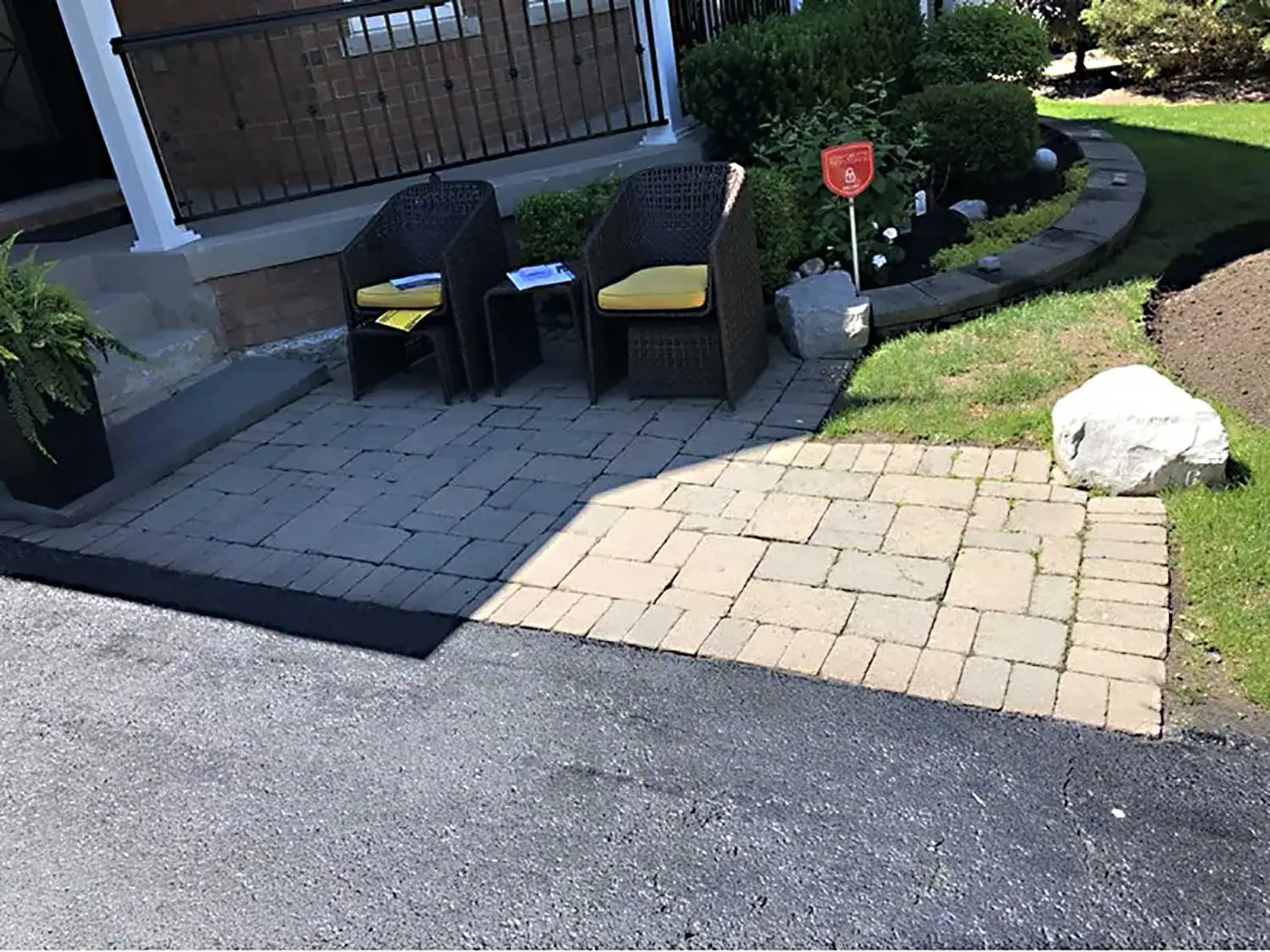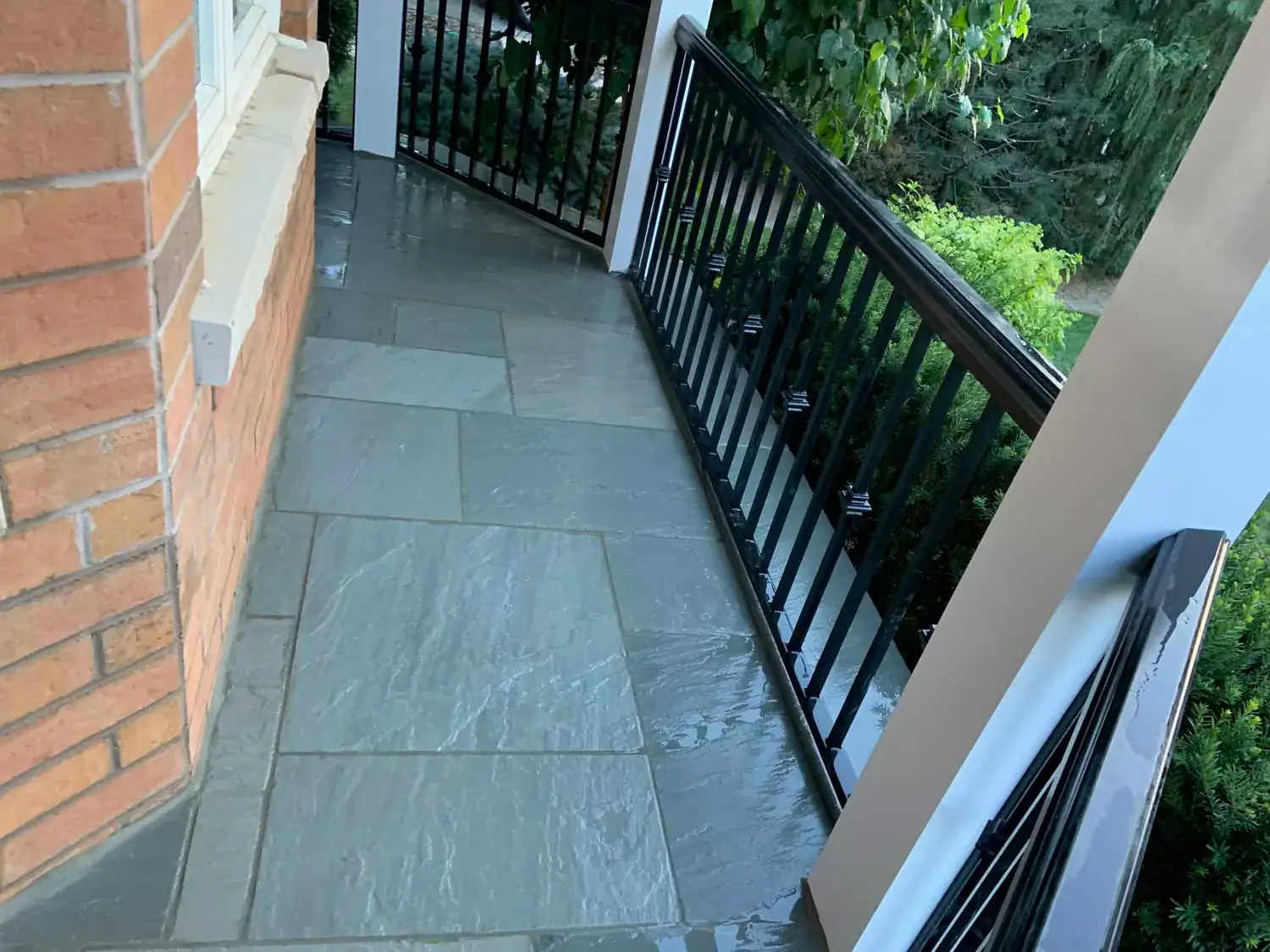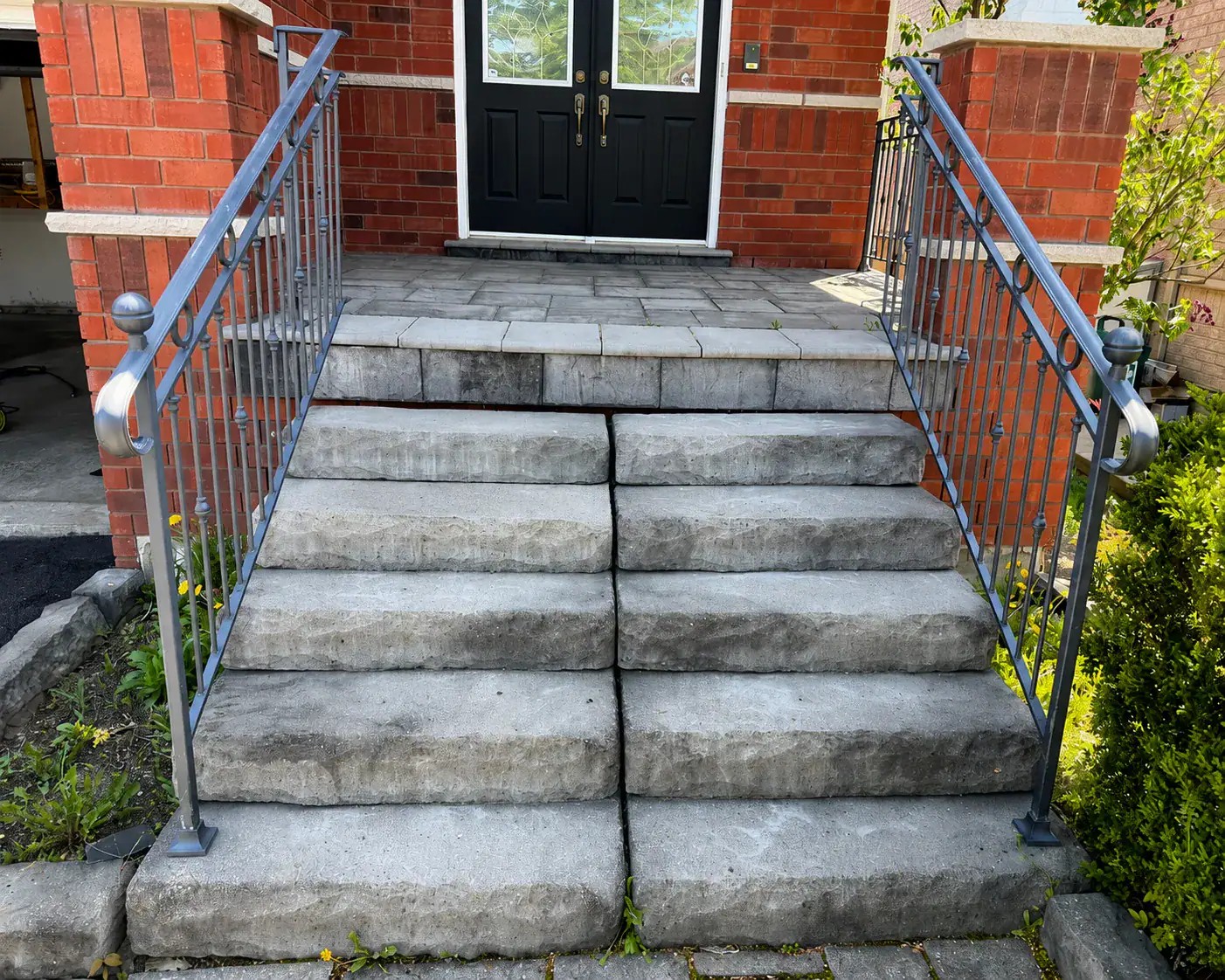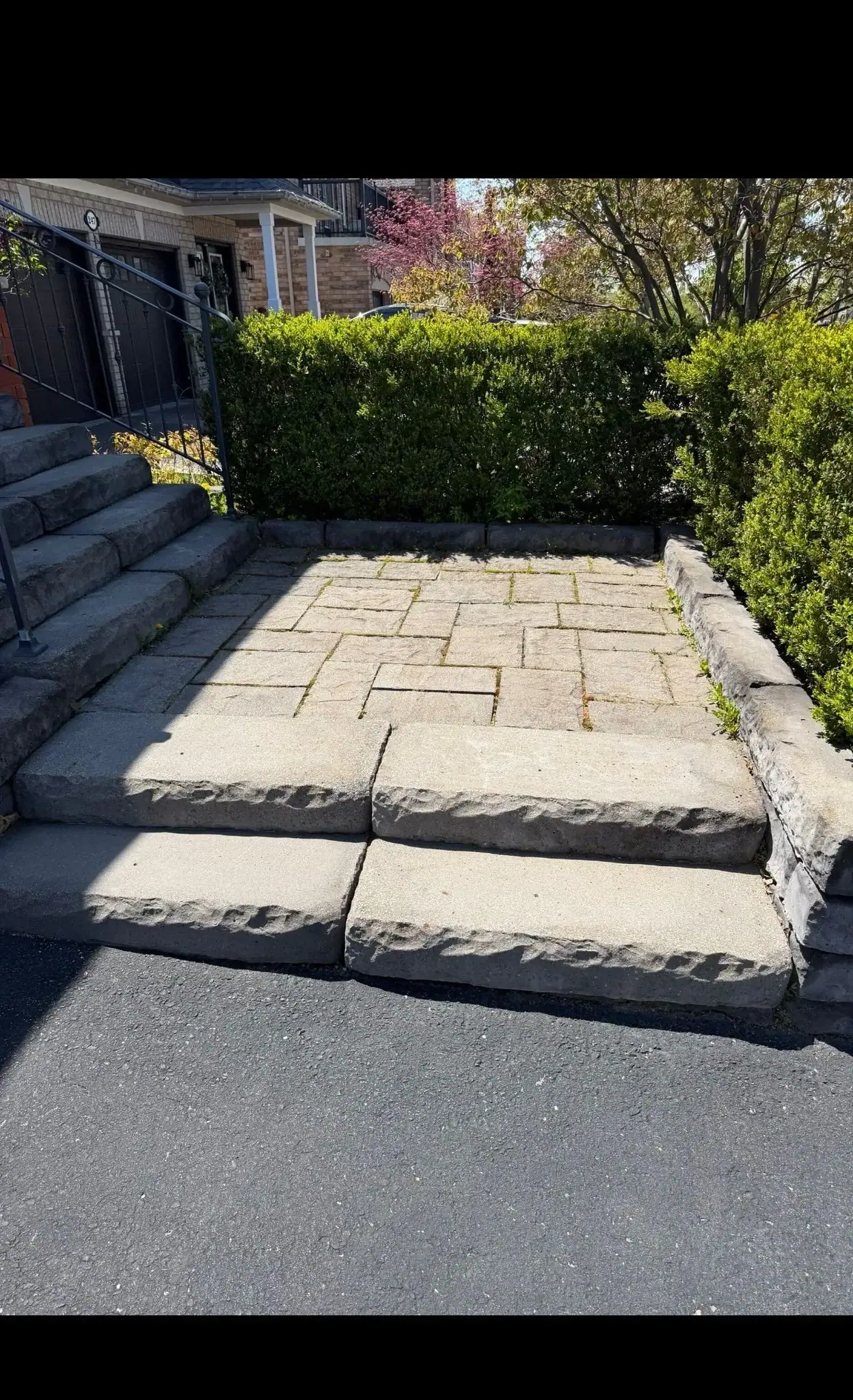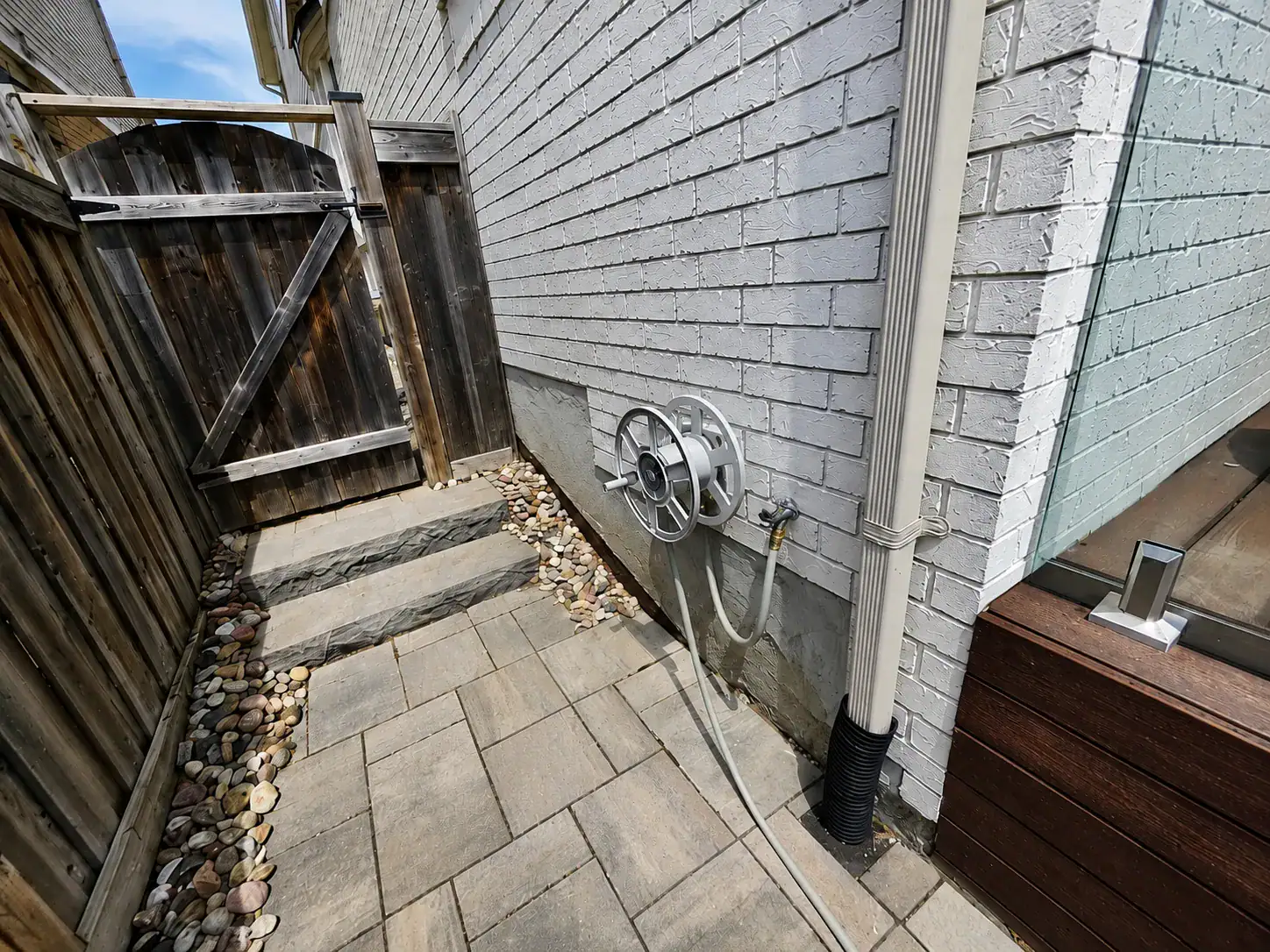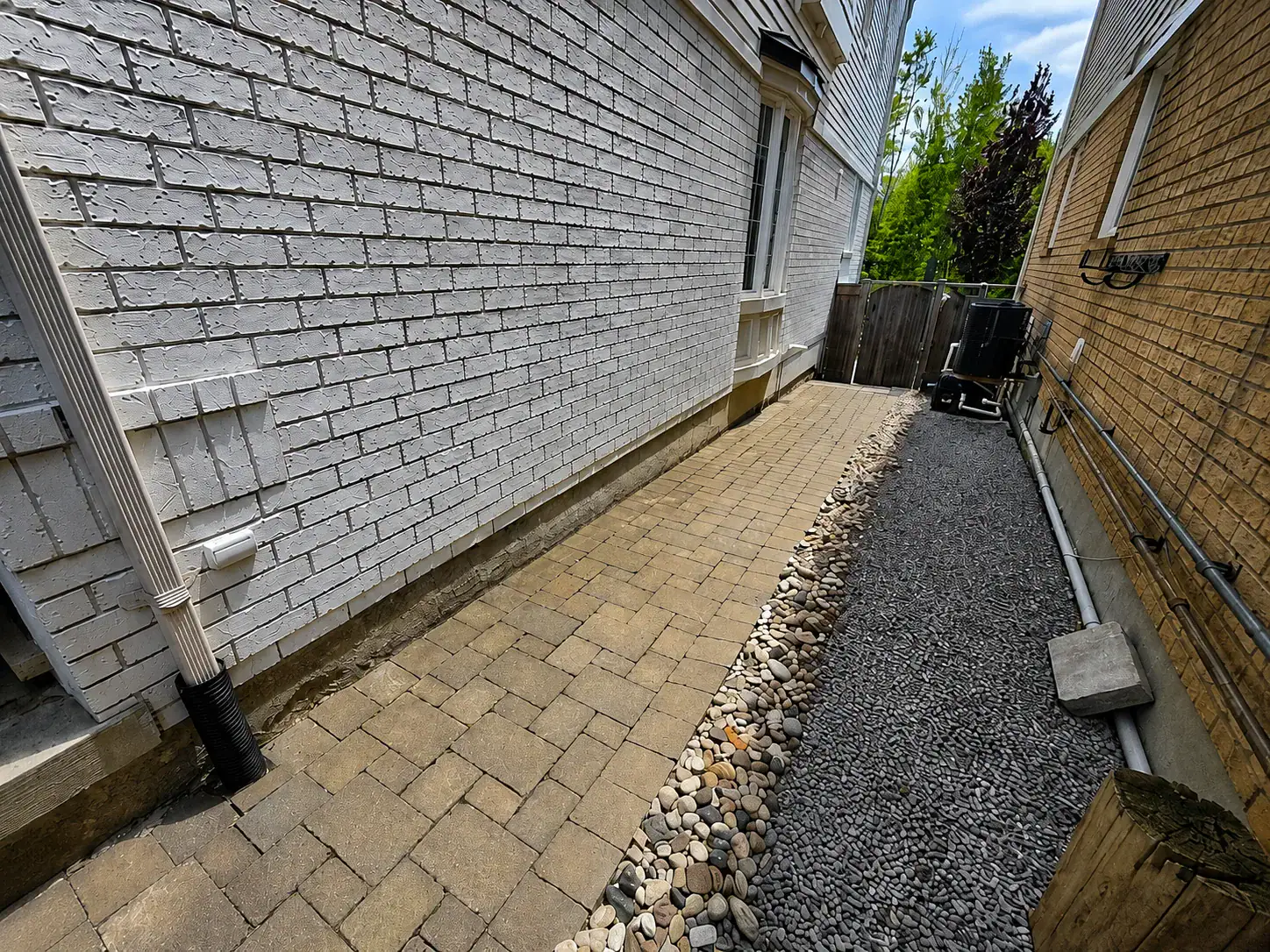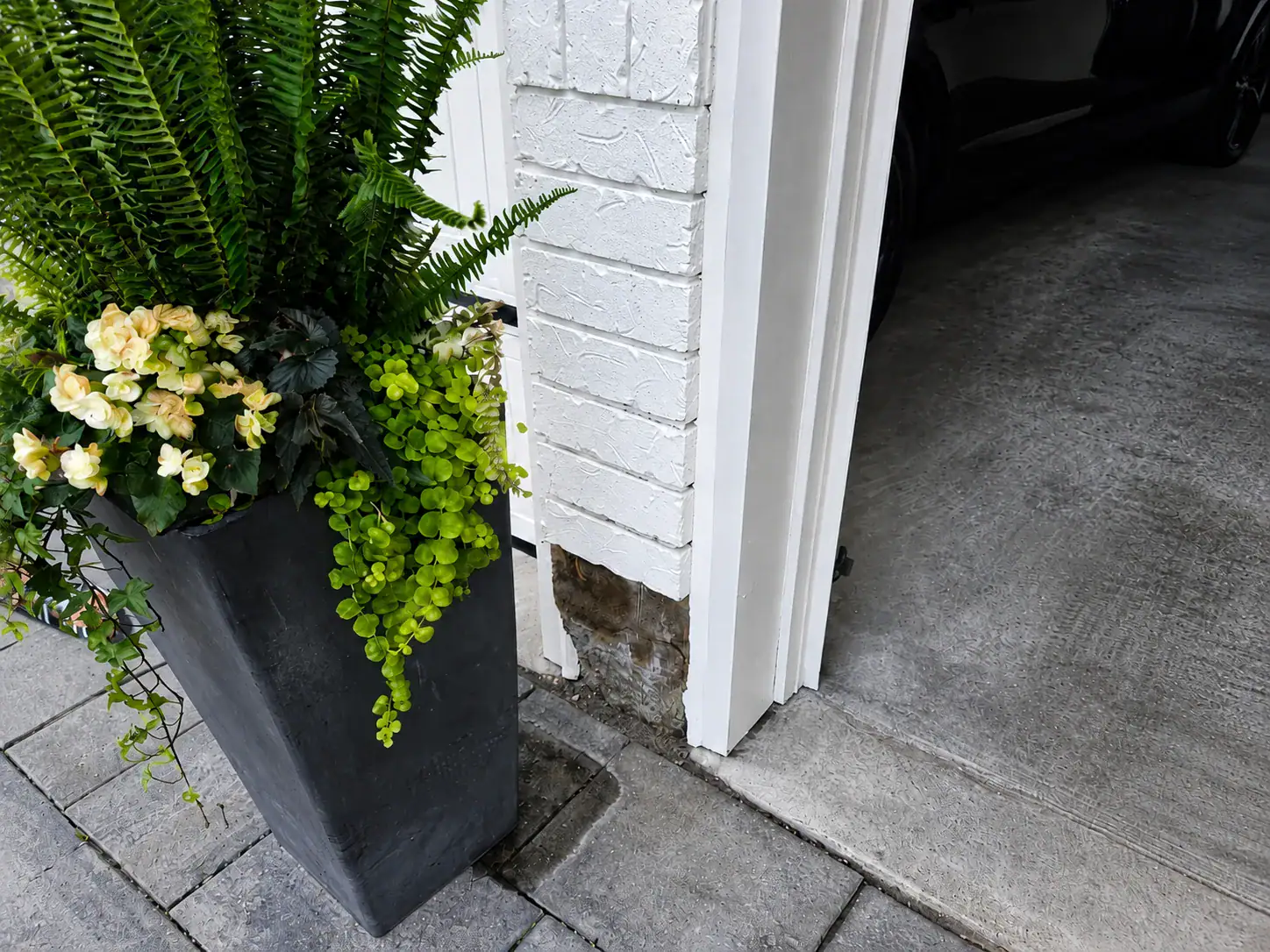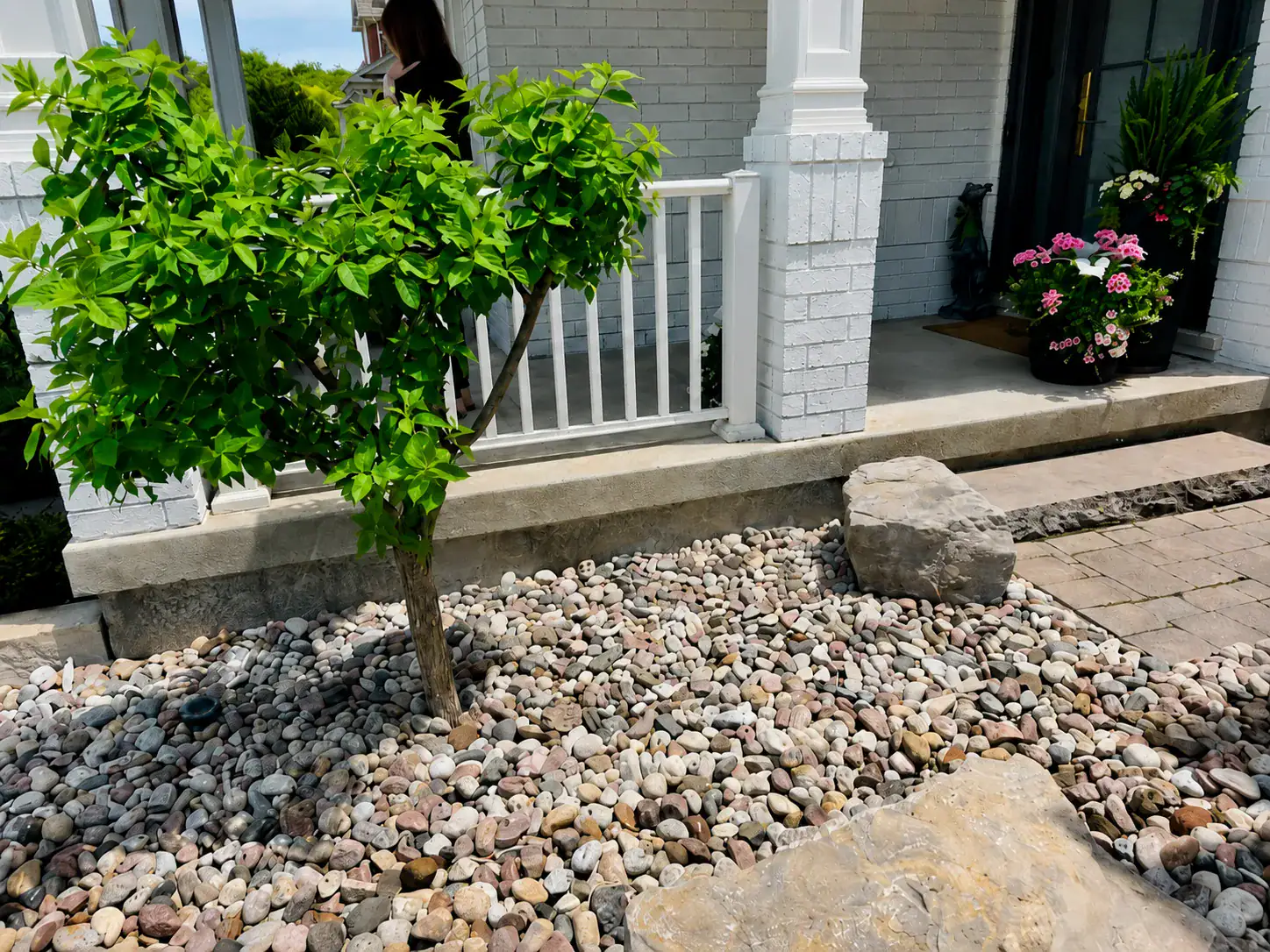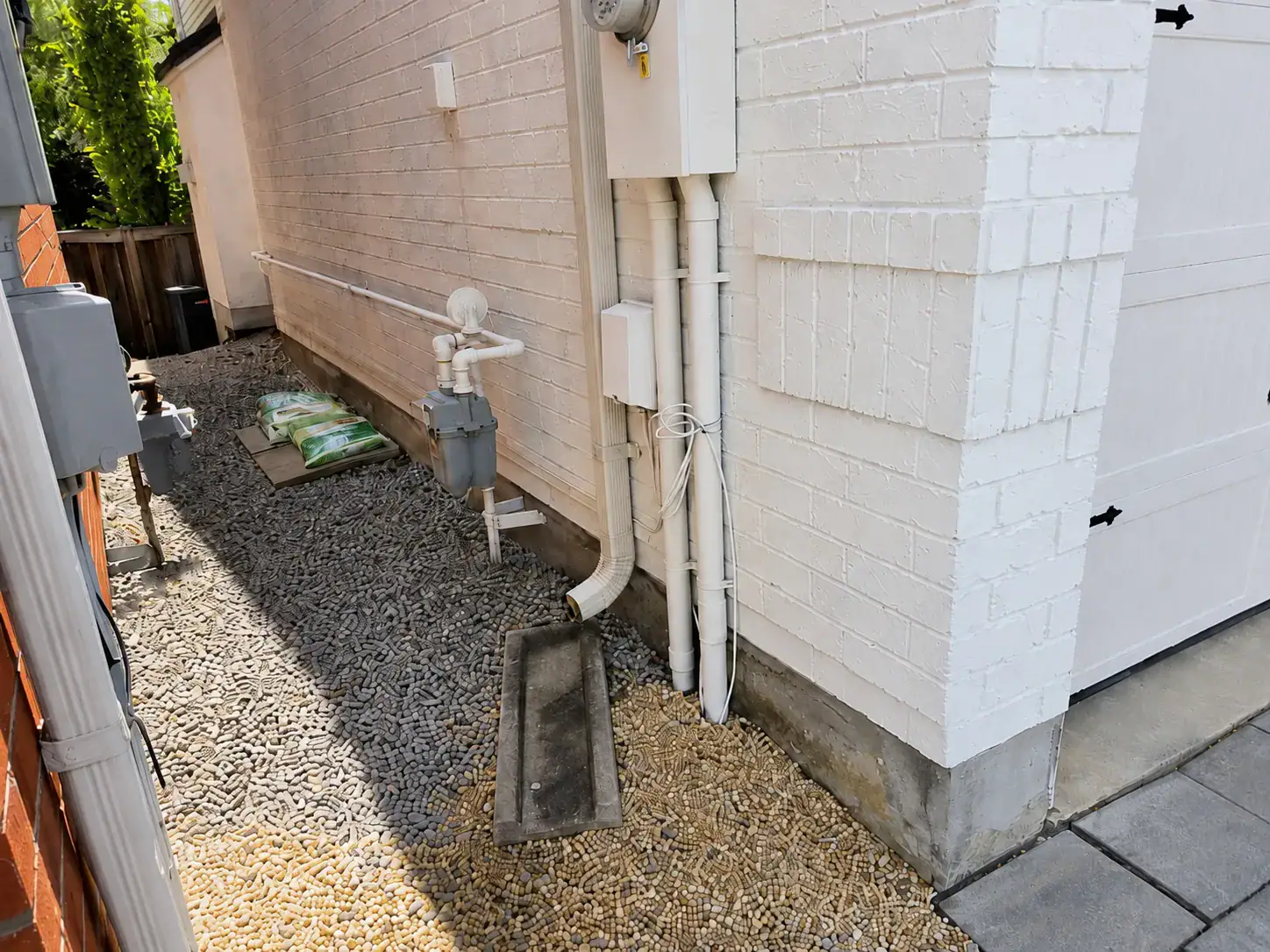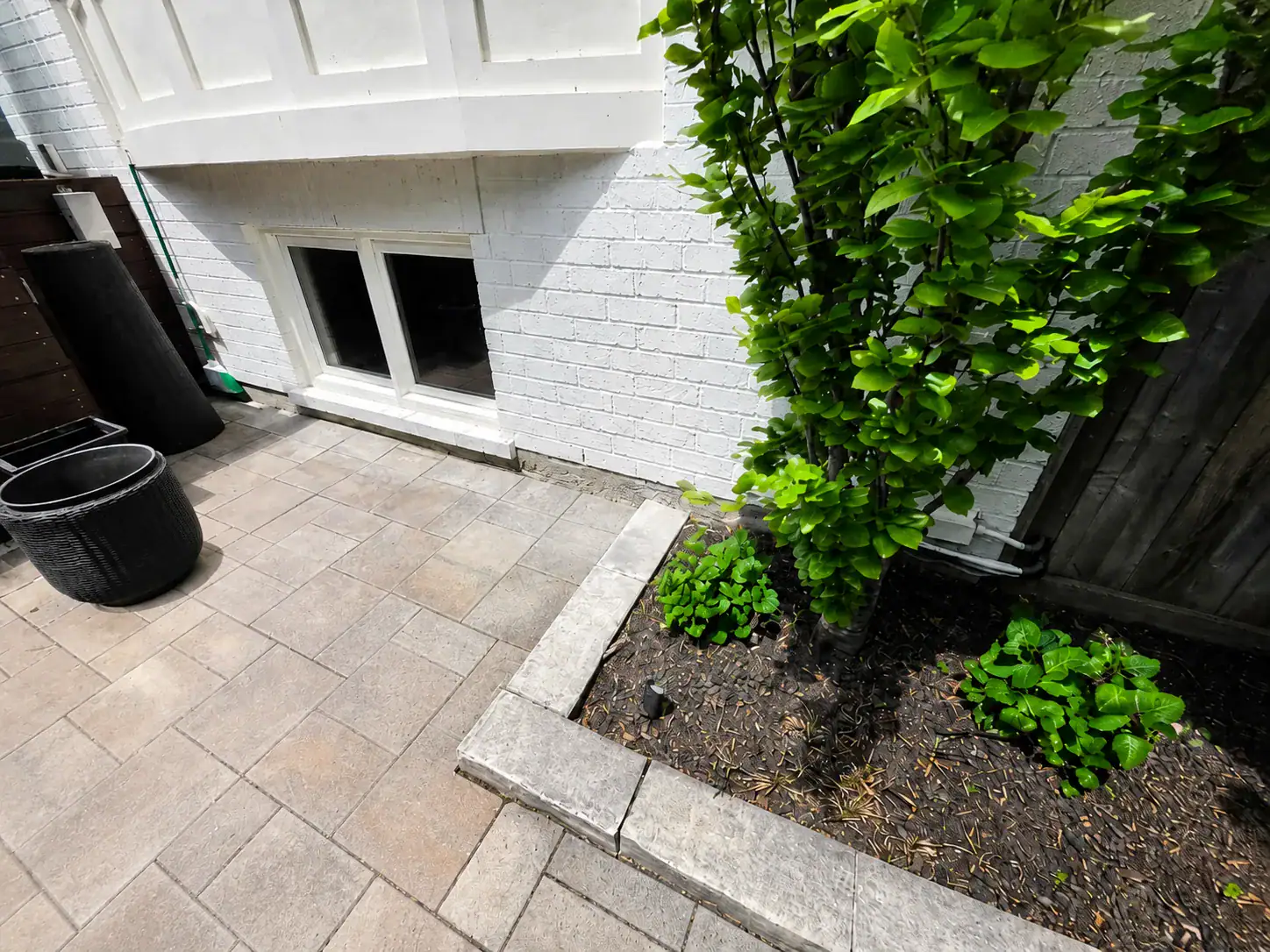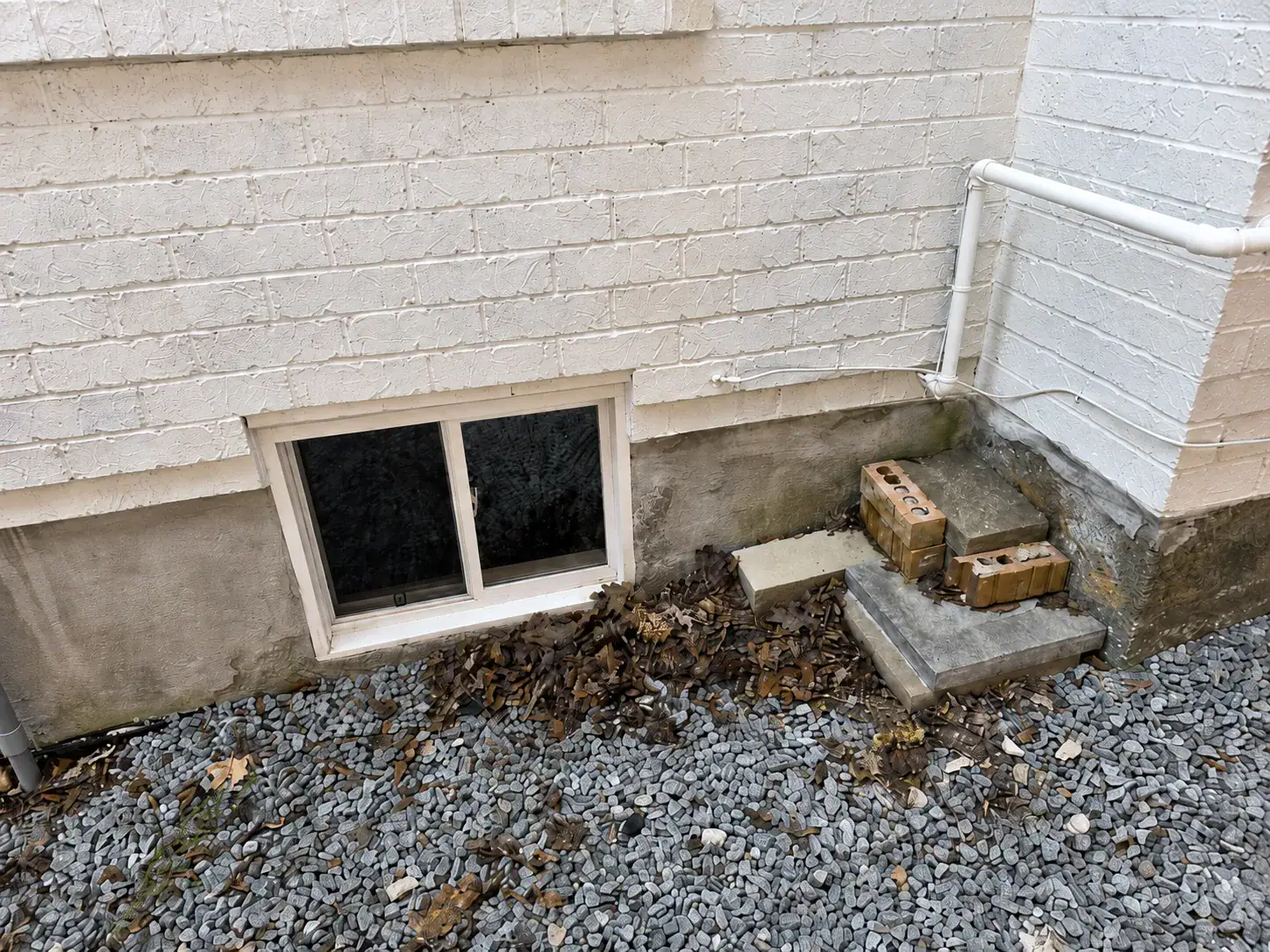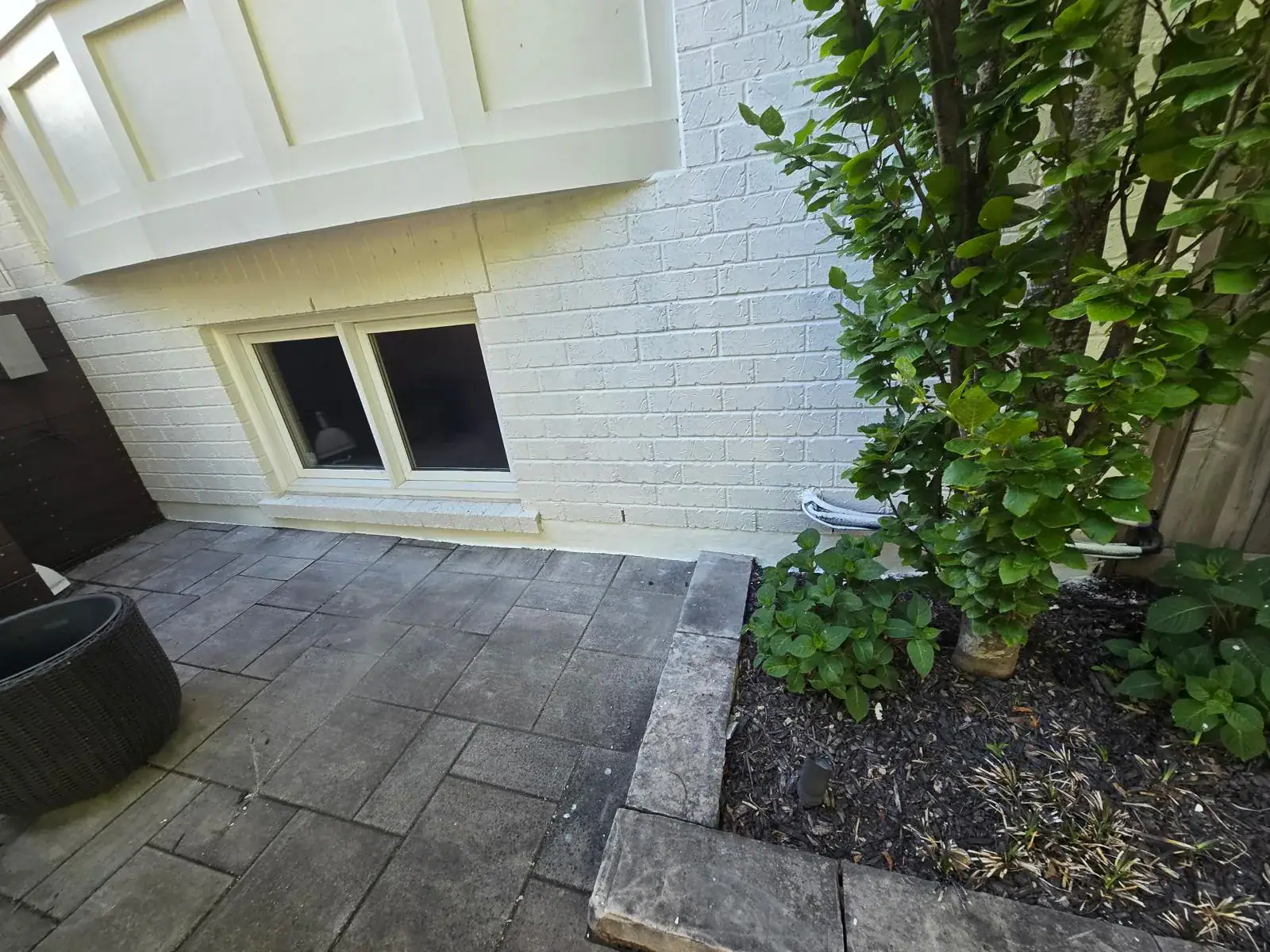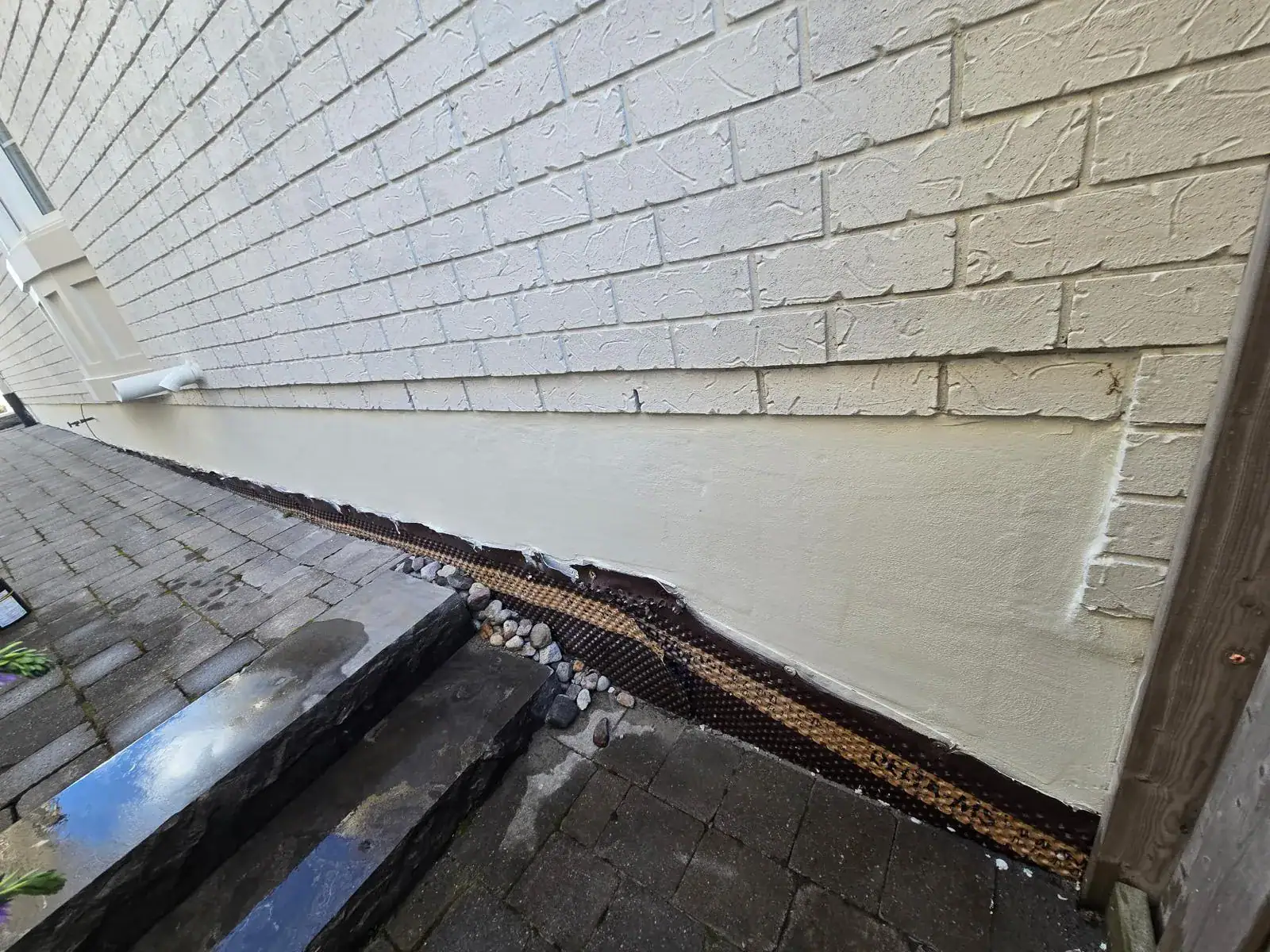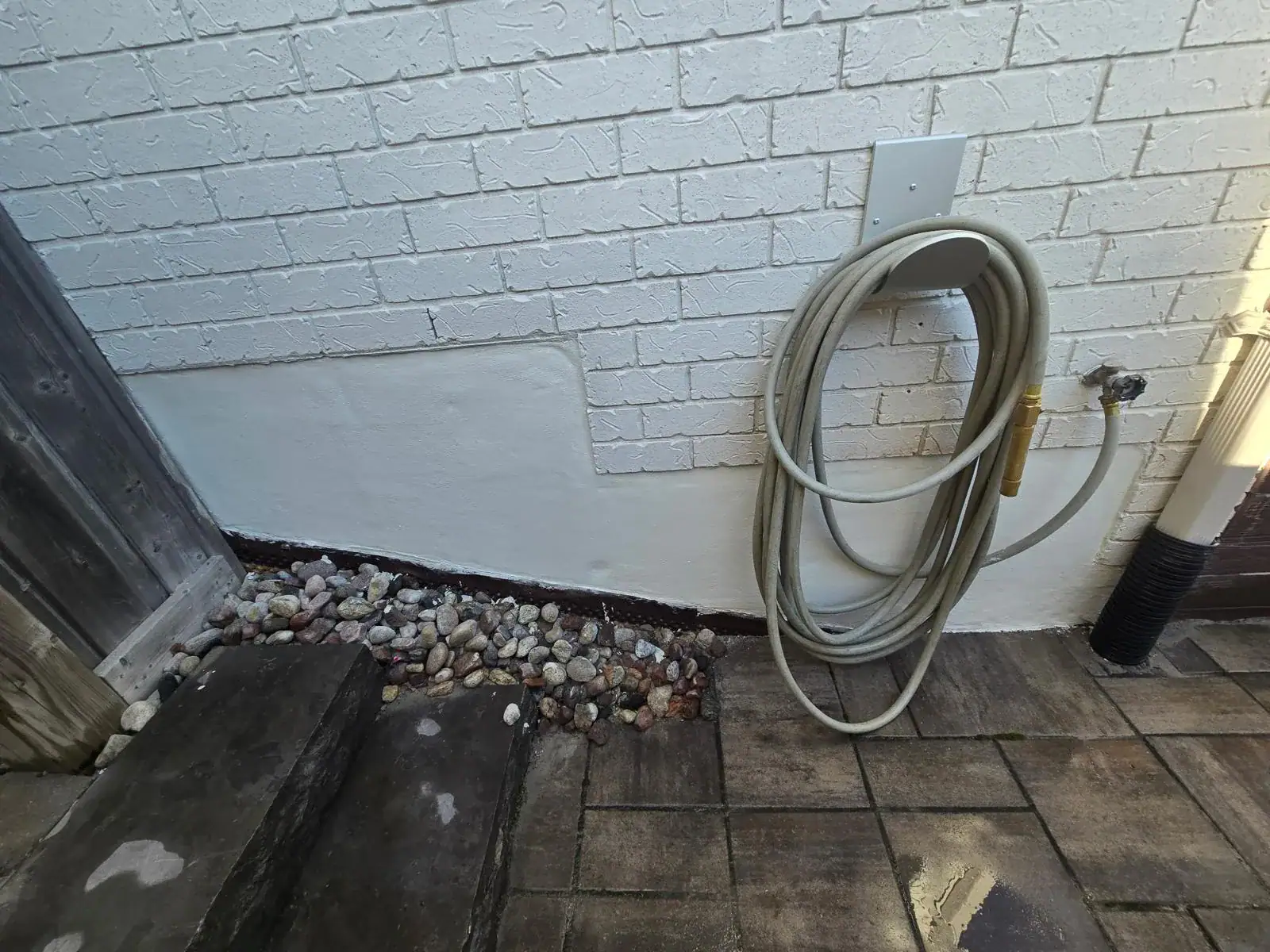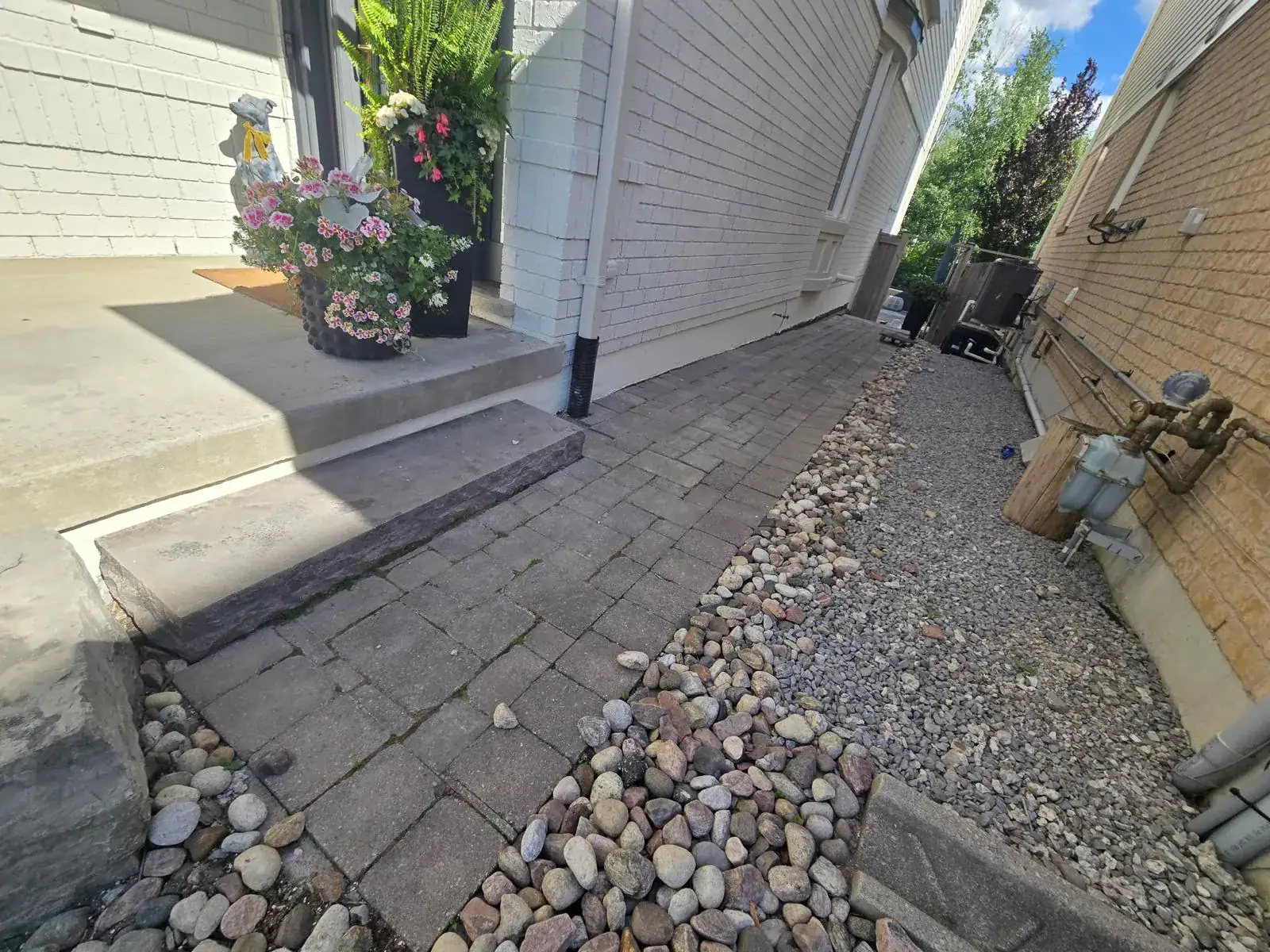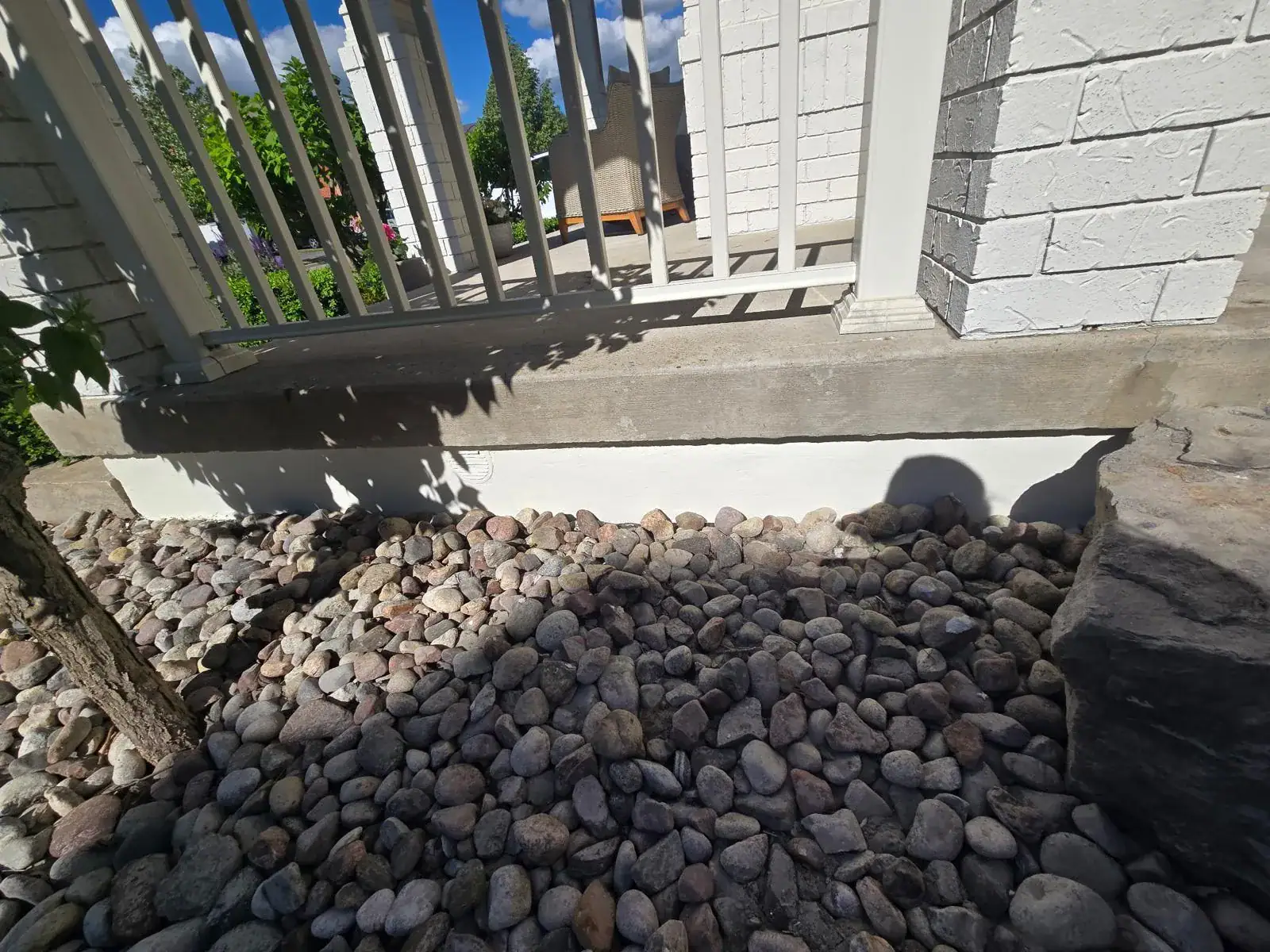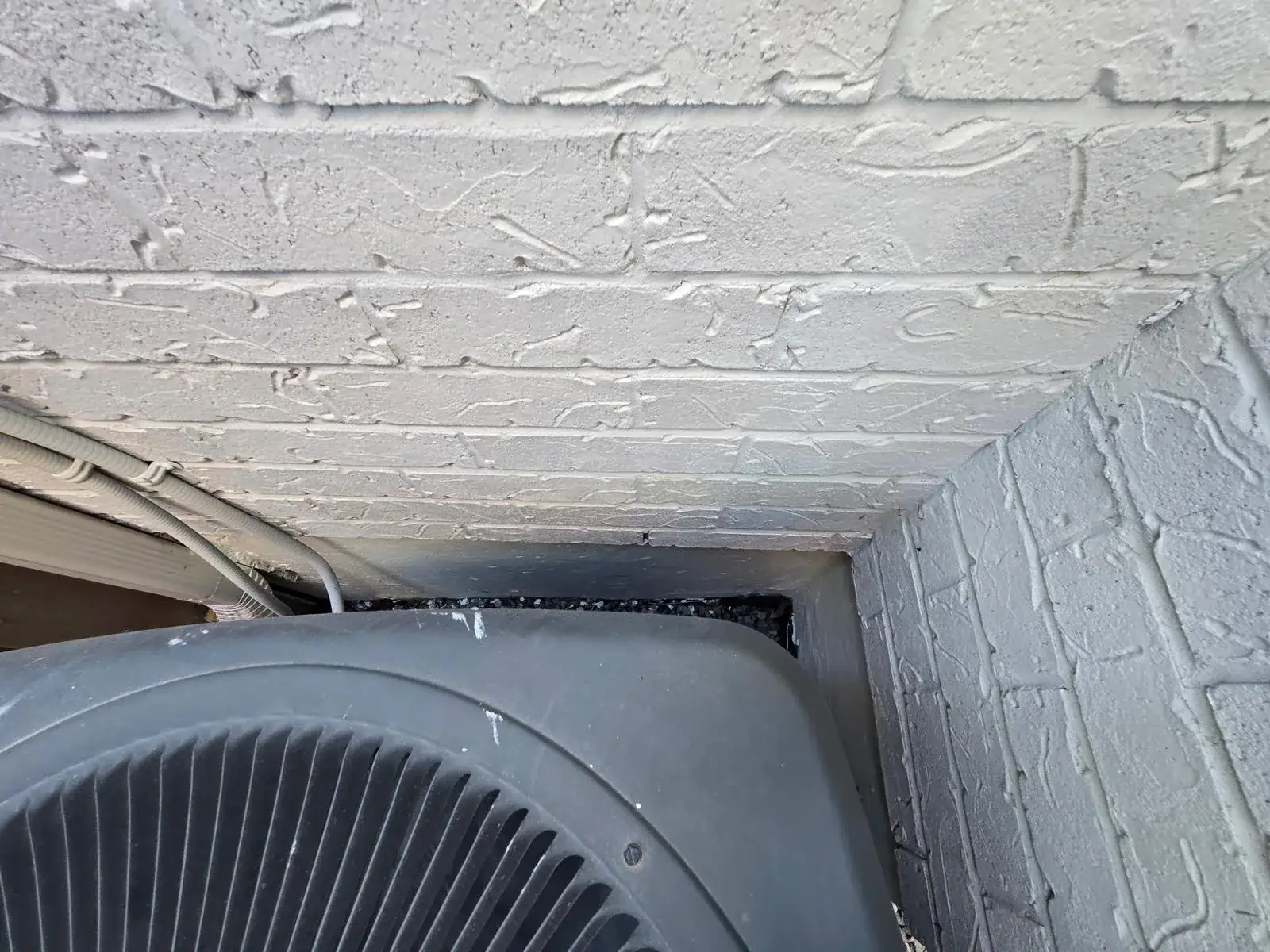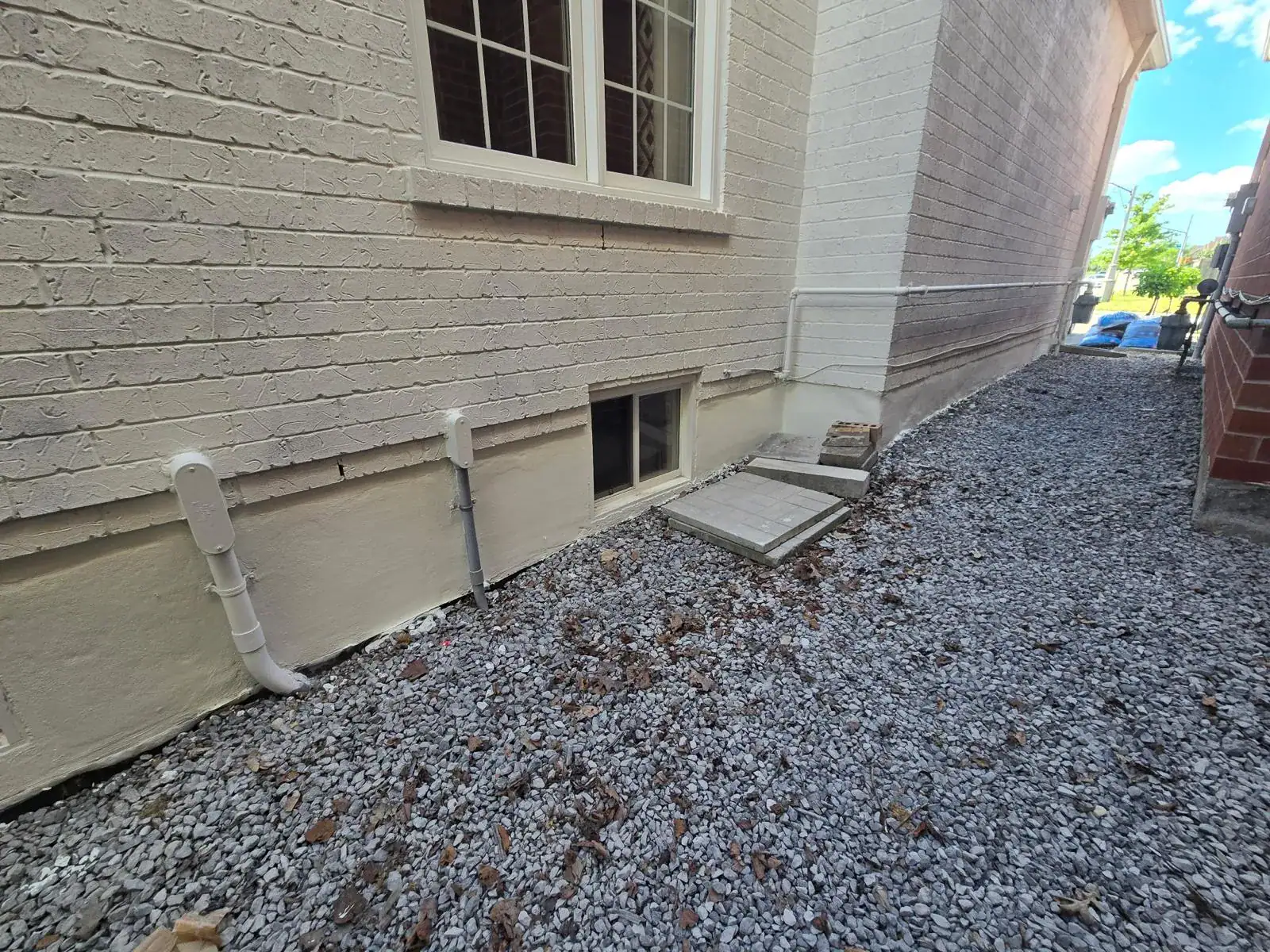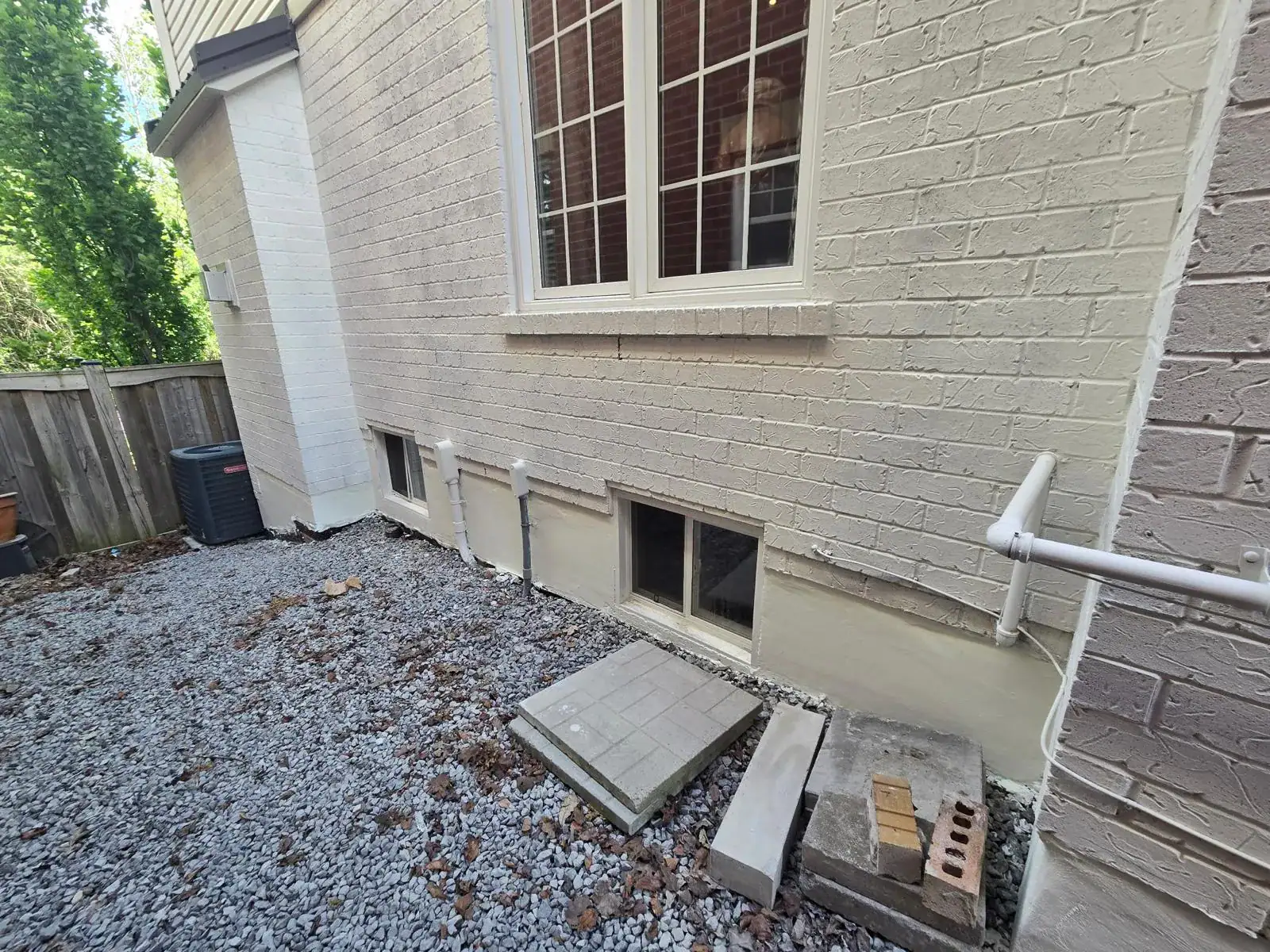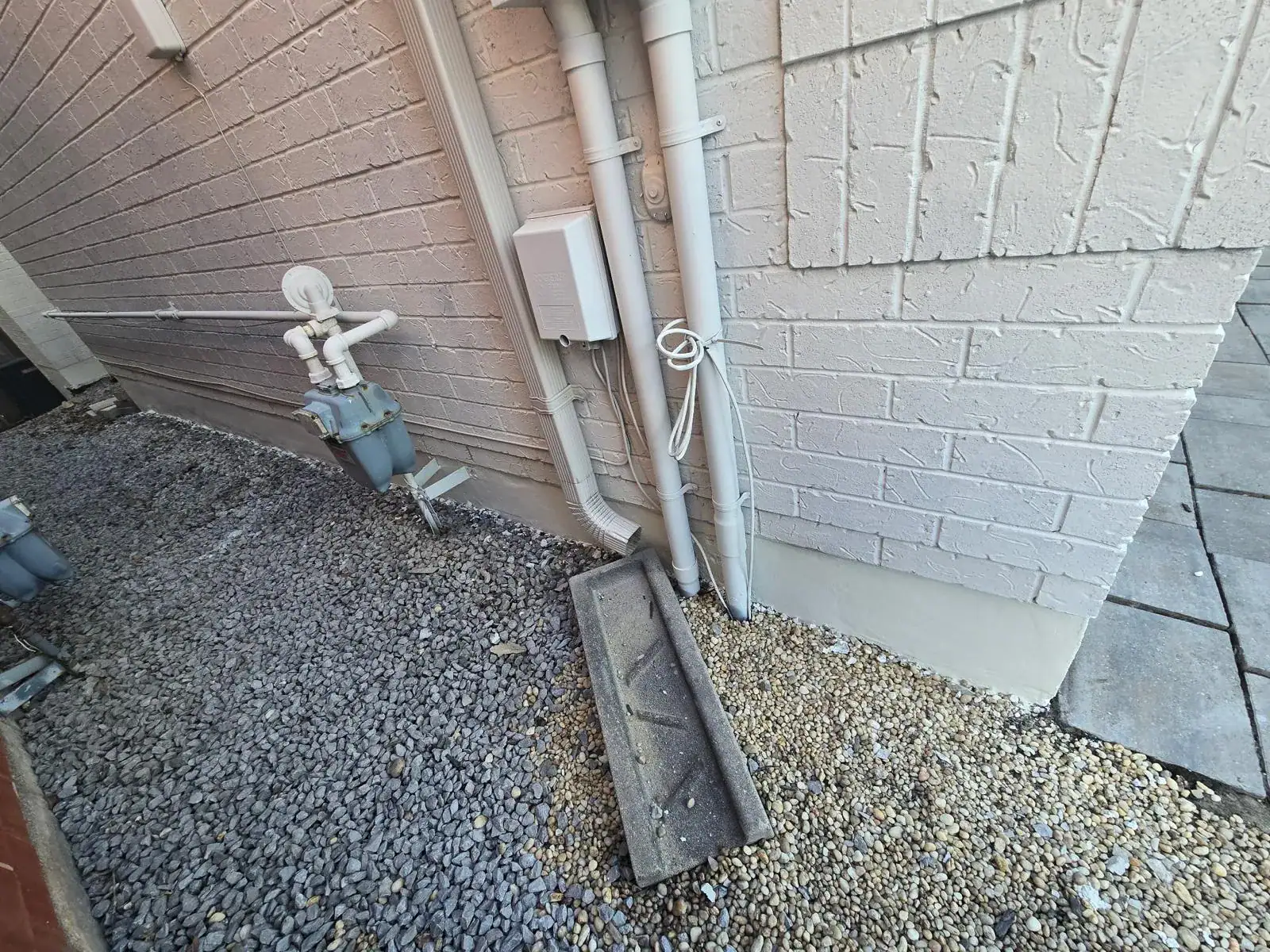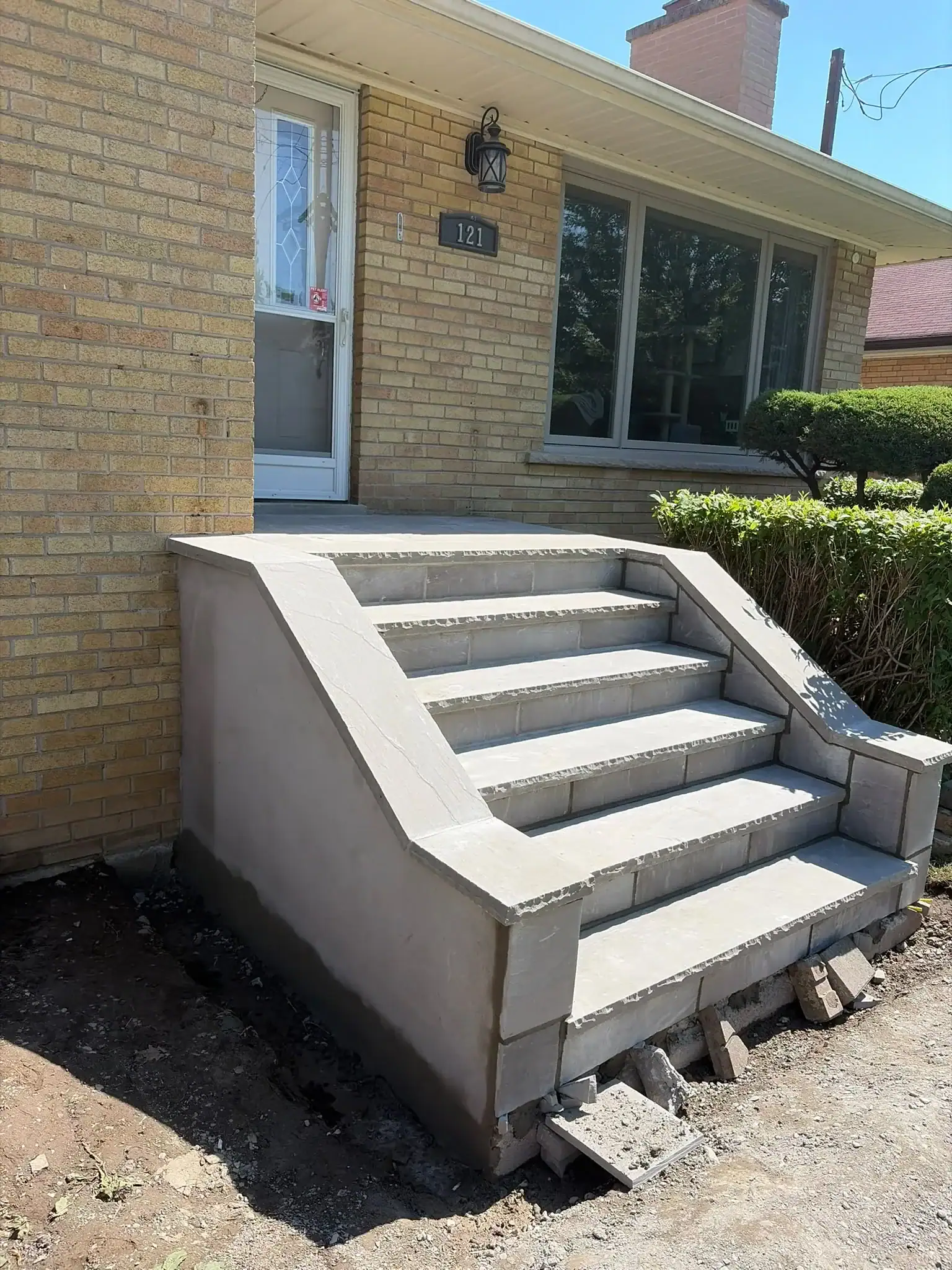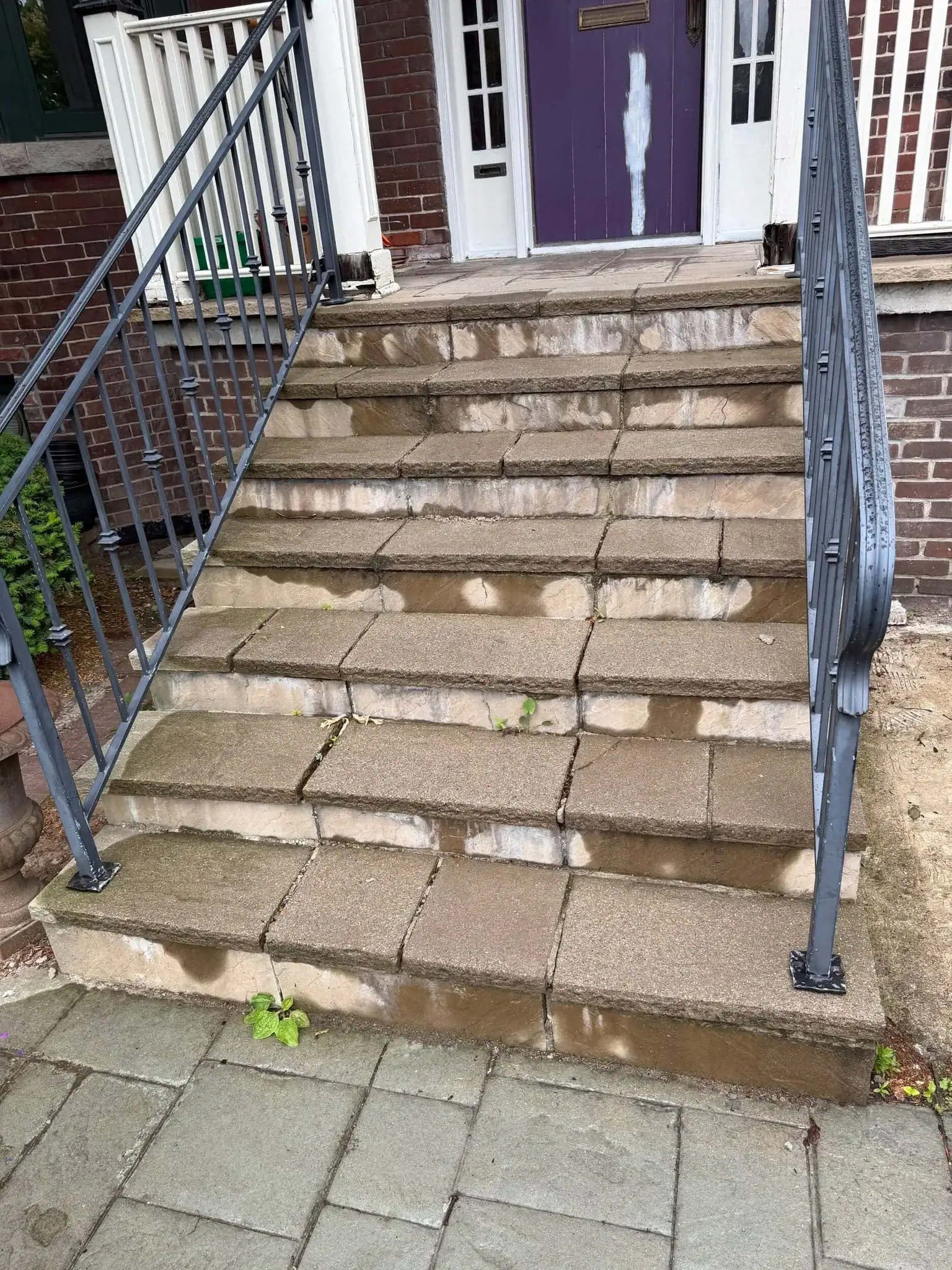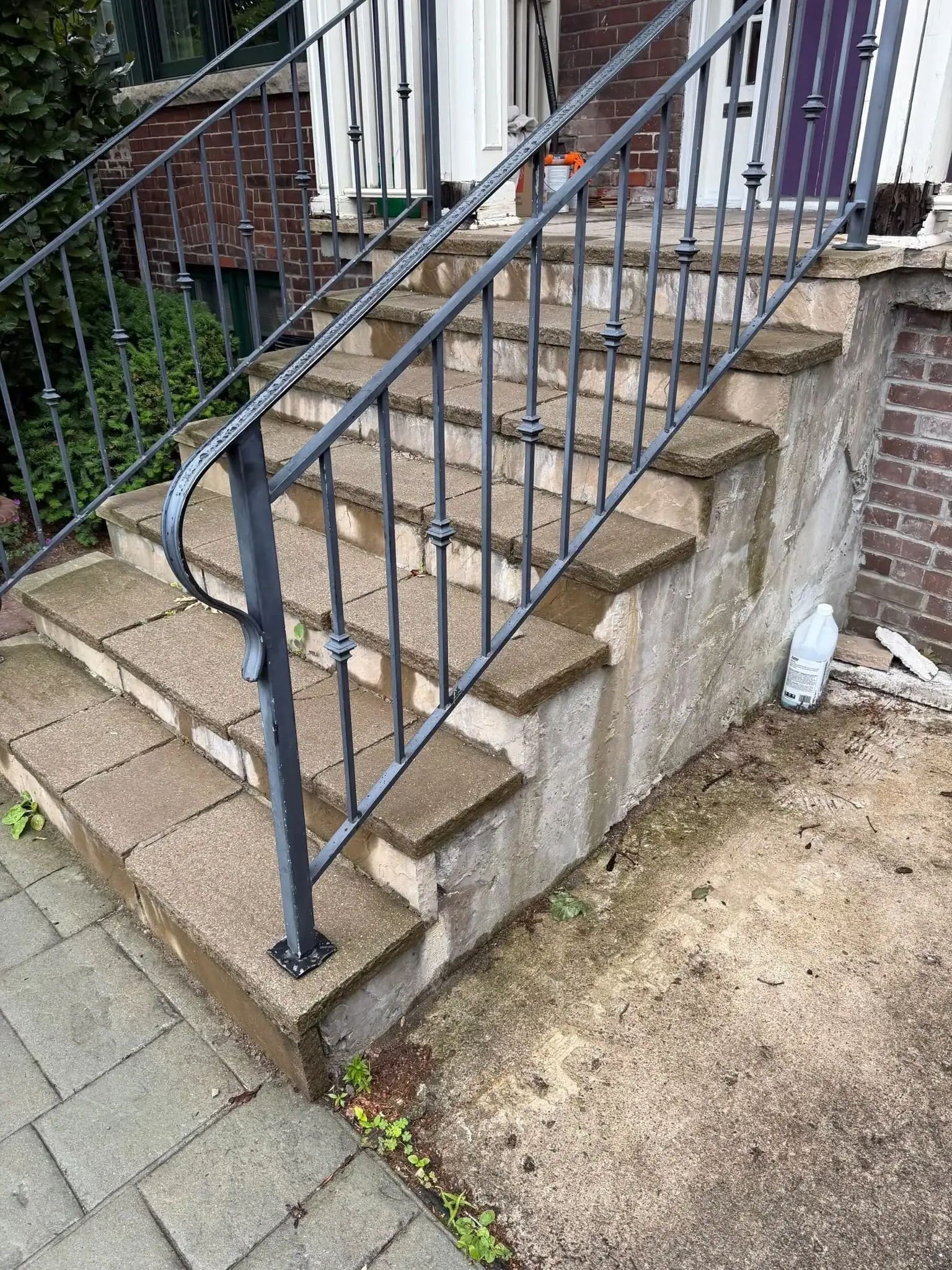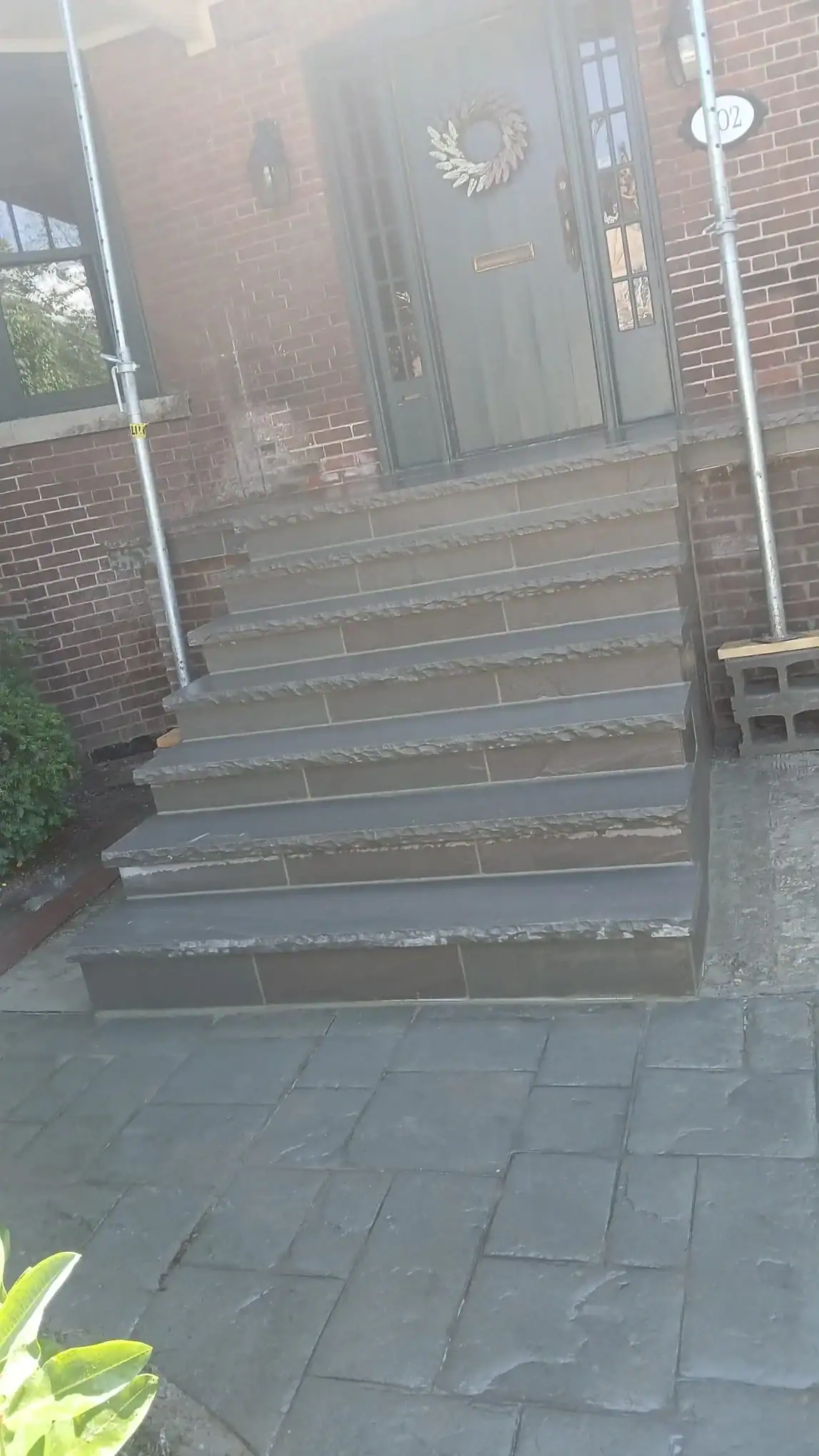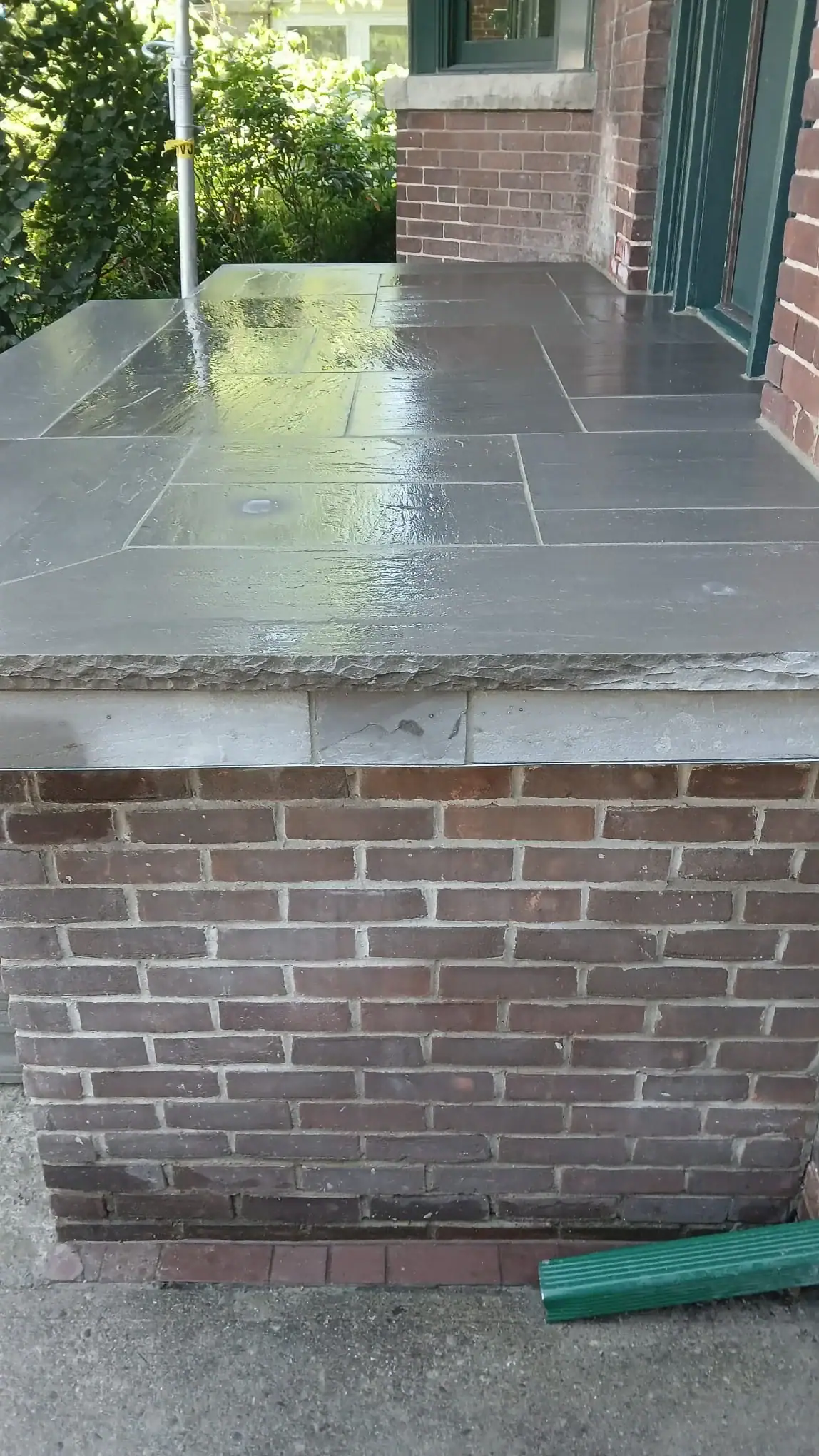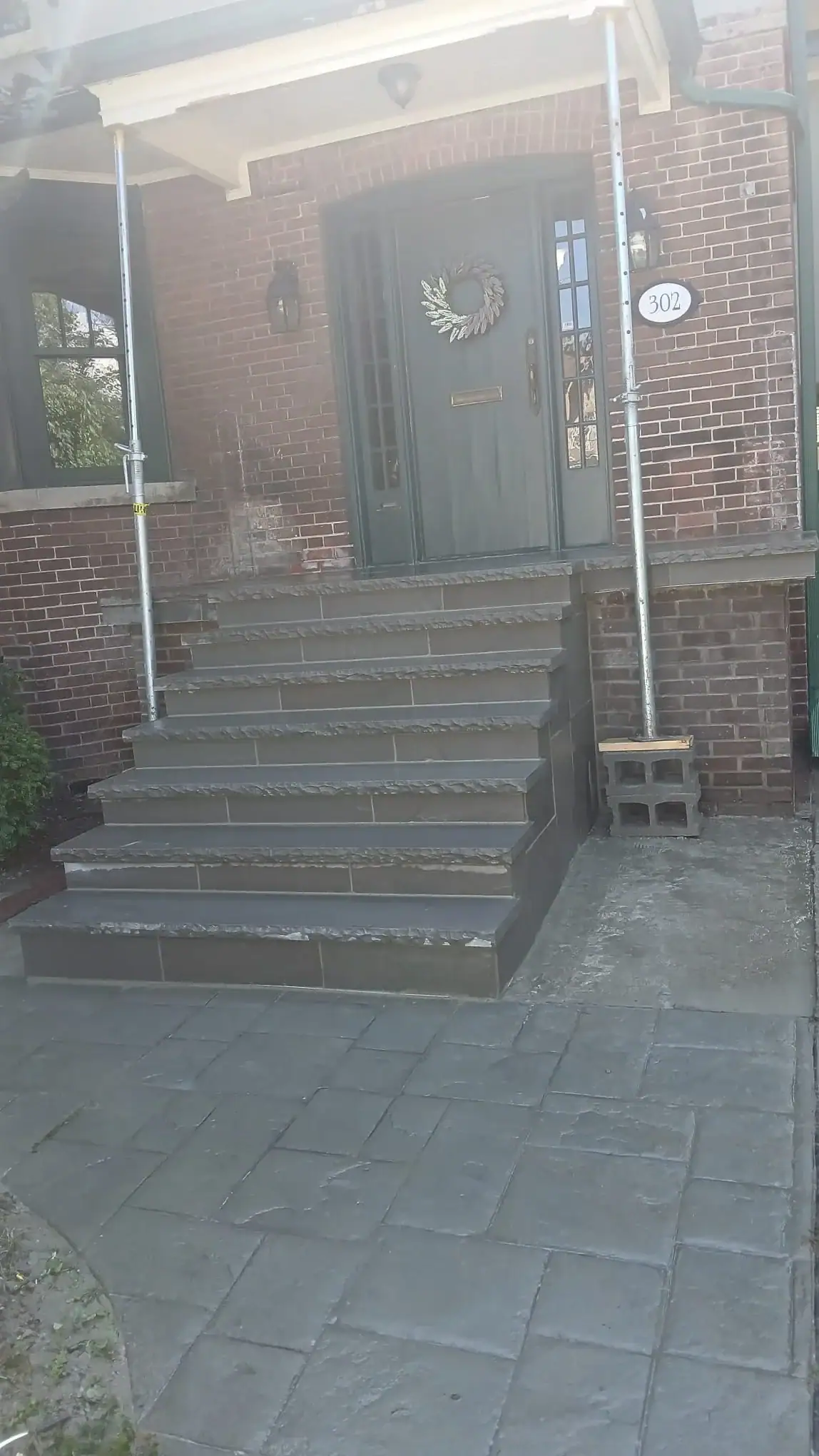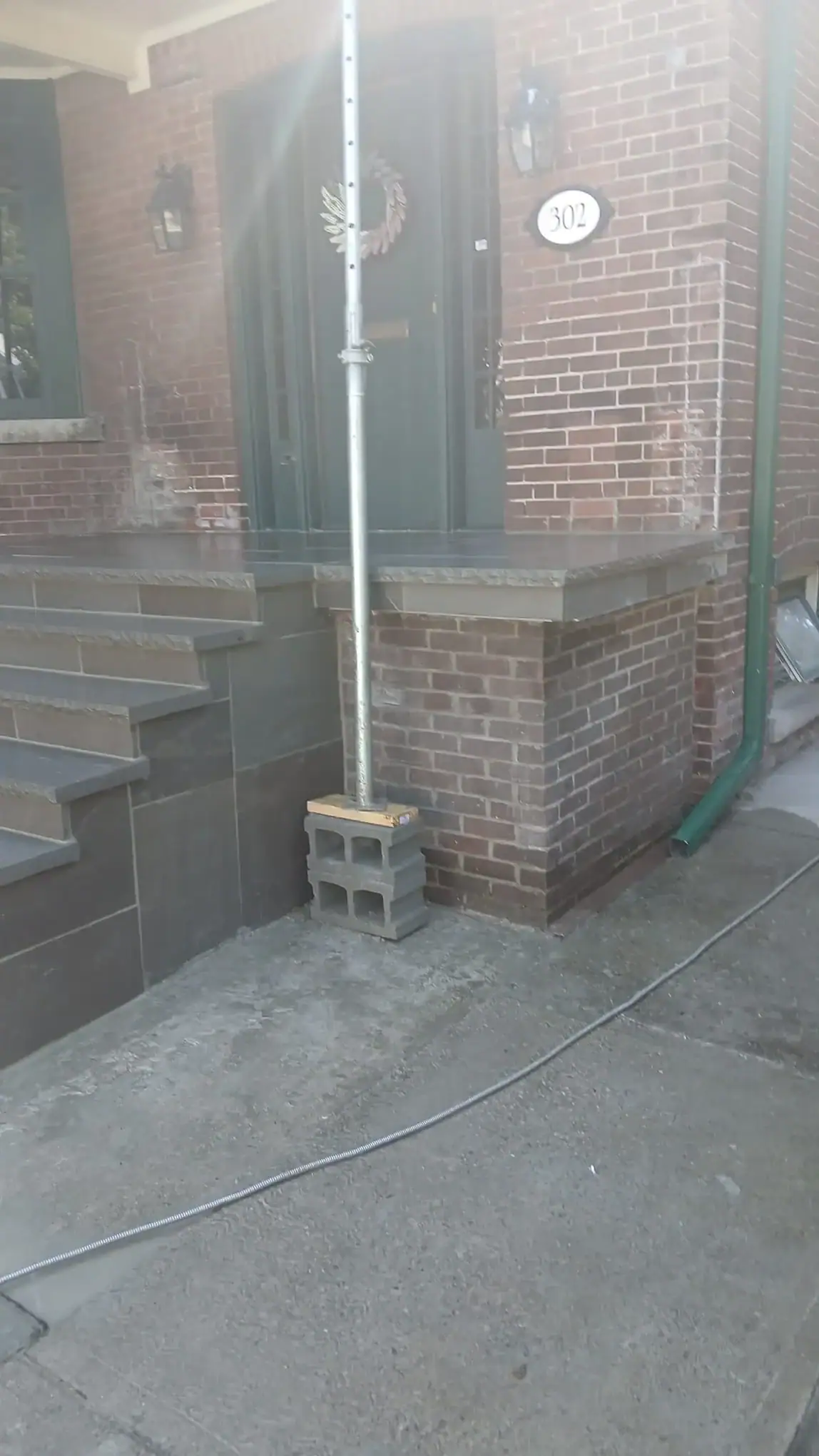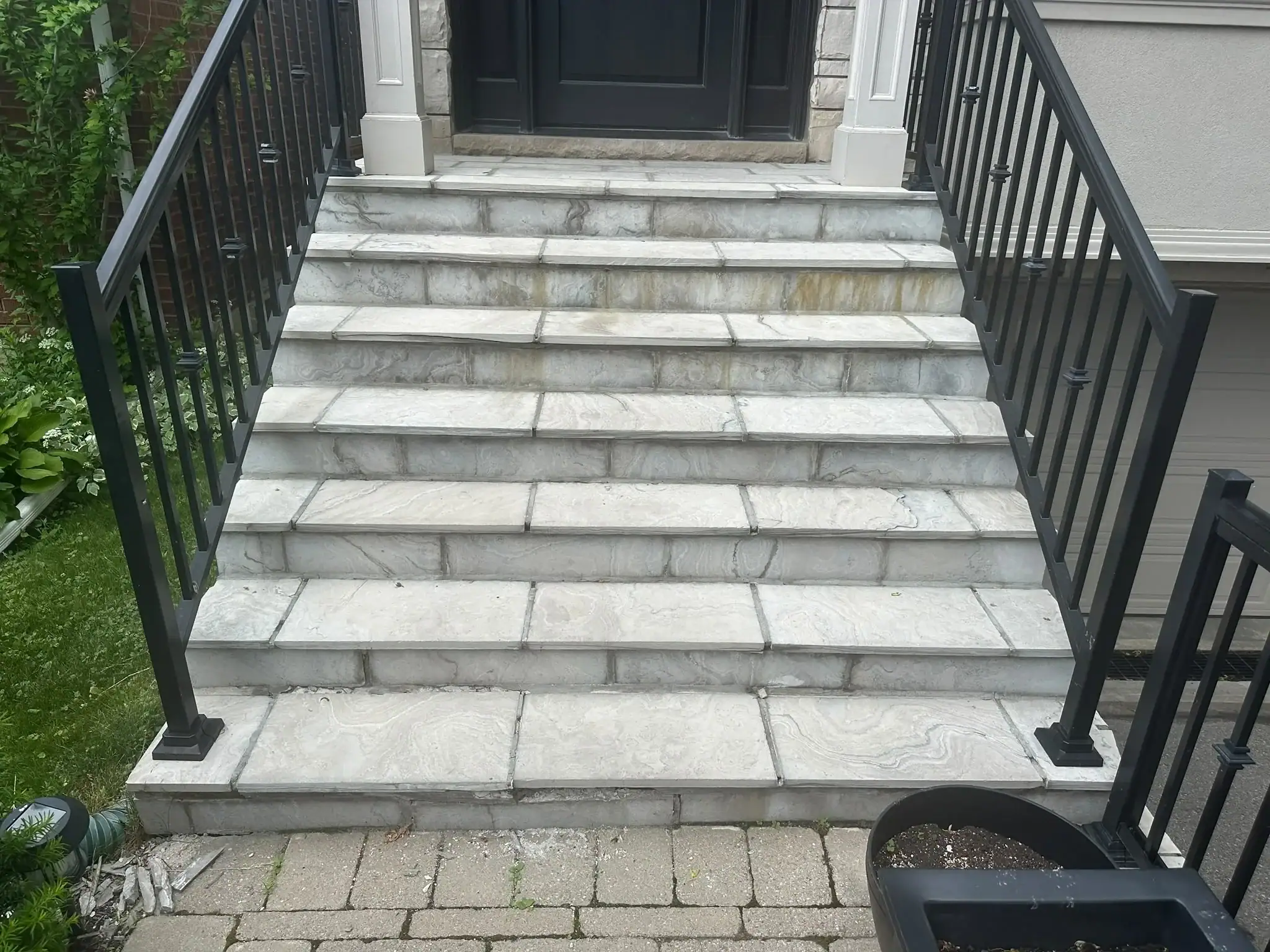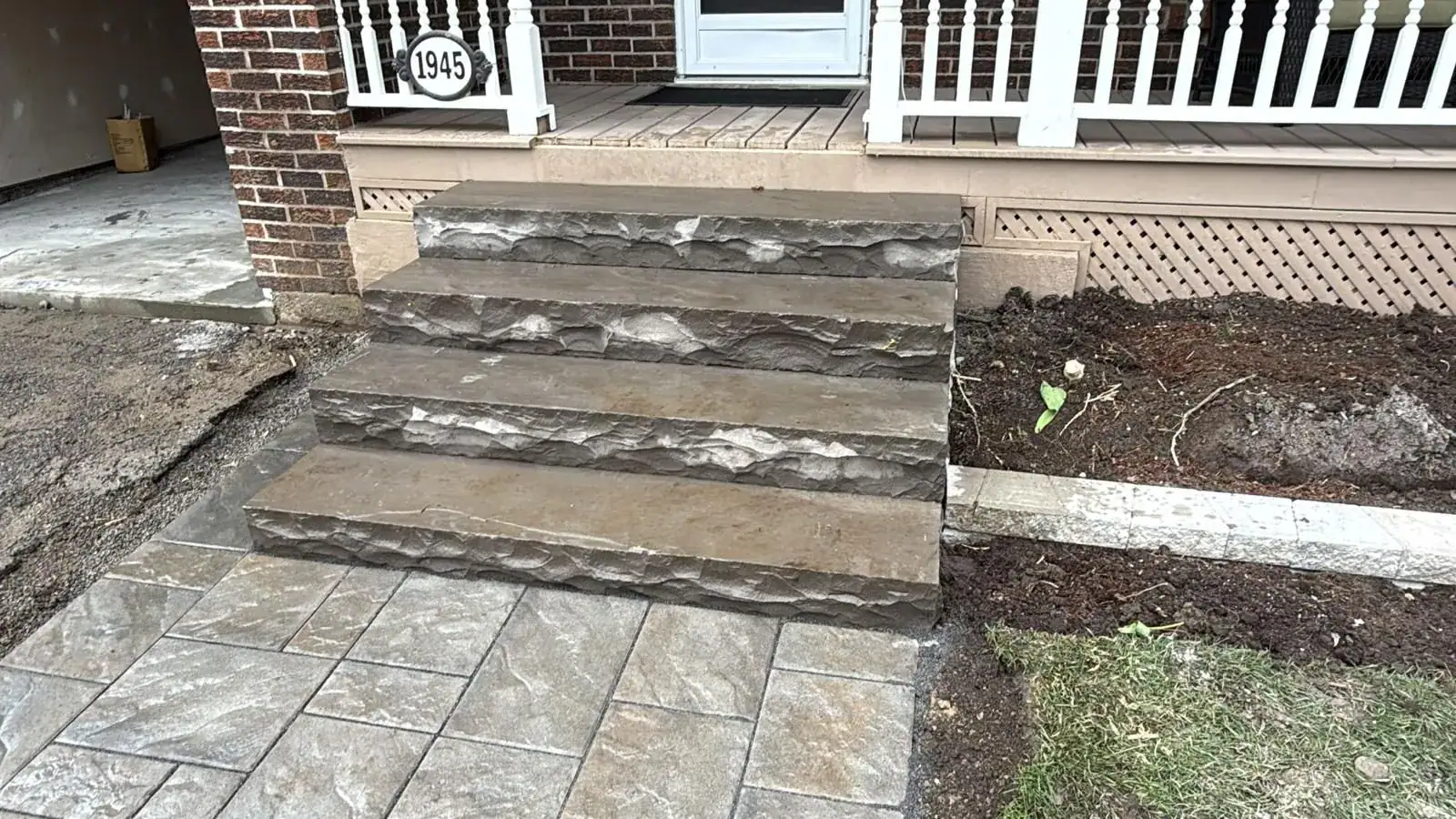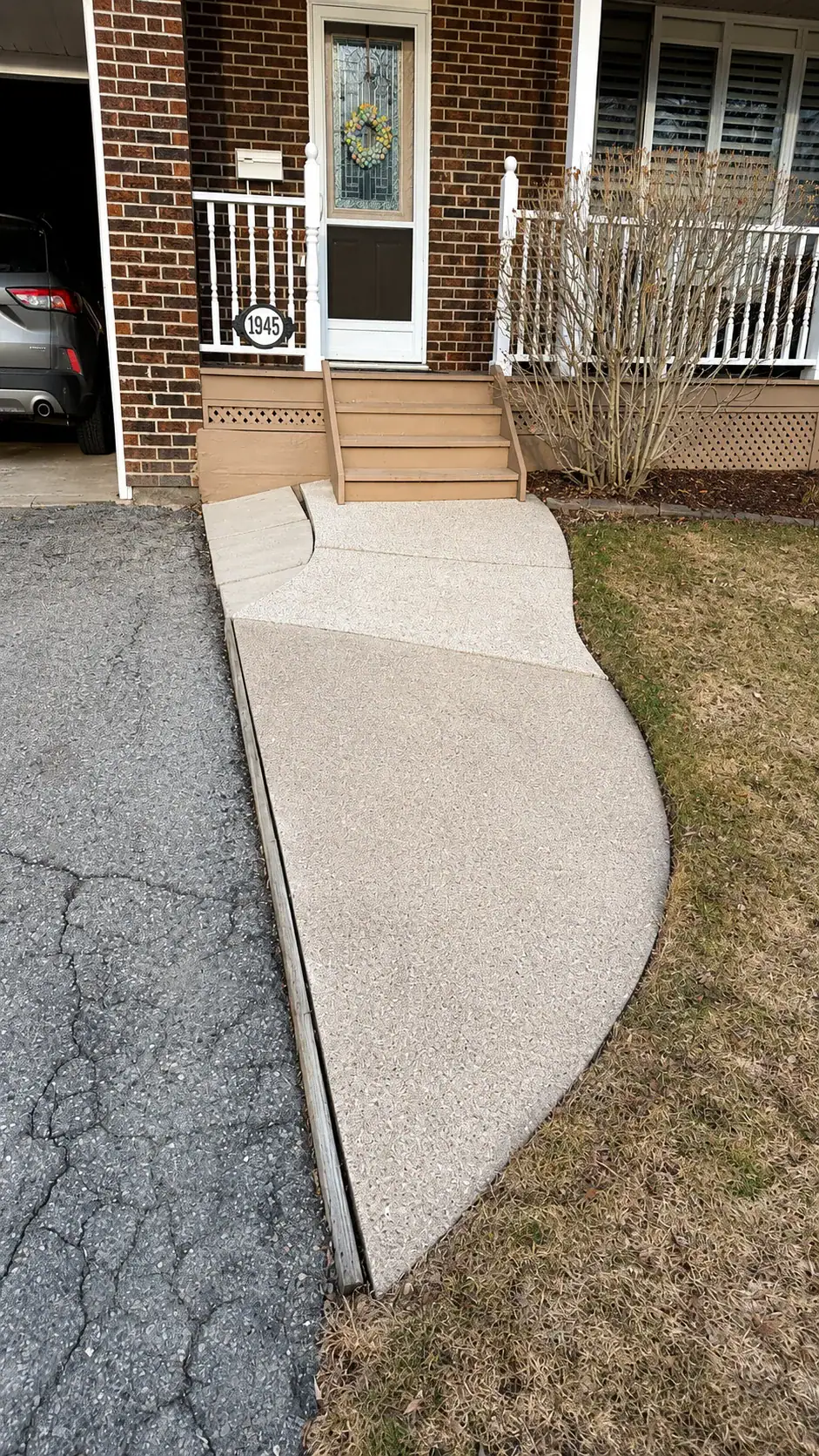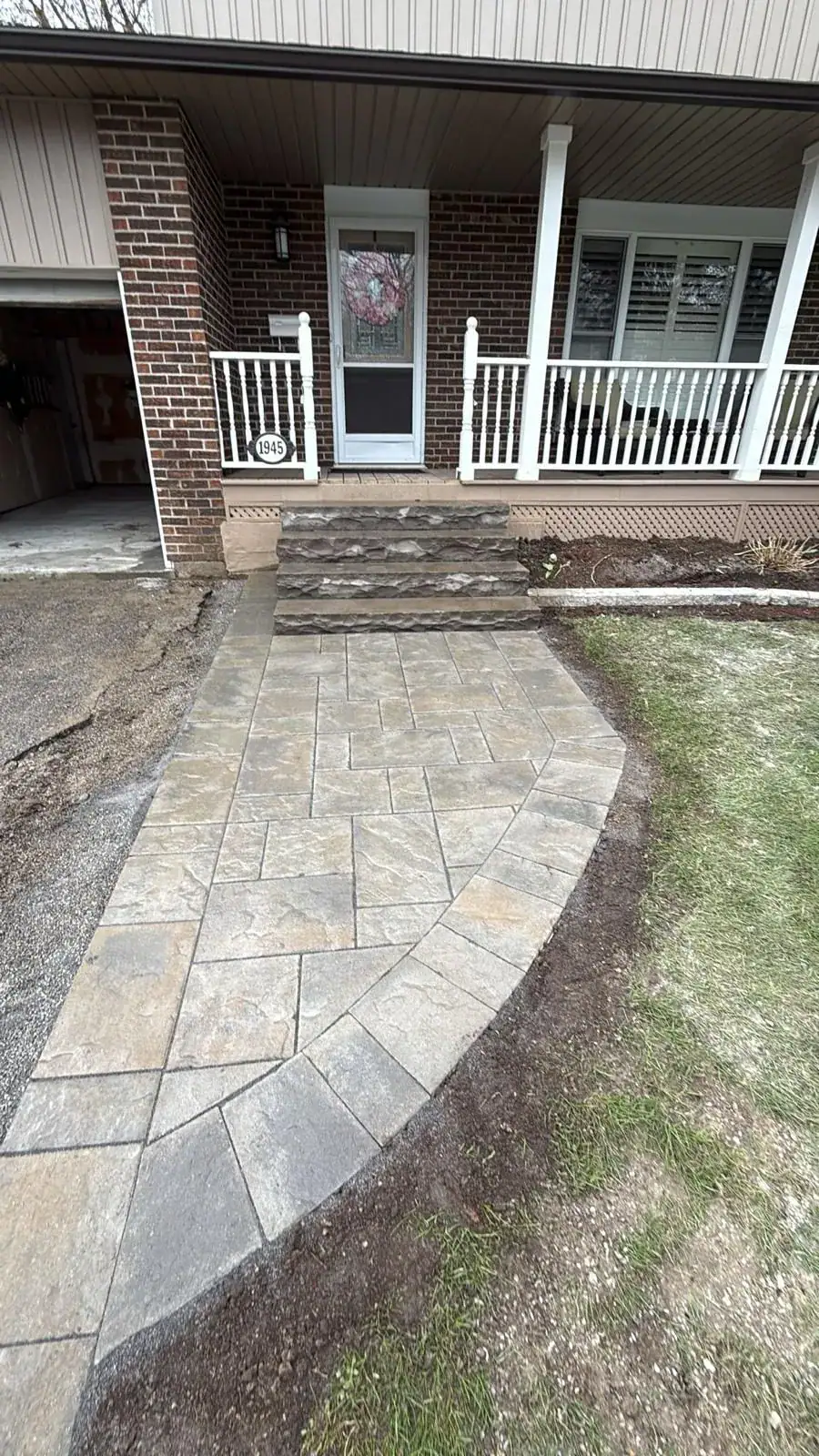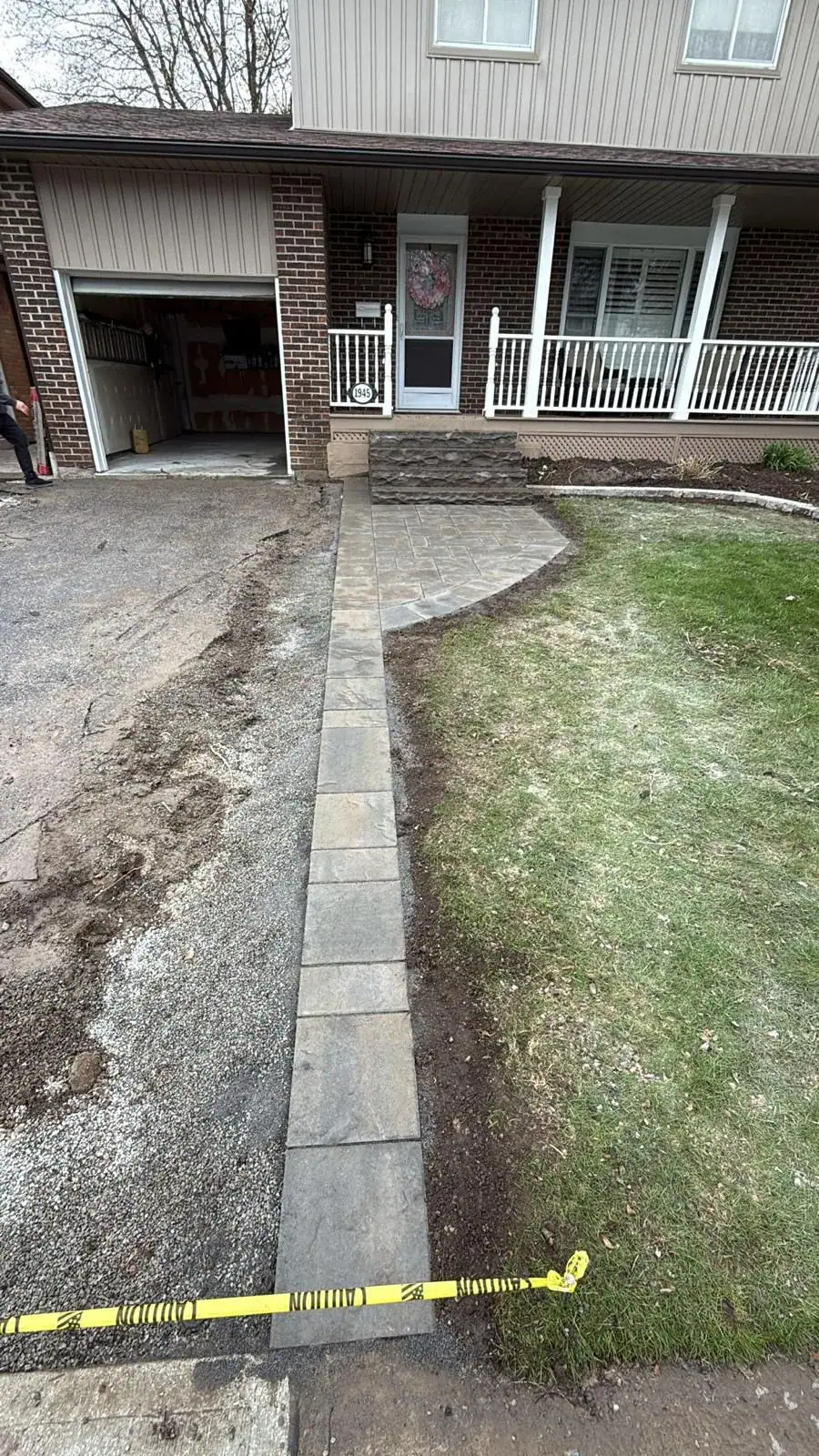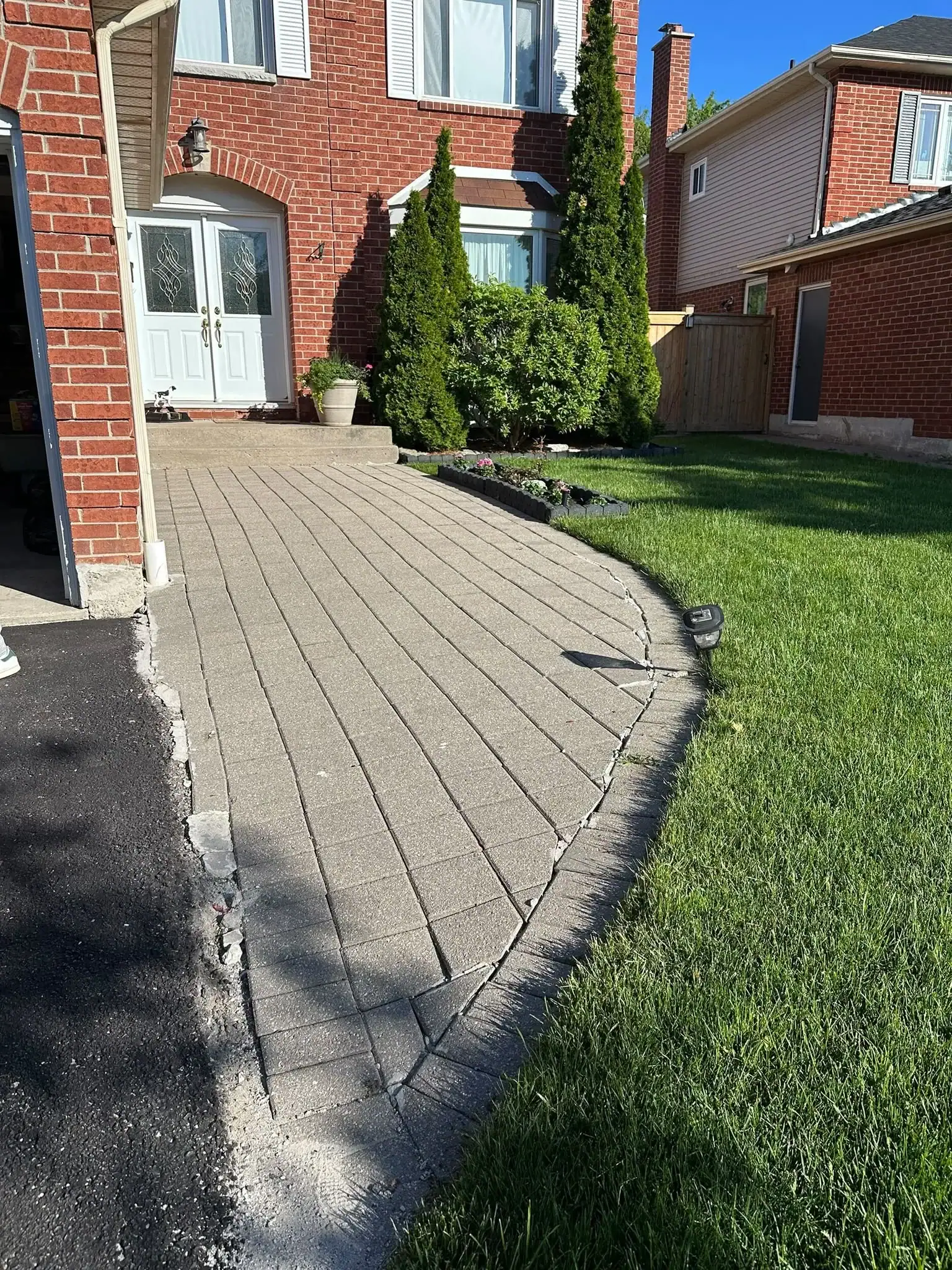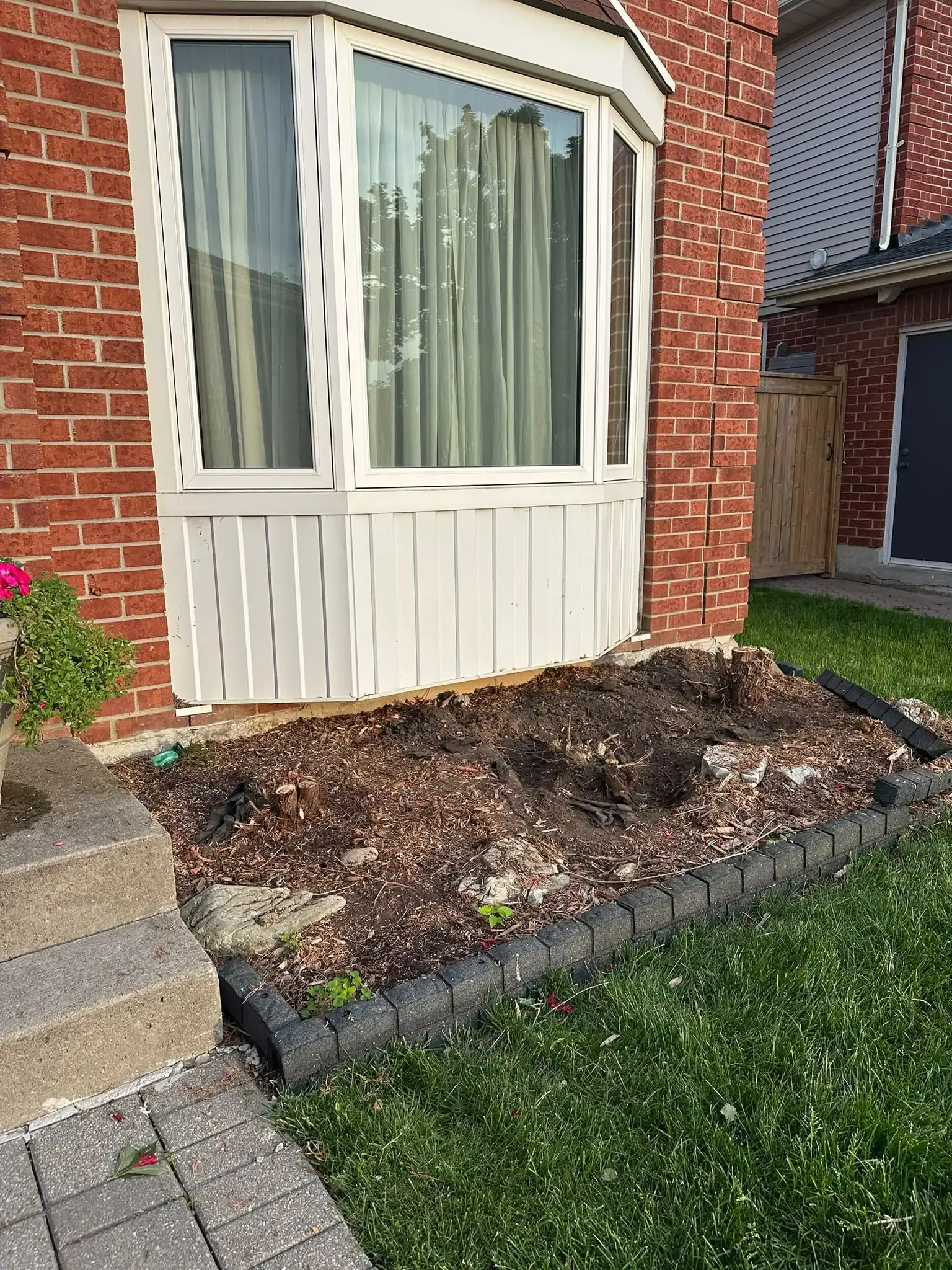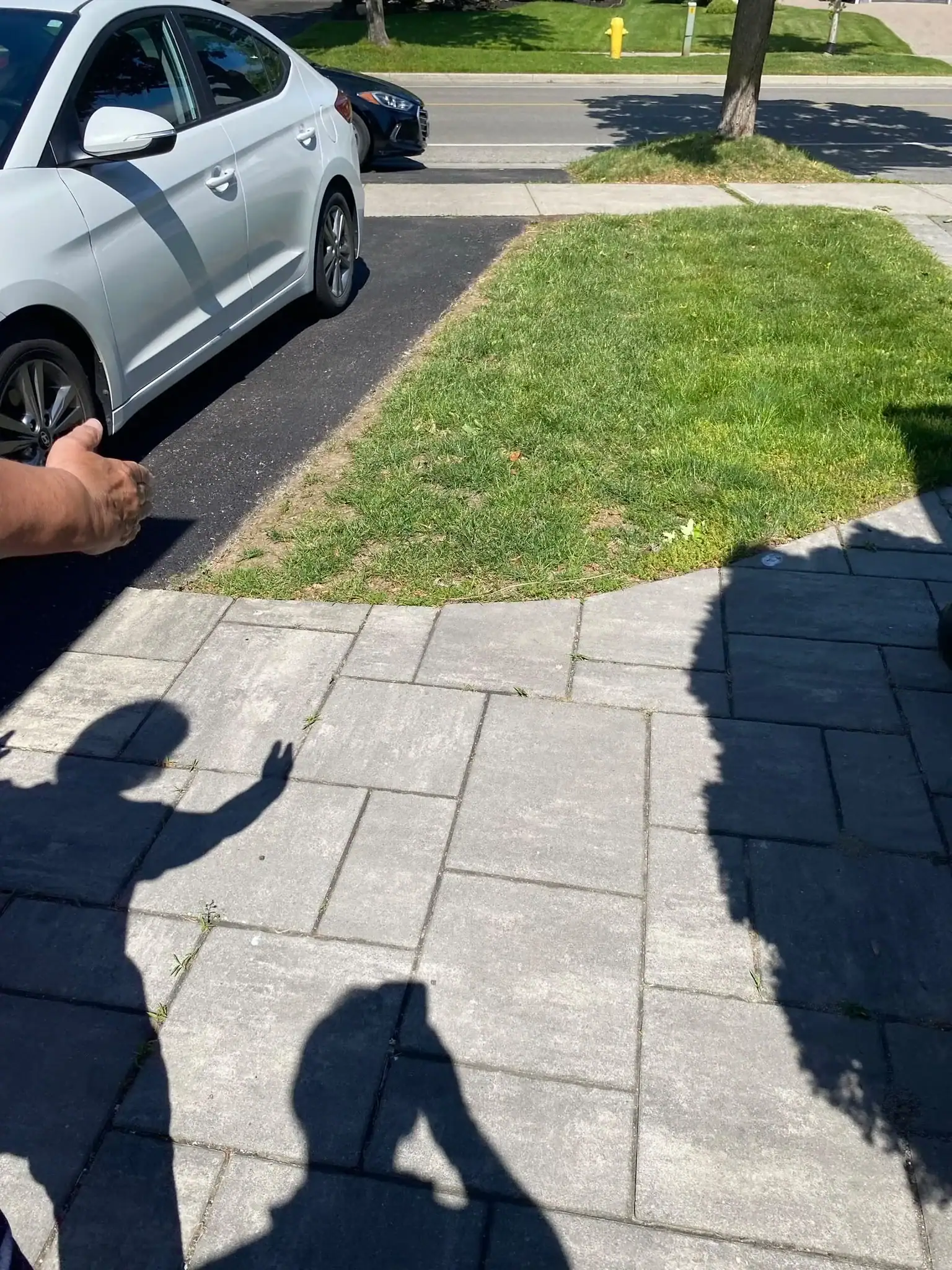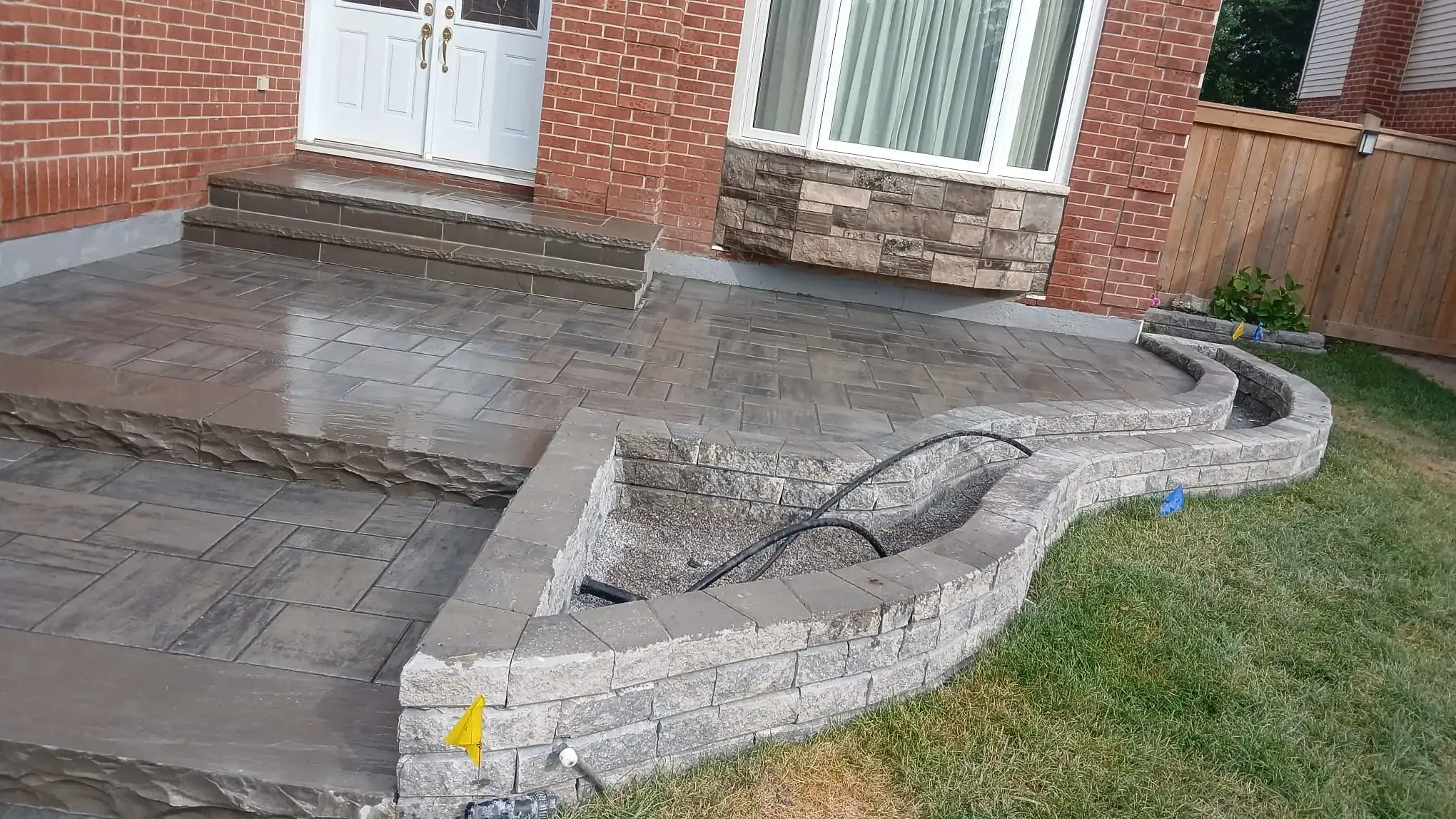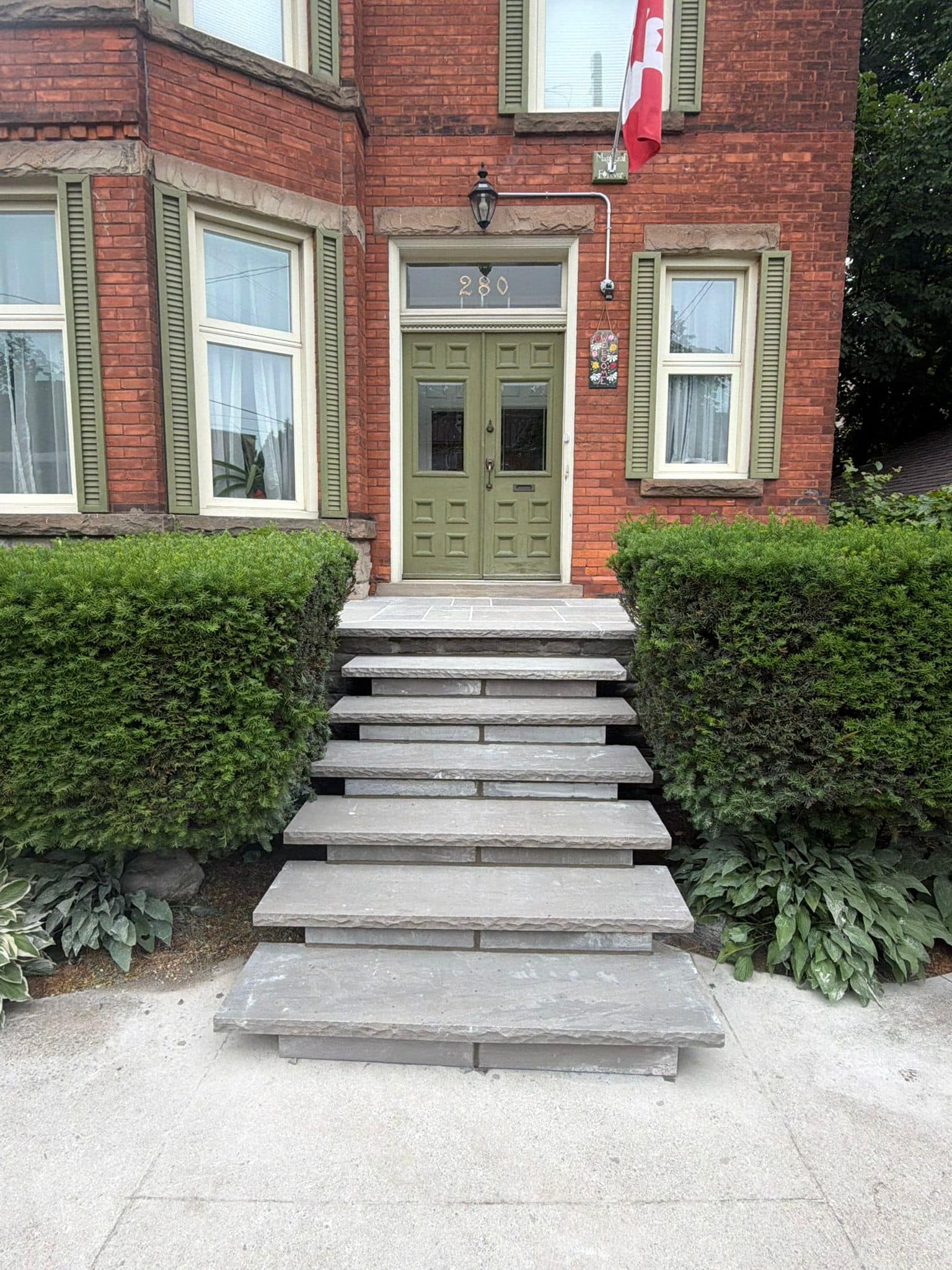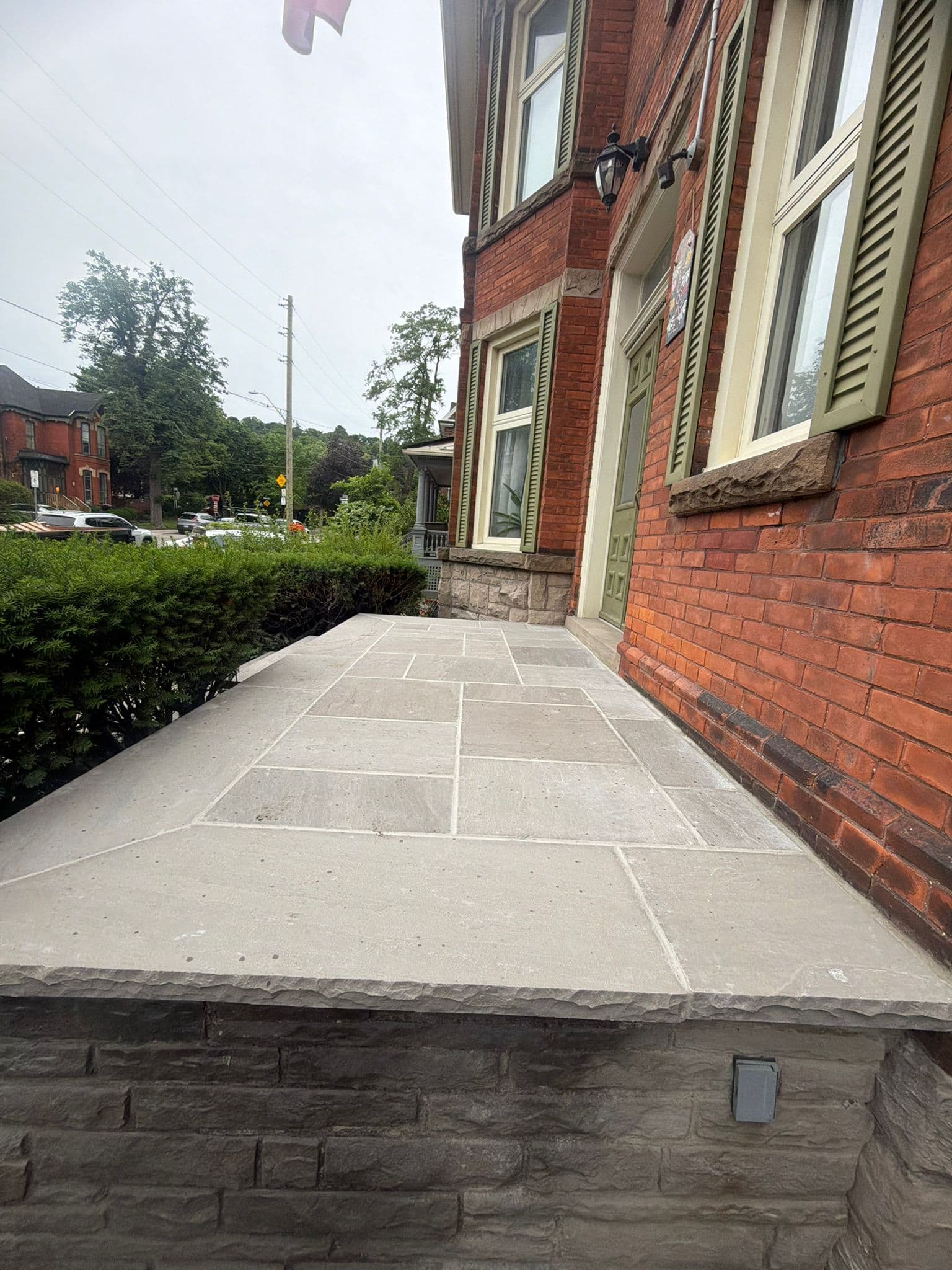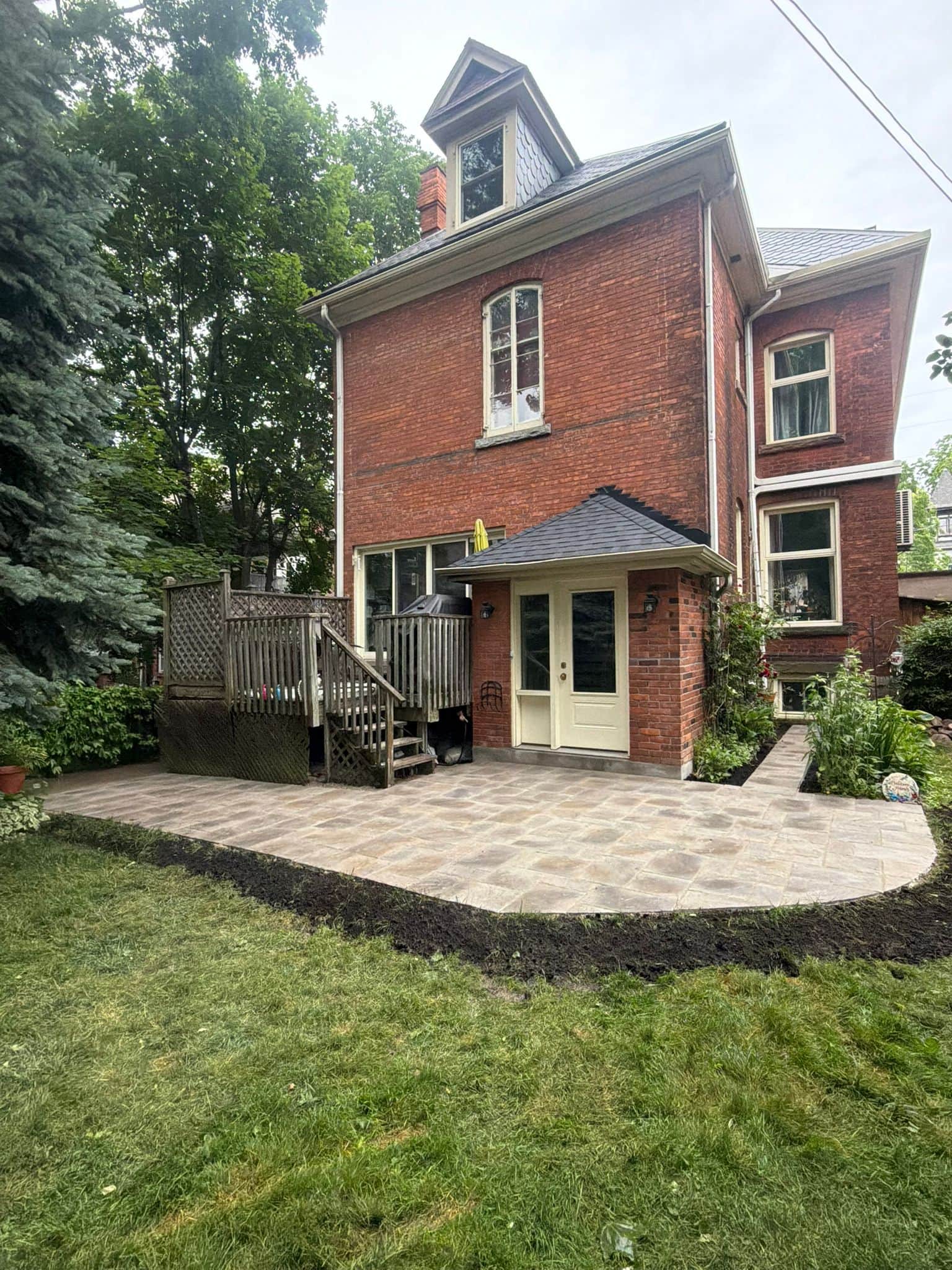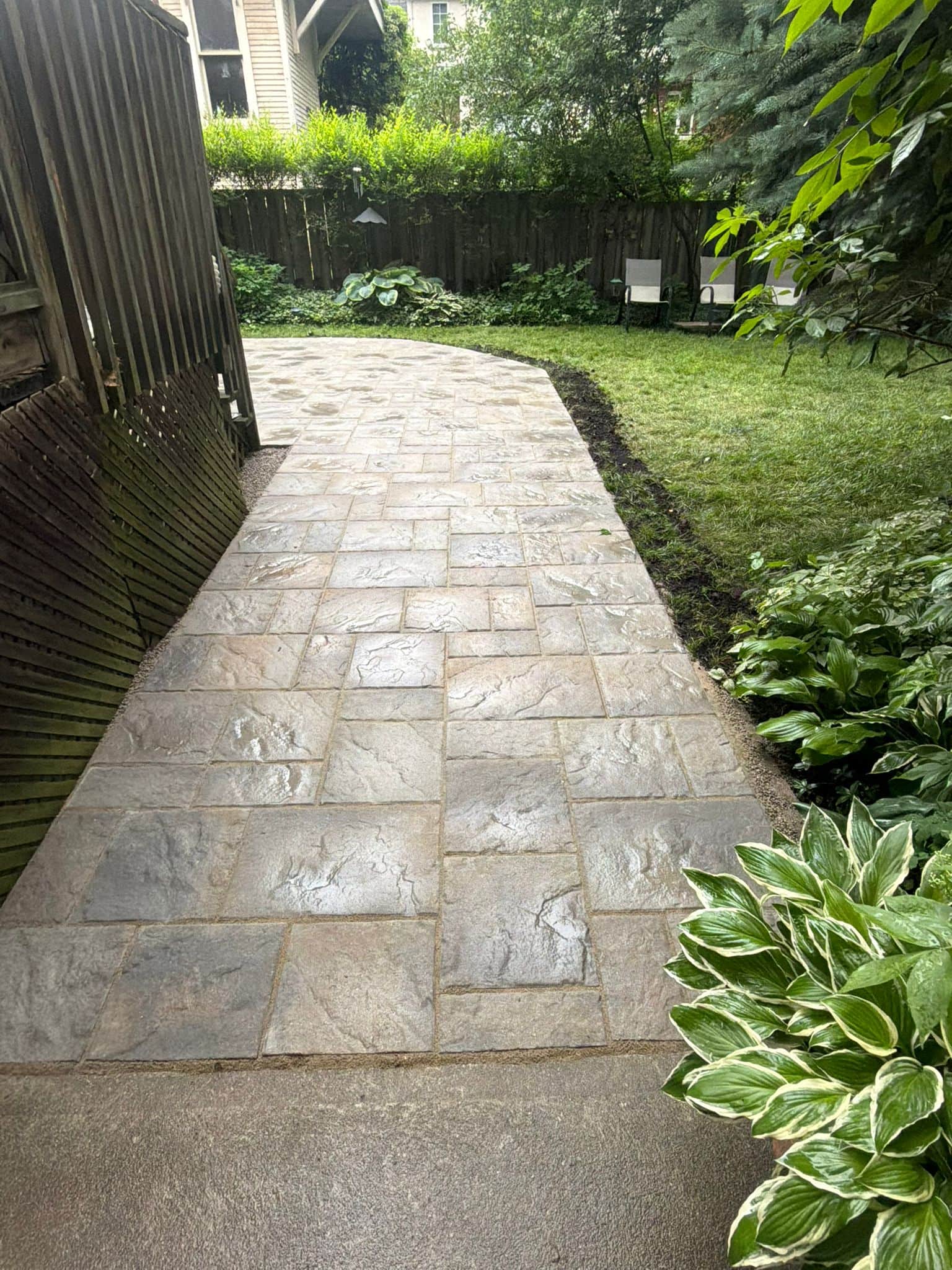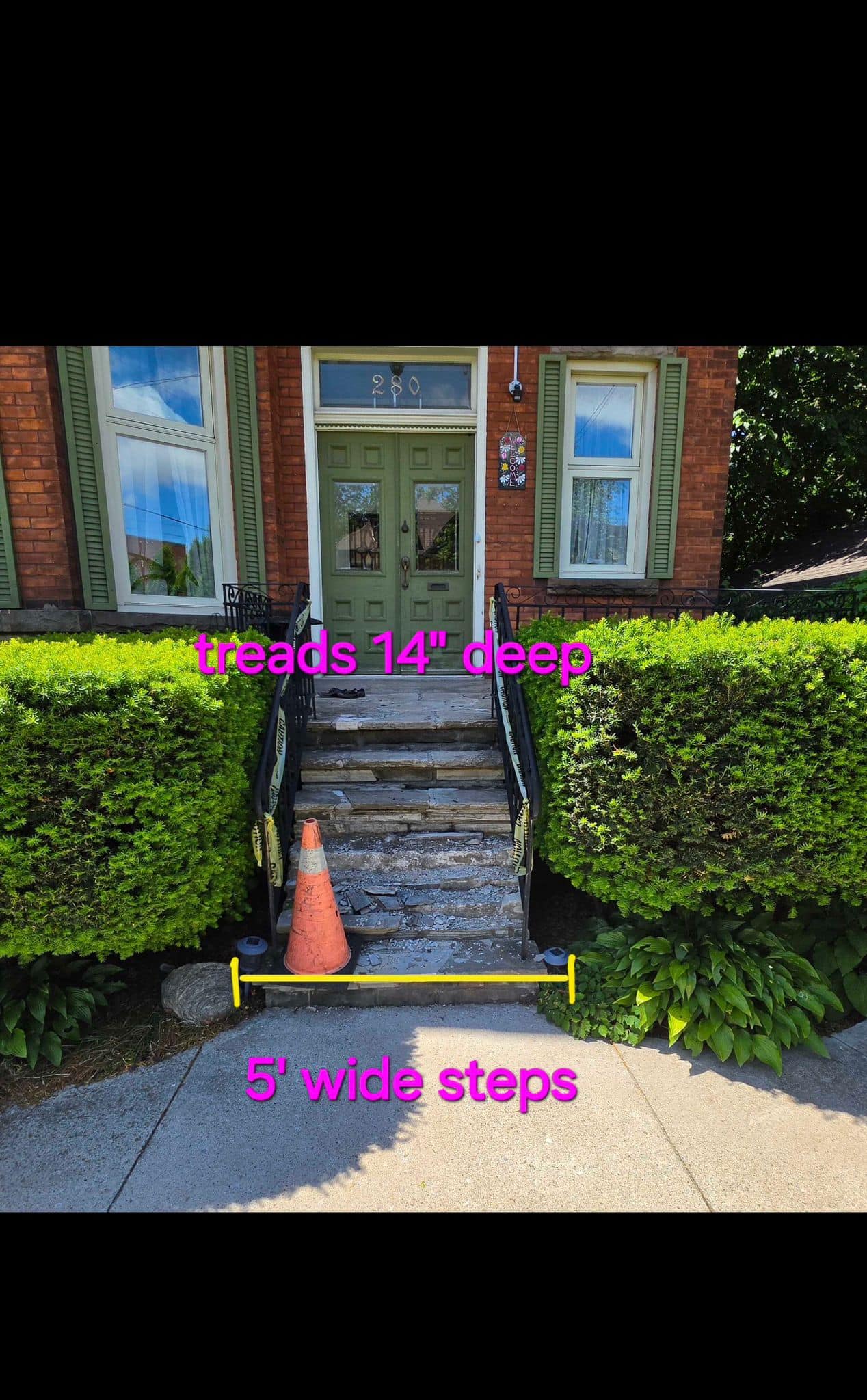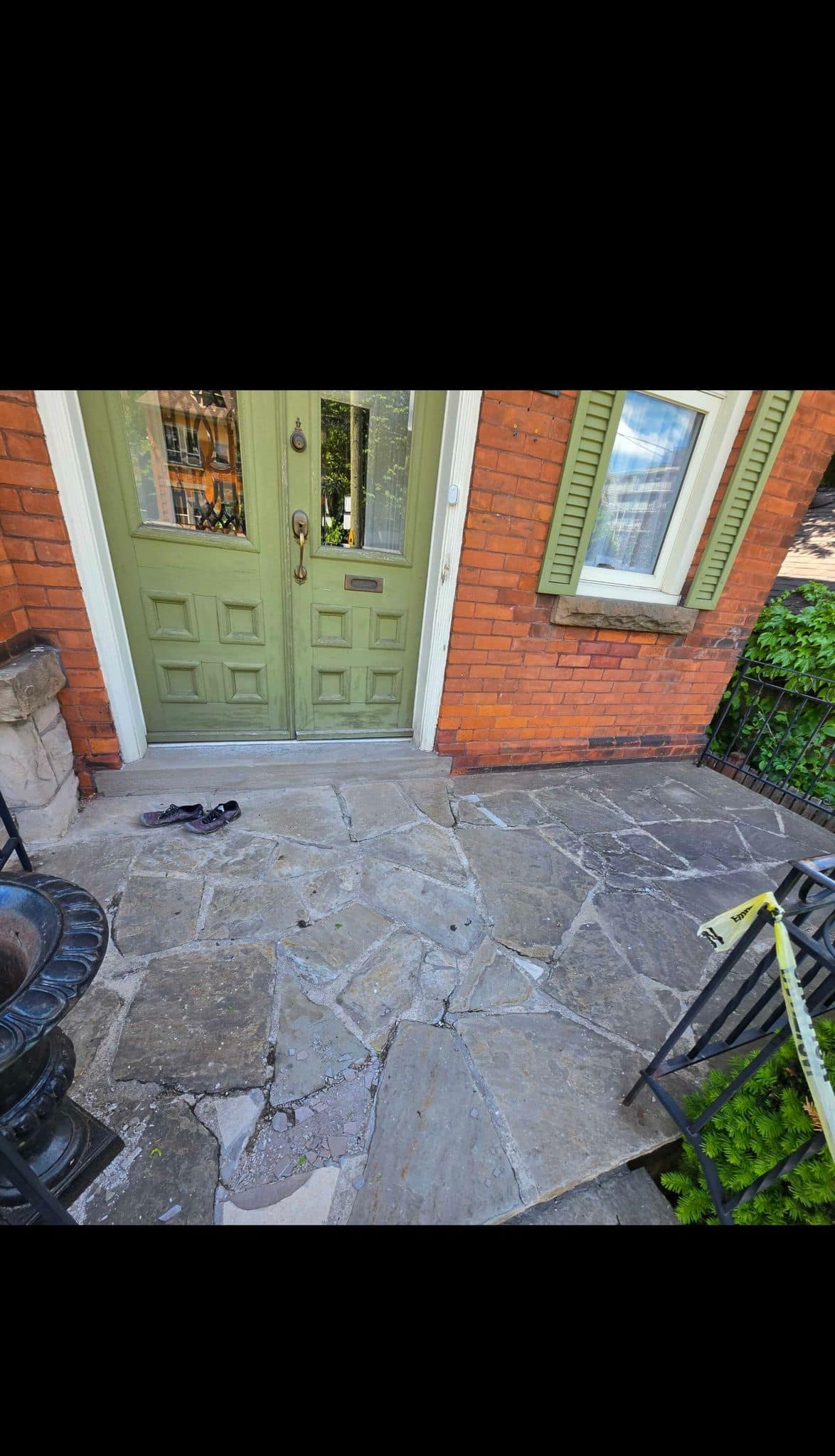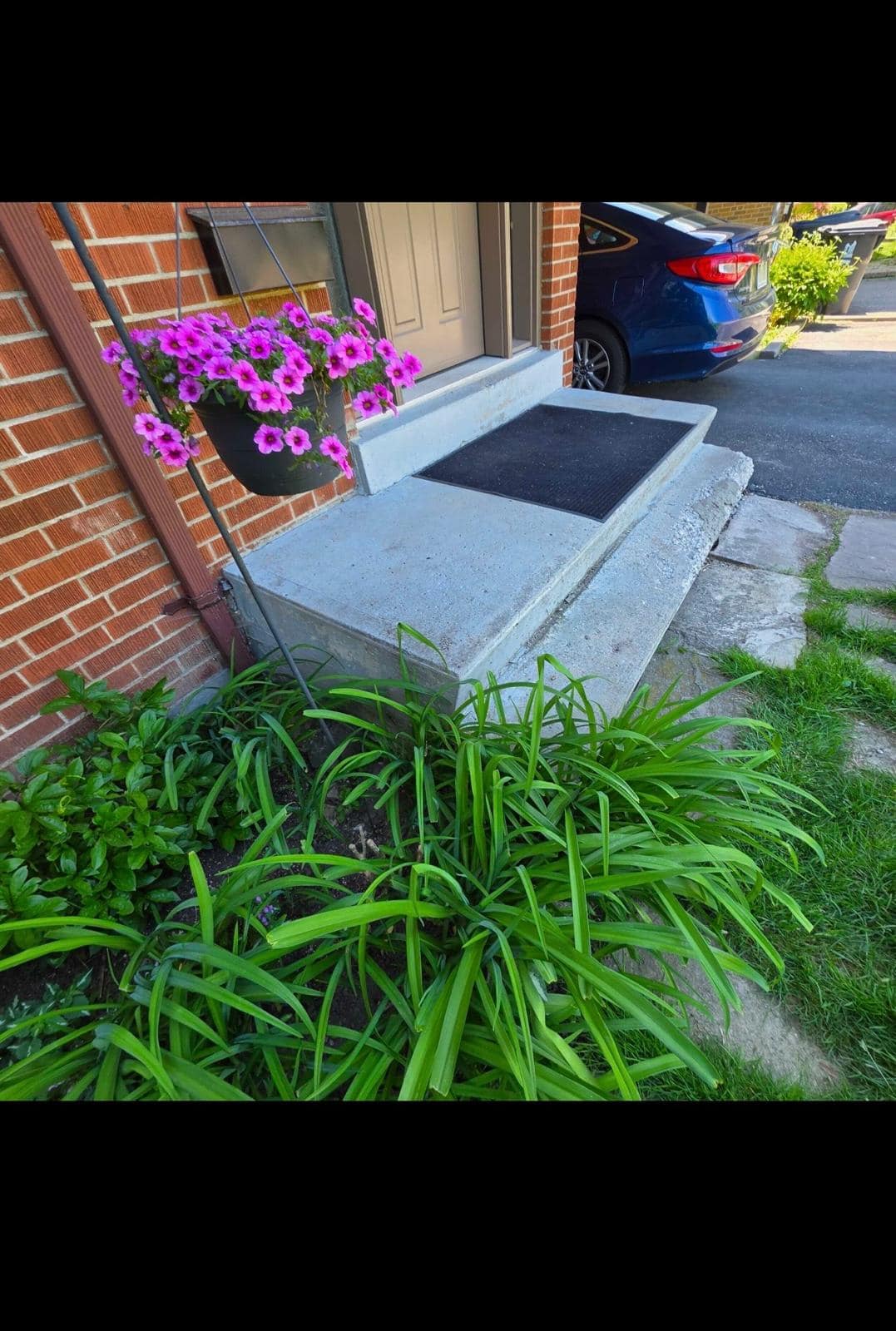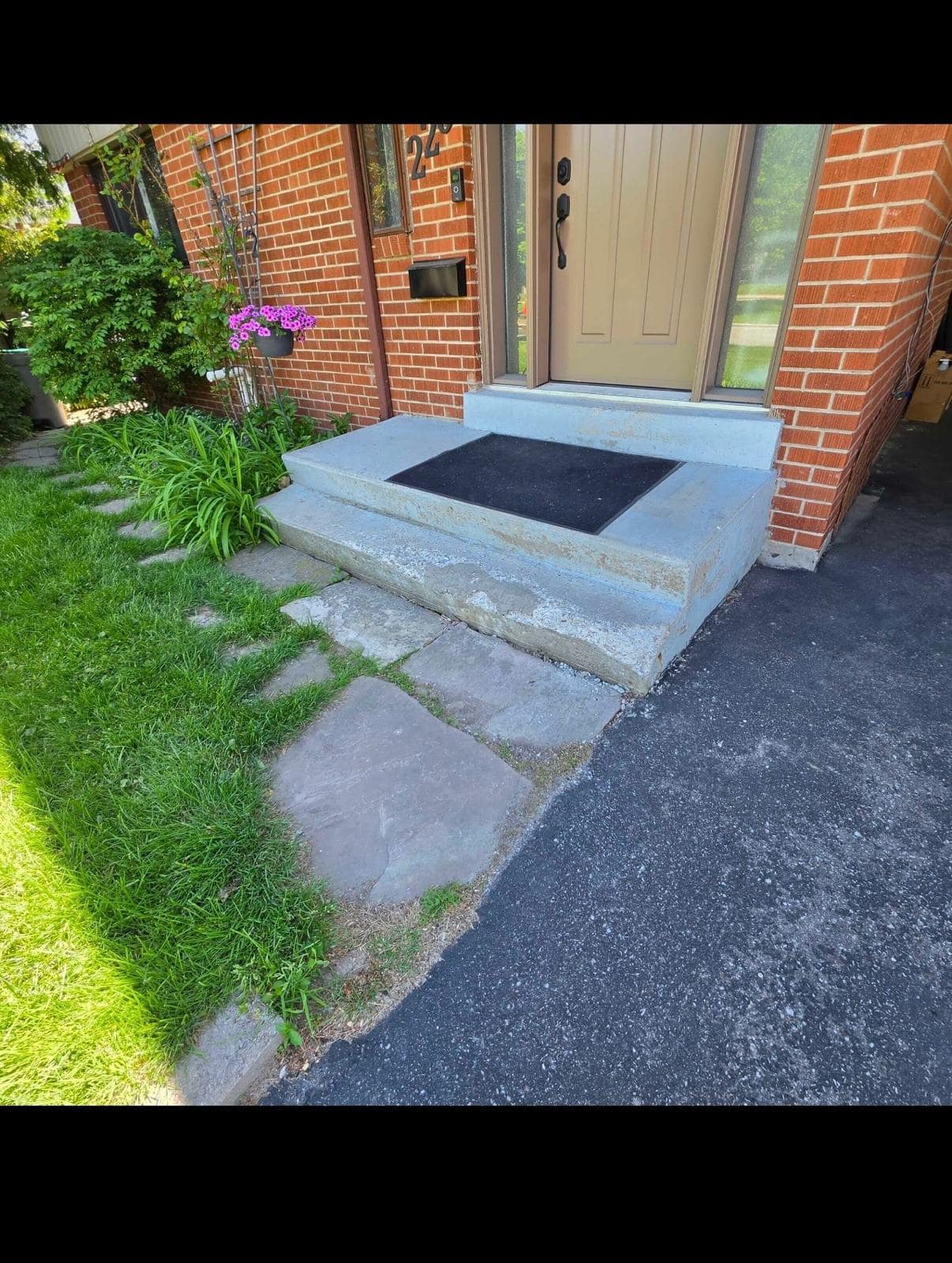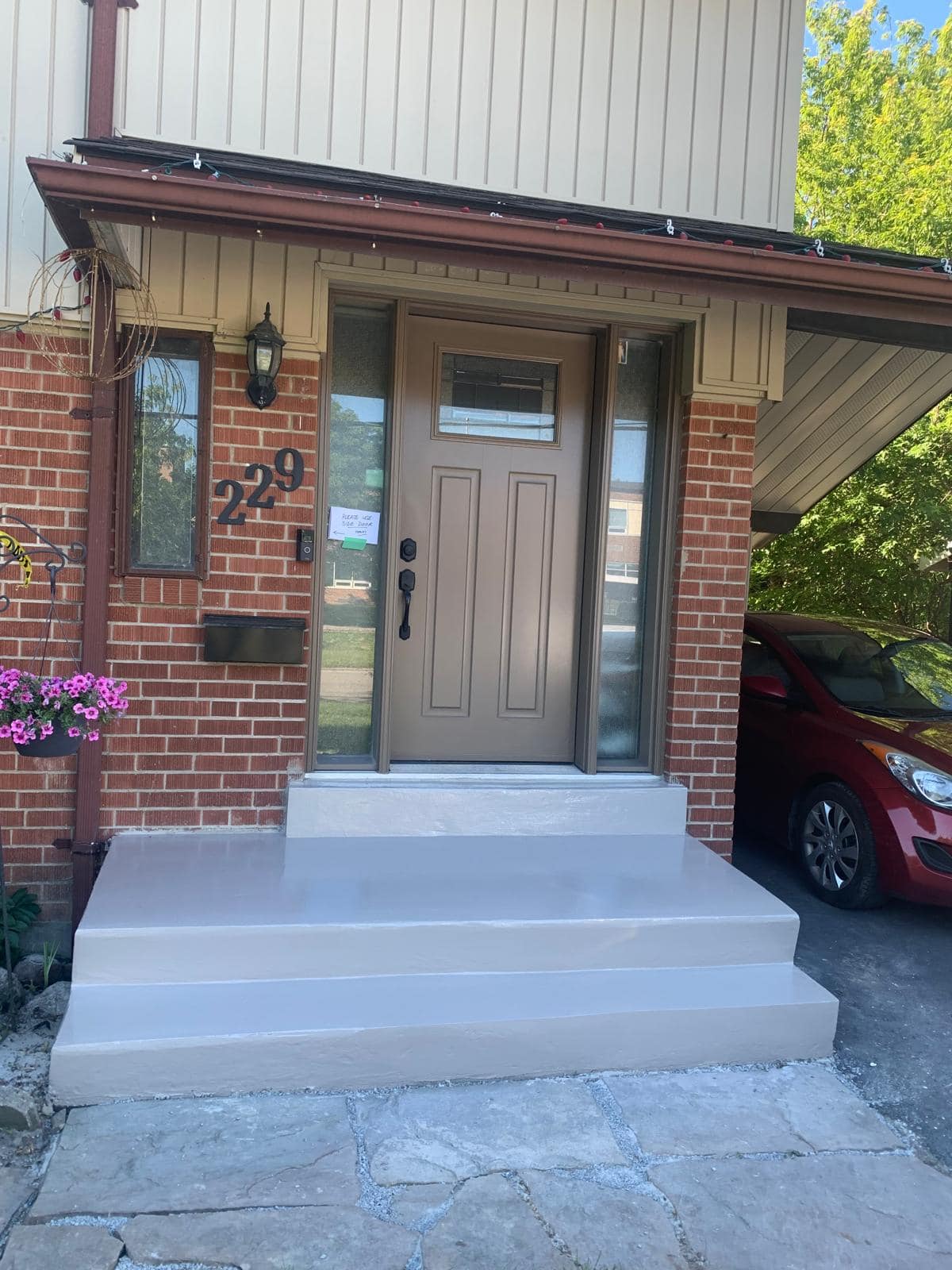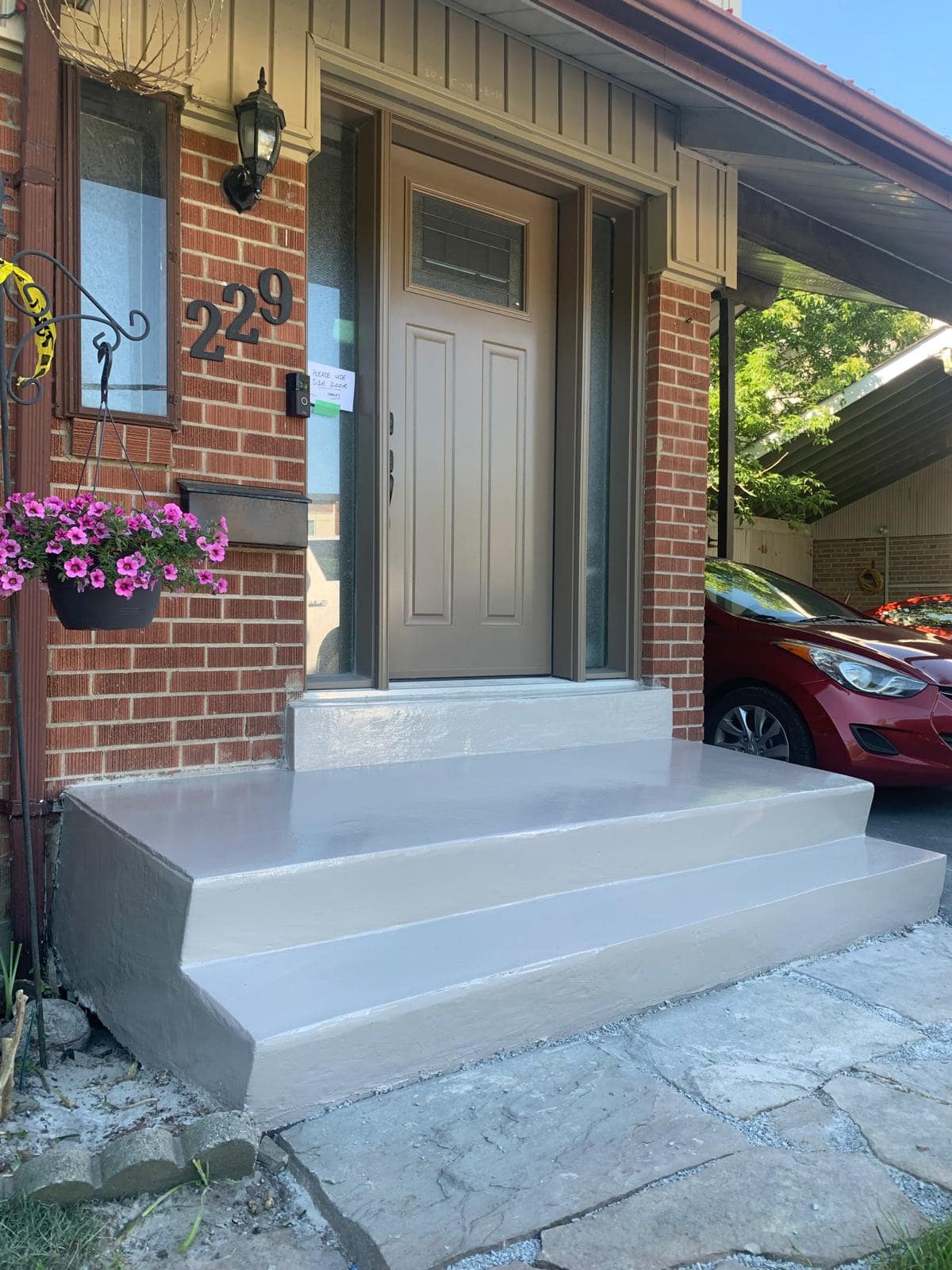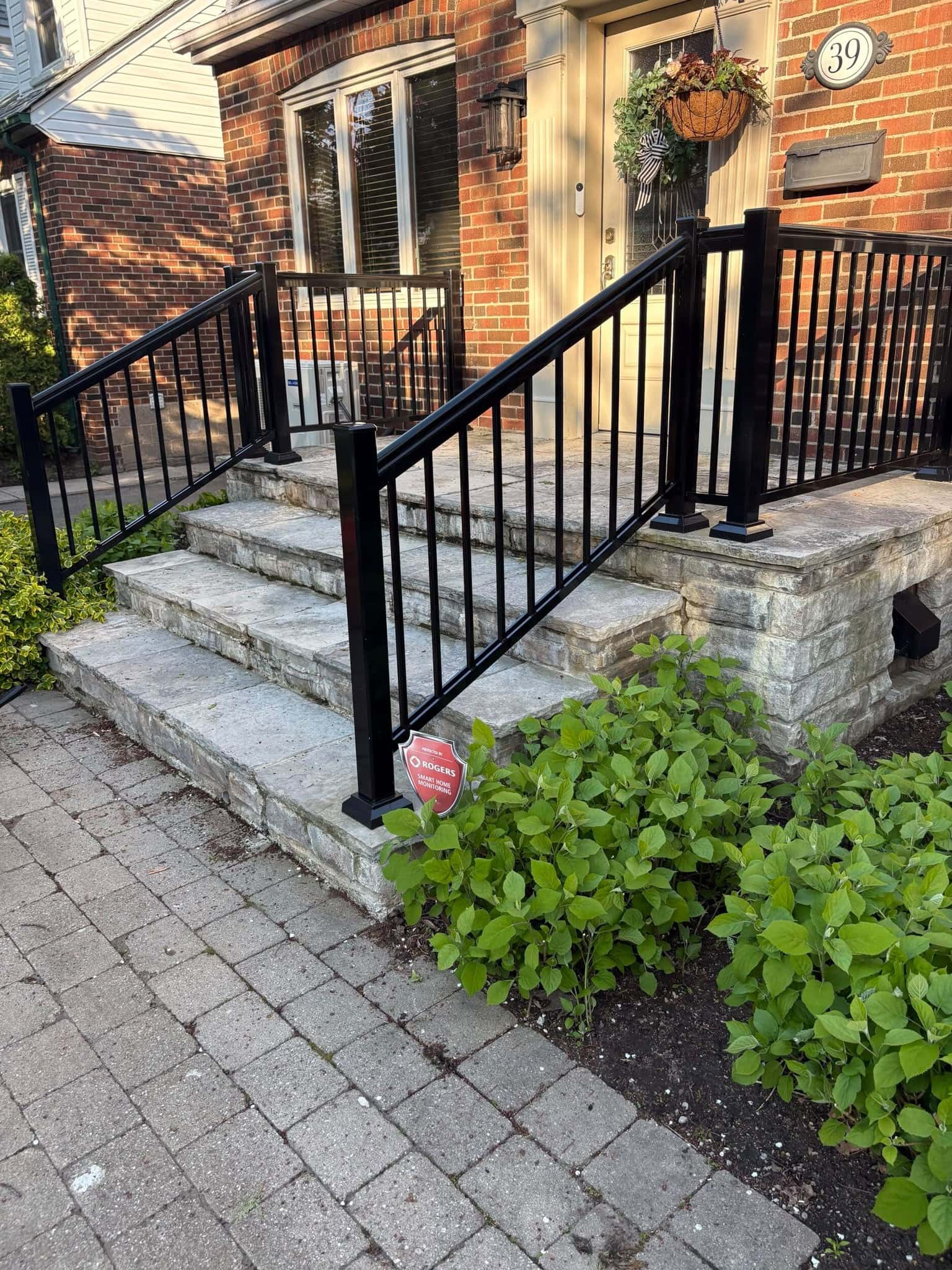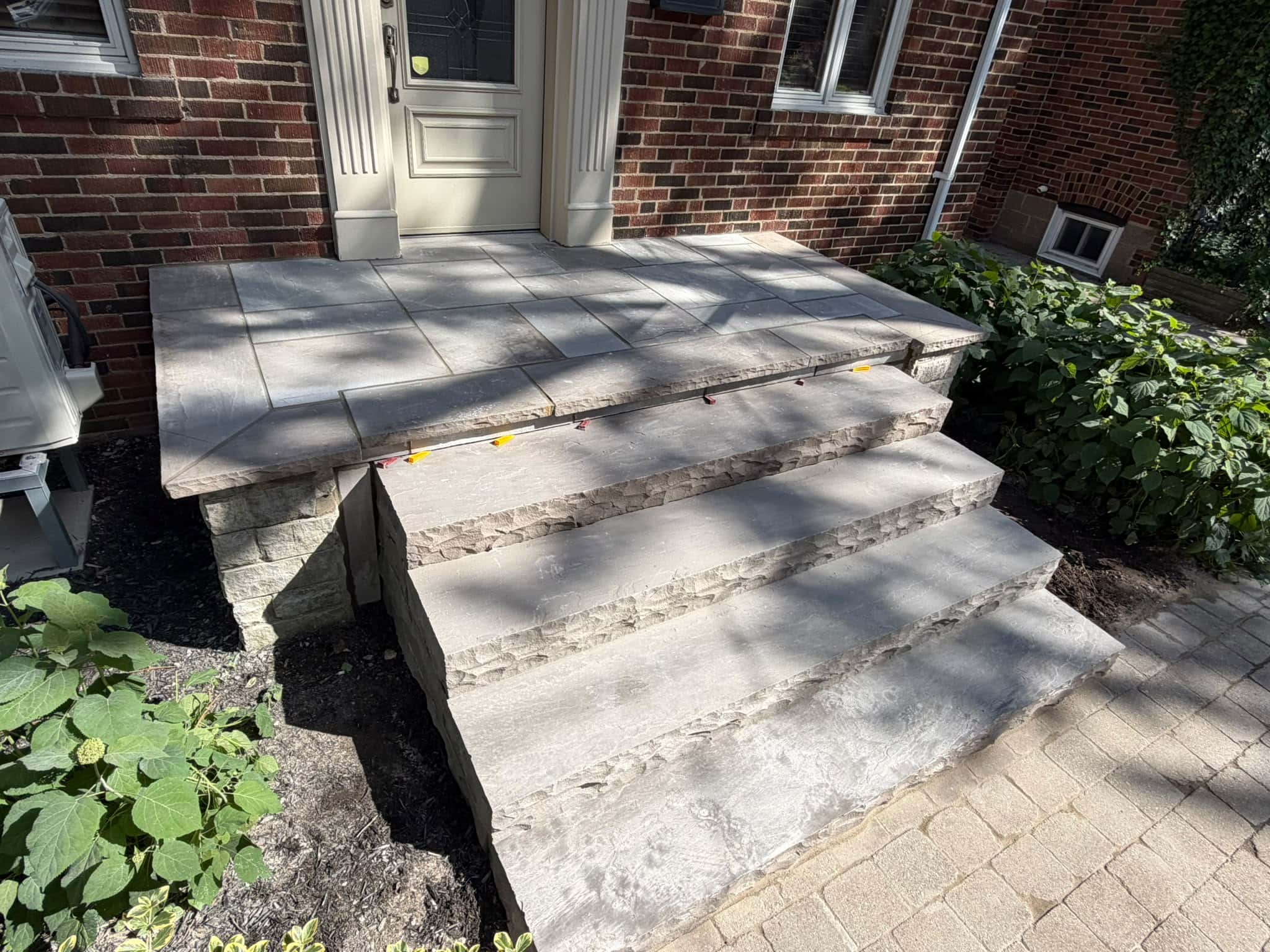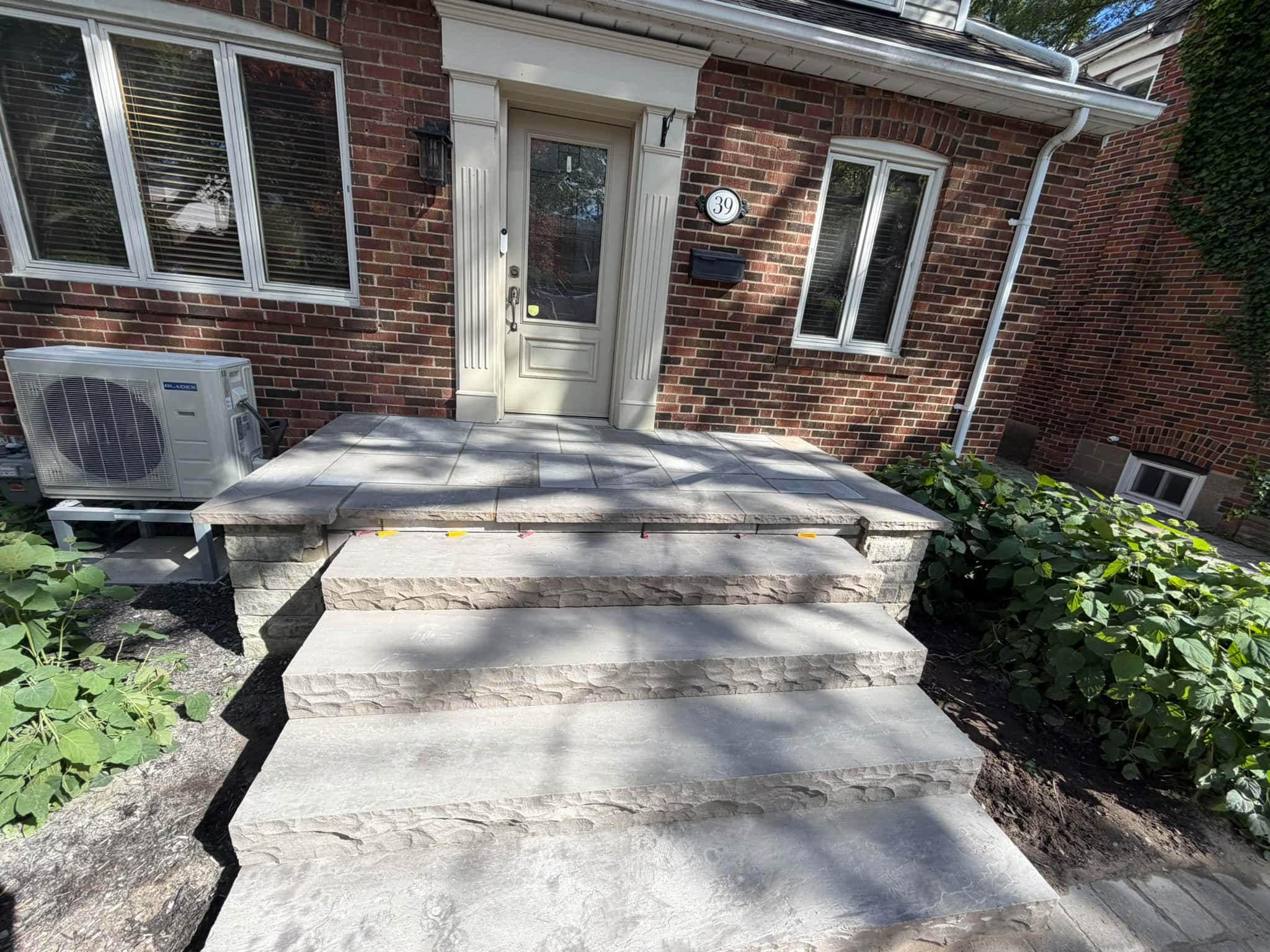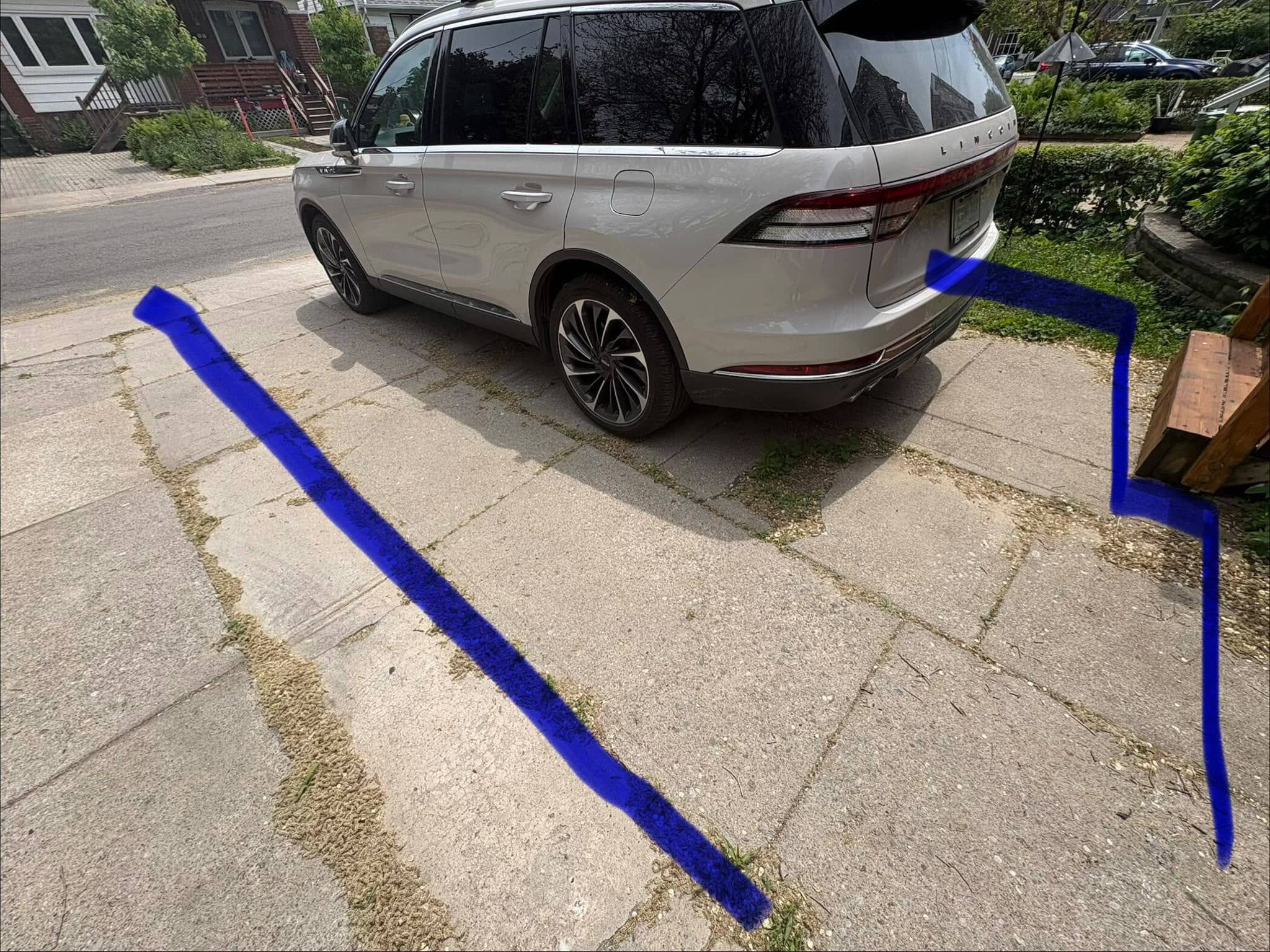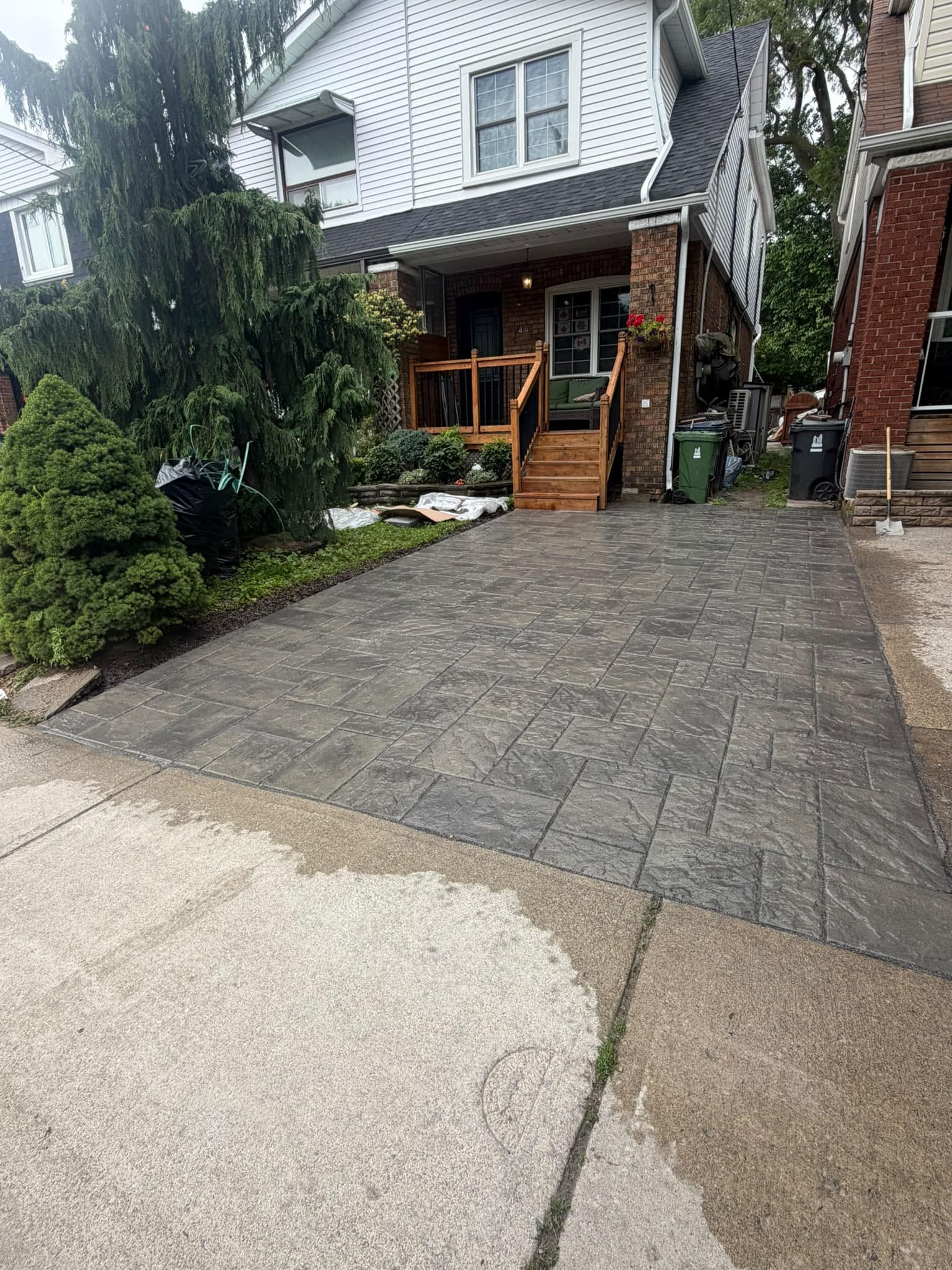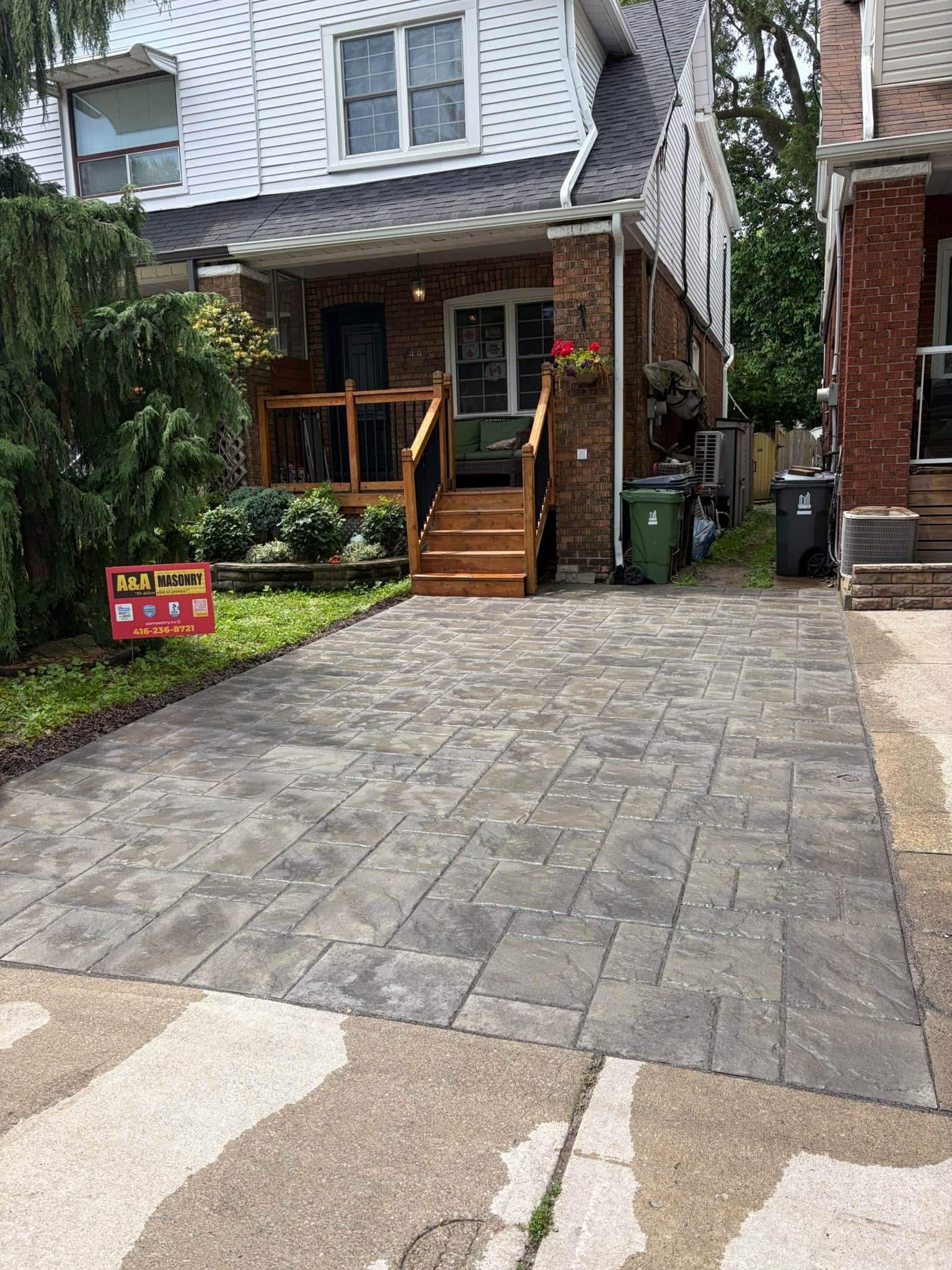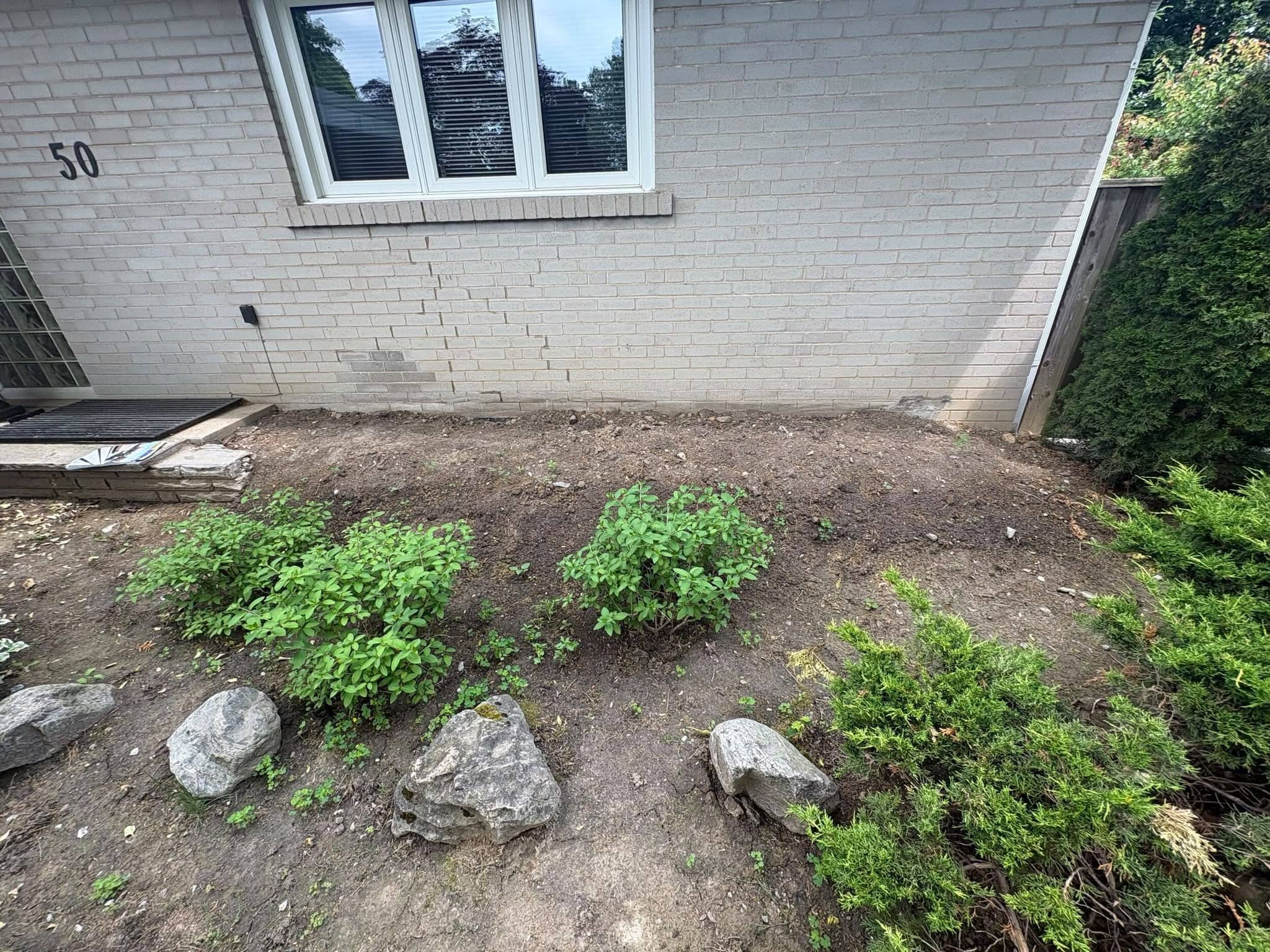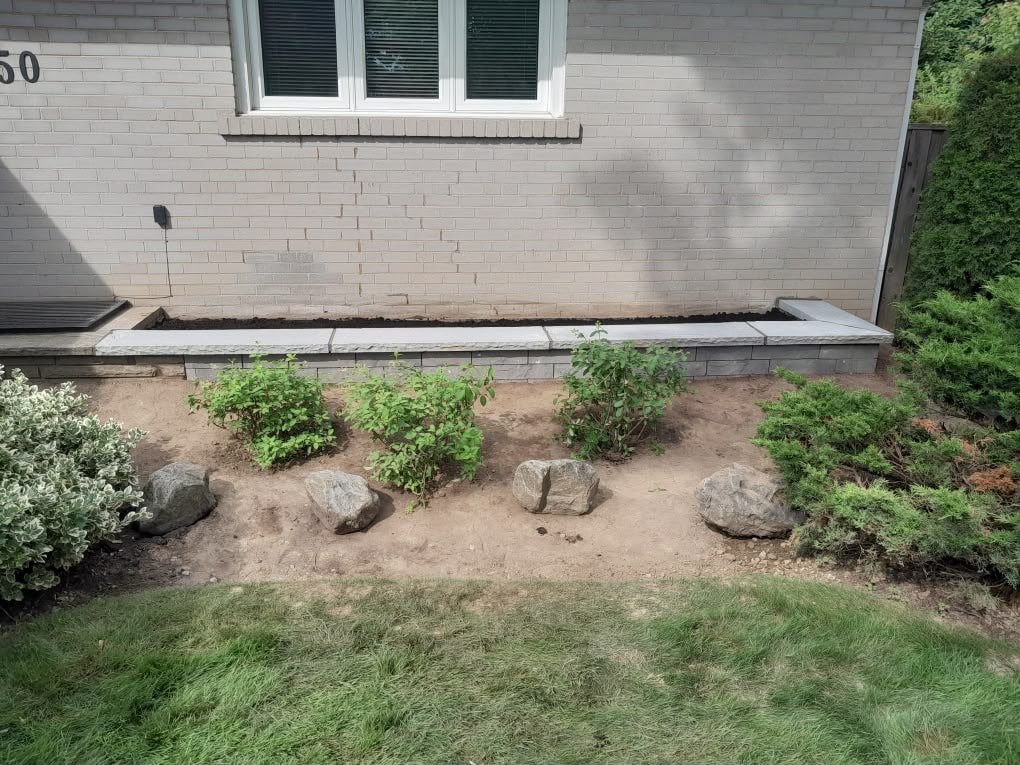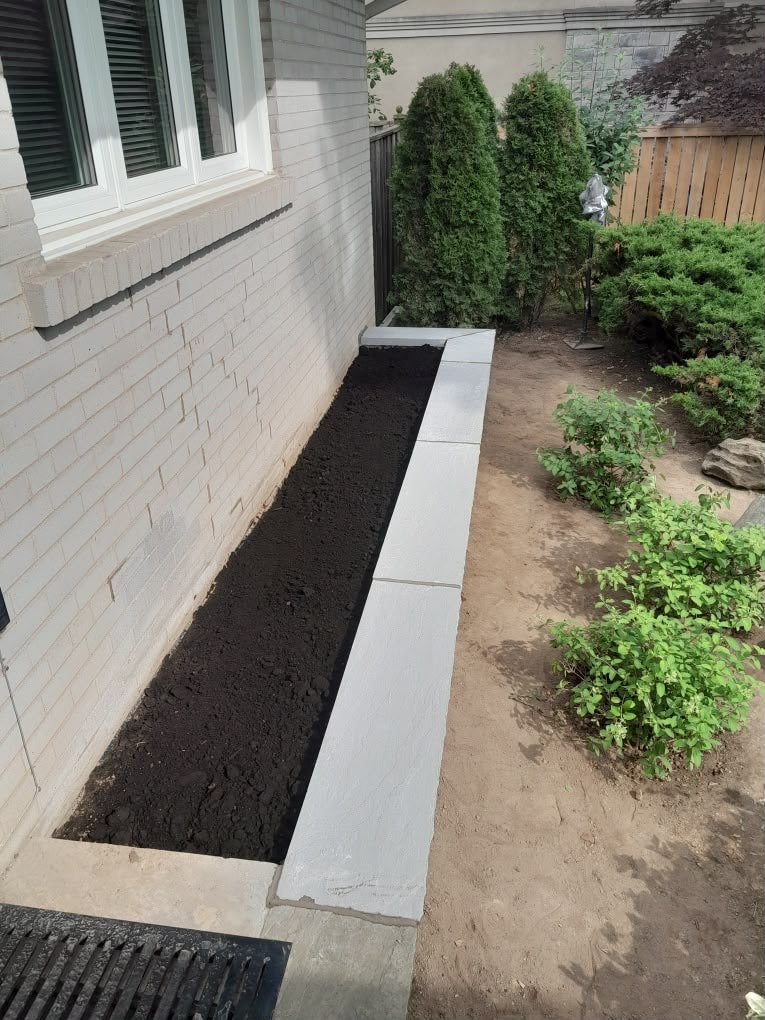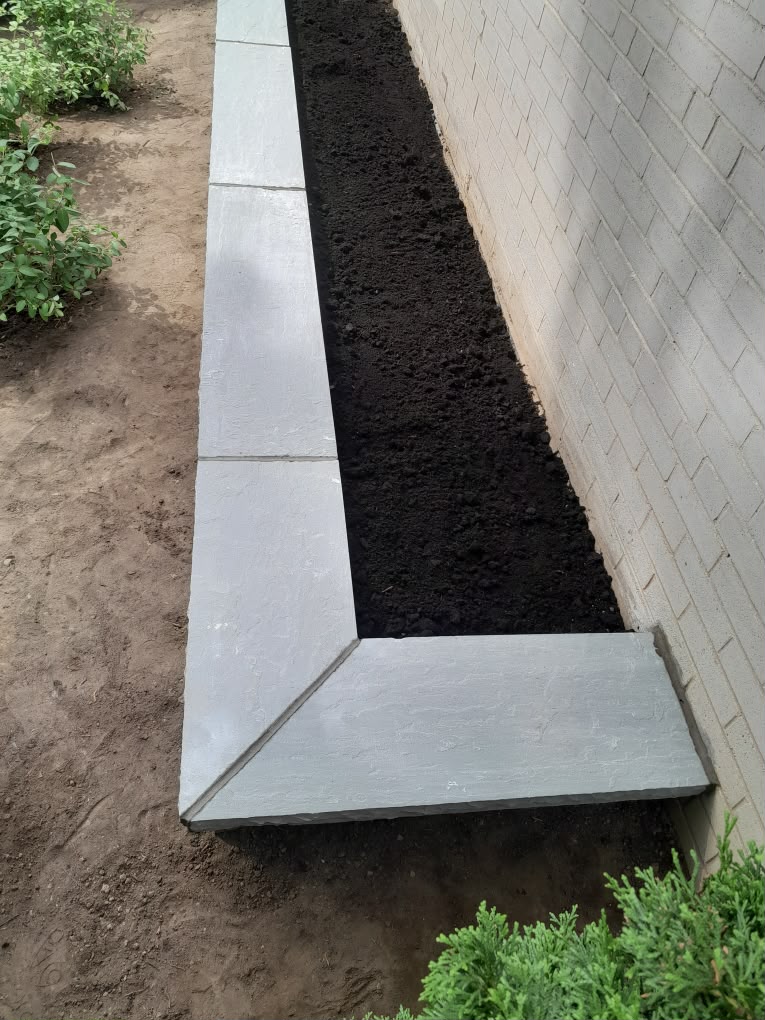

Concrete cracks are common in Toronto. Freeze-thaw cycles, road salt, and water pooling can turn a small crack into a larger repair if left unaddressed. The good news is that many minor cracks can be handled with a careful DIY repair, as long as you know what is safe to fix and what needs a professional.
First, decide if this crack is safe for DIY
The biggest mistake homeowners make is treating every crack like the same problem. Some cracks are just surface shrinkage. Others are warnings of movement, drainage issues, or deeper deterioration. Use this quick test before you buy materials.

DIY is usually OK when:
- The crack is thin to small and does not keep widening
- There is no height change across the crack (no “trip edge”)
- The slab is not sinking or heaving
- It is not on a step edge or a high-traffic safety area
- You are not seeing water getting into the basement or garage through it
Call a pro when you see:
- Height change, sinking, or a slab that feels like it has moved
- Cracks that spread quickly or form a wide pattern
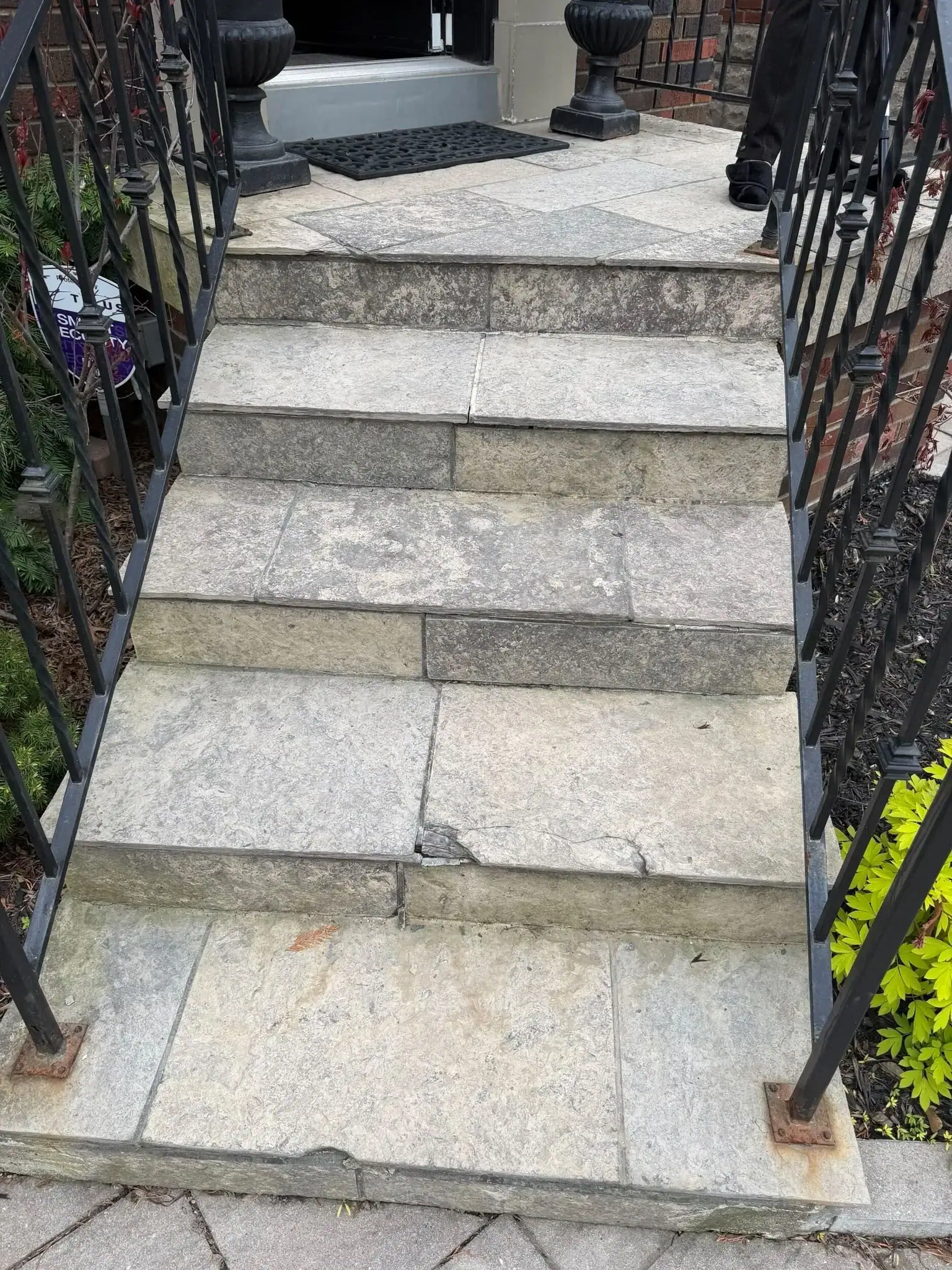
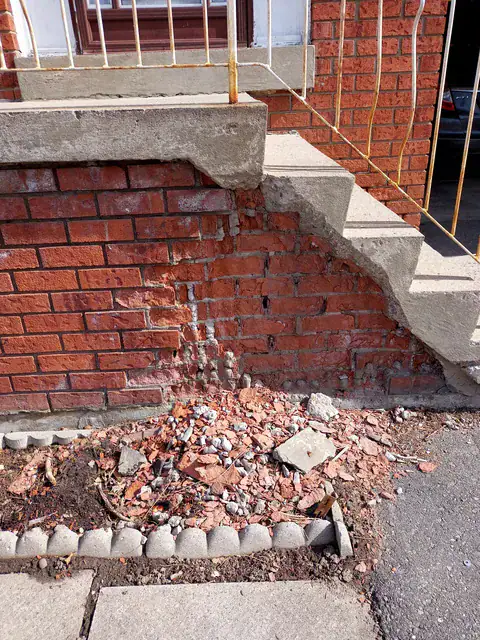
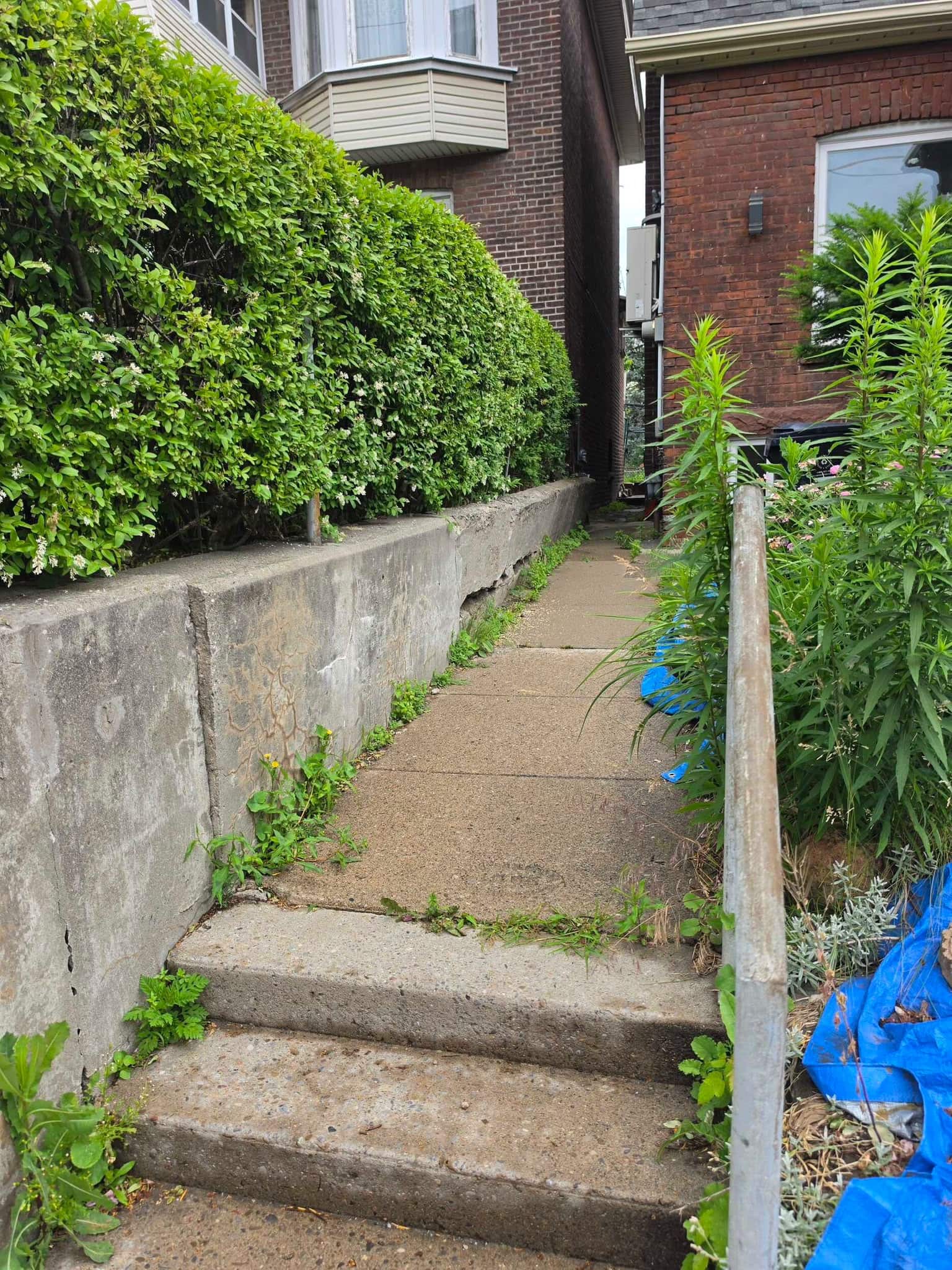
- Crumbling edges, heavy spalling, or exposed aggregate breaking loose
- Water entry or persistent dampness nearby
- Cracks on steps, porches, or walkways that create a fall risk
If you are unsure, the simplest way to avoid wasting money is to take a few photos and get an opinion. You can reach us here: Contact A&A Masonry.
Why concrete cracks happen more often in Toronto
Toronto concrete takes a beating. Water can get into small openings, freeze, expand, and widen cracks over time. De-icing salt can speed up surface scaling and spalling. If water pools near the slab due to poor drainage, the damage tends to recur. That is why a “quick fill” sometimes looks fine in the short term, then fails after one winter.

How to fix minor concrete cracks yourself (step-by-step)
Step 1: Clean the crack properly
Cleaning is not optional. If the crack contains dust, loose concrete, or dirt, the repair will not bond well. Brush aggressively, vacuum the debris, and make sure the crack is as clean and dry as possible.
Step 2: Choose the right repair product
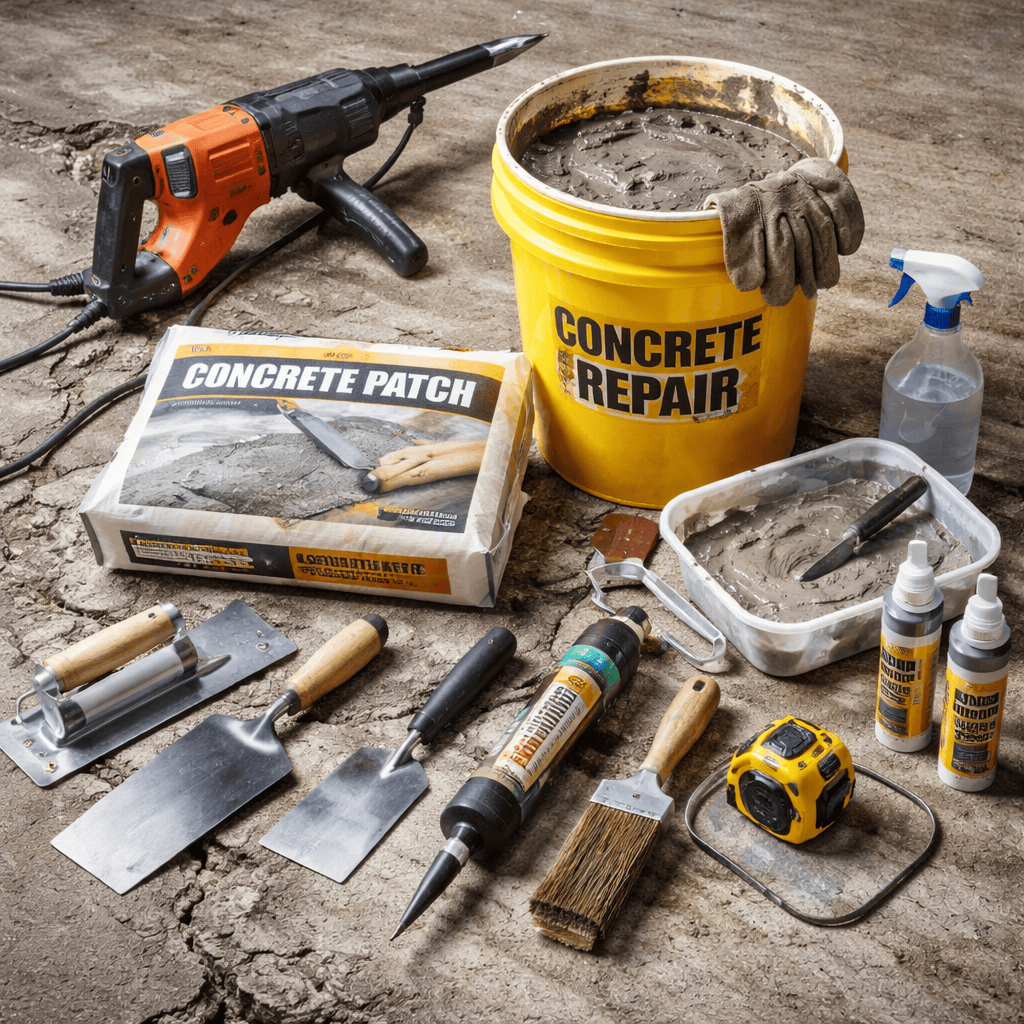
Not every product fits every crack. Narrow cracks often do best with a flexible crack filler. Wider cracks, damaged edges, and small spalls usually need a repair mortar or patch compound. Read the label for minimum temperature and cure time, because Toronto weather matters.
Quick product match (simple guide)
- Hairline to small cracks: concrete crack filler (often applied with a caulking gun)
- Wider cracks or shallow gaps: patch compound or repair mortar (trowel-applied)
- Spalling edges and corners: repair mortar + proper bonding steps
If the crack is on a driveway, steps, or a high-traffic walkway, choose a product rated for exterior use and heavy traffic.
Step 3: Fill and tool the crack
Apply the material slowly, push it into the crack, and tool it smooth so it sits flush with the surrounding surface. For exterior concrete, you usually want a finish that does not create a slippery spot or leave a raised ridge.
Step 4: Let it cure and protect the area
Most DIY repairs fail because they get walked on, rained on, or frozen too soon. Follow the cure guidance and keep the area protected. If you are doing this during colder months, be extra careful. Temperature swings can ruin the bond before the material sets.
How to prevent cracks from coming back
Fixing the crack is only half the job. If the cause stays, the crack often returns. In Toronto, the most common causes of “repeat damage” are water pooling and freeze-thaw exposure.
- Improve drainage: stop water from sitting near the slab
- Seal when appropriate: sealing can help reduce moisture entry in exposed areas
- Address trip edges early: small height changes become bigger safety problems over time
- Watch salt use: de-icing salt can accelerate scaling on older concrete
When DIY stops being worth it
Here is the honest line: DIY is great for small, stable cracks. But if the slab is moving or deteriorating widely, patching can become a cycle of constant repairs. If you suspect sinking, heaving, or drainage problems, it is usually cheaper in the long run to get the right fix right the first time.

If you want a repair plan that holds up, start with our service page: Concrete Repairs in Toronto. If you are also budgeting, read: Concrete Repair Cost in Toronto.
FAQs: Fixing Concrete Cracks in Toronto
Can I fix minor concrete cracks myself?
Yes, if the crack is small and stable with no height change or sinking. Clean the crack thoroughly, use the appropriate repair product, and allow the full cure time. If the crack keeps widening, the slab is uneven, or the damage is on steps or high-traffic areas, it is better to have it assessed.
What causes concrete cracks in Toronto homes?
Freeze-thaw cycles, road salt, water pooling, soil settlement, and normal shrinkage can all contribute. Water entry is a major factor because it can expand when it freezes and widen cracks over time.
When should I call a professional for concrete crack repair?
Call a pro if there is a height change, sinking, spreading cracks, water entry, crumbling edges, or damage that creates a safety risk. Those signs often mean movement or deeper deterioration that a surface patch will not solve.
Not sure if your crack is DIY or a bigger issue?
Send a few photos, and we will tell you what looks minor, what looks serious, and what the next step should be. If you want a quote, we can also provide a clear estimate for concrete repairs across Toronto and the GTA.