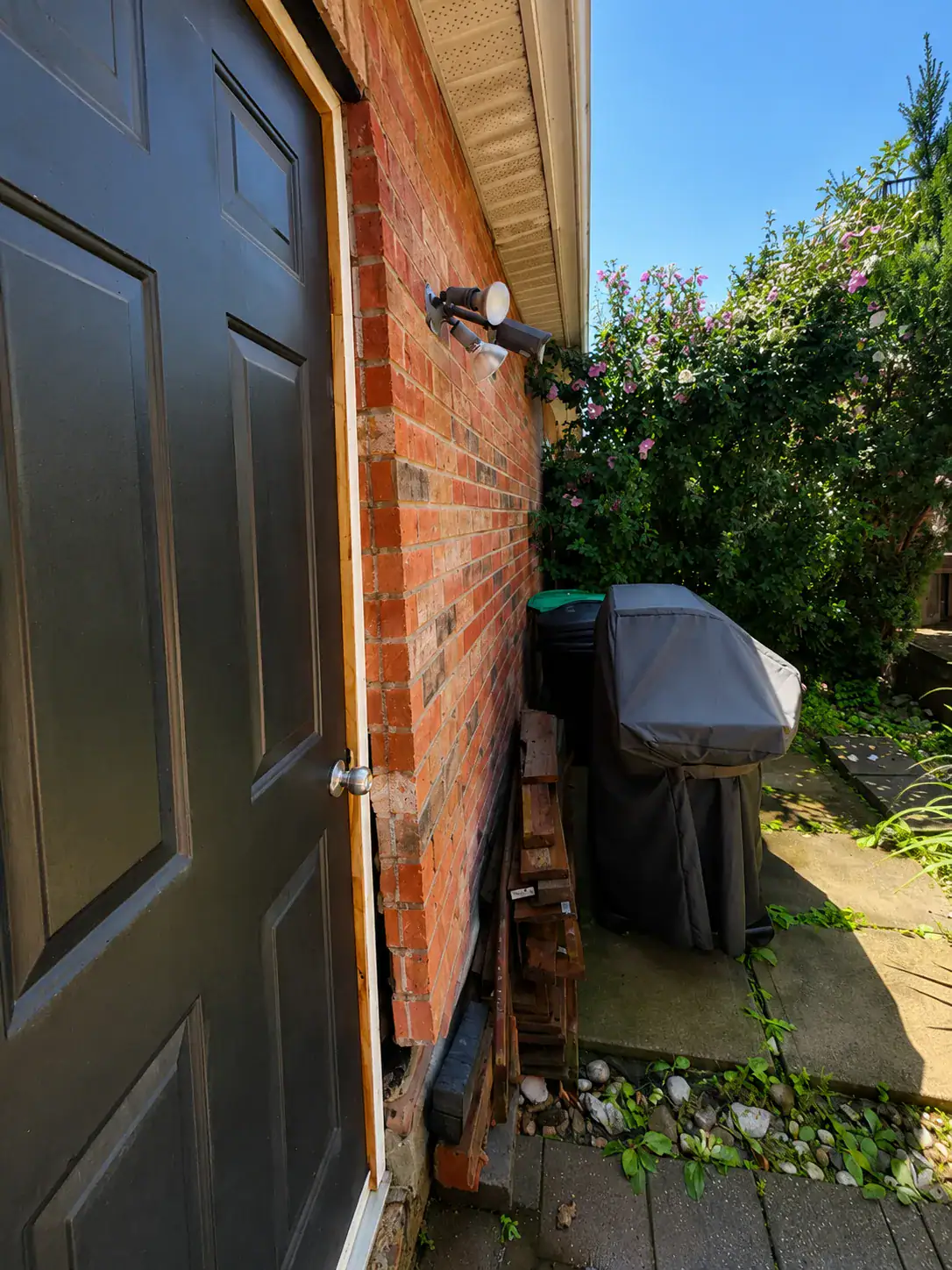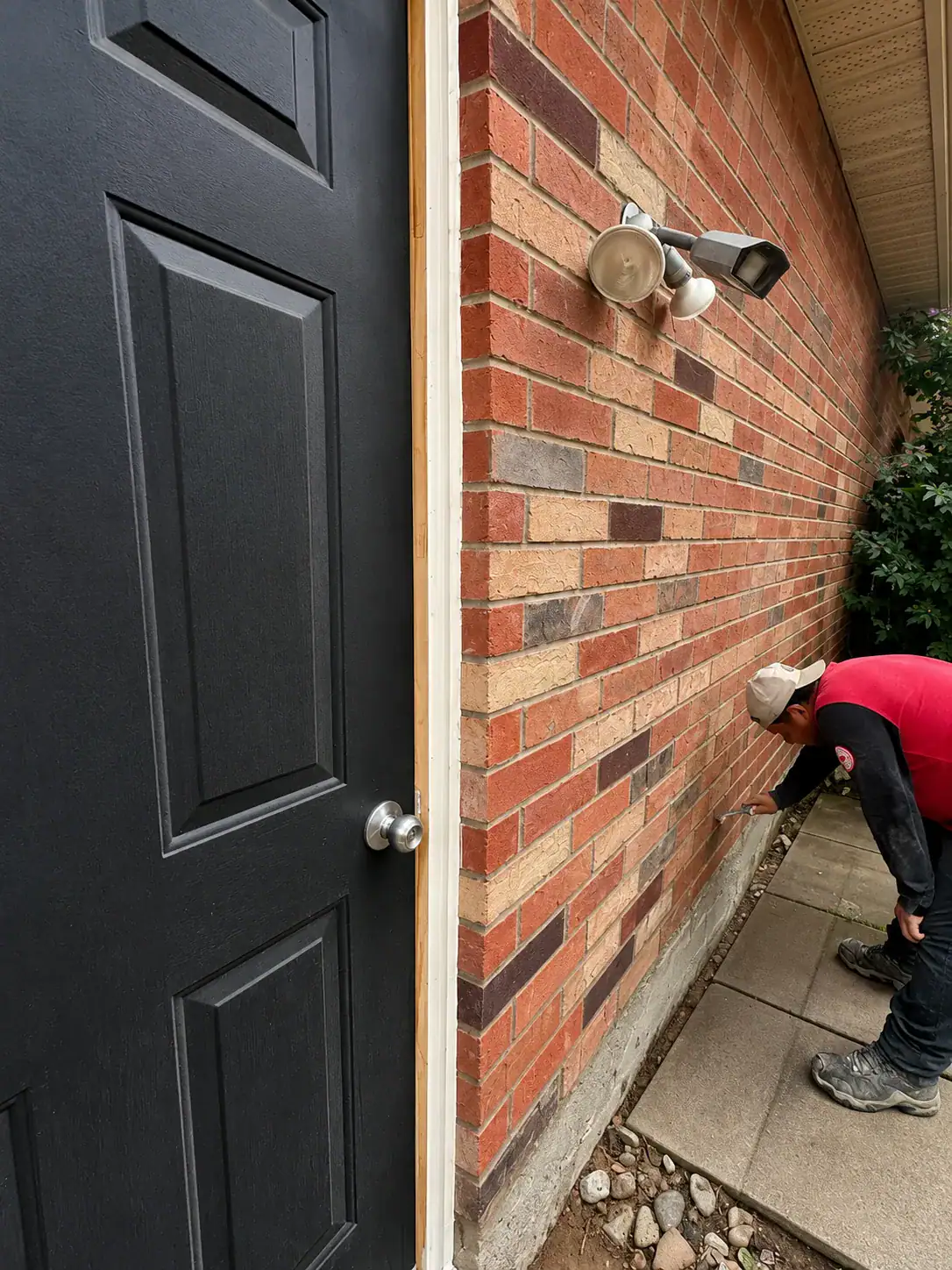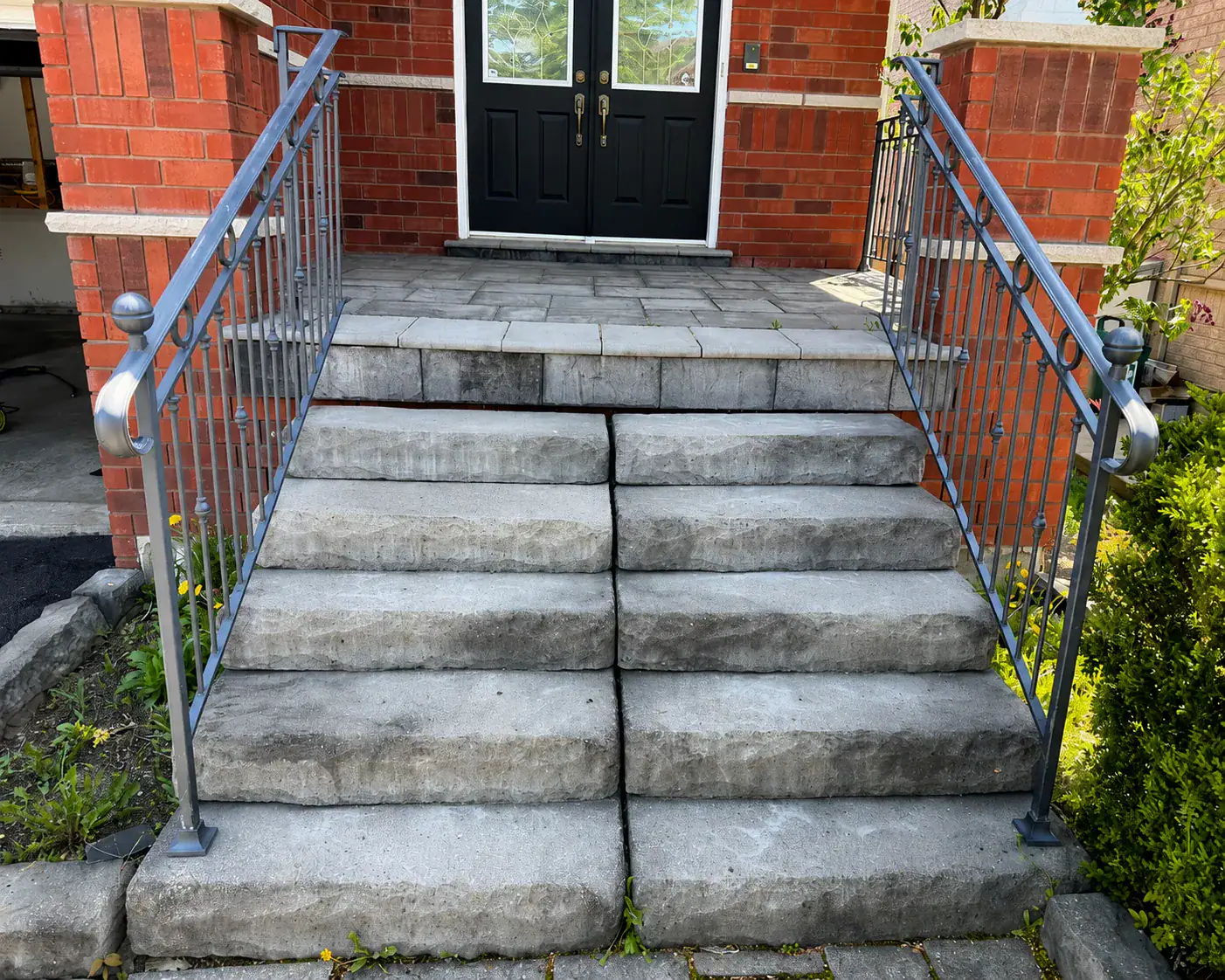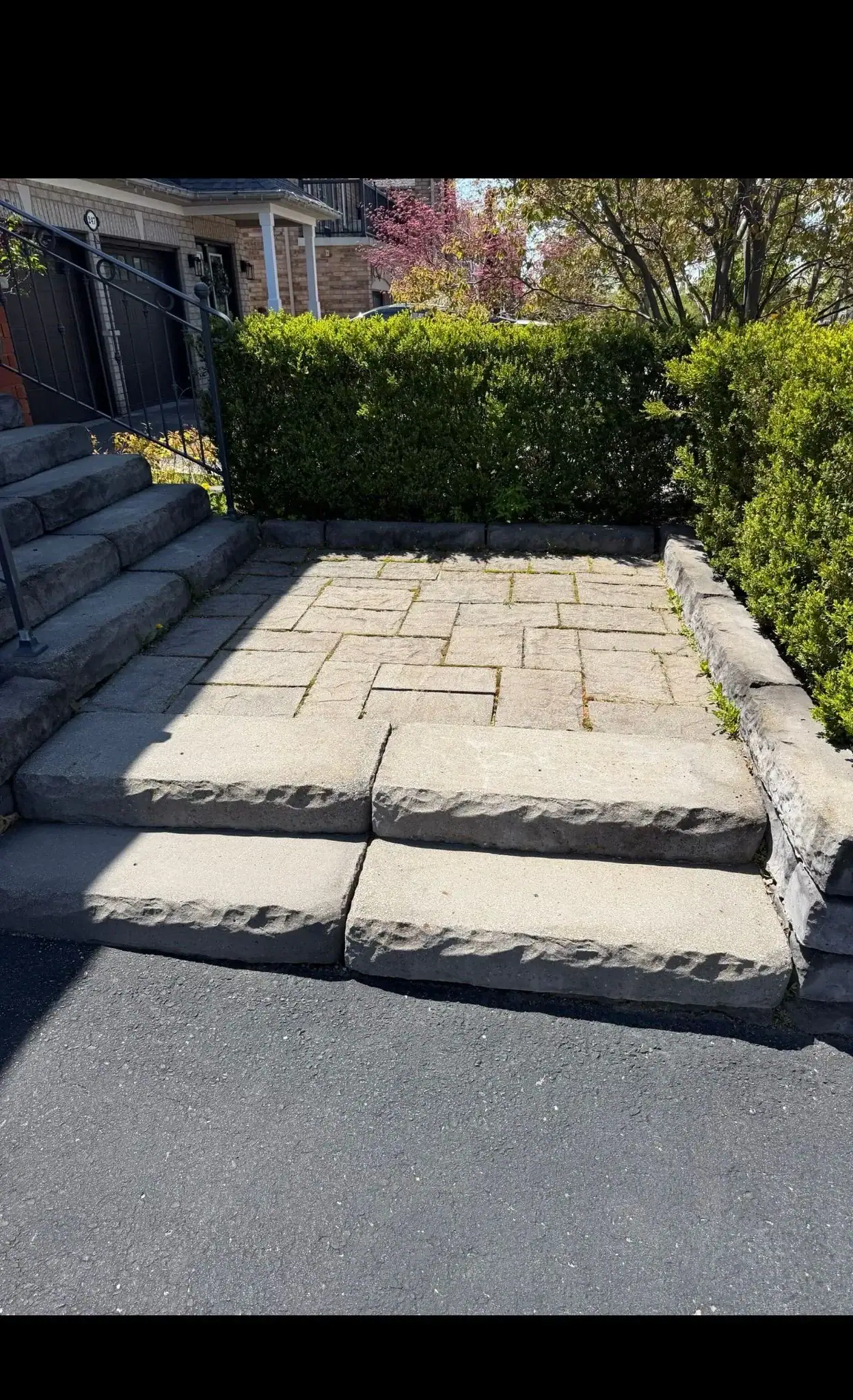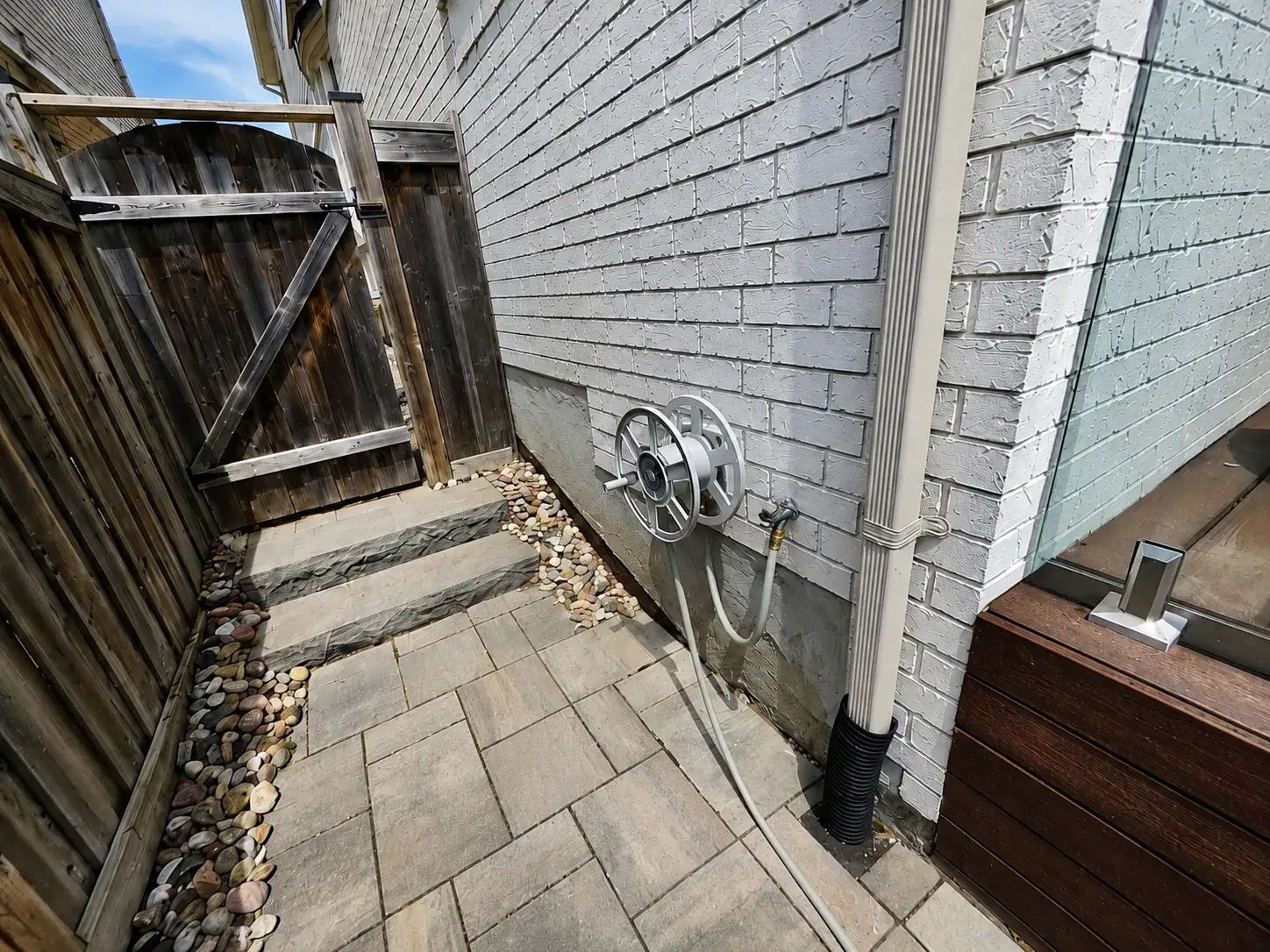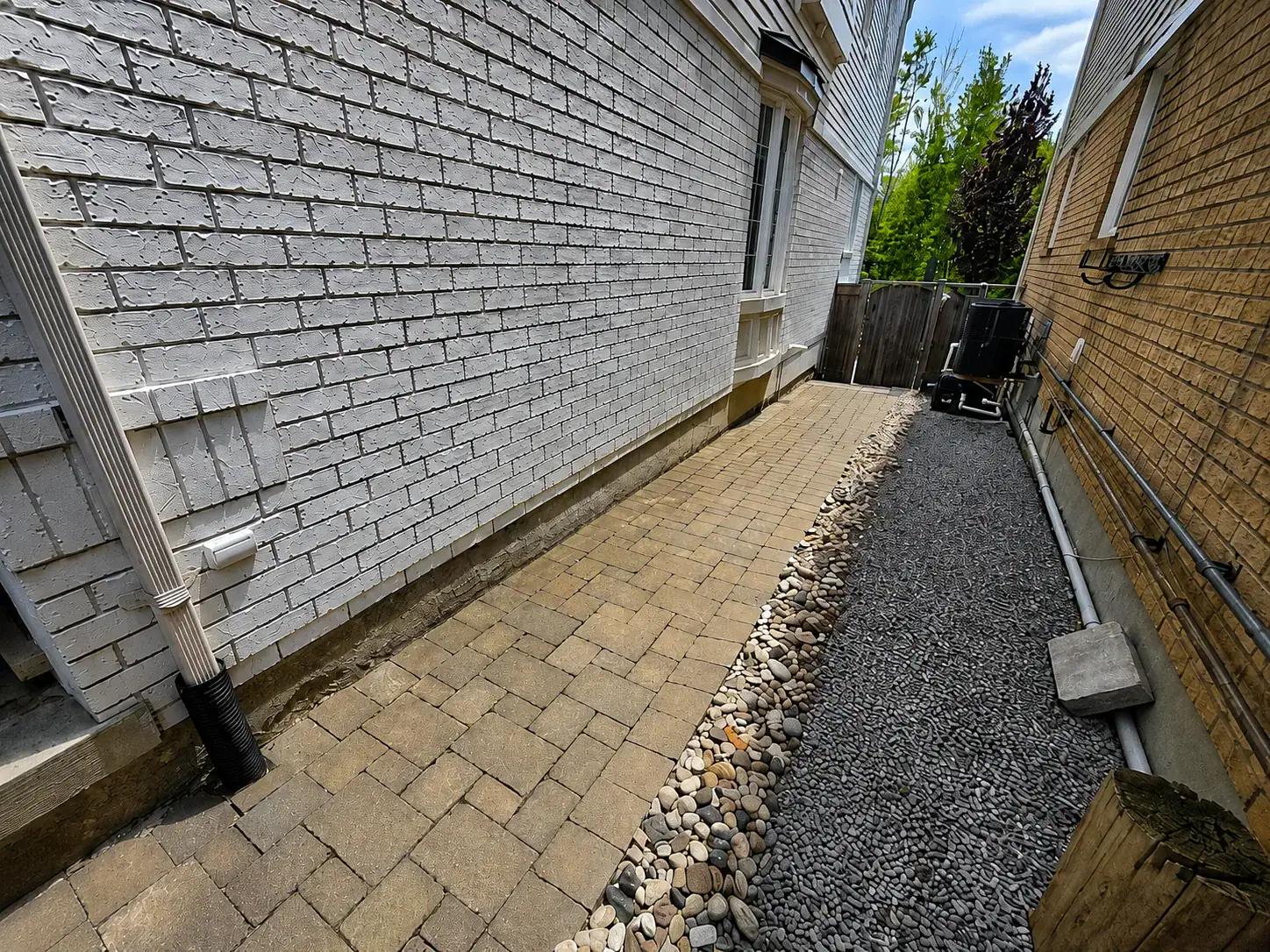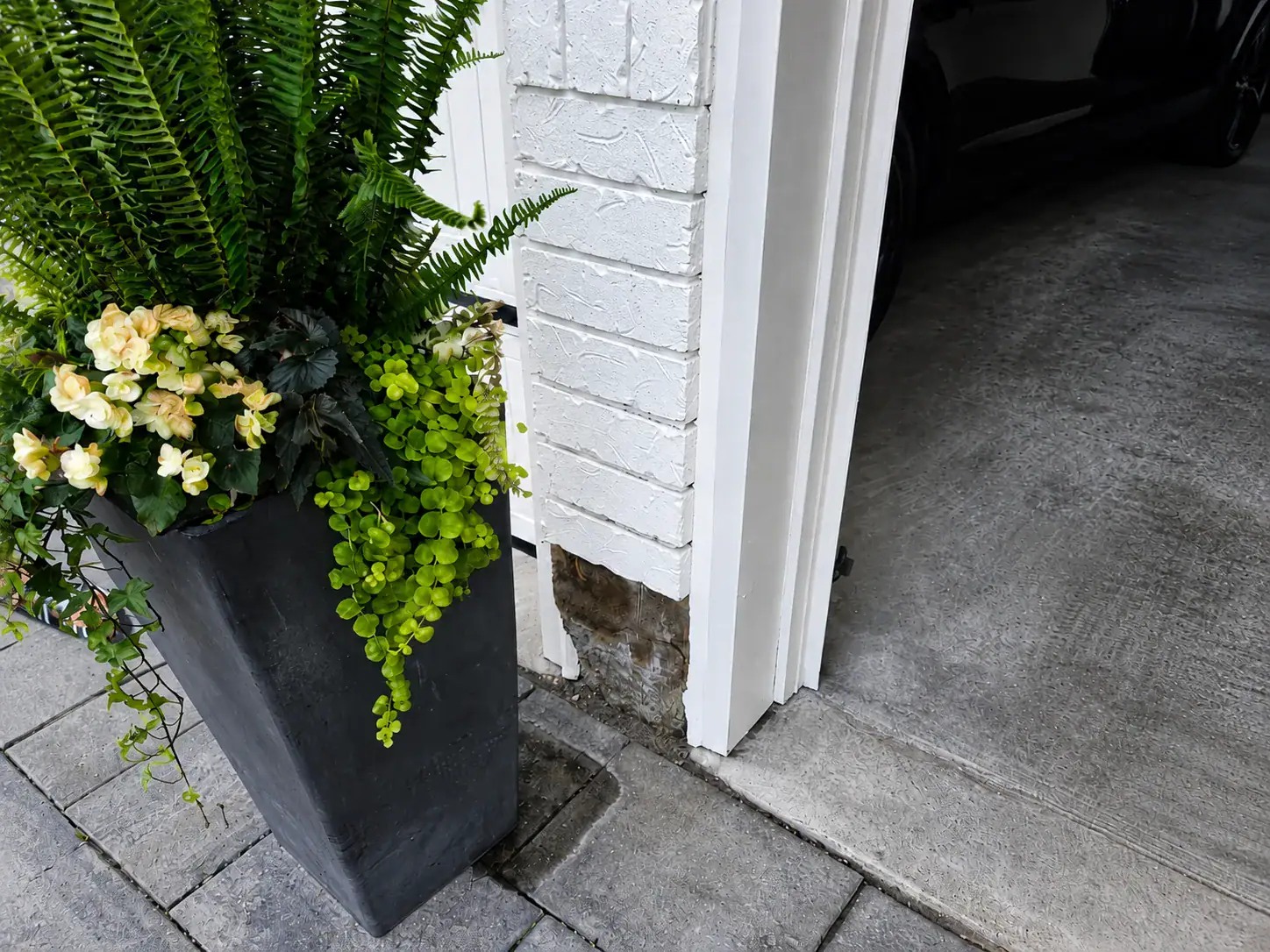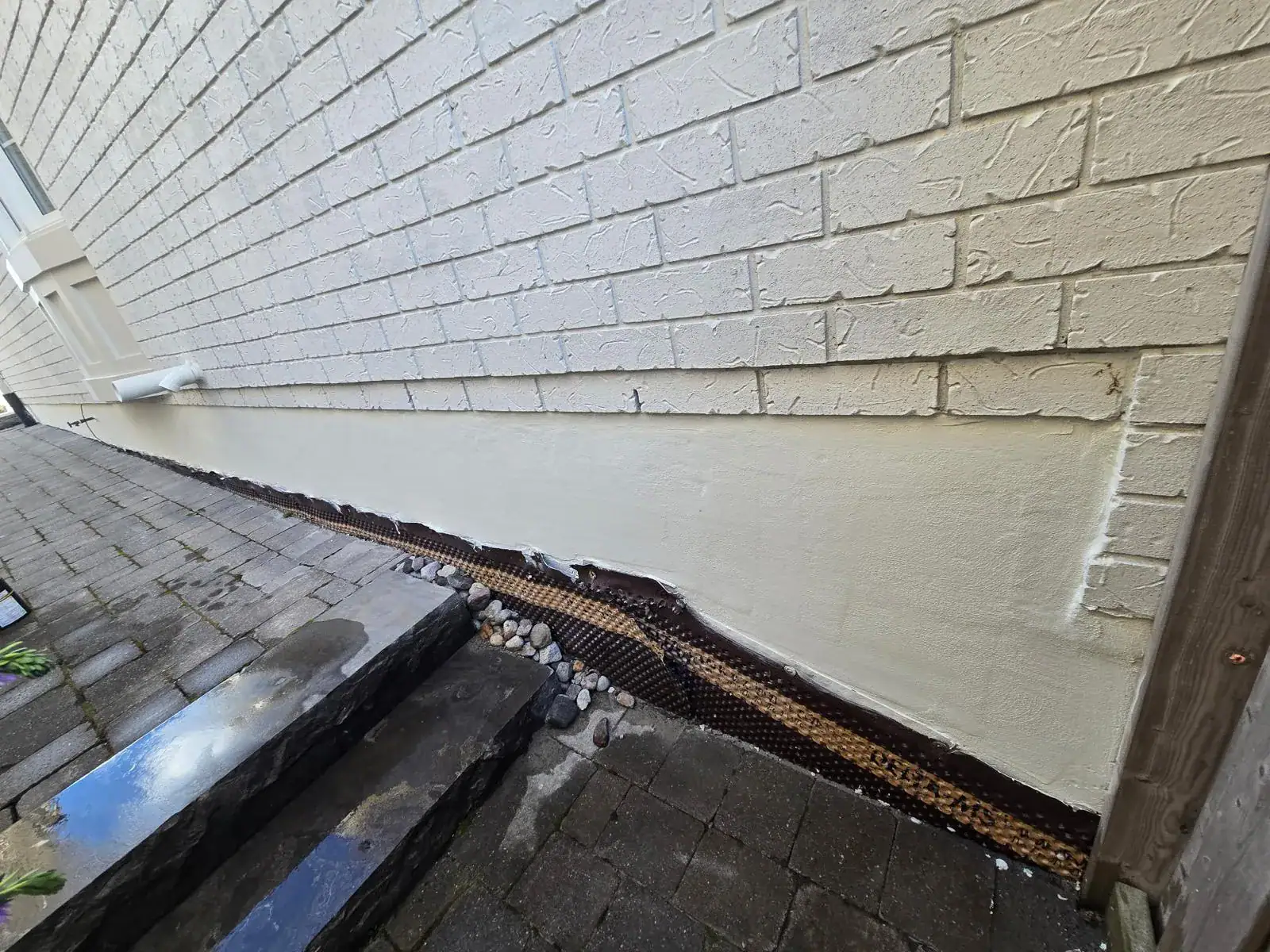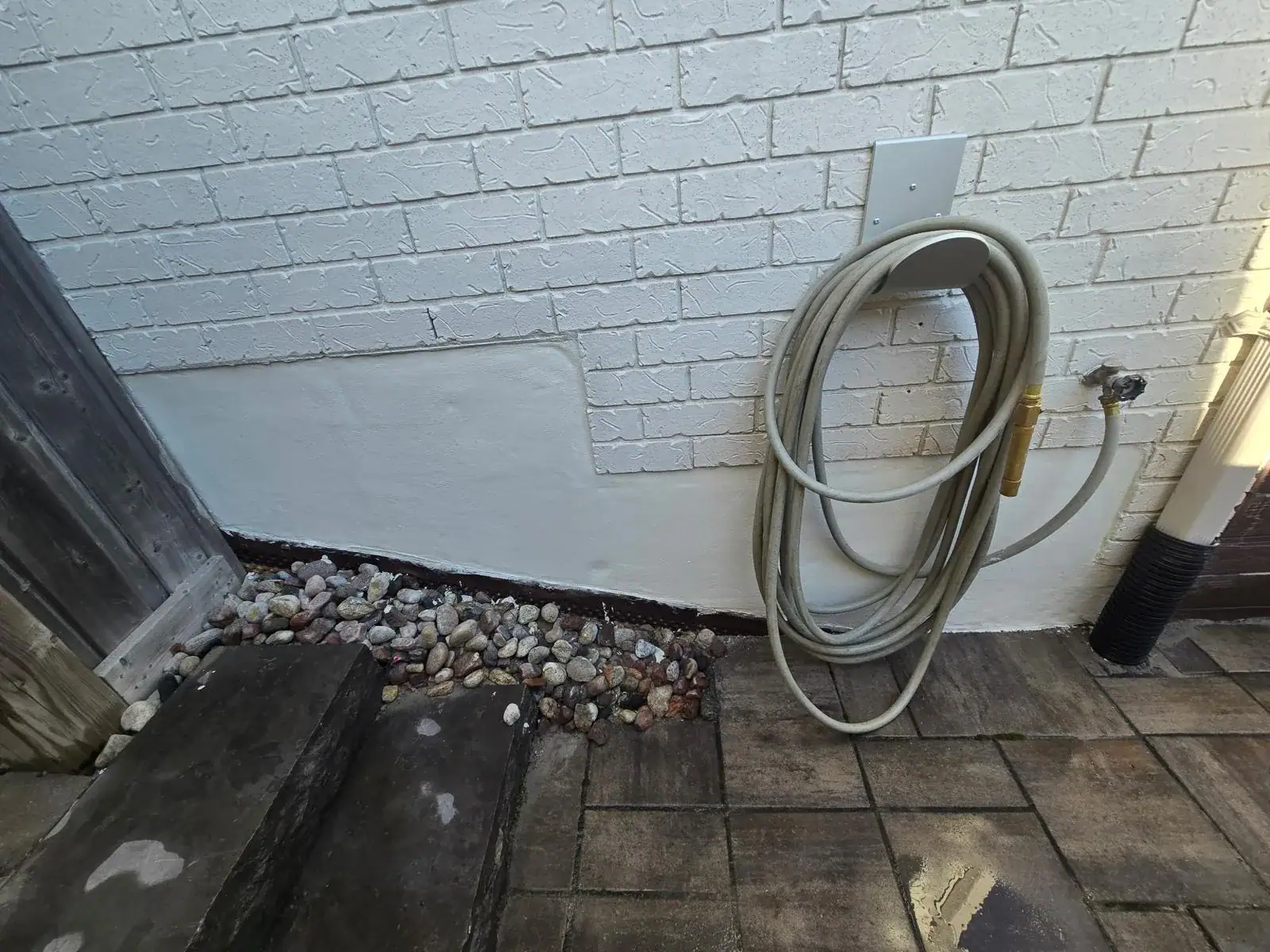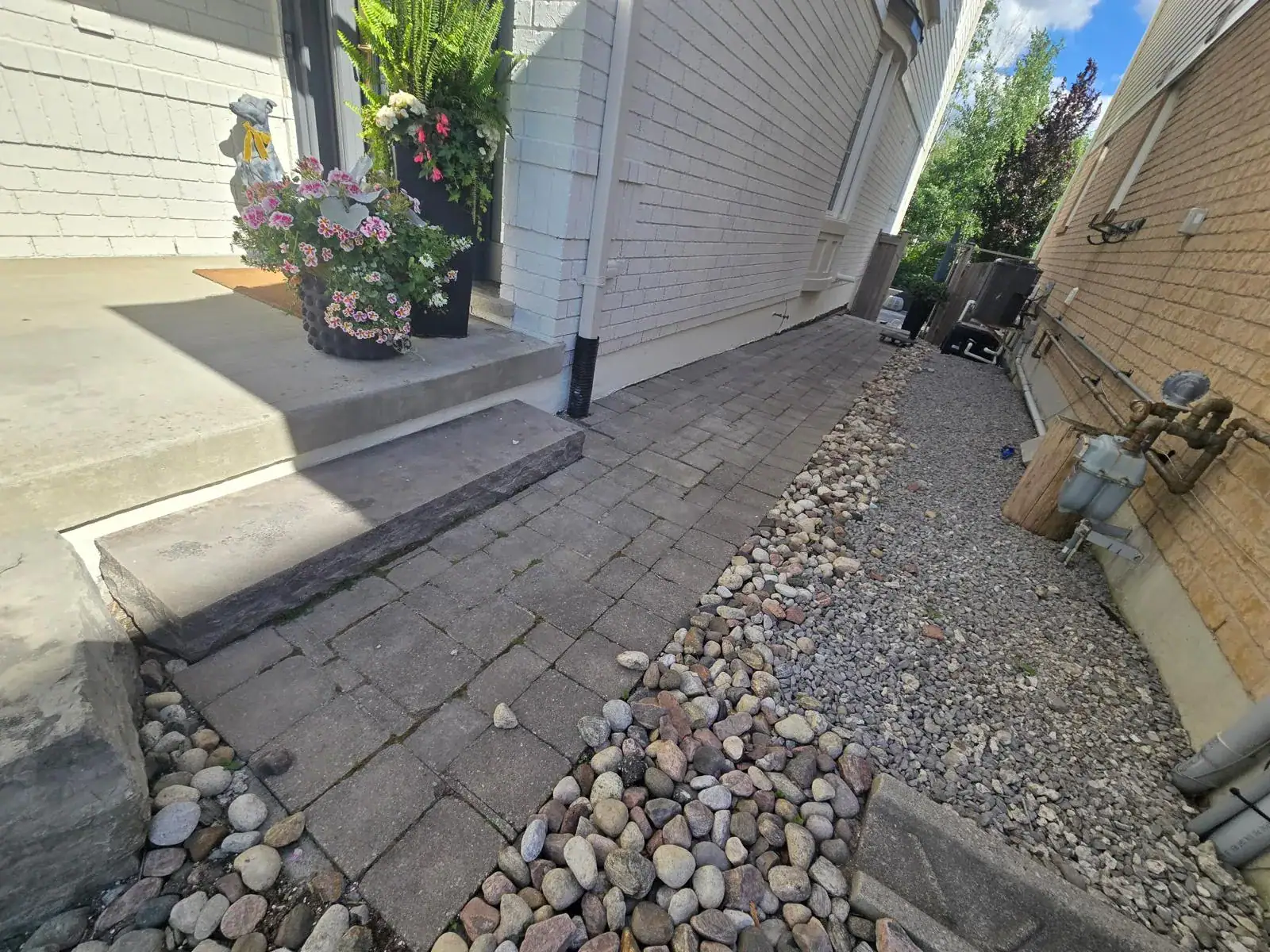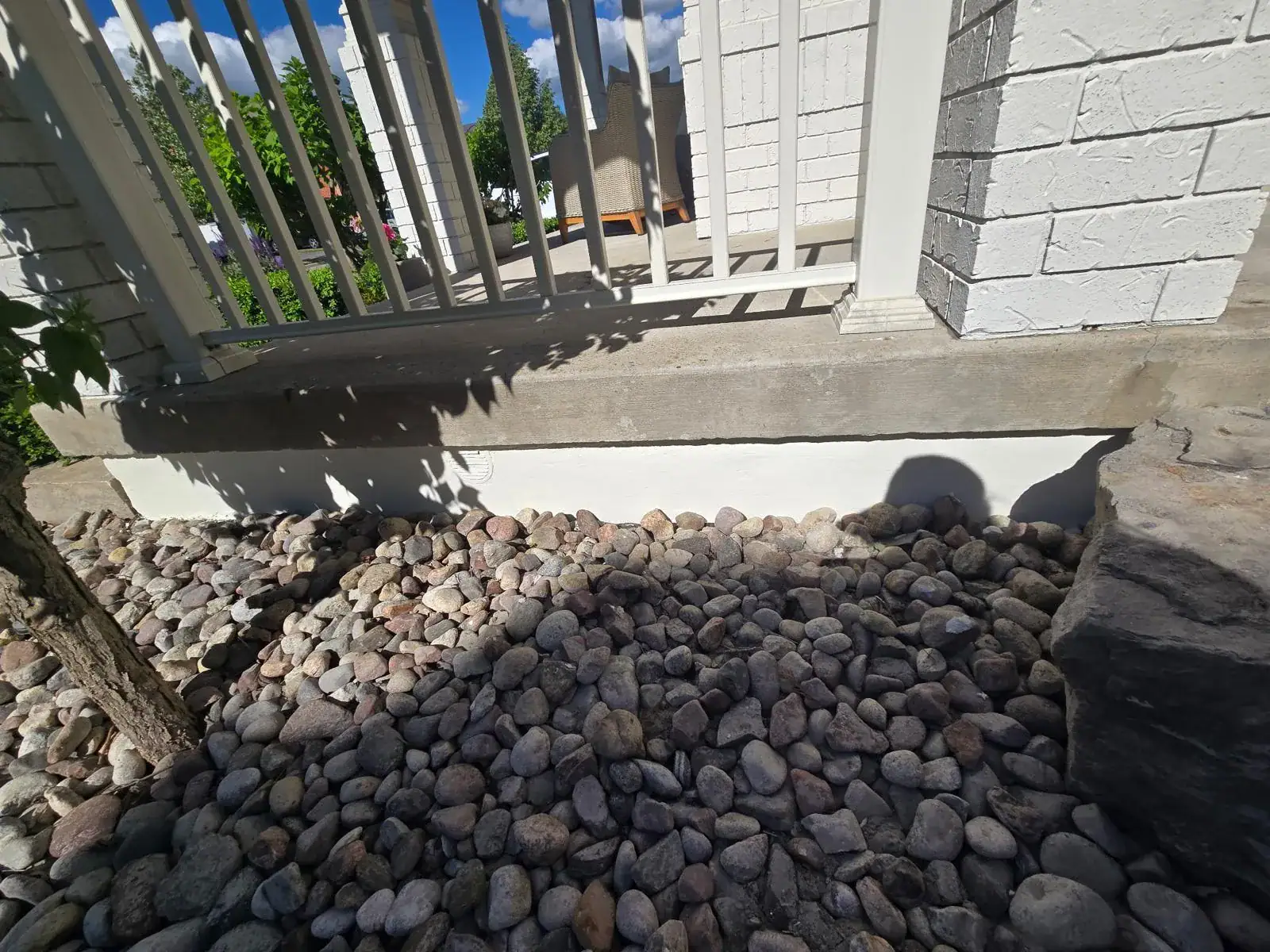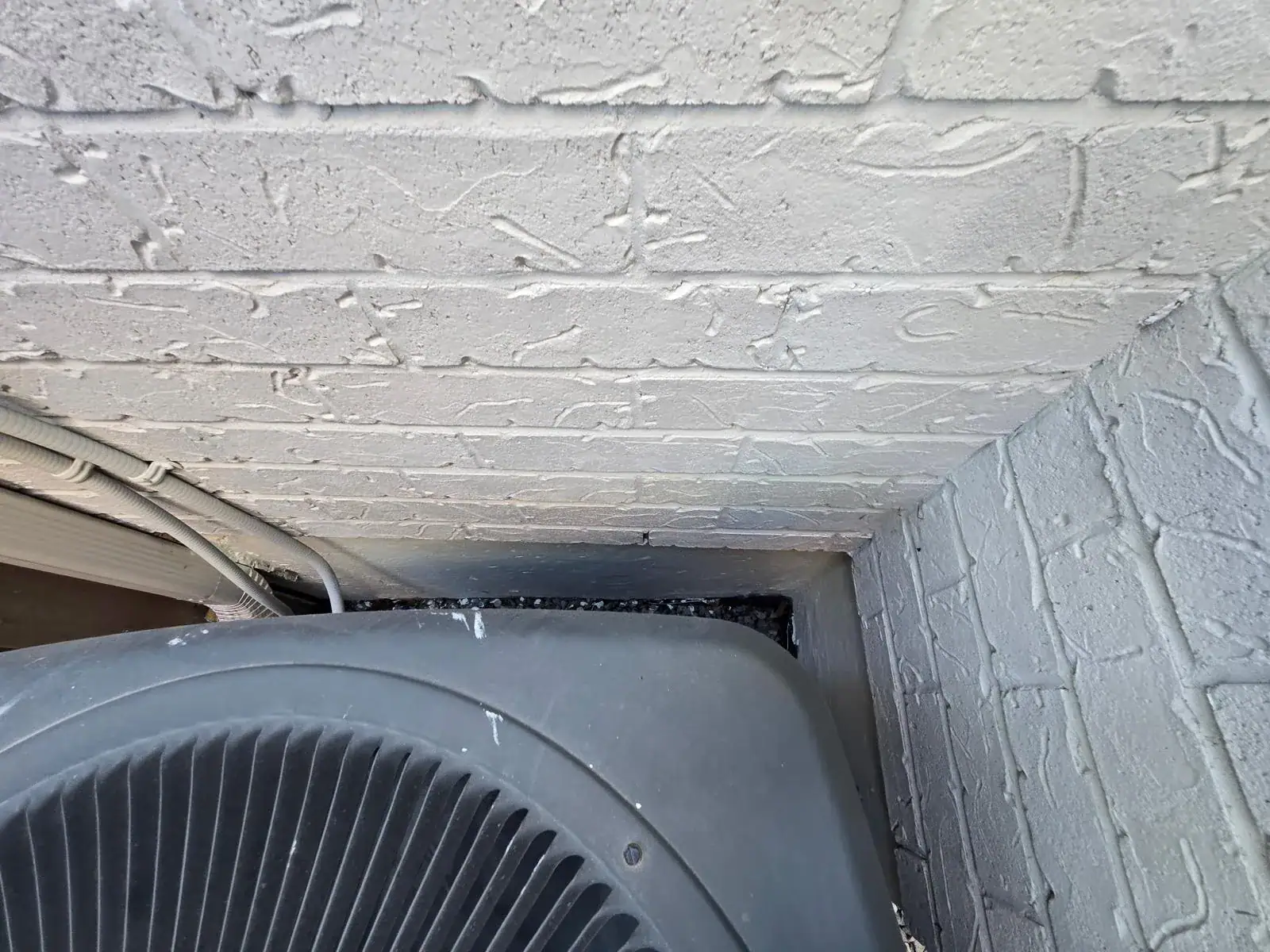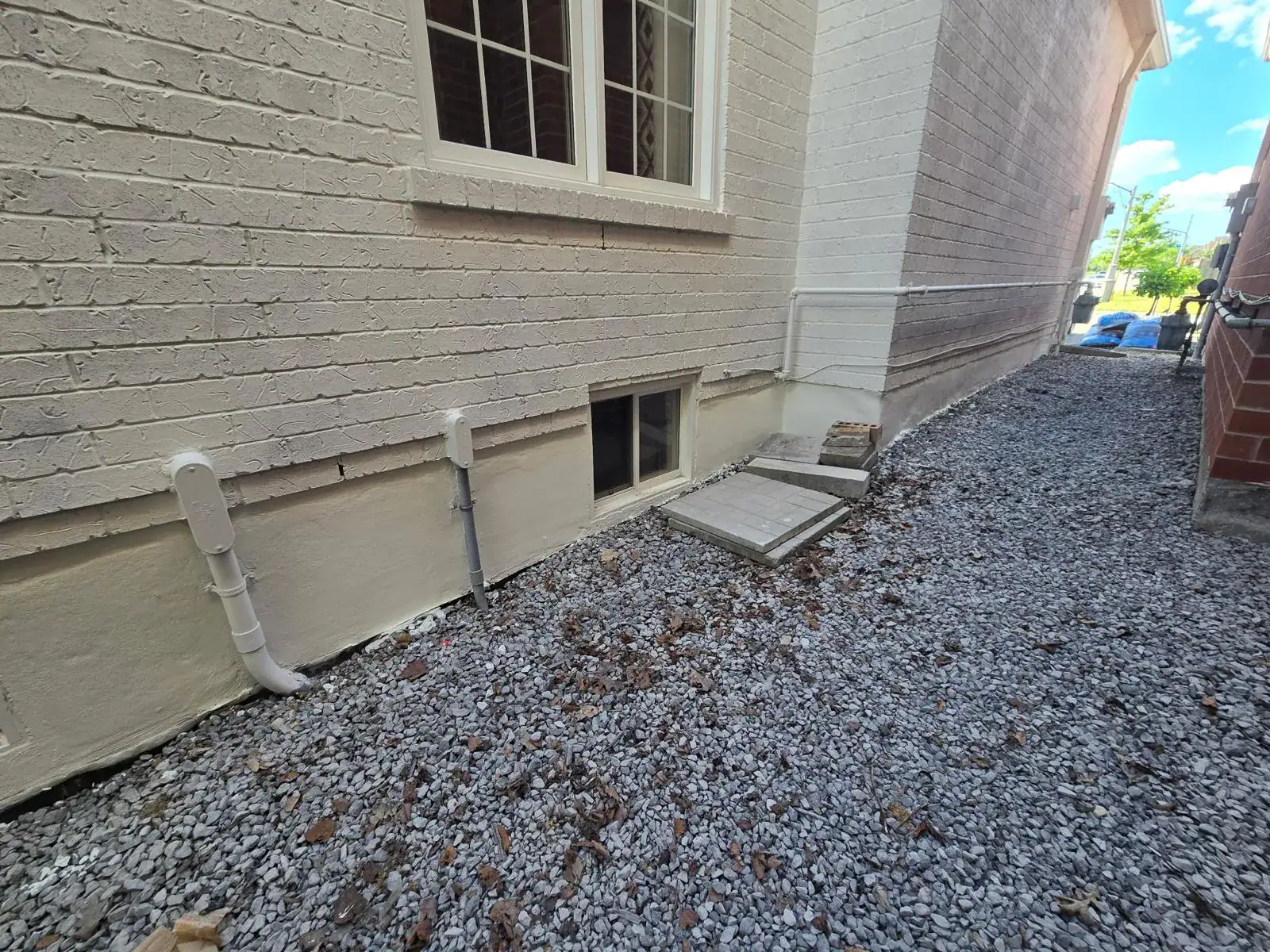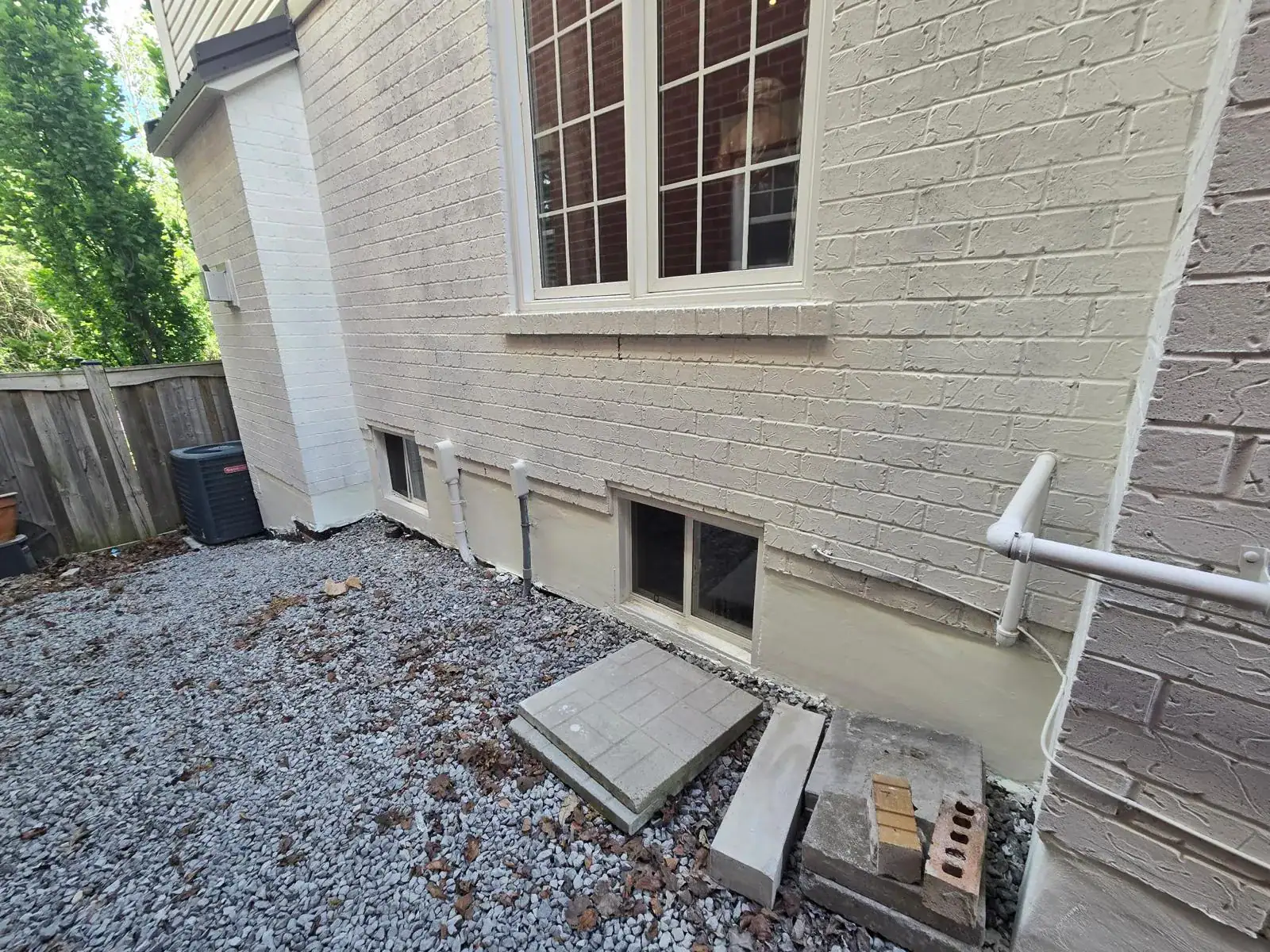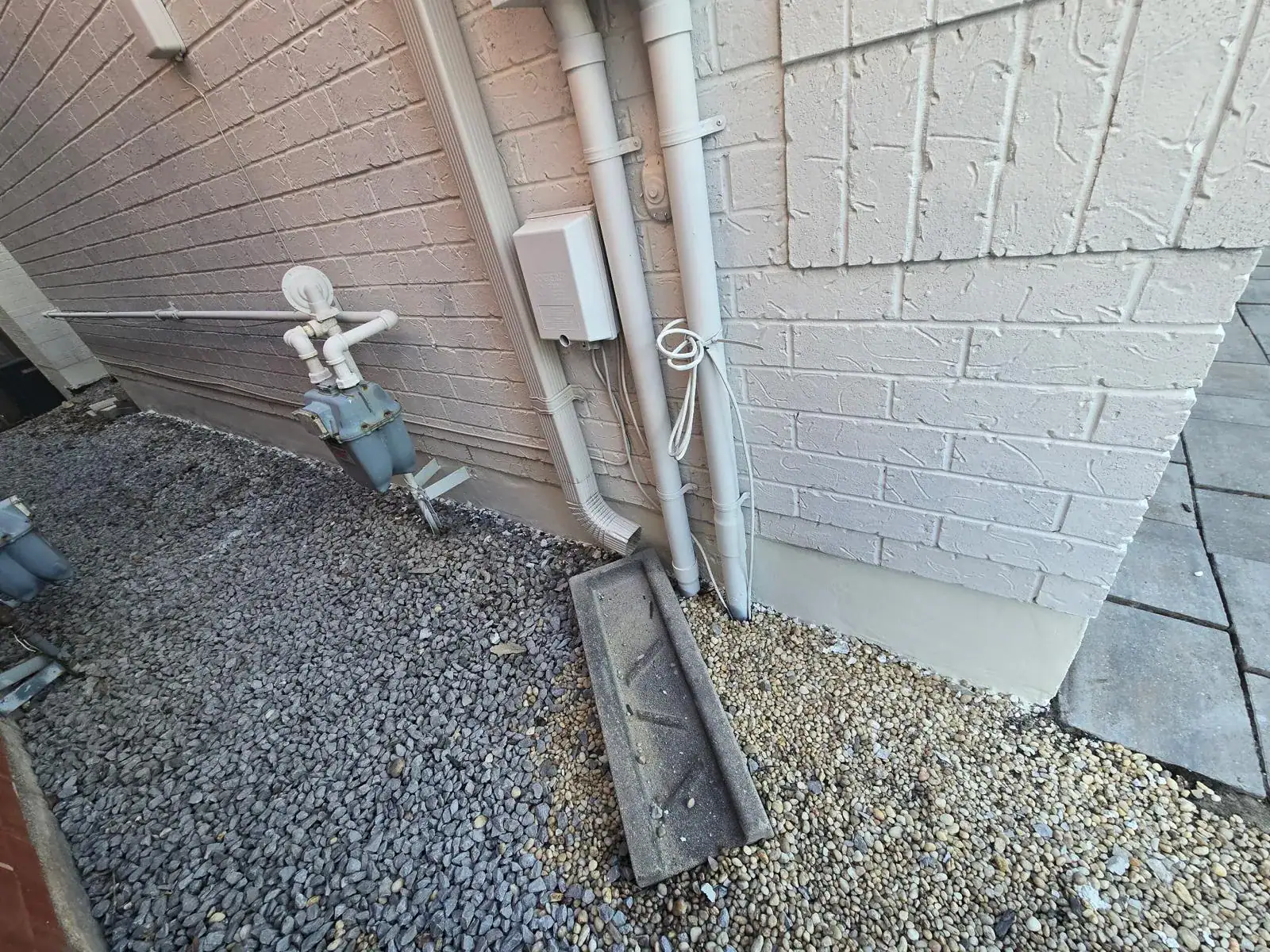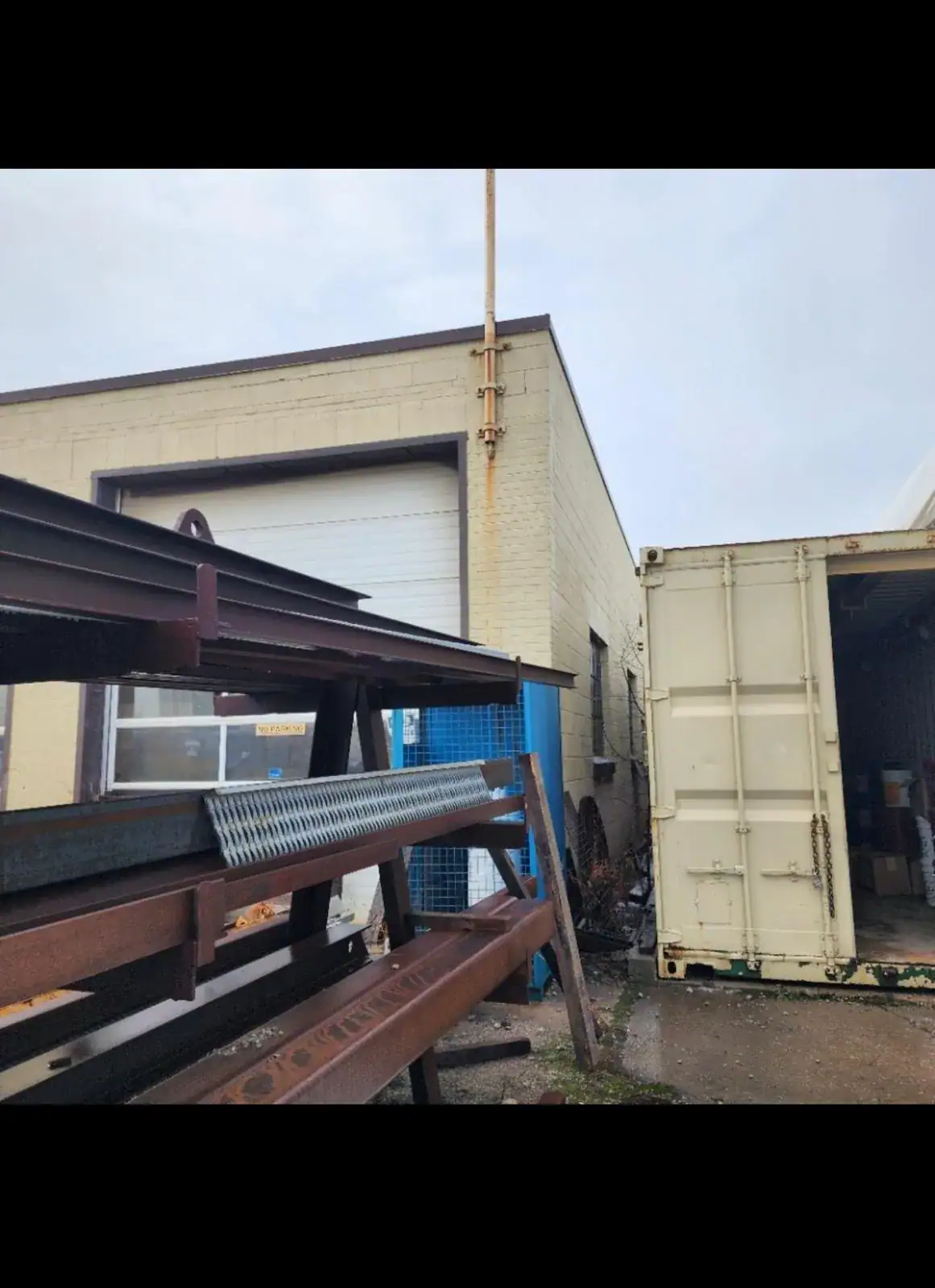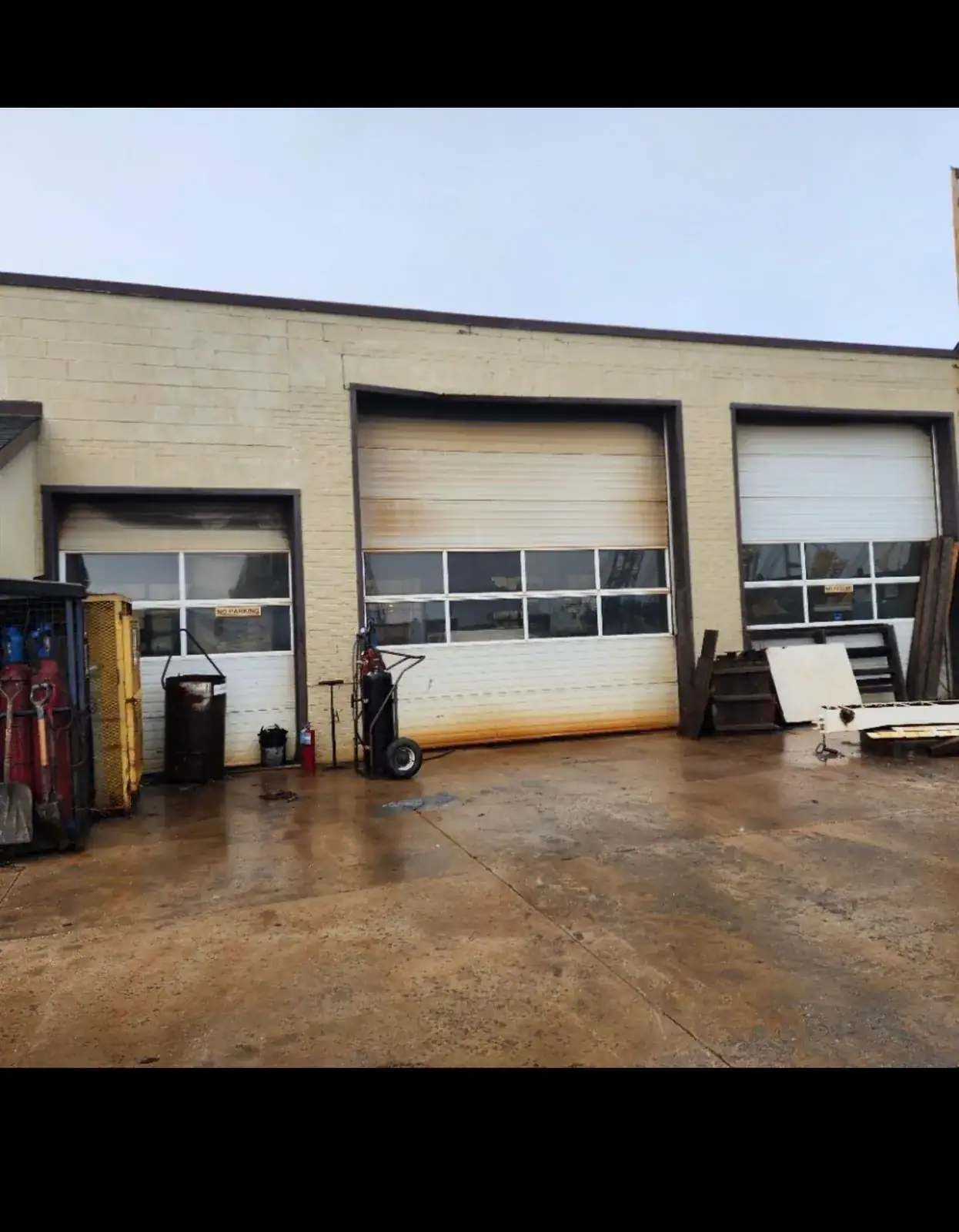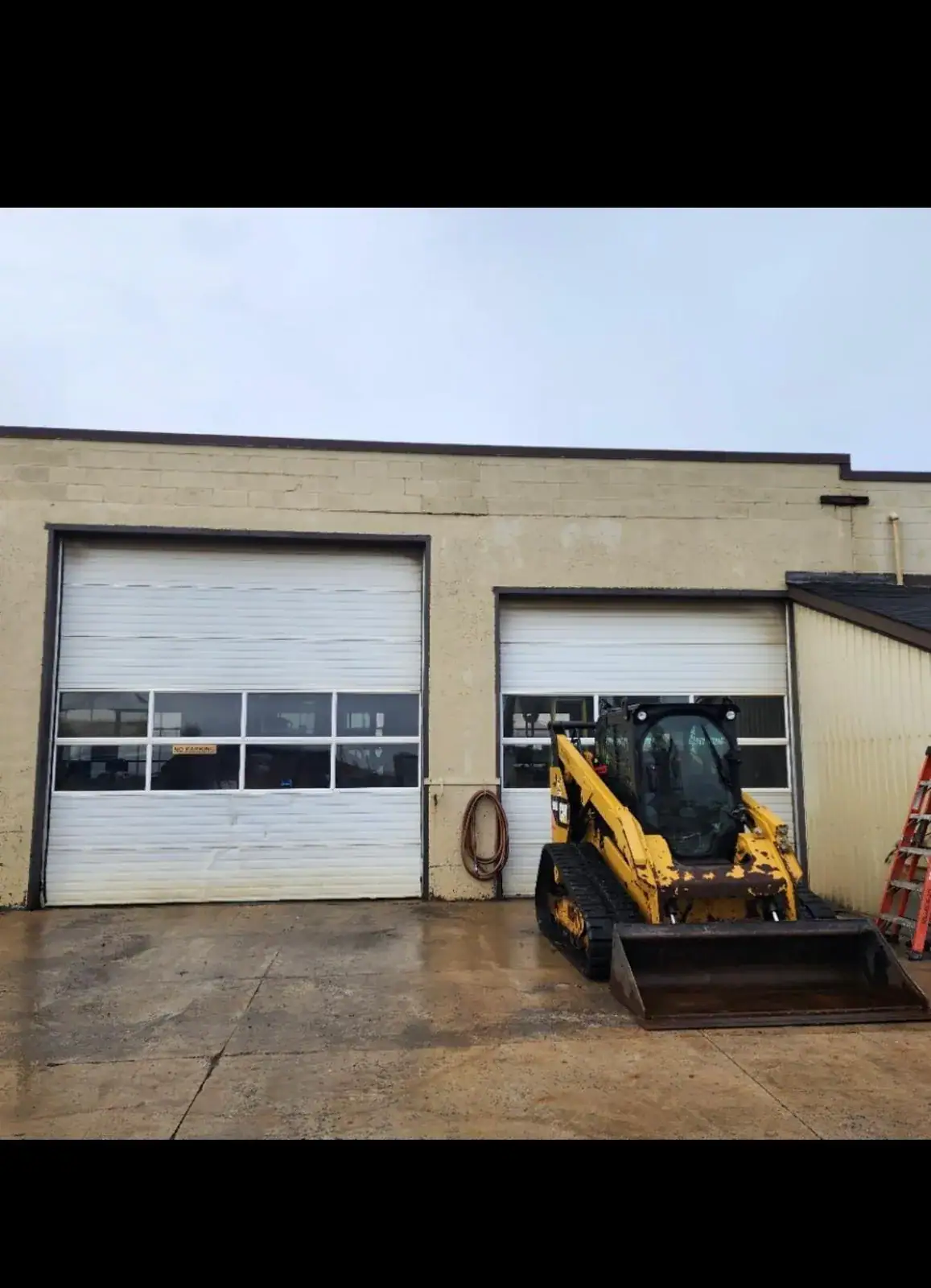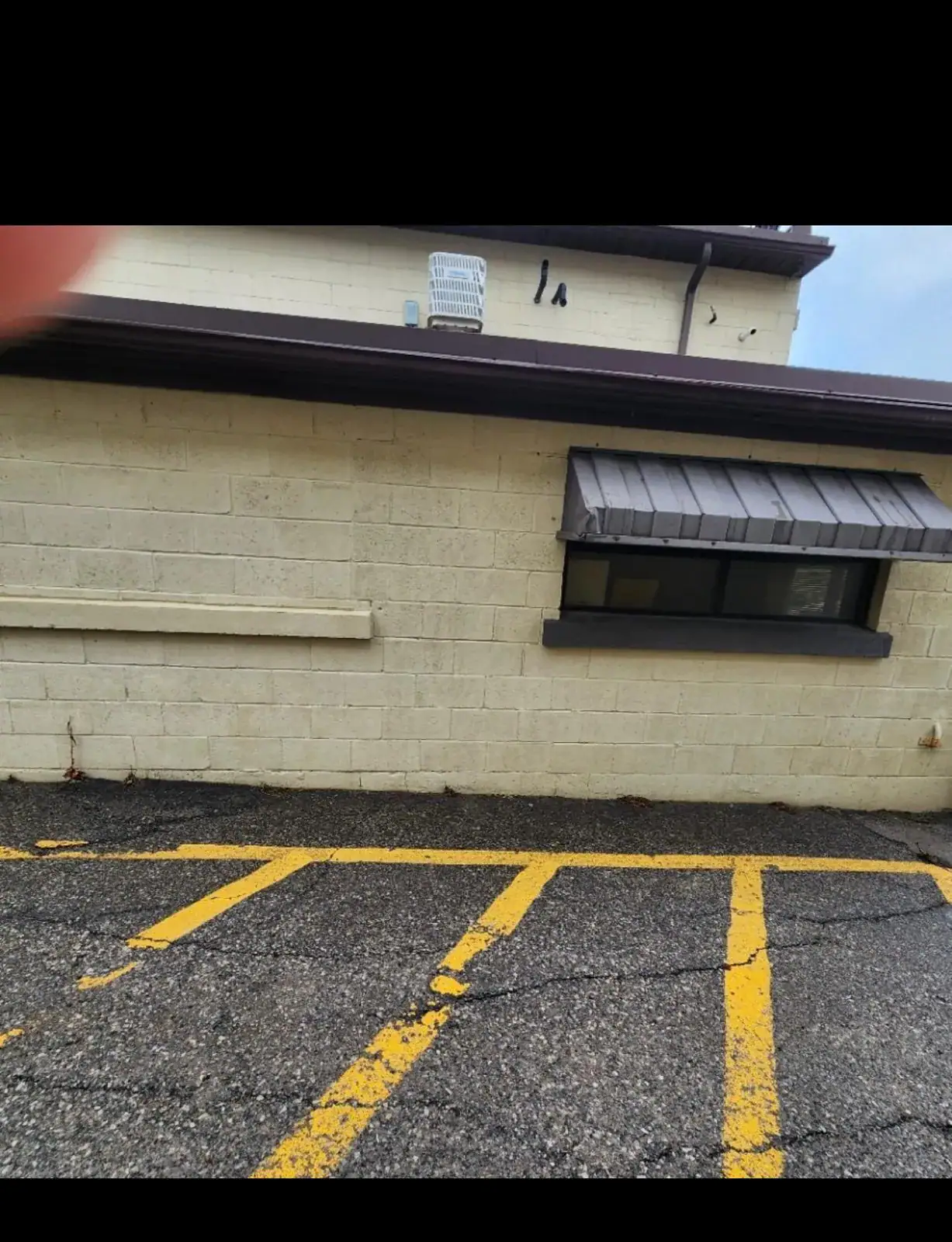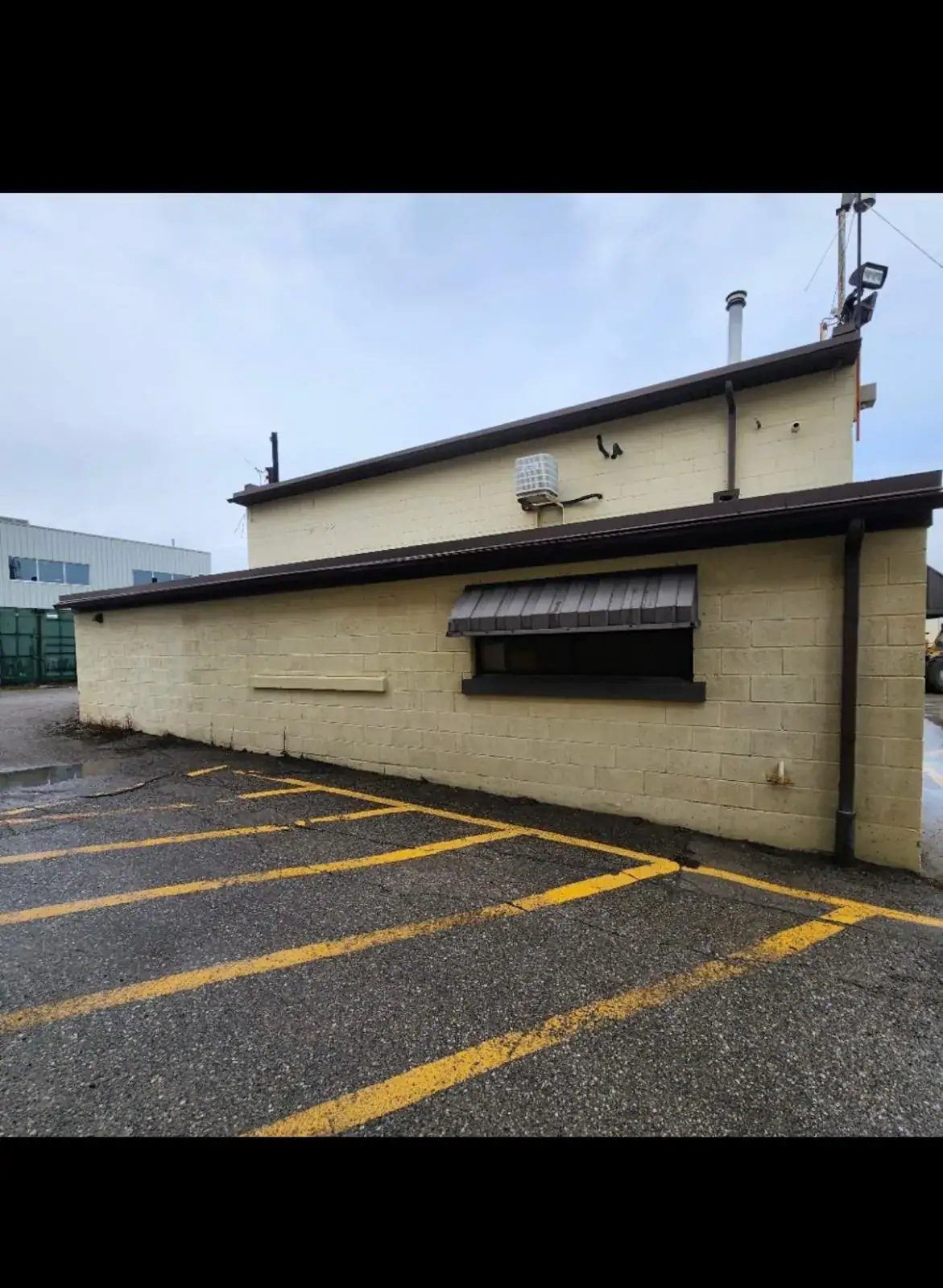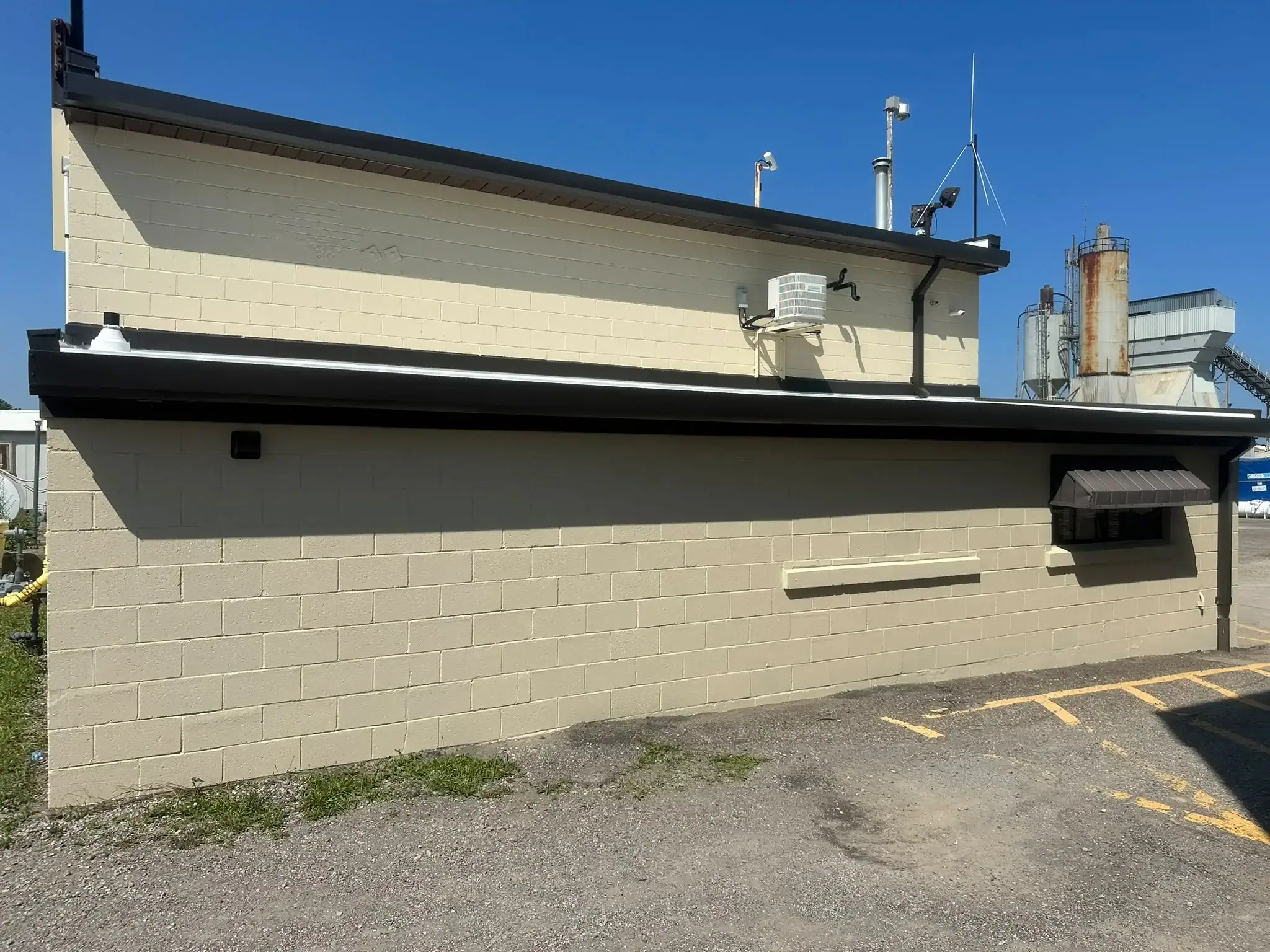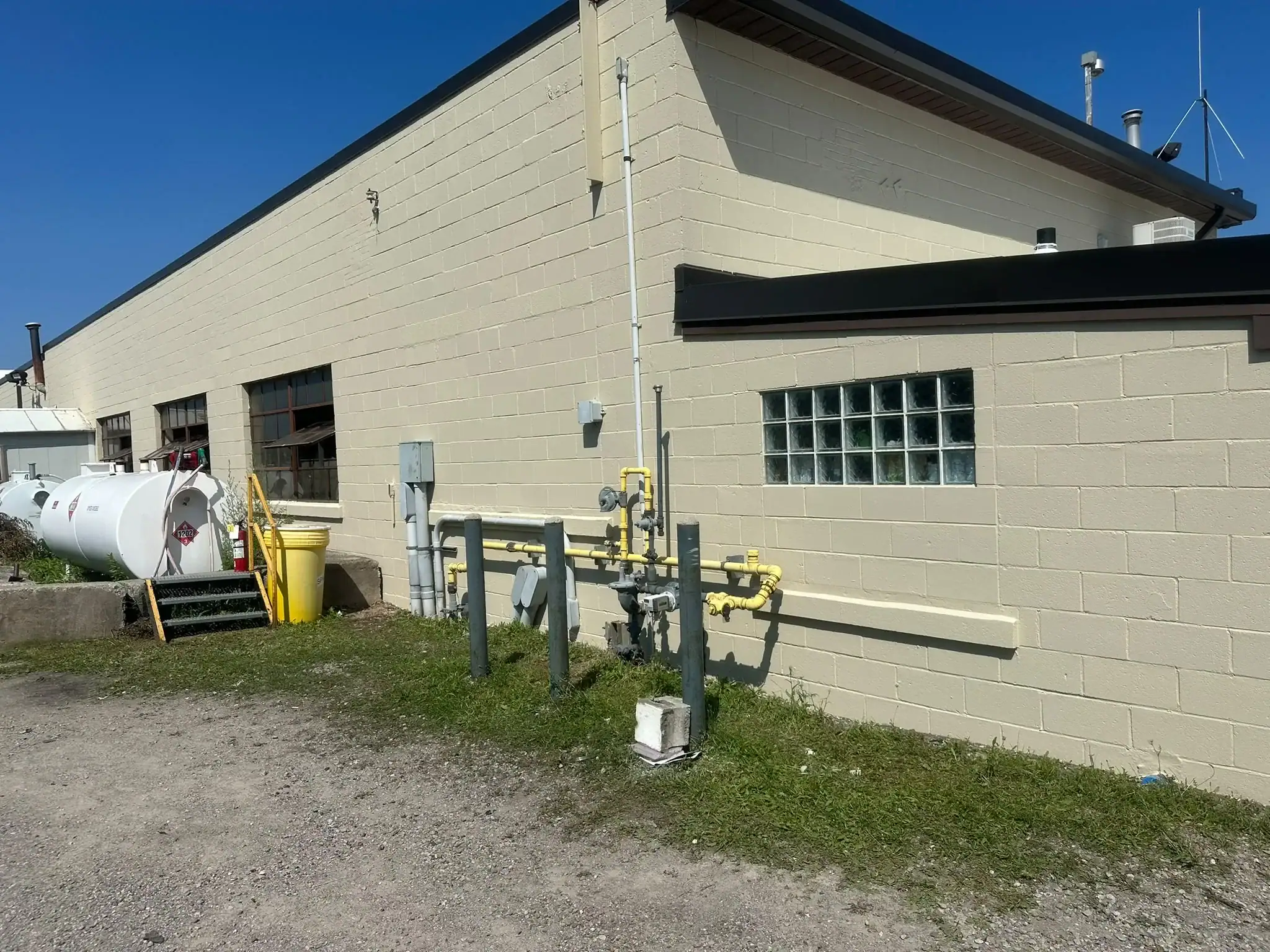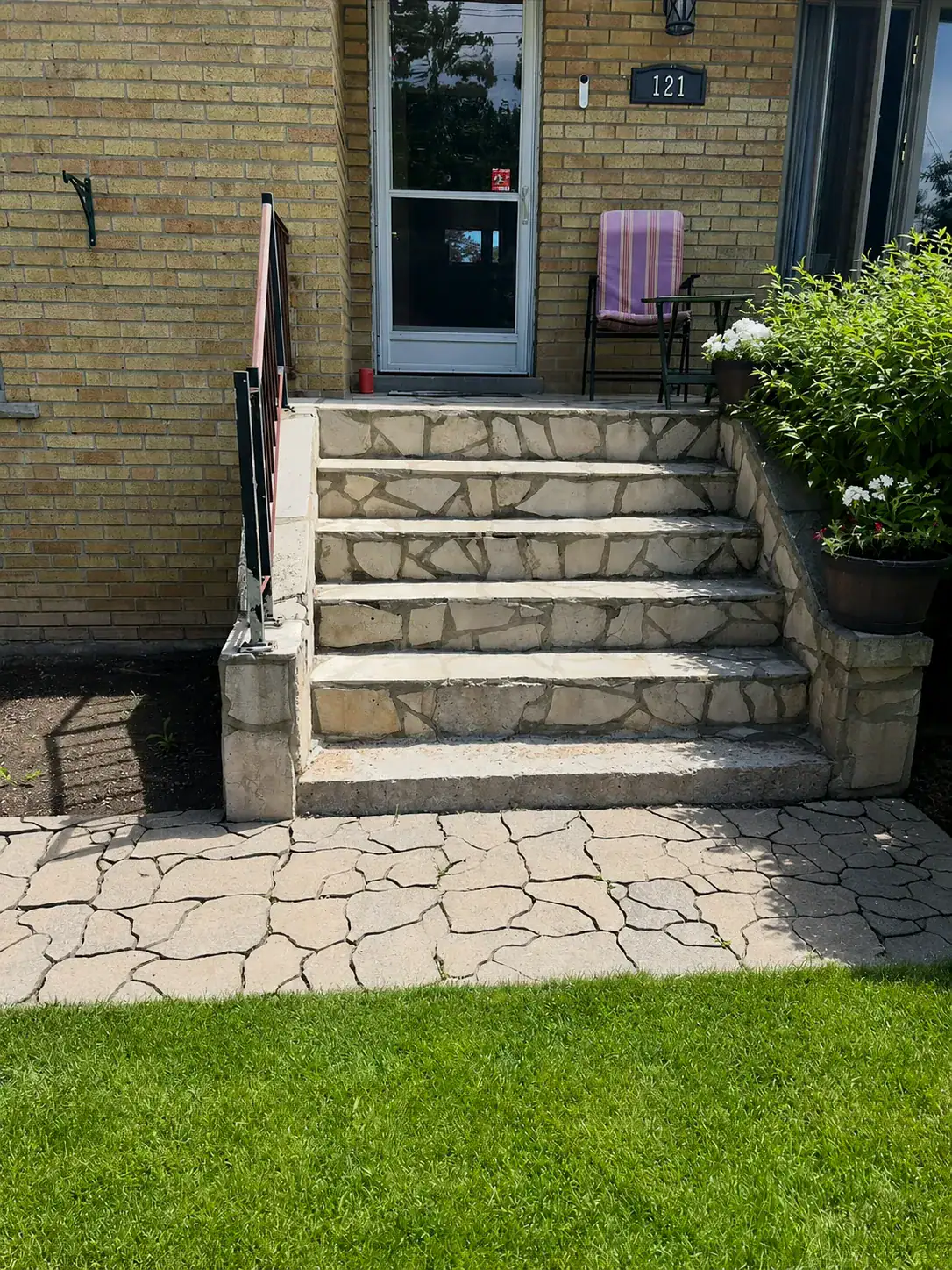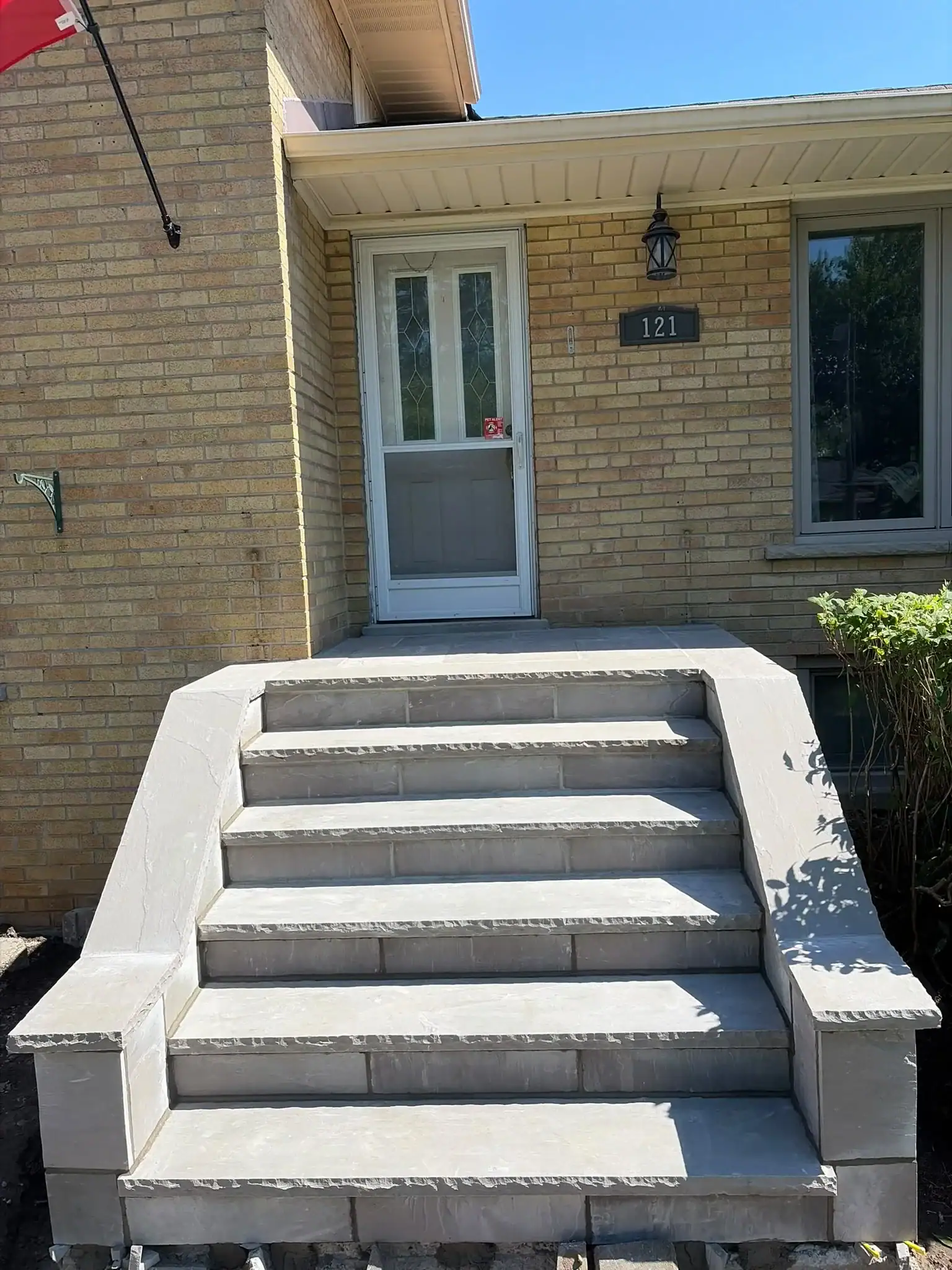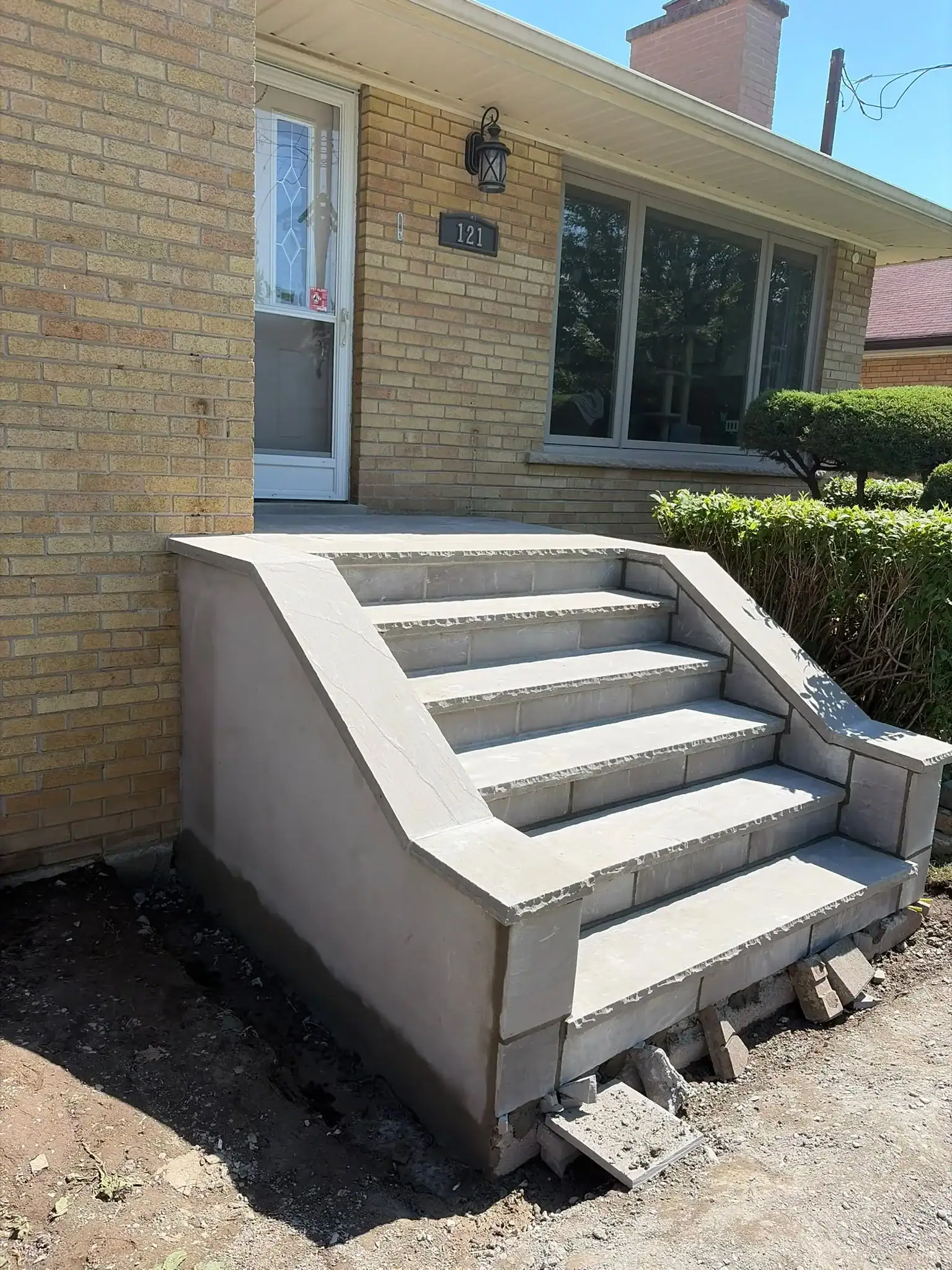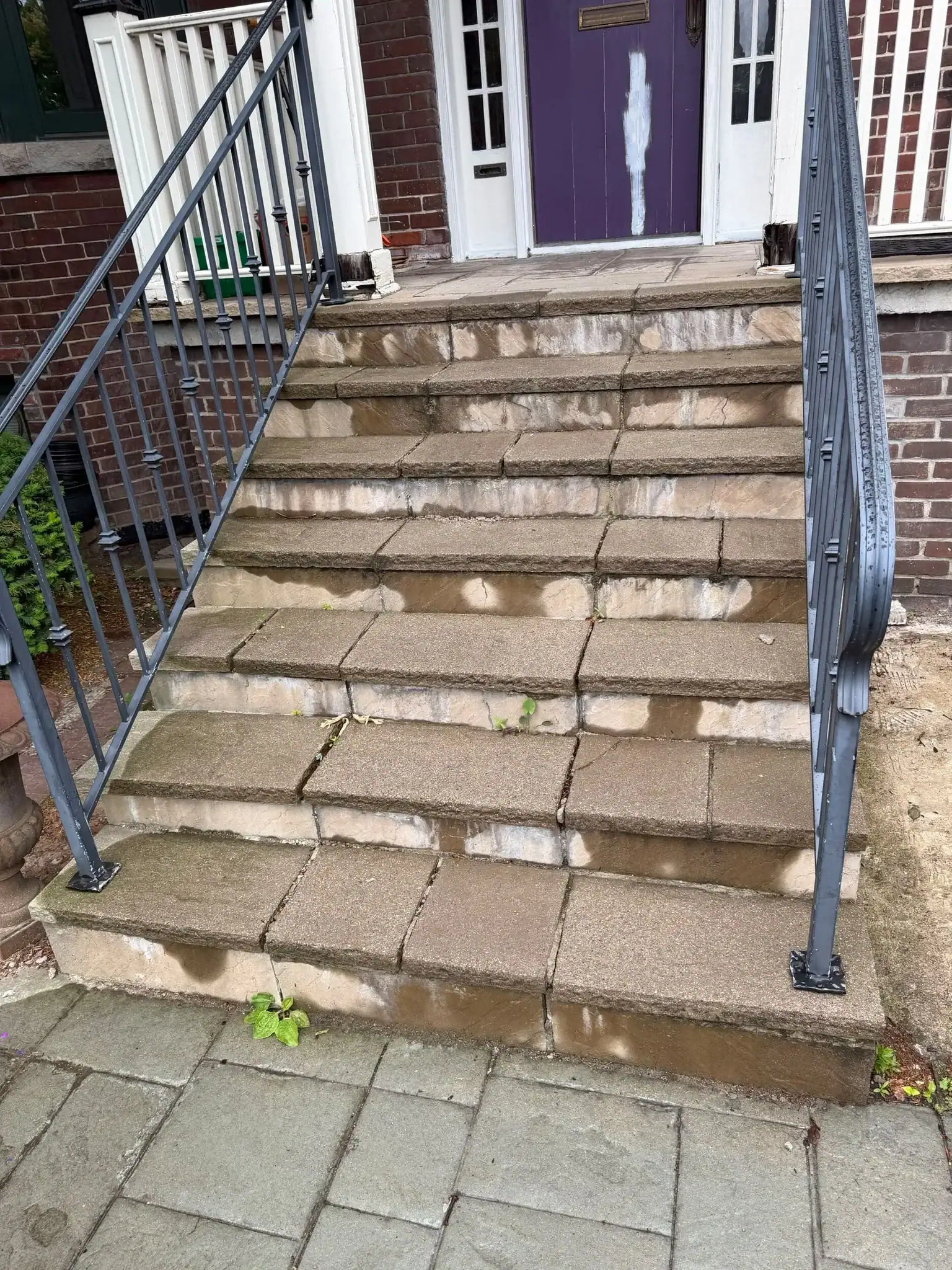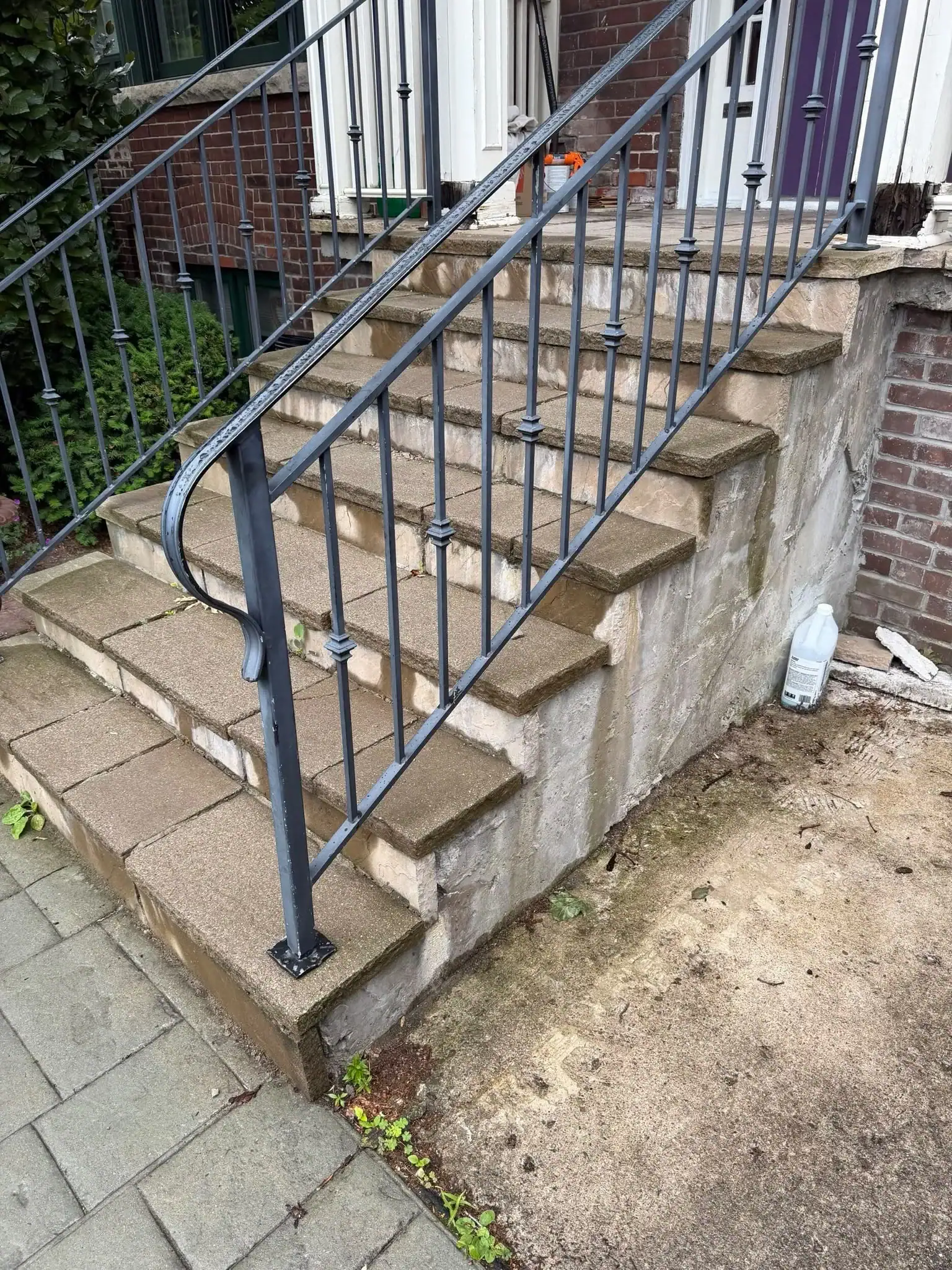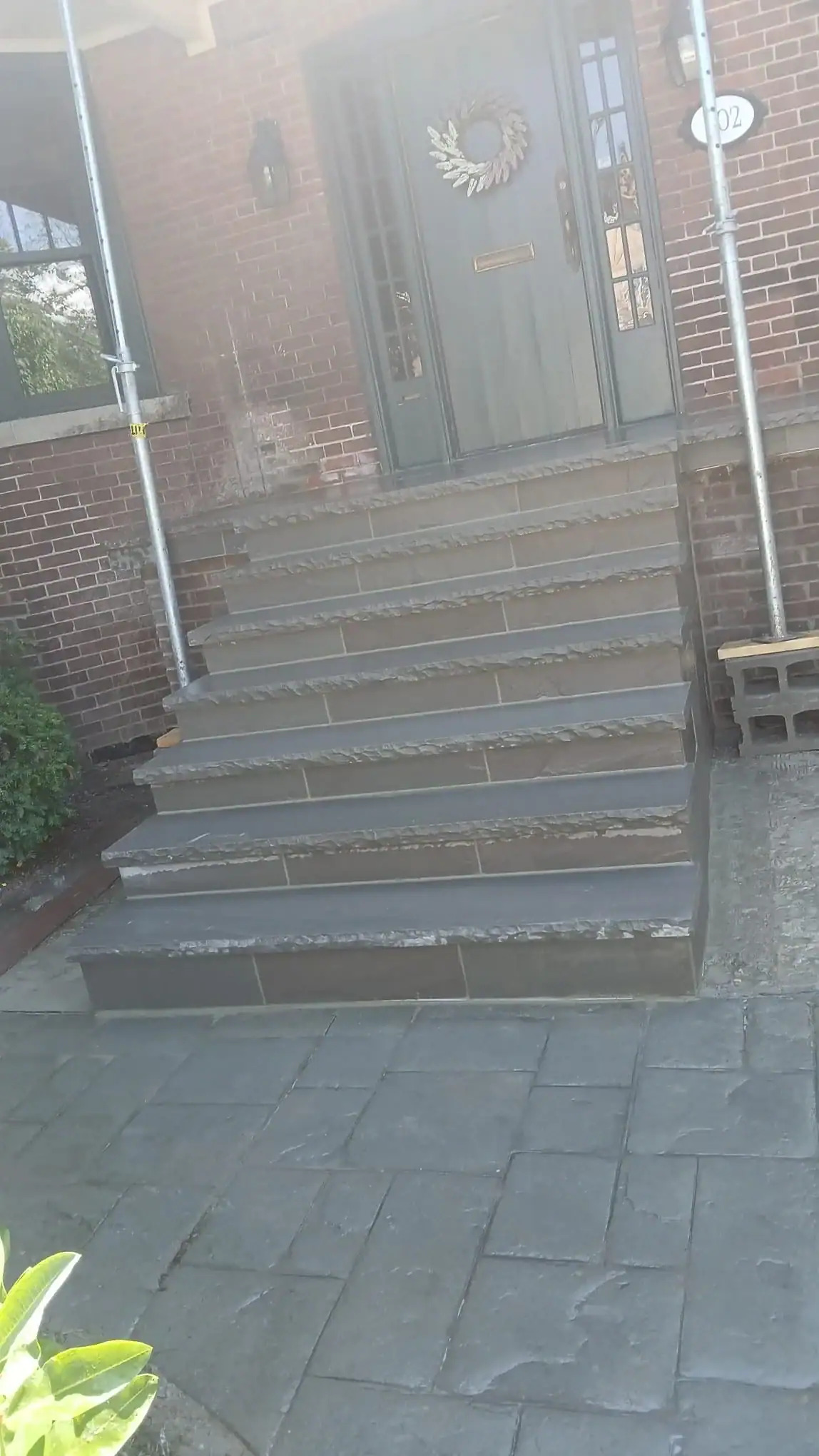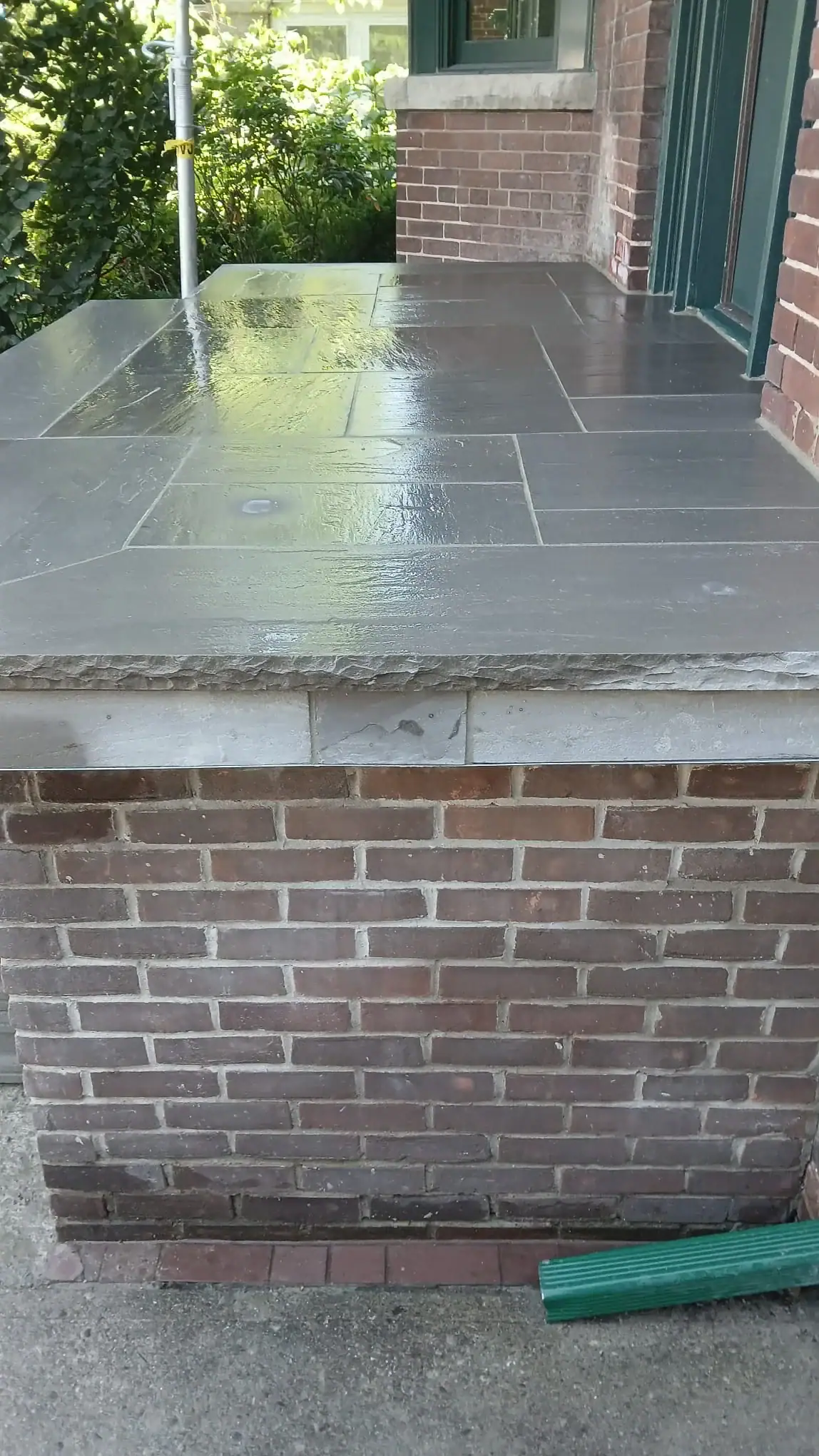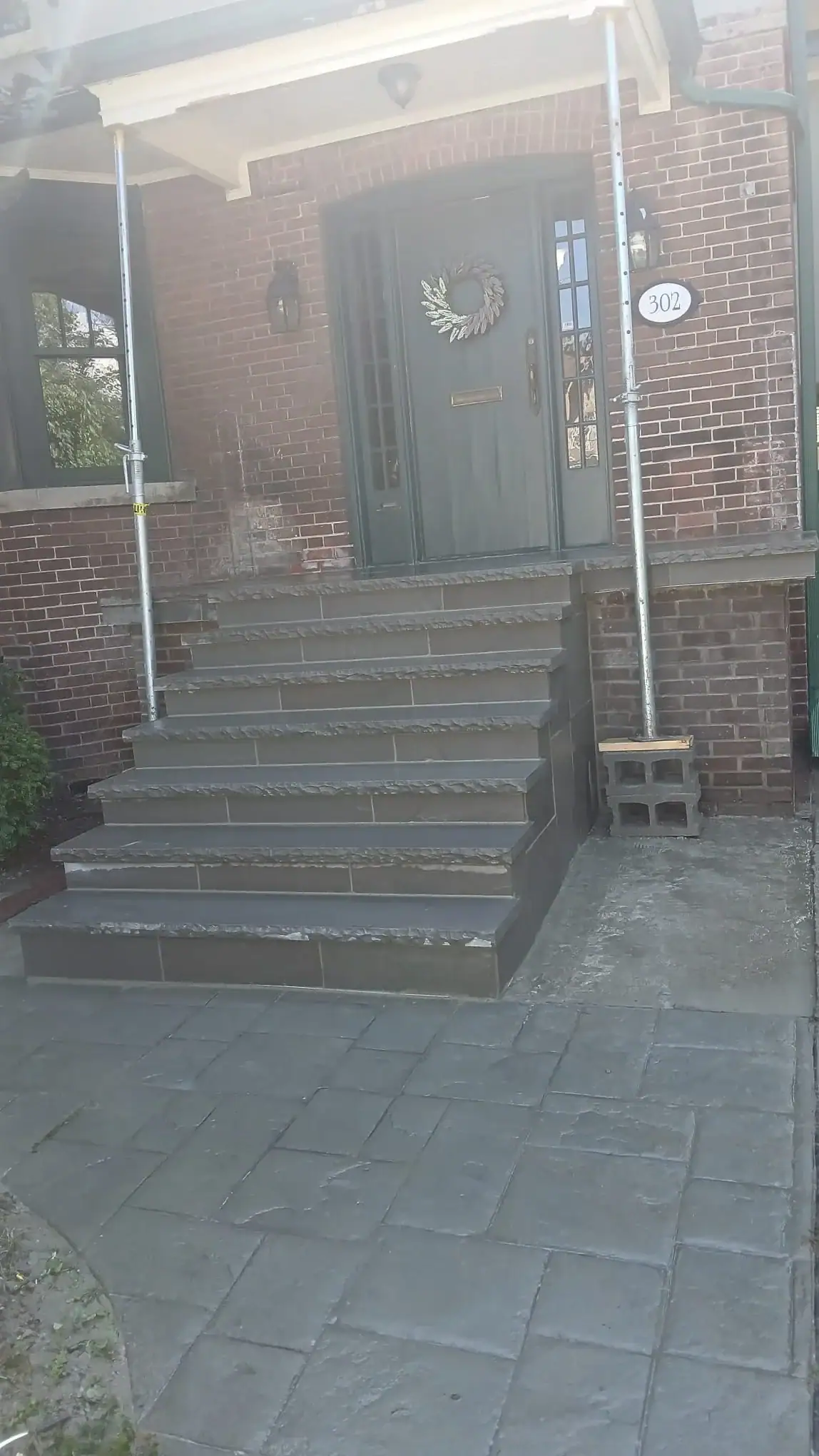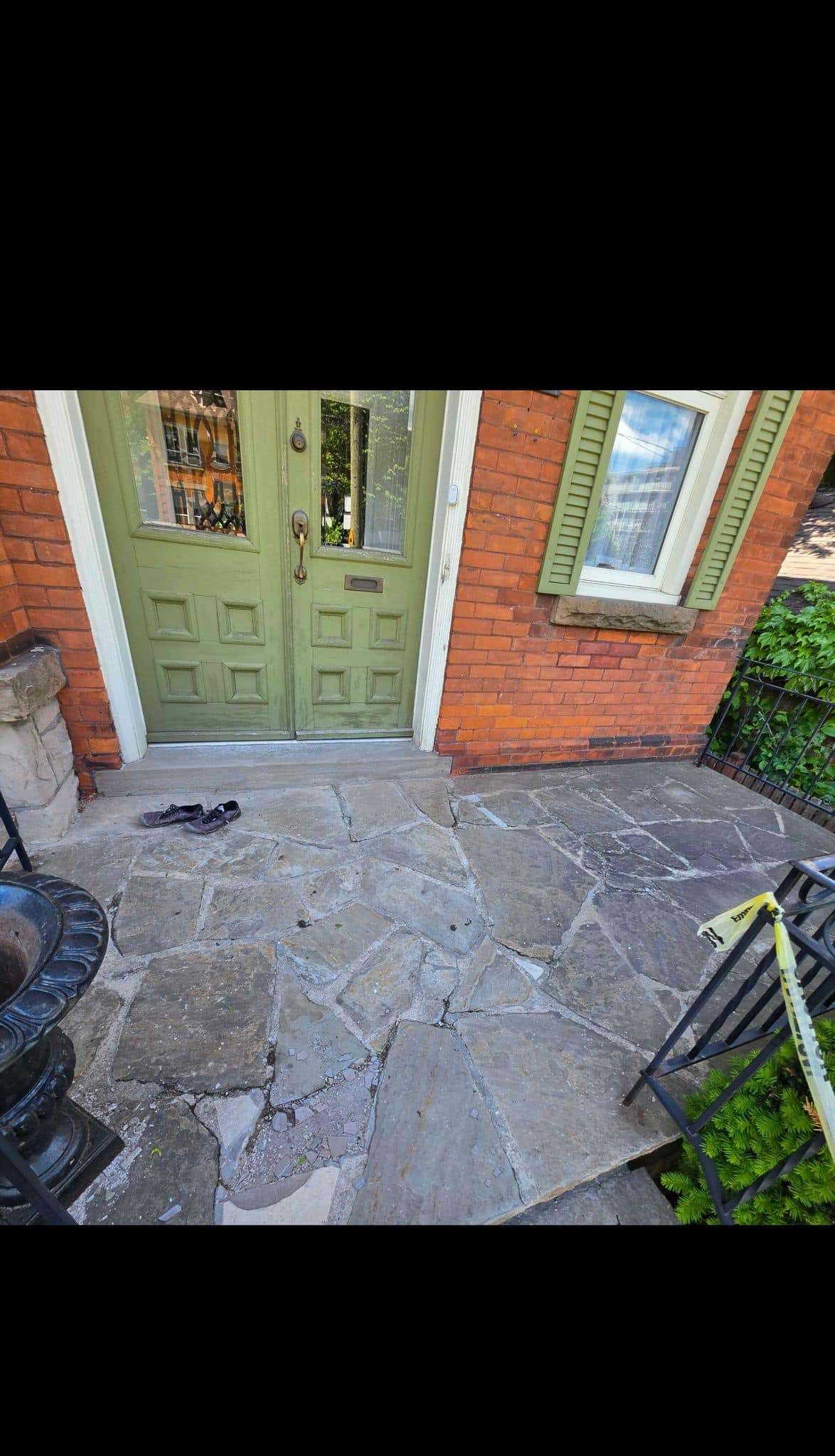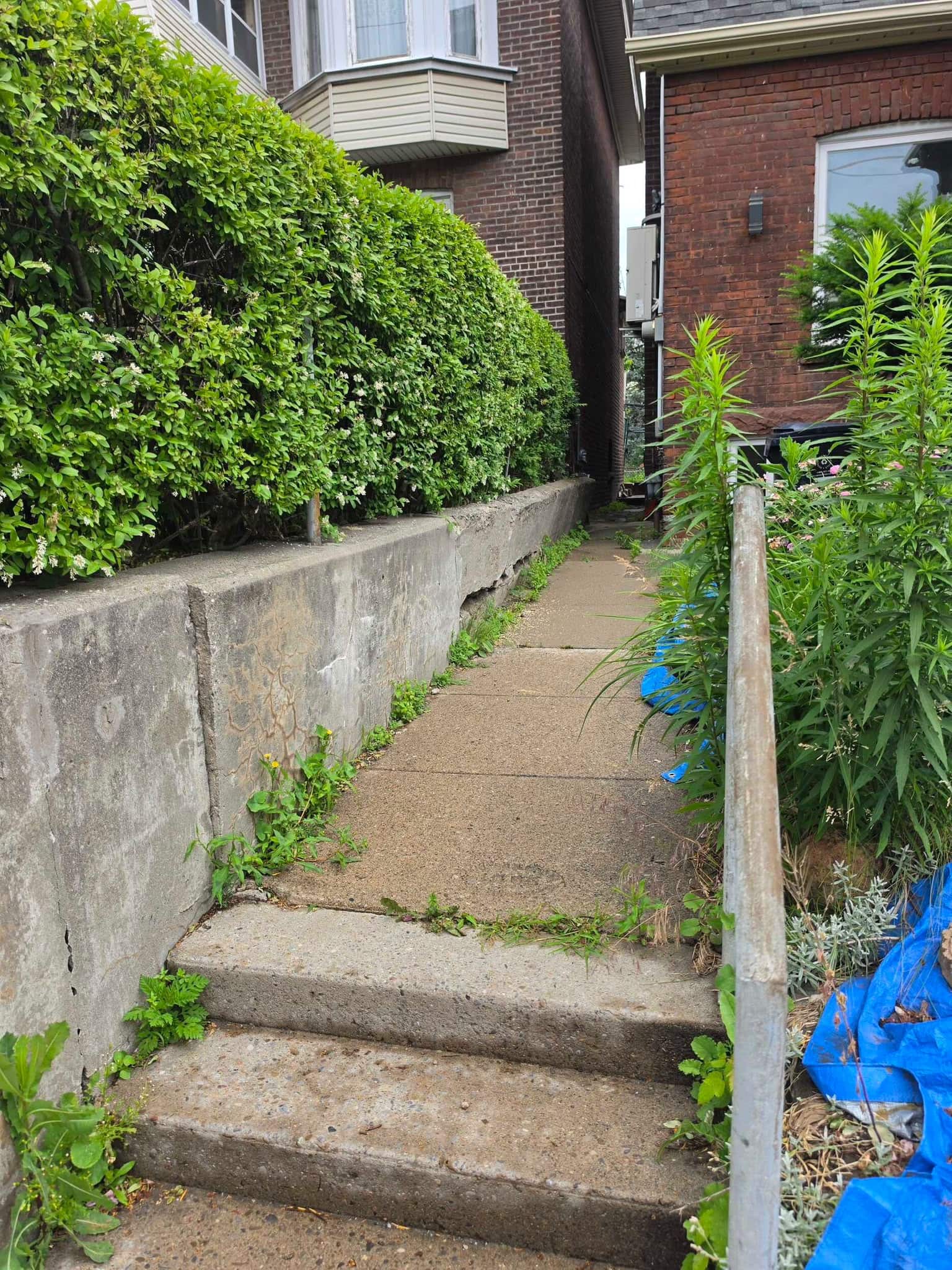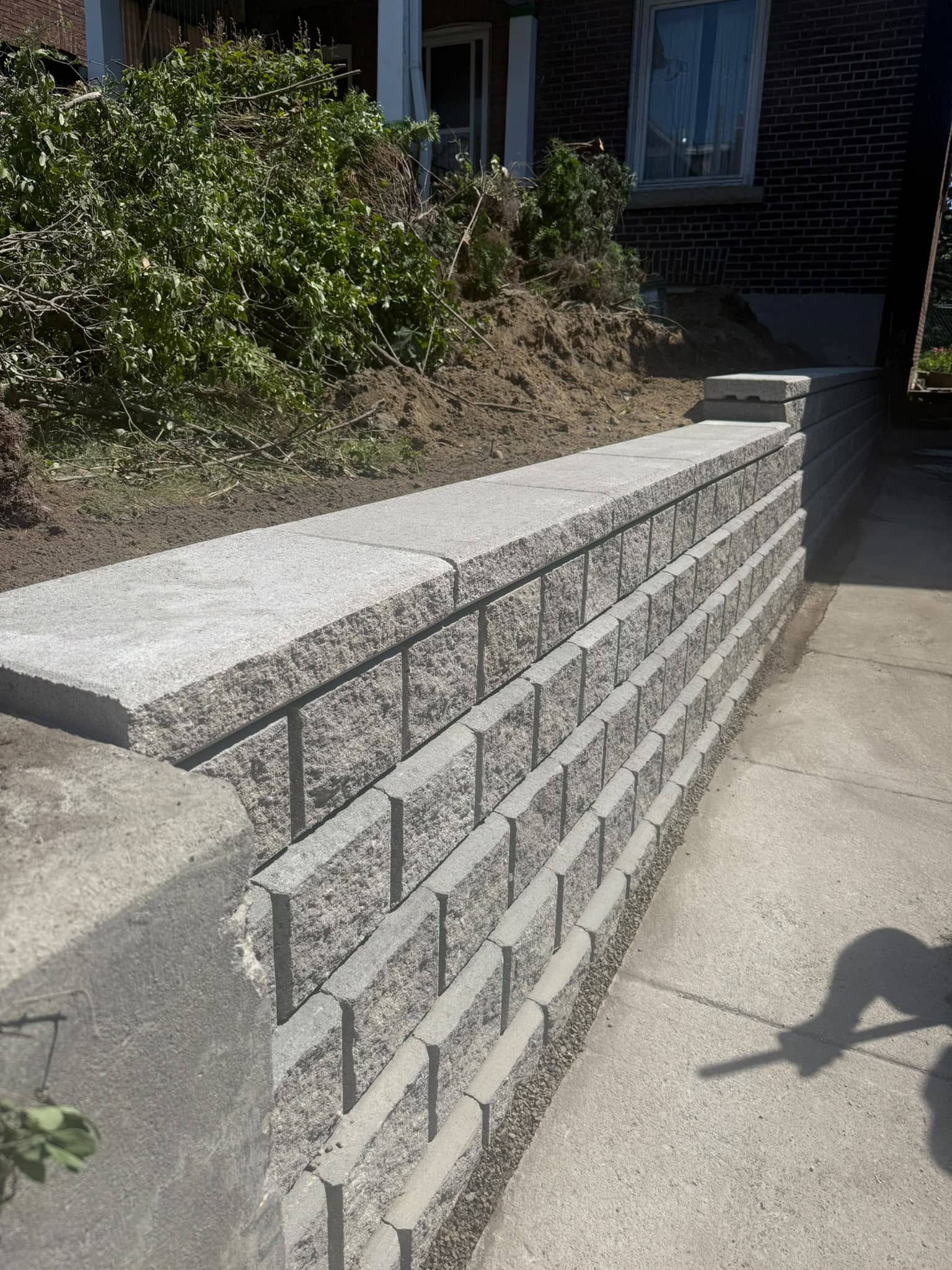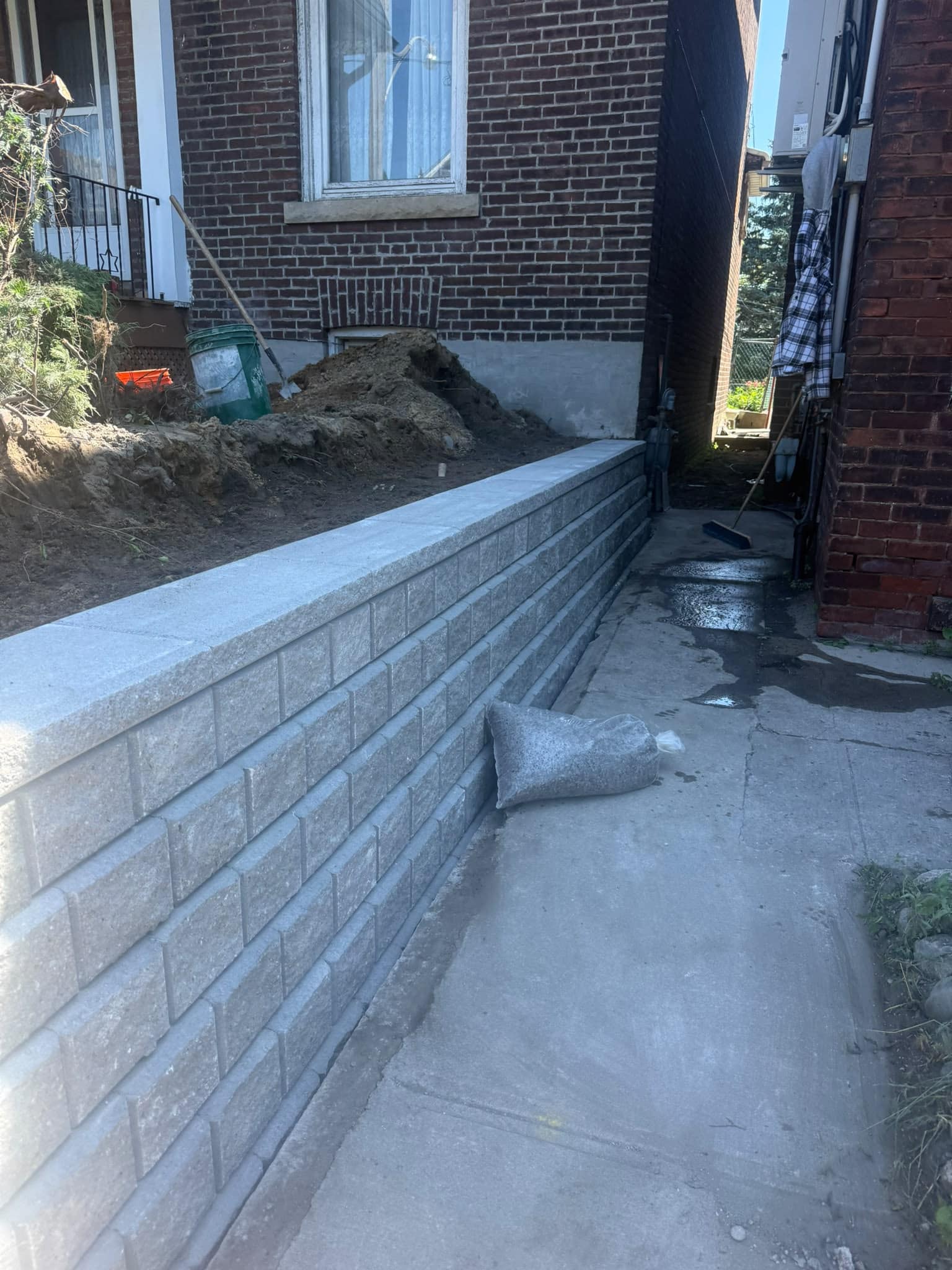

Masonry weather damage is one of the most common and least understood causes of brick and mortar failure in Toronto and the Greater Toronto Area. Because Canadian homes are exposed to rain, snow, ice, wind, and repeated freeze-thaw cycles, masonry weather damage develops slowly and often goes unnoticed until repairs become unavoidable.
Understanding how masonry weather damage forms helps homeowners act early, protect their property, and avoid costly brick replacement. This guide explains how weather impacts masonry over time, what warning signs matter most, and when professional inspection is the right next step.
Why masonry weather damage is so common in Toronto
Masonry weather damage accelerates in climates like southern Ontario where temperatures frequently cross the freezing point. When moisture enters mortar joints or small brick pores and freezes, it expands. That expansion creates pressure that slowly weakens mortar, loosens bricks, and opens new paths for water intrusion.
Over years, this cycle repeats hundreds of times. Masonry weather damage rarely comes from a single storm. It comes from constant exposure combined with seasonal temperature swings, wind-driven rain, and melting snow sitting against exterior walls.
The main types of masonry weather damage
Freeze-thaw deterioration

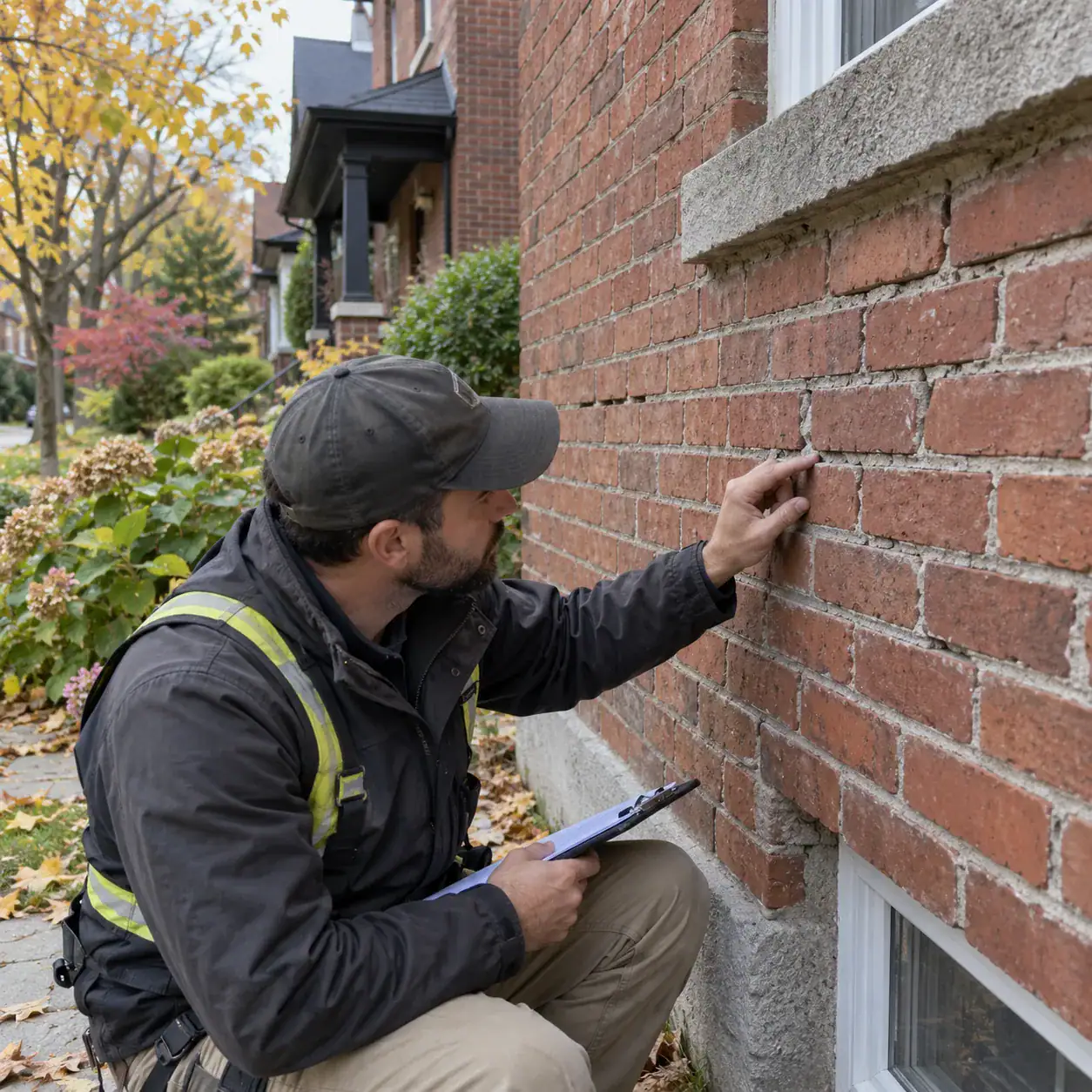
Freeze-thaw action is the leading cause of masonry weather damage in Toronto. As water freezes and expands inside mortar joints, it pushes the mortar outward. Over time, joints crack, recede, or crumble, which is why tuckpointing is often one of the first repairs needed.
Related reading: What brick tuckpointing does and when you need it.
Moisture absorption and efflorescence

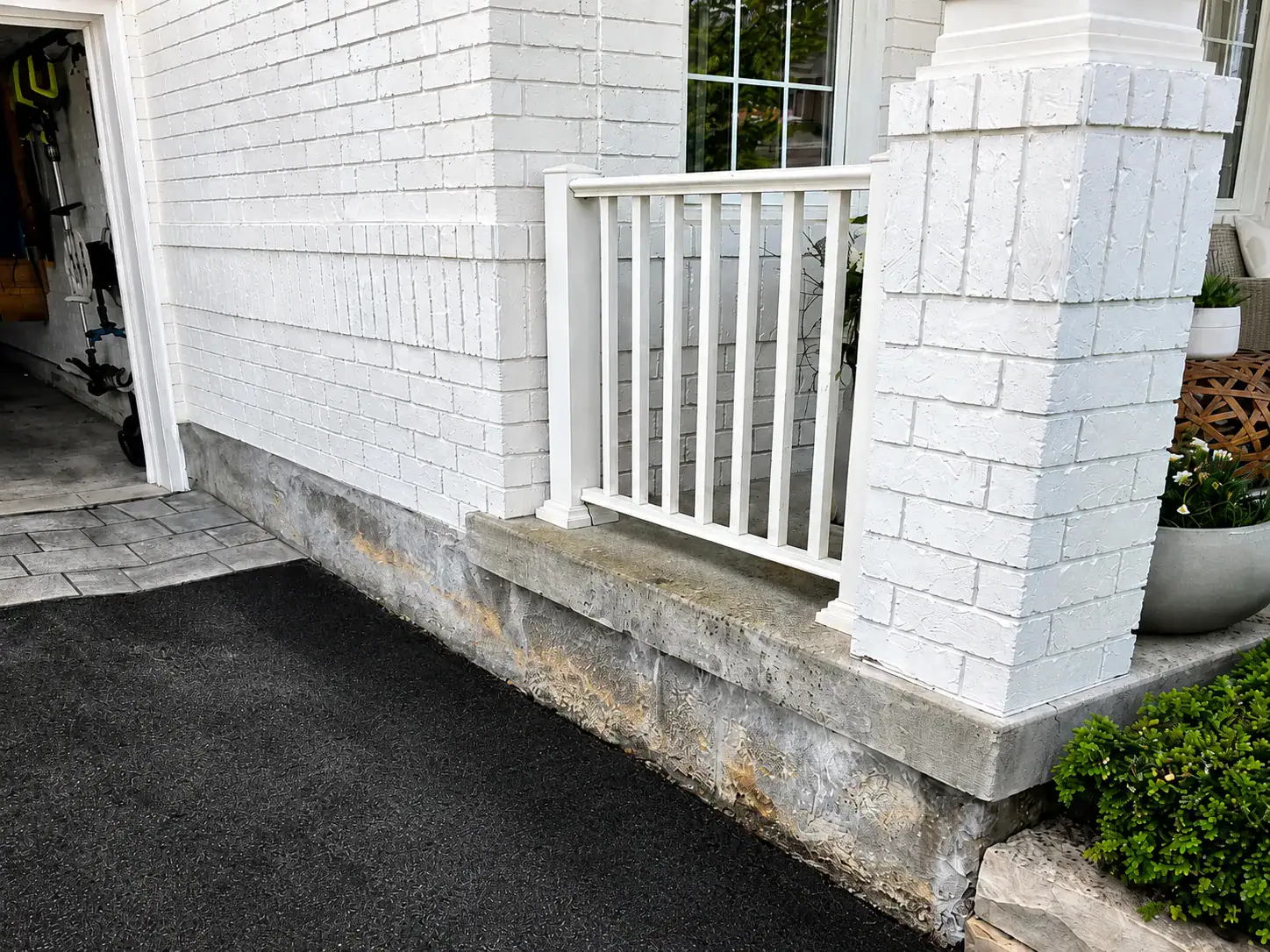
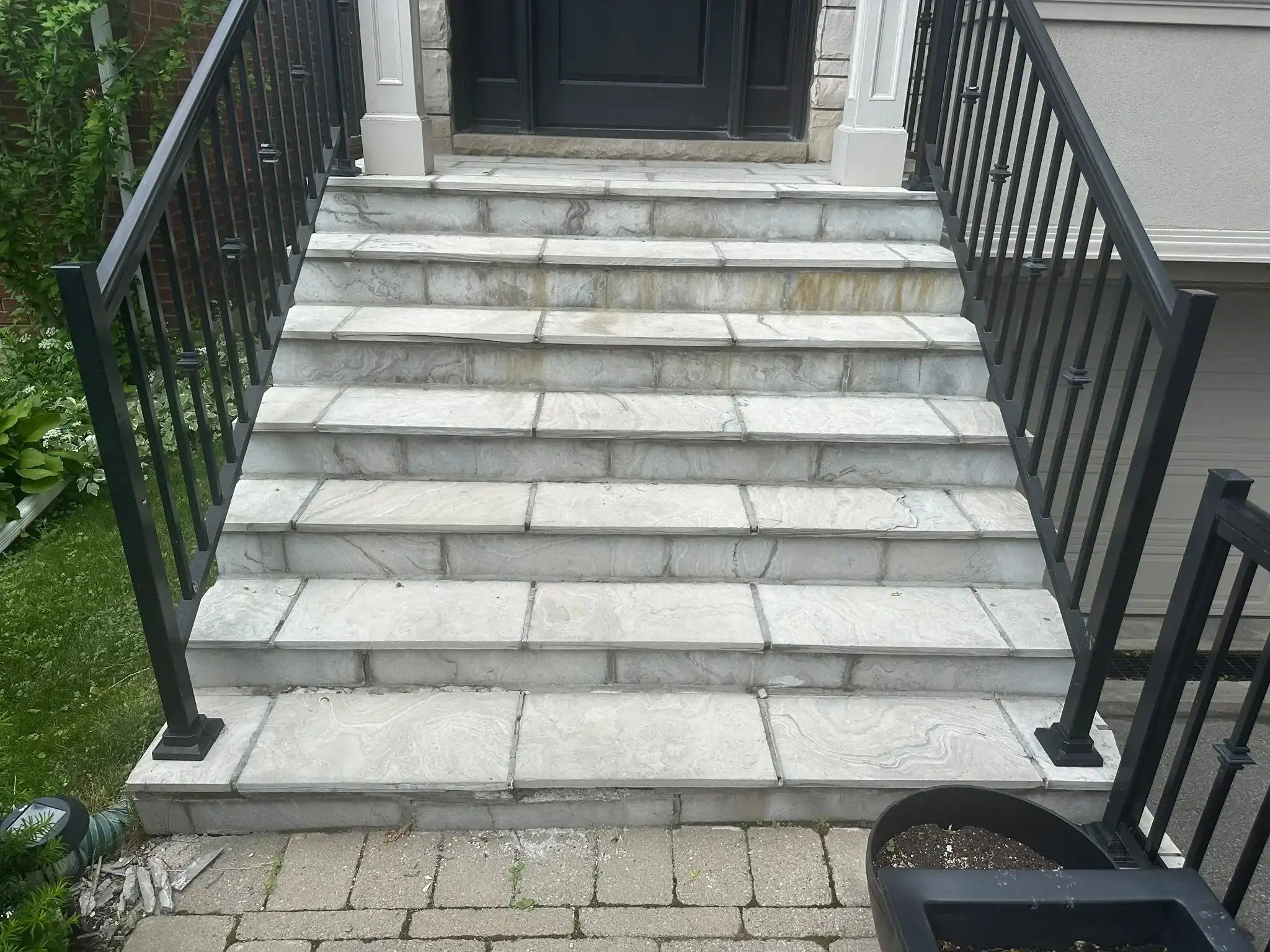
Persistent moisture causes masonry weather damage by carrying salts through brick and mortar. When water evaporates, it leaves behind white powdery stains called efflorescence. While efflorescence itself is cosmetic, it often signals deeper moisture movement inside the wall.
Wind and driving rain exposure

Walls that face prevailing wind directions experience masonry weather damage faster than sheltered elevations. Wind-driven rain forces moisture into small cracks that would otherwise stay dry, especially around chimneys, parapets, and older mortar joints.
How masonry weather damage leads to bigger structural issues
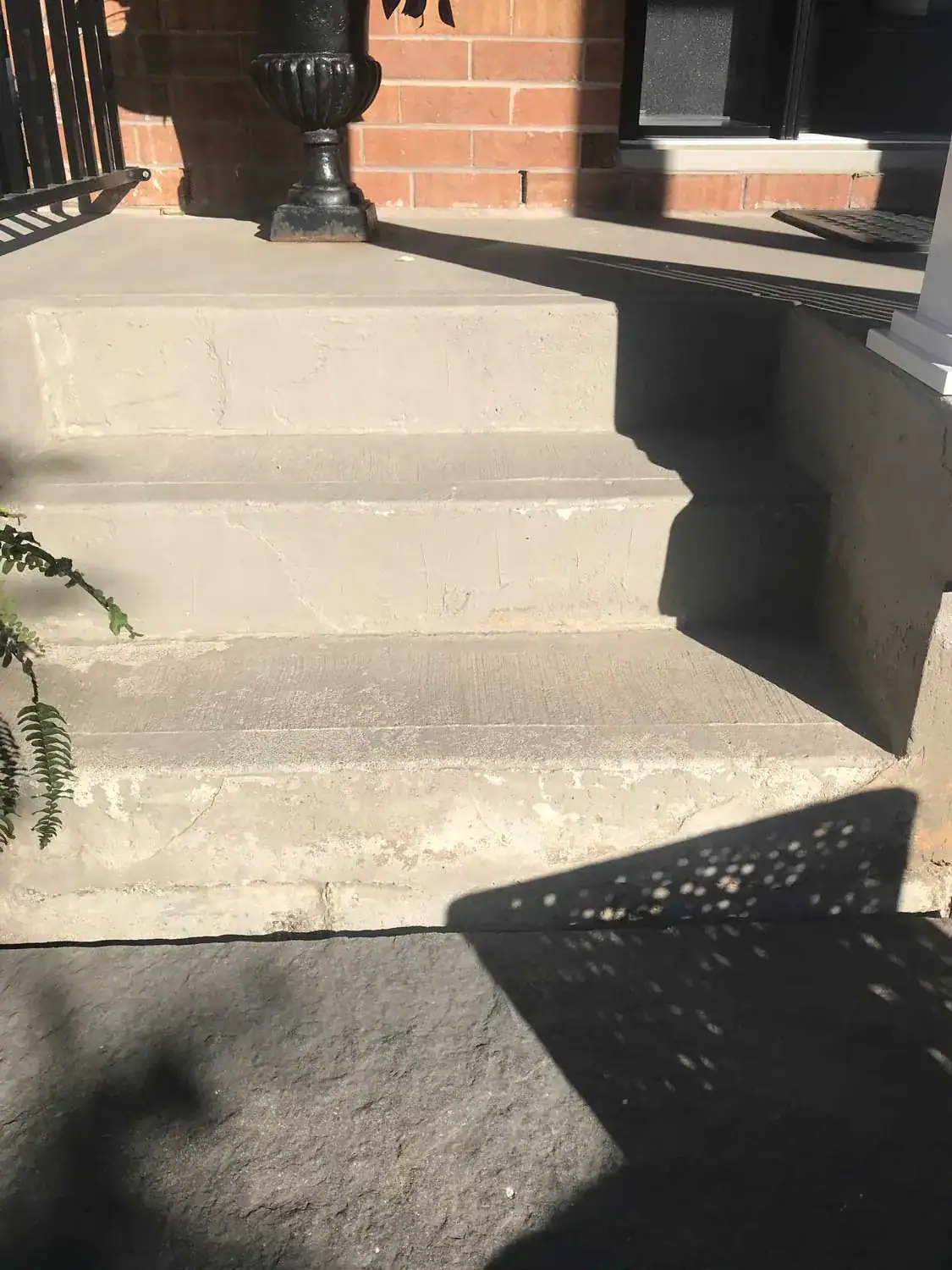
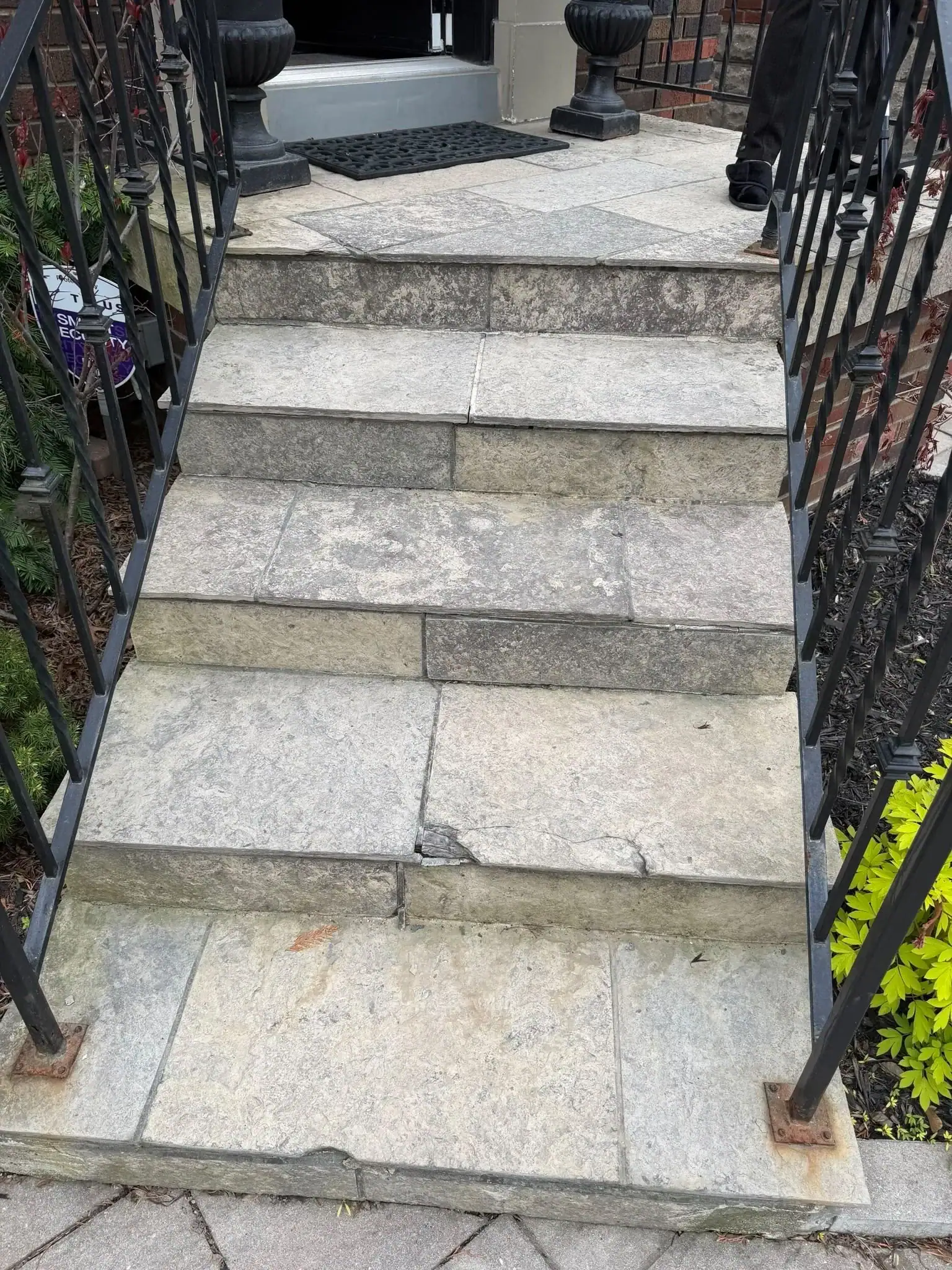
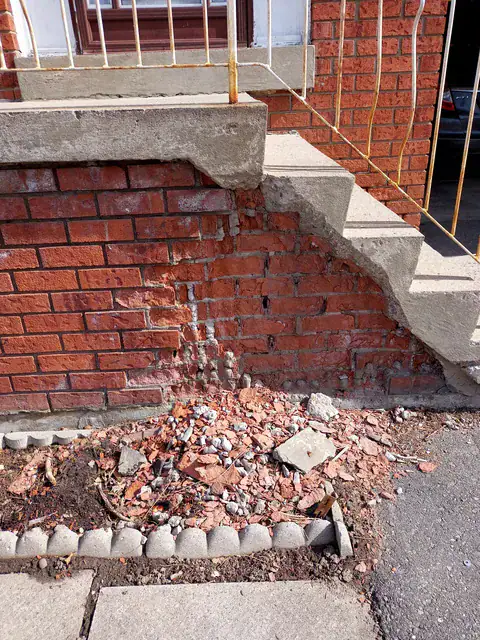
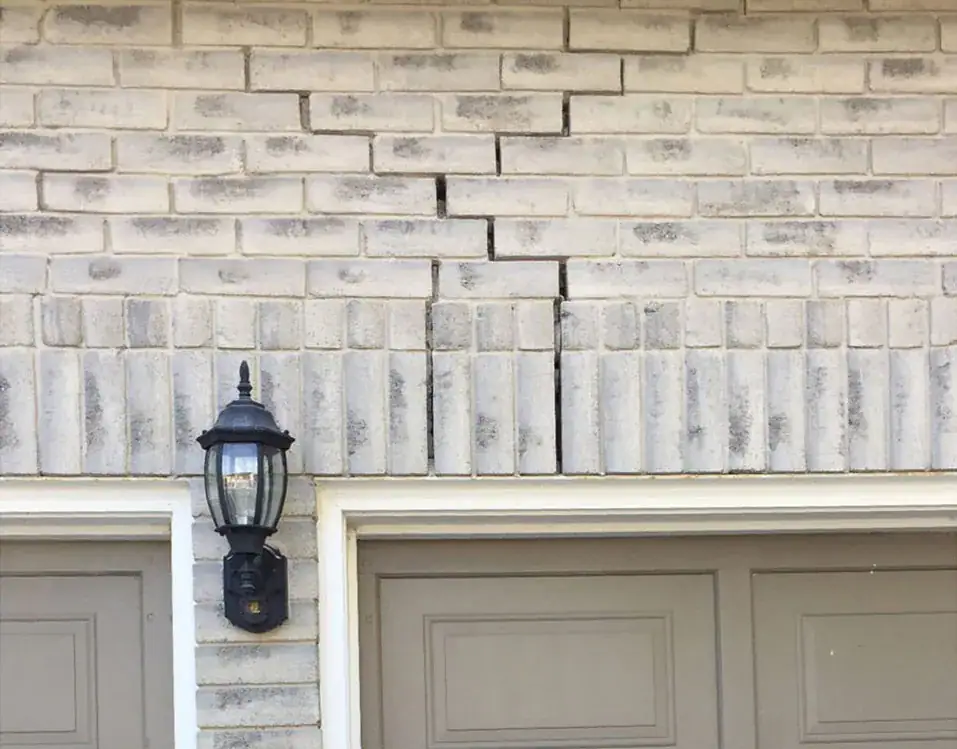
Unchecked masonry weather damage doesn’t stay limited to mortar. As joints weaken, bricks lose support and begin to crack or spall. Once brick faces break down, water penetration increases even faster, creating a compounding repair issue.
This is why brick repair often follows prolonged masonry weather damage. Learn more here: Brick Repair & Restoration in Toronto.
Signs your home is already affected by masonry weather damage
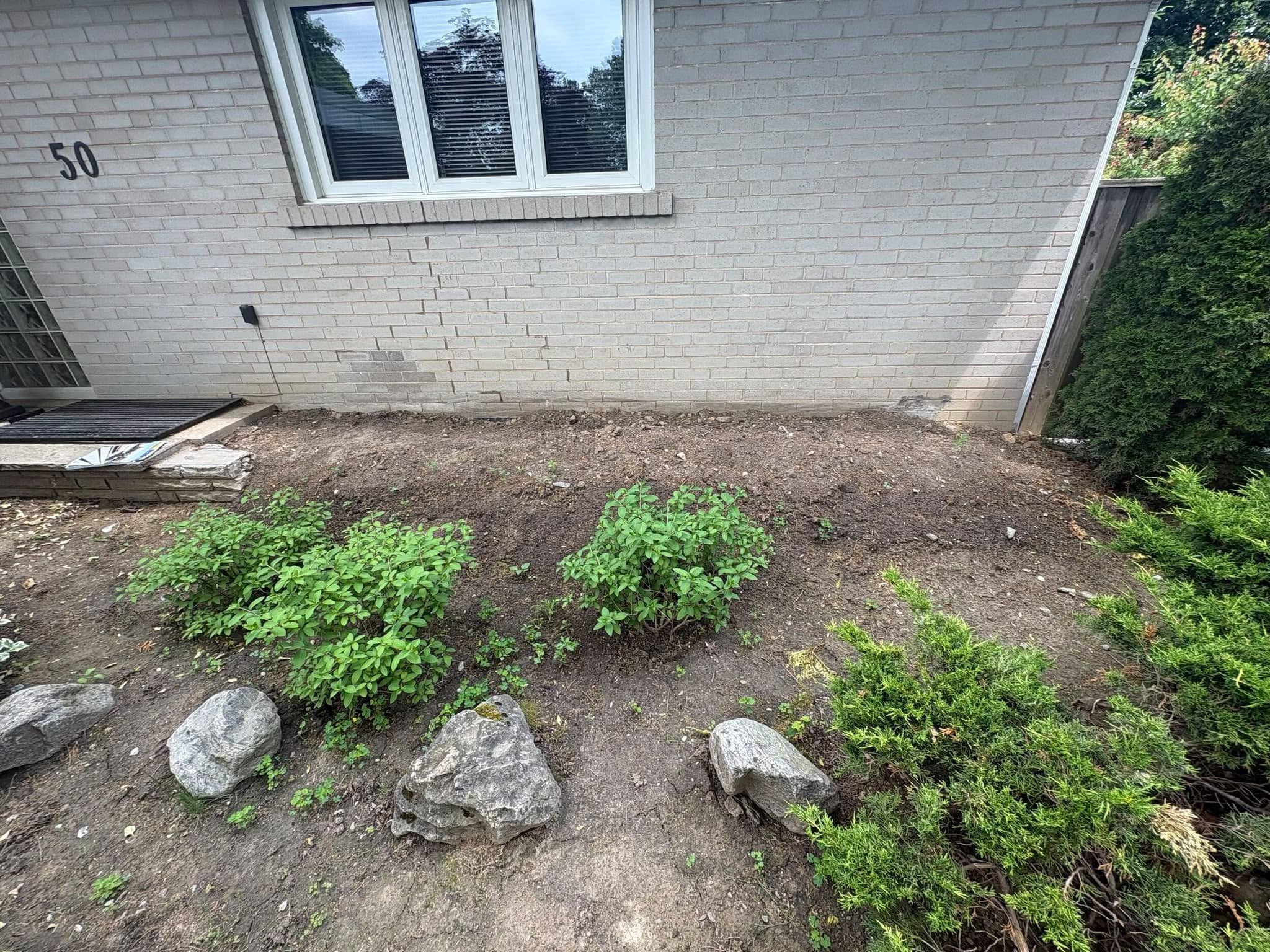
- Crumbling or recessed mortar joints
- Hairline cracks spreading through mortar lines
- White staining on brick surfaces
- Loose or shifting bricks
- Interior dampness near exterior walls
- Chimney joints wearing faster than wall joints
If you’re noticing several of these at once, masonry weather damage is likely progressing beyond surface wear.
When inspection matters more than guessing
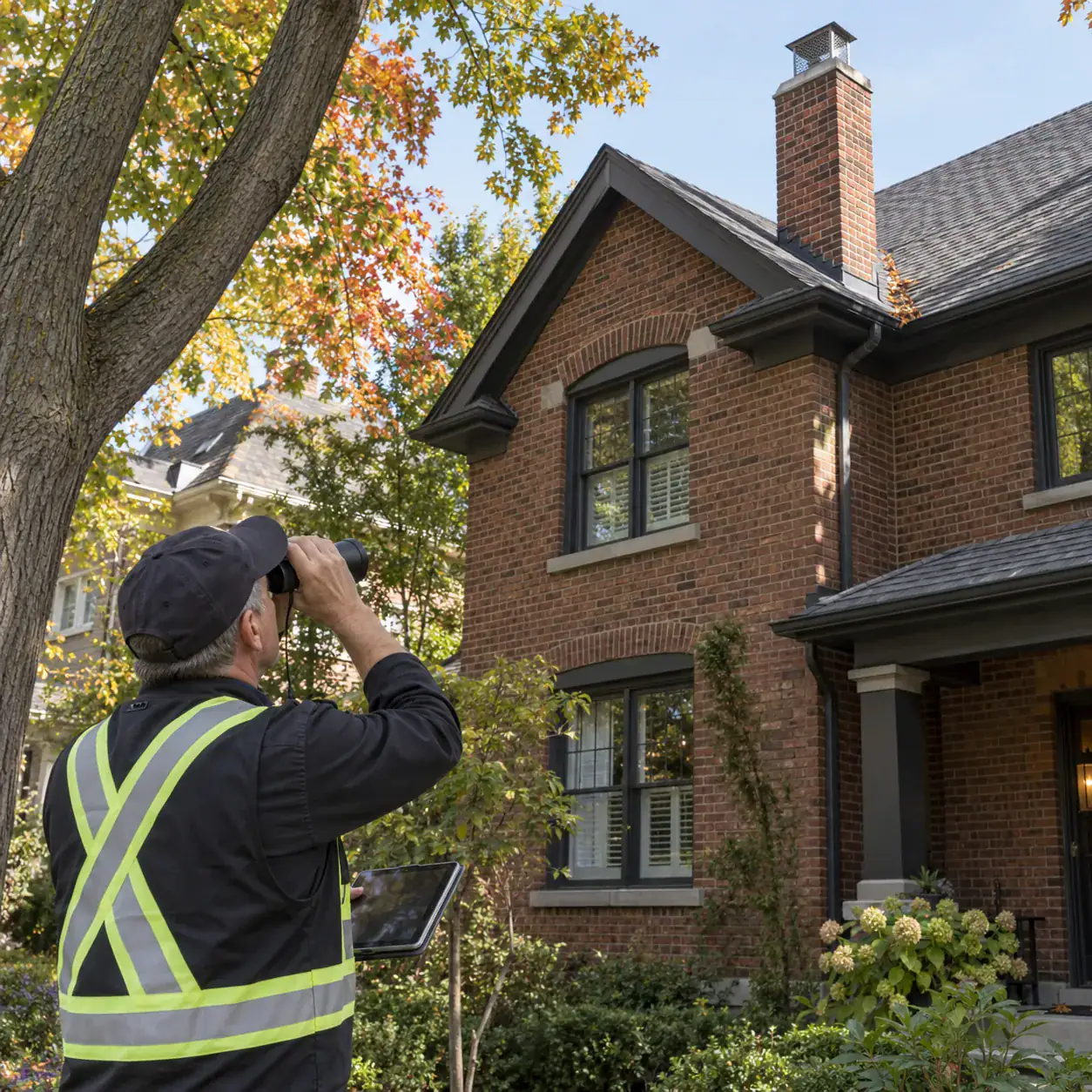
At a certain point, masonry weather damage becomes a building safety concern rather than just a cosmetic issue. In Toronto, exterior wall deterioration can fall under broader structural maintenance standards, which is why the City of Toronto Building Division provides guidance and inspections related to exterior building conditions.
A professional masonry inspection can determine whether repairs like tuckpointing, waterproofing, or chimney work are needed before damage spreads.
How to slow masonry weather damage over time
While weather exposure is unavoidable, masonry weather damage can be slowed with timely maintenance. Proper tuckpointing, compatible mortar selection, moisture management, and targeted waterproofing all reduce water penetration.
Relevant services include tuckpointing, waterproofing, and chimney repair, each addressing different entry points for moisture.
Final thoughts for Toronto homeowners
Masonry weather damage is gradual, predictable, and manageable when addressed early. Toronto’s climate makes brick and mortar especially vulnerable, but understanding how weather affects masonry gives homeowners control over repair timing and costs.
Ignoring masonry weather damage rarely saves money. Identifying it early usually does.