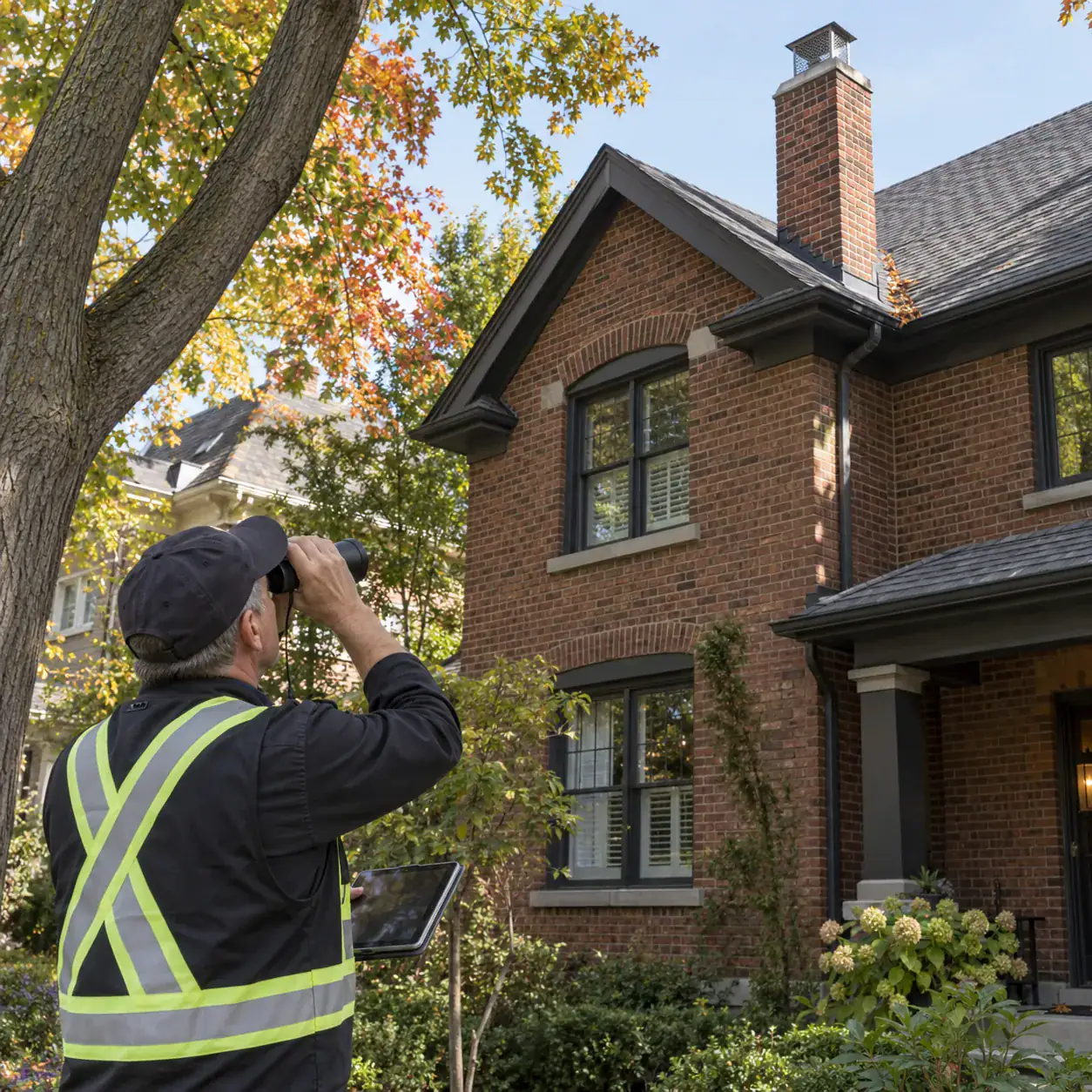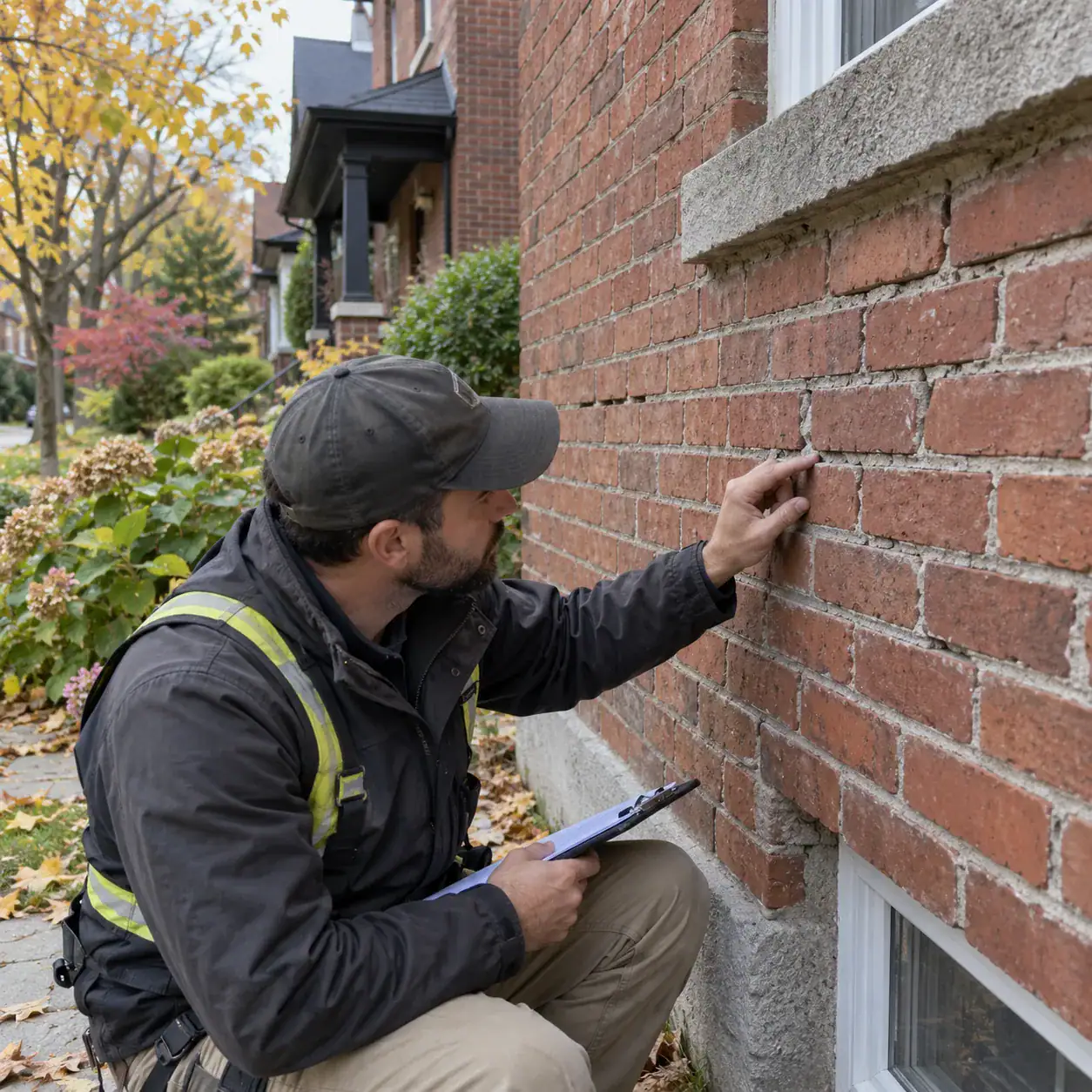

Deciding between a metal and masonry chimney is crucial for homeowners. It affects your home’s safety, energy use, and value. Both types have their own advantages. This article will help you understand the differences to choose the right one for your home.
A metal chimney uses materials like stainless steel for venting. It’s known for being easy to install and costing less upfront. On the other hand, a masonry chimney, made of brick or stone, adds a traditional look and lasts longer. Each type impacts how well your home heats and how much maintenance it needs. This guide will help you understand these differences to make a smart choice.
Understanding Chimney Systems
Chimneys are still key for heating homes and keeping them safe. But their design has changed a lot over time. This section looks at how today’s choices mix old and new.
The Evolution of Chimneys in Homes
Old homes used masonry chimneys made from brick or stone. These early chimneys were safe but needed a lot of upkeep. Later, new materials like metal chimneys came along, making things easier and cheaper.
In many areas, masonry chimneys are still loved for their classic appeal and durability. Yet, modern chimneys are faster to install and cost less.
Why Your Chimney Choice Matters
Choosing the right material is more than just about looks. Here are a few reasons why some still prefer masonry chimneys:
- Longevity: With good care, masonry can last over 50 years.
- Style: It fits well with traditional or rustic homes.
- Heat Retention: Its thick walls help distribute warmth efficiently.
Key Factors to Consider Before Installation
| Factor | Masonry Considerations | Metal Considerations |
| Climate | Needs special mortar to resist freezing in colder regions | Lighter materials require proper airflow |
| Cost | More expensive at first but lasts longer | Less expensive upfront but may need more maintenance |
| Building Codes | Must meet structural and fire safety standards | Needs certification for safe operation |

What Is a Masonry Chimney?
A masonry chimney is a sturdy structure made from materials like brick, stone, or concrete blocks. It has an inner flue liner, often clay or stainless steel, to safely carry away smoke and gases. The outer layers keep the home safe from heat and weather.
- Brick: Popular for durability and classic styling
- Stone: Adds natural texture and long-term strength
- Concrete blocks: Offer affordability and design flexibility
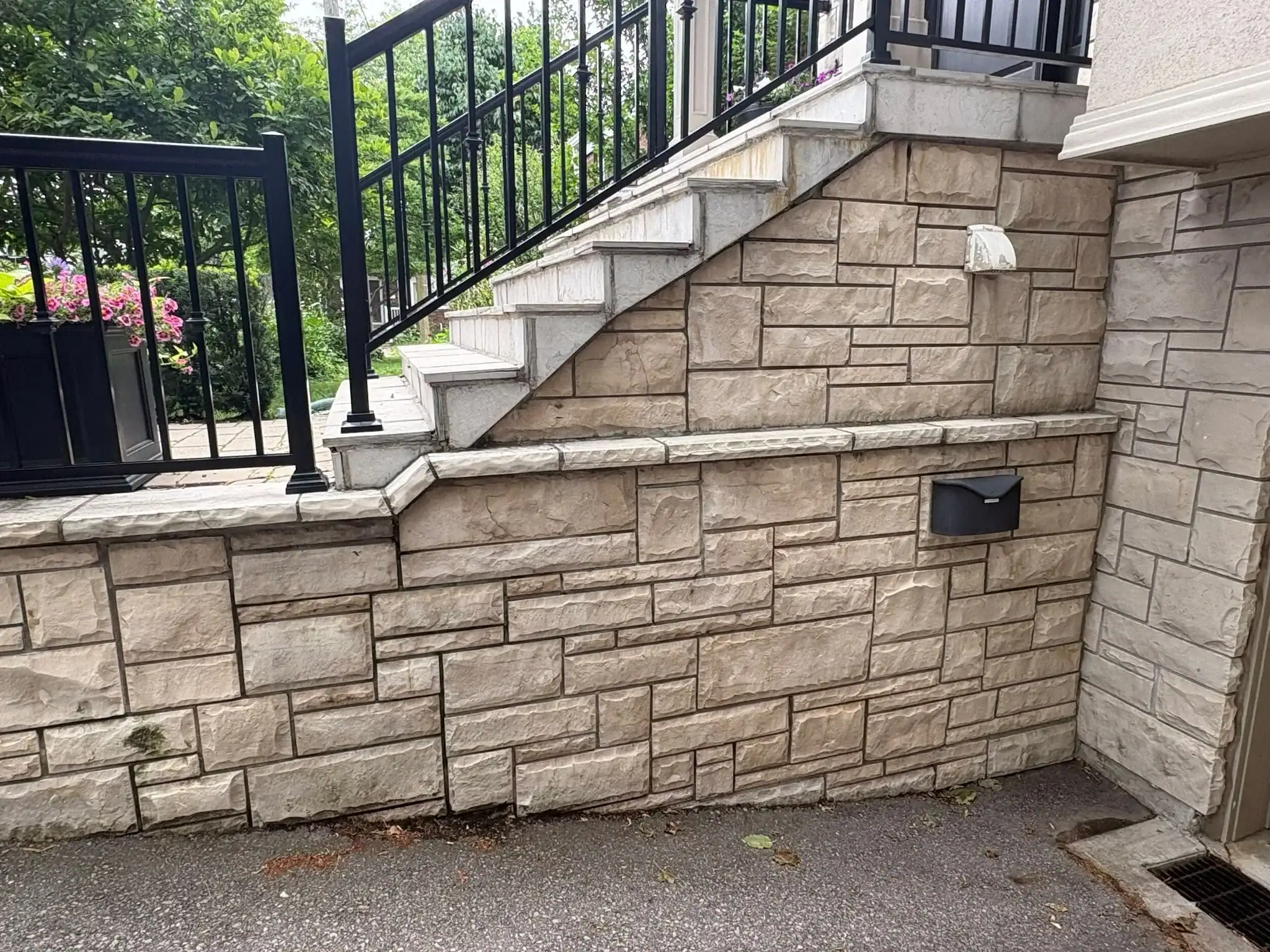
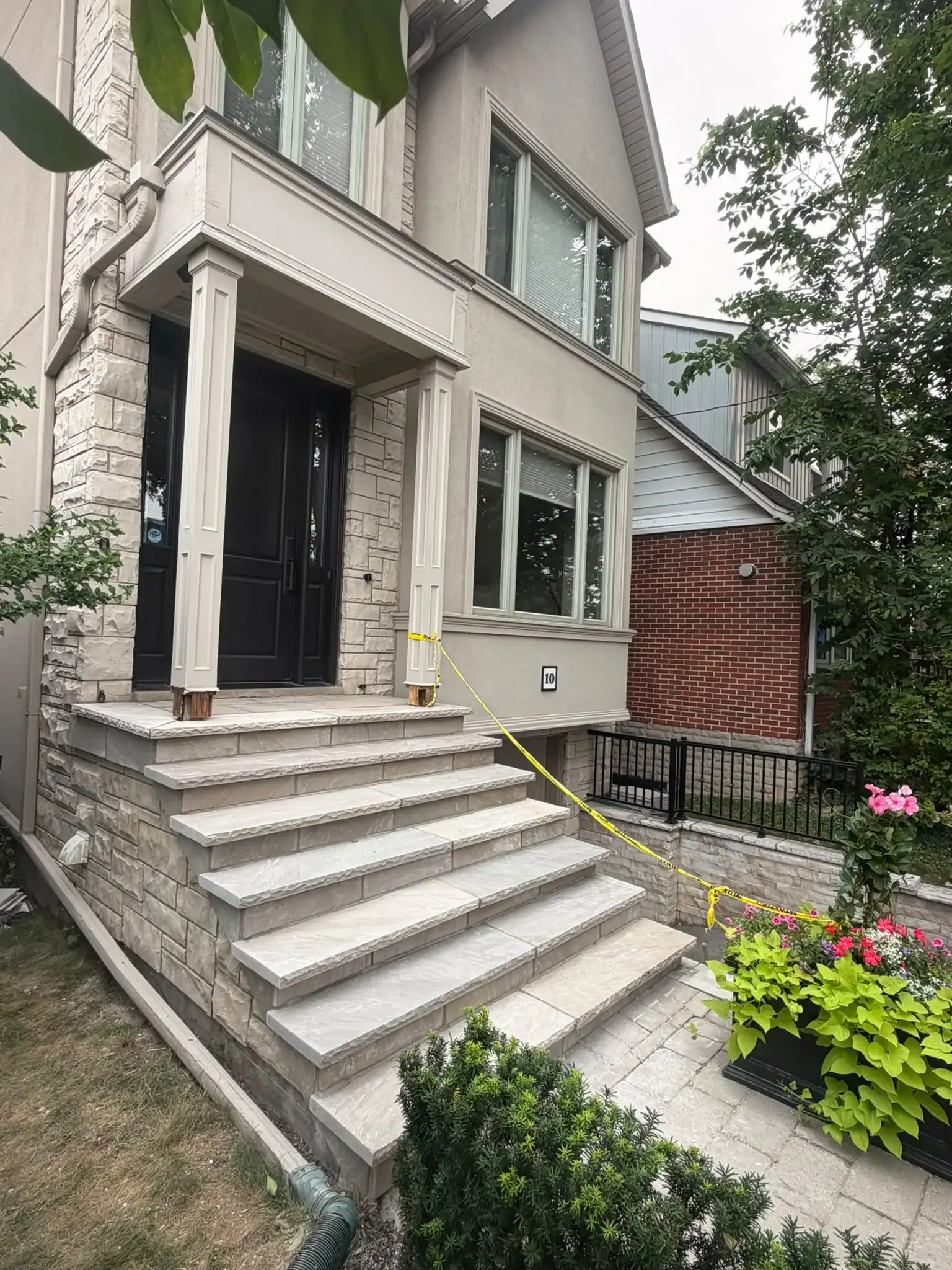
Masonry chimneys complement traditional home designs and can last over 50 years with proper care. Unlike metal chimneys, masonry structures blend well with custom-built or historic-style homes. They also enhance a home’s appearance, making them attractive to buyers who value craftsmanship.
Common Masonry Chimney Types and Materials
Choosing the right masonry chimney involves knowing its main parts. There are three main masonry chimney types suited for different climates and styles.
Brick Masonry Chimneys
Brick chimneys use clay or firebricks to resist heat. They come in various patterns and styles, adding structural strength and visual appeal. Firebricks in flues handle high temperatures well, making them ideal for wood-burning stoves.
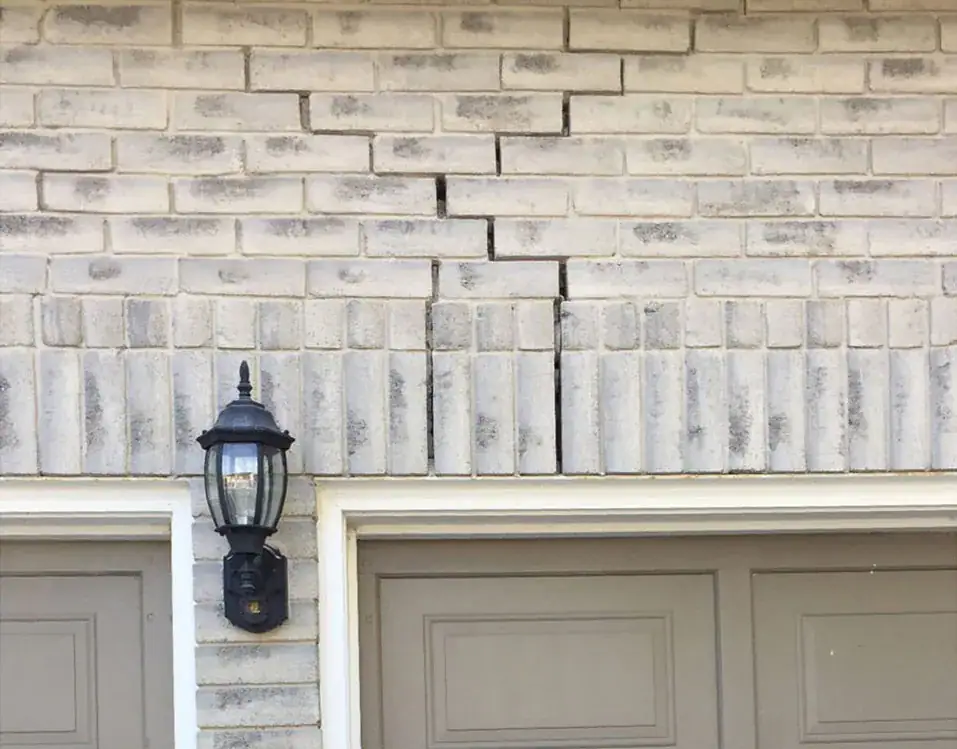
Regular inspections of mortar joints help prevent cracks caused by freezing and thawing cycles.
Stone Masonry Chimneys
Natural stone chimneys use materials like limestone or fieldstone. Stones are held together by mortar, while dry-stacked designs are less common due to heat risks. Granite is fire-resistant but heavy, requiring strong foundations.
These chimneys provide a rustic look but may require liners to meet safety standards.
Concrete Block Chimneys
Concrete blocks are a more affordable option than brick or stone. They have hollow cores that can be filled with insulation for better heat retention. Though lighter, they look better with an exterior finish like brick or stone veneer.
Many modern homes choose them for their ease of installation. However, they require regular inspections to check for settling or structural shifting.
Traditional Masonry Chimney Accessories
Important masonry chimney accessories include:
- Clay flue liners to control airflow and prevent corrosion
- Stainless steel chimney caps to block debris and animals
- Adjustable dampers for better combustion control
- Concrete clean-out doors at the base for easy inspection
- Decorative elements like corbelling or custom caps to match home styles
Accessories like metal rain covers and preformed liners help chimneys last longer and meet modern safety standards.
What Is a Metal Chimney?
A metal chimney is a pre-made system designed for gas, wood, or pellet-burning appliances. It’s lighter and more affordable than masonry, with parts made to handle heat and weather.
Metal Chimney Anatomy and Components
Key components include:
- Inner Liner: Designed to withstand high temperatures and harmful gases.
- Insulation: Helps prevent excessive heat transfer using materials like ceramic fibre.
- Outer Casing: Protects from moisture and debris with a weather-resistant cover.
- Flashing and Caps: Seal roof openings to prevent leaks.

Types of Metal Used in Modern Chimneys
| Material | Corrosion Resistance | Heat Tolerance | Common Uses |
| Stainless Steel | High (with proper alloy) | Up to 2100°F | Wood stoves, high-efficiency appliances |
| Galvanized Steel | Moderate (zinc coating) | Up to 1100°F | Biofuel or low-temperature appliances |
| Copper | Excellent | Up to 1600°F | Custom designs, aesthetic preferences |
| Aluminum | Low (susceptible to acidic corrosion) | Up to 600°F | Gas appliances only |
Stainless steel is the most popular choice for residential homes due to its durability and cost-effectiveness.
Factory-Built vs. Custom Metal Chimney Systems
- Factory-built systems come pre-approved for standard installations.
- Custom designs are tailored for unique home styles and require expert engineering for compliance.
Metal Chimney vs Masonry Chimney: A Detailed Comparison
Installation Complexity and Timeline
- Masonry chimneys take 2–3 weeks to build with specialized masons.
- Metal chimneys install in 1–2 days with standard tools.
Aesthetic Appeal and Home Value Impact
- Masonry adds classic charm and increases home value.
- Metal has a sleek look, perfect for contemporary homes.
Durability and Weather Resistance
| Factor | Masonry | Metal |
| Freeze-thaw cycles | Risk of cracking over time | Sealed joints resist expansion issues |
| Acid rain resistance | Requires sealants for protection | Stainless steel resists corrosion |
Efficiency and Performance Considerations
- Heat Retention: Masonry retains warmth for hours, ideal for steady heating.
- Draft Control: Metal systems maintain airflow better for modern stoves.
- Material Durability: Stainless steel lasts longer than clay liners in damp areas.
Making the Right Choice for Your Home
Climate Considerations
- Masonry chimneys perform well in colder climates where heat retention is important.
- Metal chimneys are preferred in modern builds due to faster installation and cost efficiency.
Architectural Style Compatibility
- Traditional homes often look best with masonry chimneys.
- Contemporary designs work well with metal chimneys.
Budget Planning and Return on Investment
- Metal systems are 30–50% cheaper upfront.
- Masonry chimneys can increase home value in areas where classic craftsmanship is appreciated.
FAQ
What is a masonry chimney?
A masonry chimney is made from bricks, stones, or other materials. It’s known for being durable and lasting a long time.
What are the different types of masonry chimneys?
There are single-brick, double-brick, and stone masonry chimneys. Each type fits different needs and budgets.
Are masonry chimneys safe?
Masonry chimneys are safe if installed and maintained right. They must follow local building codes and fire safety rules.
What is a metal chimney?
A metal chimney is made of materials like stainless steel. It’s lighter and easier to install than masonry chimneys.
What are the different types of metal chimneys?
There are prefabricated, Class A, and metal chimney kits. Each type has its own features and fits different needs.
How does a metal chimney work?
Metal chimneys vent combustion byproducts outside. They use metal and insulation to create a draft and prevent dangerous gases.
Are metal chimneys better than brick?
depends on what you need. Both have pros and cons. The best choice depends on cost, installation, maintenance, and personal preference.
Are metal chimneys safe?
Yes, if installed and maintained right. They meet strict fire safety standards. Always follow the manufacturer’s instructions and local codes.
What is the minimum height for a masonry chimney?
The minimum height varies by local codes and appliance needs. The top should be 2 feet above any part of any building within 10 feet.
How do you waterproof a masonry chimney?
Apply a waterproof sealant to the exterior. This prevents water damage. Always follow the manufacturer’s instructions and consult a professional.
Conclusion
Both metal and masonry chimneys offer unique advantages. A metal chimney is cost-effective and easy to install, while a masonry chimney provides durability and a timeless aesthetic. Your decision should be based on budget, efficiency, and design preferences. You can check out our chimney repair Toronto page to help you decide or avail of our service.