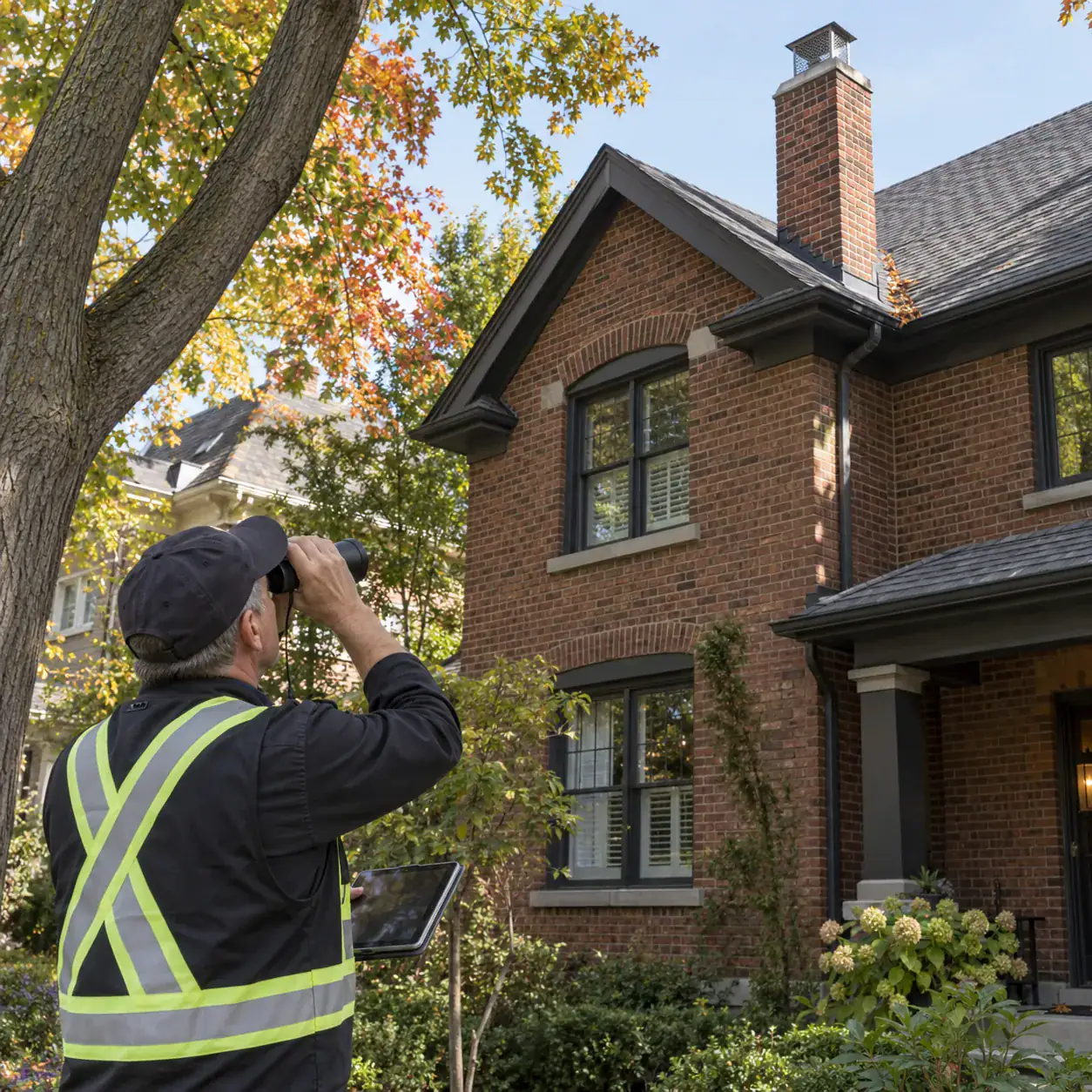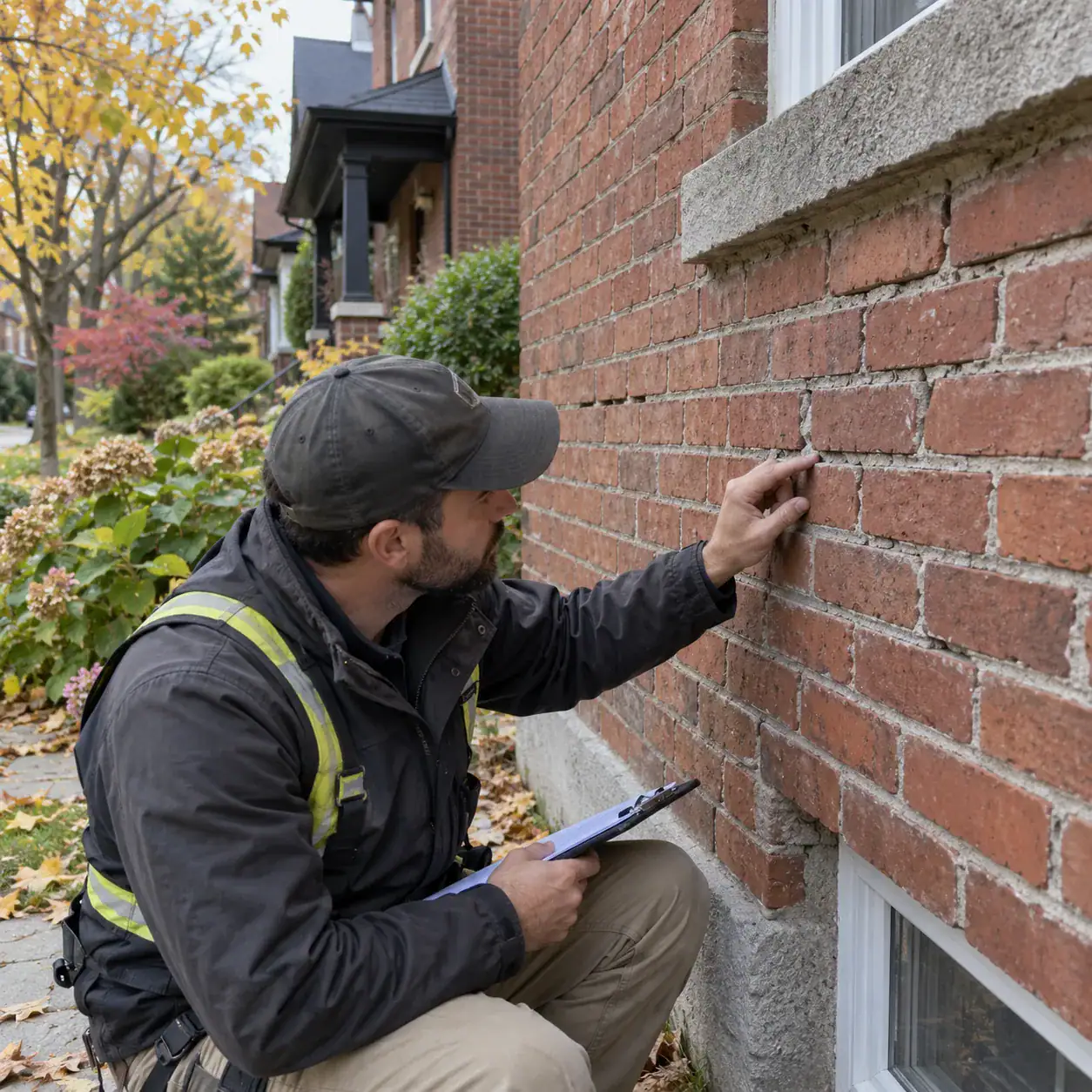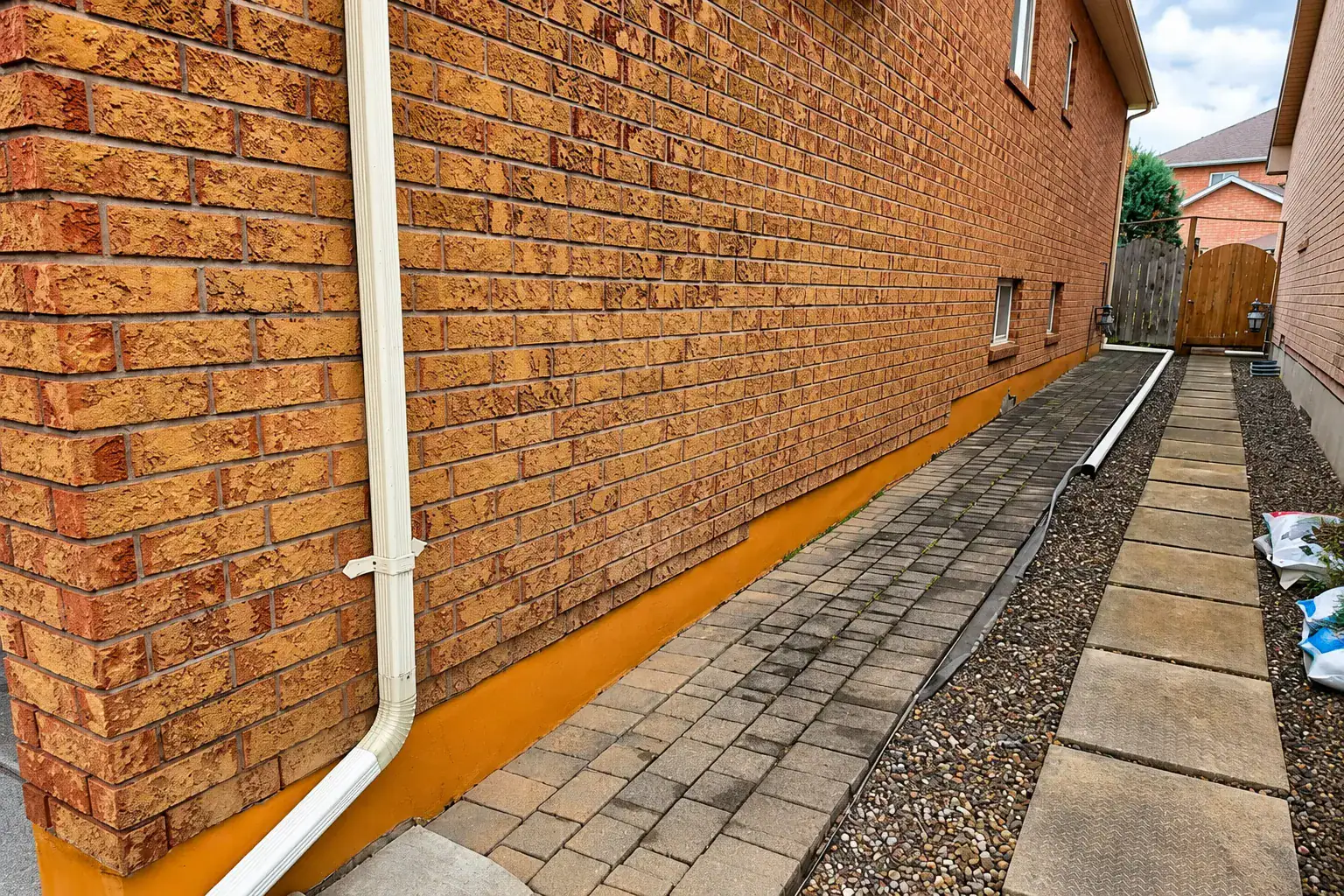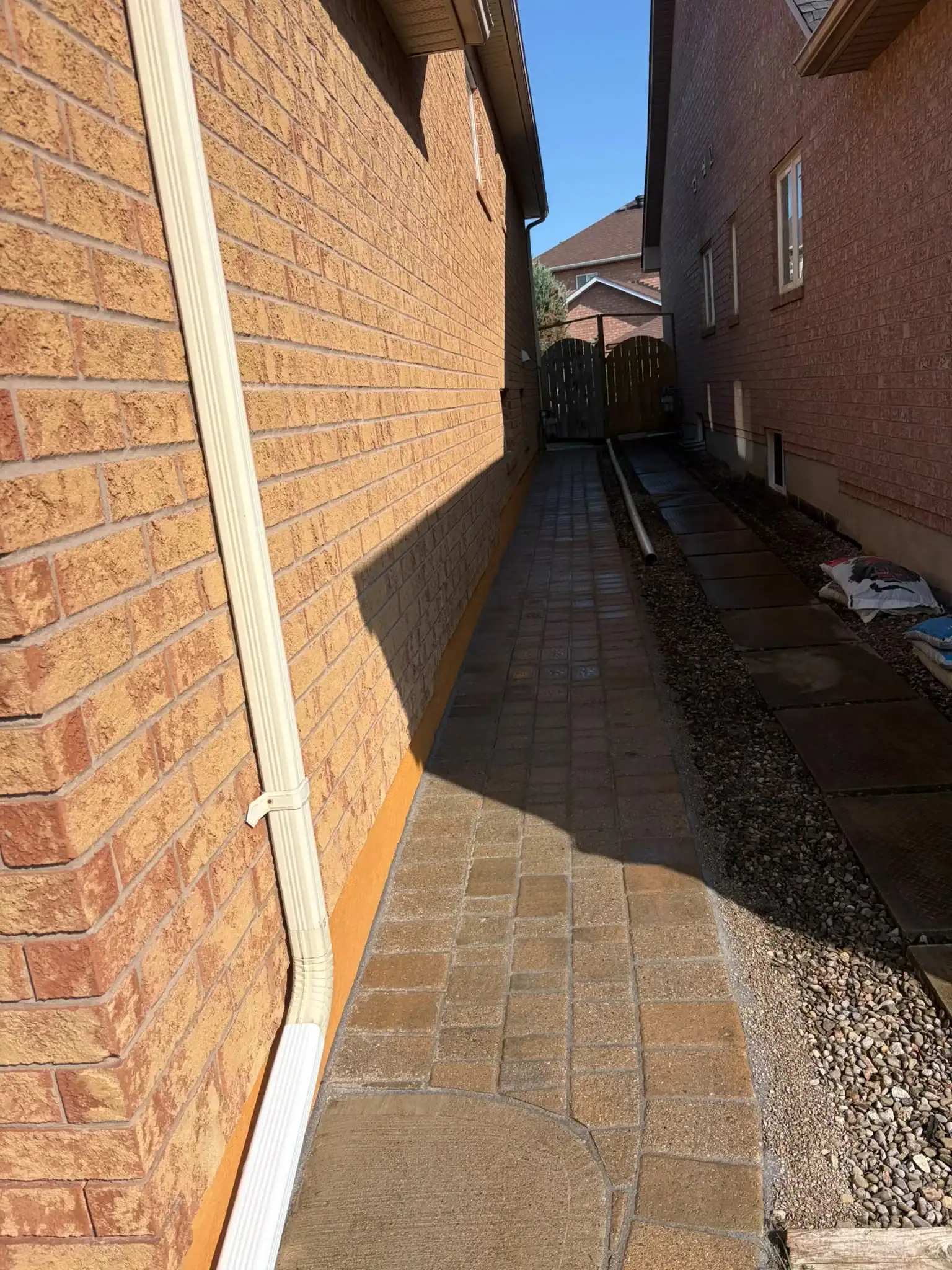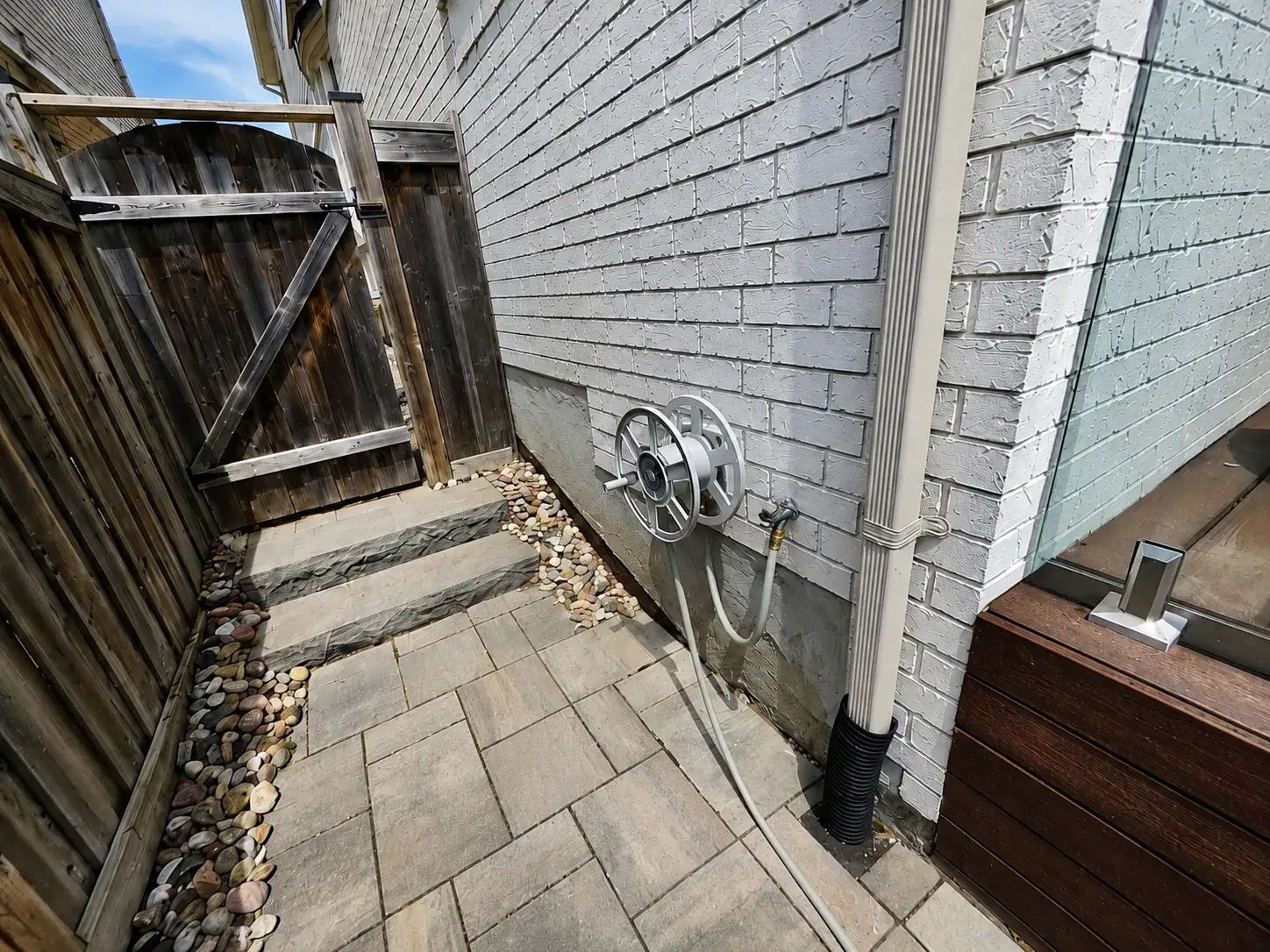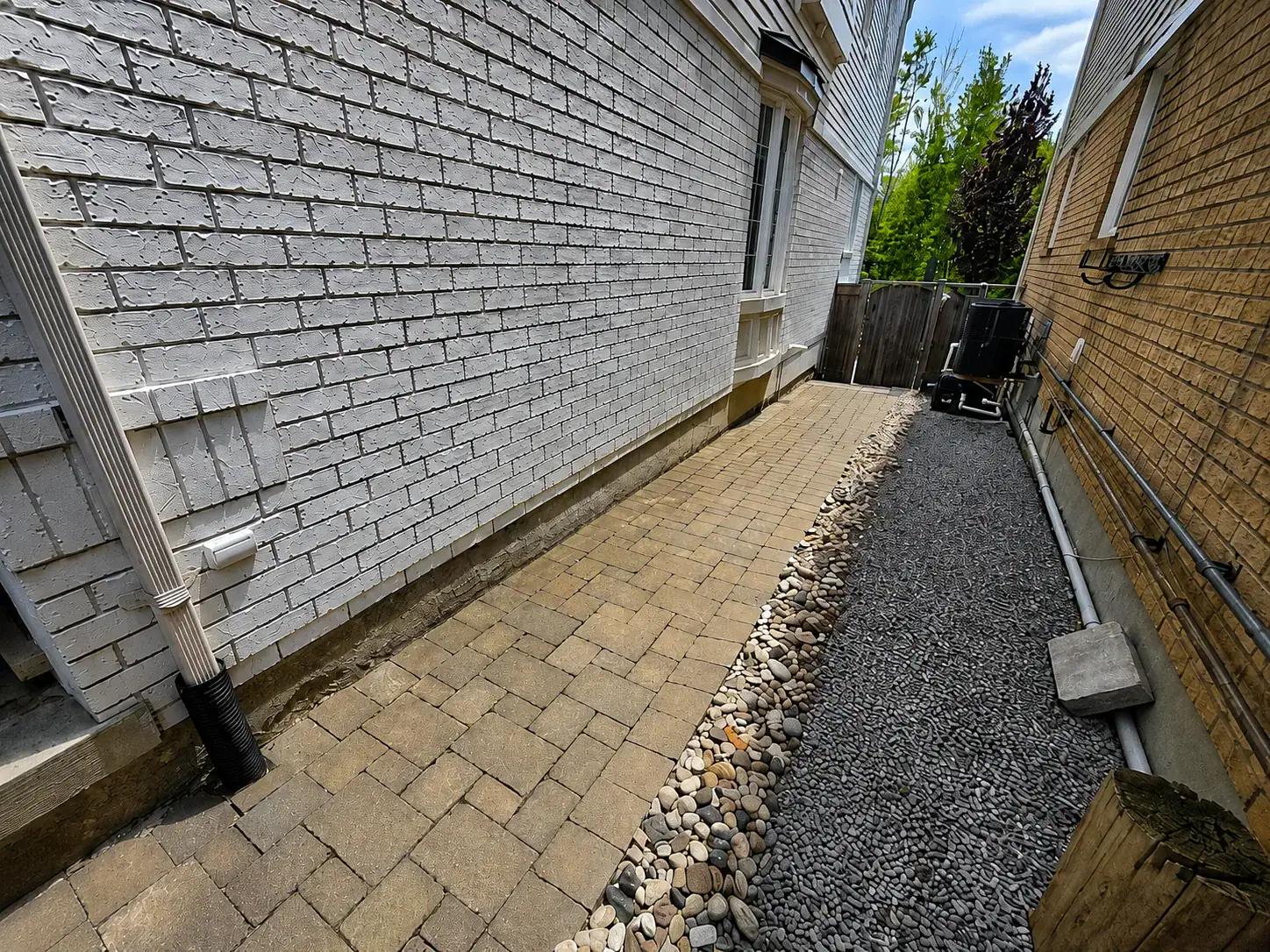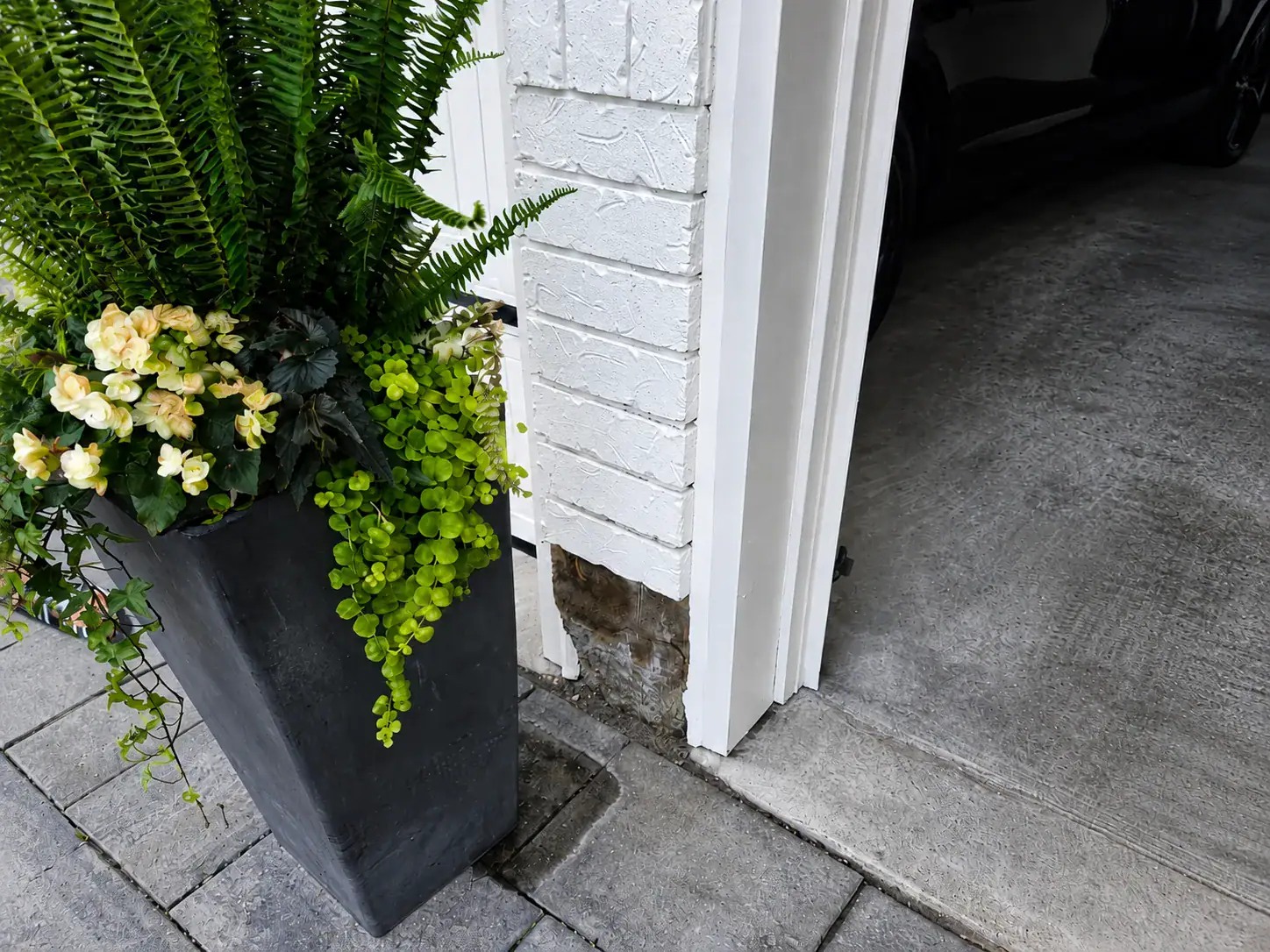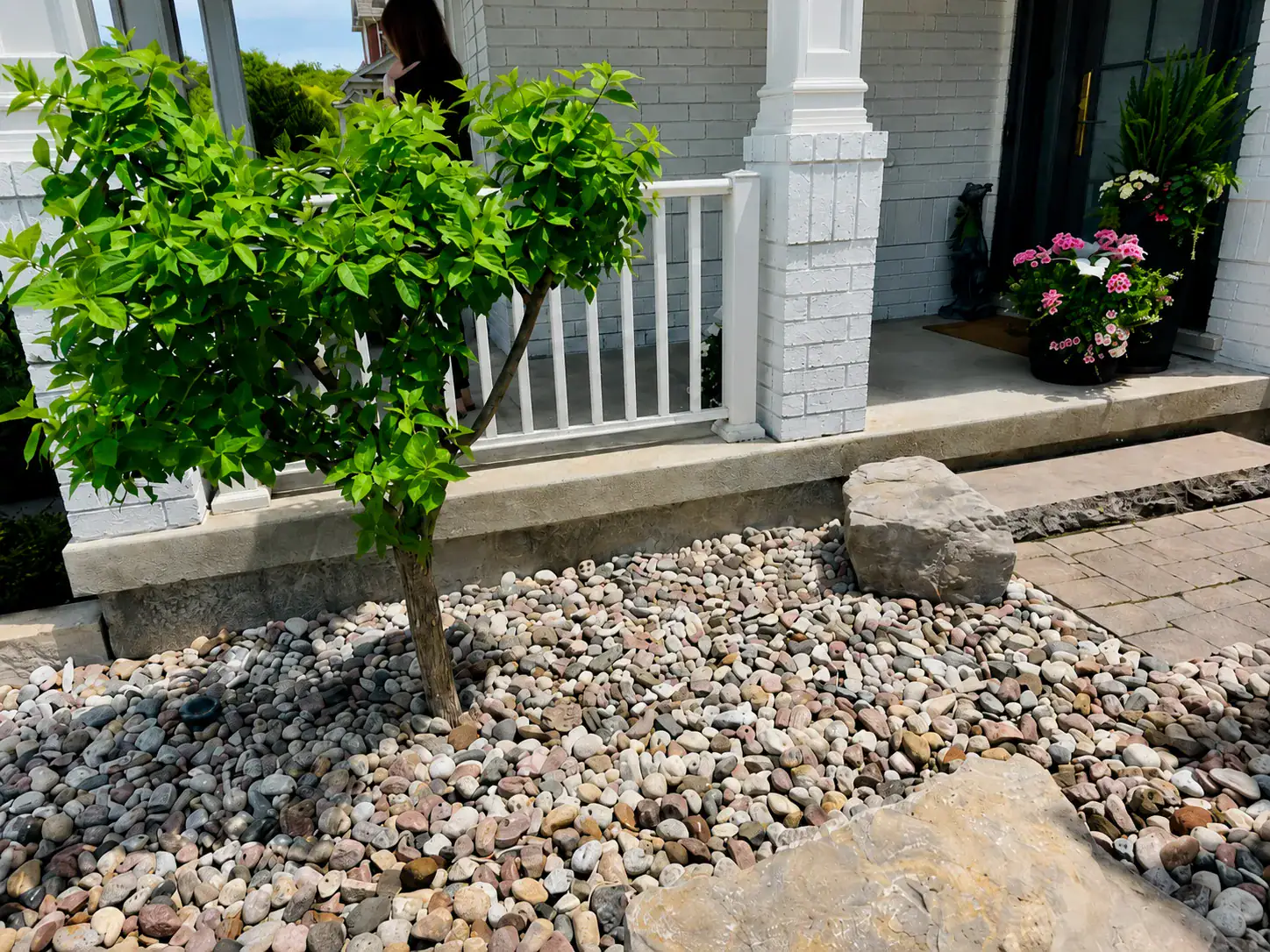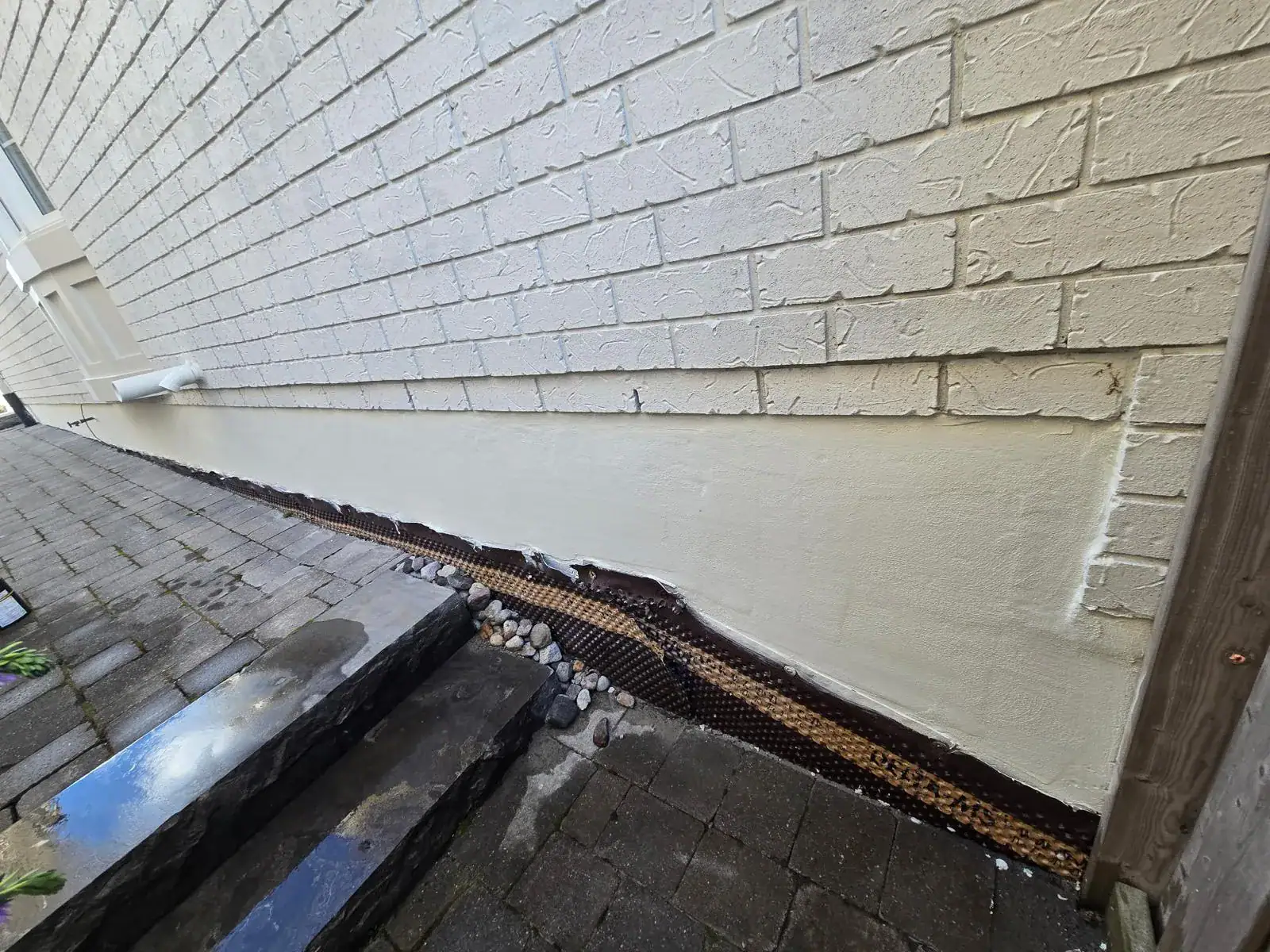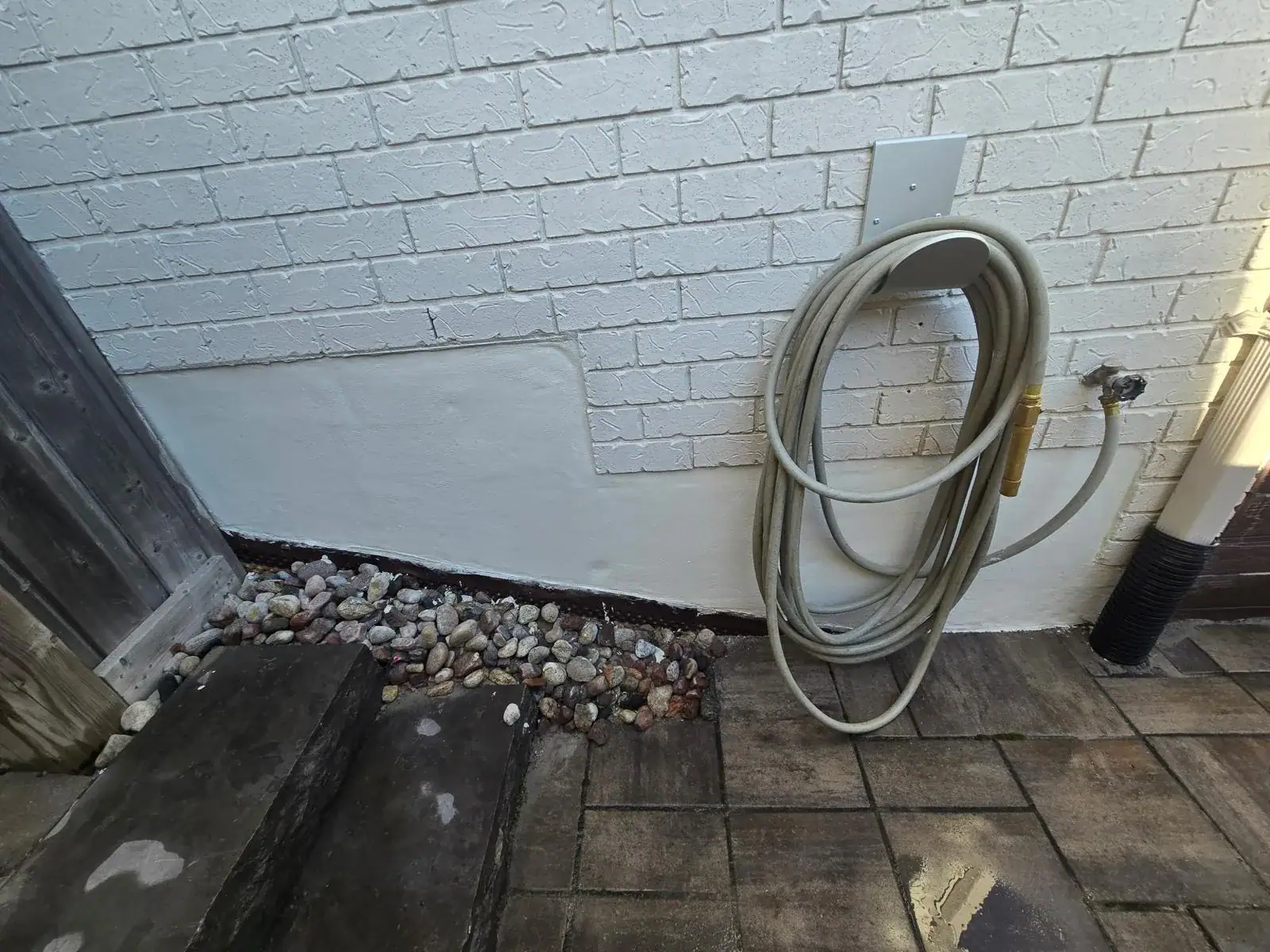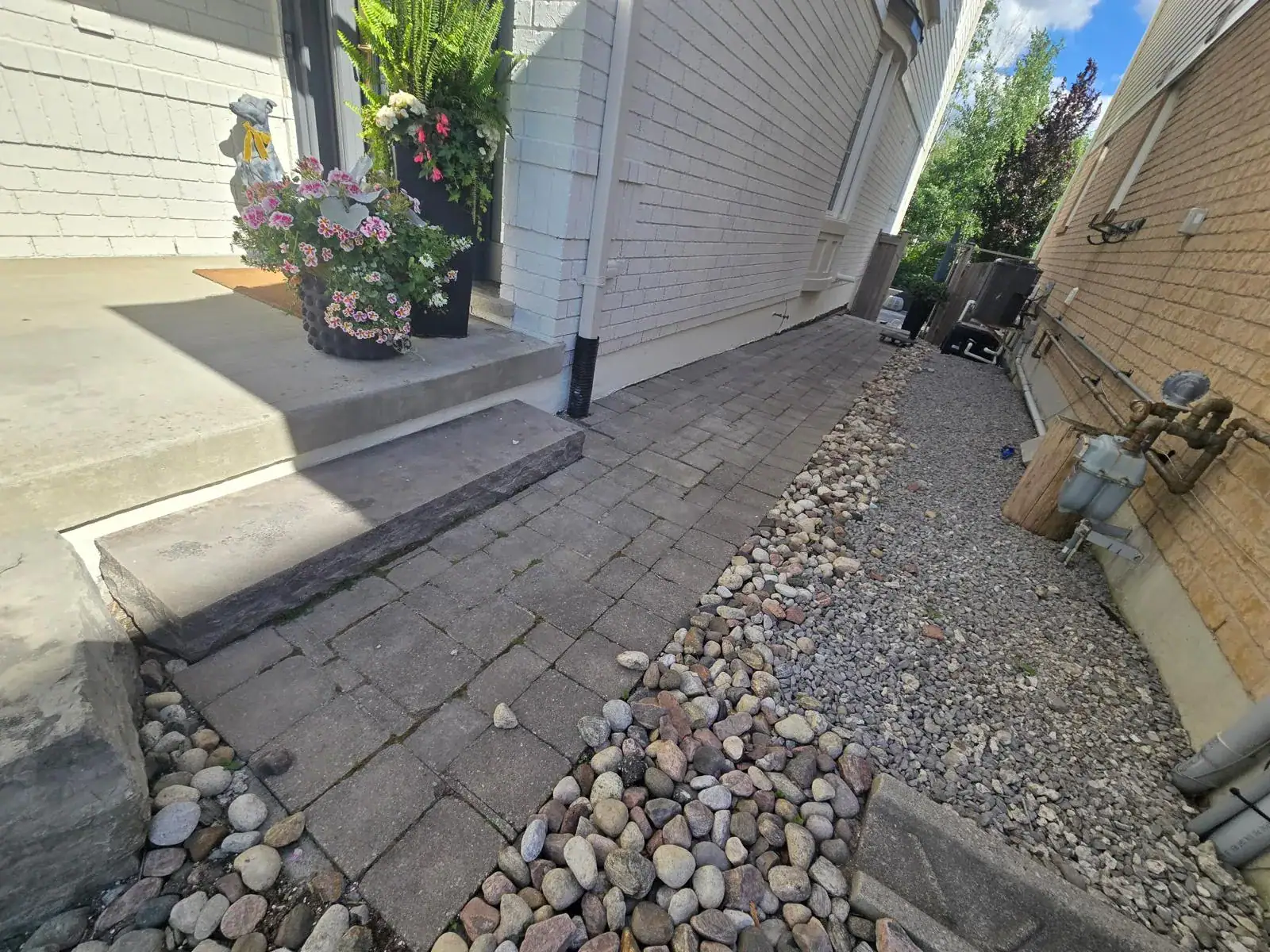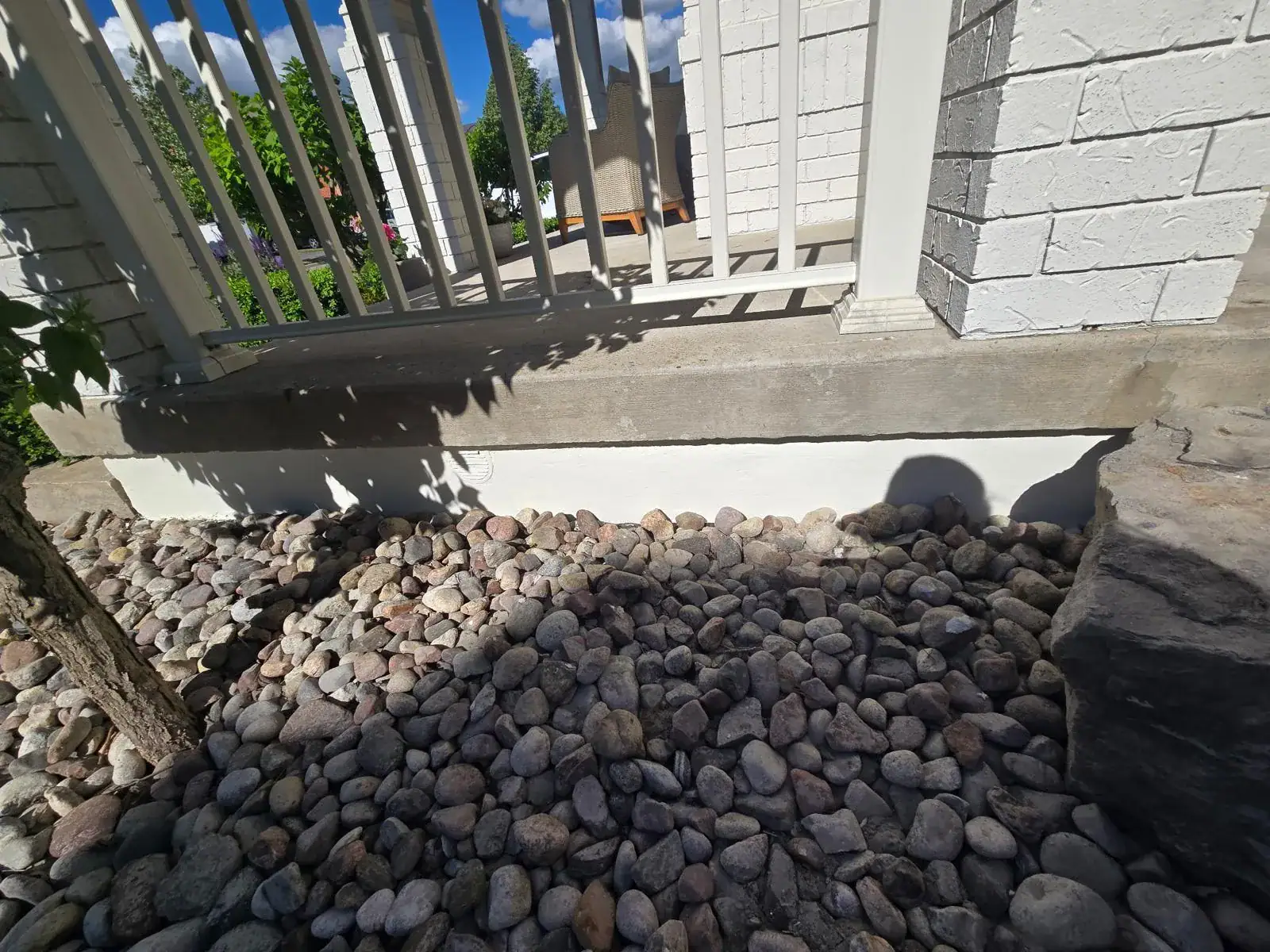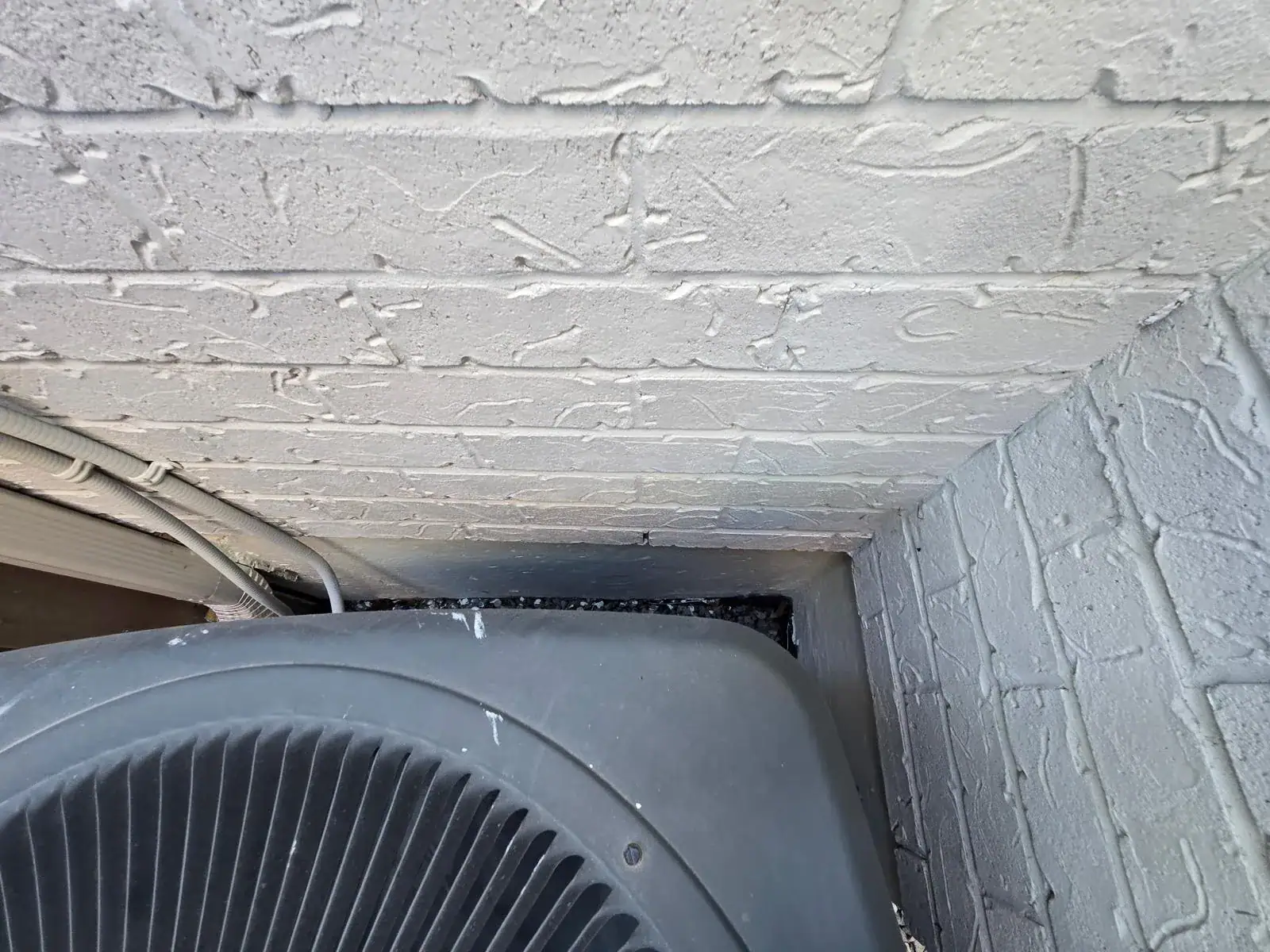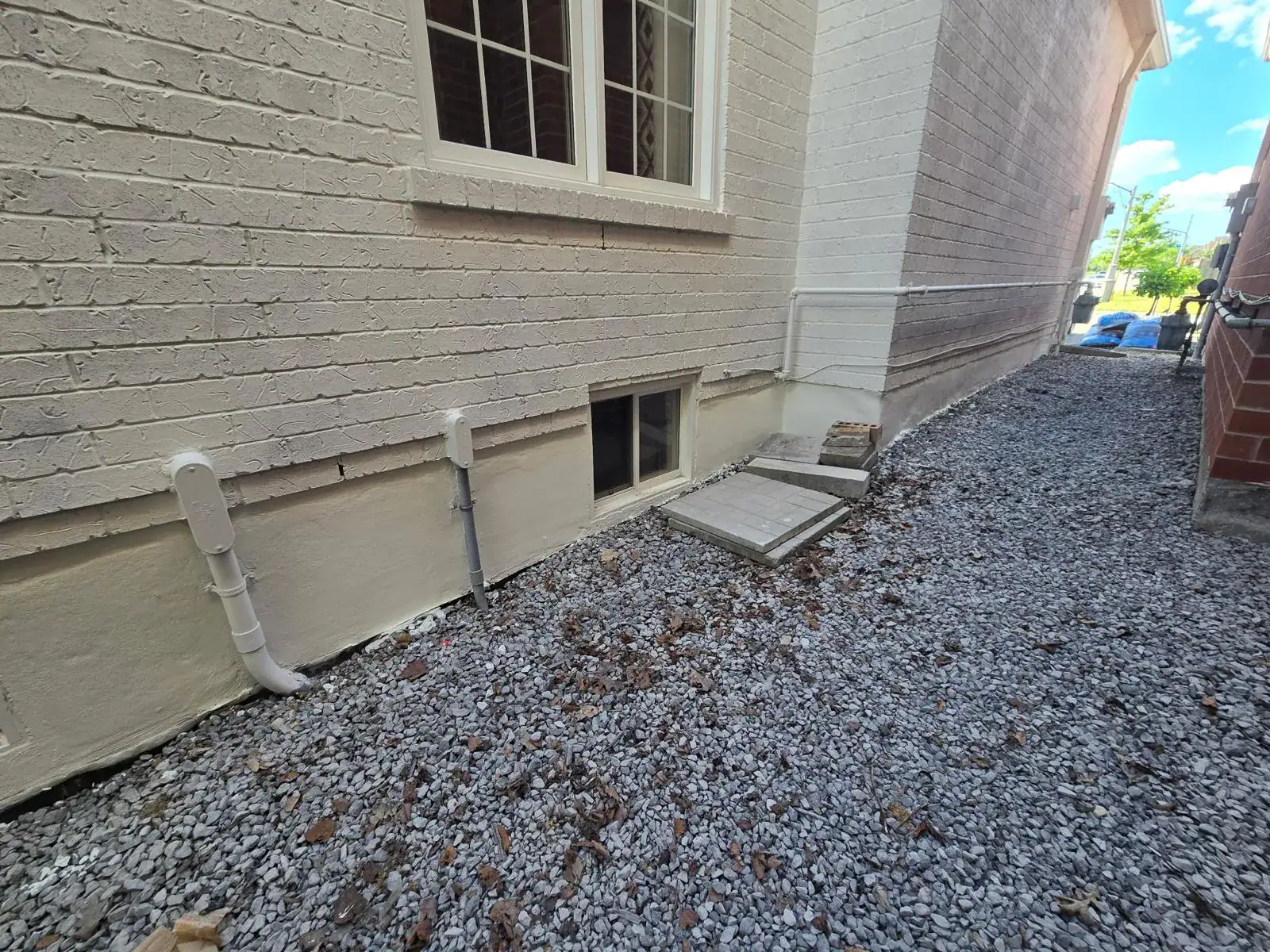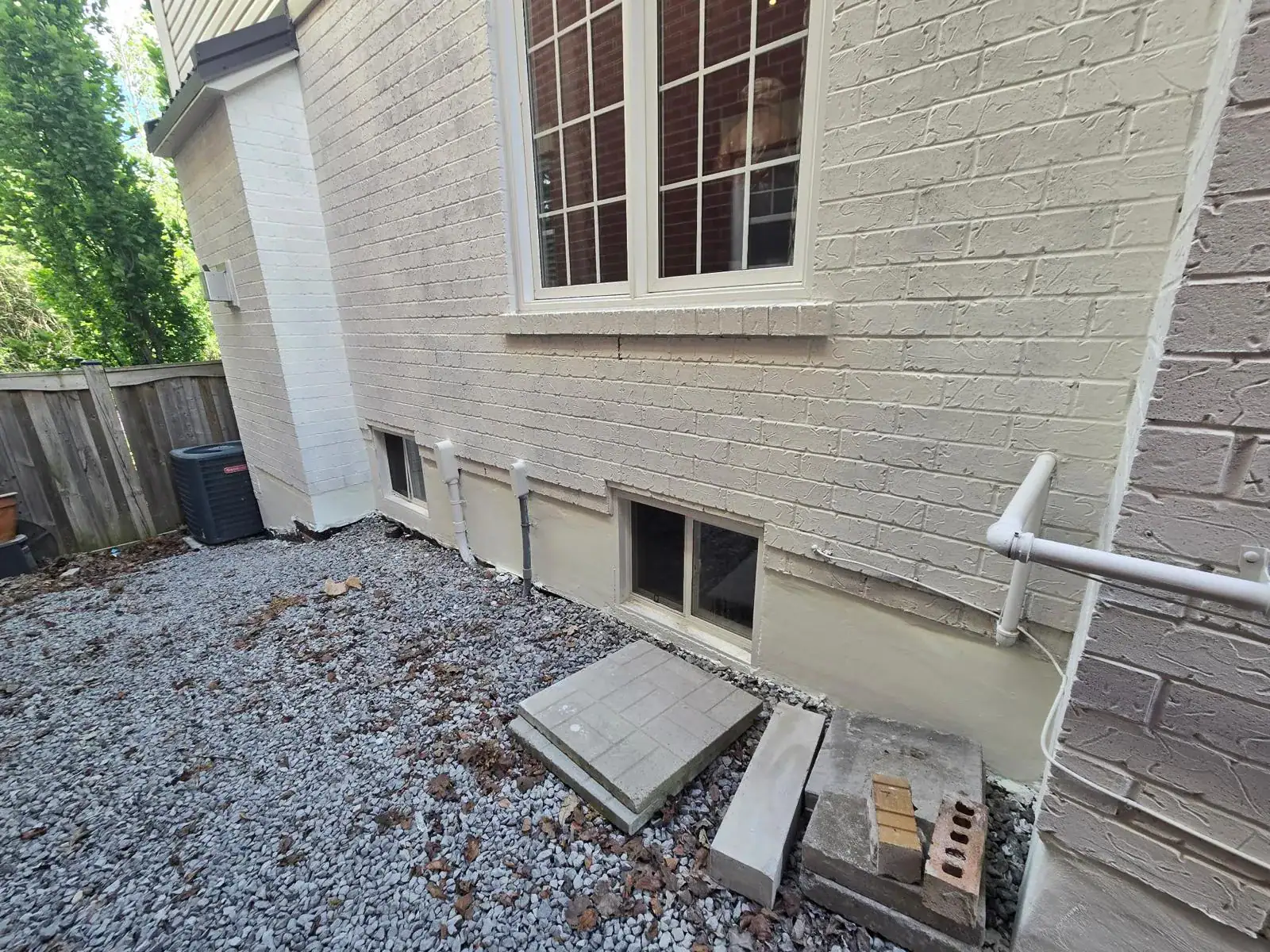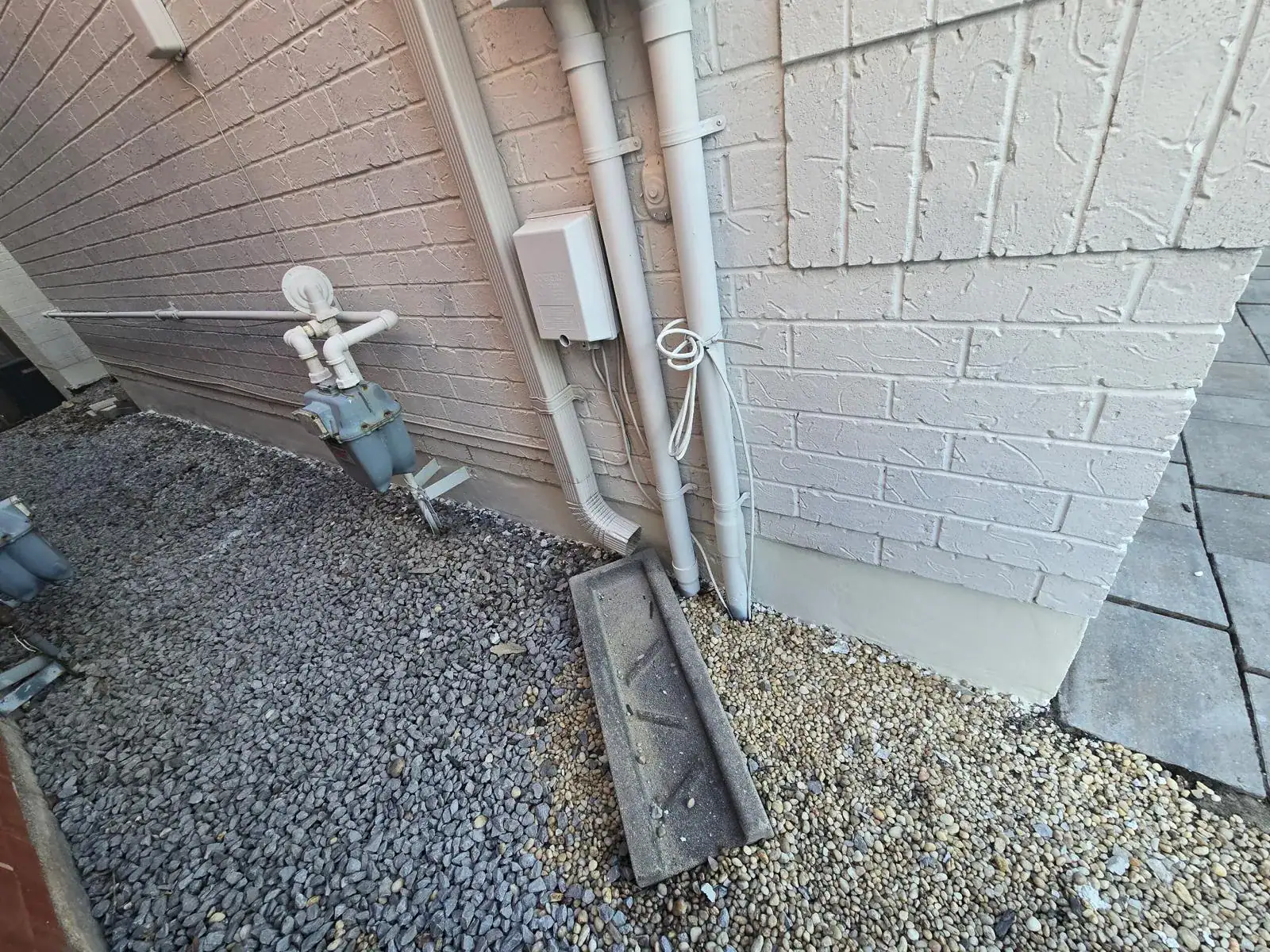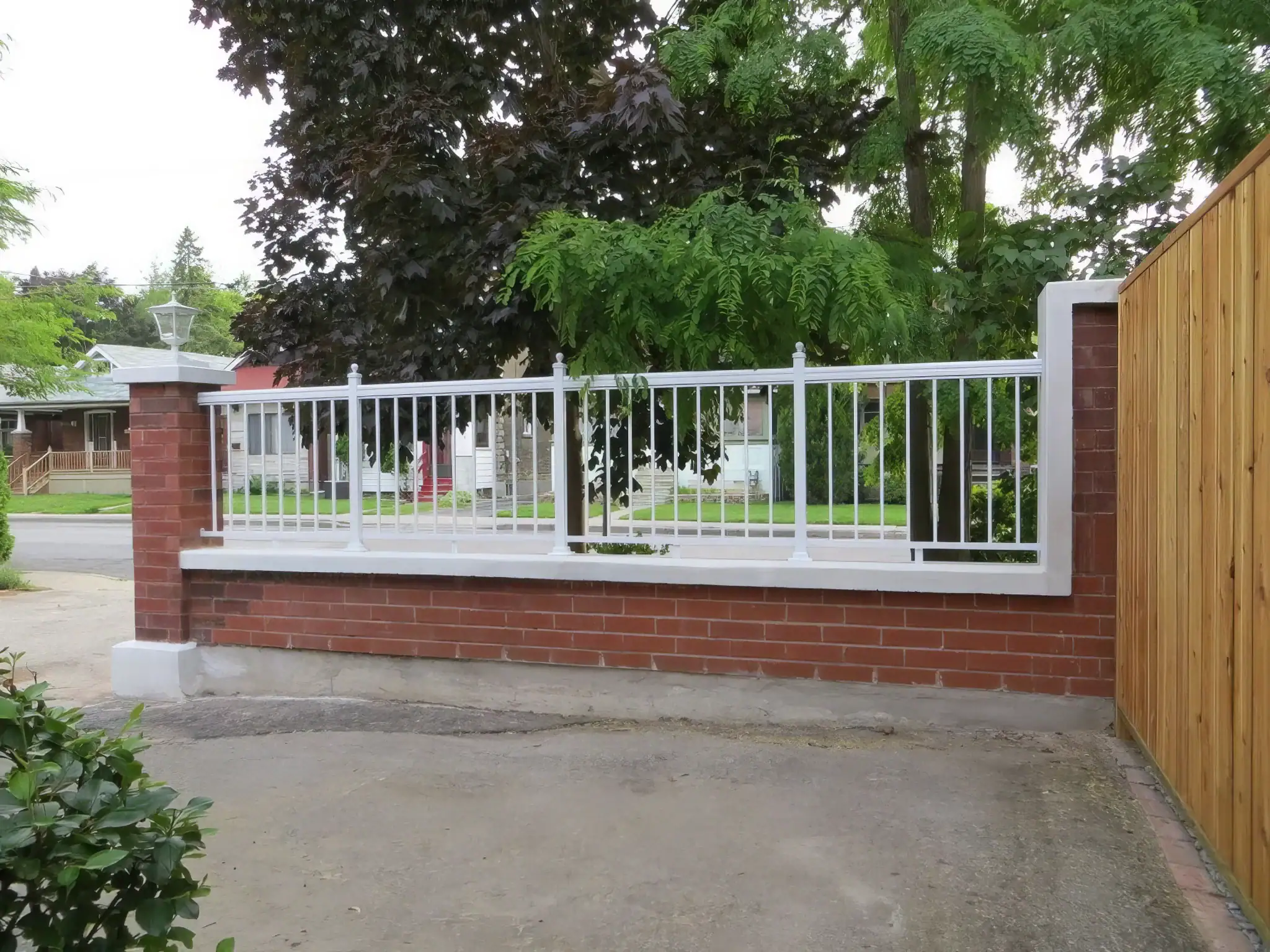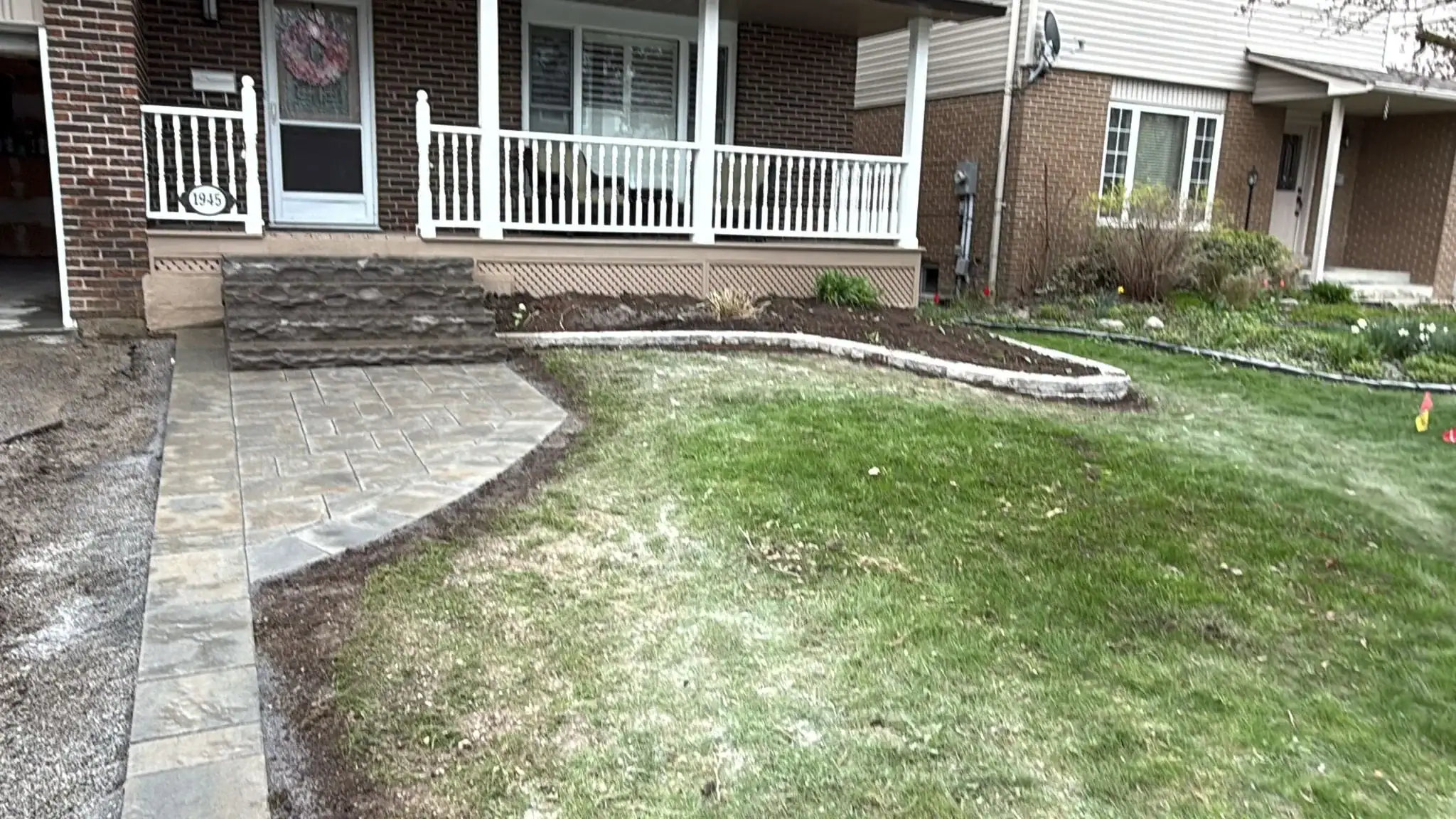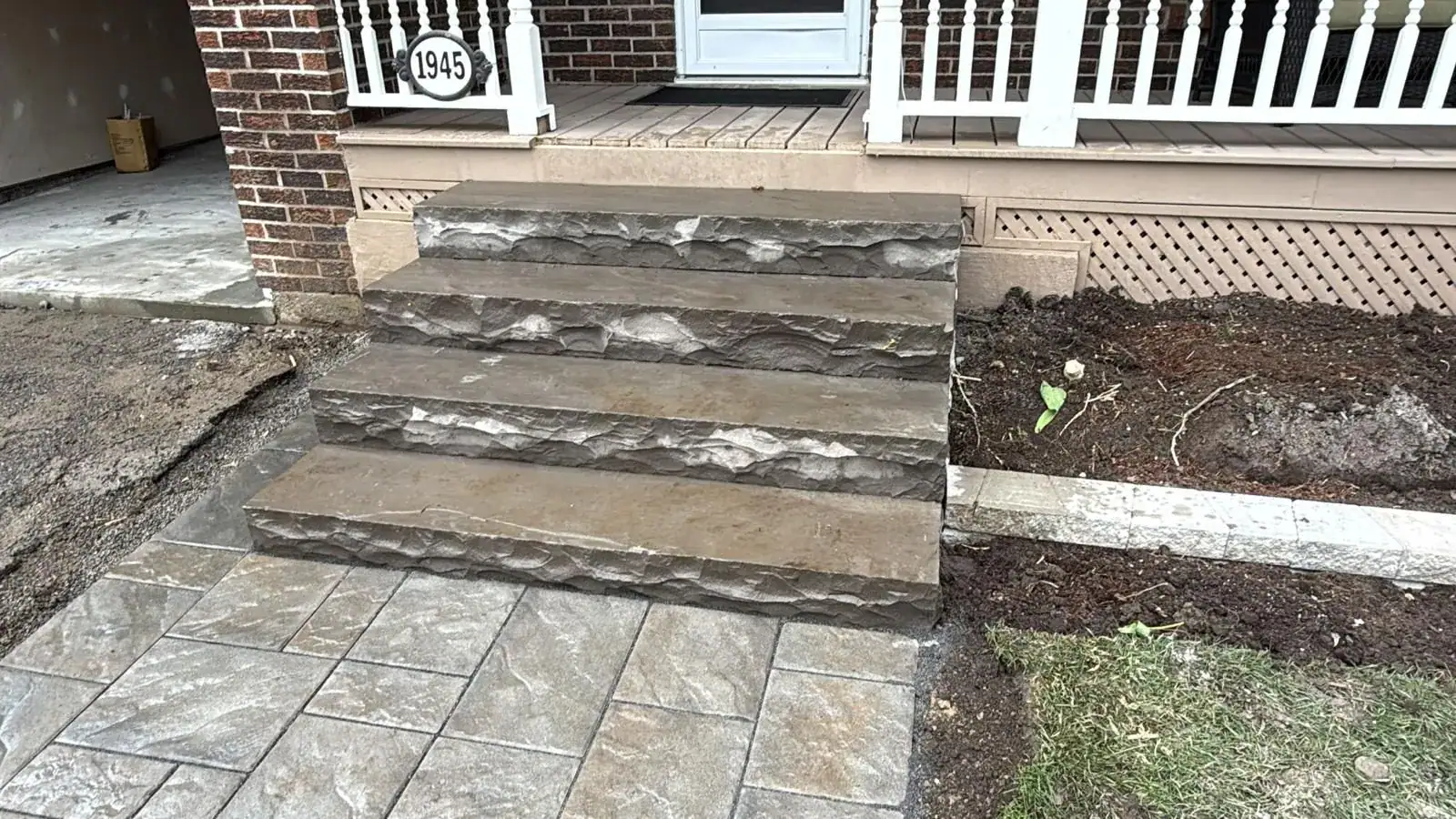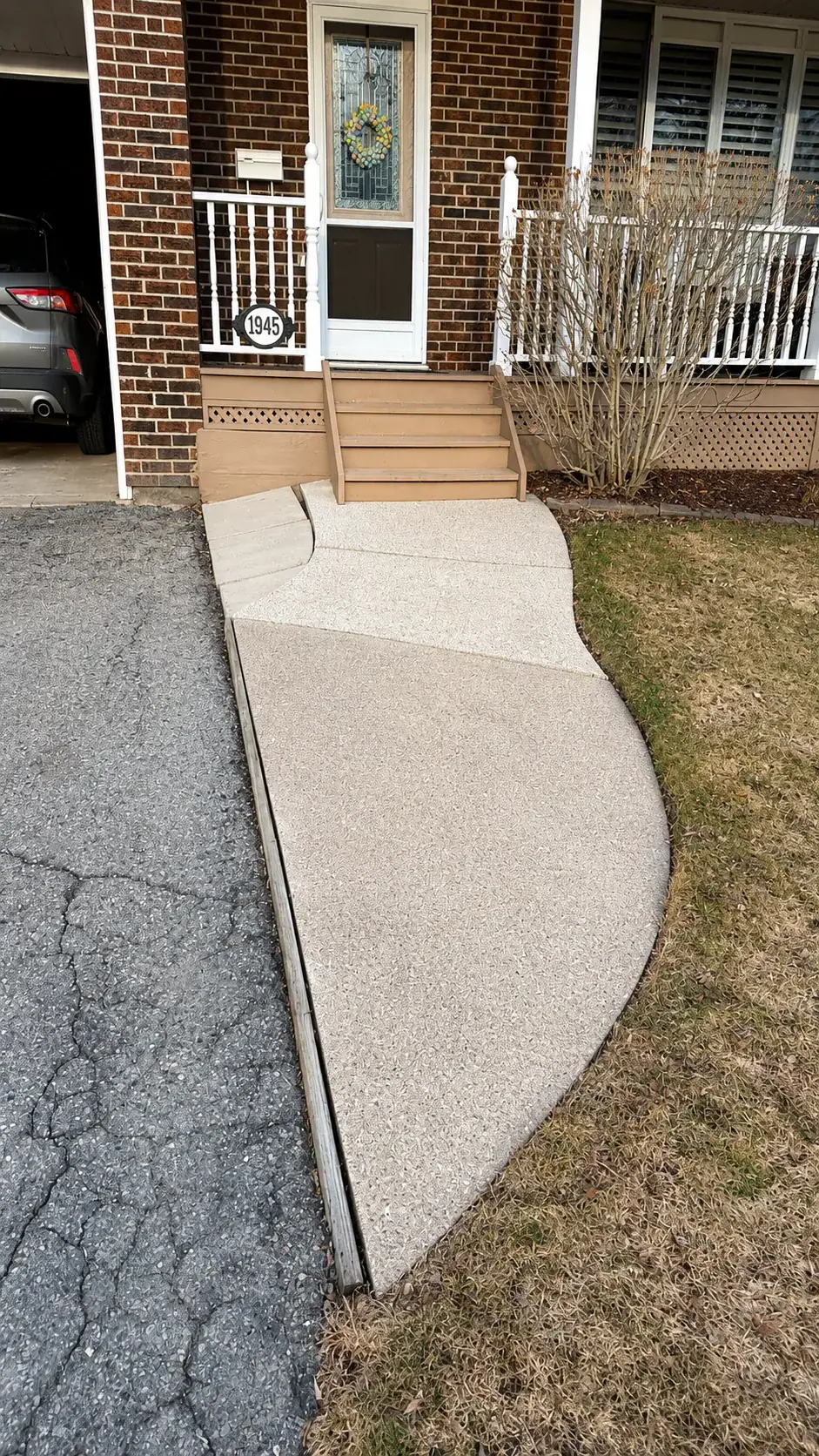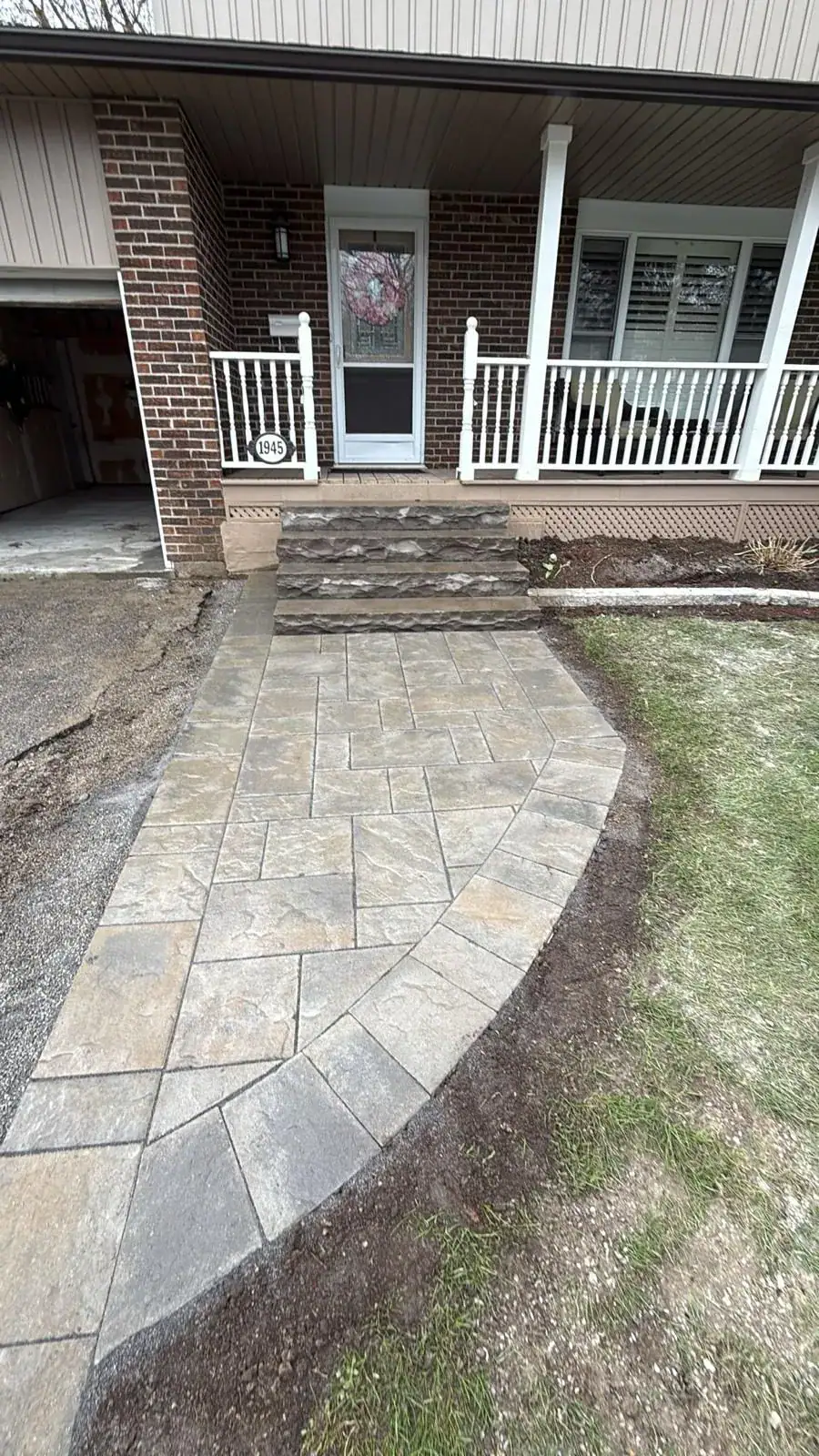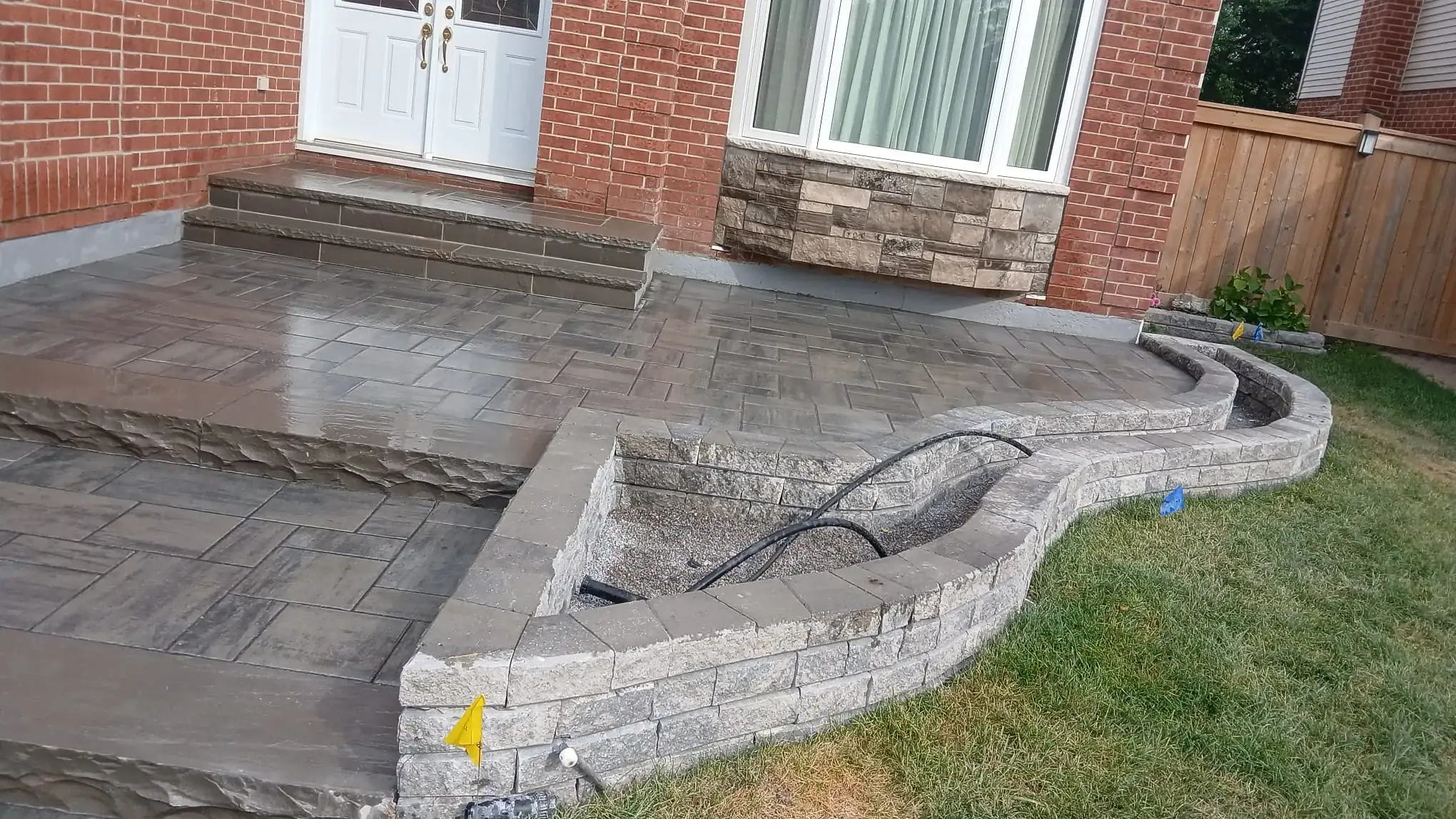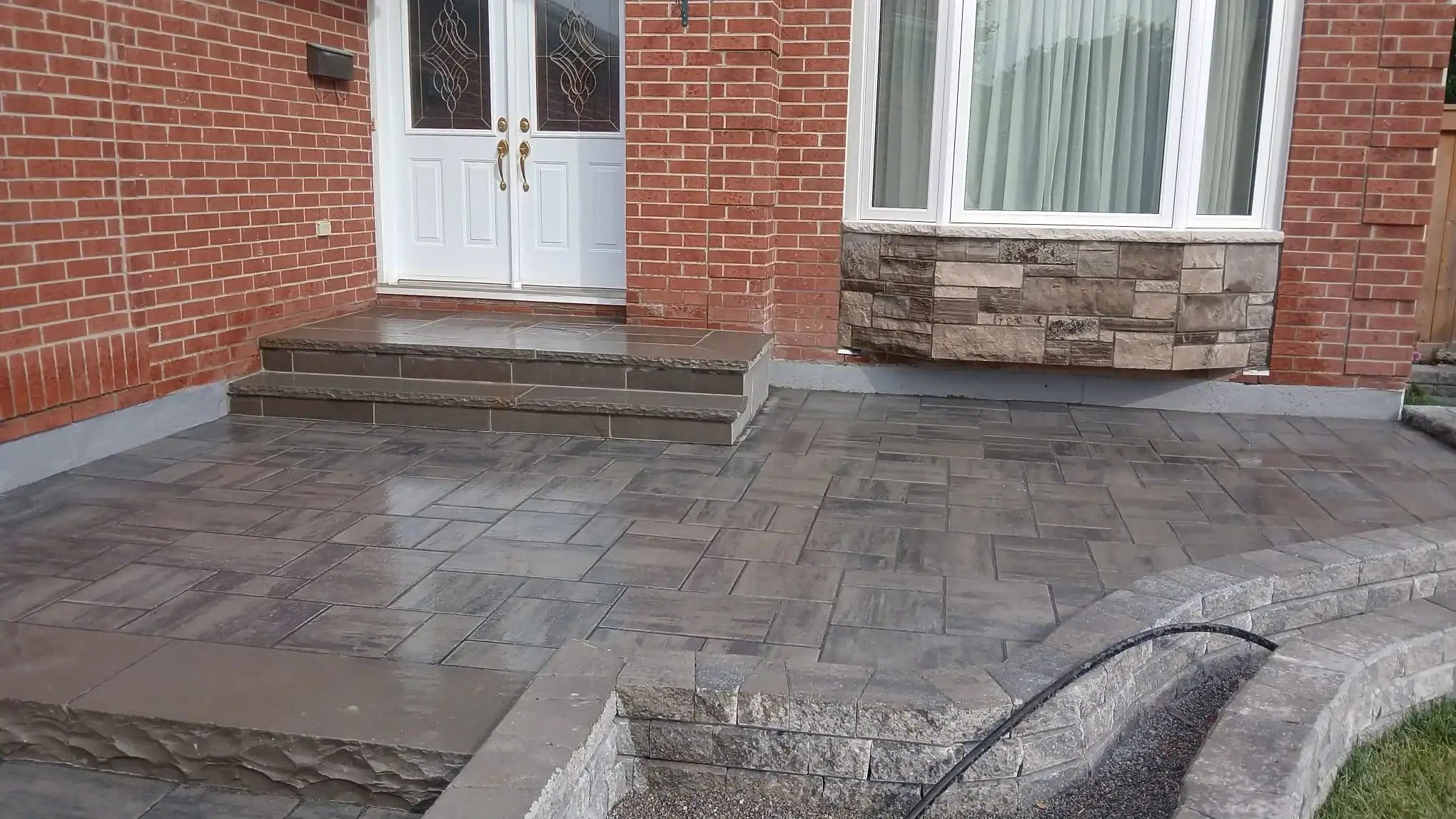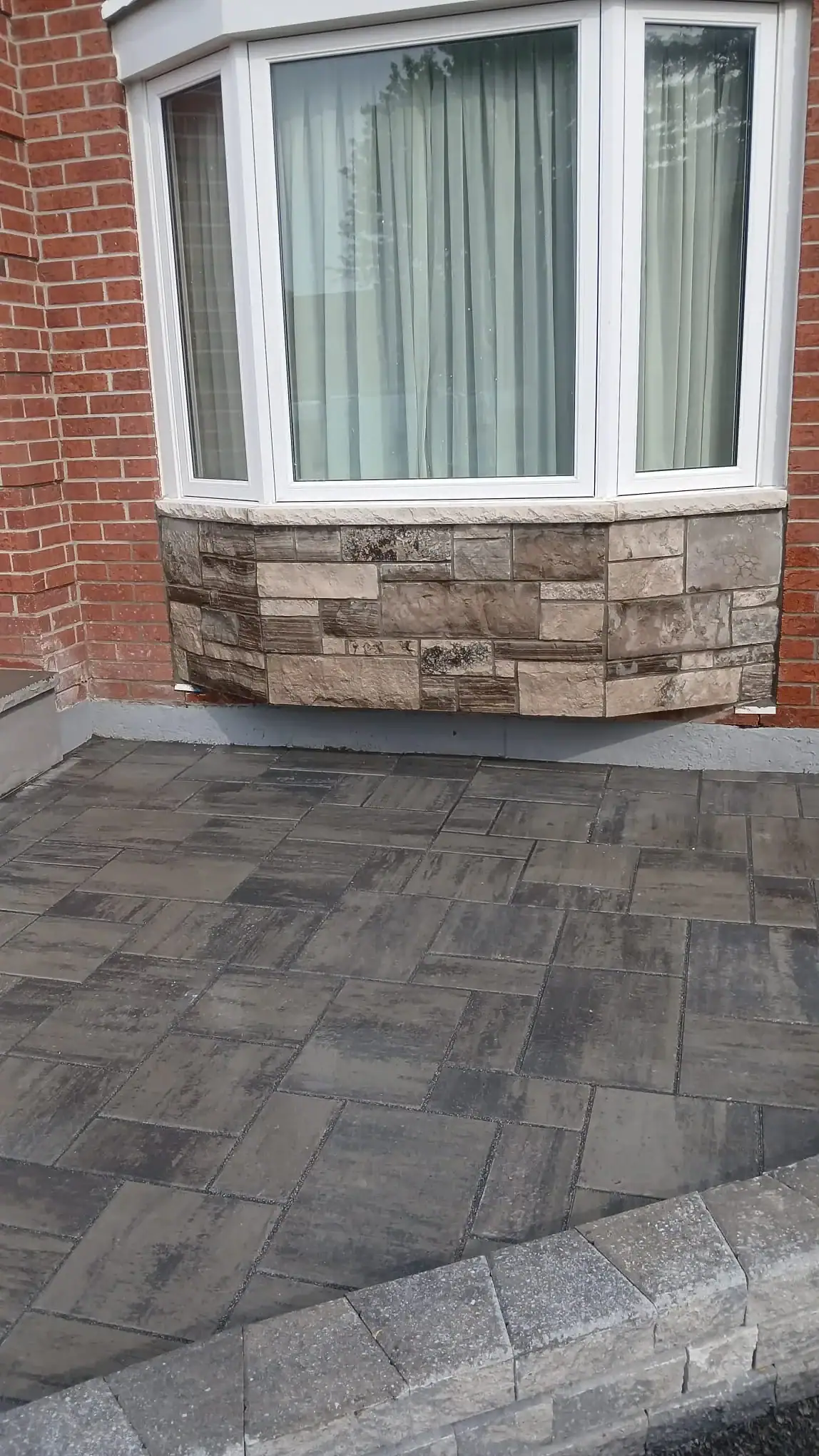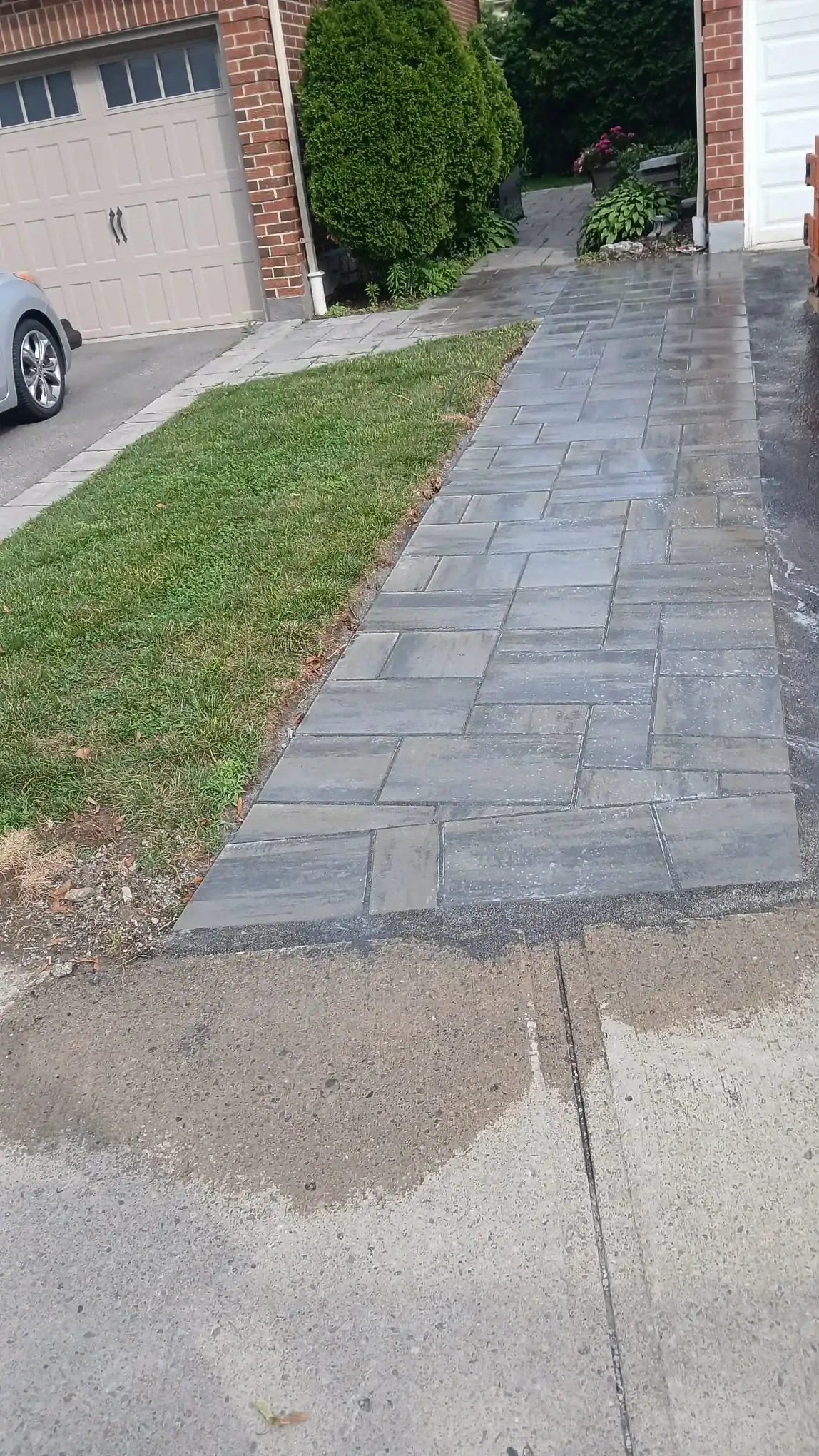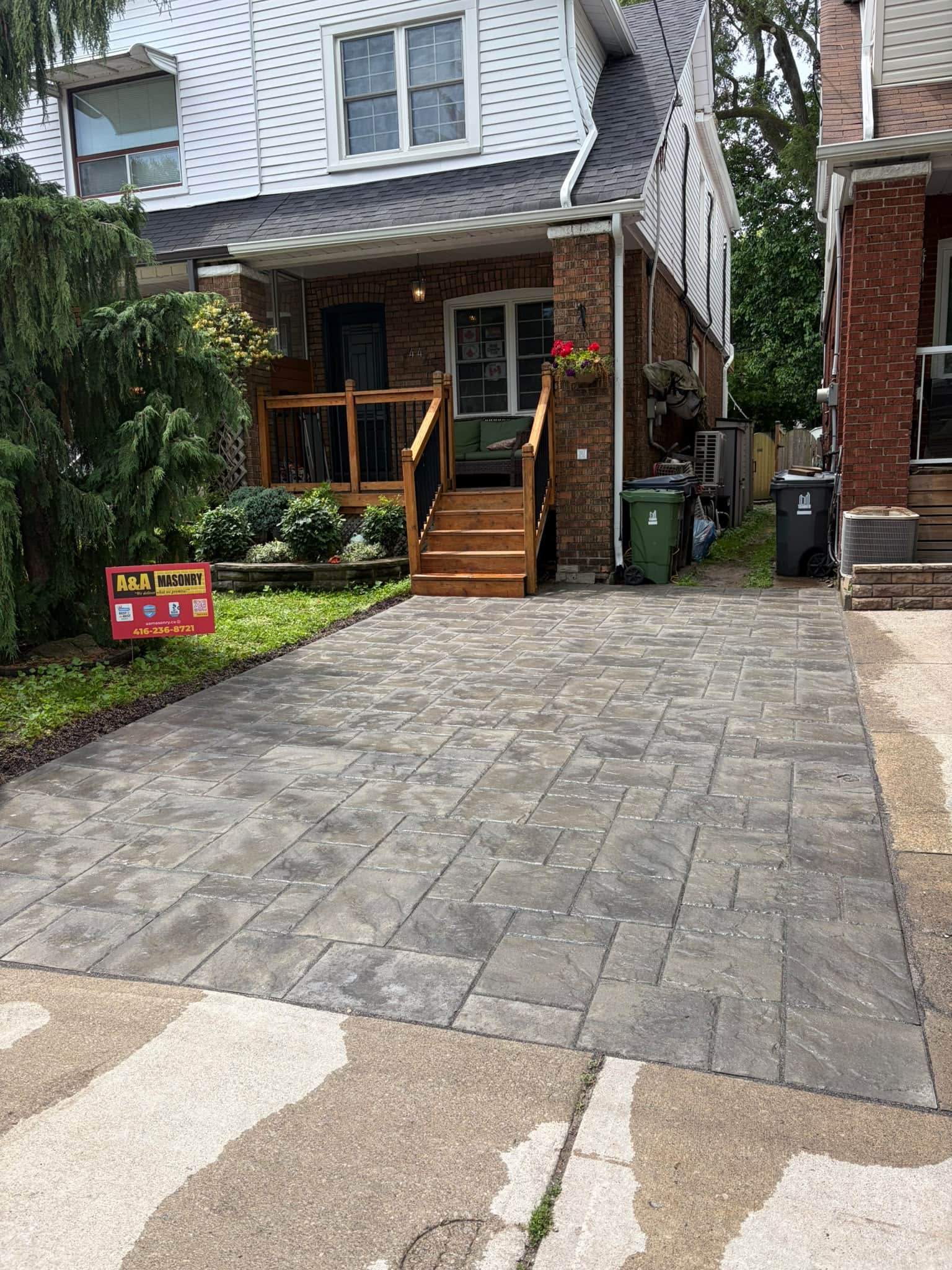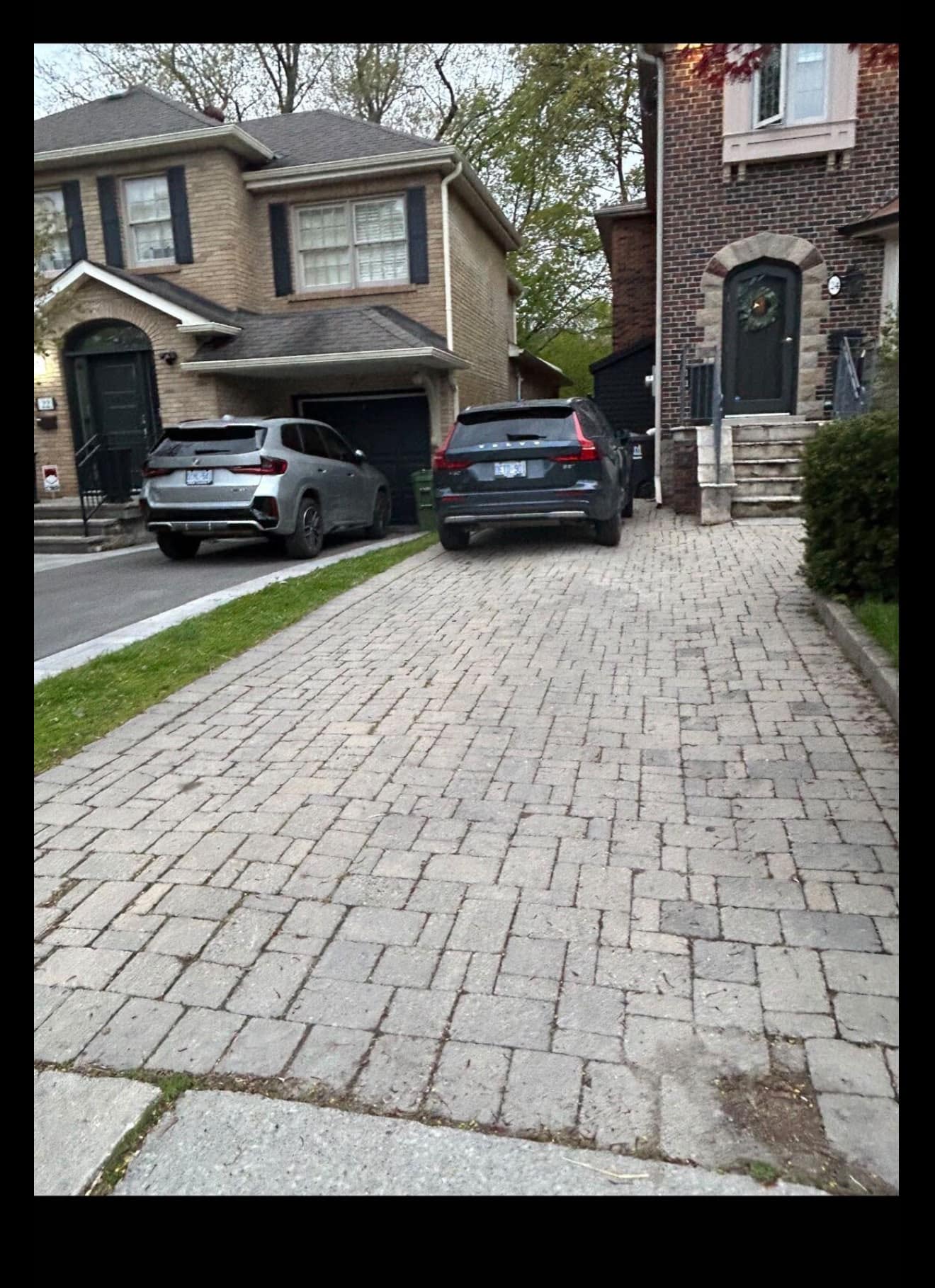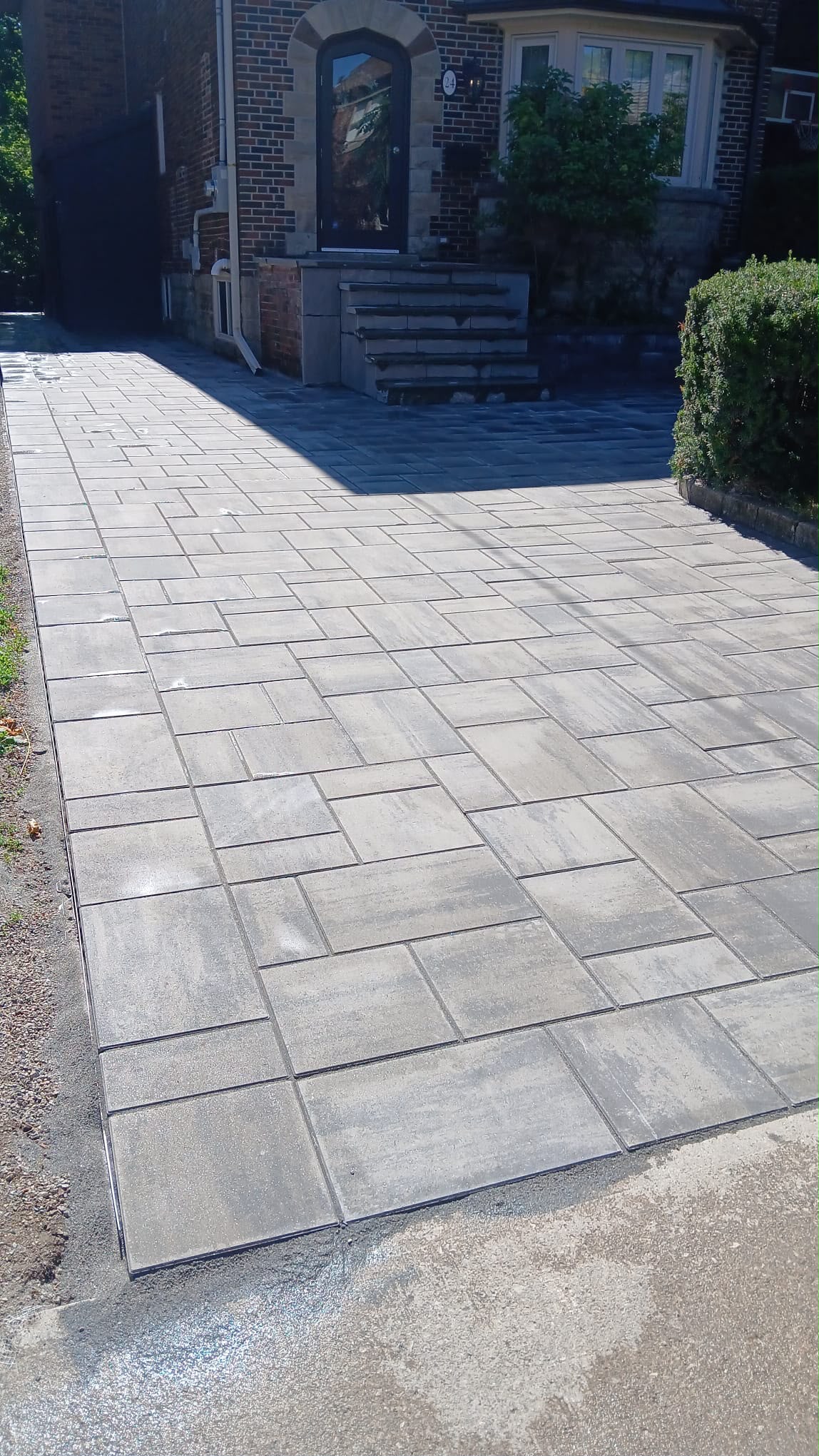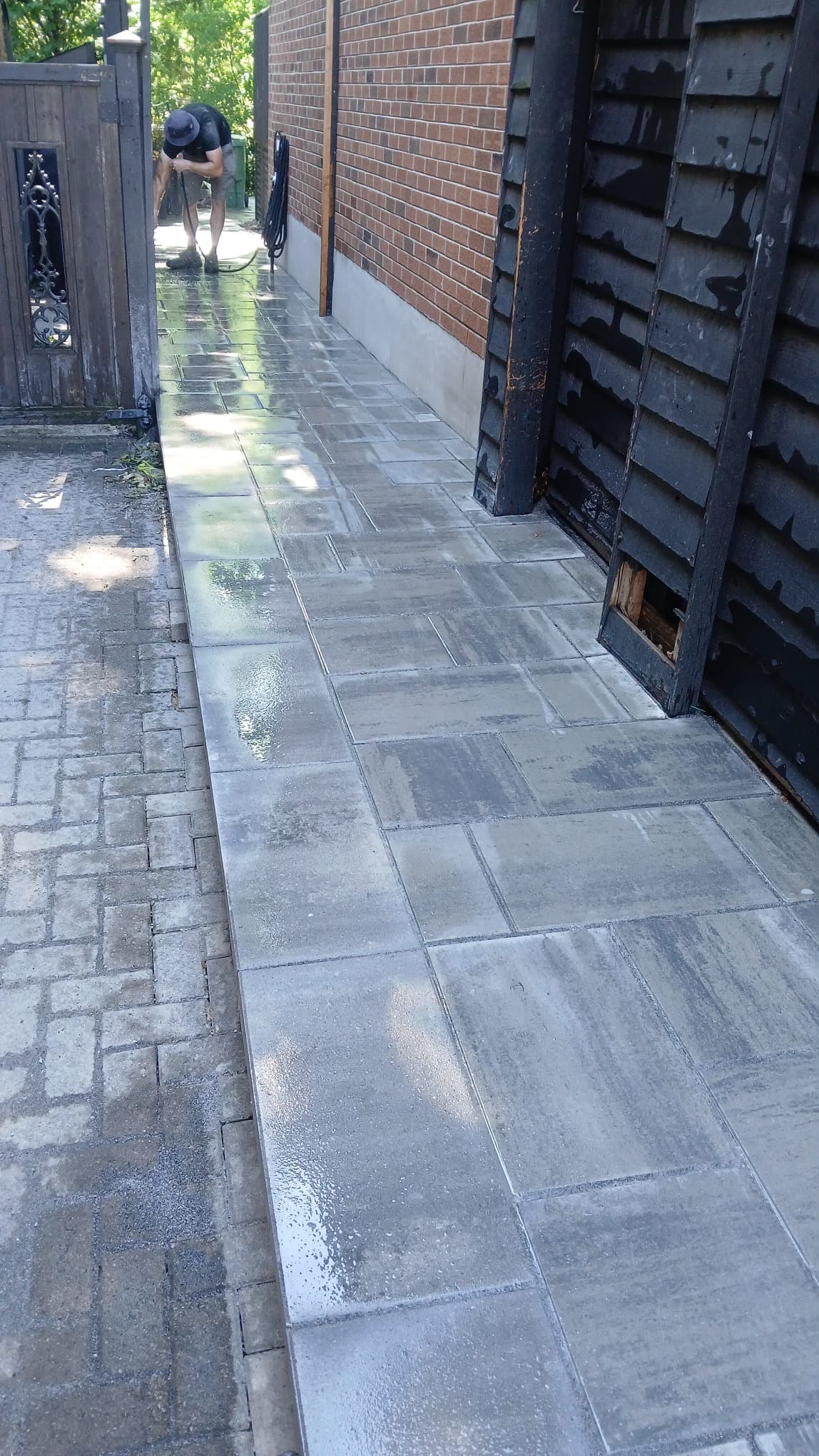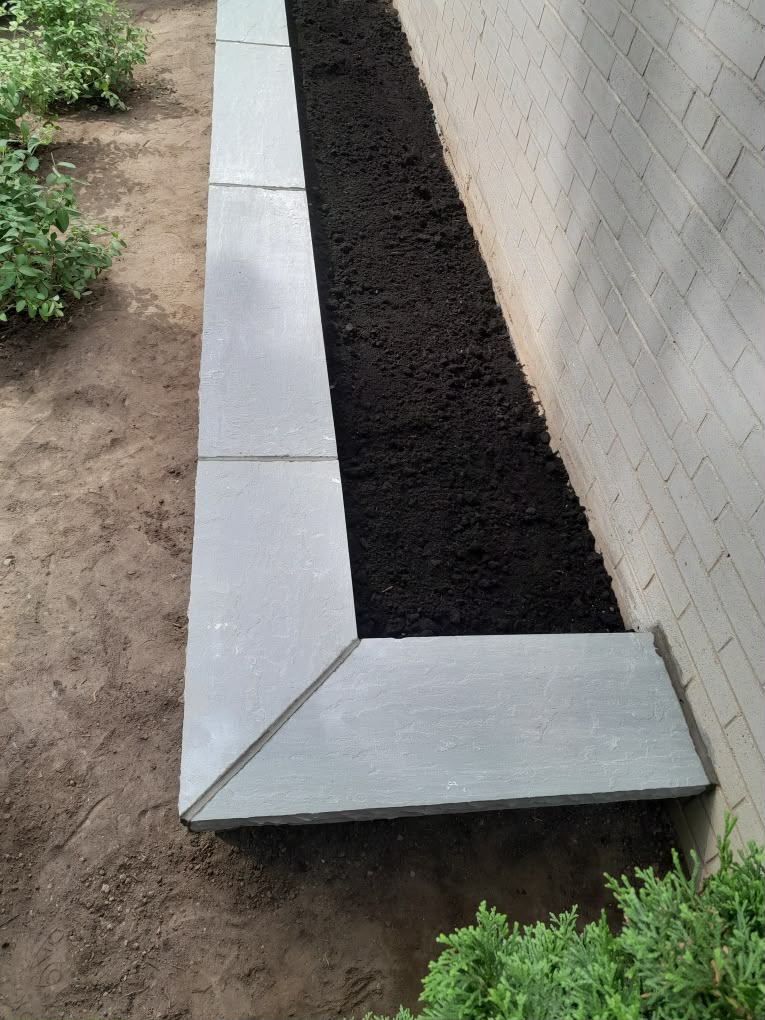

Masonry lighting ideas for outdoor spaces should do more than make a patio, walkway, retaining wall, or stone feature look attractive at night. Good lighting can improve safety, guide movement, highlight texture, reduce dark corners, and make outdoor areas easier to use after sunset. The best results come when lighting is planned with the masonry, not added as an afterthought.
For Toronto and GTA homeowners, outdoor lighting needs to handle real weather. Rain, snow, ice, freeze-thaw cycles, salt, shade, and seasonal temperature changes all affect exterior masonry and electrical planning. A light placed in the wrong spot can create glare, trap moisture, damage stone or brick, or make steps harder to see instead of safer.
This guide explains practical masonry lighting ideas for patios, steps, walkways, retaining walls, stone features, driveways, and garden spaces. It also covers what to avoid, when professional help makes sense, and how to think about safety, durability, and design together.
Why Lighting Should Be Planned With Masonry
Lighting should be planned with masonry because brick, stone, concrete, and interlocking surfaces shape how light behaves. Rough stone creates shadows. Smooth concrete reflects light differently. Dark pavers absorb more light than pale stone. A retaining wall can either block light or become a useful surface for soft illumination.
When lighting is planned early, wires, fixtures, conduit, drainage details, and mounting points can be placed more cleanly. This helps avoid drilling into finished stone, cutting through newly installed hardscaping, or adding exposed wires later. It also helps protect the masonry from careless installation that can let water into joints or damage the surface.
Planning also improves the look. Instead of relying on a single bright floodlight, a layered lighting plan can guide people through the space and naturally highlight the masonry. A walkway can have low path lights. Steps can have integrated lights. A stone wall can be softly washed from below. A patio can combine seating-area light with accent light on masonry features.
If your project involves patios, walkways, steps, or driveway areas, A&A Masonry’s interlocking stone services in Toronto page is a useful starting point for understanding how outdoor surfaces connect to broader hardscape planning.
Lighting for Masonry Steps and Entrances
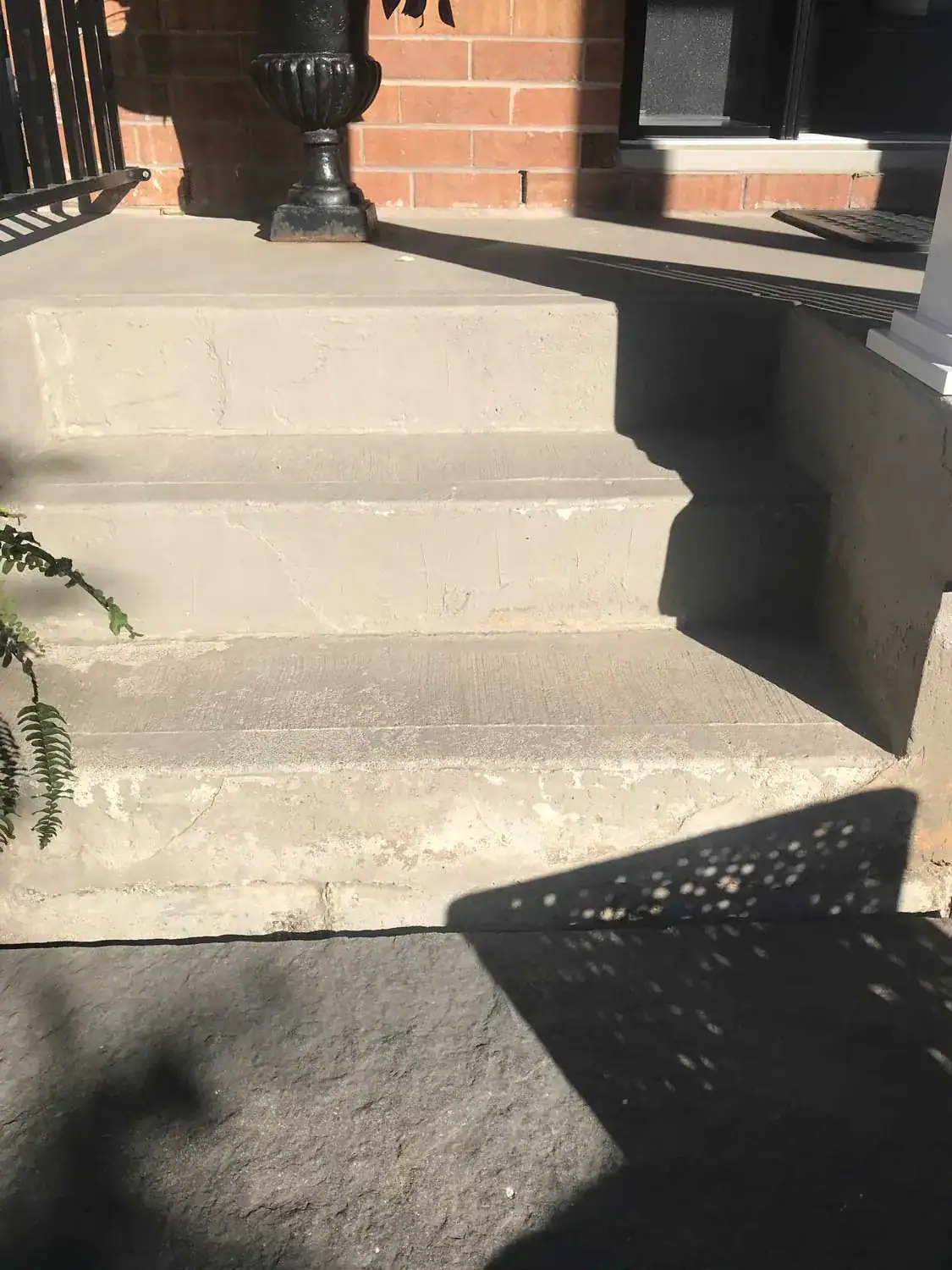
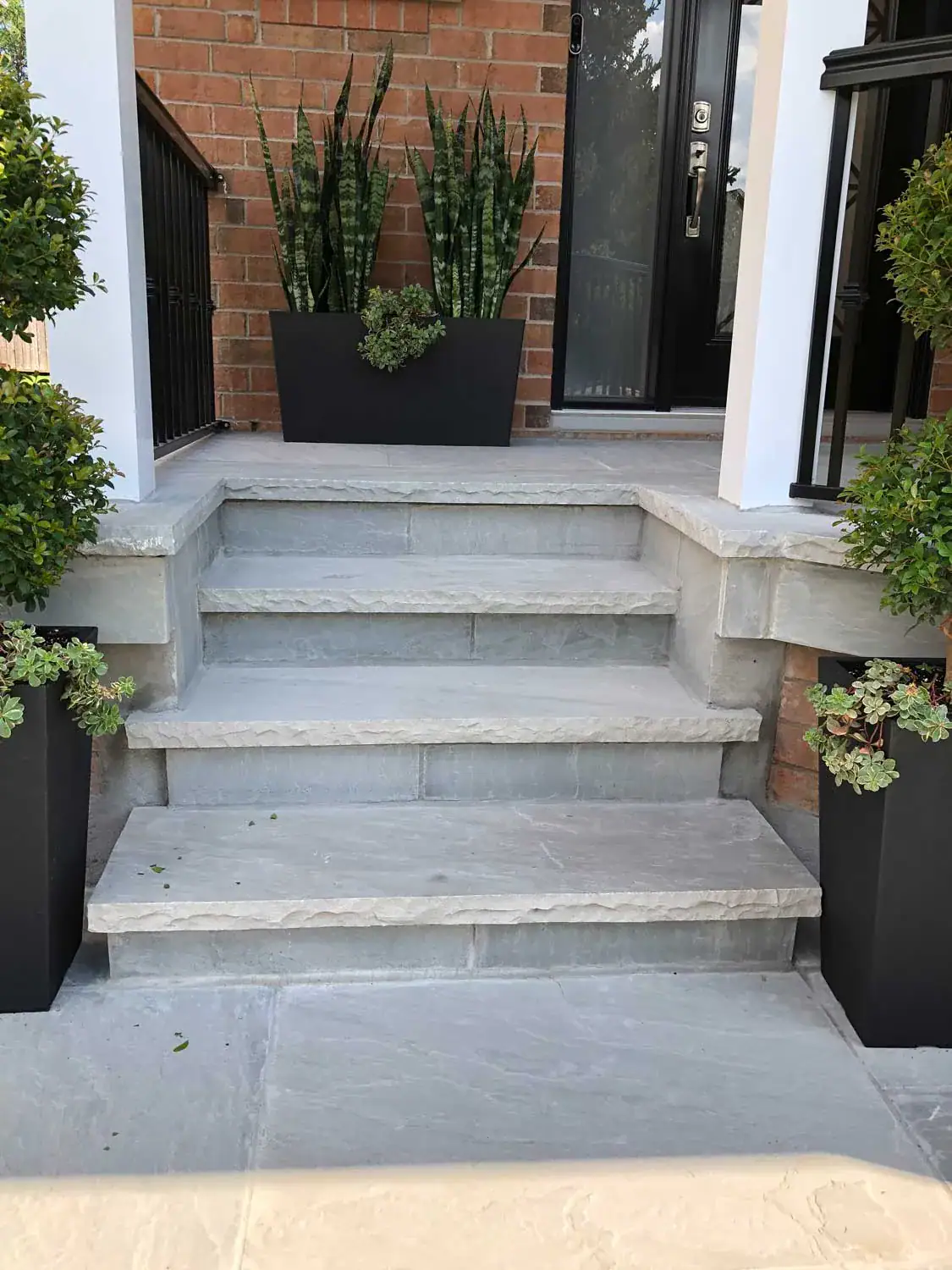
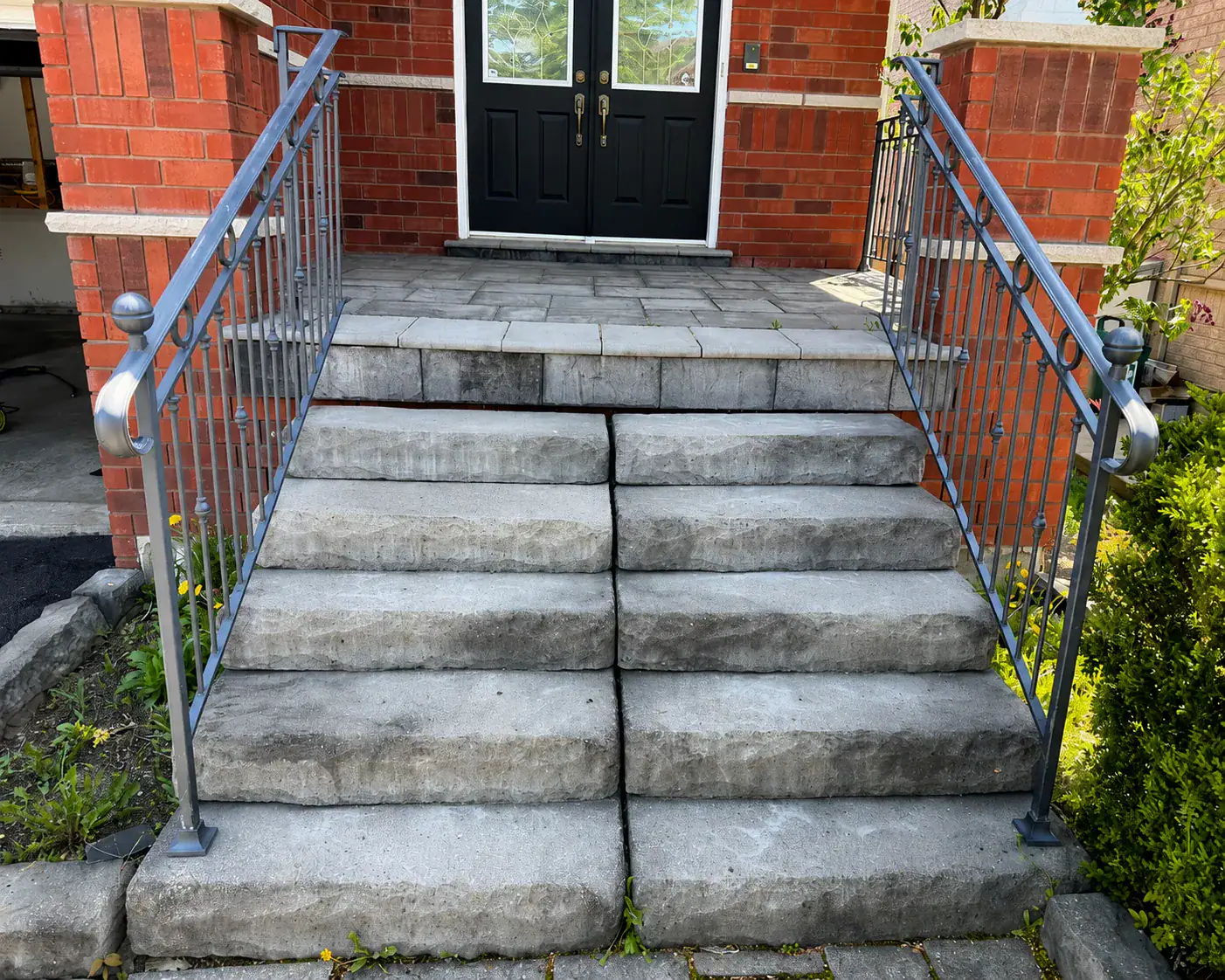
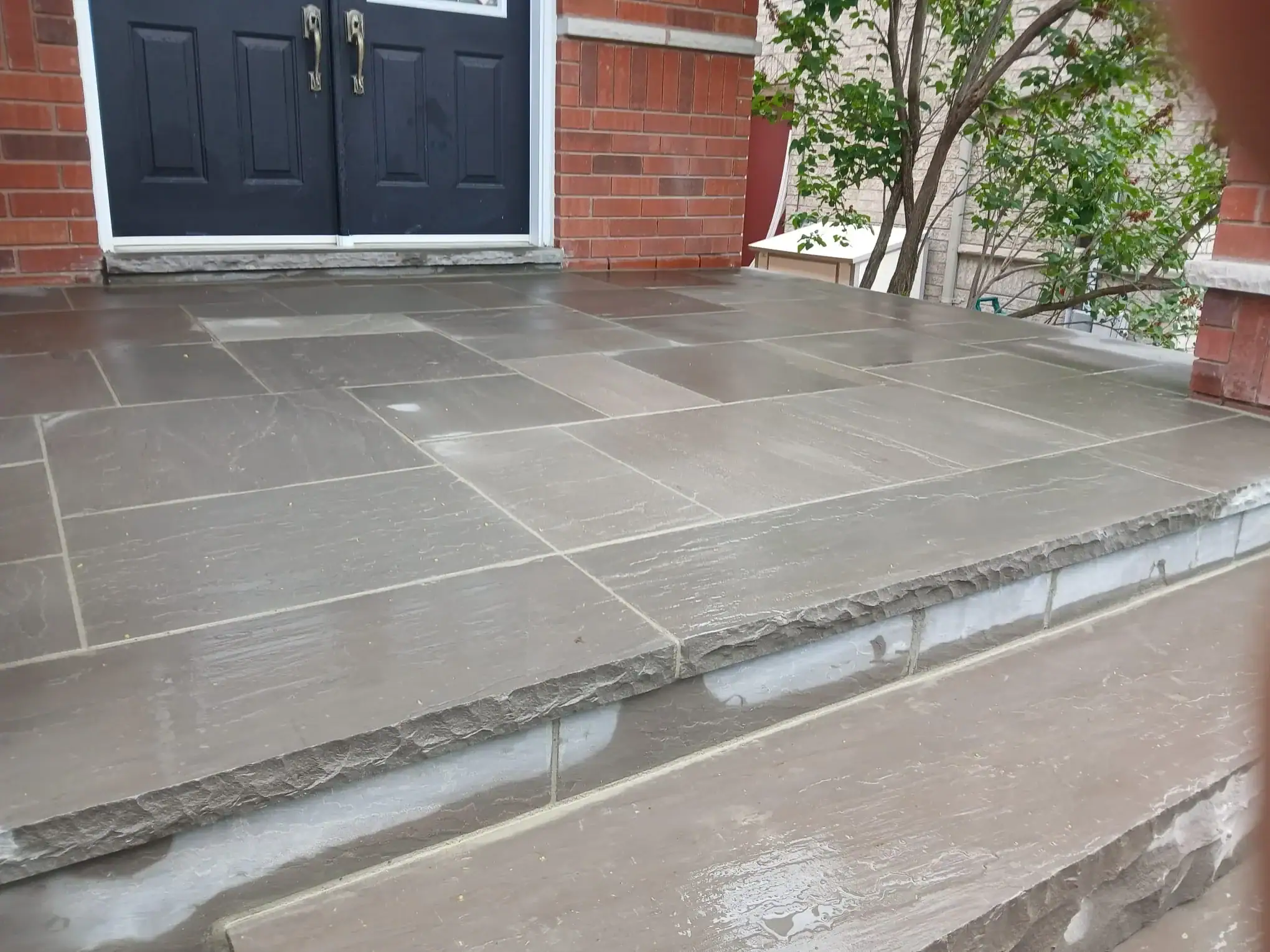
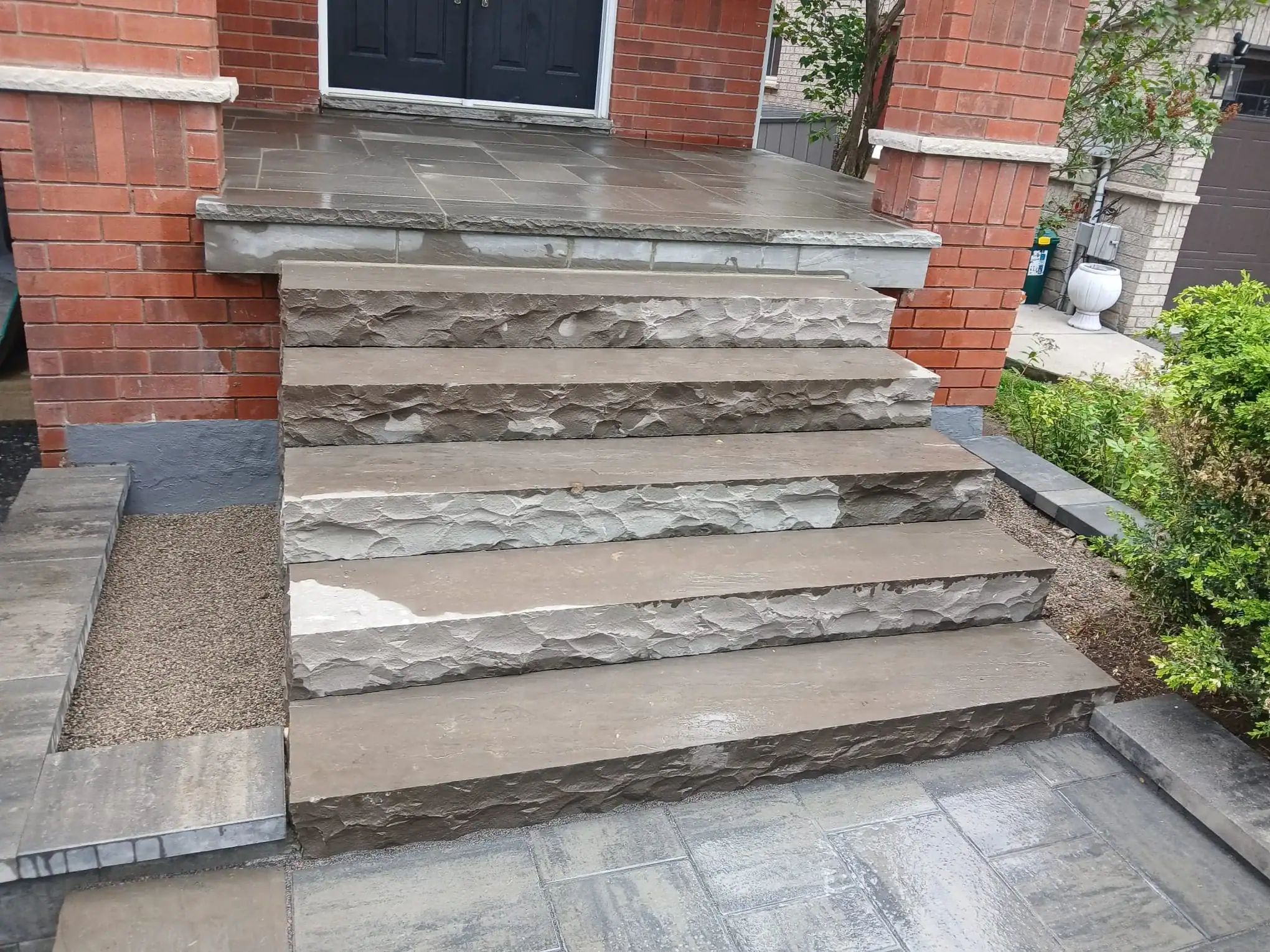
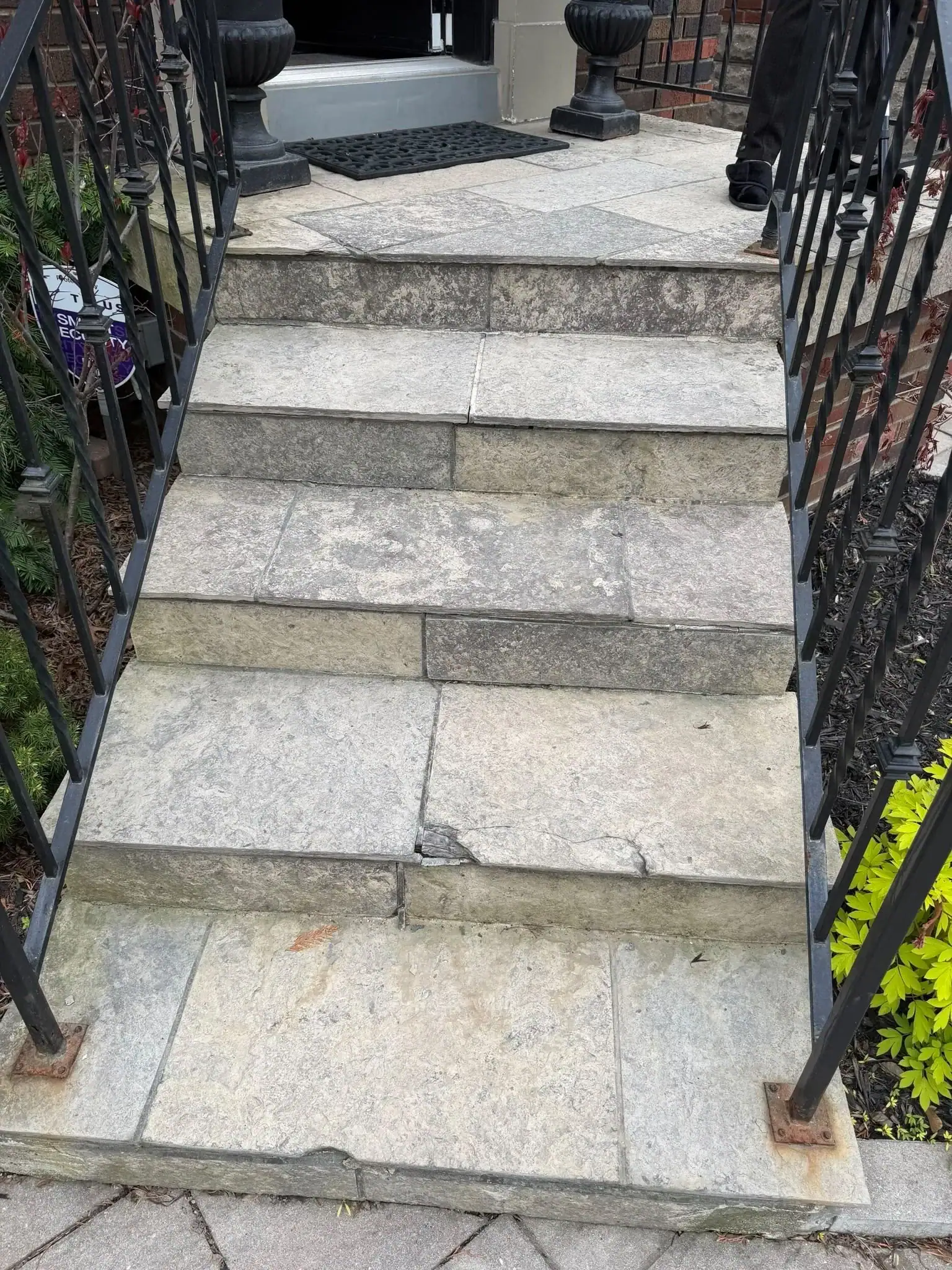
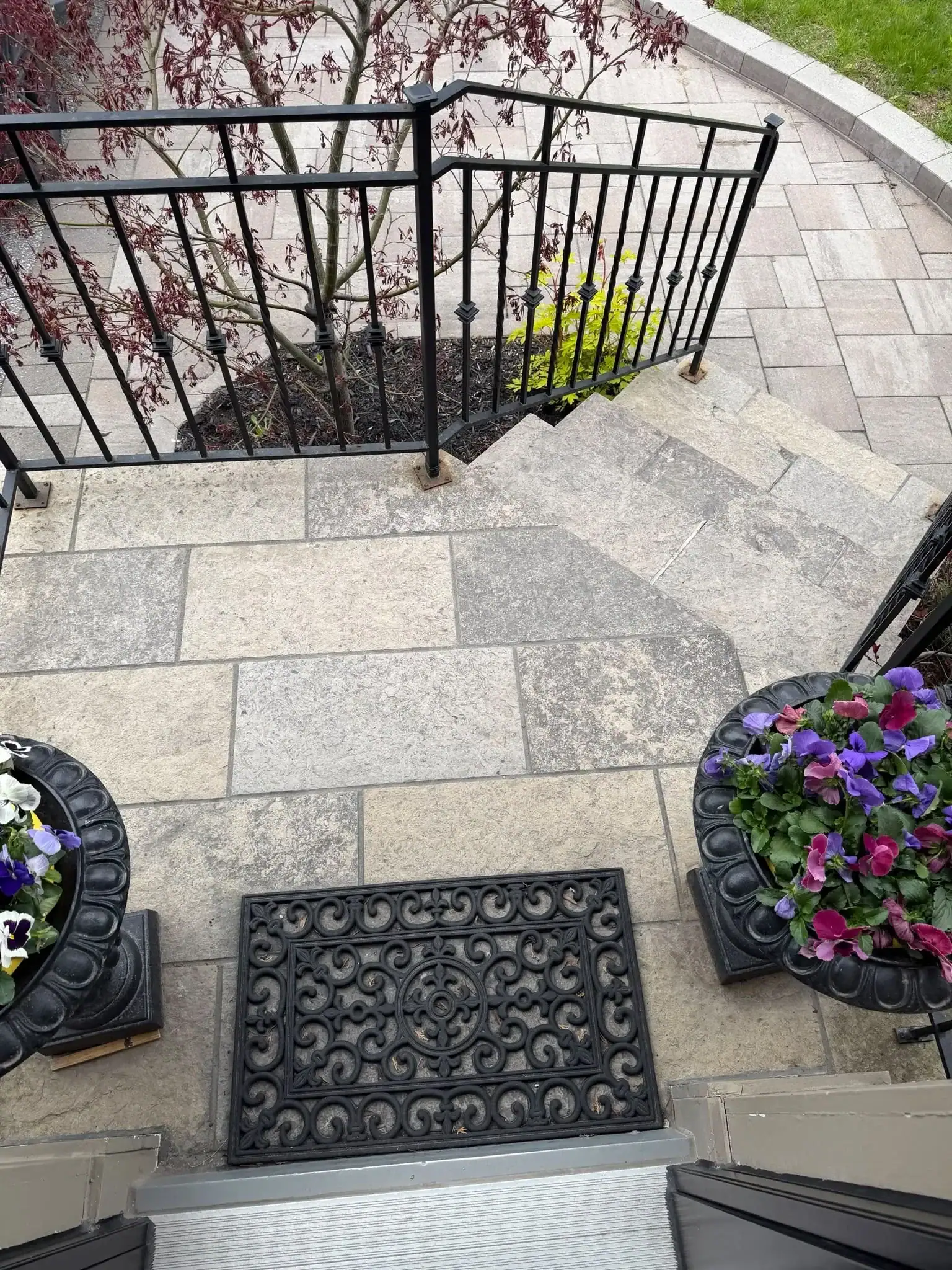
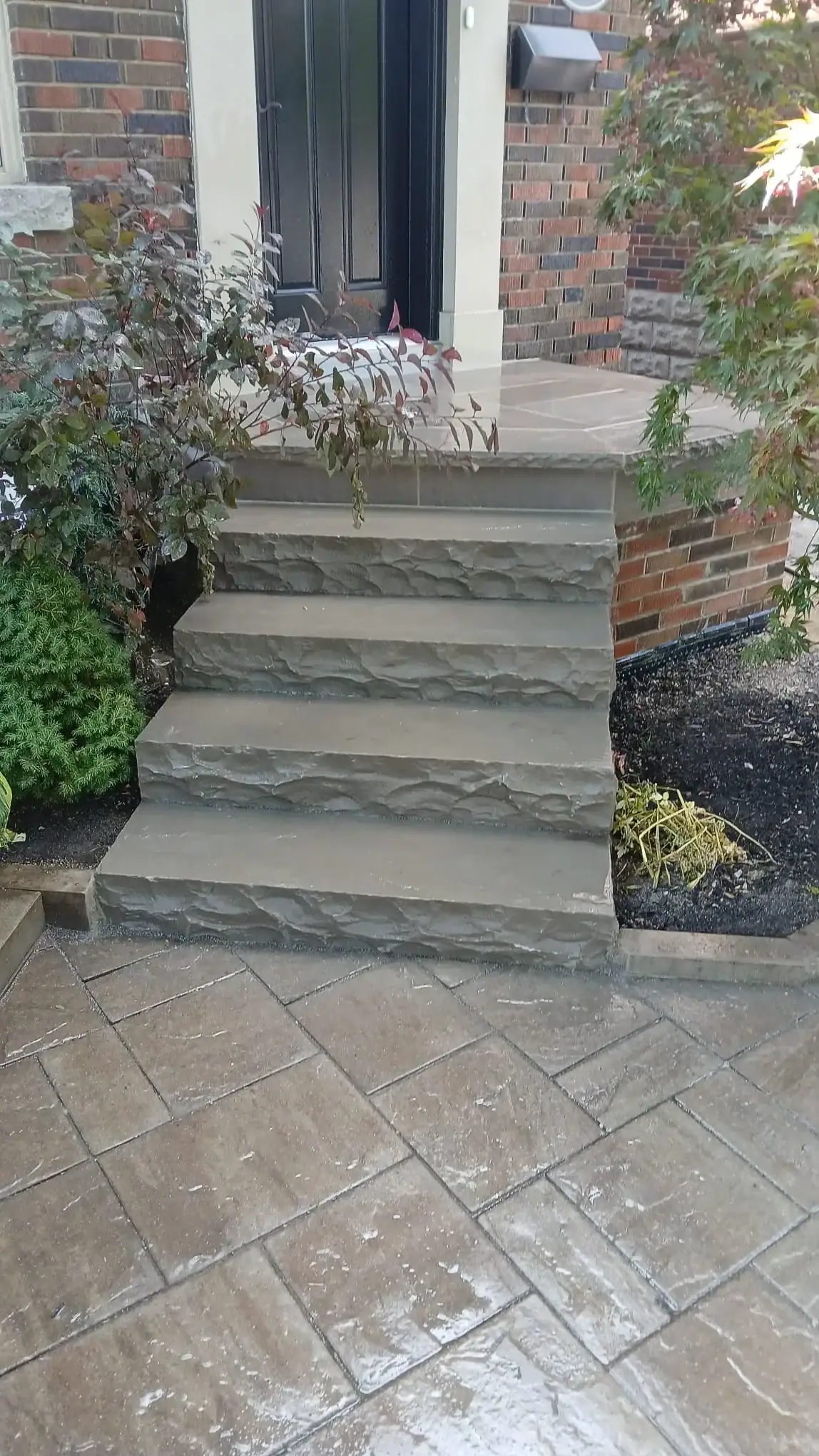
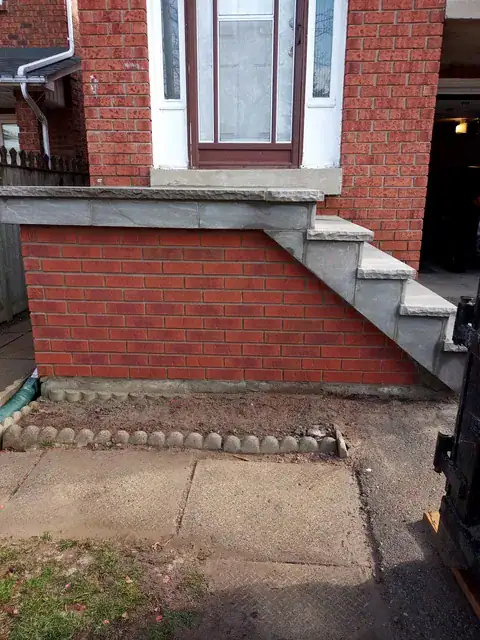
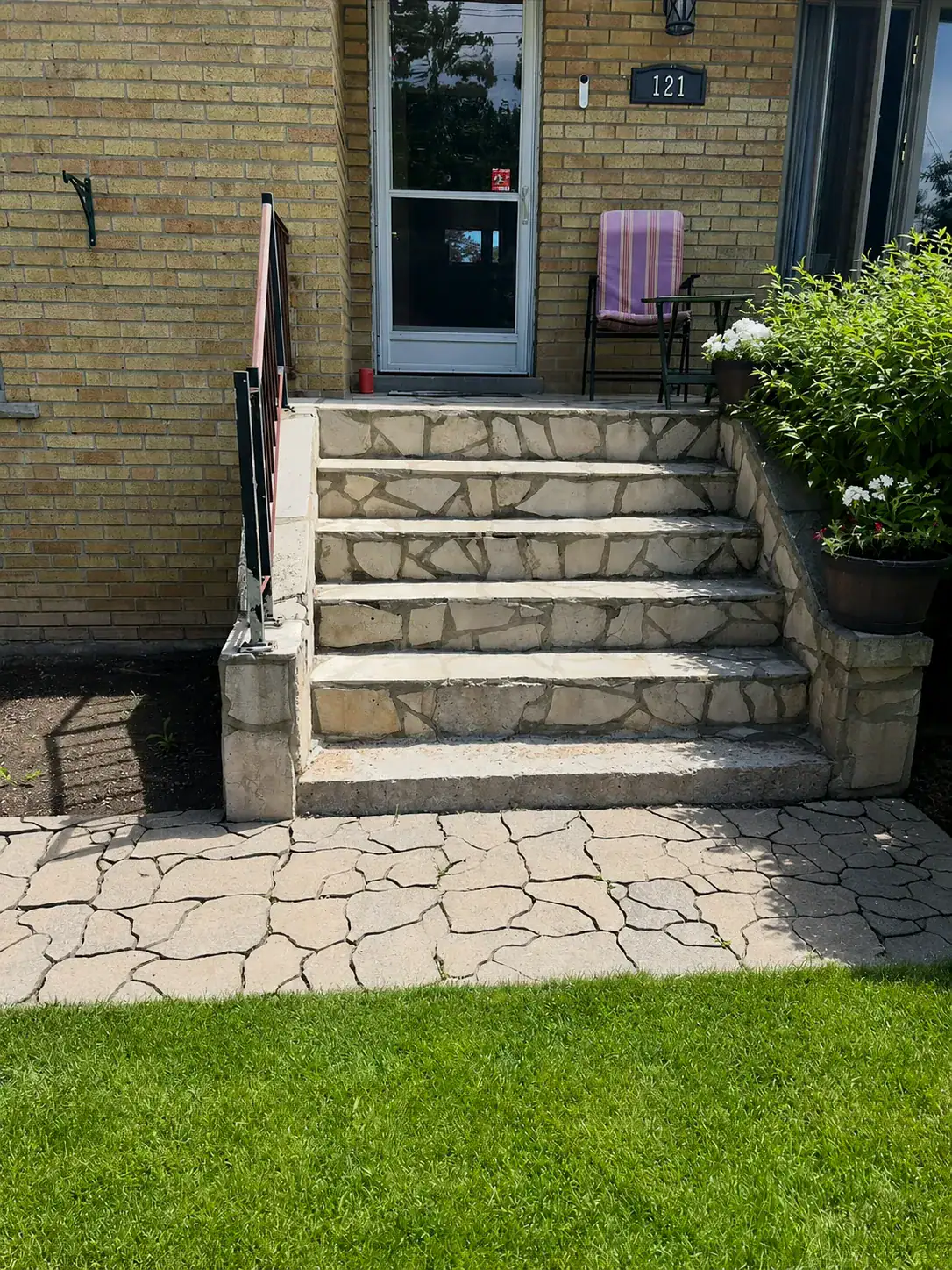
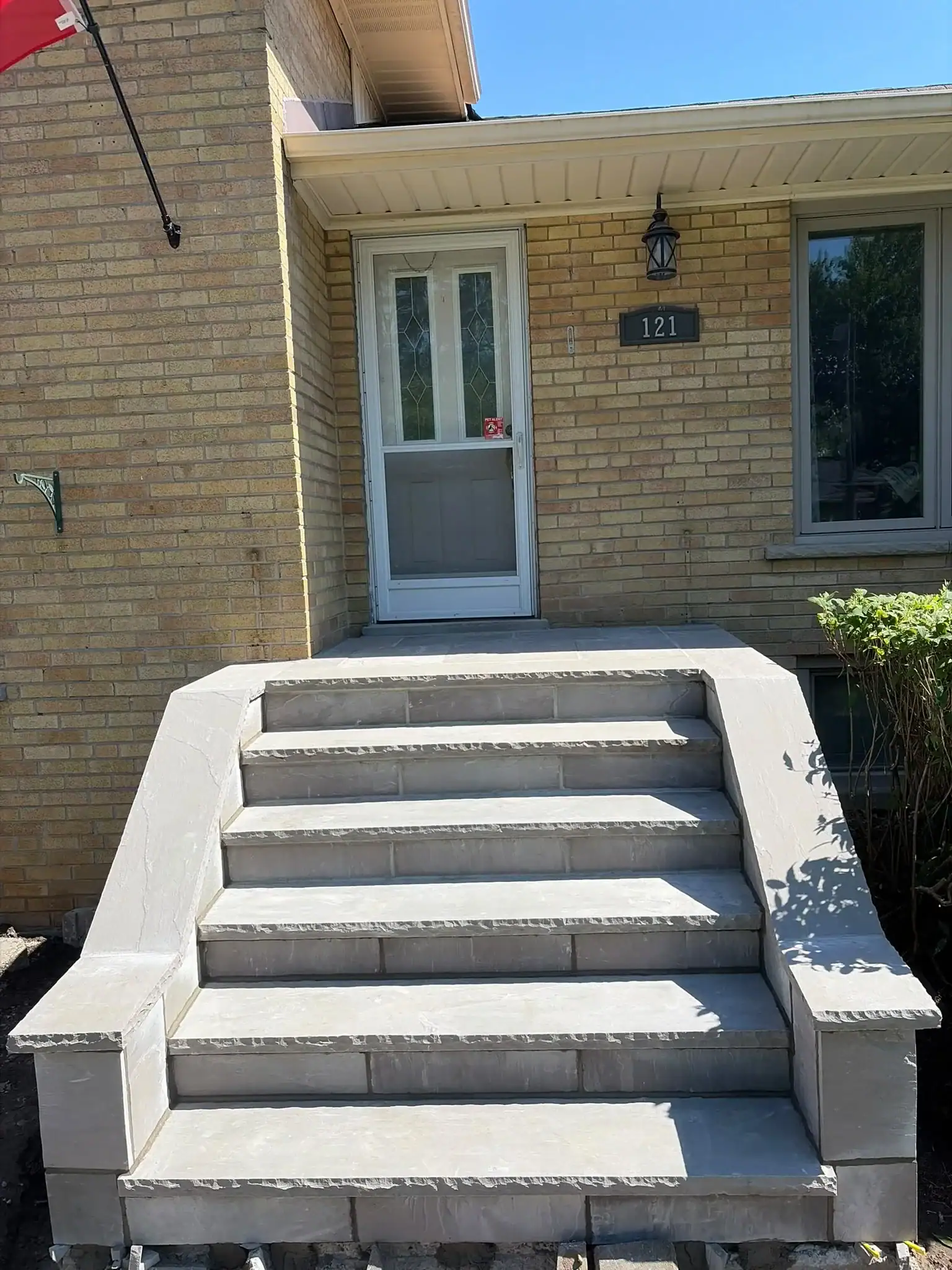
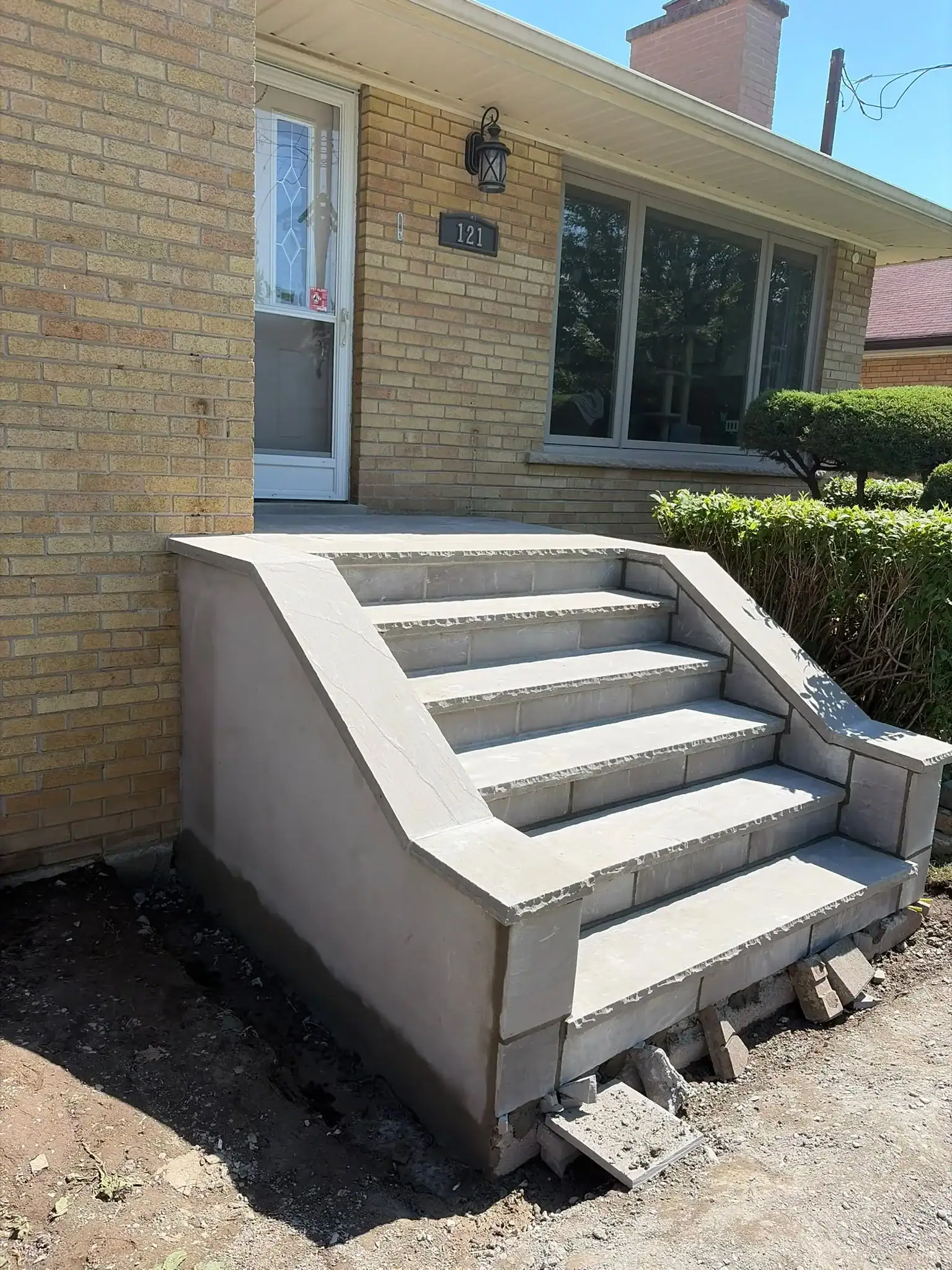
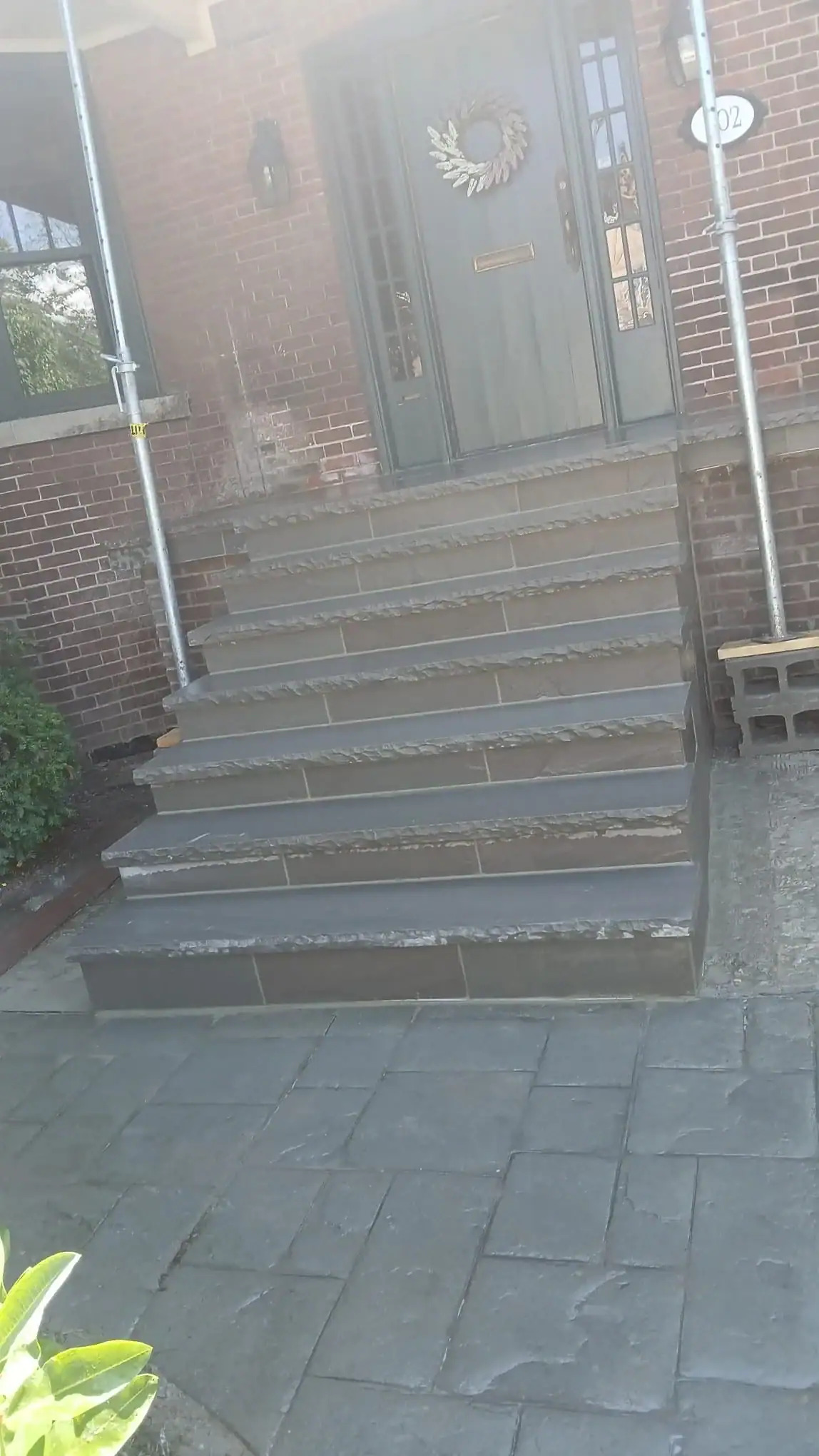
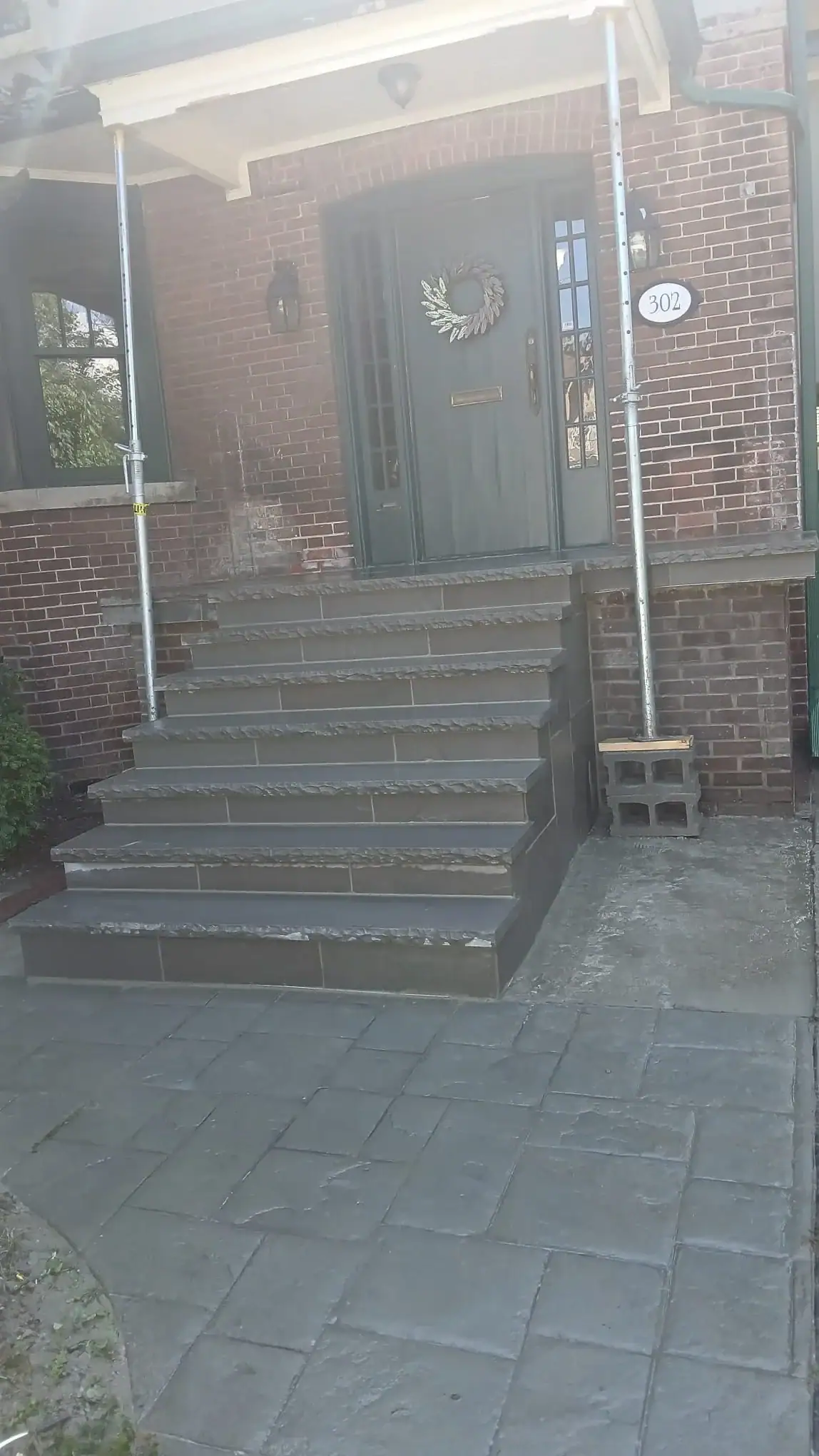
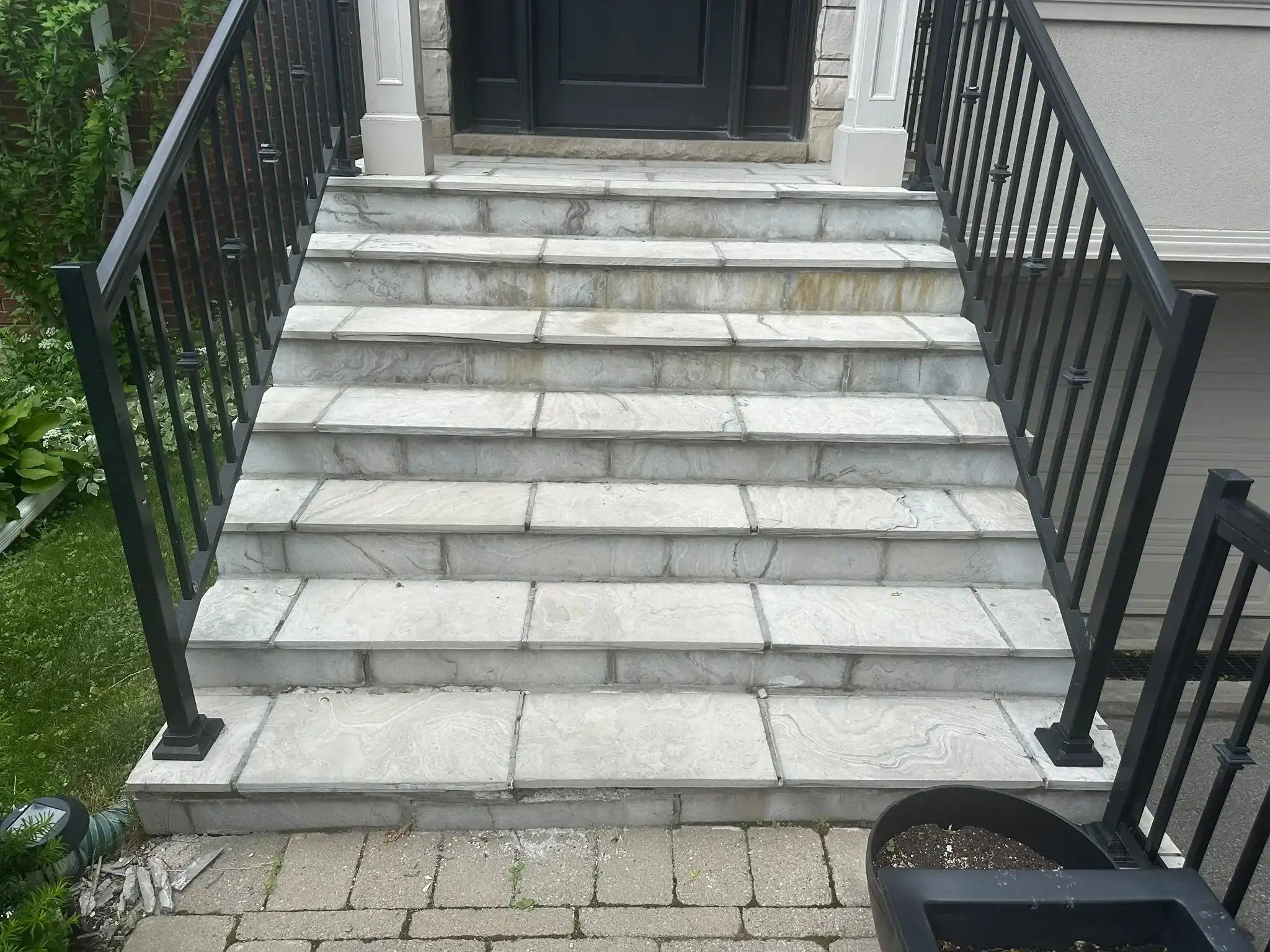
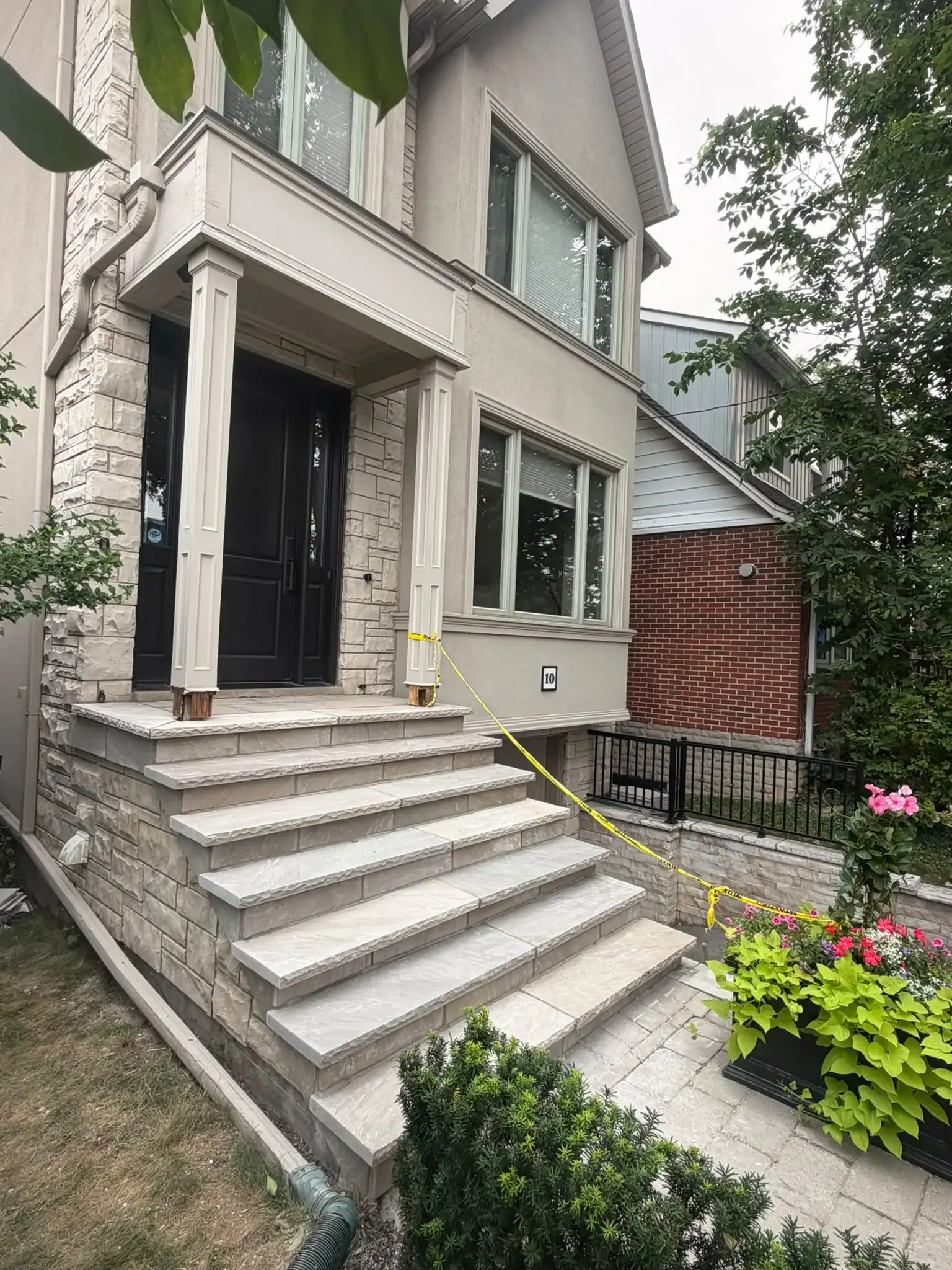
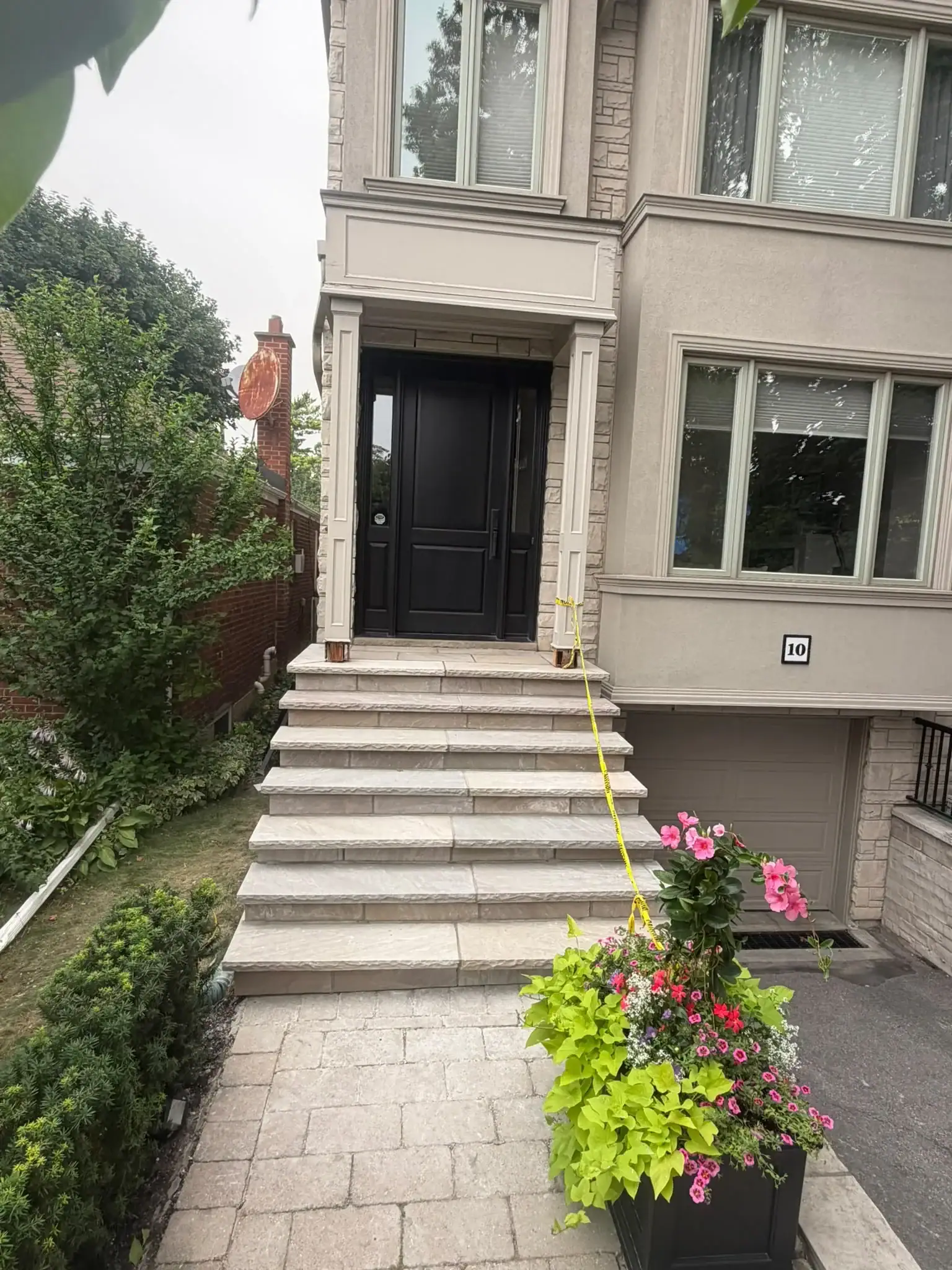
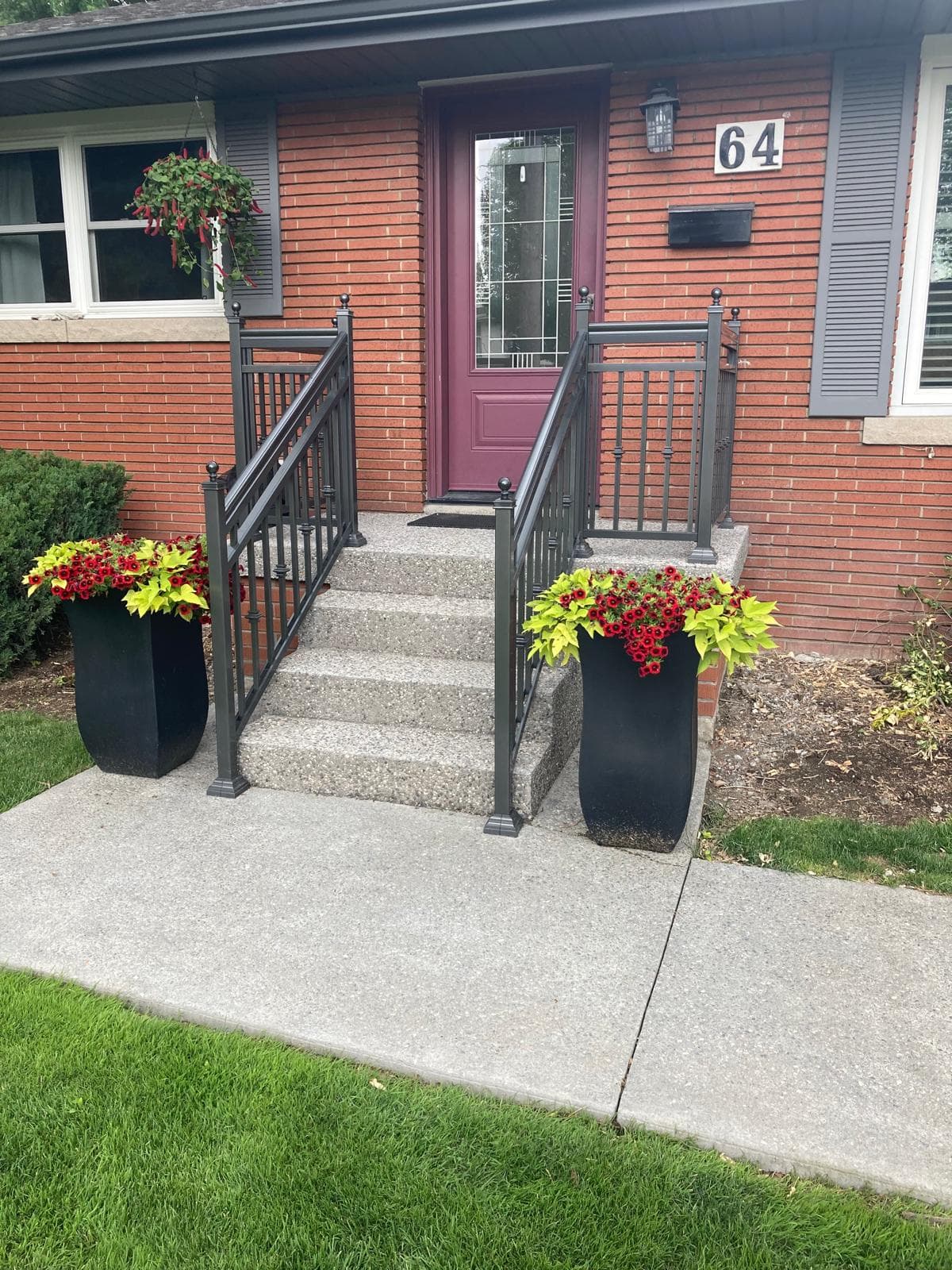
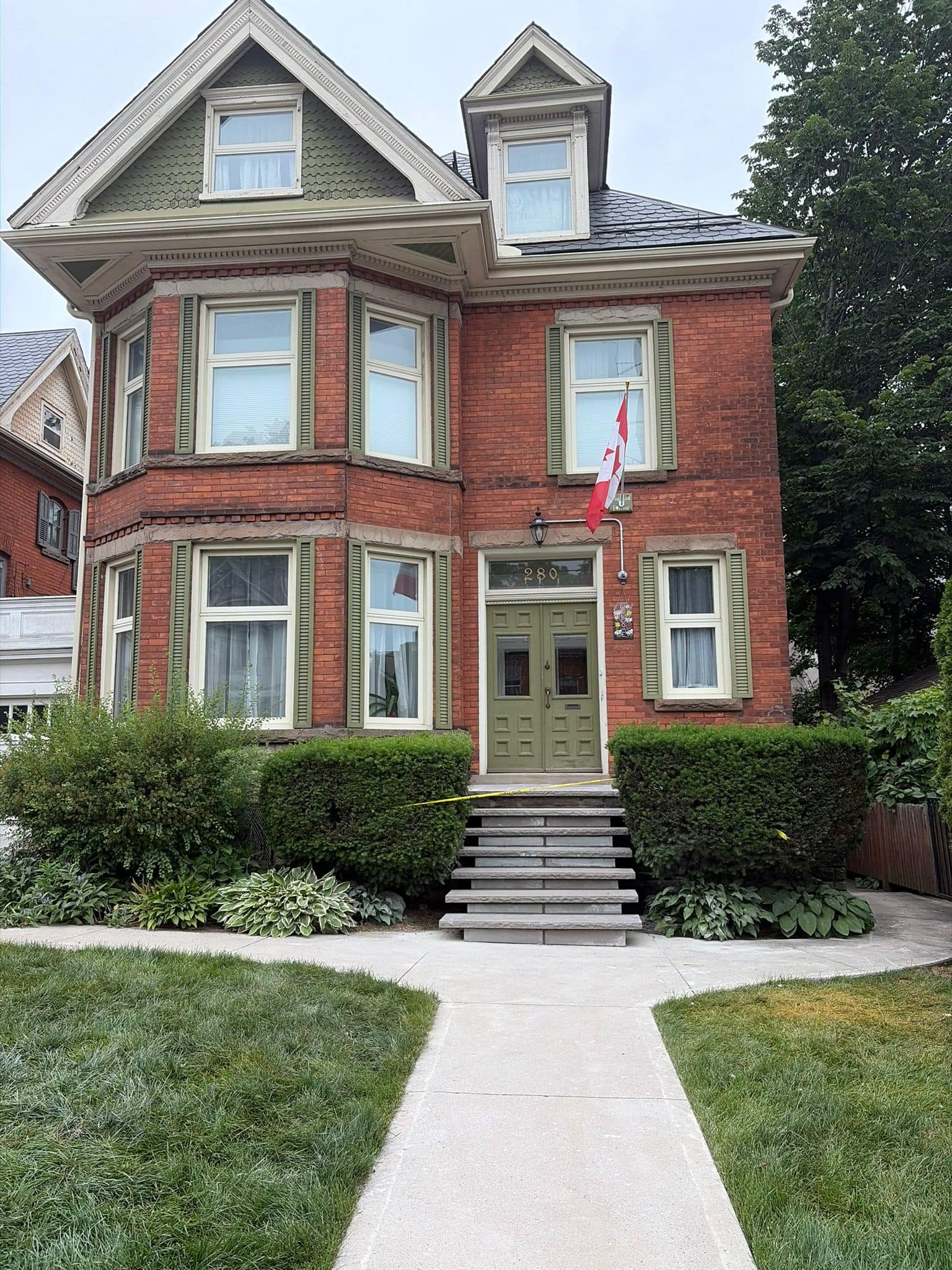
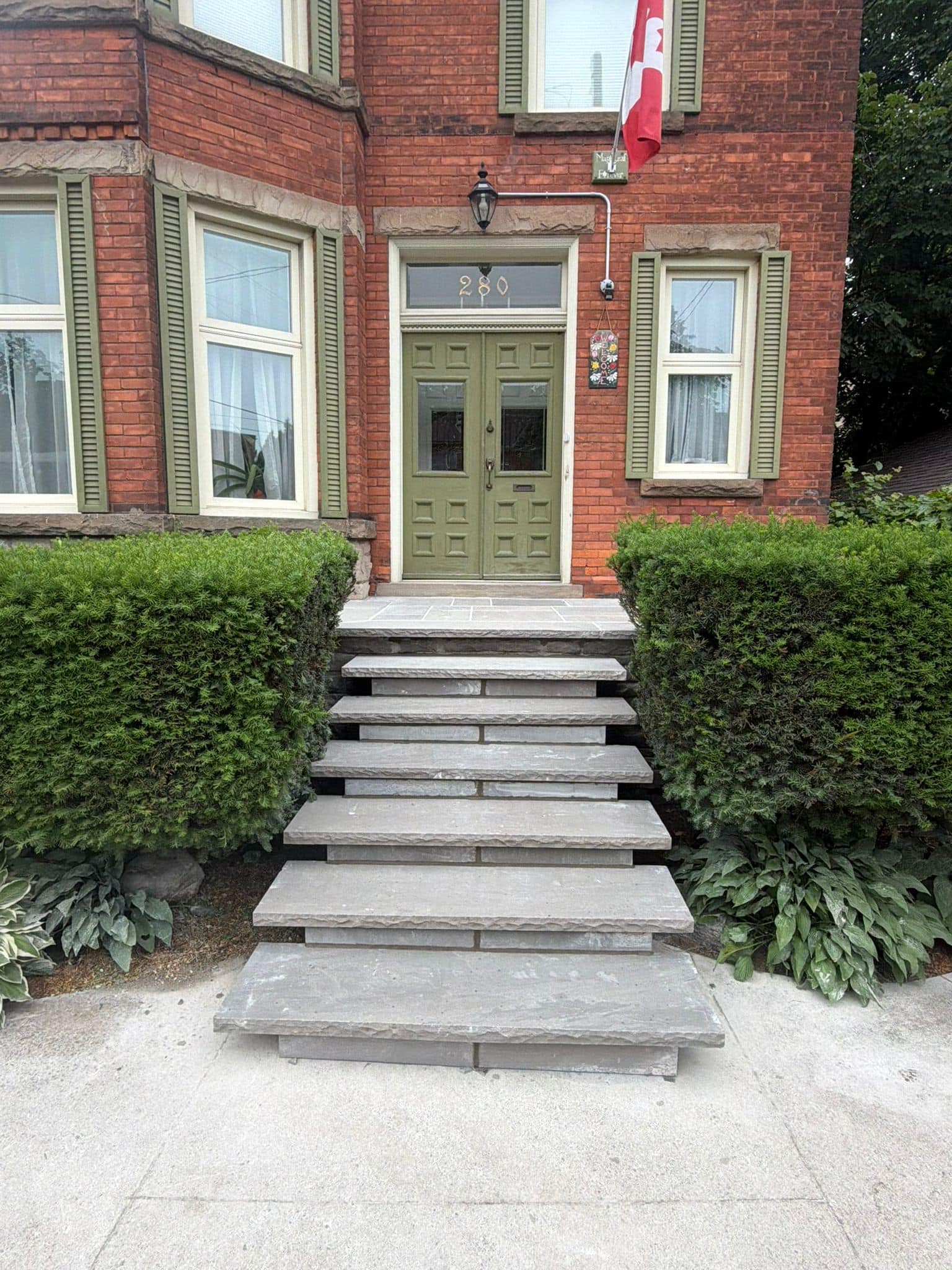
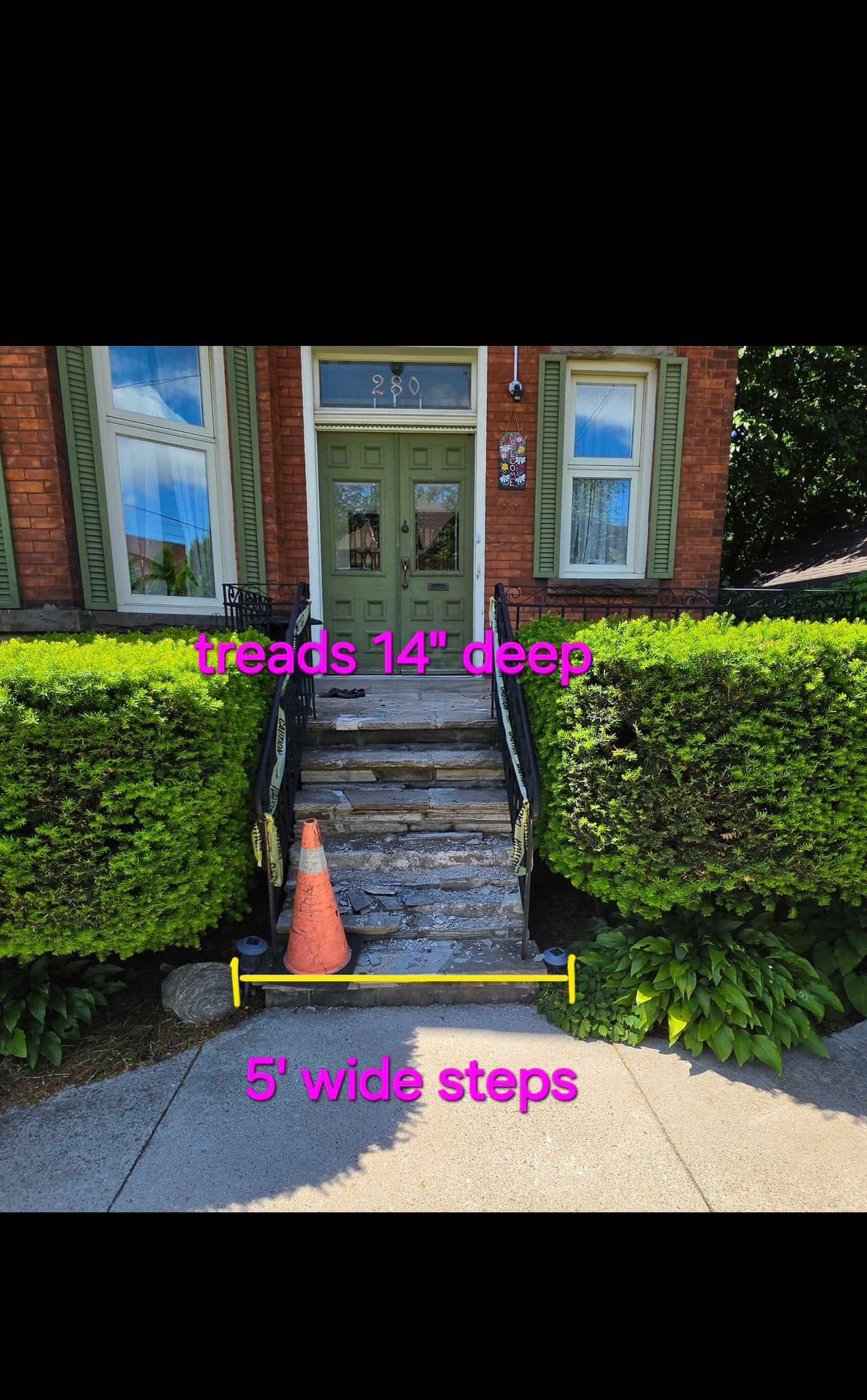
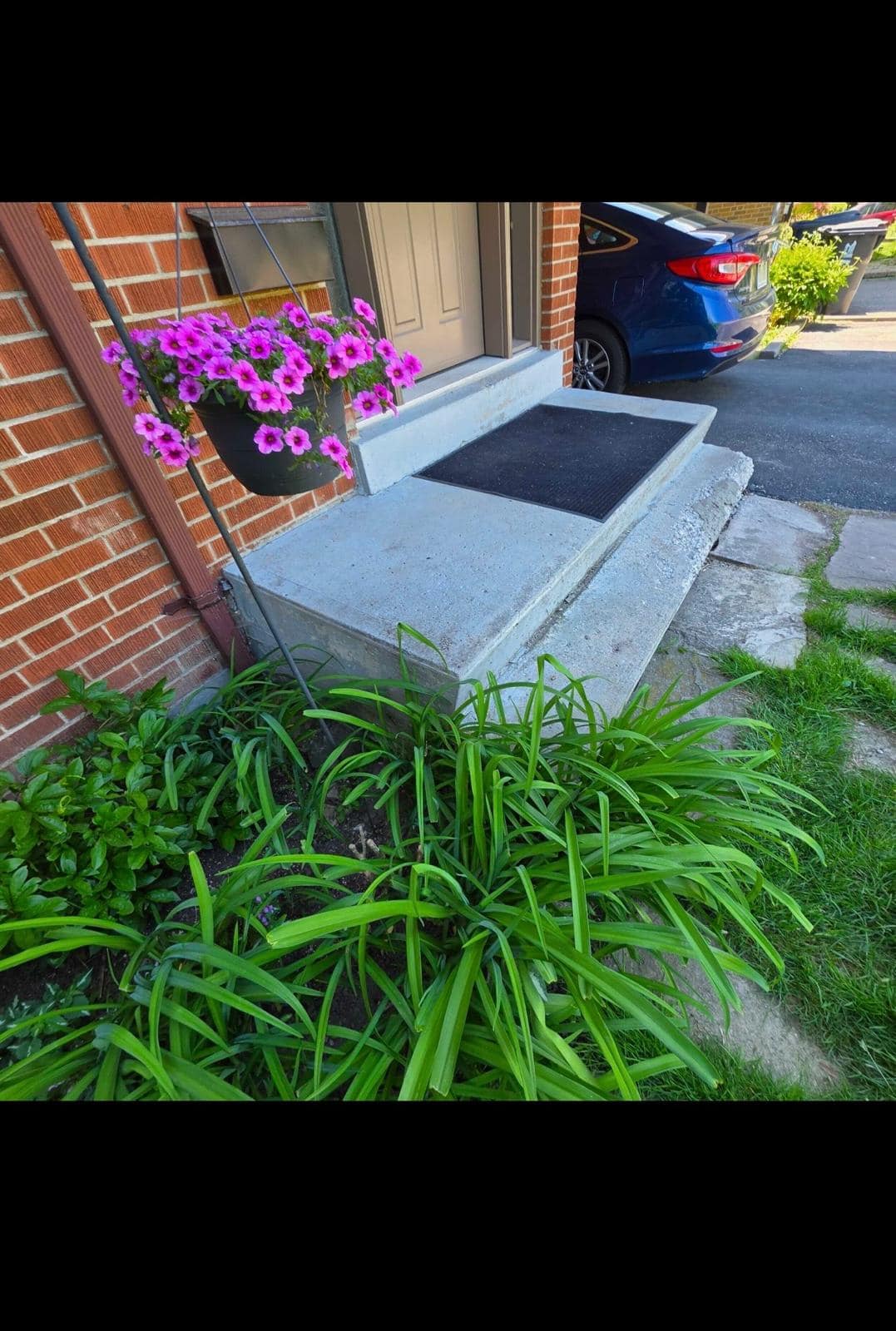
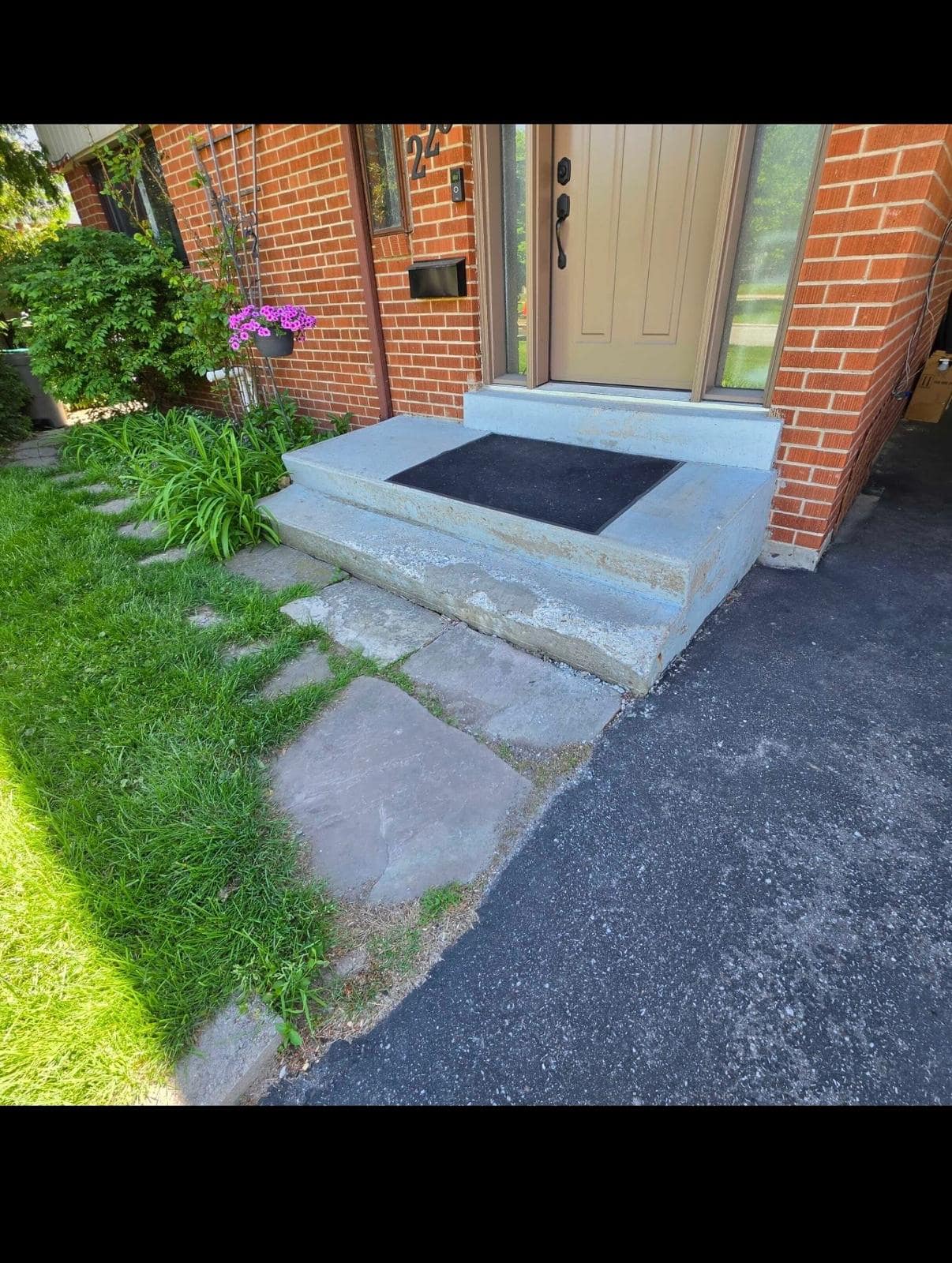
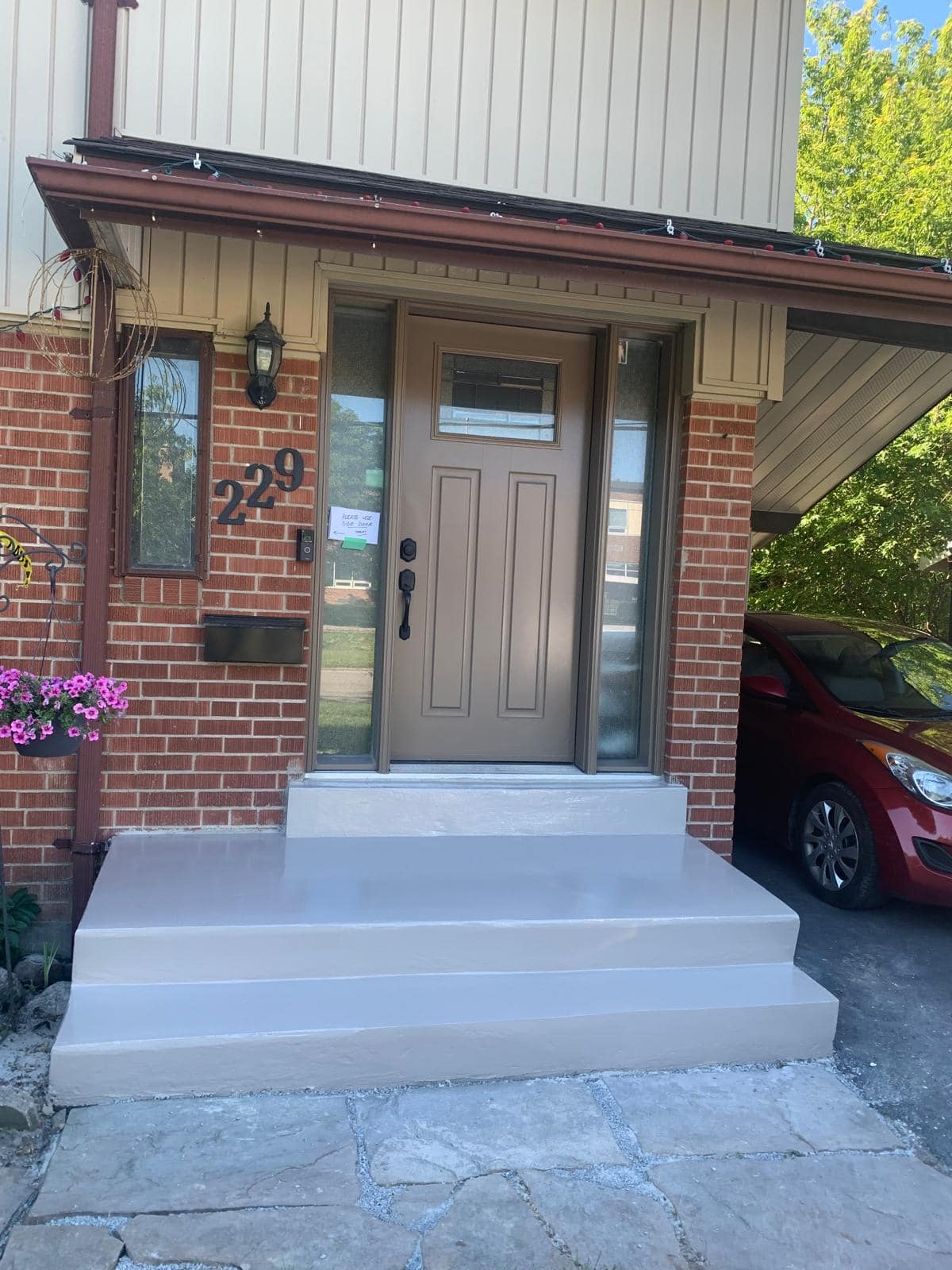
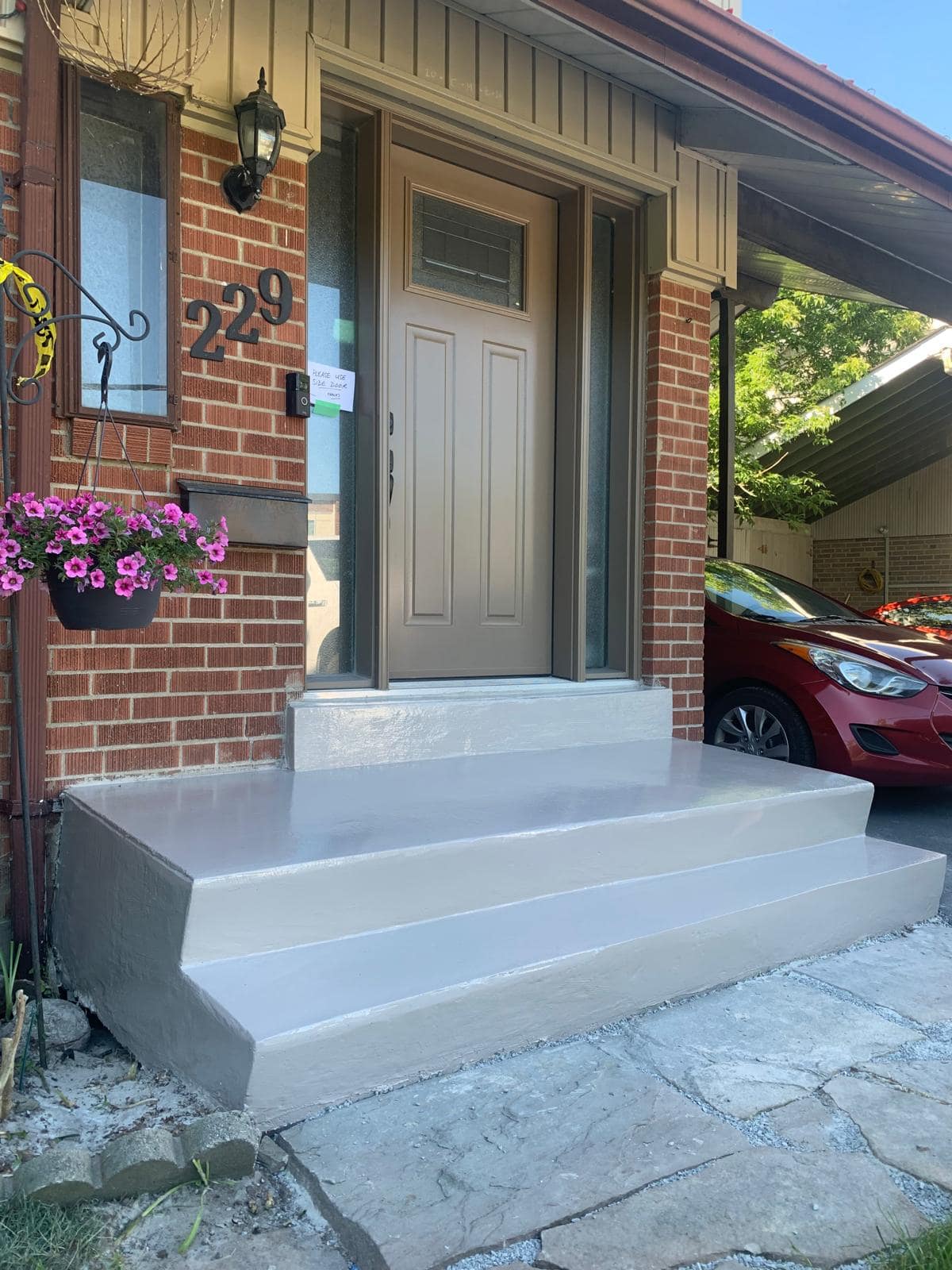
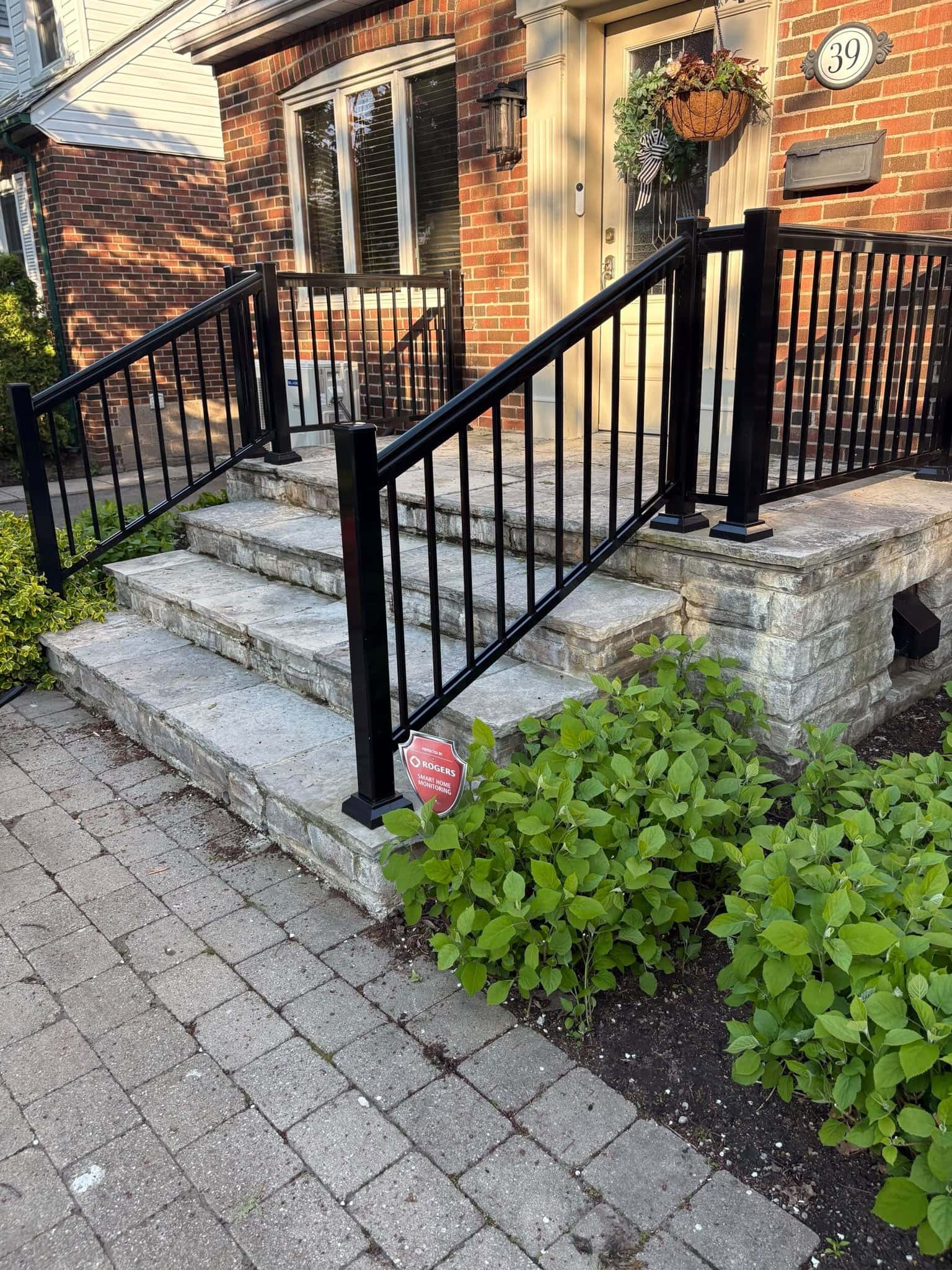
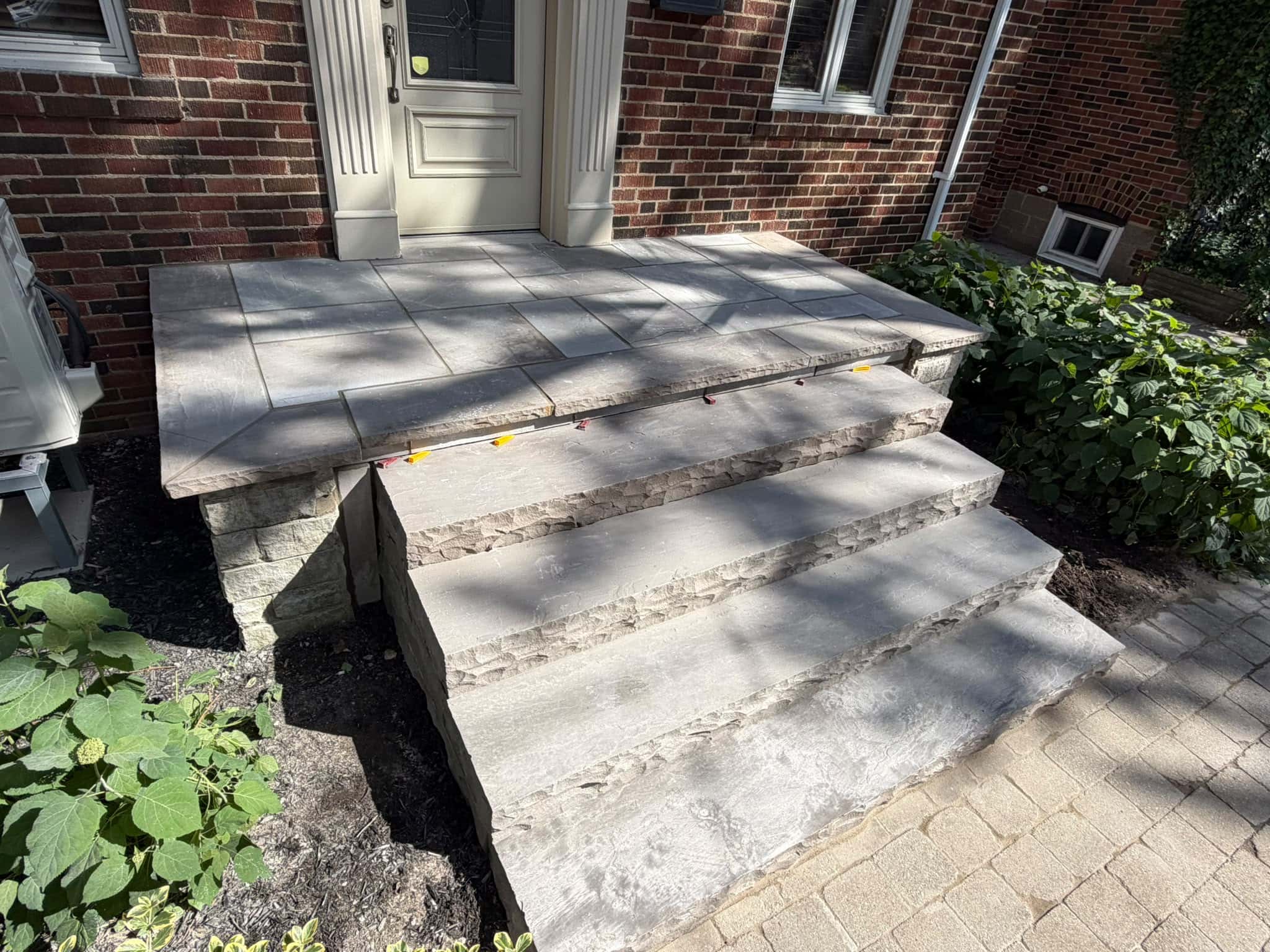
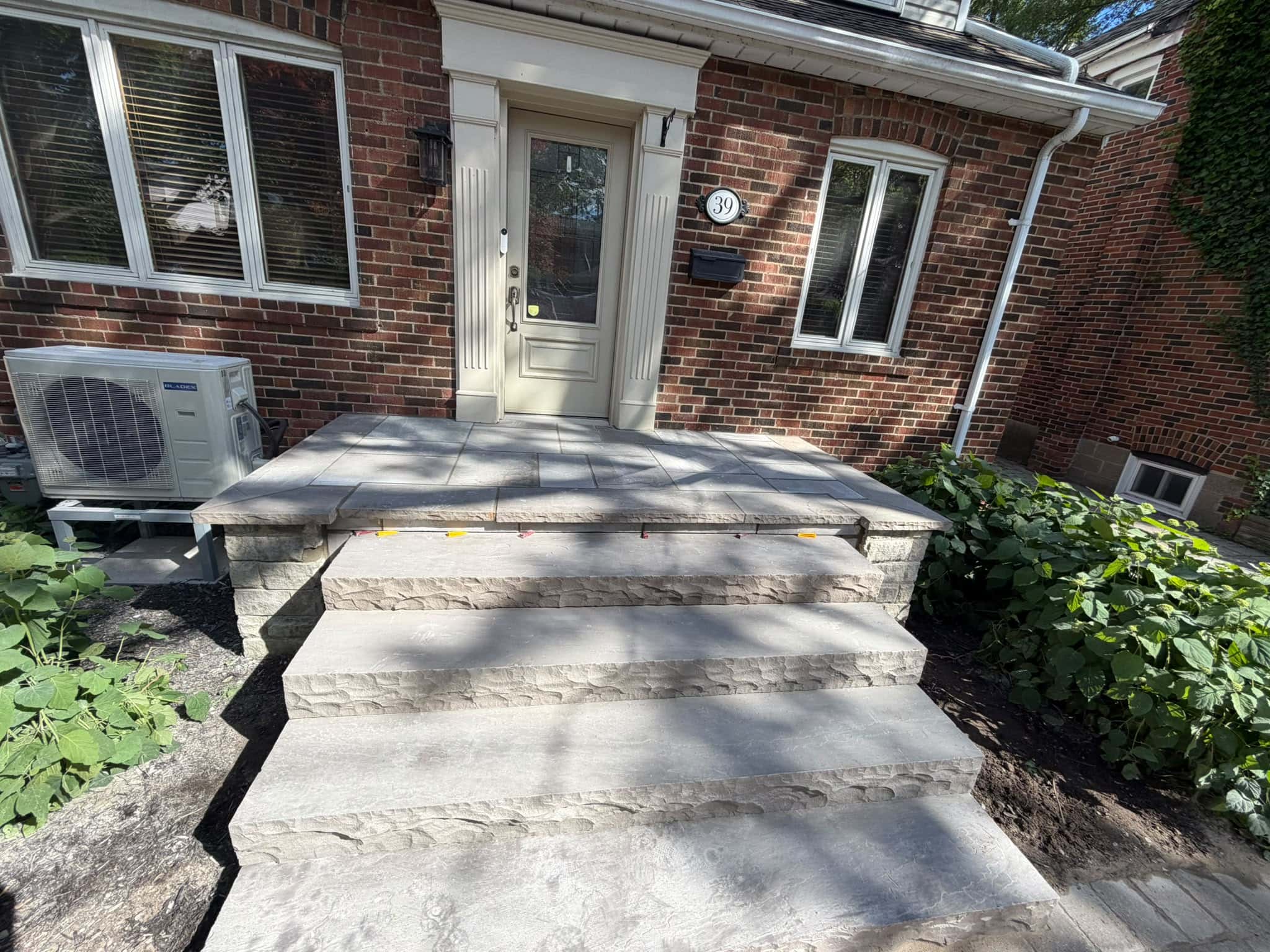
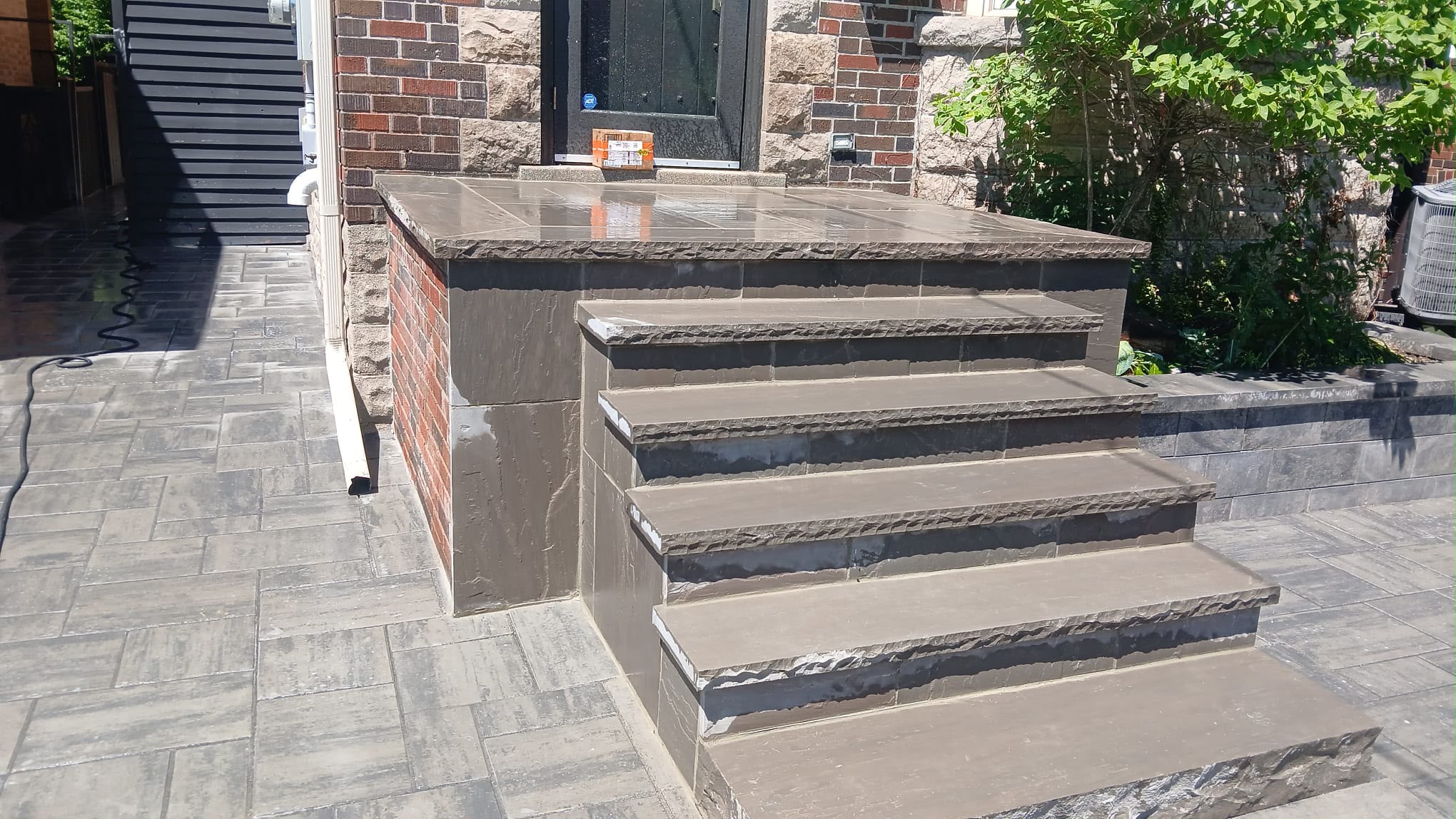
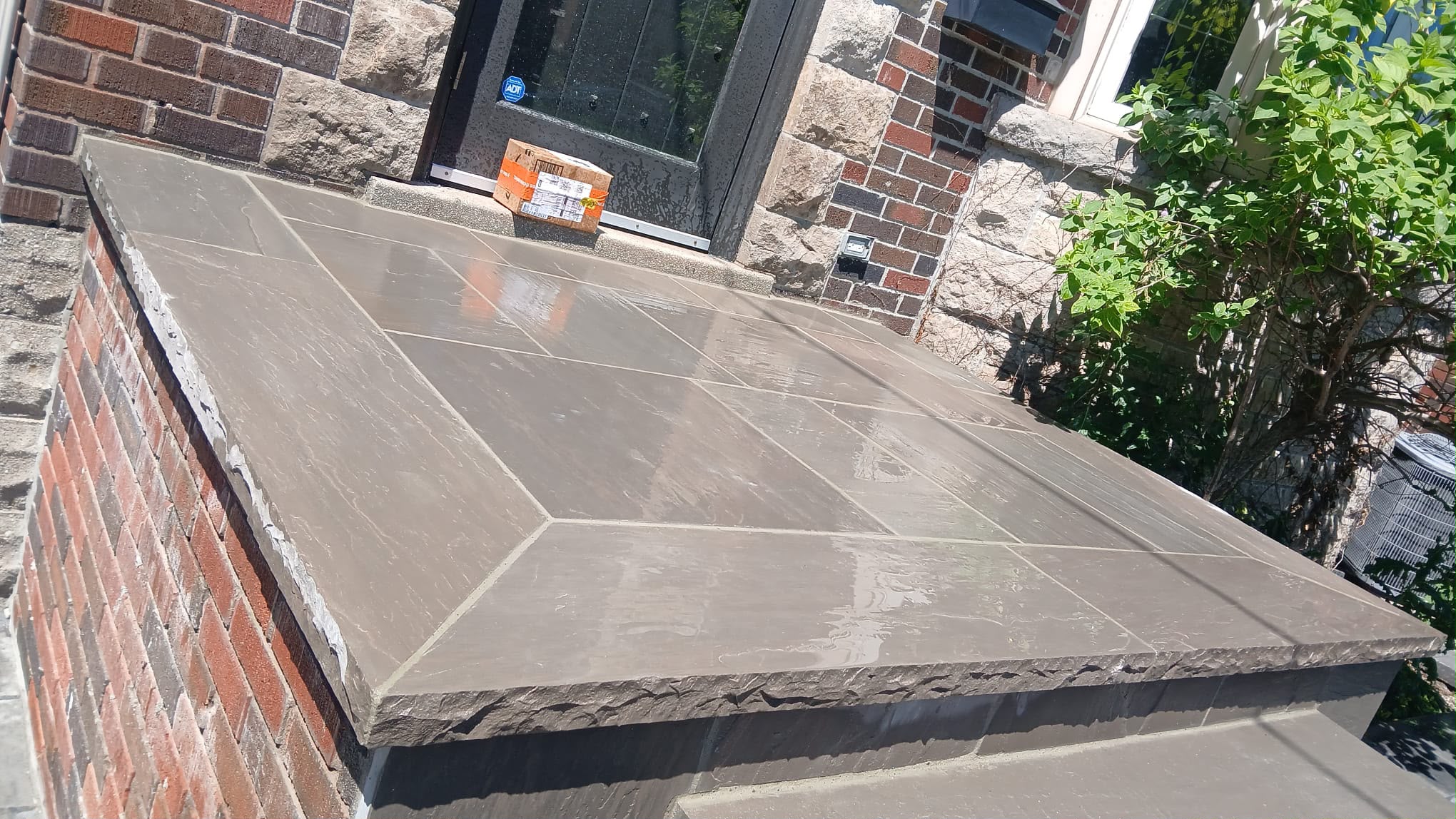
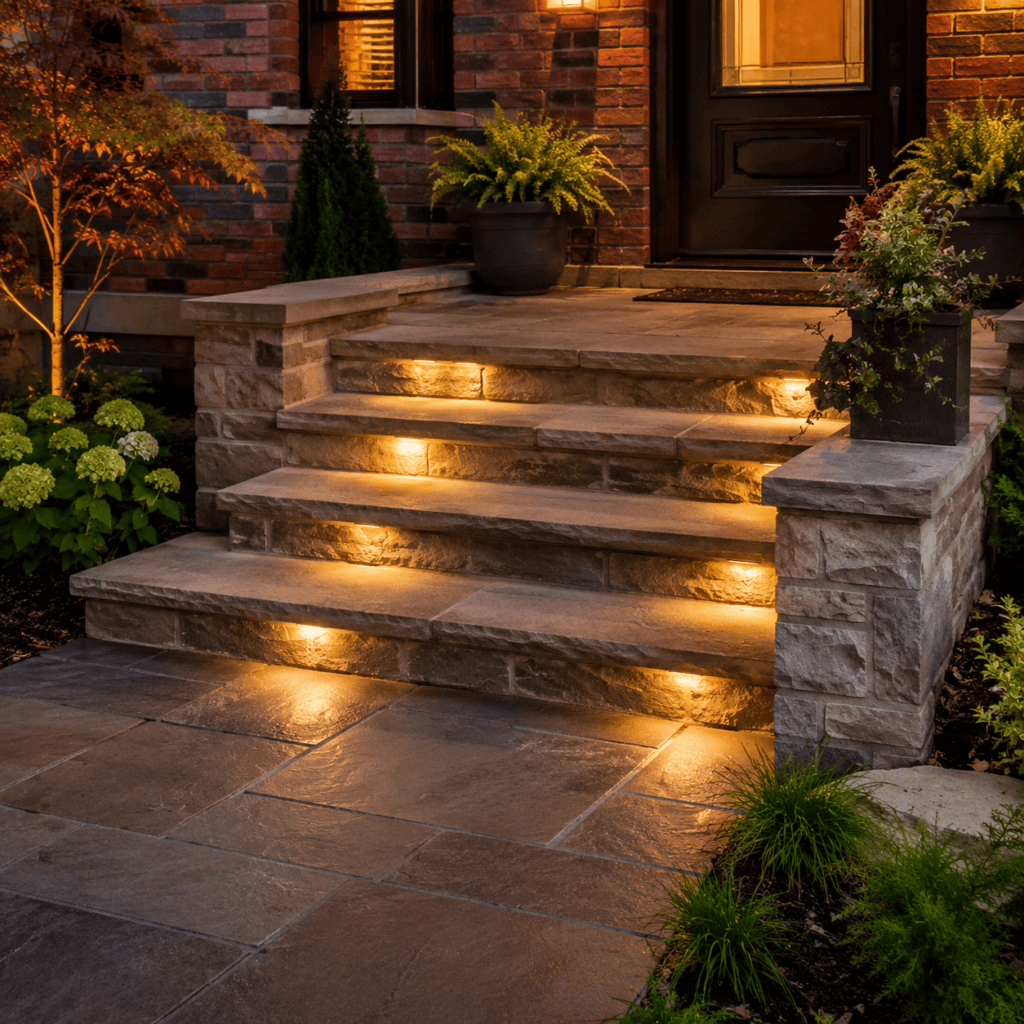
Lighting for masonry steps and entrances should prioritize safety. Steps need clear visibility at night because uneven shadows can make treads harder to read. The goal is not to flood the entrance with harsh light. The goal is to help people see each step, landing, edge, and level change.
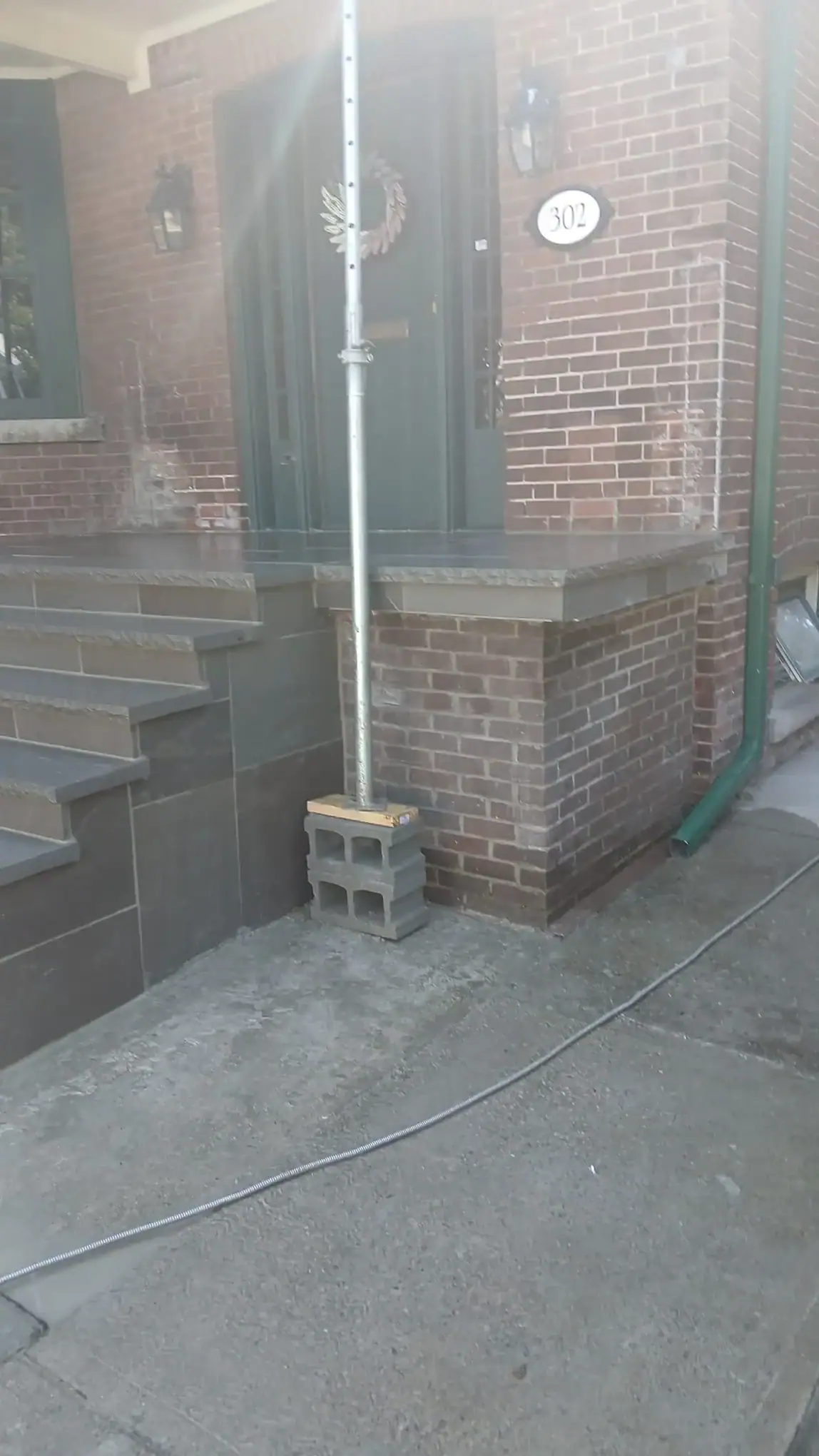
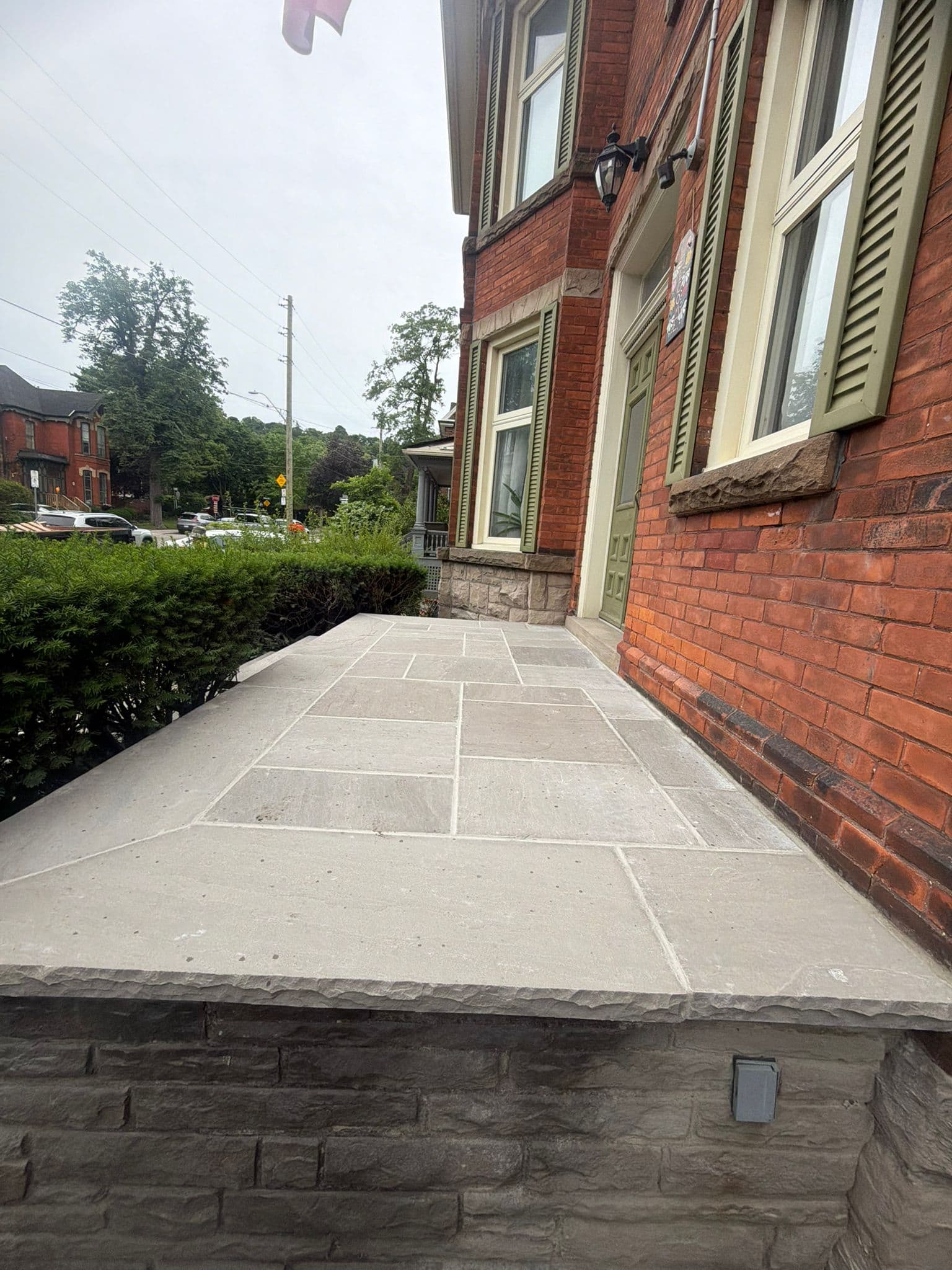
Integrated step lights can be placed into risers, side walls, or nearby masonry features when the design allows. Low side lighting can also work well if it avoids glare. Wall-mounted fixtures near the entrance can help, but they should not create deep shadows on the steps. A bright light above or behind someone can sometimes make the walking surface harder to see.
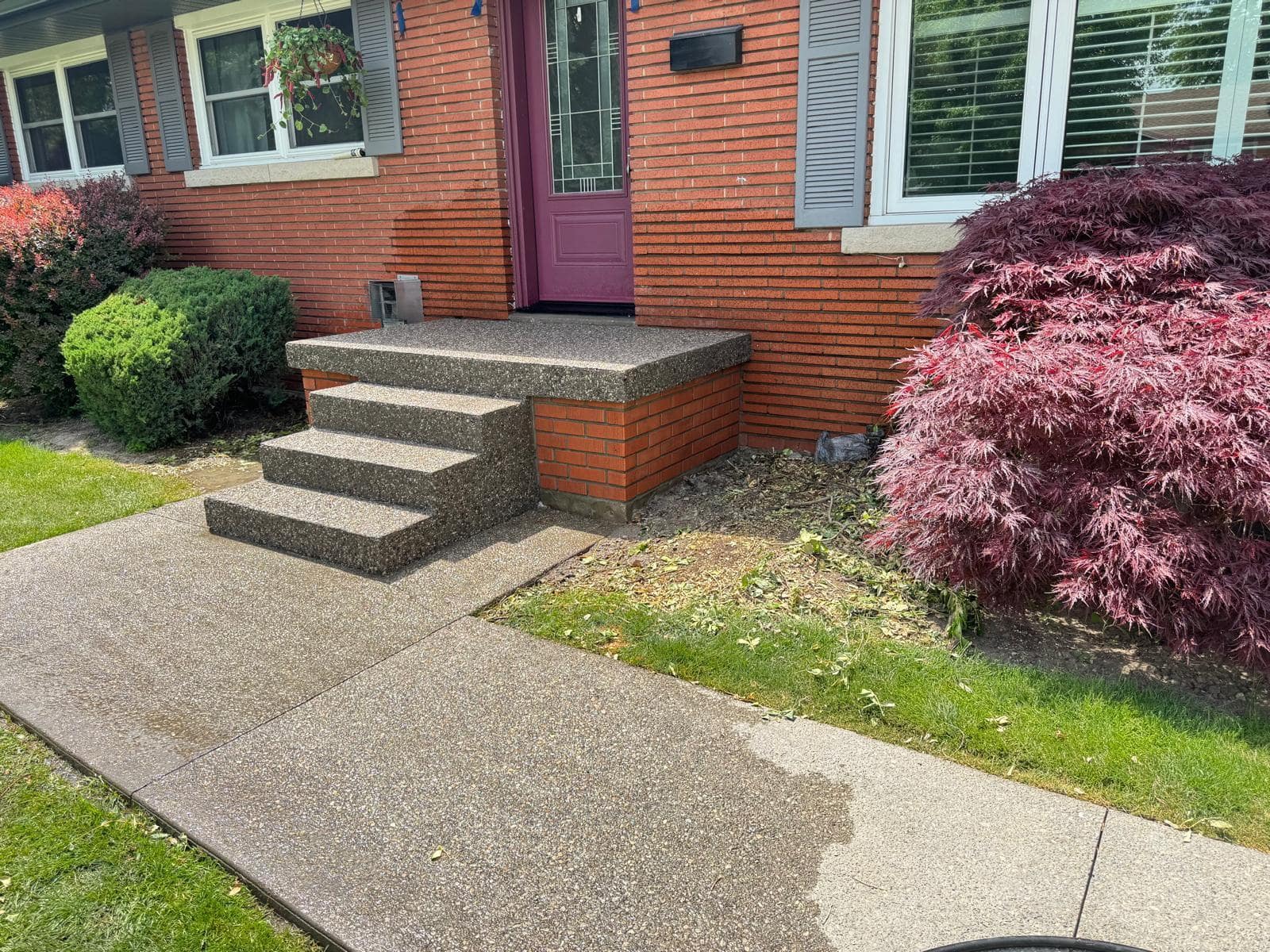
For Toronto homes, step lighting is especially useful in fall and winter when days are shorter, and surfaces may be wet or icy. Stone, concrete, and interlocking steps can all become safer when lighting is positioned to clearly illuminate edges. This matters for front entrances, side-yard paths, backyard stairs, and steps leading to patios.
If your entrance uses interlocking stone or masonry steps, A&A Masonry’s interlocking steps Toronto page can help homeowners think through step layout, durability, and curb appeal.
Path Lighting for Walkways and Driveways
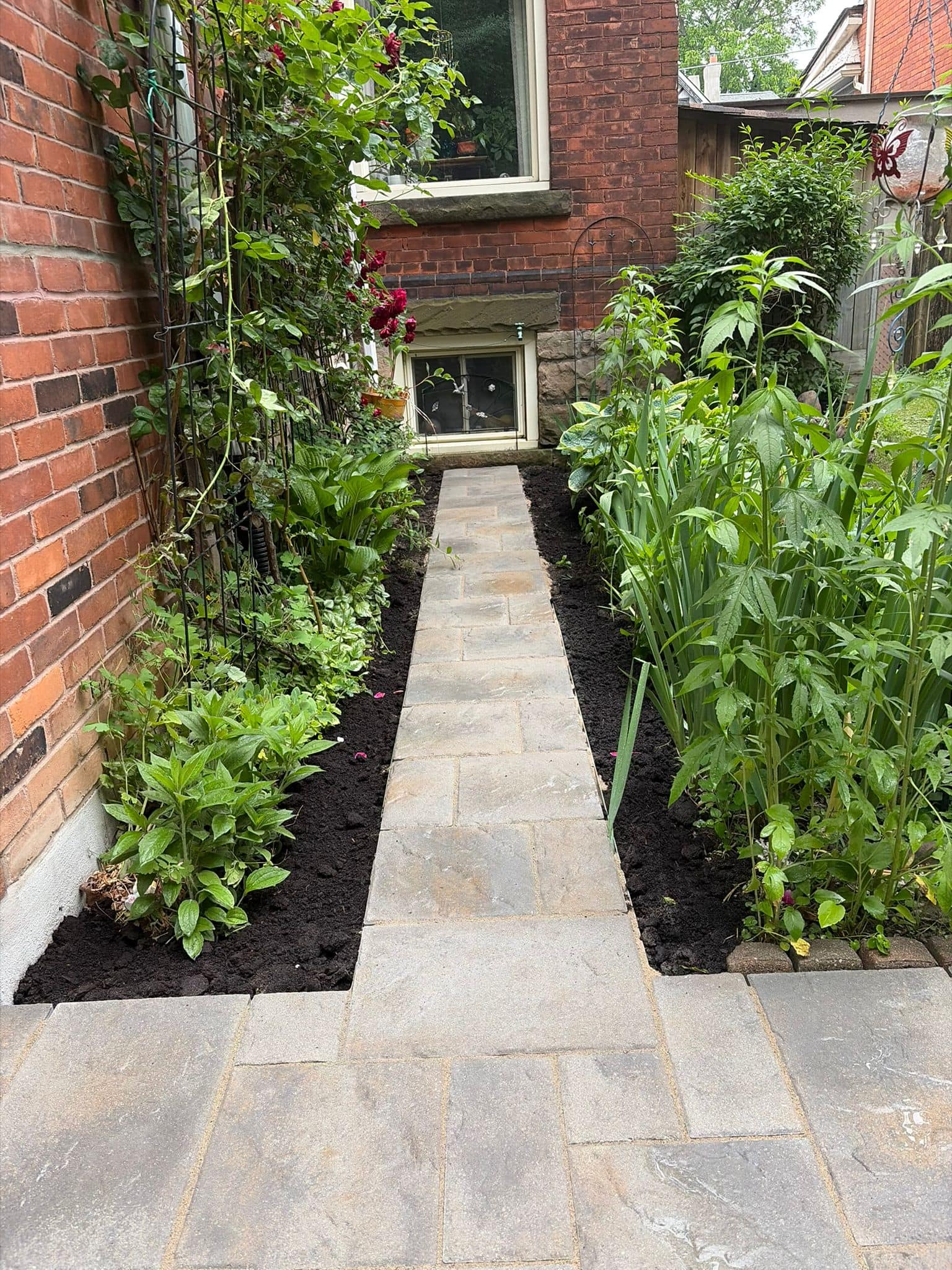
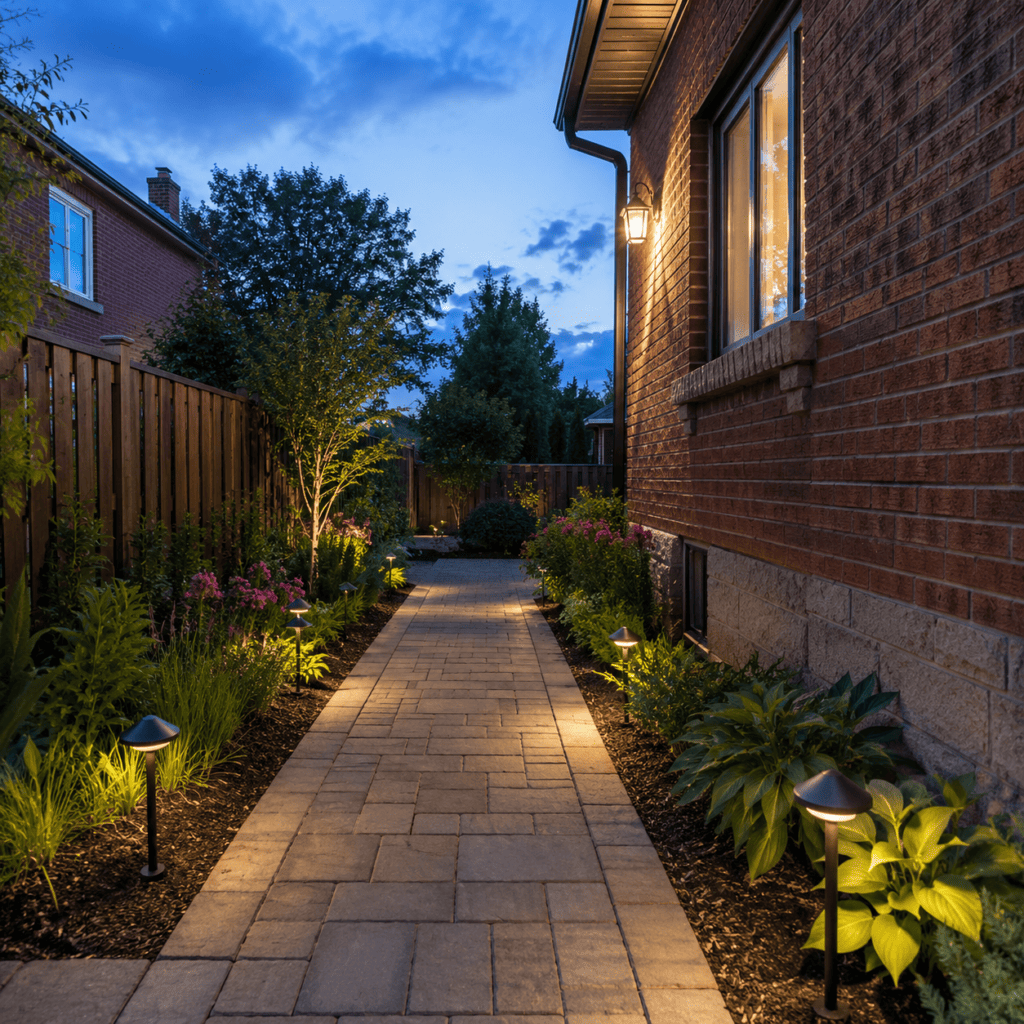
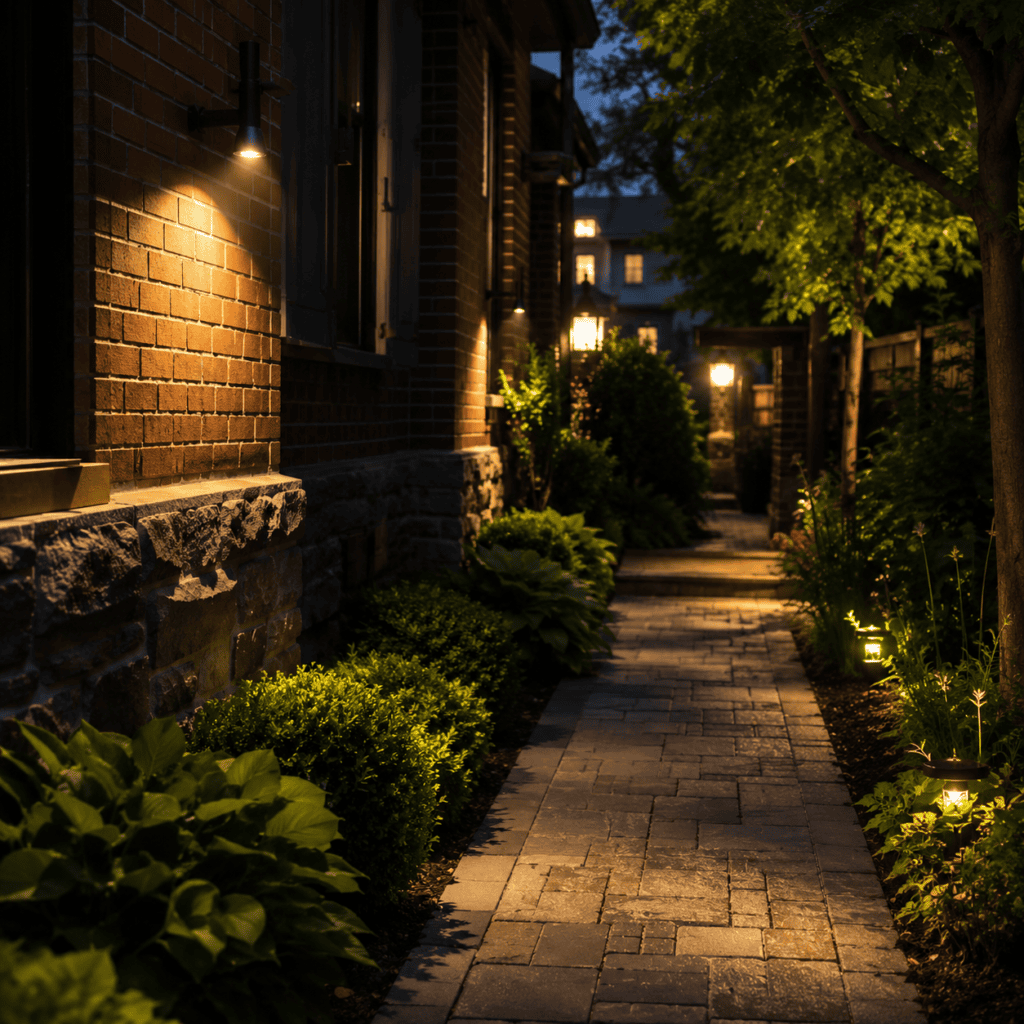
Path lighting helps people move safely across walkways, driveways, and garden paths without relying on a single bright fixture. Low path lights can guide the eye, mark edges, and make changes in direction easier to follow.
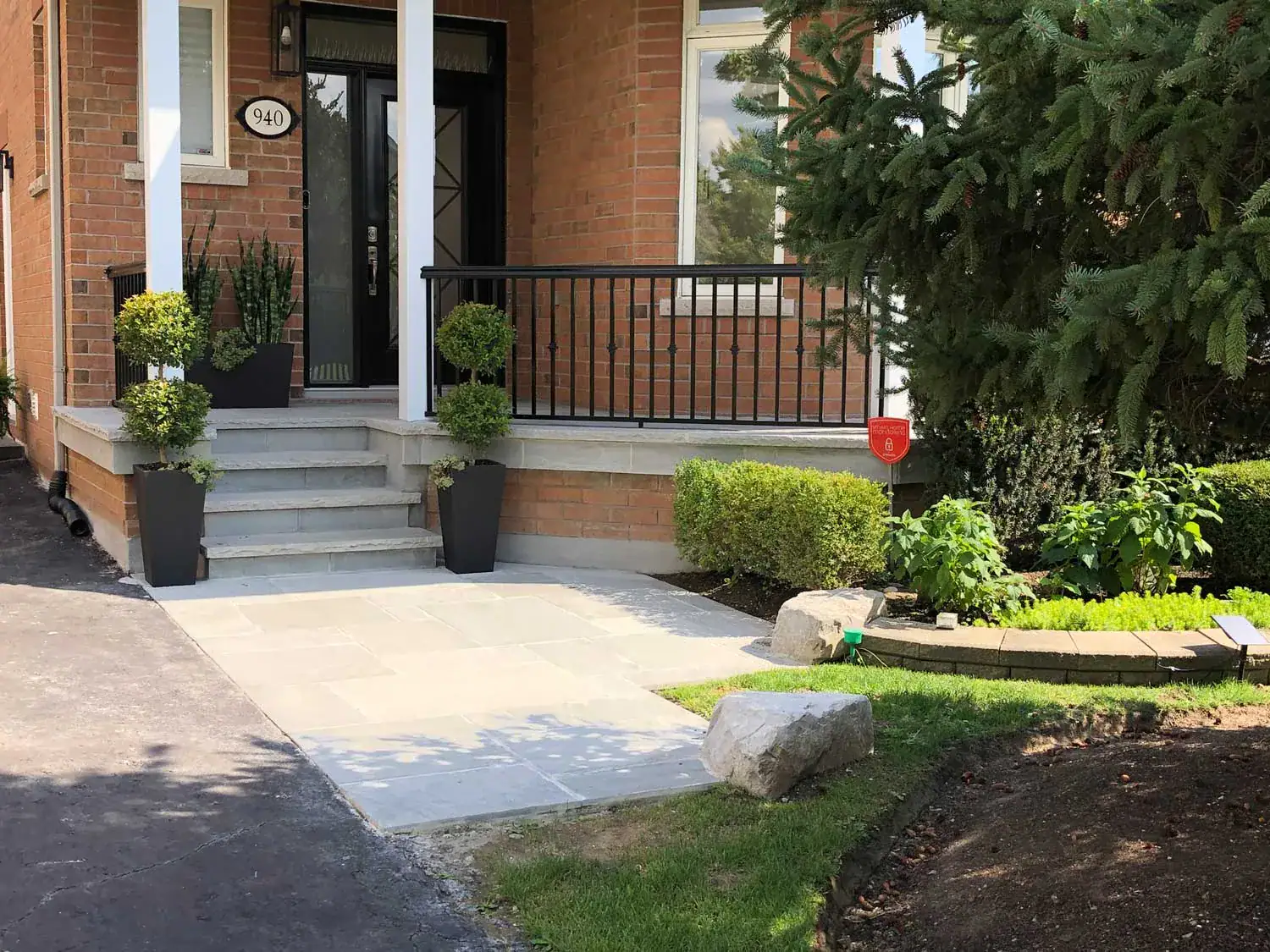
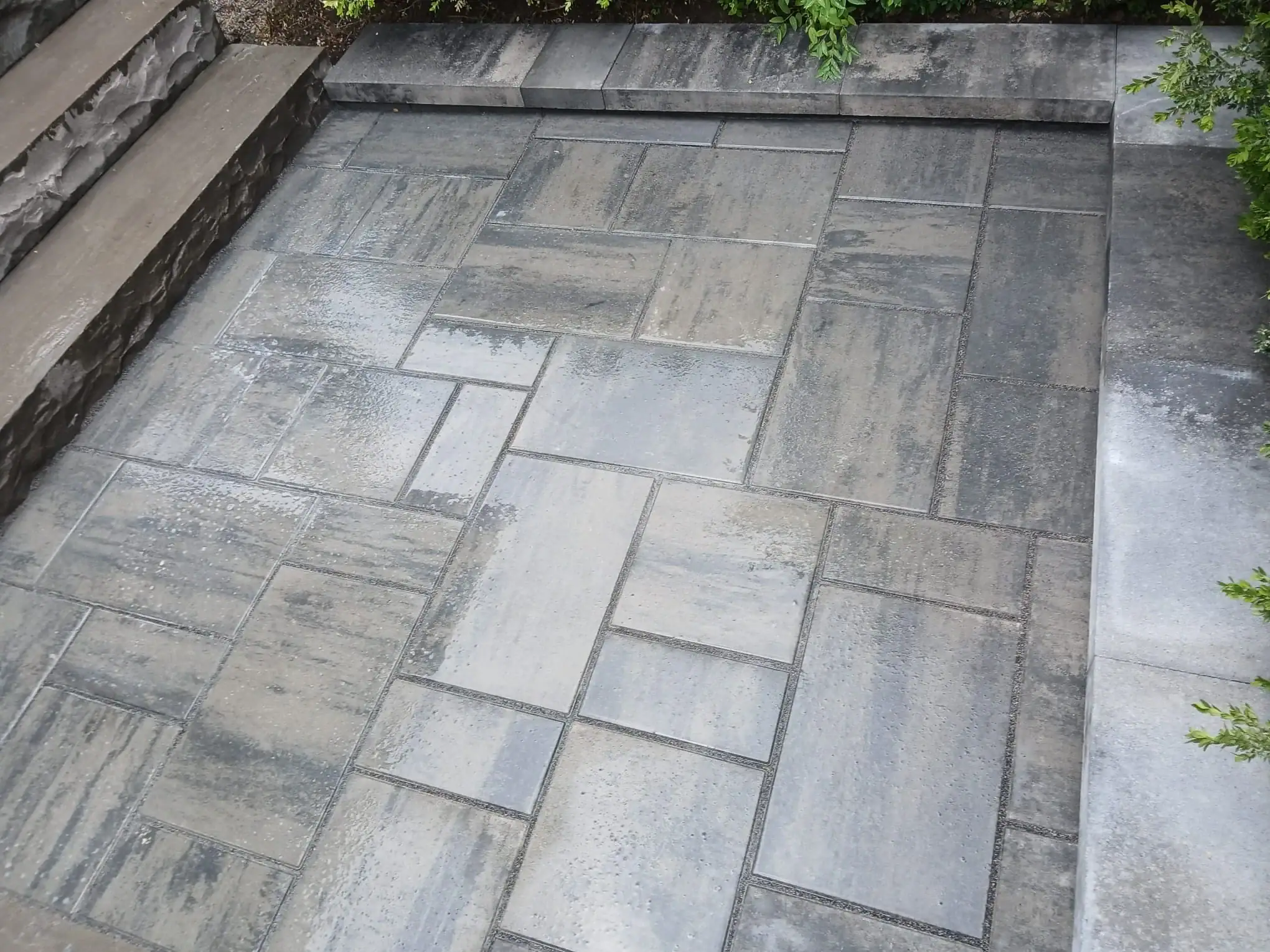
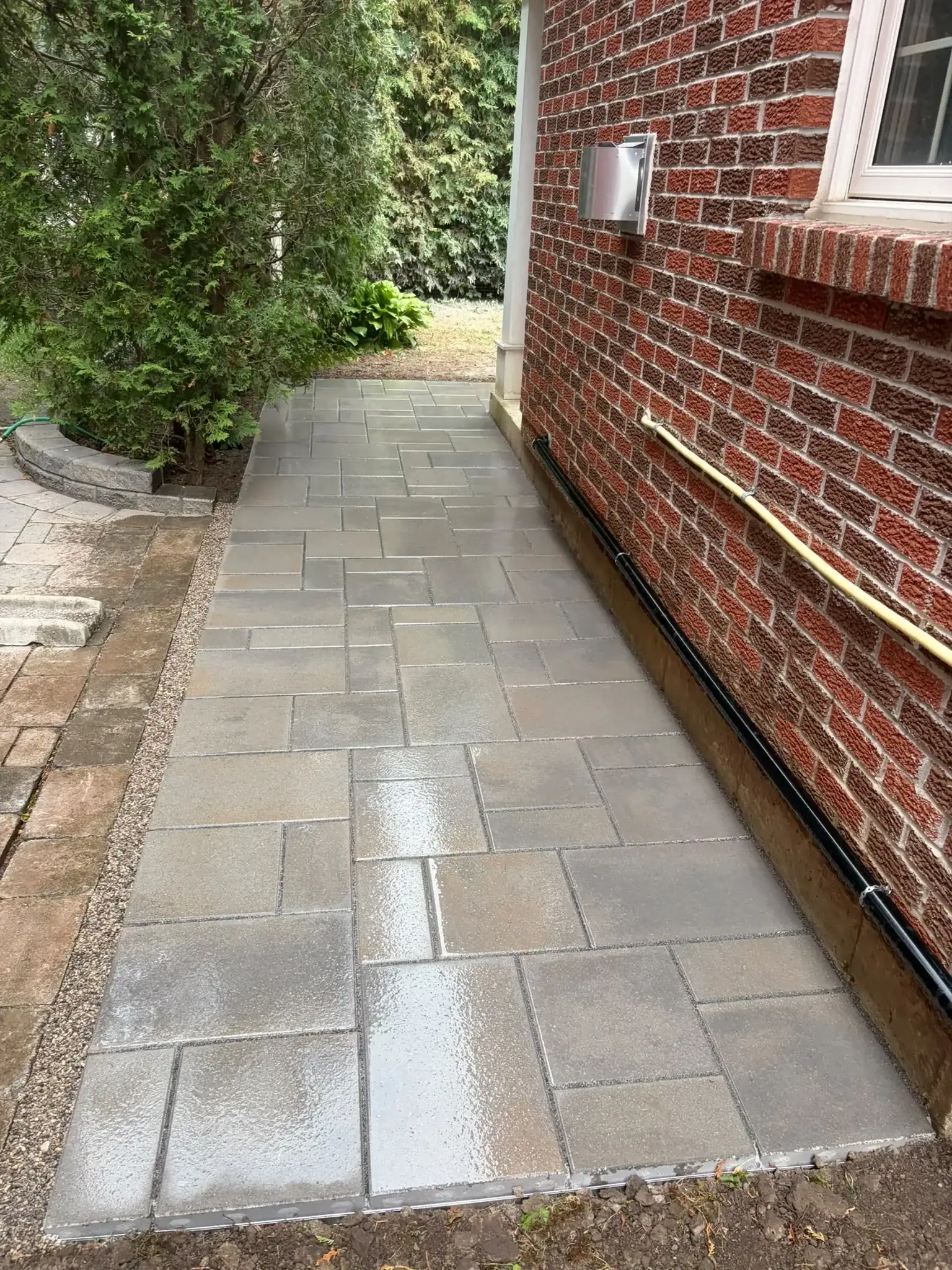
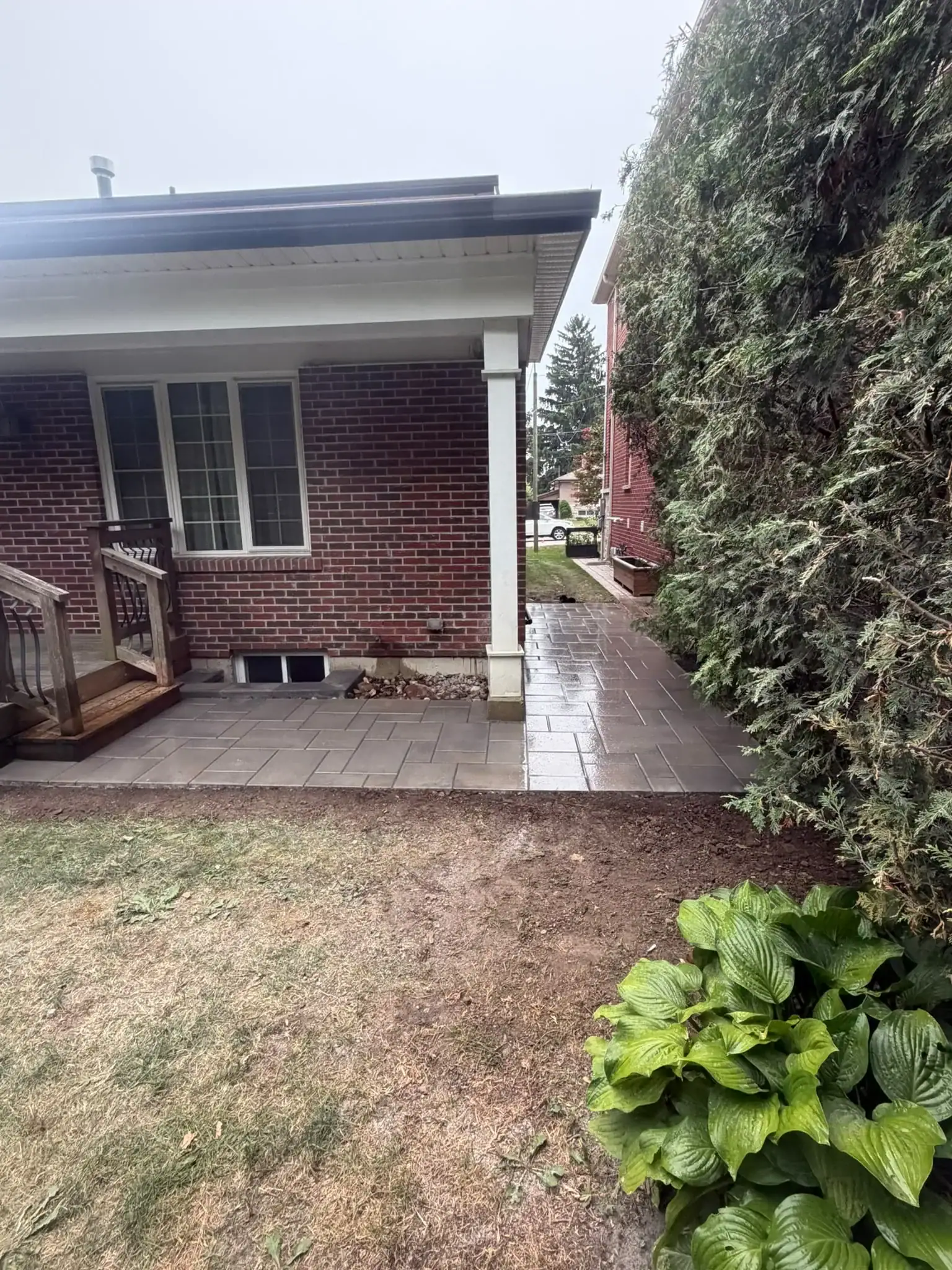
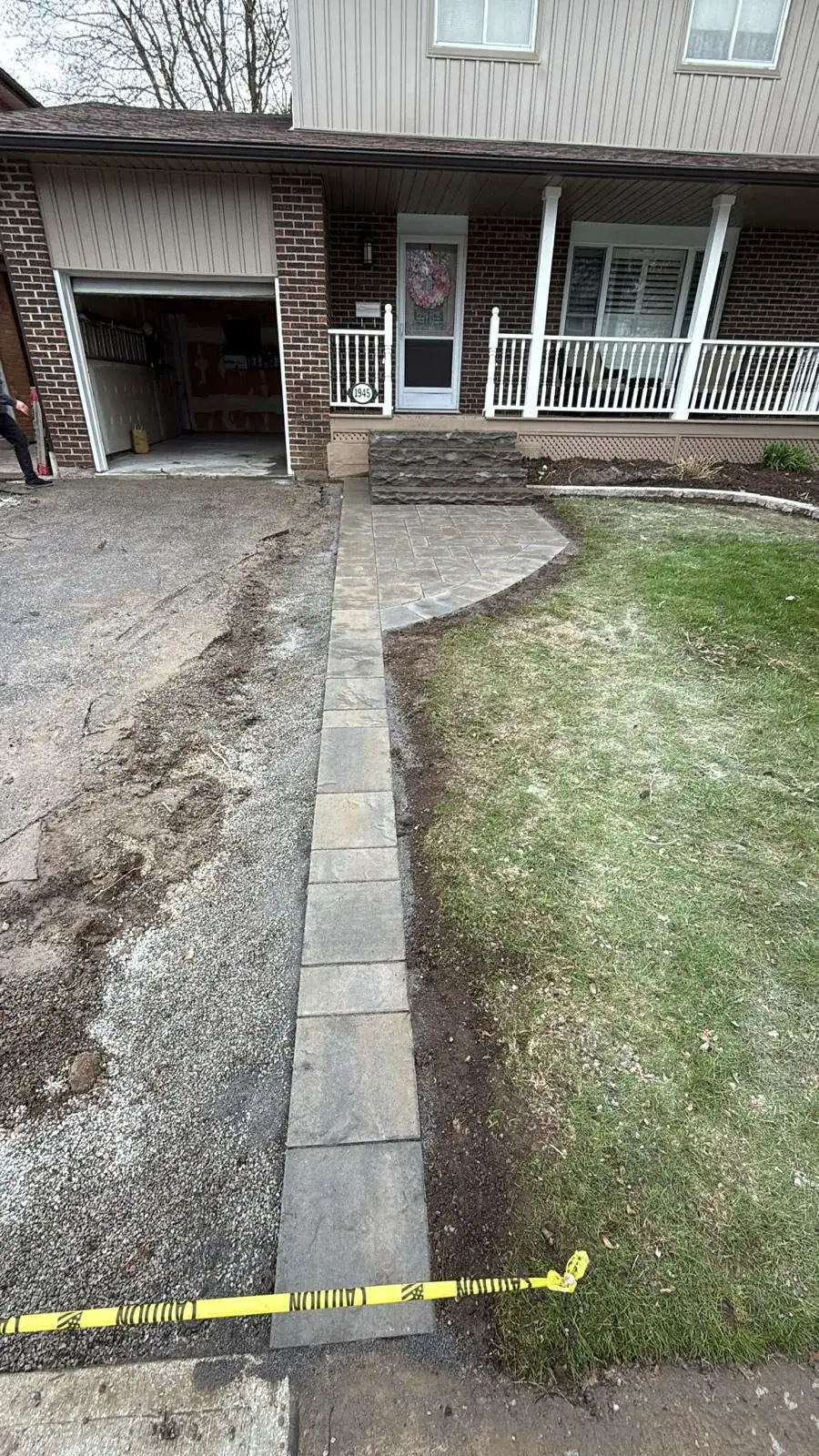
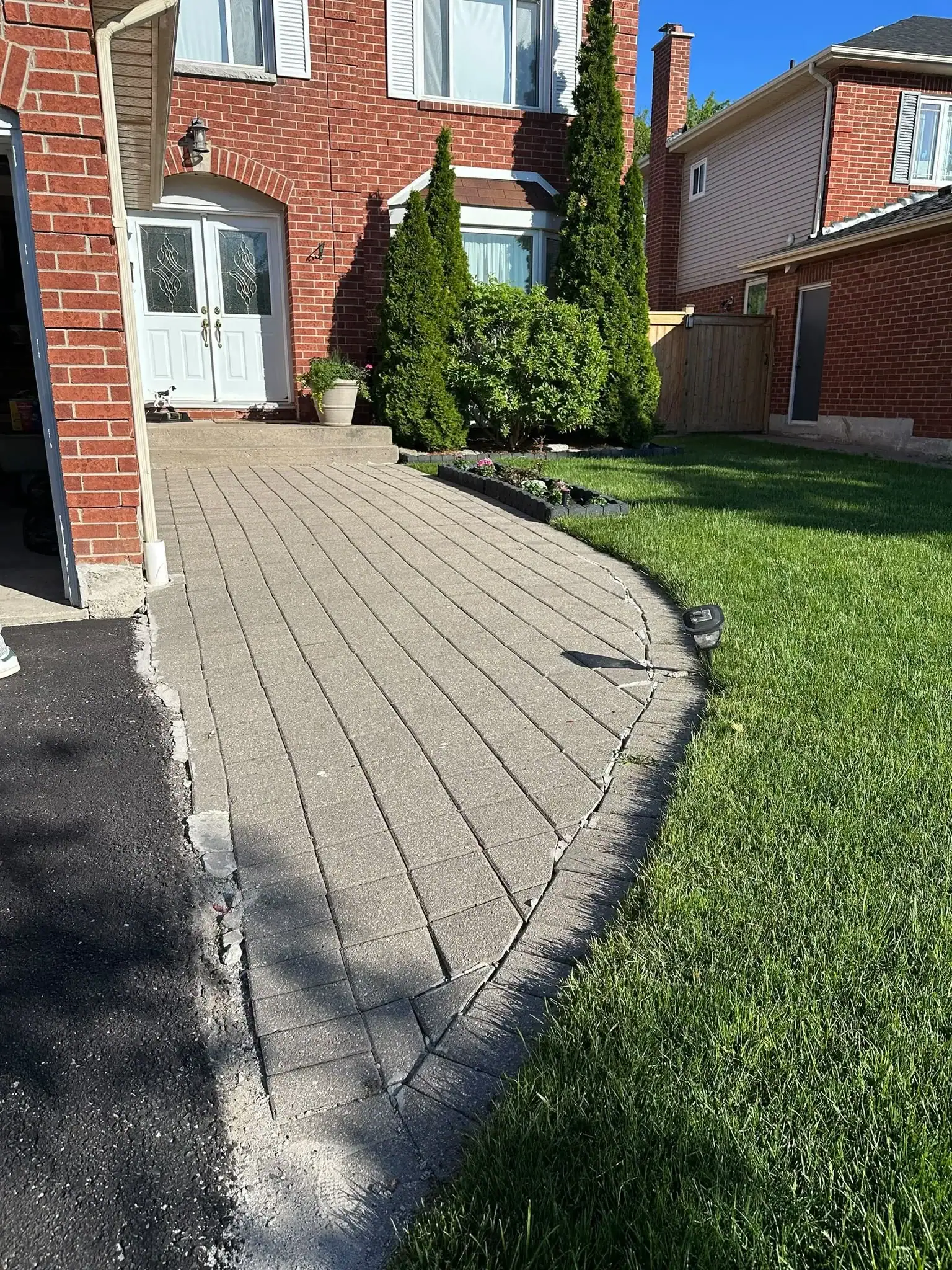
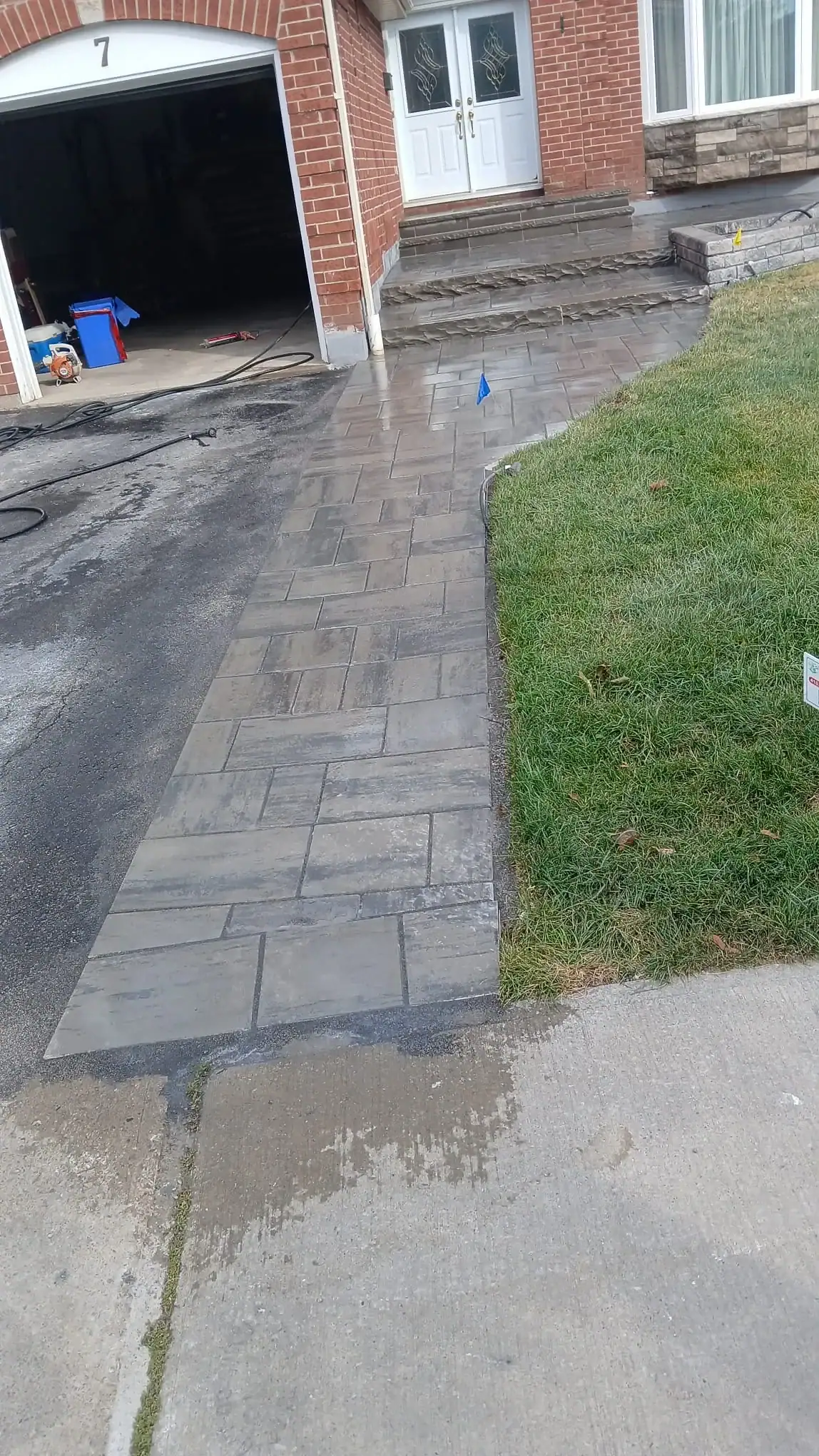
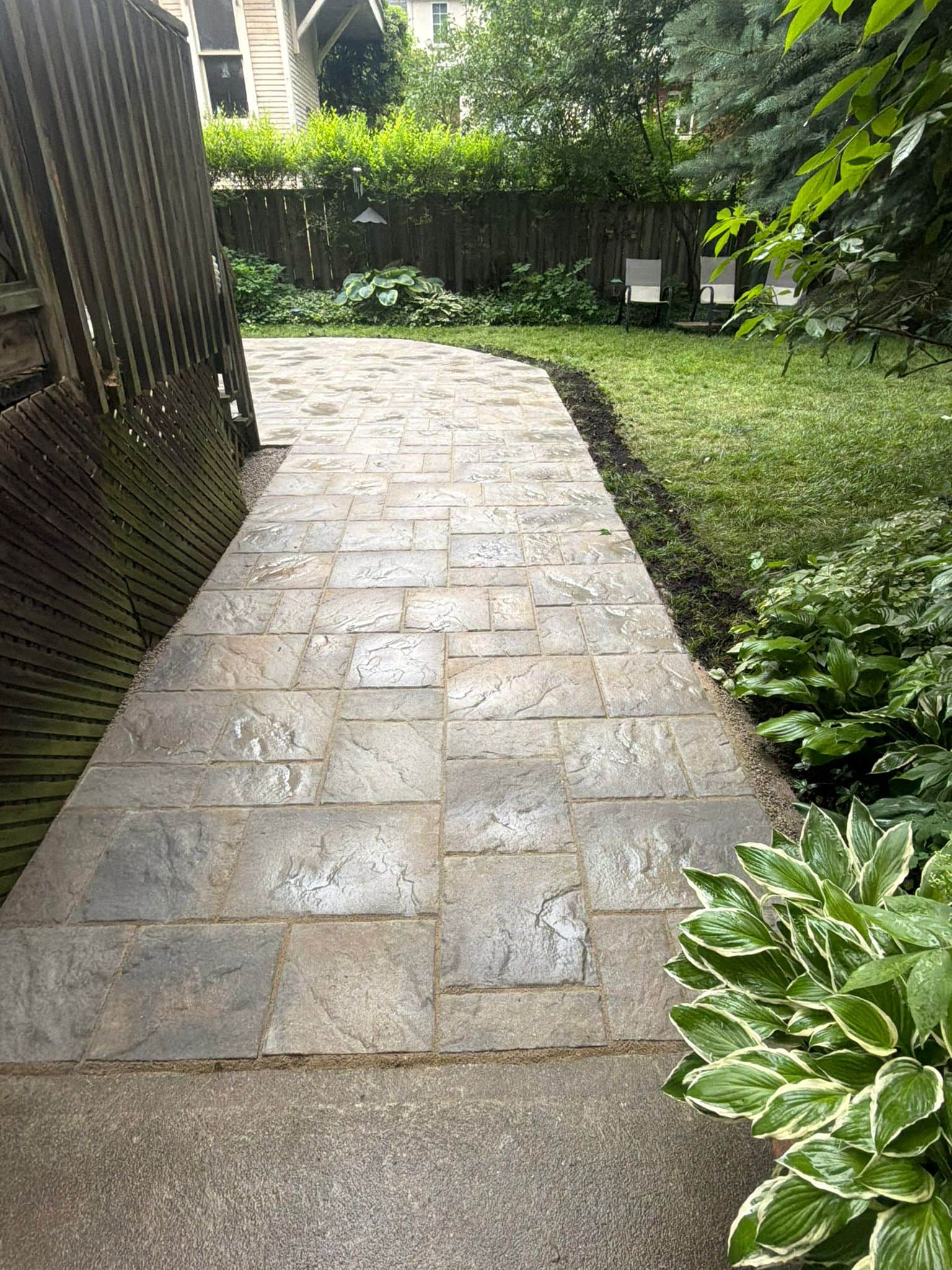
For interlocking walkways, path lights can be placed along planting beds, low walls, or driveway borders. The spacing should feel natural rather than runway-like. Too many fixtures can make the walkway look busy. Too few can leave dark spots where people need guidance.
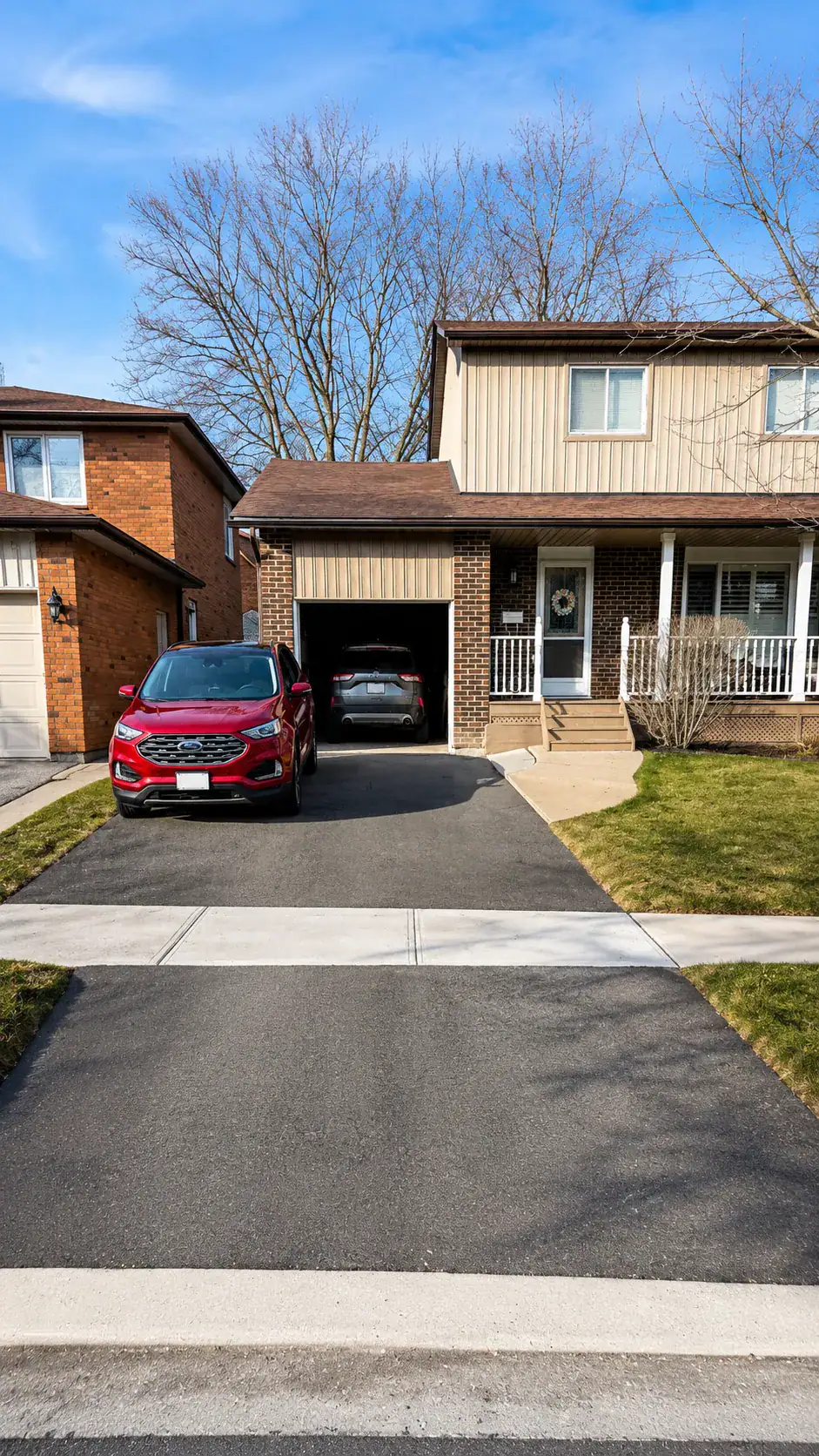
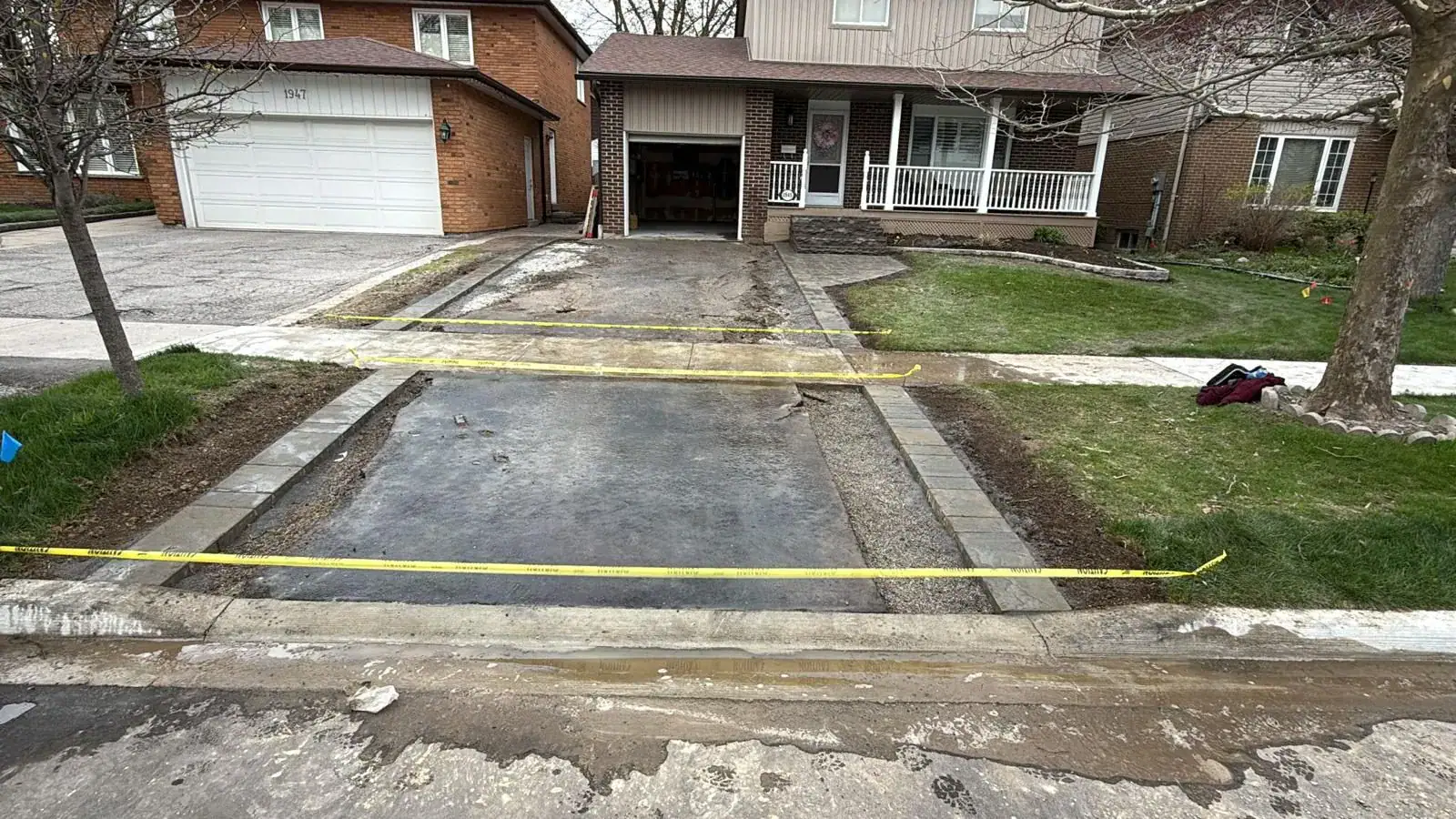
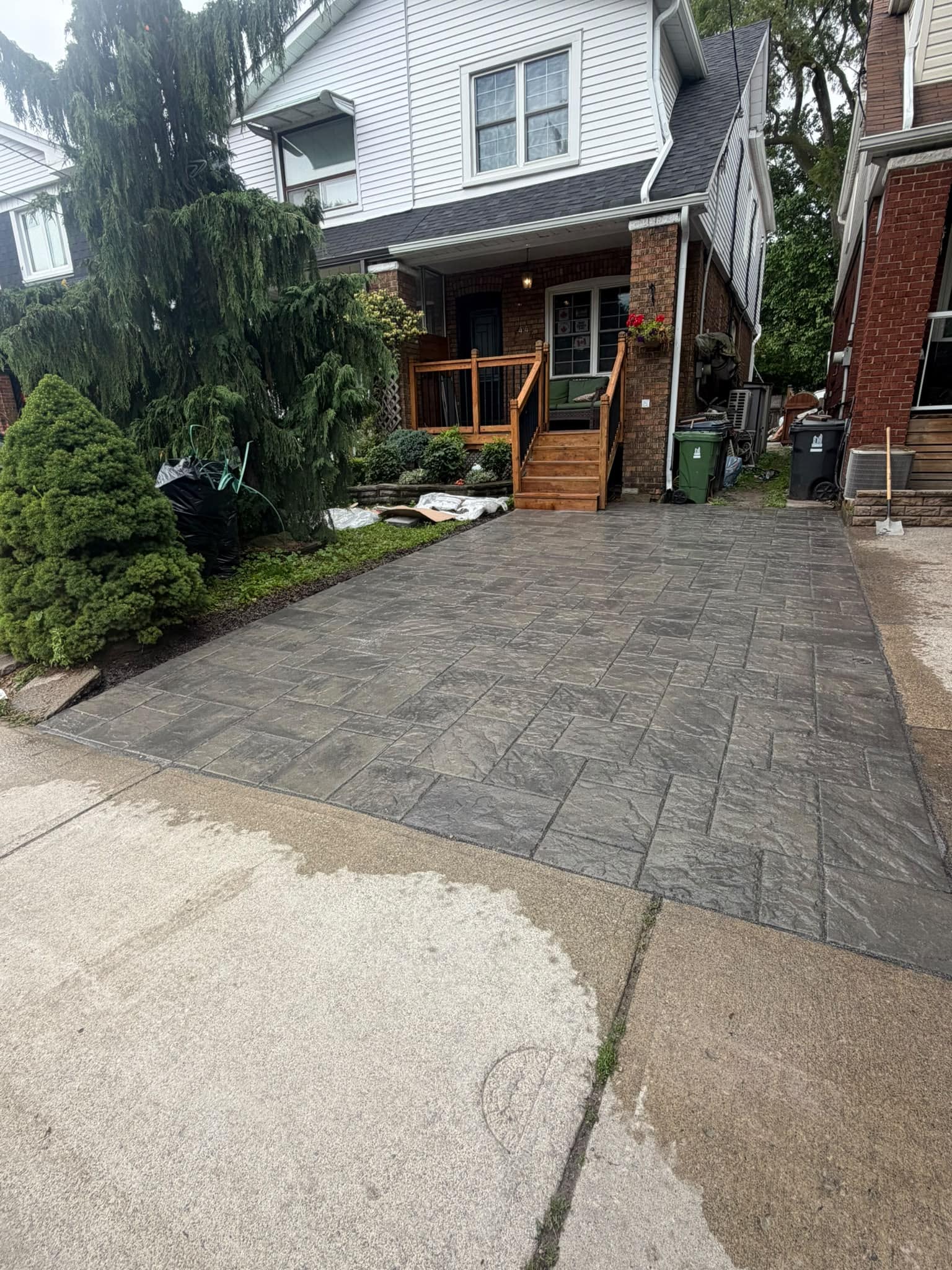
Driveway lighting should focus on practical visibility. It can help mark edges, show where the driveway meets the walkway, and reduce dark areas near the garage or side entrance. Lighting can also highlight interlocking stone patterns, but safety and glare control should come first.
Homeowners should be careful with fixtures installed too close to snow-clearing areas. Low lights beside driveways or walkways can be damaged by shovels, snow blowers, or plows if they are placed without considering winter maintenance.
Retaining Wall Lighting
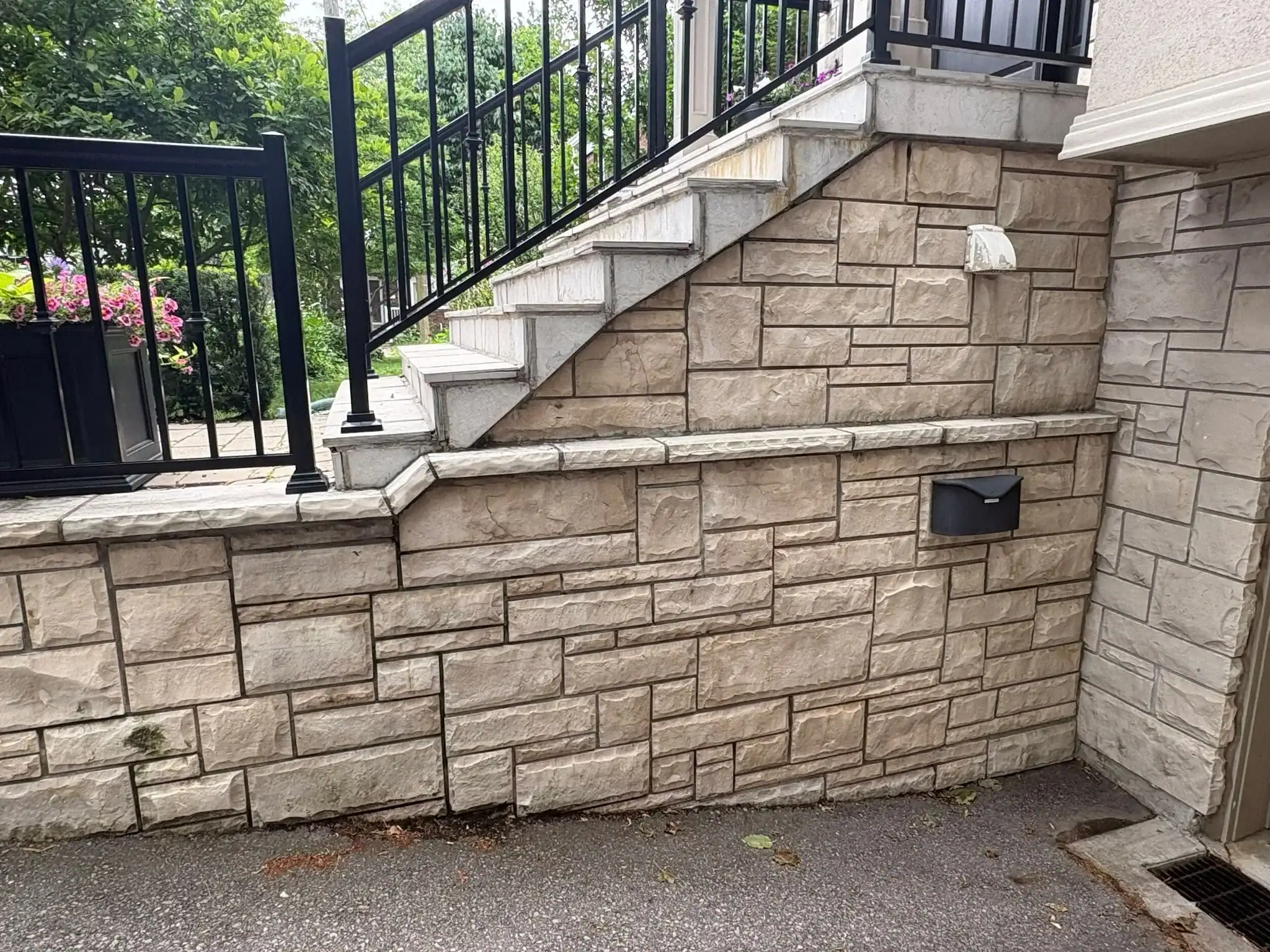
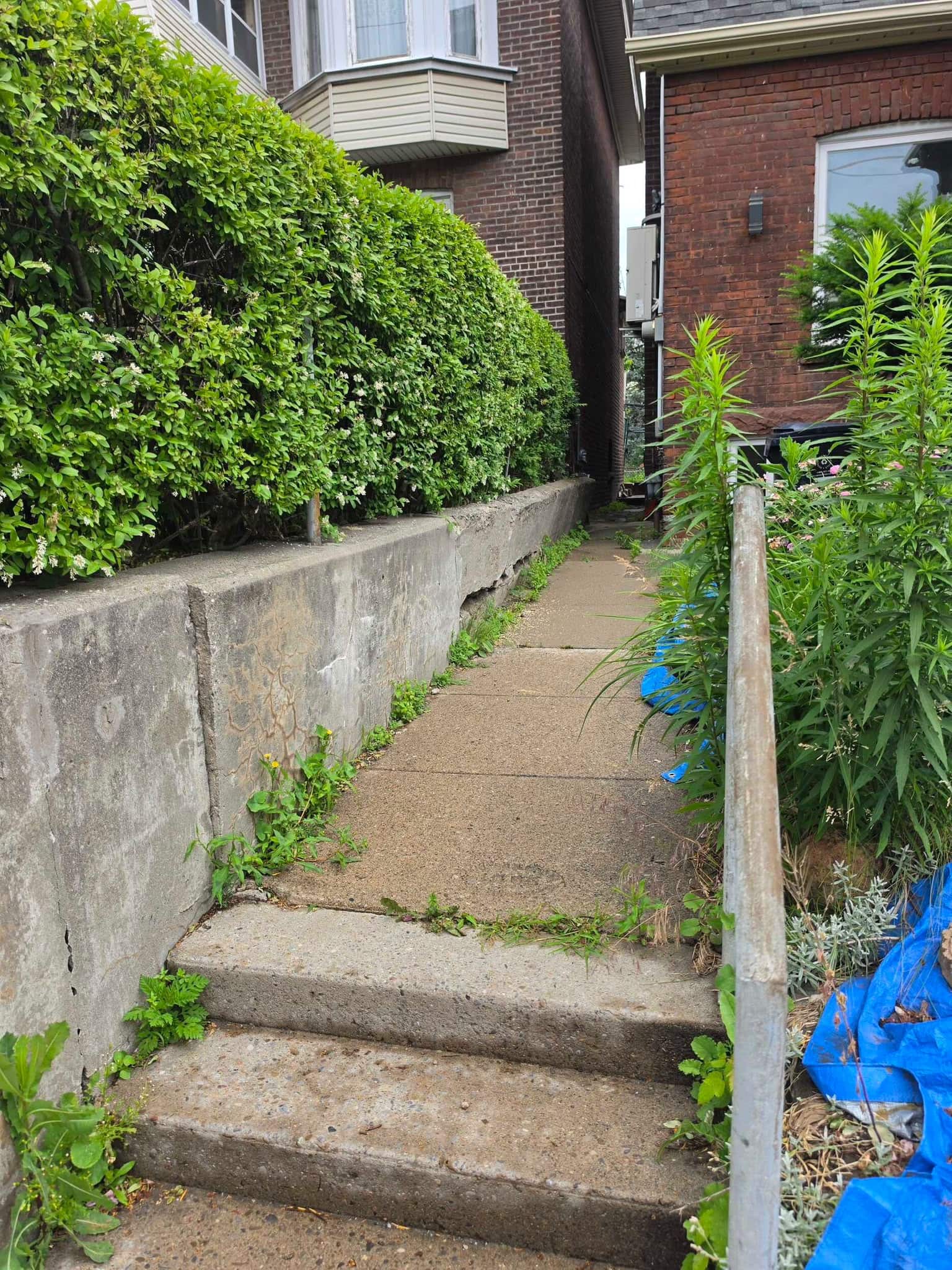
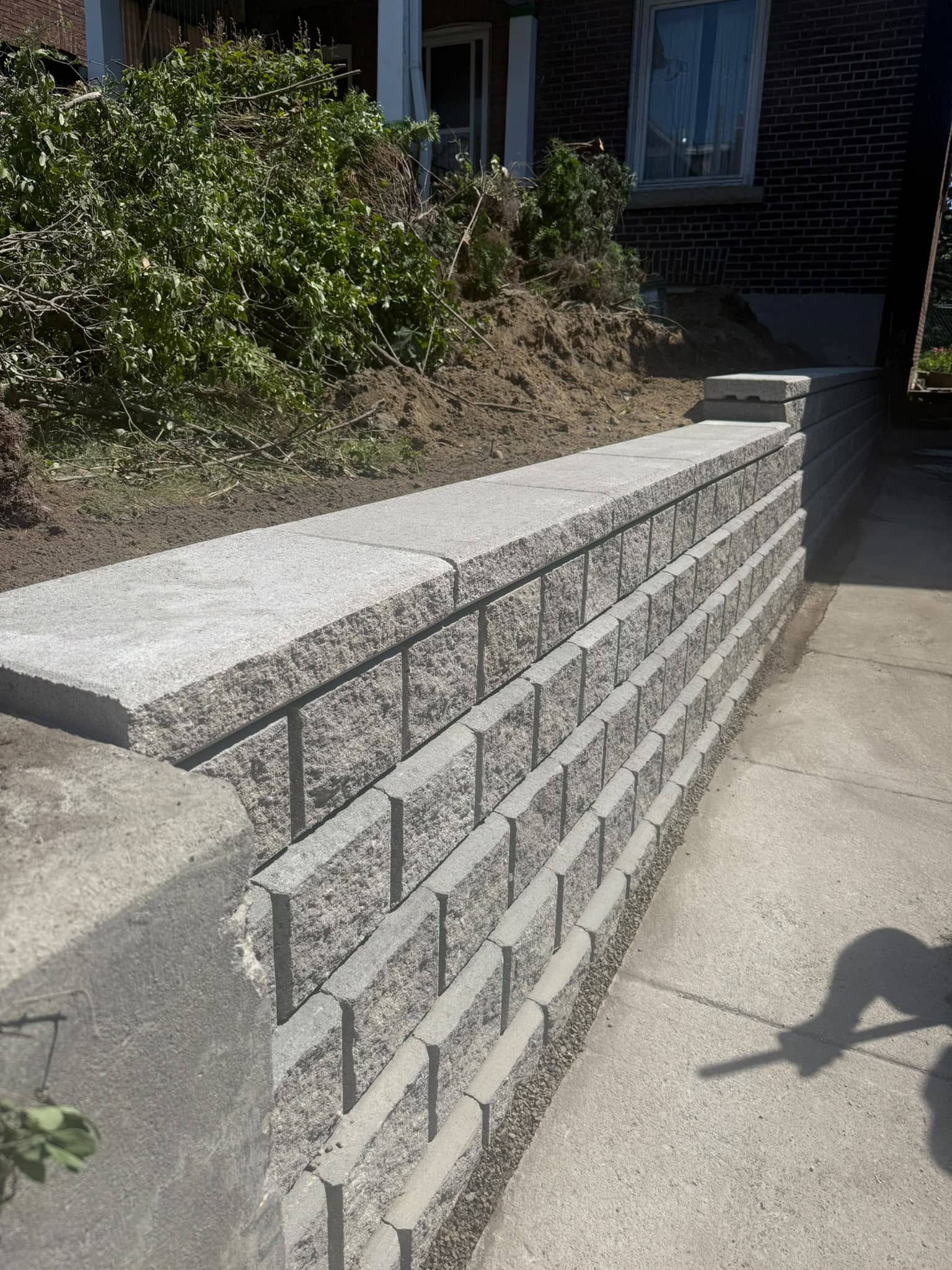
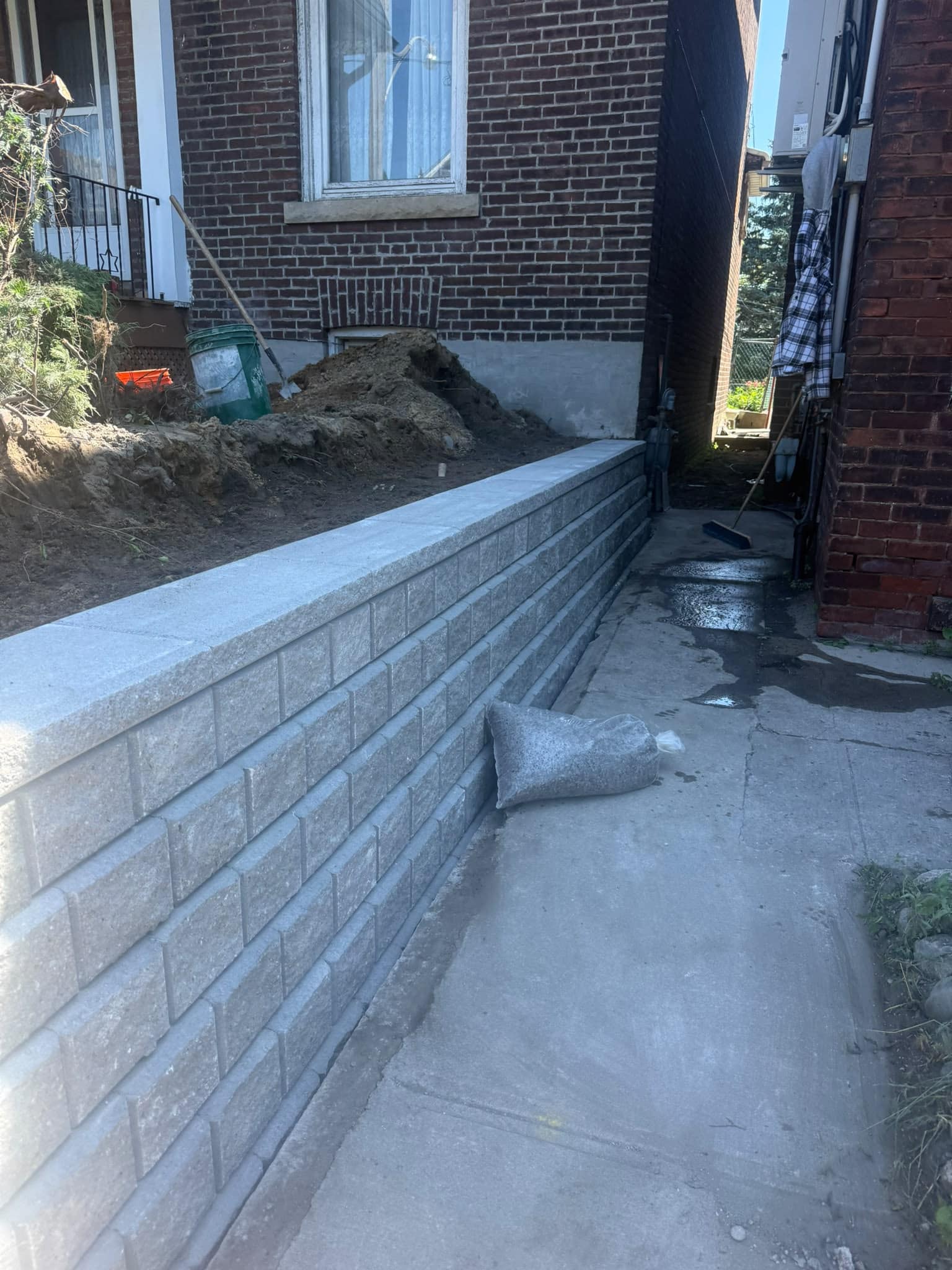
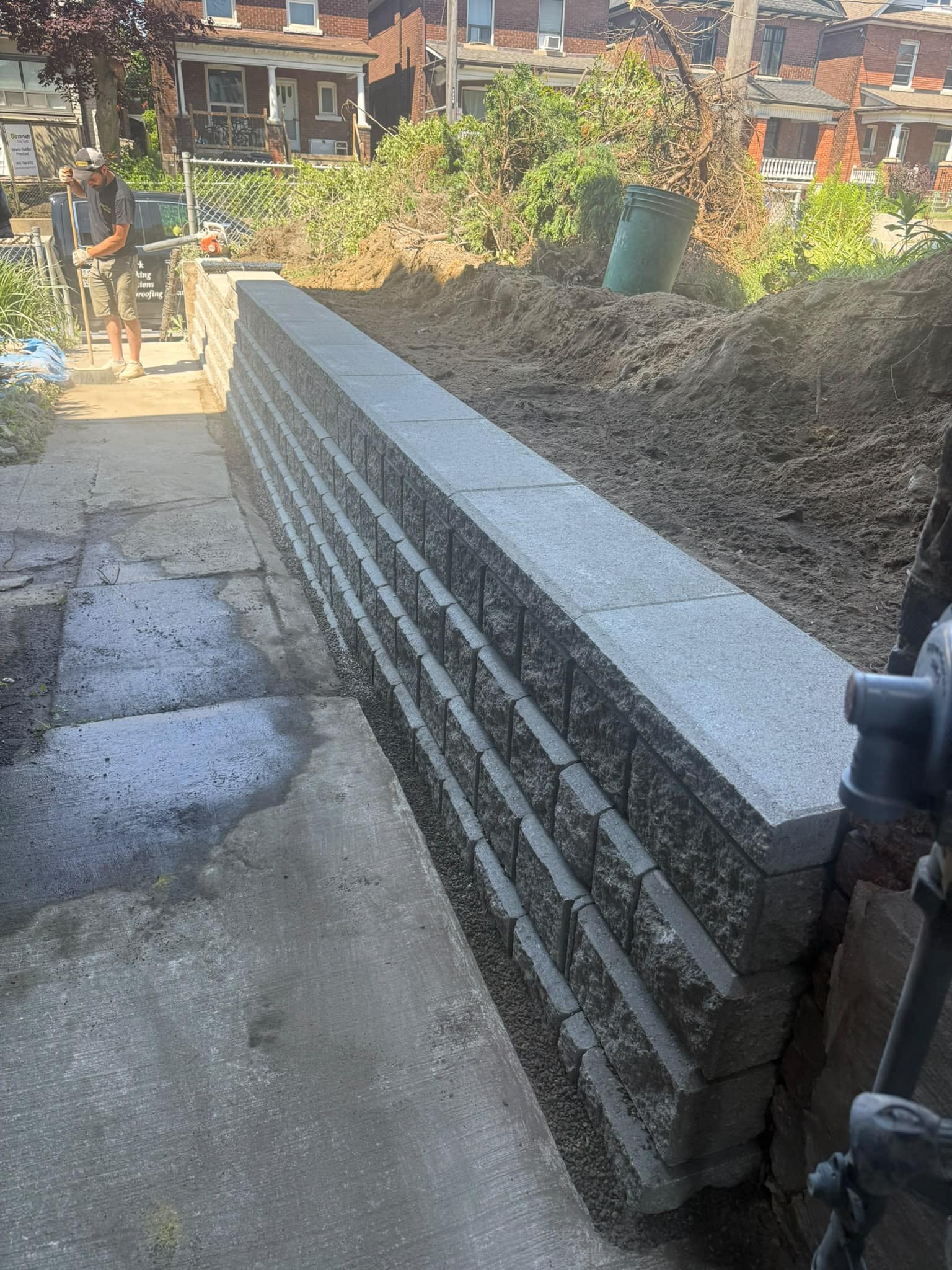
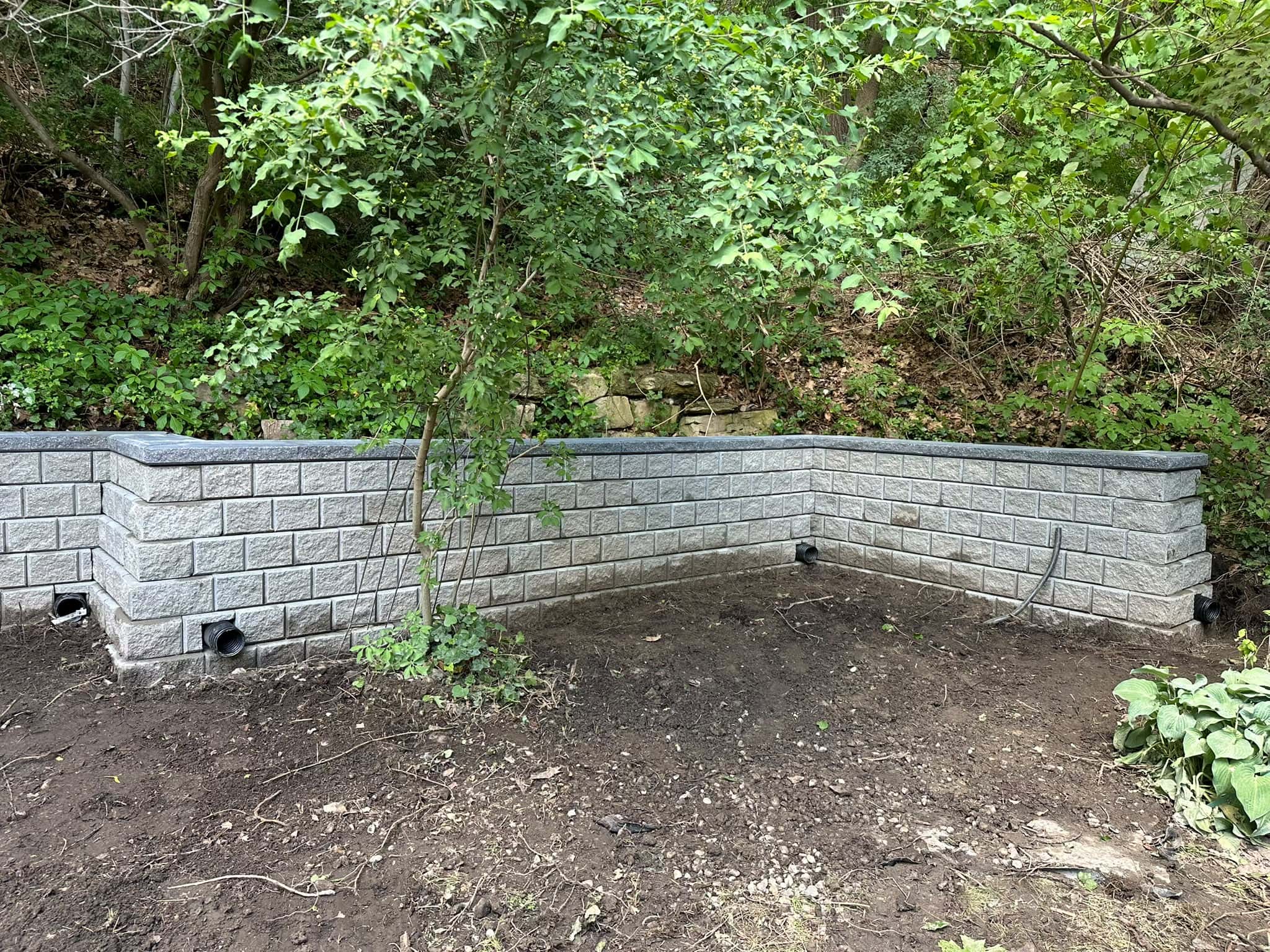
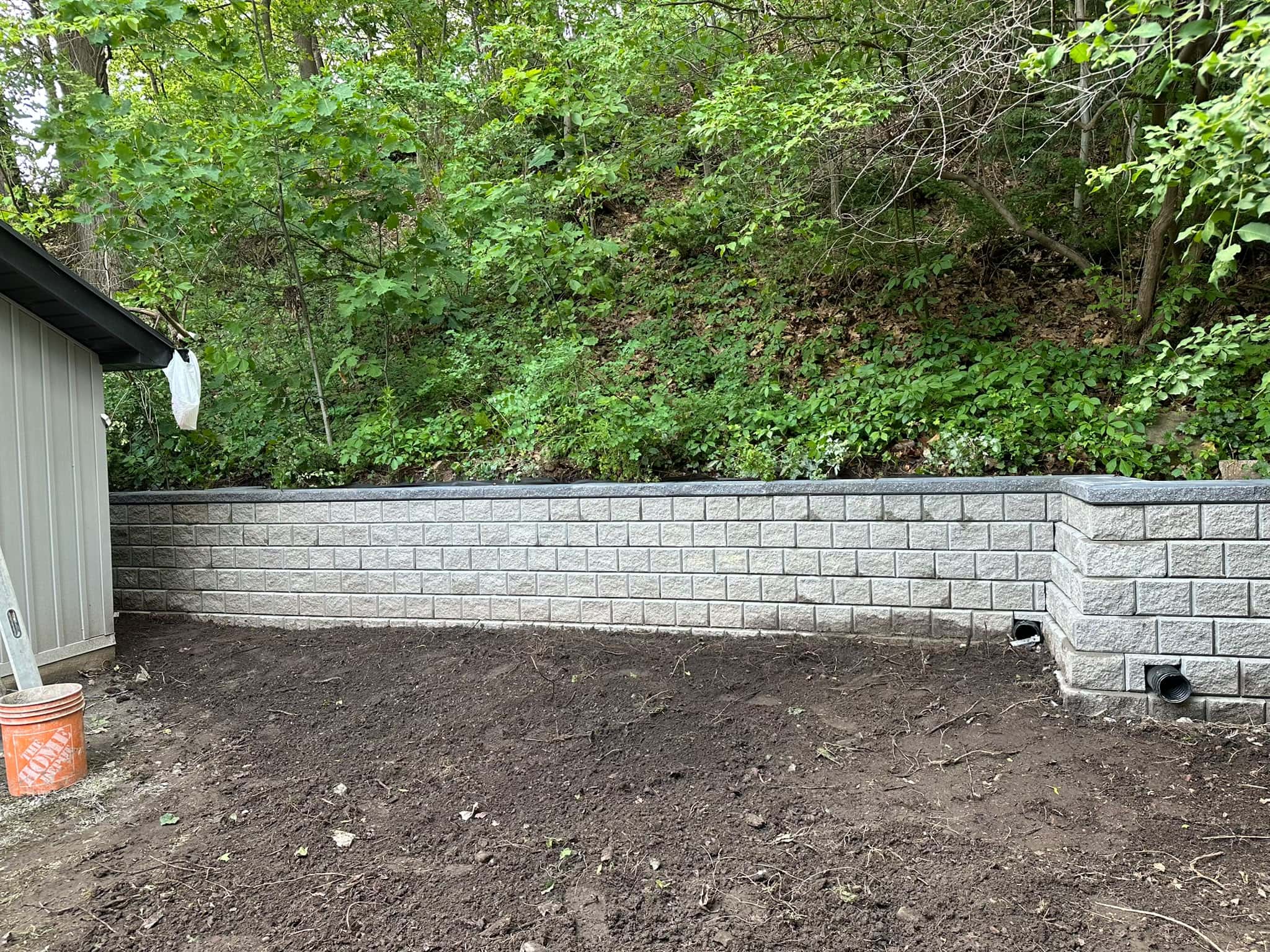
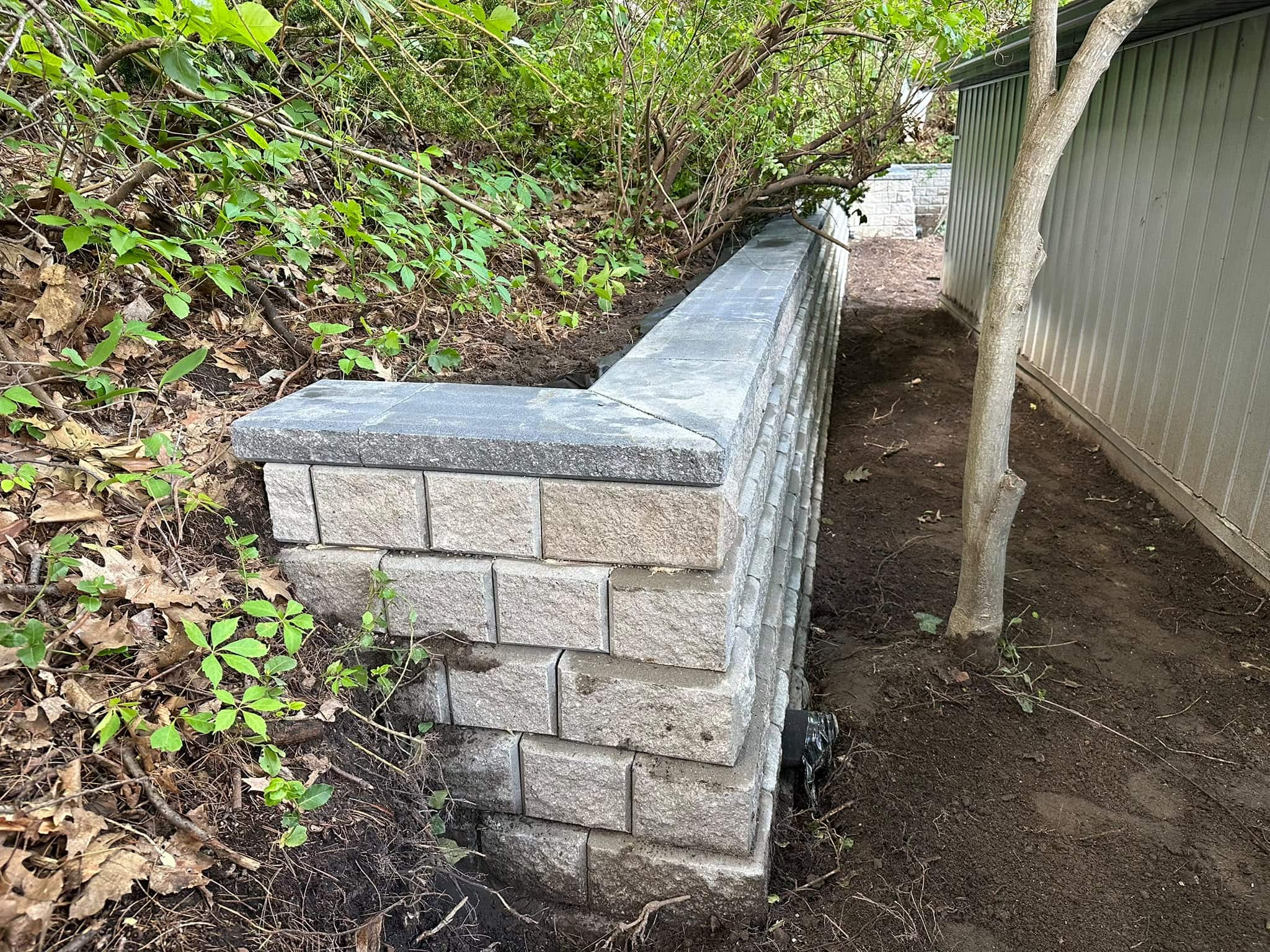
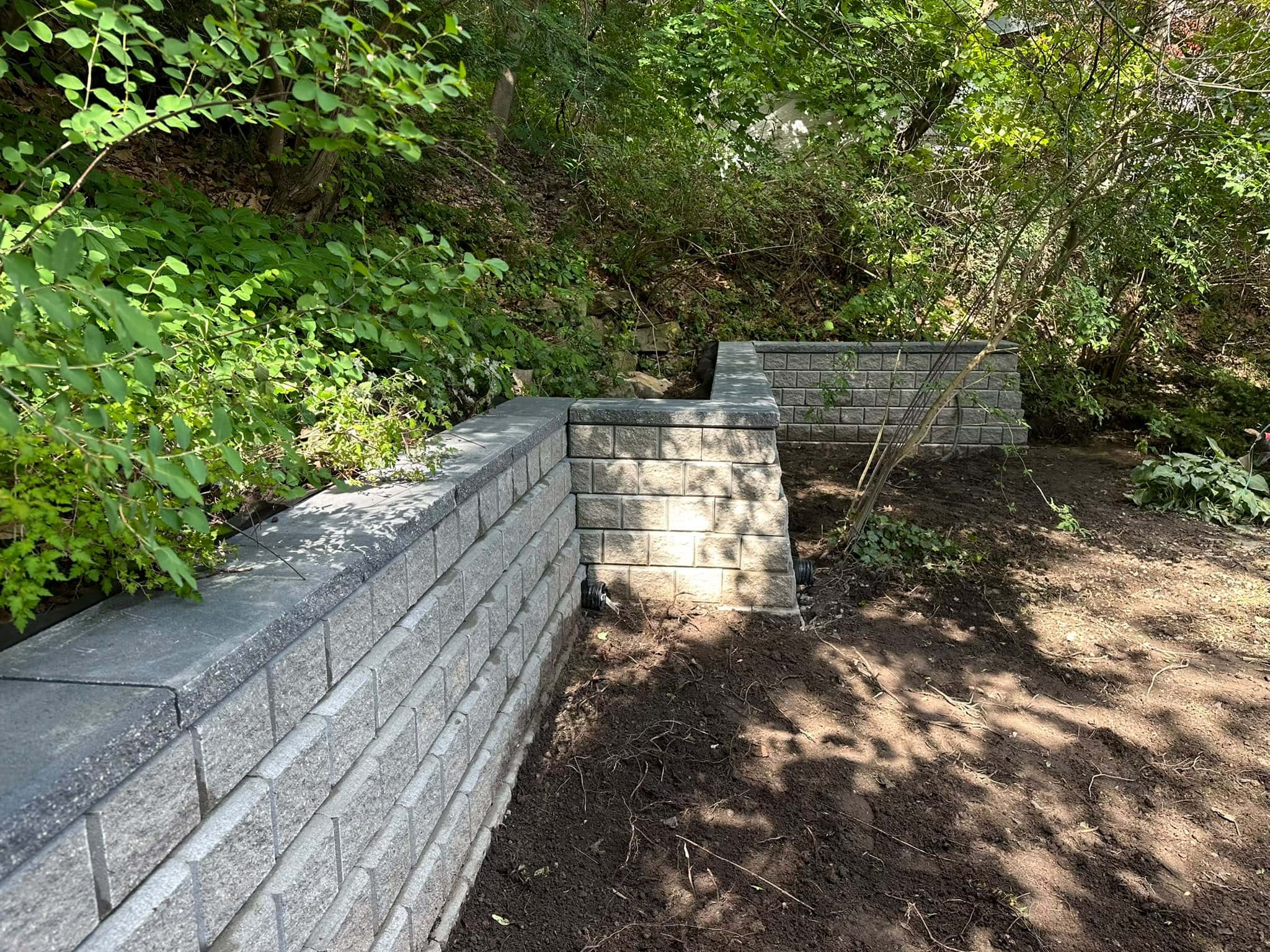
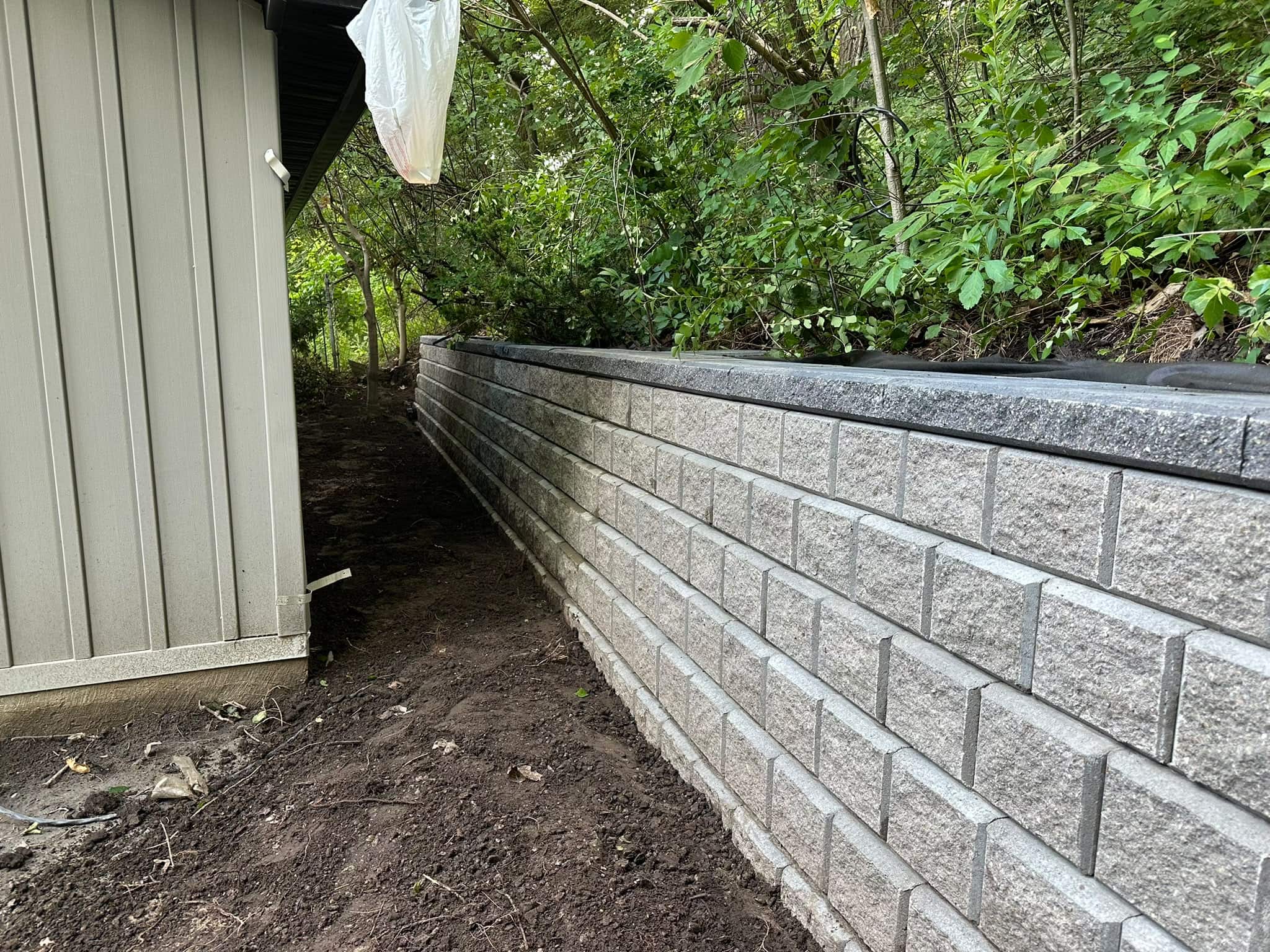
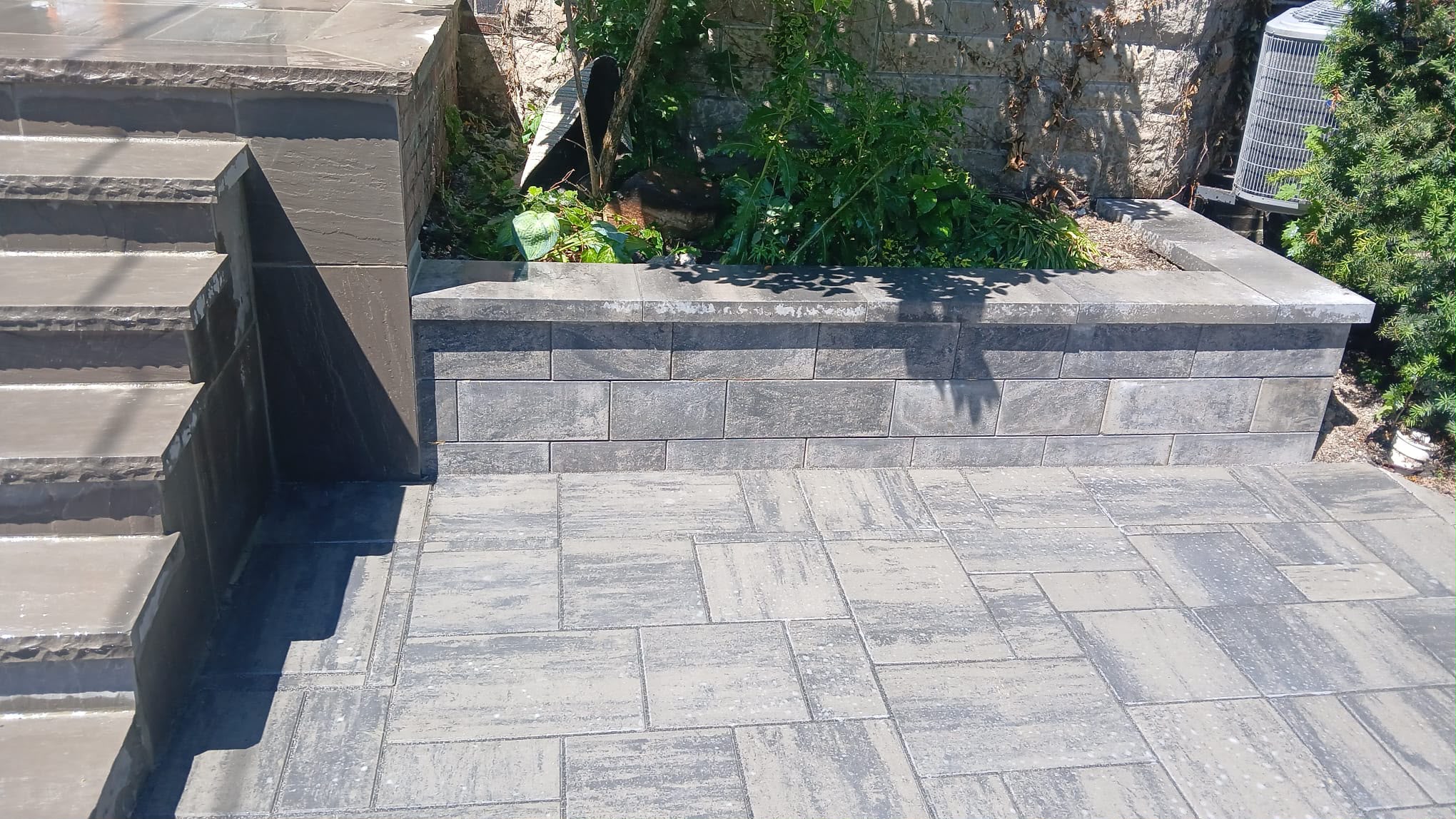
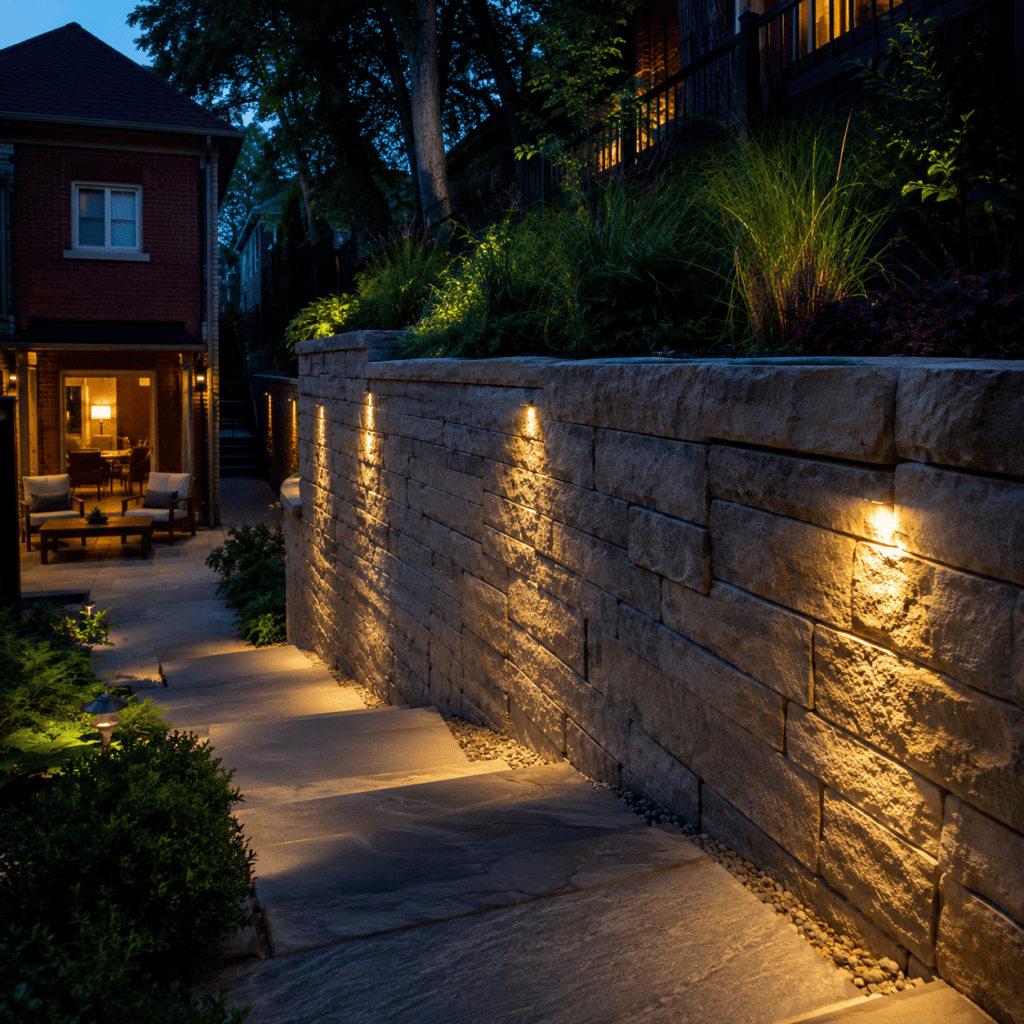
Retaining wall lighting can make a sloped property safer and more attractive at night. A retaining wall often creates a natural line through the landscape, so it can be used to guide movement, define outdoor rooms, and highlight grade changes.
Small wall lights can be installed into or along retaining walls to cast light downward onto paths, steps, garden edges, or seating areas. Downward lighting is usually more comfortable than lights that shine into people’s eyes. It also reduces glare and helps the wall feel integrated into the outdoor space.
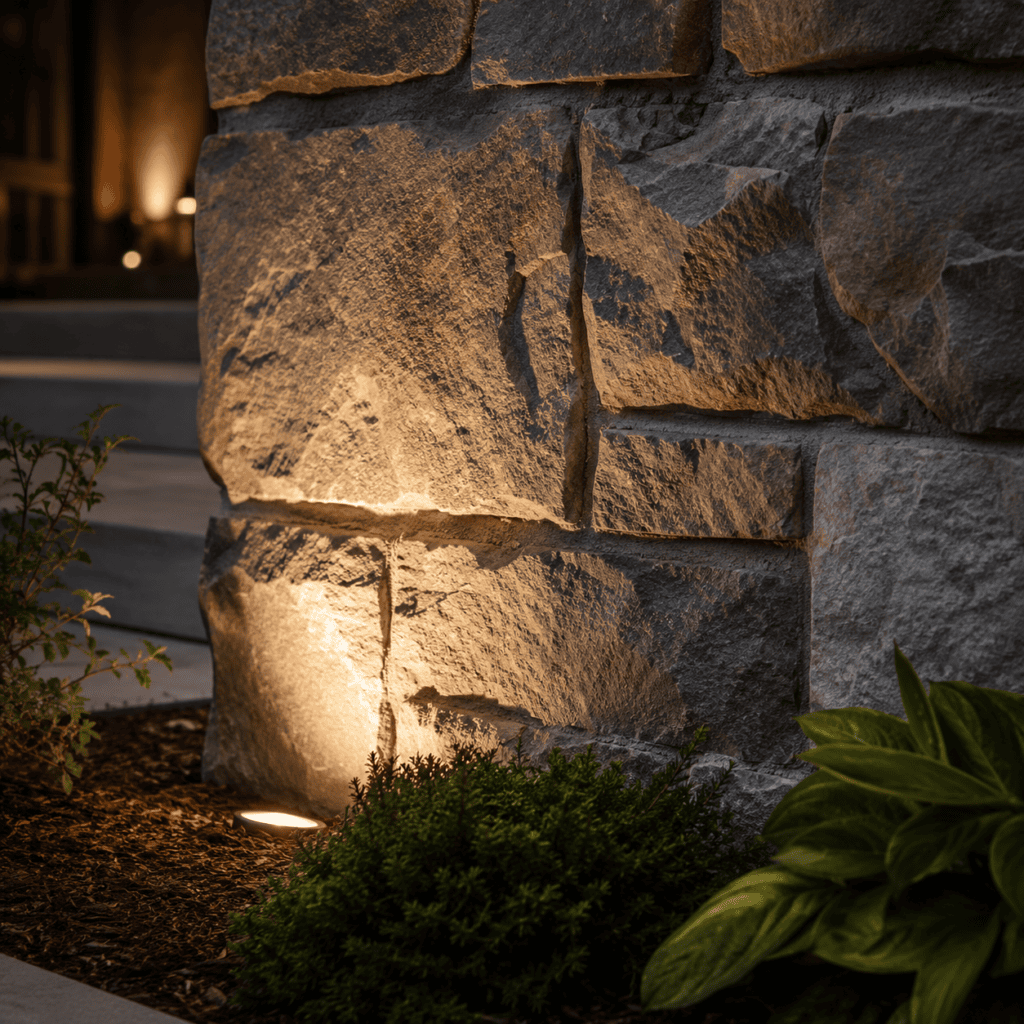
Lighting can also reveal the texture of stone or block. A soft, grazing light placed near the wall can bring out shadows and depth. This works well on natural stone, armour stone, and textured masonry. The key is restraint. Too much light can flatten the texture or make the wall look harsh.
If your property has slopes, garden tiers, or grade changes, A&A Masonry’s retaining walls Toronto page explains how retaining walls can help manage outdoor structure, drainage, and usable space.
Patio Lighting for Outdoor Living
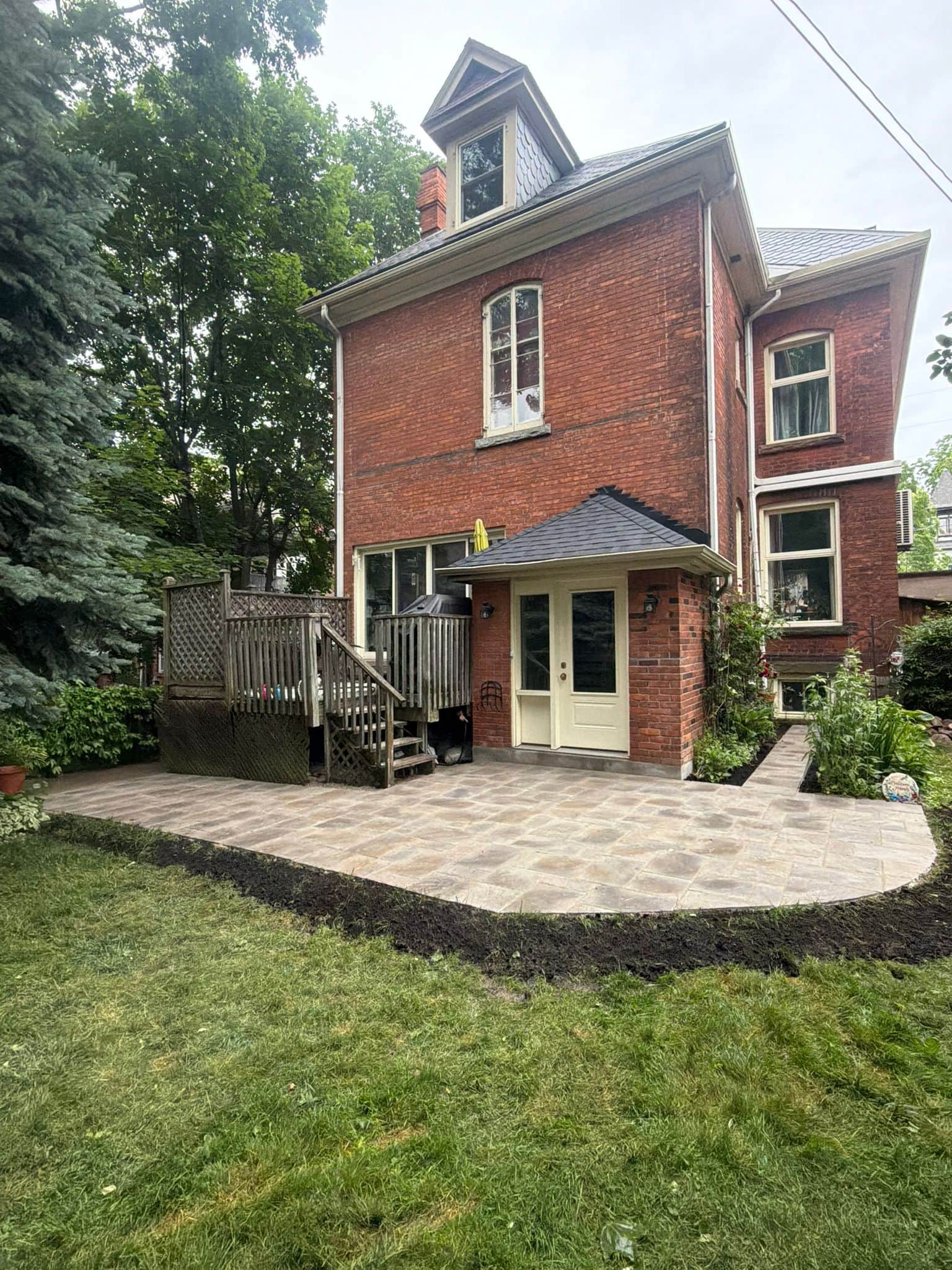
Patio lighting should support how the space is used. A dining patio needs different lighting than a quiet seating area, fire pit zone, or backyard walkway. Masonry patios work best with layered lighting that includes task, ambient, and accent lighting.
Task lighting helps with cooking, dining, and outdoor work surfaces. Ambient lighting creates general comfort. Accent lighting highlights stone walls, garden borders, planters, fireplaces, or water features. When these layers are balanced, the patio feels useful without looking overlit.
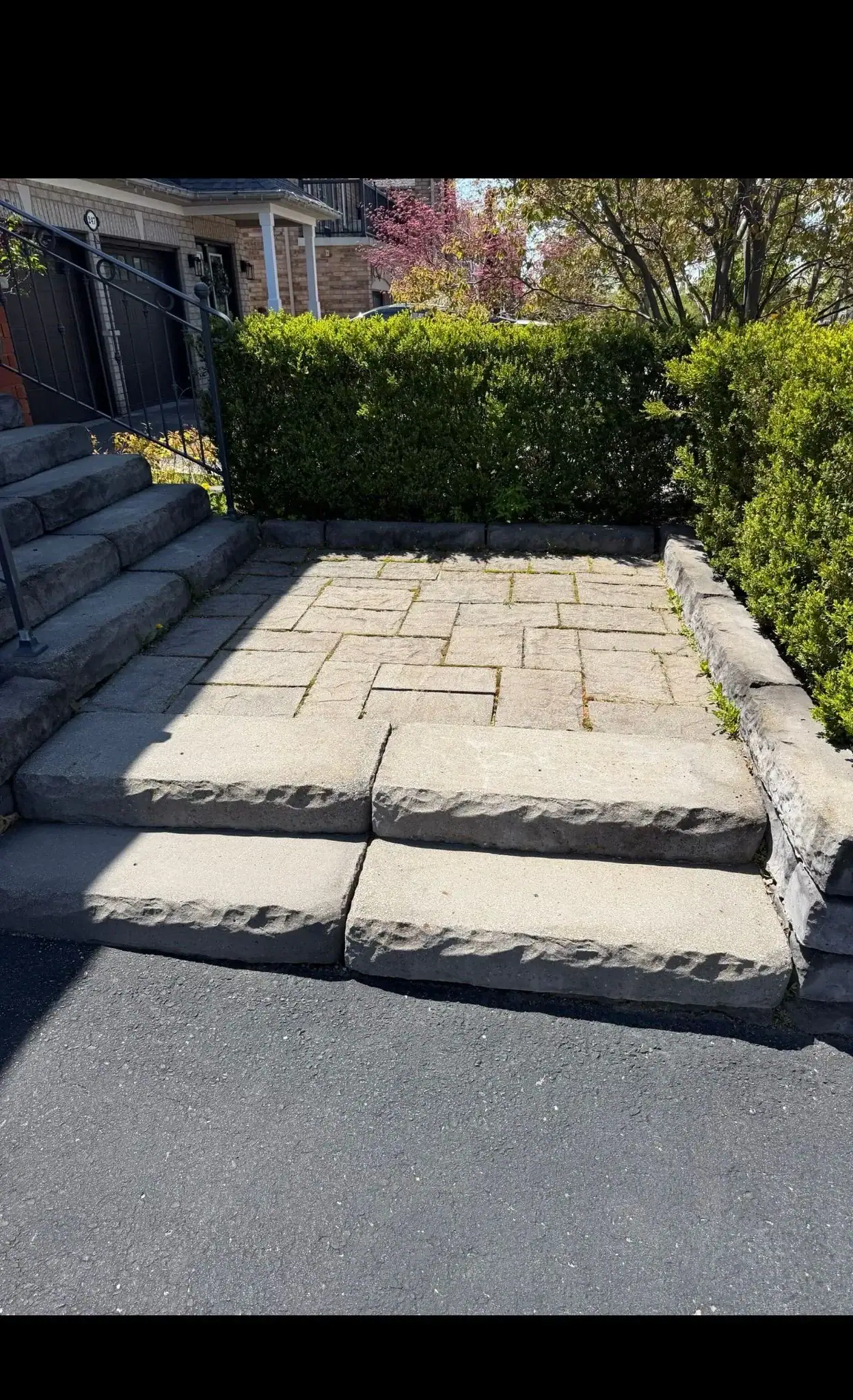
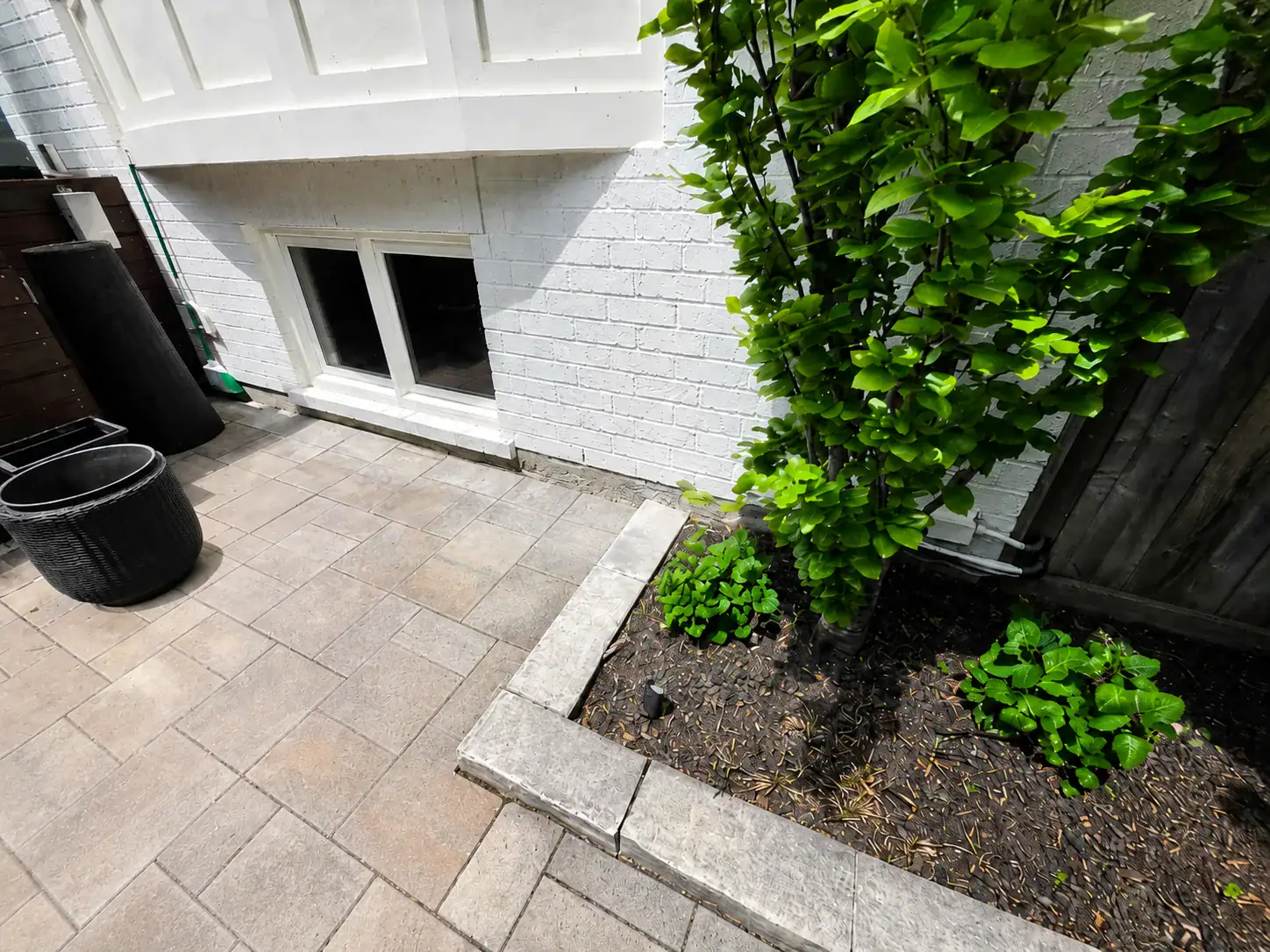
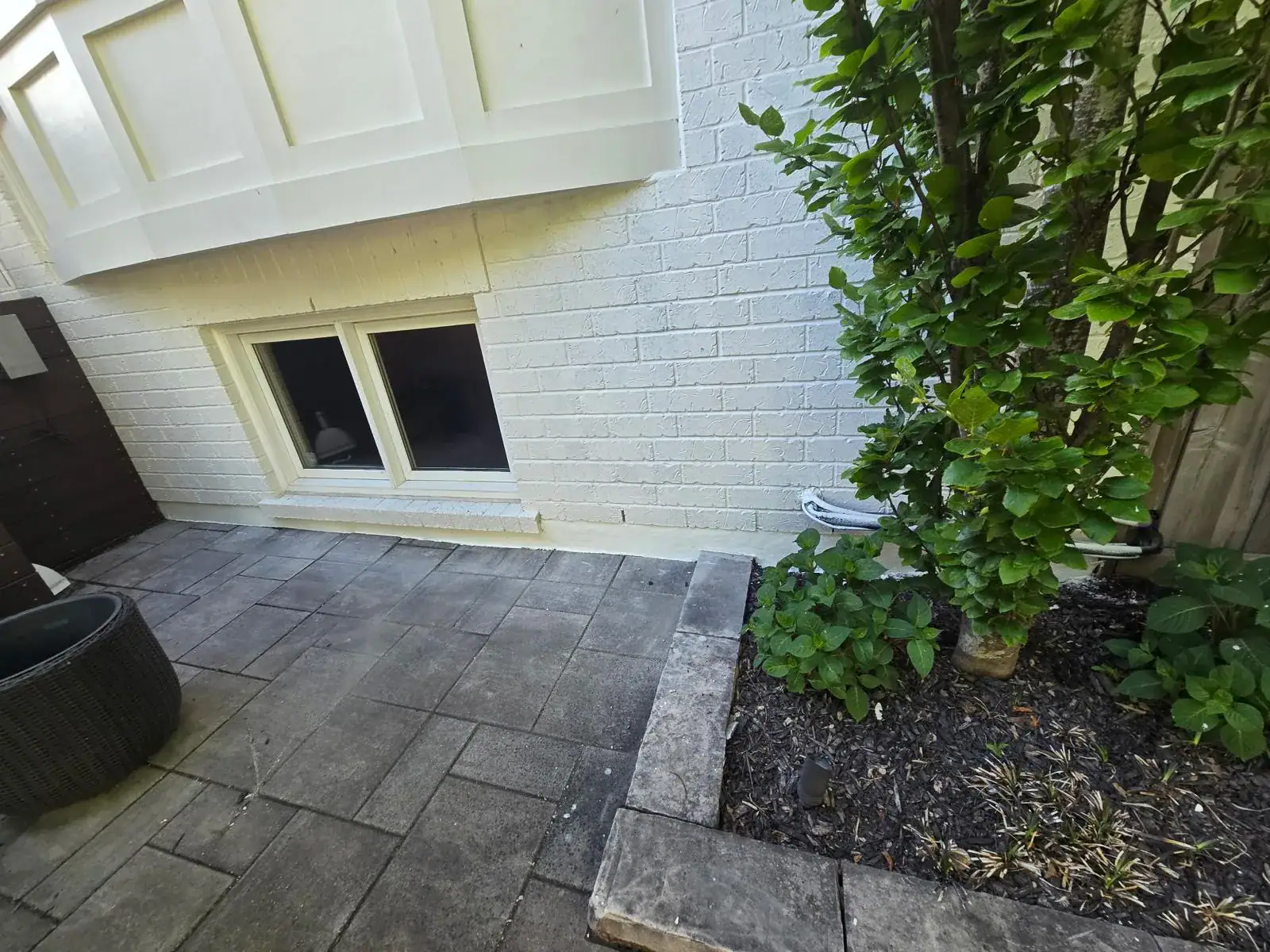
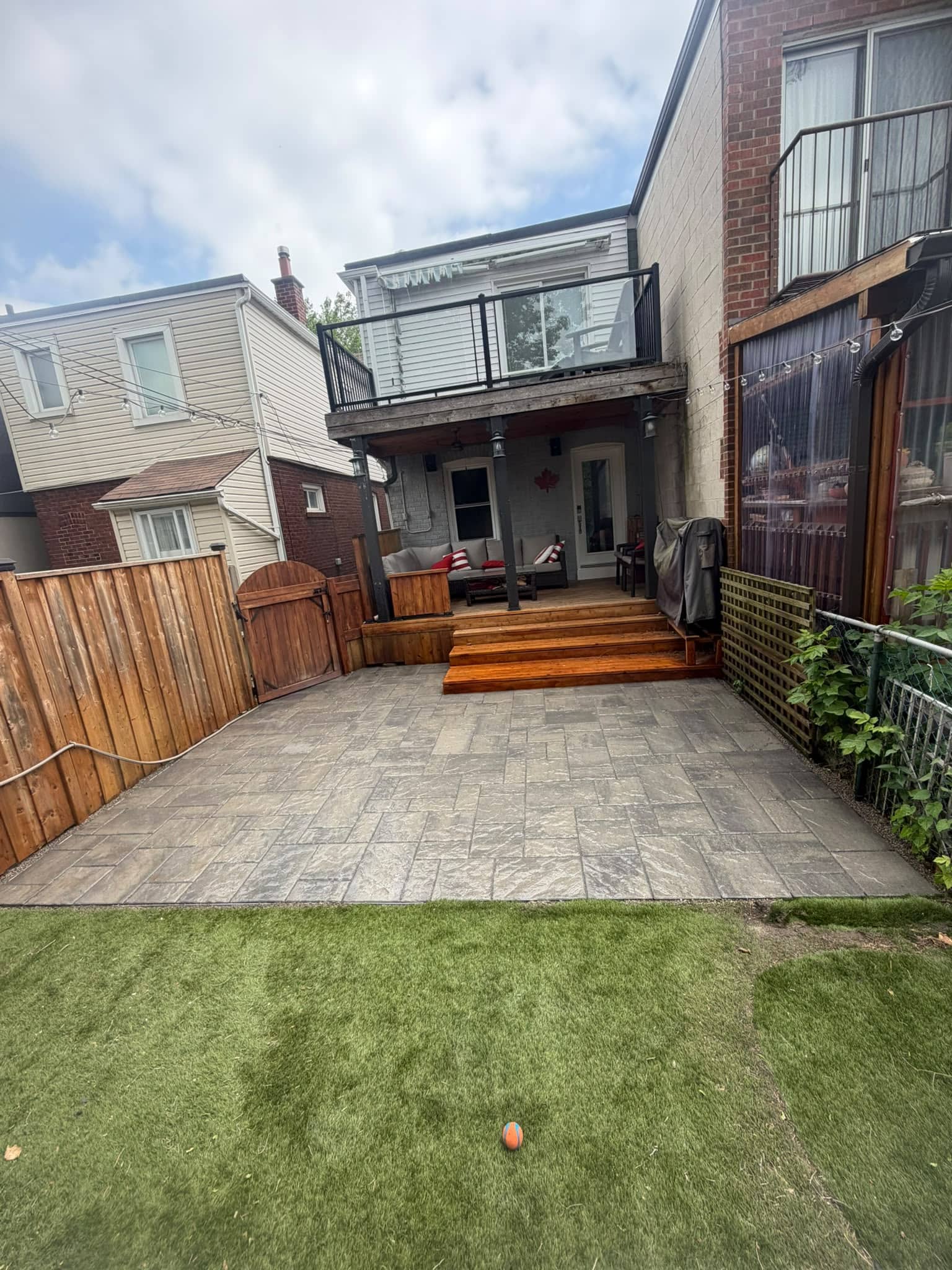
For stone patios and interlocking patios, lighting should also respect drainage and movement. Fixtures should not block water flow or sit where pooling is common. Wires and mounting points should be protected from moisture, foot traffic, and maintenance tools.
A&A Masonry’s interlocking patio Toronto page is relevant for homeowners planning patios that combine hardscaping, outdoor living, and design details.
Lighting Stone Features Without Overdoing It
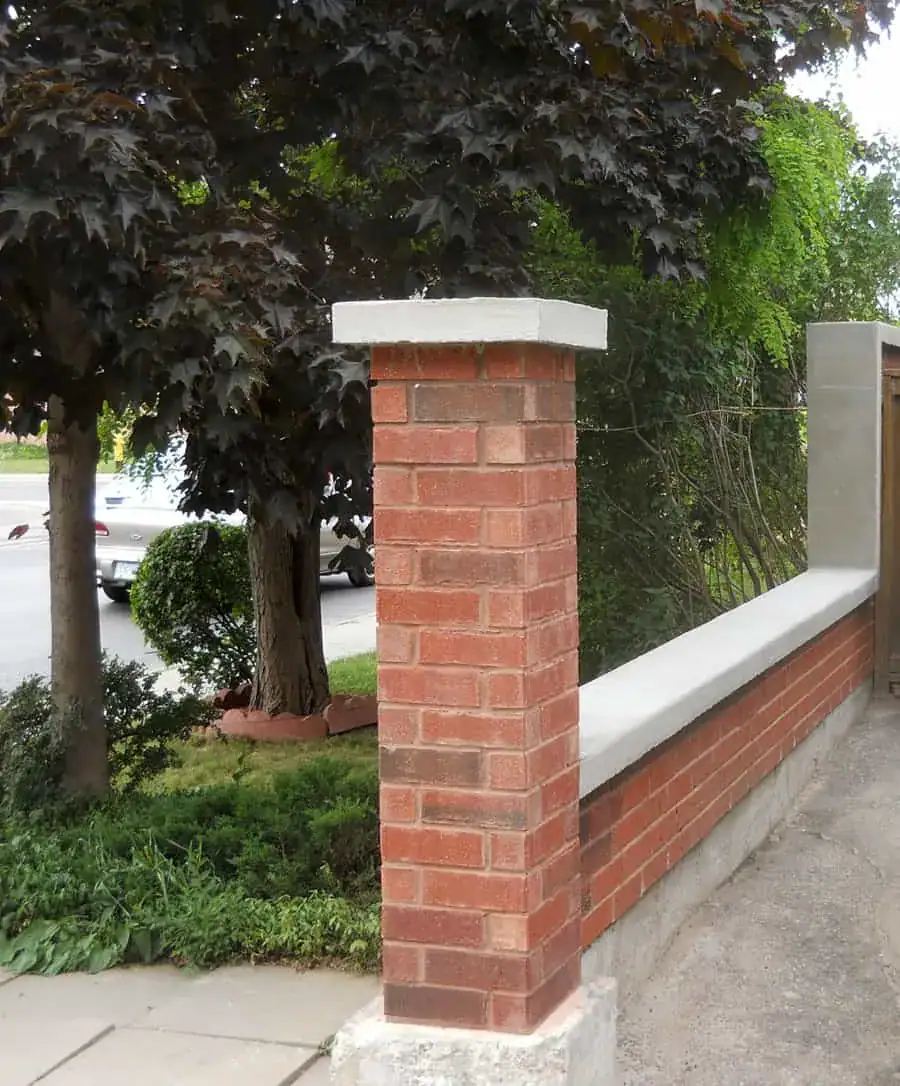
Stone features often look best with subtle lighting. Natural stone already has texture, colour, and shadow. Lighting should reveal those details, not overpower them. A soft uplight, grazing light, or side light can make stone walls, columns, steps, and garden features stand out after dark.
For stone veneer or stone accent walls, warm low-intensity lighting often works better than bright white light. Strong lighting can make stone look flat or artificial. Softer light allows the material to keep its natural character.
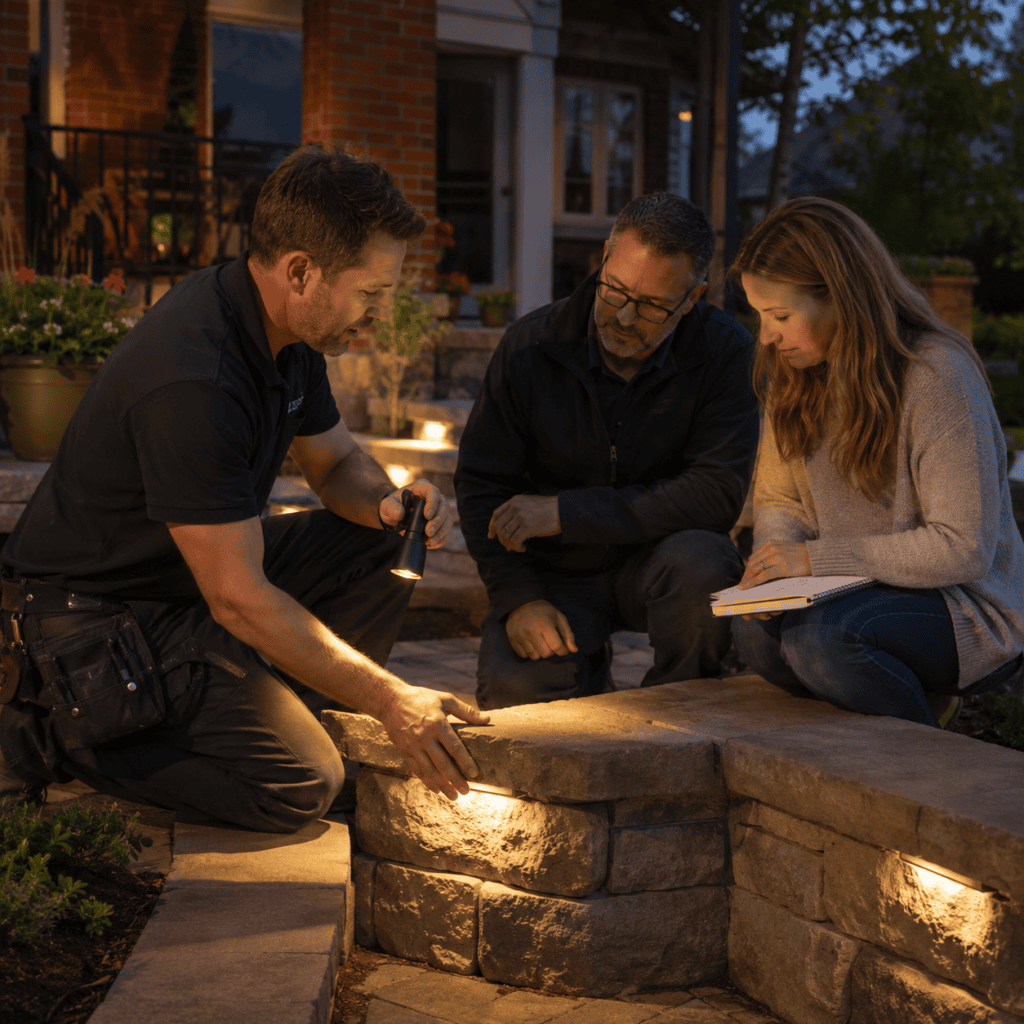
Placement is important. A light placed too close can create harsh shadows. A light placed too far away may not show the texture. The best approach is usually to test fixture locations at night before making permanent decisions.
If the outdoor design includes stone accents, walls, steps, or custom features, A&A Masonry’s stone masonry Toronto page gives useful context for how stone can be used around the home.
Brick Wall Lighting and Texture
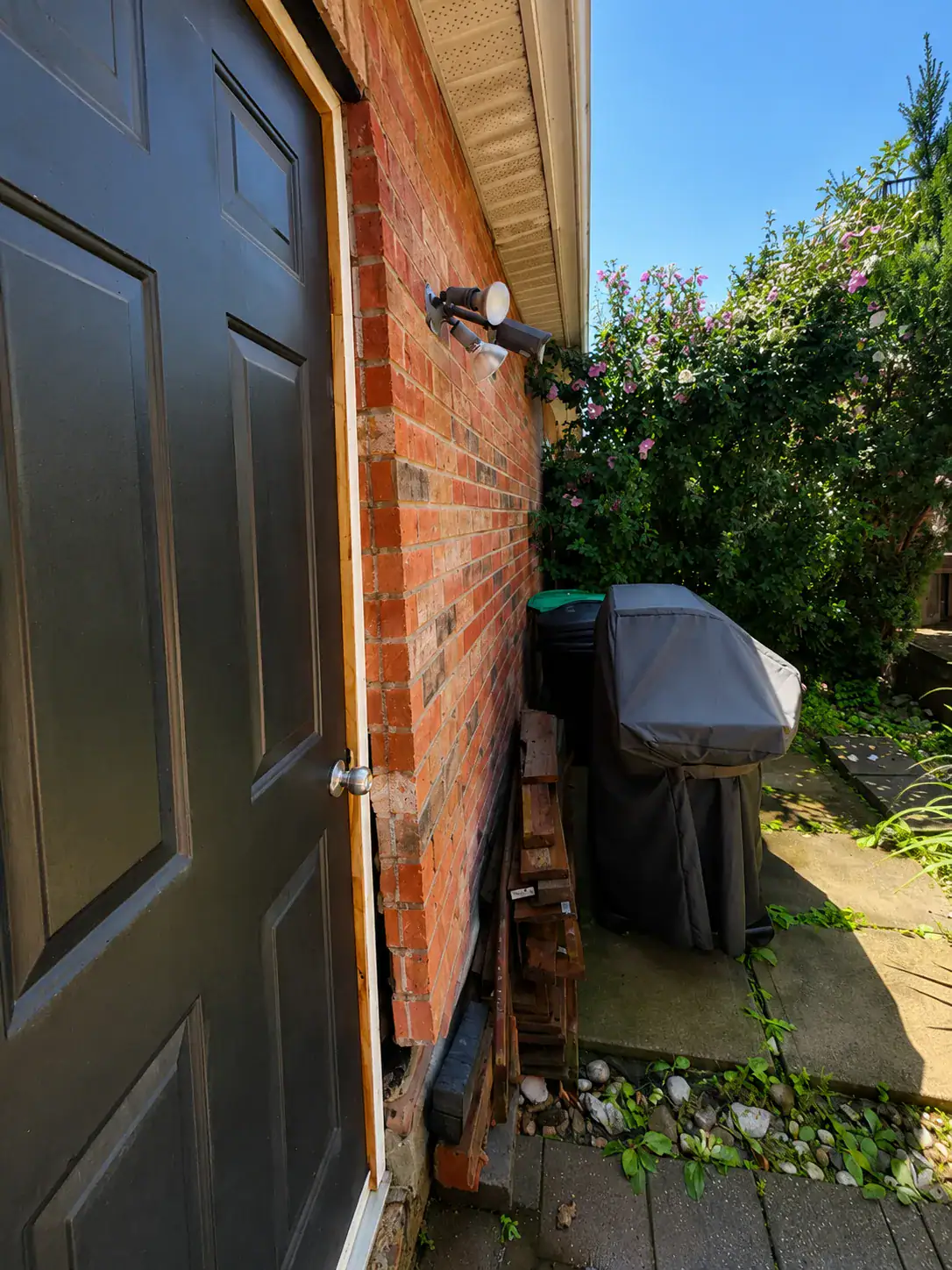
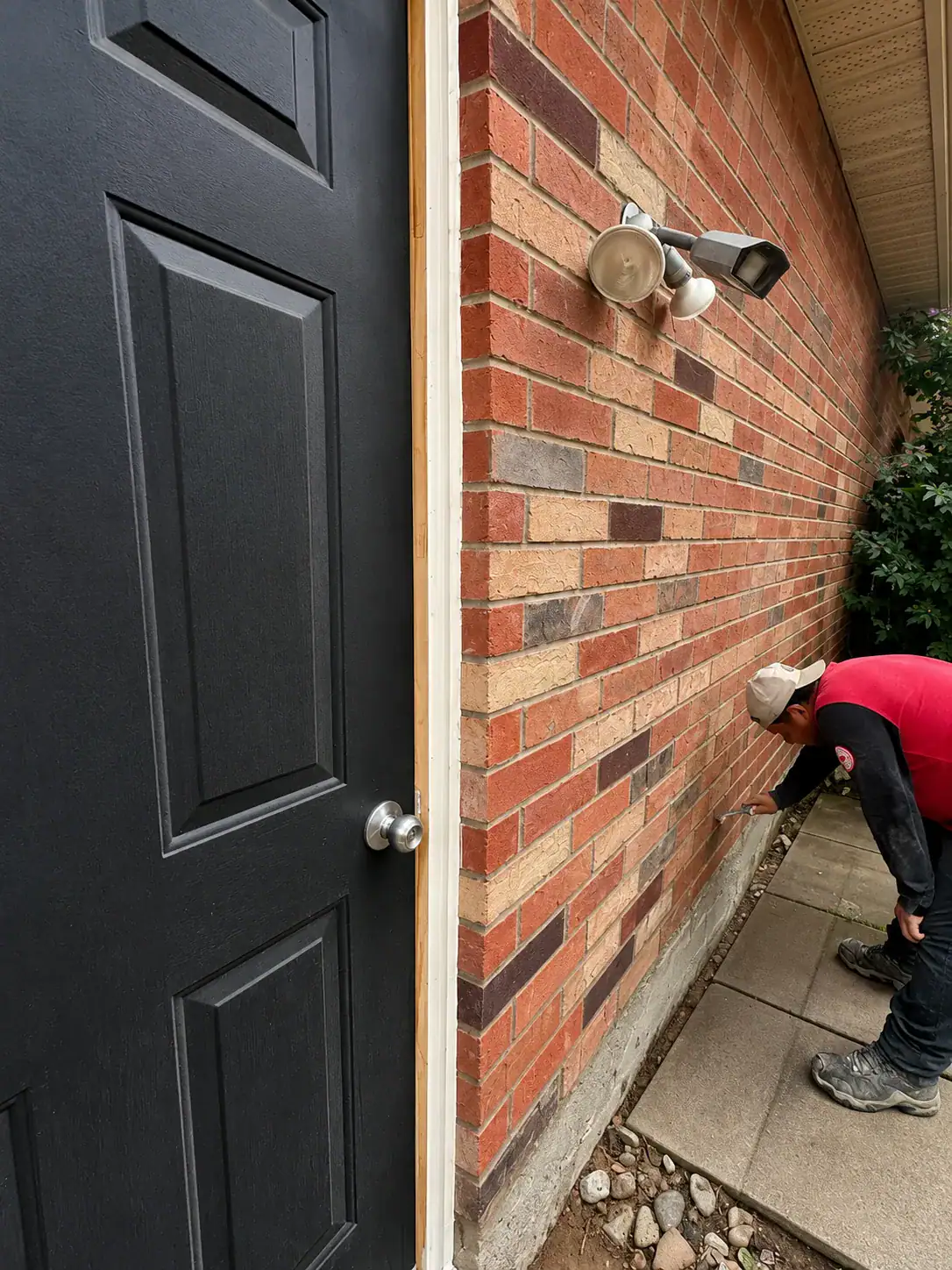
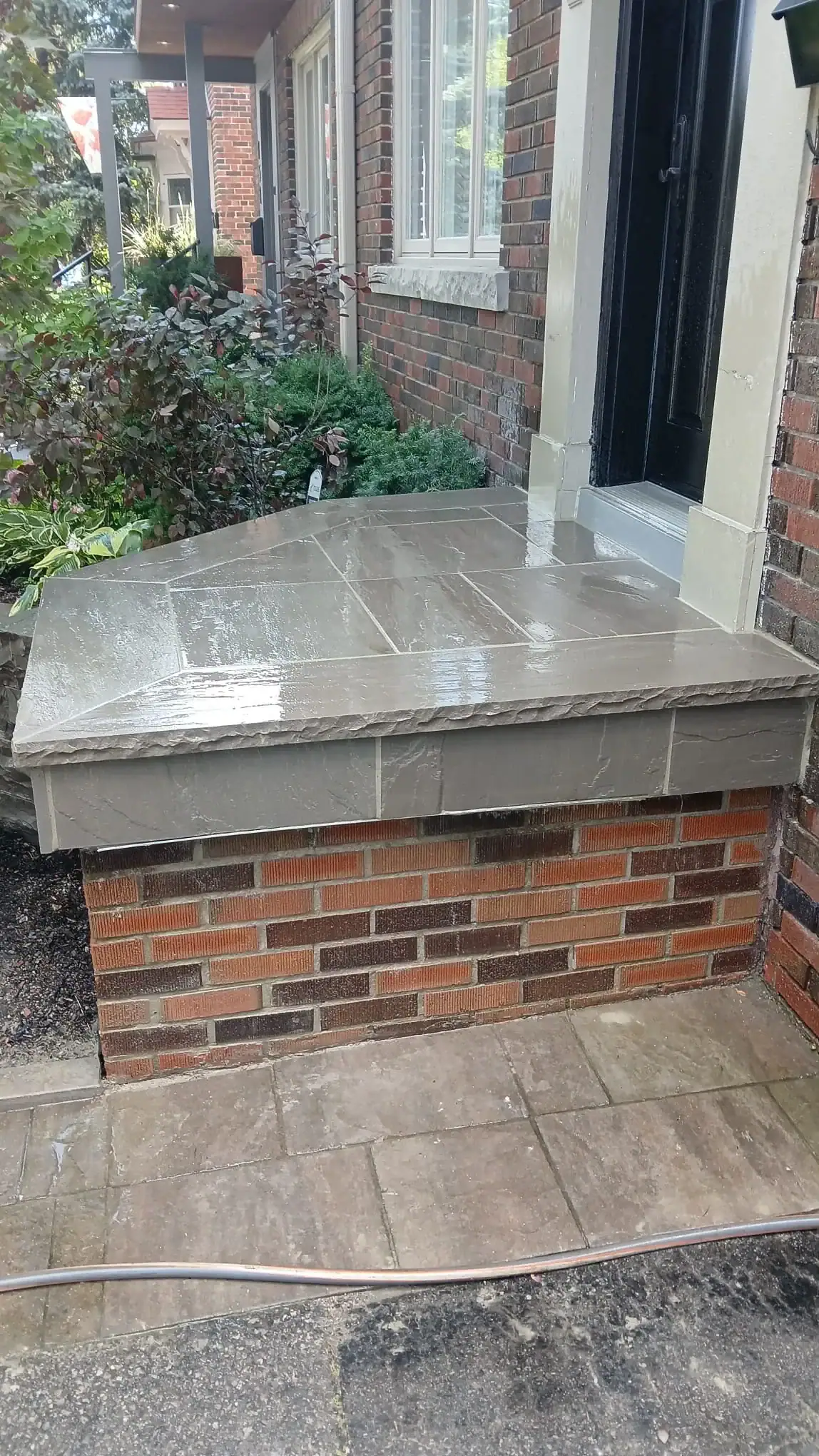
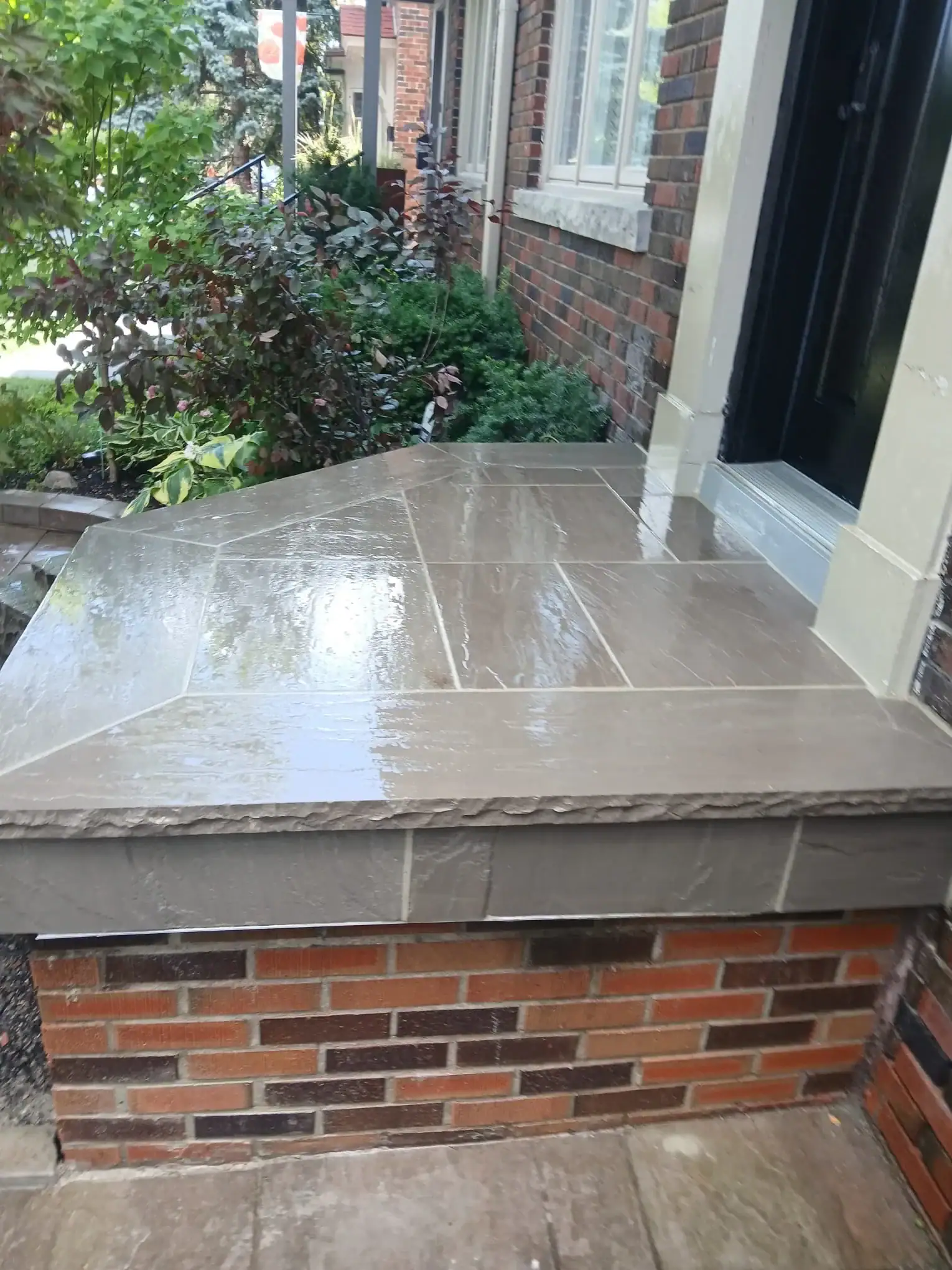
Brick wall lighting can highlight texture, age, colour, and craftsmanship. A soft wall wash can make a brick façade, garden wall, or outdoor fireplace feel more inviting at night. However, older brick should be treated carefully because unnecessary drilling, poor mounting, or water entry around fixtures can damage the masonry over time.
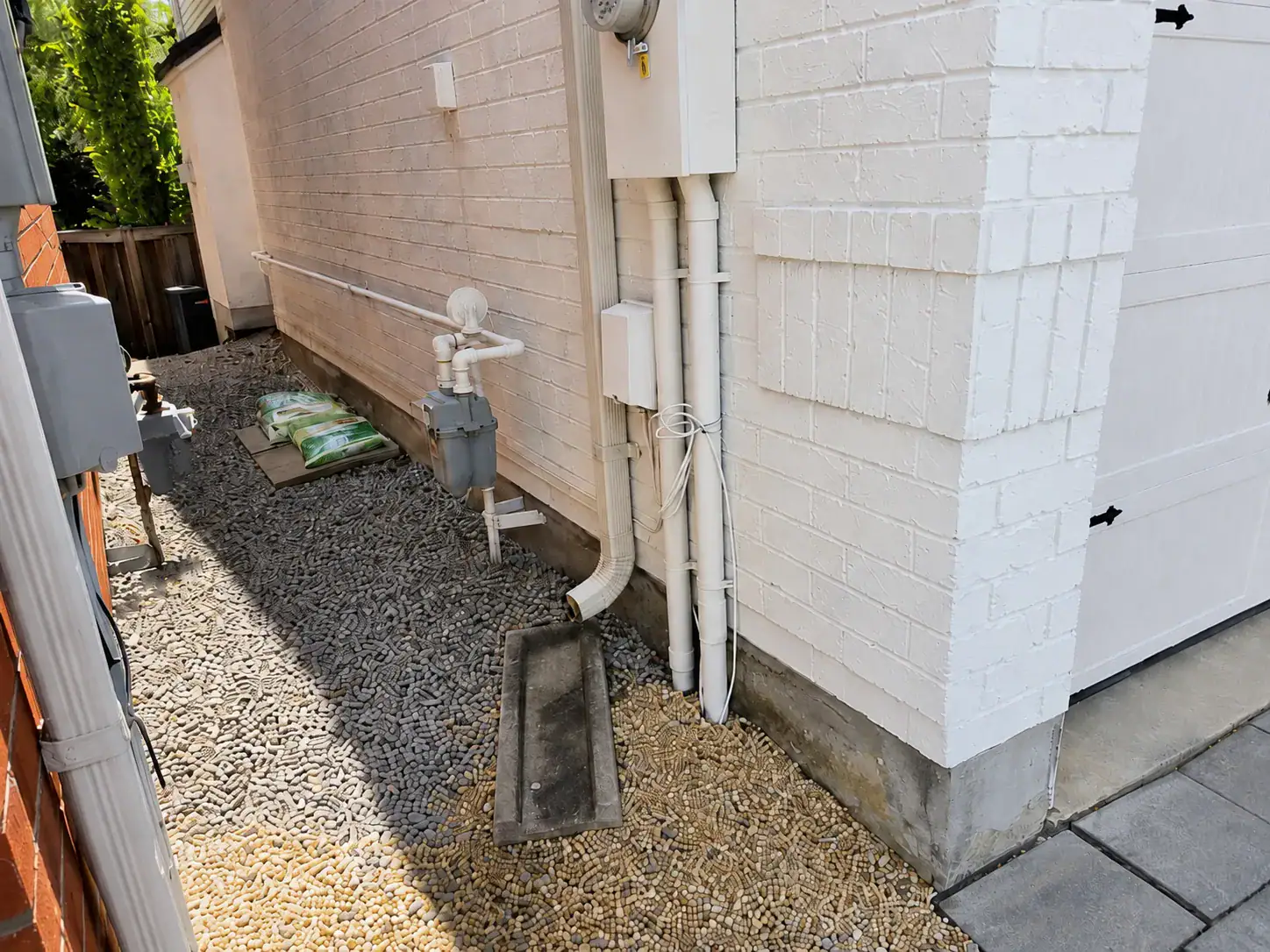
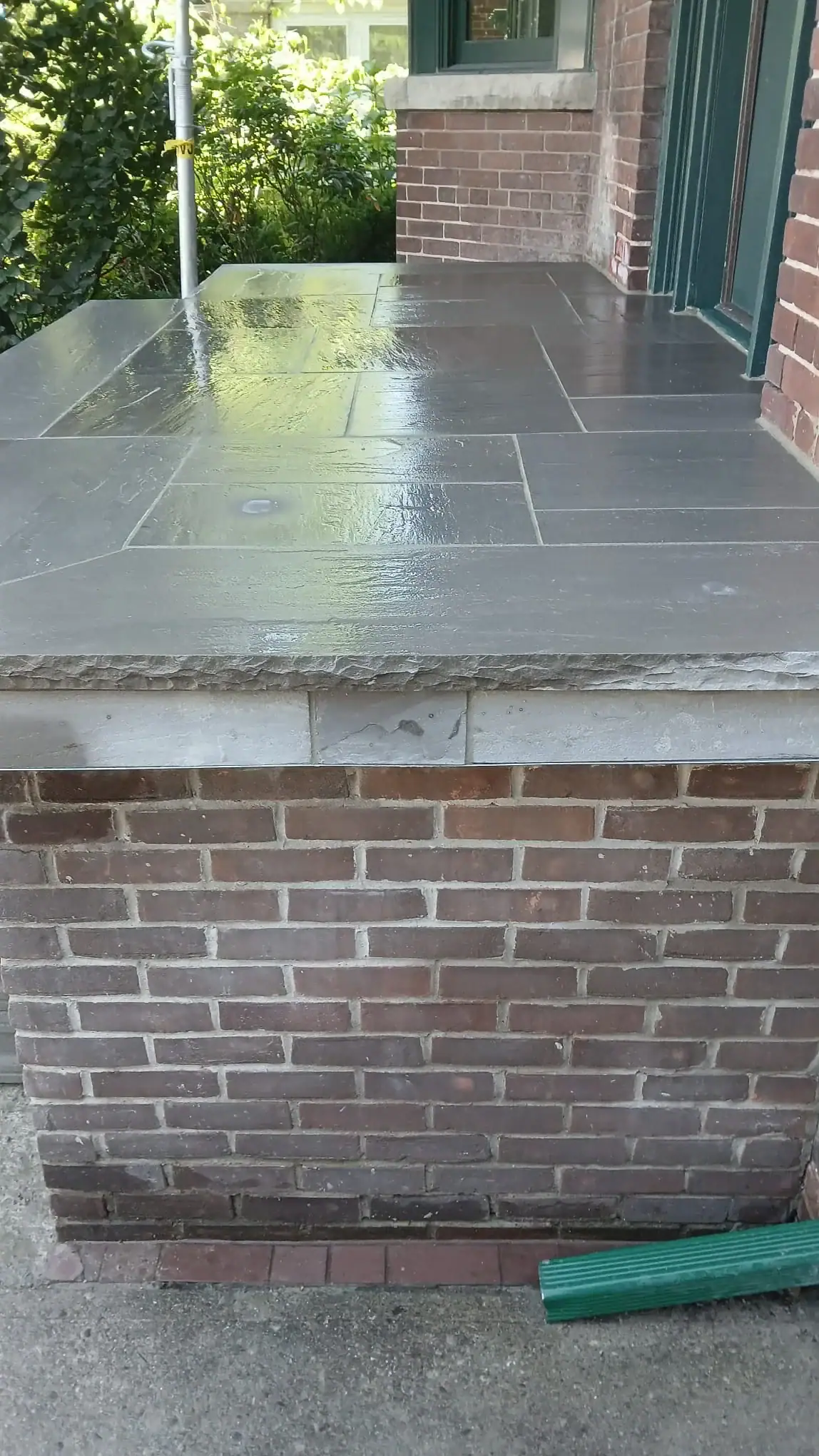
Fixtures should be mounted to protect the wall. Avoid careless holes in brick faces or mortar joints that allow water to enter. If a fixture needs to be attached to masonry, the installation should use suitable anchors and sealing details for exterior use.
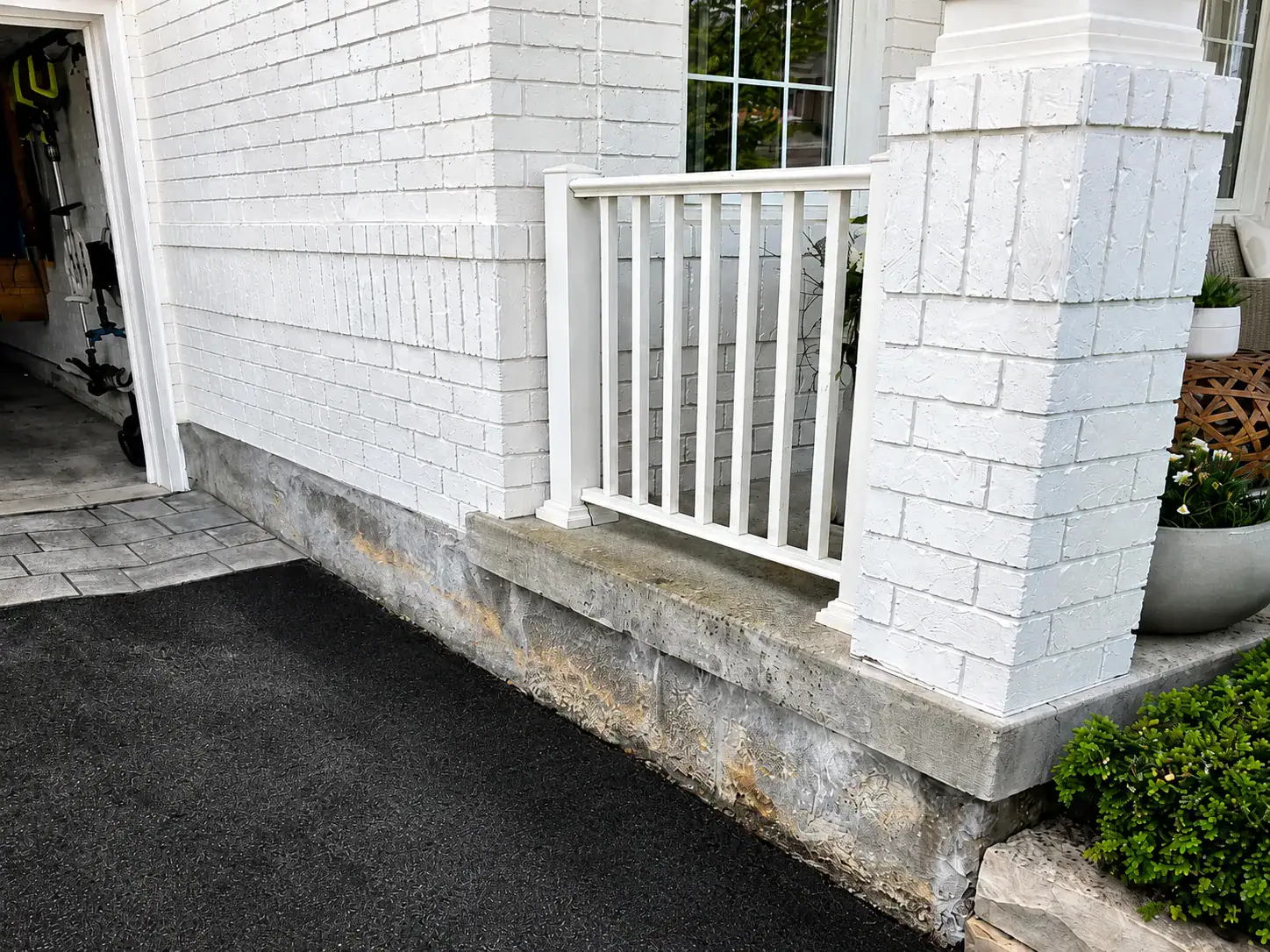
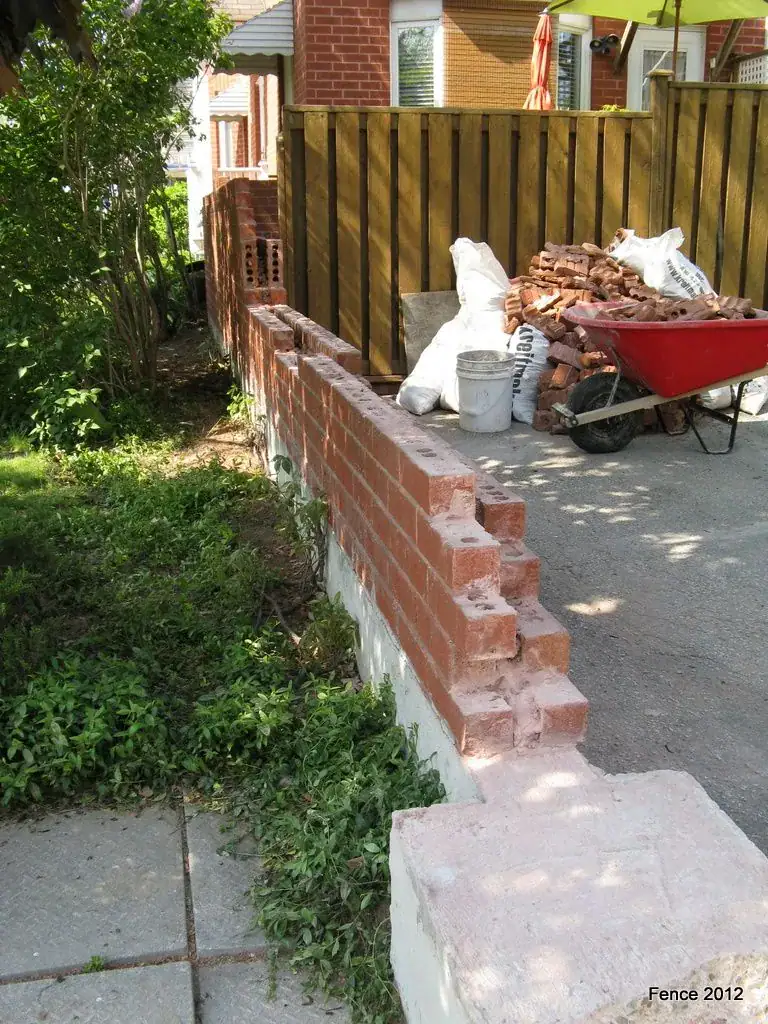
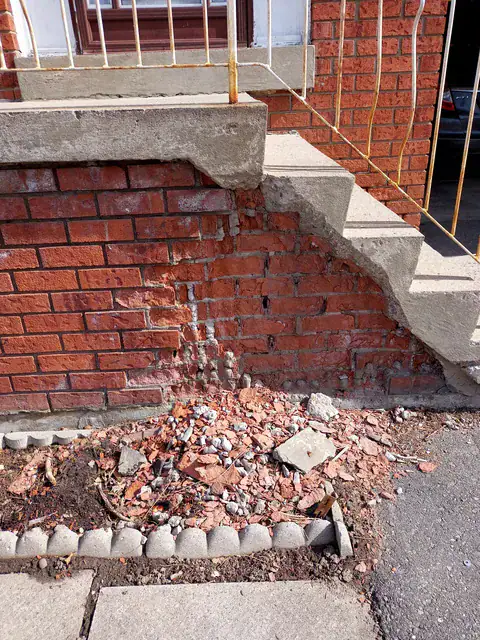
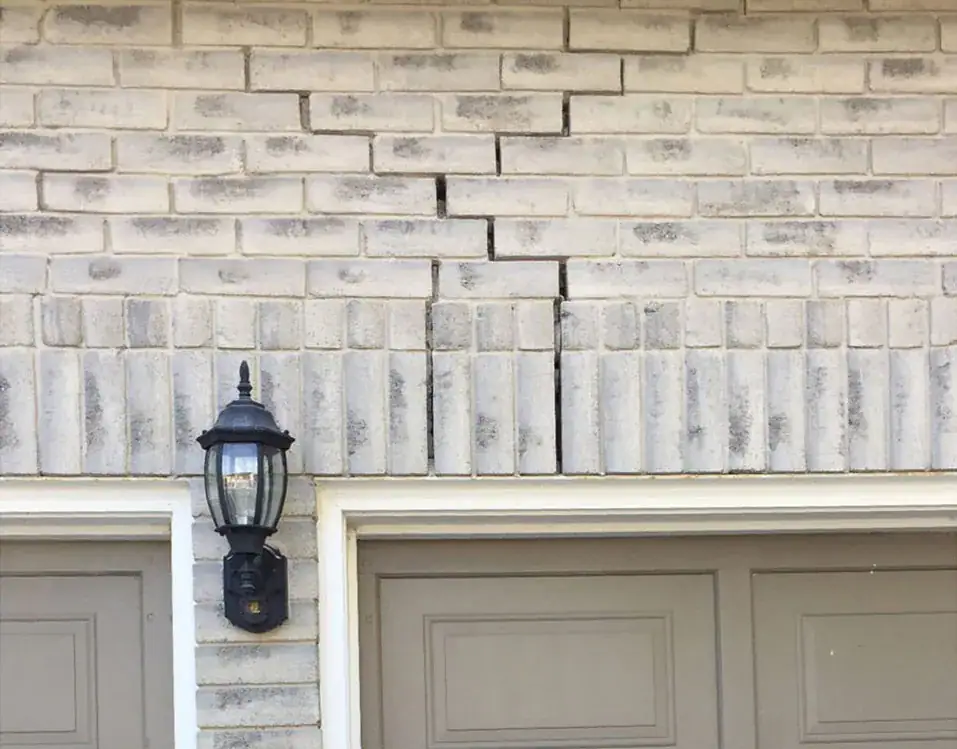
Homeowners should also consider how lighting affects visible imperfections. Light placed close to a wall can reveal every crack, stain, and uneven joint. That may be beautiful on well-maintained brick, but it can draw attention to damaged areas. If the wall has missing mortar or spalling brick, repair should come before accent lighting.
For damaged brickwork, A&A Masonry’s brick repair Toronto page explains common issues, including cracked bricks, damaged mortar, and weather-related wear.
Safety, Glare, and Neighbour-Friendly Lighting
Outdoor lighting should improve safety without creating glare or bothering neighbours. Bright light is not always better. A poorly aimed light can shine into windows, create harsh shadows, or make it harder to see changes in grade.
The City of Toronto notes that residents can contact 311 about light shining directly into a dwelling. This is a useful reminder that outdoor lighting should be aimed carefully and kept reasonable. Lighting should help your property without spilling too much onto nearby homes, sidewalks, or shared spaces.
Good design usually uses lower light levels in better locations. Downlighting, shielded fixtures, timers, motion sensors, and warm lighting can help reduce glare. Motion lighting can be useful near side entrances, garages, or service areas, while softer, constant lighting may be better for steps and walkways used regularly at night.
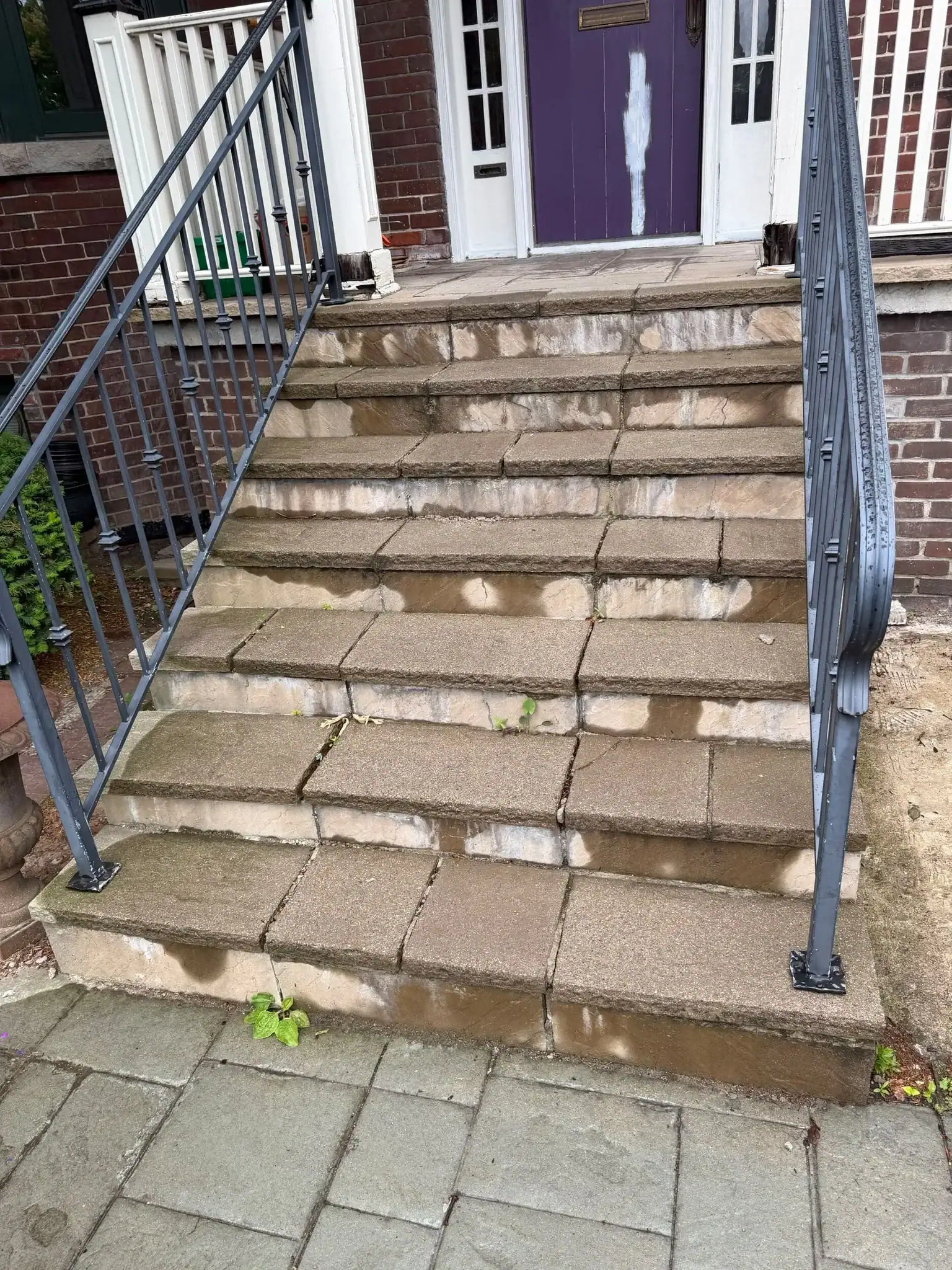
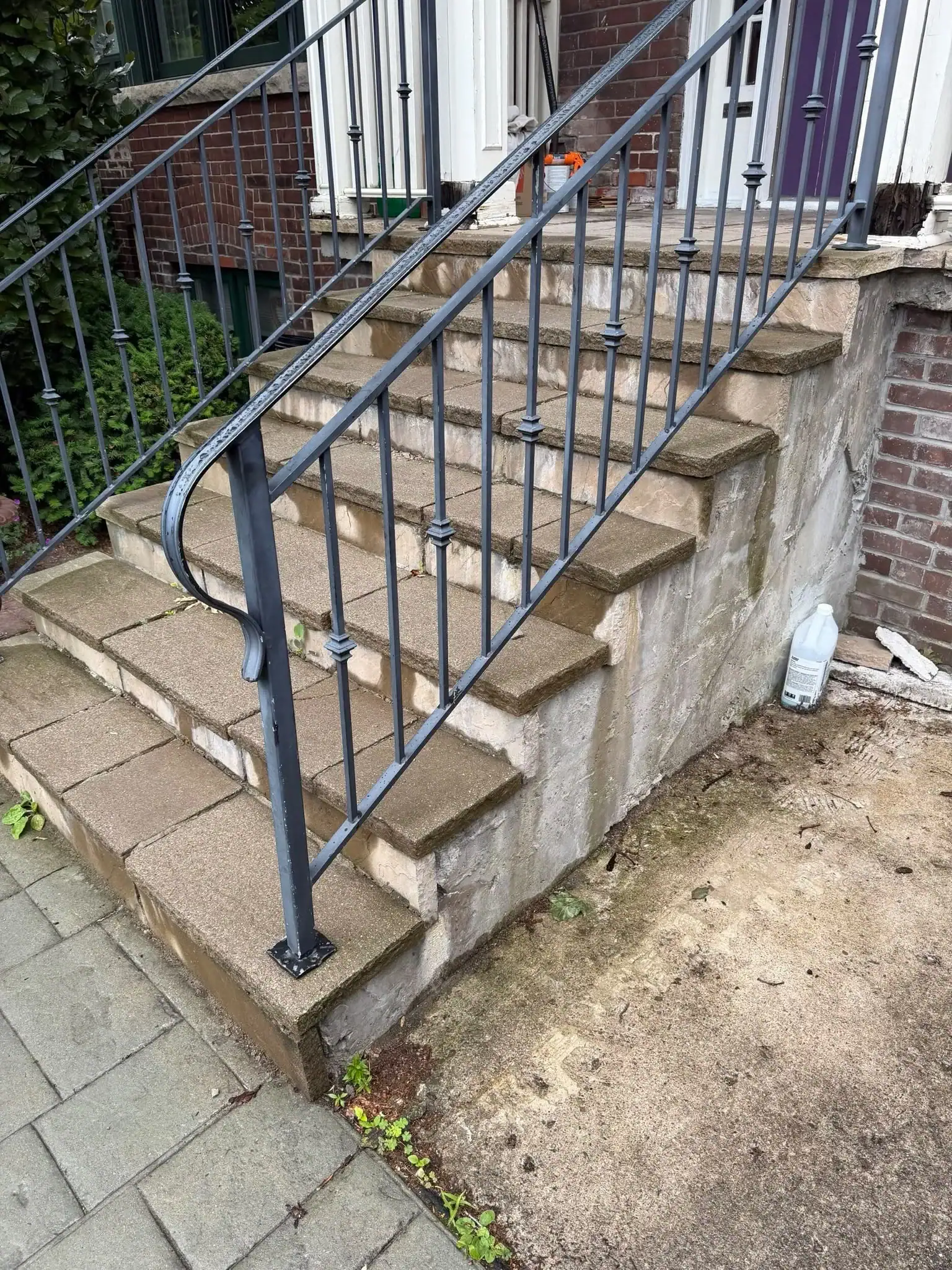
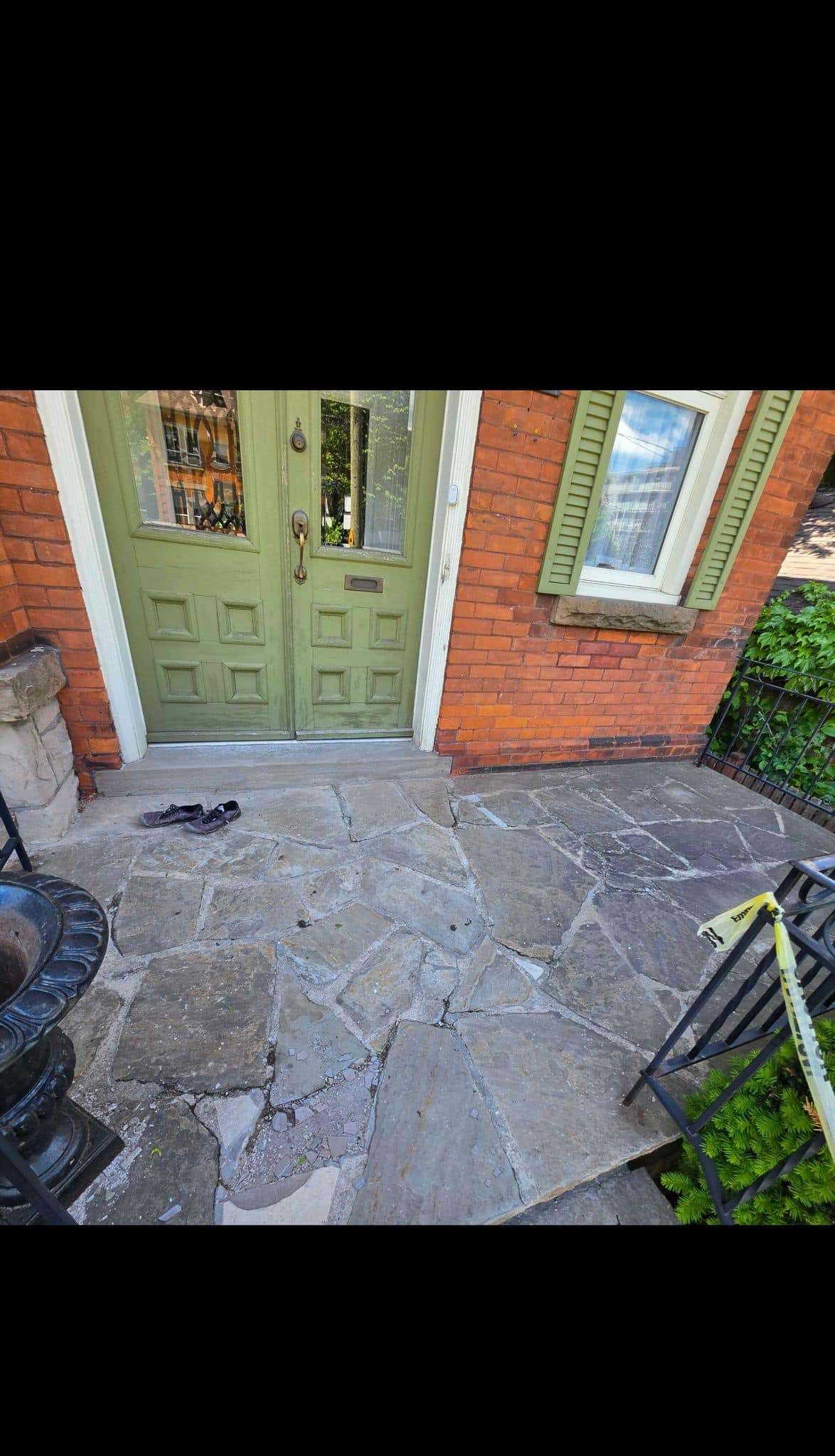
Outdoor lighting should also be paired with physical safety. A light cannot fix loose steps, sunken pavers, cracked concrete, or leaning walls. If a masonry surface is unsafe, repair it first, then use lighting to improve visibility.
Moisture and Electrical Planning Around Masonry
Moisture and electrical planning are critical because outdoor lighting is exposed to rain, snow, ice, and freeze-thaw conditions. Fixtures, wiring, boxes, and connections must be suitable for exterior use and installed safely. Masonry surfaces also need protection from water entry around penetrations.
Drilling into brick, stone, or concrete can create weak points if not handled properly. Water can enter around fixtures, anchors, and conduit if the installation is careless. In winter, trapped water can freeze, widening small openings. Over time, that can damage both the fixture and the masonry.
For larger outdoor projects, homeowners should also consider permits and building codes. The City of Toronto provides information about building permits, while Ontario’s official Building Code page is the preferred provincial reference for building requirements. Electrical work should be handled in accordance with applicable safety rules by qualified professionals, where required.
Solar, Low-Voltage, and Hardwired Lighting
Solar, low-voltage, and hardwired lighting each has different strengths. The right choice depends on the location, brightness requirements, reliability, budget, and the permanence of the installation.
Solar lights can be useful for garden edges, casual paths, and lower-risk areas where wiring is difficult. They are easy to place, but performance depends on sun exposure. Shaded Toronto side yards or north-facing areas may not receive good sunlight.
Low-voltage lighting is often used for landscape and hardscape lighting because it can provide more reliable performance than basic solar lights while staying flexible for paths, walls, patios, and steps. It still needs proper installation and weather-safe components.
Hardwired lighting can be suitable for entrances, walls, patios, outdoor kitchens, and larger permanent designs. It is usually more involved and should be carefully planned in conjunction with the masonry layout and electrical requirements.
The simple rule is this: use solar for light-duty guidance, low-voltage for planned landscape and masonry lighting, and hardwired systems for permanent, important, or part of a larger outdoor build.
Common Masonry Lighting Mistakes
Common masonry lighting mistakes usually stem from poor placement, excessive brightness, inadequate weather planning, or adding lights after the masonry is finished. These mistakes can affect both appearance and durability.
- Using a single bright floodlight: This can create glare and harsh shadows instead of safe visibility.
- Ignoring step edges: Steps need clear light on treads and landings, not only decorative light nearby.
- Drilling carelessly into masonry: Poor mounting can let water enter brick, stone, or mortar joints.
- Placing lights in snow-clearing zones: Fixtures can be damaged by shovels, plows, and snow blowers.
- Overlighting stone features: Too much light can flatten texture and make natural stone look artificial.
- Forgetting drainage: Fixtures should not block water flow or sit where water pools.
- Lighting damaged surfaces: Accent lights can highlight cracks, stains, and deteriorated mortar.
- Ignoring neighbours: Outdoor lights should not shine directly into nearby windows.
Most of these mistakes can be avoided by planning lighting before the masonry project is completed and testing the effect at night before final placement.
What Homeowners Can Check Before Adding Lighting
Homeowners can do a simple review before adding lighting to masonry areas. This helps identify whether the project is mainly decorative, safety-focused, or part of a larger outdoor improvement.
- Walk the space at night: Notice where people hesitate, trip, or lose sight of step edges.
- Check masonry condition: Repair cracked bricks, loose stones, open mortar joints, or uneven pavers before lighting them.
- Watch water flow: Avoid placing fixtures where rainwater pools or drains heavily.
- Think about winter: Consider snow piles, shovelling, salt, ice, and short daylight hours.
- Look from inside: Make sure exterior lights do not shine into bedrooms or living spaces.
- Look at nearby properties: Aim lights so they improve your space without bothering neighbours.
- Decide the purpose: Separate safety lighting, accent lighting, task lighting, and security lighting.
If your masonry walkways or steps already show wear, A&A Masonry’s blog on caring for masonry walkways and steps can help you understand what to inspect before adding lighting.
When Professional Help Makes More Sense
Professional help makes more sense when lighting is being added during a larger masonry project, when fixtures need to be built into steps or walls, when wiring must be hidden, or when the work involves drilling into brick, stone, or concrete. A mason can help protect the masonry details, while a qualified electrical professional can handle safe wiring where needed.
This is especially important for retaining walls, outdoor kitchens, patios, front entrances, and hardwired systems. Once masonry is finished, changes can be harder and more expensive. Early planning can prevent exposed wires, awkward fixture placement, and unnecessary drilling.
For broader exterior masonry planning, A&A Masonry’s page on masonry services in Toronto outlines related work, including interlocking stone, stone masonry, retaining walls, concrete repairs, brick repairs, and exterior restoration.
Quick Masonry Lighting Decision Guide
A simple decision guide can help homeowners choose lighting that fits the outdoor space.
- Use step lights where people need to see treads, landings, and changes in level.
- Use path lights along walkways, driveways, and garden routes where guidance matters.
- Use wall lights on retaining walls, seat walls, and masonry borders for soft downward light.
- Use accent lights for stone walls, brick textures, fireplaces, and garden features.
- Use motion lights near side entrances, garages, and service areas where security and convenience matter.
- Use timers or smart controls when you want lighting to support safety without staying on unnecessarily.
- Repair masonry first if lighting would highlight cracks, uneven steps, loose stone, or damaged mortar.
The best lighting plan is not the brightest one. It is the one that makes the space safer, more useful, and more comfortable without damaging the masonry or overwhelming the property.
Final Thoughts on Masonry Lighting Ideas for Outdoor Spaces
Masonry lighting ideas for outdoor spaces work best when safety, design, weather, and durability are planned together. Steps need clear visibility. Walkways need gentle guidance. Retaining walls can provide useful downward light. Stone and brick features can be highlighted softly. Patios need layered lighting that supports how the space is used.
For Toronto and GTA homes, lighting should also account for rain, snow, ice, salt, and freeze-thaw movement. Fixtures should be placed where they will not collect water, block drainage, interfere with snow clearing, or damage masonry surfaces. If wiring, built-in lights, or wall-mounted fixtures are part of the plan, it is better to consider them before the masonry is finished.
A good outdoor lighting plan should help people move safely, enjoy the space longer, and appreciate the texture of the masonry without creating glare or maintenance problems. When lighting supports the structure instead of fighting it, outdoor spaces feel better, look better, and work better after dark.