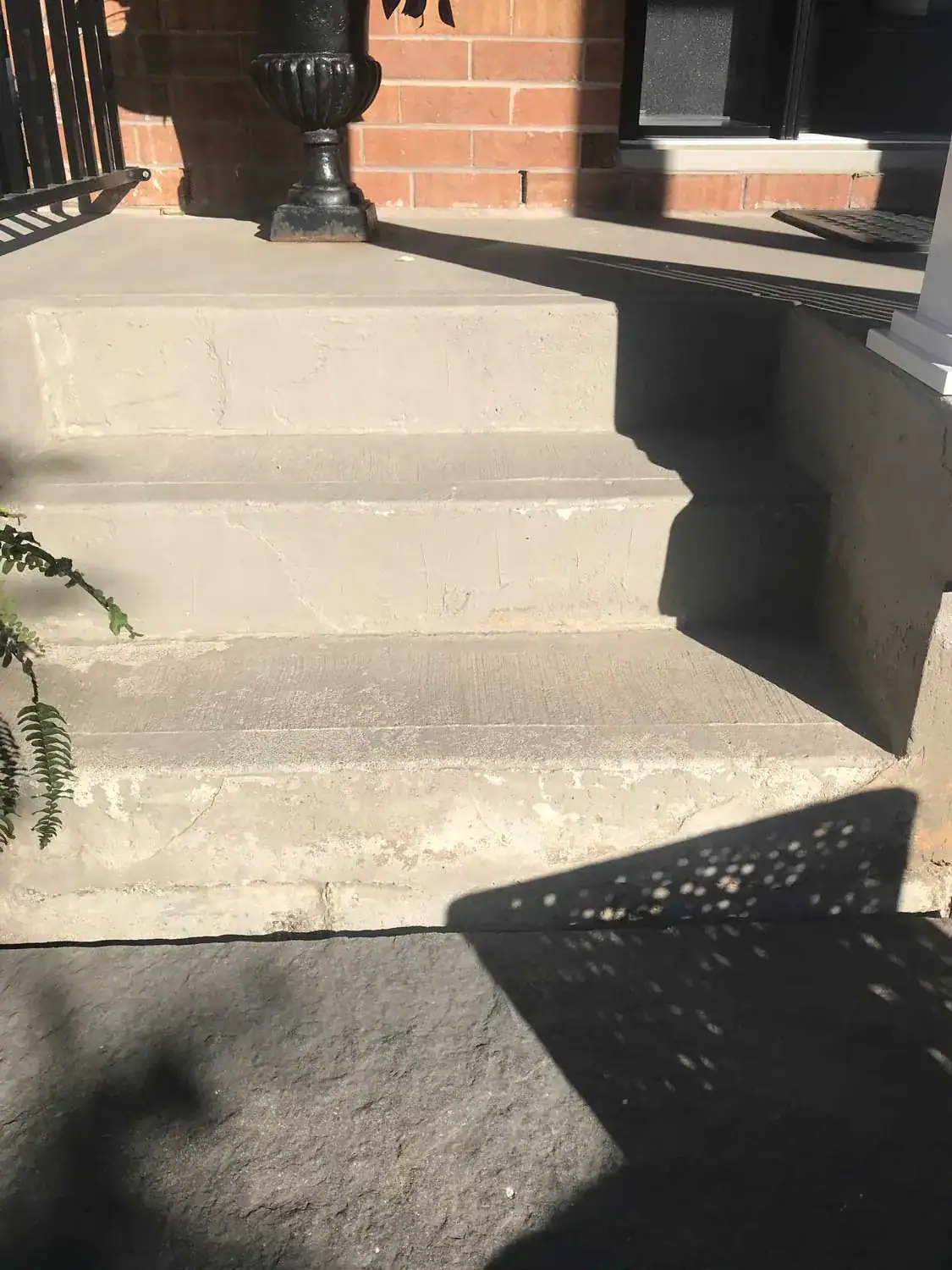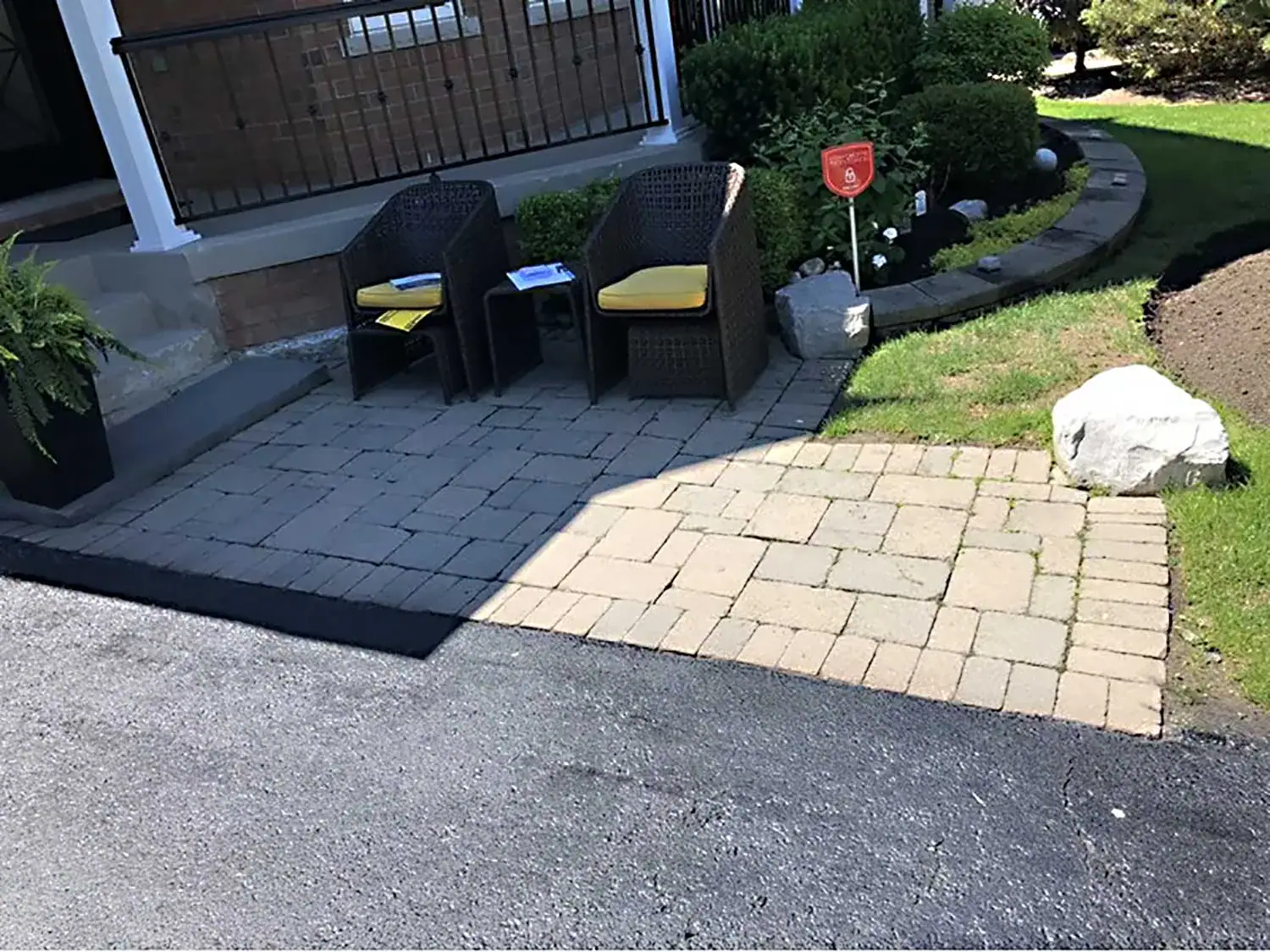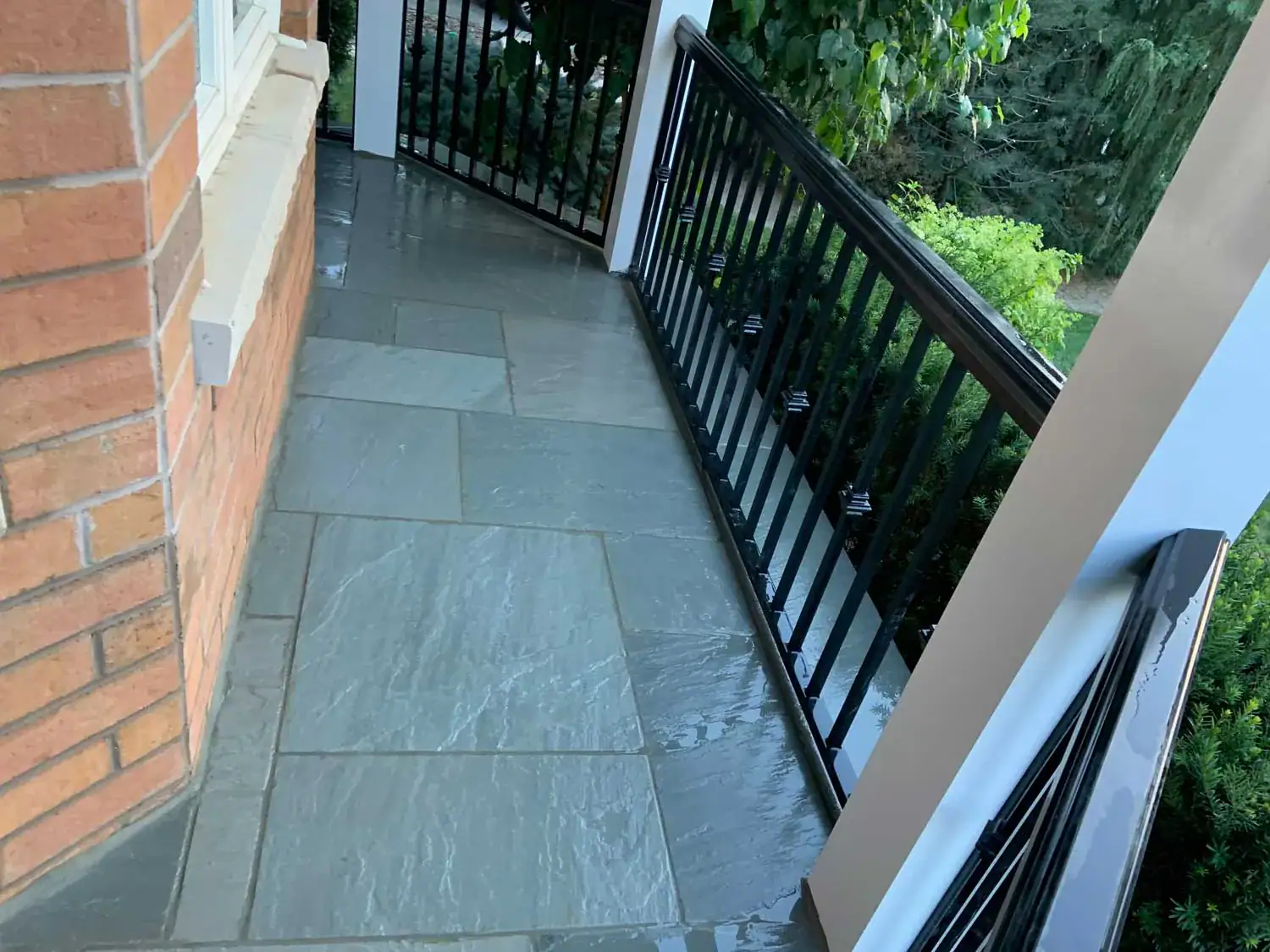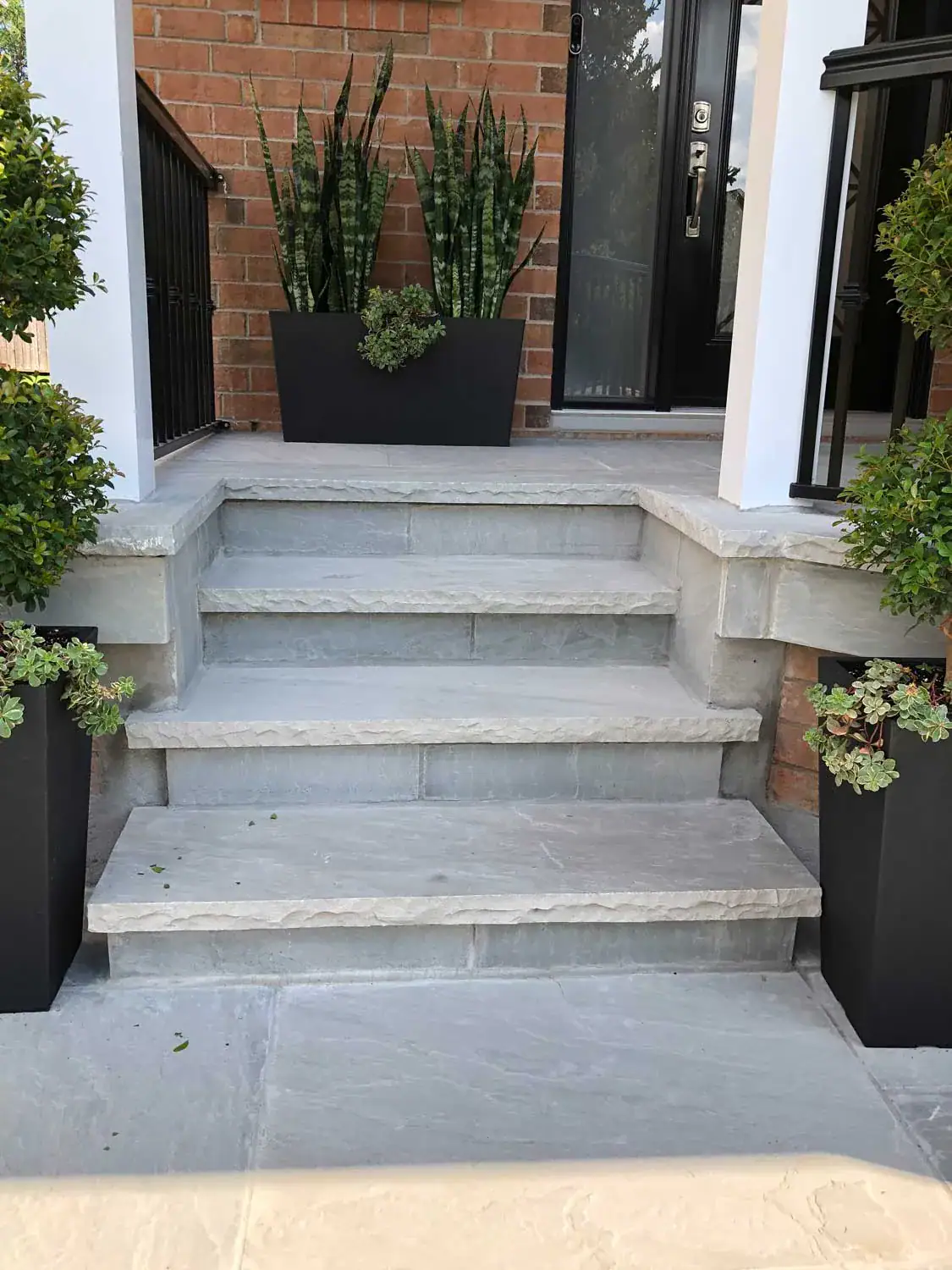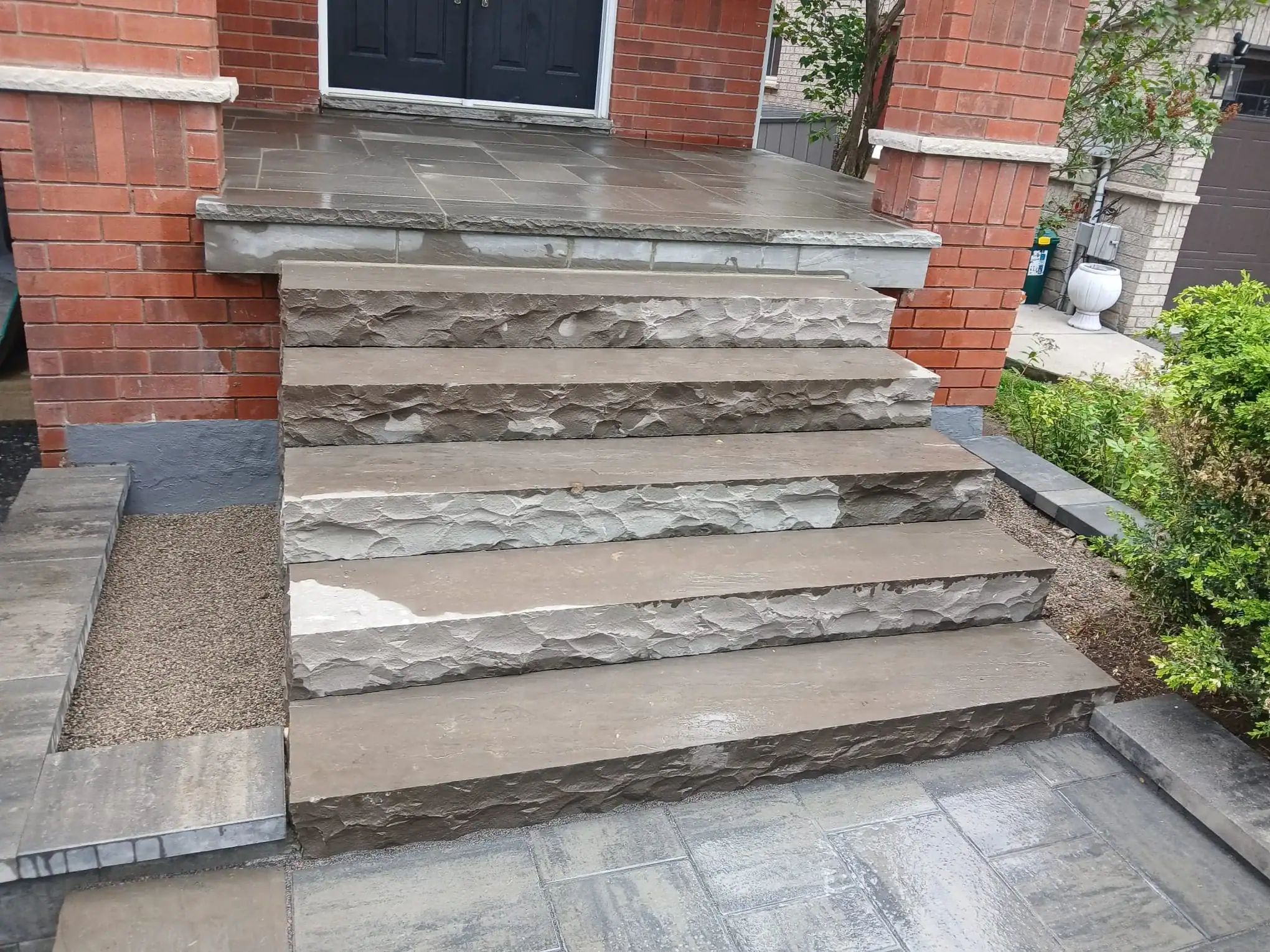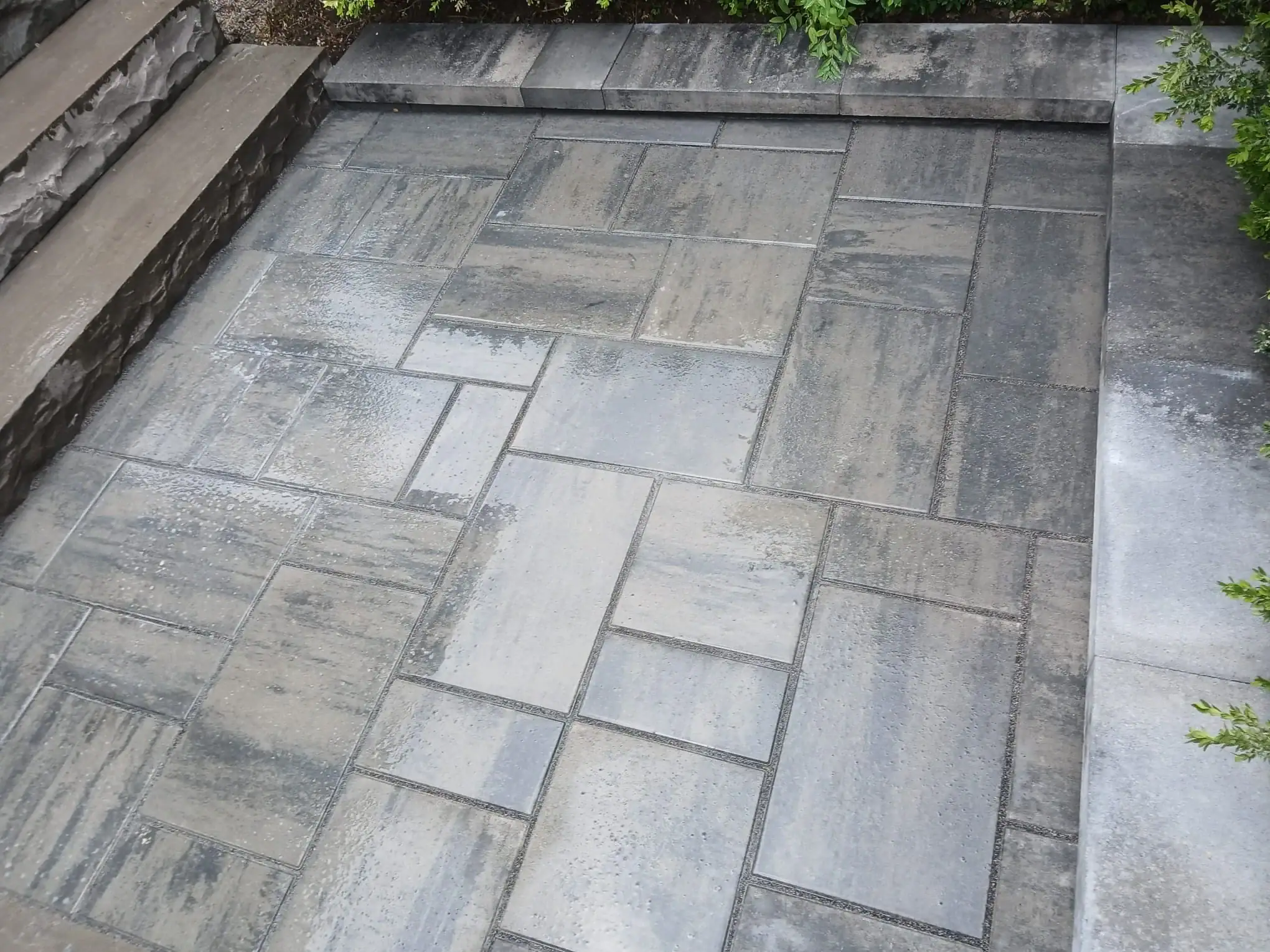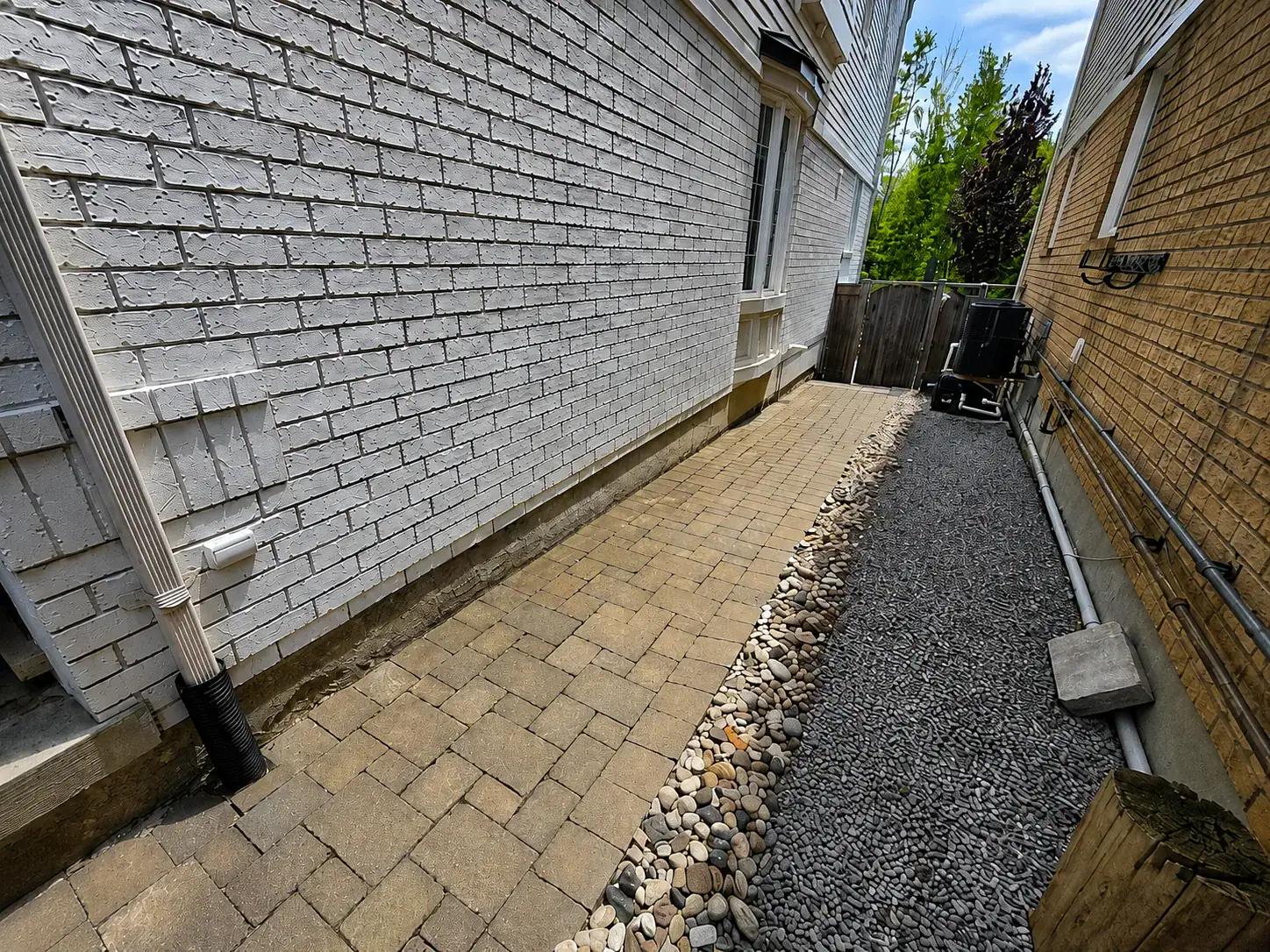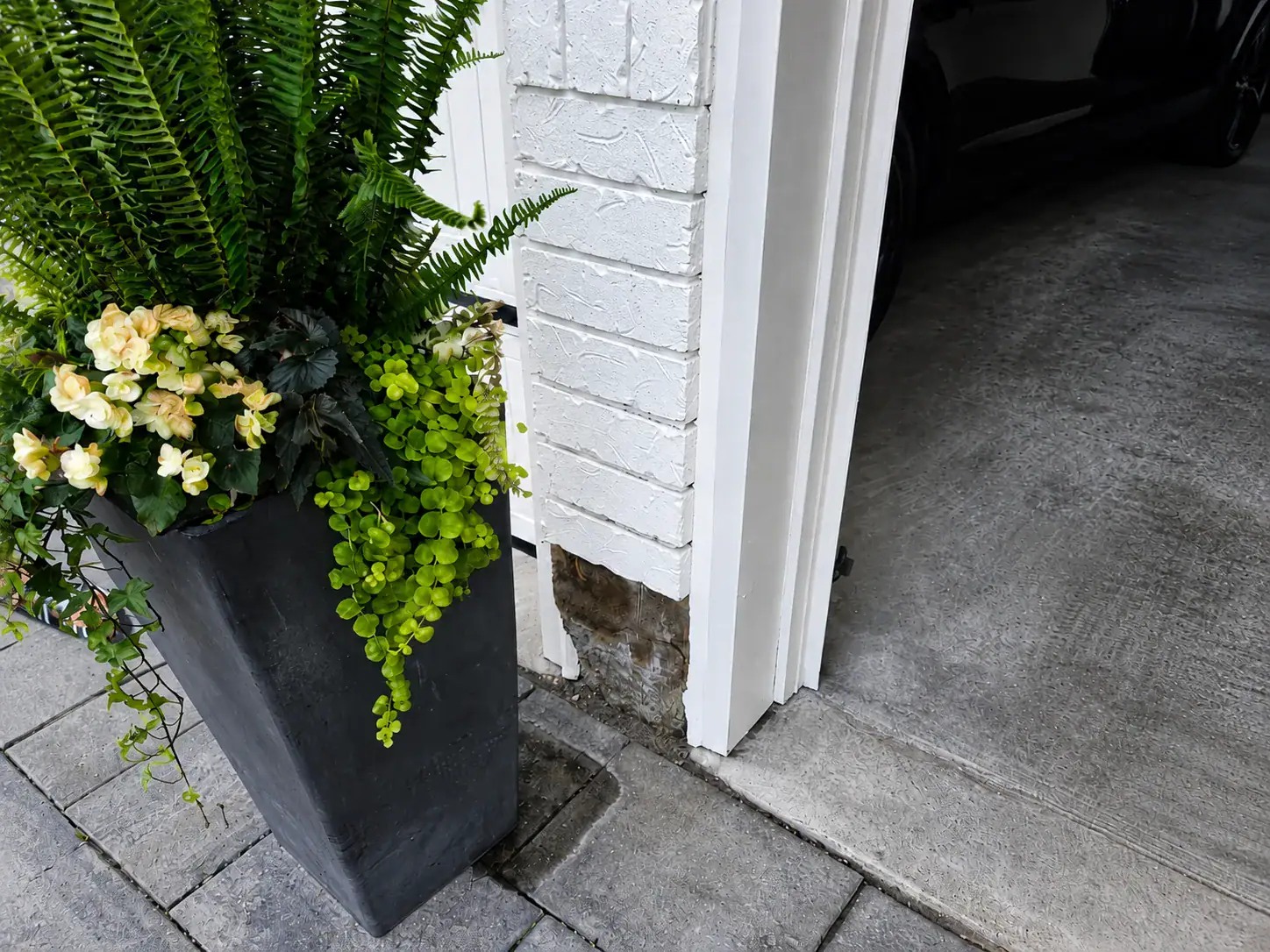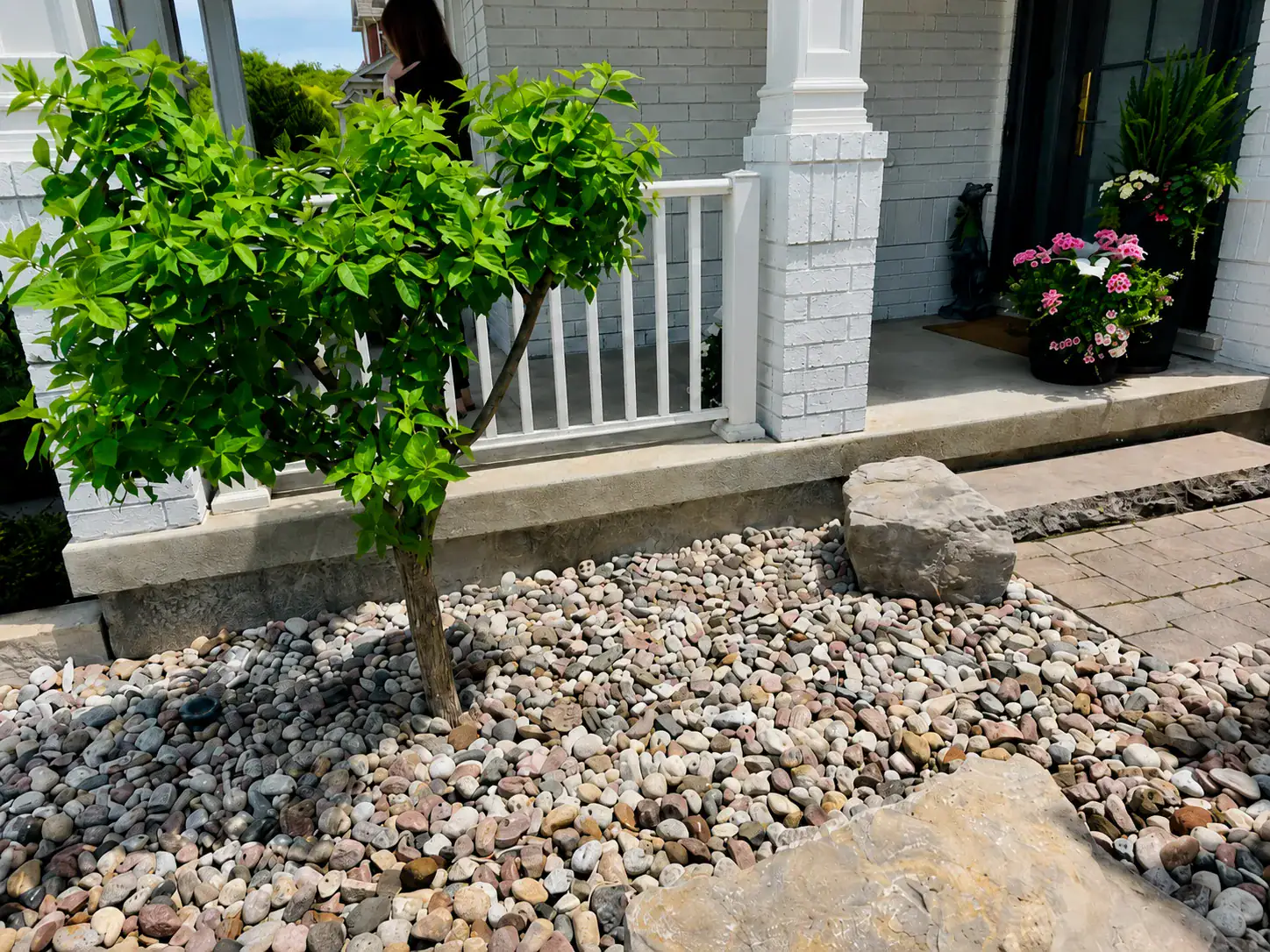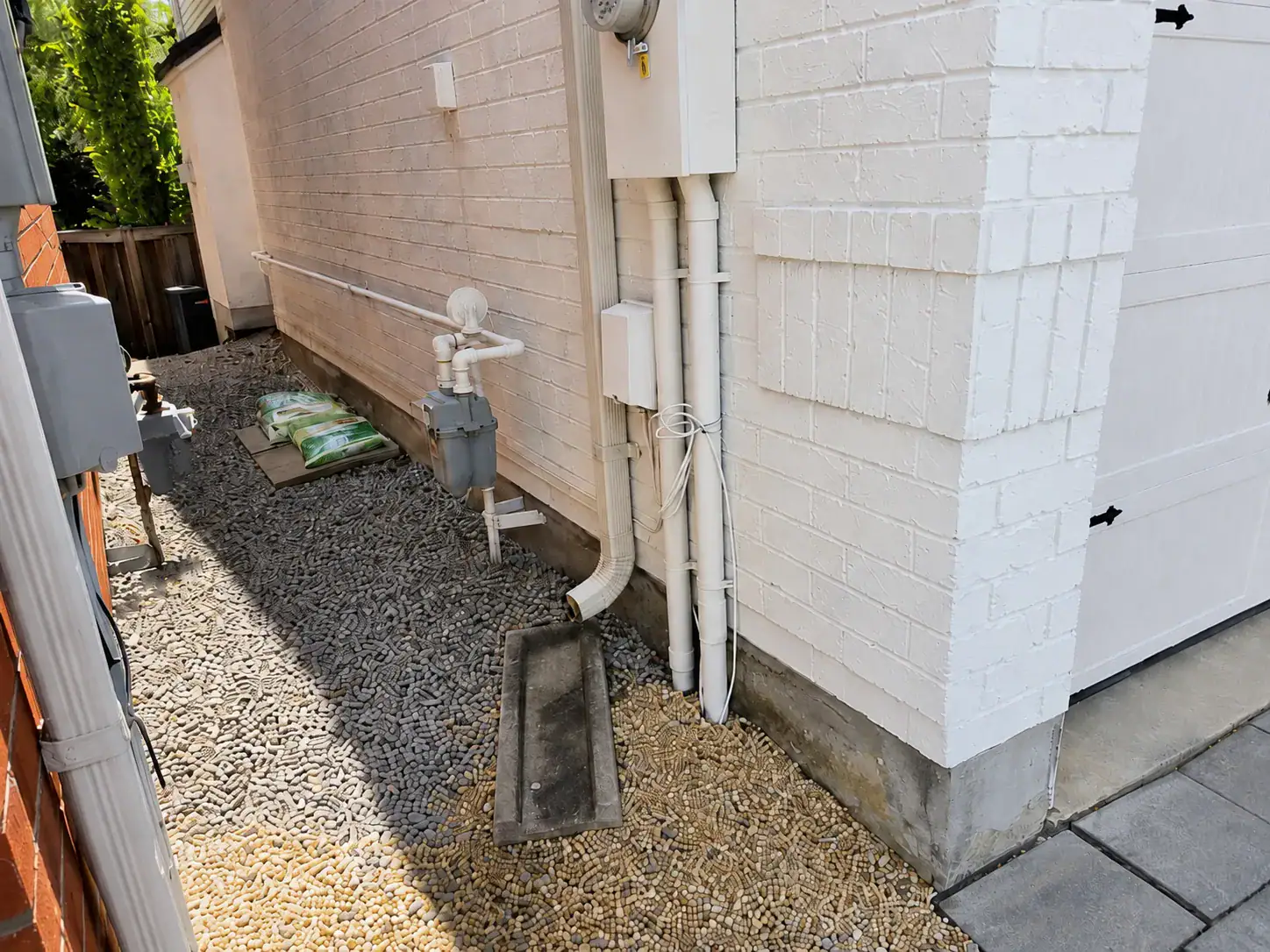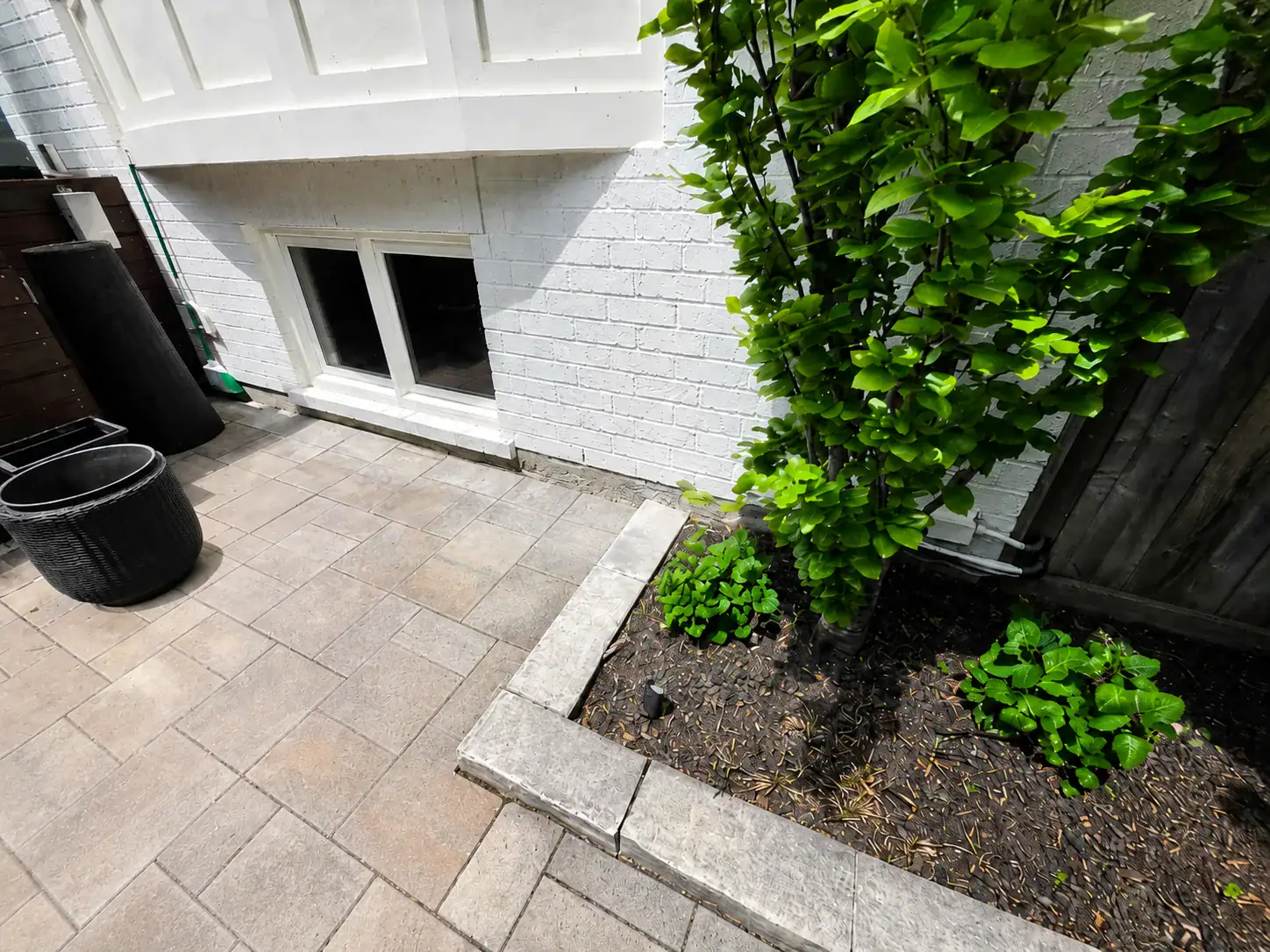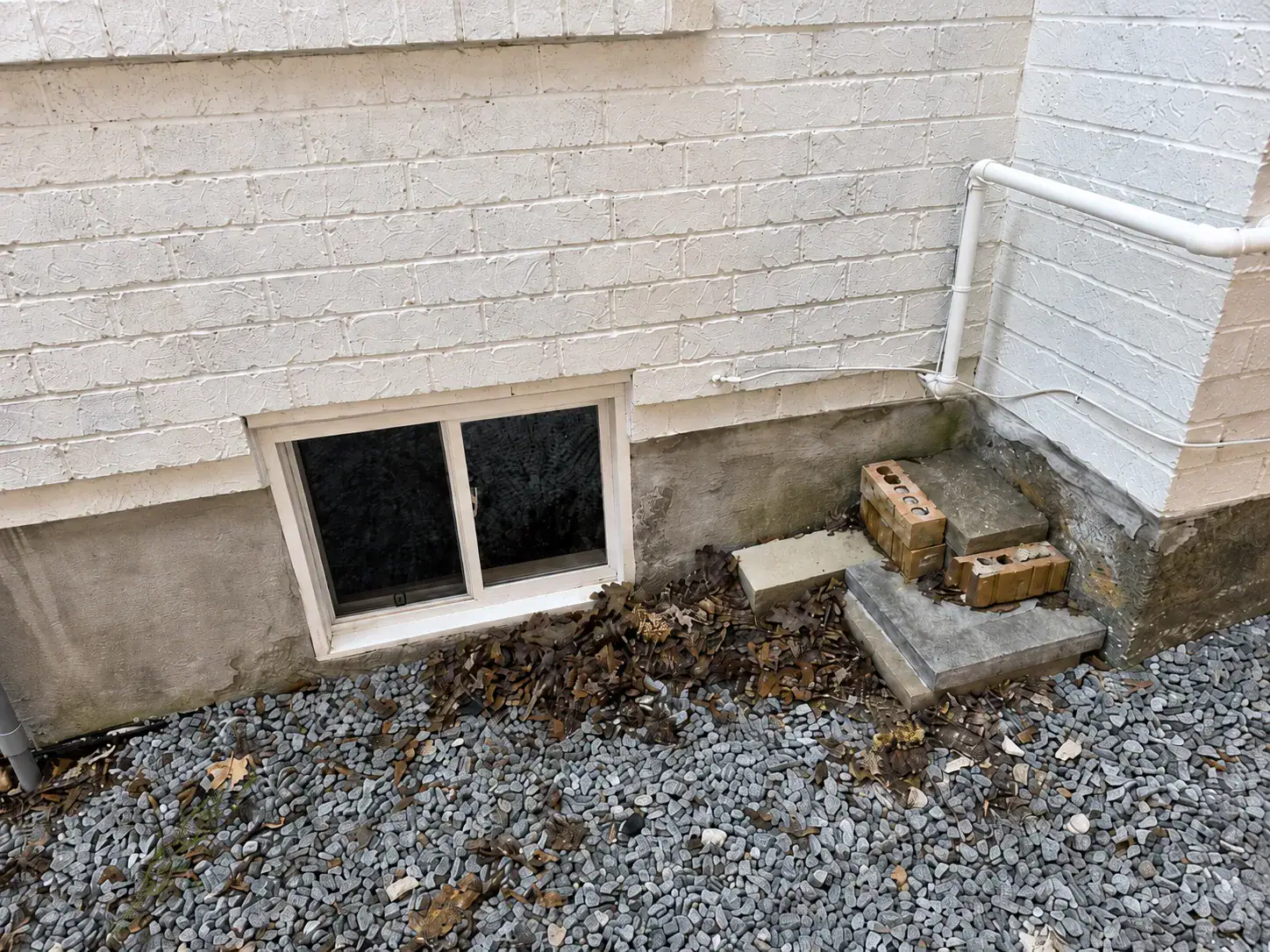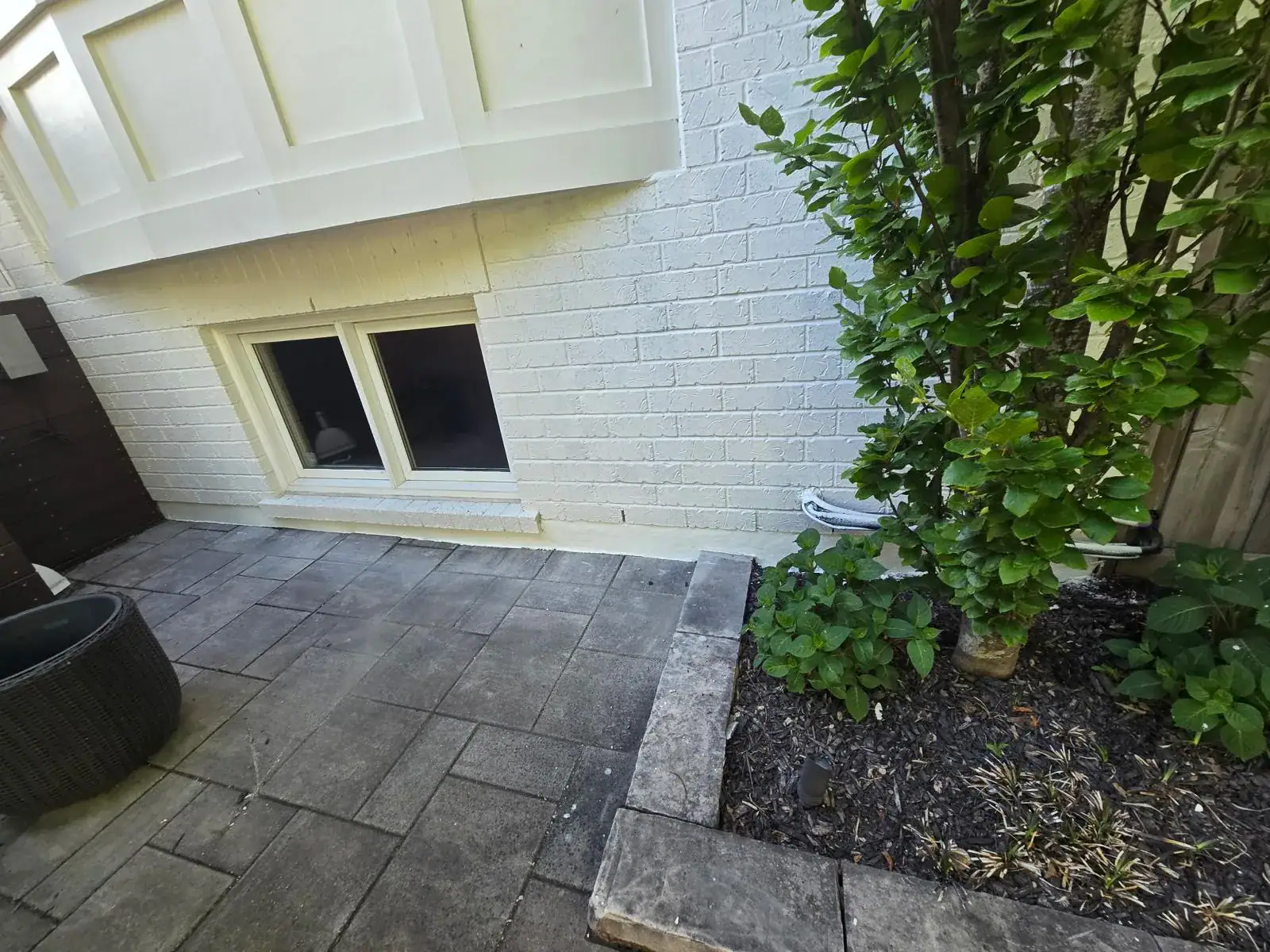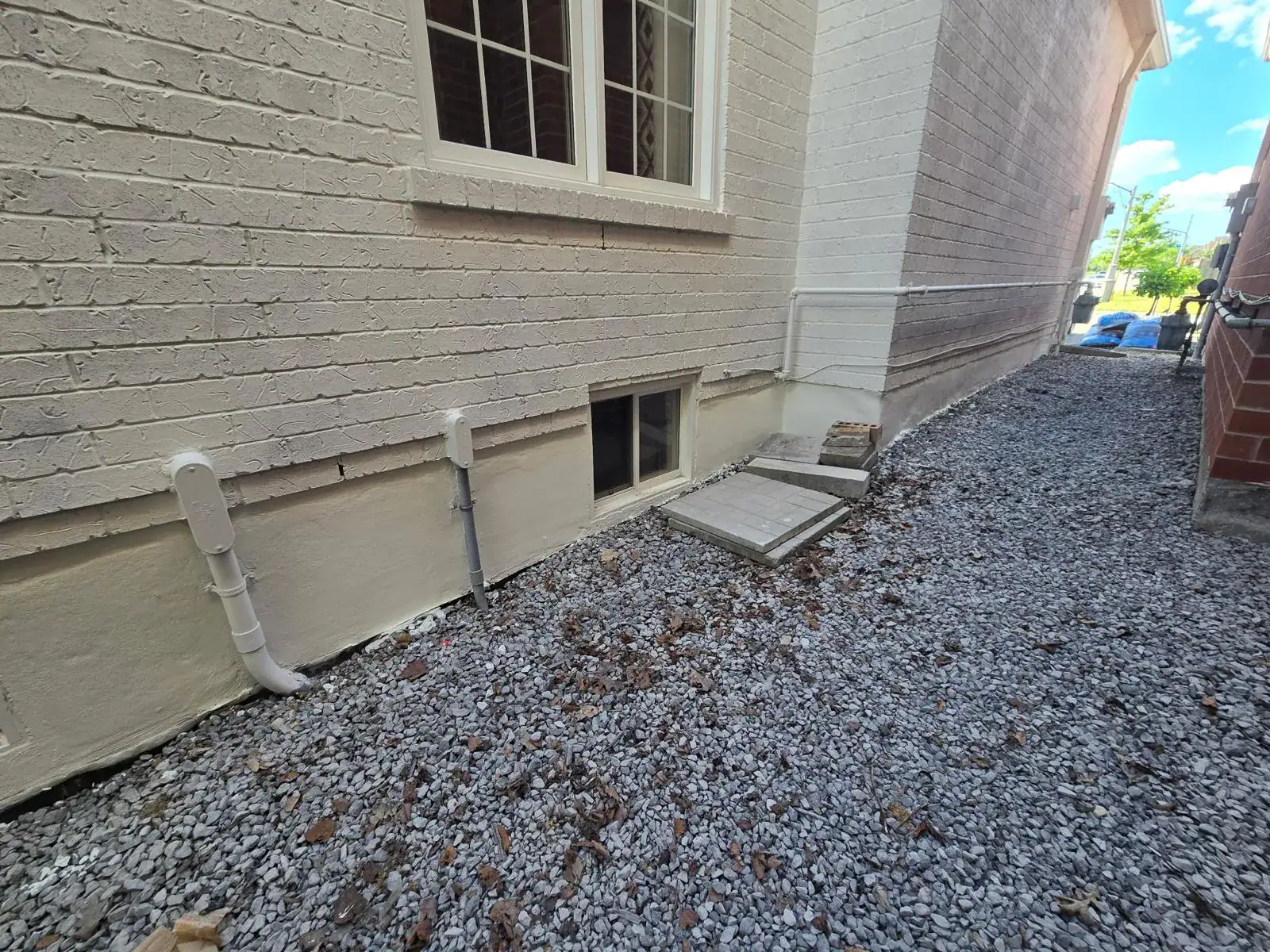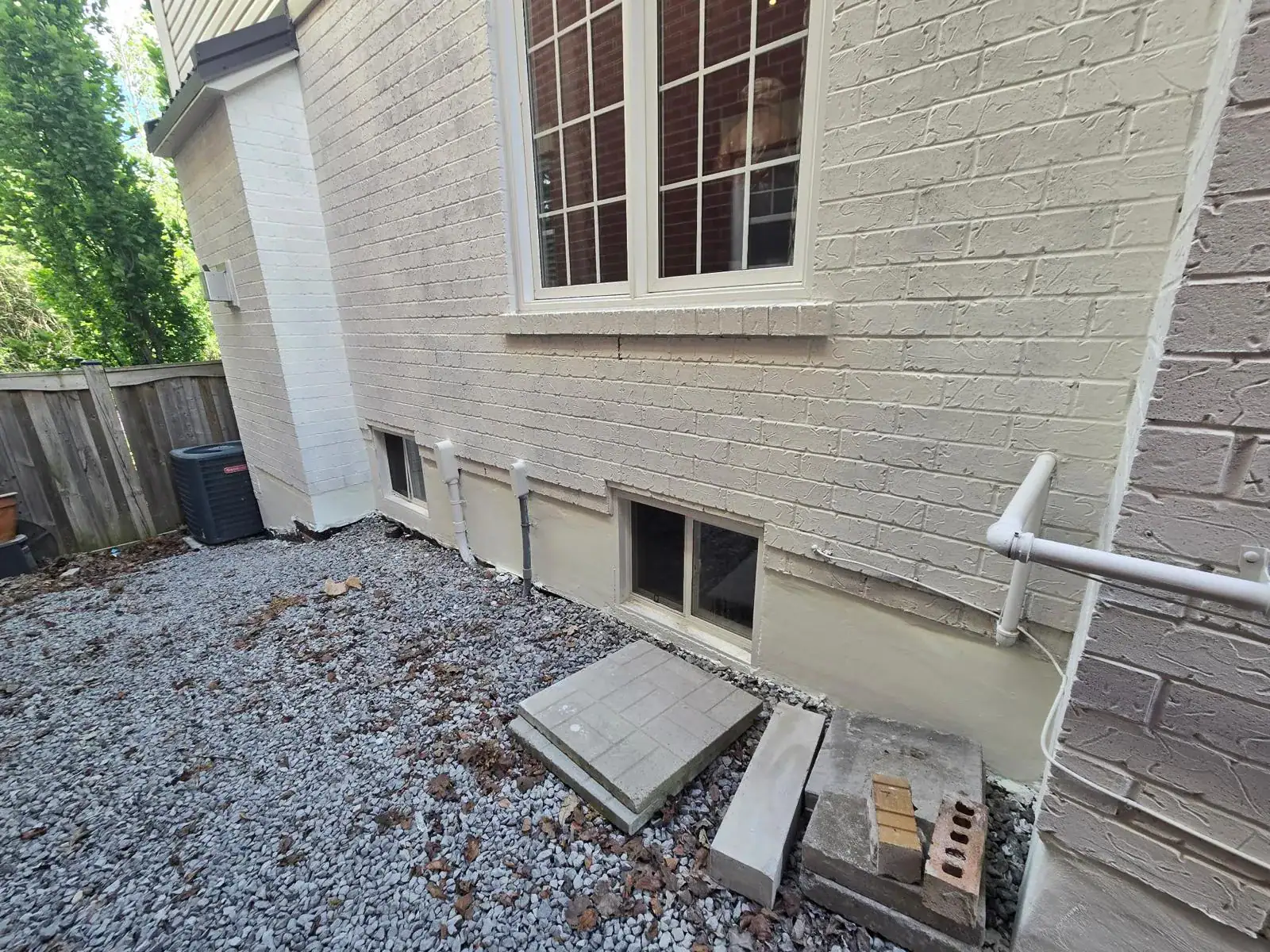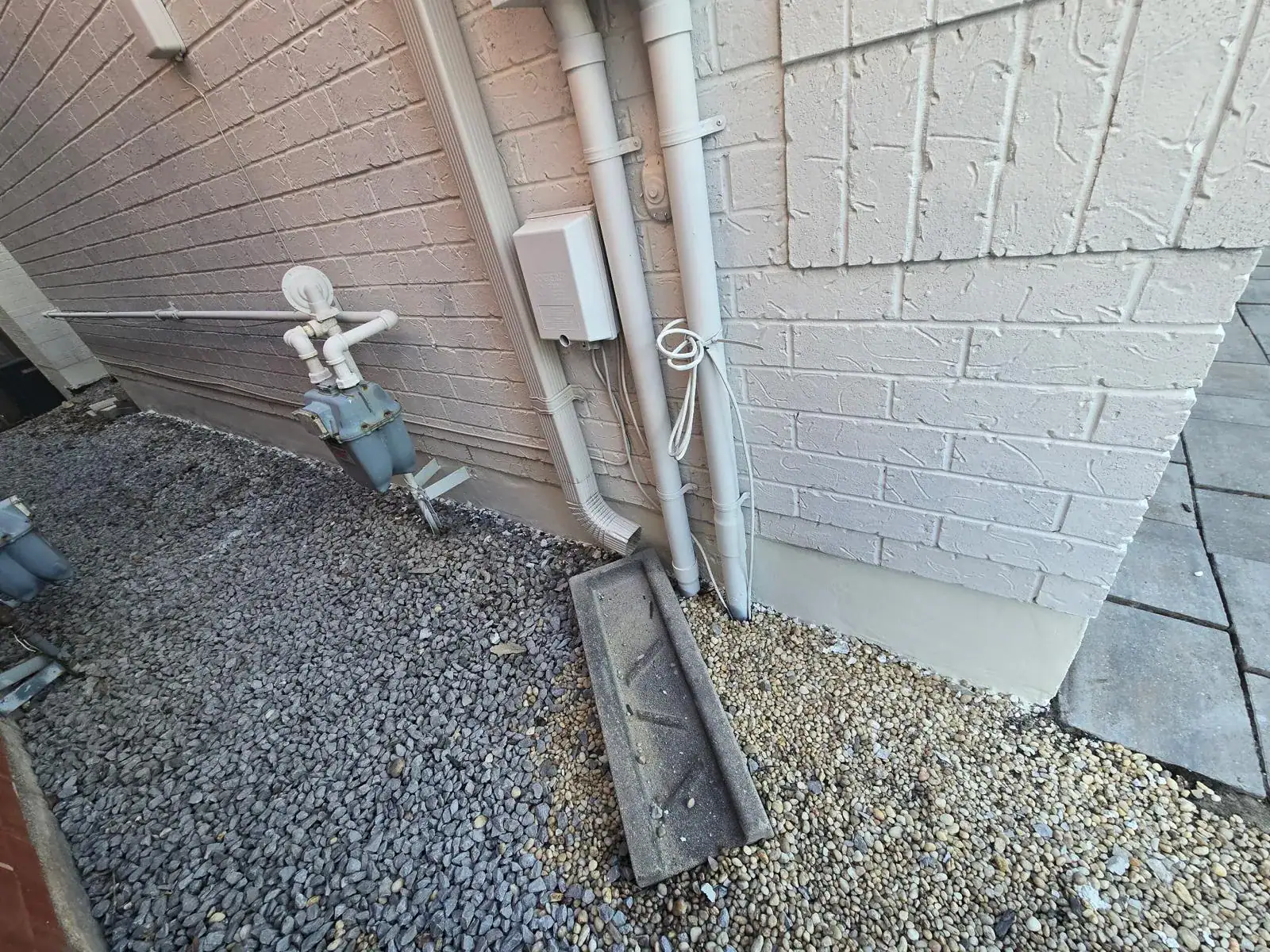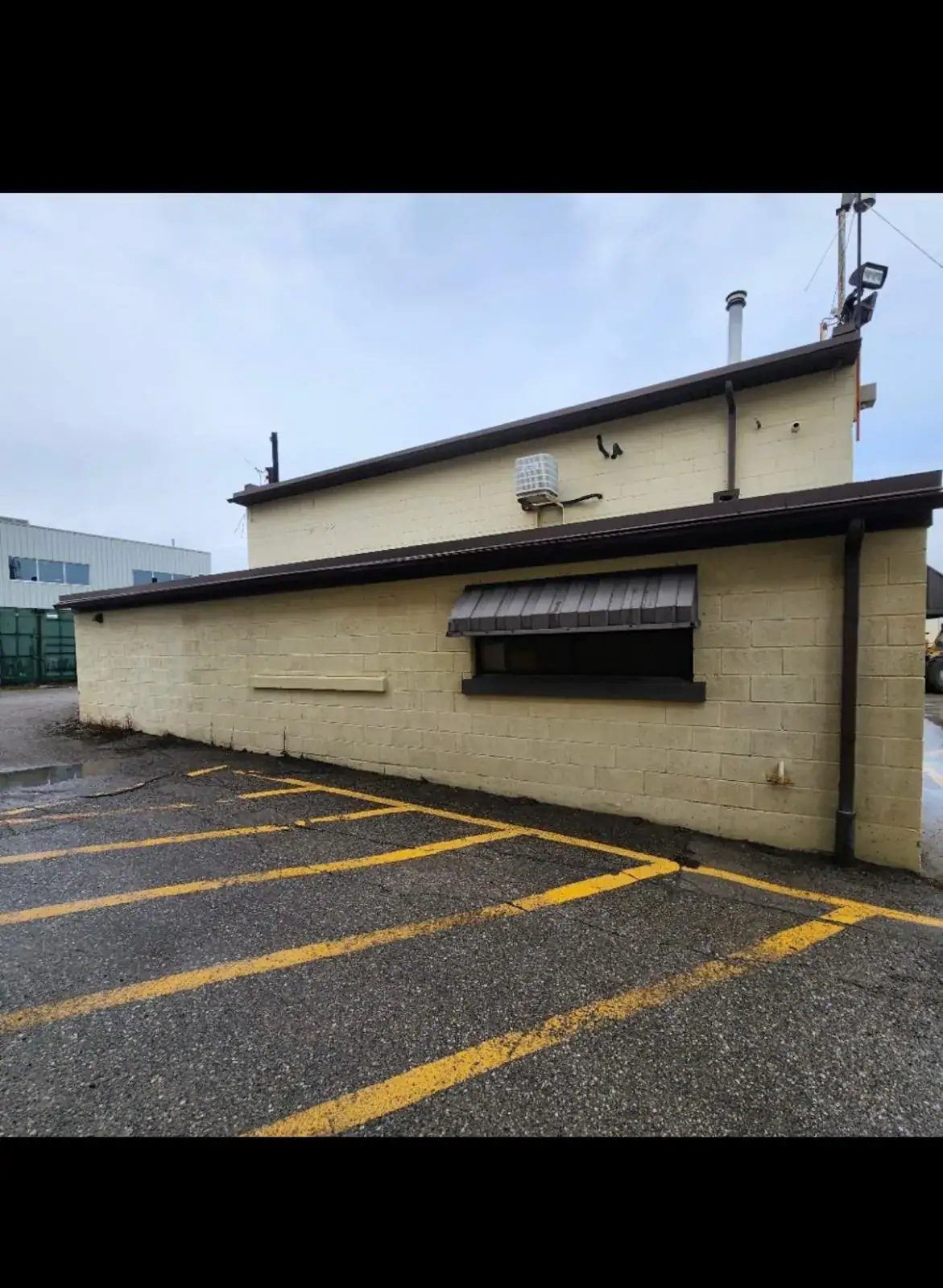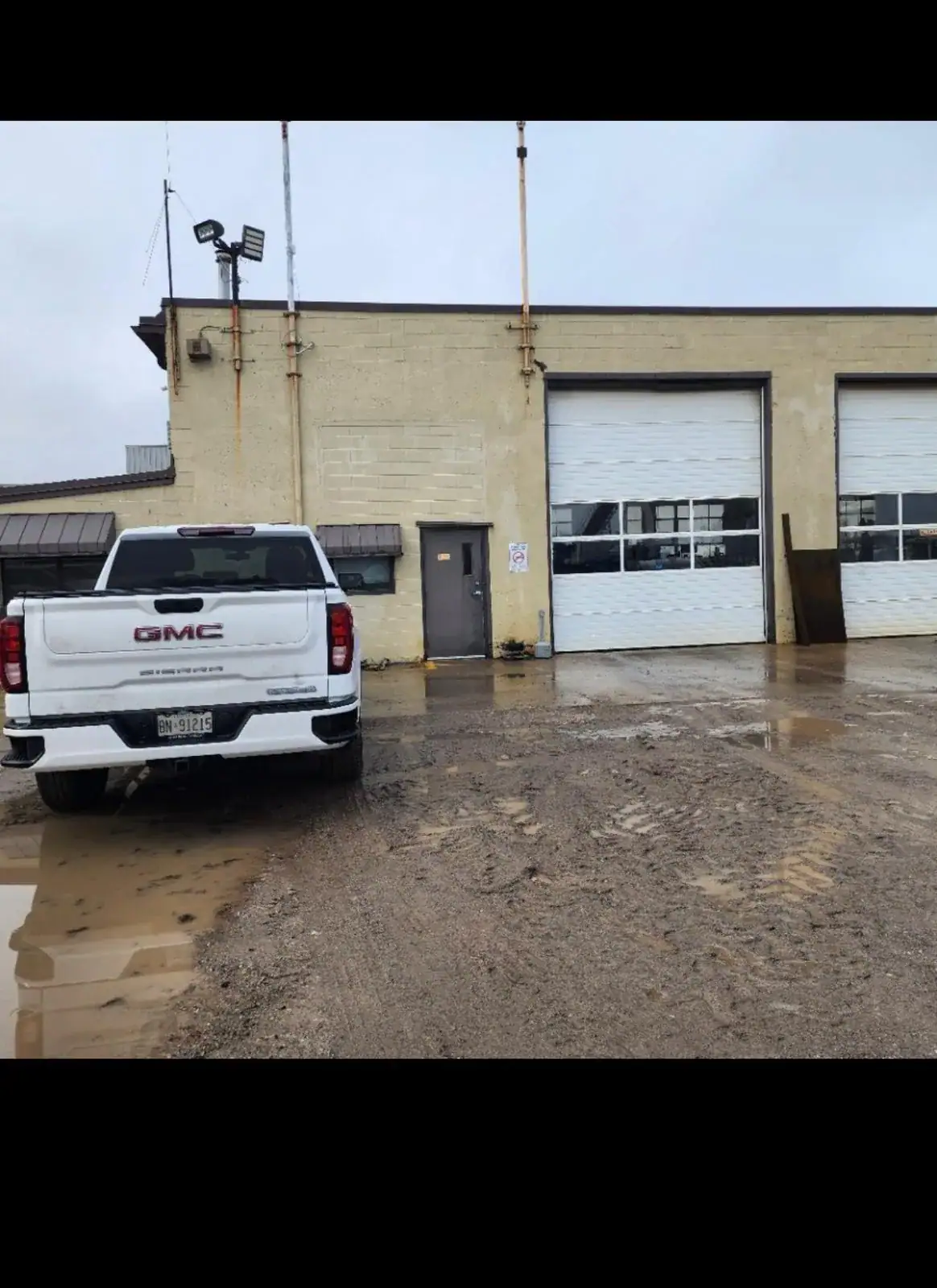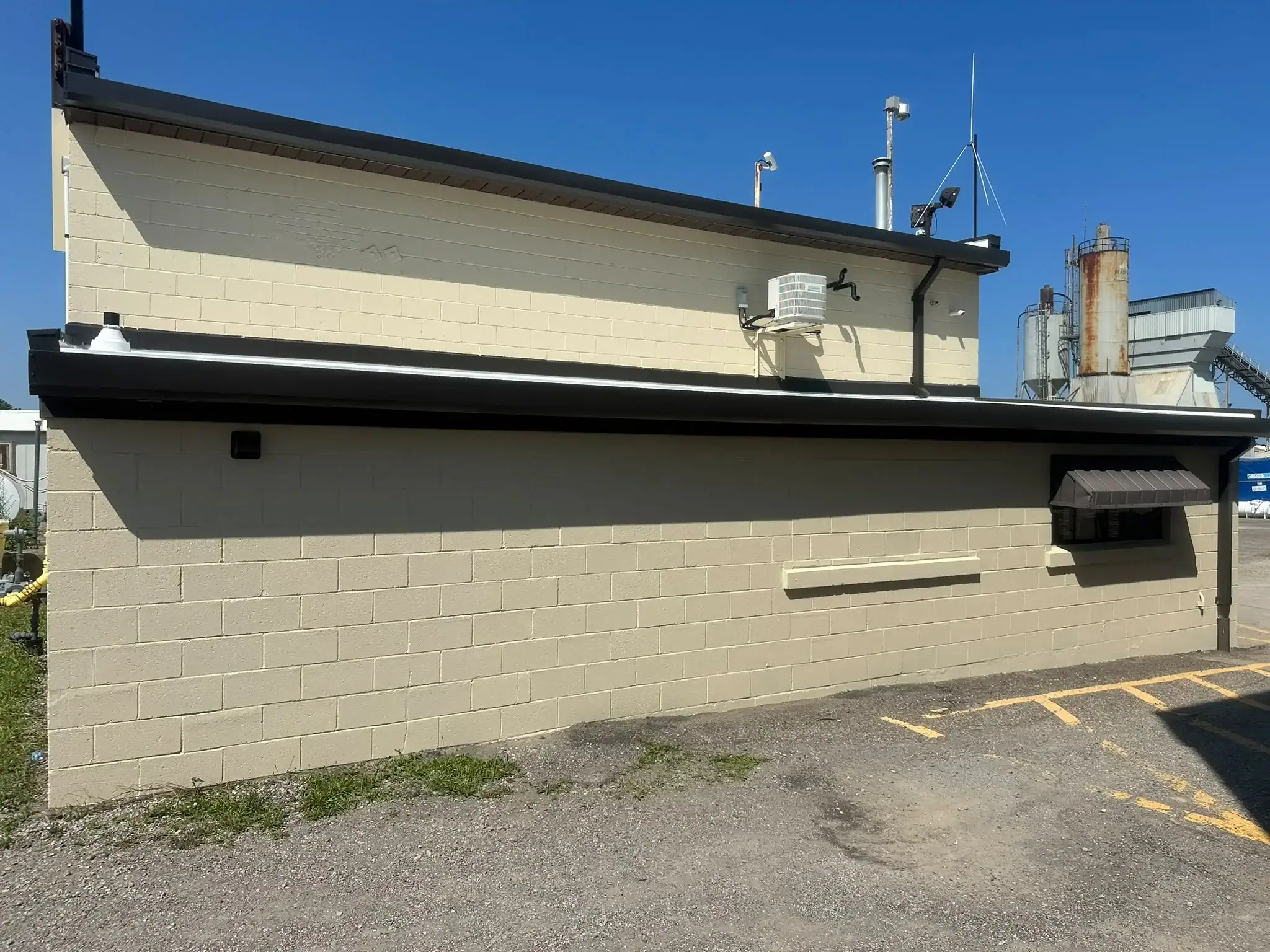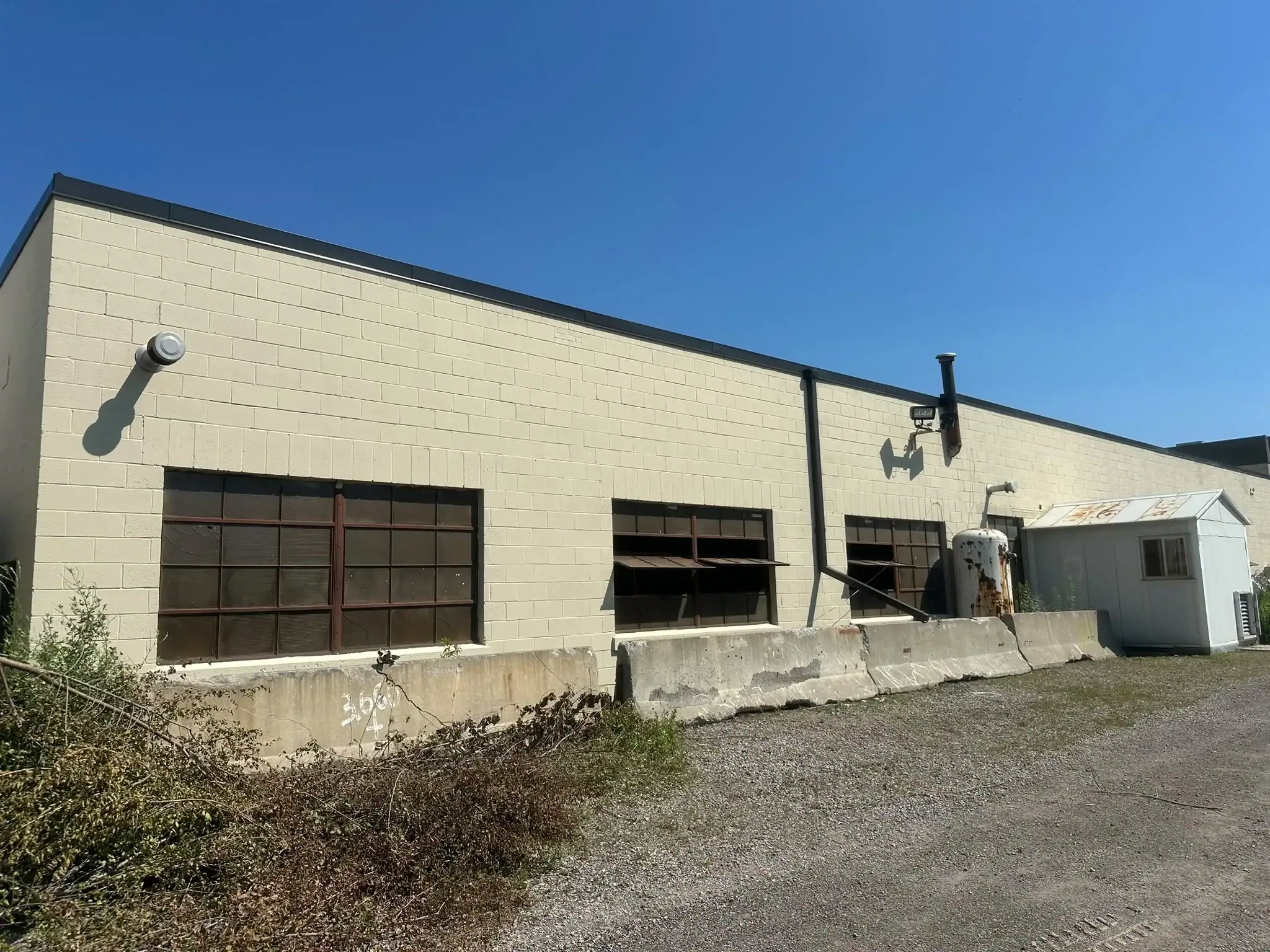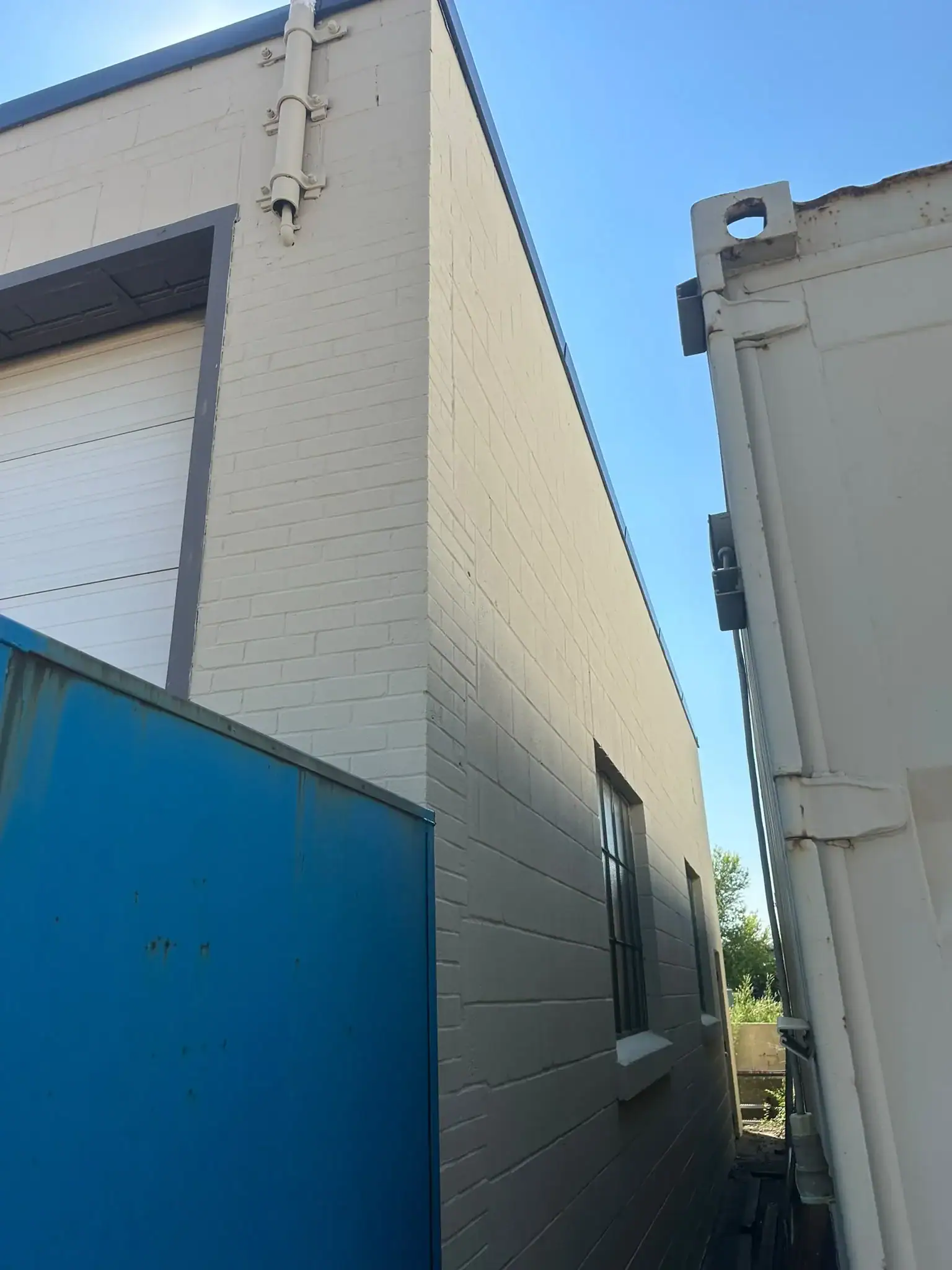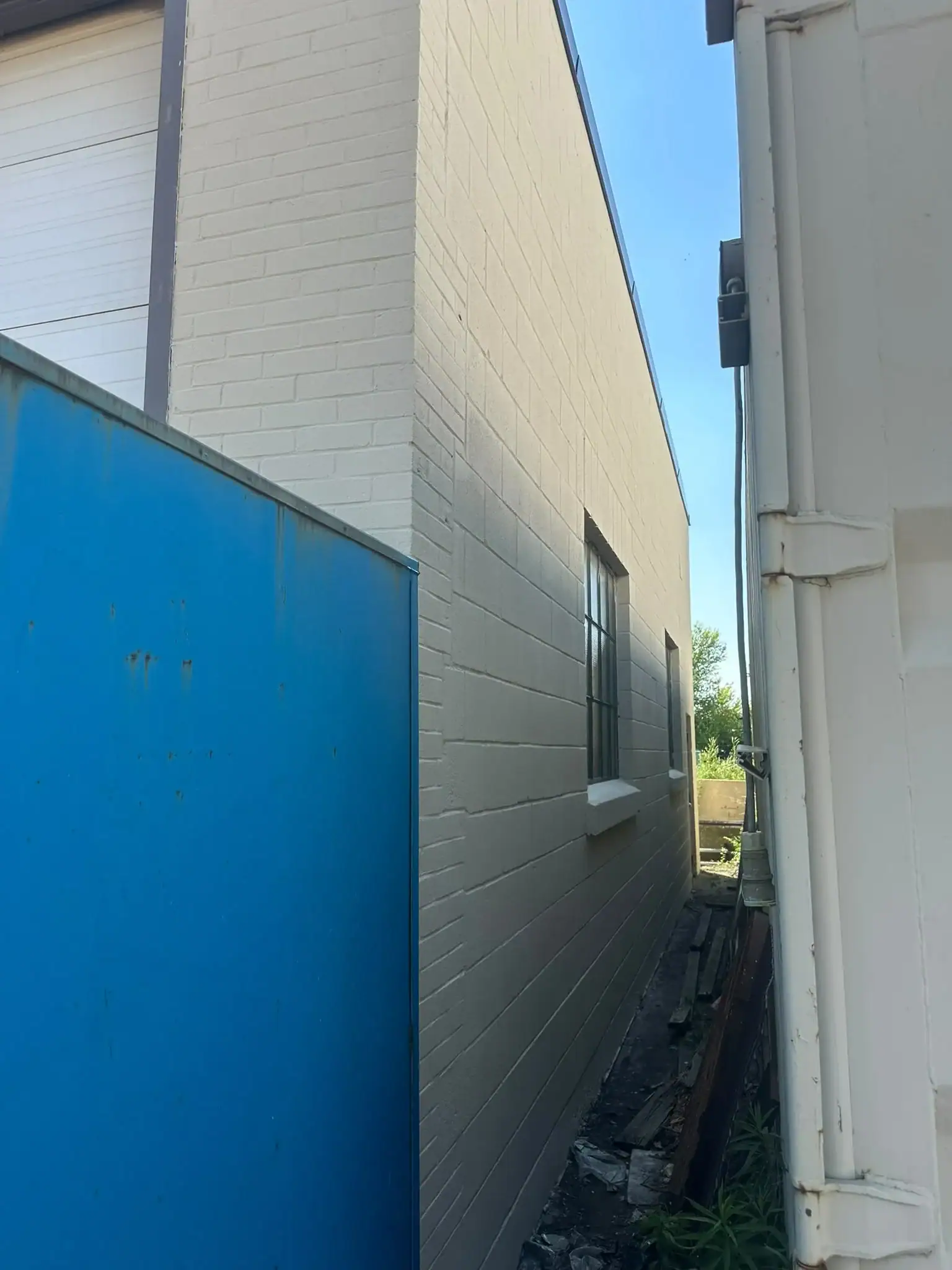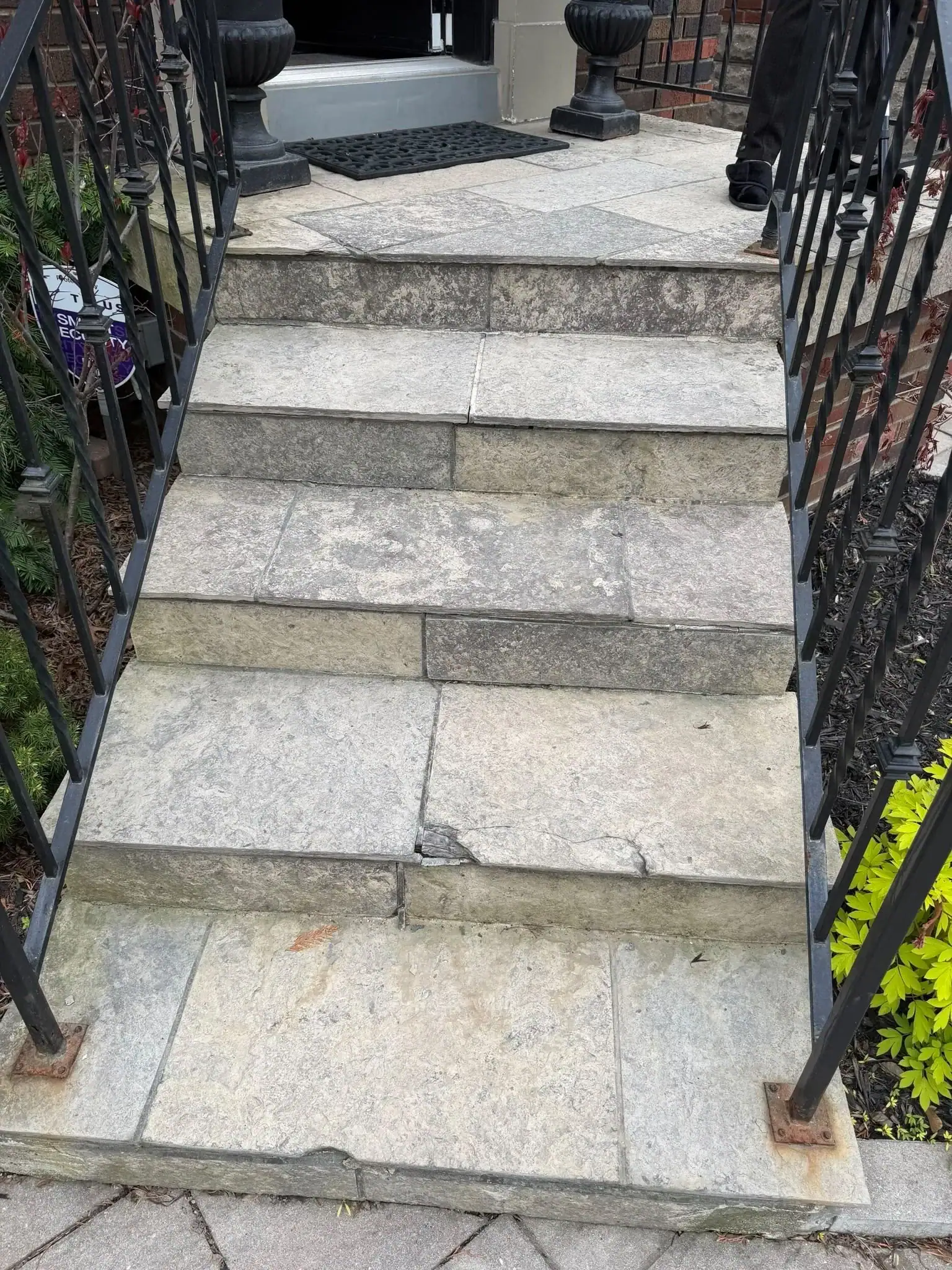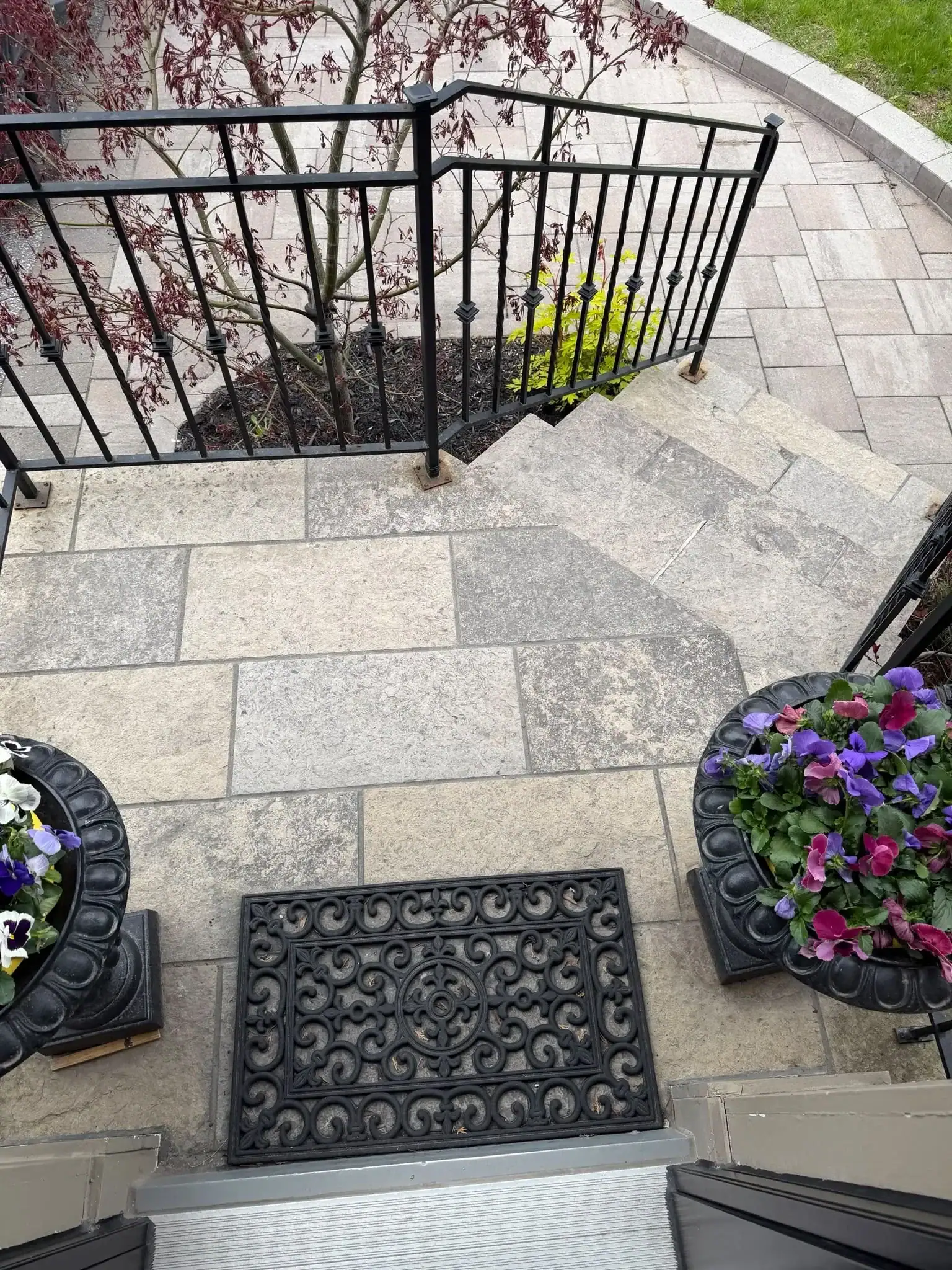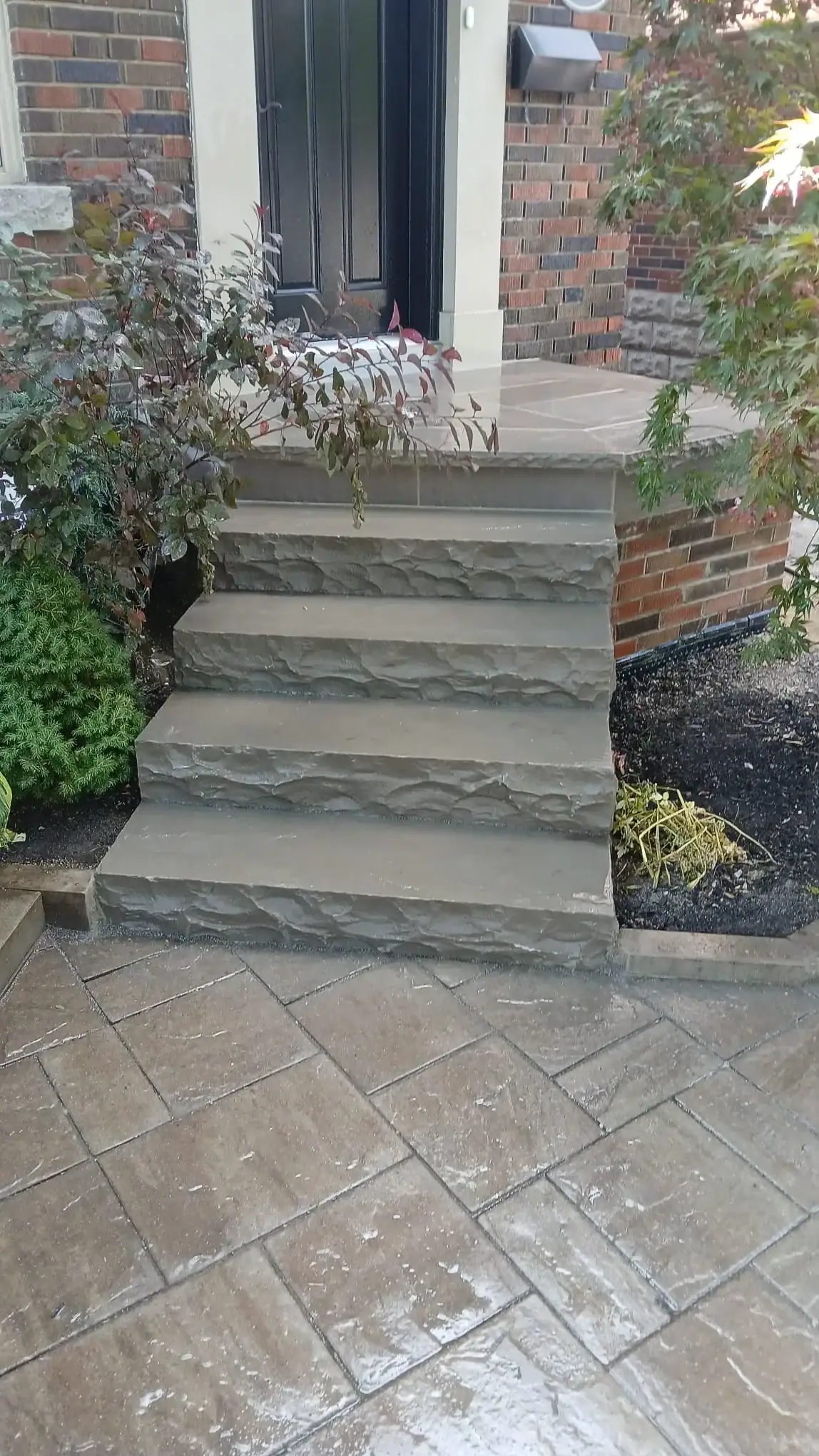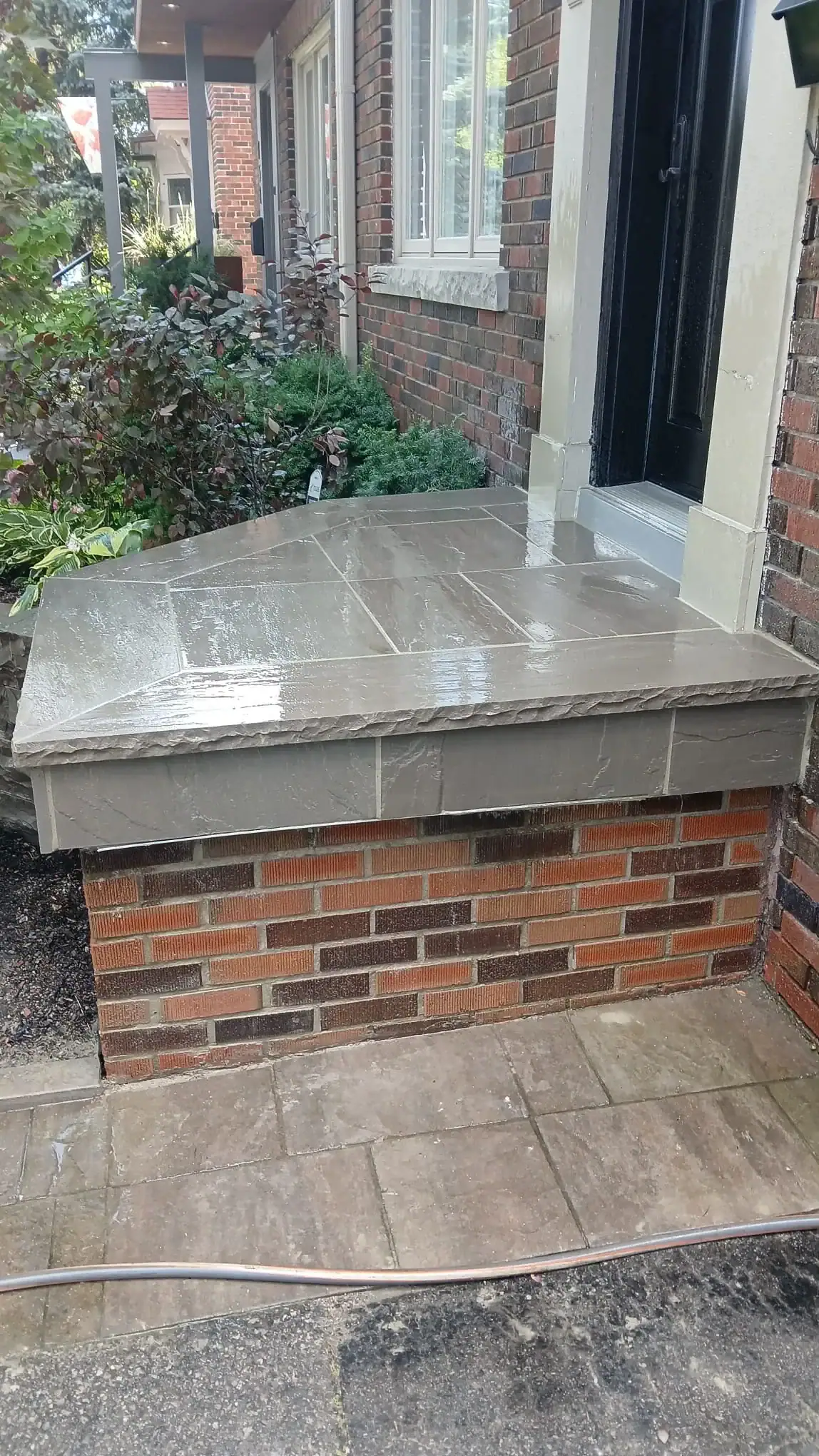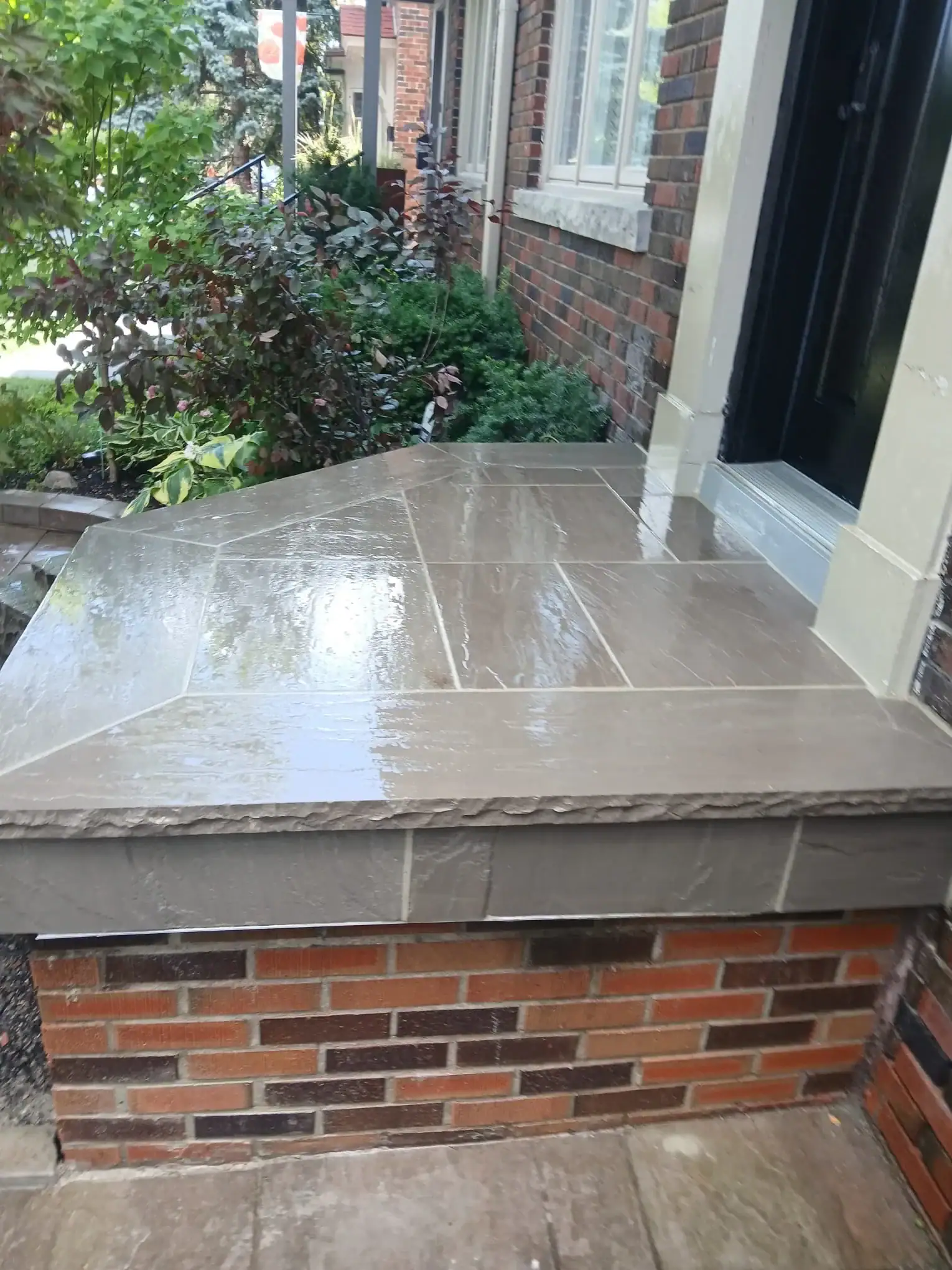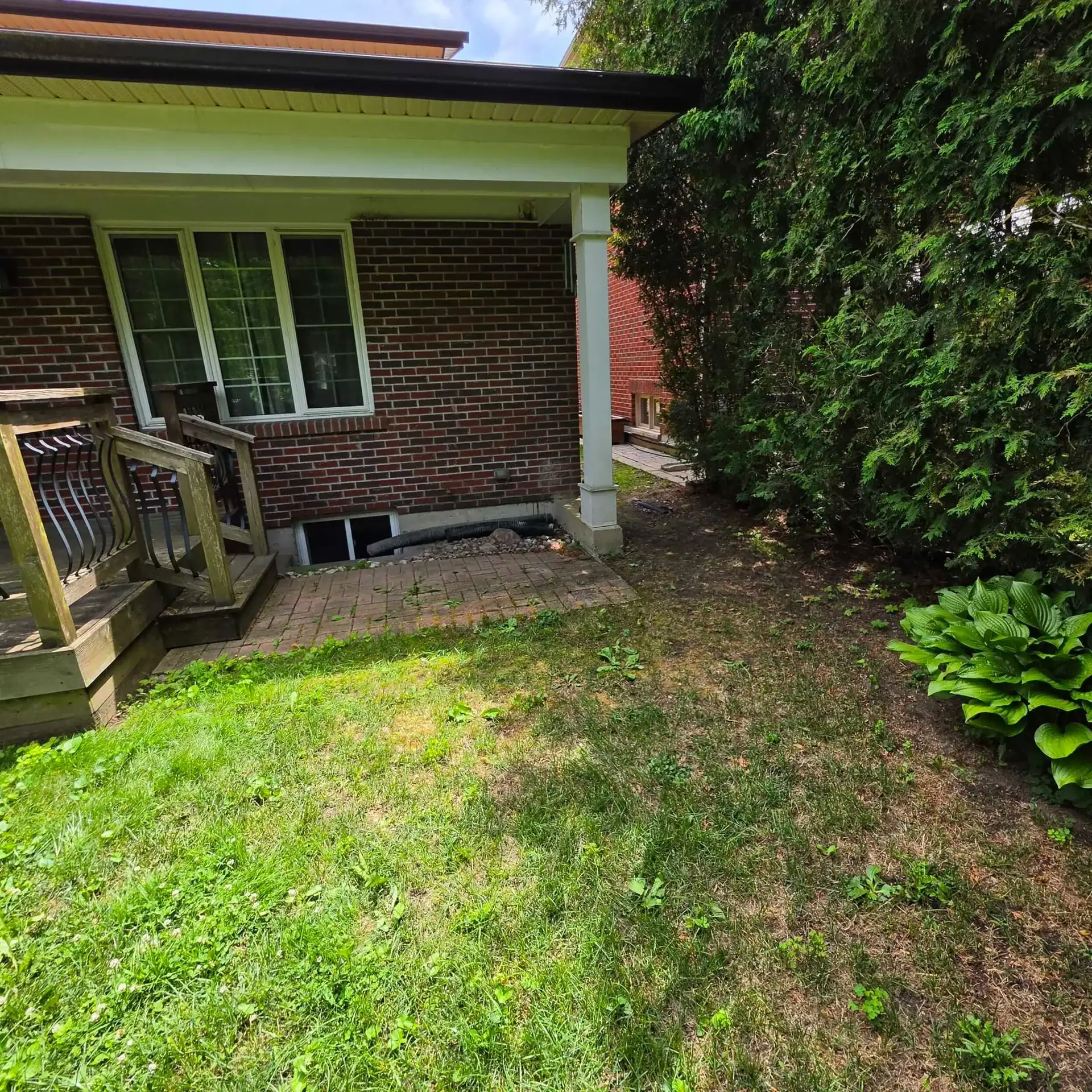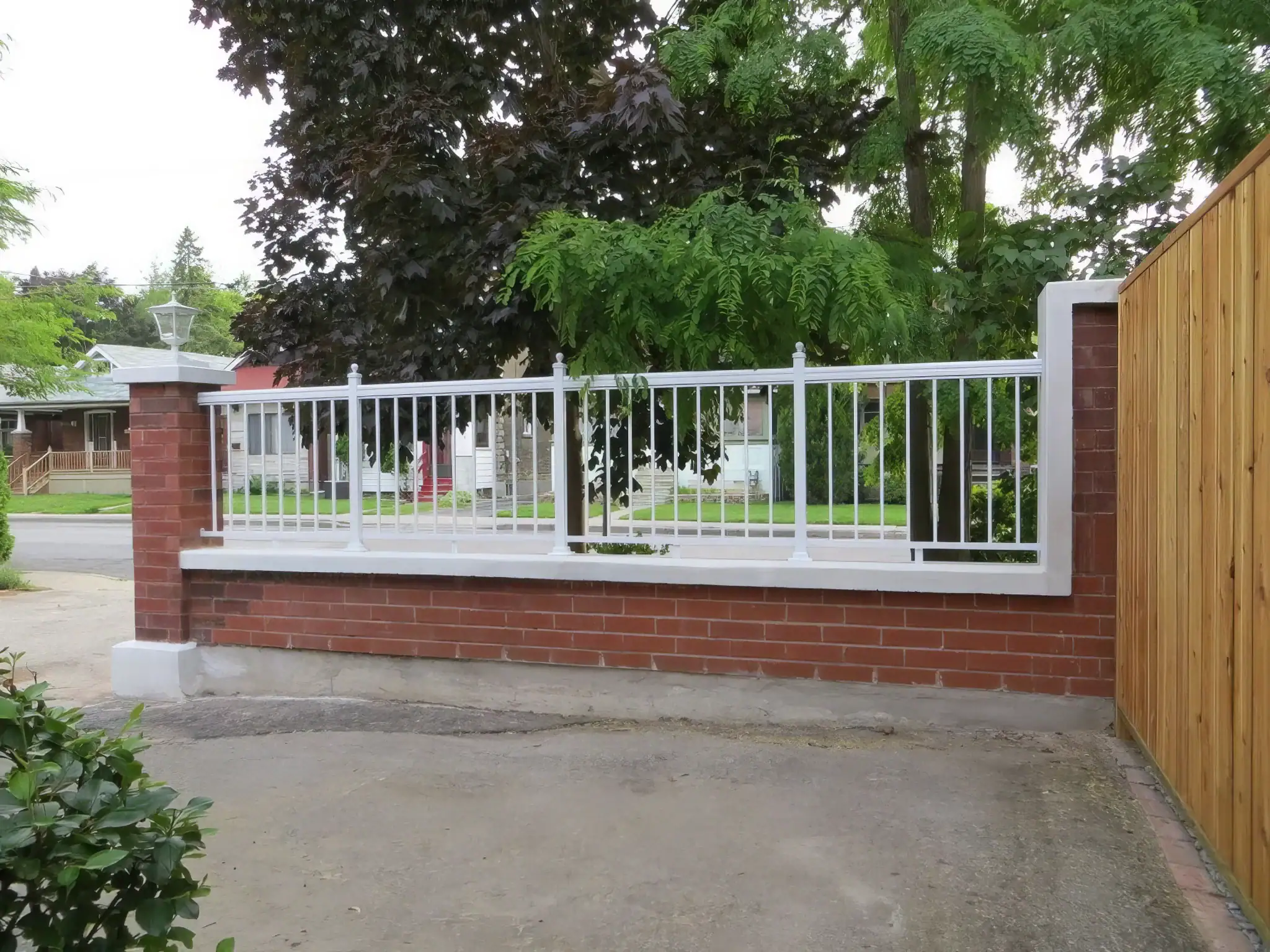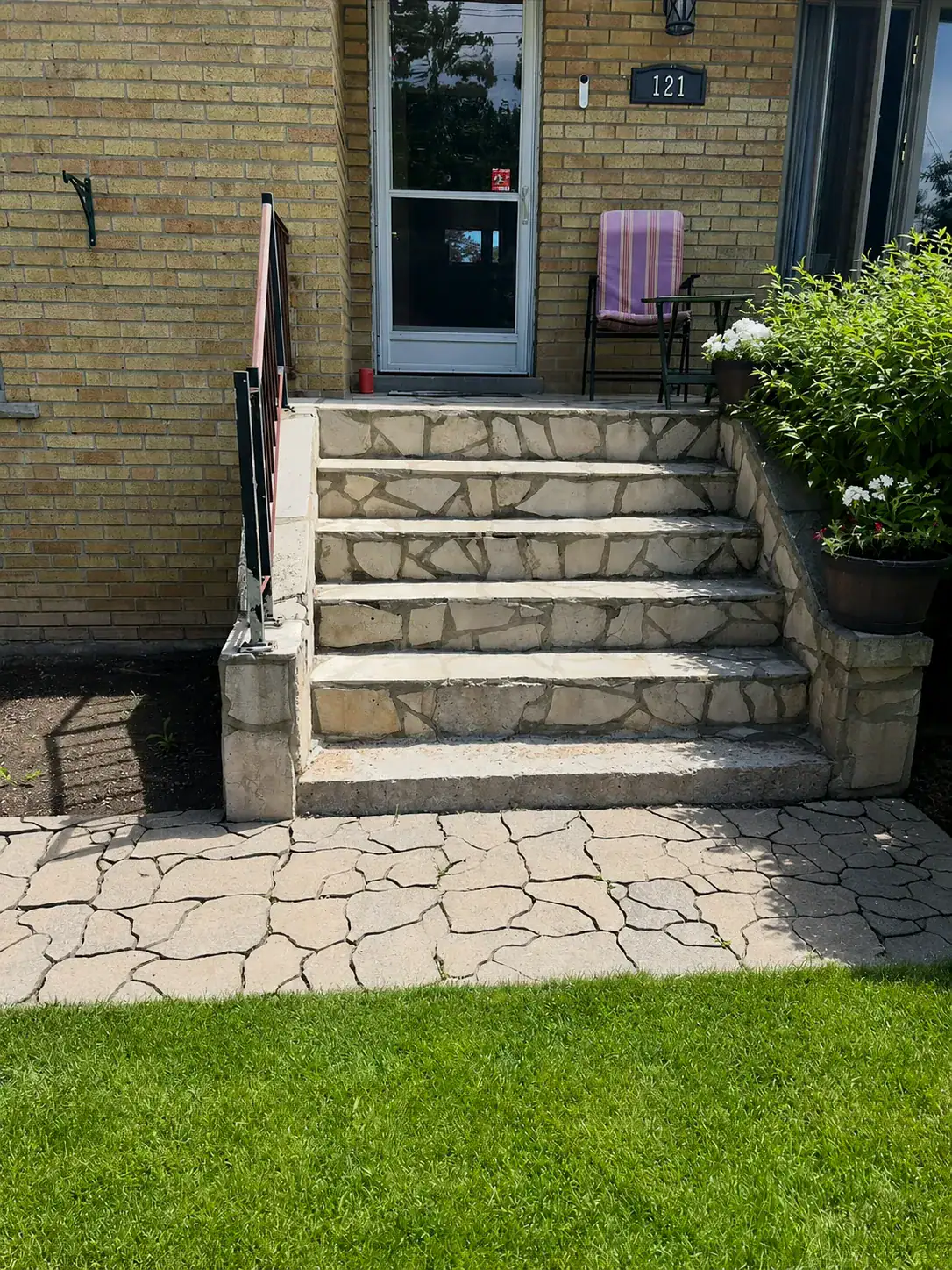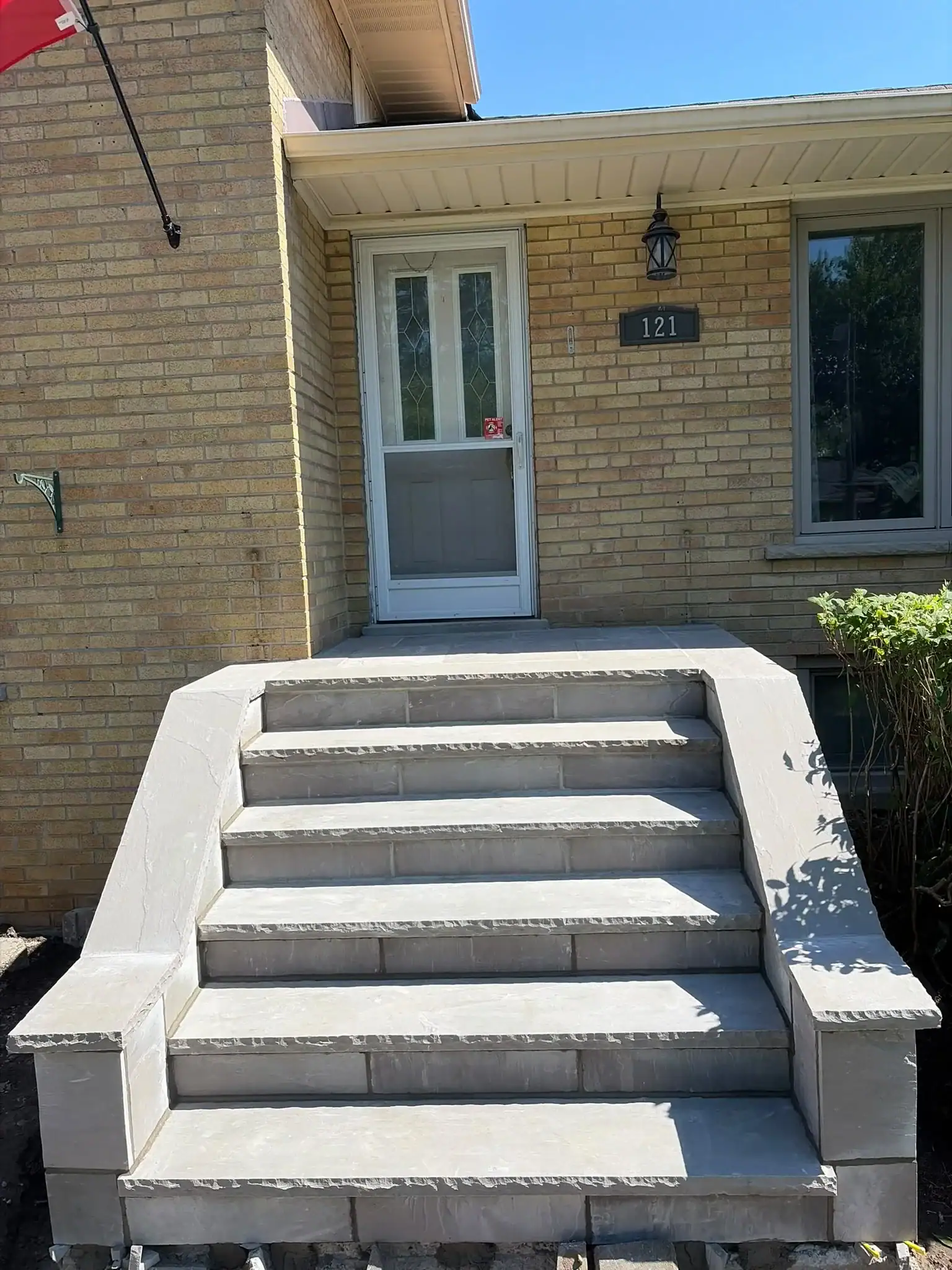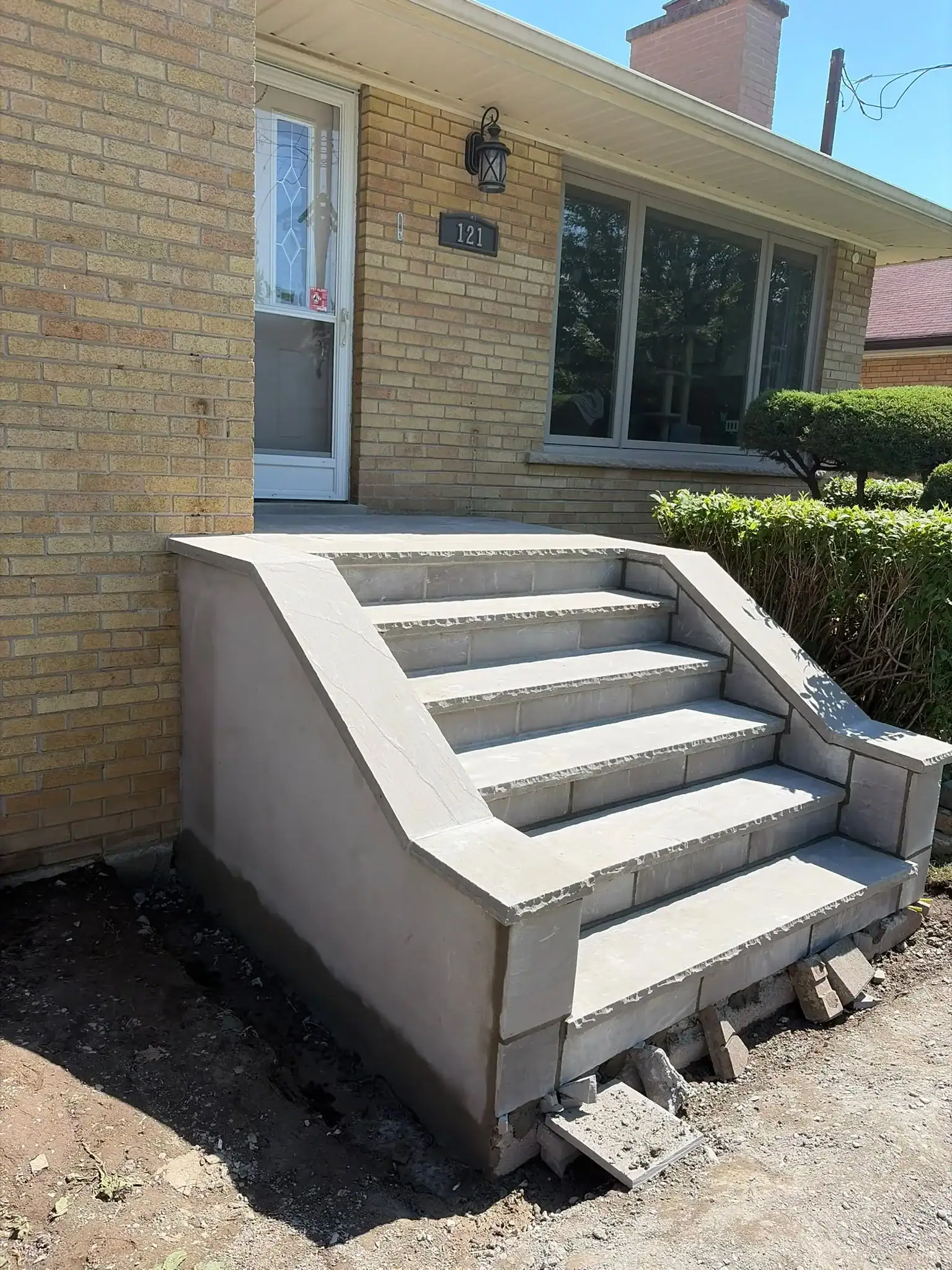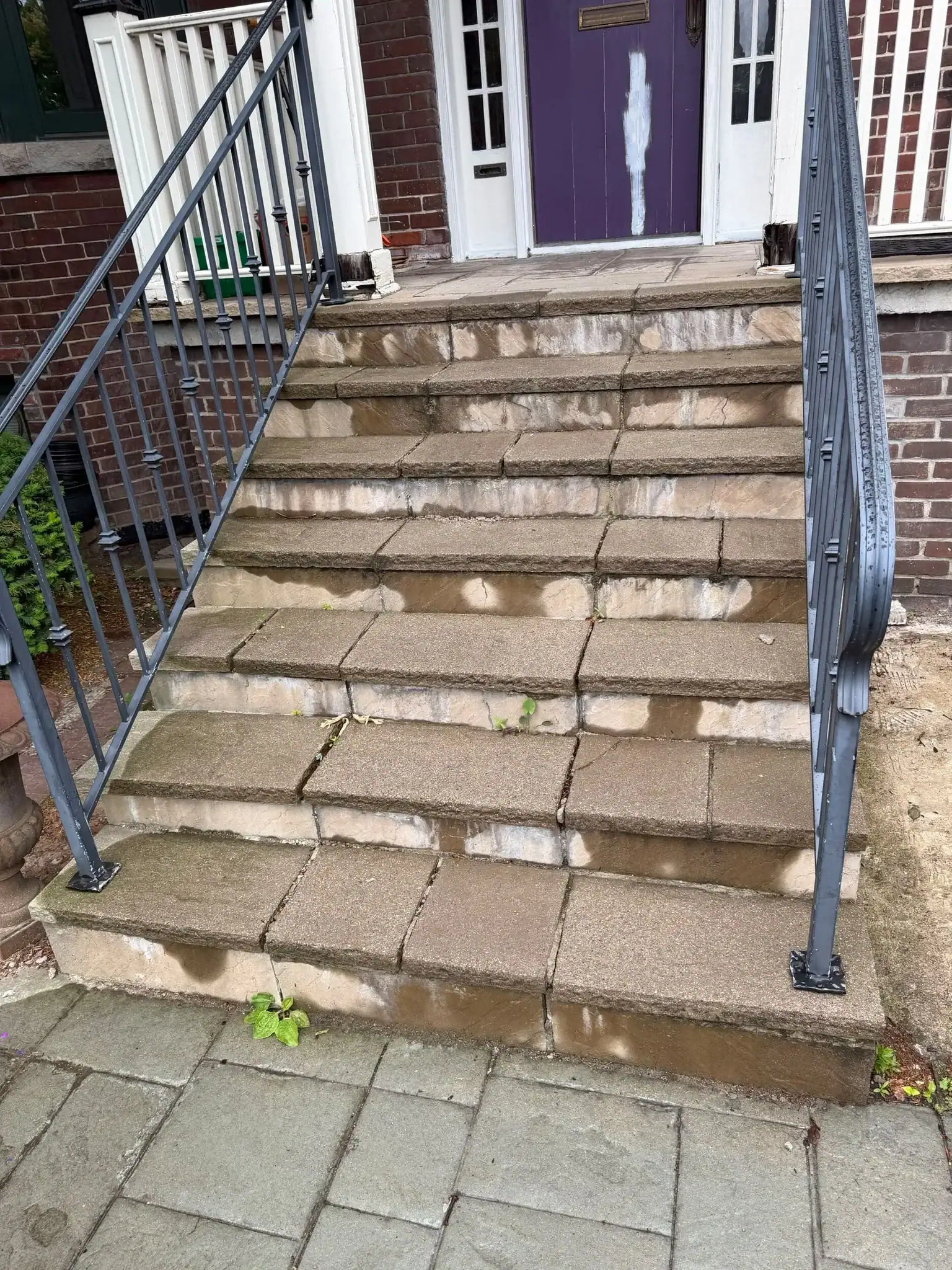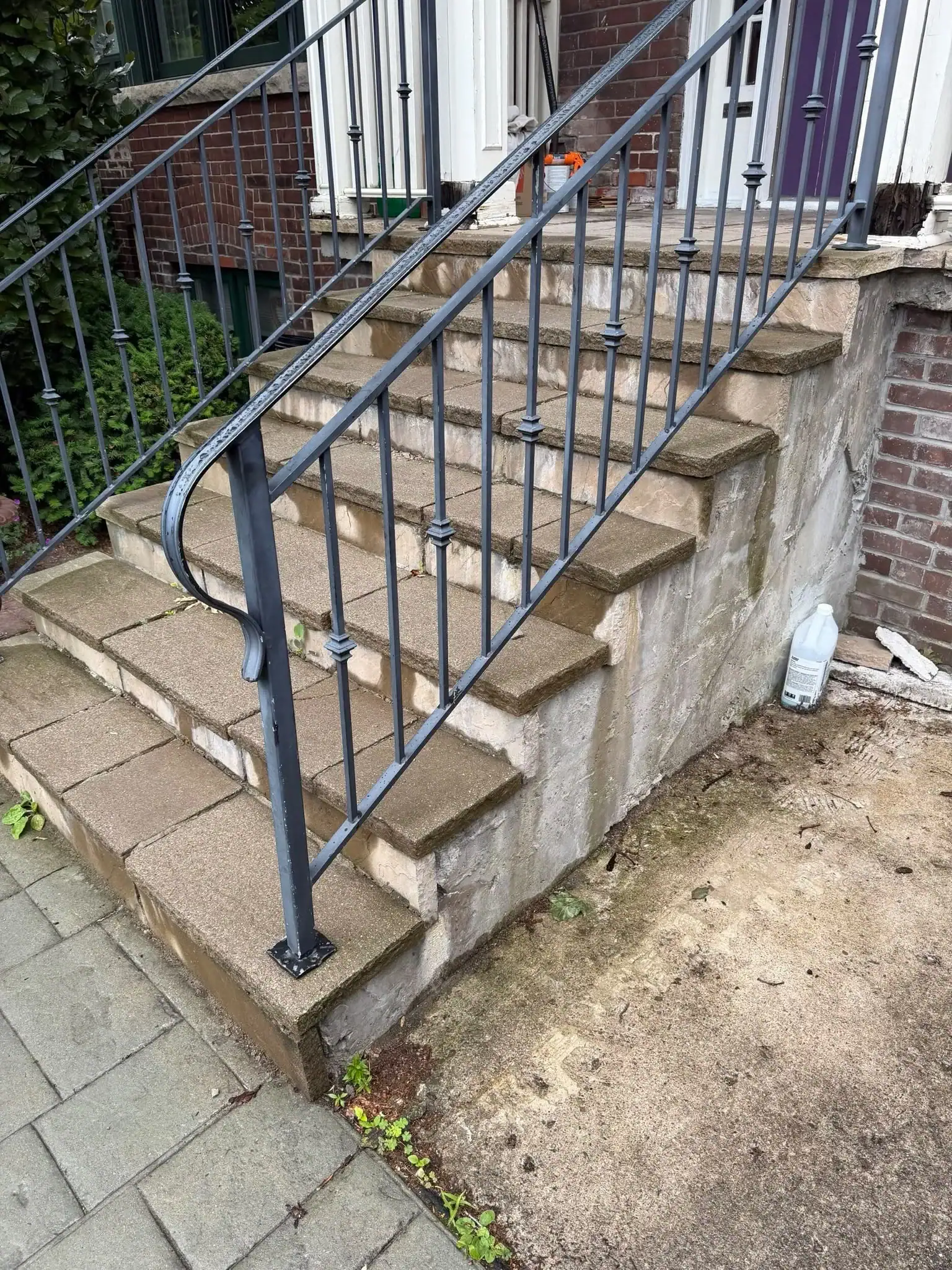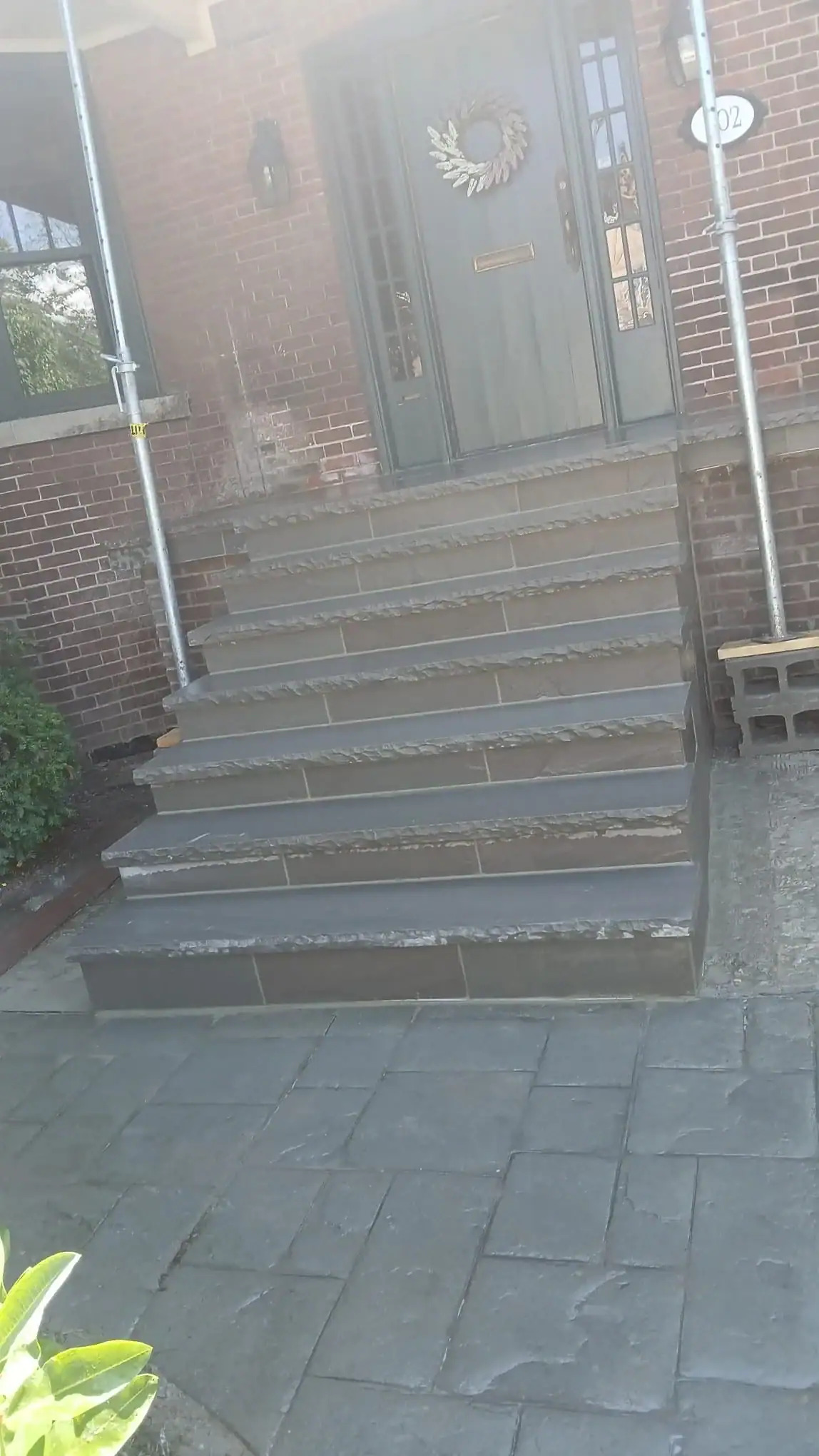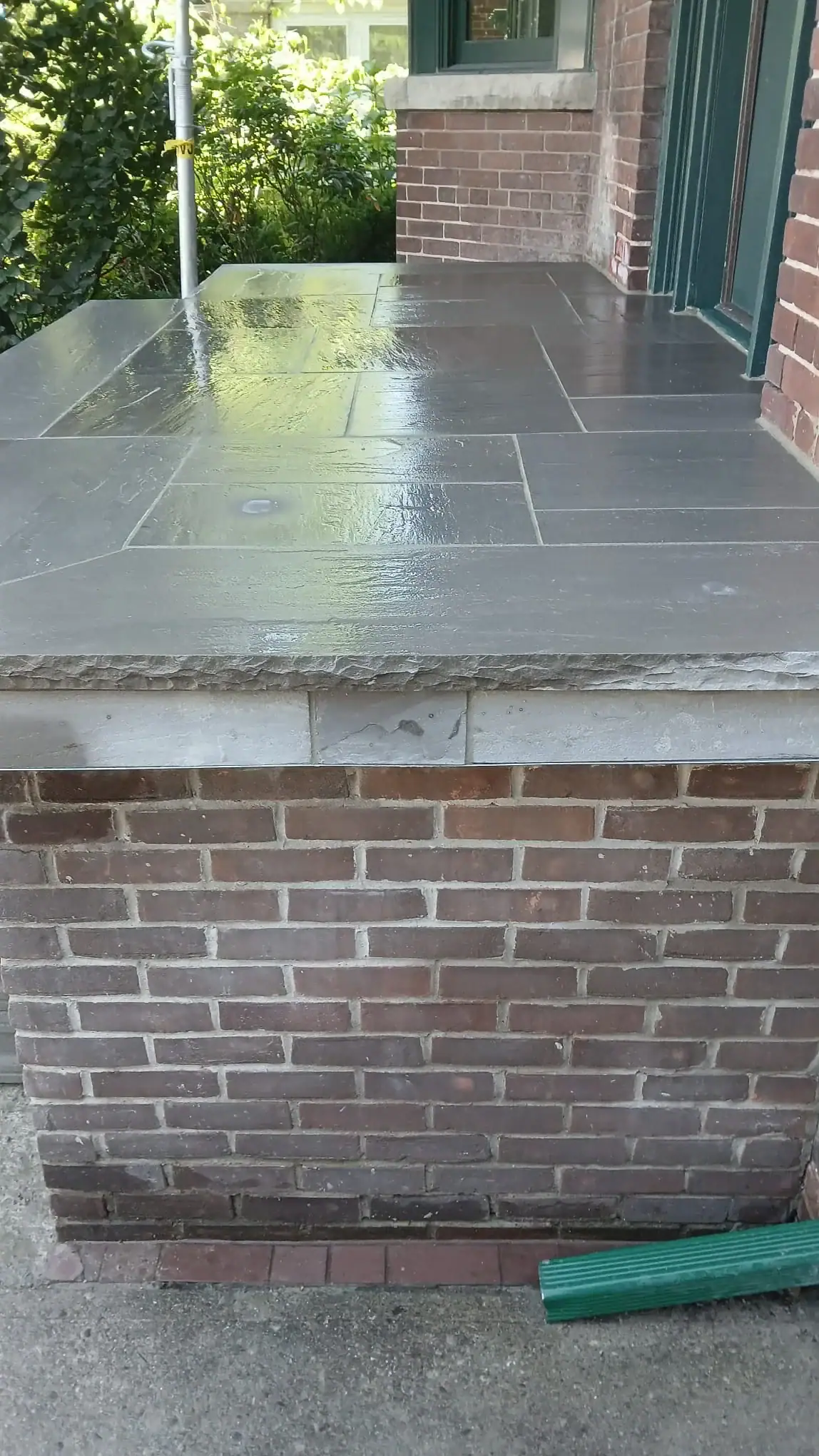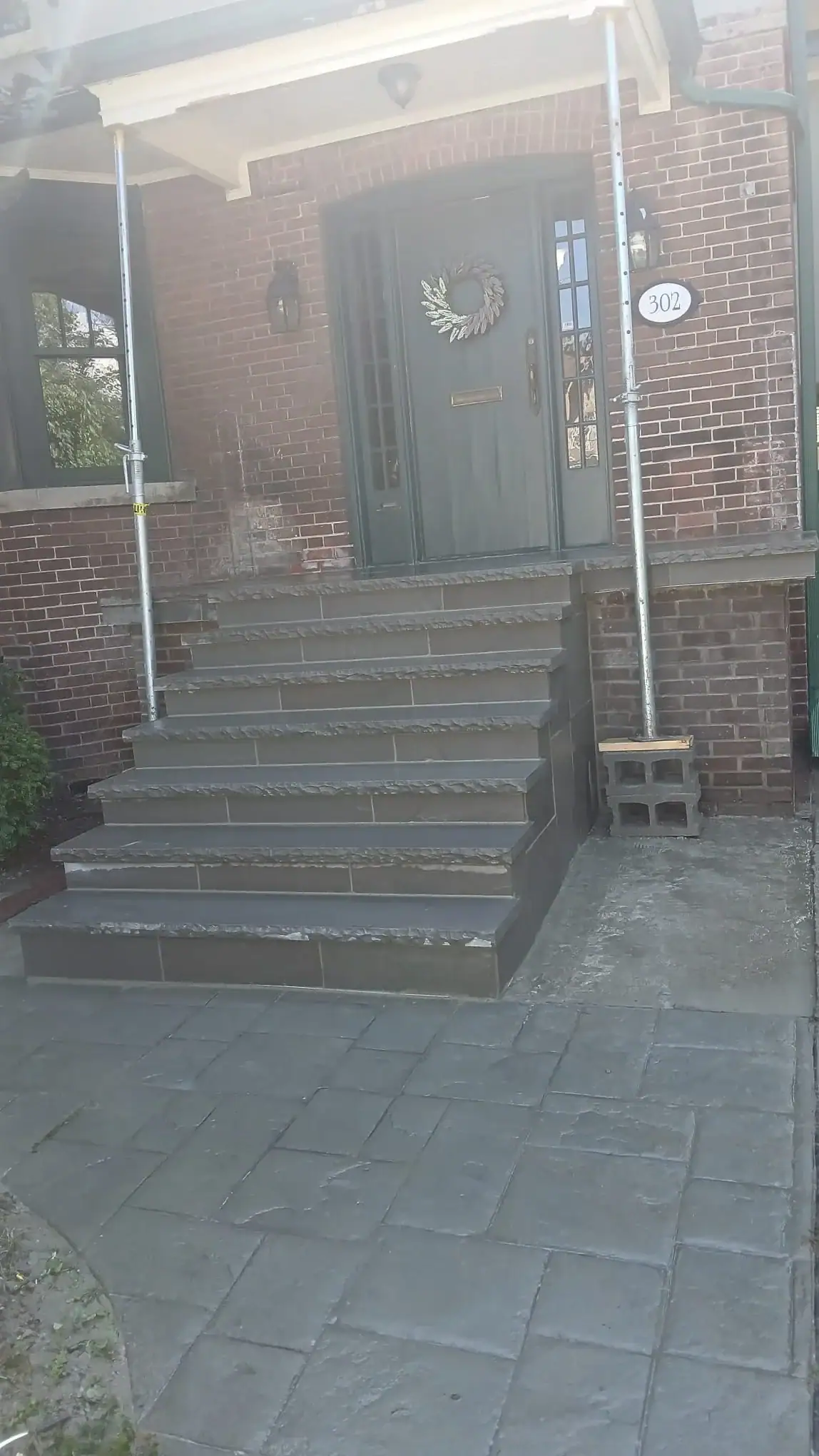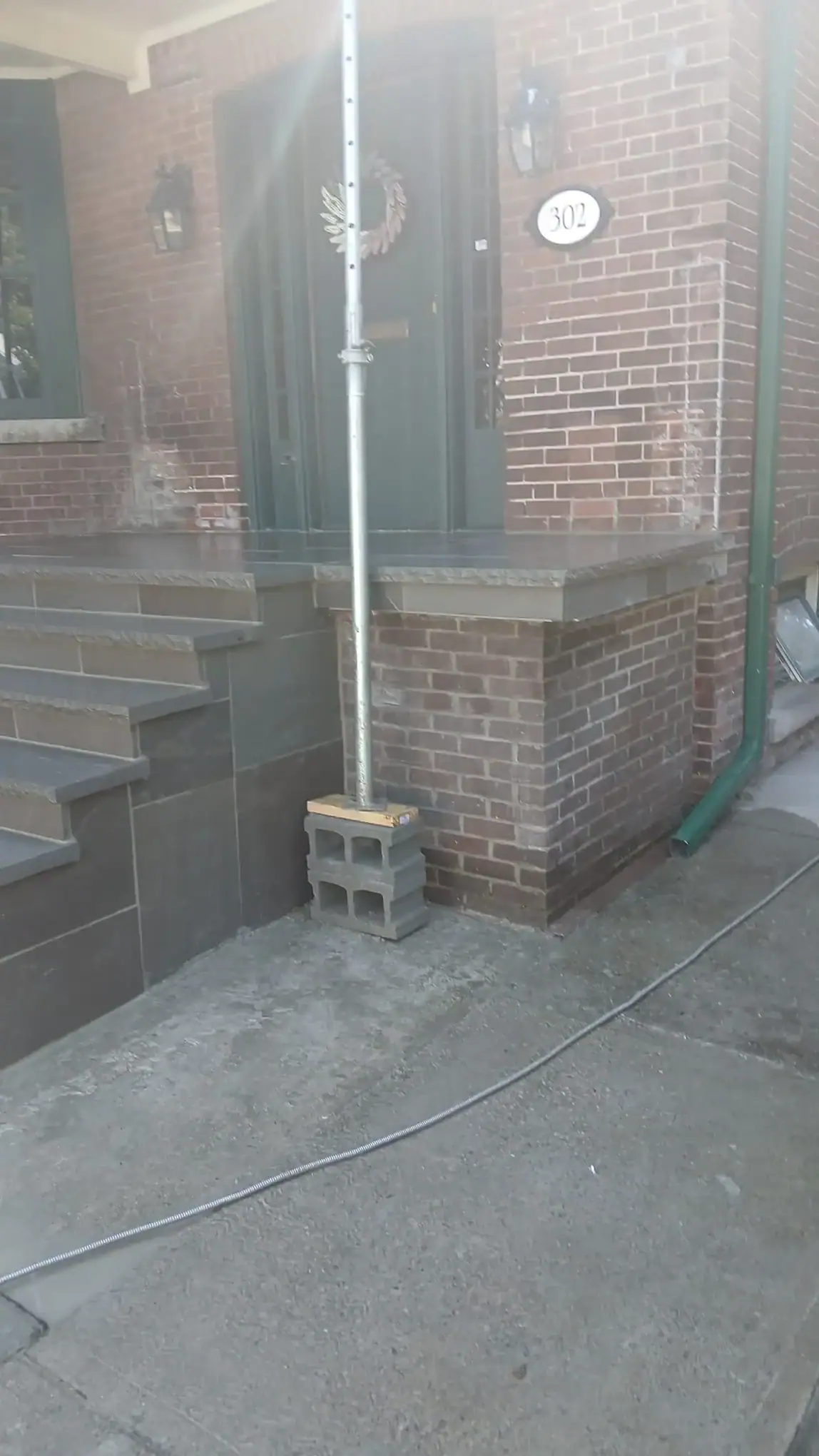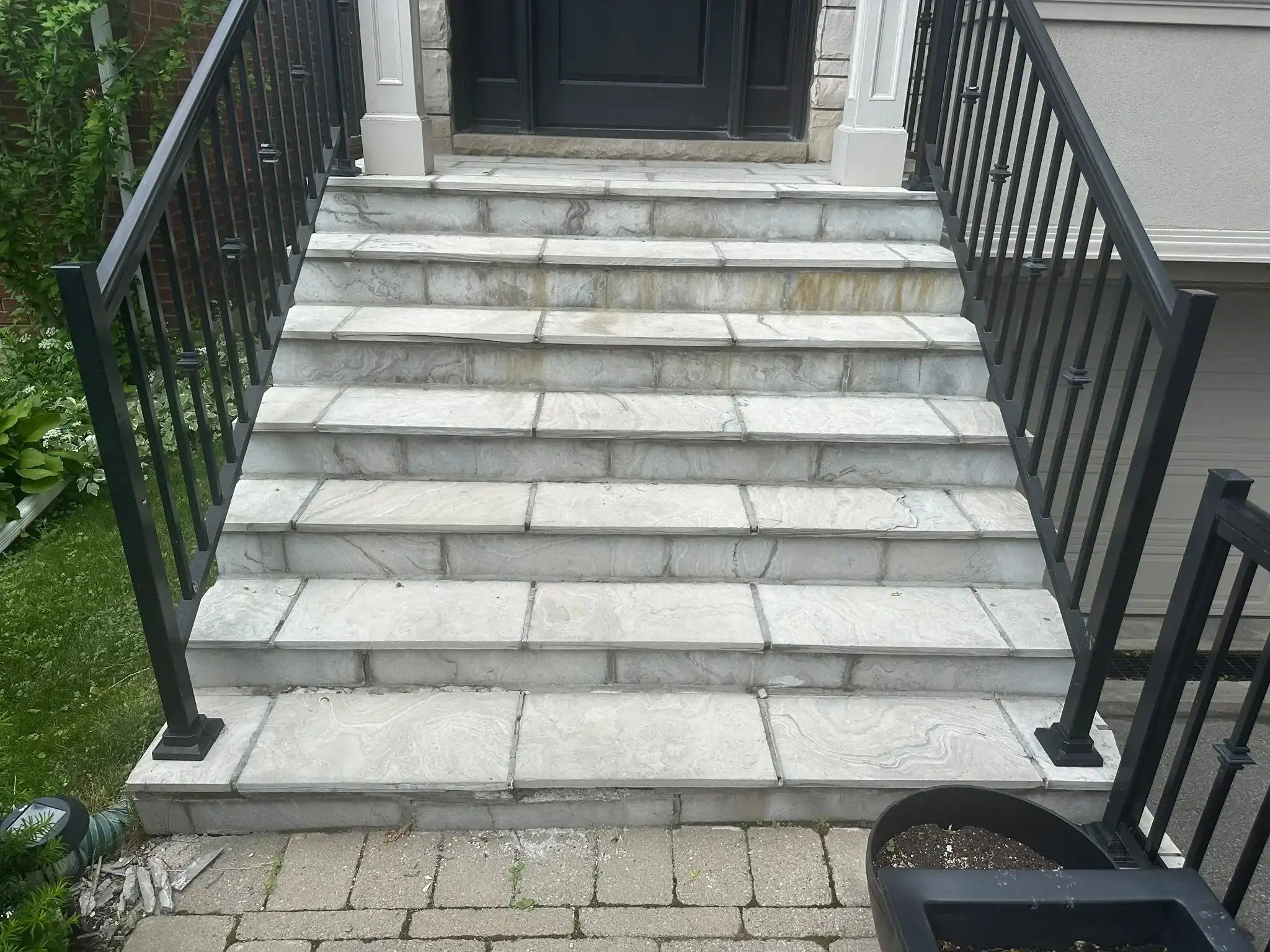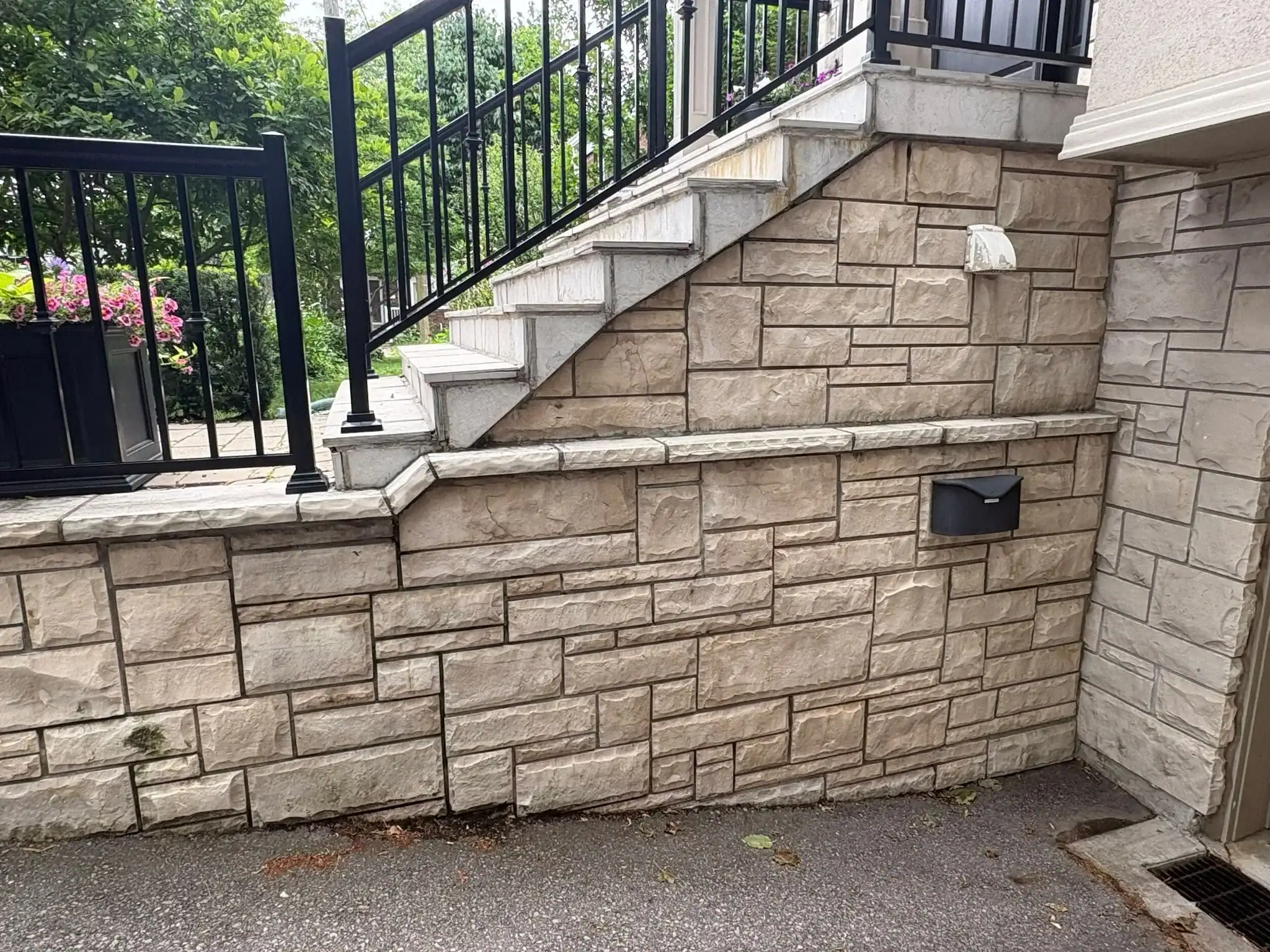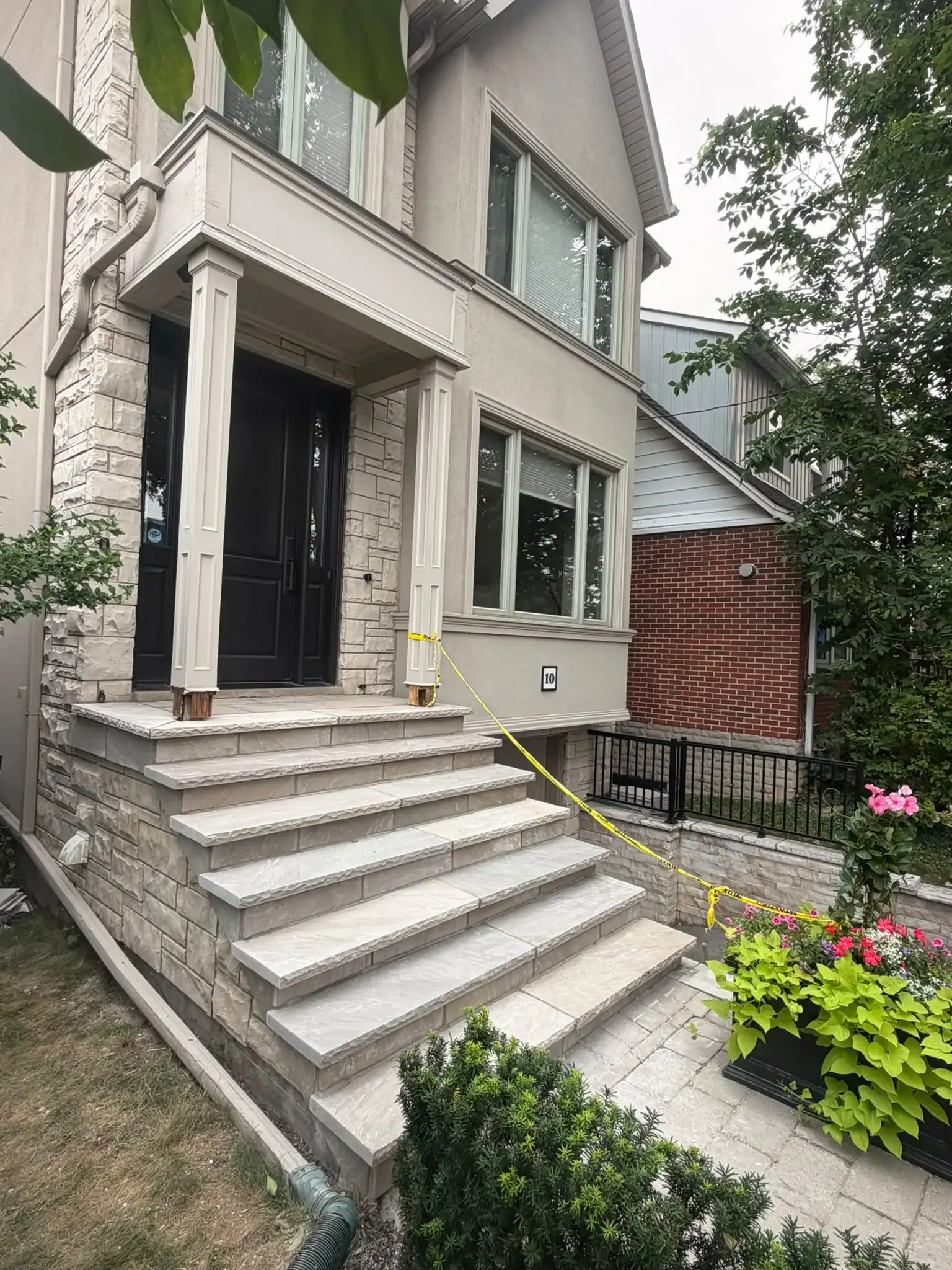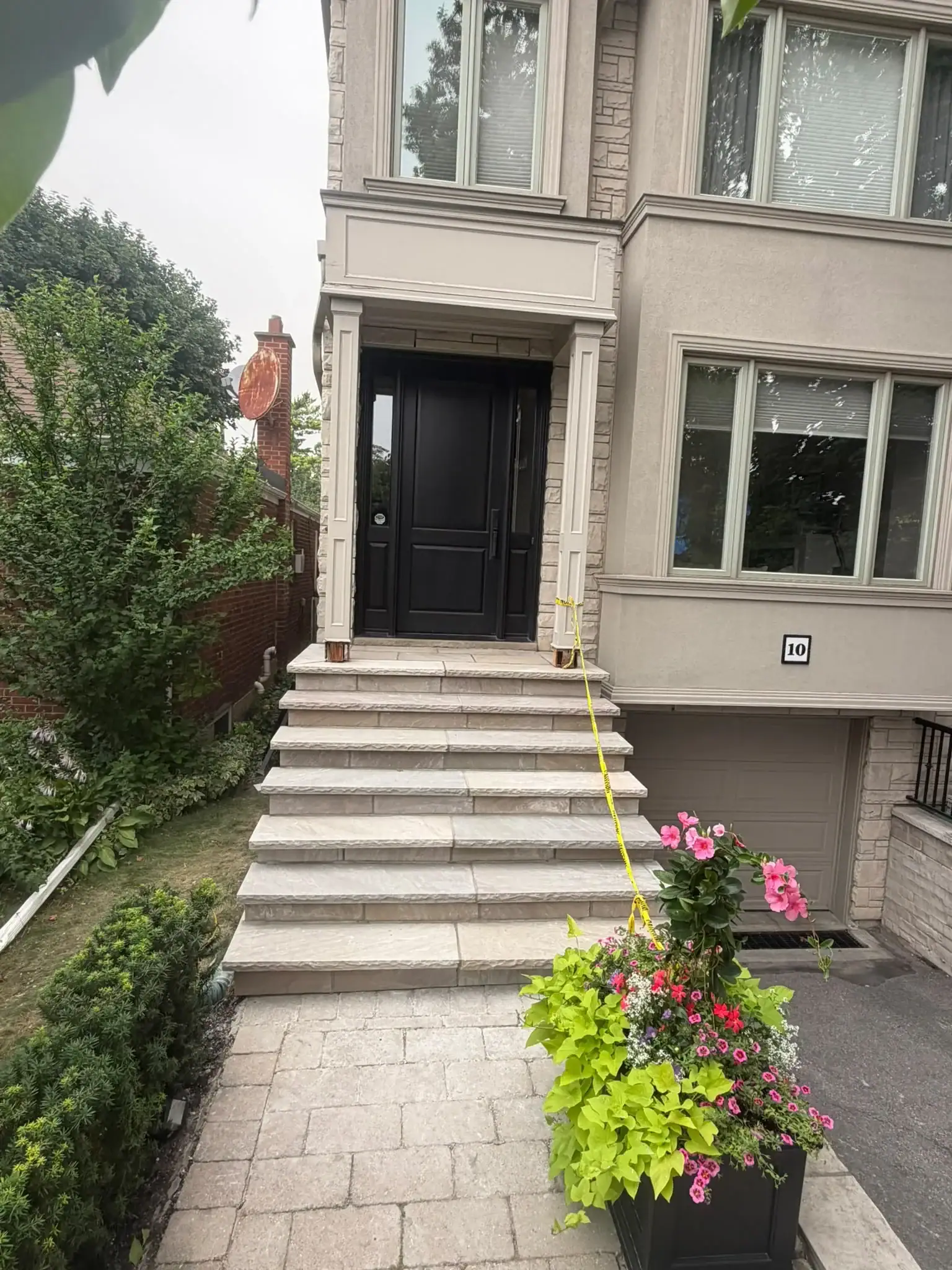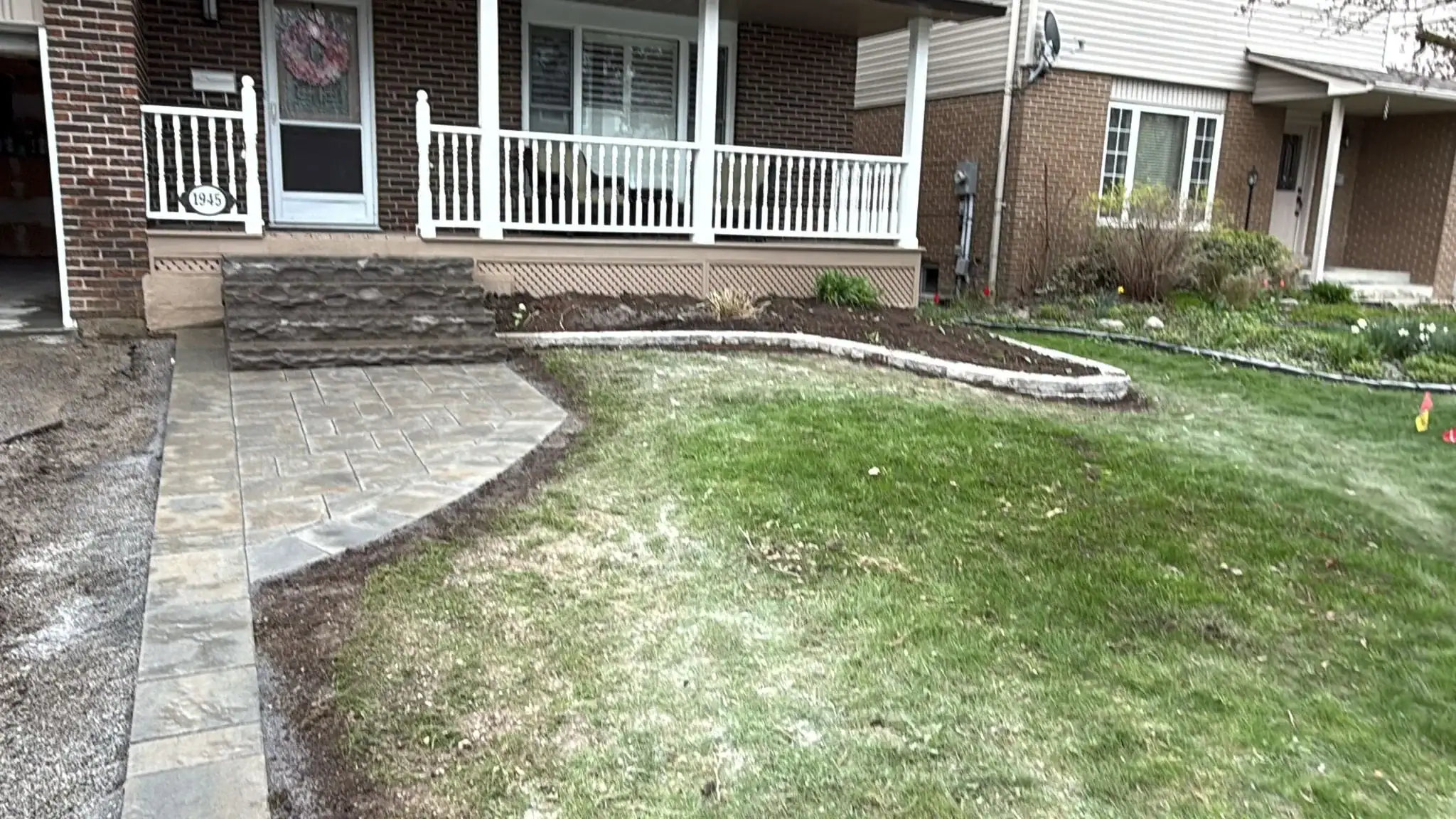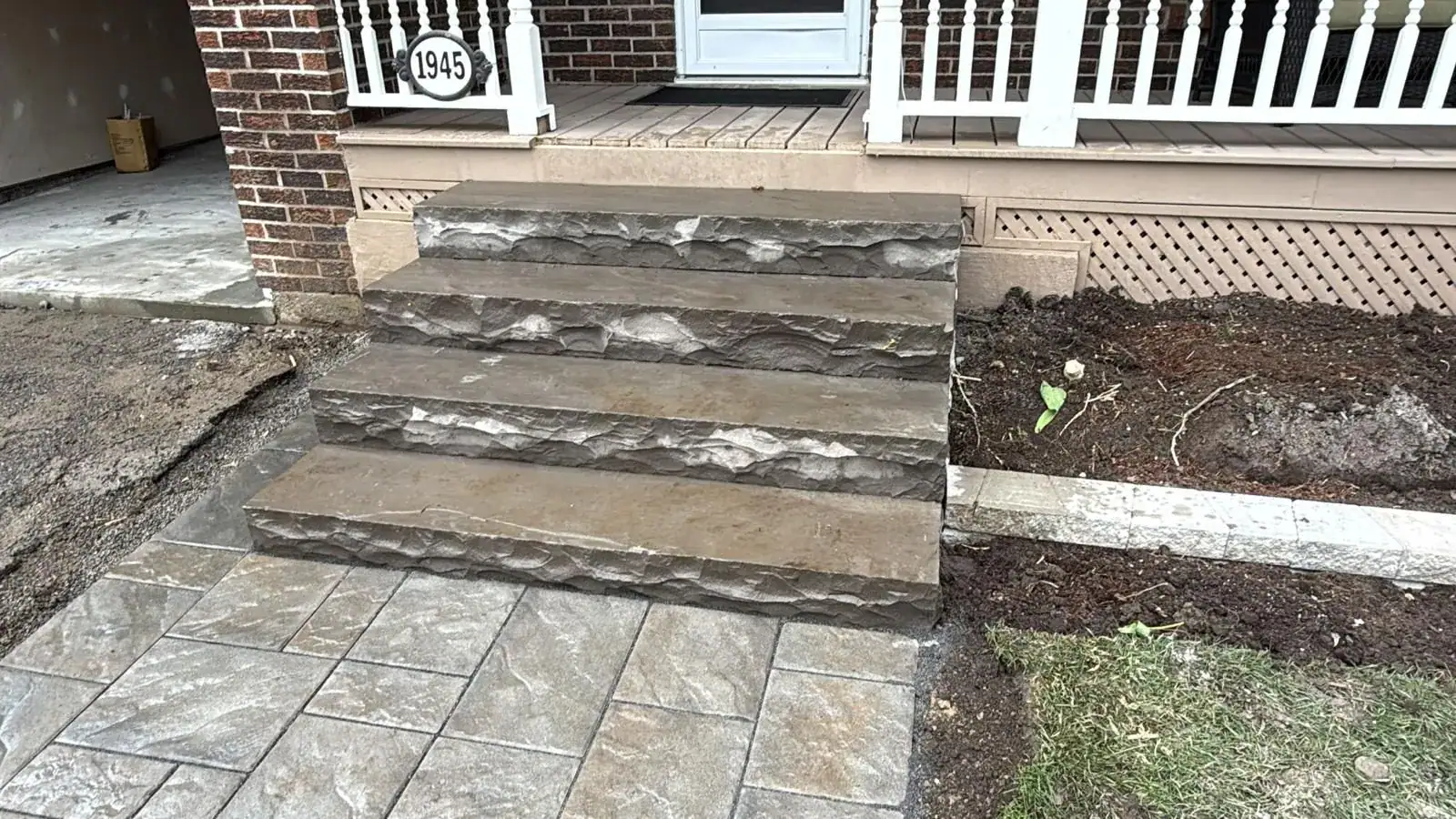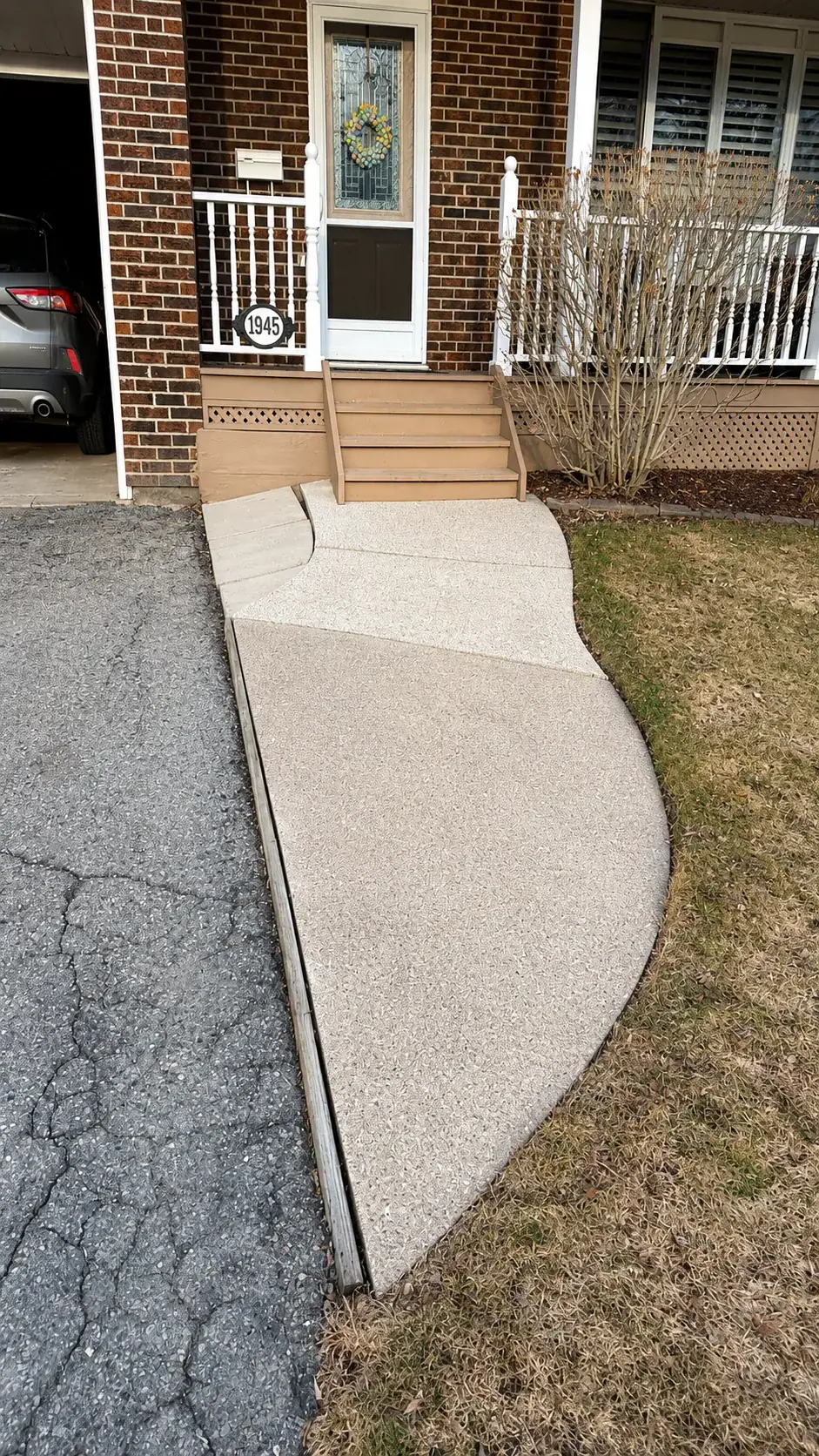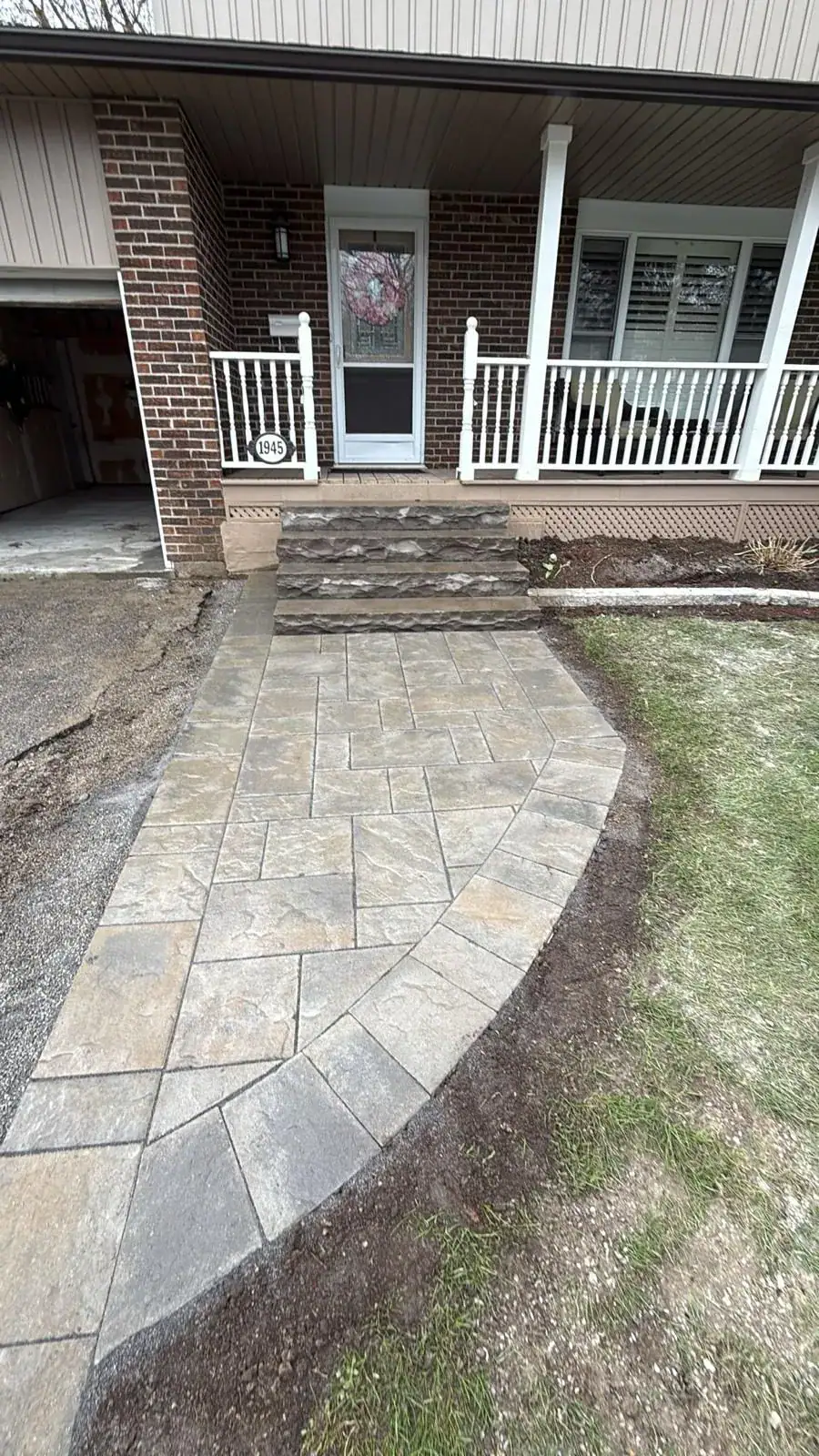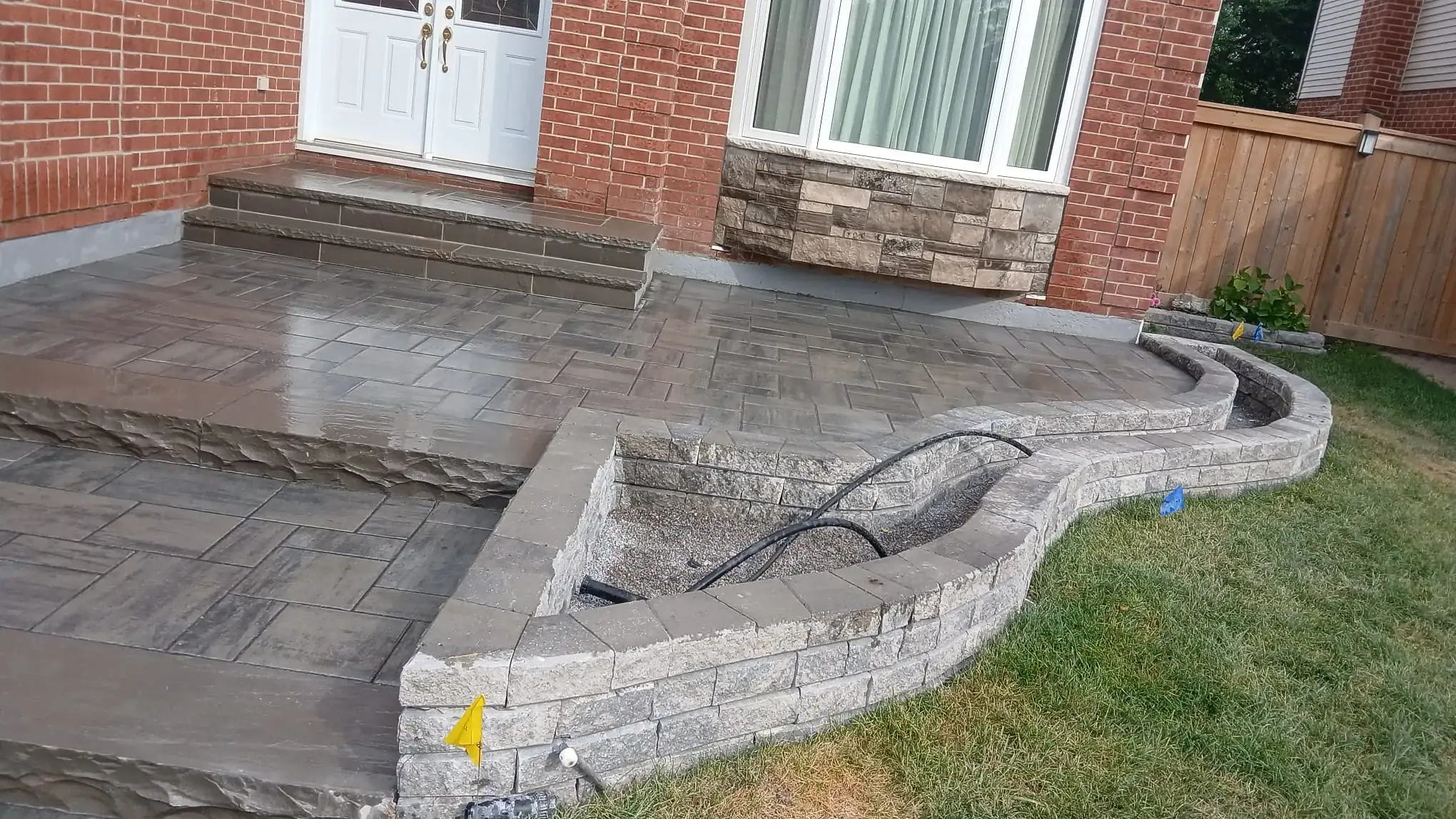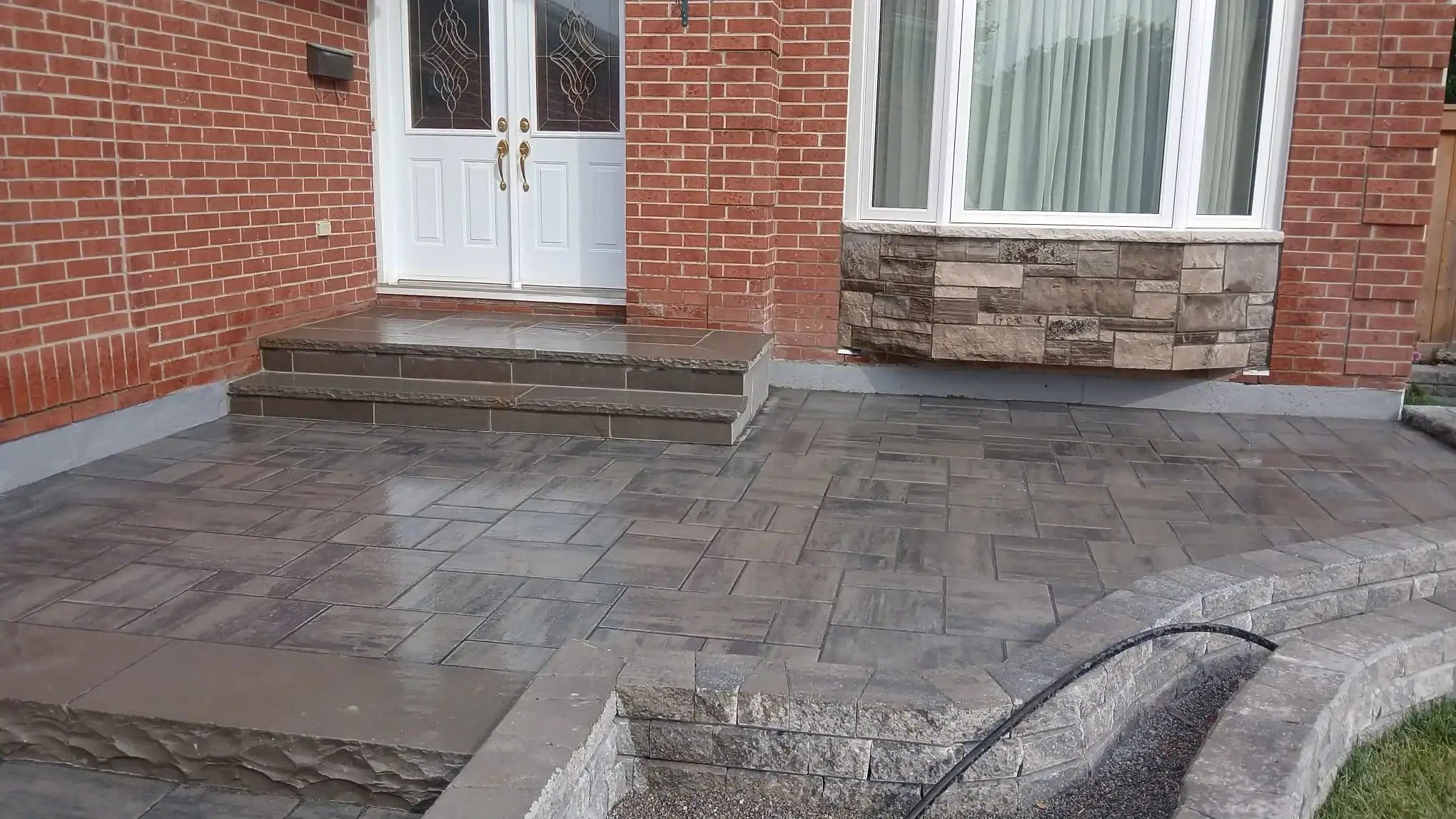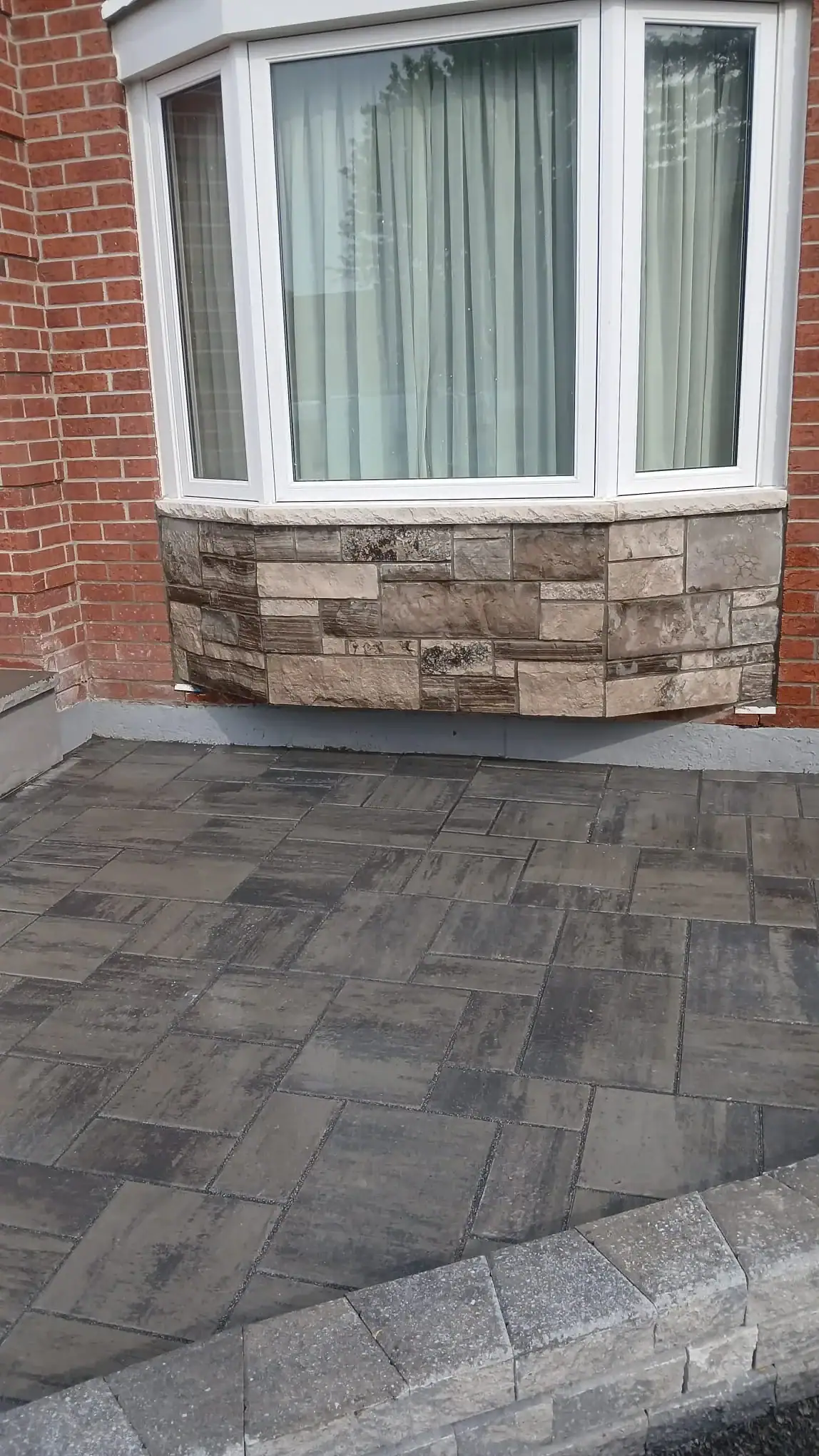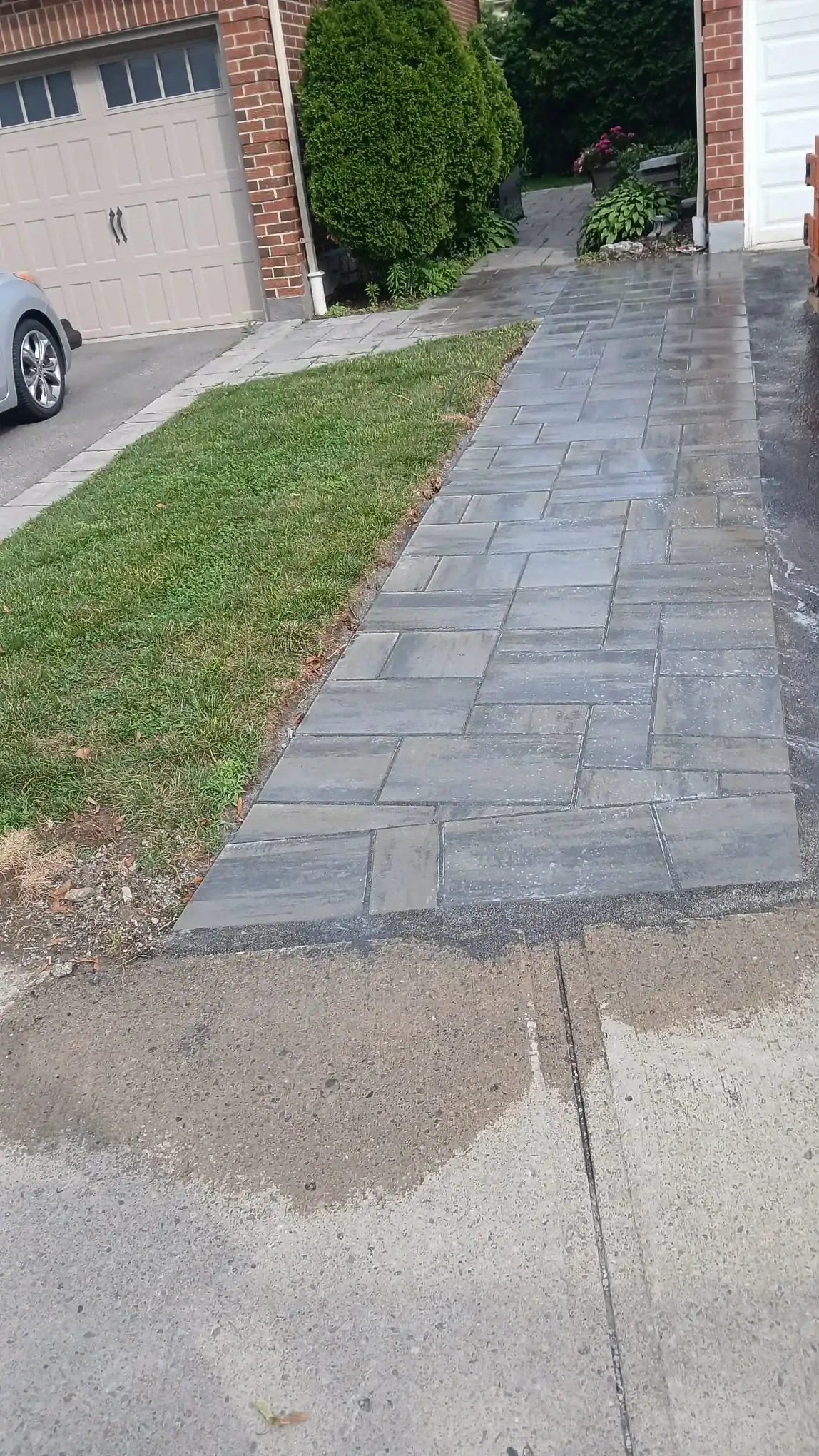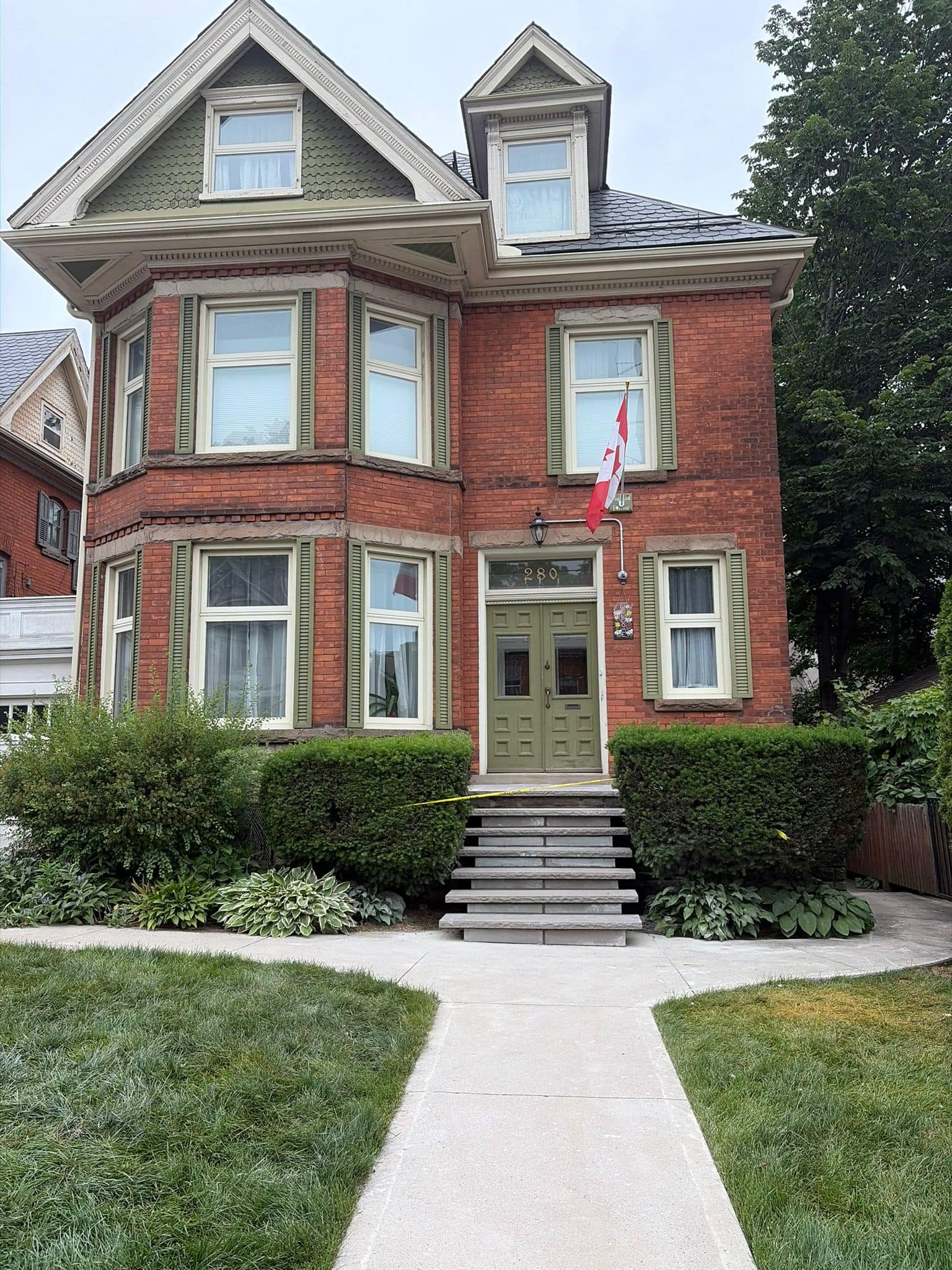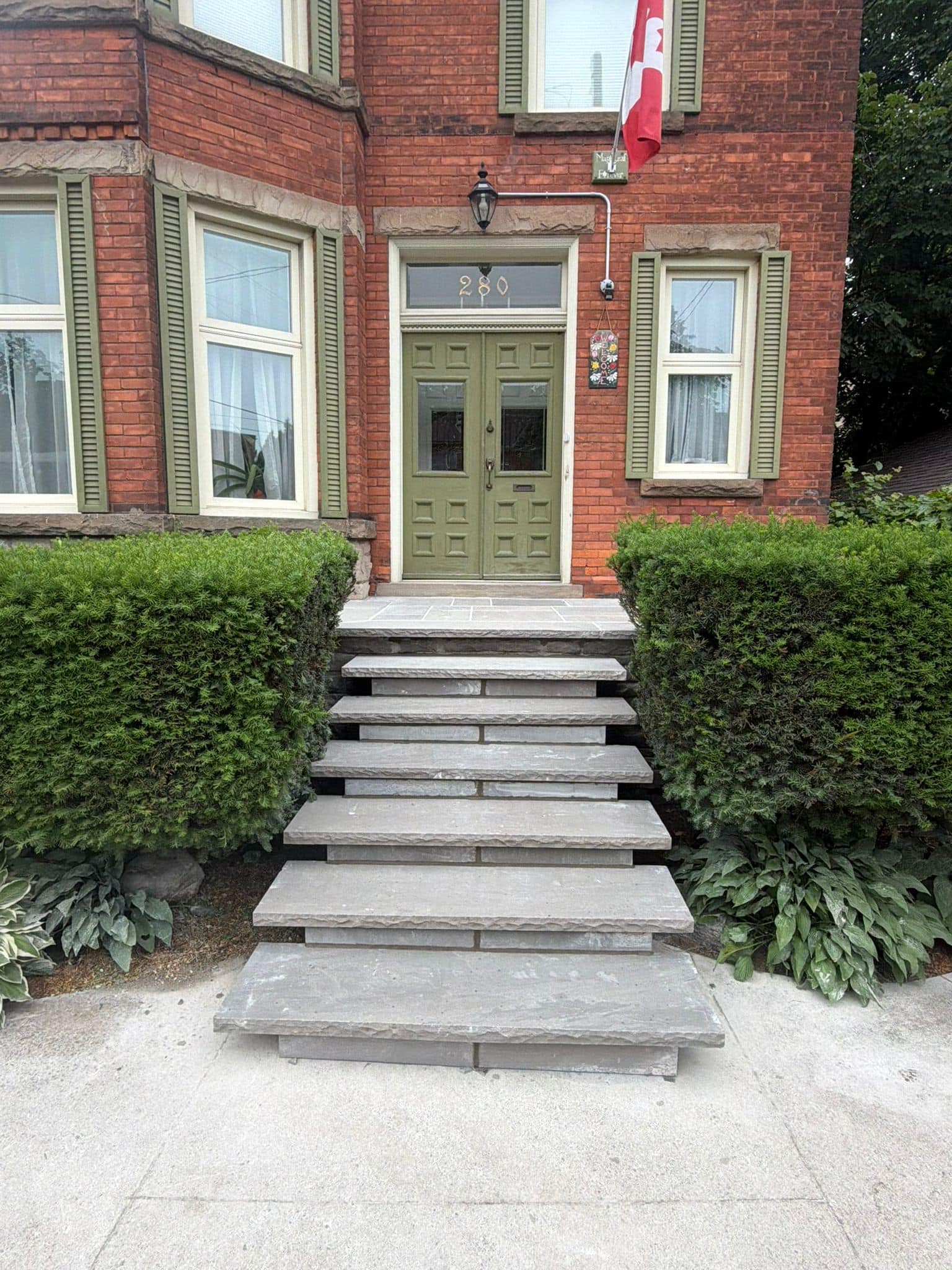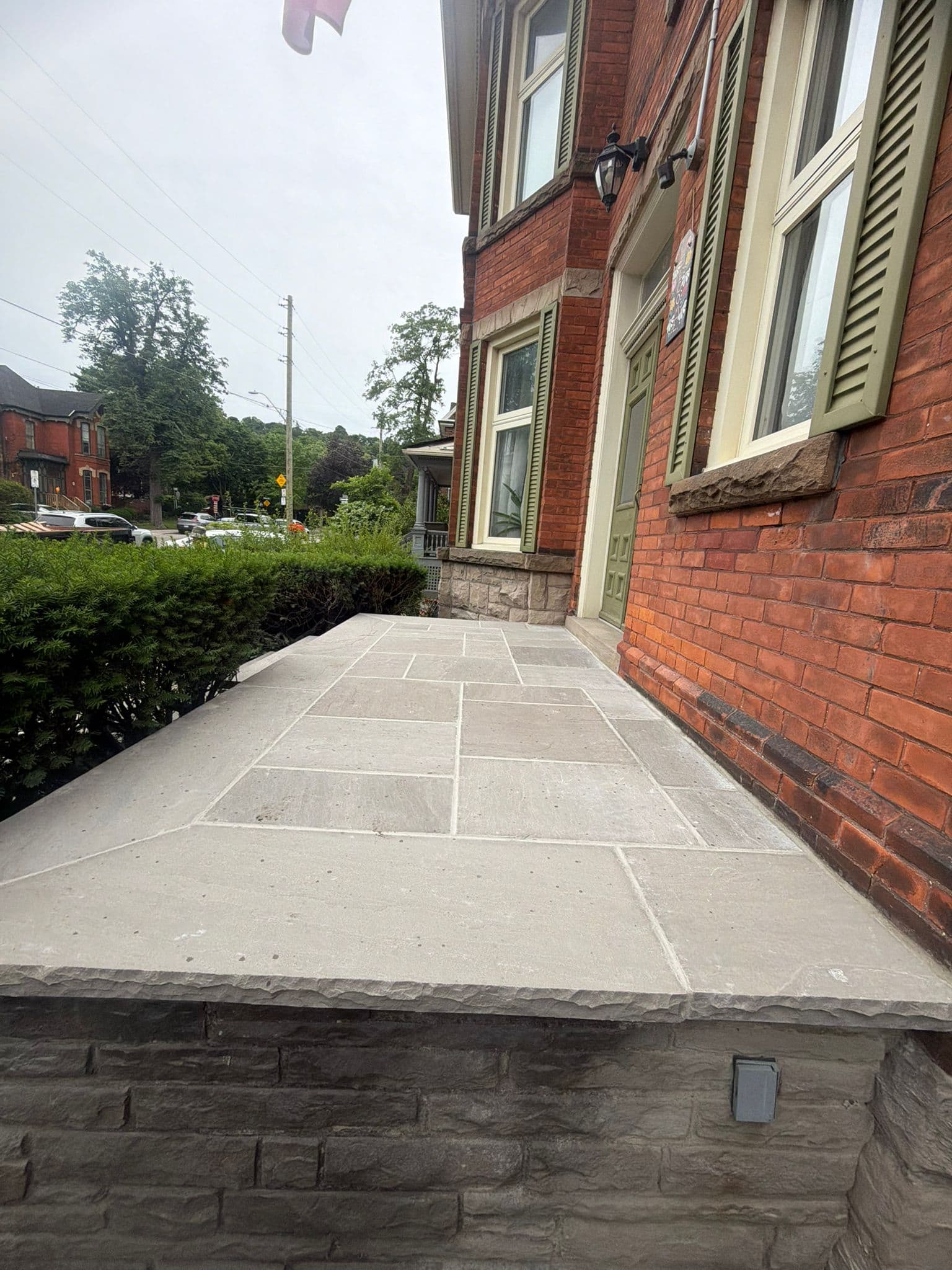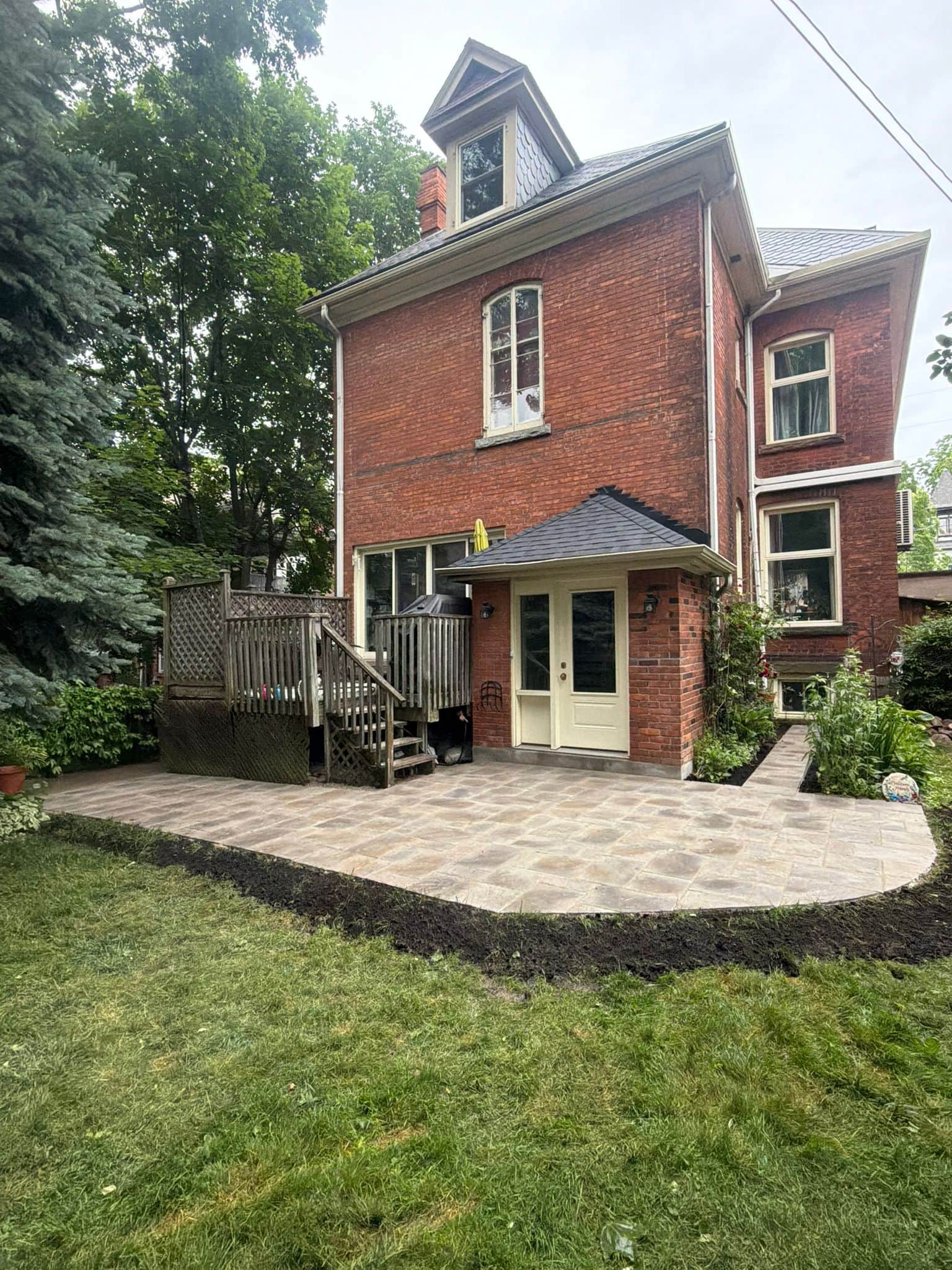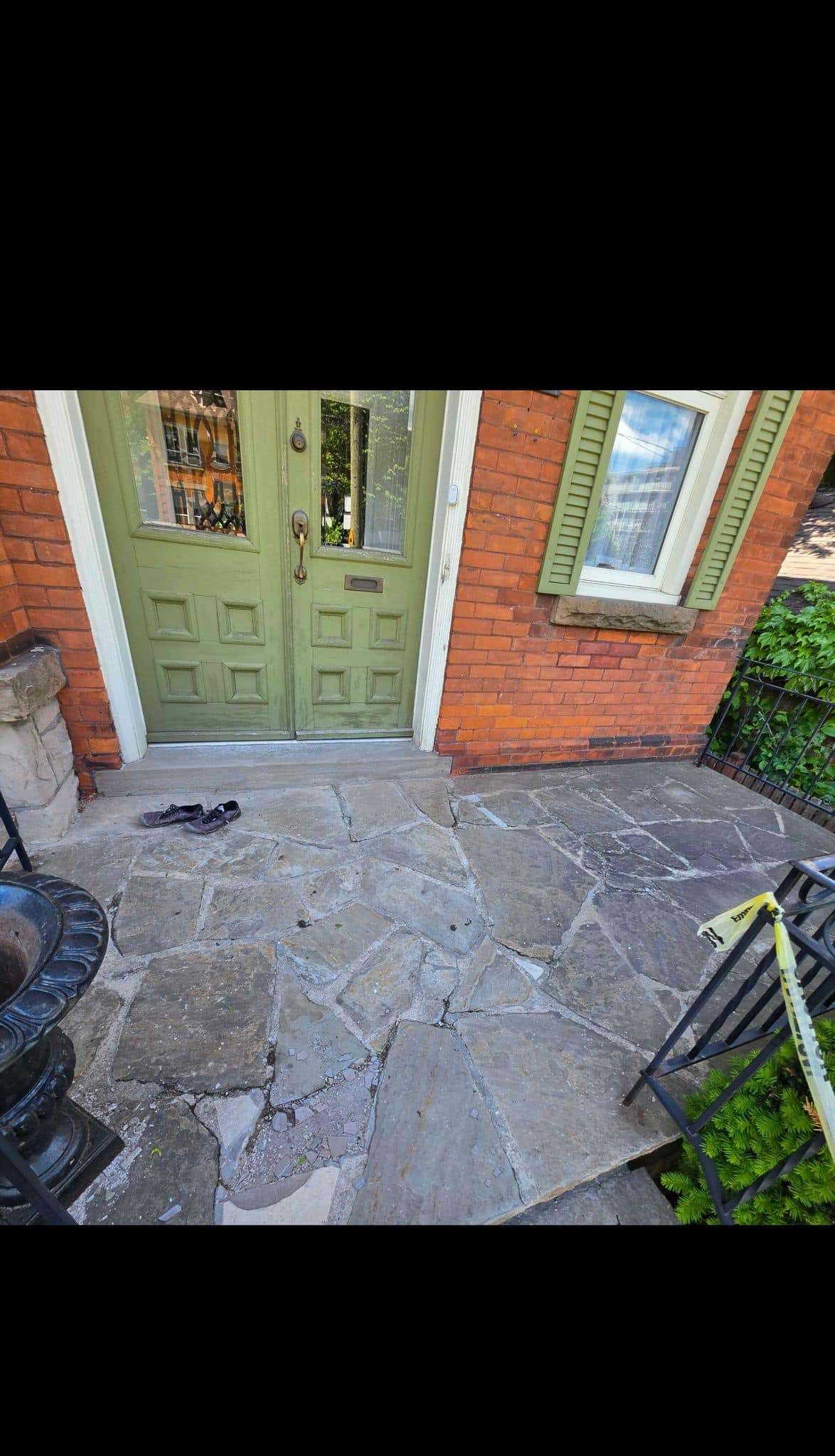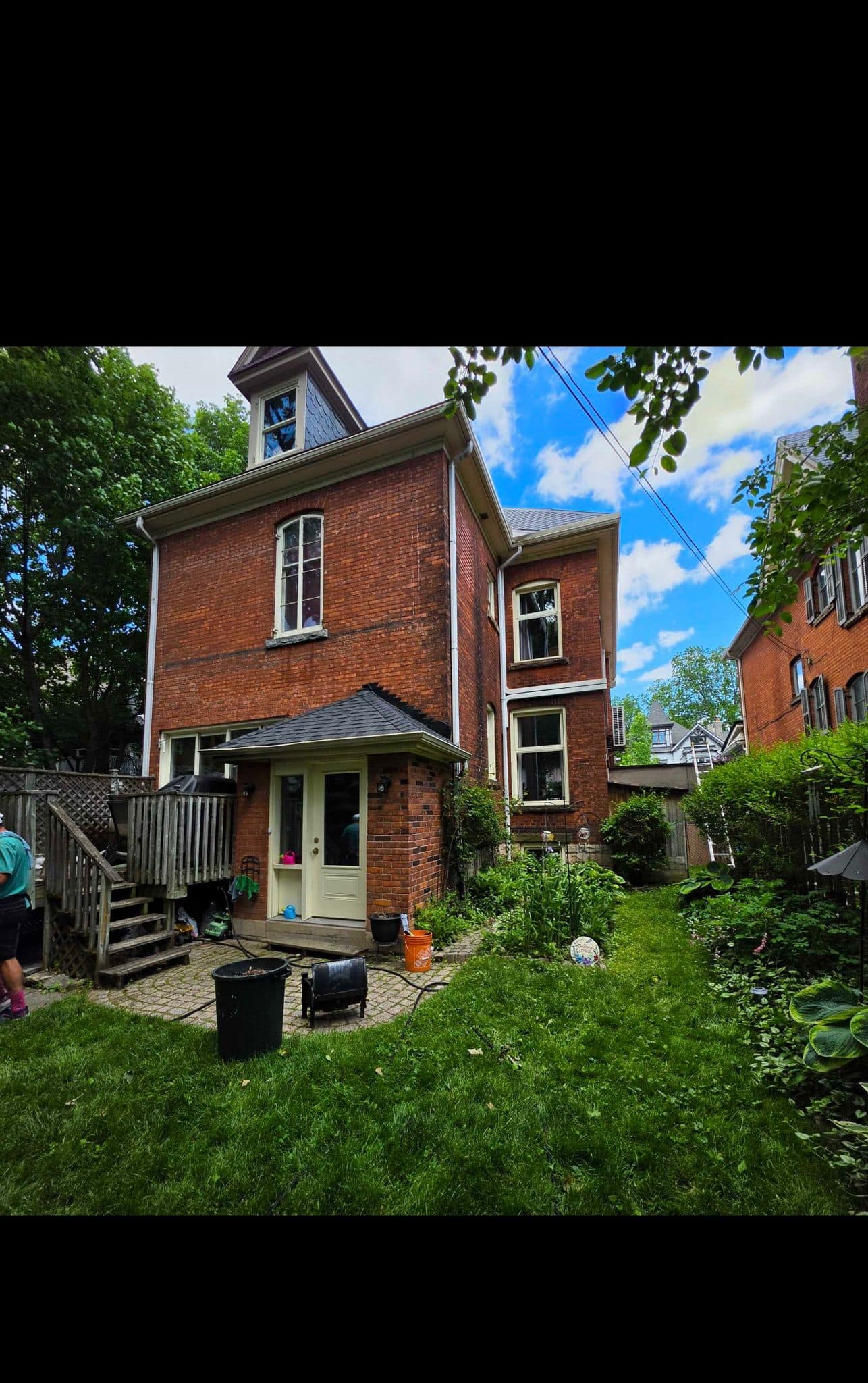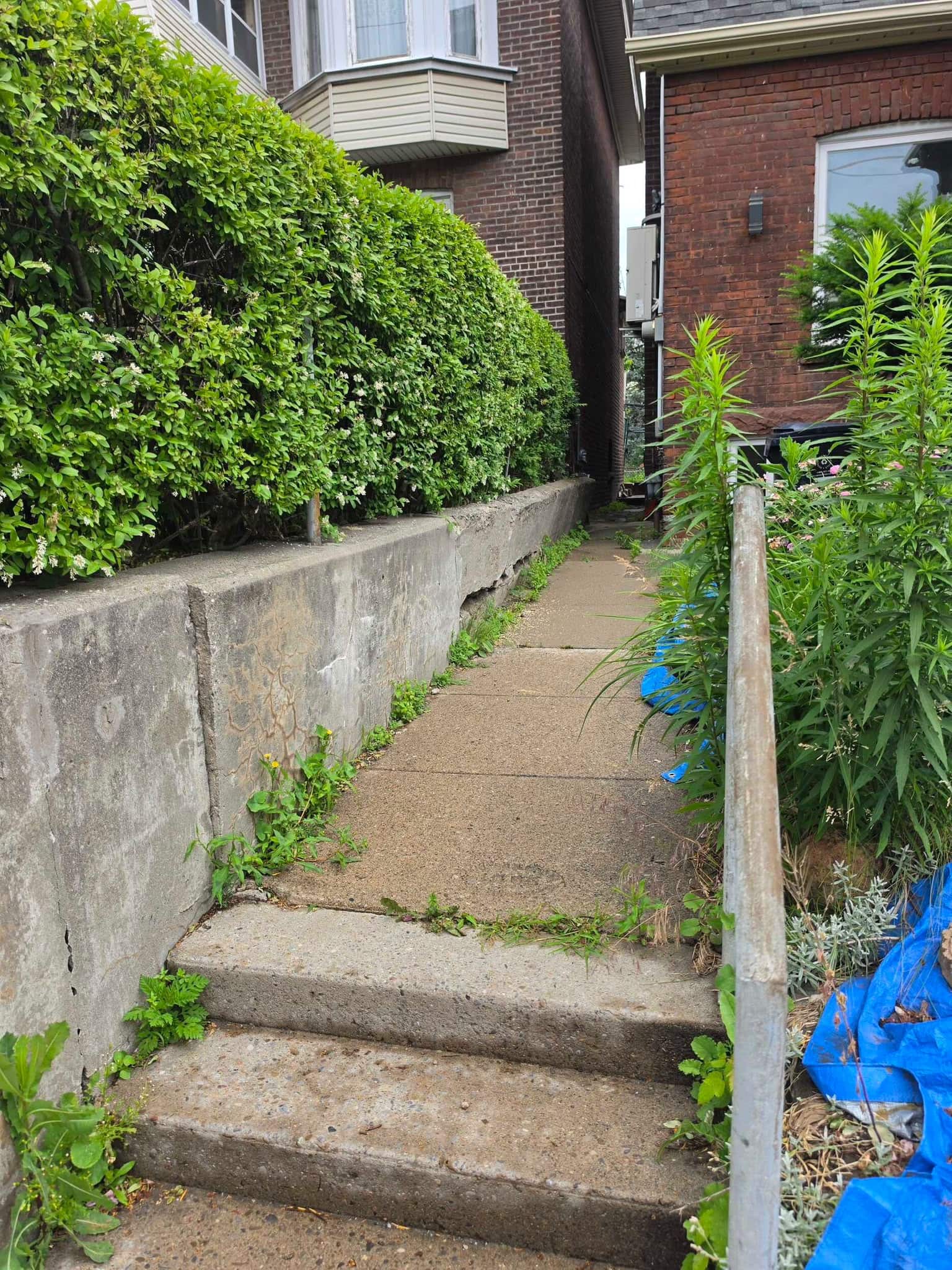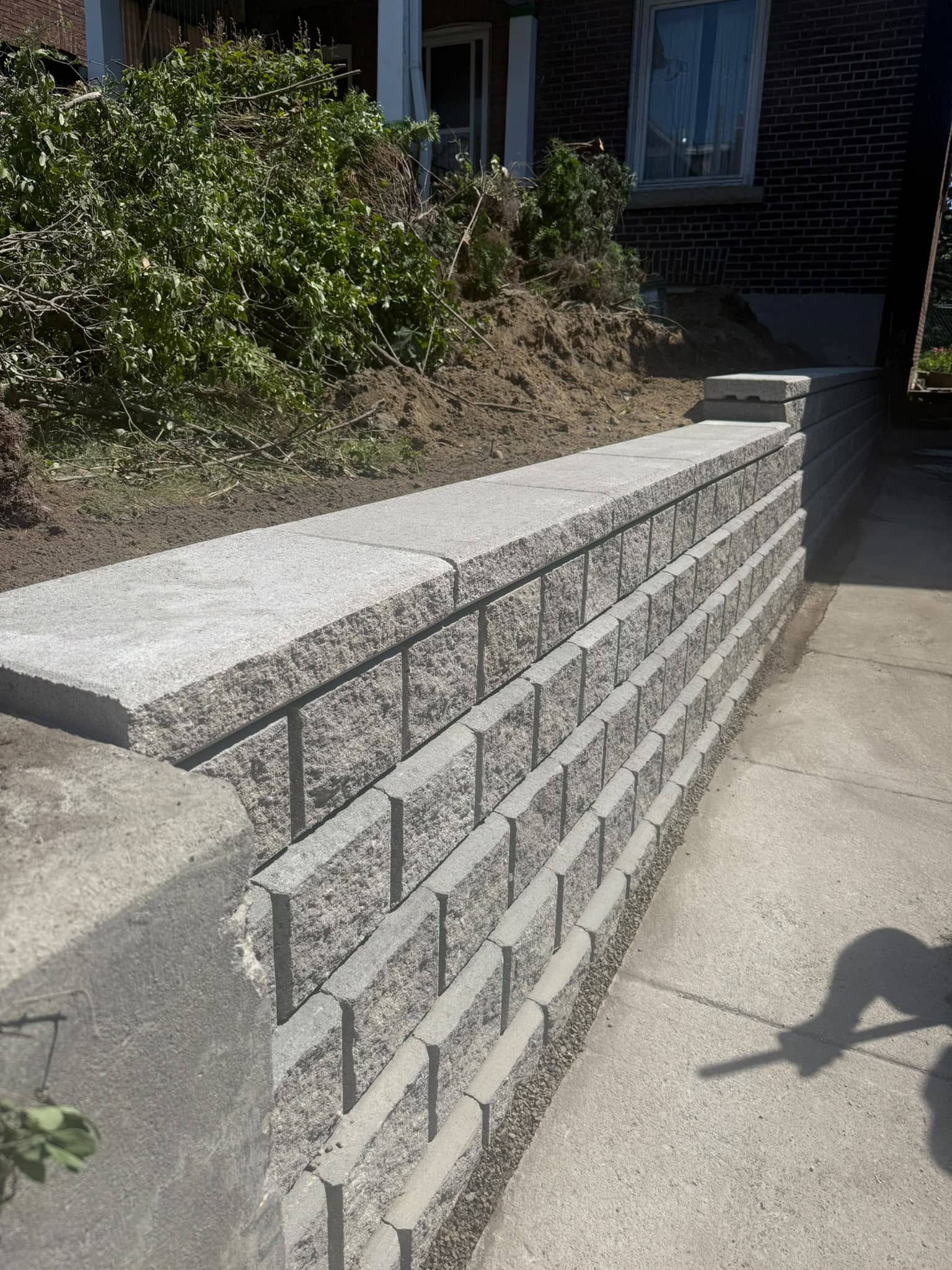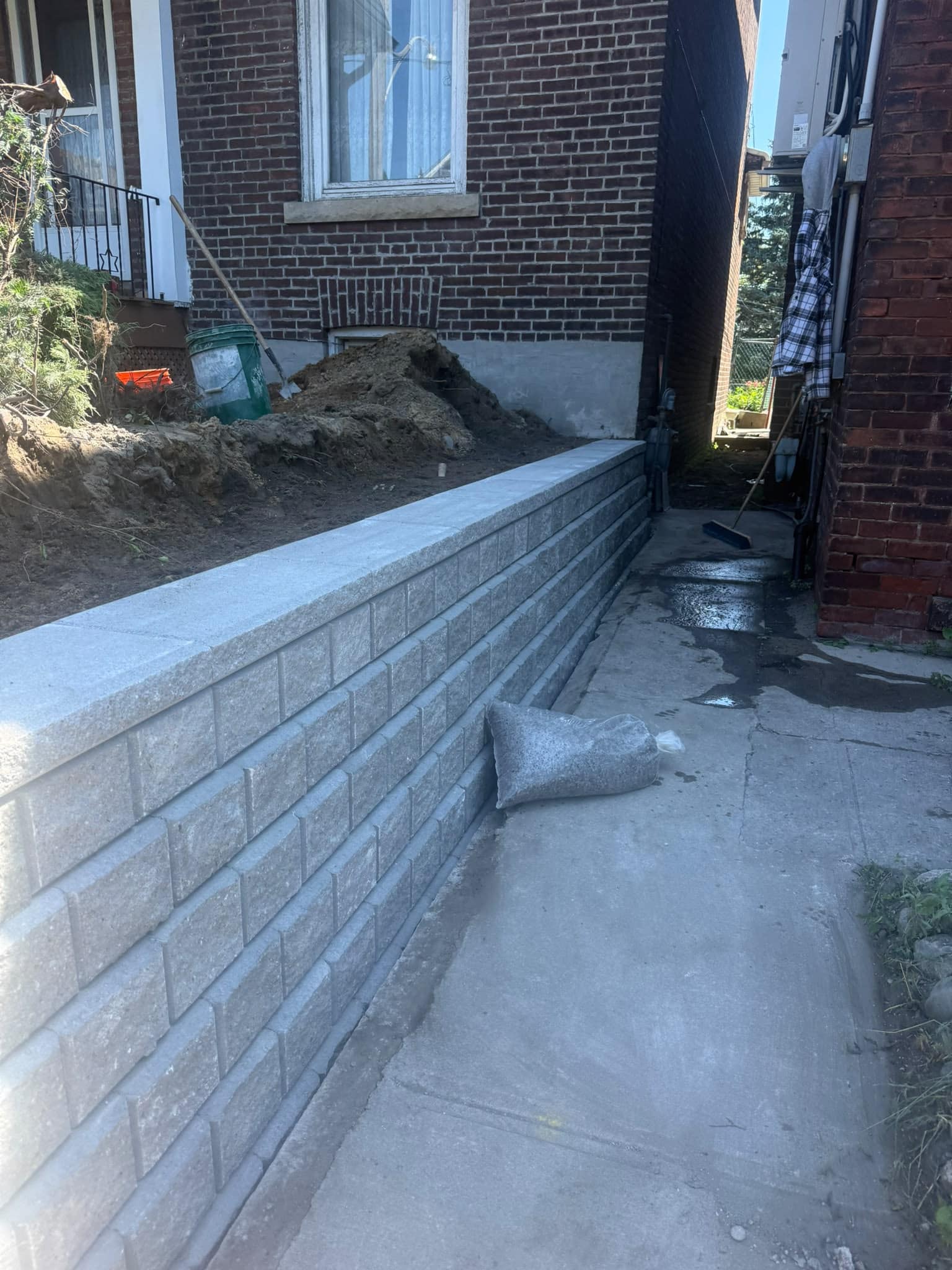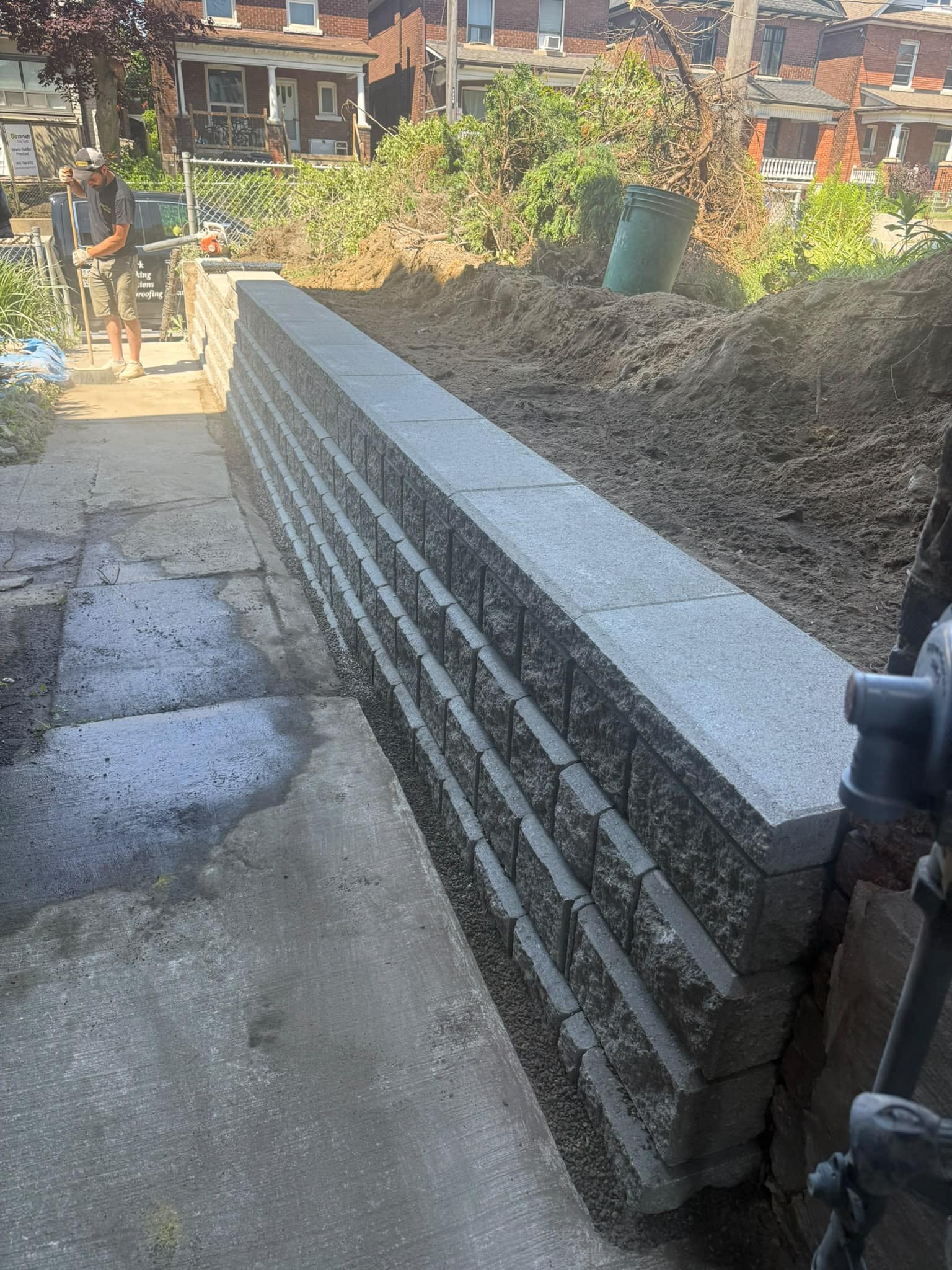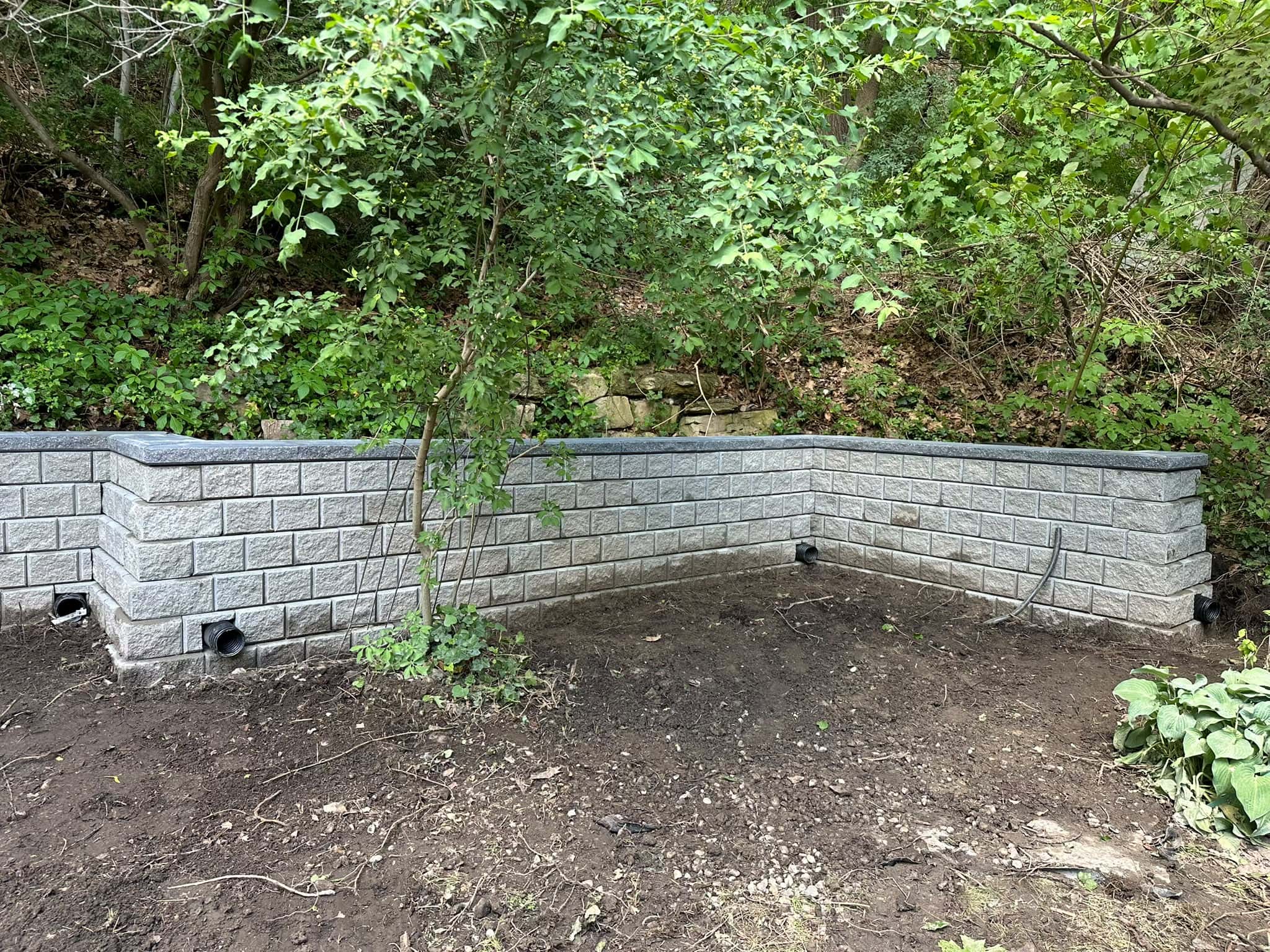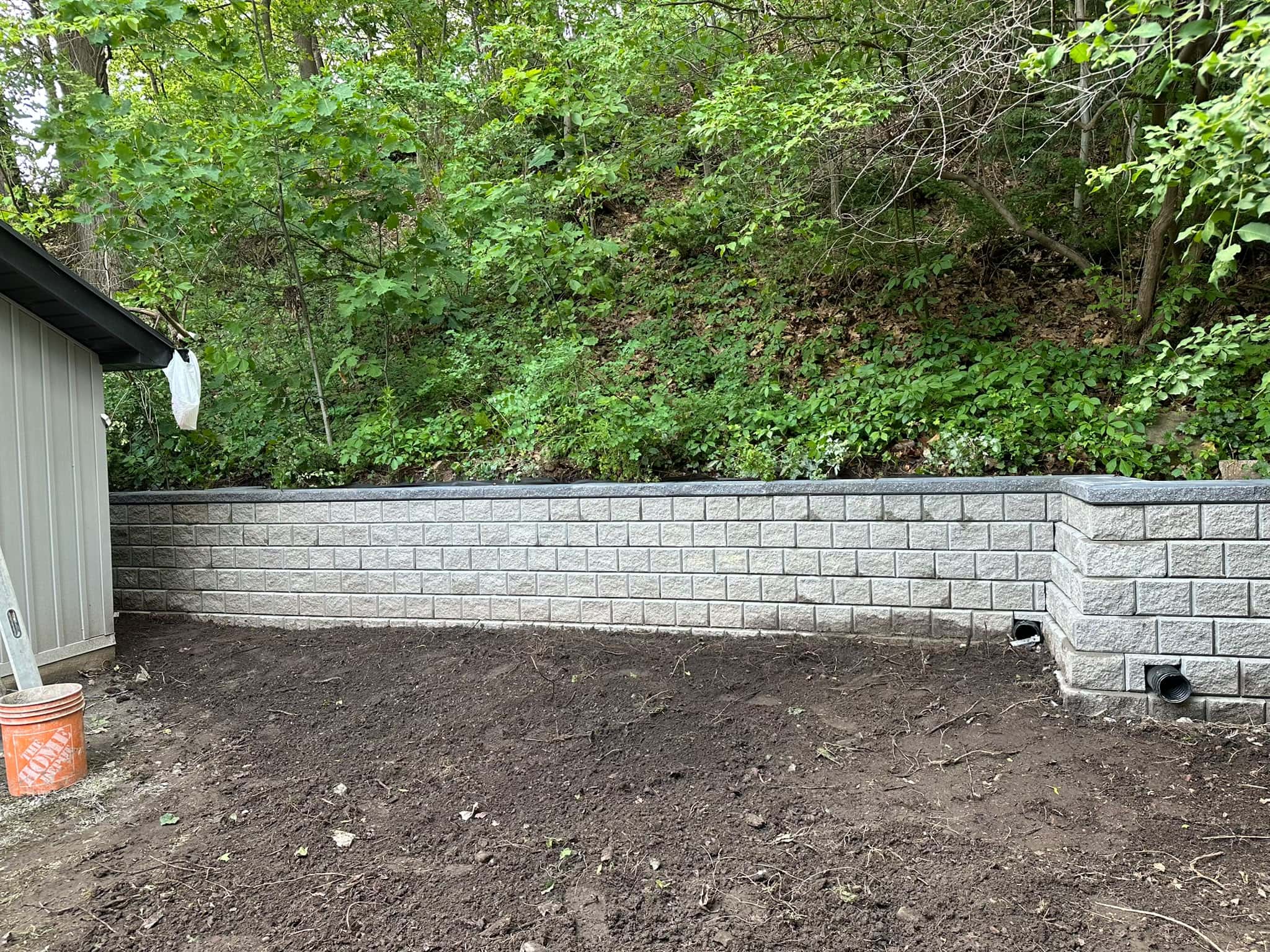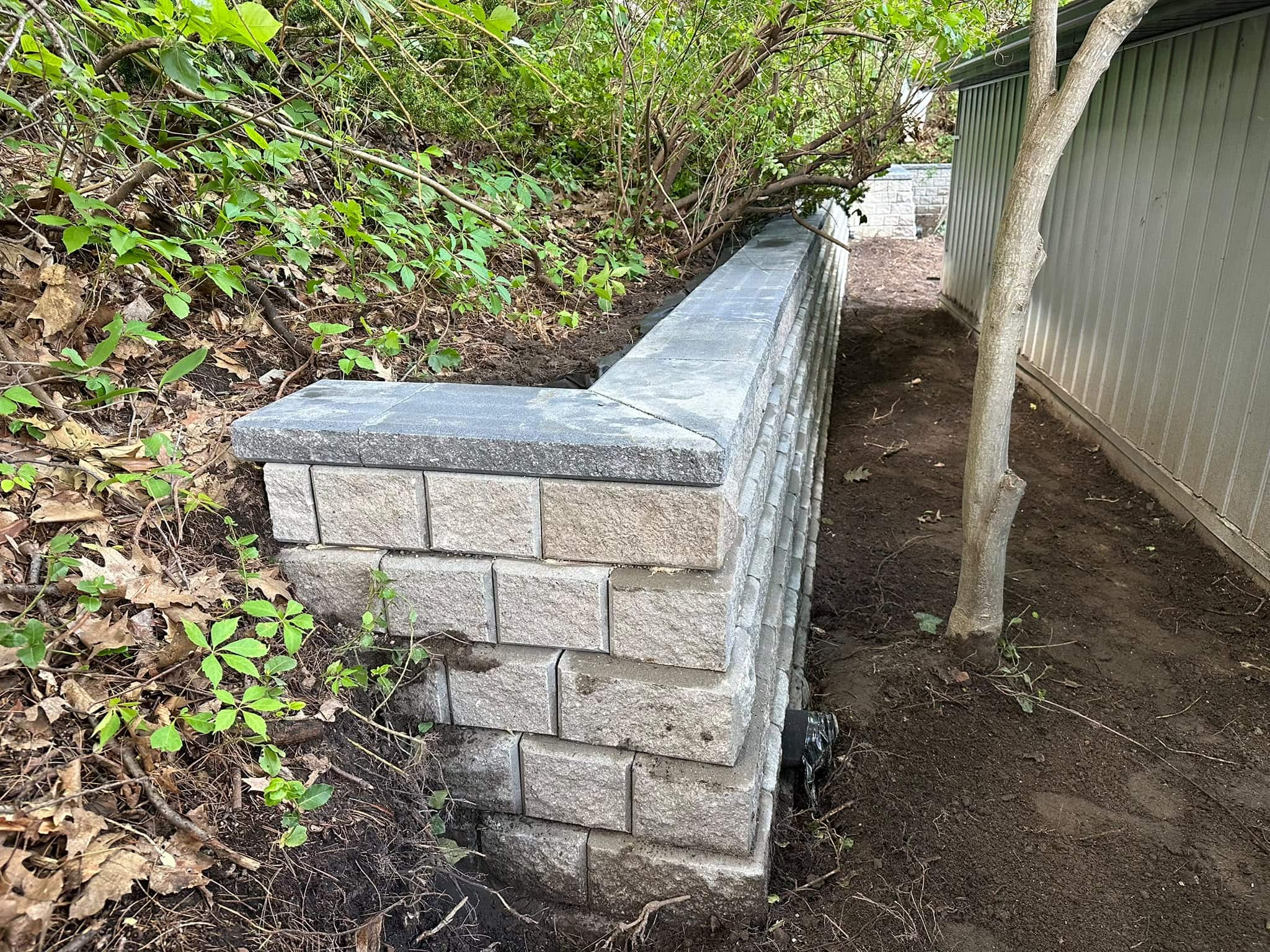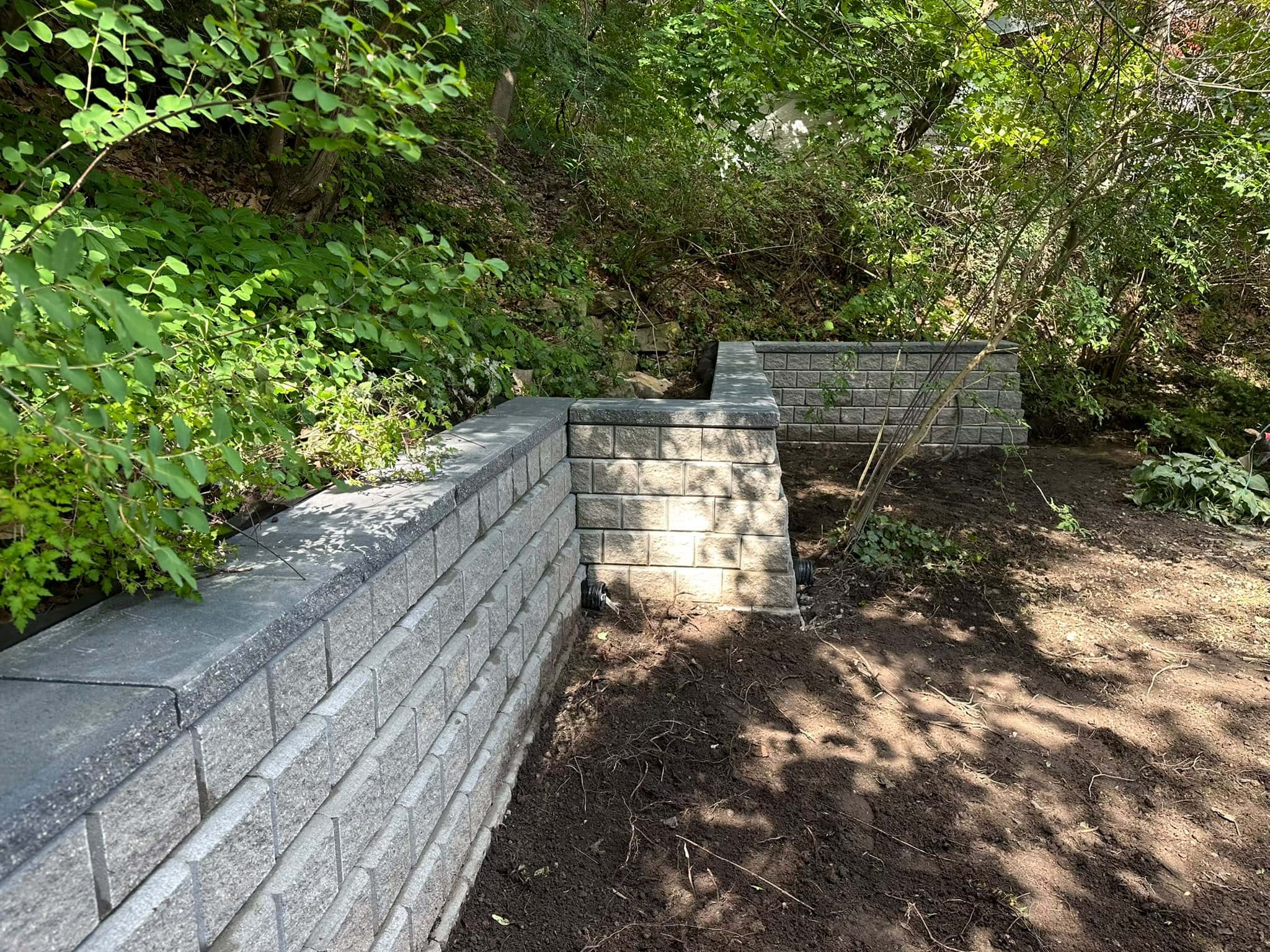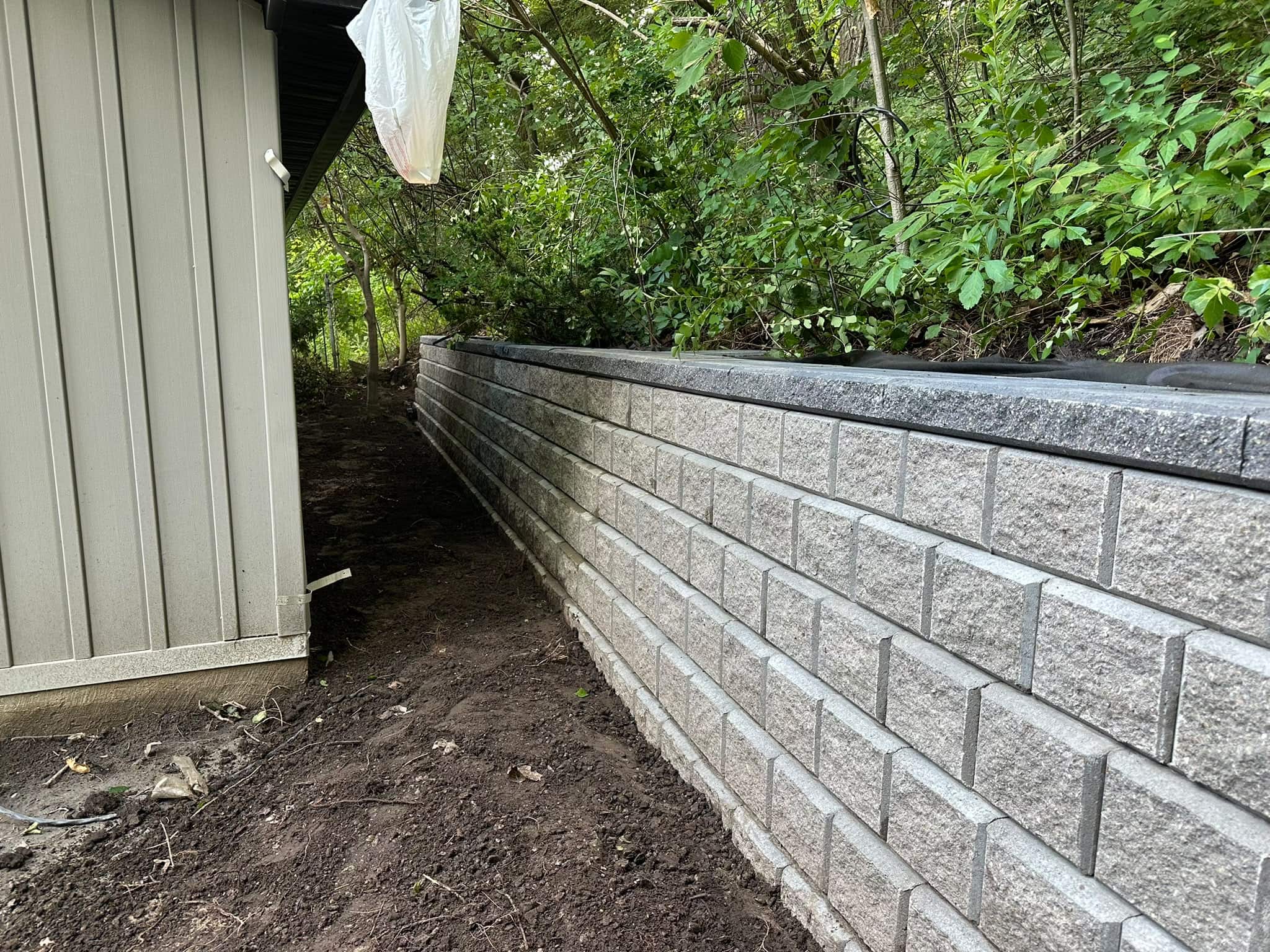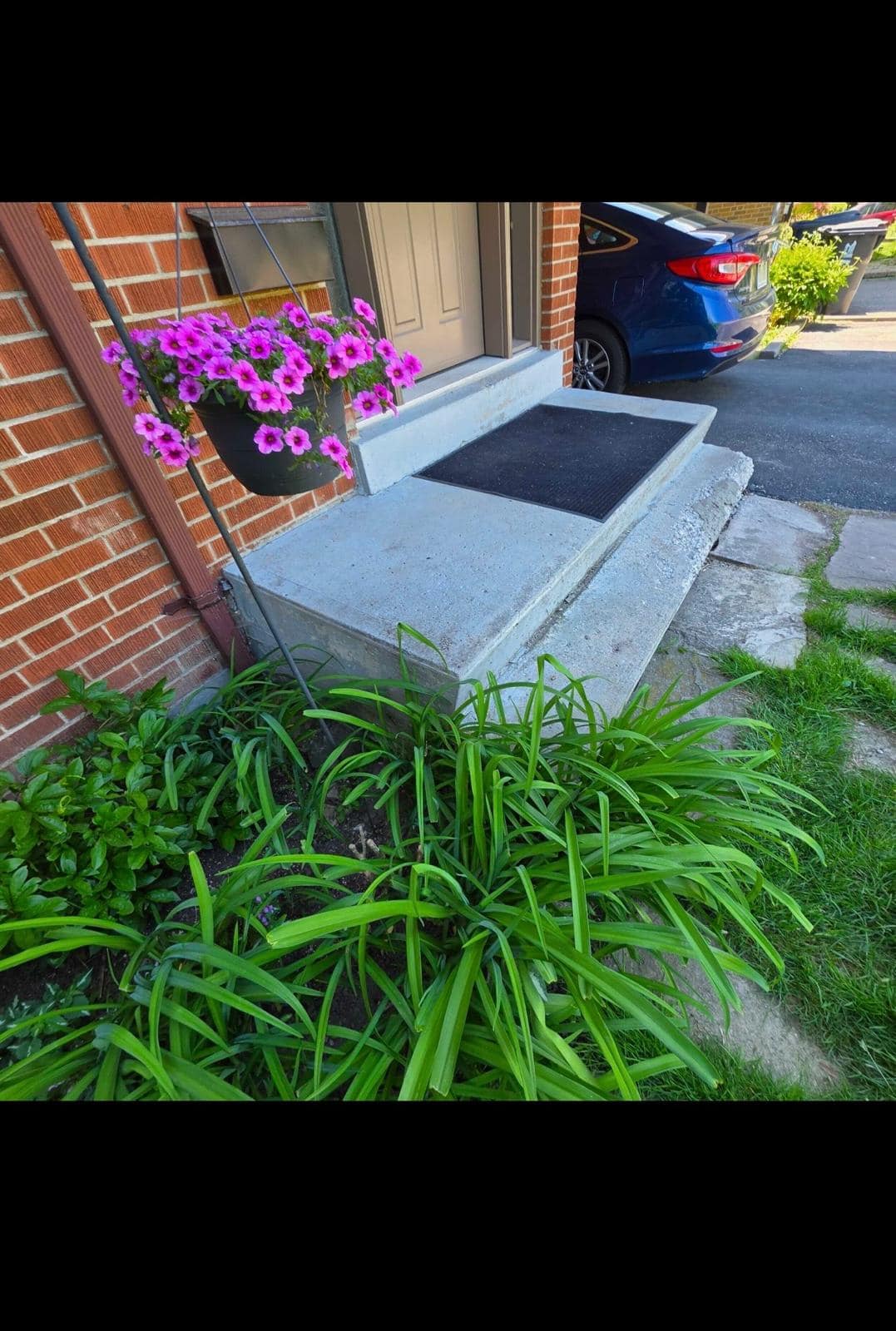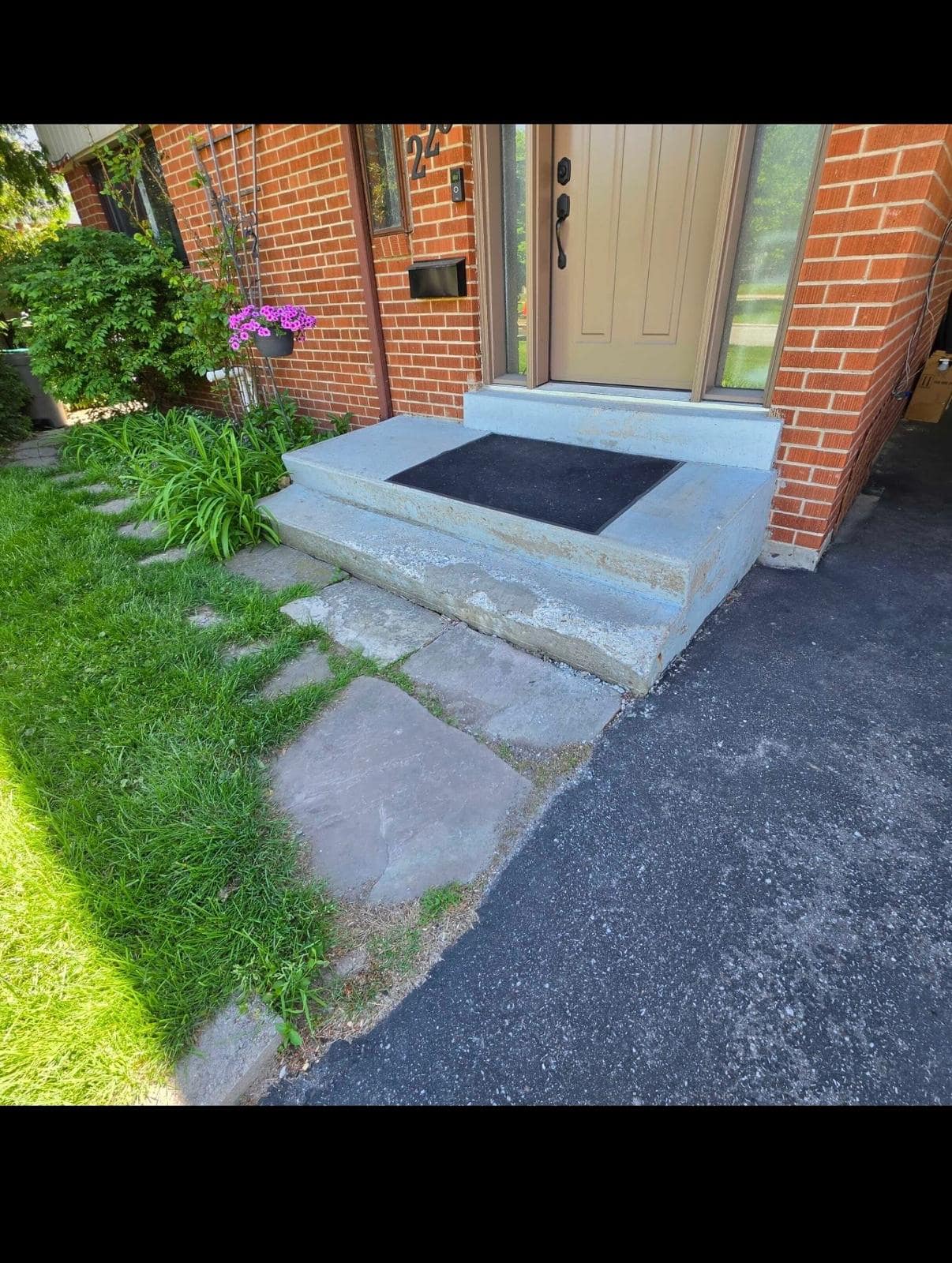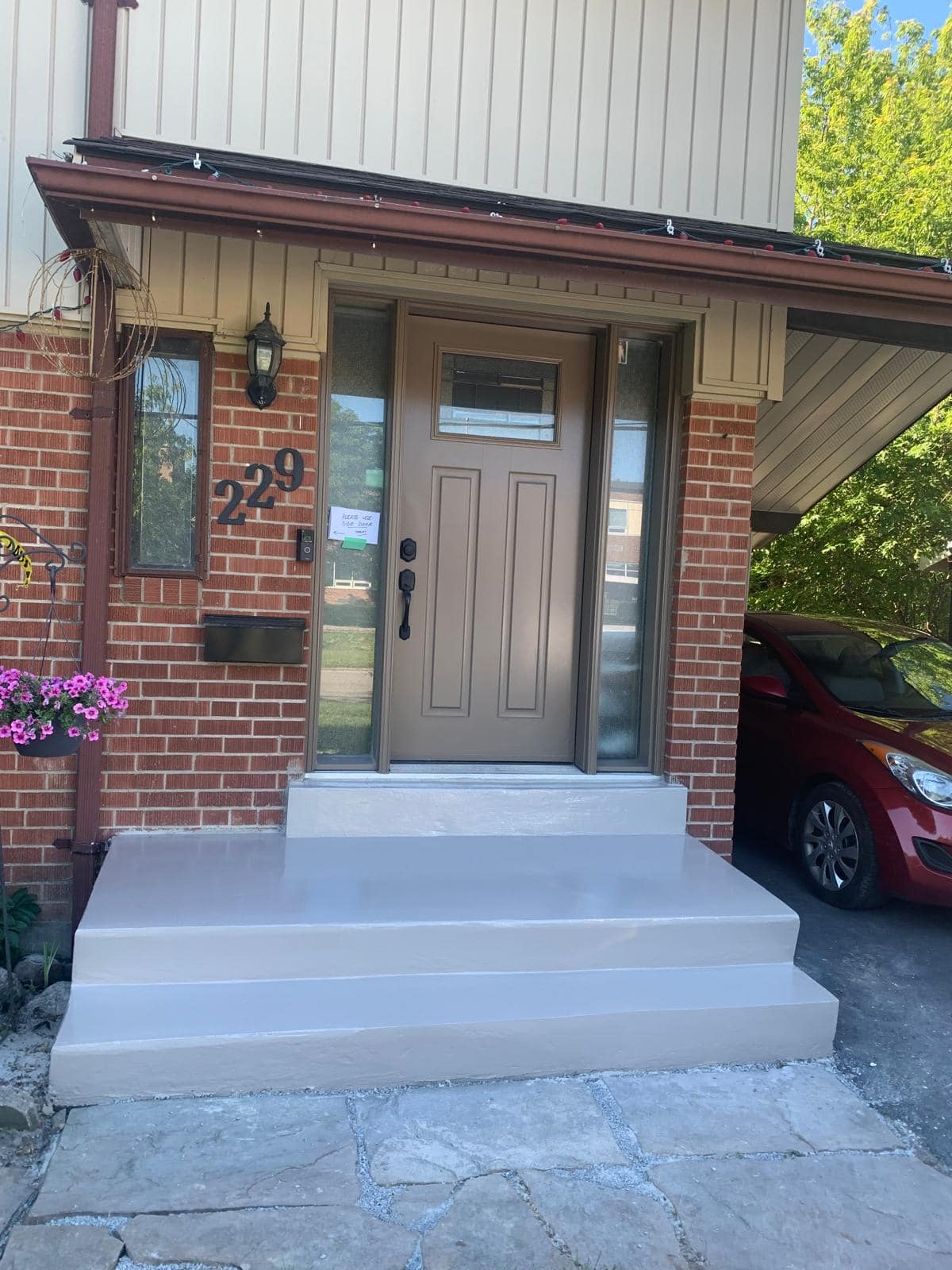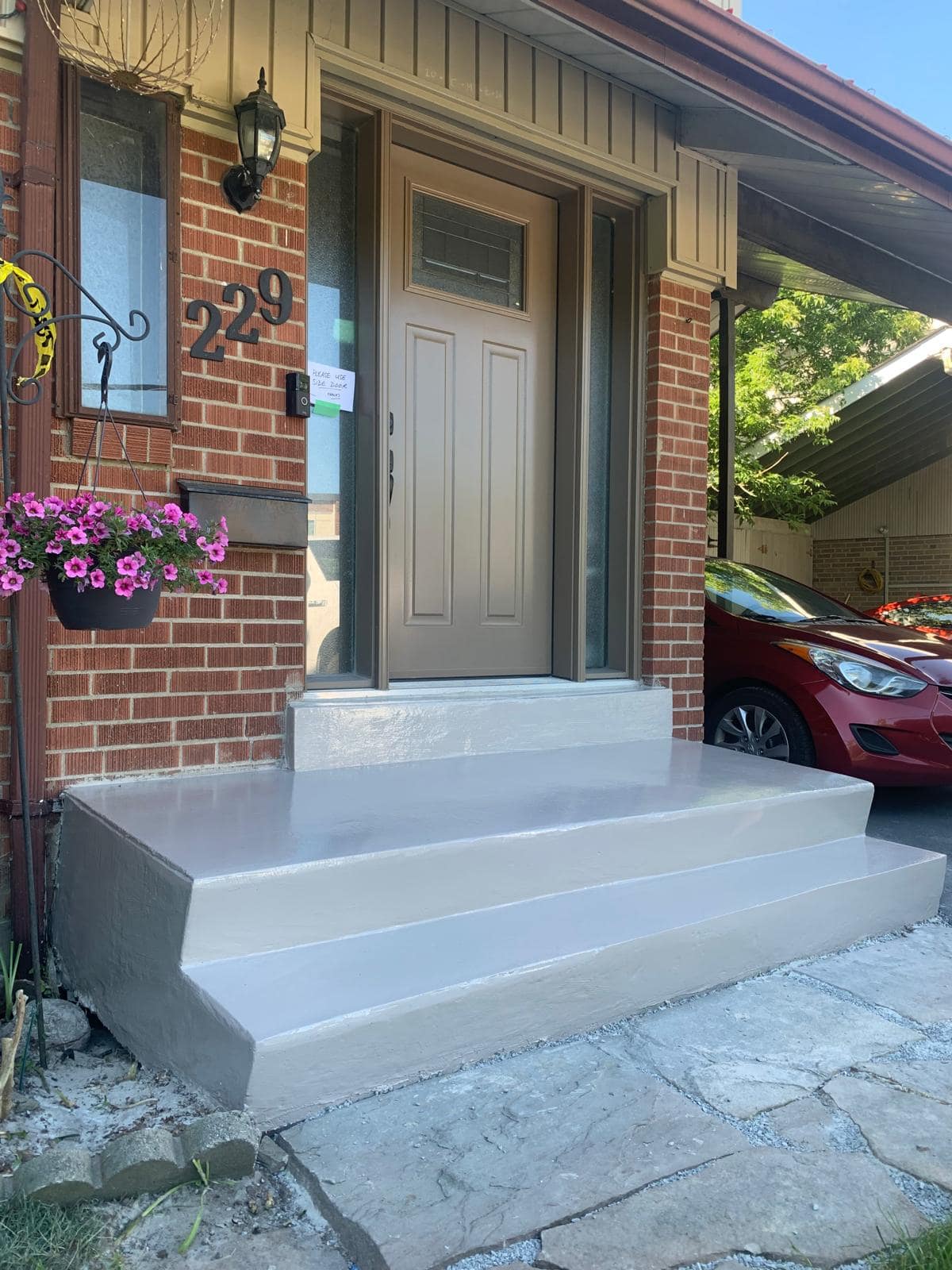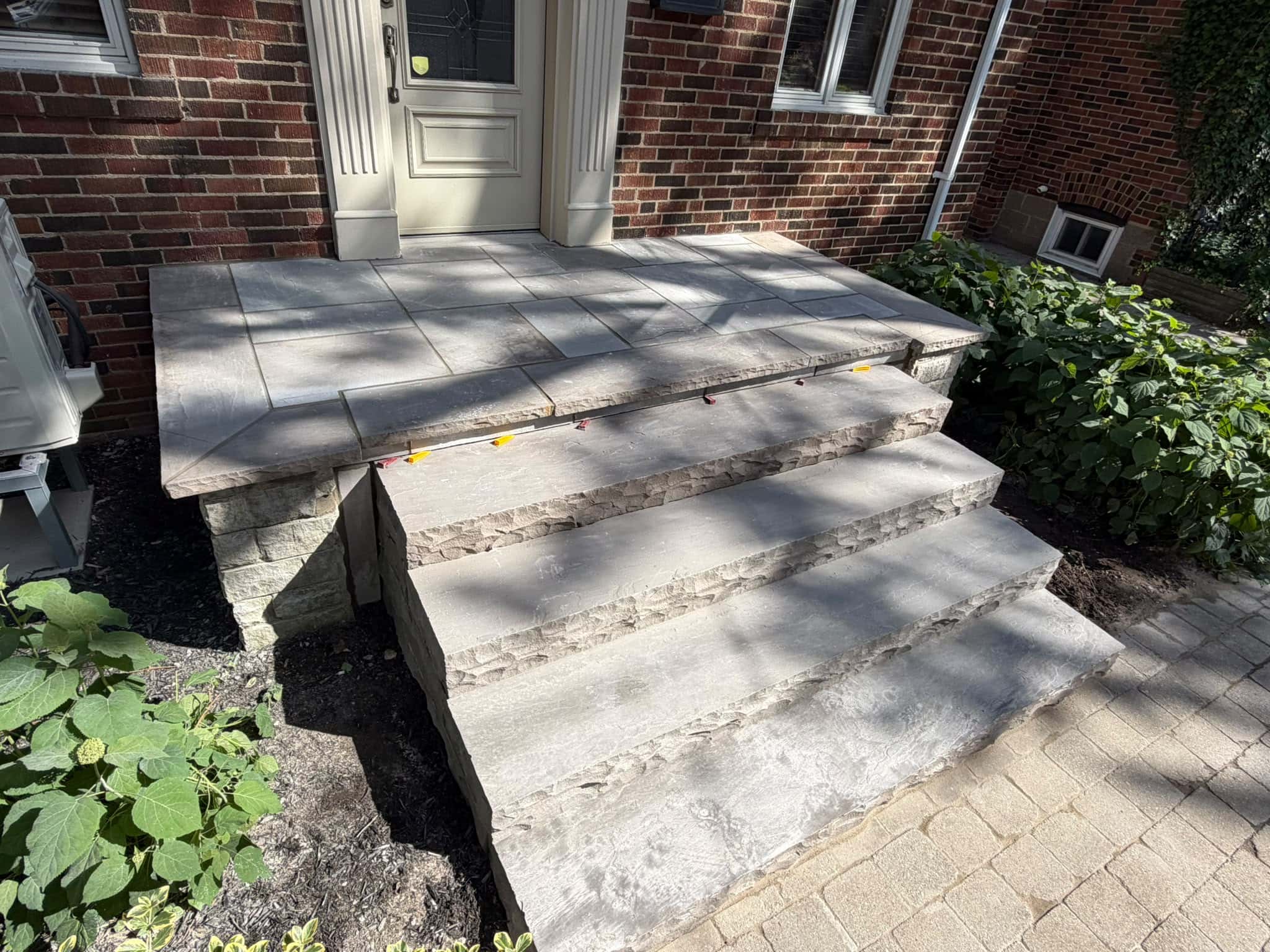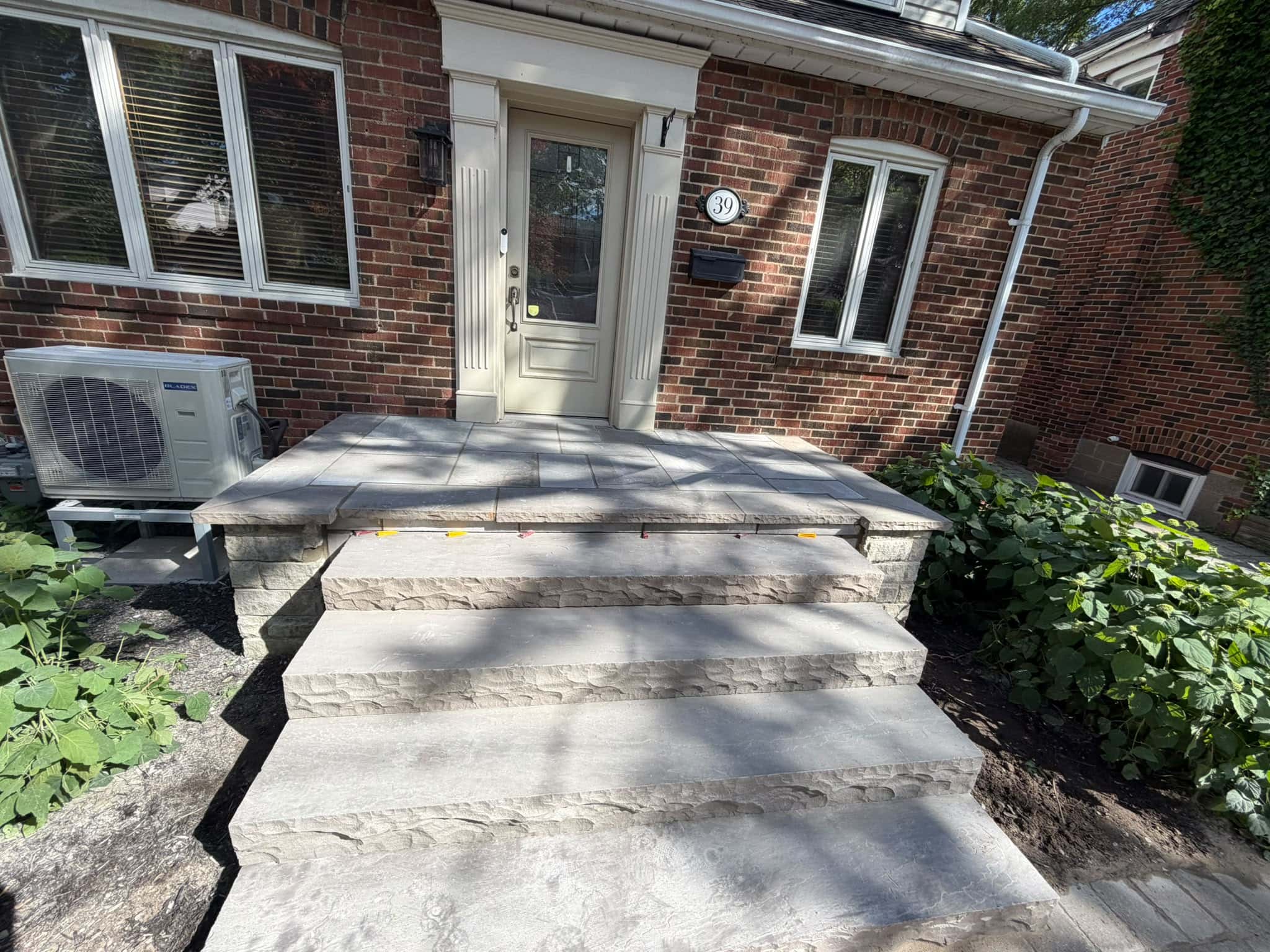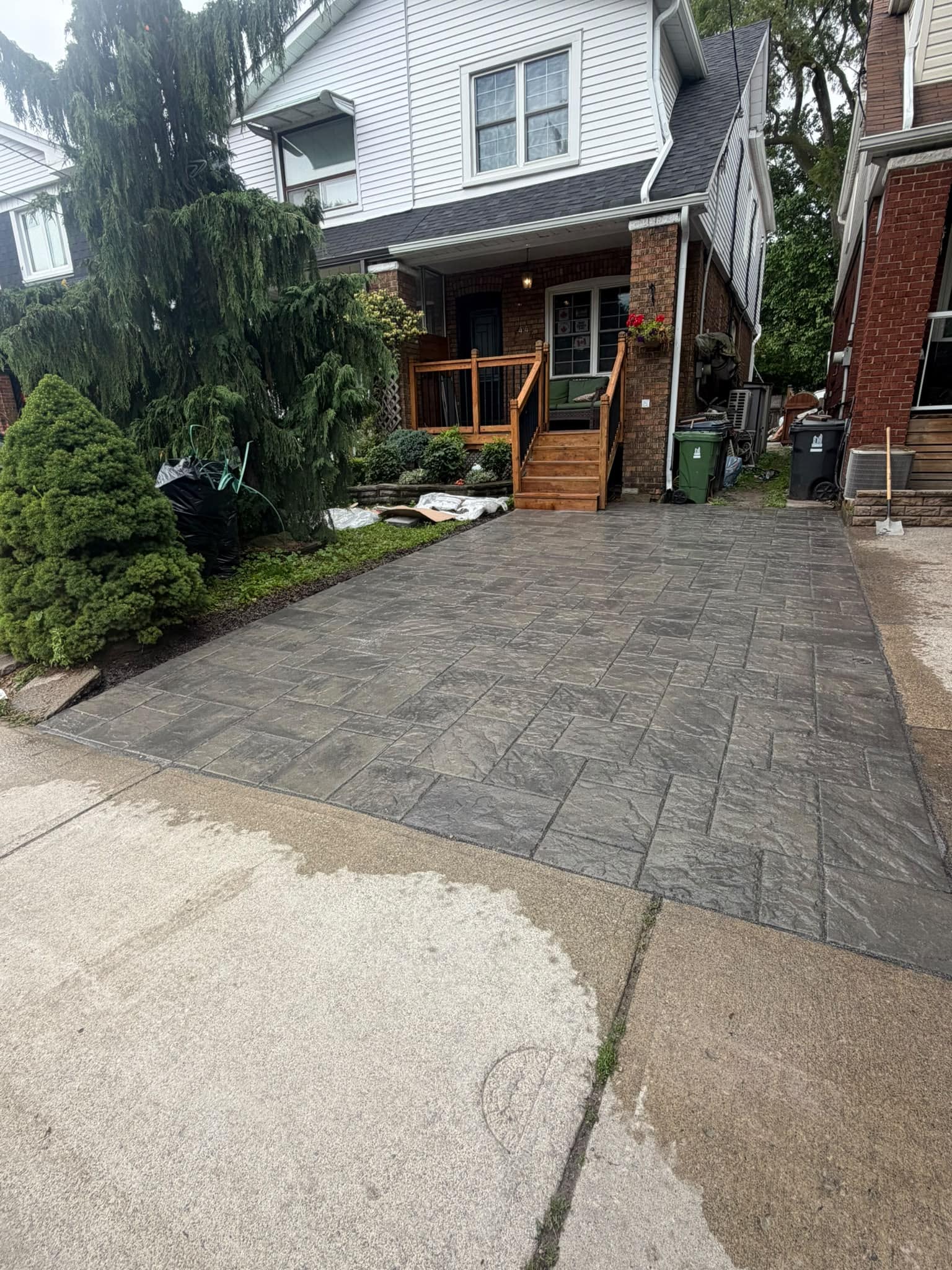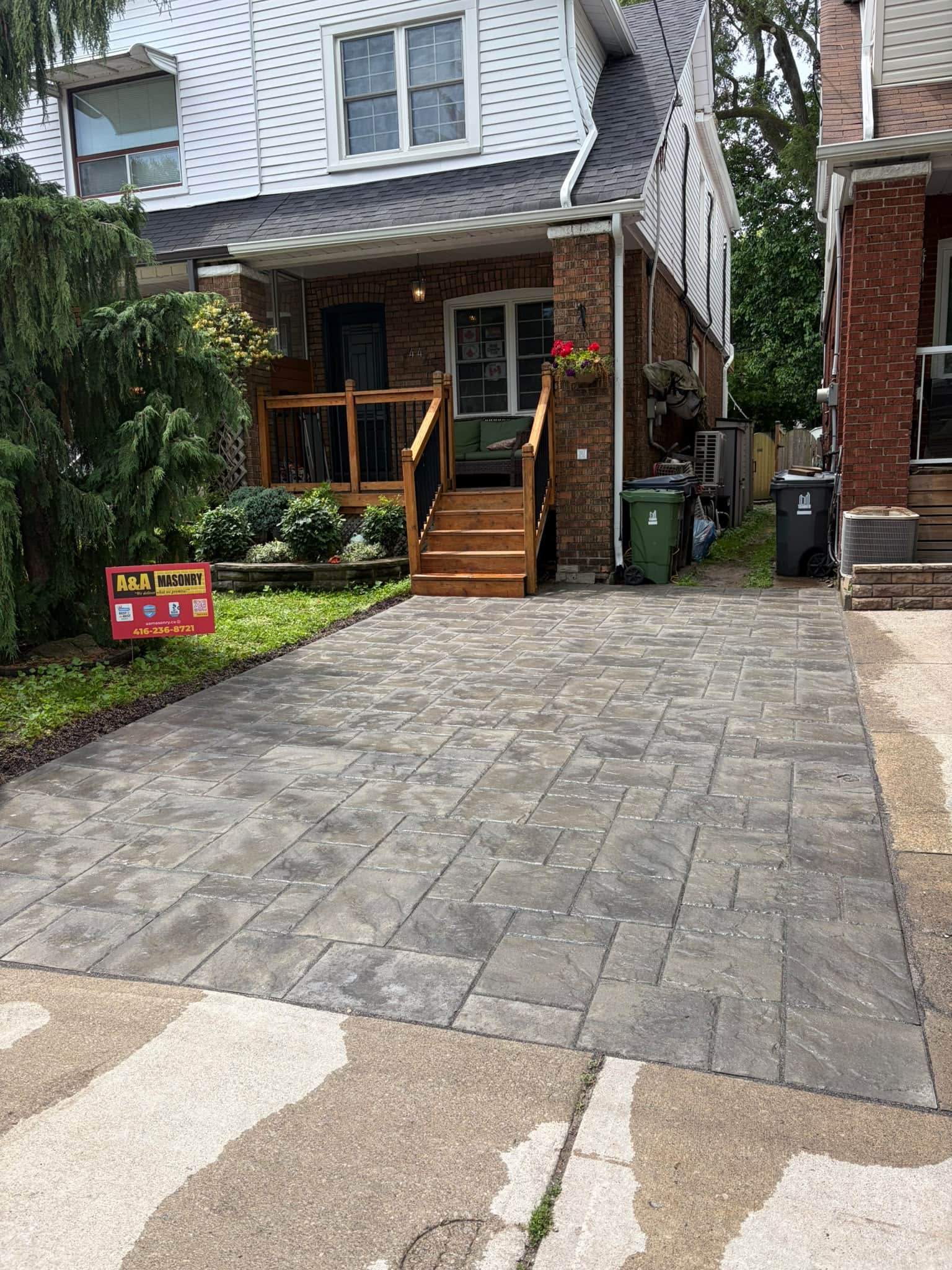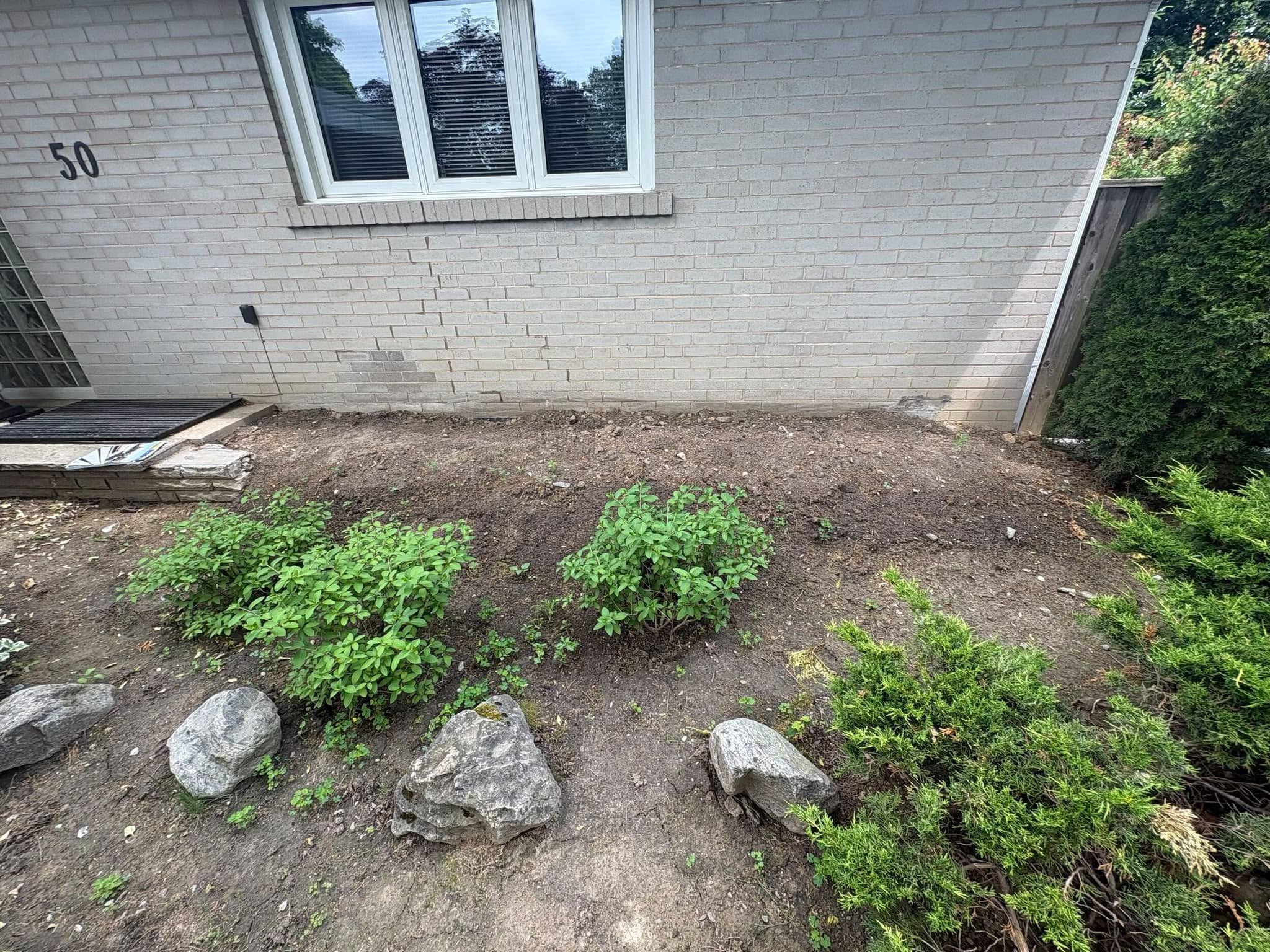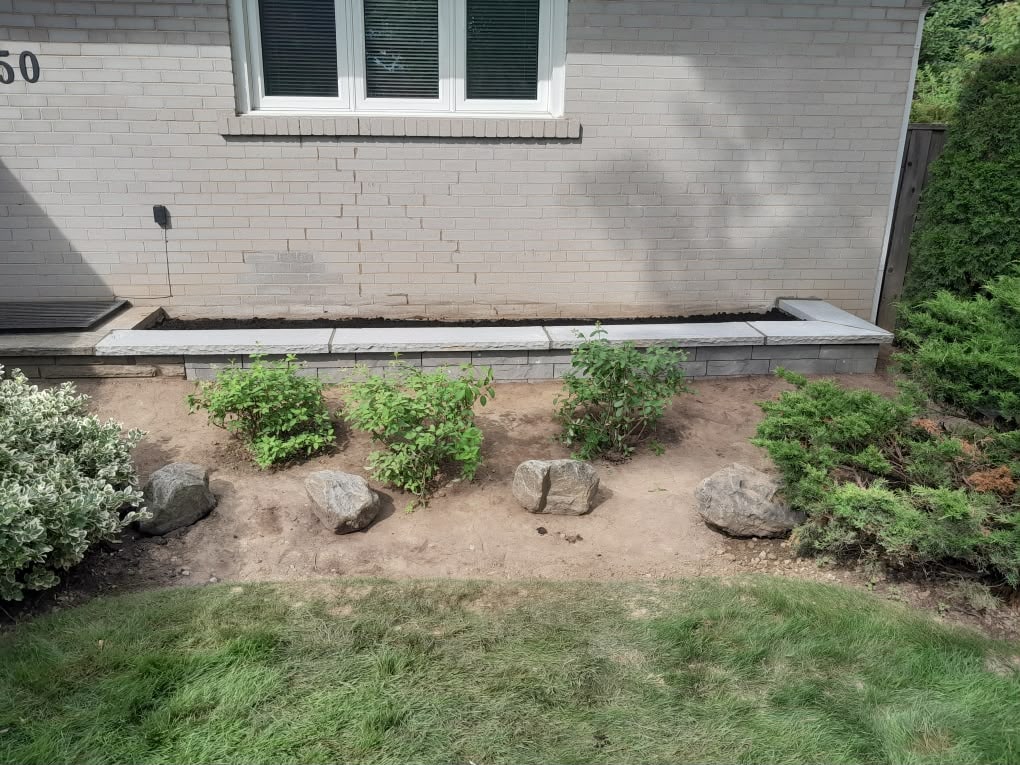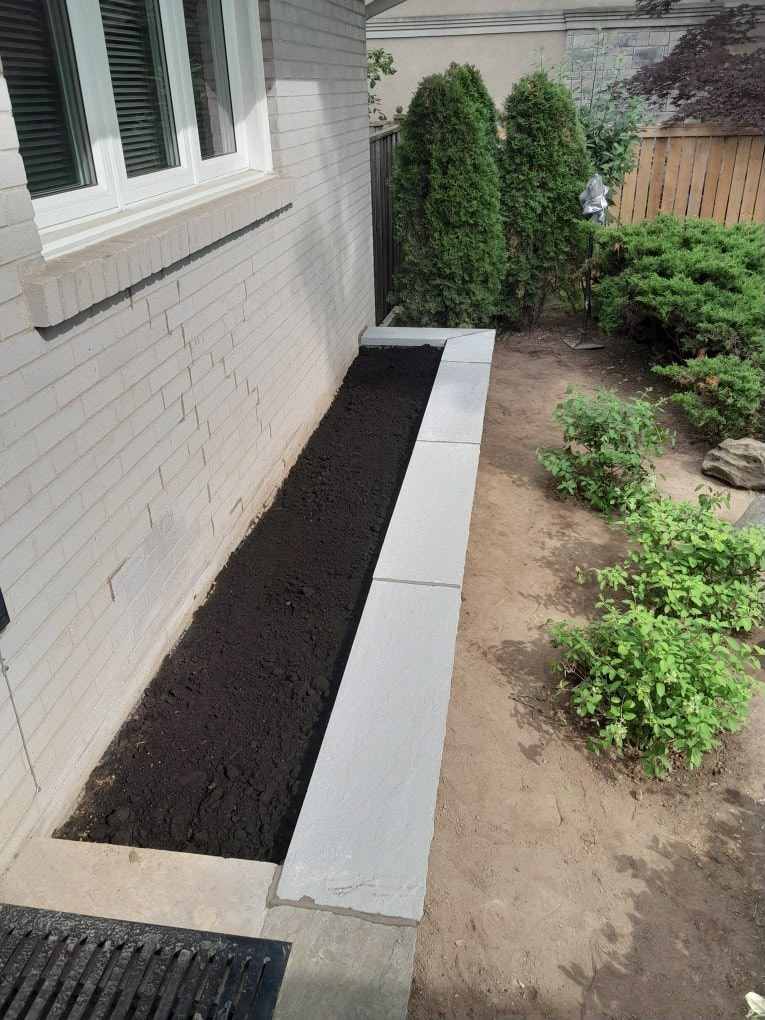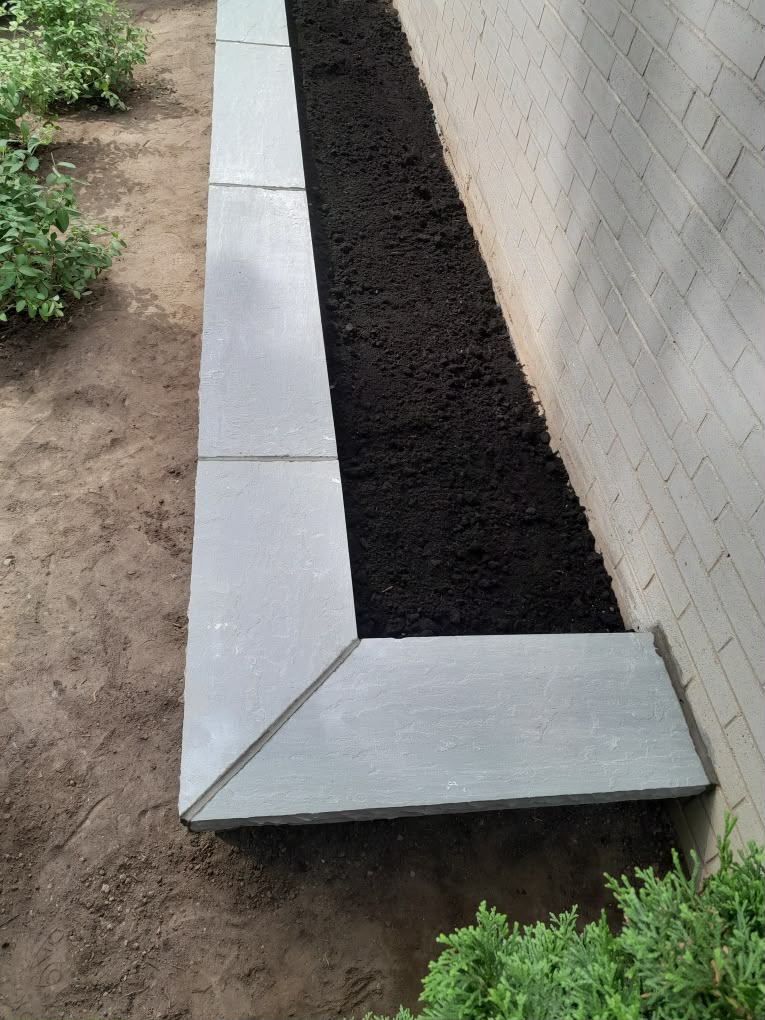

Foundation waterproofing for rainy seasons helps protect Toronto and GTA homes from water entry, damp basement walls, foundation moisture, mould risk, and long-term masonry damage. Rain does not need to be extreme to cause problems. Repeated wet weather, poor grading, clogged gutters, short downspouts, cracked parging, open foundation cracks, and weak exterior drainage can all push water toward the foundation.
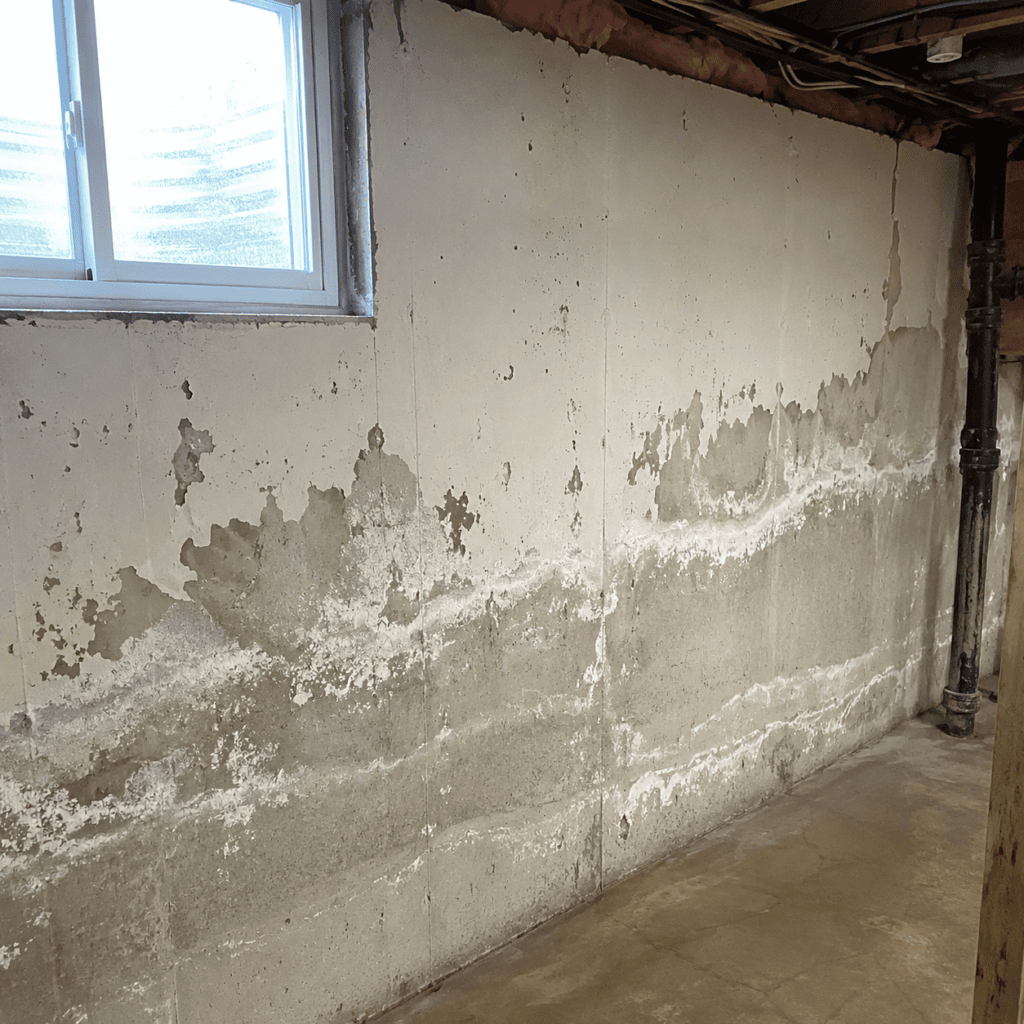
For many homeowners, the first sign is not a large flood. It may be a damp smell, peeling paint, white powdery stains, water marks near the floor, wet carpet, or a small trickle after heavy rain. These early signs matter because water problems usually become more expensive when ignored. A foundation that stays wet through rainy seasons is also more exposed to freeze-thaw stress when temperatures drop.
This guide explains how rainy seasons affect foundations, what warning signs homeowners should watch for, what can be checked safely, and when foundation waterproofing or masonry repair makes more sense than temporary patching.
What Foundation Waterproofing Means
Foundation waterproofing means reducing or stopping water from entering the home through foundation walls, cracks, joints, gaps, or poorly protected exterior surfaces. It may involve exterior membranes, drainage systems, crack repair, parging repair, grading improvements, downspout changes, interior systems, or a combination of methods, depending on the problem.
The important point is that waterproofing is not just “sealing a wall.” A proper waterproofing plan starts by asking where the water is coming from, how it reaches the foundation, and what path it takes into the home. Water can enter through visible cracks, but it can also move through porous concrete, failed parging, window wells, floor-wall joints, or openings around service lines.
For Toronto homes, exterior waterproofing is often considered when water pressure is coming from outside the foundation. Interior systems may help manage water after it enters, but they do not always solve the exterior source. A&A Masonry’s waterproofing Toronto page provides a useful overview of common basement leaks, foundation moisture, damp walls, and exterior water entry issues.
Why Rainy Seasons Are Hard on Foundations
Rainy seasons are hard on foundations because soil around the home can hold water and press it against foundation walls. When the ground becomes saturated, water looks for weak points. Cracks, gaps, open joints, old coatings, damaged parging, and low areas around the home can serve as entry points.
Toronto weather adds another layer of stress. Spring rain can follow snowmelt. Summer storms can drop heavy water in a short time. Fall rain can leave the ground wet before freezing weather arrives. Once temperatures fall, trapped moisture can freeze and expand, worsening cracks and masonry damage.
The City of Toronto explains that managing rainwater and meltwater is important for reducing basement flooding and protecting waterways. Its homeowner guidance on managing rain and melted snow is relevant because foundation protection starts with controlling water before it reaches the wall.
Common Signs Your Foundation Needs Attention Before Heavy Rain
Common signs your foundation needs attention include dampness, staining, cracks, musty smells, peeling finishes, and water that appears after storms. These signs should be taken seriously because they often point to water movement, not just surface wear.
- Damp basement smell: A musty odour can suggest moisture is entering or staying trapped.
- Water stains: Brown, grey, or dark marks near basement walls or floors may show past water entry.
- White powdery residue: Efflorescence can appear when moisture moves through masonry and leaves salts behind.
- Peeling paint or bubbling finishes: Moisture behind coatings can push finishes away from the wall.
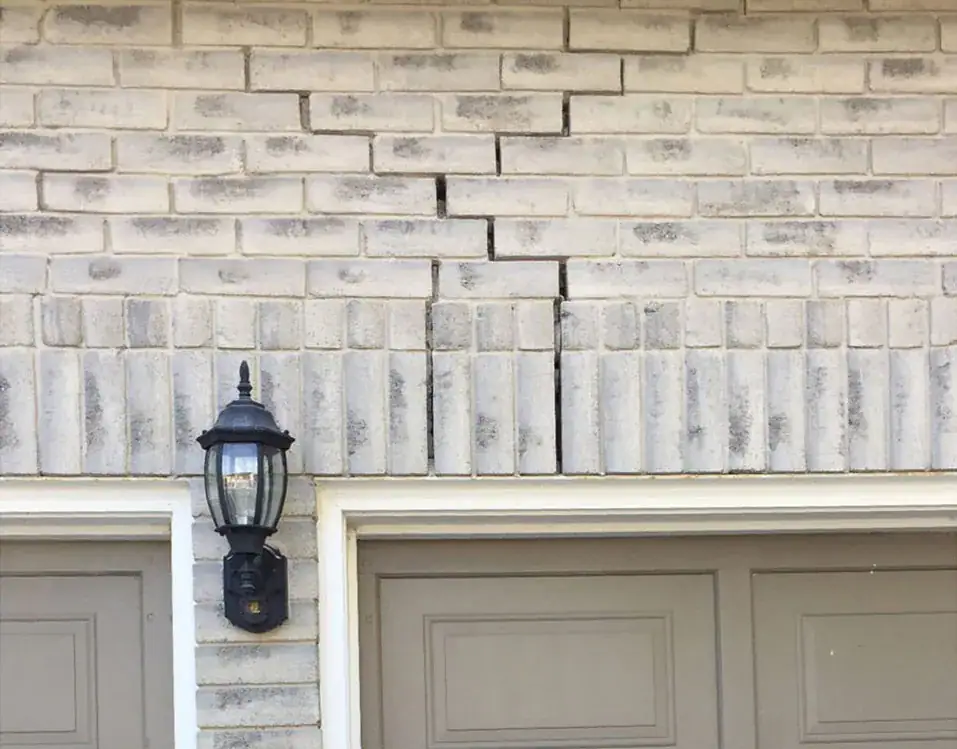
- Visible foundation cracks: Cracks that leak, widen, or appear near corners, windows, or floor-wall joints need review.
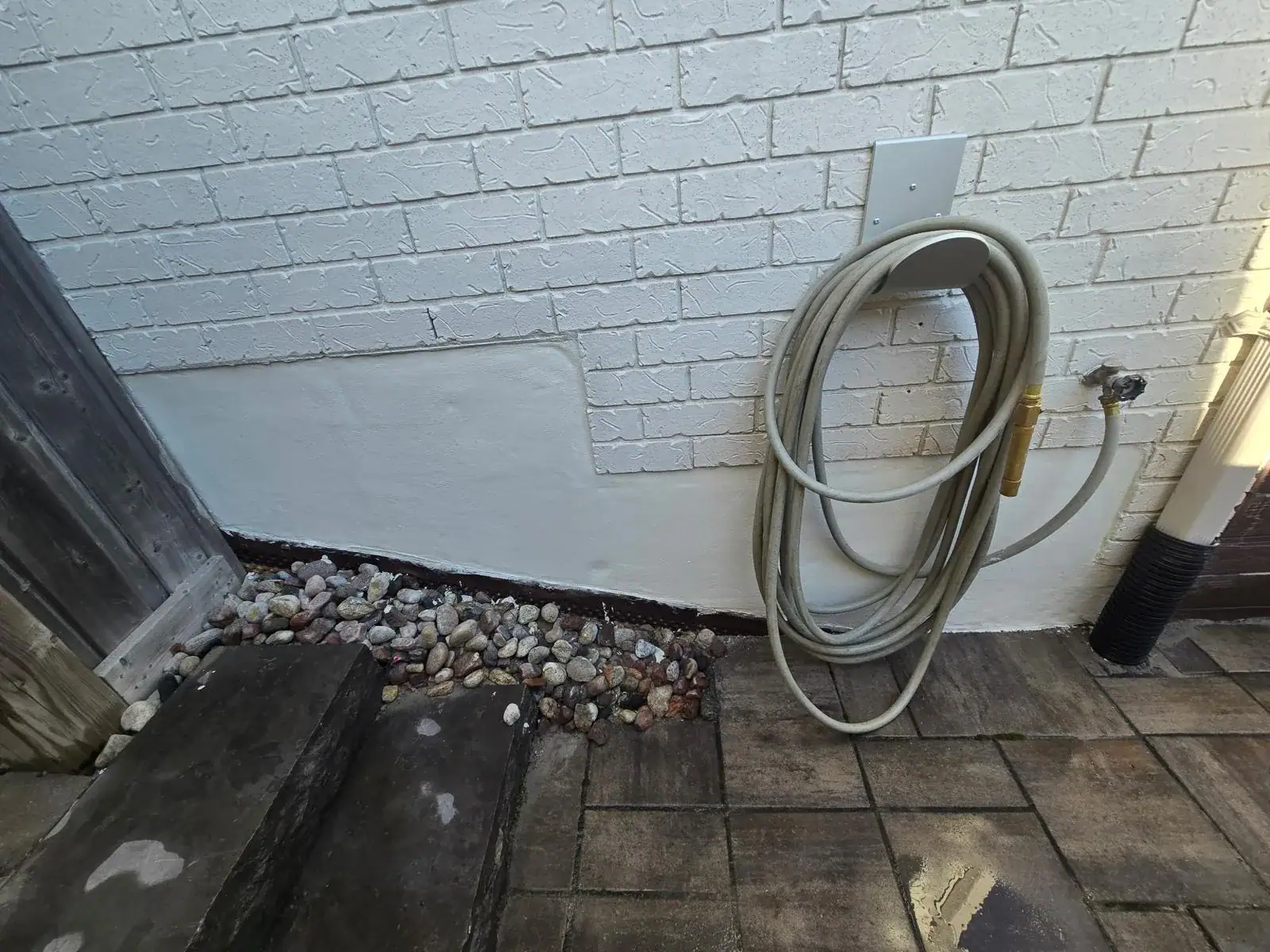
- Parging cracks: Damaged parging can expose the foundation surface while masking deeper moisture issues.
- Pooling water outside: Water sitting near the foundation after rain is a clear warning sign.
- Wet window wells: Poor drainage around basement windows can lead to leaks during heavy rain.
If foundation moisture occurs alongside cracked brick, damaged mortar, or lower-wall deterioration, the issue may require both waterproofing and masonry repair. A&A Masonry’s page on masonry services in Toronto outlines related exterior services, including waterproofing, parging, concrete repair, brick repair, and exterior restoration.
Drainage Is the First Line of Defence
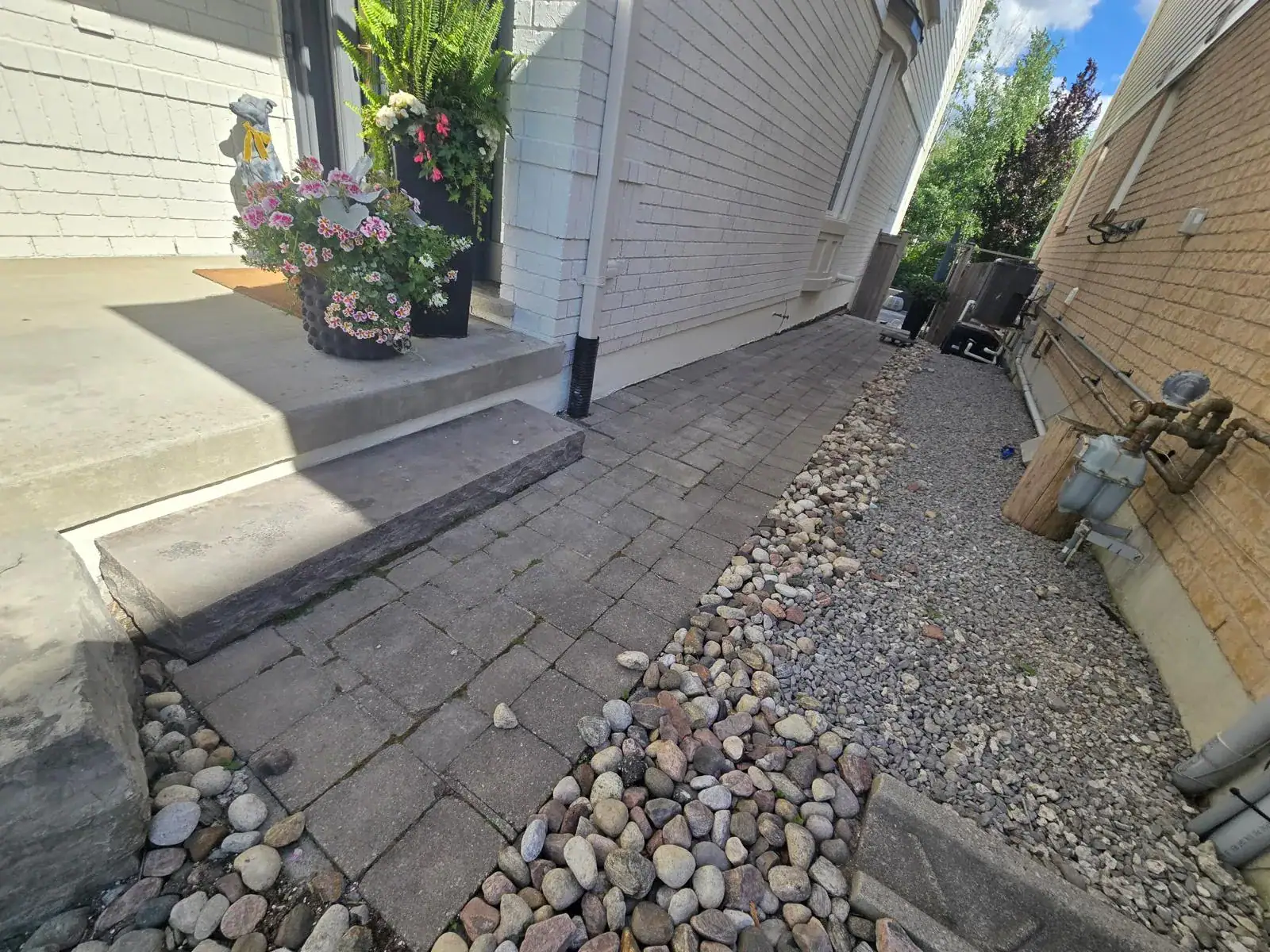
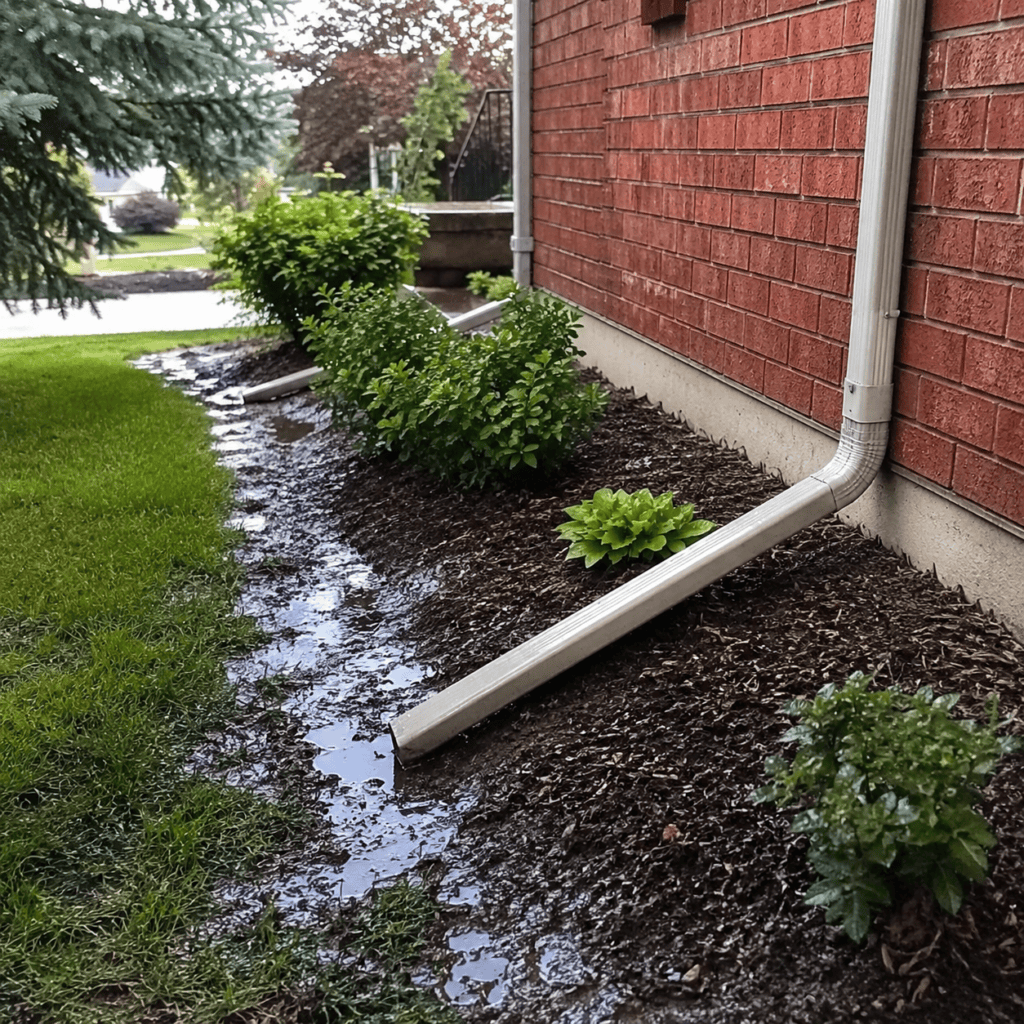
Drainage is the first line of defence because the less water that reaches the foundation, the less pressure the wall has to handle. Even good waterproofing can be stressed when gutters overflow, downspouts dump water beside the wall, soil slopes toward the home, or hard surfaces send runoff into the foundation area.
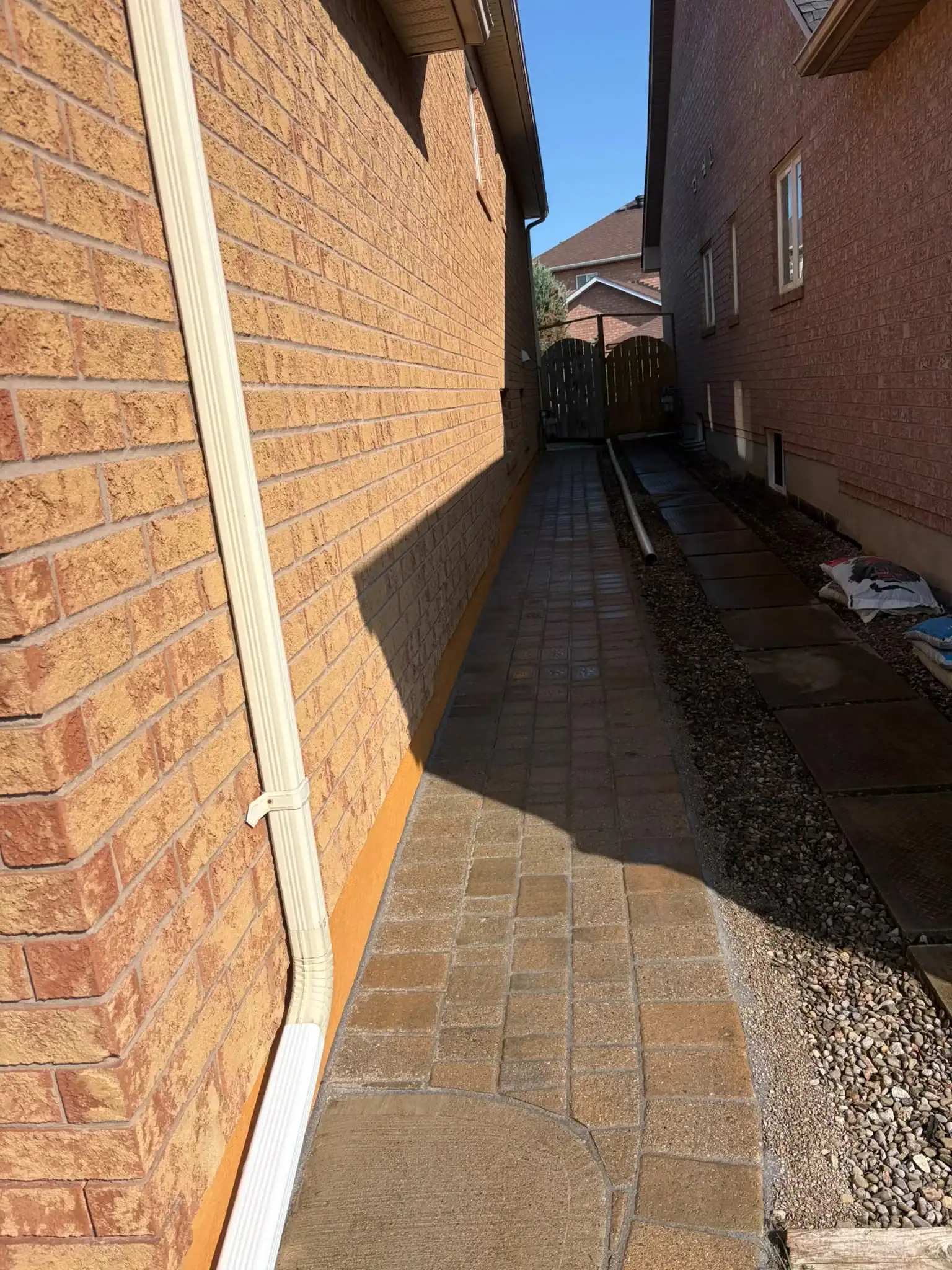
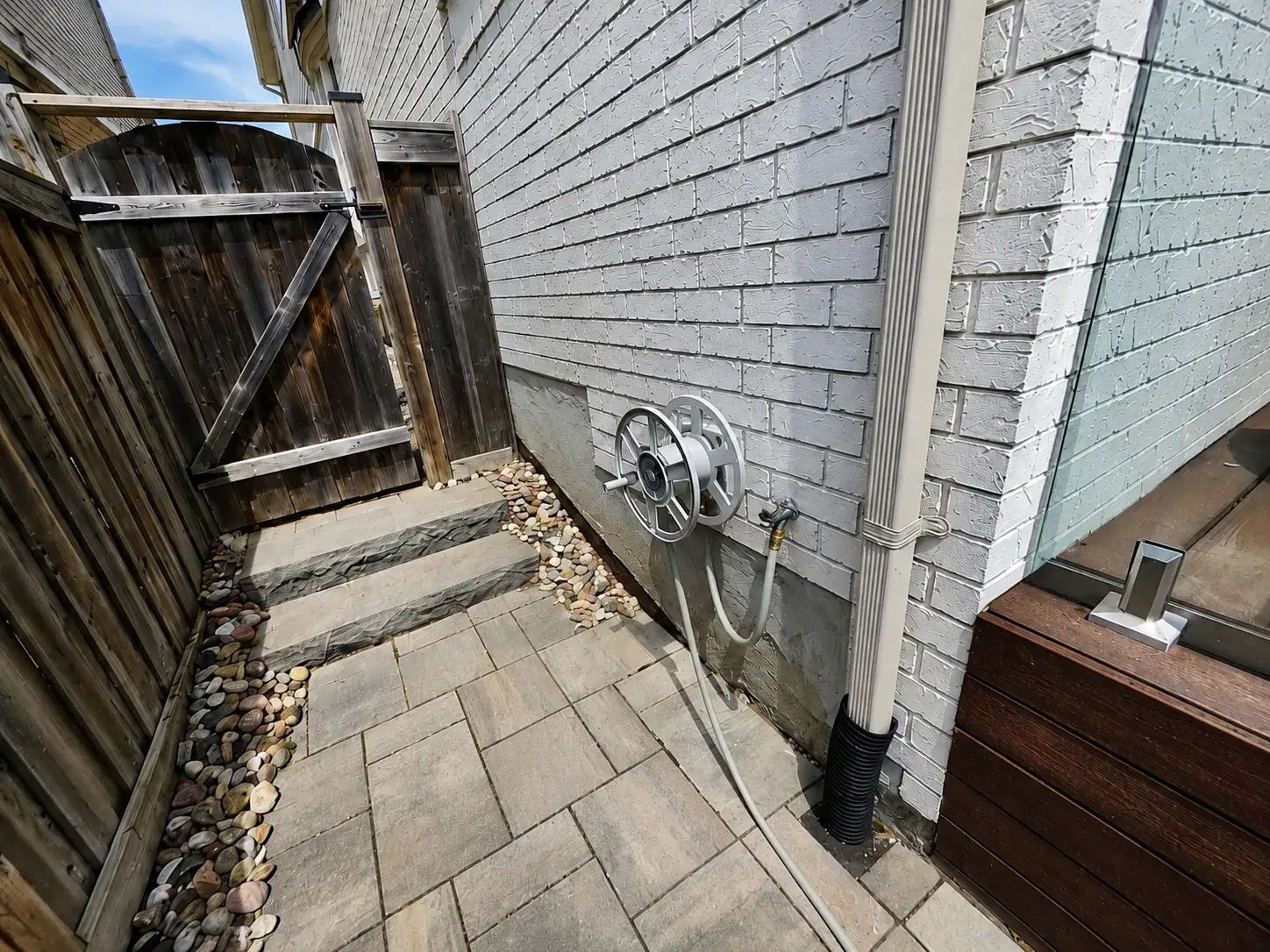
The City of Toronto advises homeowners to maintain eavestroughs and downspouts, clear debris that impedes drainage, and properly direct disconnected downspouts, ideally two metres from foundation walls where feasible and where it will not cause problems for neighbouring properties or sidewalks. This kind of basic water control can make a major difference before rainy seasons.
Homeowners should check where the roof water goes during a storm. If water runs down the wall, collects near basement windows, or flows toward steps and foundation cracks, the exterior drainage needs attention. Waterproofing should not be treated as a substitute for poor water management. The best approach often combines drainage correction with foundation protection.
Exterior Waterproofing vs Interior Water Management
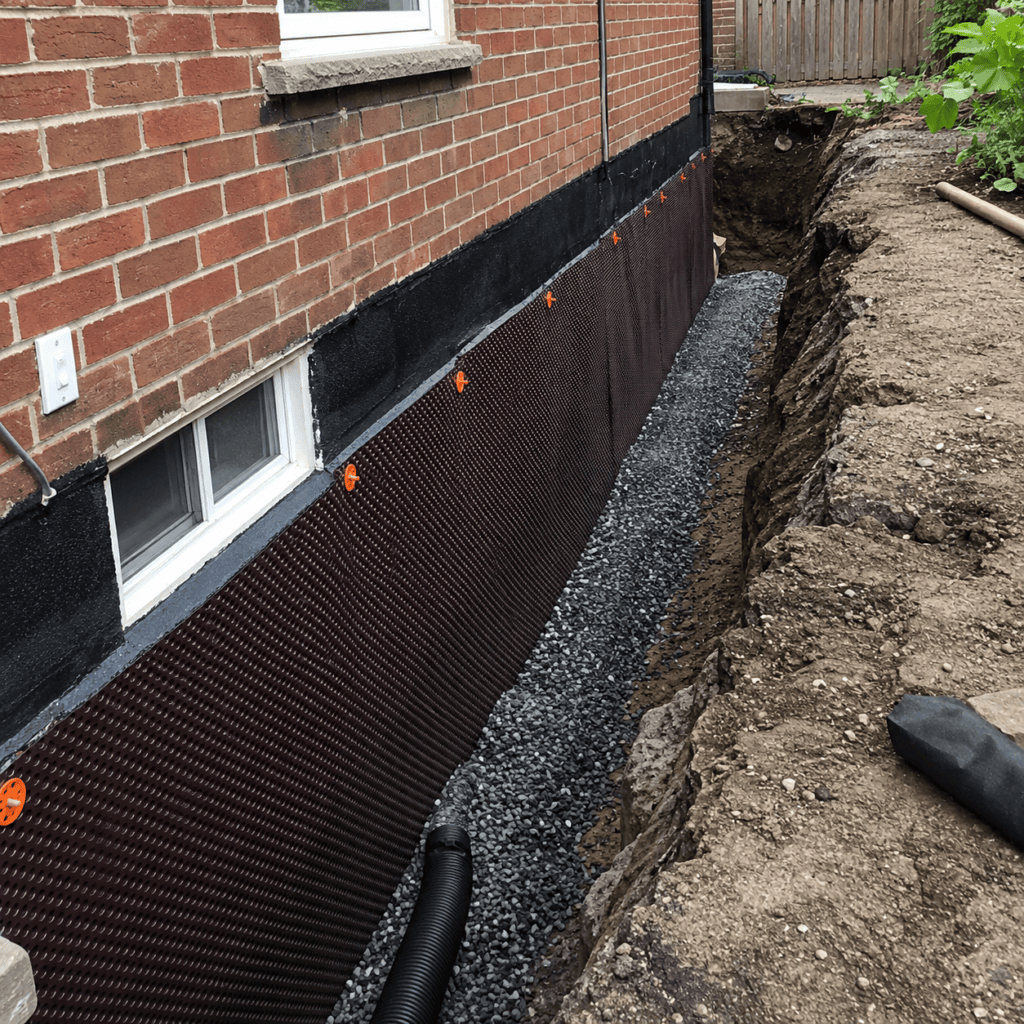
Exterior waterproofing and interior water management solve different parts of a water problem. Exterior waterproofing aims to stop or reduce water from entering through the foundation wall. Interior systems manage water once it enters the foundation area.
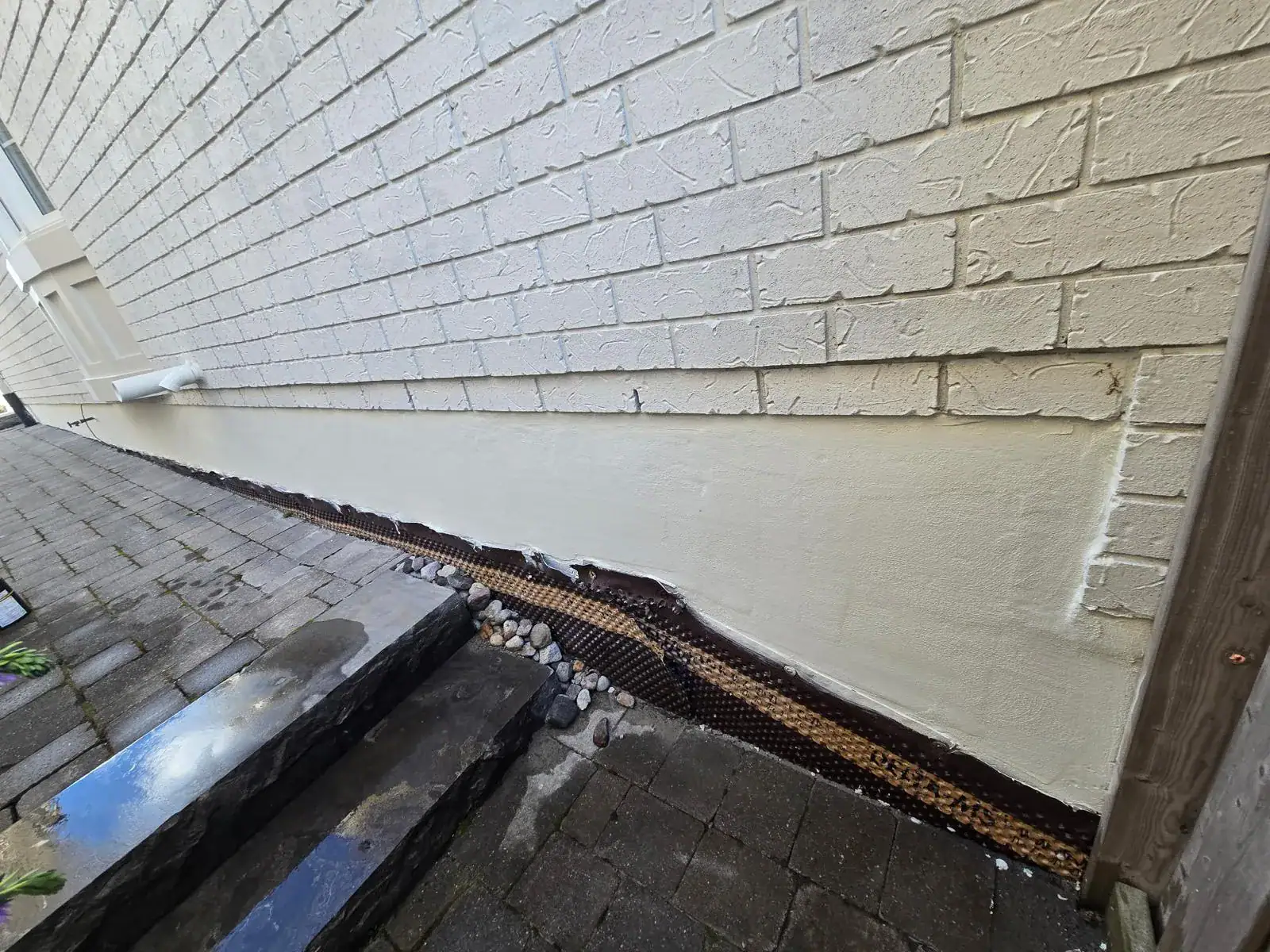
Exterior waterproofing may involve excavation, cleaning the foundation wall, repairing cracks, applying waterproofing membranes or coatings, adding a drainage board, installing or improving weeping tile, and backfilling properly. This approach is often more direct when water is entering from the outside.
Interior systems may involve drainage channels, sump pumps, vapour barriers, or other water-control methods. They can be useful in certain situations, especially where exterior access is difficult. However, homeowners should understand the tradeoff: interior systems may manage water, but the exterior foundation may still be exposed to moisture pressure.
The right choice depends on the site, budget, access, the severity of the leakage, the condition of the foundation, and long-term goals. A damp corner after one storm is different from repeated water entry across a full basement wall.
Why Parging and Waterproofing Are Often Connected
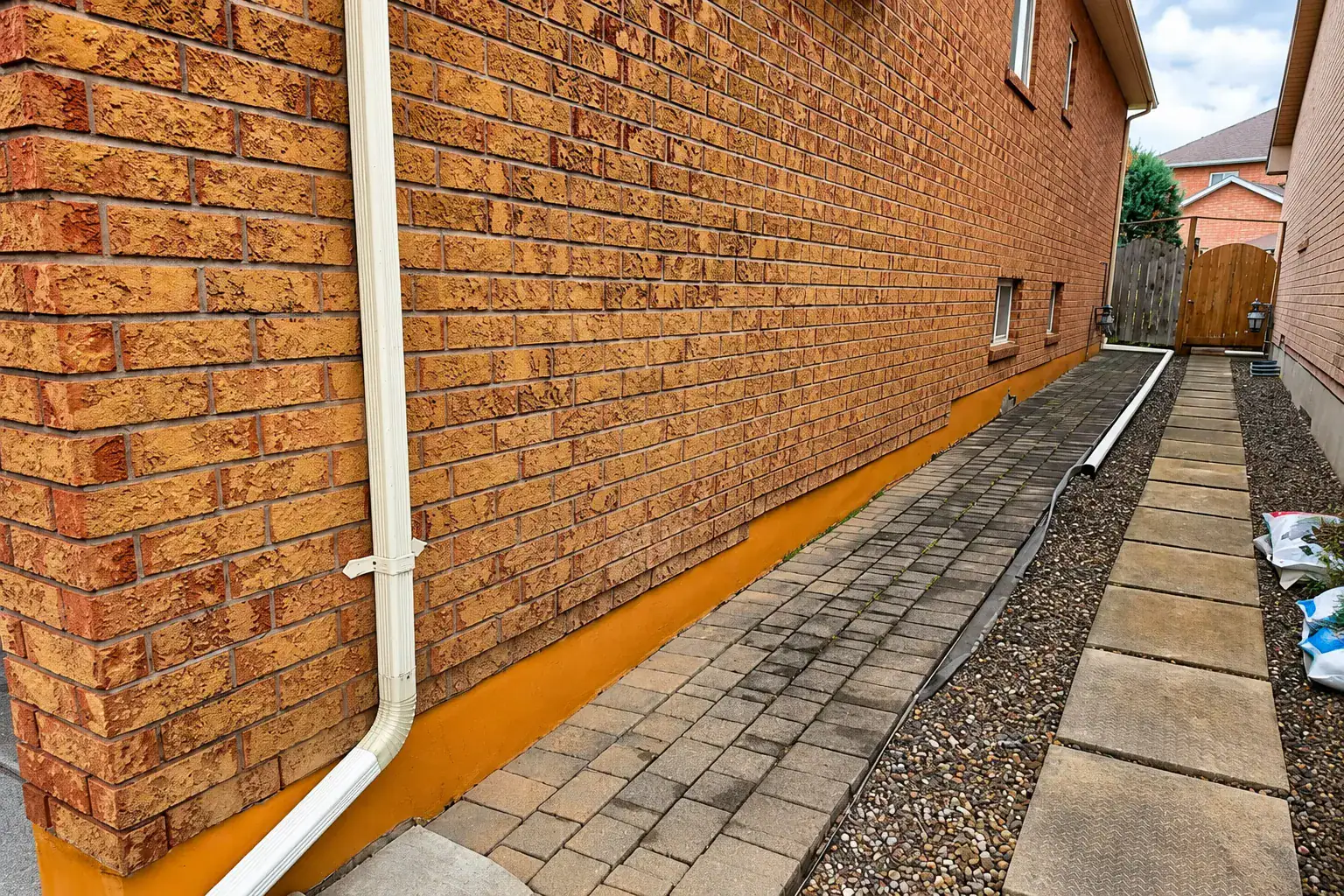
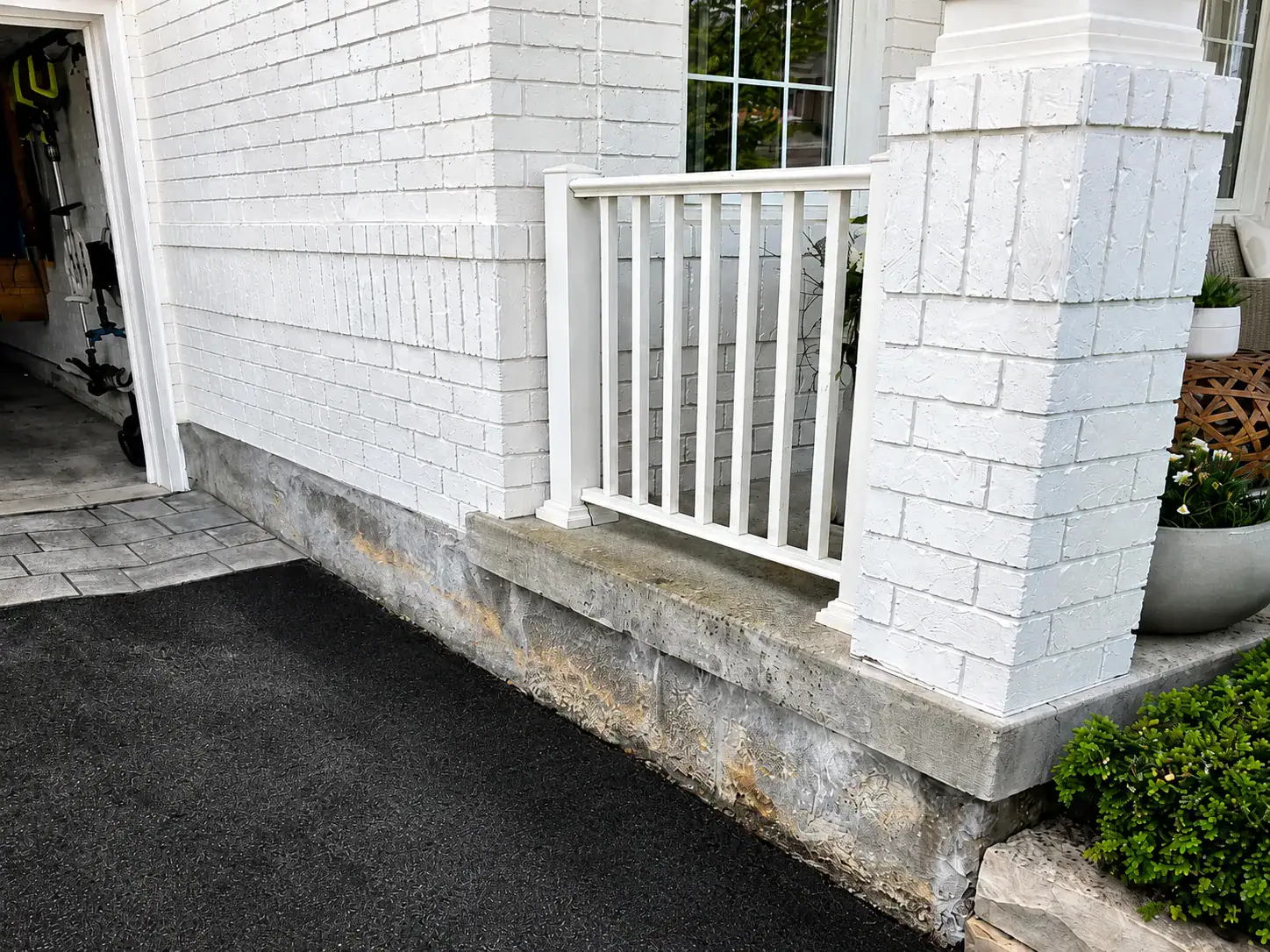
Parging and waterproofing are often connected because both deal with the exposed foundation surface. Parging is a masonry coating applied over foundation walls, often to improve appearance and protect the surface. Waterproofing focuses on stopping or controlling water entry. They are not the same, but they often appear together in foundation work.
Damaged parging can crack, flake, separate, or hide moisture issues behind it. If the foundation wall behind the parging is damp or cracked, simply applying new parging may not solve the problem. In some cases, waterproofing should be done first, and parging can be applied as the finished exterior layer.
This sequencing matters. If parging is repaired without addressing water pressure, it may fail again. If waterproofing is installed but the exposed surface is not properly finished, the foundation may still appear incomplete or remain vulnerable in visible areas.
A&A Masonry’s blog on parging and waterproofing Toronto foundations explains why these services often need to be reviewed together instead of treated as unrelated repairs.
Foundation Cracks During Rainy Seasons
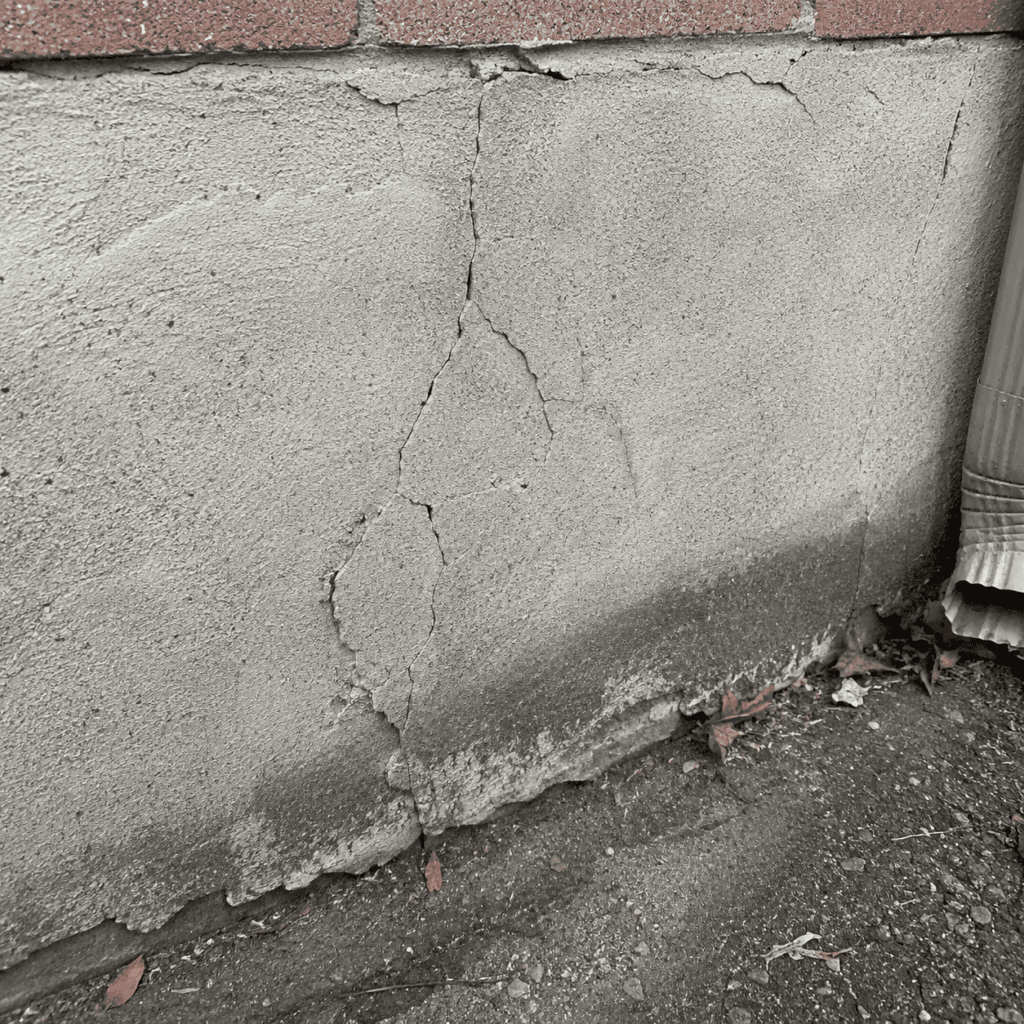
Foundation cracks become more concerning during rainy seasons because water can enter through them when the soil is saturated. Not every crack leaks right away, but cracks that appear damp, stained, widening, or active during storms should be inspected.
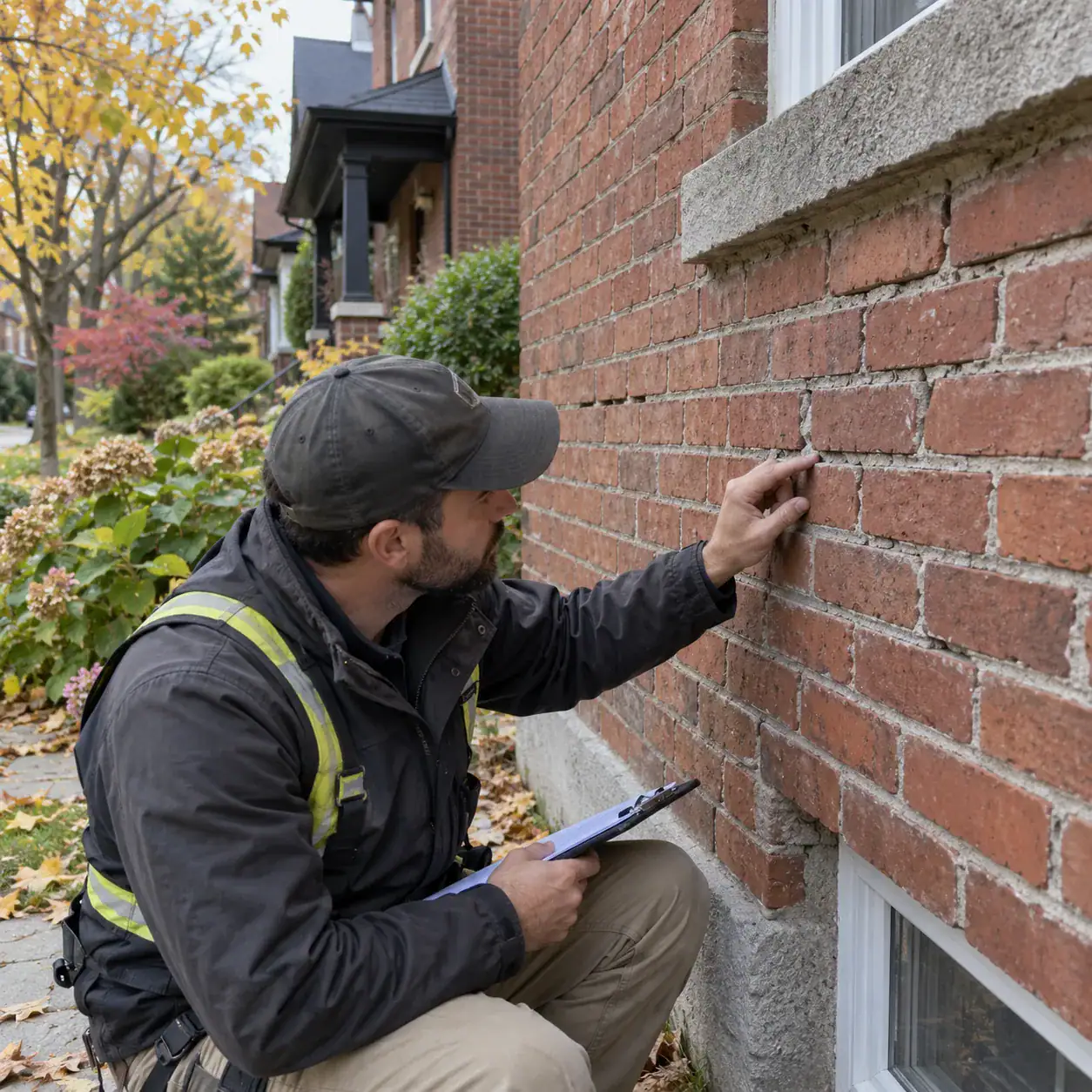
Vertical cracks, diagonal cracks, stair-step cracking in masonry, cracks near windows, and cracks at the floor-wall joint can each suggest different issues. Some may relate to settlement, shrinkage, water pressure, freeze-thaw movement, or structural stress. The pattern, location, width, and moisture activity all matter.
Homeowners should avoid relying on surface caulking or quick patching when cracks leak repeatedly. A patch can close the visible opening, but water pressure may push through again or find another route. The safer approach is to identify the type of crack, the water source, and the best repair method before rainy weather worsens the problem.
Rain, Brickwork, and Lower Masonry Damage
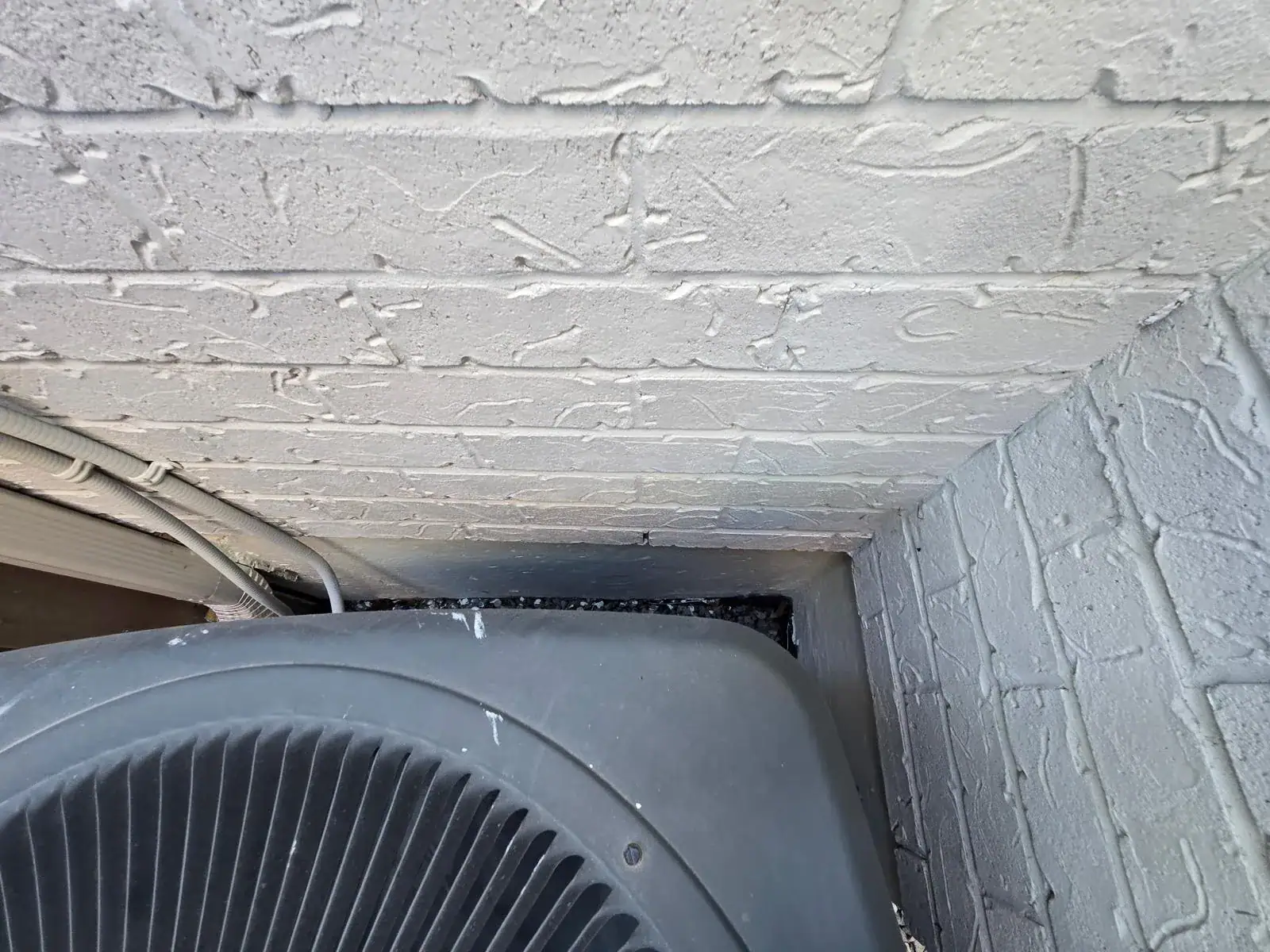
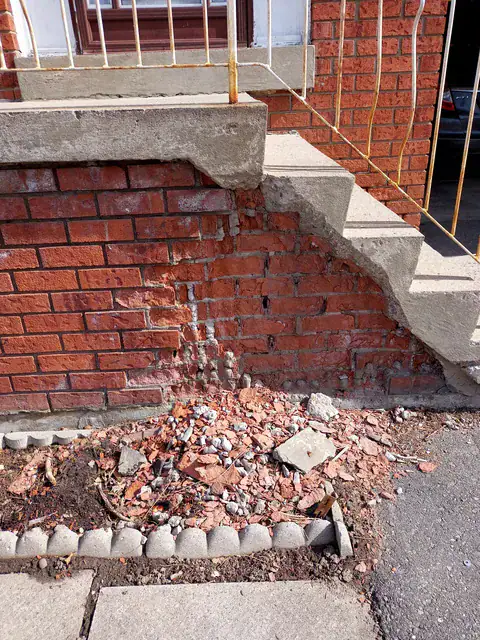
Rain can damage lower masonry when water repeatedly collects near the home’s base. Brick, mortar, concrete, and parging can all suffer when the lower wall stays damp. Over time, homeowners may see efflorescence, spalling brick, crumbling mortar, stained parging, or damp basement walls.
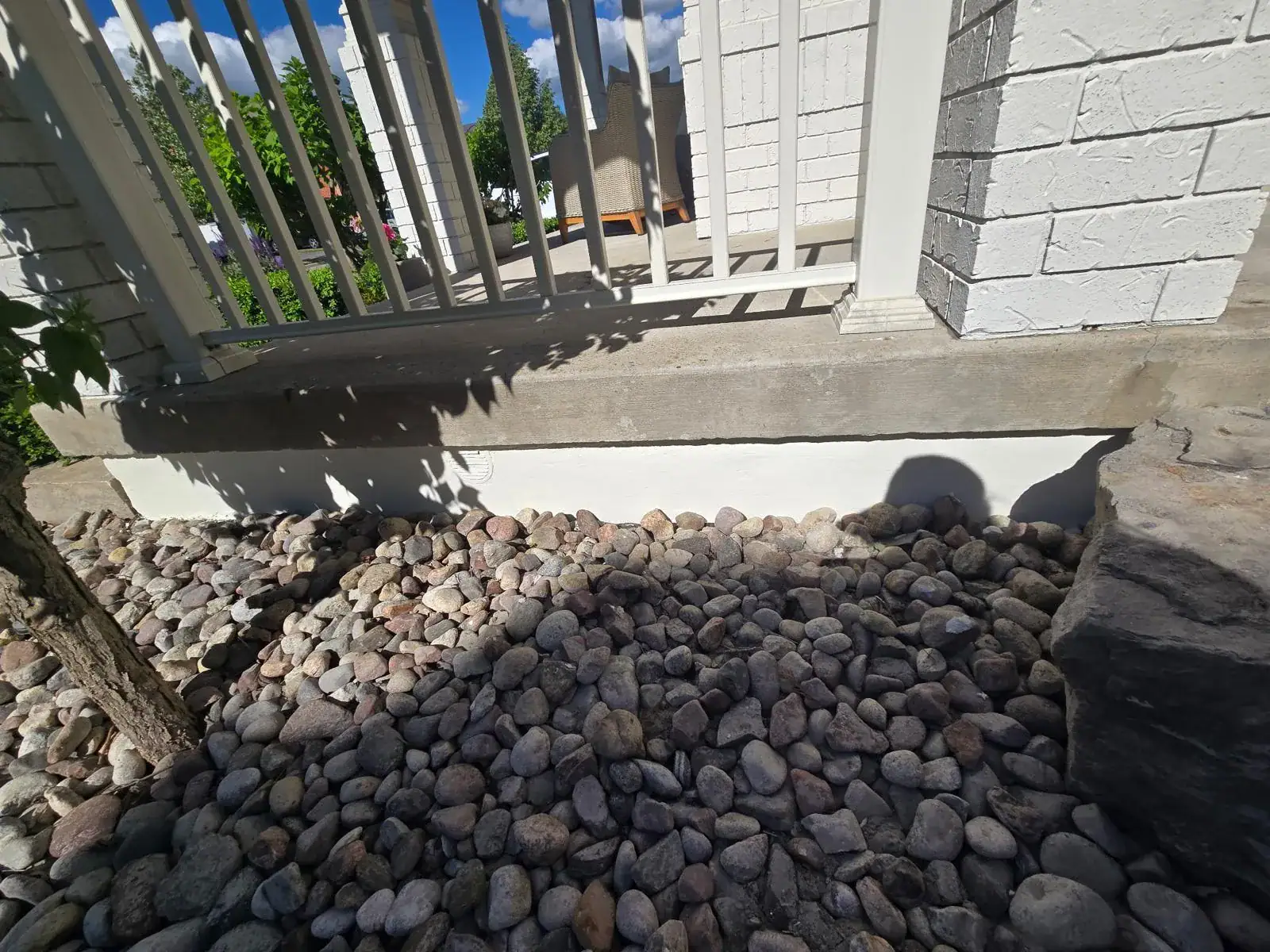
This is common around homes where soil or mulch is piled high against brick, downspouts discharge near the wall, walkways slope toward the foundation, or garden beds hold water after storms. These conditions can make masonry repairs fail sooner because the wall is never allowed to dry properly.
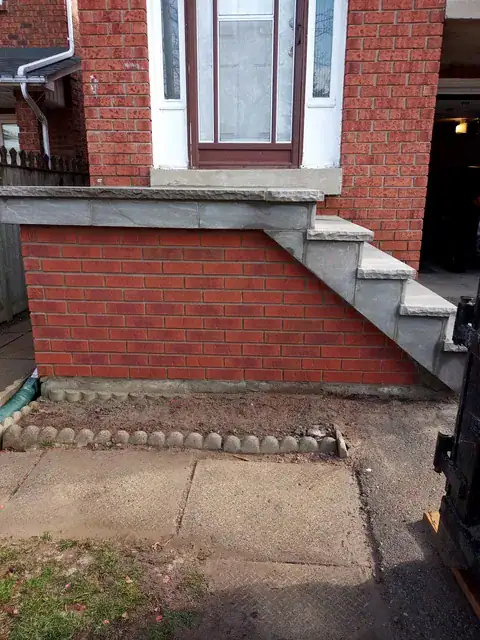
If lower brickwork is damaged, waterproofing may not be the only issue. The masonry itself may need repair. A&A Masonry’s brick repair Toronto page is helpful for homeowners with cracked, crumbling, or moisture-damaged brick near the foundation.
Window Wells, Basement Windows, and Rainwater Entry
Window wells and basement windows can become weak points during rainy seasons. Water can collect in the well, press against the window, or enter through gaps around frames. Leaves, soil, debris, and poor drainage can make the problem worse.
Homeowners should check whether window wells drain properly after rain. If water sits for hours or rises near the window, the drainage system may be blocked or inadequate. Covers can help keep debris and rain out, but they do not replace proper drainage.
Also, look at the masonry or concrete around the basement windows. Cracks, gaps, missing mortar, and loose parging can allow water to move behind the surface. If water stains appear below basement windows after storms, the window area should be inspected before the next rainy period.
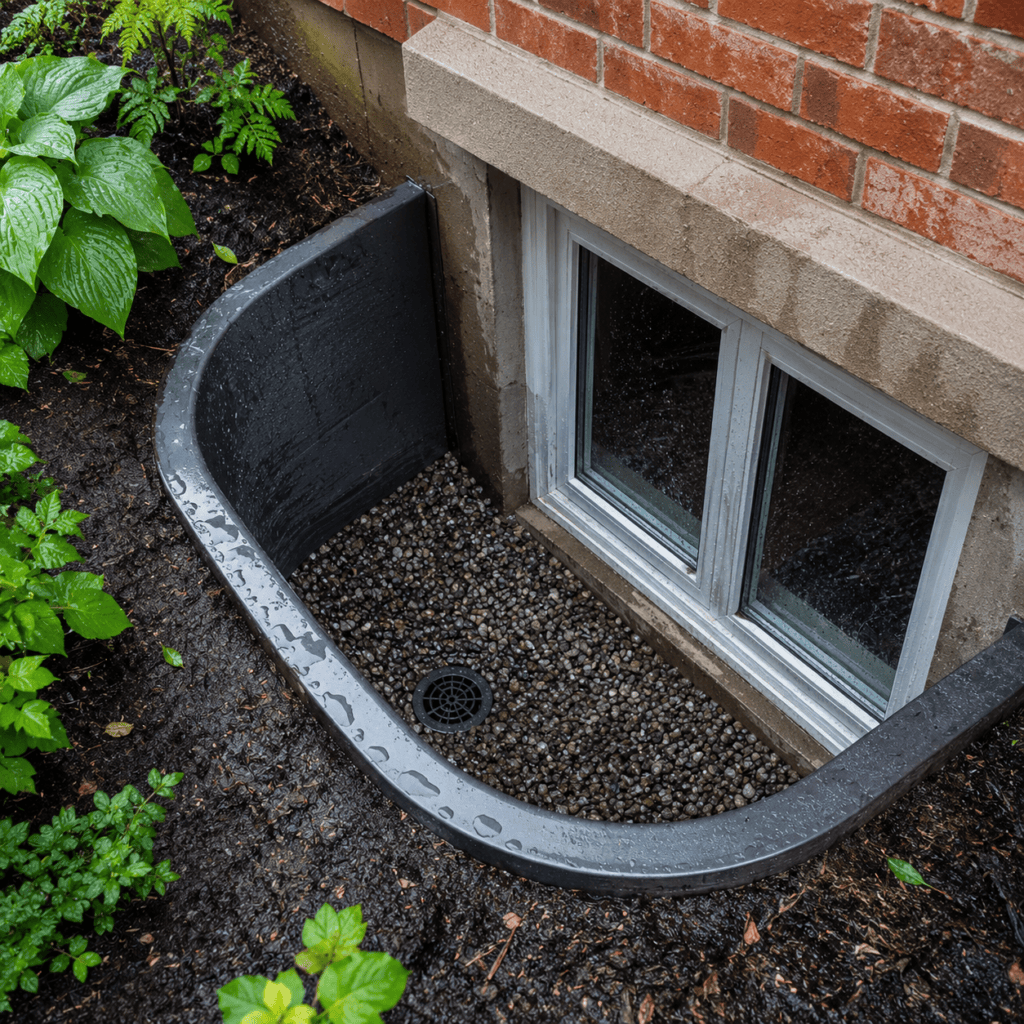
What Homeowners Can Do Before the Rainy Season
Homeowners can take several practical steps before the rainy season to reduce the risk of foundation water damage. These steps are not a replacement for waterproofing when there is active leakage, but they can help prevent avoidable water pressure.
- Clean gutters and downspouts: Remove leaves, ice, and debris that block roof drainage.
- Extend downspouts: Direct water away from the foundation where feasible and safe for neighbouring properties.
- Check grading: Soil should slope away from the home, not toward it.
- Clear window wells: Remove leaves, soil, and debris to ensure water drains properly.
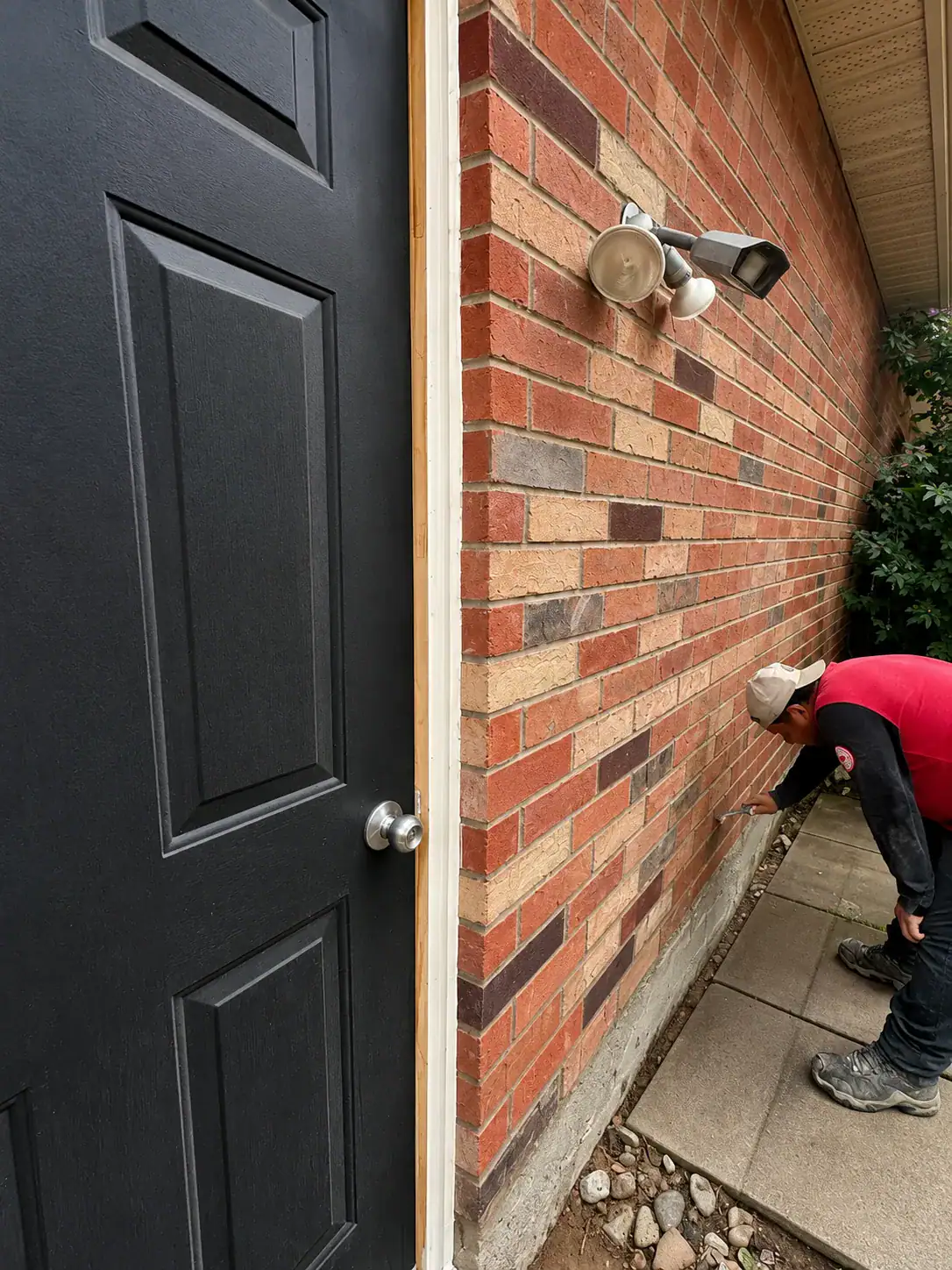
- Inspect parging: Look for cracks, flaking, hollow areas, and separation from the foundation wall.
- Photograph cracks: Track whether cracks widen or leak after storms.
- Move water-holding materials: Keep mulch, soil, and stored items from trapping moisture against the foundation.
- Watch during rain: Safely observe where water flows and where it pools.
These checks help homeowners understand whether the issue is simple surface maintenance, drainage correction, or a deeper waterproofing concern.
When Foundation Waterproofing Makes More Sense
Foundation waterproofing makes more sense when water entry is repeated, dampness is spreading, cracks are active, or drainage improvements have not solved the issue. If the same wall becomes damp after every heavy rain, the foundation likely needs more than basic maintenance.
Professional waterproofing may also be needed when basement finishes are being damaged, mould concerns are developing, cracks are leaking, window wells are failing, or the exterior foundation surface is deteriorating. Waiting often allows the damage to spread, especially if water continues to enter before winter.
Homeowners should be cautious about interior cosmetic repairs before solving the water source. Repainting a damp wall, replacing wet drywall, or installing new flooring without fixing water entry can lead to repeated damage.
A&A Masonry also has a dedicated basement waterproofing Toronto page for homeowners focused specifically on basement leaks, damp walls, and interior moisture concerns.
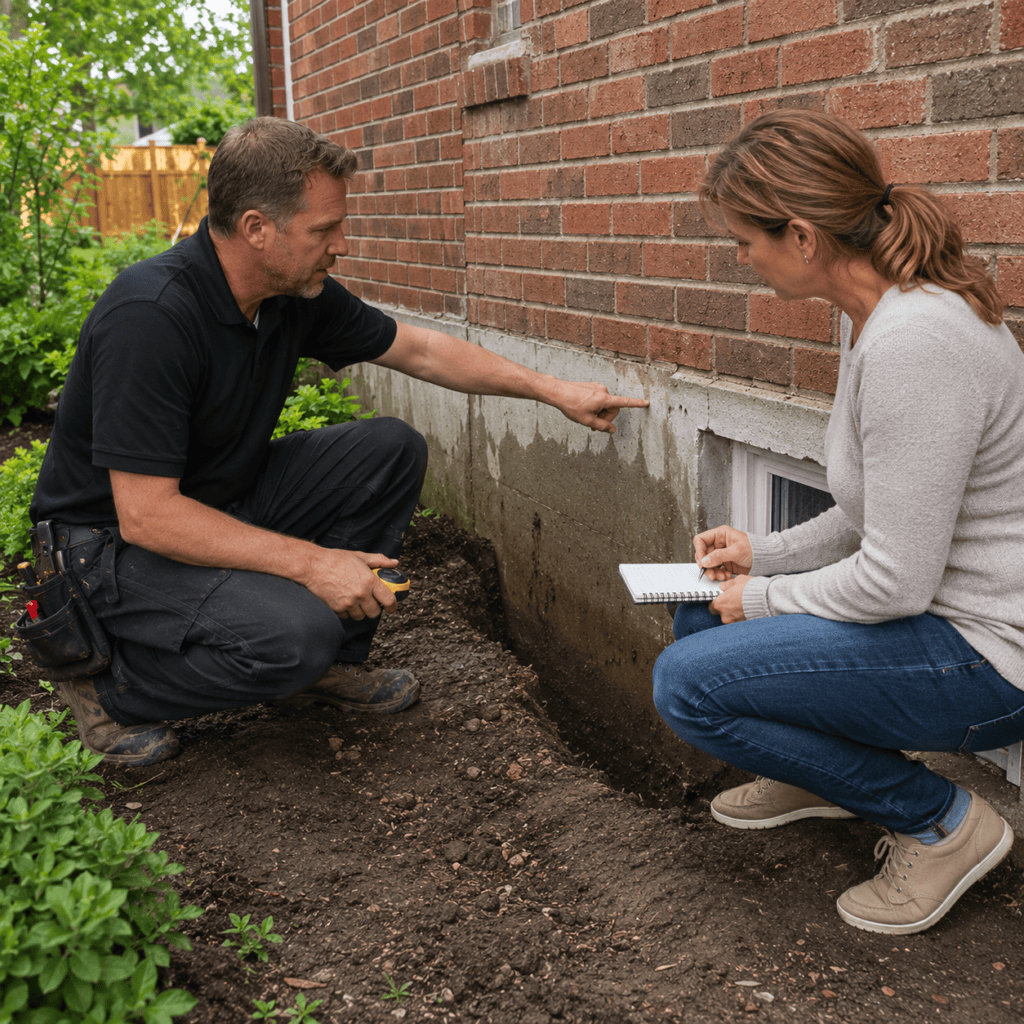
What Happens If Foundation Water Problems Are Ignored?
If foundation water problems are ignored, they can affect the basement, exterior masonry, indoor air quality, finishes, and long-term repair costs. Water that enters once may seem manageable, but repeated exposure to moisture can weaken materials and cause hidden damage.
Basement finishes such as drywall, flooring, trim, insulation, and paint can deteriorate. Masonry can show efflorescence, cracking, or surface damage. Parging can fail. Wood framing near damp areas can be affected. Moisture can also create conditions in which mould may develop if organic materials remain wet.
The longer the issue continues, the harder it can be to tell where the water started. Stains may spread, cracks may widen, and multiple entry points may appear. Early diagnosis is usually simpler than emergency repair after a major storm.
Permits, Code, and Bigger Waterproofing Projects
Permits or code questions may matter when foundation waterproofing becomes part of a larger construction project, structural repair, underpinning, entrance change, drainage alteration, or major renovation. Not every waterproofing project has the same requirements, but homeowners should check before major work begins.
The City of Toronto provides information about building permits. Ontario’s official Building Code page is also the preferred provincial reference for building requirements. For most homeowners, the practical question is whether the work is simple maintenance, a waterproofing repair, or part of a larger structural or renovation scope.
If excavation, structural foundation work, drainage changes, or other major exterior changes are involved, it is worth confirming what applies before starting.
Quick Decision Guide for Rainy Season Waterproofing
A simple decision guide can help homeowners decide what to do before or during rainy seasons.
- Start with drainage if gutters overflow, downspouts are short, or water pools beside the foundation.
- Inspect parging if the visible foundation surface is cracking, flaking, or separating.
- Track cracks if they appear damp, widen over time, or leak after storms.
- Check the window wells if water appears around the basement windows.
- Consider waterproofing if water entry repeats after rain or dampness spreads along the basement wall.
- Repair masonry if lower brick, mortar, or concrete is damaged by repeated moisture.
- Ask about permits if the work becomes structural, extensive, or connected to a renovation.
The best solution depends on the cause. A downspout problem should not be treated like a foundation crack. A leaking crack should not be treated like surface staining. Good waterproofing starts with the right diagnosis.
Final Thoughts on Foundation Waterproofing for Rainy Seasons
Foundation waterproofing for rainy seasons helps protect Toronto and GTA homes from repeated dampness, basement leaks, masonry damage, and avoidable repair stress. Rain, melted snow, poor grading, clogged gutters, cracked parging, foundation cracks, and drainage problems can all push water toward the home.
The best time to act is before repeated storms expose the same weak points again. Start by observing how water moves around the property, clearing drainage paths, checking downspouts, inspecting for cracks, and looking for early signs of basement moisture. If water continues to enter, a proper waterproofing plan may be needed.
Surface patching can hide the problem for a short time, but it rarely solves the cause. A stronger approach is to identify the source of the water, repair weak points, manage drainage, and protect the foundation before the next rainy season puts the home under pressure again.