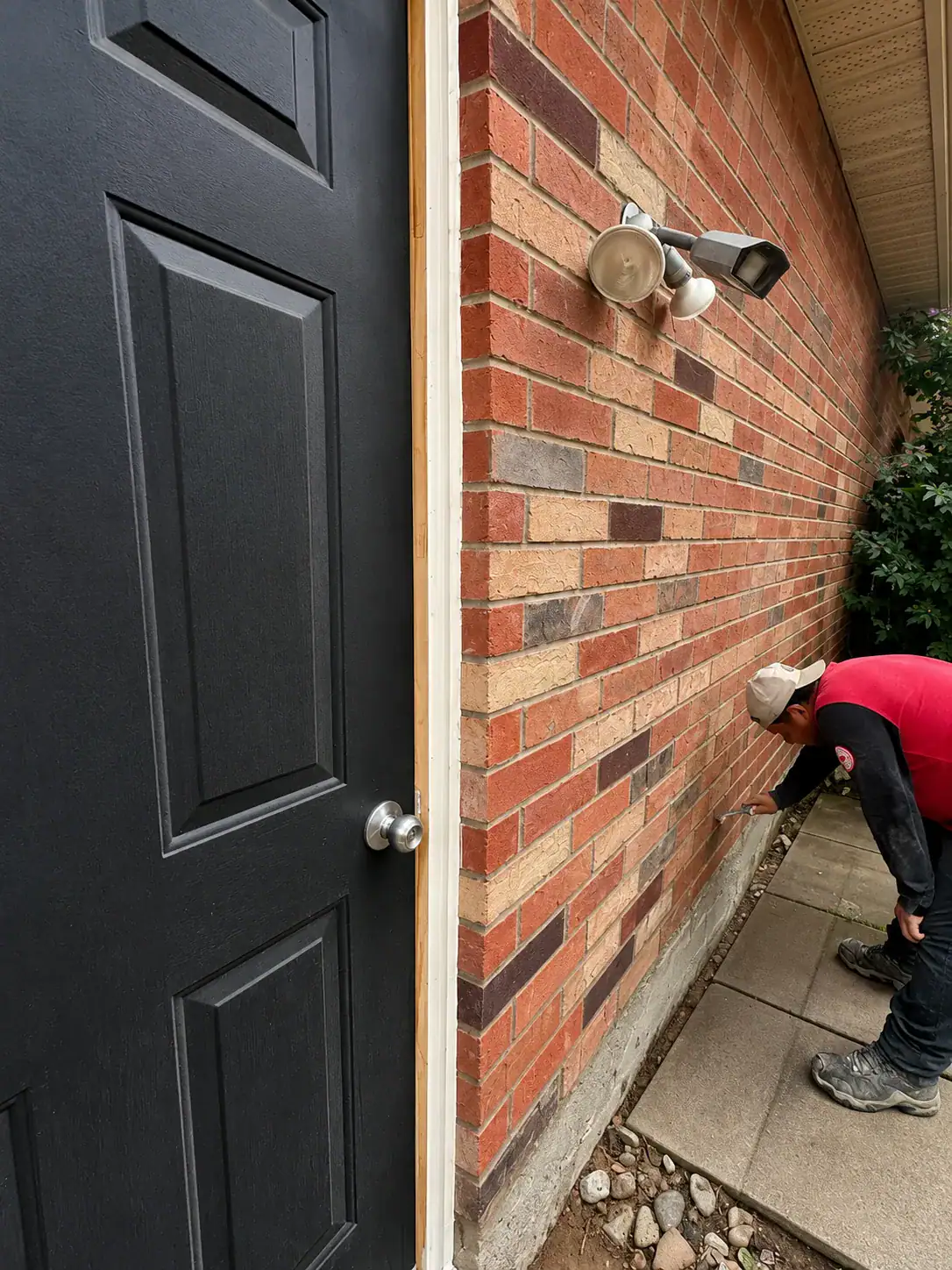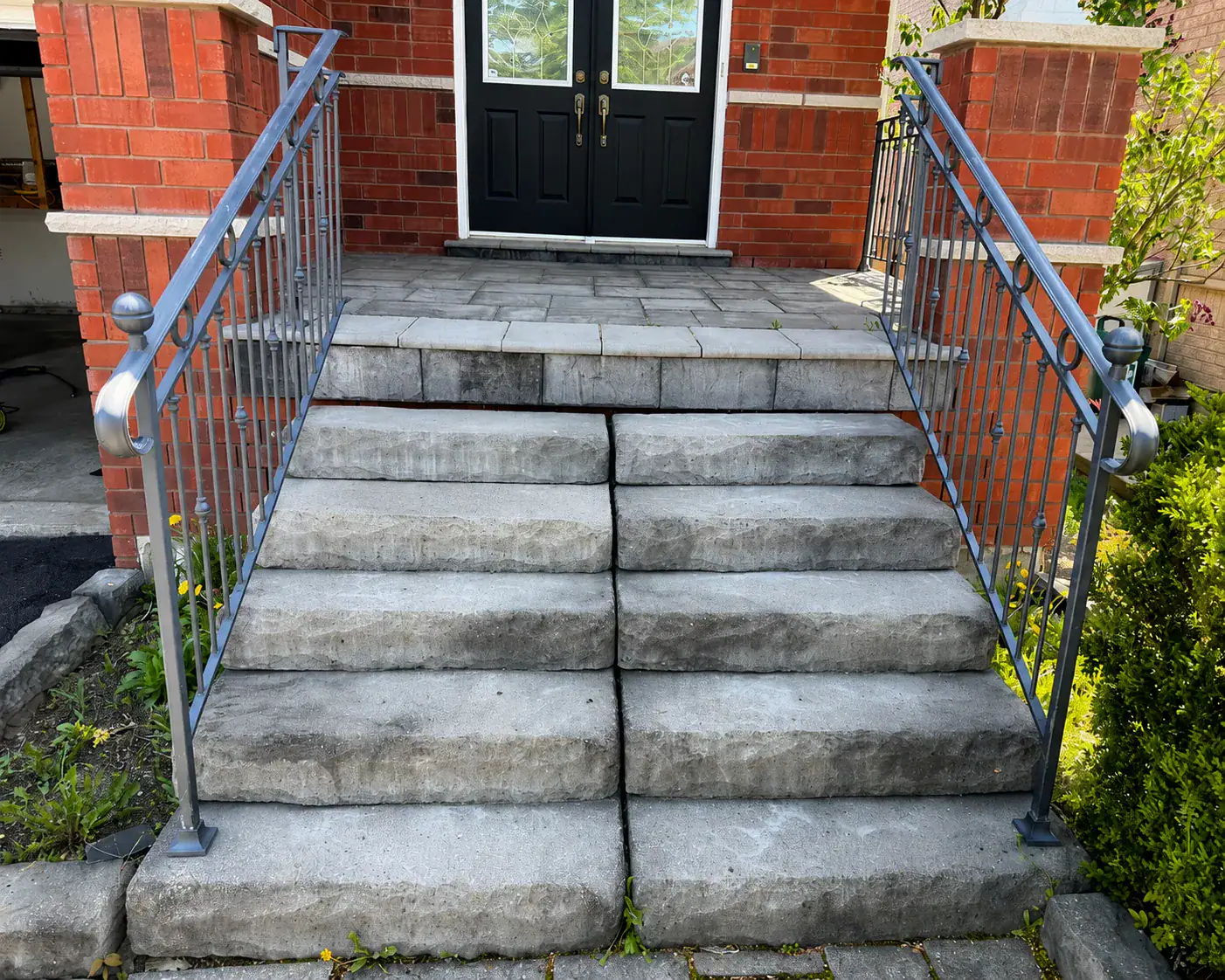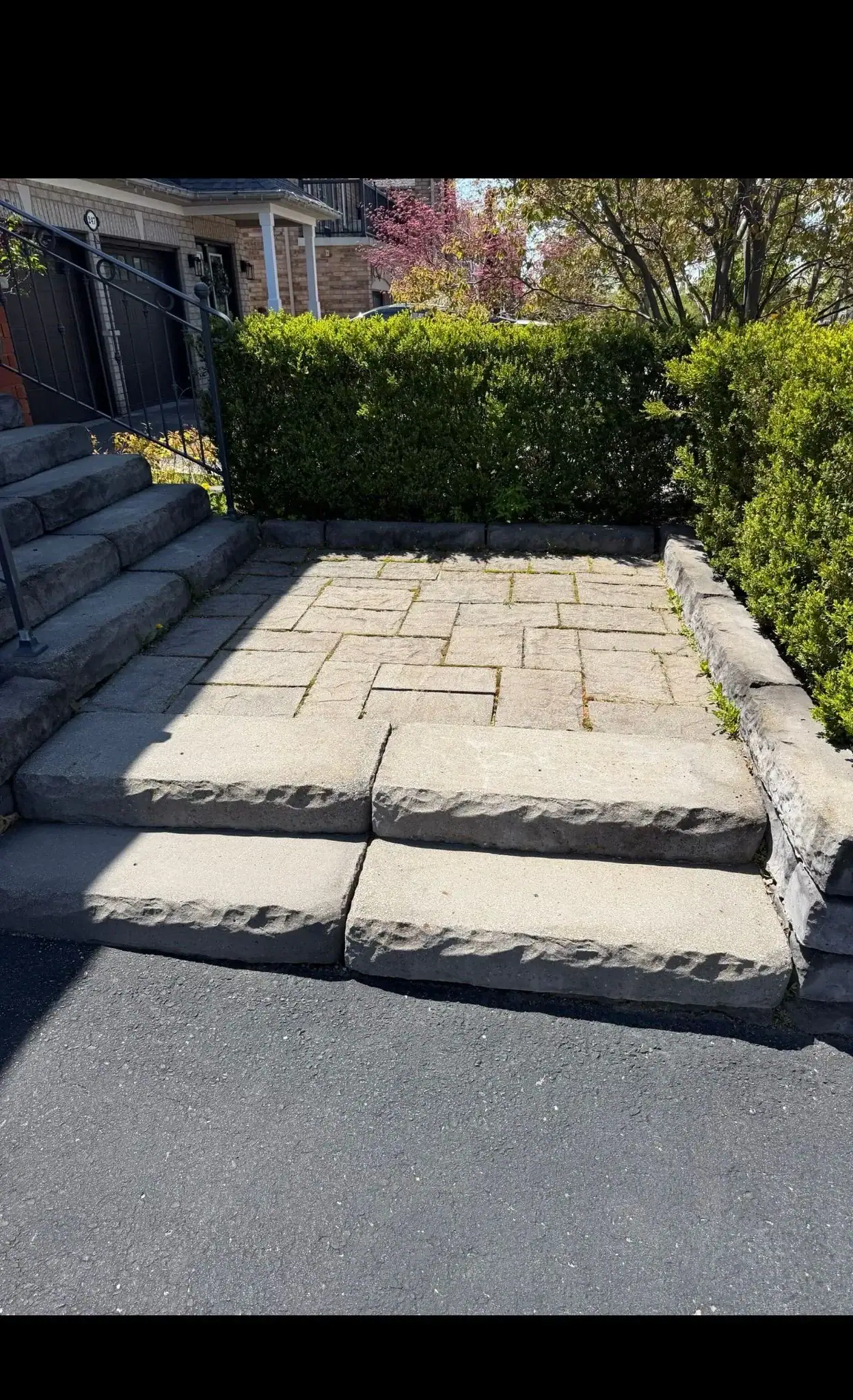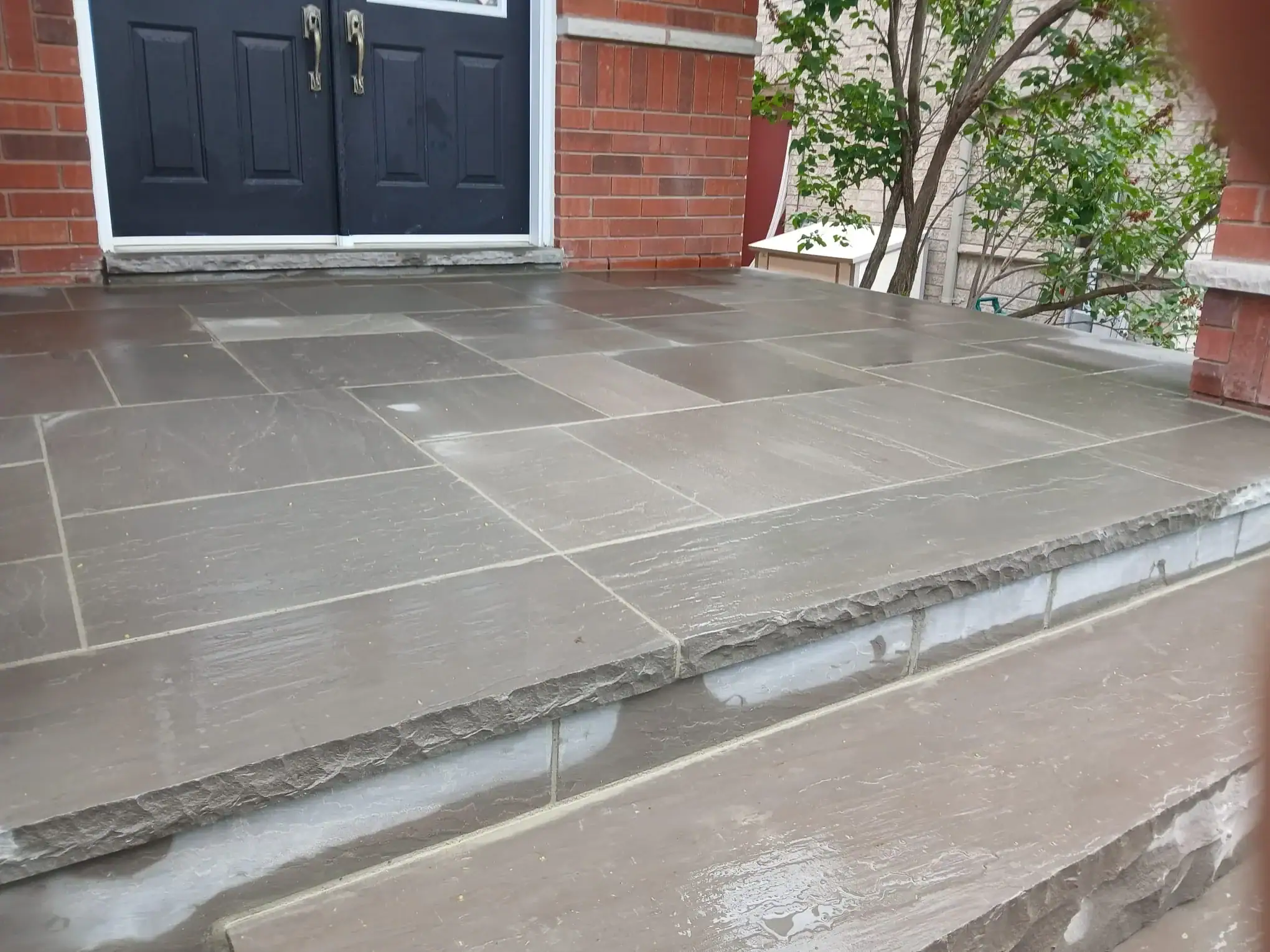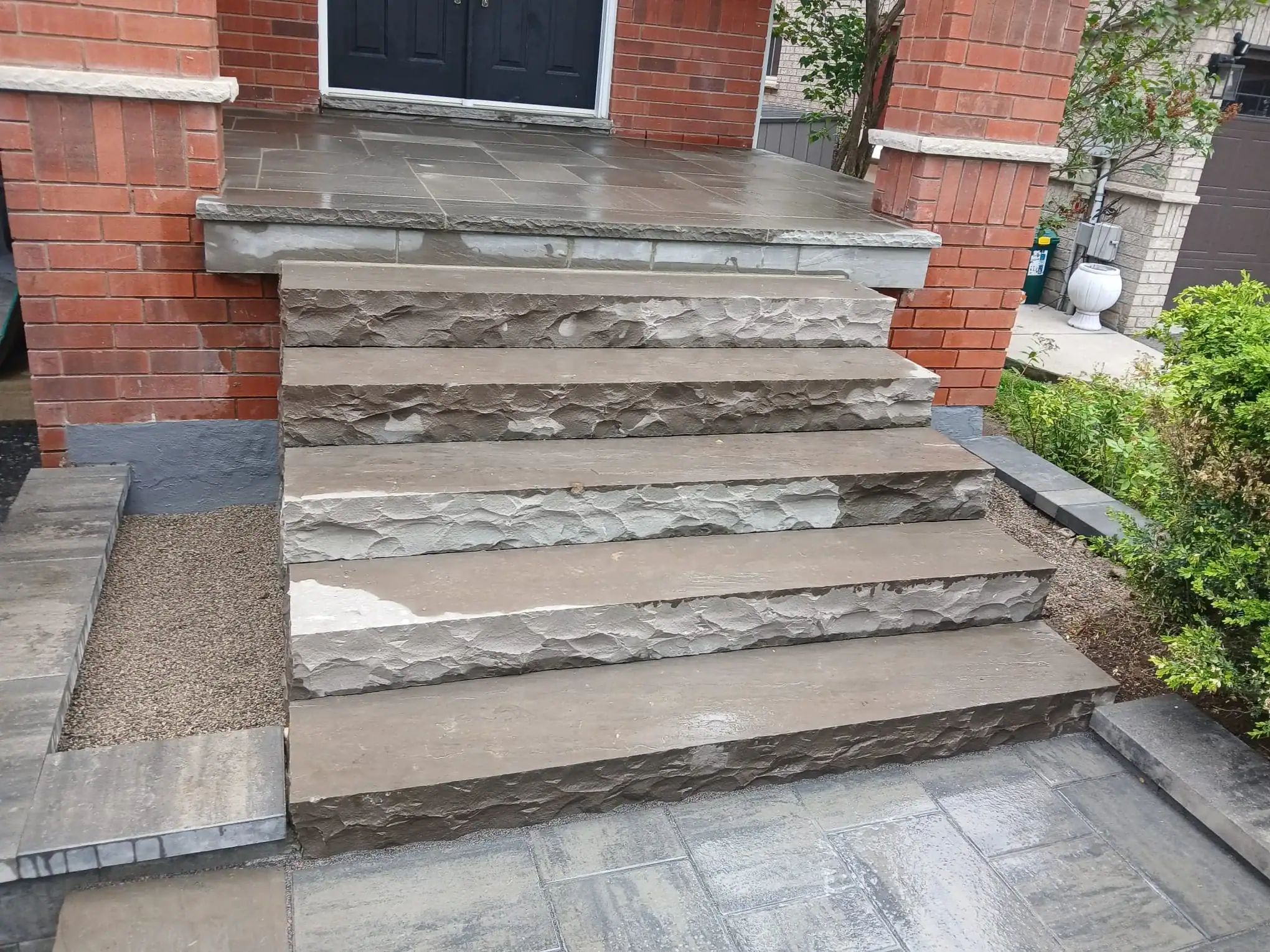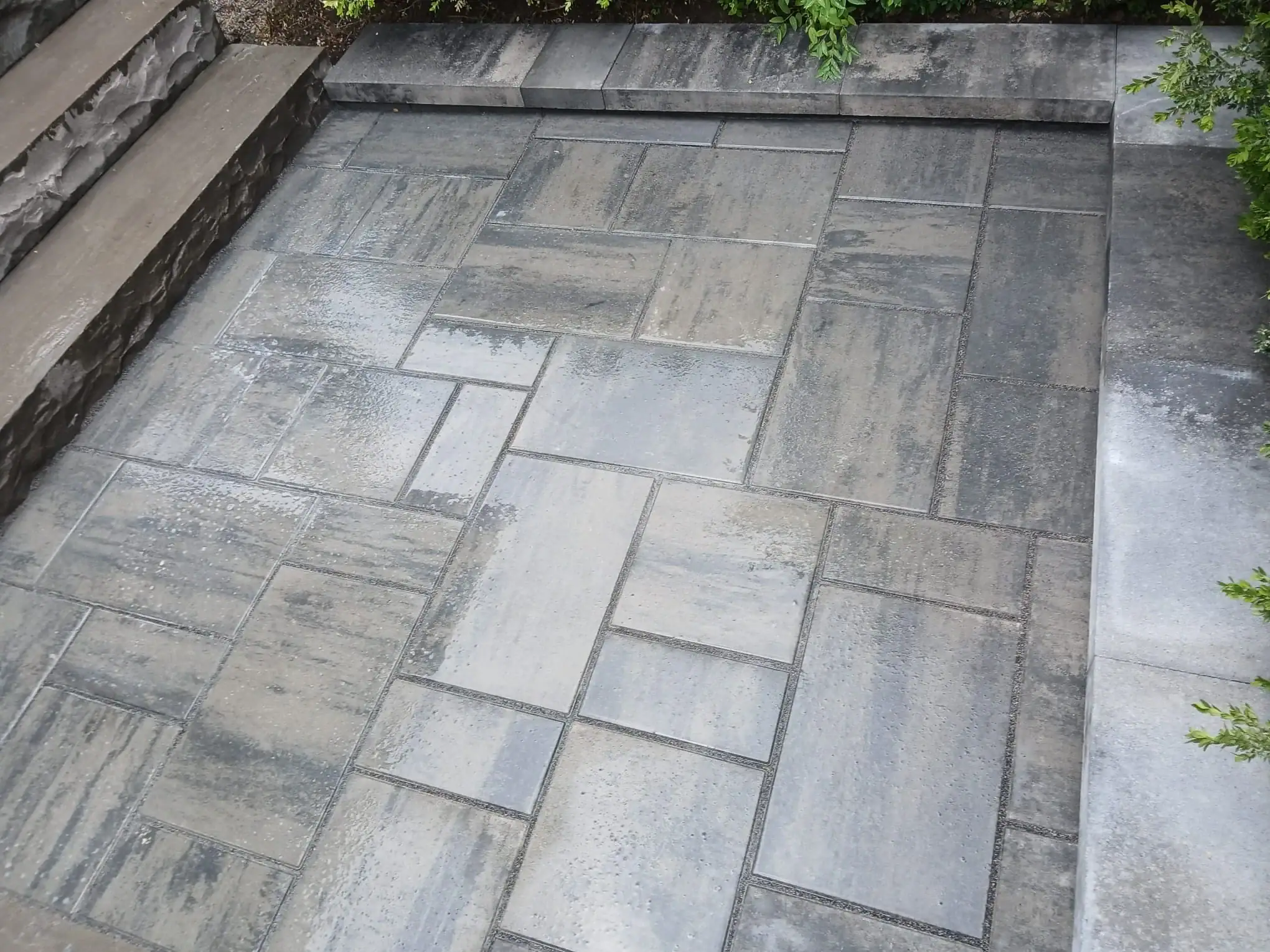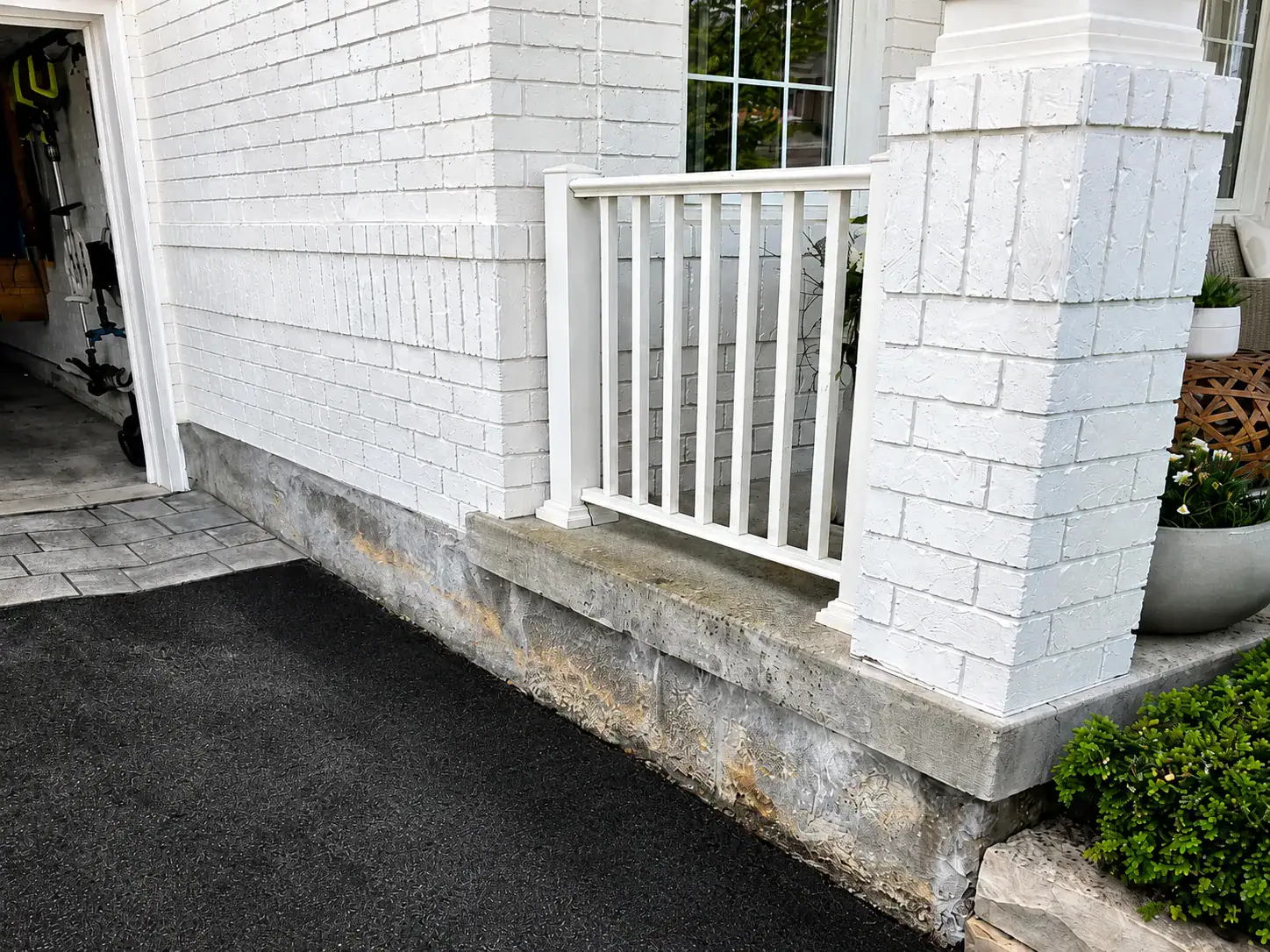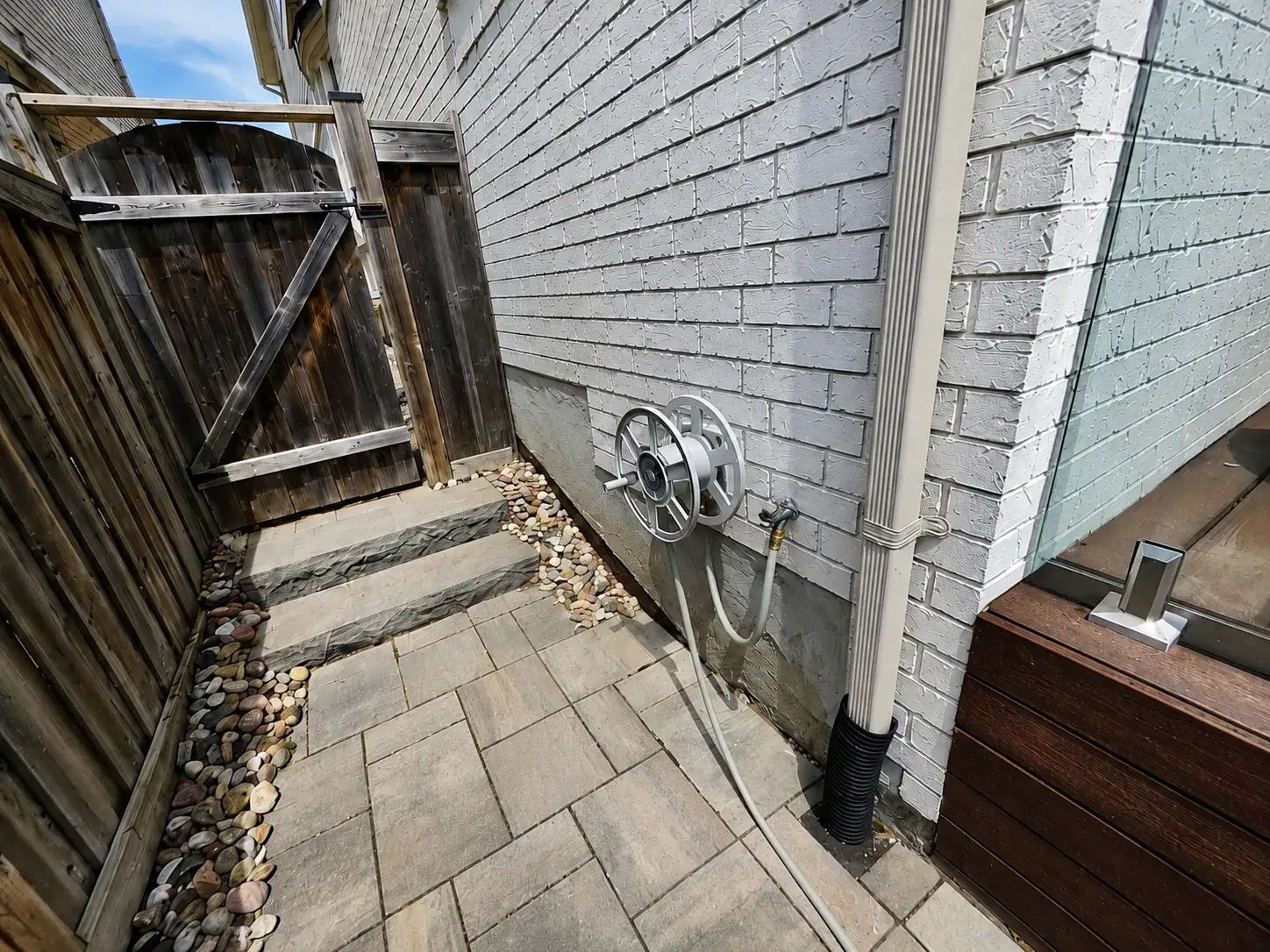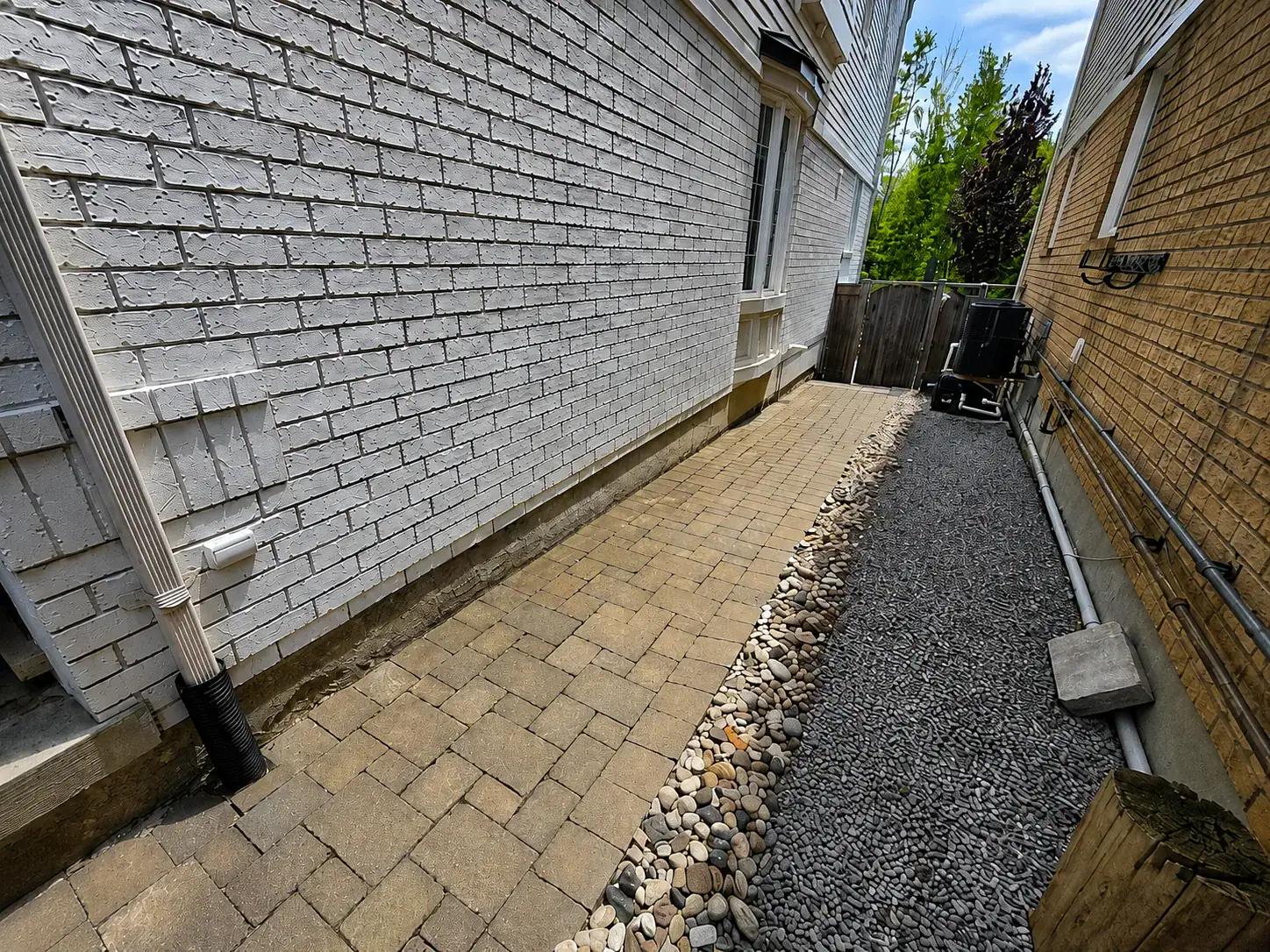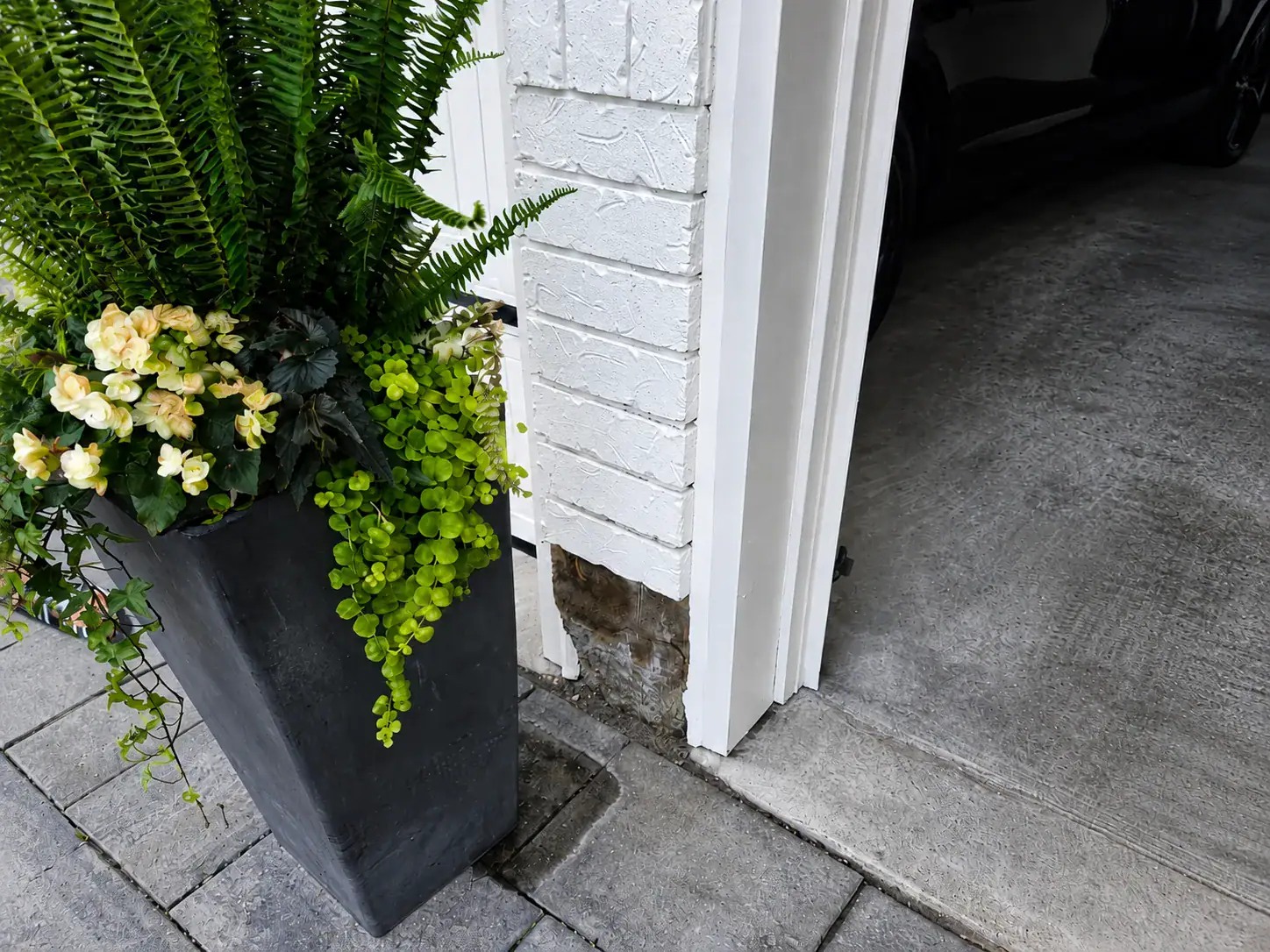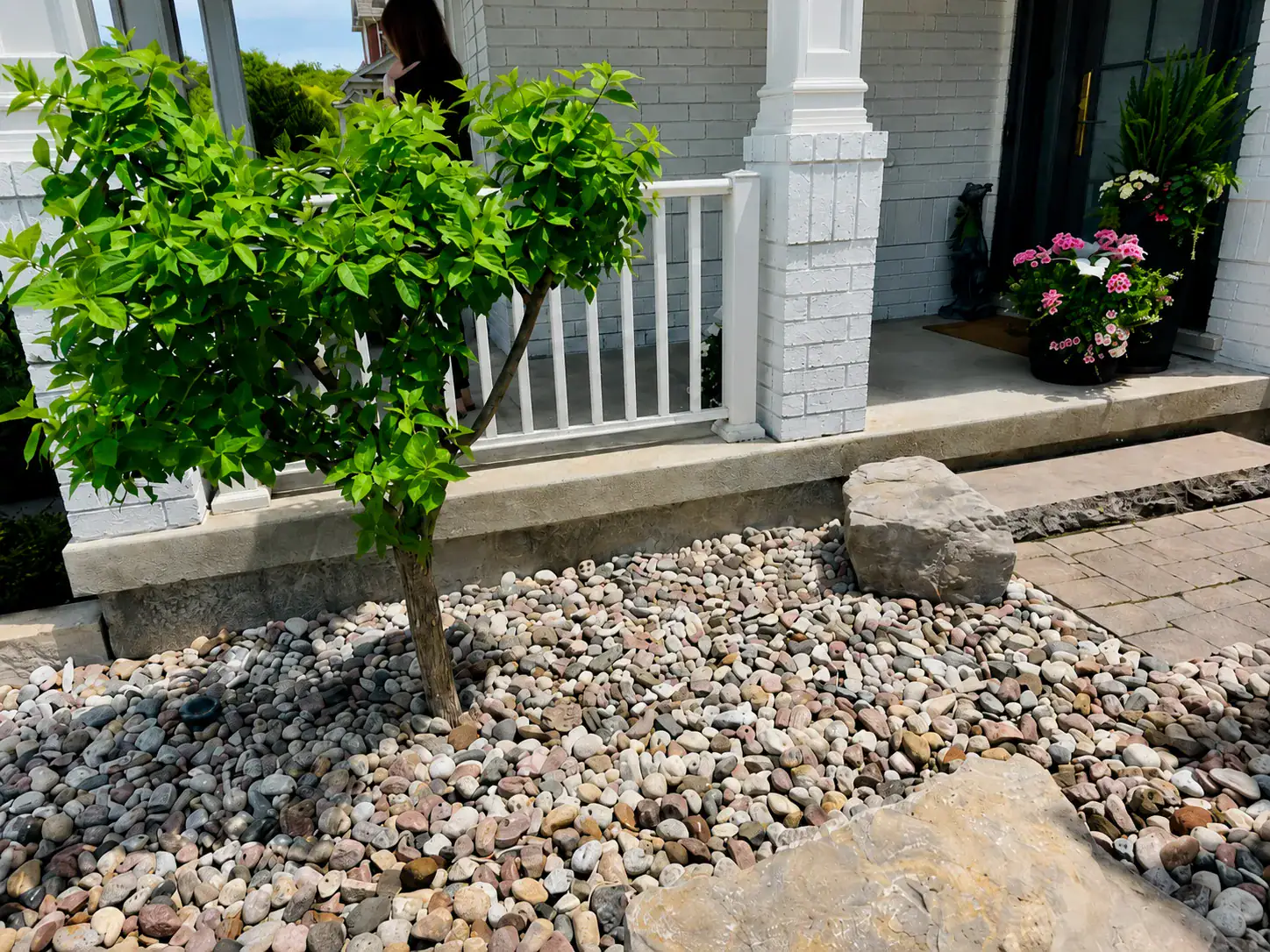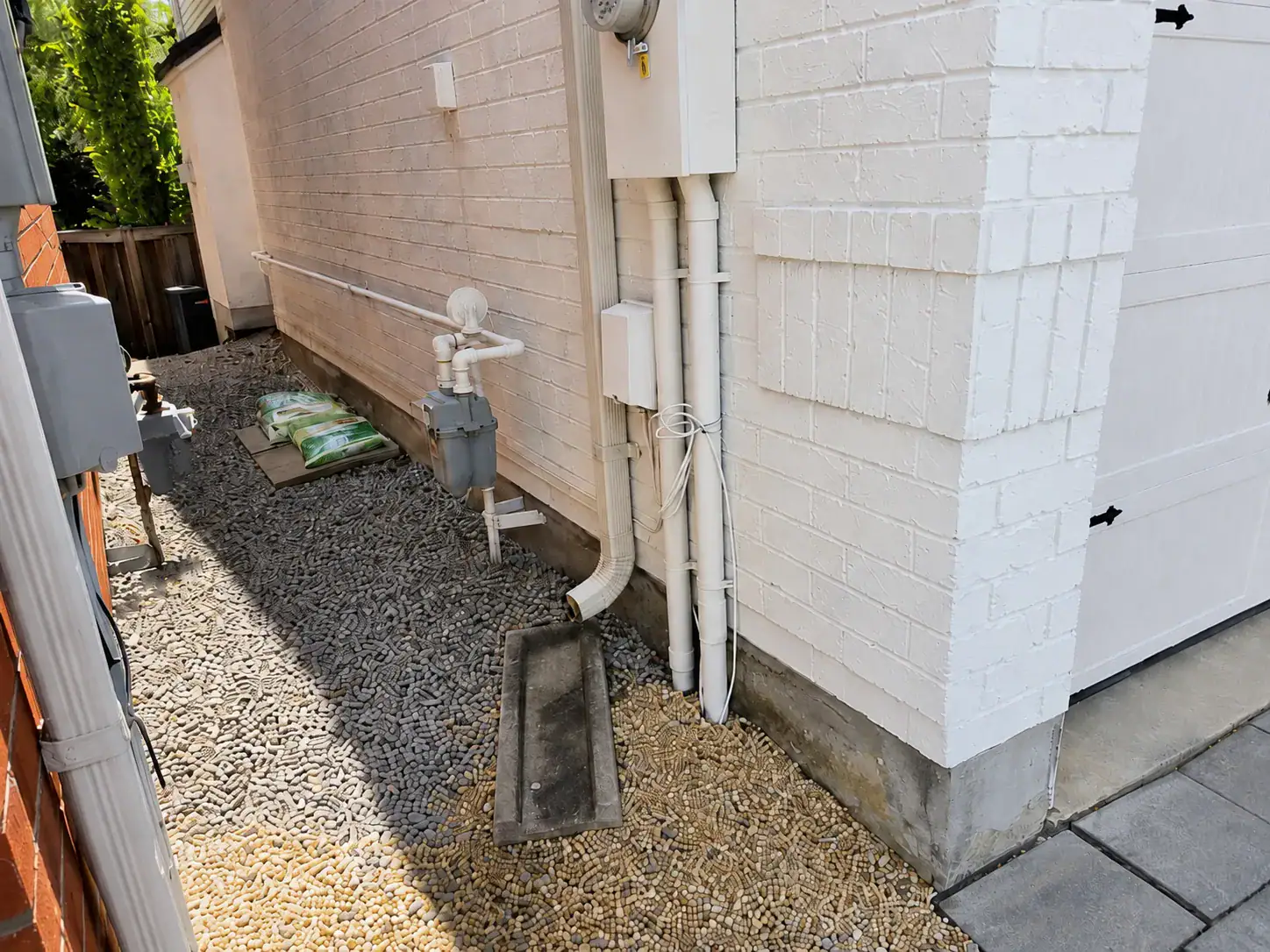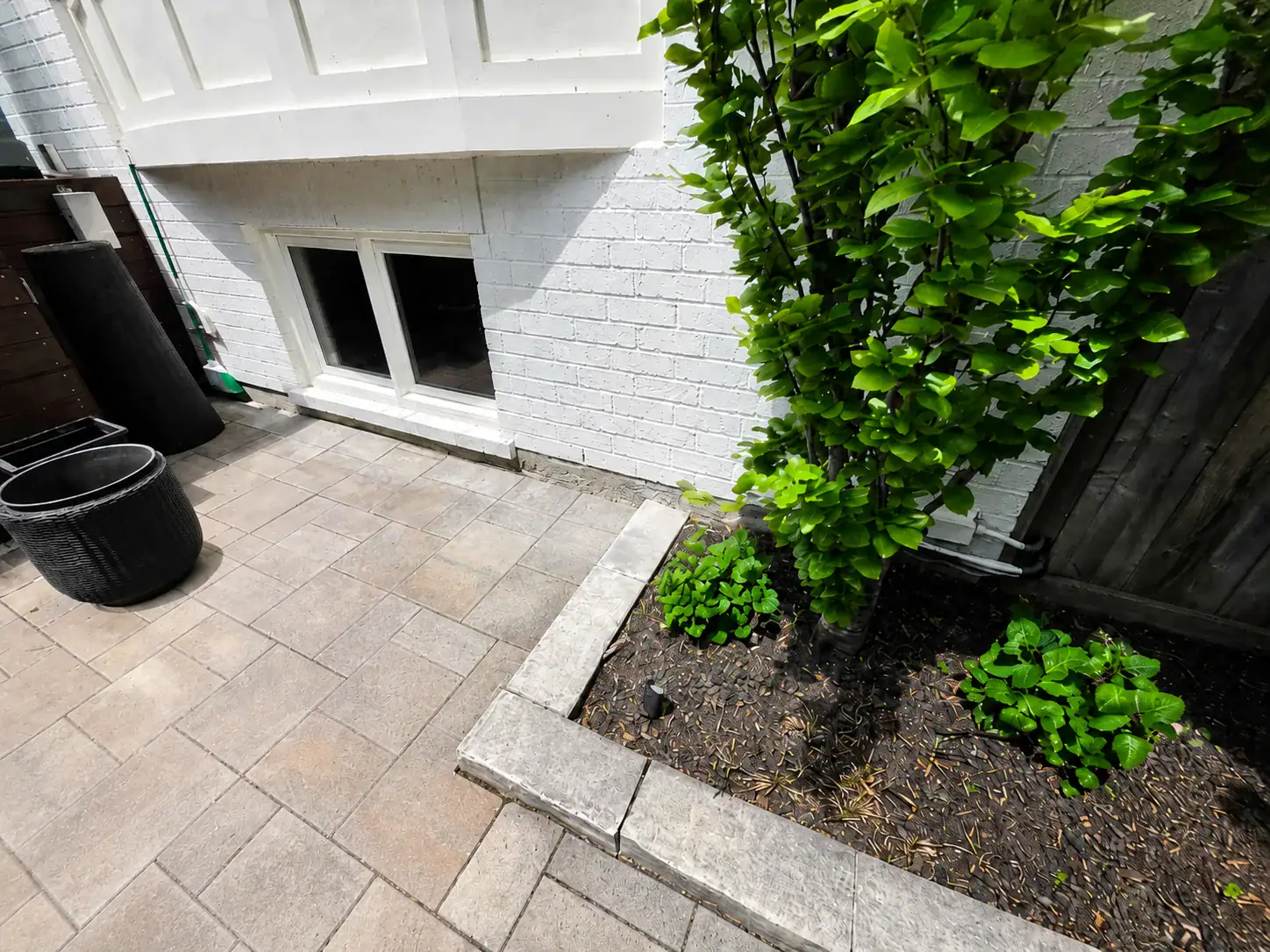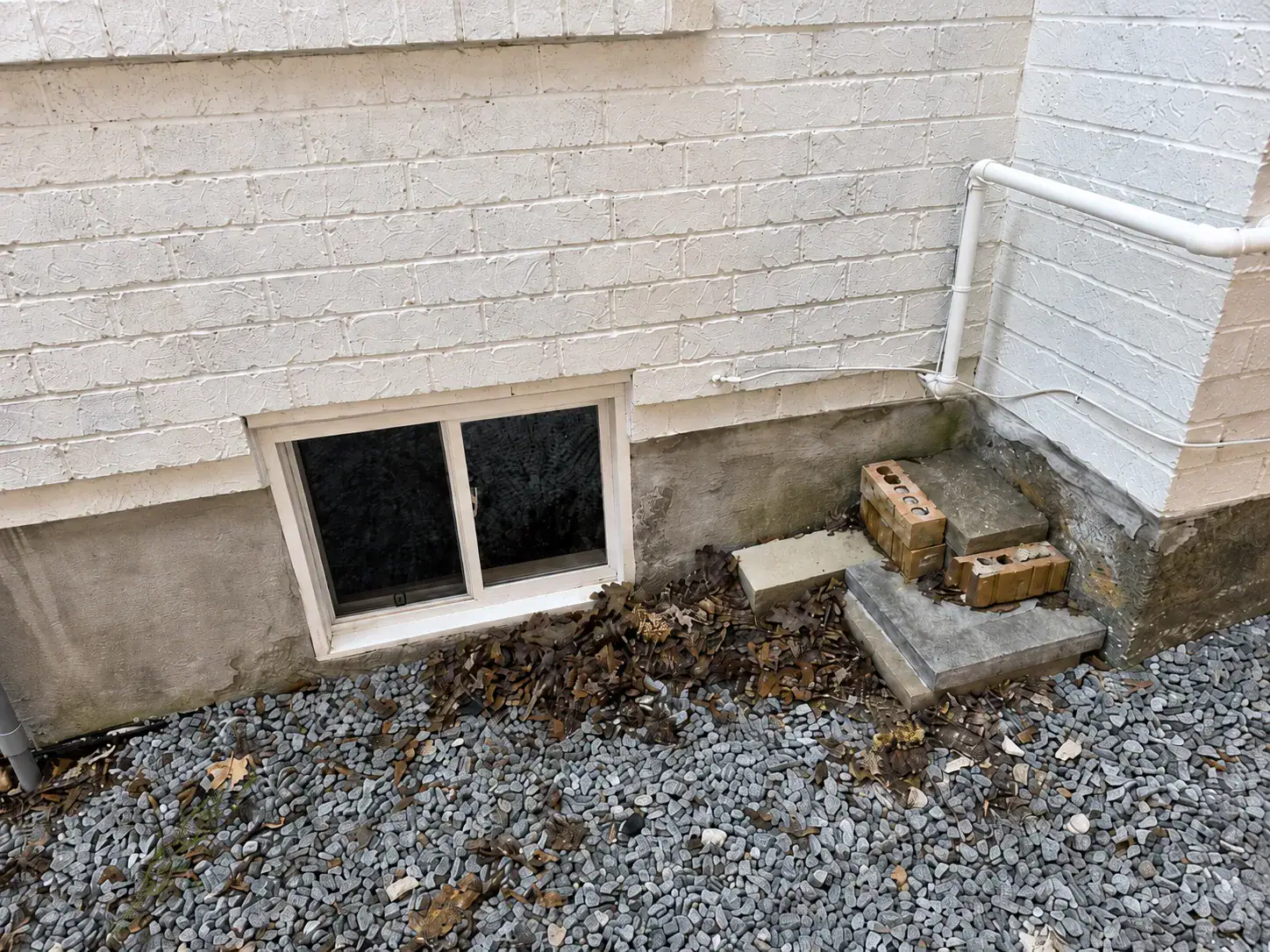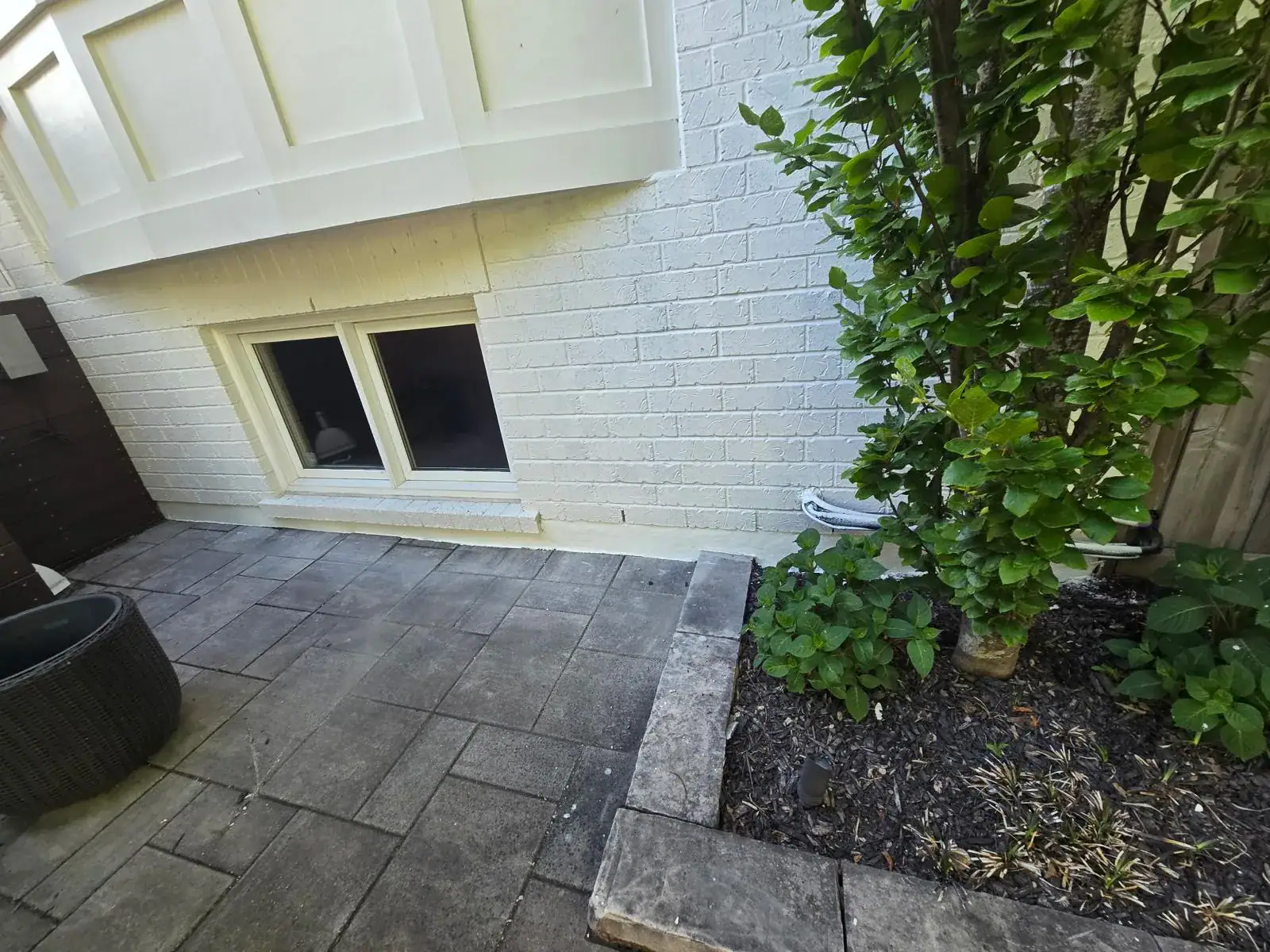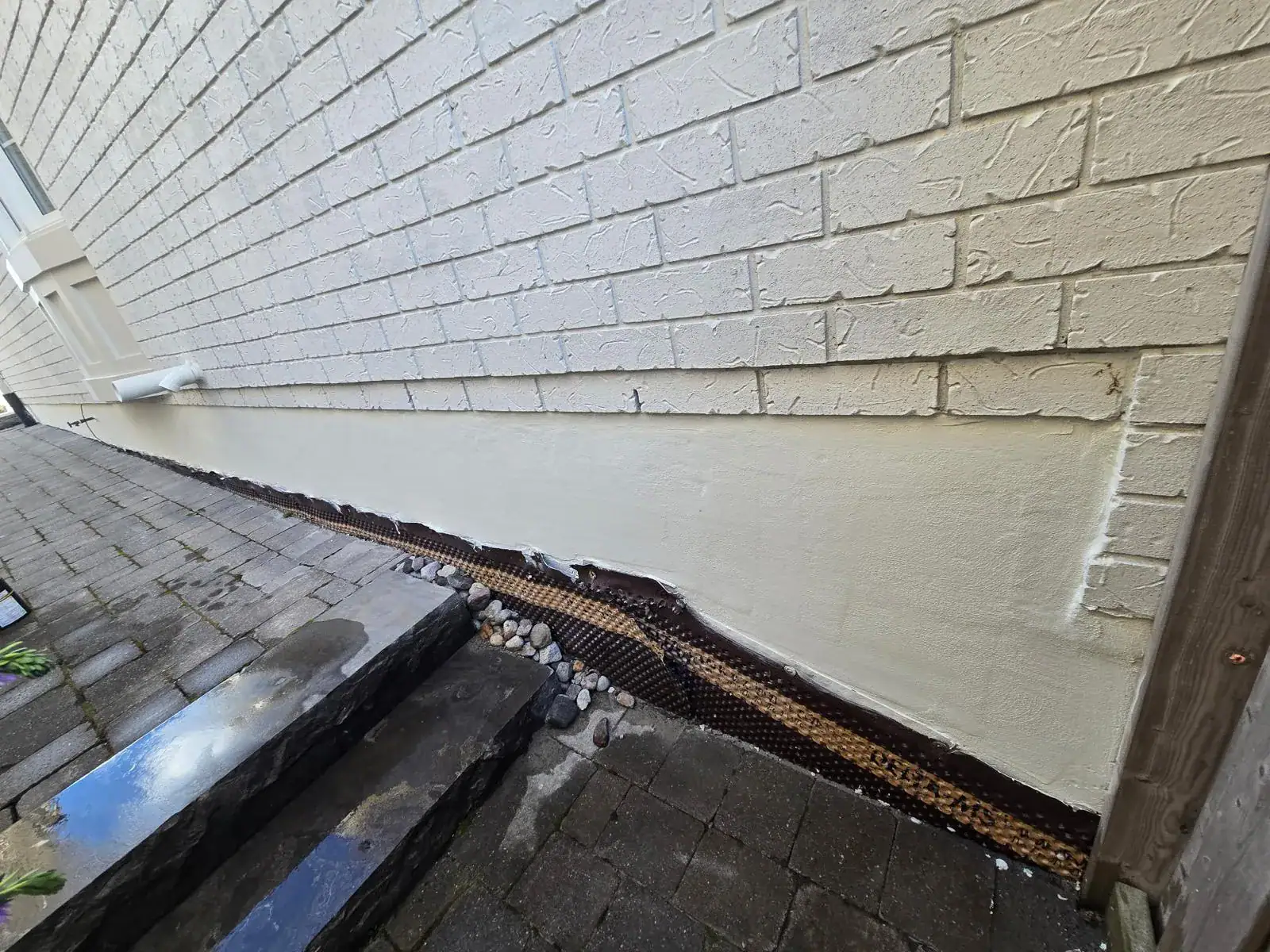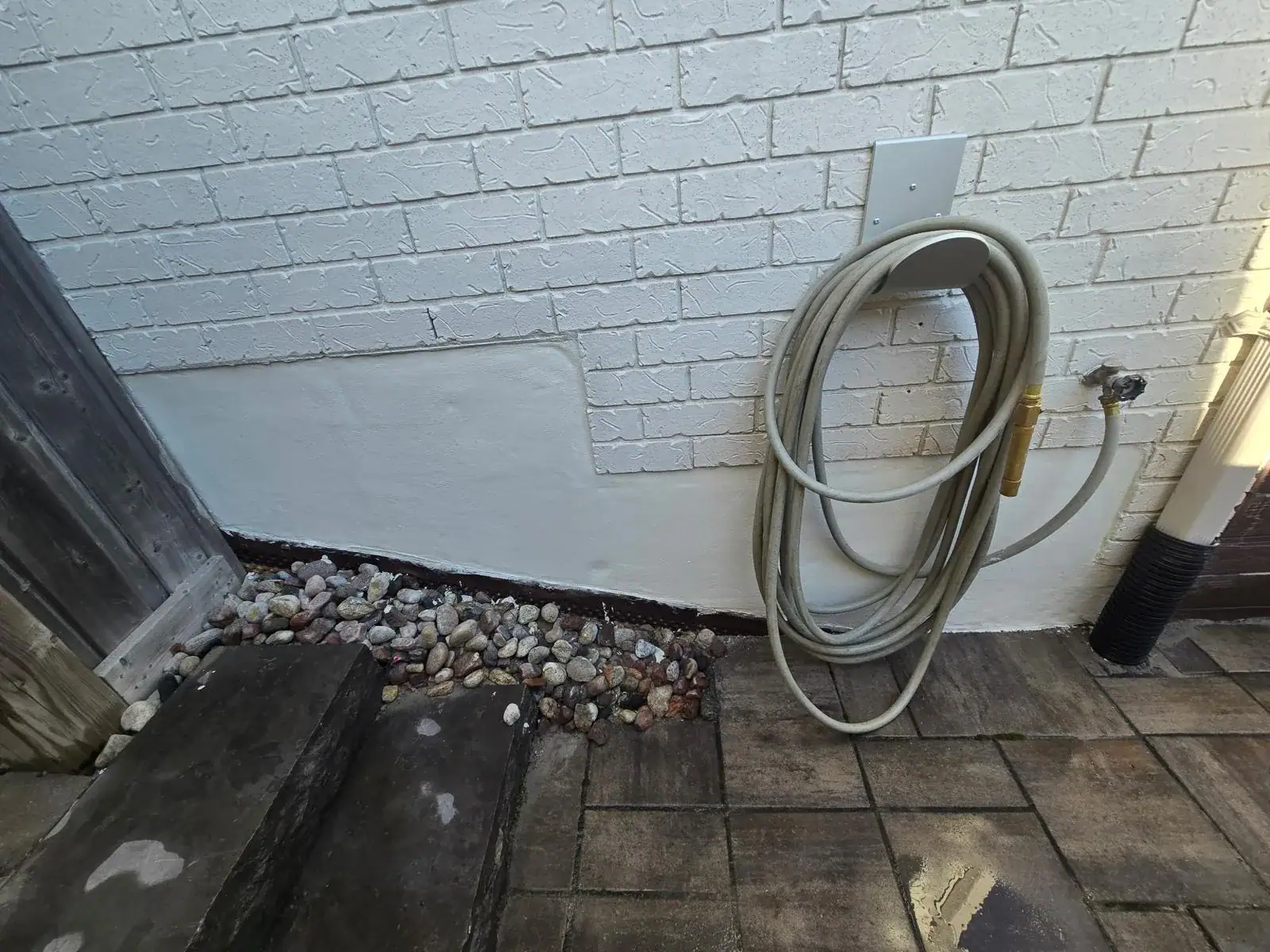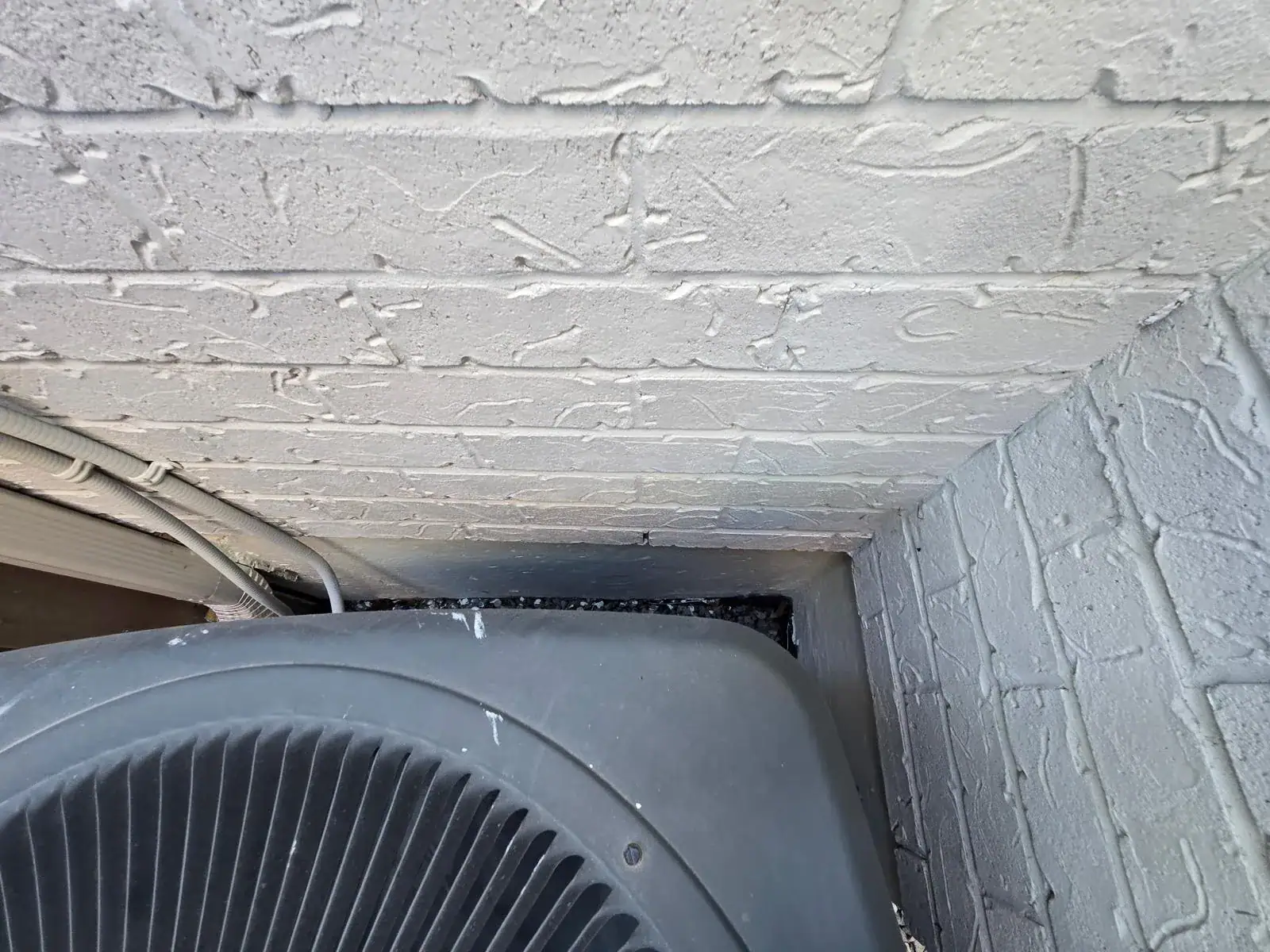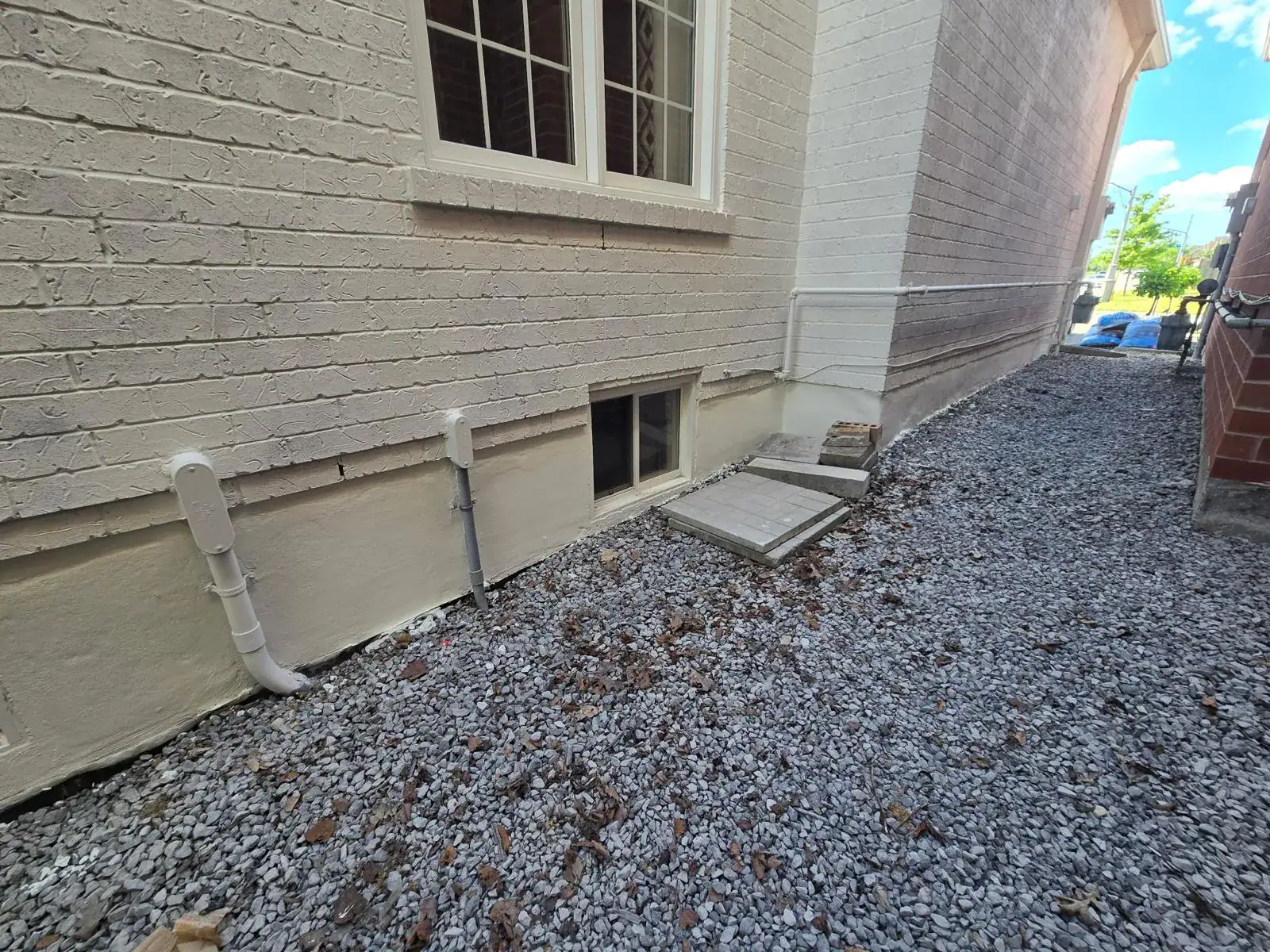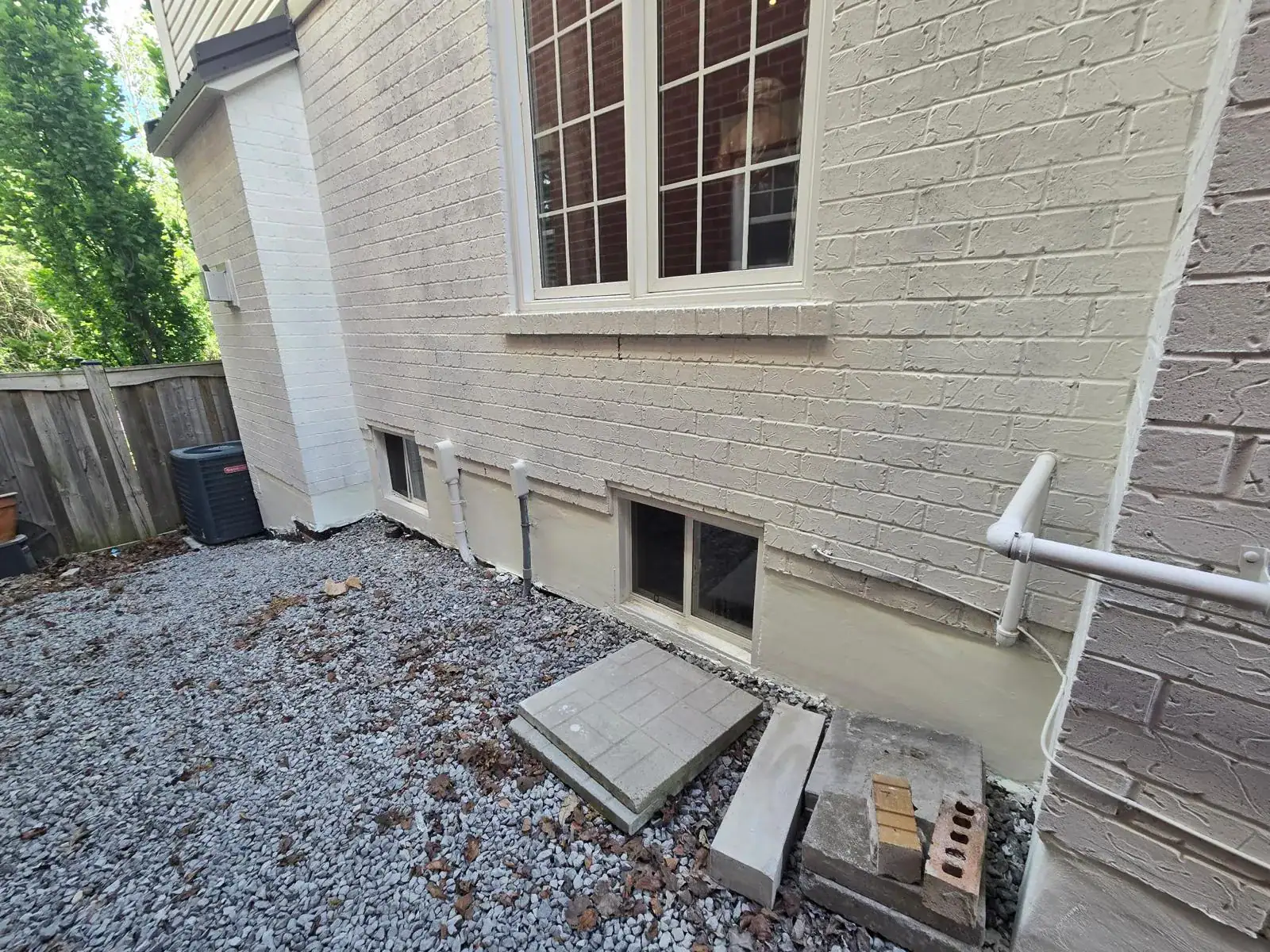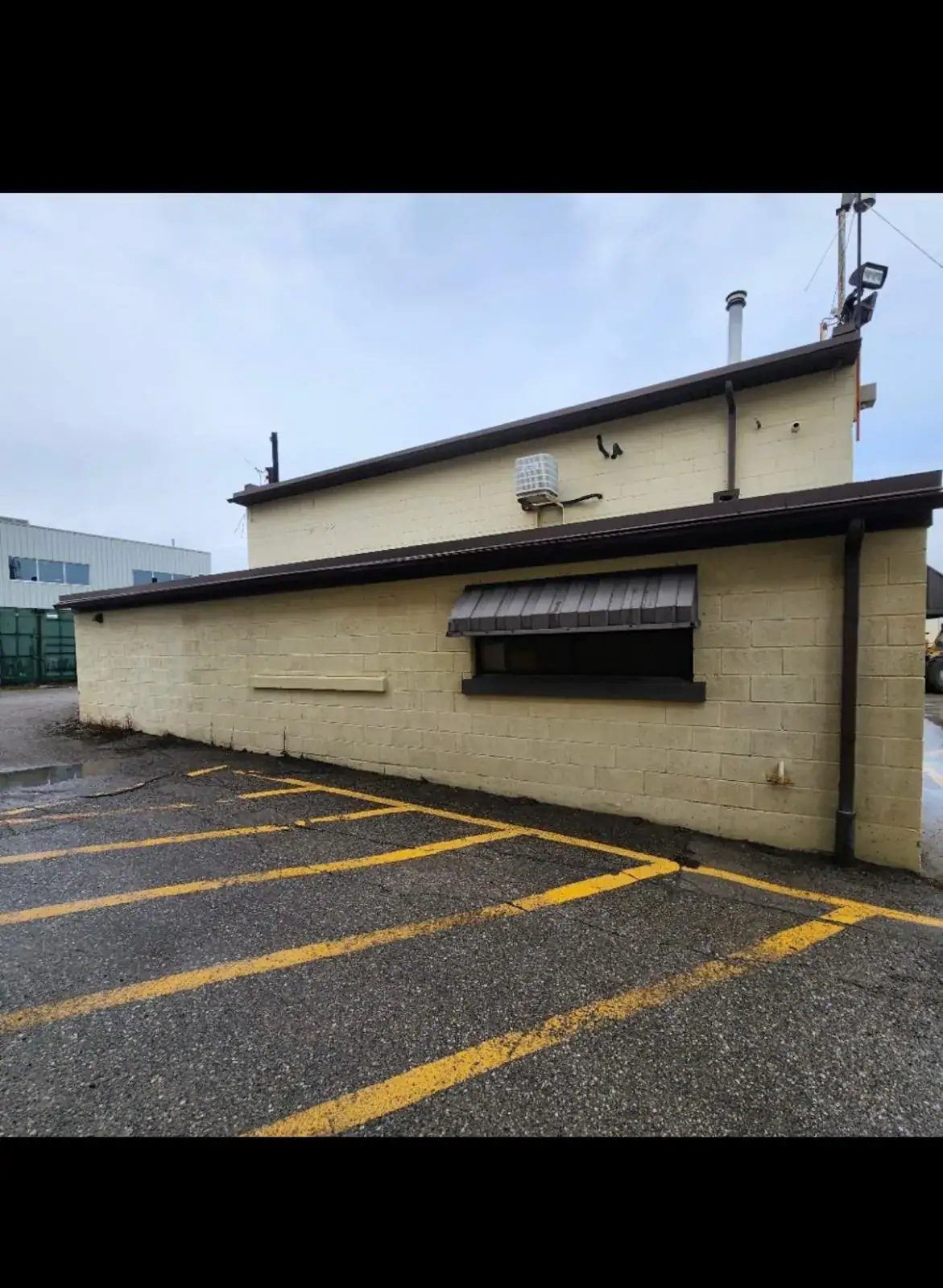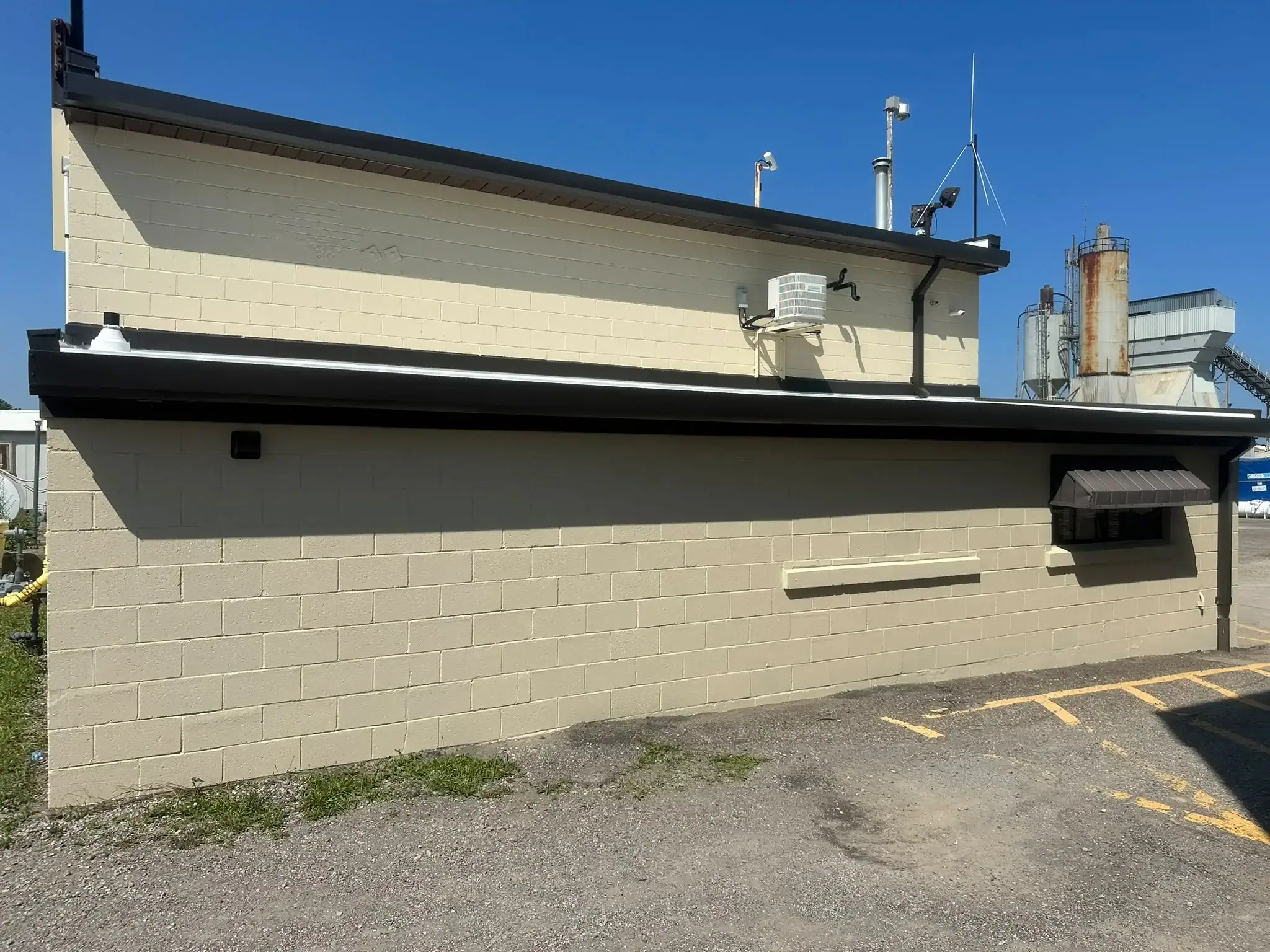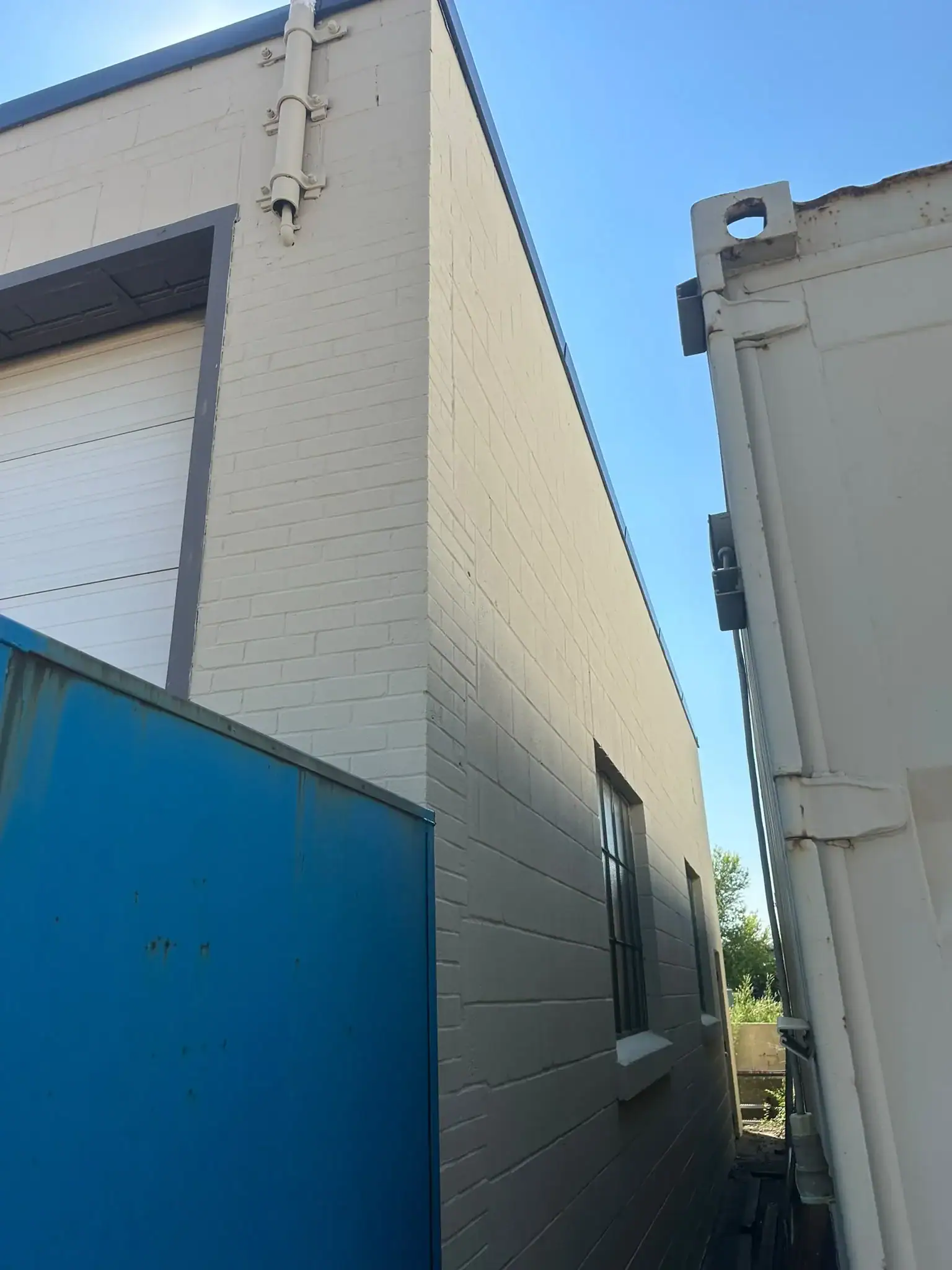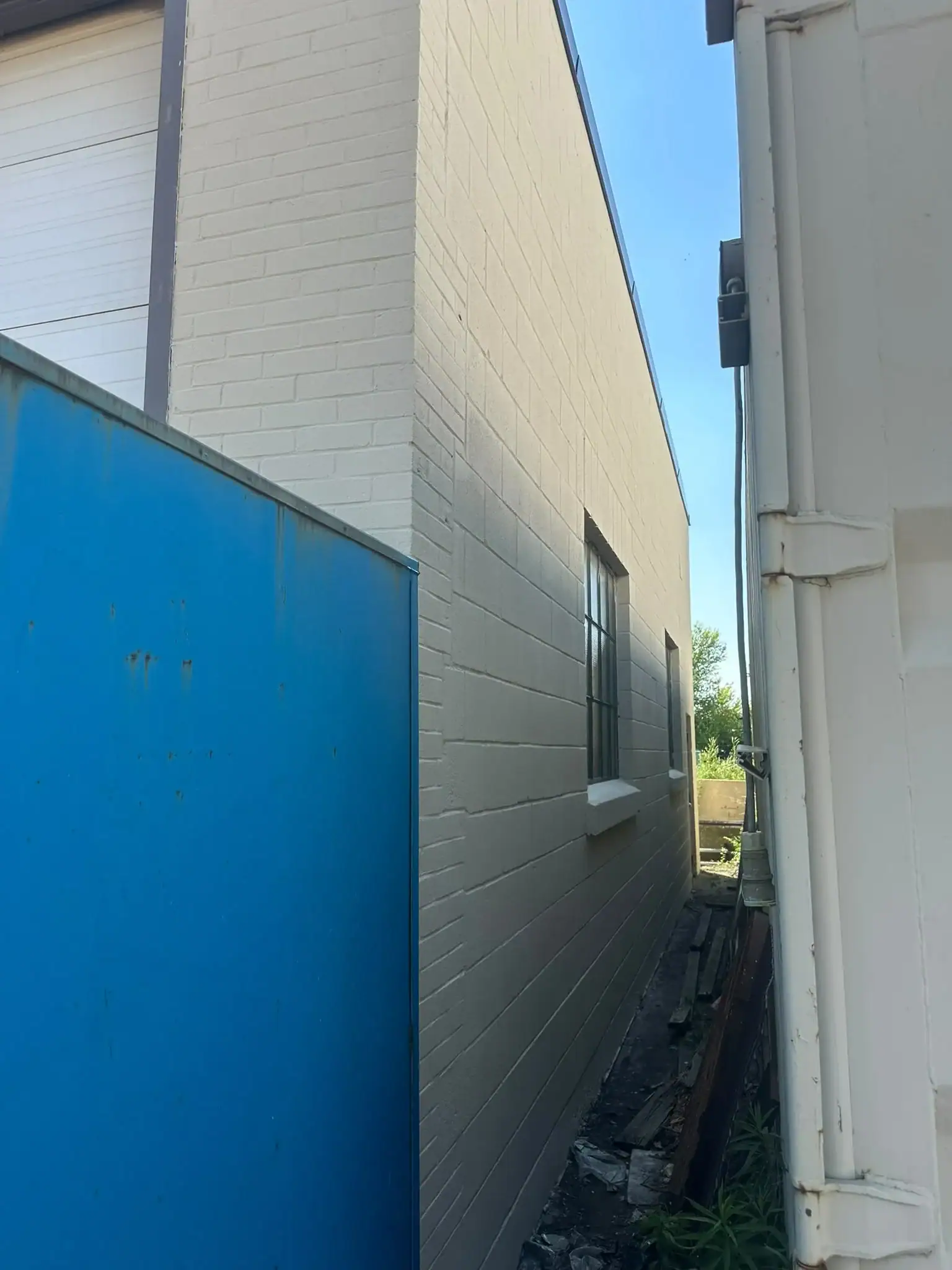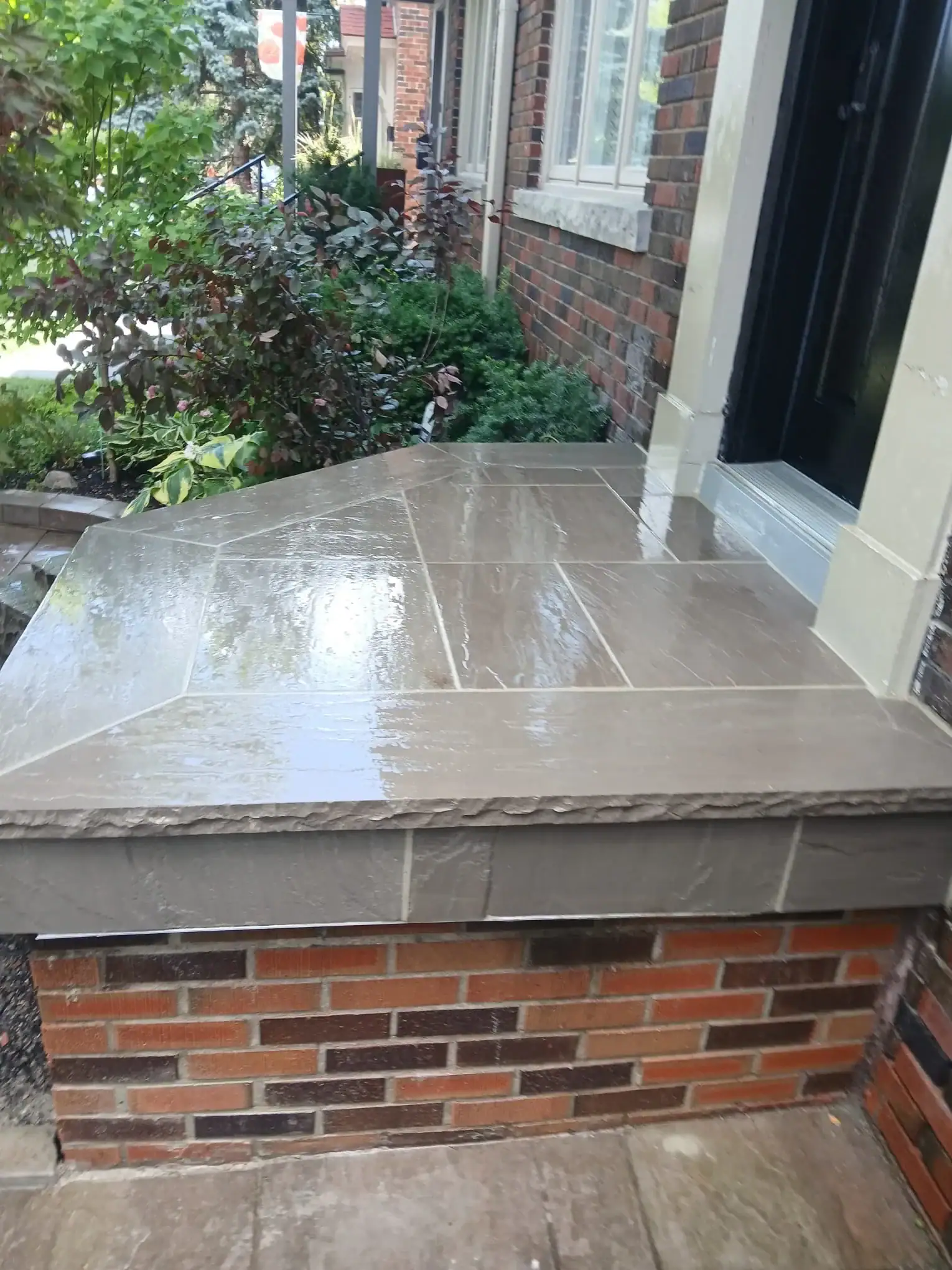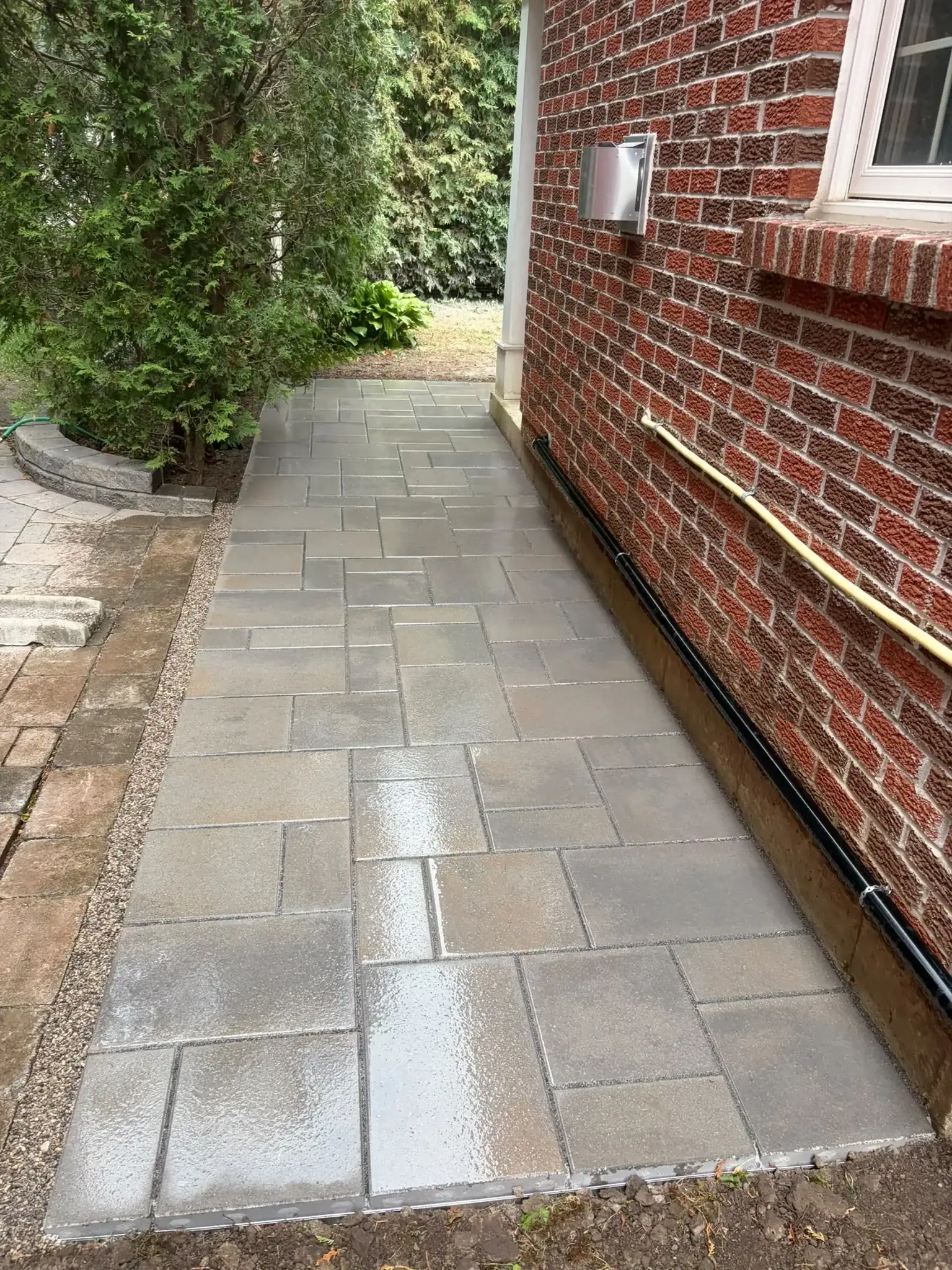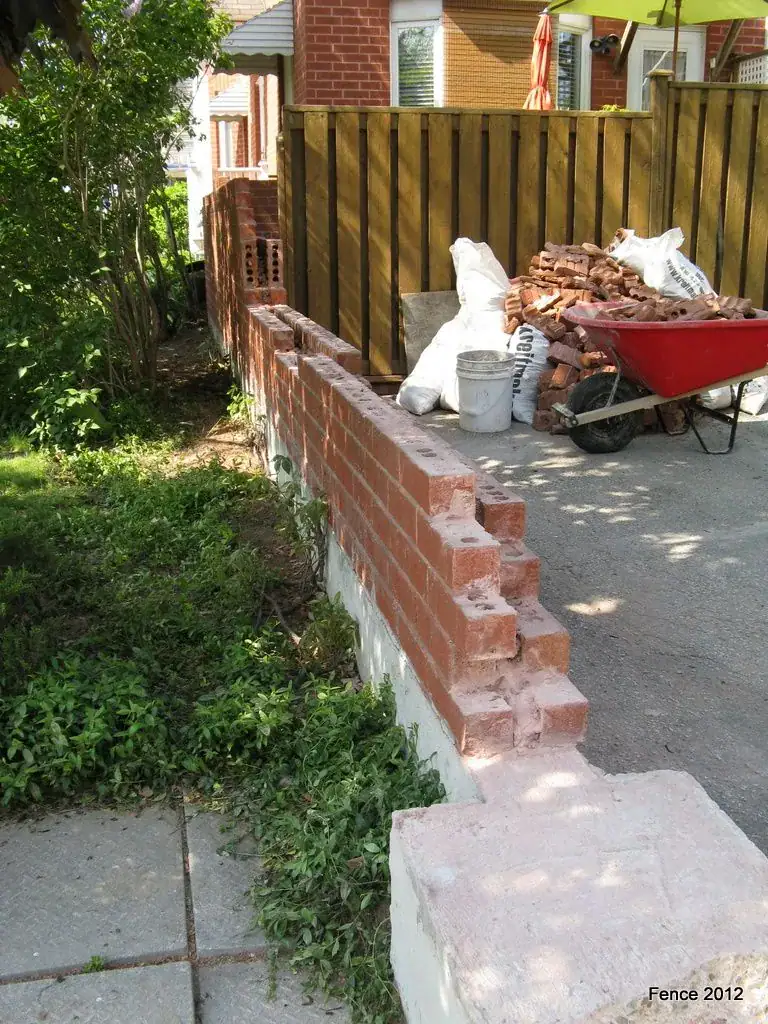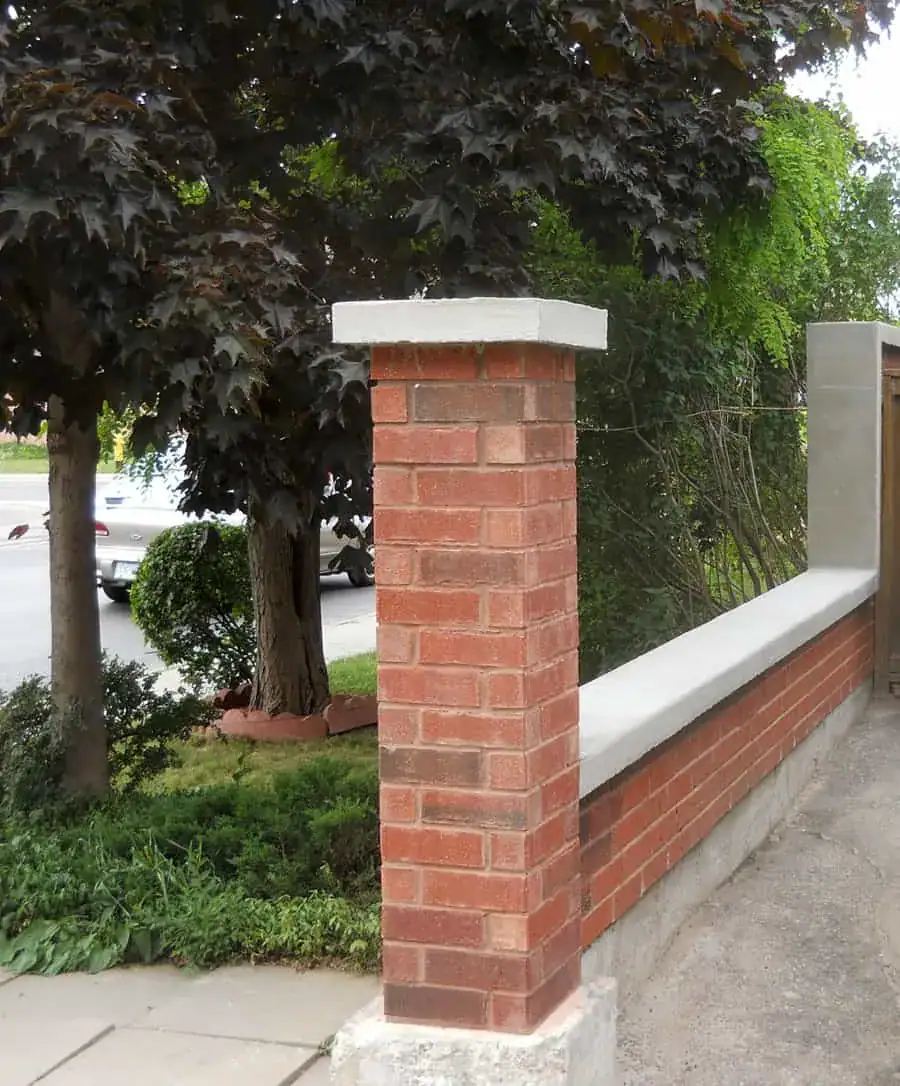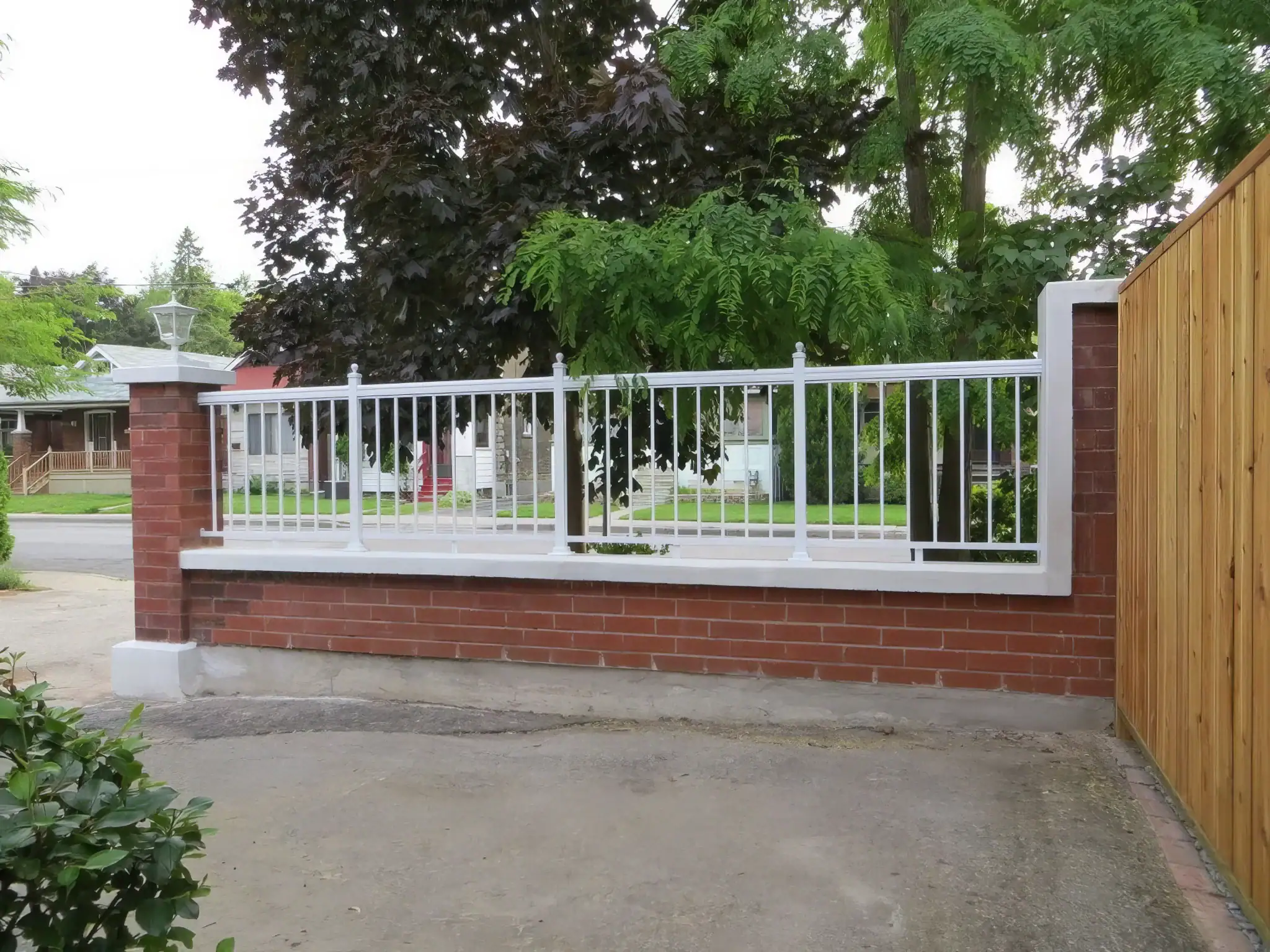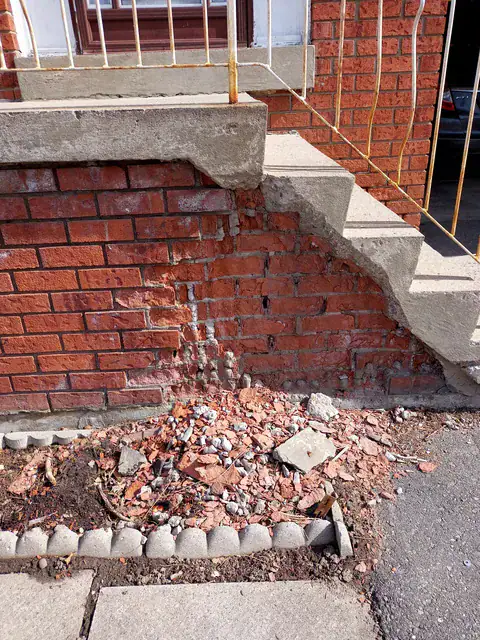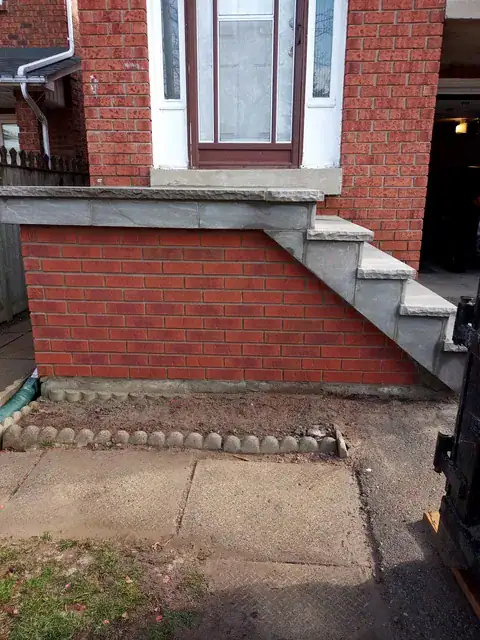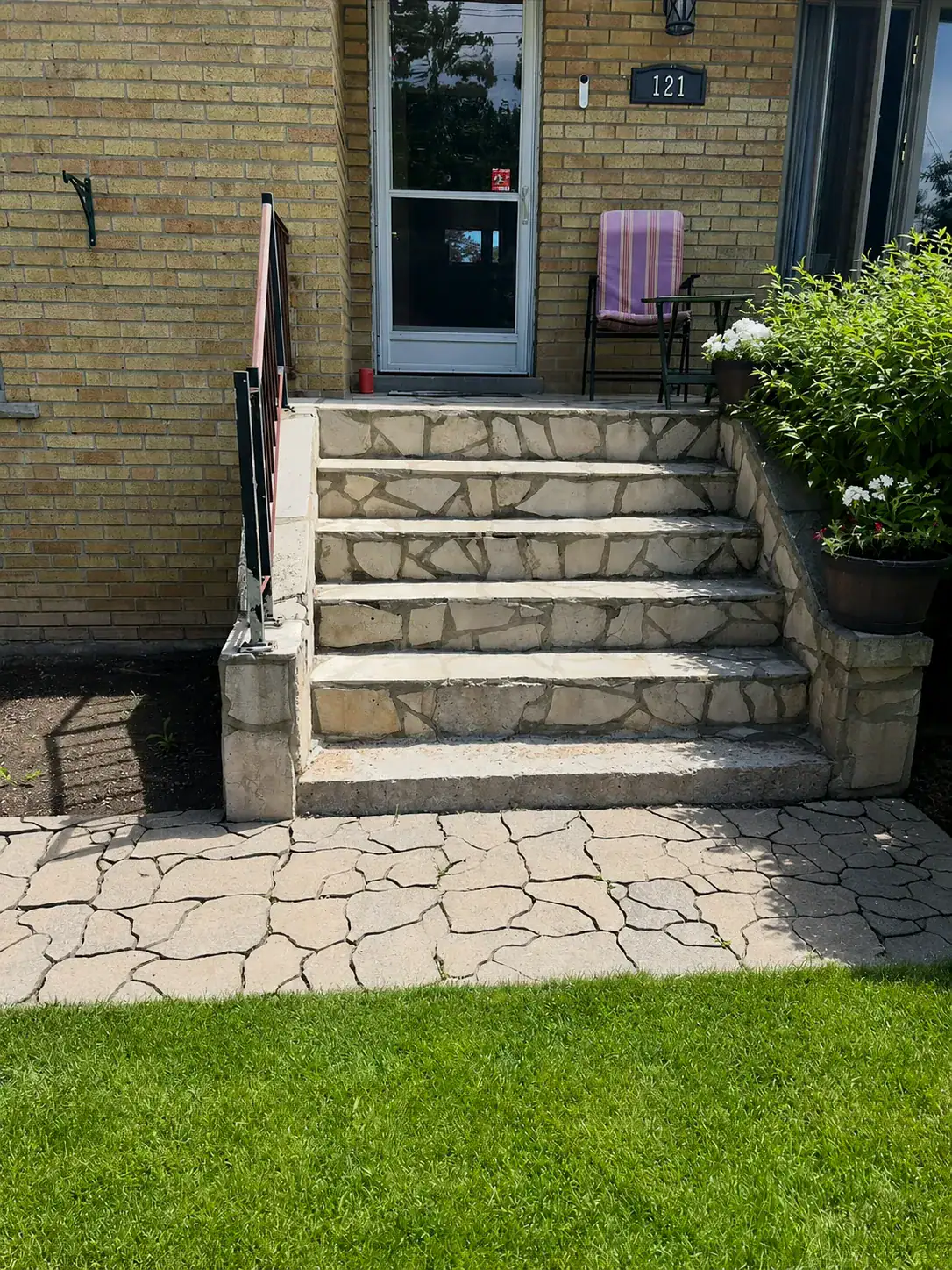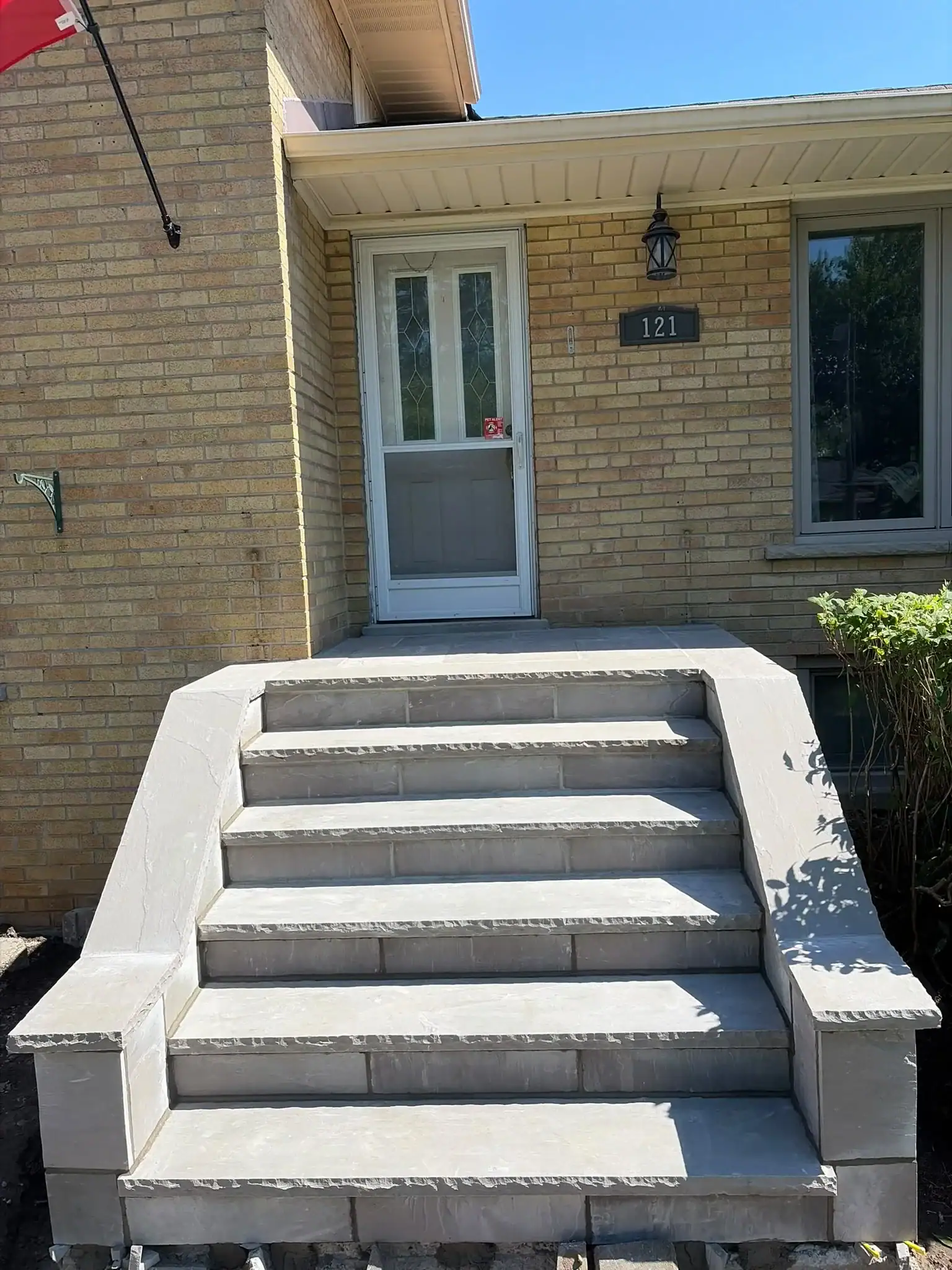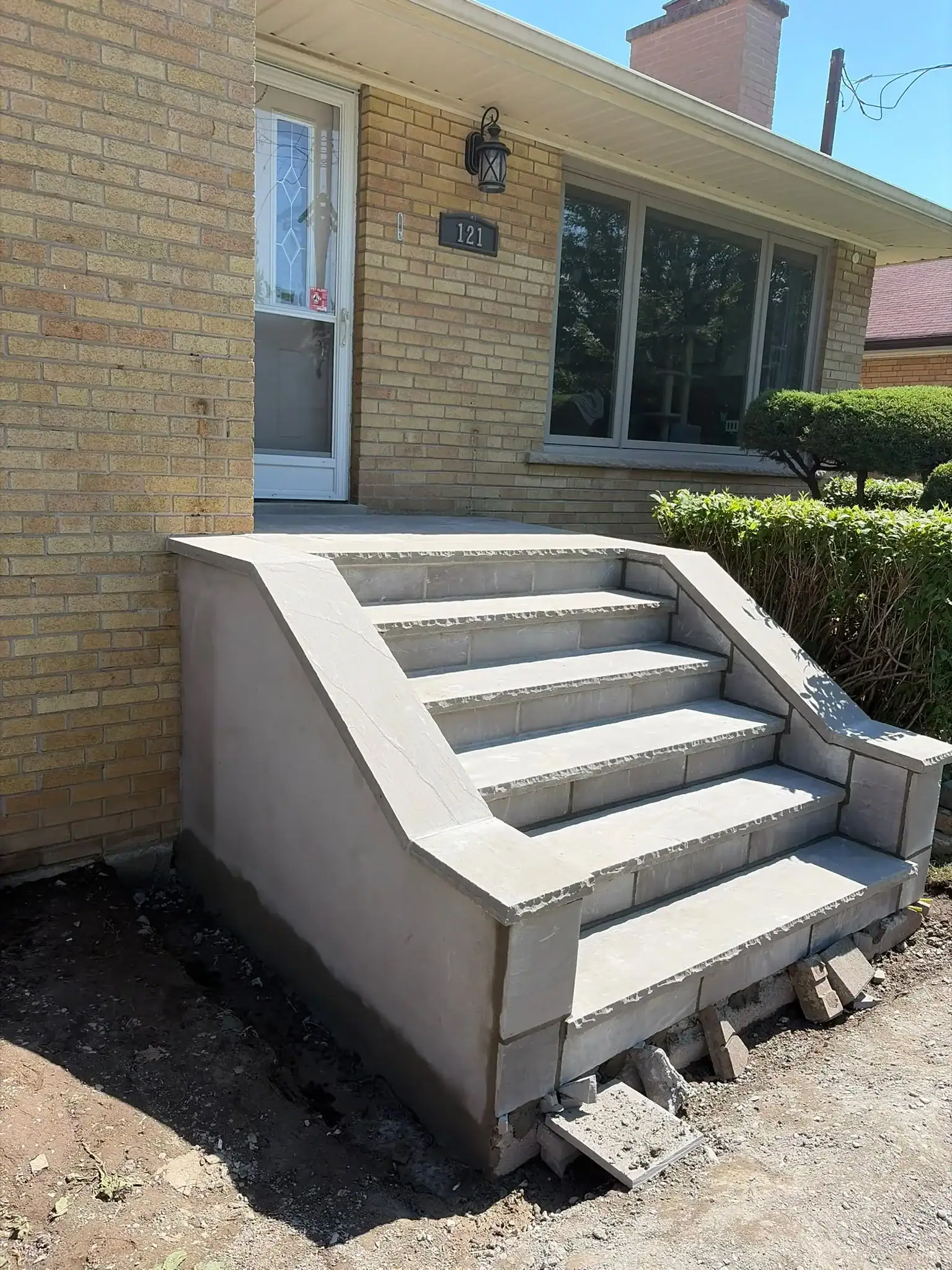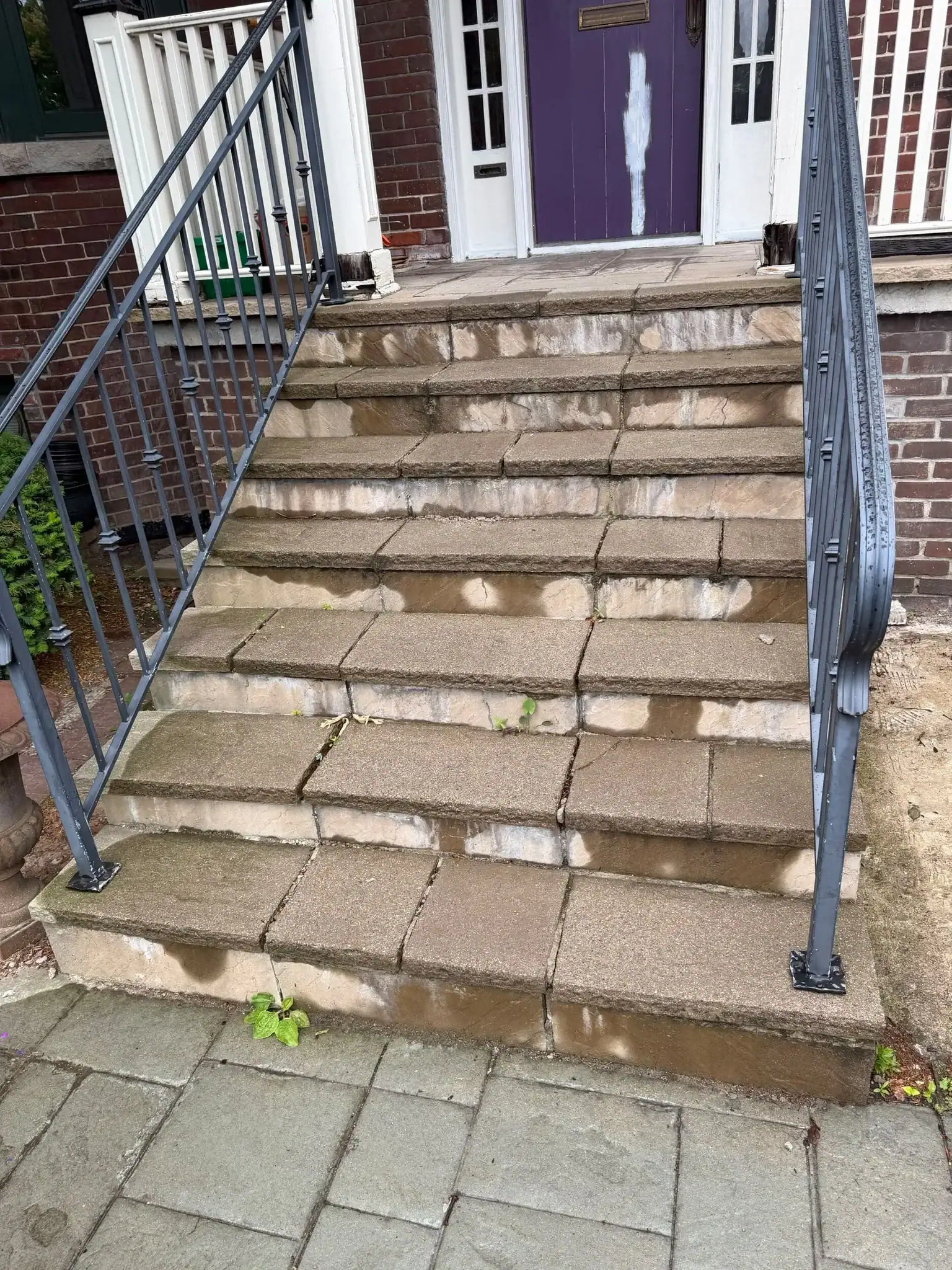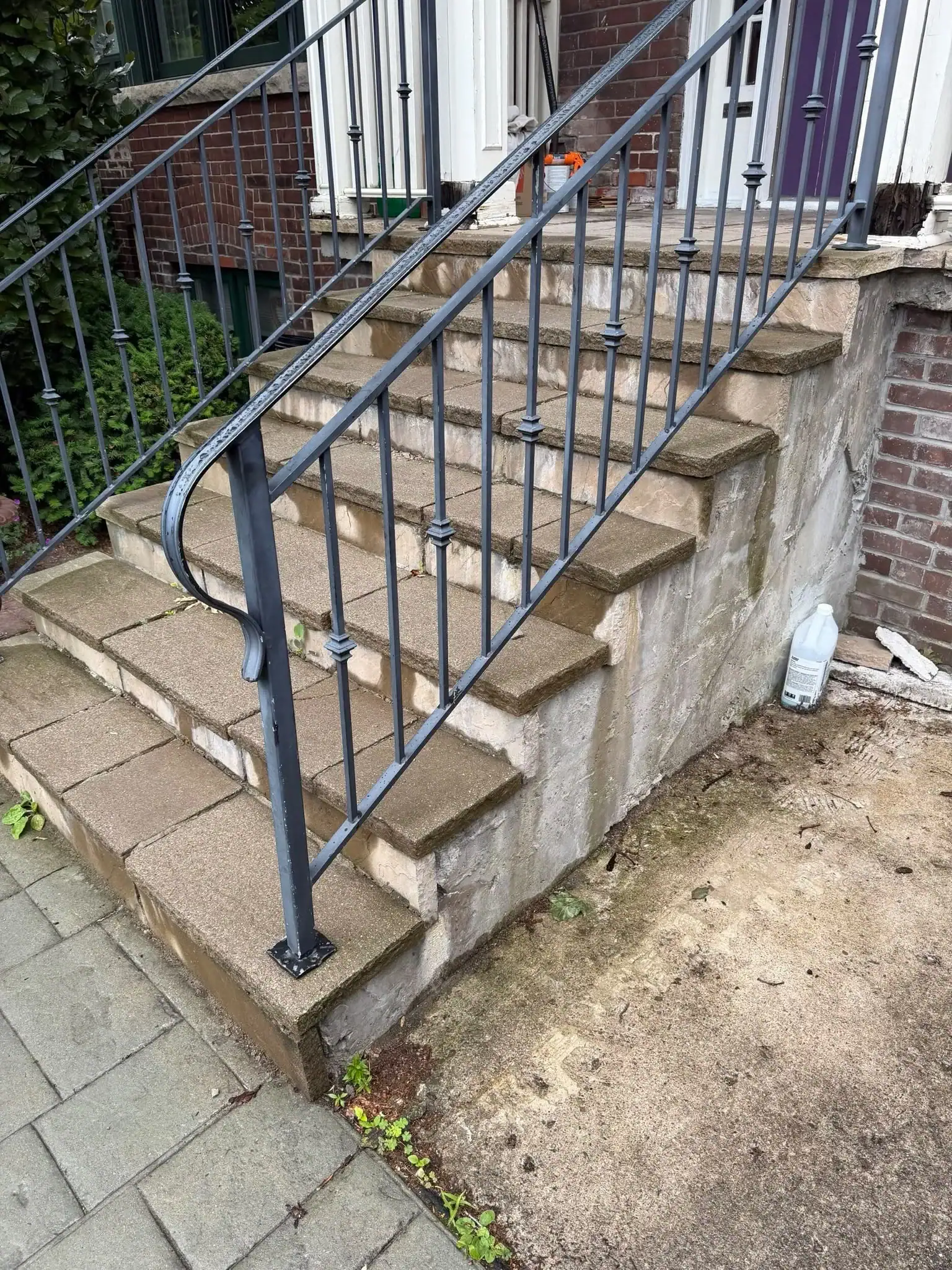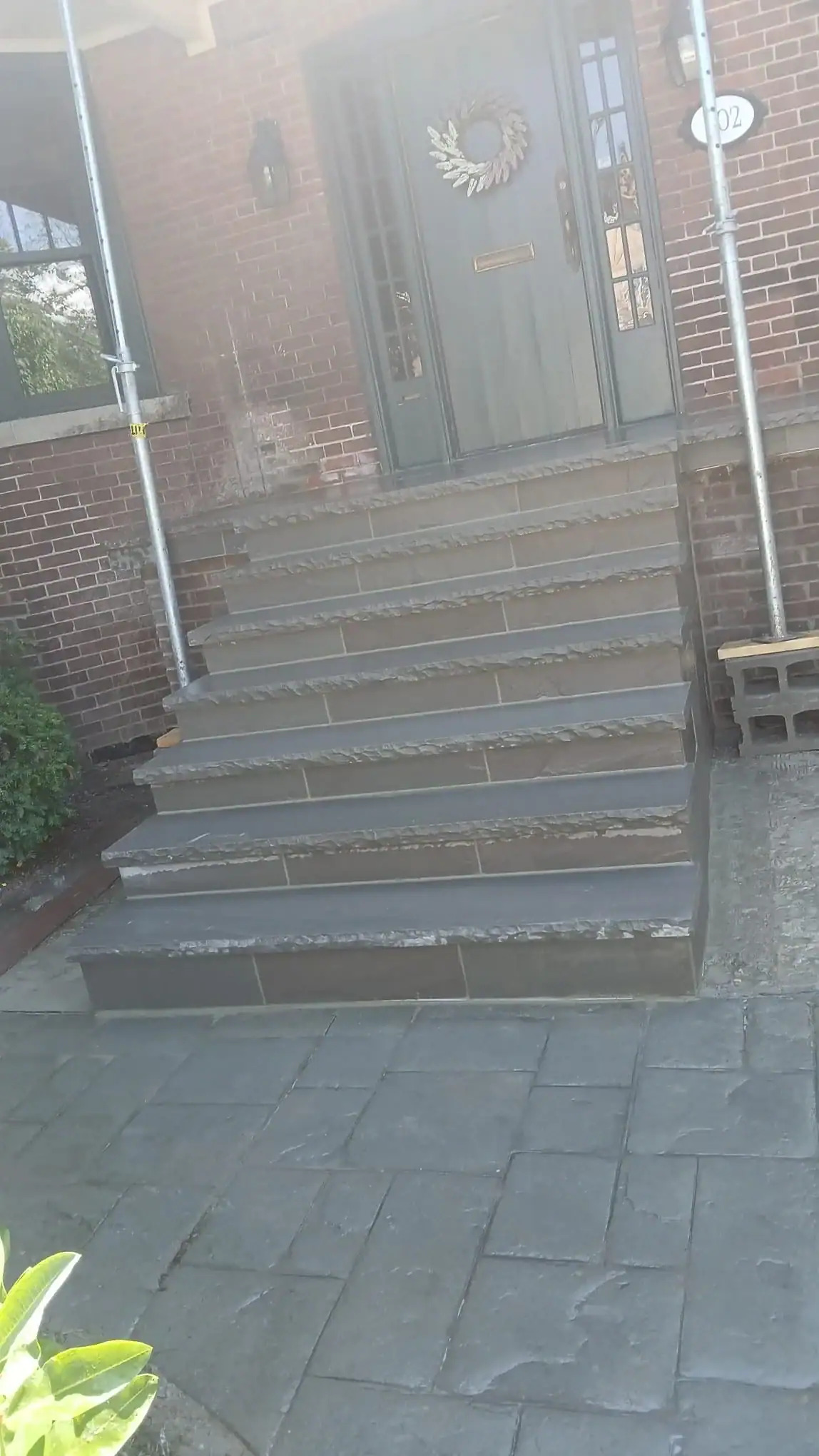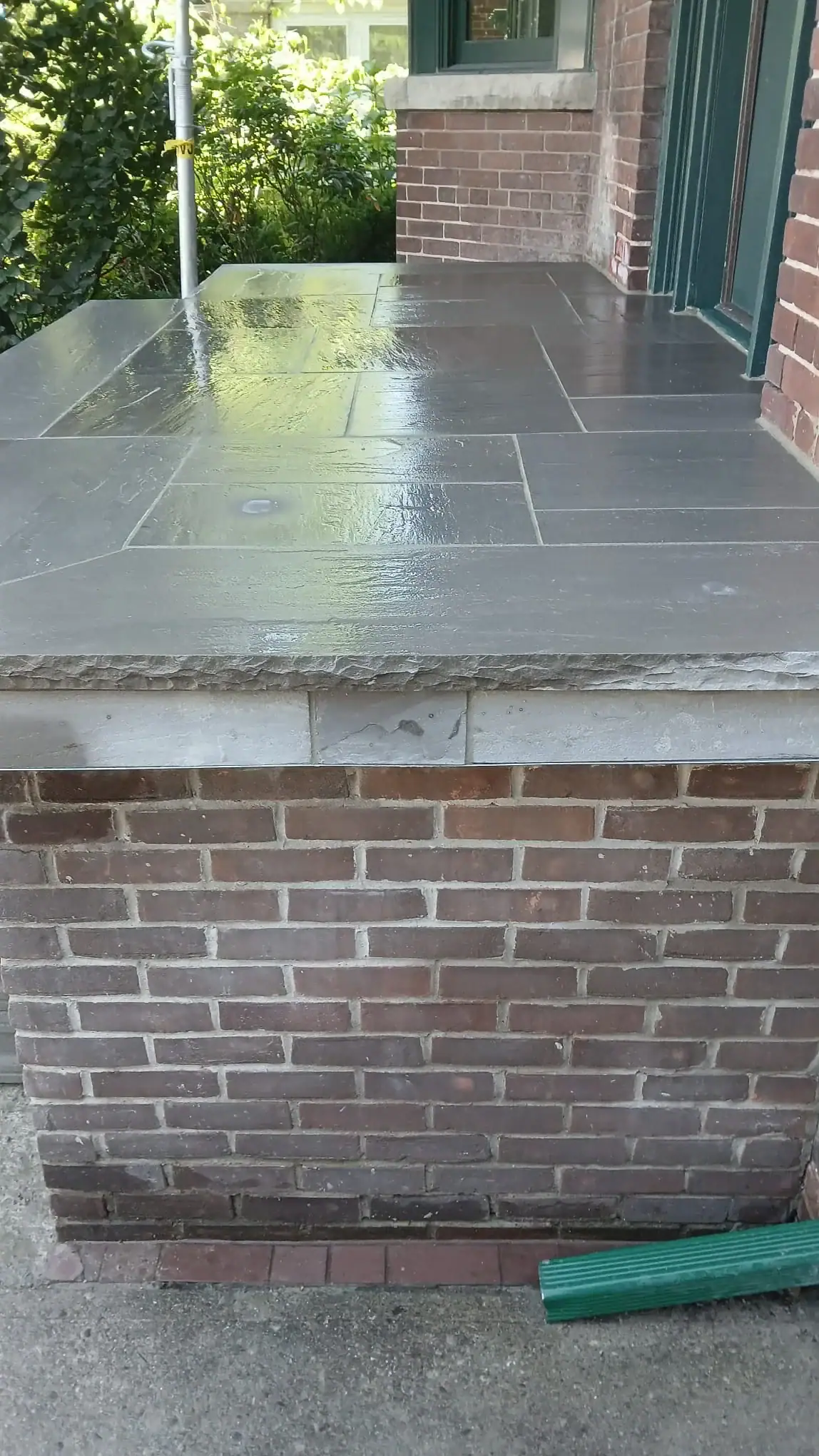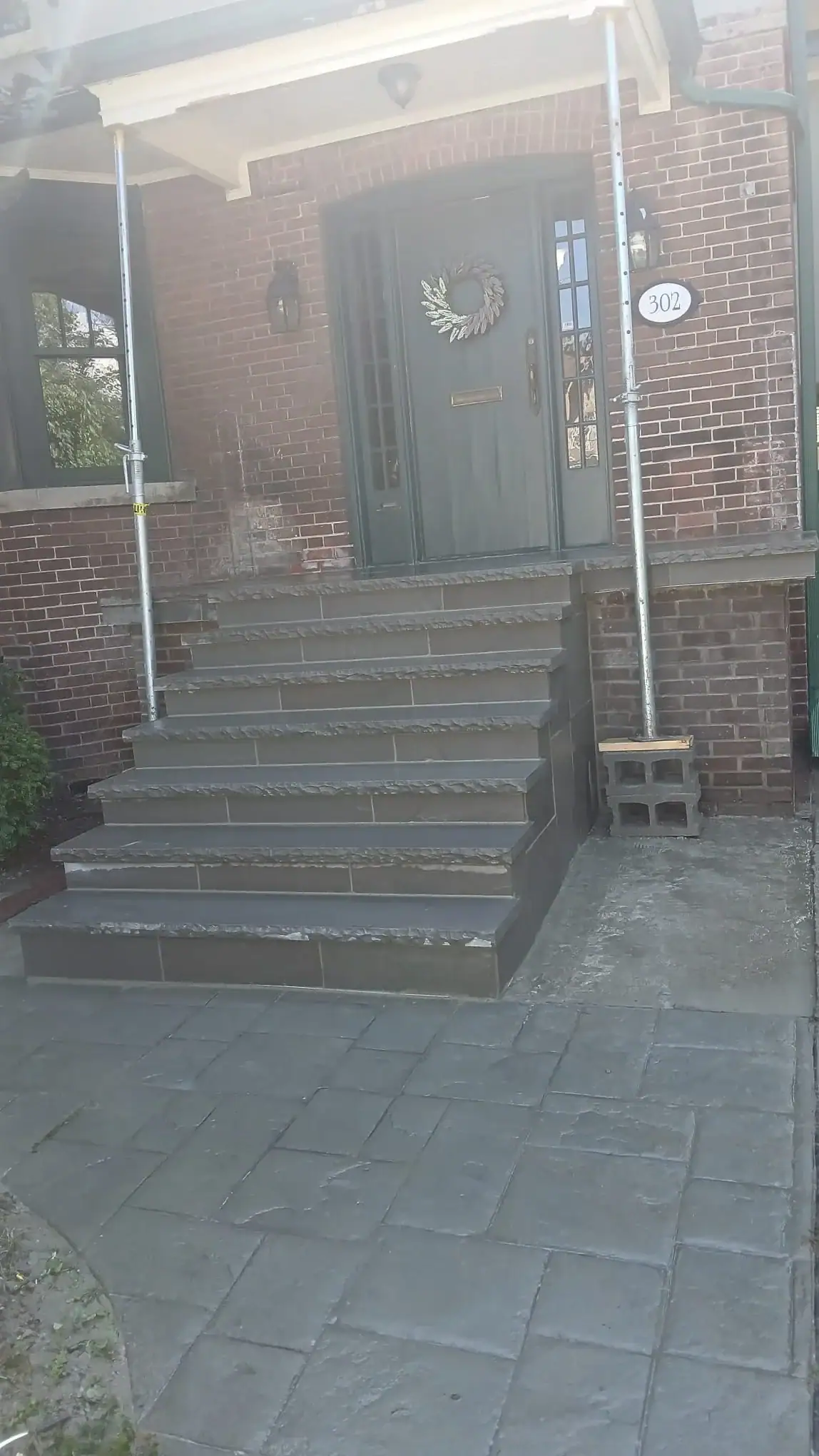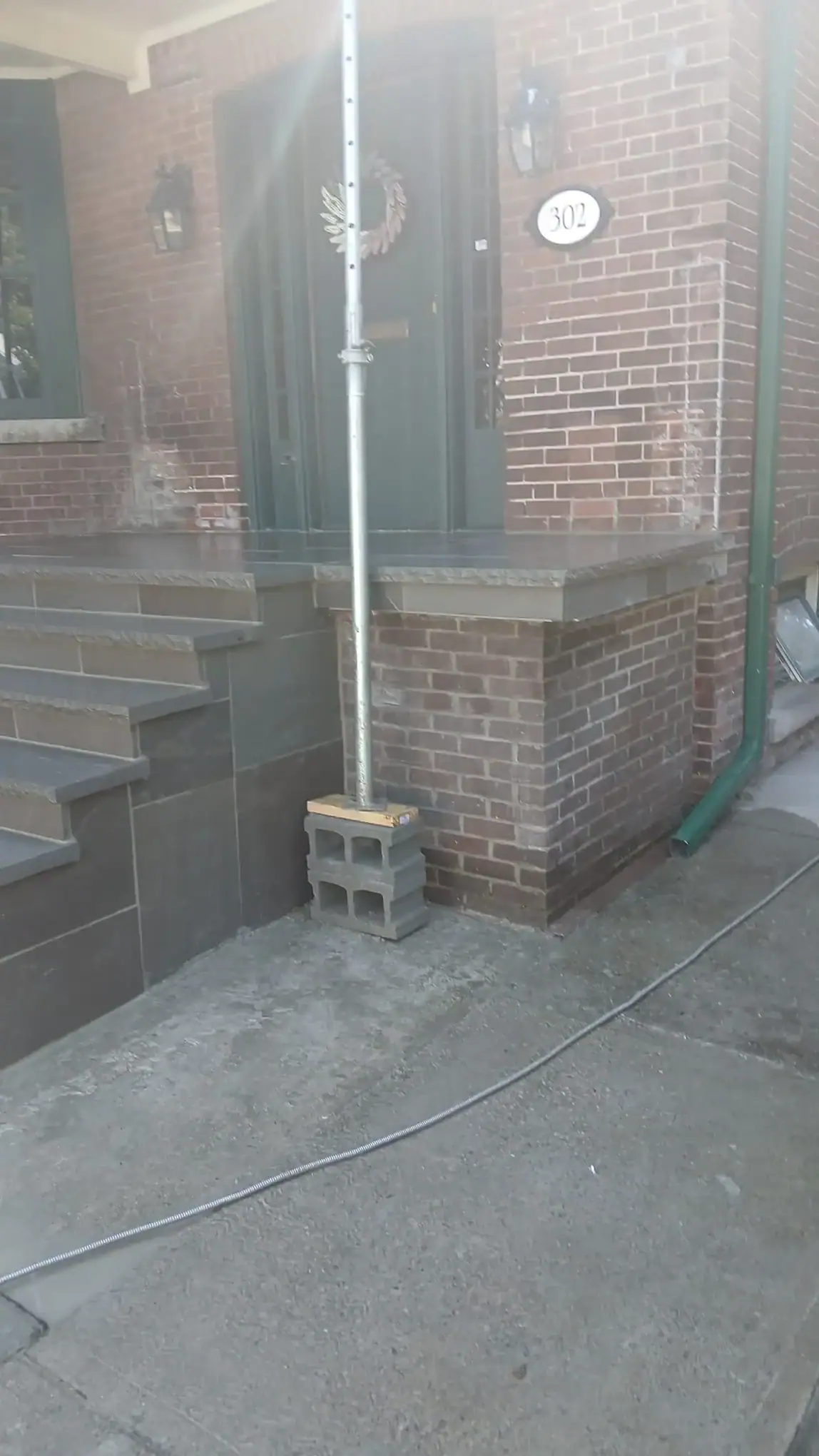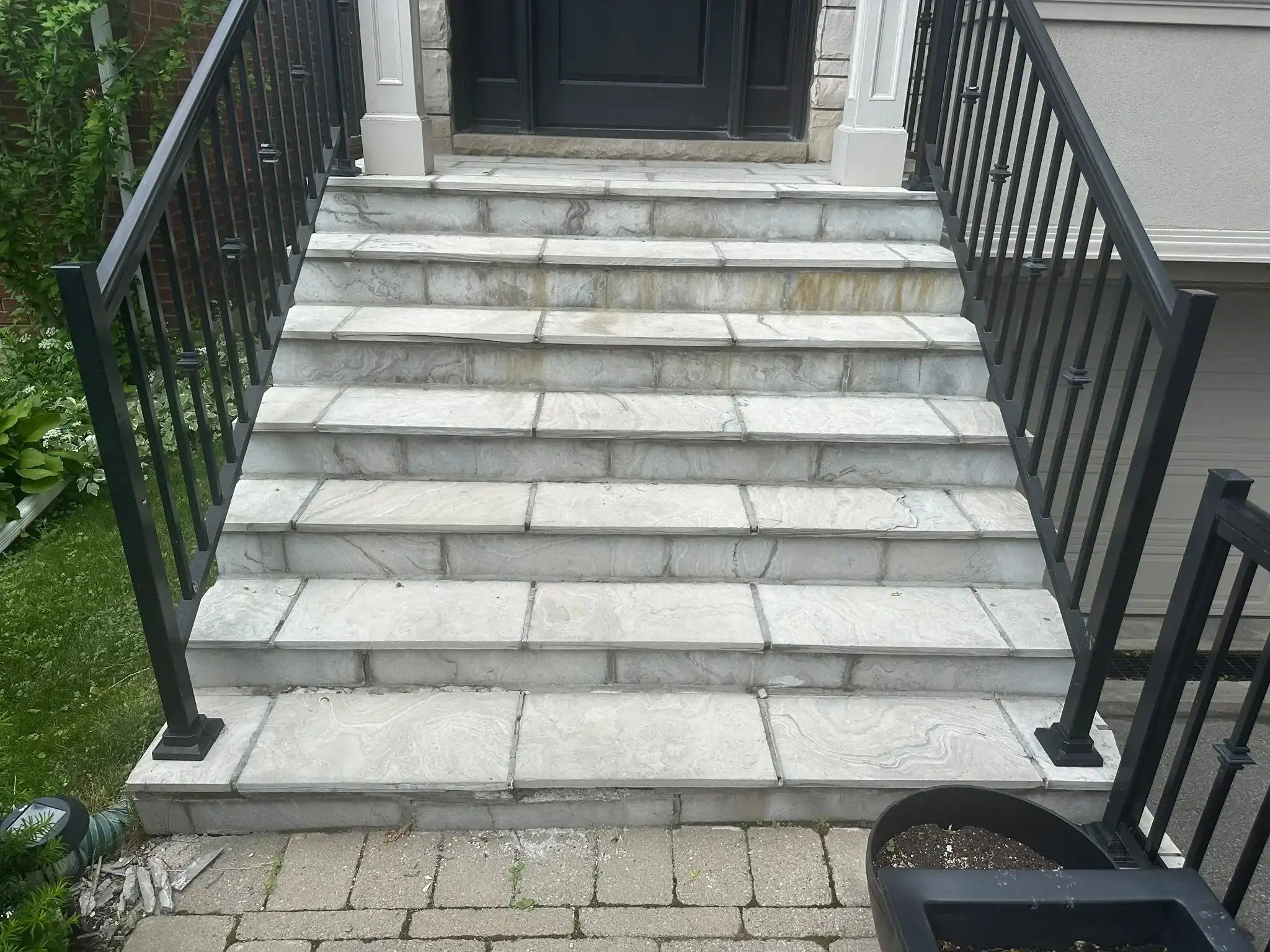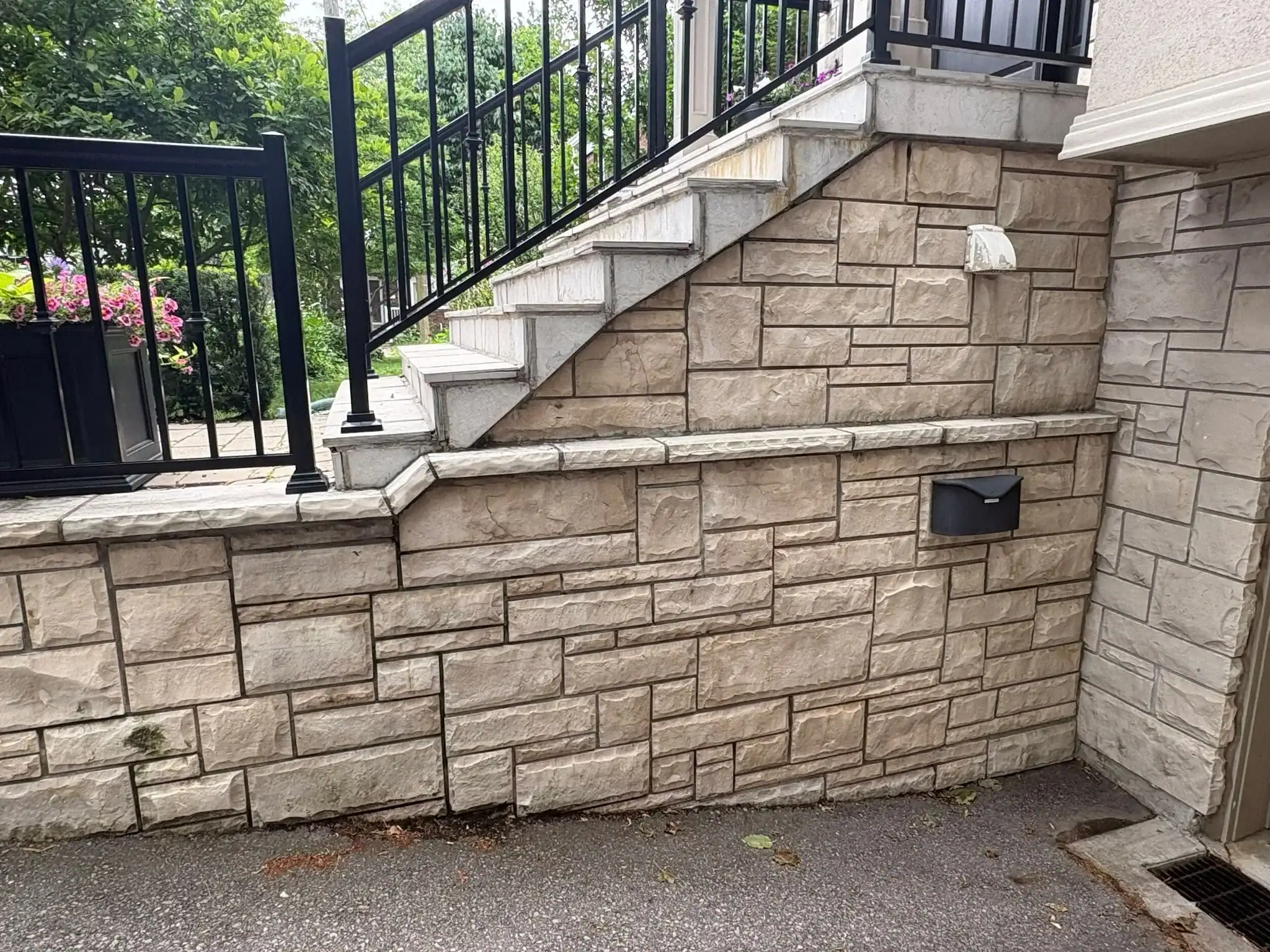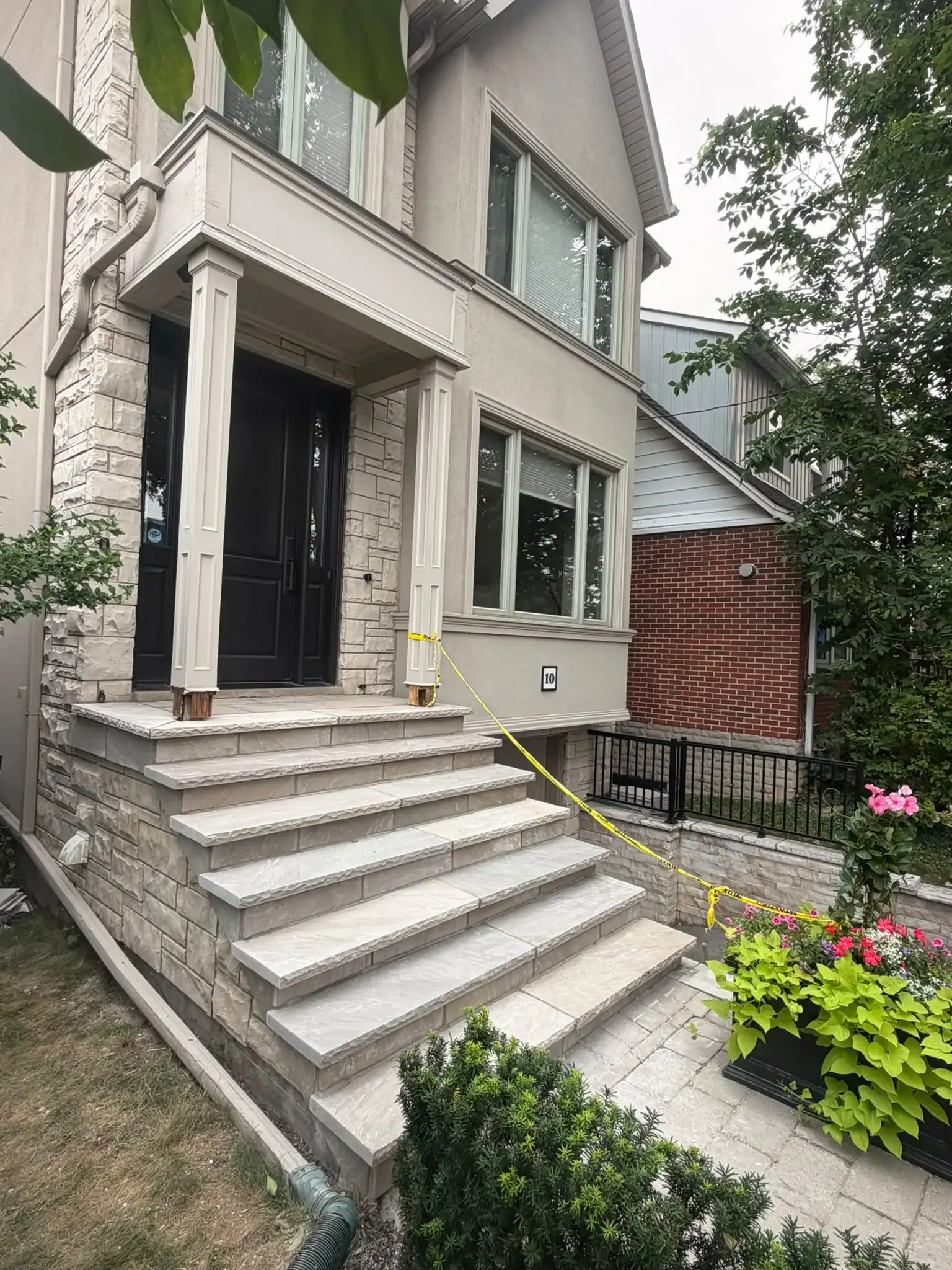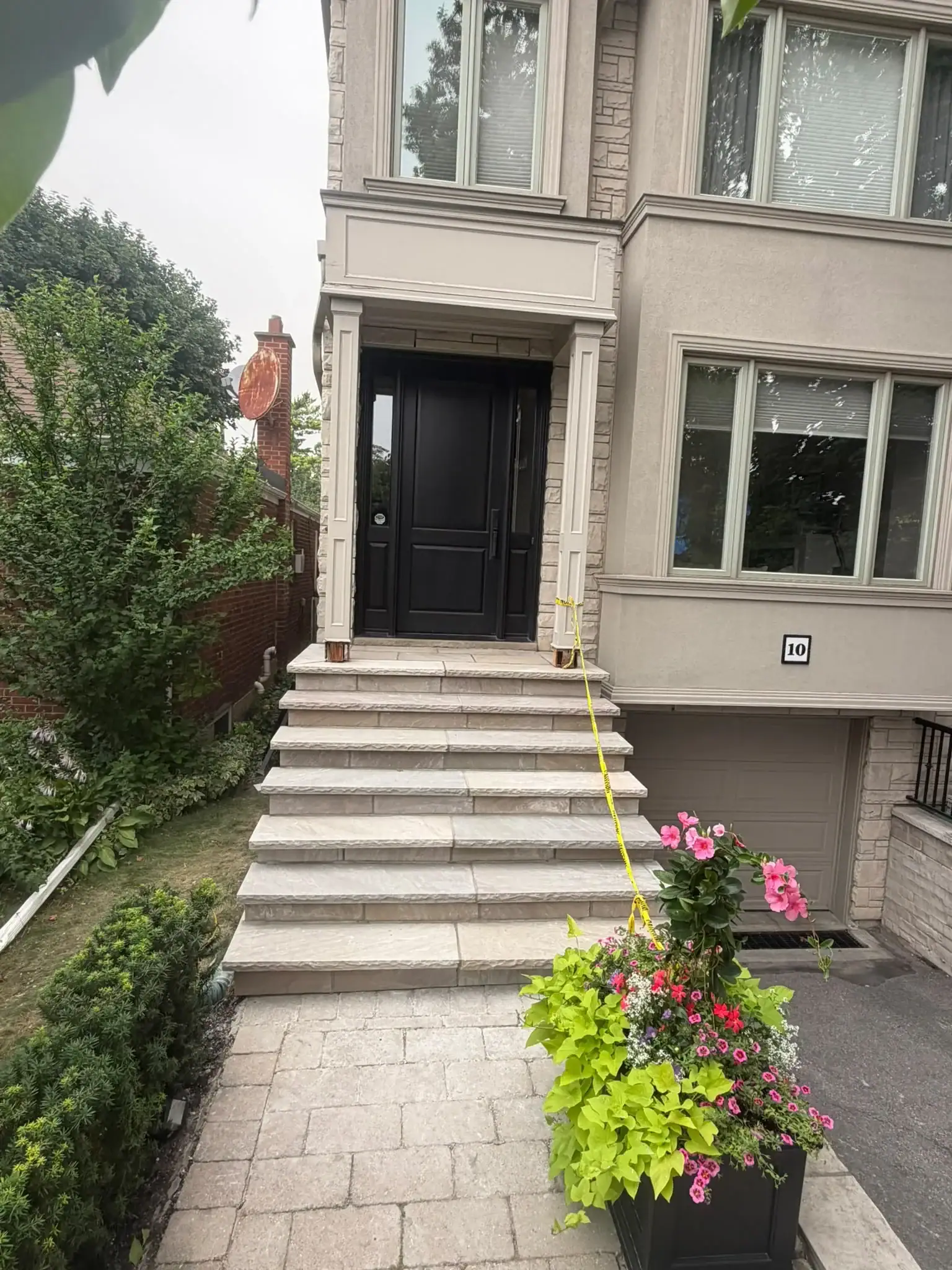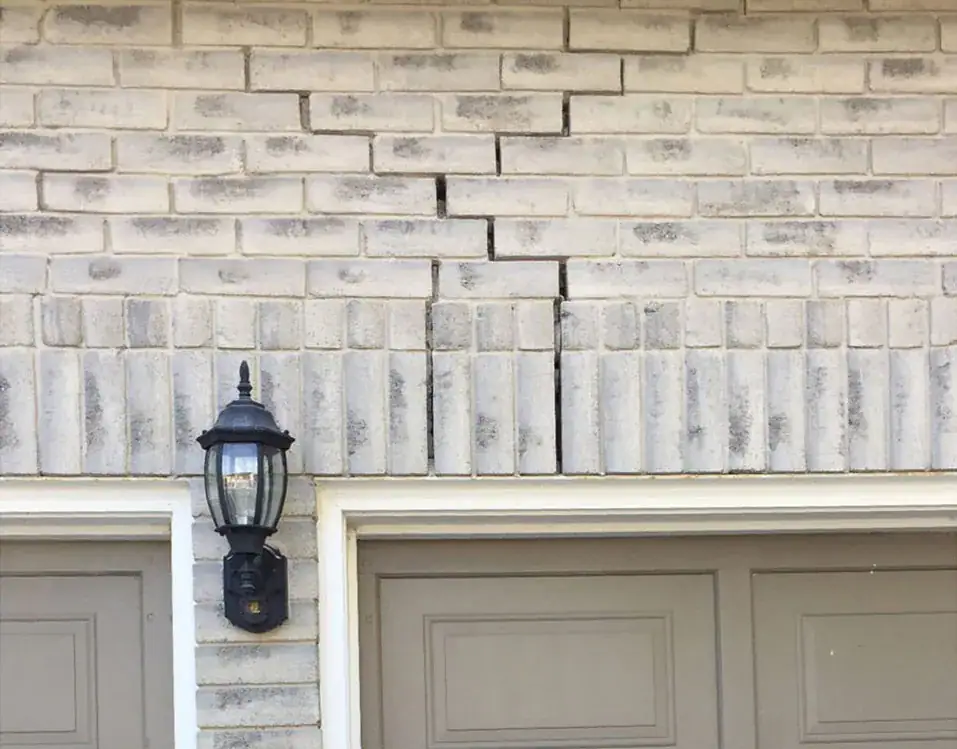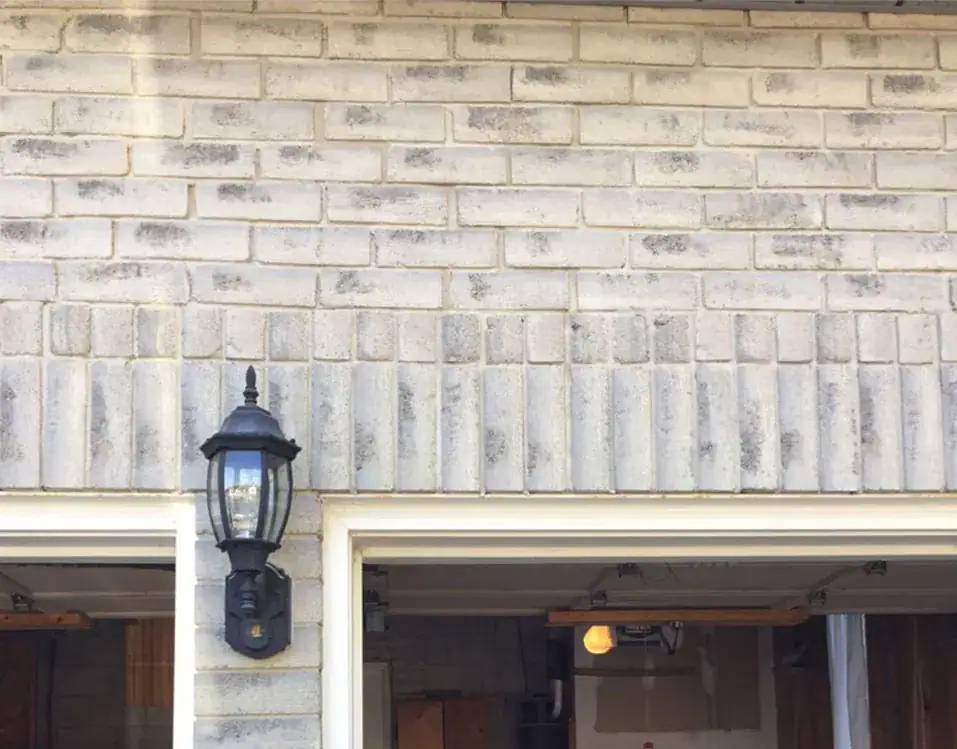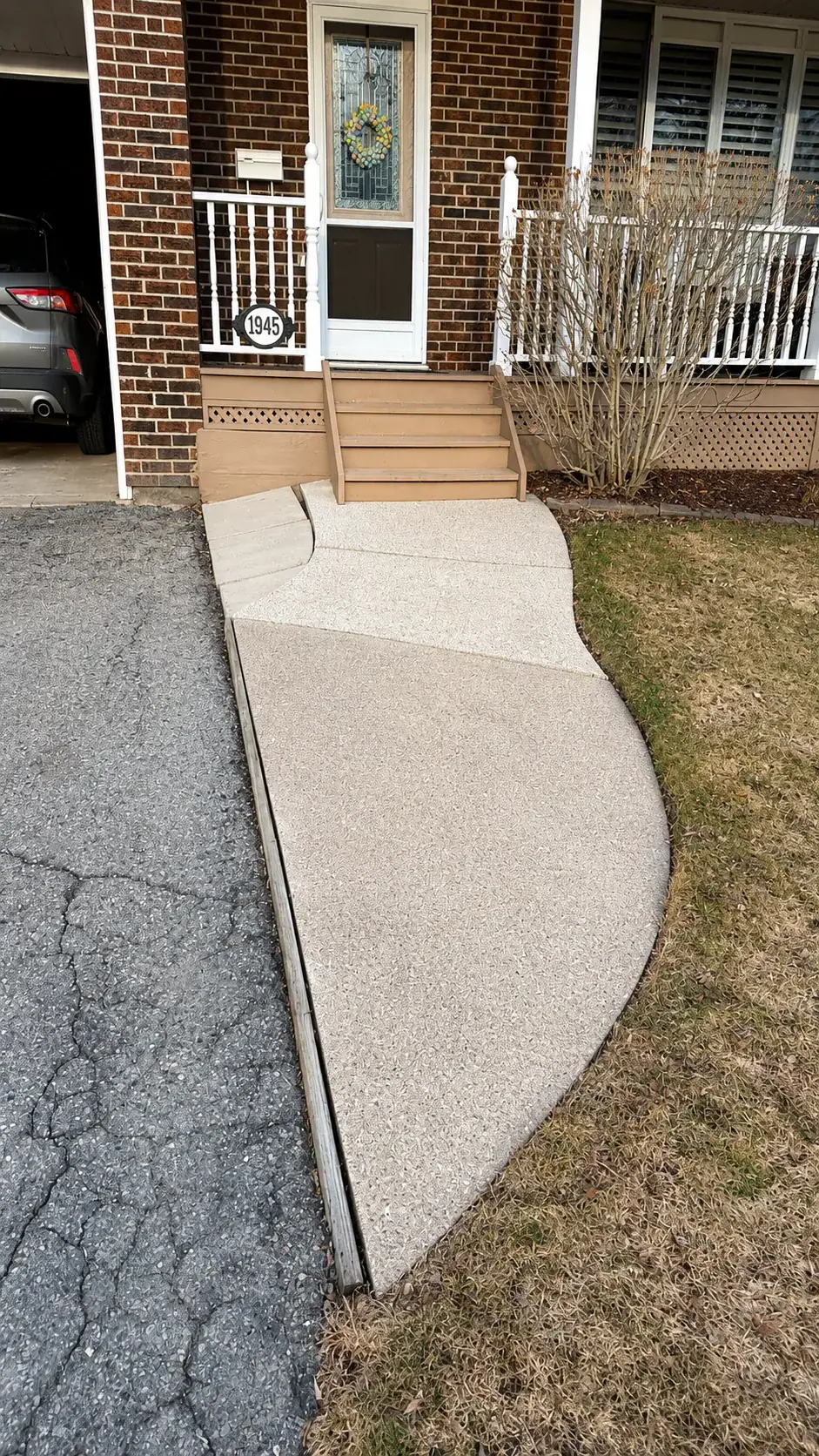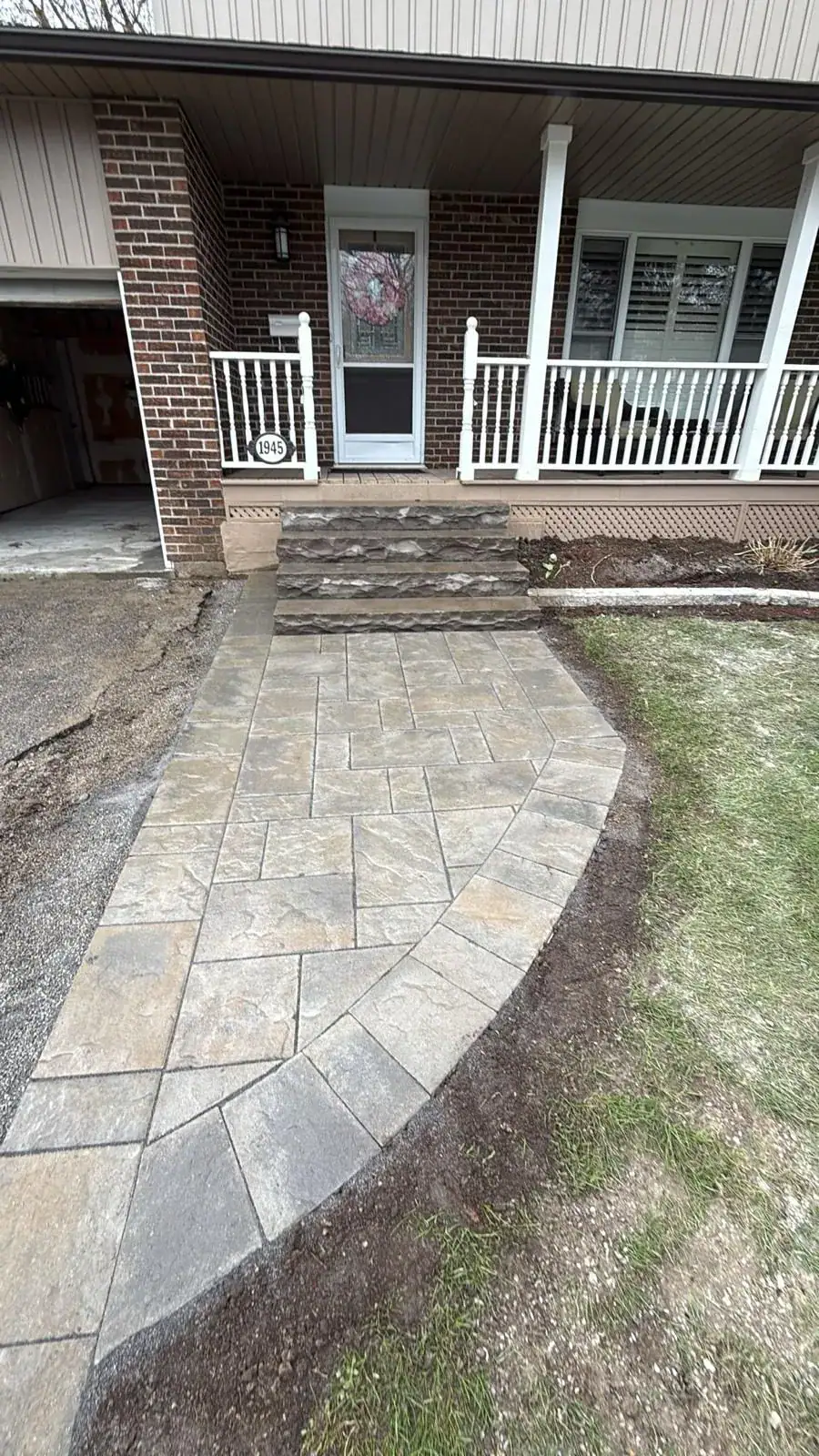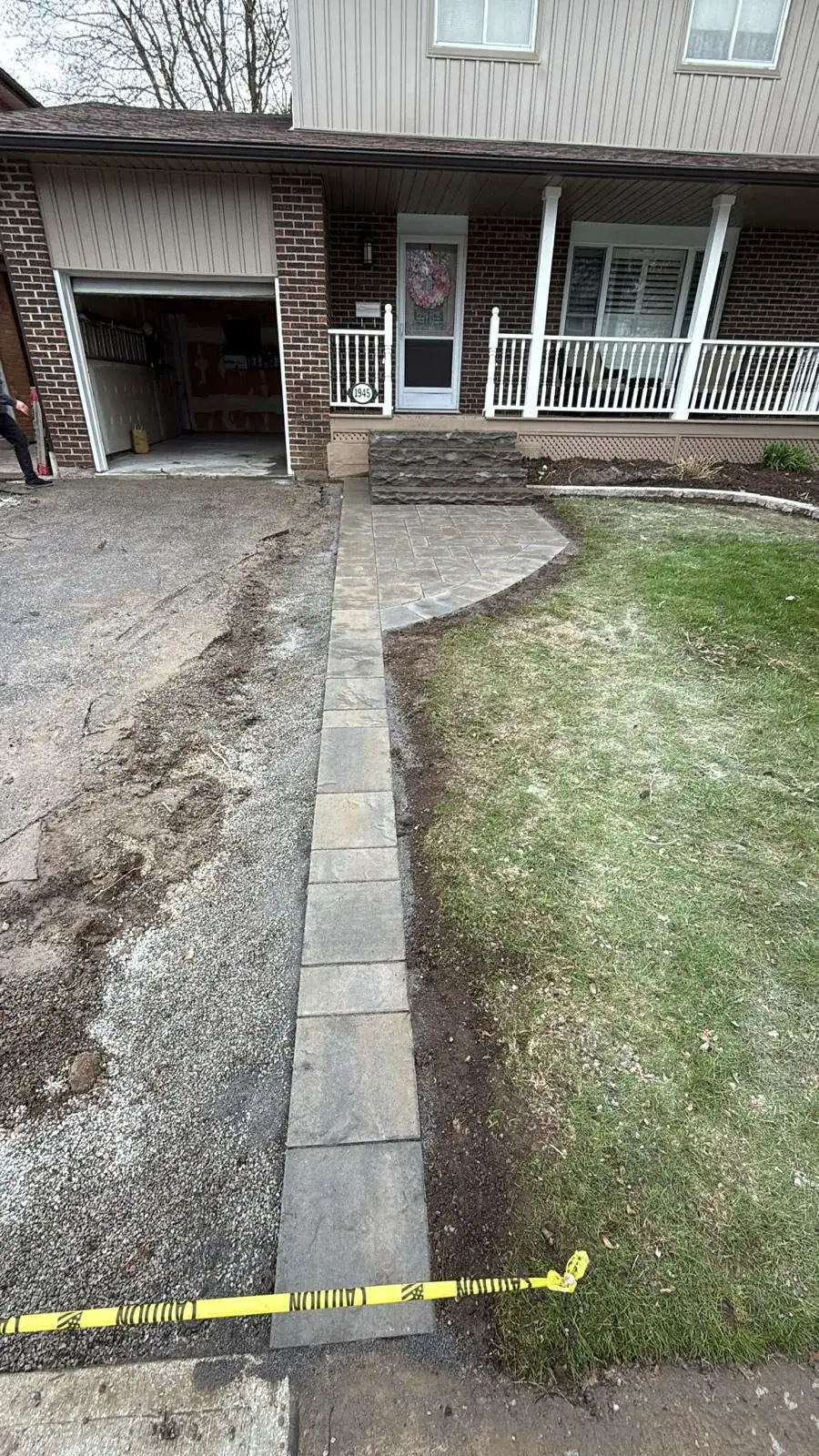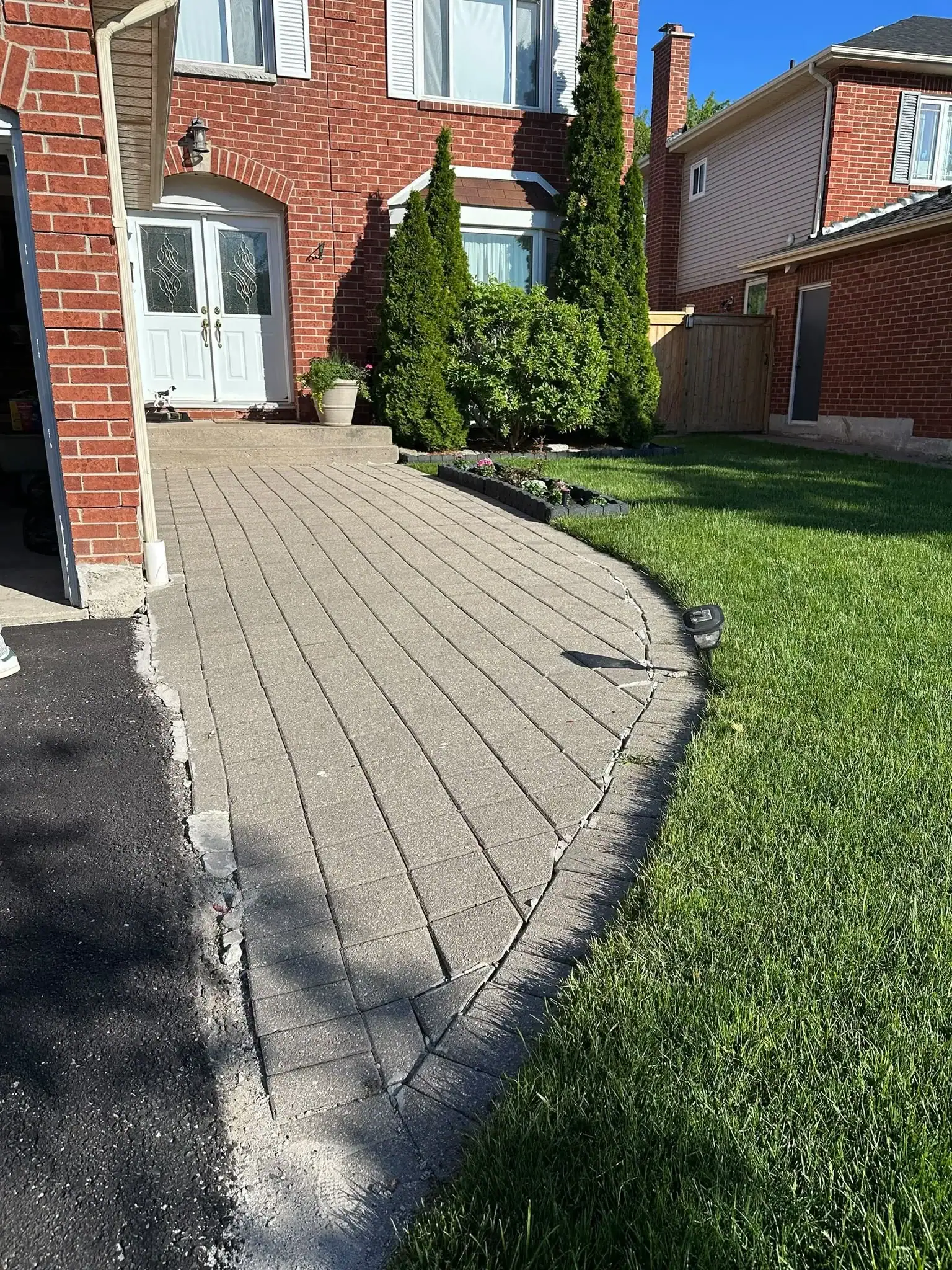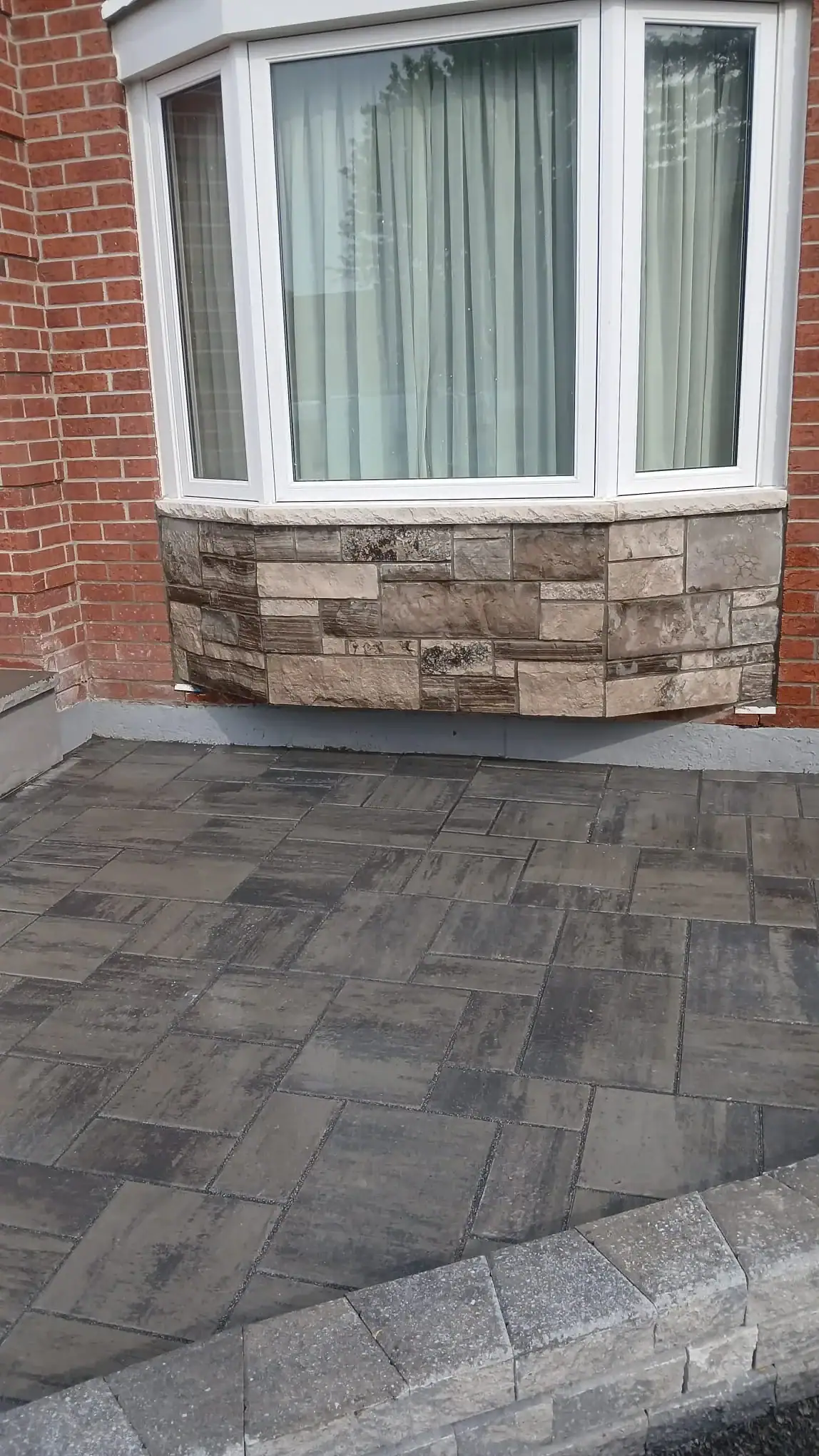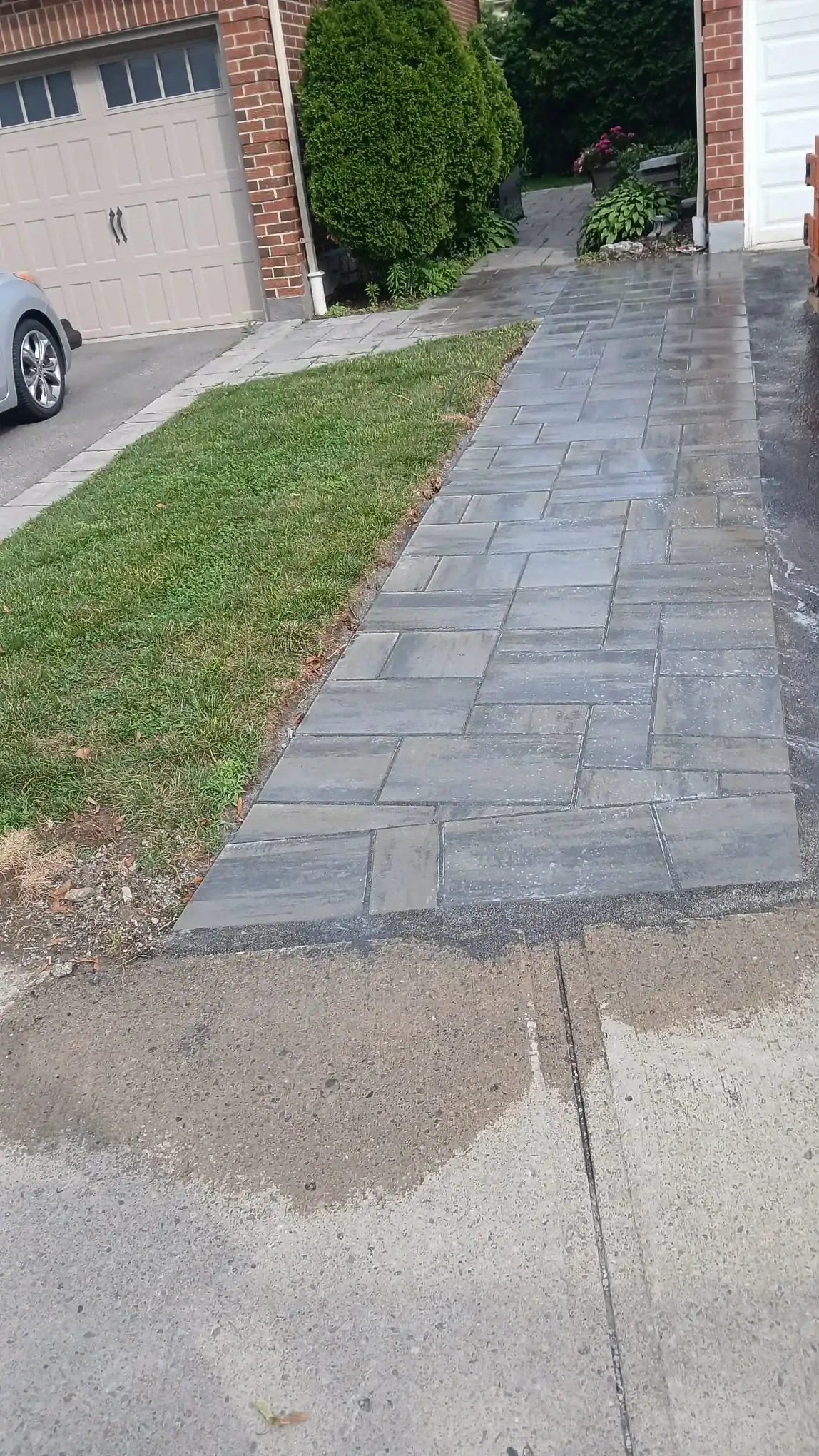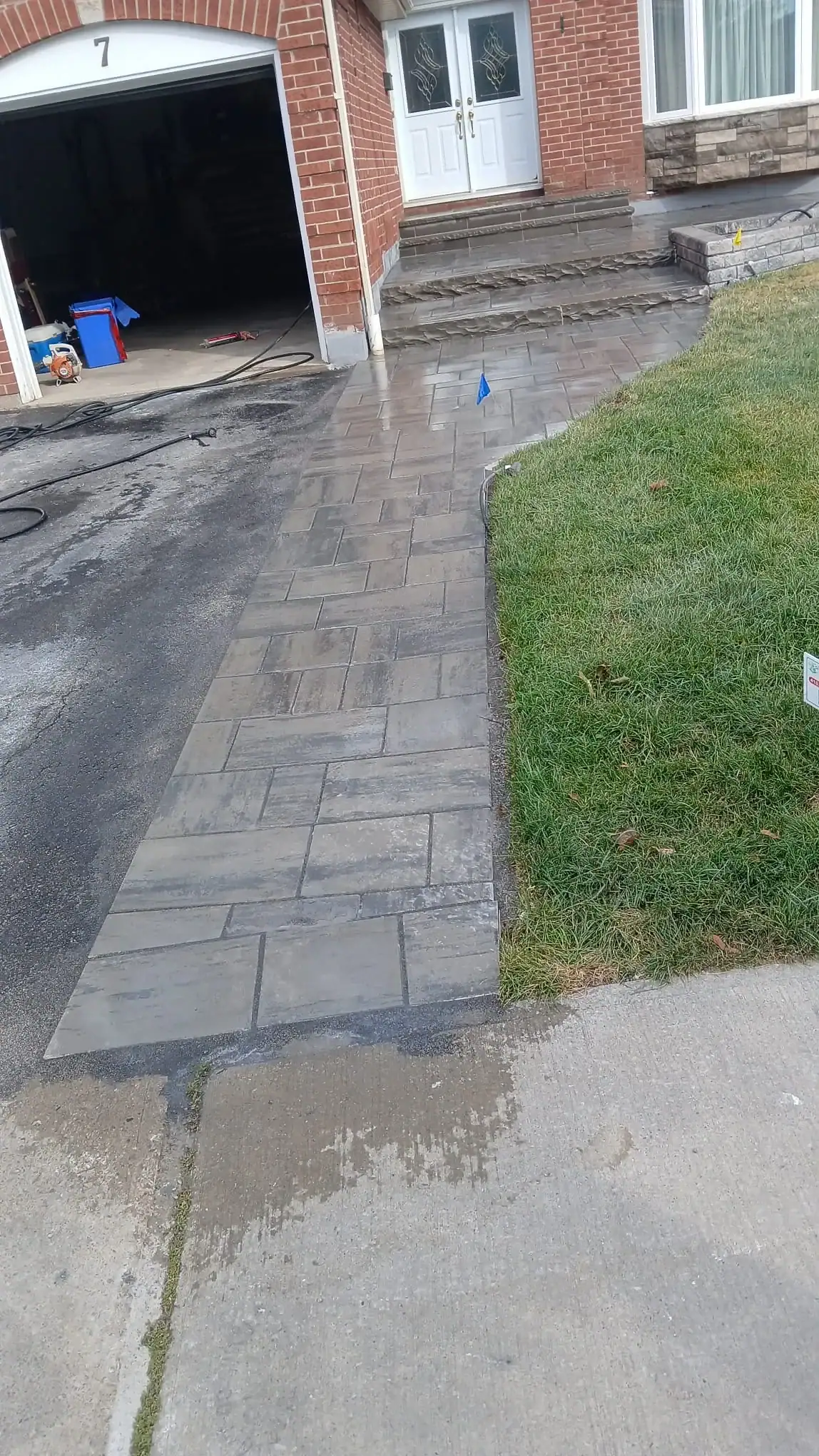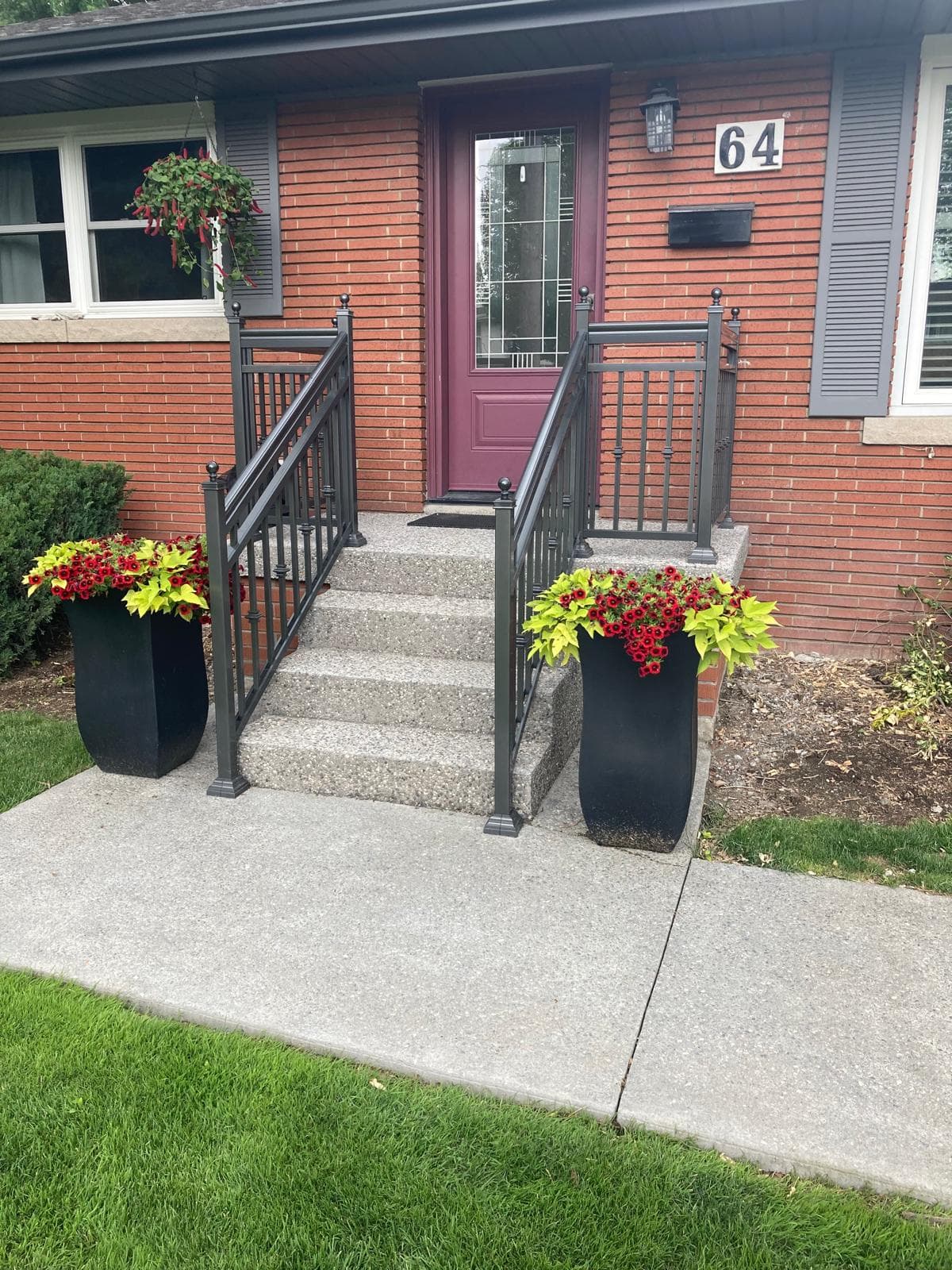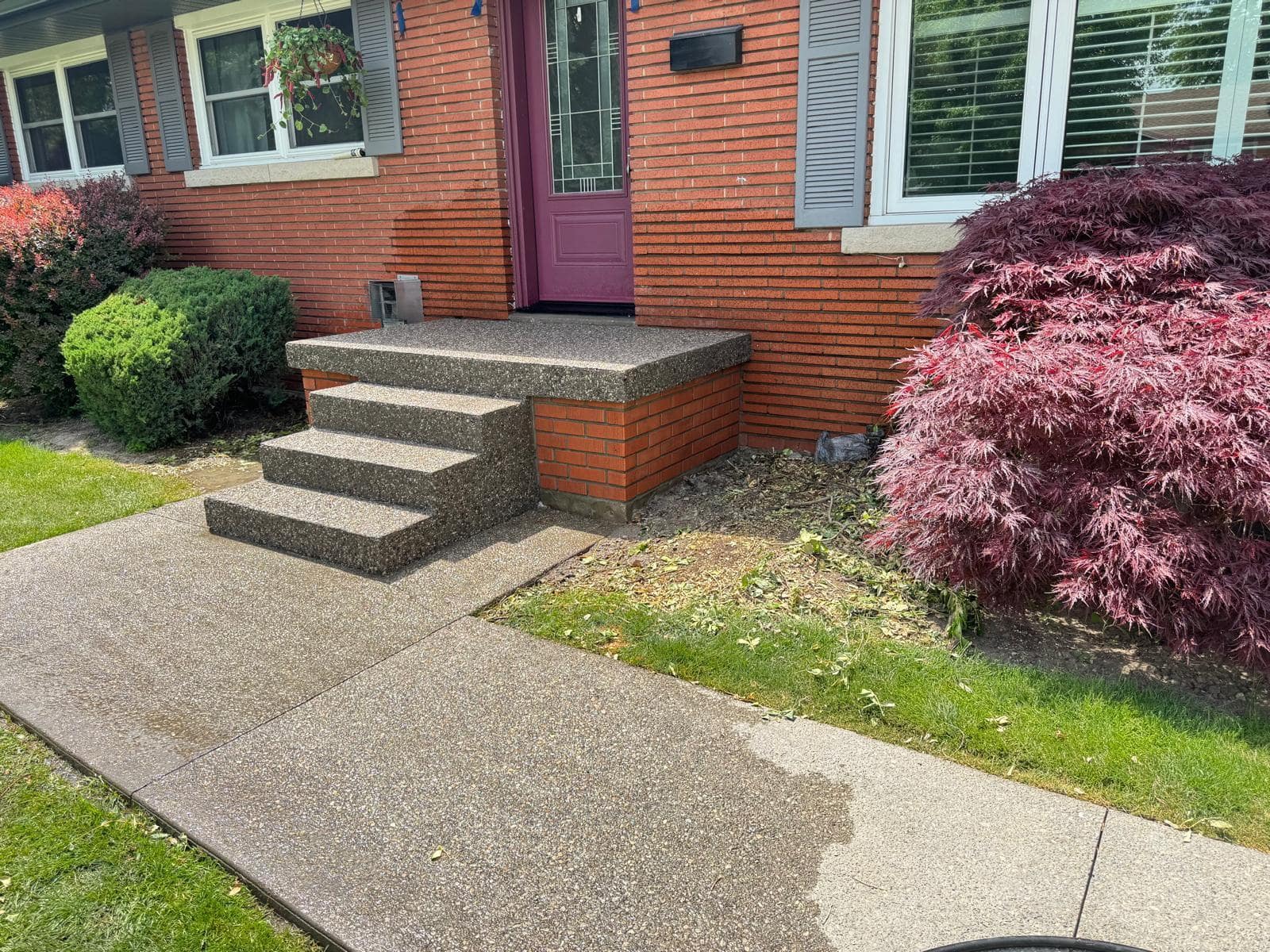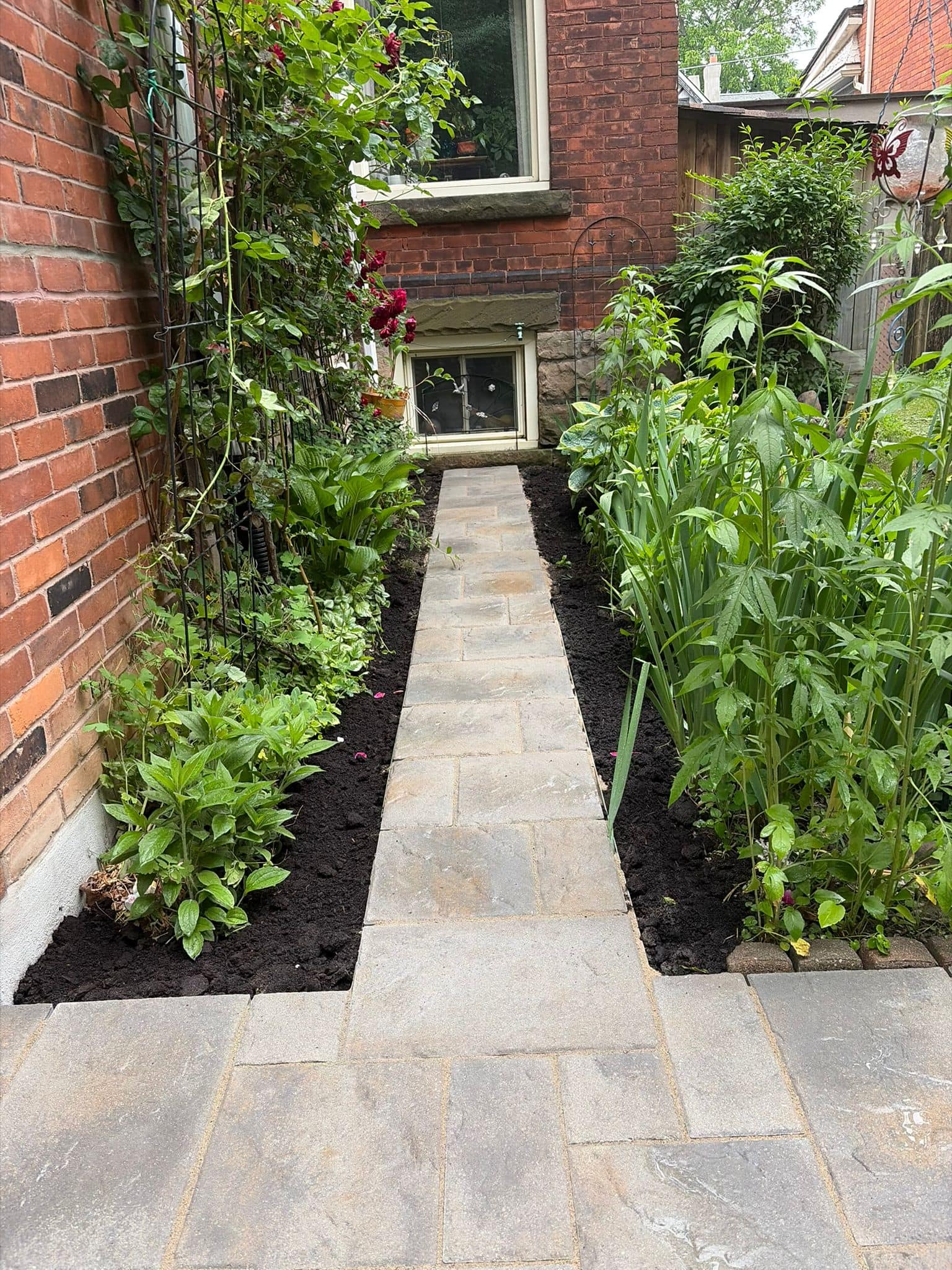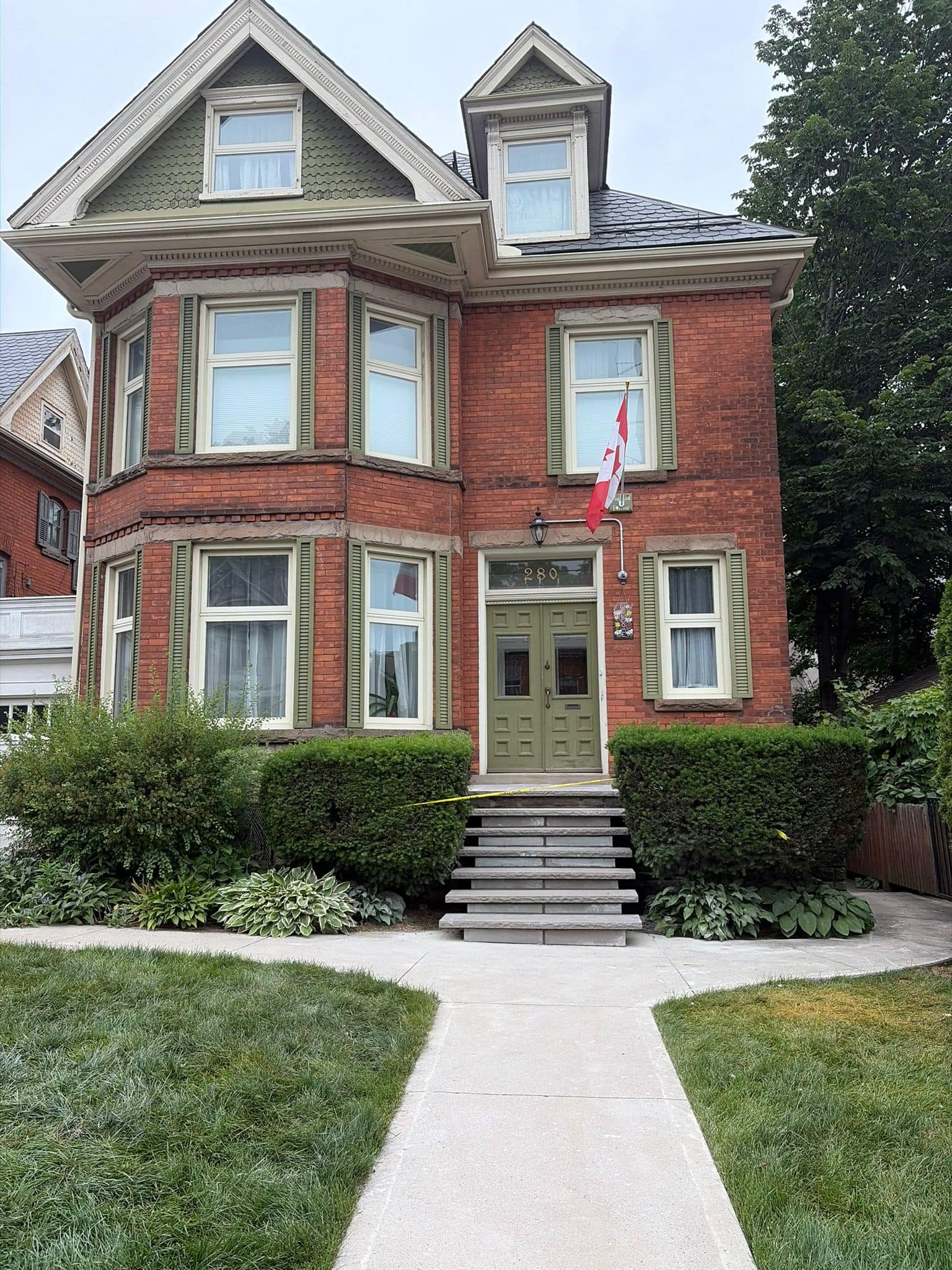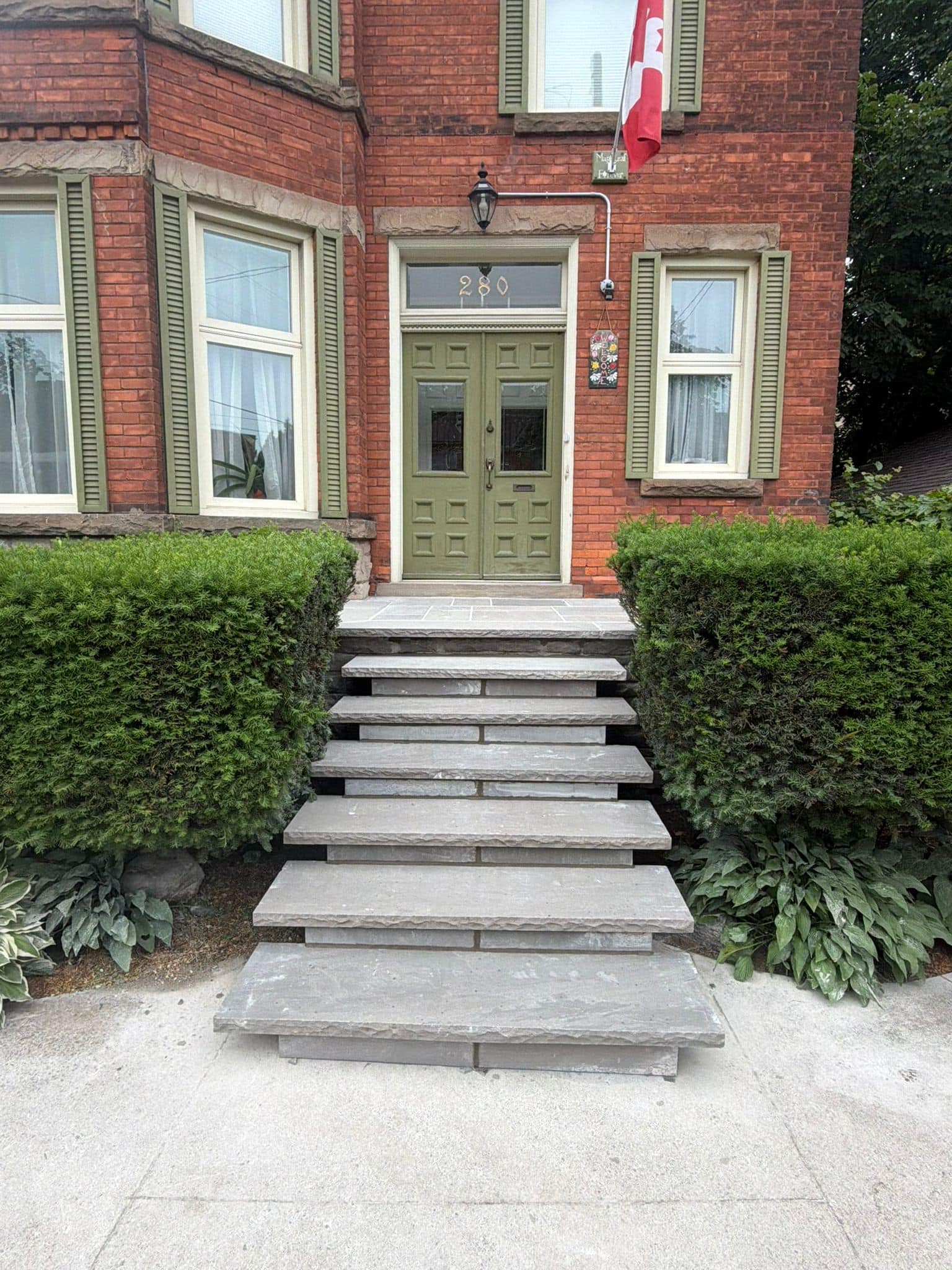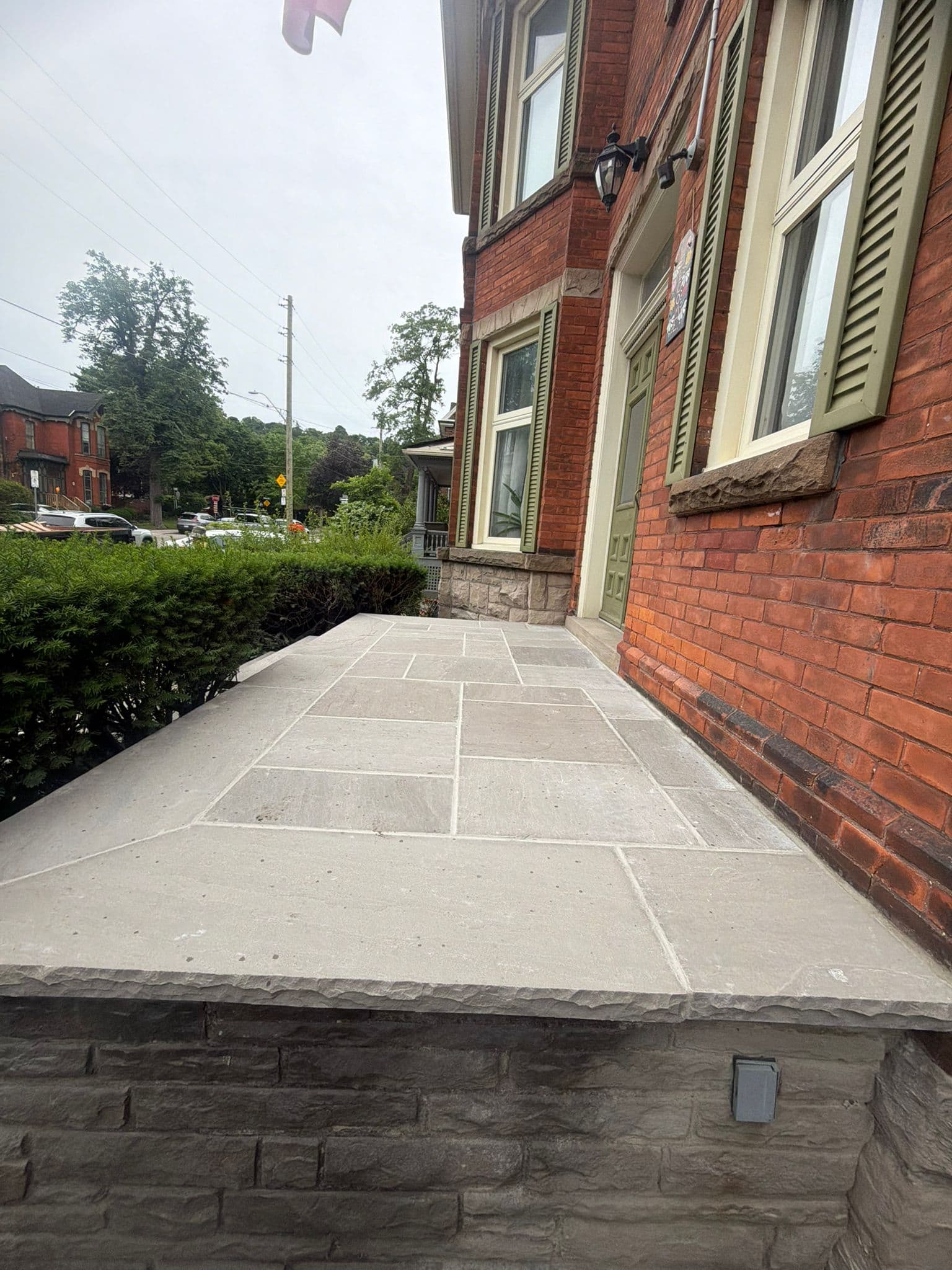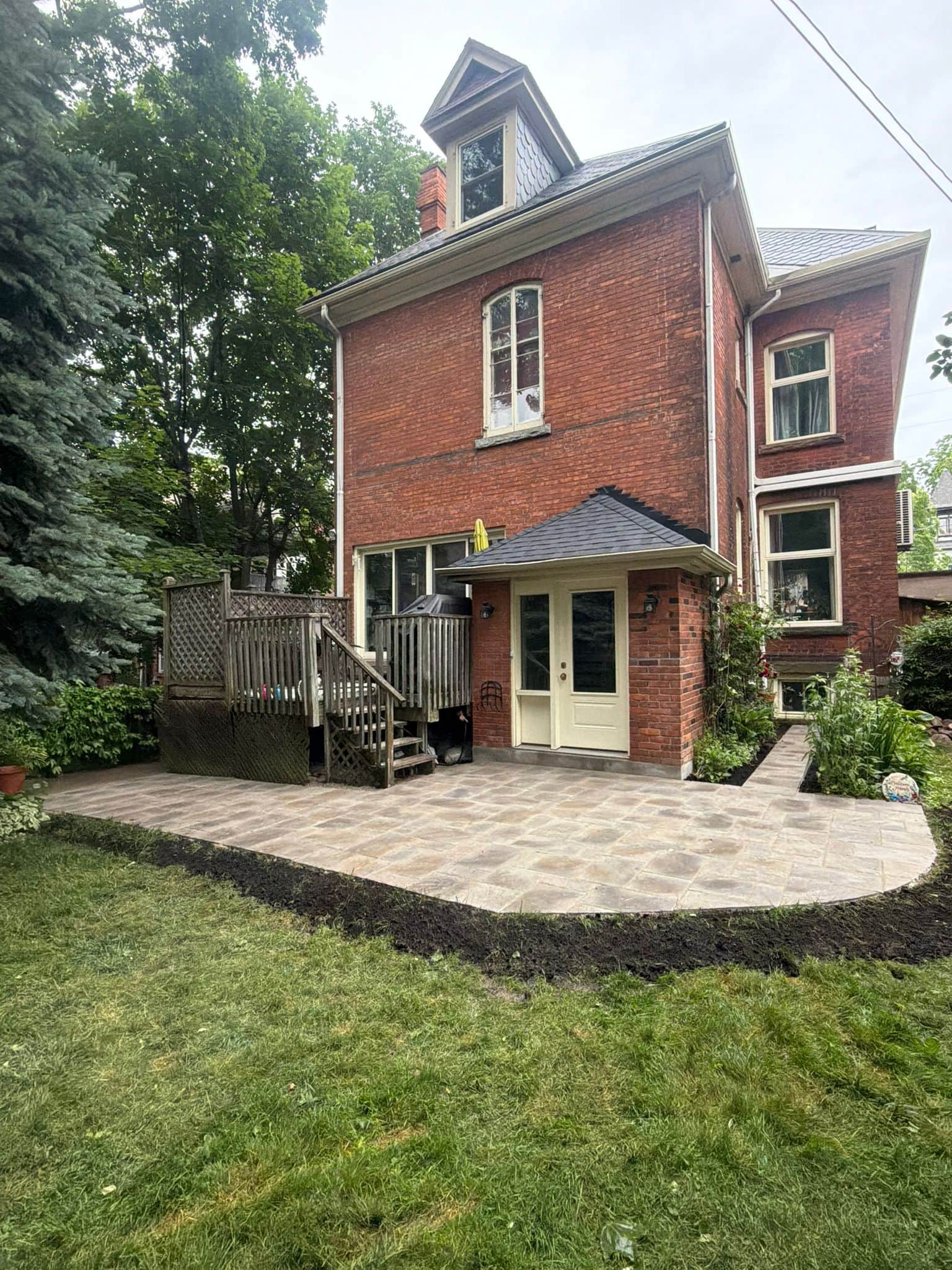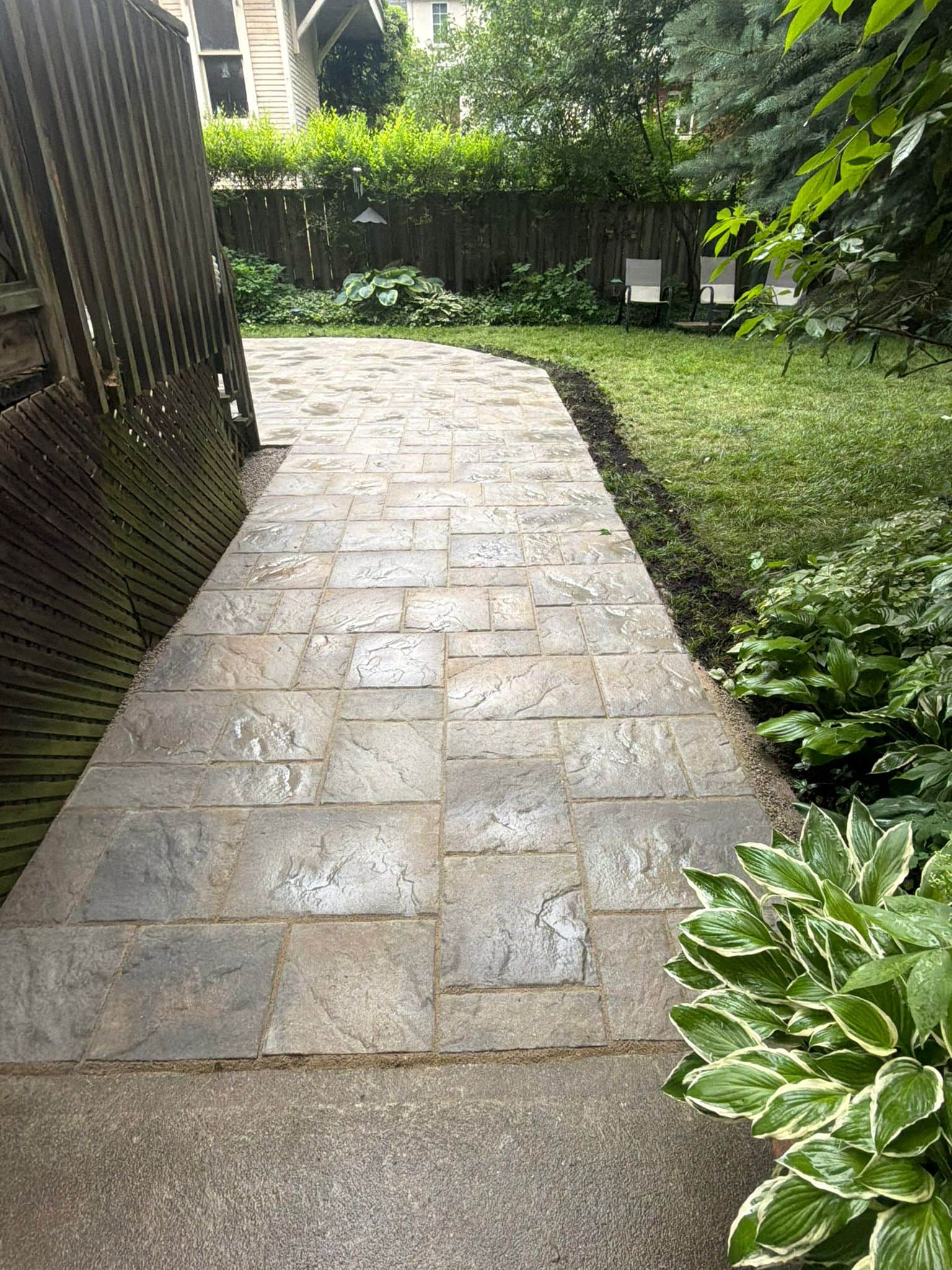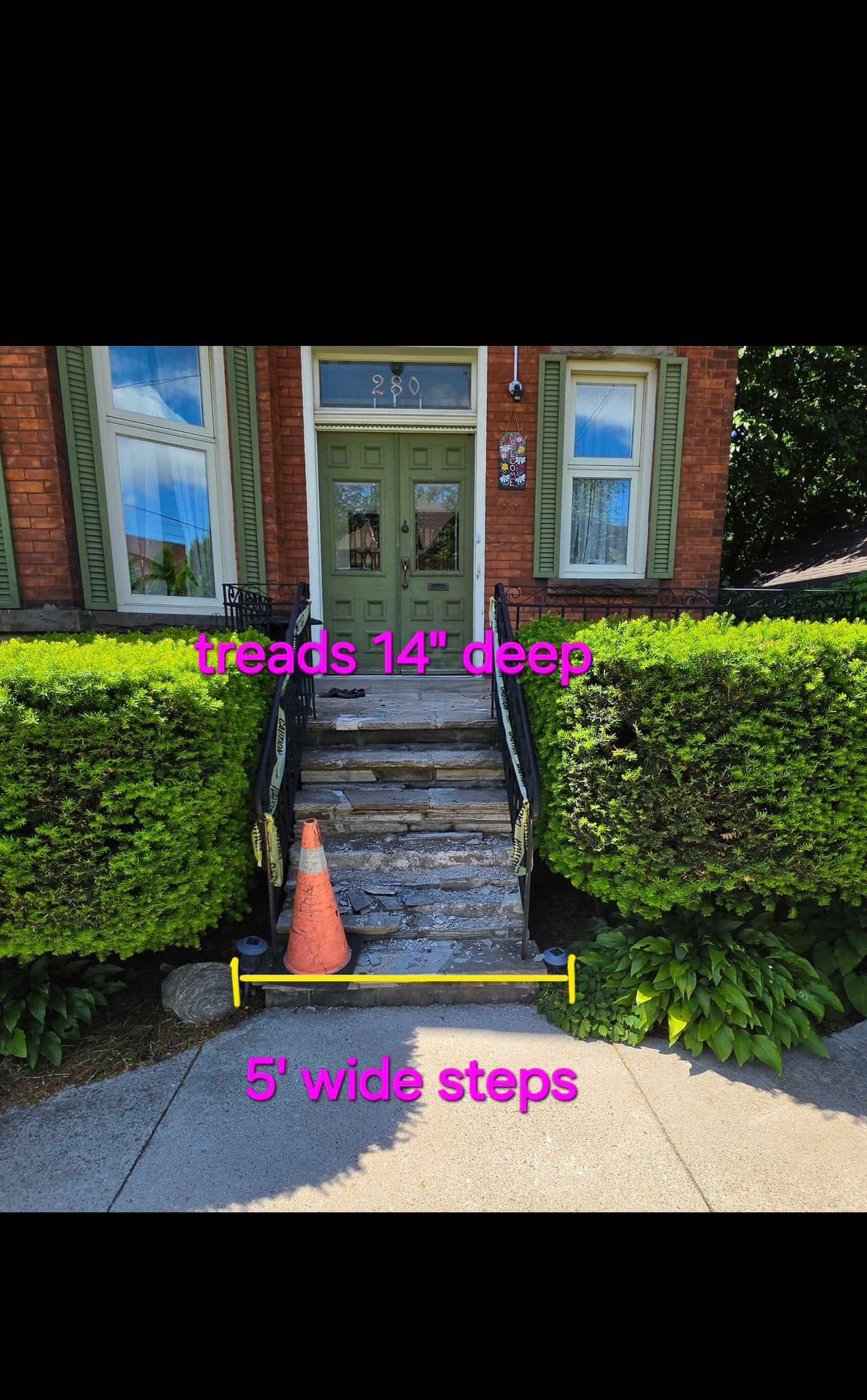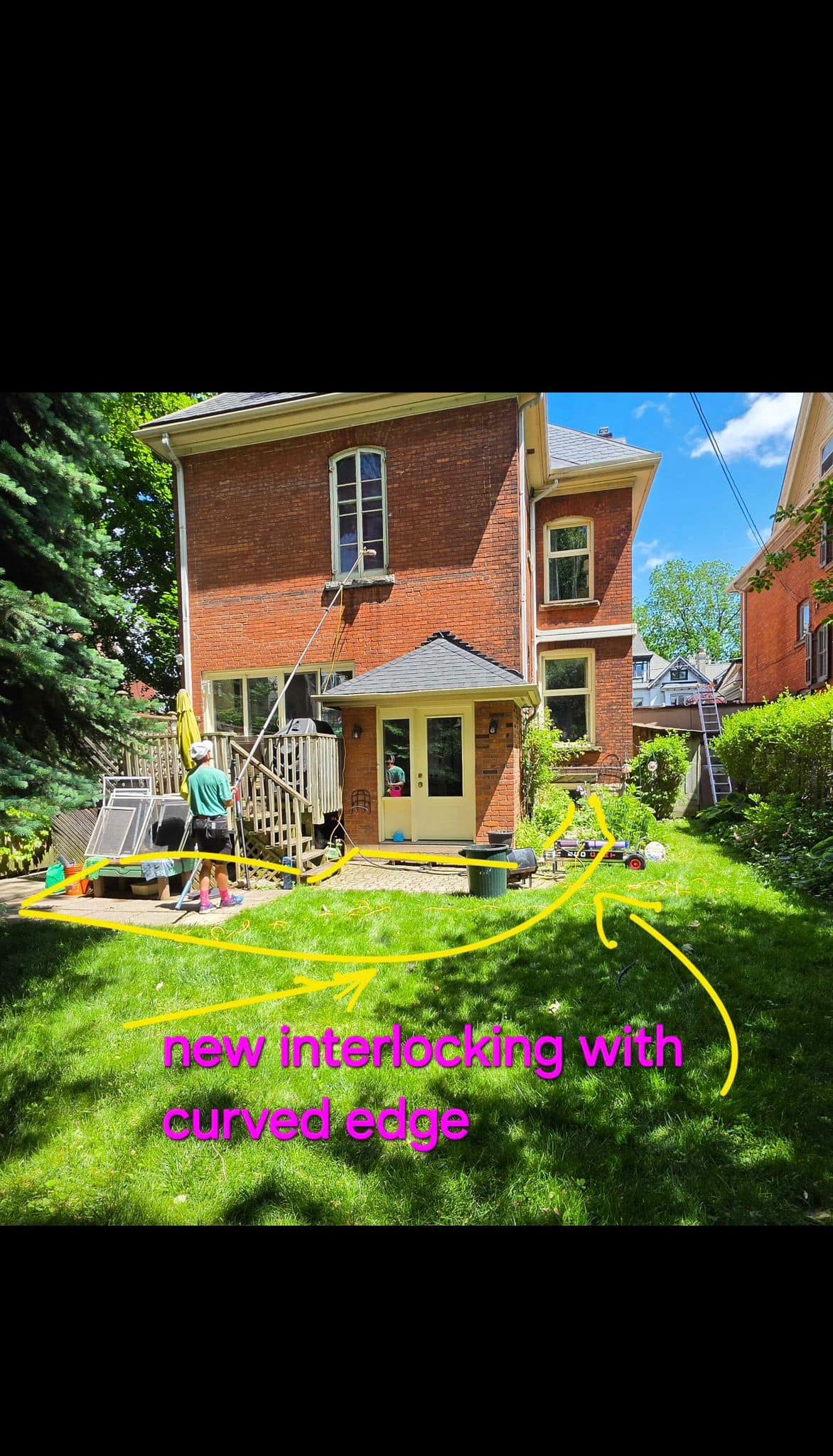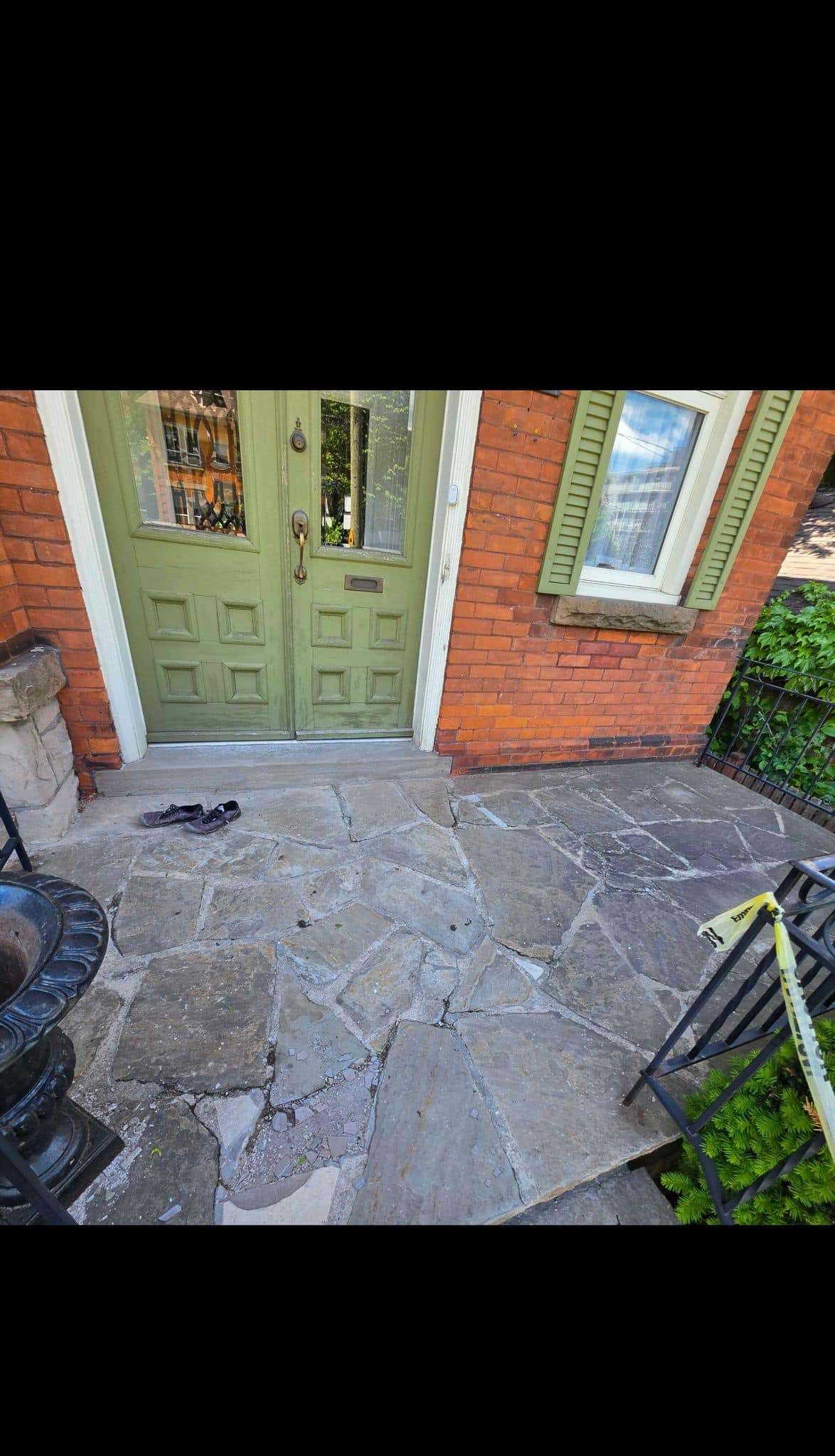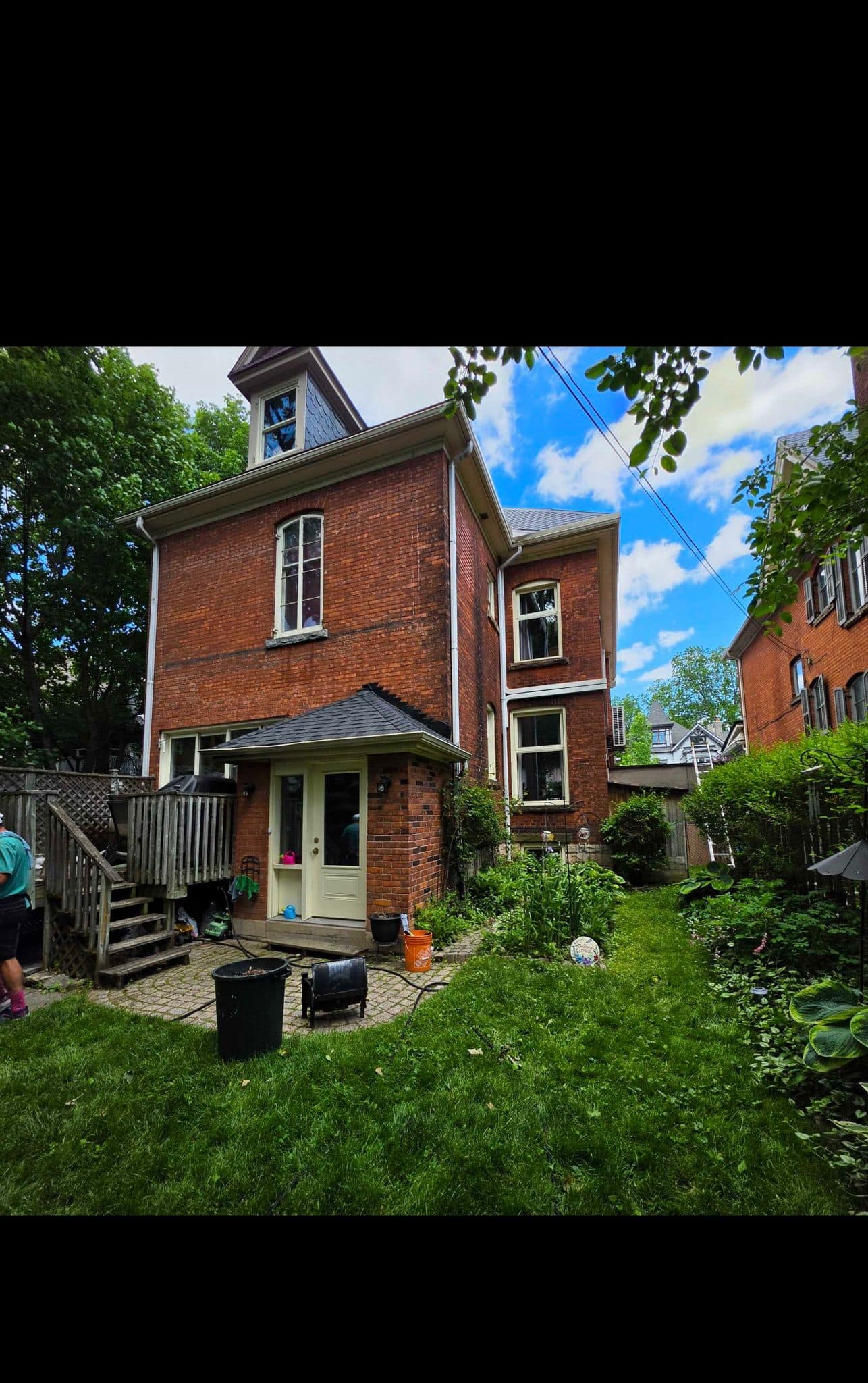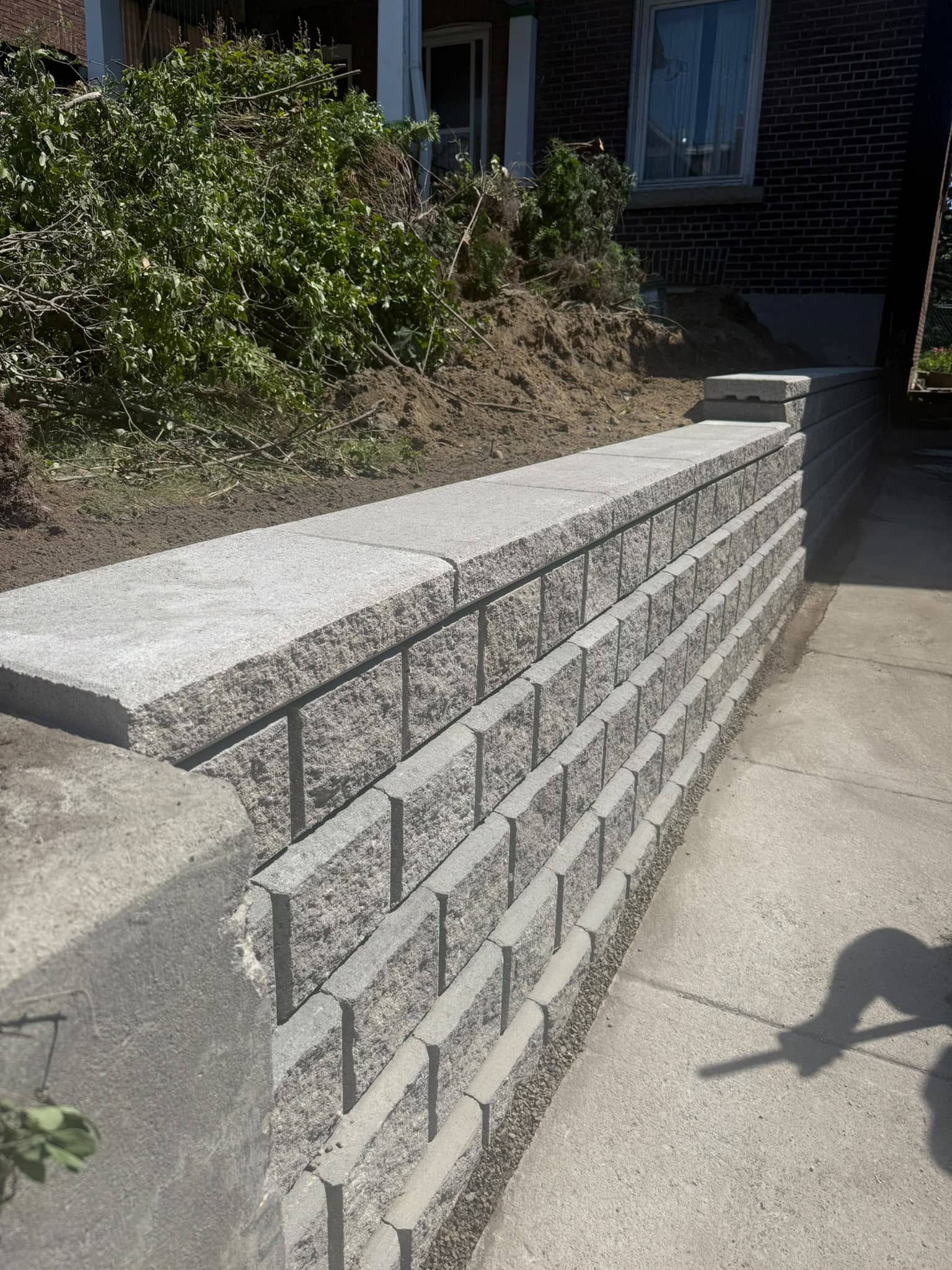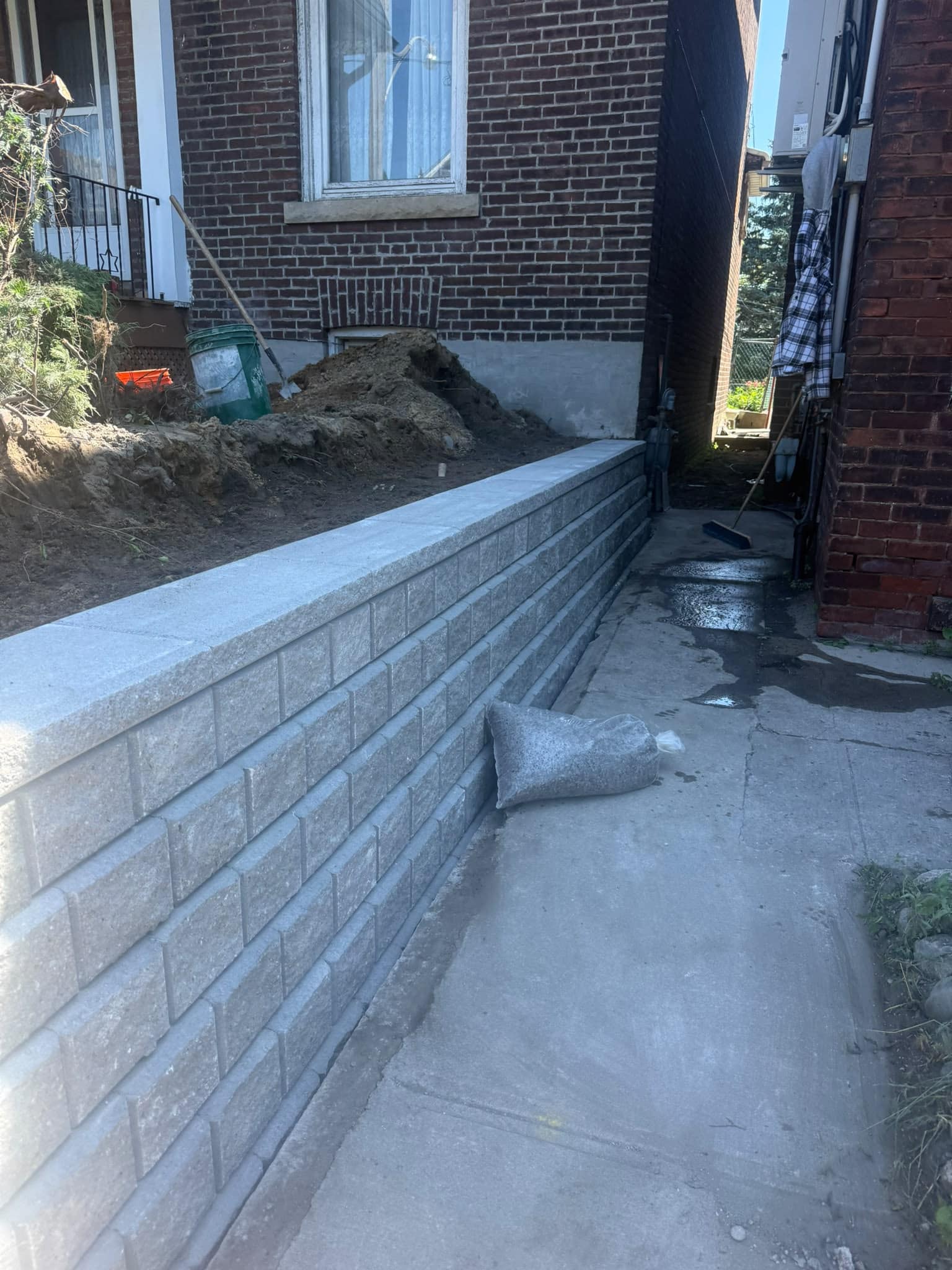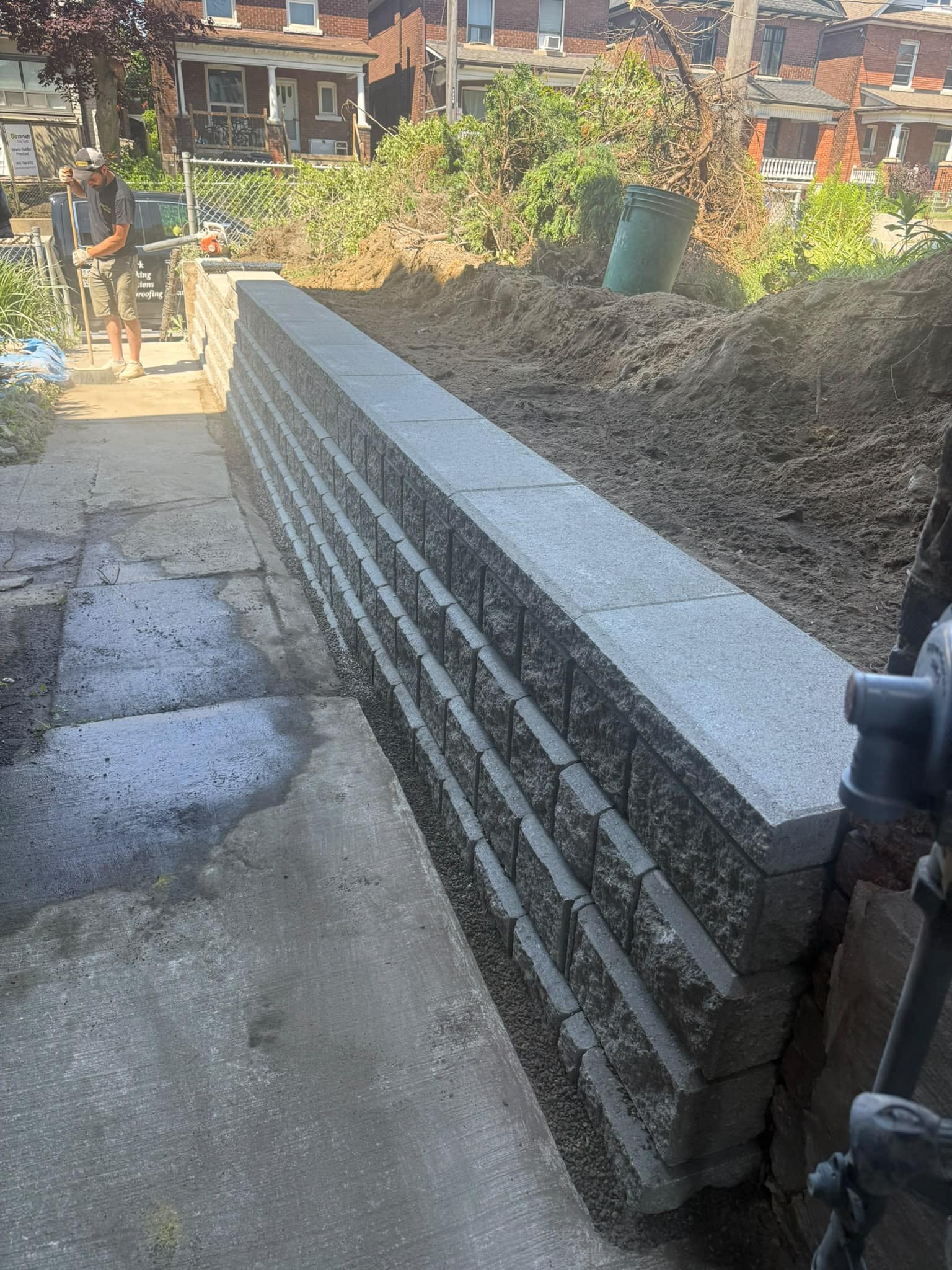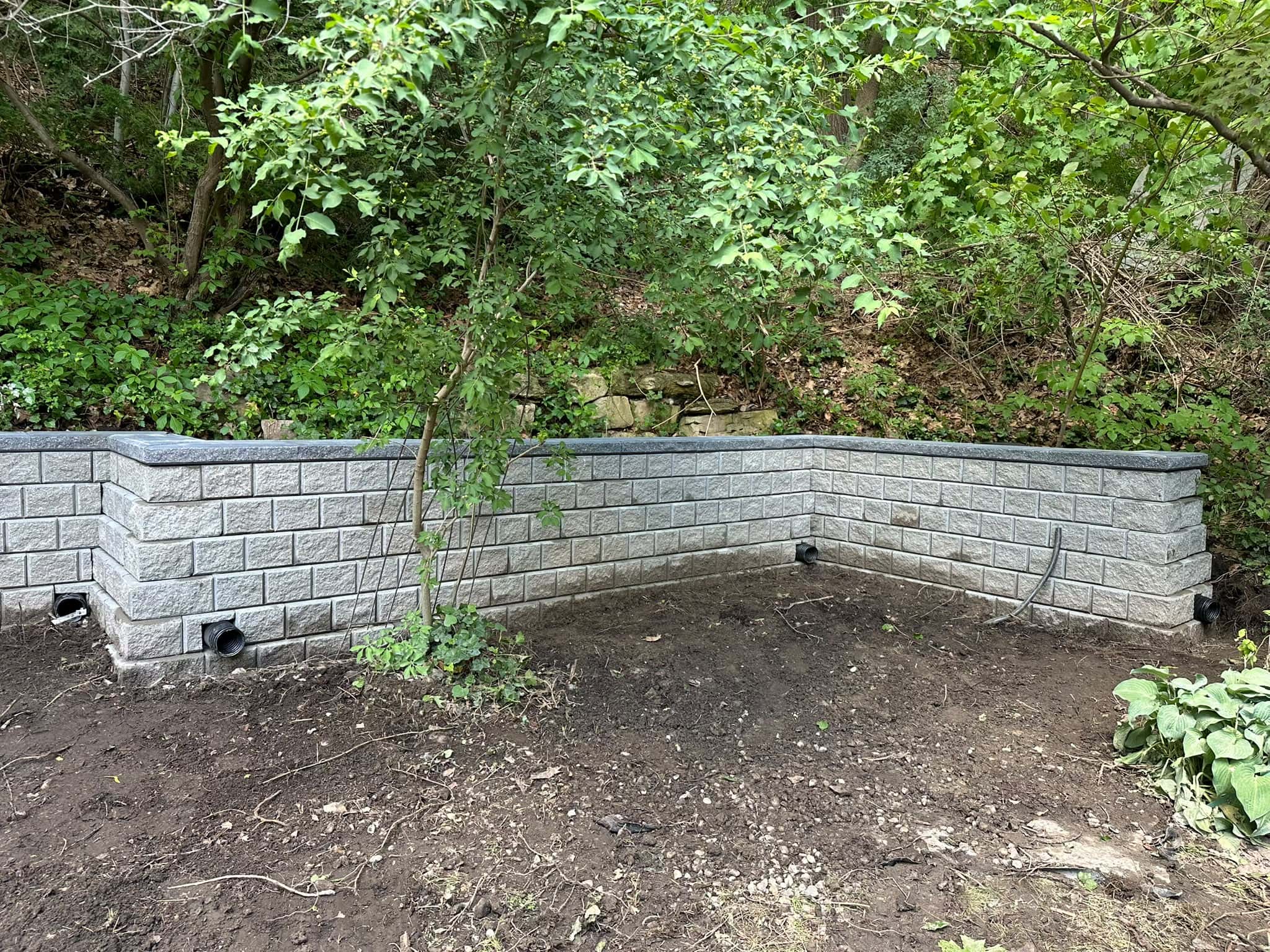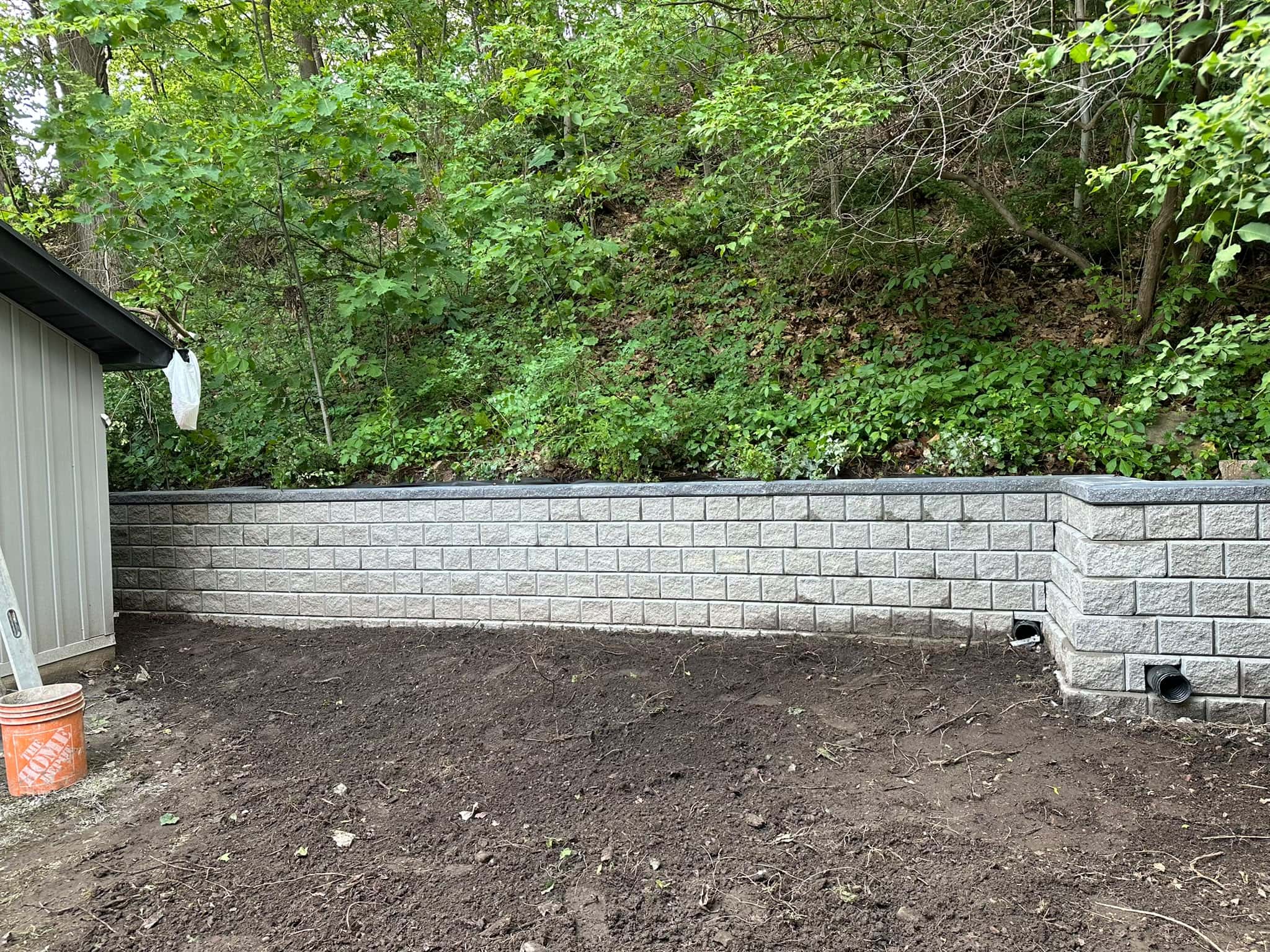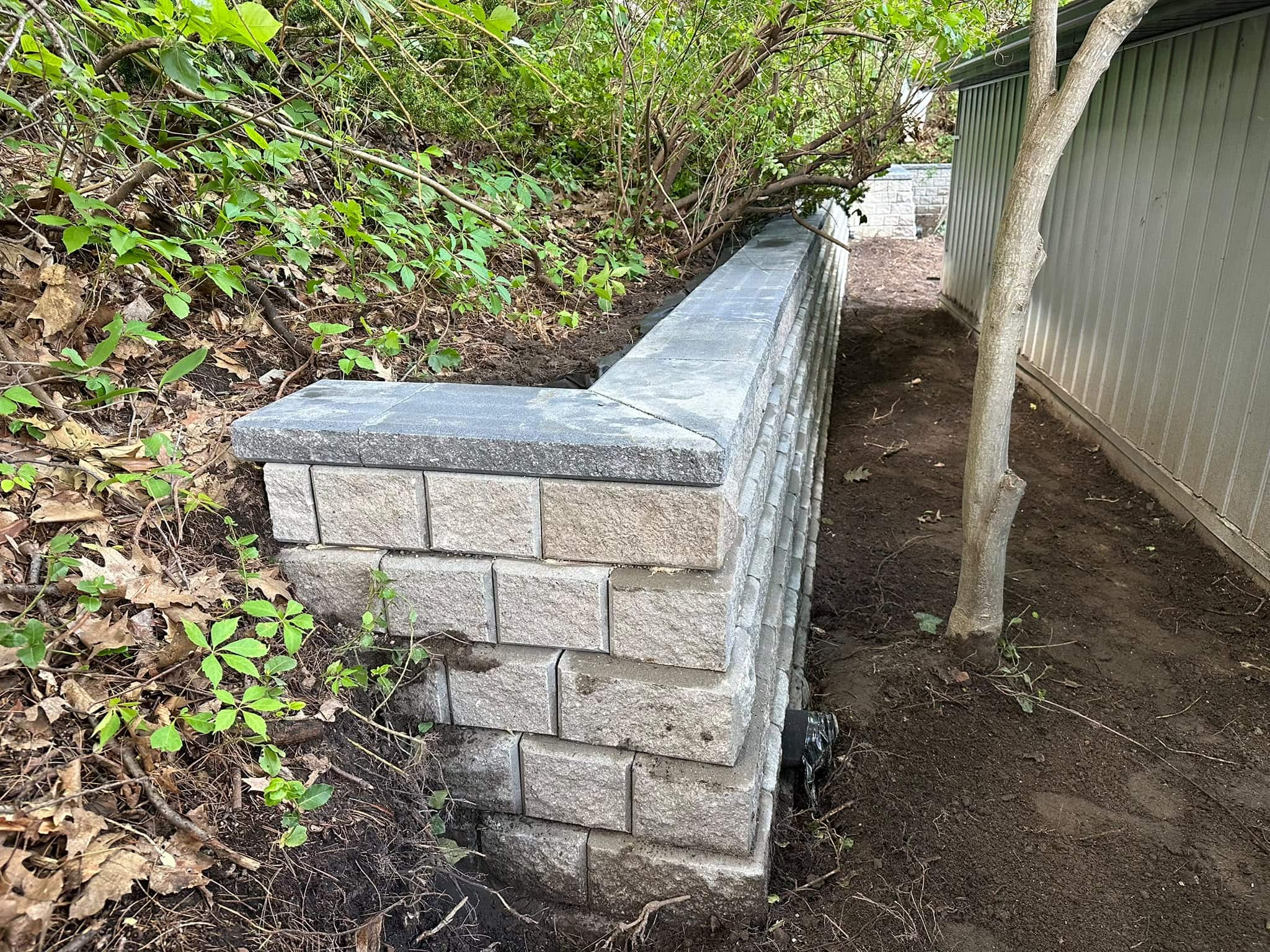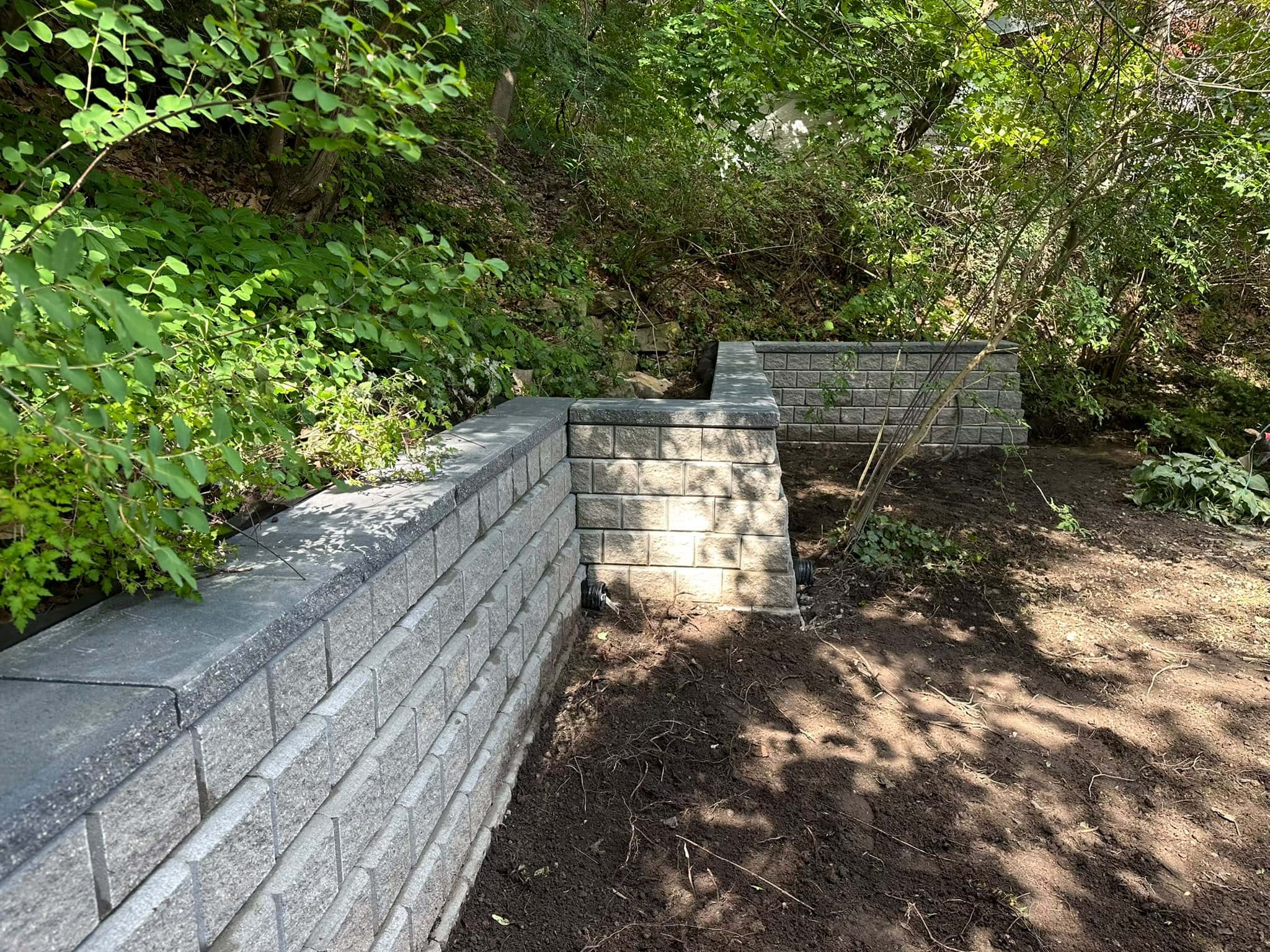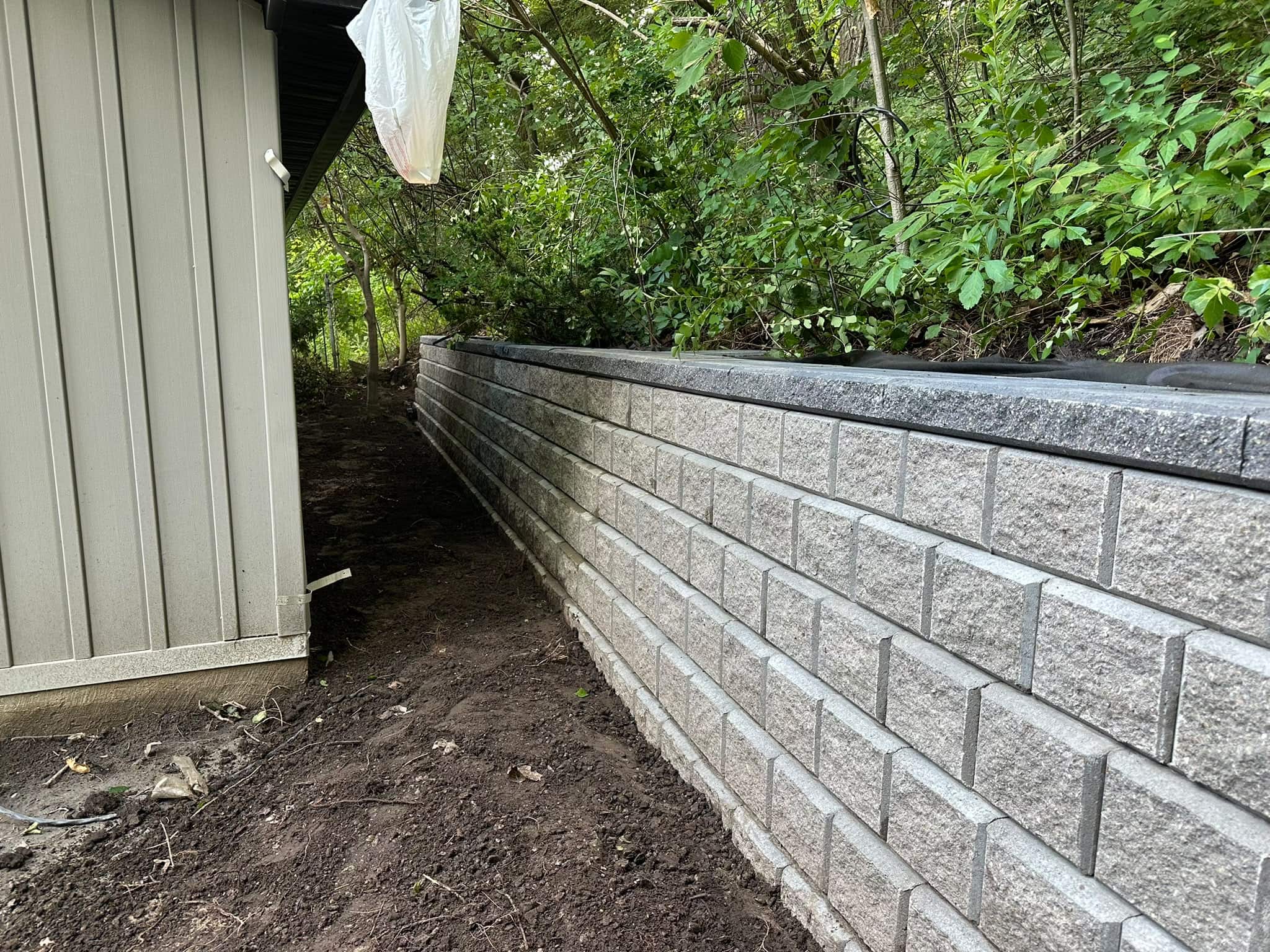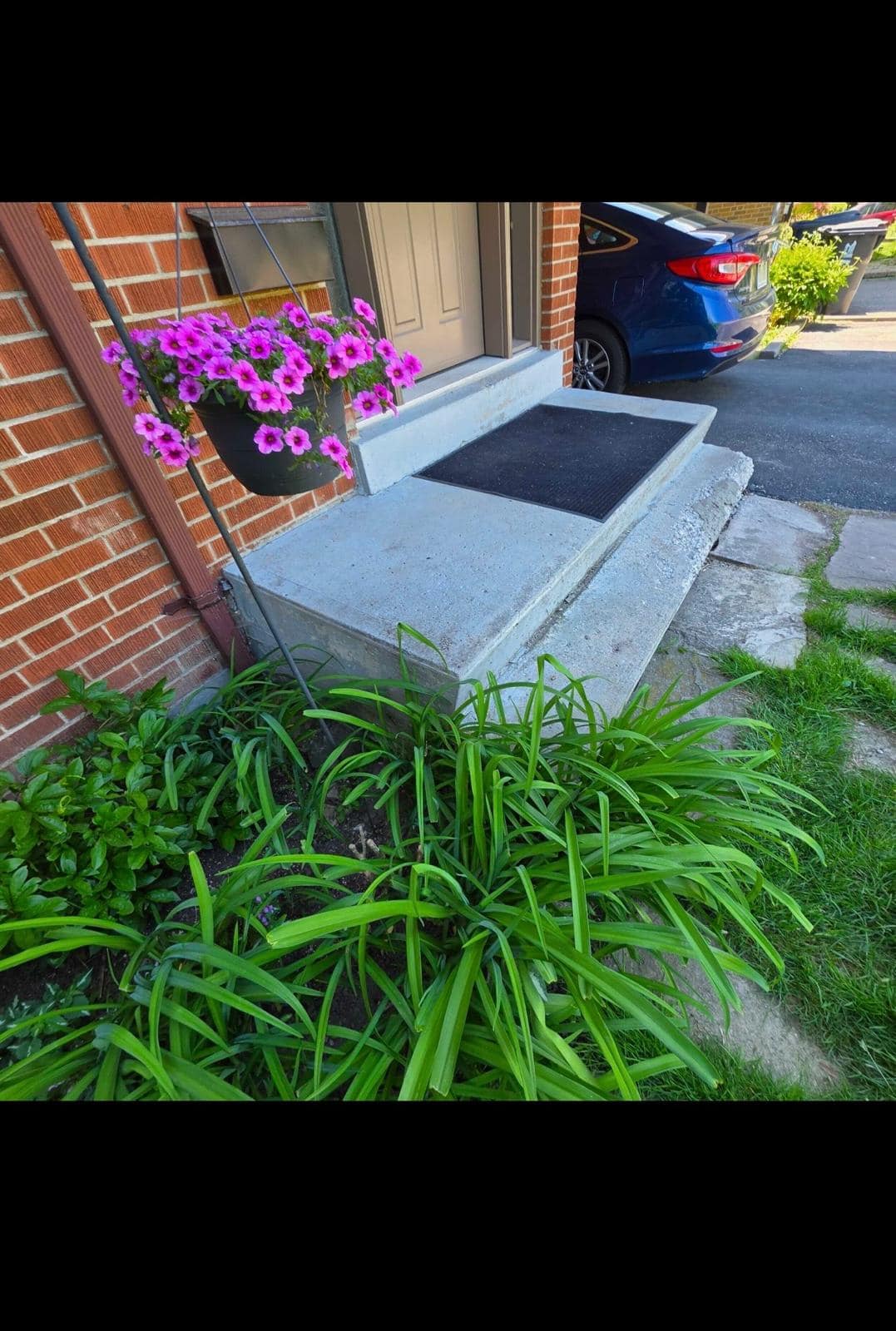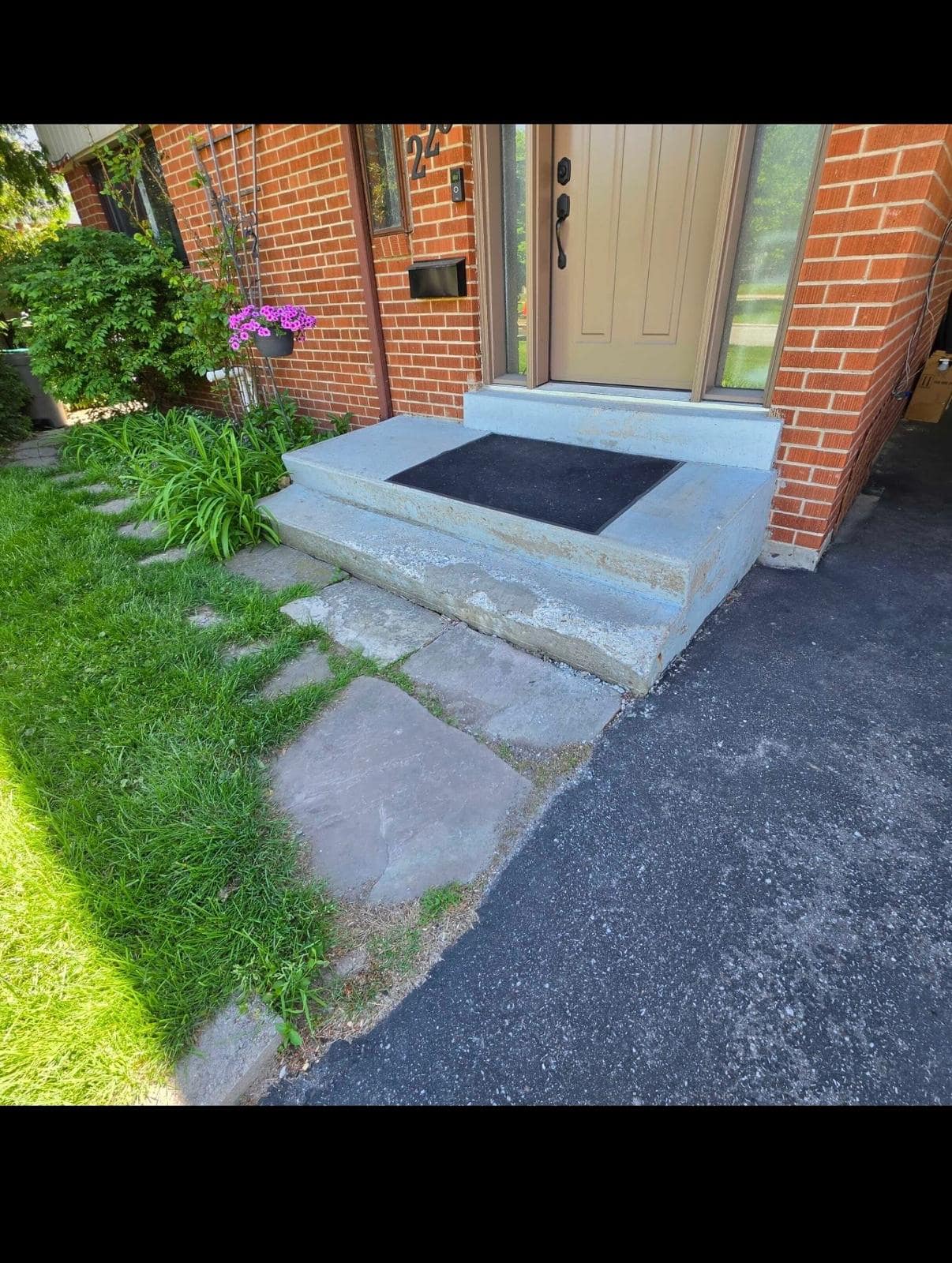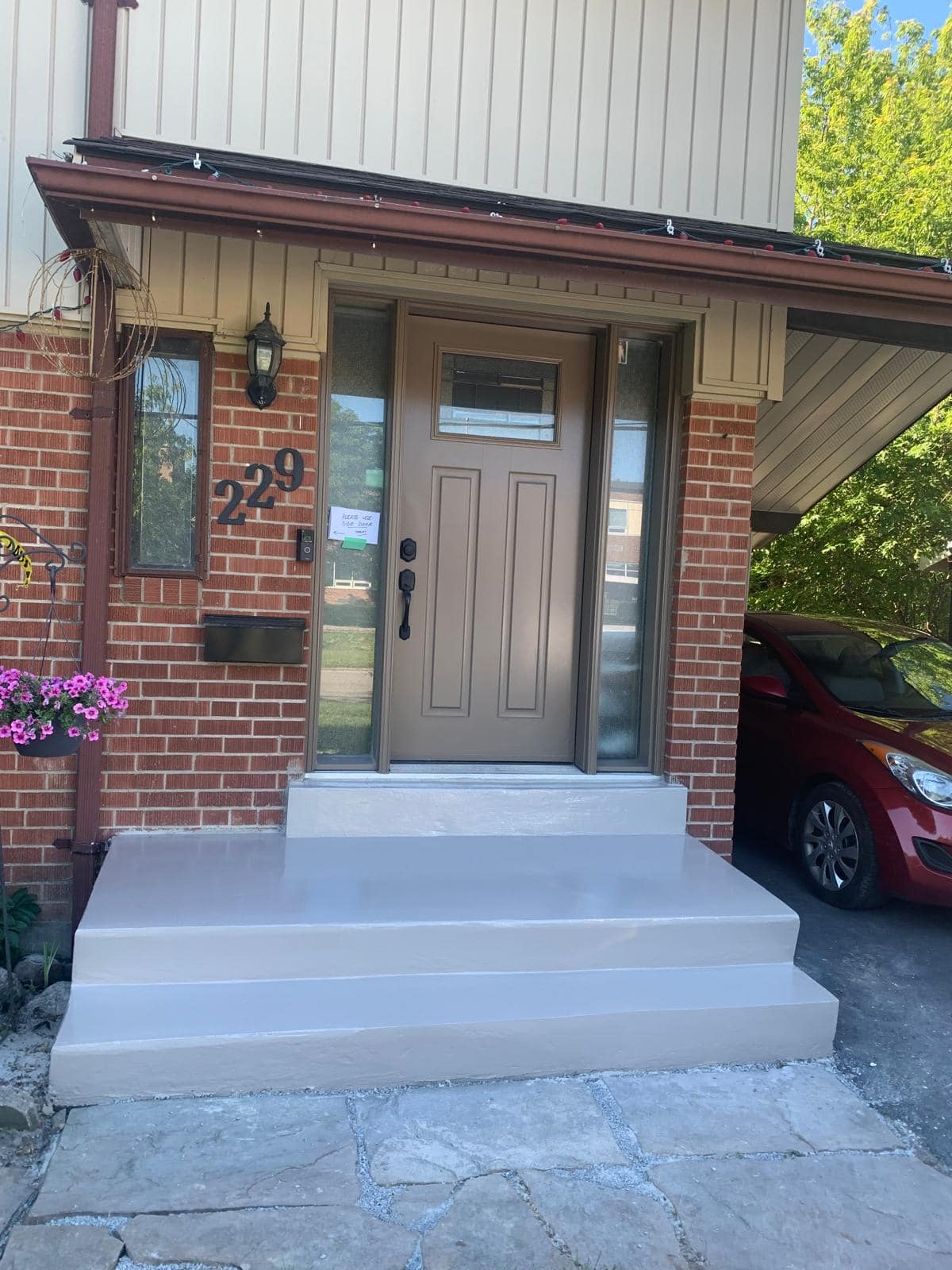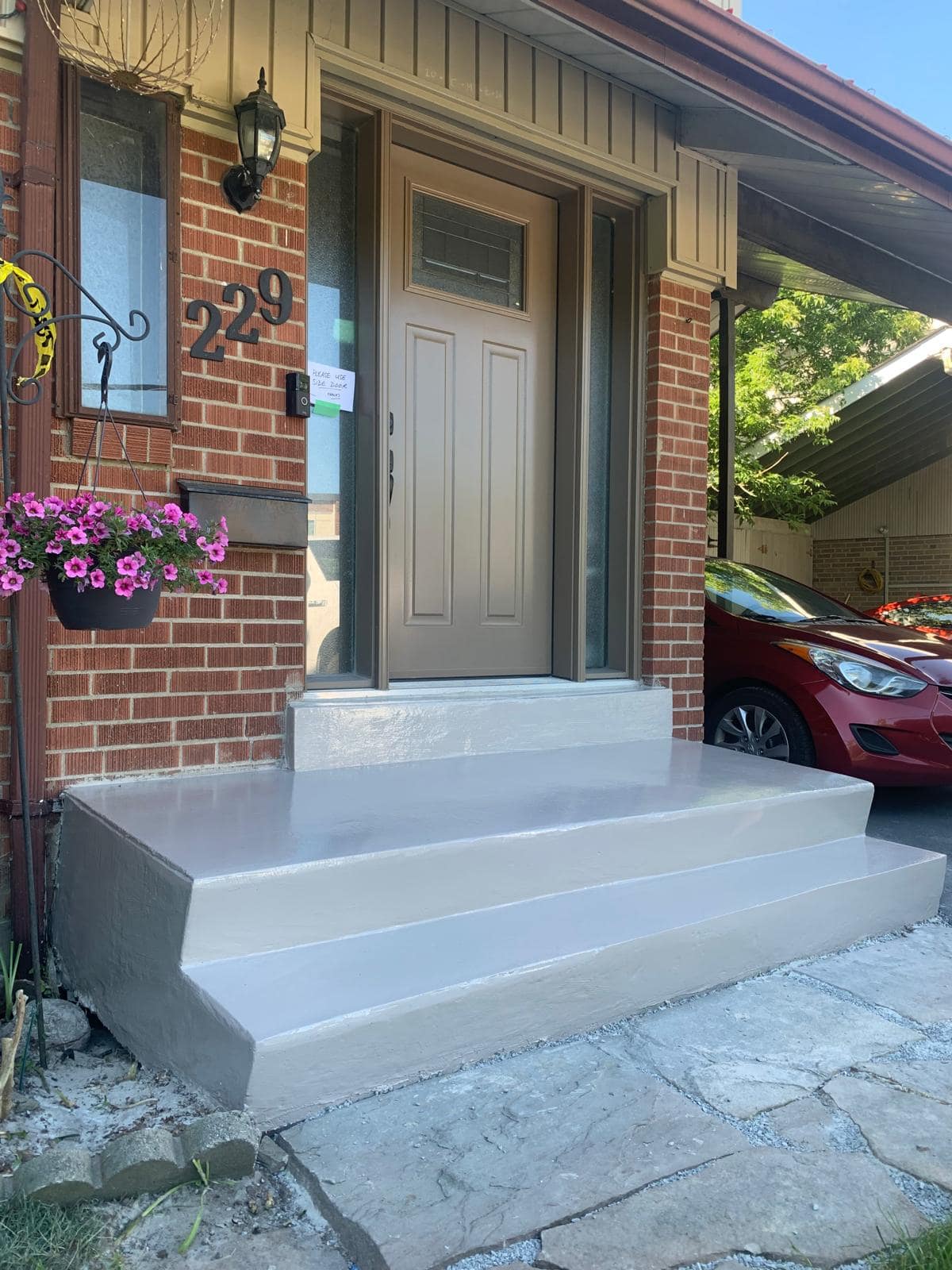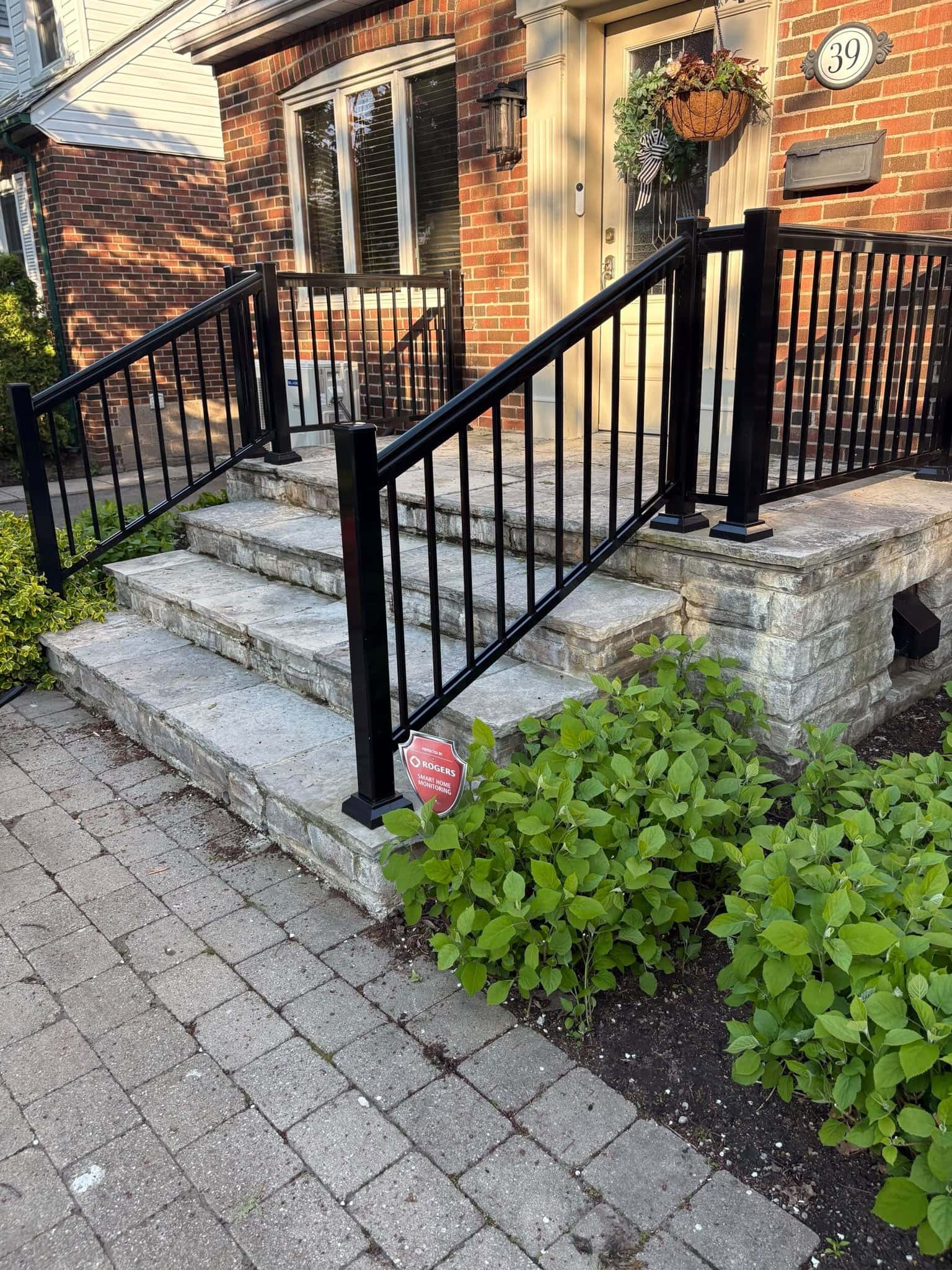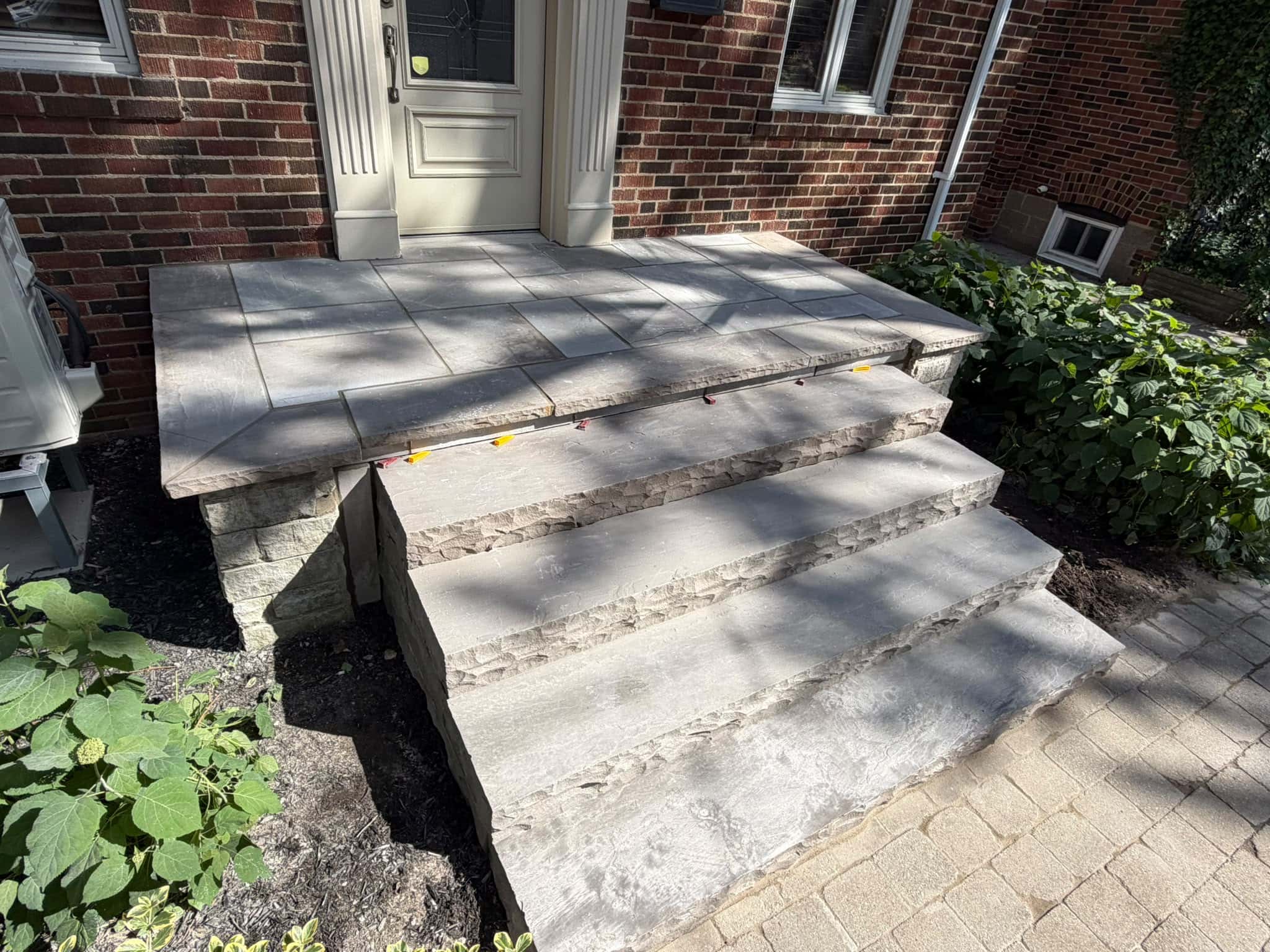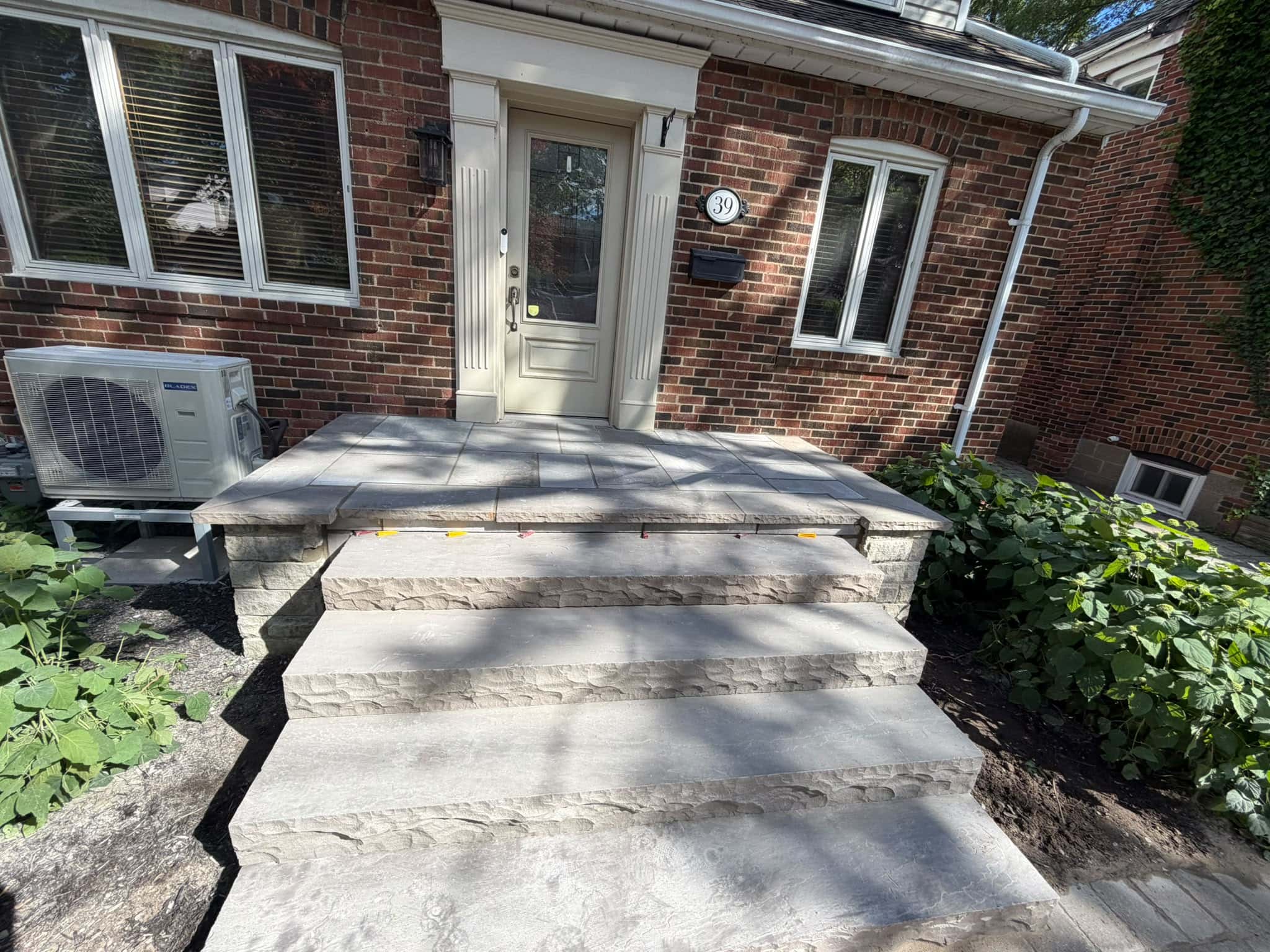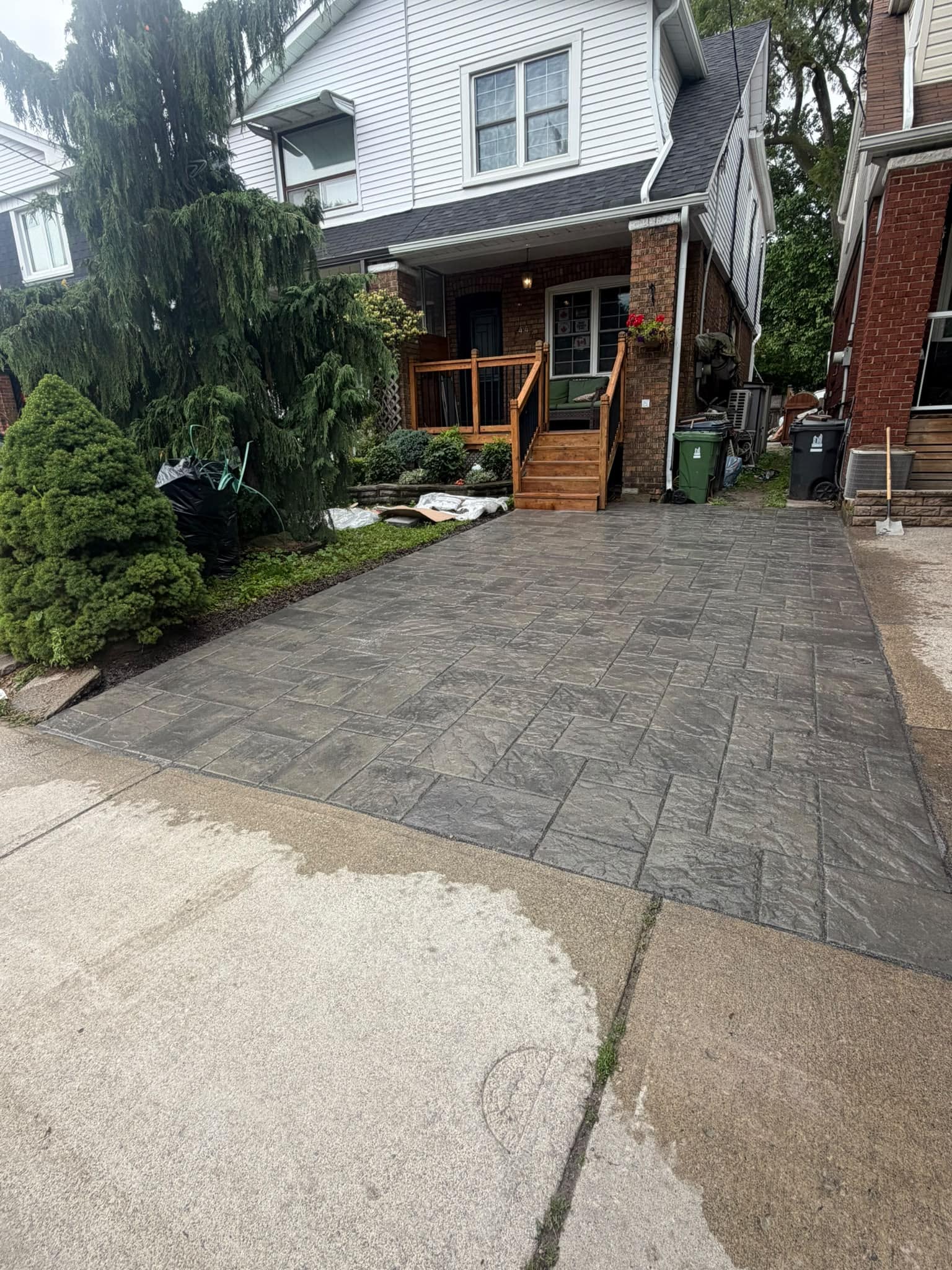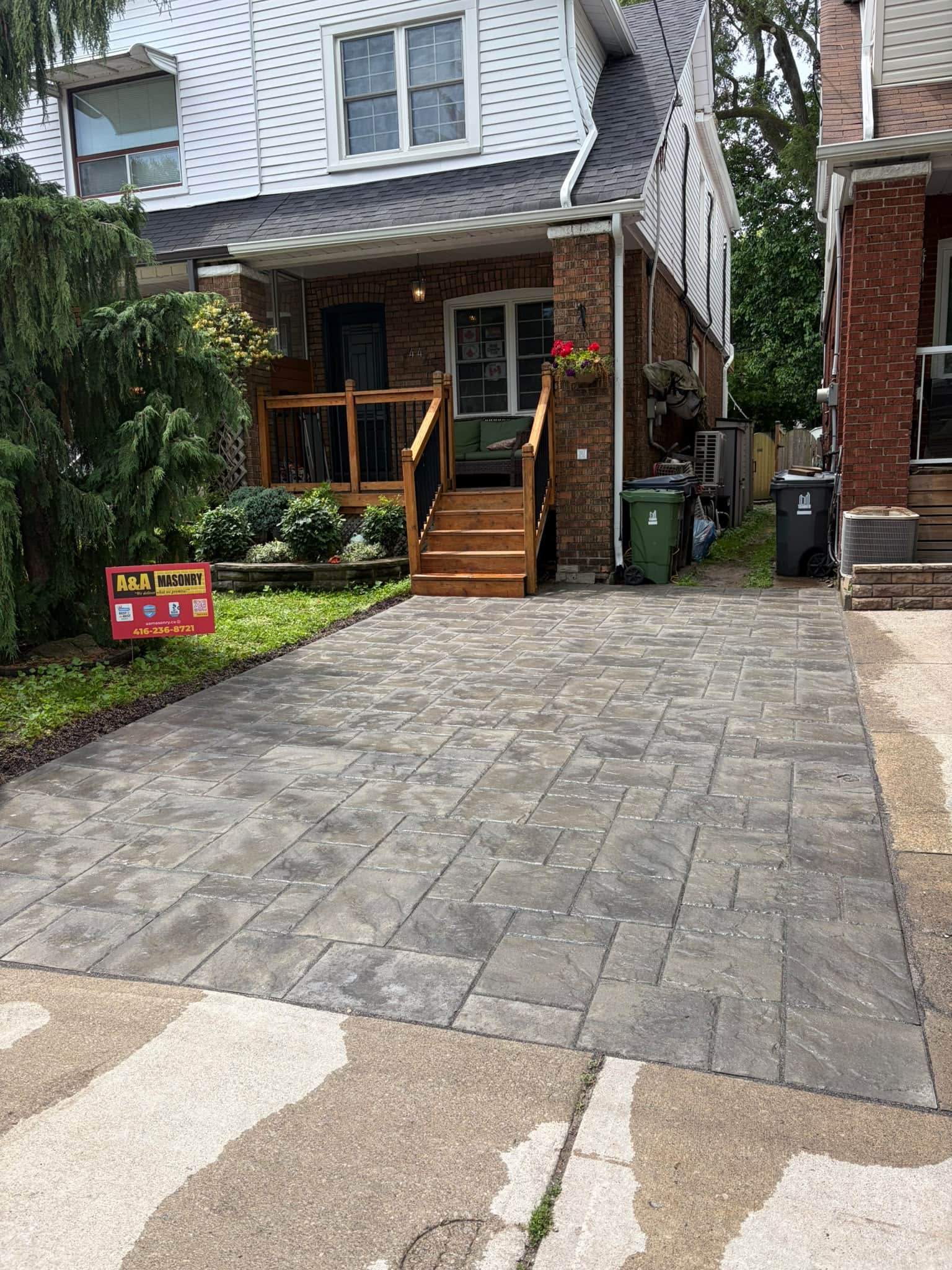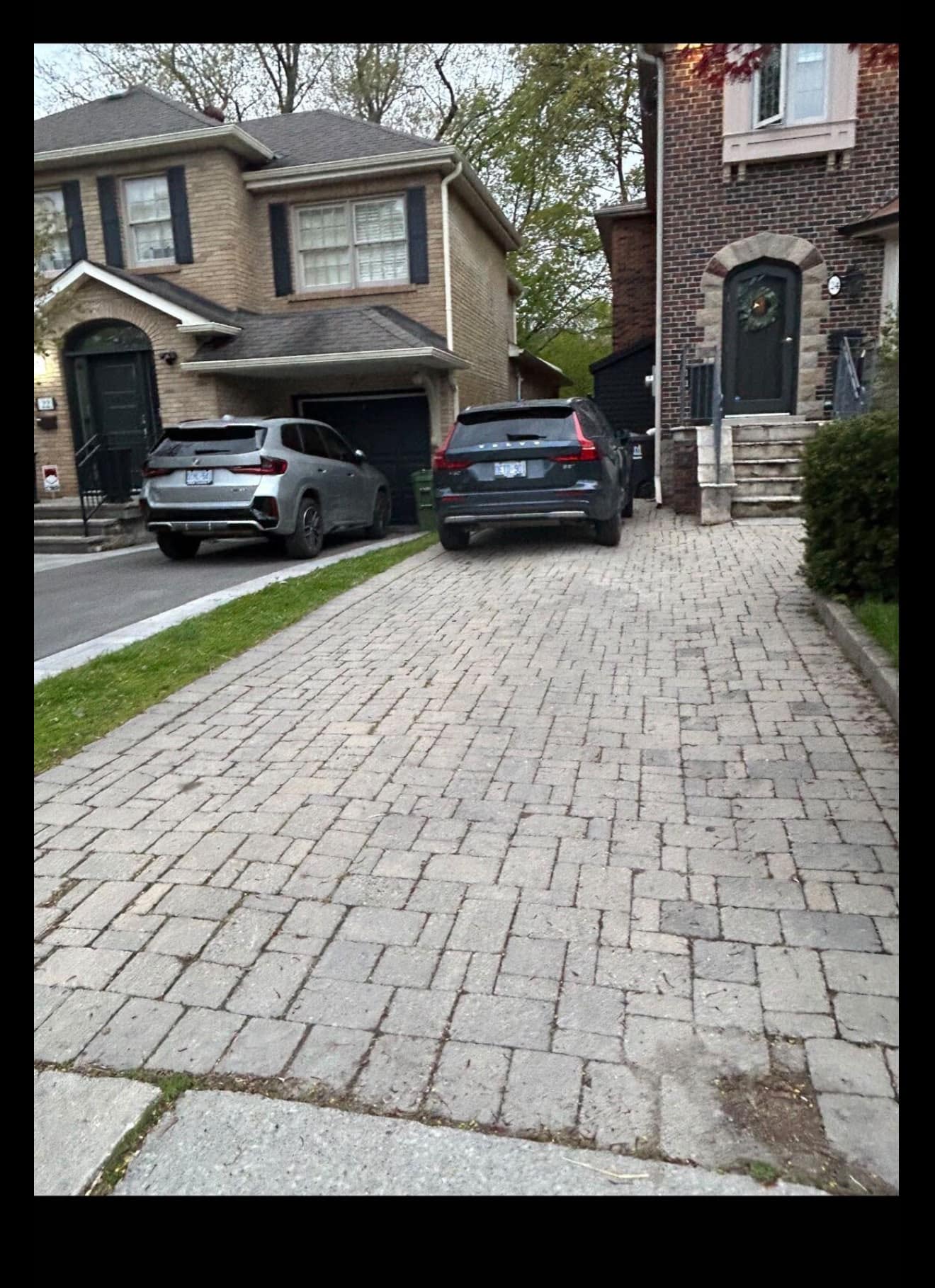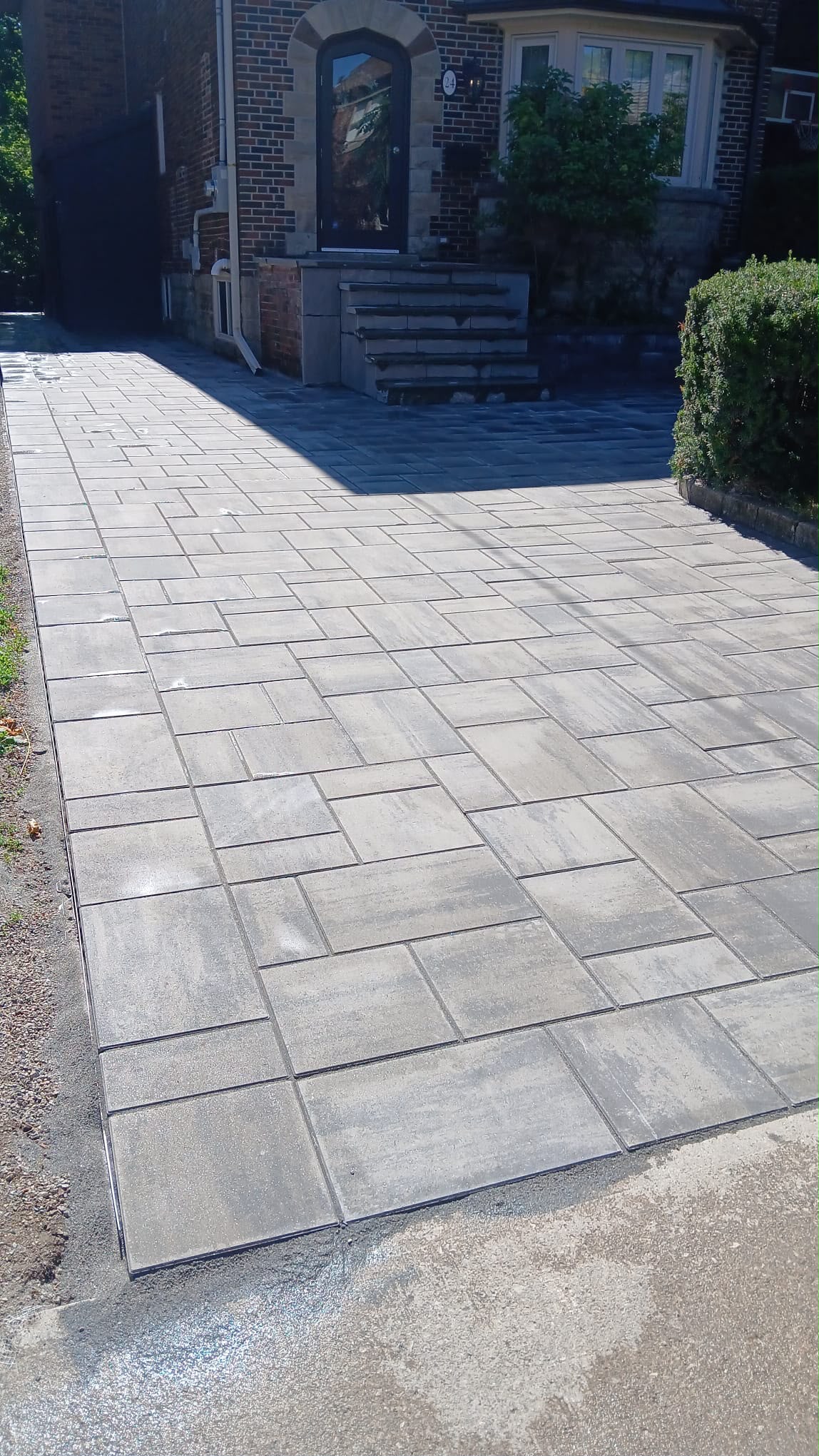

Brick patterns are more than surface decoration. They can show how a wall was built, how old a home may be, what style the builder was aiming for, and whether later repairs match the property’s original character. For Toronto and GTA homeowners, understanding brick patterns can help when repairing brickwork, restoring older homes, replacing damaged units, or planning a masonry update that still feels natural to the house.
A brick pattern is often called a bond. It describes how bricks are arranged across a wall, walkway, chimney, porch, garden wall, or decorative feature. Some patterns are mostly practical. Others are decorative. Some suggest traditional solid masonry construction, while others are common in modern veneer work. The pattern can also affect how repairs should be planned because a mismatched brick layout can make a patch stand out even when the brick colour is close.
This guide explains common brick patterns, what they can mean architecturally, why they matter for Toronto homes, and how homeowners can use pattern clues when planning brick repair or restoration.
Why Brick Patterns Matter
Brick patterns matter because they affect both appearance and construction logic. A pattern can make a wall look taller, wider, more formal, more traditional, or more decorative. It can also reveal whether the wall was built for structure, cladding, visual effect, or a specific architectural style.
Homeowners often notice brick colour first, but pattern is just as important. Two brick walls made from the same brick can look completely different if one uses a running bond and the other uses a Flemish bond. A porch repair may look wrong if the new brick is laid in a different rhythm from the old brick. A chimney rebuild may stand out if the bond pattern changes halfway up the structure.
Pattern also matters for heritage and older homes. Toronto has many brick houses where the original masonry contributes to the home’s character. When repairs ignore the original bond, the work can look patched, even if the materials are good. A thoughtful repair respects the pattern, mortar joint style, brick size, colour, and weathered appearance.
Running Bond: The Most Common Brick Pattern
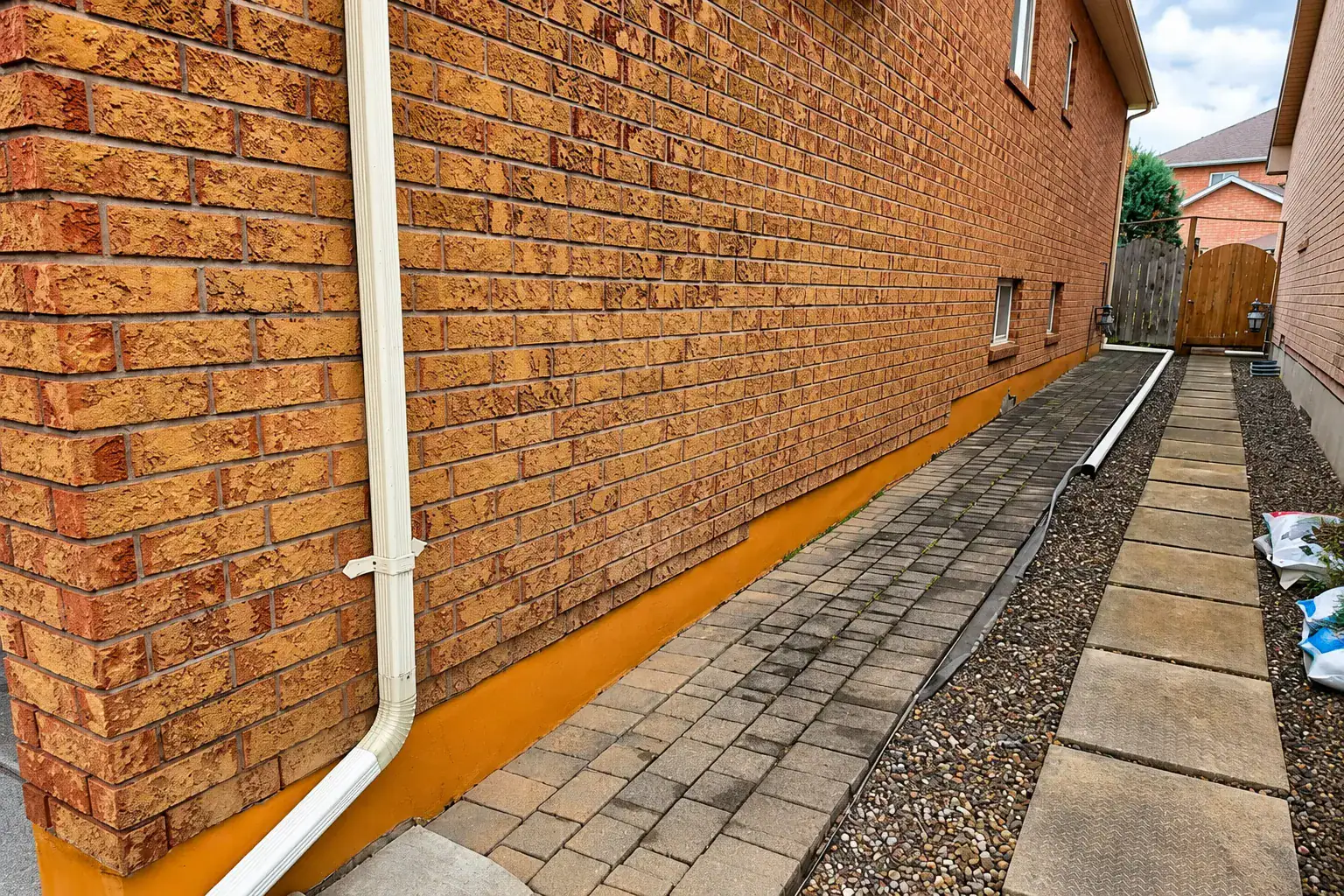
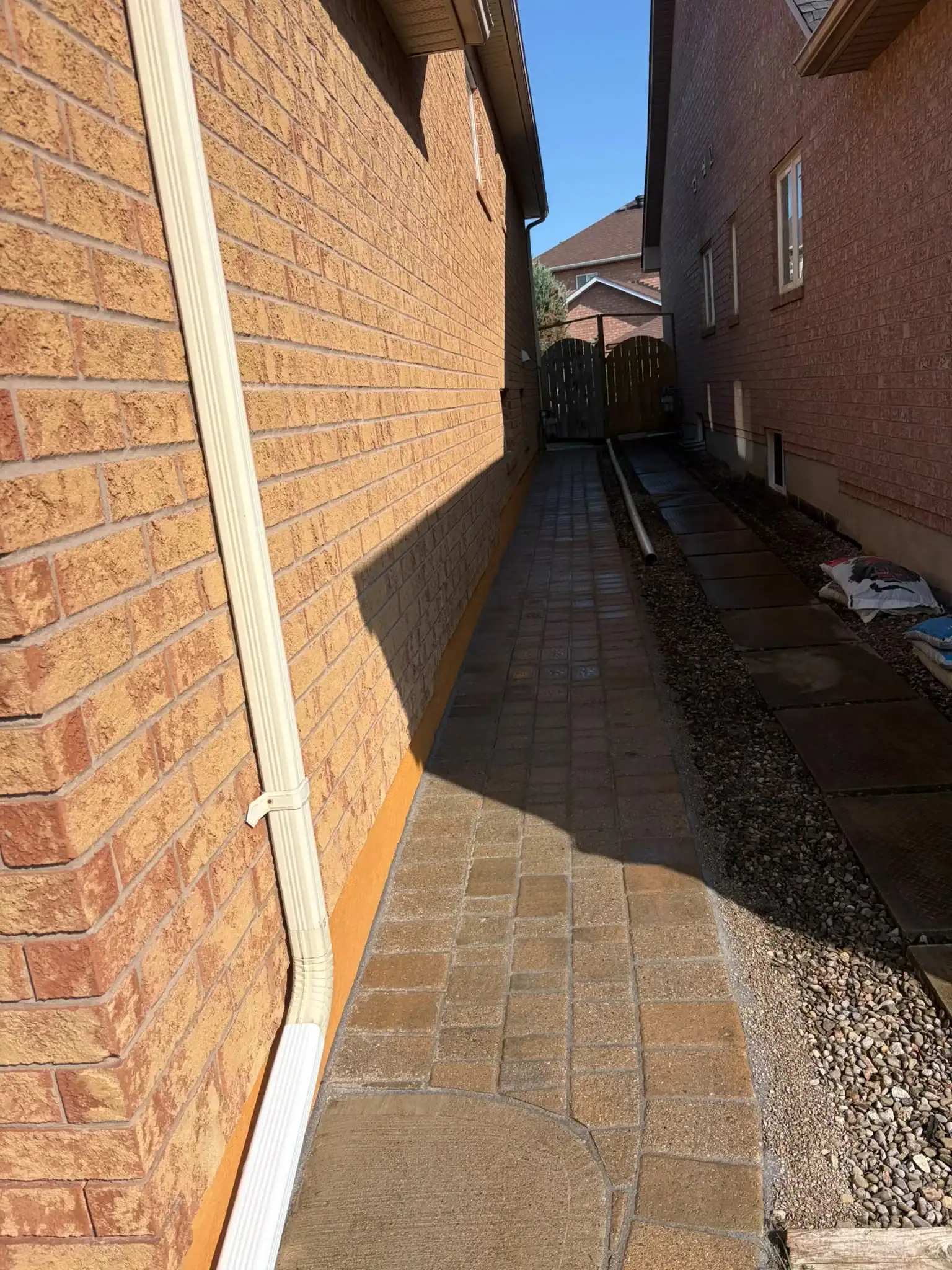
Running bond is one of the most common brick patterns in residential masonry. In this pattern, each brick is laid lengthwise, and the vertical joints are staggered from row to row. It creates a clean, simple, familiar look that appears on many homes, garden walls, additions, and modern brick veneers.
Architecturally, running bond often suggests simplicity and efficiency. It is easy to read and visually appealing, and it works well with many home styles. In newer homes, it is commonly used as a veneer pattern because the bricks create an attractive exterior surface without revealing the underlying wall structure.
For repairs, running bond may seem easy to match, but small mistakes still show. The vertical joint spacing, brick length, mortar colour, joint profile, and row alignment all need attention. If one section is laid too tightly or too loosely, the repair can stand out.
If a running bond wall has cracked or damaged brick, A&A Masonry’s brick repair Toronto page explains common repair concerns such as cracked brick, crumbling mortar, water damage, and matching issues.
Stack Bond: Clean Lines With Less Traditional Movement
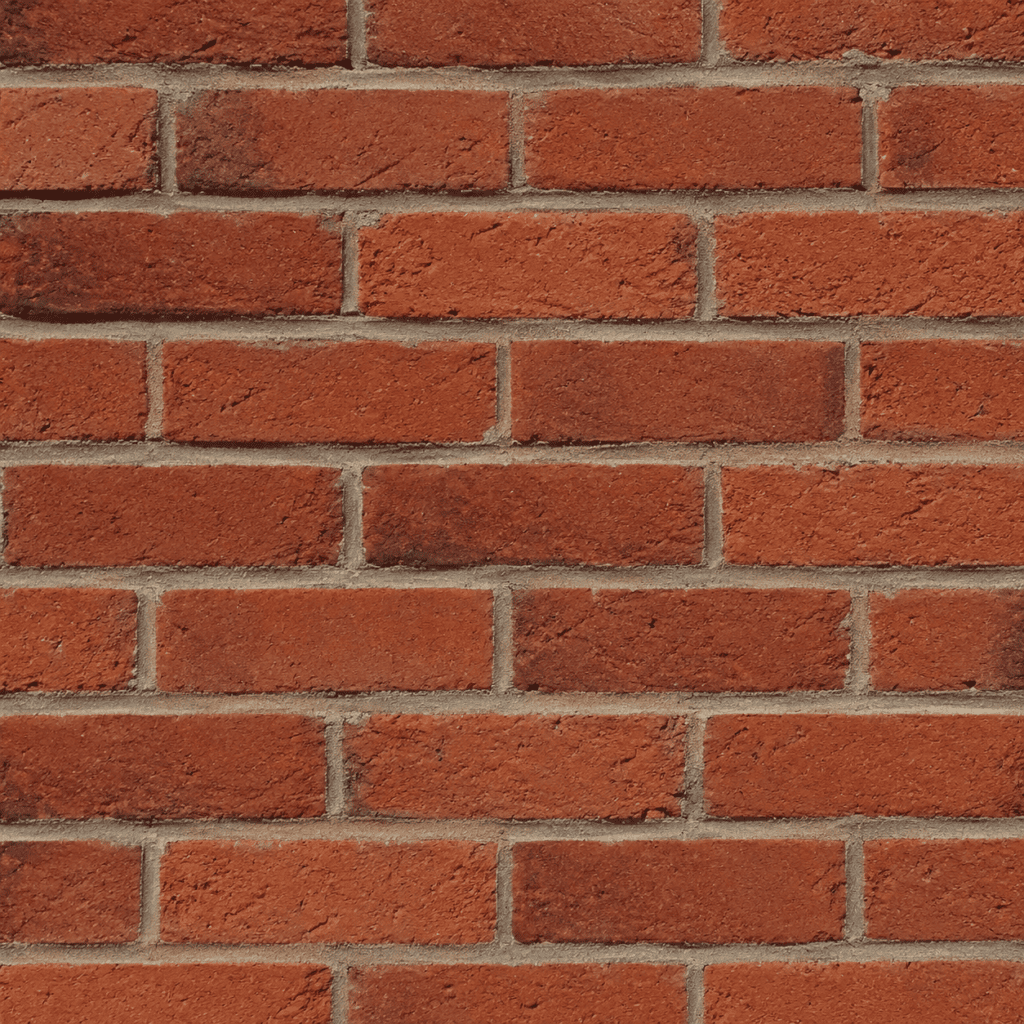
Stack bond places bricks directly on top of each other so that the vertical joints line up. This creates a strong grid pattern. It can look modern, controlled, and geometric, but it is less common for traditional structural brick walls because the joints do not overlap in the same way as staggered bonds.
Architecturally, stack bond often feels contemporary. It may appear on feature walls, decorative screens, commercial design, modern garden walls, or accent areas. Because the joints line up, the pattern draws attention to precision. If the wall is even slightly out of alignment, the eye notices quickly.
For homeowners, stack bond should be used carefully. It can look sharp in the right setting, but it may feel out of place on older Toronto brick homes if used beside traditional brickwork. When repairing stack-bond areas, alignment is critical because any vertical shift is obvious.
Flemish Bond: Decorative and Traditional
Flemish bond alternates stretchers and headers in the same row. A stretcher is the long face of the brick, while a header is the short end. This creates a balanced, decorative pattern with a formal rhythm. It is often associated with older, more traditional brickwork.
Architecturally, Flemish bond can suggest craftsmanship, heritage character, and decorative attention to detail. In older homes, the alternating pattern may reflect historical construction methods or a desire for a refined façade. It can give a wall more visual depth than a simple running bond.
For repairs, Flemish bond requires careful matching. The header-stretcher rhythm must continue correctly, or the patch will be easy to spot. Brick colour also matters because headers can weather differently from stretchers, depending on the wall and exposure. On older properties, mortar type and joint profile are just as important as the bond itself.
For restoration work where the original masonry character matters, A&A Masonry’s blog on masonry restoration vs. repair can help homeowners understand the difference between fixing damage and preserving the original appearance.
English Bond: Strong, Traditional, and Structured
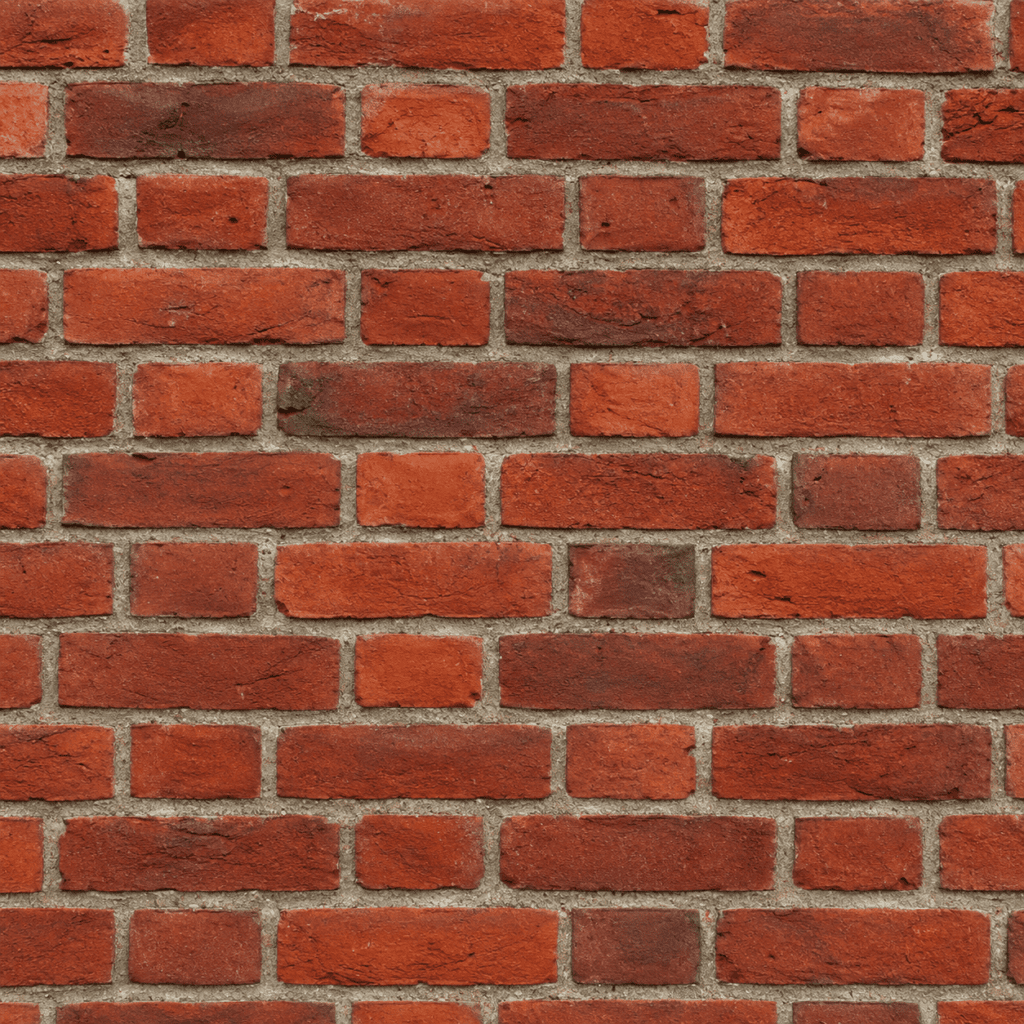
English bond alternates rows of stretchers with rows of headers. It creates a strong visual rhythm and is often associated with traditional solid masonry construction. The pattern looks more formal and structural than running bond because the header rows are clearly visible.
Architecturally, English bond can suggest strength, order, and older construction practices. It is not always seen on modern residential veneers because it visually references thicker wall construction. On historic or older masonry, however, it may be an important feature worth preserving.
For homeowners, the English bond is a pattern in which repair matching is especially important. If a damaged area is rebuilt using running bond instead of English bond, the repair will look wrong immediately. The pattern tells part of the wall’s story, so changing it can weaken the architectural character.
Common Bond: Practical With Occasional Header Courses
Common bond, sometimes called American bond, uses several rows of stretchers followed by a row of headers. The header row may appear every fifth, sixth, or seventh course, depending on the wall. It is a practical pattern that balances simplicity with periodic structural or visual tie-ins.
Architecturally, common bond often feels less decorative than Flemish bond but more structured than plain running bond. It can appear on older homes, side walls, utility walls, and traditional masonry where function and efficiency mattered.
When repairing a common bond, the spacing of the header courses matters. If the header row is skipped or placed at the wrong height, the pattern breaks. This is one reason matching older brickwork is more than choosing a similar red brick. The wall’s rhythm must also be respected.
Herringbone Brick Pattern: Decorative and Directional
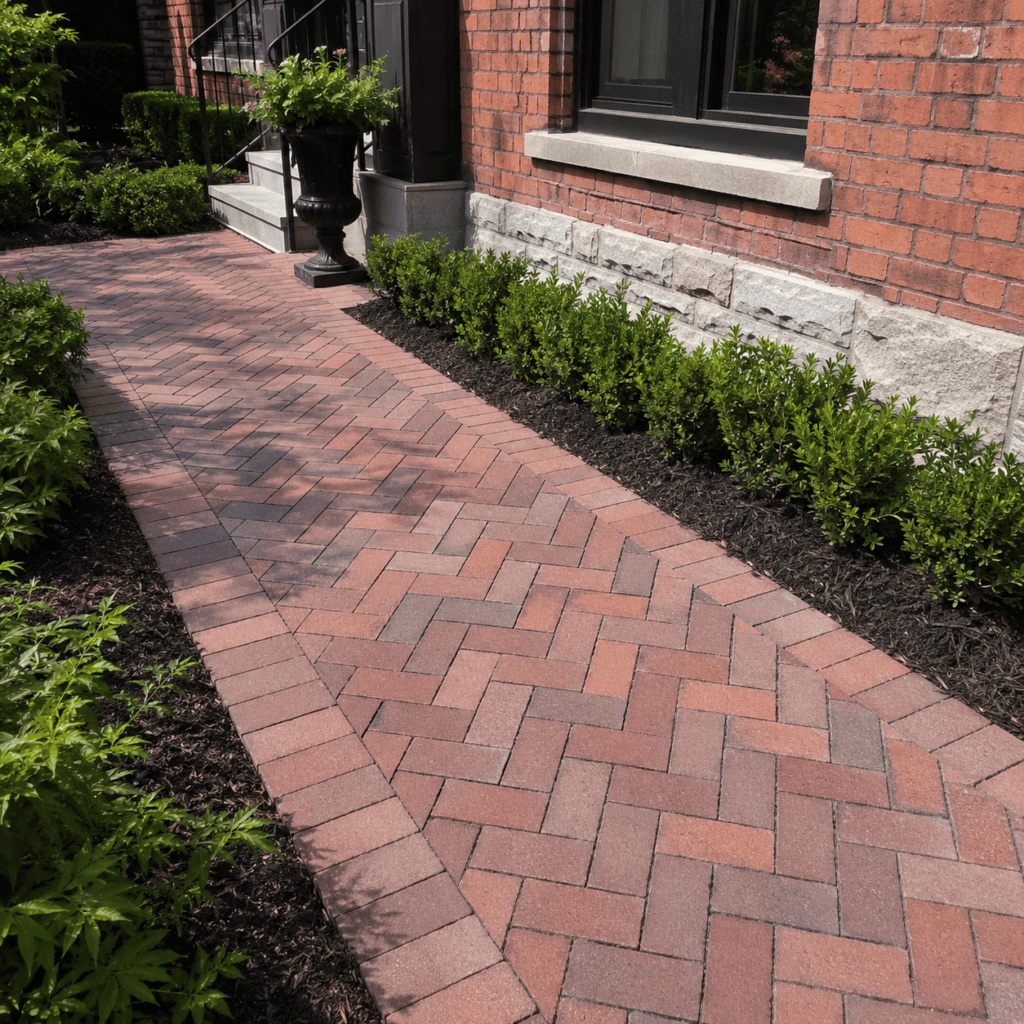
Herringbone is a decorative brick pattern in which bricks are laid at an angle to form a zigzag design. It is often used in patios, walkways, fireplace surrounds, feature panels, and decorative insets rather than standard house walls.
Architecturally, herringbone suggests movement and craftsmanship. It draws the eye and can make a surface feel more detailed. In outdoor spaces, it can also help create a strong design feature in a patio, pathway, or entry area.
Herringbone requires careful layout. If the angles are off or the edges are poorly cut, the pattern can look messy. In exterior Toronto applications, the base and edge restraints matter as much as the pattern because movement or settlement can distort the design over time.
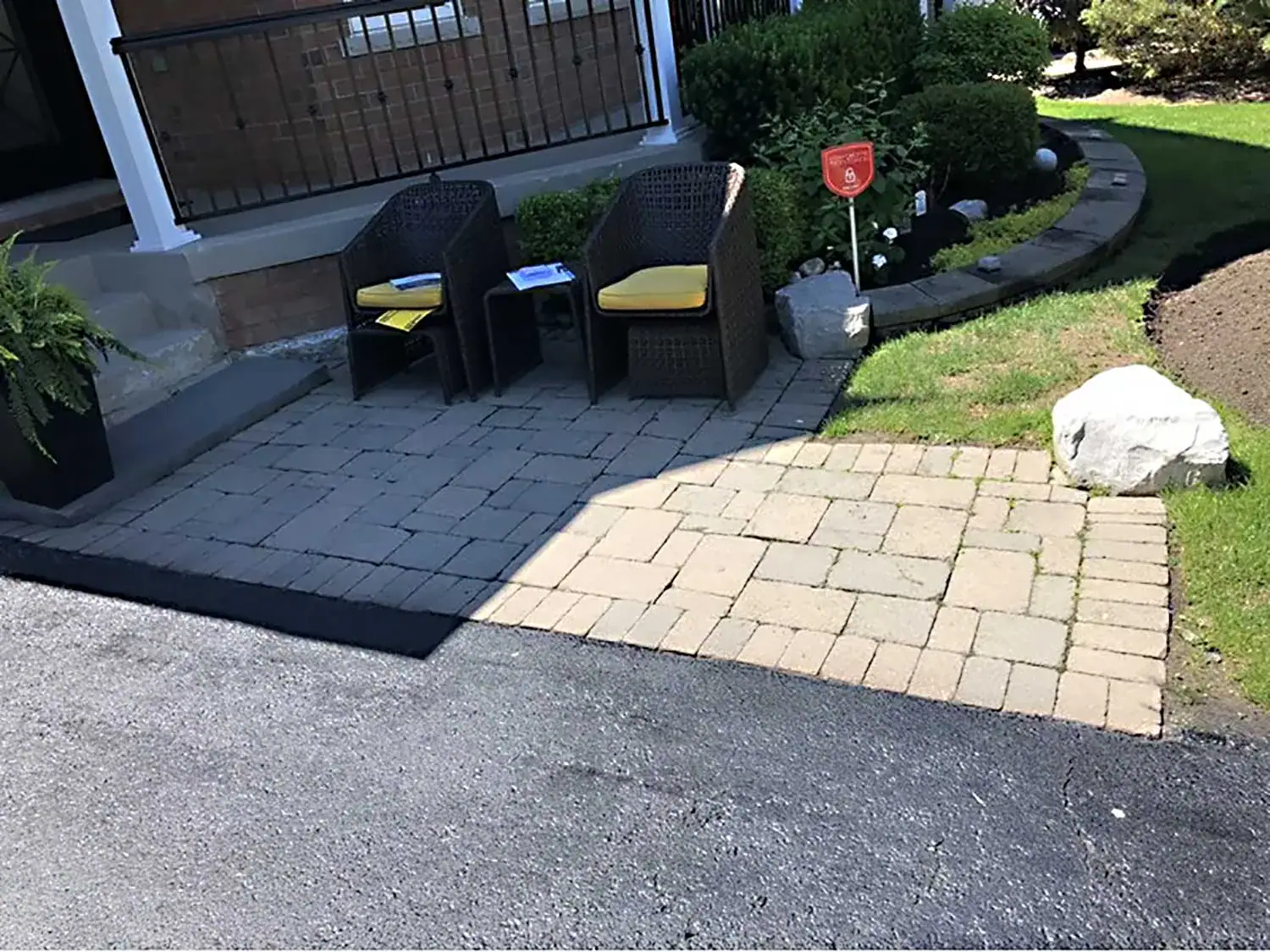
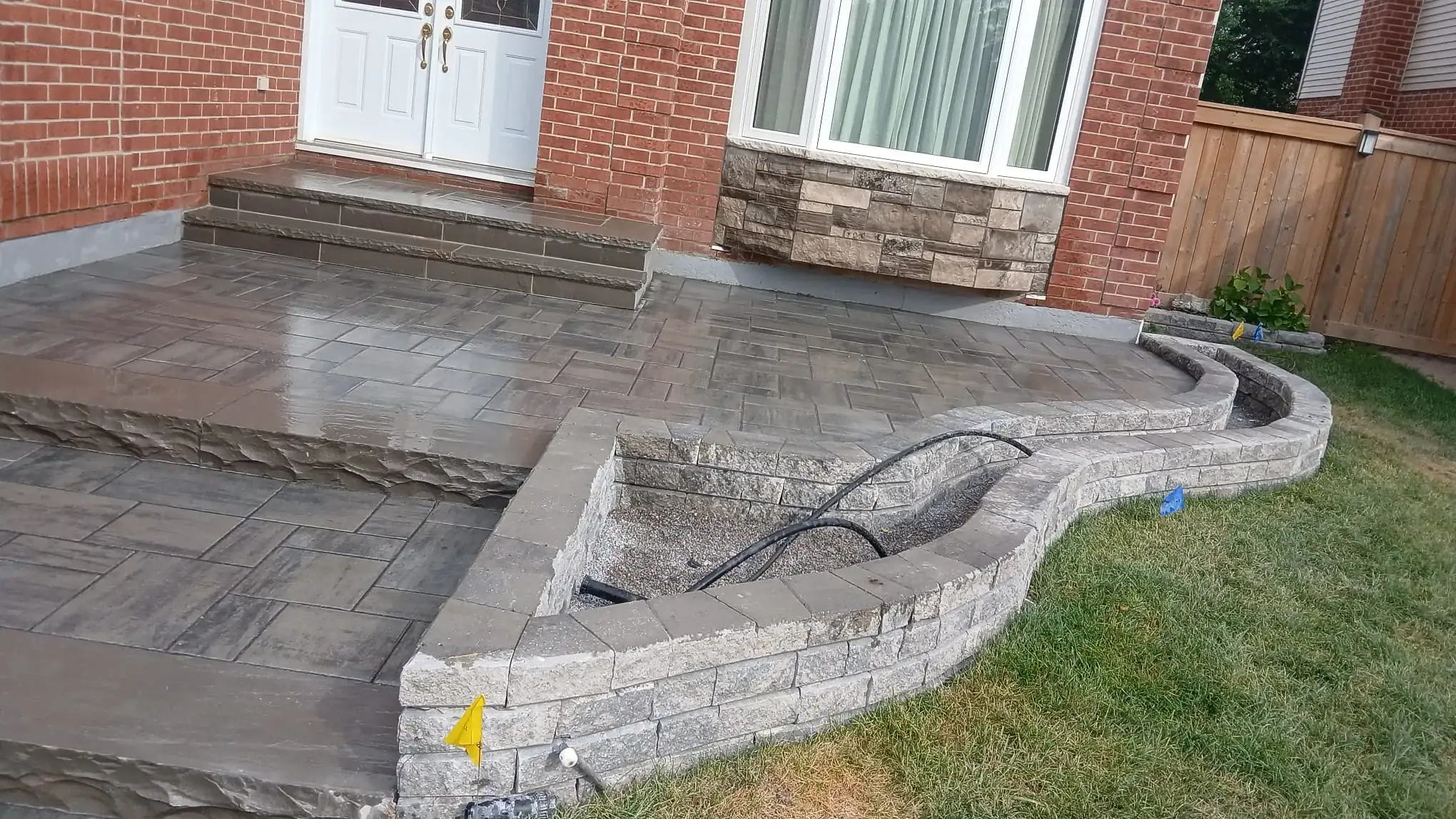
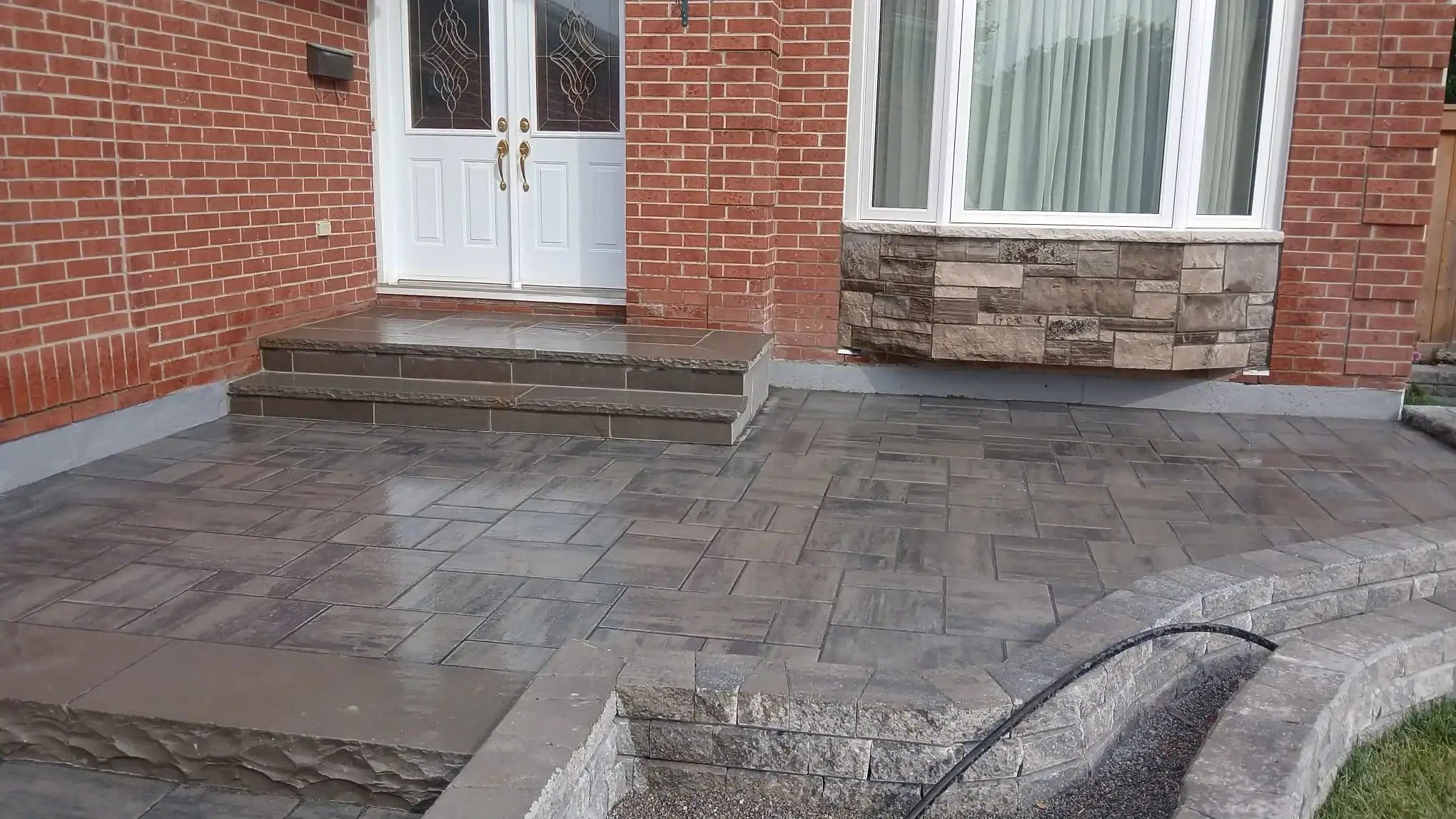
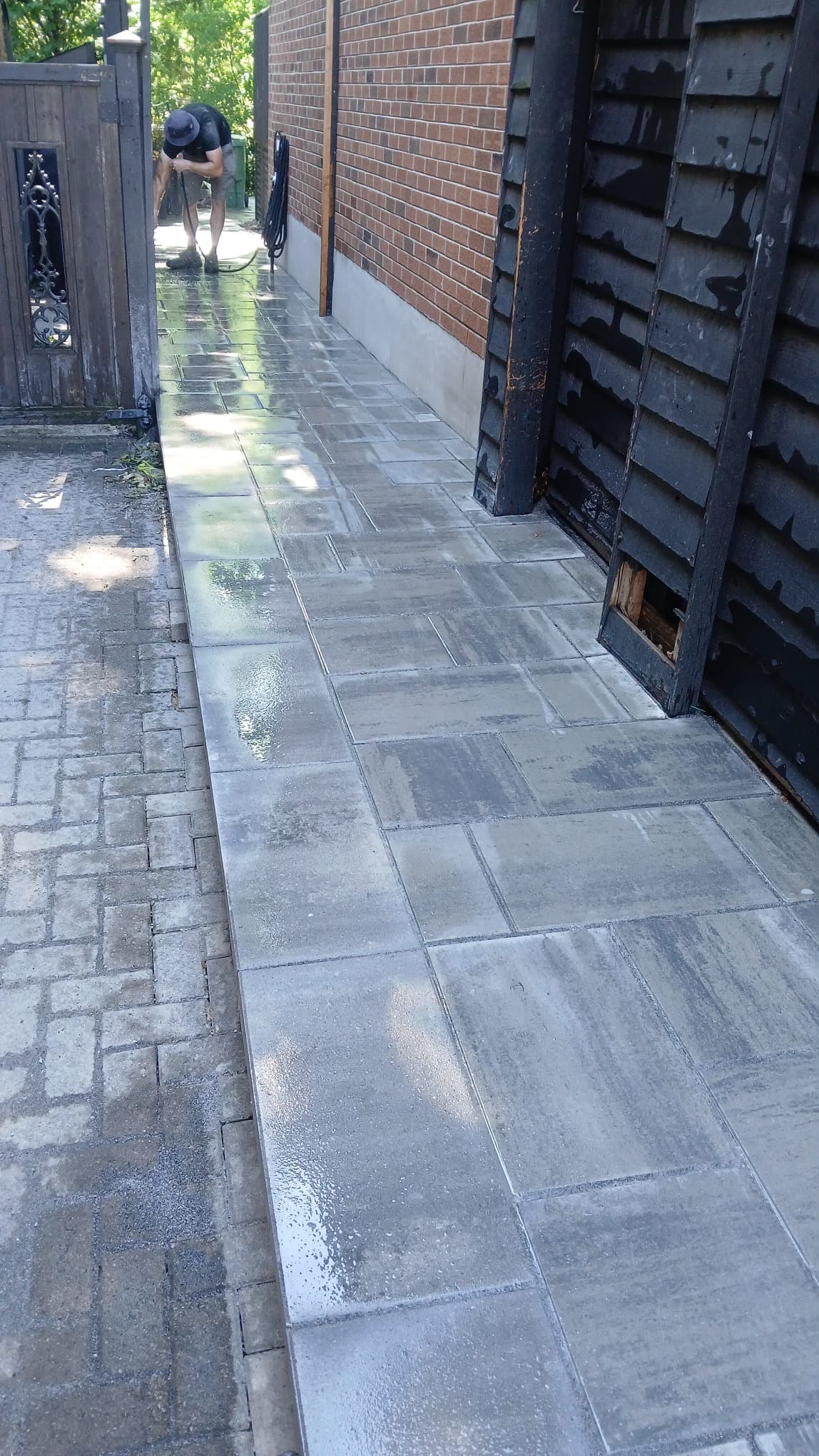
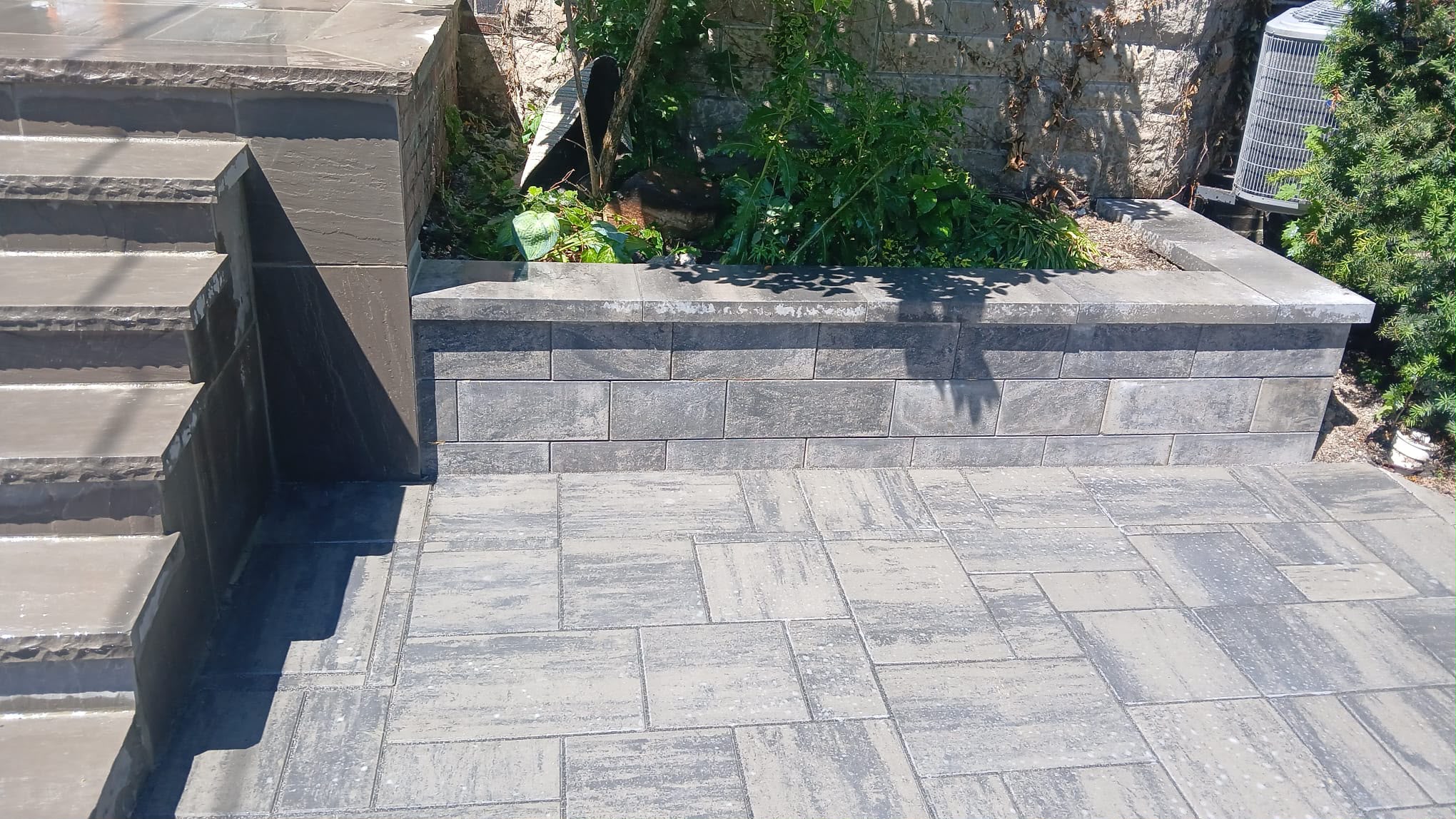
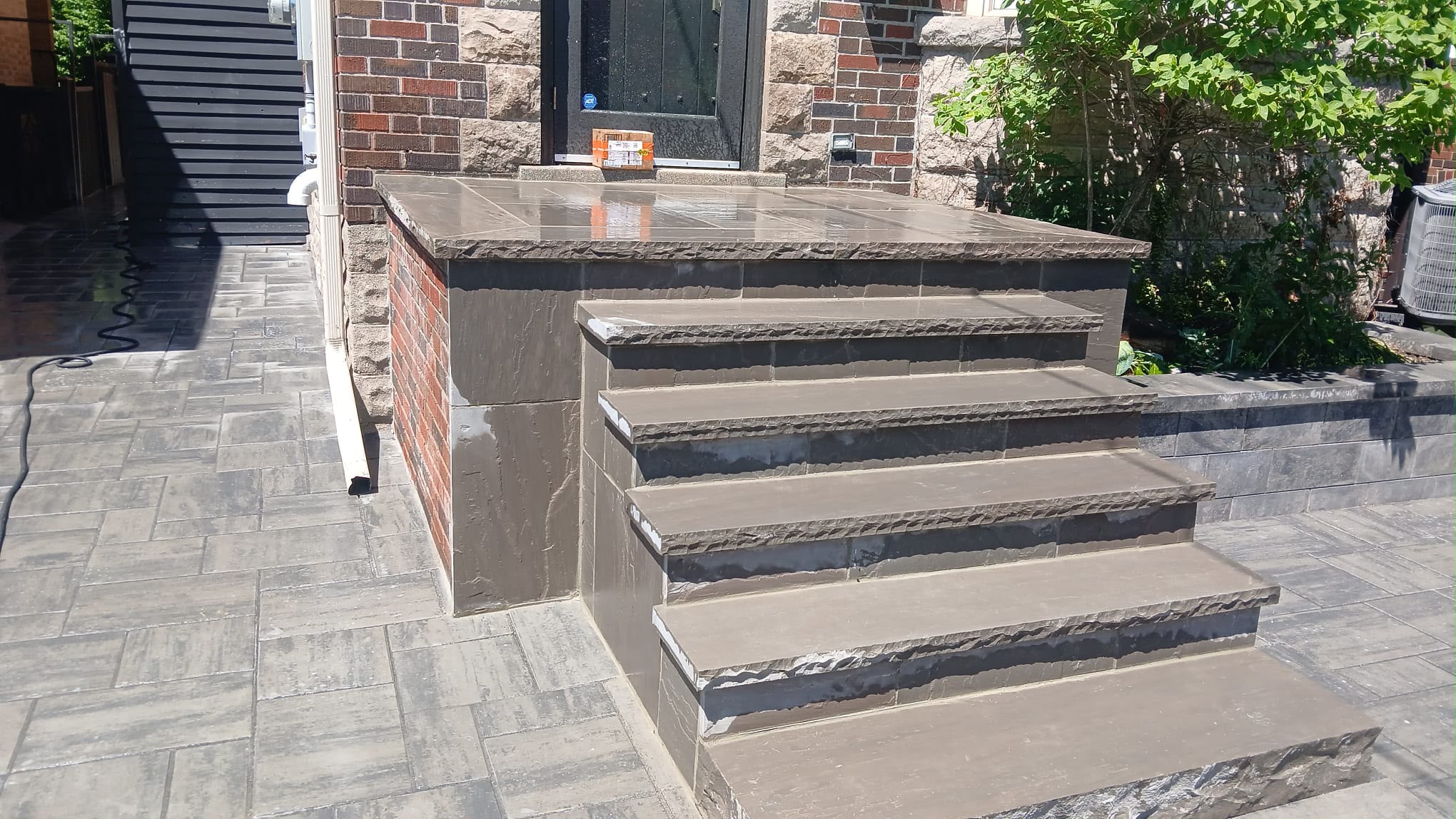
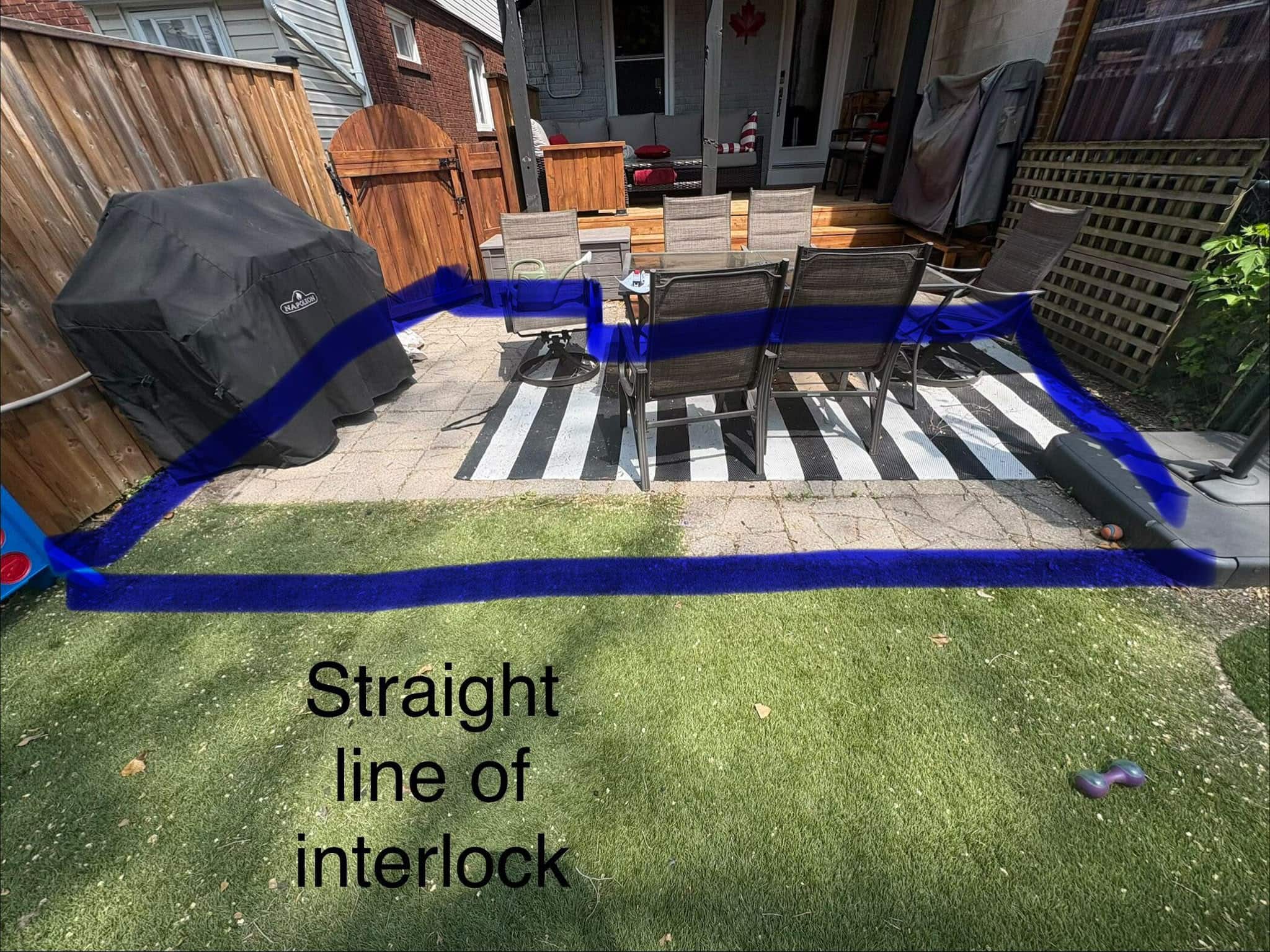
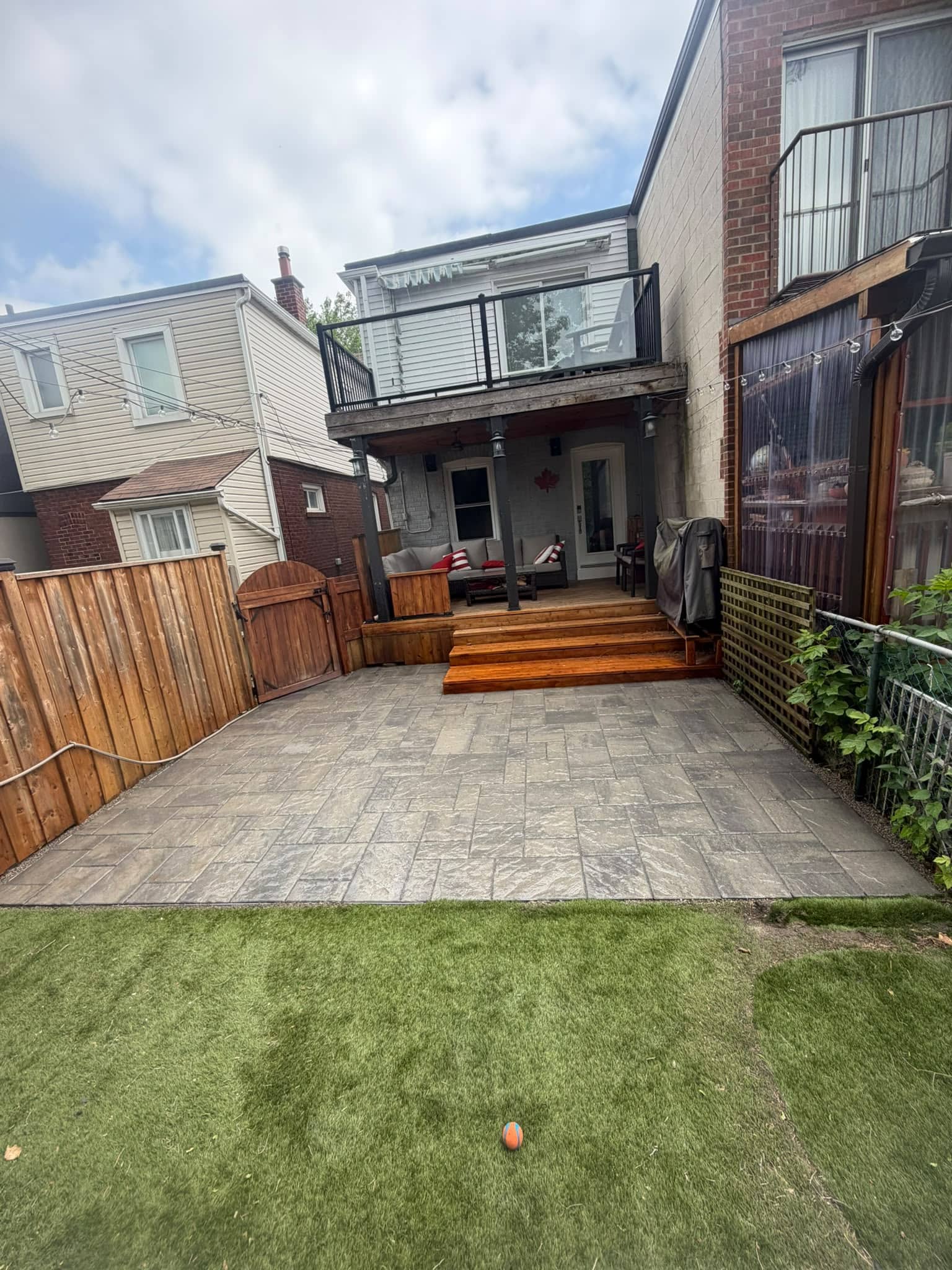
If you are considering patterned brick or paver work for an exterior surface, A&A Masonry’s interlocking stone services in Toronto page is useful for understanding how patterns, bases, drainage, and outdoor use work together.
Basketweave Pattern: Historic Charm and Surface Texture
Basketweave uses pairs of bricks laid horizontally and vertically to create a woven look. It is commonly used in patios, walkways, garden paths, and decorative masonry areas. It gives a softer, more traditional appearance than some sharper geometric patterns.
Architecturally, basketweave can suggest charm, age, and craft. It may suit older homes, cottage-style landscapes, garden paths, or small courtyards. However, it should be chosen with the surrounding house style in mind. On a very formal brick façade, basketweave may feel too informal unless used in the right location.
Like herringbone, basketweave depends on accurate layout and base preparation. Uneven settlement can make the pattern look distorted. For walkways and patios, the design must also handle water, freeze-thaw movement, and foot traffic.
Soldier Course and Rowlock Details
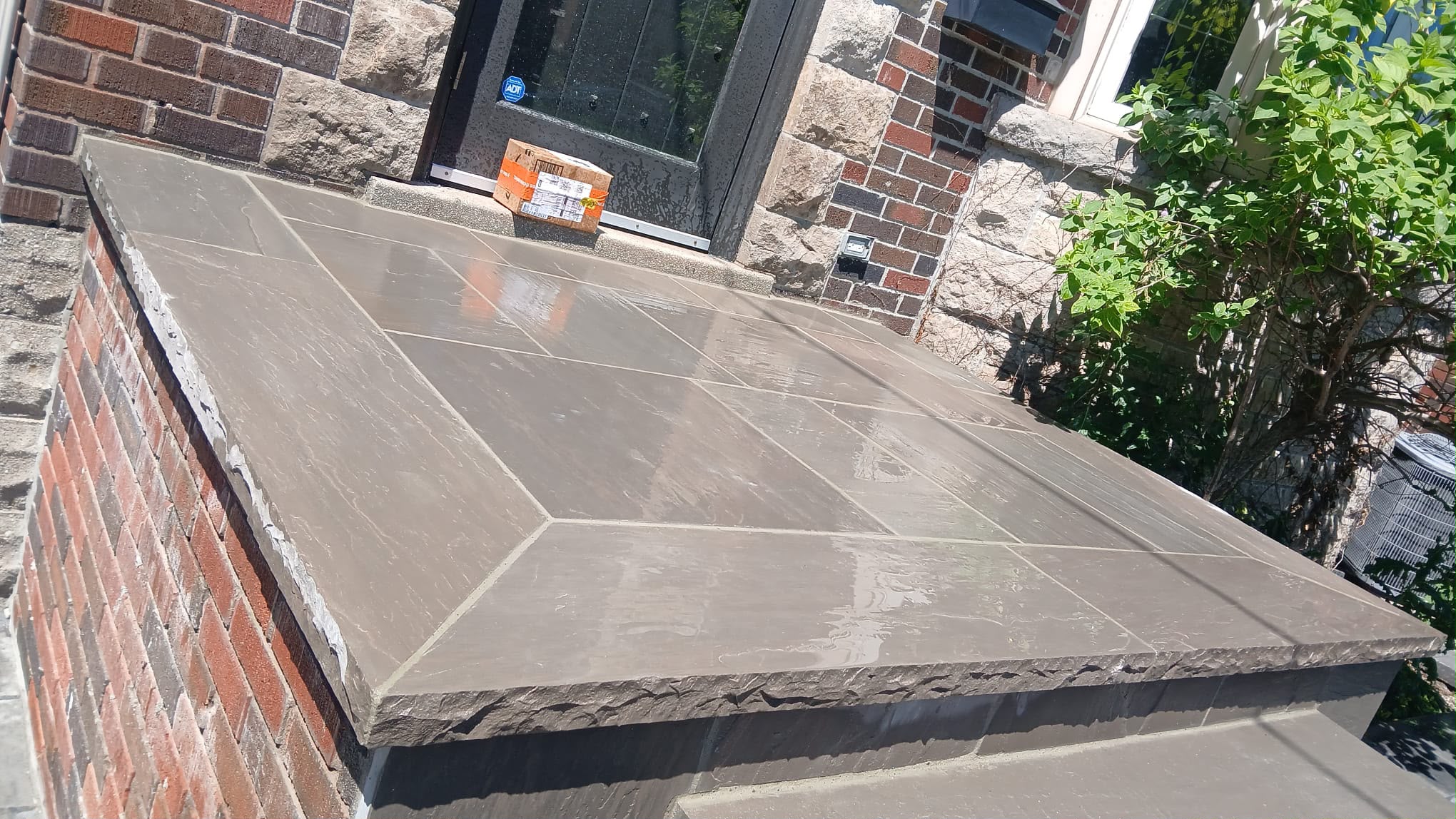
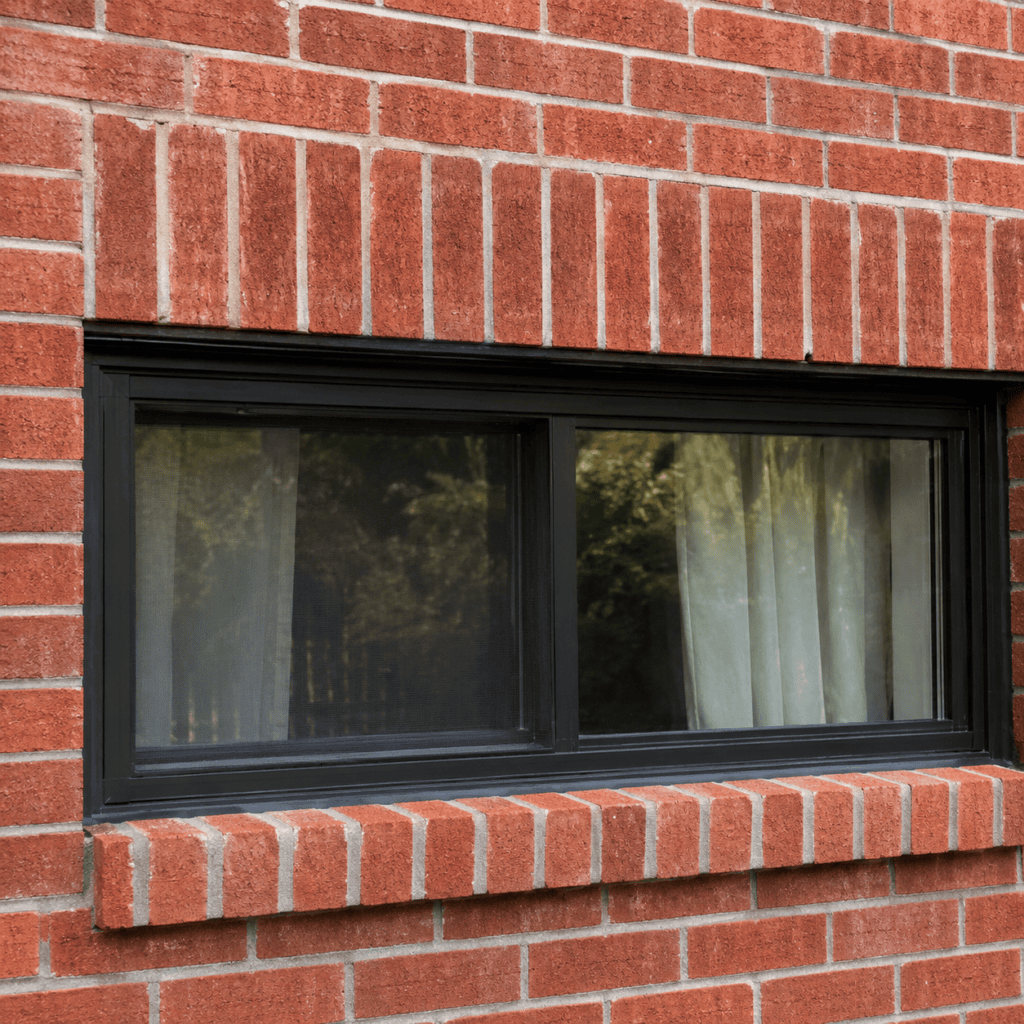
Soldier courses and rowlock details are special brick placements often used around windows, doors, caps, steps, garden walls, and decorative bands. A soldier course uses bricks standing vertically with the narrow face visible. A rowlock uses bricks laid on their narrow edge, often at sills, caps, or borders.
Architecturally, these details can define edges and create visual emphasis. A soldier course above a window can make the opening feel taller or more formal. A rowlock cap on a garden wall can create a finished top edge. These details may seem small, but they strongly affect the character of the masonry.
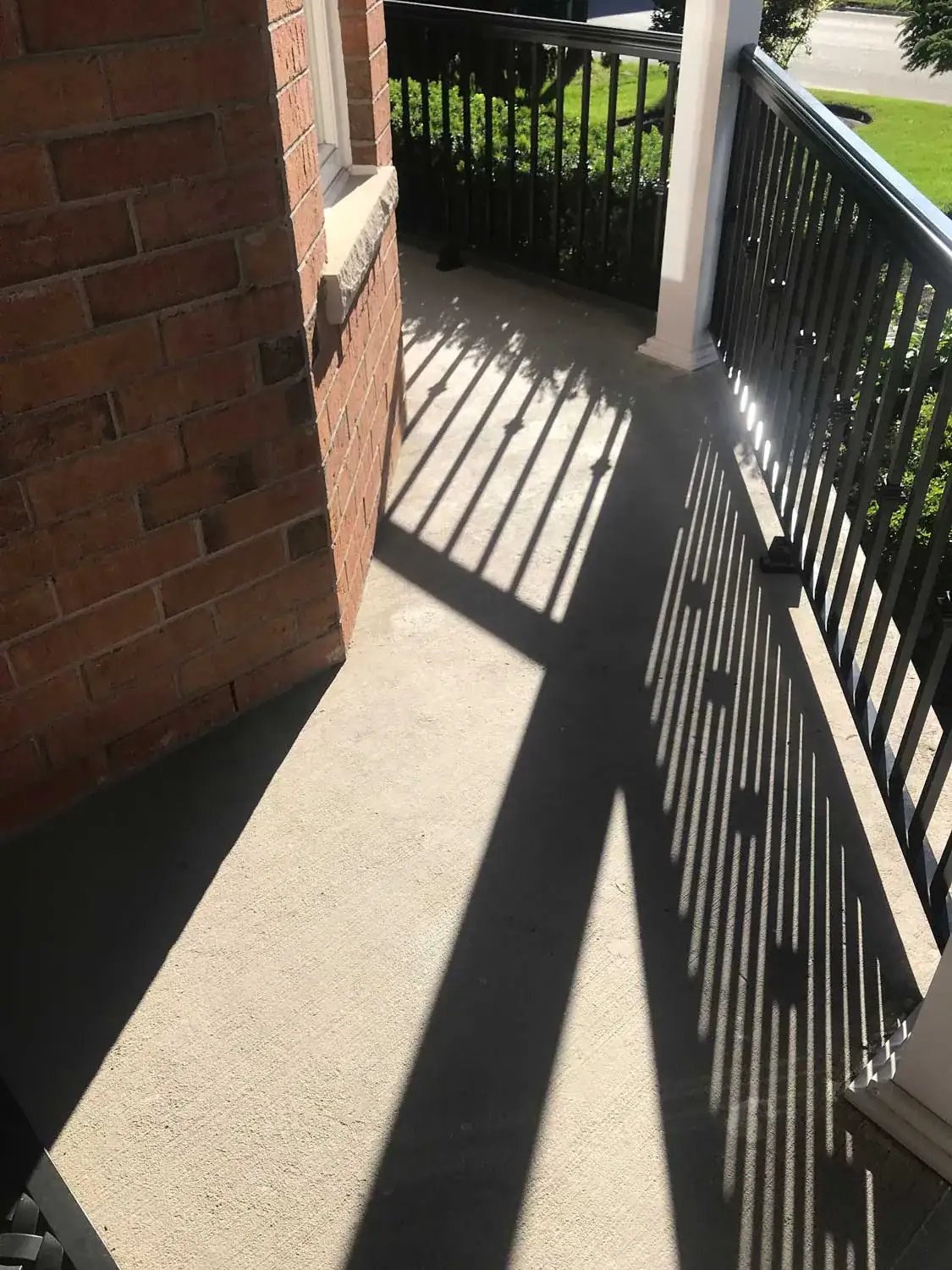
These areas are also common repair points because they often catch water. Window sills, caps, and exposed edges can deteriorate when mortar cracks, water sits, or freeze-thaw cycles open joints. If these details are repaired without matching the original layout, the change can be very noticeable.
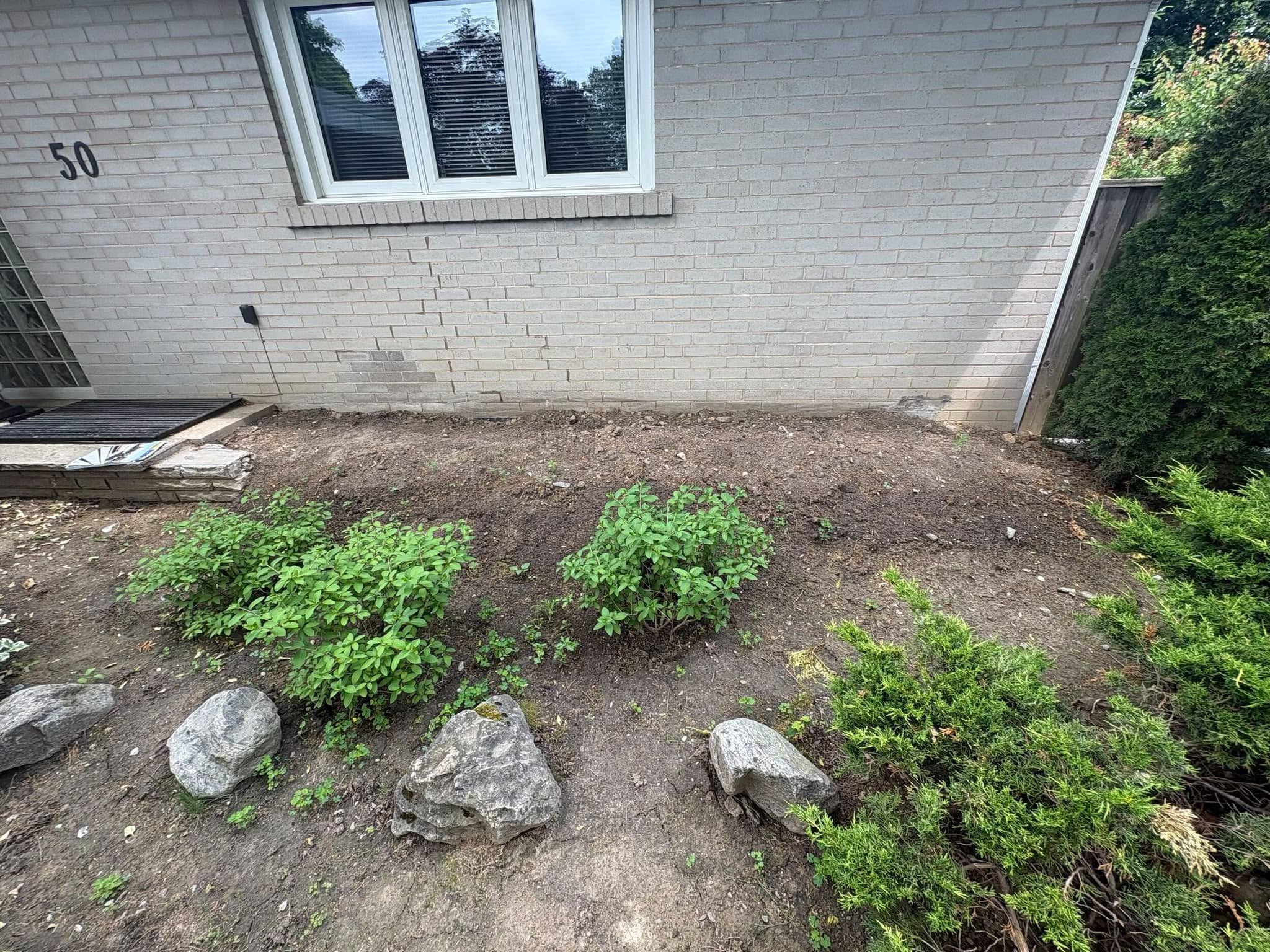
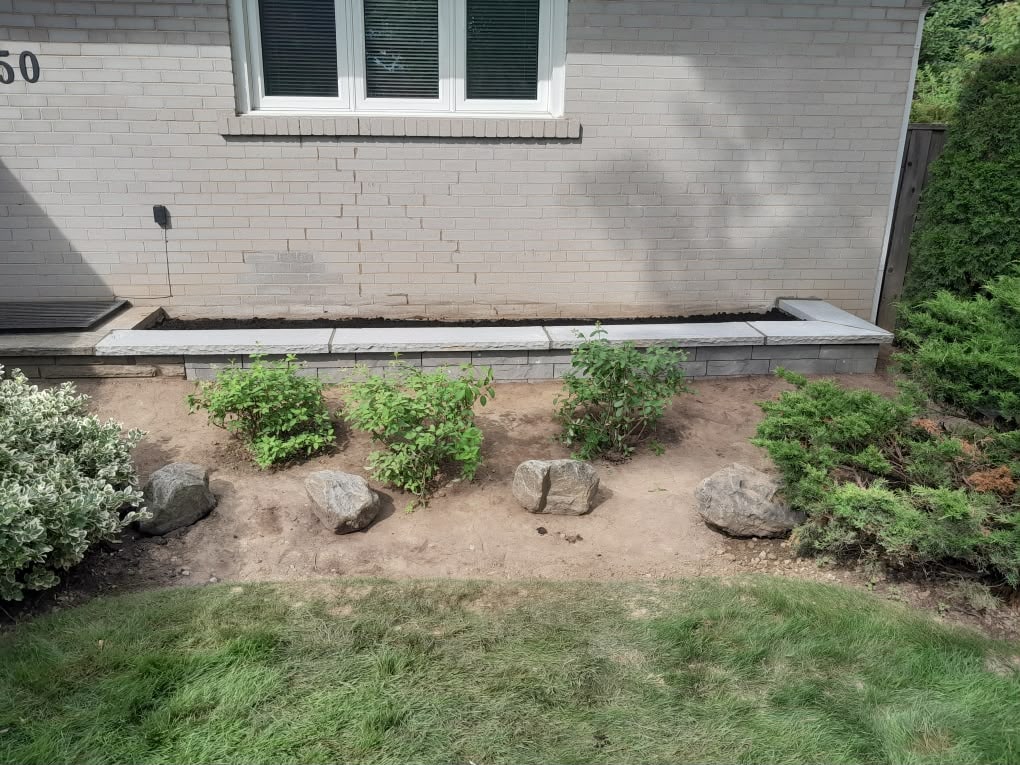
For damaged or mismatched units, A&A Masonry’s brick replacement Toronto page explains why matching brick size, colour, texture, and surrounding masonry is important.
What Brick Patterns Can Tell You About a Home
Brick patterns can give clues about a home’s age, style, construction method, and past repairs. They are not perfect proof on their own, but they are useful clues. A traditional bond may suggest older construction or a heritage-influenced design. A simple running bond may suggest modern veneer or a later addition. A sudden change in pattern may indicate a prior repair or alteration.
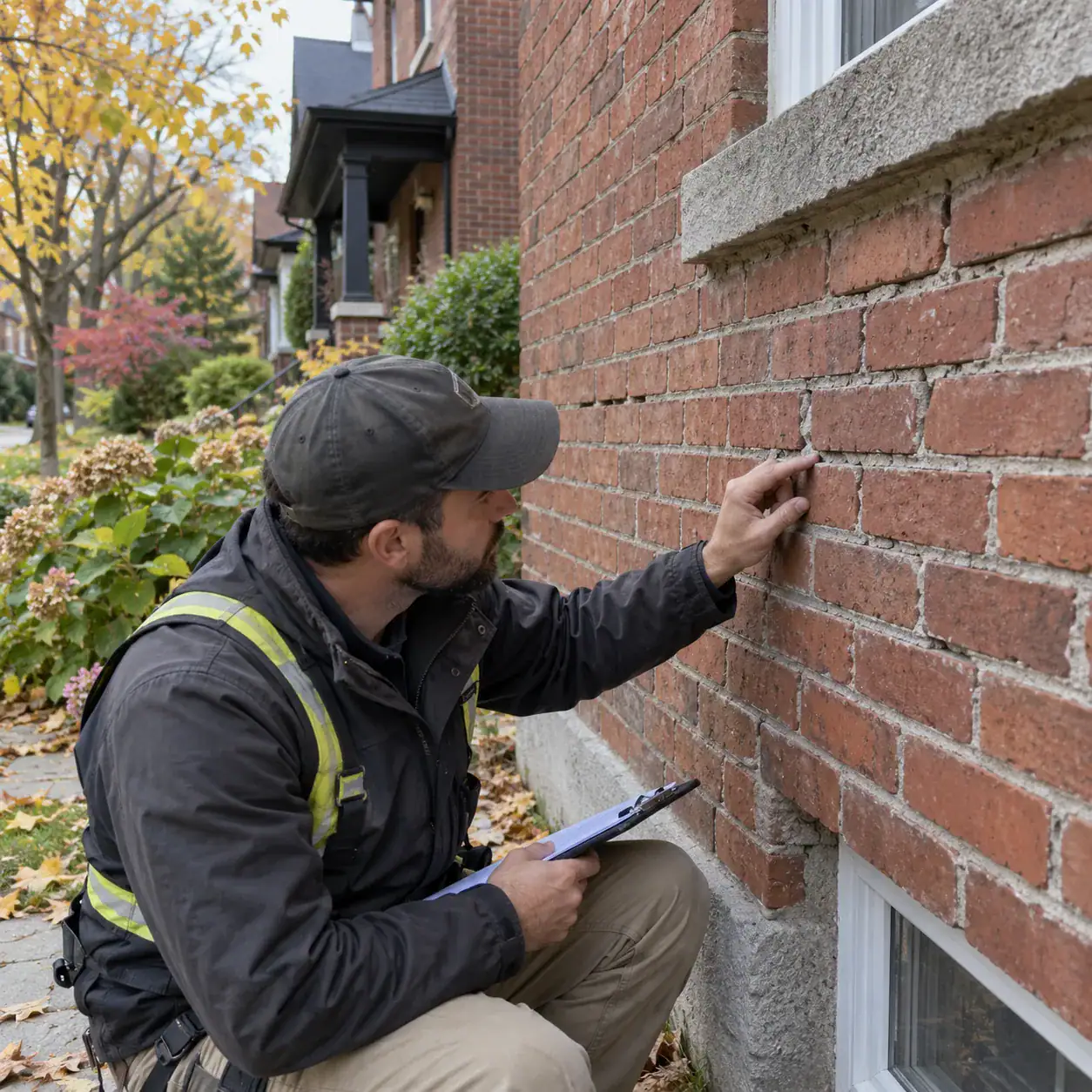
Homeowners can look for pattern changes around additions, chimneys, porches, window openings, garage conversions, and repaired wall sections. If the pattern changes suddenly, it may mean that a section was rebuilt. That is not automatically bad, but it should be checked for quality, water management, and material compatibility.
Patterns can also show whether a repair respected the original architecture. A good repair should not draw attention to itself. The brick, mortar, joint profile, course height, and bond should blend with the existing wall as much as possible.
Brick Patterns and Toronto Heritage Homes
Brick patterns are especially important on Toronto heritage homes and older neighbourhood properties because they contribute to architectural character. The bond, mortar joint, brick colour, and decorative details may all contribute to what makes the home visually significant.
The City of Toronto provides information on heritage preservation, including guidance on heritage properties and conservation. Parks Canada’s Standards and Guidelines for the Conservation of Historic Places in Canada also provide conservation principles for historic places. These resources are useful reminders that repair work on character-defining masonry should be approached carefully.
Even when a home is not formally designated, preserving original brick patterns can still matter. Many Toronto streets have a strong architectural rhythm because neighbouring houses share similar brickwork, window details, porch styles, and masonry proportions. A mismatched repair can disrupt that rhythm.

Why Pattern Matching Matters in Brick Repair
Pattern matching matters in brick repair because even small layout differences can make a repair stand out. A homeowner may focus on finding the right brick colour, but the pattern, joint spacing, mortar colour, and joint finish also need to align.
For example, a repair to a running bond wall should maintain the correct stagger. A Flemish bond repair must keep the header-stretcher sequence. A soldier course above a window should match the height, spacing, and alignment of nearby openings. If the pattern is wrong, the repair can look like a patch even if the materials are close.
Pattern matching also affects how the wall sheds water. Poorly planned repairs around sills, caps, and exposed details can leave places where water sits. In Toronto’s freeze-thaw climate, this can lead to cracking, spalling, and mortar deterioration.
For mortar-related repairs, A&A Masonry’s page on tuckpointing services in Toronto explains why joint repair and proper mortar work are important for brick durability.
Common Mistakes When Changing Brick Patterns
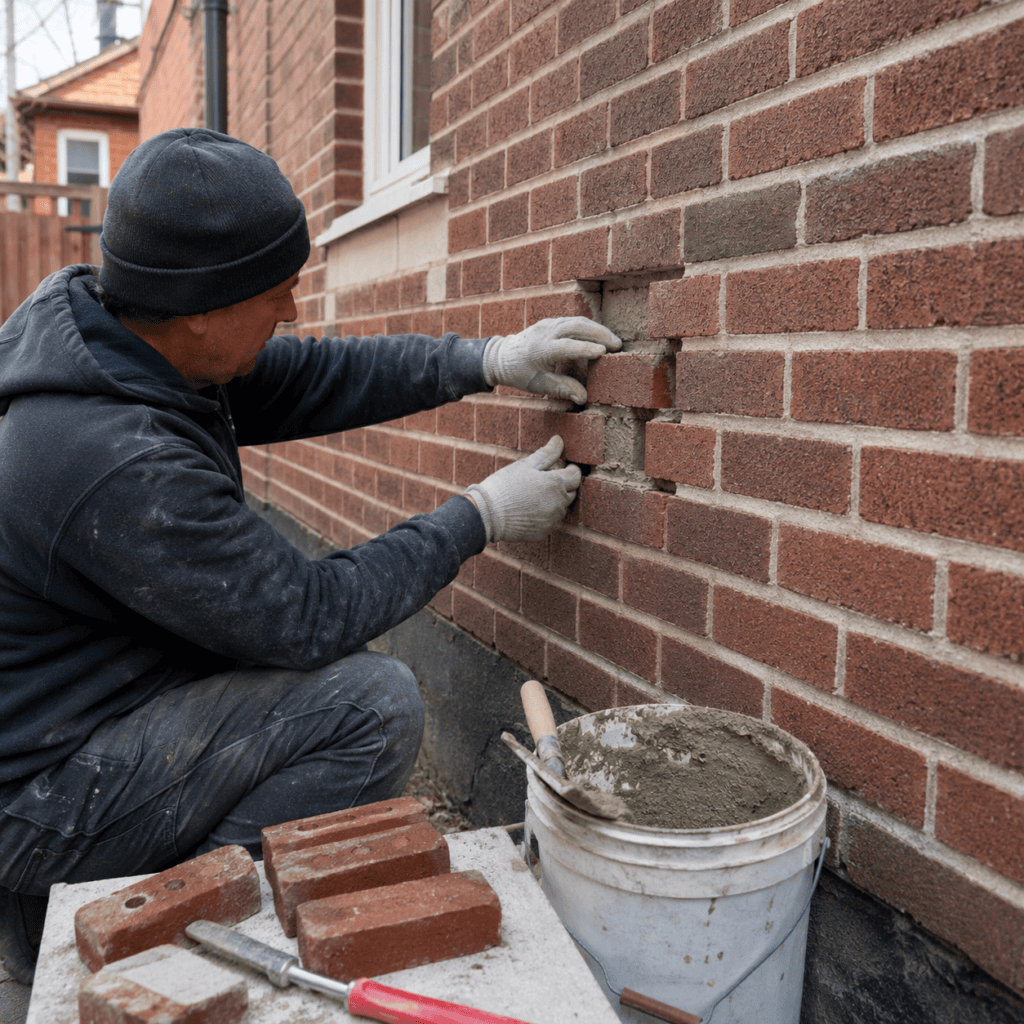
Changing brick patterns can work in some design projects, but it should be done intentionally. Random pattern changes usually look like poor repair work, especially on visible façades.
- Using a modern pattern on an older façade: A sharp new layout can clash with traditional brickwork.
- Ignoring existing course heights: New brick rows that do not align with old rows make repairs obvious.
- Mixing mortar styles: A different joint profile can stand out even when the brick matches.
- Breaking decorative details: Soldier courses, rowlocks, and header rows should be continued carefully.
- Changing patterns at additions: Additions can appear disconnected when the bond to the original home is not clear.
- Choosing pattern over drainage: Decorative brickwork still needs to shed water properly.
The safest approach is to respect the existing pattern on visible repairs and use intentional contrast only when the design clearly supports it.
What Homeowners Can Check Before Repair or Restoration
Homeowners can check several details before planning brick repair or restoration. These observations help explain the project clearly and reduce the risk of mismatched work.
- Identify the main pattern: Look at whether the wall uses running bond, Flemish bond, English bond, common bond, or another layout.
- Look for pattern changes: Sudden changes may show past repairs, additions, or rebuilt sections.
- Check mortar joints: Note whether joints are recessed, rounded, flush, cracked, or missing.
- Compare brick size: Older bricks may not match modern sizes exactly.
- Check texture and weathering: New brick can stand out if it is too smooth, too uniform, or too bright.
- Photograph decorative details: Soldier courses, arches, sills, and rowlocks should be documented before work starts.
- Watch for water issues: Staining, spalling, and efflorescence may indicate more than just pattern repair.
These steps do not replace a professional inspection, but they help homeowners understand what makes their brickwork unique.
When Professional Help Makes More Sense
Professional help makes more sense when the brickwork is older, damaged, decorative, heritage-sensitive, or highly visible from the street. Pattern matching requires more than replacing broken bricks. It requires understanding how the wall was built and how the repair will look after it weathers.
A professional mason can assess the bond pattern, brick size, mortar condition, moisture damage, and surrounding wall movement. They can also recommend whether the project needs brick repair, brick replacement, tuckpointing, restoration, or a broader masonry repair plan.
For a broader view of repair and restoration options, A&A Masonry’s masonry services in Toronto page outlines related services, including brick repair, tuckpointing, stone masonry, concrete repair, chimney repair, and exterior restoration.
Quick Guide to Brick Patterns
A quick pattern guide can help homeowners understand what they are seeing before planning repairs.
- Running bond: Simple staggered pattern, common on residential veneers and modern walls.
- Stack bond: Straight vertical joints, often modern or decorative, are very sensitive to alignment.
- Flemish bond: Alternating headers and stretchers in each row, decorative and traditional.
- English bond: Alternating rows of headers and stretchers, strong and traditional in appearance.
- Common bond: Several stretcher rows with occasional header rows, practical and often seen in older work.
- Herringbone: Zigzag layout, decorative and common for patios, walkways, and feature panels.
- Basketweave: Paired horizontal and vertical bricks, often used for paths and garden areas.
- Soldier course: Vertical bricks used around openings, caps, bands, and decorative features.
- Rowlock: Bricks laid on edge, often used for sills, caps, borders, and wall tops.
The right pattern depends on the home, the repair area, the original masonry, and the purpose of the surface.
Final Thoughts on Brick Patterns and Architecture
Brick patterns and their architectural meanings can help homeowners better understand their homes. A wall’s bond can suggest age, style, construction method, decoration, past repairs, and design intent. It can also guide the approach to brick repair or restoration.
For Toronto and GTA homes, pattern matching is especially important because many properties rely on brickwork for curb appeal and neighbourhood character. Repairing the damage is only part of the job. The repaired area should also respect the wall’s original rhythm.
Before changing, repairing, or restoring brickwork, look closely at the existing pattern. The bond, brick size, mortar joint, colour variation, and decorative details all matter. When those details are handled carefully, masonry repairs can protect the home while preserving its architectural character.