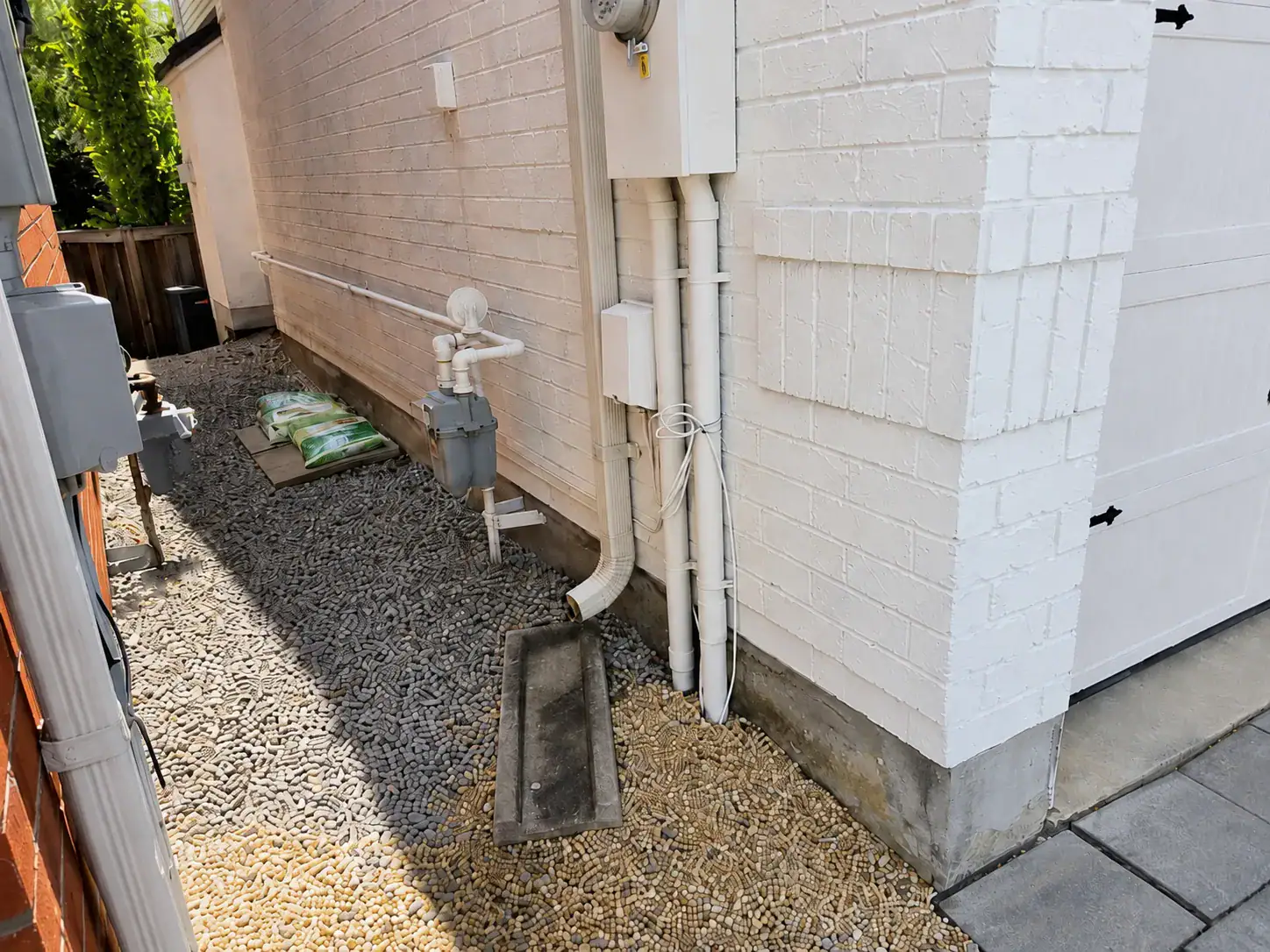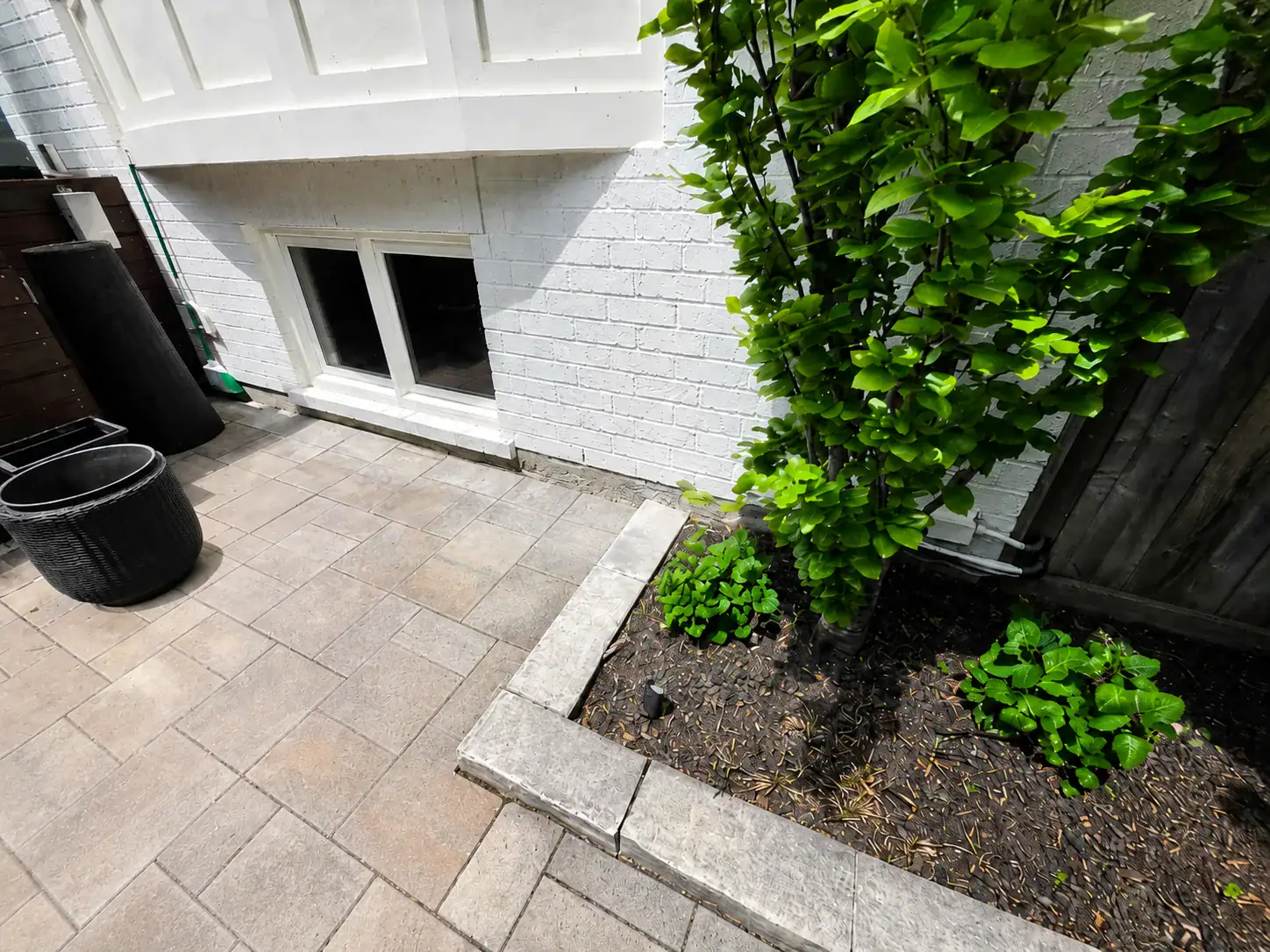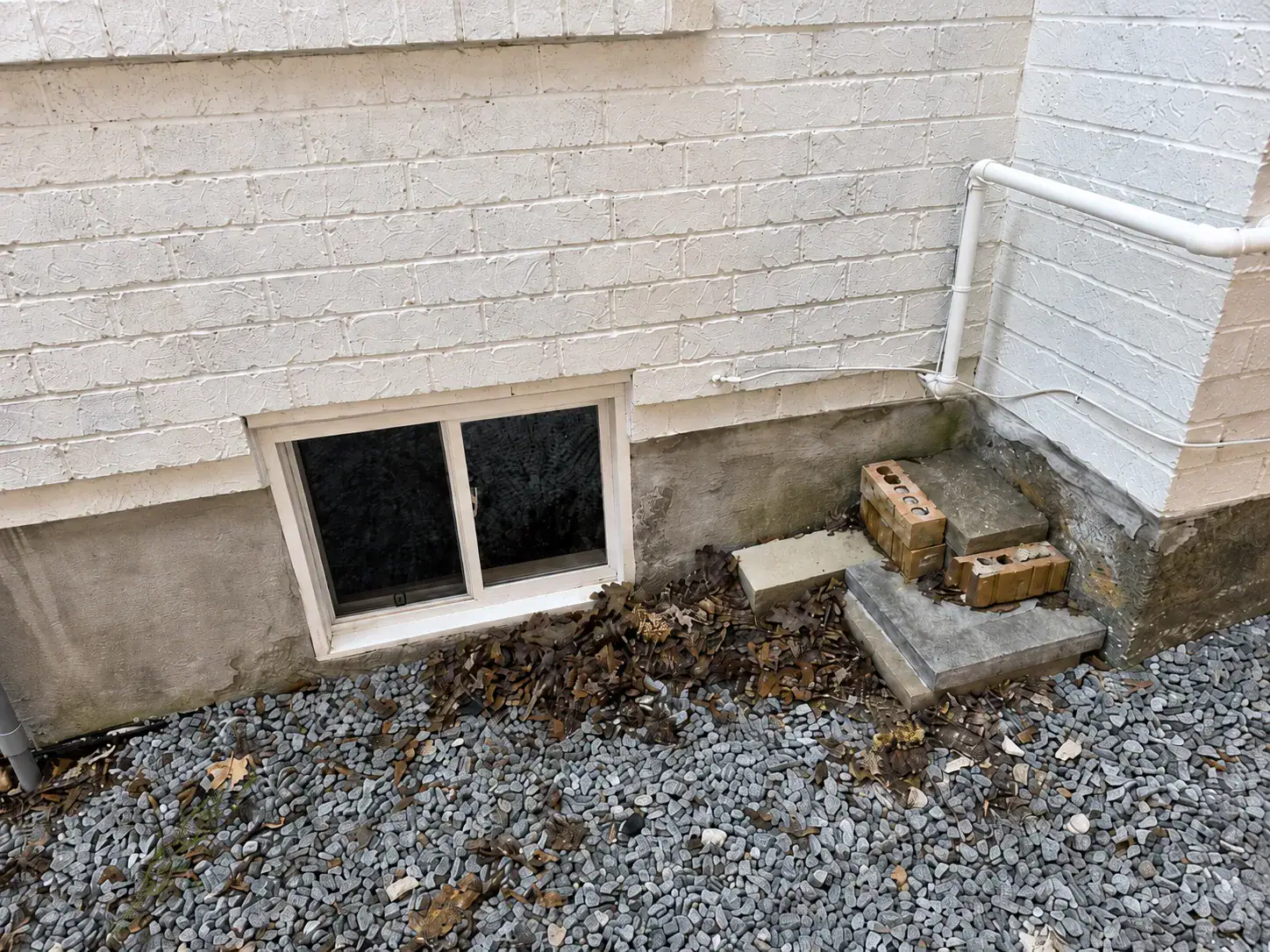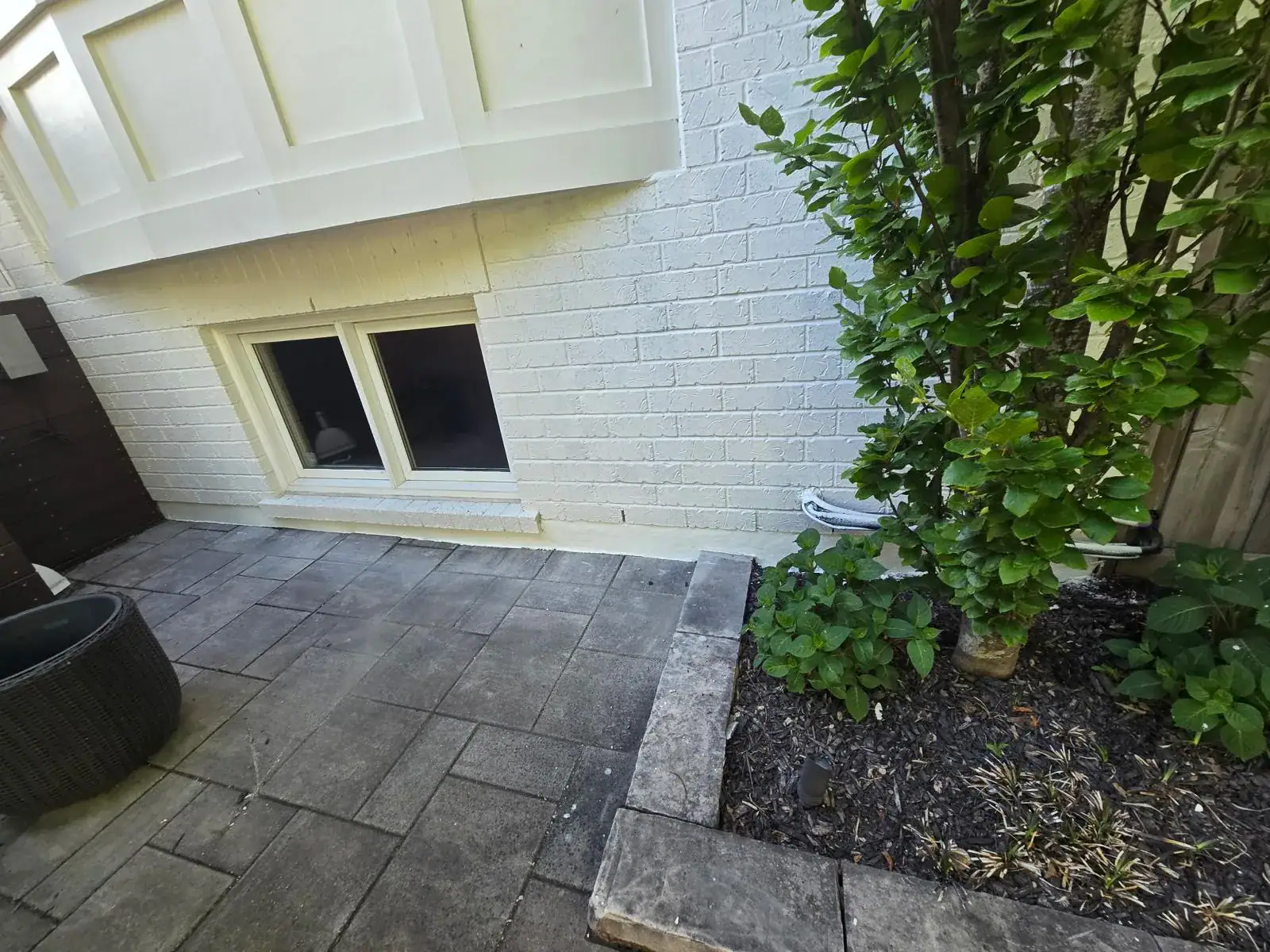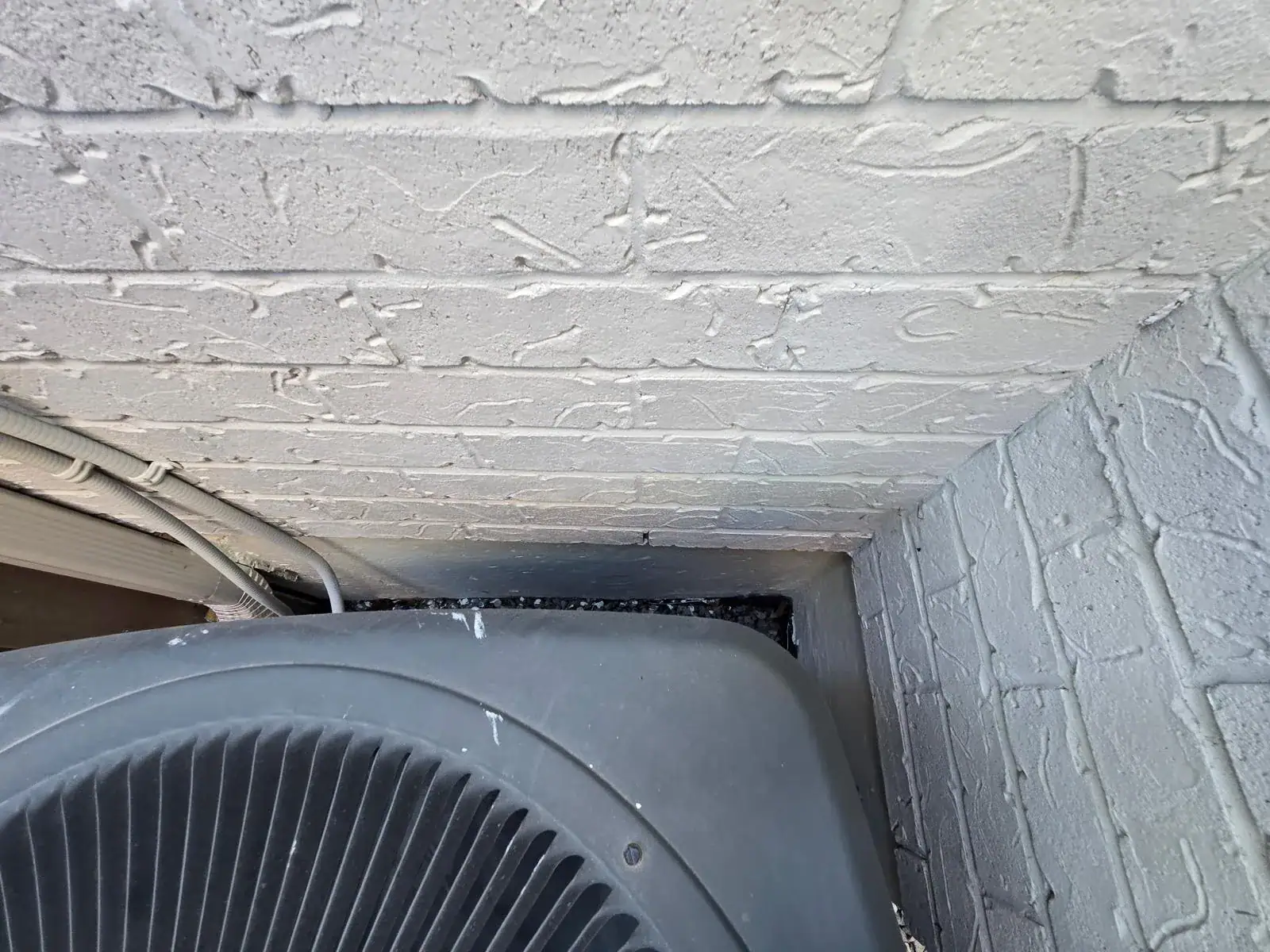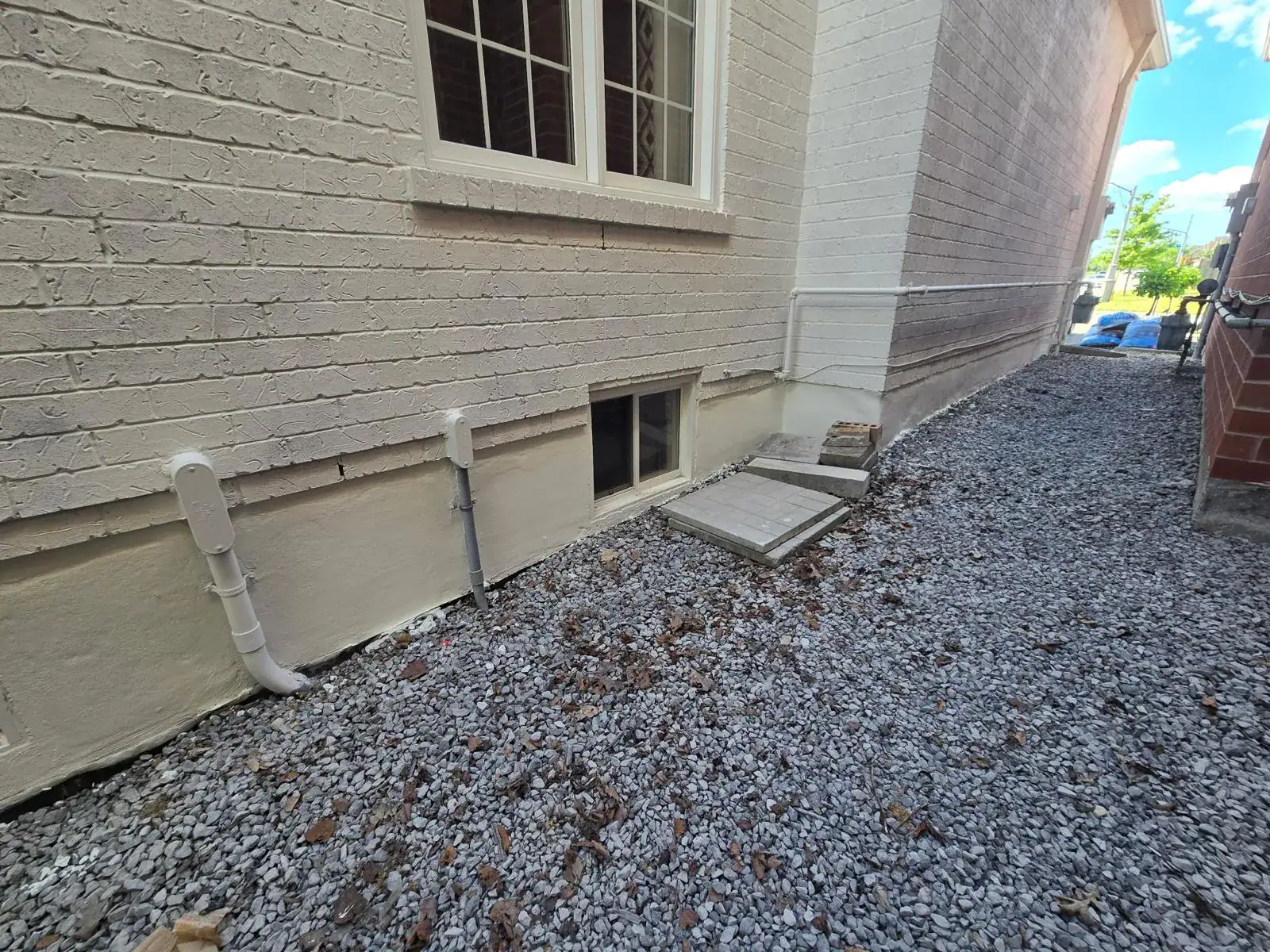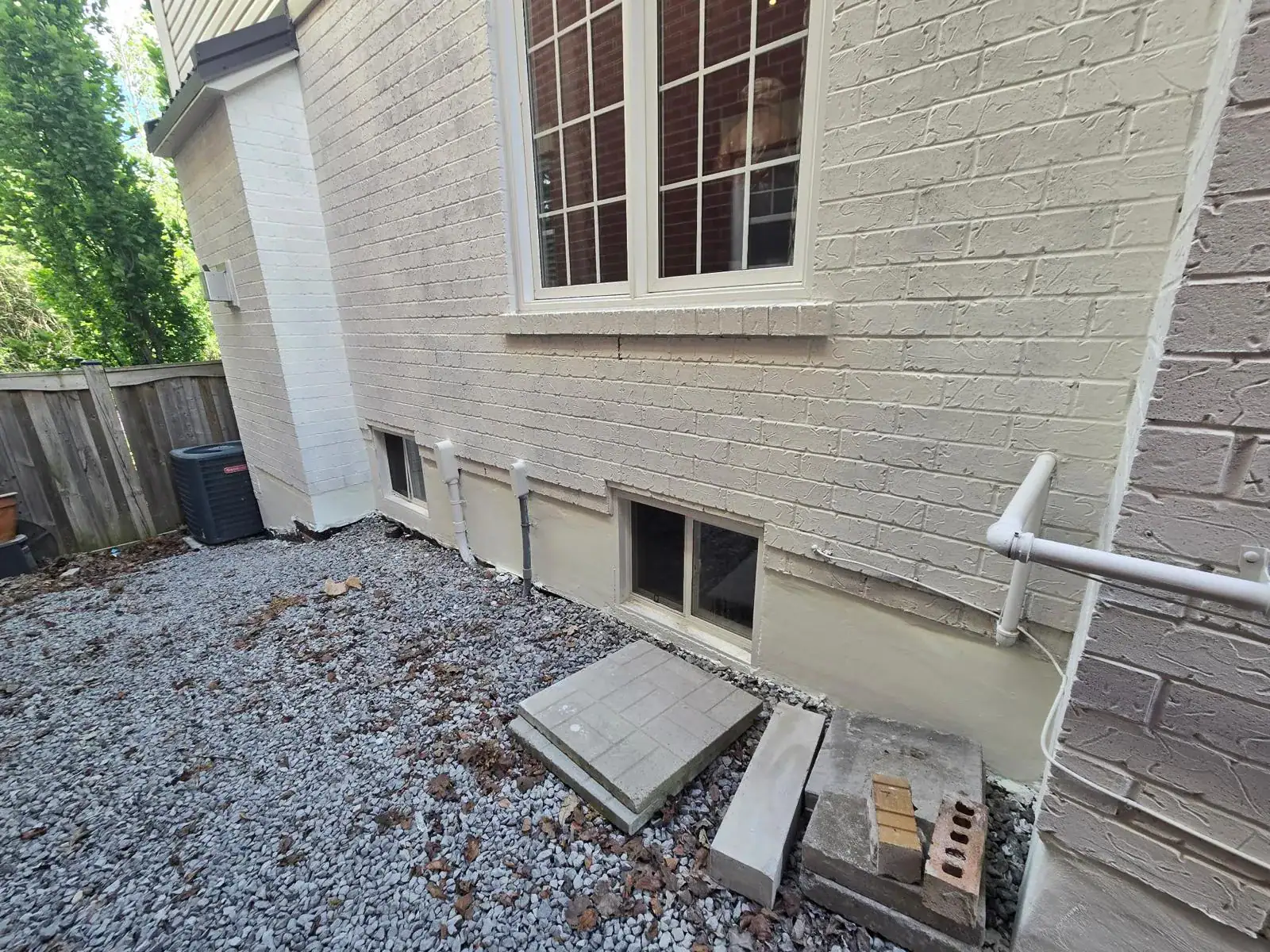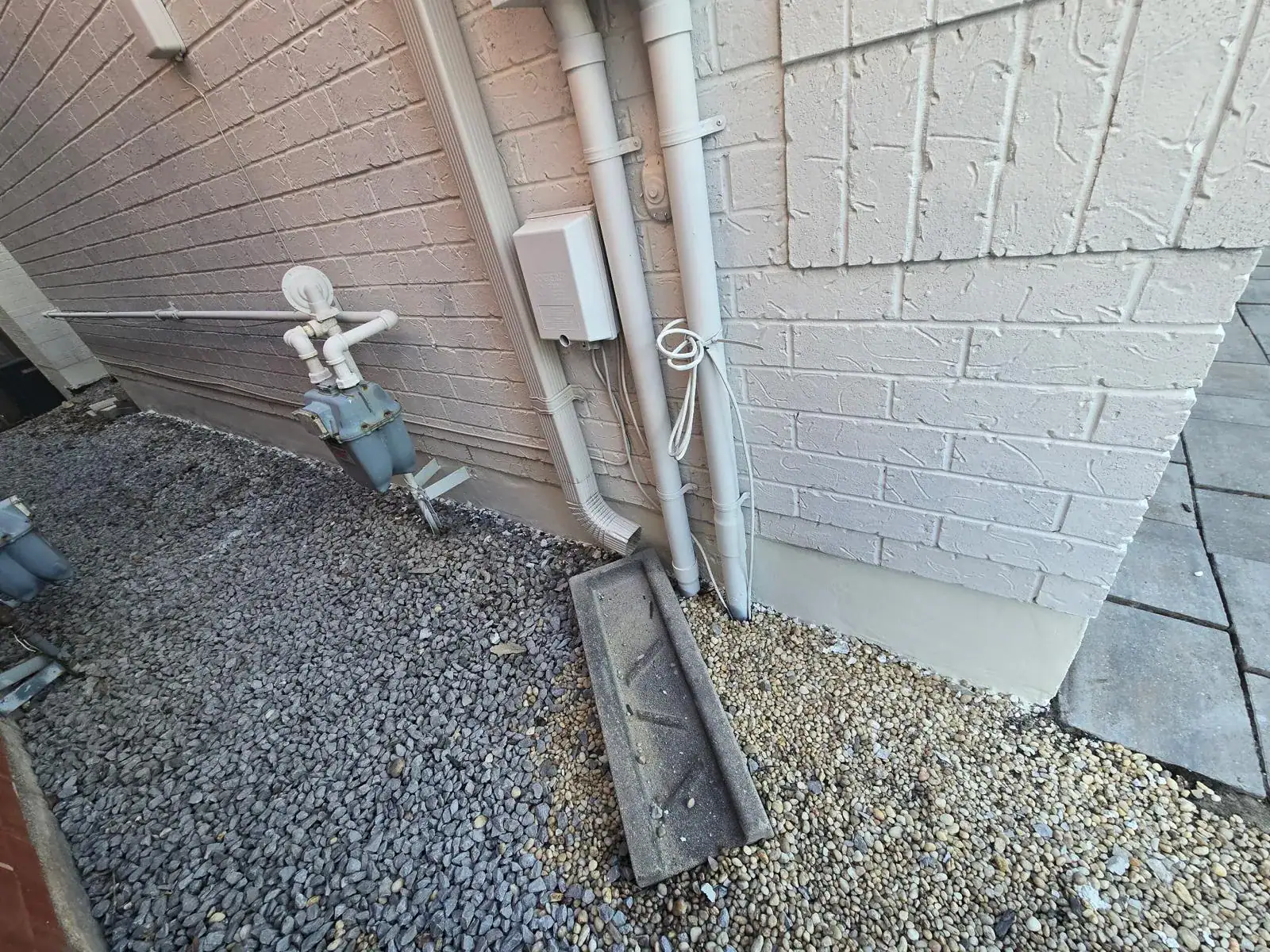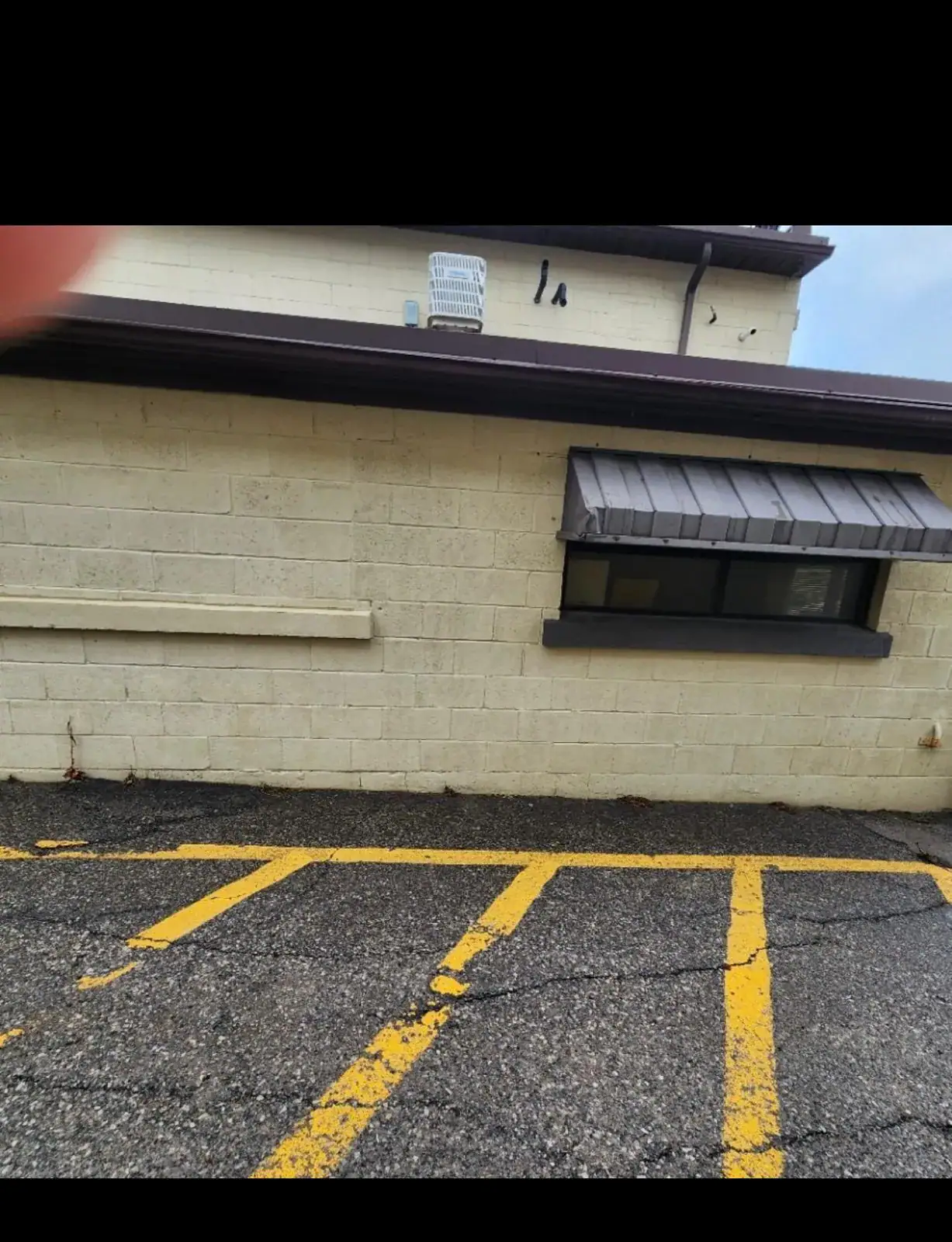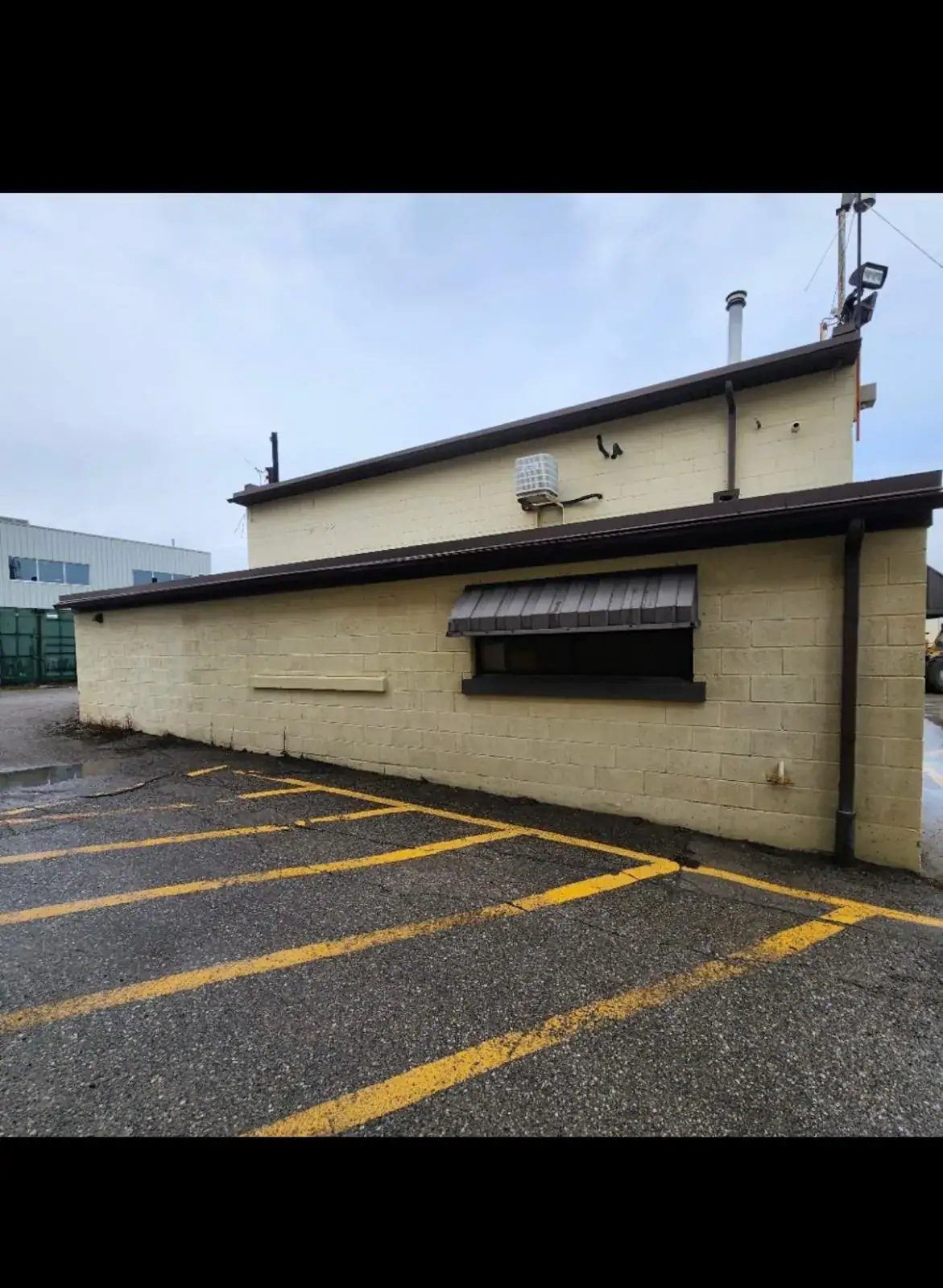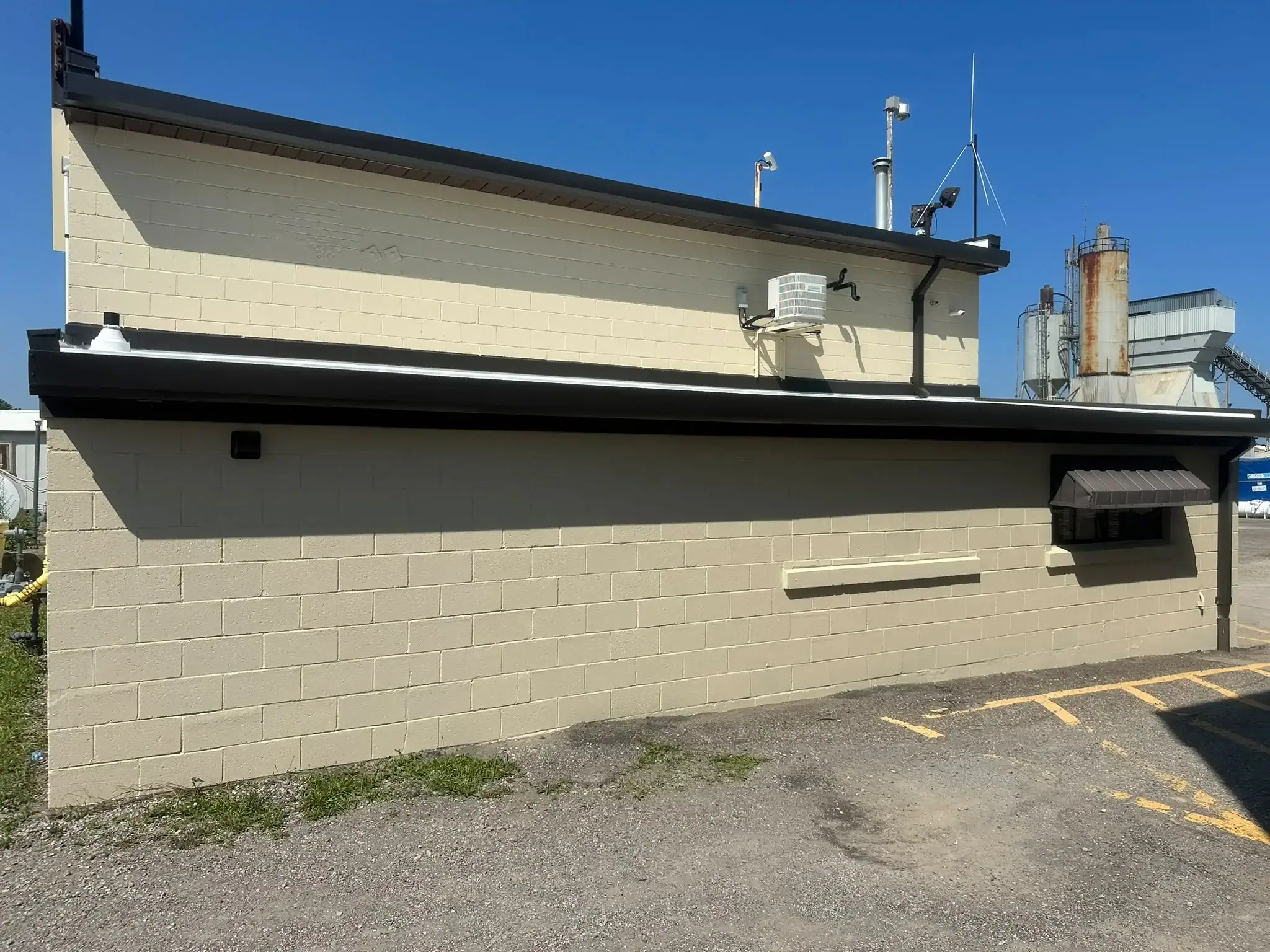
What Is Masonry?
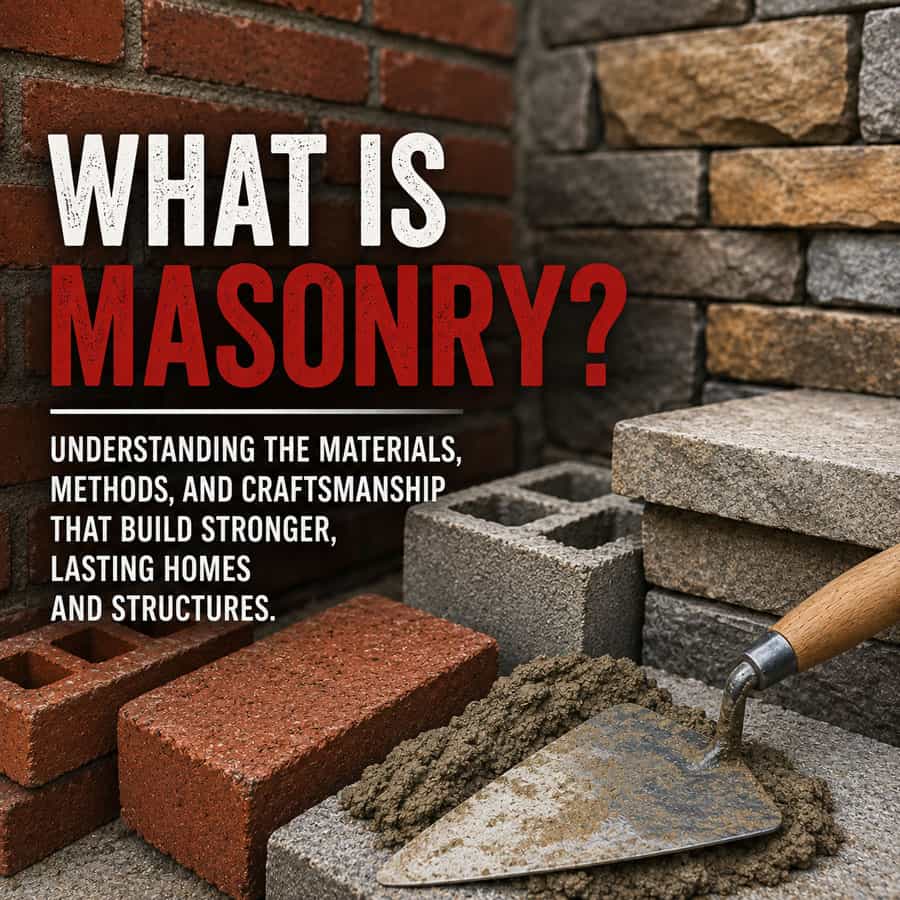
Masonry is one of the oldest and most dependable forms of construction. It involves building, repairing, or restoring structures using individual materials such as brick, natural stone, concrete block, or manufactured stone, held together with mortar.
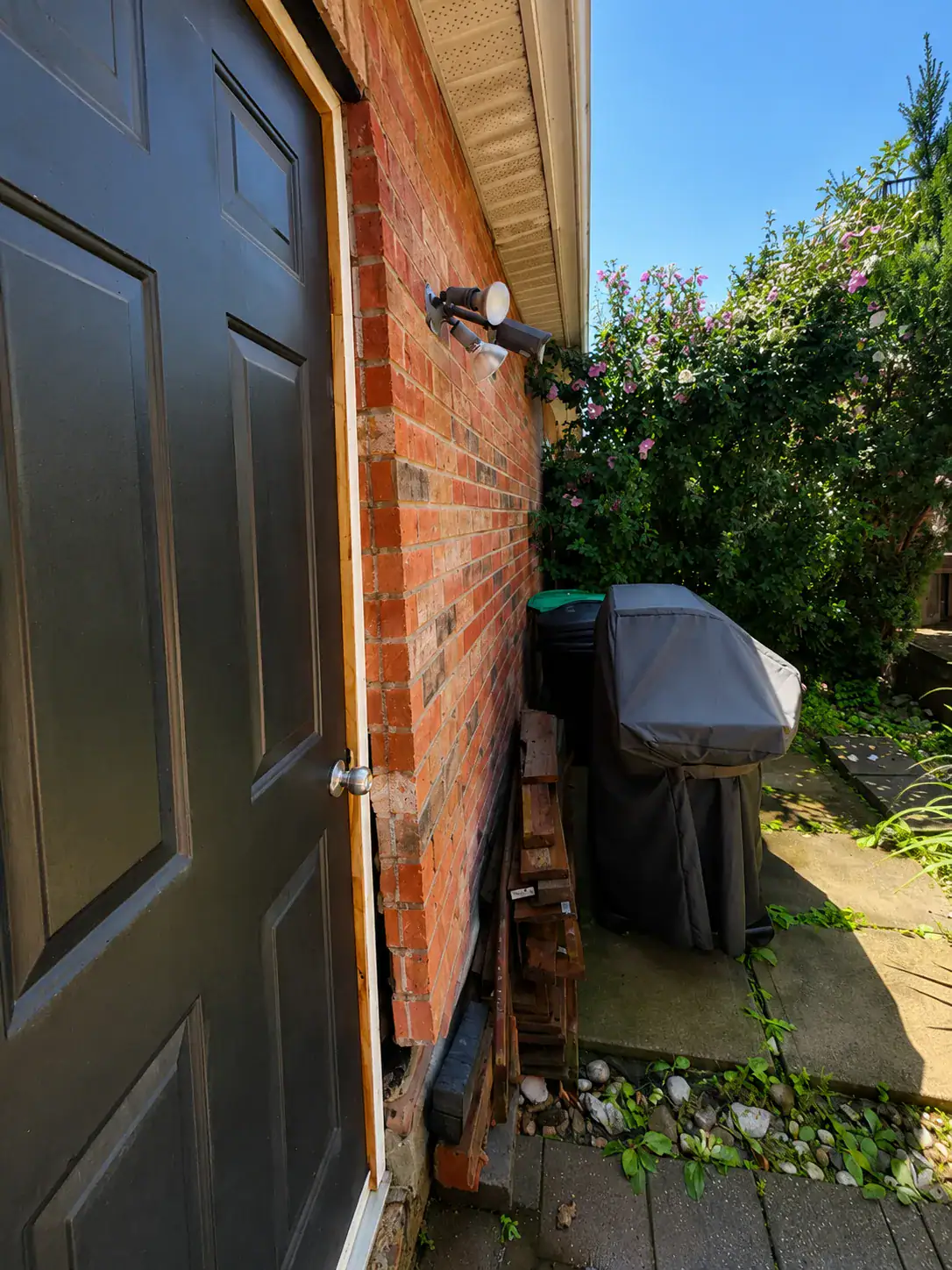
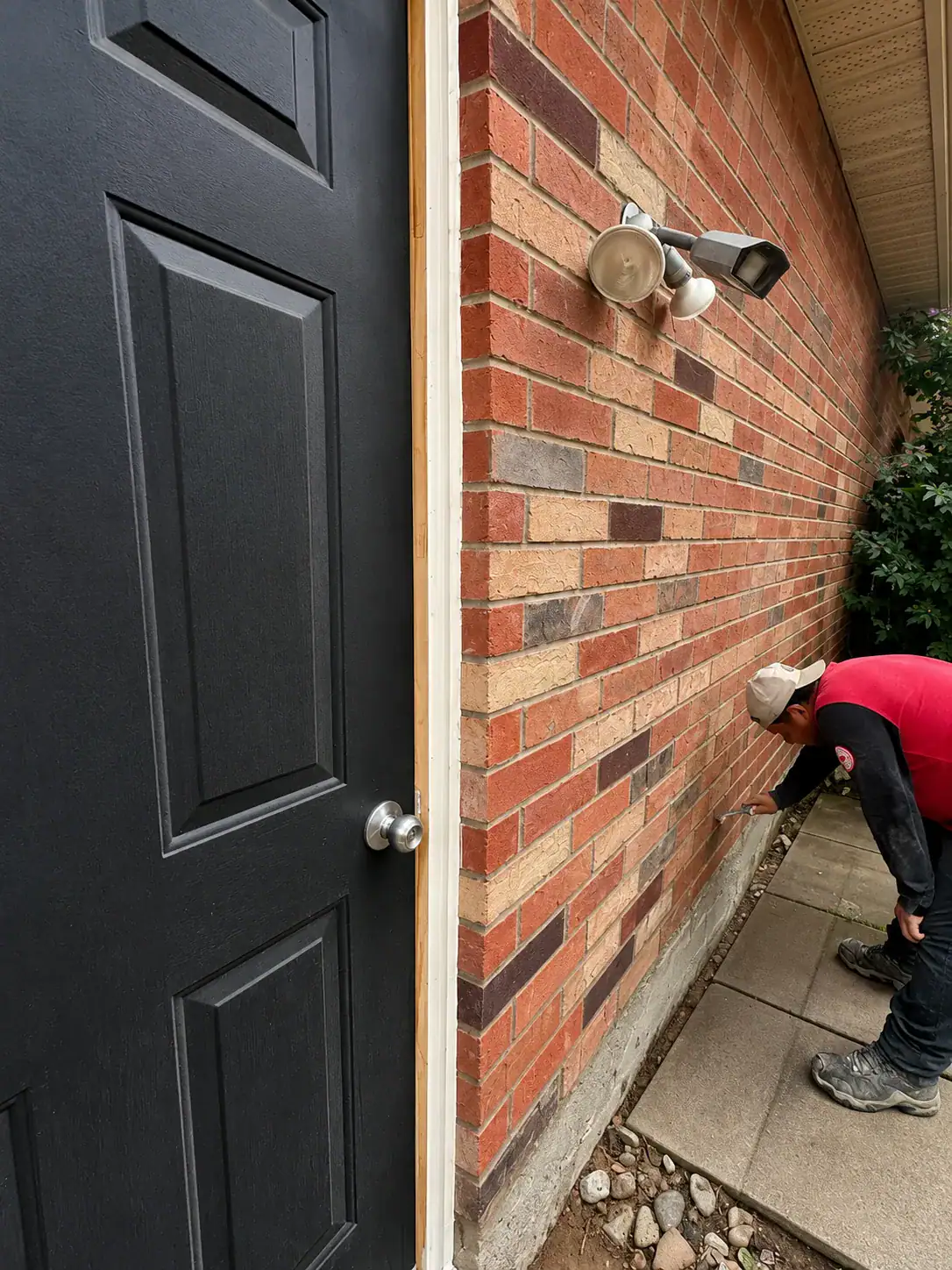
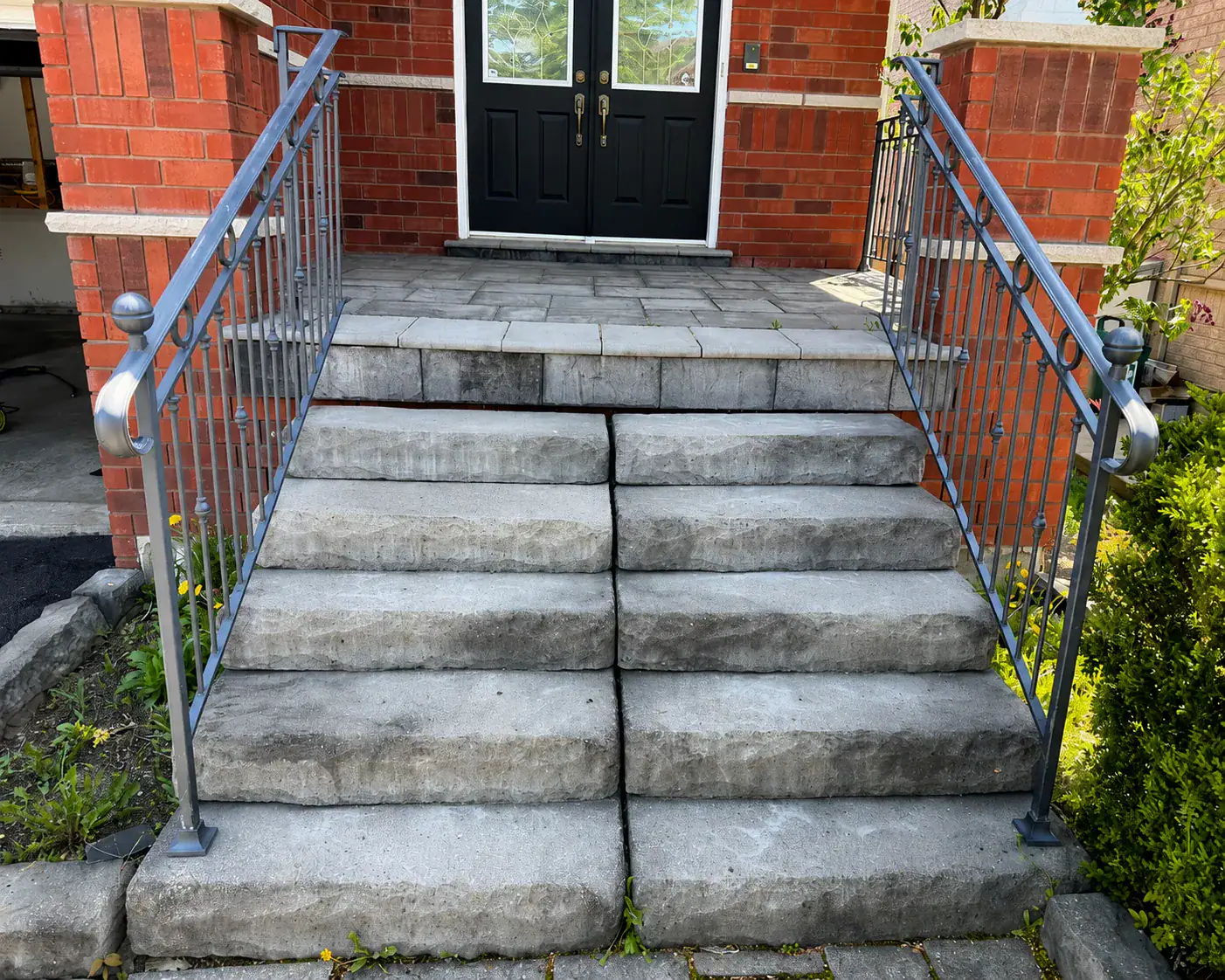
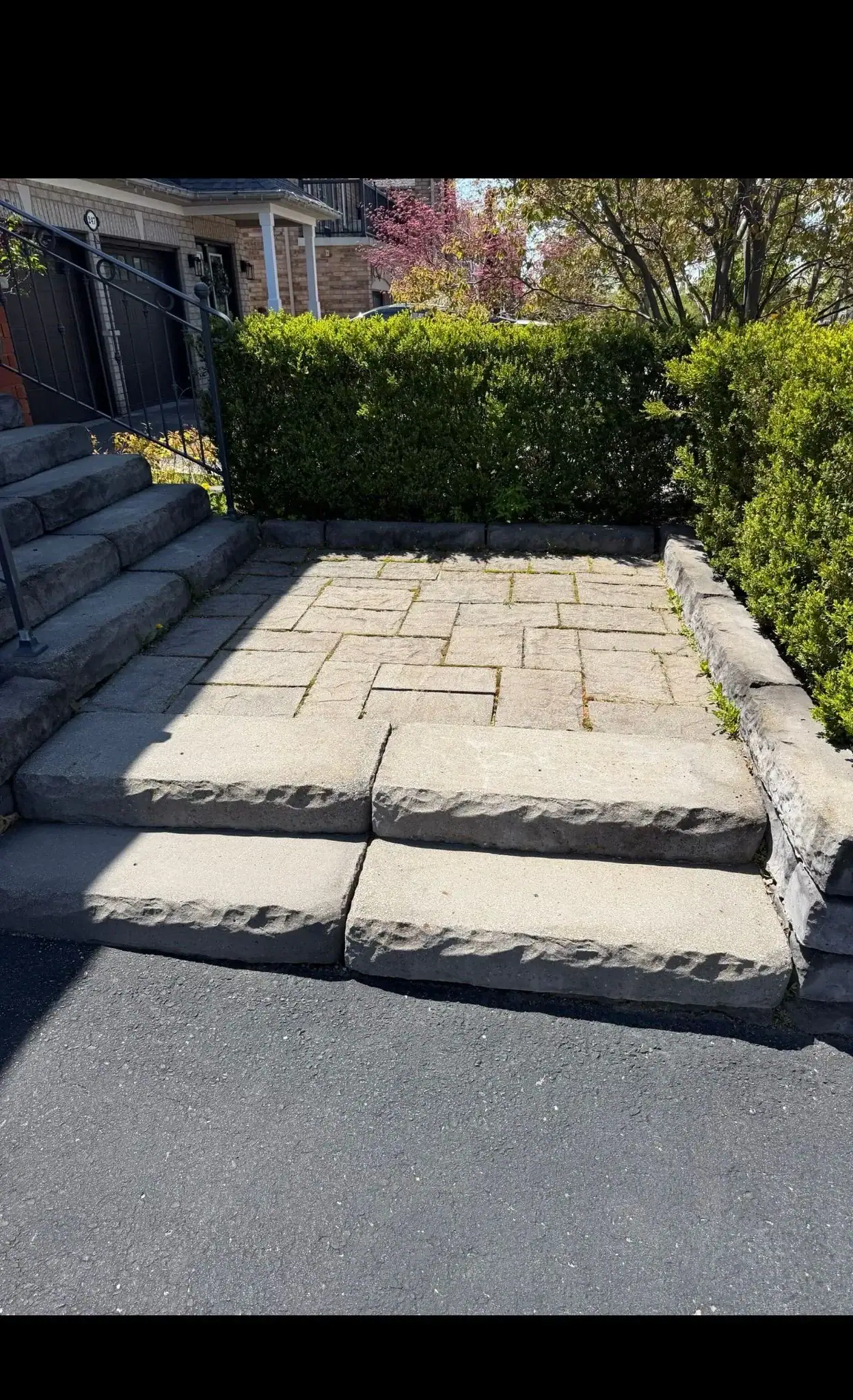
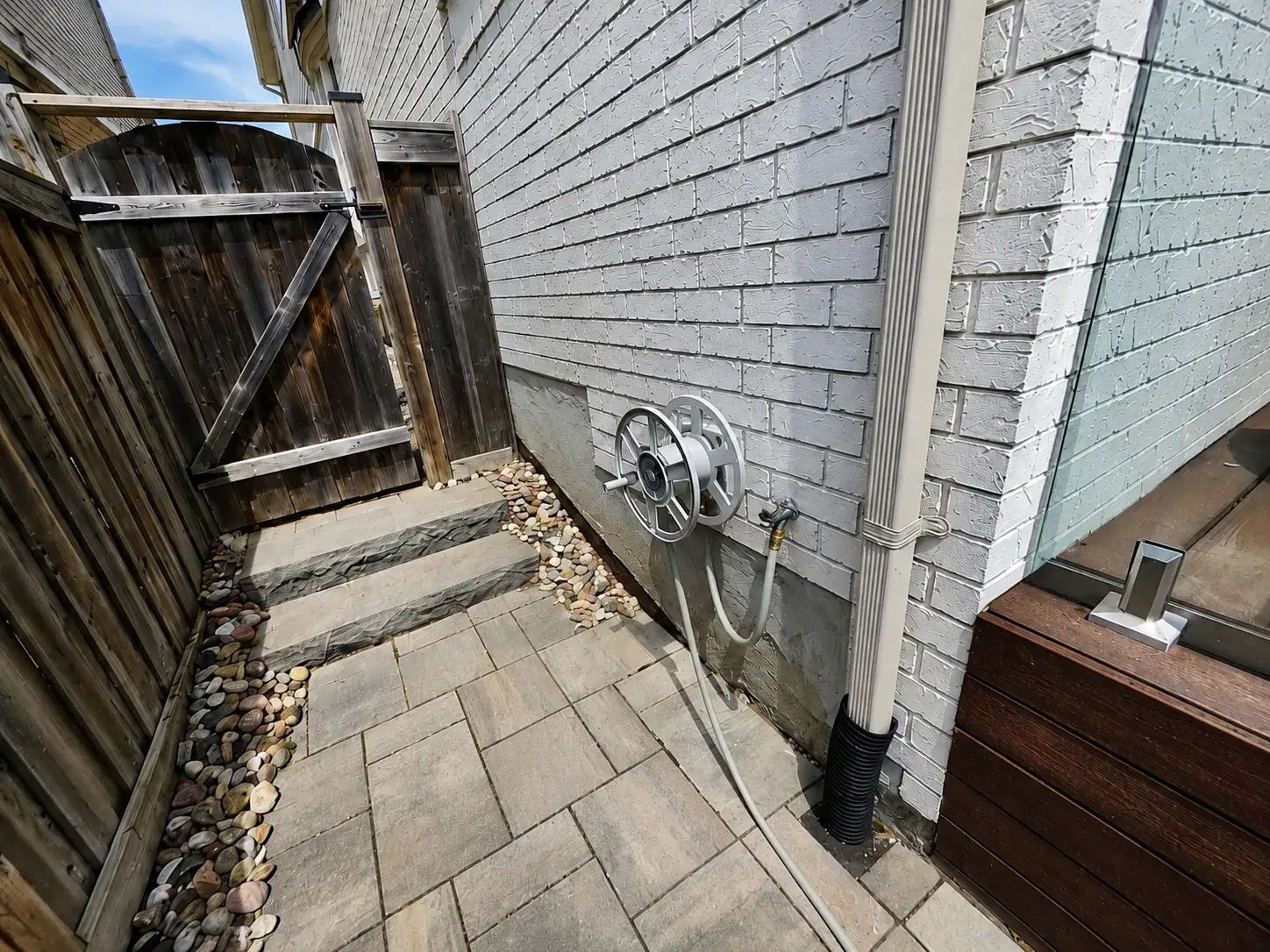
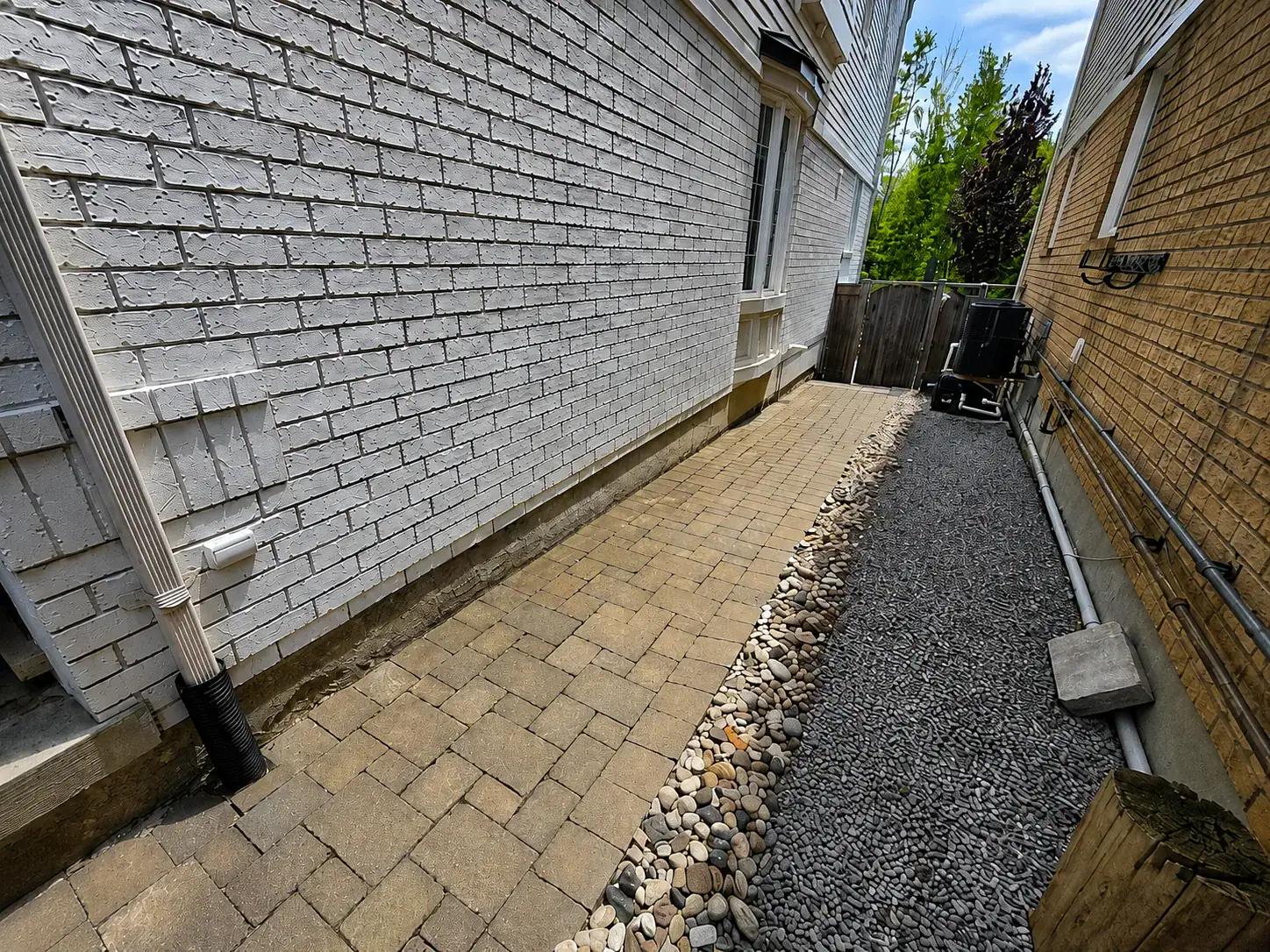
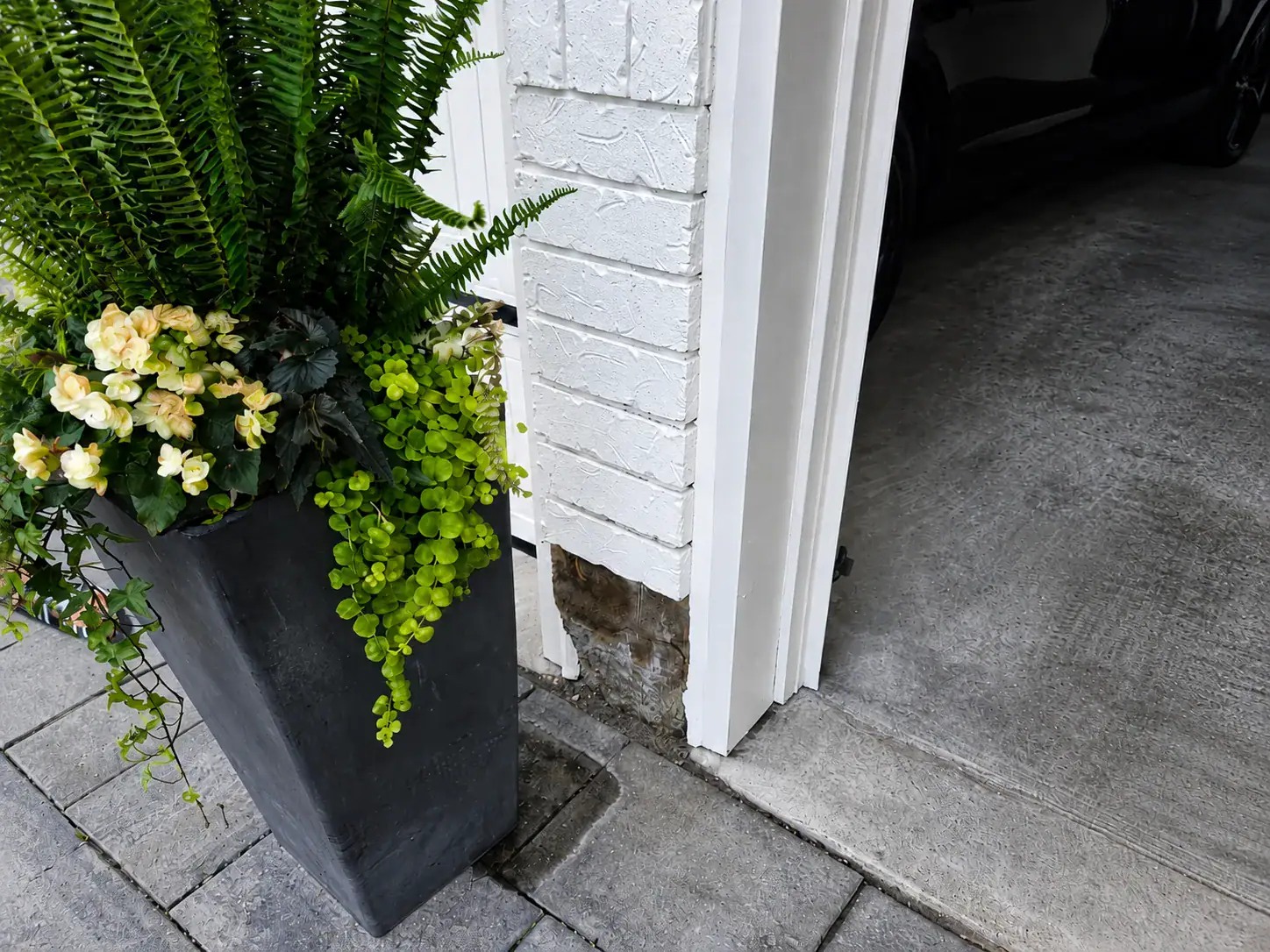
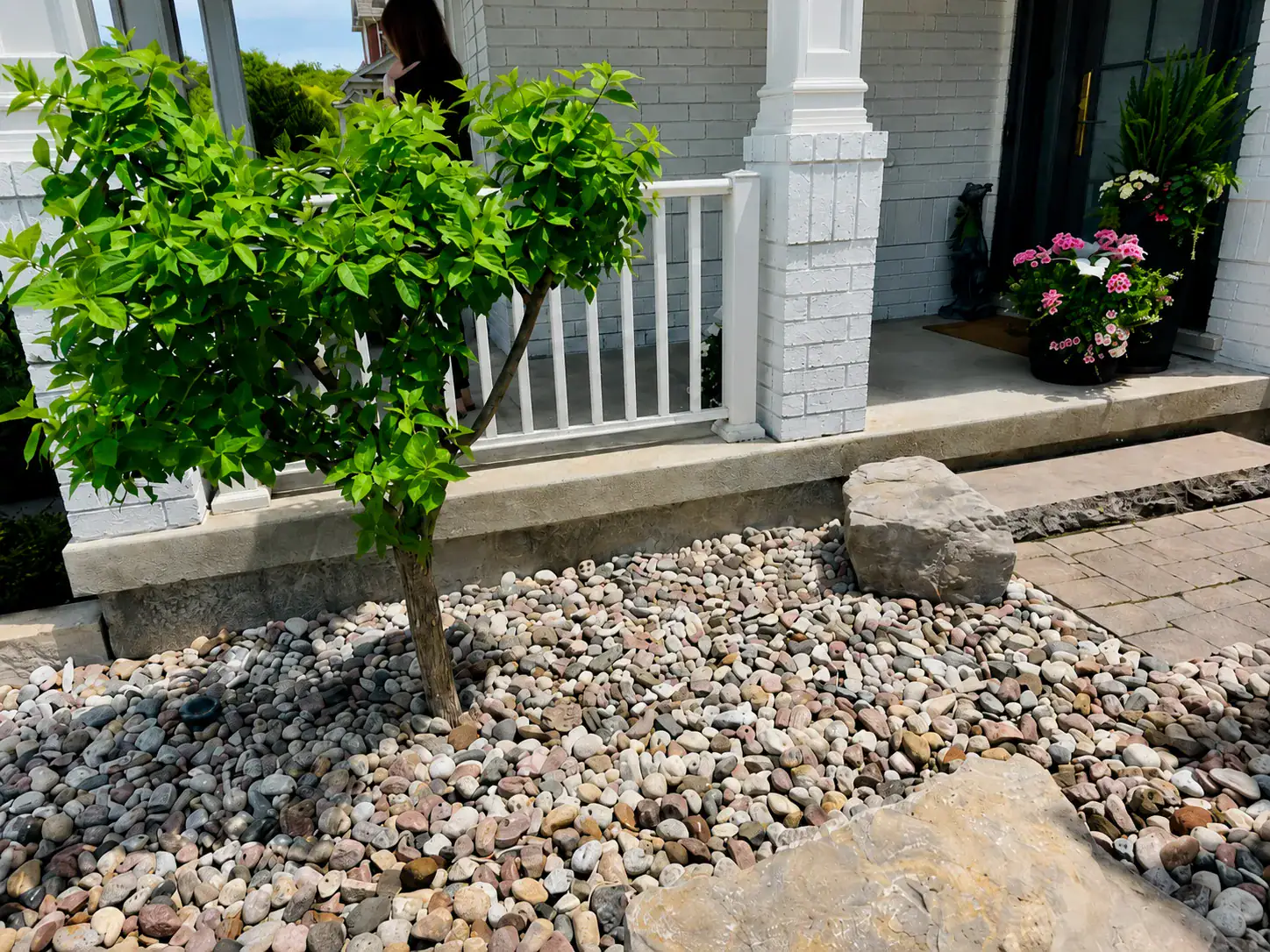
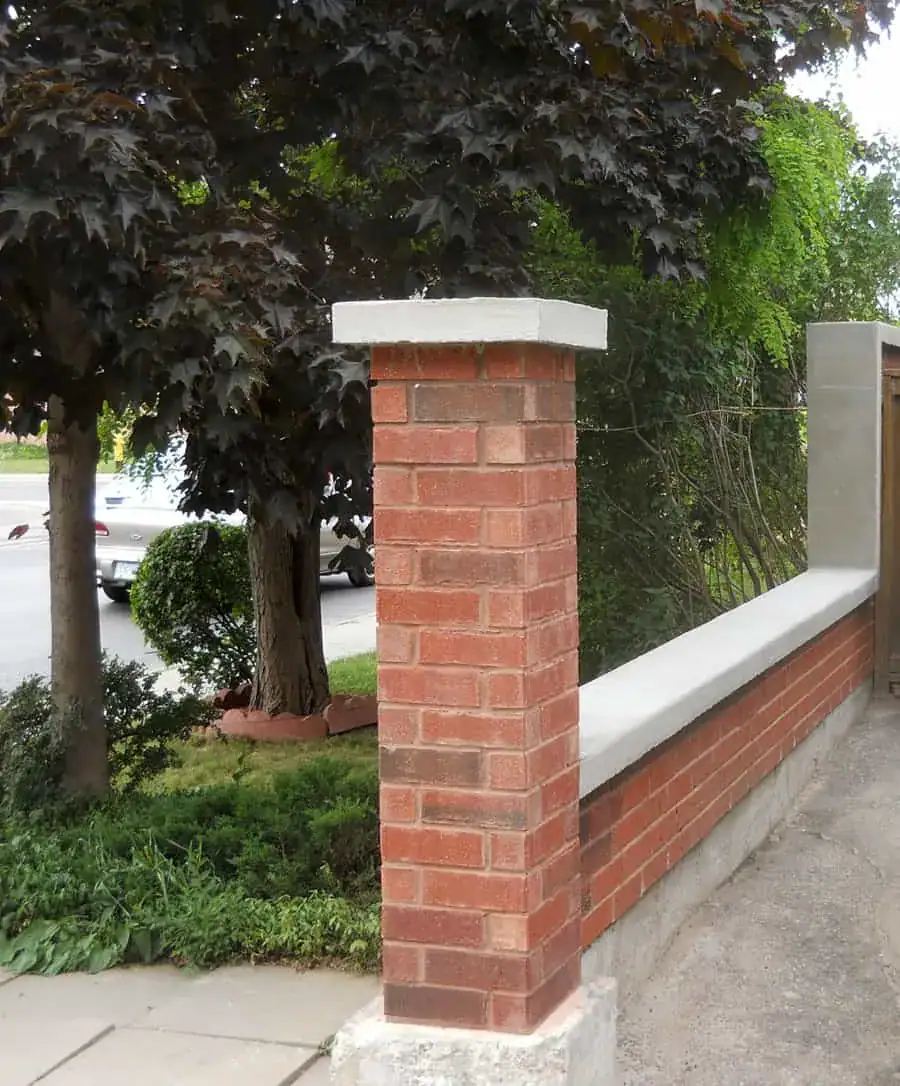
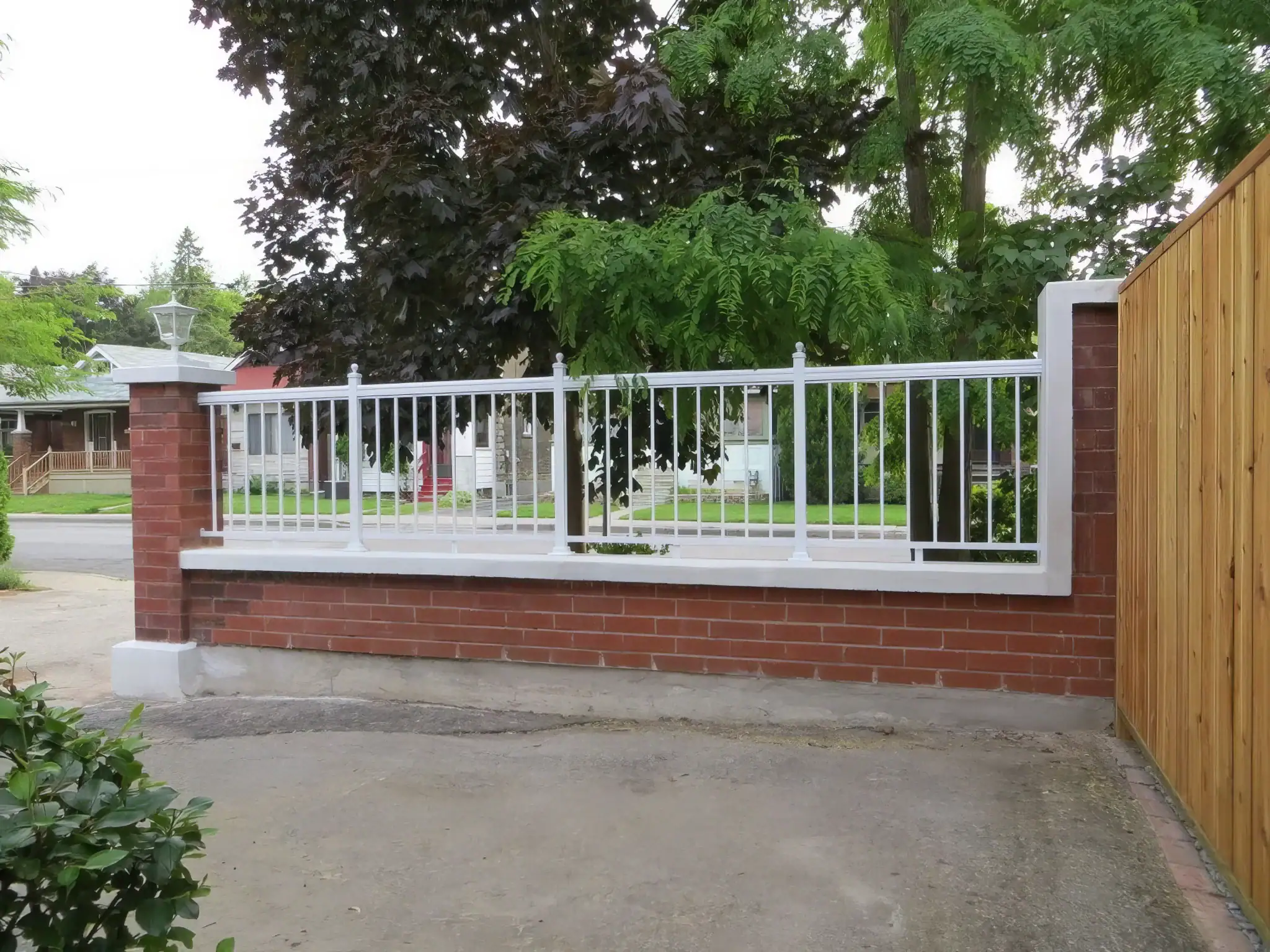
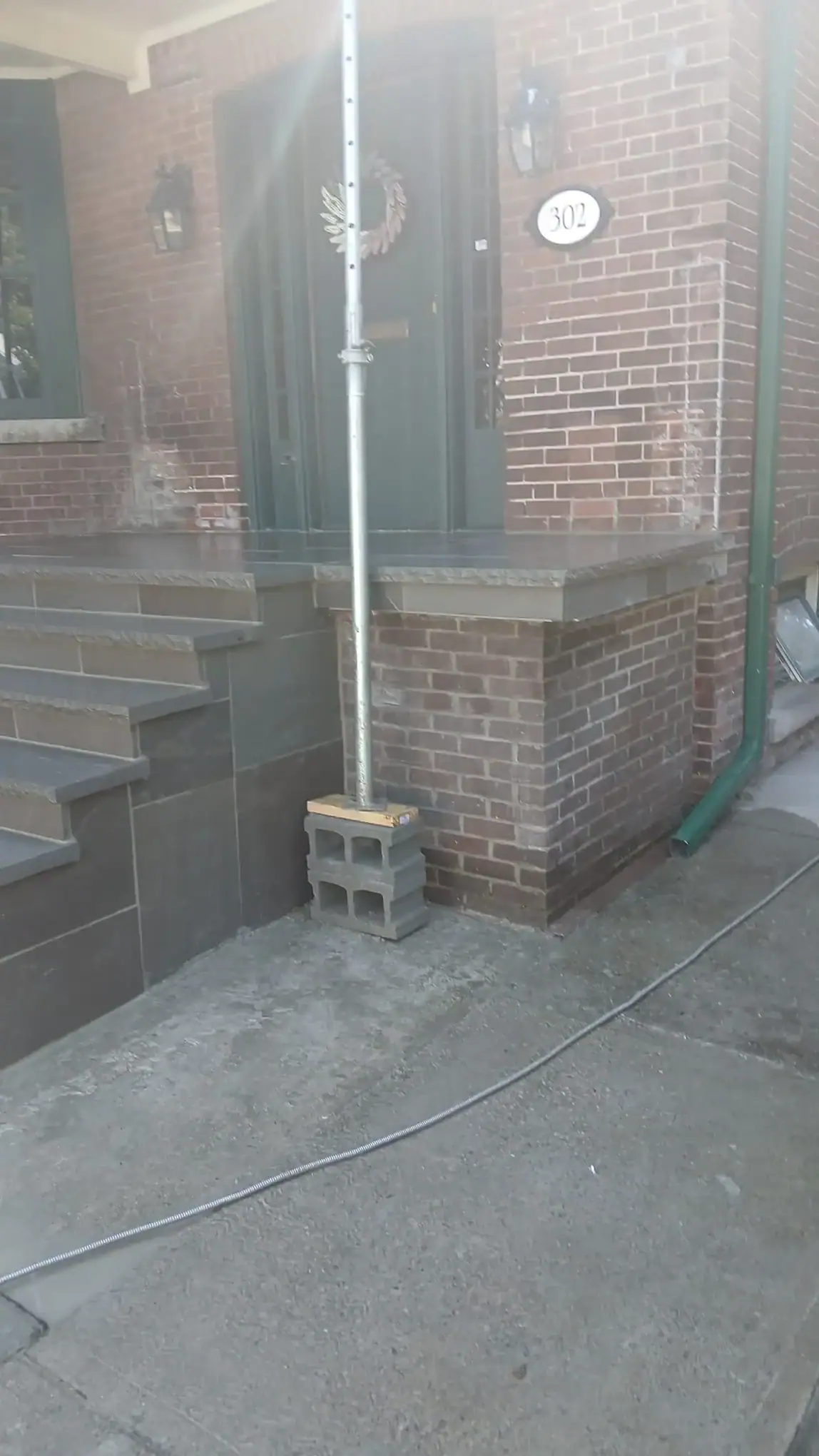
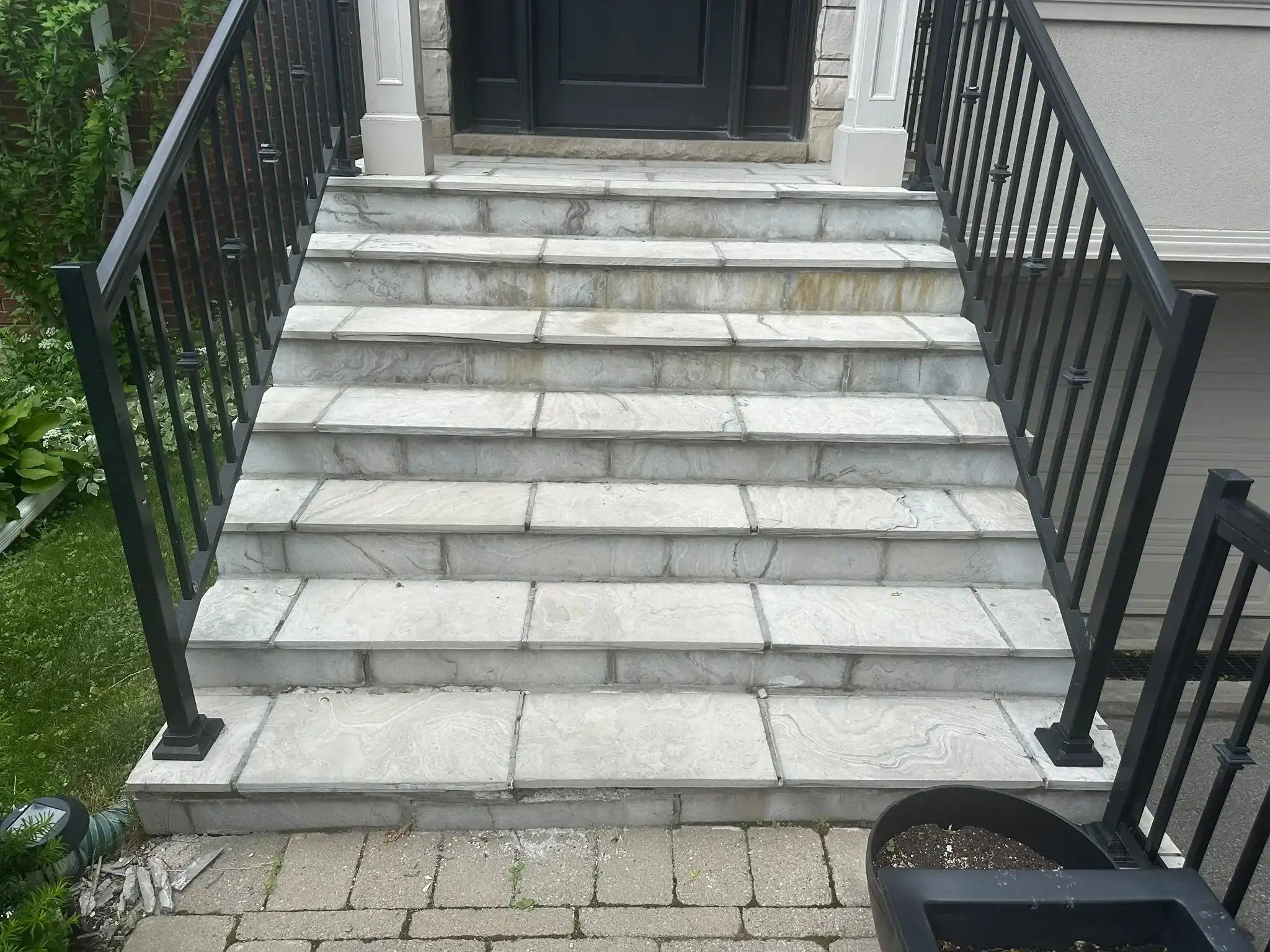
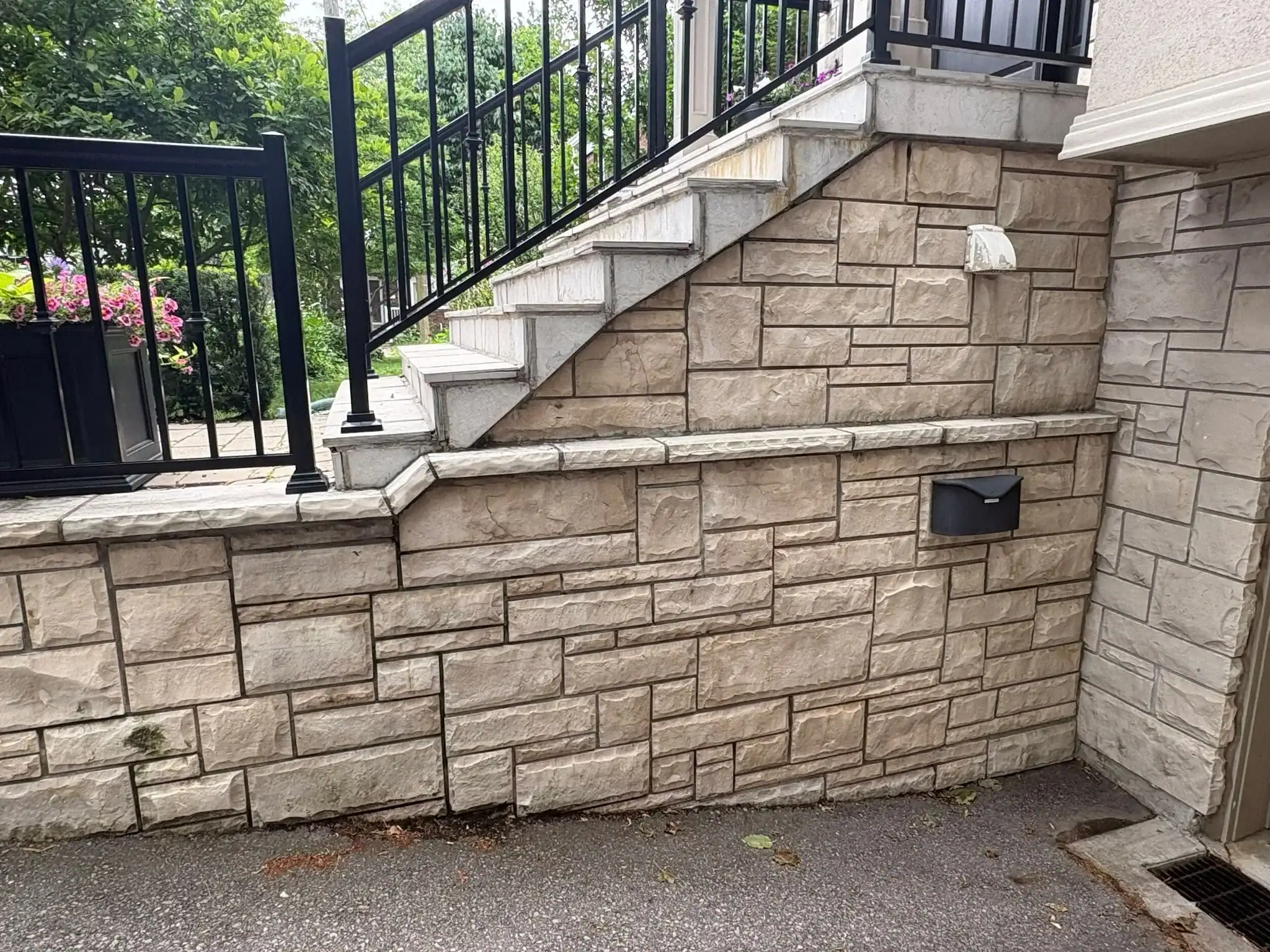
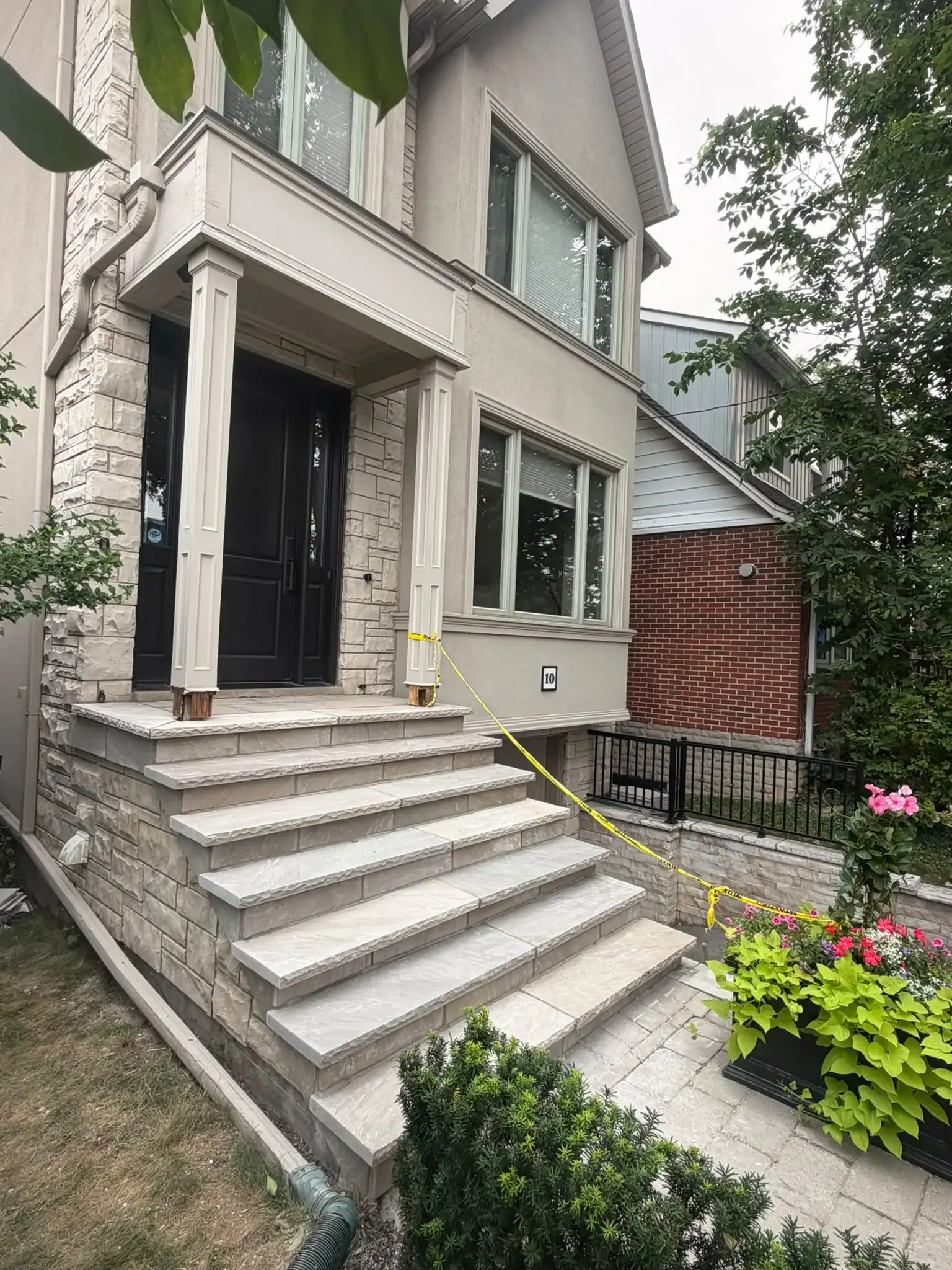
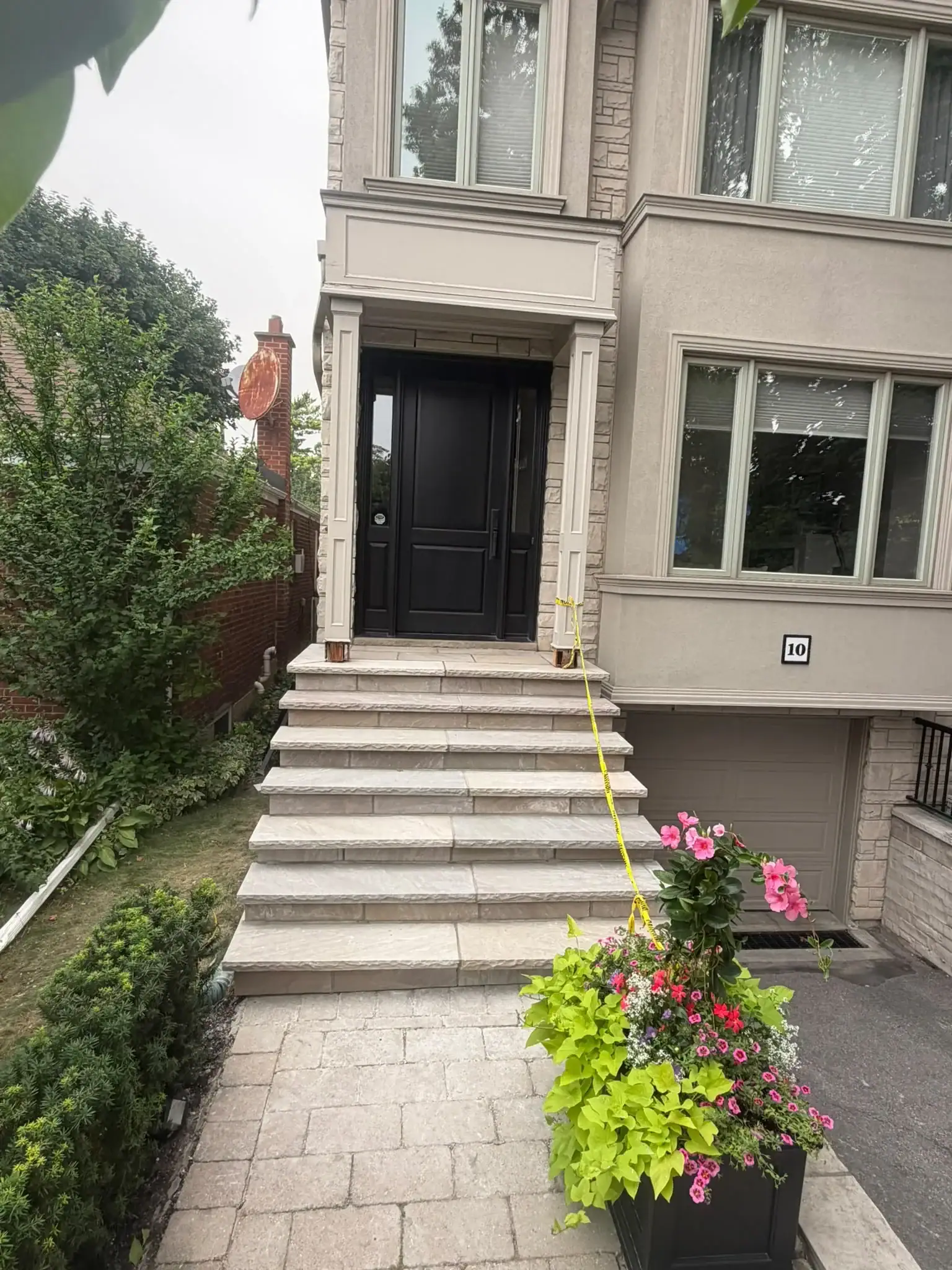
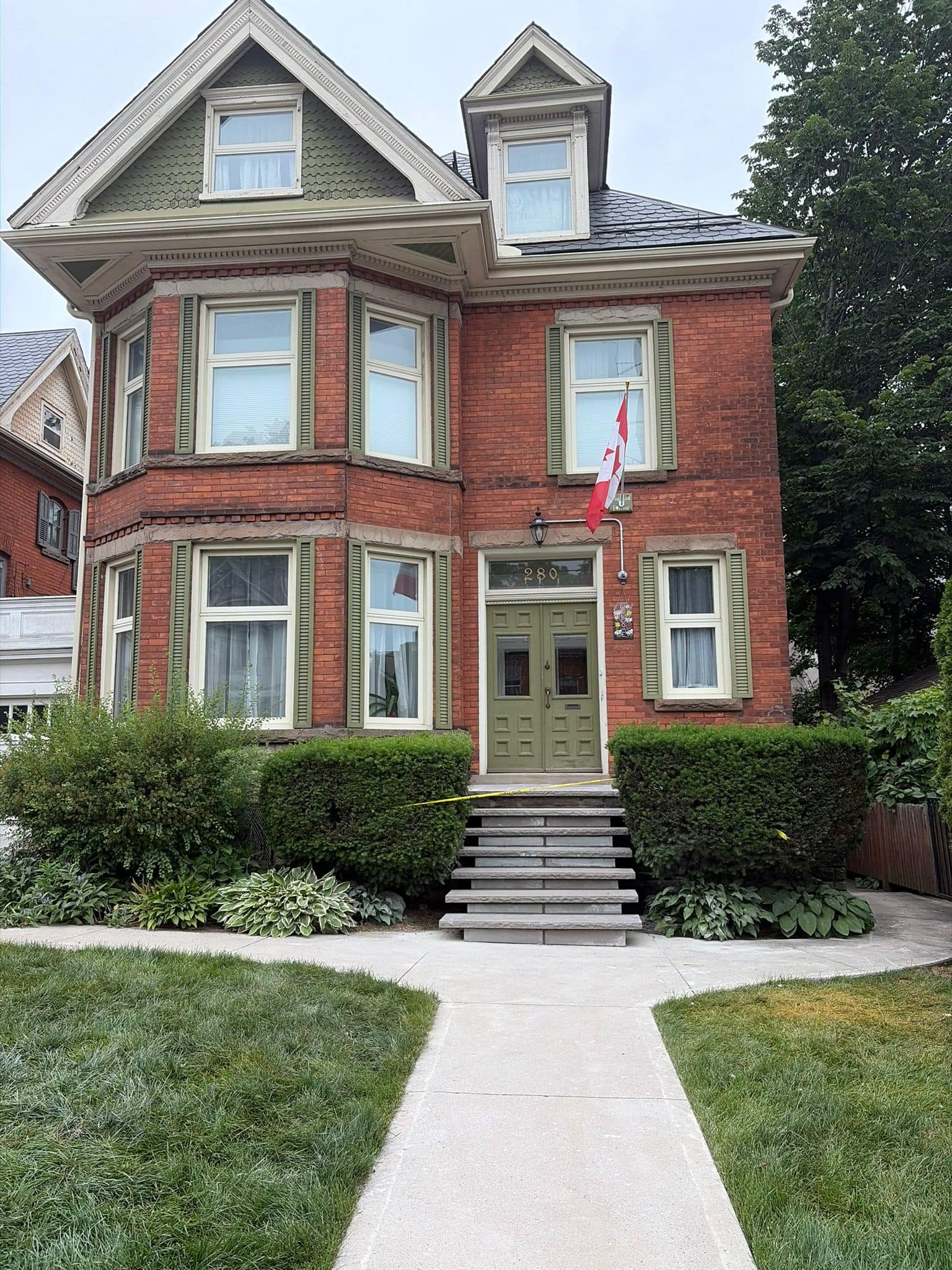
Across Toronto and the GTA, masonry can be found almost everywhere—from the brick exterior of a century-old home to a stone porch, concrete foundation, chimney, retaining wall, or interlocking walkway.
When properly designed and installed, masonry can last for generations. However, Toronto’s freeze-thaw cycles, moisture, road salt, shifting soil, and changing weather can gradually weaken even well-built masonry.
Understanding how masonry works can help homeowners recognize problems early, choose the right repairs, and protect the long-term value of their property.
What Does Masonry Mean?
Masonry is a construction method in which individual units are arranged and bonded together to create a durable structure.
Common masonry units include:
- Clay brick
- Natural stone
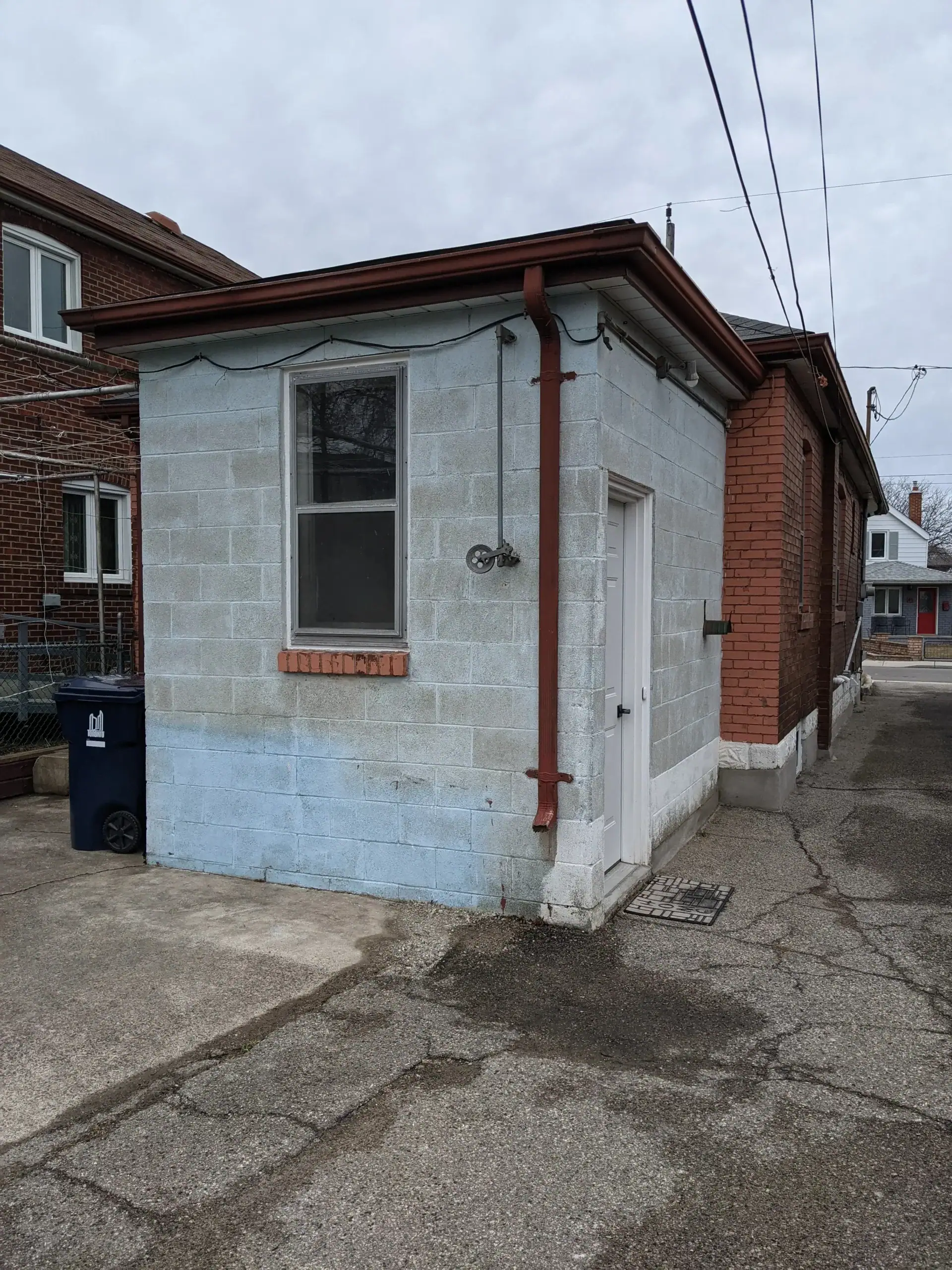
- Concrete block
- Manufactured stone
- Concrete pavers
- Limestone
- Flagstone
Mortar is normally placed between the units to hold them together, distribute weight, seal joints, and accommodate minor movement.
Masonry may be structural, decorative, or both. For example, a concrete block foundation may support a house, while a brick veneer may provide weather protection and architectural character.
What Does a Mason Do?
A mason is a skilled tradesperson who builds, repairs, and restores brick, stone, concrete, and other masonry materials.
Depending on the project, a professional mason may:
- Replace damaged or spalled bricks
- Repair deteriorated mortar joints
- Rebuild a chimney
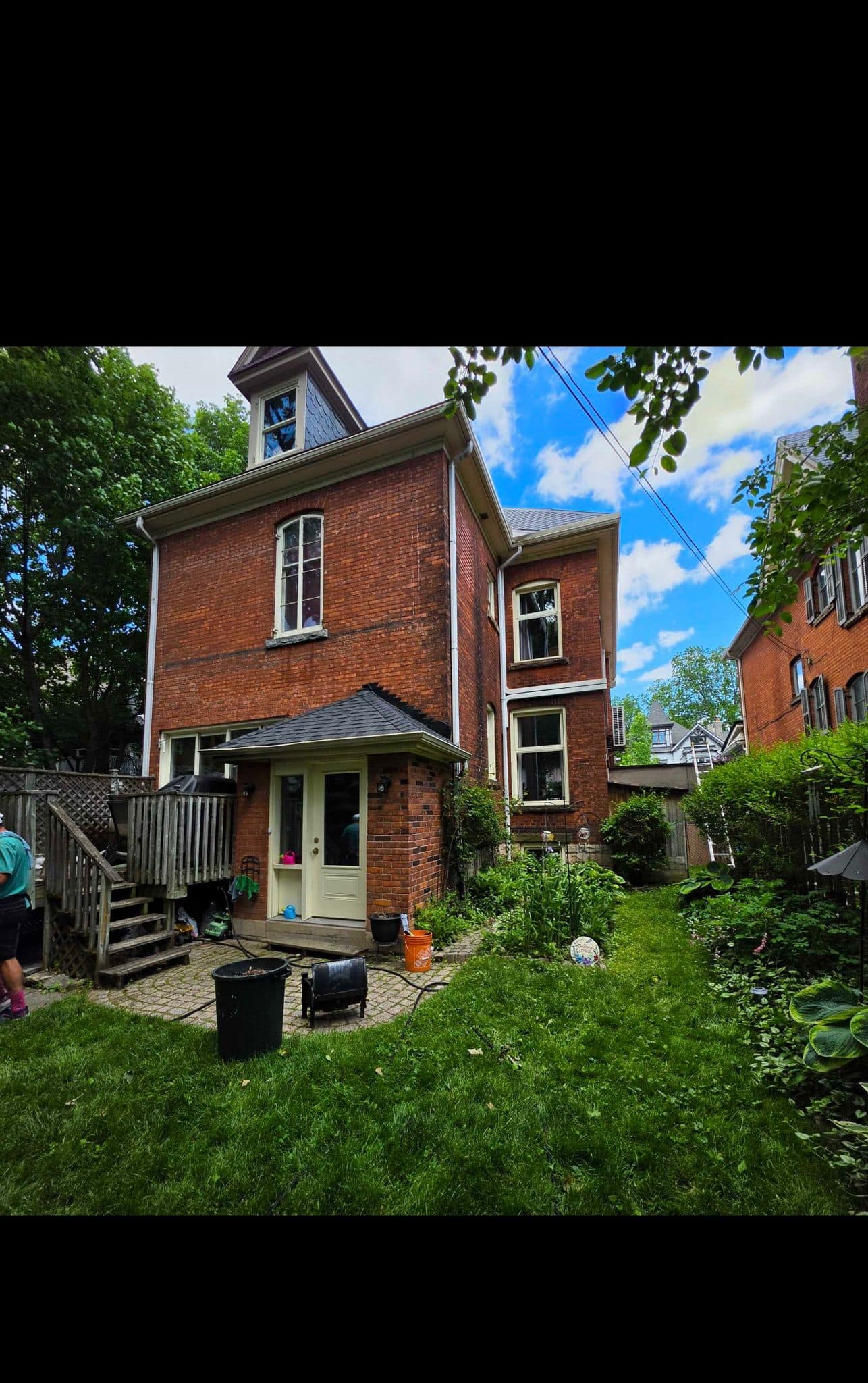
- Restore a brick façade
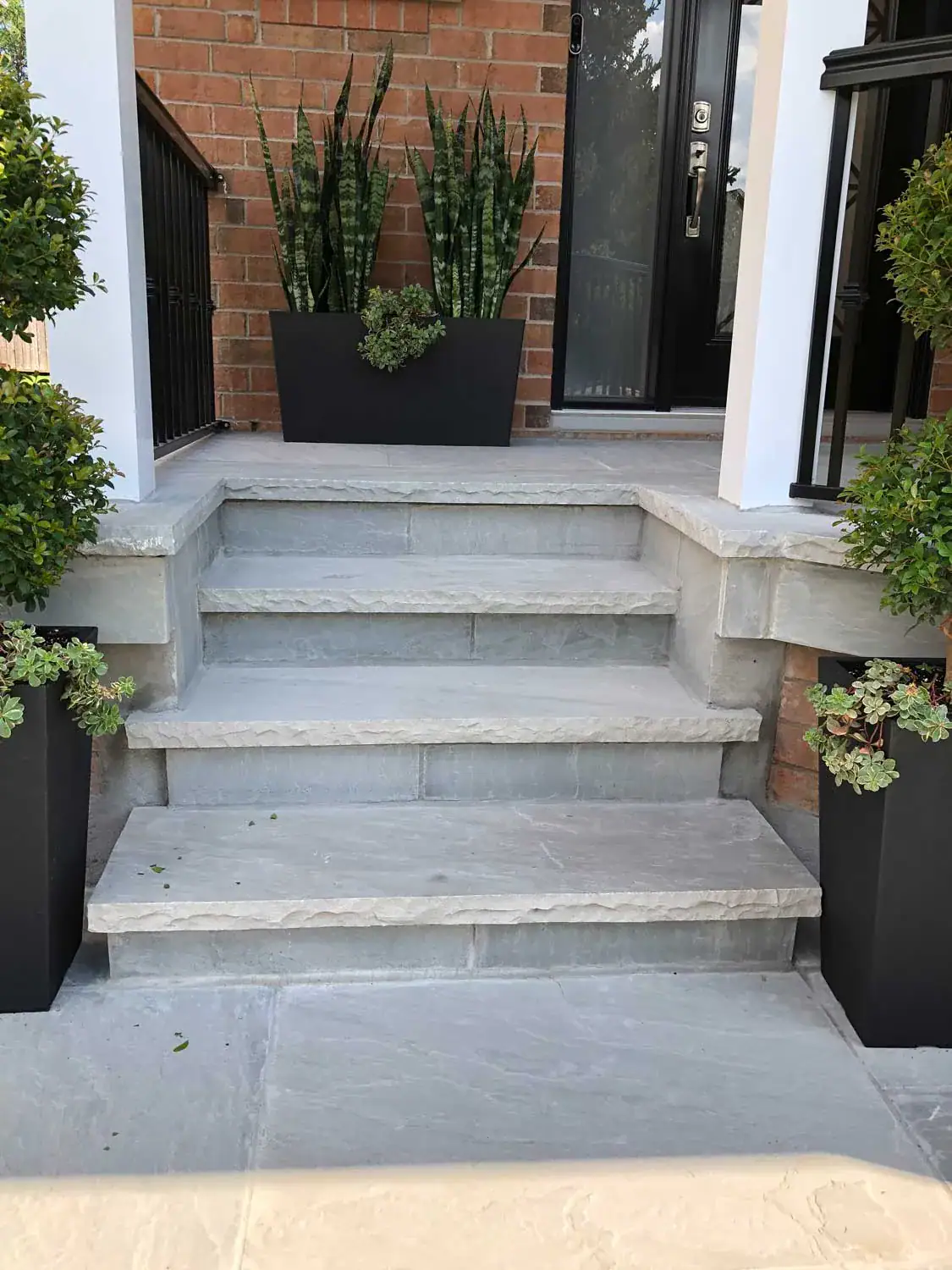
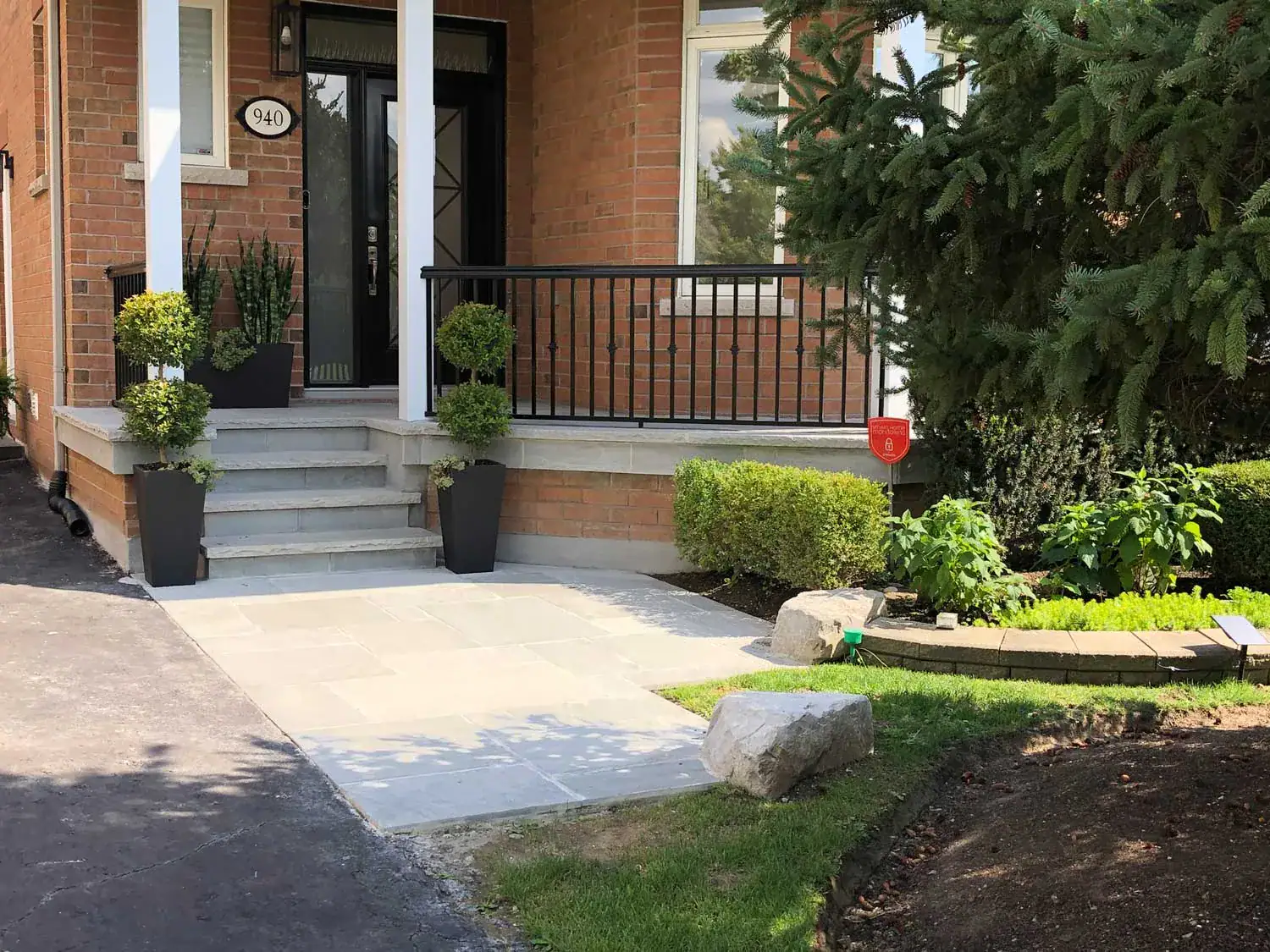
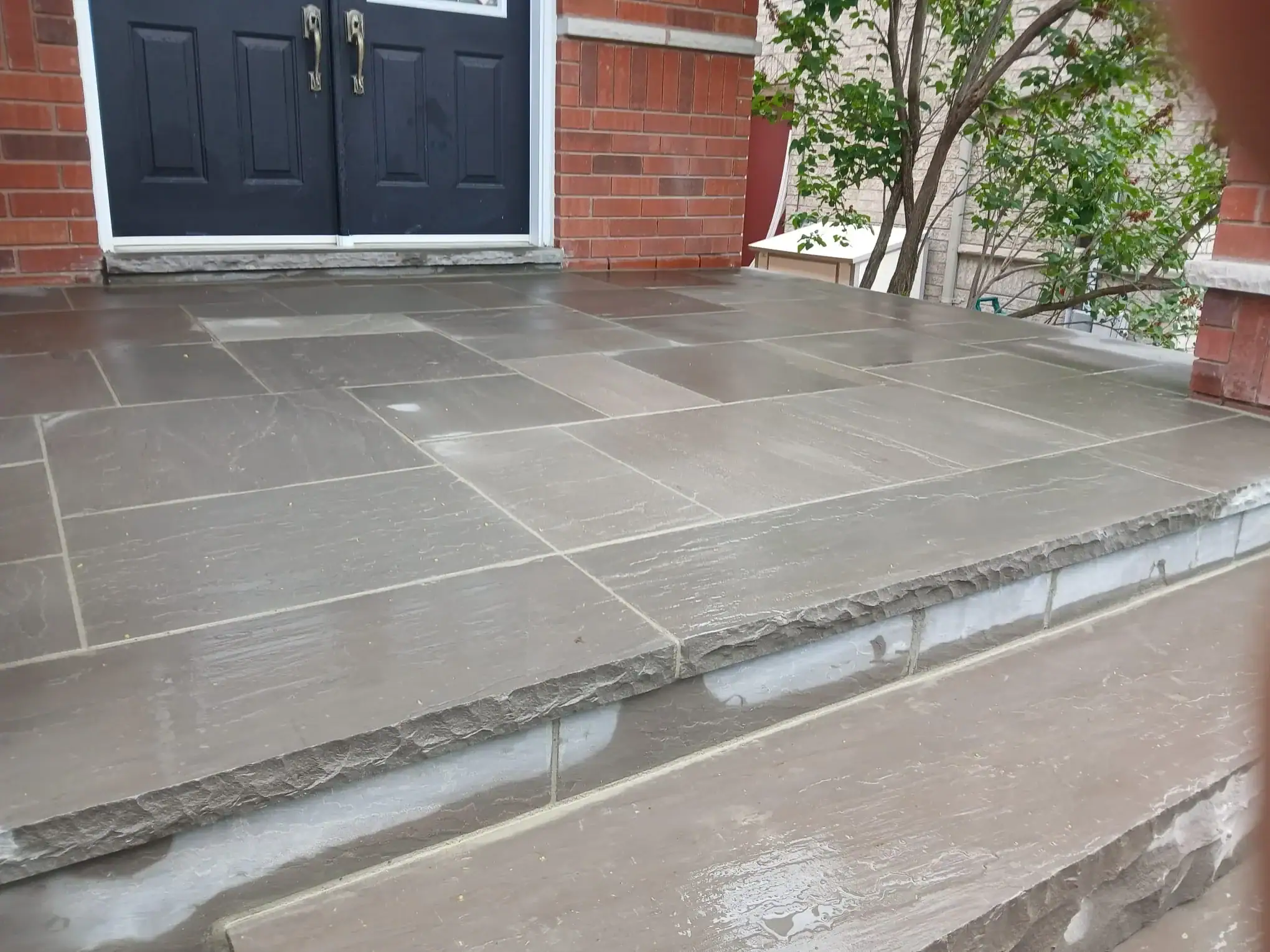
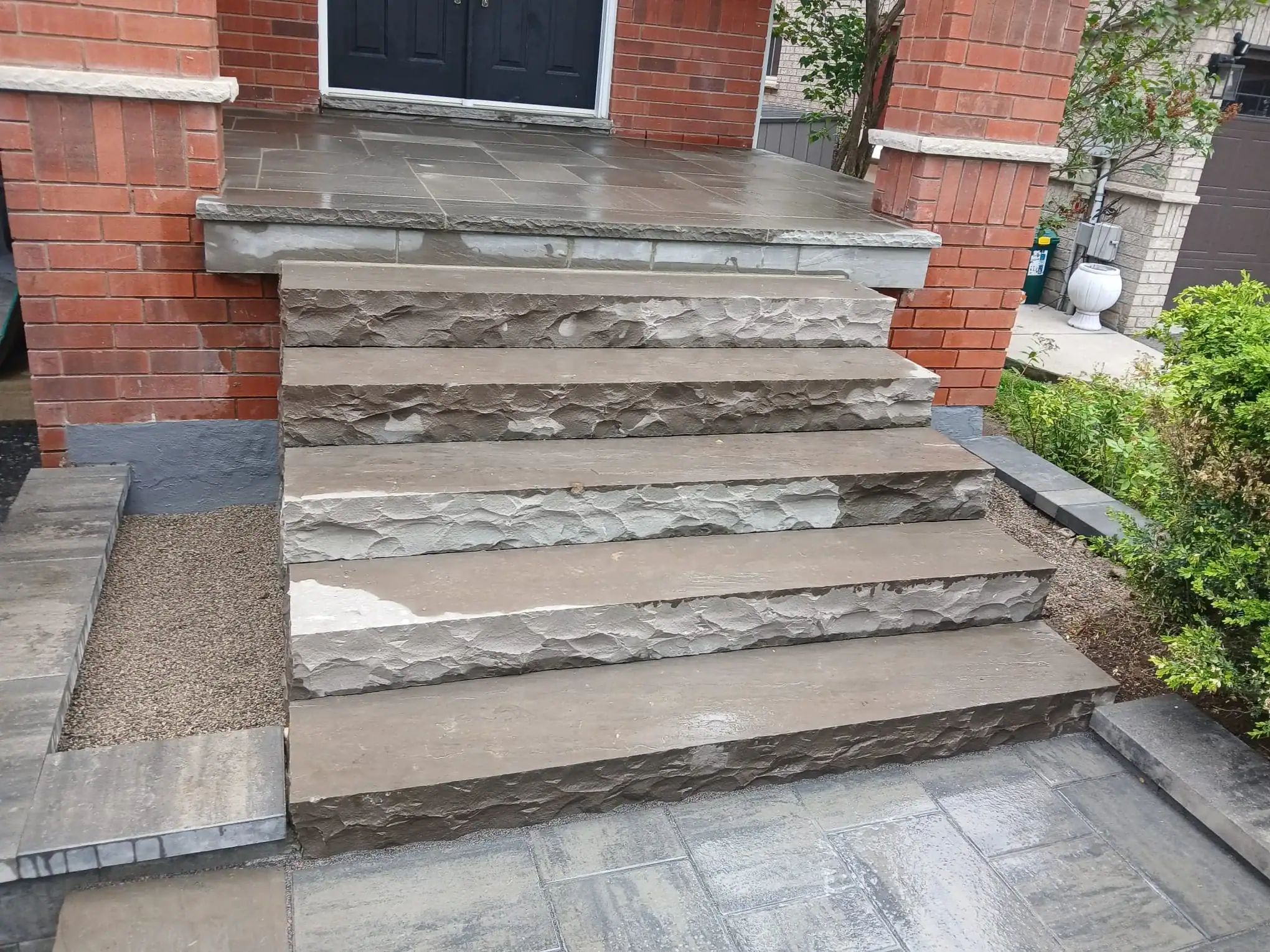
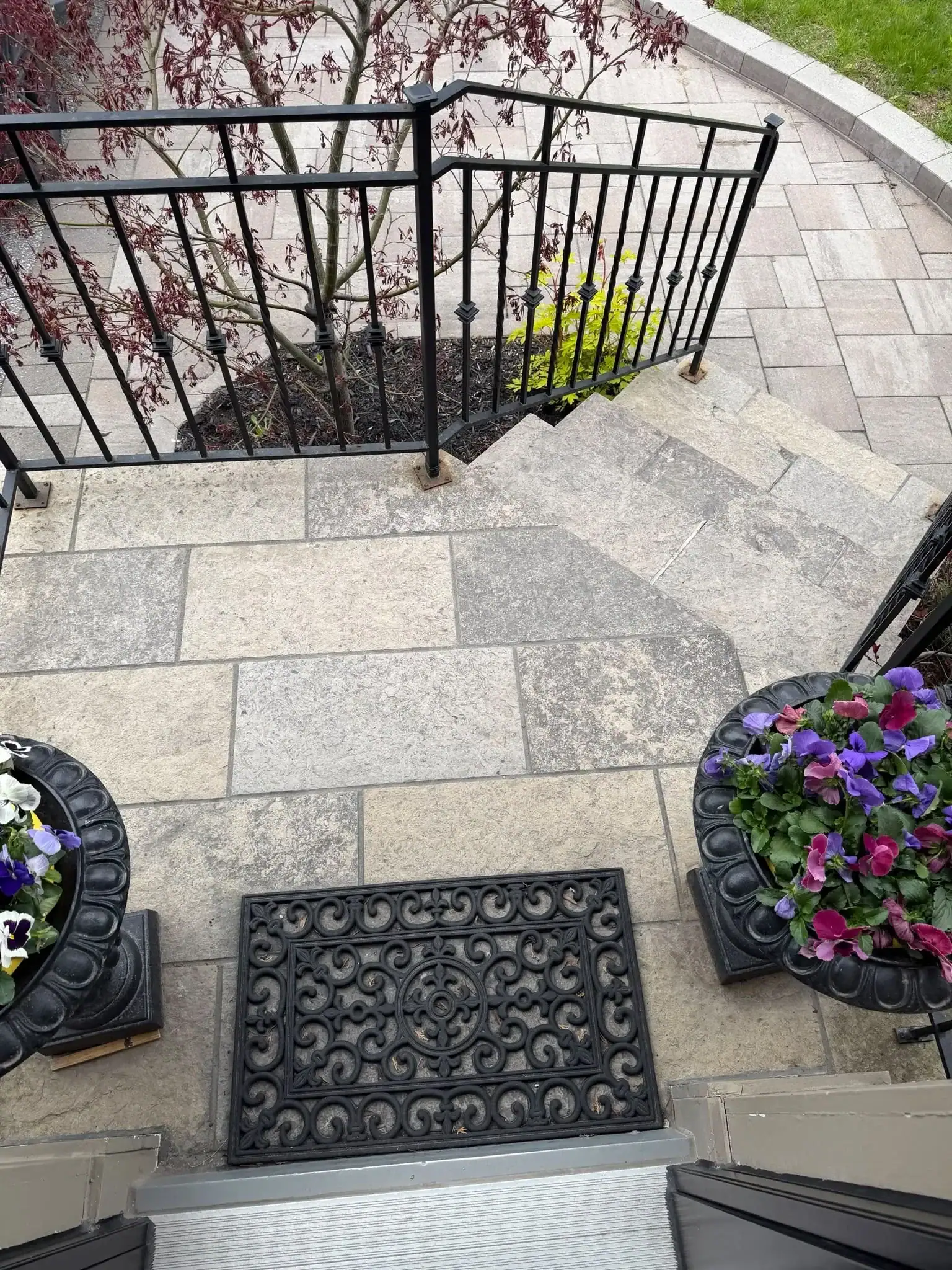
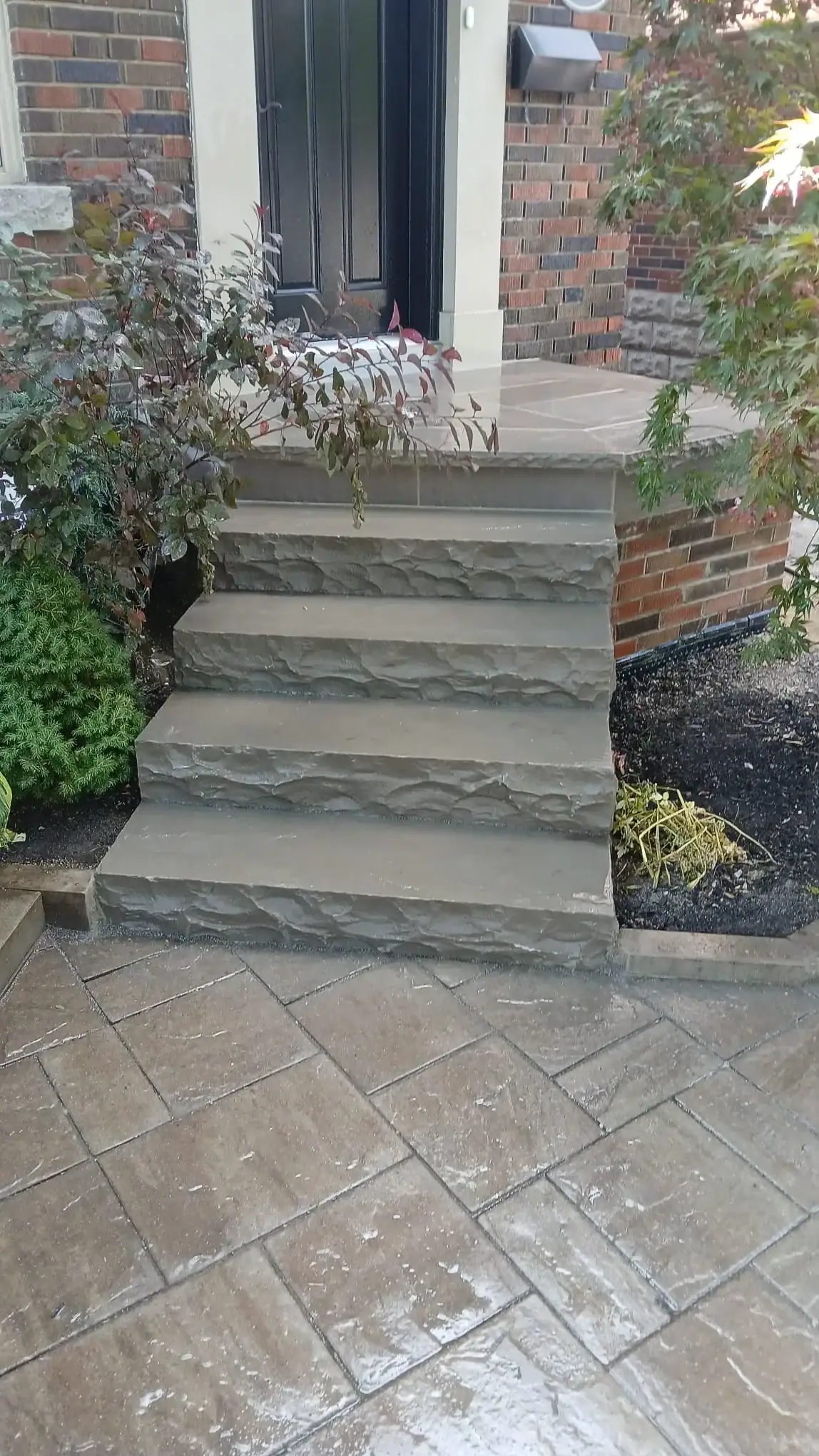
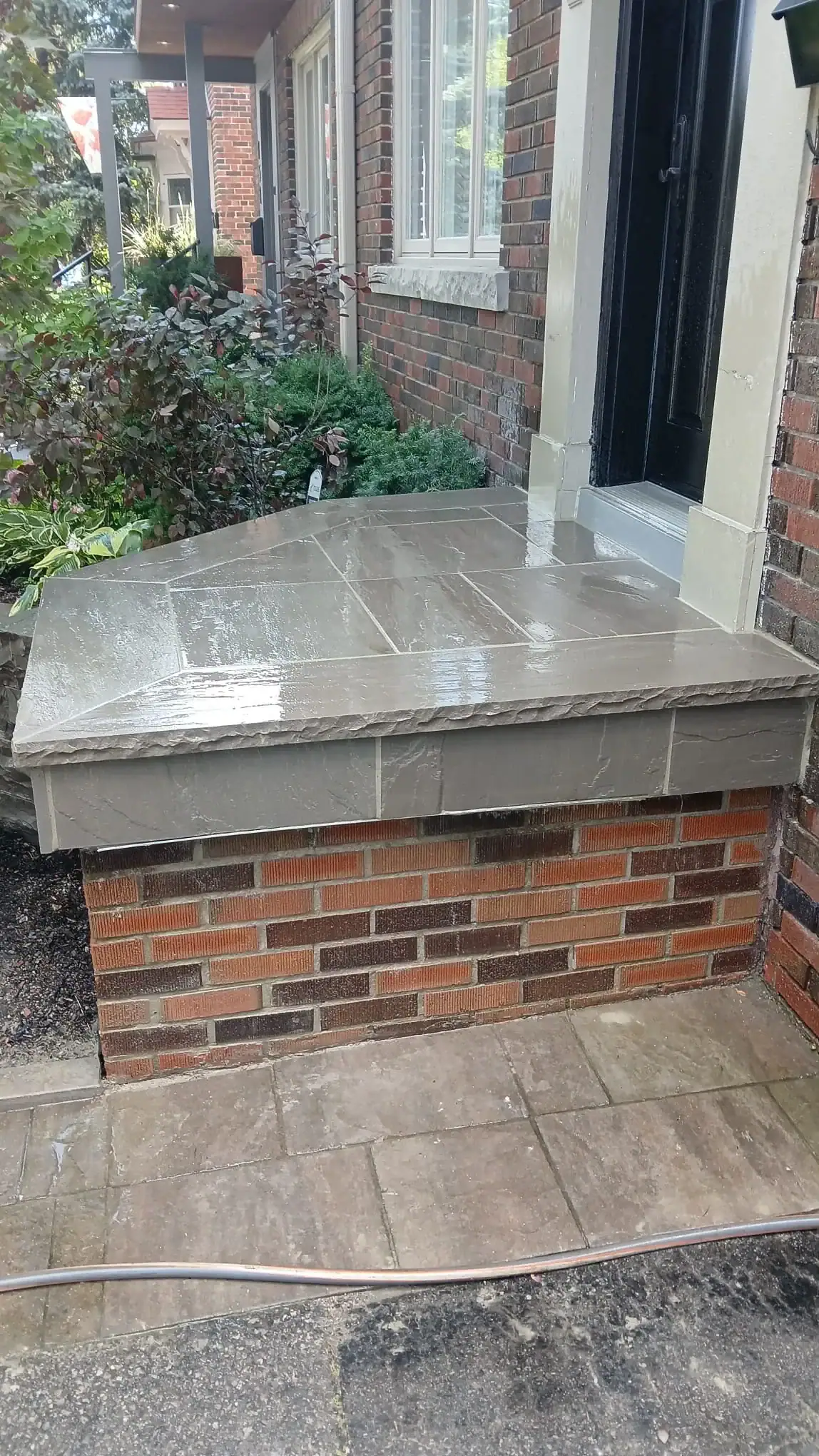
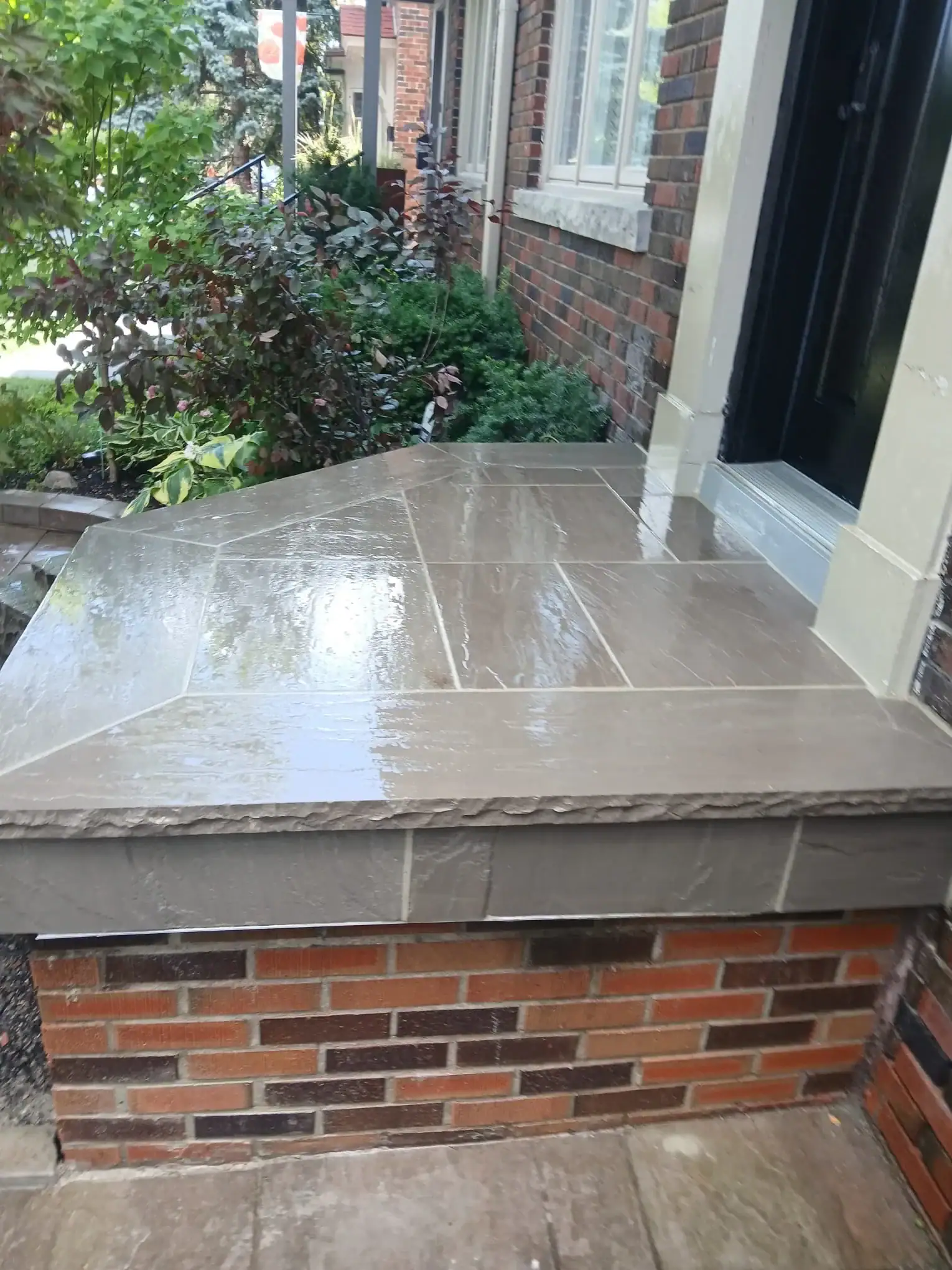
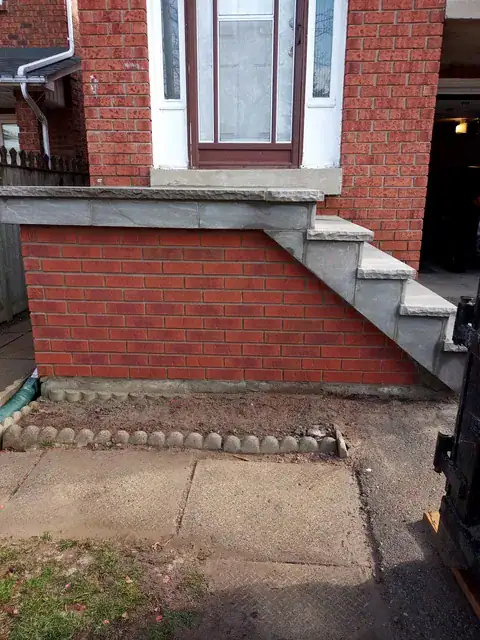
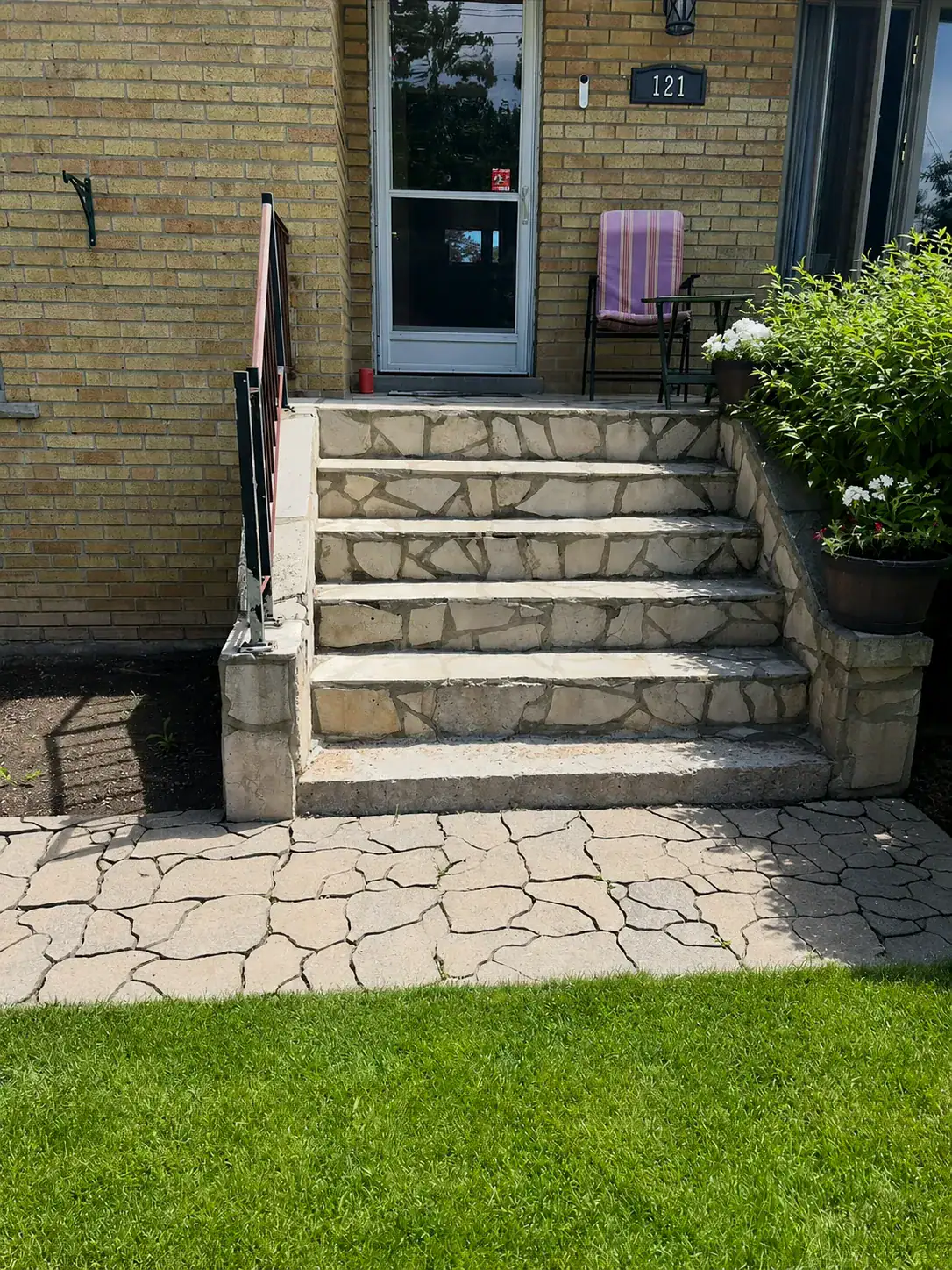
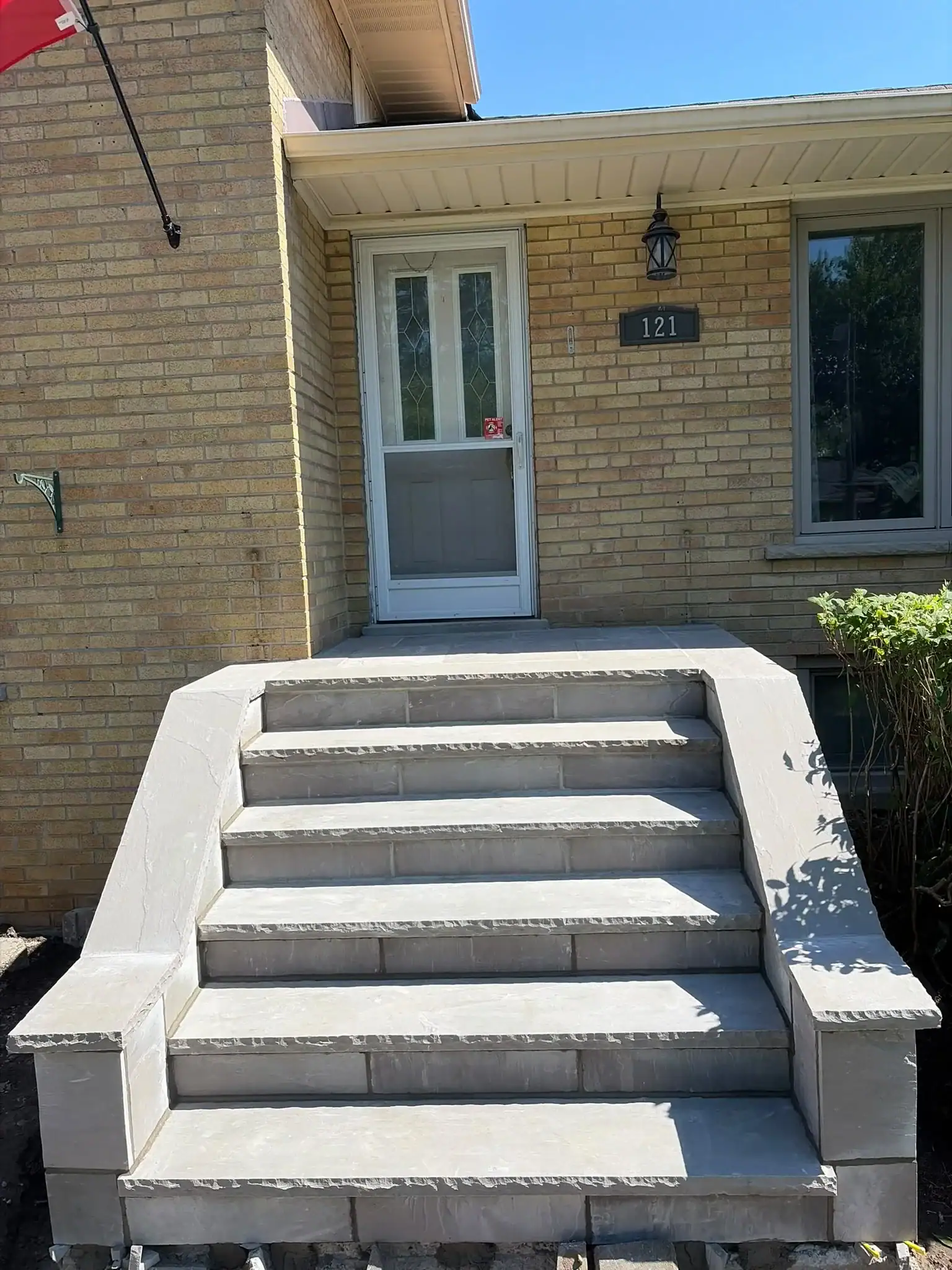
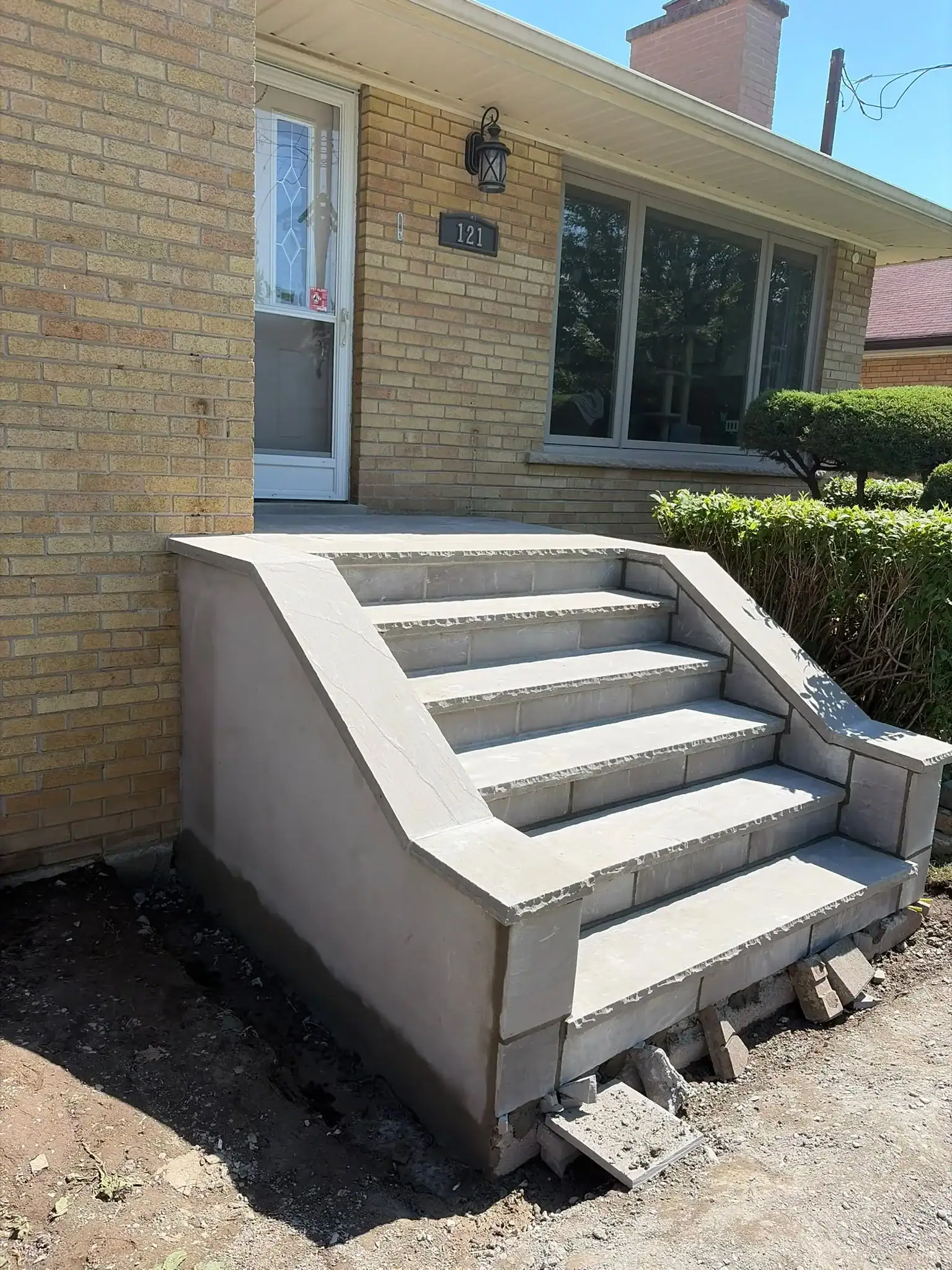
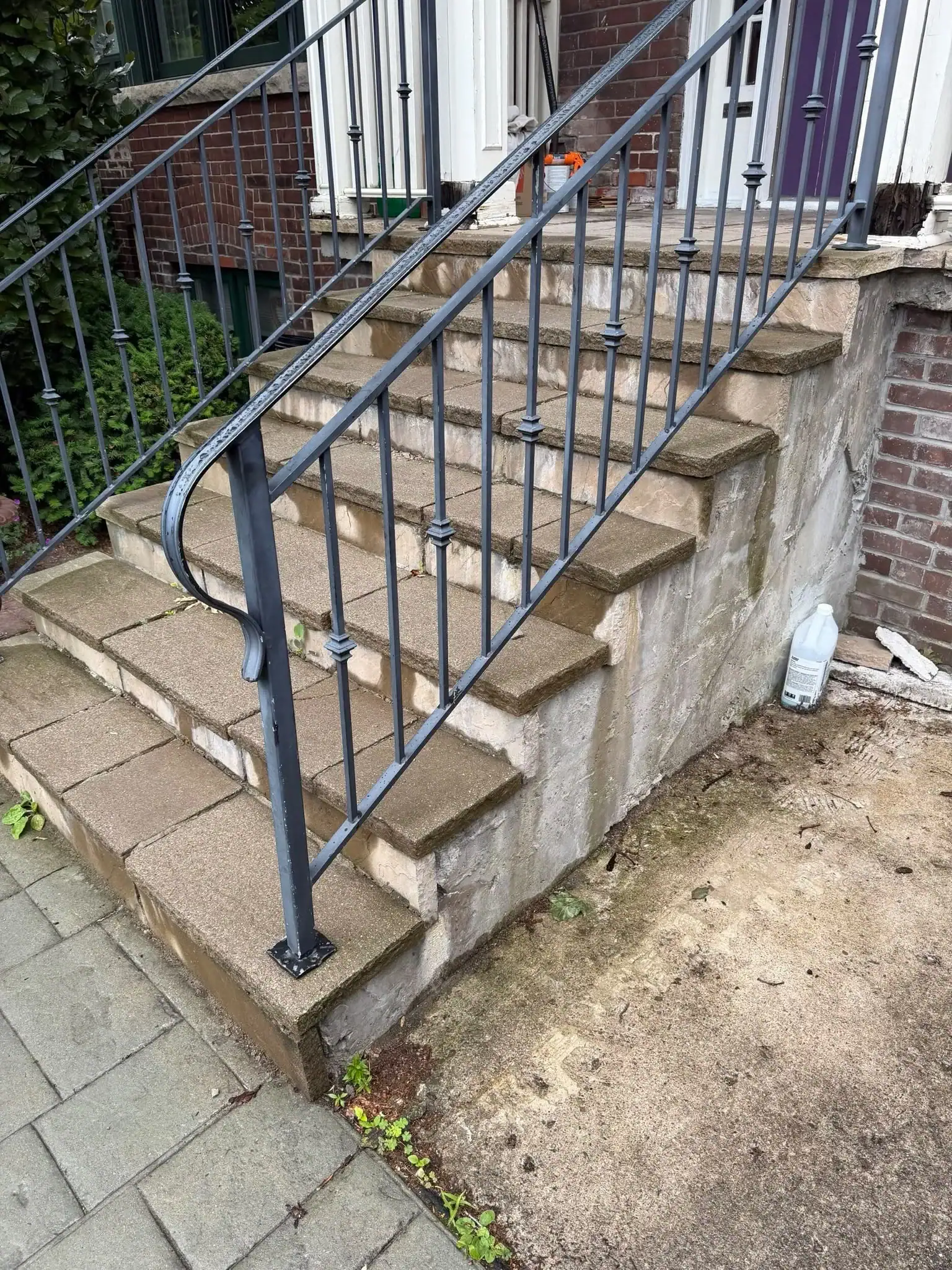
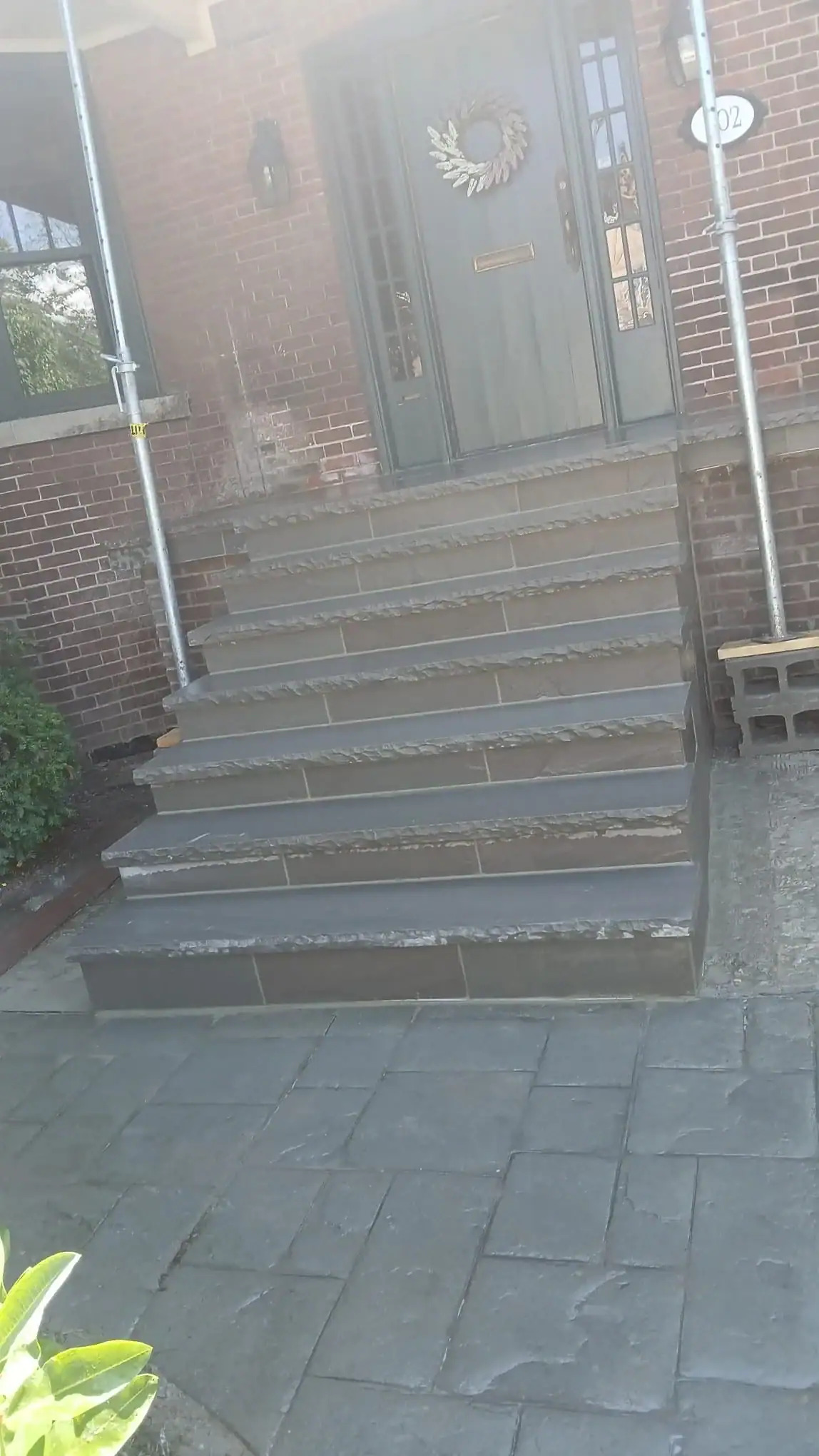
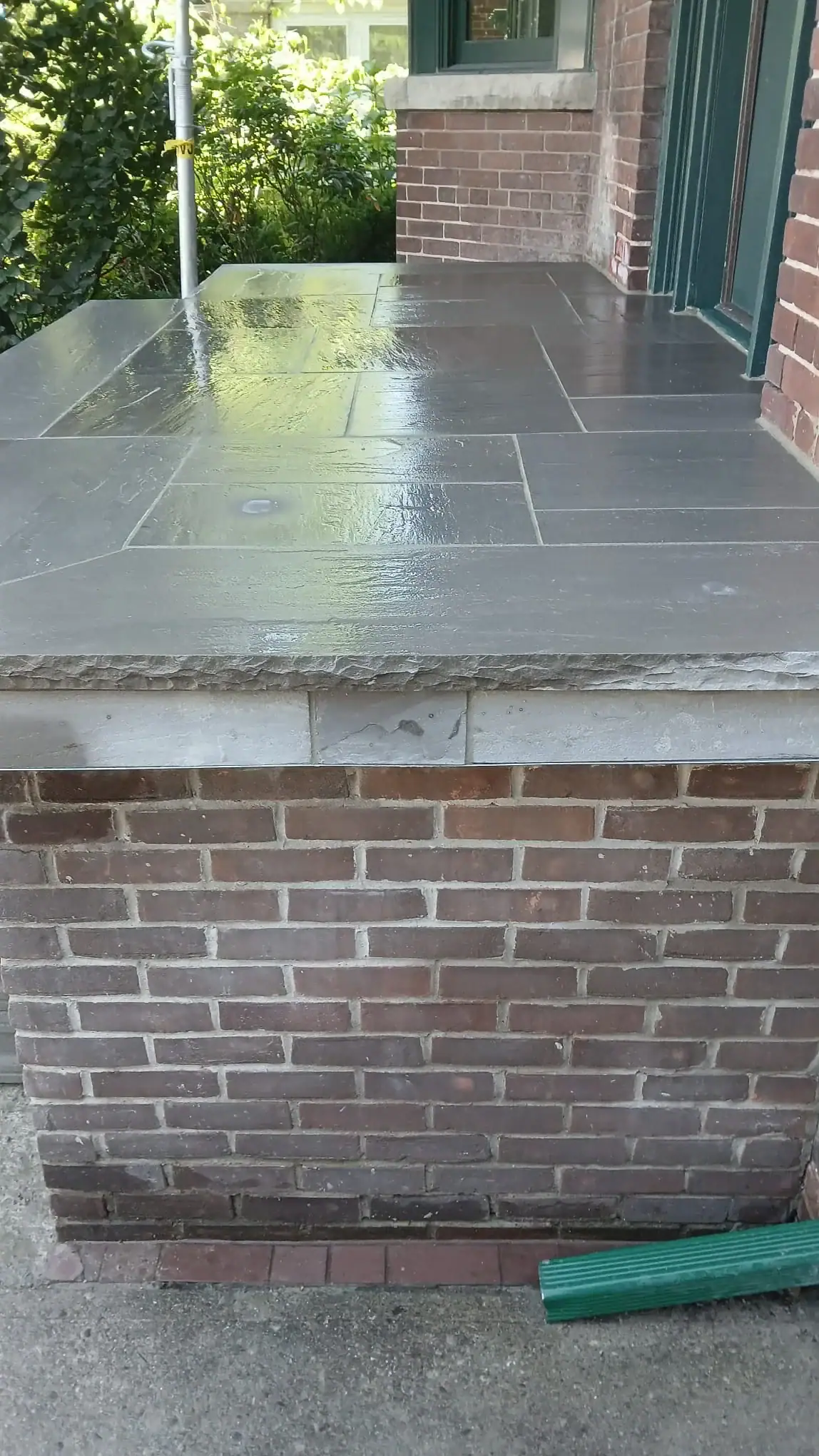
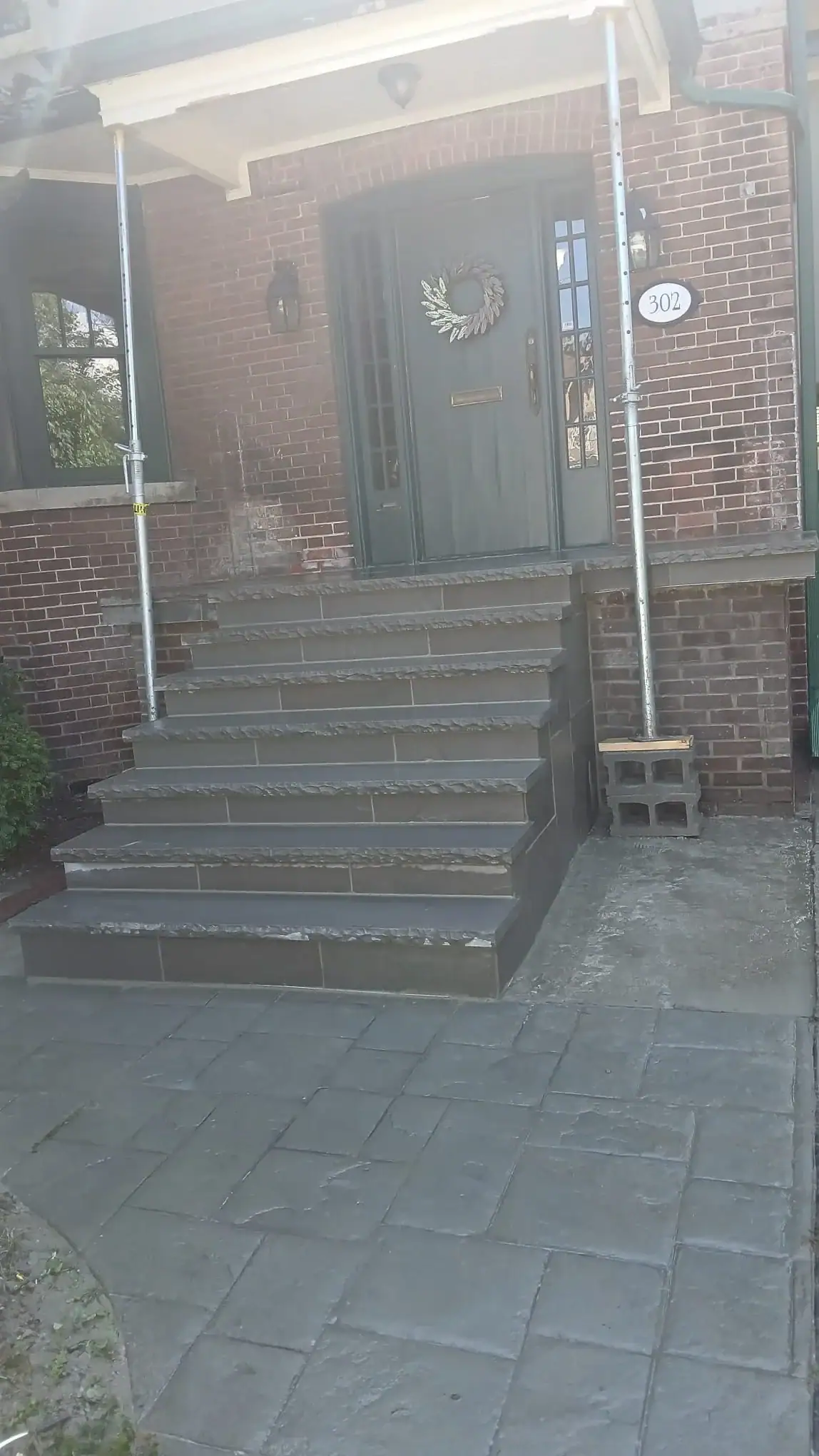
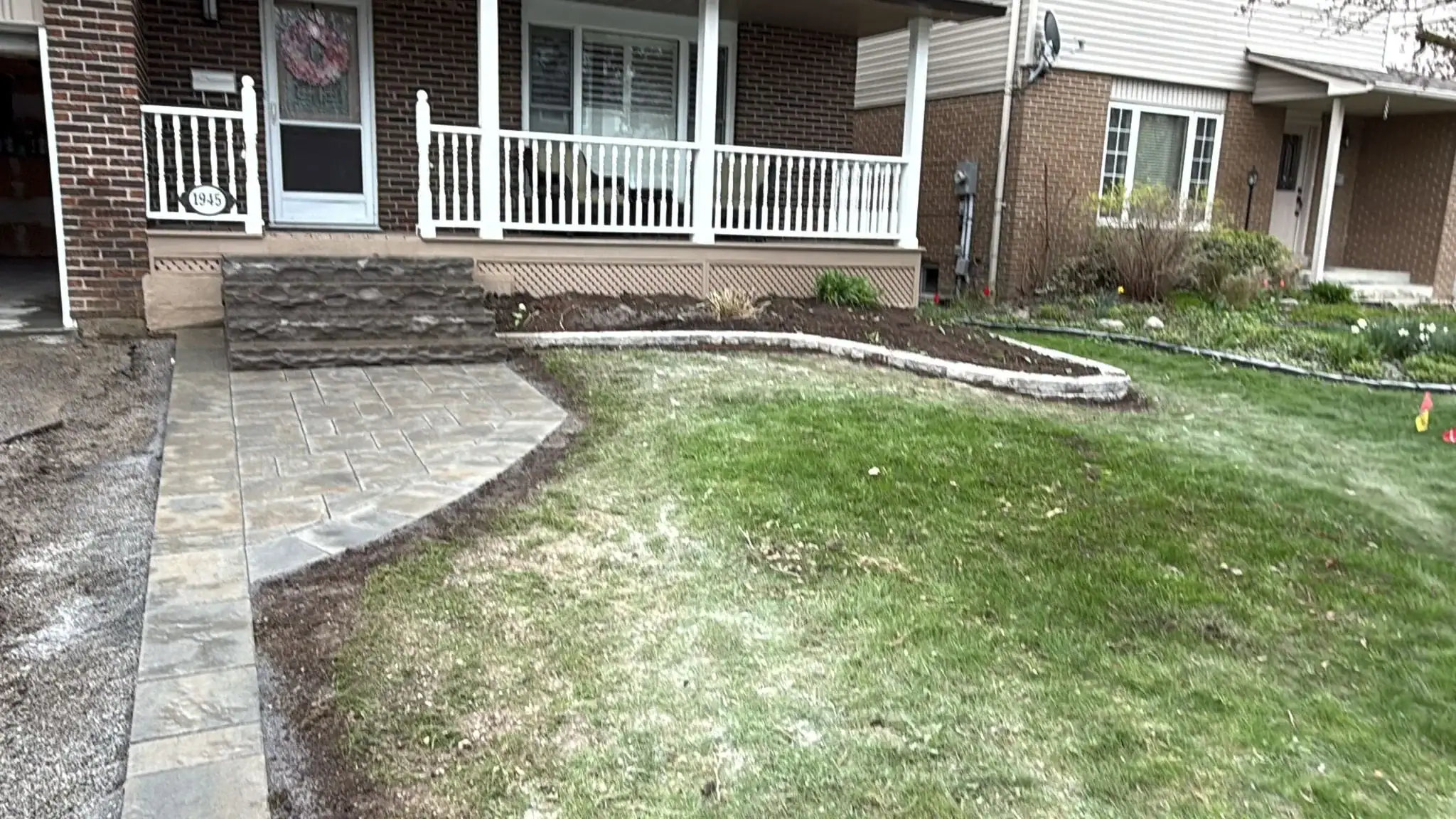
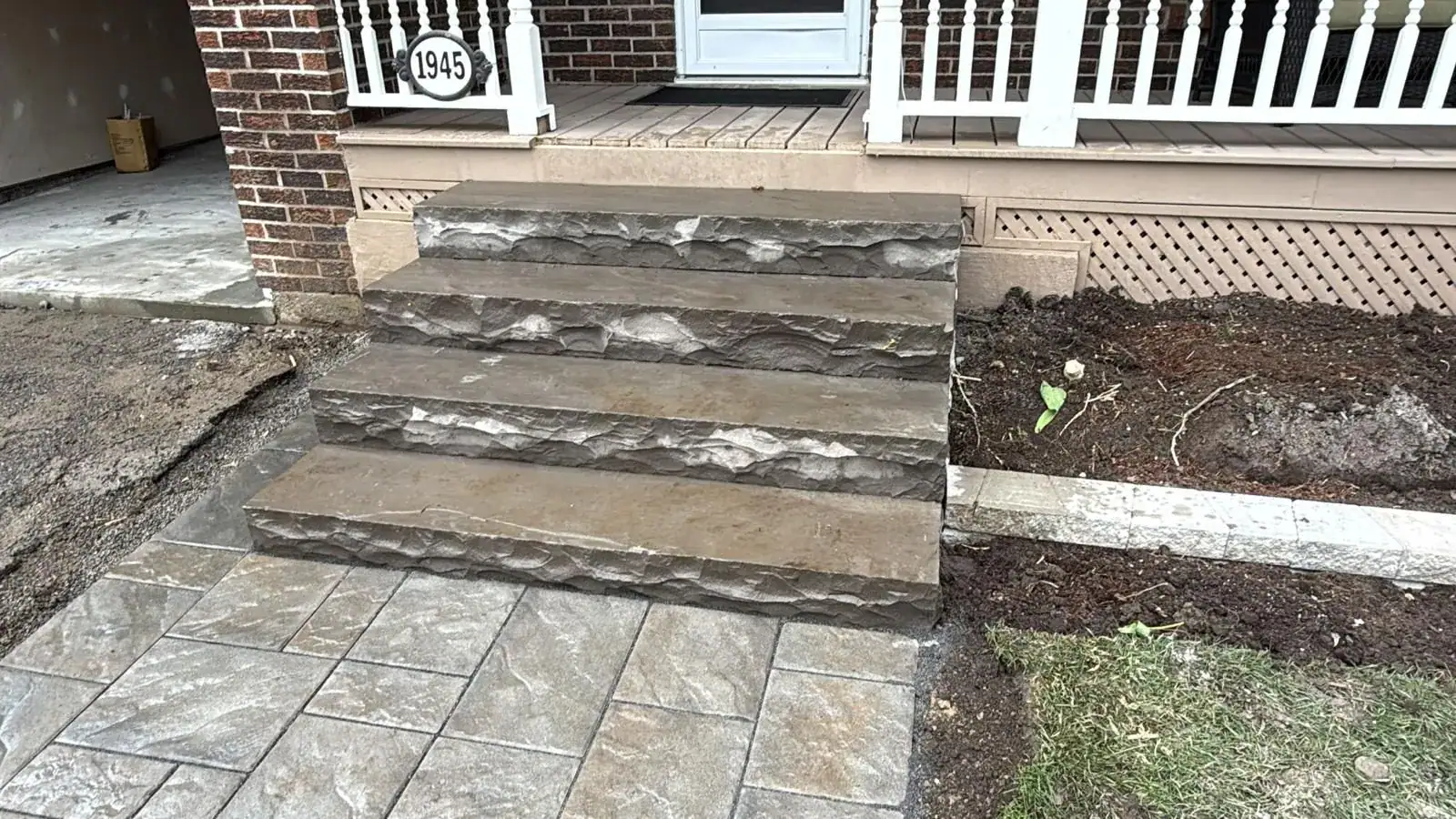
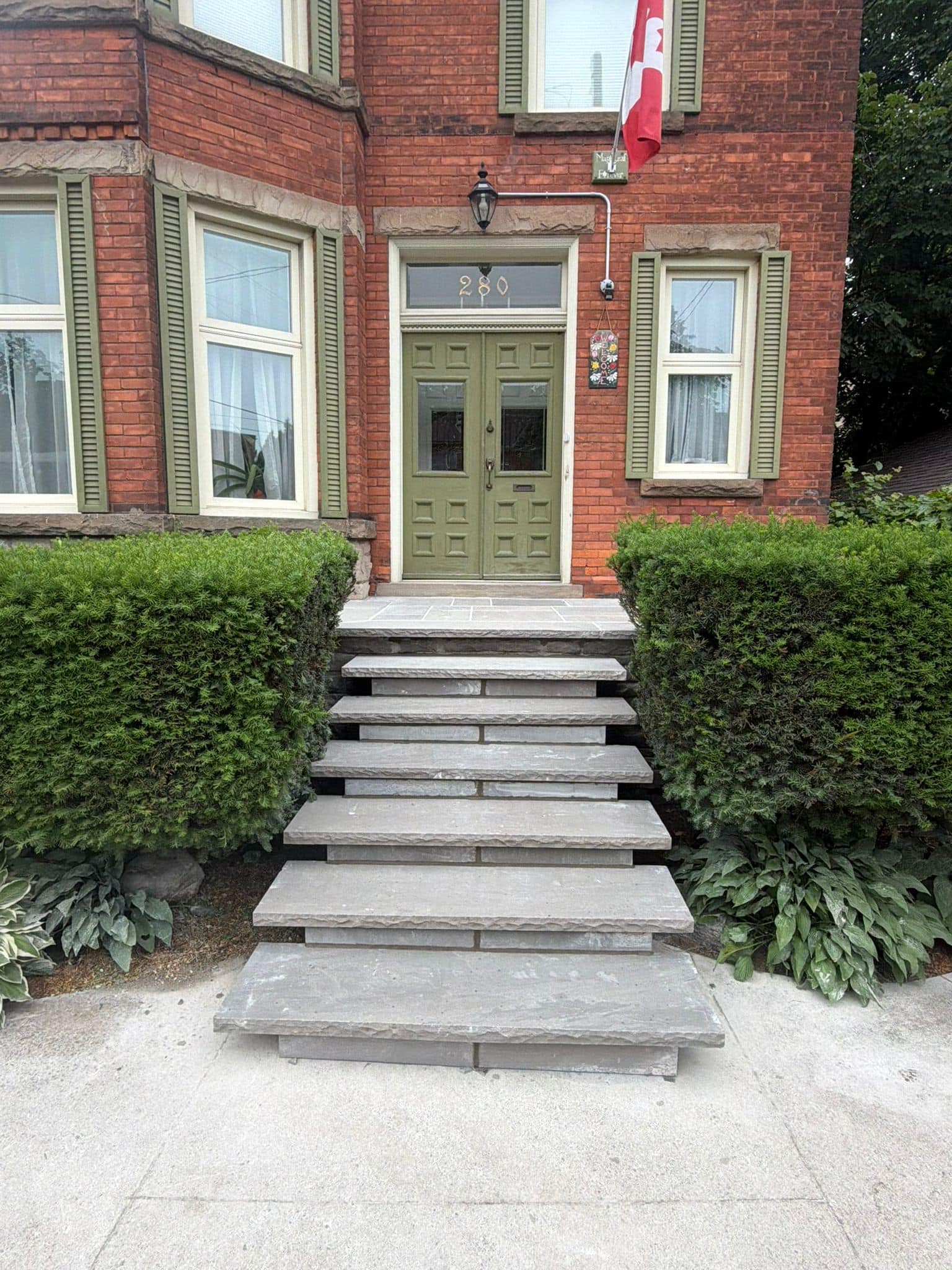
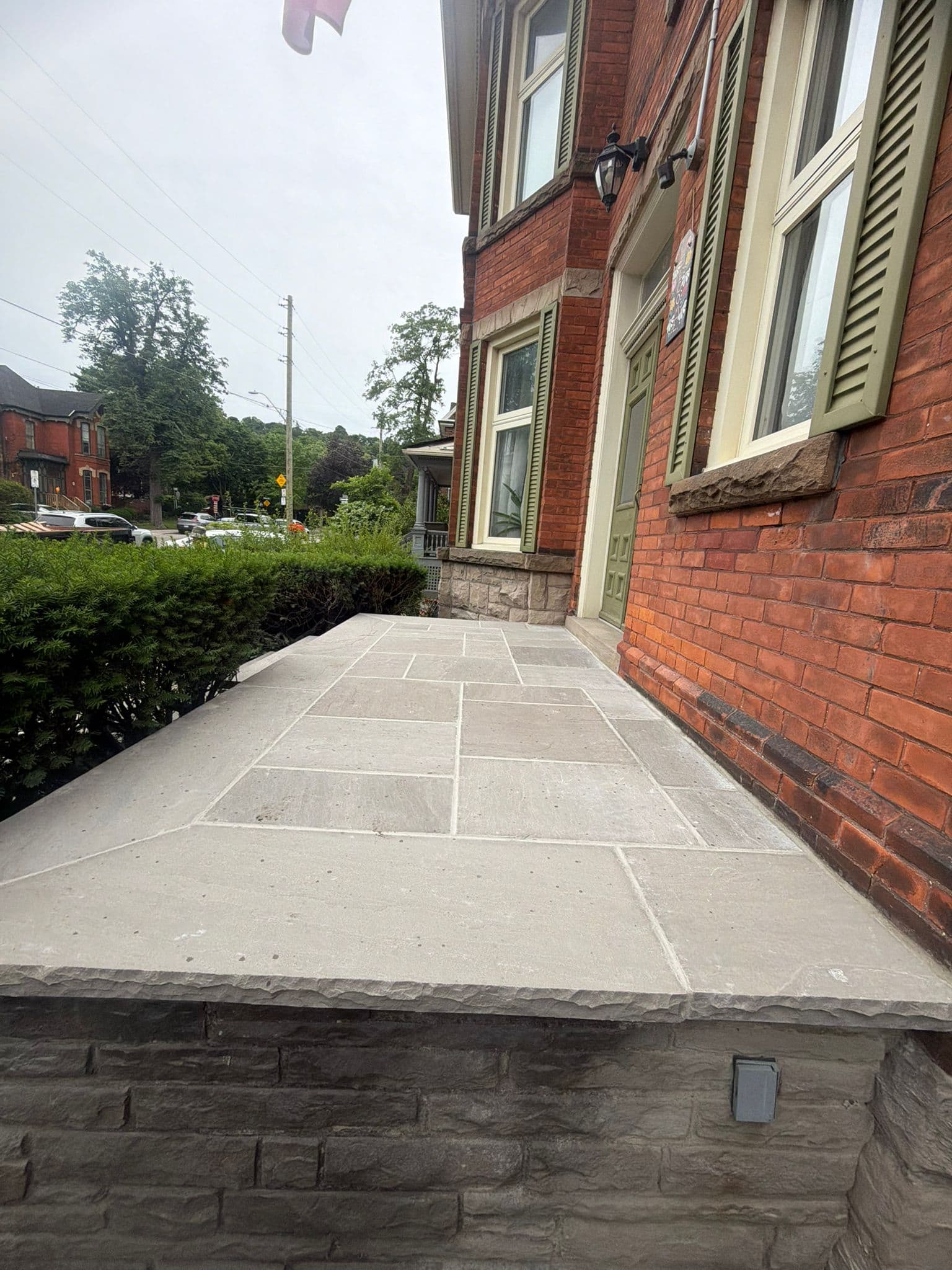
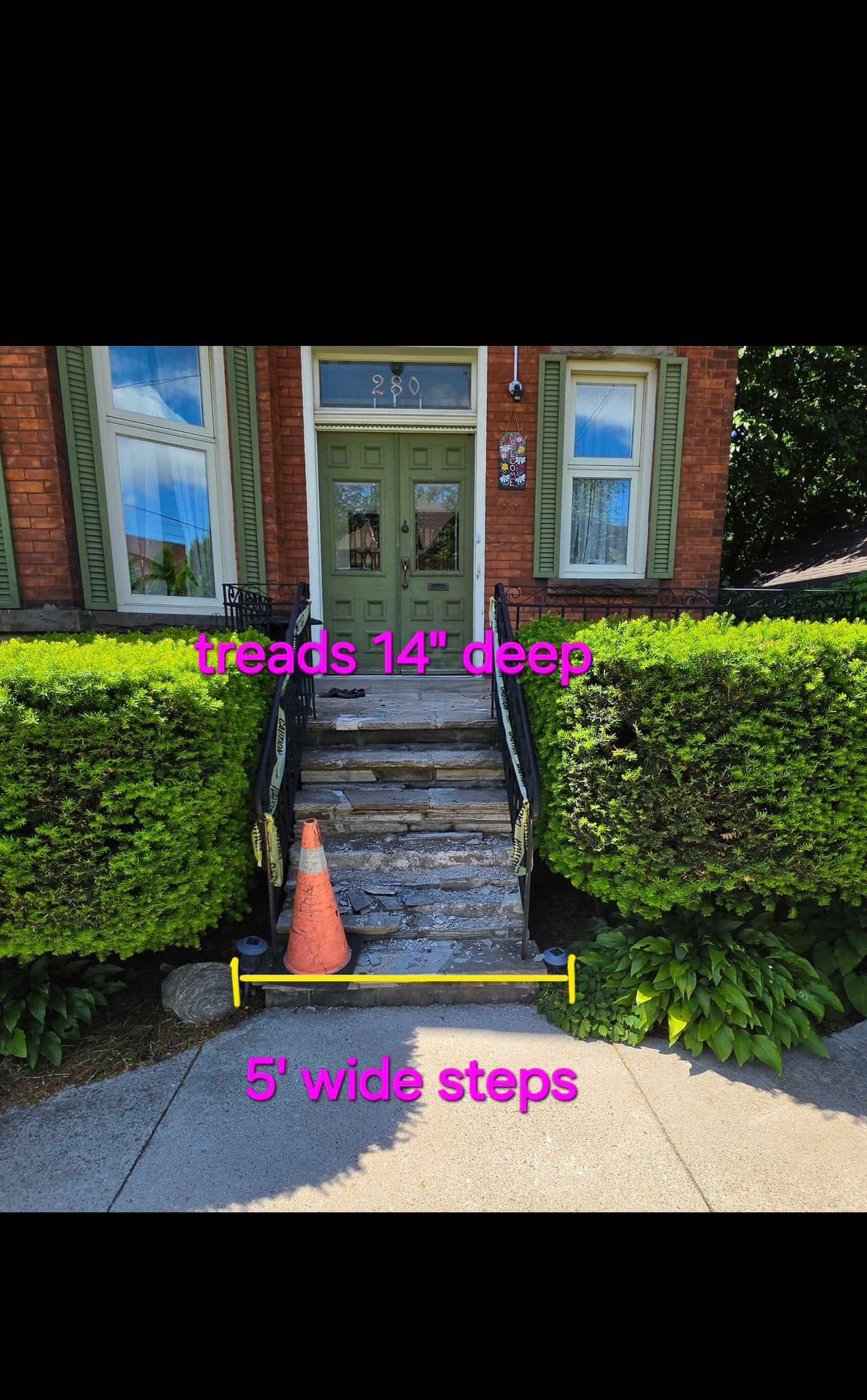
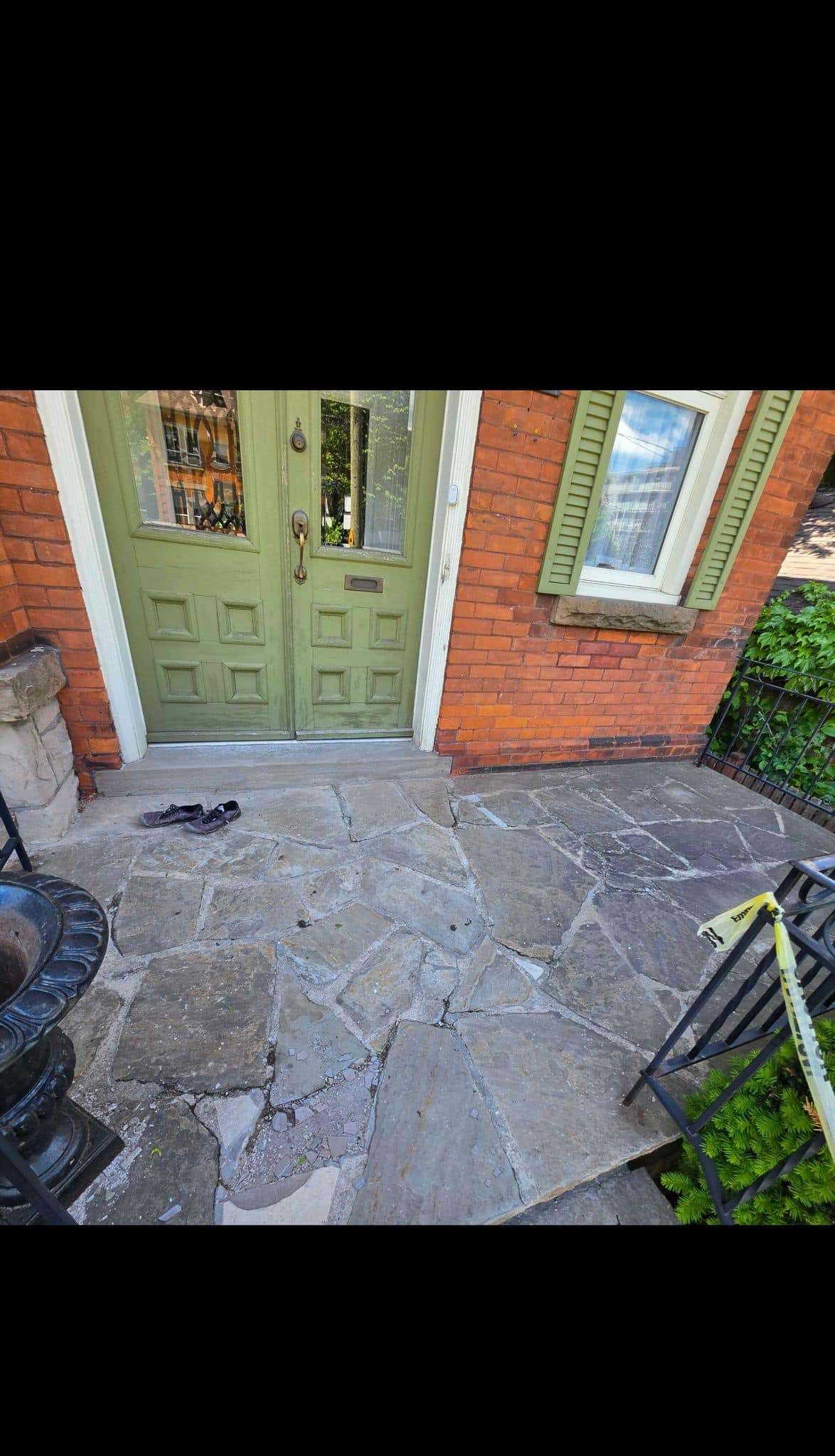
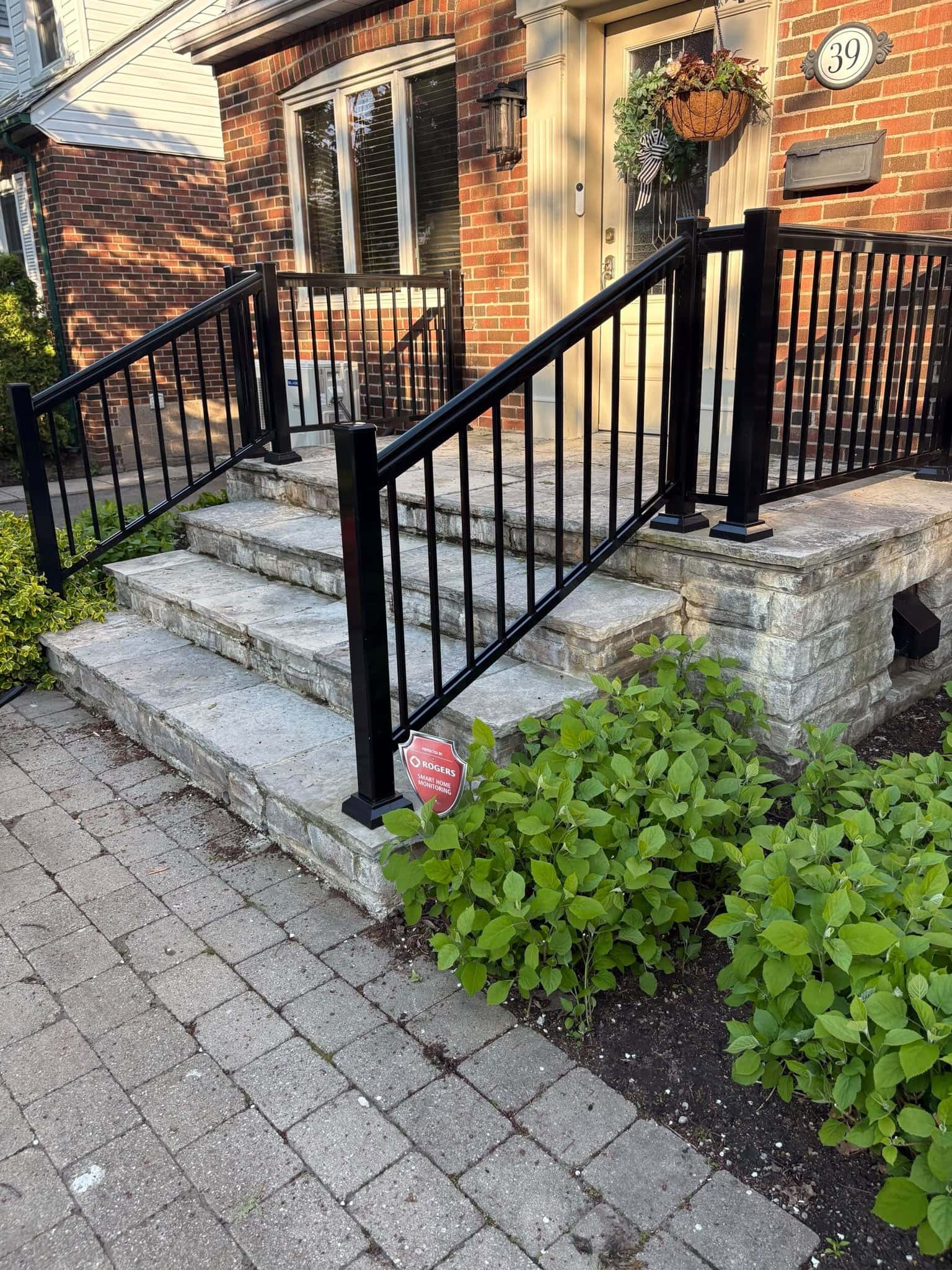
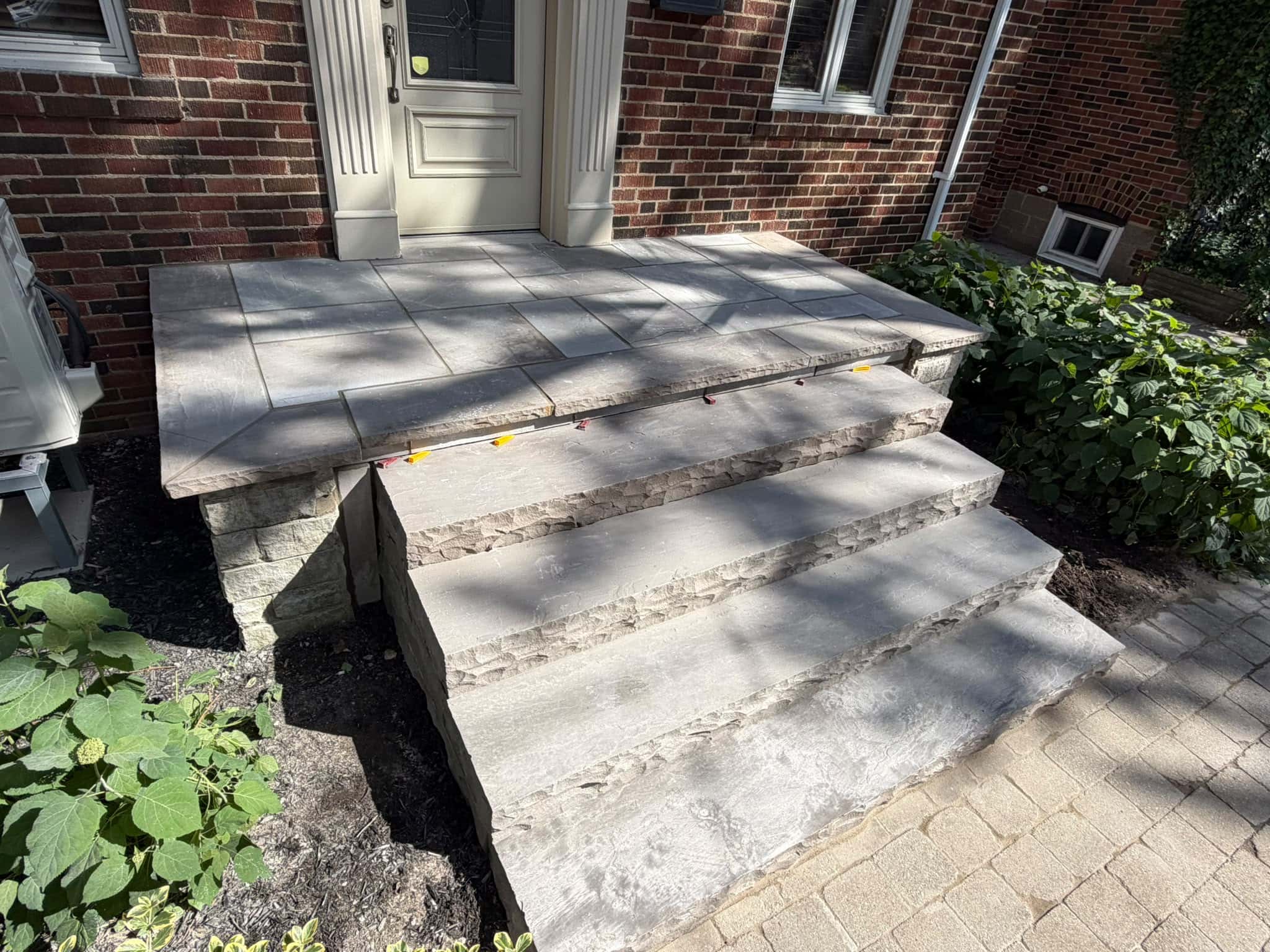
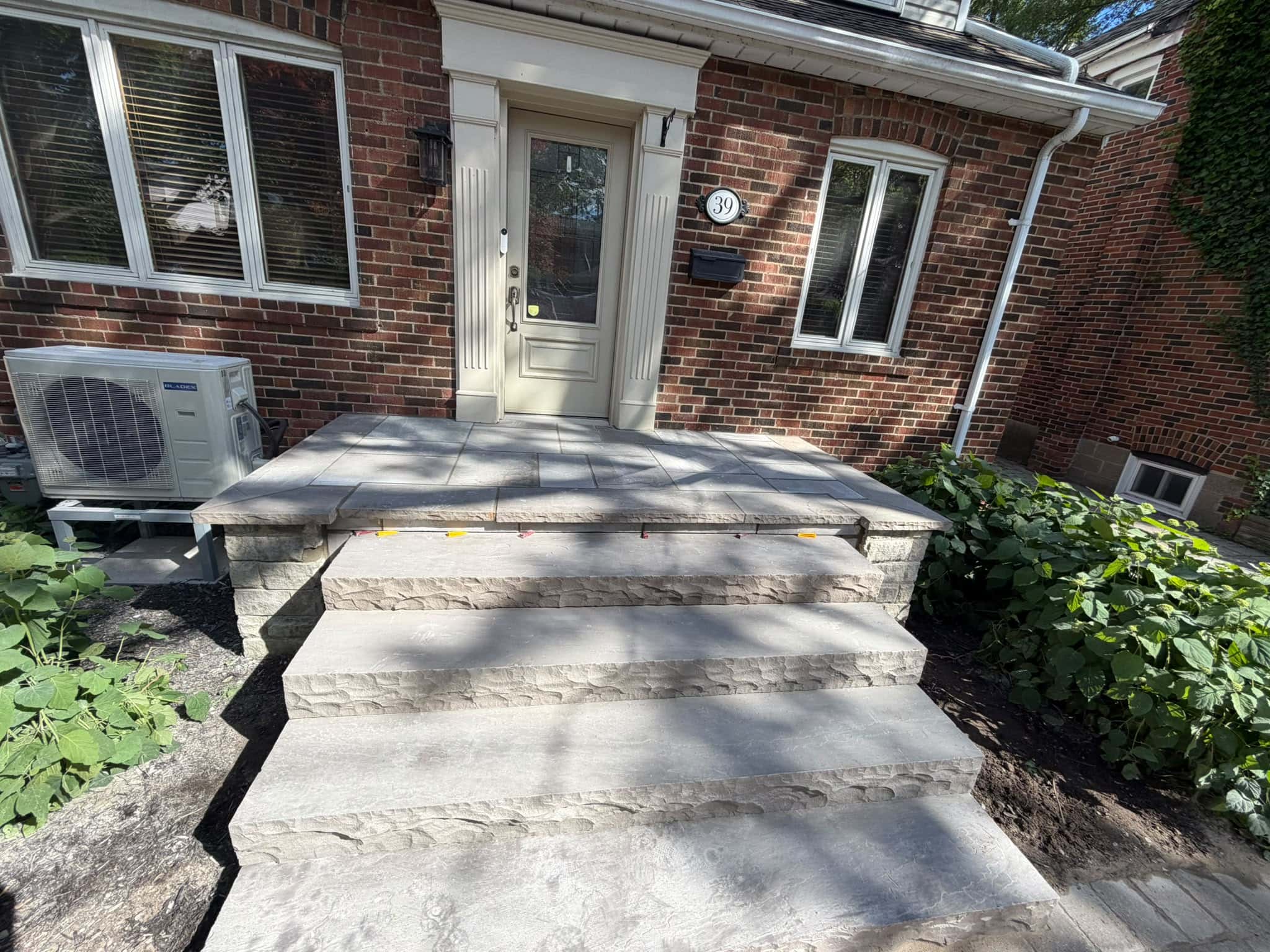
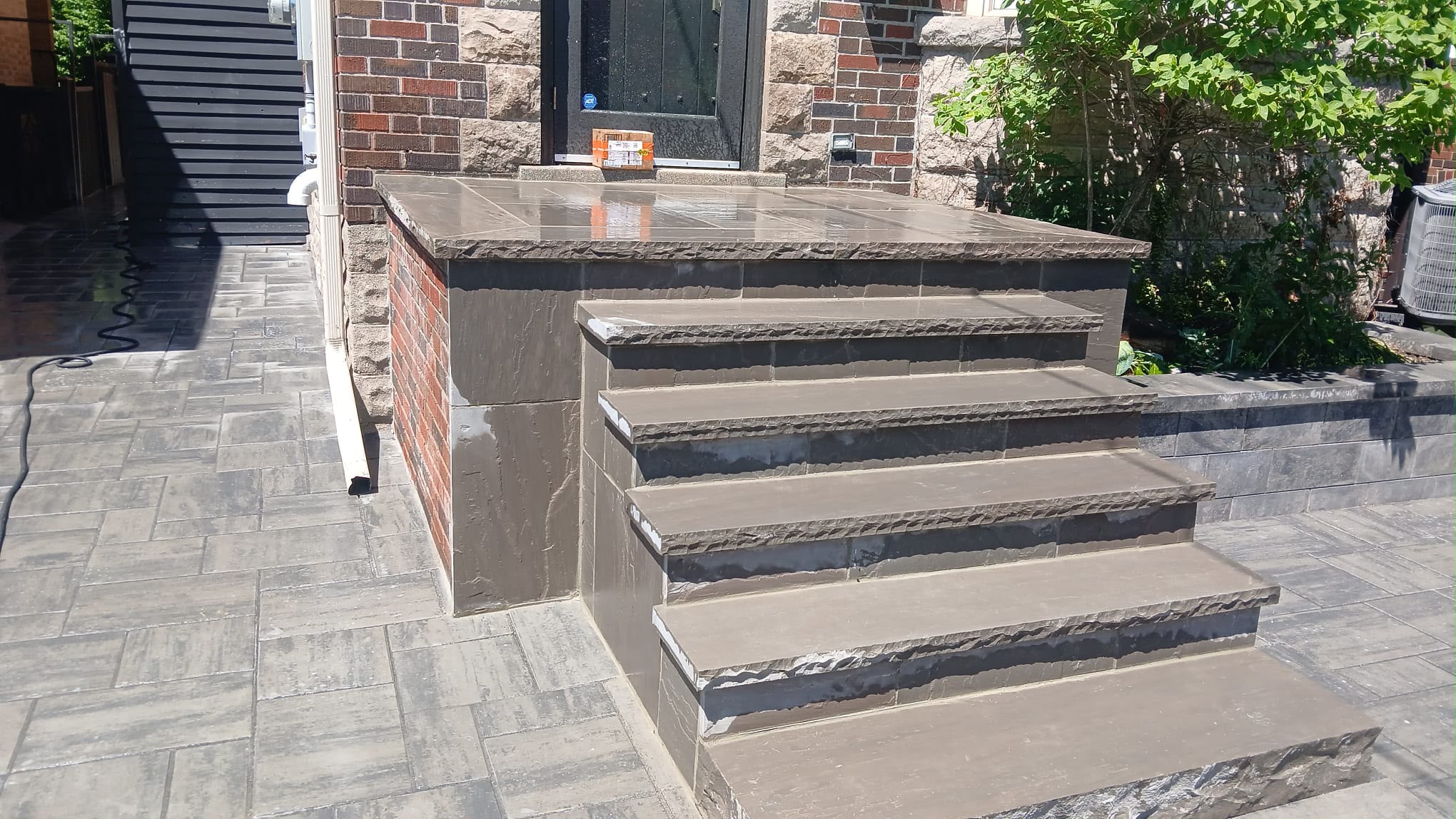
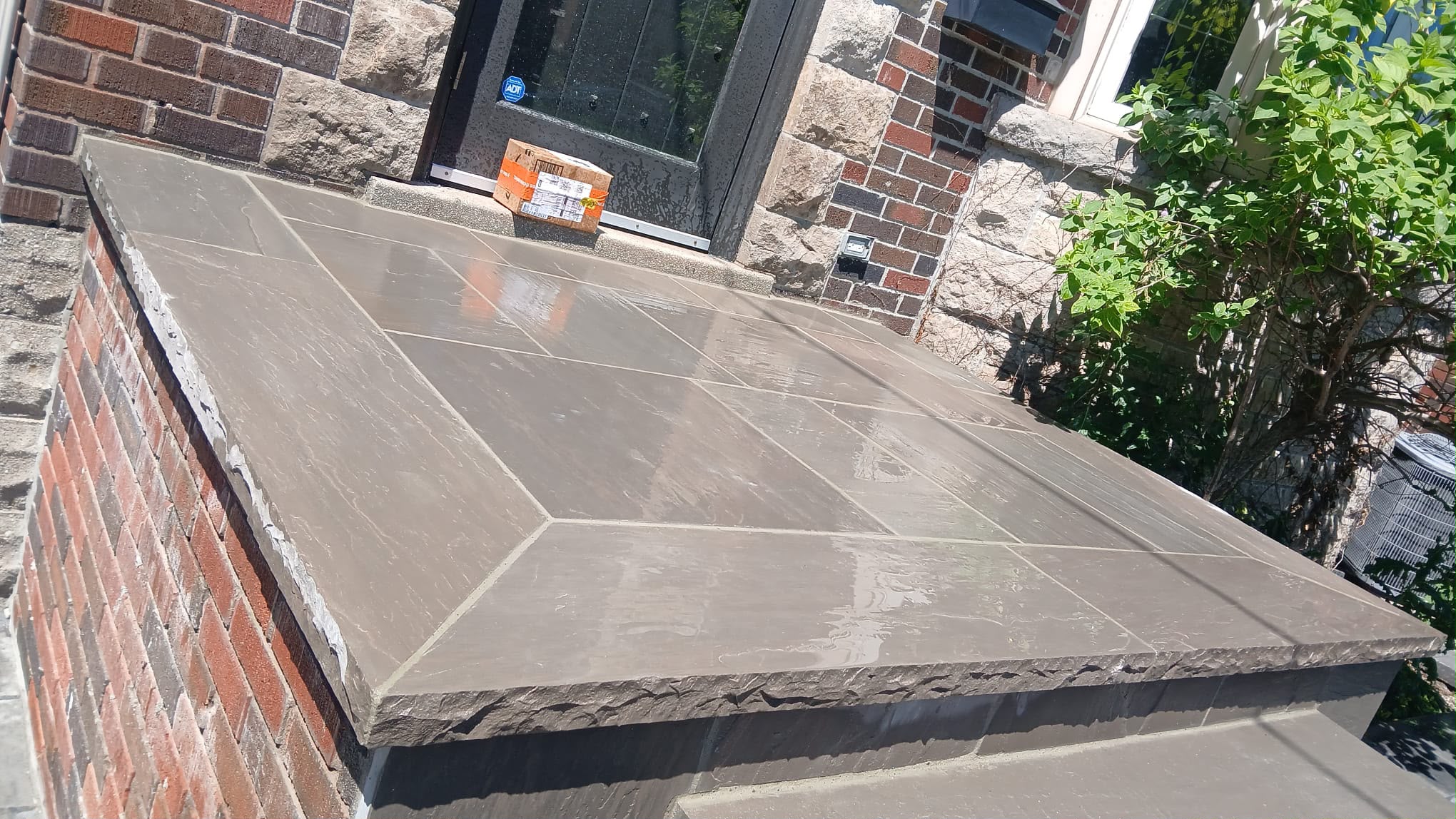
- Construct stone steps or porches
- Repair concrete foundations
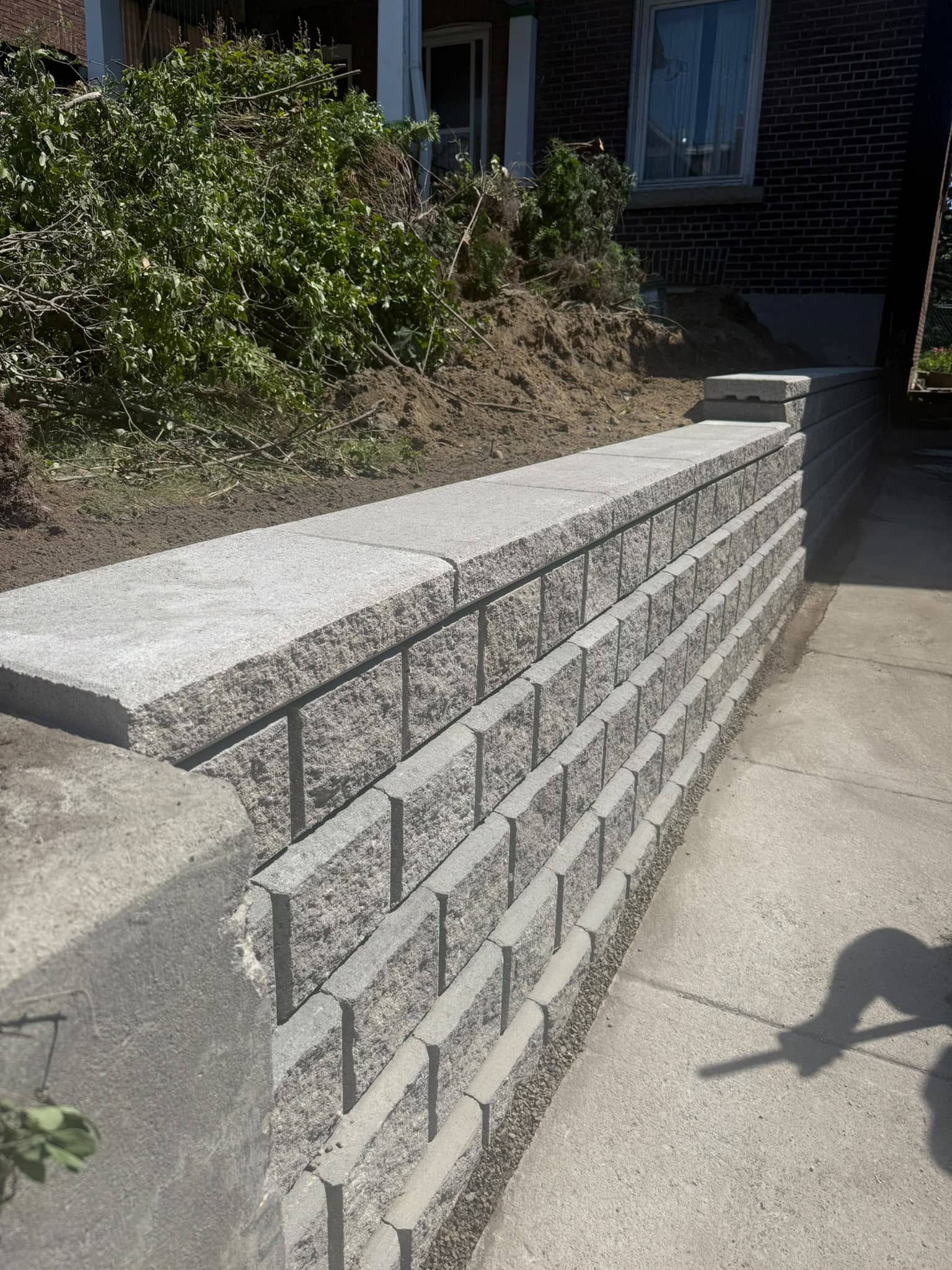
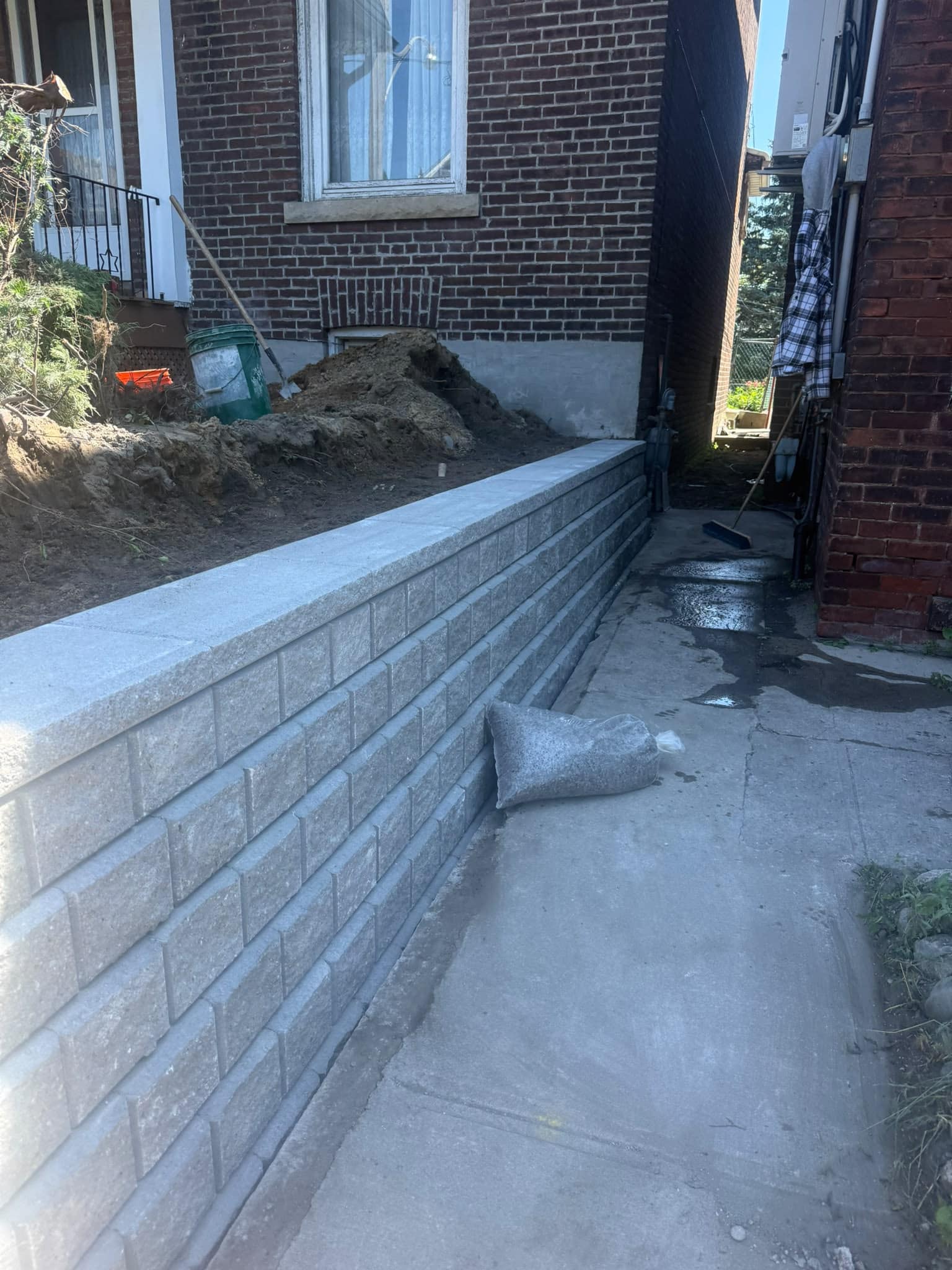
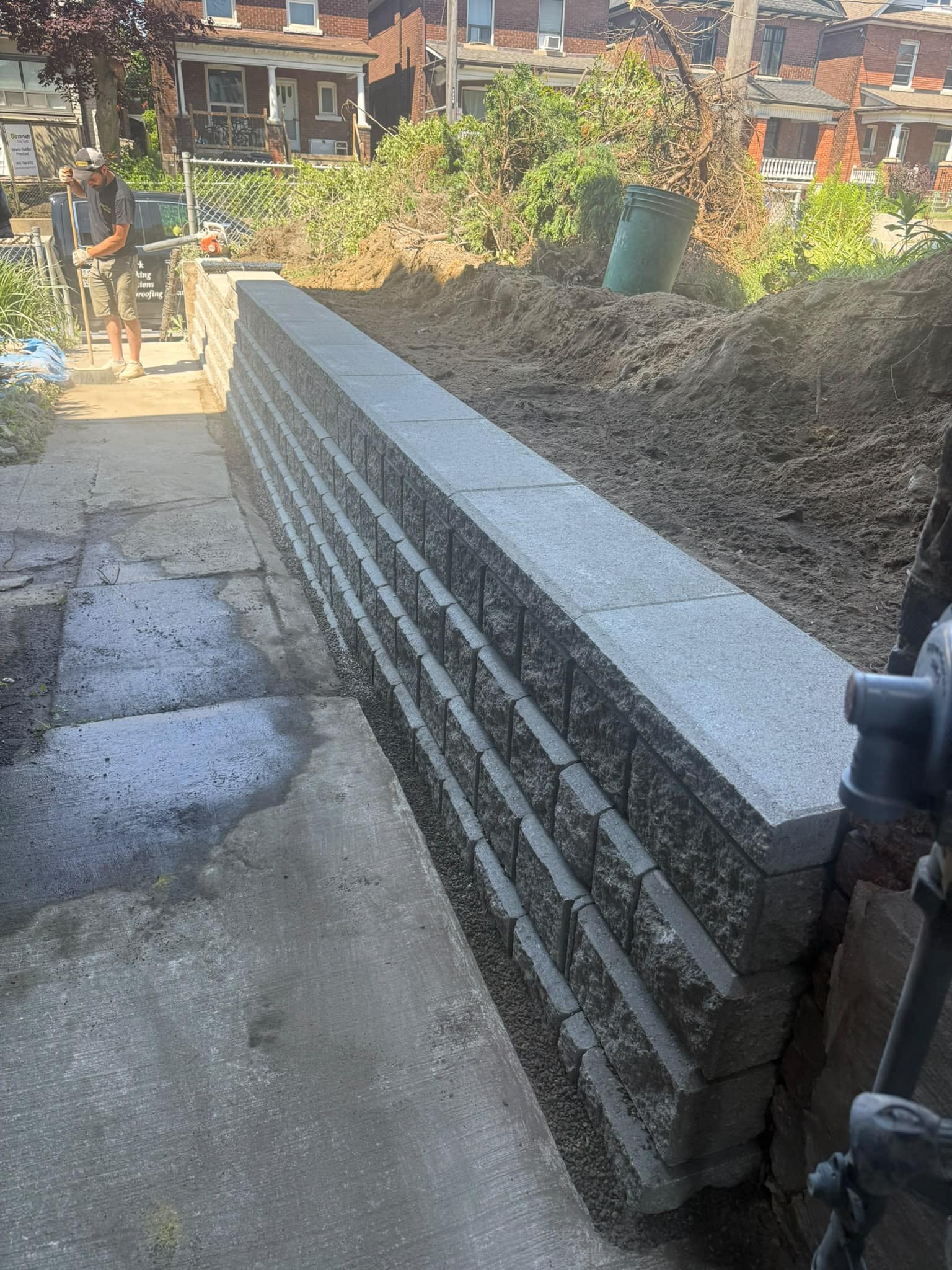
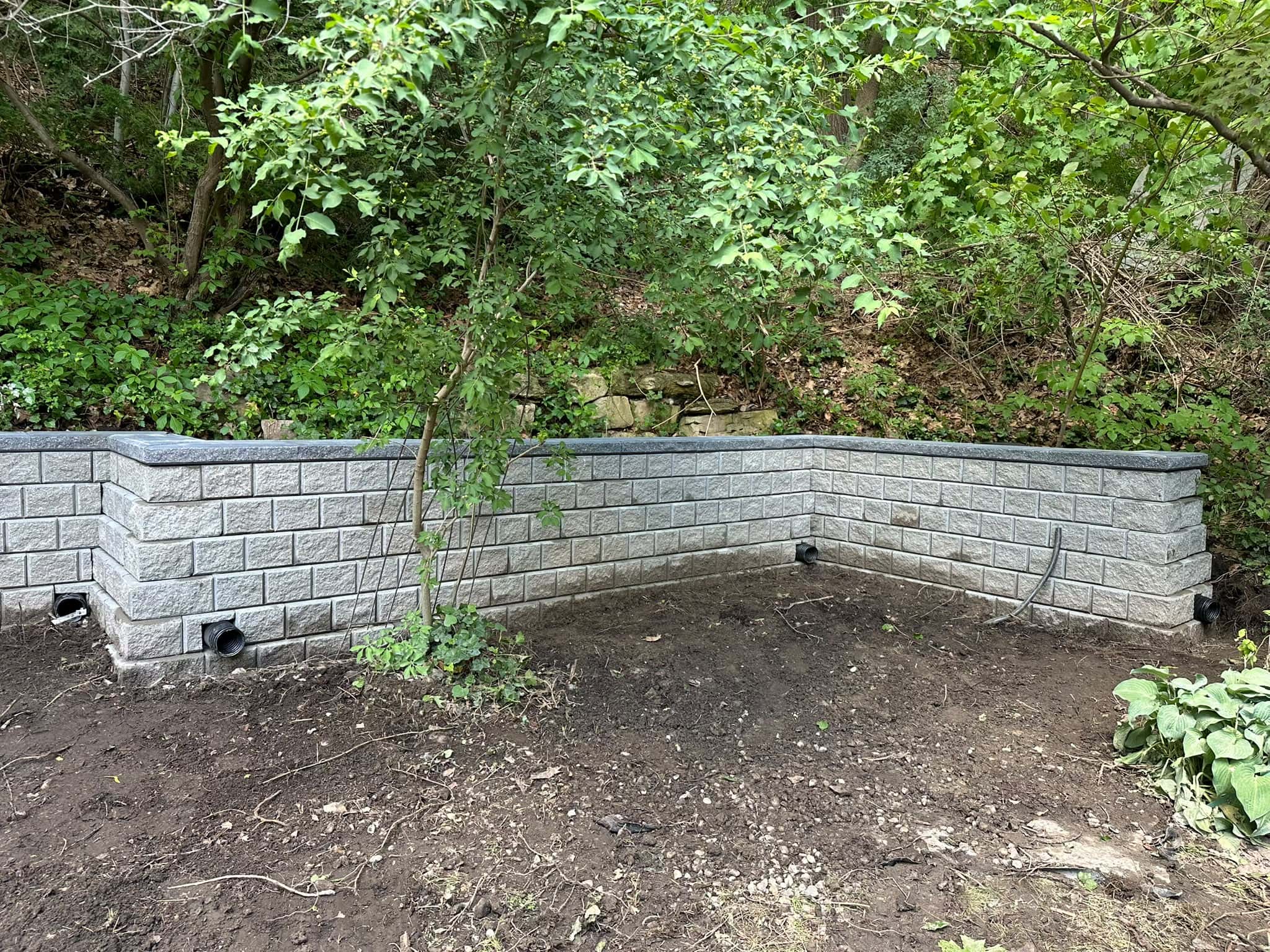
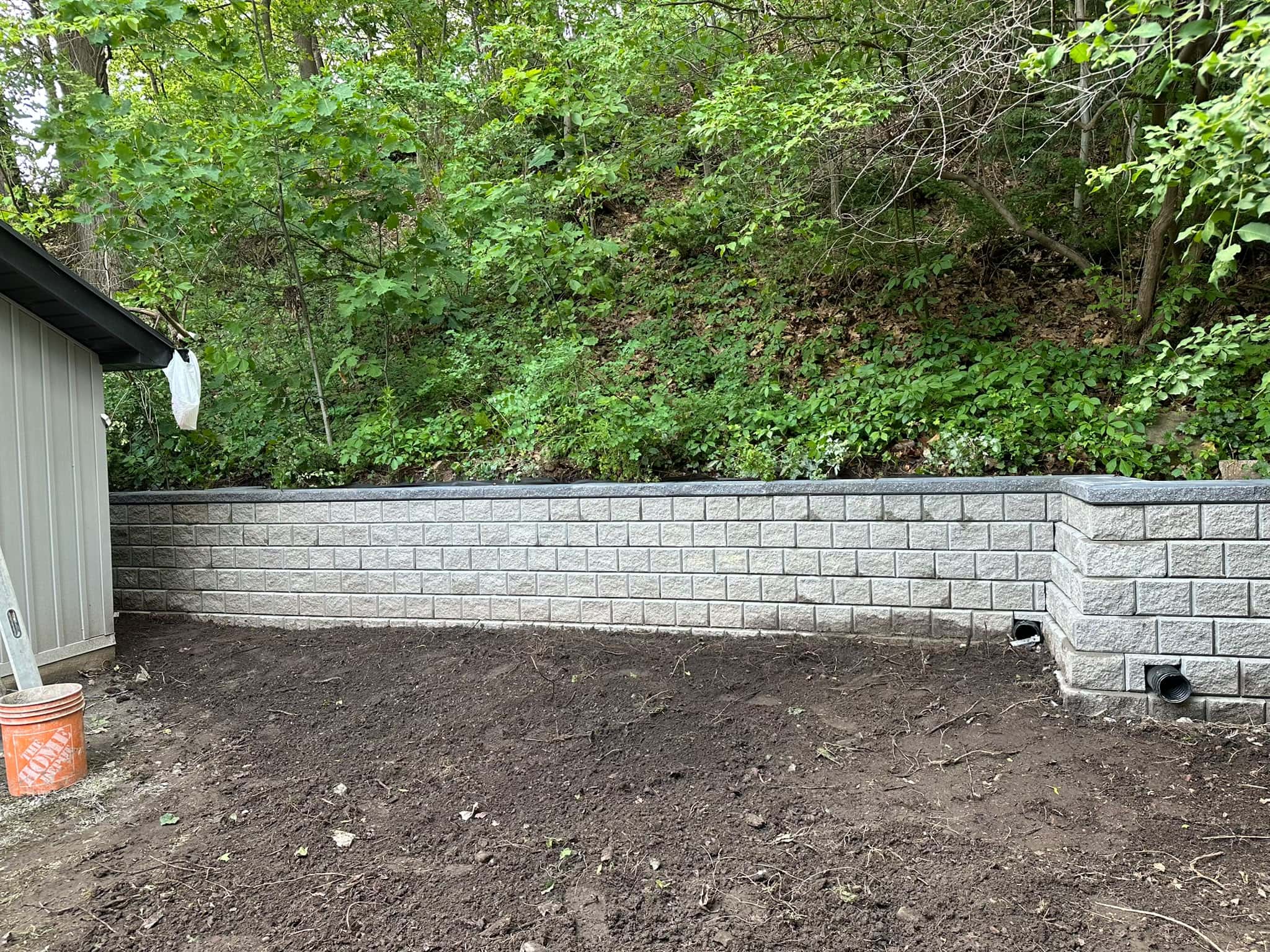
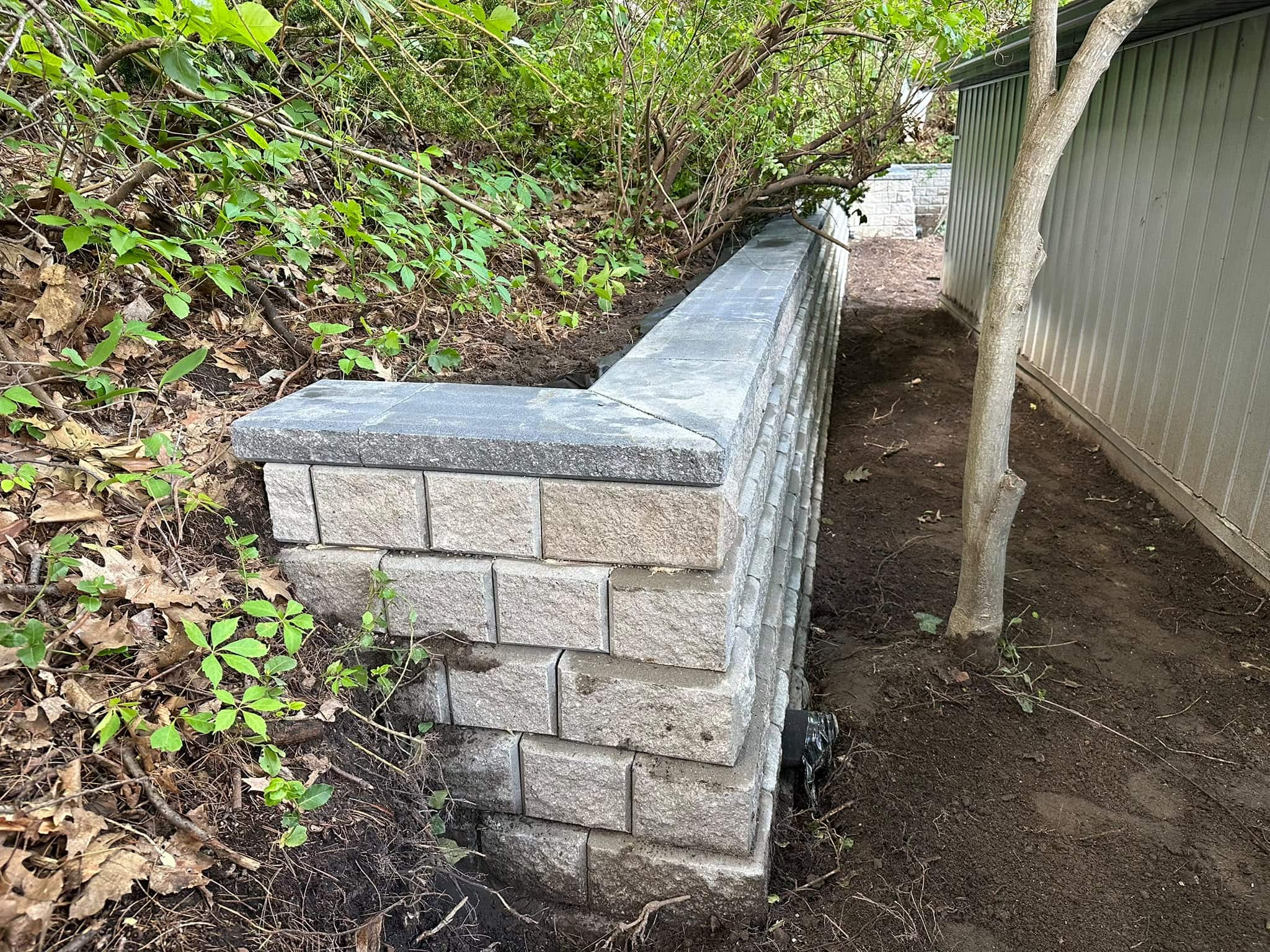
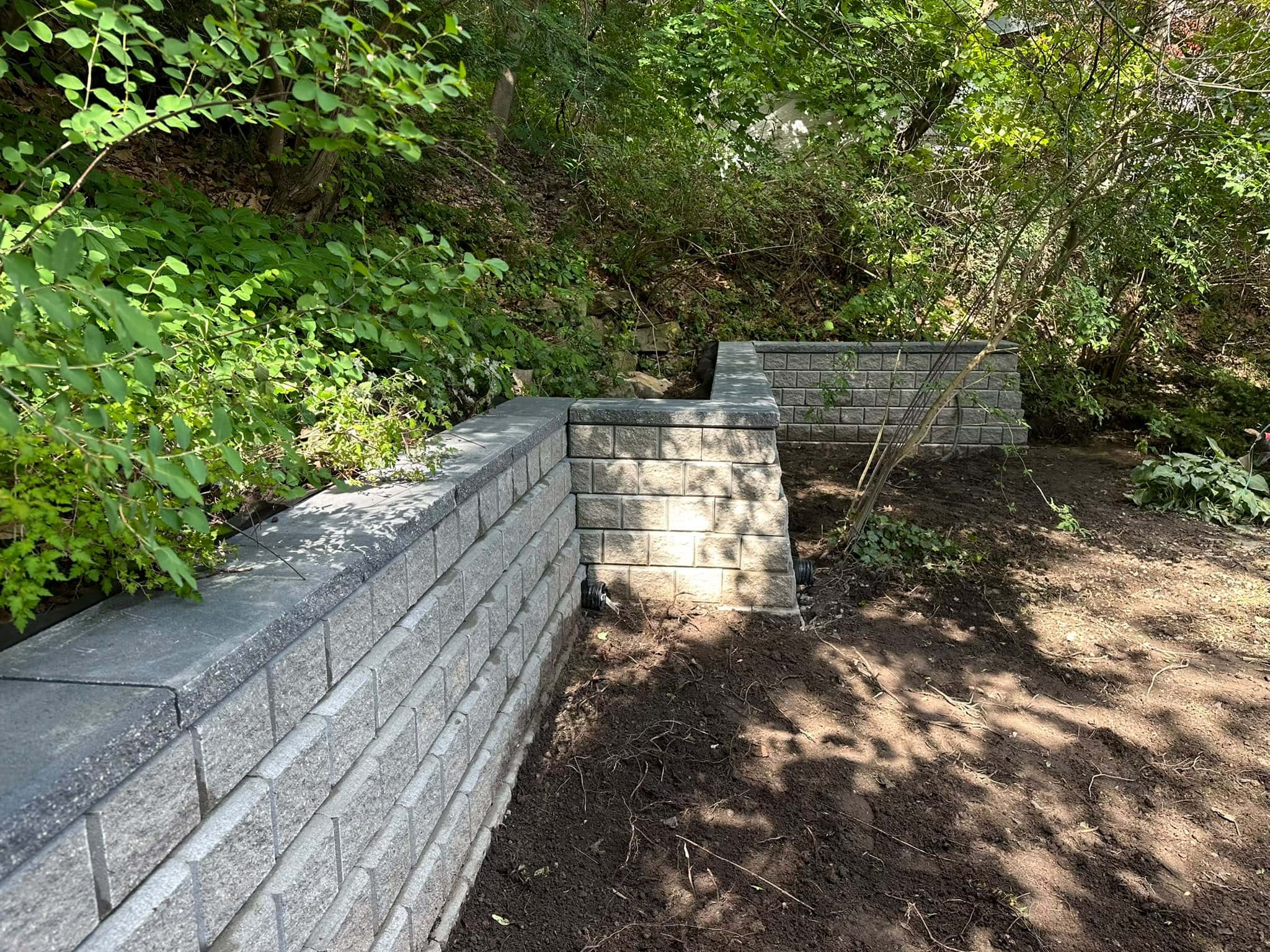
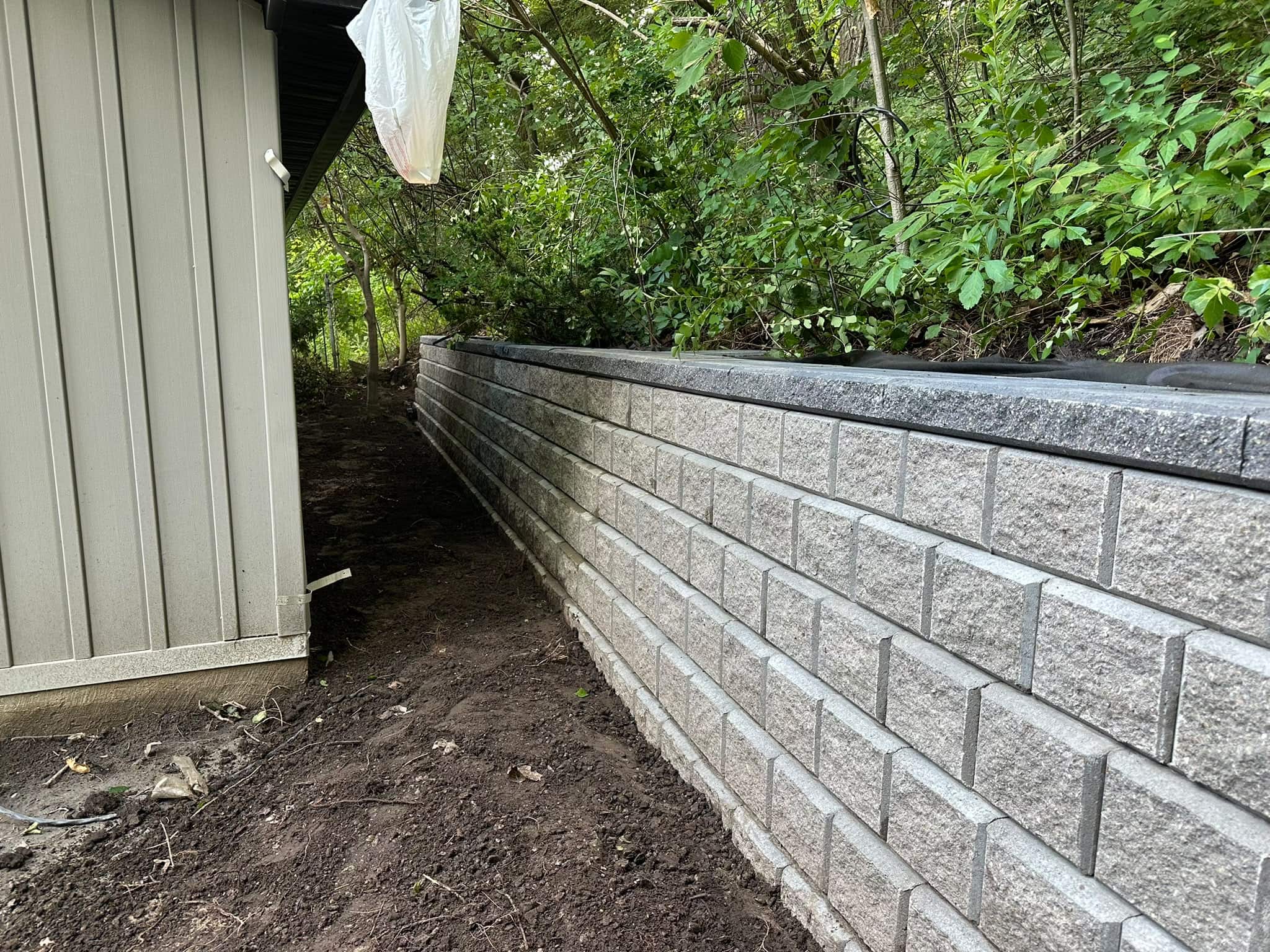
- Install retaining walls
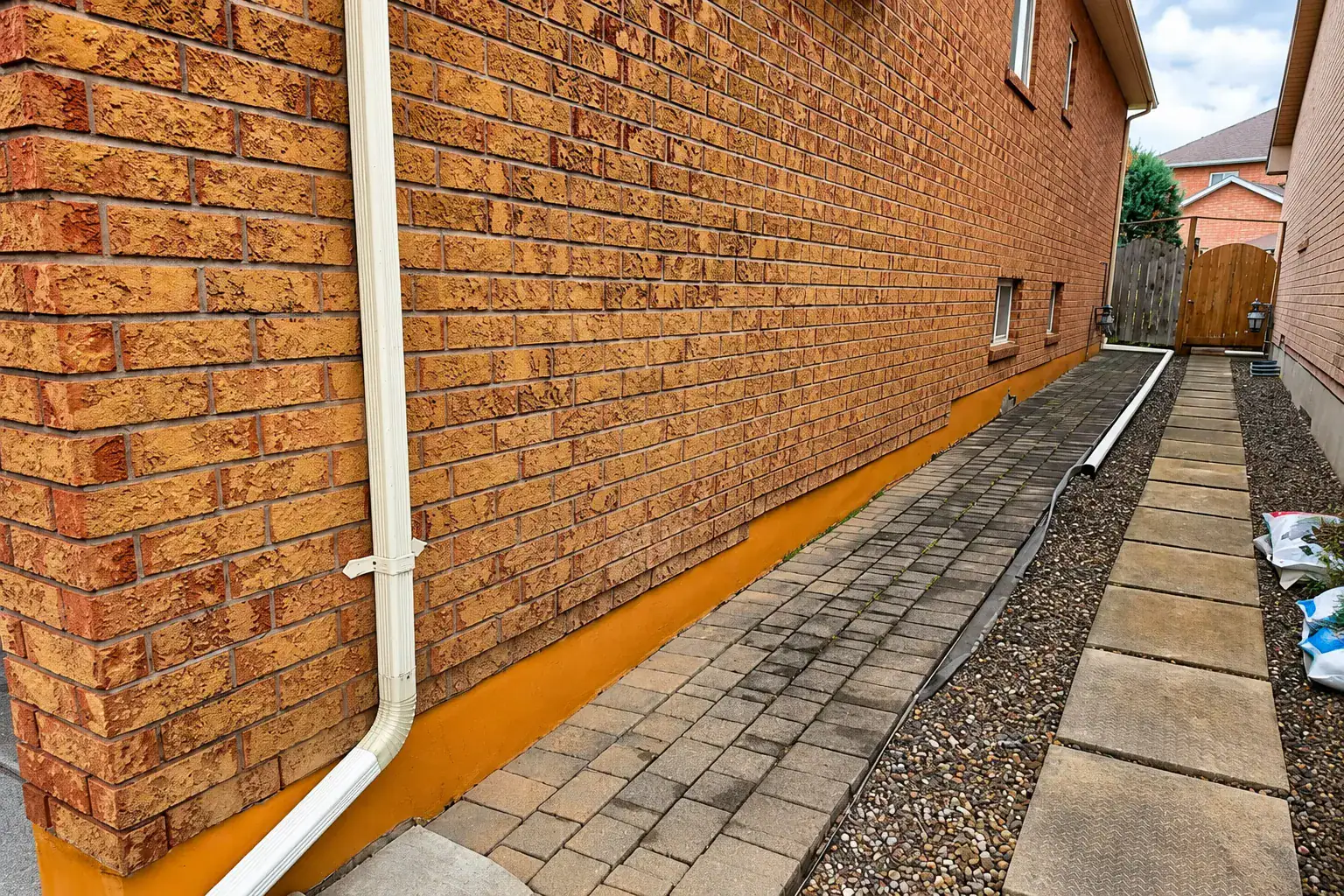
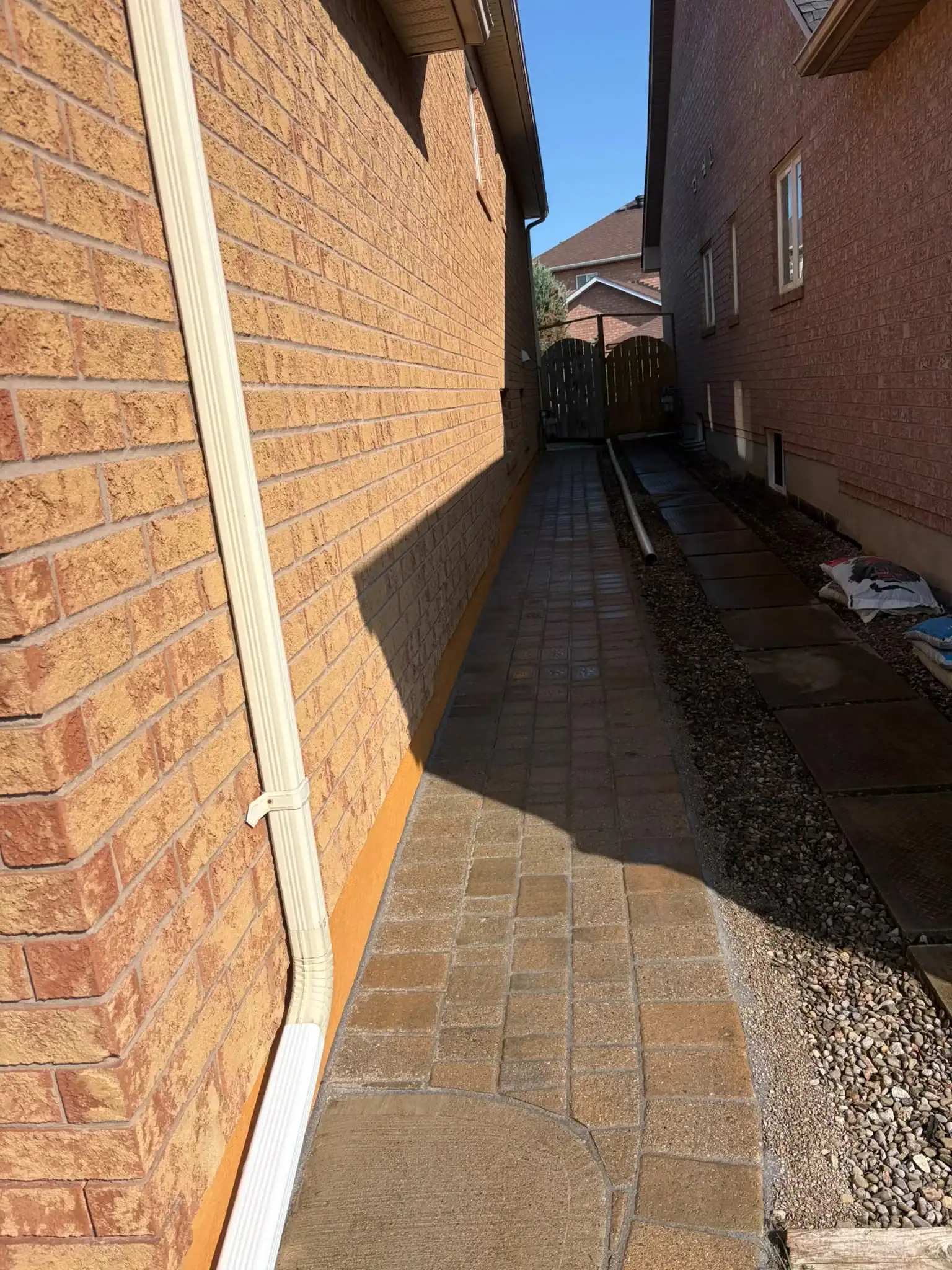
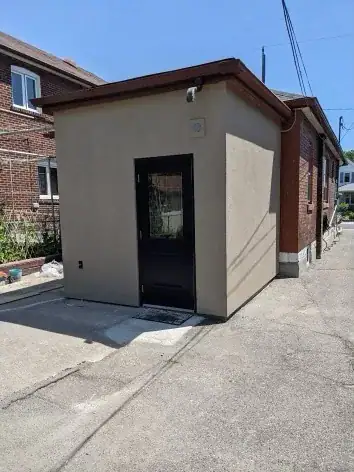
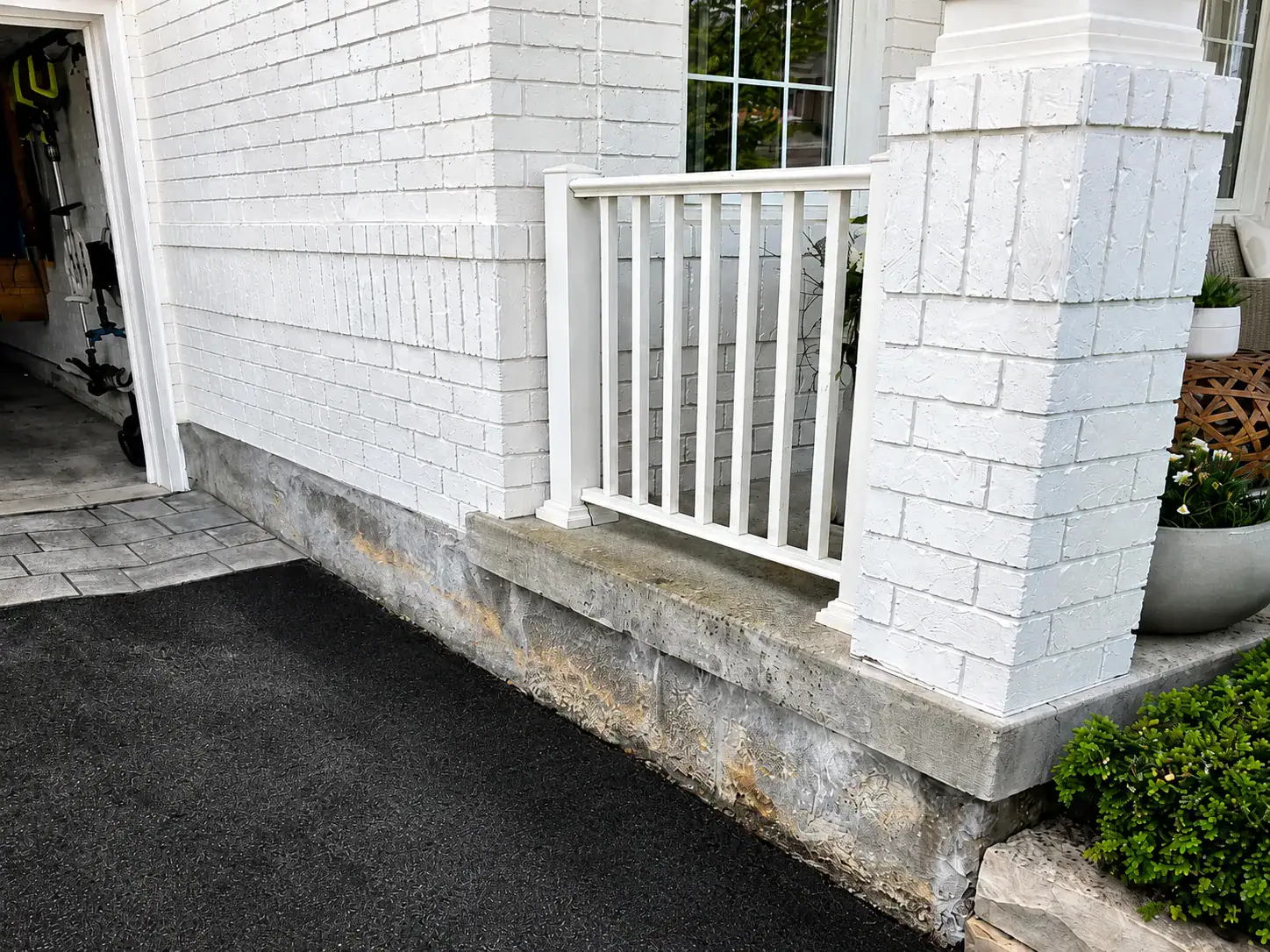
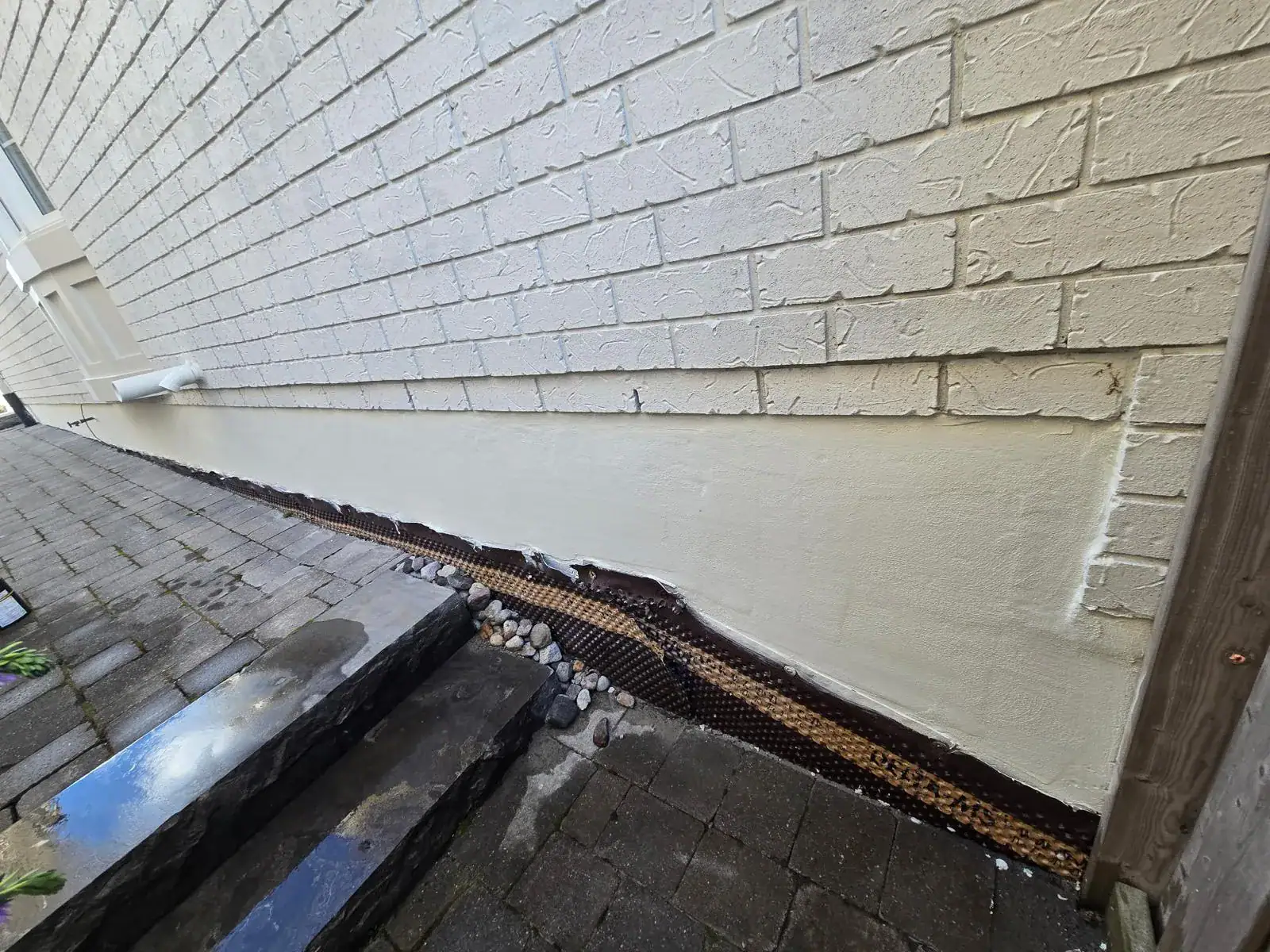
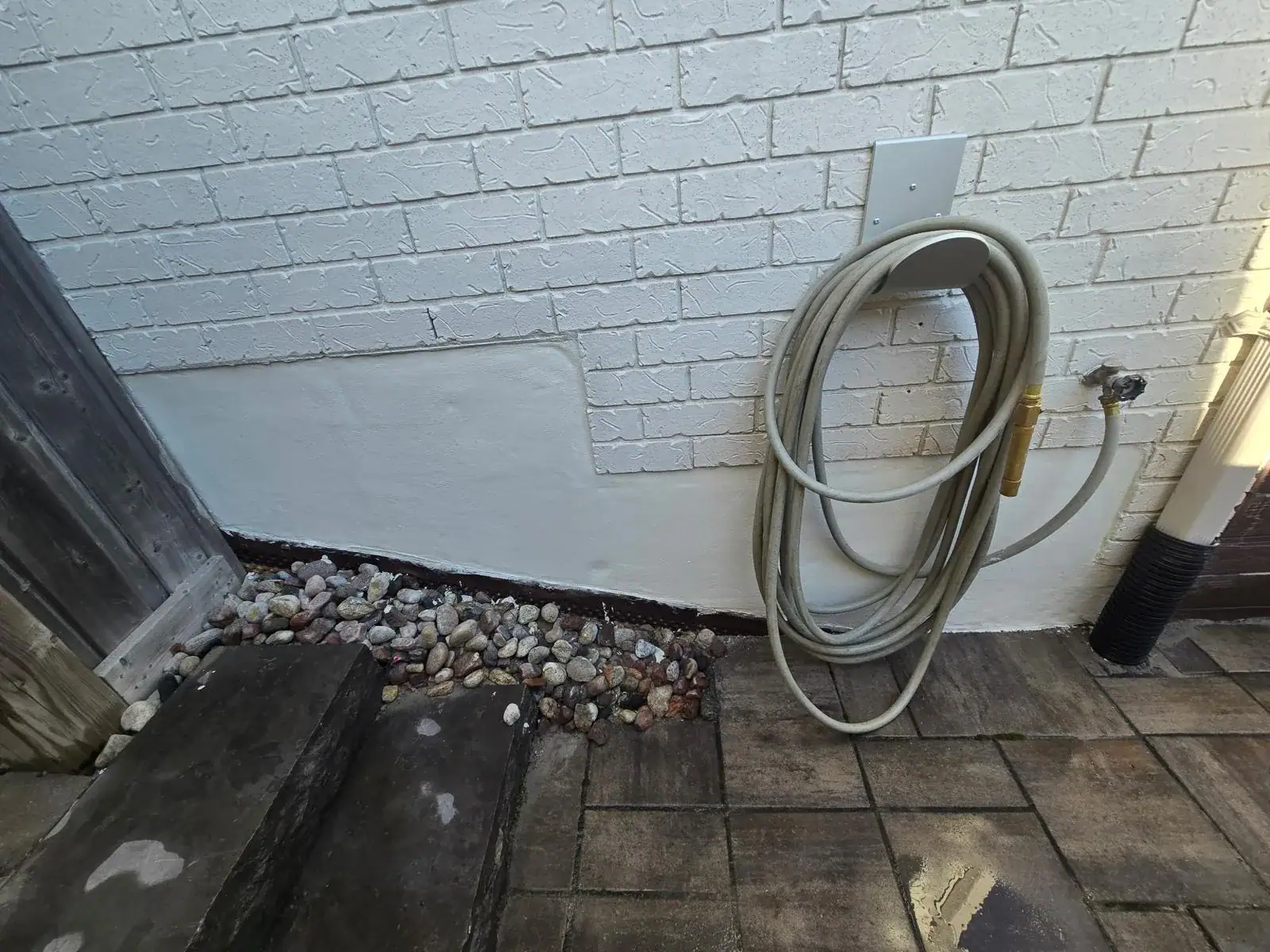
- Apply parging or foundation coatings
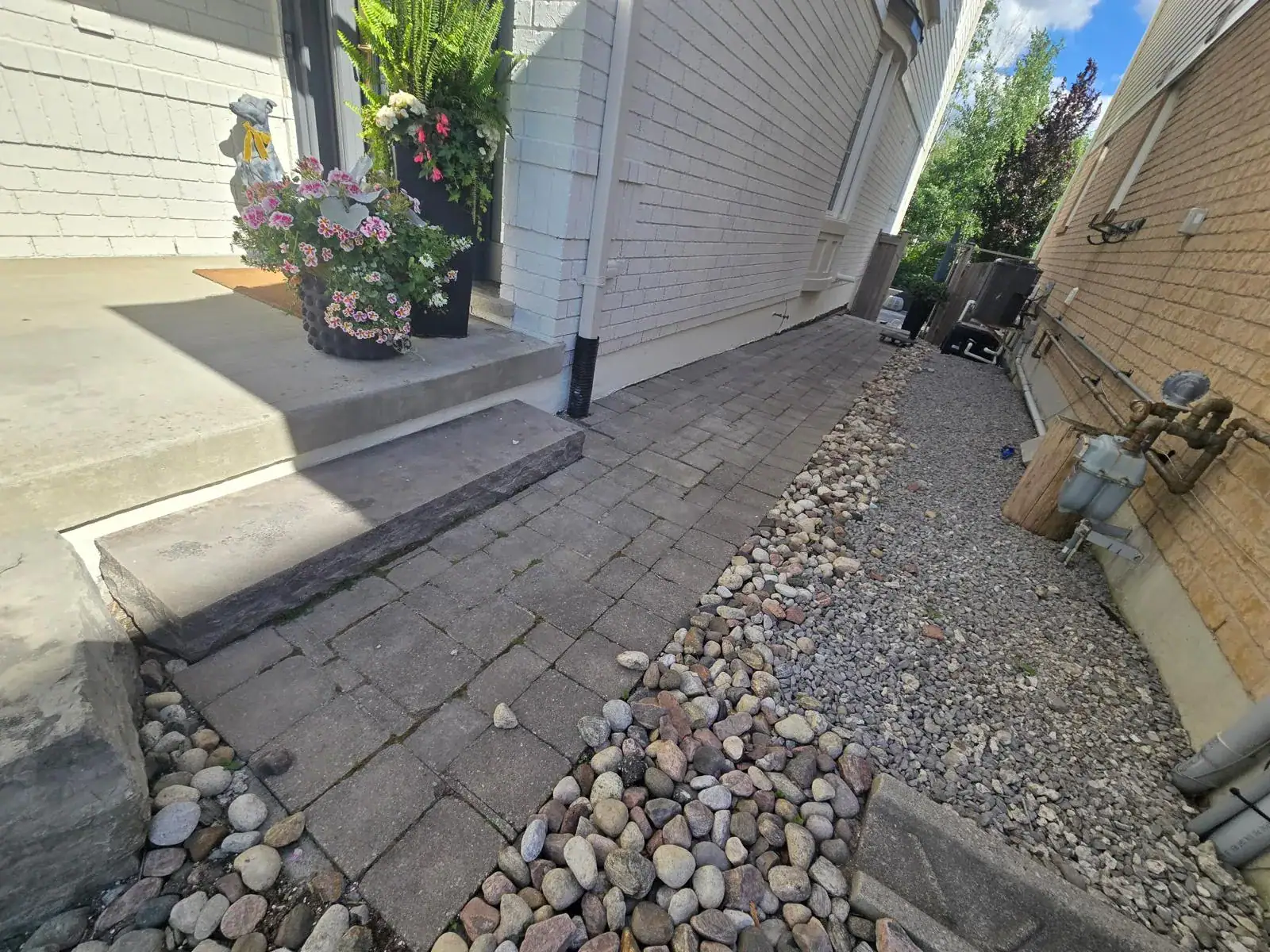
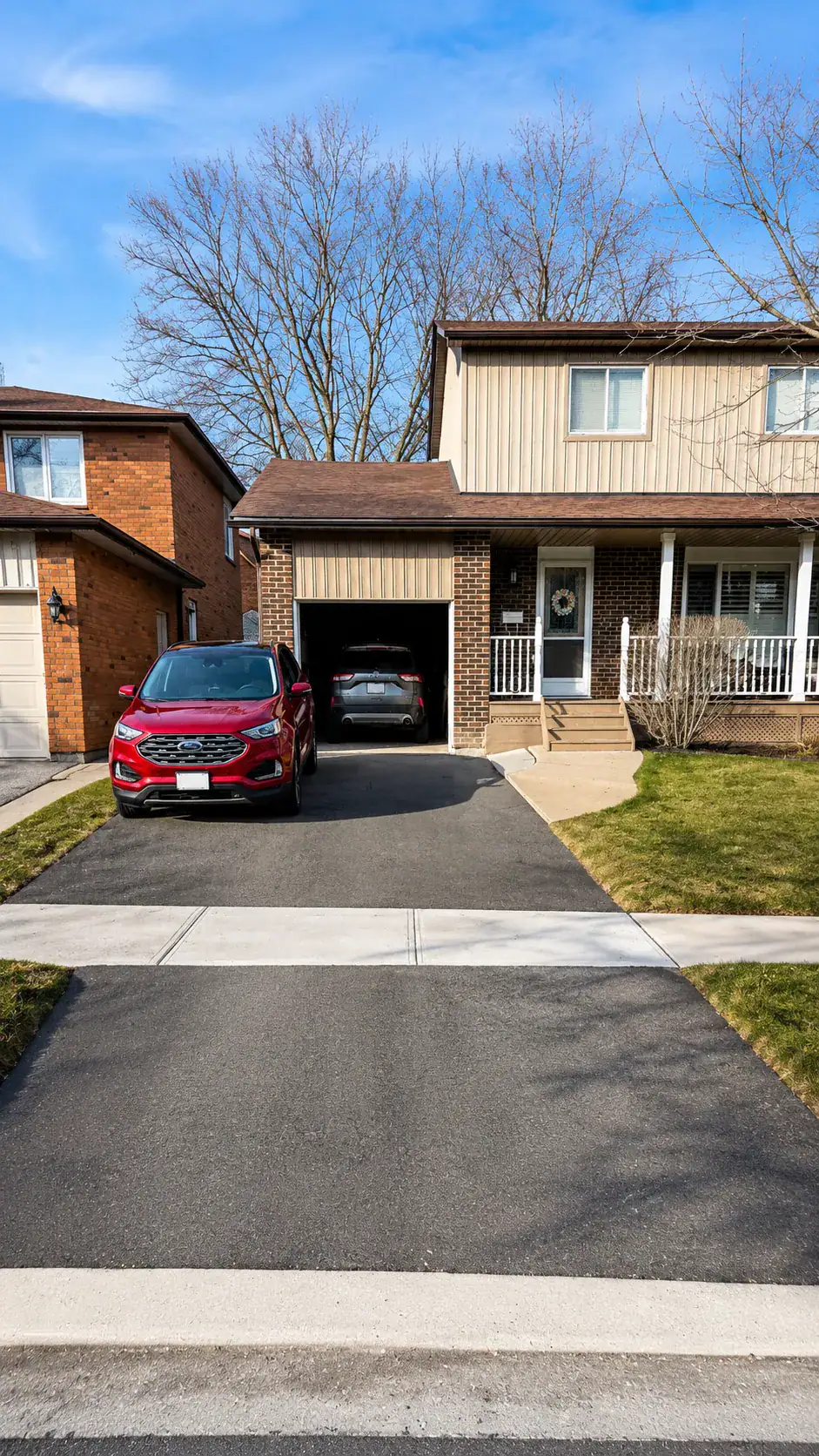
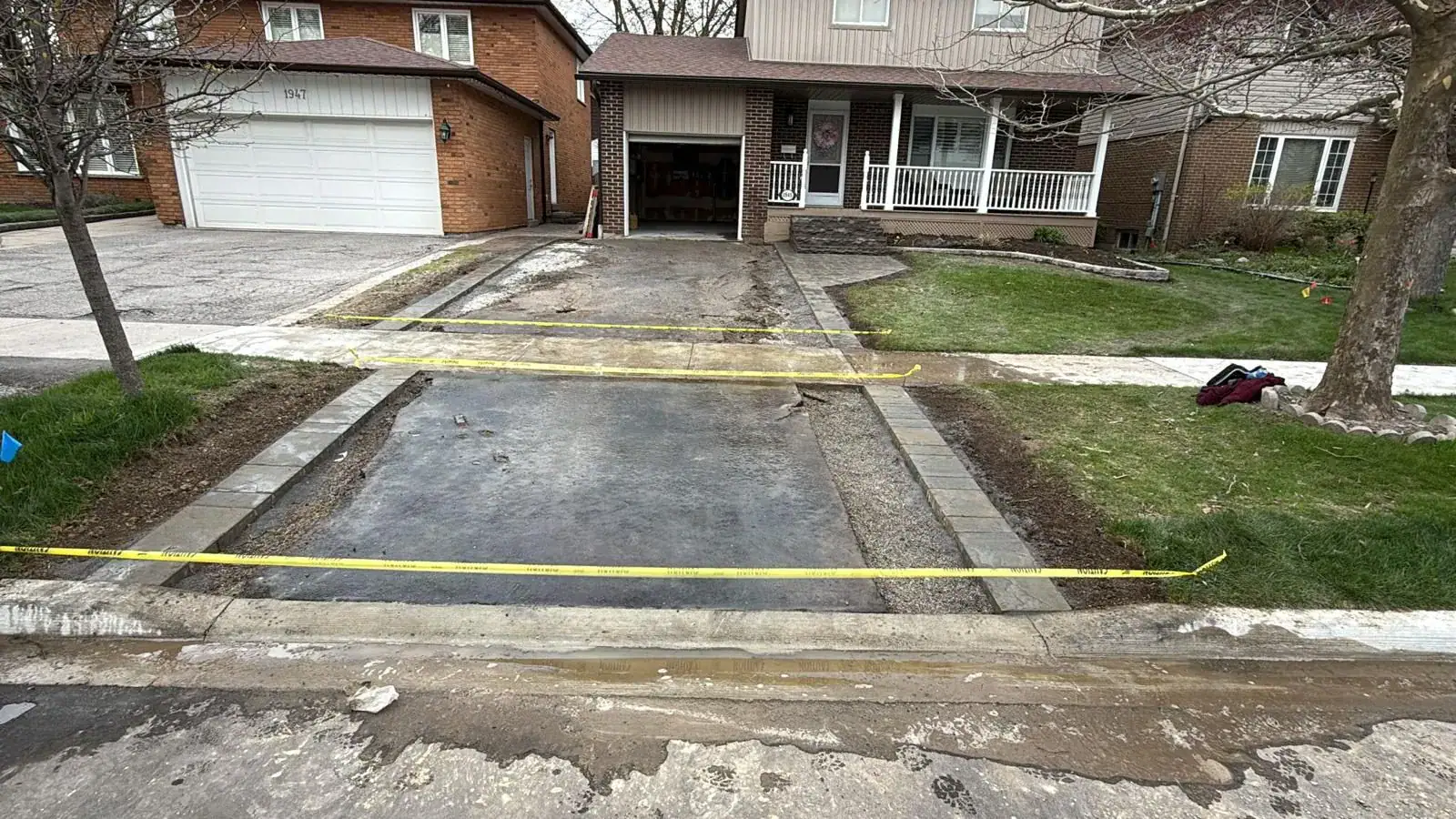
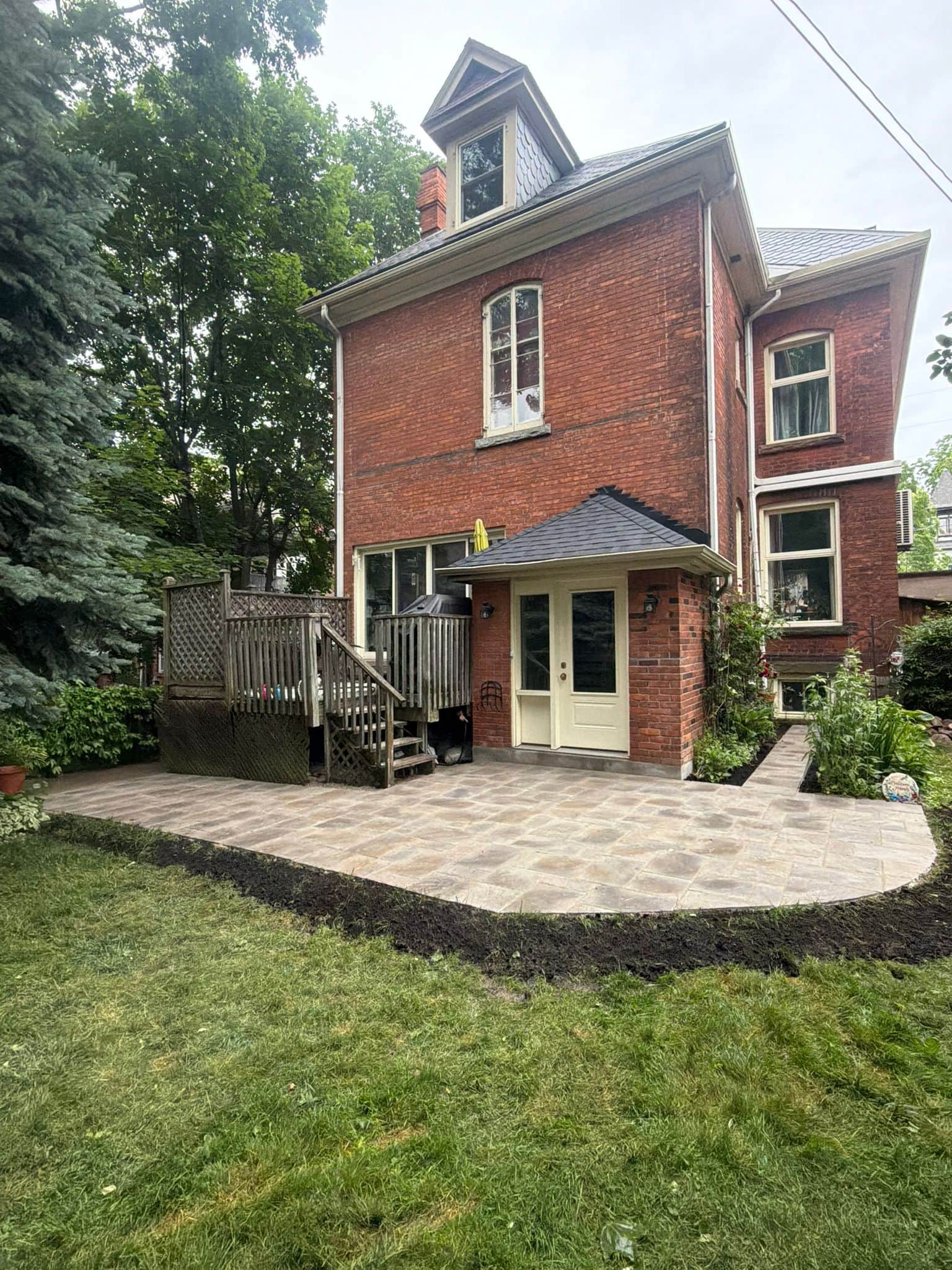
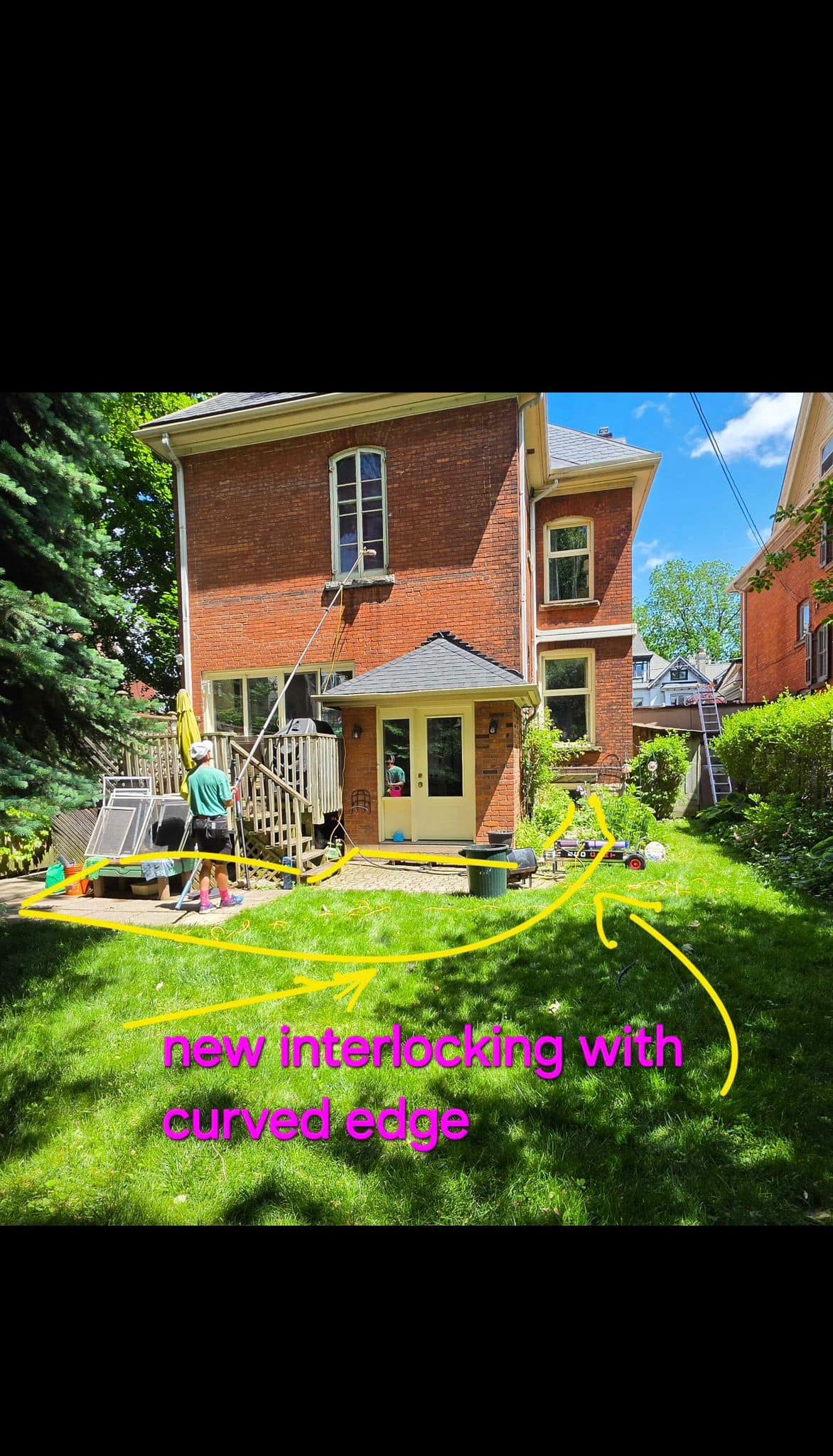
- Build interlocking patios and walkways
- Restore heritage masonry
- Diagnose the cause of cracking or moisture damage
Good masonry work involves much more than placing bricks in mortar. A mason must understand drainage, structural movement, mortar compatibility, material selection, weather exposure, and how different masonry systems respond over time.
What Are the Main Types of Masonry?
Brick Masonry
Brick masonry is one of the most common forms of construction in Toronto.
Bricks are durable, attractive, fire-resistant, and capable of handling harsh weather when properly installed. They are frequently used for exterior walls, chimneys, fireplaces, porches, garden walls, and decorative details.
Common brick masonry repairs include:
- Brick replacement
- Tuckpointing
- Mortar joint repair
- Crack repair
- Chimney repair
- Brick restoration
- Lintel-area repairs
- Painting or coating removal
Older Toronto homes often require special care because their original bricks and mortar may be softer than modern materials.
Stone Masonry
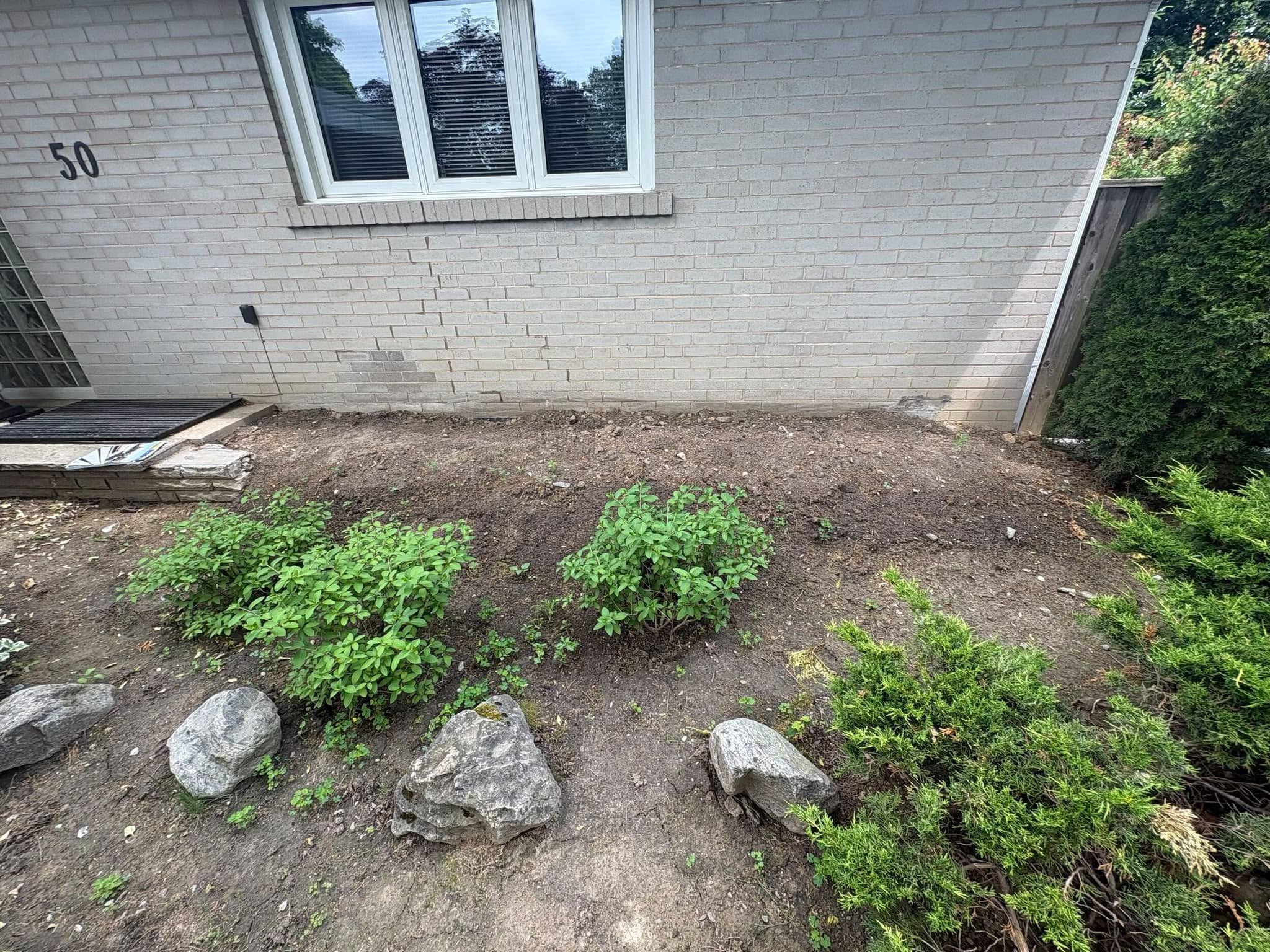
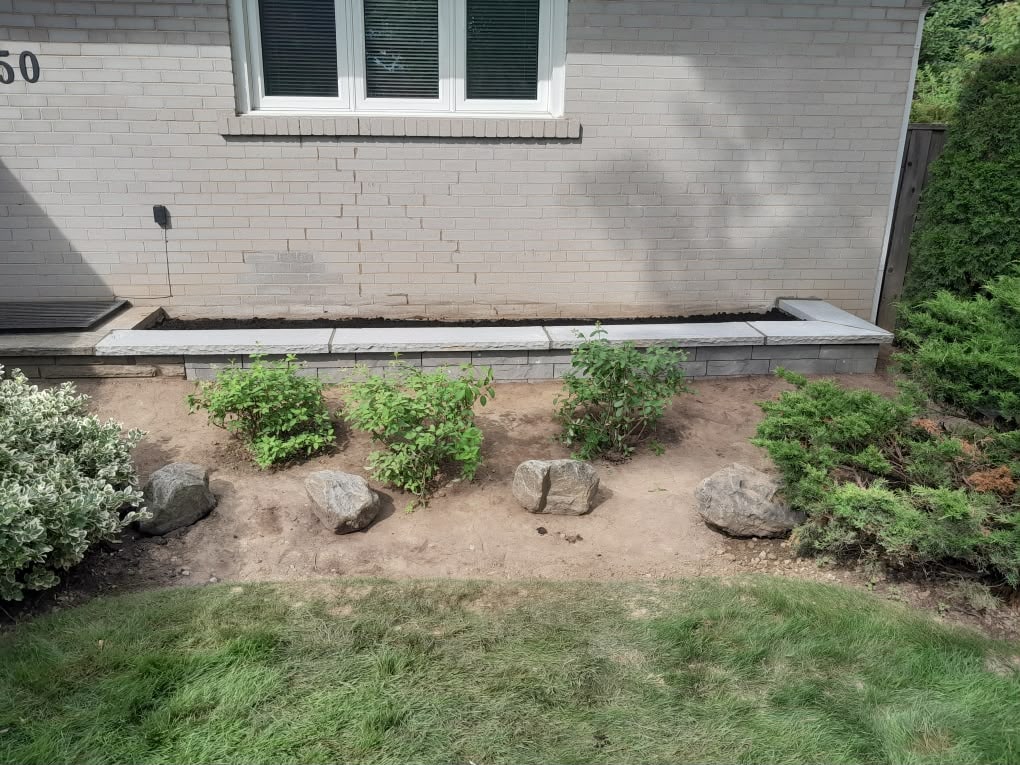
Stone masonry uses natural or manufactured stone to create walls, steps, porches, veneers, retaining walls, and landscape features.
Natural stone may include:
- Limestone
- Granite
- Sandstone
- Fieldstone
- Flagstone
Stonework is valued for its strength and natural appearance, but it must be installed with proper drainage and a suitable mortar system. Poorly installed stone can shift, crack, loosen, or trap moisture.
Concrete Masonry
Concrete masonry includes poured concrete, concrete blocks, precast units, and other cement-based materials.
It is commonly used for:
- Foundations
- Basement walls
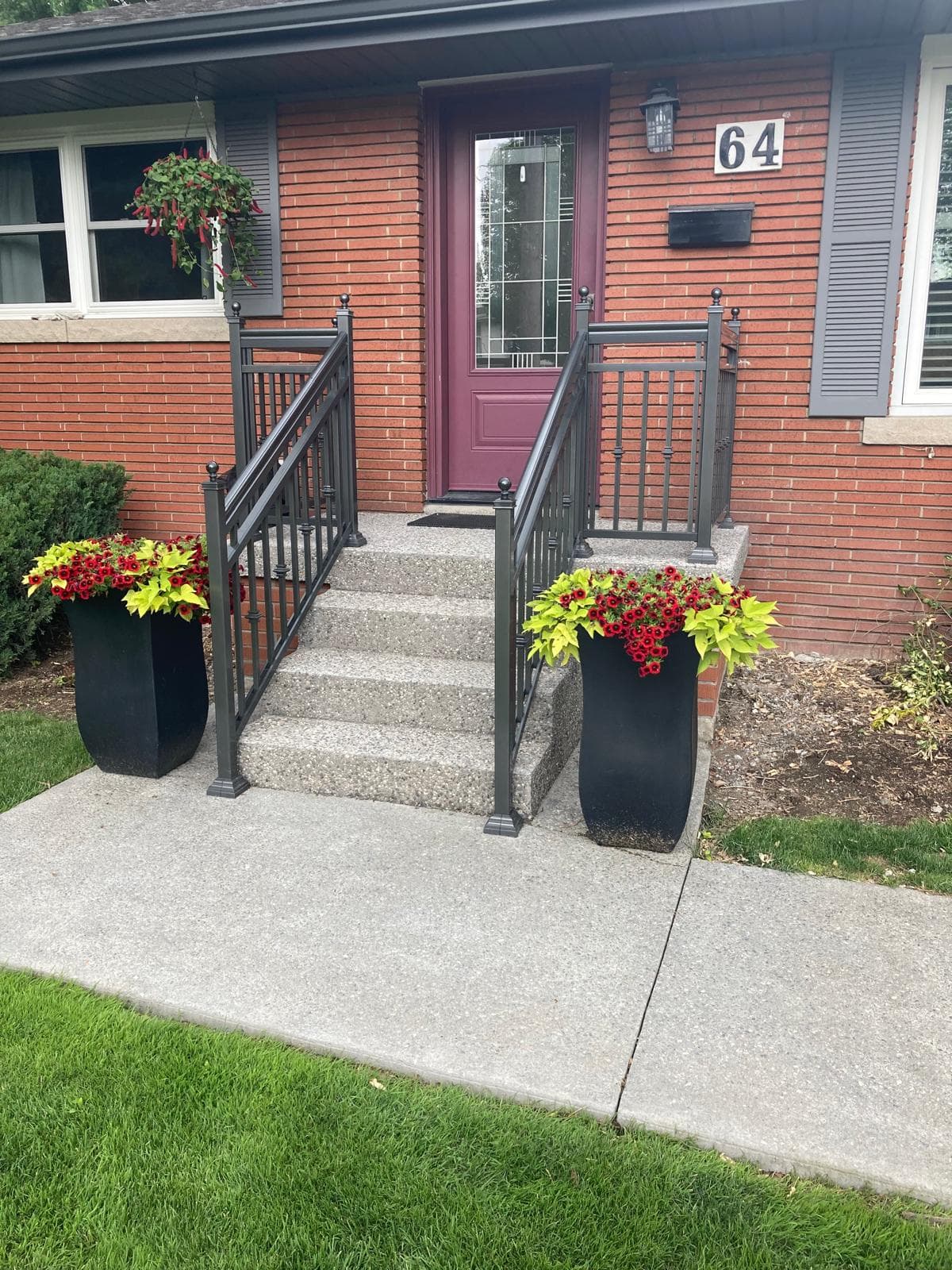
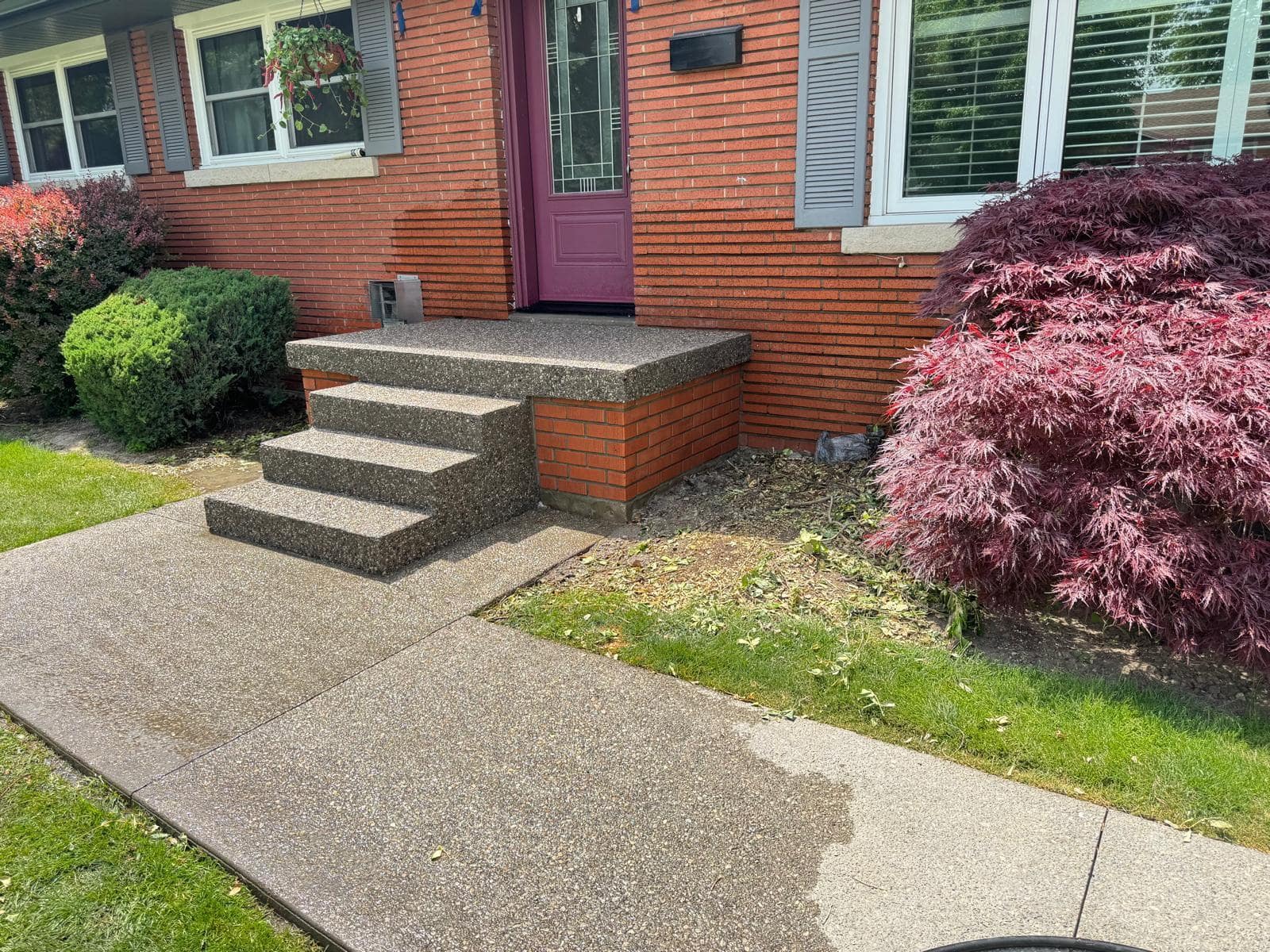
- Steps
- Porches
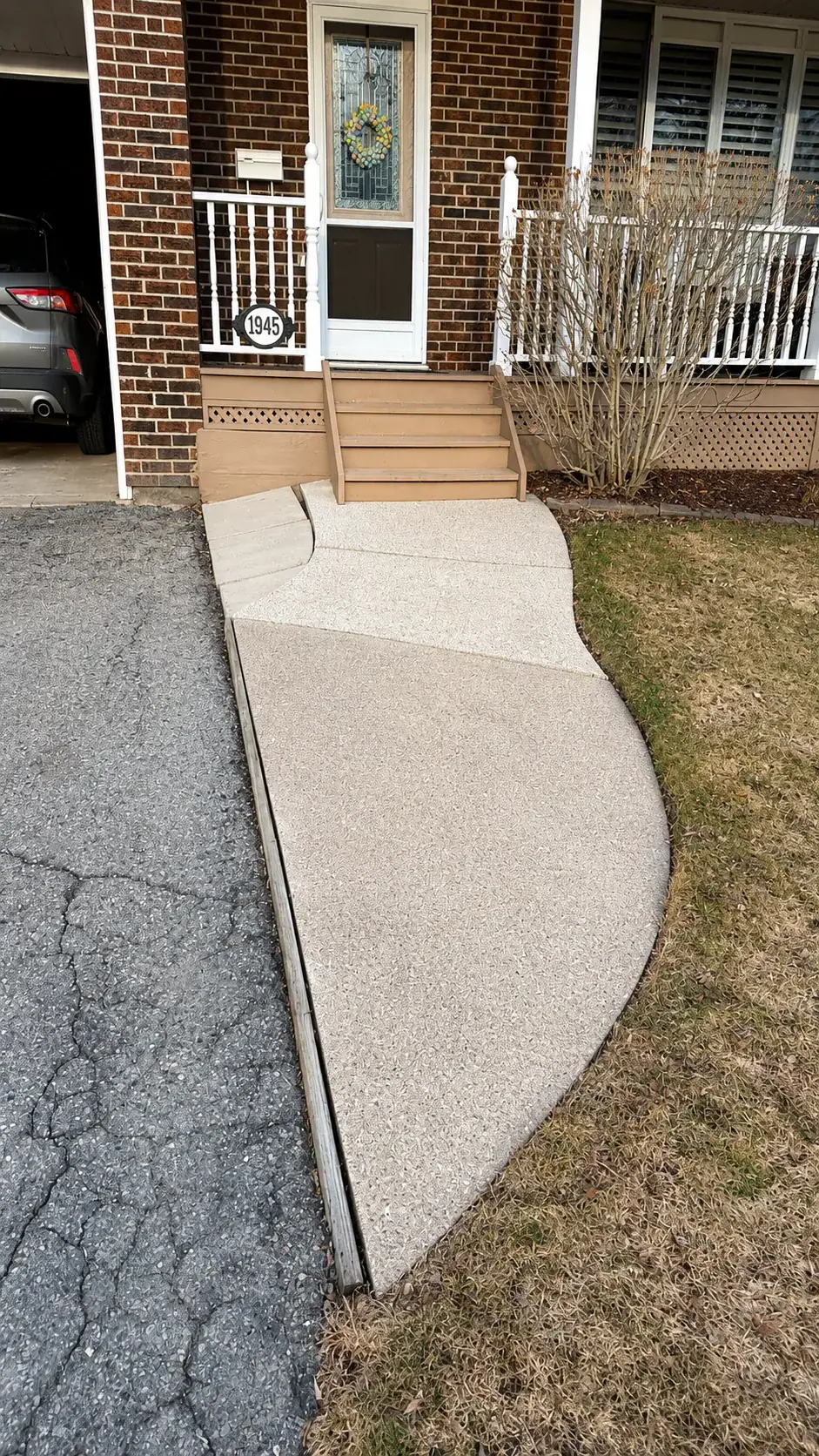
- Walkways
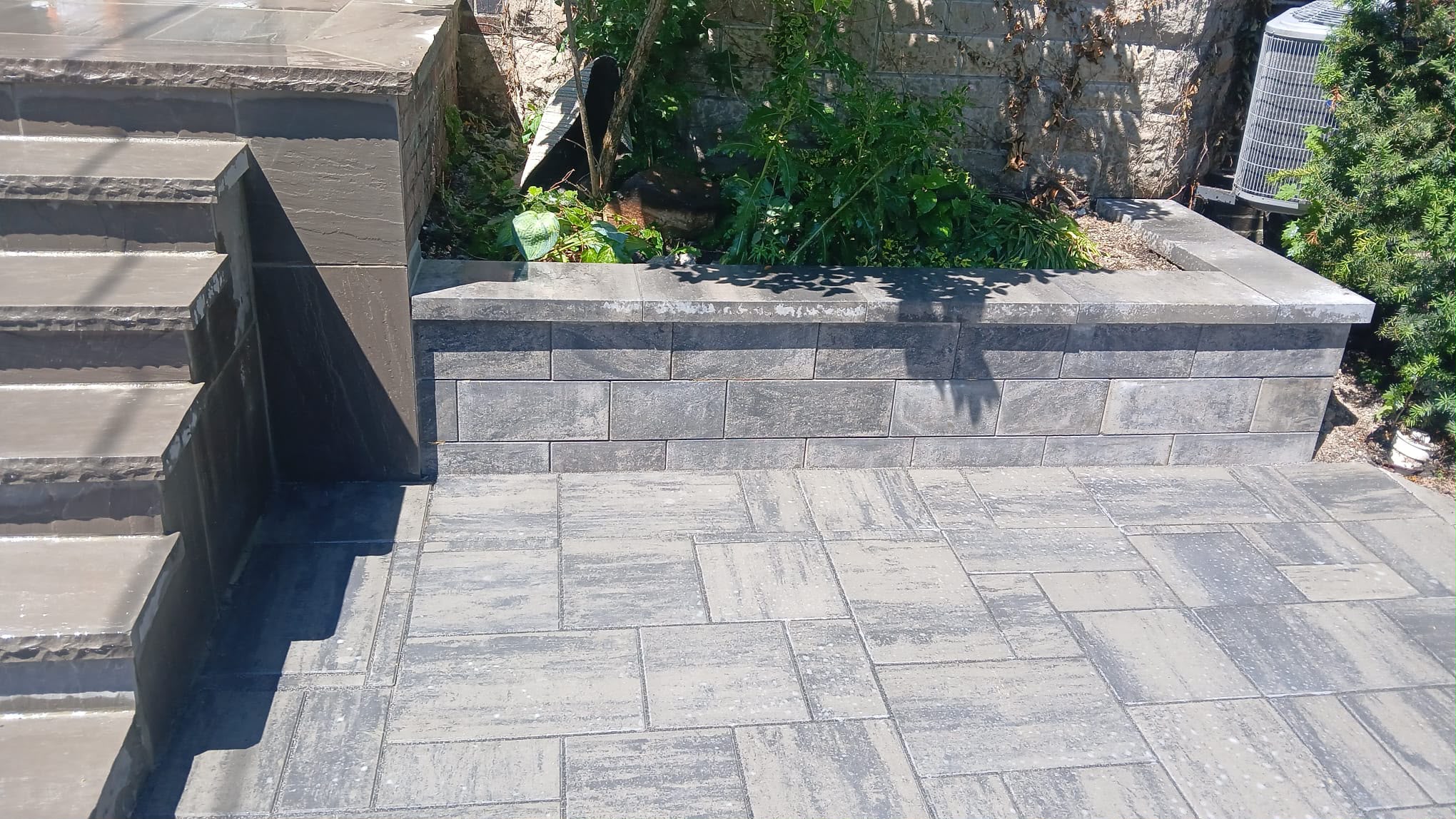
- Retaining walls
- Structural walls
- Garage floors
Although concrete is strong, it is not indestructible. Water penetration, freeze-thaw damage, settlement, corrosion, and de-icing salts can cause cracking, scaling, spalling, and surface deterioration.
Concrete Block Masonry
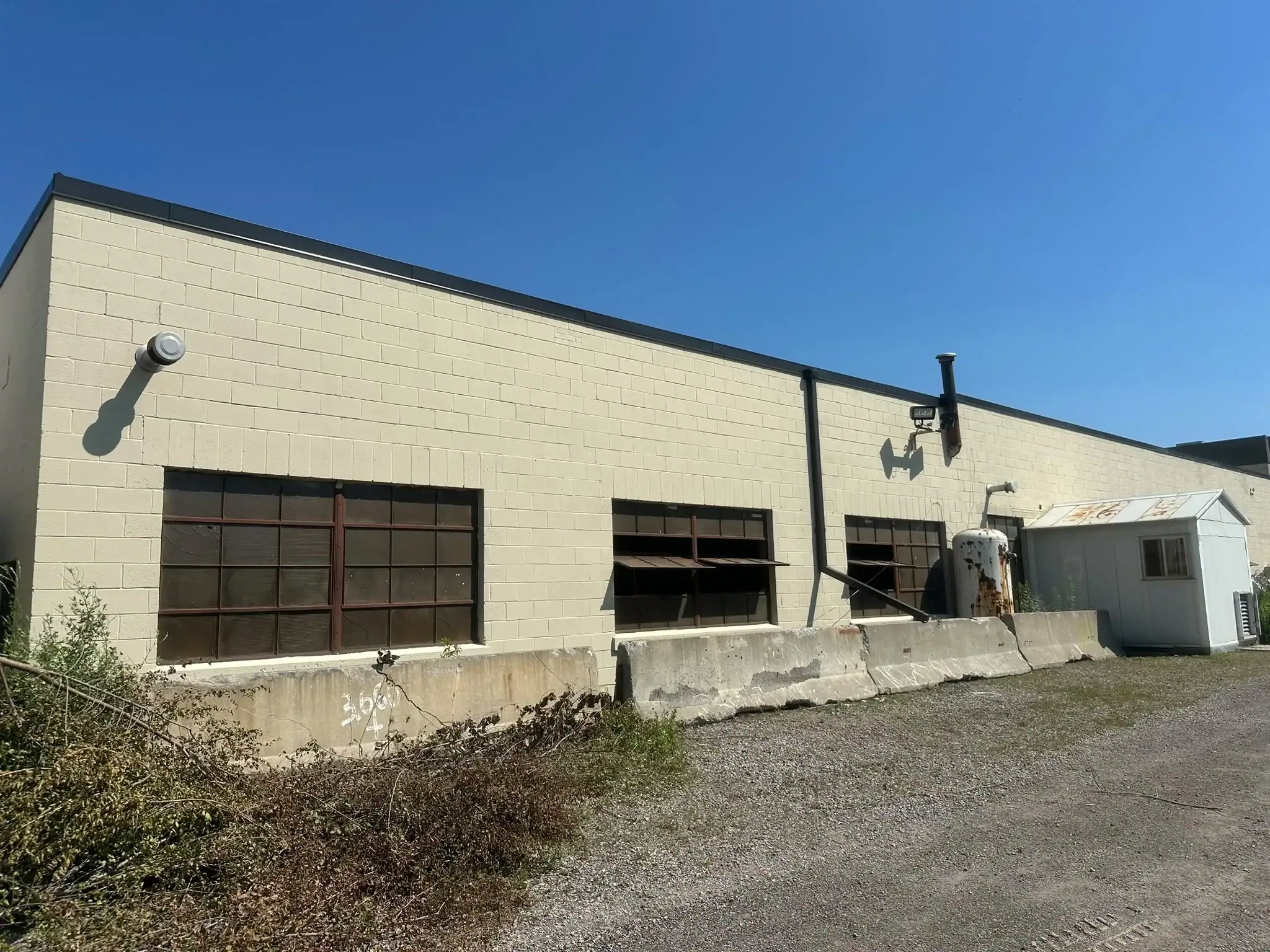
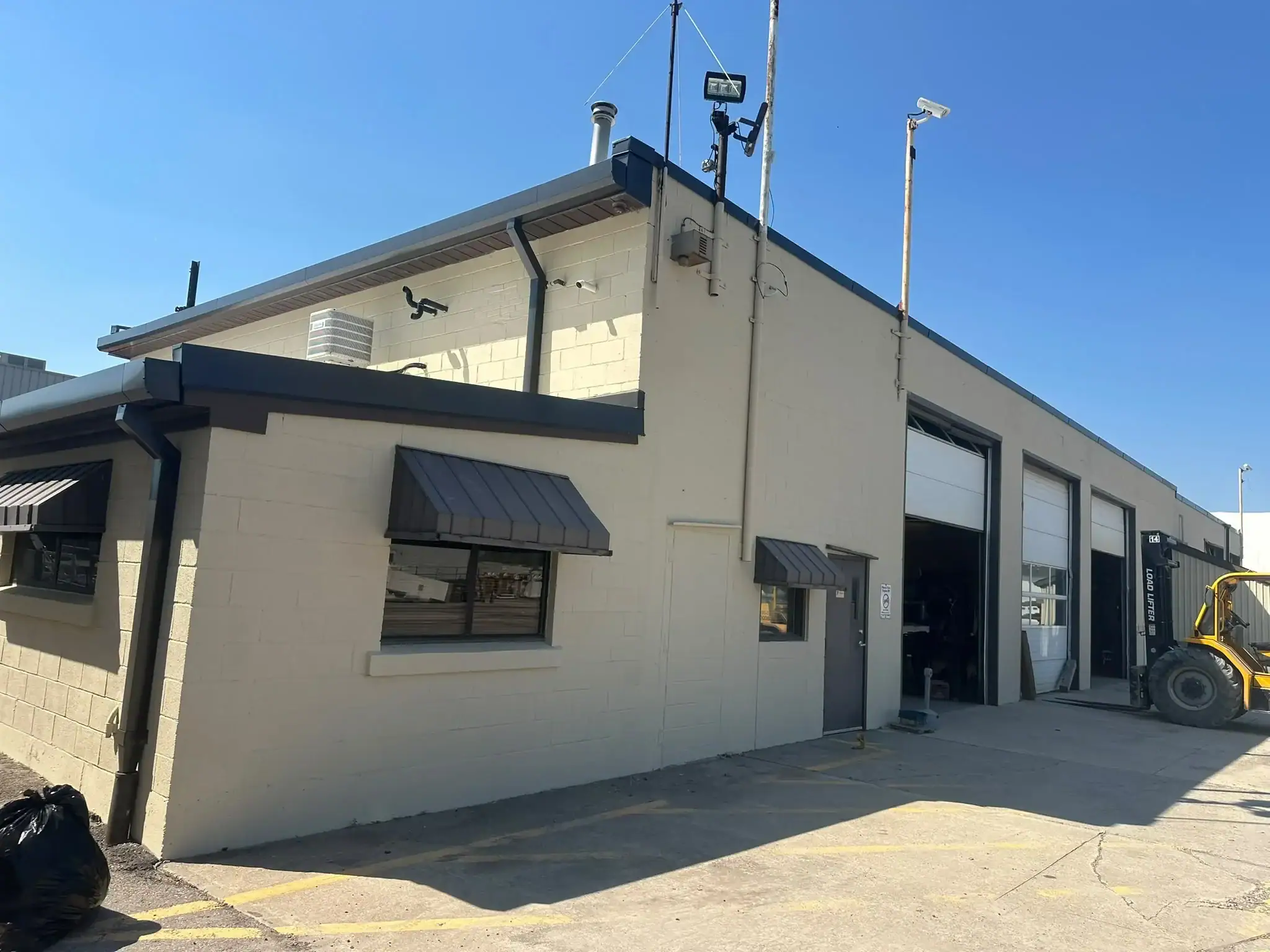
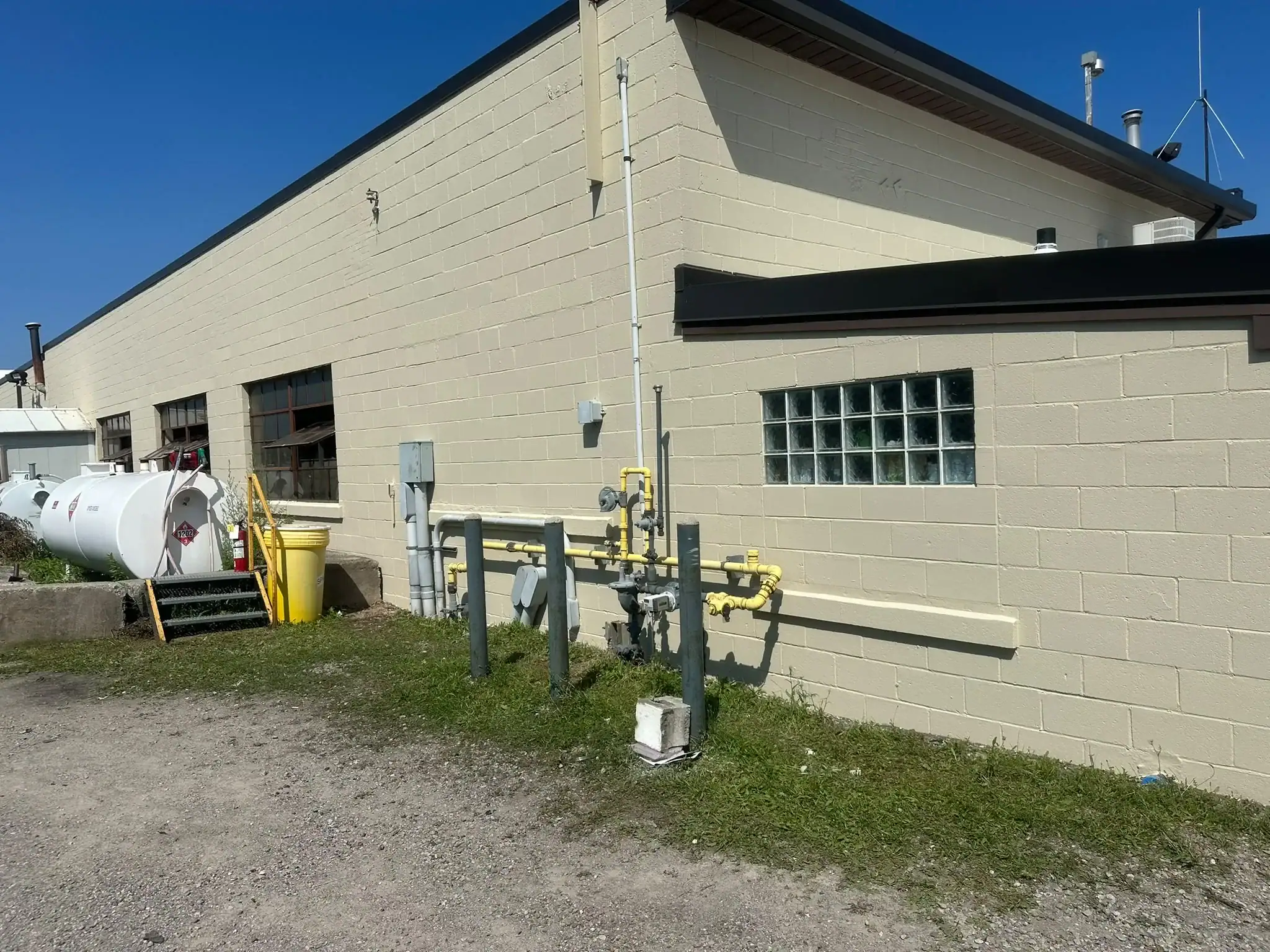
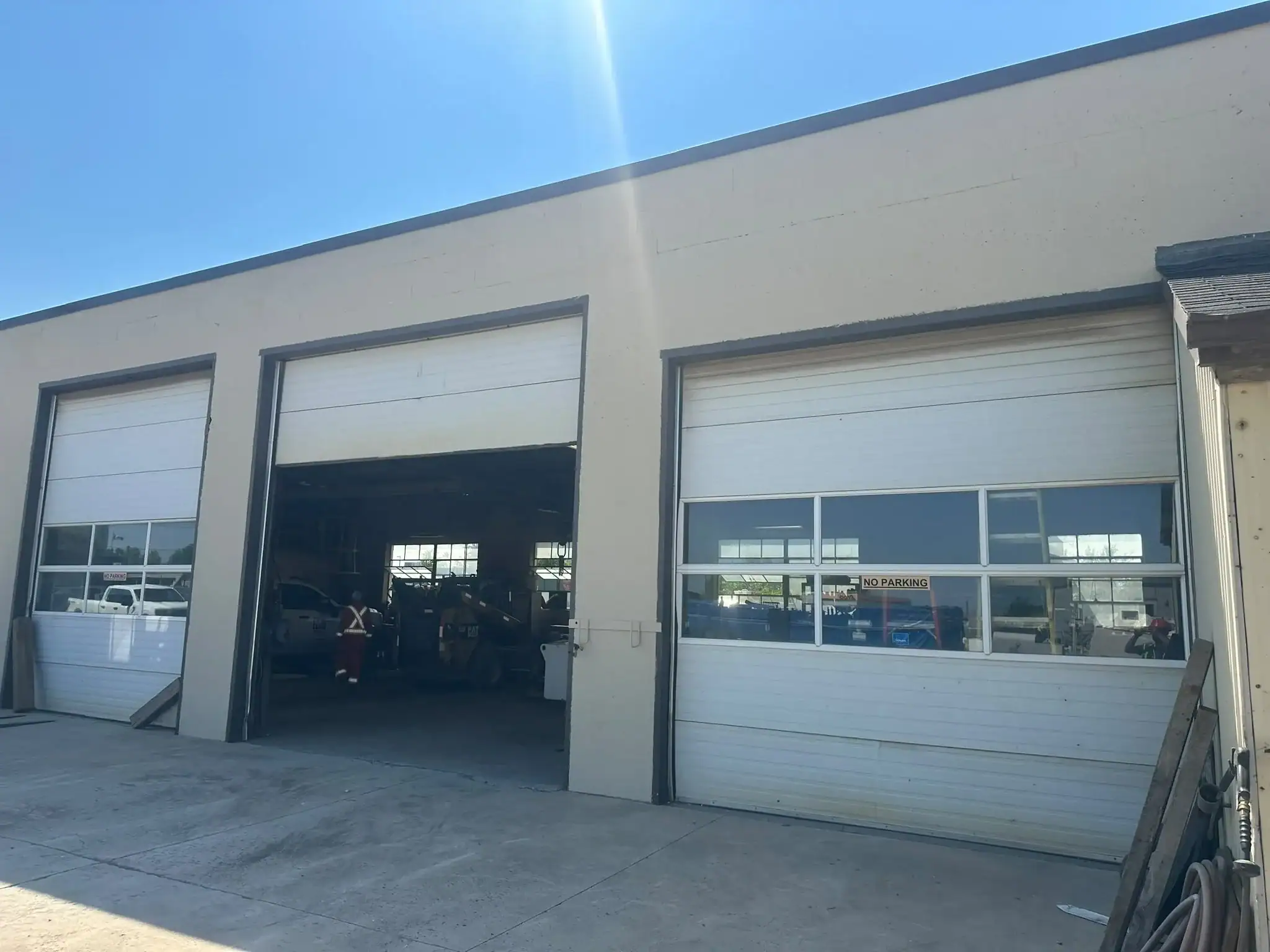
Concrete masonry units, often called concrete blocks or cinder blocks, are commonly used for foundations, garages, commercial buildings, partition walls, and structural applications.
The hollow centres of the blocks may be reinforced with steel and filled with grout when additional strength is required.
Veneer Masonry
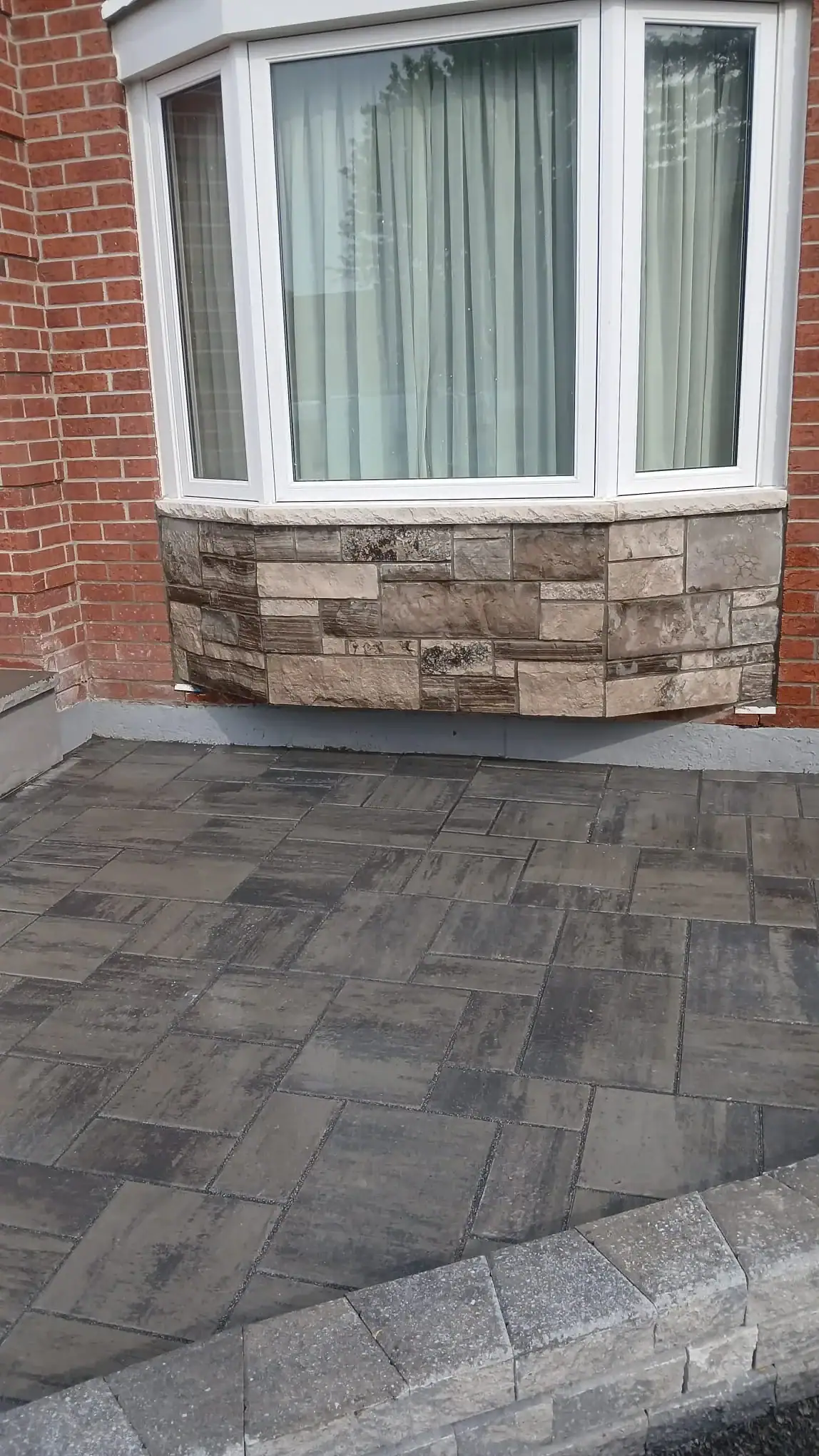
A masonry veneer is a non-structural exterior layer attached to a building’s structural wall system.
Brick veneer and stone veneer provide:
- Weather protection
- Architectural character
- Fire resistance
- Low maintenance
- Long-term durability
Although the veneer may not carry the main structural load, it must still be properly supported, anchored, drained, and ventilated.
Interlocking Masonry
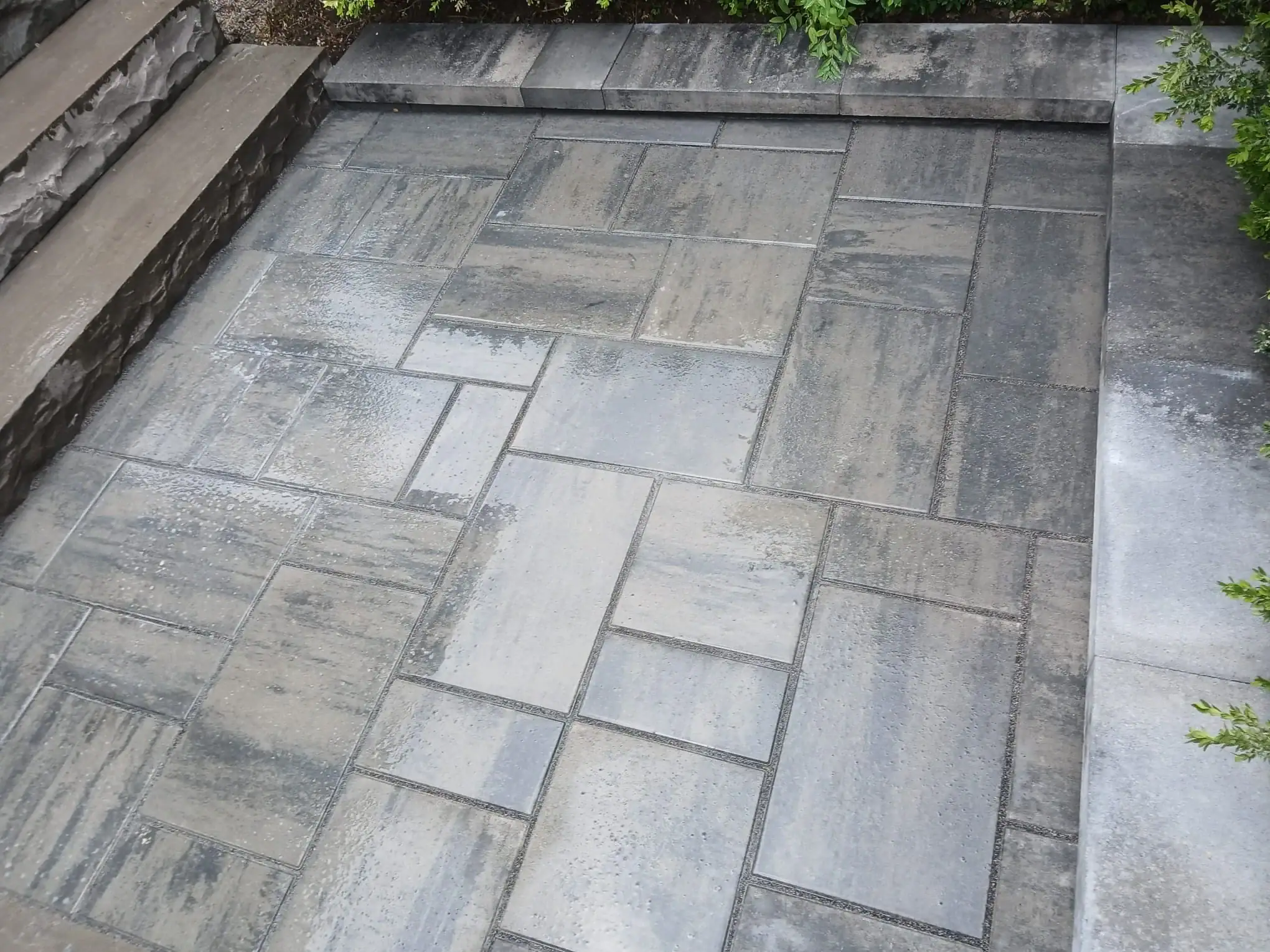
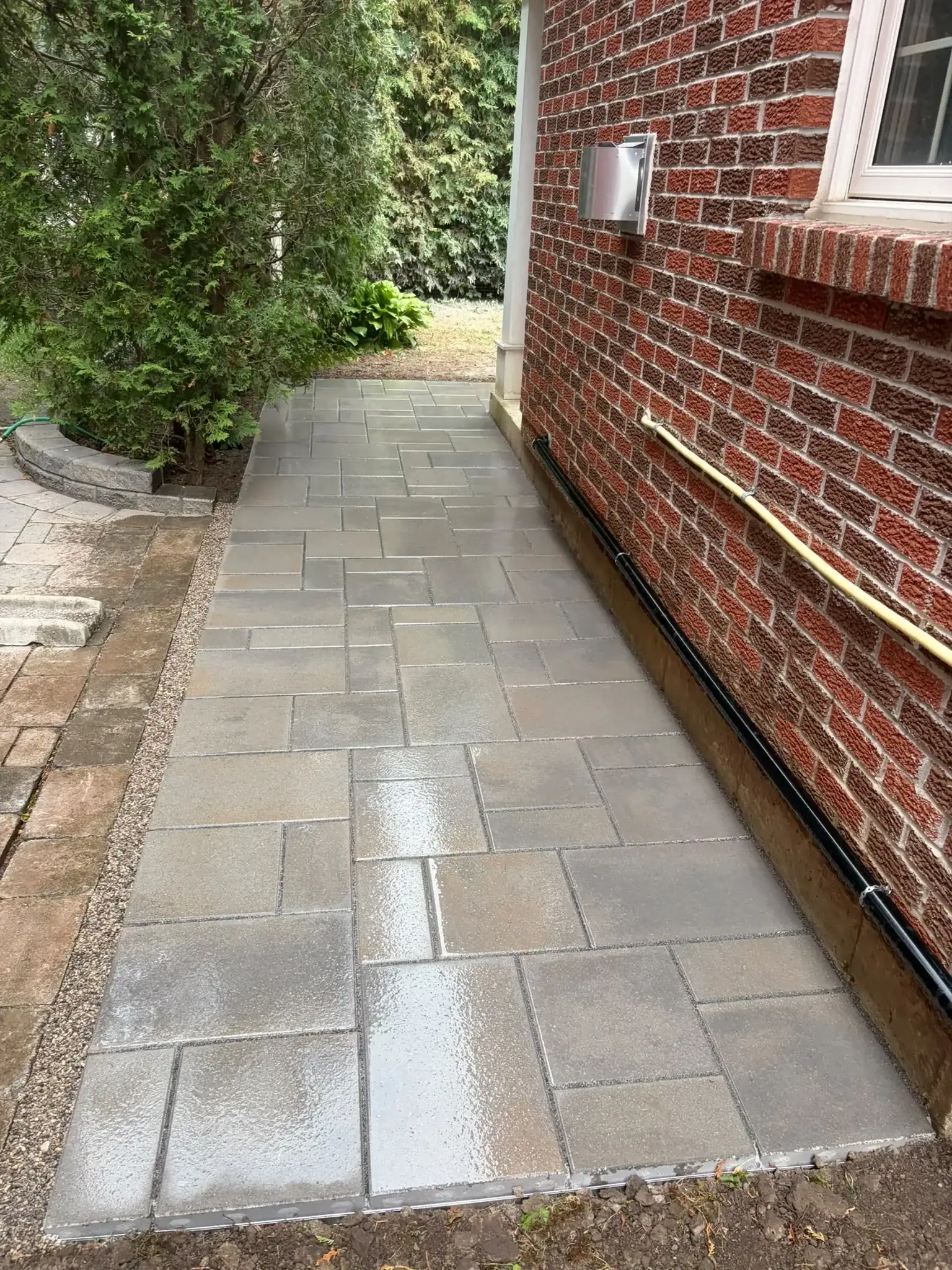
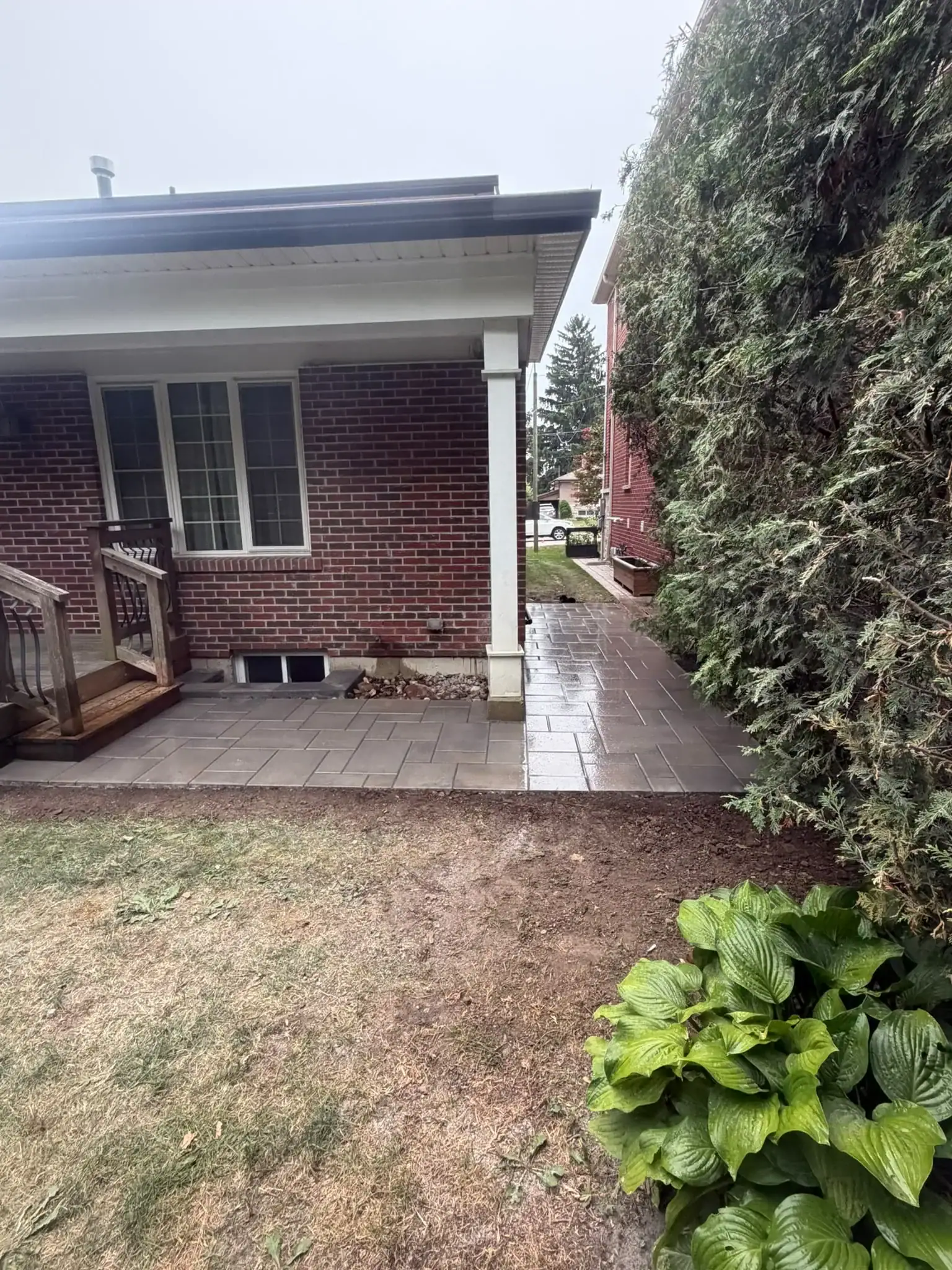
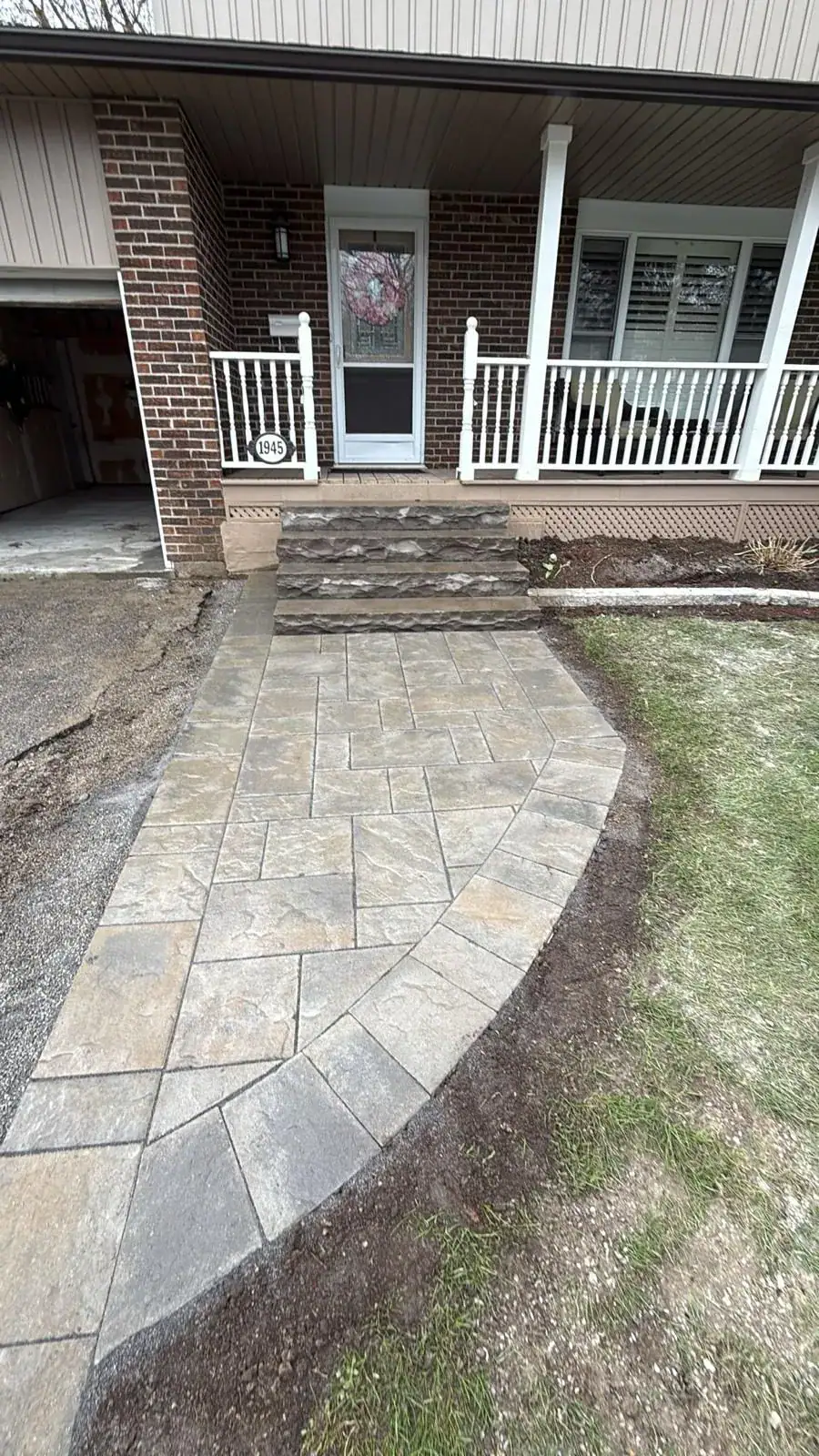
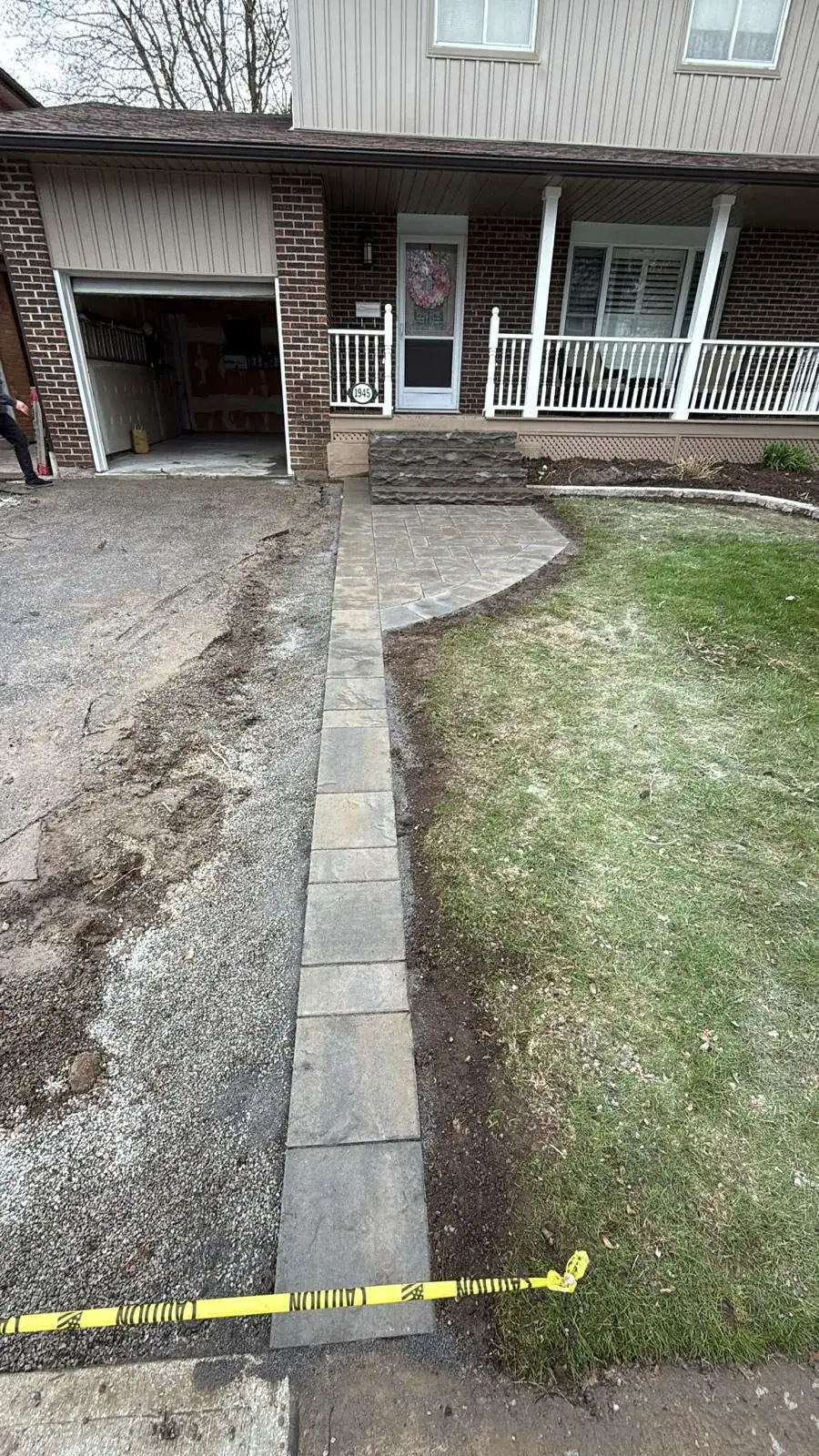
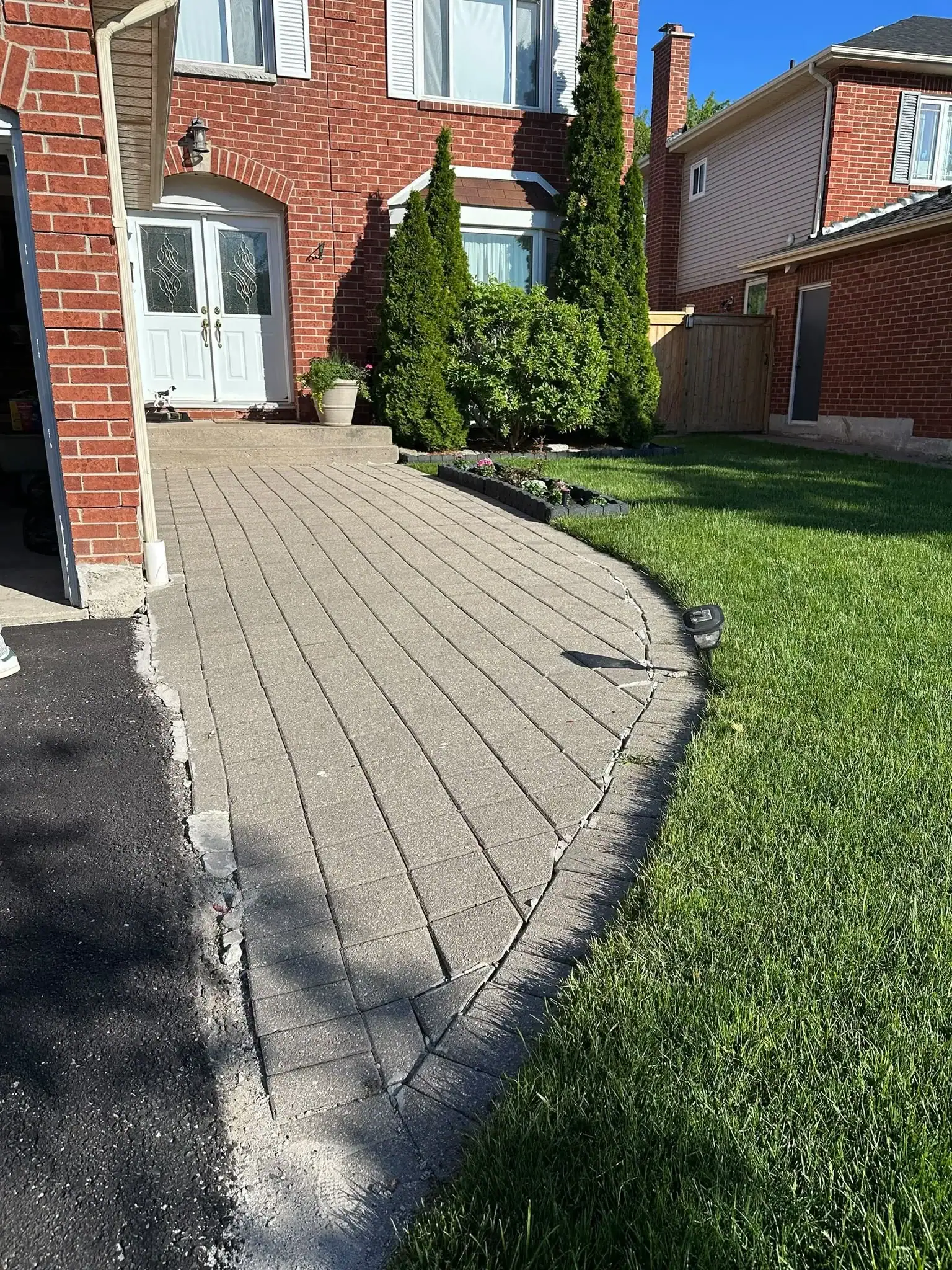
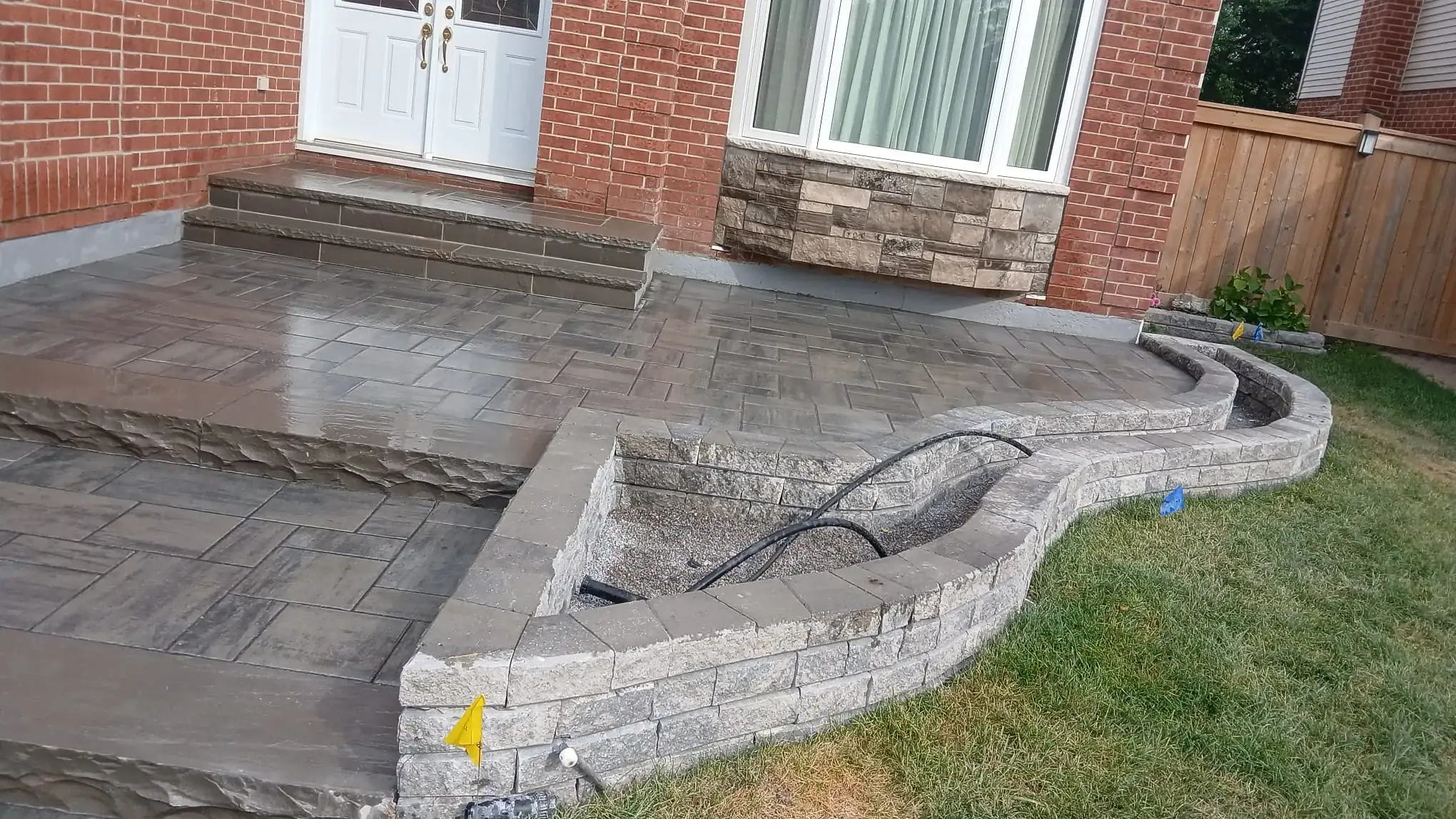
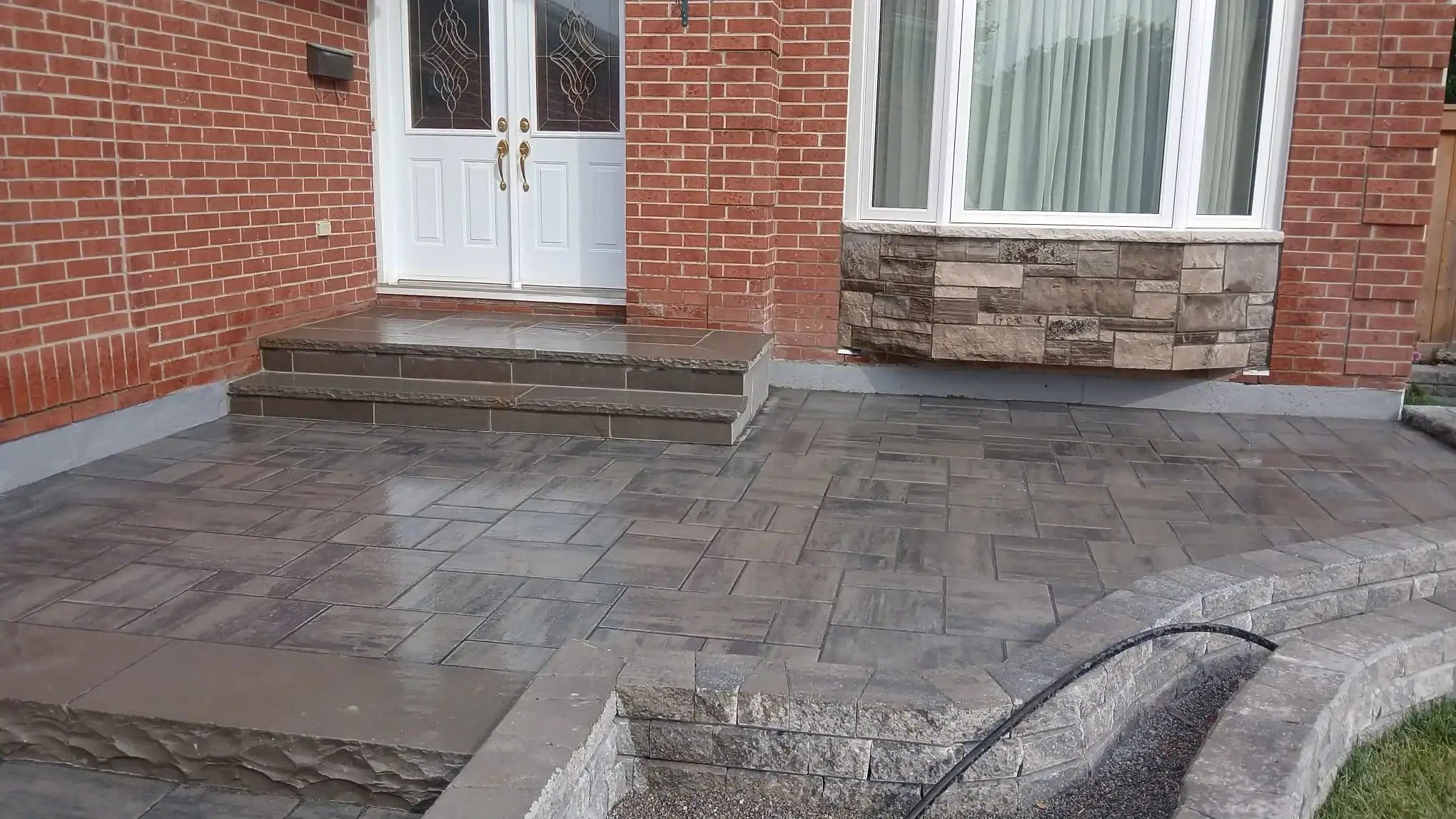
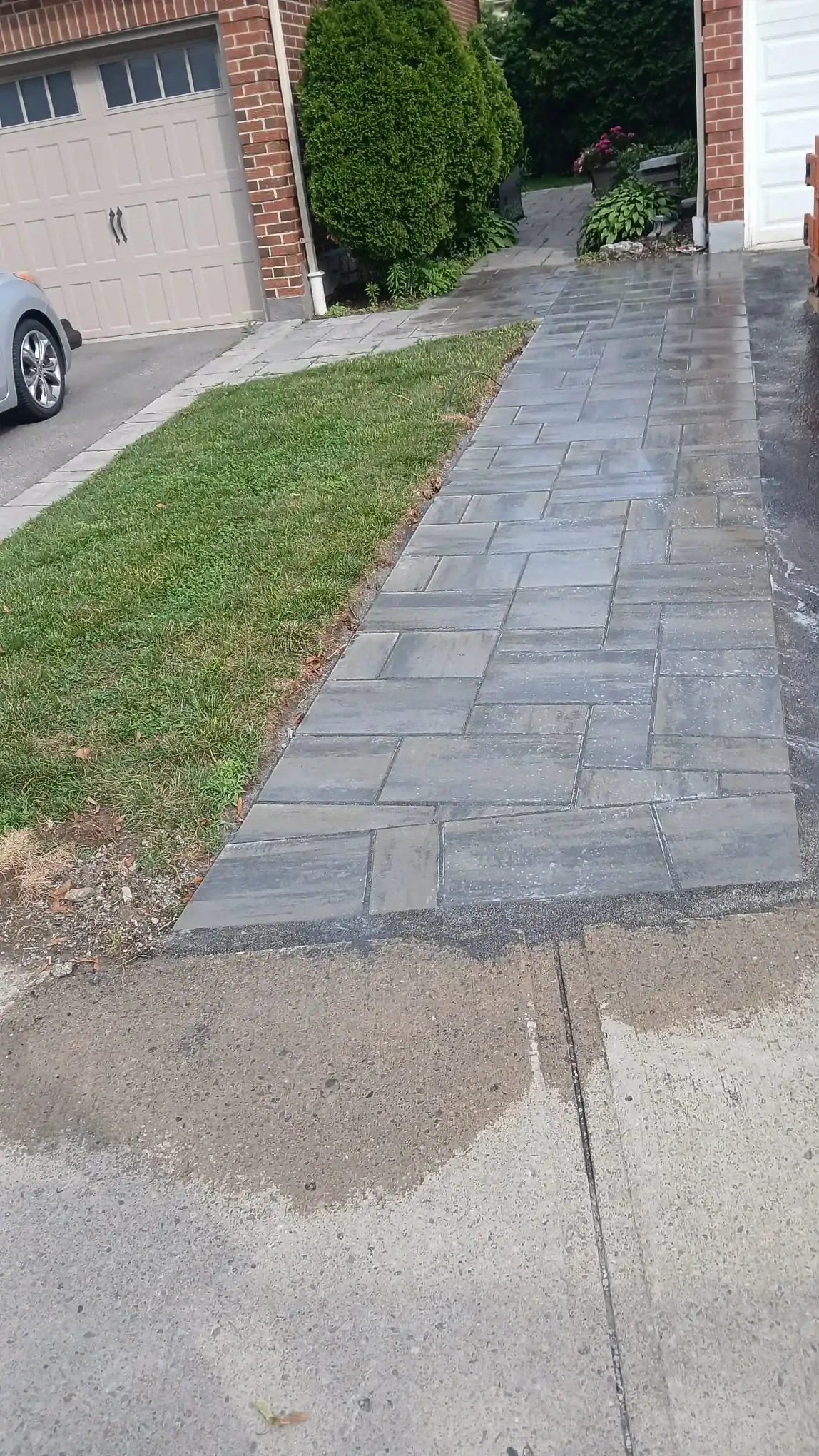
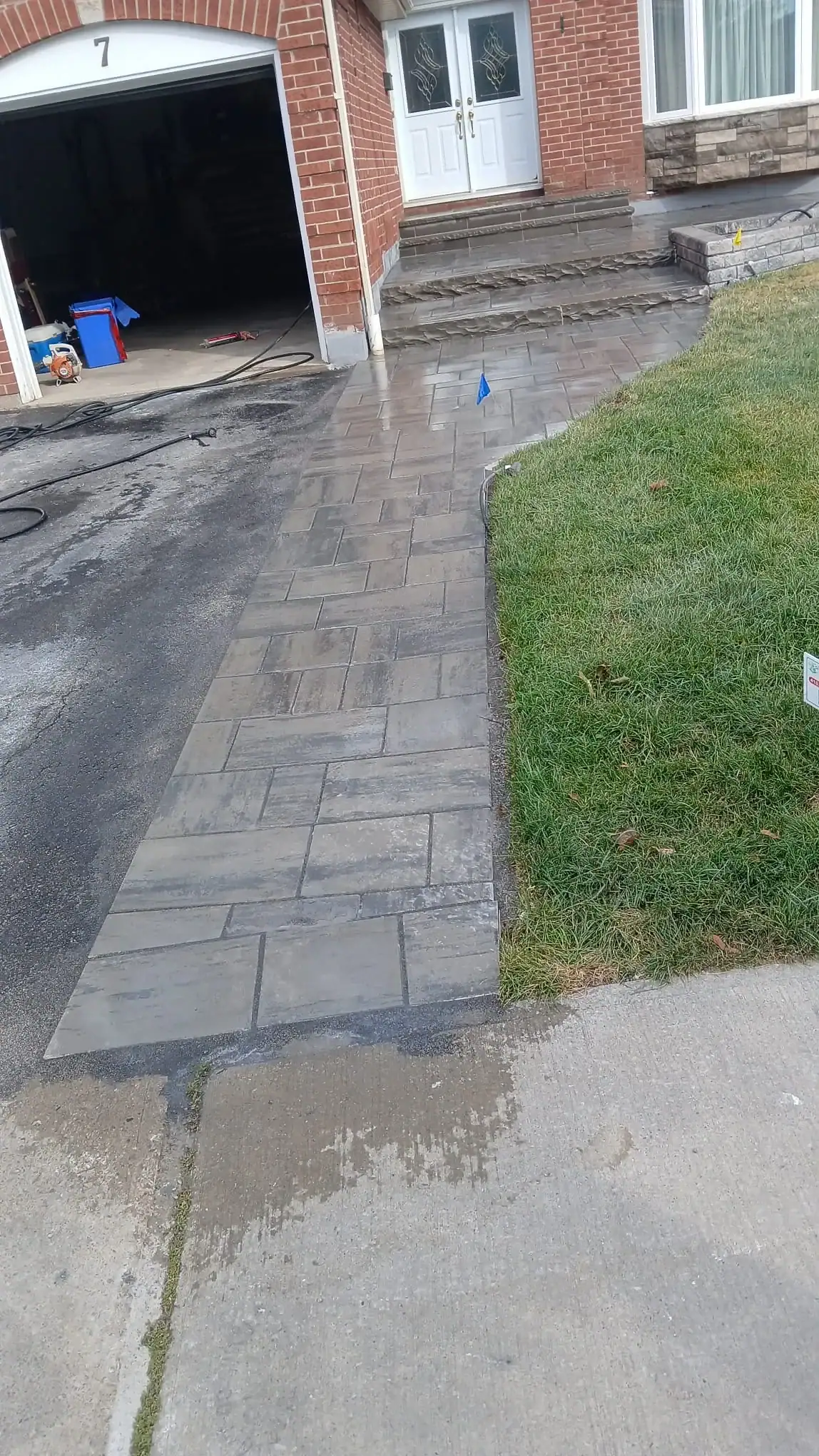
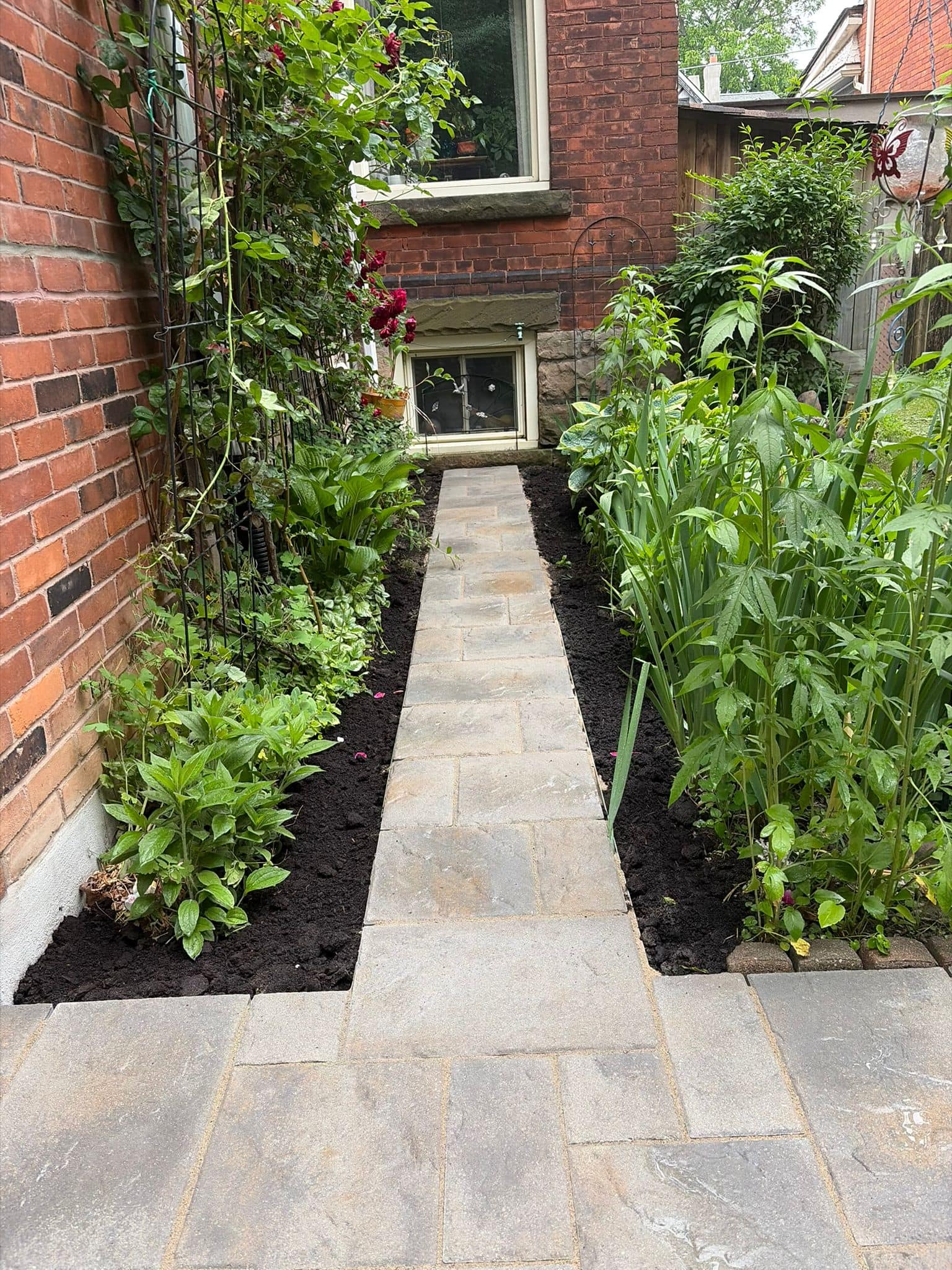
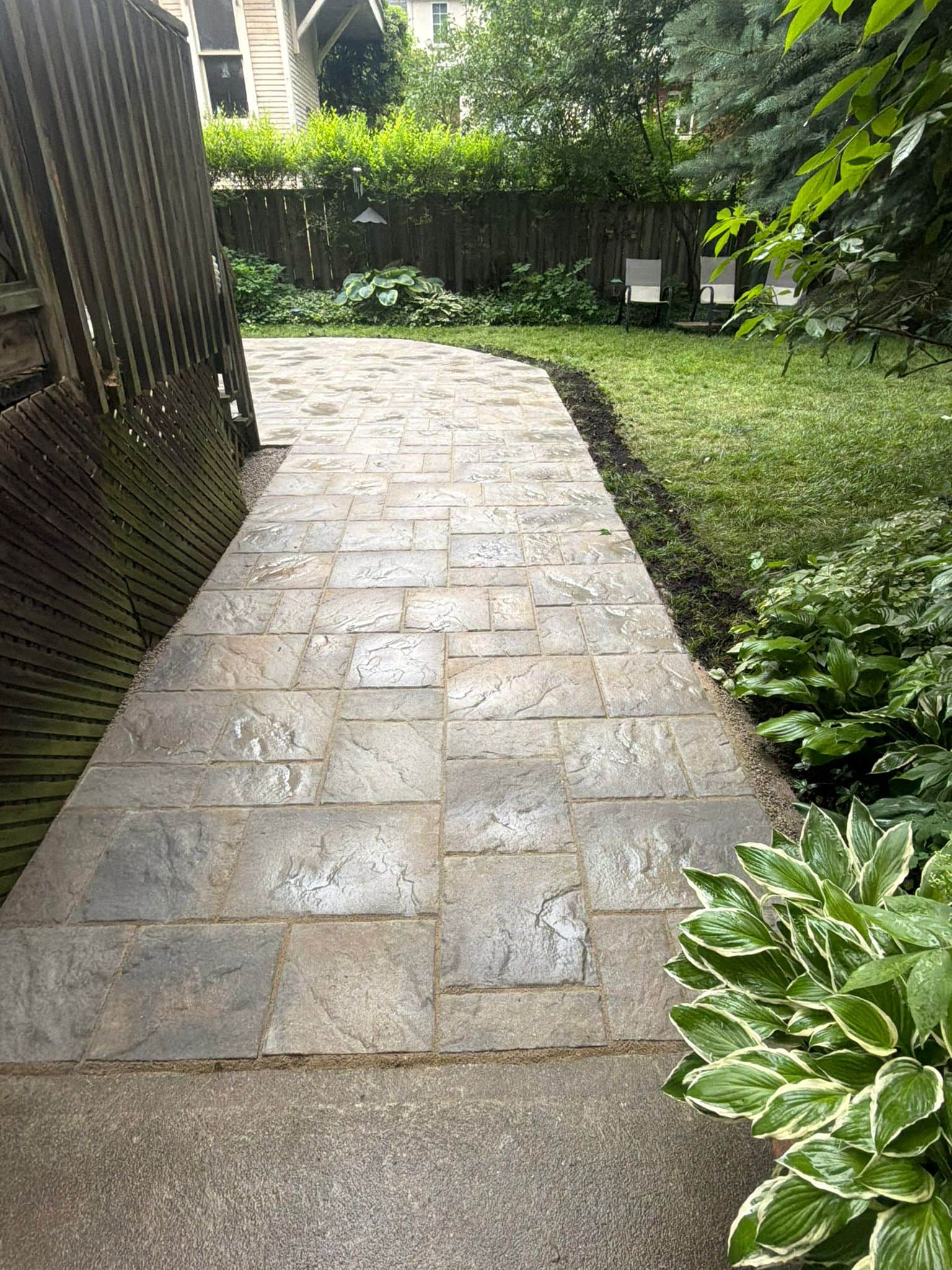
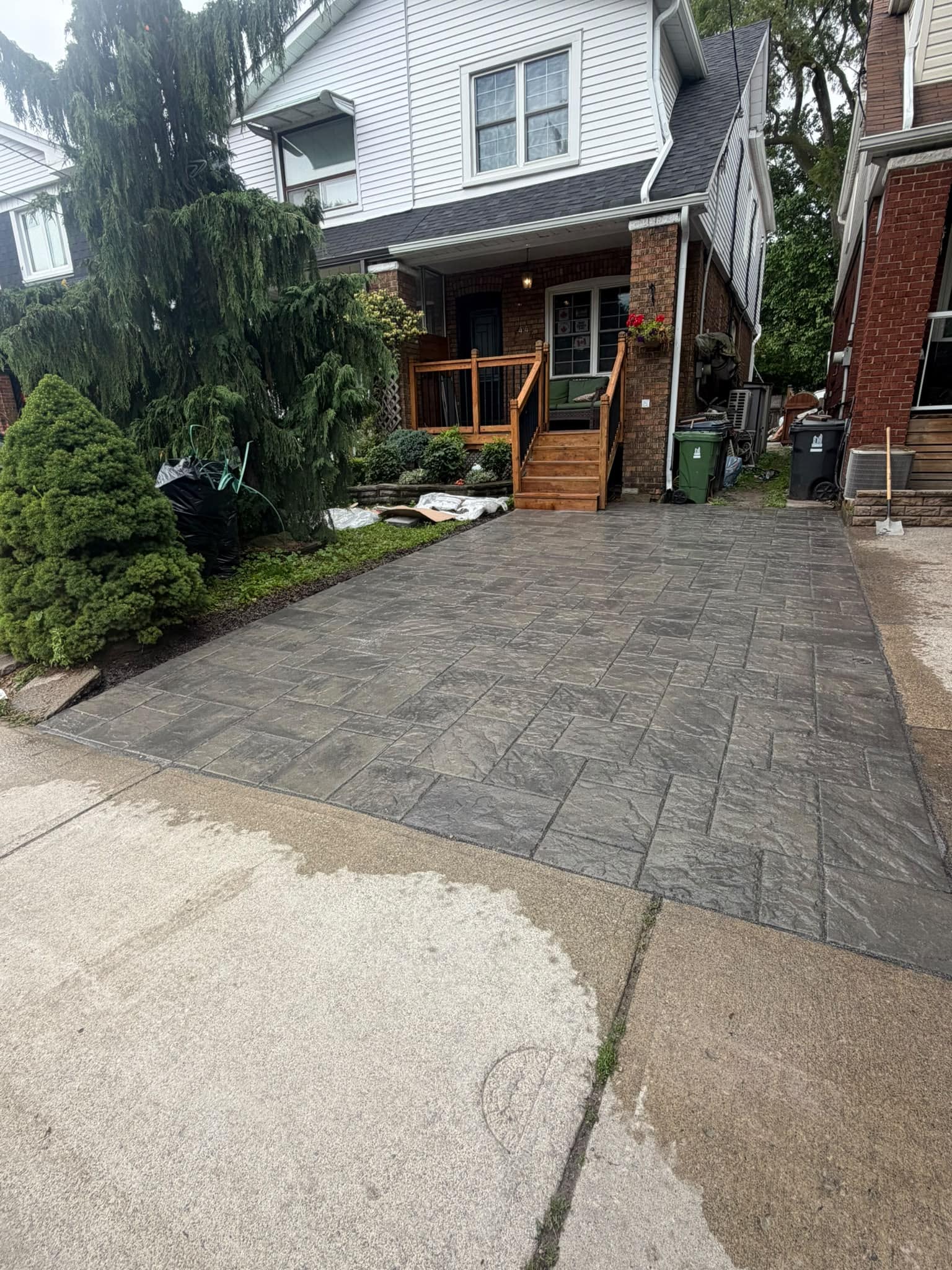
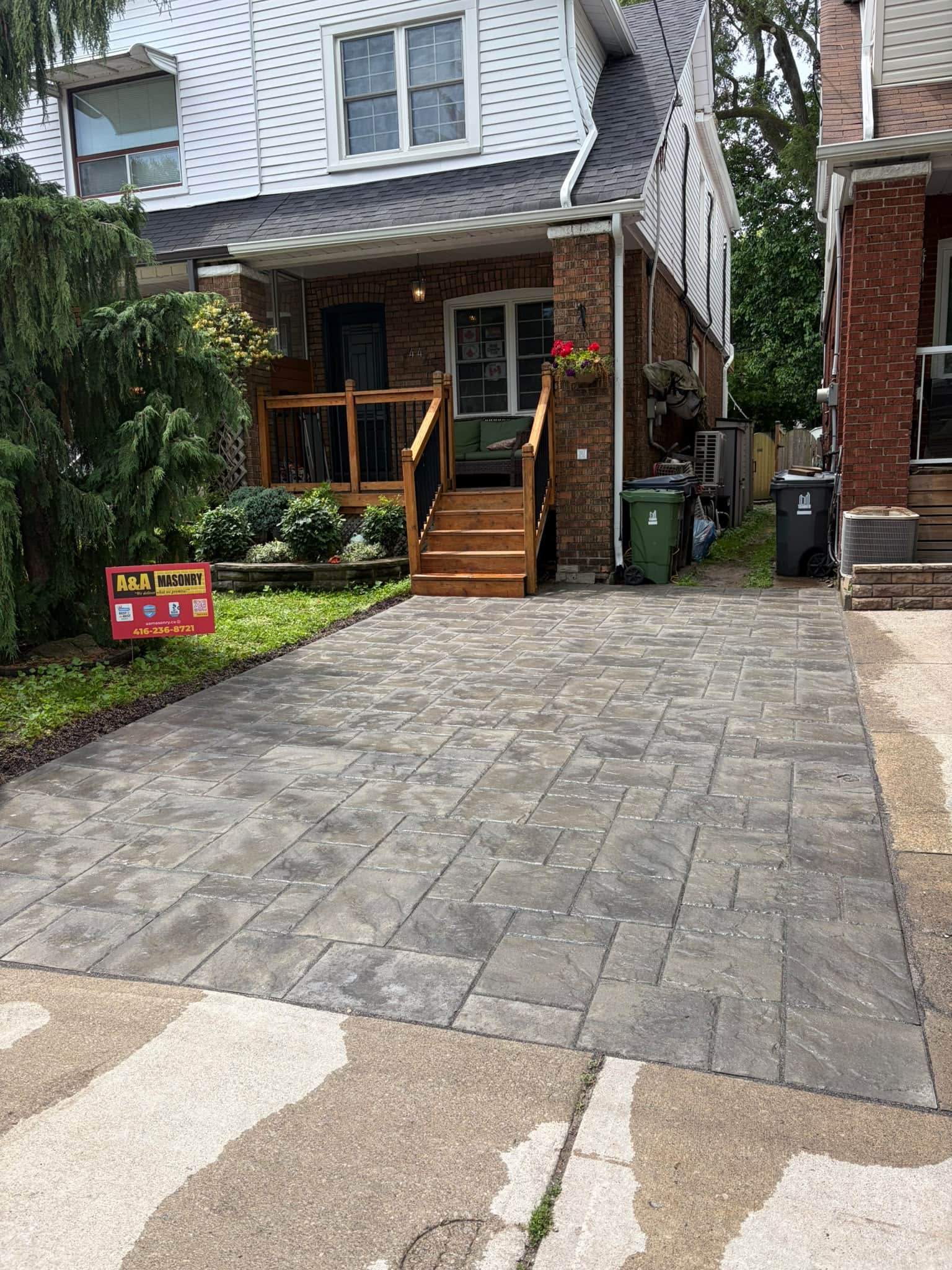
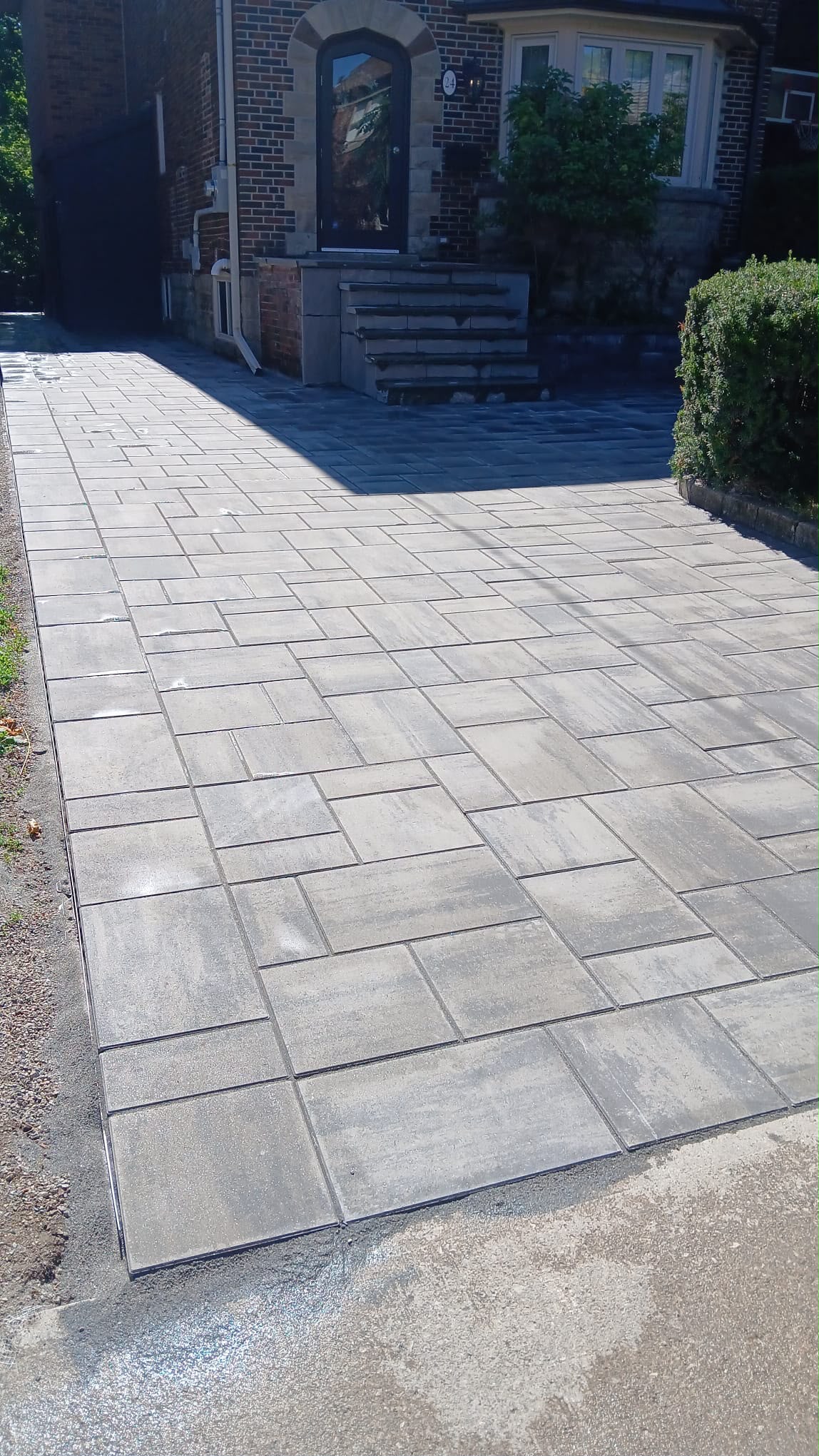
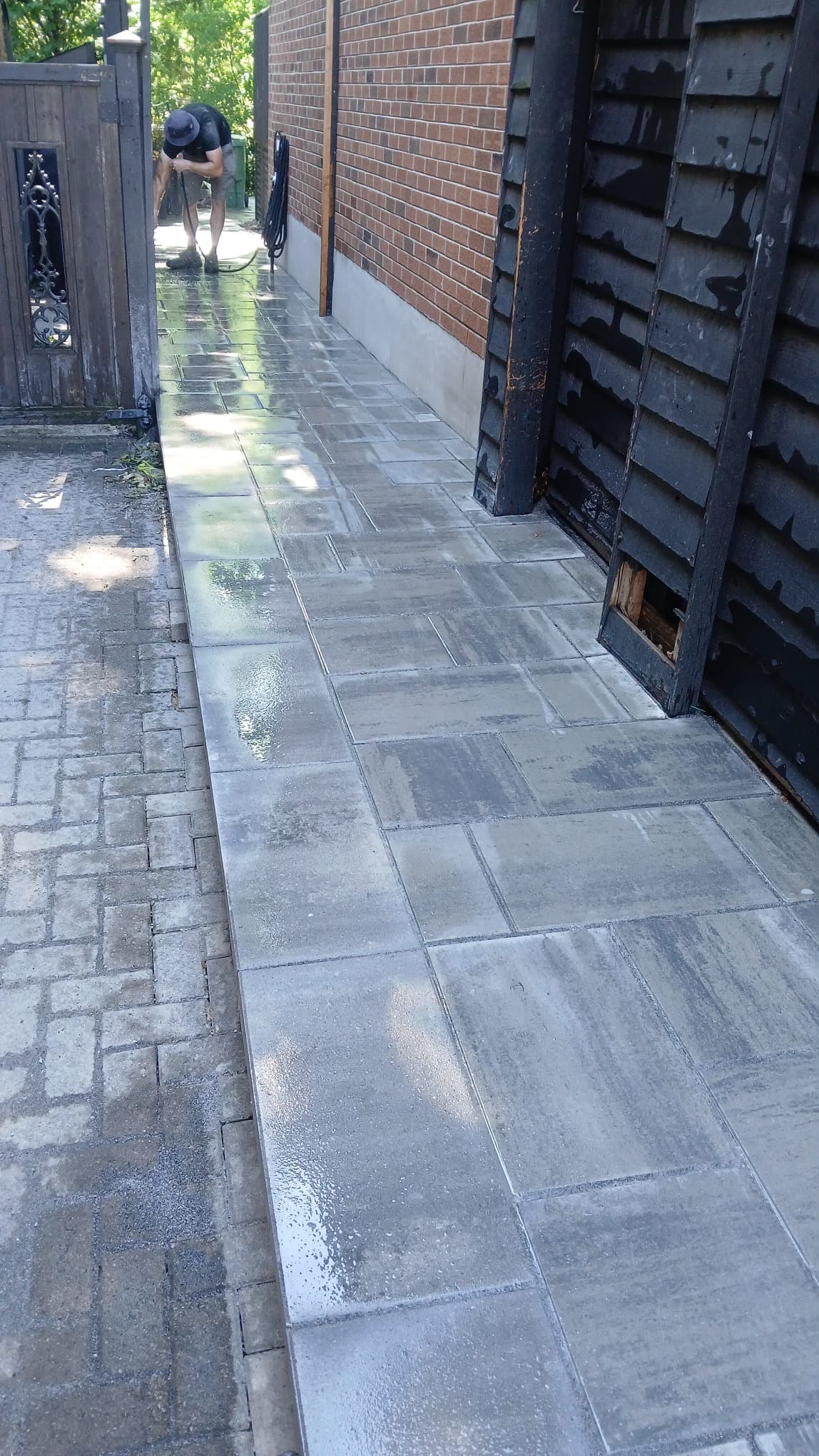
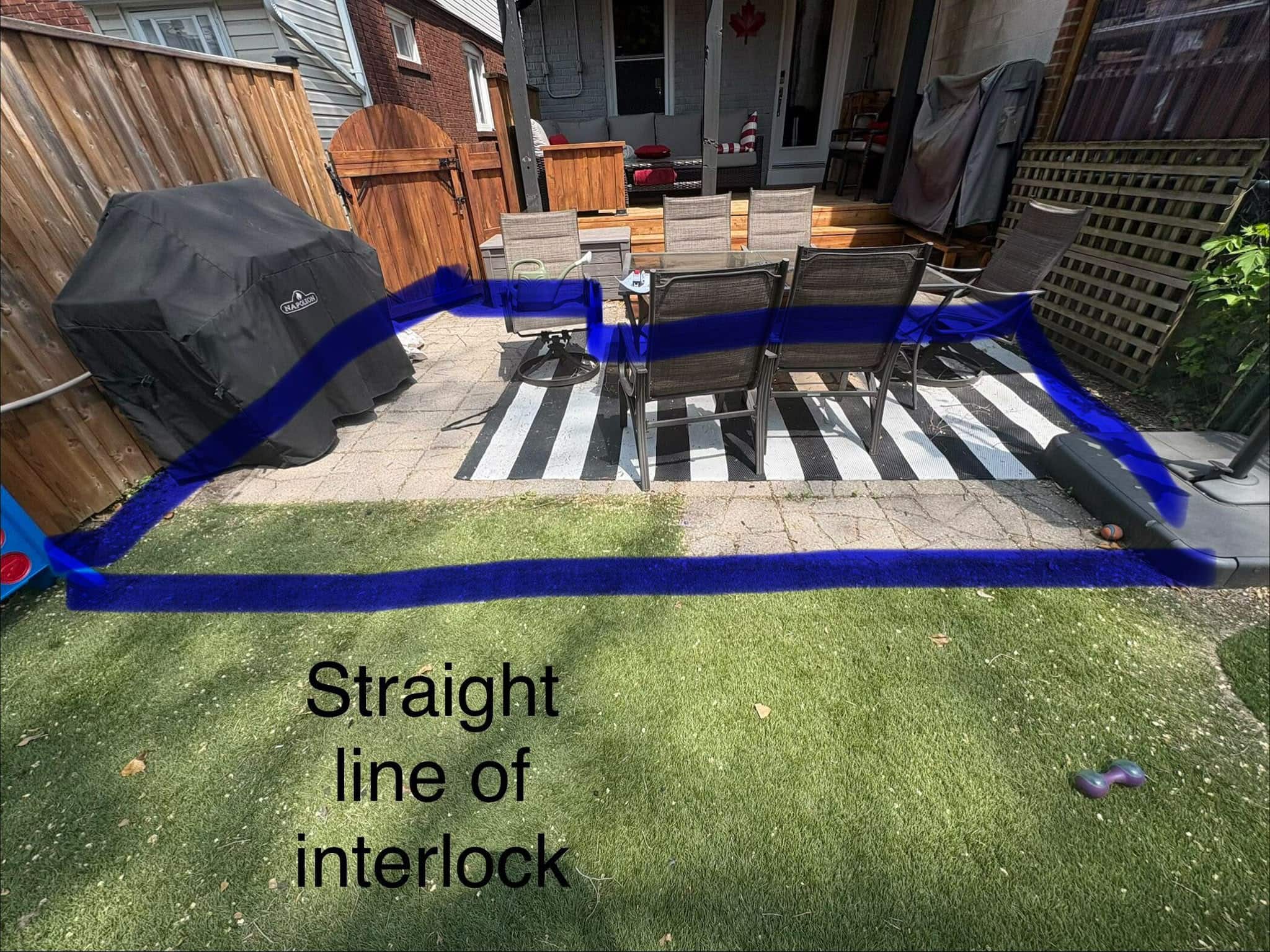
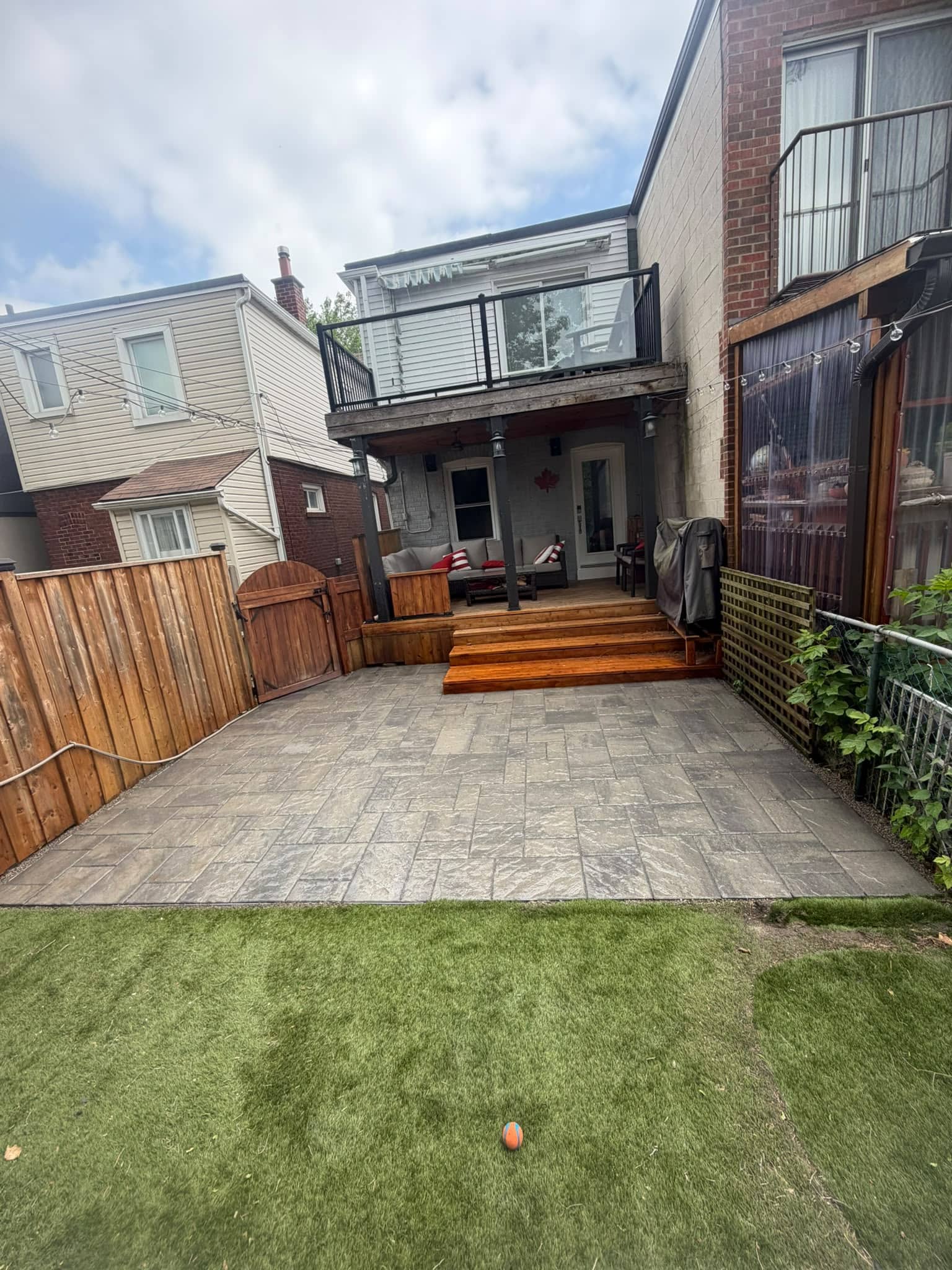
Interlocking construction uses concrete or stone pavers fitted together to create a stable surface.
It is commonly used for:
- Driveways
- Patios
- Walkways
- Steps
- Pool surrounds
- Garden paths
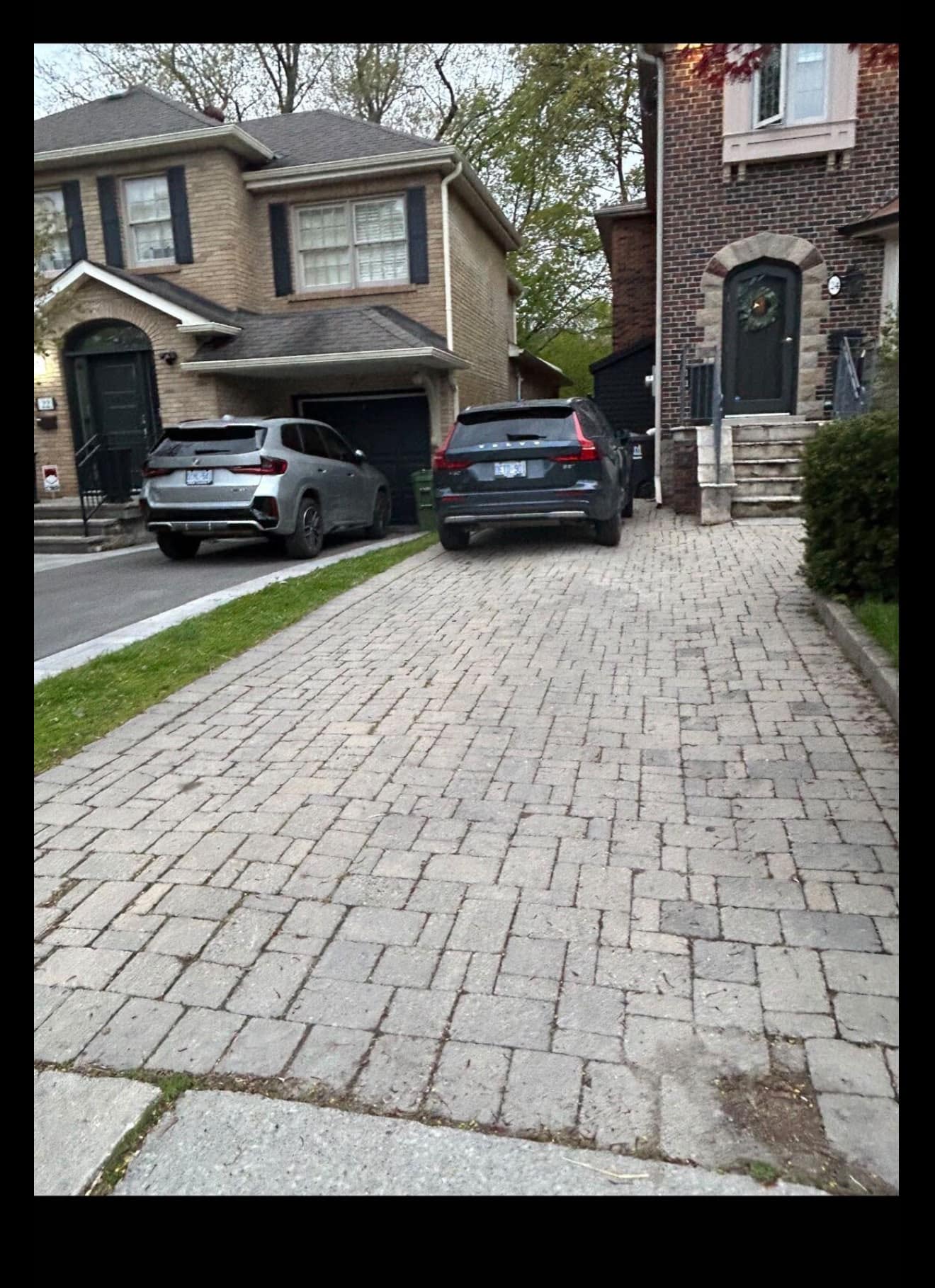
The strength of an interlocking surface depends heavily on the base preparation beneath it. Poor excavation, inadequate compaction, or weak edge restraints can lead to sinking, shifting, or uneven pavers.
What Is Mortar?
Mortar is the material placed between bricks, blocks, or stones. It normally contains a mixture of cementing material, sand, and water.
Mortar performs several important functions:
- Bonds masonry units together
- Seals joints against moisture
- Distributes weight
- Accommodates slight movement
- Protects the edges of bricks and stones
- Contributes to the appearance of the wall
The mortar should generally be compatible with the masonry surrounding it.
Using mortar that is too hard can damage older, softer bricks. Instead of allowing movement to occur through the mortar joints, stress may be transferred into the bricks, causing cracking or spalling.
This is especially important when restoring heritage and older Toronto homes.
Is Masonry the Same as Brickwork?
Brickwork is a type of masonry, but masonry is a much broader term.
Brickwork specifically involves construction with bricks. Masonry can involve brick, stone, concrete block, concrete, pavers, or other individual building units.
A masonry contractor may therefore work on much more than brick walls.
Is Concrete Considered Masonry?
Concrete is generally considered part of the masonry and concrete construction trades, although poured concrete and unit masonry are technically different construction systems.
Poured concrete is placed into forms as a continuous material. Concrete masonry uses individual blocks, pavers, or precast units.
Many masonry contractors perform both masonry and concrete work because the materials, repair methods, drainage requirements, and structural concerns frequently overlap.
What Is Masonry Used For?
Masonry can be used for both structural and decorative purposes.
Common residential masonry applications include:
- Exterior brick walls
- Stone façades
- Foundations
- Chimneys
- Fireplaces
- Porches and steps
- Retaining walls
- Walkways and patios
- Interlocking driveways
- Garden walls
- Columns and pillars
- Window and door openings
- Basement walls
- Parging
- Waterproofing systems
Commercial and institutional masonry may also include structural block walls, industrial foundations, fire separations, building façades, loading areas, and large-scale restoration work.
What Are the Benefits of Masonry?
Long Service Life
Properly constructed masonry can last for many decades and, in some cases, centuries.
Fire Resistance
Brick, stone, and concrete are non-combustible materials that offer strong resistance to fire.
Weather Resistance
Masonry can perform extremely well in Toronto’s climate when it is properly detailed, drained, and maintained.
Low Maintenance
Masonry generally requires less routine maintenance than many exterior cladding systems.
Energy Performance
The thermal mass of masonry can help moderate indoor temperature changes by absorbing and slowly releasing heat.
Noise Reduction
Dense masonry materials can help reduce sound transmission from traffic, neighbours, and outdoor activity.
Architectural Value
Brick and stone provide texture, depth, colour, and craftsmanship that can enhance the appearance and resale value of a home.
Repairability
Individual bricks, stones, mortar joints, or pavers can often be repaired without replacing the entire structure.
What Causes Masonry to Deteriorate?
Masonry problems are often blamed on age, but deterioration usually has an underlying cause.
Water Penetration
Water is one of the greatest threats to masonry. It can enter through cracked mortar joints, damaged caps, missing flashing, failed caulking, roof leaks, or poorly directed downspouts.
Freeze-Thaw Cycles
When water enters masonry and freezes, it expands. Repeated freezing and thawing can break apart brick faces, mortar joints, concrete surfaces, and stone.
Incompatible Mortar
Mortar that is harder or less permeable than the surrounding brick can trap moisture and contribute to brick damage.
Foundation Movement
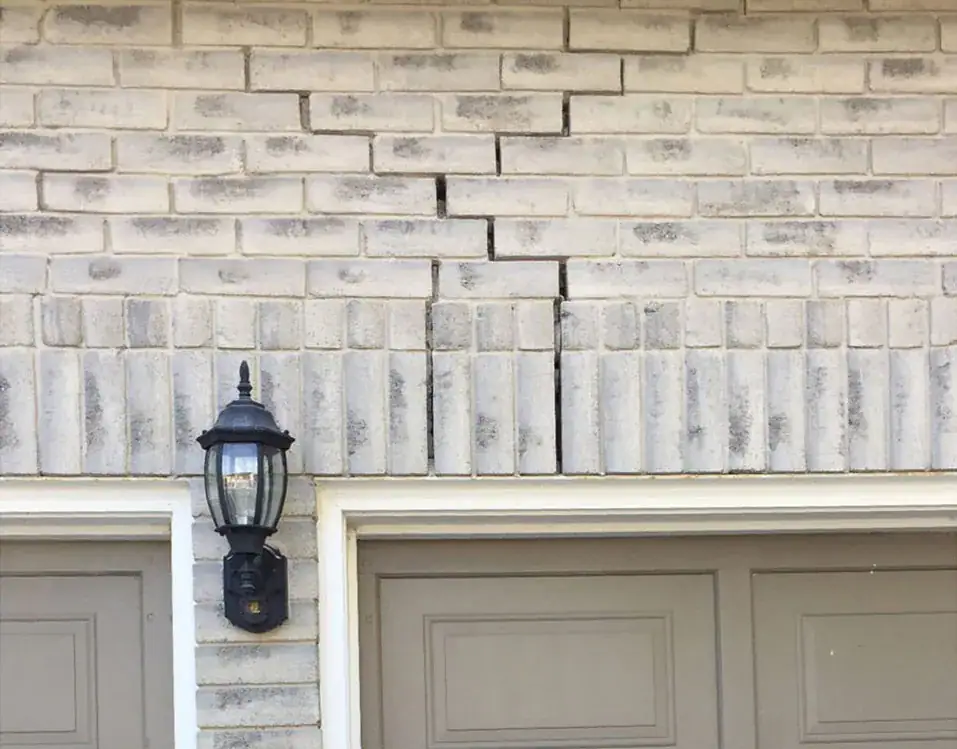
Settlement or shifting soil can create stair-step cracks, separation around openings, bowed walls, or movement in porches and steps.
Poor Drainage
Improper grading, clogged gutters, missing drainage openings, and water collecting against the foundation can accelerate deterioration.
Corroding Steel
Steel lintels, reinforcing bars, and embedded metal components can rust and expand, cracking the masonry around them.
Salt Exposure
Road salt and de-icing products can damage concrete, brick, stone, mortar, and interlocking surfaces.
Poor Previous Repairs
Surface patches, incorrect mortar, waterproof coatings, and cosmetic crack filling may hide the damage temporarily without correcting the cause.
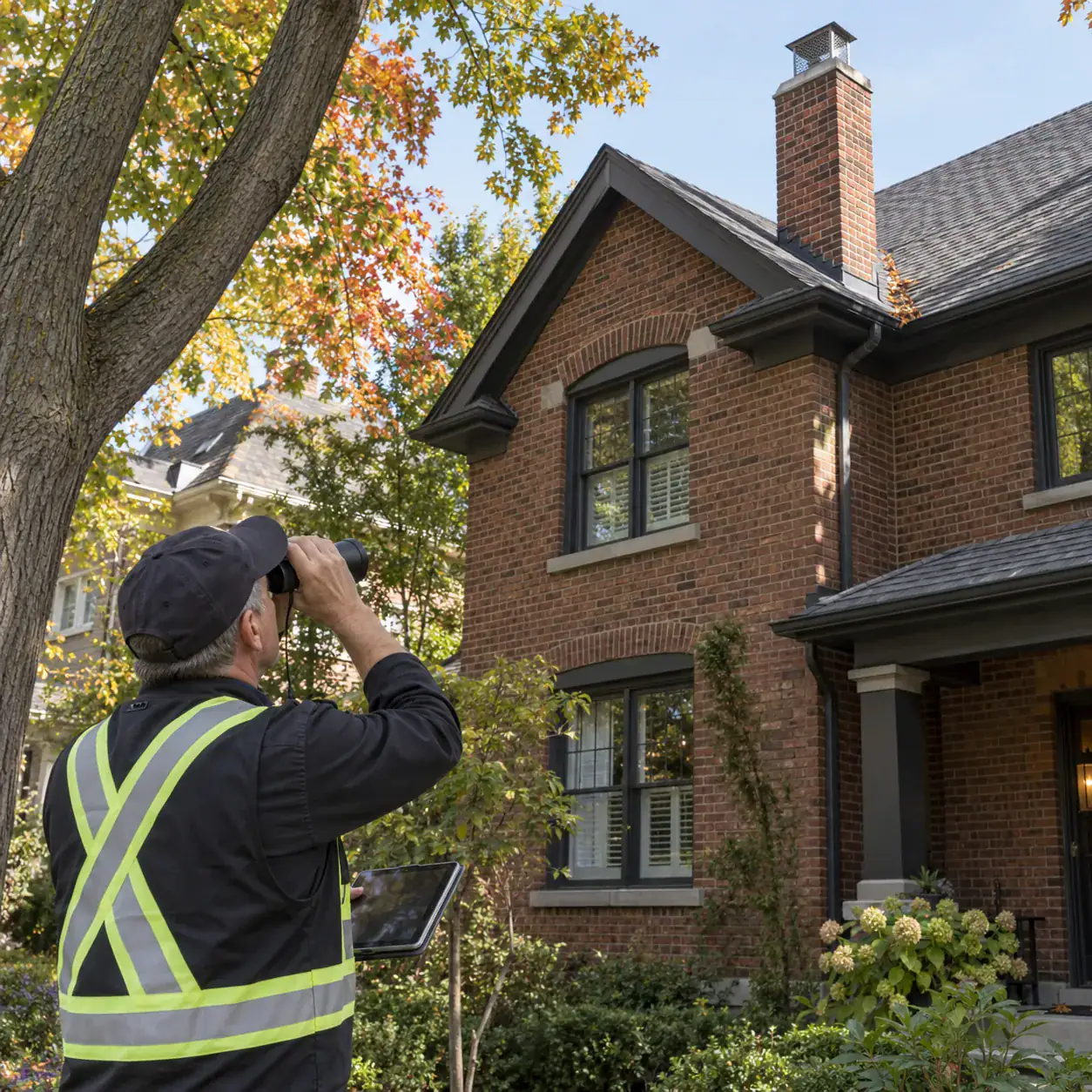
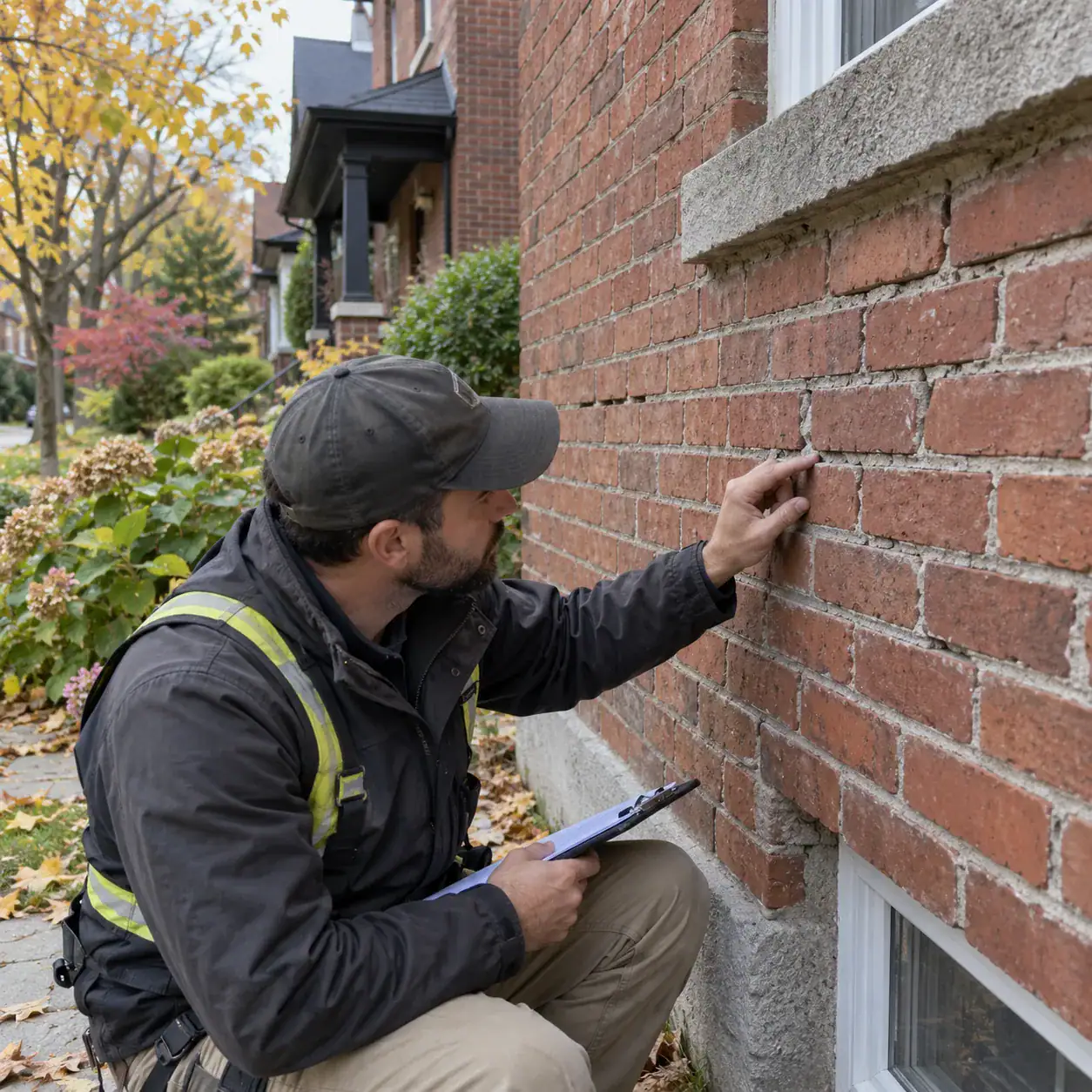
What Are the Signs That Masonry Needs Repair?
Homeowners should watch for:
- Cracked or missing mortar
- Loose bricks or stones
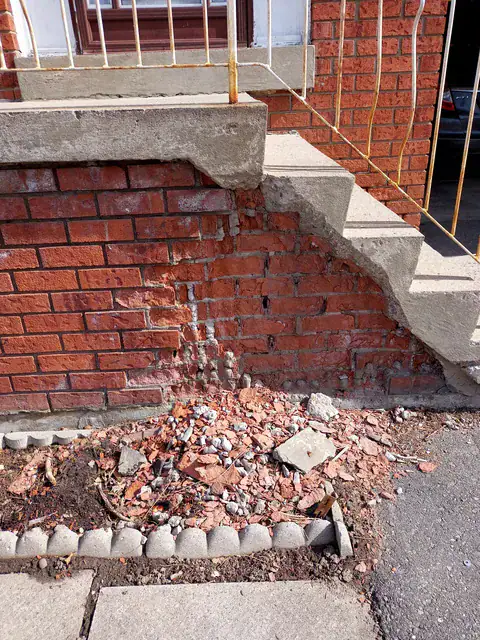
- Flaking or spalling brick faces
- Stair-step cracks
- Bulging or leaning walls
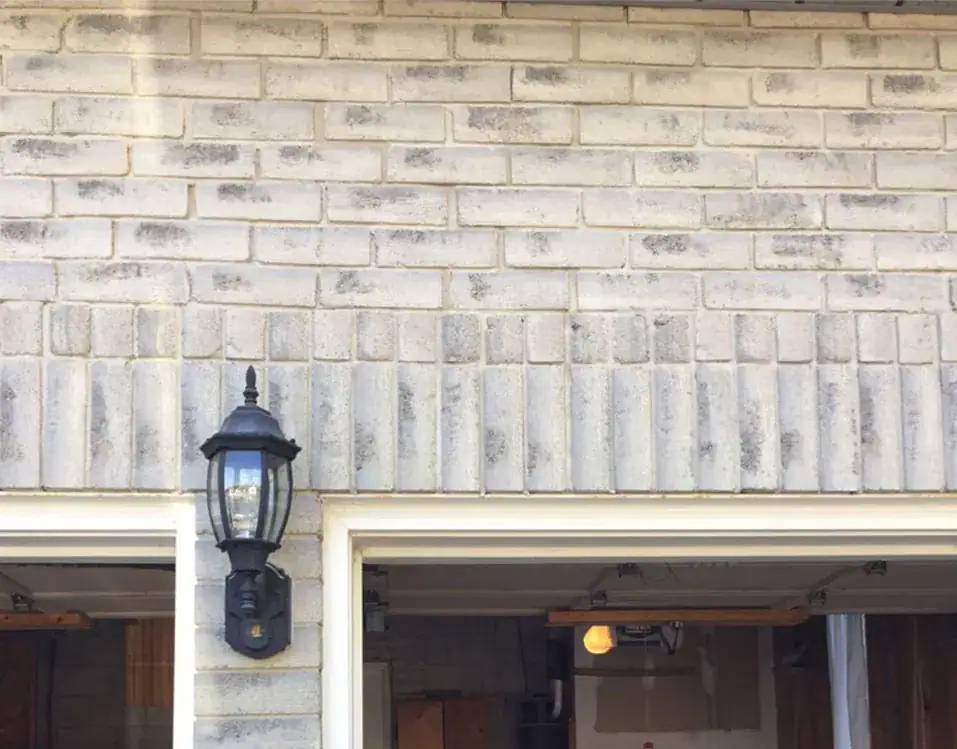
- Cracks above windows and doors
- Rust staining
- White powdery deposits
- Water entering the basement
- Deteriorated chimney mortar
- Loose chimney caps
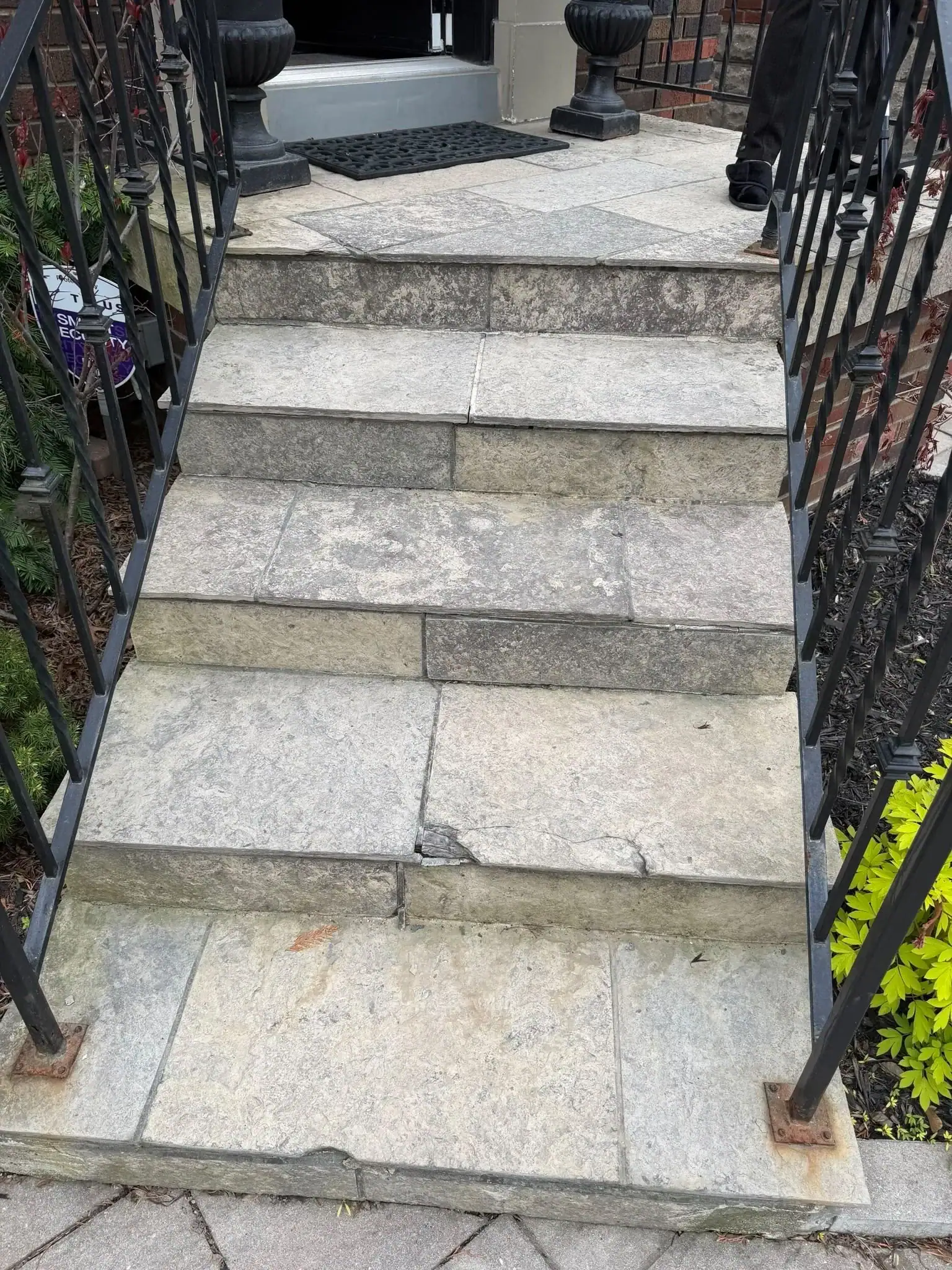
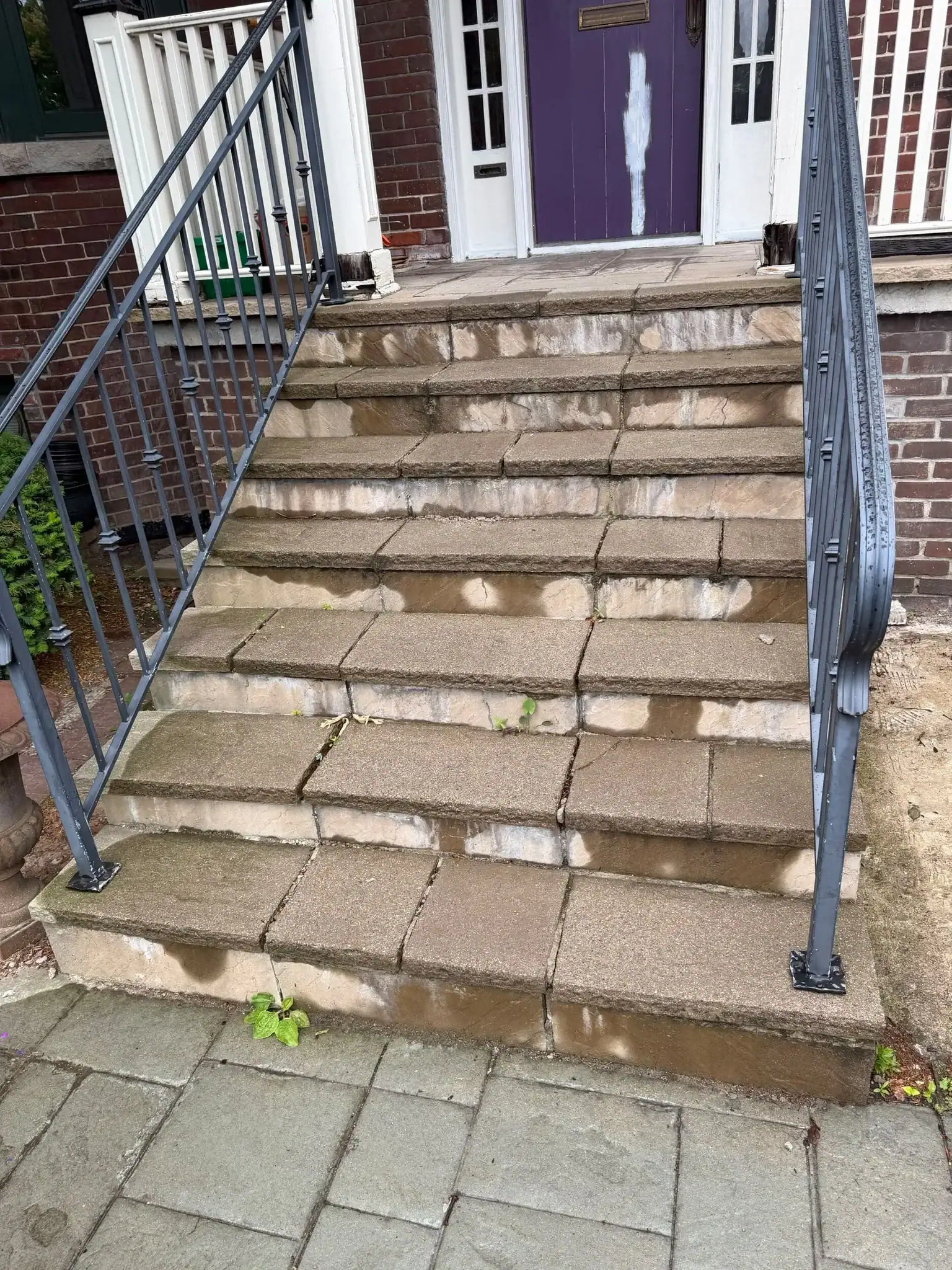
- Cracked concrete steps
- Sinking interlocking pavers
- Separating porch slabs
- Hollow or loose parging
- Moss or persistent moisture staining
Minor-looking damage should not automatically be ignored. A small crack may be harmless, but it may also indicate drainage problems, steel corrosion, foundation movement, or hidden deterioration.
What Is Tuckpointing?
Tuckpointing is the process of removing deteriorated mortar from masonry joints and replacing it with new mortar.
The term is sometimes used interchangeably with repointing, although traditional tuckpointing can also refer to a decorative joint-finishing technique.
Proper mortar-joint repair can:
- Reduce water penetration
- Stabilize loose masonry
- Improve appearance
- Protect brick edges
- Extend the life of the wall
- Prevent larger repairs later
The damaged mortar must be removed to an adequate depth before new mortar is installed. Smearing mortar over the surface is not a lasting repair.
Can Damaged Bricks Be Repaired?
Minor surface damage may sometimes be stabilized or protected, but badly cracked, loose, or spalled bricks generally need to be replaced.
Replacement bricks should match the original masonry as closely as practical in:
- Size
- Colour
- Texture
- Strength
- Absorption
- Age and appearance
The cause of the damage should also be corrected. Replacing bricks without fixing the moisture source usually leads to repeat failure.
How Long Does Masonry Last?
The lifespan of masonry depends on the material, installation quality, exposure, drainage, maintenance, and repair history.
Well-maintained brick and stone masonry can last for generations. Mortar joints may require repair sooner because mortar is designed to weather more readily than the masonry units themselves.
Concrete, chimneys, steps, porches, and interlocking surfaces can also provide decades of service when properly built and protected from excessive moisture and movement.
Does Masonry Require Maintenance?
Masonry is relatively low maintenance, but it is not maintenance-free.
Useful preventive measures include:
- Keeping gutters and downspouts clear
- Directing water away from foundations
- Repairing failed caulking
- Checking chimney caps
- Inspecting mortar joints
- Avoiding excessive use of de-icing salt
- Maintaining proper grading
- Repairing cracks before water enters
- Cleaning masonry with appropriate methods
- Avoiding harsh pressure washing
- Checking steps and porches for movement
A periodic visual inspection can help identify small problems before they become expensive repairs.
Can You Paint Masonry?
Brick, concrete, block, and some types of stone can be painted or coated, but the product and preparation matter.
Standard exterior paint may trap moisture inside masonry. This can lead to peeling, bubbling, freeze-thaw damage, and deterioration behind the coating.
Breathable mineral-based stains and masonry coating systems may be more suitable for certain applications because they allow water vapour to escape.
Before coating masonry, the surface should be evaluated for moisture, efflorescence, cracking, damaged mortar, and previous coatings.
What Is Heritage Masonry Restoration?
Heritage masonry restoration involves repairing older buildings while preserving their original materials, proportions, appearance, and construction methods.
This may require:
- Lime-based mortar
- Custom brick matching
- Gentle cleaning
- Traditional joint profiles
- Stone patching
- Selective brick replacement
- Rebuilding original architectural details
- Avoiding hard modern mortars
- Correcting previous incompatible repairs
Toronto contains many Victorian, Edwardian, Georgian, and early twentieth-century homes. These buildings often require a different approach than newer construction.
Should You Repair or Replace Masonry?
Repair is normally preferred when the existing masonry remains generally sound and the damaged areas can be corrected safely.
Replacement or rebuilding may be necessary when there is:
- Extensive movement
- Severe deterioration
- Widespread loose masonry
- Major structural cracking
- Advanced steel corrosion
- Repeated water damage
- An unstable chimney
- Failed foundations or retaining walls
- Significant previous repair damage
A proper assessment should determine both the visible damage and the reason it occurred.
Why Professional Masonry Assessment Matters
Masonry damage is not always straightforward.
A crack might be caused by normal settlement, foundation movement, thermal expansion, corroding steel, inadequate support, or water penetration. Treating every crack the same way can result in wasted money and recurring problems.
An experienced masonry contractor should consider:
- The age of the building
- The original construction method
- The type of brick, stone, or concrete
- Mortar condition
- Drainage and water exposure
- Structural movement
- Previous repairs
- Local weather conditions
- Whether the masonry is structural or decorative
The best repair is one that addresses the cause—not merely the visible symptom.
Masonry in Toronto’s Climate
Toronto masonry must withstand:
- Repeated freezing and thawing
- Heavy rainfall
- Snow and ice
- Summer heat
- Humidity
- Road salt
- Temperature swings
- Expansive and shifting soils
Proper flashing, drainage, mortar selection, material compatibility, and workmanship are particularly important in this environment.
Even a strong material can fail when water is allowed to remain inside it.
Choosing a Masonry Contractor
When selecting a masonry contractor, look for a company that can explain:
- What caused the damage
- Which materials will be used
- Whether the existing masonry can be preserved
- How water will be managed
- Whether structural concerns are present
- How new work will match the existing property
- What preparation is included
- How the site will be protected and cleaned
A detailed masonry assessment is more valuable than a quick price based only on a photograph.
Frequently Asked Questions About Masonry
What is masonry in simple terms?
Masonry is the construction or repair of structures using individual materials such as brick, stone, concrete block, or pavers, usually joined together with mortar.
What is an example of masonry?
Examples include a brick exterior wall, stone porch, concrete block foundation, chimney, retaining wall, fireplace, or interlocking patio.
Is brick the same as masonry?
Brick is one type of masonry material. Masonry also includes stone, concrete block, pavers, and other individual construction units.
Is masonry stronger than concrete?
It depends on the application and design. Reinforced concrete can carry substantial structural loads, while brick and stone masonry offer excellent durability, fire resistance, and weather protection. Many buildings use both systems together.
What is the difference between a mason and a bricklayer?
A bricklayer primarily works with brick and block. A mason may work with brick, stone, concrete, block, pavers, chimneys, foundations, and restoration projects.
Can masonry cracks be repaired?
Many masonry cracks can be repaired, but the cause should be identified first. Some cracks result from minor movement, while others may indicate water damage, steel corrosion, or structural settlement.
How often should masonry be inspected?
Homeowners should visually inspect exposed masonry at least once or twice a year, particularly after winter. Chimneys, steps, mortar joints, foundations, and areas around windows and doors deserve special attention.
What is the most durable masonry material?
Brick, natural stone, concrete, and concrete block can all be extremely durable when properly selected, installed, drained, and maintained. Installation quality is often more important than the material alone.
Professional Masonry Services in Toronto and the GTA
A&A Masonry Inc. provides professional masonry repair, restoration, and exterior improvement services for homeowners and property owners throughout Toronto and the GTA.
Our services include brick repair, tuckpointing, stonework, chimney repair, concrete repair, waterproofing, parging, retaining walls, interlocking, and complete exterior masonry restoration.
Every project begins with understanding the cause of the problem, selecting compatible materials, and developing a repair plan designed for Toronto’s climate.
If you are concerned about cracking, deteriorated mortar, damaged bricks, moisture, chimney problems, or exterior masonry movement, request a consultation with A&A Masonry Inc.