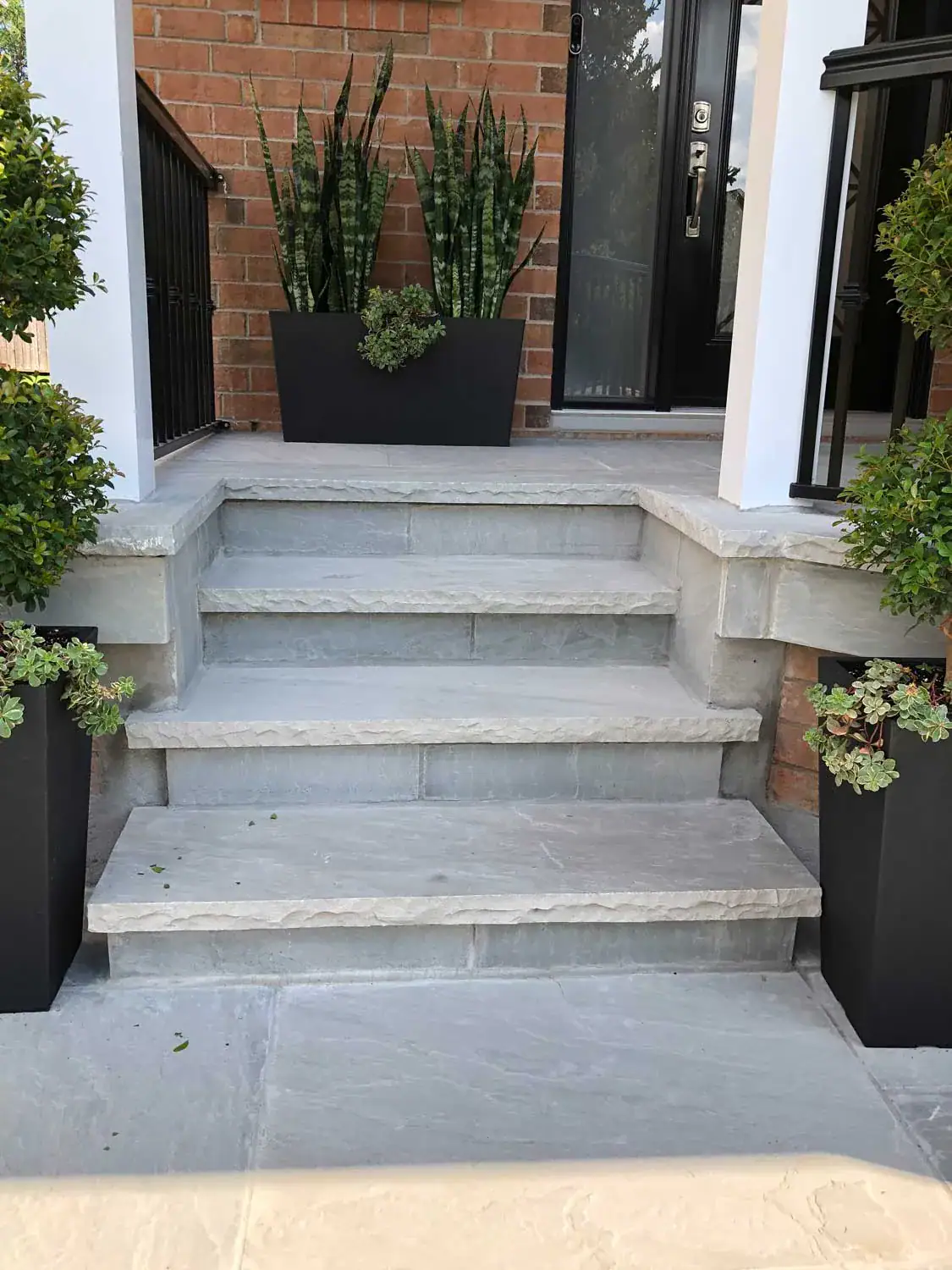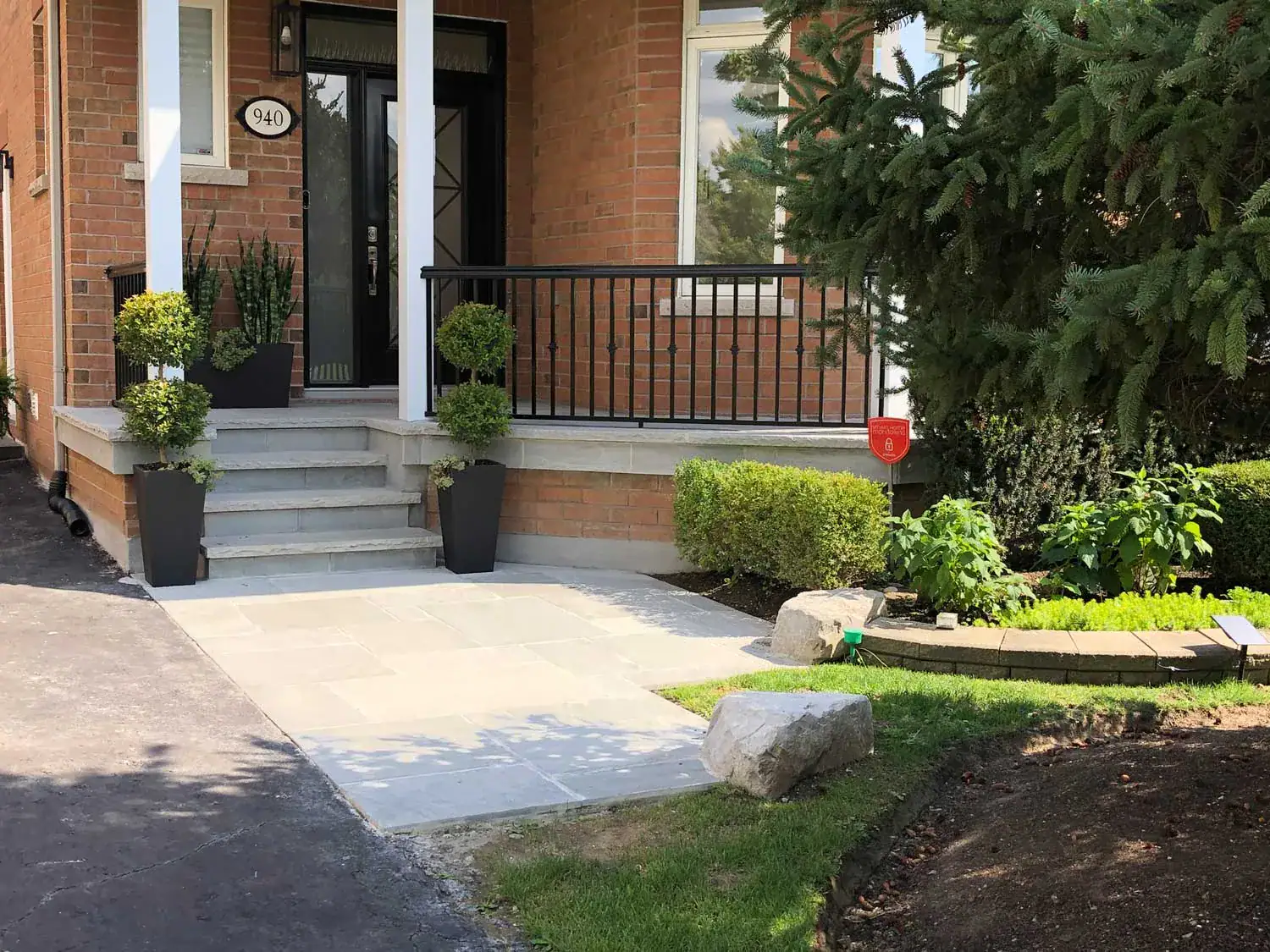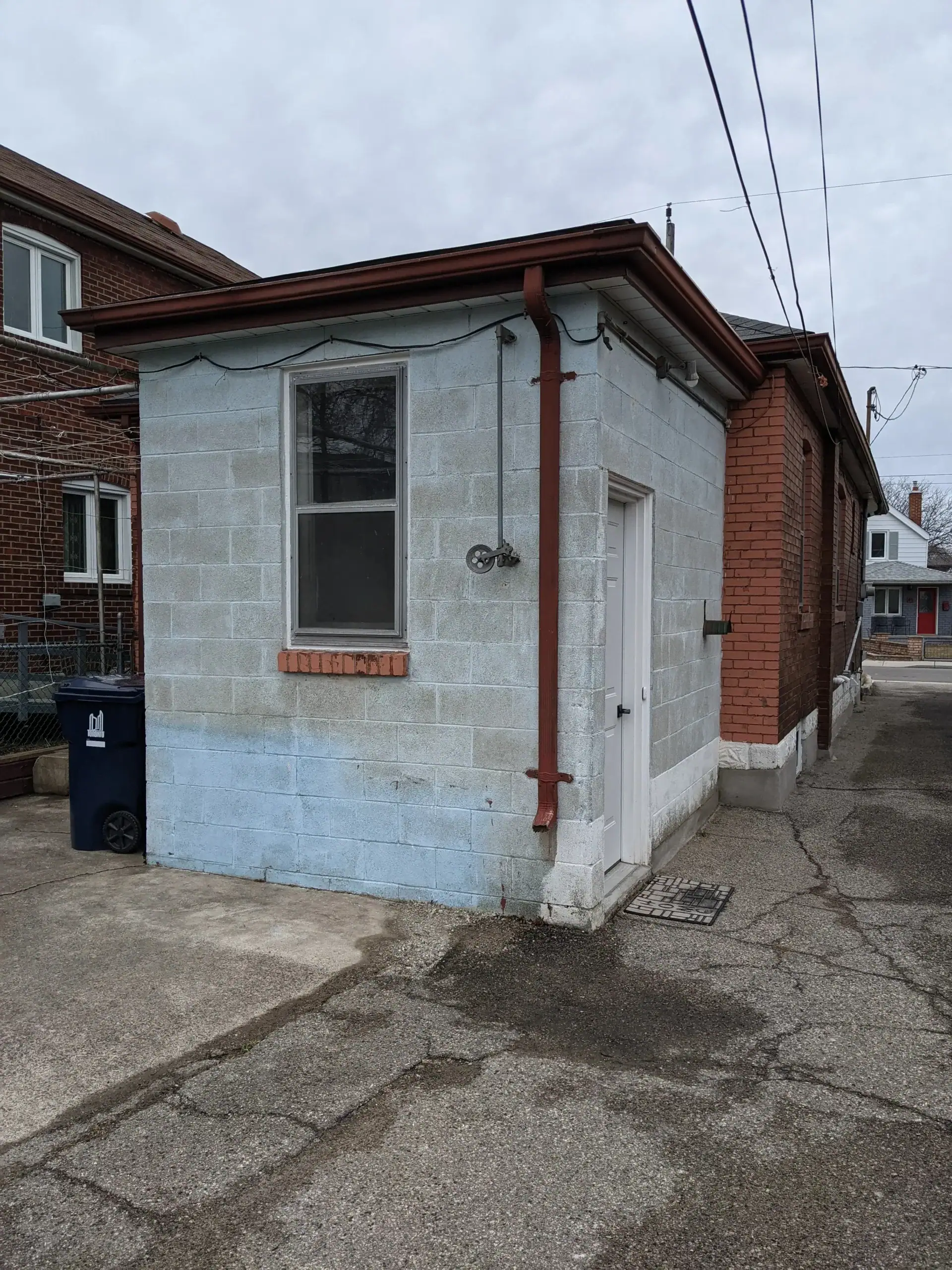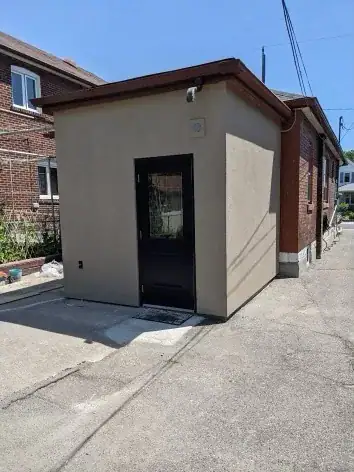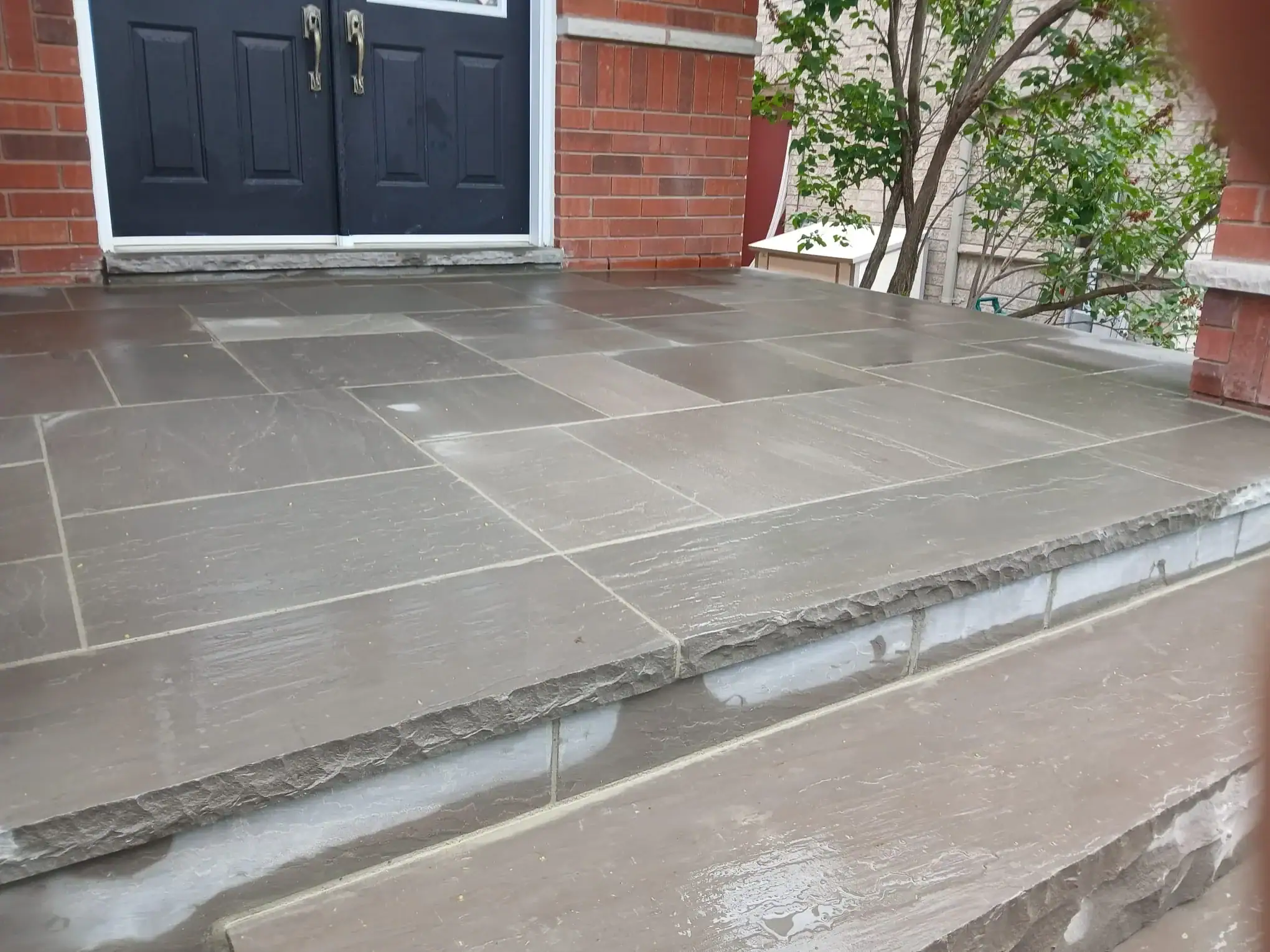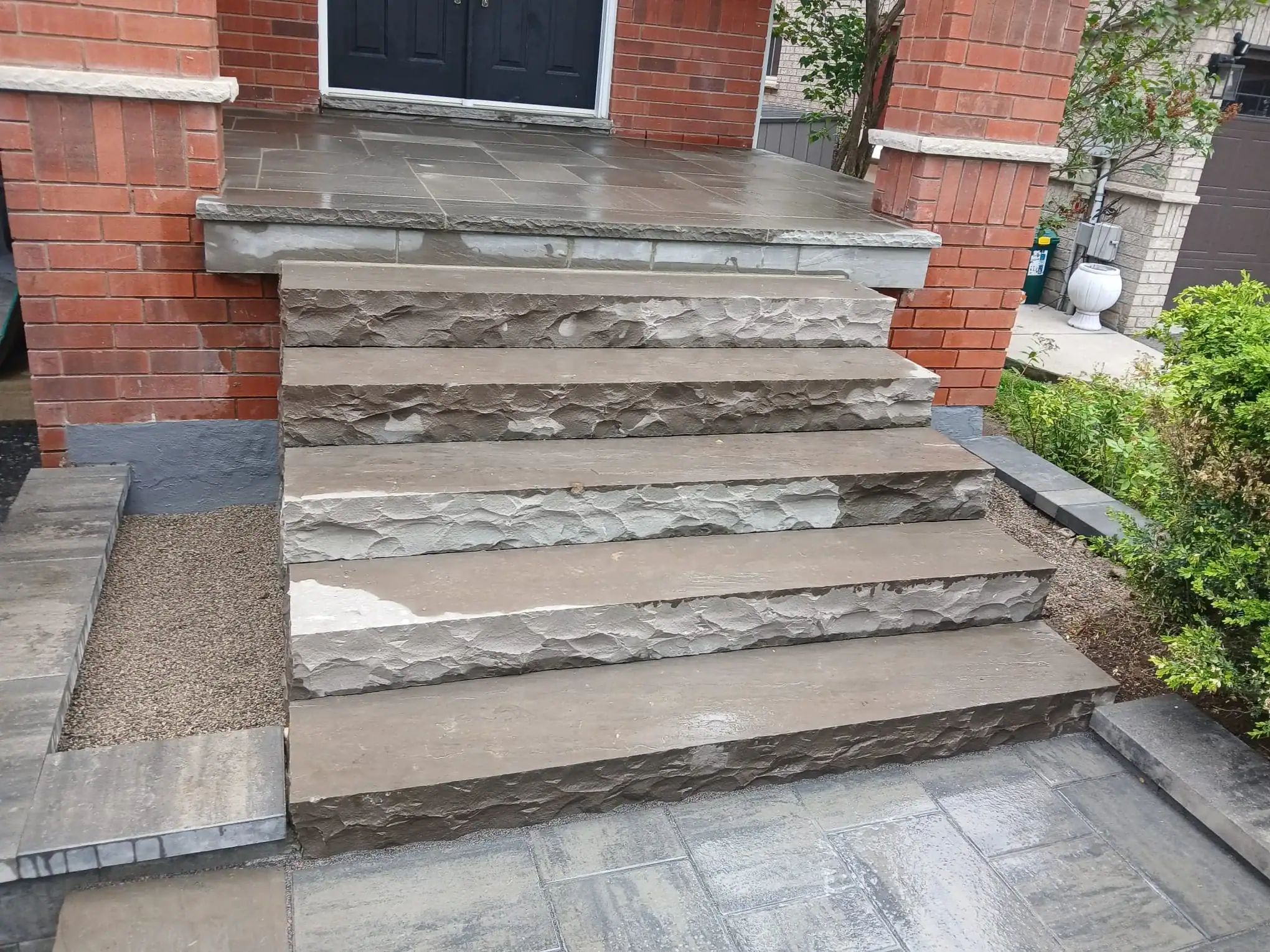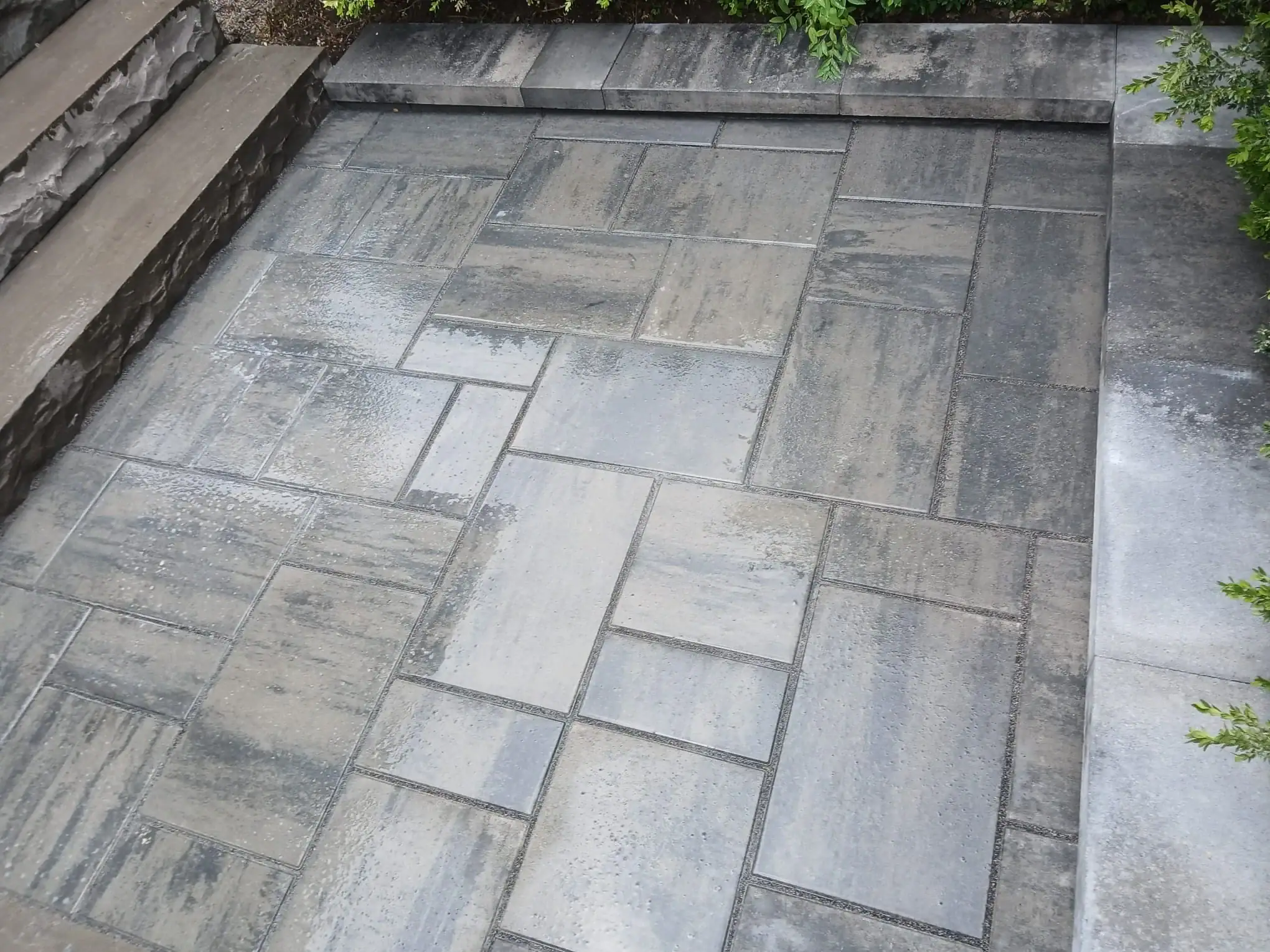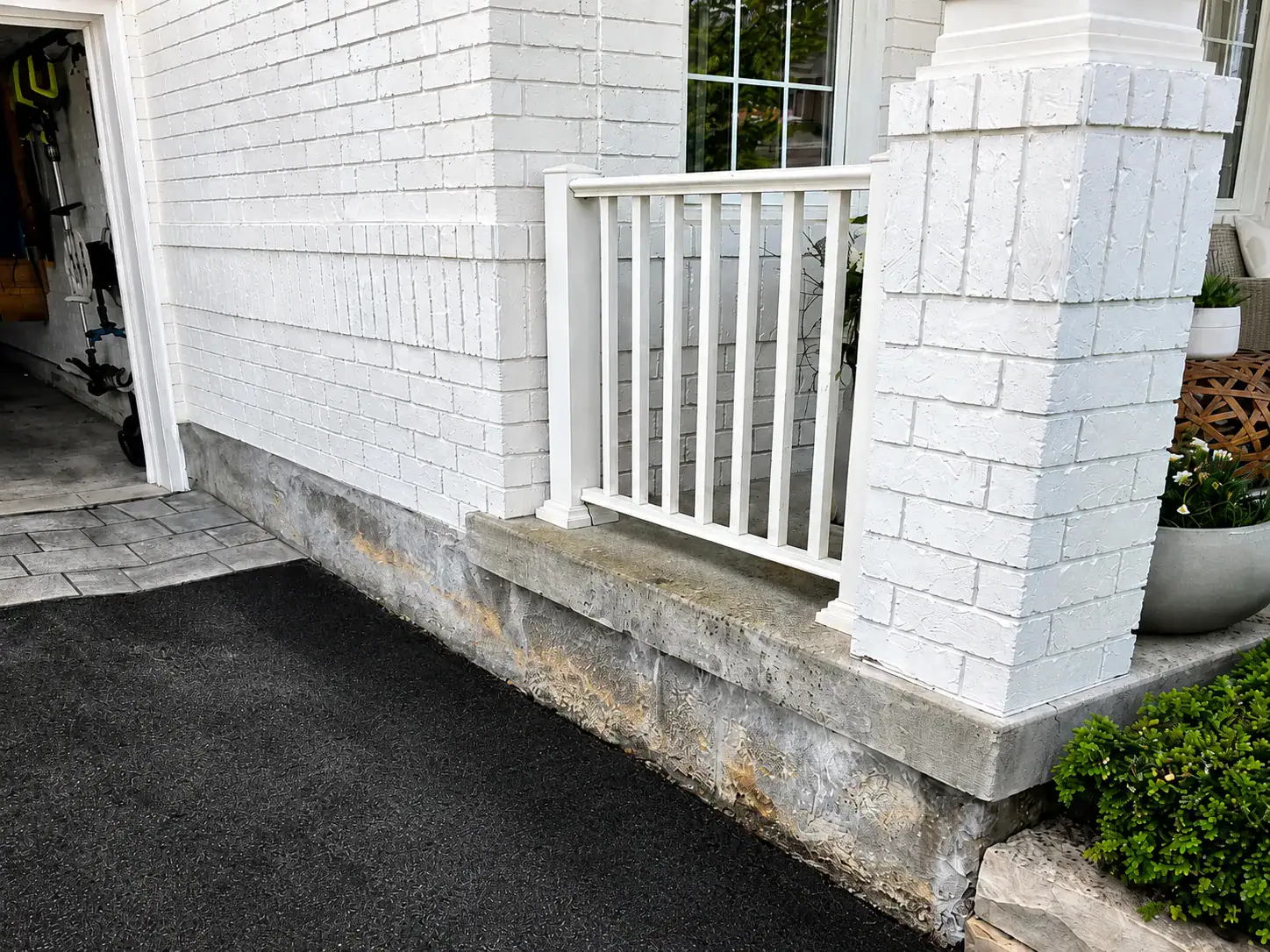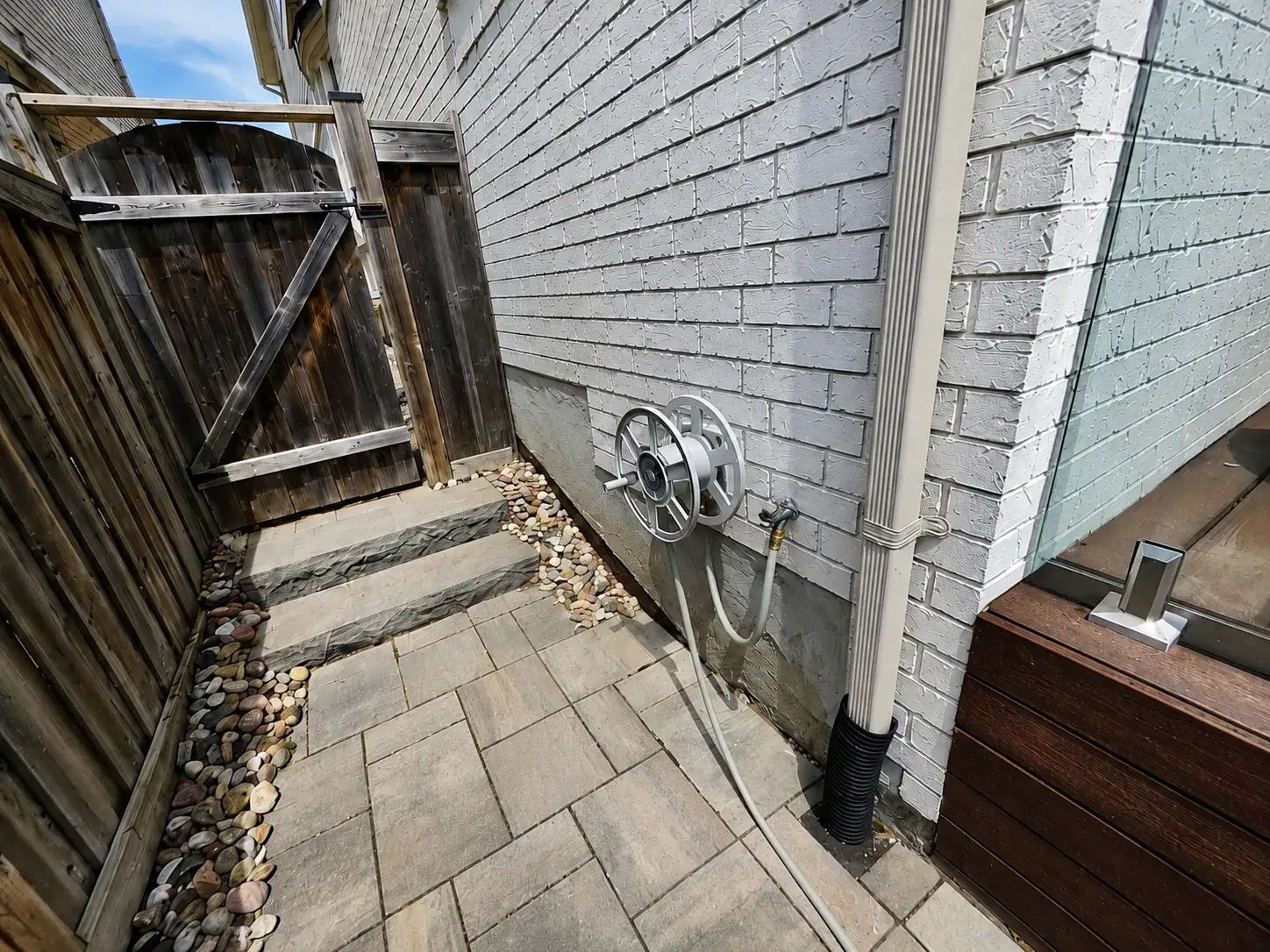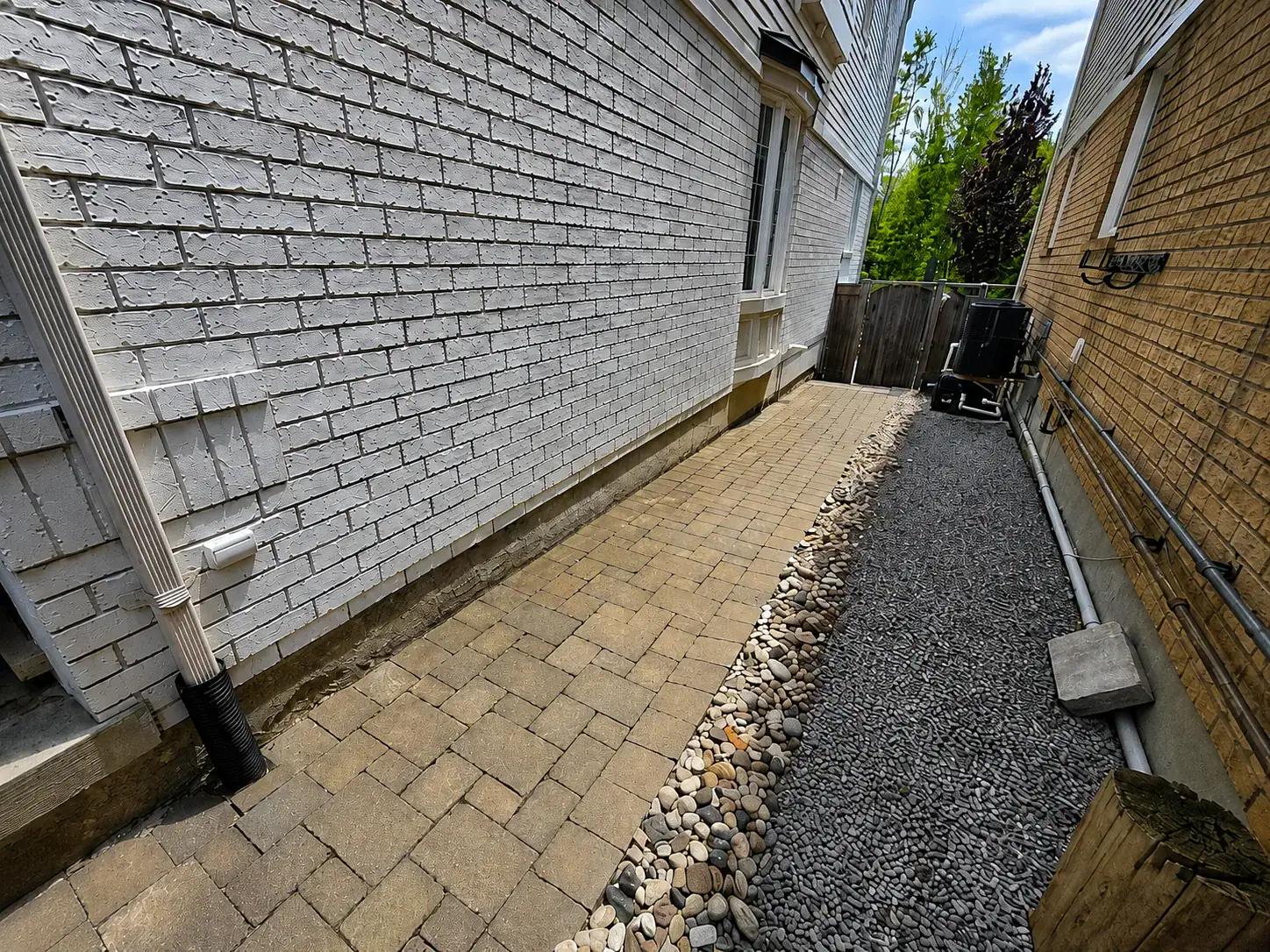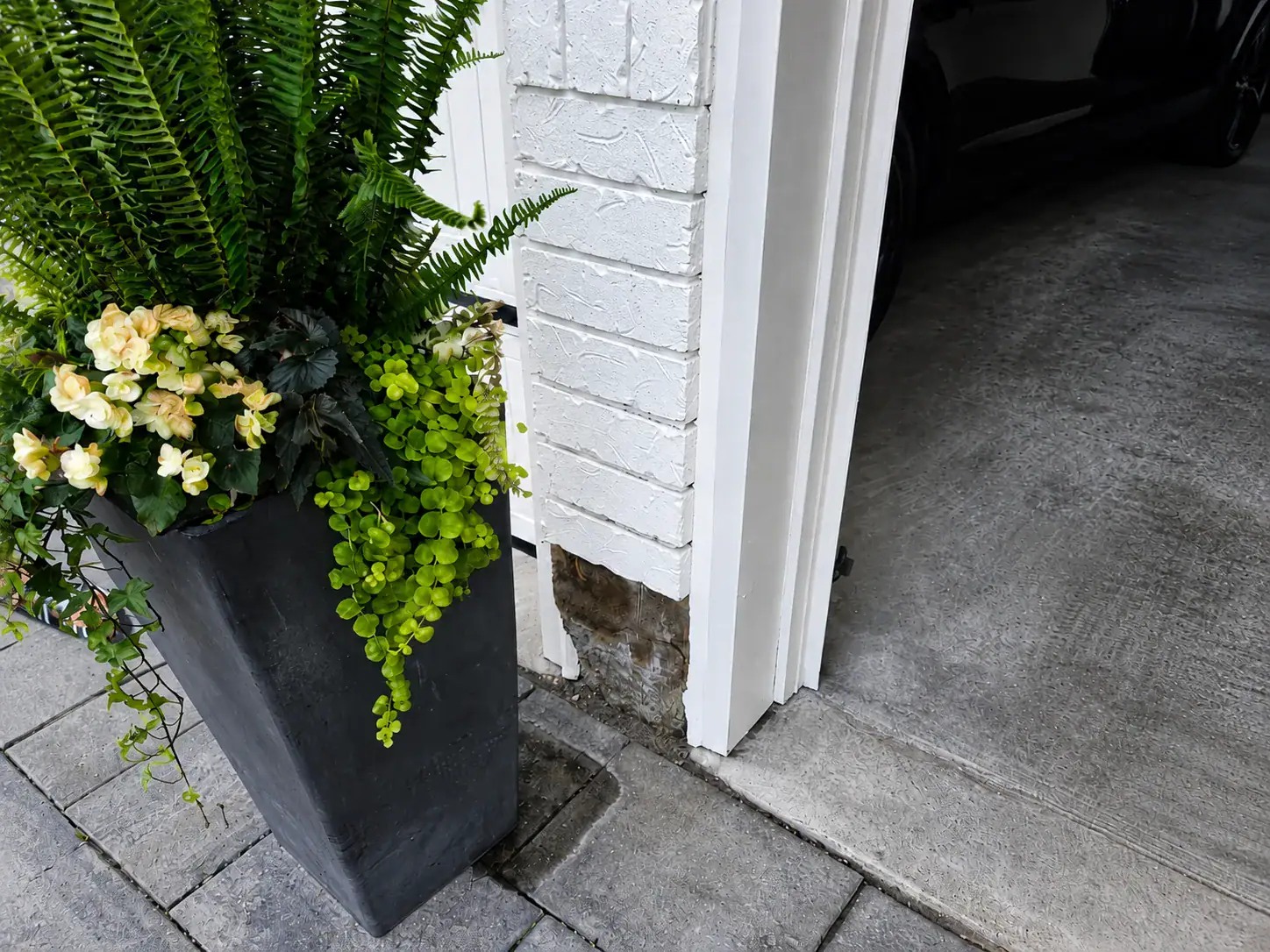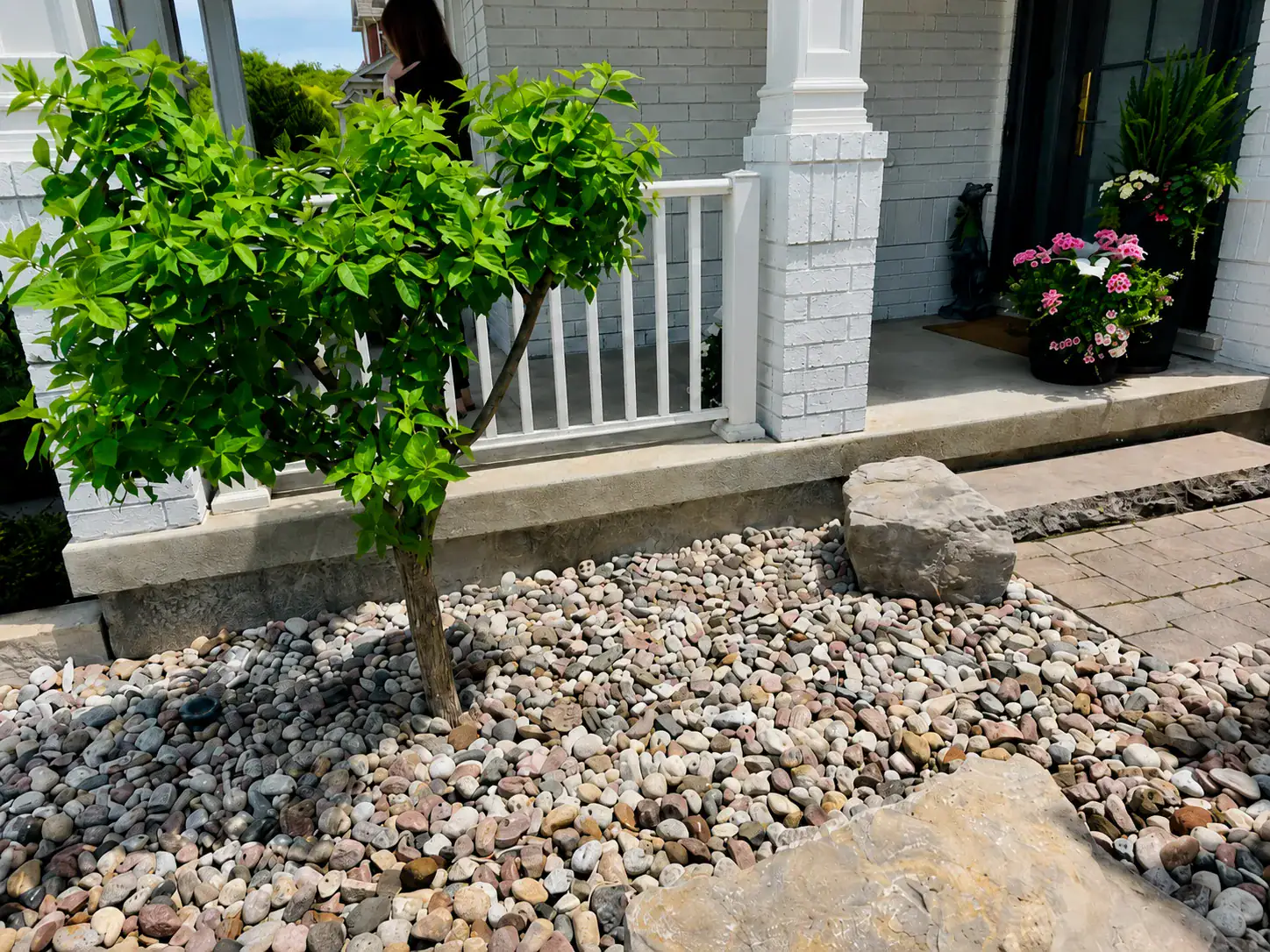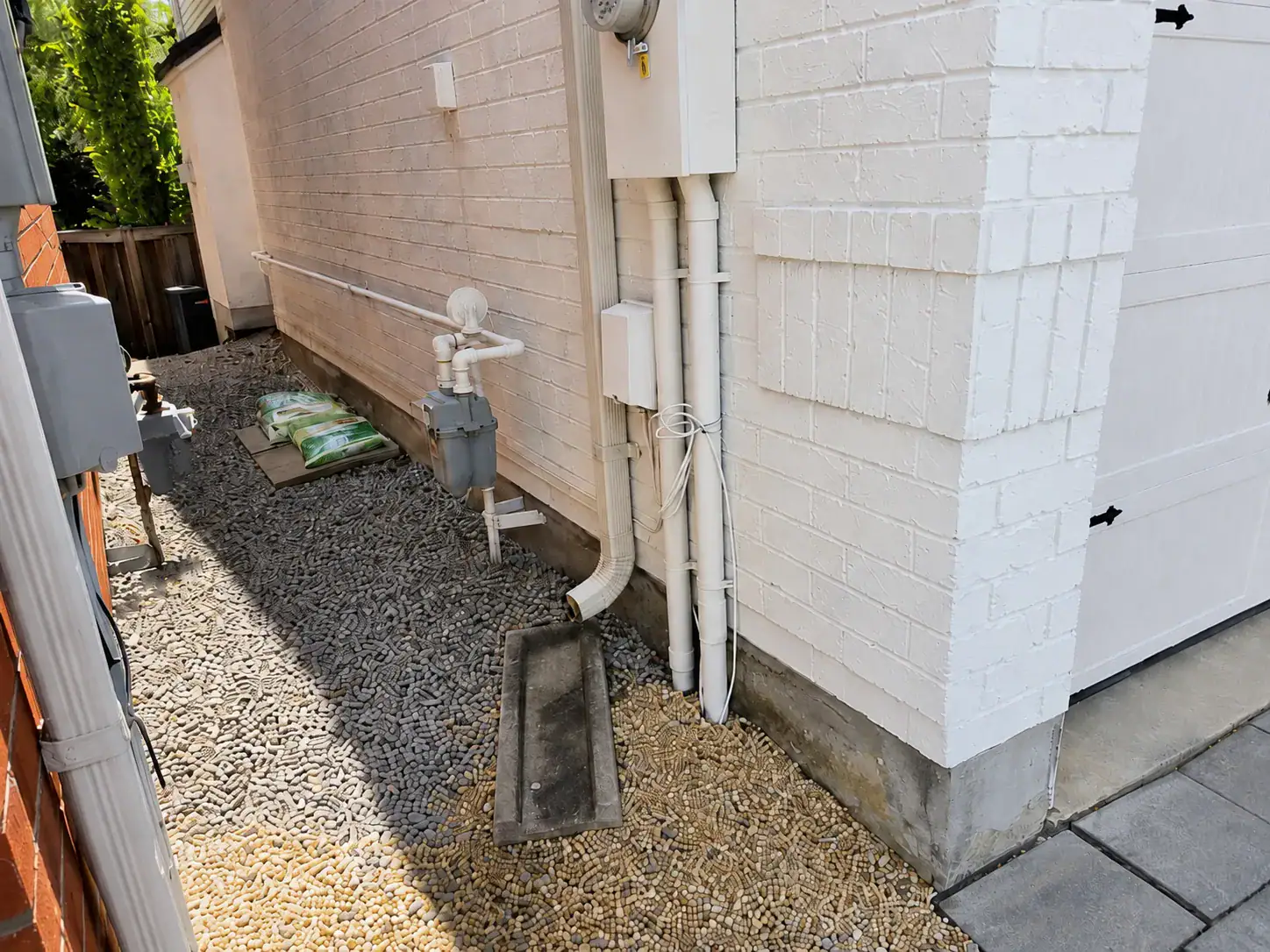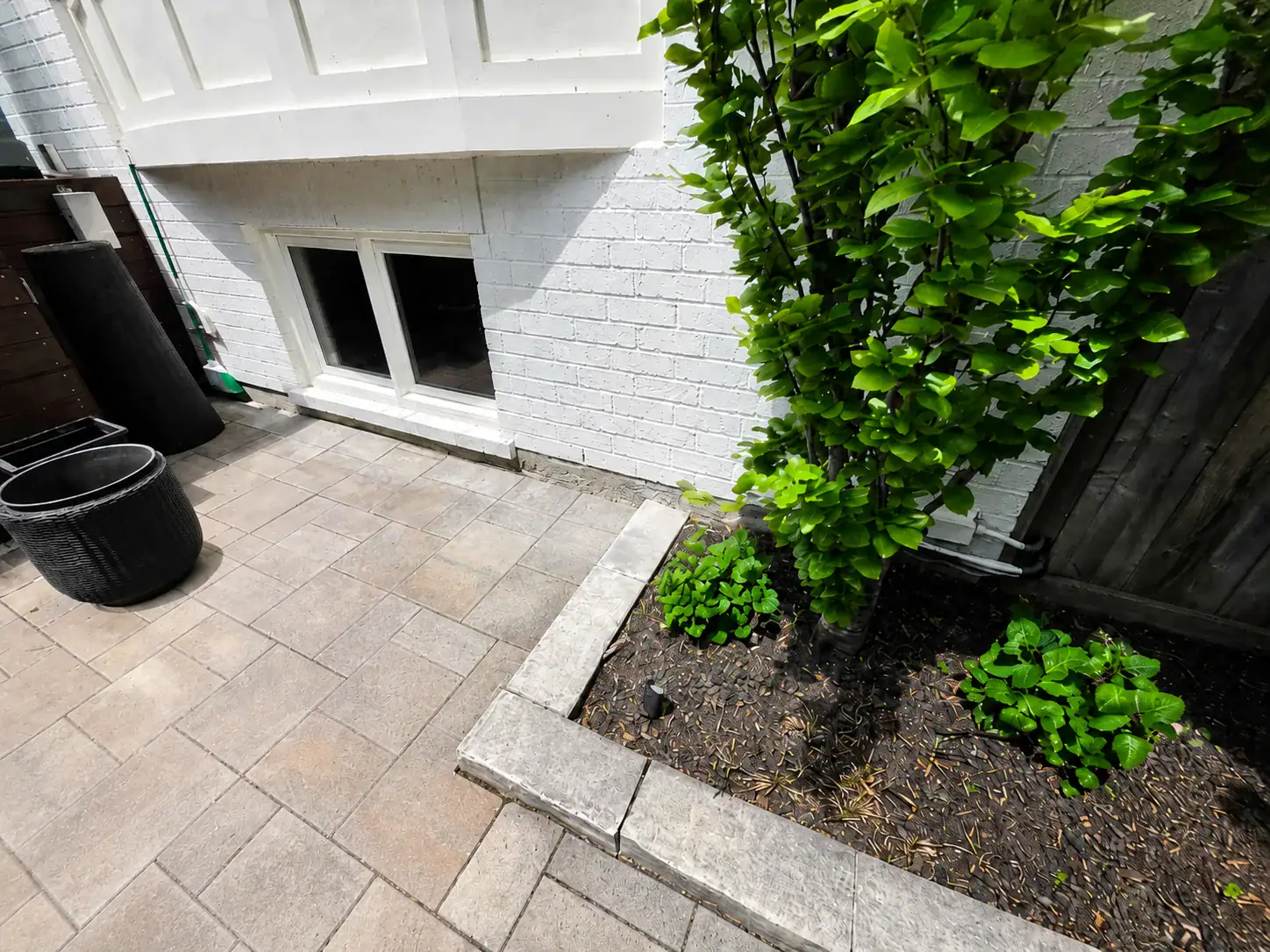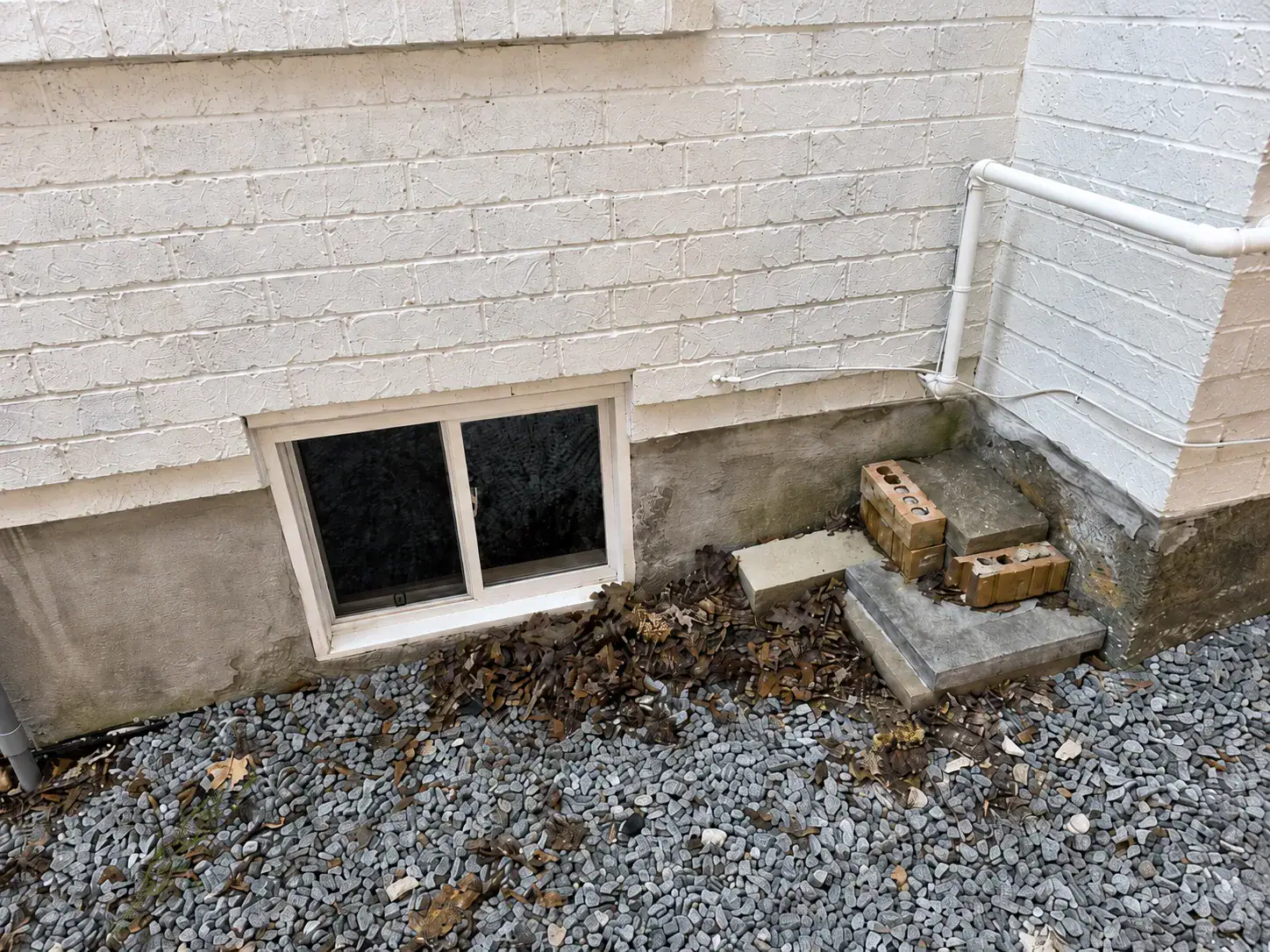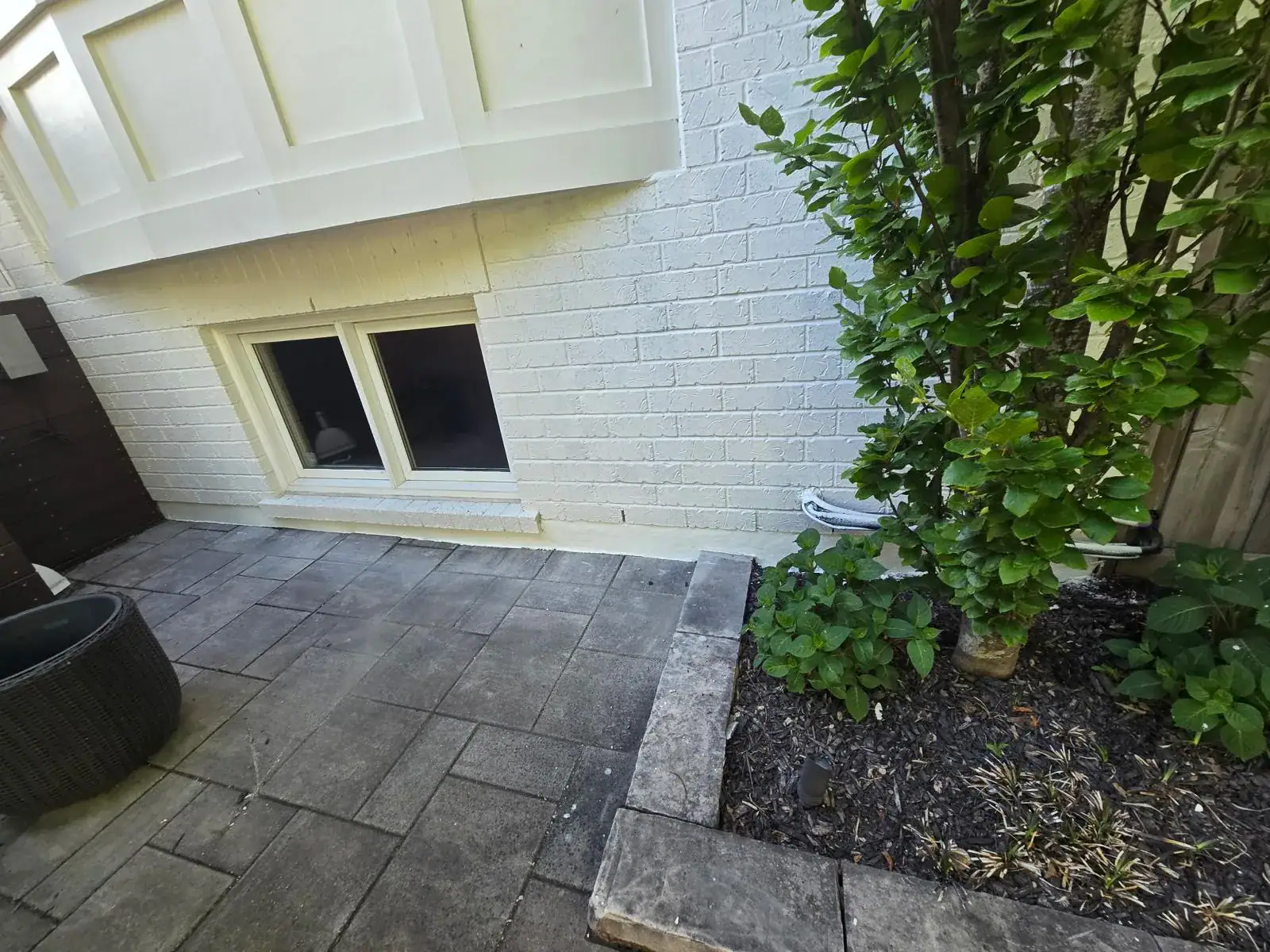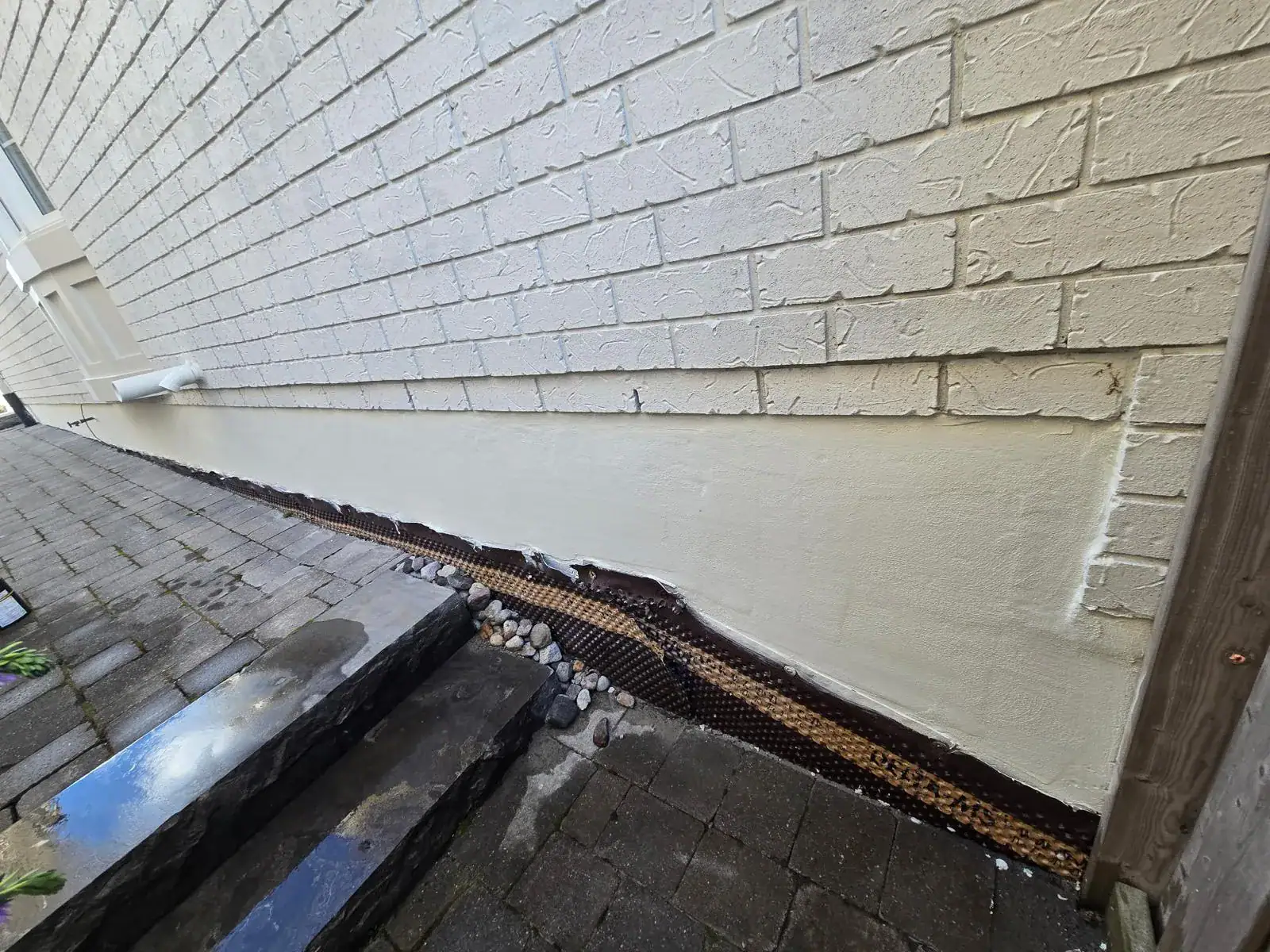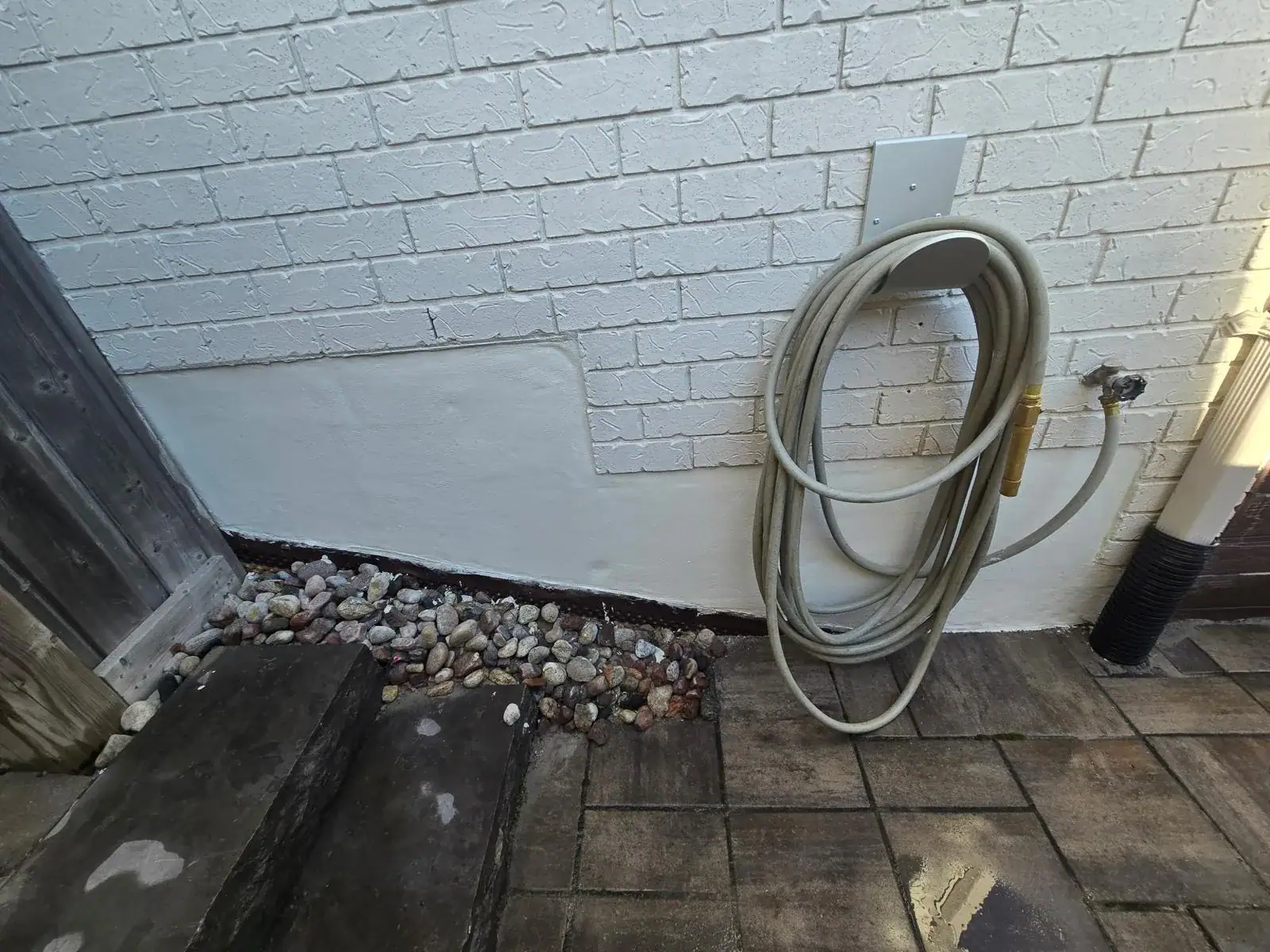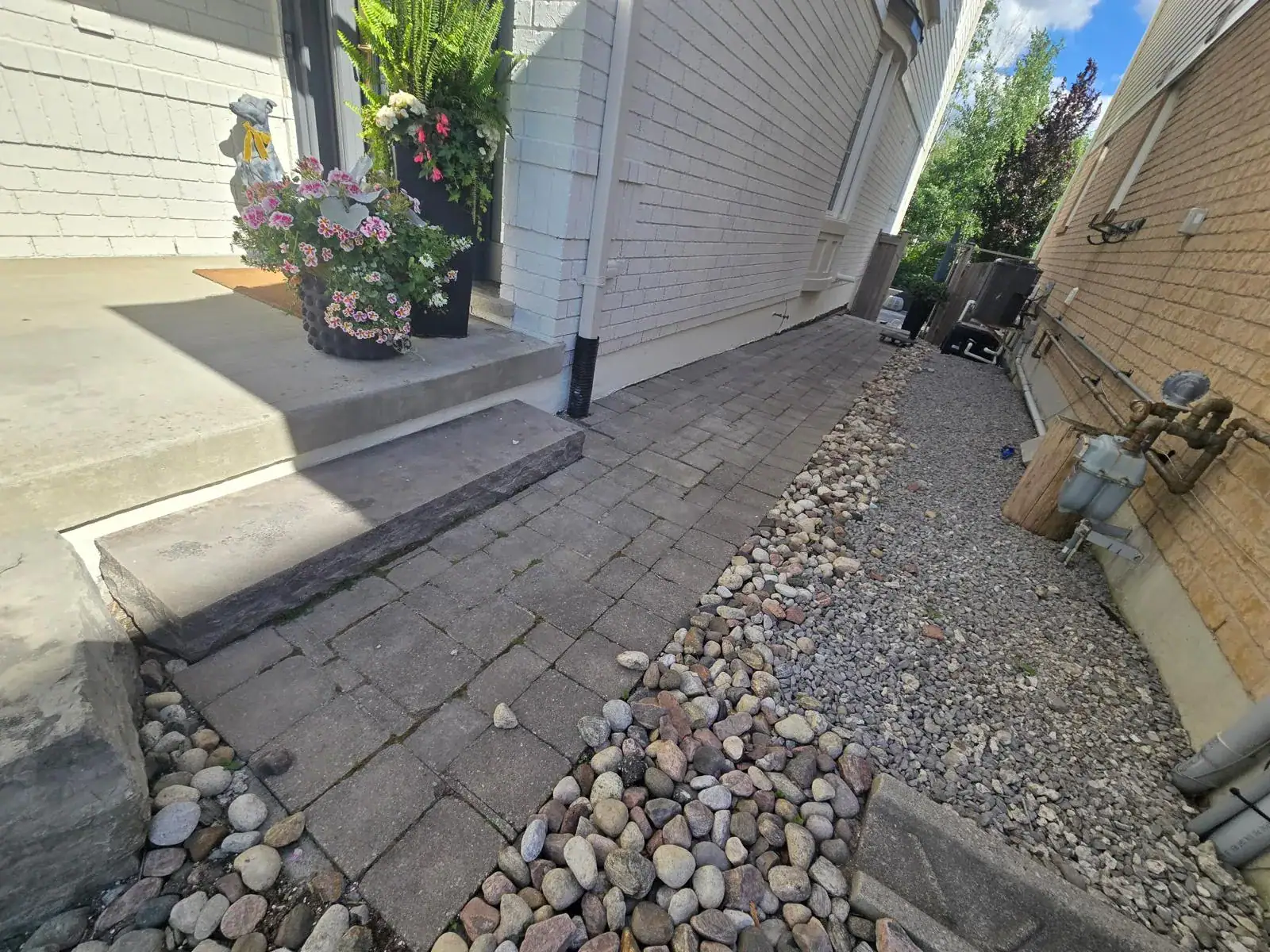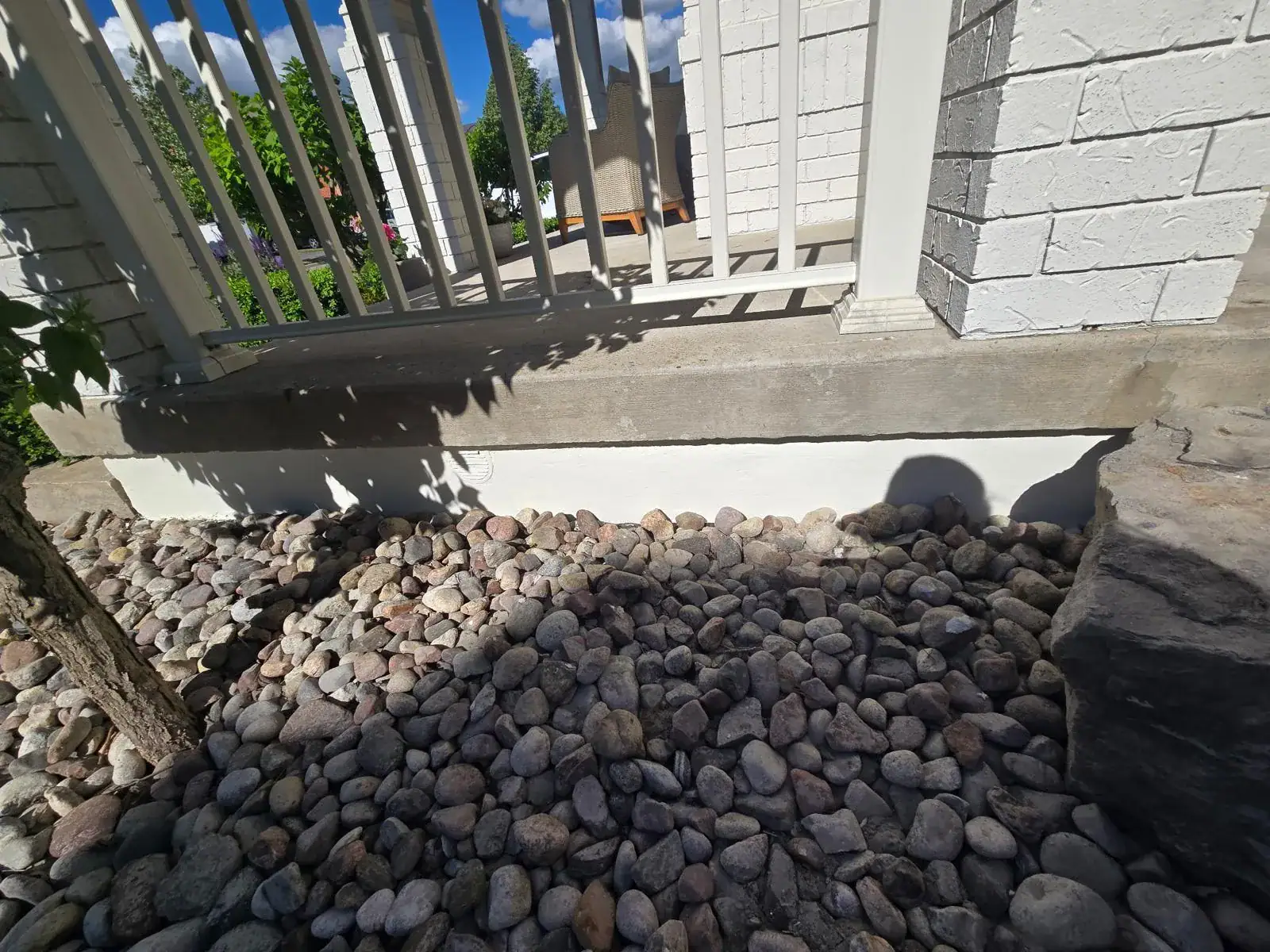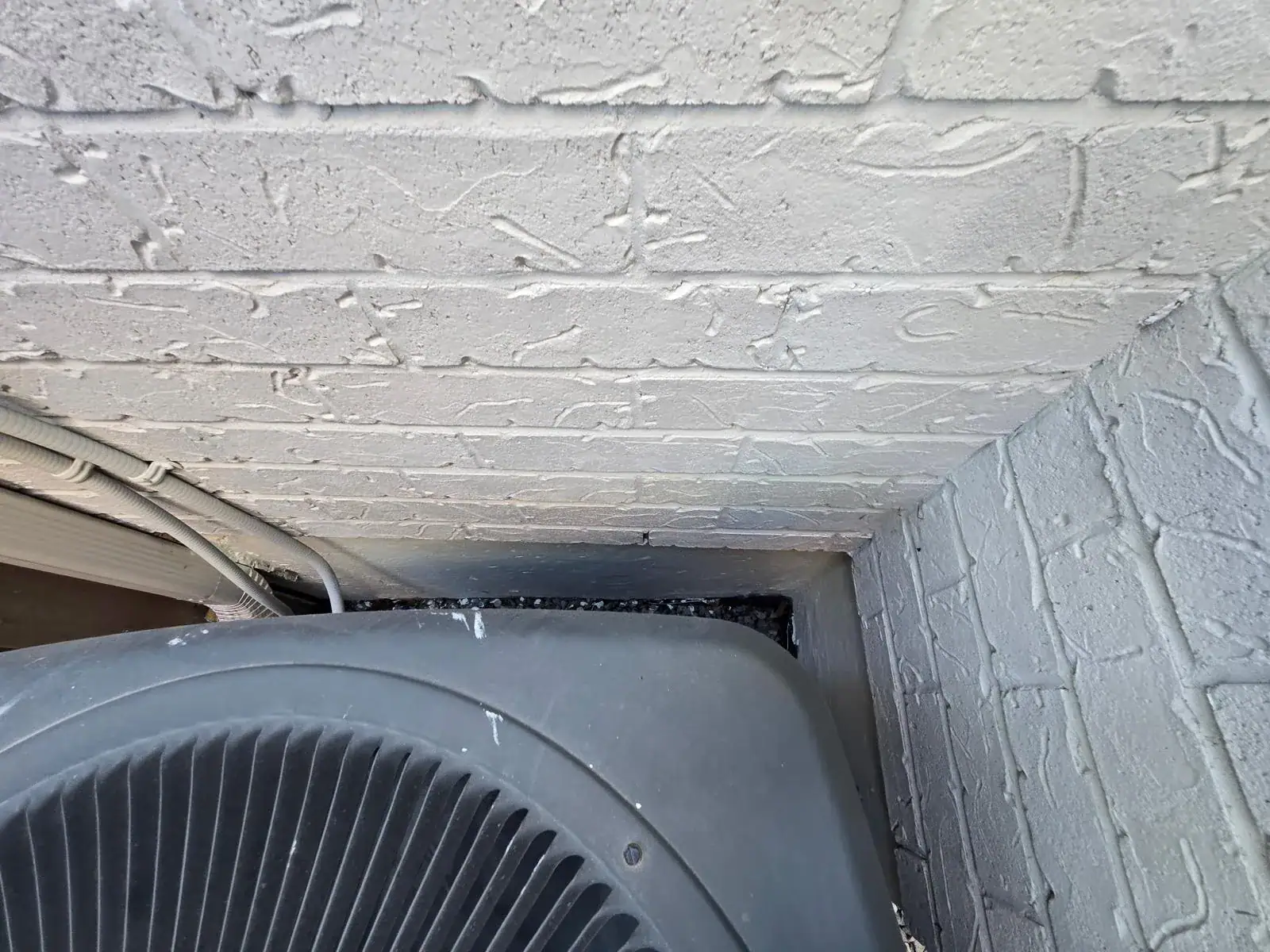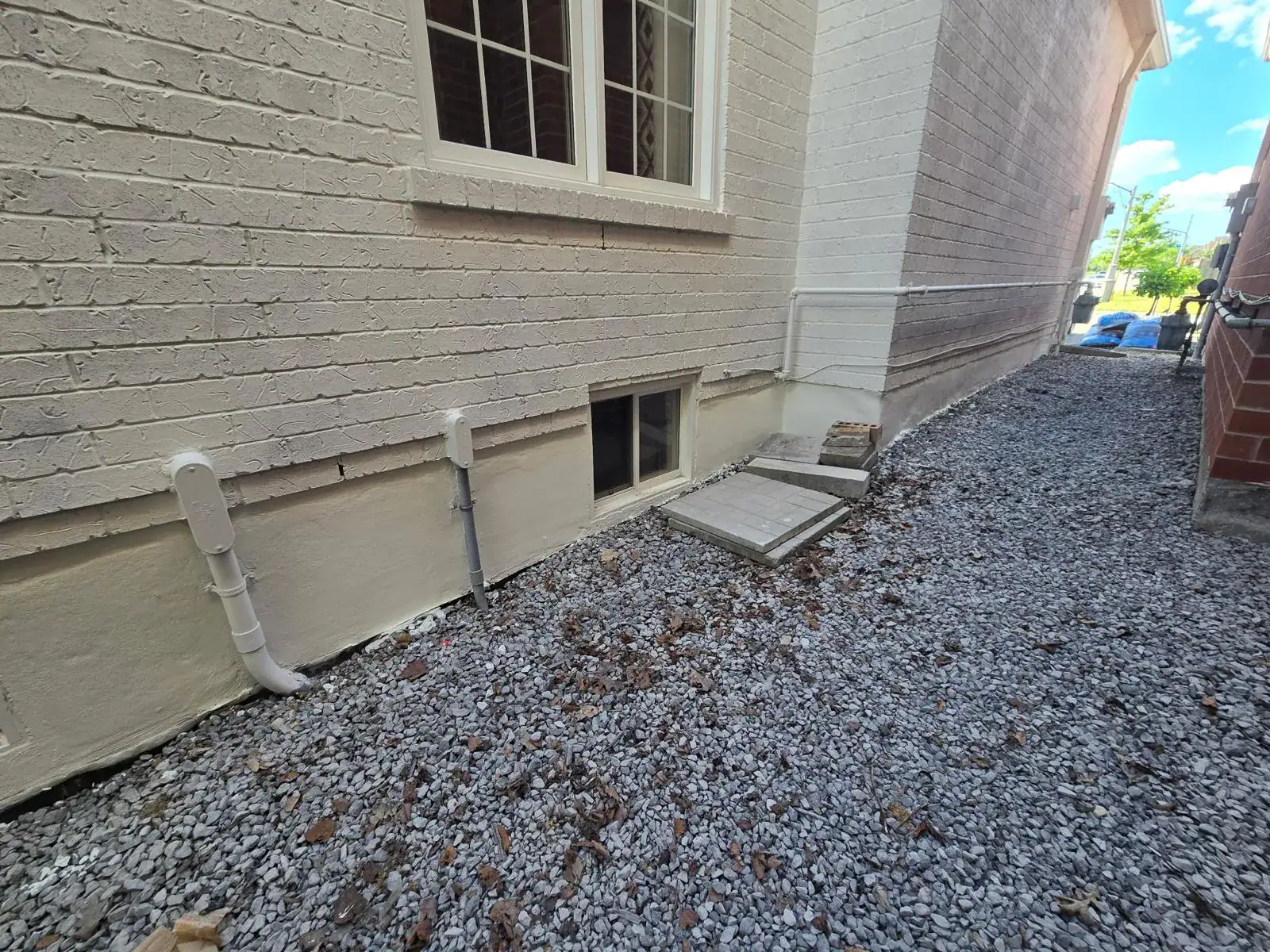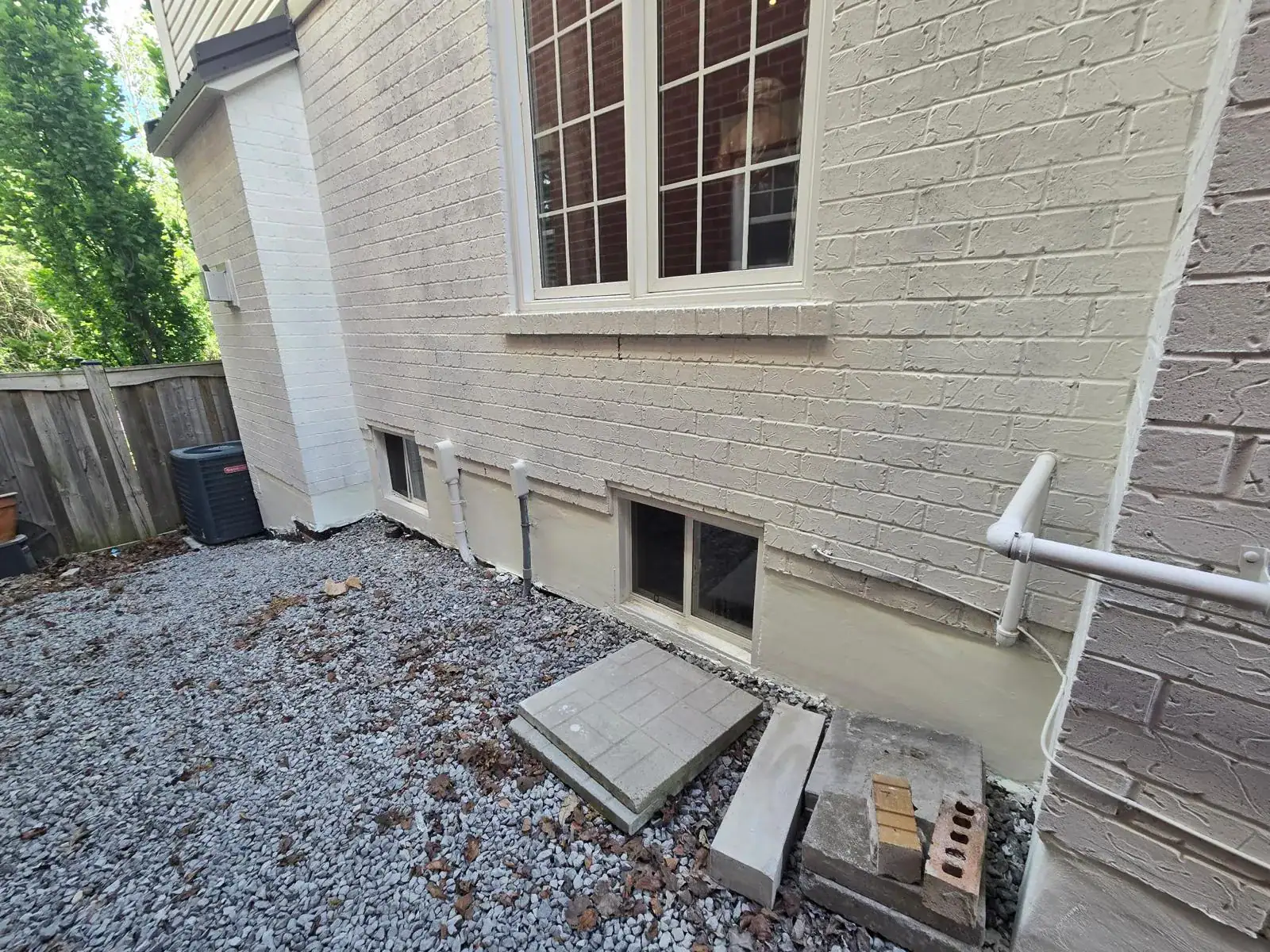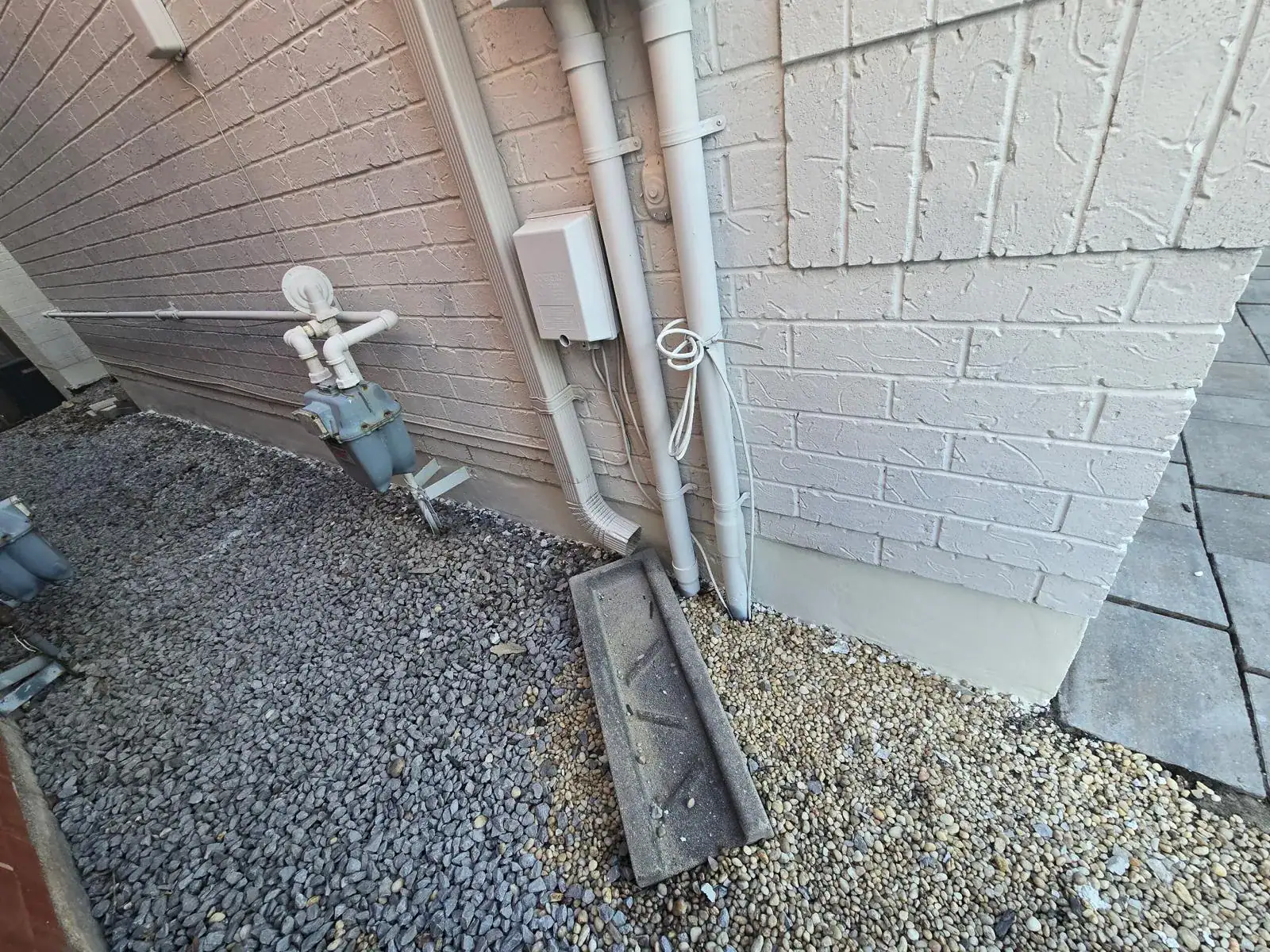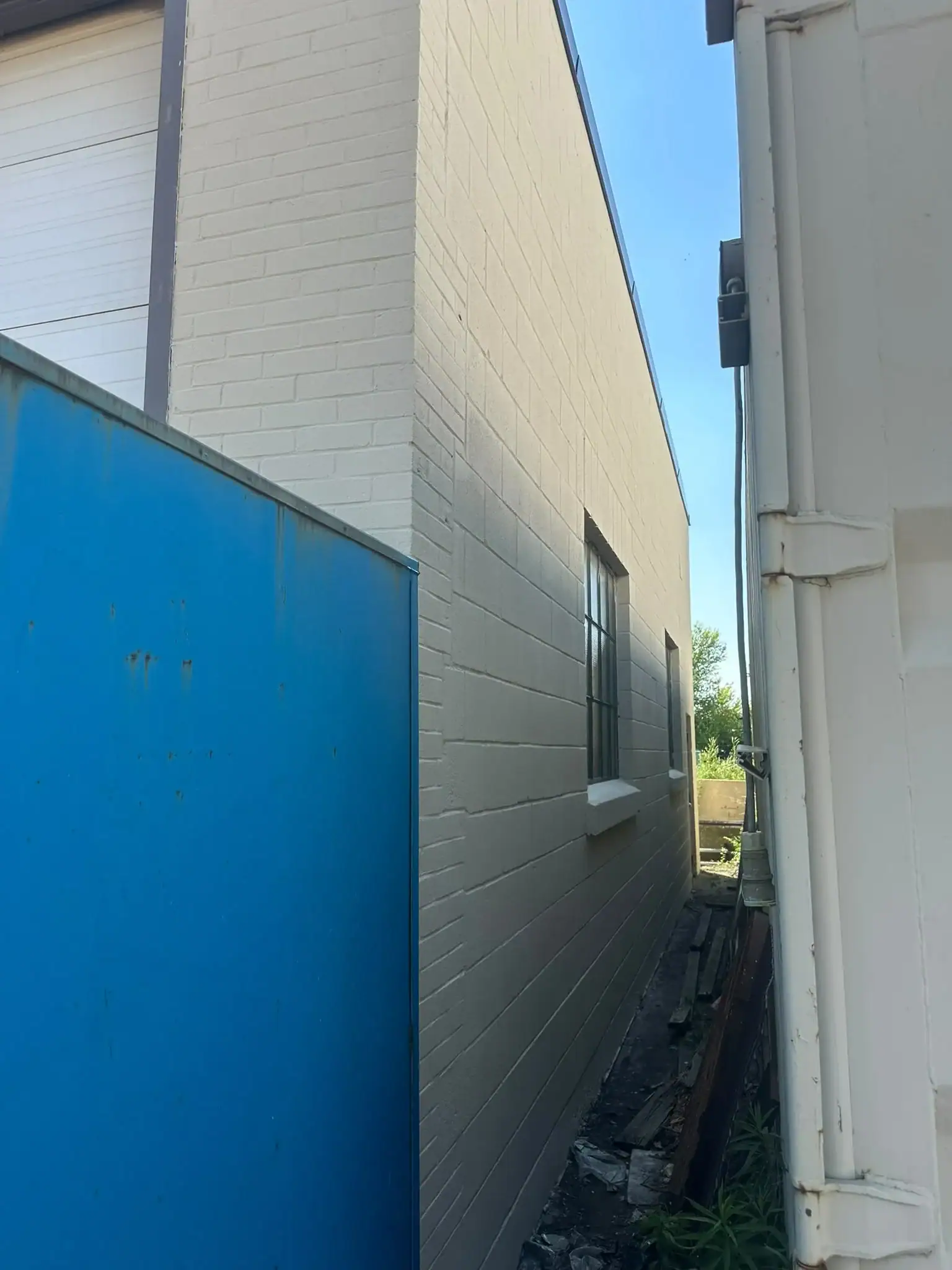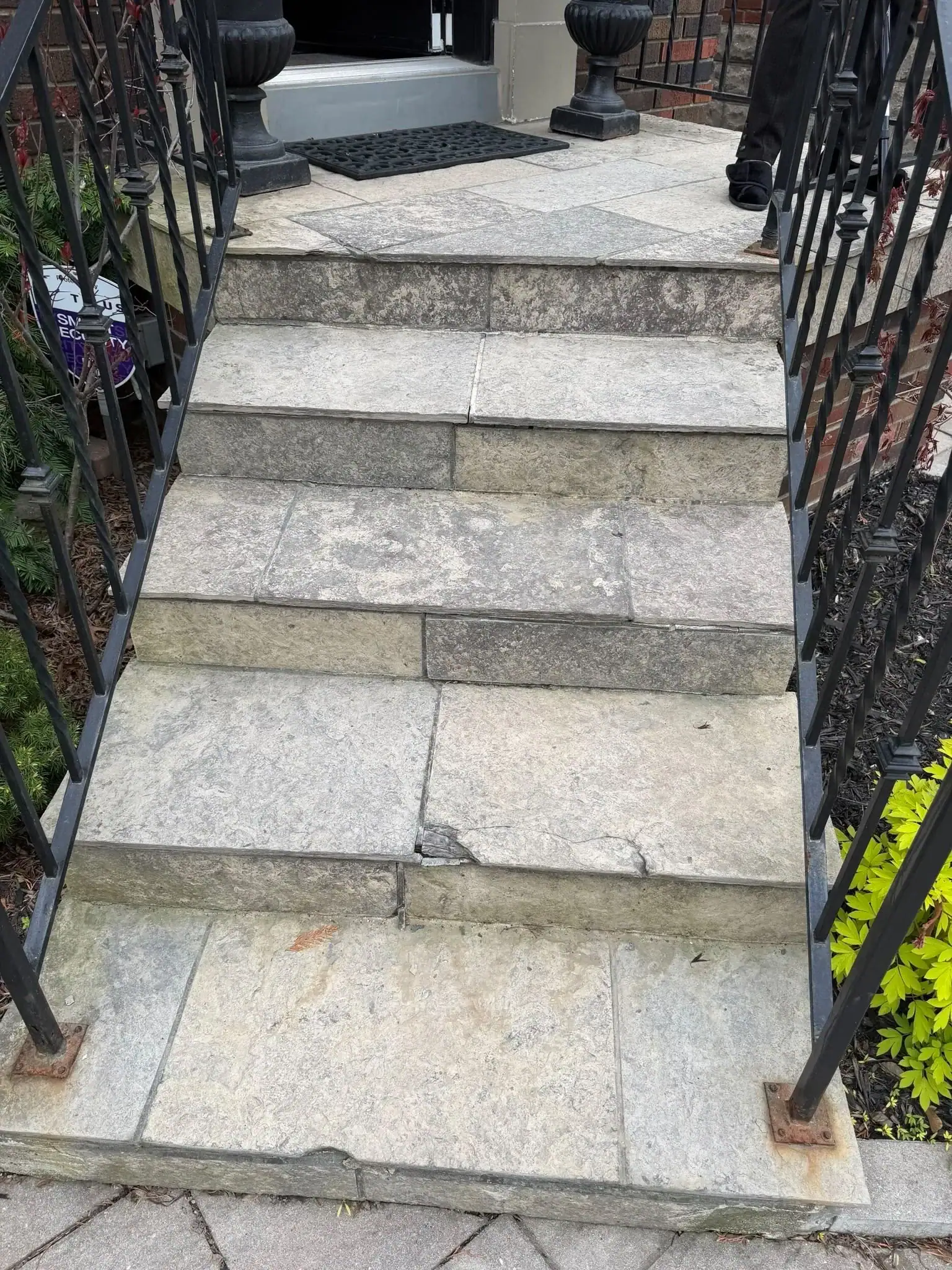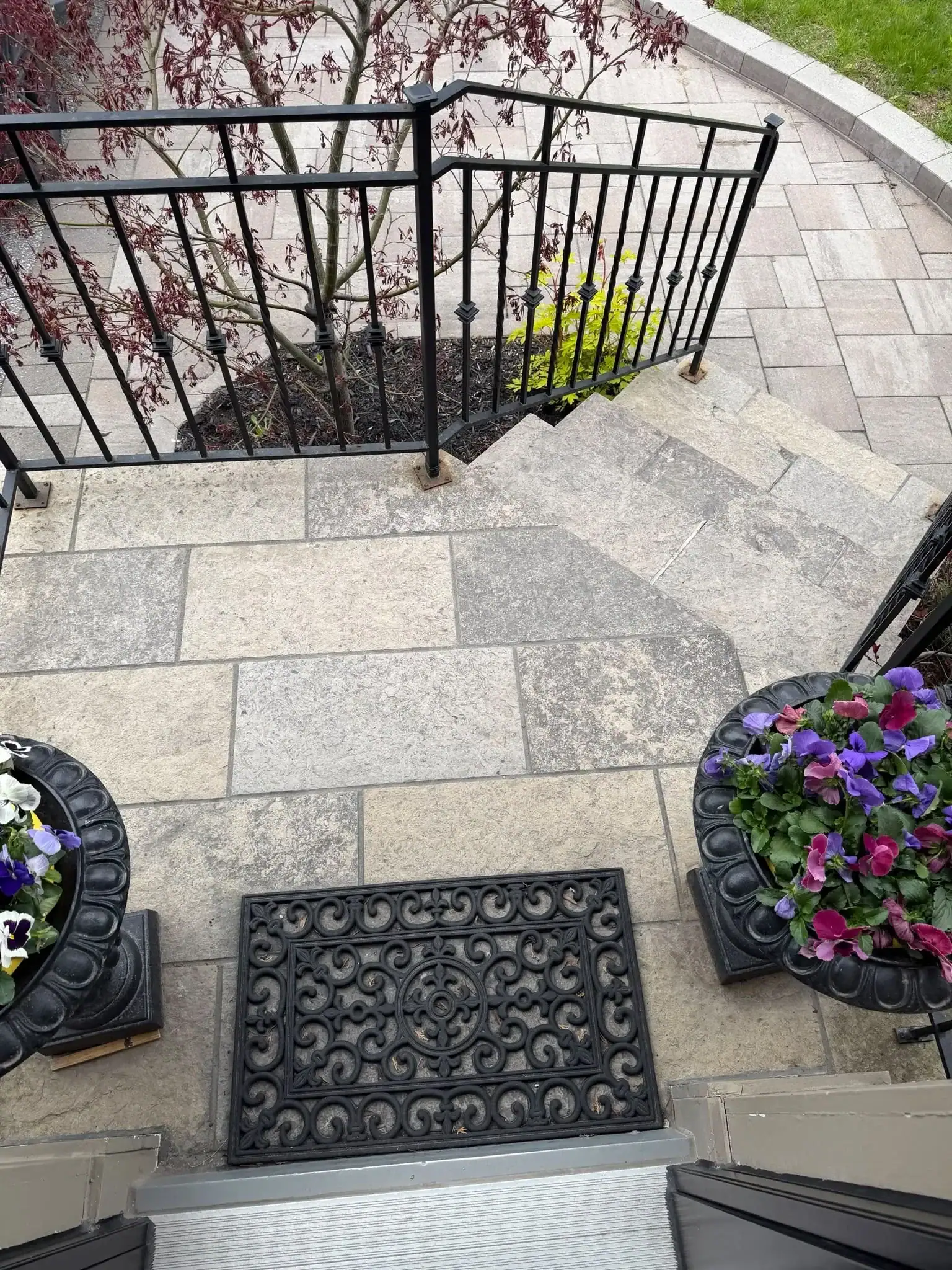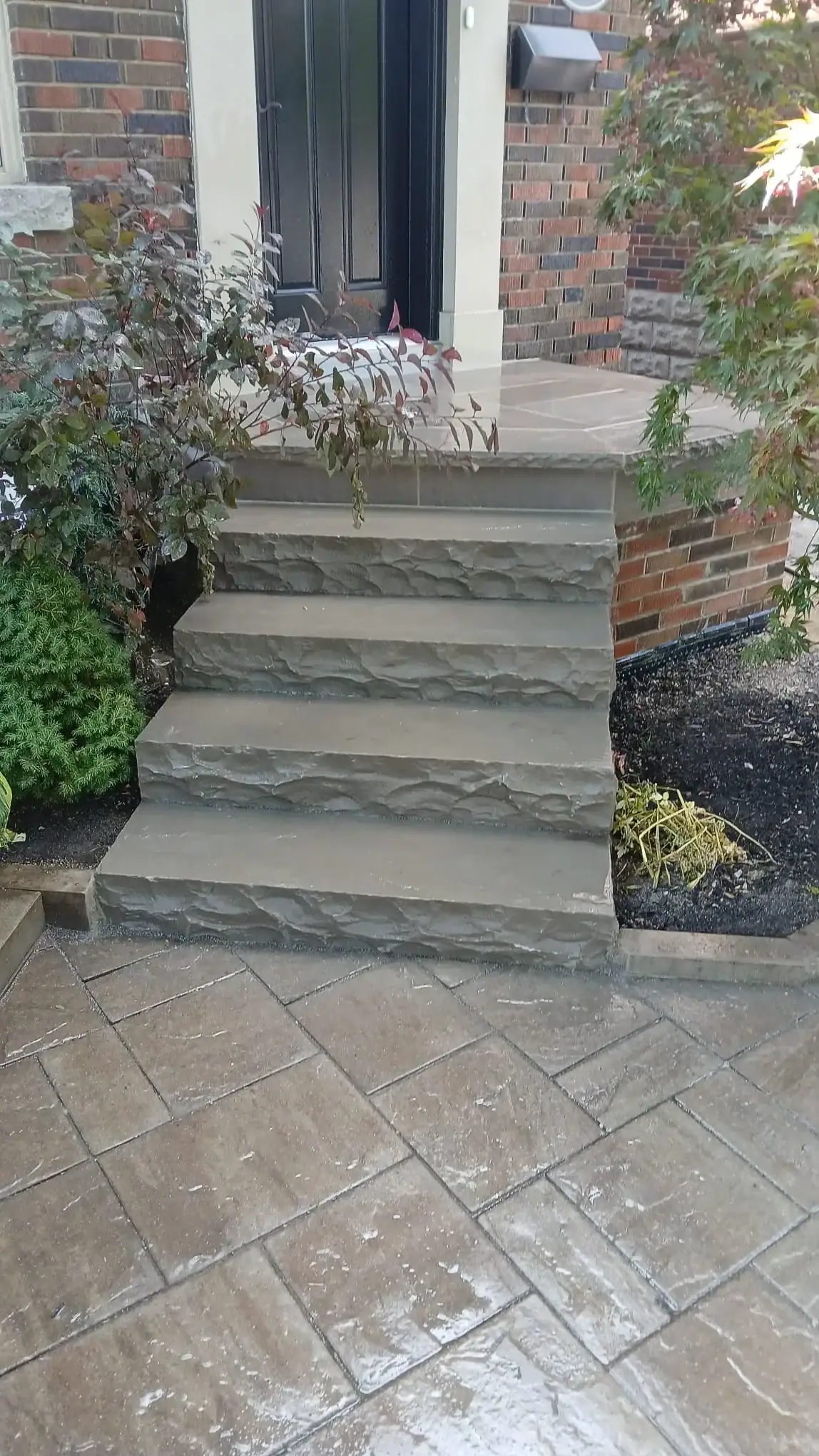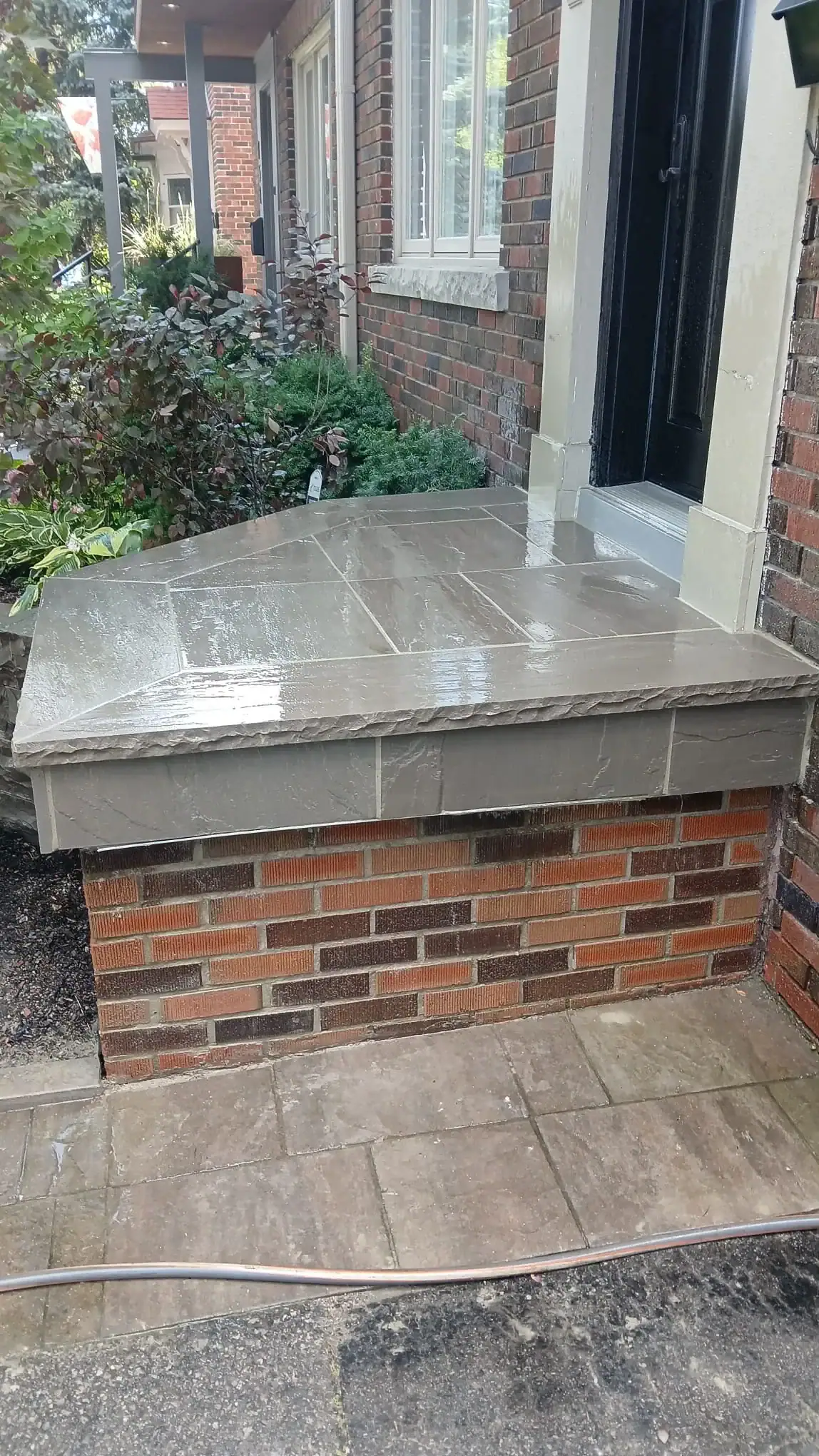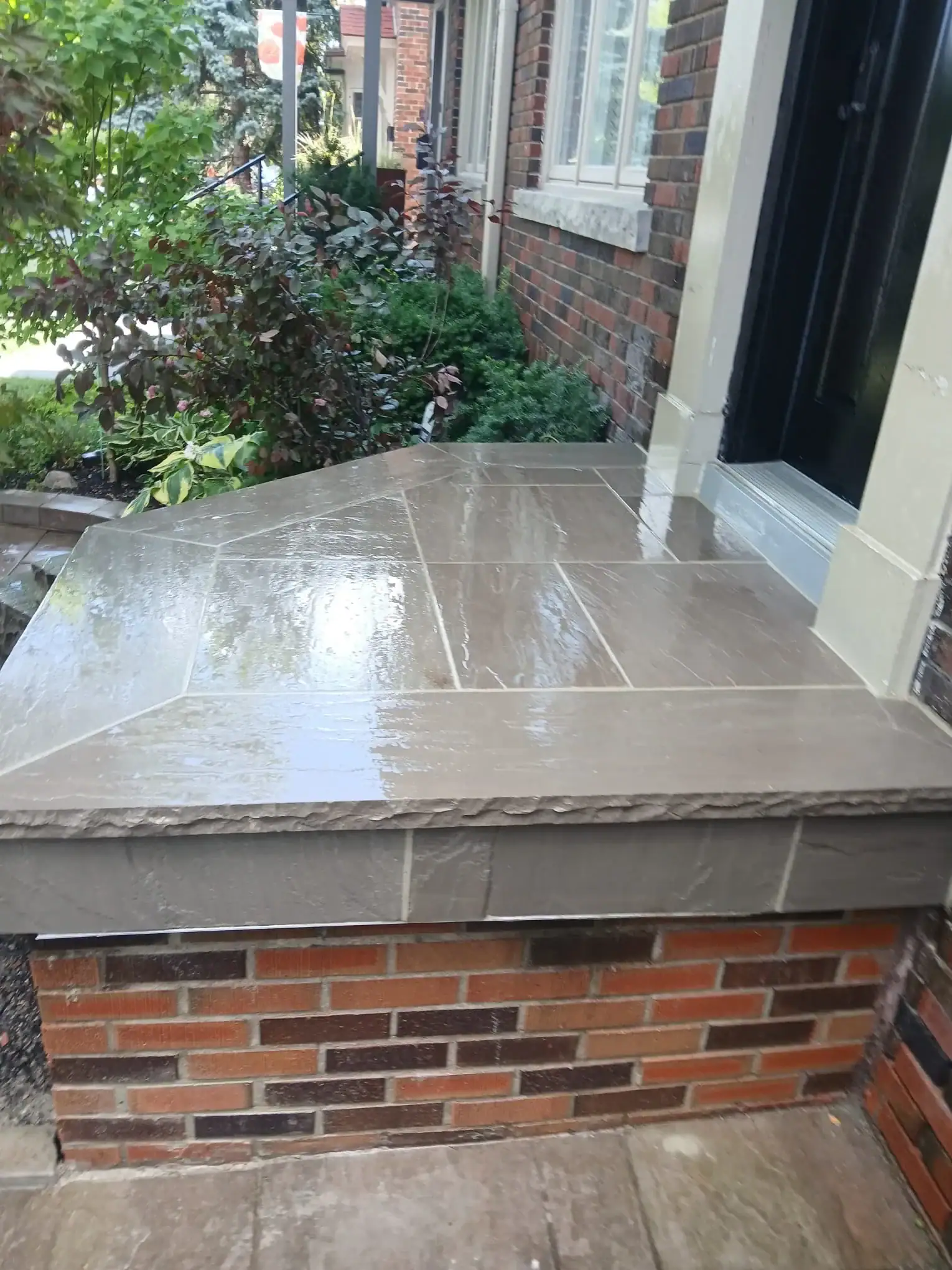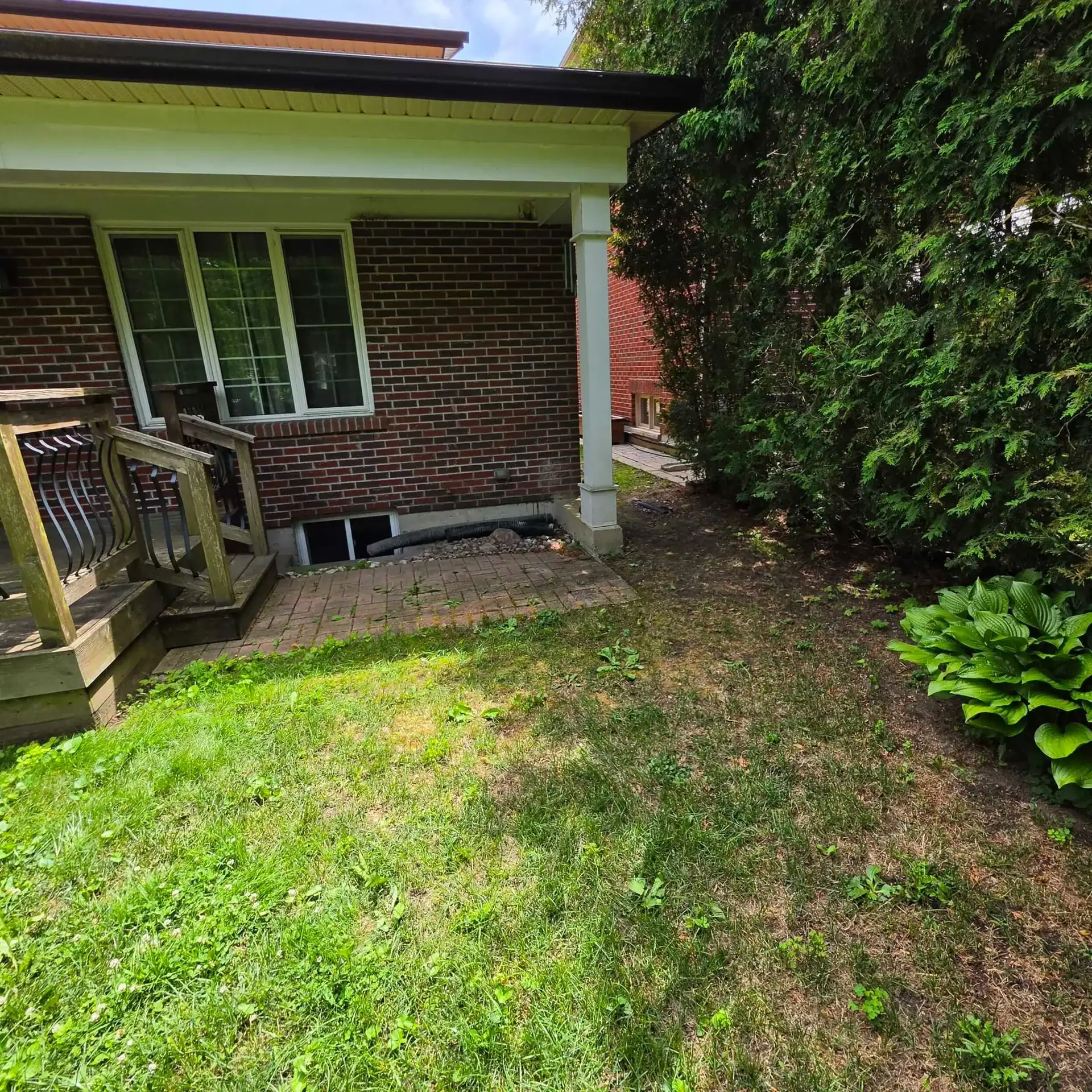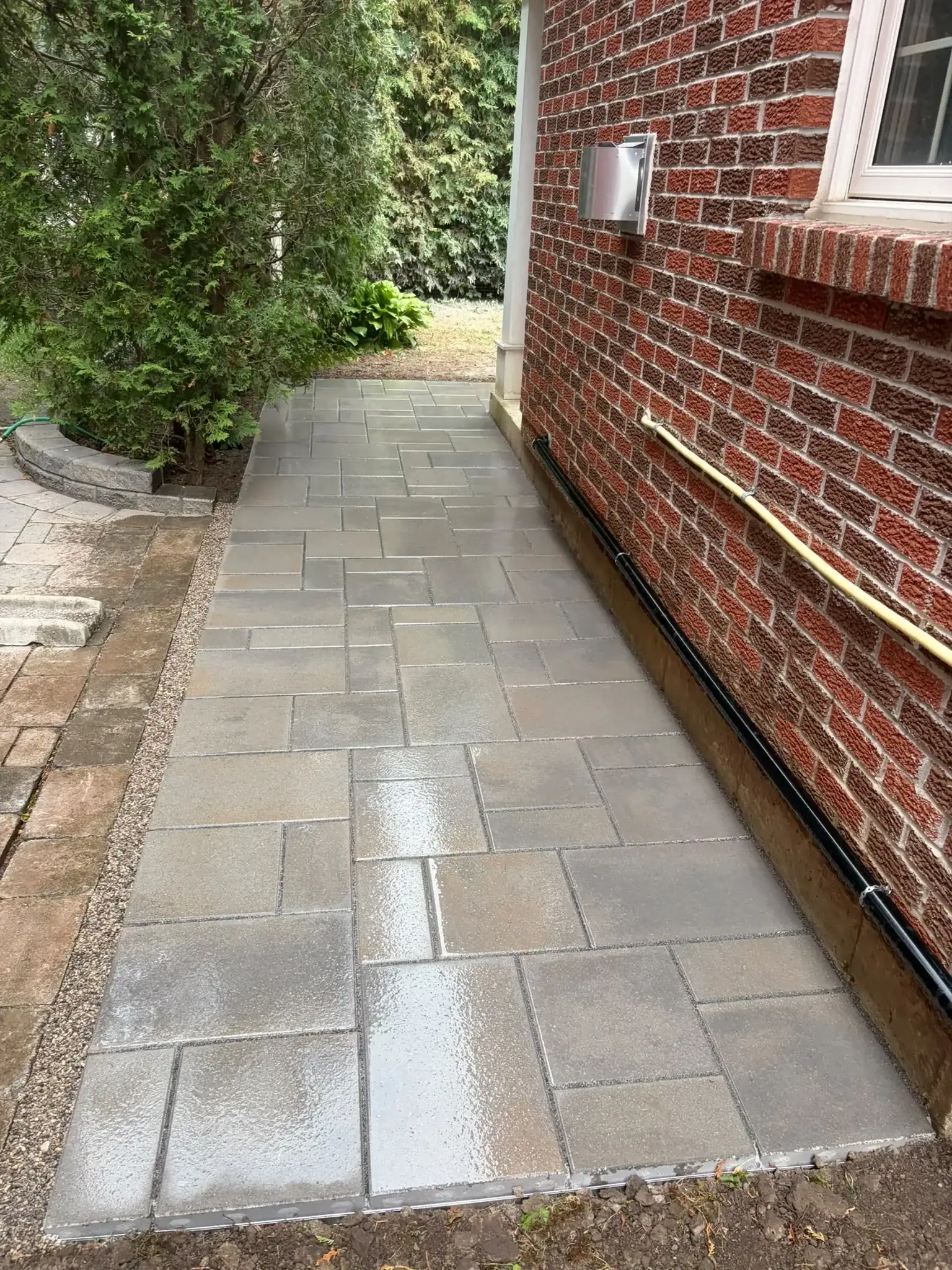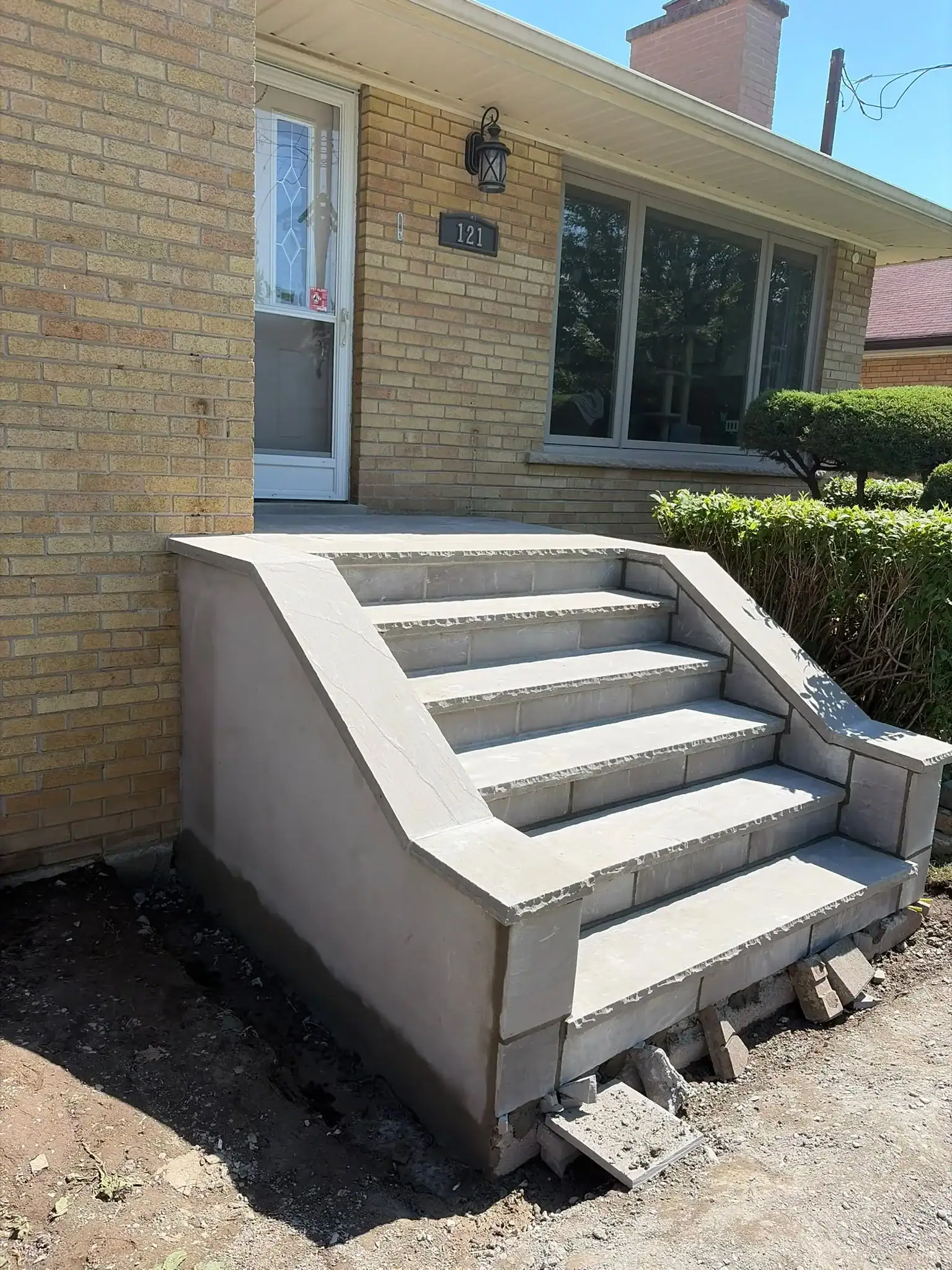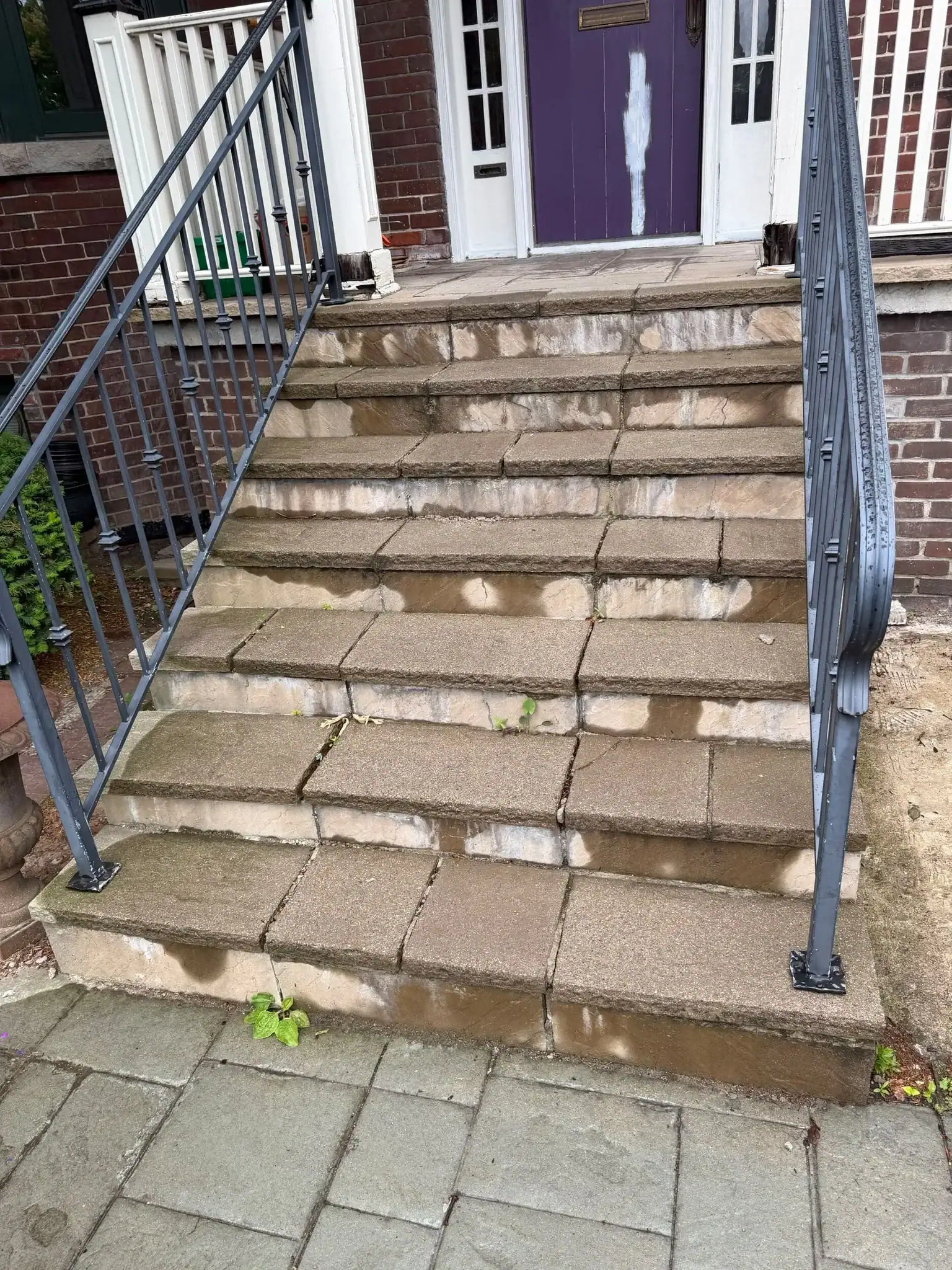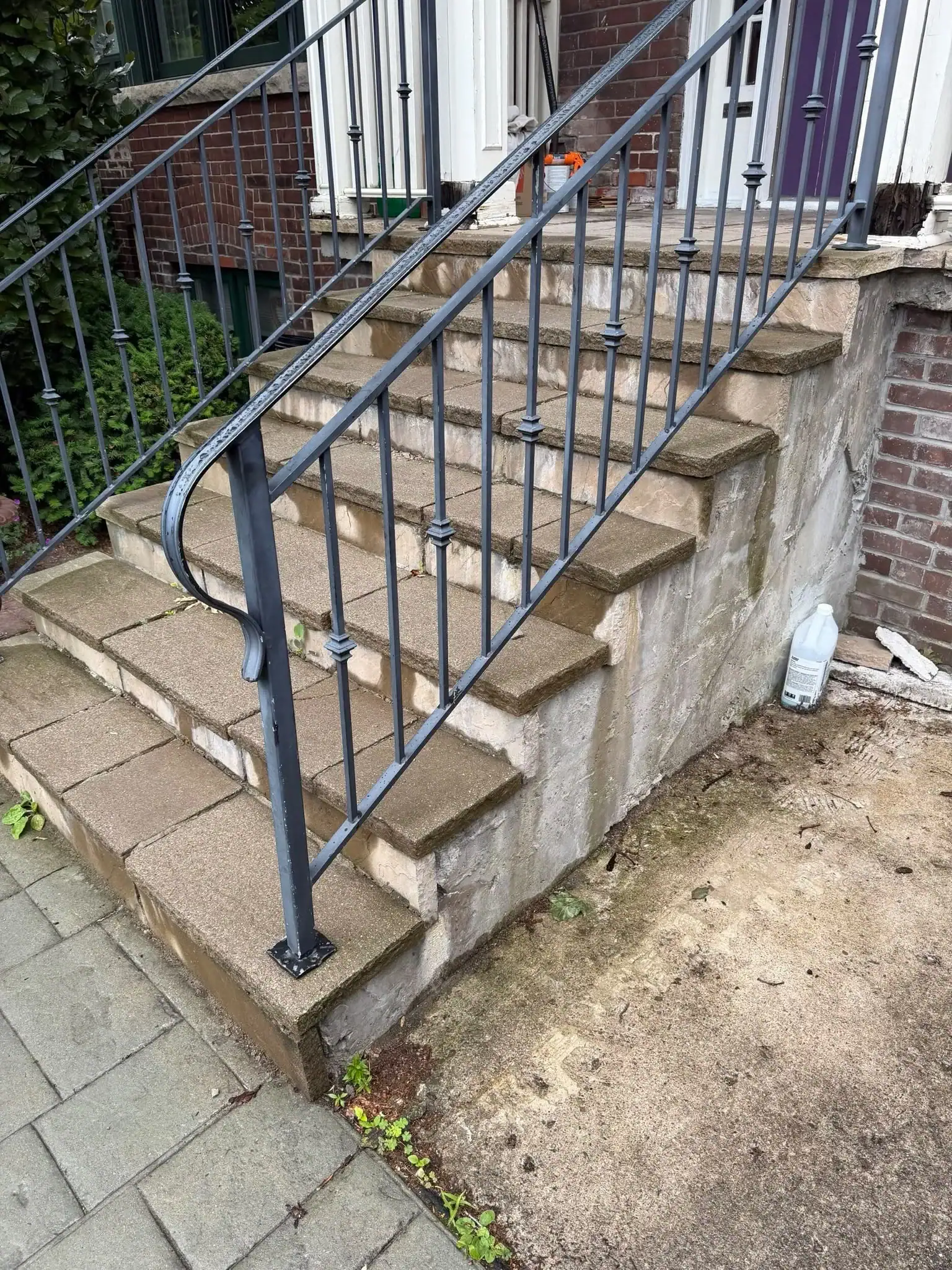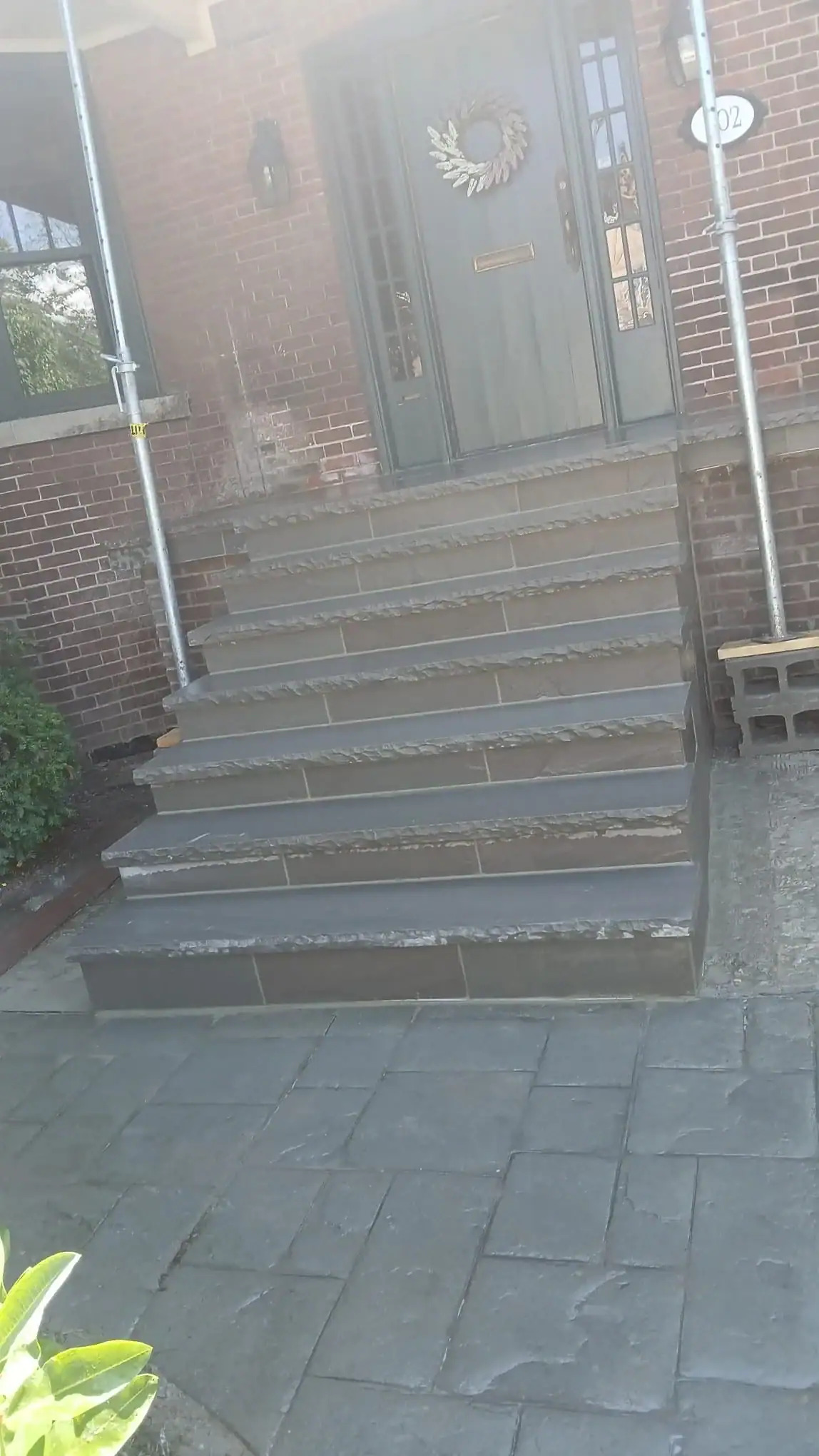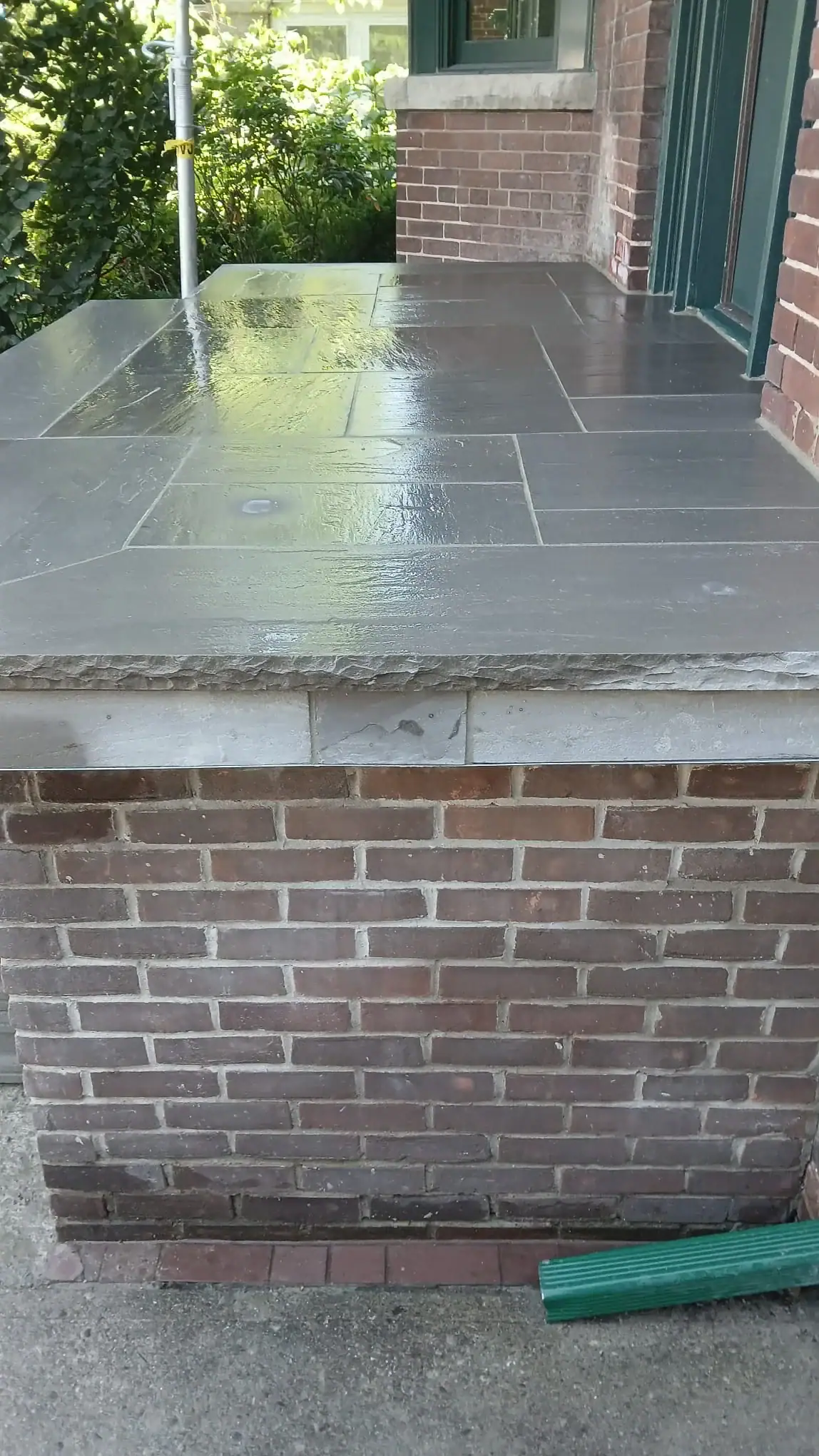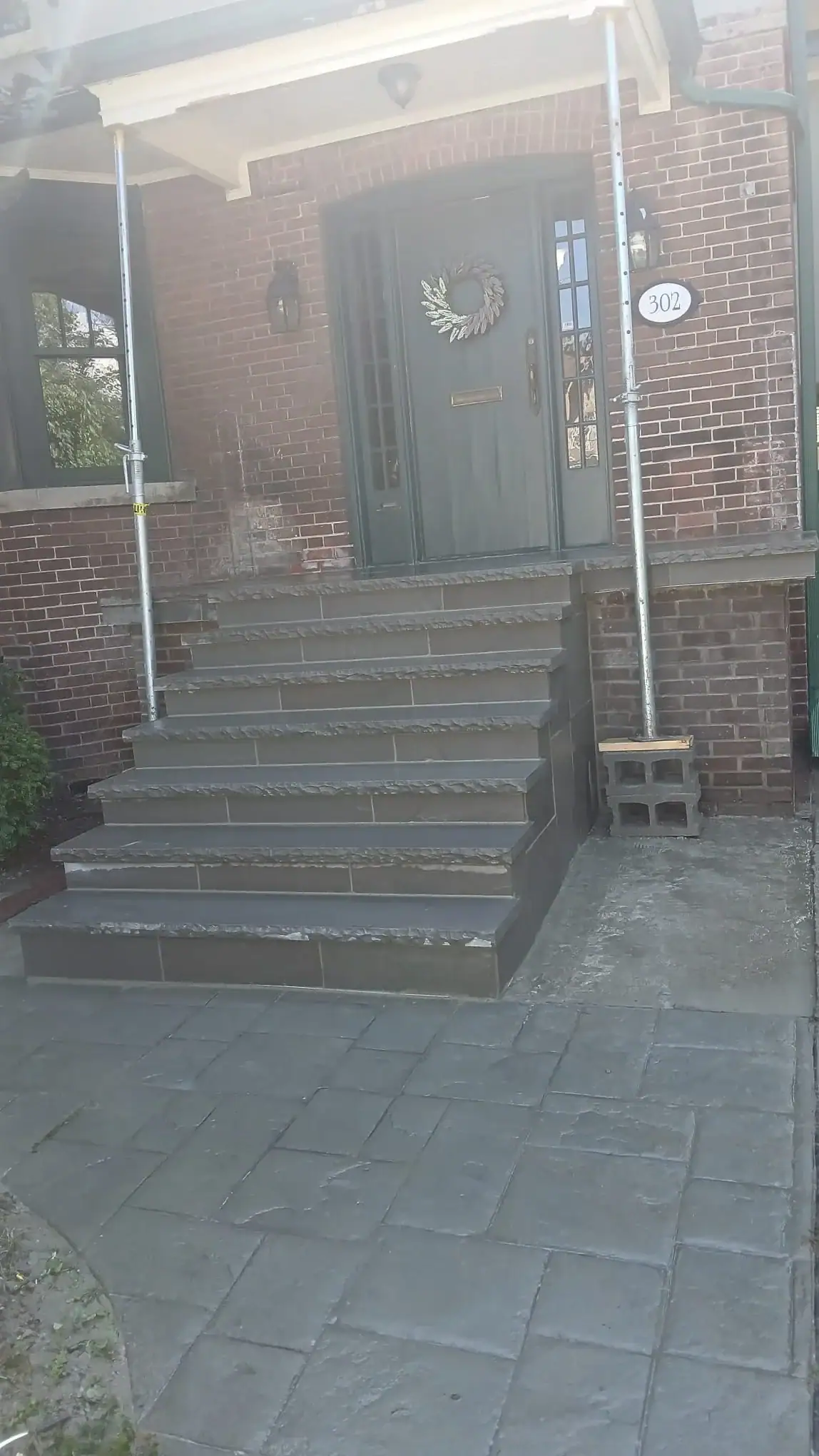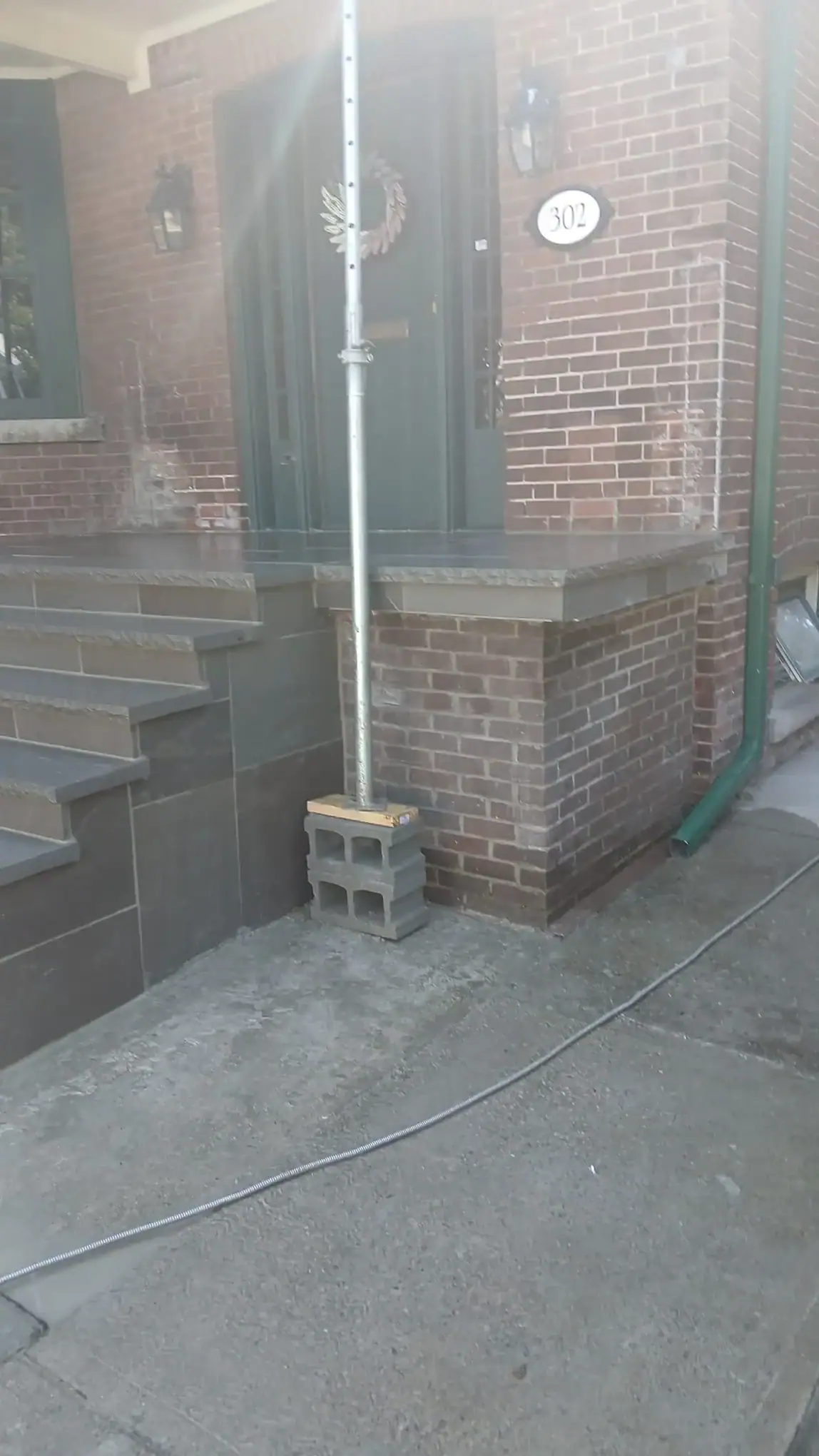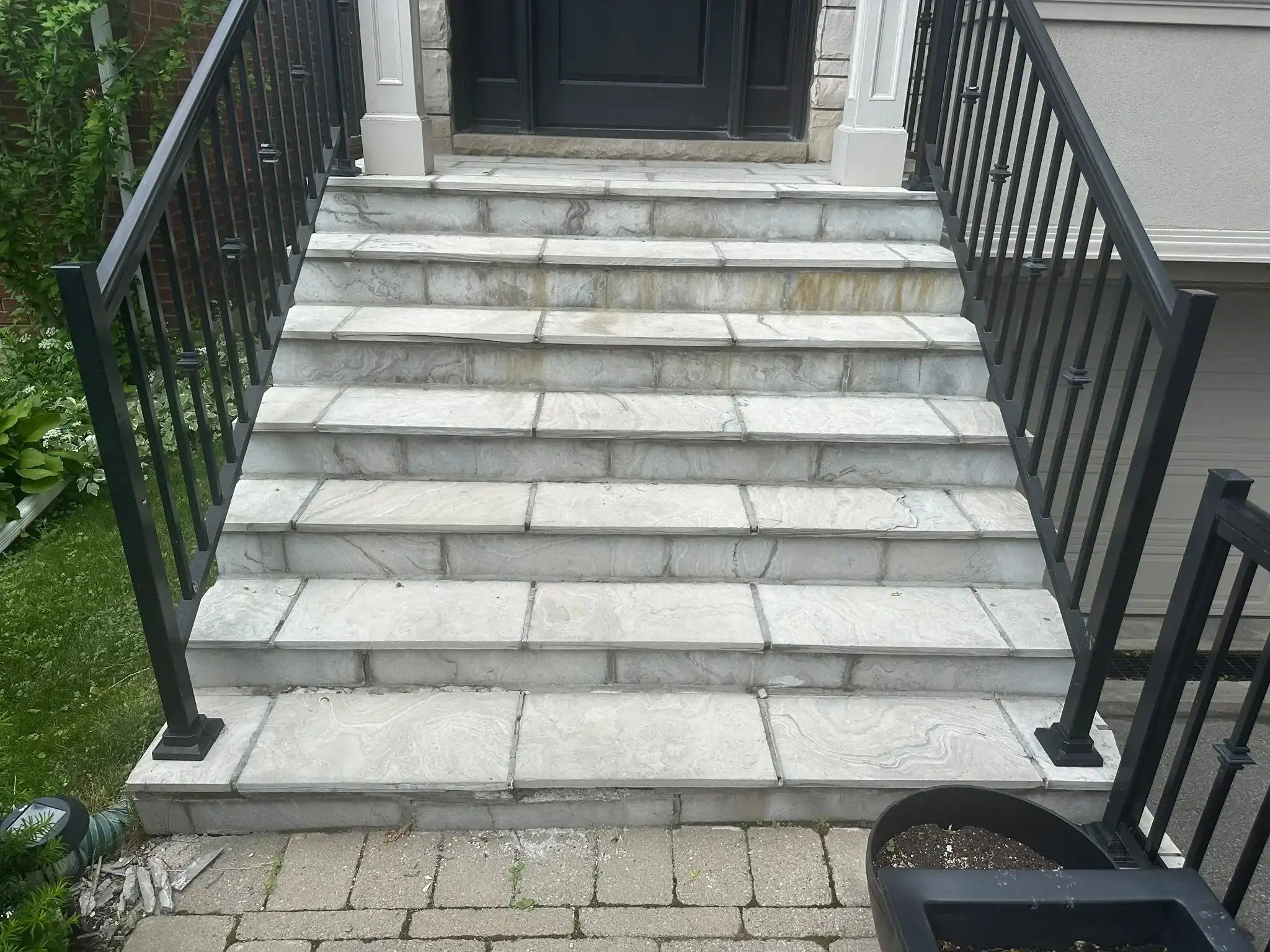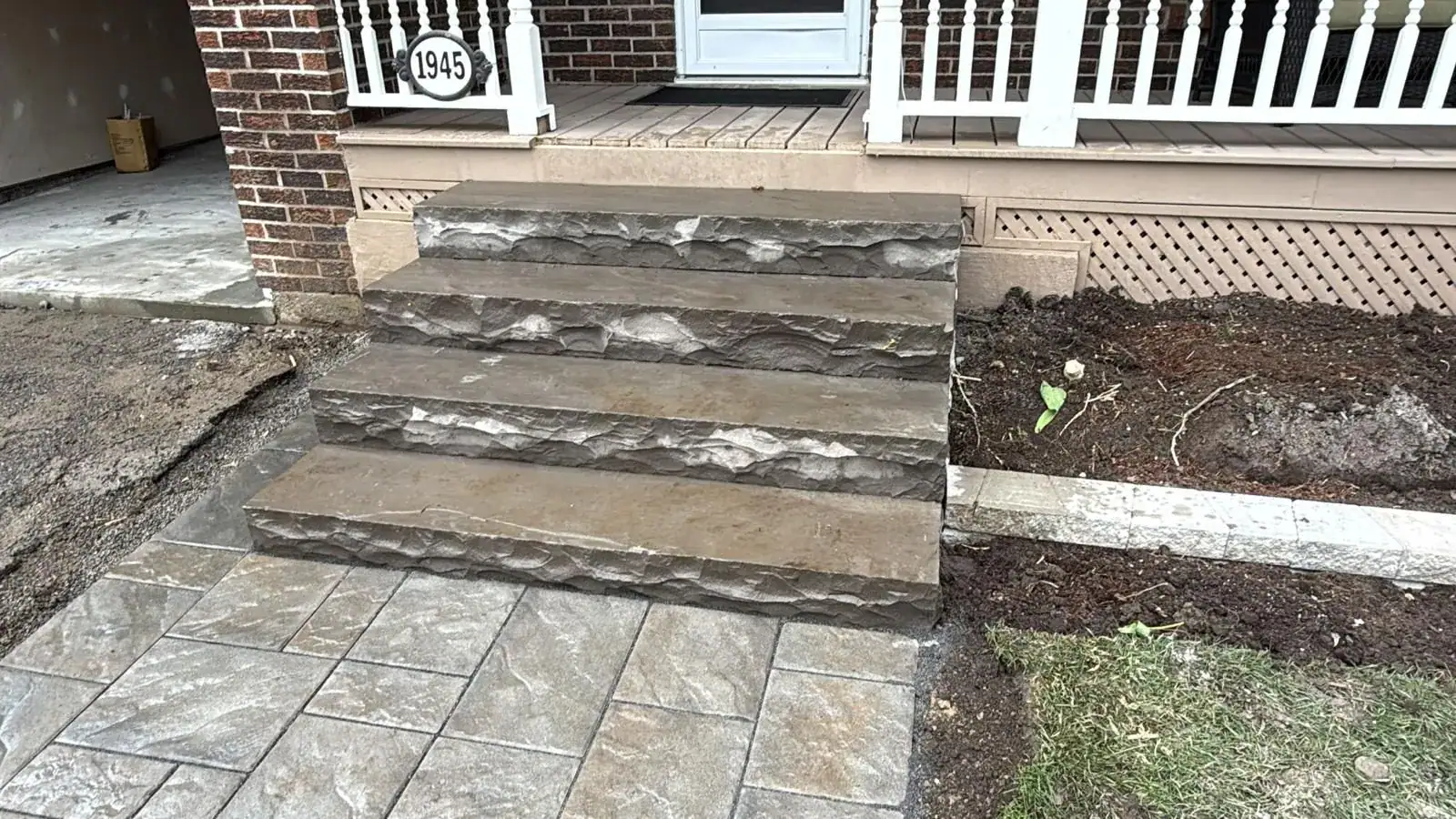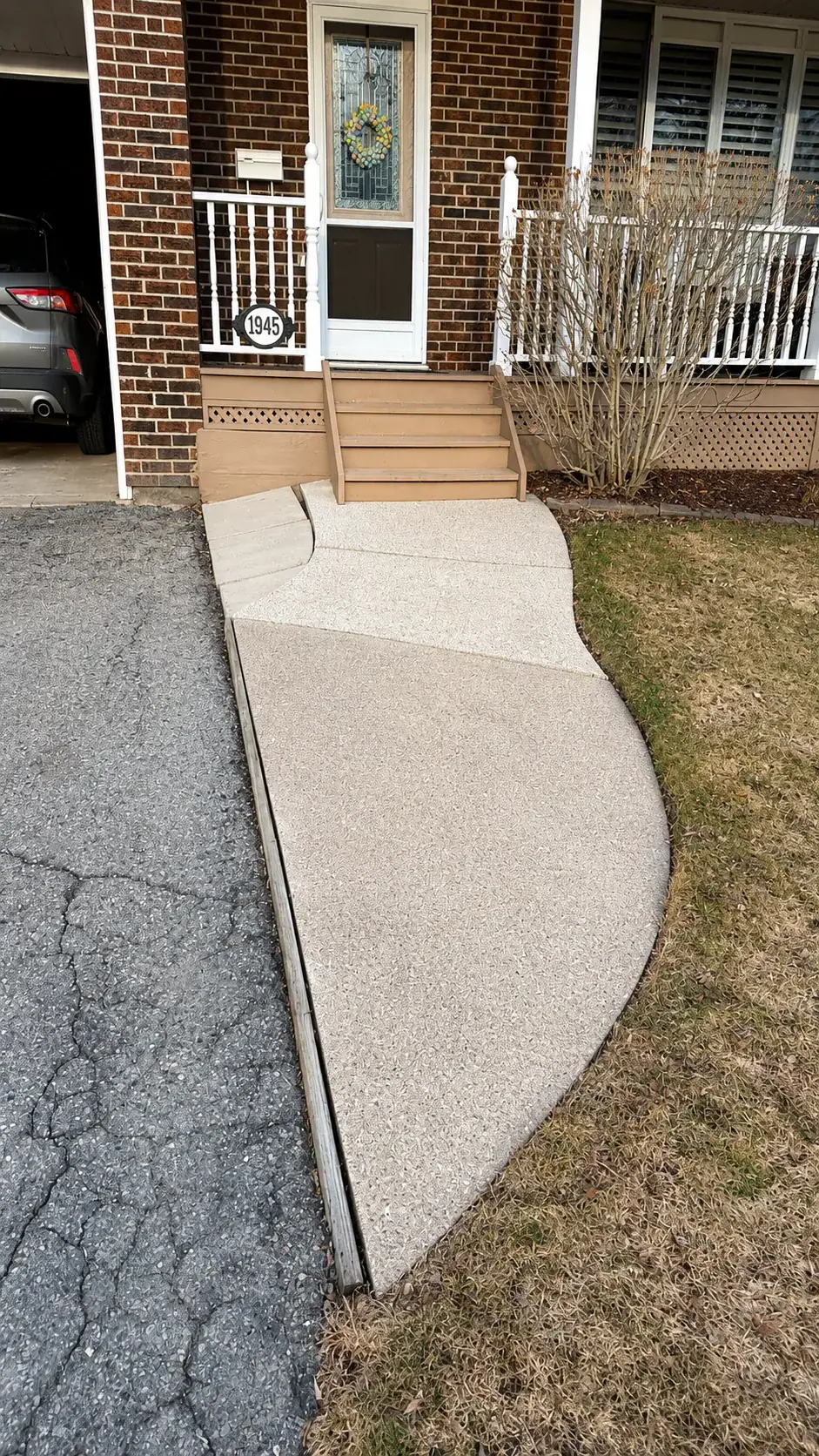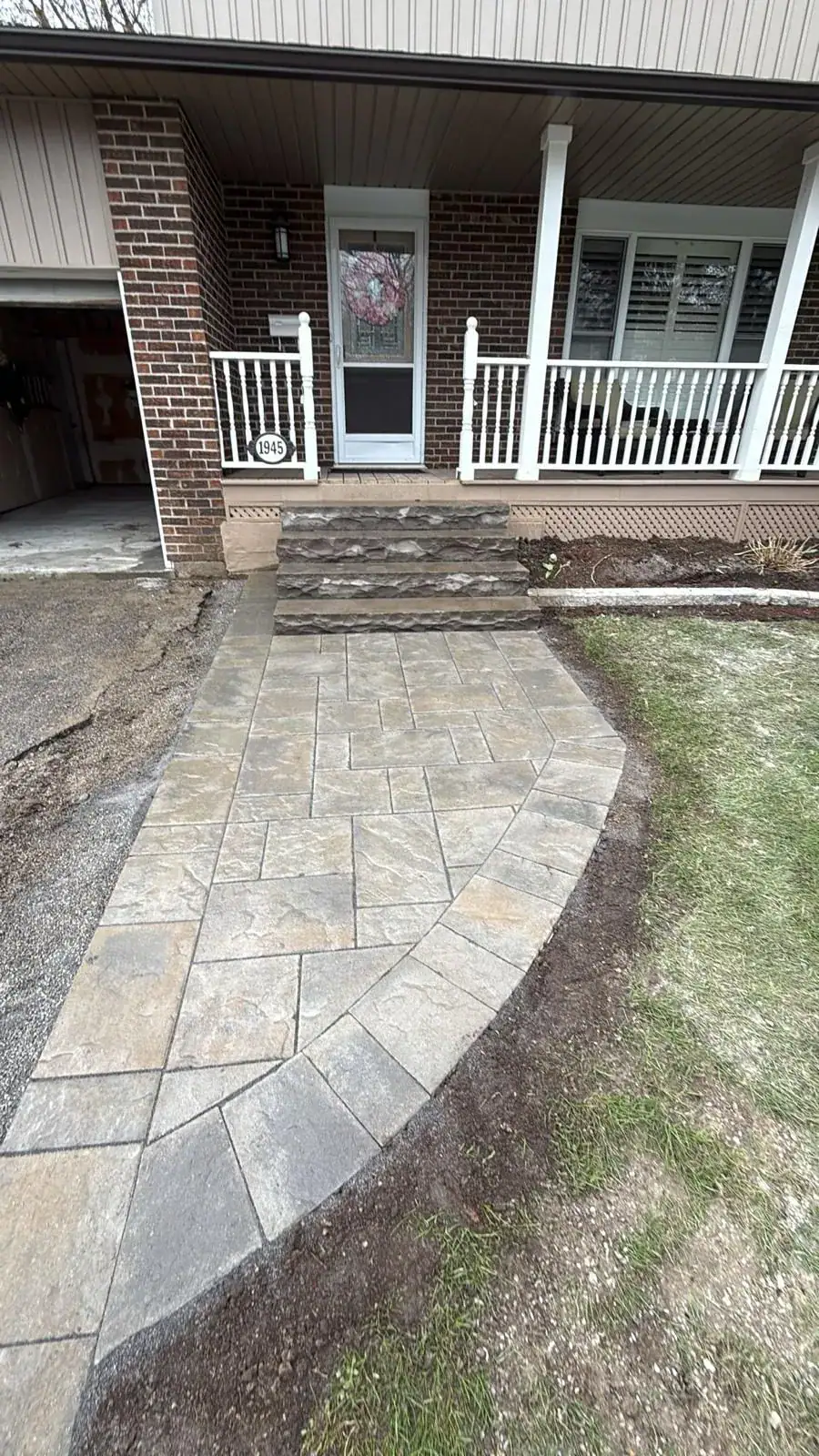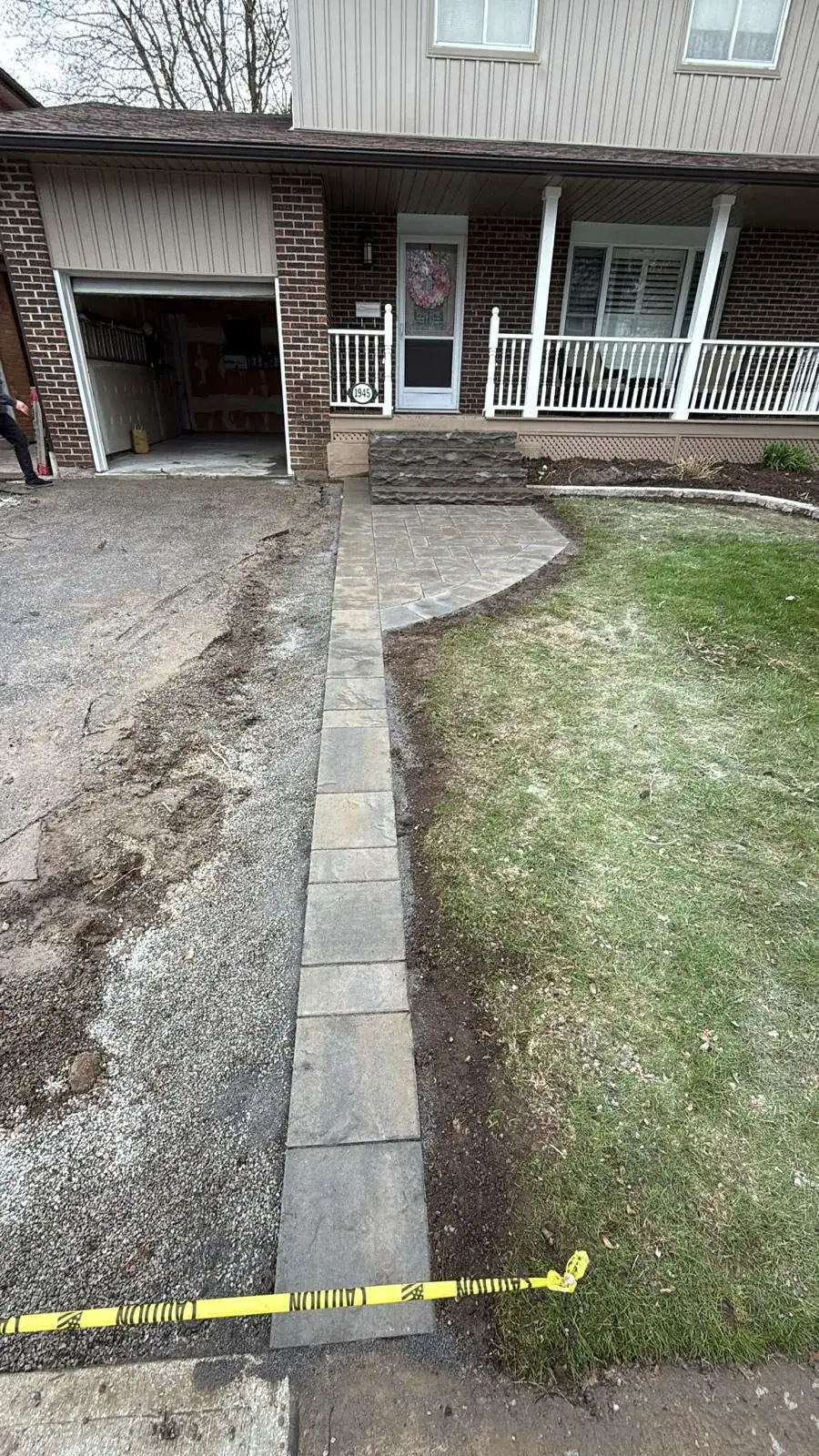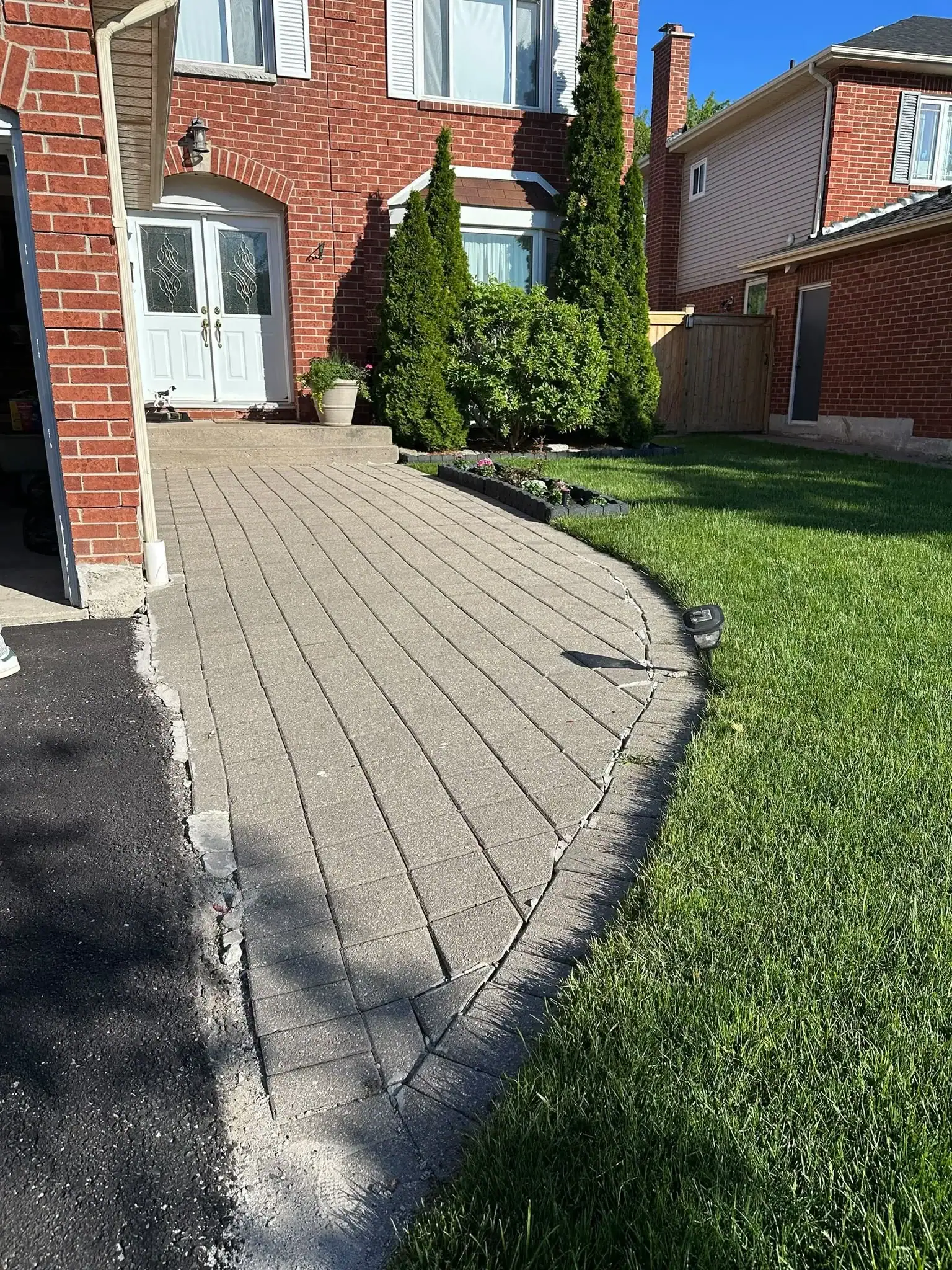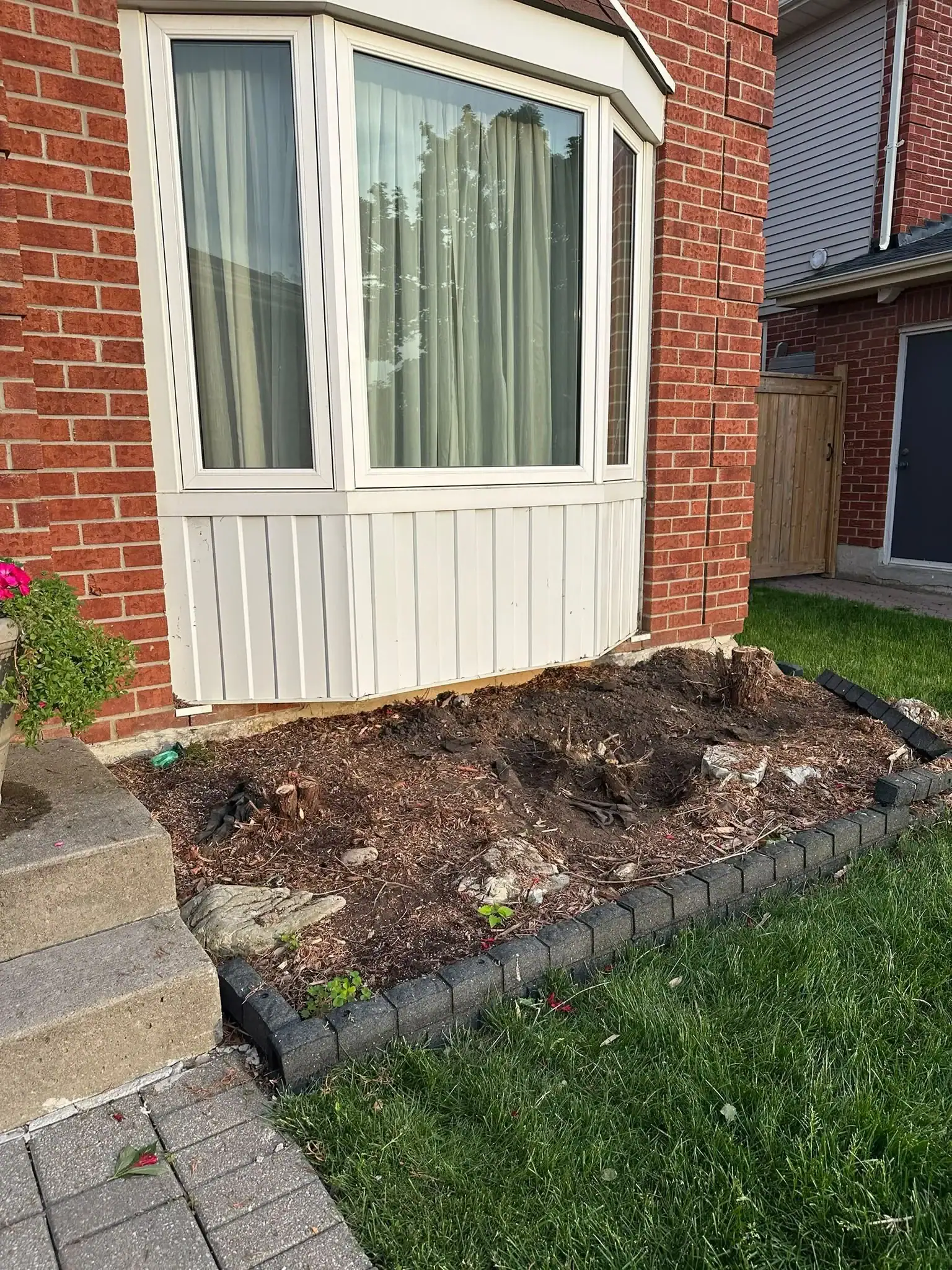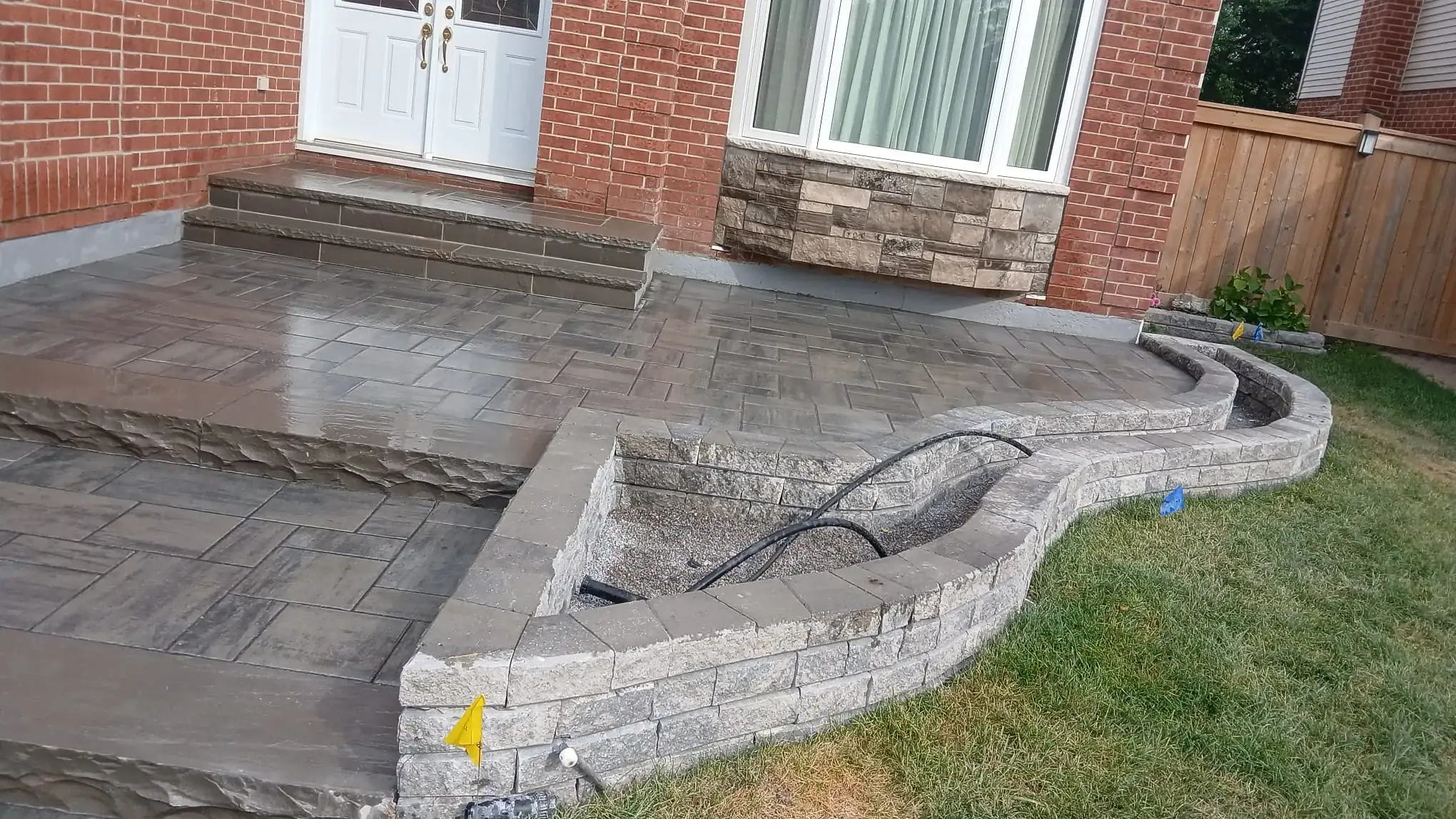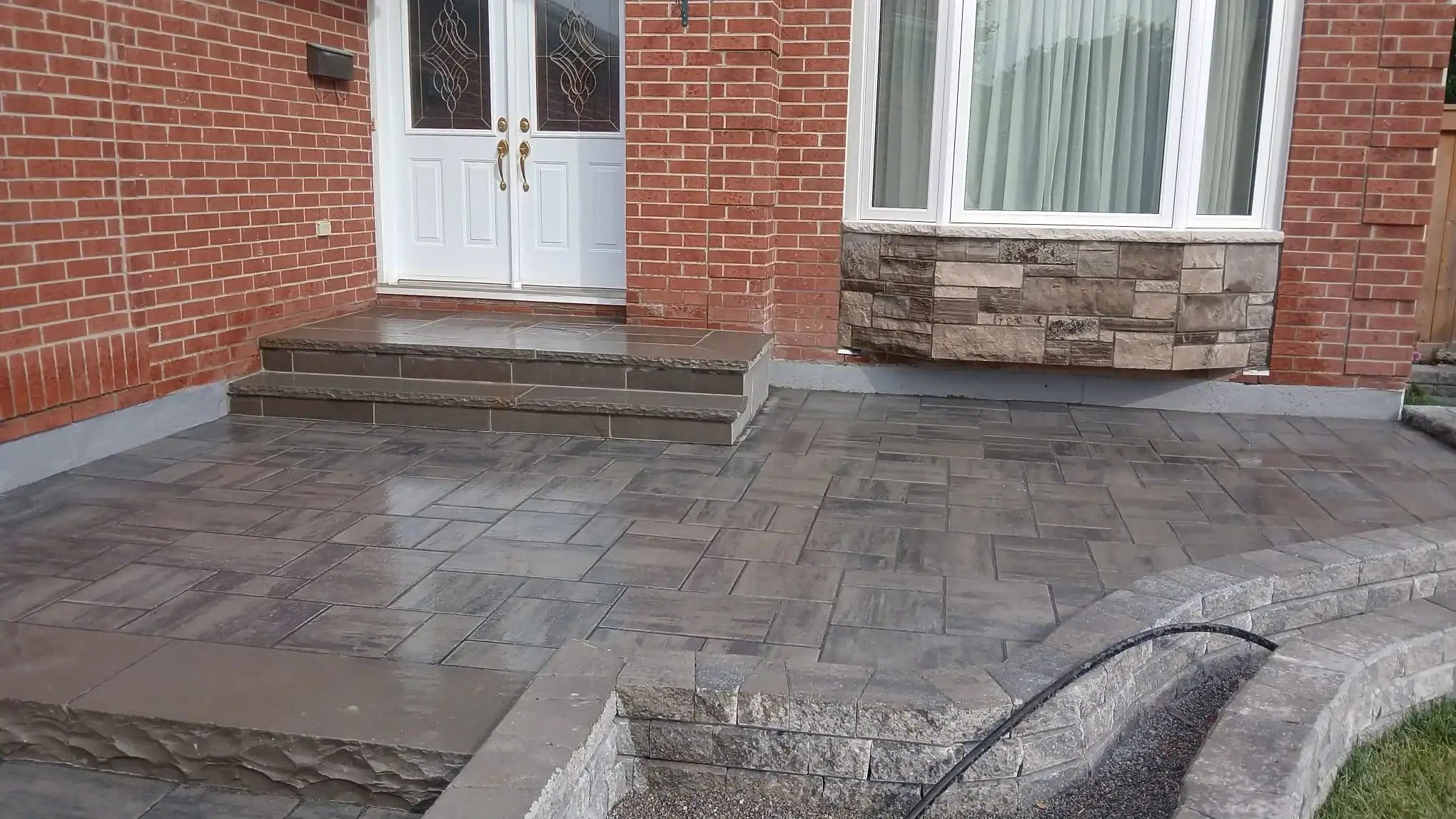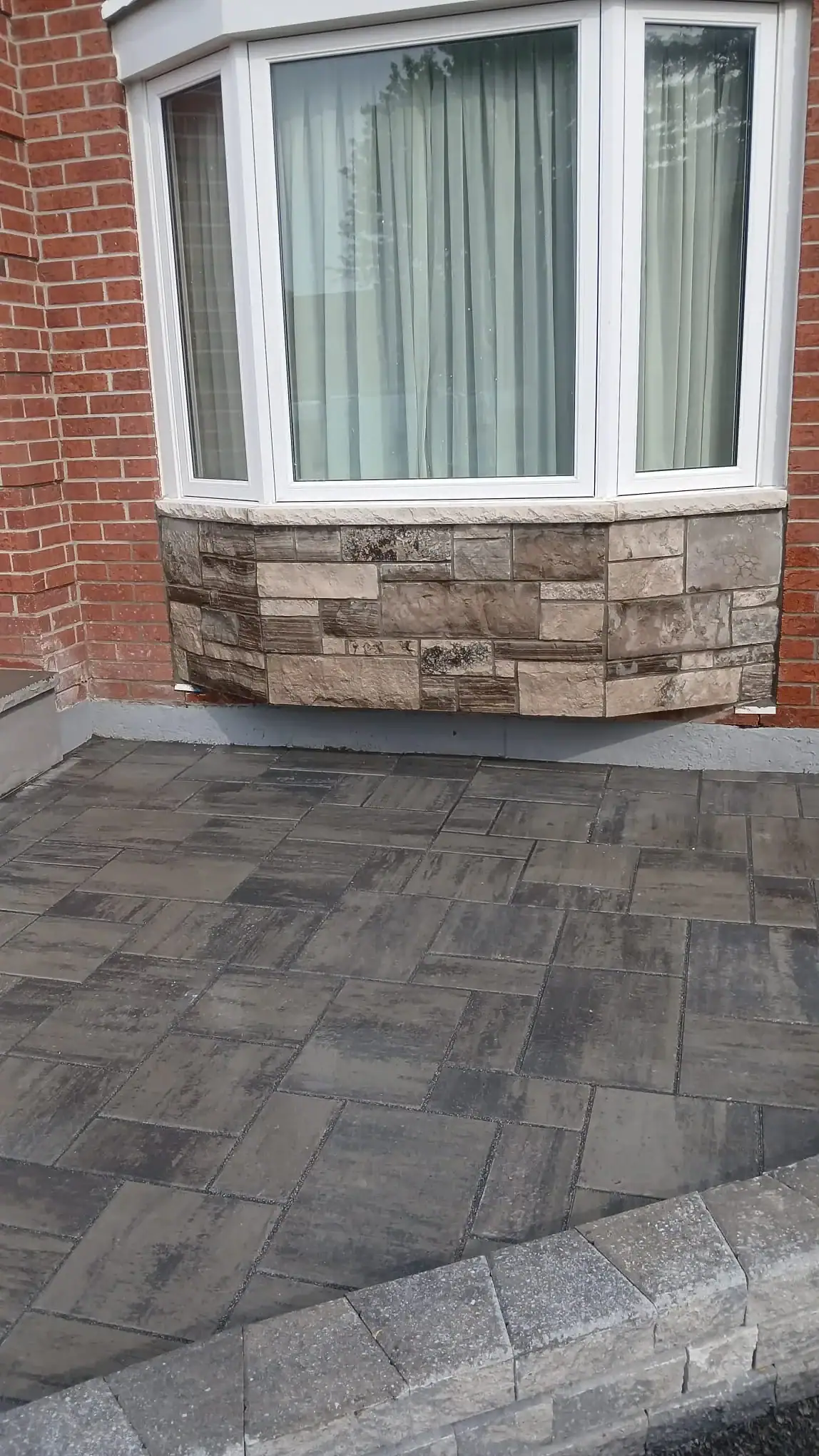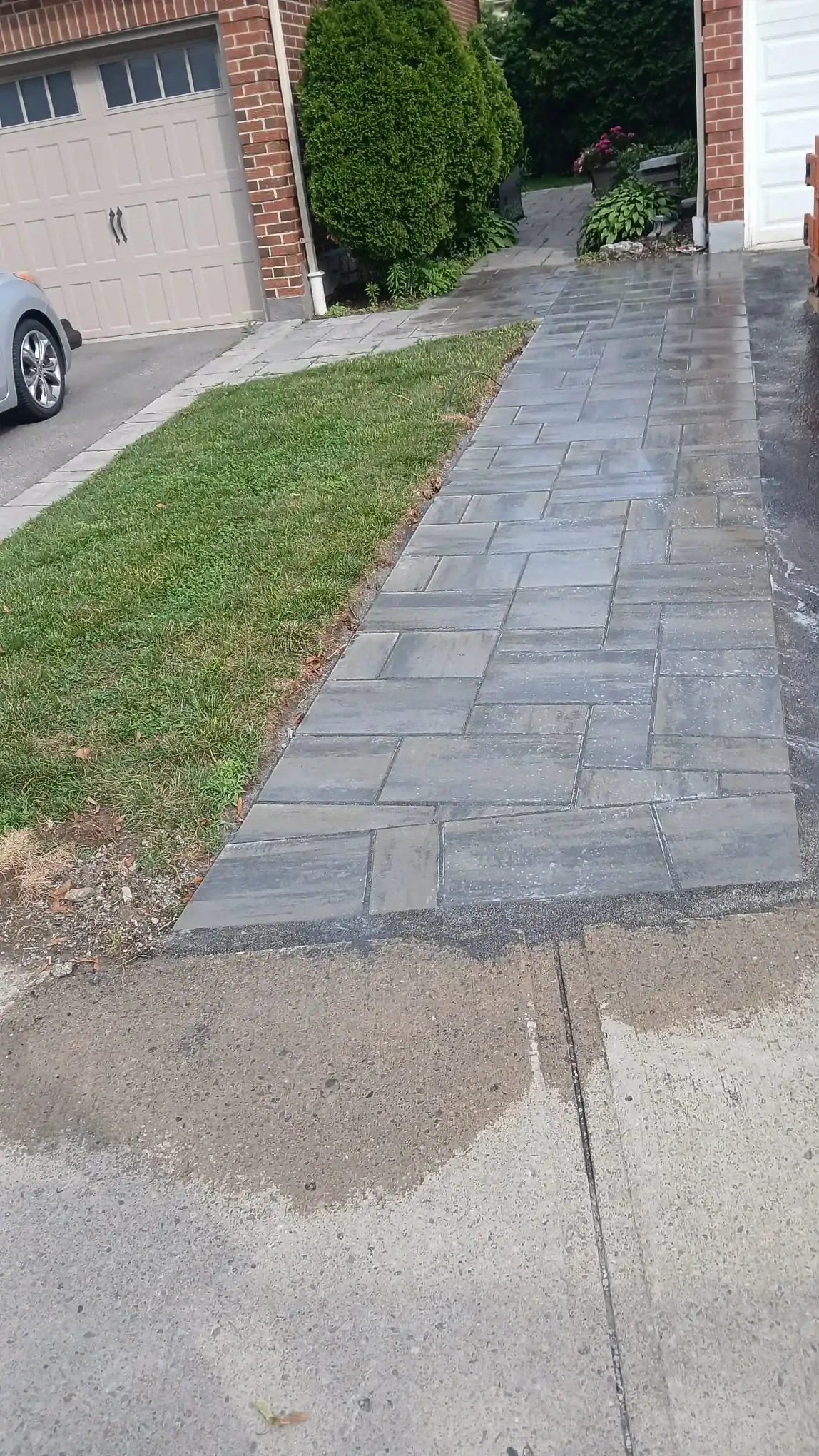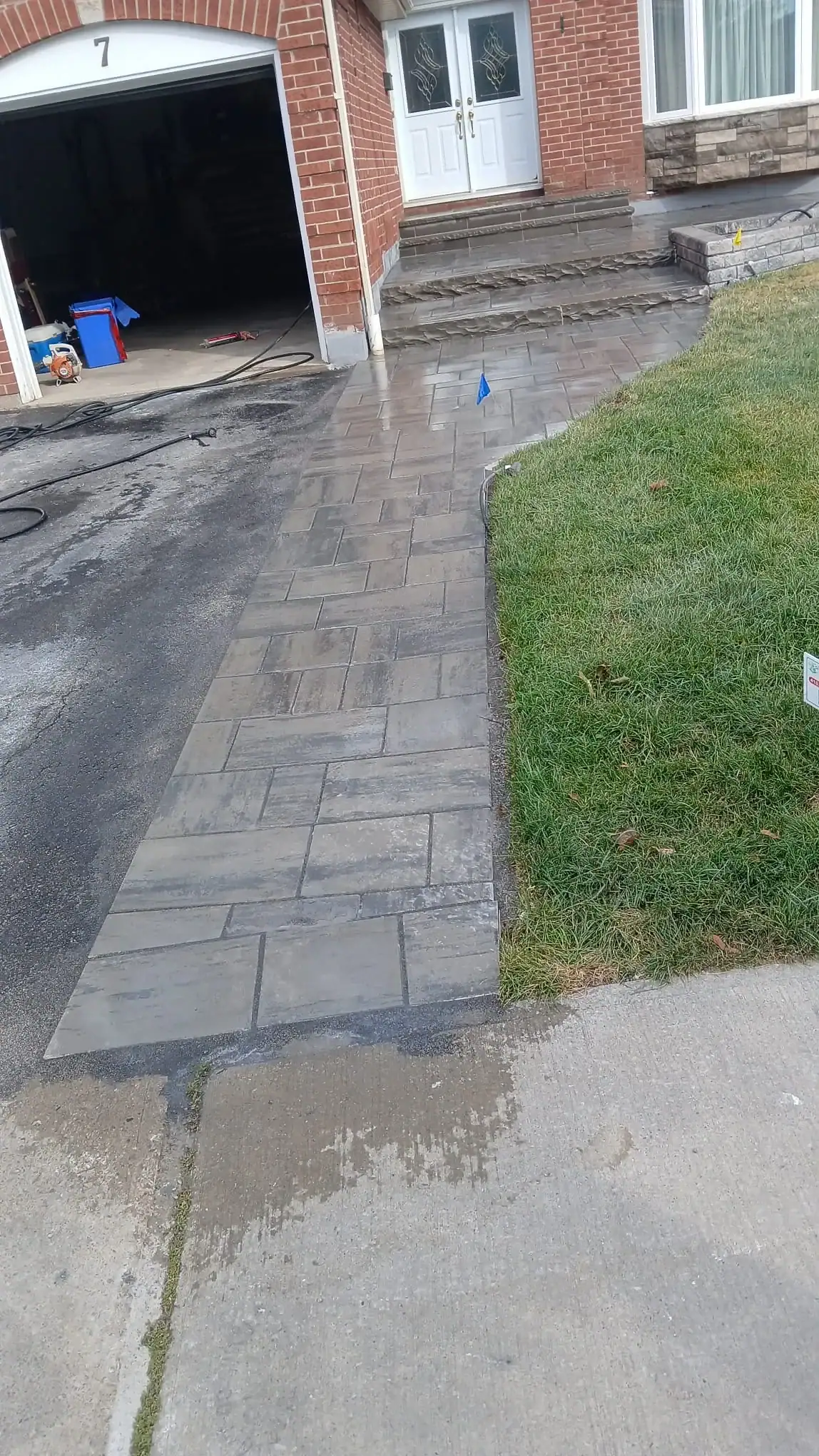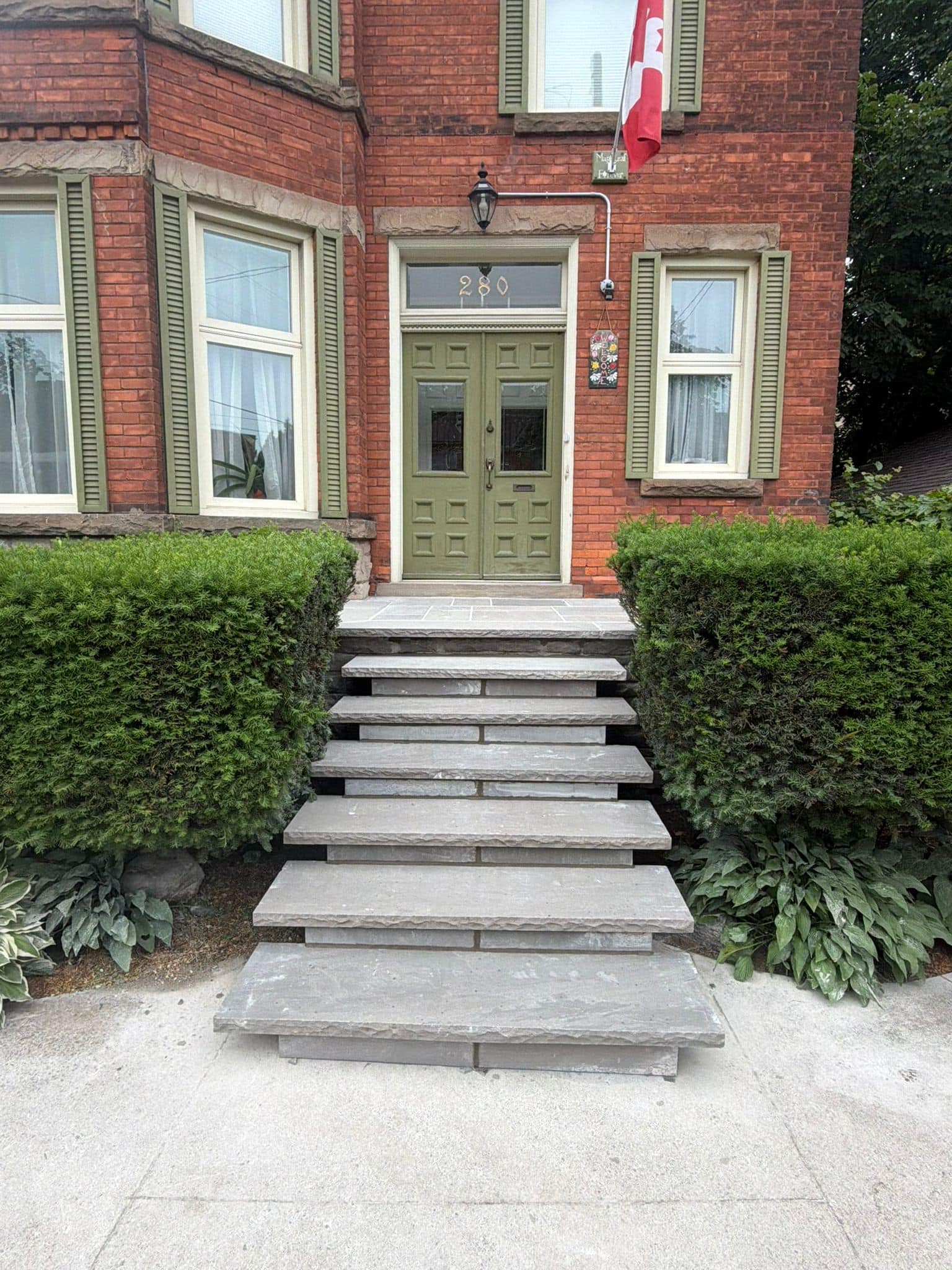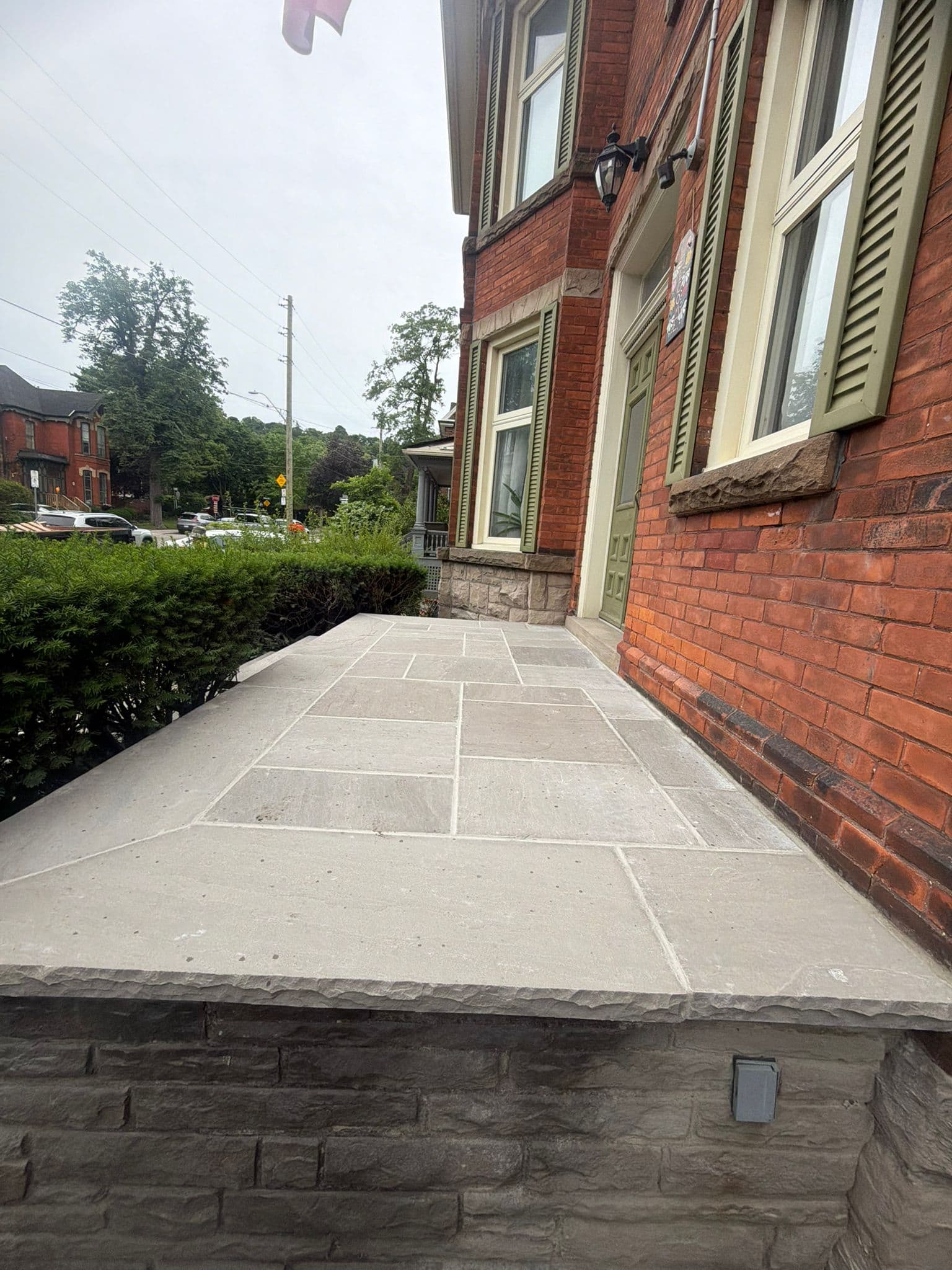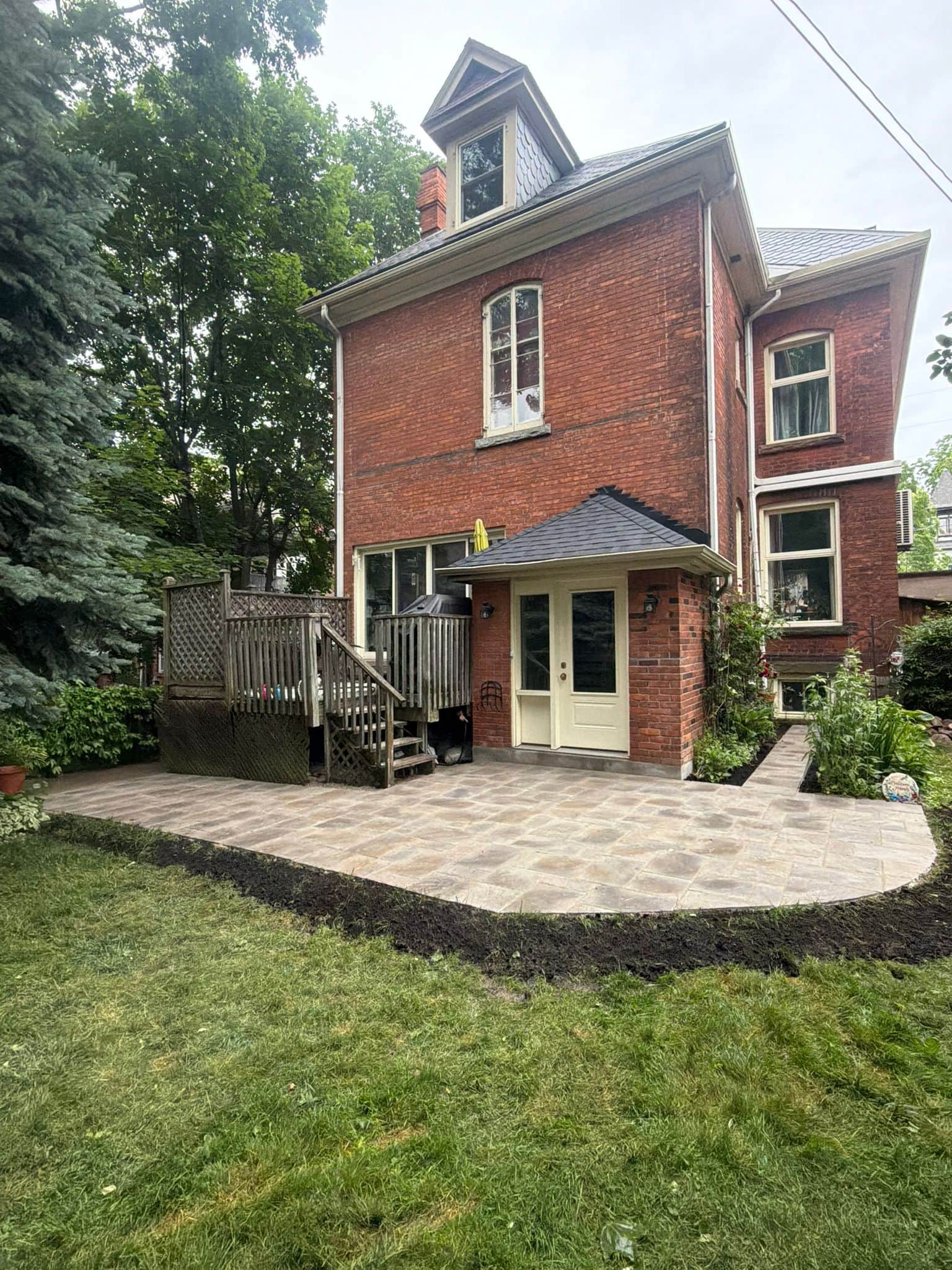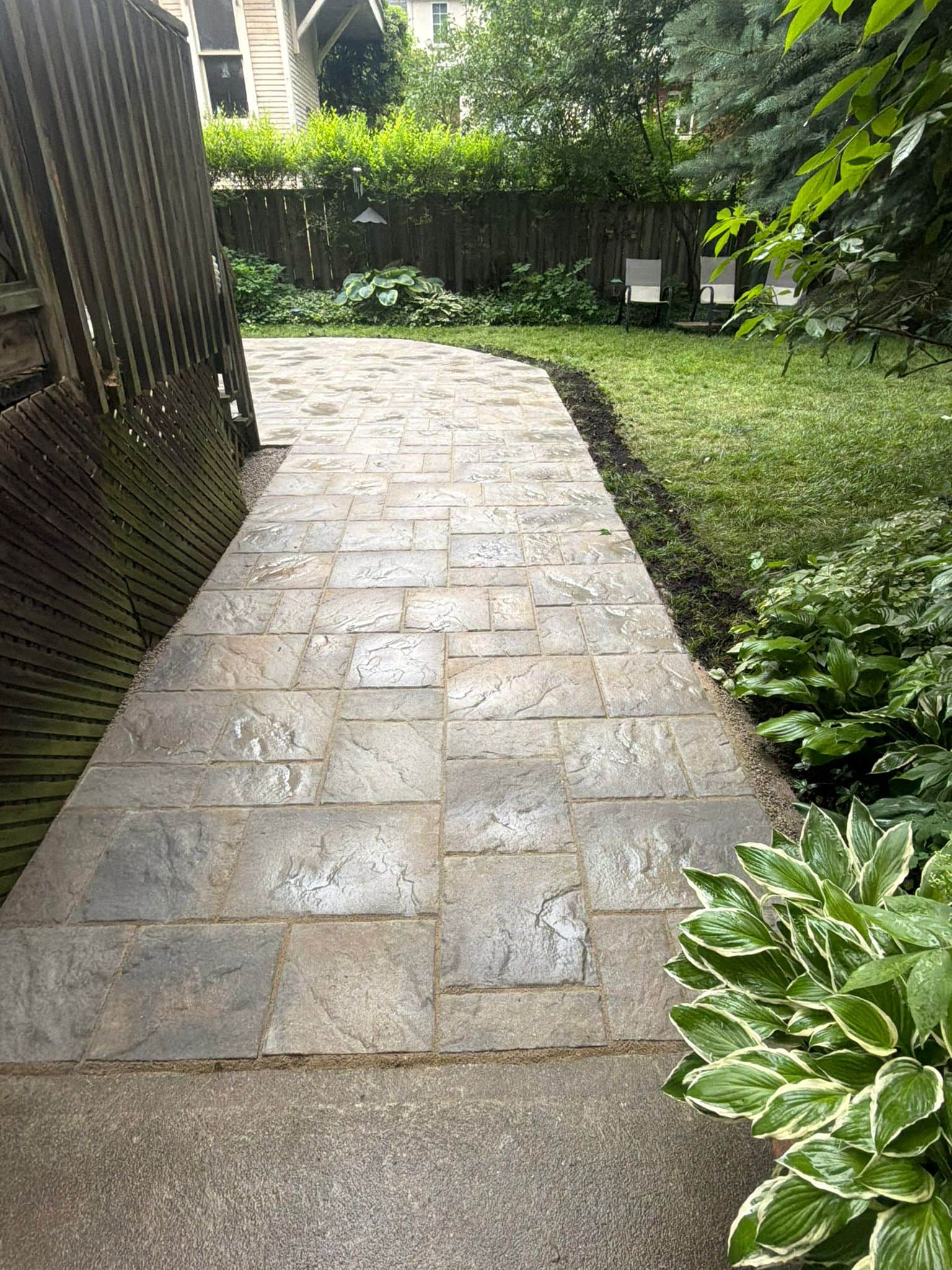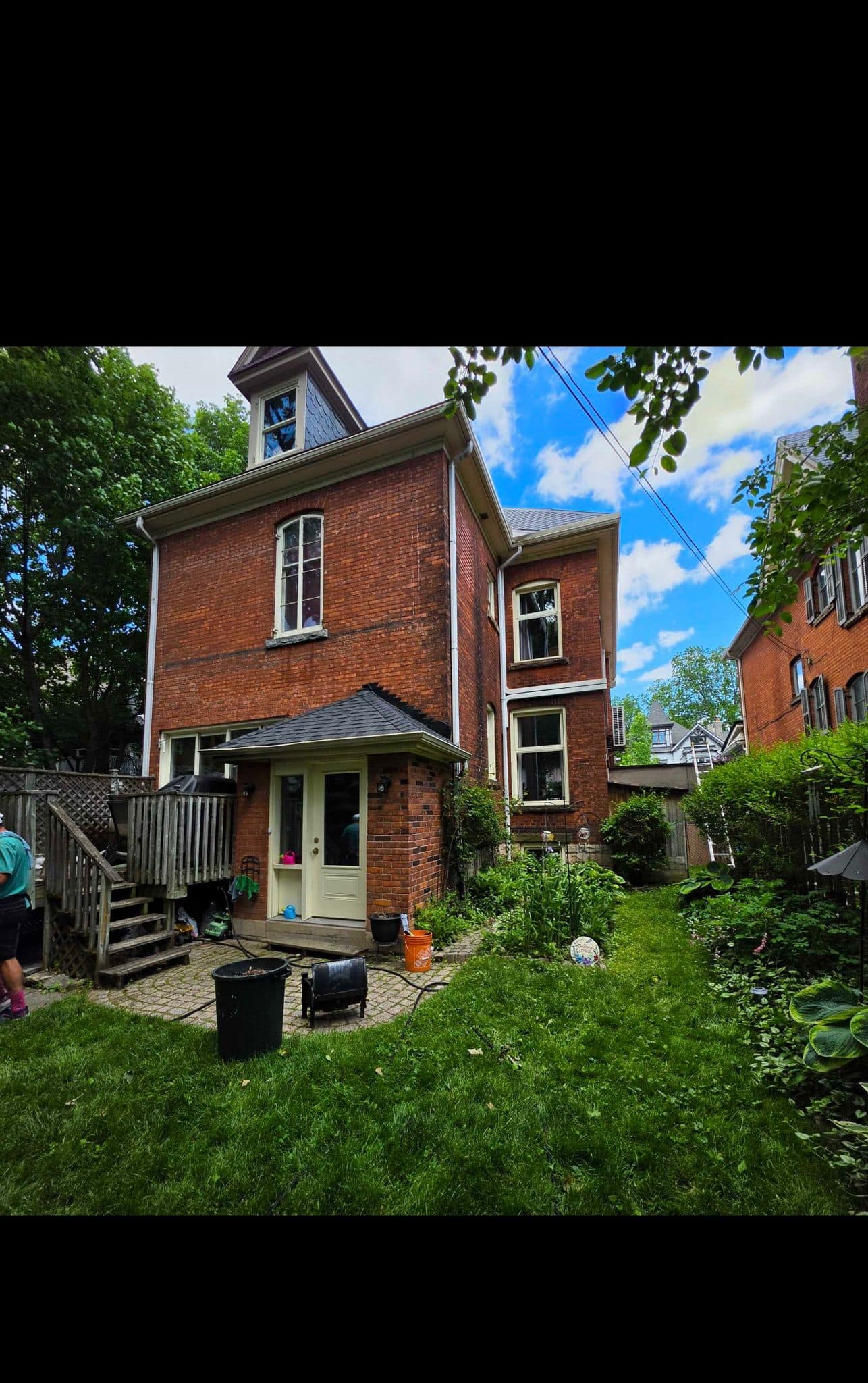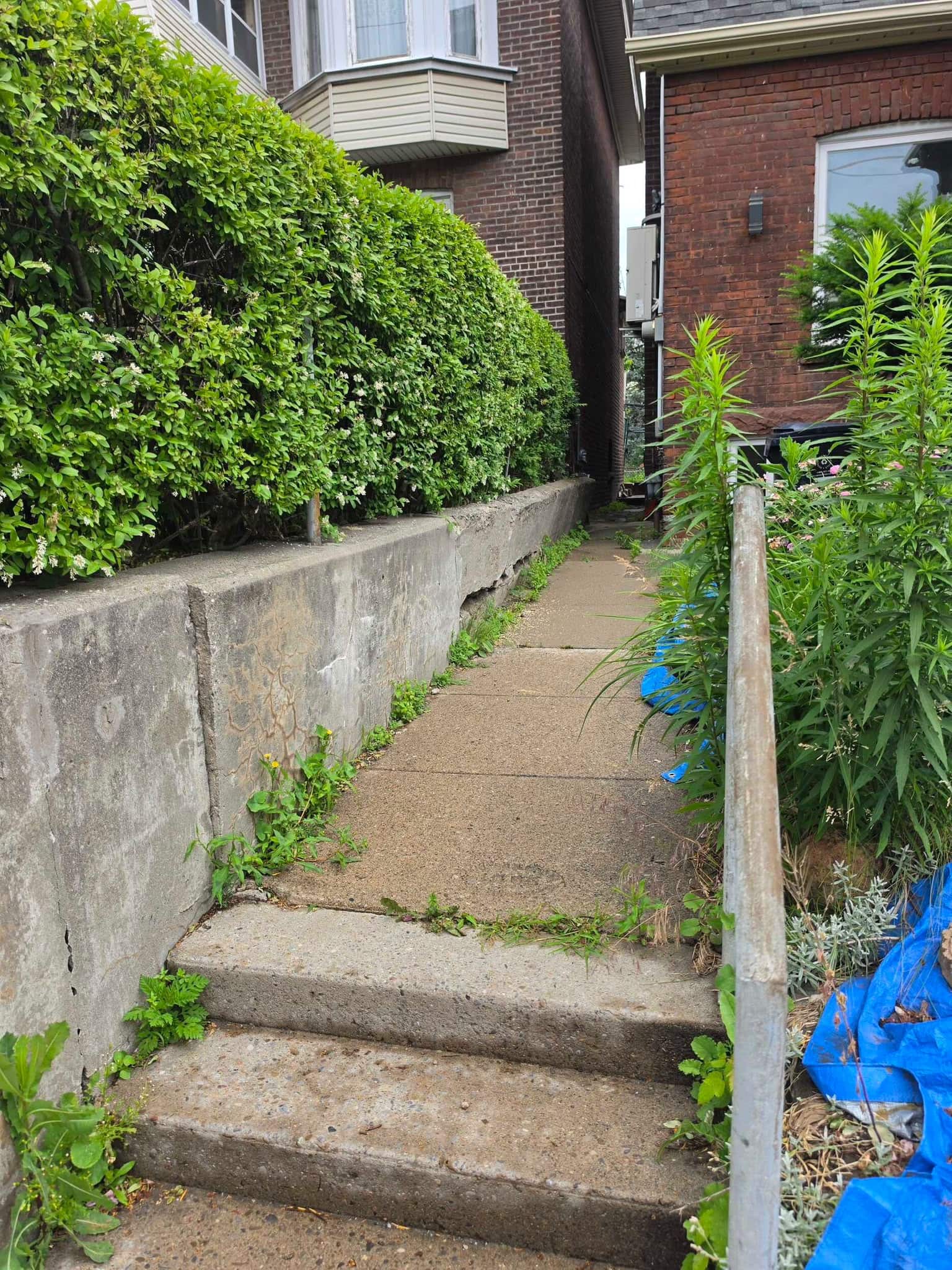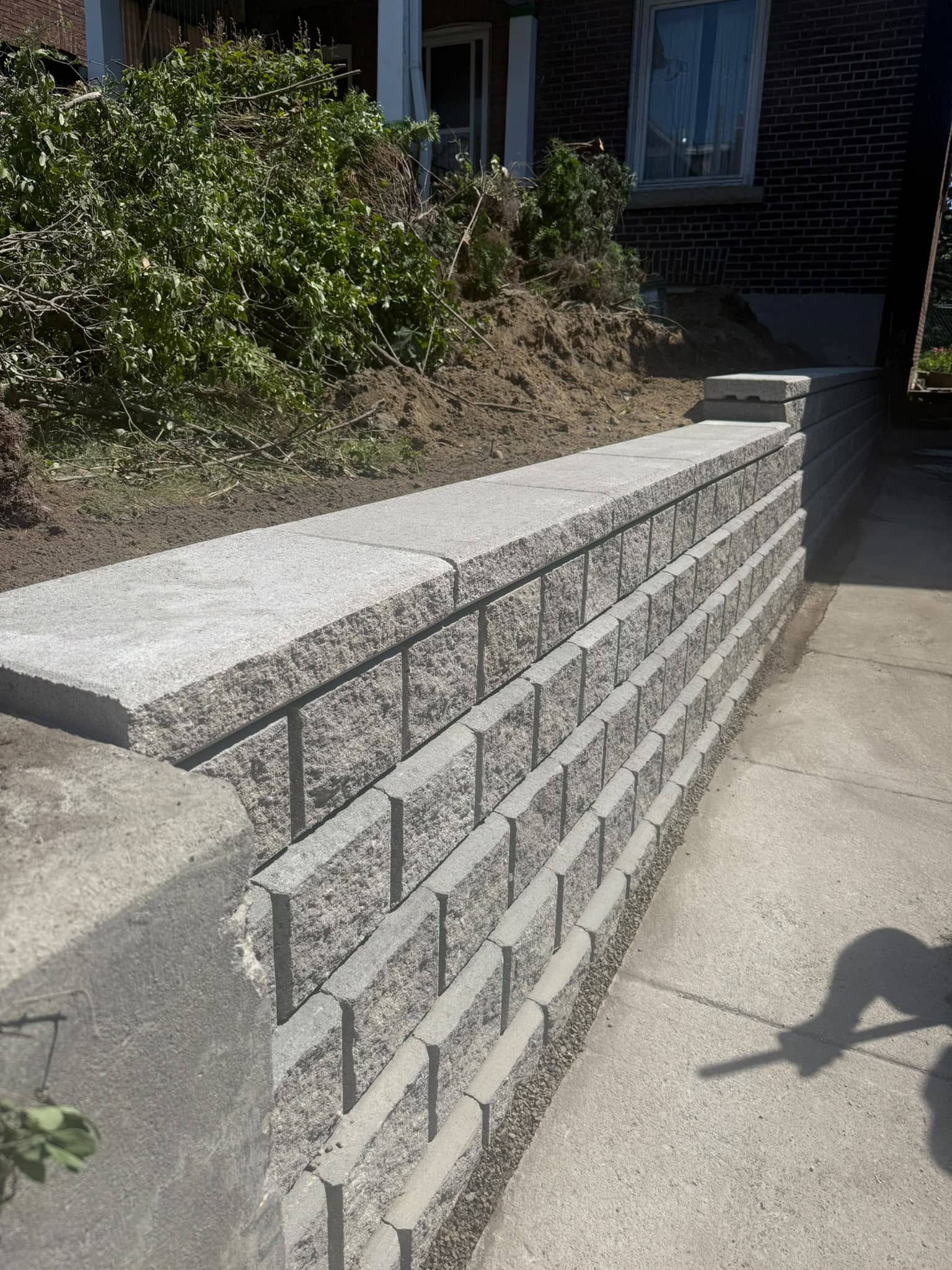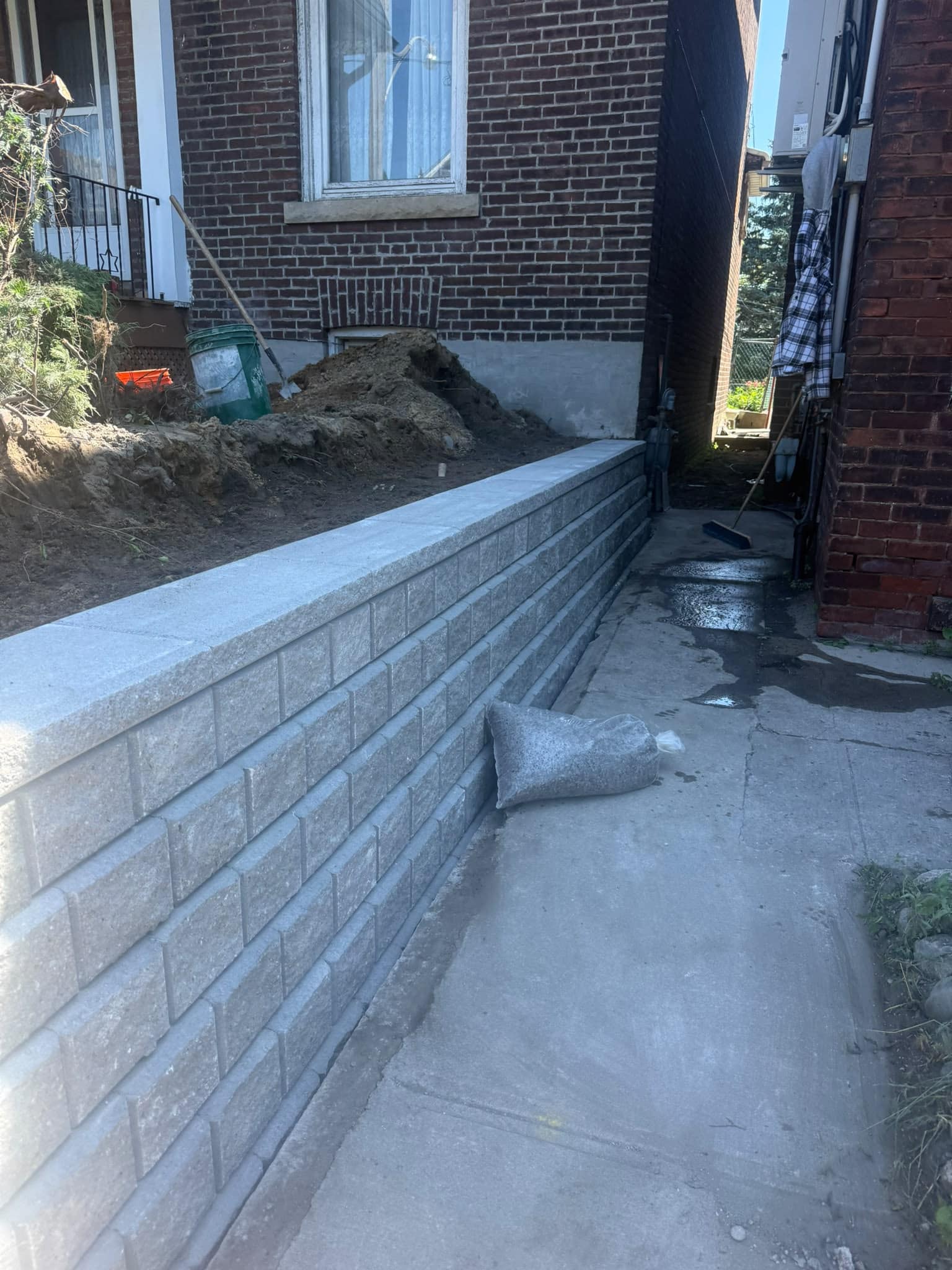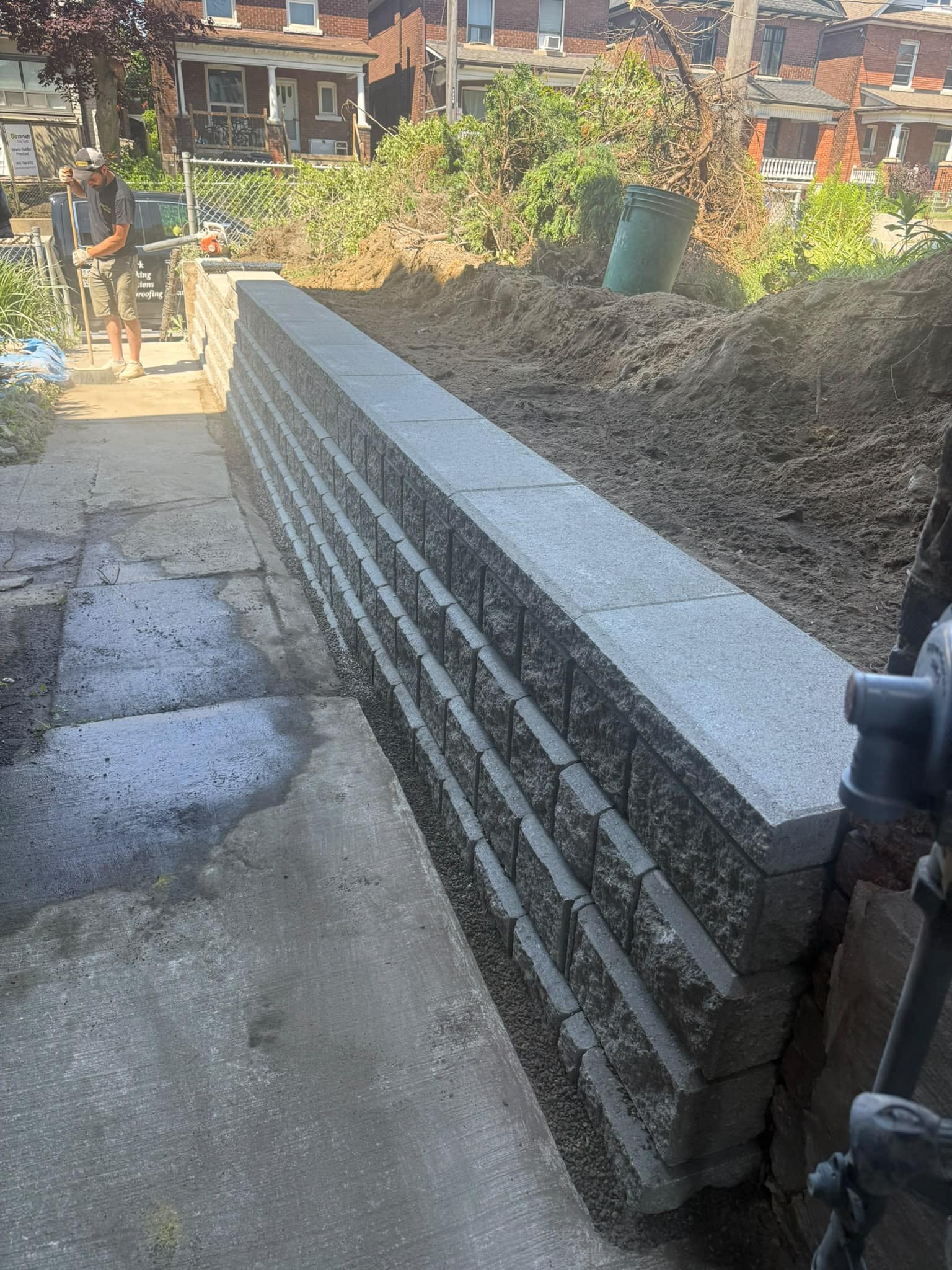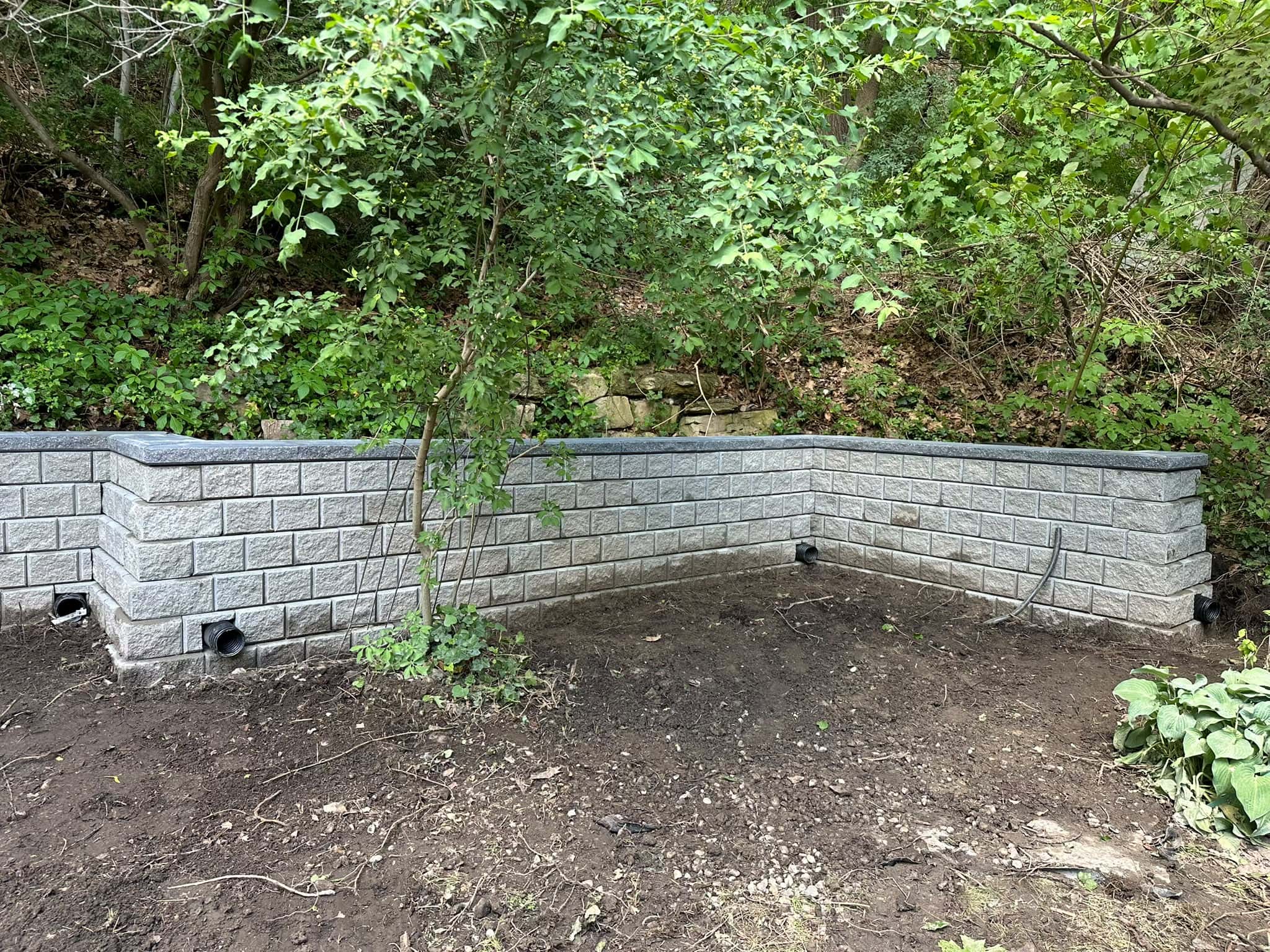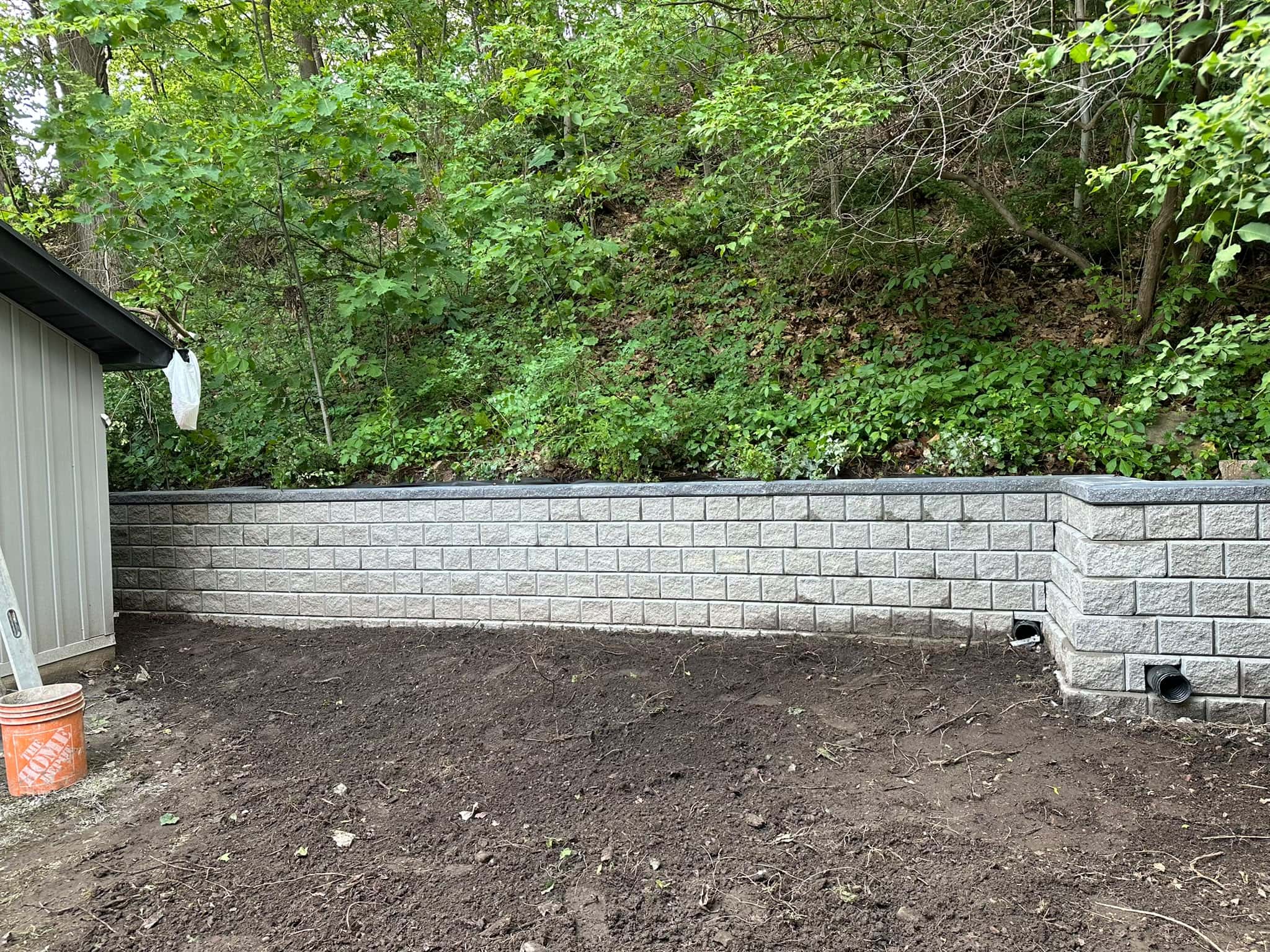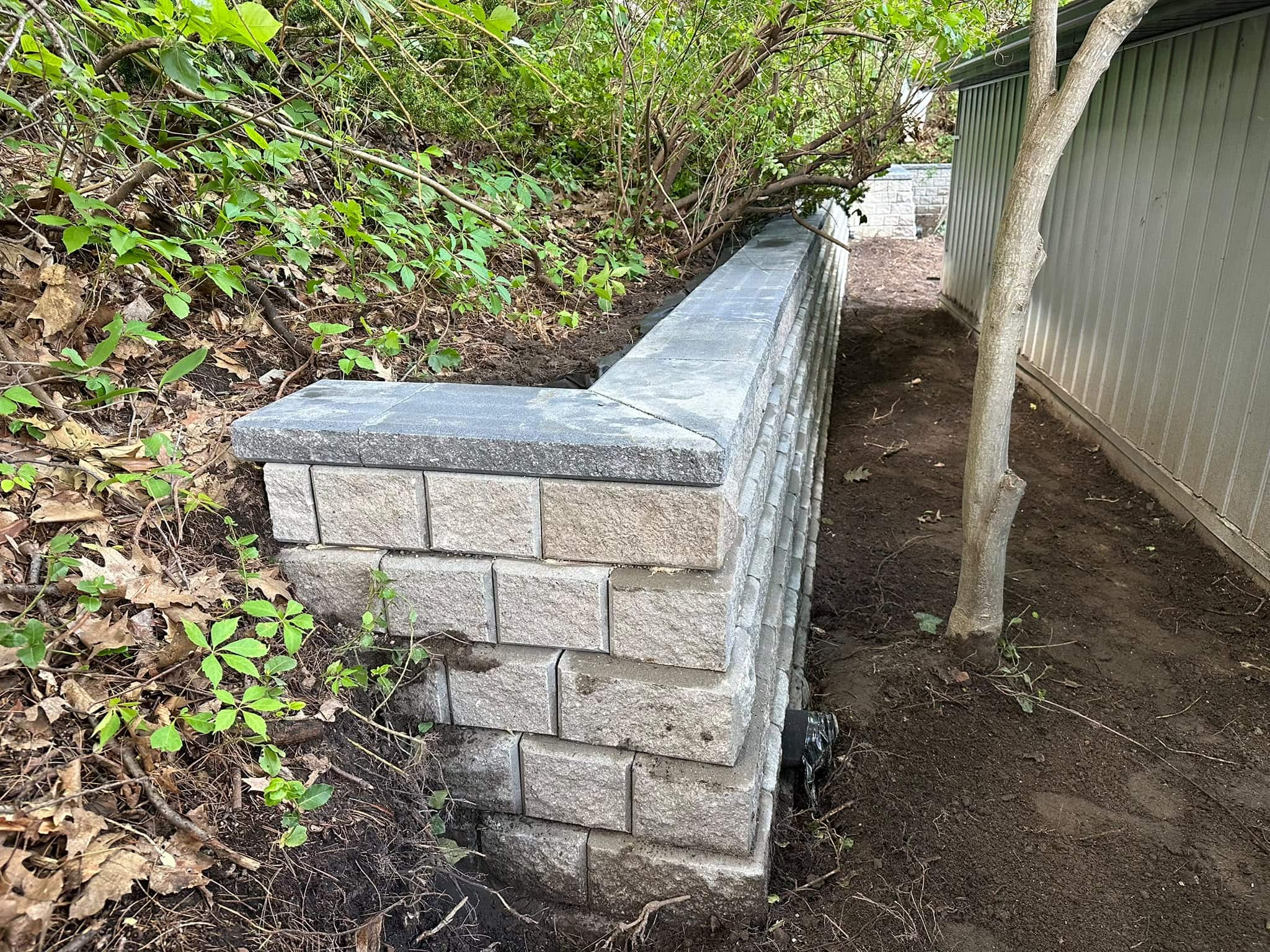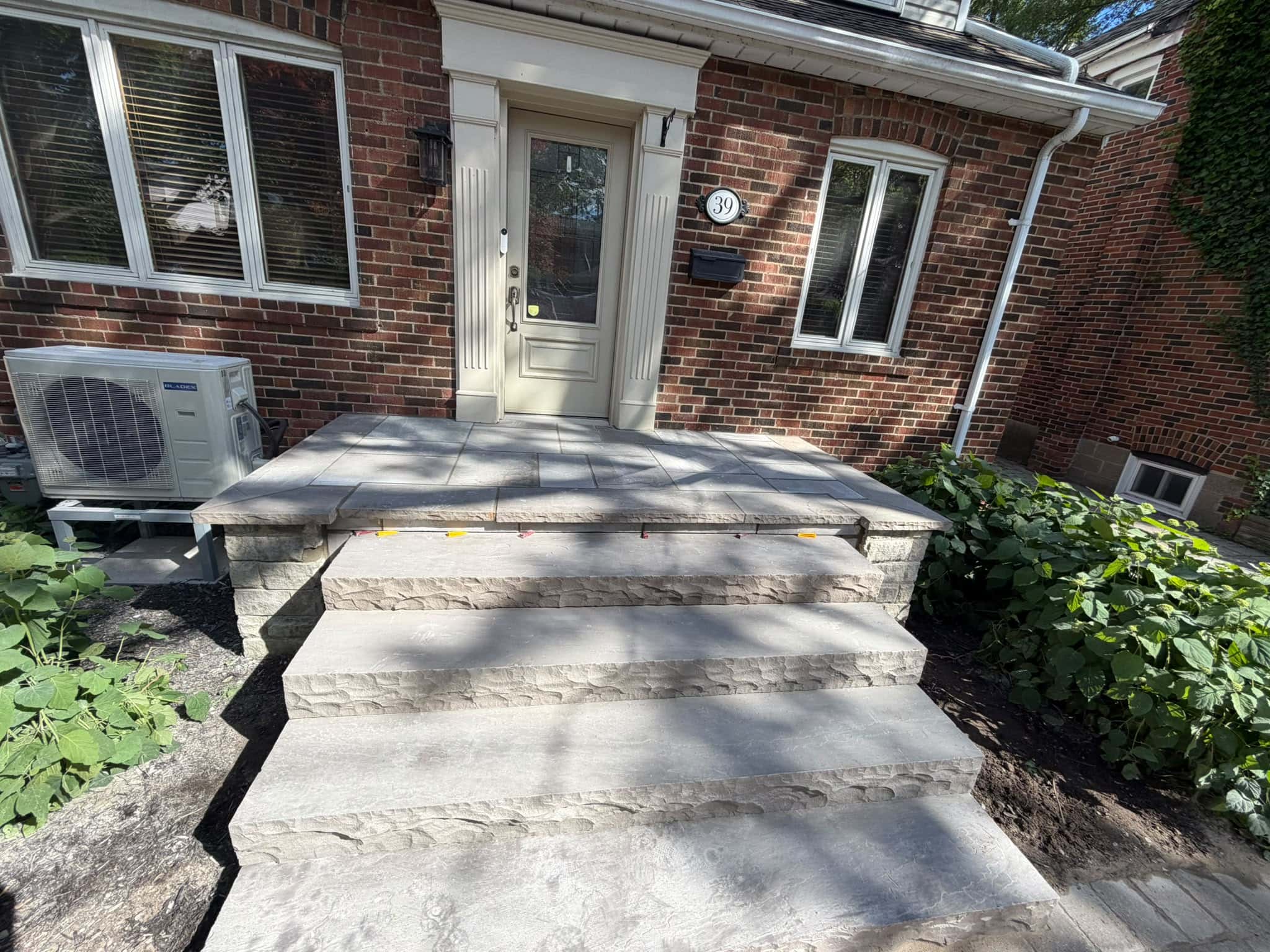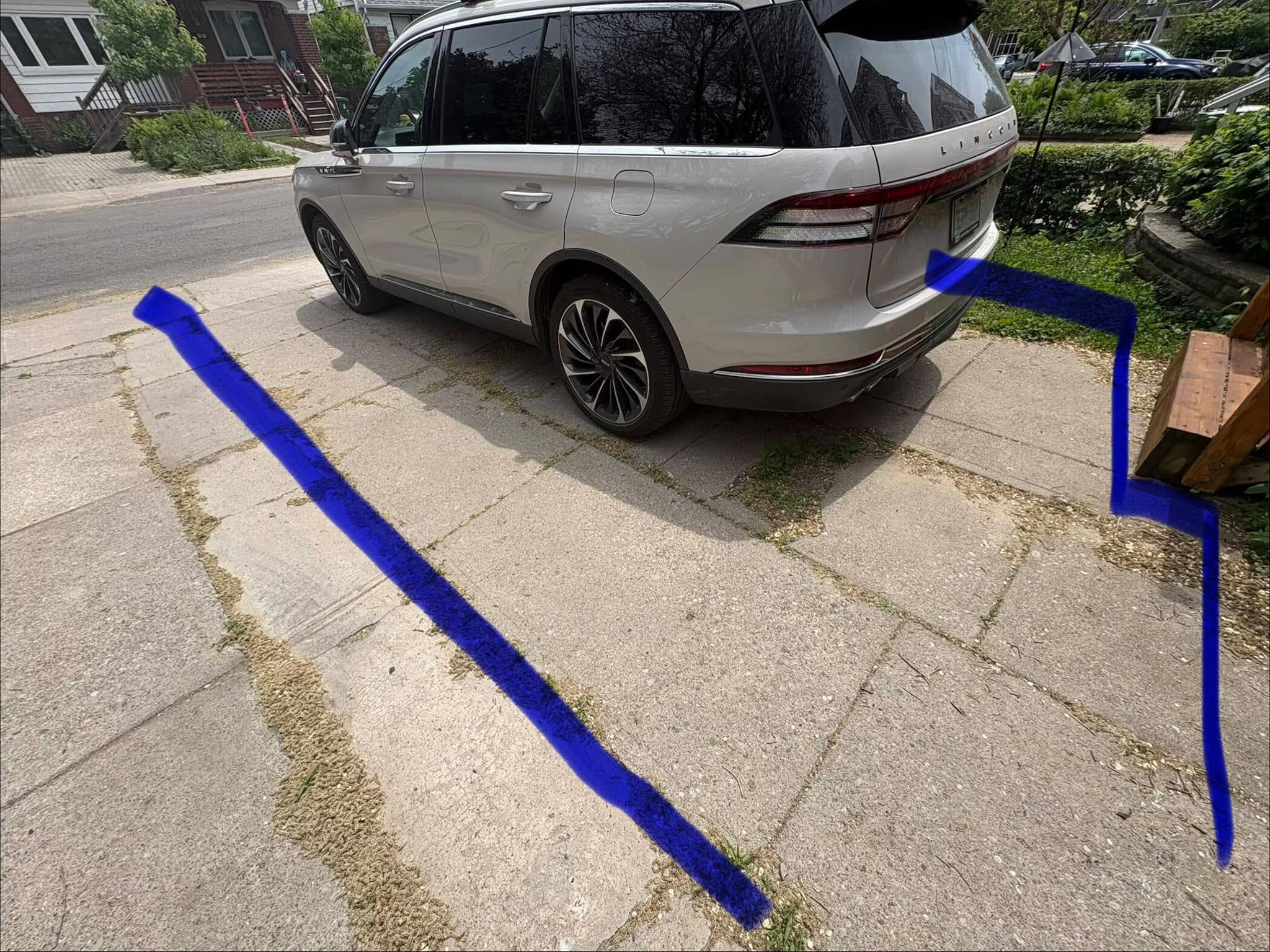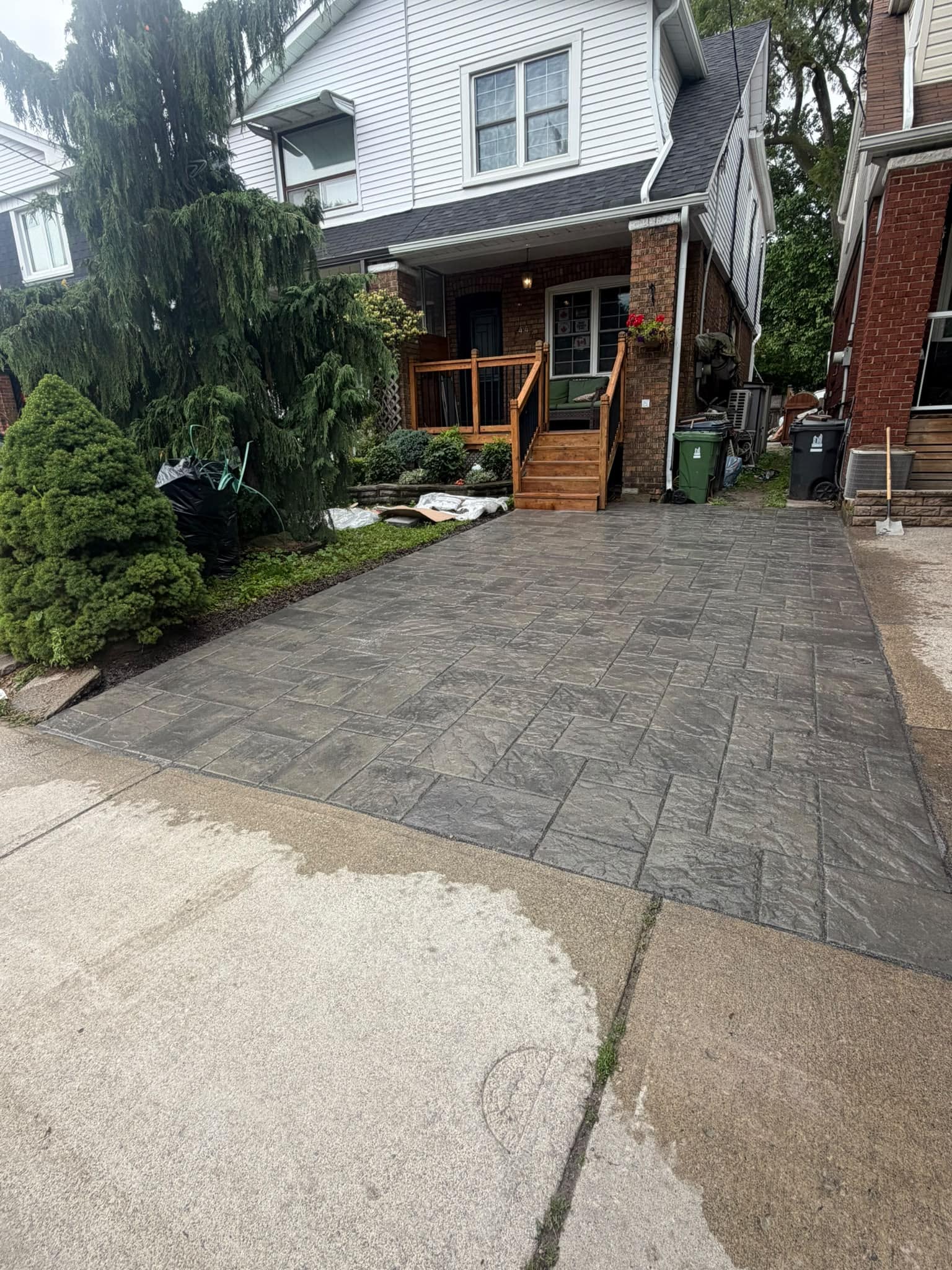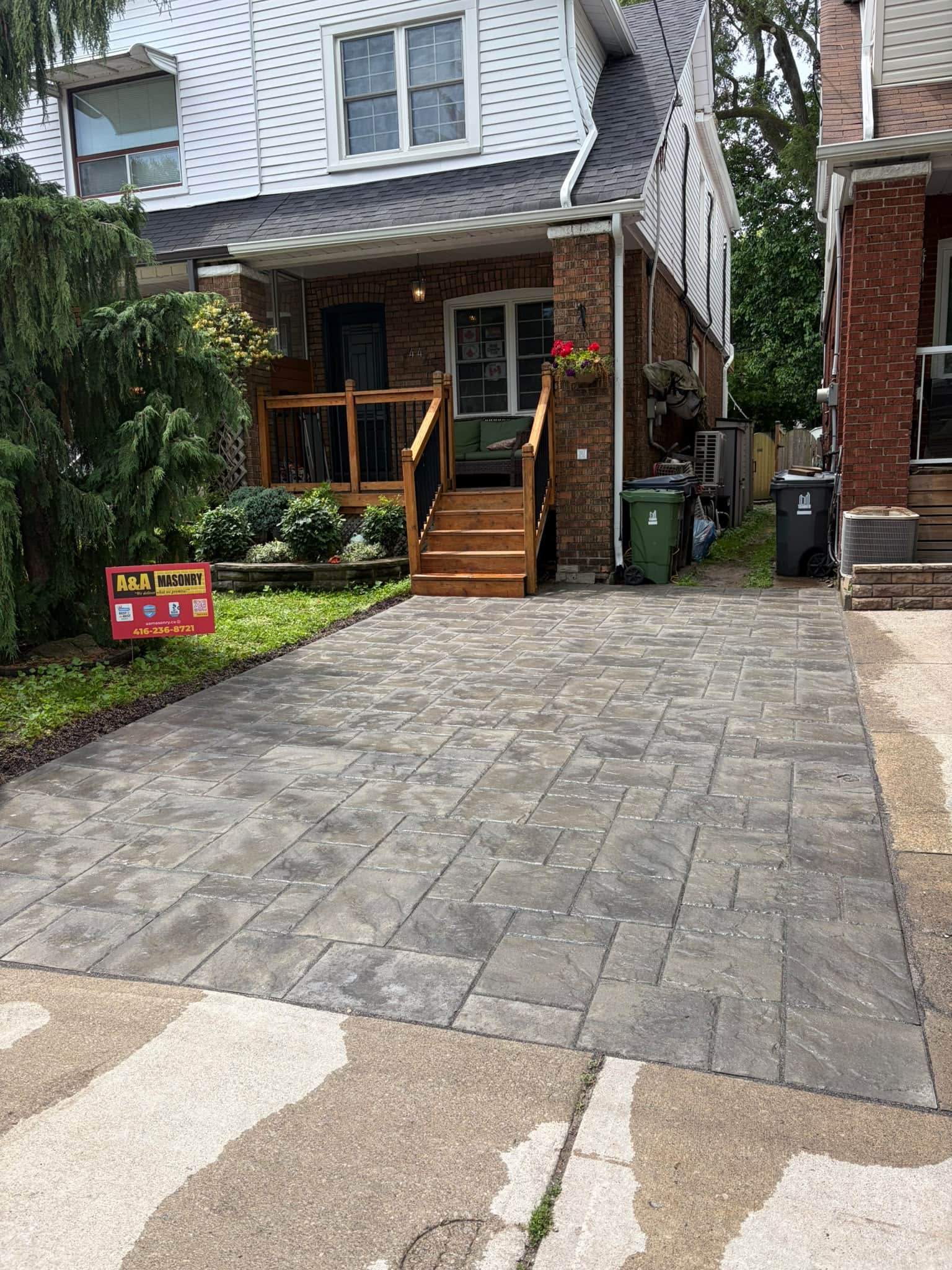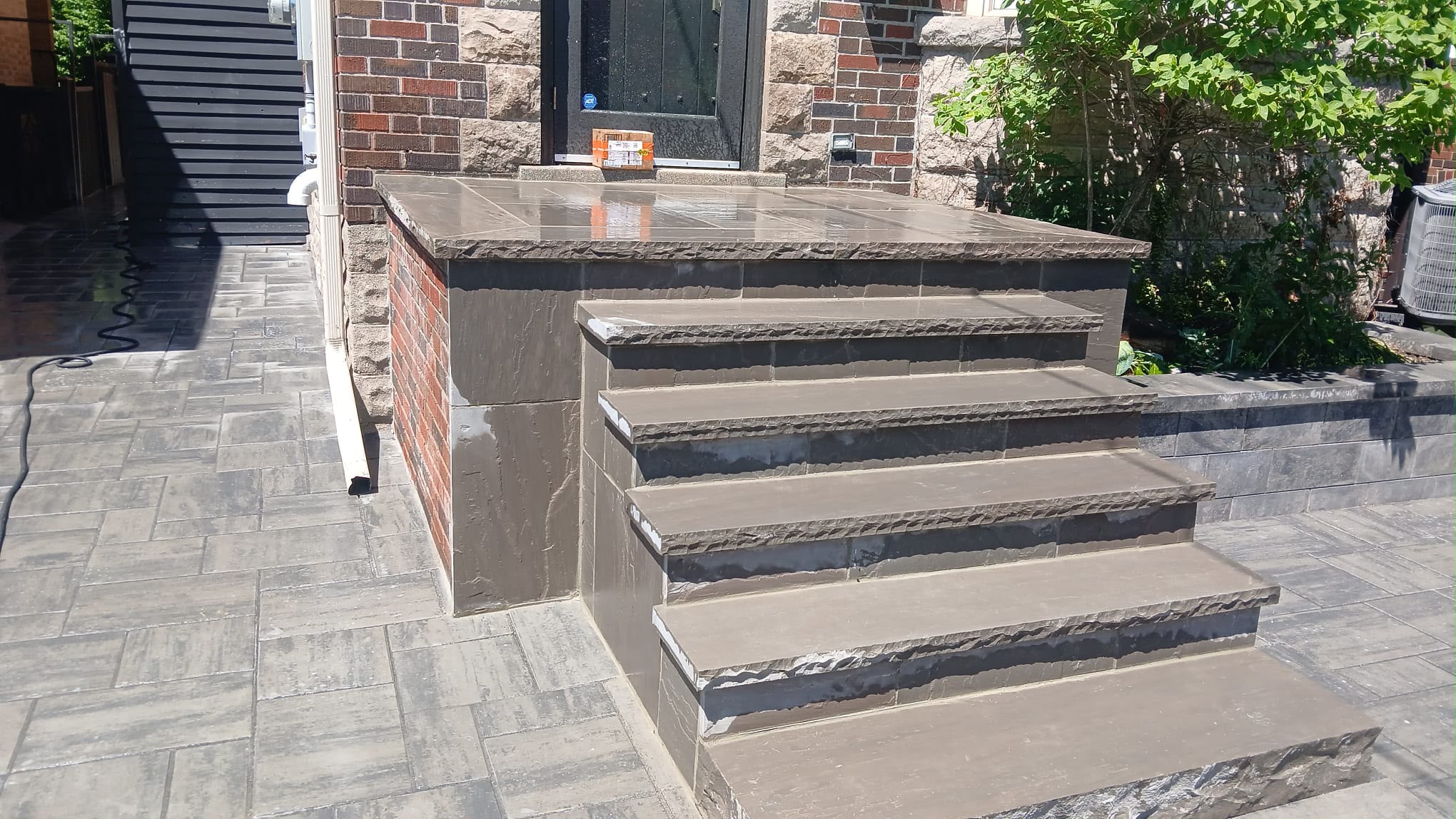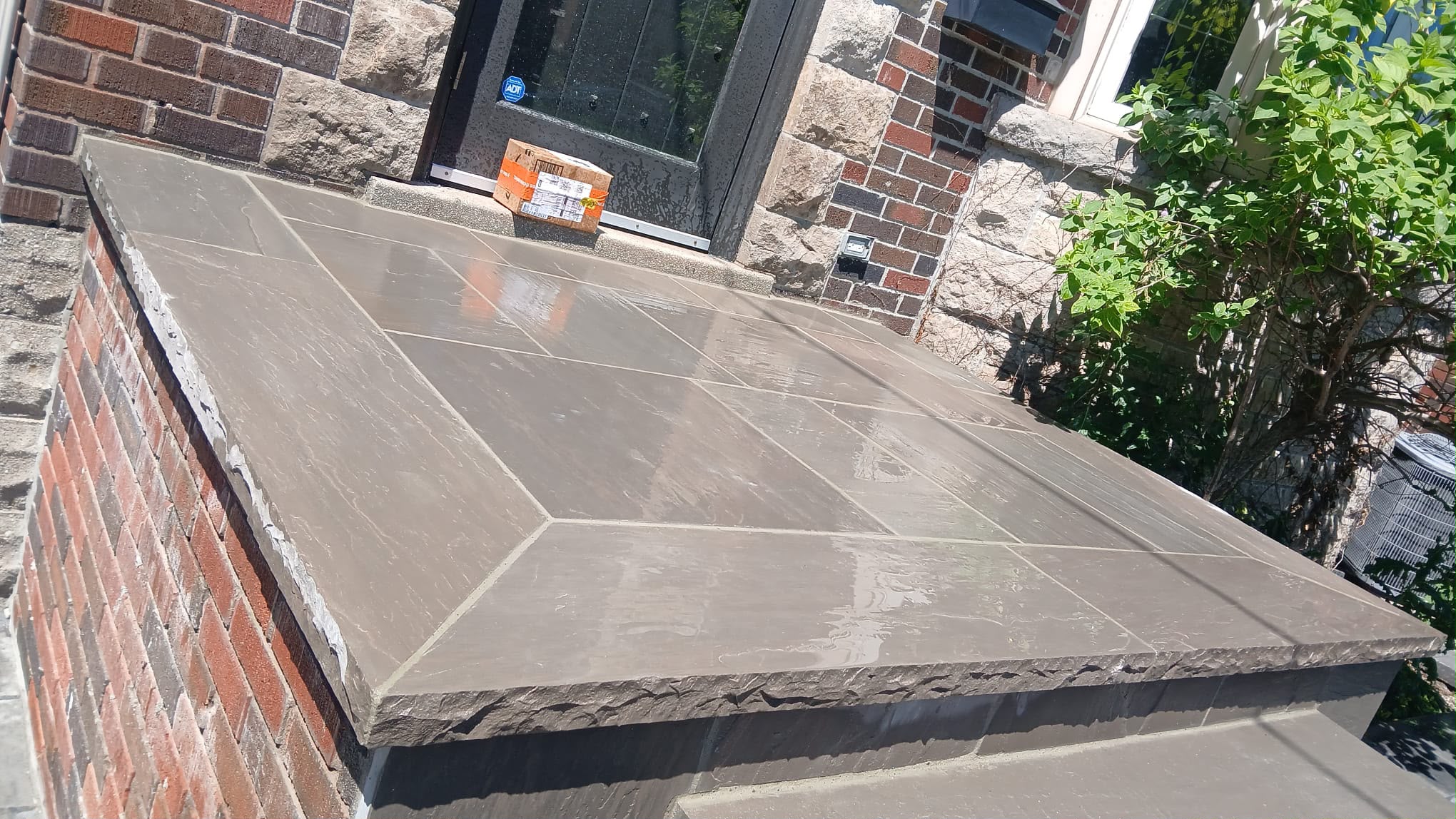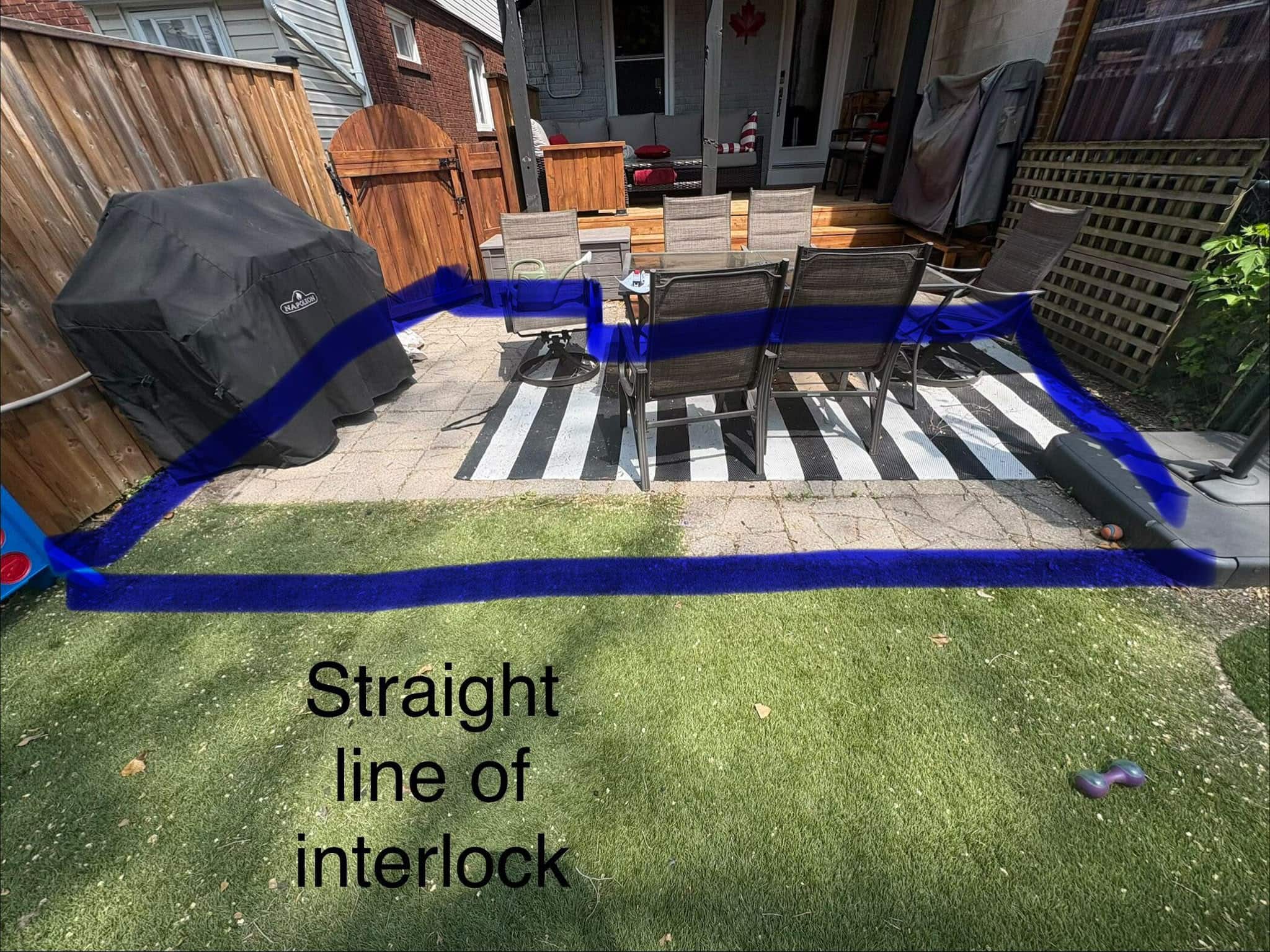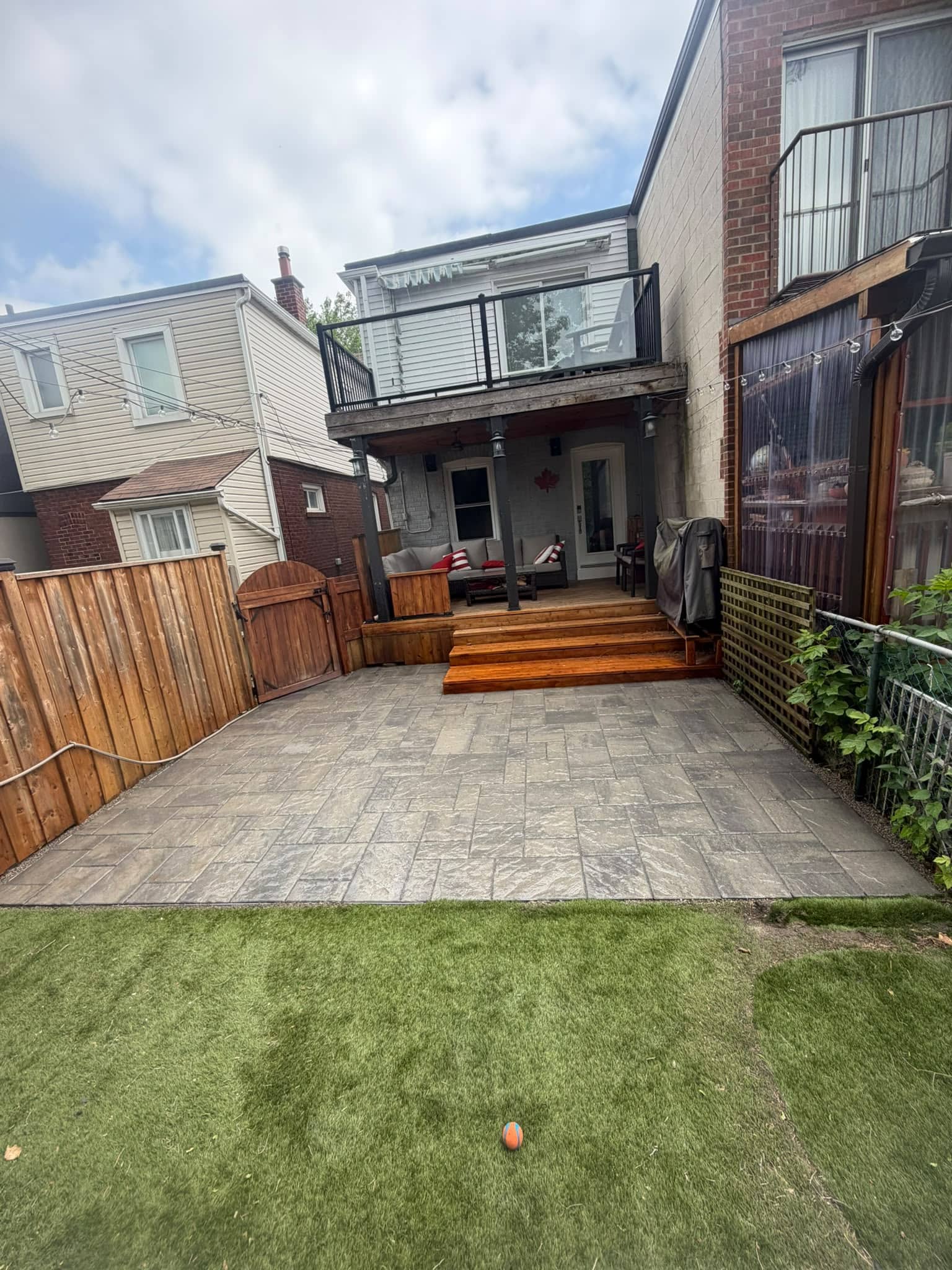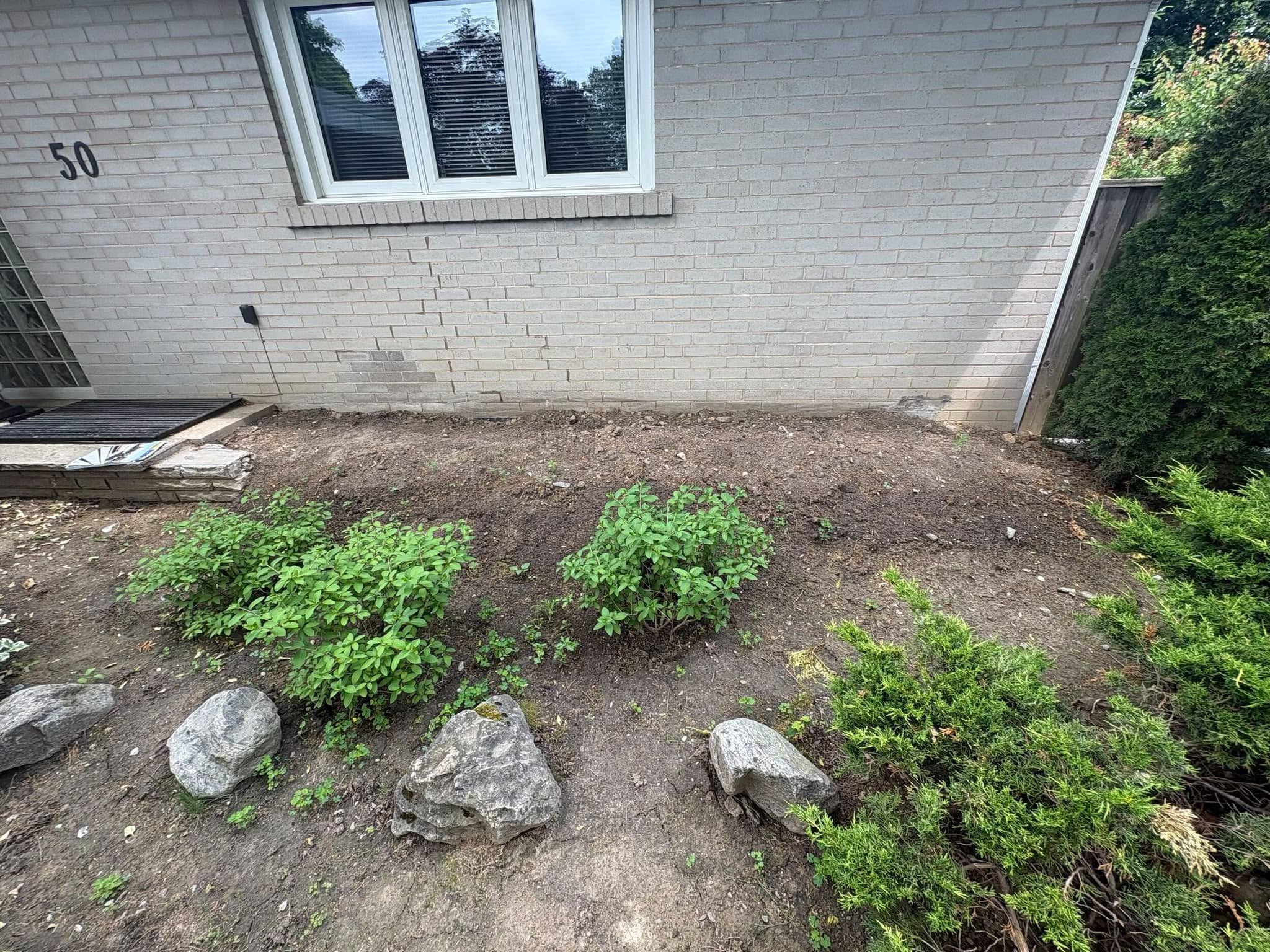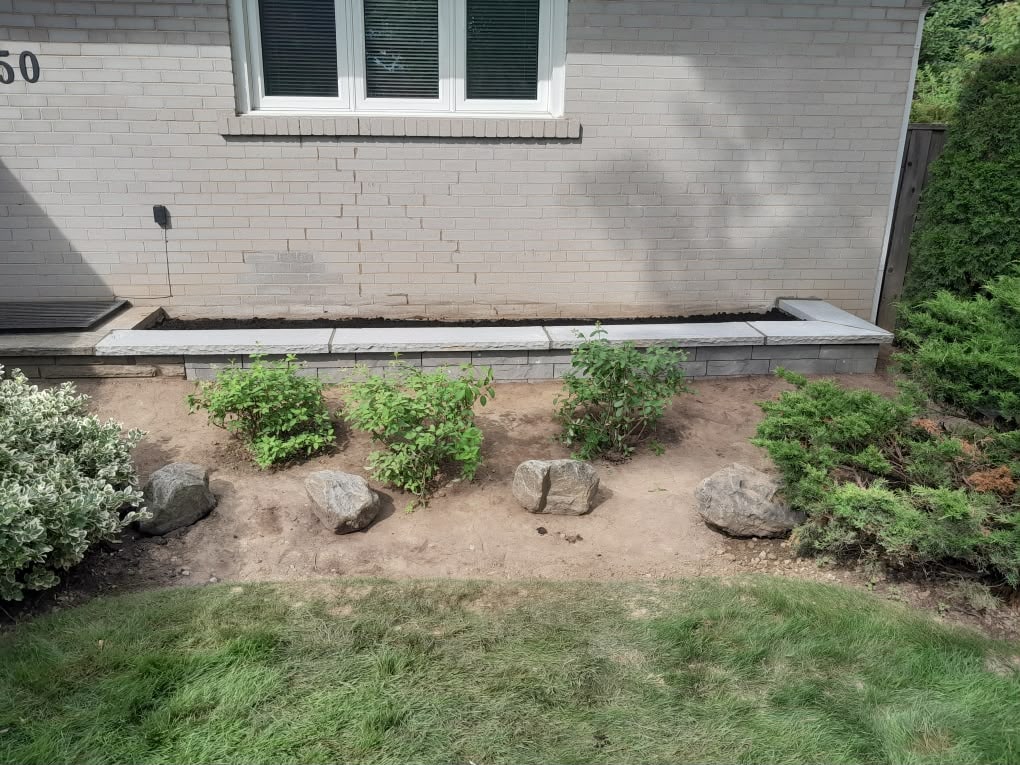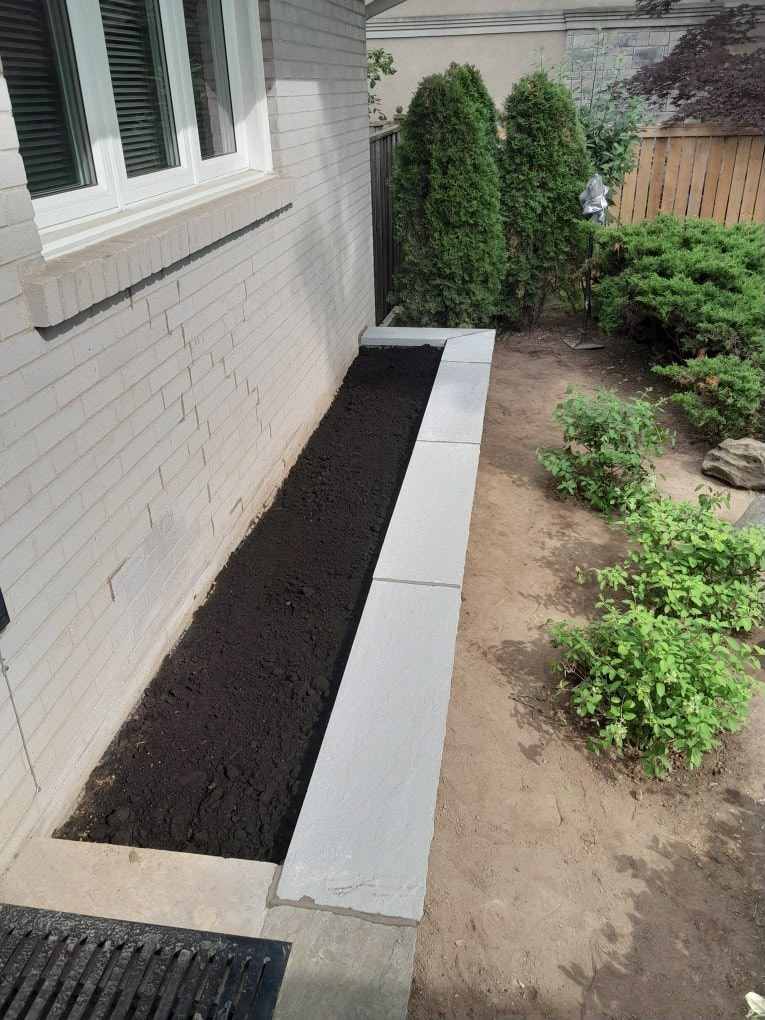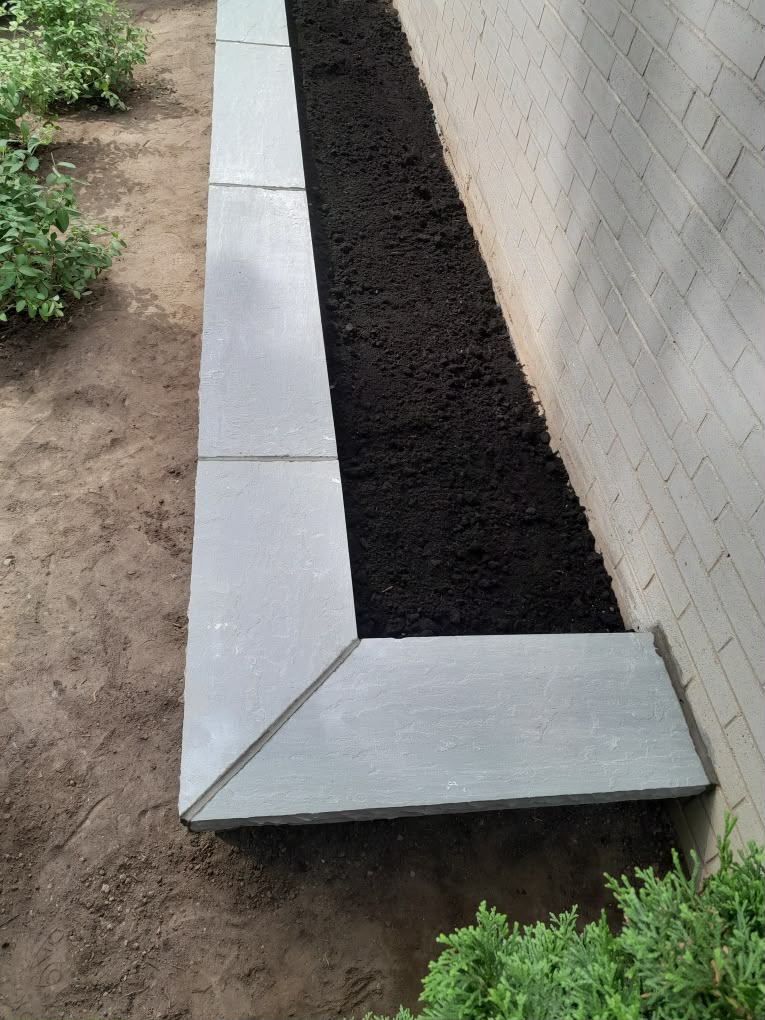
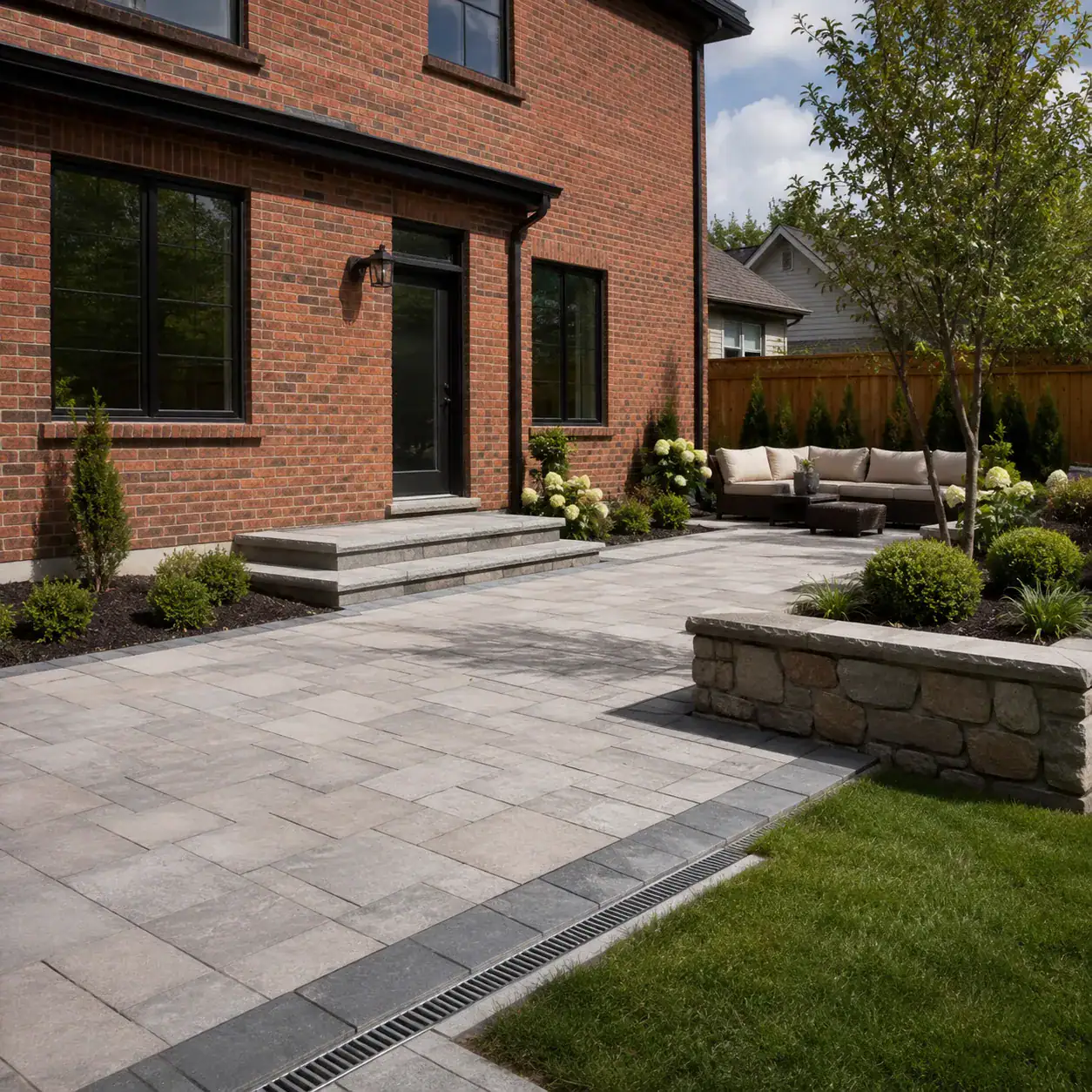
Masonry trends for 2027 are moving toward practical, durable, water-smart, and repair-focused projects. For Toronto homeowners, the strongest masonry choices will likely be the ones that improve how a home handles weather, protect older materials, create more useful outdoor space, and avoid short-lived design decisions.
This does not mean every home needs a major masonry project. In many cases, the smartest trend is maintenance before replacement. Tuckpointing aging mortar, repairing spalling brick, improving drainage, restoring older masonry, and planning better outdoor surfaces can do more for long-term value than installing something only because it is popular.
For Toronto and GTA homes, 2027 planning should focus on freeze-thaw protection, stormwater control, aging brick and concrete, outdoor living upgrades, and materials that still look good after several winters. This guide explains the masonry trends homeowners should understand now, how to apply them realistically, and what to avoid when planning future work.
Trend 1: Repair-First Masonry Planning
Repair-first masonry planning means homeowners are giving more attention to fixing what already exists before replacing or covering it. This trend makes sense because many Toronto homes have brick, stone, concrete, chimneys, and steps that can still perform well if repaired early.
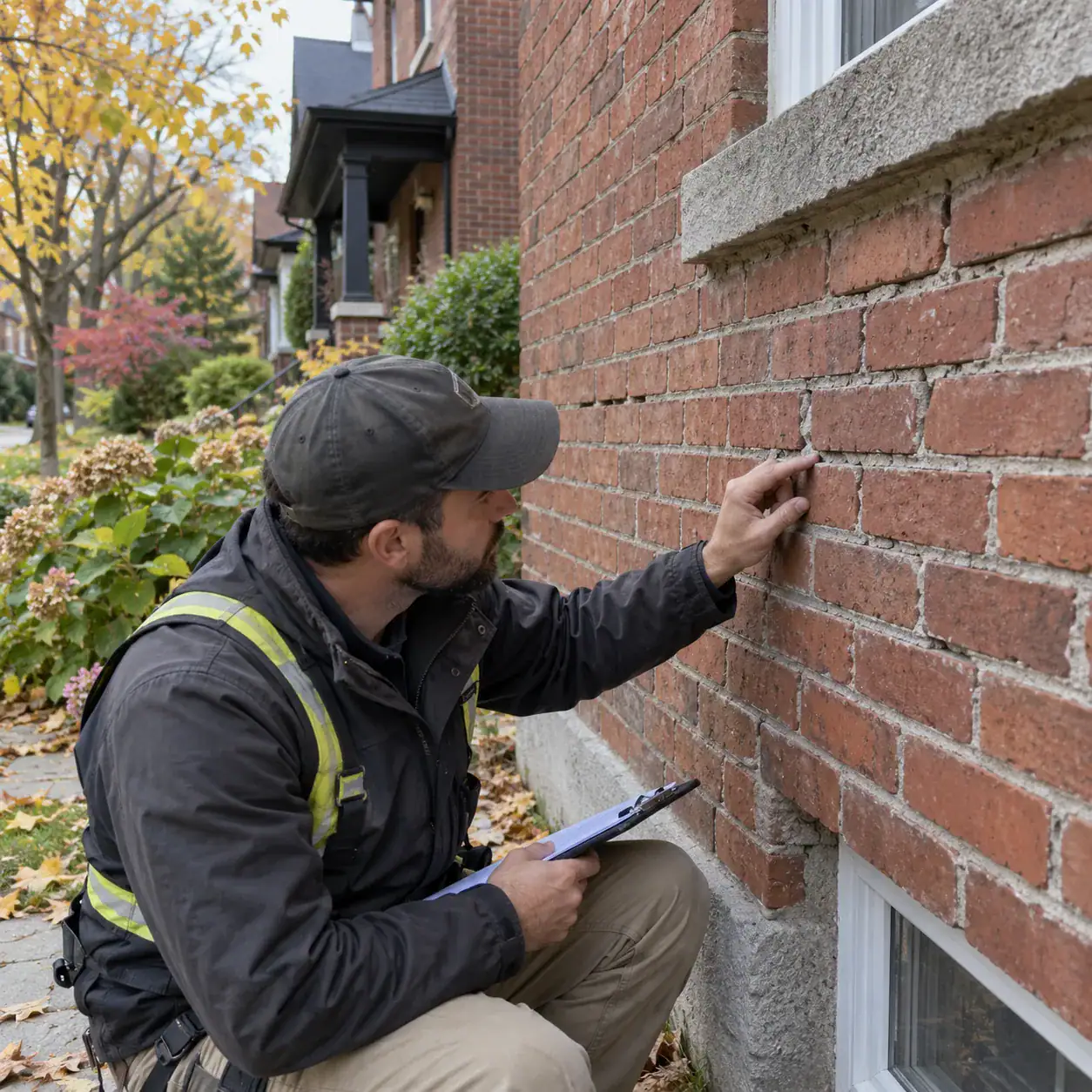
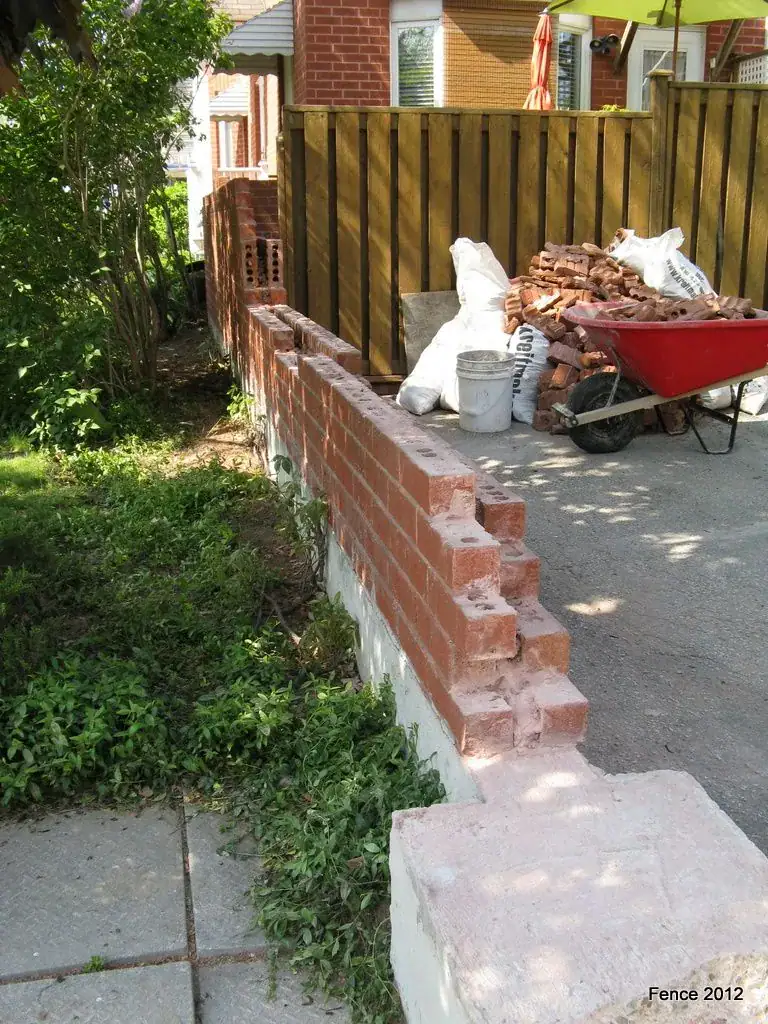
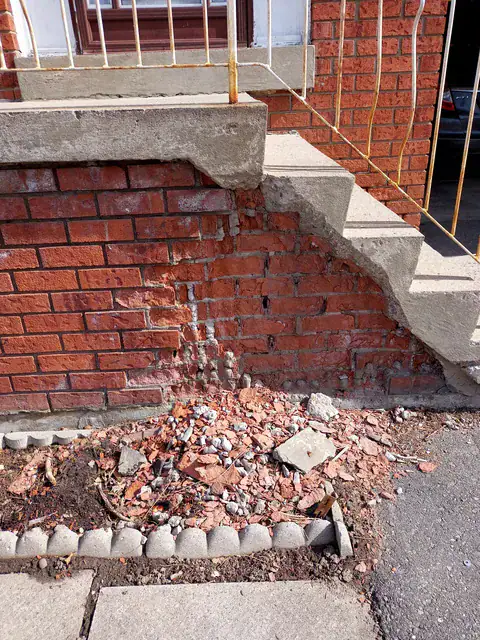
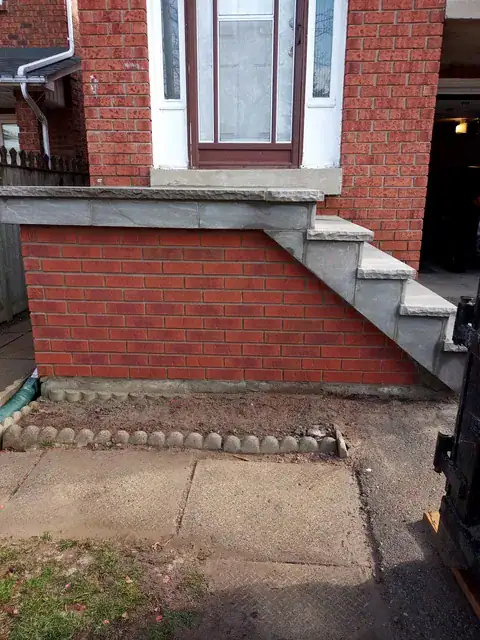
Instead of waiting until a wall, chimney, or step becomes badly damaged, more homeowners are planning smaller repairs before the damage spreads. This can include tuckpointing open mortar joints, replacing a few spalling bricks, repairing cracked concrete, fixing chimney crowns, and improving water control around lower masonry.
Repair-first planning also helps avoid waste. If most of the brick wall is still sound, selective repair may be more responsible than full replacement. If a chimney needs tuckpointing and a cap, it may not need a rebuild. If concrete steps have minor damage, early repair may delay larger work.
If you are seeing cracked brick, missing mortar, or weathered masonry, A&A Masonry’s common masonry repair issues in Toronto guide is a helpful starting point for identifying what may need attention.
Trend 2: More Focus on Water Management
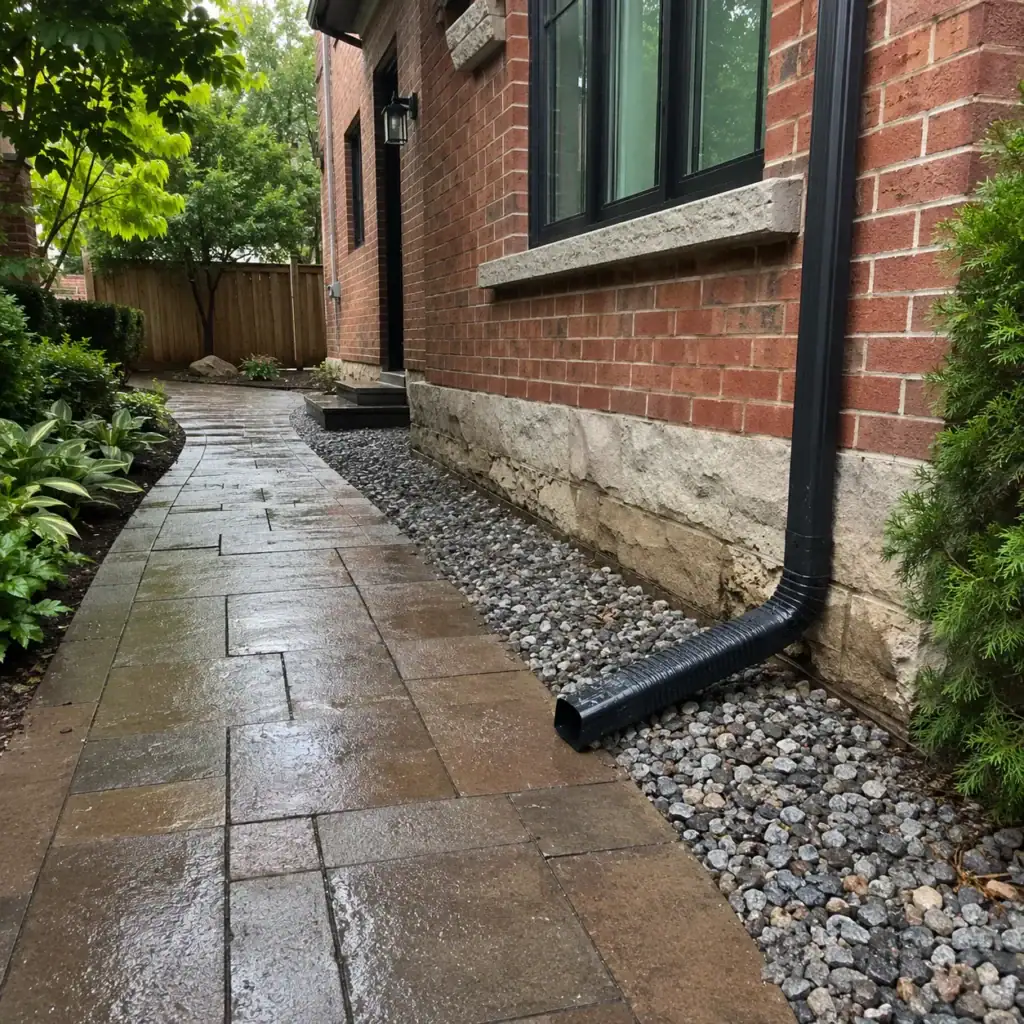
Water management will be one of the most important masonry trends for 2027 because water is behind many brick, stone, concrete, foundation, and chimney problems. Toronto homeowners are paying more attention to how rain and melted snow move around their properties.
The City of Toronto explains that managing rain and melted snow helps reduce basement flooding risk and supports better water quality. For masonry, this matters because poor drainage can lead to spalling brick, failed mortar, damp foundations, cracked concrete, loose stone veneer, and damaged retaining walls.
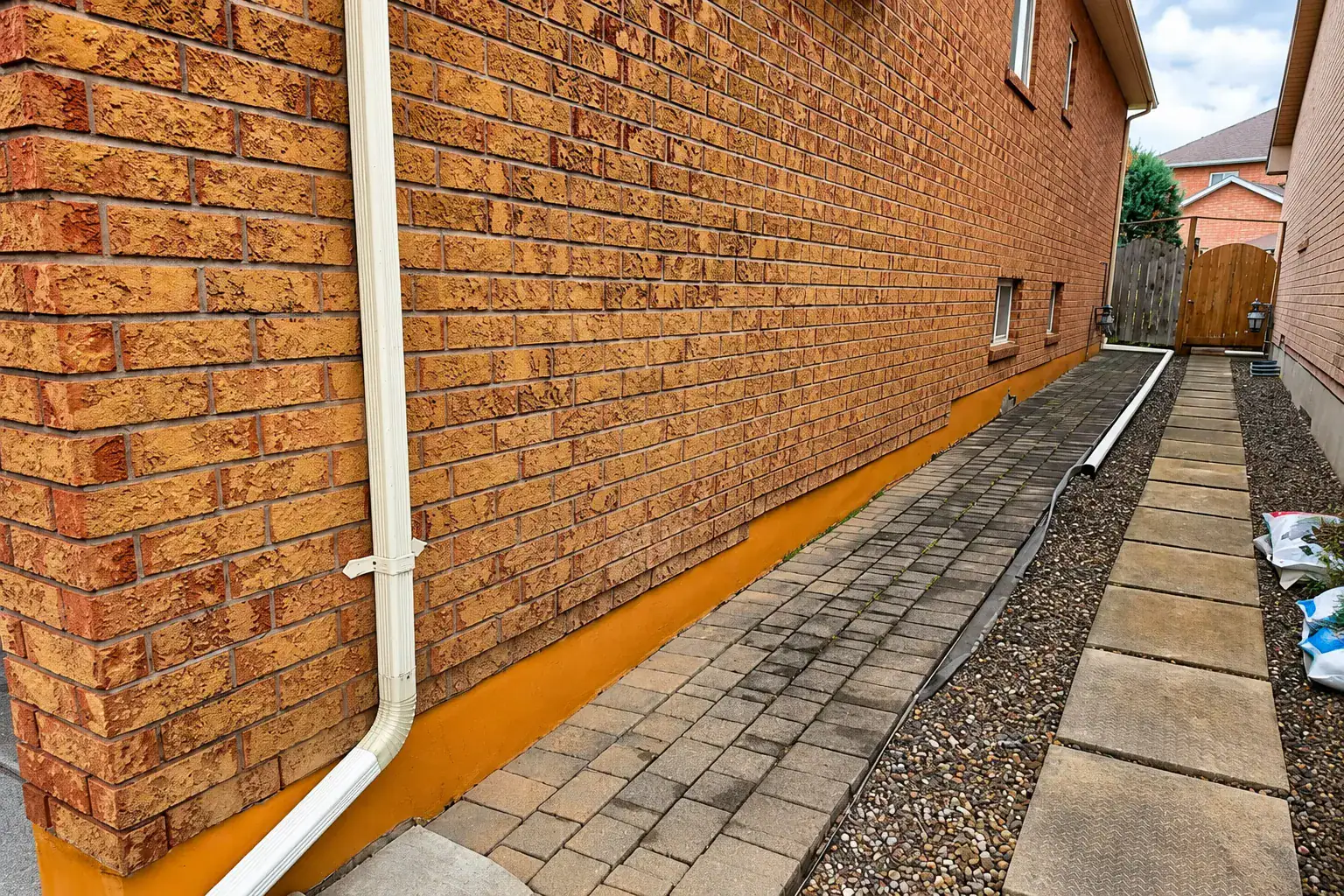
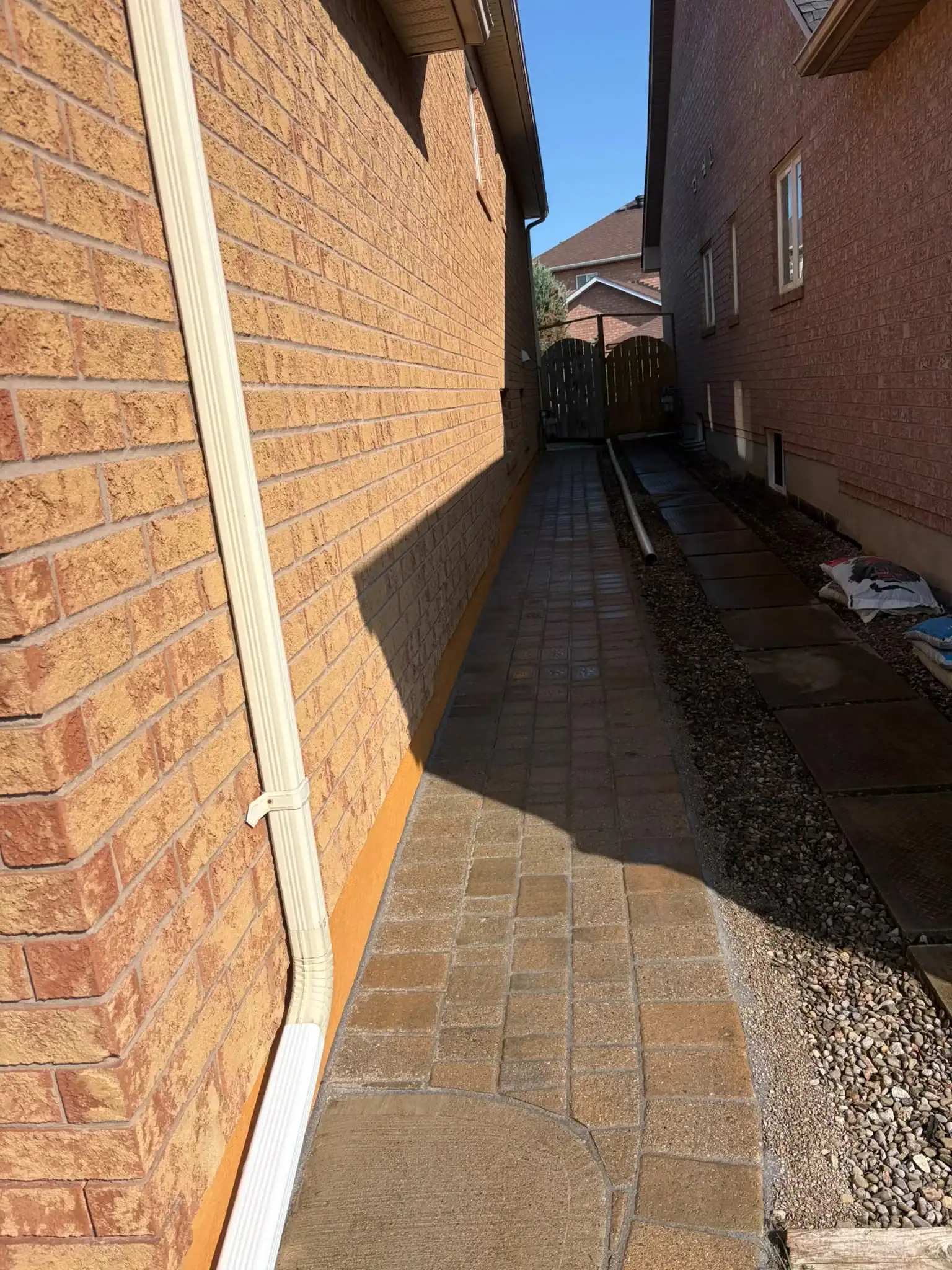
Water-smart masonry planning may include redirecting downspouts, correcting slopes, repairing cracked joints, using proper caps, improving patio drainage, avoiding soil against brick, and choosing permeable surfaces where appropriate.
The City’s guide on managing rain and melted snow is a useful official resource for homeowners thinking about exterior upgrades. A&A Masonry’s waterproofing Toronto page is also helpful when masonry concerns are connected to foundation moisture or repeated water entry.
Trend 3: Tuckpointing Before Damage Spreads
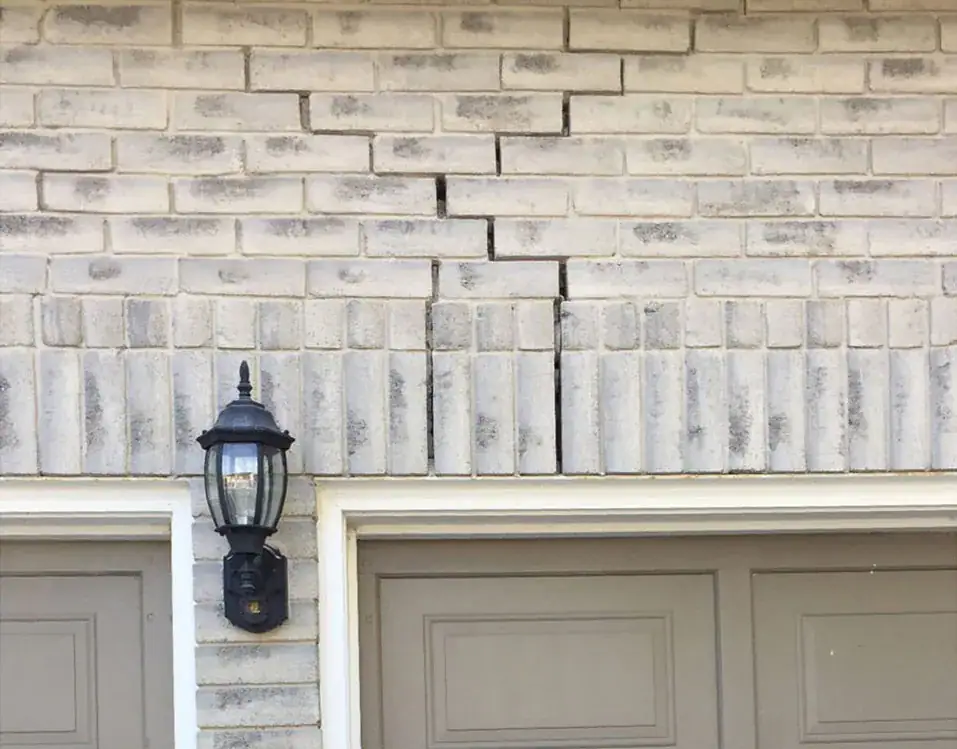
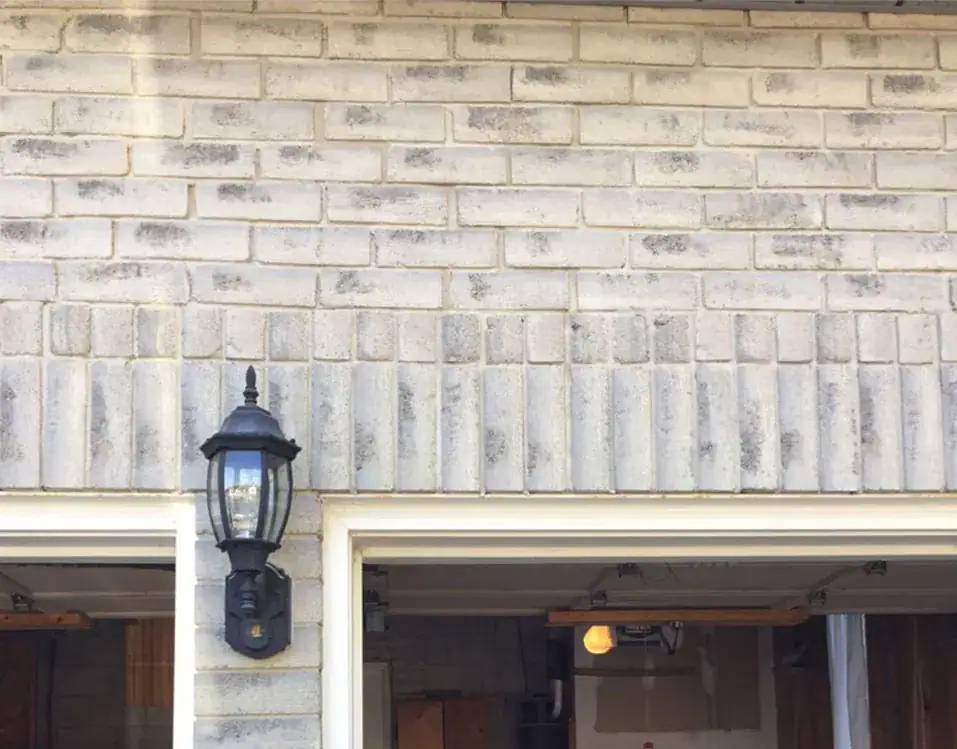
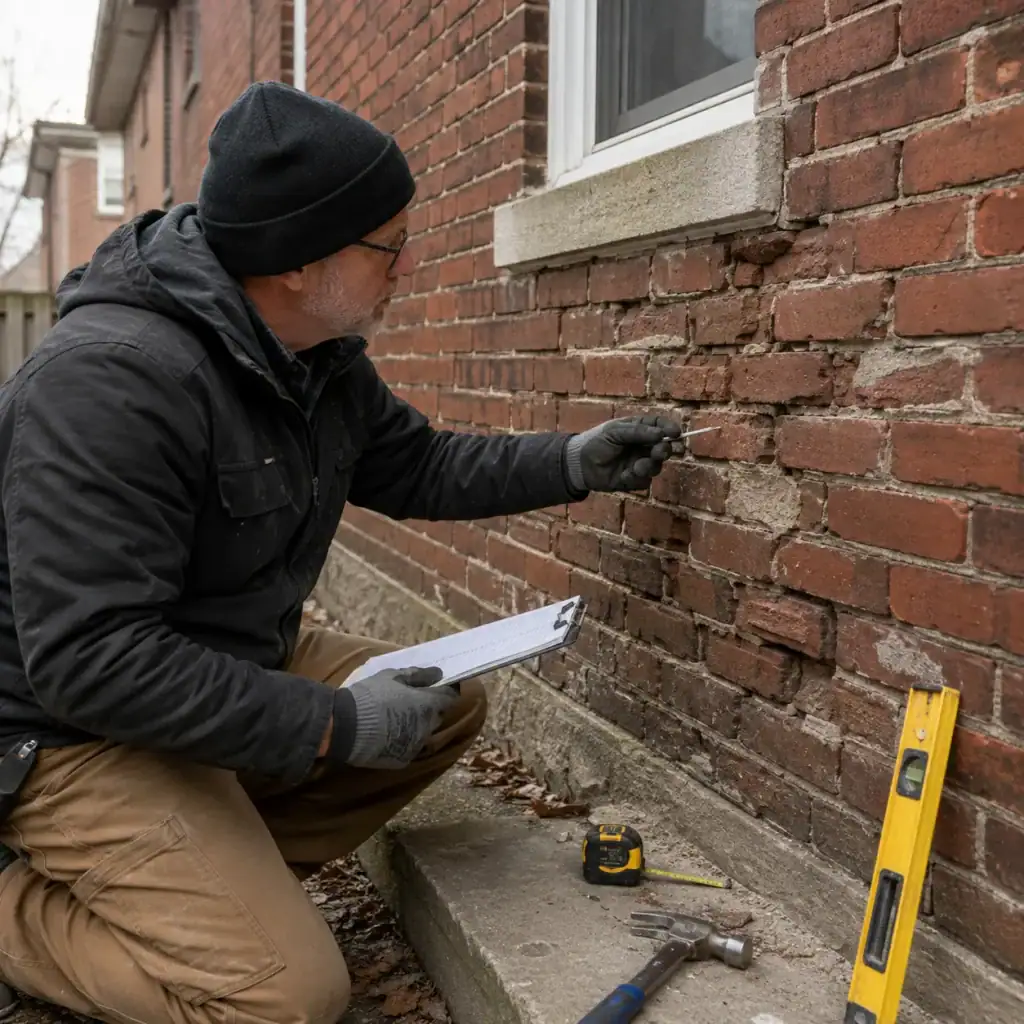
Tuckpointing will continue to be a major planning priority because aging mortar joints are common on Toronto brick homes. Mortar joints protect the wall by helping shed water and keeping brick or stone units supported.
When joints crack, recede, or crumble, water can enter the wall more easily. Once winter arrives, that water can freeze and expand, making the joints worse. If ignored long enough, failed mortar can lead to brick damage, loose masonry, leaks, and more expensive repairs.
For 2027, homeowners should think of tuckpointing as preventive care rather than a last-minute repair. If the joints are already open before winter, the wall has more opportunity to absorb water. Repairing joints earlier can help protect the brick around them.
A&A Masonry’s tuckpointing services in Toronto page explains why proper mortar removal, compatible mortar, and joint finishing matter for long-term masonry performance.
Trend 4: Breathable Masonry Protection Instead of Heavy Coatings
Breathable masonry protection is becoming more important because homeowners are learning that not every sealer or coating is good for brick, stone, or concrete. A product that traps moisture can create more damage than it prevents.
For Toronto homes, breathability matters because masonry needs to release moisture. If water is trapped inside brick or mortar before freezing weather, it can cause spalling, peeling, staining, and cracks. Heavy coatings may look protective at first, but they can hide moisture problems.
The better trend is repair first, dry the surface, improve drainage, then consider a suitable breathable water repellent only when the material and condition call for it. This is especially important for older brick, chimneys, stone veneer, and high-moisture areas.
A&A Masonry’s blog on masonry sealing for high moisture areas explains when sealing may help and when repair or drainage should come first.
Trend 5: Outdoor Living Spaces That Work in Small Yards
Outdoor living spaces will keep trending, but the best 2027 designs will be more practical and space-aware. Many Toronto backyards are compact, so patios, steps, garden walls, seating areas, and walkways need careful planning.
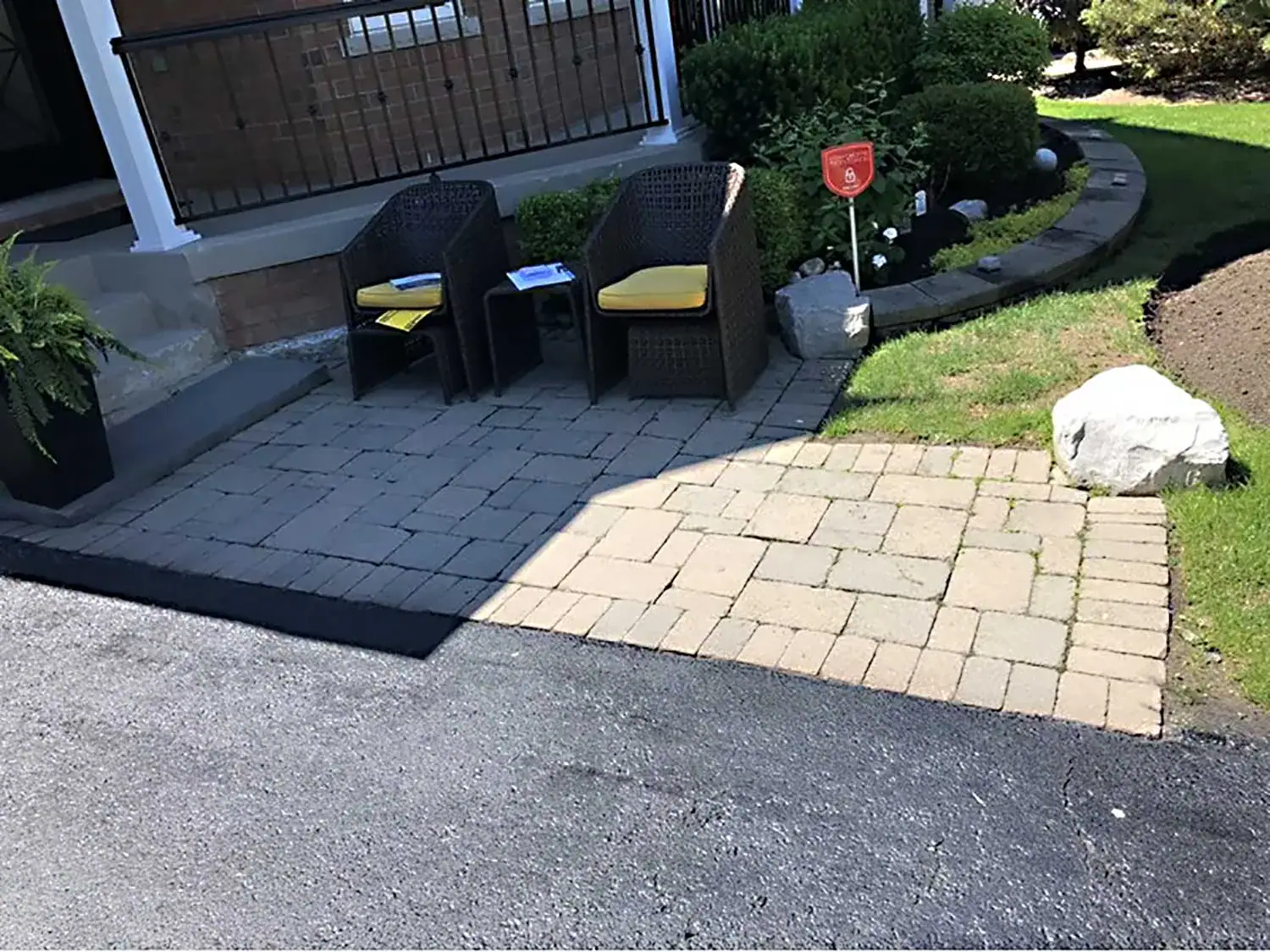
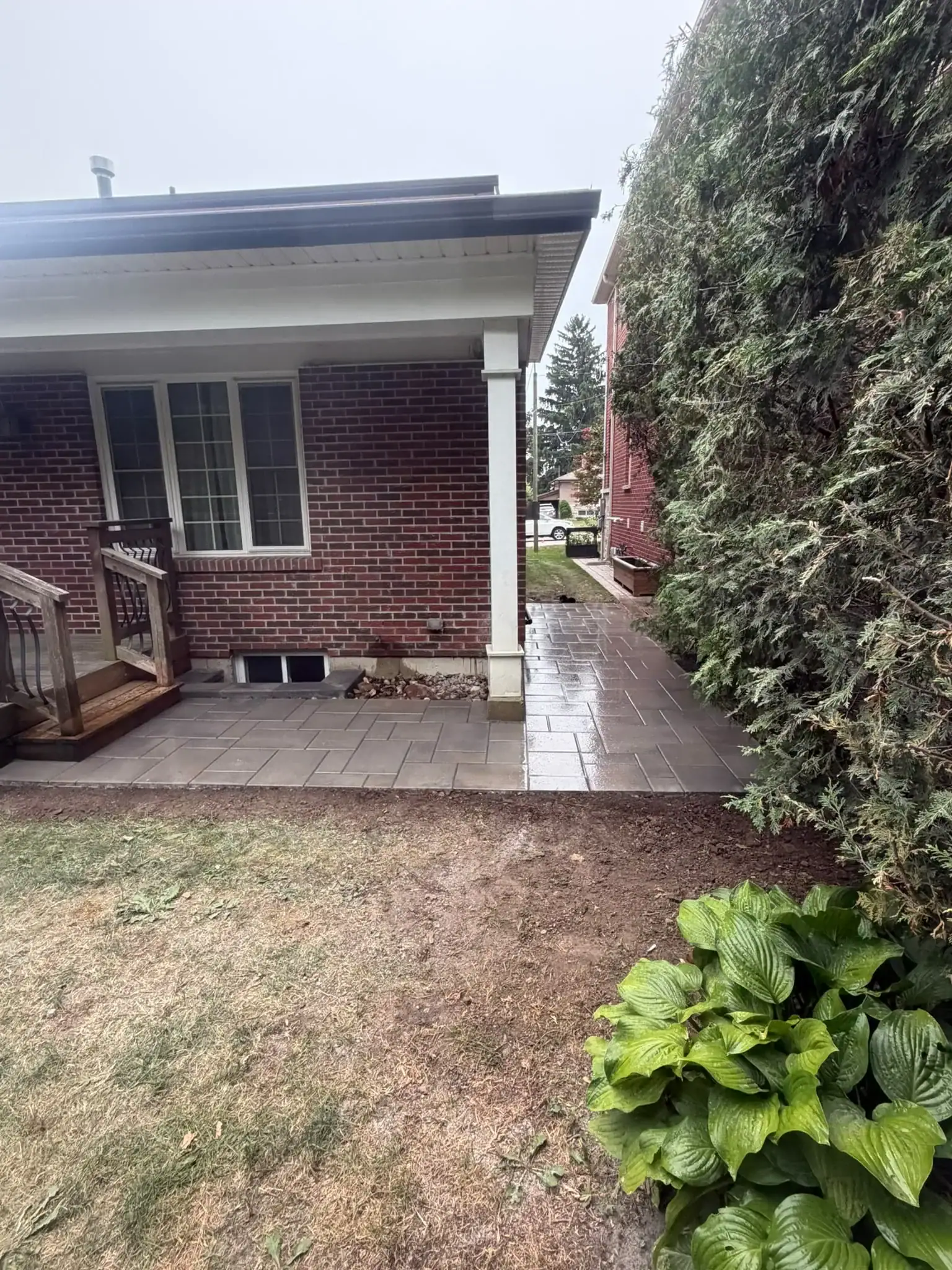
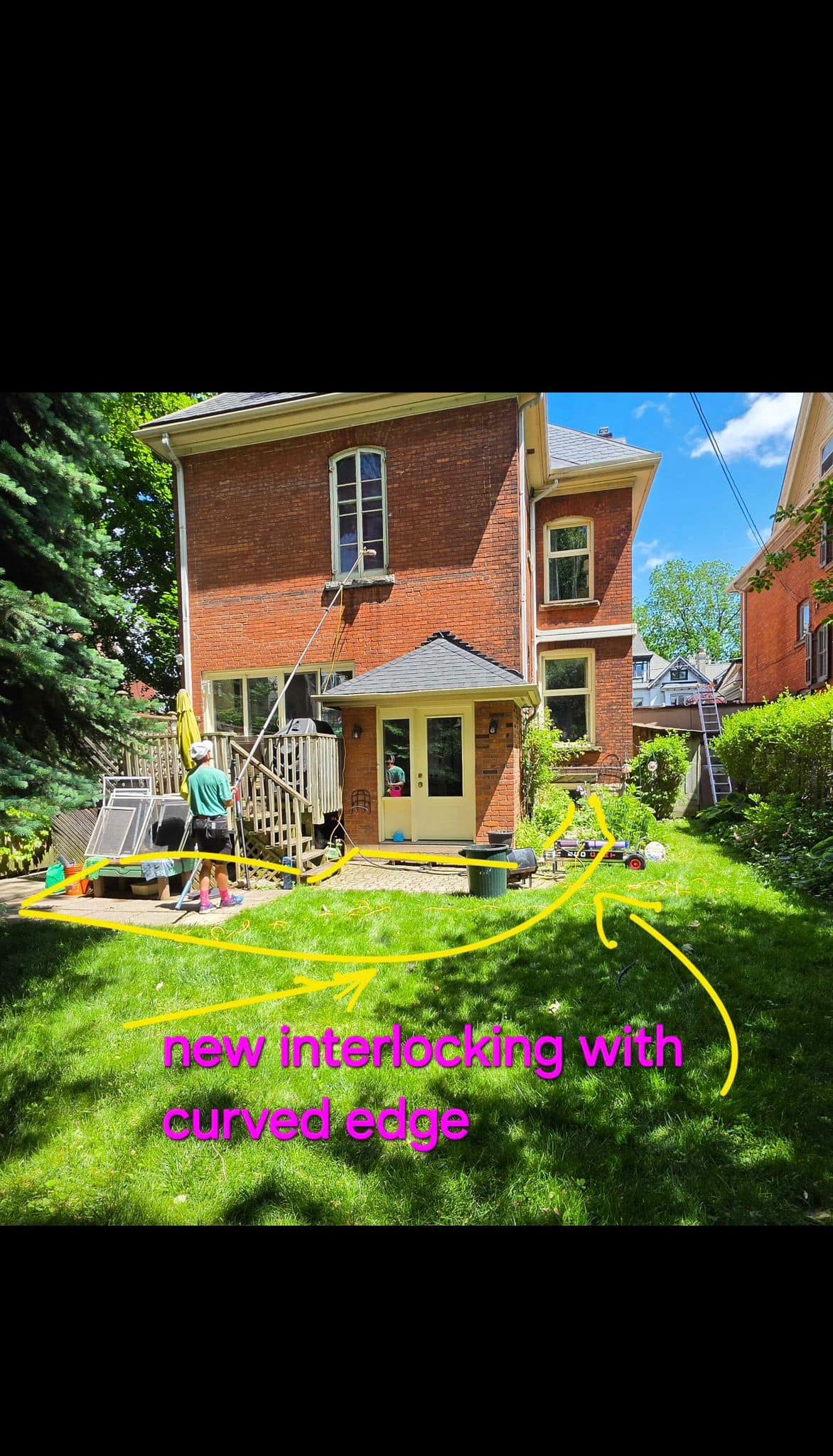
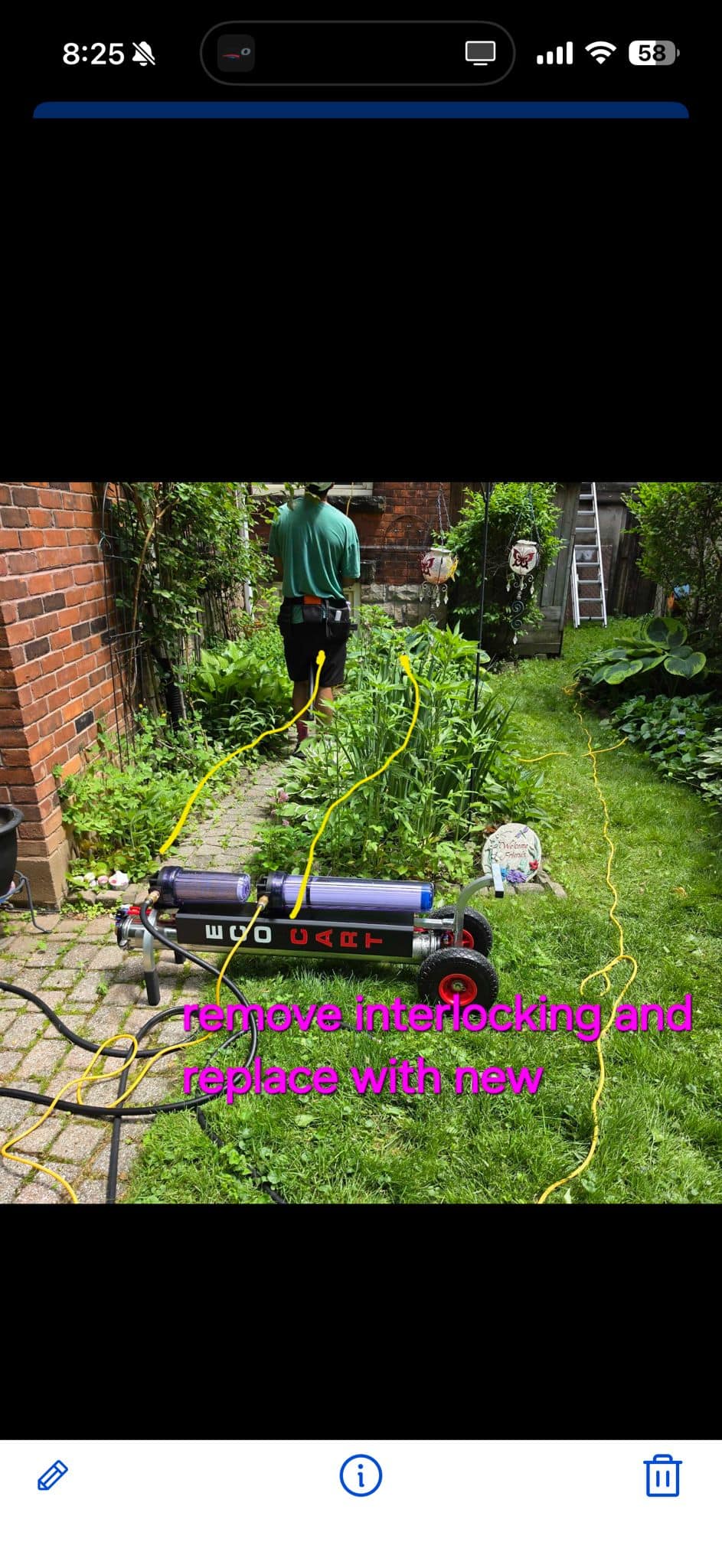
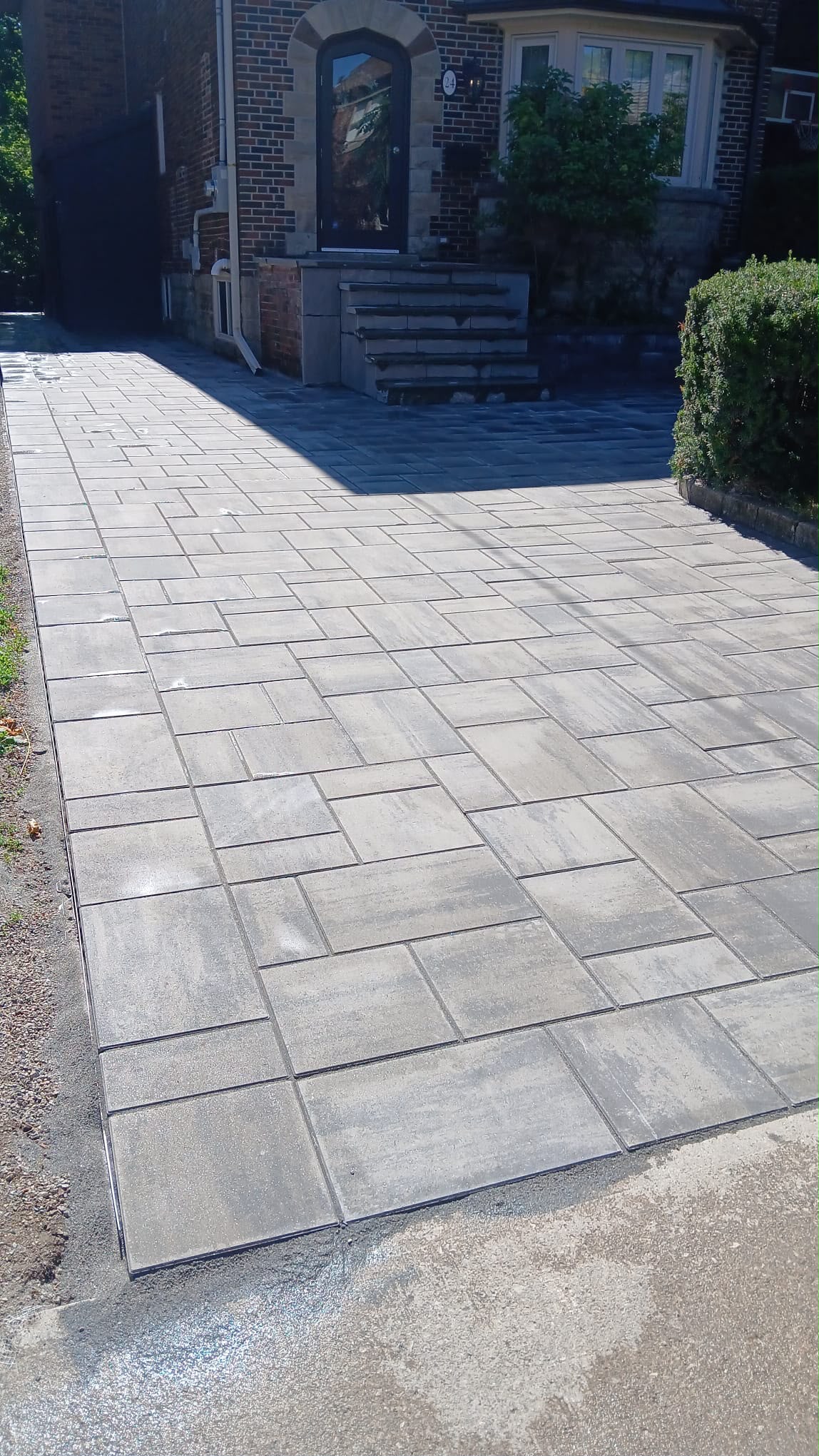
Homeowners are looking for smaller outdoor spaces that still feel comfortable. This may include compact interlocking patios, low stone seat walls, defined garden paths, simple fire feature zones where allowed, raised planting areas, and better transitions from back doors to patios.
The key is not to fill every inch with hard surface. A small yard often works better when masonry is balanced with planting, gravel, drainage areas, and soft landscaping. Overpaving can make a yard feel tighter and can increase runoff.
For homeowners planning compact backyard upgrades, A&A Masonry’s blog on interlocking designs for small backyards offers practical layout ideas for small outdoor spaces.
Trend 6: Permeable and Drainage-Friendly Hardscaping
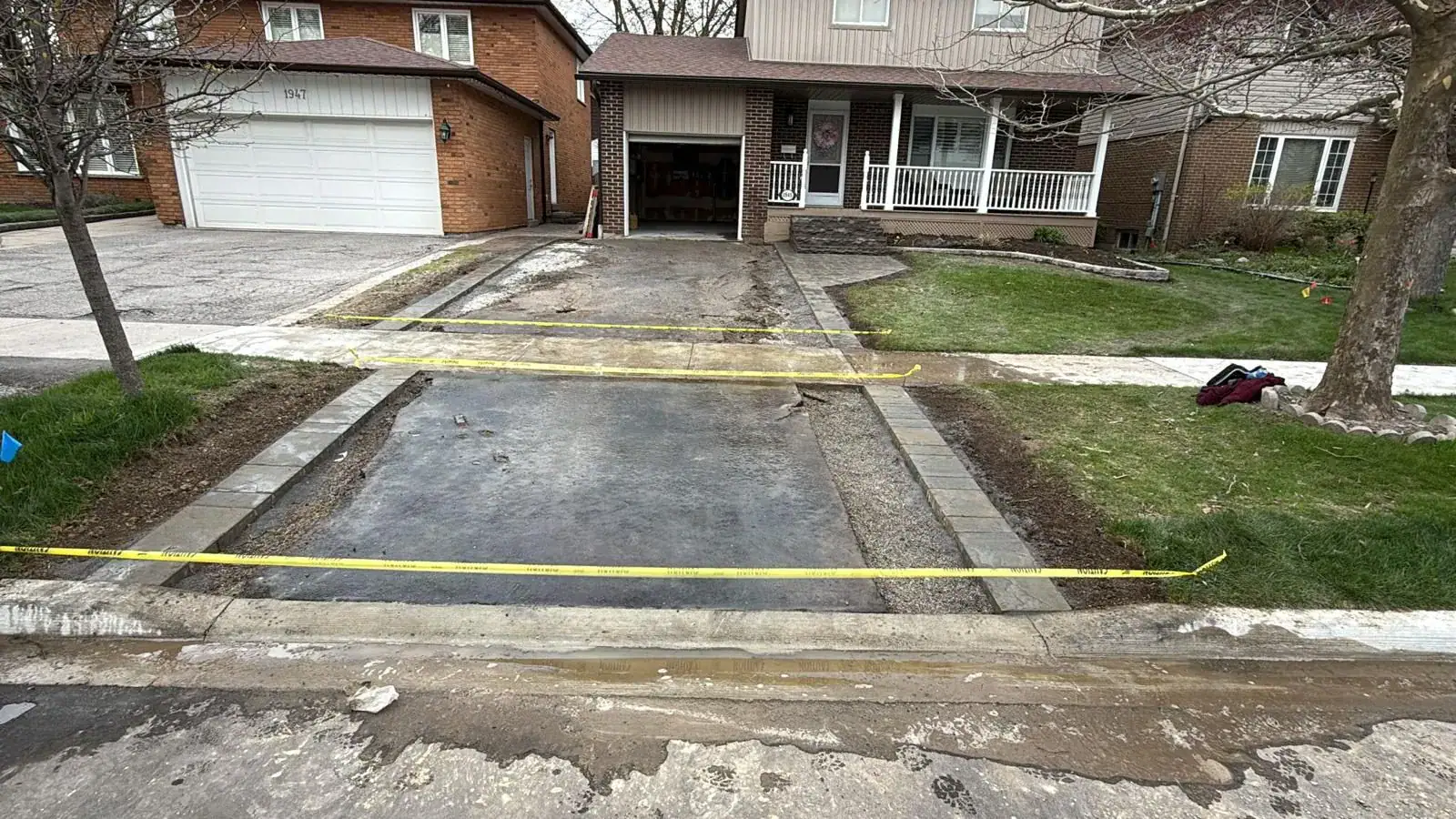
Permeable and drainage-friendly hardscaping is a growing trend because homeowners want outdoor surfaces that do more than look finished. Patios, walkways, driveways, and garden paths can affect how rain and melted snow move through the property.
The City of Toronto’s green infrastructure resources discuss features such as permeable pavement and approaches that help manage stormwater. For homeowners, the lesson is simple: hardscaping should be planned with water movement in mind.
Permeable pavers may be useful in some small yards, side yards, patios, and walkways, but they need proper design. They are not simply regular pavers with wider joints. The base, slope, soil conditions, joint material, and maintenance all affect performance.
If a project includes interlocking stone, drainage should be planned before pattern and colour. A&A Masonry’s interlocking stone services in Toronto page is a useful resource for patio, walkway, and hardscape planning.
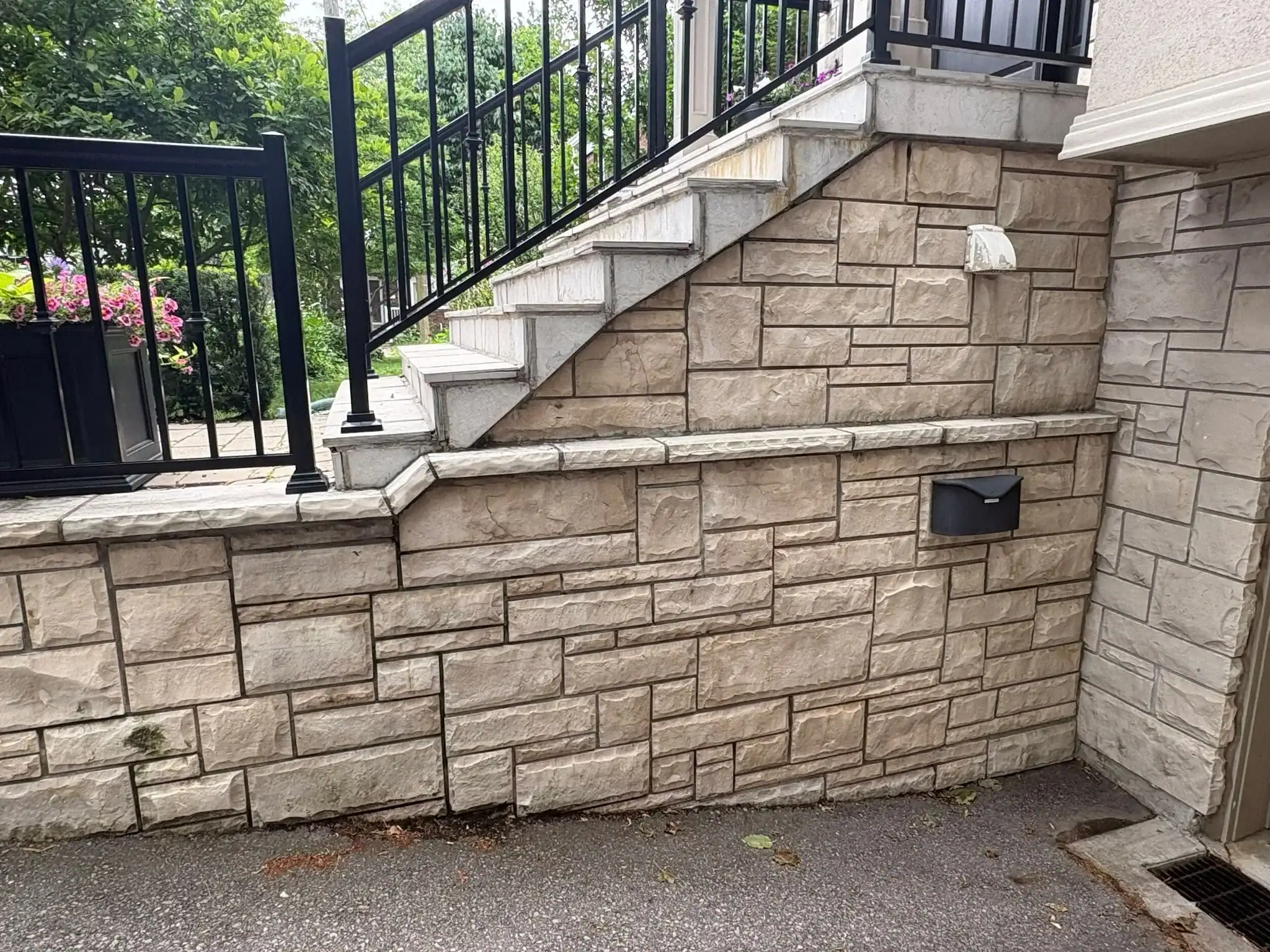
Trend 7: Stone Veneer Used More Carefully
Stone veneer will continue to be popular, but better planning will matter more in 2027. Homeowners like veneer because it can add texture, depth, and a higher-end look without building a full stone wall. The risk is using veneer in places where water, movement, or poor detailing can shorten its life.
Stone veneer should be planned around drainage, backing, transitions, caps, joints, and exposure. It can work well on exterior accents, porch faces, garden walls, fireplaces, columns, and indoor feature walls when installed correctly.
Problems often start when veneer is treated like a simple decorative skin. Cracks, loose stones, staining, efflorescence, and water behind the surface should not be ignored. In freeze-thaw weather, small veneer problems can grow after one winter.
A&A Masonry’s veneer stone installation Toronto page explains stone veneer uses, and the blog on how to handle cracks in stone veneer can help homeowners understand repair warning signs.
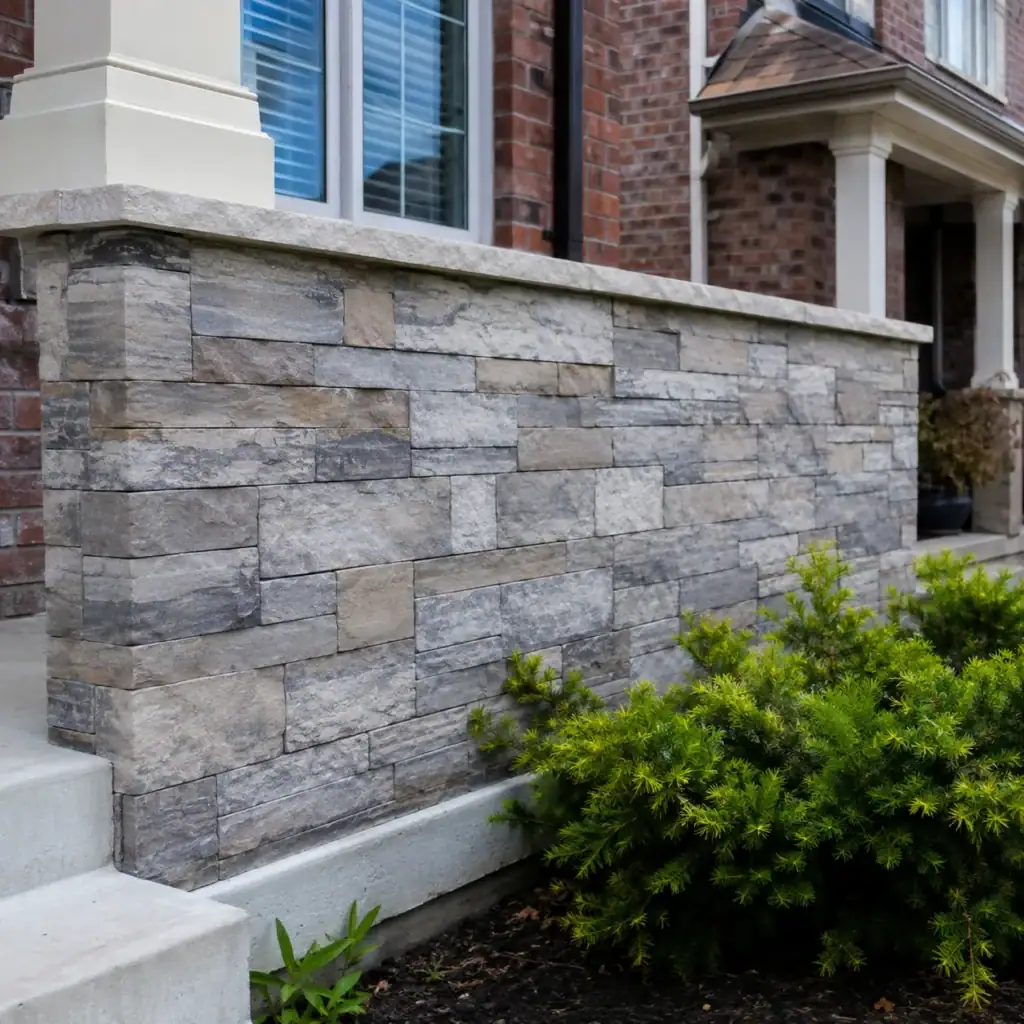
Trend 8: Natural Stone and Timeless Textures
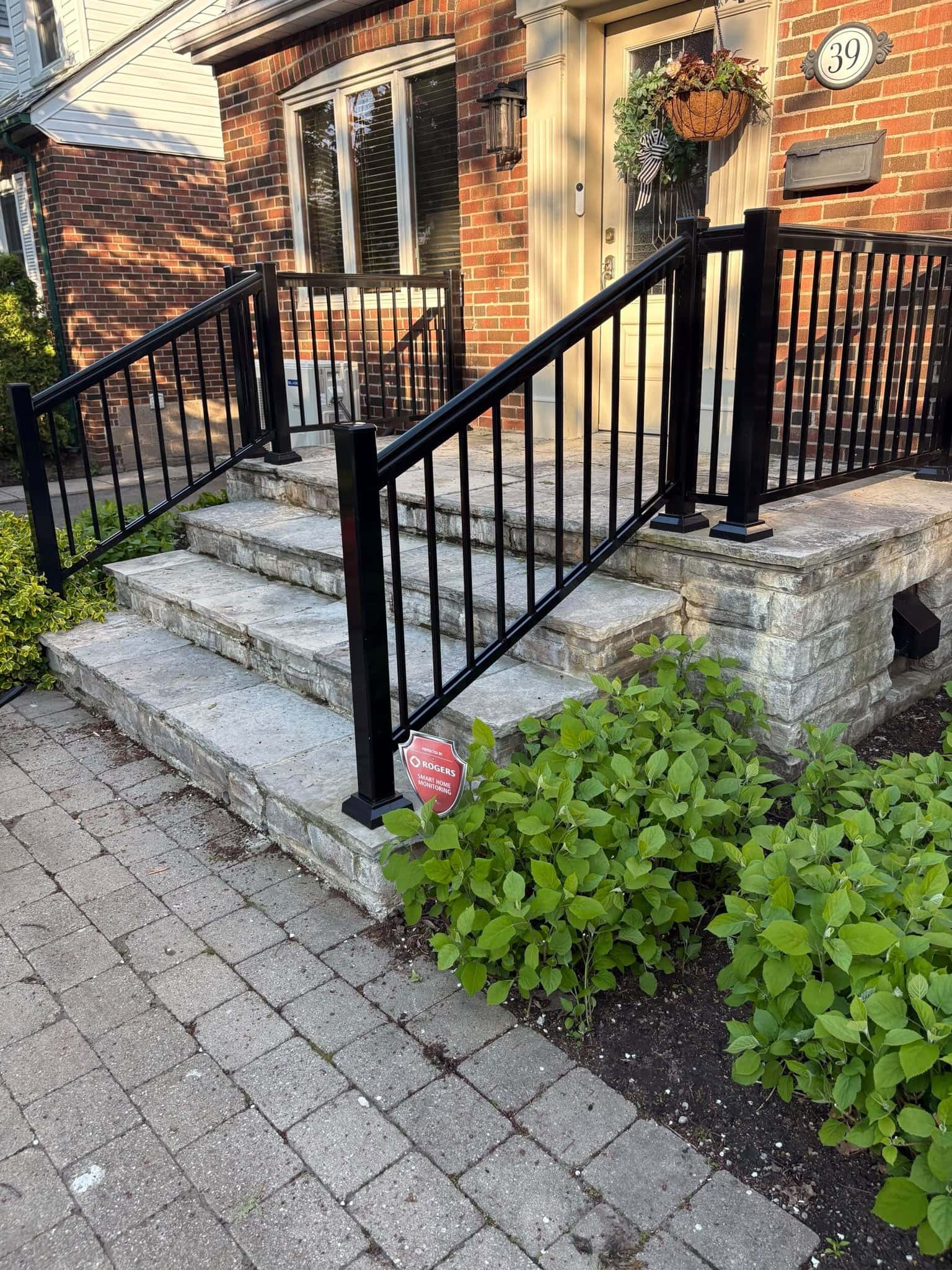
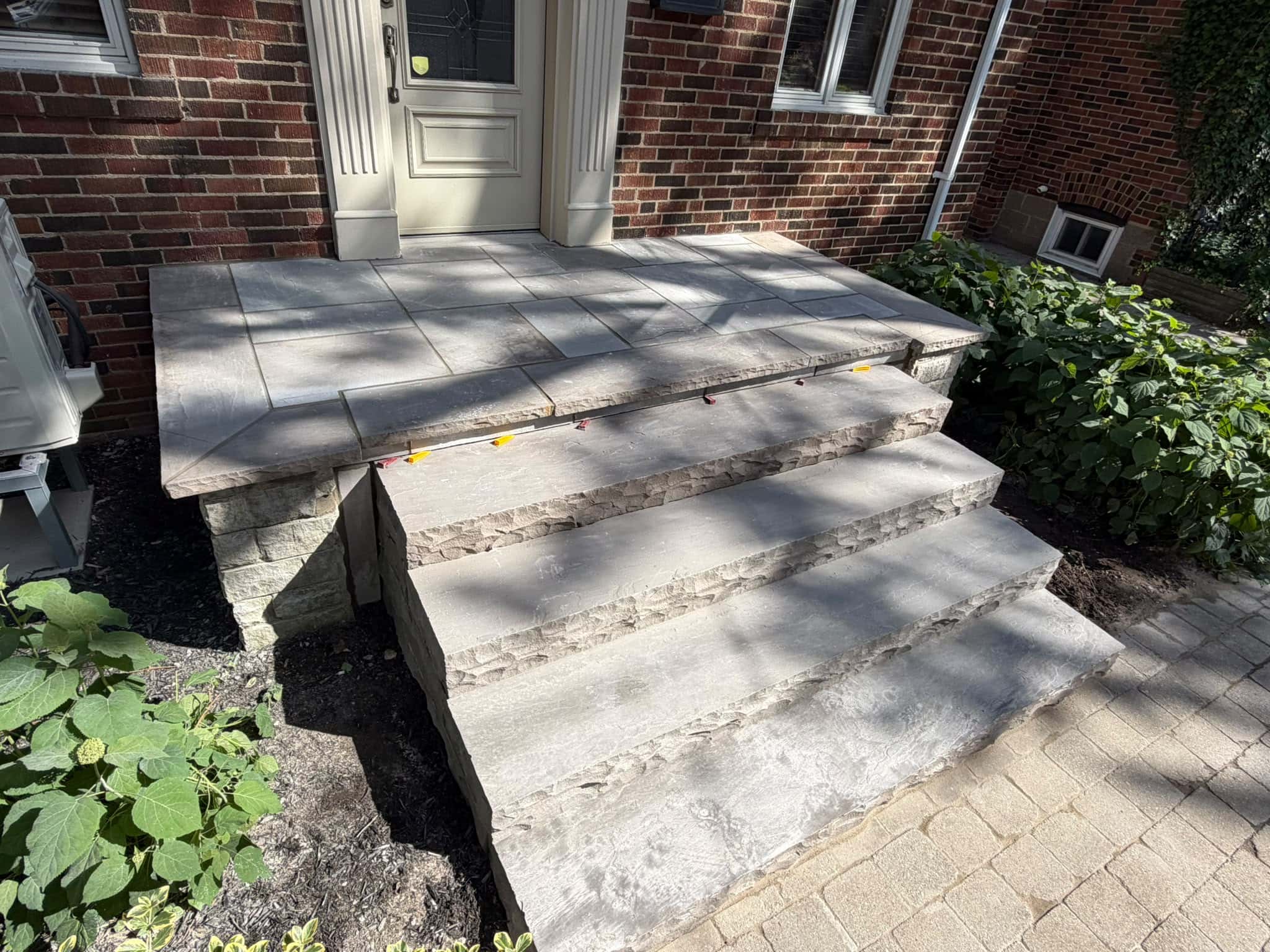
Natural stone and timeless textures are likely to stay strong because homeowners want materials that do not look dated quickly. Stone walls, steps, borders, fireplaces, garden features, and patio accents can give outdoor spaces a more lasting feel.
This trend is less about bold novelty and more about choosing materials that age well. Natural stone can suit older brick homes, mature gardens, traditional porches, and modern outdoor spaces when the colour, texture, and scale are chosen carefully.
Stone is also repairable when installed properly. Individual pieces can often be reset or replaced. Joints can be repointed. Caps can be repaired. That repairability supports long-term value.
If stone is being used outside, drainage and base preparation still matter. A beautiful stone wall can fail if water builds behind it or if the base settles.
Trend 9: Masonry Around Gardens and Soft Landscaping
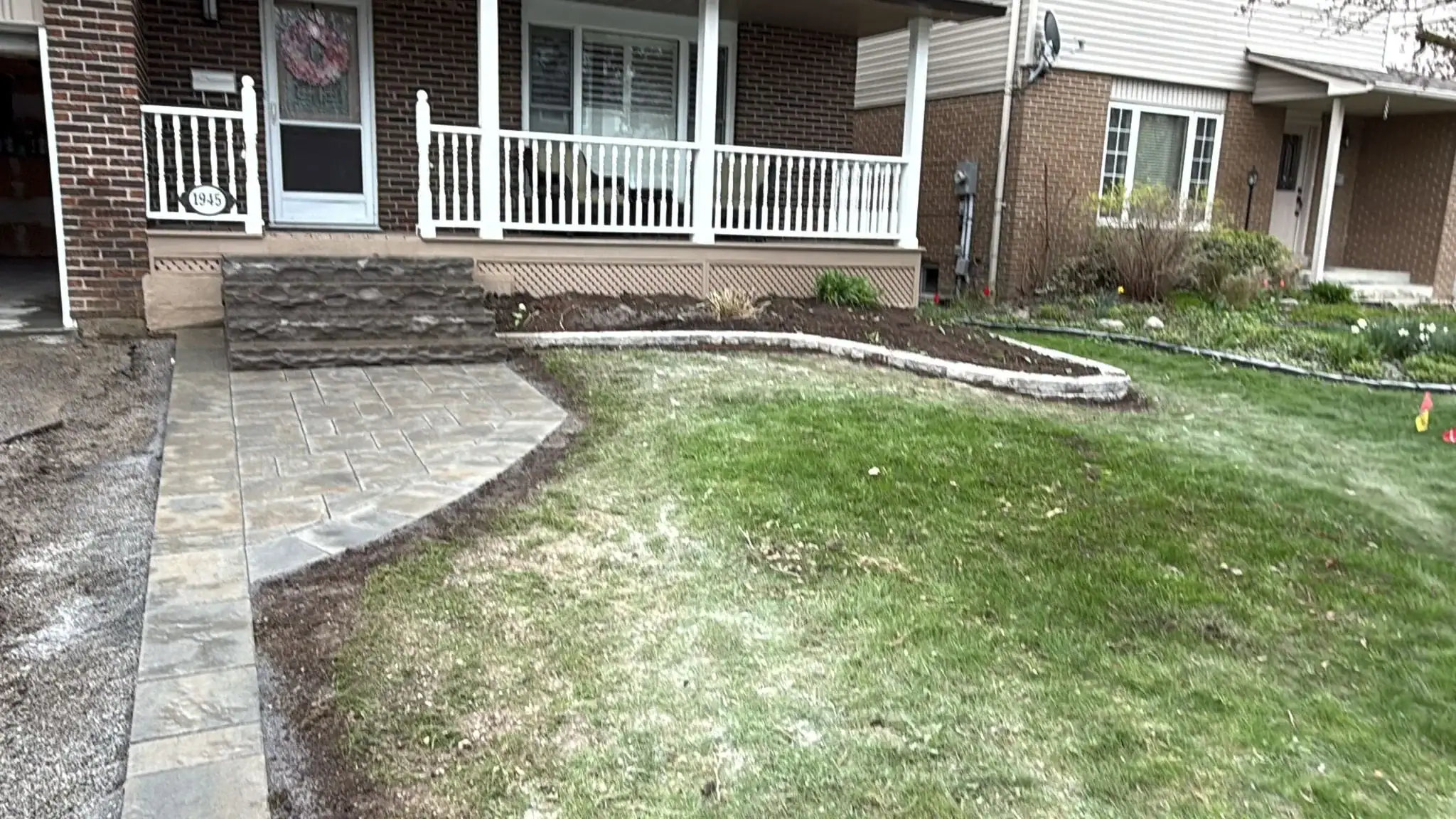
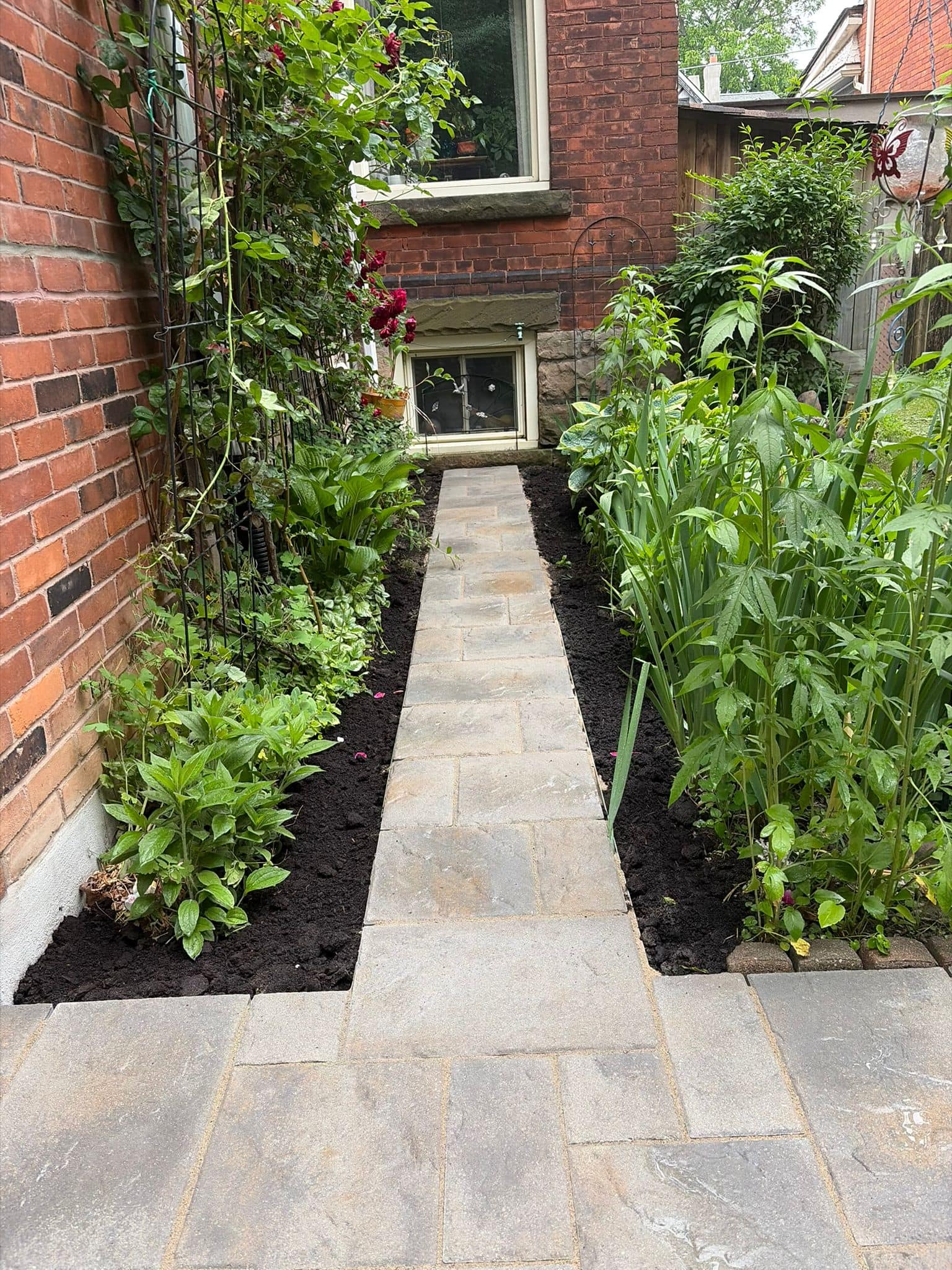
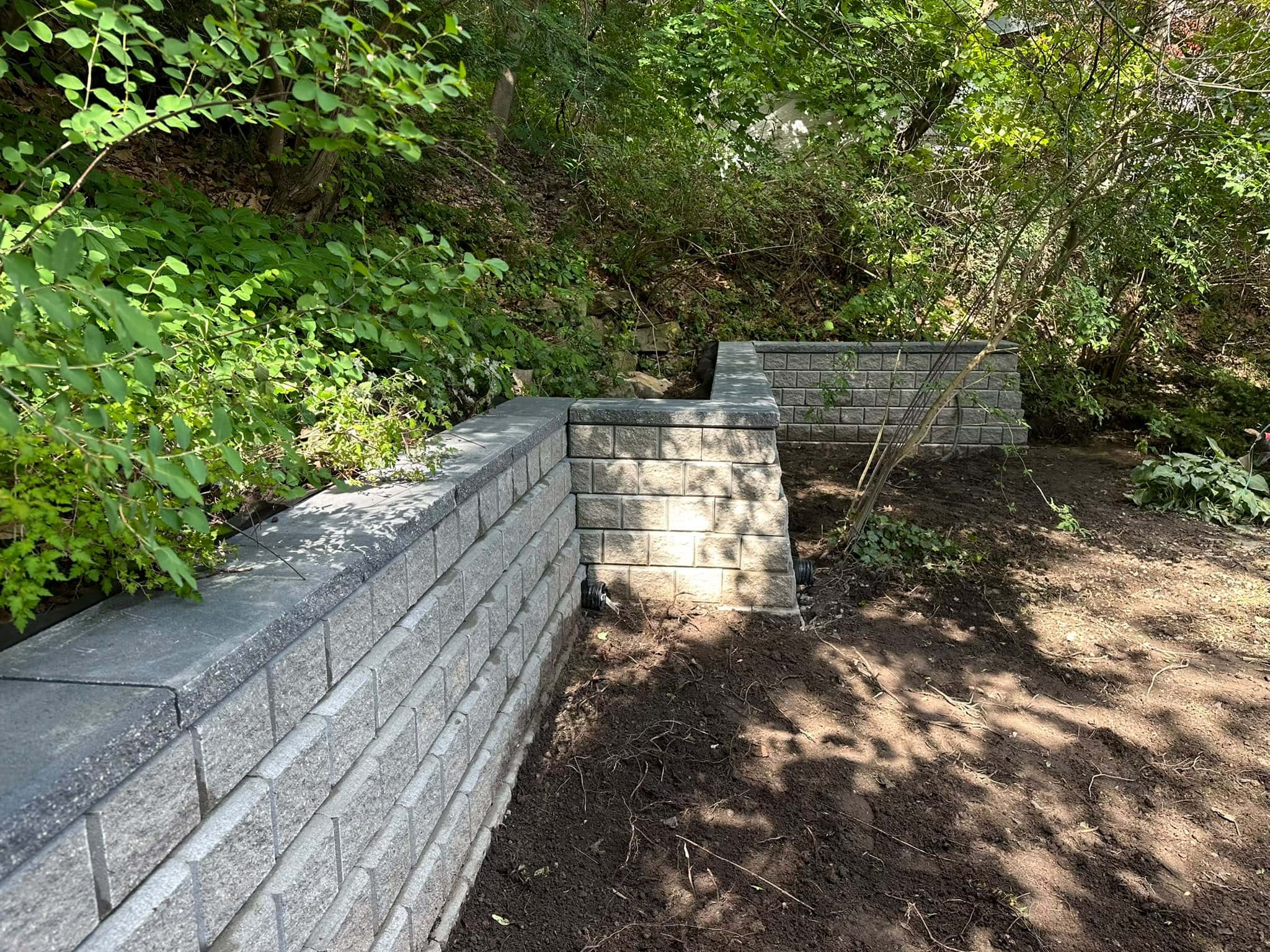
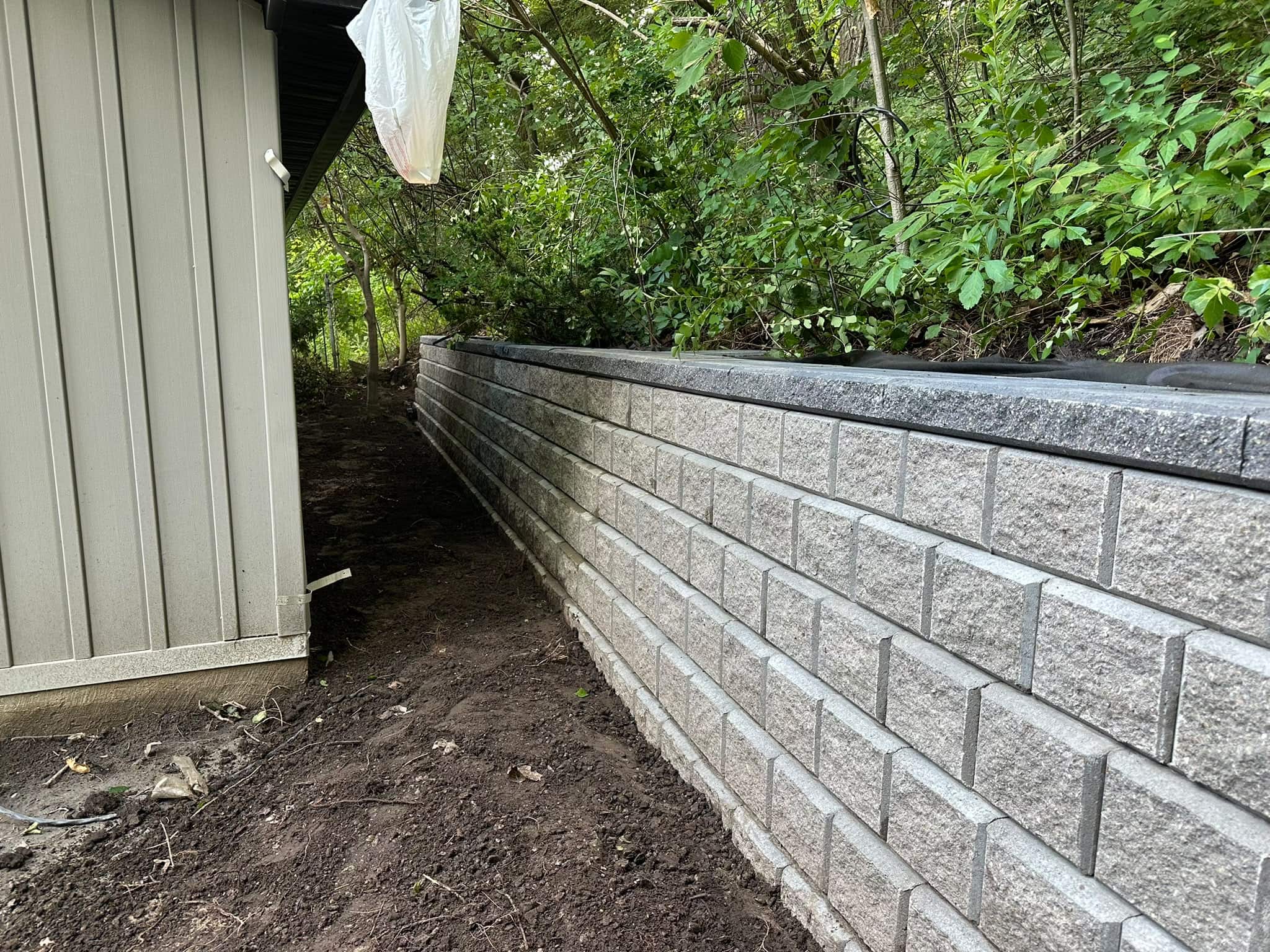
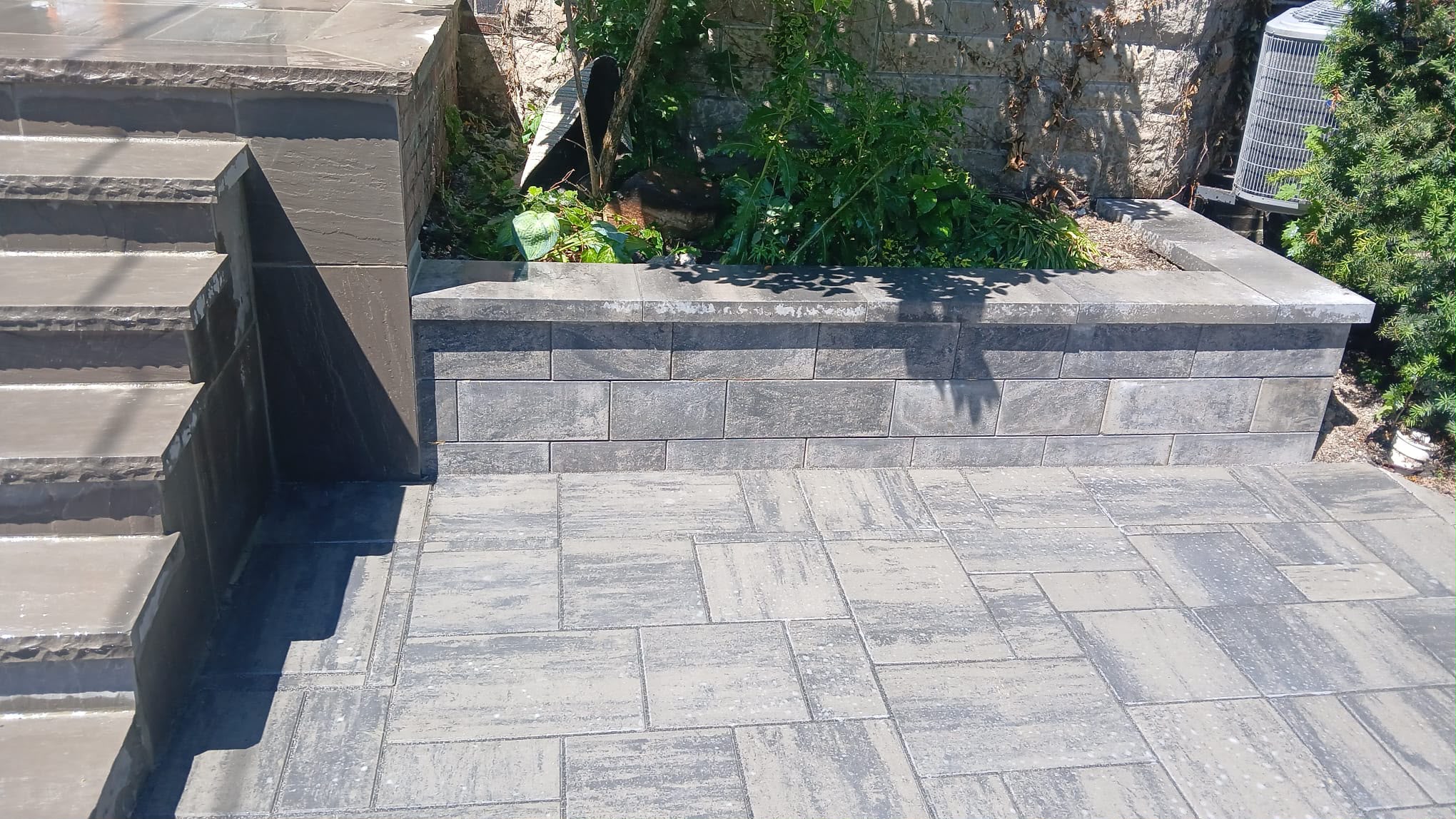
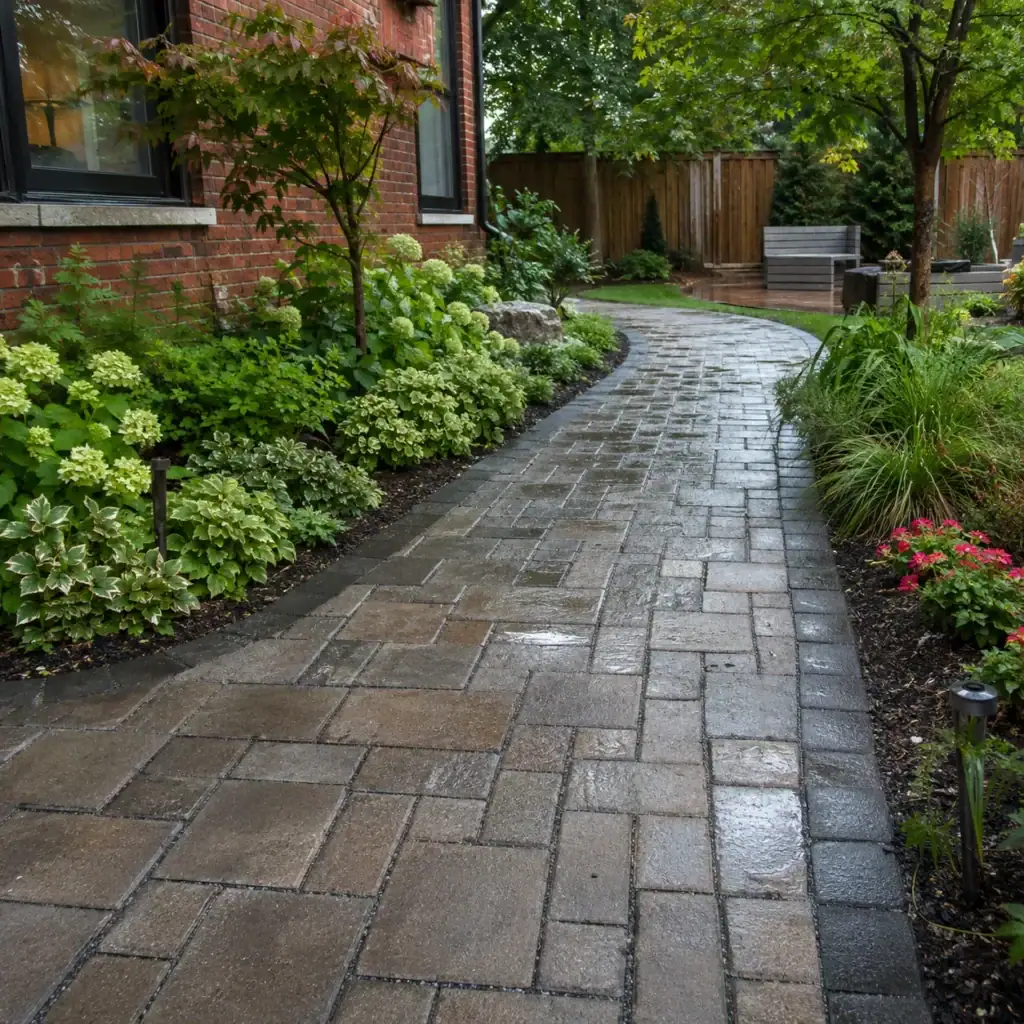
Masonry around gardens will continue to grow because homeowners want organized outdoor spaces that still feel natural. Stone borders, brick edging, retaining walls, interlocking paths, raised beds, and low seat walls can help shape a garden without making the yard feel fully paved.
The best garden masonry works with planting and water movement. It should not trap wet soil against house brick, block drainage, or create hard surfaces that send runoff toward the foundation.
Garden masonry also needs winter planning. Snow storage, salt exposure, plant roots, soil pressure, and shade can all affect how walls and walkways perform over time.
For practical garden planning, A&A Masonry’s blog on masonry around gardens explains how stone, brick, retaining walls, pavers, and drainage can work together in Toronto yards.
Trend 10: Chimney Moisture Prevention
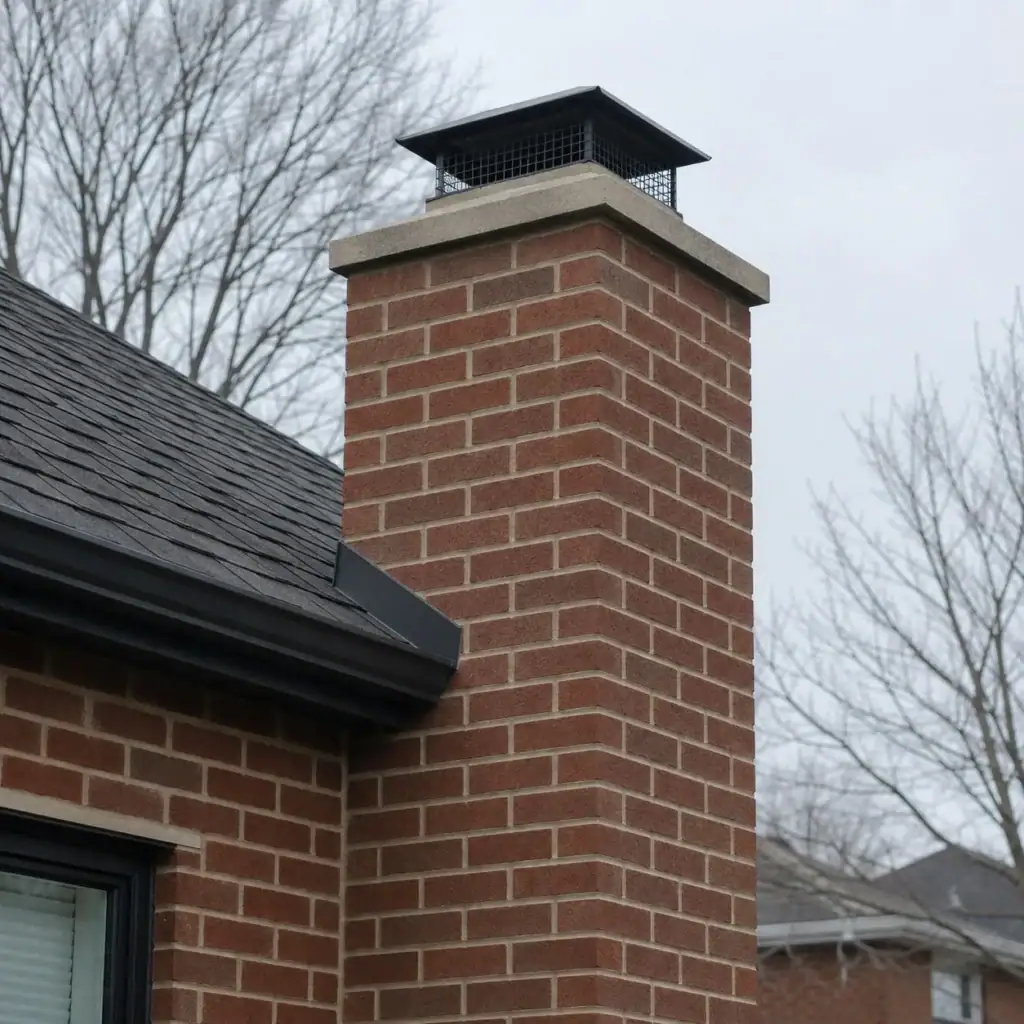
Chimney moisture prevention will remain important because chimneys are among the most exposed masonry features on a home. Rain, snow, wind, ice, and freeze-thaw cycles affect chimneys from every side.
More homeowners are planning chimney repairs before the damage becomes severe. This may include cap replacement, crown repair, tuckpointing, brick replacement, flashing review, breathable water repellent, and seasonal inspection.
A missing cap, cracked crown, open mortar joint, or spalling brick can let water into the chimney. Once water enters and freezes, damage can spread through the upper brickwork and mortar joints.
For chimney planning, A&A Masonry’s chimney repair Toronto page explains common masonry chimney concerns, and the blog on chimney waterproofing options explains moisture protection details.
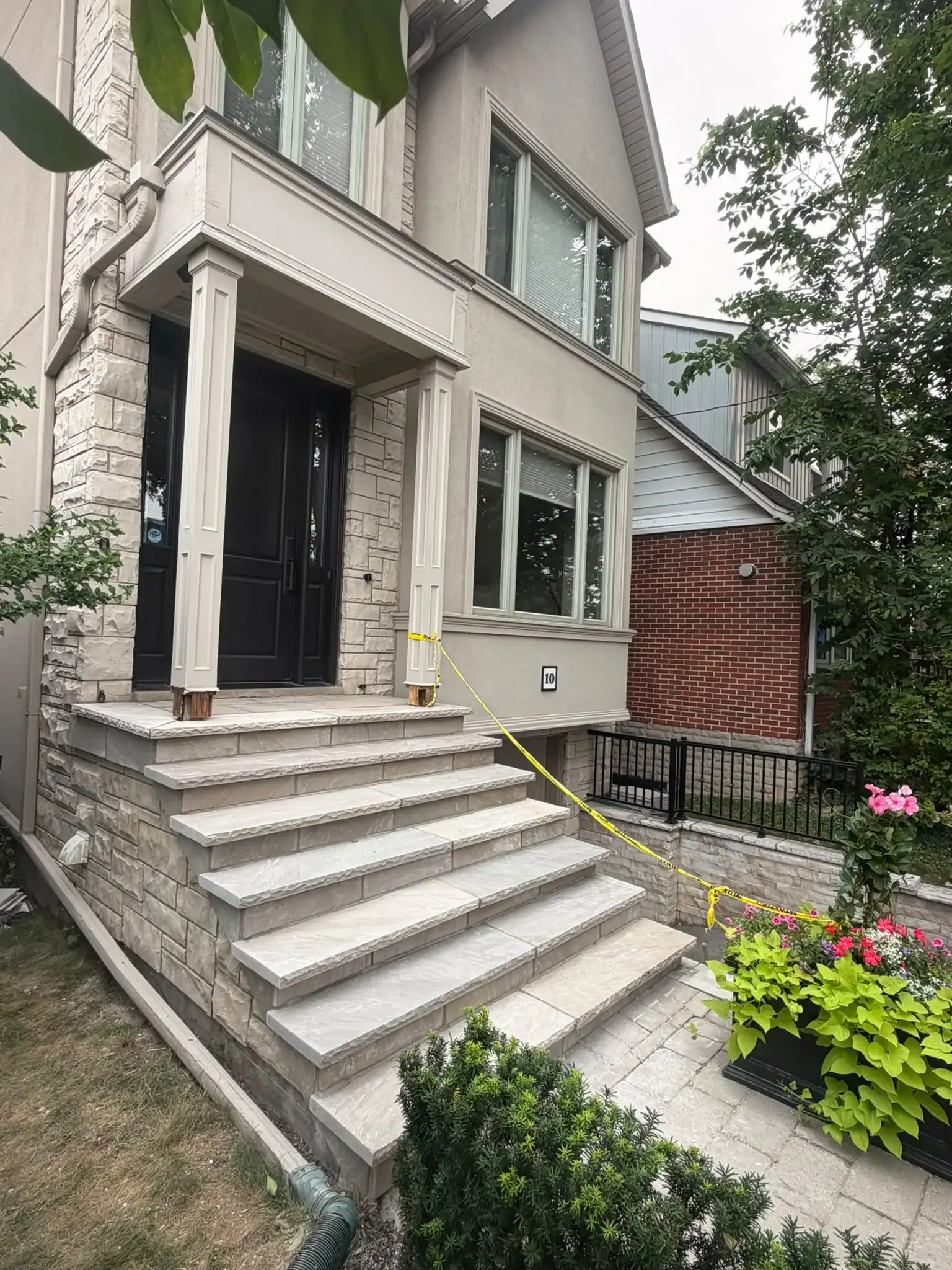
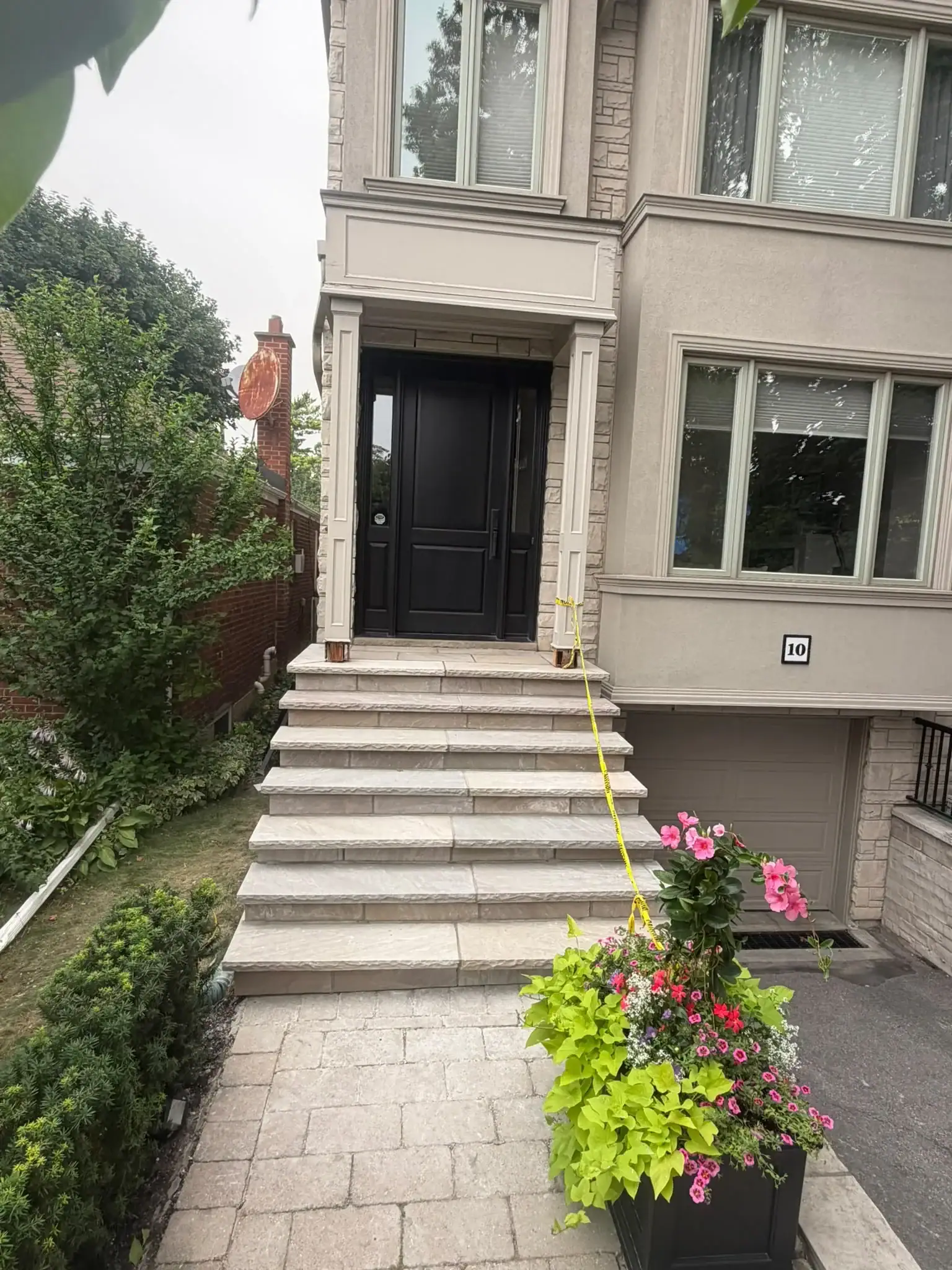
Trend 11: Better Planning for Concrete Steps and Walkways
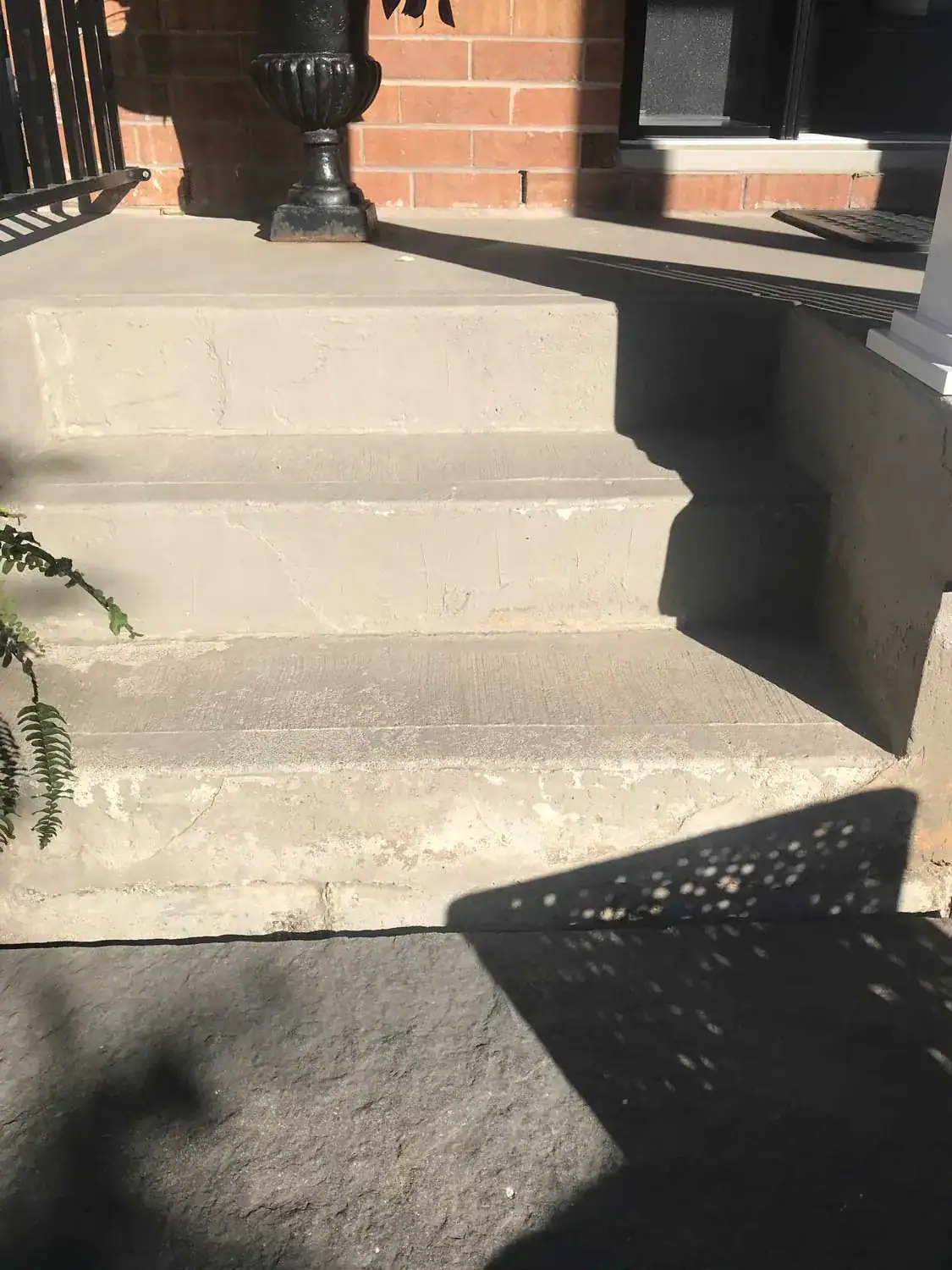
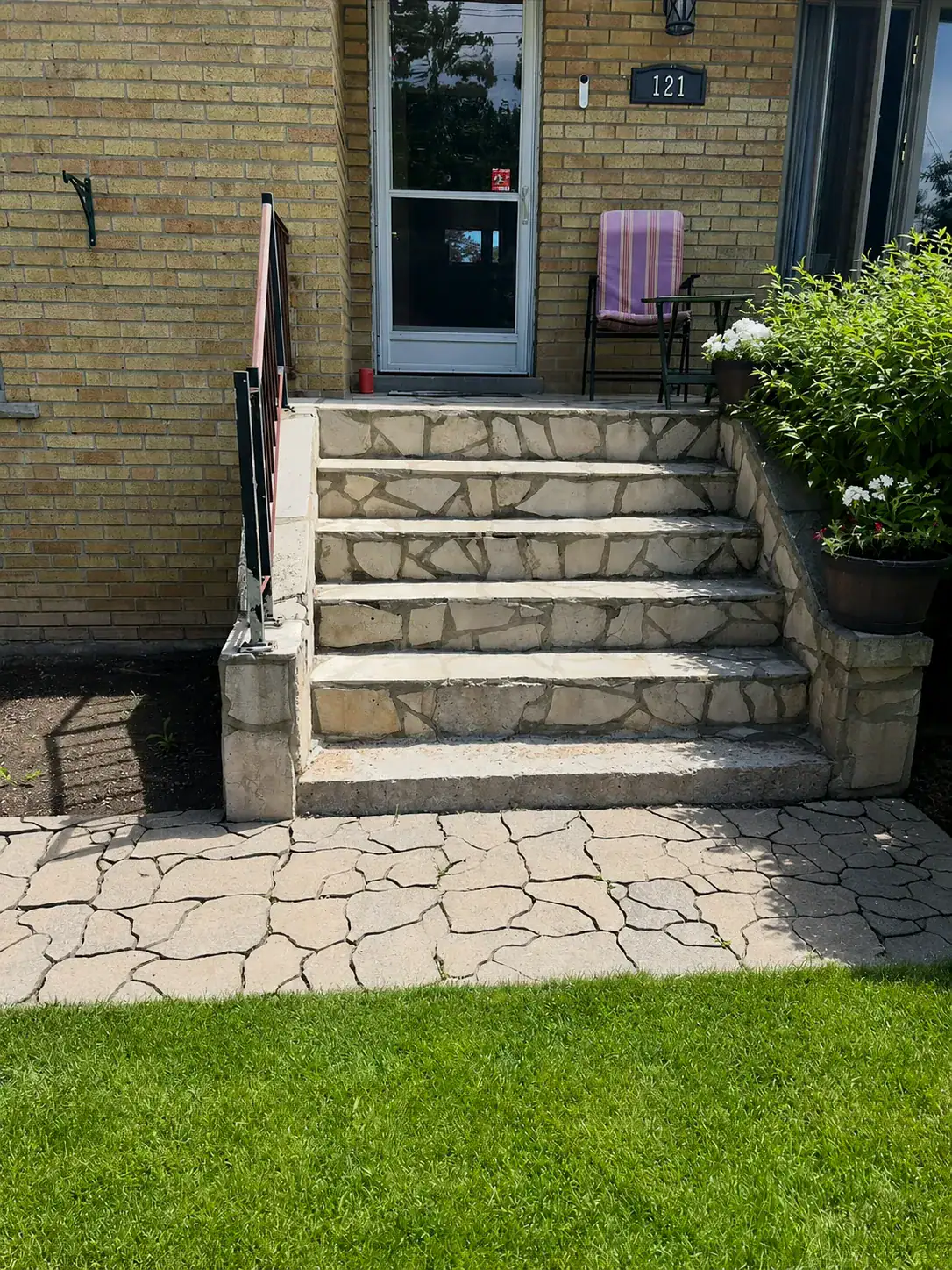
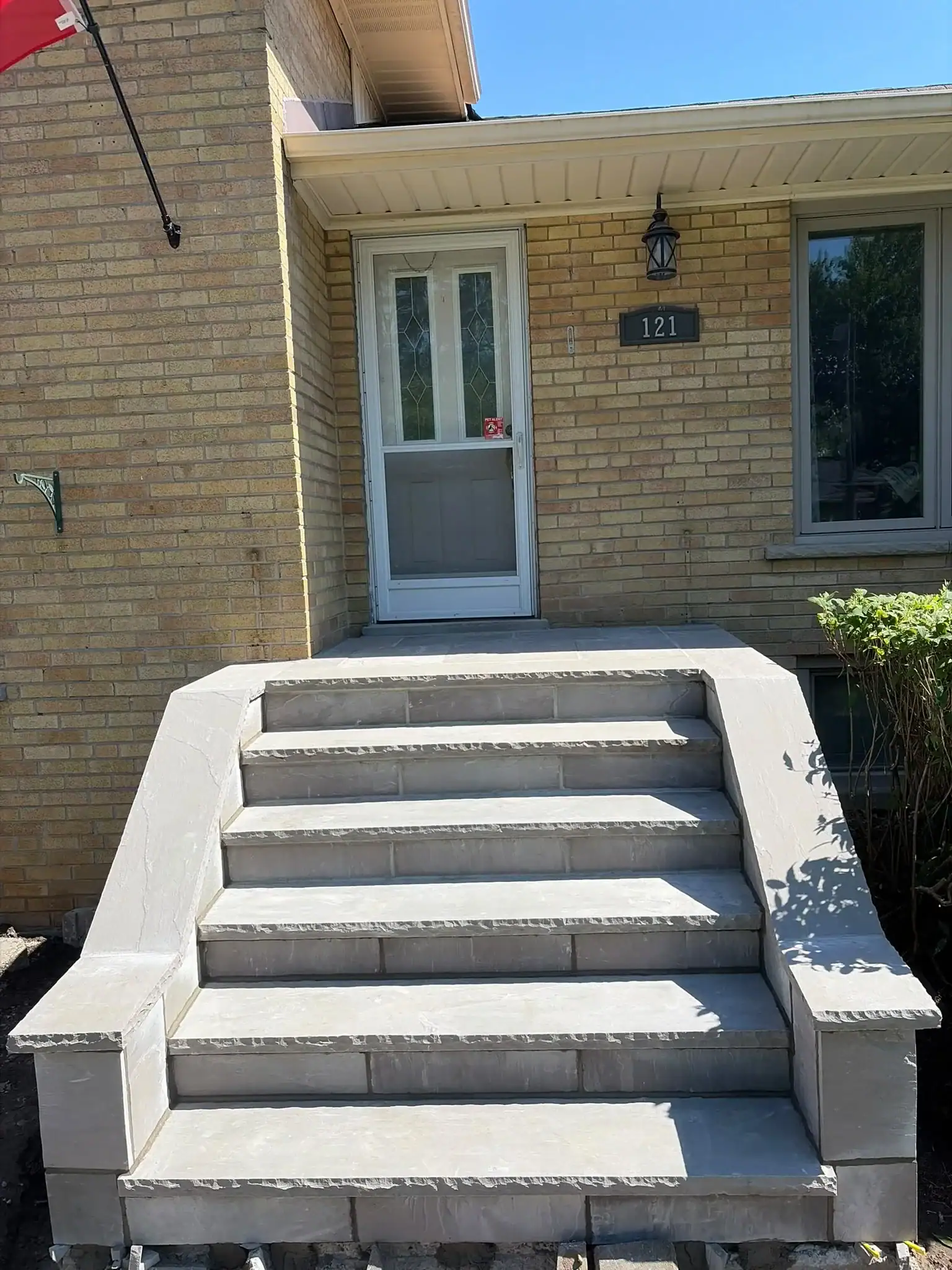
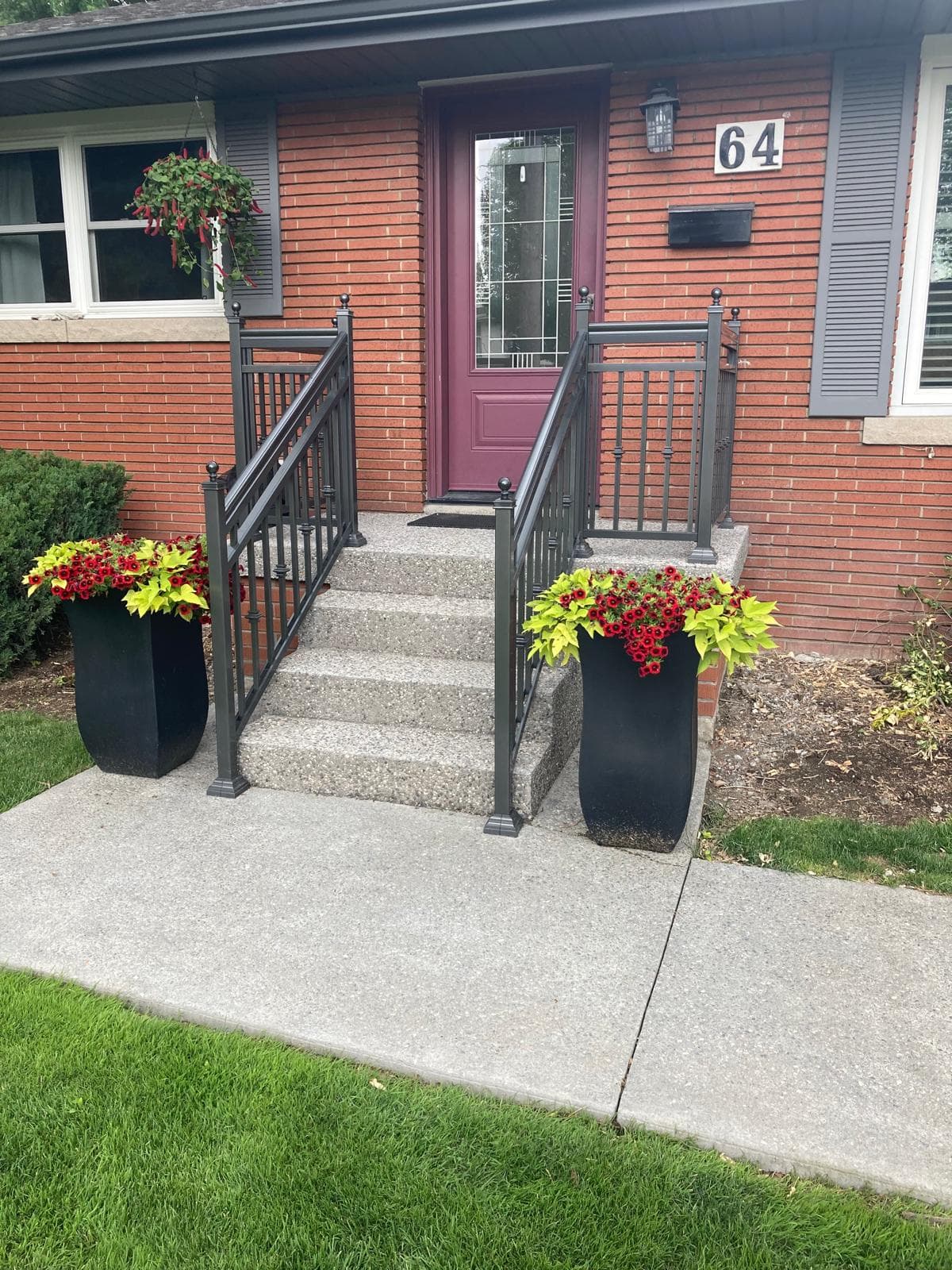
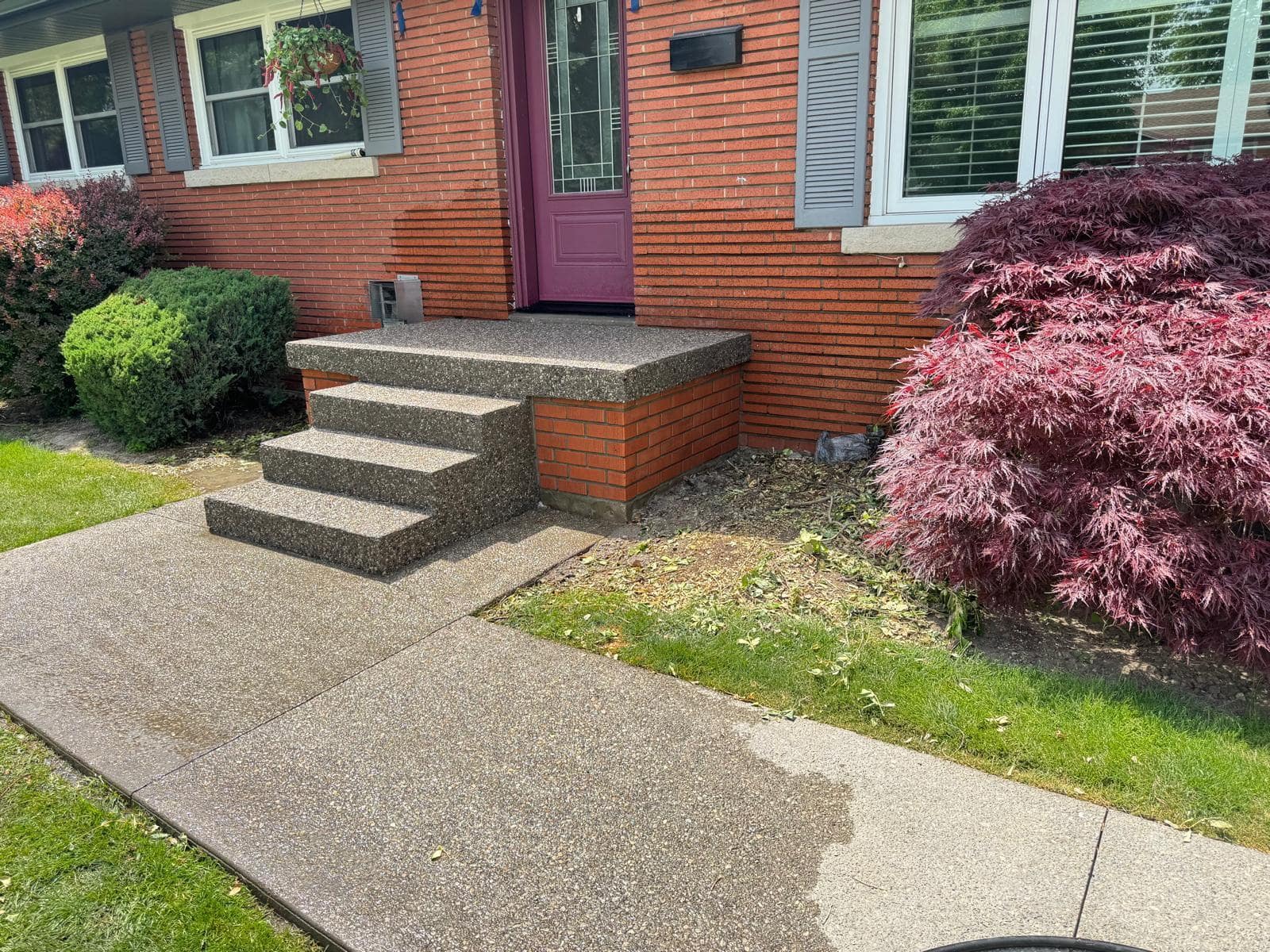
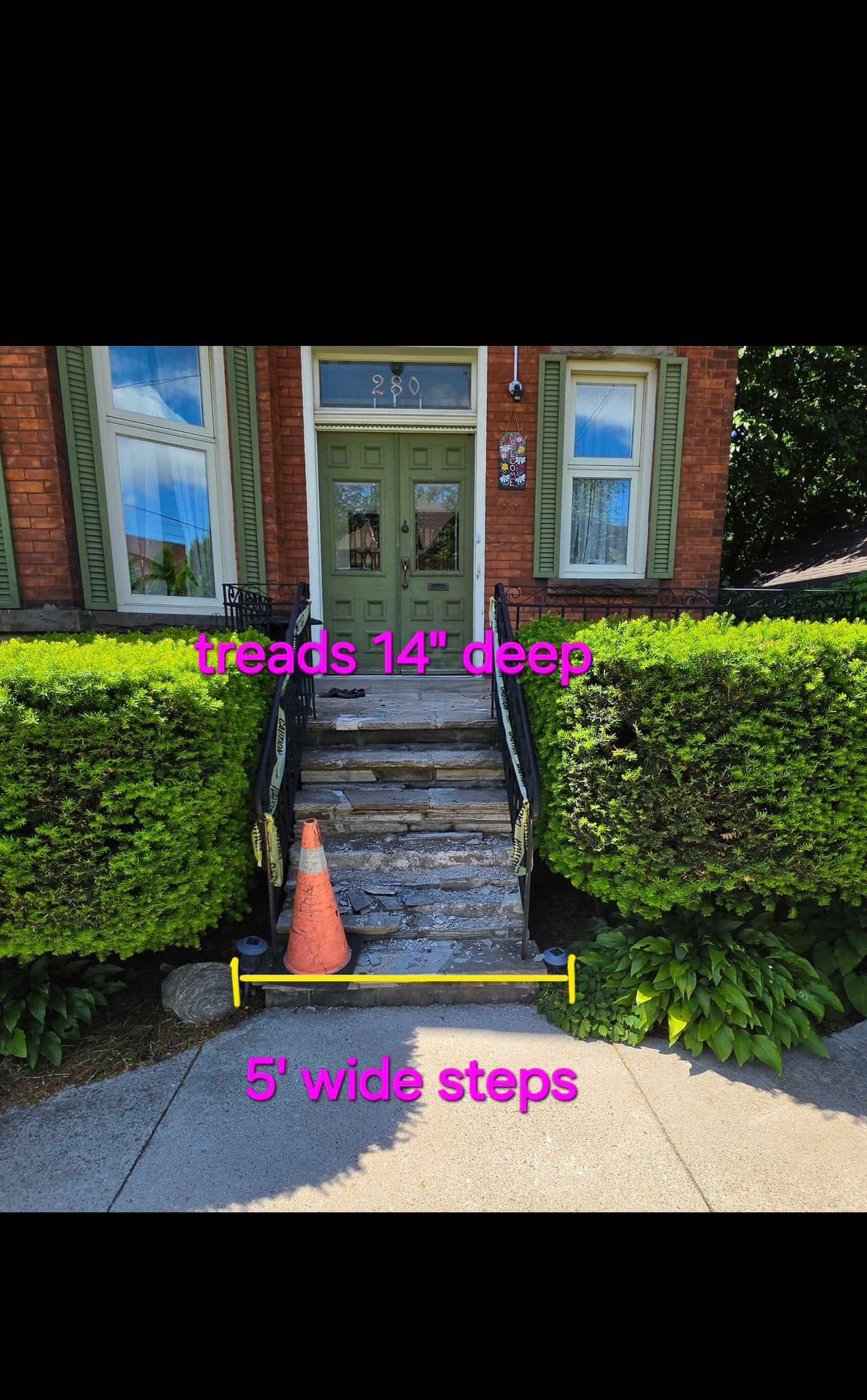
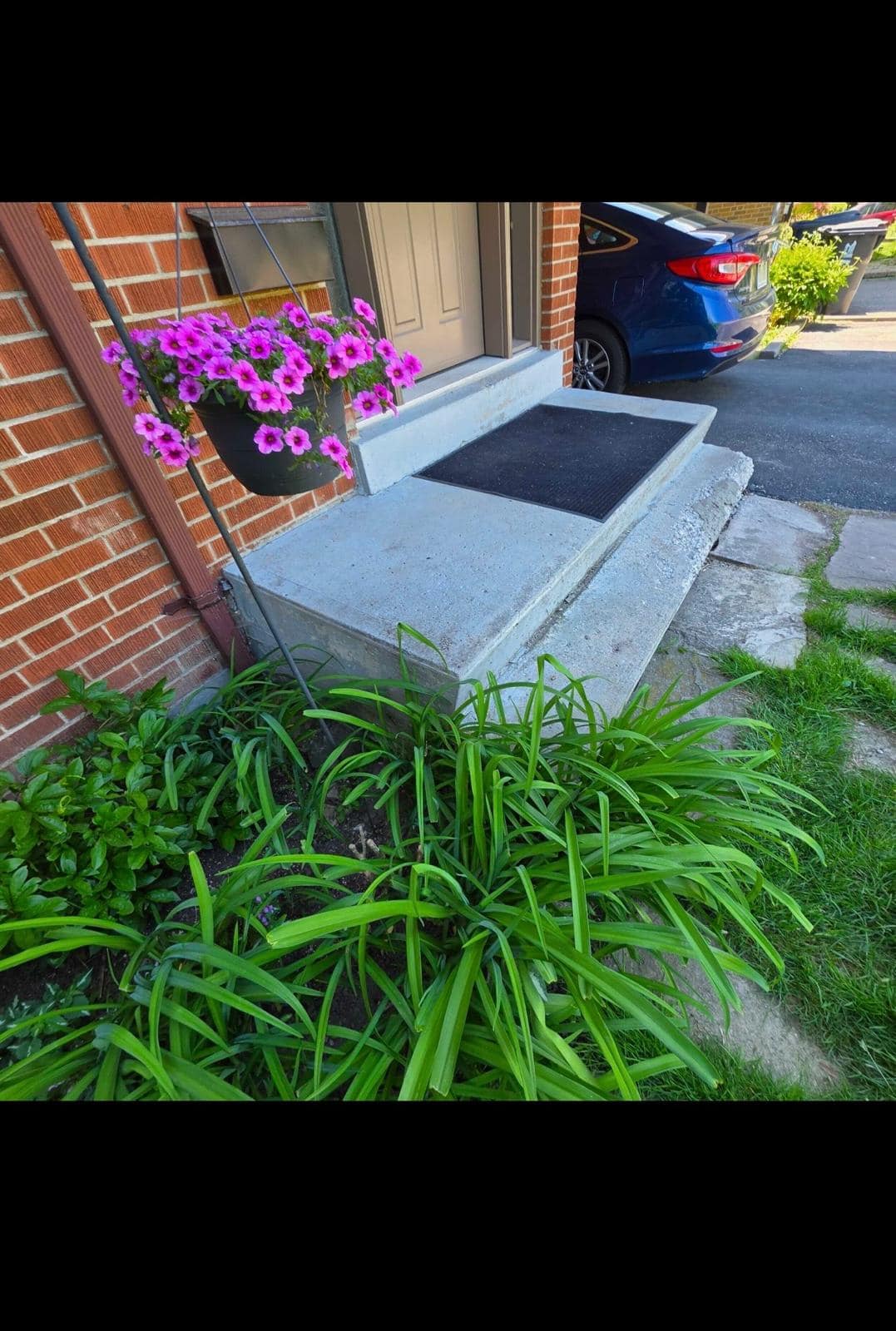
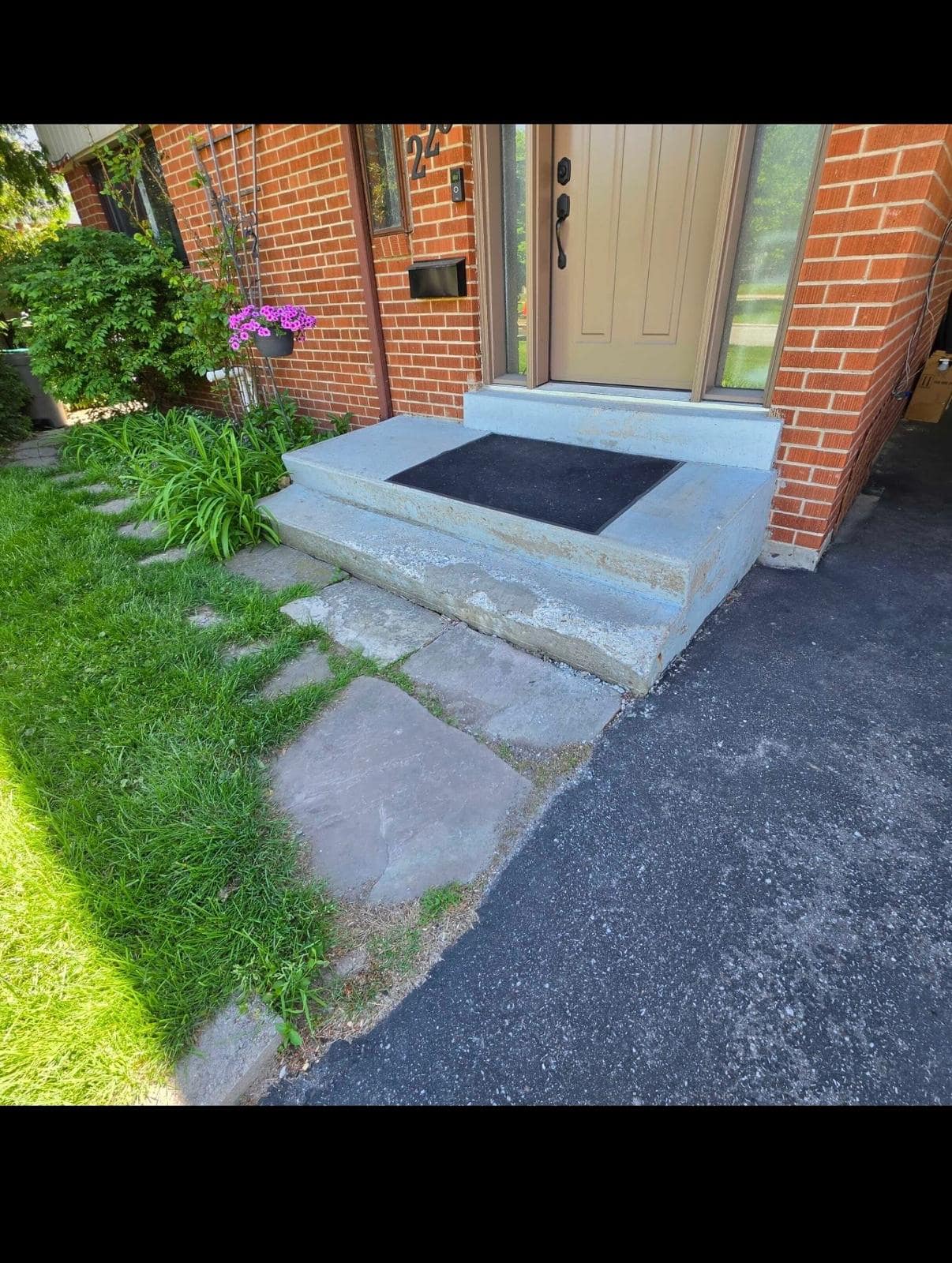
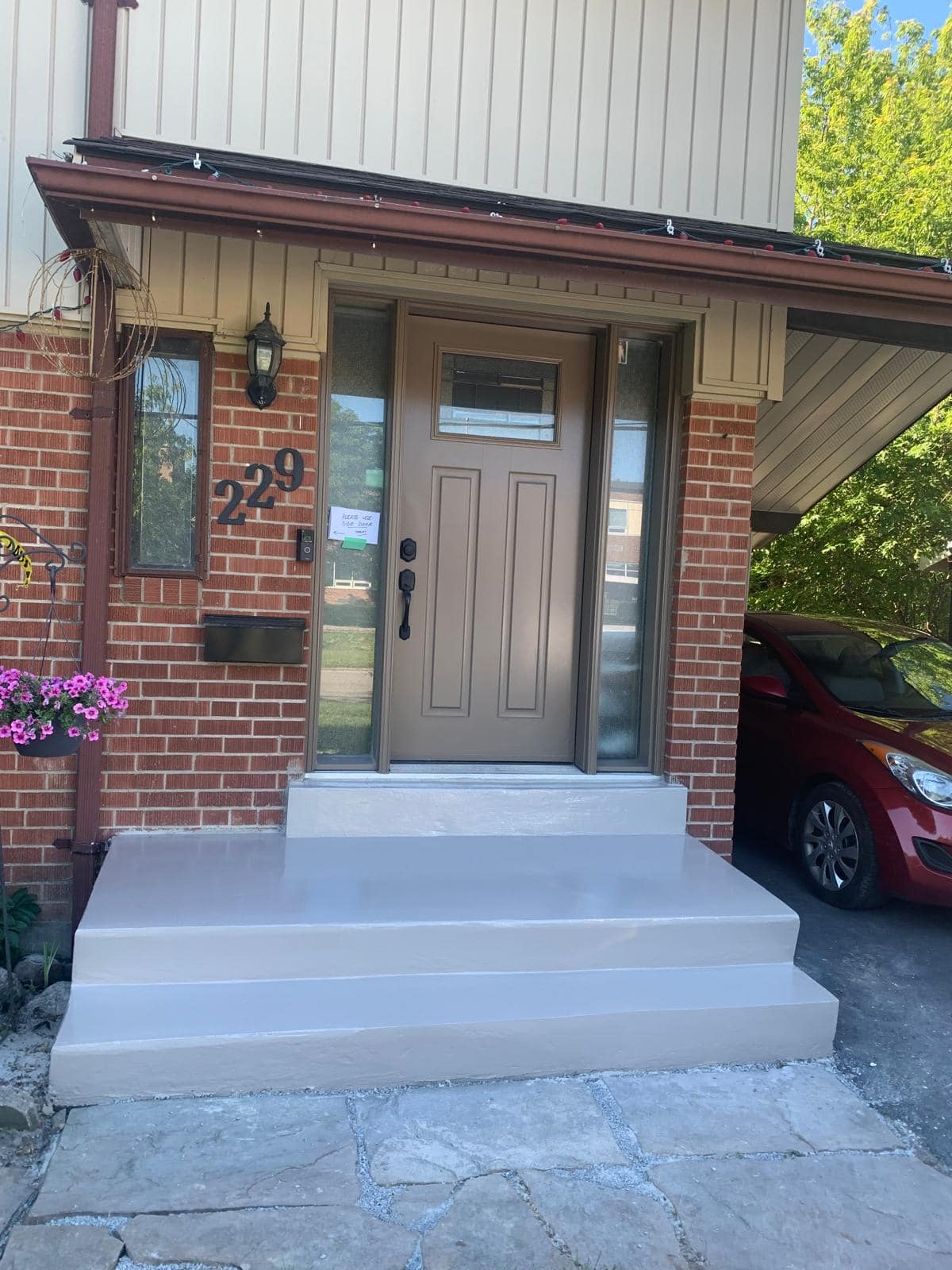
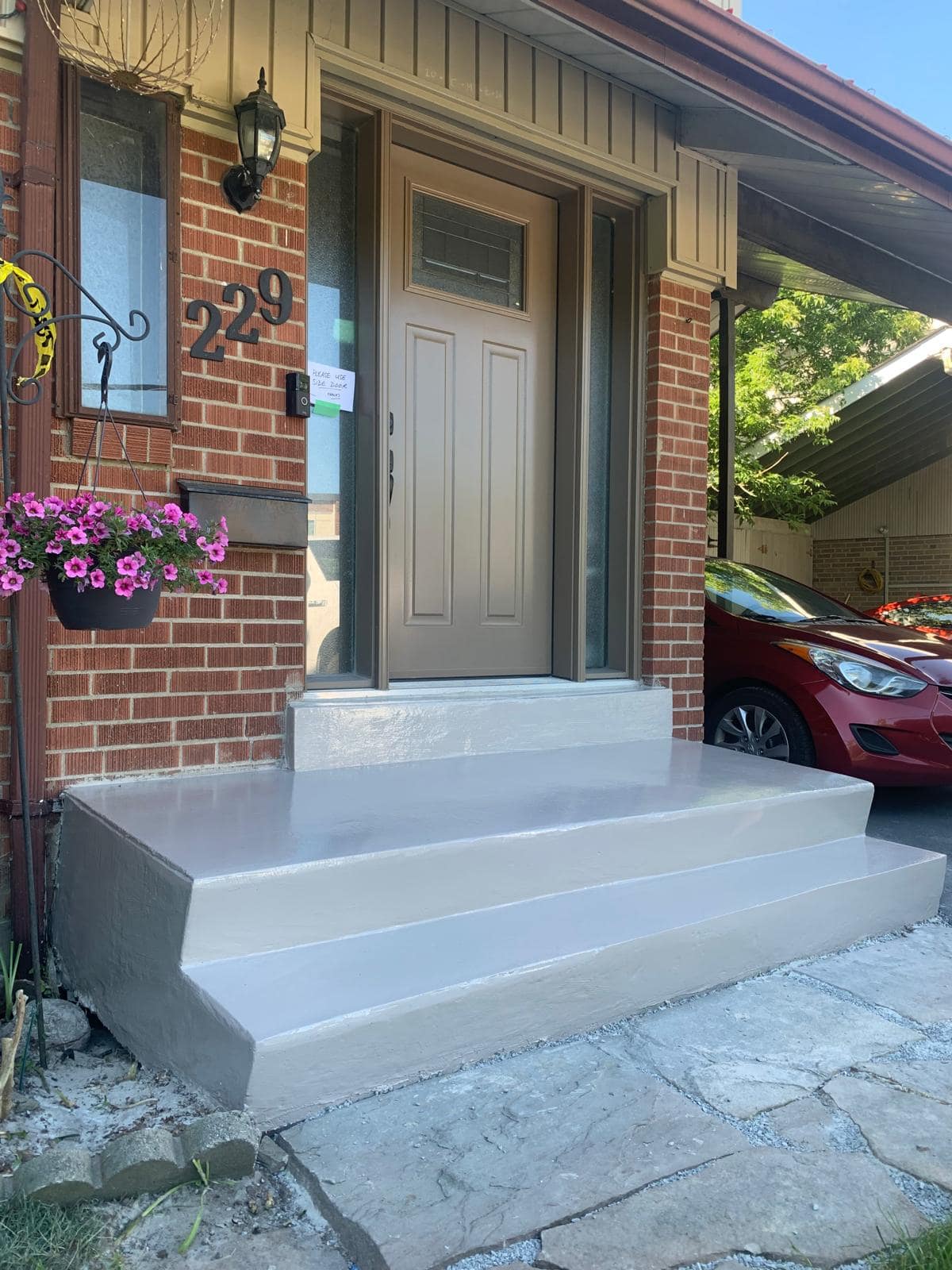
Concrete steps and walkways will be planned more carefully because homeowners want safe, durable entrances that can handle winter use. Front steps, porches, side walkways, and backyard transitions all face snow, salt, ice, and repeated foot traffic.
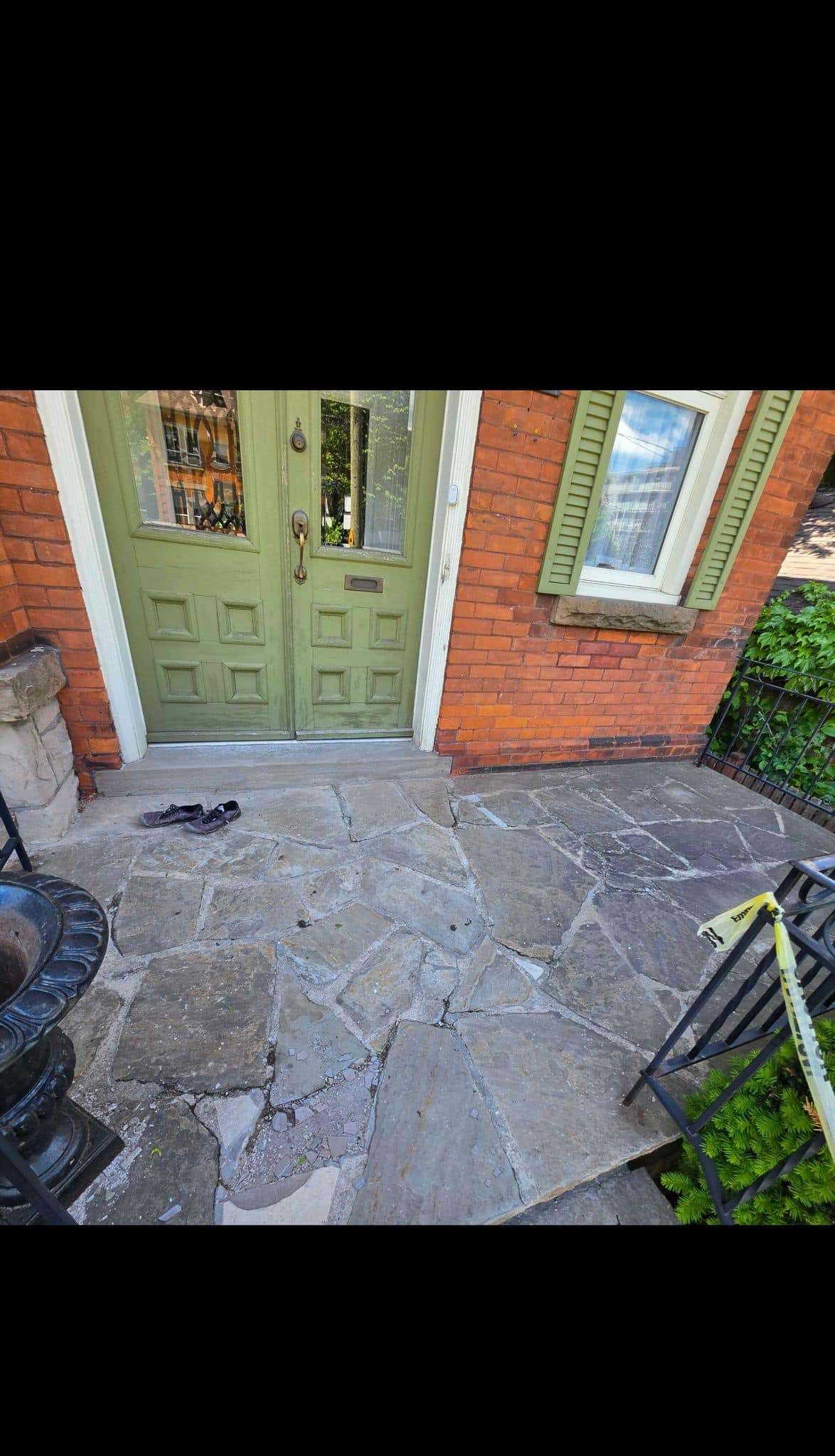
Small cracks and chips should not be ignored if they are holding water or creating trip hazards. A stable step with minor damage may be repairable. A sinking, uneven, or deeply cracked step may need more than a surface patch.
For 2027 planning, homeowners should think about slope, drainage, winter traction, salt exposure, and how the steps connect to walkways and entrances. A clean-looking repair is not enough if the step keeps holding water.
A&A Masonry’s concrete repair Toronto page is a useful resource for homeowners reviewing cracked, worn, or weather-damaged concrete surfaces.
Trend 12: Heritage-Sensitive Brick Restoration
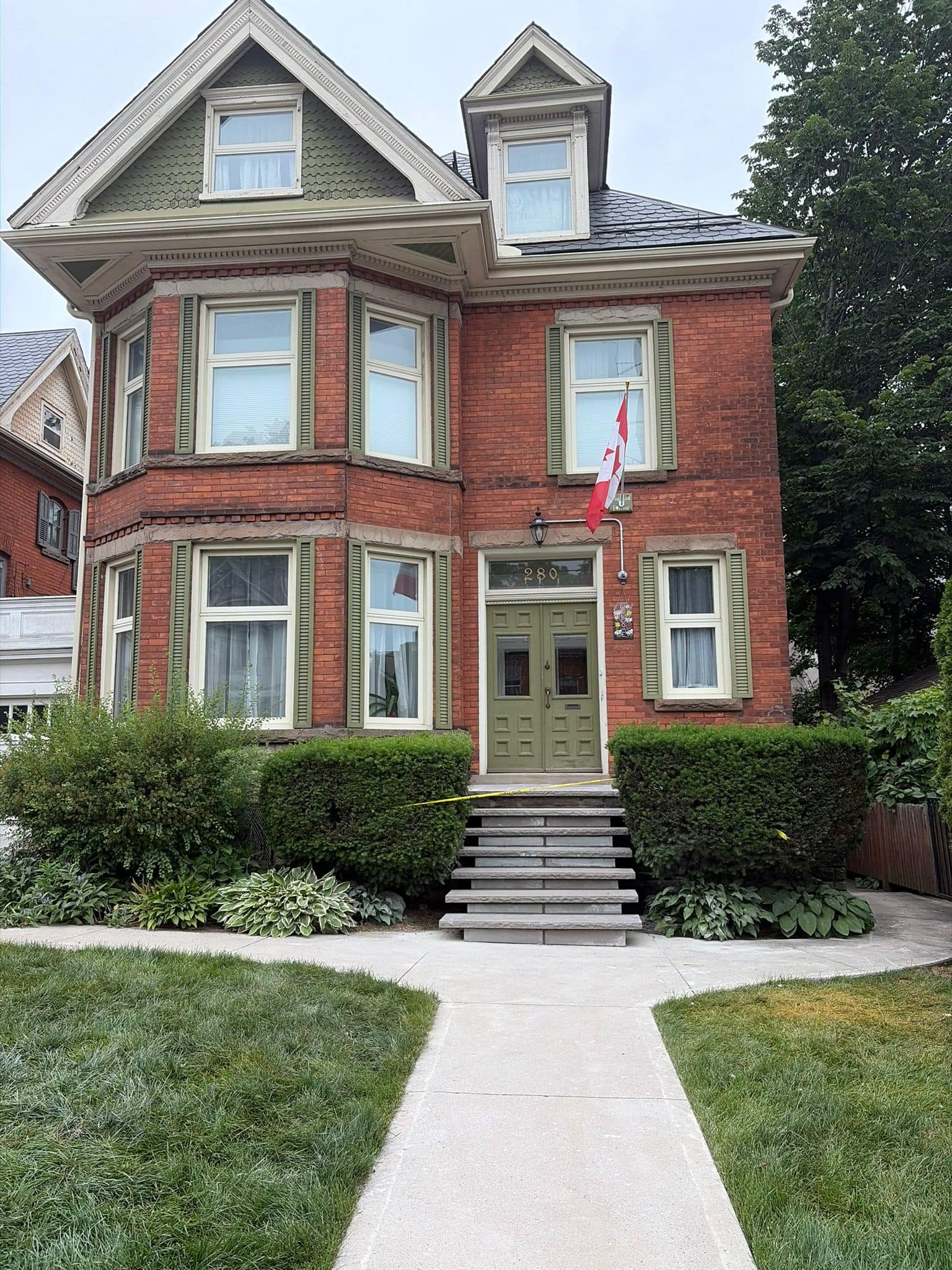
Heritage-sensitive brick restoration is becoming more important as homeowners look for ways to protect older masonry without making repairs look too new or mismatched. Toronto has many older homes where brick colour, mortar type, joint profile, and cleaning method matter.
Good restoration is not about making old brick look brand new. It is about preserving character while repairing damage. This may include gentle cleaning, compatible mortar, selective brick replacement, careful tuckpointing, and avoiding harsh coatings or pressure washing.
Parks Canada’s Standards and Guidelines for the Conservation of Historic Places in Canada are a useful public reference for conservation-minded thinking. While not every older home is designated heritage, the idea of preserving original materials where possible can still guide better decisions.
If your home has older brickwork, A&A Masonry’s brick restoration Toronto page can help you understand restoration-focused repair options.
Trend 13: Warm Neutral Colours and Softer Contrast
Warm neutral masonry colours and softer contrast are likely to stay popular because they work well with many Toronto homes. Instead of sharp, high-contrast designs that can date quickly, homeowners are choosing more natural stone tones, warm greys, soft browns, buff colours, muted reds, and weathered textures.
This trend works especially well for interlocking patios, garden walls, veneer accents, brick repairs, and front entrance updates. The goal is to coordinate with the existing home rather than make the masonry feel disconnected.
Colour choice should consider the brick, roof, trim, landscaping, neighbouring materials, and amount of shade. A paver or stone that looks light in a showroom may look darker in a shaded backyard. A brick replacement that looks close in isolation may stand out once installed beside older brick.
Homeowners should choose colours that will still feel suitable several years from now, not only colours that look trendy online.
Trend 14: Low-Maintenance Masonry Details
Low-maintenance masonry details will matter more because homeowners want outdoor features that look good without constant repairs. This includes caps that shed water, proper joint profiles, stable bases, drainage details, durable edging, and materials that can be cleaned and repaired reasonably.
Low maintenance does mean no maintenance. Brick still needs mortar checks. Stone walls still need drainage. Interlocking pavers still need joint care. Concrete still needs crack monitoring. But good design can reduce avoidable problems.
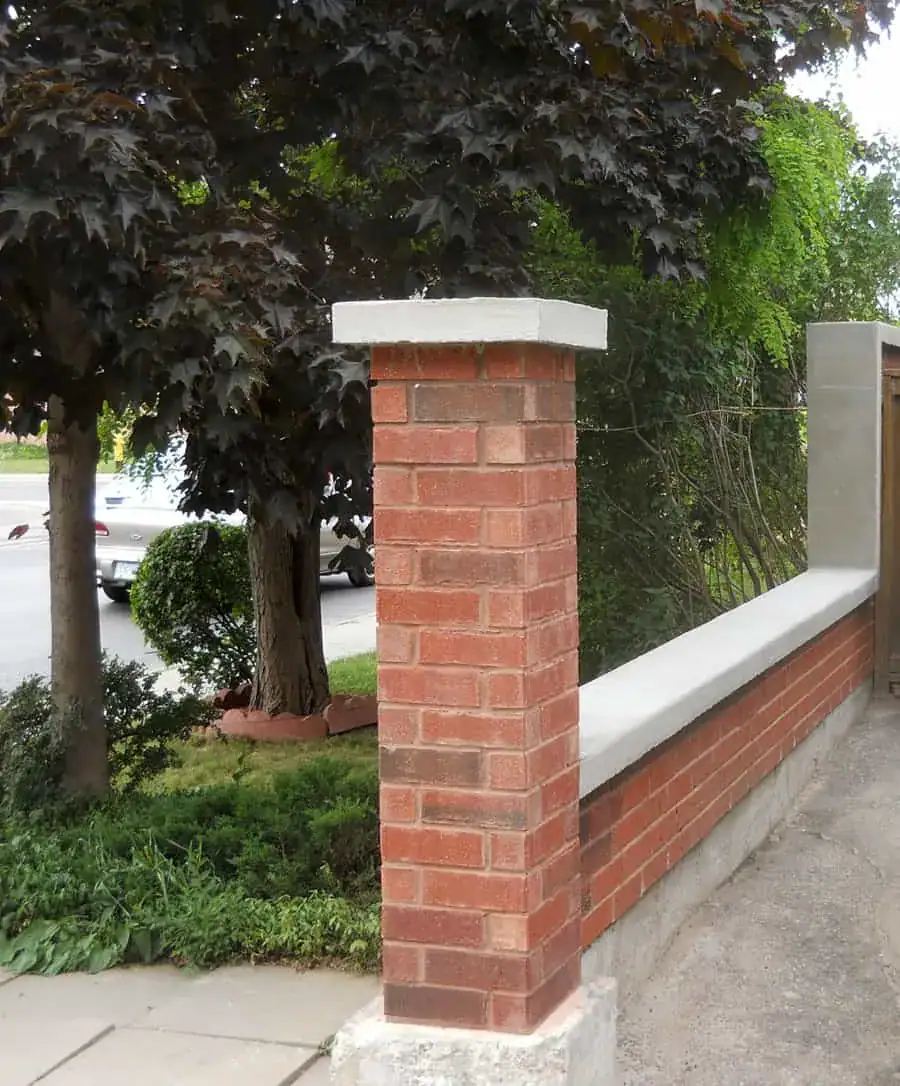
For example, a garden wall with a proper cap will usually handle weather better than one with a flat, open top. A patio with the right slope will perform better than one that puddles. A chimney with a good cap and crown will resist moisture better than one left open at the top.
The small details often decide whether masonry stays attractive or becomes a repeated repair issue.
Trend 15: Planning Projects Earlier in the Year
Planning masonry projects earlier in the year will become more important because weather windows matter. Mortar, concrete, sealers, waterproofing products, and outdoor installations all need suitable temperature and moisture conditions.
Waiting until late fall can limit repair options. A homeowner may discover open mortar joints, spalling brick, or a cracked chimney crown just before freezing weather. At that point, timing, drying, curing, and weather can become difficult.
For 2027, homeowners should plan inspections in spring and early summer, especially for winter damage. Fall should be used to finish priority repairs before freezing weather, not to discover major problems for the first time.
Earlier planning also helps with design decisions, material matching, access, permits, and coordination if the project includes retaining walls, stairs, chimneys, or larger exterior work.
Trend 16: More Homeowners Checking Permits Before Outdoor Work
More homeowners are checking permits before outdoor masonry work because retaining walls, chimneys, fireplaces, stairs, foundations, entrances, and structural changes can raise code or permit questions. Not every small repair needs a permit, but some projects should be reviewed before work begins.
The City of Toronto’s building permit guidance helps homeowners understand when a building permit may be needed. Ontario’s official Building Code page is also the preferred provincial reference for building requirements.
For homeowners, the practical rule is simple: if the project affects structure, support, grade, foundations, chimneys, entrances, stairs, retaining walls, or major exterior features, check official guidance before starting.
What Toronto Homeowners Should Start Planning Now
Toronto homeowners should start planning masonry projects based on condition, water movement, safety, and long-term use. The best 2027 project may be a repair, a restoration, a drainage improvement, or an outdoor living upgrade depending on the home.
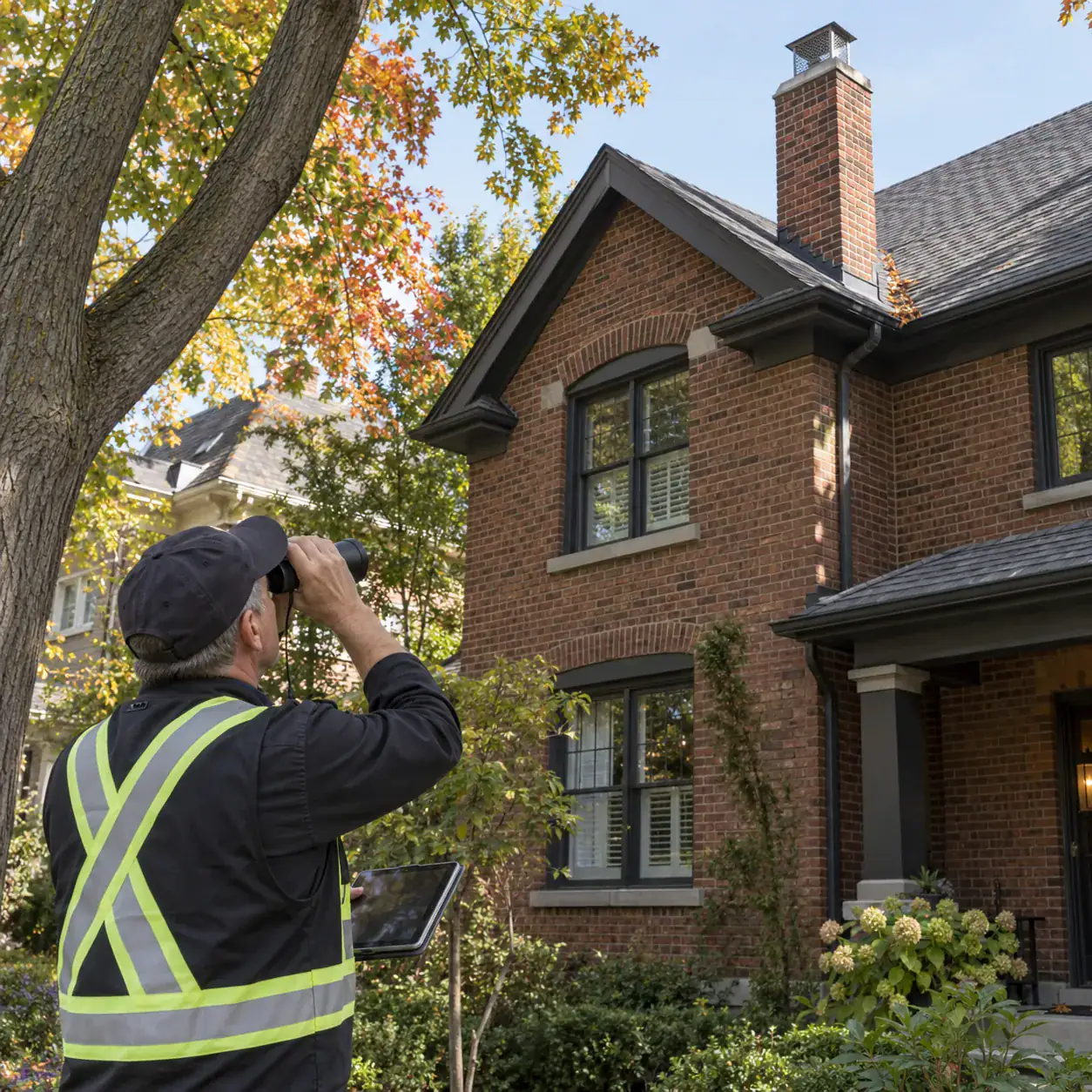
Start with a simple property walkaround. Look at brick walls, chimneys, concrete steps, walkways, garden walls, interlocking surfaces, stone veneer, retaining walls, foundation areas, and downspouts. Take photos after rain and after winter. Notice where water sits, where salt gathers, and where cracks are getting worse.
Then separate the work into three groups:
- Urgent repair: Loose brick, missing mortar, cracked chimney crowns, unsafe steps, active leaks, and leaning walls.
- Preventive maintenance: Tuckpointing, sealing after repair, cap replacement, drainage correction, and minor concrete repair.
- Design improvement: Interlocking patios, garden walls, stone veneer, outdoor fireplaces, paths, and front entrance upgrades.
This helps homeowners avoid spending on design upgrades while ignoring repair issues that could damage the home.
Common 2027 Masonry Planning Mistakes to Avoid
Common planning mistakes usually happen when homeowners choose design before condition. A beautiful new feature can still fail if the base, drainage, mortar, or moisture details are ignored.
- Ignoring water: Drainage should be planned before patios, walls, steps, and veneer.
- Covering damage: Paint, veneer, or sealer should not hide cracked or damp masonry.
- Waiting too late: Fall repairs are harder when cold weather arrives quickly.
- Choosing trends over fit: Materials should suit the home, not only online inspiration photos.
- Using the wrong mortar: Older brick may need compatible mortar, not a random modern mix.
- Overpaving small yards: Too much hard surface can increase runoff and make the yard feel smaller.
- Skipping caps: Walls, chimneys, and columns need top details that shed water.
- Forgetting winter: Steps, patios, and walkways must work in snow and ice, not only summer.
A masonry project should be attractive, but it should also solve the right problem.
Quick Guide: Masonry Trends for 2027
A quick guide can help homeowners decide which trend fits their property.
- Choose repair-first planning if your brick, mortar, chimney, or concrete is already showing damage.
- Choose water-smart masonry if your yard has puddles, basement moisture, or repeated freeze-thaw damage.
- Choose tuckpointing if mortar joints are cracked, missing, sandy, or recessed.
- Choose breathable protection only after masonry is repaired, clean, and dry.
- Choose interlocking design if you want a more usable backyard, path, patio, or entrance.
- Choose stone veneer carefully if you want texture but need proper moisture detailing.
- Choose restoration if your older brick has character worth preserving.
- Choose early planning if the work depends on good weather, material matching, permits, or access.
The best 2027 masonry trend is the one that improves how your home looks, works, and handles weather.
When Professional Help Makes More Sense
Professional help makes more sense when masonry planning involves water damage, structural movement, chimneys, retaining walls, failing mortar, spalling brick, cracked concrete steps, stone veneer problems, foundation moisture, or larger outdoor upgrades. These projects often need more than a design opinion.
A professional mason can assess whether the home needs repair, restoration, waterproofing, tuckpointing, brick replacement, stone masonry, concrete repair, interlocking work, chimney repair, or drainage correction. They can also help prioritize repairs before cosmetic upgrades.
For homeowners planning 2027 masonry work, A&A Masonry’s masonry services in Toronto page outlines related services such as brick repair, brick restoration, tuckpointing, chimney repair, waterproofing, stone masonry, concrete repair, retaining walls, interlocking stone, and exterior restoration.
Final Thoughts on Masonry Trends for 2027
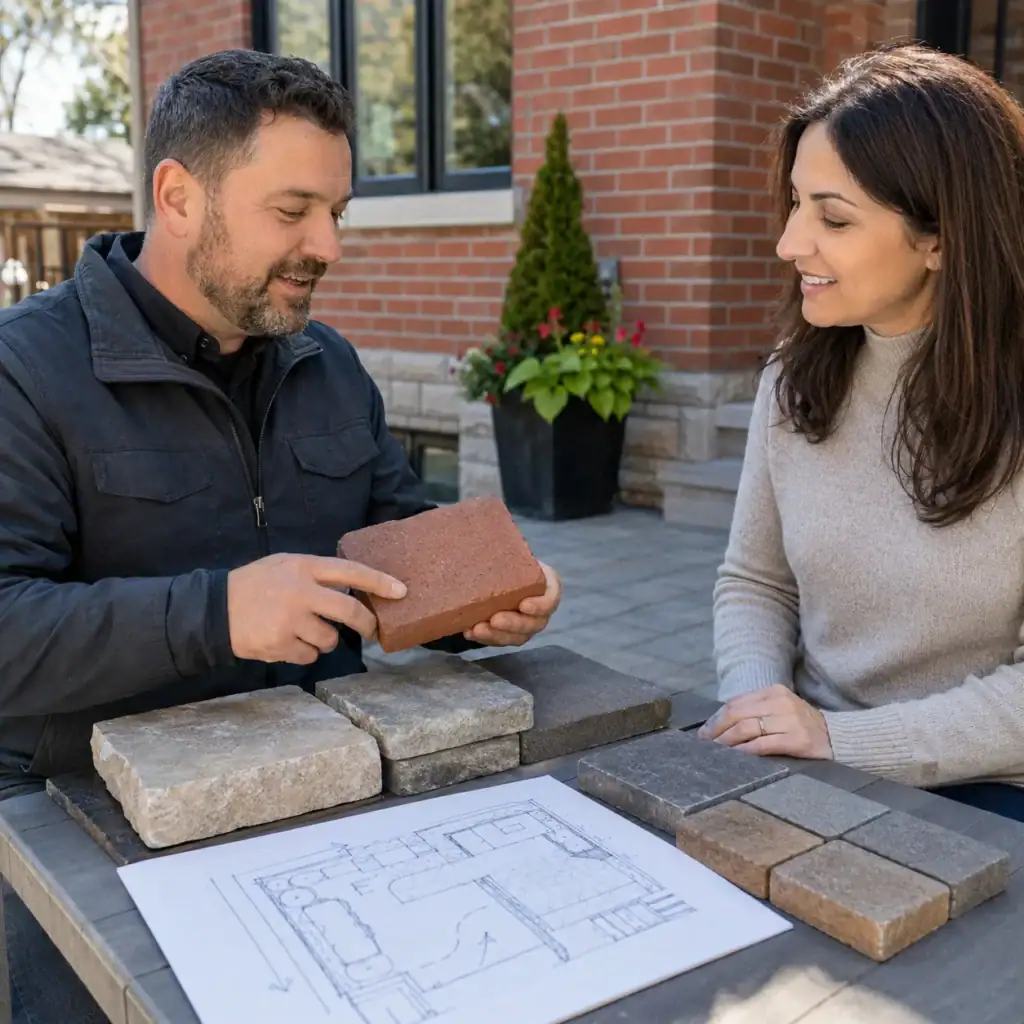
Masonry trends for 2027 are less about flashy upgrades and more about smarter planning. Toronto homeowners are likely to focus on repair-first masonry, better water management, durable outdoor living spaces, breathable protection, stone and brick restoration, and materials that can handle local weather.
The strongest projects will be the ones that fit the home, manage water properly, respect existing materials, and remain useful beyond one season. A compact interlocking patio, a restored brick wall, a repaired chimney, or a better-drained garden wall can all be more valuable than a trend that ignores the home’s real needs.
Before planning a 2027 masonry project, start with condition, drainage, safety, and long-term use. Then choose materials and designs that support the home through Toronto rain, snow, freeze-thaw cycles, and everyday living.