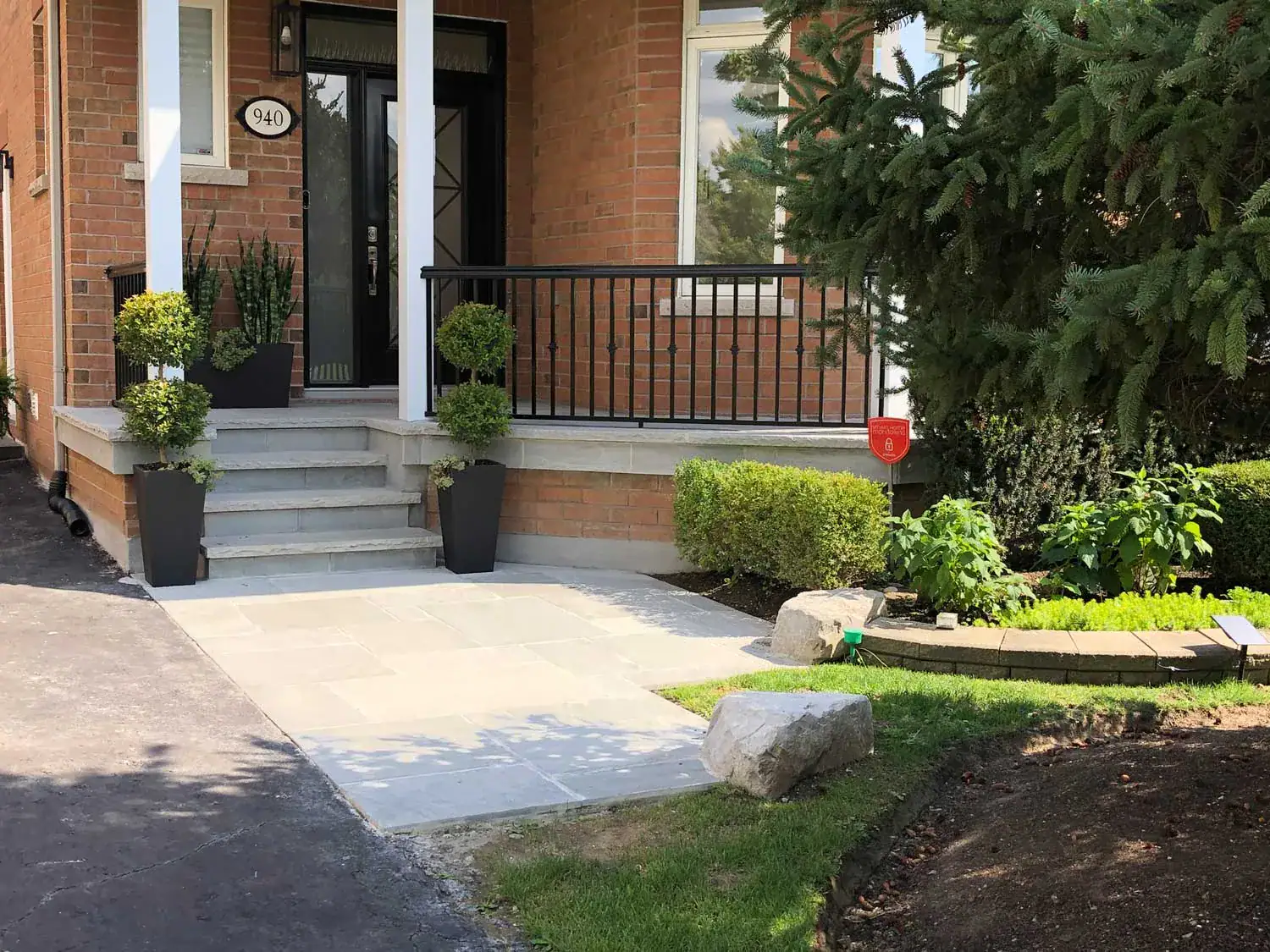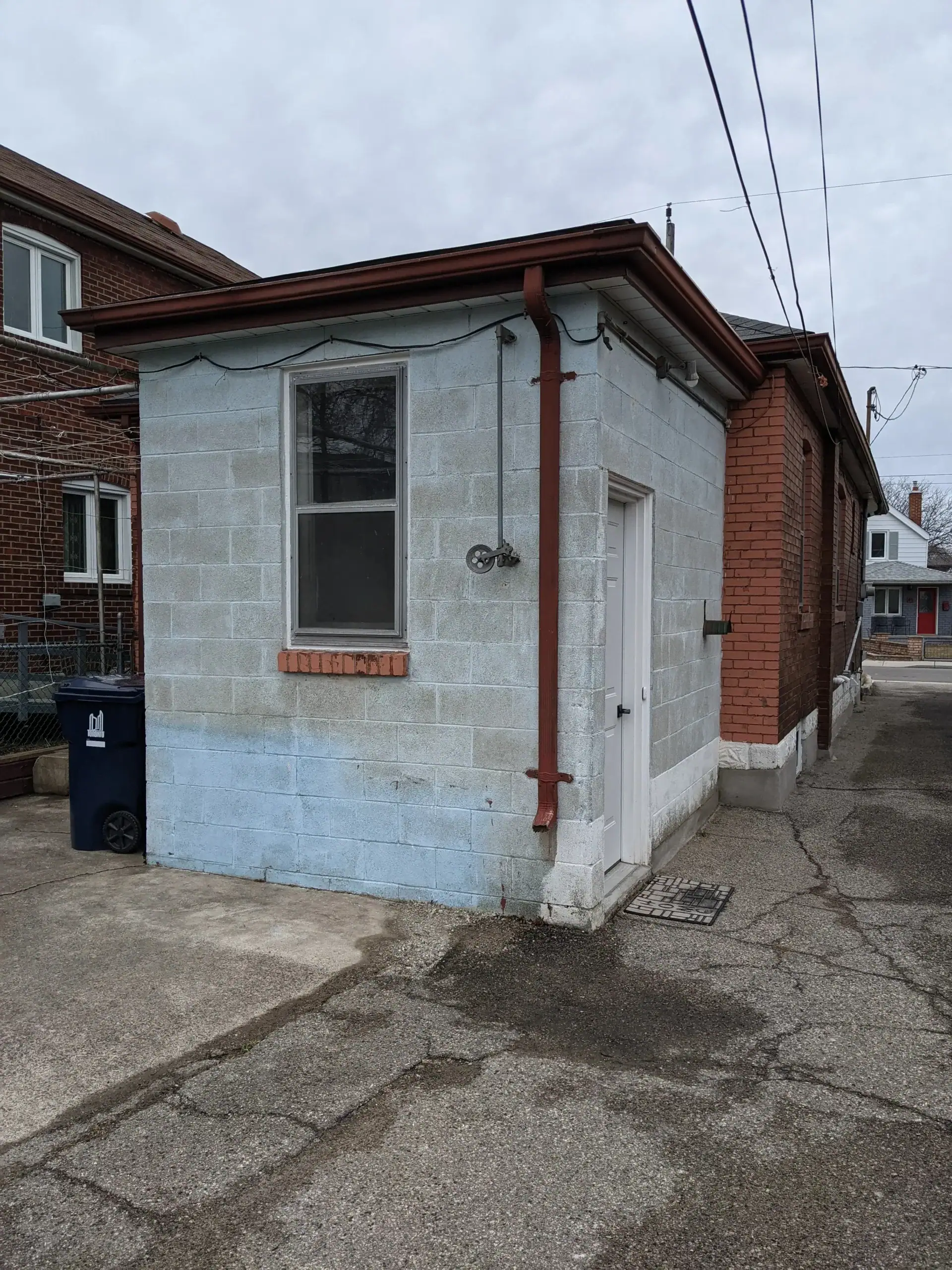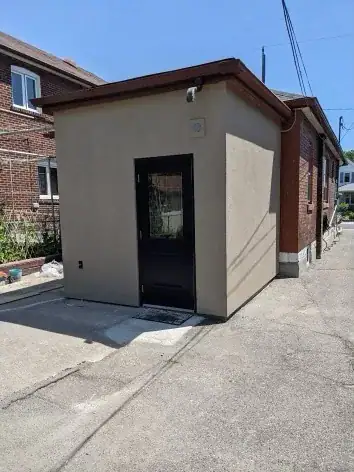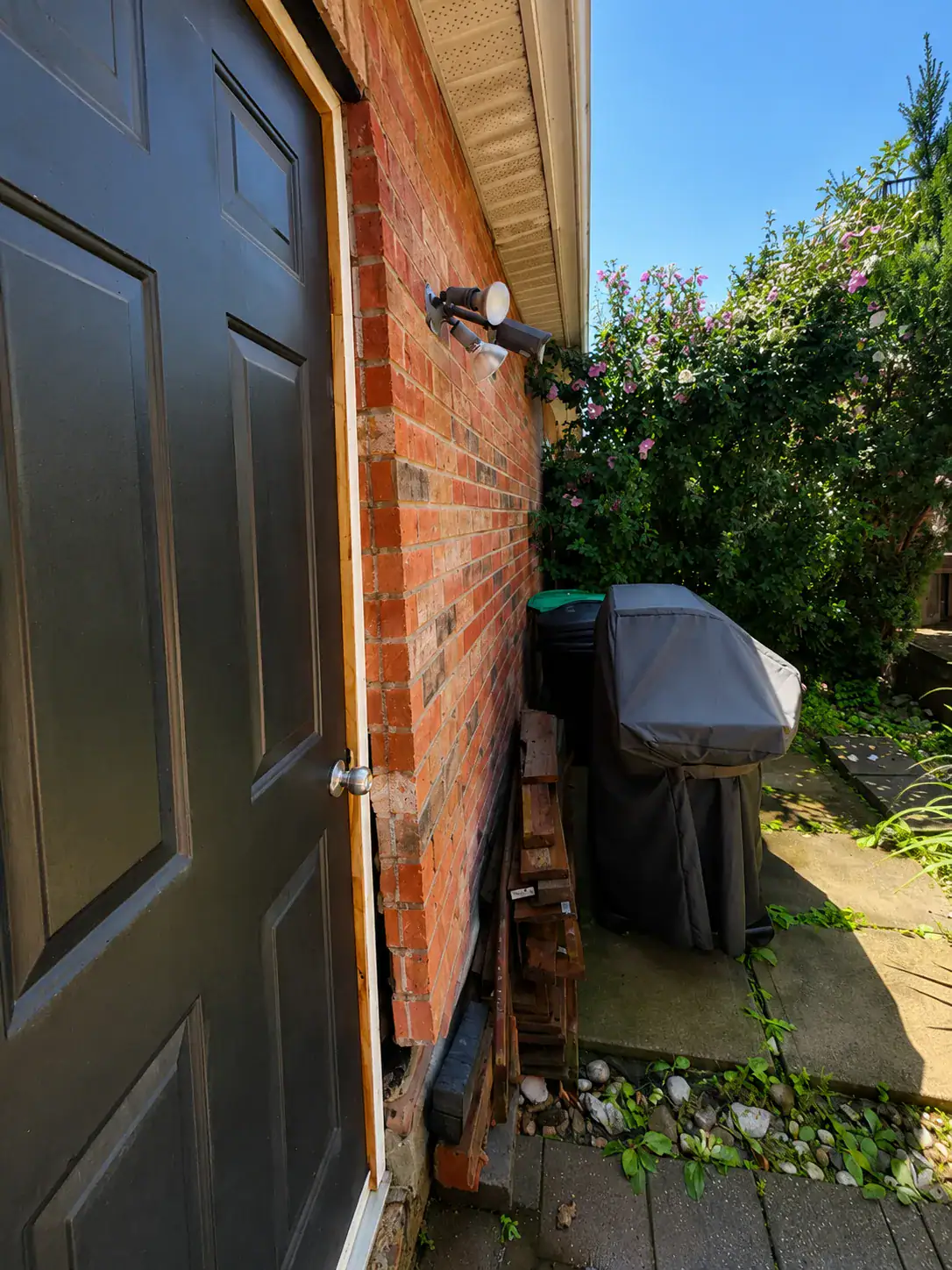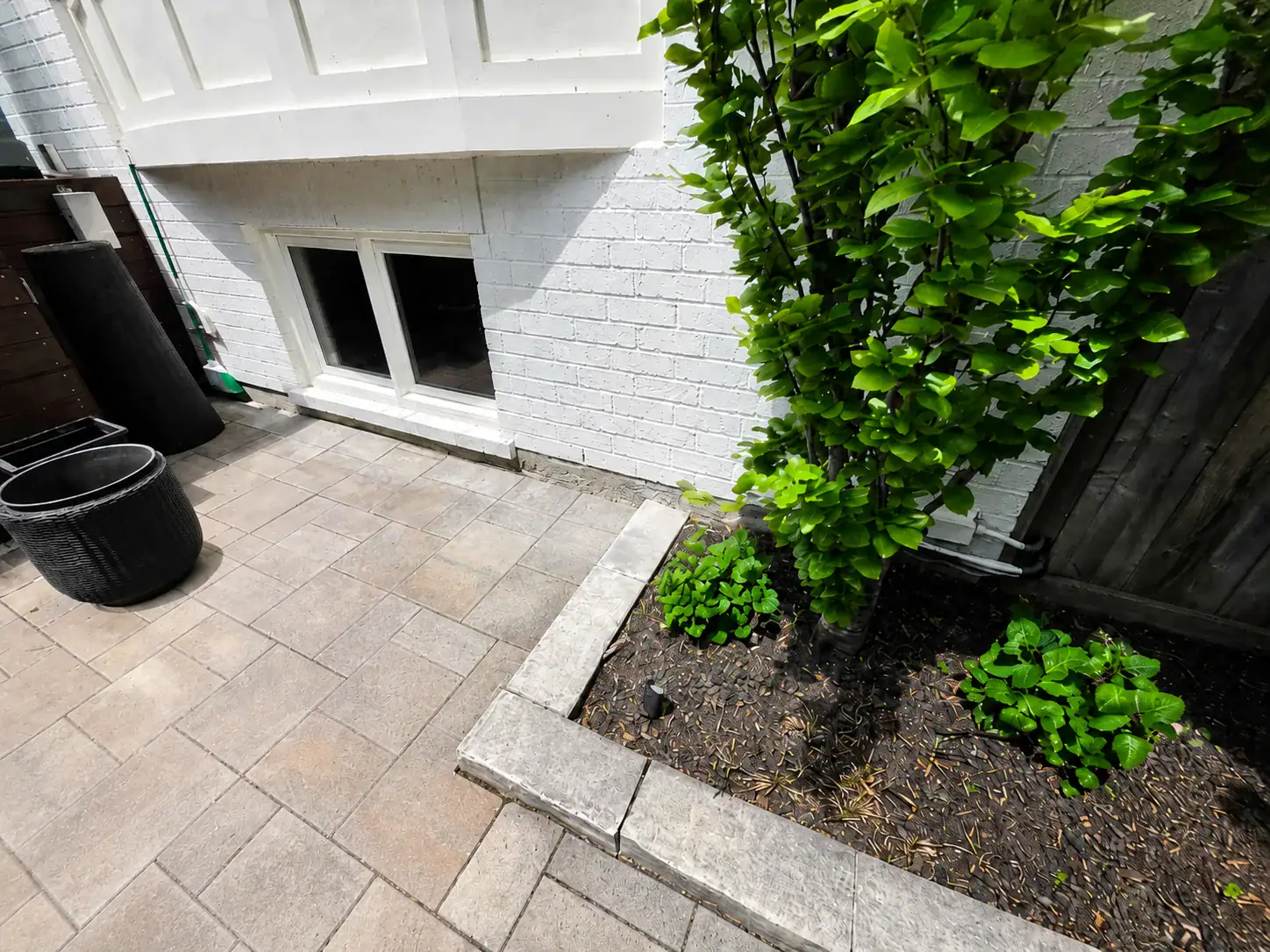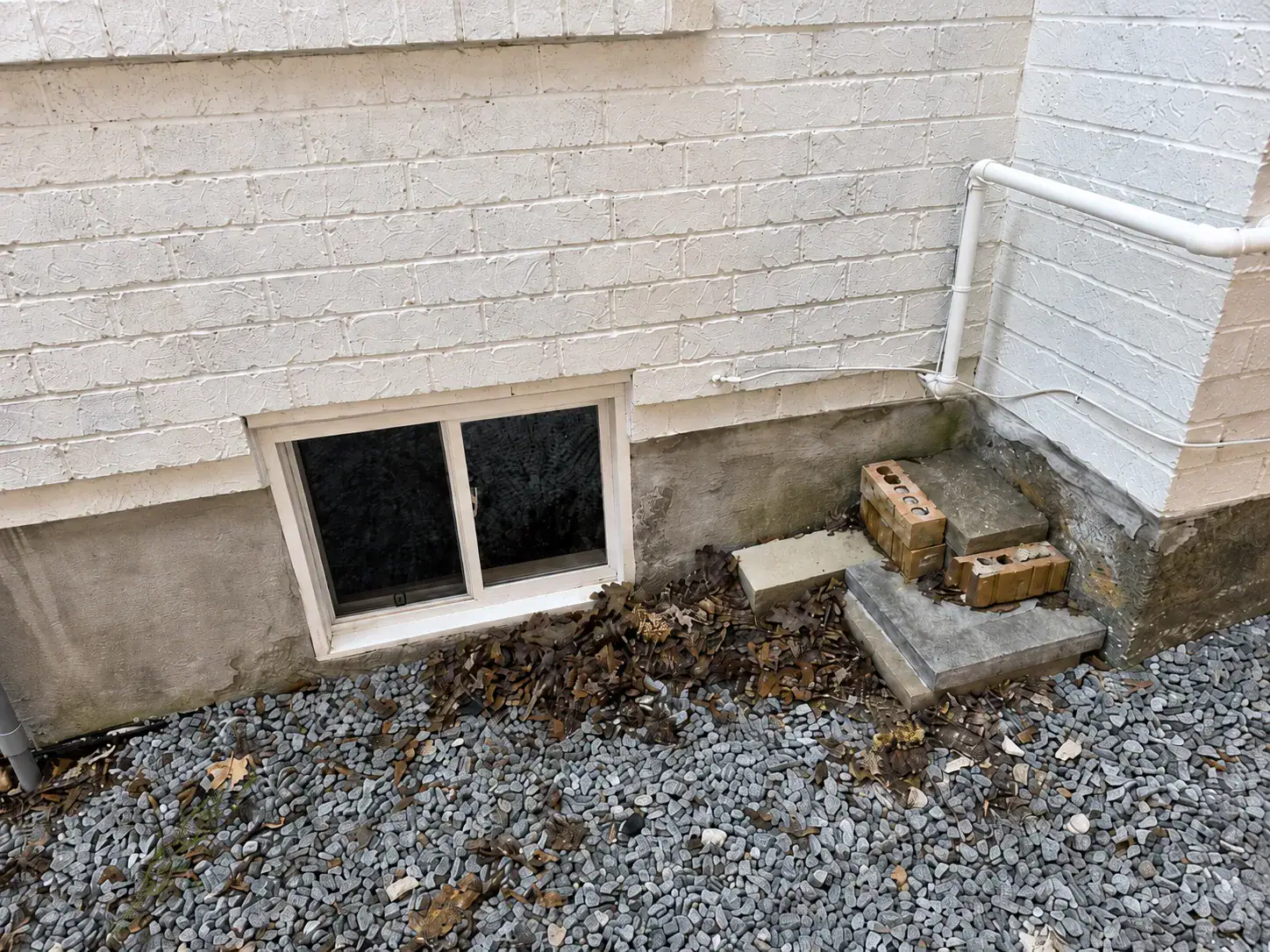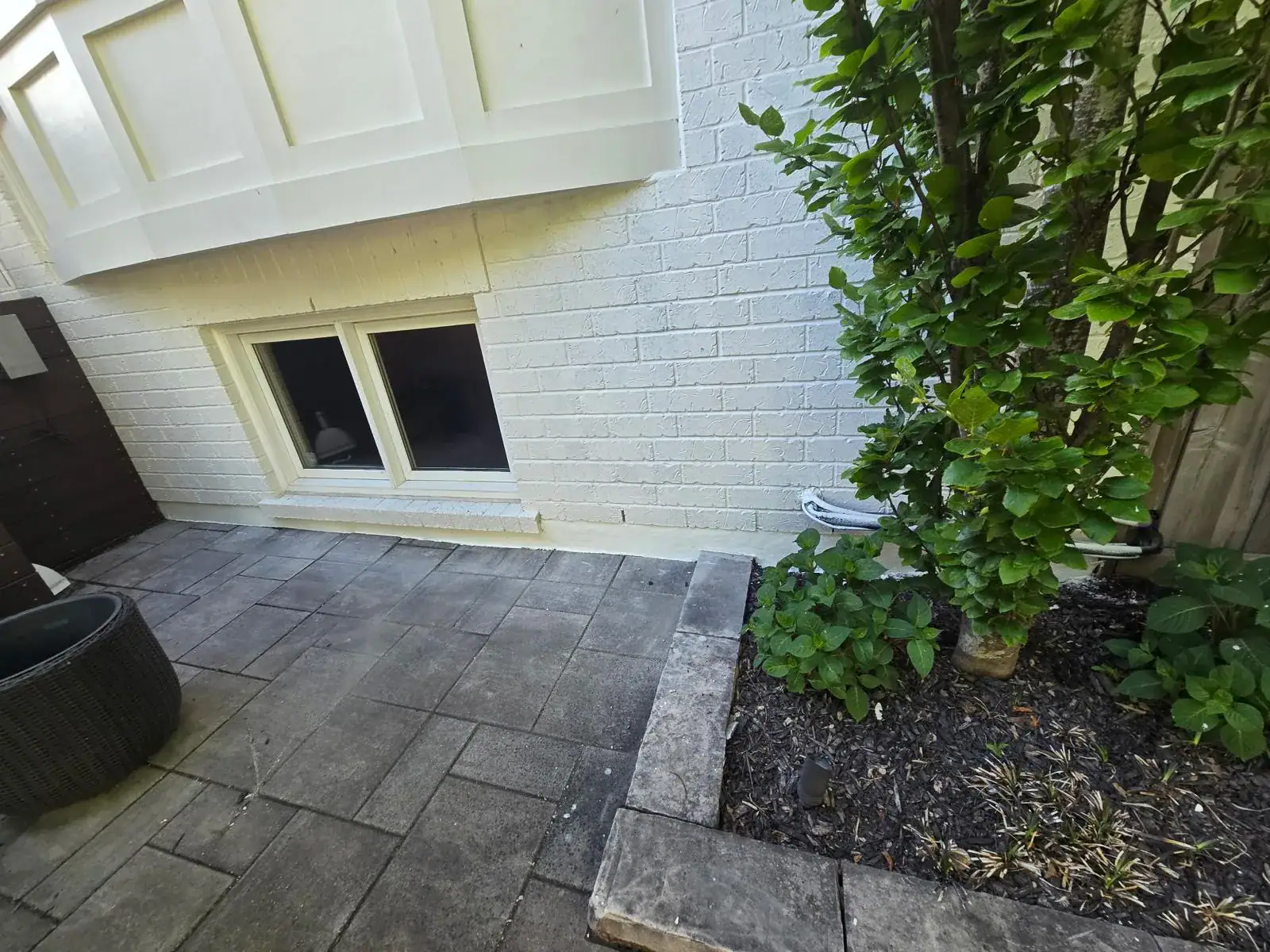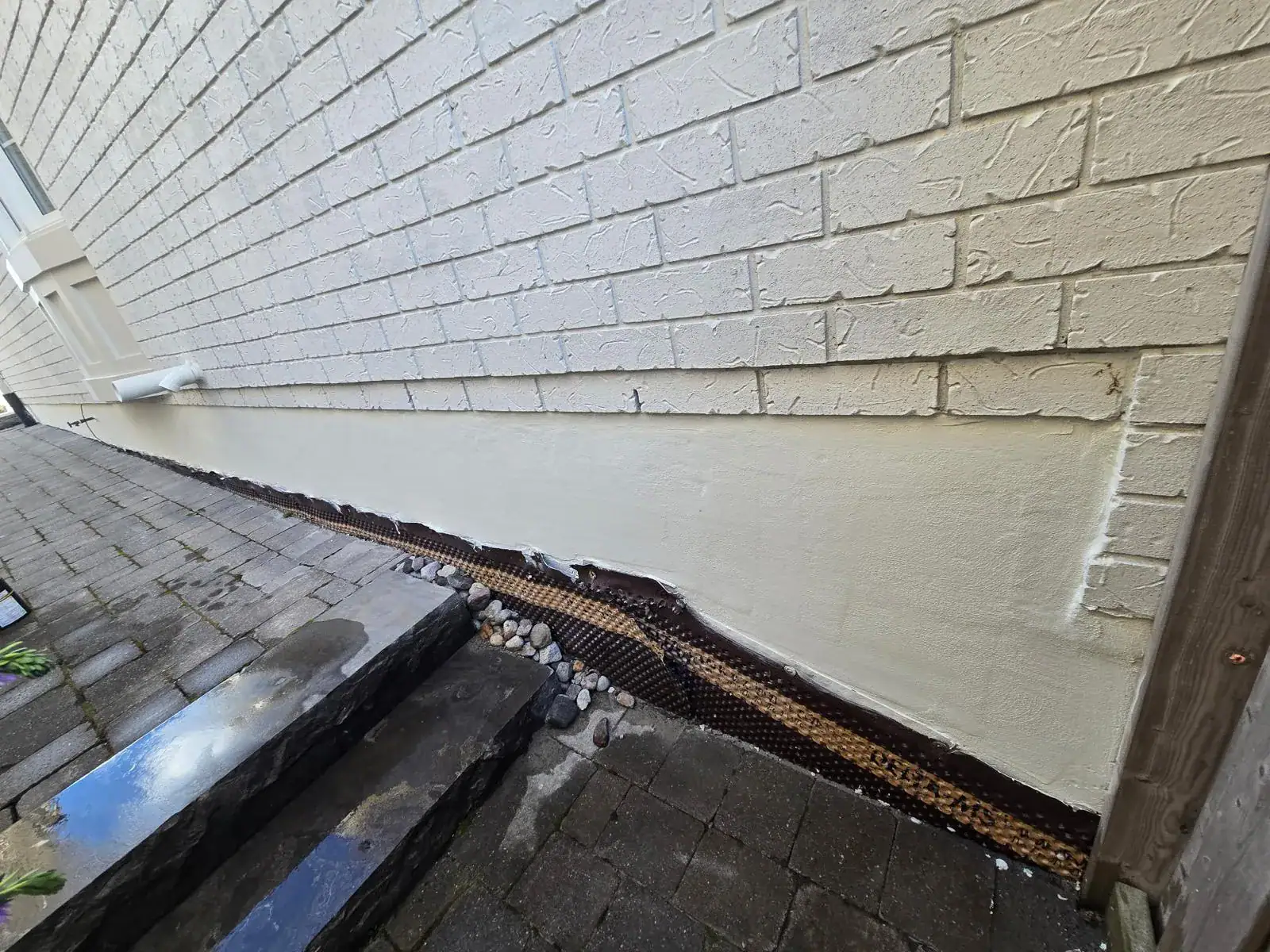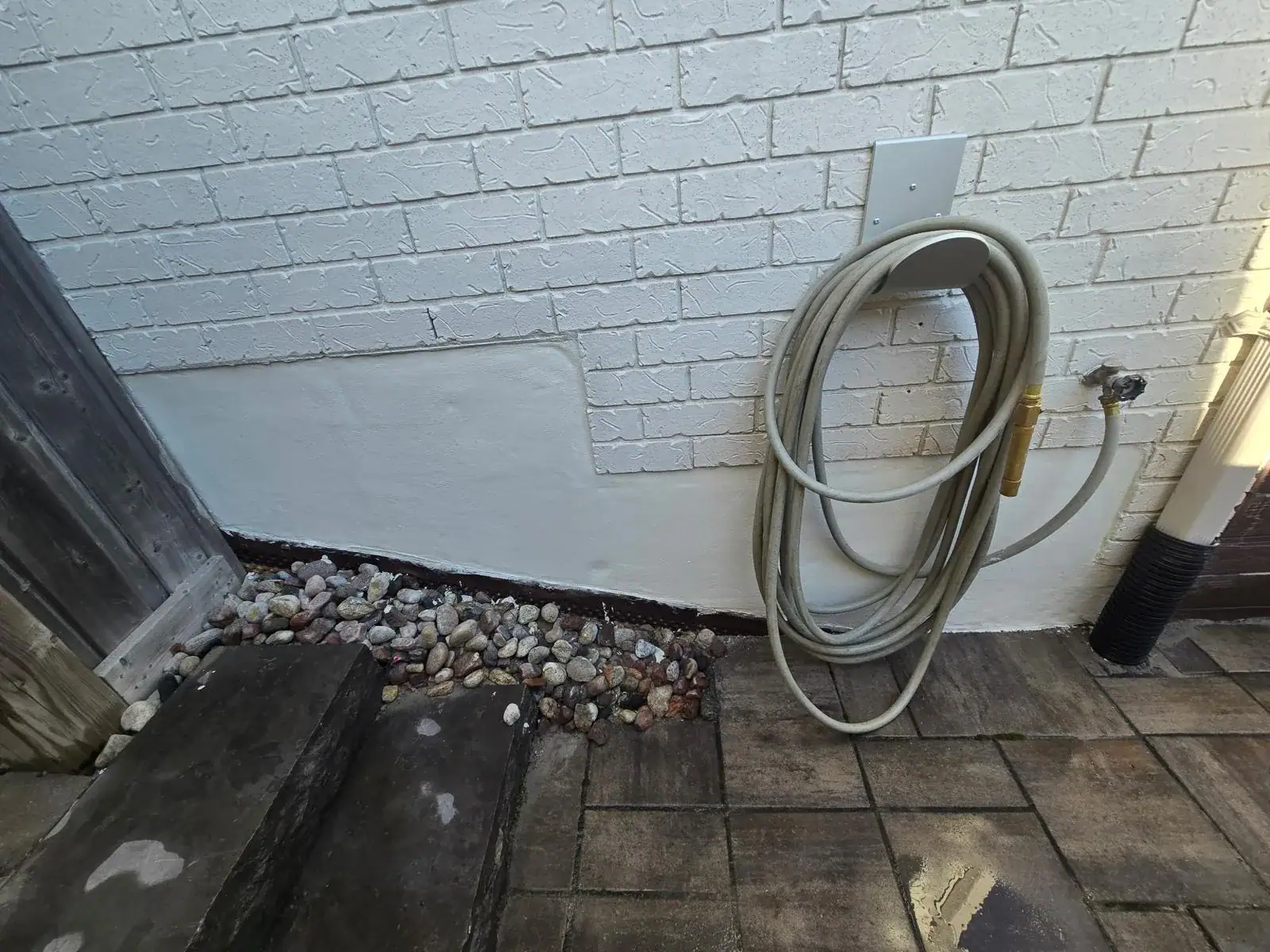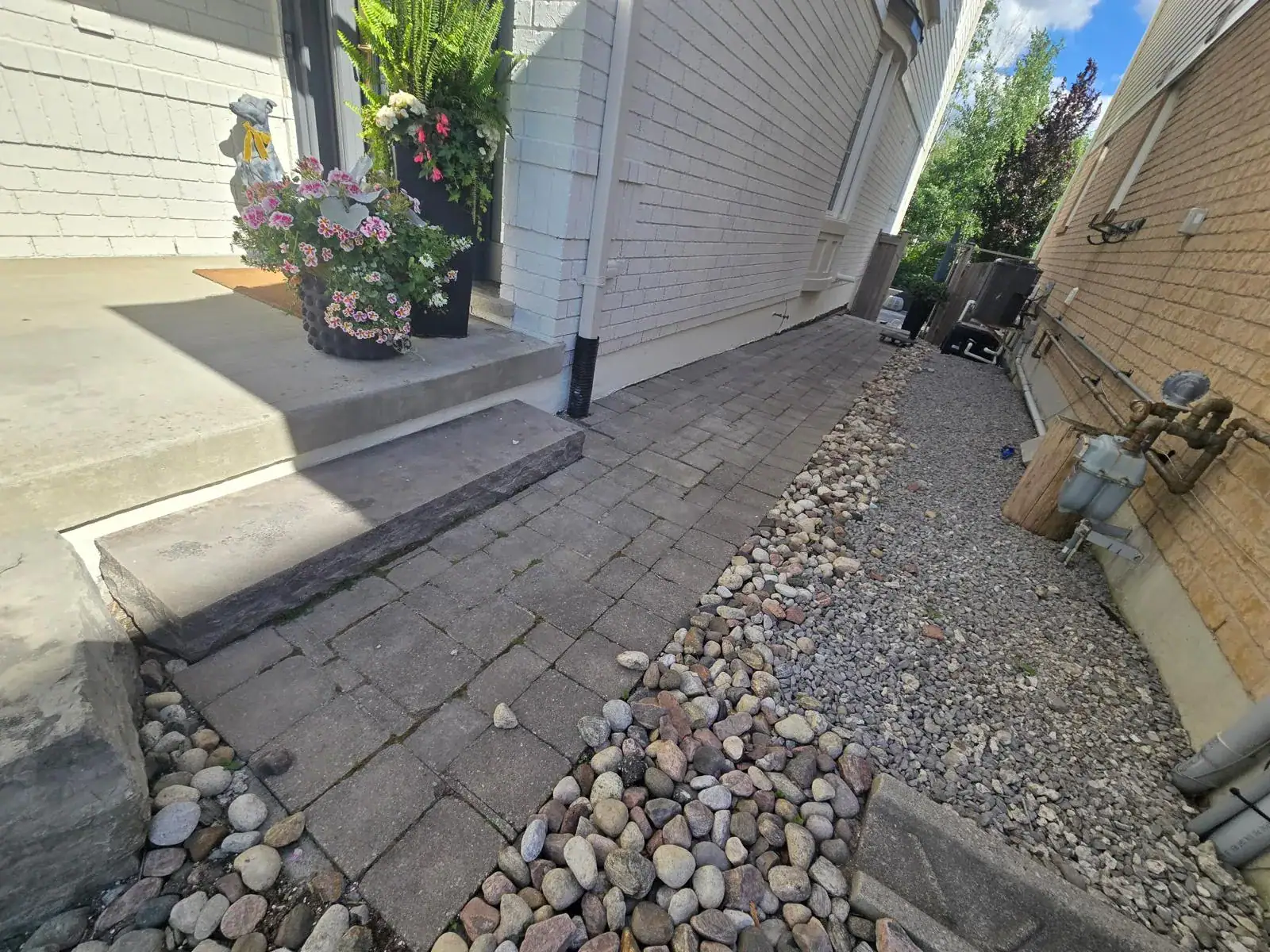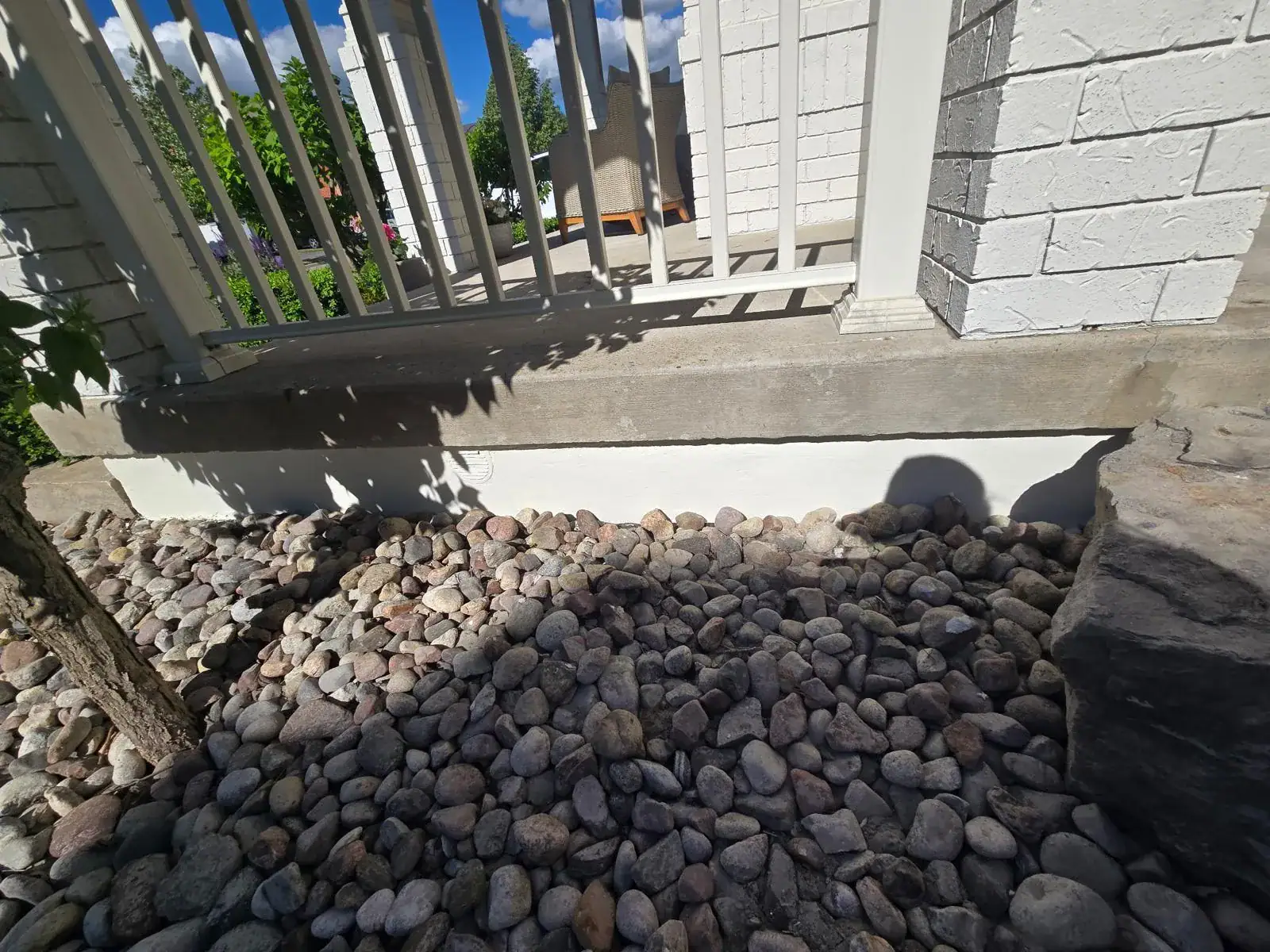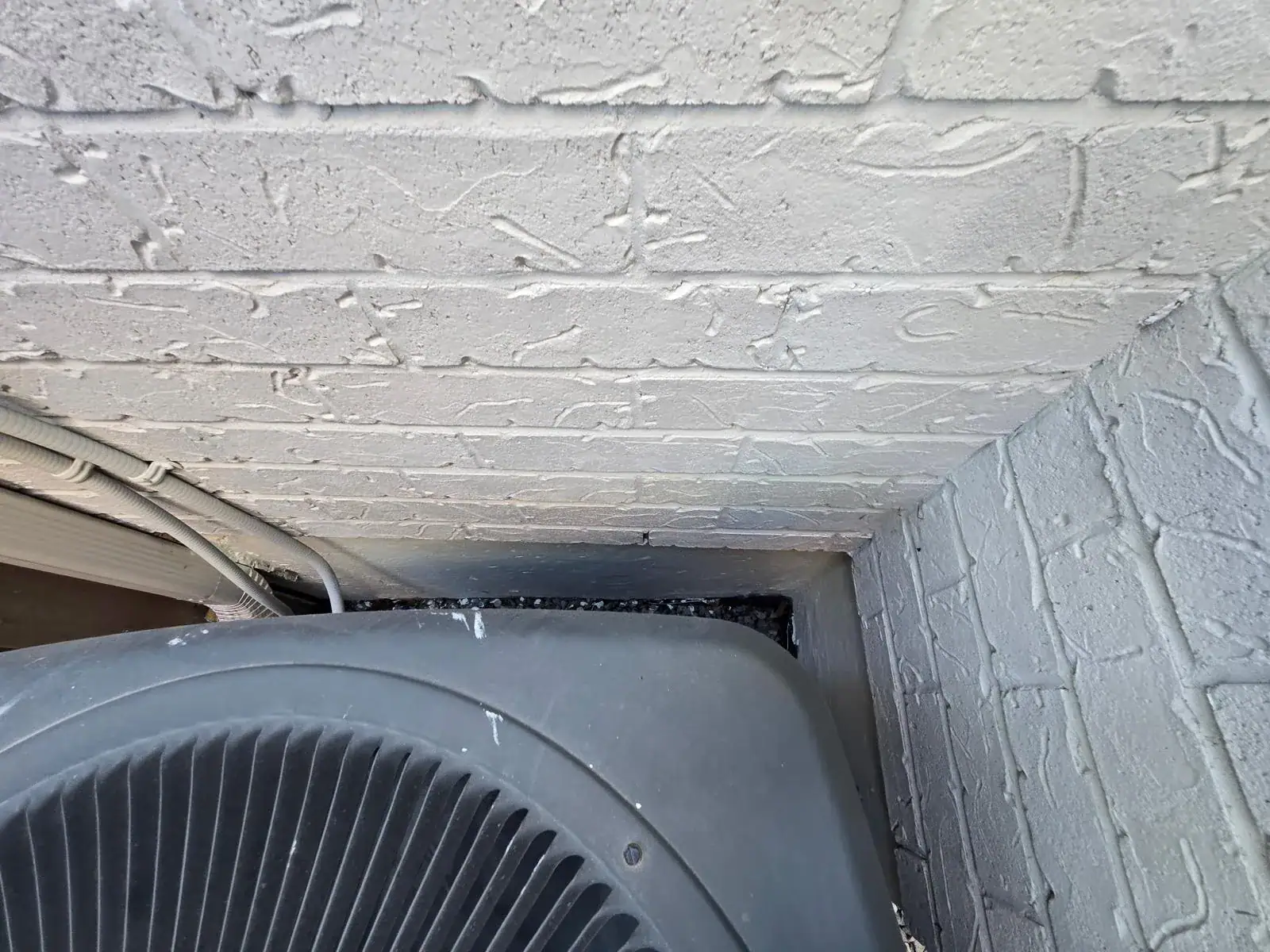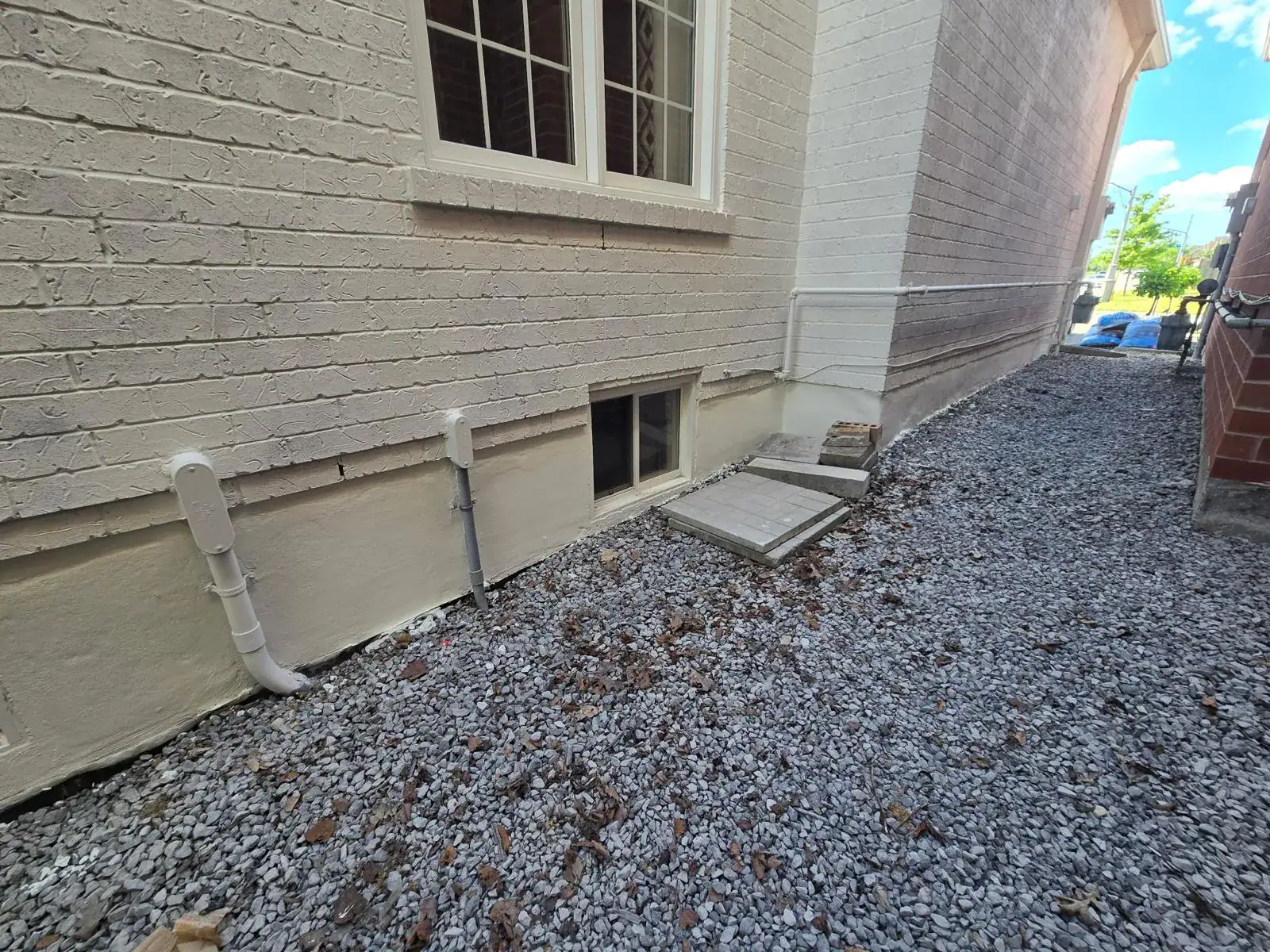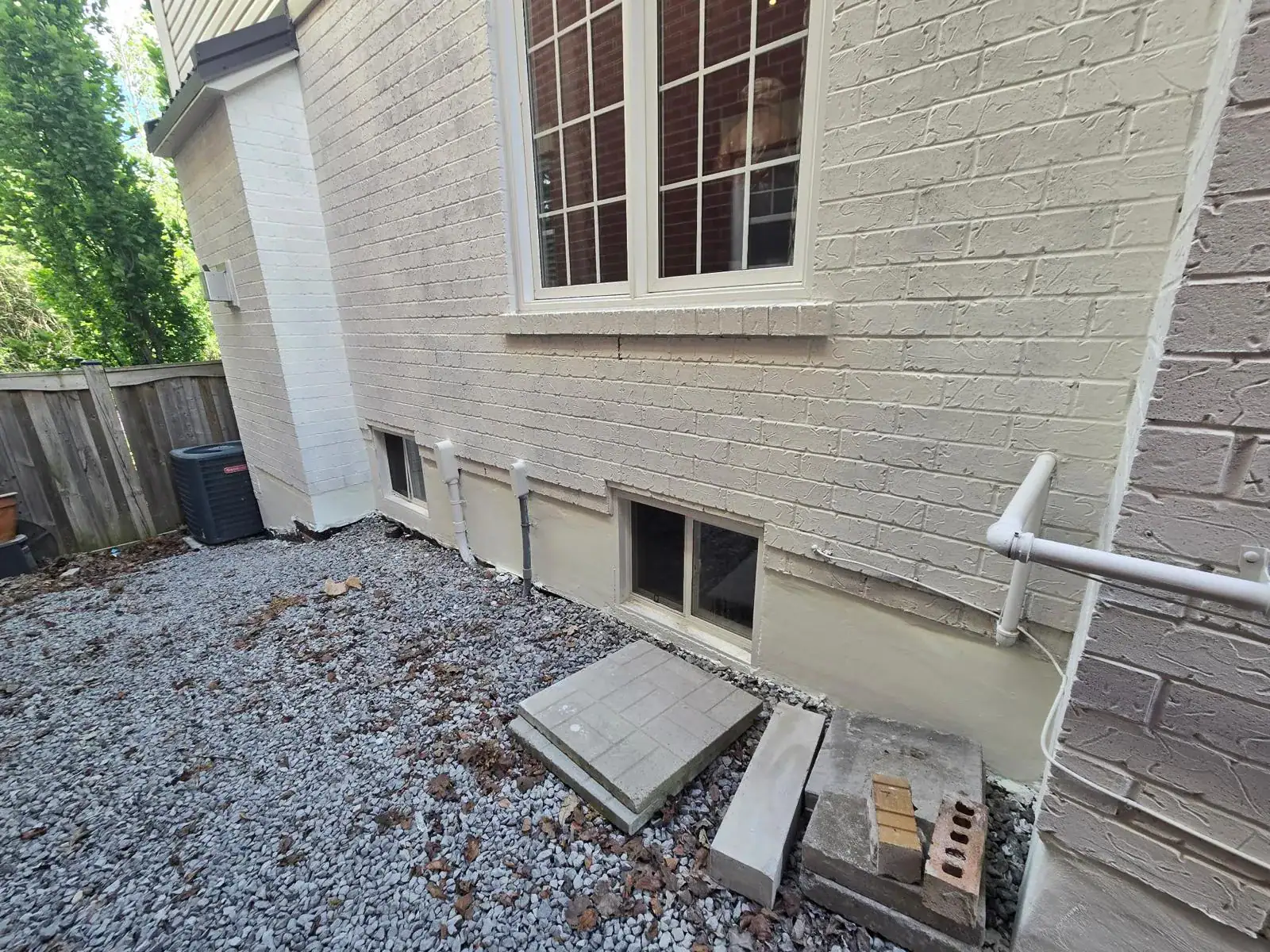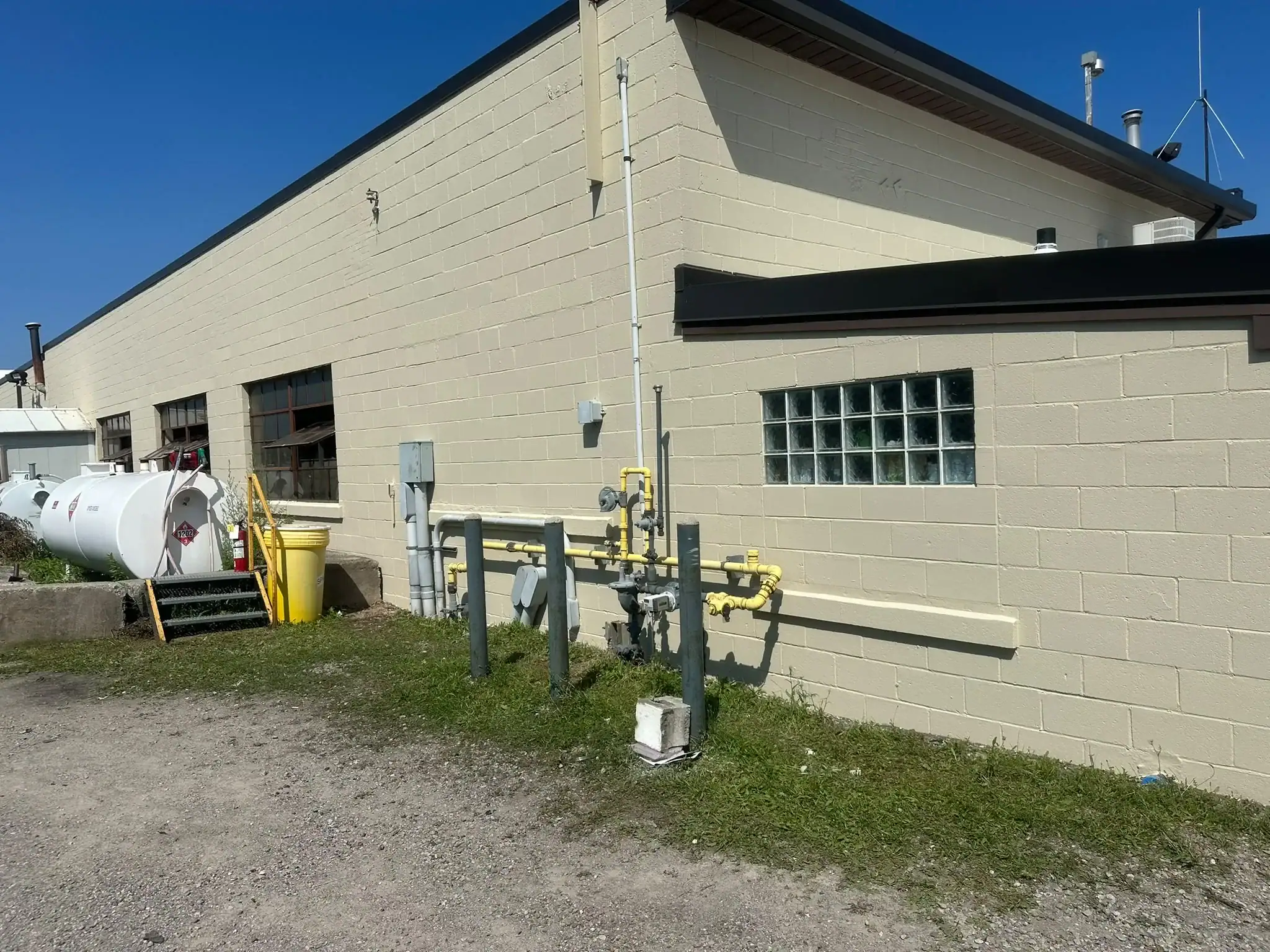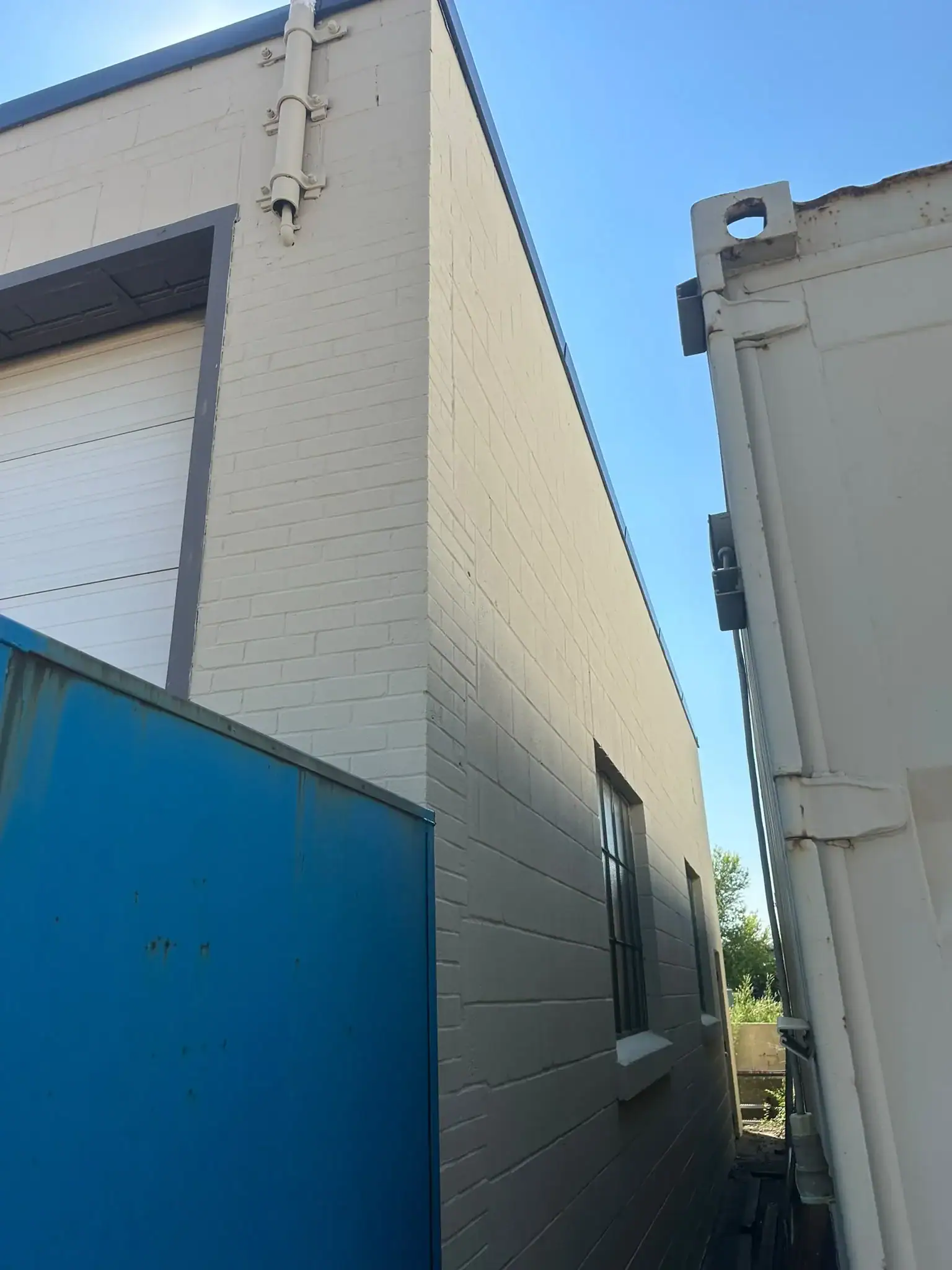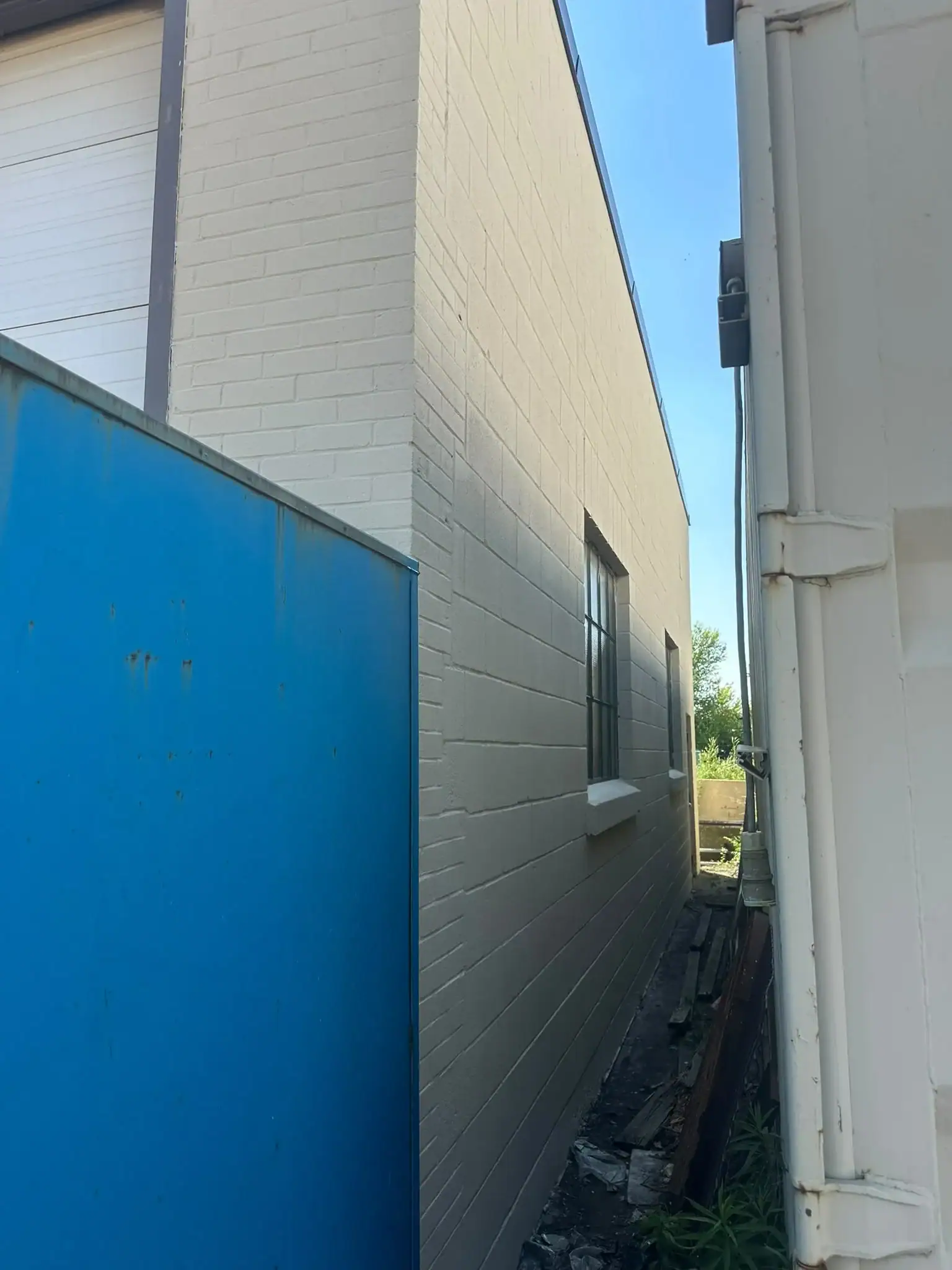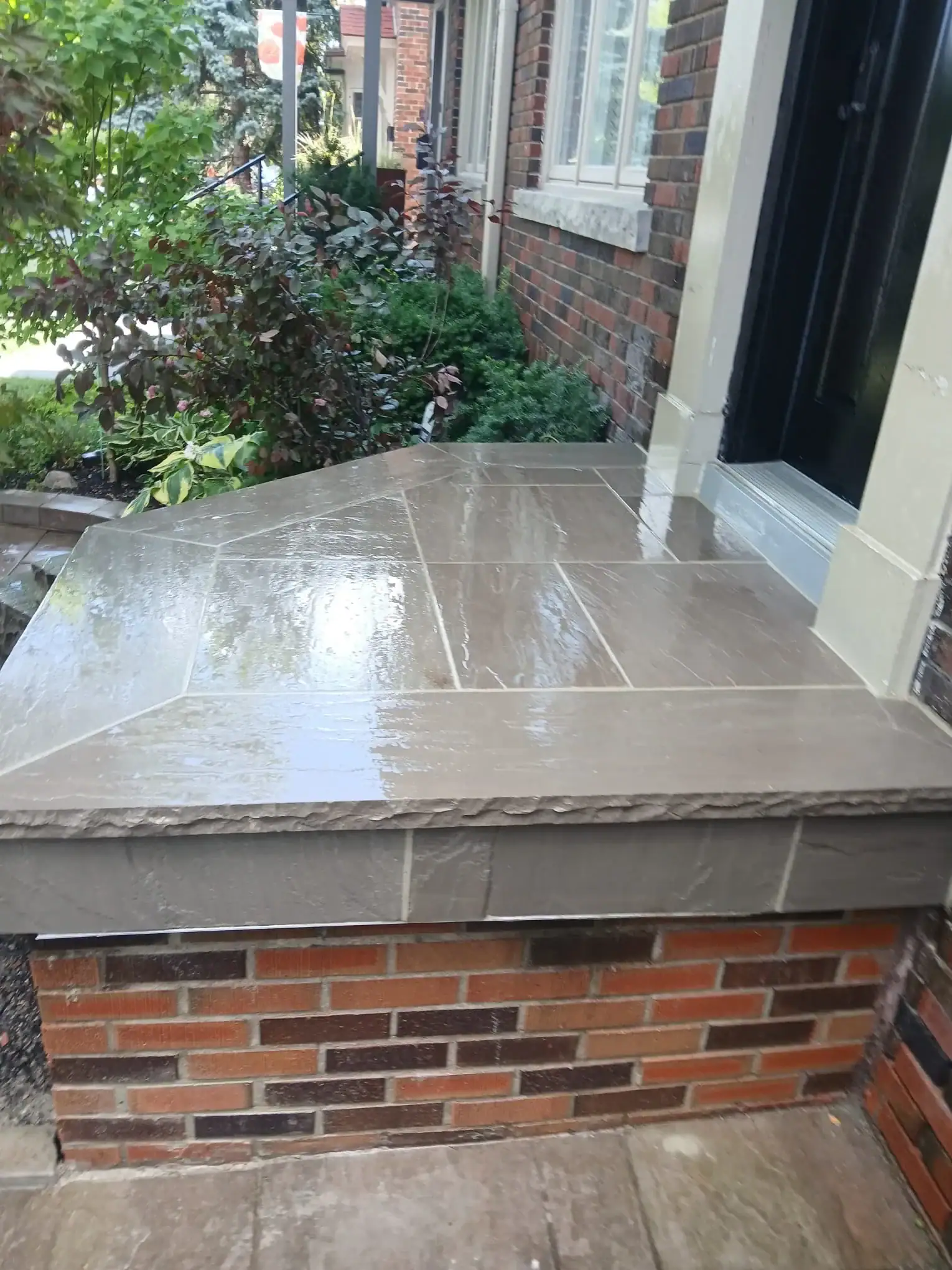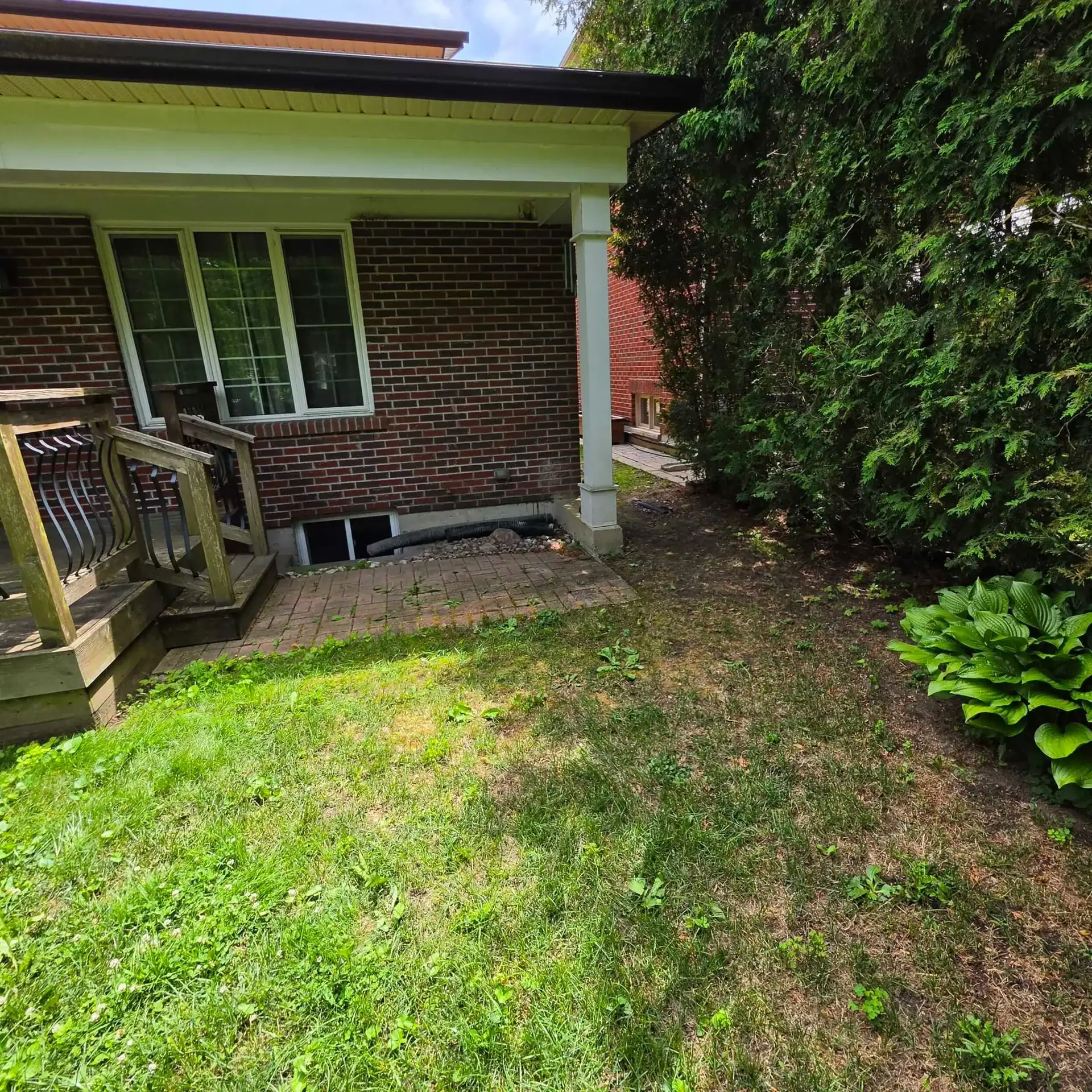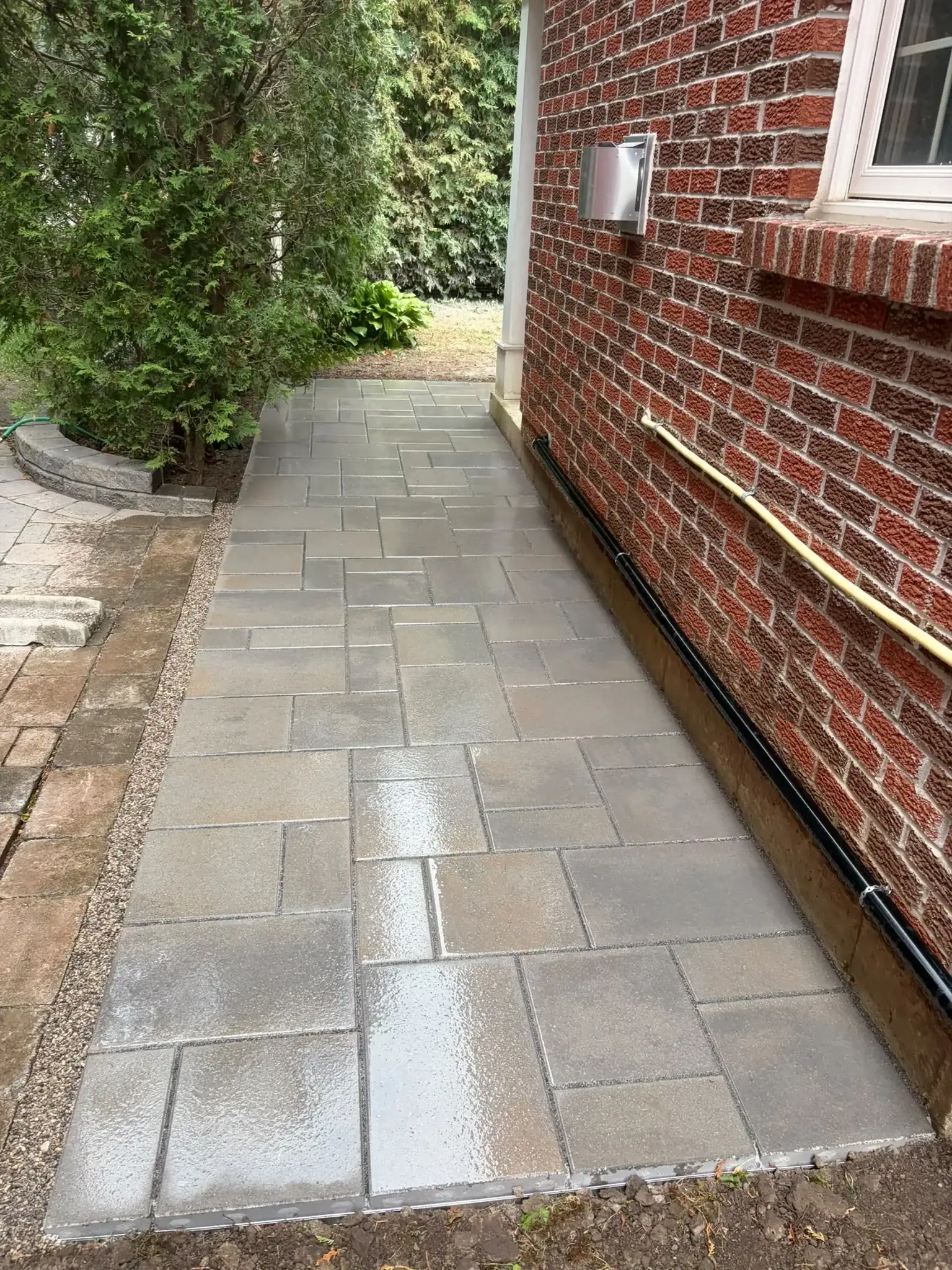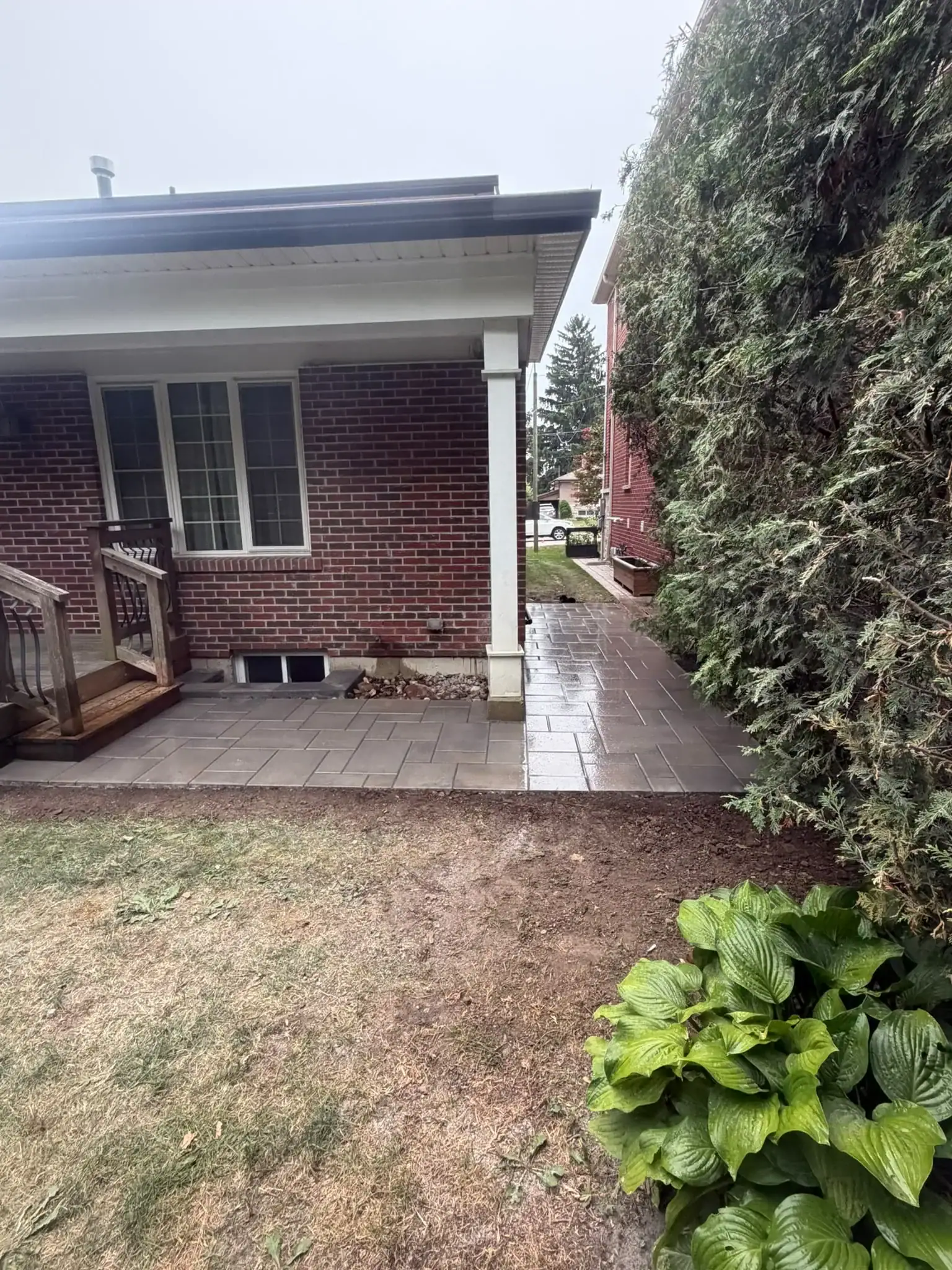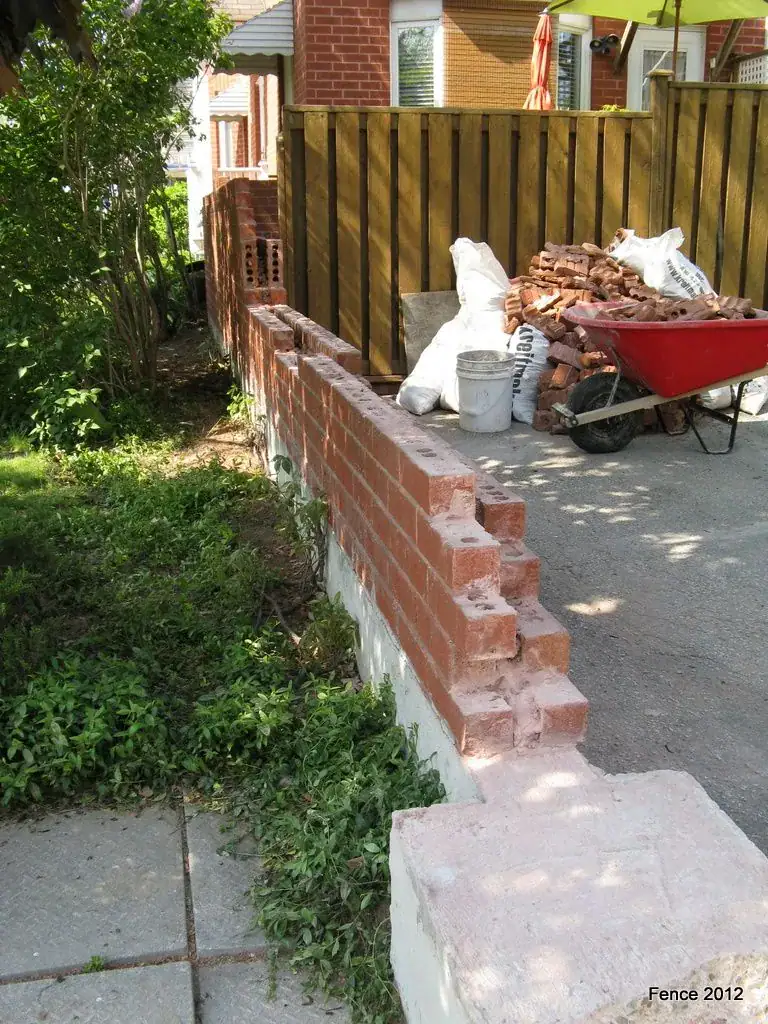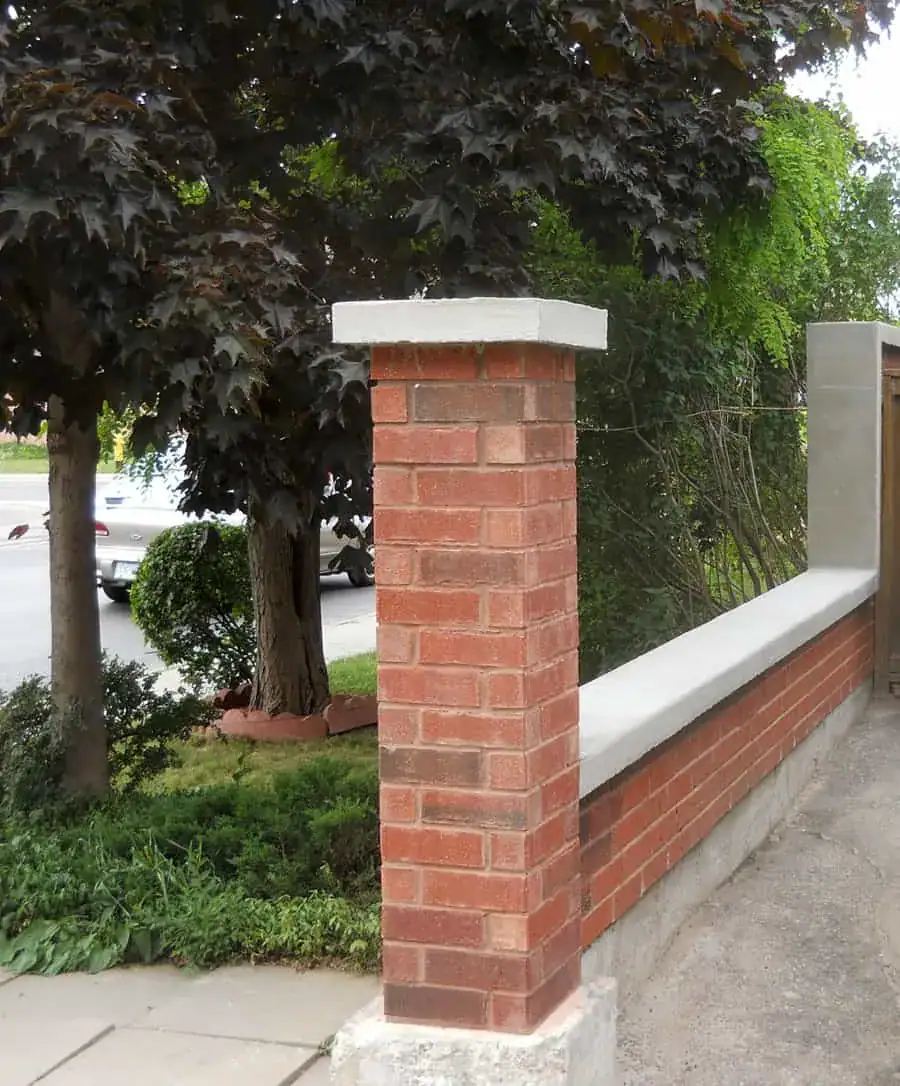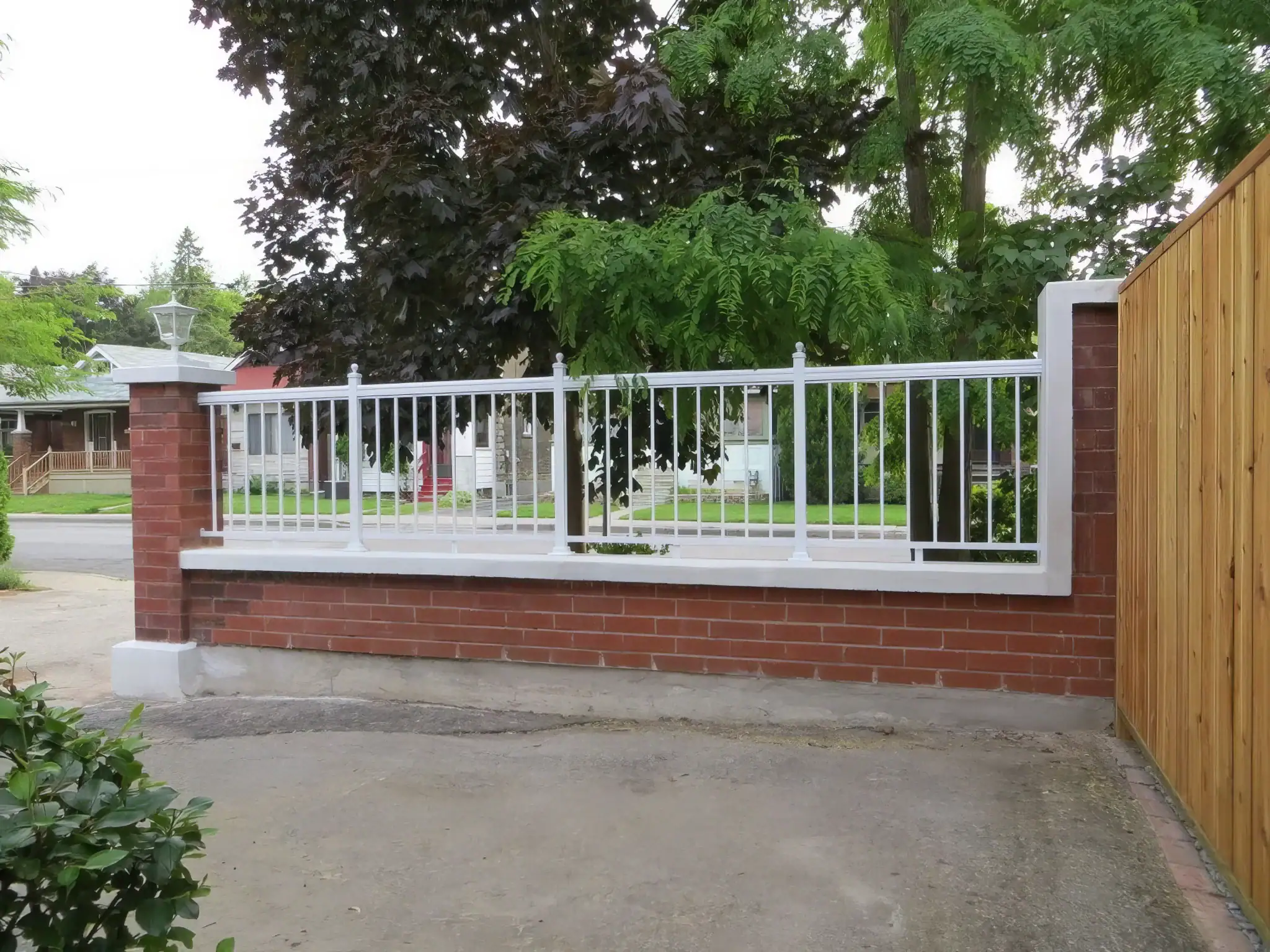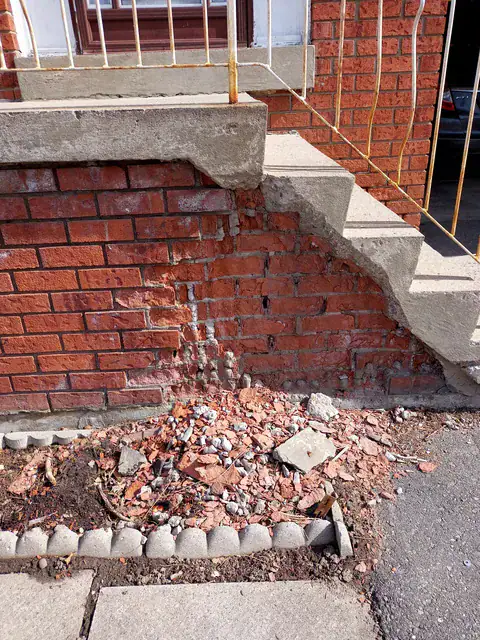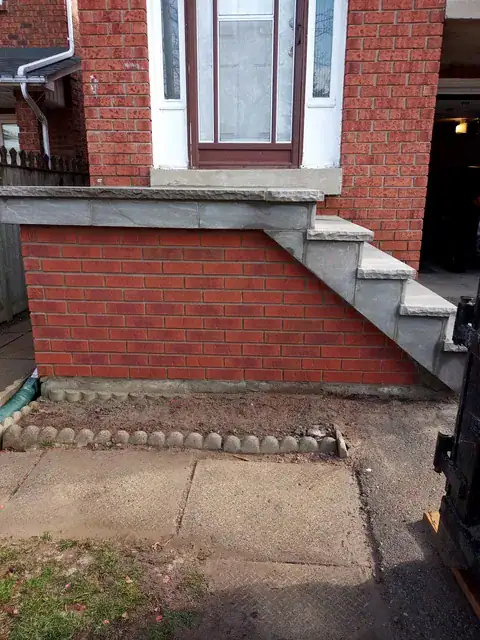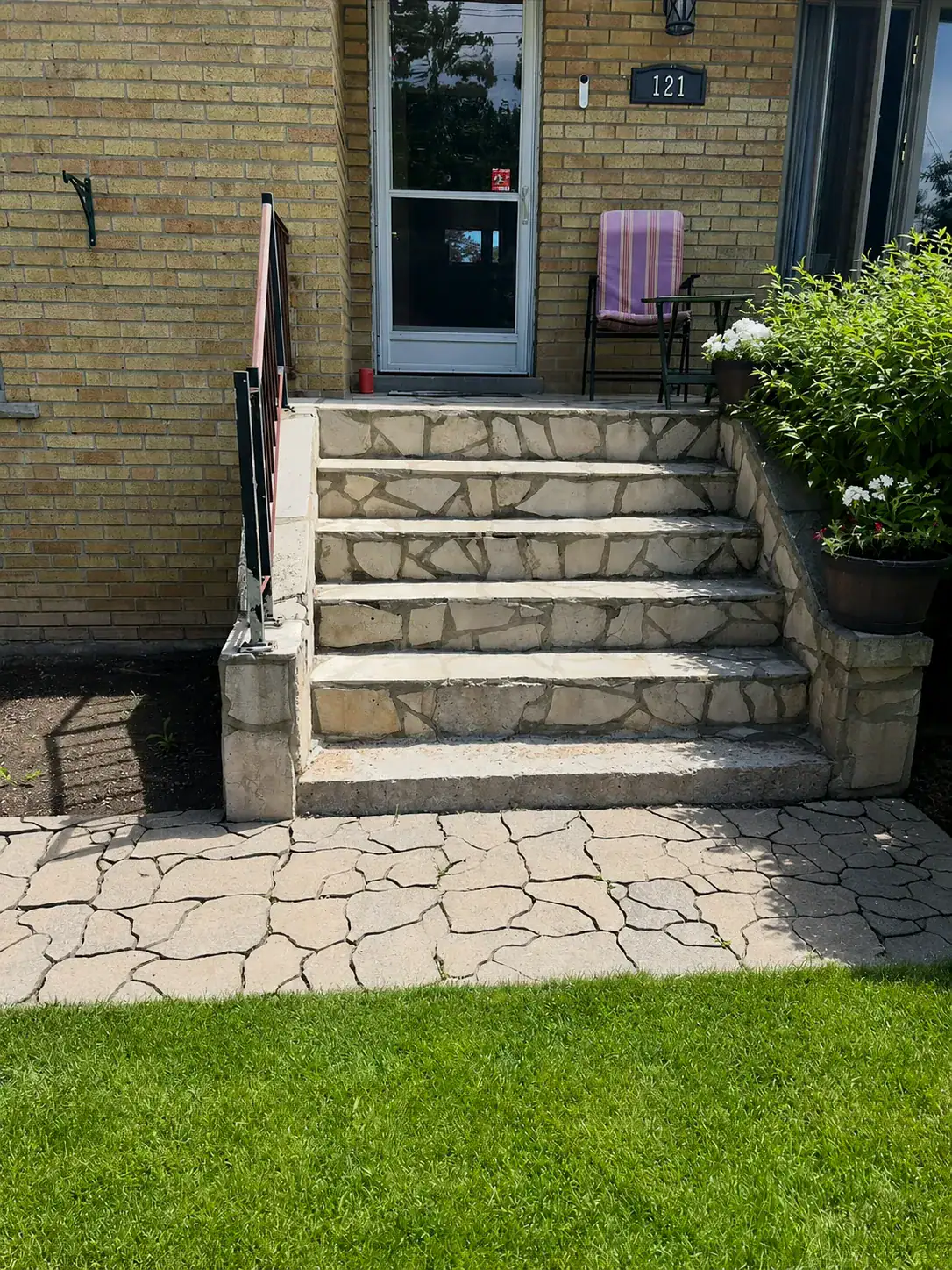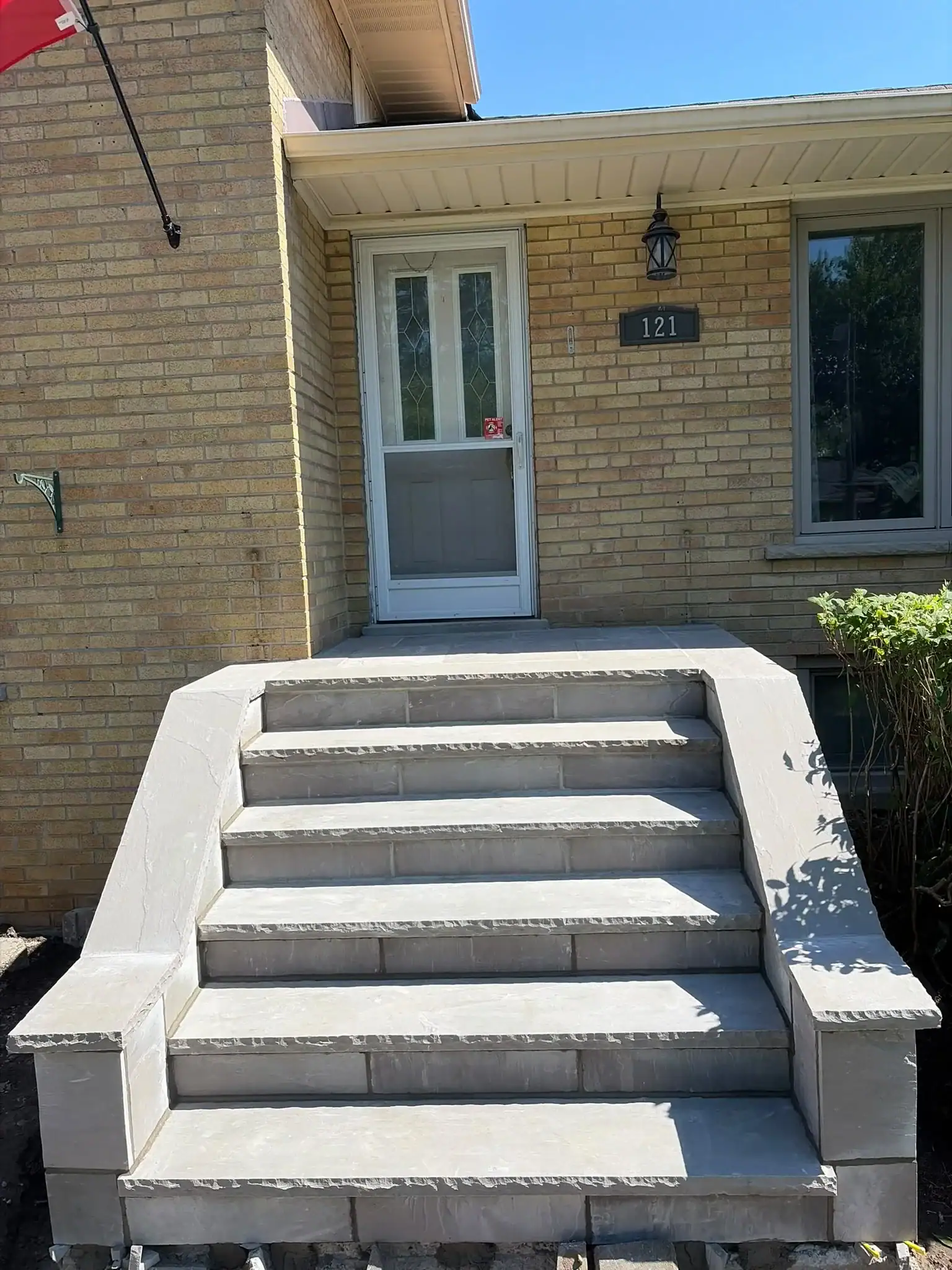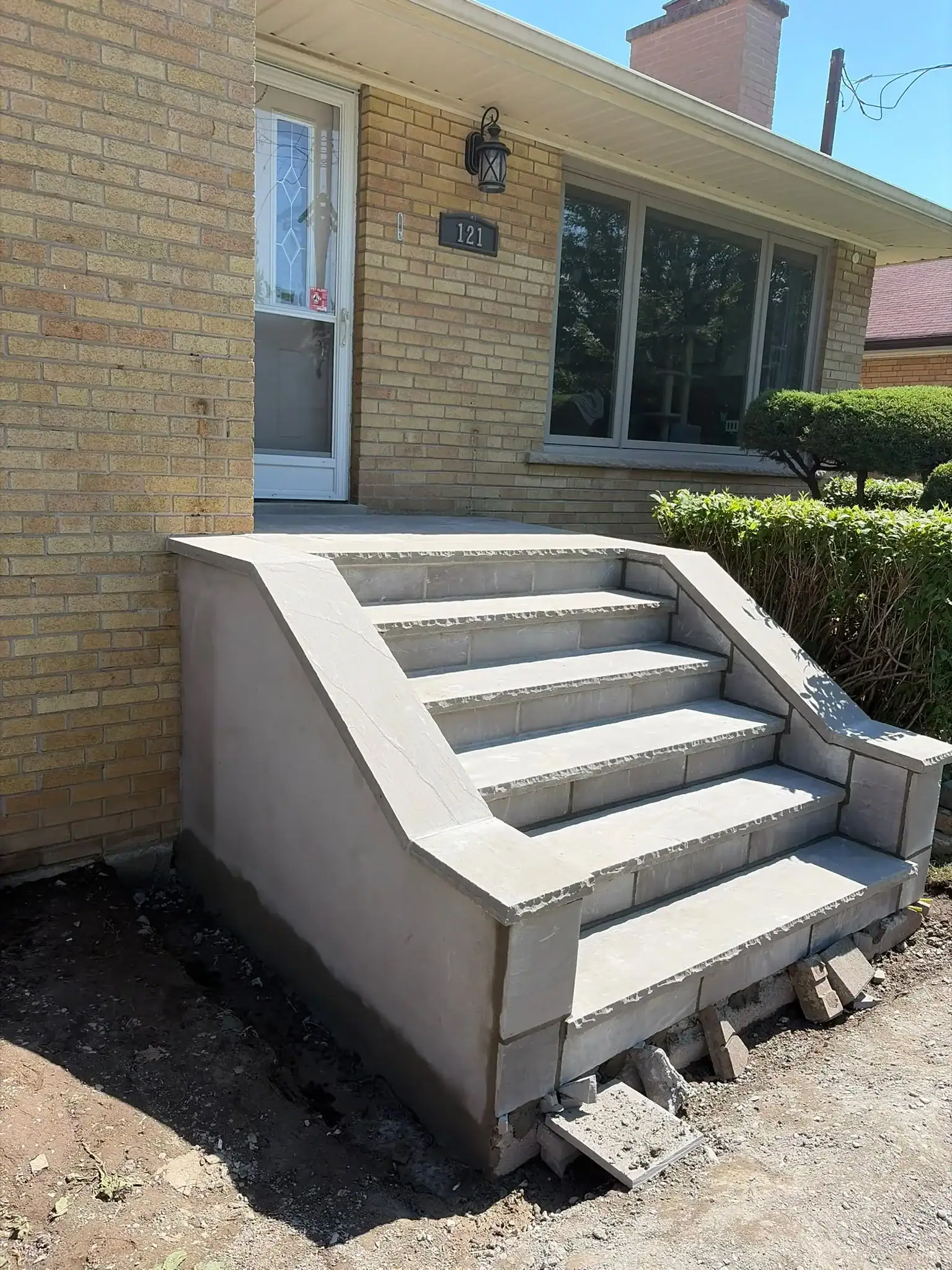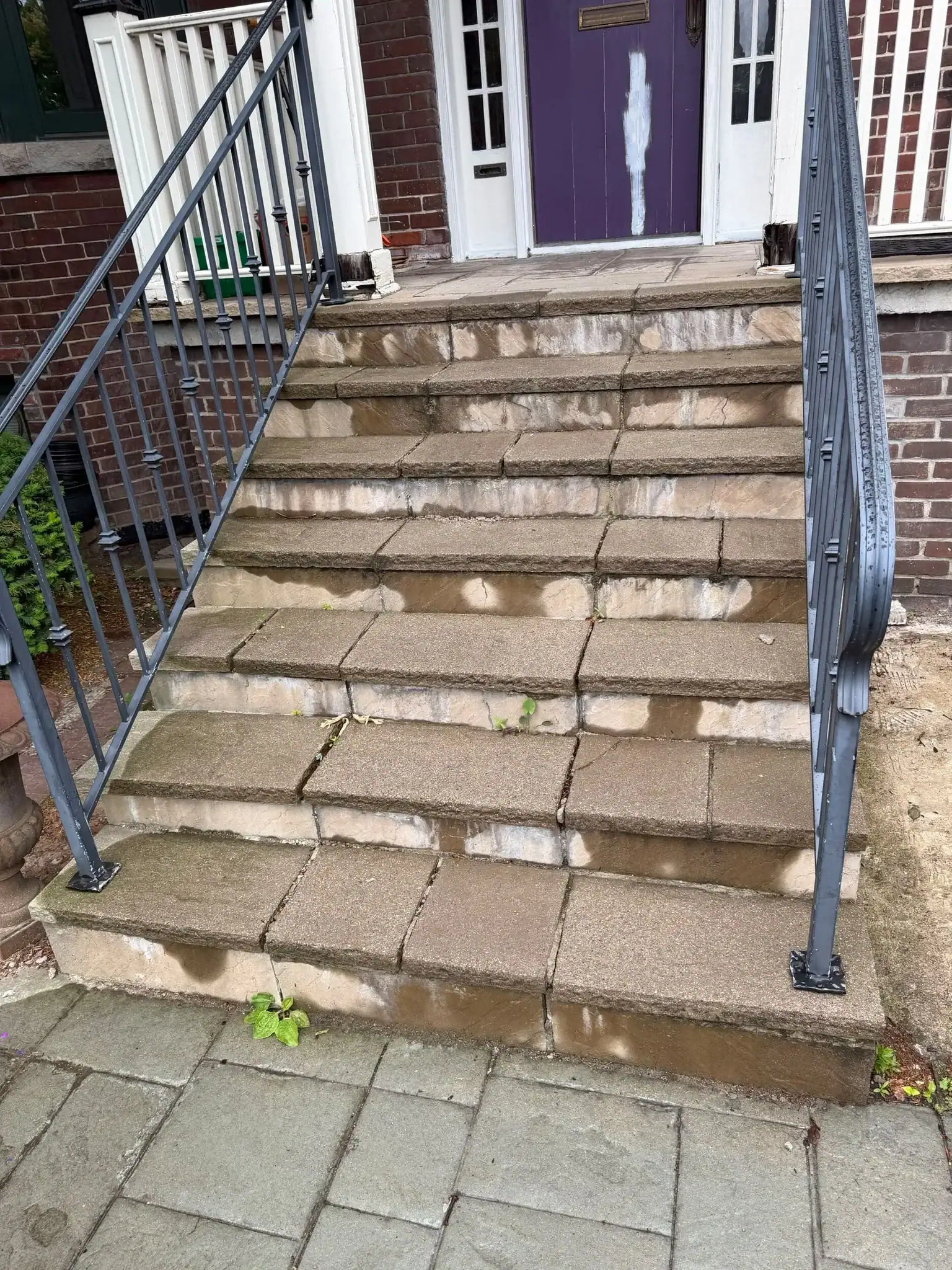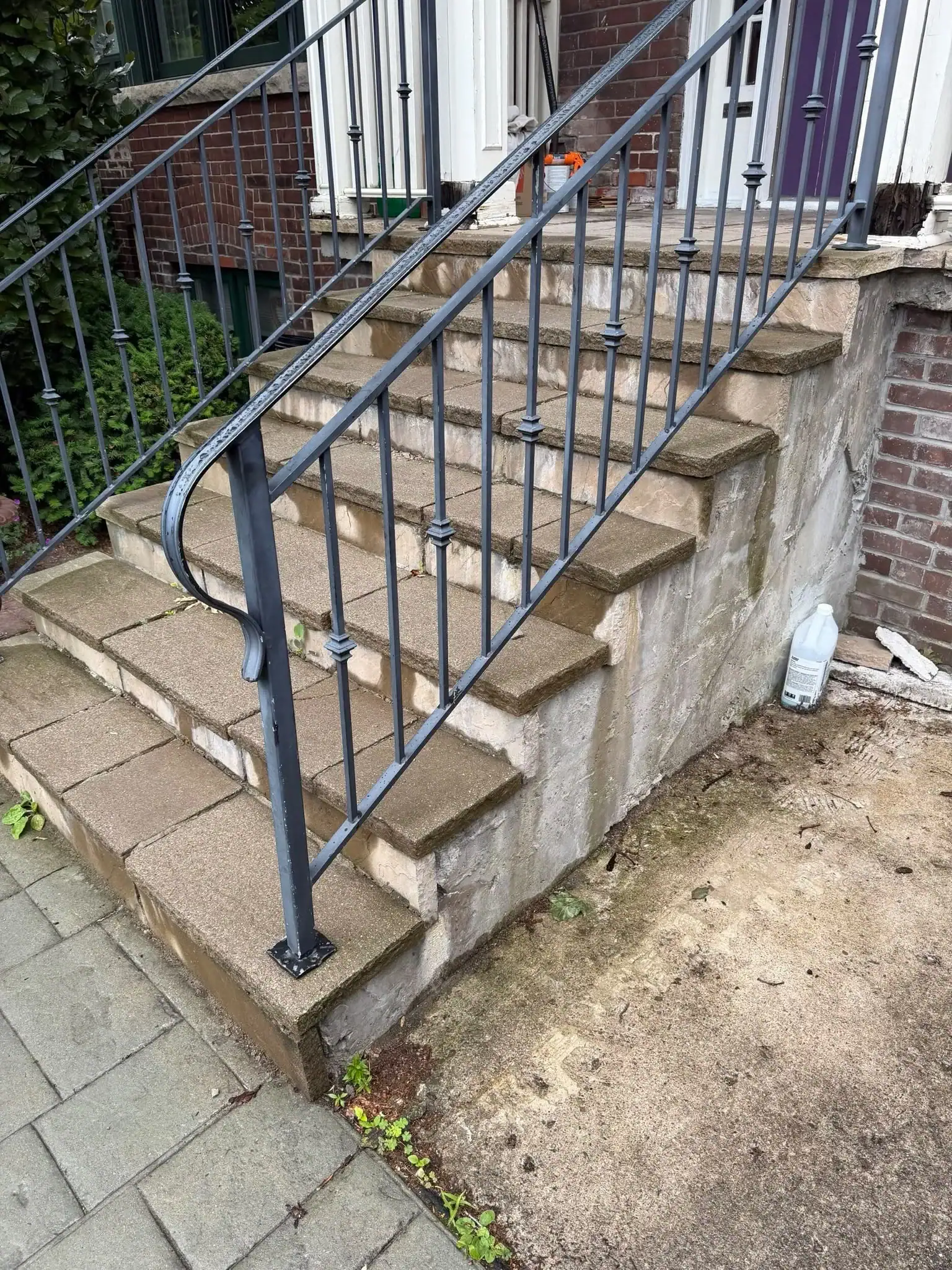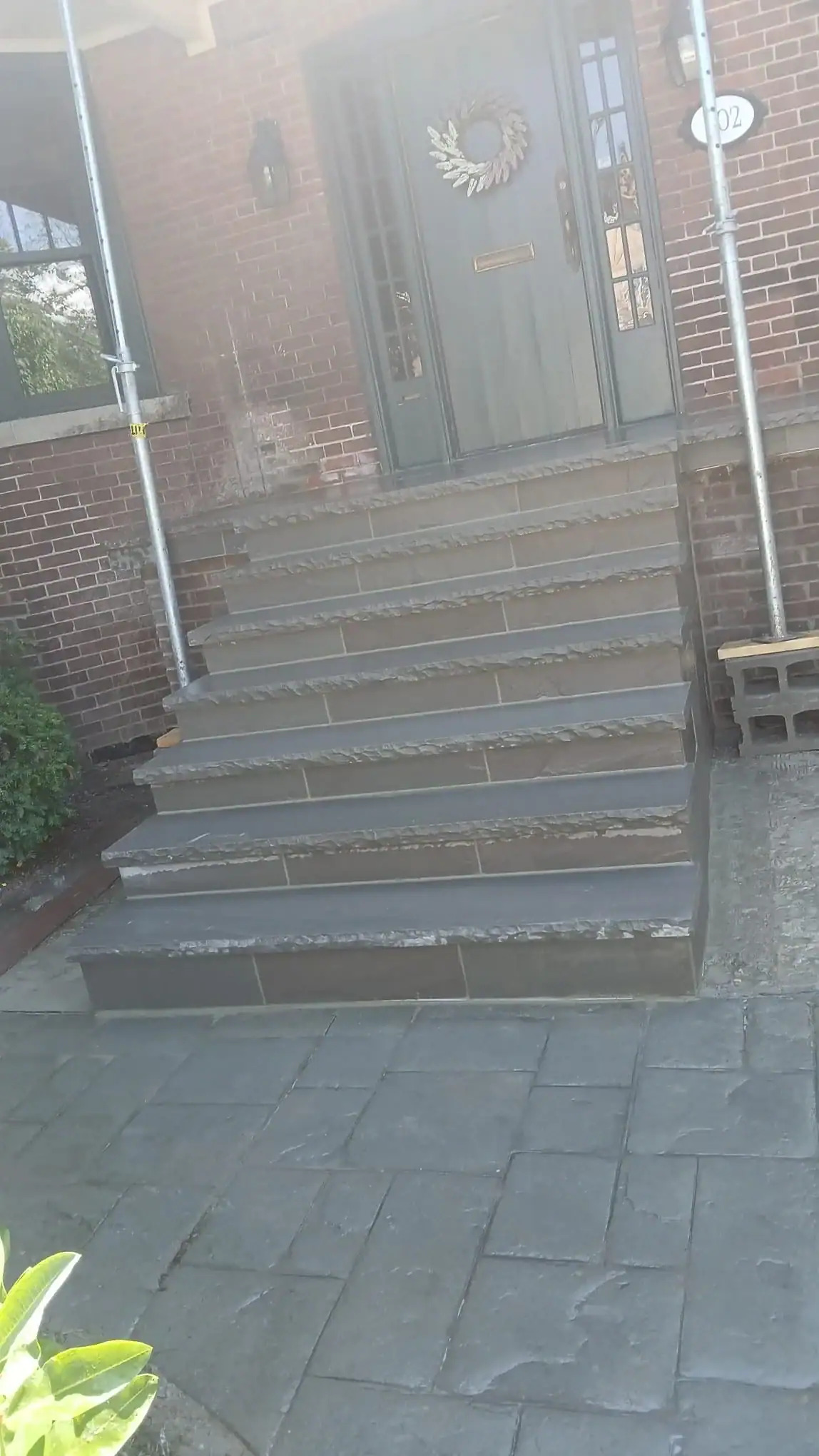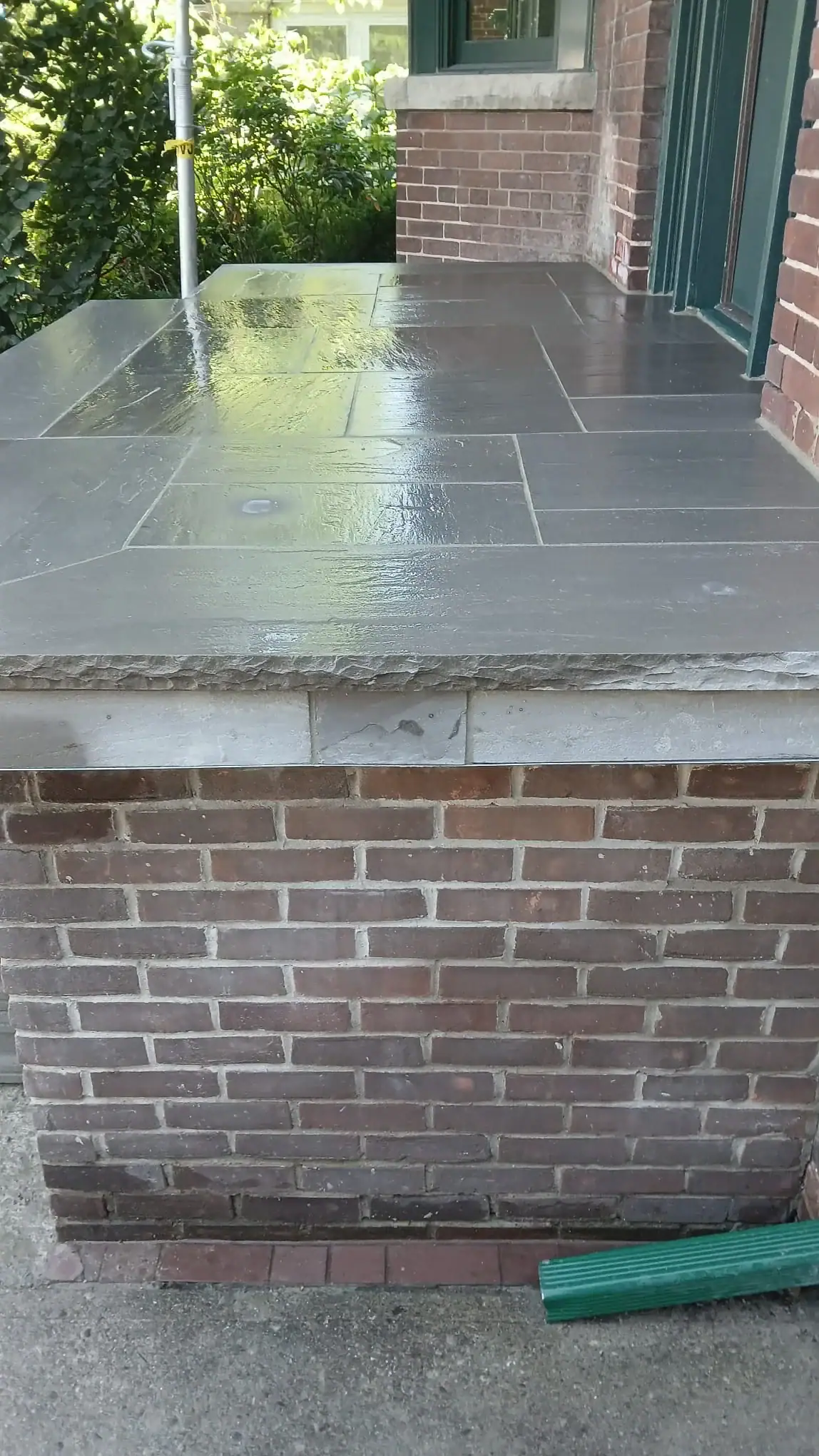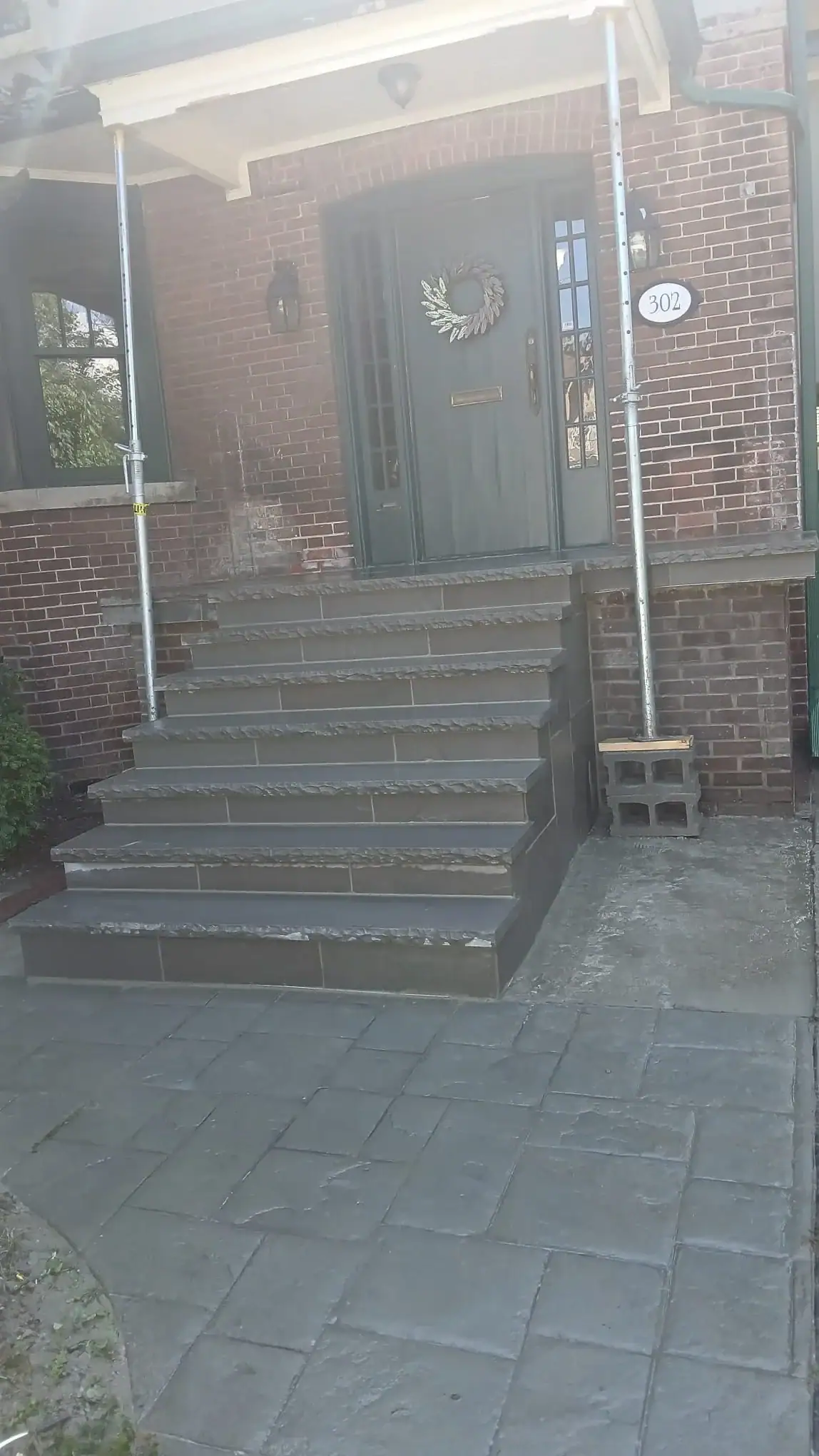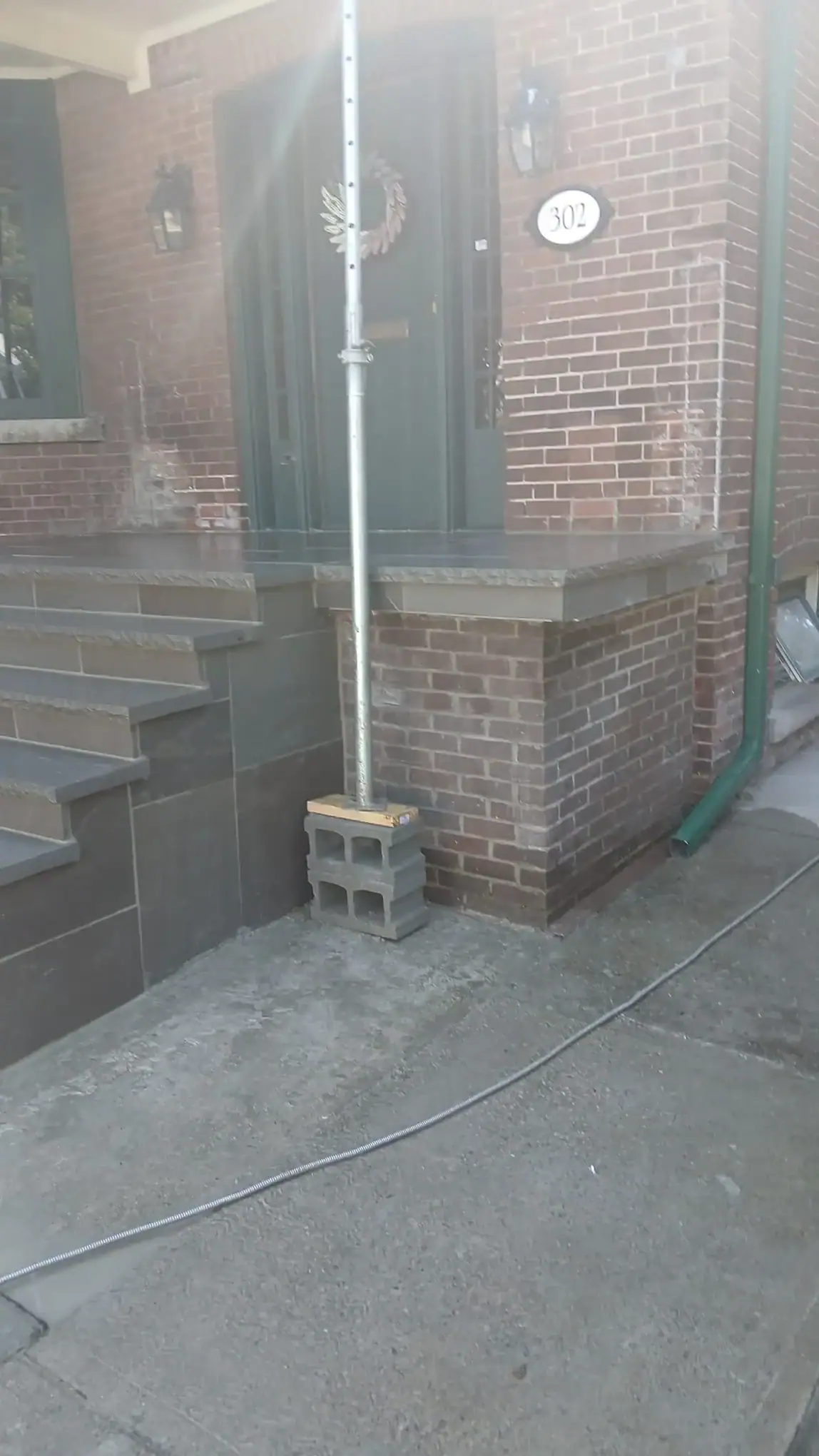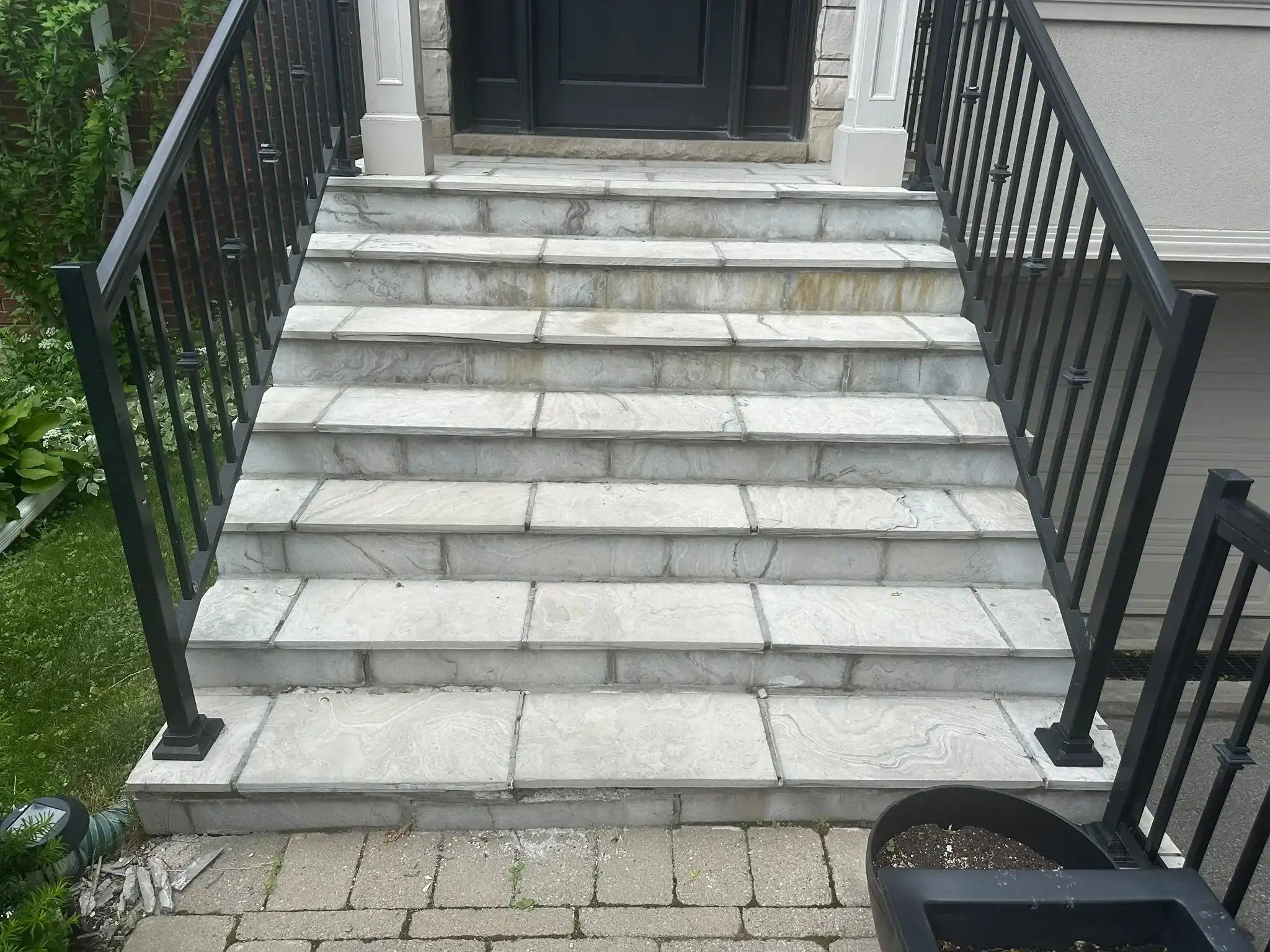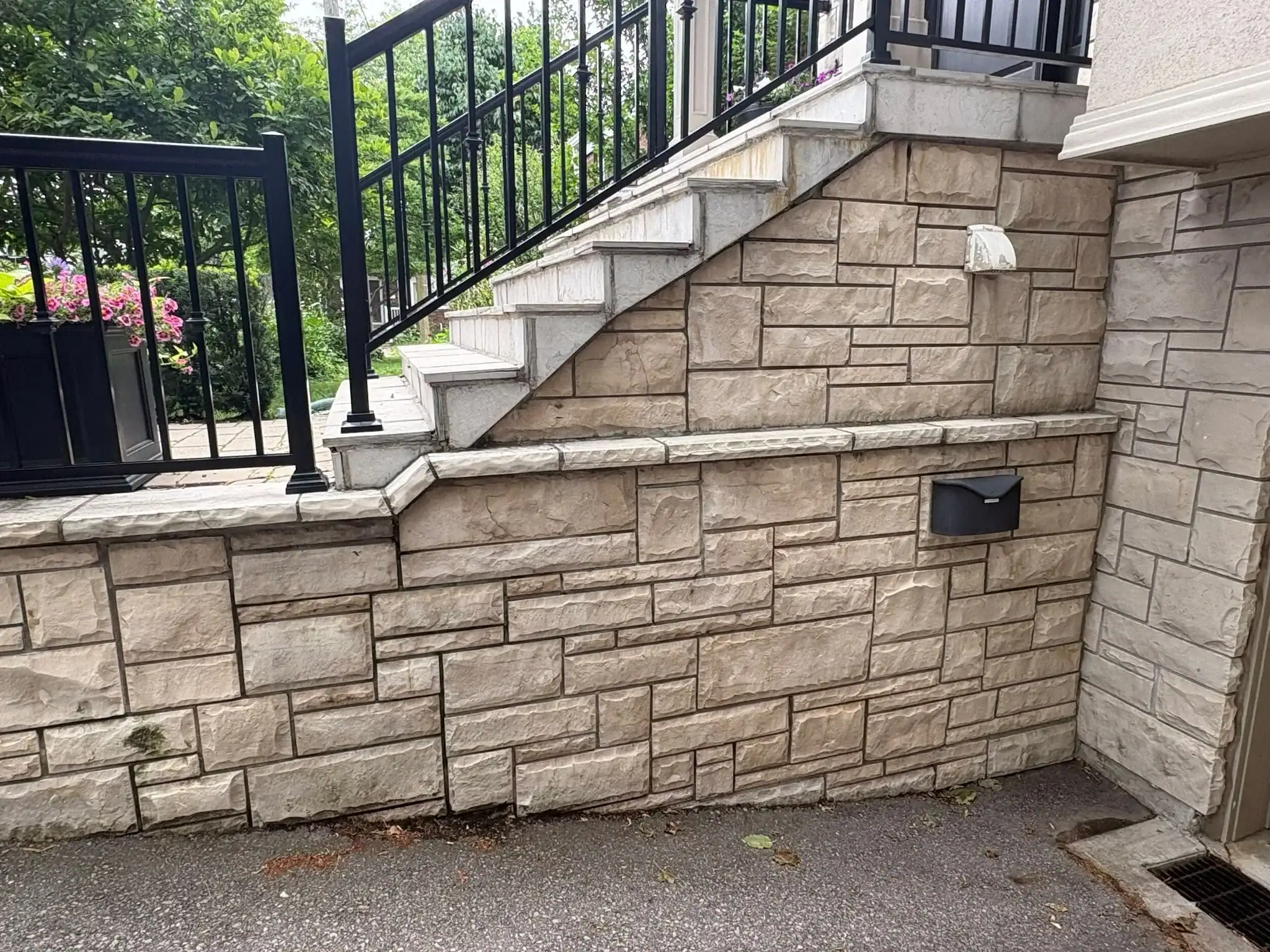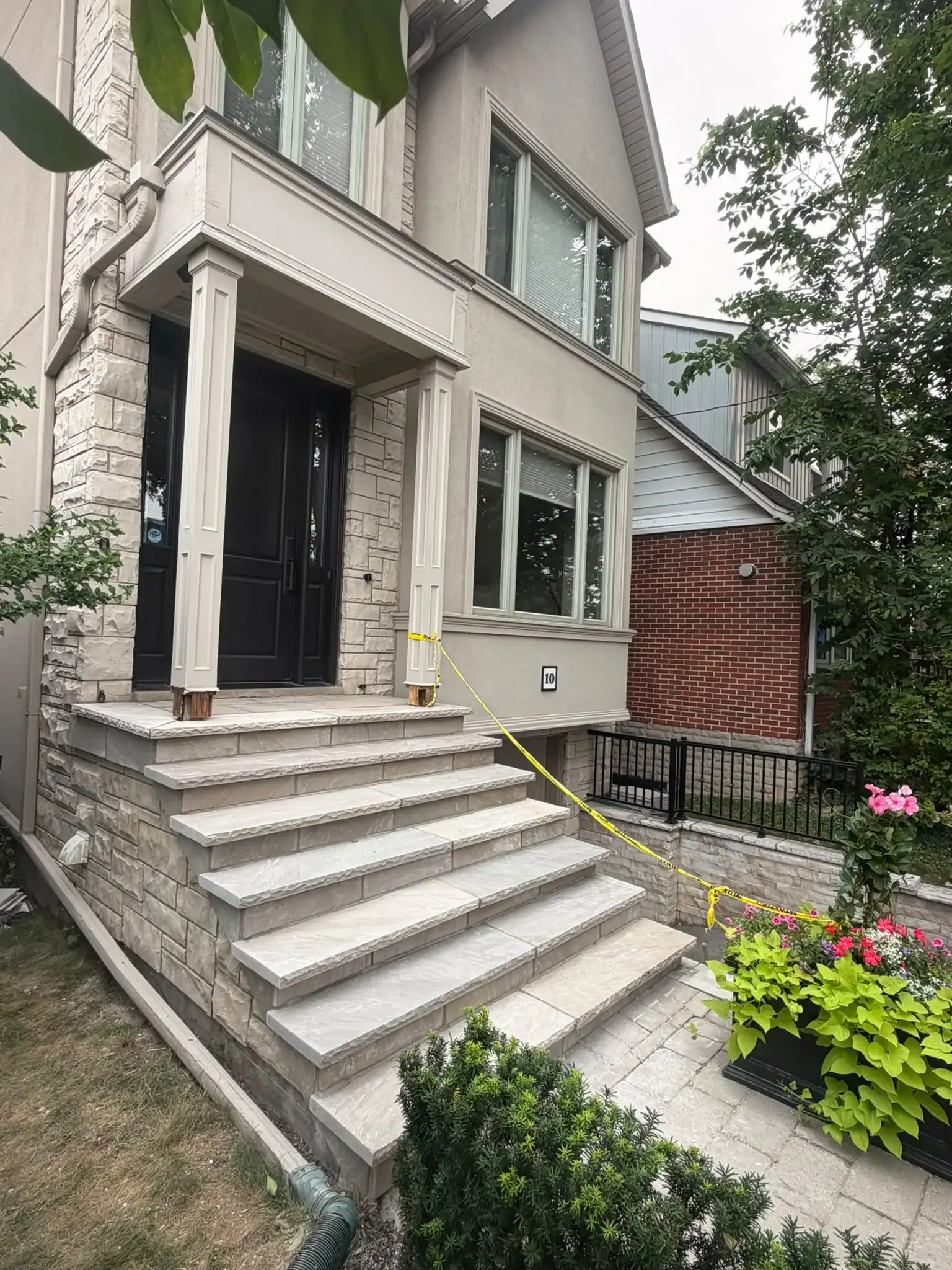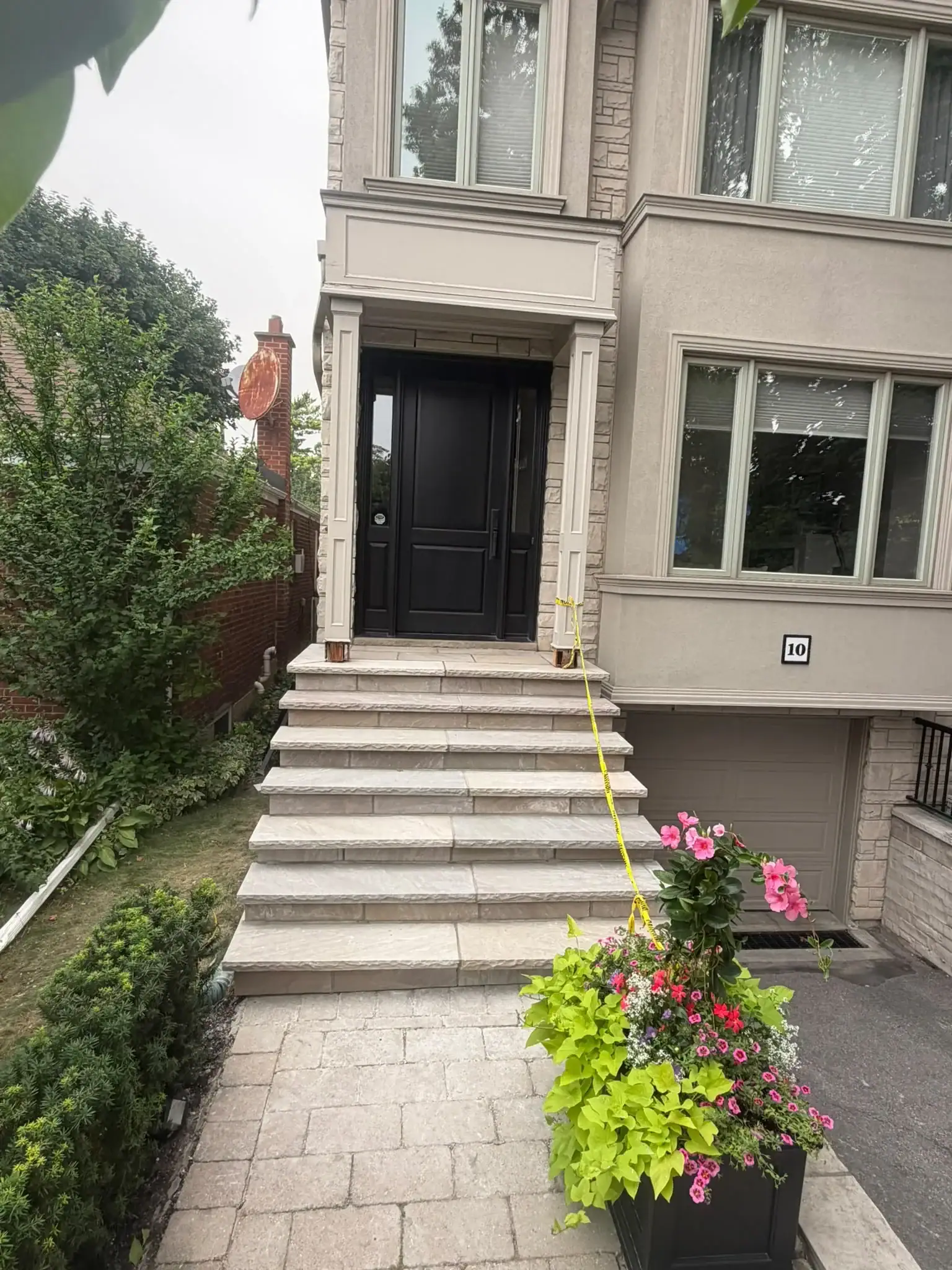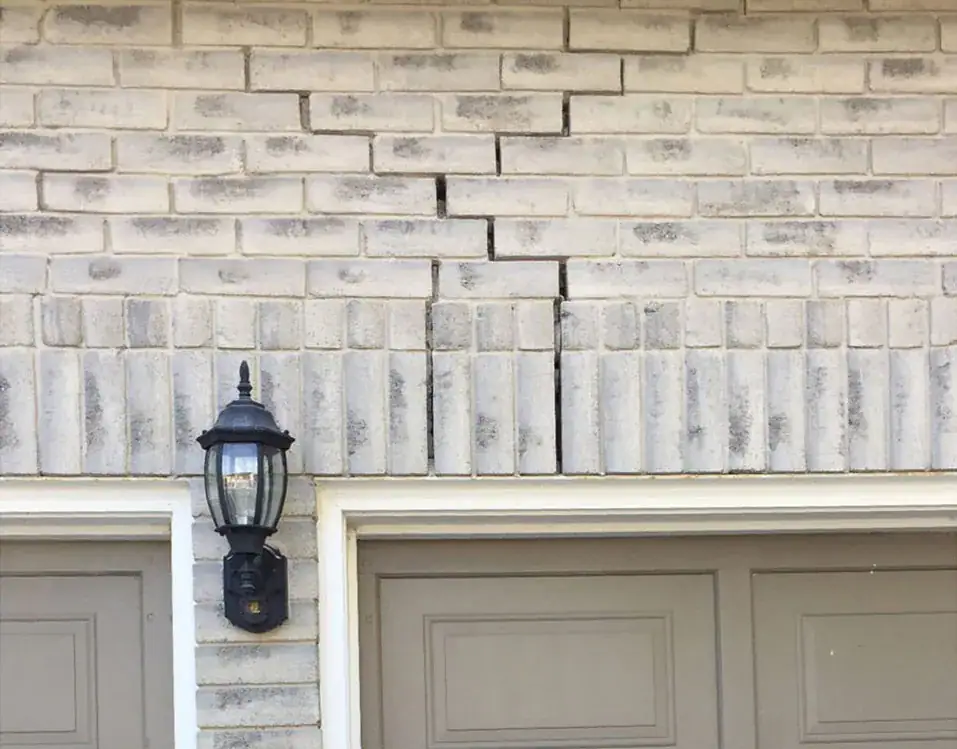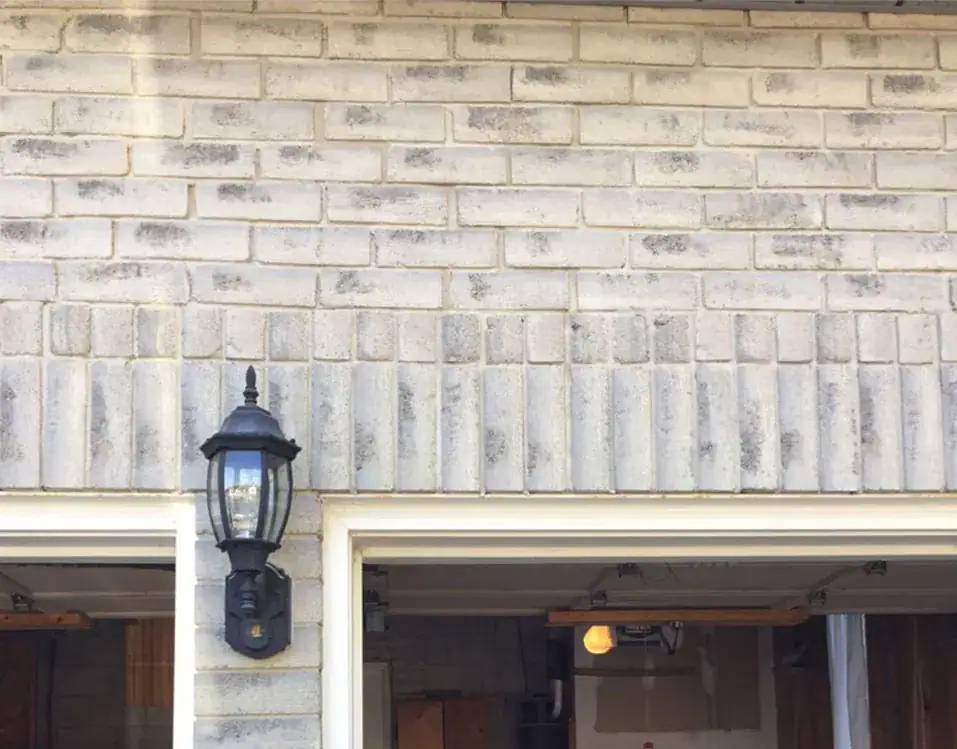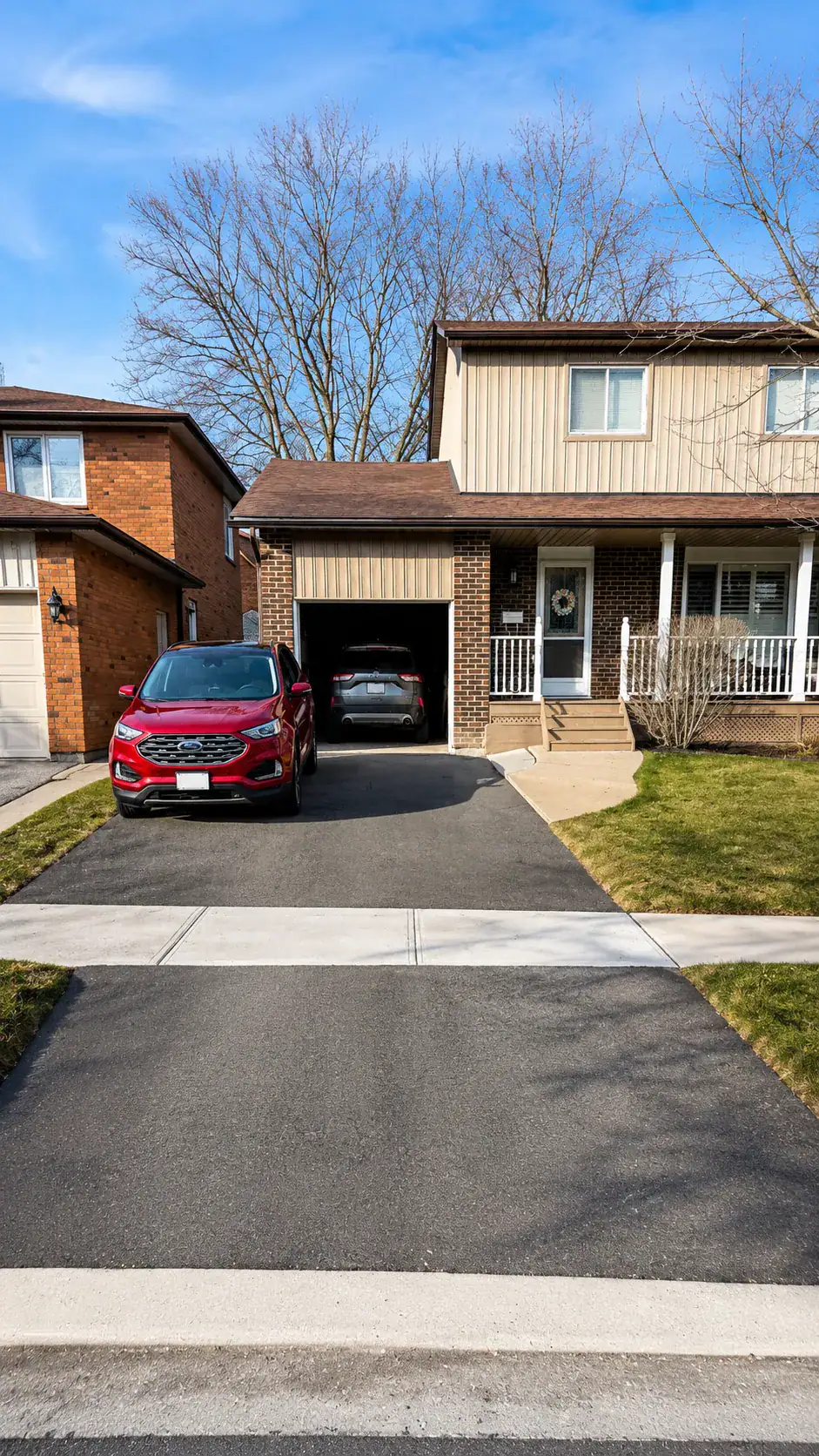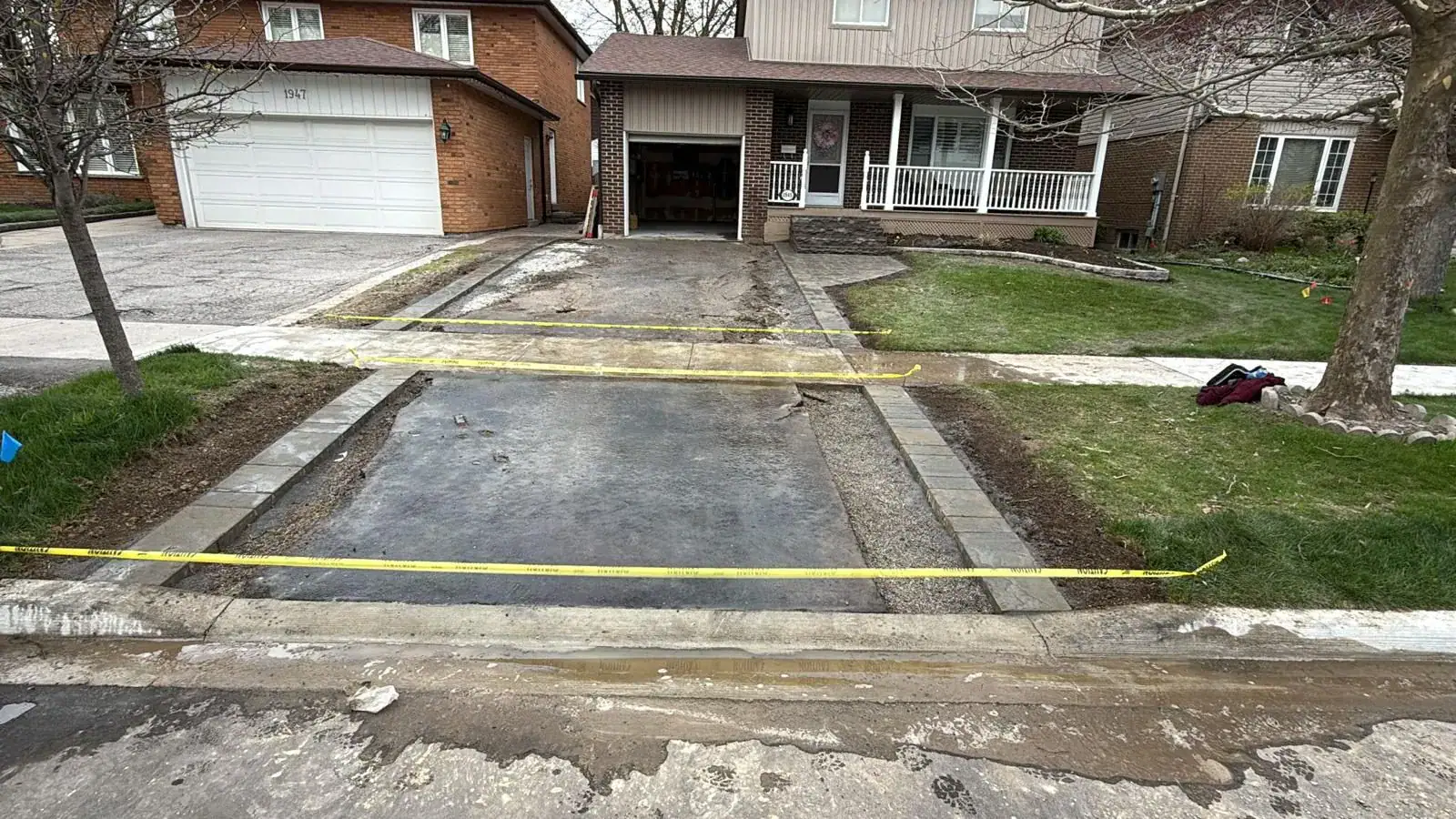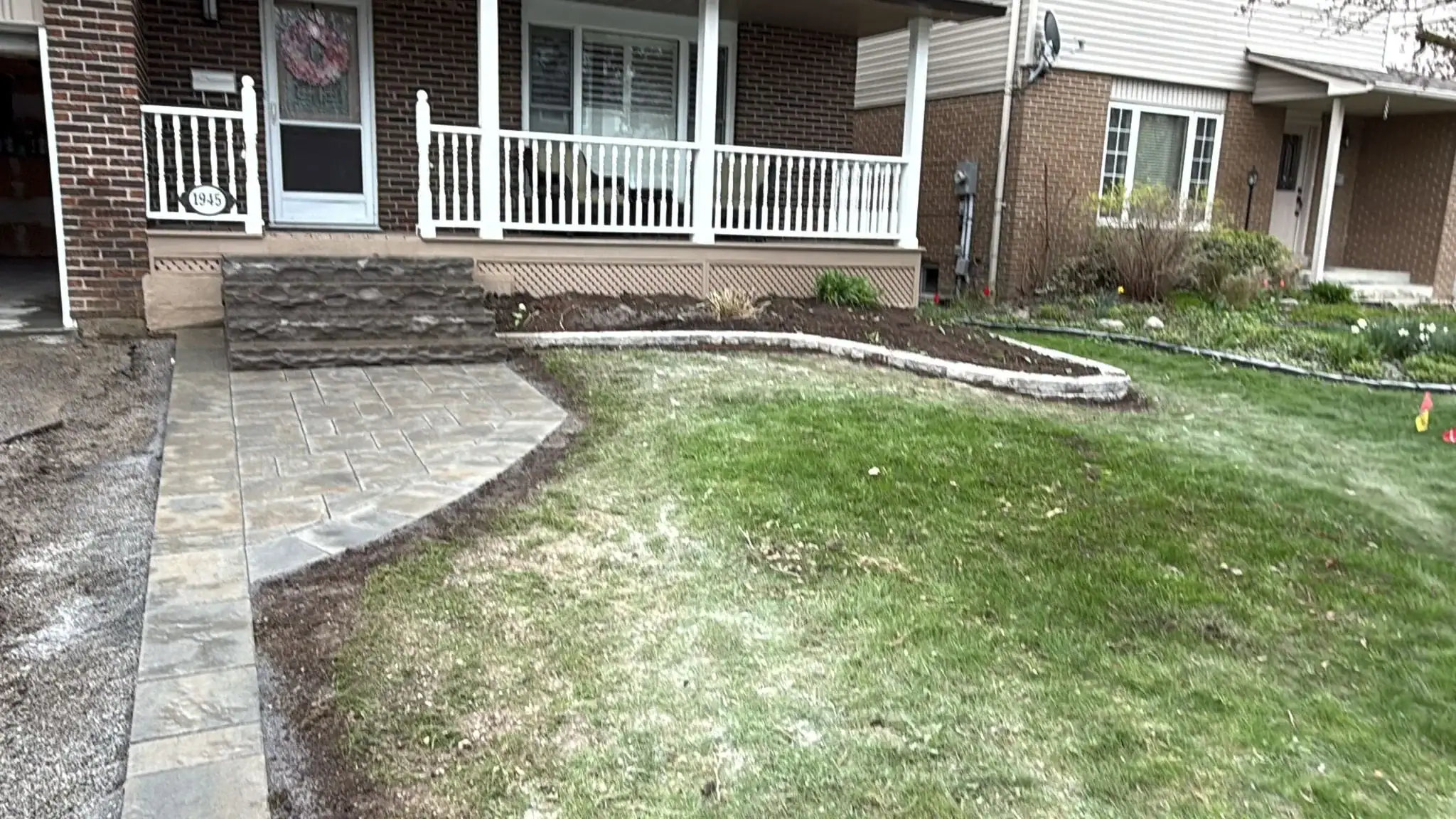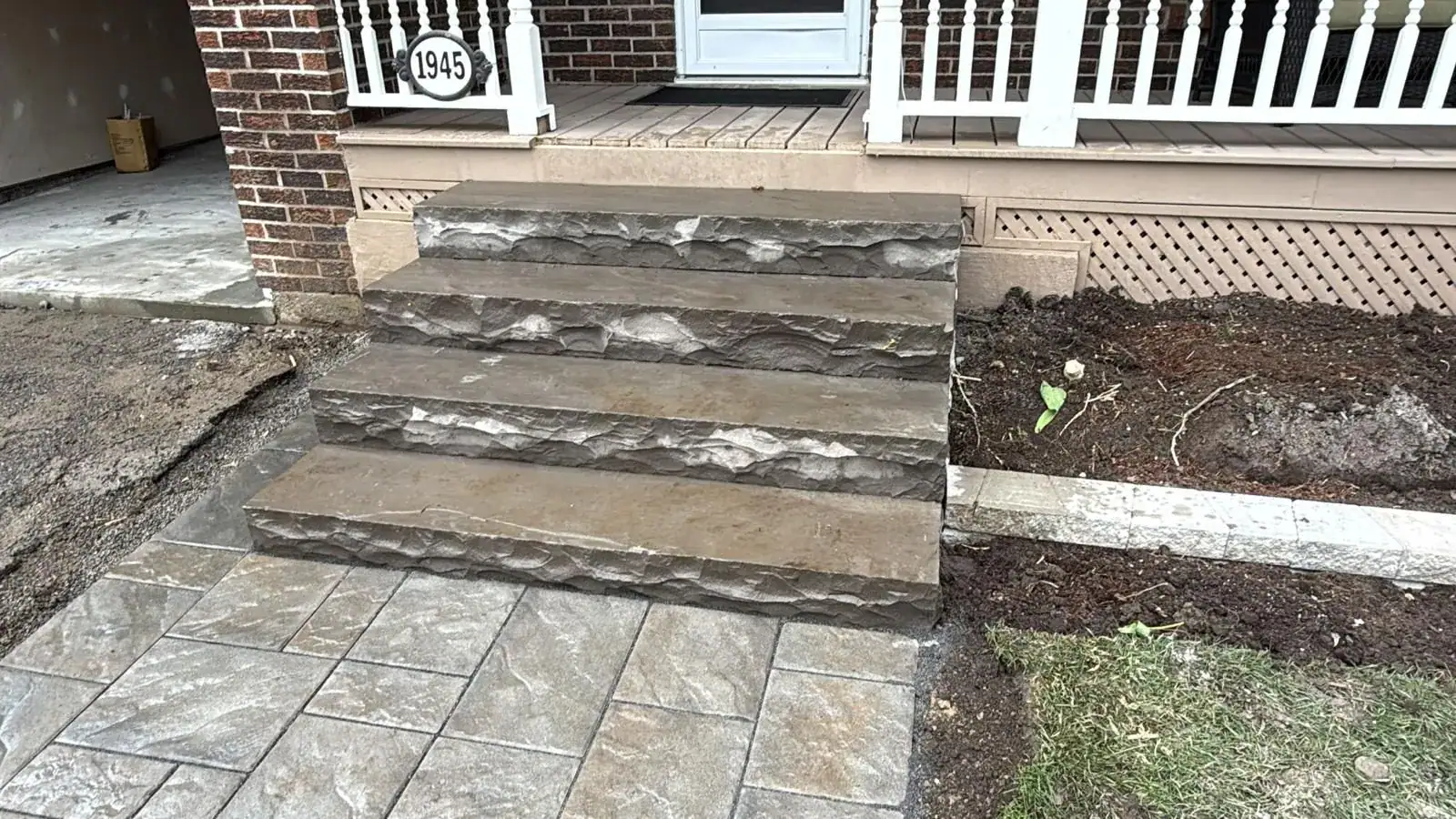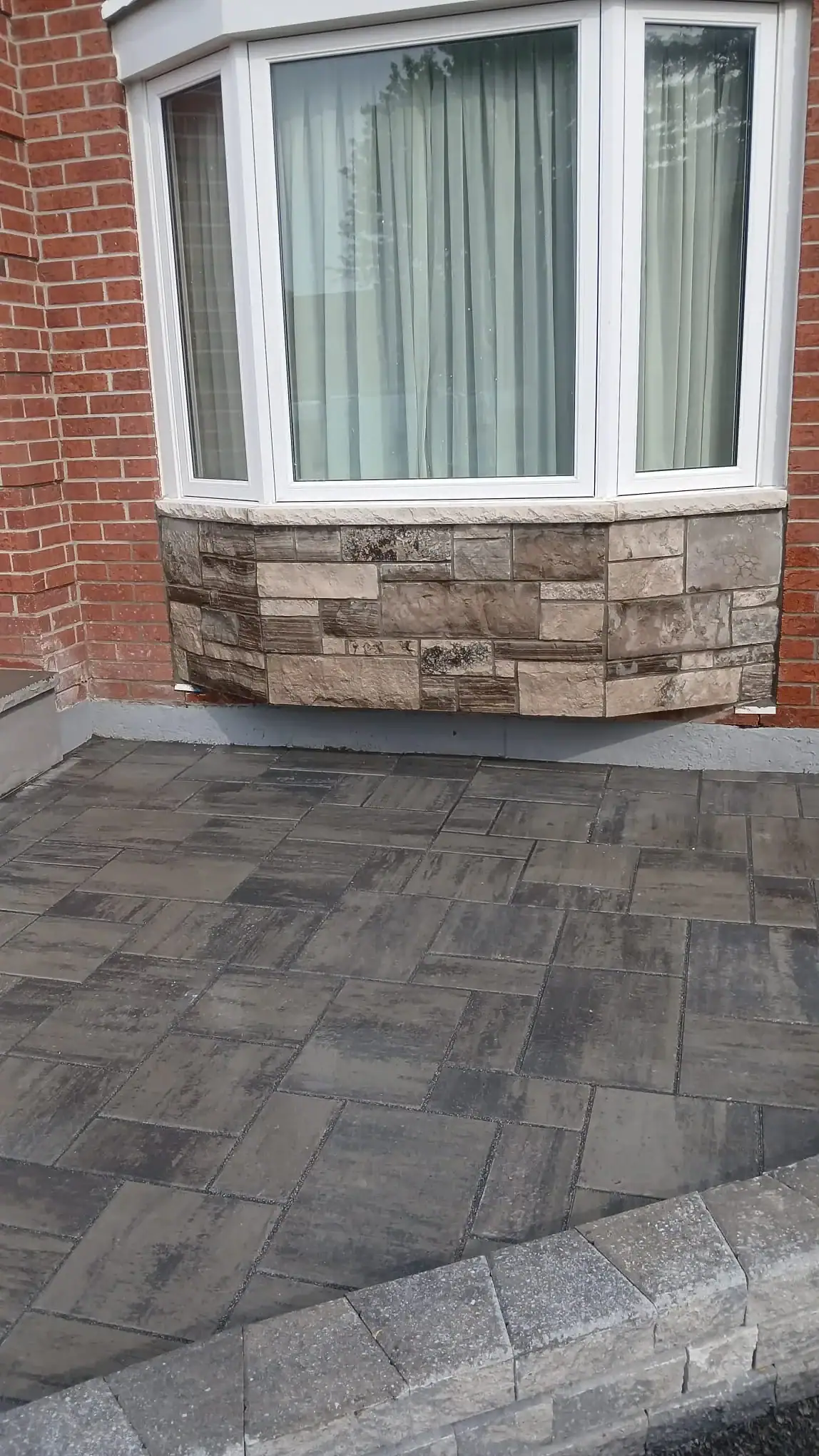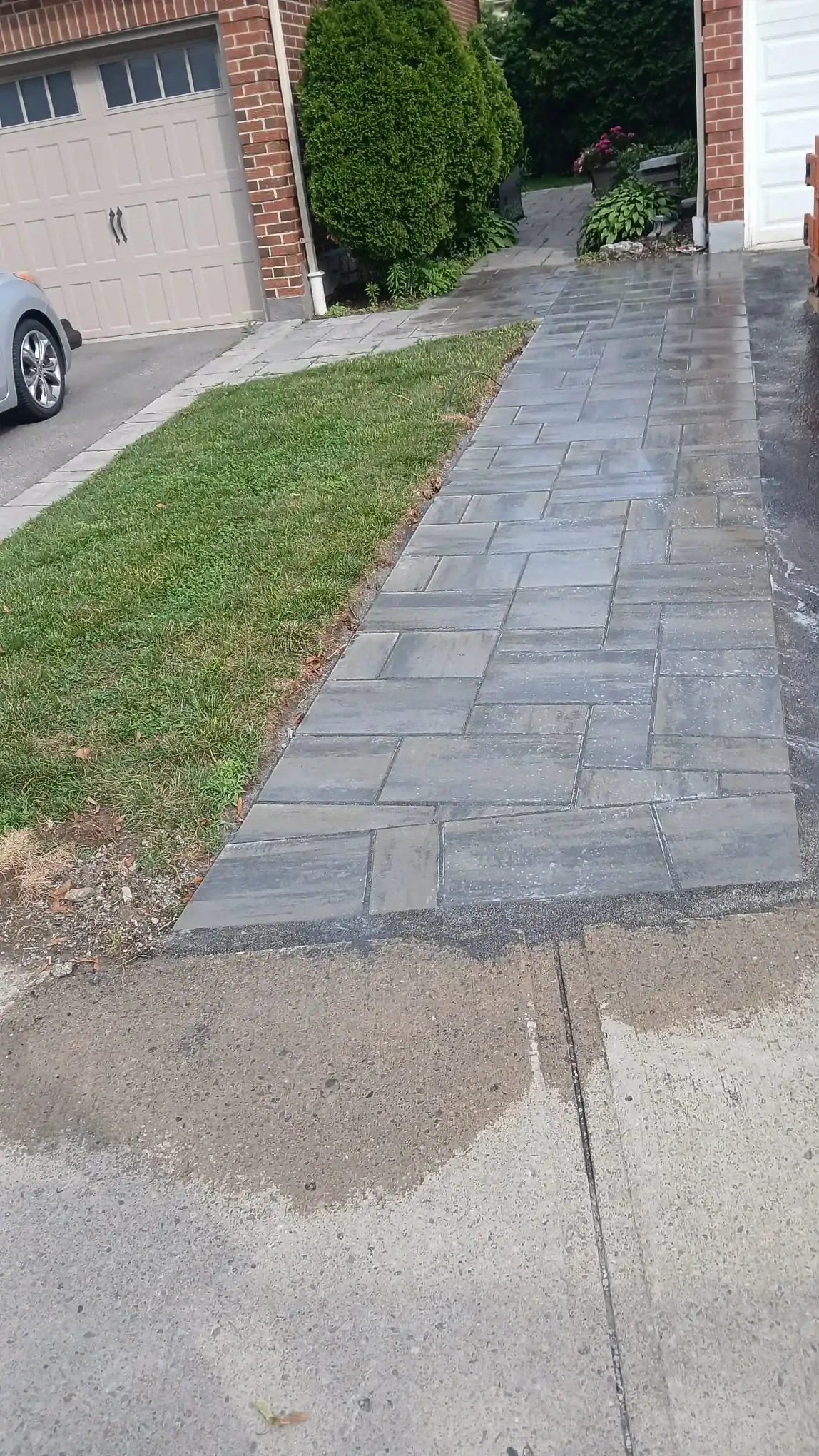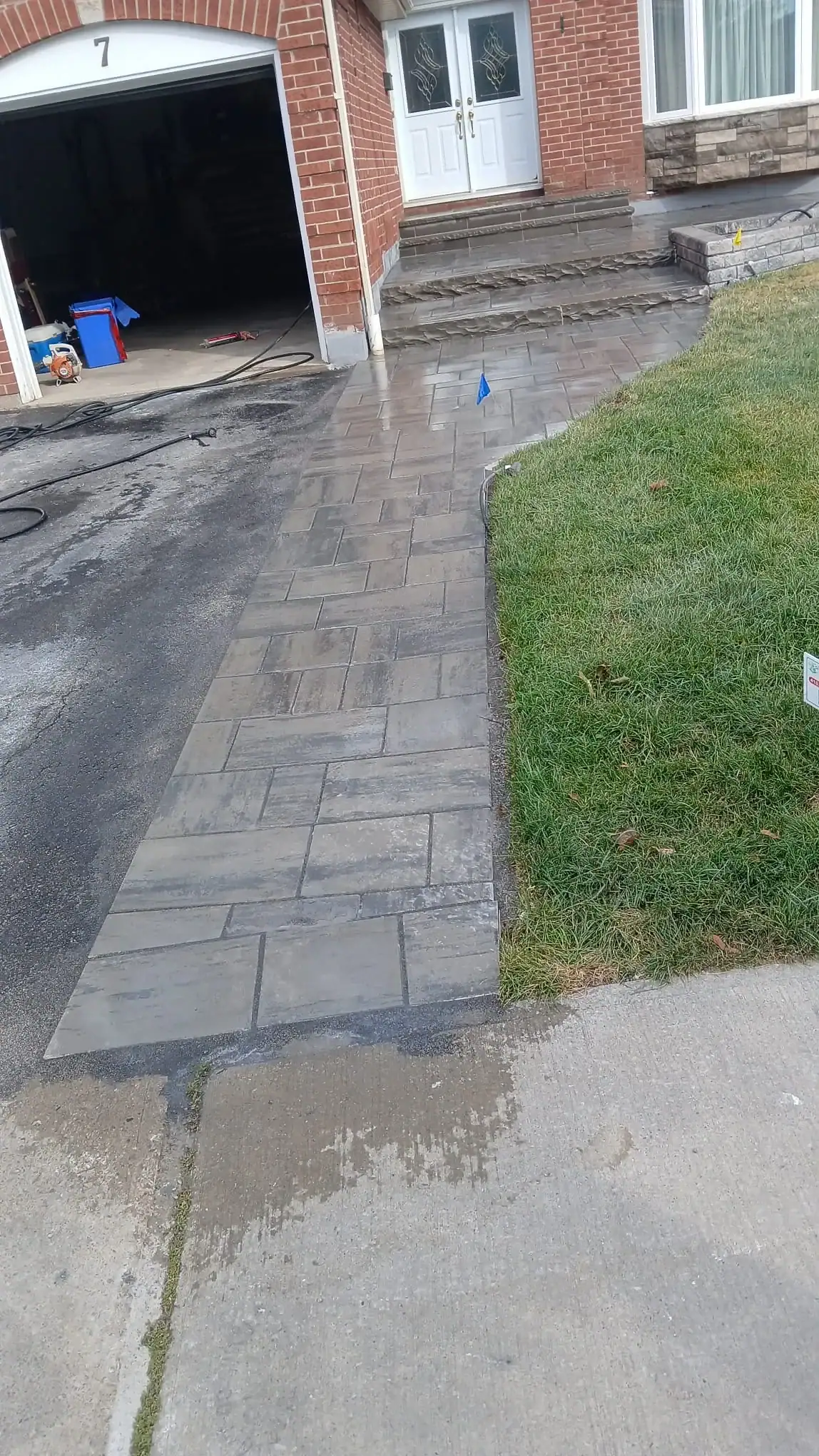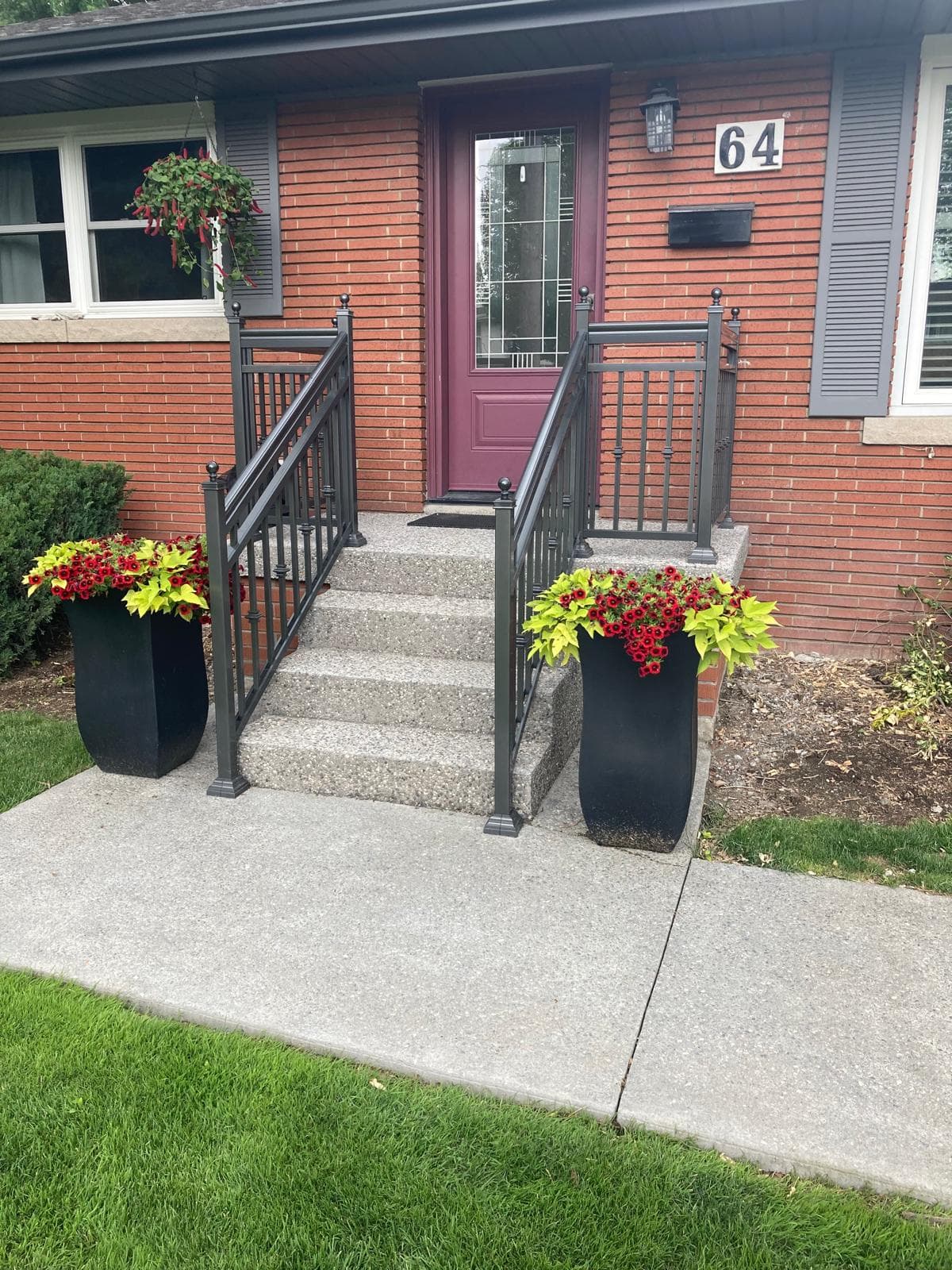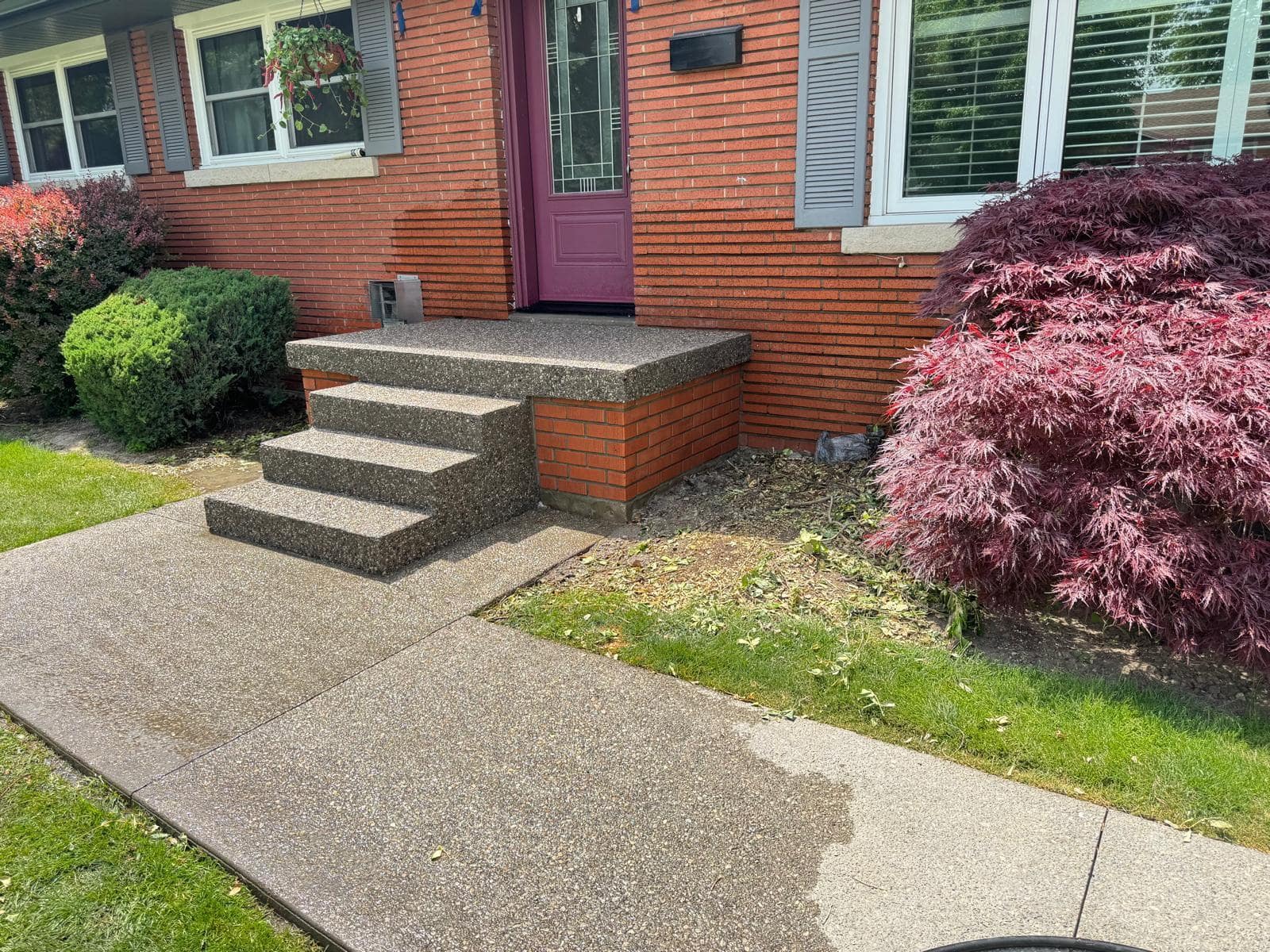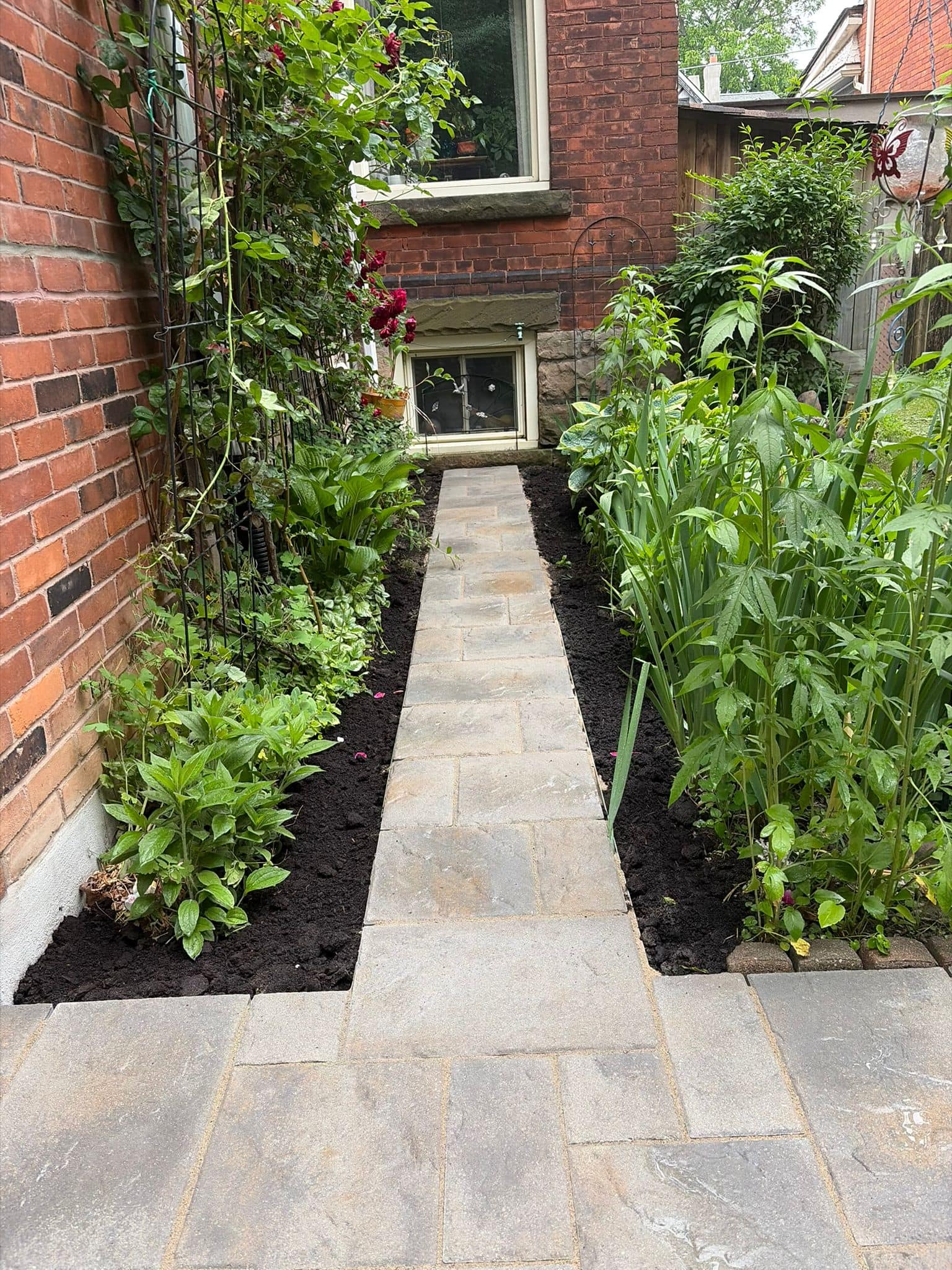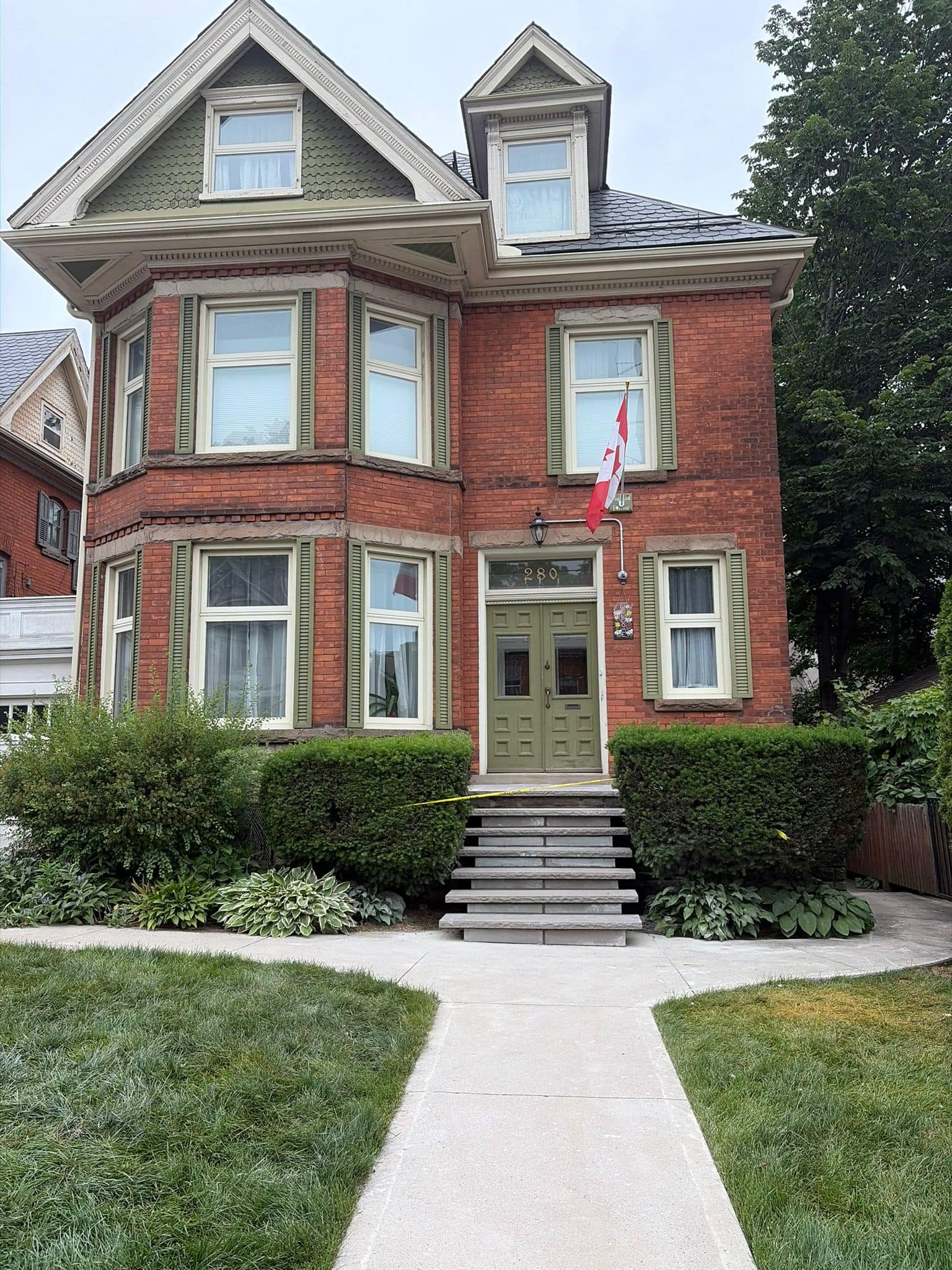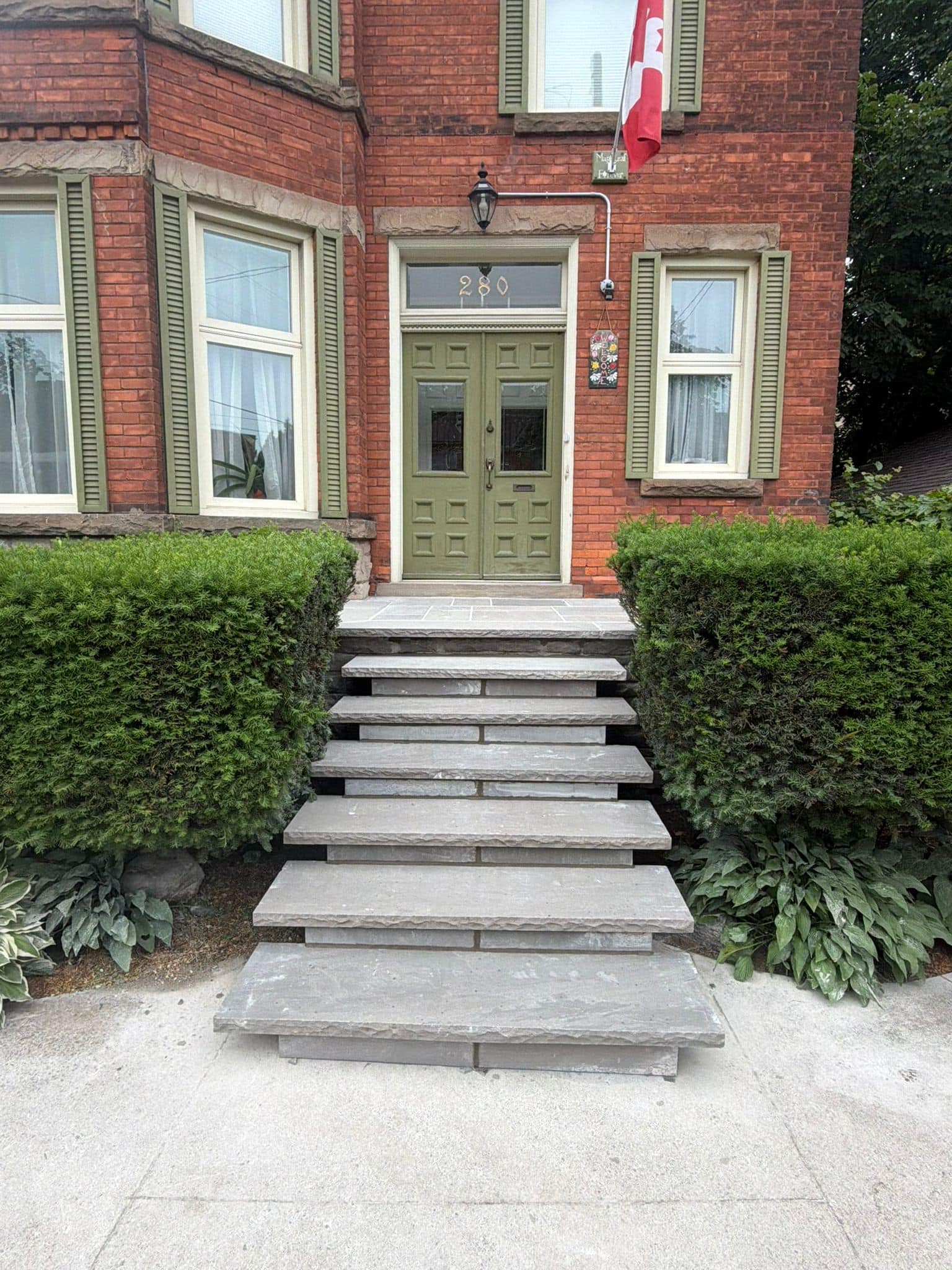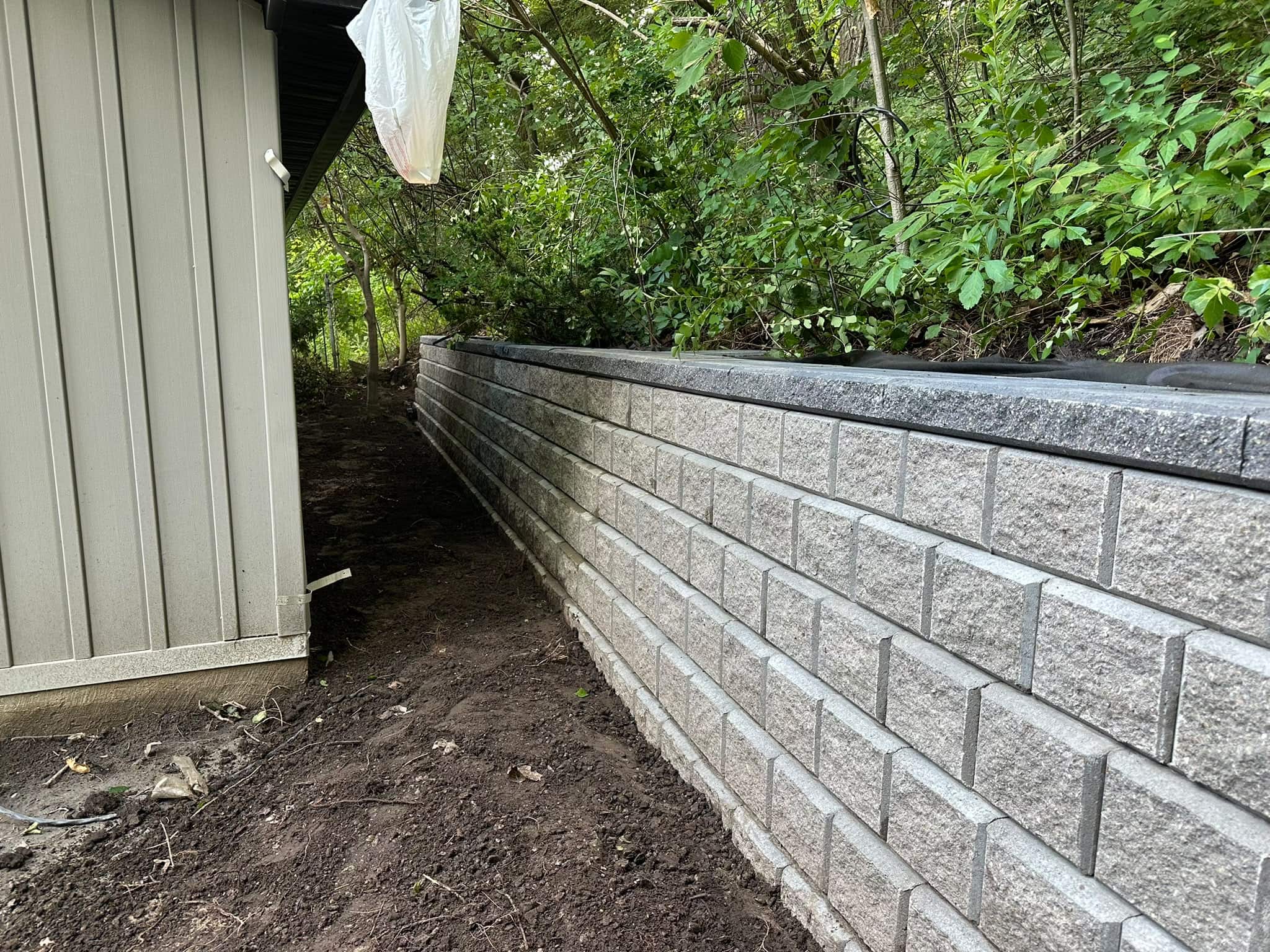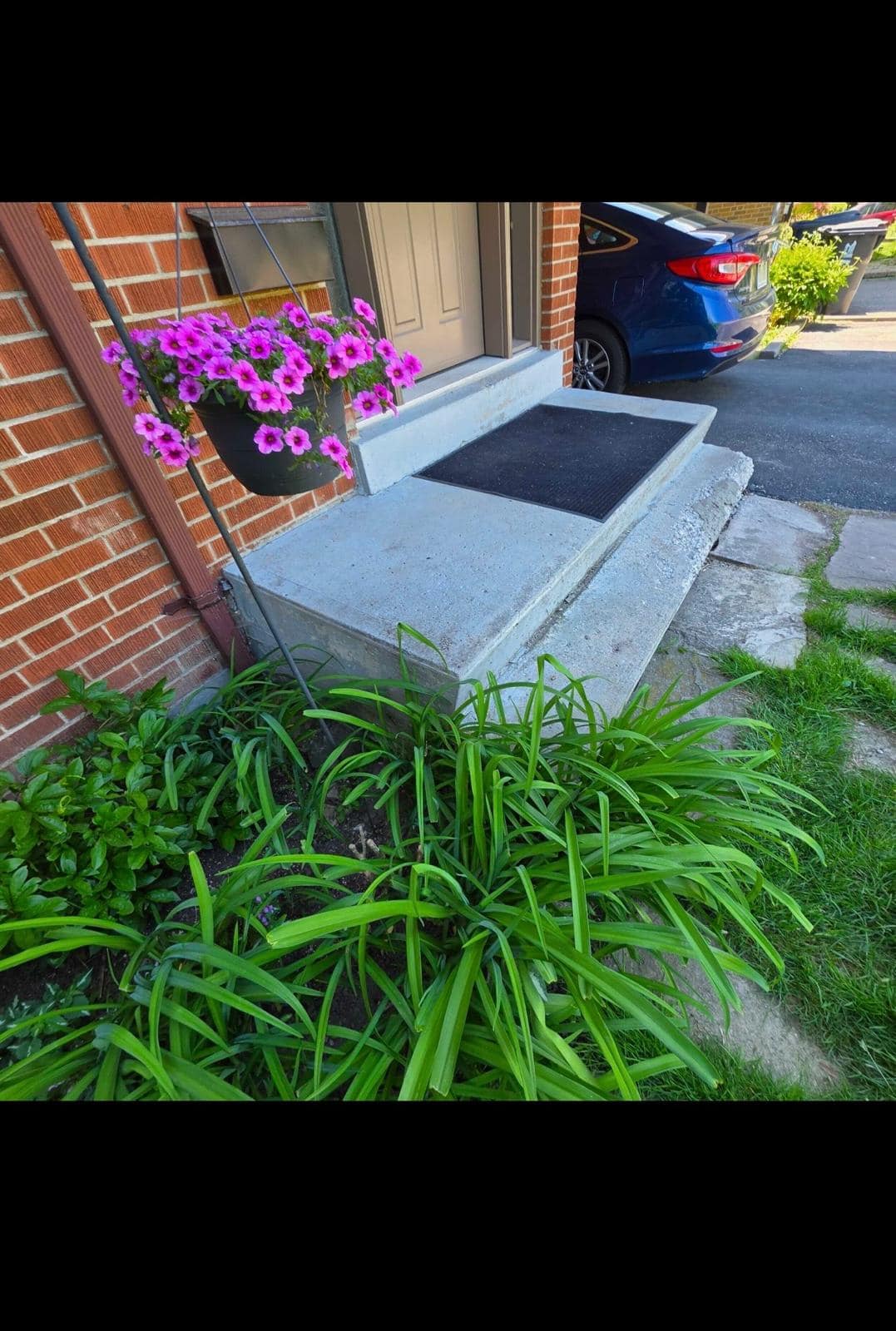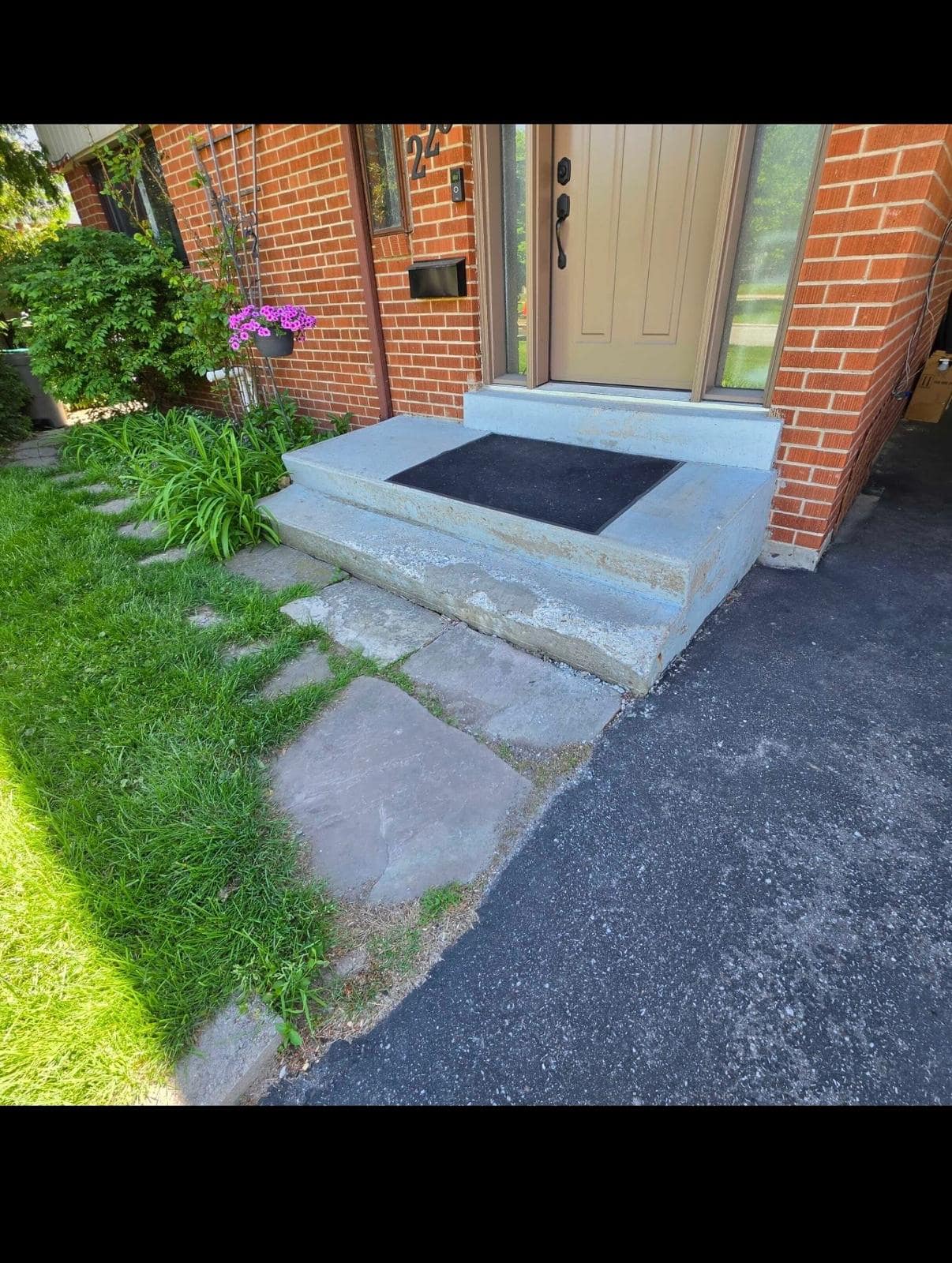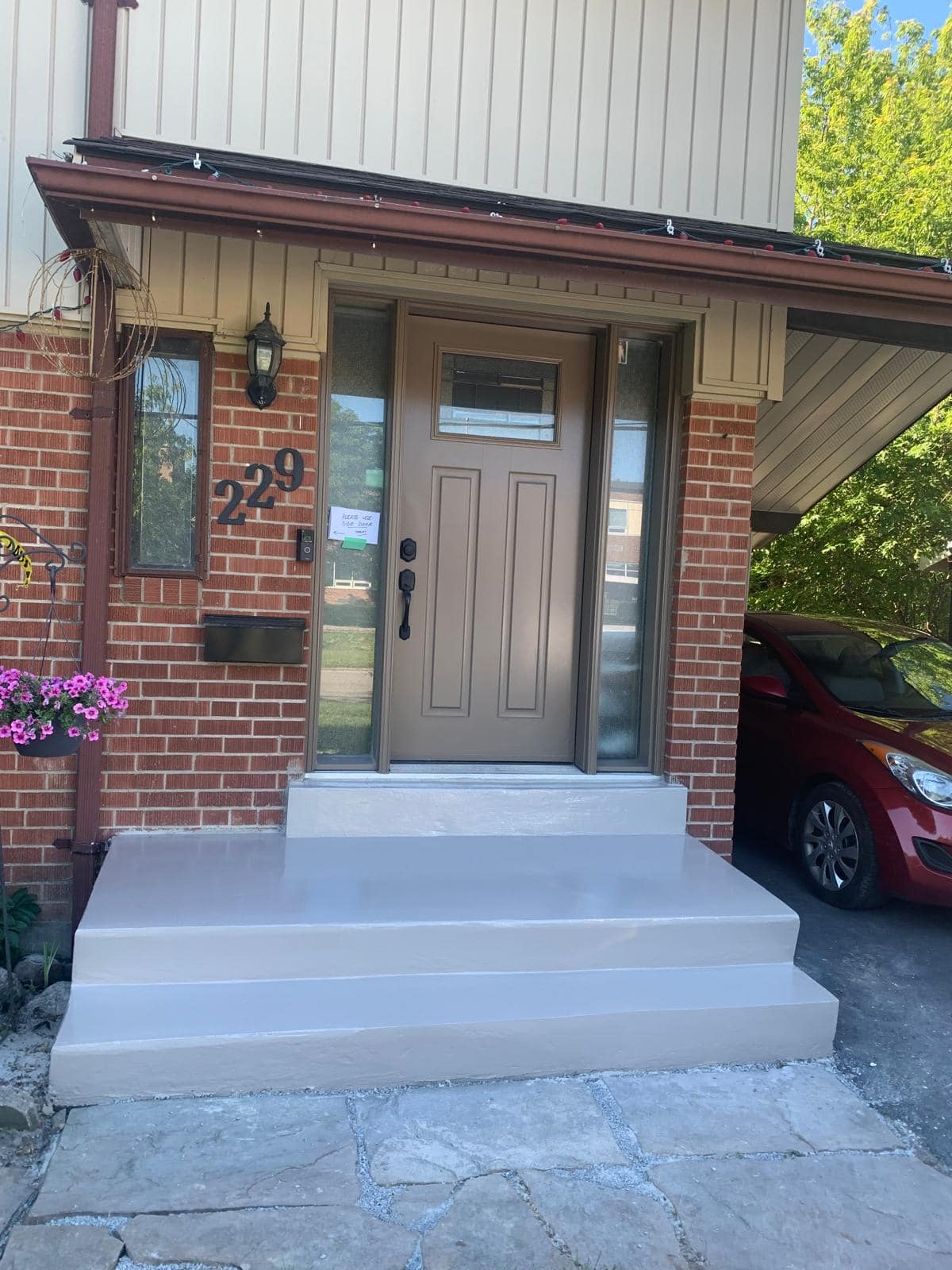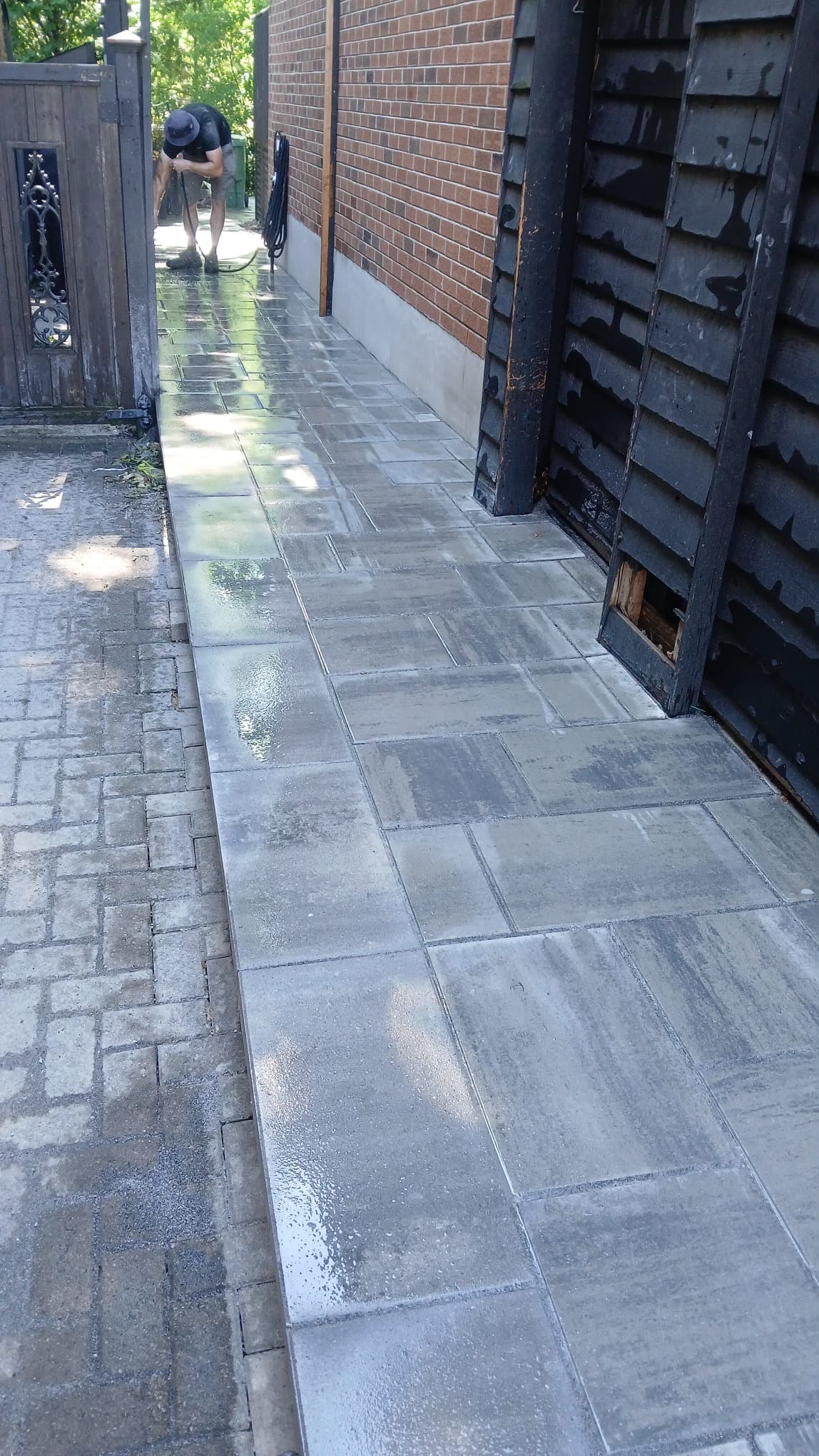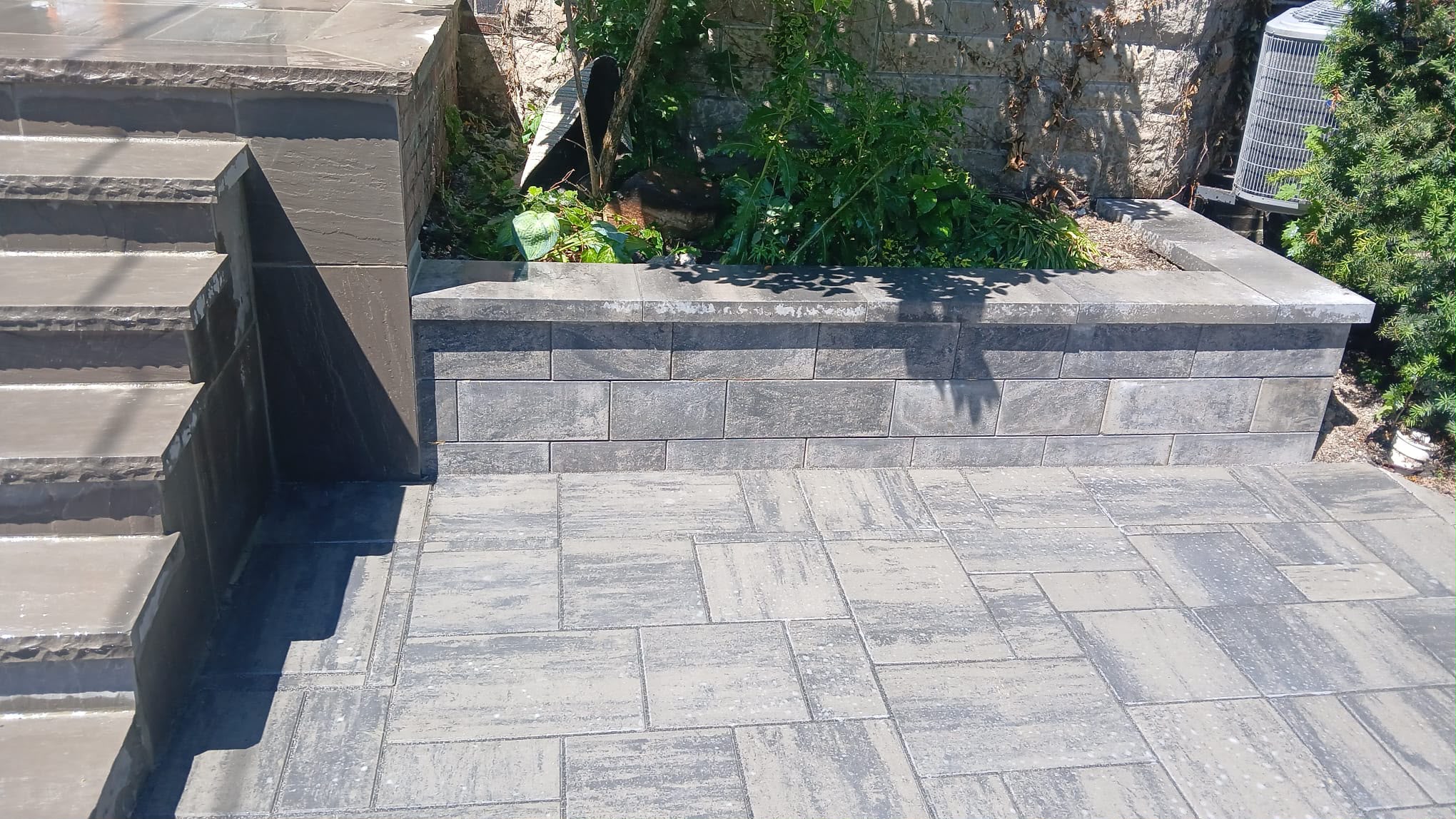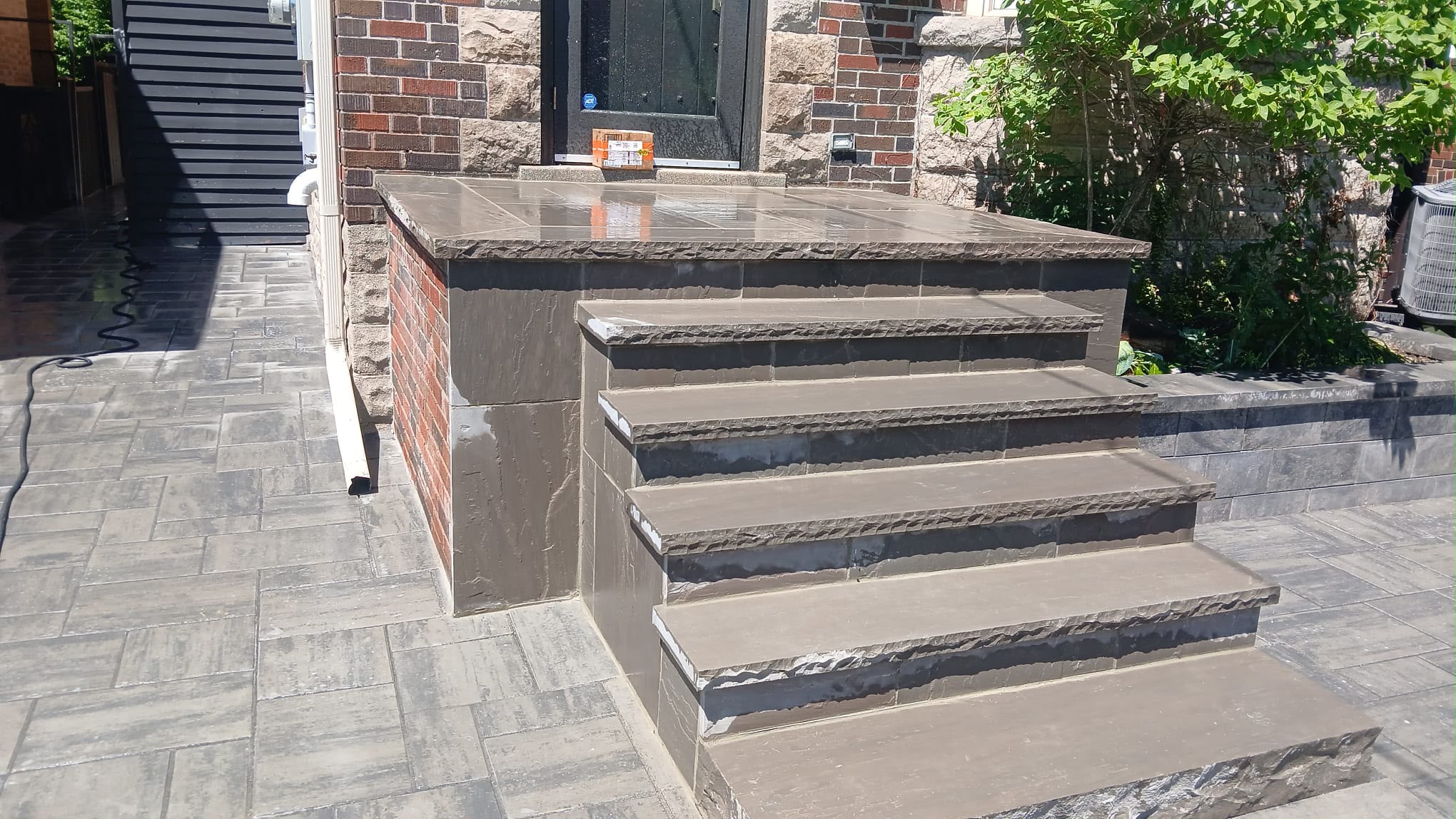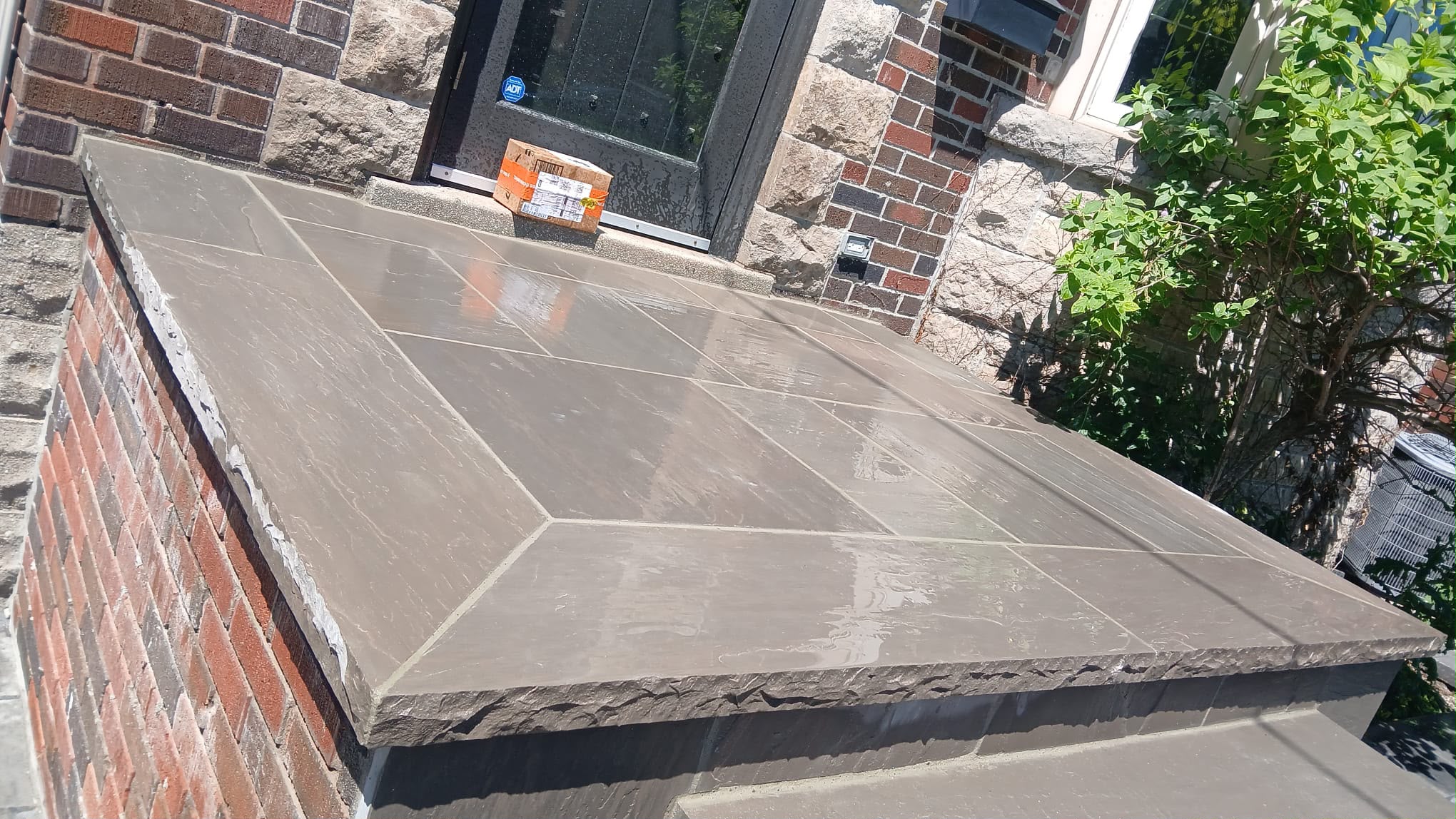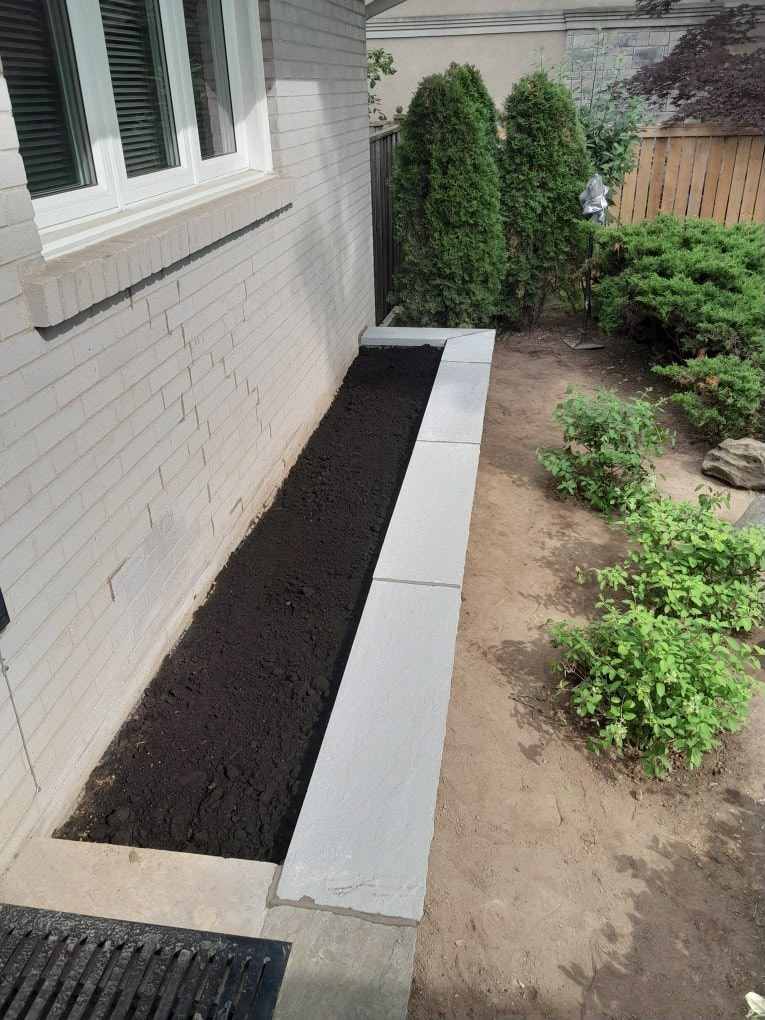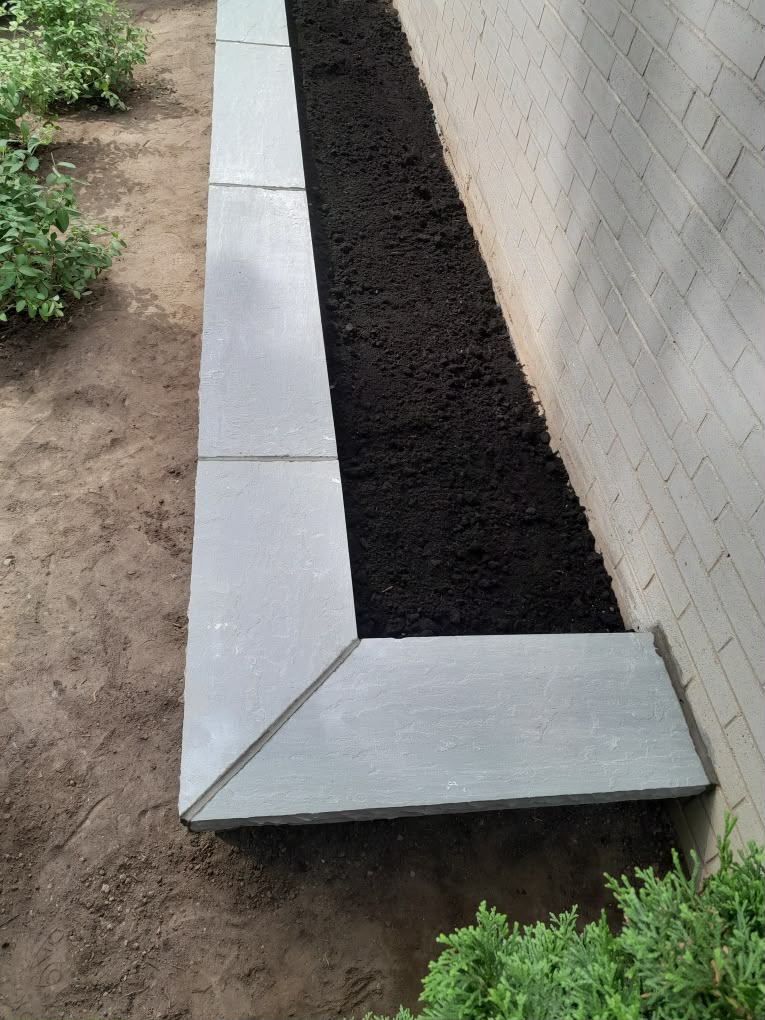

Masonry sealing in high-moisture areas can help protect brick, stone, concrete, and mortar from repeated water exposure, but it only works when the surface is sound, dry, clean, and suitable for the appropriate product. Sealing is not a shortcut for repairing cracks, fixing drainage, replacing damaged brick, or stopping active leaks. Used correctly, a breathable masonry sealer can help reduce water absorption. Used incorrectly, it can trap moisture and worsen damage.
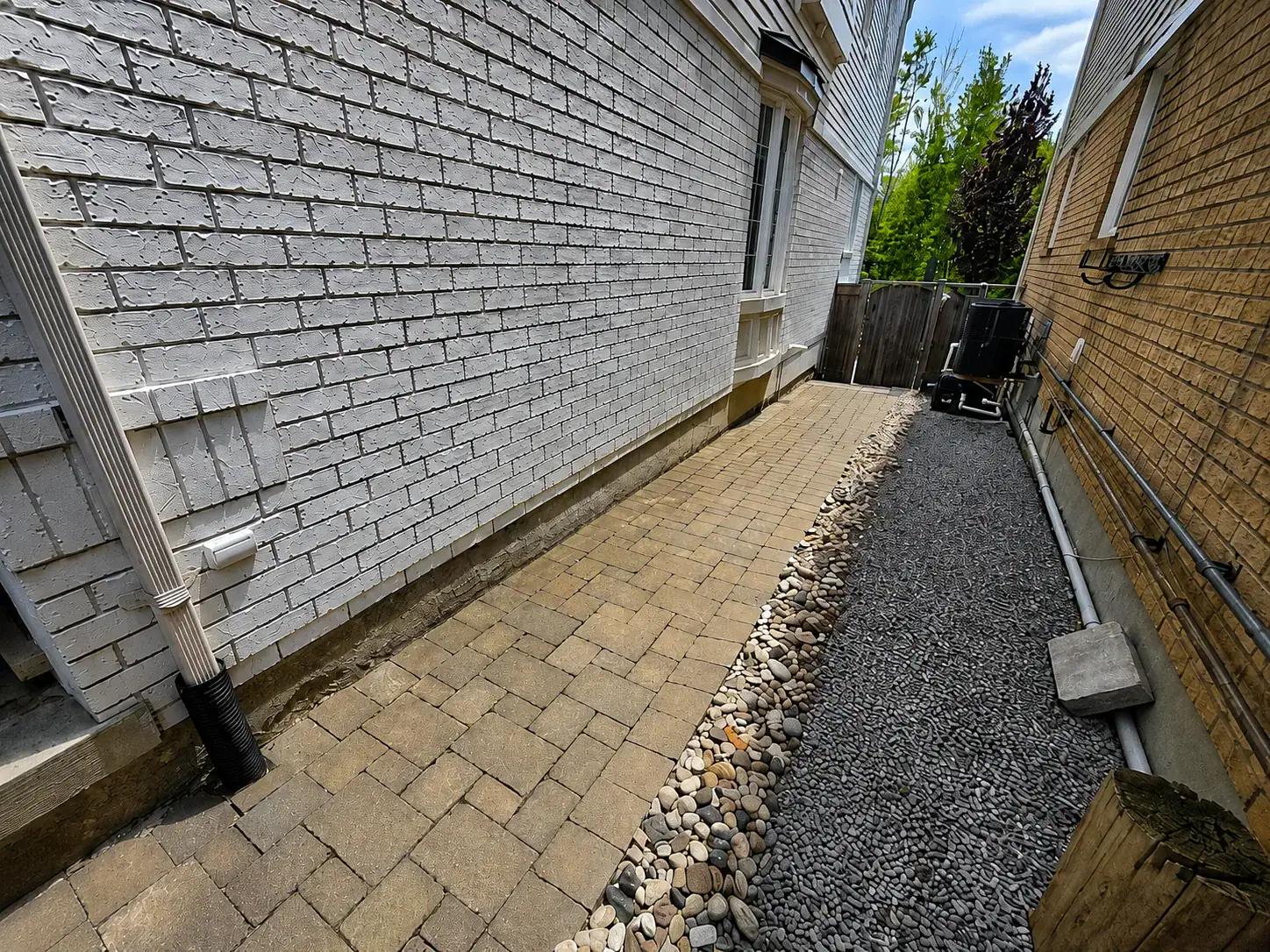
For Toronto and GTA homeowners, high moisture areas are common. Brick near downspouts, lower foundation walls, concrete steps, chimneys, garden walls, walkways, basement entrances, shaded side walls, and stone features can all stay damp after rain, snowmelt, or winter thaw. These areas are more likely to show staining, efflorescence, spalling, mortar damage, algae growth, and freeze-thaw wear.
This guide explains when masonry sealing helps, when it does not, which areas need extra caution, and what homeowners should check before sealing brick, stone, concrete, or mortar in moisture-prone parts of the home.
What Masonry Sealing Actually Does
Masonry sealing helps reduce the amount of water a surface absorbs. A good masonry sealer or water repellent can limit moisture penetration while still allowing the wall or surface to release trapped vapour, depending on the product used.
The key word is “reduce.” Sealing does not make masonry waterproof under all conditions. It cannot stop water that is entering through cracks, open mortar joints, missing flashing, poor grading, foundation defects, or pressure from wet soil. It also cannot rebuild a damaged brick face or replace failed mortar.
Think of sealing as an additional layer of protection once the masonry is already in good condition. The repair sequence should usually be: find the moisture source, repair damaged masonry, improve drainage, let the surface dry, clean it properly, then consider sealing if the material and location make sense.
A&A Masonry’s blog on masonry sealers is a helpful supporting guide for understanding when sealers help and when they can create problems.
Why High Moisture Areas Need Extra Care
High moisture areas need extra care because masonry that stays damp is more vulnerable to staining, salt deposits, freeze-thaw damage, and surface breakdown. Brick, stone, concrete, mortar, and parging can all be affected when water sits too long or enters repeatedly.
In Toronto, moisture problems often increase during fall, winter, and spring. Rain can soak walls and hard surfaces. Snow can pile against lower brickwork. Meltwater can run toward foundations. Freezing temperatures can turn small cracks into larger openings. If a masonry surface is damp before sealing, the sealer may trap moisture inside rather than protect the wall.
High-moisture areas are also more likely to have a cause that requires correction. A stained lower brick wall may point to poor grading. Damp concrete steps may be holding water. A wet chimney may have a cracked crown or missing cap. A shaded side wall may need cleaning and drainage correction before sealing is considered.
The City of Toronto explains the importance of managing rain and melted snow. For masonry, this matters because the best sealer cannot make up for water constantly being directed toward brick, concrete, stone, or foundations.
When Masonry Sealing Helps
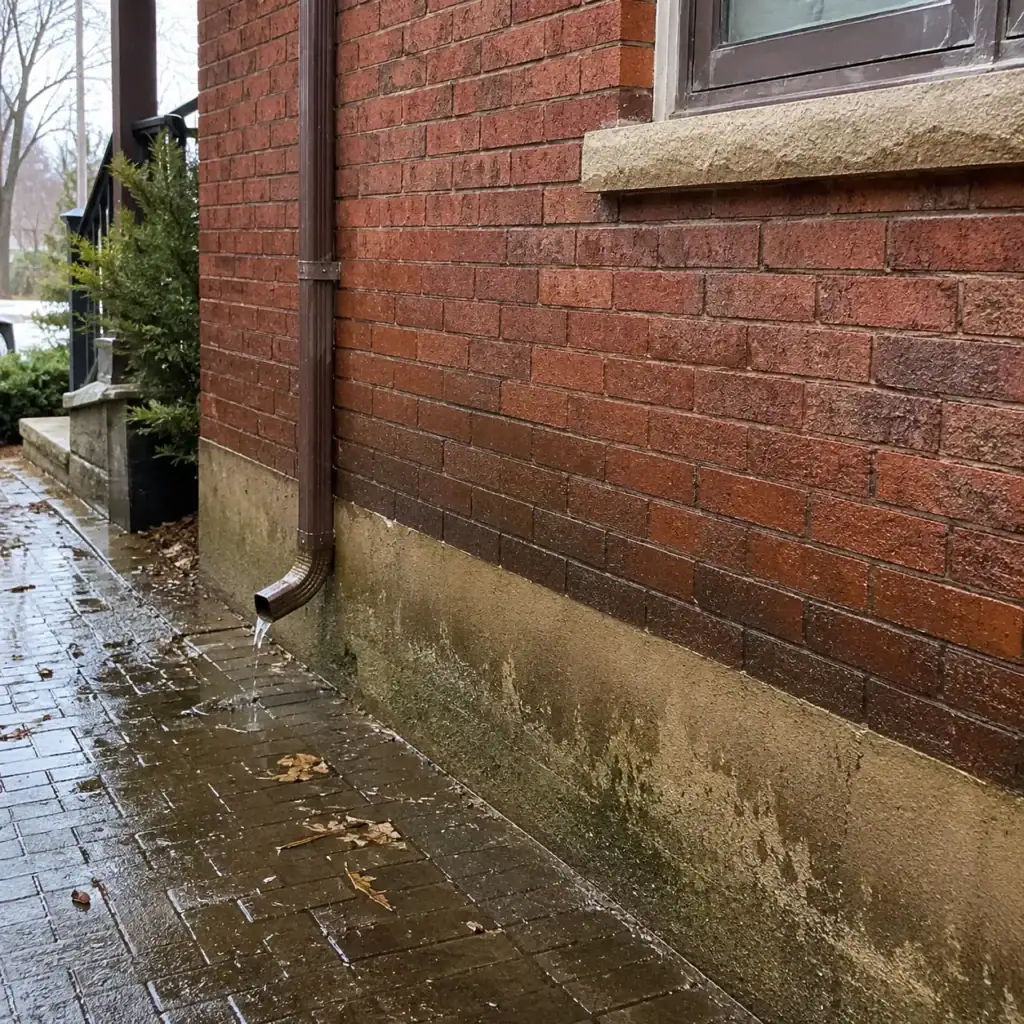
Masonry sealing is effective when the surface is structurally sound, and the main concern is reducing water absorption during normal exposure. It can be useful for certain brick, stone, concrete, chimney, and exterior wall surfaces that are exposed to rain or splashback but are not actively leaking.
Sealing may help in areas such as:
- Sound brick walls: Especially where wind-driven rain or splashback is common.
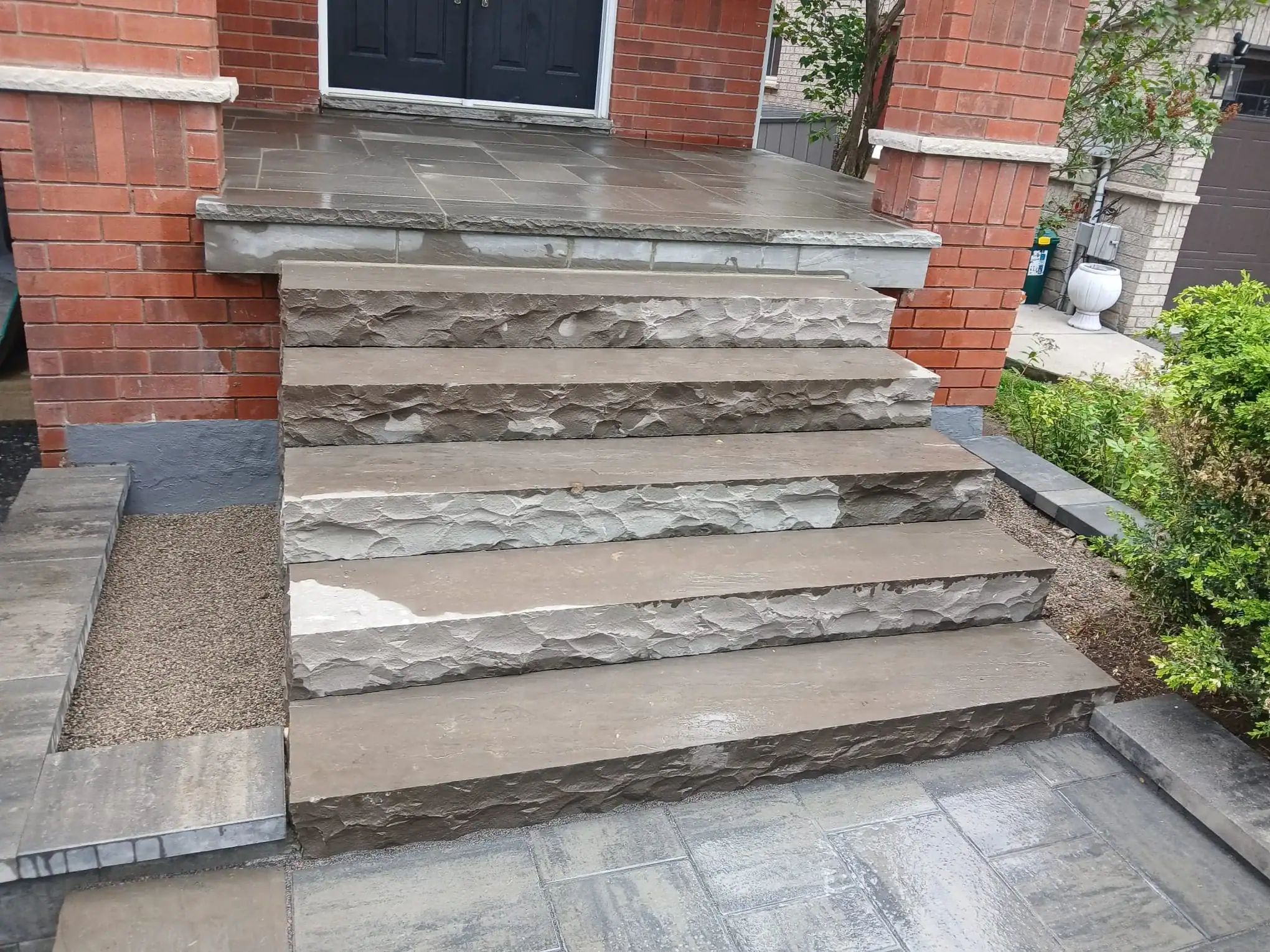
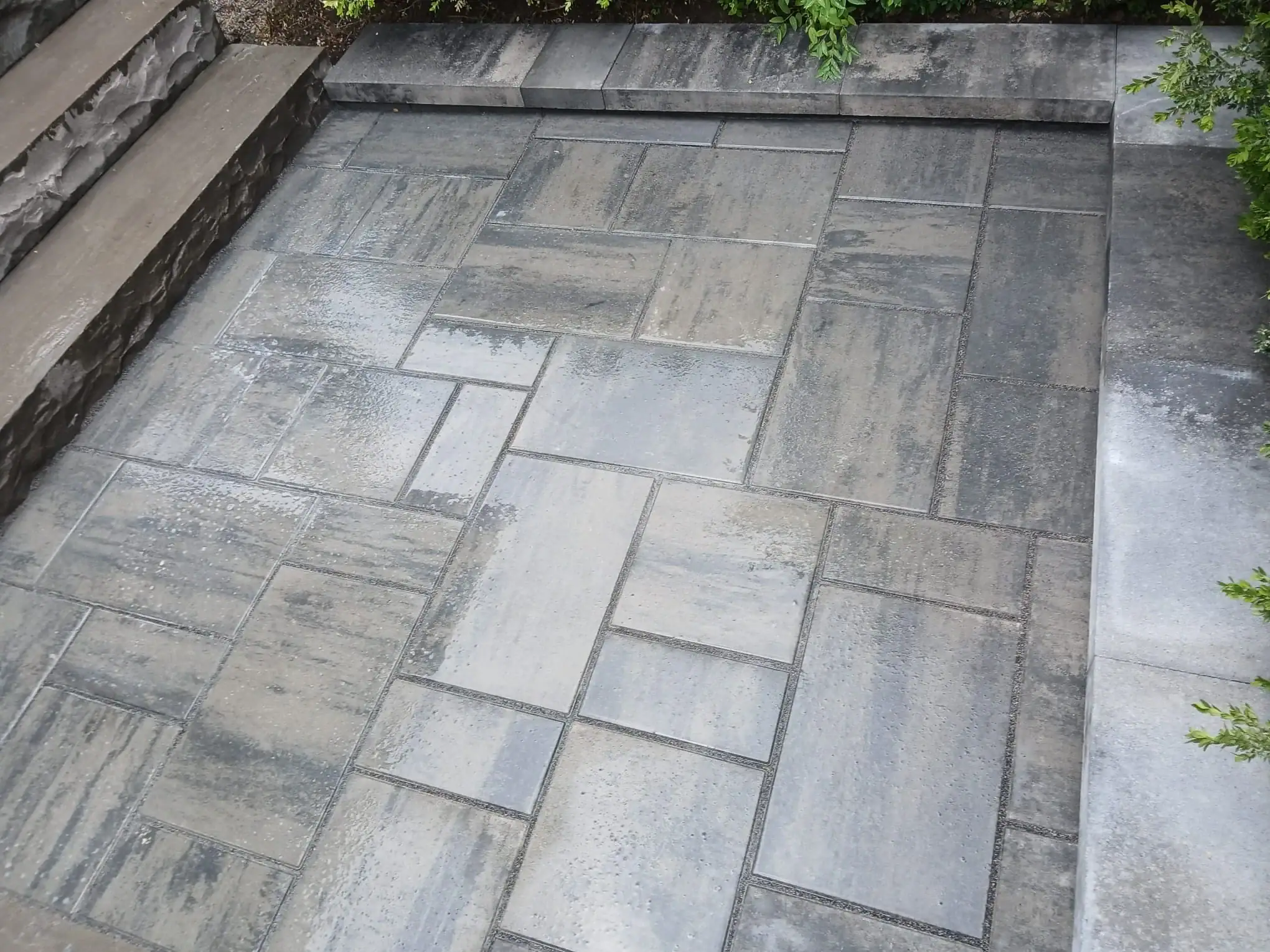
- Concrete steps and walkways: When the surface is intact and needs added moisture resistance.
- Chimney masonry: After cracks, mortar issues, crowns, and caps are repaired.
- Stone features: When the stone type is suitable, and the surface can breathe.
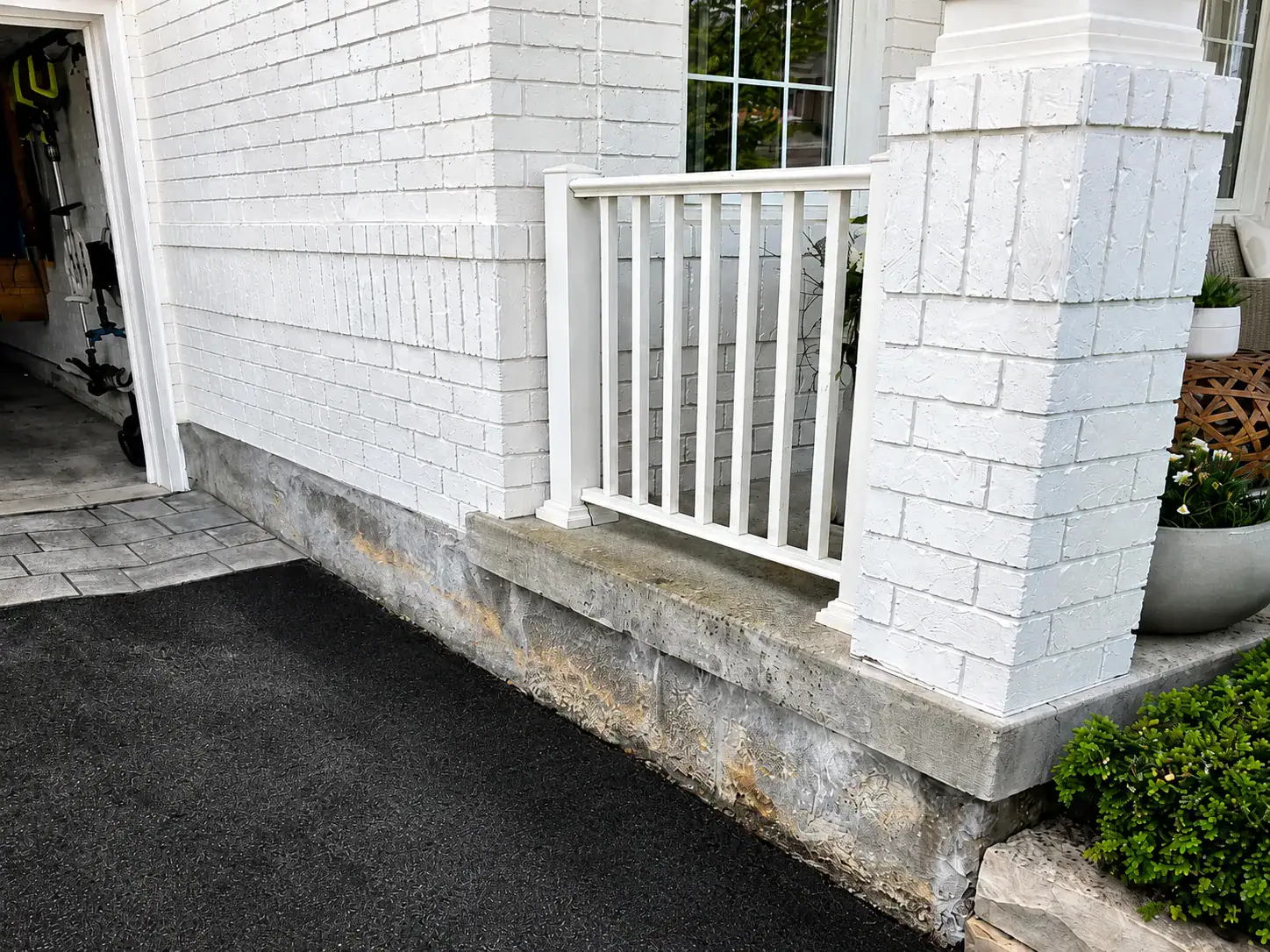
- Foundation-adjacent masonry: Only after drainage and moisture problems are addressed.
- Previously repaired masonry: Once mortar and patch materials have cured properly.
Sealing is most helpful as part of maintenance, not as a rescue product. It works best when used on masonry that is already repaired, stable, and dry.
When Masonry Sealing Does Not Help
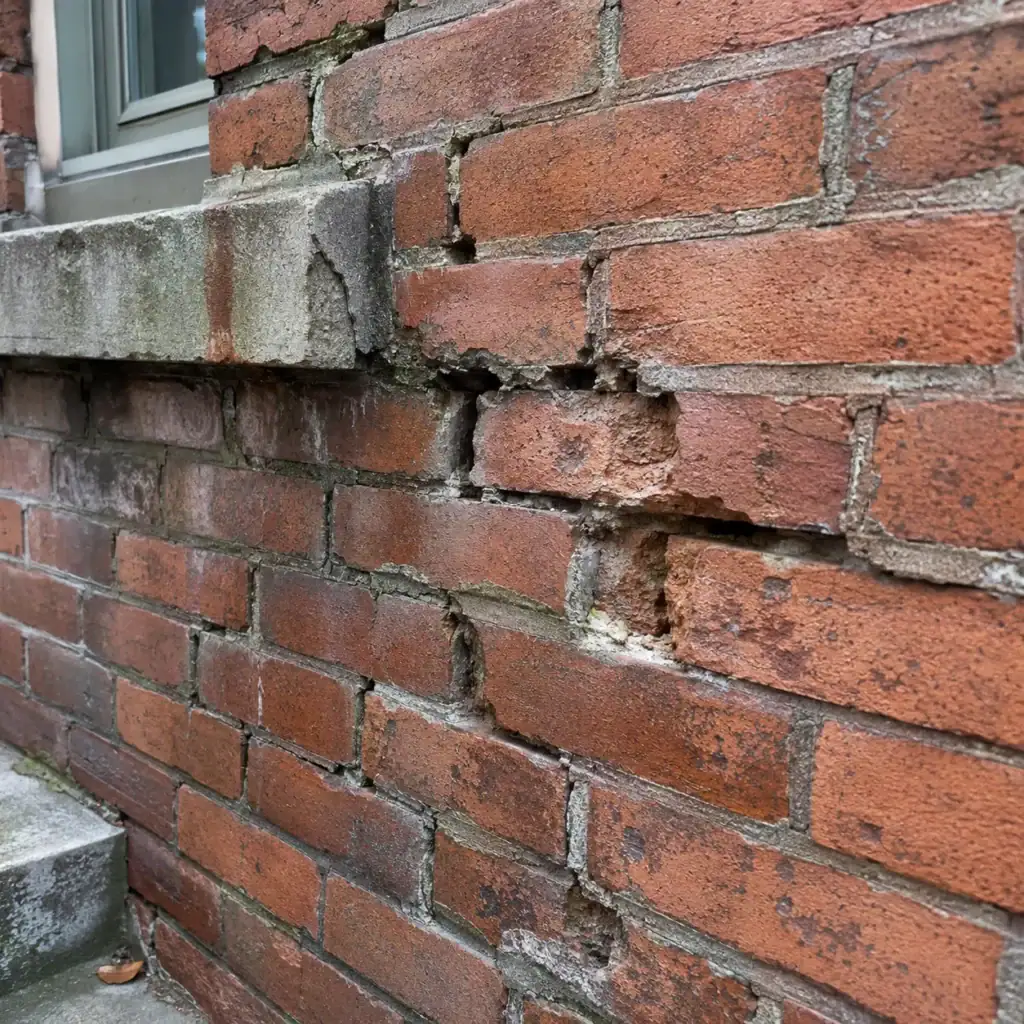
Masonry sealing does not help when water enters through a defect or a pressure problem. If the wall is cracked, the mortar is missing, the brick is spalling, the foundation is leaking, or water is collecting behind the surface, sealing may hide the real issue without solving it.
Sealing should not be used as the first fix for:
- Active basement leaks
- Open mortar joints
- Spalling or crumbling brick
- Loose stone or brick units
- Cracked chimney crowns or missing caps
- Foundation cracks with water entry
- Concrete that is flaking or scaling badly
- Surfaces that stay damp for days after rain
- Walls with trapped moisture or repeated efflorescence
If the masonry is already damaged, repair should come first. If the moisture source is not fixed, sealing may only delay the problem or worsen moisture movement.
If cracked brick, crumbling surfaces, or water-damaged masonry are visible, A&A Masonry’s brick repair Toronto page explains common repair concerns that should be handled before sealing.
Breathable Sealers Matter
Breathable sealers matter because masonry often needs to release moisture vapour. A sealer that blocks liquid water but allows vapour to escape is usually safer for exterior masonry than a film-forming coating that traps moisture inside.
Many masonry problems start when water enters and cannot get back out. If a non-breathable product traps moisture within brick, stone, concrete, or mortar, the surface may blister, peel, stain, spall, or deteriorate more quickly during freeze-thaw cycles.
This is especially important for older brick homes in Toronto. Older brick-and-mortar systems were often built to manage moisture differently from newer wall systems. Covering older masonry with the wrong product can change how the wall dries.
Homeowners should be cautious with glossy coatings, heavy waterproof paints, and products that create a plastic-like surface. These may look protective at first but can trap moisture if used on the wrong wall or over damp masonry.
Brick Sealing in High Moisture Areas
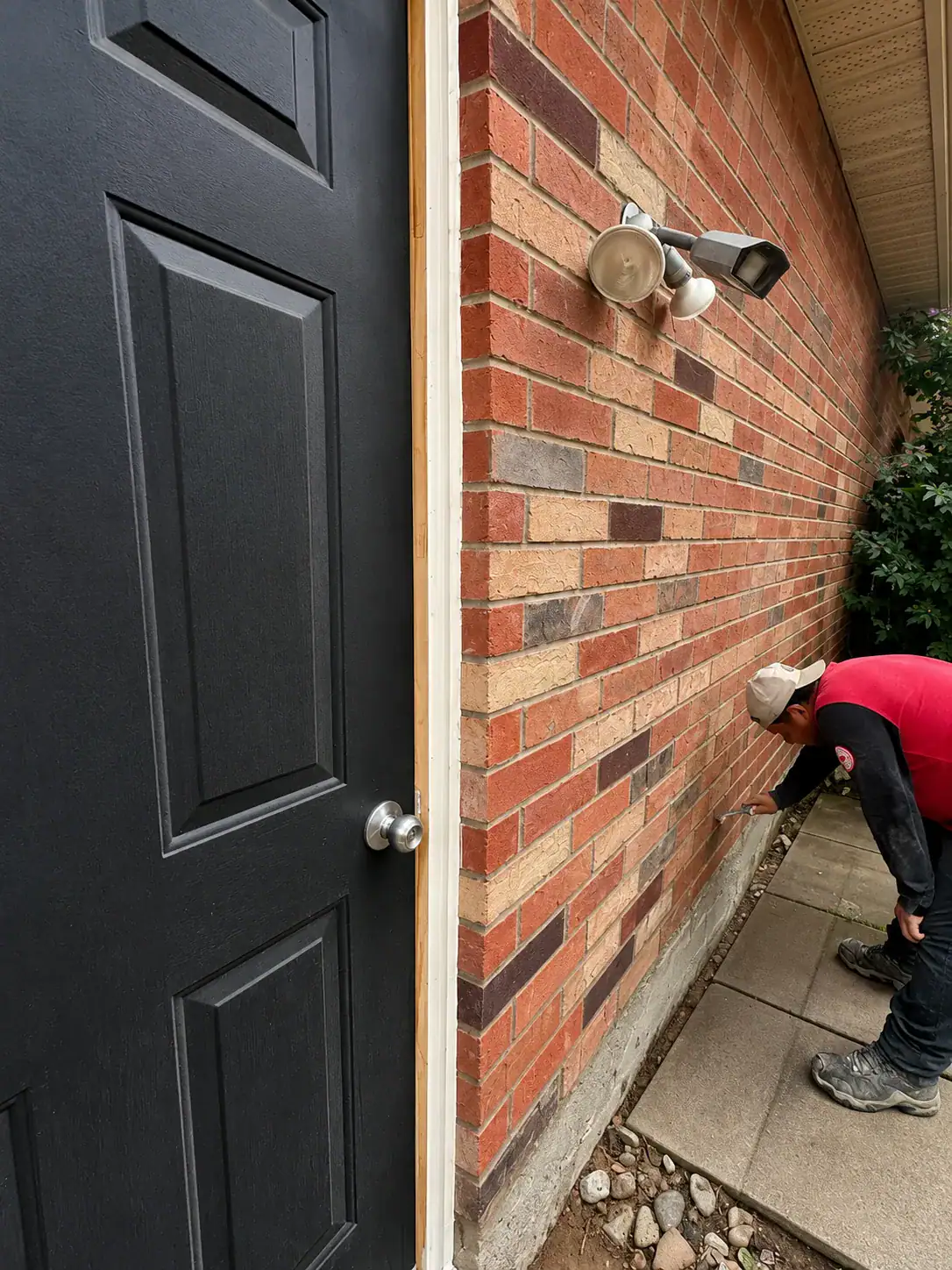
Brick sealing can help in high moisture areas when the brick is sound and the moisture source is controlled. Brick near walkways, steps, downspouts, chimneys, and lower walls often receives repeated splashback or wind-driven rain.
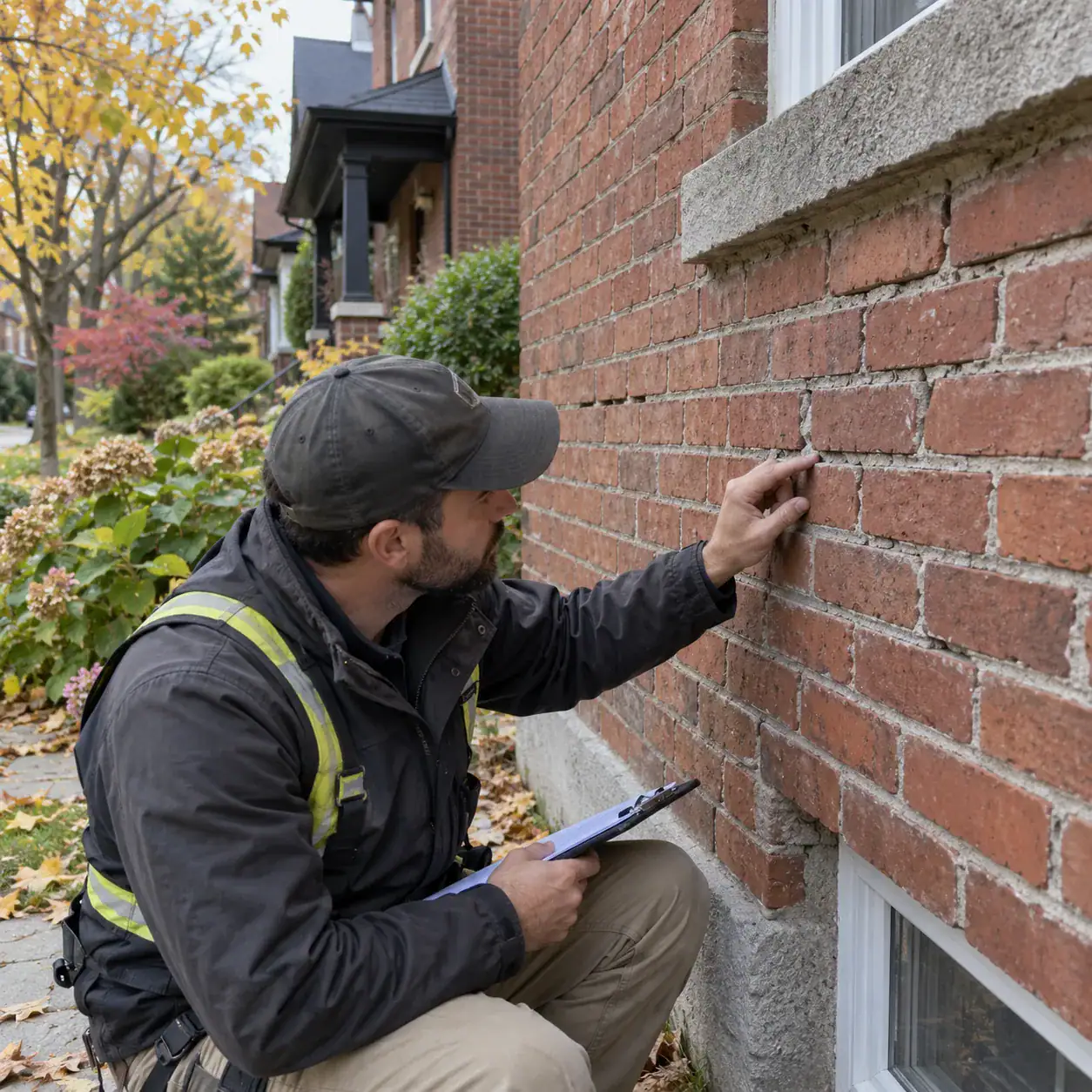
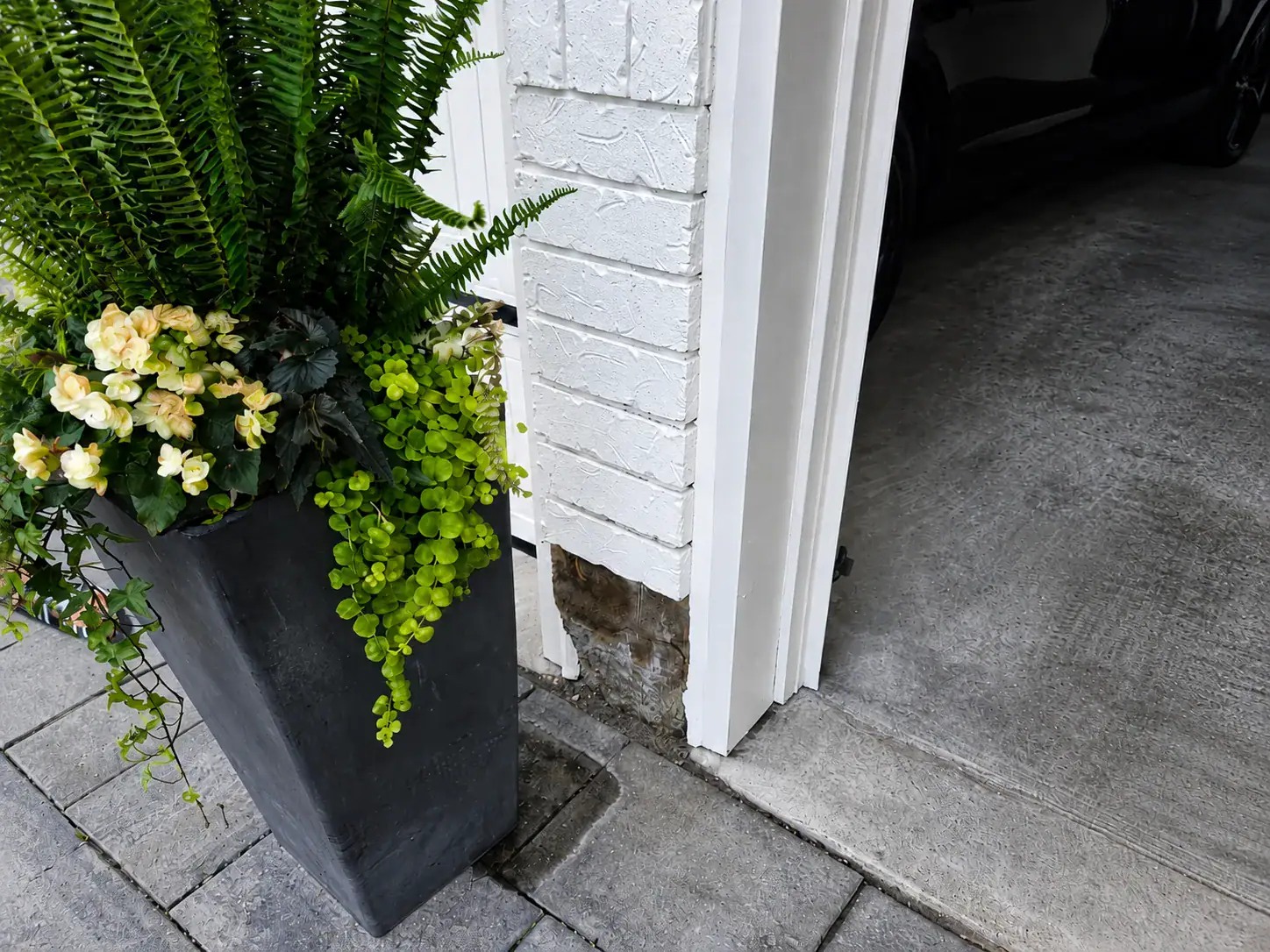
Before sealing brick, check the surface carefully. Spalling brick should not be sealed as a shortcut. Missing mortar should be repaired first. White, powdery efflorescence should be reviewed, as it may indicate that moisture is moving through the wall. Dark staining may point to water runoff from above.
Brick sealing may be considered after damaged units are replaced, mortar is repaired, and the wall has dried. It is not a replacement for tuckpointing. Open joints require mortar repair, not a surface coating.
If the brick is older, soft, or heritage-sensitive, product choice and testing are especially important. A small test area can help confirm whether the sealer changes colour, darkens the brick, leaves residue, or affects the appearance.
Mortar Joints Should Be Repaired Before Sealing
Mortar joints should be repaired before sealing because open or deteriorated joints are direct paths for water. A sealer on the brick face cannot properly protect a wall if water enters through cracked, missing, or sandy mortar joints.
Signs that mortar needs attention include gaps between bricks, recessed joints, crumbling mortar, vertical cracks, stair-step cracks, and loose mortar dust. These issues are common on older homes and exposed chimneys.
Tuckpointing or repointing may be needed before sealing. This process removes failed mortar and replaces it with compatible new mortar. Once the mortar has cured properly and the wall is dry, sealing can be considered if the wall remains exposed to high moisture.
For cracked or missing mortar, A&A Masonry’s tuckpointing services in Toronto page explains why proper joint repair helps protect brickwork from moisture and freeze-thaw damage.
Concrete Steps, Walkways, and Porches
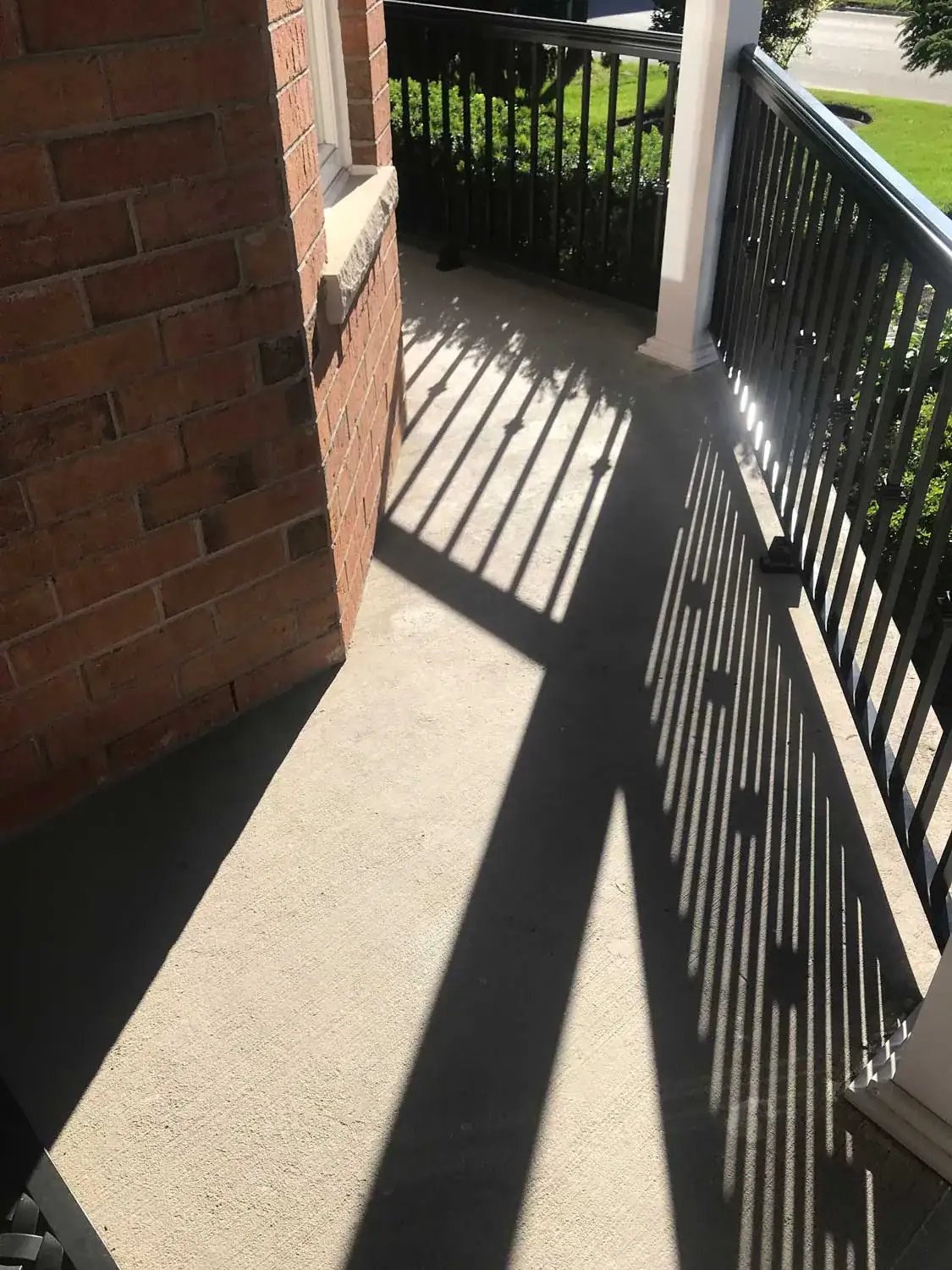
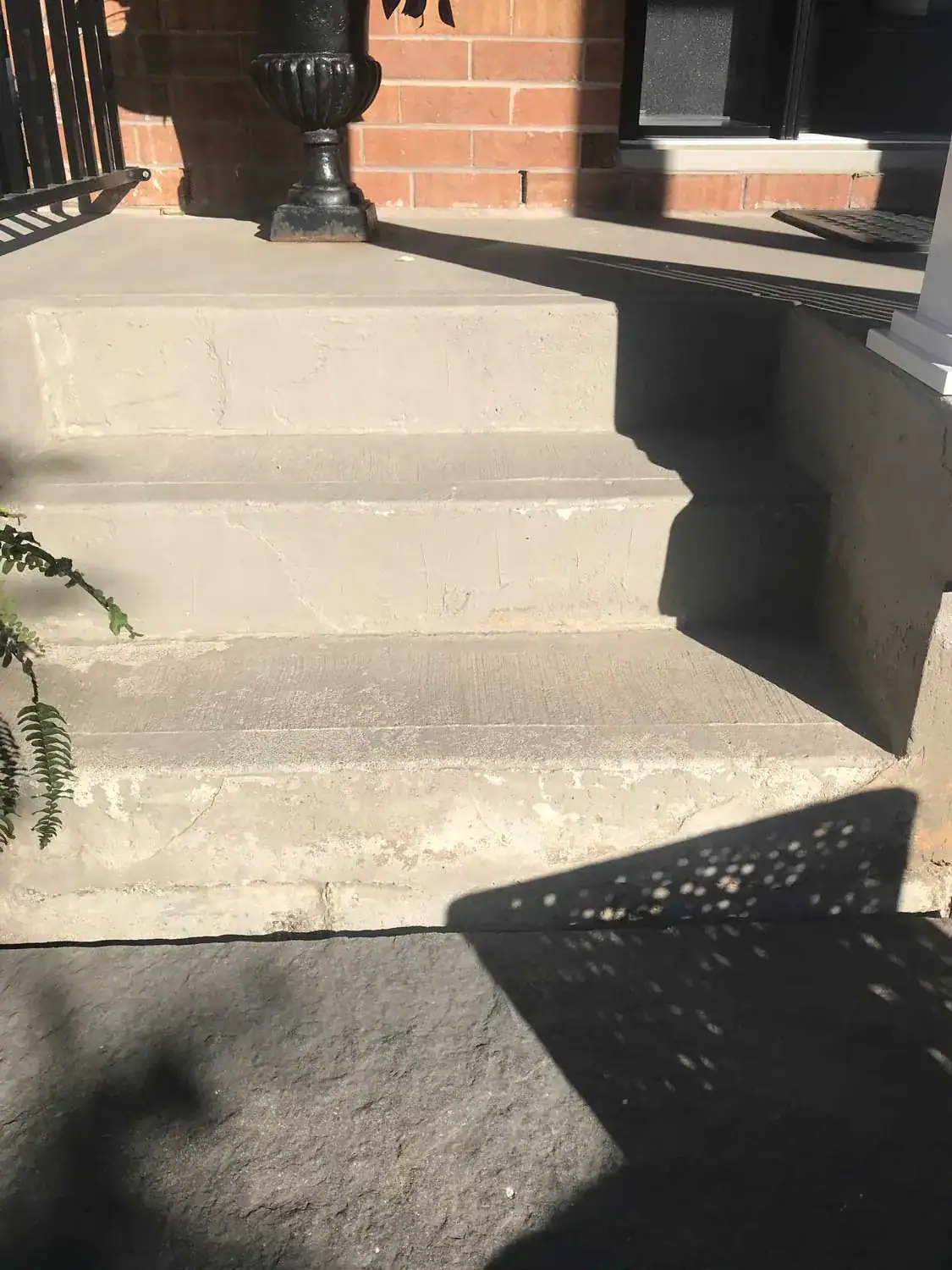
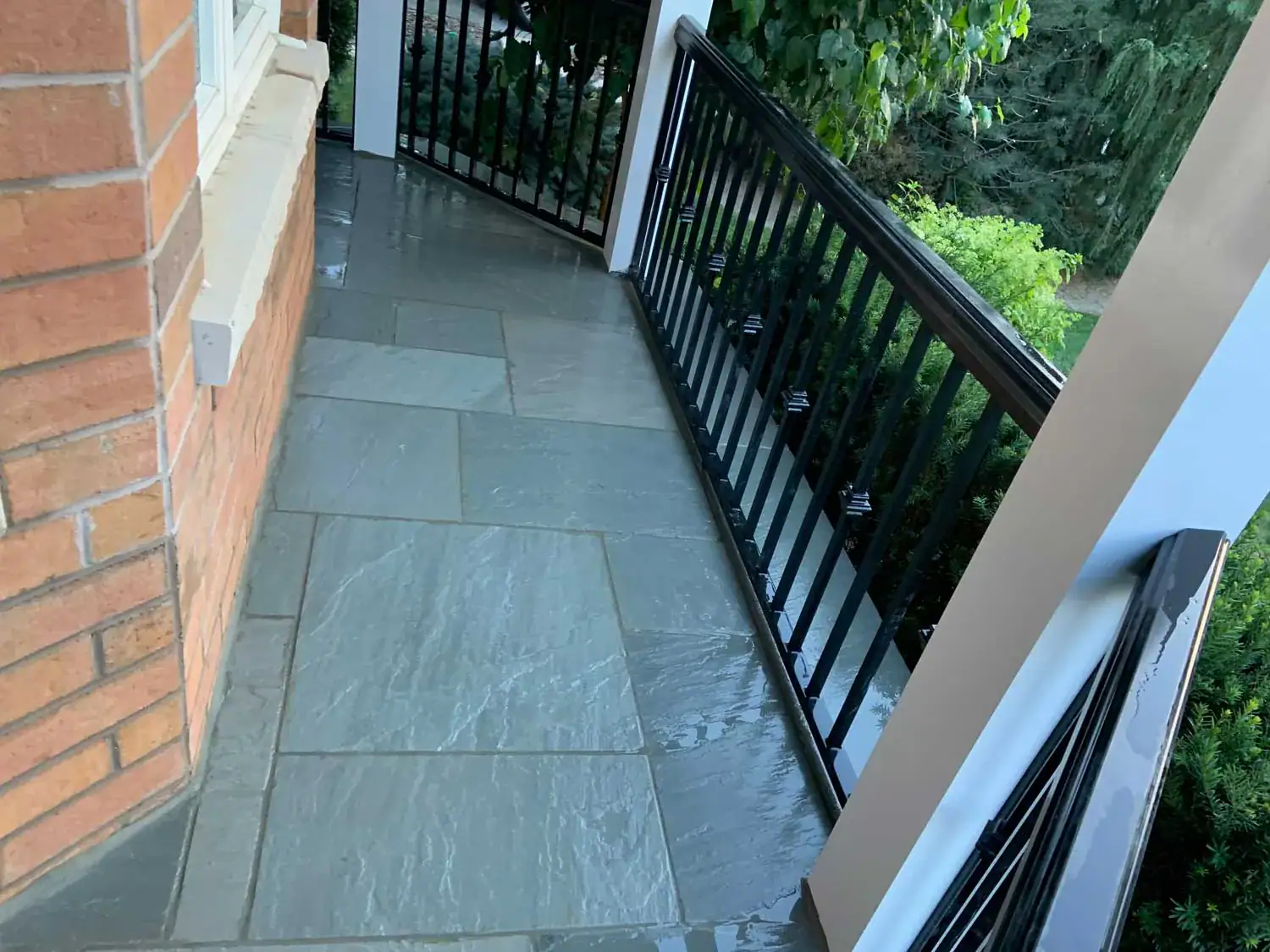
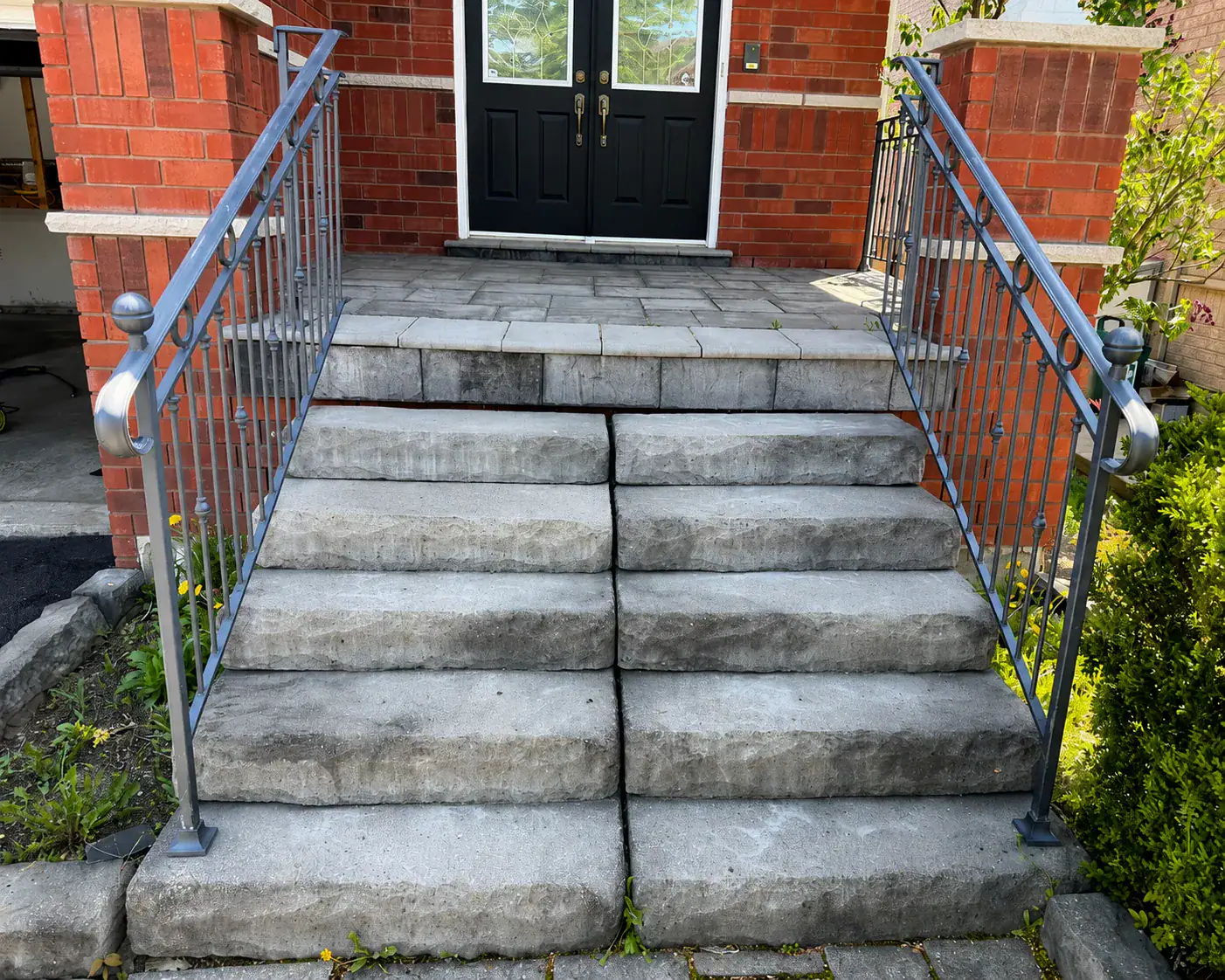
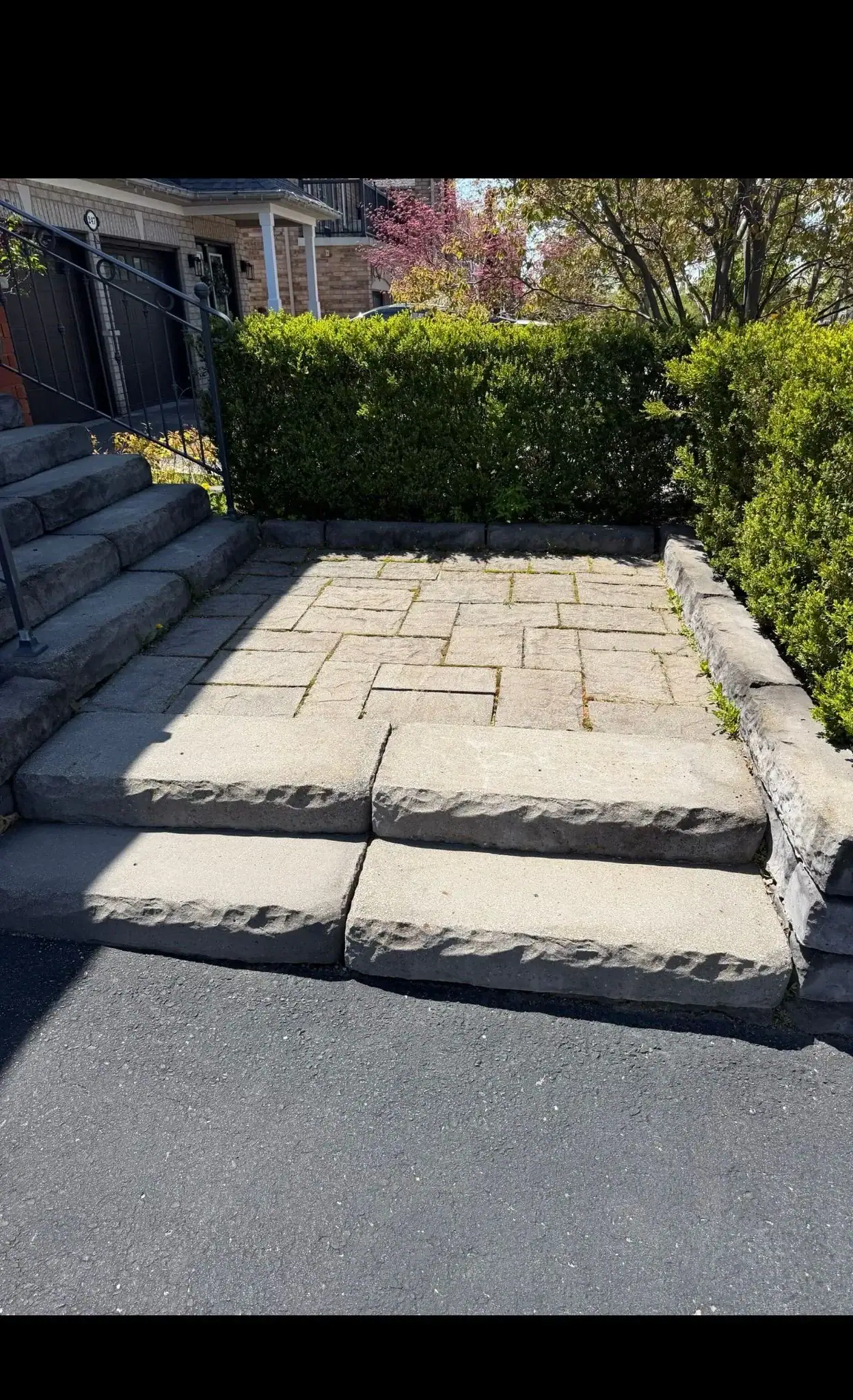
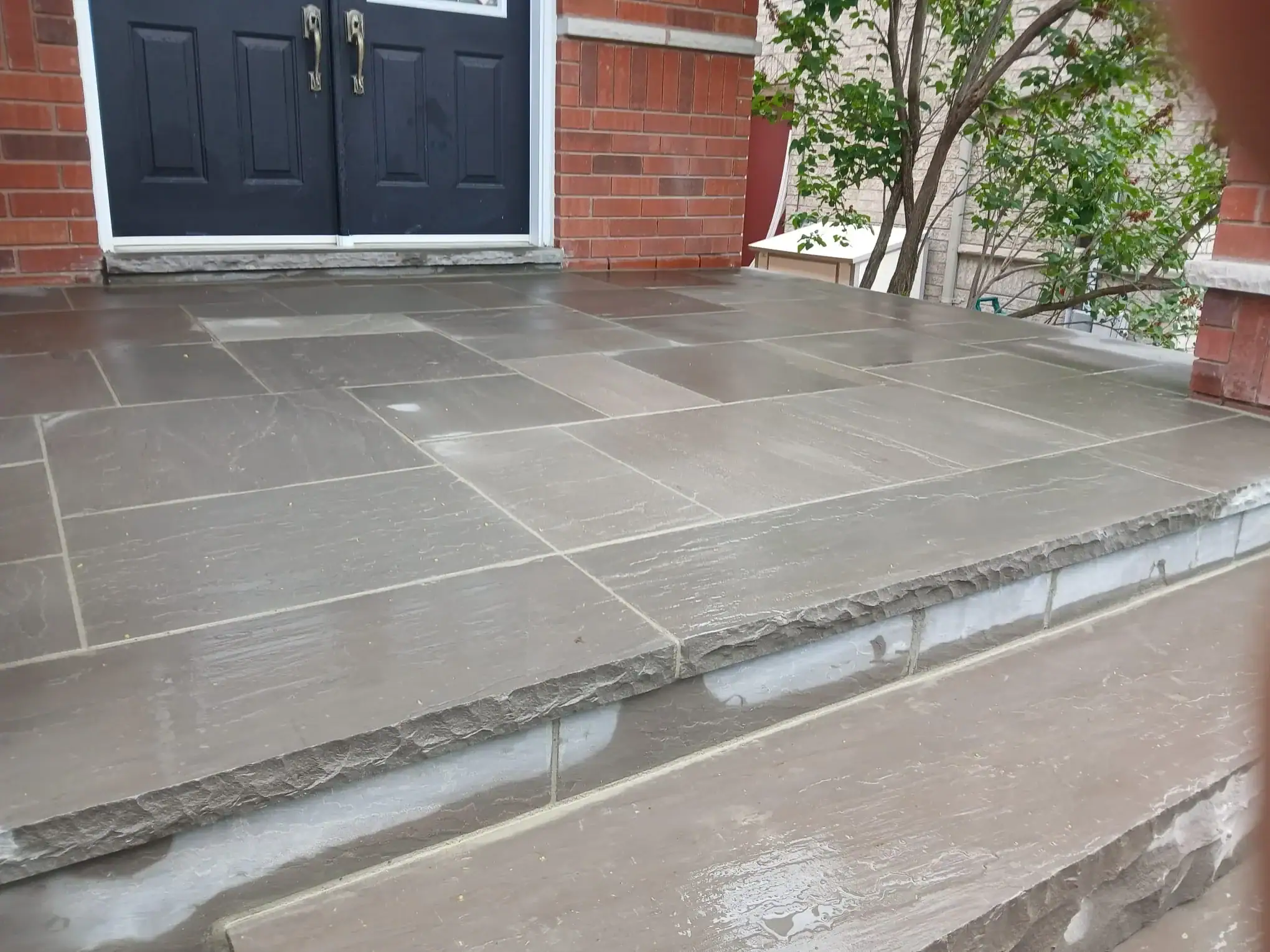
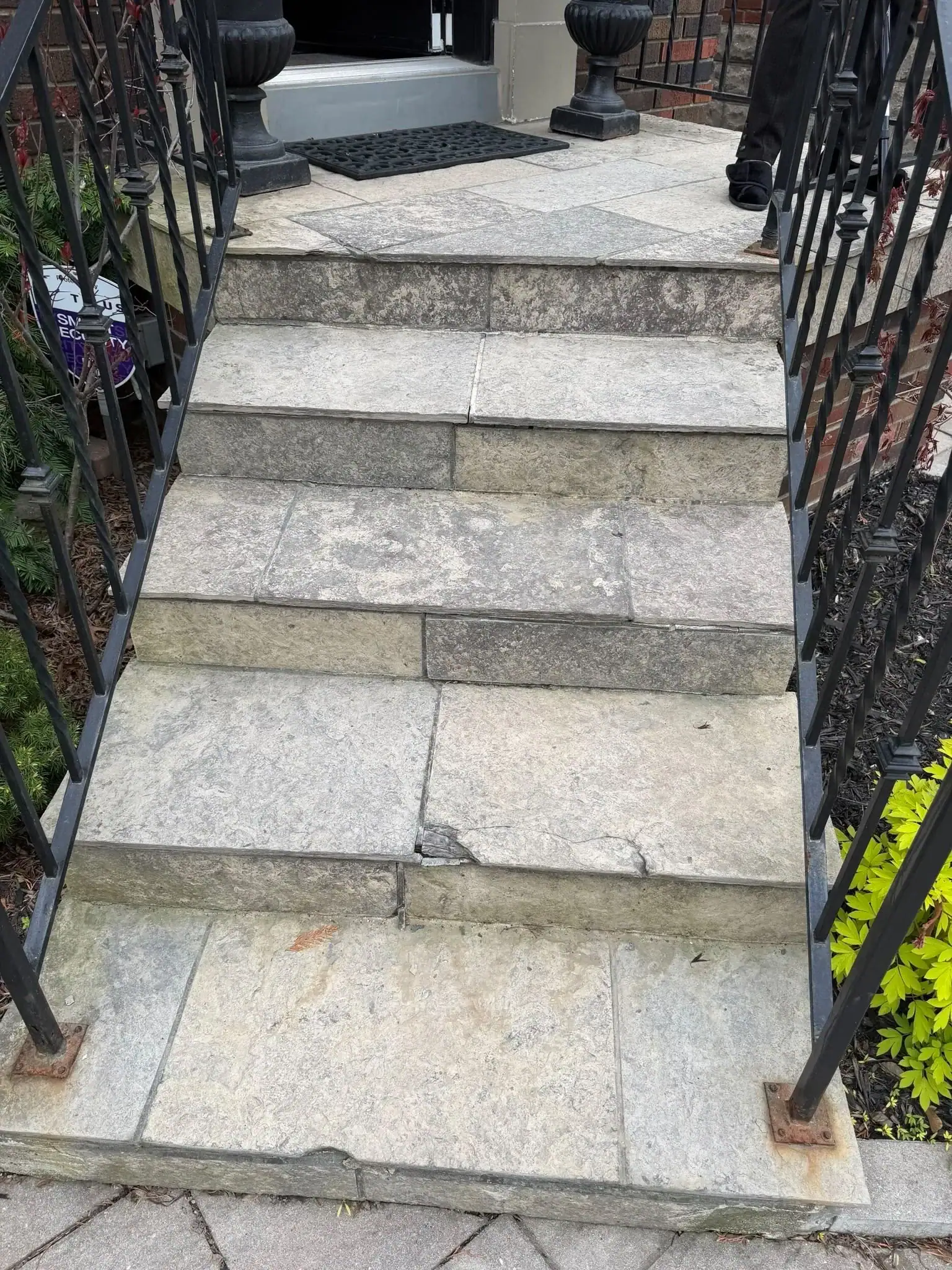
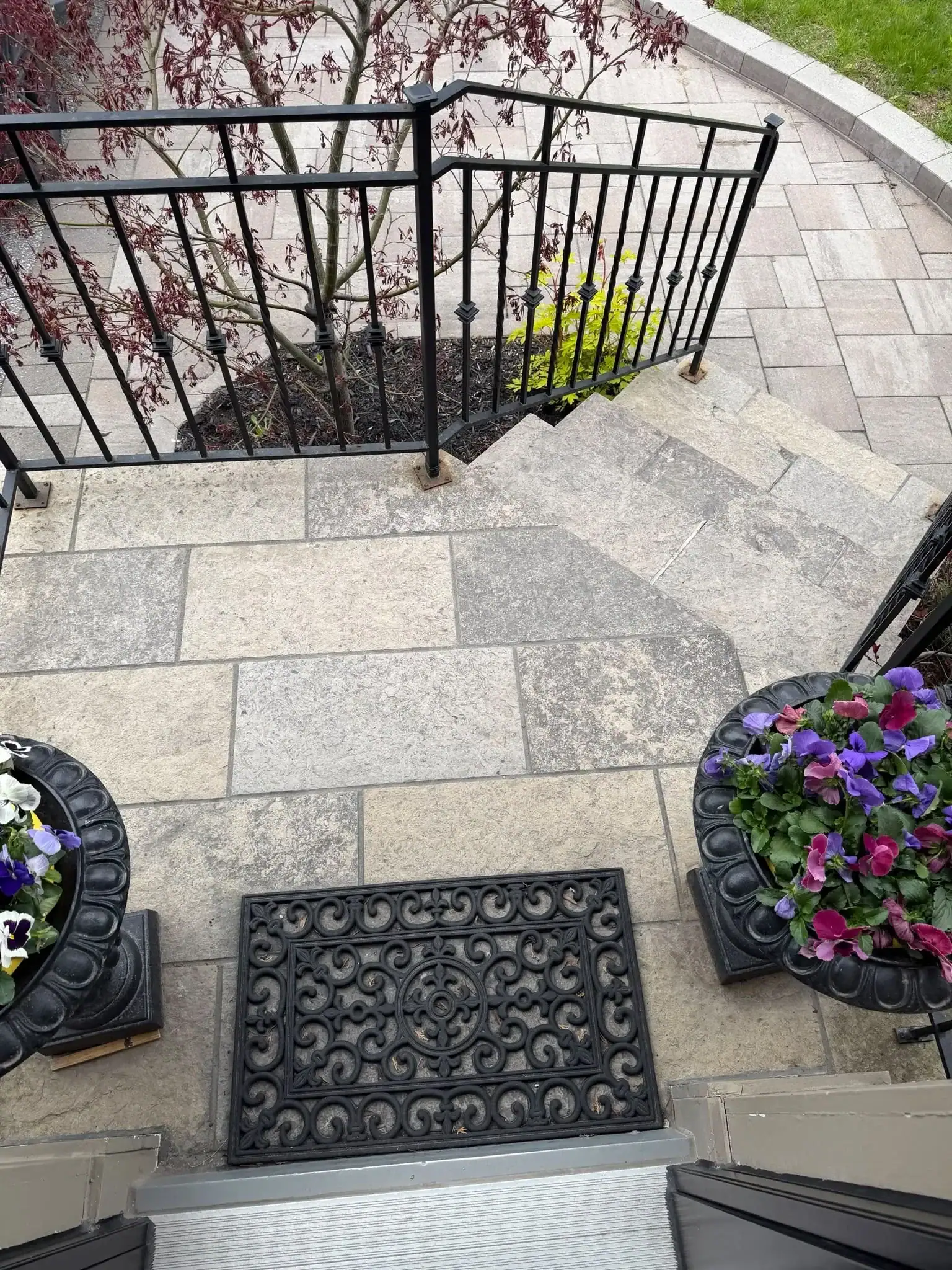
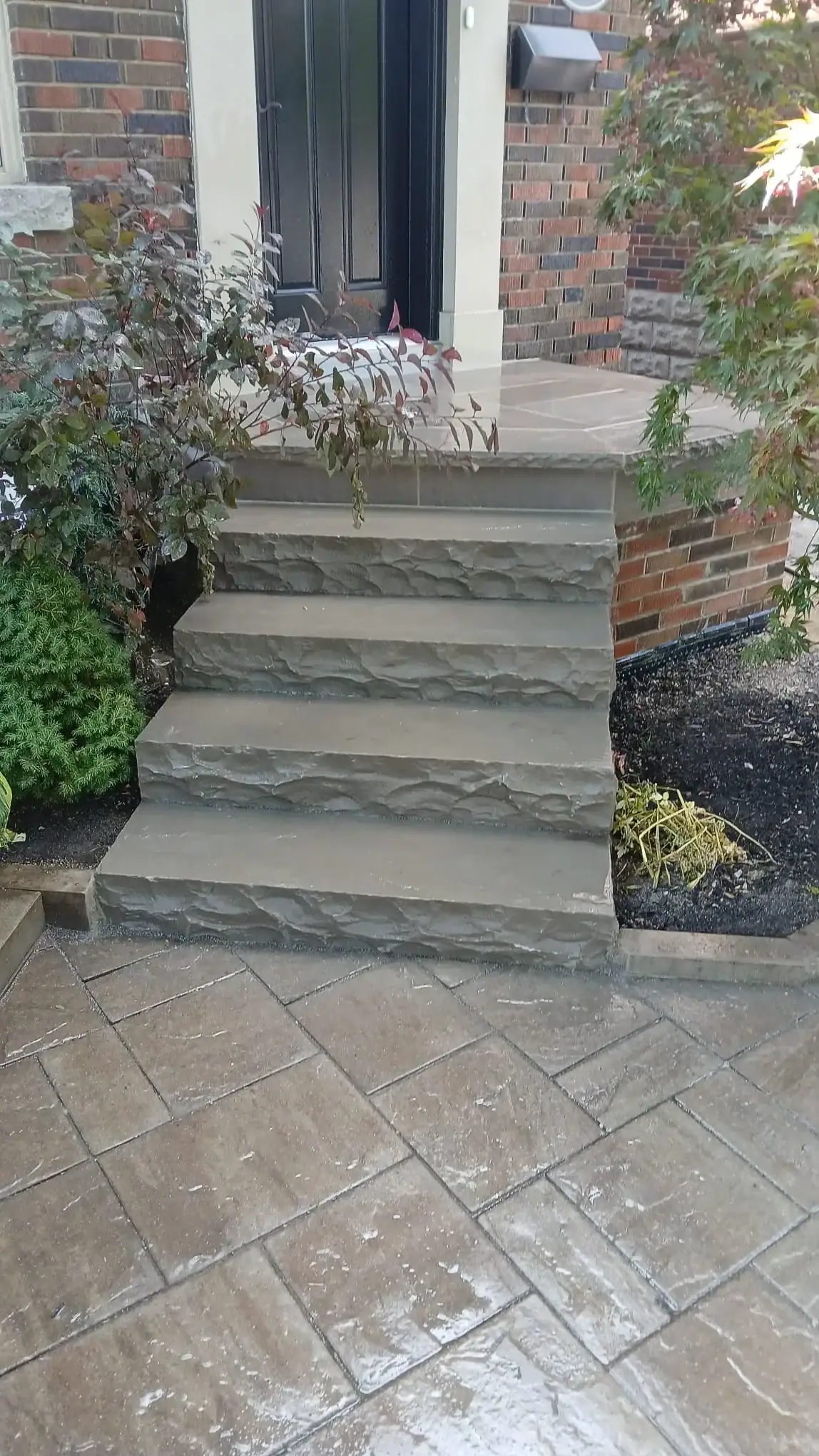
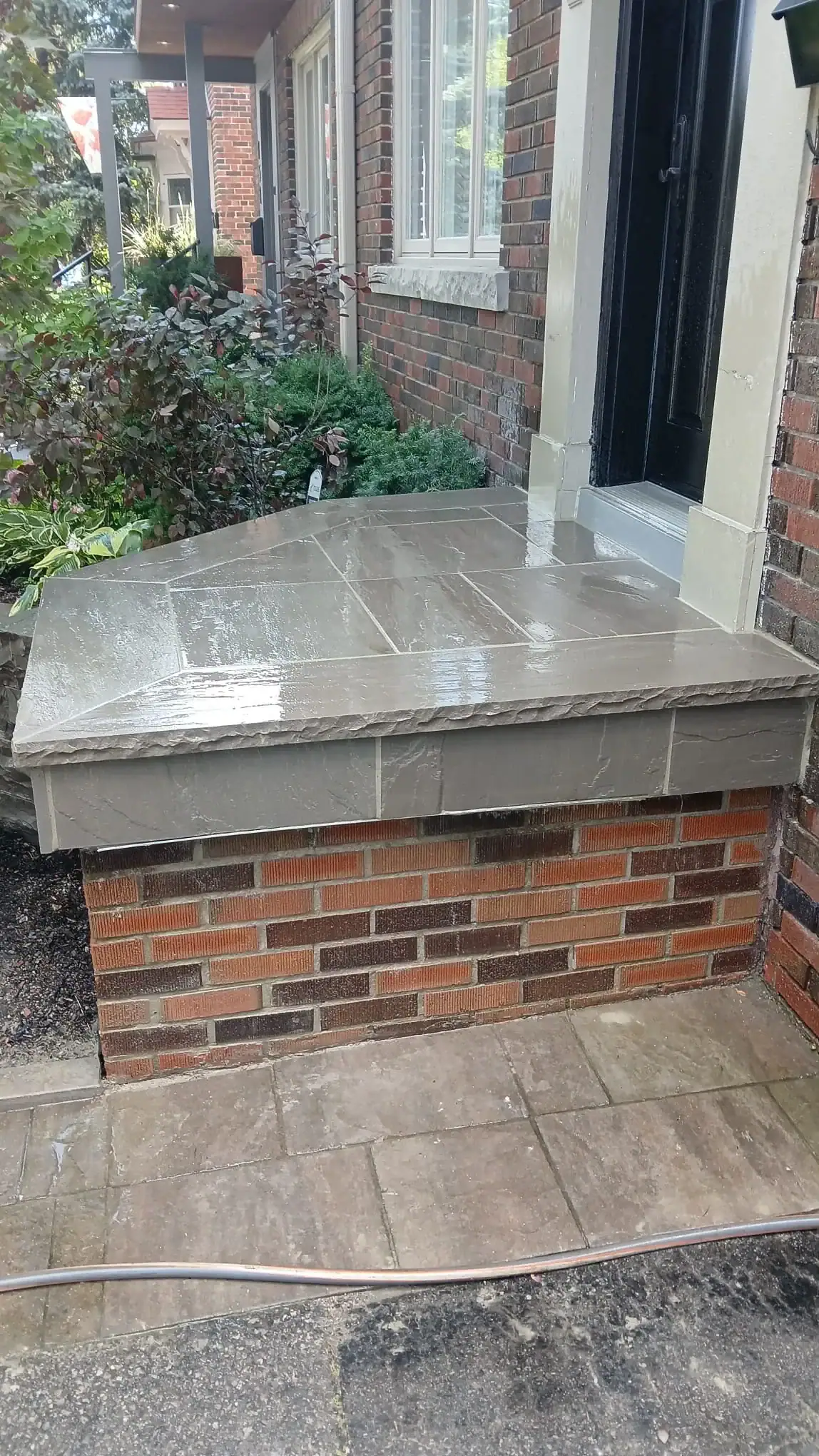
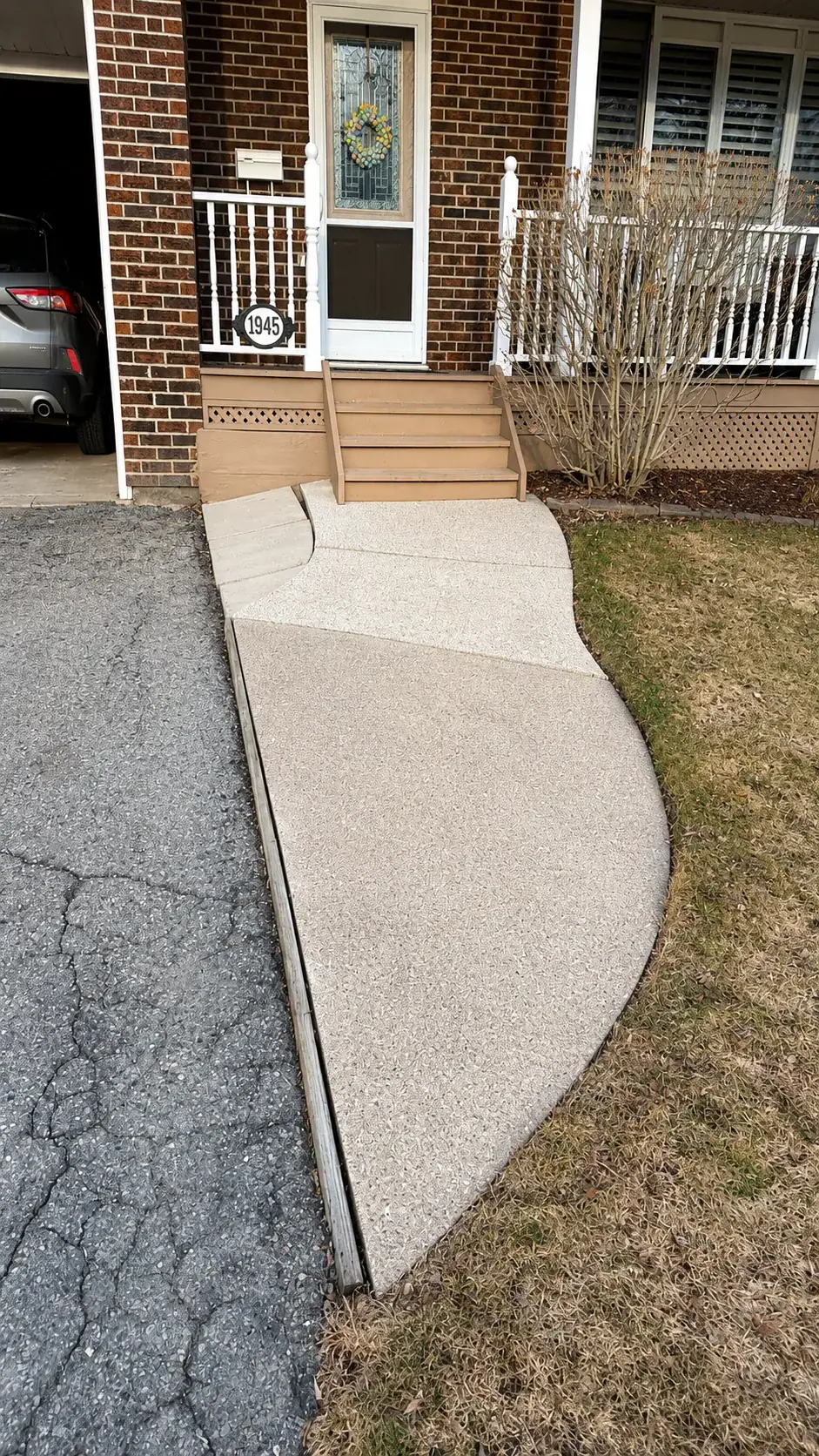
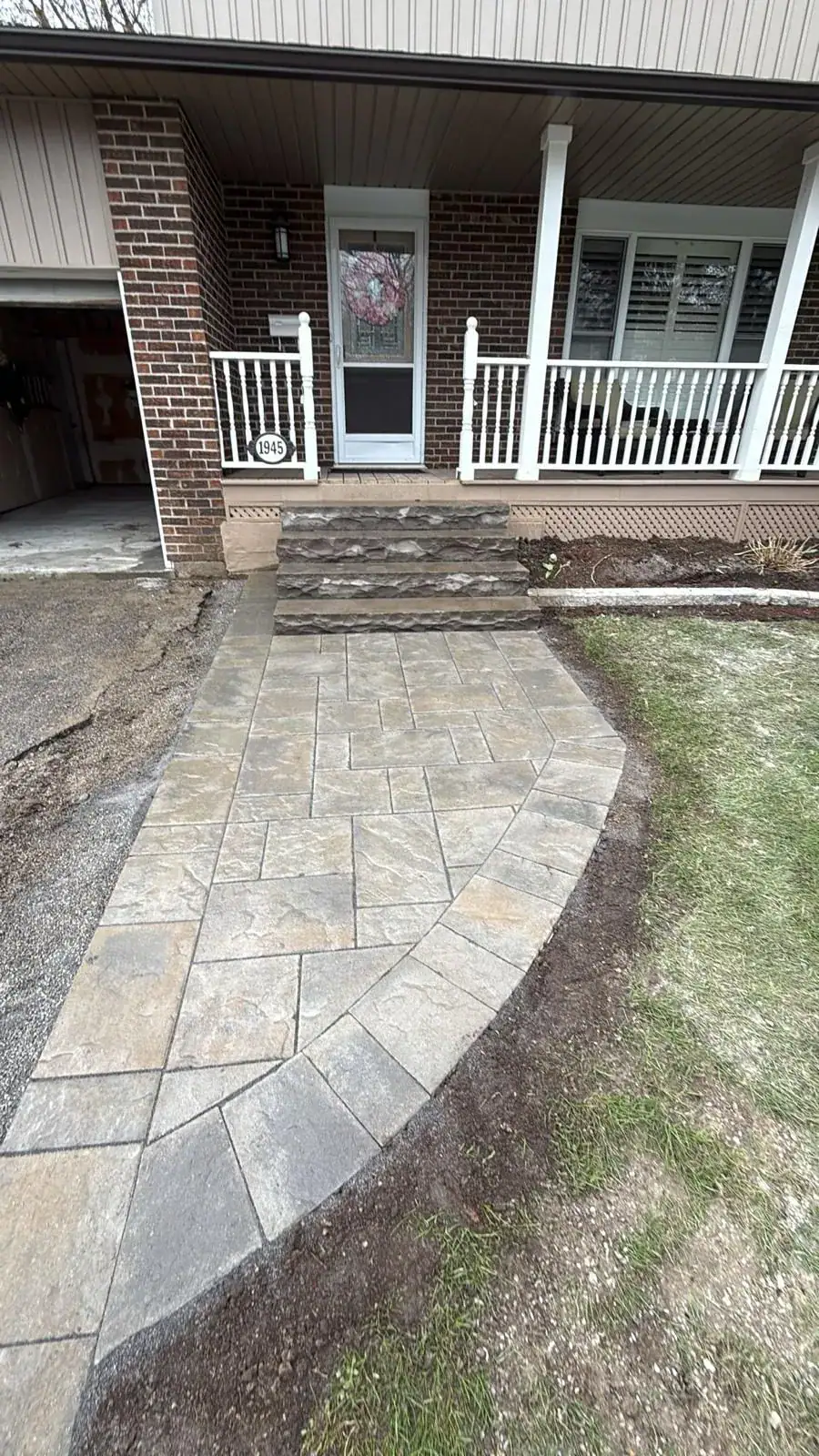
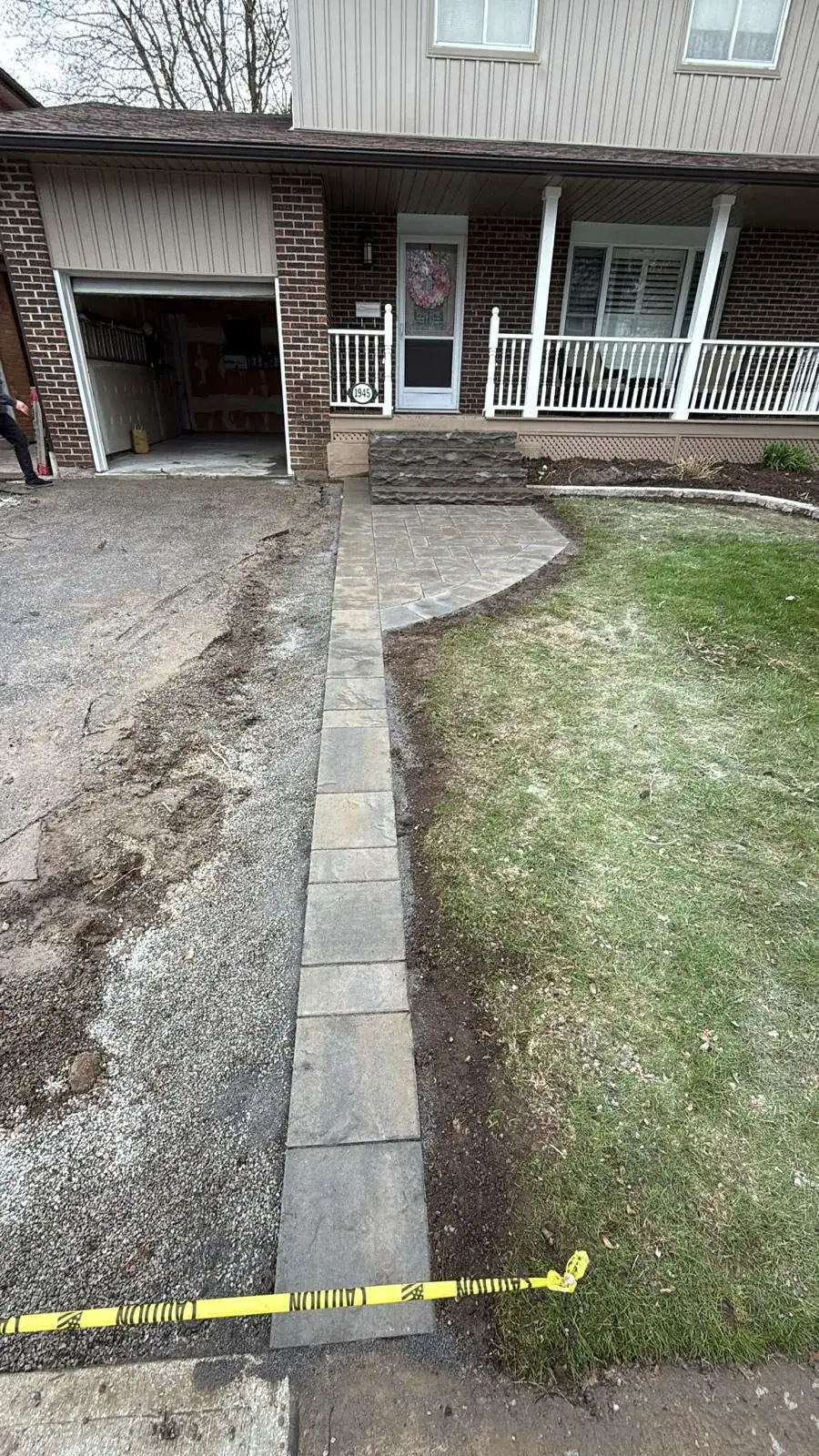
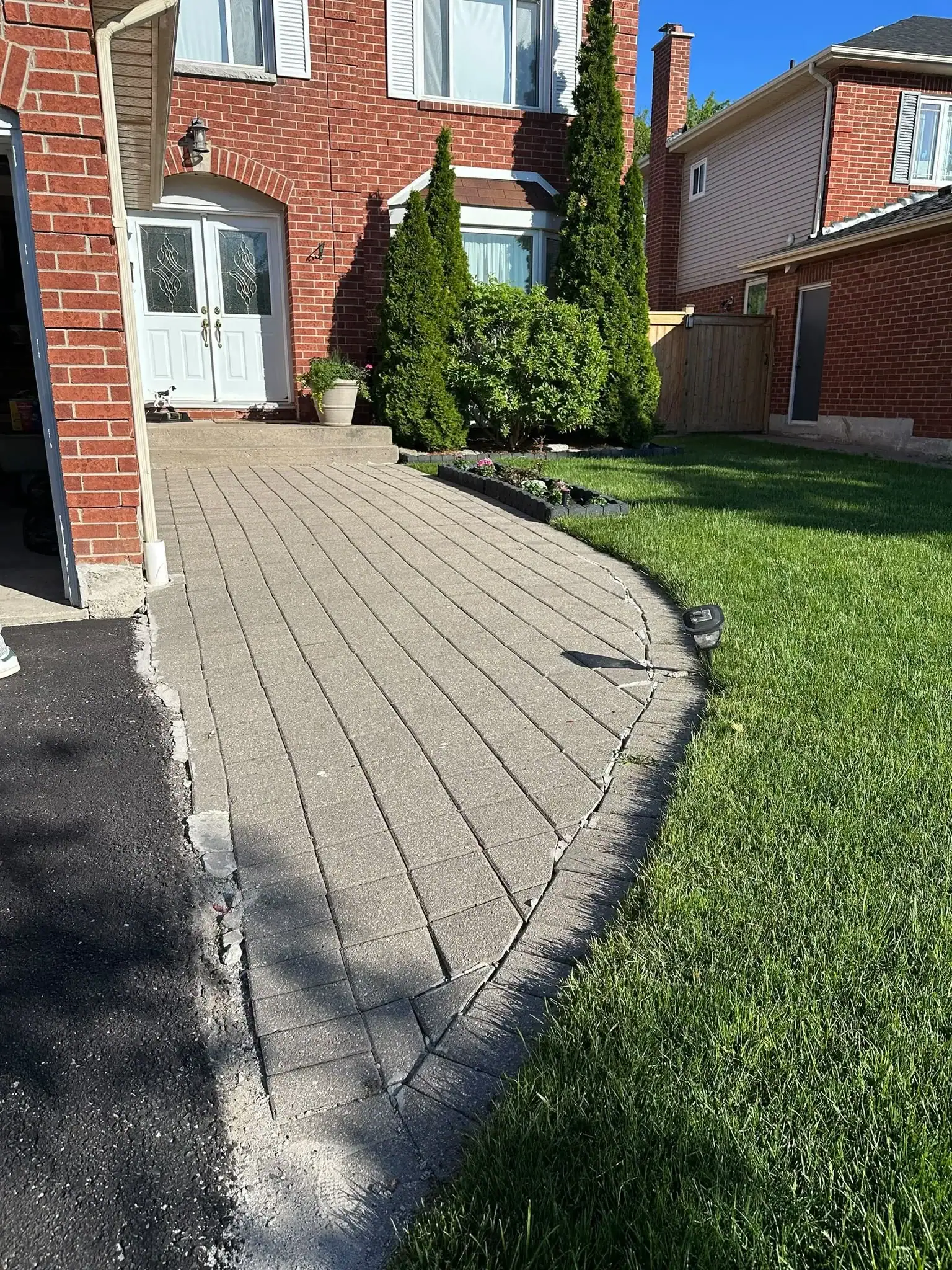
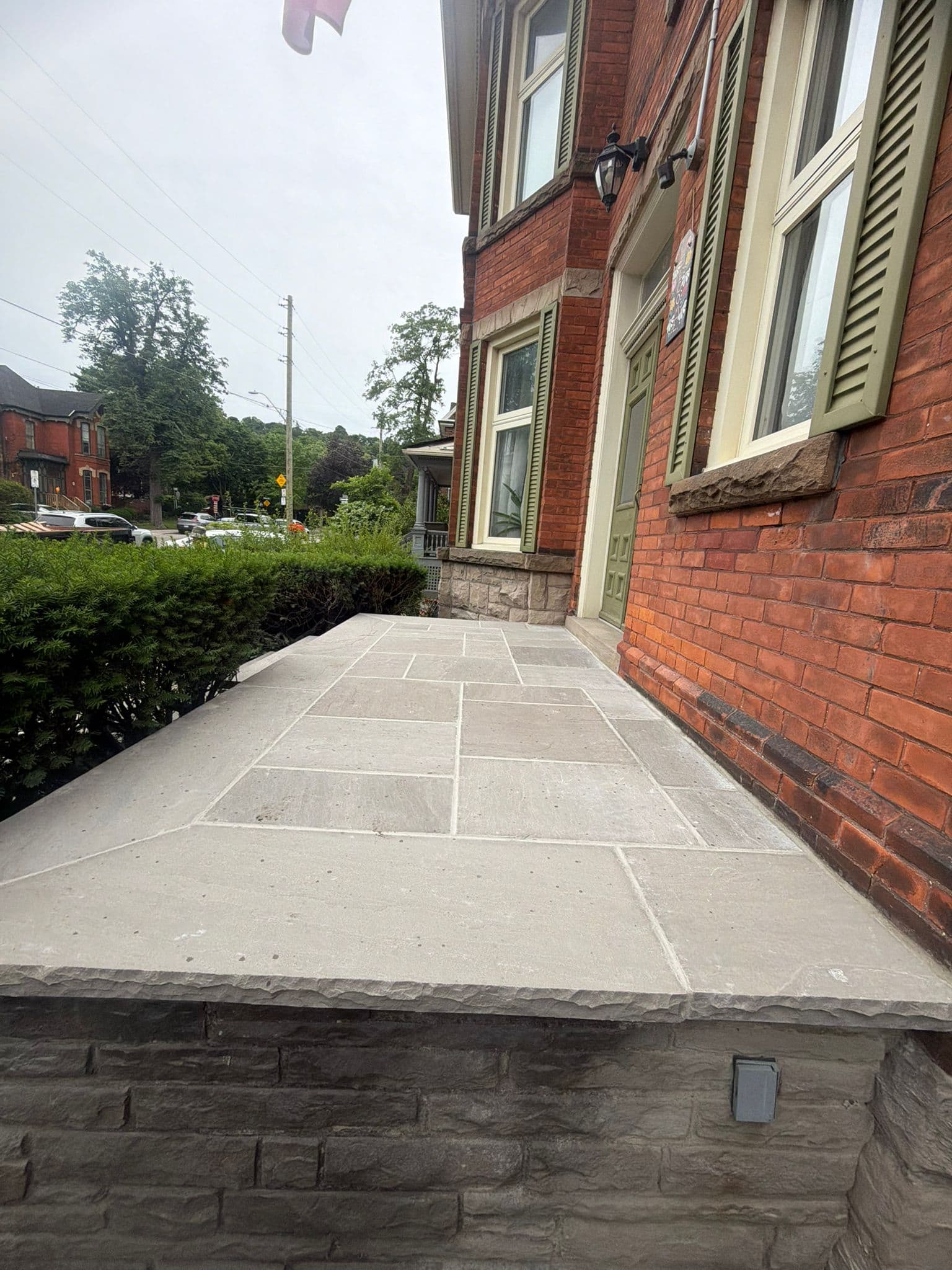
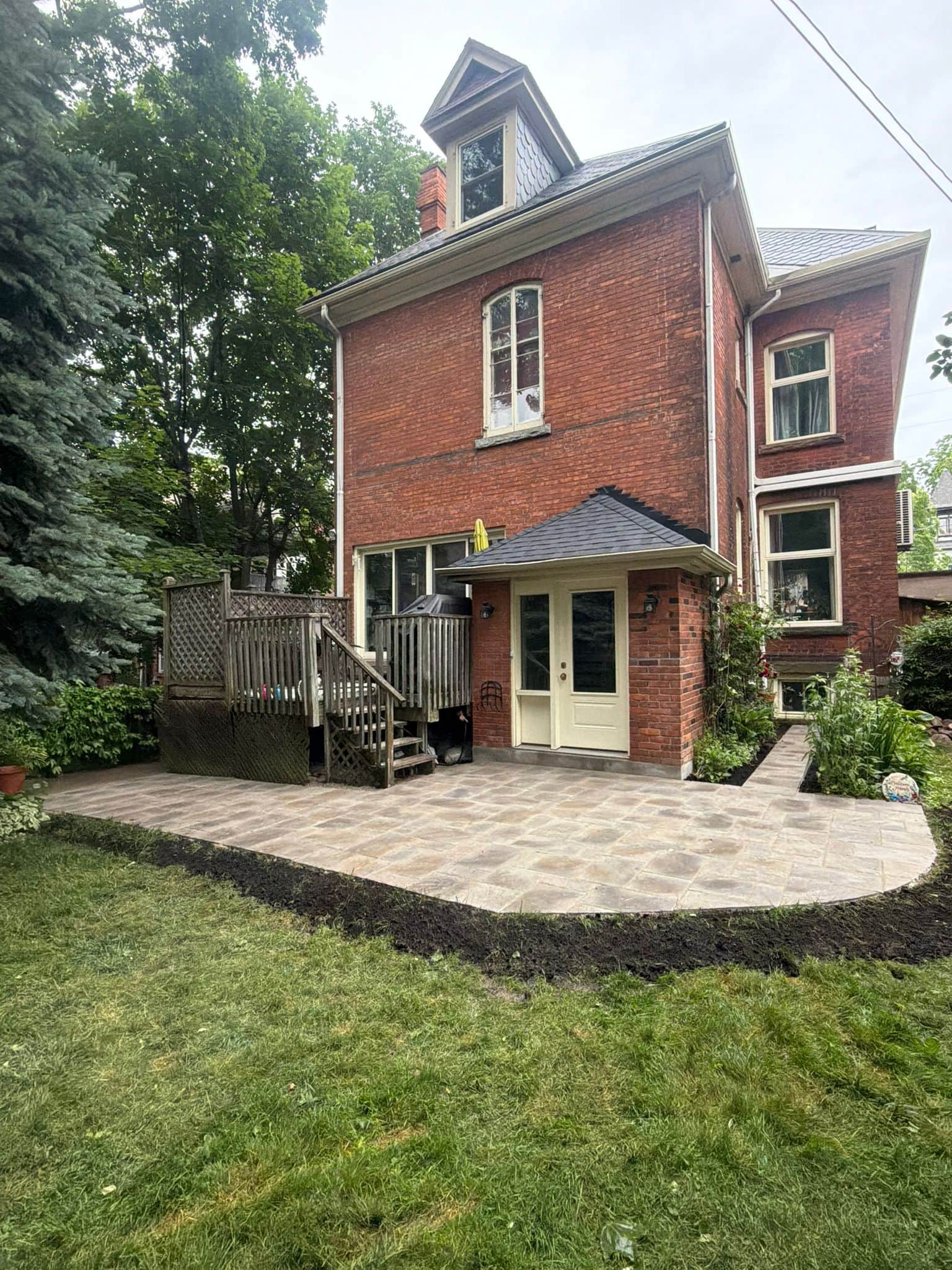
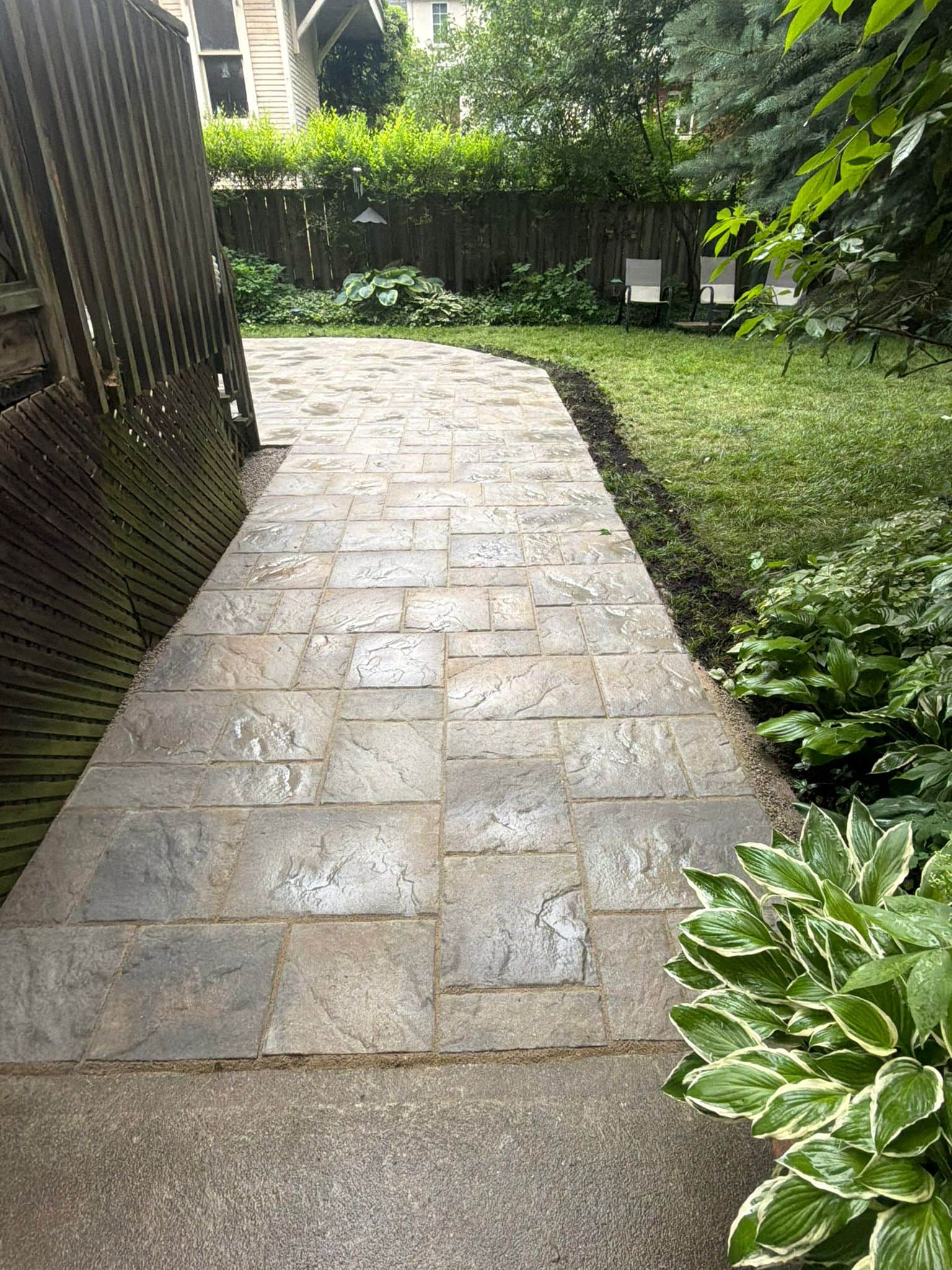
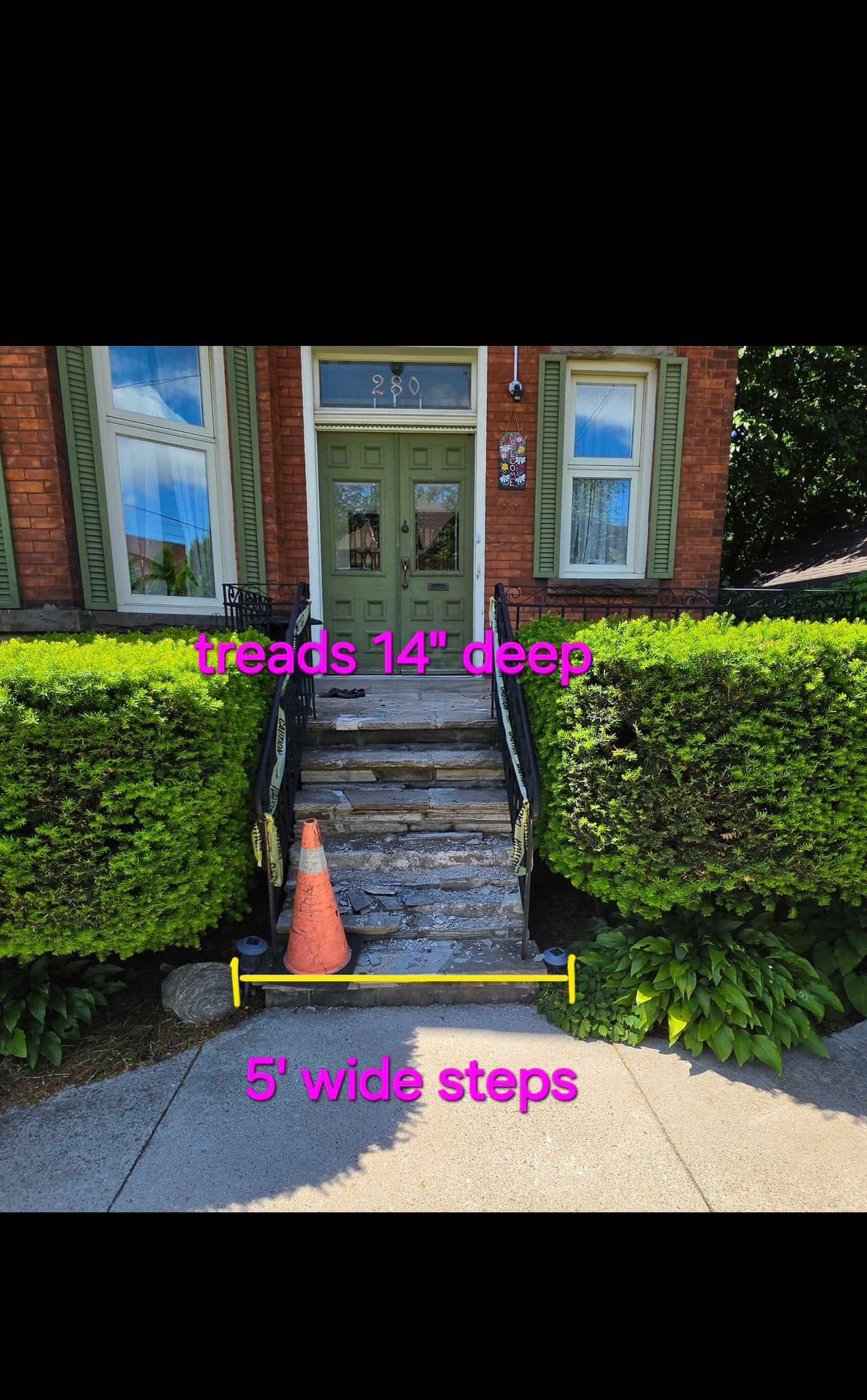
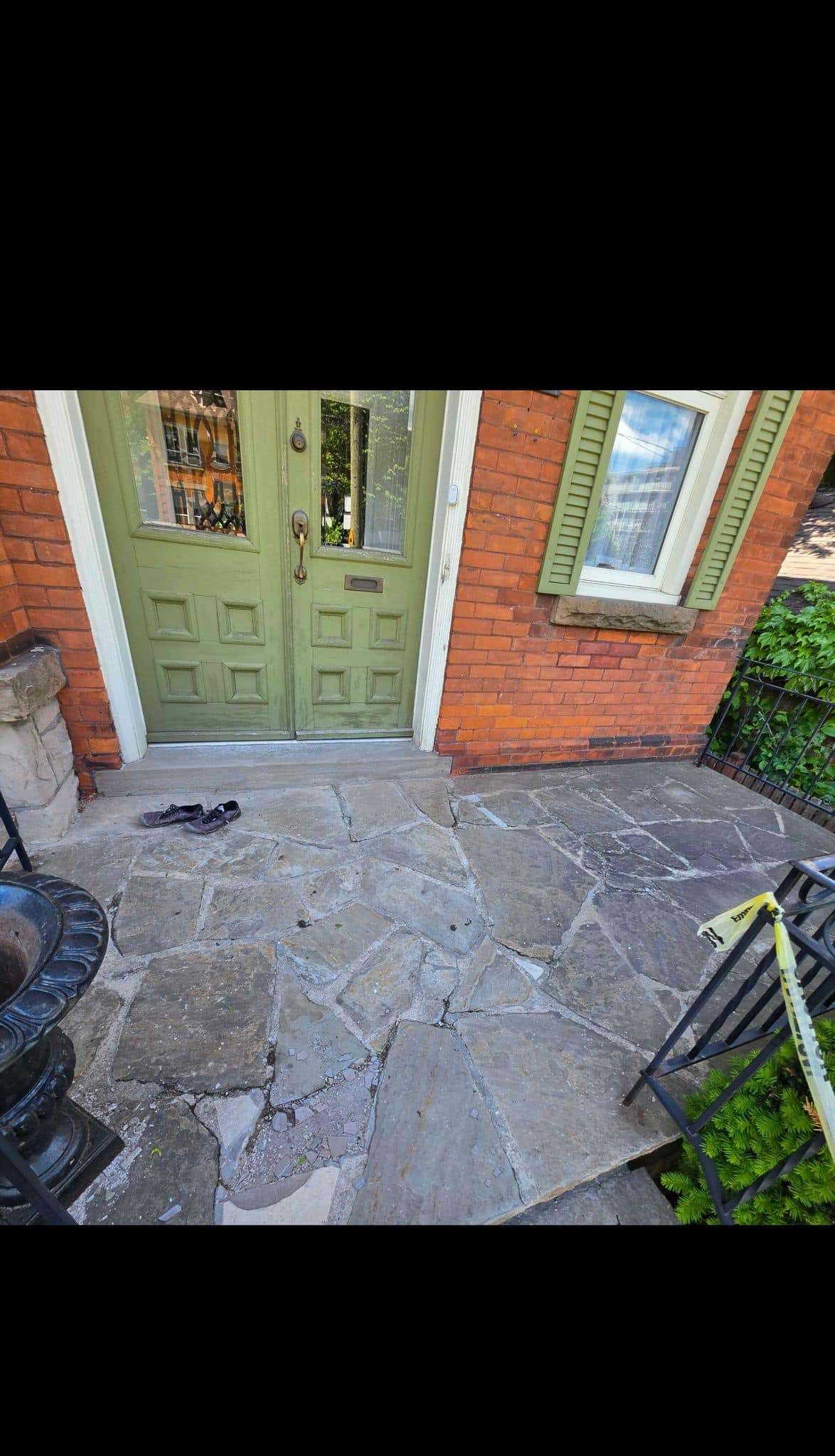
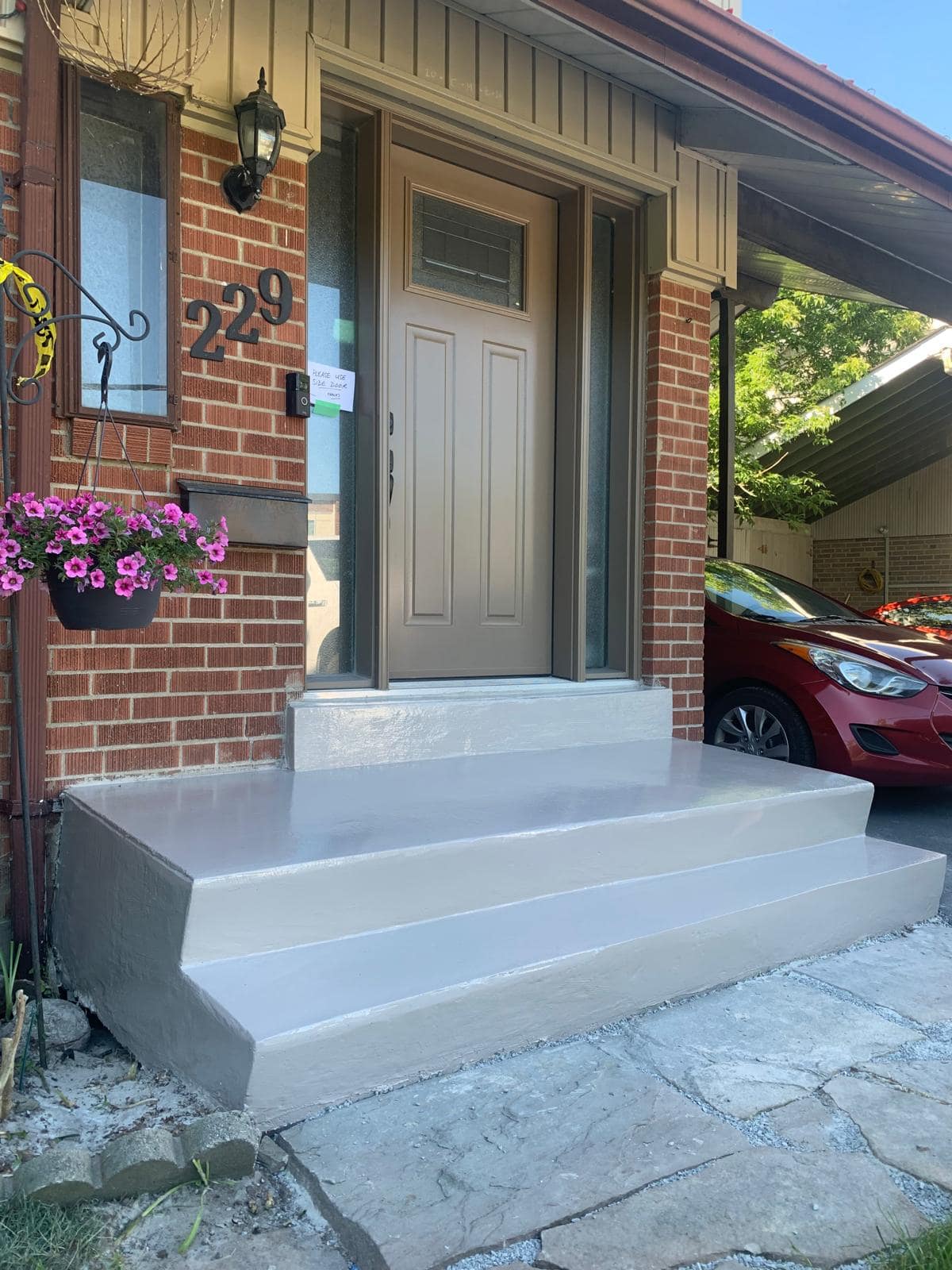
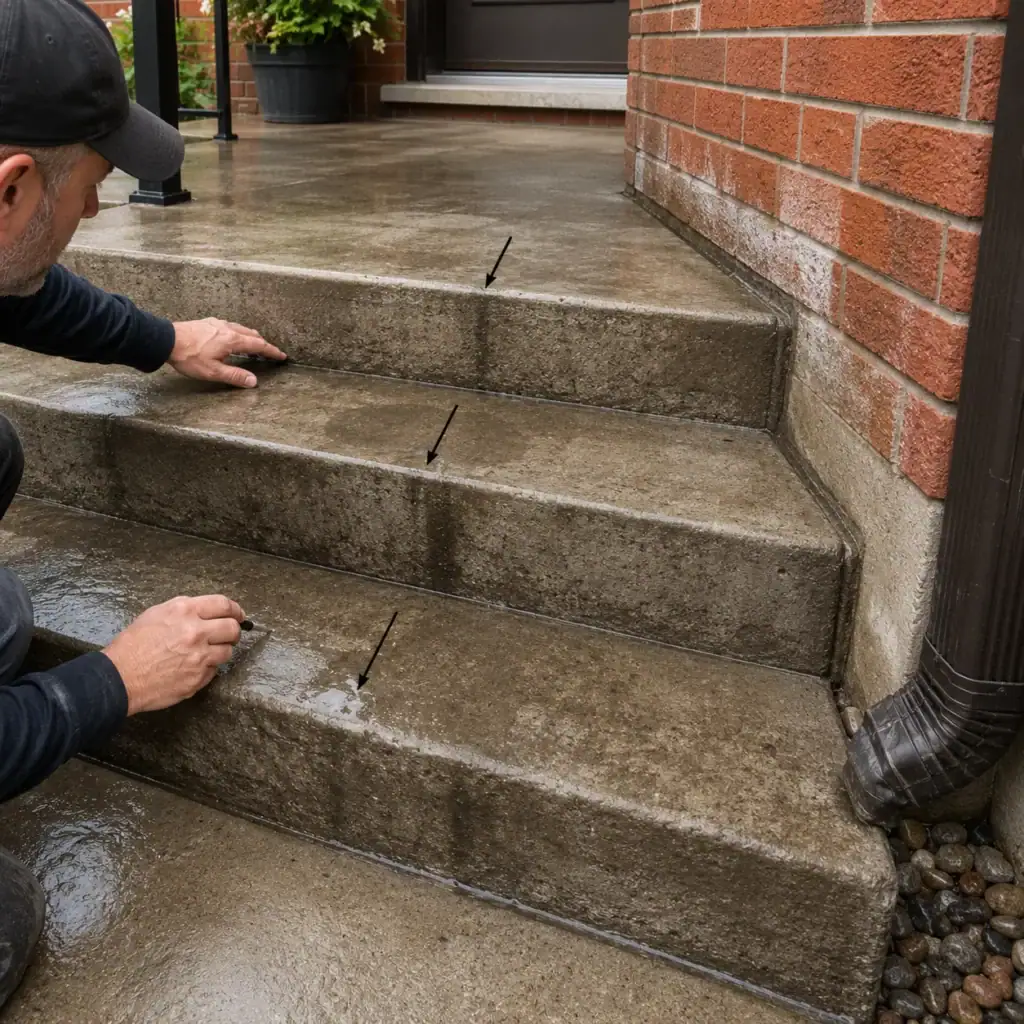
Concrete steps, walkways, and porches are common high-moisture areas because they are horizontal surfaces. Rain, snow, ice, salt, and foot traffic all affect them. Water can sit on the surface, enter hairline cracks, and freeze during winter.
Sealing concrete can help reduce water absorption and surface wear when the concrete is sound. However, concrete that is already scaling, crumbling, uneven, or deeply cracked may need repair before sealing. A sealer cannot rebuild a weak surface.
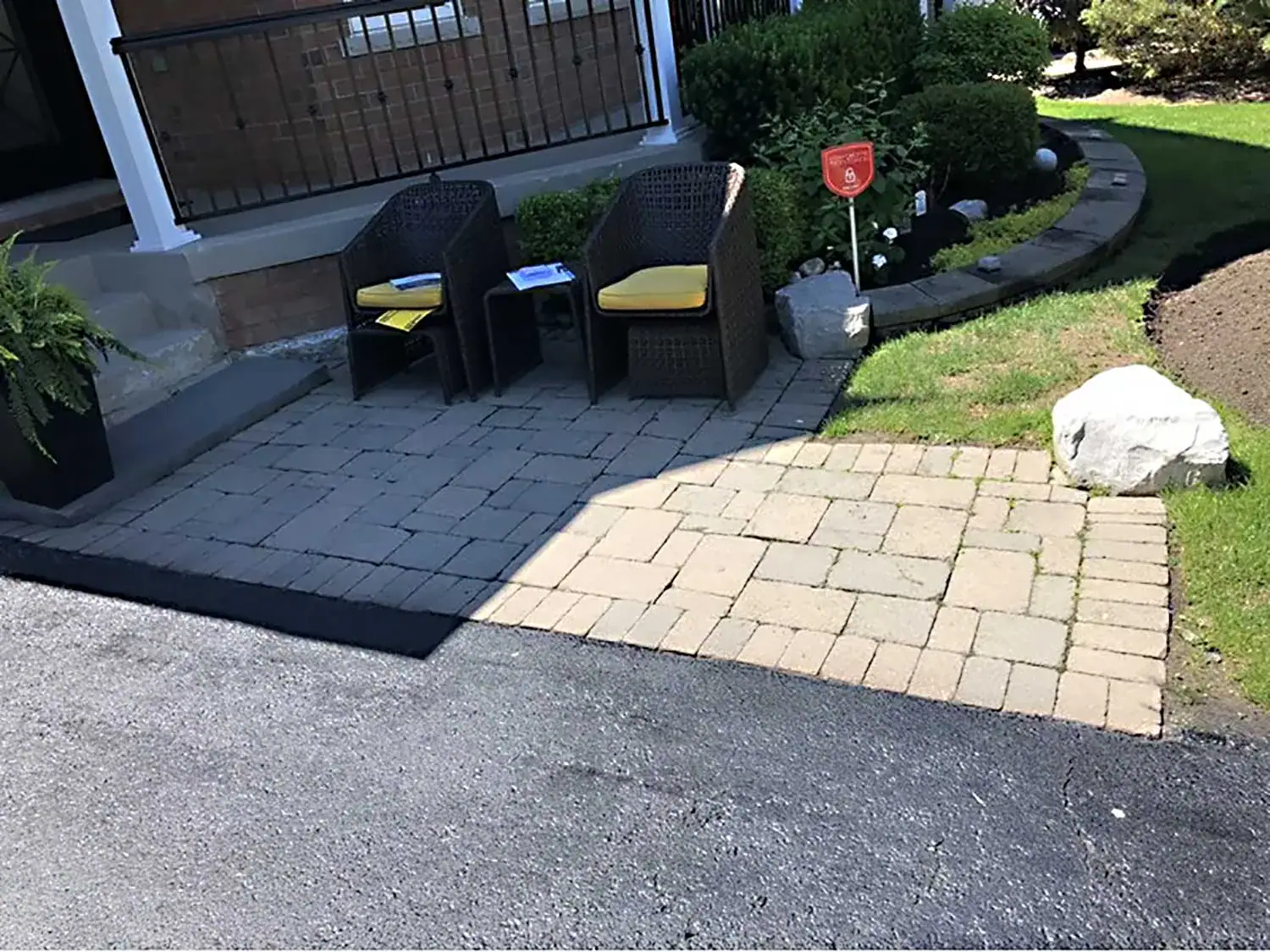
Drainage is also important. If water pools on steps or against the foundation, sealing may not solve the problem. The slope, adjacent walkway, downspout location, and base conditions may all need review.
Homeowners should also be careful with winter de-icing products. Salt and moisture can contribute to concrete wear. A sealed surface may help in some cases, but safe winter maintenance still matters.
If concrete surfaces are already cracked or worn, A&A Masonry’s concrete repair Toronto page can help homeowners understand when repair should come before sealing.
Chimney Masonry and Moisture Protection
Chimney masonry often benefits from moisture review because chimneys are exposed to rain, snow, wind, and freezing temperatures from all sides. A chimney can absorb water through cracked mortar, spalling brick, damaged crowns, missing caps, and failed flashing details.
Sealing may help protect a sound chimney after repairs are completed, but it should not be used to cover active damage. If the crown is cracked, the cap is missing, or mortar joints are open, water can continue to enter from above or through gaps, even if the surface has been sealed.
Good chimney moisture protection often includes several parts: sound brickwork, proper tuckpointing, a good crown, a suitable cap, flashing review, and, only then, a compatible water-repellent treatment, if appropriate.
For chimney-related moisture issues, A&A Masonry’s chimney repair Toronto page explains common concerns, including spalling brick, mortar failure, crowns, caps, waterproofing, and rebuild needs.
Stone Masonry and Sealing
Stone masonry should be sealed only after confirming the stone type, surface condition, and moisture exposure. Some stone is dense and less absorbent. Other stone is more porous and may stain or absorb water more easily. The mortar joints between stones also matter.
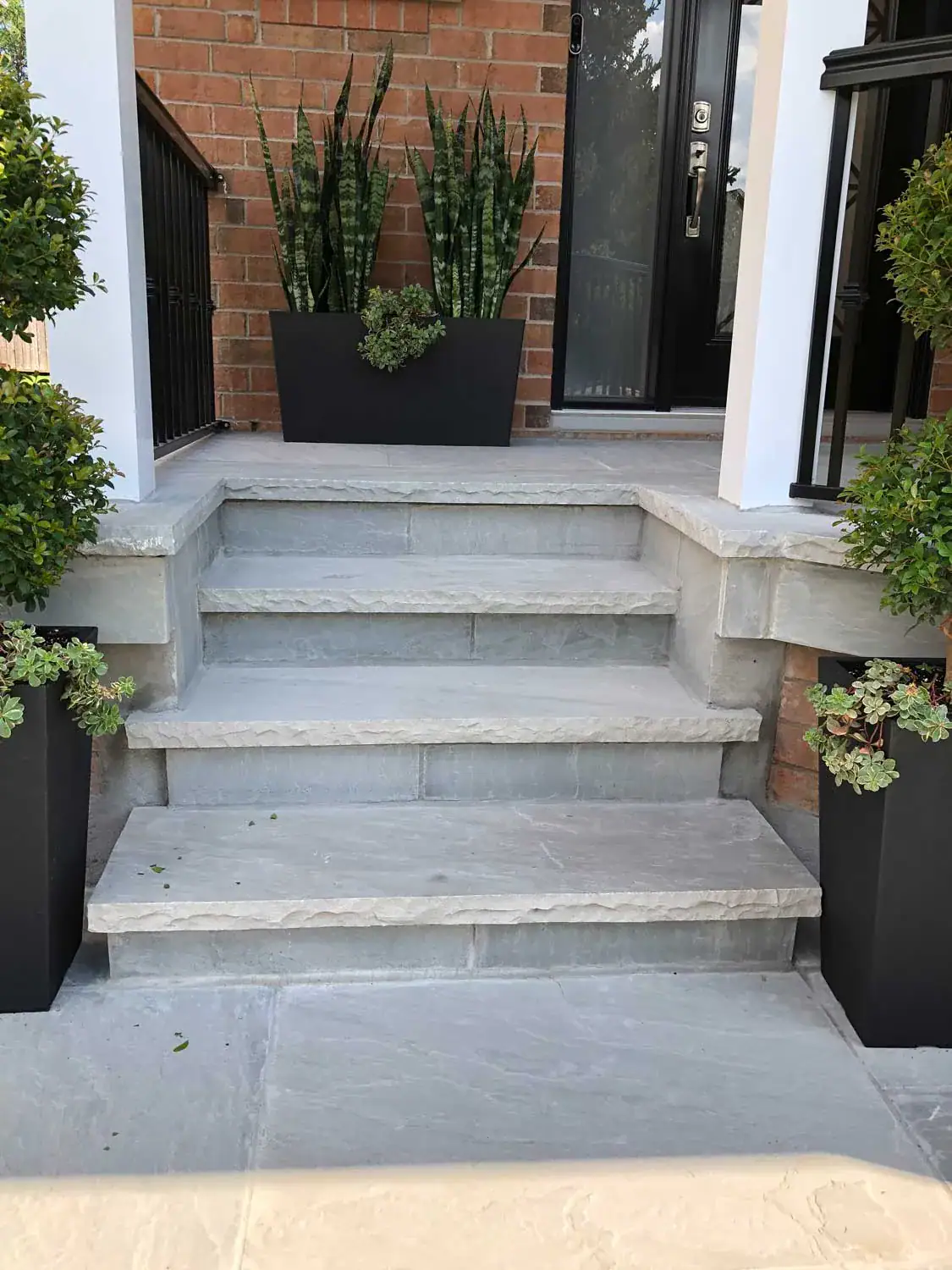
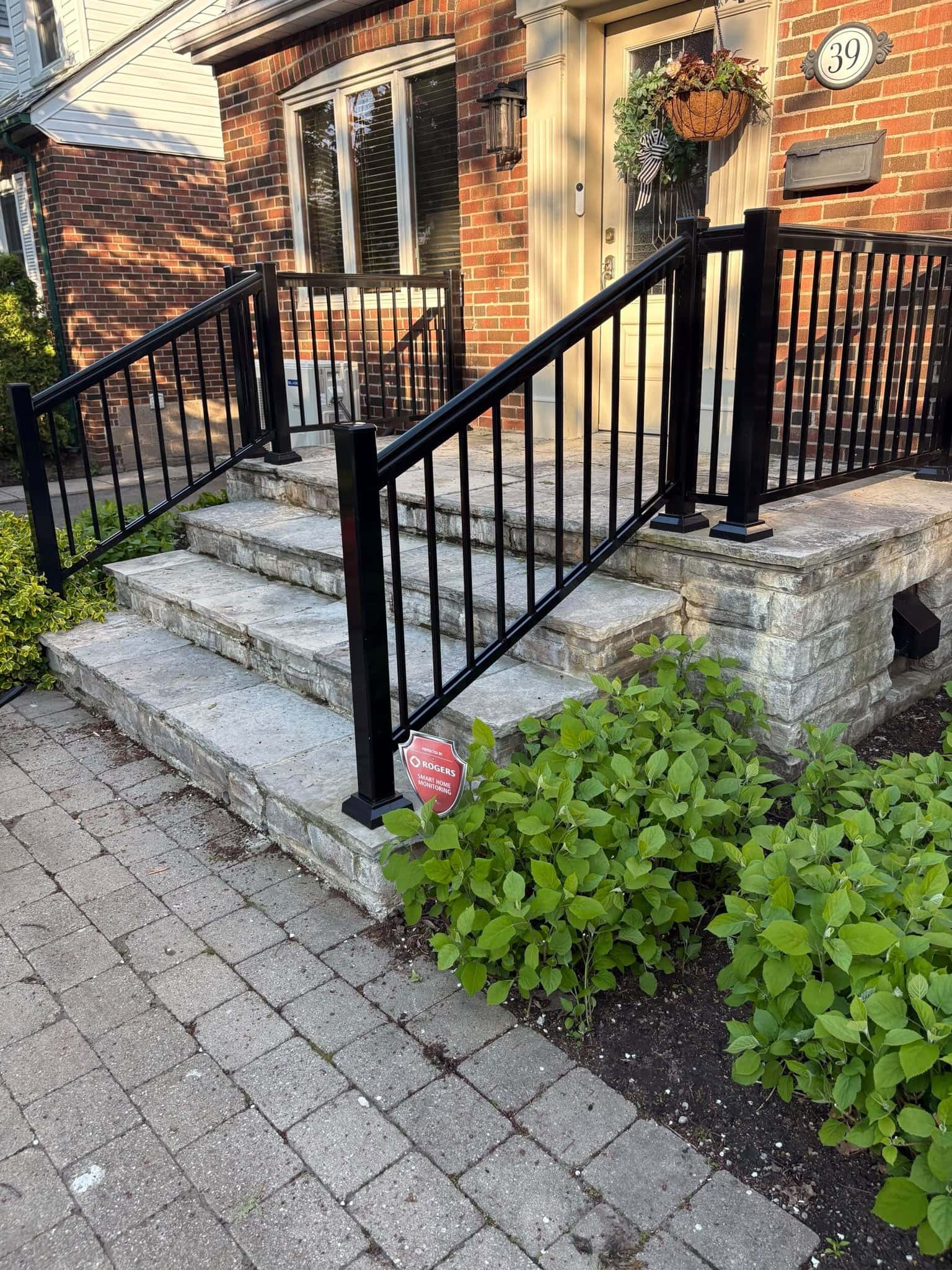
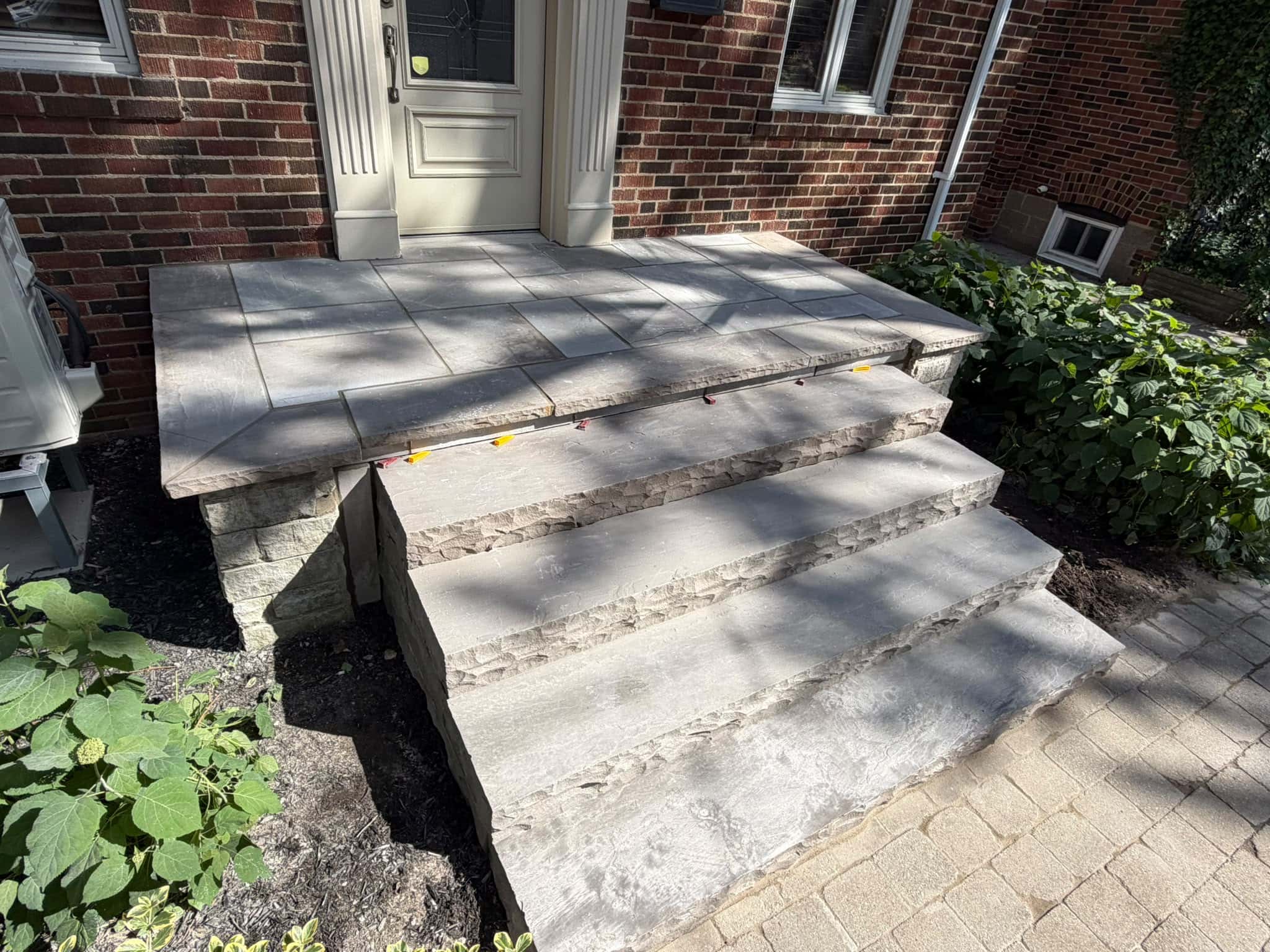
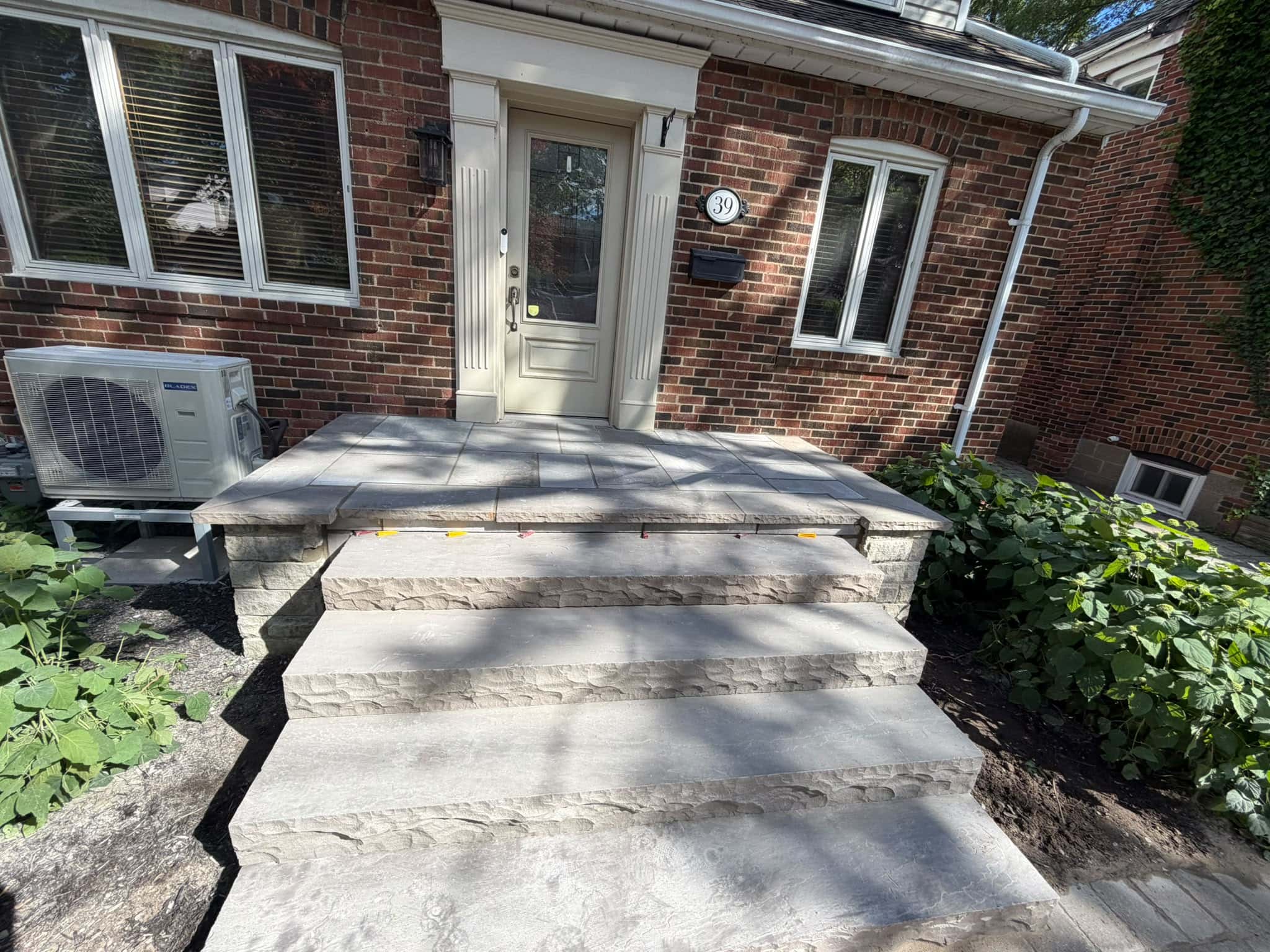
Sealing can help with certain stone features, such as exterior walls, steps, garden walls, or decorative masonry, when the stone is suitable. However, stone should not be sealed when water is trapped behind it, when joints are failing, or when the surface is already flaking.
Natural stone can also change colour after sealing. Some products darken stone or create a wet-look finish. That may be desirable in some designs but unwanted on traditional Toronto homes. A test area is important before applying any product across the full surface.
For stone projects, sealing should support the masonry rather than change its character or trap moisture.
Foundation and Basement Moisture Areas
Foundation and basement moisture areas need more than surface sealing when water is actively entering. Damp basement walls, foundation cracks, stained lower masonry, and recurring efflorescence often indicate water movement around or through the foundation.
The City of Toronto provides information on basement flooding and encourages homeowners to understand the source of the water. This is important because a surface sealer on visible masonry may not solve a below-grade water problem.
If moisture is coming through a foundation wall, exterior waterproofing, drainage correction, crack repair, parging repair, sump or drain review, or grading changes may be needed depending on the situation. Sealing the exposed surface may be only a small part of the solution.
If water is entering the basement or foundation area, A&A Masonry’s waterproofing Toronto page explains common foundation moisture and waterproofing concerns for local homes.
Efflorescence Before Sealing
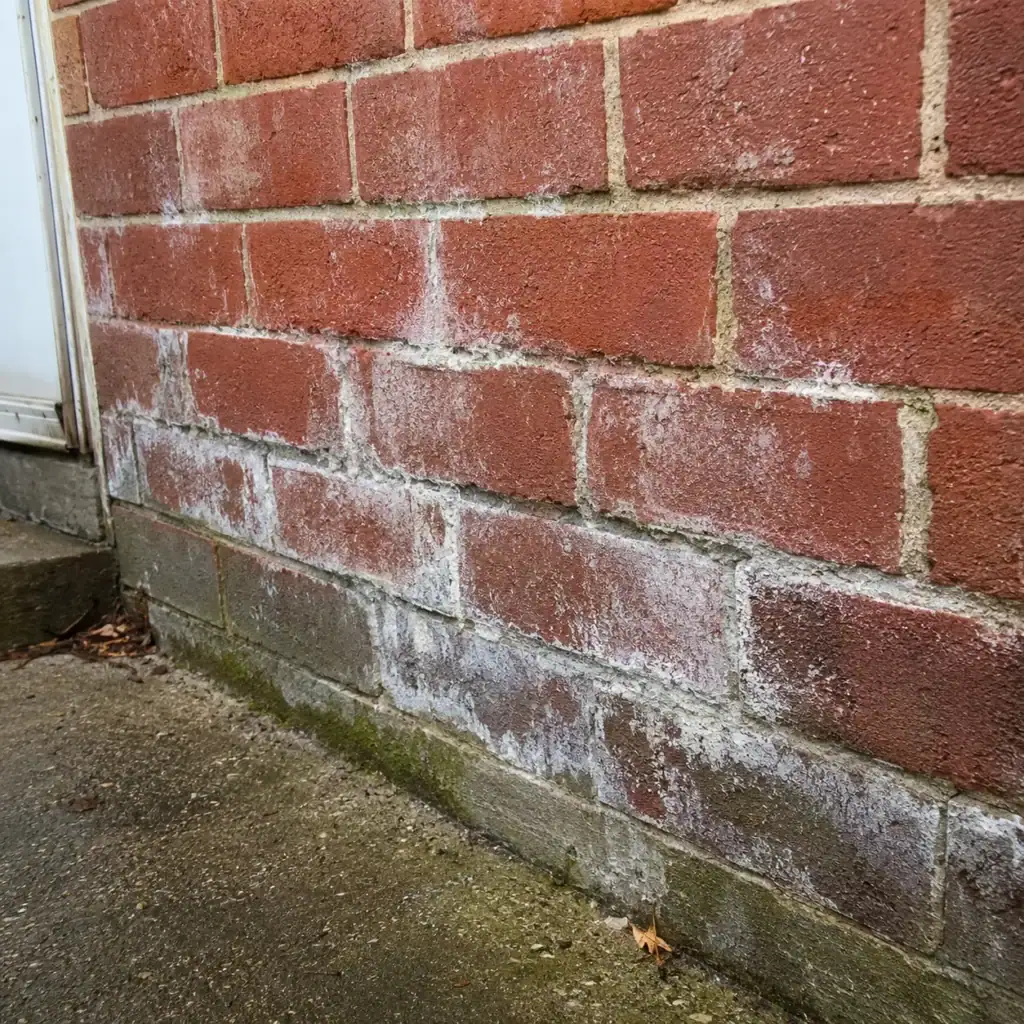
Efflorescence should be reviewed before sealing, as it often indicates moisture moving through the masonry. Efflorescence appears as white powdery deposits on brick, stone, concrete, or mortar. It forms when water carries salts to the surface and then evaporates.
Light efflorescence may be temporary, especially after new masonry work. Repeated or heavy efflorescence usually indicates an ongoing moisture source. Sealing it over without fixing the cause may trap moisture or cause the salt problem to return elsewhere.
Before sealing, the surface should be dry, and the source of moisture should be identified. The wall may need drainage correction, mortar repair, cap repair, flashing review, or time to dry after recent work.
A dry brush can sometimes remove surface efflorescence, but water-based cleaning should be used carefully. Wetting the surface too much can dissolve salts and draw them back into the wall.
Cleaning Before Sealing
Cleaning before sealing is important because sealers should not be applied over dirt, algae, salts, dust, old coatings, or loose material. A dirty surface can prevent proper absorption and lead to uneven results.
The cleaning method should match the masonry. Older brick may need gentle cleaning. Concrete may require surface preparation. Stone may need a product suited to the specific material. Aggressive pressure washing can damage softer brick and mortar, especially on older Toronto homes.
After cleaning, the surface must dry properly before sealing. Trapped moisture is one of the main reasons sealing fails. Weather conditions matter because masonry may look dry on the surface while still retaining moisture beneath the surface.
If the masonry is historic, soft, or already damaged, cleaning should be handled carefully before any sealer is considered.
Best Timing for Masonry Sealing
The best timing for masonry sealing is usually during mild, dry weather when the surface can be cleaned, repaired, dried, and treated without rain or freezing temperatures. Late spring, summer, and early fall are often more practical than late fall or winter.
Sealing in too-close-to-freezing weather can be risky if moisture remains in the masonry. Sealing too soon after rain, washing, tuckpointing, patching, or concrete repair can also cause problems. Products have specific temperature, humidity, and curing requirements that should be followed.
For Toronto homeowners, sealing should be planned around both the forecast and the condition of the wall. If the surface is shaded, north-facing, or near dense landscaping, it may take longer to dry.
Do not rush sealing just because winter is approaching. If the masonry is wet or damaged, repair and drainage may matter more than applying a product quickly.
What Can Go Wrong With the Wrong Sealer?
The wrong sealer can trap moisture, change the appearance of masonry, peel, stain, or accelerate freeze-thaw damage. A product that works on one surface may not be suitable for another.
Common sealing mistakes include applying sealer over damp masonry, using non-breathable coatings on brick, sealing damaged mortar, applying too much product, skipping cleaning, ignoring efflorescence, and using a glossy product where a natural finish is expected.
Once the wrong product is applied, removal can be difficult. Some coatings are hard to strip without damaging the masonry underneath. That is why testing is important. A small test area can show whether the sealer changes colour, leaves shine, repels water properly, or creates an uneven finish.
Sealing should be a careful maintenance step, not a fast cover-up.
What Homeowners Can Check Before Sealing
Homeowners can check several things before deciding whether masonry sealing makes sense. These checks help prevent sealing over hidden problems.
- Look for cracks: Check brick, mortar, stone, concrete, and parging for open cracks.
- Check for spalling: Flaking or crumbling masonry should be repaired before sealing.
- Watch water flow: See where rainwater runs and where it pools after storms.
- Check for efflorescence: White, powdery deposits can indicate moisture movement.
- Look for damp areas: Surfaces that stay wet may have drainage or drying problems.
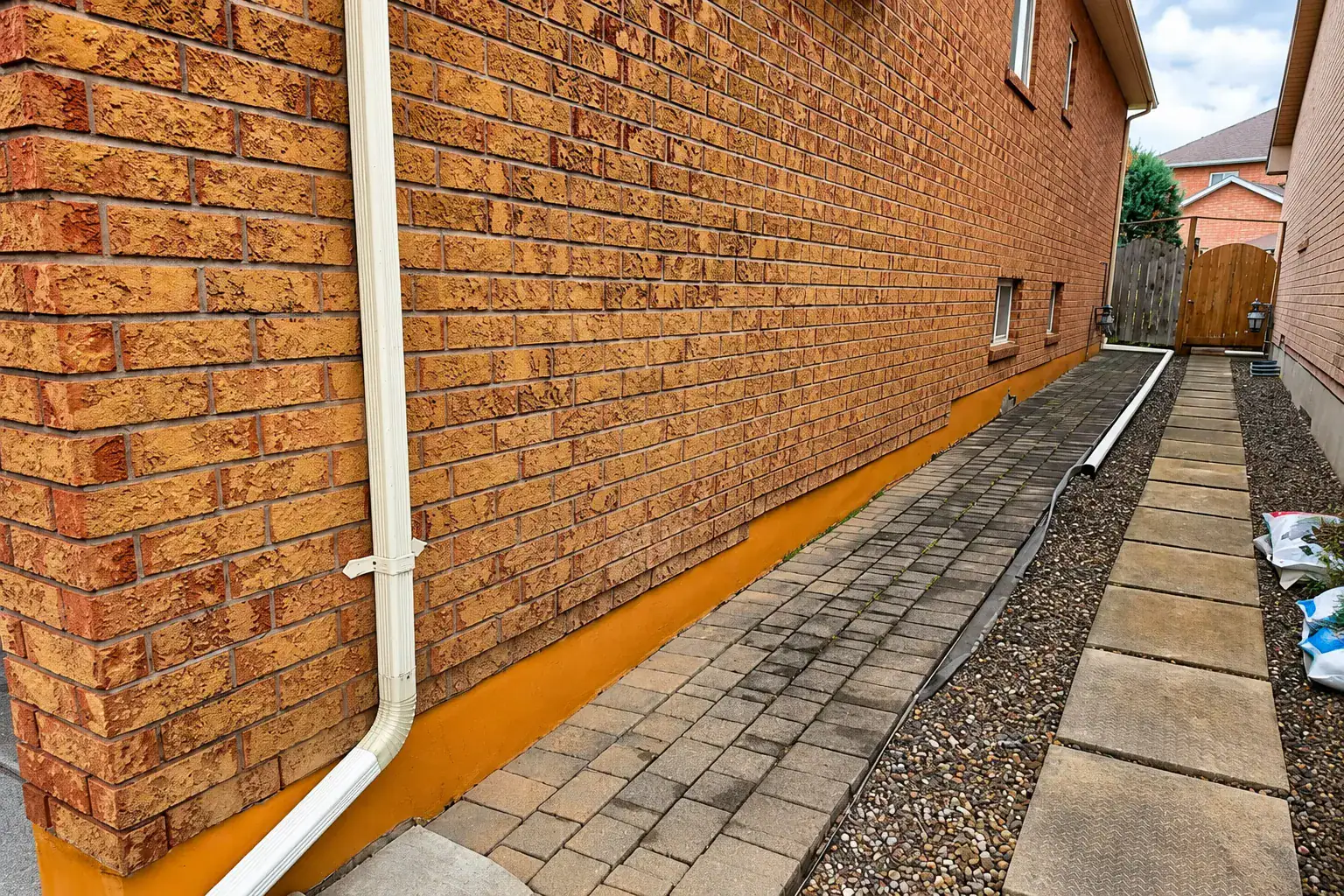
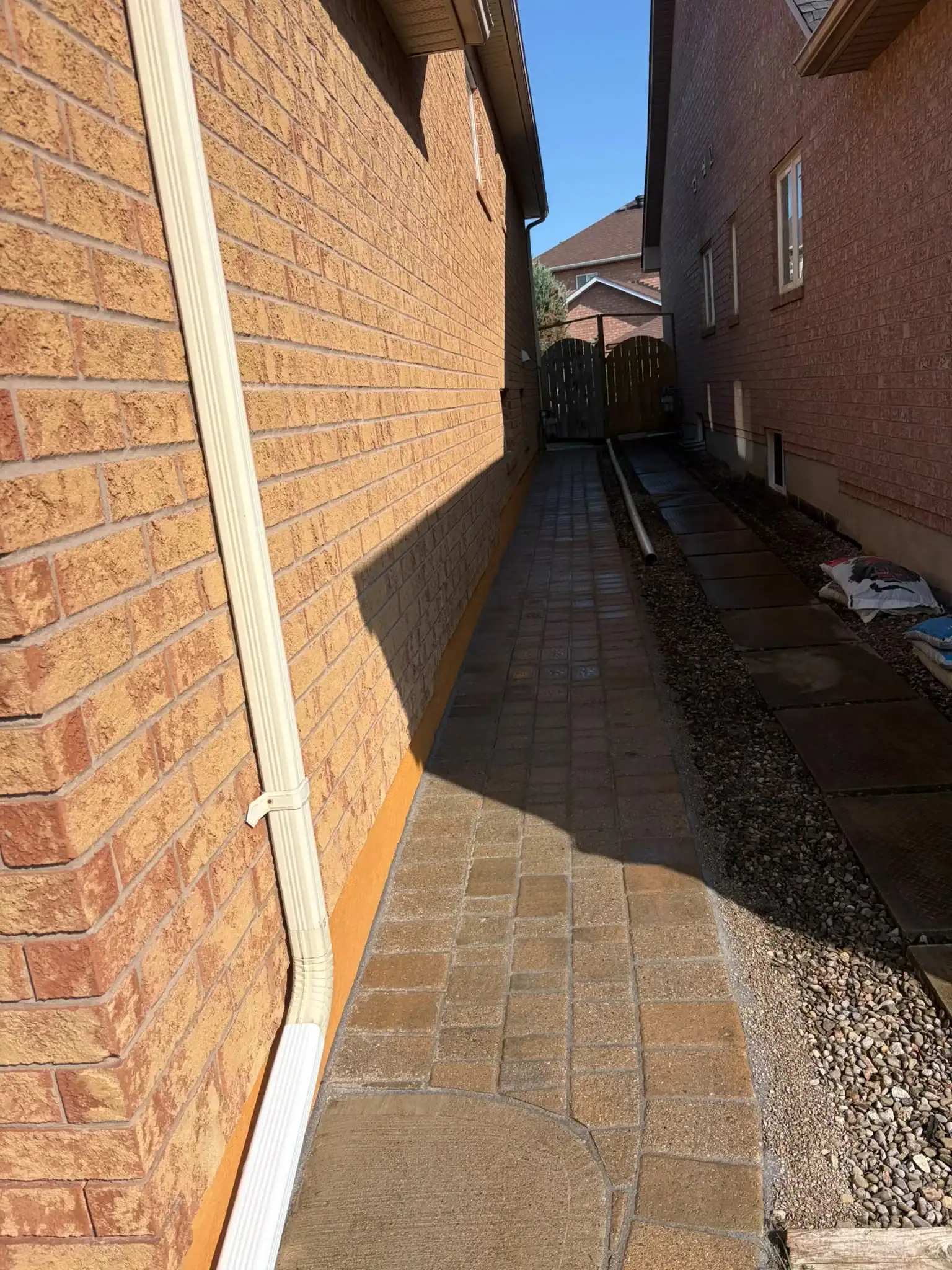
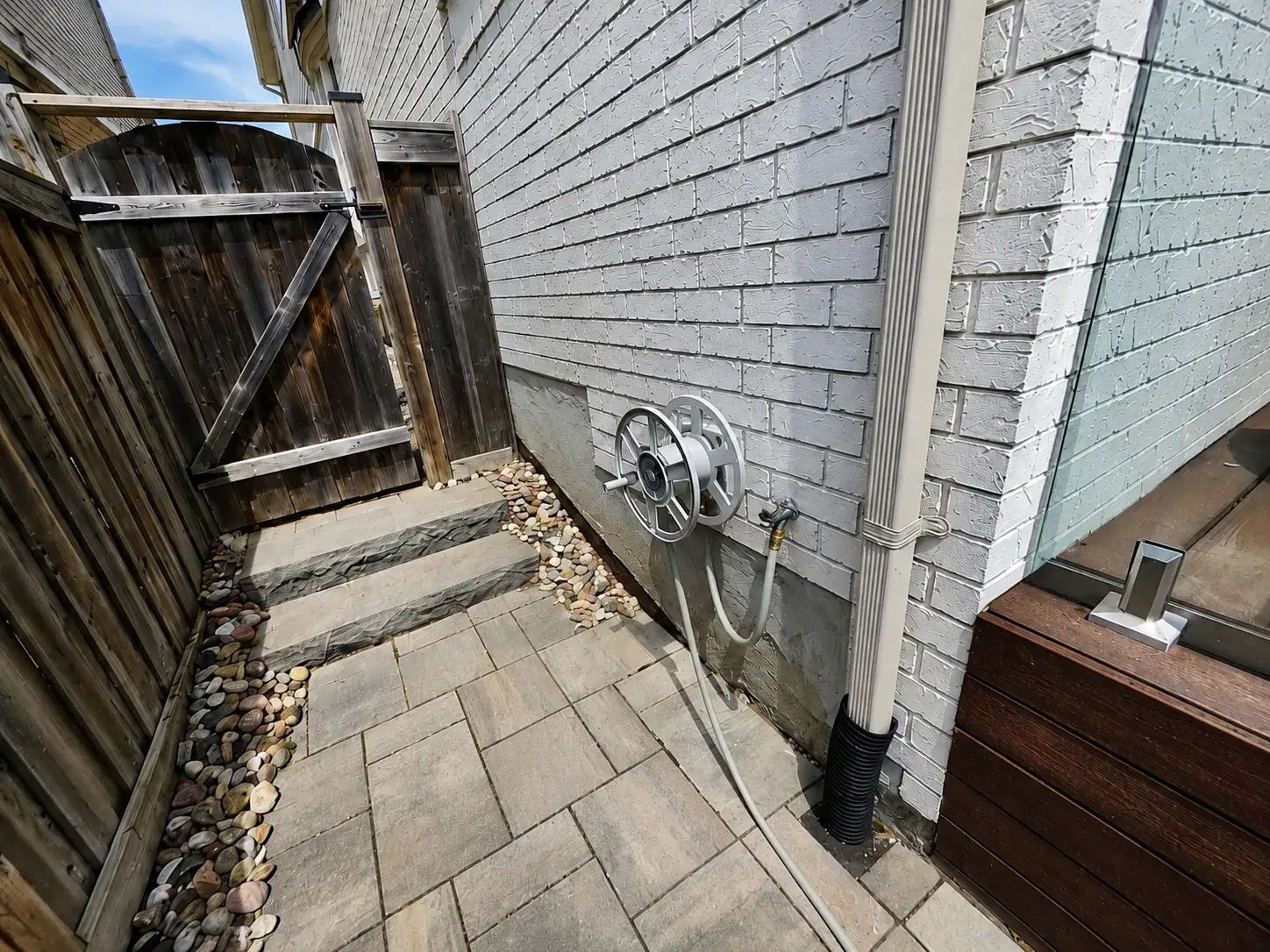
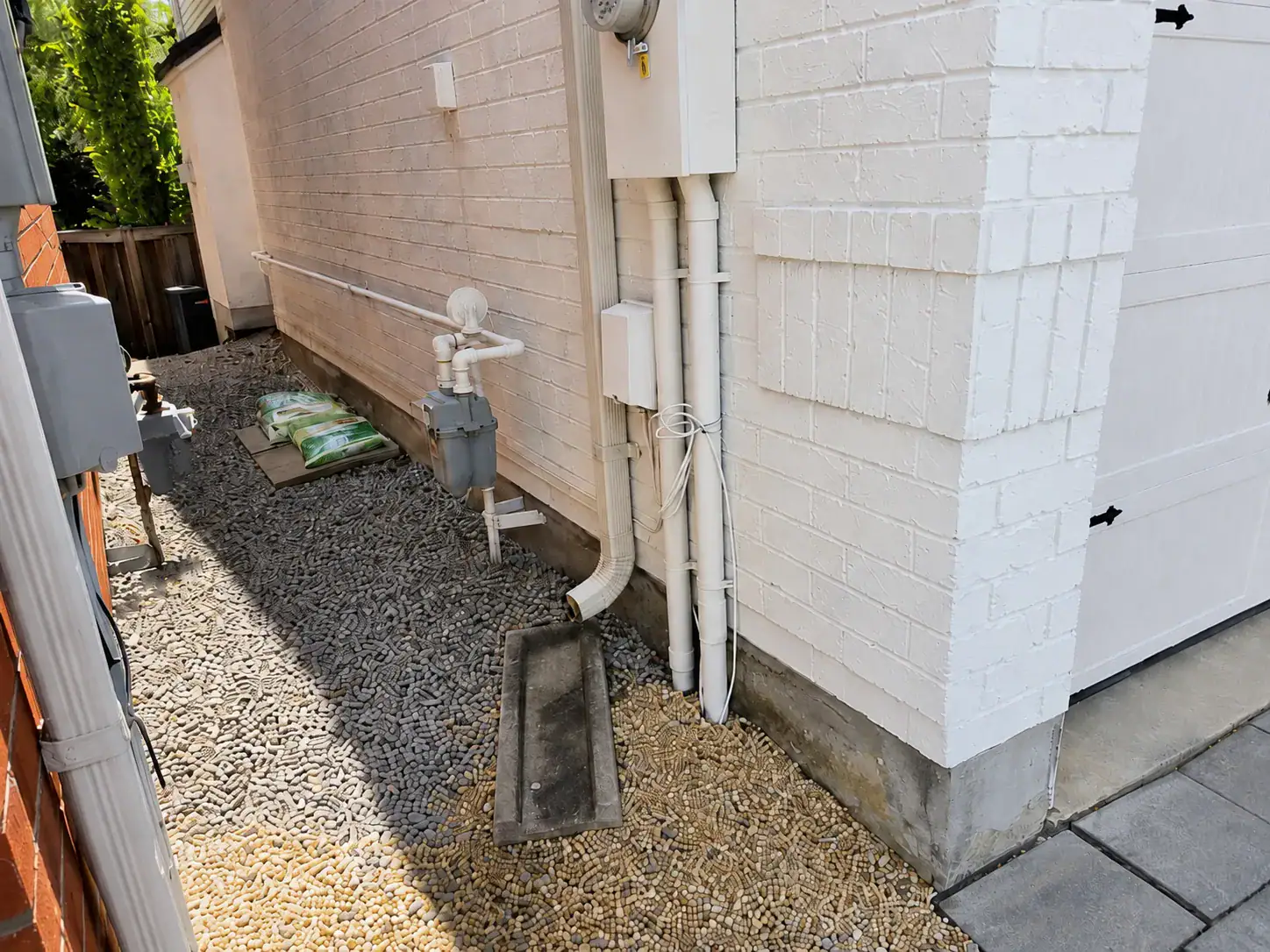
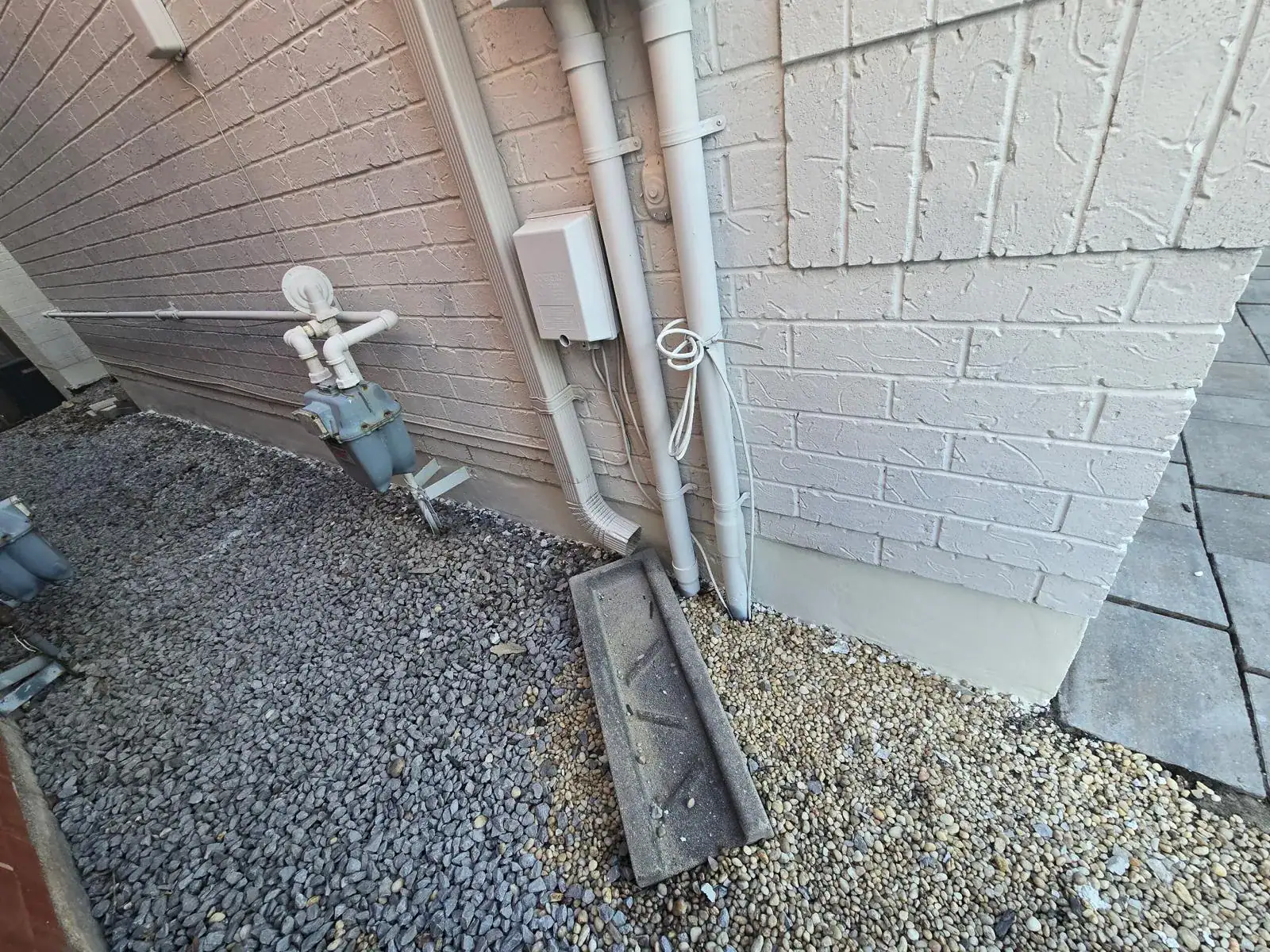
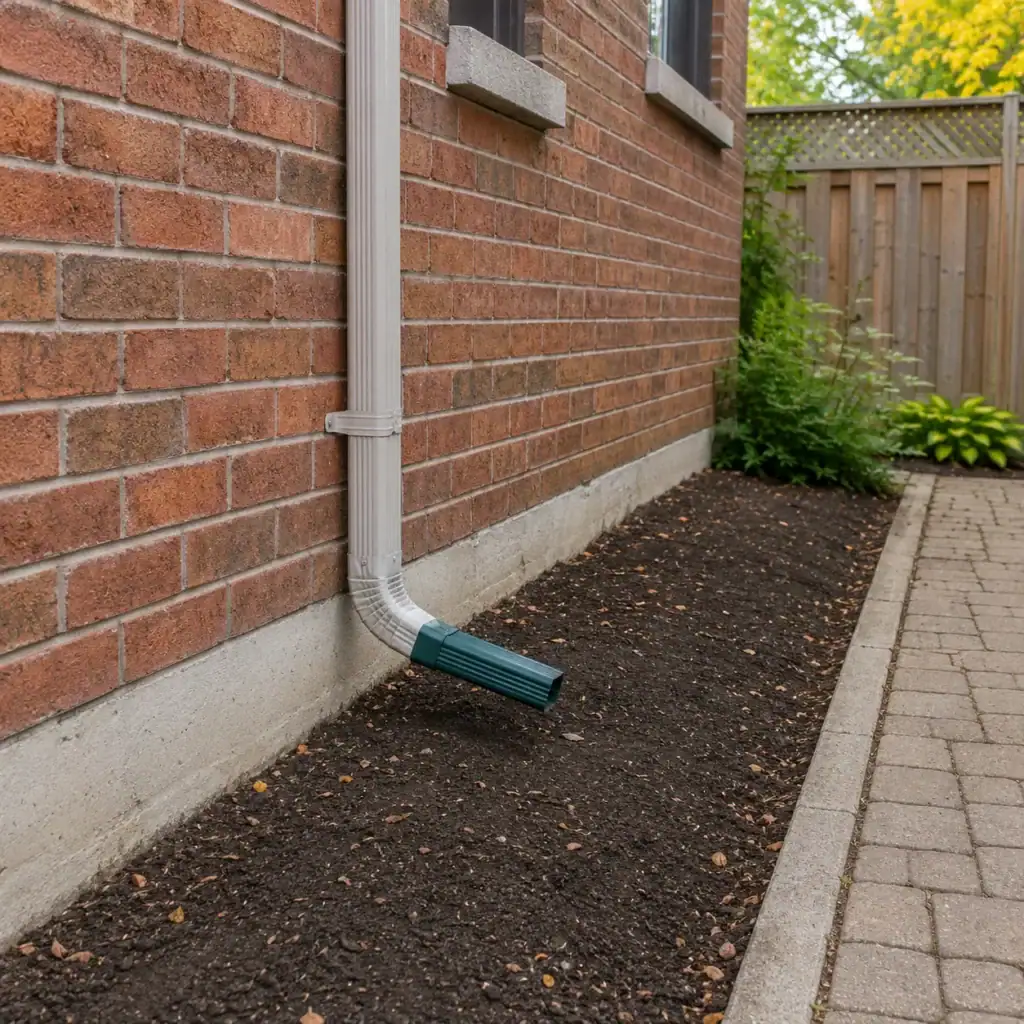
- Check downspouts: Water should not be dumped directly beside masonry or foundations.
- Review recent repairs: New mortar, concrete, or patches may need curing time before sealing.
- Test first: Always test a small area before applying sealer widely.
These checks do not replace professional review, but they help homeowners avoid the most common sealing mistakes.
Drainage Comes Before Sealing
Drainage should come before sealing because water pressure and repeated soaking can defeat even a good sealer. If water keeps running toward a wall, step, chimney, or foundation, the masonry remains under stress.
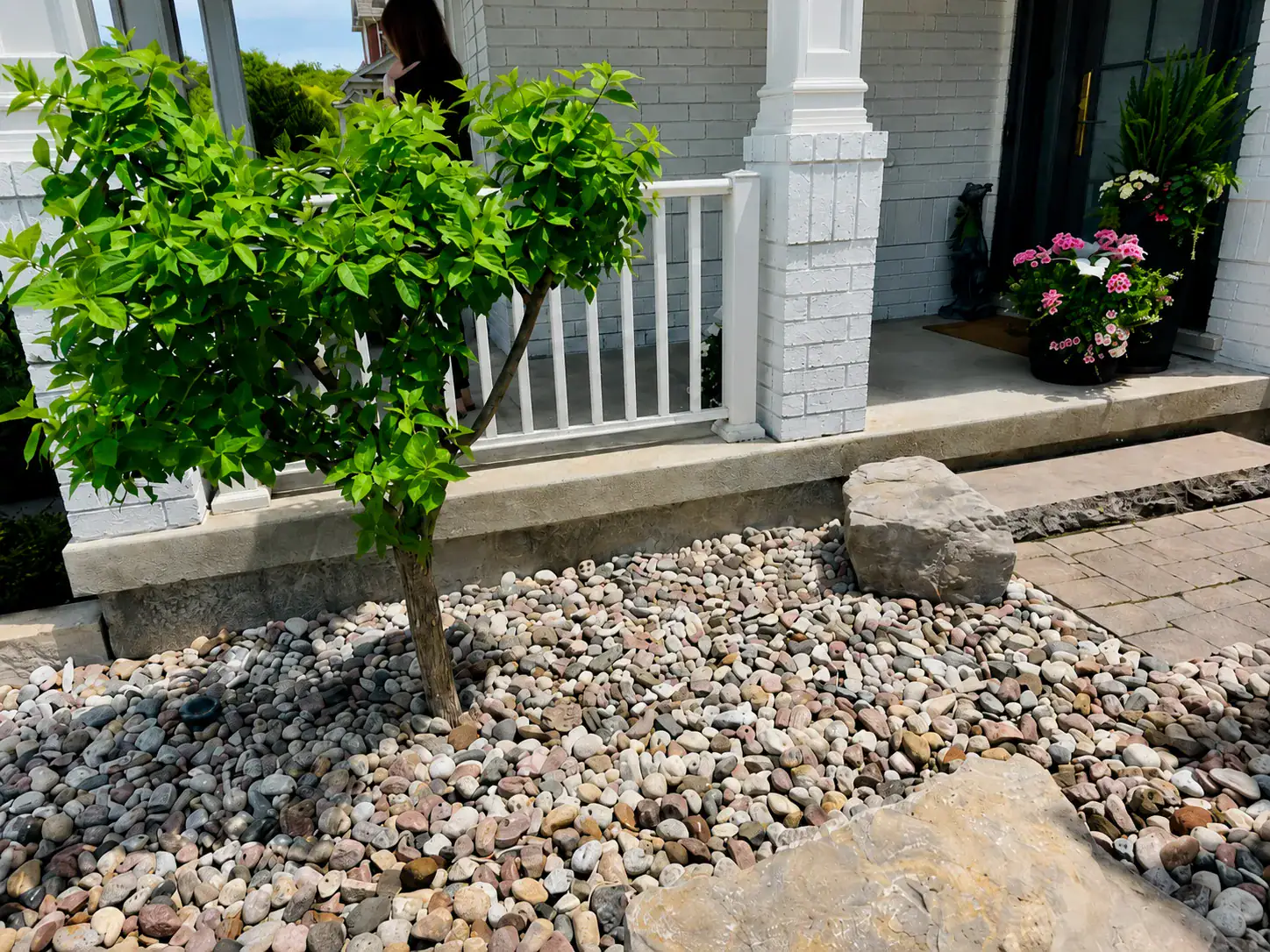
Check gutters, downspouts, grading, window wells, patios, walkways, driveways, and garden beds. Soil or mulch piled high against masonry can hold moisture. Downspouts that discharge at the base of the wall can keep brick or concrete wet. Hard surfaces sloping toward the home can send water where it should not go.
The City of Toronto’s mandatory downspout disconnection guidance is useful for understanding why downspout direction matters. Homeowners should ensure water is directed safely away from foundations and masonry, without causing problems for neighbours or public areas.
Sealing works best when water exposure is controlled. If drainage is poor, fix the water path first.
Permits, Code, and Larger Moisture Projects
Permits and code questions may matter when moisture work goes beyond surface sealing and involves foundations, exterior wall systems, structural repairs, basement waterproofing, retaining walls, or major exterior alterations. A small maintenance sealer is different from changing the way a building manages water.
Ontario’s official Building Code page is the preferred provincial reference for building requirements. If work affects the building envelope, structural elements, drainage systems, foundations, or major exterior features, homeowners should check official guidance before starting.
For many homeowners, the important practical point is simple: if water is entering the home, the problem should be properly diagnosed. Do not rely on surface sealer alone when waterproofing, foundation repair, or drainage correction may be needed.
Quick Guide: Should You Seal This Masonry?
A quick guide can help homeowners decide whether sealing is likely to help.
- Seal may help if the masonry is sound, dry, clean, and exposed to normal rain or splashback.
- Sealing may help after brick, mortar, concrete, or chimney repairs have cured properly.
- Do not seal yet if the surface is damp, dirty, cracked, spalling, or covered in efflorescence.
- Do not seal yet if water is actively leaking into a basement or through a wall.
- Repair first if mortar joints are open or brick faces are crumbling.
- Fix drainage first if water is pooling near the masonry or foundation.
- Test first if the masonry is older, decorative, stone, or highly visible.
- Use breathable products where masonry needs to release moisture vapour.
The right sealer can support masonry maintenance, but the right repair order matters more than the product itself.
When Professional Help Makes More Sense
Professional help makes more sense when masonry is wet, damaged, older, stained, high up, connected to basement leaks, or repeatedly affected by the same moisture issue. These conditions often mean sealing is only one possible part of the solution.
A professional can assess whether the area needs sealing, cleaning, tuckpointing, brick repair, concrete repair, chimney repair, waterproofing, parging repair, or drainage correction. They can also help identify whether a breathable water repellent is appropriate for the specific brick, stone, concrete, or mortar.
For broader repair and moisture-related planning, A&A Masonry’s masonry services in Toronto page outlines services such as brick repair, tuckpointing, chimney repair, concrete repairs, waterproofing, stone masonry, parging, and exterior restoration.

Final Thoughts on Masonry Sealing for High Moisture Areas
Masonry sealing in high-moisture areas can be useful when done at the right time, with the right product, on the right surface. It can help reduce water absorption on sound brick, stone, concrete, mortar, and chimney masonry. But it should not be used to cover active leaks, open joints, damaged brick, failing concrete, or drainage problems.
For Toronto and GTA homes, moisture control is especially important because rain, snow, ice, salt, and freeze-thaw cycles can all affect masonry. Sealing may help as part of a maintenance plan, but drainage, repair, drying, cleaning, and breathability should come first.
Before sealing, inspect the masonry carefully, fix damaged areas, correct water flow, allow the surface to dry, and test the product in a small area. When sealing is handled thoughtfully, it can help protect moisture-prone masonry without trapping the very water it is meant to keep out.