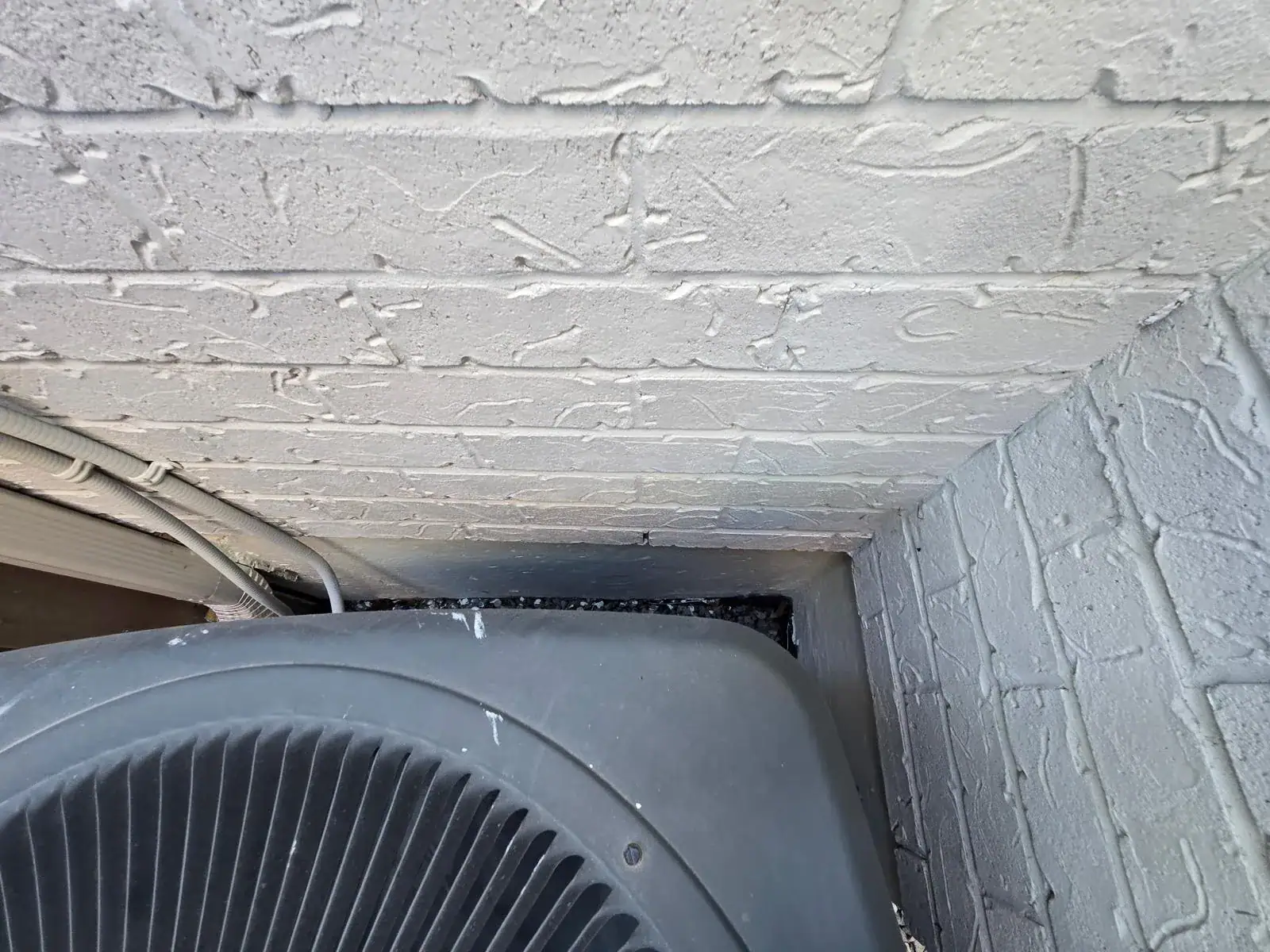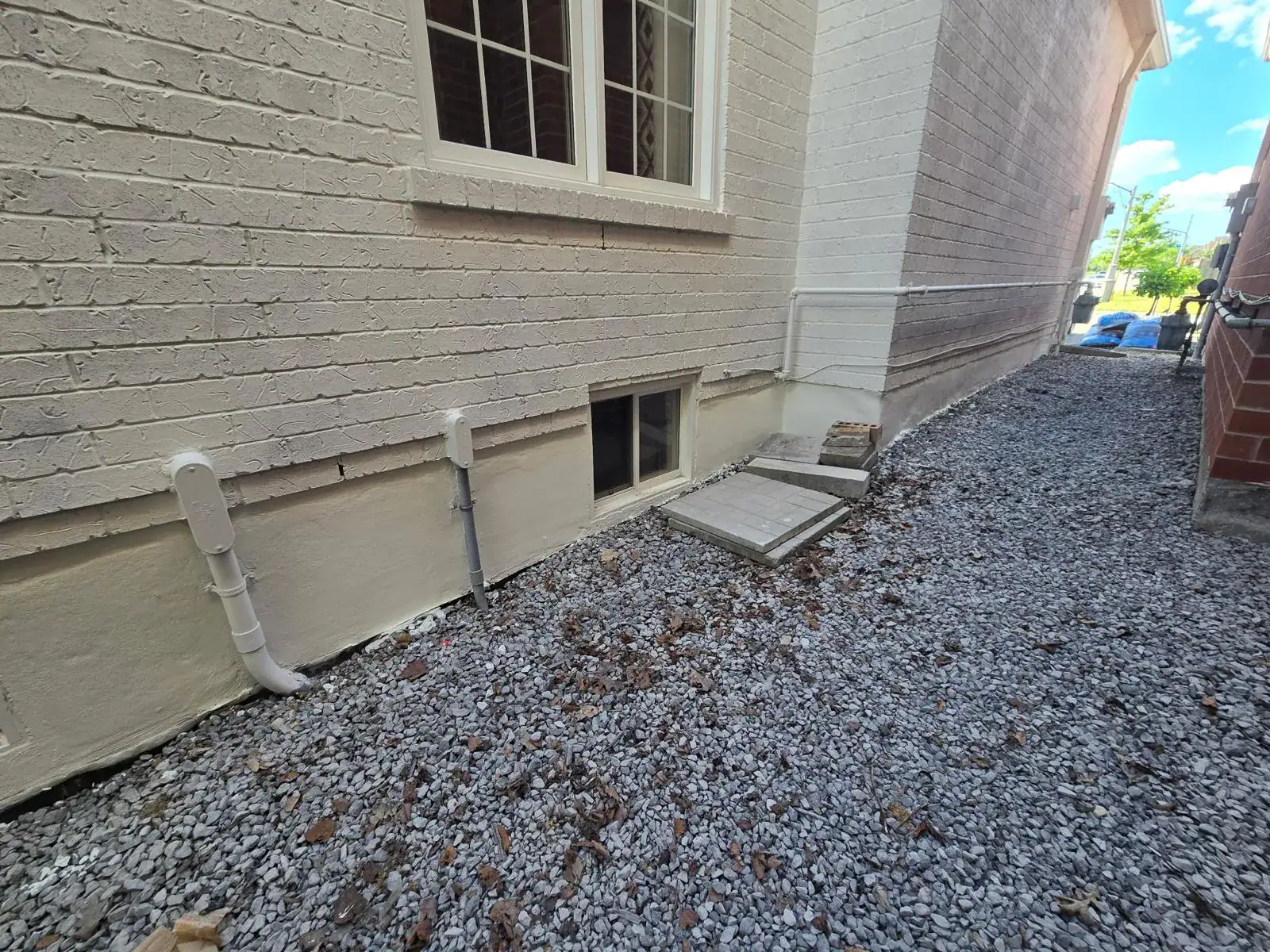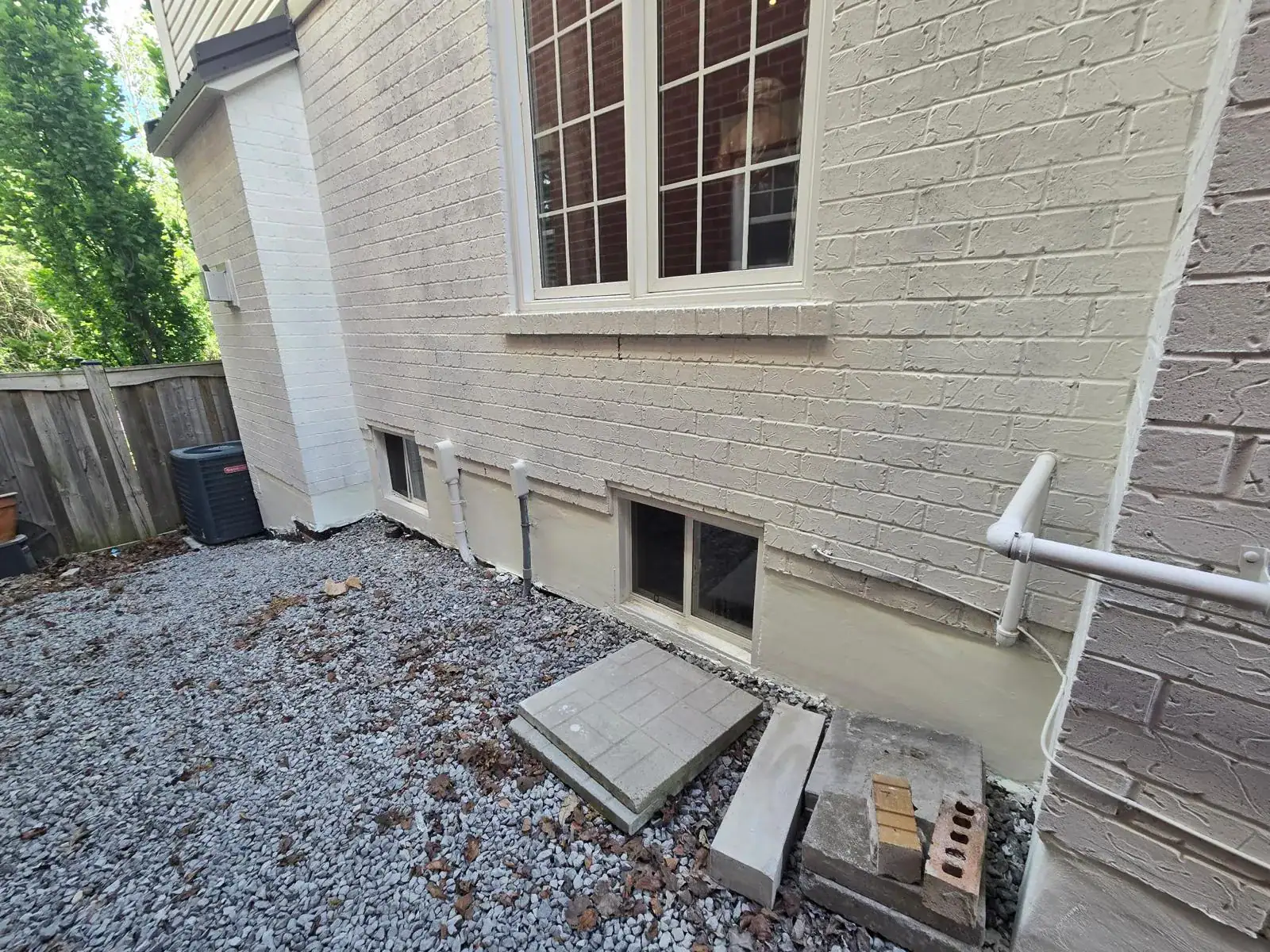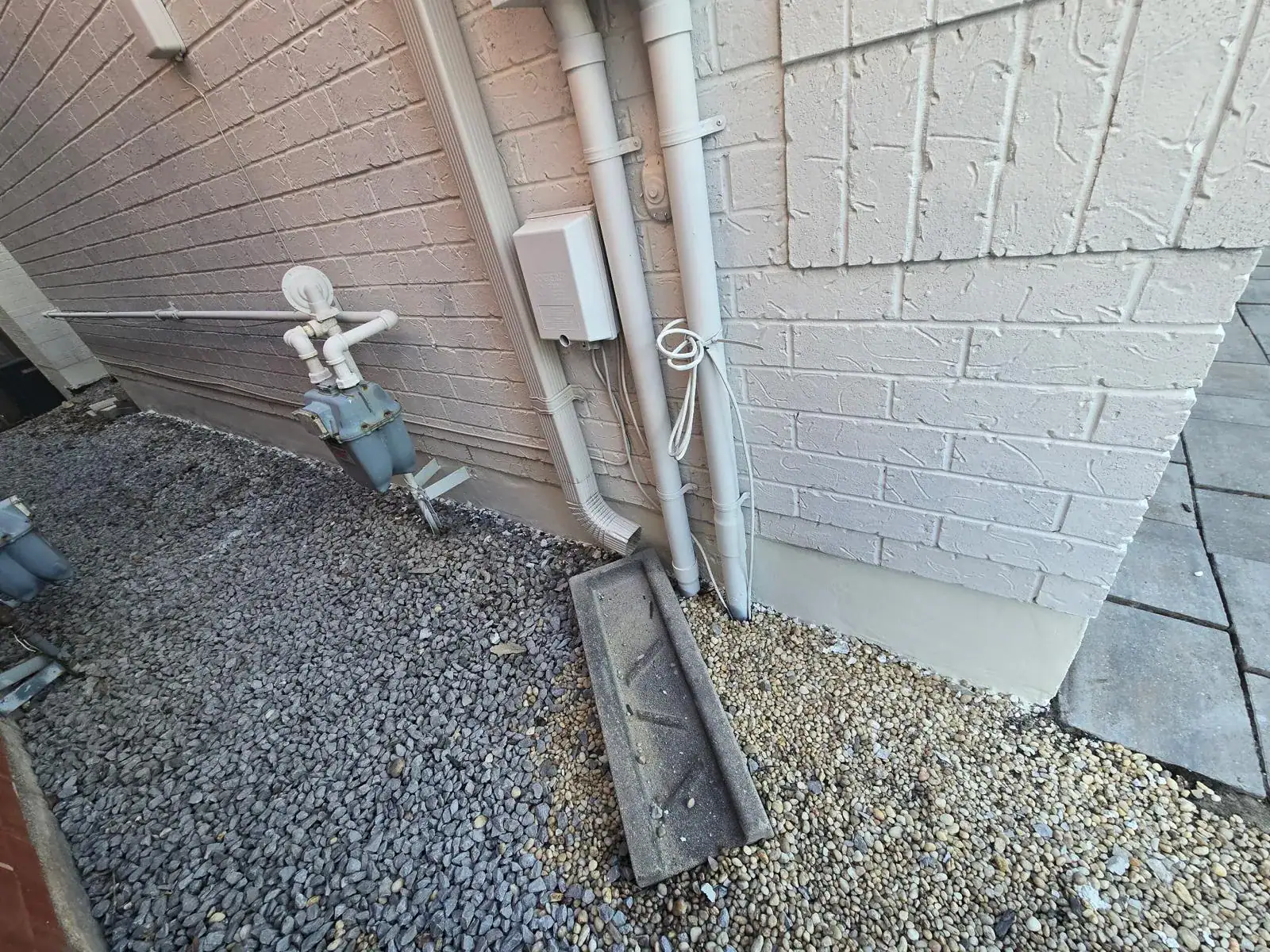
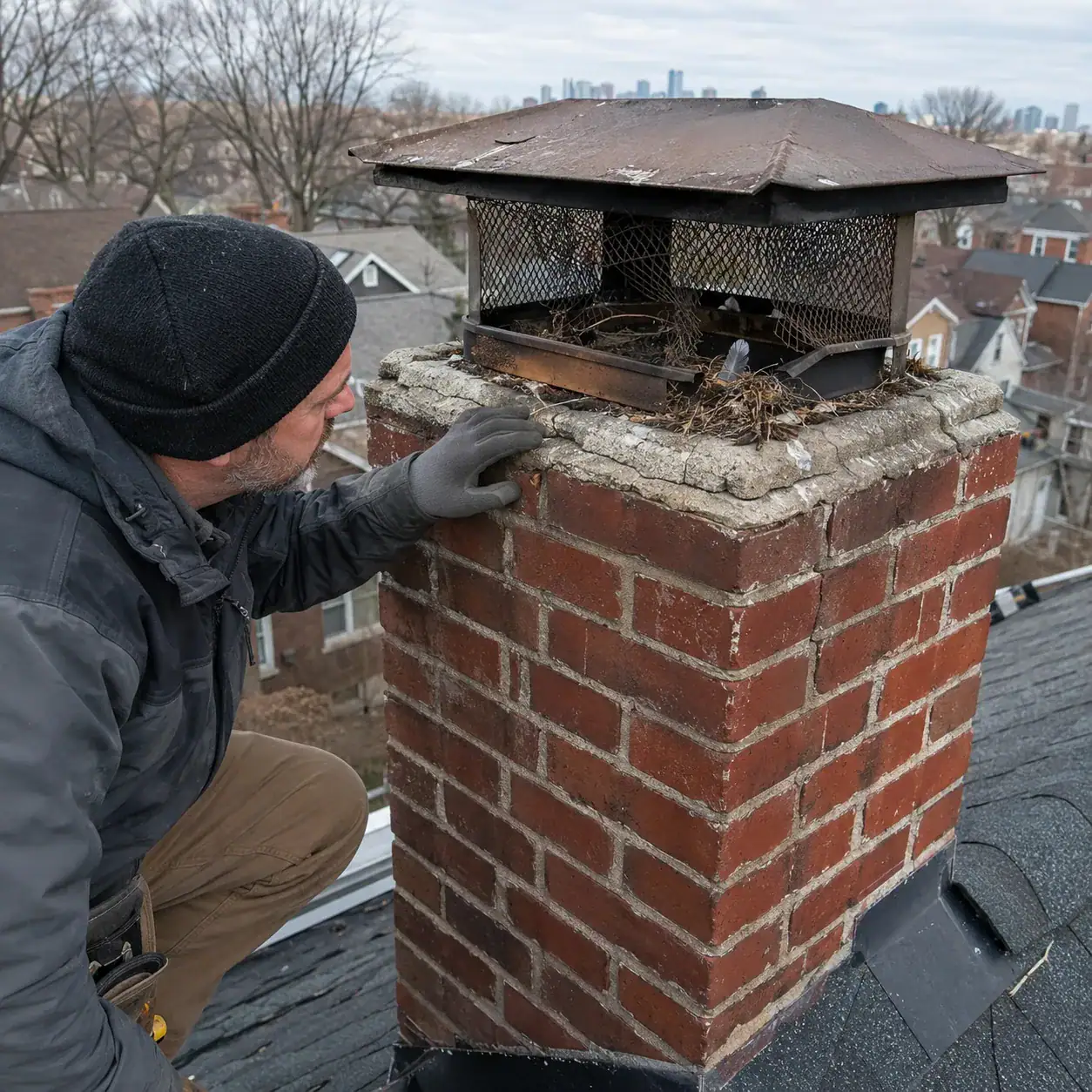
Chimney damage from animals and birds can happen when nests, debris, droppings, chewing, scratching, blocked caps, or loose masonry allow water and airflow problems to develop. For Toronto and GTA homeowners, the most common concerns are birds, squirrels, raccoons, and other urban wildlife using chimneys, caps, crowns, flues, and roofline openings for shelter or nesting.
A chimney may look strong from the ground, but animals and birds can quickly expose weak spots. A missing cap can invite nesting. A cracked crown can let water in. Loose mortar can create gaps. Birds may drop twigs and debris into the flue. Squirrels may explore roofline openings. Raccoons may disturb caps, flashing, or nearby roof details. Once the chimney is blocked or damaged, the issue can affect masonry, moisture control, fireplace safety, and ventilation.
This guide explains how animals and birds can damage masonry chimneys, what signs homeowners should watch for, why blocked flues should be taken seriously, and when chimney repair, cap replacement, tuckpointing, or wildlife-safe professional help may be needed.
Why Animals and Birds Use Chimneys
Animals and birds use chimneys for shelter, warmth, height, protection, and nesting. In urban areas like Toronto, wildlife often adapts to buildings, roofs, vents, and chimney openings.
The City of Toronto notes that urban wildlife is a normal part of city life, with many animals and hundreds of bird species living alongside residents. Homeowners may see squirrels, raccoons, birds, and other wildlife around roofs, trees, sheds, garages, and chimneys. The City’s Wildlife in the City page is a useful official resource for understanding local urban wildlife.
Chimneys are especially attractive when they are uncapped, damaged, unused for long periods, or surrounded by trees that give animals easy access to the roof. A chimney can also feel like a hollow tree or sheltered cavity to some birds and small animals.
The problem is that a chimney is not just an empty vertical space. It may serve a fireplace or fuel-burning appliance, help exhaust smoke or gases, and protect the home from moisture. When animals or birds enter, the chimney can become blocked, damaged, or unsafe to use.

Common Animals and Birds That Affect Chimneys
The most common animals and birds that affect chimneys in Toronto-area homes include birds, squirrels, raccoons, and sometimes bats. The exact issue depends on the chimney design, cap condition, nearby trees, roof access, and whether the chimney is actively used.
Birds may nest in or near chimney openings, especially if there is no cap or screen. Squirrels may enter roofline openings, damaged caps, or nearby gaps. Raccoons are strong and can disturb caps, flashing, and weak roof details. Bats may use small openings around roofs or chimneys, although bat concerns should be handled carefully by wildlife professionals.
Different animals cause different problems. Birds often create blockage and debris. Squirrels may chew or scratch around openings. Raccoons may dislodge weak materials. Droppings, nesting material, and moisture can stain or damage masonry surfaces.
For homeowners, the key point is simple: if wildlife is entering the chimney, the entry point and the masonry condition both need attention. Removing the animal or nest is only part of the solution.
How Birds Can Damage a Chimney
Birds can damage a chimney by nesting in the flue, dropping debris into the opening, blocking airflow, staining masonry, and encouraging moisture buildup. Even small nests can create a serious obstruction if the chimney is used for a fireplace or venting.
Bird nests may contain twigs, leaves, feathers, grass, and other material. This debris can block airflow, hold moisture, and create odours. If the nest sits near the top of the chimney, it may also trap water against the crown, cap, or upper brickwork.
Some birds may nest in chimneys during warmer months when fireplaces are not in use. Homeowners should avoid disturbing active nests and should contact appropriate wildlife or animal services guidance if birds are present. The City of Toronto’s wildlife resources can help residents understand when to seek help for wildlife concerns.
After the birds are gone and it is safe to proceed, the chimney should be checked for nests, debris, blockage, damaged mortar, cap issues, and water entry.
How Squirrels Can Affect Chimneys and Rooflines
Squirrels can affect chimneys and rooflines by entering openings, chewing around gaps, disturbing weak materials, and using nearby roof areas for access. They are common in Toronto neighbourhoods and adapt well to houses, trees, garages, and roof structures.
The City of Toronto’s squirrel guidance notes that openings in chimneys or roofs should be repaired with suitable materials to prevent access. This is helpful for homeowners because a chimney problem may start with a small gap but become a recurring wildlife entry point if not repaired properly.
Squirrels may not always damage the masonry itself, but they can reveal weaknesses. A loose cap, an open roofline gap, a failing mortar joint, or damaged flashing can make it easier for wildlife to enter. Once water enters the same opening, masonry damage may follow.
If squirrels are suspected, the first step is to handle them humanely. After the animal issue is resolved, the chimney and roofline should be inspected for damaged caps, openings, loose mortar, missing mesh, or exposed gaps.
How Raccoons Can Damage Chimney Areas
Raccoons can damage chimney areas because they are strong, persistent, and able to move or disturb weak components. They may climb onto roofs, investigate chimney caps, pull at loose materials, or use damaged areas of the roofline for shelter.
A raccoon does not need to chew through masonry to create a chimney problem. It may loosen a weak cap, disturb flashing, damage nearby roofing materials, or worsen an existing opening. Once the top of the chimney or roofline is exposed, rain and snow can enter more easily.
Raccoon activity may also leave droppings, odours, scratching sounds, or visible disturbance near the chimney. Homeowners should not attempt to remove raccoons from chimney areas themselves. Wildlife removal should be handled humanely and safely by qualified wildlife professionals where needed.
After the wildlife issue is resolved, the masonry contractor’s role is to inspect the chimney structure, cap, crown, brickwork, mortar joints, flashing interface, and any damage that may now allow water entry.
Blocked Flues Are a Serious Safety Concern
A blocked flue is a serious safety concern because it can prevent smoke, gases, and combustion byproducts from venting properly. If a chimney serves a fireplace, furnace, boiler, water heater, or other fuel-burning appliance, obstruction should be treated carefully.
Animals, birds, nests, leaves, and debris can block the flue. A homeowner may notice smoke backing up, poor draft, strong odours, debris in the fireplace, animal sounds, or a sudden change in the fireplace’s behaviour.
Ontario’s carbon monoxide safety page explains that carbon monoxide can be produced when fuels do not burn completely in fuel-burning appliances and devices, including fireplaces. A blocked or damaged venting path should never be ignored.
If you suspect a blockage, do not use the fireplace or appliance until the chimney has been checked by the appropriate qualified professional. A masonry contractor can repair exterior chimney damage, but flue cleaning, appliance safety, and venting review may require a chimney sweep, a WETT-certified professional, or another qualified technician, depending on the system.
Signs Animals or Birds May Be in the Chimney
Signs of animals or birds in the chimney may be heard, seen, or smelled before any masonry damage is visible. Homeowners should pay attention to unusual changes around the fireplace, chimney, attic, and roofline.
- Scratching or fluttering sounds: Noise may come from the flue, fireplace, attic, or upper chimney area.
- Debris in the fireplace: Twigs, leaves, feathers, nesting material, or small particles may fall down.
- Odours: Musty, smoky, animal, or damp smells may suggest blockage or nesting material.
- Bird activity near the top: Birds repeatedly entering or hovering around the chimney may indicate nesting.
- Loose cap or screen: A damaged top detail can invite animals or birds in.
- Stains on exterior brick: Droppings, water marks, or streaks may appear near the top.
- Poor fireplace draft: Smoke may not rise properly if the flue is obstructed.
- Visible openings: Gaps around the cap, crown, flashing, or roofline may allow entry.
If there are active animals or birds, avoid using the chimney and do not try to remove them by force. Resolve the wildlife issue first, then inspect and repair the chimney.

How Nesting Material Causes Moisture Problems
Nesting material causes moisture problems because it can hold water inside or near the chimney. Twigs, leaves, grass, feathers, and debris can trap rainwater and slow drying.
Moisture trapped near the top of the chimney can affect the crown, mortar joints, brick faces, cap, and flue area. During winter, wet debris can freeze, contributing to pressure, staining, or deterioration. If the chimney is already cracked or missing mortar, moisture can move deeper into the masonry.
Nesting debris can also block normal ventilation. A chimney that cannot dry properly may develop stronger odours, staining, and interior moisture concerns. If a nest sits against metal components, moisture may also contribute to rust.
Cleaning out nesting material should be done safely and at the right time, especially if birds or young animals may still be present. Once removed, the chimney should be inspected for damage and fitted with appropriate protection where necessary.
Chimney Caps Help Prevent Animal and Bird Entry
Chimney caps help prevent animal and bird entry by covering the top opening while still allowing proper venting when installed correctly. A cap can also help reduce the amount of rain, snow, leaves, and debris entering the chimney.
A missing cap is one of the clearest reasons animals and birds enter chimneys. A damaged or poorly fitted cap can also create problems. Screens may rust, loosen, clog, or become bent. Caps may shift after storms, wind, snow loads, or animal activity.
A good cap should fit the chimney, suit the flue system, and be made of materials that can handle weather exposure. It should not restrict required venting. If the chimney serves an appliance or fireplace, cap selection should consider the venting system, safety requirements, and maintenance needs.
A&A Masonry’s blog on chimney cap options explains how caps help protect chimneys from rain, snow, animals, birds, and debris.

Damaged Crowns Make Wildlife and Water Problems Worse
Damaged crowns worsen wildlife and water problems because the crown protects the masonry chimney’s top surface. A cracked, flat, loose, or poorly sloped crown can retain water and allow moisture to enter the upper chimney.
Animals and birds may not directly cause the crown crack, but they can exploit weak areas in the crown. Once a cap is loose or a crown is cracked, water can enter more easily. Nesting material can hold moisture against the crown and upper brickwork.
In Toronto winters, moisture in crown cracks can freeze and expand. This can make cracks wider and allow more water into the chimney. Over time, the top courses of brick may begin to spall, or mortar joints may crumble.
Crown repair should happen before applying water repellent. A sealer cannot fix a cracked crown or missing top protection.

Open Mortar Joints Make Entry and Water Damage Easier
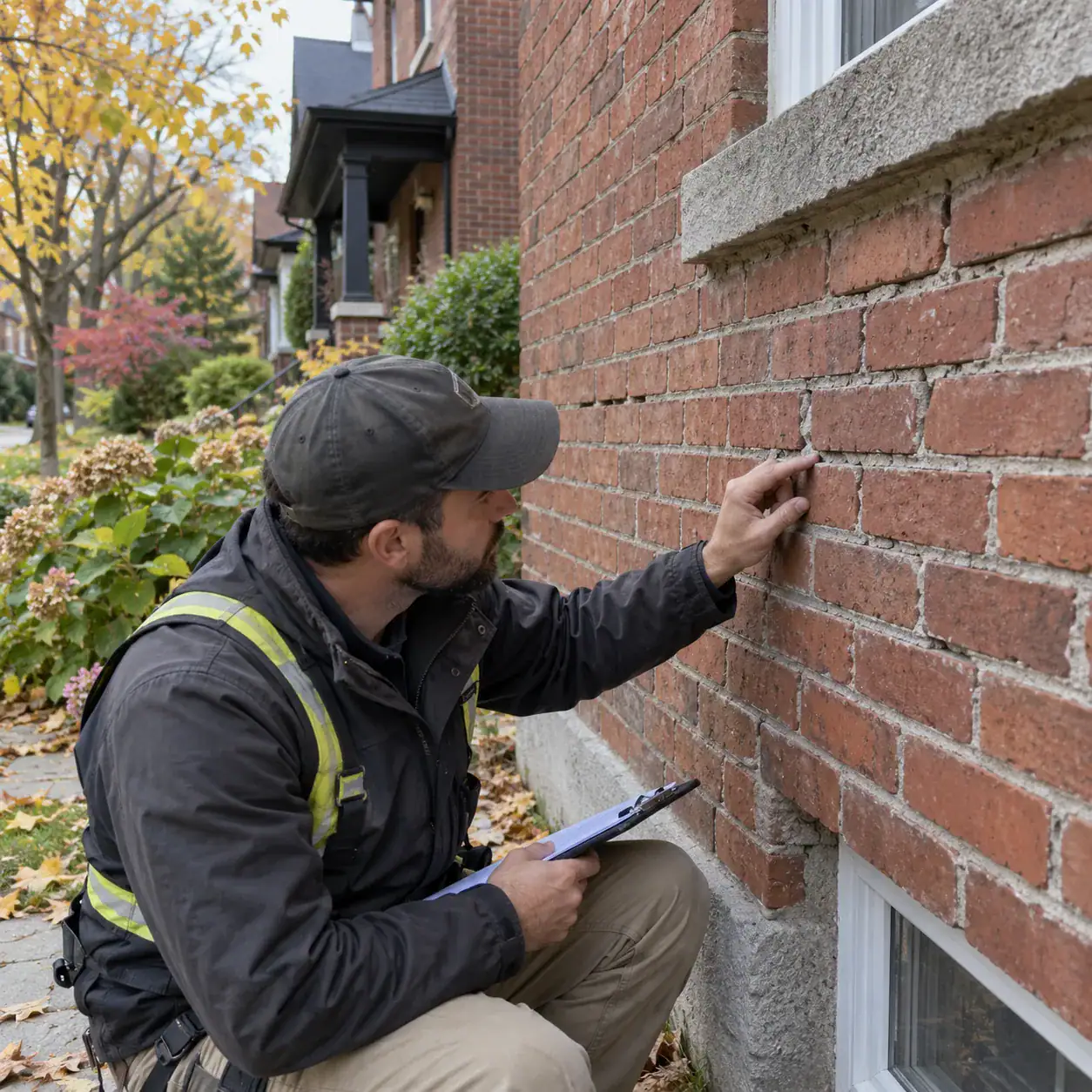
Open mortar joints worsen chimney damage by allowing water into the masonry and creating small gaps that animals, insects, or birds may further disturb. Mortar failure near the top of the chimney is especially common because that area is highly exposed.
Mortar joints can crack or recede due to age, water exposure, freeze-thaw cycles, prior repairs, and chimney movement. Once the joints are open, water enters more easily. If animals disturb the cap or leave wet debris nearby, the joints can deteriorate faster.
Tuckpointing may be needed when mortar joints are missing, sandy, cracked, or recessed. Proper tuckpointing removes failed mortar and replaces it with compatible new mortar, rather than smearing over the surface.
If your chimney has open or failing joints, A&A Masonry’s page on tuckpointing services in Toronto explains why proper mortar repair helps protect masonry from water and freeze-thaw damage.
Spalling Brick After Animal or Bird Activity
Spalling brick after animal or bird activity is usually connected to moisture, not scratching alone. Spalling means the brick face is flaking, chipping, or breaking away. Once the outer face of a brick is damaged, it can absorb more water and deteriorate faster.
Animals and birds may contribute to moisture problems by disturbing caps, leaving wet nesting material, blocking airflow, or exposing weak areas. If the chimney already has open joints or a cracked crown, the added moisture can accelerate deterioration.
Spalling is common on exposed chimneys because they face weather from every side. Toronto’s freeze-thaw cycles can worsen the problem when water enters the brick and freezes.
Damaged bricks should not simply be sealed over. Severely spalled brick may need replacement, and the moisture source should be corrected before future waterproofing is considered.

Droppings, Odours, and Staining
Droppings, odours, and staining can be signs that animals or birds have used the chimney or nearby roofline. These issues may seem cosmetic, but they can indicate moisture, blockage, or sanitation issues.
Bird droppings and nesting material can stain caps, crowns, brick faces, roof areas, and flashing. Animal activity can also create strong odours if debris or nesting material is trapped inside the chimney. Damp debris can make smells worse.
Homeowners should avoid handling droppings, nesting material, or dead animals without proper protection. Wildlife and chimney cleaning concerns should be handled safely, especially if the material is inside the flue or in a hard-to-reach area.
After cleaning or removal, check whether stains are only on the surface or whether water has entered the masonry. Staining near open joints or cracks may indicate a need for repair.
Why Chimney Damage Often Appears After Winter
Chimney damage often appears after winter because moisture that entered during fall and winter freezes, expands, and opens existing cracks. If animals or birds left debris in the chimney, that material may have held moisture through the cold season.
Spring may reveal spalling brick, loosened mortar, cracked crown sections, rust stains, or white efflorescence. A cap may also shift or show signs of damage from wind, snow, ice, or animal activity.
Toronto chimneys are especially vulnerable because they sit above the roofline and are exposed to weather from all sides. A wall area protected by an overhang may dry faster, but a chimney is exposed to direct rain, snow, wind, and freeze-thaw.
Spring is a good time to check the chimney after winter. Fall is a good time to repair weak points before nesting debris, rain, and freezing weather create more damage.
Do Not Use the Fireplace Until the Chimney Is Clear
Do not use the fireplace if you suspect animals, birds, nests, or debris are in the chimney. A blocked flue can cause smoke backup, poor draft, odours, or unsafe venting conditions.
Ontario’s fire safety legislation and the Ontario Fire Code page are useful public references when chimney concerns relate to fire safety. The Ontario Fire Code also includes requirements that chimneys, flues, and flue pipes that pose a fire hazard be repaired or replaced in accordance with the Building Code.
For homeowners, the practical rule is simple: if the chimney might be blocked, do not light a fire to “clear it out.” That can create risks of smoke, fire, or carbon monoxide. The obstruction should be removed safely by the right professional, and the chimney should be checked before use.
Exterior masonry repair and chimney sweeping are different services. A masonry contractor can repair the chimney structure, while a chimney sweep or qualified fireplace professional may be needed to clean and assess the flue’s interior.
Humane Wildlife Handling Comes First
Humane wildlife handling should take precedence over chimney repair when animals or birds are active in the chimney. Do not trap animals inside by installing a cap or screen before confirming the chimney is clear.
Blocking an active nest or animal entry point can create a serious problem. Young animals may be trapped inside. Birds may be nesting. Wildlife may try to force its way out or create new damage. There may also be legal or seasonal concerns depending on the species.
If you hear sounds or see repeated animal activity, contact the appropriate wildlife professional, animal service, or local guidance first. The City of Toronto’s wildlife pages are a useful starting point for understanding local urban wildlife and when to contact help.
Once the chimney is confirmed clear, repairs can proceed. This may include cap installation, crown repair, tuckpointing, brick replacement, flashing review, and breathable waterproofing where suitable.
How to Prevent Future Animal and Bird Chimney Problems
Future problems with animal and bird chimney infestations are best prevented by removing access points and repairing weak masonry. The goal is not only to remove wildlife once, but to make the chimney less inviting and less vulnerable afterward.
- Install a proper chimney cap: A cap helps keep birds, animals, rain, snow, and debris out.
- Repair damaged screens: Bent, rusted, or missing mesh can allow entry.
- Fix cracked crowns: Cracks allow water to enter the chimney’s crown.
- Tuckpoint open joints: Failed mortar gives water and pests more access points.
- Replace spalling brick: Damaged brick absorbs more water, weakening the chimney.
- Trim nearby branches: Tree access can make roof and chimney entry easier.
- Check after storms: Wind and snow can shift weak caps or expose gaps.
- Schedule seasonal checks: Spring and fall inspections can catch problems early.
Prevention works best when wildlife access and masonry moisture protection are handled together.
When Chimney Waterproofing Helps
Chimney waterproofing may help after animal or bird-related issues are resolved and the chimney is repaired, dry, and clean. Waterproofing should not be the first step if the chimney has active wildlife, blocked flues, open joints, cracked crowns, missing caps, or loose brick.
A breathable, water-repellent coating can reduce water absorption in suitable exterior masonry, but it must allow moisture vapour to escape. Non-breathable coatings can trap moisture and worsen freeze-thaw damage.
Before waterproofing, the chimney should be checked for cap condition, crown slope, mortar joints, brick condition, flashing interface, and signs of water entry. If animals or birds have left debris, cleaning and inspection should come first.
A&A Masonry’s chimney waterproofing options guide explains caps, crowns, tuckpointing, brick repair, flashing review, breathable water repellents, and moisture prevention for Toronto chimneys.
What Homeowners Can Safely Check
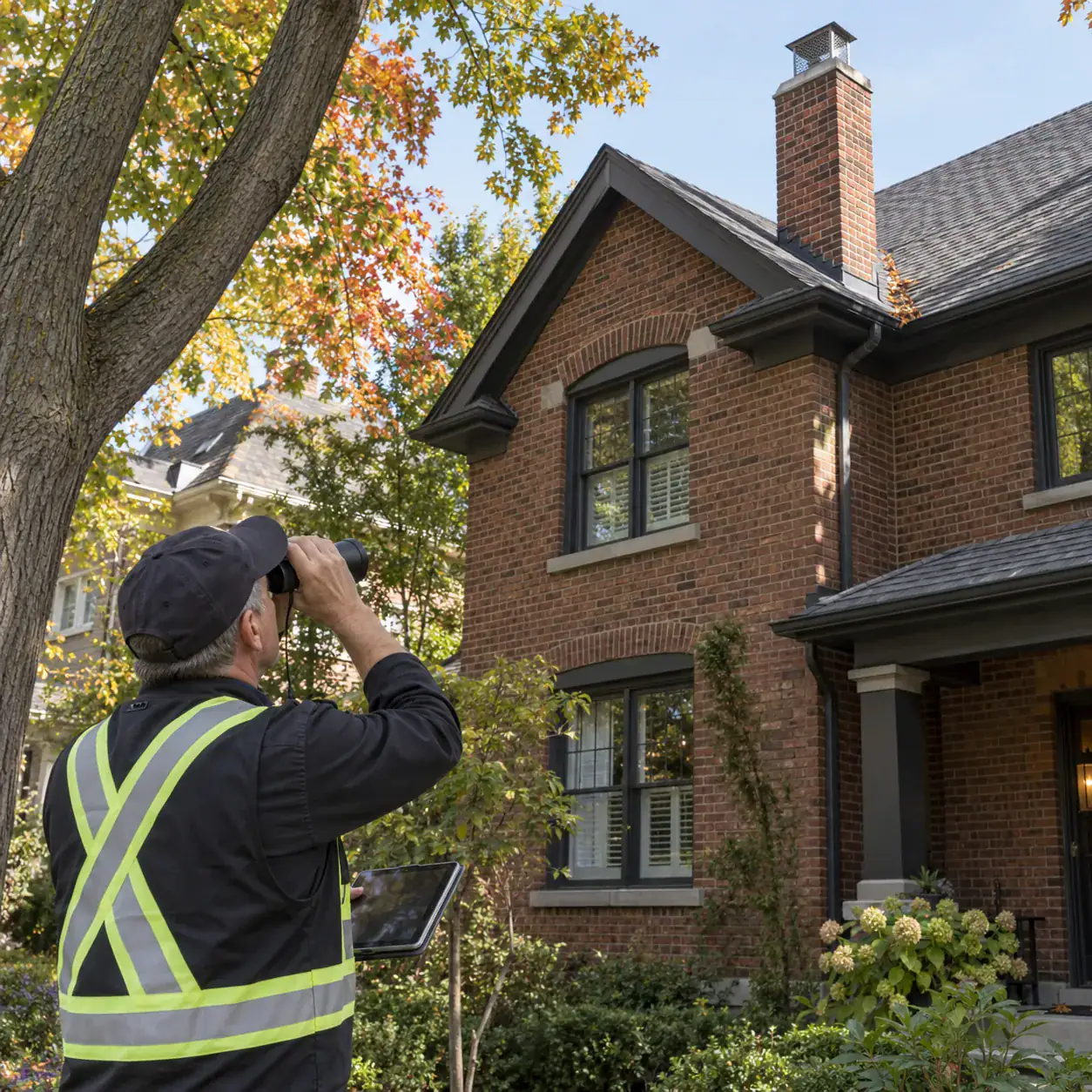
Homeowners can safely check for signs of chimney animal or bird damage from the ground and inside the home. Avoid climbing onto the roof or opening the chimney if wildlife may be active.
- Listen for scratching, fluttering, or animal sounds near the fireplace or chimney.
- Look for twigs, leaves, feathers, or debris in the fireplace.
- Check from the ground for a missing or tilted chimney cap.
- Watch for birds repeatedly entering the chimney opening.
- Look for staining, spalling brick, or missing mortar on the chimney exterior.
- Notice smoke backup, odours, or poor draft if the fireplace was used recently.
- Take photos of the chimney from safe angles for later comparison.
- Do not use the fireplace if a blockage or nest is suspected.
If the chimney is high, damaged, blocked, or actively used by wildlife, professional help is the safer choice.
Permits, Code, and Safety Questions
Permits, code, and safety questions may matter when animal damage to a chimney leads to major repairs, chimney rebuilding, liner work, fireplace changes, or structural repairs. A simple cap replacement may be different from reconstructing a chimney or altering a fireplace system.
The City of Toronto provides information about building permits. Ontario’s official Building Code page is the preferred provincial reference for building requirements.
For homeowners, the practical rule is this: if the work affects chimney structure, fireplace use, liners, venting, roofline details, or major masonry rebuilding, check official guidance and involve the right qualified professionals.
Quick Guide: What to Do If Animals or Birds Damage Your Chimney
A quick guide can help homeowners respond in the right order.
- Do not use the fireplace if you suspect a nest, an animal, a bird, or a blockage.
- Do not trap wildlife inside by installing a cap before the chimney is clear.
- Contact wildlife help first if animals or birds are active.
- Have the flue checked if debris, odours, smoke backup, or poor draft appears.
- Inspect the chimney exterior for cap damage, crown cracks, open joints, and spalling brick.
- Repair masonry damage before applying any water repellent.
- Install a proper cap after the chimney is clear and suitable for use.
- Review waterproofing only after the chimney has been repaired, cleaned, and dried.
The safest approach is to solve the wildlife issue, confirm the chimney is clear, repair the masonry, and then prevent re-entry.
When Professional Help Makes More Sense
Professional help makes more sense when animals or birds are active, the chimney may be blocked, the cap is damaged, the crown is cracked, mortar is missing, brick is spalling, or the fireplace has poor draft. Chimney work involves height, masonry, moisture, fire safety, and sometimes venting concerns.
A wildlife professional may be needed to humanely remove animals or birds. A chimney sweep or qualified fireplace professional may be needed to clean and review the flue. A masonry contractor can repair exterior chimney damage, tuckpoint joints, replace damaged brick, repair crowns, install or replace caps, and address moisture-related masonry issues.
For masonry repair planning, A&A Masonry’s chimney repair Toronto page explains common chimney concerns, and the masonry services in Toronto page outlines related services, including chimney repair, tuckpointing, brick repair, waterproofing, stone masonry, concrete repair, and exterior restoration.

Final Thoughts on Chimney Damage From Animals and Birds
Chimney damage from animals and birds should be handled carefully because the issue can involve wildlife, masonry, moisture, ventilation, and fire safety. Birds may build nests, squirrels may enter gaps, raccoons may disturb weak caps, and debris can block the flue or hold moisture against the chimney.
For Toronto and GTA homeowners, prevention usually starts with a clear chimney, a proper cap, sound mortar joints, a good crown, and seasonal checks. If water enters through animal-damaged areas, freeze-thaw cycles can make the damage worse over time.
The best response is to avoid using the chimney if blockage is suspected, handle wildlife humanely, clear and inspect the flue, repair damaged masonry, and install proper protection after the chimney is confirmed clear. When these steps are done in the right order, the chimney is better protected from both wildlife entry and moisture damage.