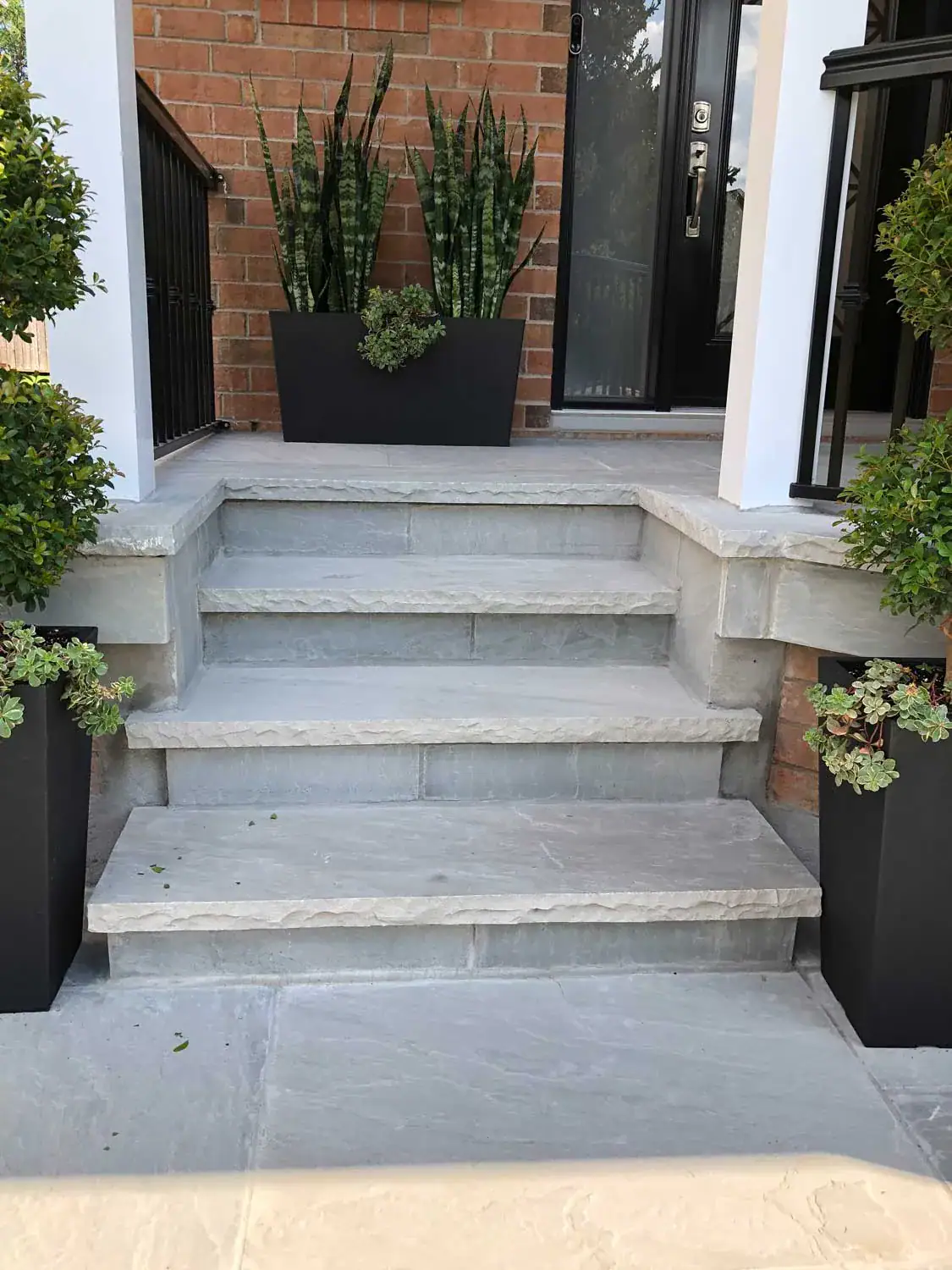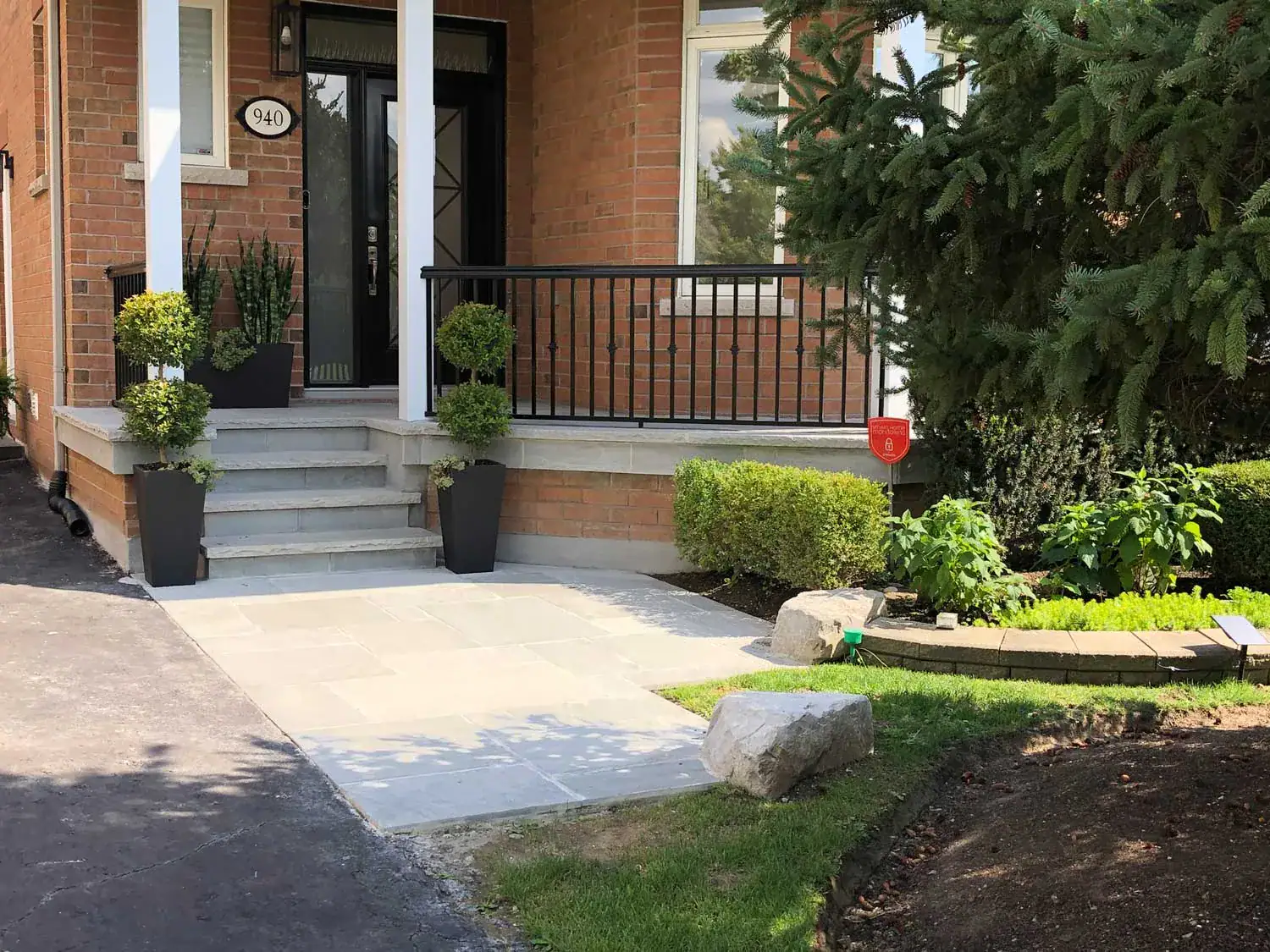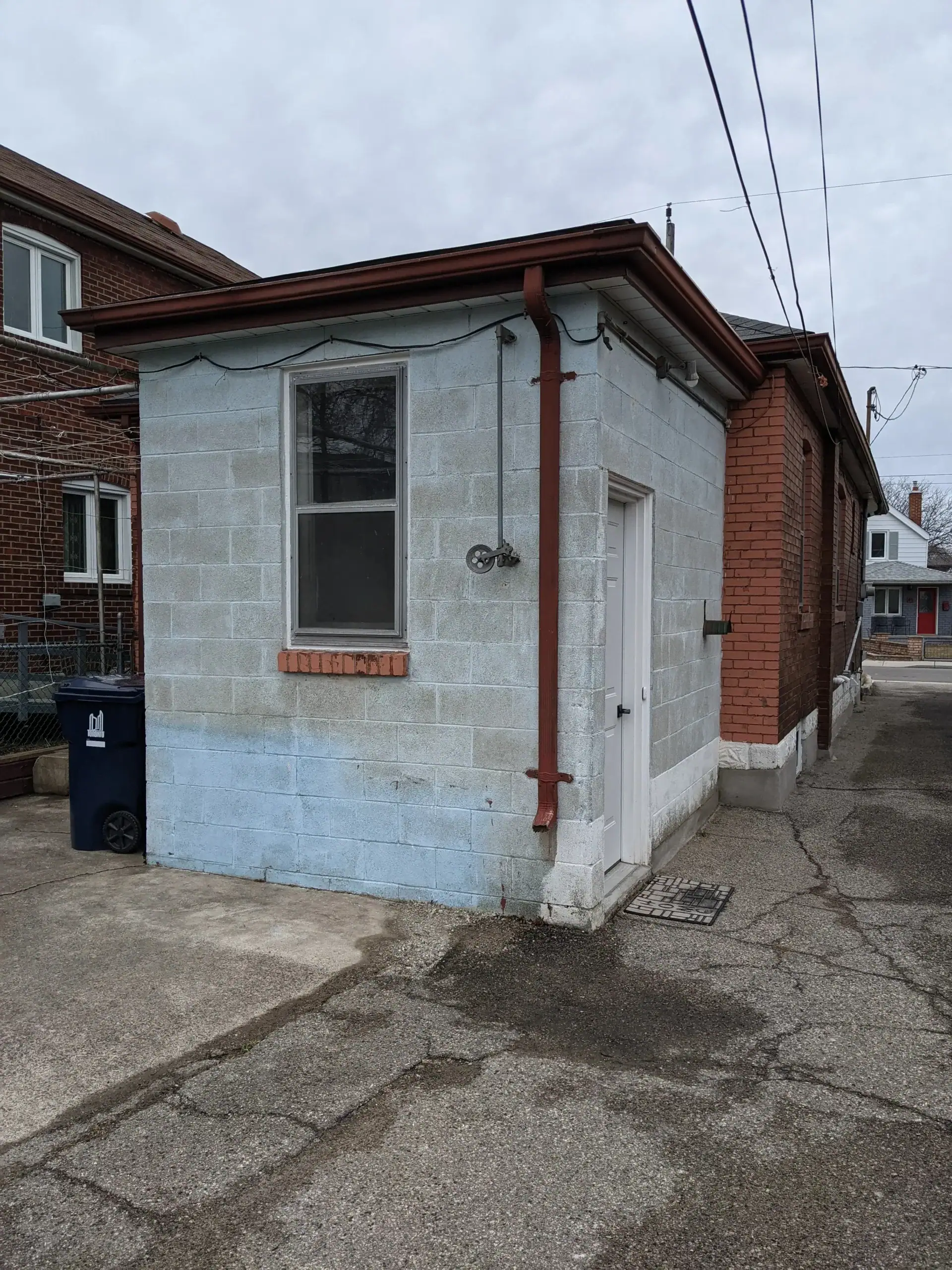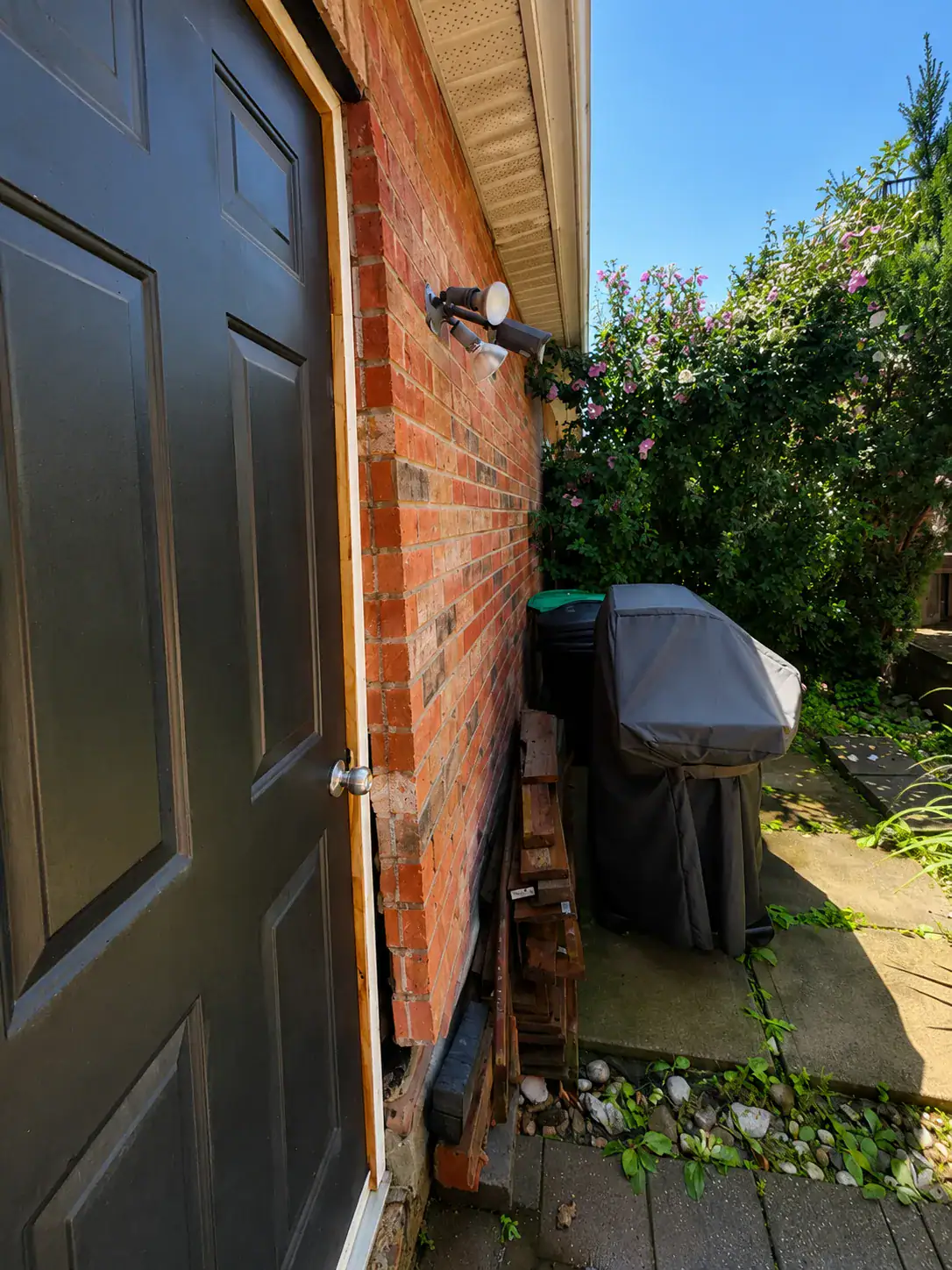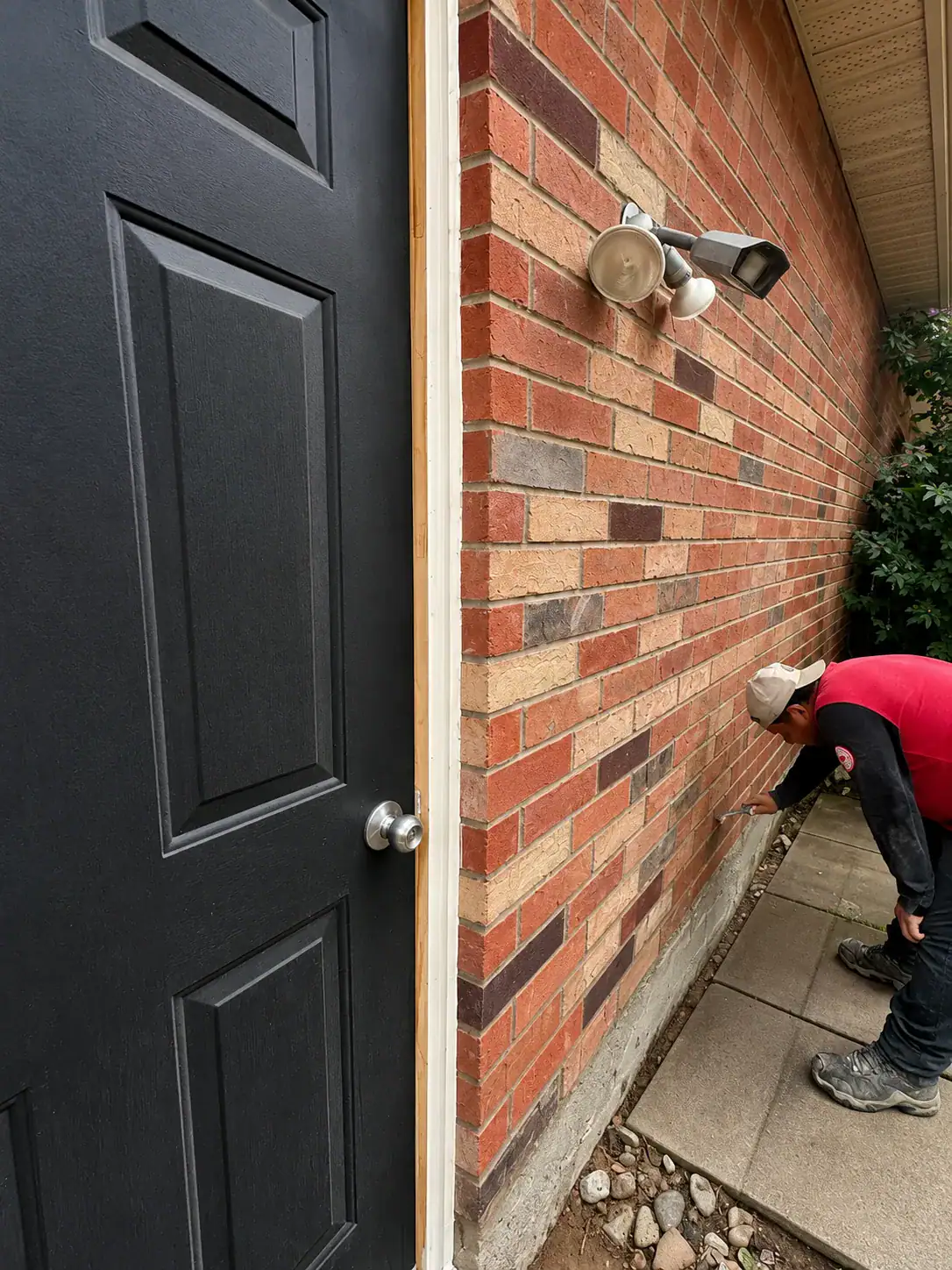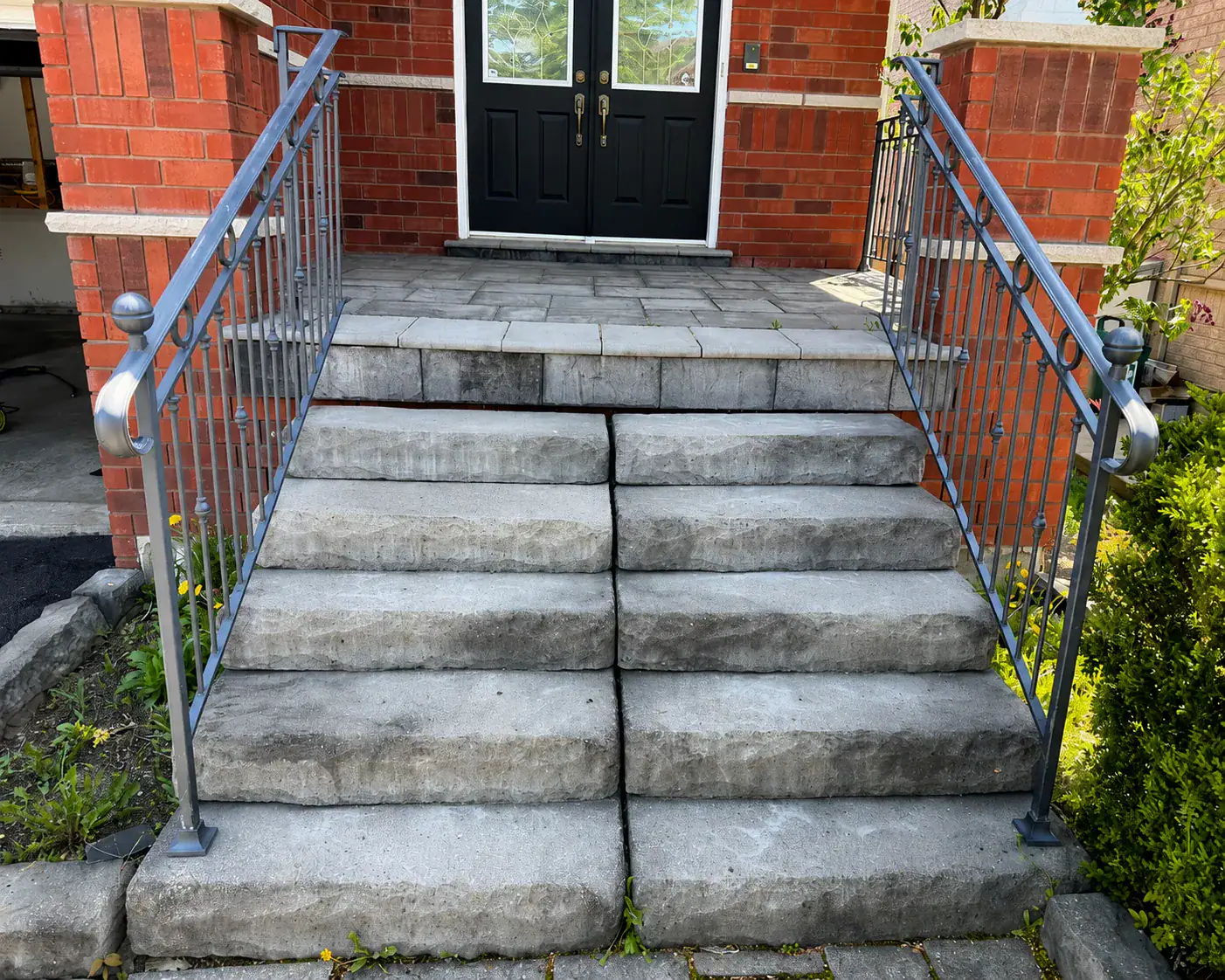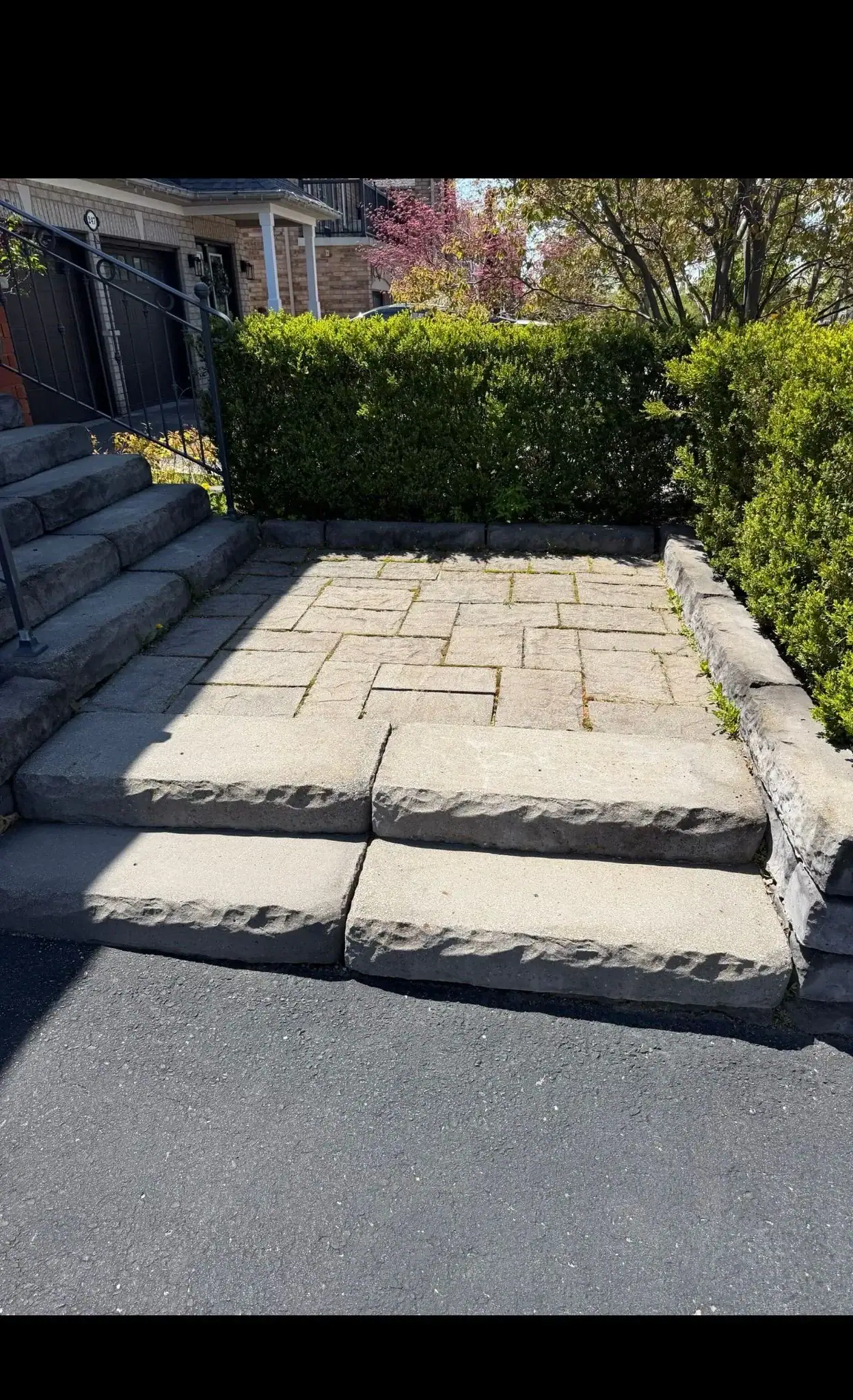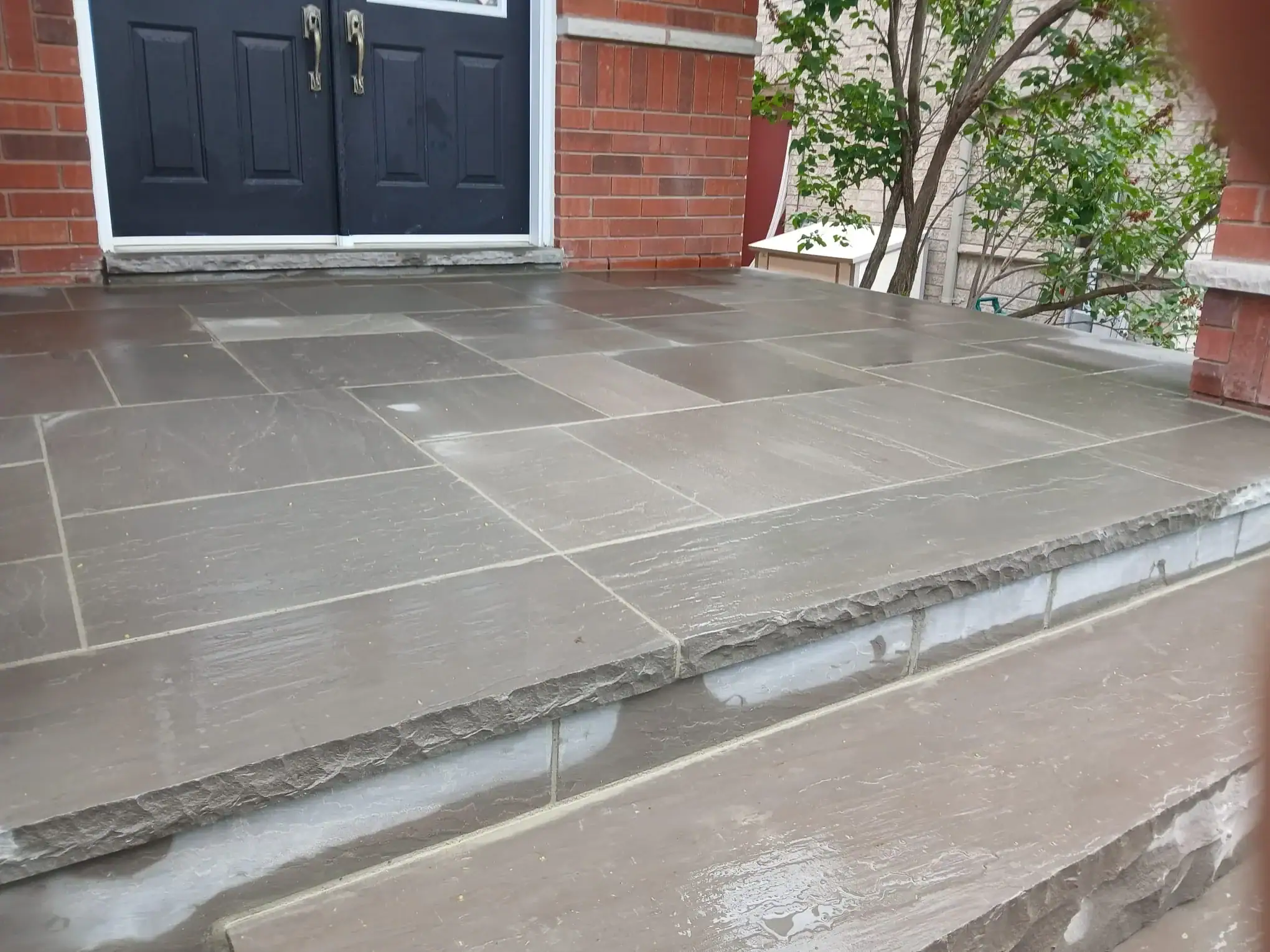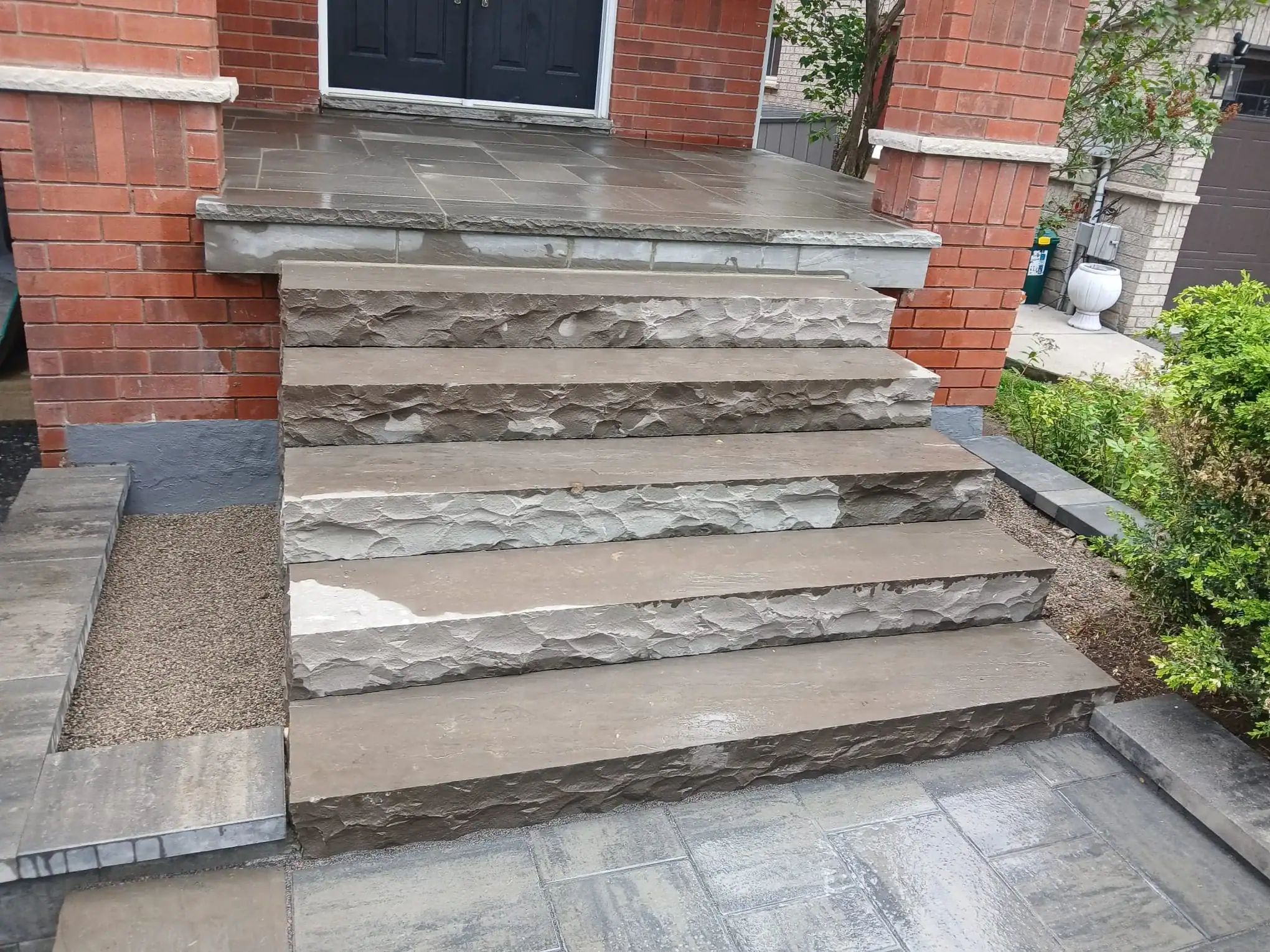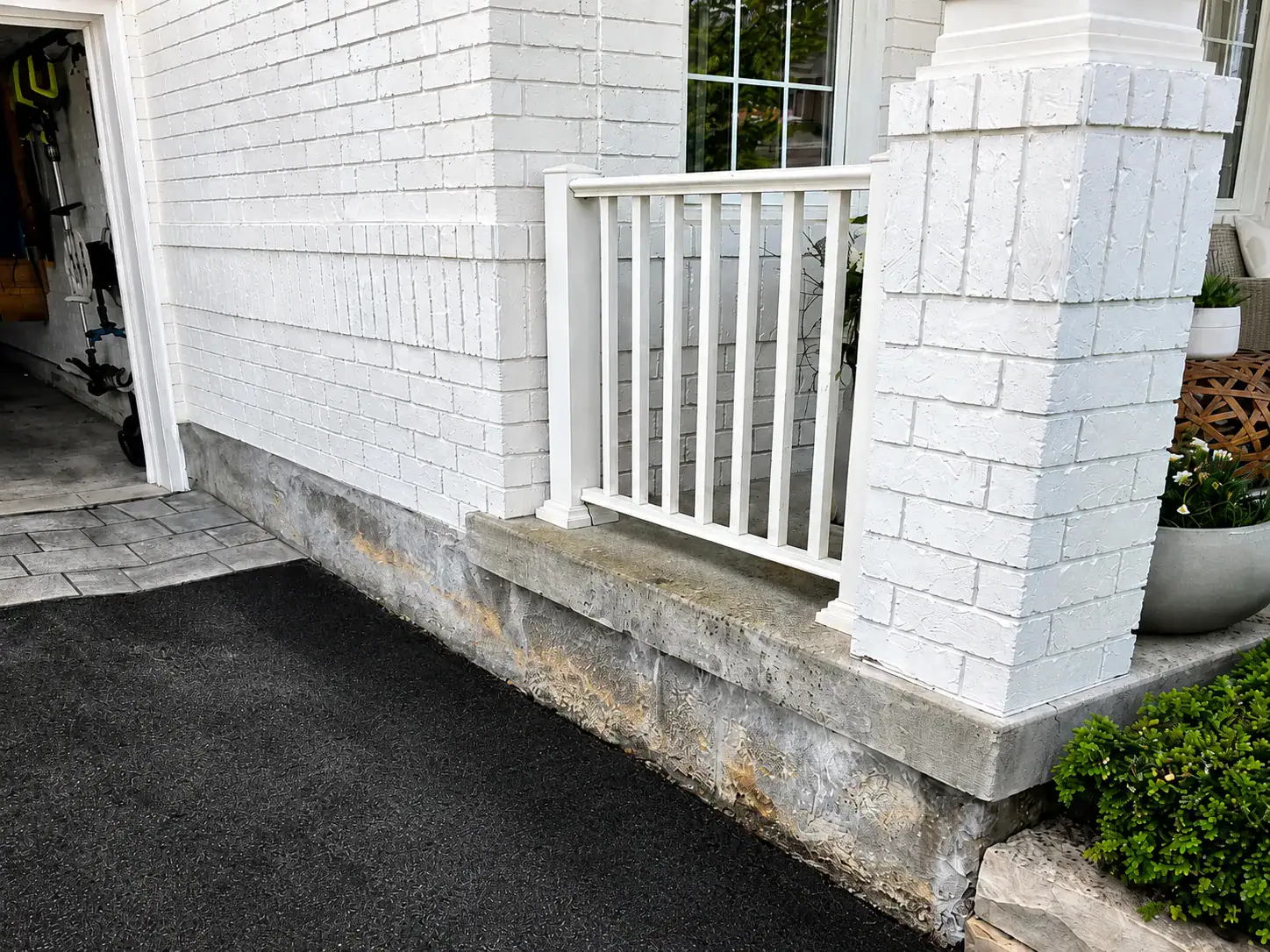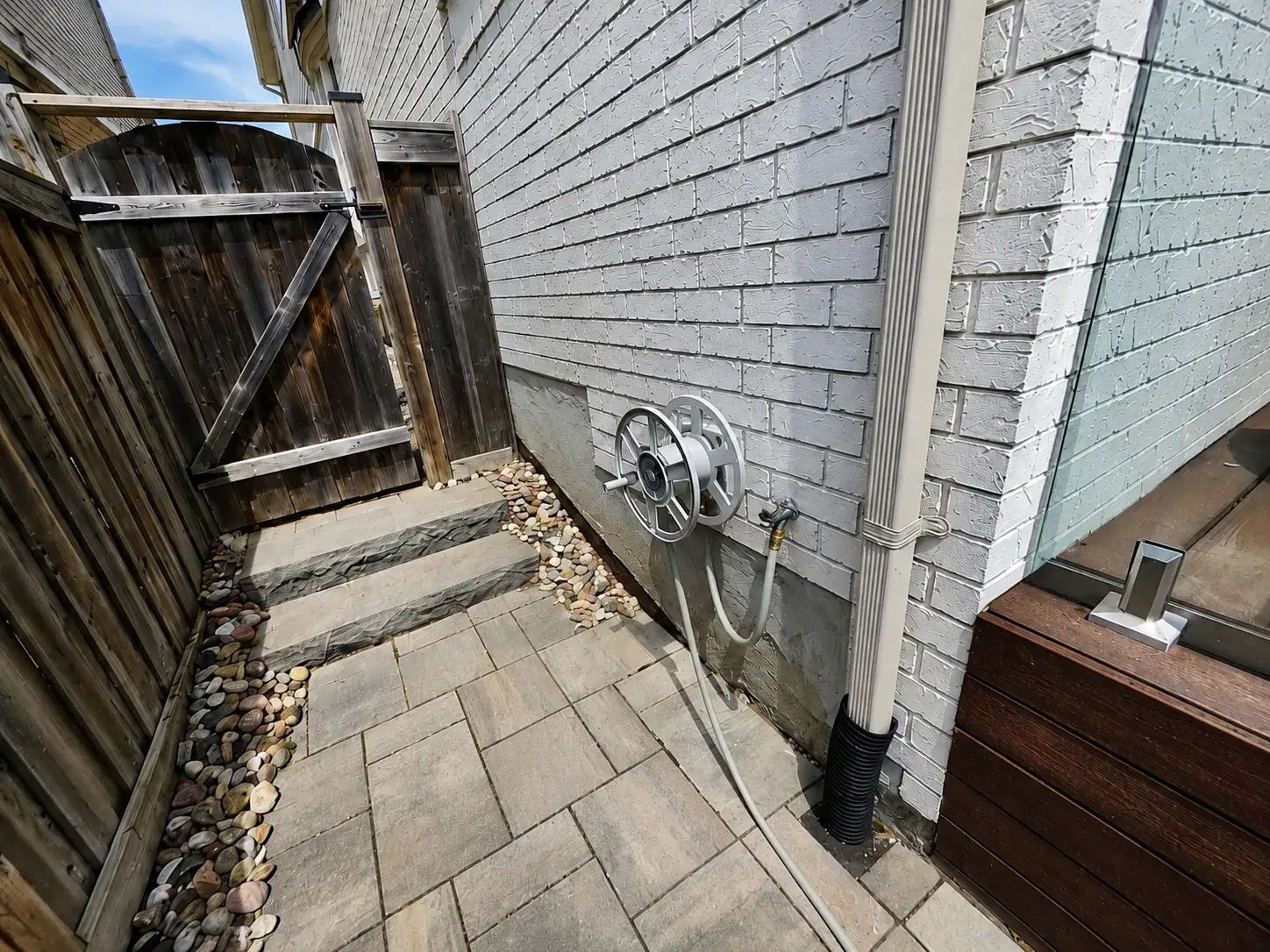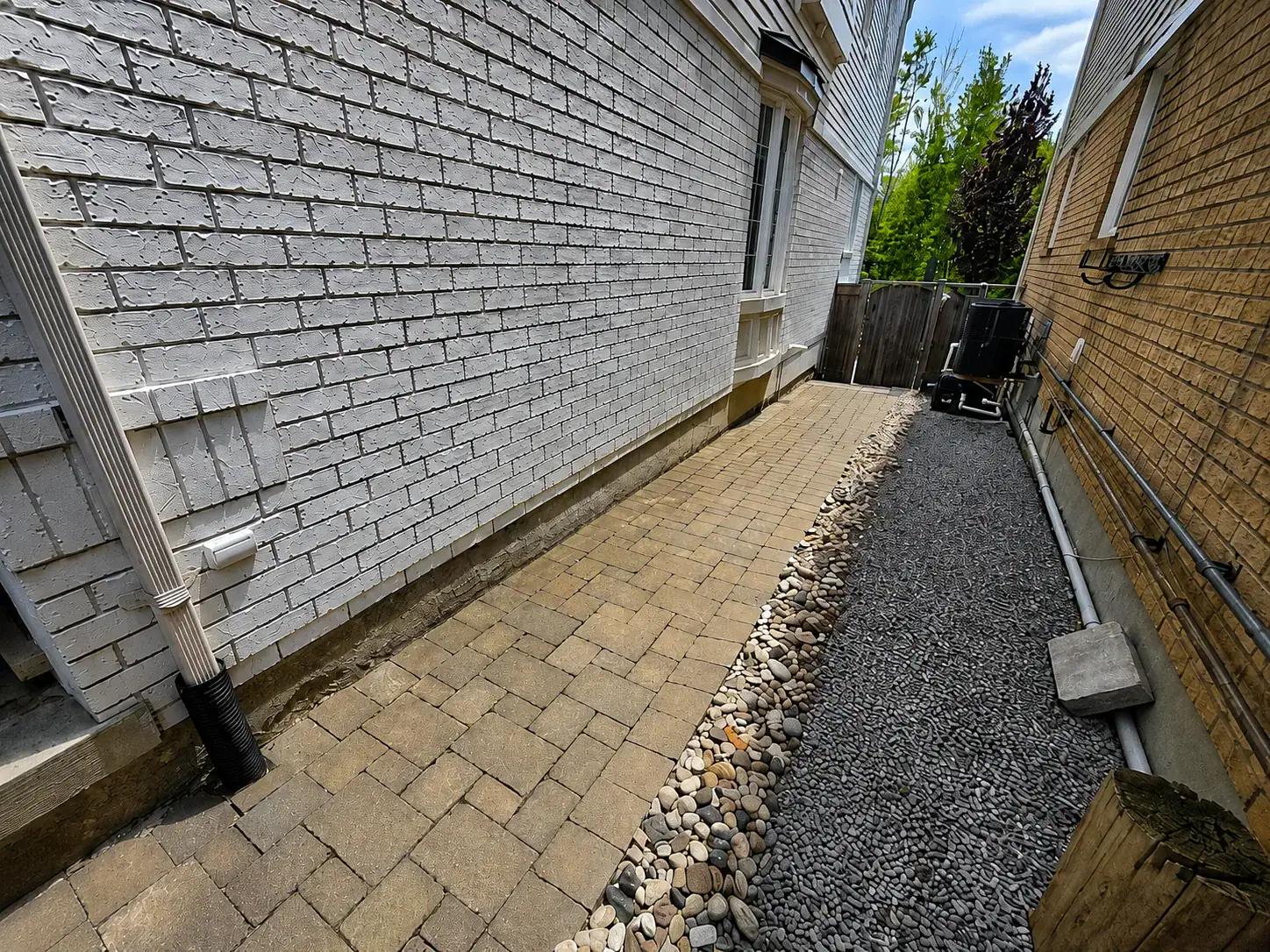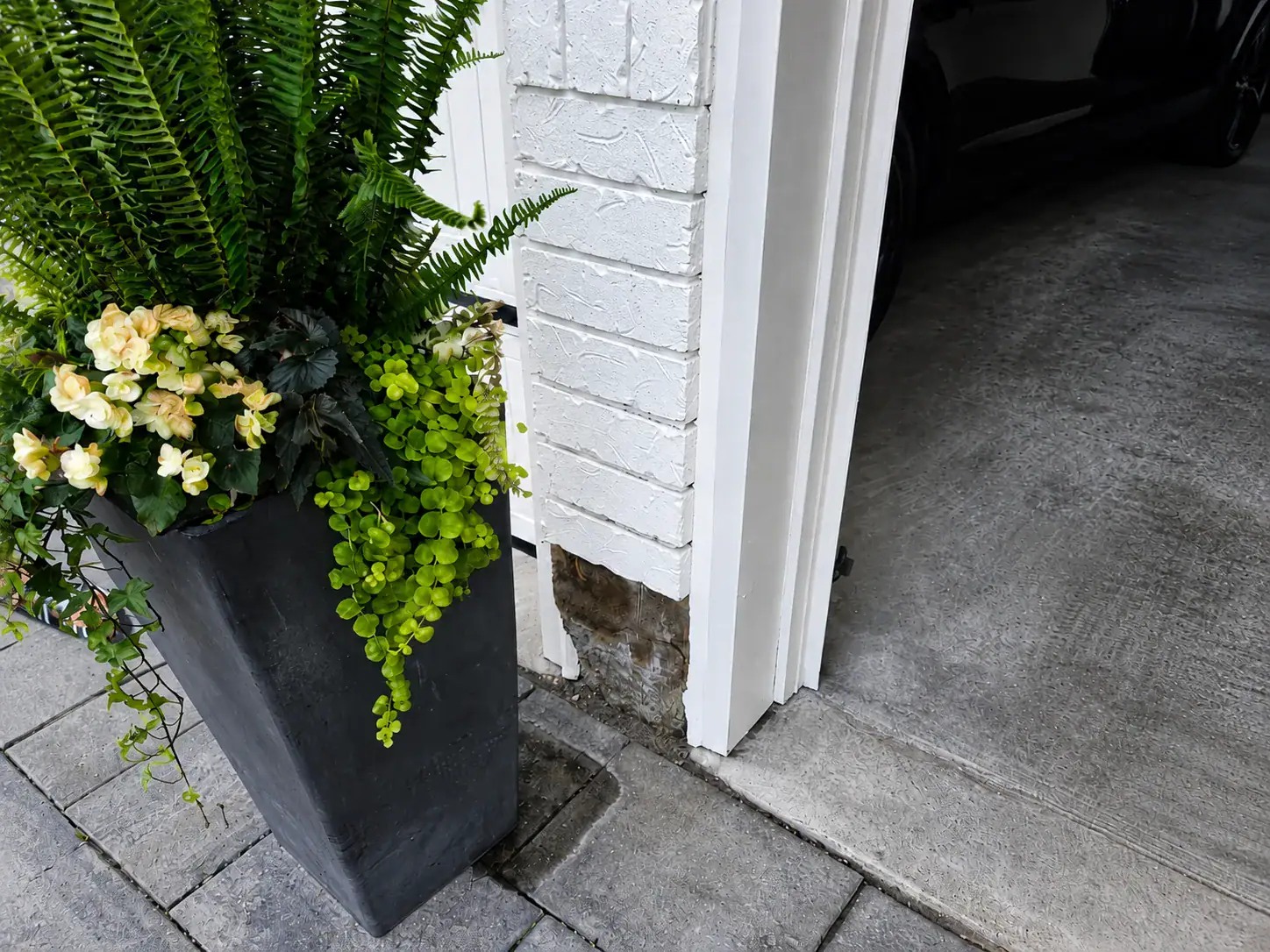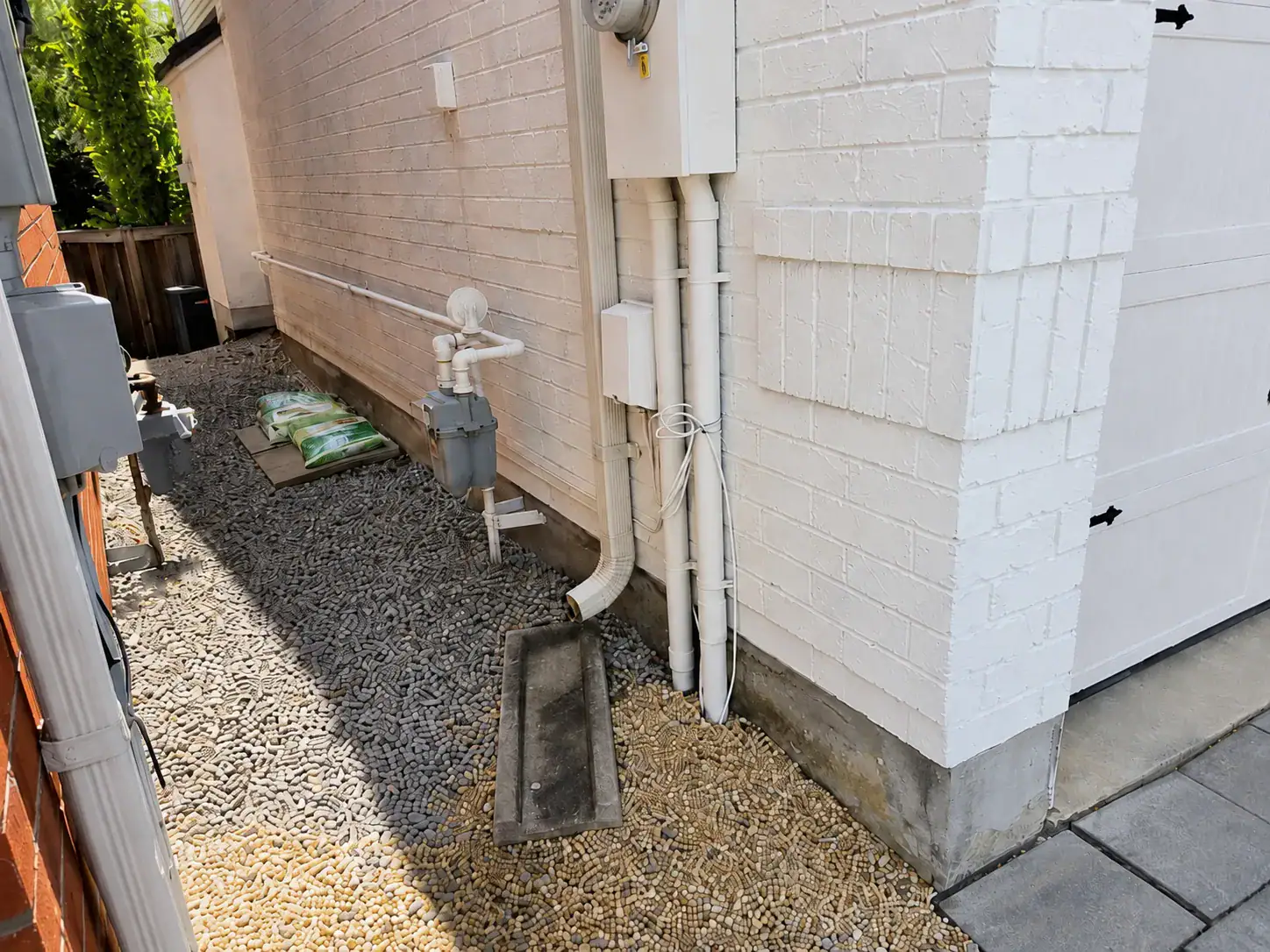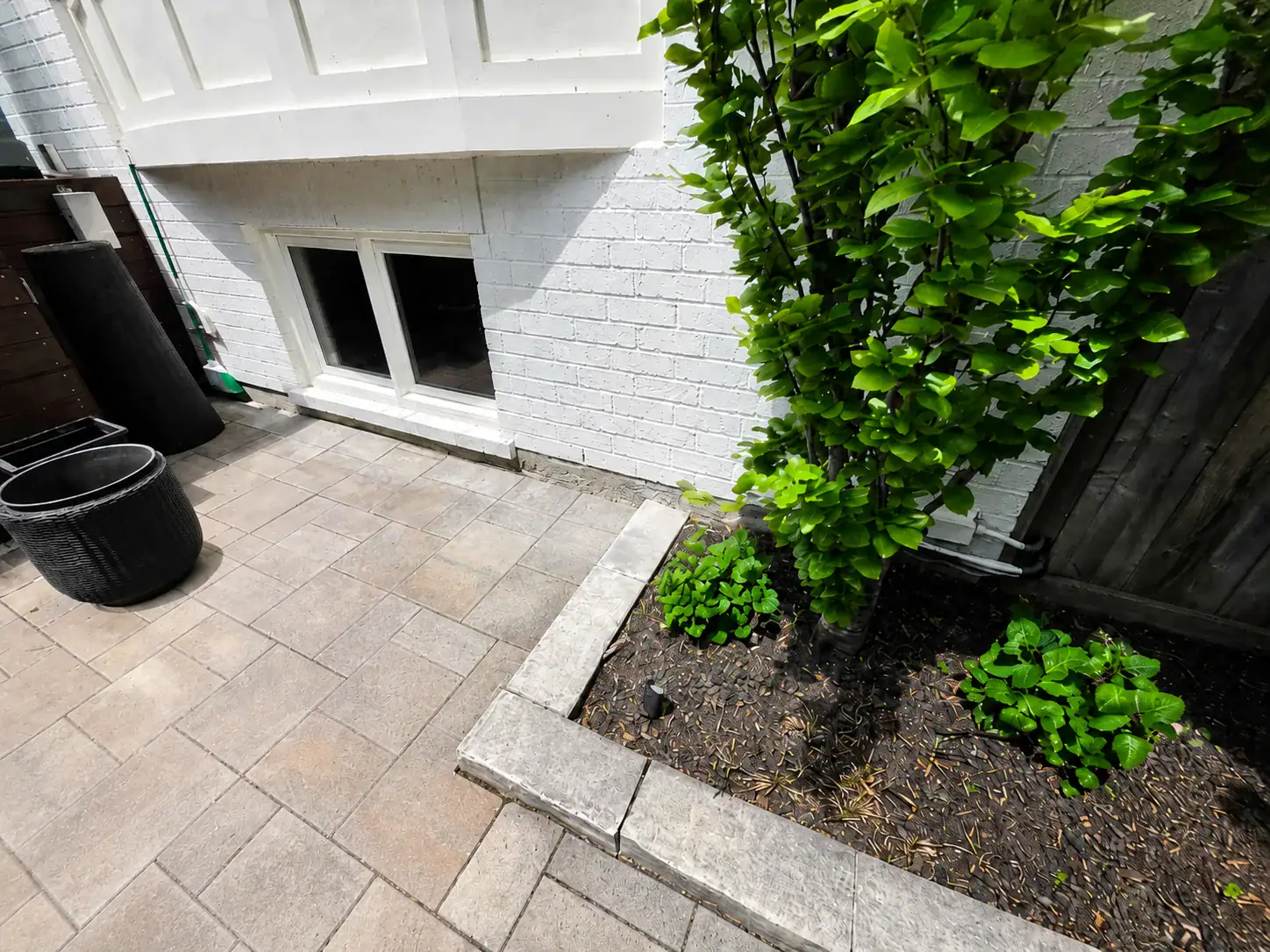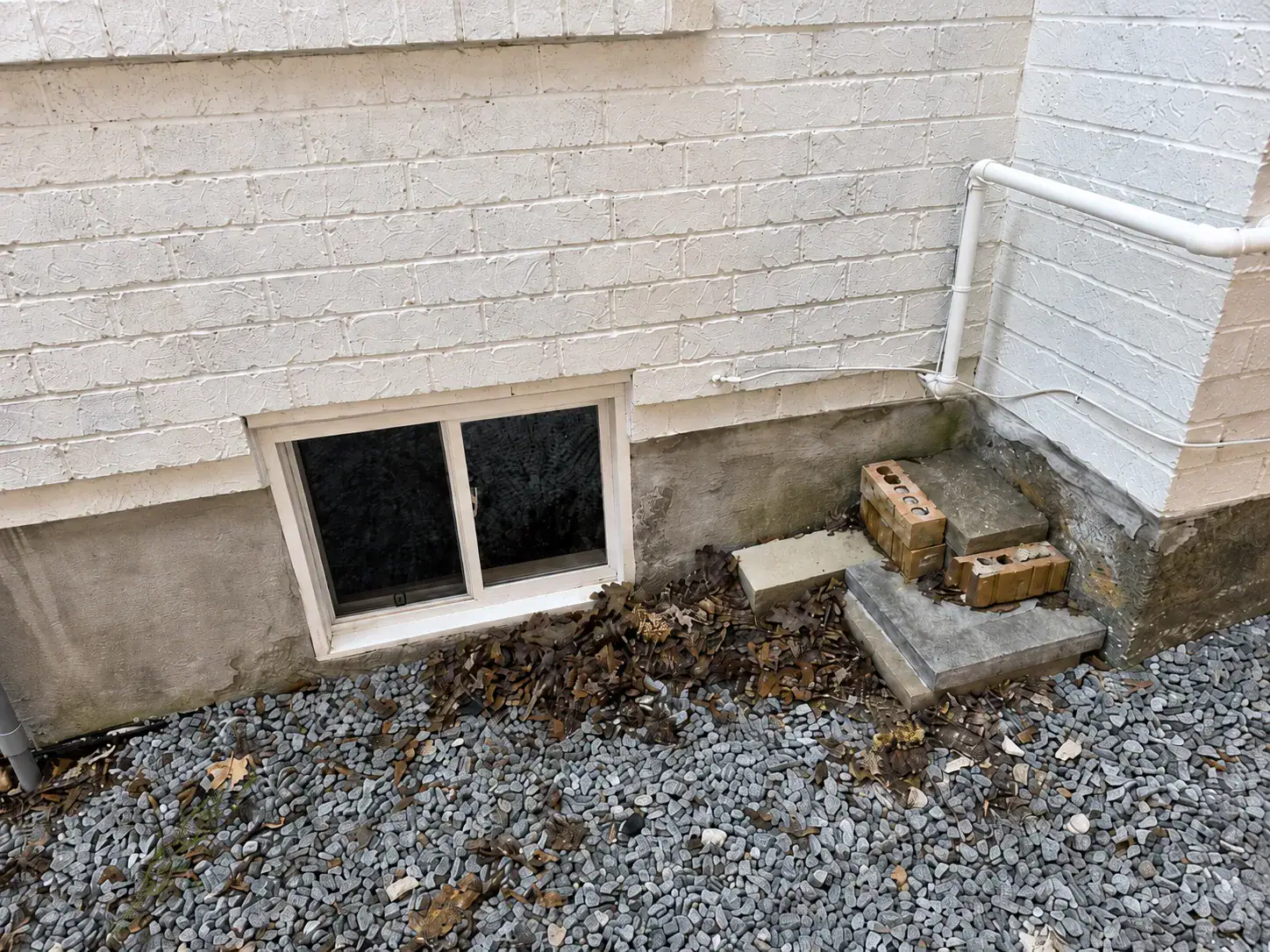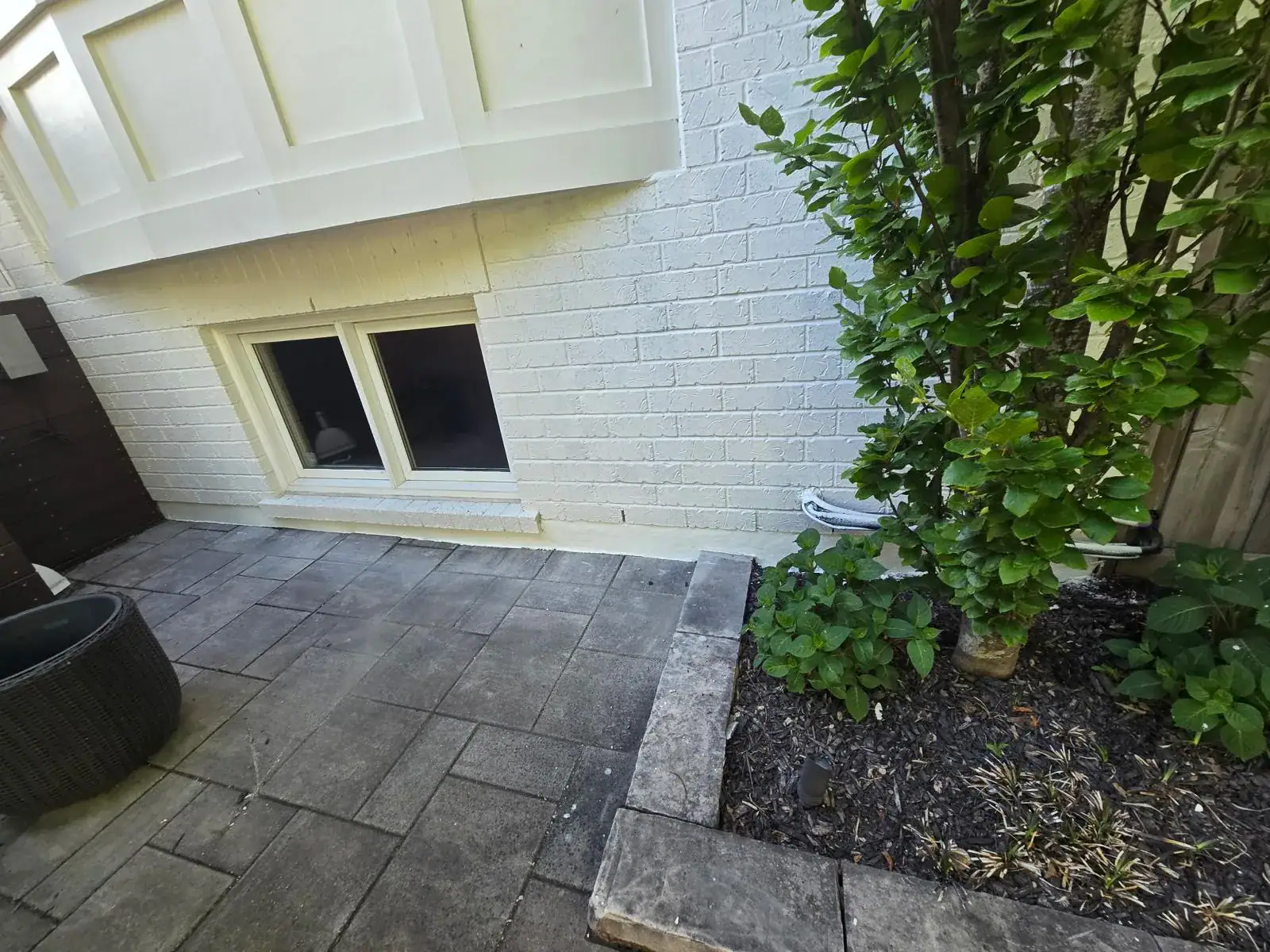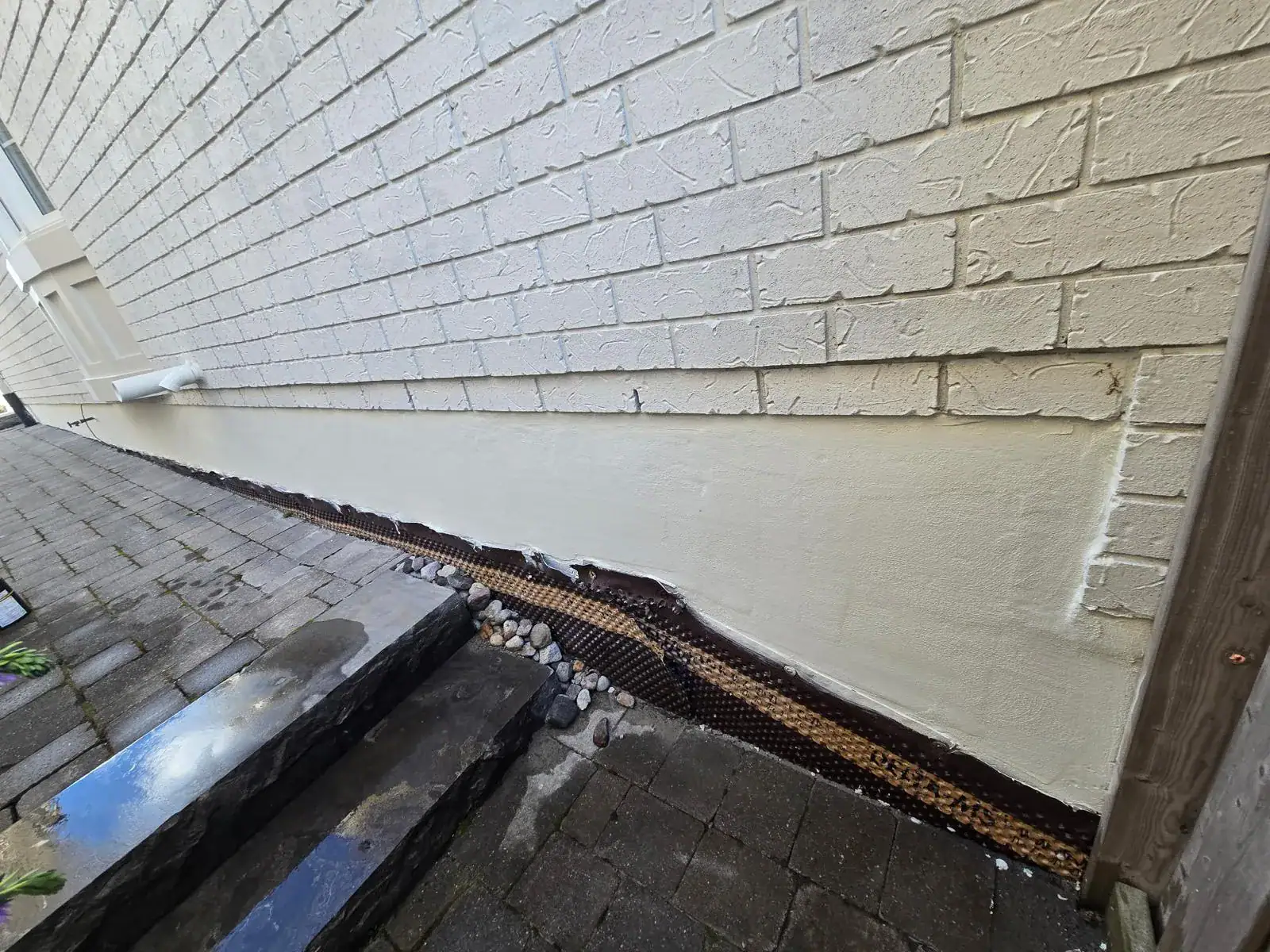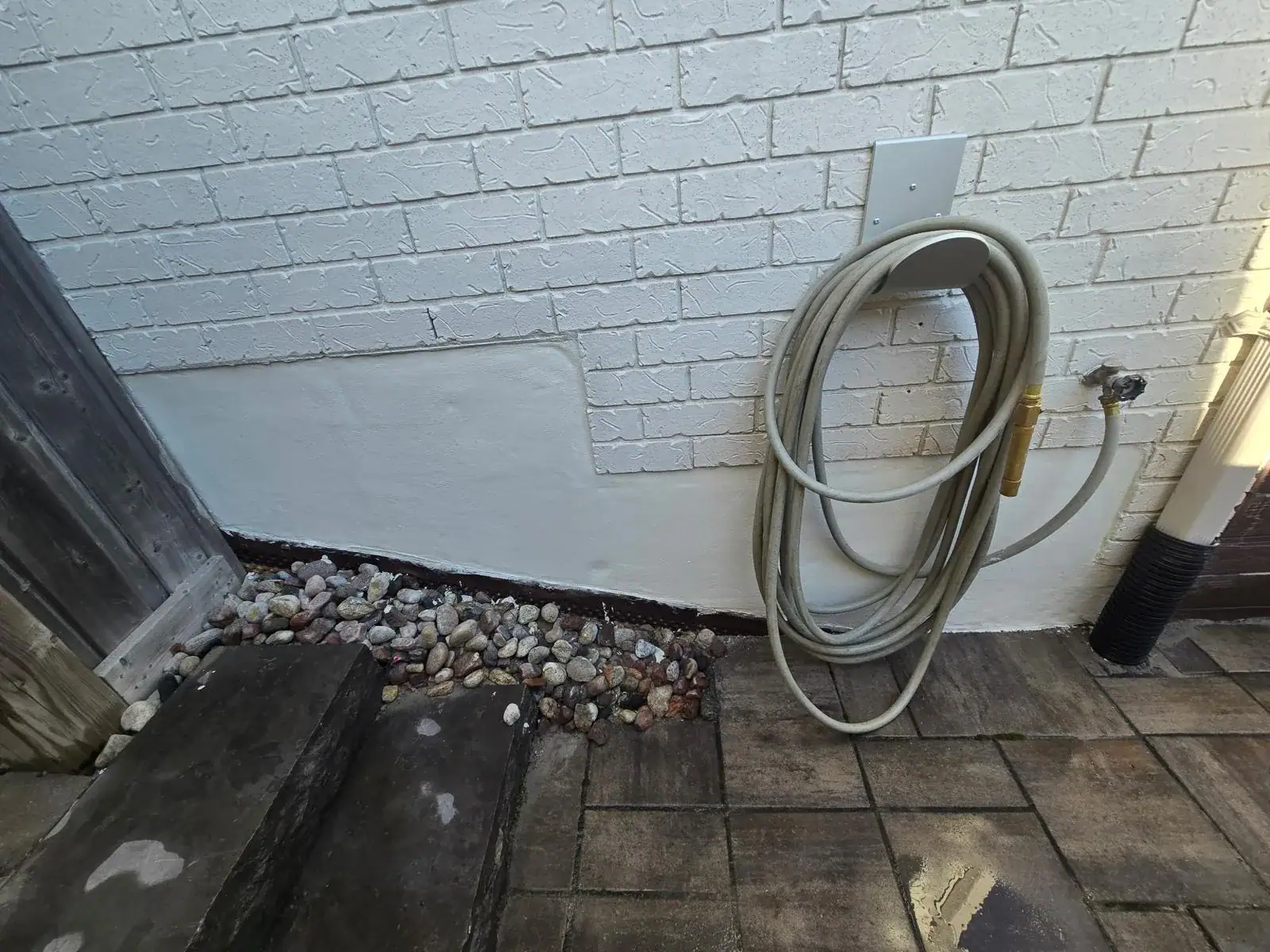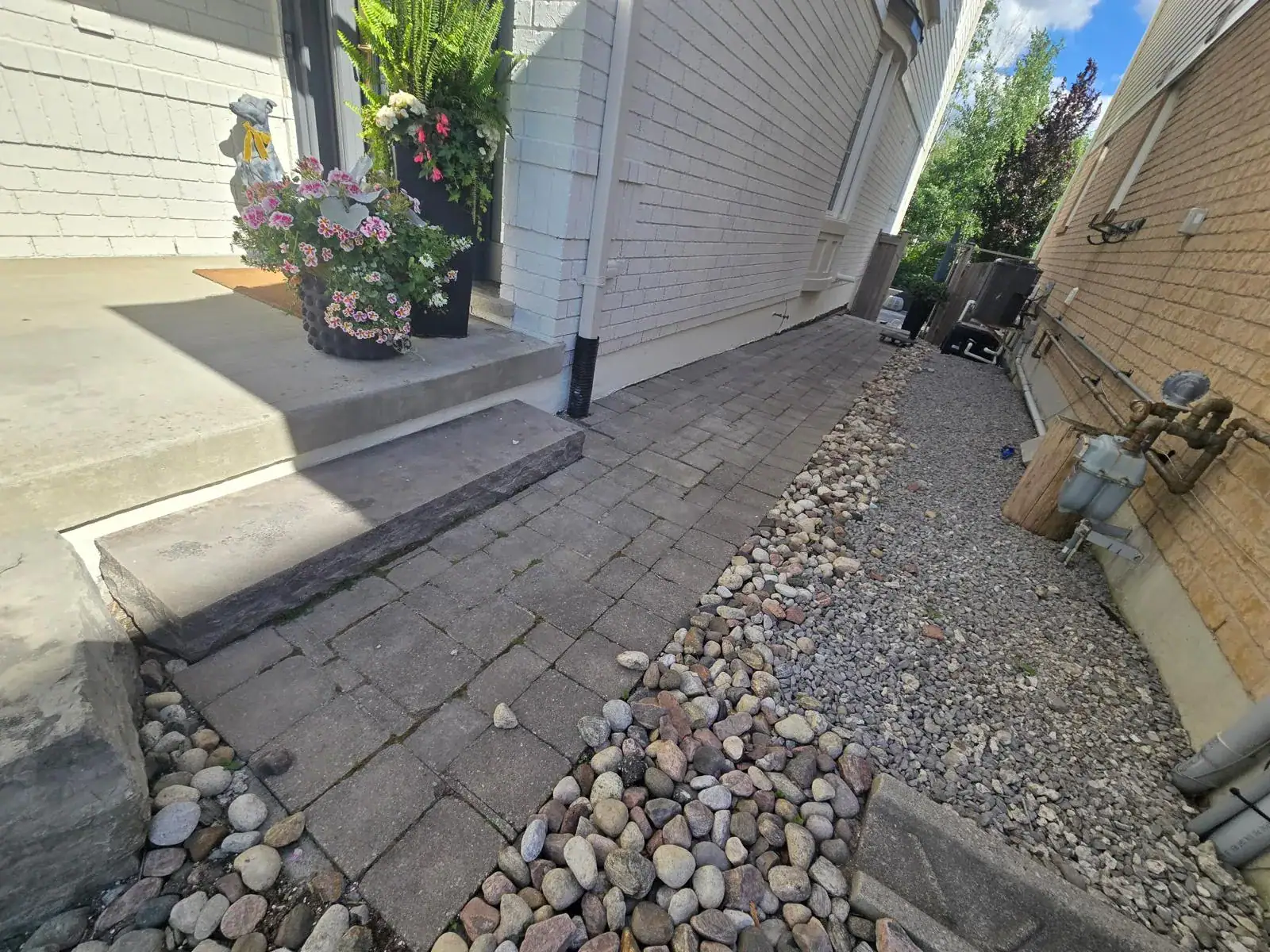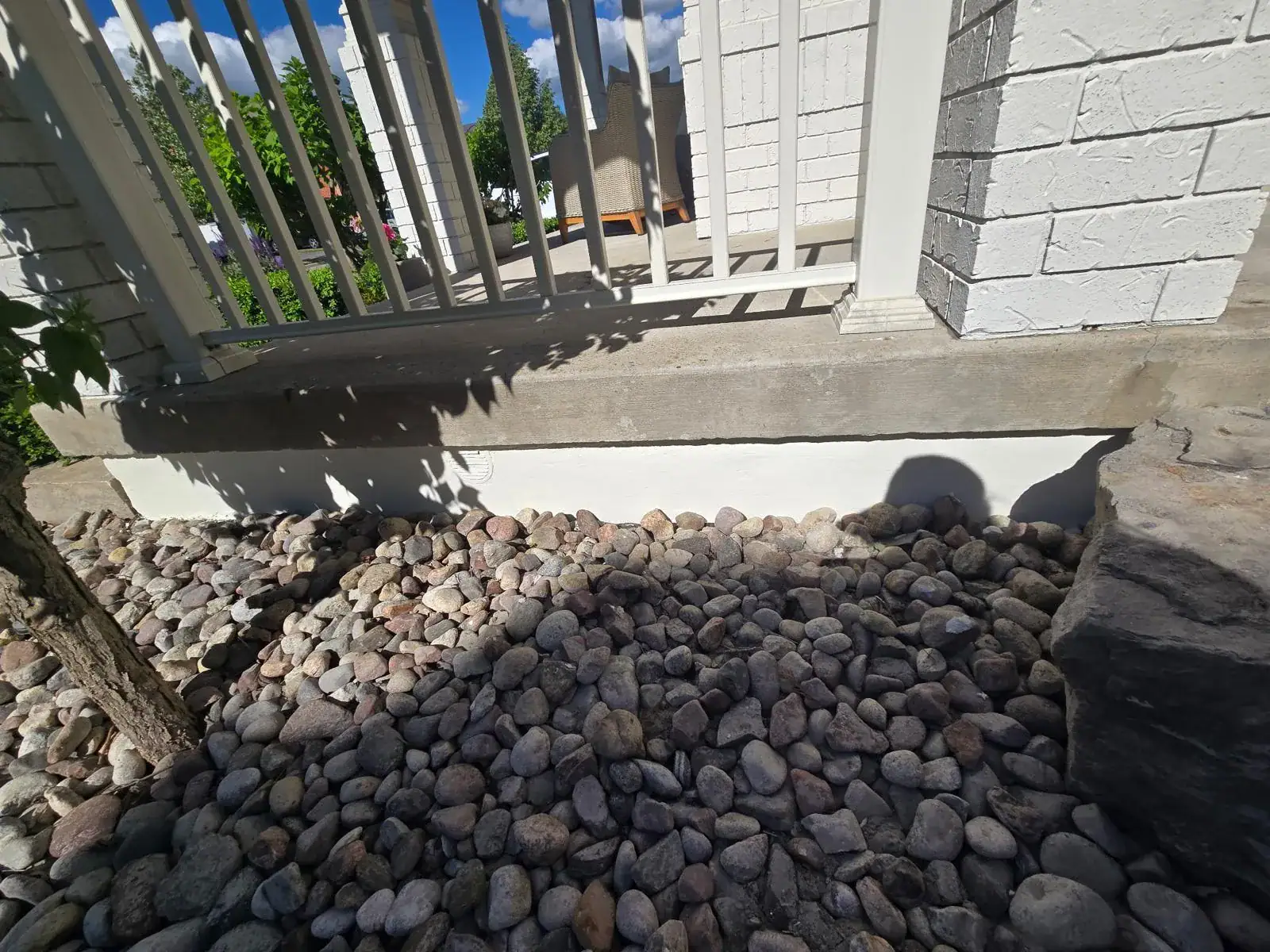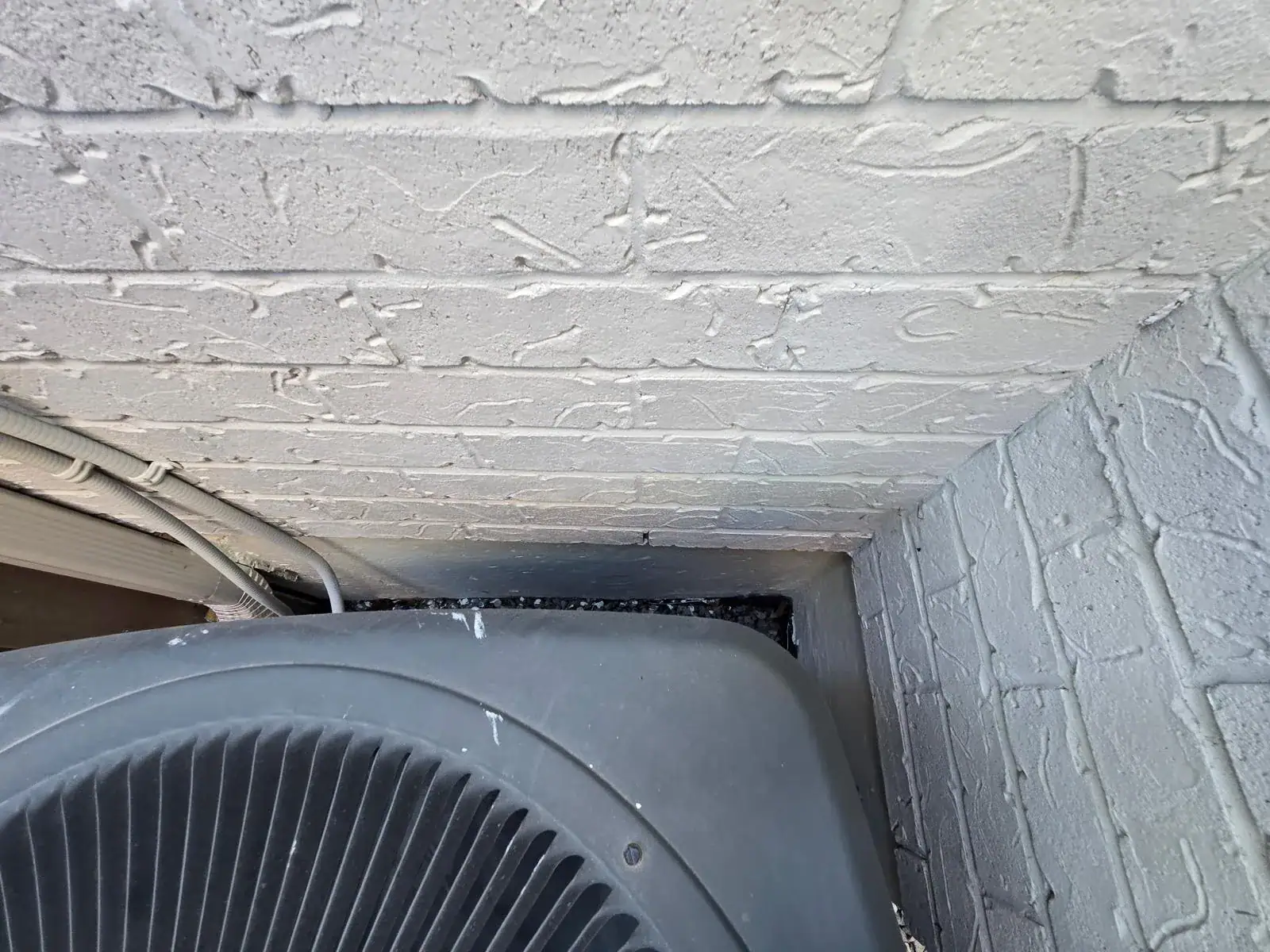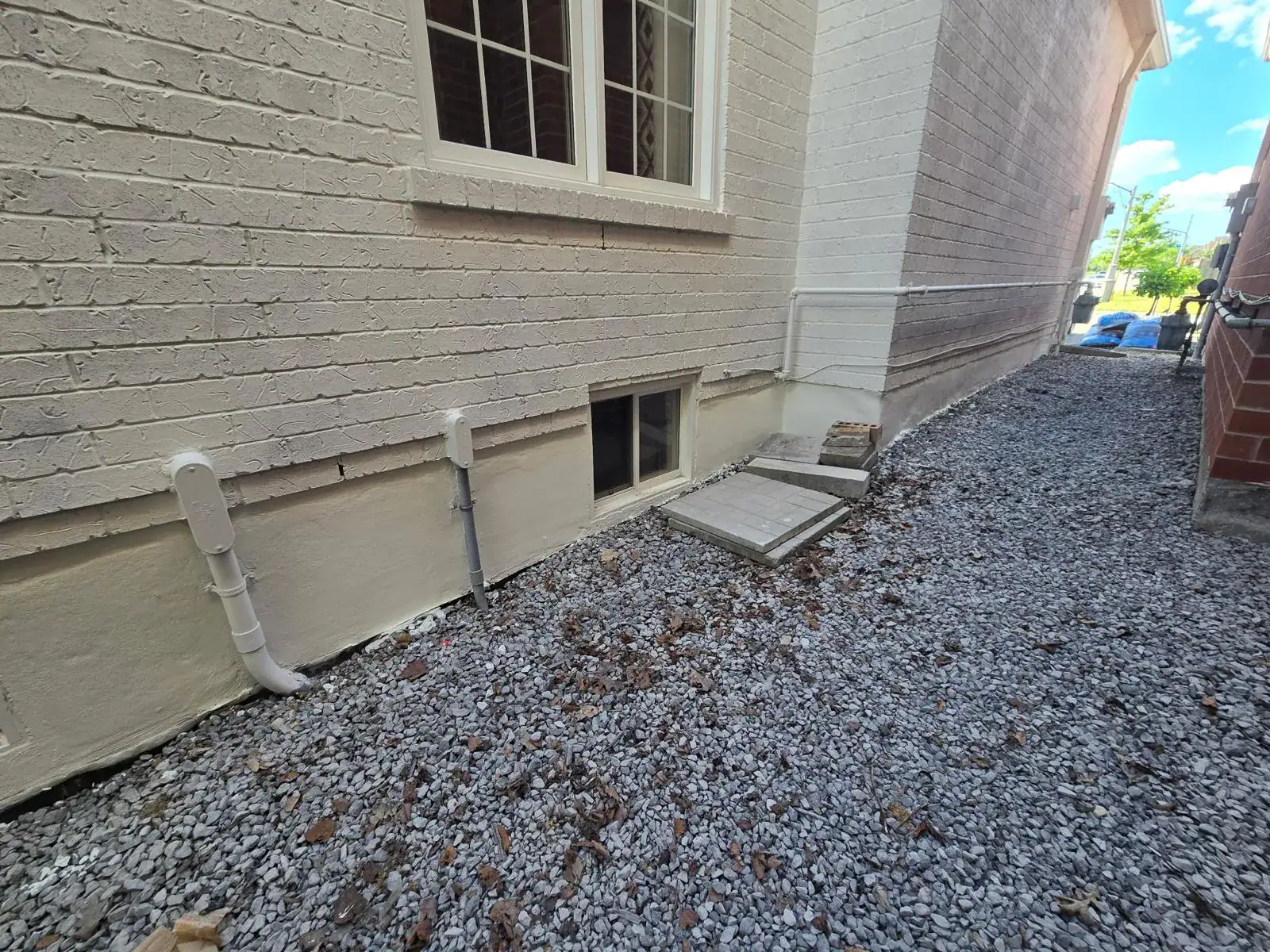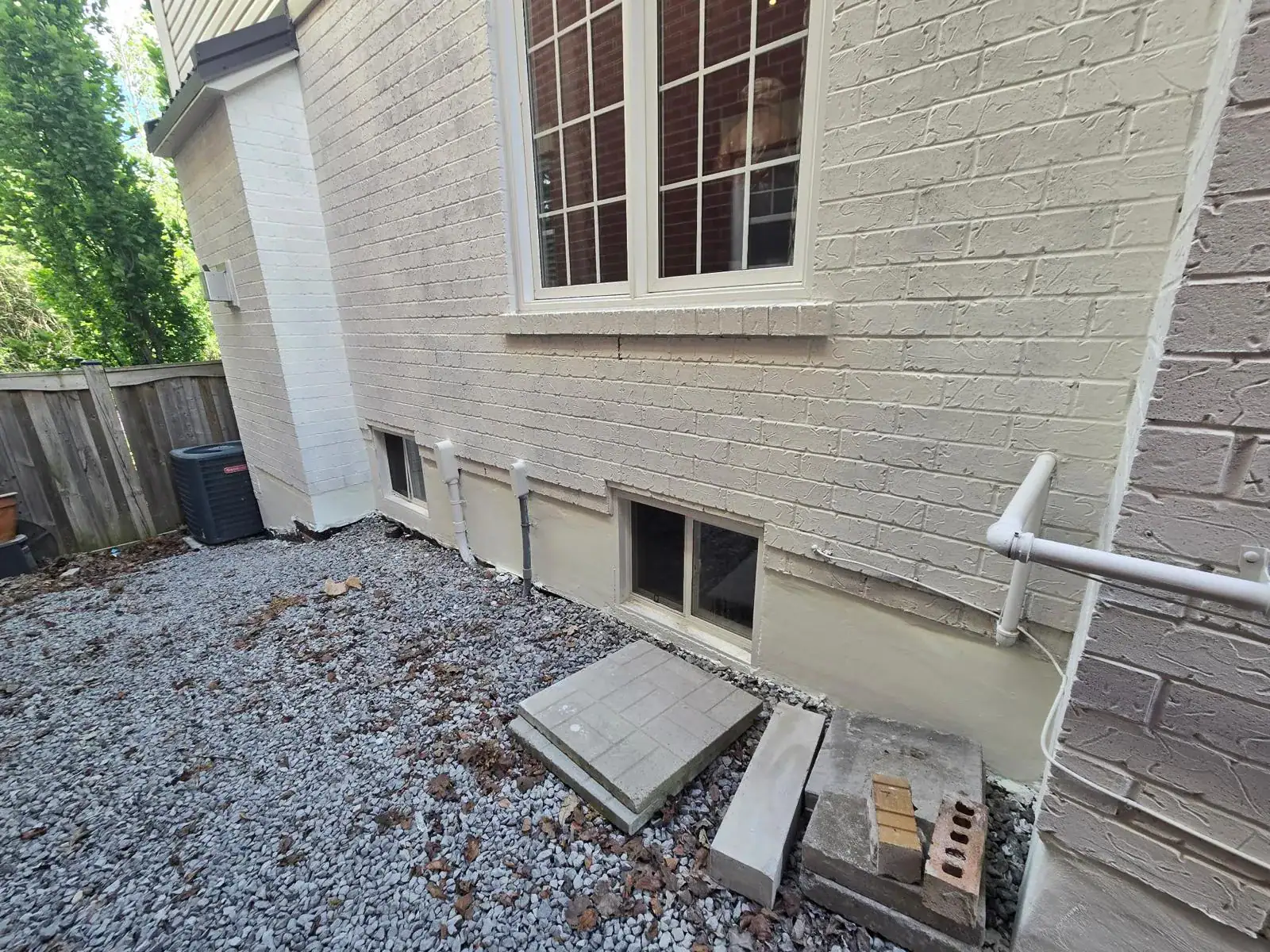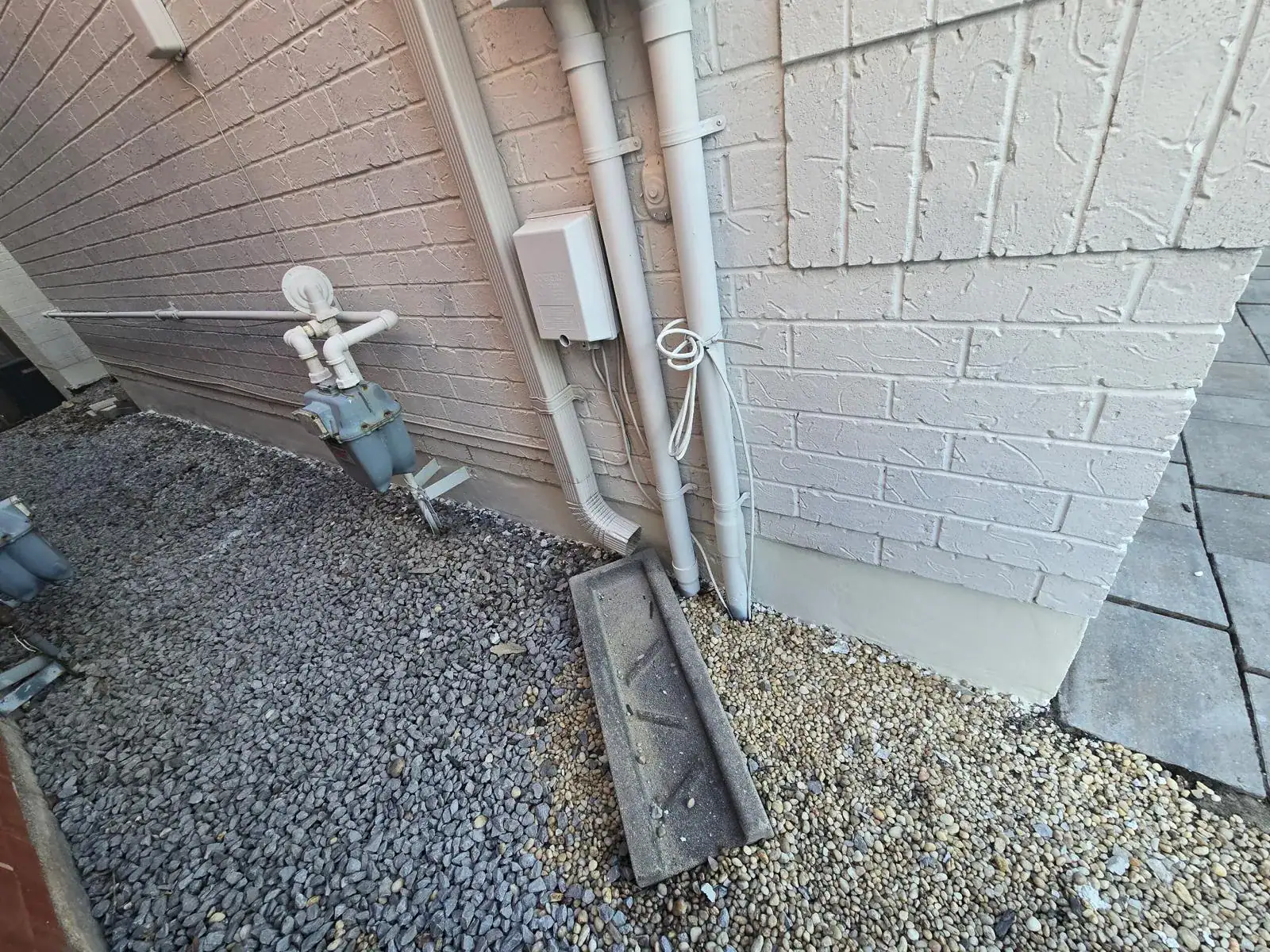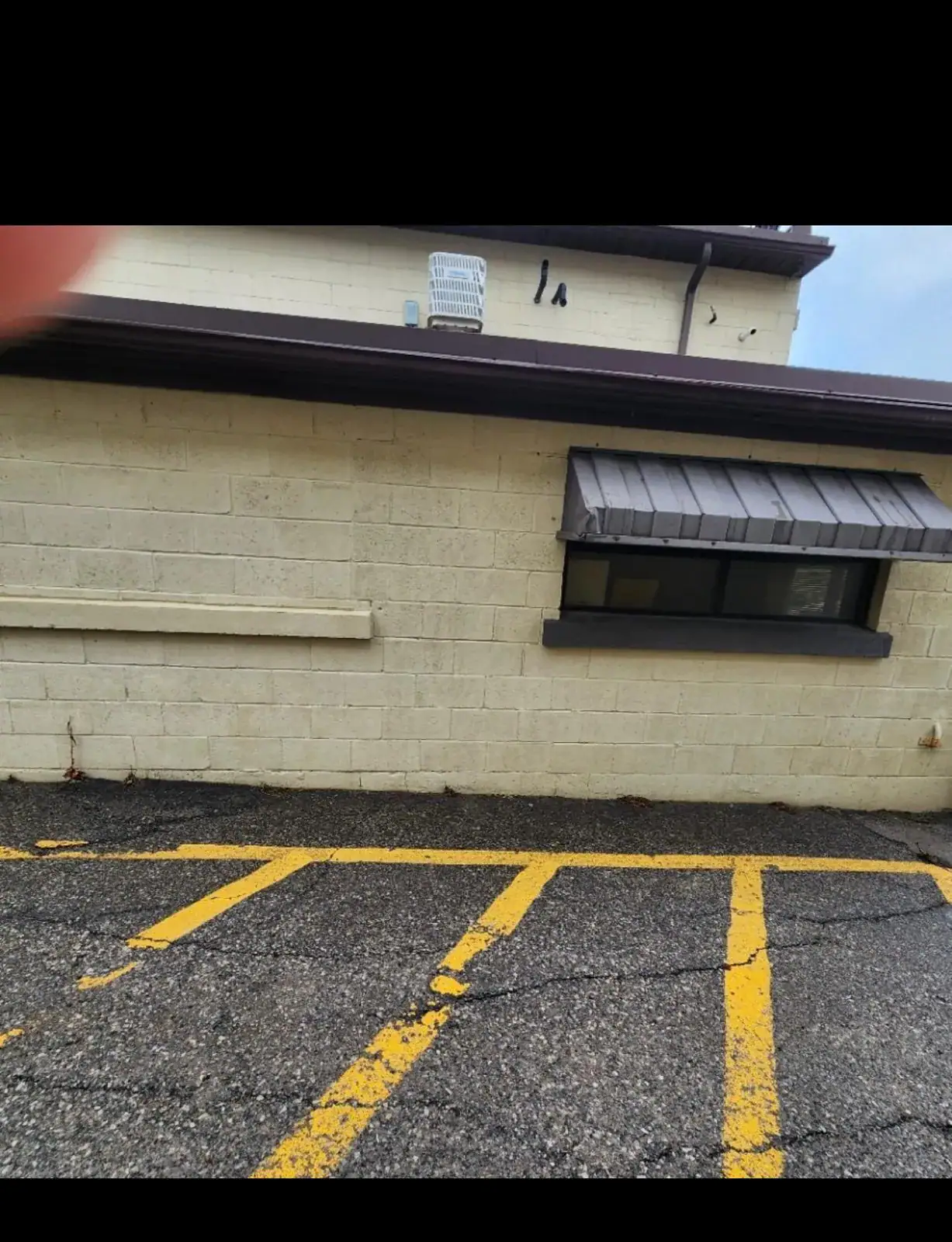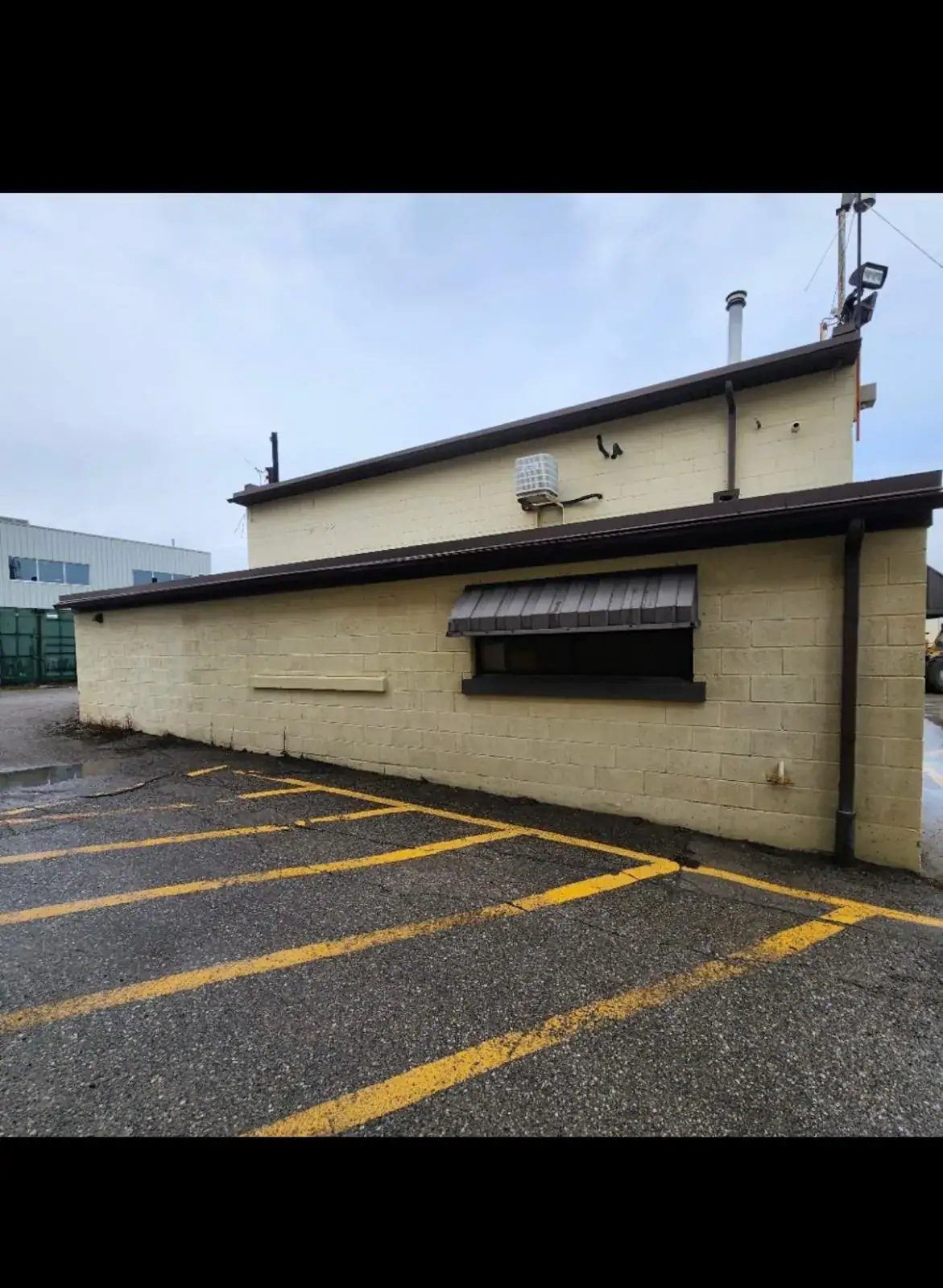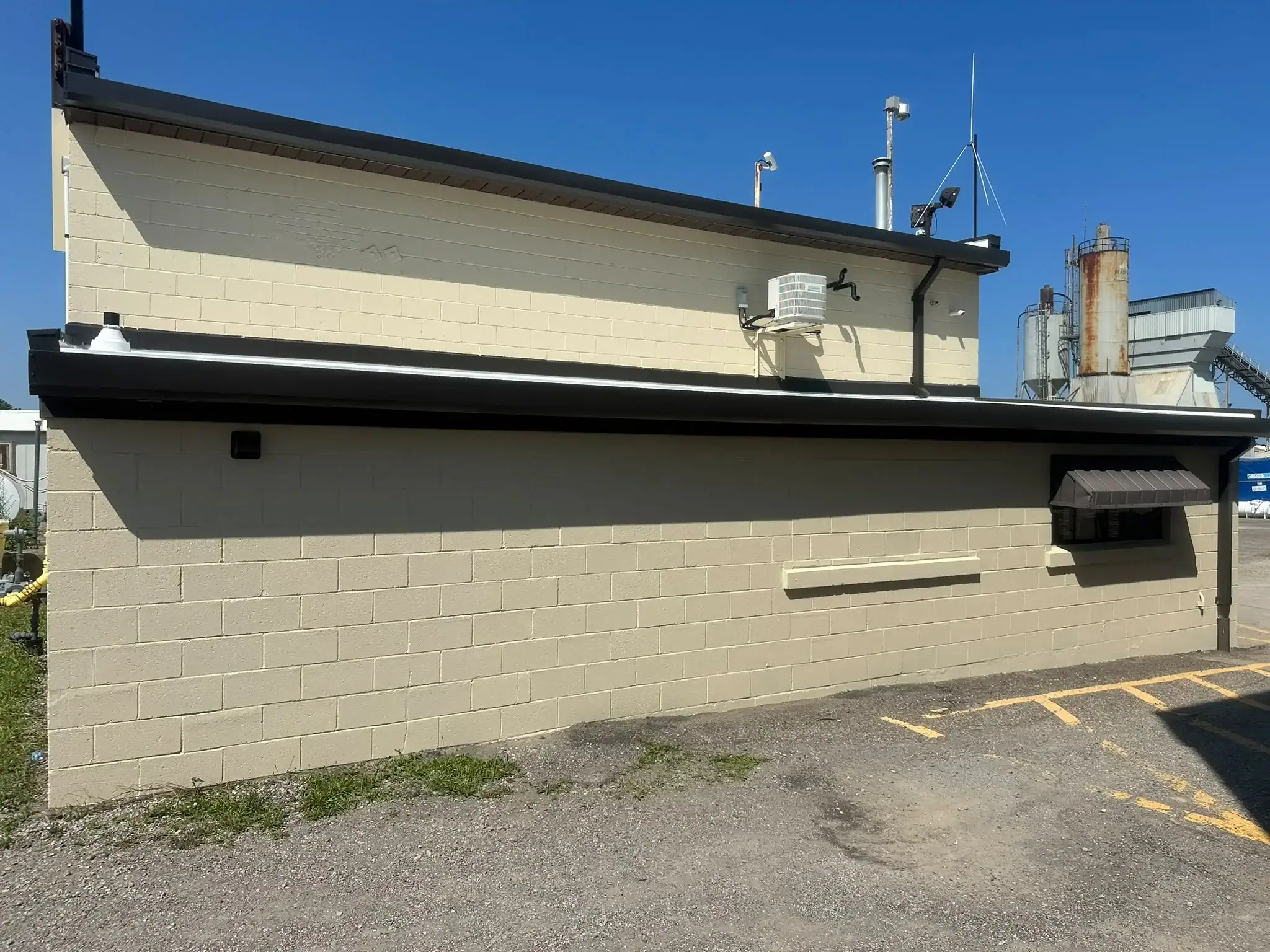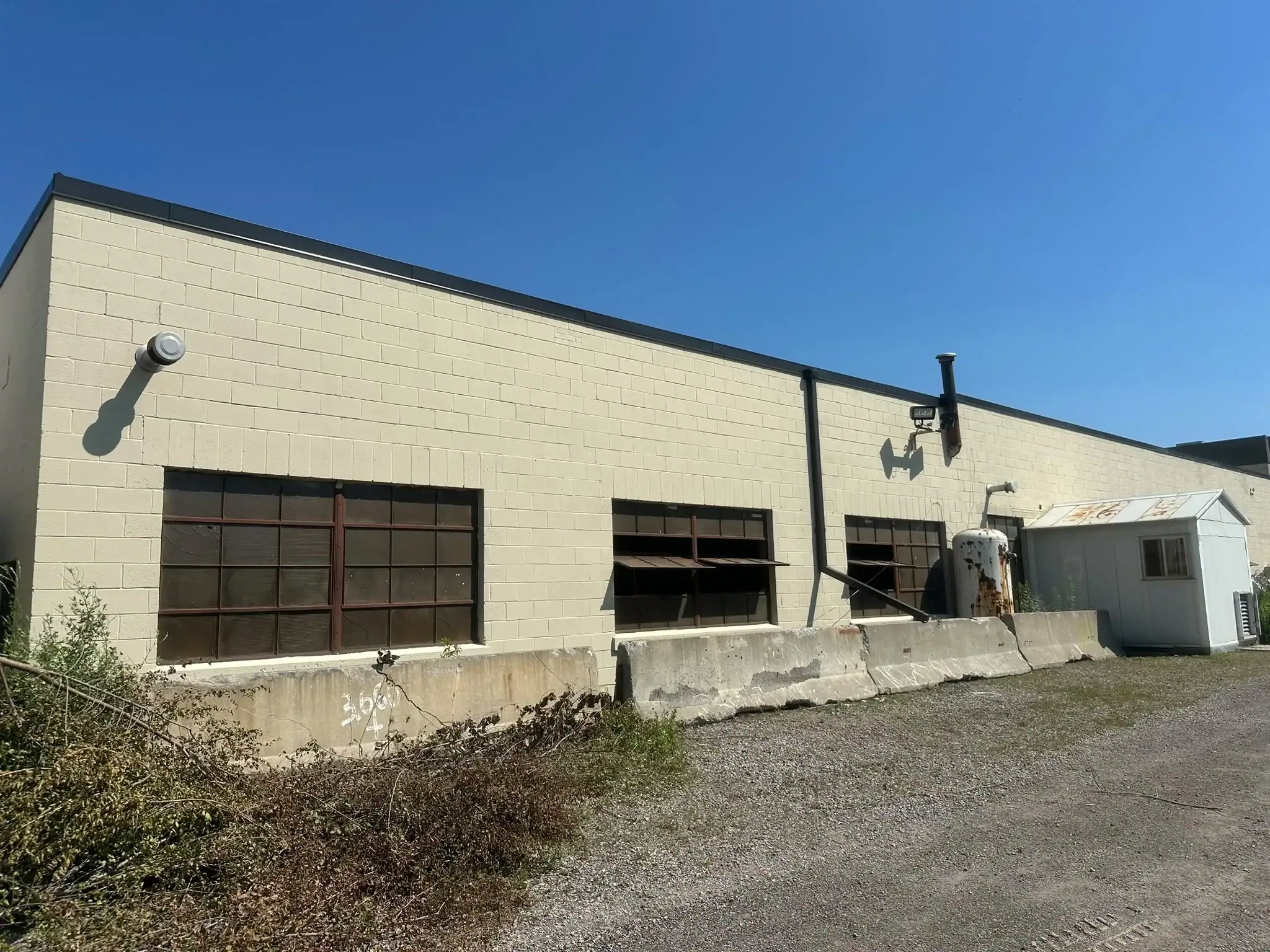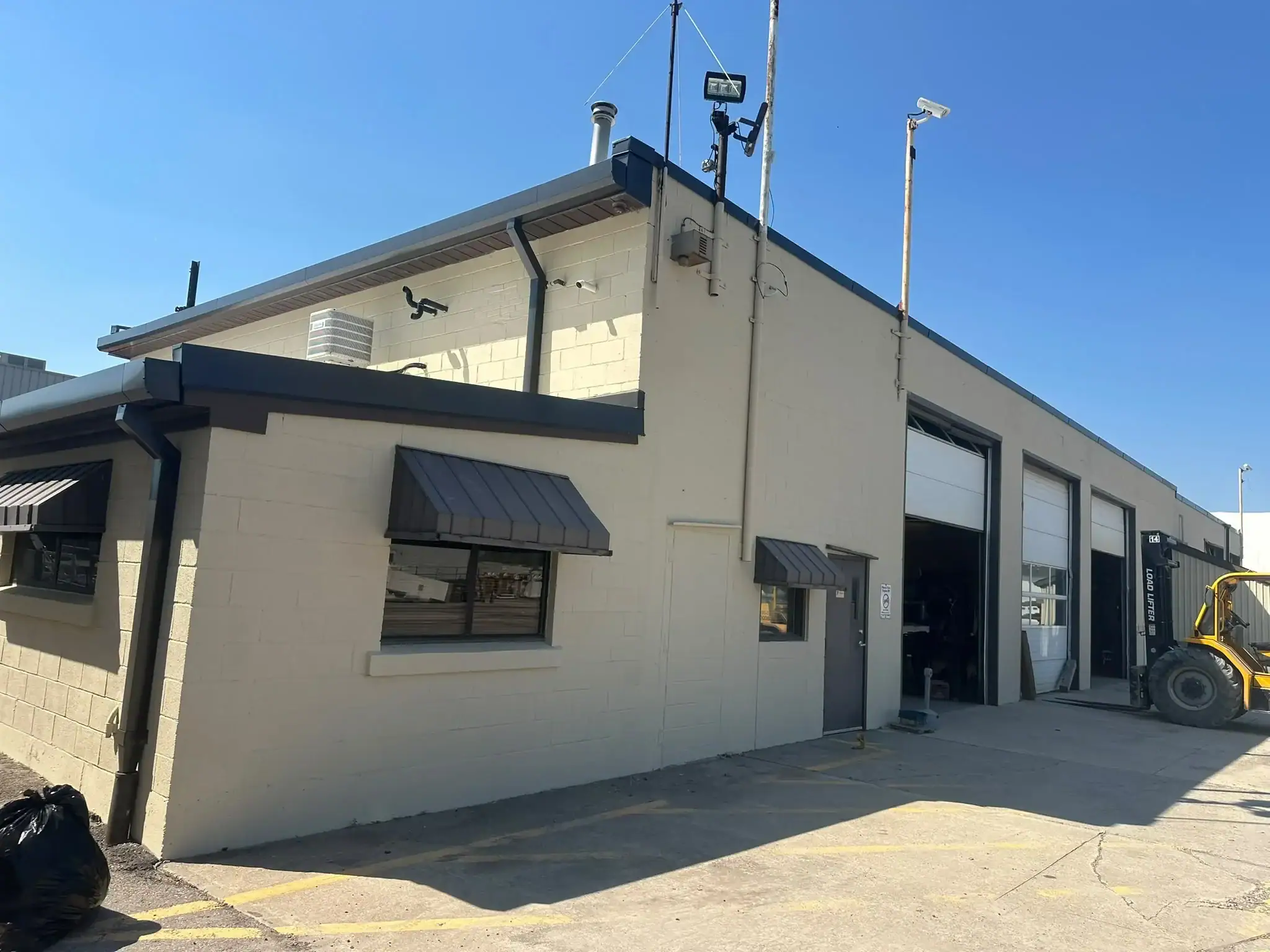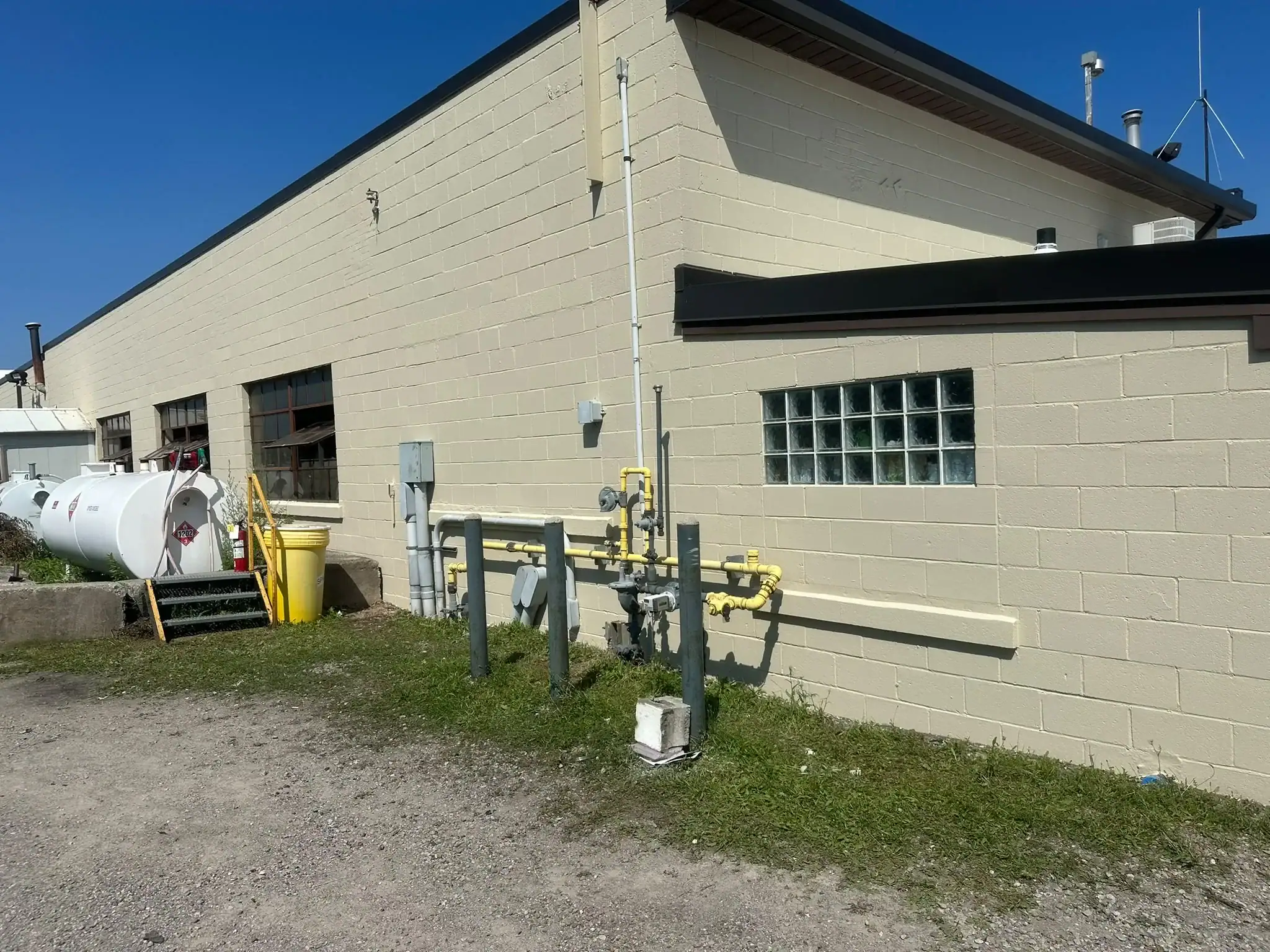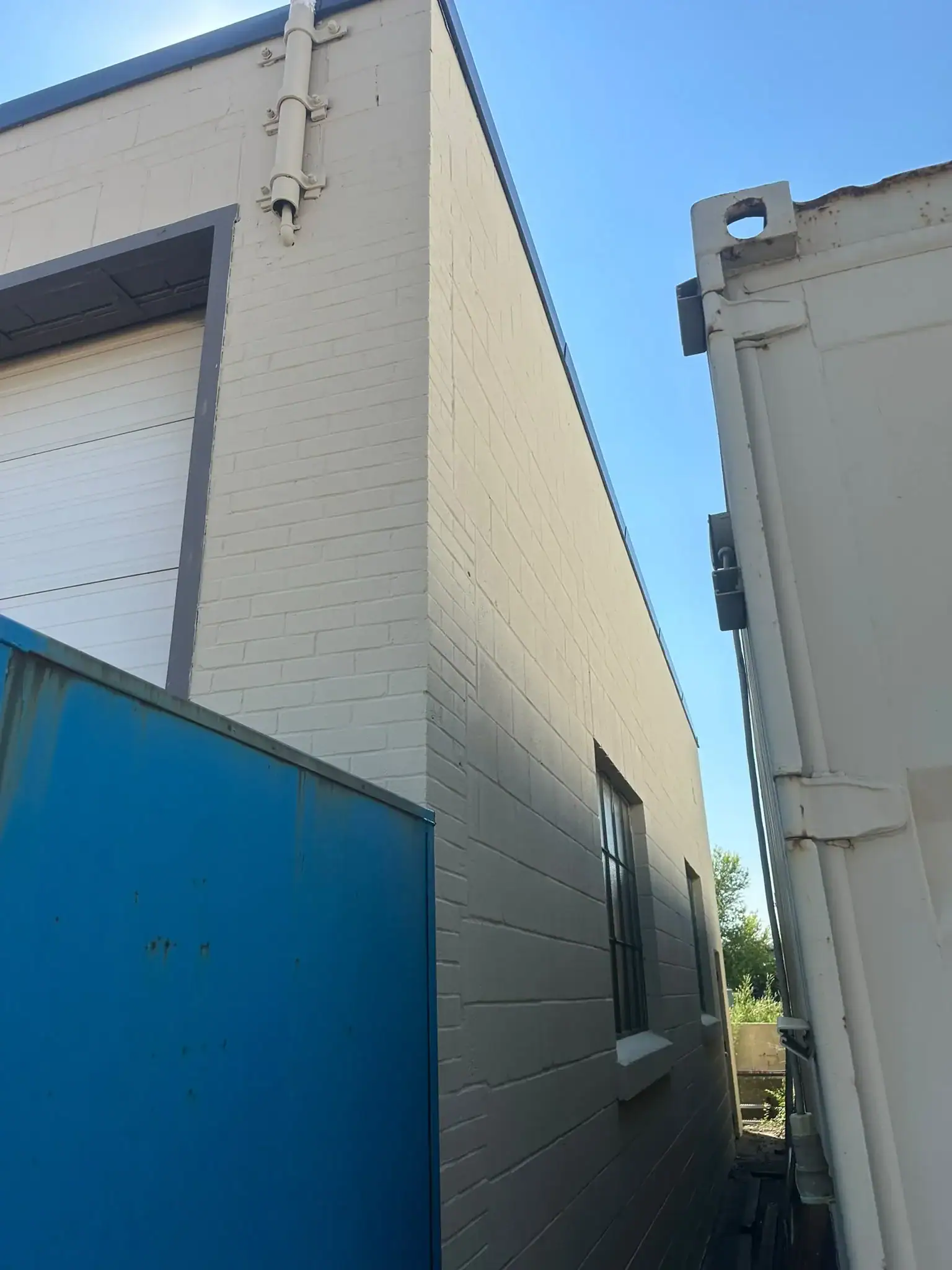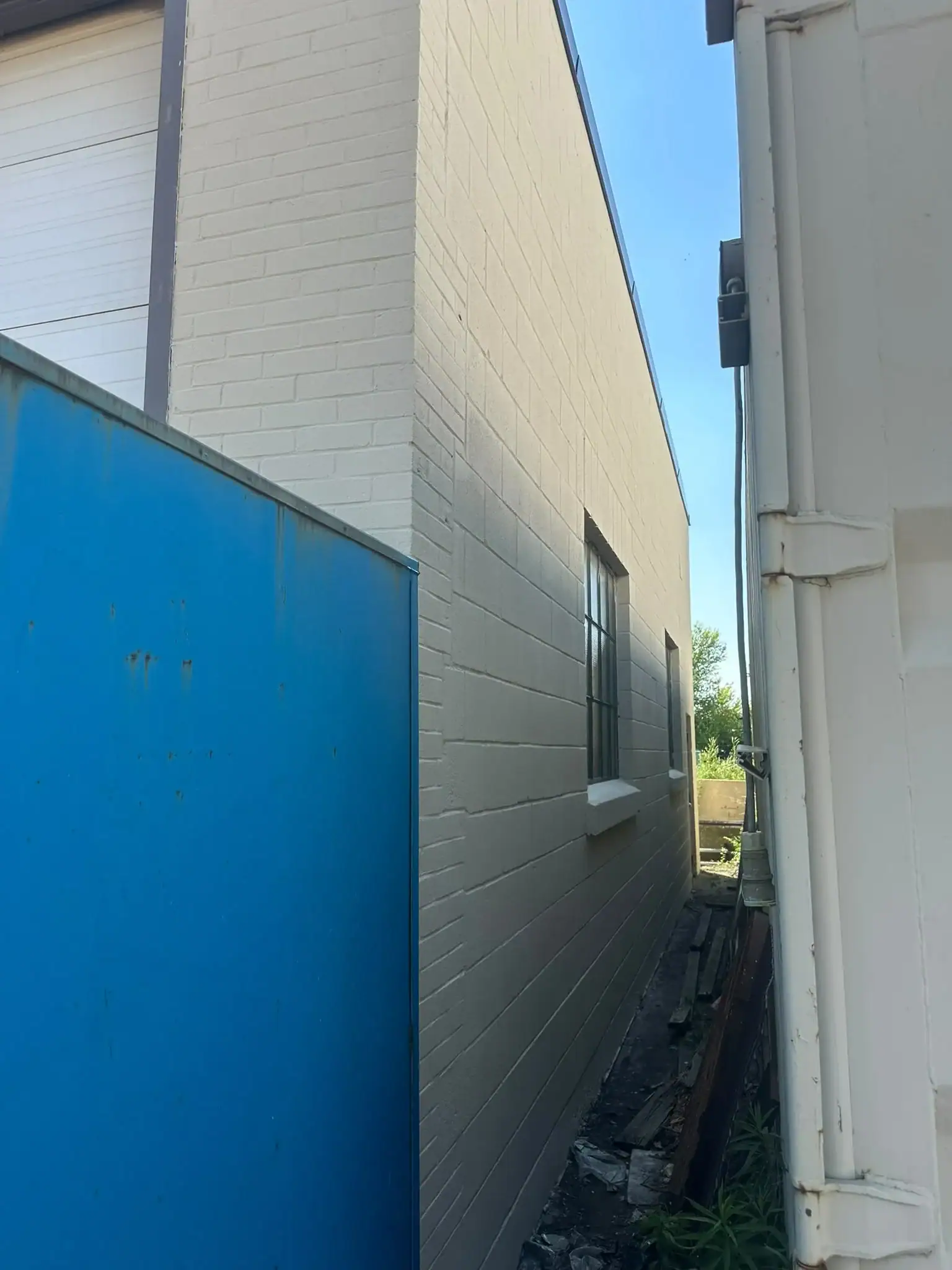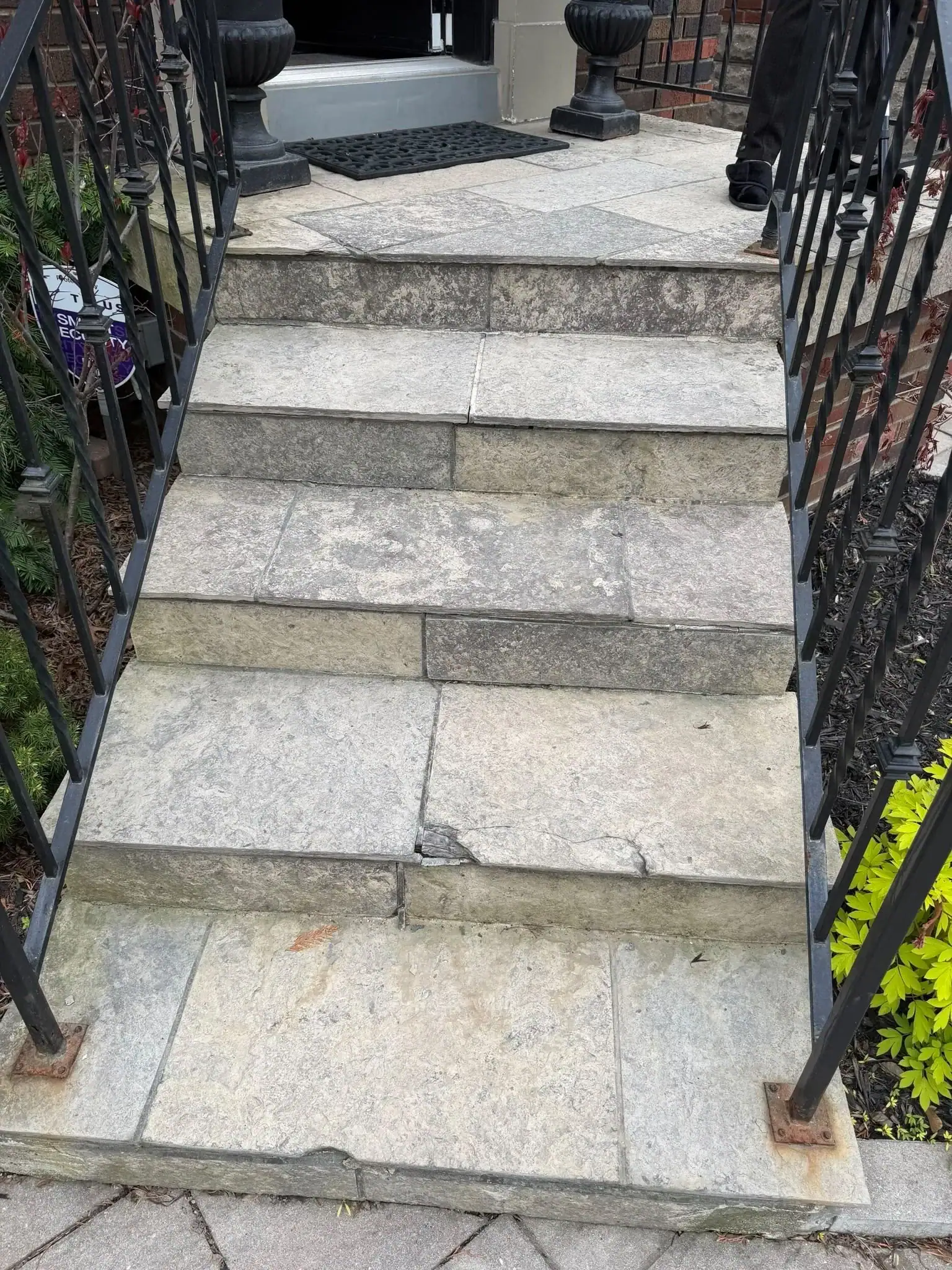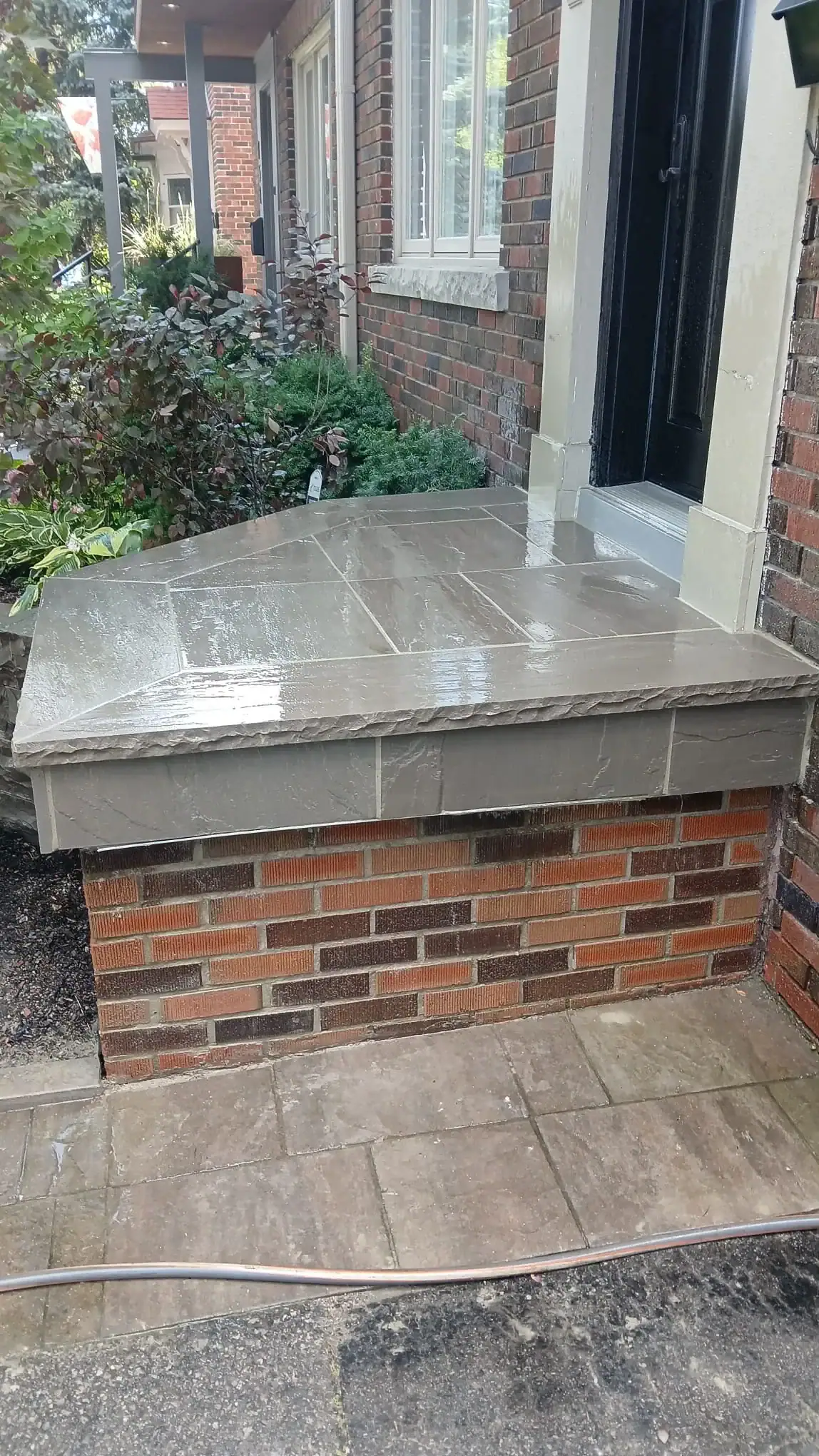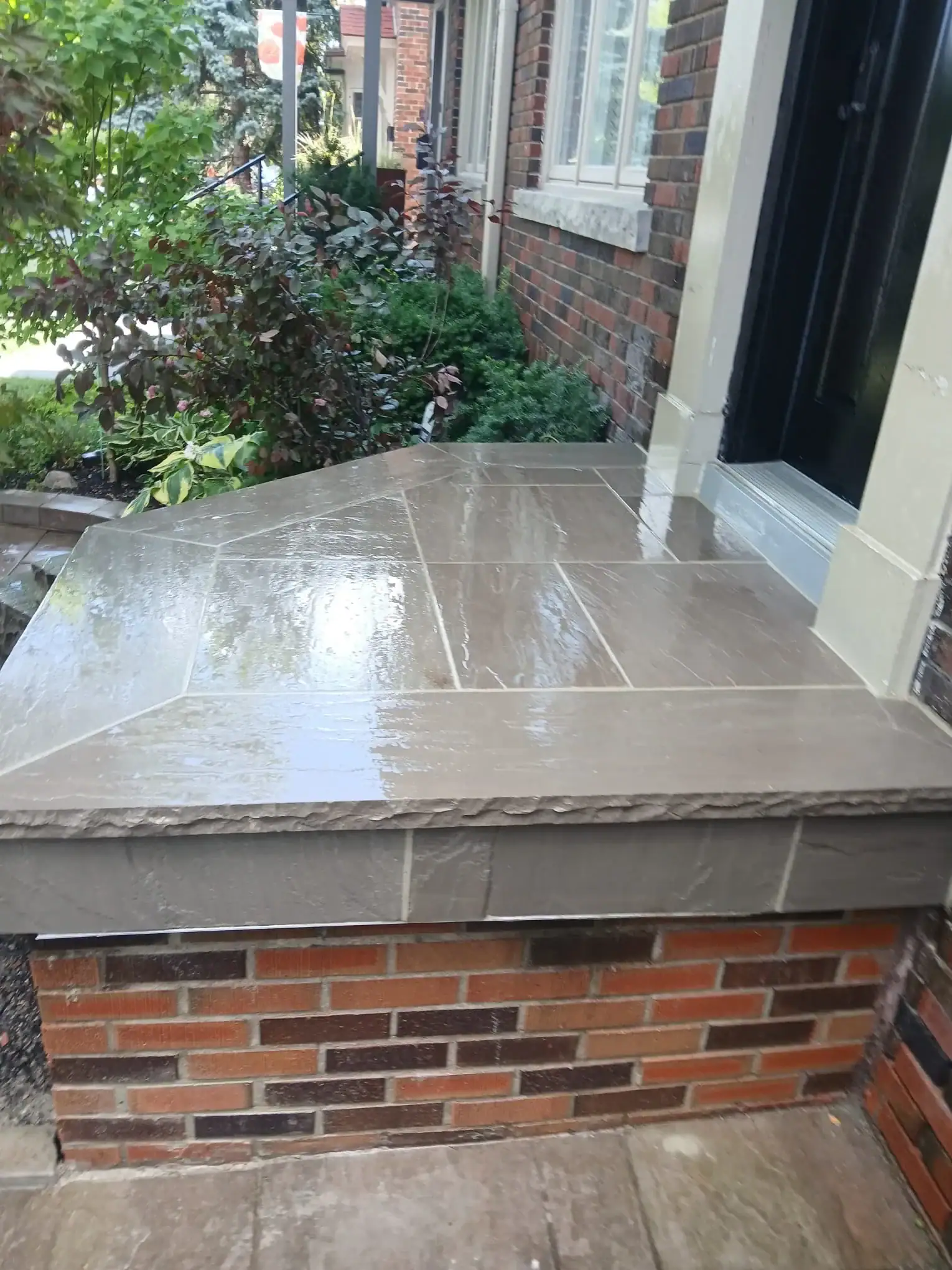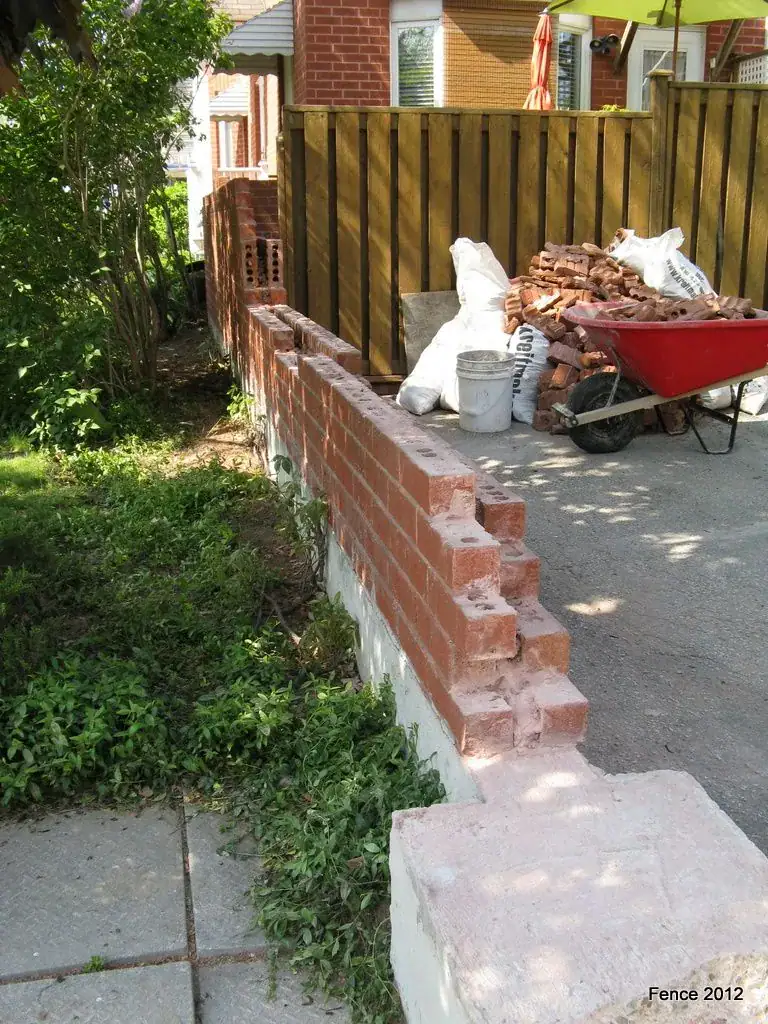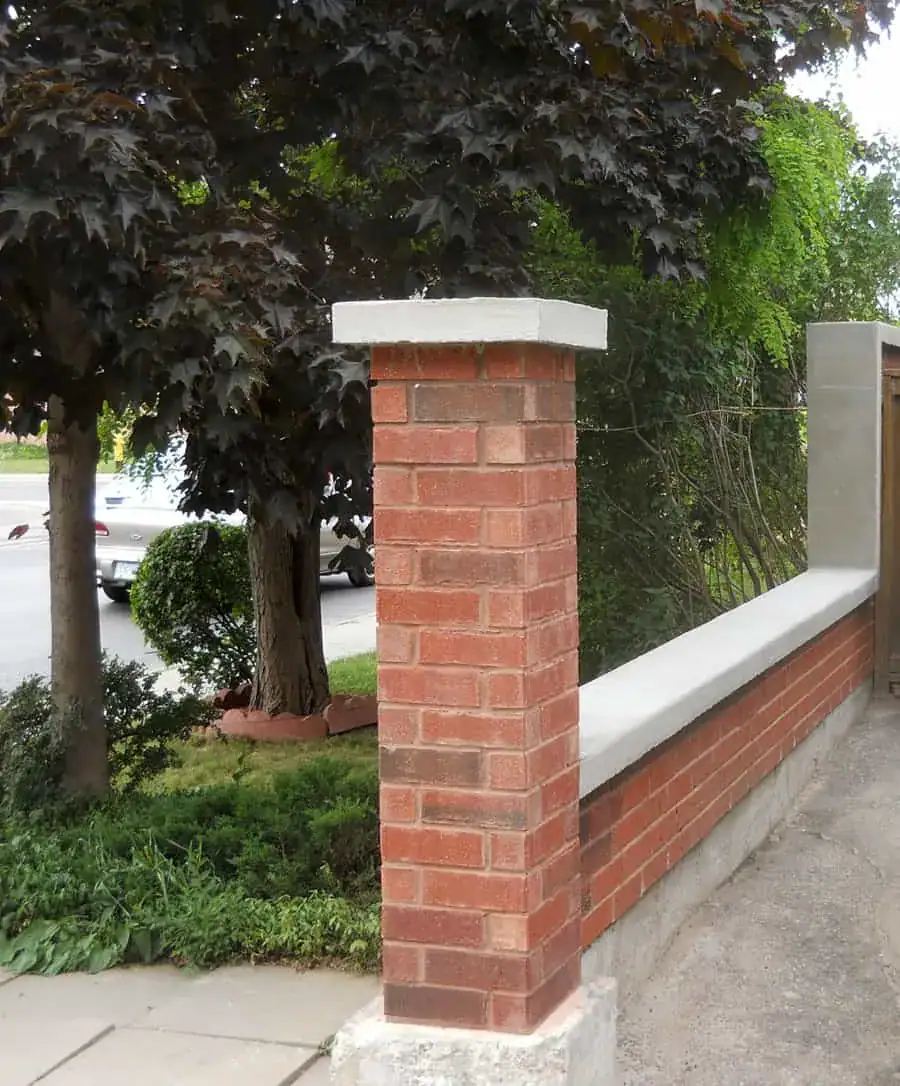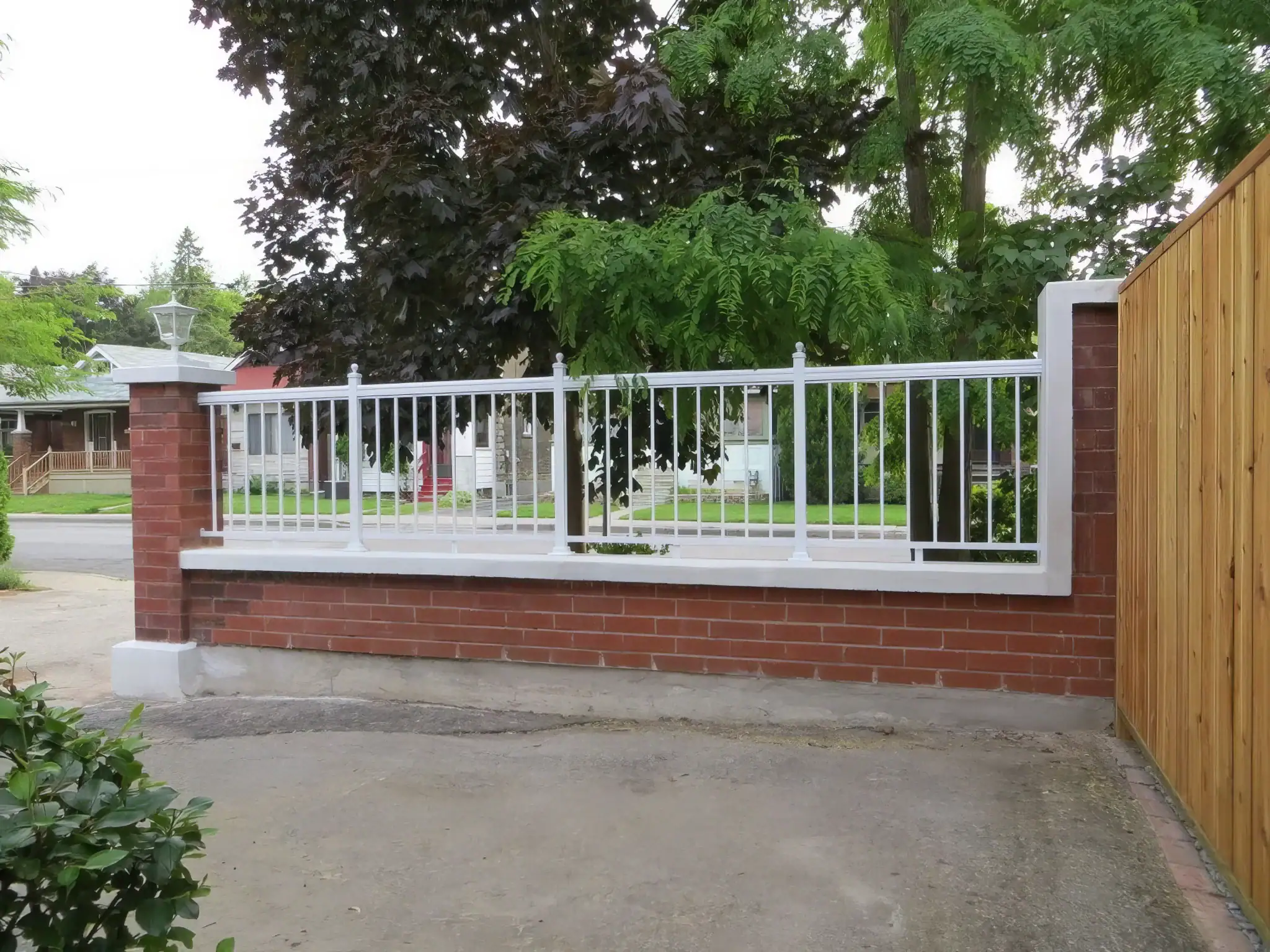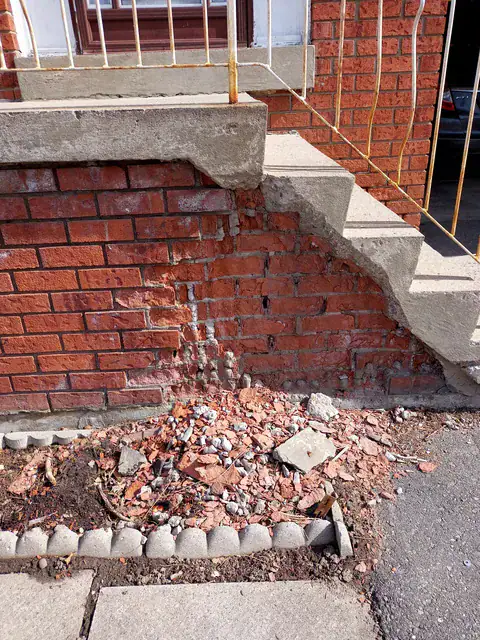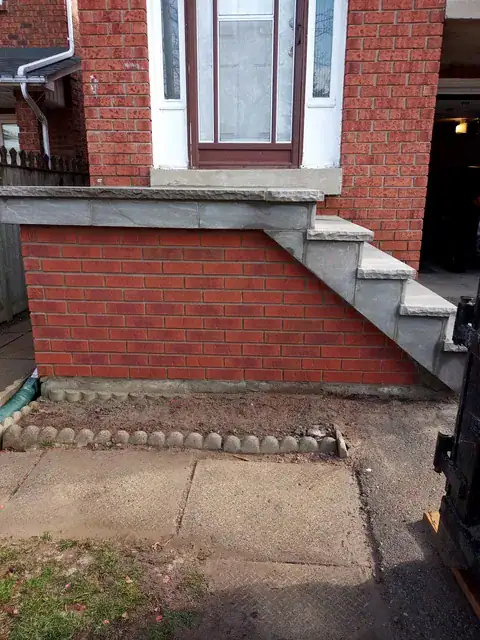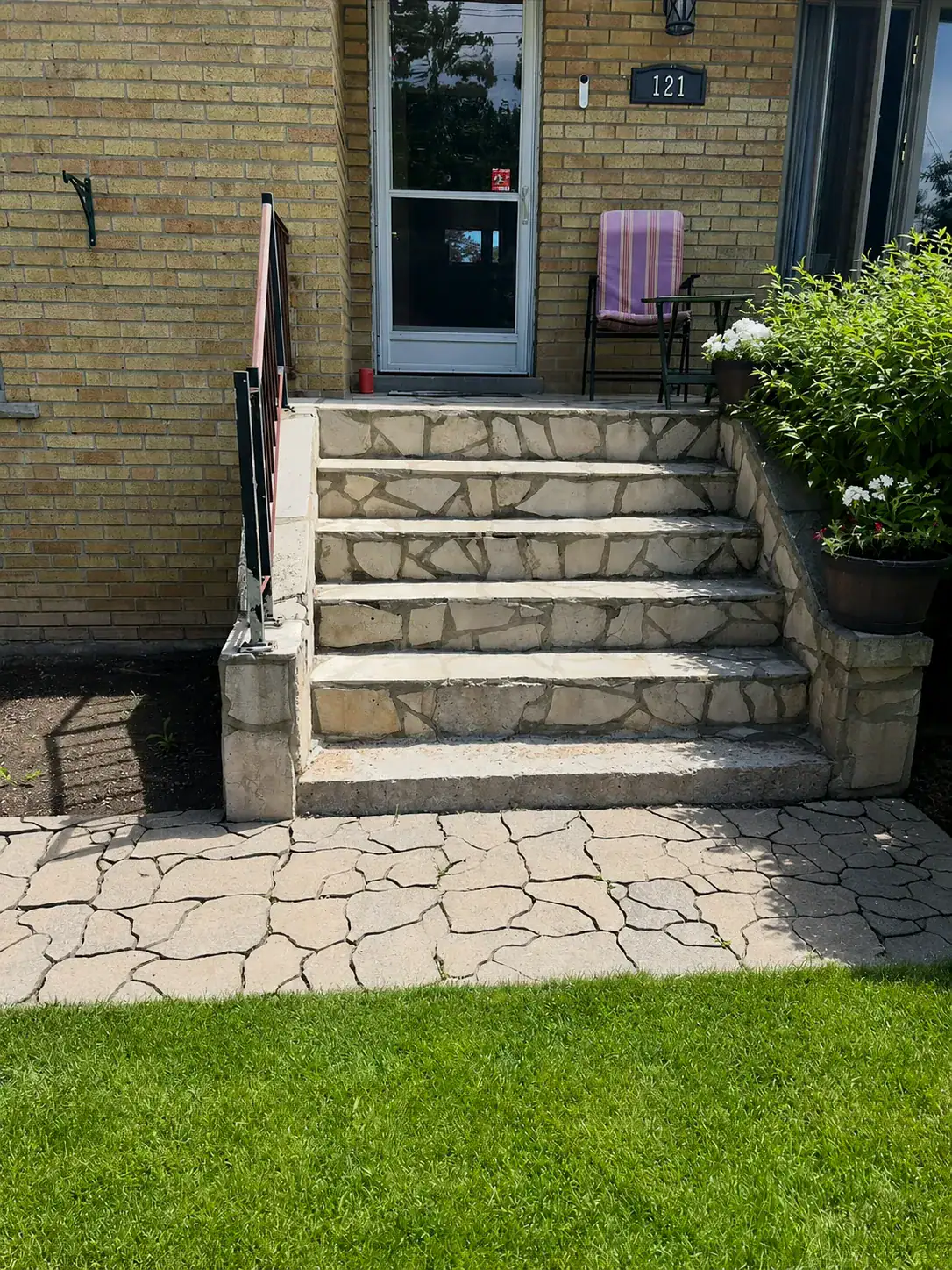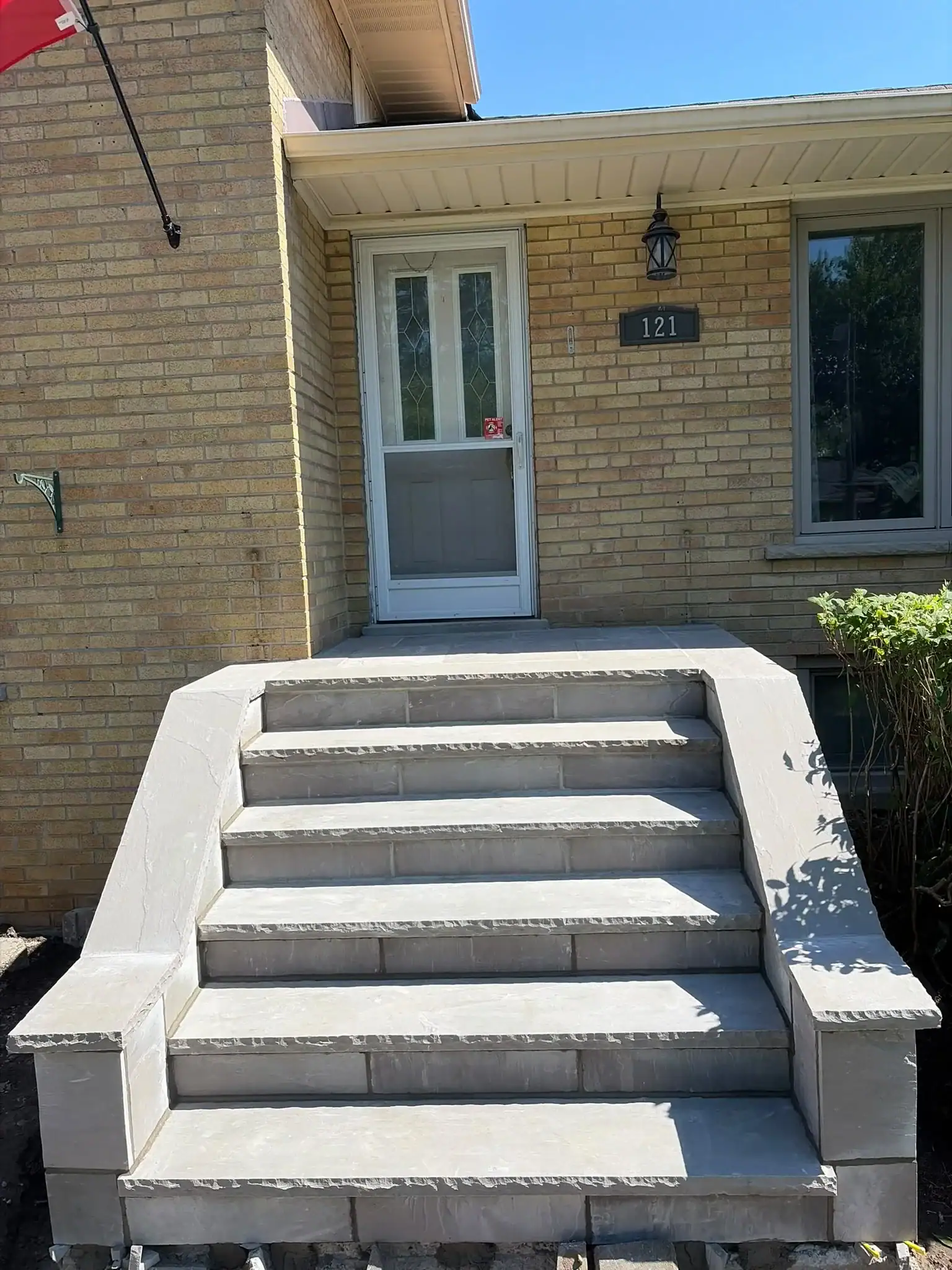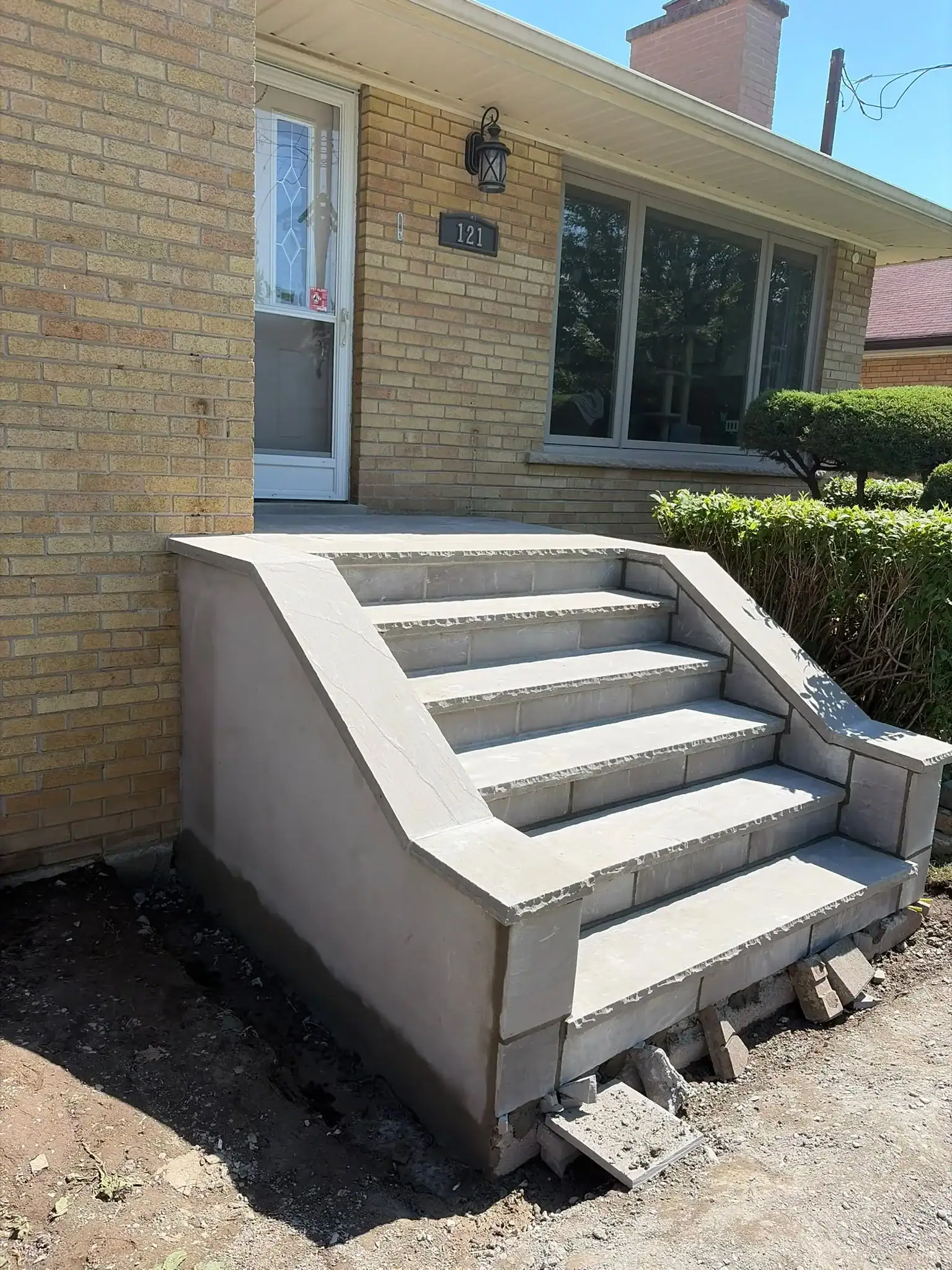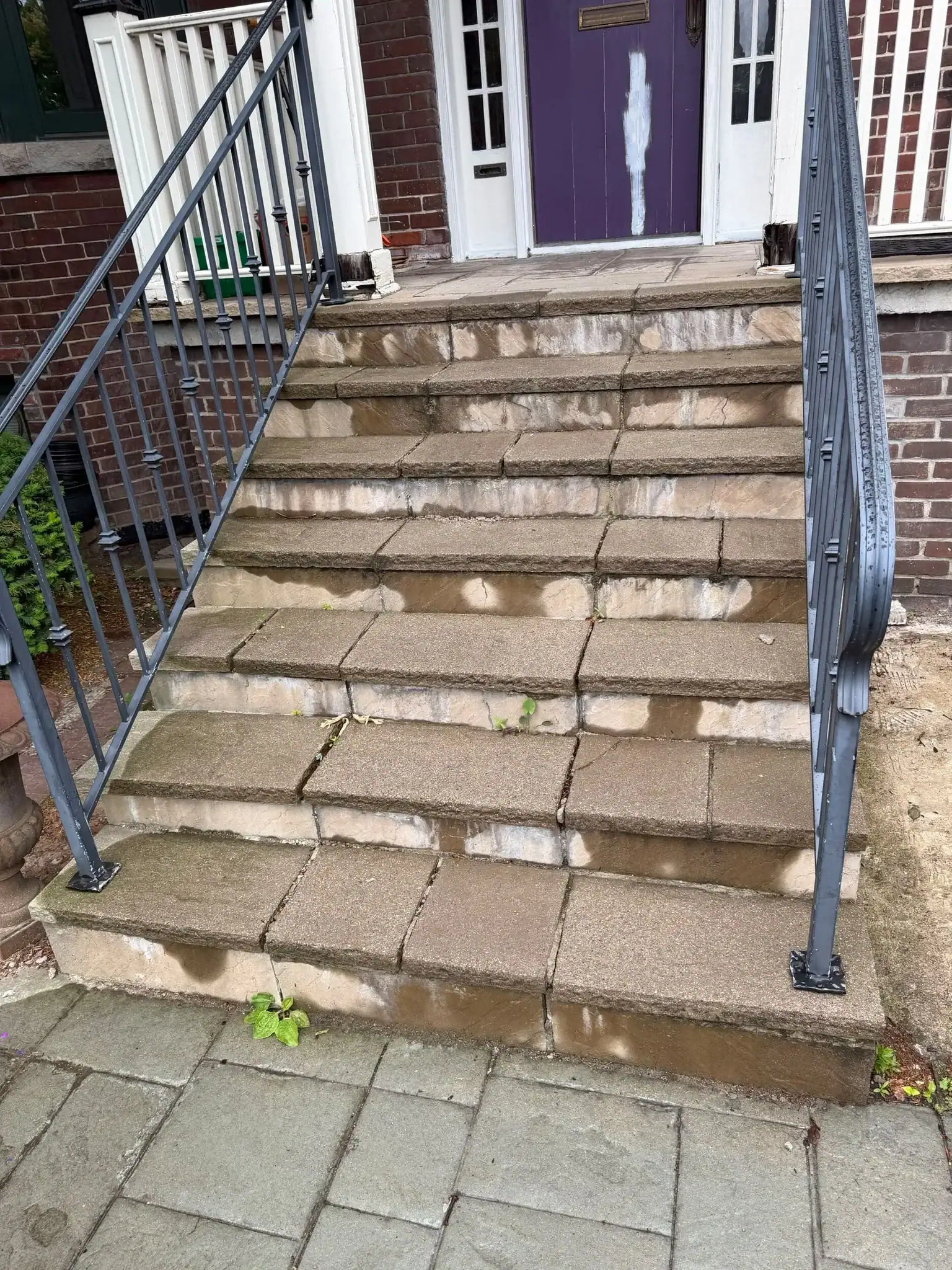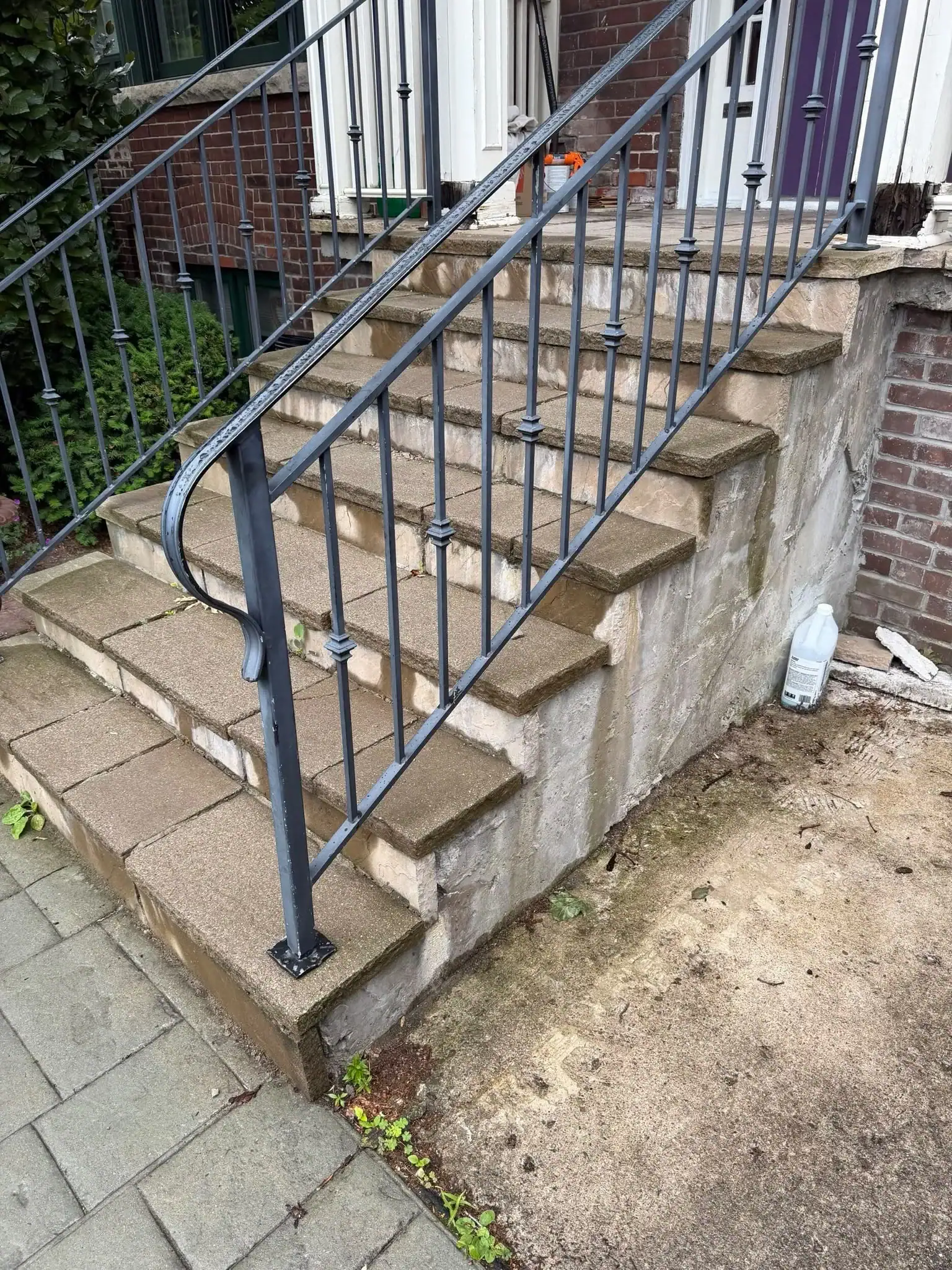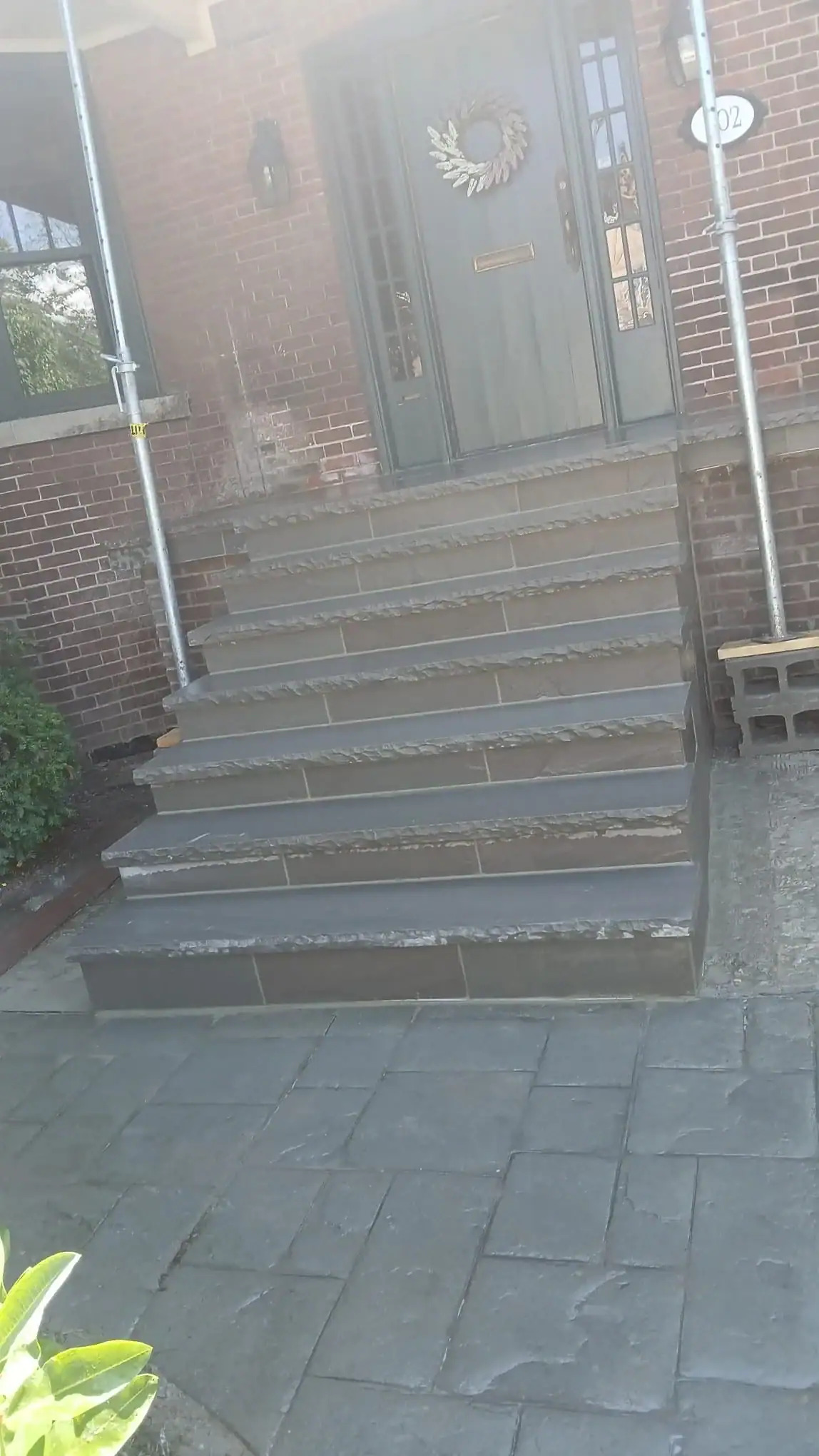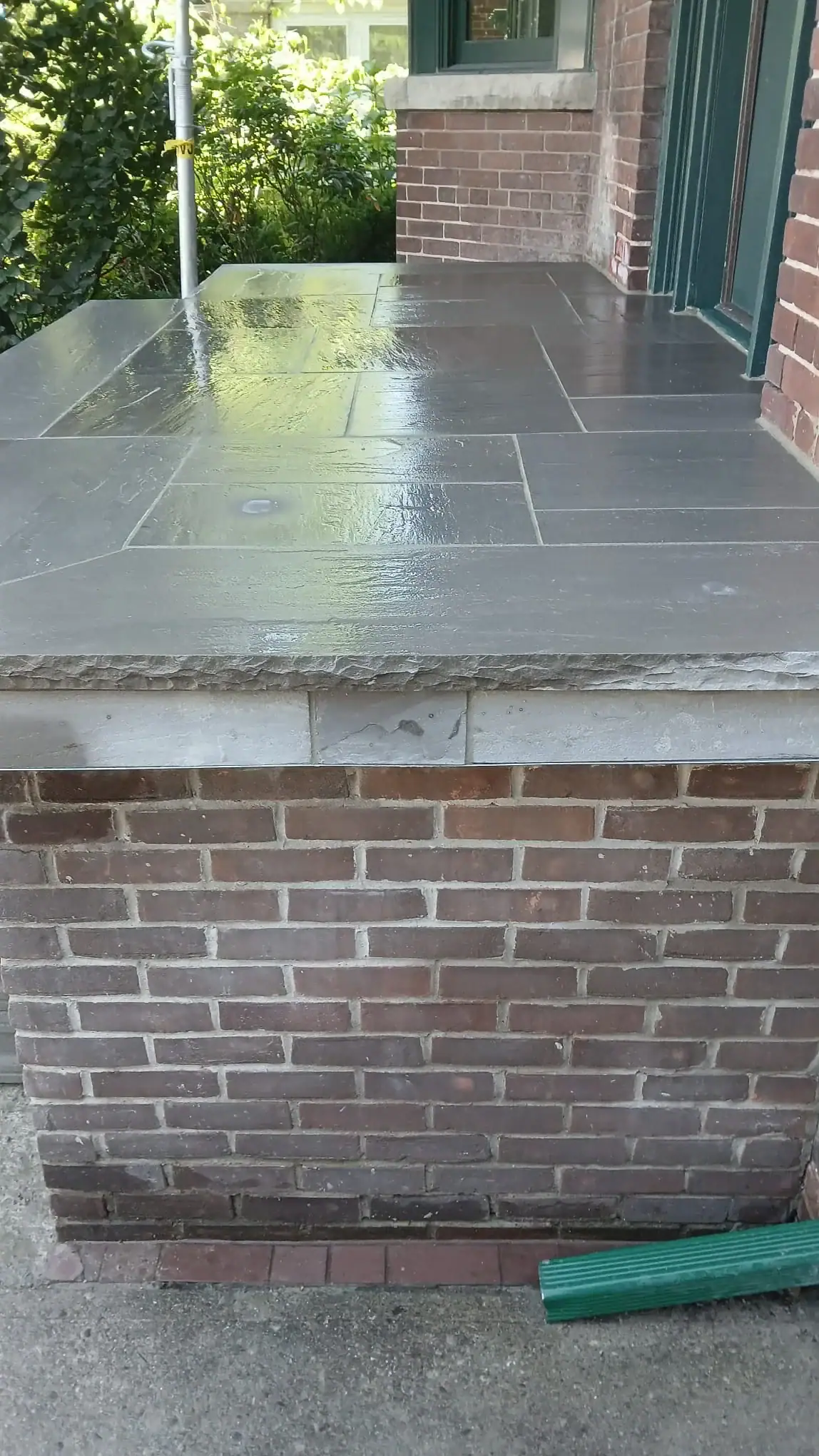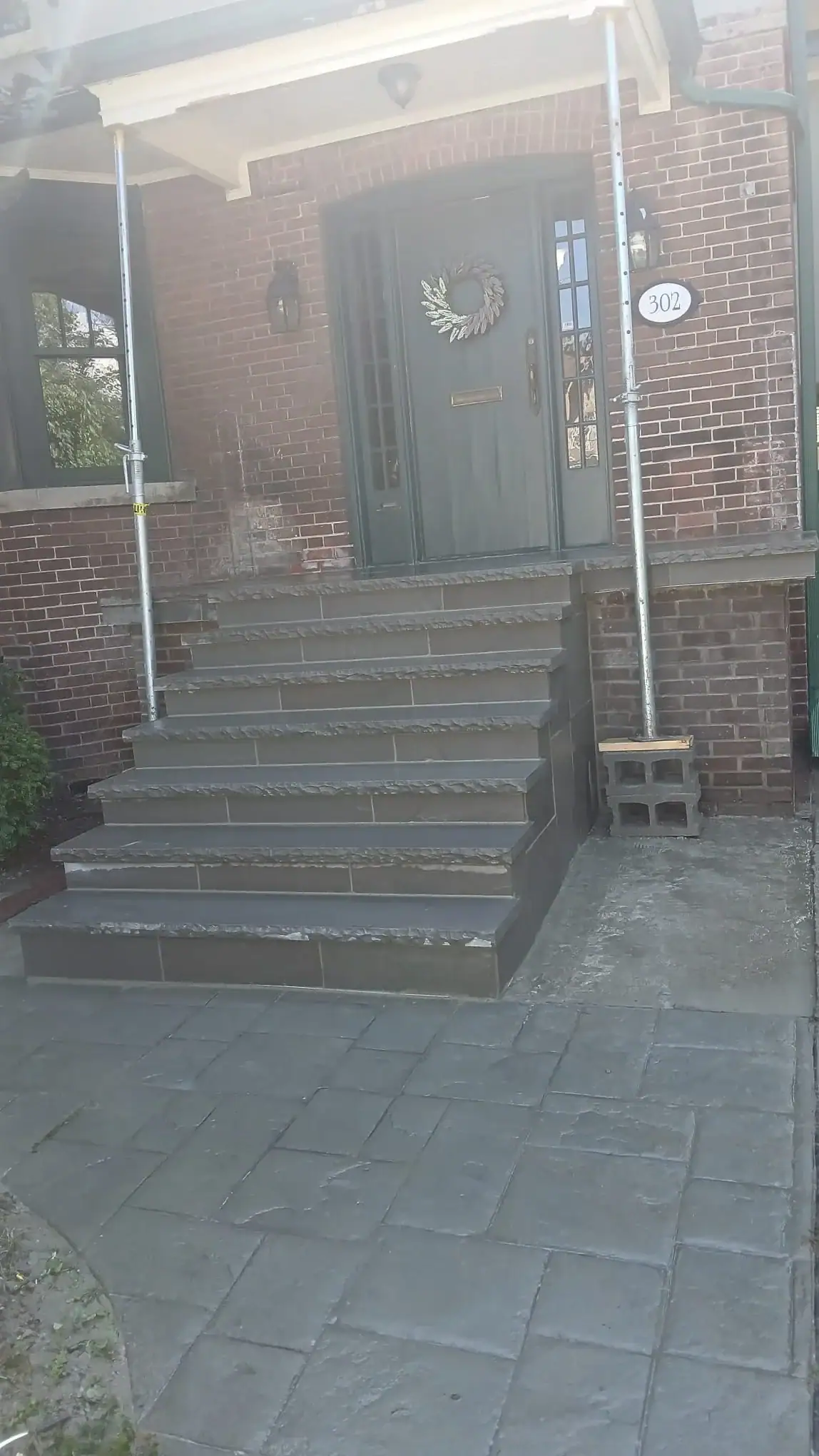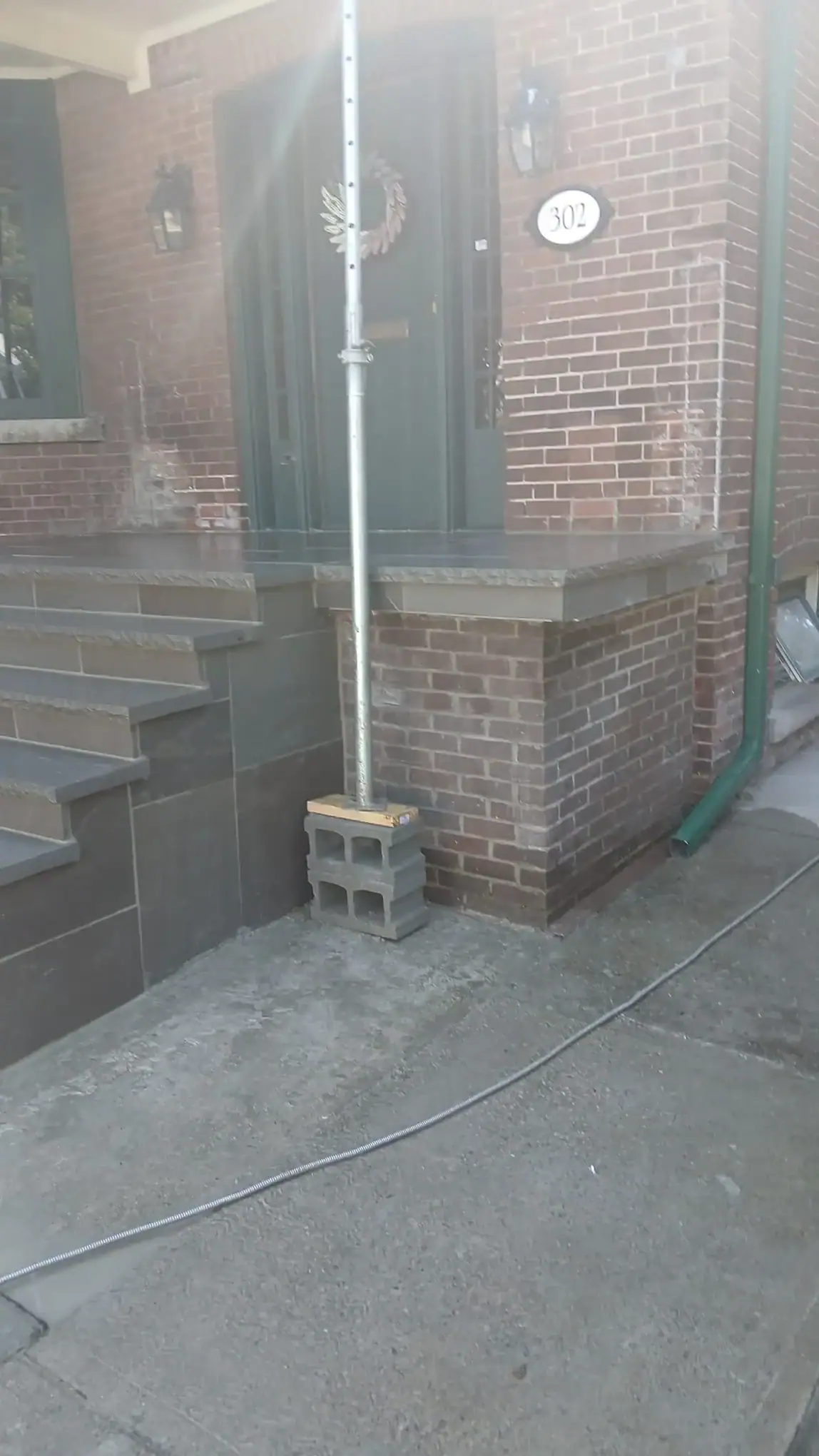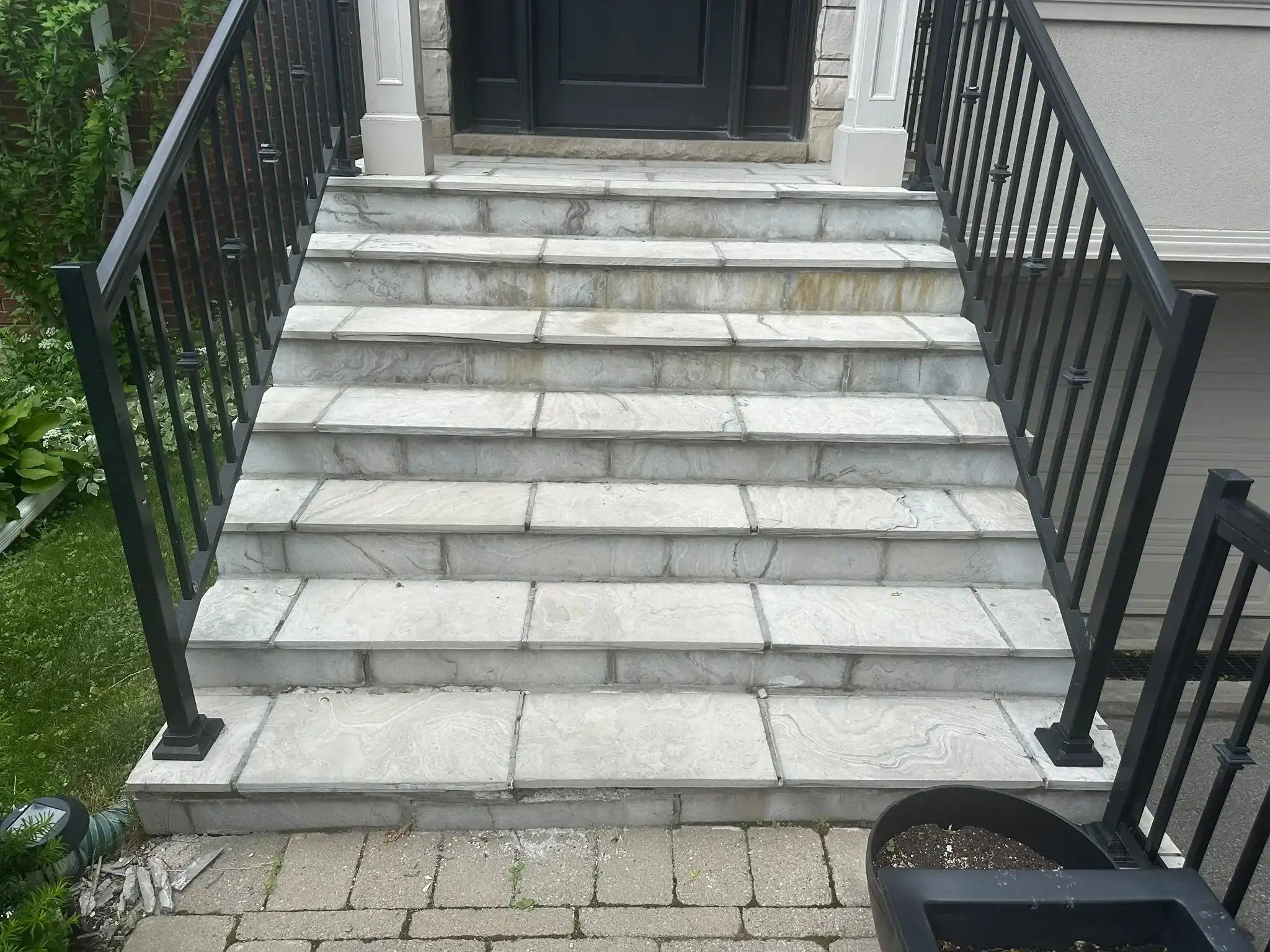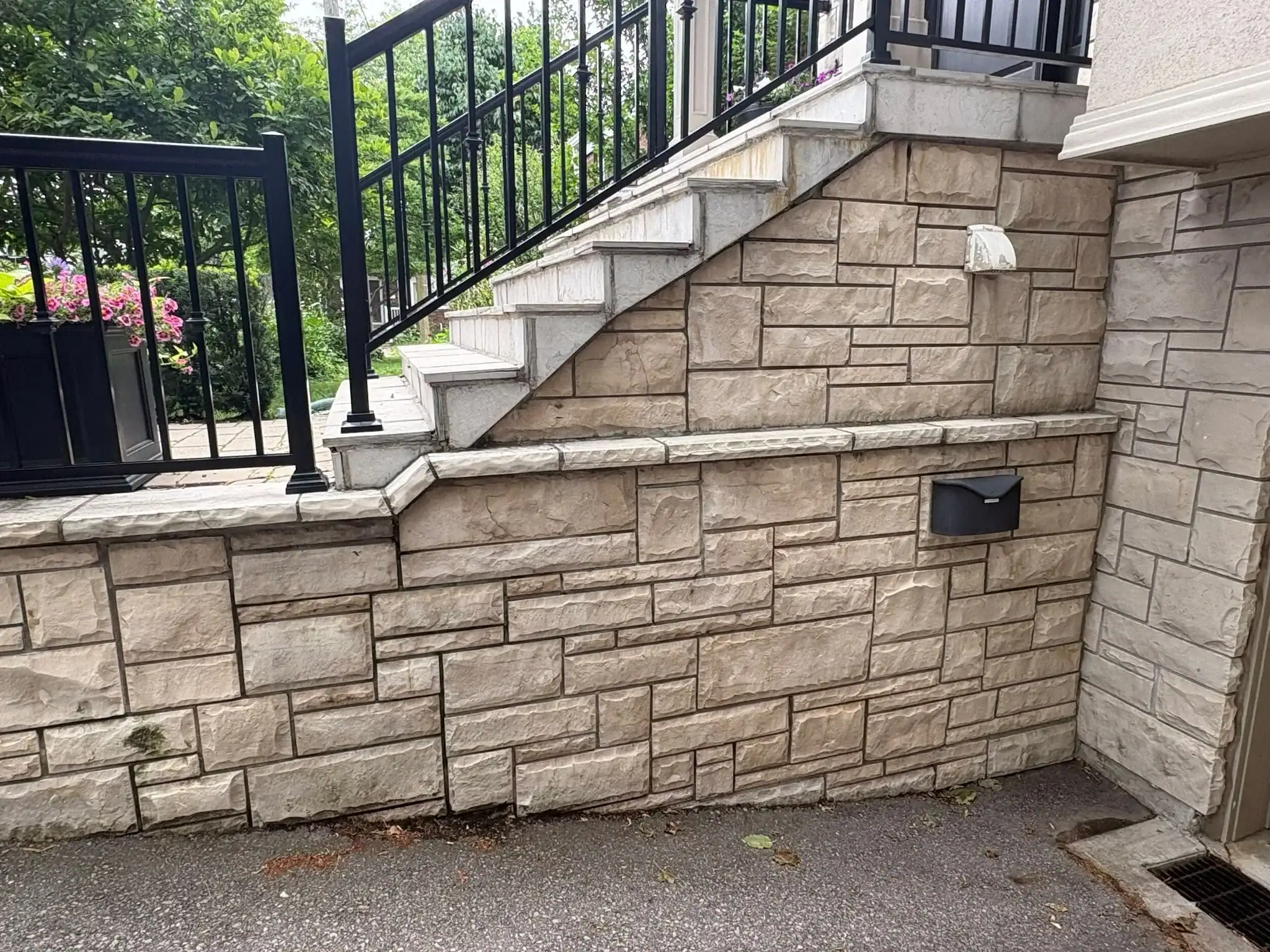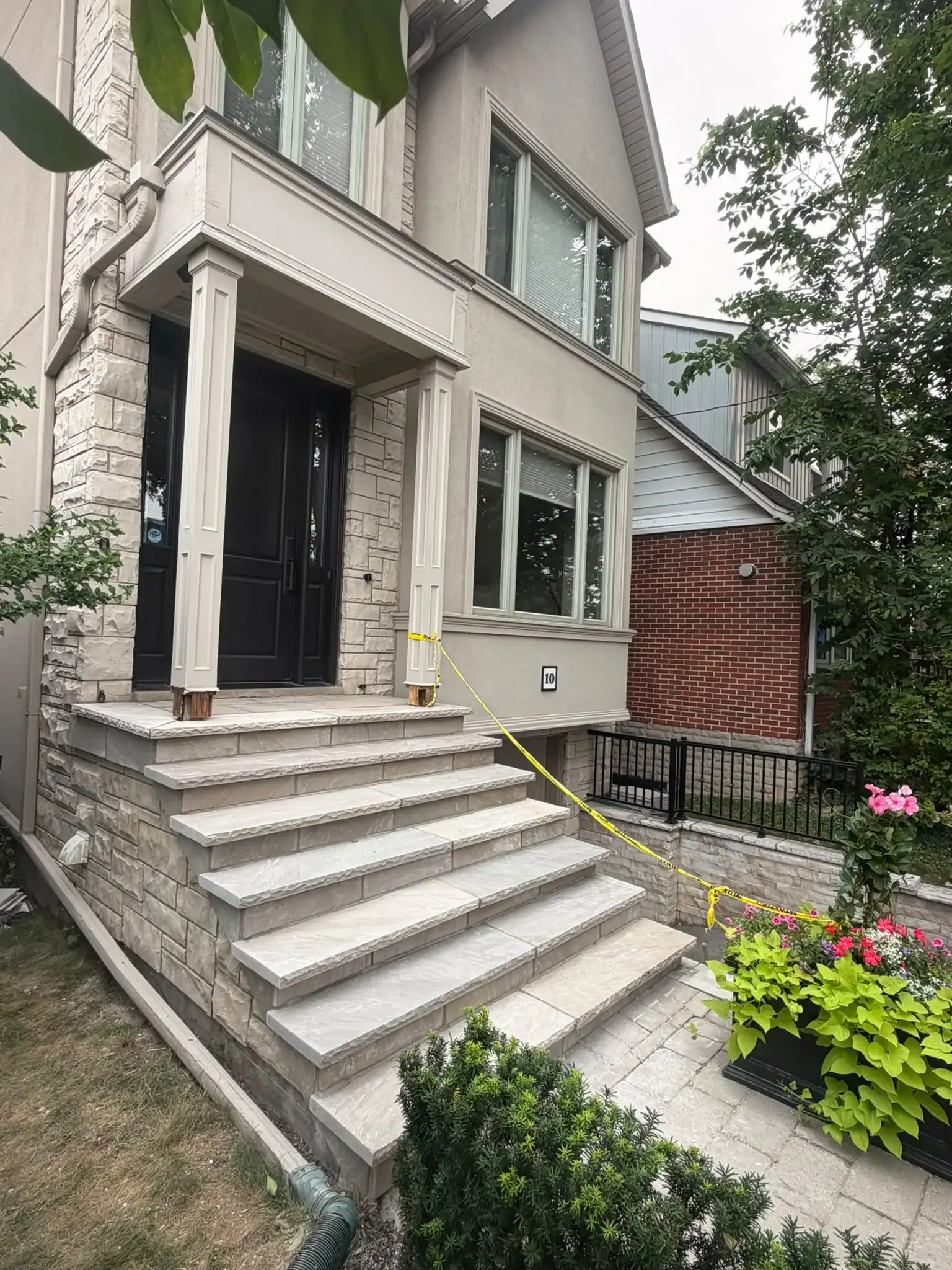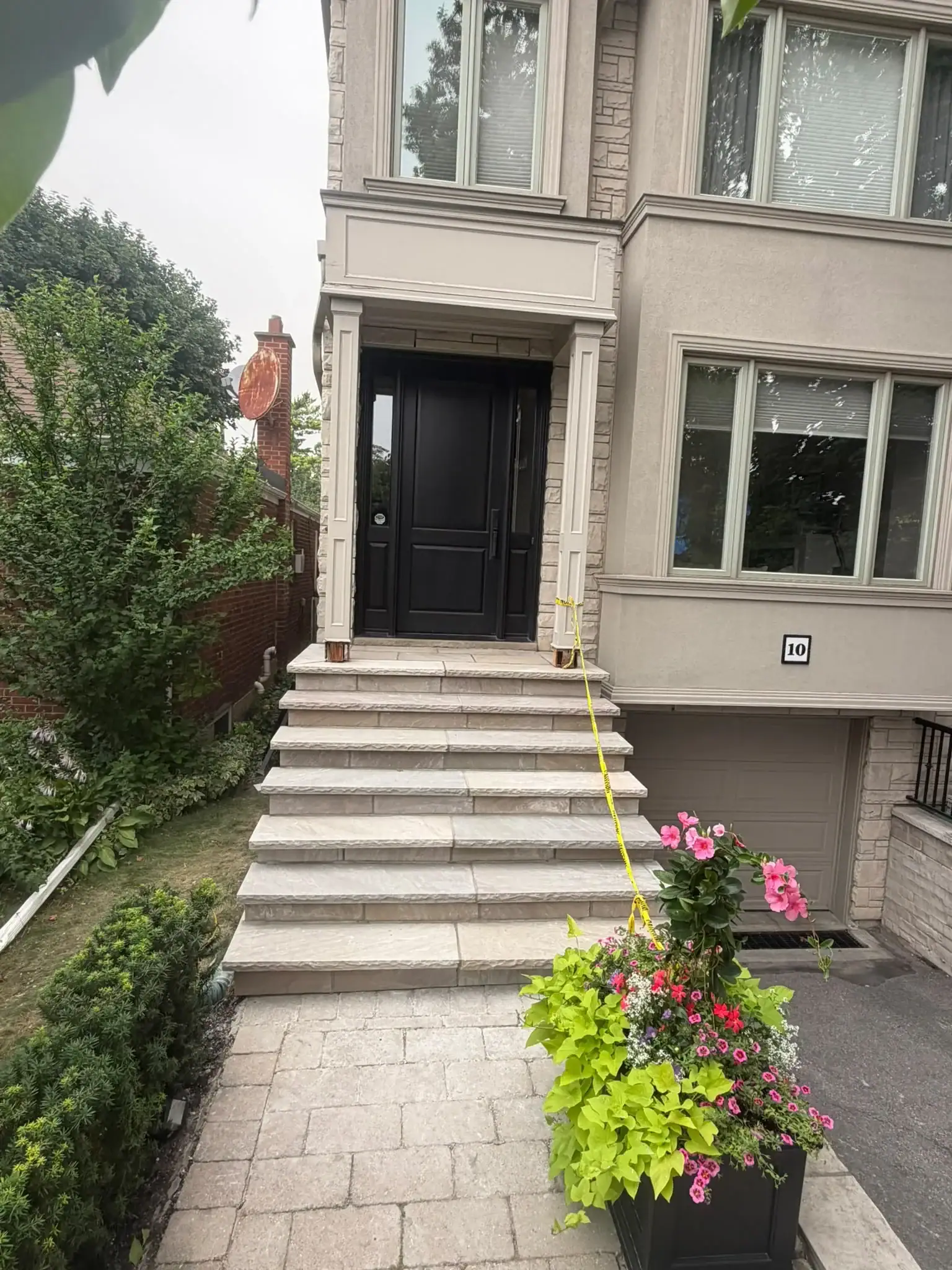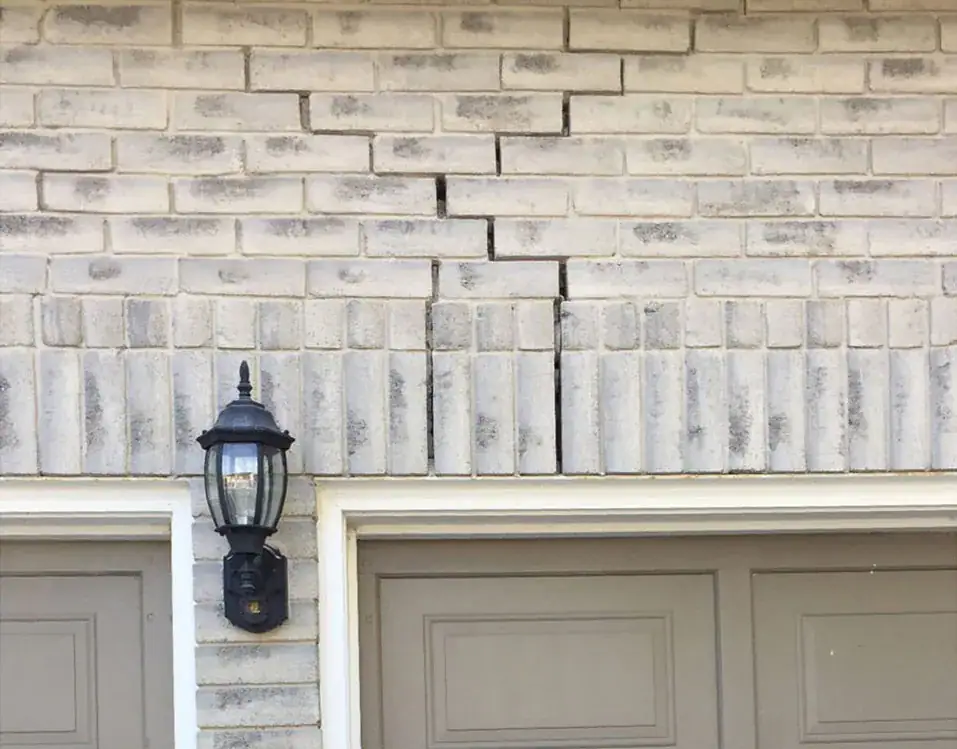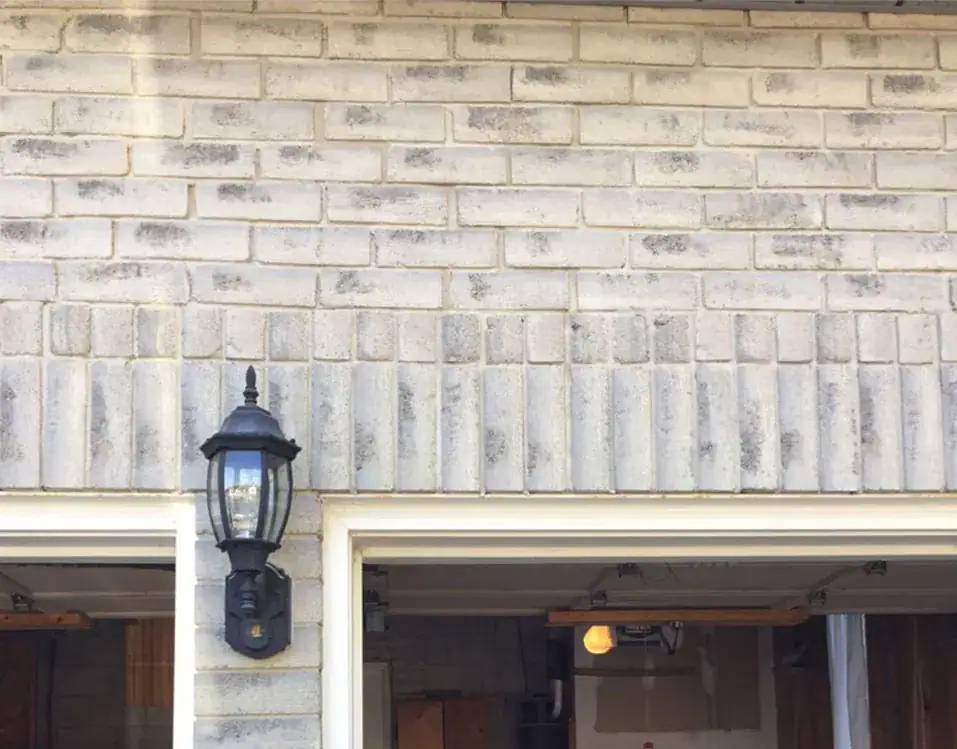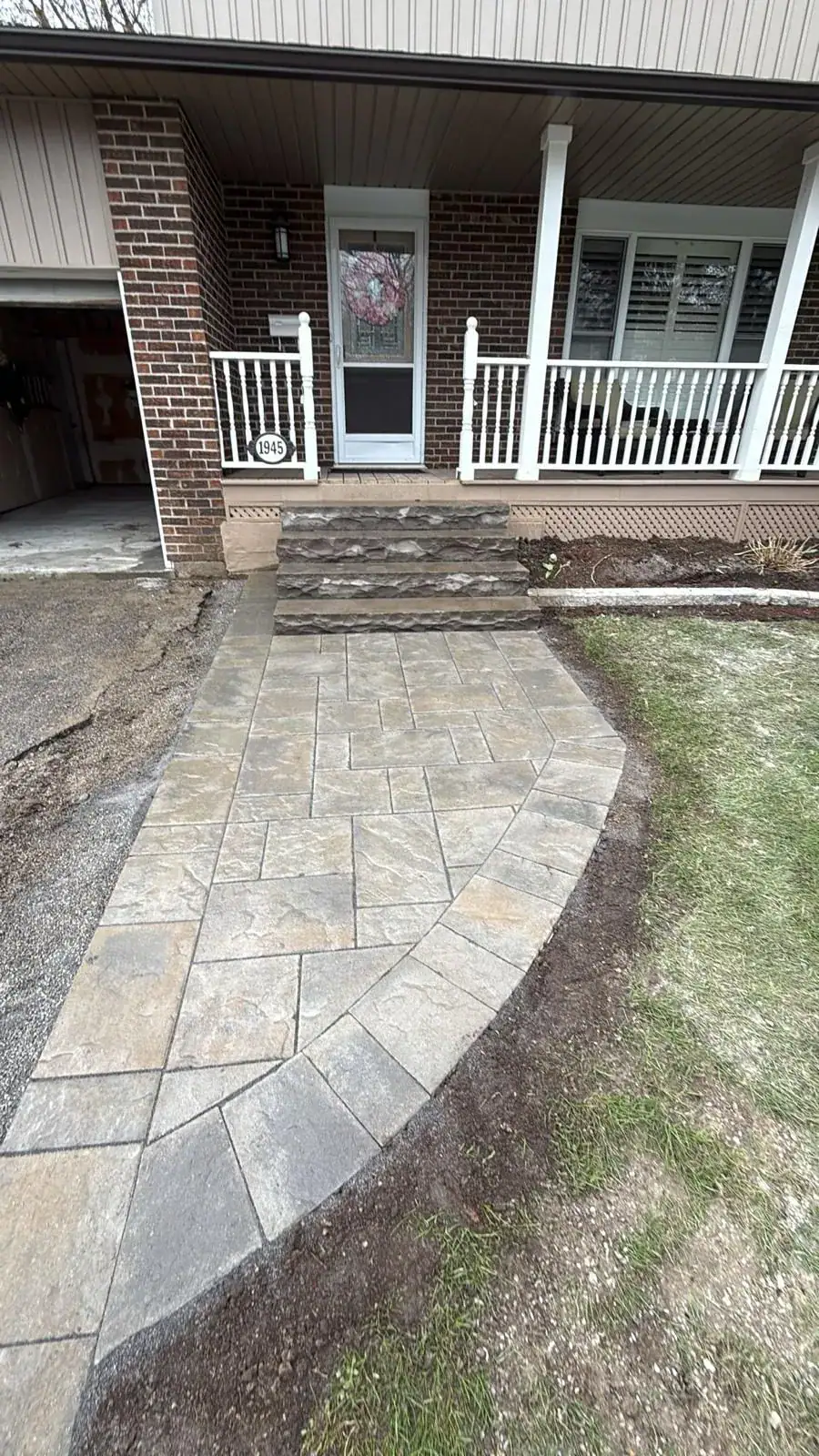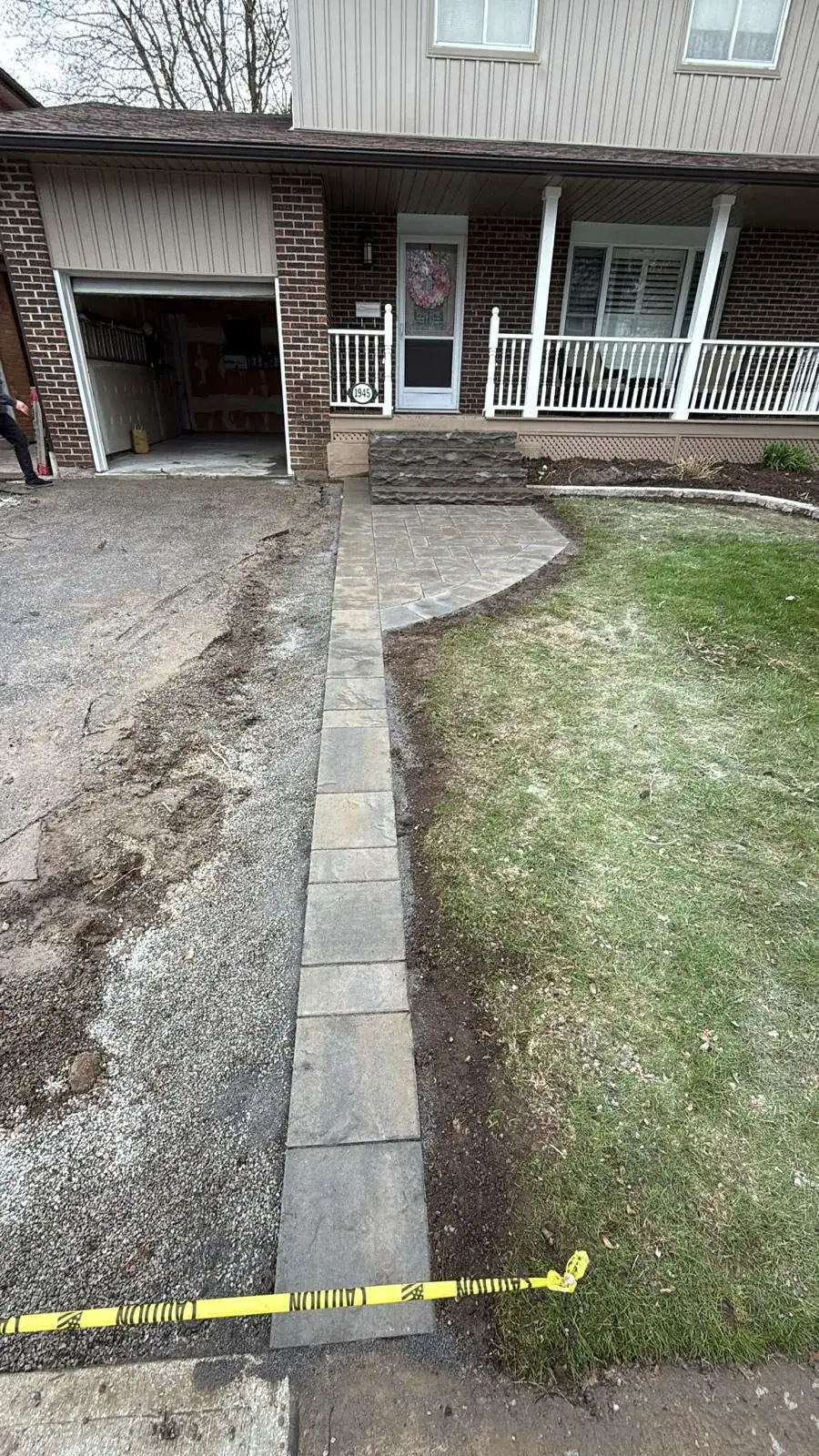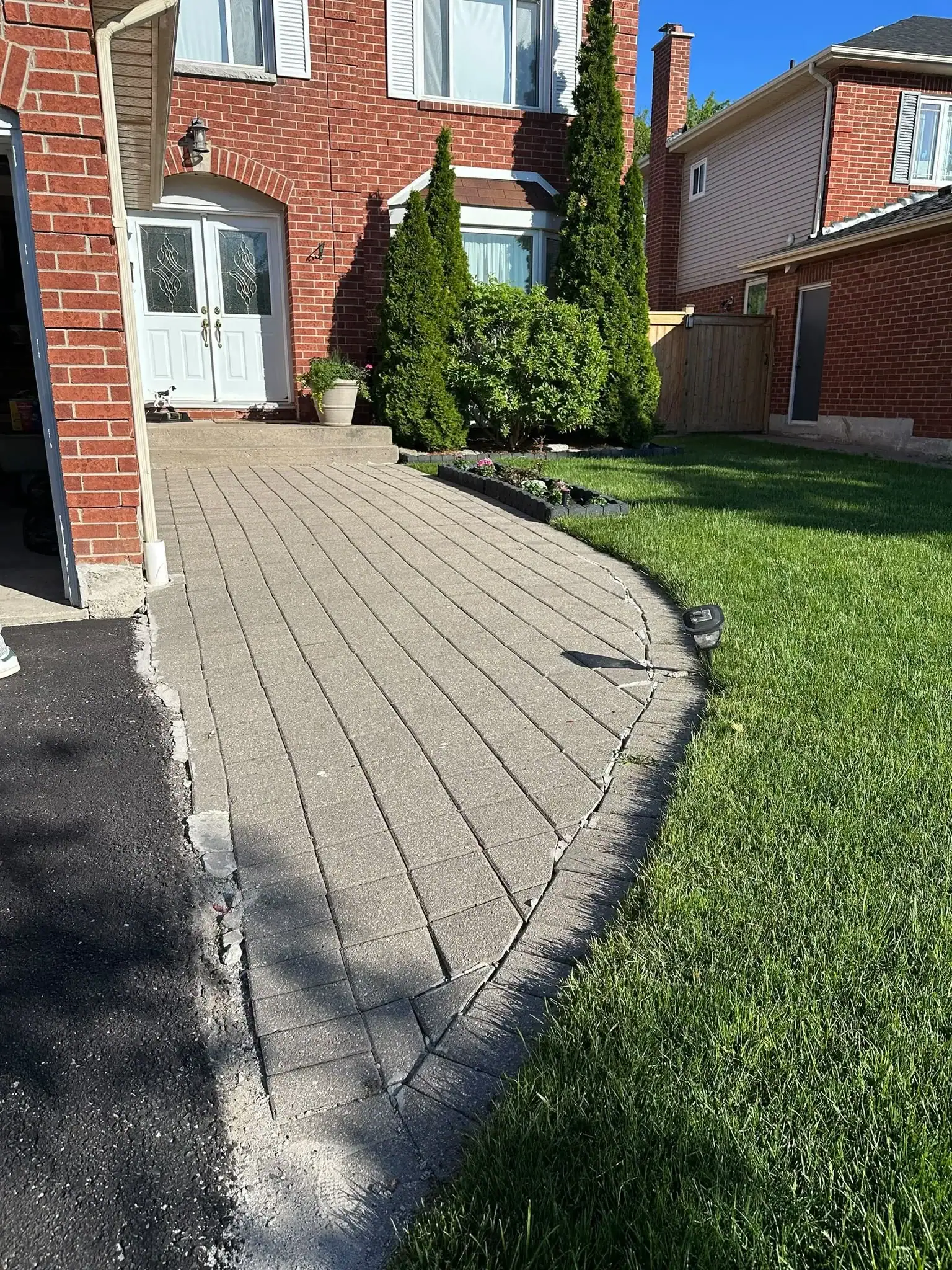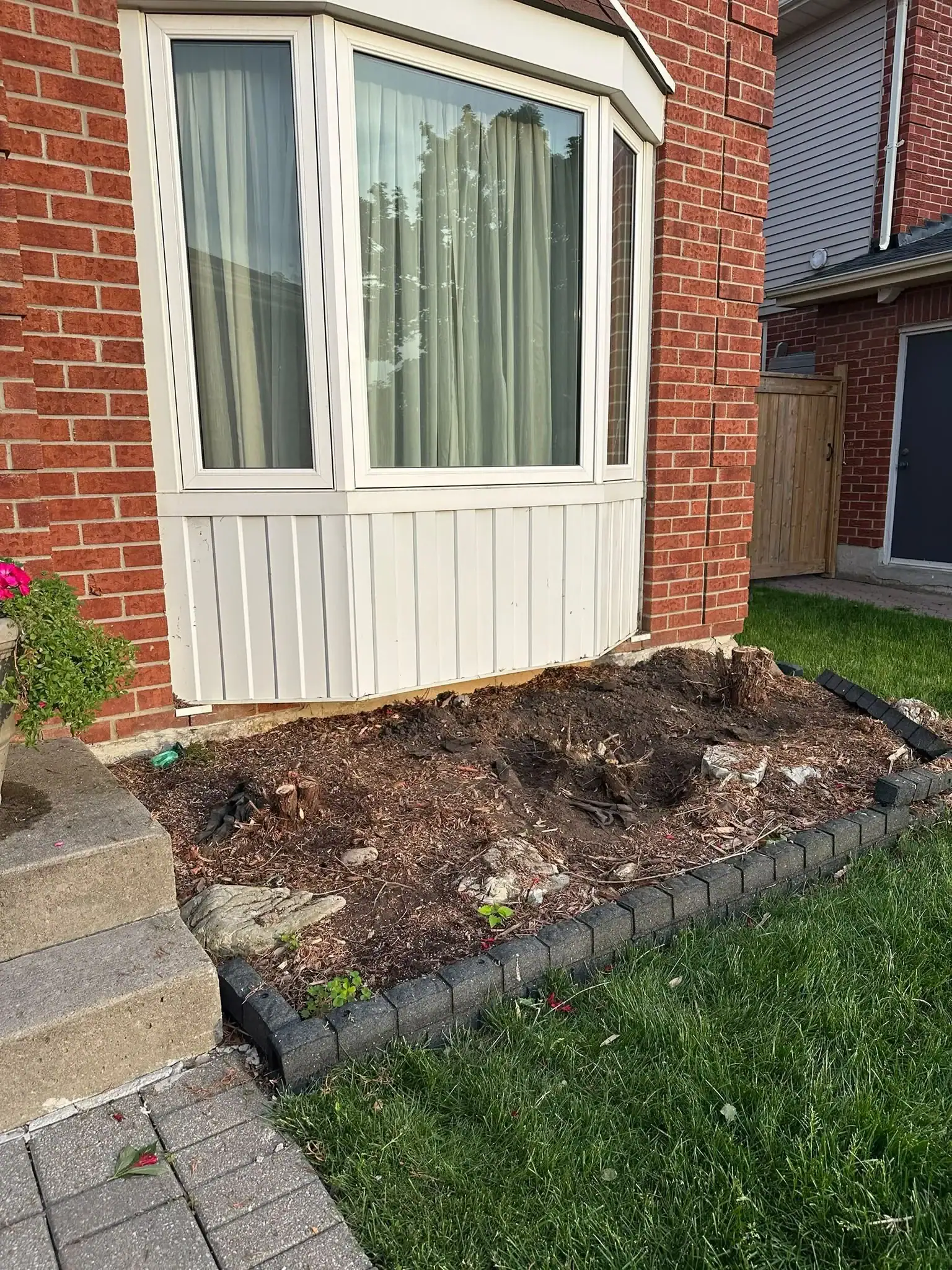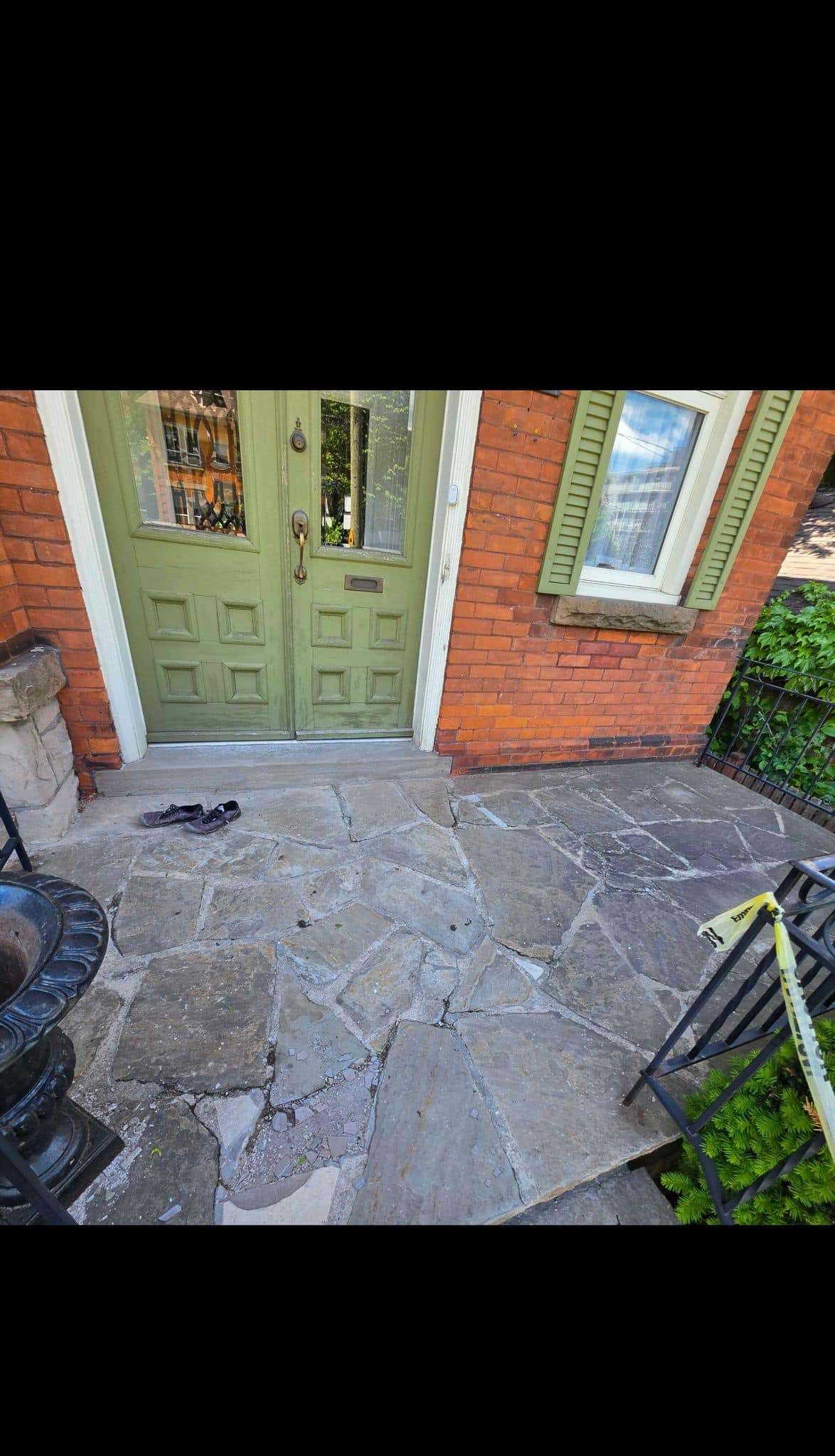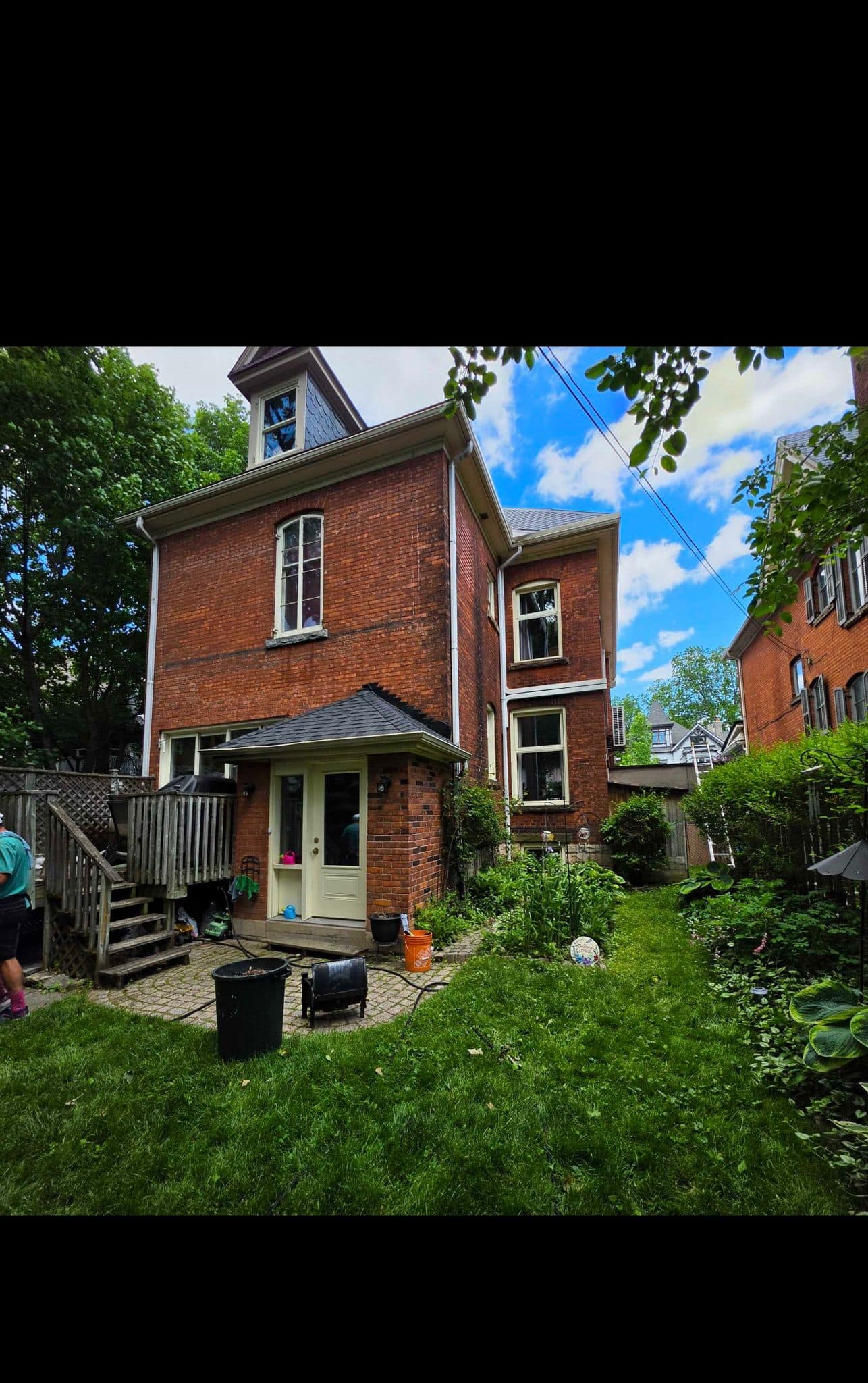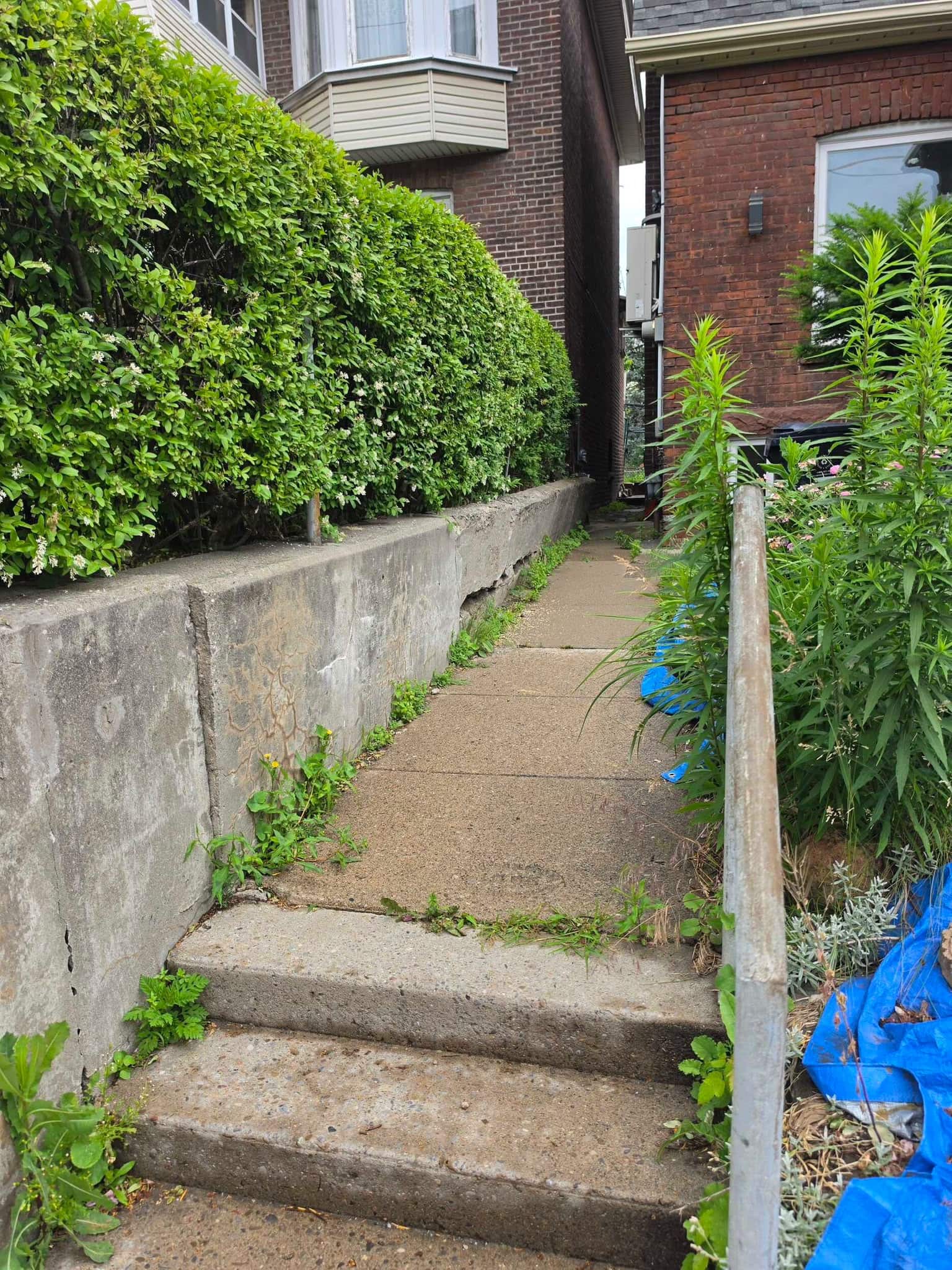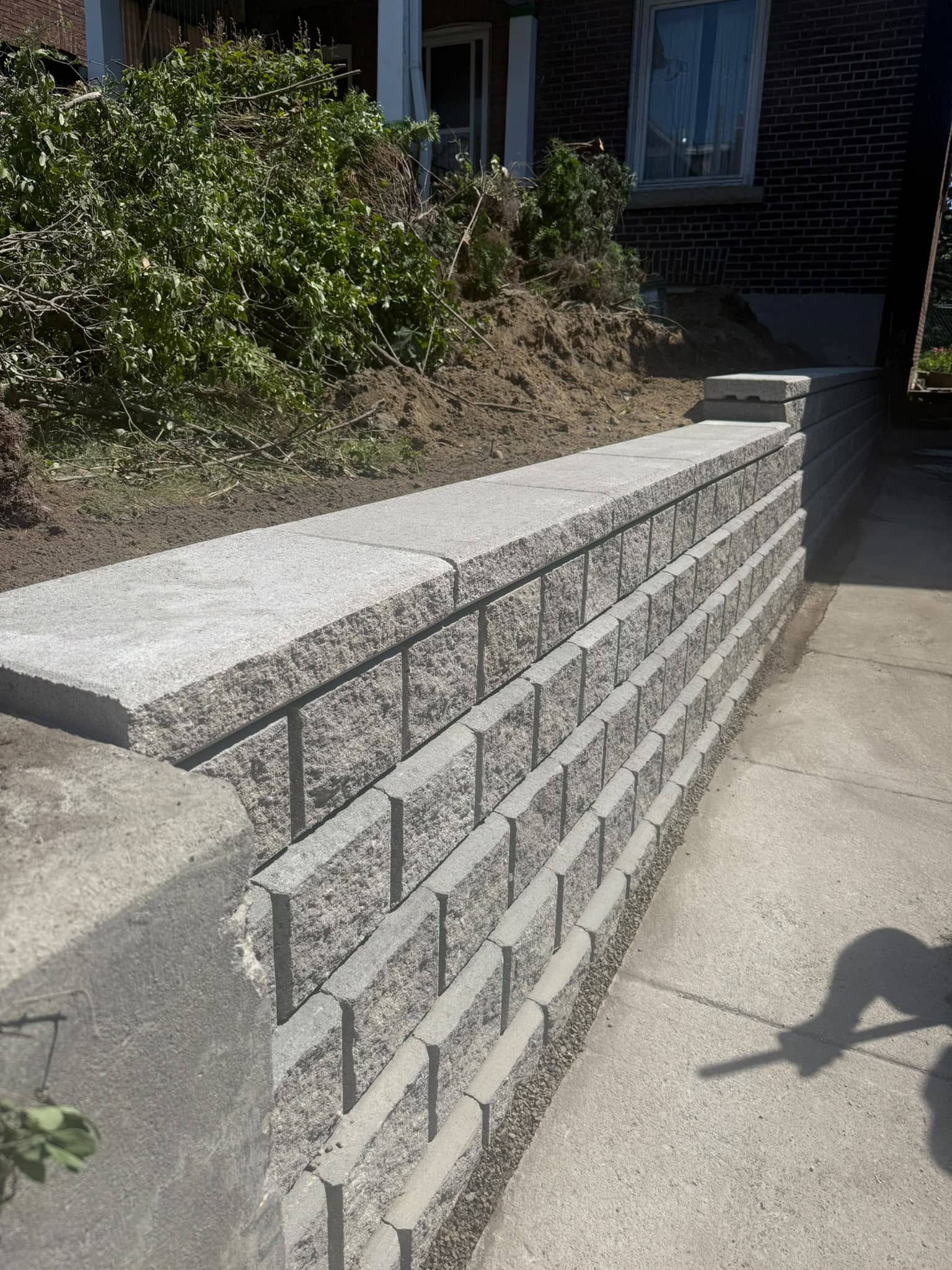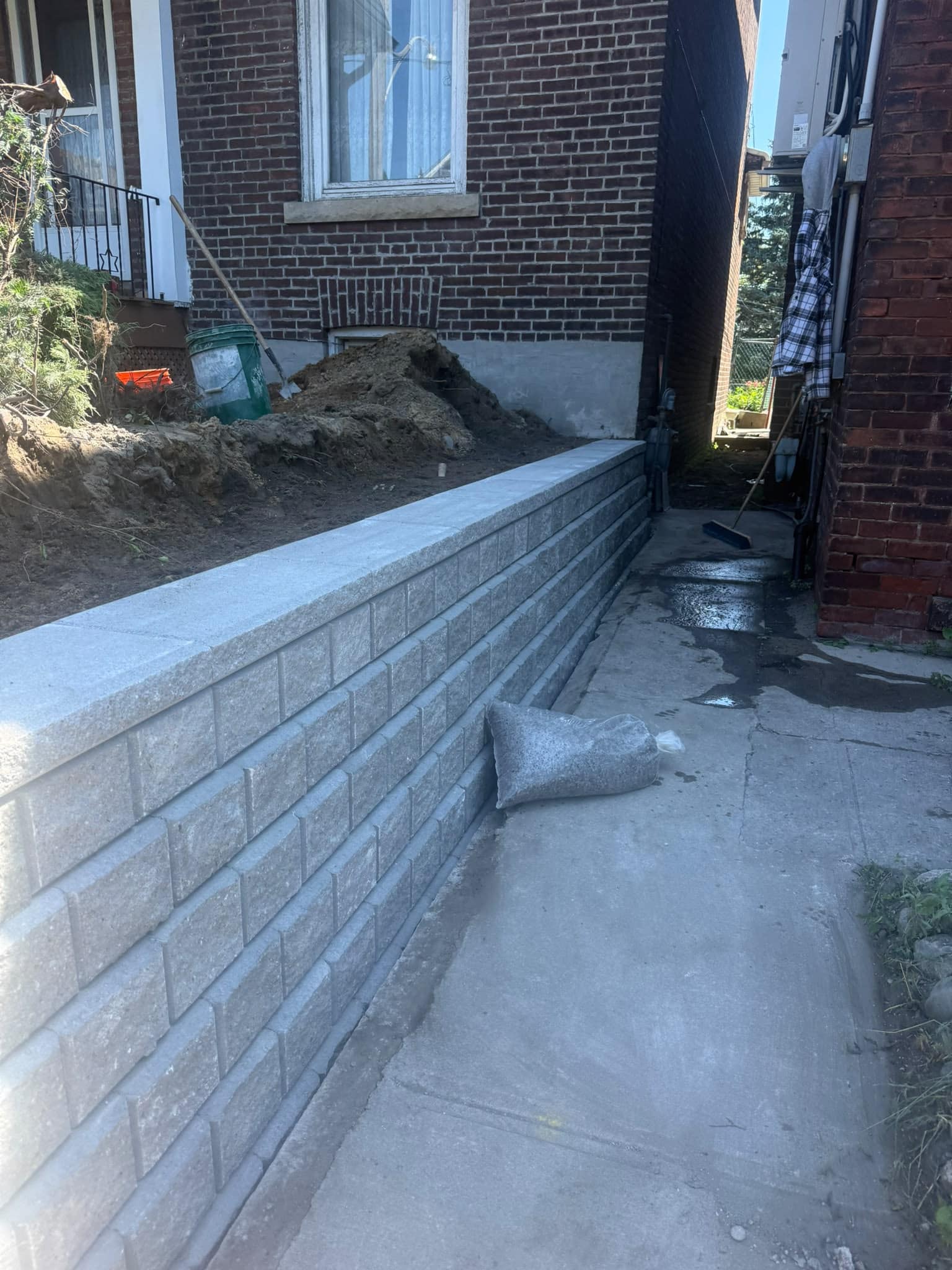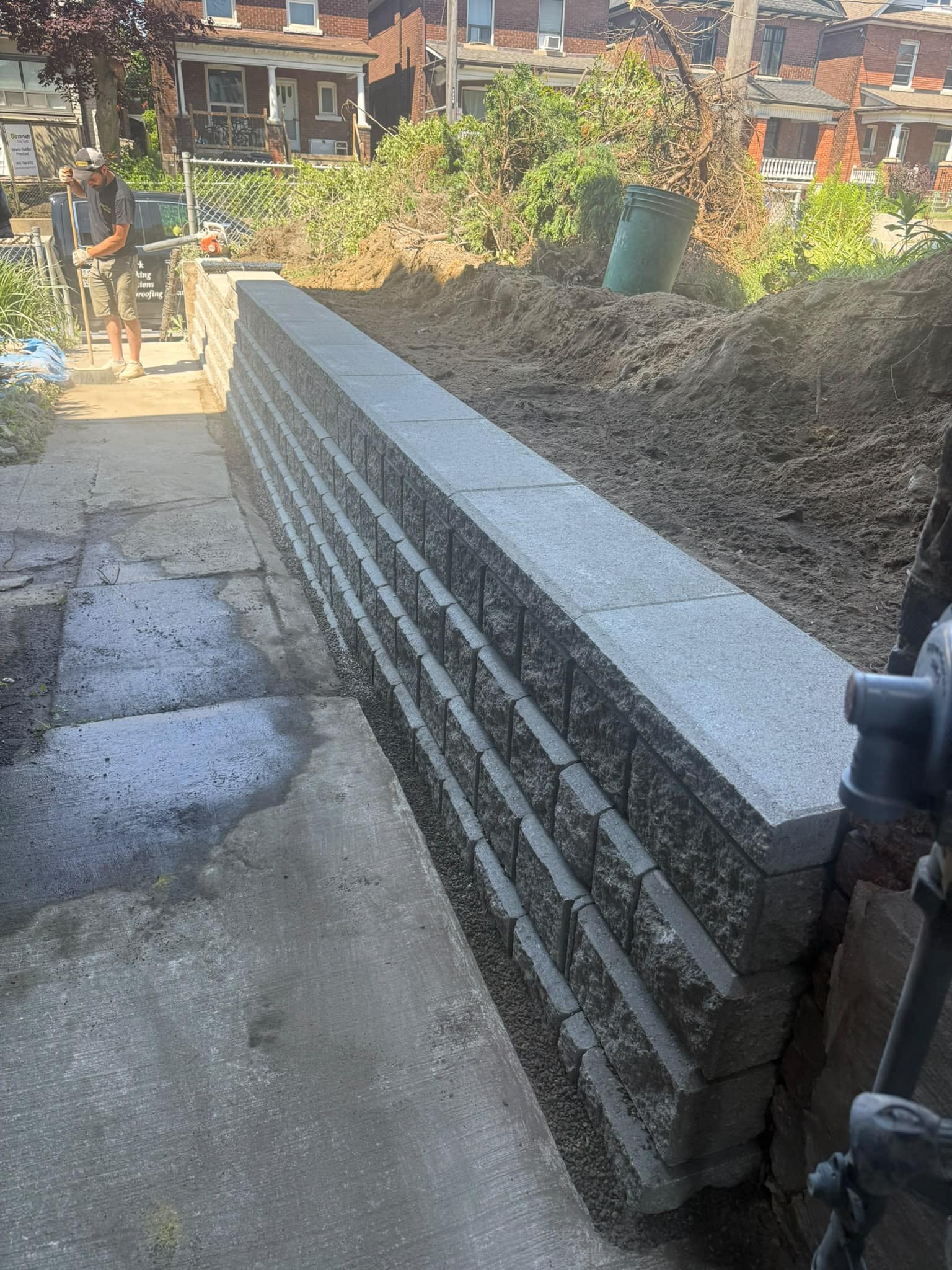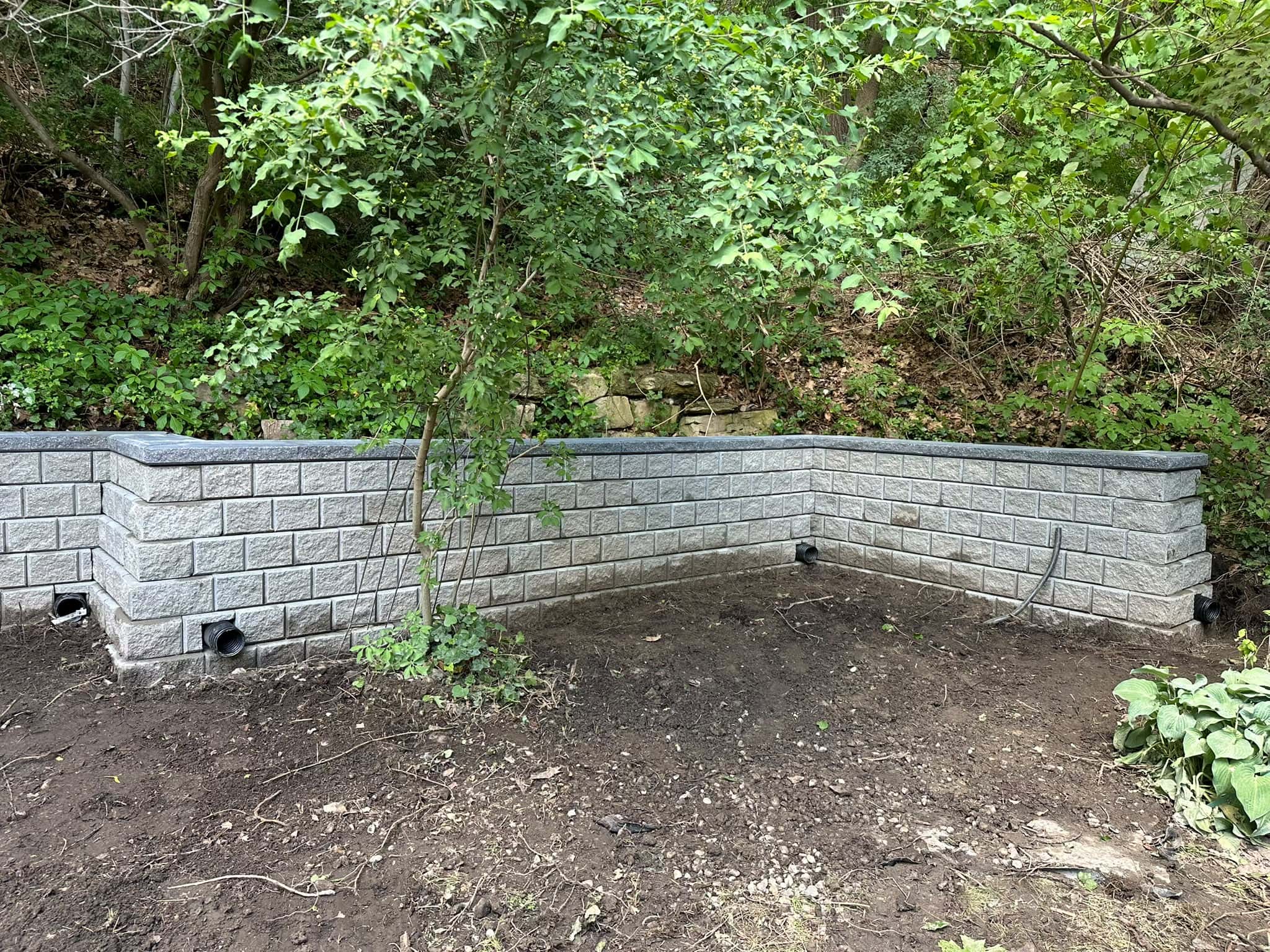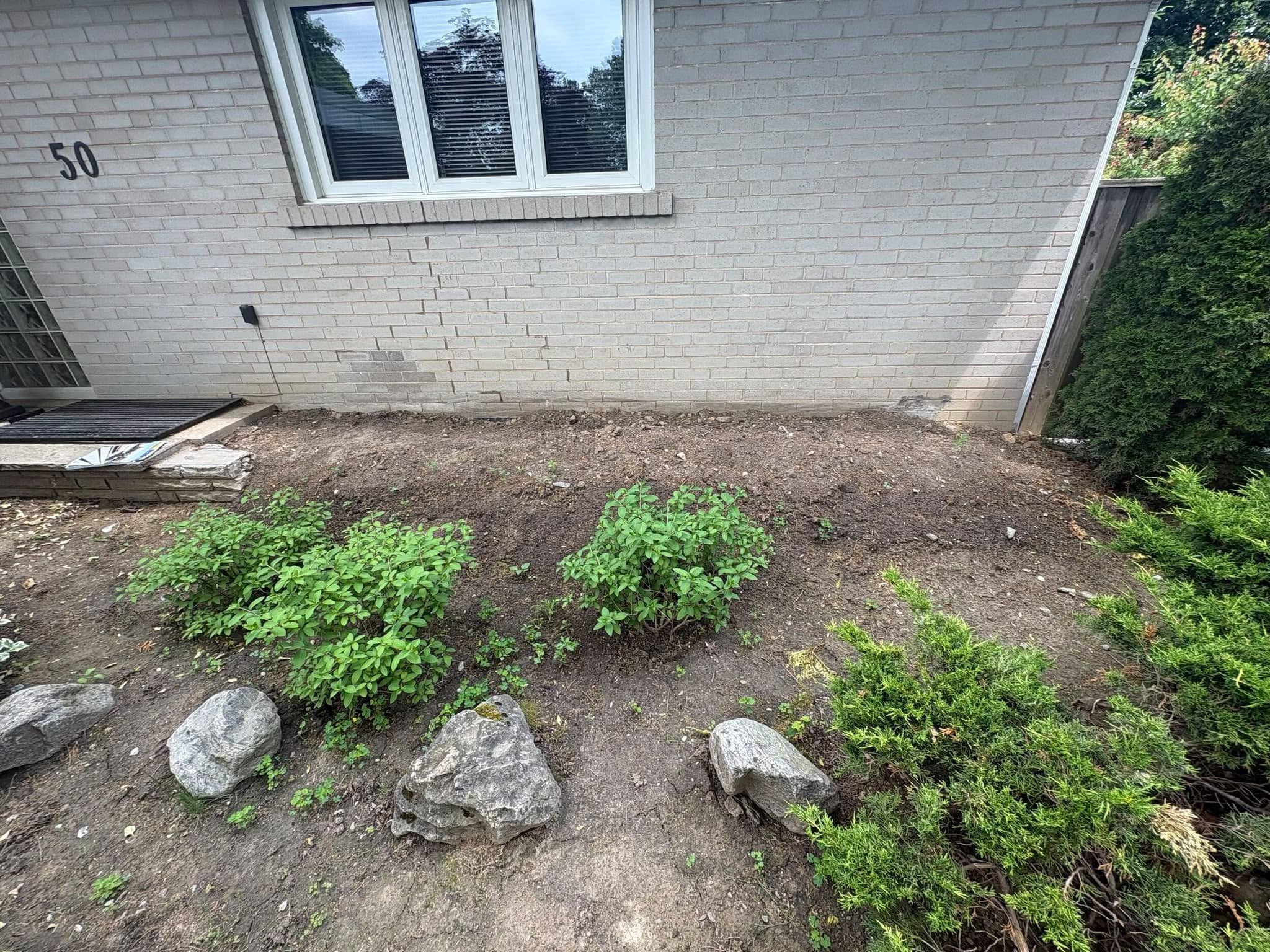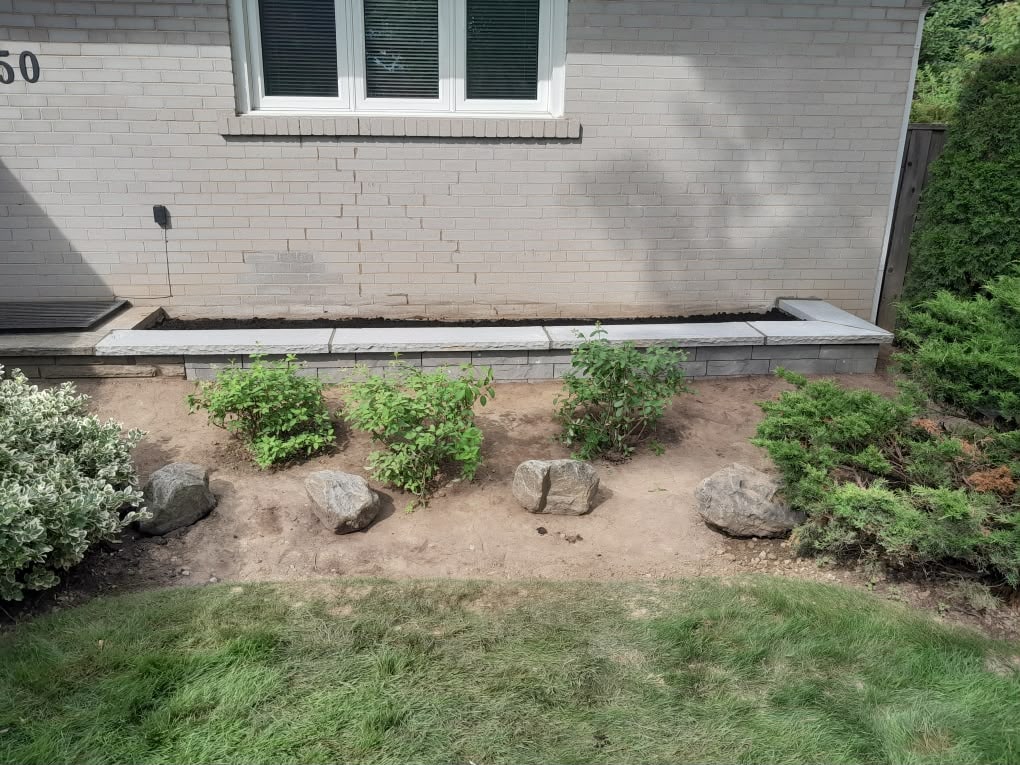
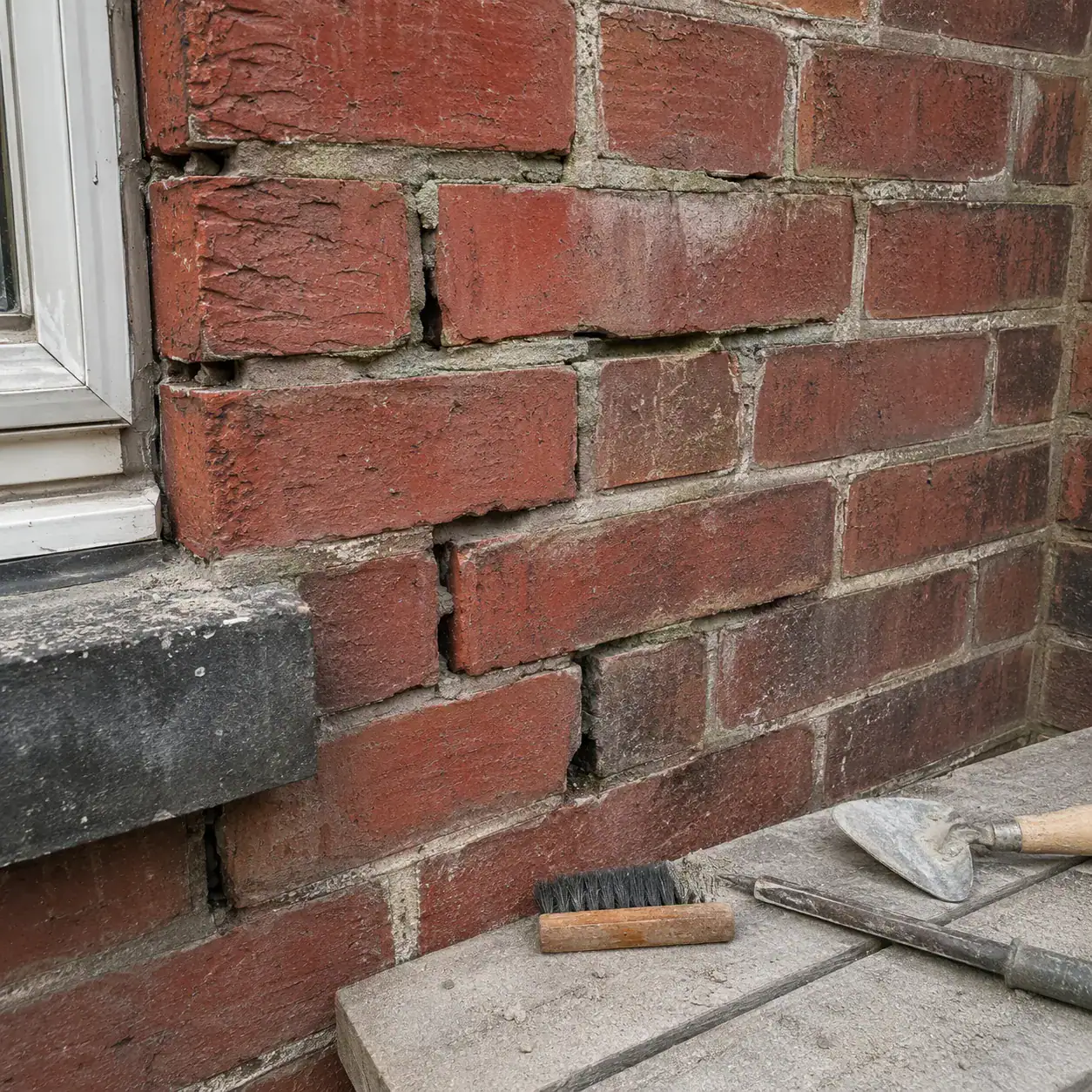
Mortar joint failure happens when the mortar between bricks, stone, or blocks breaks down, cracks, recedes, or falls out. It is usually caused by moisture, freeze-thaw cycles, age, wrong mortar, poor installation, structural movement, salt exposure, or lack of maintenance. In Toronto and the GTA, water and winter weather are often the biggest reasons small mortar problems become larger masonry repairs.
Mortar joints do more than fill the gaps between masonry units. They help hold the wall together, shed water, absorb small movement, and protect the brick or stone around them. When mortar joints fail, water can enter the wall more easily. Once water gets inside, freezing temperatures can widen cracks, loosen masonry units, and damage the face of the brick or stone.
This guide explains what causes mortar joint failure, what warning signs homeowners should watch for, when repointing or tuckpointing makes sense, and why fixing the cause is just as important as repairing the joint itself.
What Mortar Joints Do
Mortar joints hold masonry units together and help the wall manage moisture, movement, and weather. They are the visible lines between bricks, stones, or blocks, but they also play a practical role in the wall’s performance.
A good mortar joint should bond properly to the masonry, fill the joint depth, shed water, and remain compatible with the surrounding brick or stone. If the joint is too weak, it can crumble. If it is too hard, it can put stress on softer brick. If it is poorly finished, it can retain water rather than shed it.
Mortar is often designed to be the more repairable part of the wall. In many older masonry systems, the mortar should weather and be replaced before the brick itself is damaged. When the wrong mortar is used, the brick can sometimes suffer instead of the joint.
If mortar joints are already cracked, sandy, or missing, A&A Masonry’s tuckpointing services in Toronto page explains how proper joint repair helps protect masonry from water and freeze-thaw damage.

Why Mortar Joint Failure Matters
Mortar joint failure matters because it opens the masonry to moisture. Once water enters through weak joints, it can seep deeper into the wall, freeze in cold weather, and cause further damage over time.
Failed joints can lead to spalling brick, loose stone, staining, efflorescence, interior dampness, chimney deterioration, and unstable masonry sections. A small gap may not look urgent, but repeated water entry can slowly weaken the surrounding materials.
In Toronto, this is especially important because many homes go through repeated freeze-thaw cycles. Rain or melting snow can enter small openings during the day. If temperatures drop overnight, that moisture can freeze and expand. Over time, the joint gets wider, and the surrounding masonry becomes more vulnerable.
Ignoring mortar joint failure can turn a manageable tuckpointing project into brick replacement, chimney repair, wall rebuilding, or waterproofing work.
Cause 1: Age and Natural Weathering
Age is one of the most common causes of mortar joint failure. Mortar does not last forever. Over time, exposure to rain, snow, sun, wind, and temperature changes slowly wears it down.
Older Toronto homes often have mortar that has been in place for many decades. Even when the brick is still strong, the mortar may become recessed, sandy, cracked, or loose. This is normal aging, but it should not be ignored once the joints begin to open.
Natural weathering usually appears gradually. You may notice small gaps, powdery mortar, or joints that sit farther back than the brick face. The wall may still look stable, but water now has more places to enter.
When age is the main issue, tuckpointing can often extend the wall’s lifespan. The old failed mortar is removed to a proper depth and replaced with compatible new mortar.
Cause 2: Water Exposure
Water exposure is one of the most serious causes of mortar joint failure. Mortar can withstand normal weather when the wall is built and maintained properly, but constant wetting can accelerate deterioration.
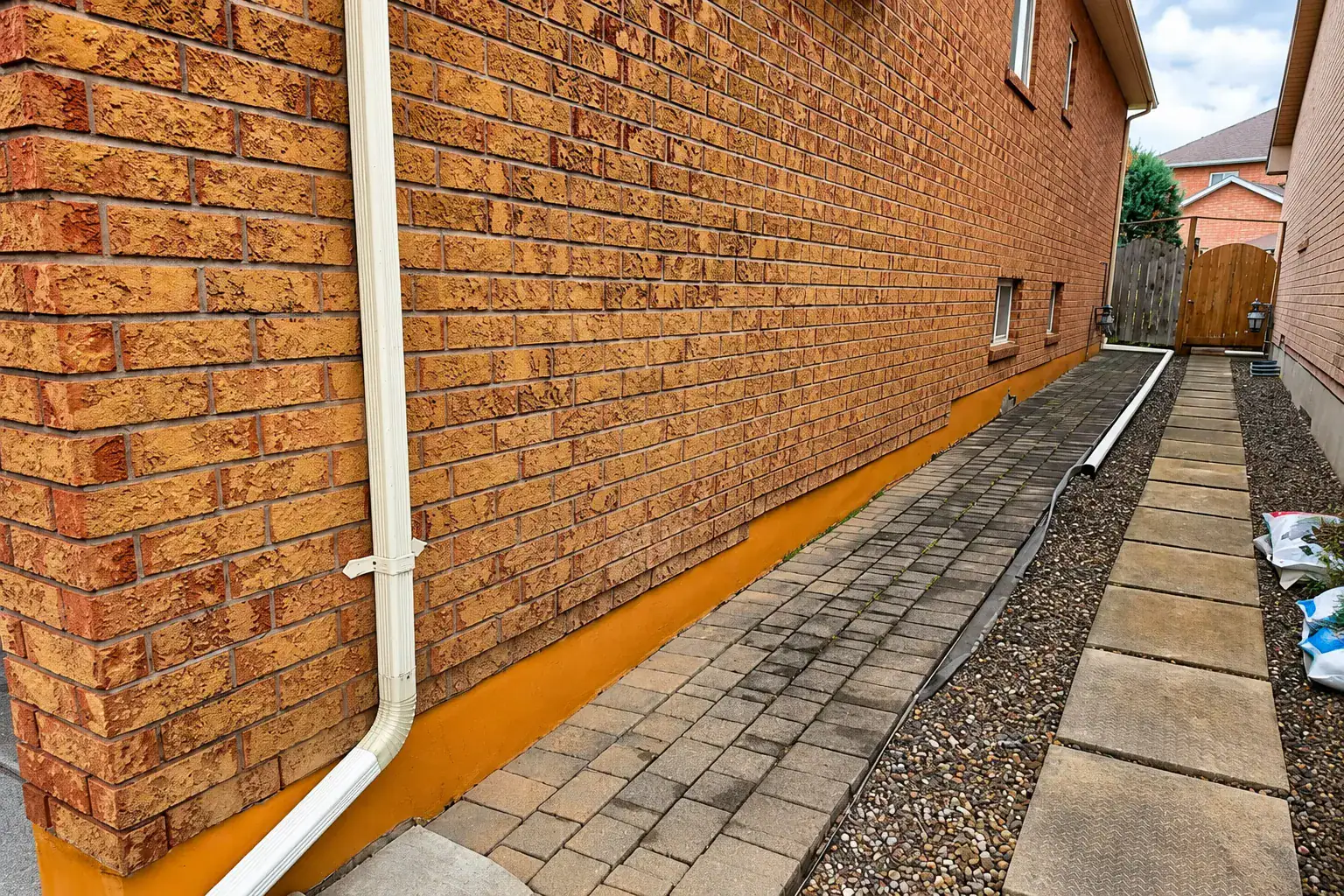
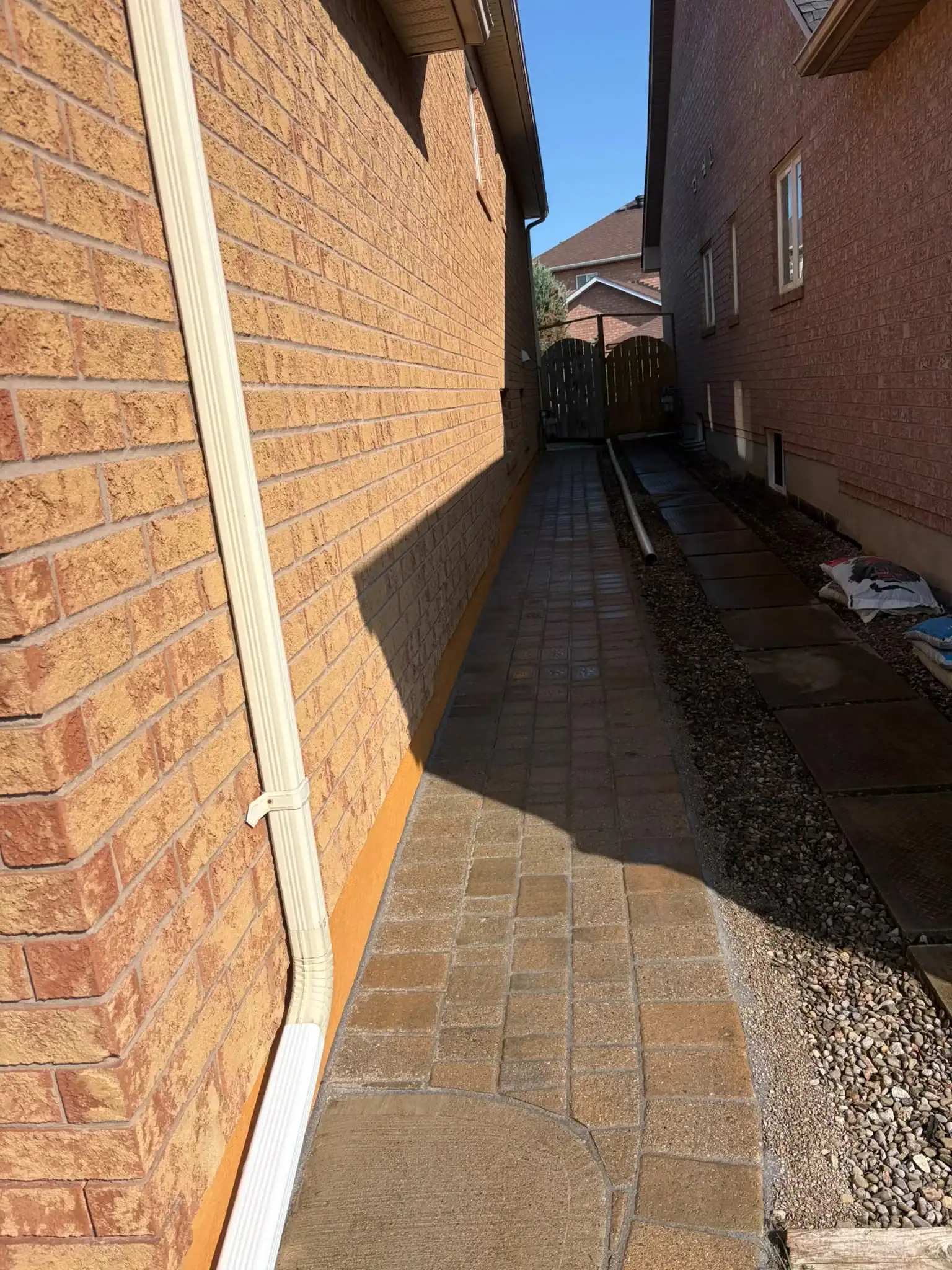
Water may come from rain, snowmelt, short downspouts, clogged gutters, poor grading, splashback from walkways, leaking sills, missing caps, cracked crowns, or soil piled against lower masonry. If one part of the wall stays damp longer than the rest, the mortar in that area often fails sooner.
The City of Toronto provides guidance on managing rain and melted snow. This matters for masonry because water should move away from vulnerable walls, foundations, steps, and chimney areas rather than repeatedly soaking them.
When mortar joint failure is caused by water, repairing the joints alone may not be enough. The water source should also be corrected so the same joints do not fail again.

Cause 3: Freeze-Thaw Cycles
Freeze-thaw cycles cause mortar joint failure when water enters the joint and freezes. Water expands as it freezes, which can widen cracks, loosen mortar, and damage the surrounding masonry.
This is a major issue in Toronto winters. The weather can move above and below freezing many times in one season. Moisture enters masonry during rain, snowmelt, or mild daytime temperatures. Then it freezes when temperatures drop again.
Freeze-thaw damage often shows as cracked joints, loose mortar, spalling brick, flaking surfaces, and gaps that widen after winter. Chimneys, steps, lower walls, retaining walls, and exposed corners often show damage sooner because they receive more moisture and cold air exposure.
The best defence is keeping water out of the joints as much as possible. That means repairing failed mortar, improving drainage, using proper caps, and avoiding materials that trap moisture inside the wall.
Cause 4: Wrong Mortar Type
The wrong mortar type can cause mortar joint failure or damage the surrounding masonry. Mortar must be compatible with the brick, stone, or block it is joining.
On older Toronto brick homes, using mortar that is too hard can be a serious mistake. The mortar may resist movement more than the older brick can handle. Instead of the joint absorbing stress, the brick may crack or spall. Hard mortar can also trap moisture in softer masonry.
Mortar that is too weak can also fail early. It may wash out, crumble, or lose bond. Poor colour and texture matching can make repairs stand out visually, especially on front facades, chimneys, porch columns, and older brick walls.
Good tuckpointing is not only about filling the joint. It is about choosing a mortar that matches the strength, moisture behaviour, texture, and appearance of the existing masonry.

Cause 5: Poor Installation or Shallow Patching
Poor installation can cause mortar joints to fail earlier than they should. One common mistake is applying new mortar as a thin surface smear over old damaged joints.
Mortar needs proper depth and a clean joint to bond well. If loose, dusty, or sandy mortar is left in place and covered with a thin layer, the patch may crack, separate, or fall out after a season or two. This may briefly improve the appearance, but it does not restore the joint.
Proper repointing usually requires removing failed mortar to a suitable depth, cleaning out dust and debris, dampening the joint when appropriate, placing compatible mortar in layers, and finishing the joint correctly.
If a previous repair failed quickly, shallow patching, wrong mortar, poor preparation, or unresolved water exposure may be the reason.
Cause 6: Poor Joint Profile
A poor joint profile can lead to mortar joint failure because the joint shape affects how water moves across the wall. Some joint profiles shed water better than others.
If a joint is left rough, recessed too deeply, cracked, or shaped in a way that holds water, it can stay damp longer. Water sitting in the joint can slowly soften the mortar and increase the risk of freeze-thaw damage.
The joint should be finished in a way that suits the masonry and exposure. On exterior walls, water shedding is important. A joint that looks decorative but holds moisture may create long-term problems.
Joint finishing also affects appearance. A mismatched profile can make a repaired section stand out even if the mortar colour is close.
Cause 7: Structural Movement
Structural movement can cause mortar joints to crack even when the mortar itself is not the original problem. Movement may come from foundation settlement, wall movement, roof loads, lintel issues, soil pressure, or changes around openings.
Movement-related cracks often have patterns. Stair-step cracks, diagonal cracks near windows and doors, widening vertical cracks, or cracks that return after repair may point to movement behind the surface.
In these cases, repointing may improve the surface, but it will not solve the cause if the wall is still moving. The source of movement should be identified before the same crack is repaired repeatedly.
If mortar cracks appear near foundations, openings, retaining walls, porch columns, or chimneys, they should be taken seriously because the joint may be showing stress from a larger issue.
Cause 8: Salt and De-Icing Exposure
Salt and de-icing exposure can contribute to mortar joint failure, especially near steps, walkways, driveways, and lower walls. Salt can move with water into the pores and joints of masonry. Over time, it may contribute to surface wear, staining, and moisture-related damage.
Toronto homes often see salt exposure near front steps, sidewalks, concrete walkways, driveway edges, and garage areas. Salty slush can collect against brick, stone, concrete, and mortar during winter.
Safe winter access matters, so de-icing products may still be needed. The key is to use them carefully, remove snow early, avoid overuse, and, where possible, keep salty piles of snow and slush away from masonry.
If mortar joints are failing only near ground level or along steps, salt exposure, splashback, and snow storage may be part of the problem.
Cause 9: Missing Caps, Crowns, or Top Protection
Missing caps, crowns, or top protection can cause mortar joint failure by allowing water to enter from above. This is common on chimneys, garden walls, retaining walls, porch walls, and masonry columns.
Horizontal surfaces are more vulnerable than vertical walls because rain and snow can sit on top. If a wall cap is cracked, missing, flat, or poorly sloped, water can soak down into the joints below. In winter, that moisture can freeze, loosening the mortar.
Chimneys are especially vulnerable because the crown and cap protect the masonry at the top. A cracked crown or missing cap can allow water to enter repeatedly from above.
A&A Masonry’s chimney waterproofing options guide explains how caps, crowns, tuckpointing, brick repair, and breathable water repellents work together to protect chimney masonry.

Cause 10: Efflorescence and Hidden Moisture Movement
Efflorescence can be a sign that moisture is moving through the masonry. It appears as a white powdery deposit on brick, stone, block, or mortar. While efflorescence itself is not the cause of joint failure, it often points to the water movement that causes it.
If salts are being carried to the surface by water, the wall is getting wet somewhere. That moisture may be entering through open joints, cracks, poor caps, drainage problems, or contact with wet soil.
Do not simply seal over efflorescence. If the moisture source is not corrected, sealing can trap water inside the wall, worsening the damage. The wall should be allowed to dry, the water source should be reviewed, and damaged joints should be repaired.
Repeated efflorescence is a clue. It tells you the wall is not managing moisture properly.
Cause 11: Vegetation, Vines, and Soil Contact
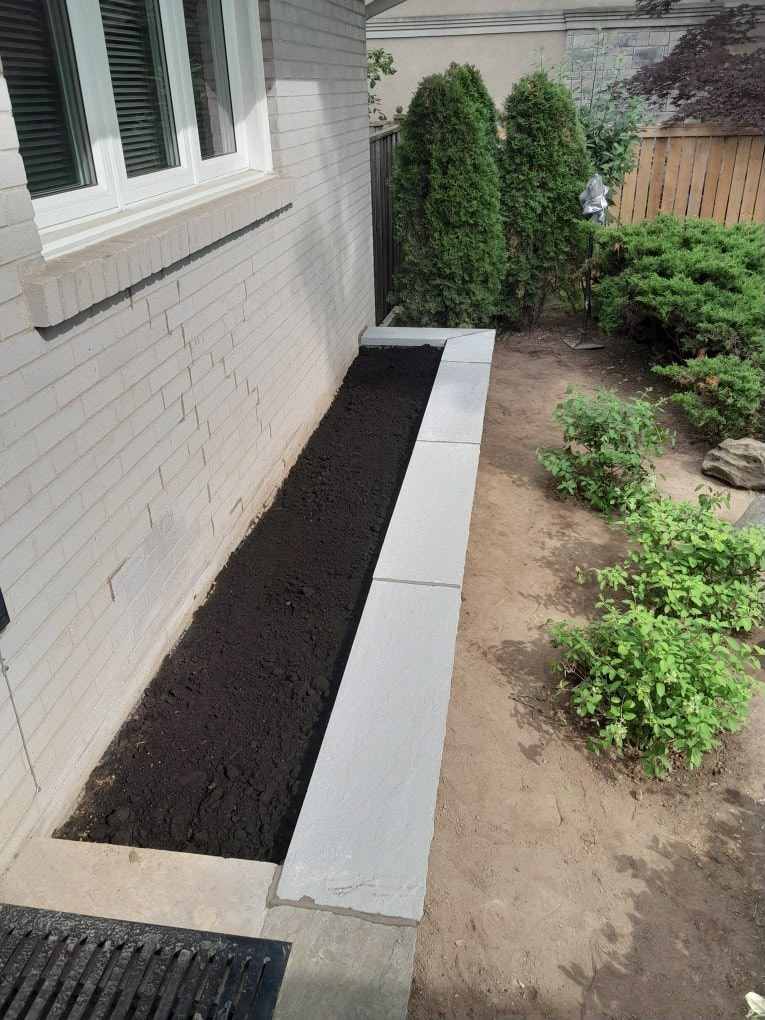
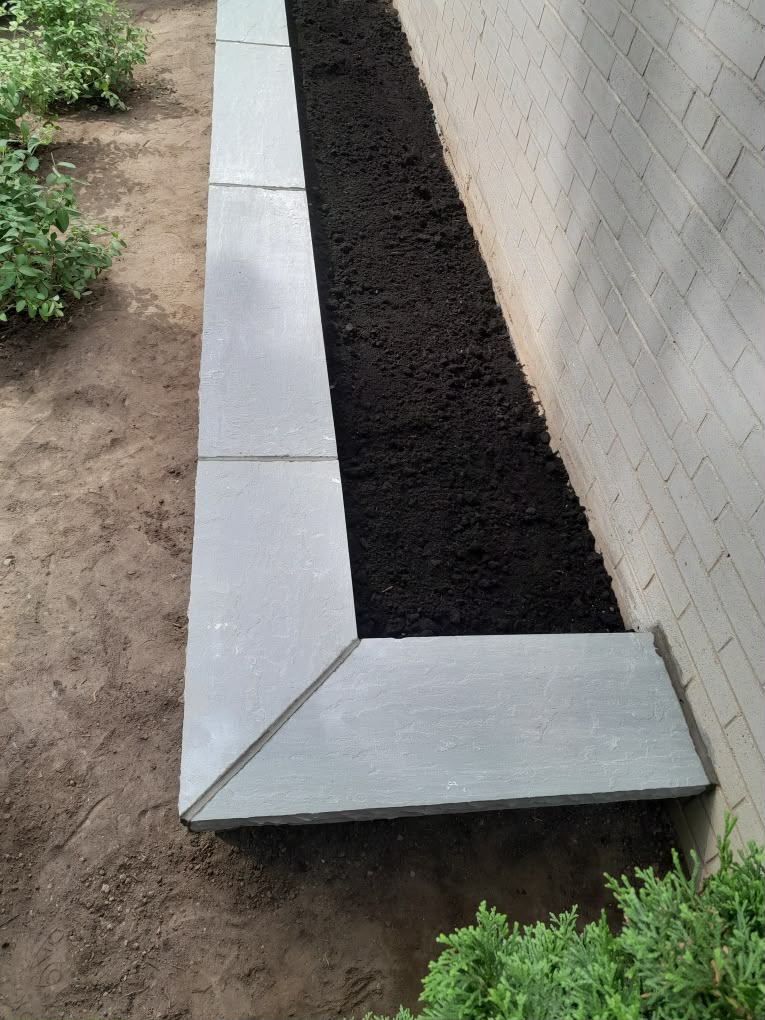
Vegetation and soil contact can cause mortar joint failure when plants hold moisture against masonry or roots enter small cracks. Vines, dense shrubs, raised garden beds, mulch, and soil piled against brick can all keep walls damp.
Some homeowners like the look of greenery against brick or stone, but masonry needs airflow and drying. When leaves, vines, or soil keep a wall wet, mortar joints may soften and deteriorate faster.
Garden beds should be kept below vulnerable masonry details, and soil should not cover lower brick courses. Plants should be trimmed so walls can dry and damage remains visible.
If mortar joint failure appears near garden beds, check whether the masonry remains damp due to soil height, mulch, irrigation, or plant growth.
Cause 12: Chimney Exposure
Chimney exposure causes mortar joints to fail sooner because chimneys are exposed to weather from all sides. Wind-driven rain, snow, ice, sun, and temperature changes all hit the chimney above the roofline.
Chimney mortar often fails near the top first because the crown, cap, and upper brickwork are exposed to the most weather. Open joints on a chimney can let water into the masonry, where it can freeze, expand, and loosen surrounding brick.
A chimney with missing mortar, spalling brick, rust stains, white staining, or a cracked crown should be reviewed before winter. Small mortar gaps can lead to larger chimney repairs if water continues entering.
For visible chimney mortar damage, A&A Masonry’s chimney repair Toronto page explains common repair needs, including tuckpointing, brick replacement, crown repair, cap repair, water damage, and rebuild concerns.
Cause 13: Sealing or Painting Over Moisture Problems
Sealing or painting over moisture problems can contribute to mortar joint failure when the product traps water inside the masonry. A breathable, water-repellent product may help sound, dry masonry in the right situation, but heavy coatings or non-breathable products can cause trouble.
If mortar joints are already cracked or wet, sealing the surface does not repair them. It may hide the damage while moisture continues to move inside the wall. In winter, trapped moisture can freeze, causing spalling, cracking, or peeling.
The correct order is to repair failed joints, fix drainage, allow the masonry to dry, clean the surface, then consider a suitable breathable product if needed.
A&A Masonry’s blog on masonry sealing for high moisture areas explains when sealing helps and when it can make moisture problems worse.
Warning Signs of Mortar Joint Failure
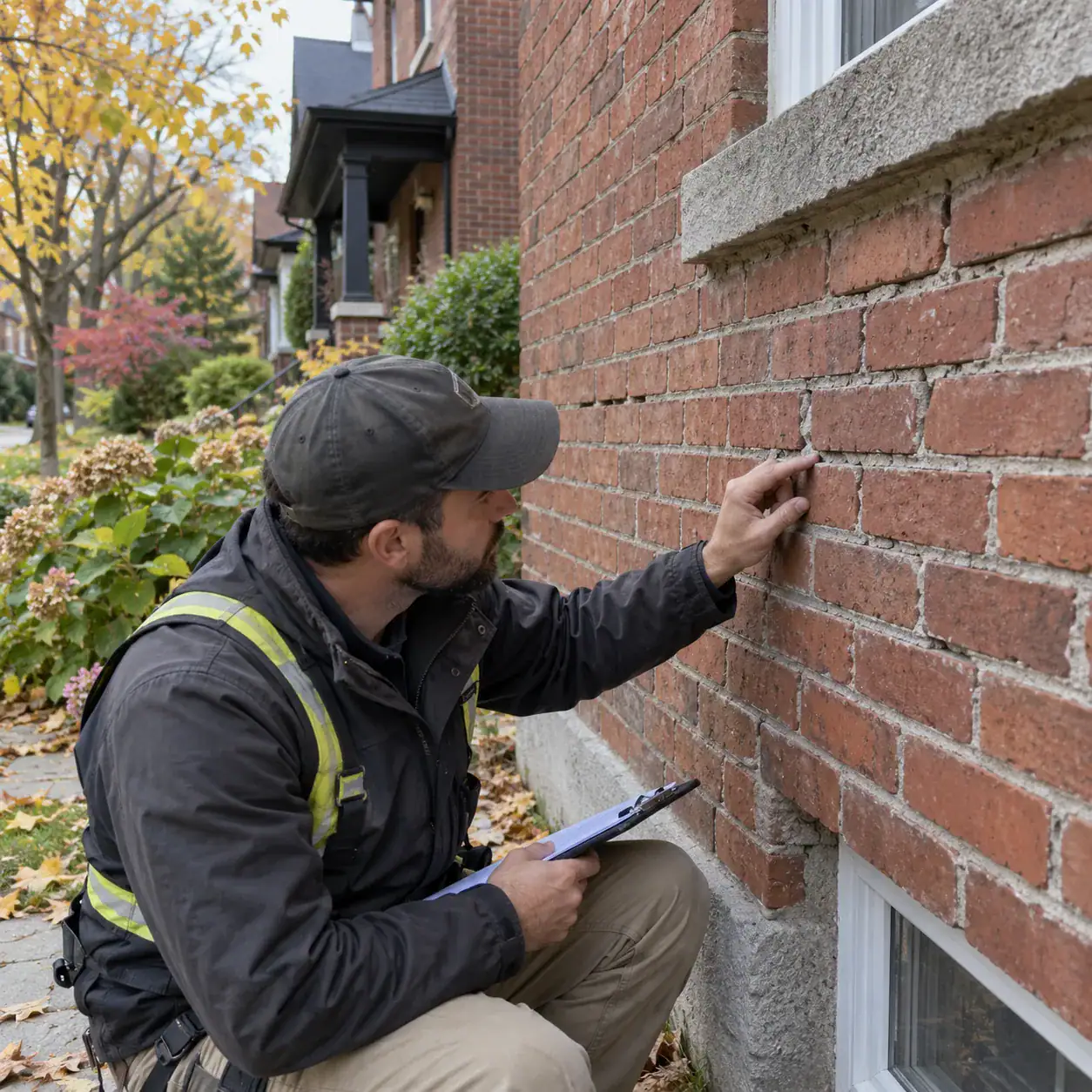
Warning signs of mortar joint failure are usually visible before the wall becomes seriously damaged. Homeowners should look for changes in the mortar and the masonry around it.
- Recessed joints: Mortar sits far back from the brick or stone face.
- Cracks: Hairline, stair-step, vertical, or horizontal cracks appear in the joints.
- Crumbing mortar: Mortar feels sandy, dusty, or loose to the touch.
- Missing sections: Pieces of mortar have fallen out.
- Spalling brick: Brick faces flake, chip, or break away near failed joints.
- White staining: Efflorescence suggests moisture movement.
- Dark damp areas: Mortar stays wet after rain.
- Loose masonry units: Brick or stone moves or sounds hollow.
- Repeated repairs failing: The same joint opens again after patching.
Early signs are easier to repair than advanced deterioration. Once brick or stone units become damaged, the project may require more than repointing.

What Happens If Failed Mortar Joints Are Ignored?
If failed mortar joints are ignored, water can continue entering the masonry, and the damage can spread. The joint may get wider, nearby brick may spall, stones may loosen, and interior moisture problems may appear in some cases.
On chimneys, ignored mortar failure can lead to more serious brick loss, crown damage, leaks, or the need for a rebuild. On exterior walls, failed joints can allow water into the wall system. On retaining or garden walls, open joints can exacerbate soil pressure and drainage problems.
The longer the wall stays open to moisture, the more expensive and complicated the repair may become. Tuckpointing a stable wall is usually more manageable than replacing damaged brick, rebuilding a section of the chimney, or correcting water damage after the wall has deteriorated further.
Mortar joints are small, but they play a large role in protecting the masonry.
What Homeowners Can Check Themselves
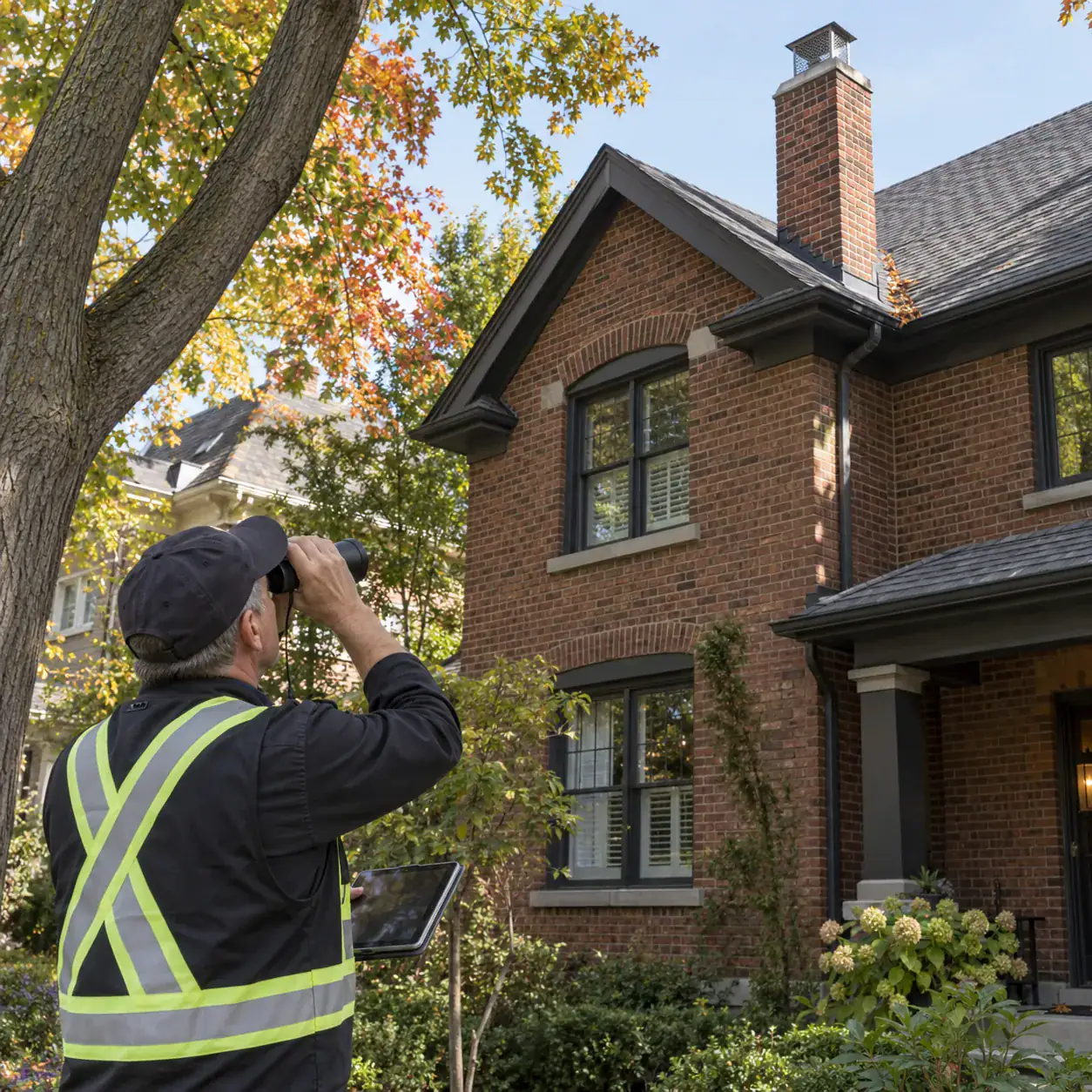
Homeowners can safely check mortar joints from the ground and document what they see. A simple inspection can help decide whether the issue is minor, seasonal, or worth professional review.
- Look for cracks, gaps, and missing mortar between bricks or stones.
- Check whether mortar is powdery, sandy, or falling out.
- Look for white staining, dark damp areas, or rust marks.
- Check lower walls near soil, mulch, downspouts, and walkways.
- Look at chimneys from the ground for missing joints or spalling brick.
- Take photos before and after winter to track changes.
- Watch where water goes during rain and snowmelt.
- Avoid sealing or painting damaged joints before the cause is understood.
Do not scrape deep joints, grind mortar, climb onto roofs, or remove loose masonry unless you know what you are doing. Cutting, grinding, and chimney work can involve safety risks.
When Tuckpointing or Repointing Makes Sense
Tuckpointing or repointing makes sense when the mortar joints are failing, but the surrounding brick or stone is still generally sound. The goal is to replace failed mortar before the masonry units themselves become damaged.
Good repointing involves removing deteriorated mortar to a proper depth, cleaning the joint, using compatible mortar, and finishing the joint so it sheds water. It should blend visually with the existing masonry while also performing correctly.
Repointing may be needed for exterior brick walls, chimneys, porch columns, foundation-adjacent masonry, stone walls, and older brick facades. It is especially useful before winter when open joints would otherwise allow water to enter and freeze.
If the brick or stone is already loose, cracked, or heavily deteriorated, repointing alone may not be enough. The damaged units may also need repair or replacement.
When Mortar Joint Failure Points to a Bigger Problem
Mortar joint failure points to a bigger problem when the same area keeps failing, cracks are widening, the wall is moving, or water keeps returning after repair. In these cases, the joint is a symptom rather than the full problem.
Repeated failure may be caused by foundation settlement, poor drainage, a leaking chimney crown, failed flashing, high soil, trapped moisture, retaining wall pressure, or the wrong previous repair. Fixing only the joint may give a short-term improvement, but the problem can return.
If mortar cracks follow a stair-step pattern, appear near windows or doors, are accompanied by bulging walls, or are accompanied by interior water stains, a professional review is more important. A surface repair may not be enough.
Mortar tells a story about what the wall is experiencing. The repair should respond to that story, not just cover the gap.
Permits, Code, and Structural Repairs
Permits and code questions may matter when mortar joint failure is connected to structural repair, wall rebuilding, foundations, chimneys, retaining walls, openings, or major exterior work. Basic tuckpointing may be maintenance, but larger repairs should be reviewed more carefully.
The City of Toronto provides information about building permits, and its guidance on when a building permit is needed explains that permits are required for certain construction, demolition, additions, and material alterations. Ontario’s official Building Code page is also the preferred provincial reference for building requirements.
For homeowners, the practical rule is simple: if the repair affects structure, support, chimneys, openings, foundations, retaining walls, entrances, or major exterior areas, check official guidance before starting.
Quick Guide: Why Mortar Joints Fail
A quick guide can help homeowners connect the visible damage to the likely cause.
- Sandy or powdery mortar: Often due to aging, weathering, or poor mix.
- Cracks after winter: Often due to moisture and freeze-thaw movement.
- Damage near downspouts: Often repeated water exposure.
- Failure near steps or driveways: Often salt, splashback, and snow storage.
- Open chimney joints: Often top exposure, missing caps, cracked crowns, or weathering.
- Cracks near windows or doors: Often indicate movement or water around the openings.
- Repeated white staining: Often moisture movement through the wall.
- New repairs failing quickly: Often due to the wrong mortar, shallow patching, or unresolved water issues.
The best repair starts by identifying why the joint failed, not only where the gap appears.
When Professional Help Makes More Sense
Professional help makes more sense when mortar joints are missing, widespread, high up, near a chimney, connected to water damage, or returning after previous repairs. It also makes sense when the brick or stone around the joint is loose, cracked, spalling, or moving.
A professional mason can assess the condition of the mortar, bricks, or stone; moisture sources; drainage; movement patterns; and whether tuckpointing, brick replacement, chimney repair, waterproofing, or a structural review may be needed.
For broader repair planning, A&A Masonry’s masonry services in Toronto page outlines related services, including brick repair, tuckpointing, chimney repair, stone masonry, waterproofing, concrete repairs, retaining walls, and exterior restoration.

Final Thoughts on What Causes Mortar Joint Failure
Mortar joint failure is usually caused by a combination of age, water, freeze-thaw cycles, wrong mortar, poor repair methods, movement, salt exposure, and missing top protection. The joint may look like a small detail, but it has a major role in protecting the wall.
For Toronto and GTA homeowners, moisture control is the most important part of preventing mortar failure. Rain, snowmelt, downspouts, salt, soil contact, and winter freezing can all turn small cracks into larger masonry problems.
The best approach is to inspect early, find the cause, repair damaged joints with compatible mortar, correct water sources, and avoid quick surface patches that fail after one season. When mortar joints are handled properly, they can help protect brick, stone, chimneys, and exterior masonry for many more years.