
After a storm, homeowners must make quick decisions to protect their homes. Understanding emergency roof repairs is key because waiting can lead to expensive problems. Severe weather causes billions of dollars in roofing damage each year, with issues like leaks and structural problems worsening.
What is an emergency roof repair? It’s addressing urgent problems like missing shingles, collapsed areas, or water entering the house. Acting fast stops mould, rot, and more damage. This guide will help you assess damage, stay safe, and select the best repairs.
It will also tell you when to fix things yourself and when to call experts. Knowing how to handle insurance claims is also important. Quick action saves money and reduces risks, which is crucial for homeowners after a storm.
Understanding Emergency Roof Repair Situations
Spotting urgent roof problems early helps protect homes and families. Emergency fixes address serious threats, while minor issues can be addressed later. Here are the key signs that indicate you need to act quickly.
What Qualifies as a Roofing Emergency?
Not every roof problem needs immediate action. Types of emergency roof repair for leaks and damage include:
- Water pouring through the ceilings or walls
- Visible holes or missing shingles after storms
- Buckling roof decking or collapsed areas
- Exposed insulation or framing materials
These problems require a professional’s attention within 24 hours to prevent further damage.
Common Causes of Emergency Roof Damage
What is the most common roof repair? Storms are the biggest culprit. High winds, hail, and falling trees cause 60% of emergencies, says the National Association of Home Builders. Other causes include:
- Fire or lightning strikes
- Ice damming in winter climates
- Acidic bird droppings erode metal roofs
Hurricanes are particularly devastating due to their strong winds, causing massive damage.
The Dangers of Delayed Repairs
Ignoring urgent roof issues can lead to bigger problems. Delays can cause:
- Wood rot is weakening home frameworks
- Toxic mould growth in hidden spaces
- Electrical system shorts from water exposure
Fixing emergencies early saves 30-50% on costs, according to the Federal Alliance for Safe Homes.
Types of Storm Damage That Require Immediate Attention
After severe weather, certain types of roof damage that require emergency repair must be addressed promptly. Homeowners should look for these critical signs of damage:
- Wind-Driven Damage: High winds can tear off shingles, loosen flashing, or bend metal panels. Missing shingles allow water to enter and cause further damage.
- Hail Impact: Dents in metal, cracked tiles, or curled asphalt shingles mean hail damage. If not fixed, it can lead to leaks and rot.
- Structural Cracks: Sagging roofs or split beams show the roof’s support is failing. Ignoring these can cause the roof to collapse, especially in areas like Toronto, where heavy snow or storms are common.
- Water Penetration: Stains on ceilings or damp insulation indicate leaks. If not addressed, water damage can lead to mould growth and weaken the structure.
- Falling Debris Marks: Gouges from tree limbs or rocks need quick patching. They block moisture and pests from getting in.
Roof materials, such as asphalt, metal, or clay, react differently to storms. For example, wood shake roofs may split, and flat roofs can pool water, causing tears. Individuals in areas prone to severe weather, such as those requiring emergency roof repair services in Toronto, should take prompt action. Experts check the damage to each material to stop long-term problems. Waiting too long can lead to expensive damage inside and safety risks.
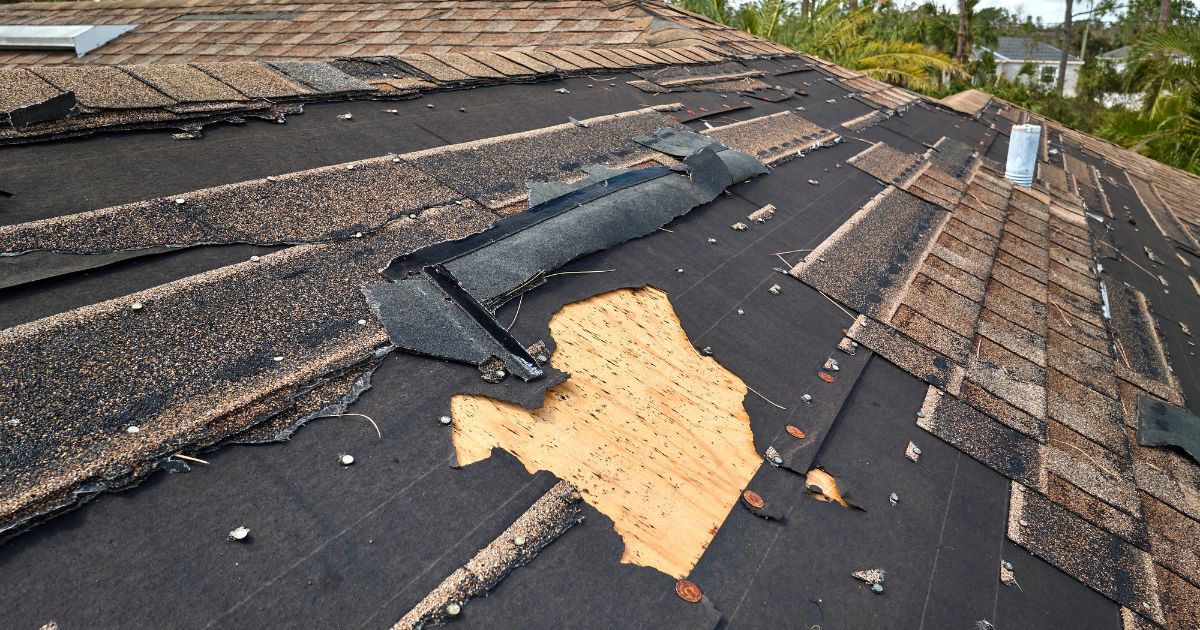
Assessing Your Roof After a Storm
After a storm, it’s essential to inspect your roof thoroughly. This ensures your safety and helps with any repairs needed. Follow these steps to take during an emergency roof repair situation to keep yourself safe and understand what needs to be done.
Safety Precautions Before Inspection
Before you go up on the roof, make sure to do these essential things:
- Please wait until the weather is calm and the light is sufficient for visibility.
- Check around for any downed power lines or unstable buildings.
- Wear strong shoes, harnesses, and ladders that are safe for roof use.
- Don’t go up alone; have someone watch from the ground.
- If there’s a lot of debris or the roof appears to be at risk of collapse, call a professional.
Signs of Serious Roof Damage
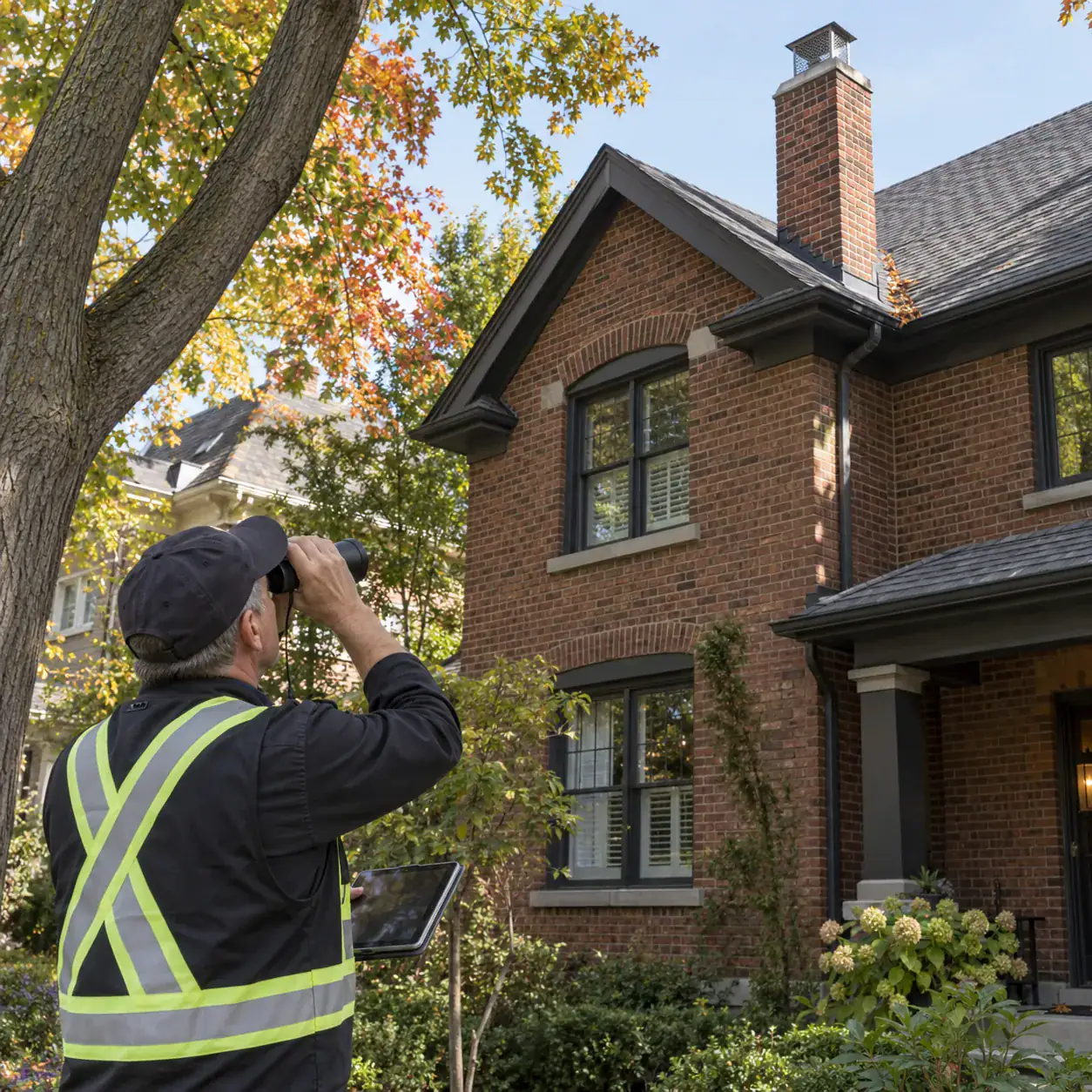
Look for these signs from a safe distance:
- Shingles that are missing, curled, cracked, or loose, or flashing that’s not secure
- The roof looks like it’s sagging in the middle or at the edges
- There are water stains on your ceiling or walls
- Paint is peeling, or there’s mould near the eaves
- Gutters are full of debris or have come loose from the house
Documenting Damage for Insurance Claims
Collect evidence well to support your insurance claim:
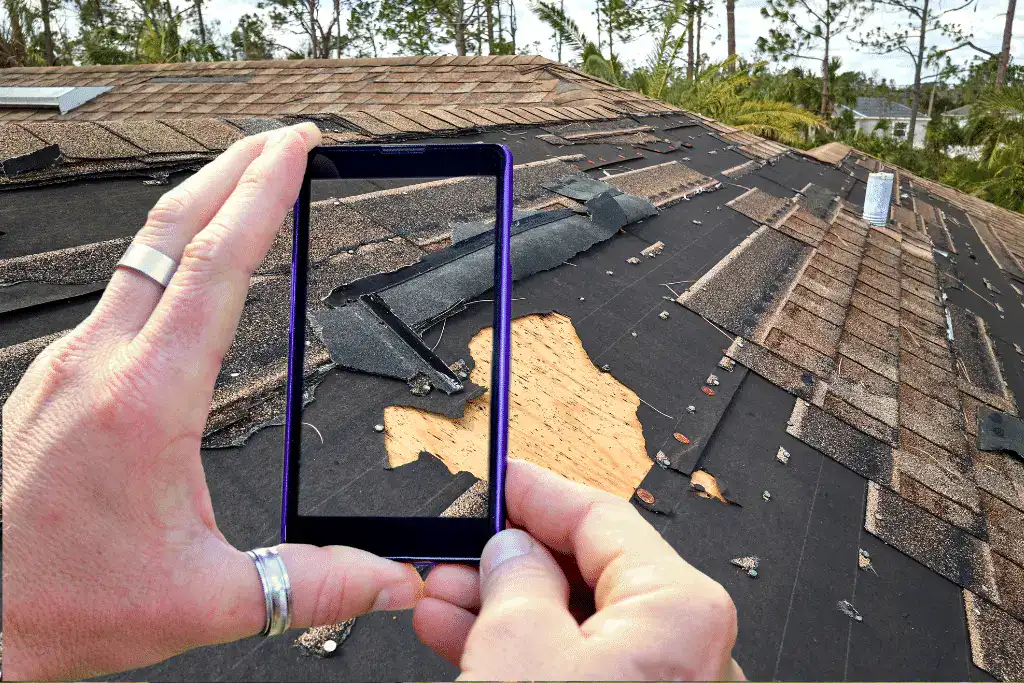
- Take clear photos of the damage from different angles.
- Write down any cracks, holes, or changes in the roof’s shape.
- Include the time and where you took the photos in your notes.
- Save any receipts for temporary fixes to prevent more damage.
- Put everything in a folder labelled with the storm’s date and its severity.
Good documentation helps your insurance claim go smoothly. It ensures you don’t face any delays, outlining what to do during an emergency roof repair situation.
Immediate Actions for Homeowners During a Roof Emergency
When a roof emergency happens, homeowners need to act fast. This helps protect their property and keeps everyone safe. Here are the key steps to take in urgent situations.
First Steps to Minimize Interior Damage
Start by moving things away from where leaks might happen—place buckets under drips to catch water. Use plastic sheeting to cover ceilings or walls.
Make barriers with towels or blankets to keep water away from electronics and floors. Seal gaps with duct tape to slow down the flow of moisture.
When to Evacuate Your Home
- Visible sagging or creaking noises signalling structural instability
- Water pooling near electrical outlets or circuit boxes
- Large missing shingles or exposed roof decking
- Cracks in walls or ceilings are spreading rapidly
Leave your home immediately if you notice these signs. Call emergency services if there’s a risk of the building collapsing.
Essential Emergency Supplies for Roof Incidents
Keep these items in a waterproof container:
- Heavy-duty tarps and rope
- Plastic sheeting and duct tape
- Sandbags or towels for water containment
- Hard hats and gloves for safety during inspections
- Flashlights and batteries for low-light conditions
Store them in a place that’s easily accessible near your home’s entry points.
How to Temporarily Stop a Leaking Roof
When water starts pouring through your roof, knowing how to stop a leaking roof temporarily is critical. These steps can help during an emergency roof repair situation until a professional arrives. Start by finding the leak from inside the attic with a flashlight.
Look for wet spots or light shining through gaps in the roof deck or shingles. Safety first: don’t climb a damaged roof in bad weather. Work from the attic or ground if it’s safe.
- Seal visible cracks or gaps with roofing cement or silicone caulk. Press the material into the seams around vents, chimneys, or areas with missing shingles. Apply evenly with a putty knife.
- Cover larger holes with heavy-duty aluminum or plastic sheeting. Secure it with nails or roofing tape, then weigh down edges with sandbags. Avoid blocking airflow around vents or chimneys.
- Install a tarp over the damaged area. Use galvanized nails and drip edges to direct water away from the leak. Ensure the tarp extends at least 2 feet beyond the damaged zone.
- Inside the home, place buckets or towels under leaks to catch drips. Use plastic sheeting over ceilings or walls to slow water penetration until repairs are made.
Always prioritize safety—wet roofs are slippery and unstable. These fixes are short-term solutions. Contact a licensed roofer immediately to address structural issues. Document all temporary repairs for insurance claims, noting materials used and dates applied.
DIY Temporary Roof Covering Techniques
When your roof is damaged, do you know how to cover a damaged roof temporarily? It can stop water damage and prevent costly roof repairs. Quick action helps prevent further damage until experts can repair it. Here are the steps to make a good temporary cover.
Using Tarps for Emergency Coverage
- Choose a heavy-duty, waterproof tarp big enough to cover the damaged area by 3 feet on all sides.
- Secure the corners with ropes tied to roof vents or gable peaks. Make sure not to touch the shingles to avoid damage.
- Use sandbags or bricks to weigh down the edges. This keeps the tarp tight during windy moments.
Temporary Patching Methods
For specific leaks, use these fixes based on your roof type:
- Asphalt Shingles: Use roof cement and metal flashing to fix split seams or missing shingles.
- Metal Roofs: Cut vinyl patches to fit dented spots and seal them with caulk specifically designed for metal.
- Flat Roofs: Place rubberized asphalt membranes over holes, pressing them firmly to adhere.
Materials for Quick Fixes
Good materials include:
- 6×6 ft. polyethylene sheeting ($15–$25): Perfect for small leaks under tarps.
- Roofing cement: Costs $3–$8 per tube, great for sealing seams. EPDM rubber: Lasts long on flat roofs, priced at $0.50–$1 per square foot.
Always prioritize safety—never attempt to fix roofs during storms. These fixes are temporary; getting a pro’s opinion is key to avoiding lasting damage.
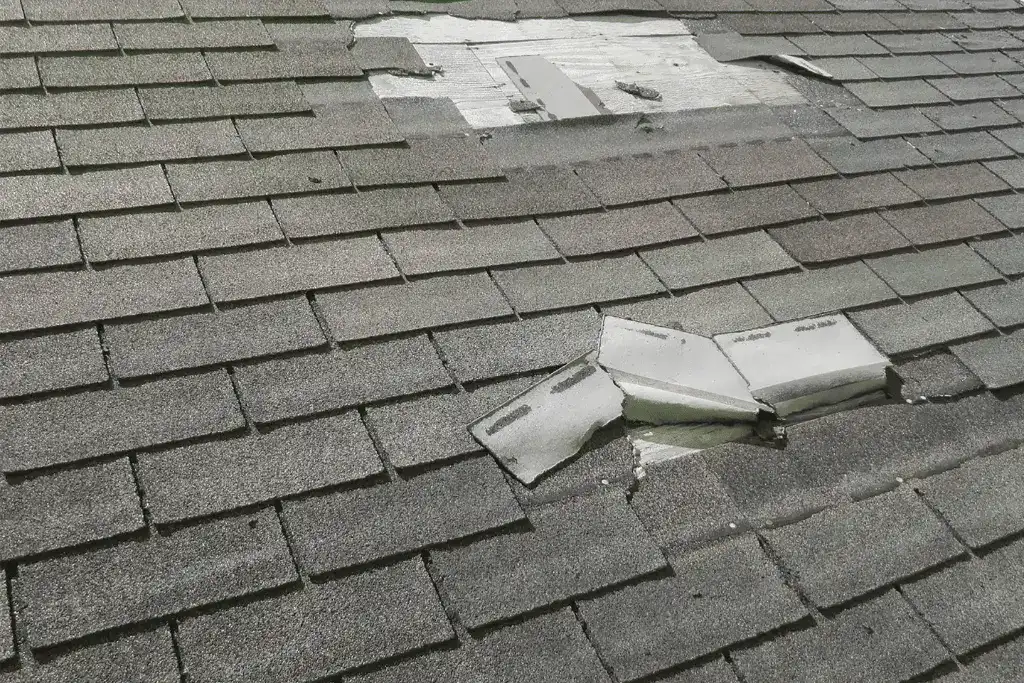
When to Call Professional Emergency Roof Repair Services
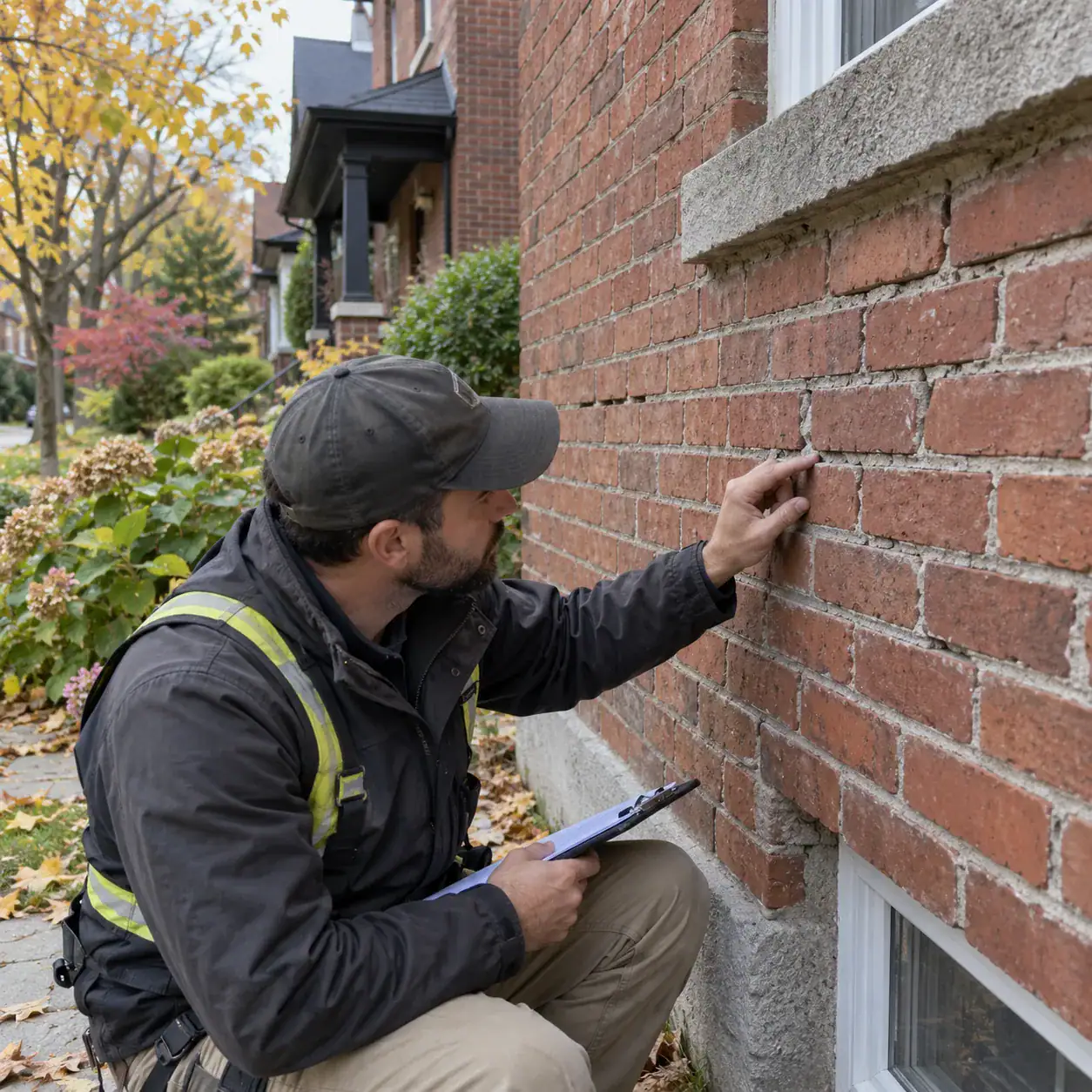
It’s important to know when to call for professional roof repair. This is for your safety and to save money. Contact experts immediately if you notice structural damage, significant leaks, or hazardous conditions. Here are signs you need professional help:
- Visible sagging, cracks, or holes in the roof deck
- Water stains spreading across ceilings or walls
- Missing shingles covering more than 25% of the roof
- The presence of mould or rot indicates prolonged water intrusion
- Rooftop debris is too dangerous to handle without equipment
Professional roofers will respond quickly, usually within 24 hours. They will inspect safely using harnesses and ladders. They might put a tarp on your roof to protect it.
They will determine if you need a new roof or just a quick repair. Don’t call for help if it’s just a minor cosmetic issue. However, if you have significant problems, such as valleys collapsing or broken flashings, don’t wait. It could cost you a lot more in the future.
Ensure that the roofers you choose are licensed, insured, and reputable. Always take photos of the damage. This helps when you talk to your insurance company.
What to Expect from Professional Roofers During an Emergency
When your roof is damaged, knowing what professional roofers do in emergencies is crucial. They focus on safety and quick fixes to secure your home fast. Here’s what you can expect and what to keep in mind.
Timeline for Emergency Repairs
Roofers typically arrive within 24-48 hours after you call. Here’s what happens next:
- They check your roof quickly, usually in 1-2 hours.
- They fix temporary problems on the same day to prevent further damage.
- They plan the complete fix for 1-7 days, depending on the severity of the issue.
Services Included in Emergency Repair Packages
Emergency roof repair services often include:
- They use drones or aerial views to check your roof.
- They remove water and dry out your home to stop mould.
- They put on temporary tarps or seals to keep your home dry inside.
- They fix any weak spots in your roof’s structure.
- They help with insurance claims.
Questions to Ask Your Emergency Roofer
Ask these 10 questions to make sure you understand what they offer:
- How quickly can you reach me in an emergency?
- Are temporary fixes included in the cost?
- Do you provide warranties for emergency work?
- Will you help with my insurance claim?
- How do you handle cleaning up after the job?
- What safety certifications do your workers have?
- Can you give me references from past emergency jobs?
- What’s the cost of the permanent fix?
- Will you check the attic for hidden damage?
- How long will the whole repair take?
Talking clearly with your roofer helps you work together to fix your roof fast.
To contact A&A Masonry for emergency roofing services, you may call us at 416-236-8721
Navigating Insurance Claims for Storm-Damaged Roofs
After a storm hits, filing an insurance claim is crucial. Homeowners need to act fast, usually within 24-48 hours. This ensures they meet policy deadlines. Taking photos and obtaining repair estimates helps, especially for emergency roof repairs, as it allows Toronto experts to assess the damage.
Here are the main steps:
- Check your policy to see if it covers storm damage.
- Provide your insurer with a detailed timeline and all supporting documentation of the damage.
- Request a professional roofing estimate to support your claim.
Don’t agree to partial payments without verifying that they address all safety issues.
Common mistakes include:
- Insurers might lower payouts for older roofs due to depreciation.
- There may be disagreements over what constitutes an “emergency.”
- Missing deadlines for preventing costly roof repairs can be a big problem.
Always ask adjusters to explain terms like “actual cash value” versus “replacement cost.”
Roofers skilled in emergency roof repair in Toronto can assist in negotiating with insurers. They provide detailed damage reports. Keep records of all talks and ensure estimates match the necessary repairs. Regular upkeep can also reduce future claims, making it a wise choice to prevent costly roof repairs.
The Cost of Emergency Roof Repairs vs. Preventive Maintenance
Homeowners often face tough choices between emergency roof repairs and ongoing maintenance. It’s essential to know the financial difference between these options. Preventing costly roof repairs through proactive care can save thousands over time.
Average Costs for Emergency Services
Emergency roof repairs vary significantly based on location and the severity of the damage. Here are typical costs homeowners might face:
- Urban areas: $500–$2,000+ for urgent fixes
- Rural regions: $300–$1,500 for common issues like loose shingles or leaks
- Storm-damaged roofs: $2,500–$5,000 for widespread repairs
Factors That Affect Emergency Repair Pricing
Several variables drive up emergency repair costs:
- After-hours or holiday services often add 20–30% to labour fees
- Scarce materials during disasters can double material costs
- Steep roofs or hard-to-reach areas increase labour expenses
- Regional market competition affects pricing in different states
Long-term Financial Benefits of Regular Maintenance
Regular maintenance offers substantial long-term savings. Key benefits include:
- Extended roof lifespan: Proper care can add 12+ years to a roof’s life
- Cost comparison: Annual $200 maintenance vs. $3,000+ emergency repairs
- Insurance discounts: Some insurers offer premiums for maintained roofs
A 2023 study by the National Association of Home Builders found that roofs with routine inspections saved homeowners an average of $4,500 over 10 years. Taking steps to prevent costly roof repairs through inspections, debris removal, and sealant applications can cut emergency expenses by up to 60%. Prioritizing maintenance turns small investments into long-term financial protection.
Preventing Future Roof Emergencies Through Regular Maintenance
Preventing costly roof repairs starts with proactive maintenance. Regular inspections and maintenance prevent minor issues from escalating into emergencies. Follow these steps to avoid expensive roof repair:
- Inspect roofs twice yearly—spring and fall—to catch wear, loose shingles, or debris buildup.
- Trim overhanging tree branches to keep limbs from scraping shingles or dropping debris during storms.
- Clear gutters of leaves and twigs to prevent water overflow from damaging the roof edges.
- Check flashing around chimneys, vents, and skylights yearly. Loose seams let moisture seep under shingles.
Preventing costly roof repairs also requires specialized care for each material. Asphalt shingle roofs require annual inspections to detect signs of granule loss. Metal roofs demand periodic sealant checks at seams. Homeowners in cold climates must ensure attic insulation prevents ice dams, which warp roof decks.
Partner with a licensed contractor for biannual inspections. They can spot warped rafters, loose fasteners, or moss growth early. Address minor cracks or missing shingles immediately to avoid rot.
Create a maintenance checklist:
- Inspect the roof surface for curled or missing shingles.
- Examine valleys where water flows for cracks.
- Test sealants around vents and chimneys.
- Document issues with photos for contractor reviews.
Maintaining proper ventilation helps prevent heat buildup that can warp decking—pair intake vents with ridge vents to balance airflow. Replace worn weatherstripping around skylights annually.
Early signs, such as damp stains on ceilings or sagging attic sheathing, signal hidden damage. Acting quickly on these signs can cut repair costs by 30-40% compared to emergency fixes, according to the National Association of Home Builders.
FAQs
What is an emergency roof repair?
An emergency roof repair is needed for sudden and severe roof problems. This includes leaks or damage from bad weather, fallen trees, or other urgent issues. It’s done to stop more damage and keep everyone safe.
What types of roof damage necessitate emergency repairs?
Emergency repairs are needed for severe leaks, missing or broken shingles, and damaged flashing. Additionally, significant structural damage and storm-related issues, such as debris or hail, are urgent. It’s crucial to determine if you need to act quickly.
How can homeowners temporarily stop a leaking roof?
To stop a leak, locate its source and use roofing tape, sealants, or tarps. Move valuables and use buckets to catch any water that may spill. This helps until a pro can fix it.
When should homeowners call for professional emergency roof repairs?
Call pros for significant structural damage, leaks that can’t be fixed at home, or if it’s not safe to go on the roof. They possess the right tools and expertise for addressing serious problems.
What steps should homeowners take immediately after a storm?
After a storm, inspect your roof safely, take photos of any damage, and temporarily repair leaks. If the damage is severe, contact emergency roof repair services immediately.
How can homeowners document roof damage for insurance claims?
Document damage with clear photos, detailed descriptions, and the date and time. Please keep this information organized and send it to your insurance company quickly to expedite the process.
What should homeowners expect from professional roofers during an emergency?
Expect roofers to inspect the damage, provide temporary fixes, and plan for permanent repairs as needed. Good communication about when and what they’ll do is essential.
What can homeowners do to prevent costly roof repairs in the future?
To avoid expensive repairs, it is essential to keep up with regular maintenance and inspections. Address minor issues promptly and ensure your roof is adequately insulated and ventilated. Working with a reliable roofer is also helpful.
Conclusion
Knowing how to handle emergency roof repairs is crucial for keeping homes safe during storms. Quick action to fix leaks or call experts can save a lot of money. Always prioritize safety and avoid DIY fixes that could be dangerous.
In places like Toronto, there are roof repair experts ready to help. Across the country, skilled contractors assess damage and offer quick fixes. Waiting too long can lead to more significant problems, such as water damage or structural issues.
Regular checks and minor repairs can prevent big emergencies. Taking care of your roof now can save money later. Keep emergency supplies, such as tarps and tools, on hand. Being prepared and knowing when to call for help can protect your home from storms.
Enhance and Protect Your Toronto Property with A&A Masonry!
With decades of expertise, A&A Masonry delivers top-quality masonry, waterproofing, and exterior restoration services in Toronto. From brick and stone repairs to basement waterproofing and interlocking stone installations, we ensure lasting results with expert craftsmanship.
🔹 Skilled & Experienced Masons
🔹 Comprehensive Restoration & Waterproofing Solutions
🔹 Customer-First Service with Transparent Pricing
Our Services Include:
-
Concrete Repairs
-
Stone Masonry
-
Brick Painting
-
Interlocking Stone Pavers
-
Parging
-
Tuckpointing
-
Brick Repair
-
Fireplace Stone Veneer
-
Chimney Repair
-
Commercial Exterior Painting
-
Basement Waterproofing
-
Stucco
-
Interlocking Stone Installation
-
Interlocking Steps
-
Roofing