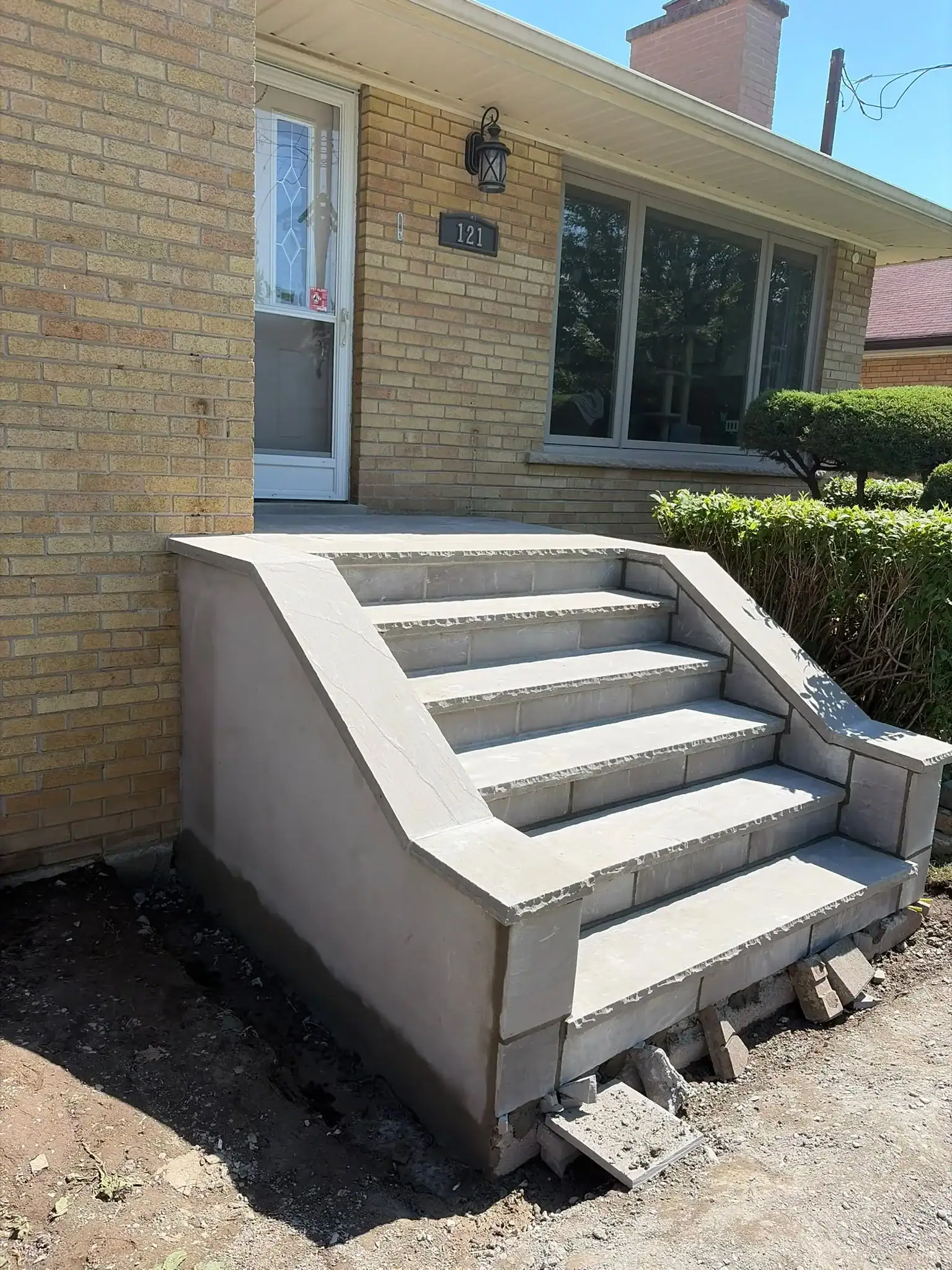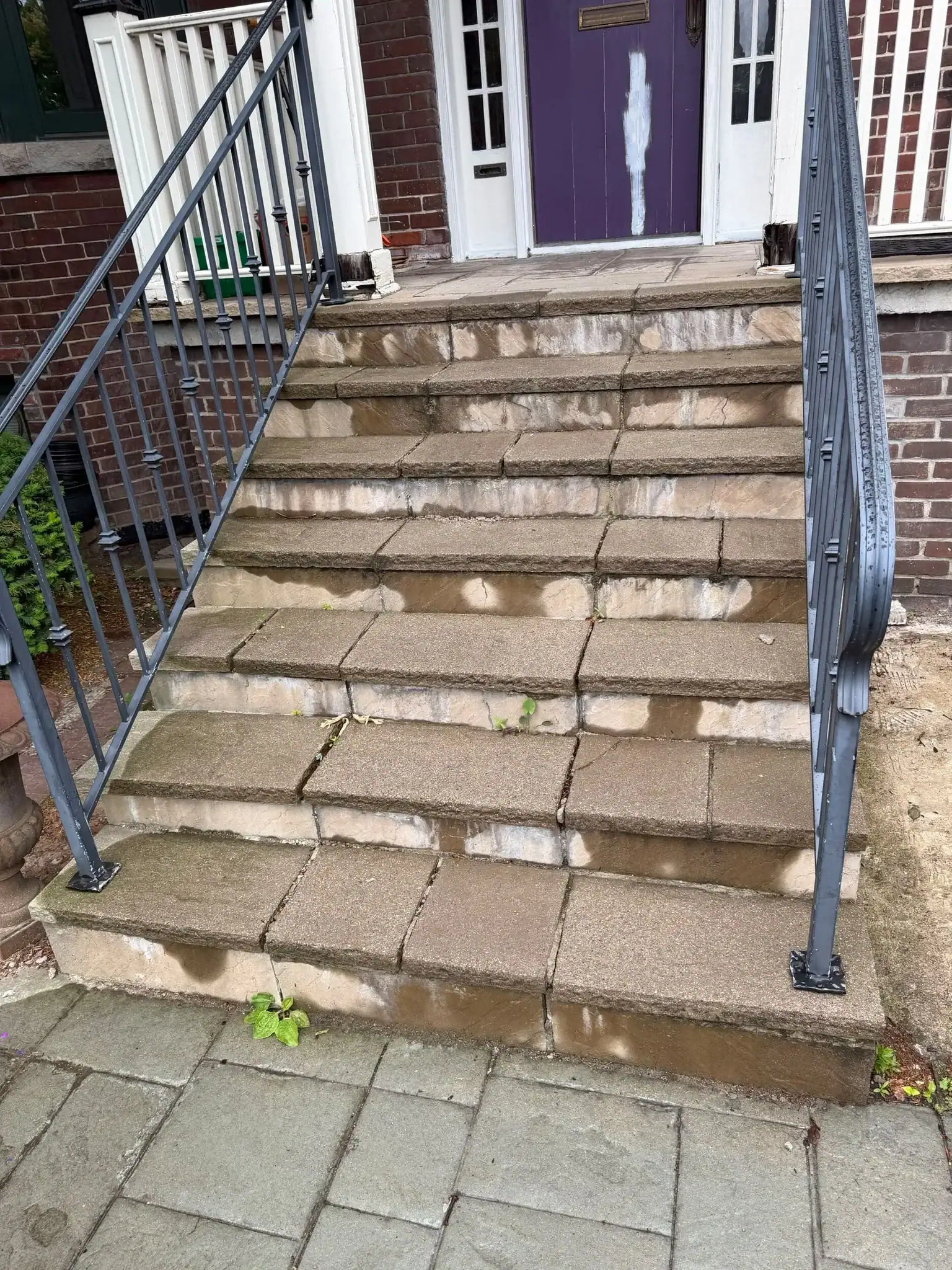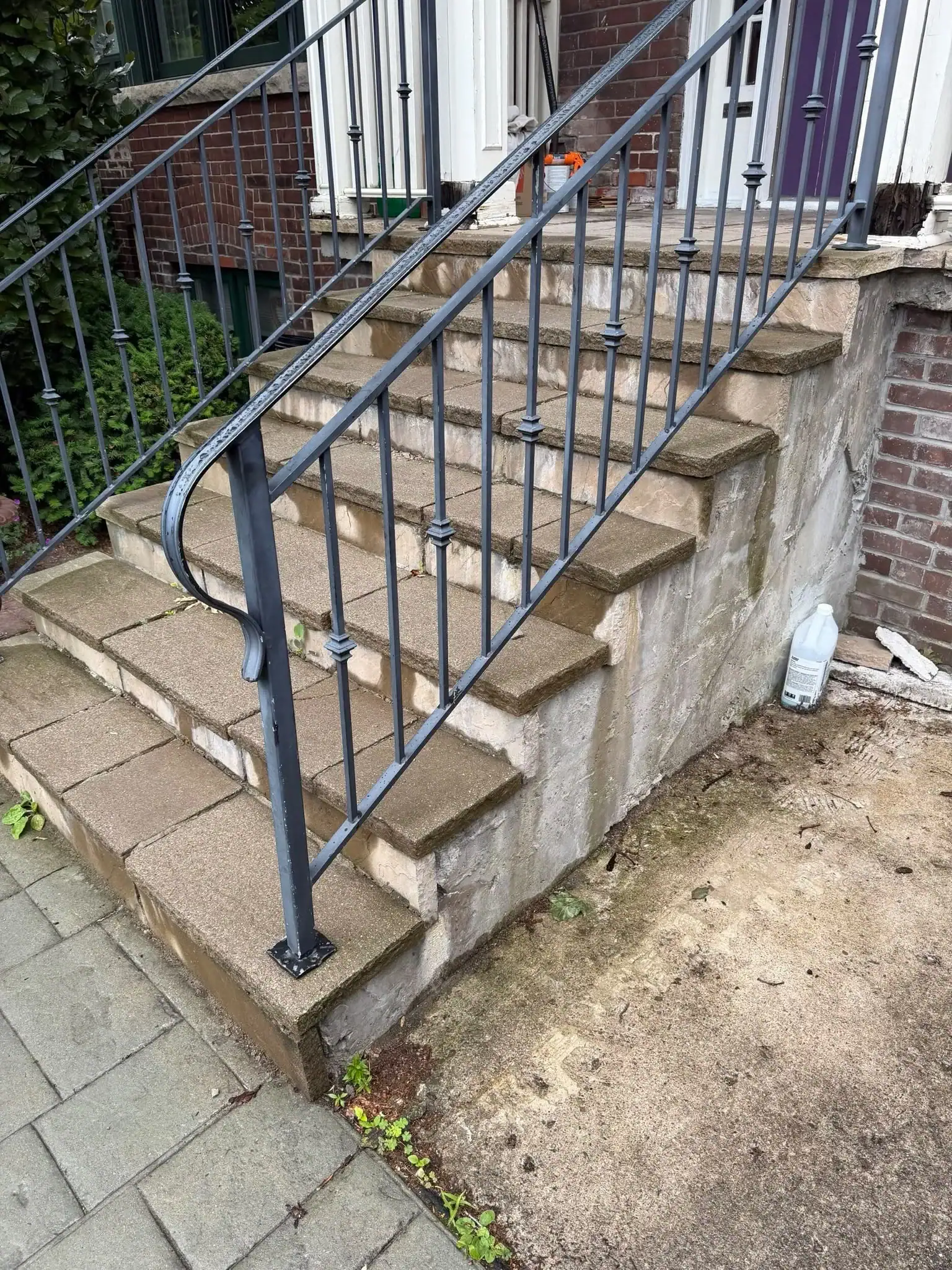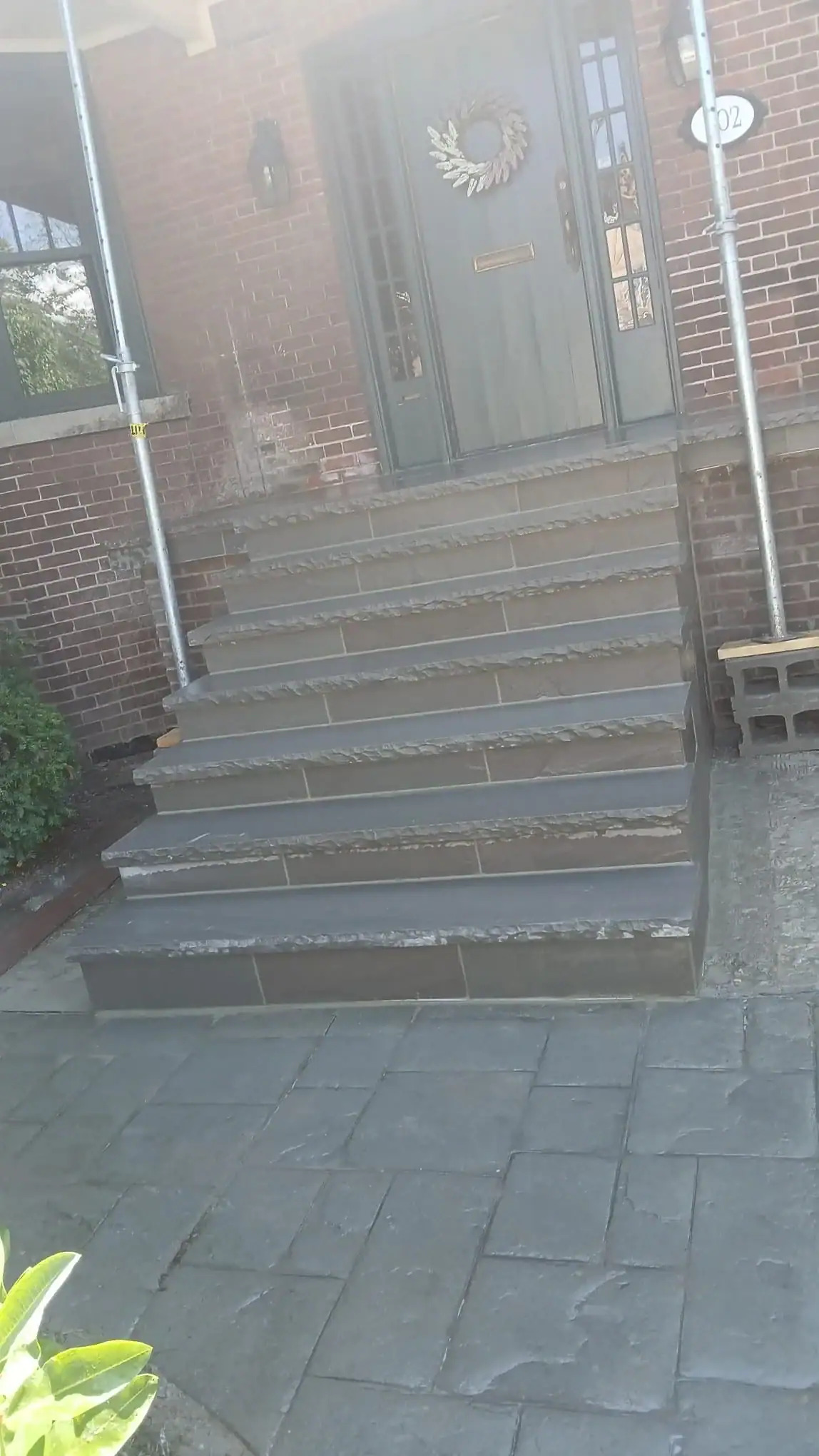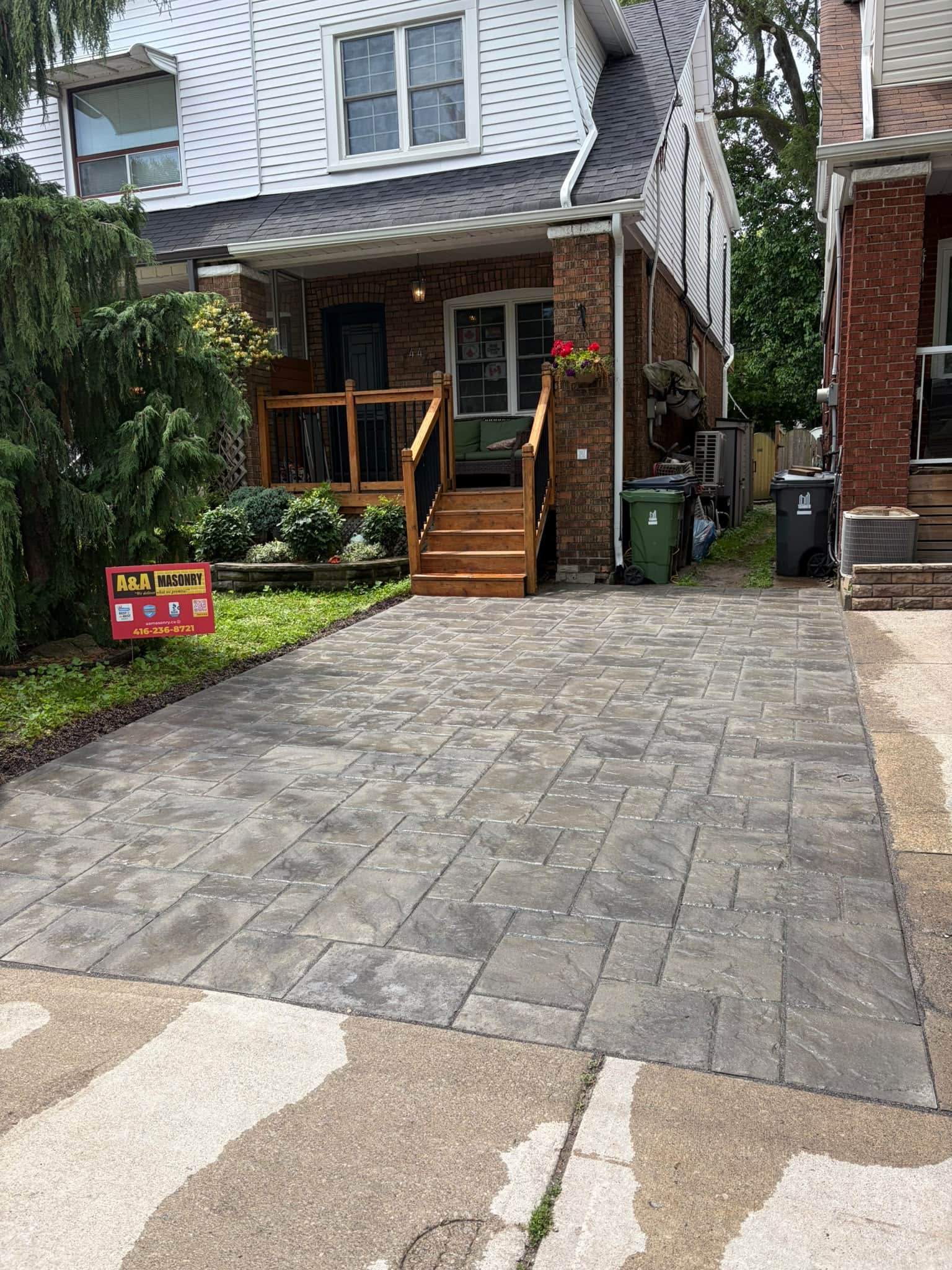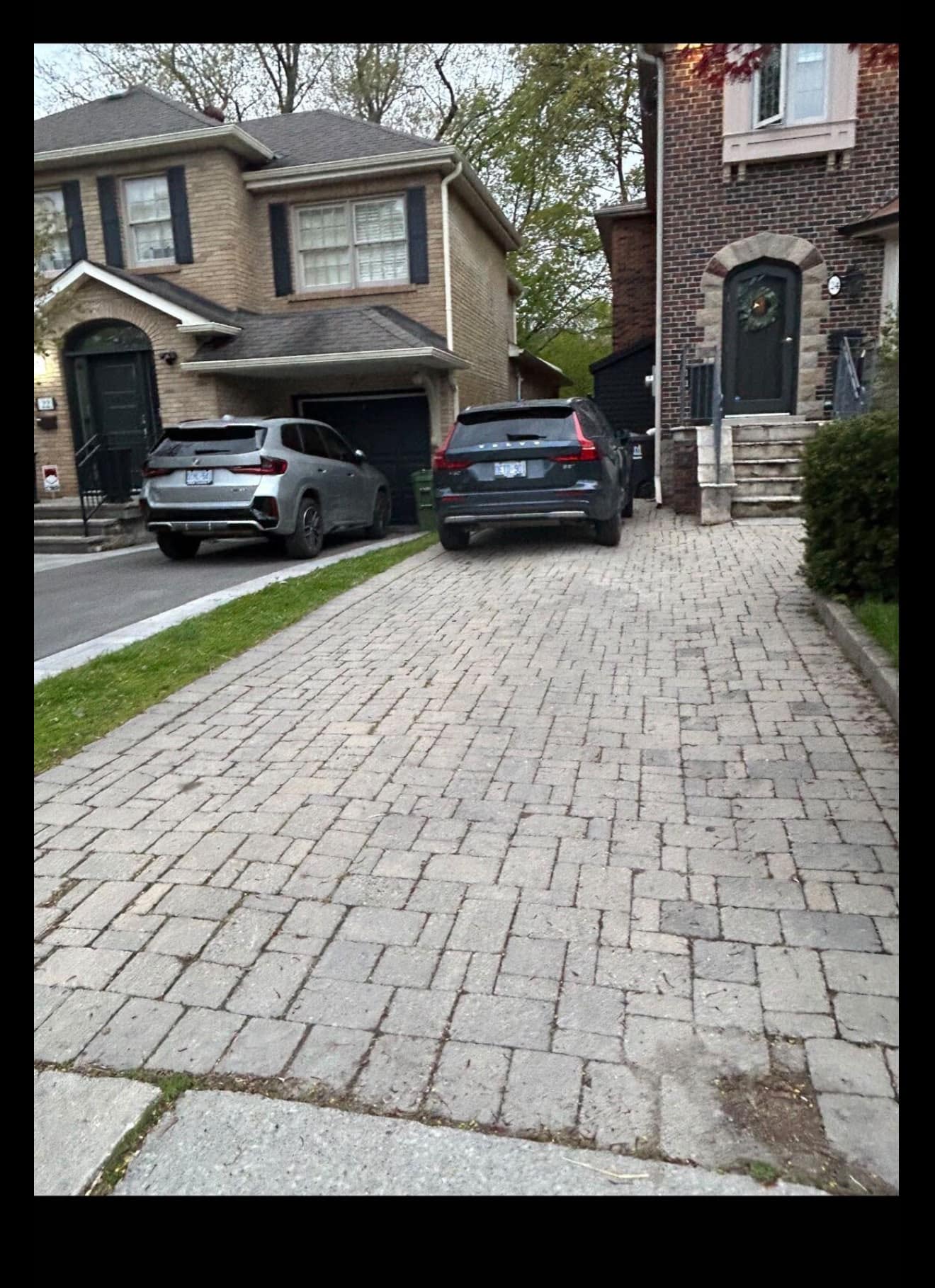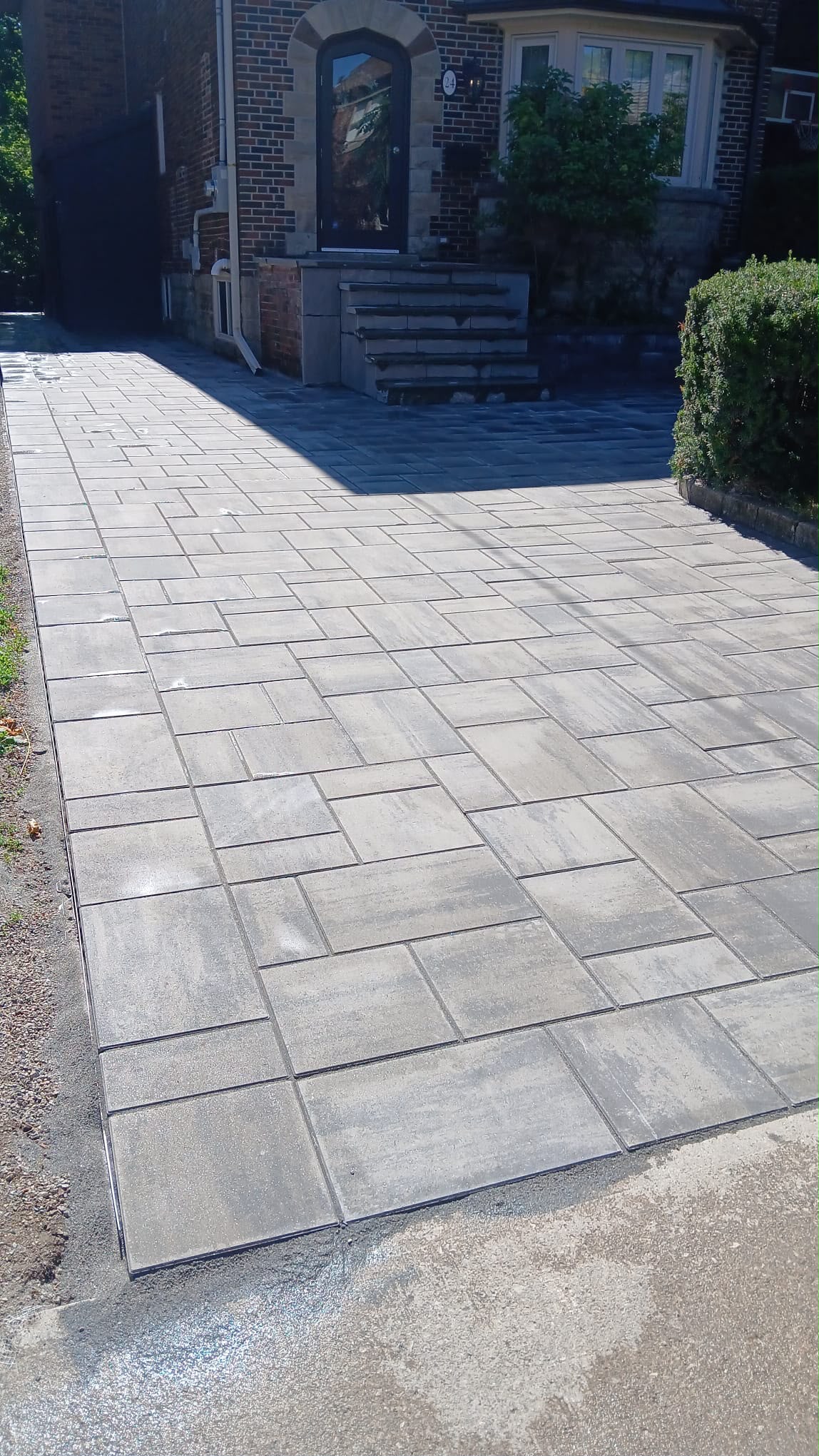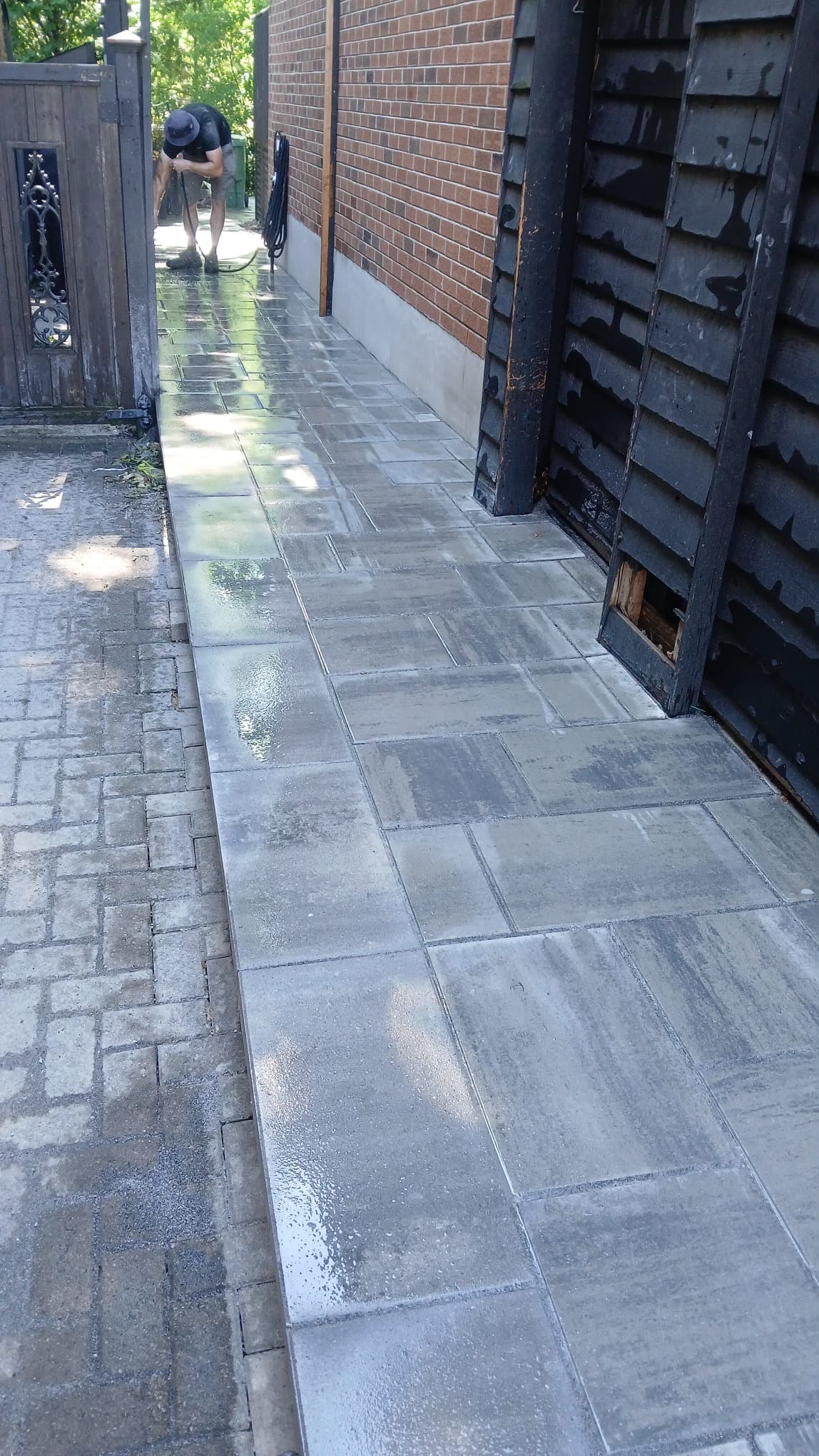
Natural Patio Stones vs. Pavers: Which is Best for Your Home?
The choice between natural and artificial hardscaping often centers on cost, with many assuming concrete products are cheaper. However, some manufactured pavers can exceed the price of natural stones, making it vital for buyers to compare specific products.
The price gap between concrete and natural stone pavers has narrowed recently, but it’s essential to factor in maintenance costs and lifespan.
Top Three Types Of Natural Patio Stones Include:
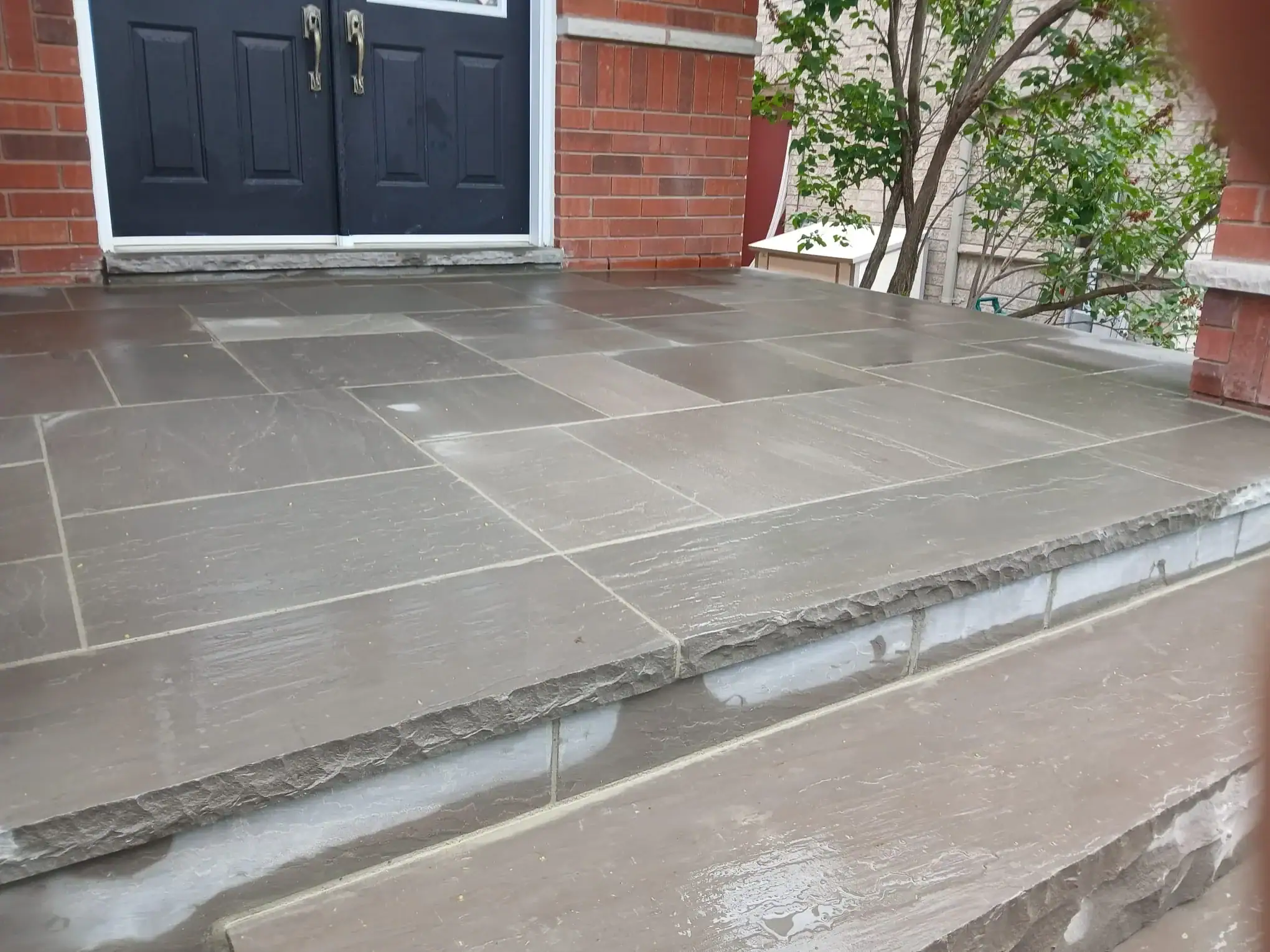
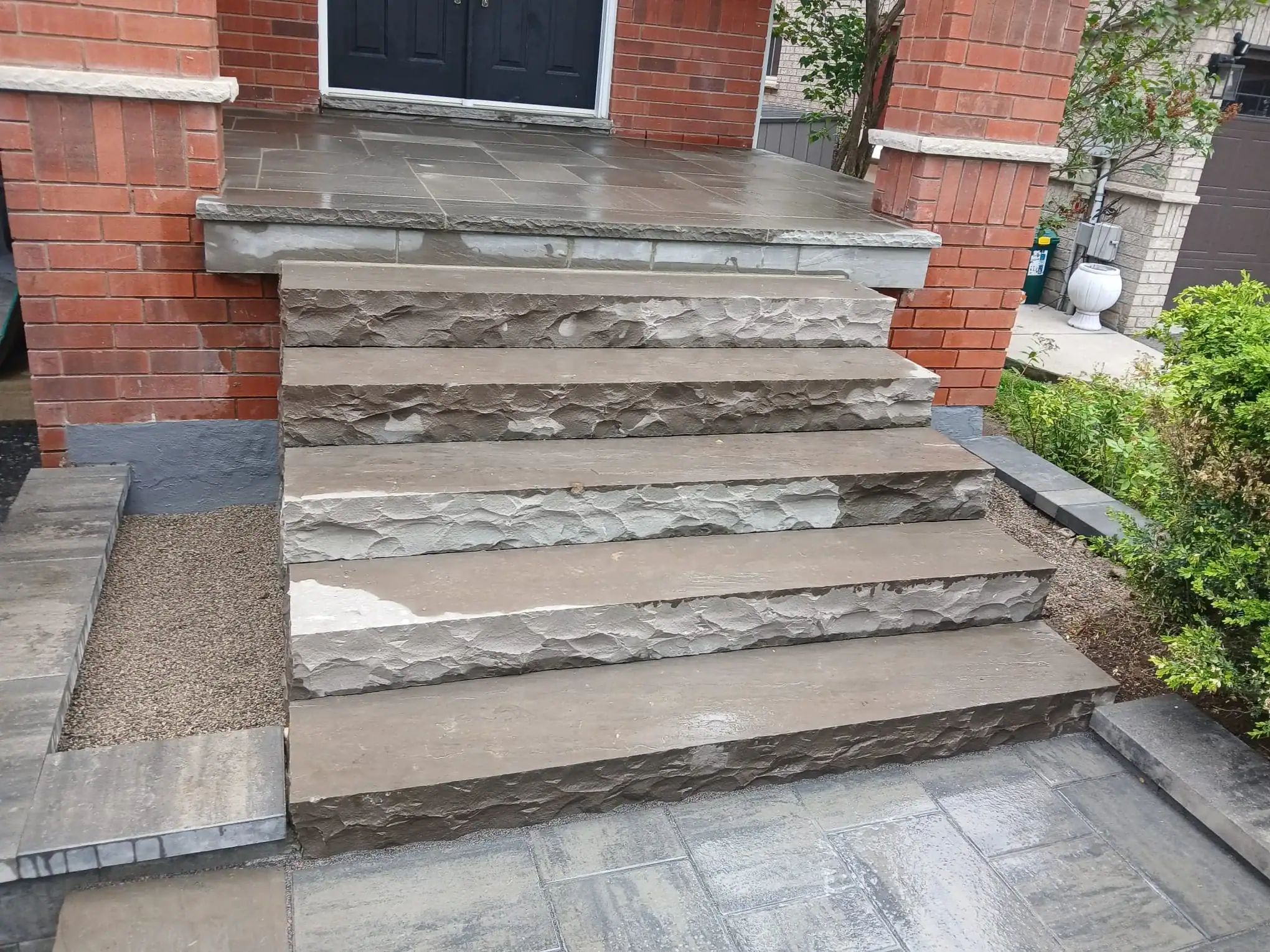
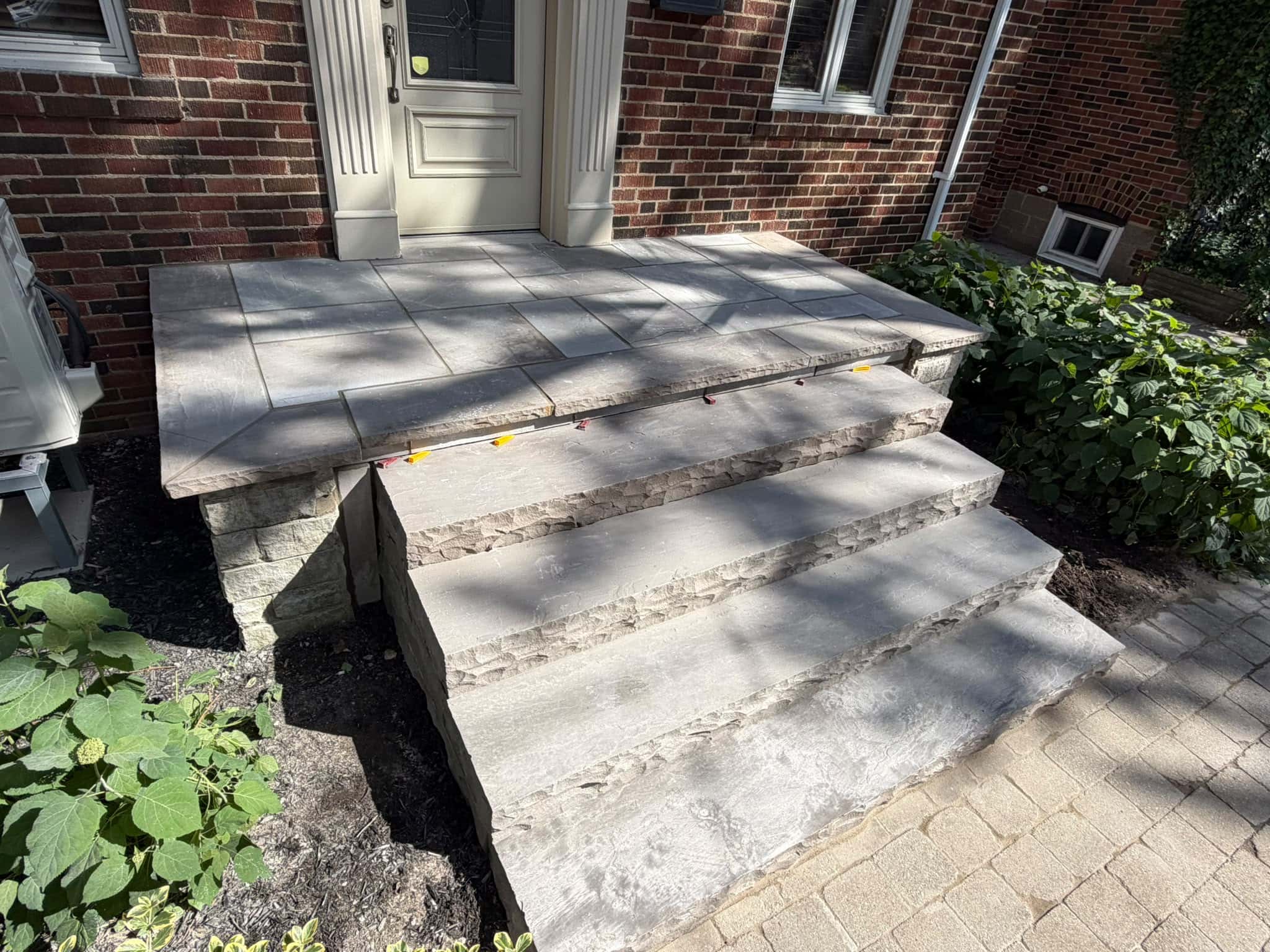
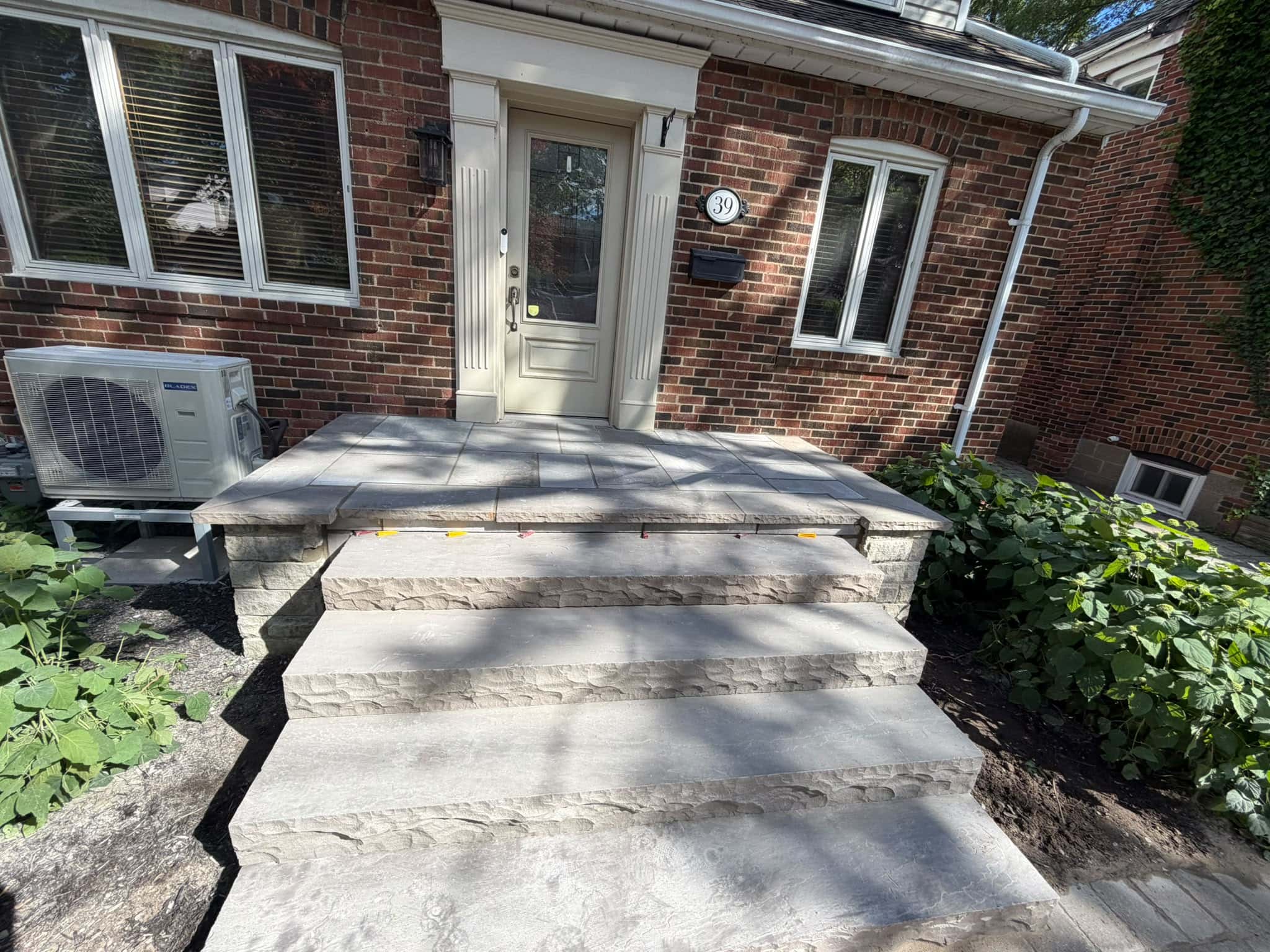
Enhancing your outdoor living space with natural patio stones can transform your hardscape into a stunning retreat. Whether designing a new patio, building a retaining wall or adding to your existing masonry, choosing the right type of stone can be a break or make it. Here are the top types of natural patio stones that transform your outdoor living from simple to breathtaking havens.
Slate
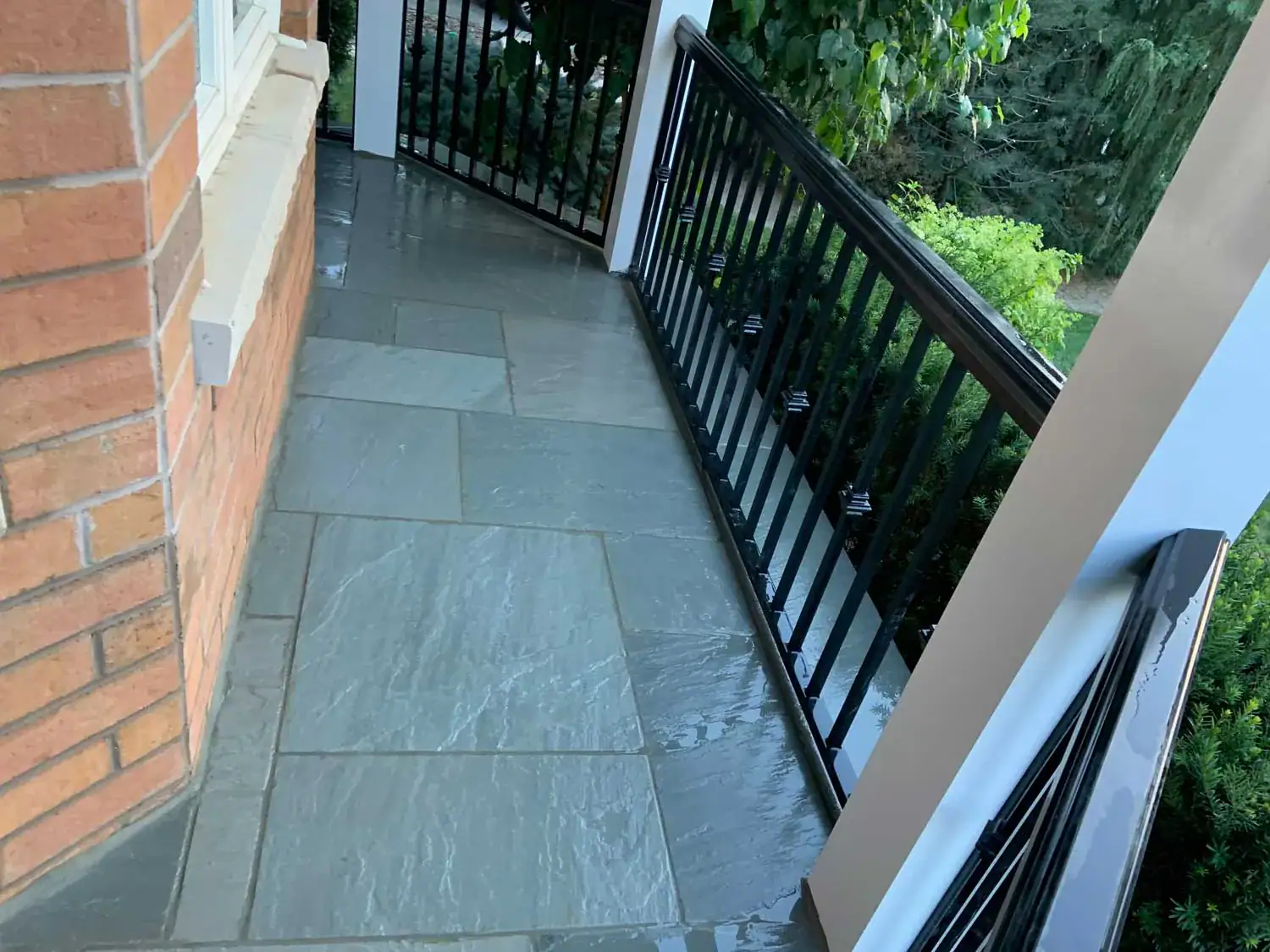
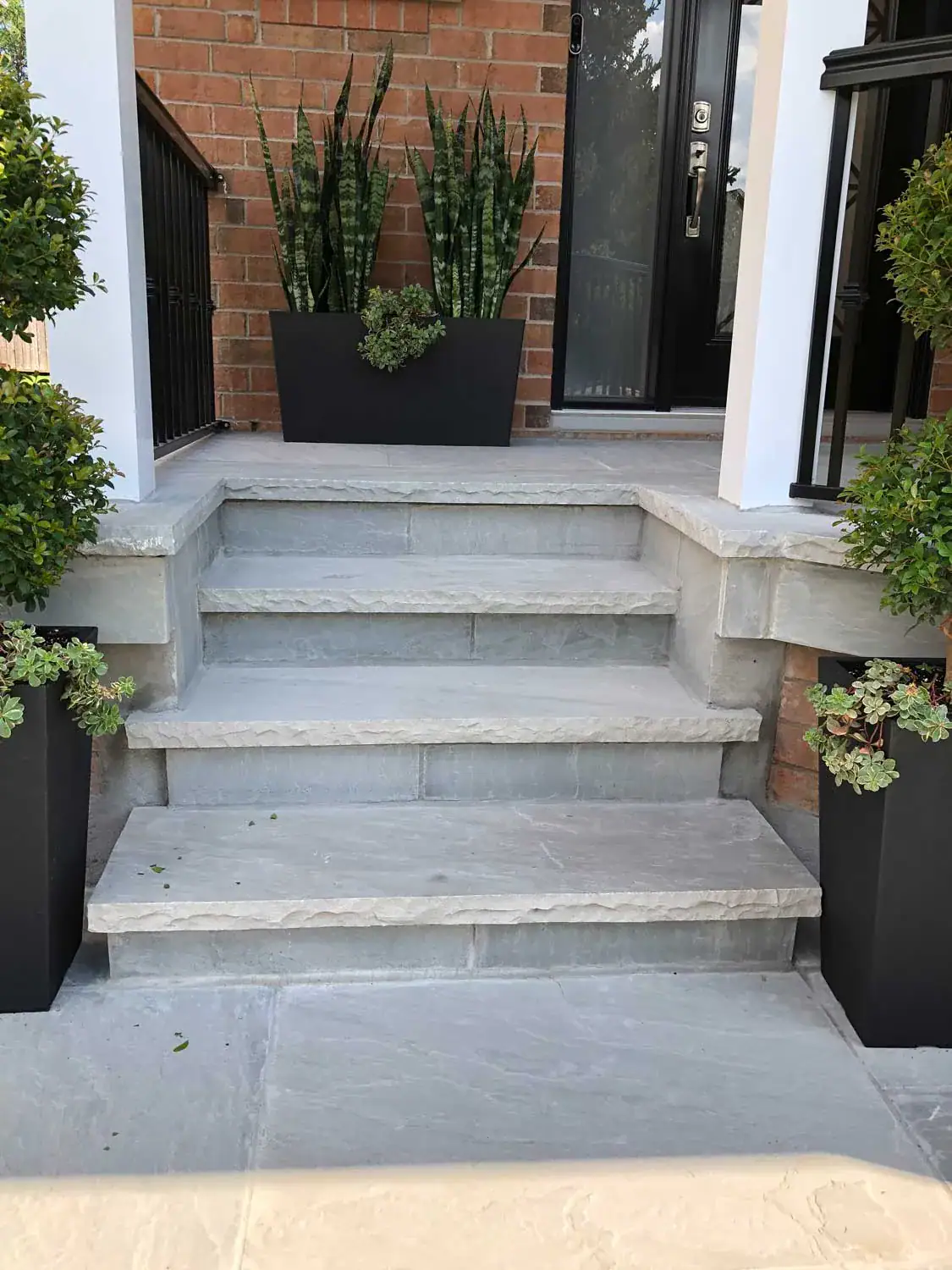
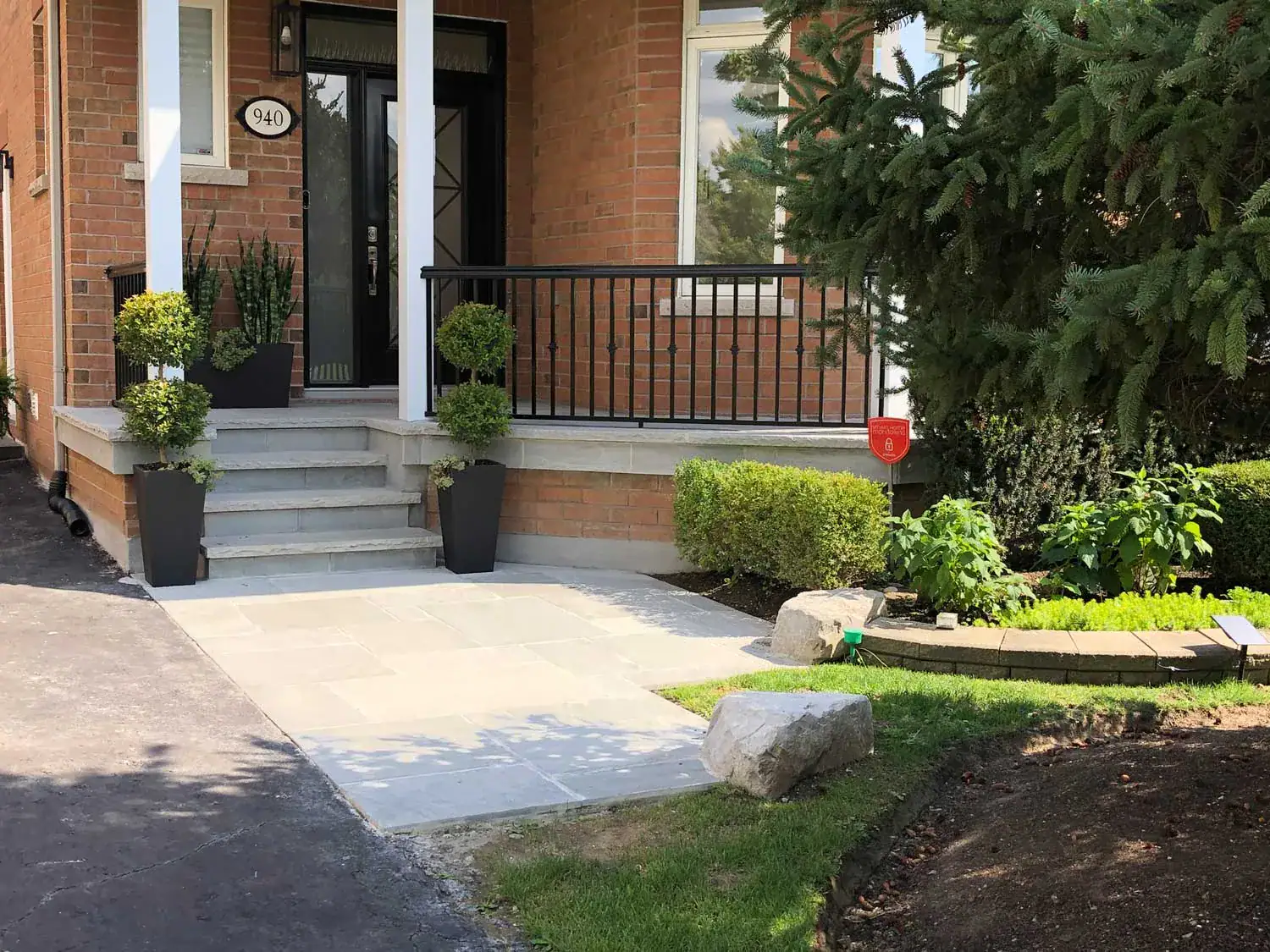
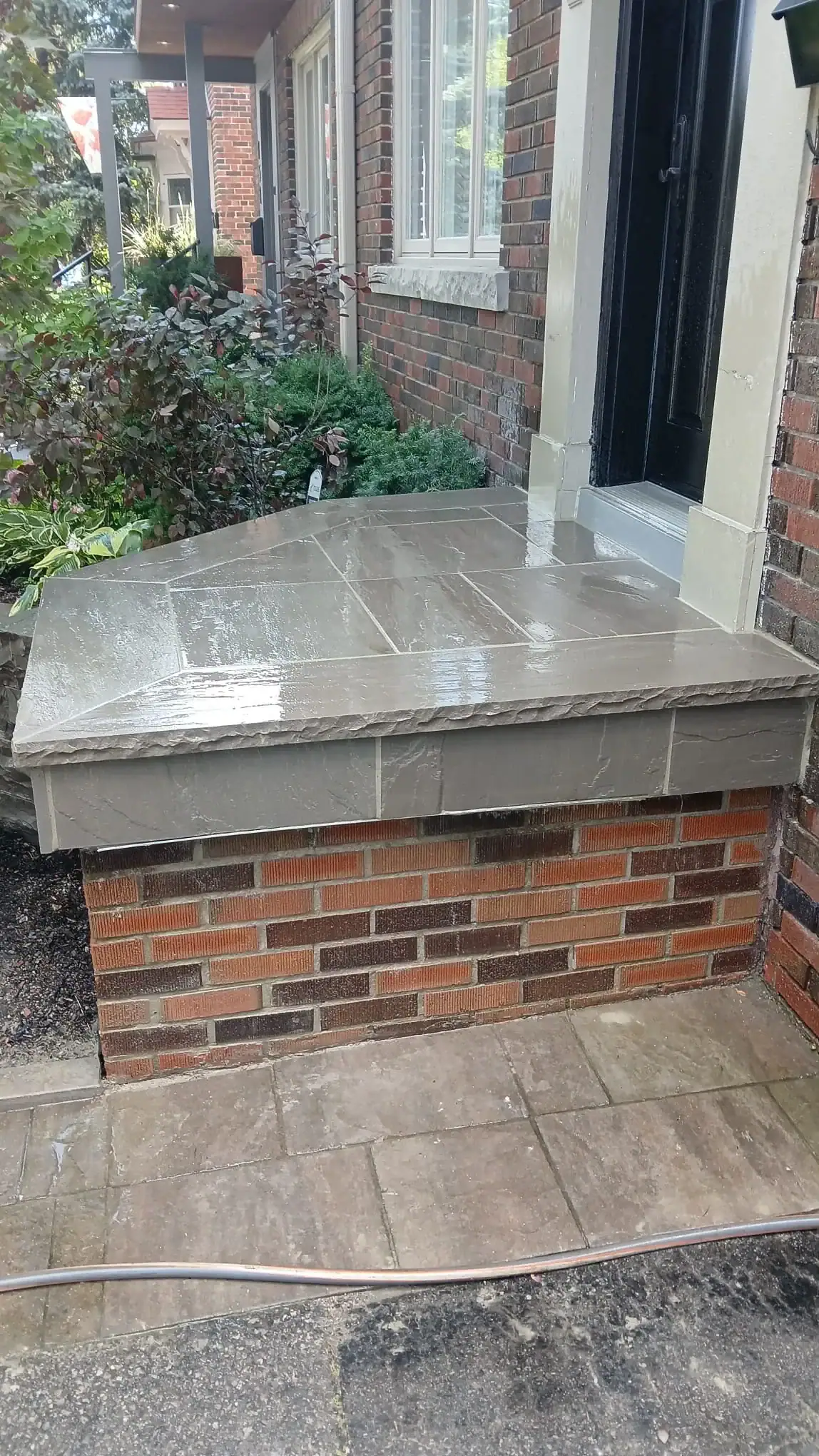
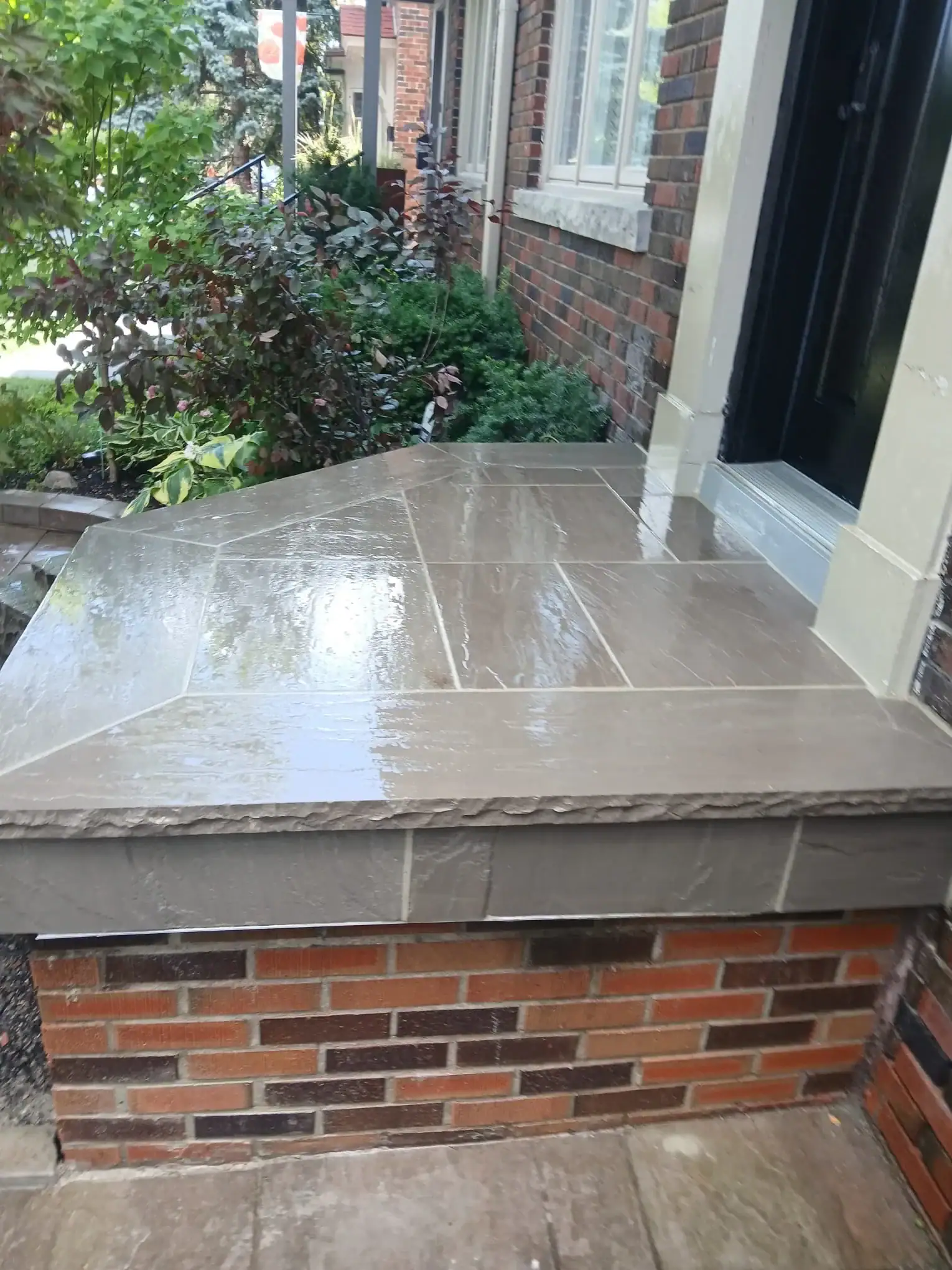
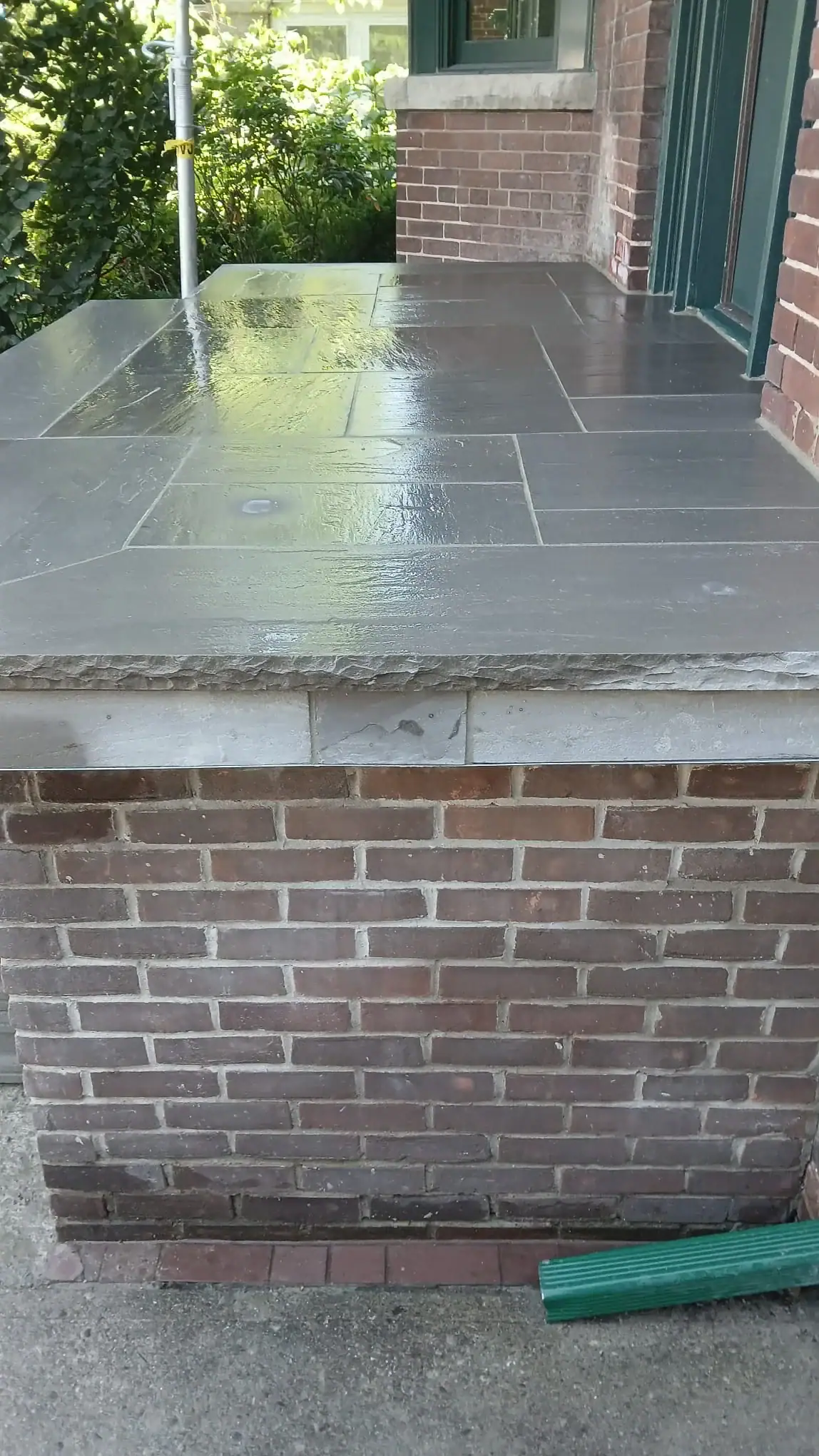
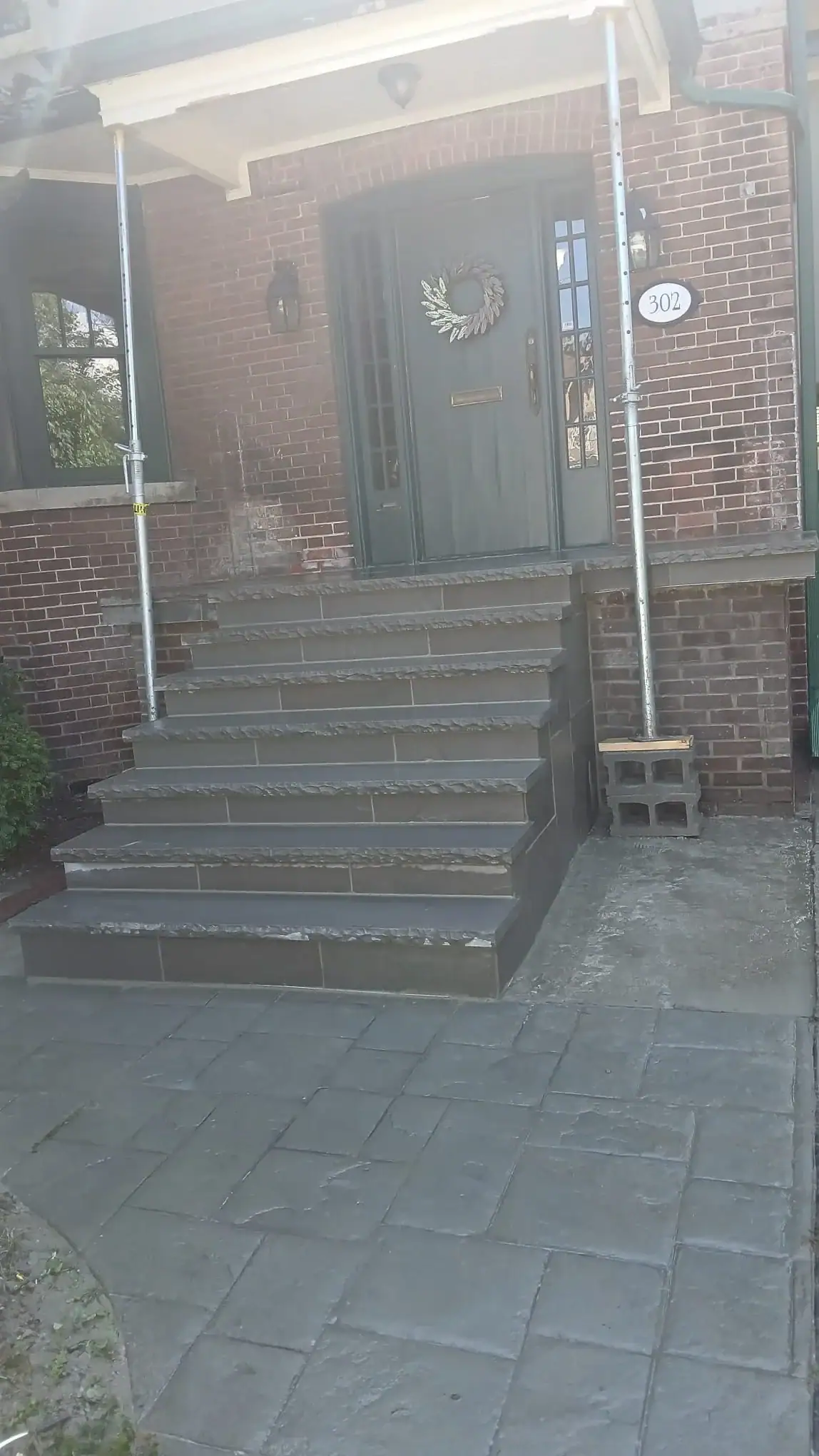
Known for its rich colors and layered texture, slate is a popular choice for patios. It offers a non-slip surface and can be cut into various shapes for creative designs.
Limestone
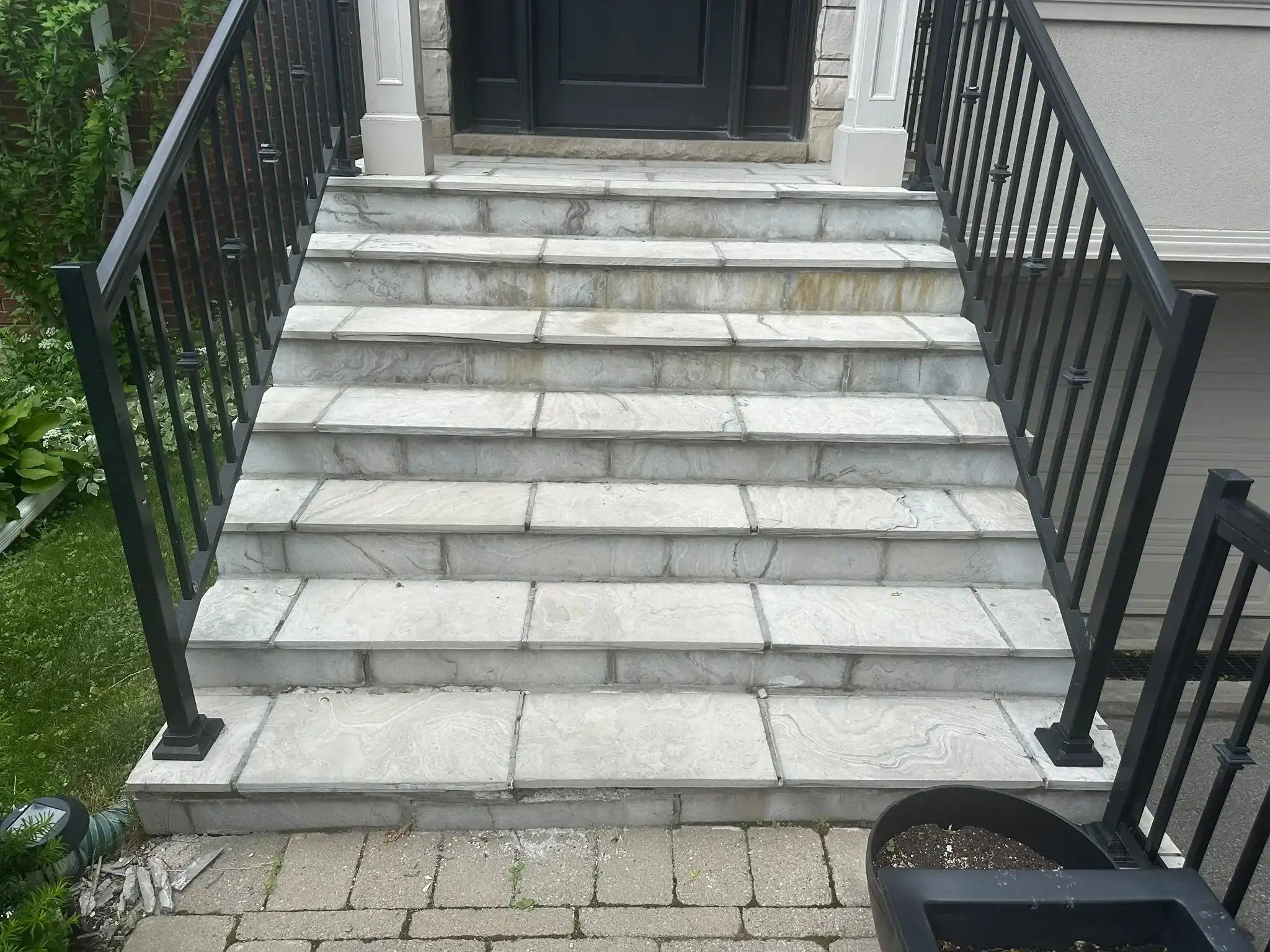
This sedimentary rock is favored for its durability and availability in various colors. Limestone has a softer texture, making it easy to work with for areas like pavements and pool decks, and it often features natural fossils, adding character to outdoor spaces.
Granite
Renowned for its strength and resistance to weathering, granite is an excellent option for high-traffic areas. Its natural patterns and color variations provide a sophisticated look and pair well with permeable pavers for environmentally friendly designs.
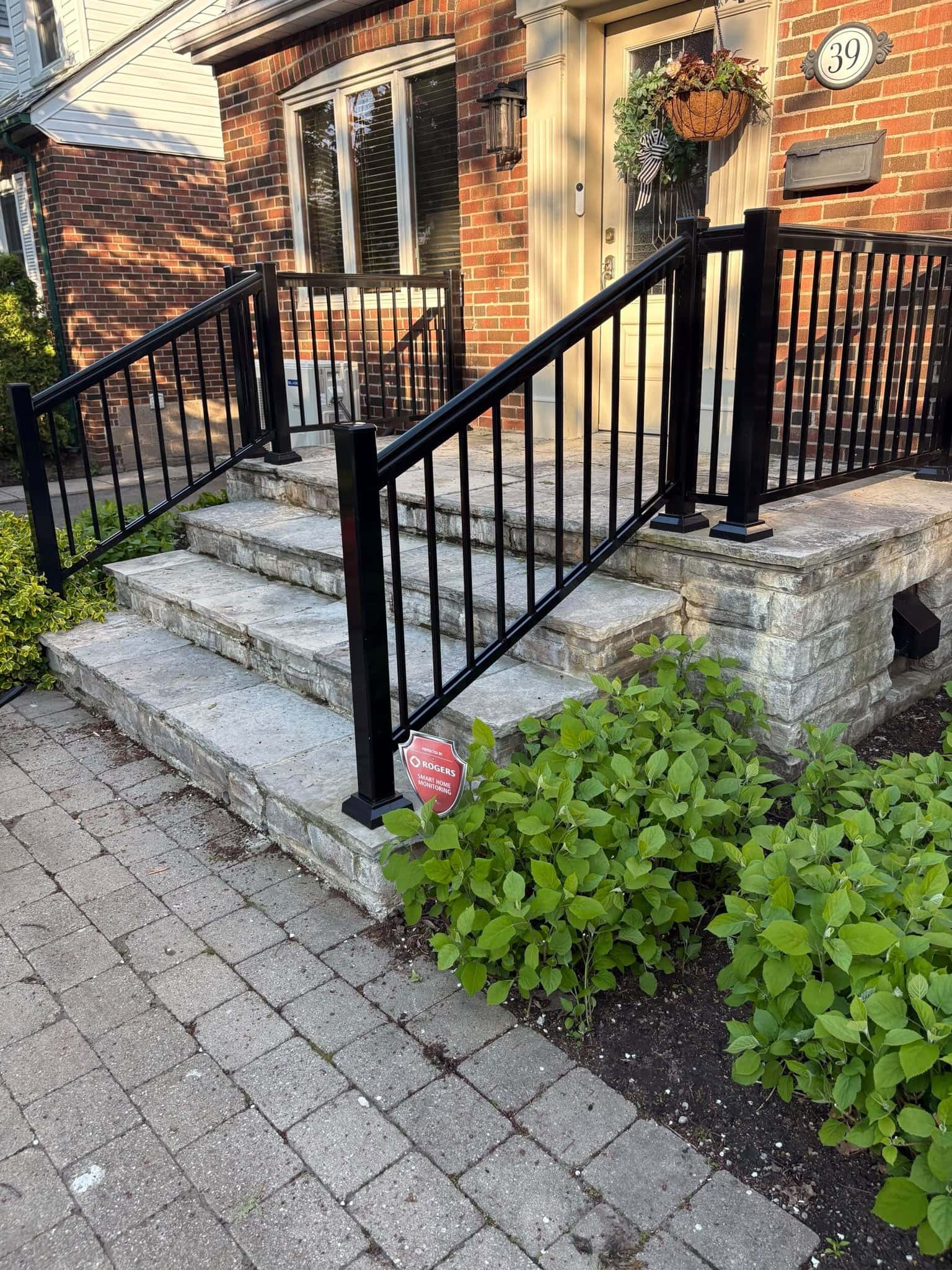
Additionally, flagstone and travertine are popular for patios and pool decks due to their unique textures and aesthetic appeal.
Benefits of Natural Patio Stones
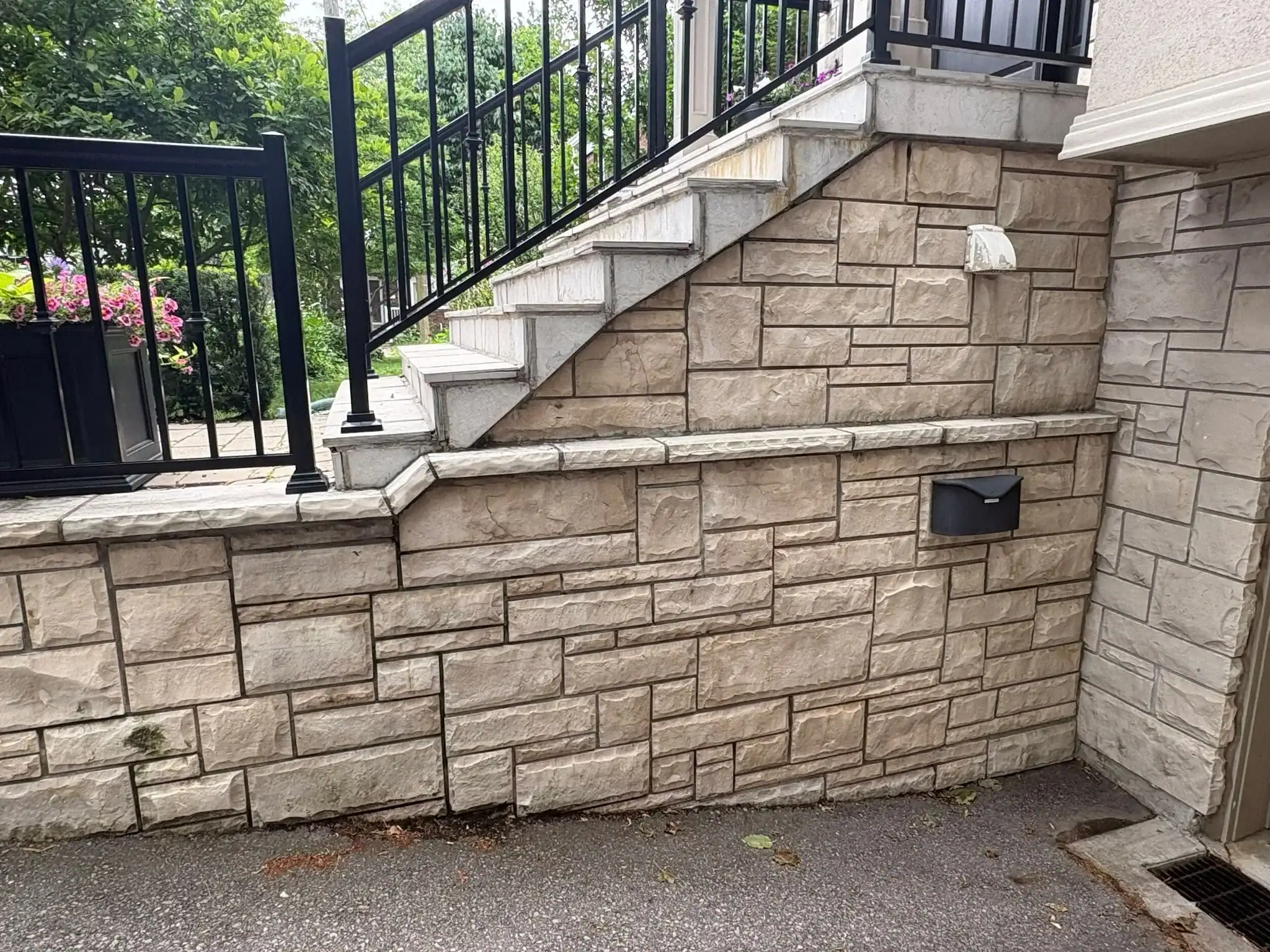
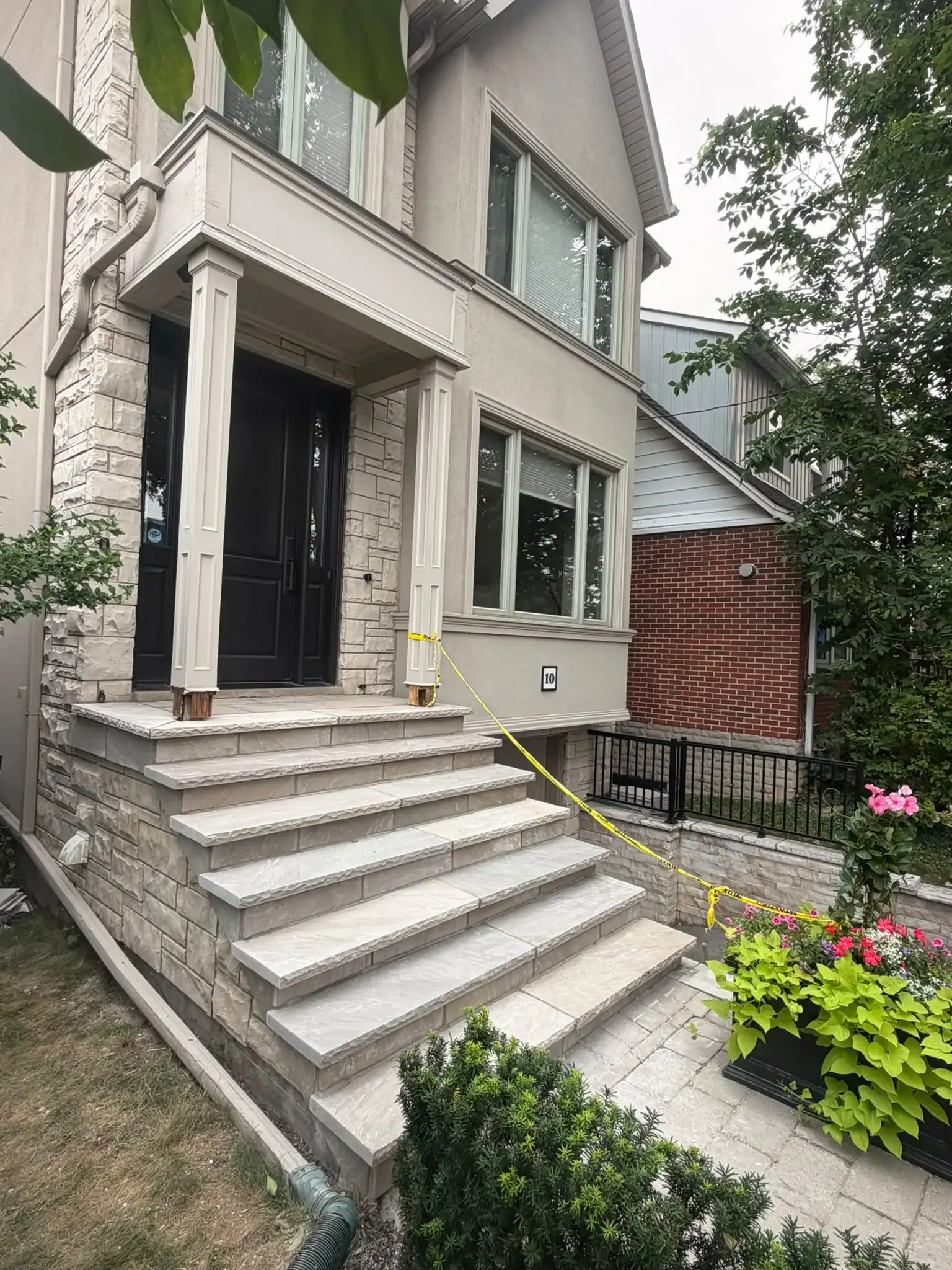
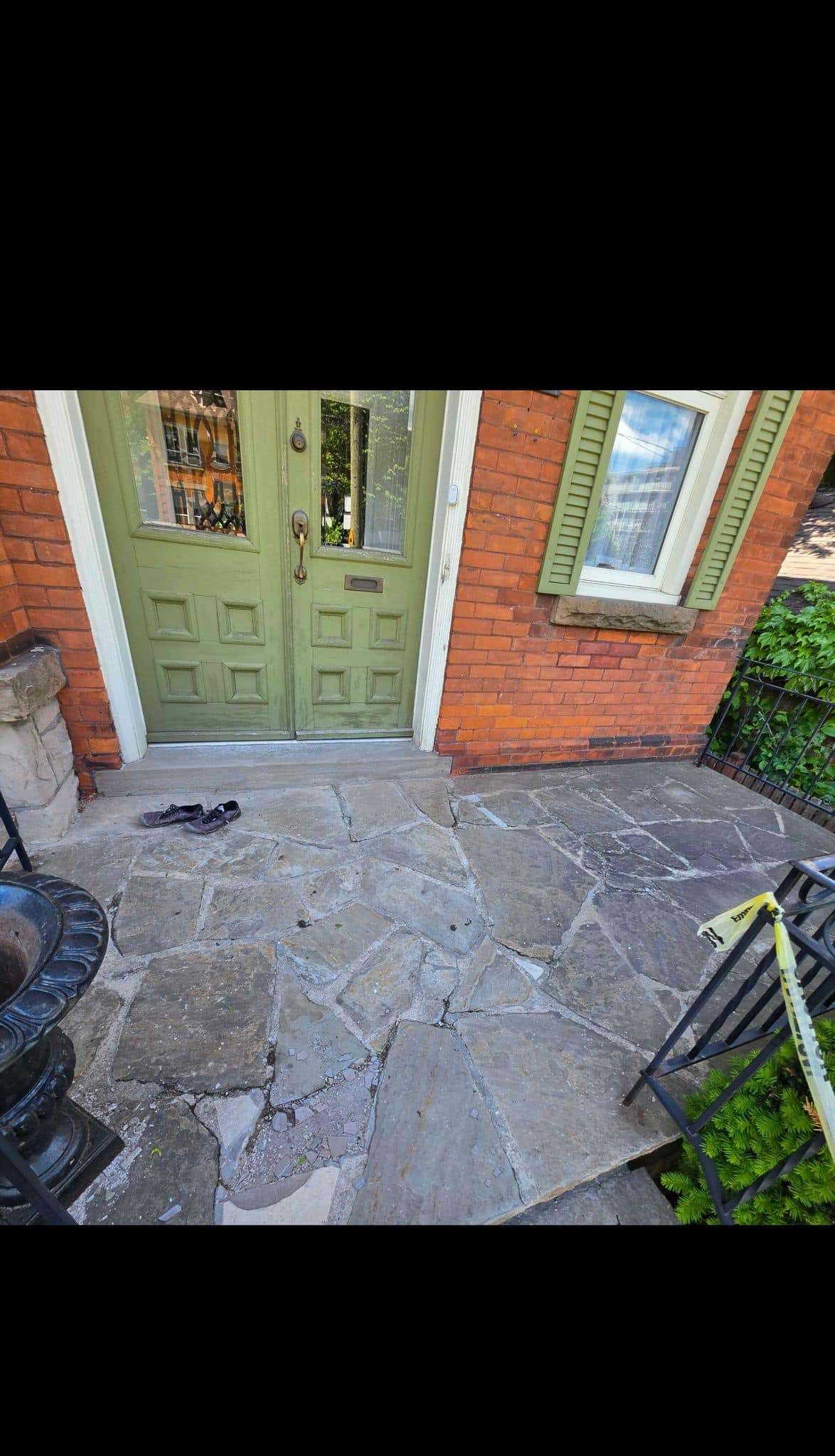
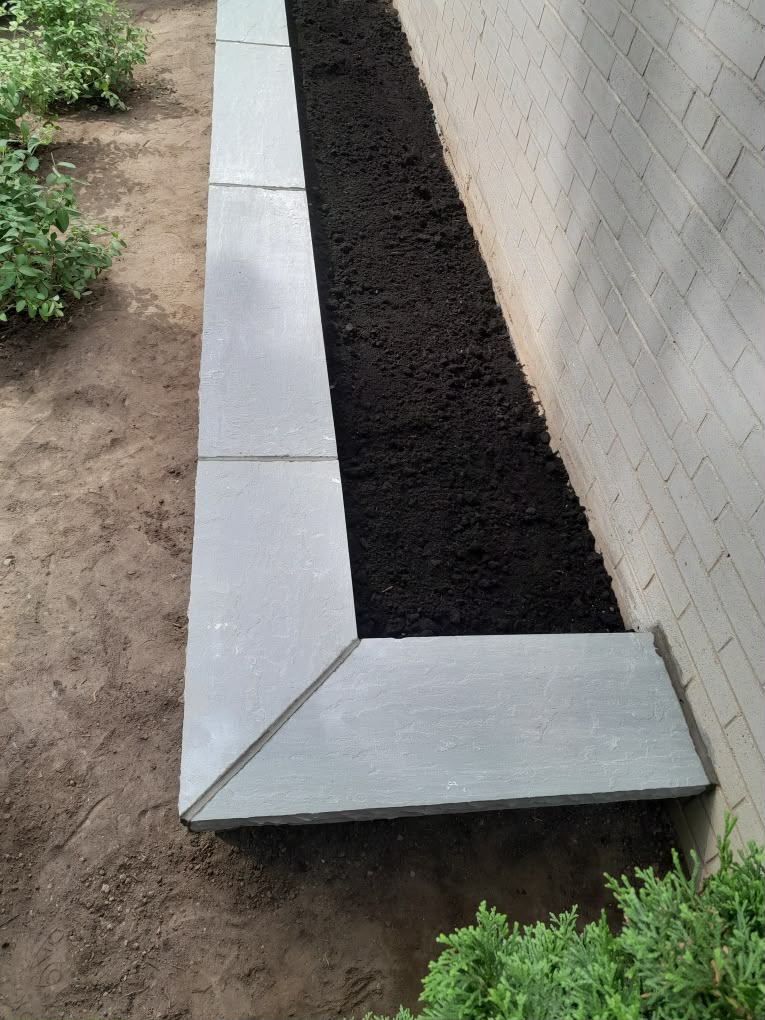
Natural patio stones are materials sourced directly from the earth for landscaping and hardscaping applications. Unlike manufactured pavers, these stones retain their natural beauty and unique characteristics, making each piece distinct.
Here are the top benefits of Natural patio stones that make them a preferred choice for many homeowners:
Aesthetic Appeal and Uniqueness
Stones with unique patterns and colors enhance outdoor spaces’ beauty, while natural textures add depth and interest, making patios visually appealing.
Durability and Longevity
Natural stones are highly durable, able to withstand harsh weather and heavy foot traffic, and less prone to wear and tear than synthetic materials.
Eco-friendliness and Natural Sourcing
Natural stones, sourced from the earth, are environmentally friendly and do not require energy-intensive manufacturing processes like synthetic materials, making them a sustainable choice for eco-conscious homeowners.
Let’s transform your backyard into the ultimate retreat with our tips on Upgrade Your Home with an Outdoor Patio Transformation.
Drawbacks of Natural Patio Stones
While natural patio stones have many benefits, there are also some drawbacks to consider:
Cost Considerations
Natural stones can be more expensive than concrete or manufactured pavers. The initial investment may be higher, which can be a deterrent for some homeowners on a budget.
Installation Challenges
Installing natural stone can be more complex than working with pavers. It often requires skilled labor to ensure proper placement and alignment, which can increase installation costs and time.
Maintenance Requirements
Natural stones require regular maintenance to maintain their beauty and longevity despite their durability and potential need for sealing to prevent stains and weathering.
Pavers: Definition and Types
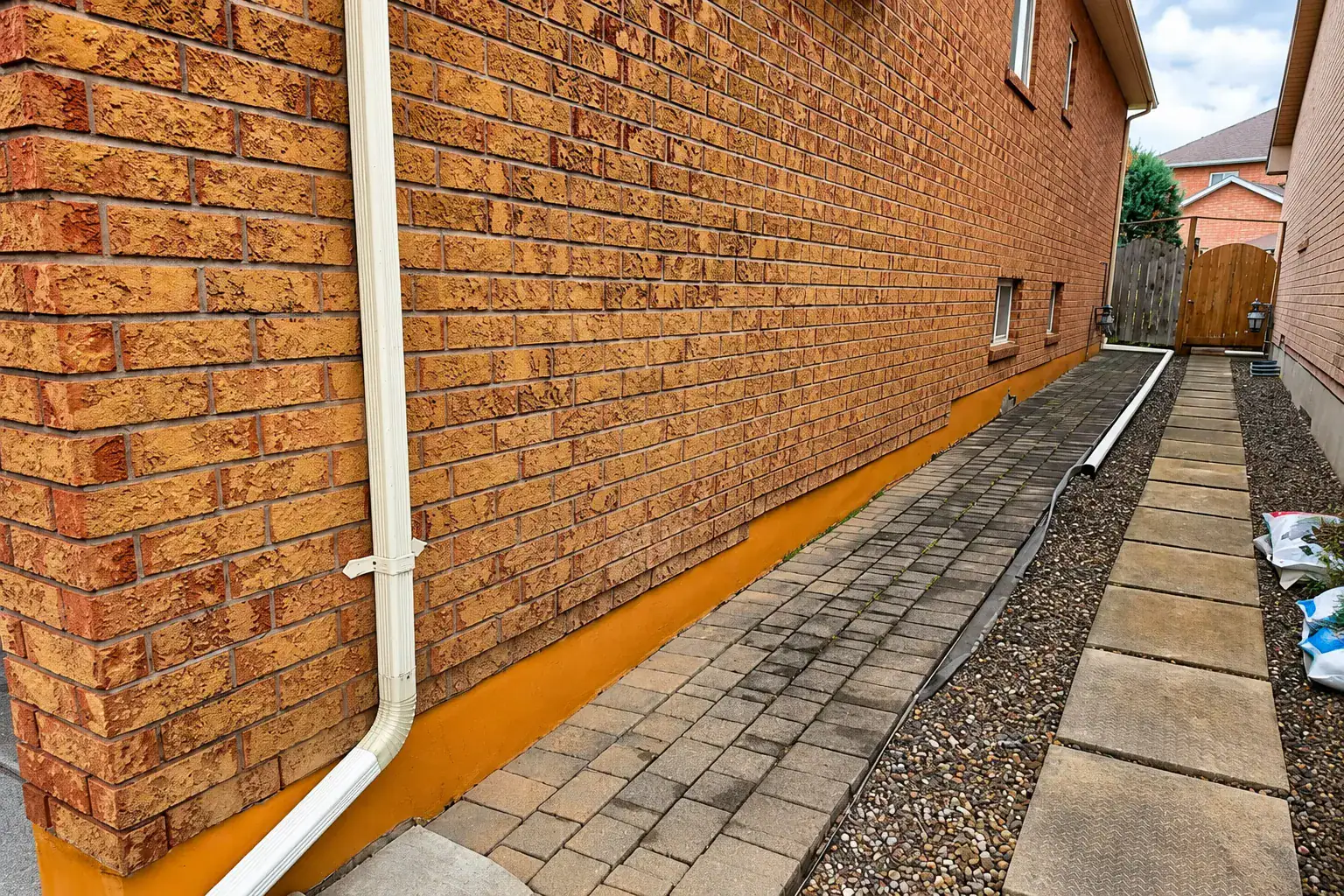
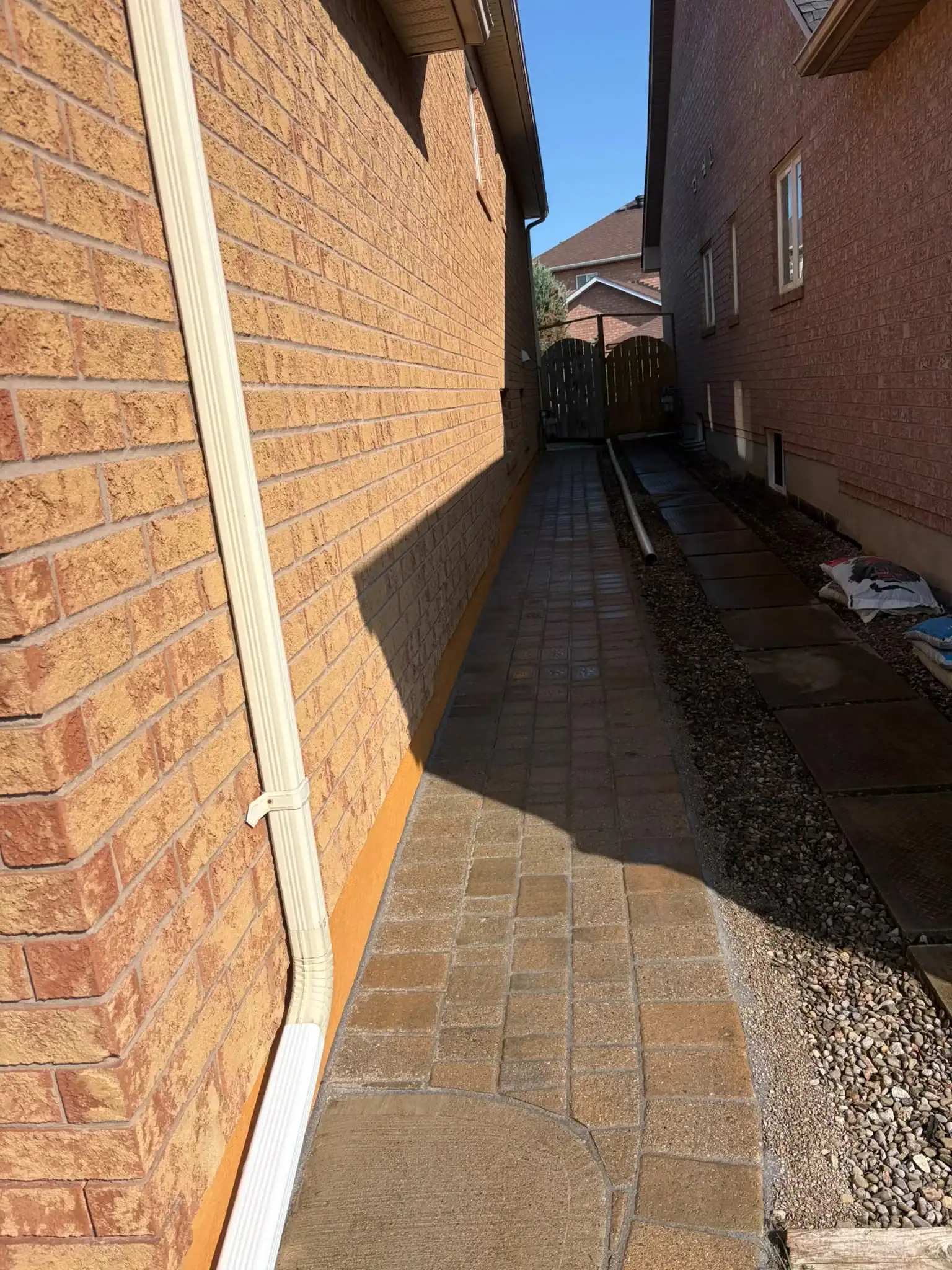
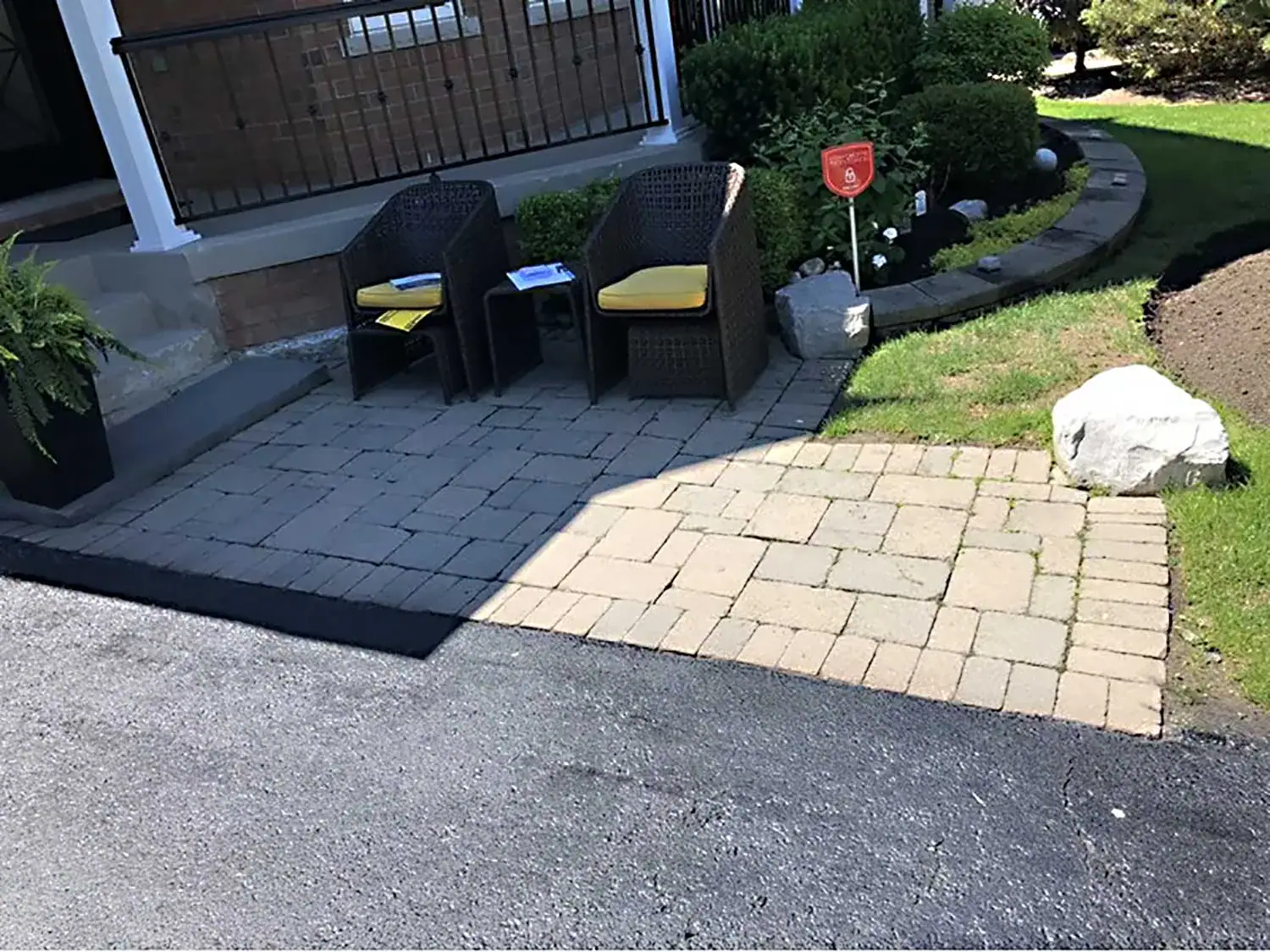
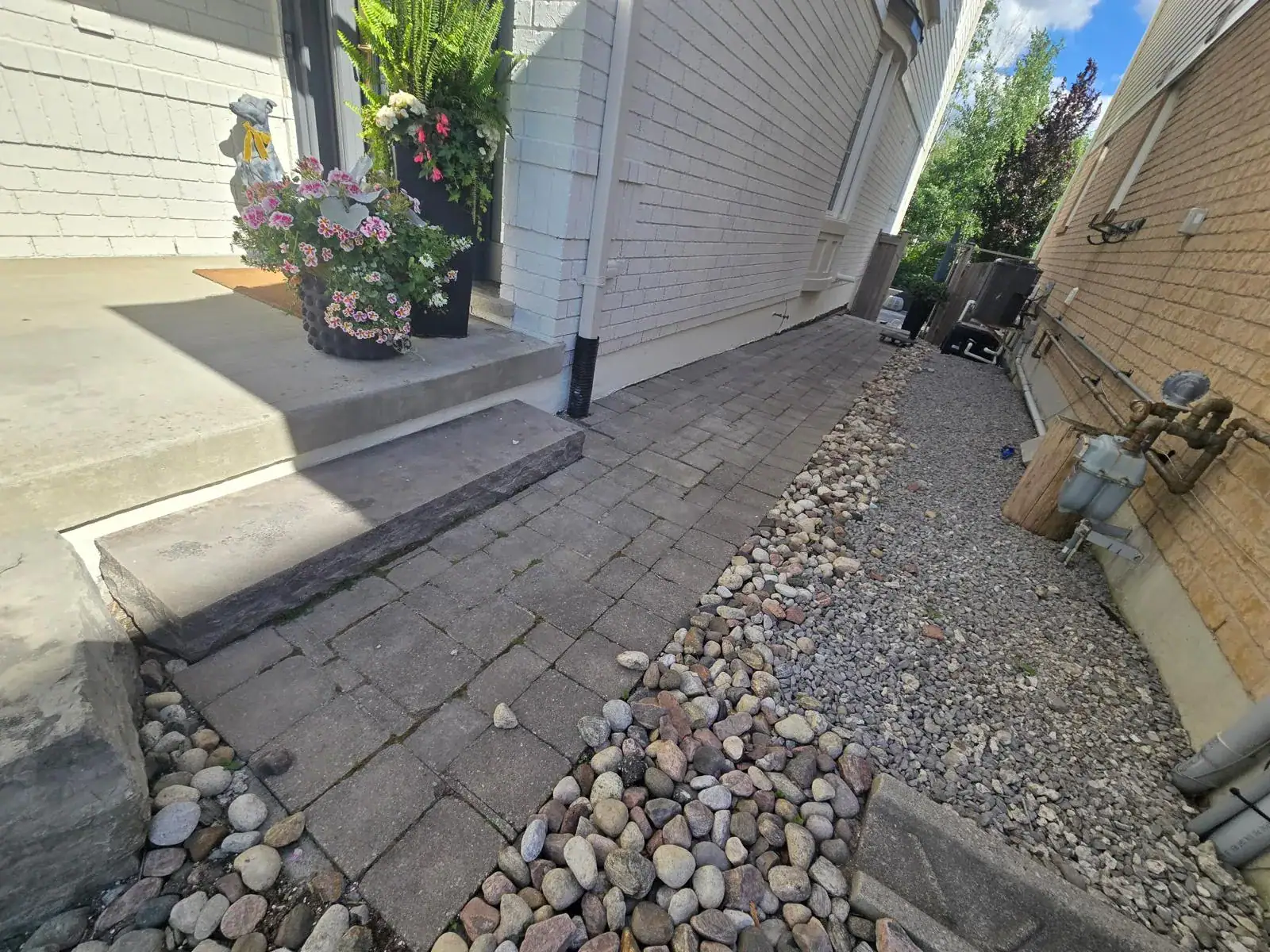
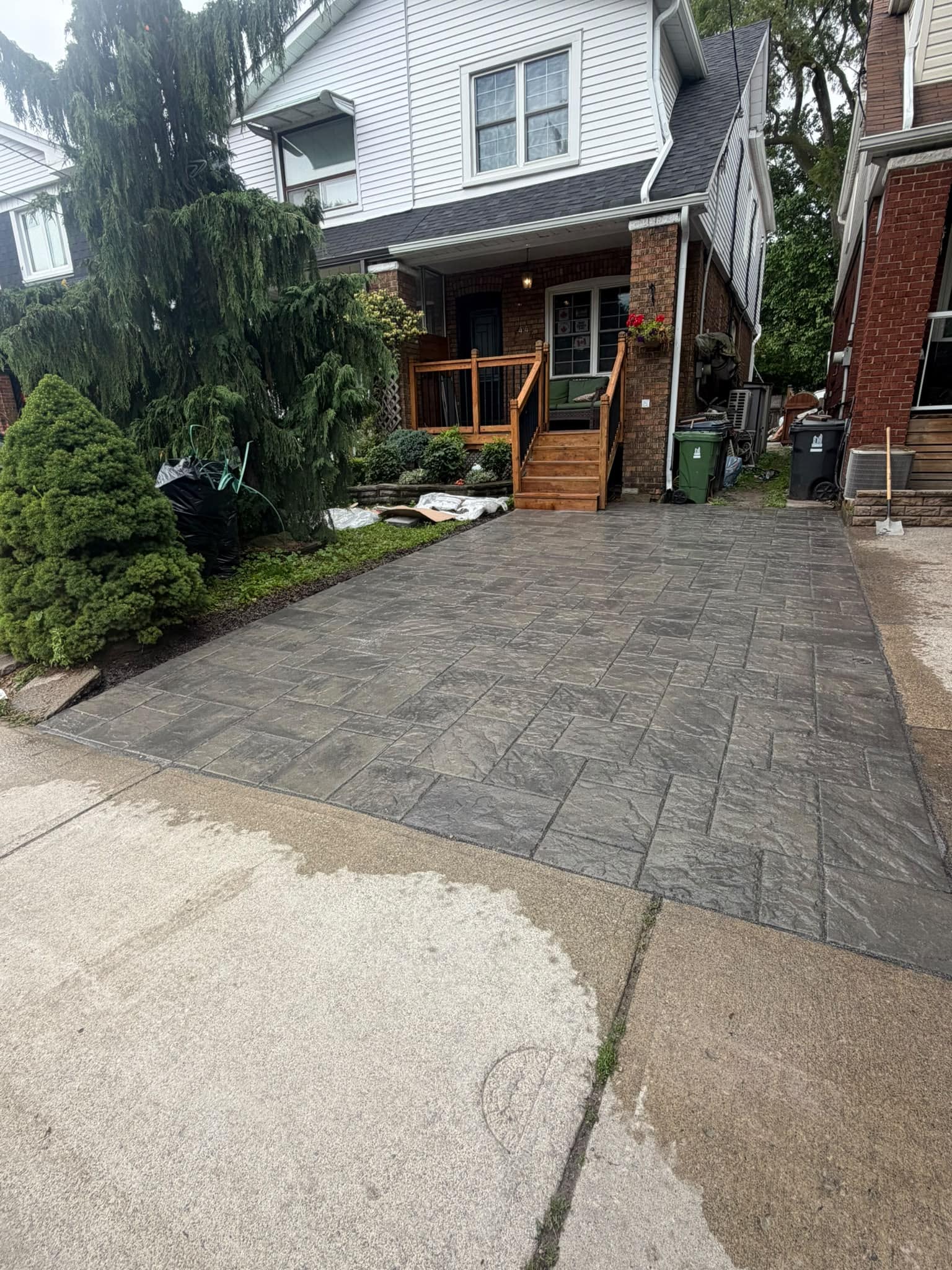
Pavers are pre-manufactured materials for outdoor surfaces, designed to create durable and aesthetically pleasing patios, walkways, driveways, and other hardscaping features.
Unlike natural stones, pavers are crafted from various materials, allowing multiple designs and applications. Common types of pavers include:
Concrete Pavers
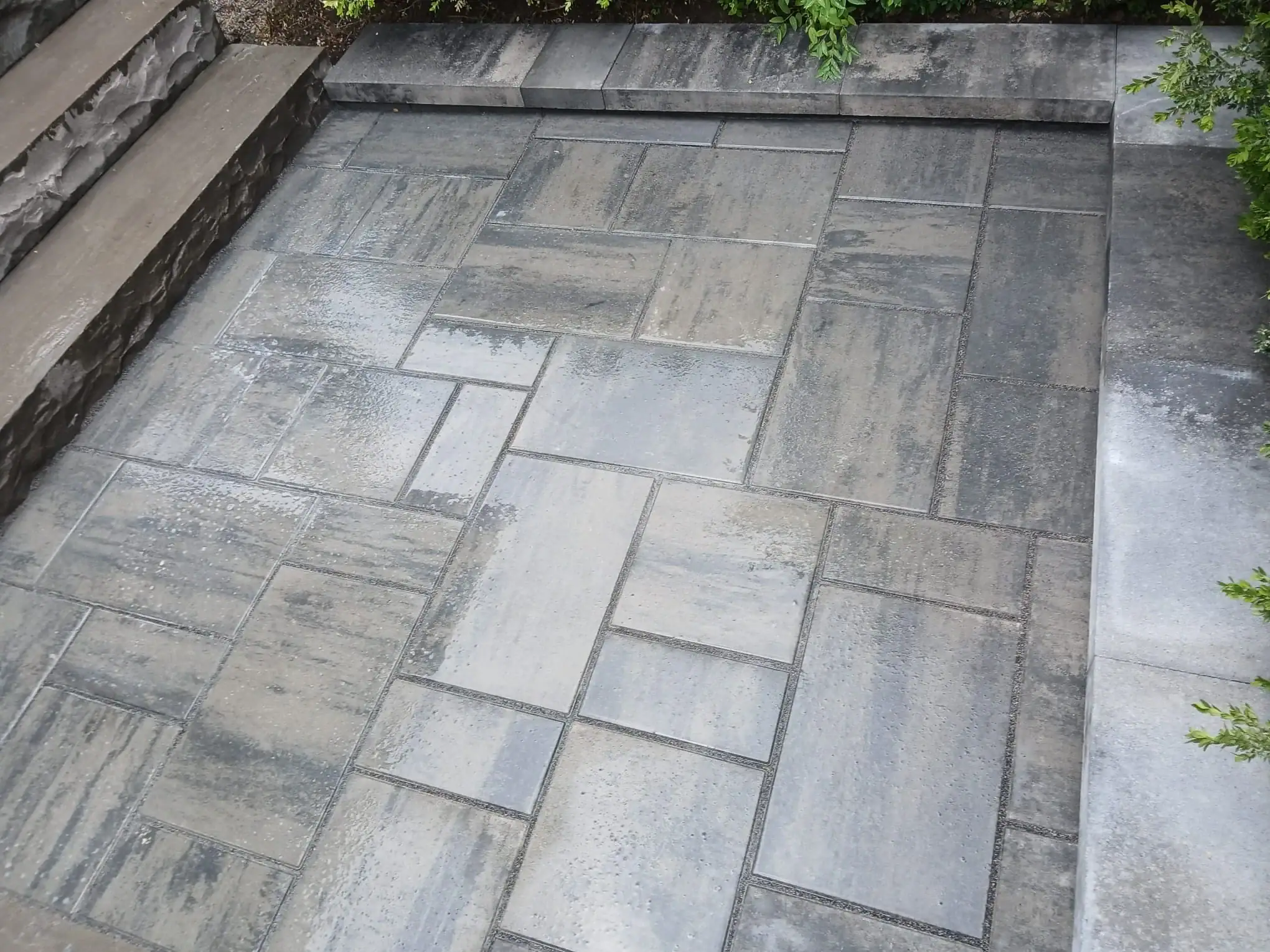
These are the most widely used cement, aggregates, and water pavers. They come in various shapes, sizes, and colors, making them versatile for landscaping styles.
Brick Pavers
Made from fired clay, brick pavers offer a classic, timeless look. They are known for their durability and can withstand extreme weather conditions, making them ideal for outdoor use.
Stone Pavers
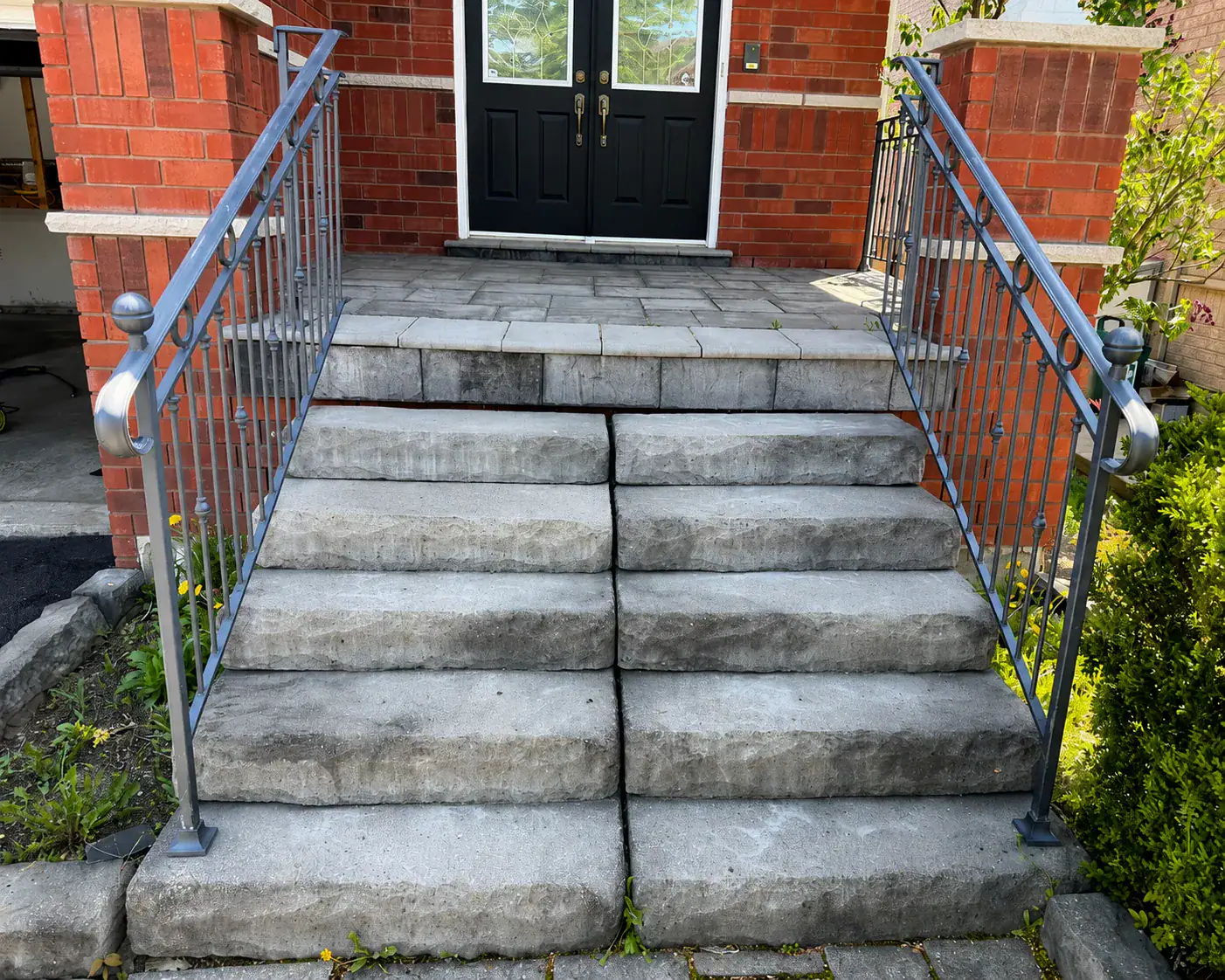
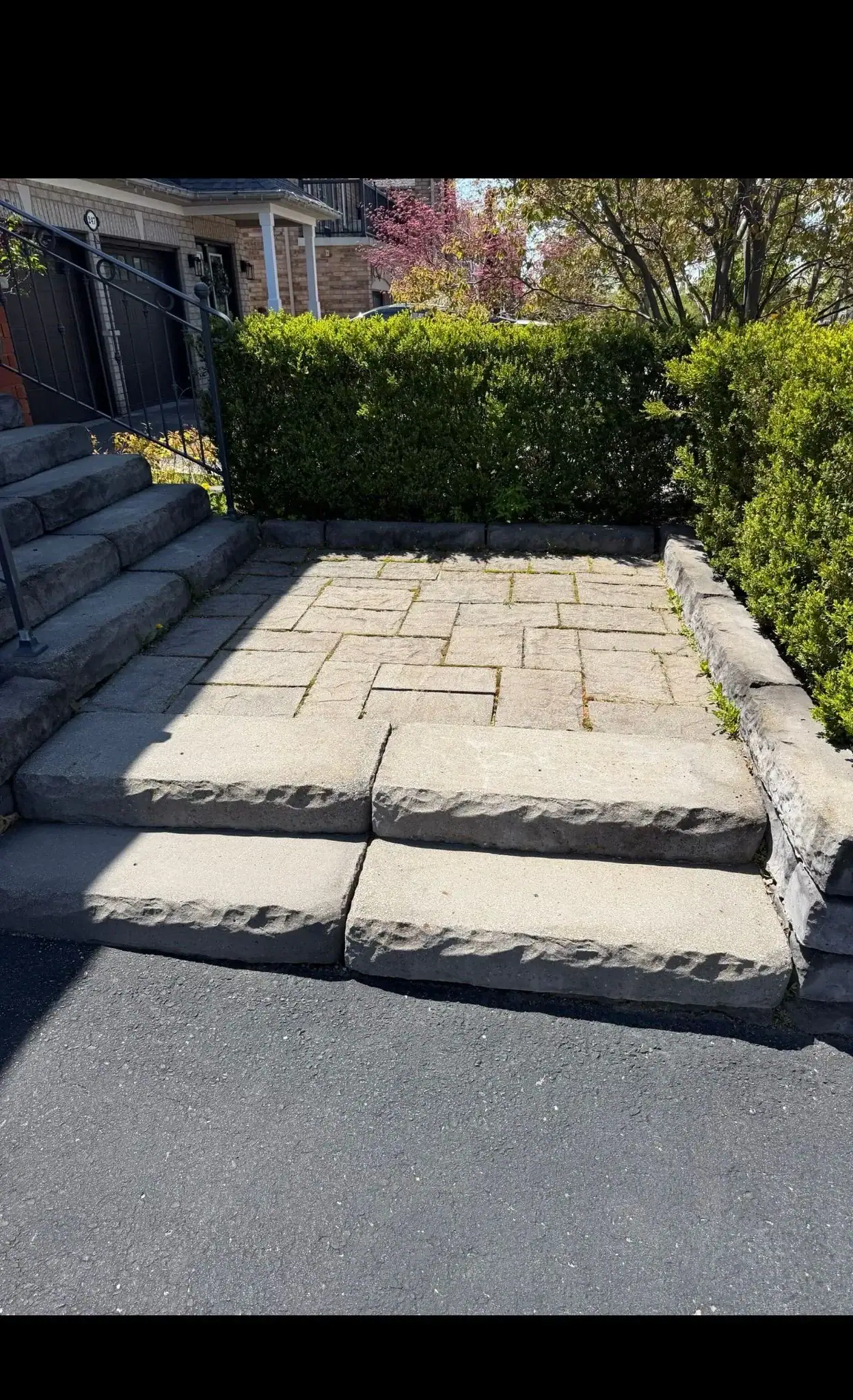
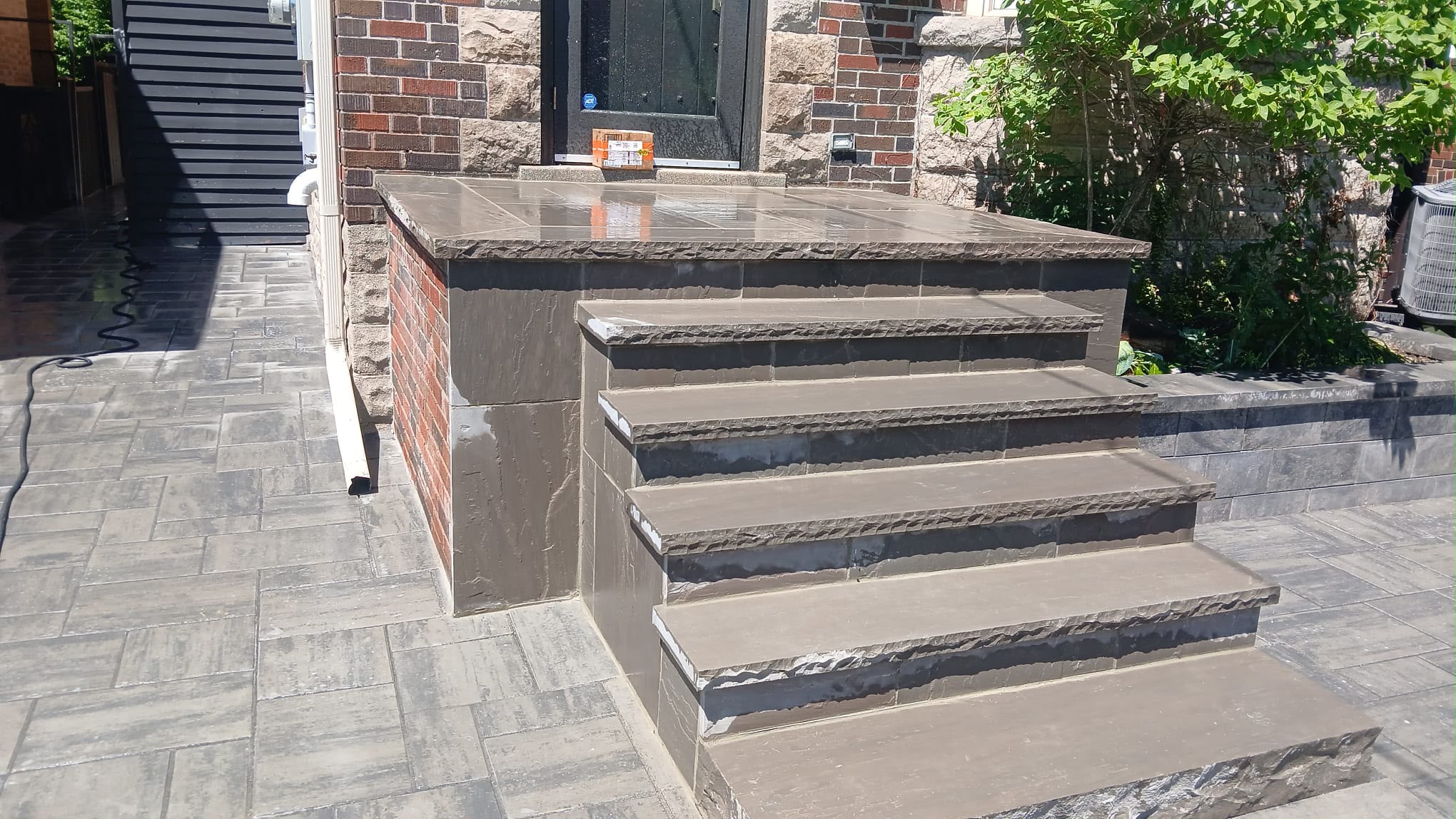
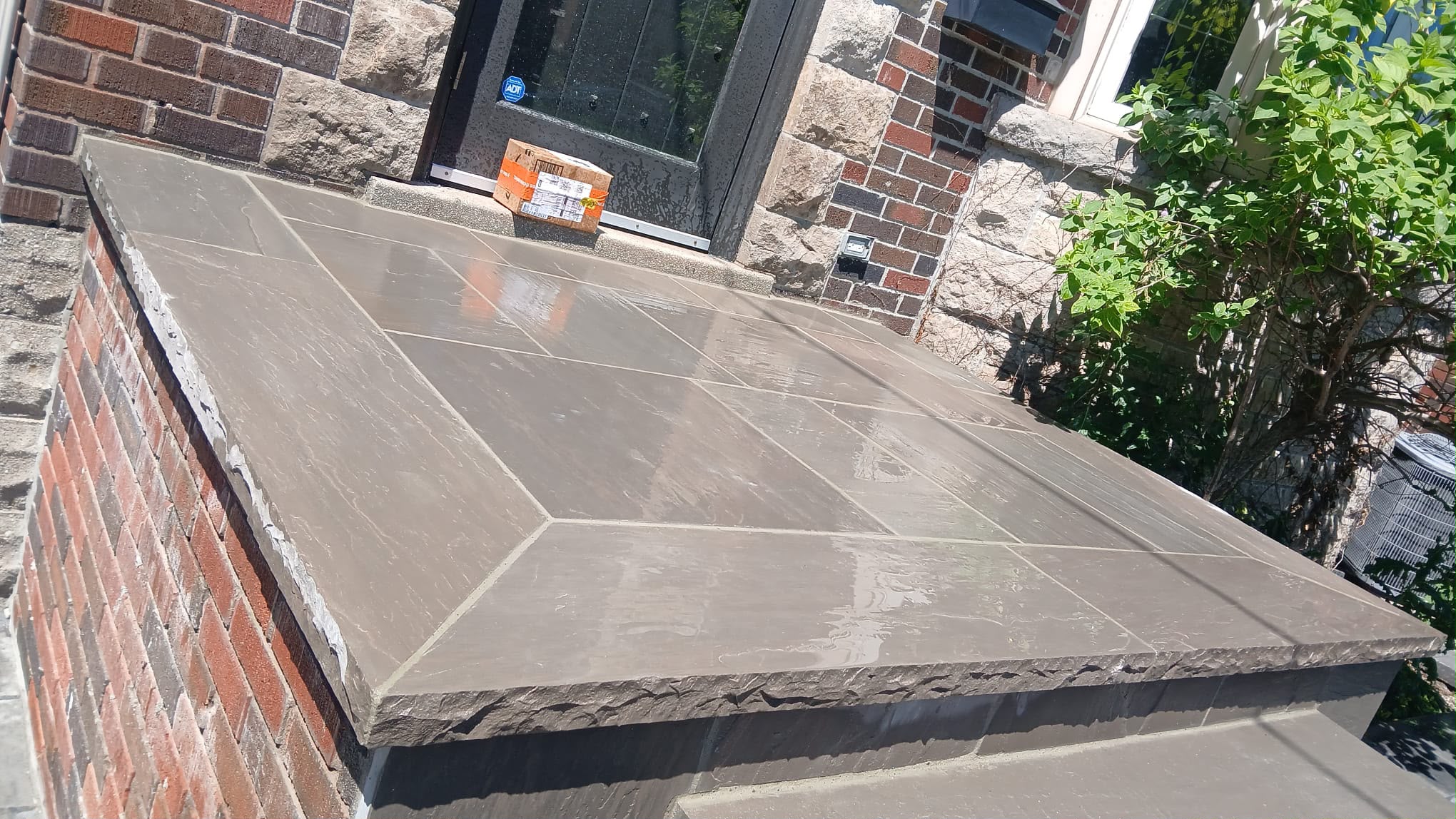
These pavers are made from natural stones like granite, limestone, or slate. They provide a more organic aesthetic and are often chosen for their unique textures and colors.
Benefits of Pavers
Pavers offer several advantages that make them a popular choice for homeowners looking to enhance their outdoor spaces:
Variety in Design and Color Options
Pavers come in extensive designs, colors, and textures, allowing homeowners to customize their patios and pathways to match their style and the overall landscape. This flexibility enables creative patterns and layouts.
Easier Installation and Repair
Pavers are generally easier to install than natural stones, often requiring less specialized labor. Additionally, if a paver becomes damaged, it can be easily replaced without disturbing the surrounding area, making maintenance straightforward.
Cost-Effectiveness Compared to Natural Stones
While the initial cost of pavers can vary, they are often more affordable than natural stone options. Their durability also means they can provide long-term savings by reducing the need for frequent repairs or replacements.
Drawbacks of Pavers
Despite their many benefits, pavers also have some drawbacks that homeowners should consider:
Potential for Fading and Wear Over Time
While pavers are designed to be durable, exposure to sunlight and weather can cause colors to fade over time. Some materials may also show signs of wear, requiring periodic replacement or sealing to maintain their appearance.
Heat Retention in Warmer Climates
Pavers, significantly darker colors, can absorb heat, making them uncomfortable to walk on during hot weather. This can be a consideration for homeowners in warmer climates where outdoor spaces are frequently used.
Limited Natural Look Compared to Stones
Although pavers are available in various designs, they may not replicate natural stones’ authentic, organic appearance. For homeowners seeking a more rustic or natural aesthetic, pavers might not fully meet their expectations.
Aesthetic Appeal
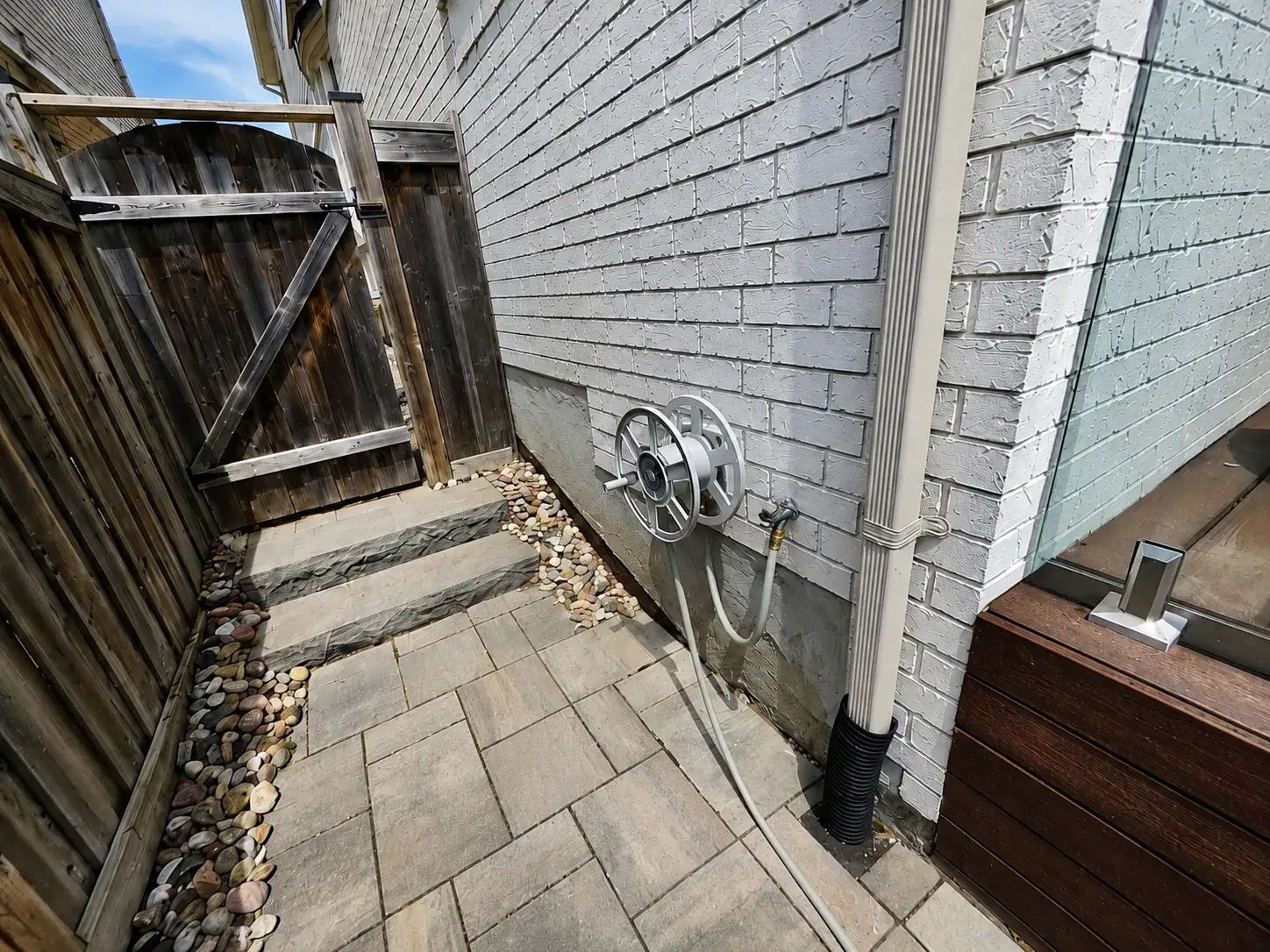
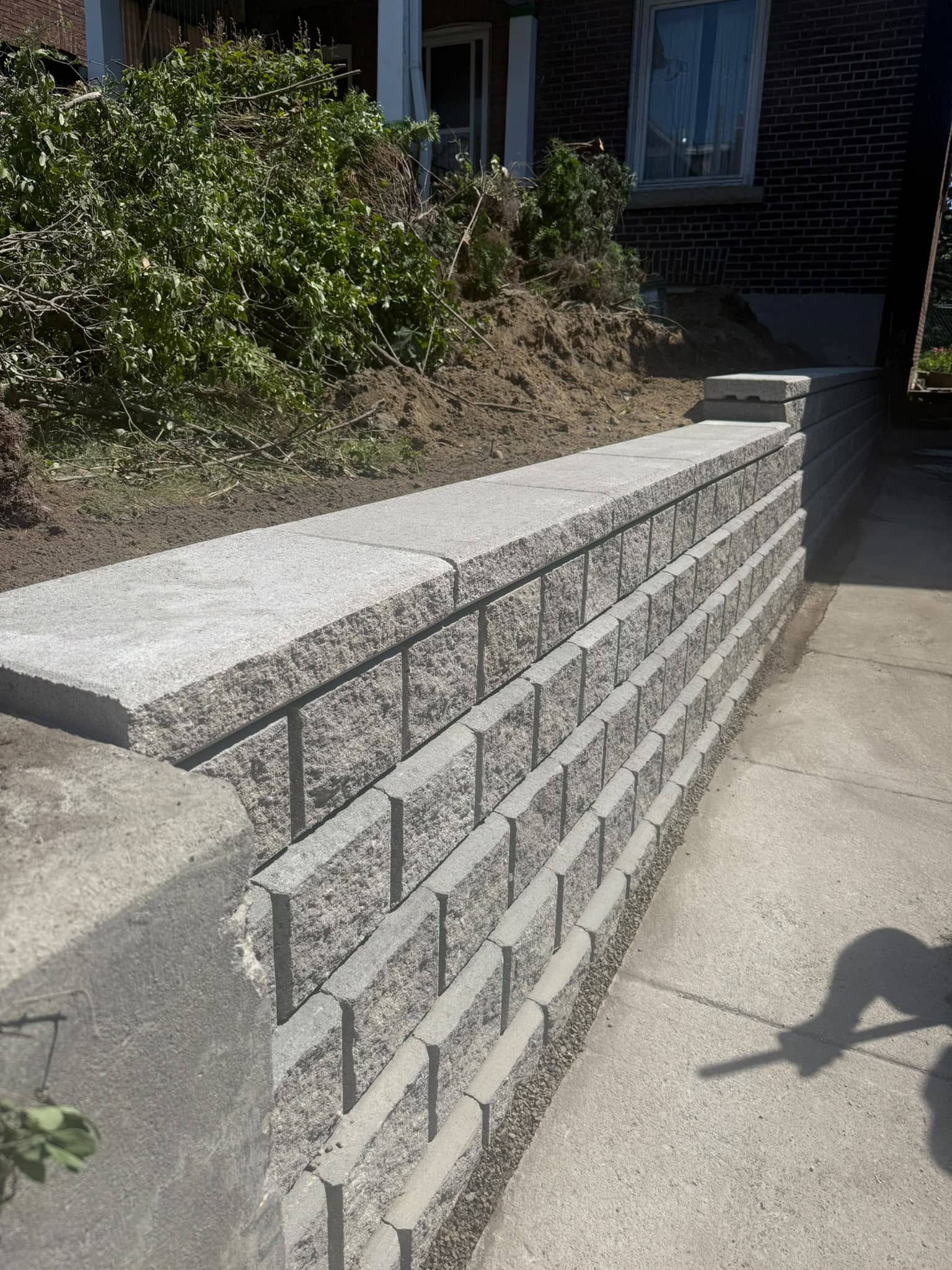
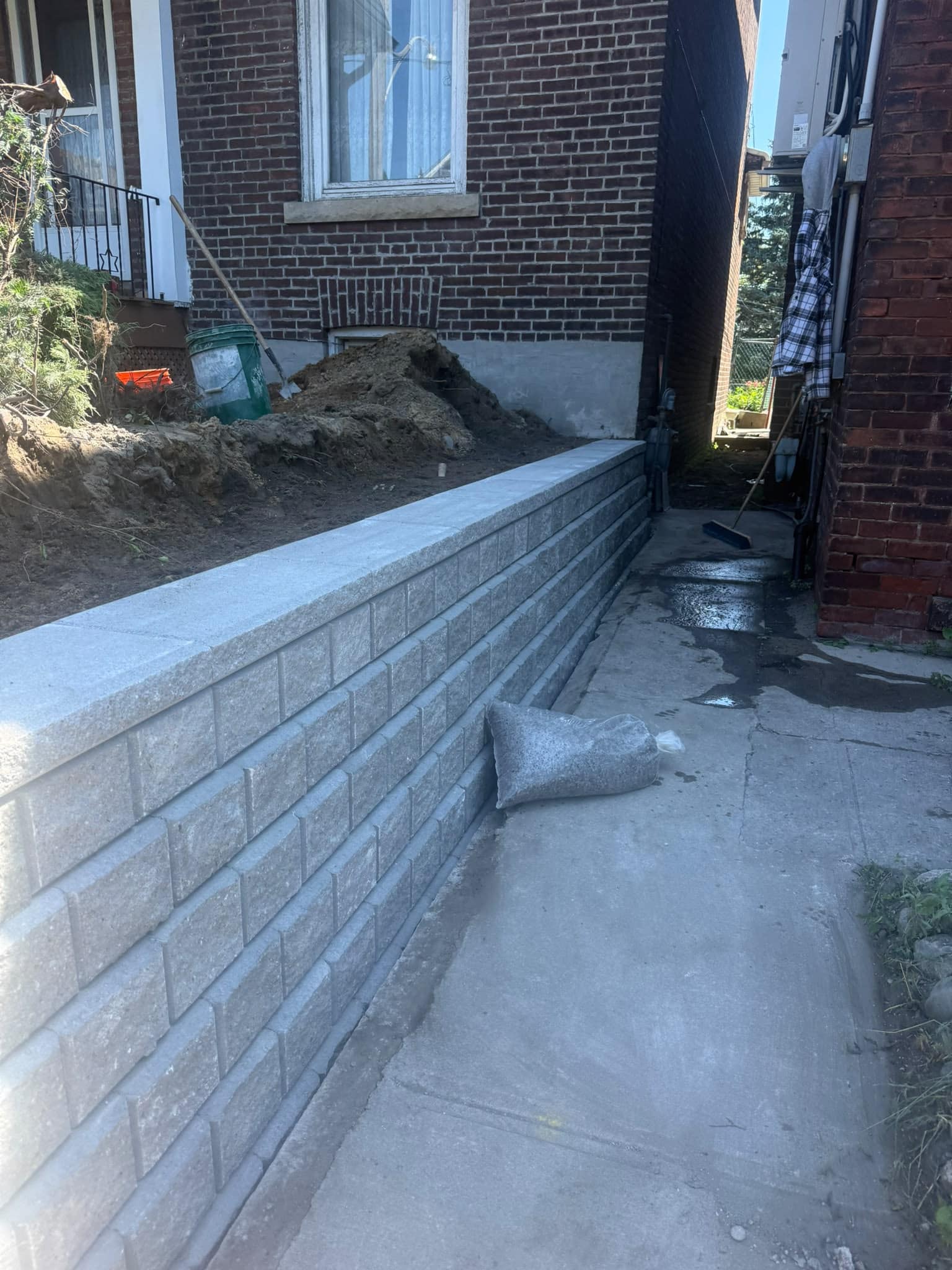
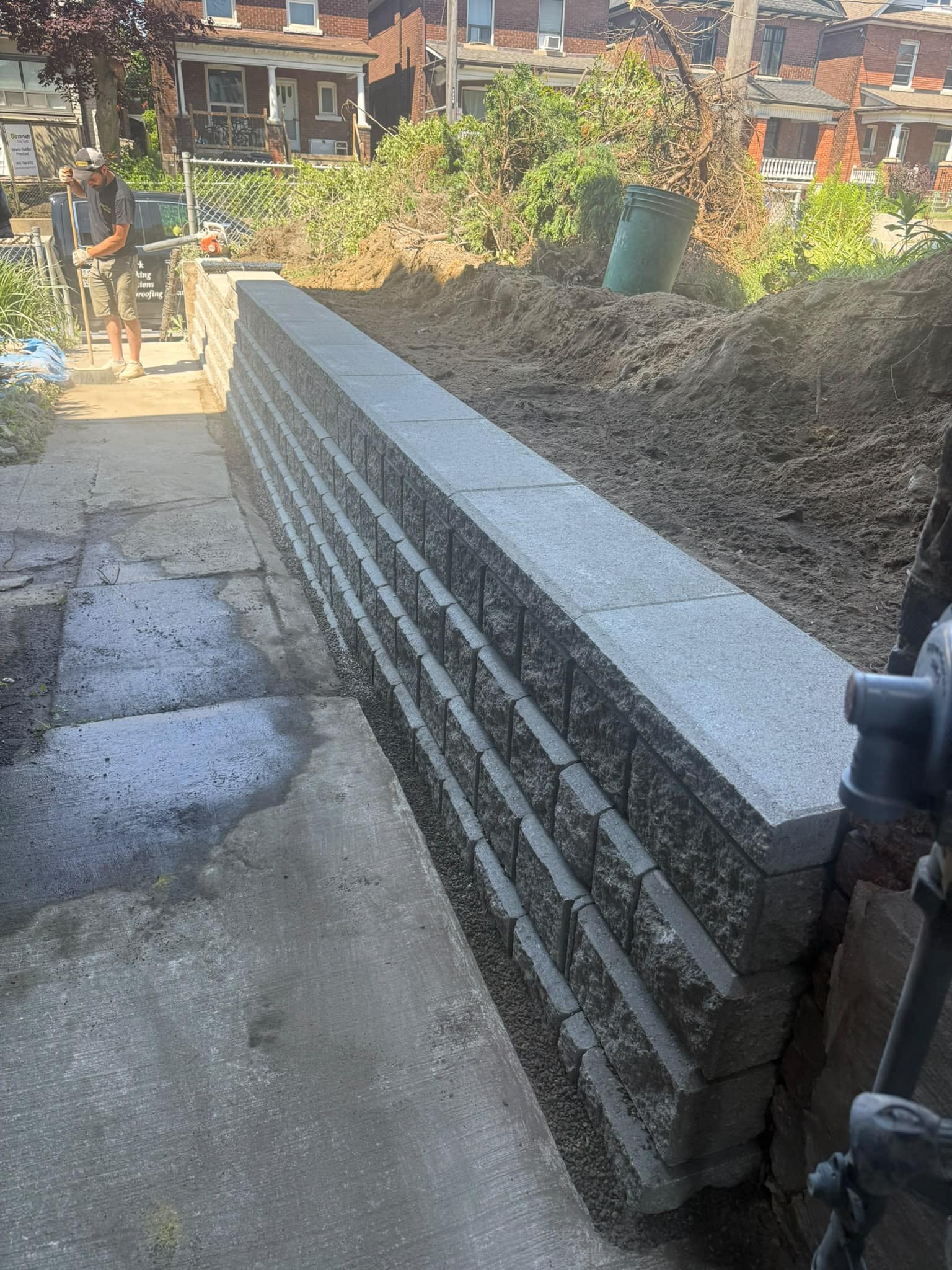
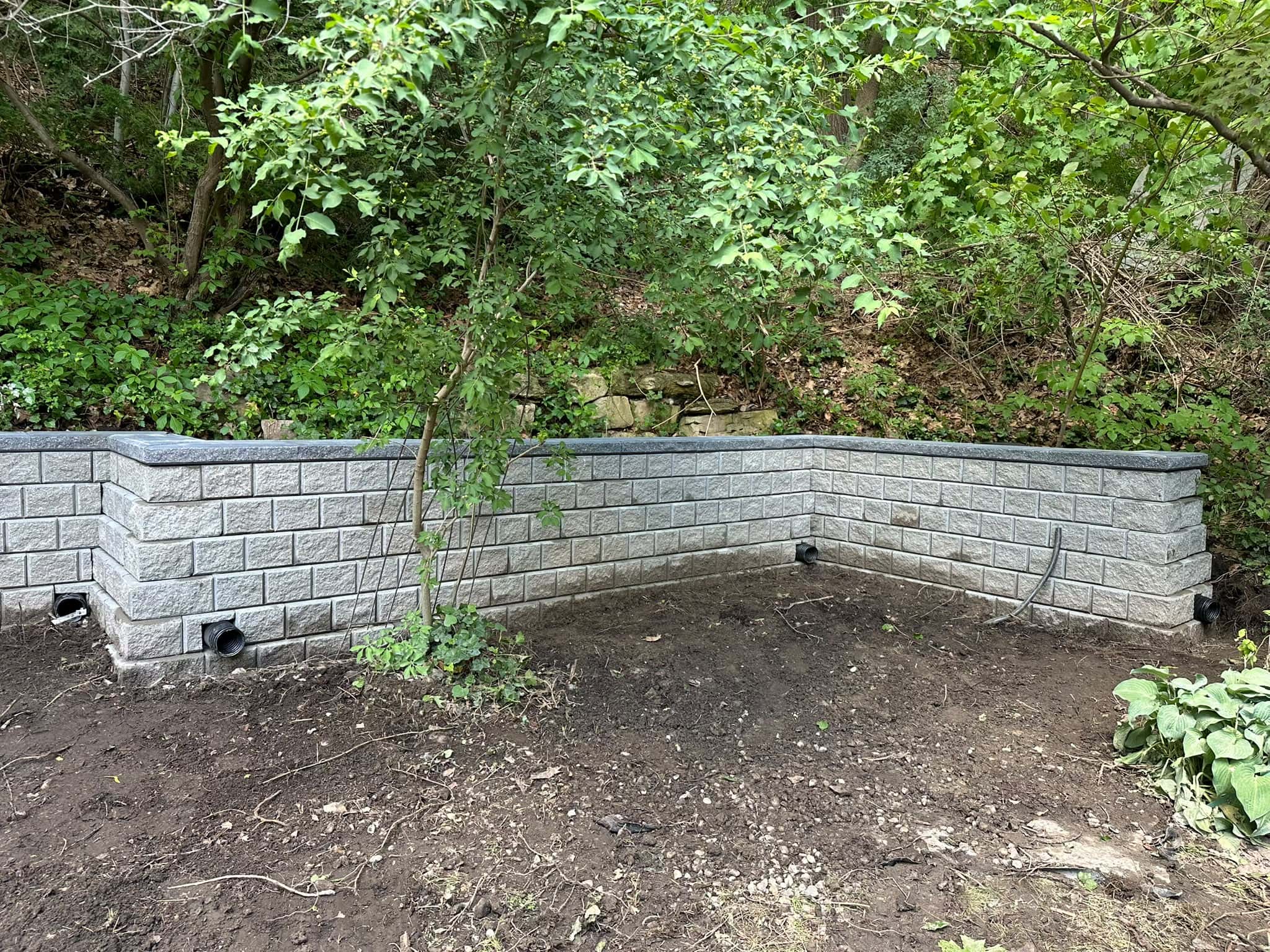
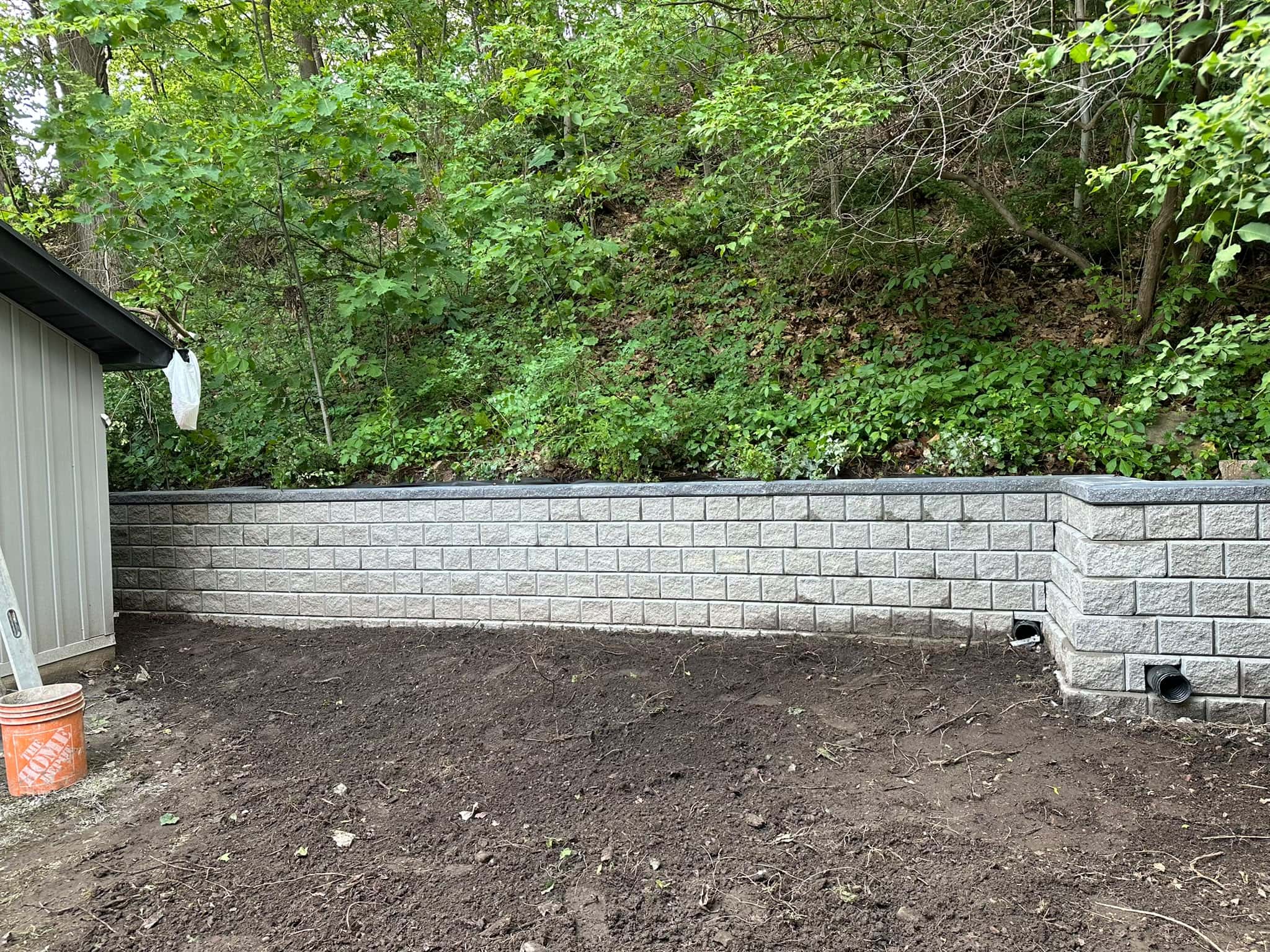
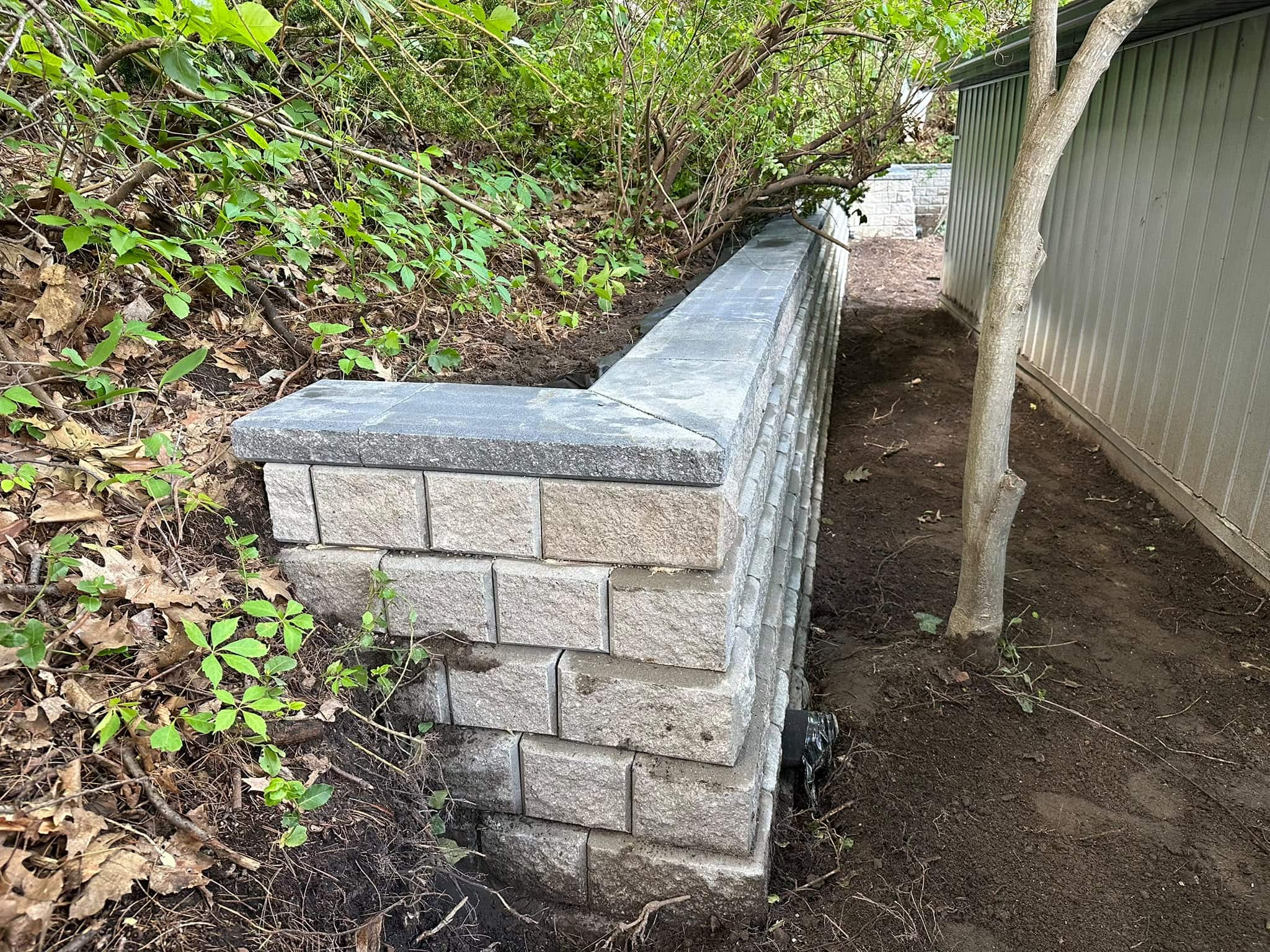
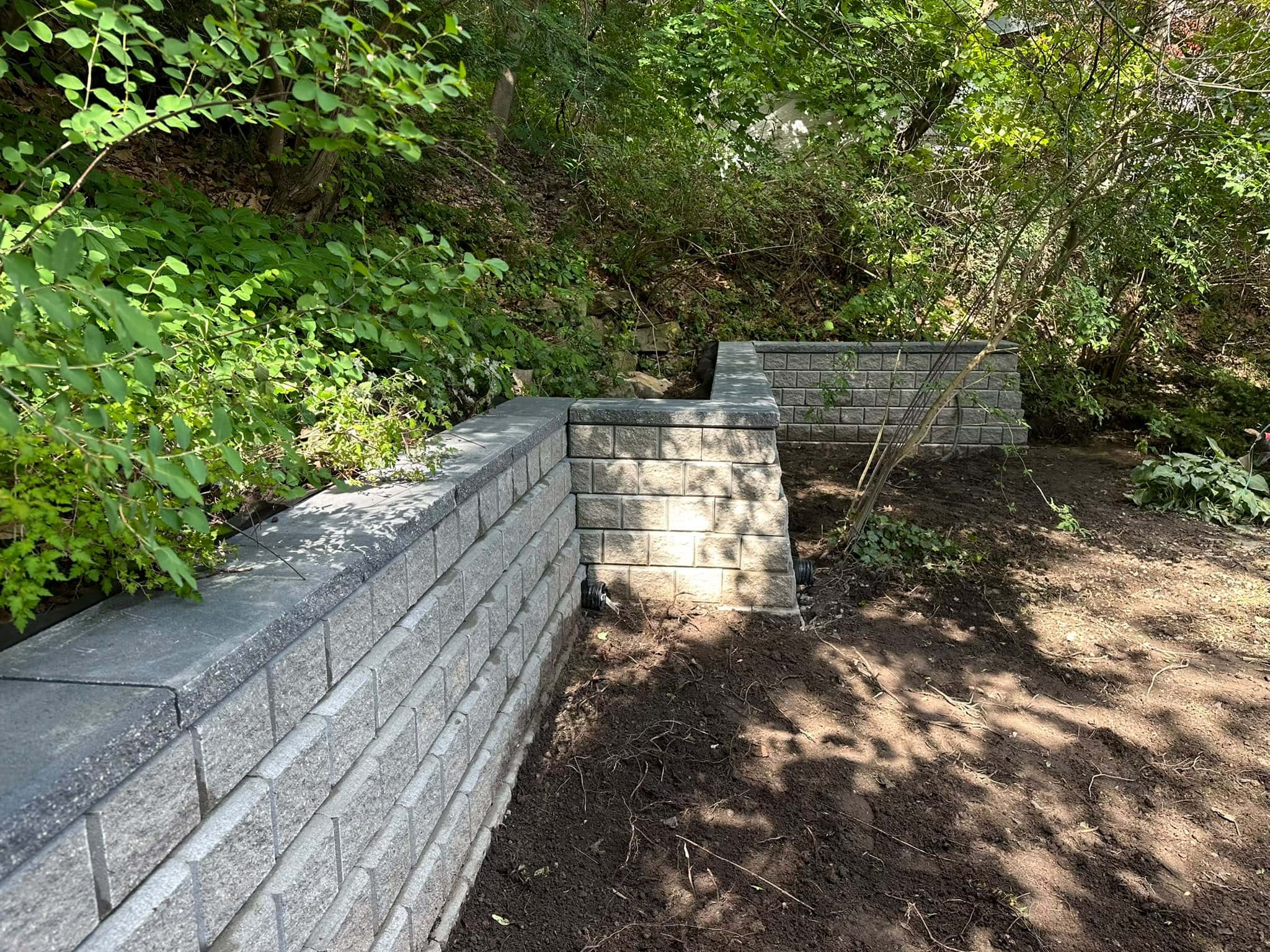
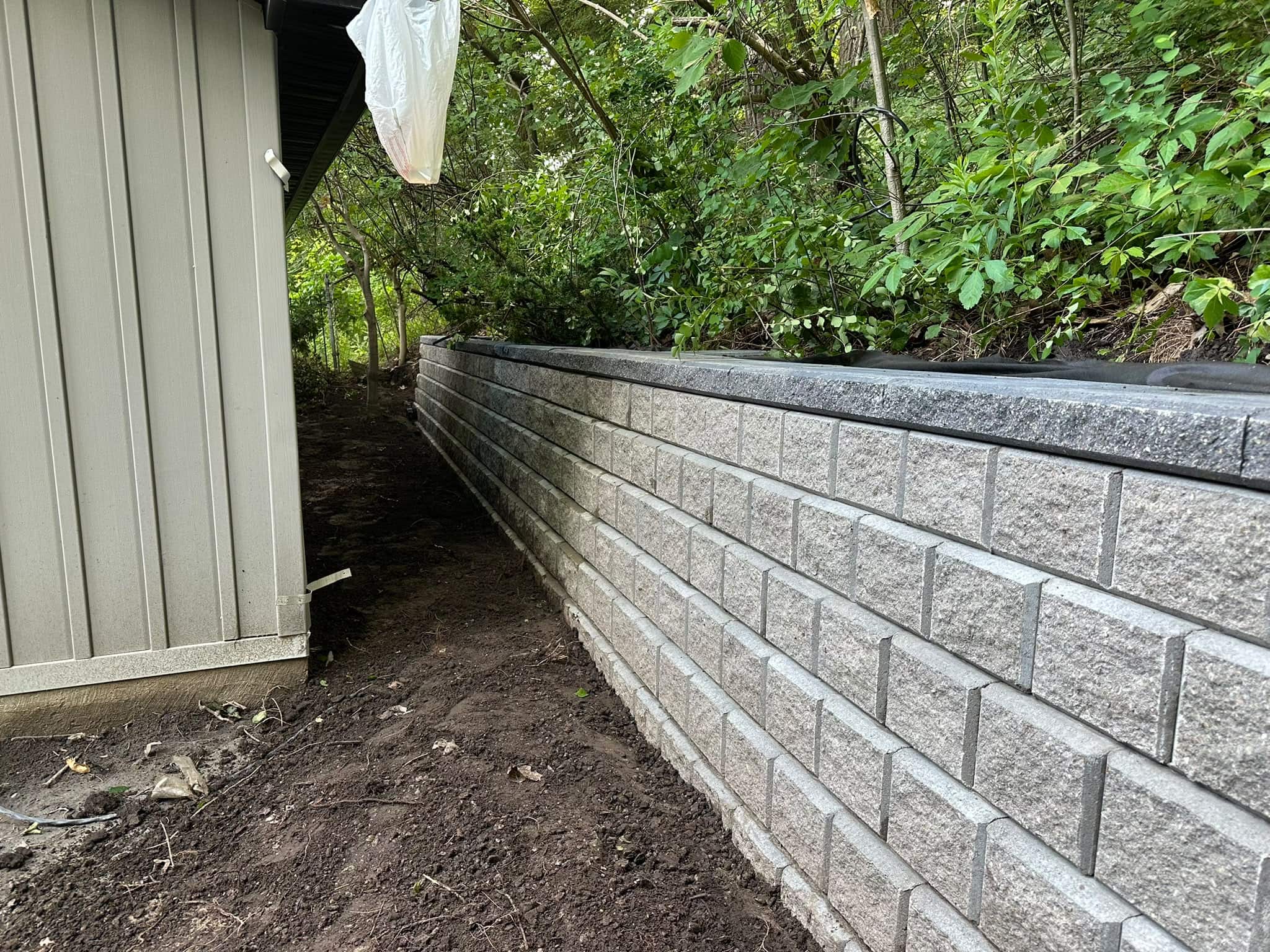
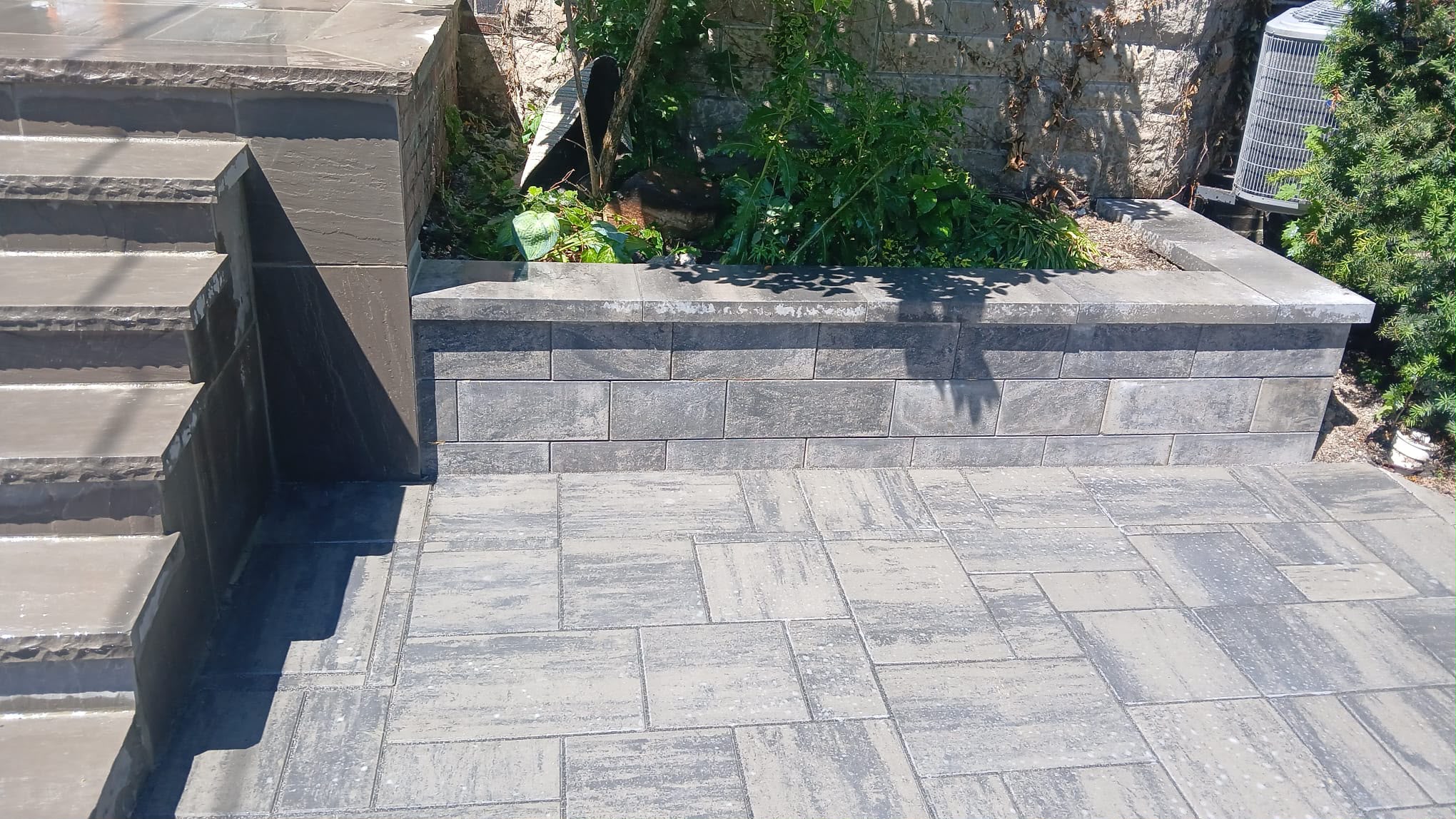
Regarding aesthetic appeal, both natural stones and paving stones offer unique visual characteristics that can enhance outdoor spaces. Natural stones provide a rustic charm that brings a warm, organic character to outdoor spaces. At the same time, pavers can create structured designs, including retaining walls and pathways, that contribute to the overall beauty of the area.
Visual Differences
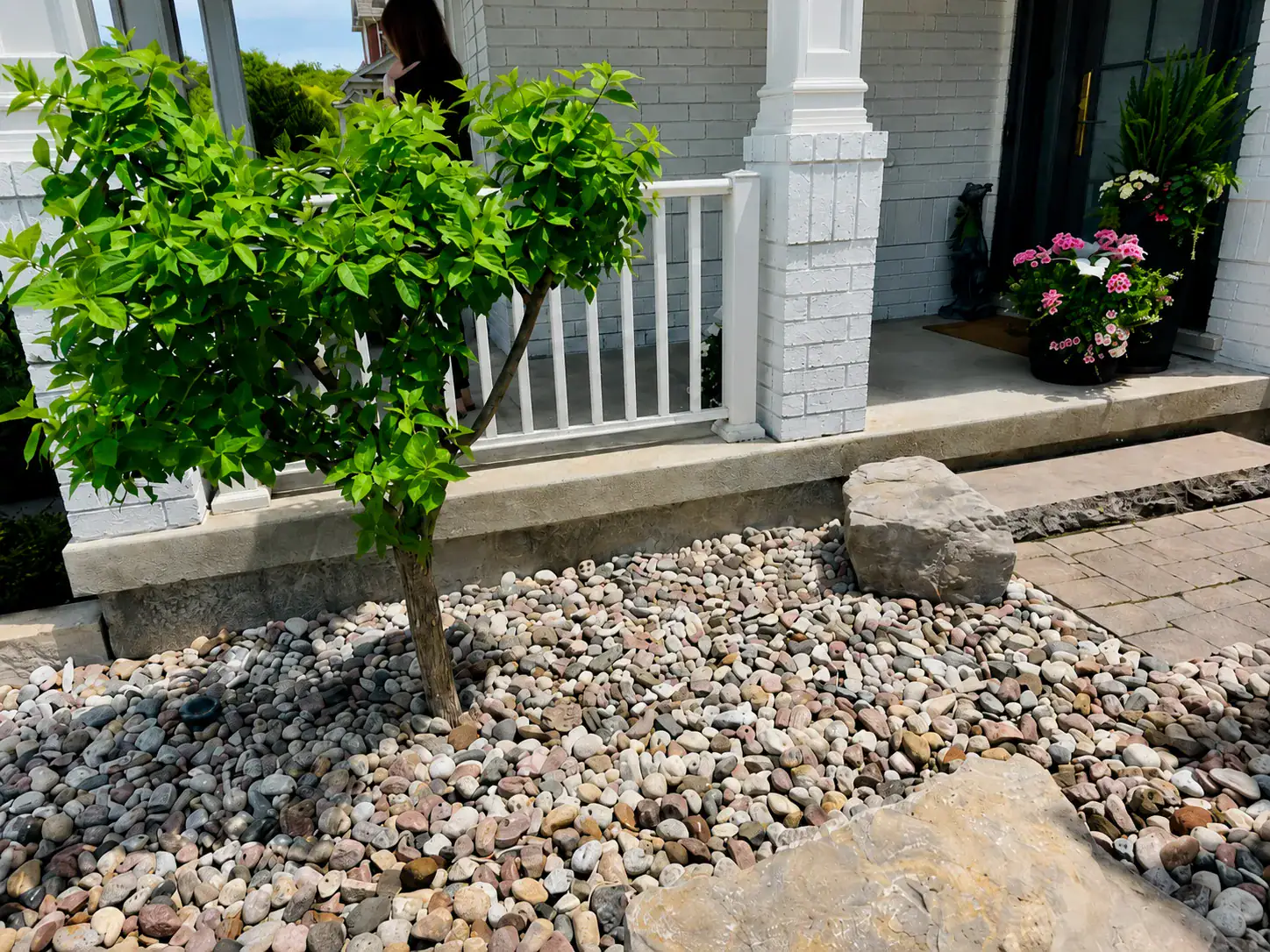
Natural stones offer organic textures and colors, providing rustic charm and unique variations that add character to any landscape.
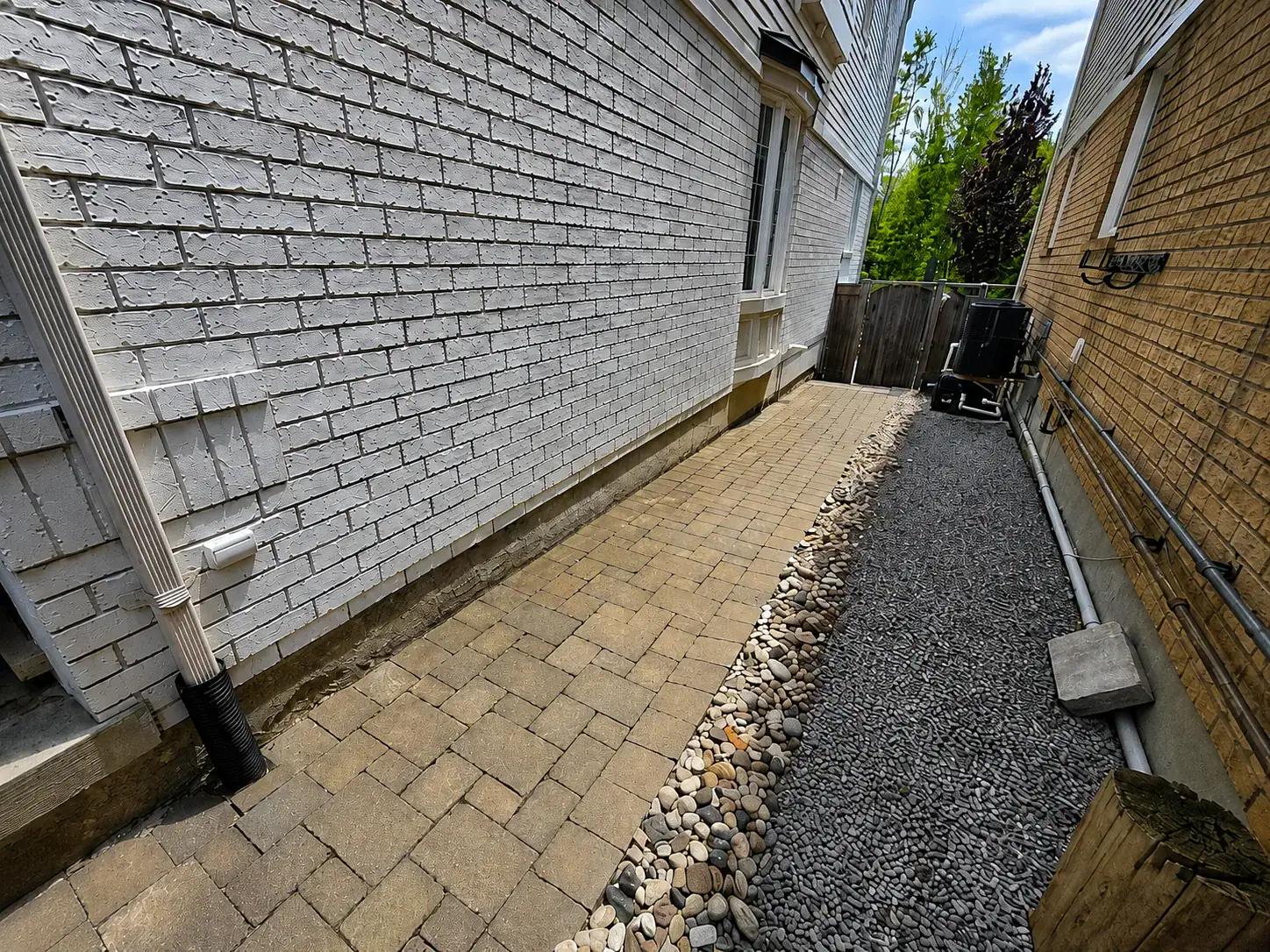
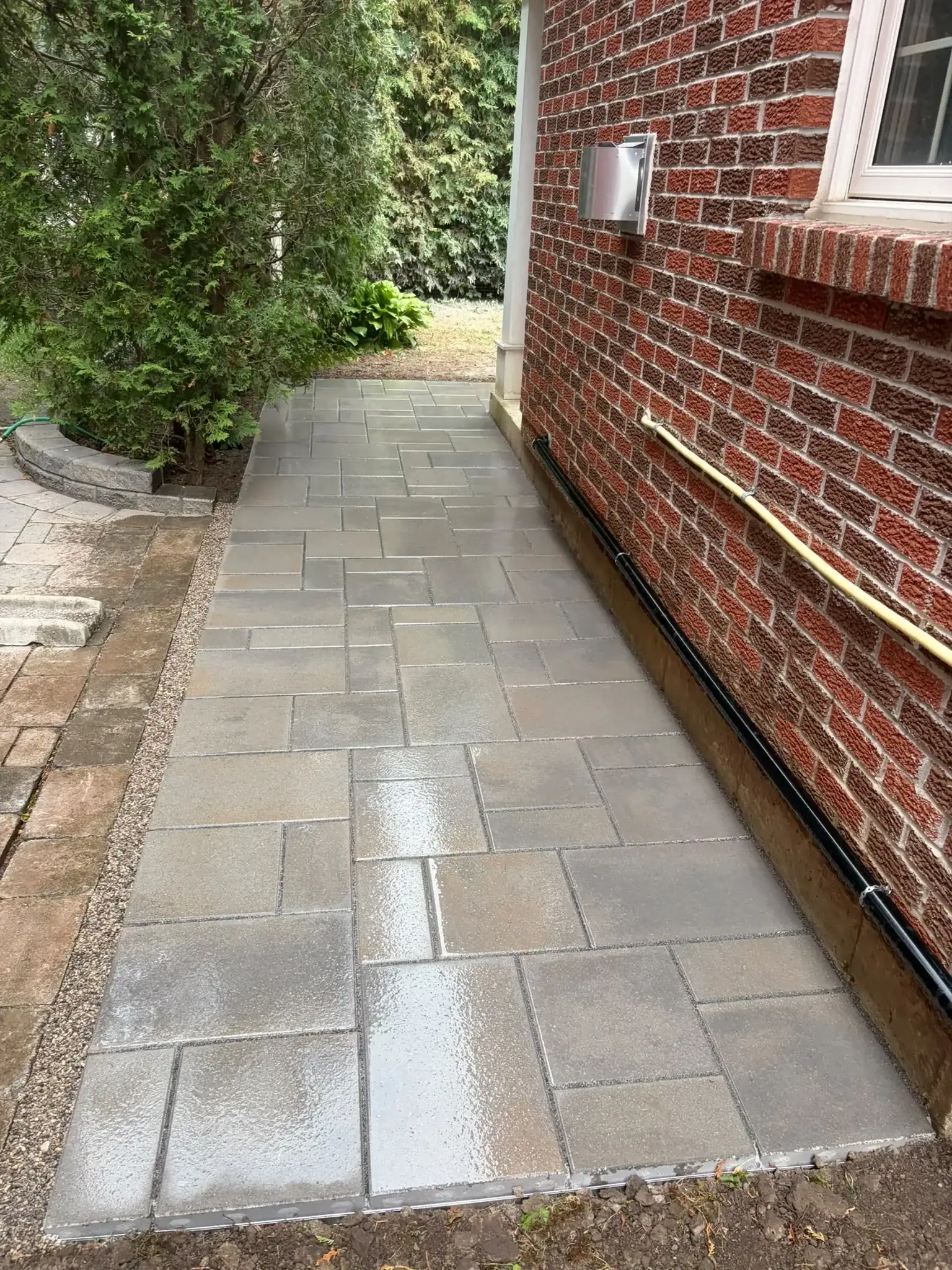
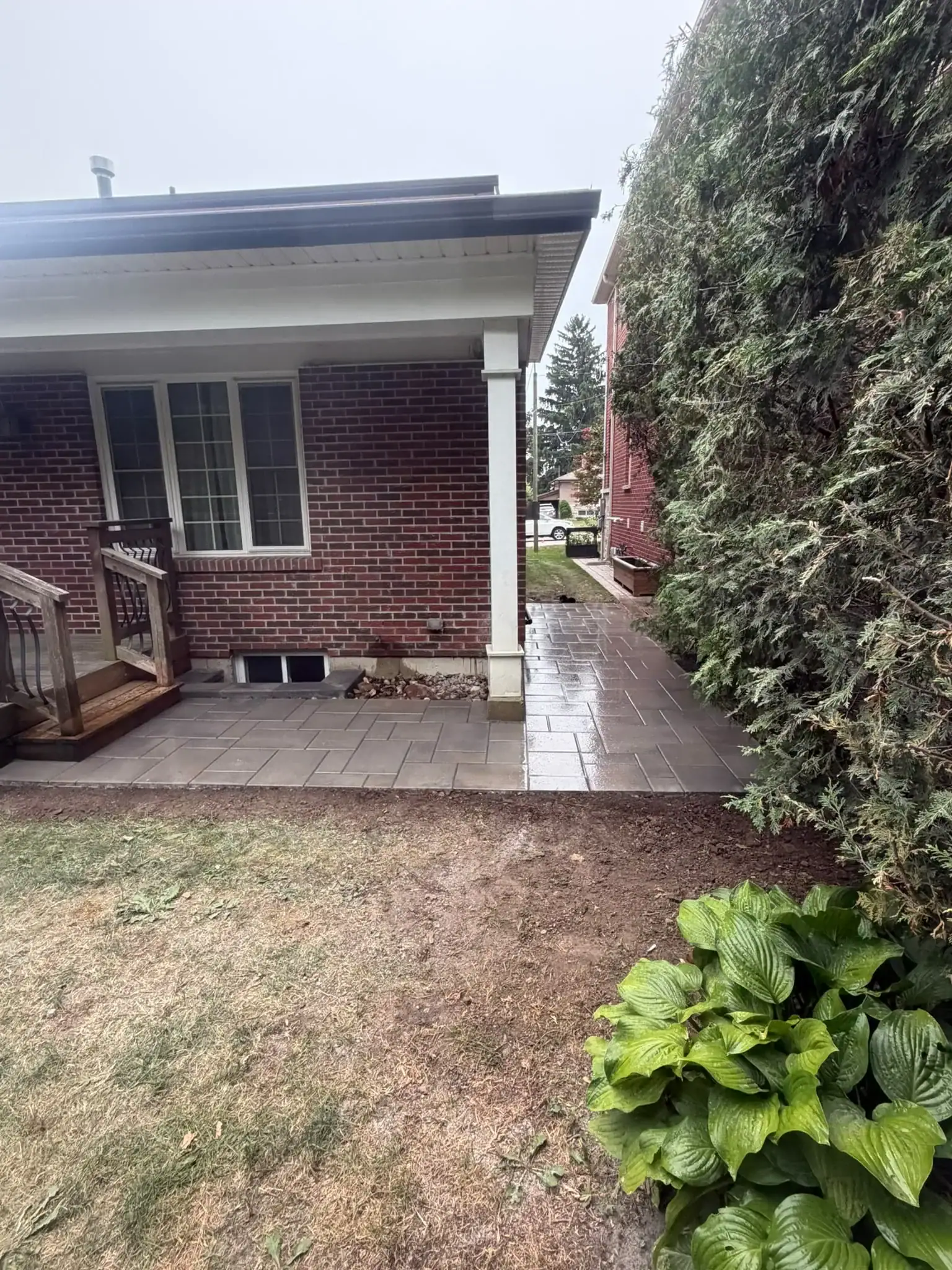
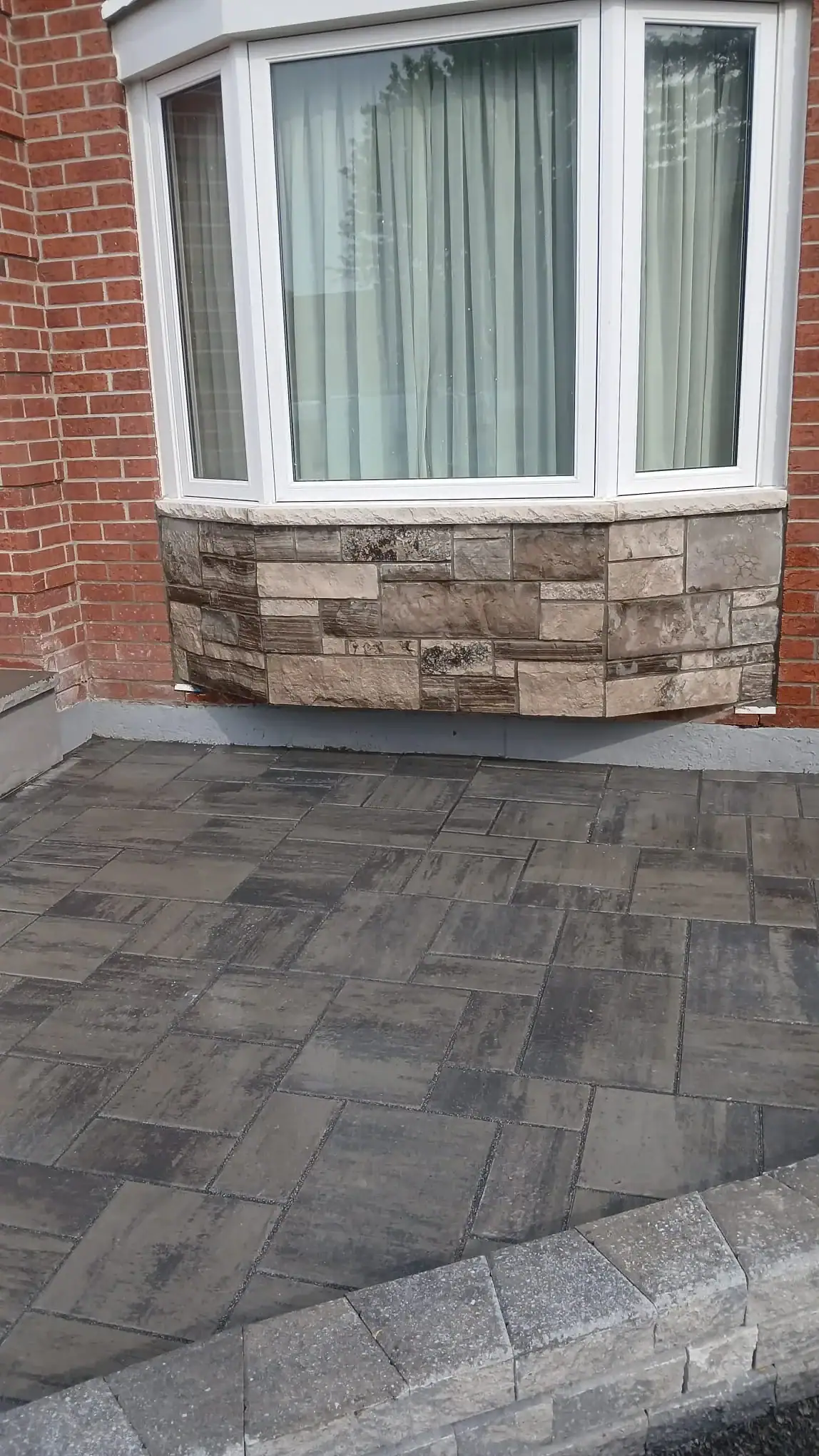
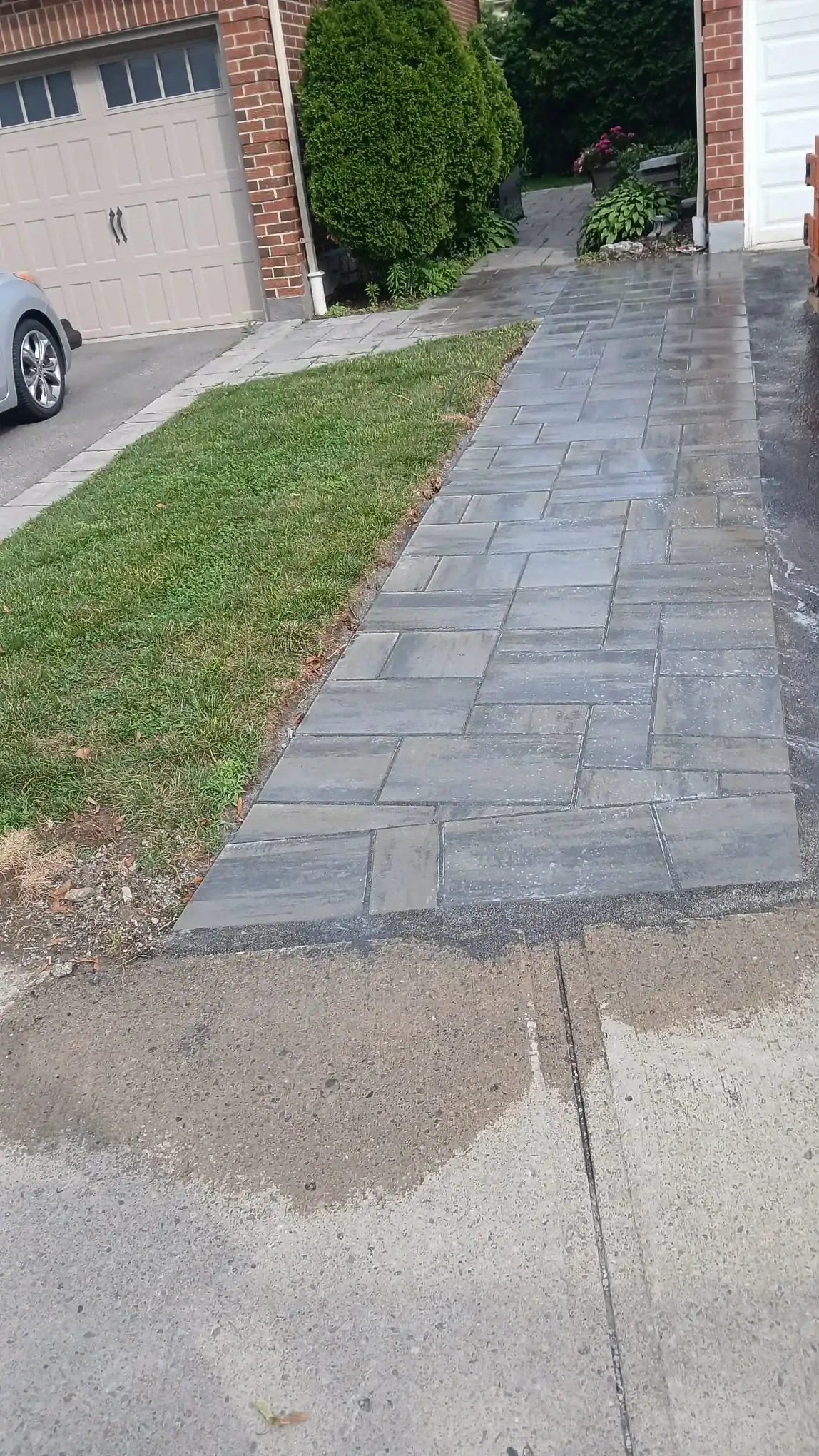
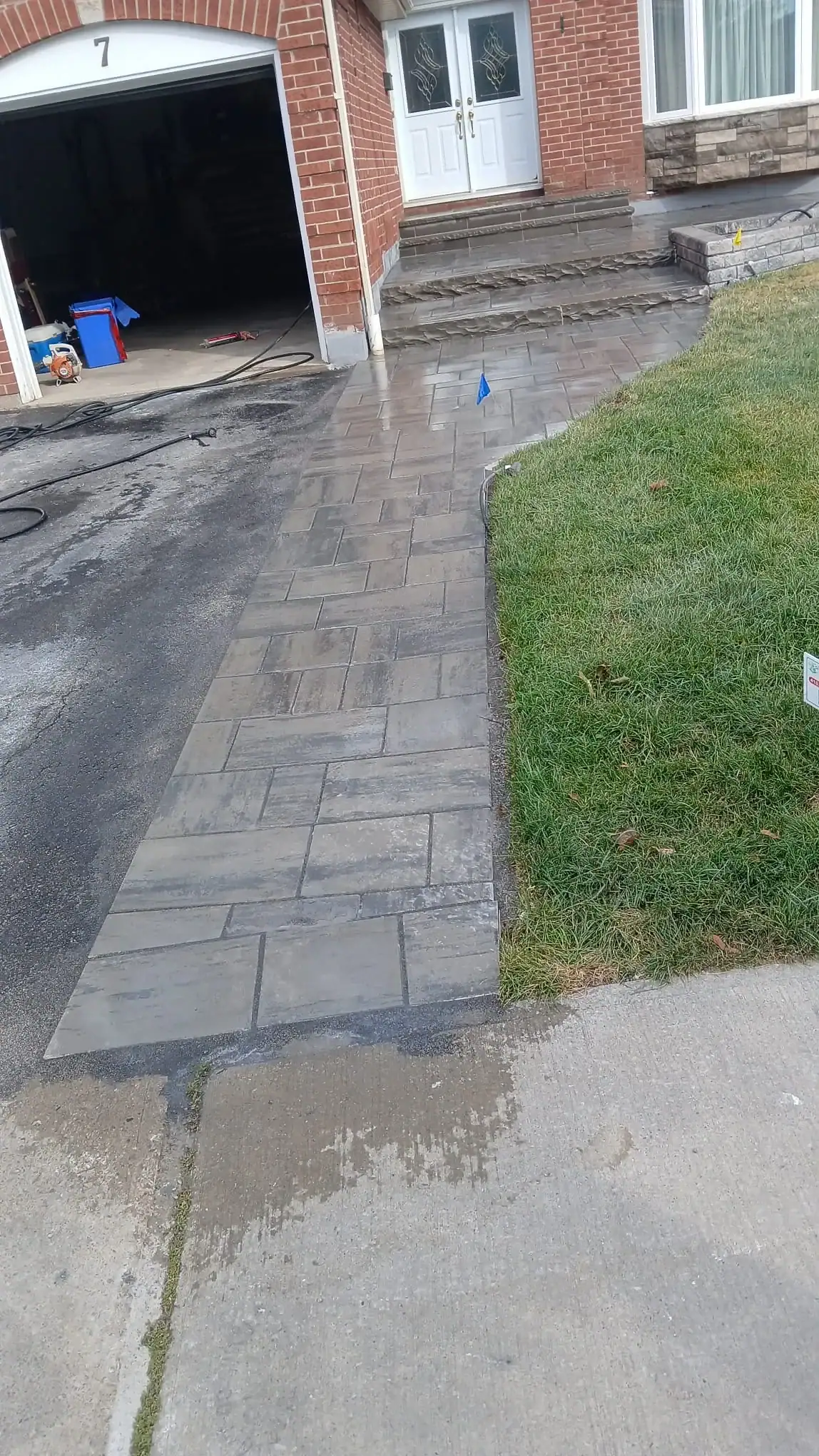
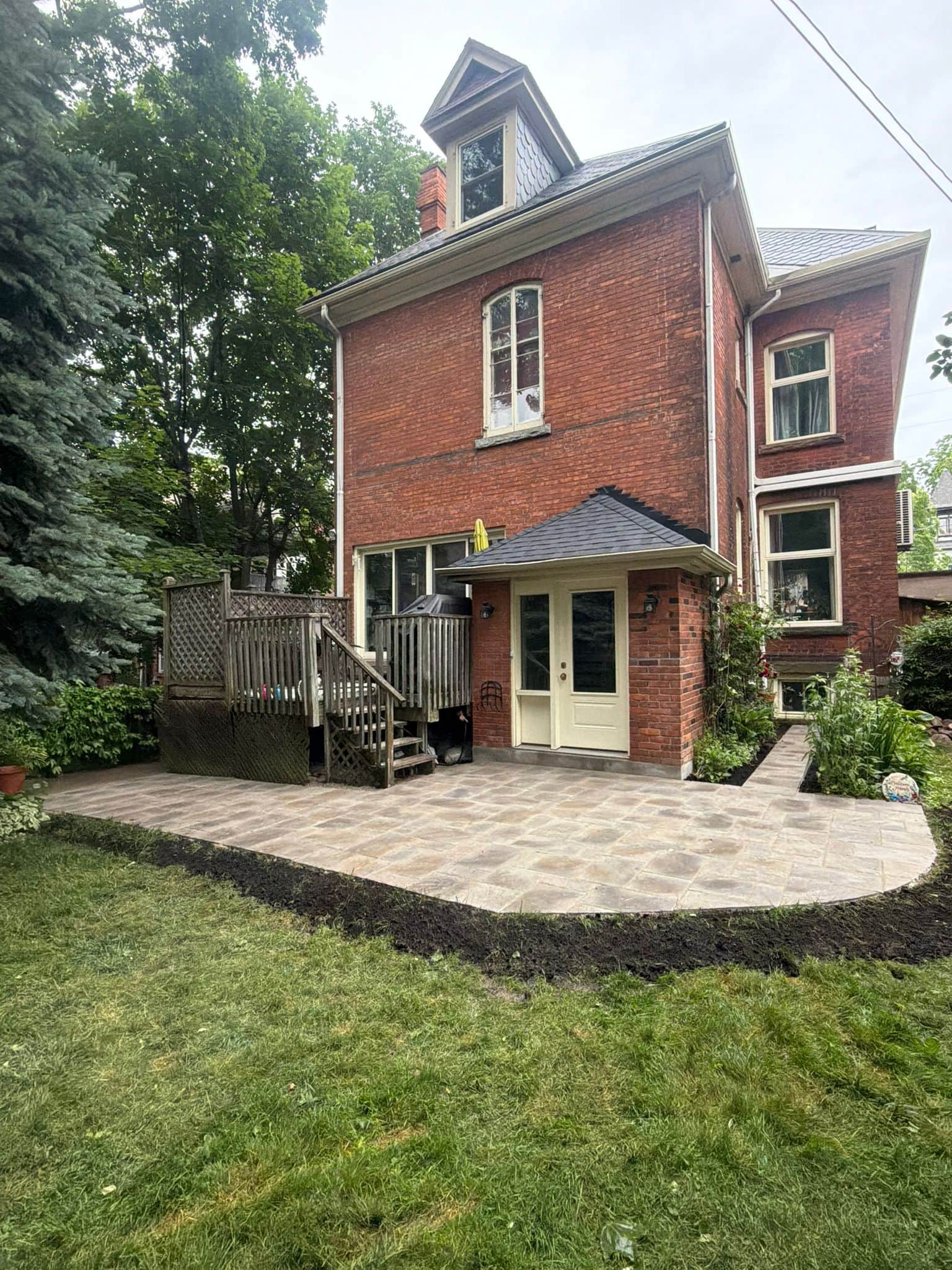
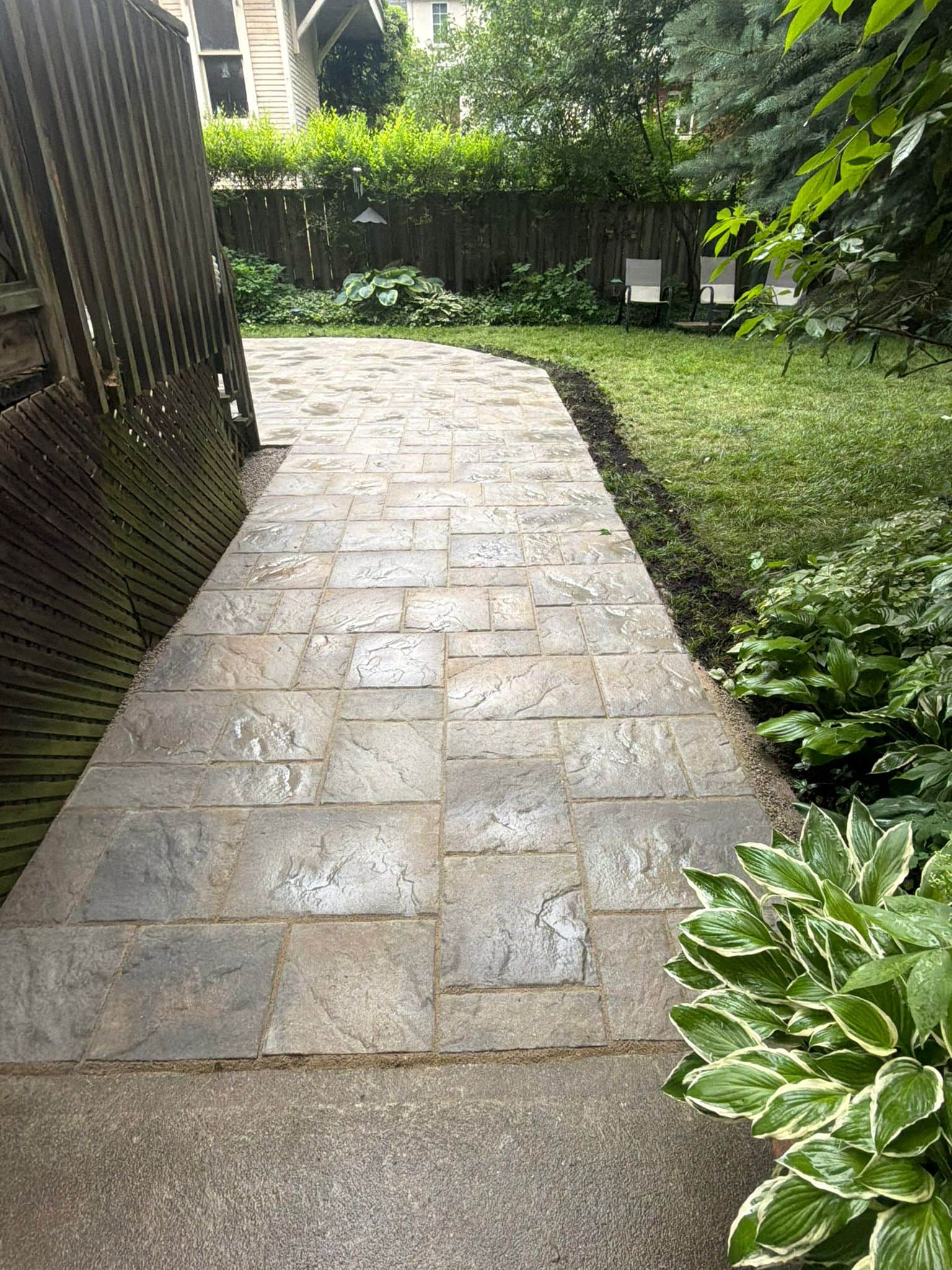
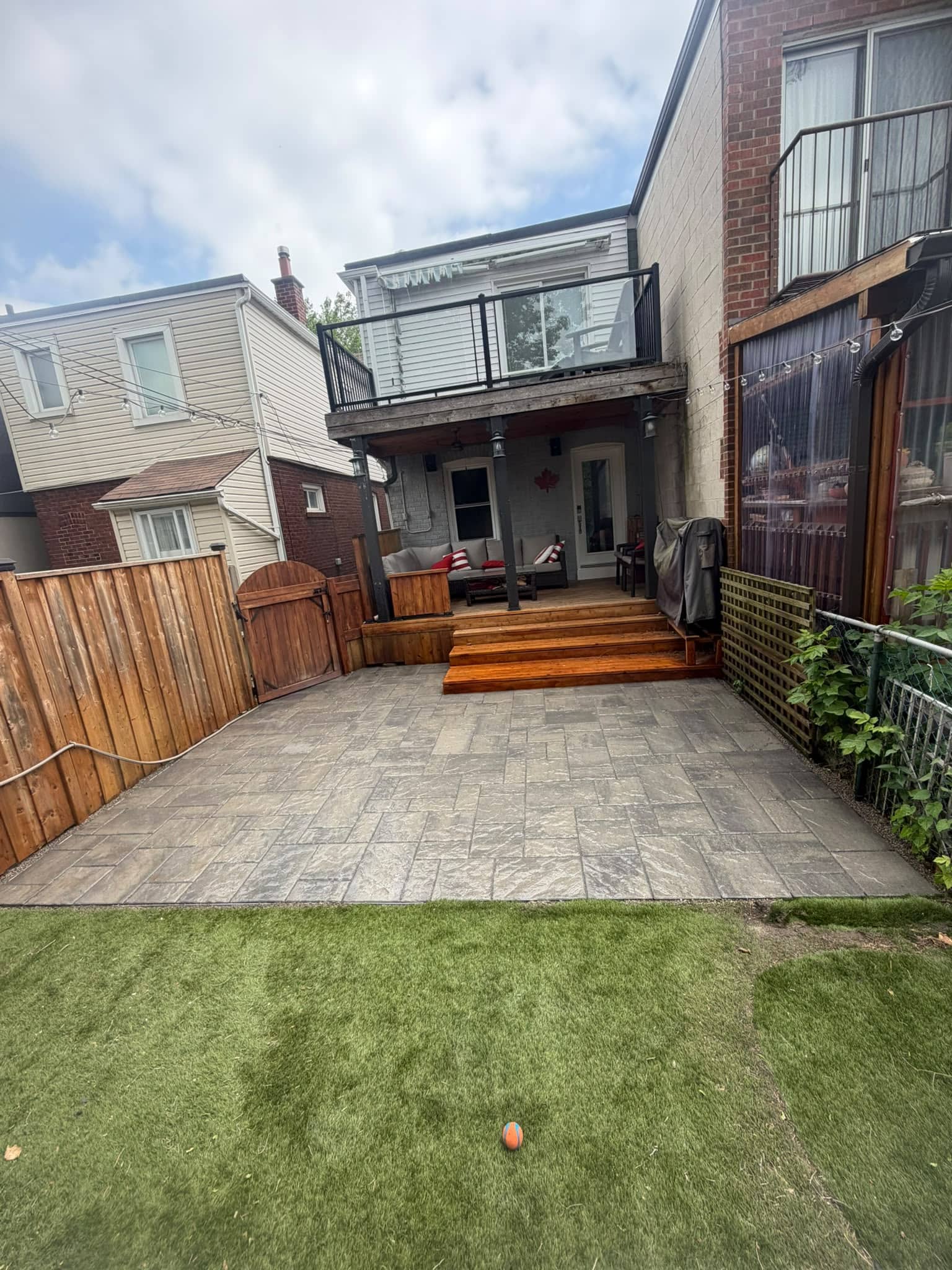
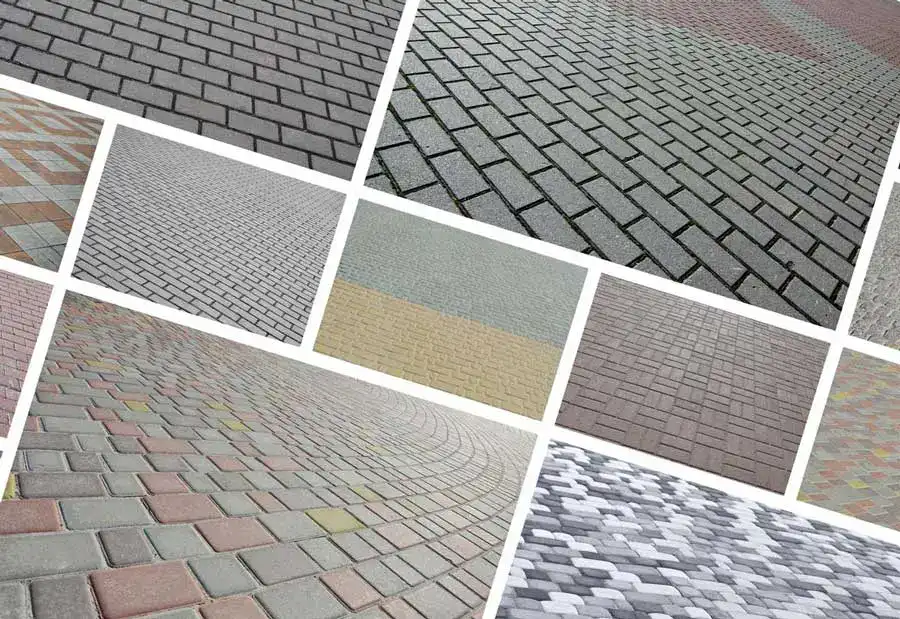
In contrast, pavers are manufactured available in various colors, shapes, and finishes, allowing for uniform looks or creative patterns, and can be designed for edging and permeable applications
Design Versatility
Pavers offer greater design versatility, as they can be arranged in intricate patterns and styles, making them suitable for contemporary and classic designs. Homeowners can mix and match colors and shapes to create custom designs, while natural stones typically provide a more traditional aesthetic.
Fall in love with the timeless elegance of armor stone and discover how to transform your outdoor space.
Cost Comparison between Natural Patio Stones vs Pavers
| Aspect | Natural Patio Stones | Pavers |
| Initial Costs | Higher upfront investment due to sourcing and processing. | Generally lower initial costs; concrete pavers are often more budget-friendly. |
| Long-Term Value | Outlast pavers require fewer repairs and replacements, leading to savings in maintenance costs. | It is less expensive initially but may incur higher long-term maintenance costs. |
| Installation Process | Often requires professional installation for proper alignment and stability, increasing labor costs. | They are easier to install, making them suitable for DIY enthusiasts; many homeowners can install them themselves. |
| Overall Project Timeline | Installation may take longer due to the need for professional help. | Typically, there is a quicker installation process for DIY projects. |
Maintenance Requirements
Maintenance is a critical factor influencing the choice between natural stones and pavers.
Cleaning
Both materials require regular cleaning to maintain their appearance. Pavers can be easily swept and hosed down, while natural stones may need gentle scrubbing to avoid damage.
Sealing and Upkeep
Natural stones typically require sealing to protect against stains and weathering, adding to their maintenance needs. Pavers may also require sealing, which is often less frequent and easier to manage. Understanding these maintenance requirements can help homeowners plan accordingly.
Environmental Impact
The environmental impact of the materials used is an increasingly important consideration for many homeowners.
Sustainability of Materials Used
Natural stones are sourced directly from the earth and are often seen as more sustainable due to their minimal processing. However, the environmental impact can vary based on extraction methods and transportation.
Pavers can also be eco-friendly options, particularly those made from recycled materials. Homeowners need to consider the sustainability practices of manufacturers when making their decisions.
Climate
Different materials perform better in varying climates. For example, natural stones like granite are ideal for colder regions due to their durability and resistance to freezing. Conversely, pavers may be preferable in hotter climates as they can be designed to minimize heat retention.
Usage
Think about how you plan to use your patio. Will it be a high-traffic gathering area or a serene space for relaxation? For heavy usage, durable materials like concrete pavers may be more suitable, while natural stones can create an elegant atmosphere for less frequent use.
Style Preferences
Your home’s architectural style should guide your choice. Natural stones offer a timeless, rustic look that complements traditional homes, while pavers provide versatility that can suit modern designs. Consider color, texture, and pattern to ensure your patio enhances your home’s aesthetic.
Consulting Professionals on Choosing Between Natural Patio Stones and Pavers
Knowing when to seek expert advice can save you time and money. Here’s when to consider consulting professionals:
Complex Projects
Hiring a professional can ensure the project is executed correctly if your patio design involves intricate patterns or requires significant grading and drainage work.
Material Selection
Professionals can provide valuable insights into the best materials for your specific climate and usage needs, helping you avoid costly mistakes.
Installation Expertise
While DIY installation is possible for many homeowners, a professional can guarantee a higher quality finish and longevity of your patio, especially with natural stones that require precise placement.
FAQ: Natural Patio Stones vs. Pavers: Which is Best for Your Home?
What are the main differences between natural patio stones and pavers?
Natural patio stones are sourced directly from quarries and offer unique textures and colors, providing a rustic and organic look. On the other hand, Pavers are manufactured materials that come in various shapes, sizes, and colors, allowing for more design versatility.
Which option is more durable: natural stones or pavers?
Both materials are durable, but natural stones tend to have a longer lifespan due to their inherent strength and resistance to weathering. Pavers can also be long-lasting, but their longevity can depend on the quality of the material and installation.
How do the costs compare between natural stones and pavers?
Generally, natural stones have a higher initial cost due to sourcing and processing. Pavers can be more budget-friendly upfront, but it’s essential to consider long-term maintenance costs, as natural stones may require less upkeep over time.
What are the installation requirements for each material?
Natural stones often require professional installation to ensure proper alignment and stability, which can increase labor costs. Pavers are typically easier to install and can be a suitable DIY project for homeowners with experience.
Conclusion
When choosing between natural patio stones and pavers, consider aesthetic appeal, cost, installation process, maintenance requirements, and environmental impact. Natural stones offer a unique, organic look, while pavers provide versatility. While natural stones may have a higher initial investment, their long-term value may outweigh it due to lower maintenance. Assessing specific needs, budgets, and style preferences is crucial for making an informed decision that enhances your outdoor space.
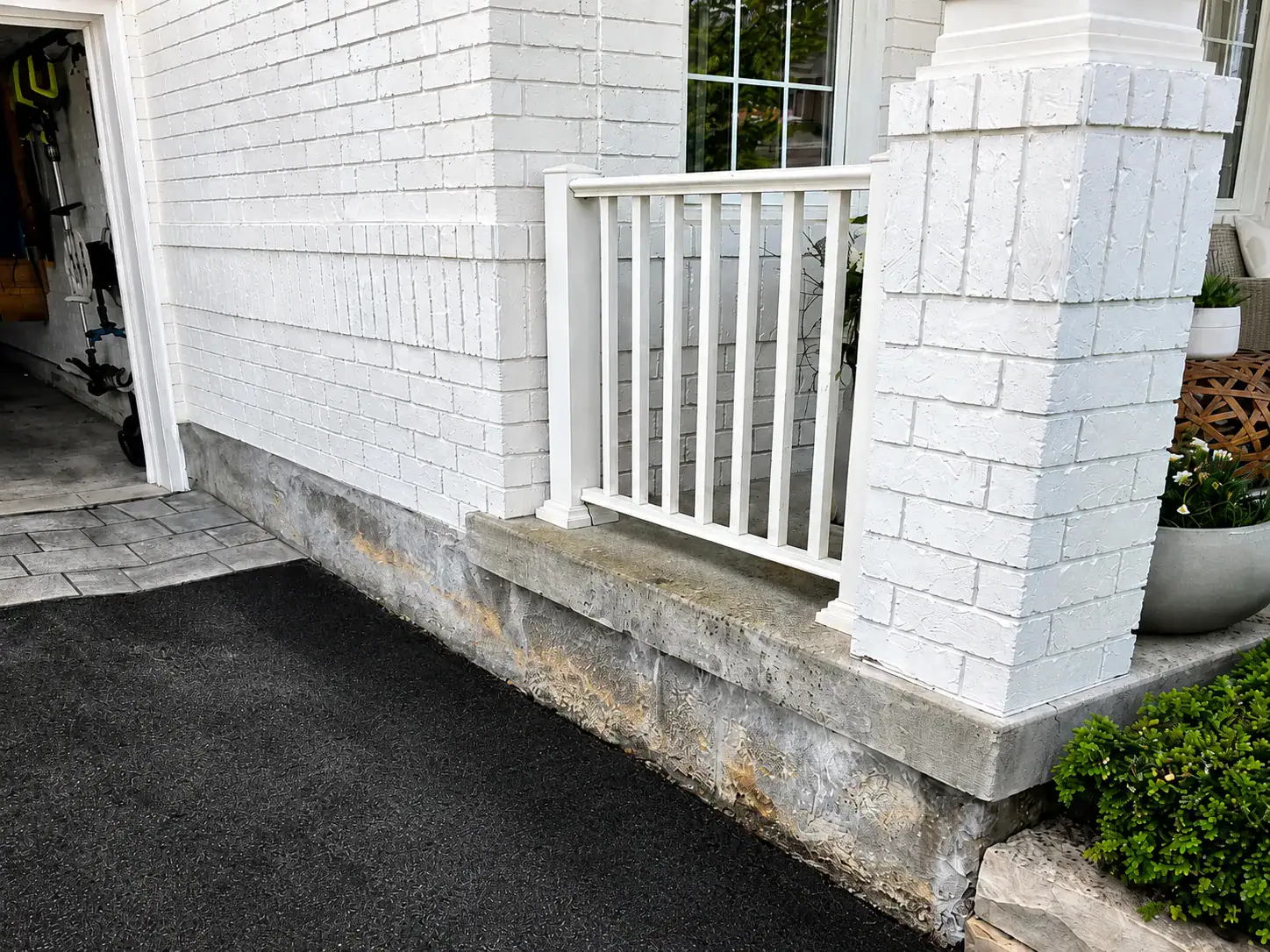
With decades of experience, A&A Masonry Inc. has built a reputation for delivering top-quality masonry, waterproofing, and exterior restoration services across Toronto and the surrounding areas. Our skilled team specializes in brick, stone, and concrete repairs, ensuring durable and visually appealing results.
At A&A Masonry, we prioritize craftsmanship, customer satisfaction, and long-lasting solutions. Whether you need foundation waterproofing, brick repair, tuckpointing, or interlocking stone installations, our experts provide reliable service backed by extensive industry experience.
Why Choose A&A Masonry?
✔ Expert Craftsmanship – Our team comprises experienced masons and waterproofing specialists dedicated to high-quality workmanship.
✔ Comprehensive Services – We offer everything from chimney repair to fireplace stone veneer and parging to enhance and protect your property.
✔ Waterproofing Solutions – Protect your home with professional basement waterproofing and exterior foundation sealing.
✔ Customer-First Approach – Transparent quotes, detailed assessments, and a commitment to excellence in every project.
Our Services Include:
- Concrete Repairs
- Stone Masonry
- Brick Painting
- Interlocking Stone Pavers
- Parging
- Tuckpointing
- Brick Repair
- Fireplace Stone Veneer
- Chimney Repair
- Commercial Exterior Painting
- Basement Waterproofing
- Stucco
- Interlocking Steps
- Roofing