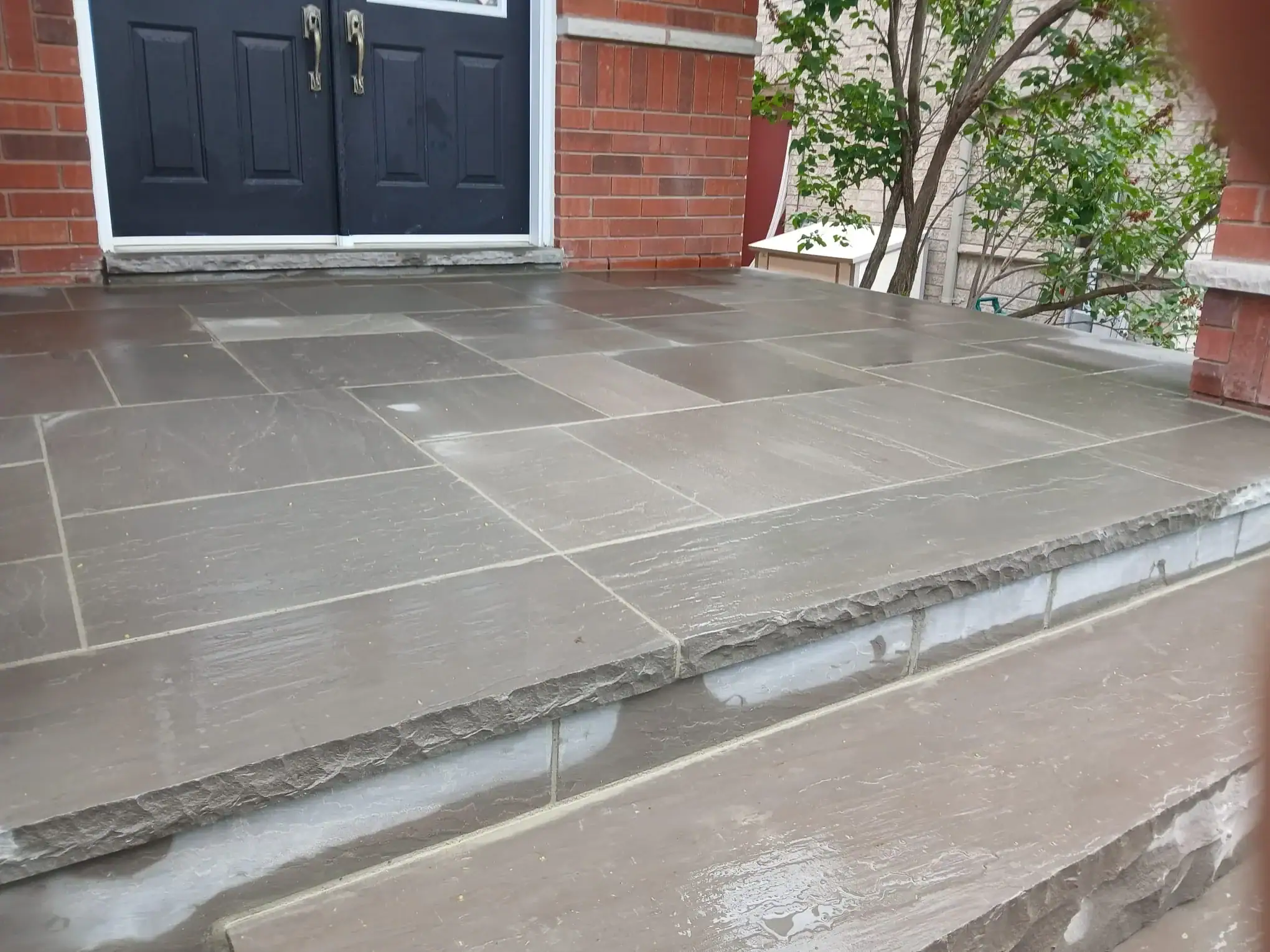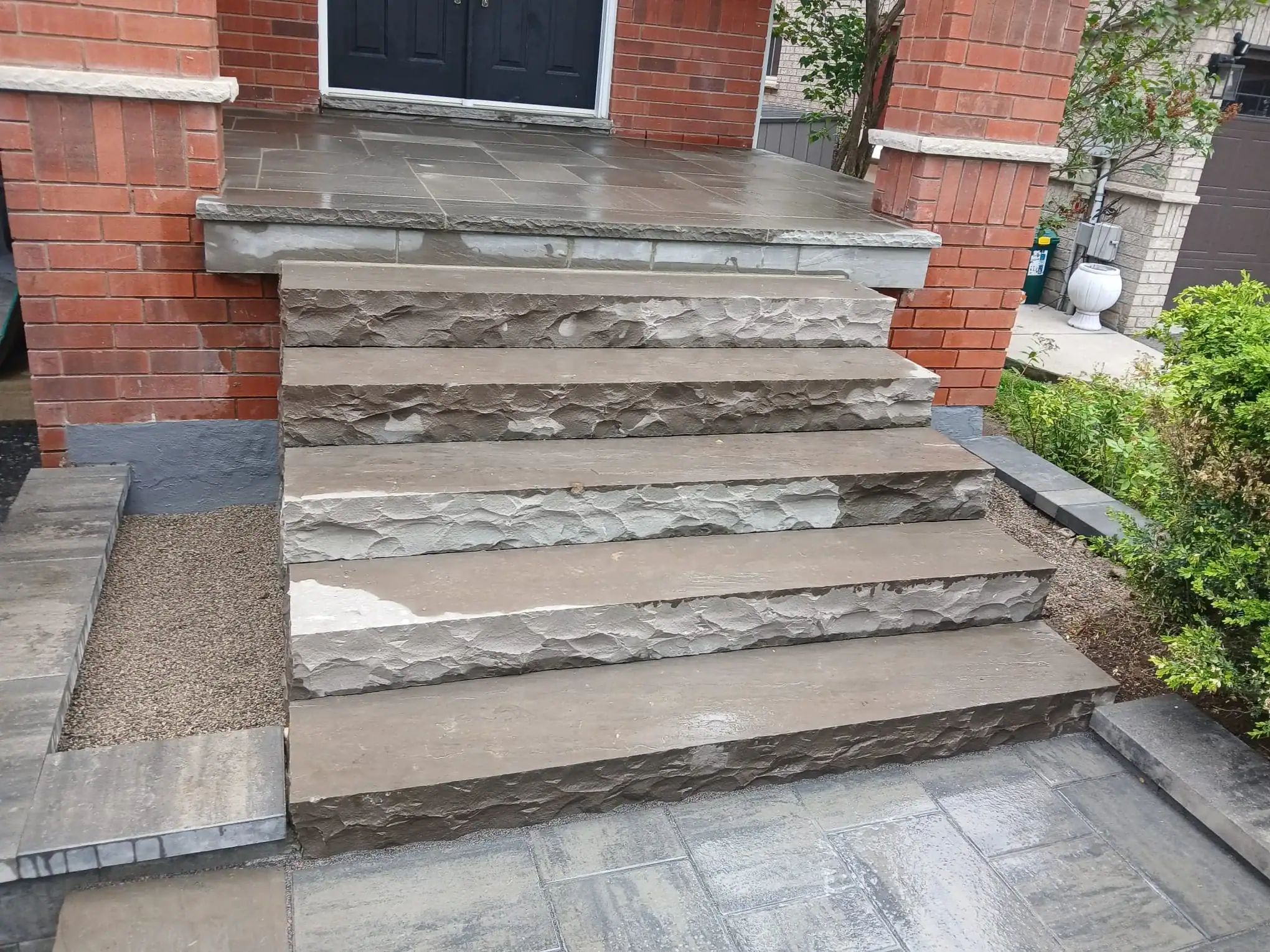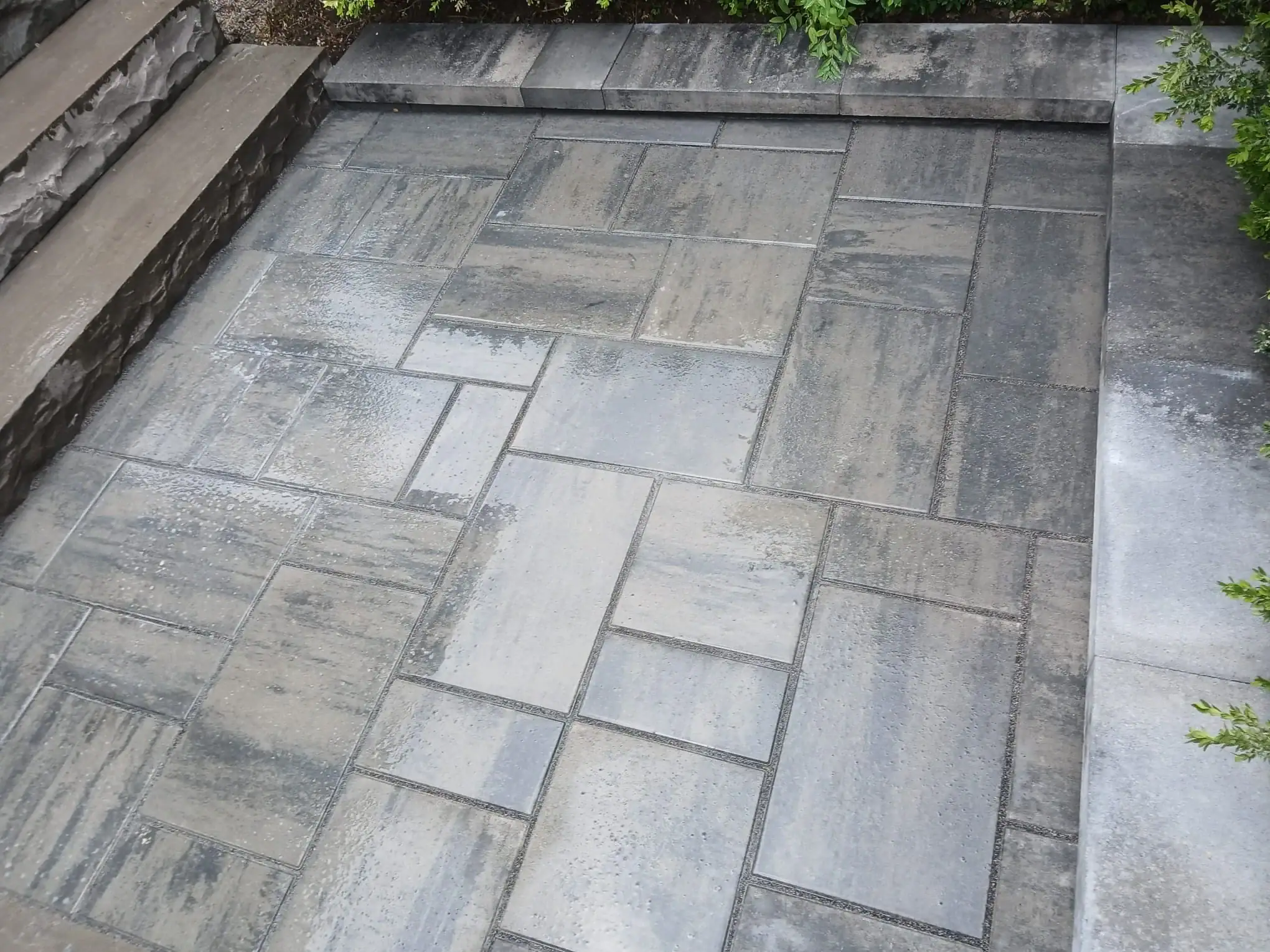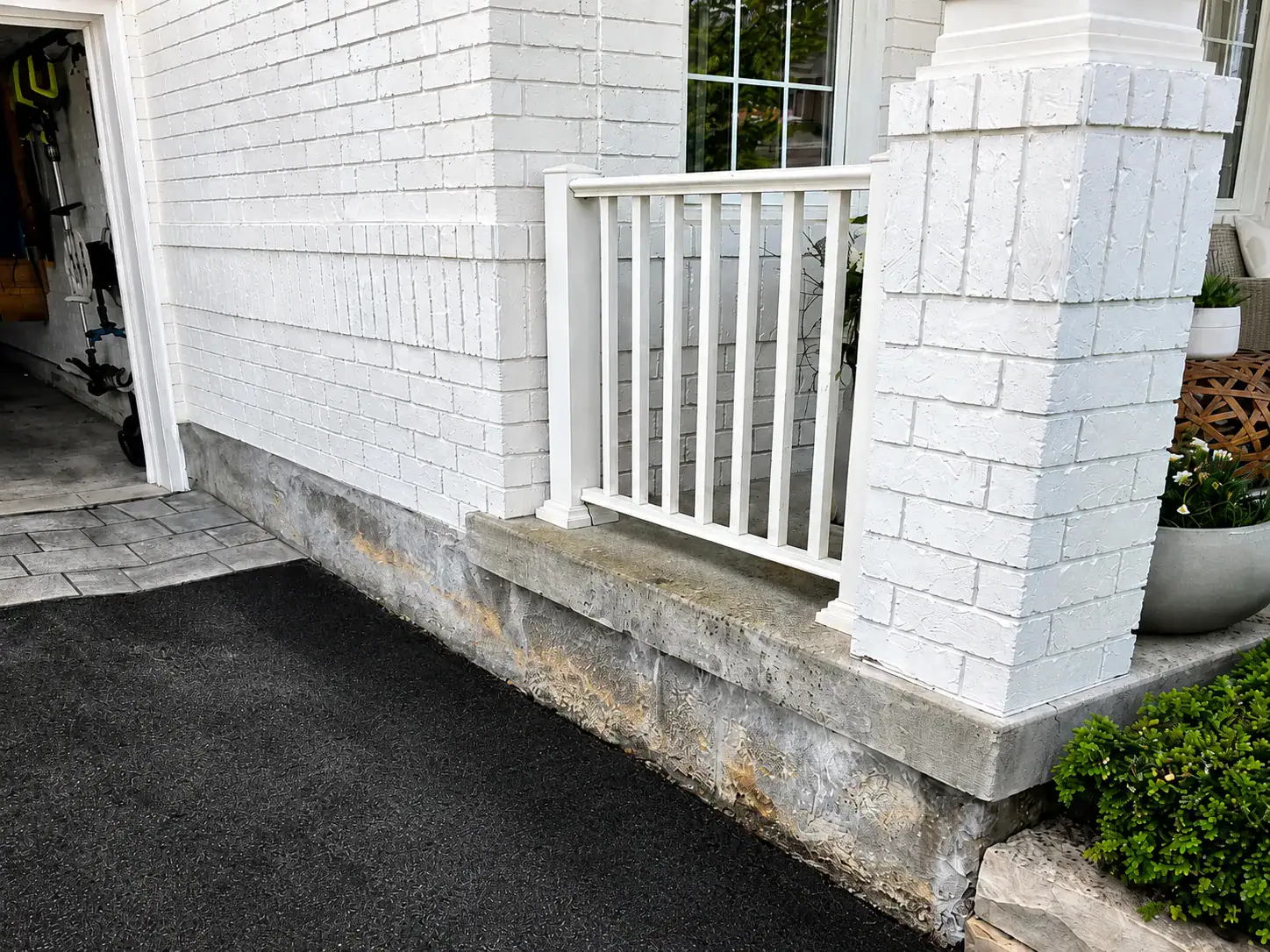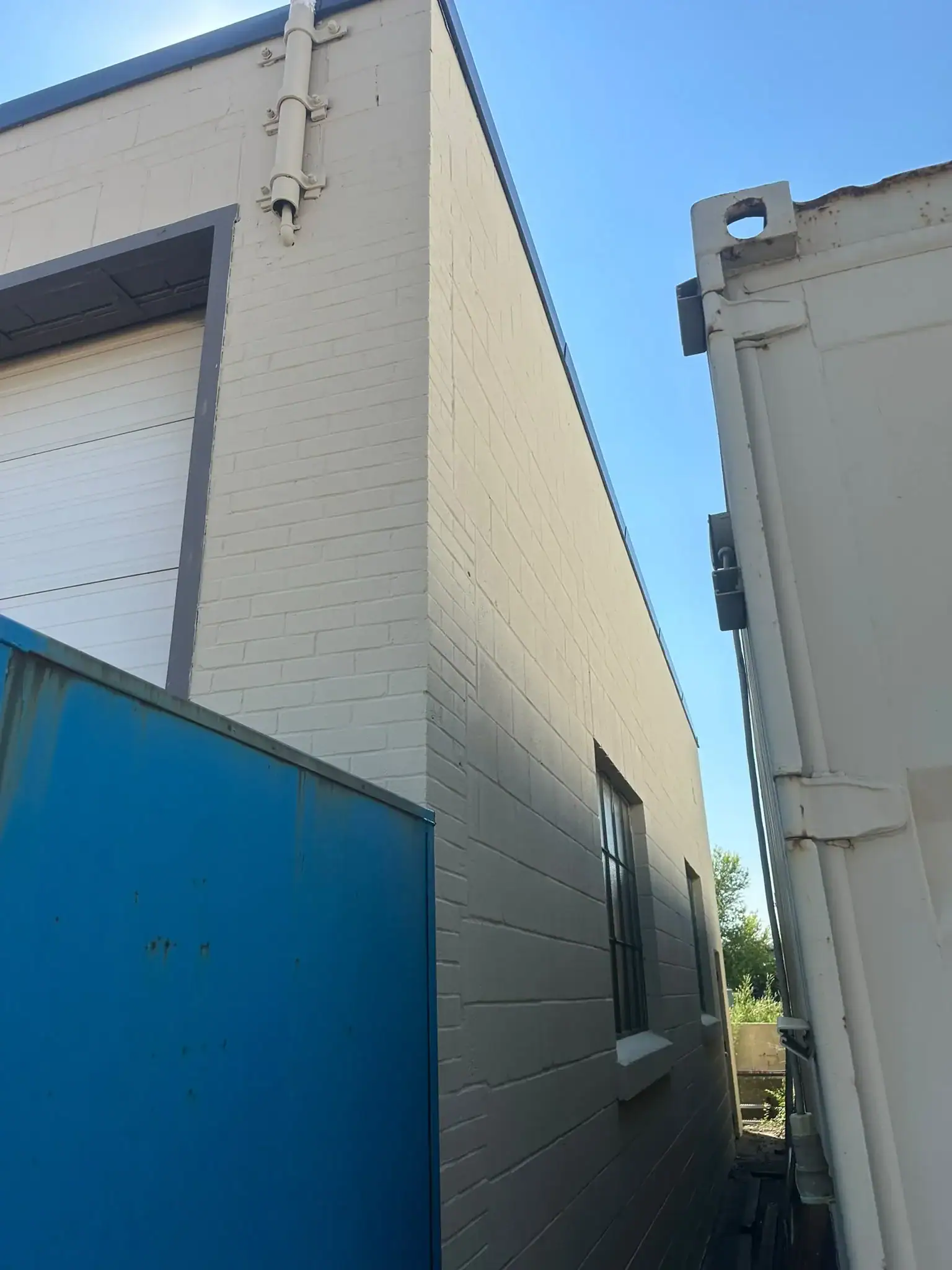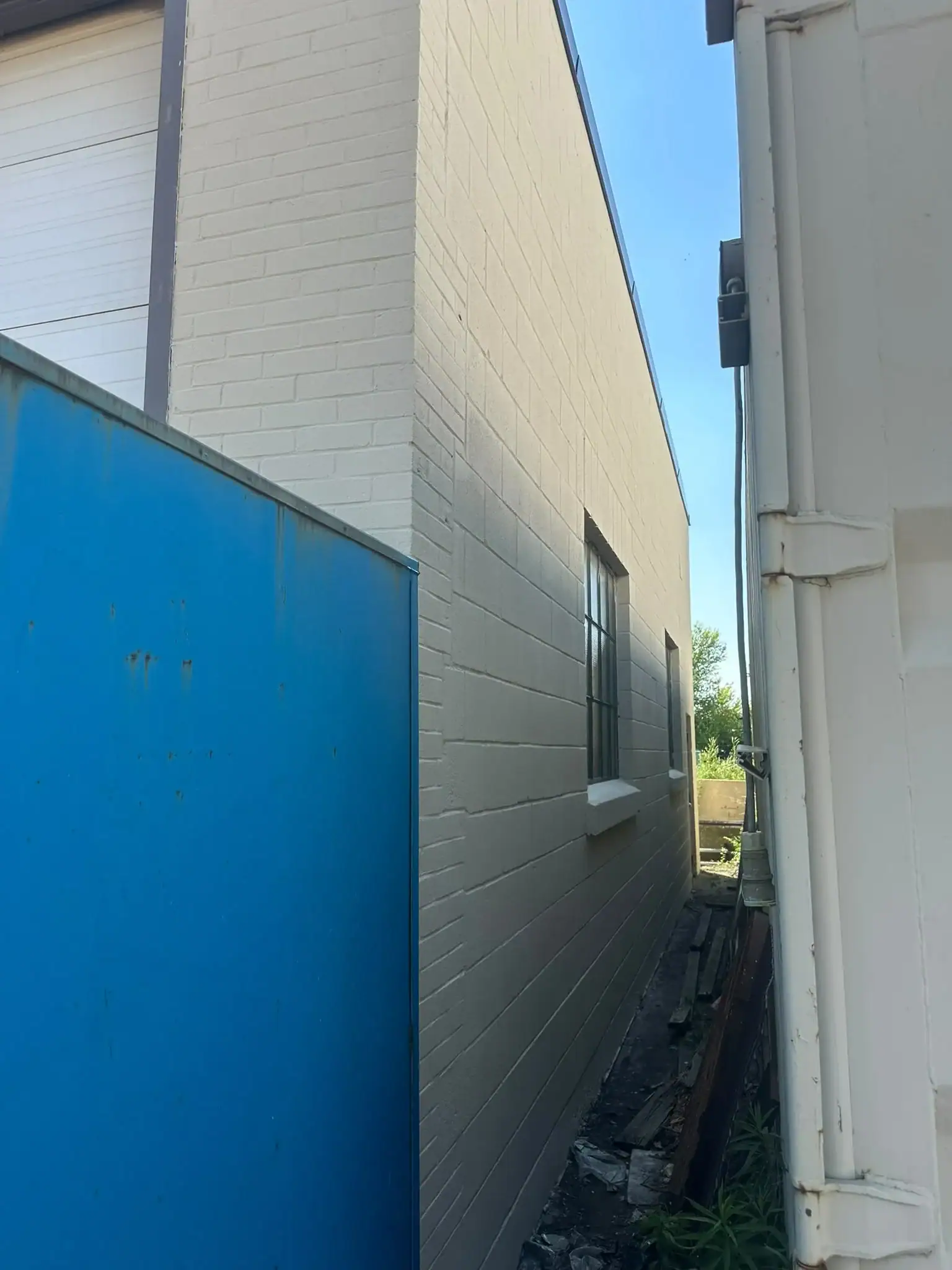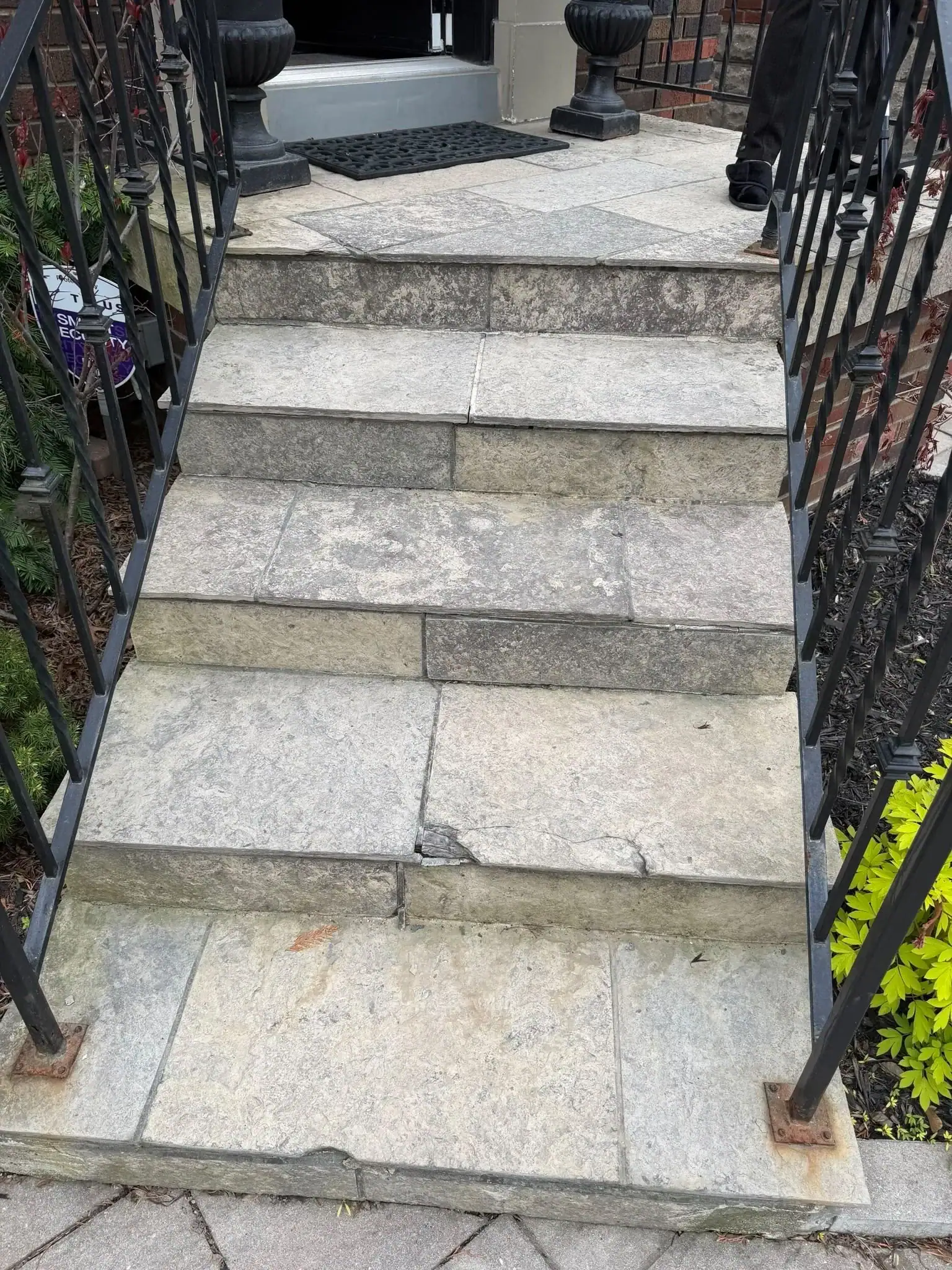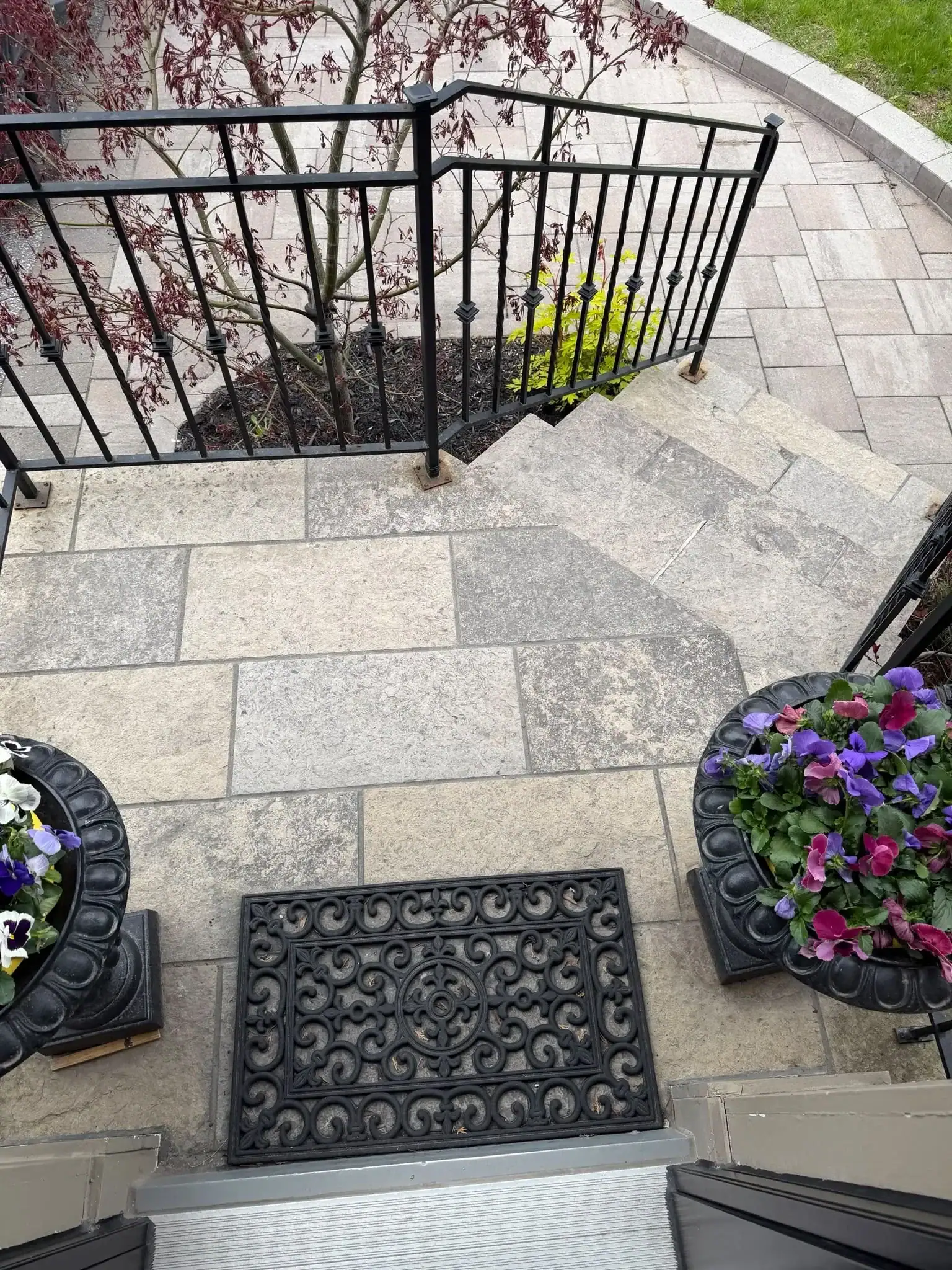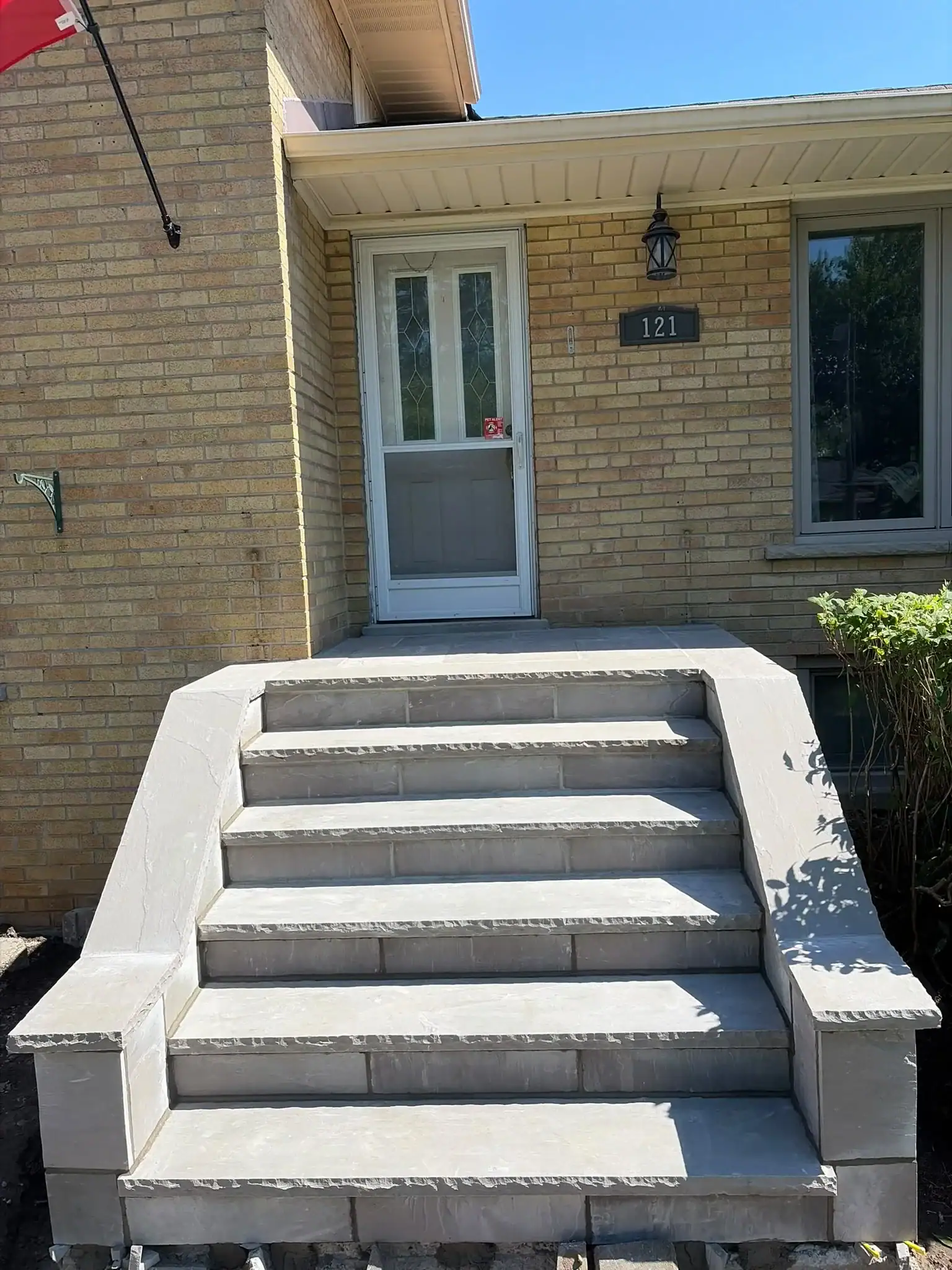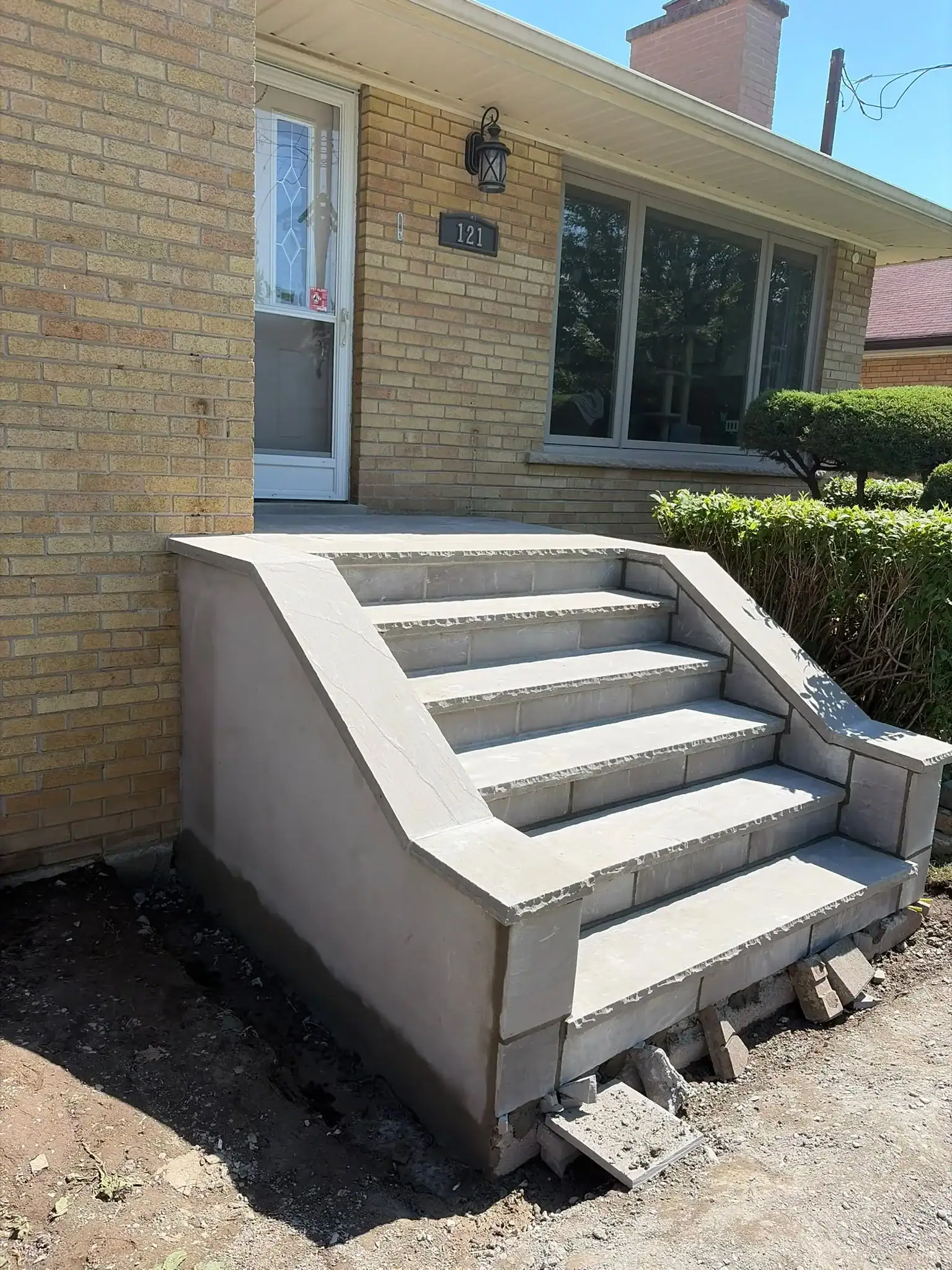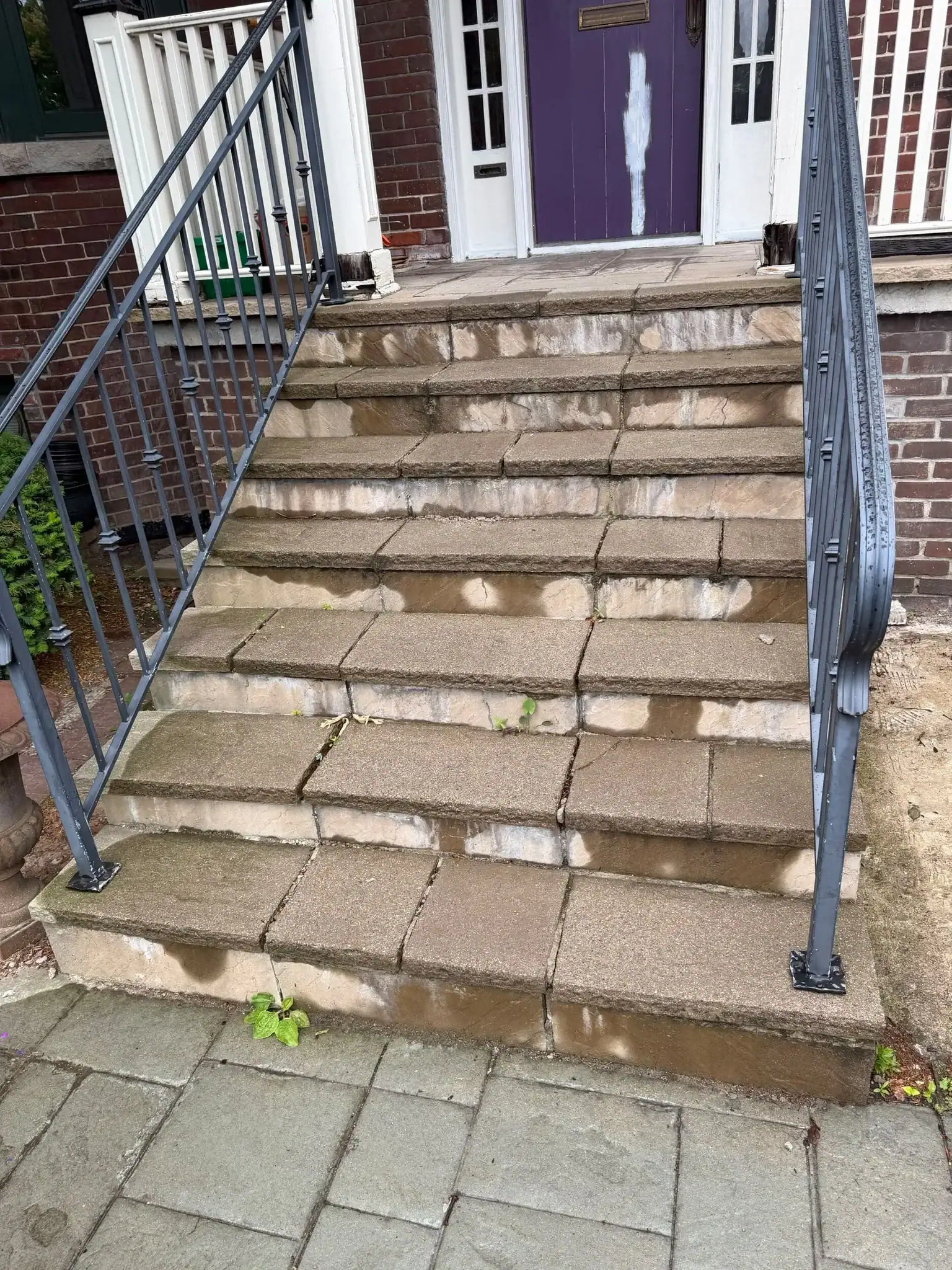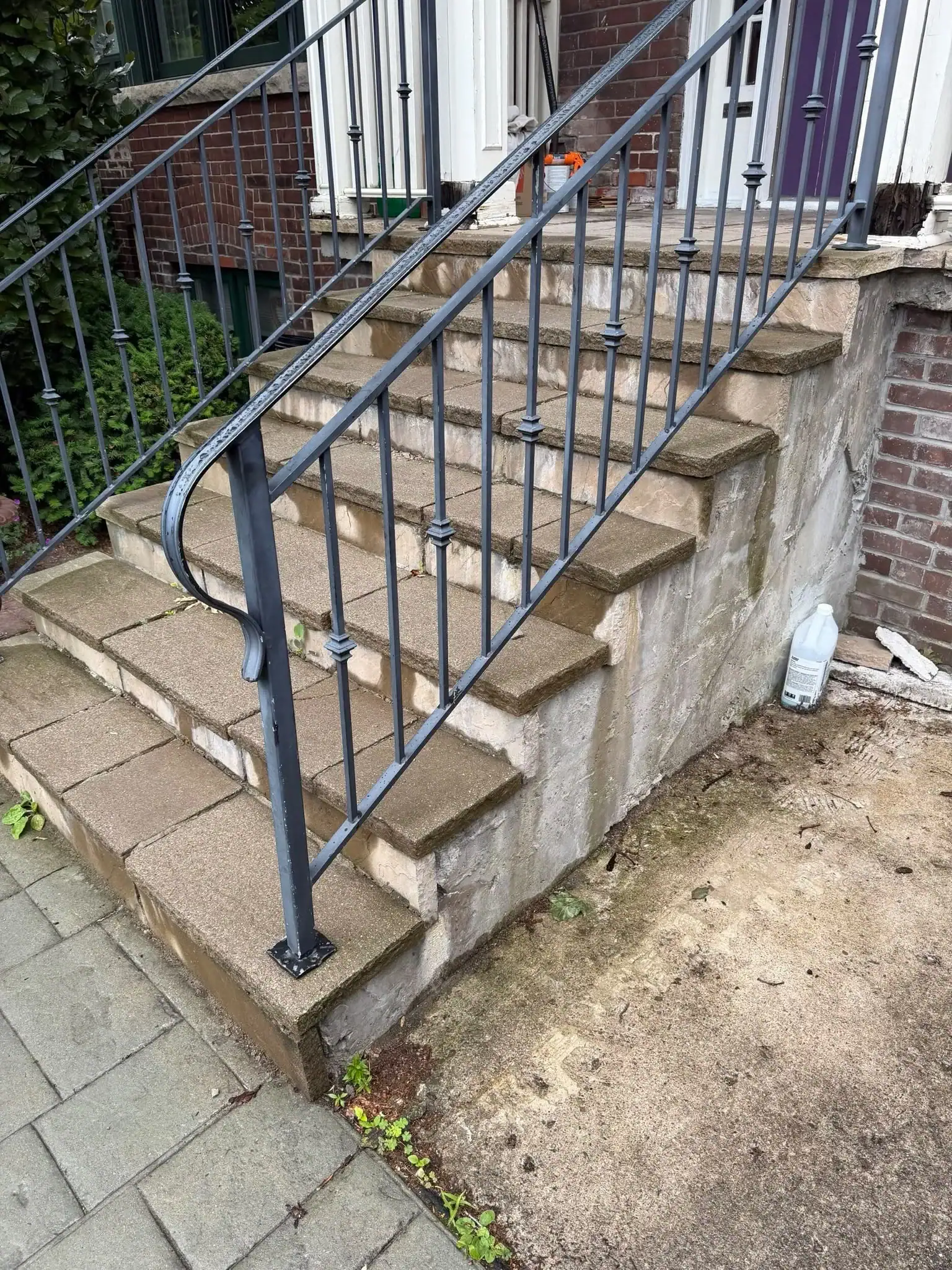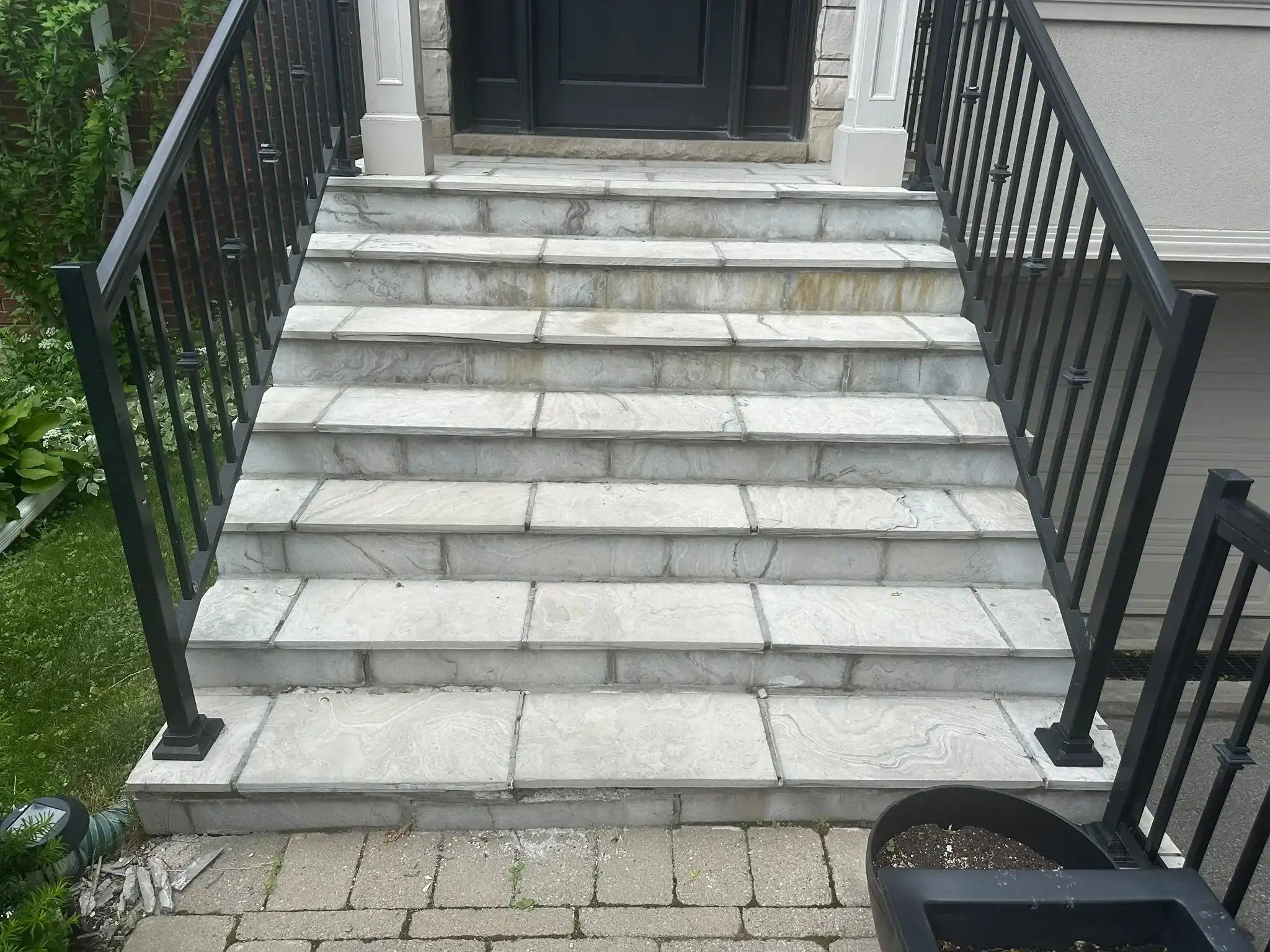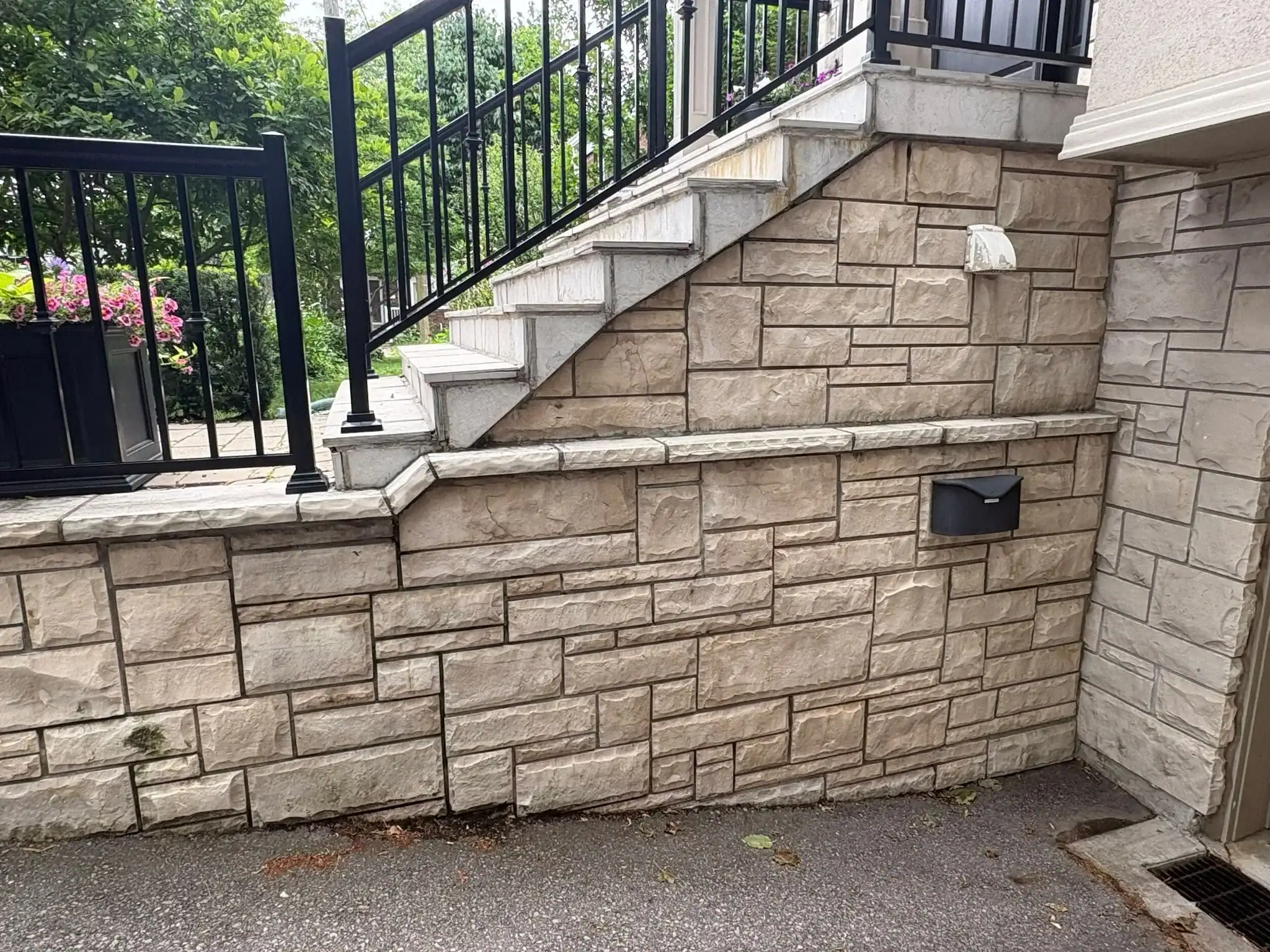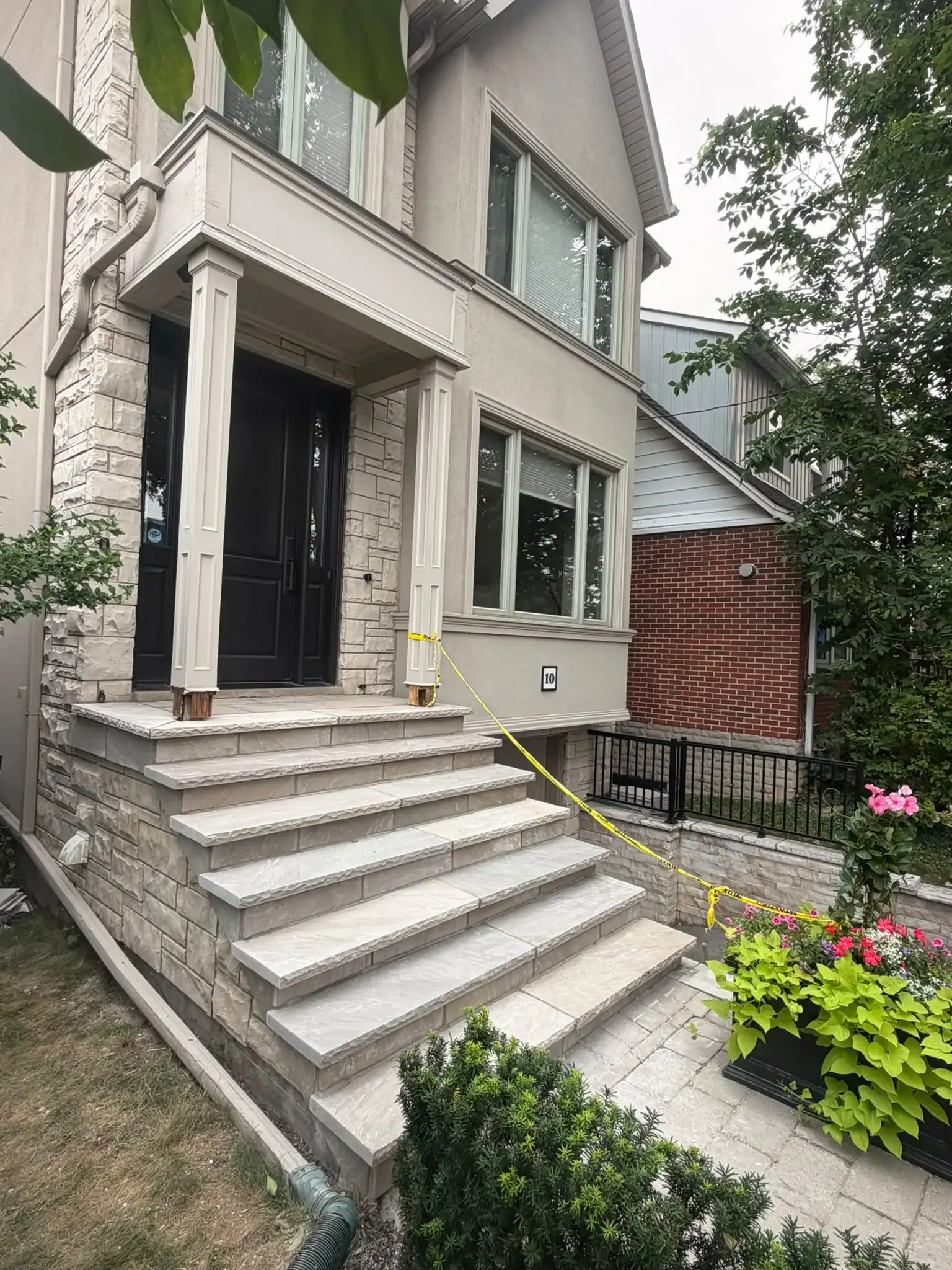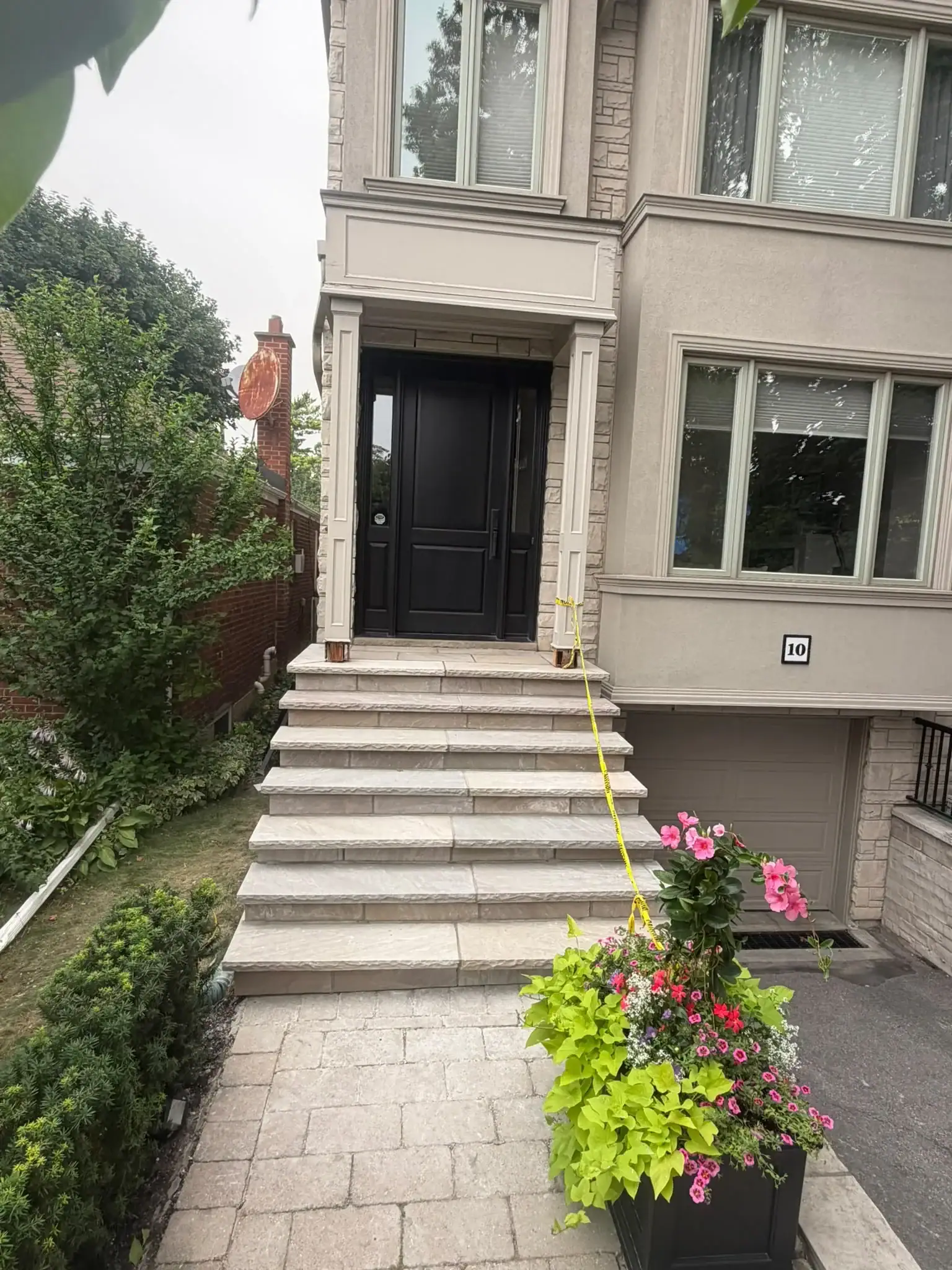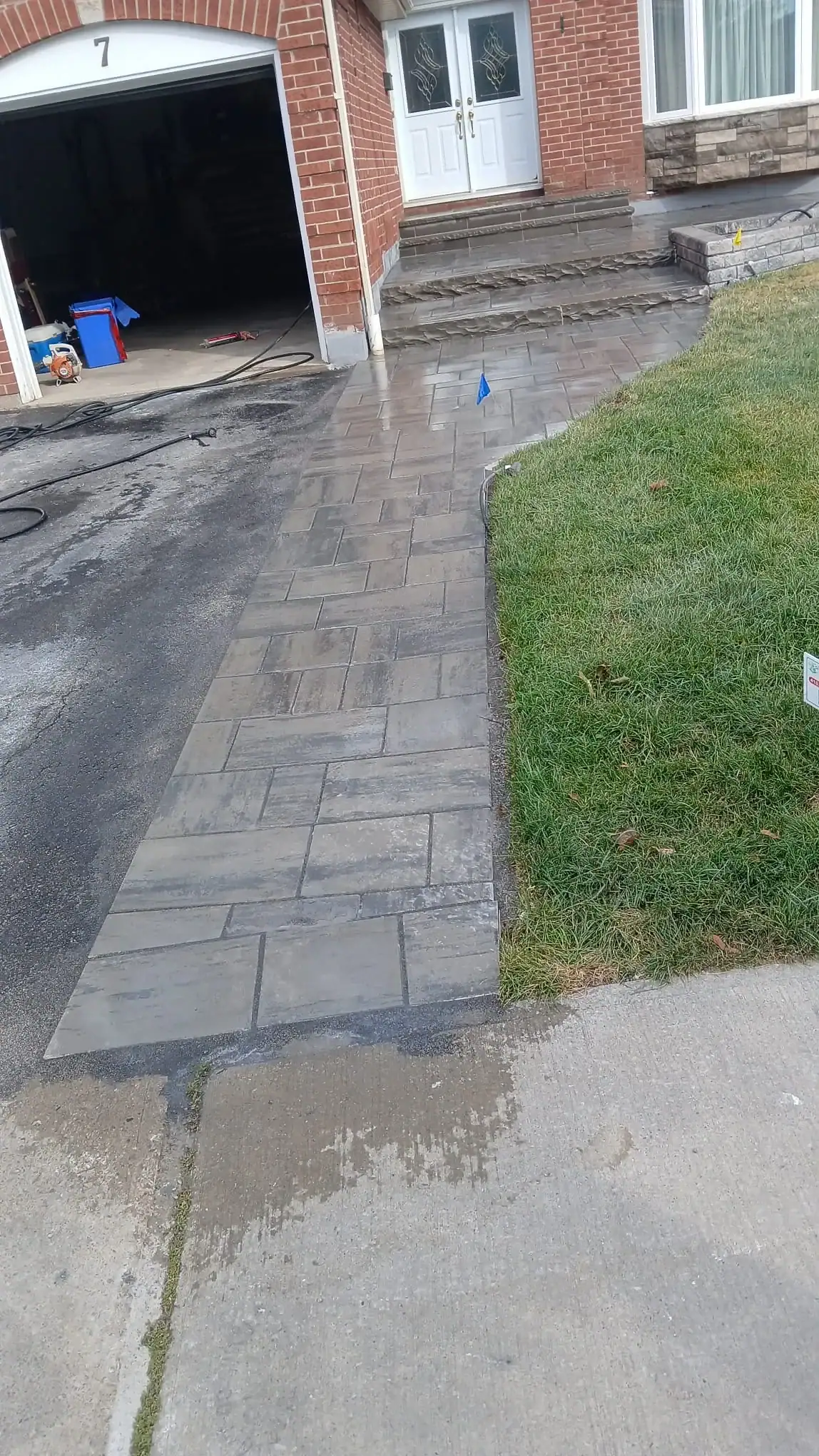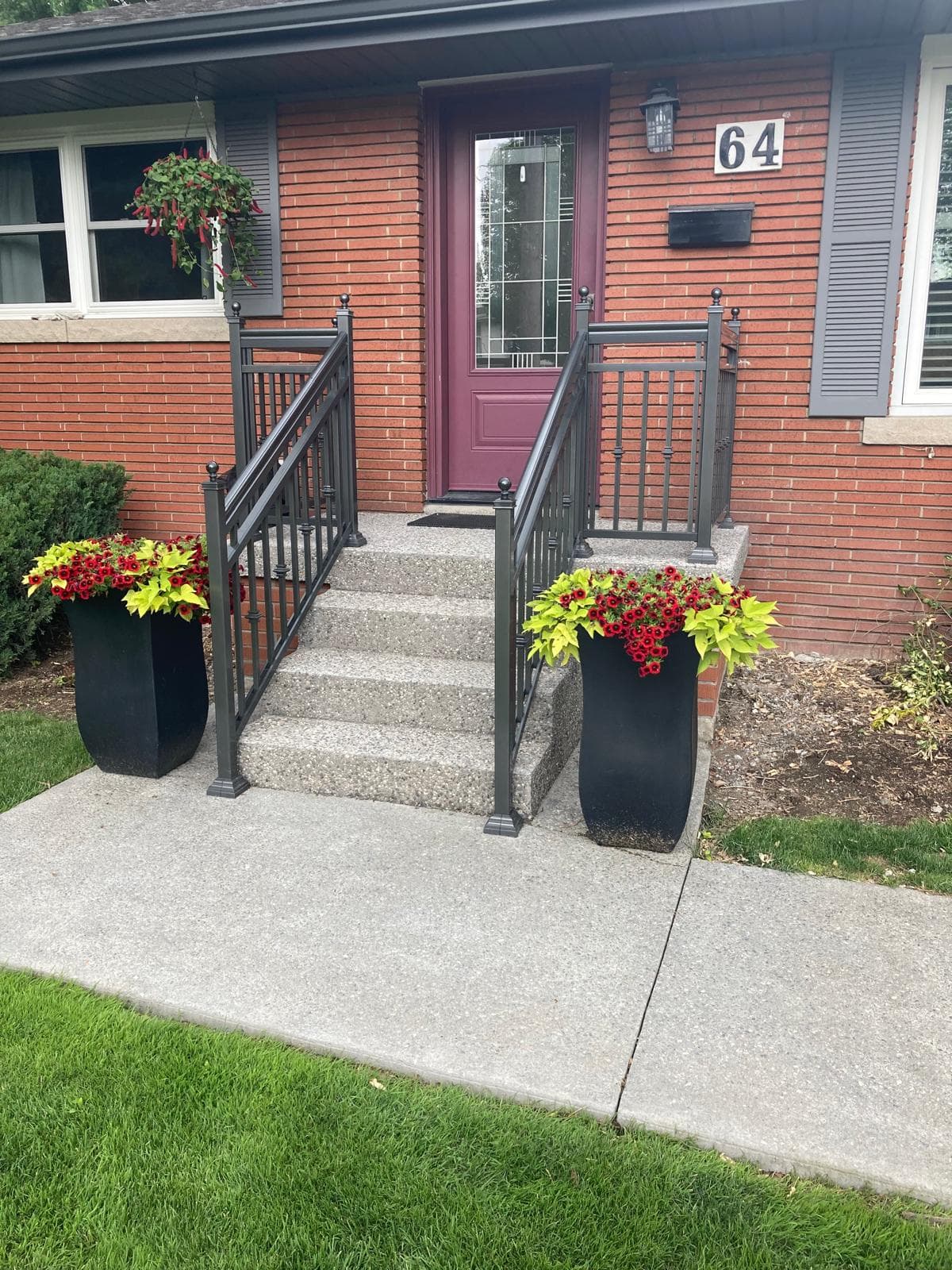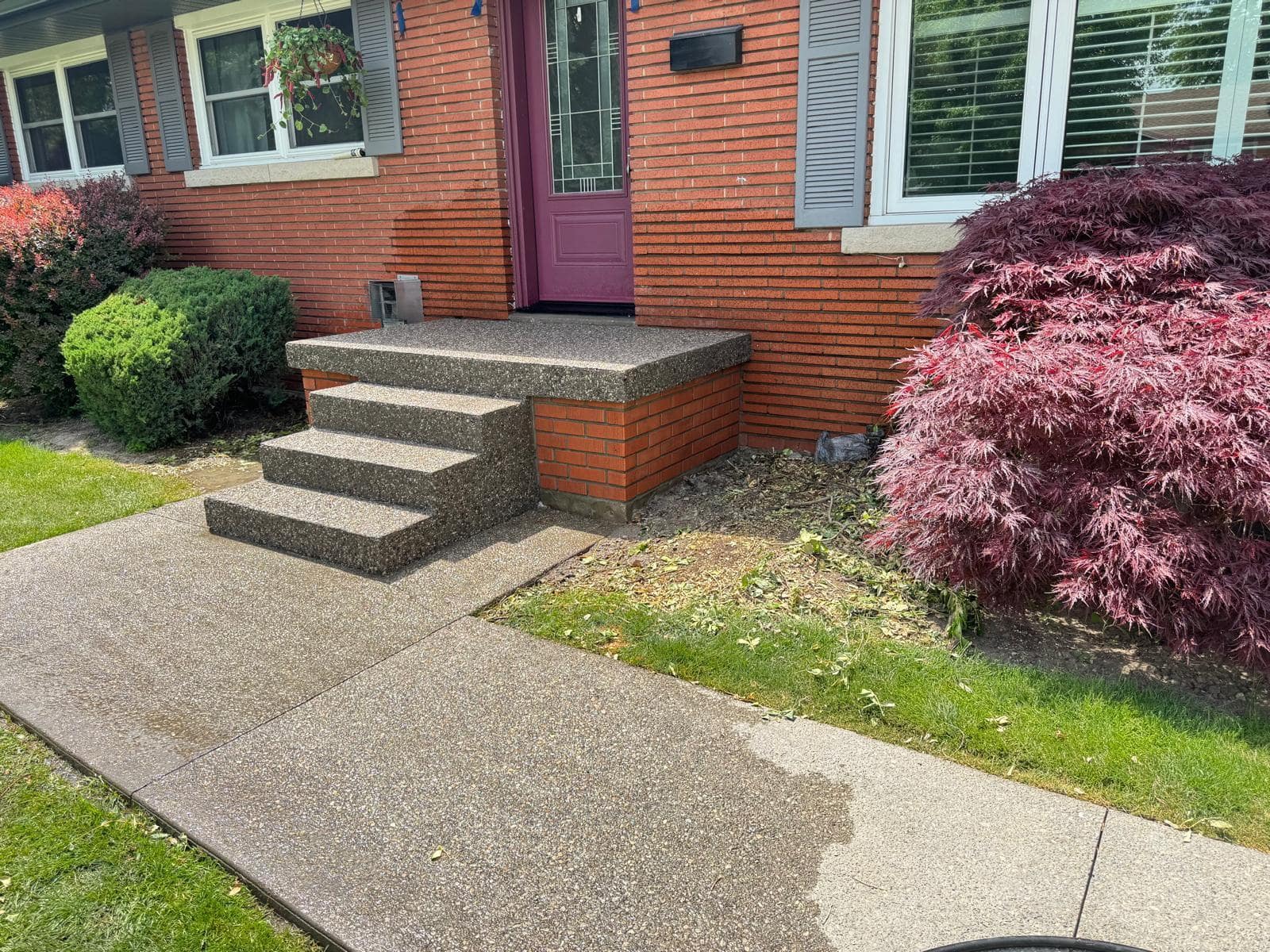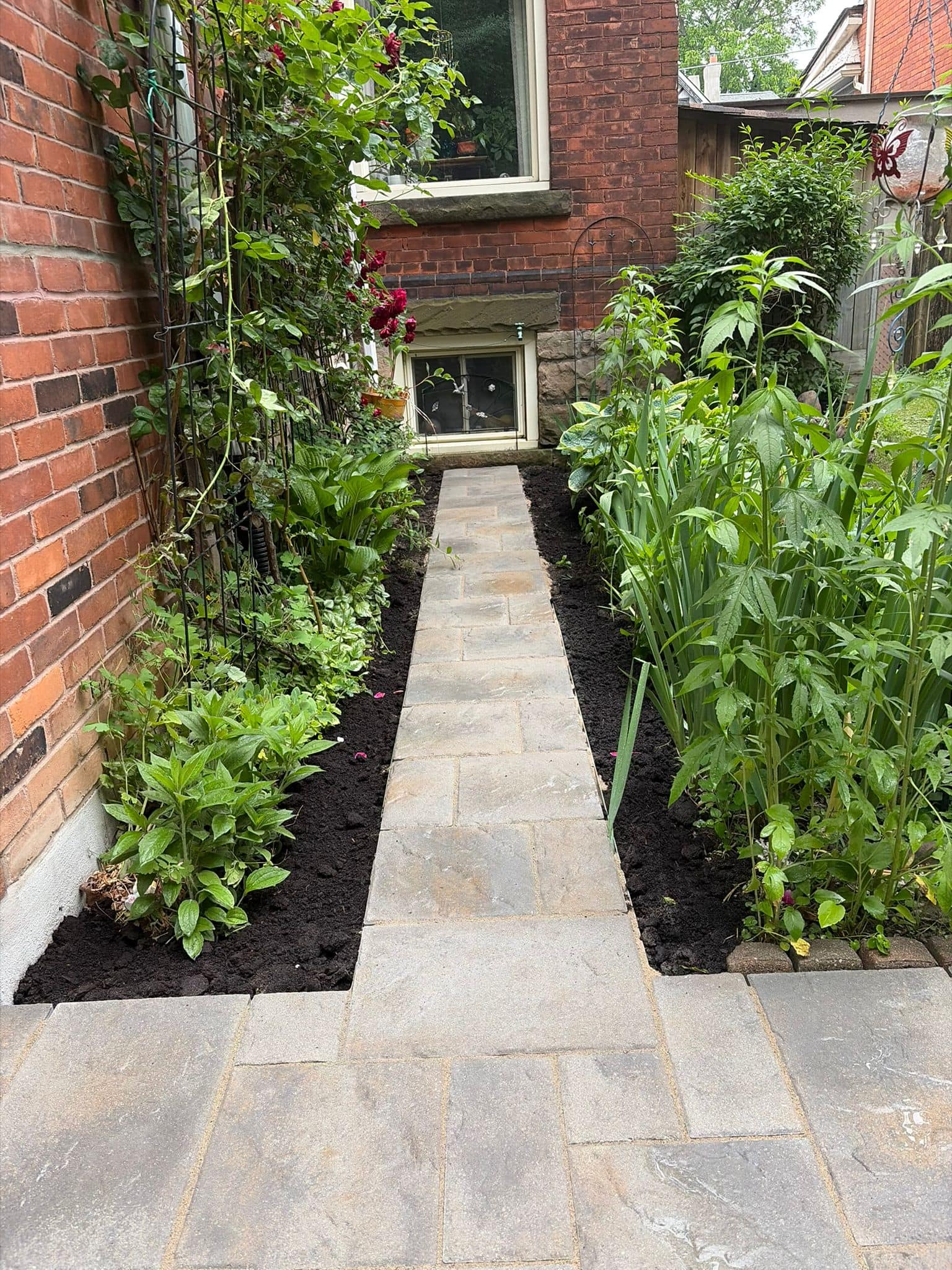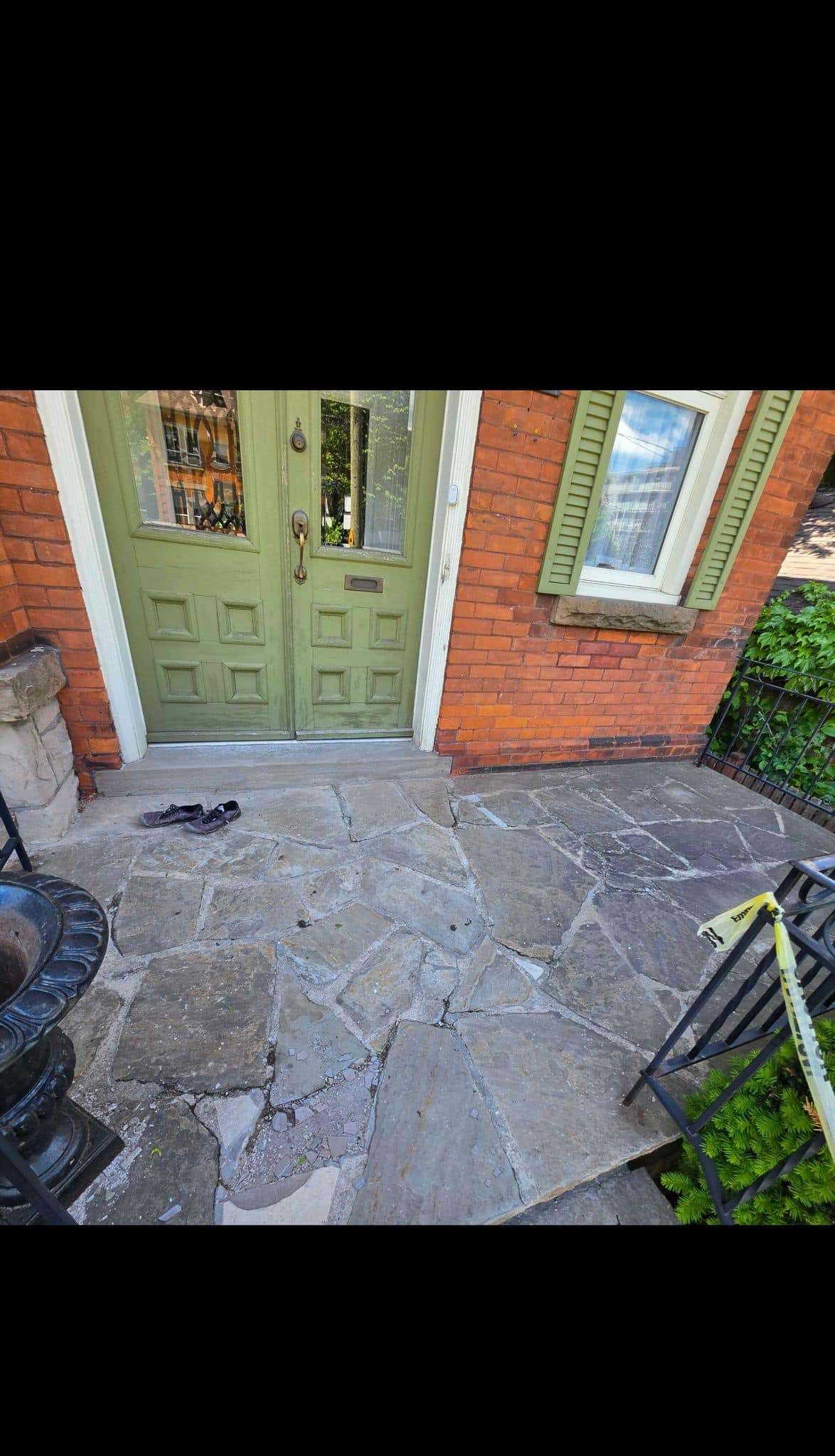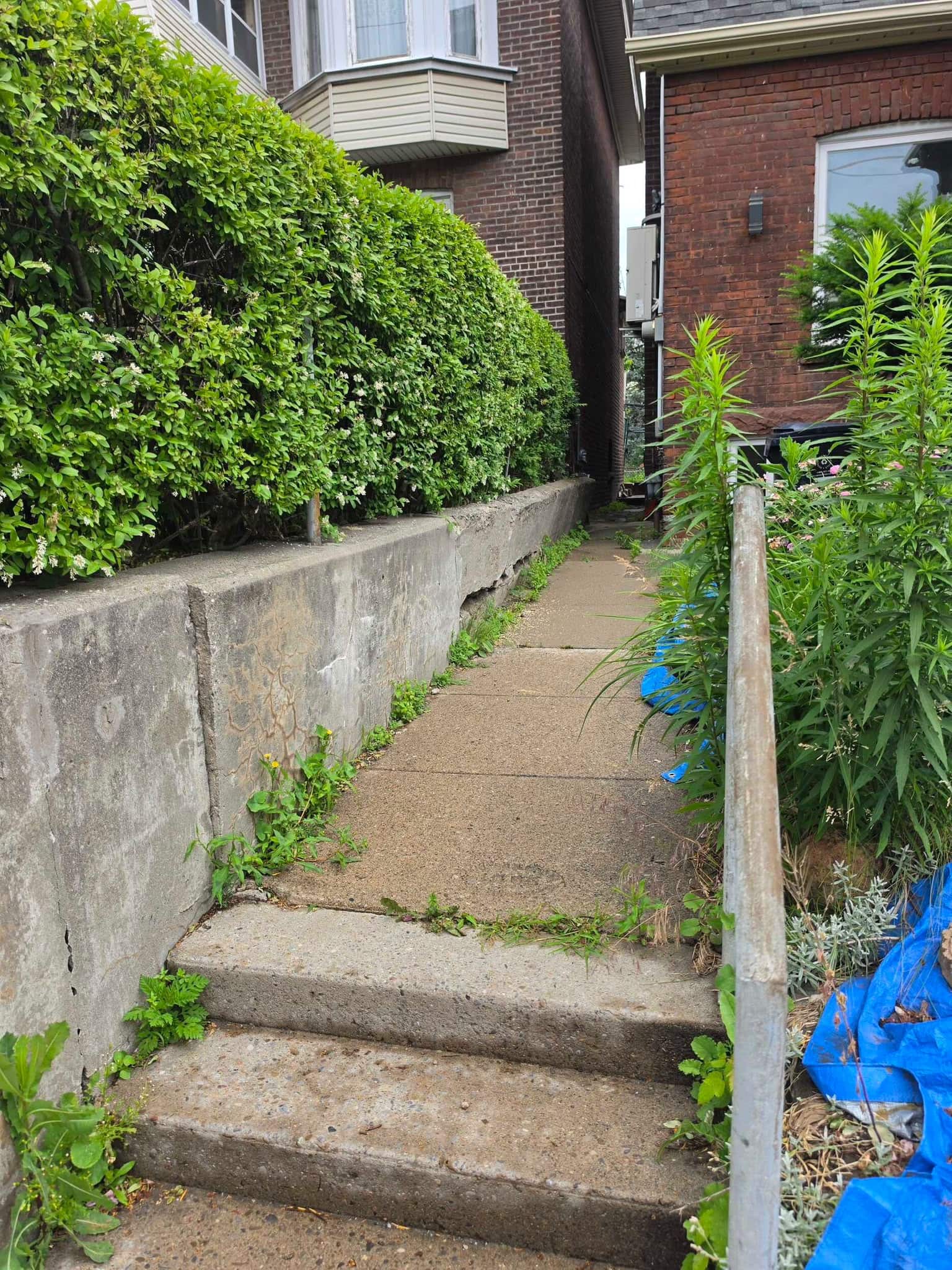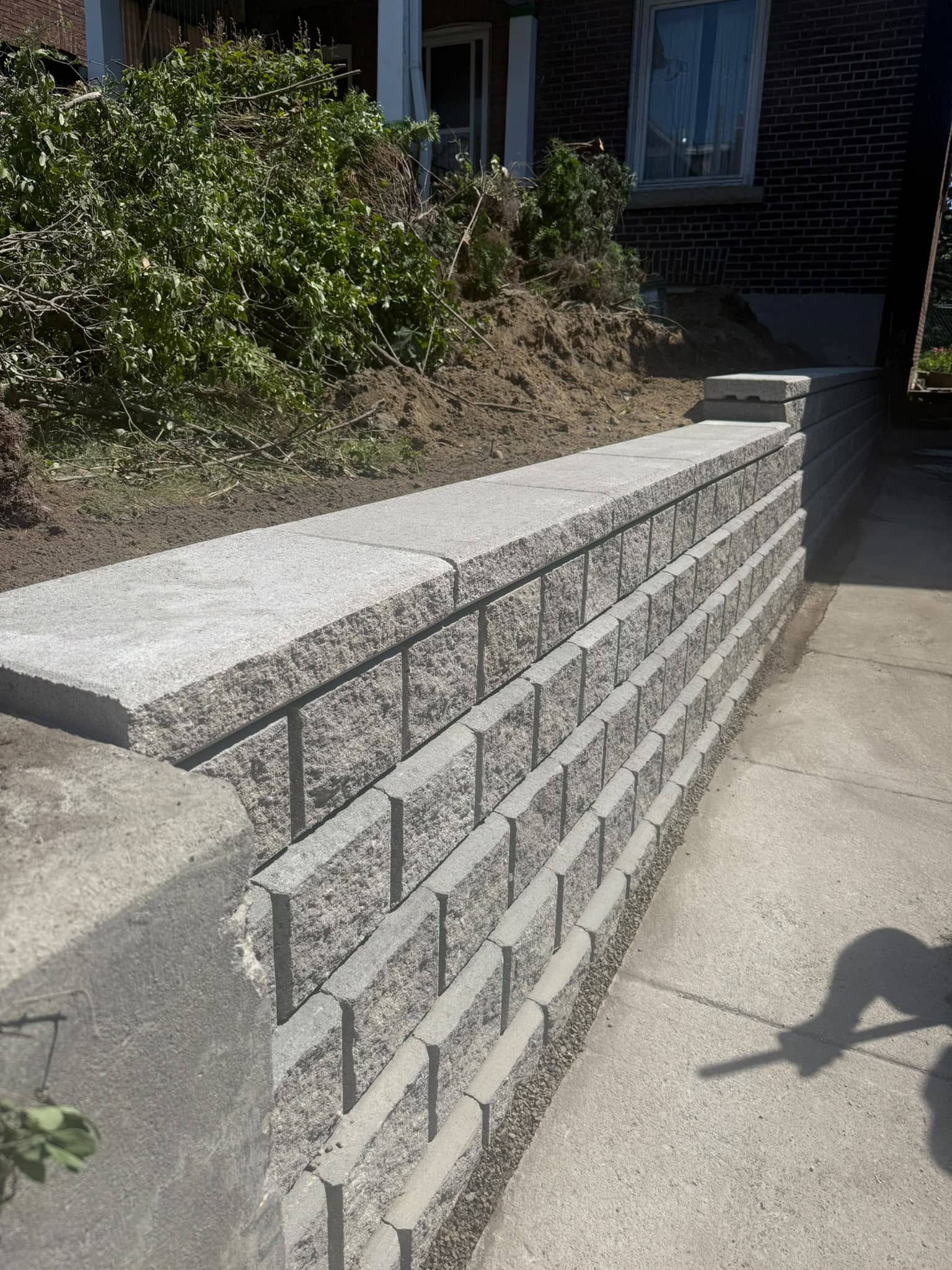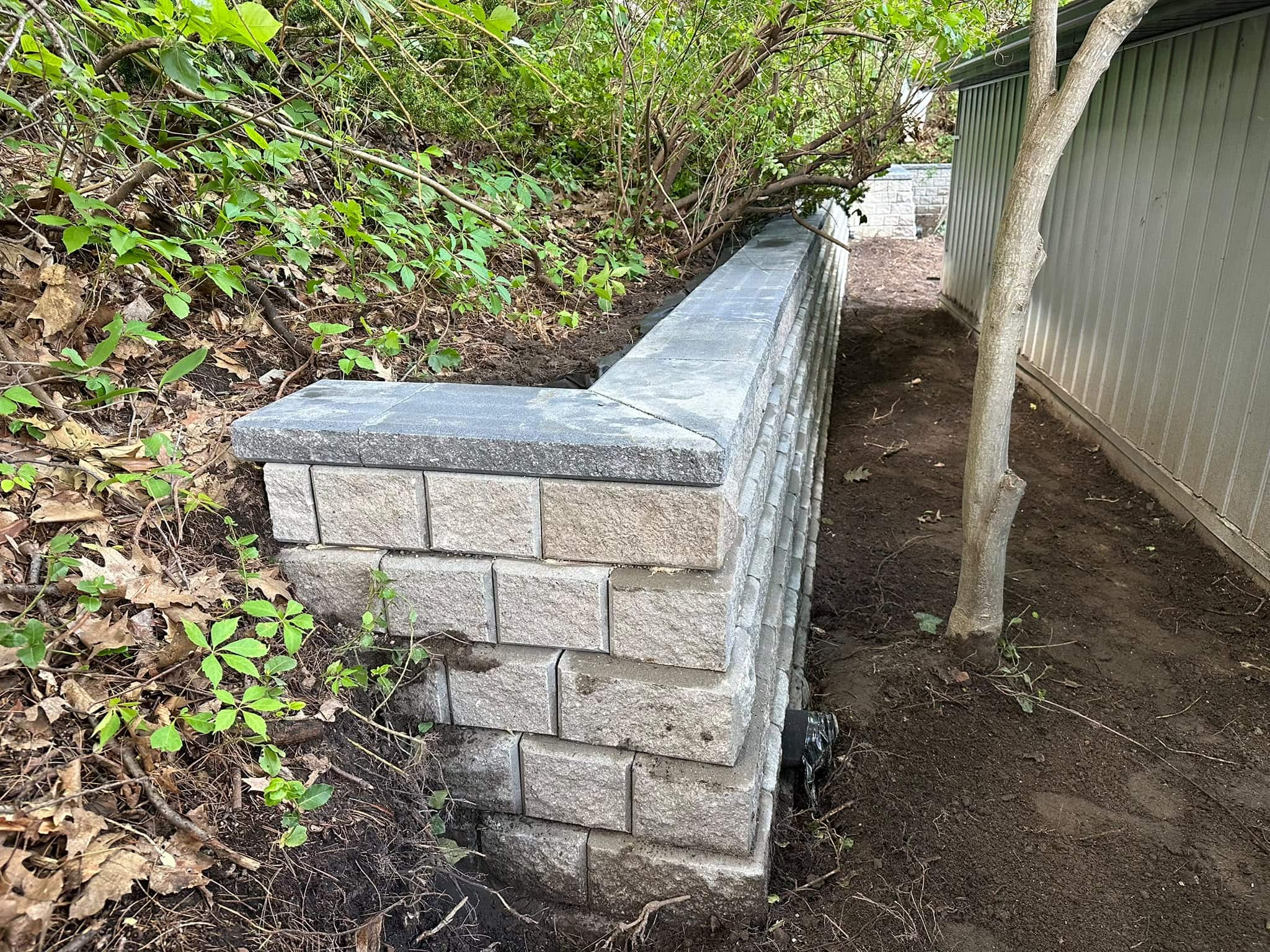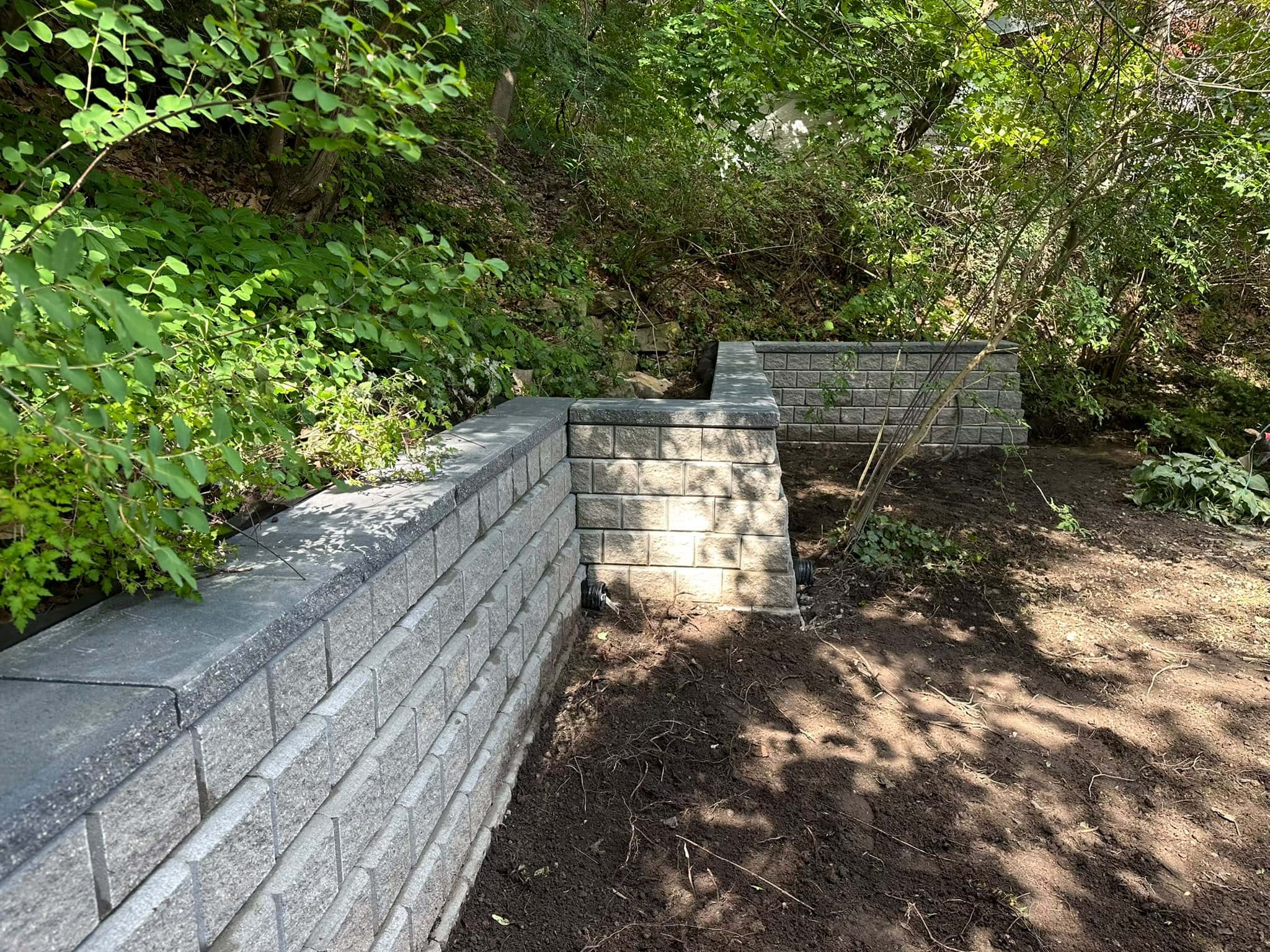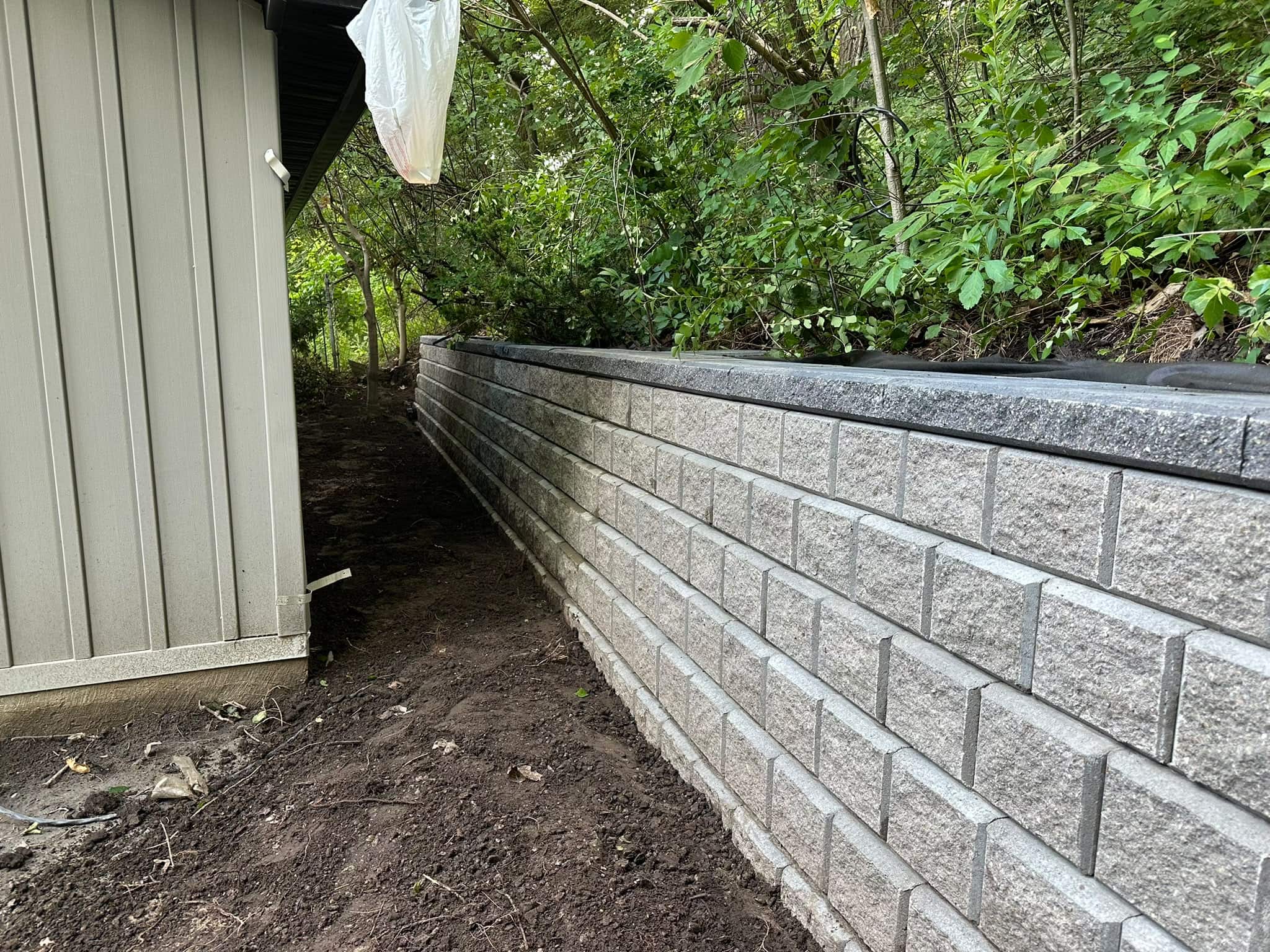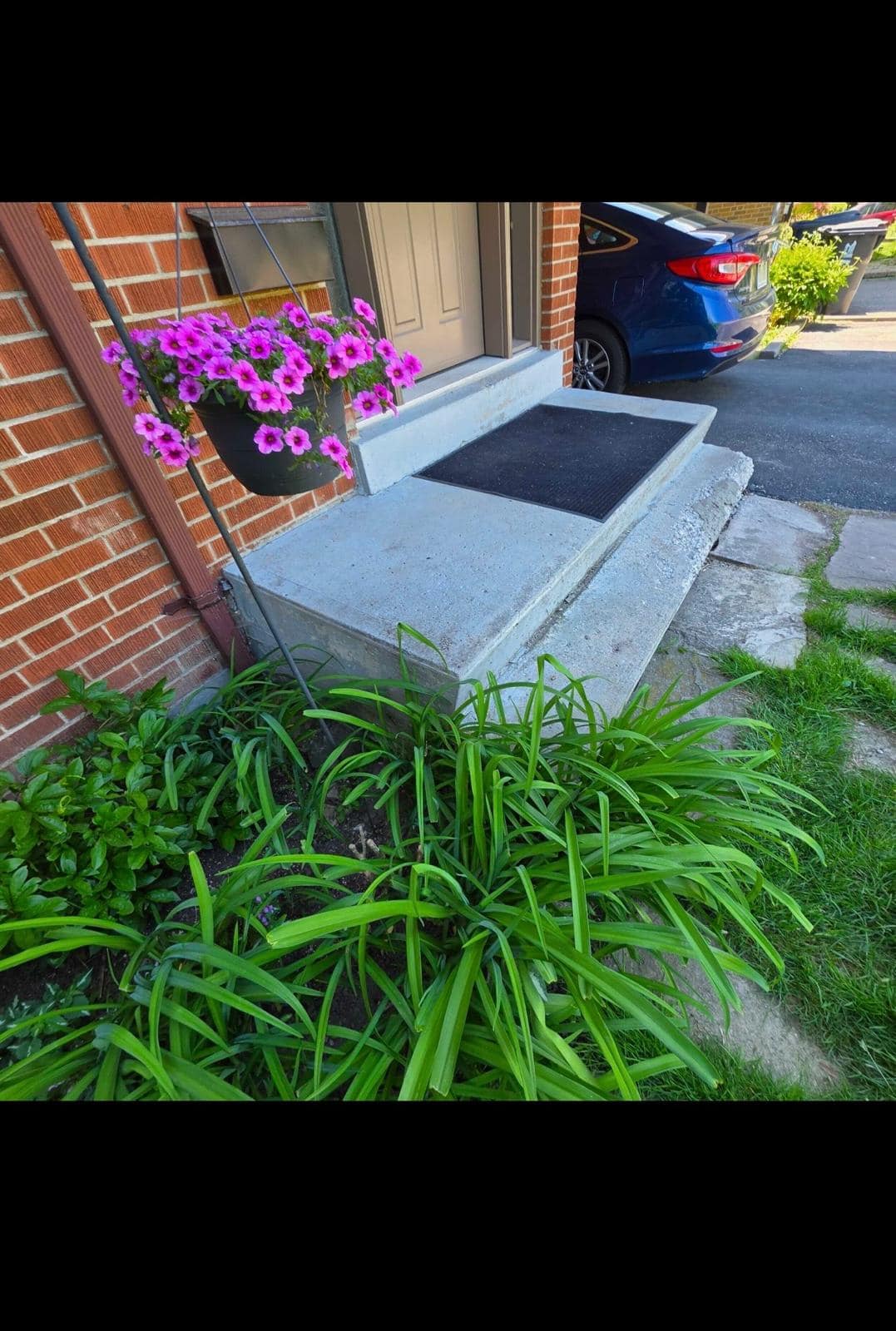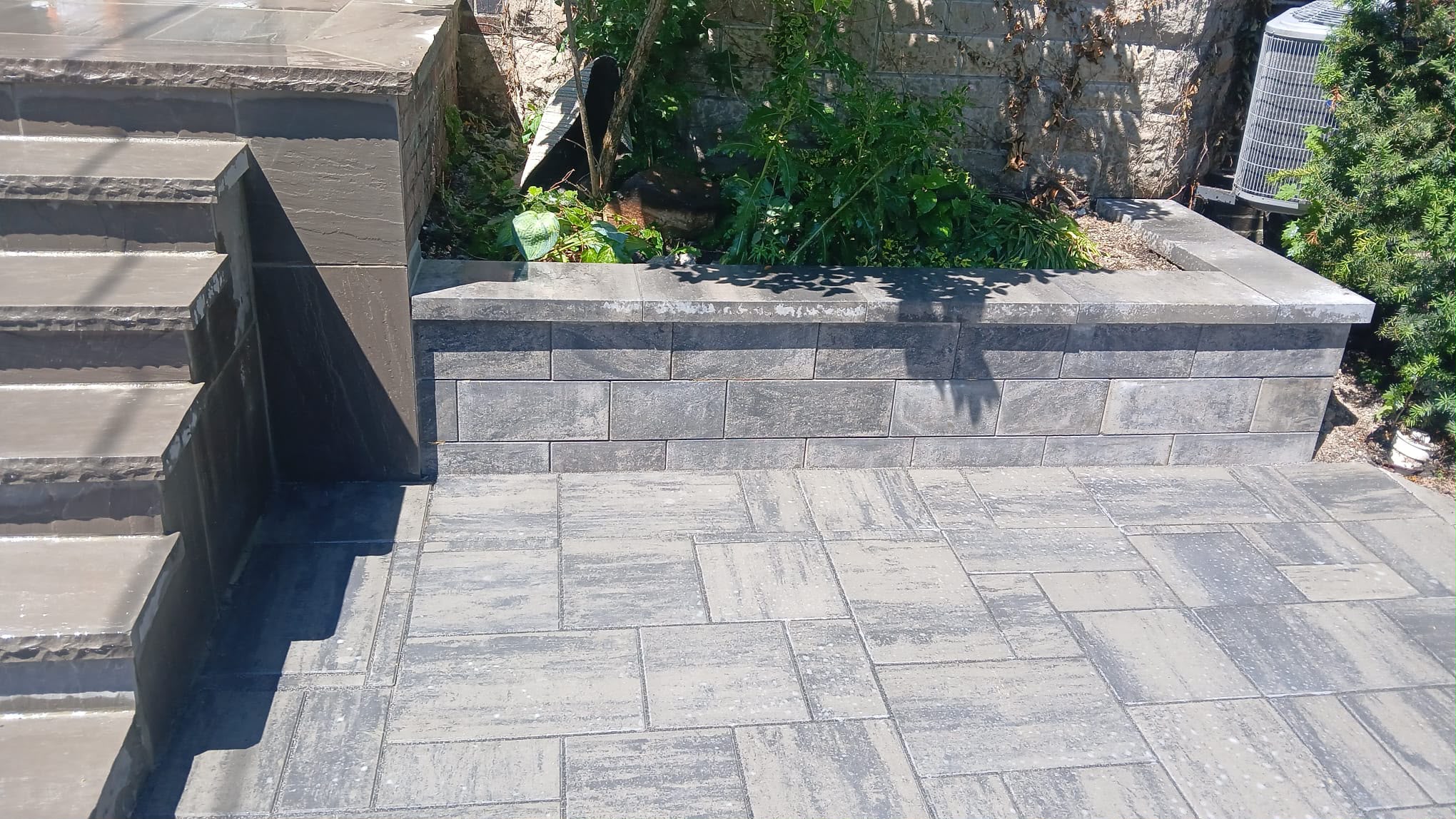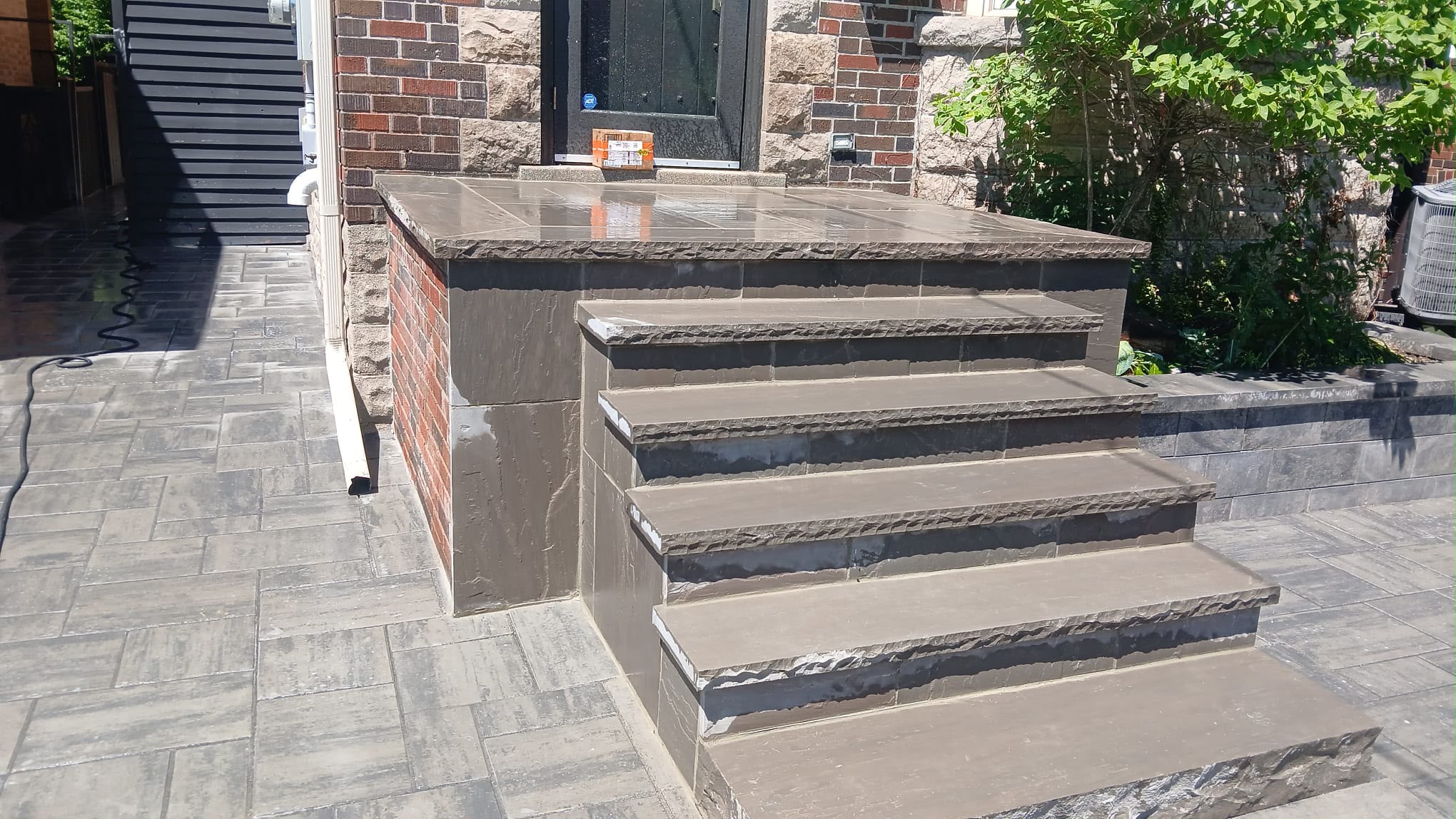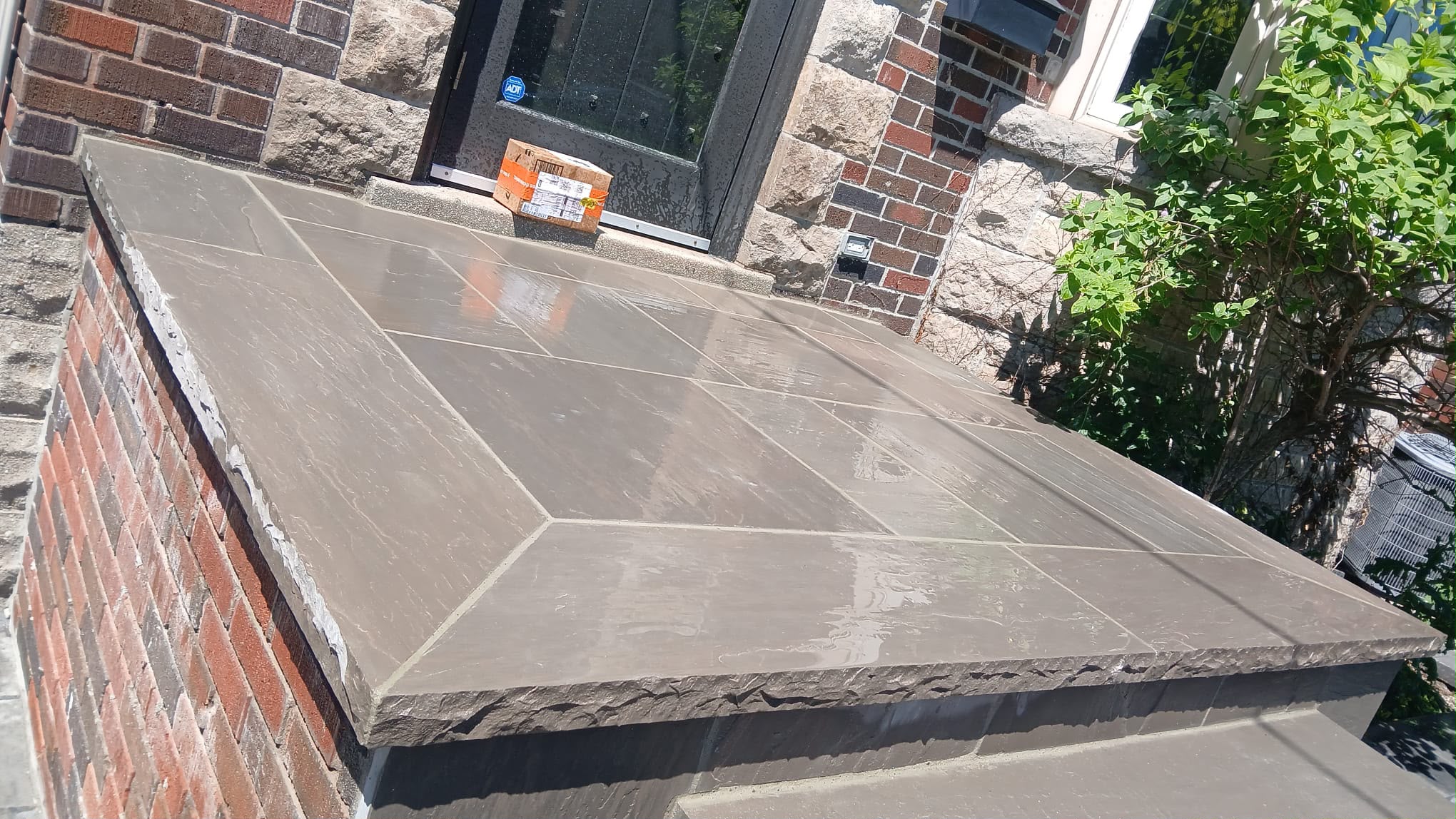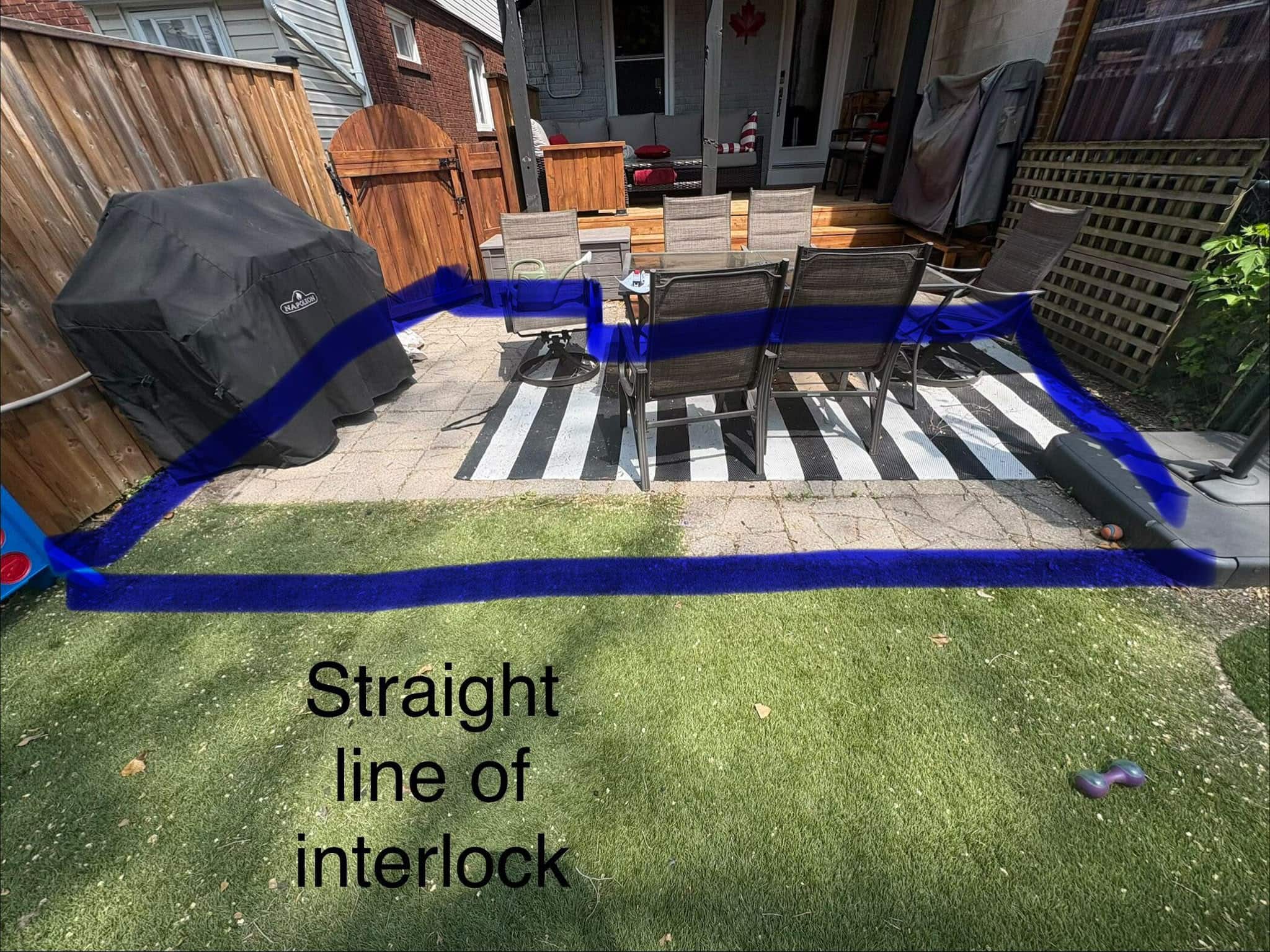

Concrete is the backbone of modern construction, used in everything from skyscrapers to sidewalks. It comes in various types, each with its unique features and applications. Understanding these types is crucial for architects, engineers, and builders to perform their jobs effectively.
It is one of the most widely used construction materials due to its durability, strength, and versatility. From residential buildings to massive infrastructure projects, concrete plays a vital role in ensuring structural integrity.
However, not all concrete is the same—different types vary based on their composition, grade, and intended use. Understanding these variations enables builders and engineers to select the appropriate type of concrete for each project.
What Is Concrete?
Concrete is a composite material composed of cement, water, aggregates (sand, gravel, or crushed stone), and, in some cases, admixtures. The type and proportion of these ingredients determine the concrete’s properties, strength, and durability.
In construction, concrete is broadly classified based on its composition and strength grade, which dictates its suitability for various applications.
Types of Concrete Based on Composition
Concrete is categorized based on the materials used in its composition. Below are the most commonly used types:
1. Plain Cement Concrete (PCC)
- Composition: Cement, sand, coarse aggregate, and water.
- Properties: No reinforcement, low tensile strength, high compressive strength.
2. Reinforced Cement Concrete (RCC)
- Composition: PCC with embedded steel reinforcement (rebar or mesh).
- Properties: Higher tensile strength, improved load-bearing capacity.
3. Precast Concrete
- Composition: Manufactured off-site, often includes reinforcement.
- Properties: High quality due to a controlled manufacturing environment, with faster construction times.
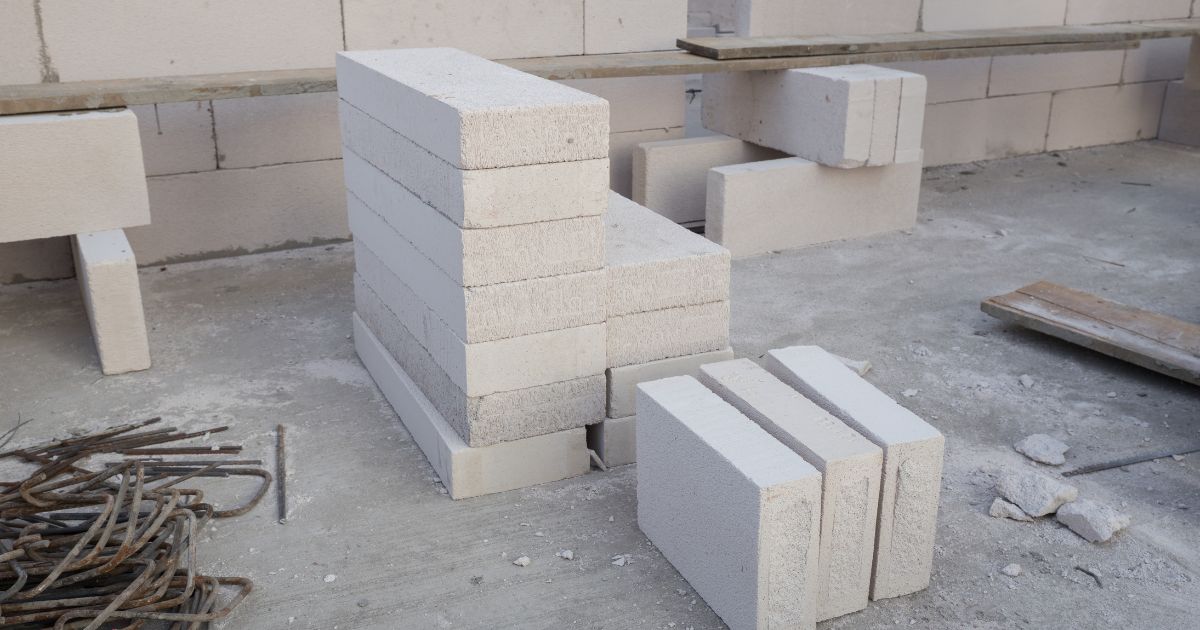
4. Lightweight Concrete
- Composition: Utilizes lightweight aggregates such as pumice, perlite, or expanded clay.
- Properties: Reduced weight, better insulation, and lower strength than standard concrete.
5. High-Strength Concrete
- Composition: Low water-cement ratio, often includes admixtures like silica fume or fly ash.
- Properties: Strength above 6,000 psi, high durability.
6. Self-Compacting Concrete (SCC)
- Composition: High fluidity mix with superplasticizers.
- Properties: Requires no vibration, flows into complex formwork.
7. Ready-Mix Concrete (RMC)
- Composition: Pre-mixed at batching plants and delivered in transit mixers.
- Properties: Consistent quality, reduces labour on-site, available in various strengths.

Common Types of Concrete in Construction and Their Uses
Concrete is classified into different grades based on its compressive strength, measured in megapascals (MPa). Common grades include M10, M20, M30, and M40, where a higher number indicates greater strength.
Normal Strength Concrete (NSC)
Normal Strength Concrete (NSC) is a type of concrete that is widely used in construction due to its balanced properties of strength and workability.
Typically composed of a mixture of cement, water, aggregates (such as sand and gravel), and sometimes admixtures, NSC generally achieves a compressive strength of 20 to 40 MPa (megapascals).
It has moderate compressive strength and is used for general construction work where high loads are not a concern.
High Strength Concrete
High-Strength Concrete (HSC) and High-Performance Concrete (HPC) are two advanced concrete types that cater to specific engineering needs.
High-strength concrete is defined primarily by its compressive strength, typically exceeding 40 MPa, achieved through a lower water-to-cement ratio and the use of high-quality aggregates and additives. This type of concrete is ideal for structures requiring enhanced load-bearing capacity, such as skyscrapers and bridges.
High-Performance Concrete
High-Performance Concrete encompasses a broader range of properties beyond just strength, including enhanced durability, workability, and resistance to environmental factors.
HPC is designed to meet specific performance criteria, such as reduced permeability, increased resistance to freezing and thawing, and improved longevity, making it suitable for demanding applications like marine structures and infrastructure exposed to harsh conditions.
Compared to HSC, which focuses on strength, HPC emphasizes overall performance and durability.
Lightweight Concrete
Lightweight Concrete is a specialized type of concrete that incorporates lightweight aggregates, such as expanded clay, shale, or pumice, to reduce its density significantly compared to standard concrete.
Typically weighing less than 1,600 kg/m³, lightweight concrete offers various advantages, including reduced structural load, improved thermal insulation, and enhanced fire resistance.
It is commonly used in applications such as precast panels, floor systems, and roofing, where minimizing weight is crucial for structural efficiency and cost-effectiveness.
Ready-Mix Concrete
RMC Concrete, or Ready-Mix Concrete, is a type of concrete that is manufactured in a controlled environment and delivered to construction sites in a ready-to-use state.
This process involves mixing cement, water, aggregates, and additives in precise proportions at a batching plant, ensuring consistent quality and performance. RMC offers several advantages, including reduced labour costs, minimized material wastage, and the convenience of immediate use upon delivery.
It is particularly beneficial for large-scale construction projects, as it allows for faster construction times and improved worksite efficiency.
Reinforced Cement Concrete (RCC)
RCC refers to concrete that contains steel bars for reinforcement or mesh to enhance its tensile strength. While concrete is strong in compression, it is relatively weak in tension.
By incorporating reinforcement, RCC can withstand greater loads and resist cracking, making it suitable for structural applications such as beams, slabs, and columns.
Precast Concrete
Precast concrete is a construction material where concrete elements are cast and cured in a controlled environment before being transported to the construction site for installation.
This process ensures higher quality, durability, and efficiency compared to traditional on-site concrete pouring. Precast concrete is commonly used for structural components such as beams, panels, walls, and stairs, offering advantages like faster construction time, reduced labour costs, and improved strength.
It is widely used in commercial, residential, and infrastructure projects due to its ability to withstand harsh weather conditions and provide long-lasting performance.
Fiber-Reinforced Concrete
Fiber-Reinforced Concrete (FRC) is a composite material that incorporates fibrous materials into the concrete mix to enhance its mechanical properties and durability.
These fibres, which can be made from various materials such as steel, glass, synthetic, or natural fibres, are distributed uniformly throughout the concrete matrix. The addition of fibres enhances the tensile strength, impact resistance, and ductility of the concrete, thereby reducing the likelihood of cracking and improving its performance under stress.
FRC is widely used in applications such as pavements, slabs, precast products, and shotcrete, where improved resistance to cracking and enhanced structural integrity are essential.
Pervious Concrete
Pervious Concrete, also known as porous or permeable concrete, is a type of concrete designed to allow water to pass through it, reducing surface runoff and promoting groundwater recharge.
This innovative material is characterized by its high porosity, which is achieved by using a mix with little to no fine aggregates, resulting in a network of interconnected voids. Pervious concrete is commonly used in applications such as driveways, parking lots, walkways, and stormwater management systems.
Its ability to absorb rainwater helps mitigate flooding, reduce erosion, and filter pollutants, making it an environmentally friendly choice for sustainable construction practices. Additionally, pervious concrete can enhance the aesthetic appeal of outdoor spaces while contributing to urban heat island mitigation by allowing for cooler surface temperatures.
What is the difference between SDC (Self-Densifying Concrete) and SCC (Self-Compacting Concrete)?
Both Self-Densifying Concrete (SDC) and Self-Compacting Concrete (SCC) are advanced types of concrete designed for high-performance applications where traditional vibration-based compaction is difficult or impractical.
1. Self-Densifying Concrete (SDC)
Used for: High-strength, dense, and durable structures
SDC is a specialized concrete mix that densifies itself under its weight without the need for external vibration. Engineers use SDC in:
- Bridges and heavy-load structures require high durability and resistance to harsh conditions.
- Nuclear power plants and industrial facilities require extreme strength and low permeability.
- Underground constructions, tunnels, and marine structures are used to minimize water penetration.
- Projects requiring enhanced longevity, as SDC reduces voids and increases material density.
2. Self-Compacting Concrete (SCC)
Used for: Intricate formworks, congested reinforcement, and smooth finishes
SCC is designed to flow and compact under its weight without vibration, making it ideal for:
- High-rise buildings and complex formworks, where conventional concrete placement is challenging.
- Heavily reinforced structures, such as columns, beams, and bridge piers, where SCC can easily flow around dense reinforcement.
- Architectural concrete applications requiring a smooth surface finish without honeycombing.
- Precast concrete elements improve production efficiency and consistency.
Key Differences Between SDC and SCC
| Feature | SDC (Self-Densifying Concrete) | SCC (Self-Compacting Concrete) |
|---|---|---|
| Primary Focus | High density, strength & durability | Easy flow & self-compaction |
| Common Uses | Heavy-duty structures, industrial & marine applications | Complex formworks, high-rise buildings, precast elements |
| Workability | Less fluid but extremely dense | Highly fluid for seamless placement |
| Reinforcement | Suitable for mass concrete with minimal reinforcement | Ideal for densely reinforced structures |
Facts:
The Burj Khalifa in Dubai utilizes high-strength concrete to support its immense height and load-bearing requirements.
The 7 Grades of Concrete and Their Best Uses
In concrete, the term “grade” refers to the compressive strength of the concrete mix, typically measured in megapascals (MPa) or pounds per square inch (psi). It indicates the concrete’s ability to withstand loads without failing.
Let’s explore what makes each 7 grades of concrete special and where they’re best used.
| Grade | MPa | Description | Best Uses |
| M5 Grade | 5 | A low-strength concrete mix is used for non-structural applications. | Basic construction tasks include levelling for foundations, temporary structures, and pathways. |
| M10 Grade | 10 | A slightly low-strength grade, stronger than M5, but still mainly for non-structural applications. | Foundation levelling, concrete pathways, footpaths, and areas not exposed to heavy loads. |
| M15 Grade | 15 | Low- to moderate-strength concrete is commonly used for non-structural components. | Concrete pavements, driveways, flooring with light traffic, and small foundation footings. |
| M20 Grade | 20 | The most commonly used concrete grade for residential structures is due to its balance of strength and cost. | Foundations, slabs, beams, and columns for low-rise buildings; general residential construction. |
| M25 Grade | 25 | A slightly higher-strength concrete mix is often used in commercial and multi-story residential buildings. | Commercial structures, floor slabs, reinforced beams, columns, and moderate load-bearing applications. |
| M30 Grade | 30 | A high-strength grade suited for structures that experience significant load or stress. | Structural elements in commercial buildings, roadways, and larger infrastructure projects, such as bridges. |
| M35 Grade and Above | 35+ | Higher grades (M35, M40, M45, etc.) are designed for projects with extreme load requirements and environmental exposure. | Not specified, but suitable for high-load and extreme conditions. |
Trivia: Fun Facts About Concrete
- The oldest concrete structure in the world is the Pantheon in Rome, built over 1,900 years ago.
- Concrete is the second most consumed substance on Earth after water.
- The world’s largest concrete pour happened in Dubai for the foundation of the Burj Khalifa, using 45,000 cubic meters of concrete.
- The Hoover Dam contains enough concrete to build a two-lane highway from San Francisco to New York.
- Adding sugar to the concrete mix can slow down the setting process, acting as a natural retarder.

FAQ
What are the three main types of concrete?
The three main types of concrete are Normal Strength Concrete (NSC), High-Strength Concrete (HSC), and Lightweight Concrete.
- NSC is used for general construction.
- HSC is designed for high-load structures, such as bridges and skyscrapers.
- Lightweight Concrete reduces structural weight while improving insulation properties.
What is Type 4 concrete?
Type 4 concrete refers to low-heat cement concrete, which is designed to generate less heat during the hydration process. It is primarily used in mass concrete structures such as large dams and bridge piers to prevent thermal cracking due to excessive heat buildup.
What is Class 3 concrete?
Class 3 concrete is a high-strength concrete mix commonly used in heavy-duty structures and infrastructure projects. It typically exhibits higher compressive strength and durability, making it suitable for applications such as bridge decks, tunnels, and high-rise buildings.
What is Type 1, 2, 3 concrete?
- Type 1 Concrete – General-purpose concrete used in residential and commercial buildings.
- Type 2 Concrete – Moderate sulfate-resistant concrete for structures exposed to mild sulfate attacks.
- Type 3 Concrete – High early strength concrete that gains strength quickly, used in fast-track construction projects.
What is Type 5 concrete?
Type 5 concrete is made with Type 5 sulphate-resistant cement, designed to withstand high sulphate exposure. It is commonly used in marine environments, wastewater treatment plants, and chemical processing facilities where structures are exposed to harsh chemicals and sulphates.
What is the strongest concrete?
The strongest concrete is Ultra-High Performance Concrete (UHPC), which has a compressive strength of 120 MPa or more. It is reinforced with fibres for superior durability and is used in bridges, military bunkers, and high-impact structures.
Conclusion
Concrete is a vital material in modern construction, with each type offering unique benefits suited to different applications. From reinforced and high-strength concrete to pervious and self-compacting varieties, choosing the right mix can significantly impact the longevity and performance of a structure. Understanding these variations allows engineers, builders, and property owners to make informed decisions, ensuring efficiency, durability, and sustainability in every project.
HomeStars Toronto Verified: Your Trusted Concrete Contractor
When choosing a concrete contractor in Toronto, trust and credibility matter. A&A Masonry Inc. is a HomeStars Toronto Verified company, meaning we have passed rigorous background checks and received top-tier customer reviews. Our verified status reflects our commitment to quality, reliability, and customer satisfaction.
Do You Need a Permit to Pour Concrete in Your Backyard in Ontario?
If you plan to pour concrete in your backyard in Ontario, you may be wondering about the permit requirements. In most cases, a permit is not required for smaller projects, such as patios or walkways. However, if your concrete work involves structural changes, such as adding a foundation, altering drainage systems, or exceeding a specific size, you may need approval from your local municipality.
When Do You Need a Permit?
- Structural Additions – If the concrete is part of an addition (e.g., a garage or enclosed patio), a permit is required.
- Large-Scale Projects – Pouring a concrete slab beyond a specific size (varies by municipality) may require a permit.
- Altering Drainage or Elevation – If the project affects water runoff or grading, you may need approval to ensure compliance with local codes.
- Zoning & Property Lines – Some municipalities have regulations regarding the proximity of concrete structures to property lines.
How to Apply for a Permit
If a permit is required, you can contact your local building department to apply, including project details, site plans, and contractor information. The approval process ensures your concrete project meets safety and zoning regulations.
Get Expert Guidance
At A&A Masonry, we help homeowners navigate permit requirements and ensure all work is compliant with Ontario regulations. Whether you need a simple backyard patio or a larger concrete installation, our team provides expert solutions tailored to your needs.
For trusted, HomeStars Verified concrete services in Toronto, contact A&A Masonry today!
Enhance and Protect Your Toronto Property with A&A Masonry!
With decades of expertise, A&A Masonry delivers top-quality masonry, waterproofing, and exterior restoration services in Toronto. From brick and stone repairs to basement waterproofing and interlocking stone installations, we ensure lasting results with expert craftsmanship.
🔹 Skilled & Experienced Masons
🔹 Comprehensive Restoration & Waterproofing Solutions
🔹 Customer-First Service with Transparent Pricing
Our Services Include:
-
Concrete Repairs
-
Stone Masonry
-
Brick Painting
-
Interlocking Stone Pavers
-
Parging
-
Tuckpointing
-
Brick Repair
-
Fireplace Stone Veneer
-
Chimney Repair
-
Commercial Exterior Painting
-
Basement Waterproofing
-
Stucco
-
Interlocking Stone Installation
-
Interlocking Steps
-
Roofing