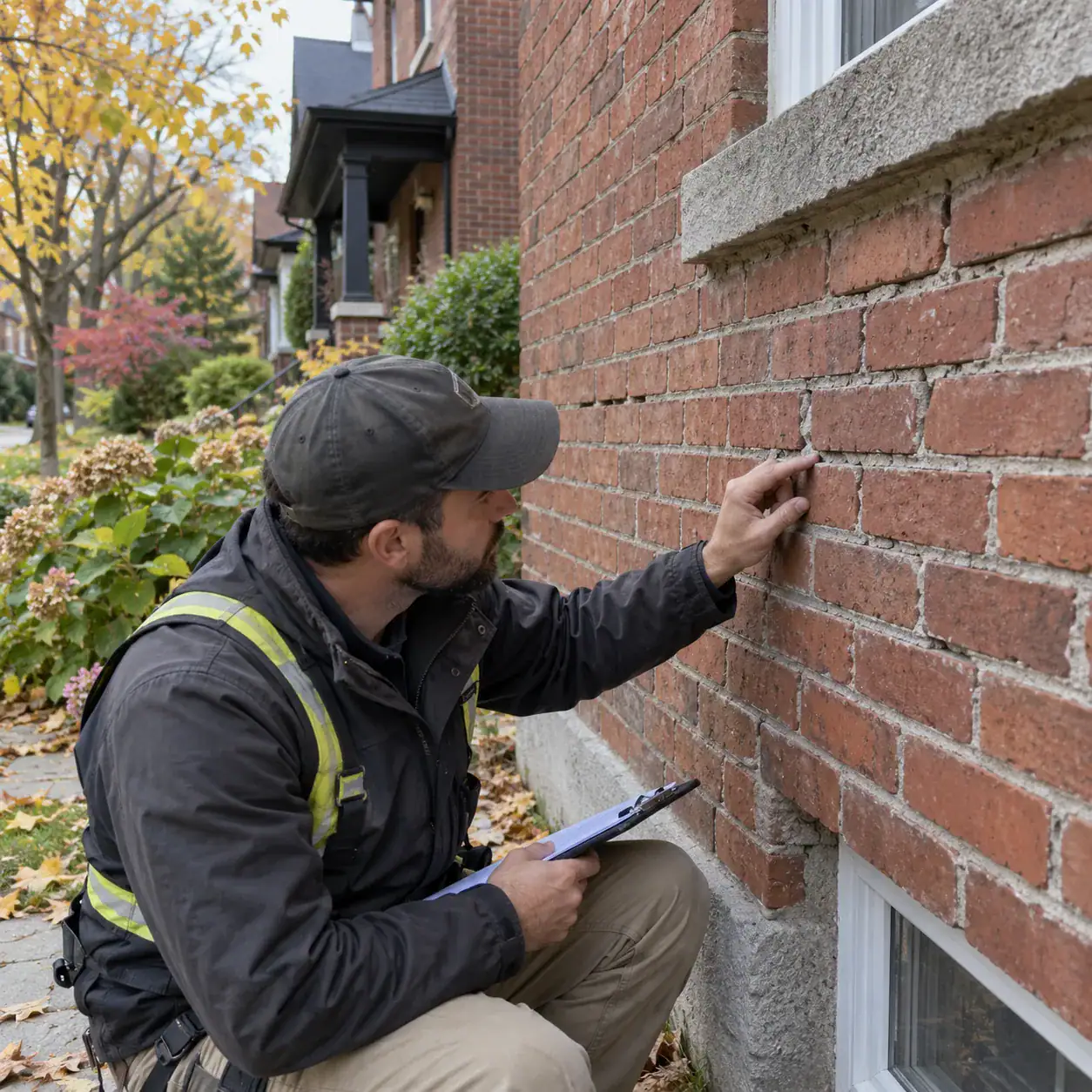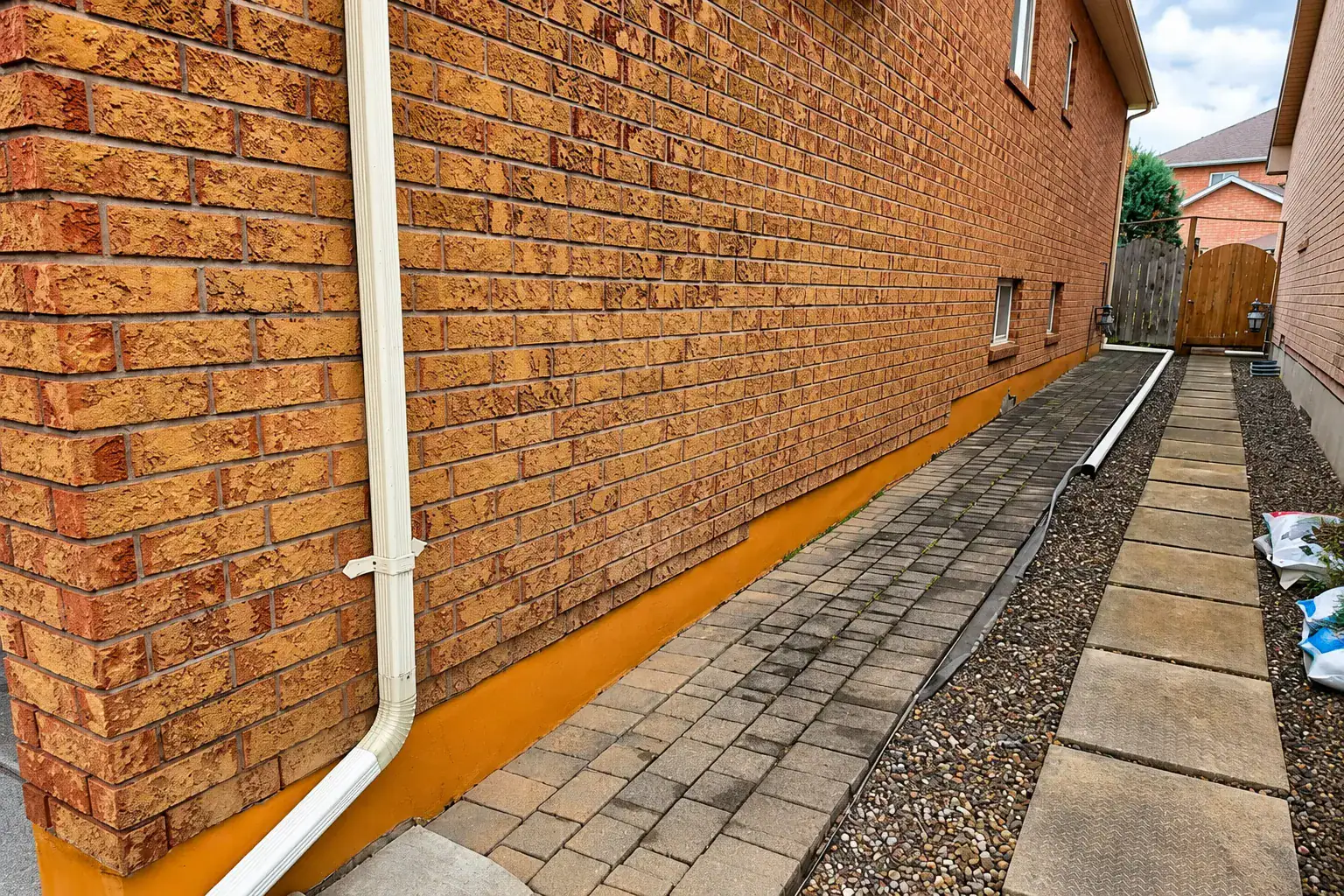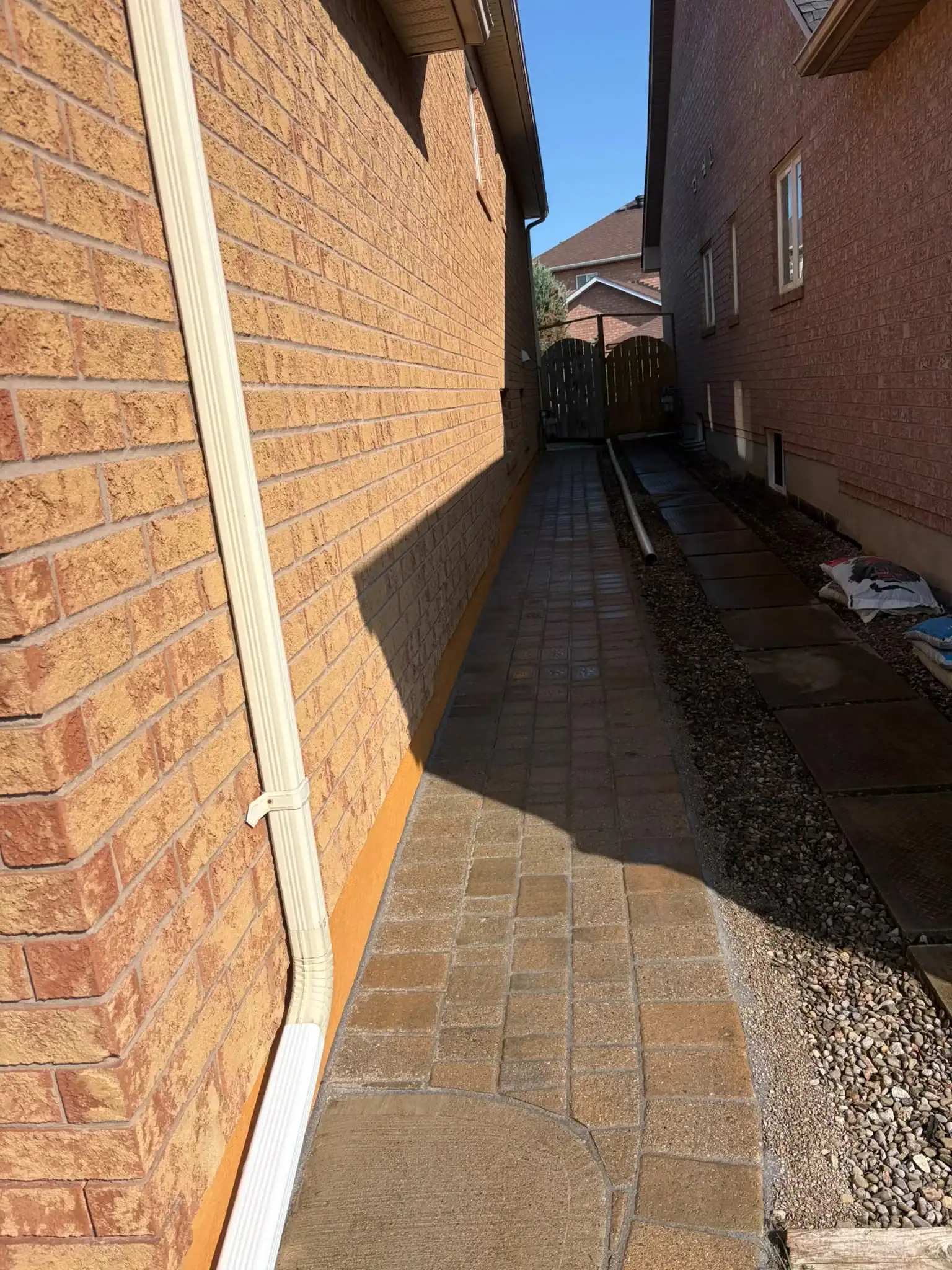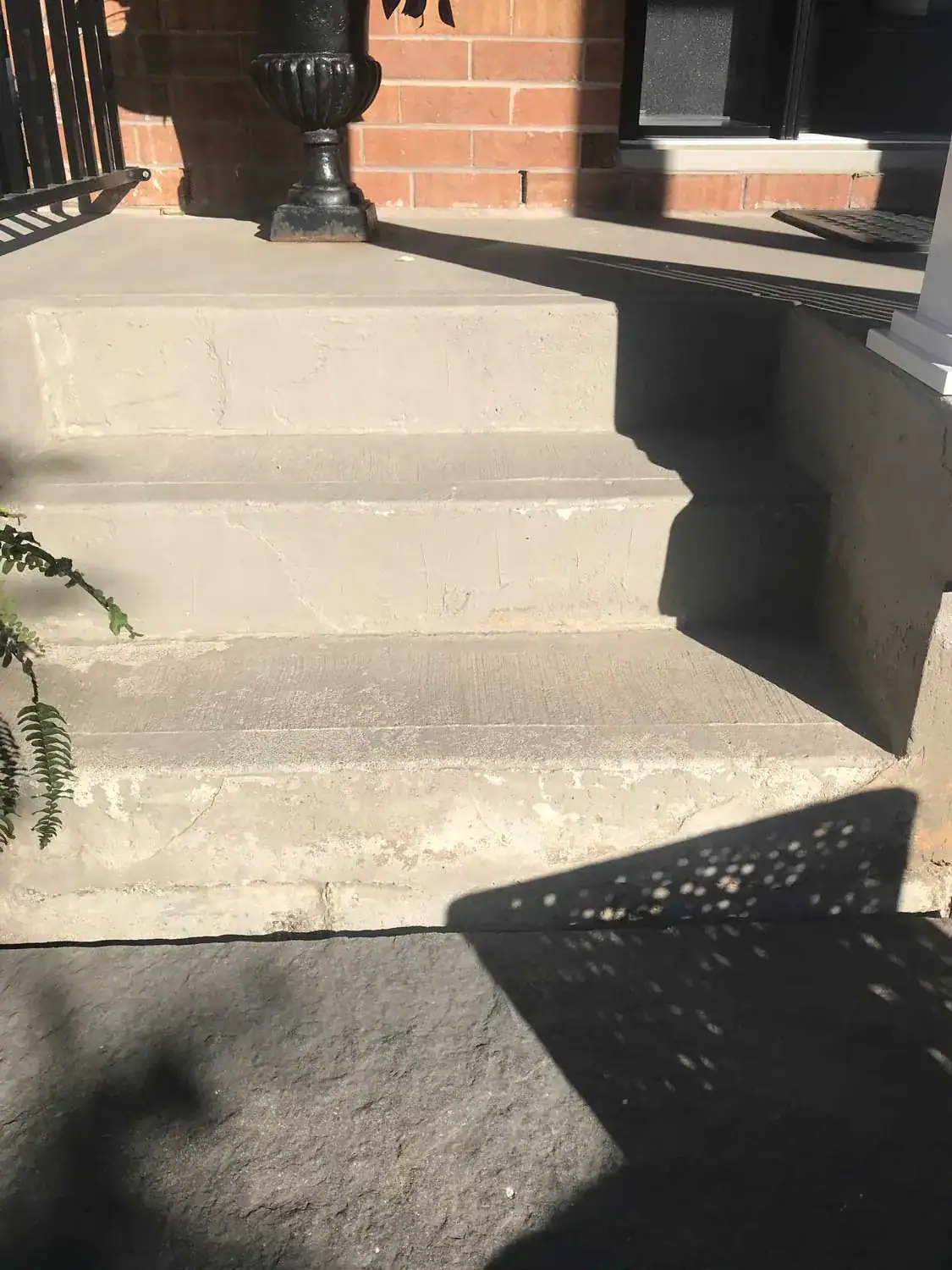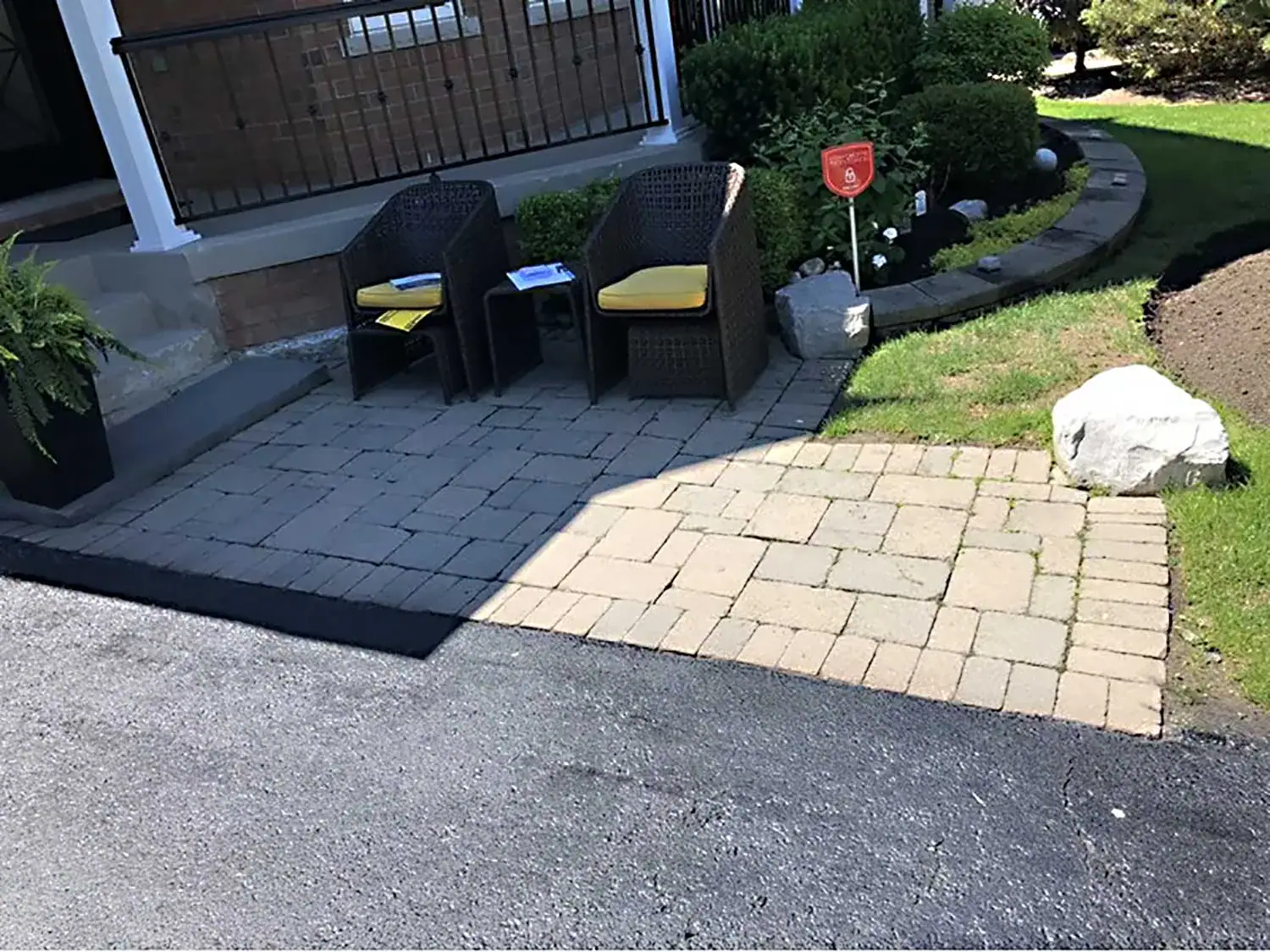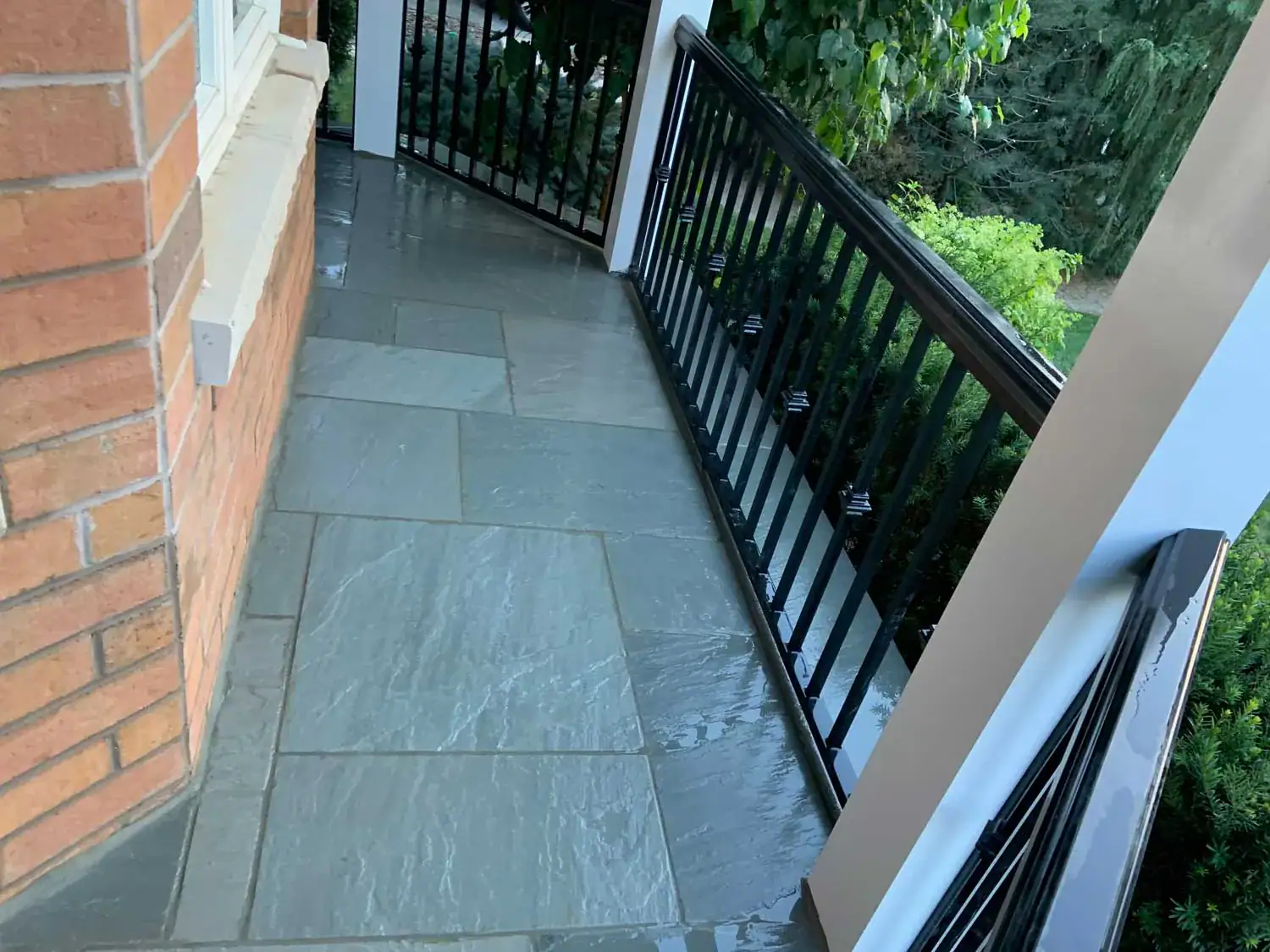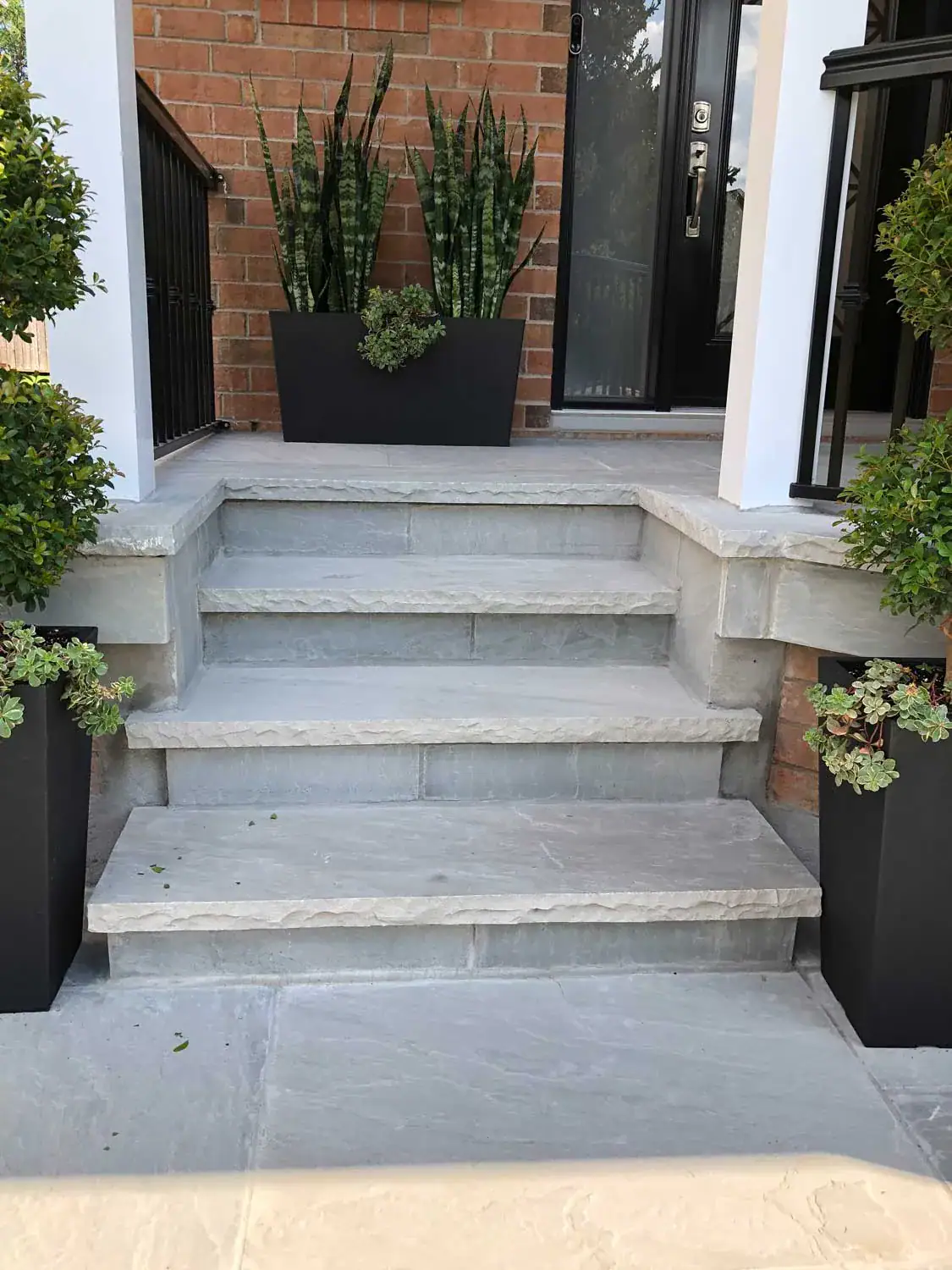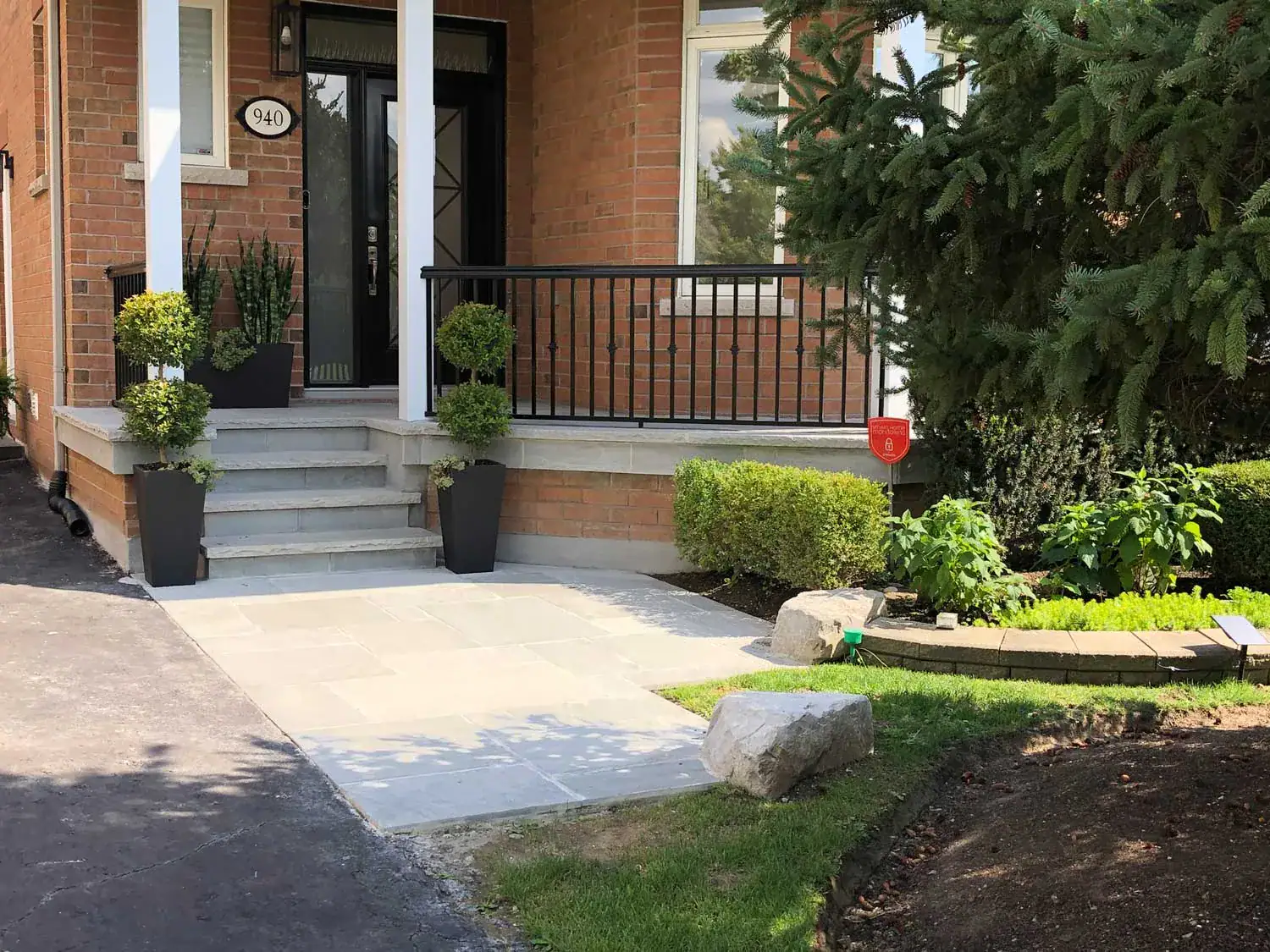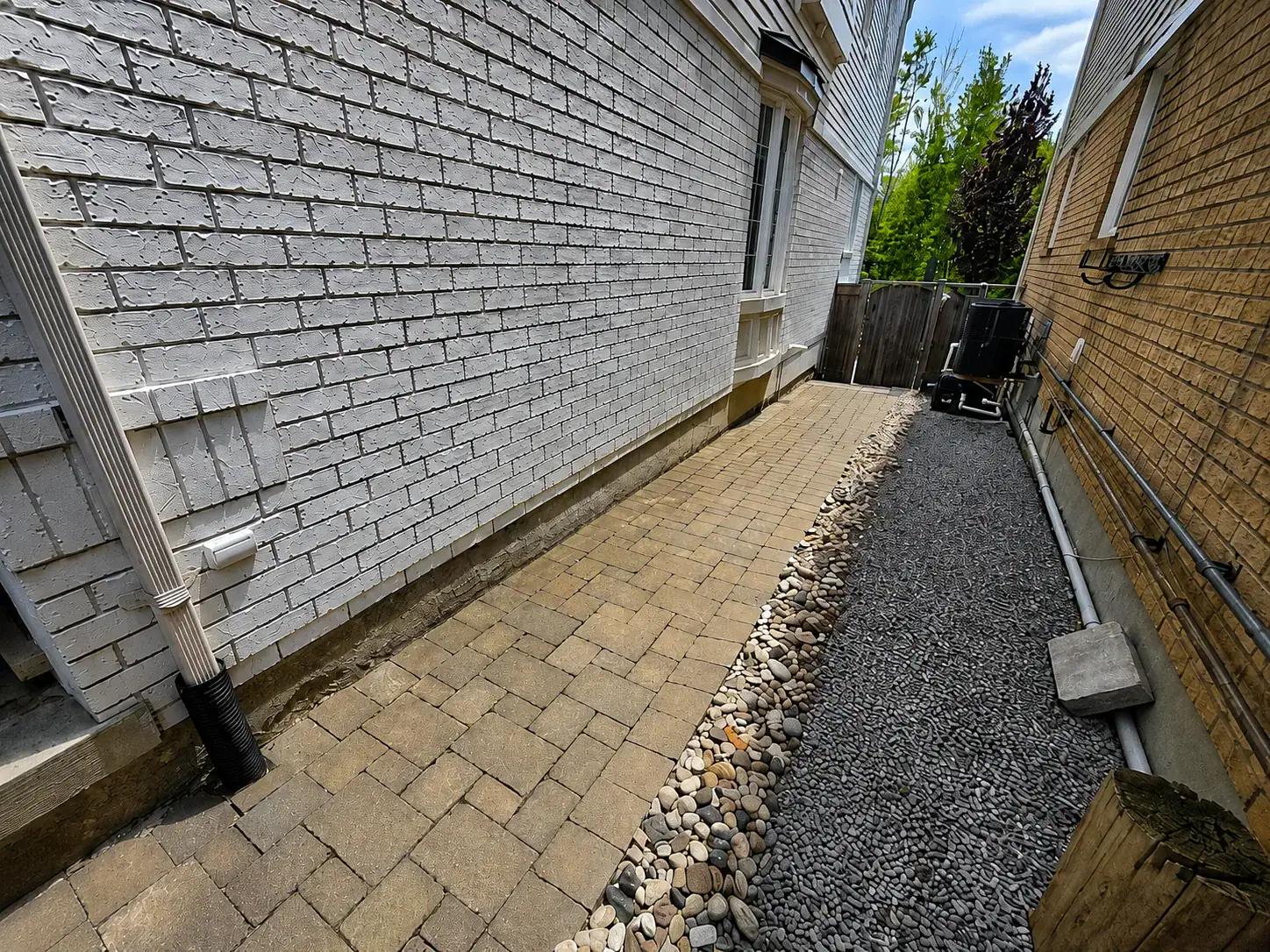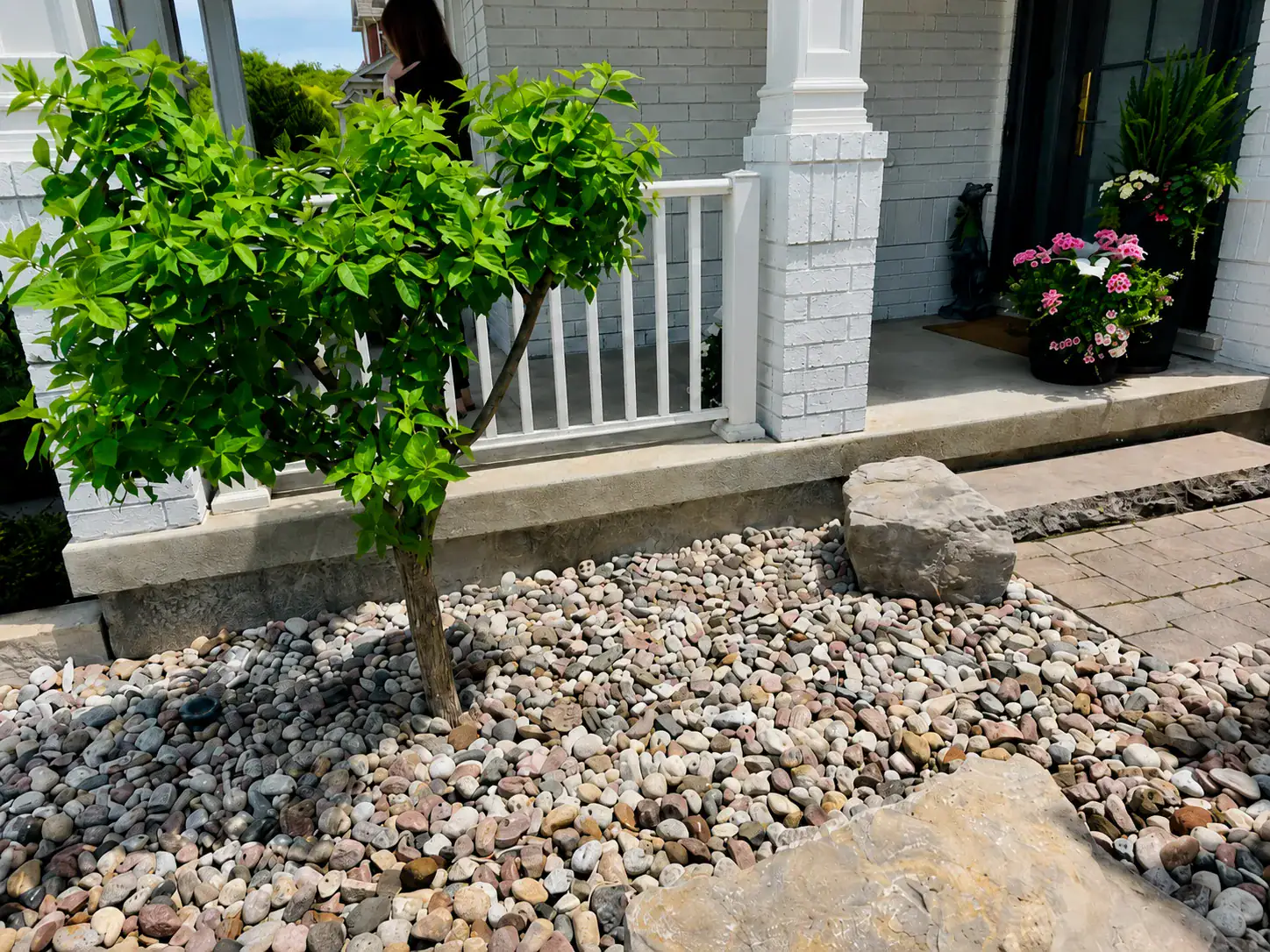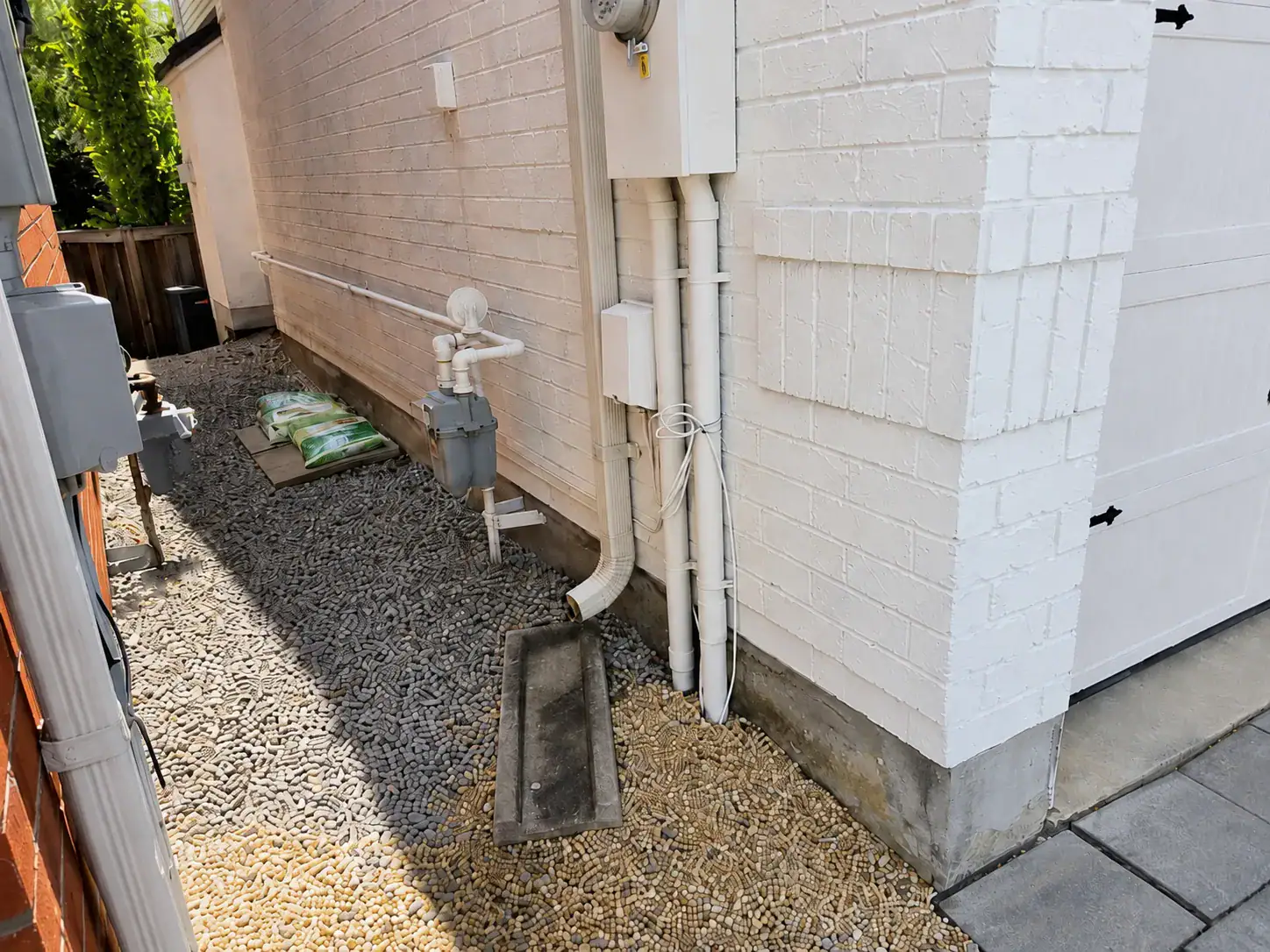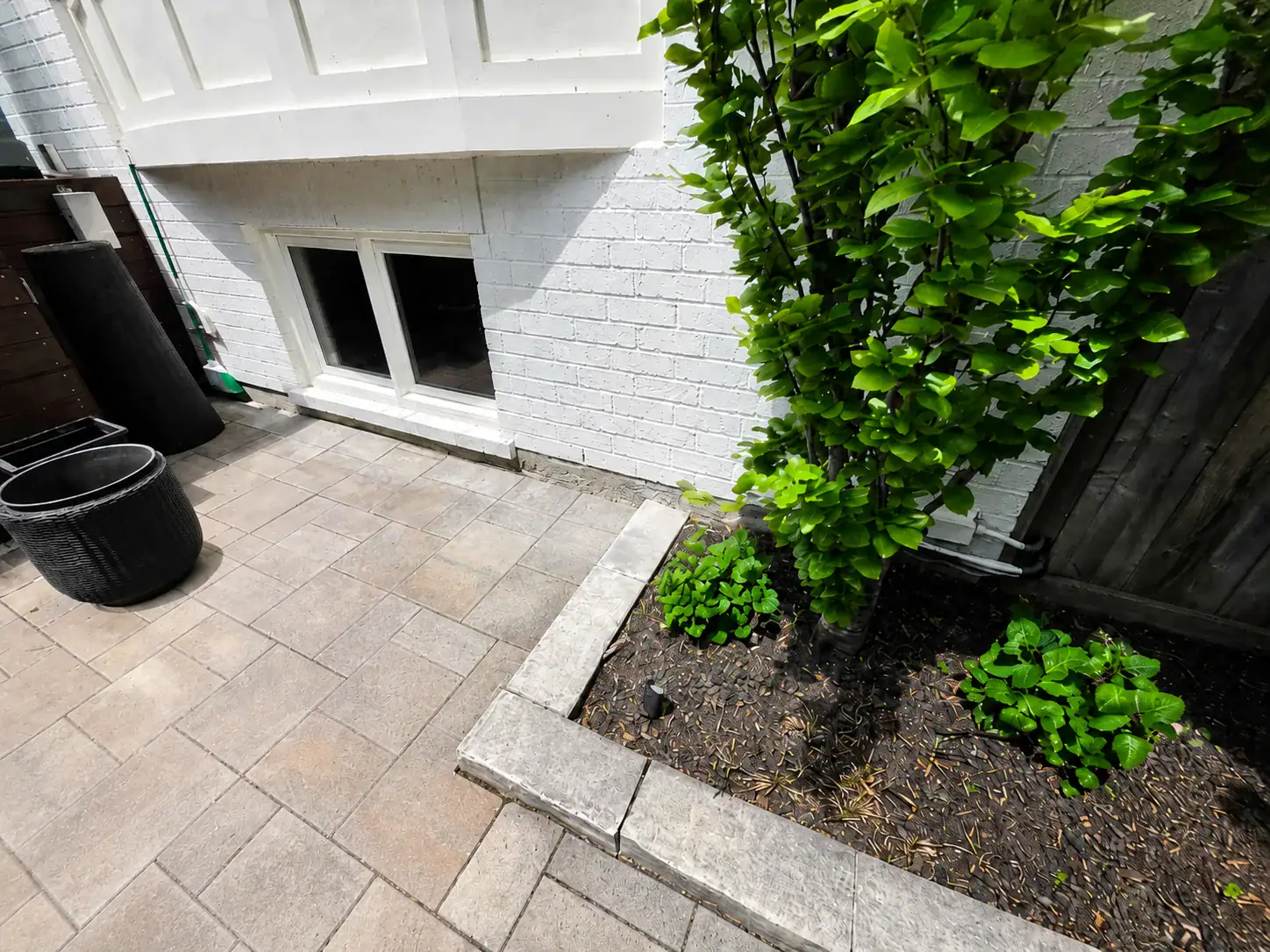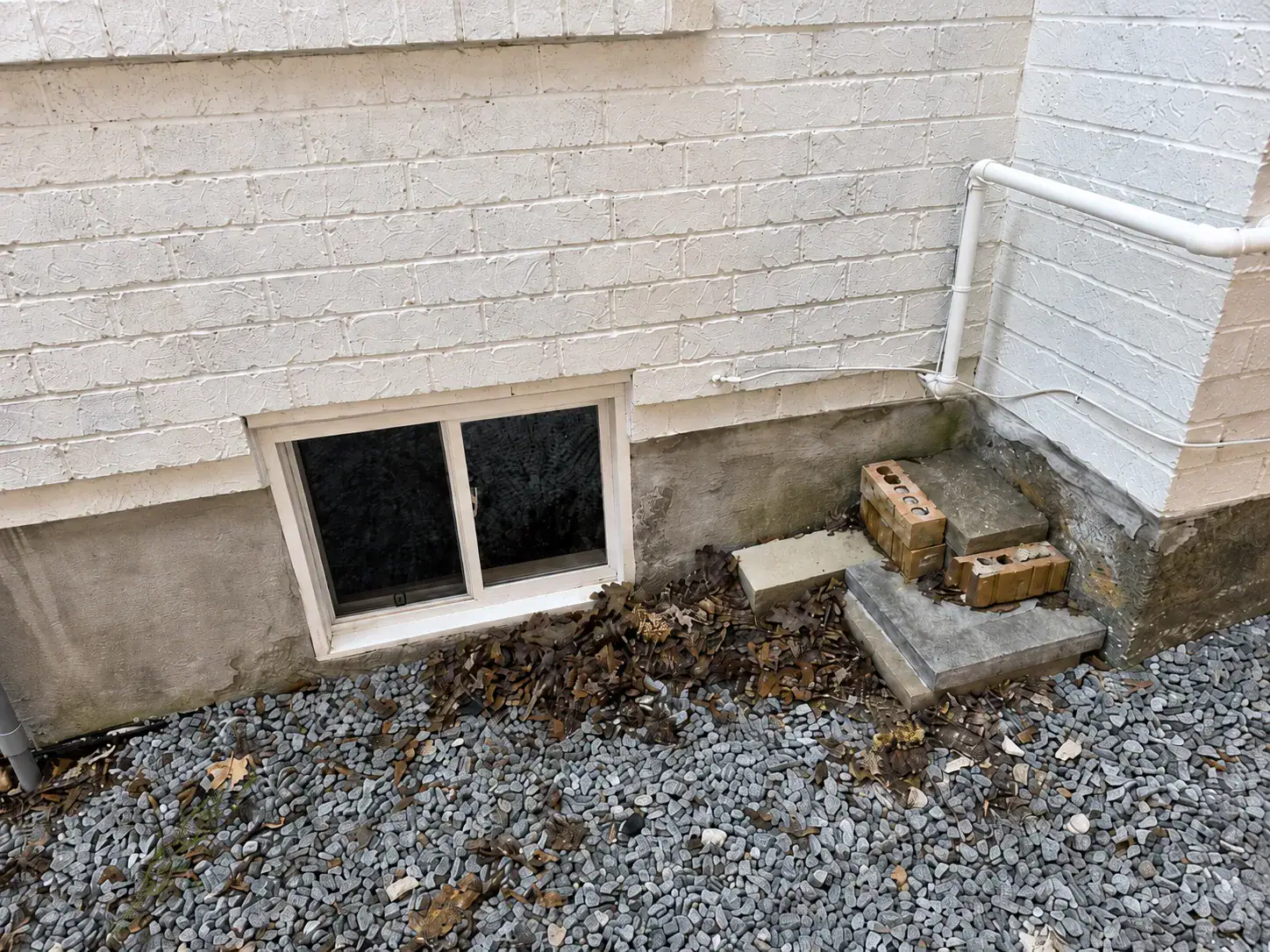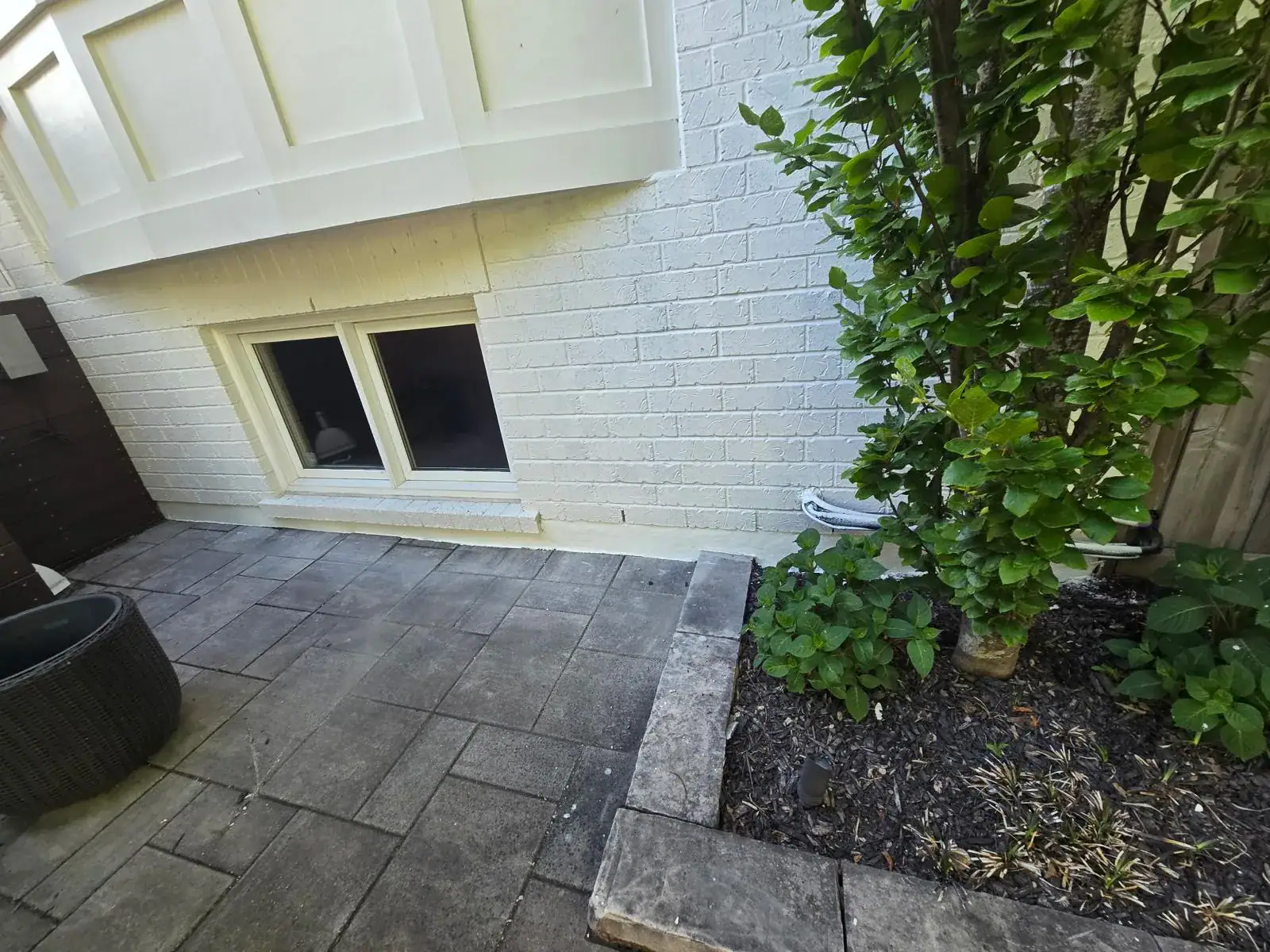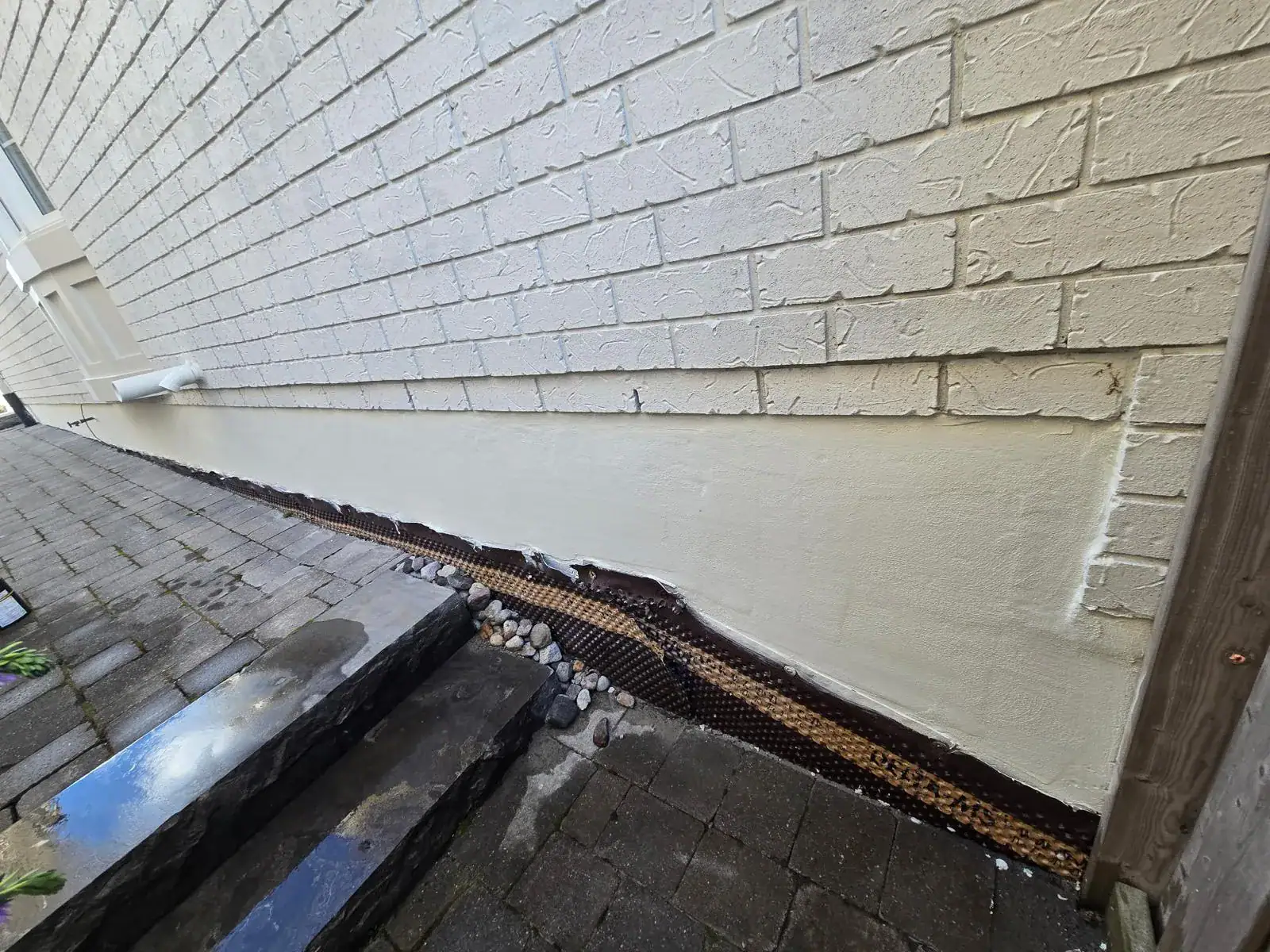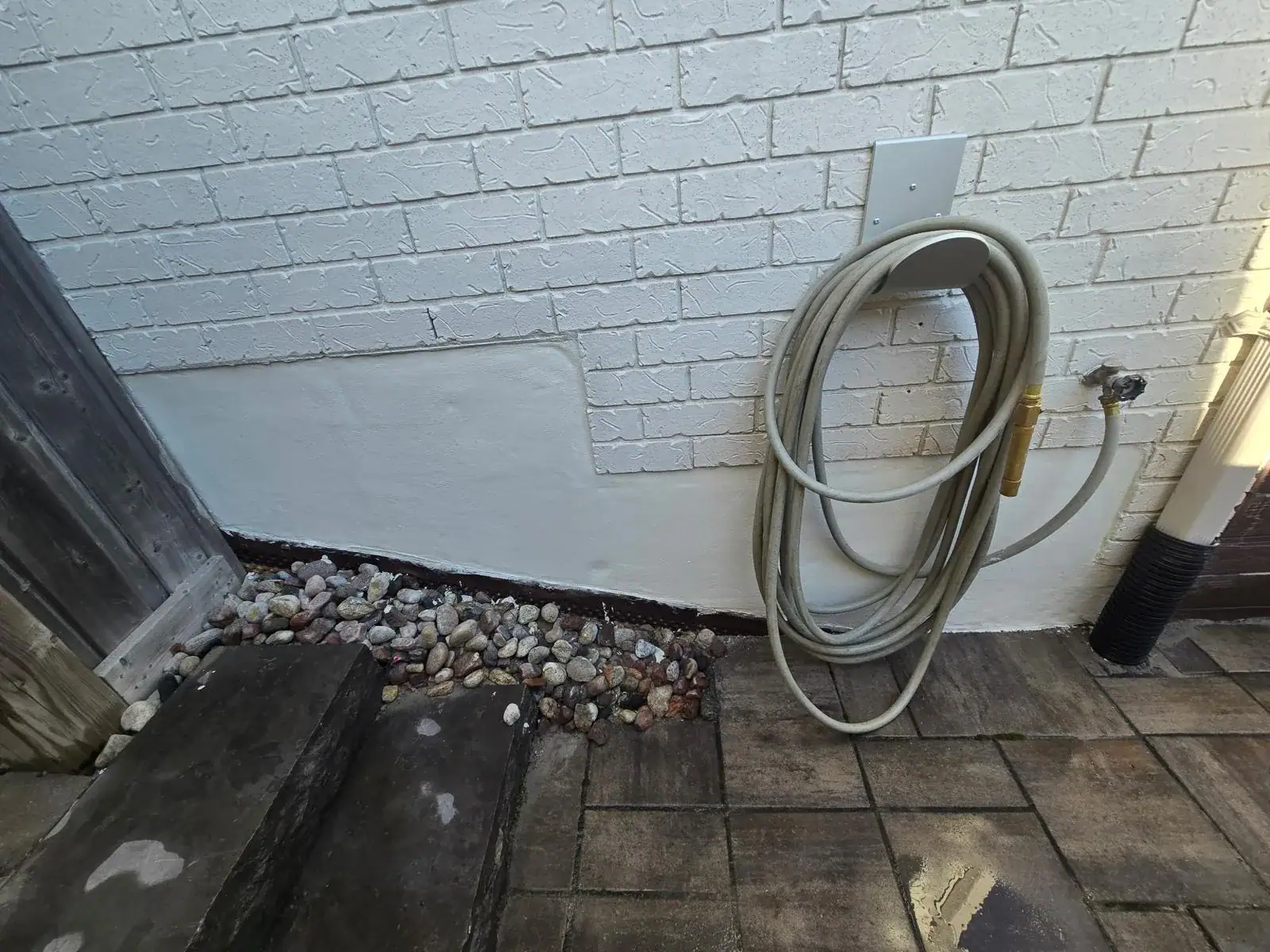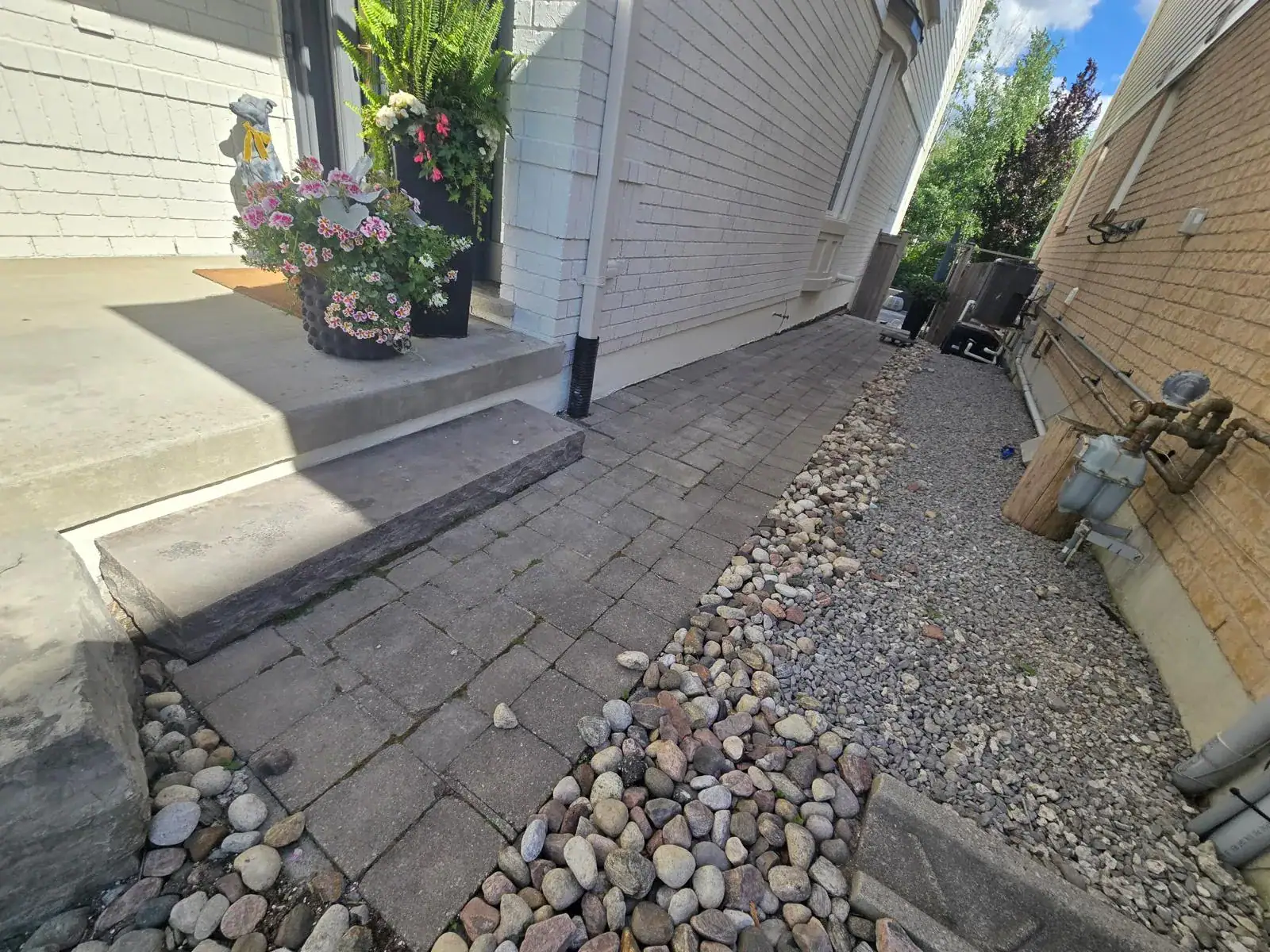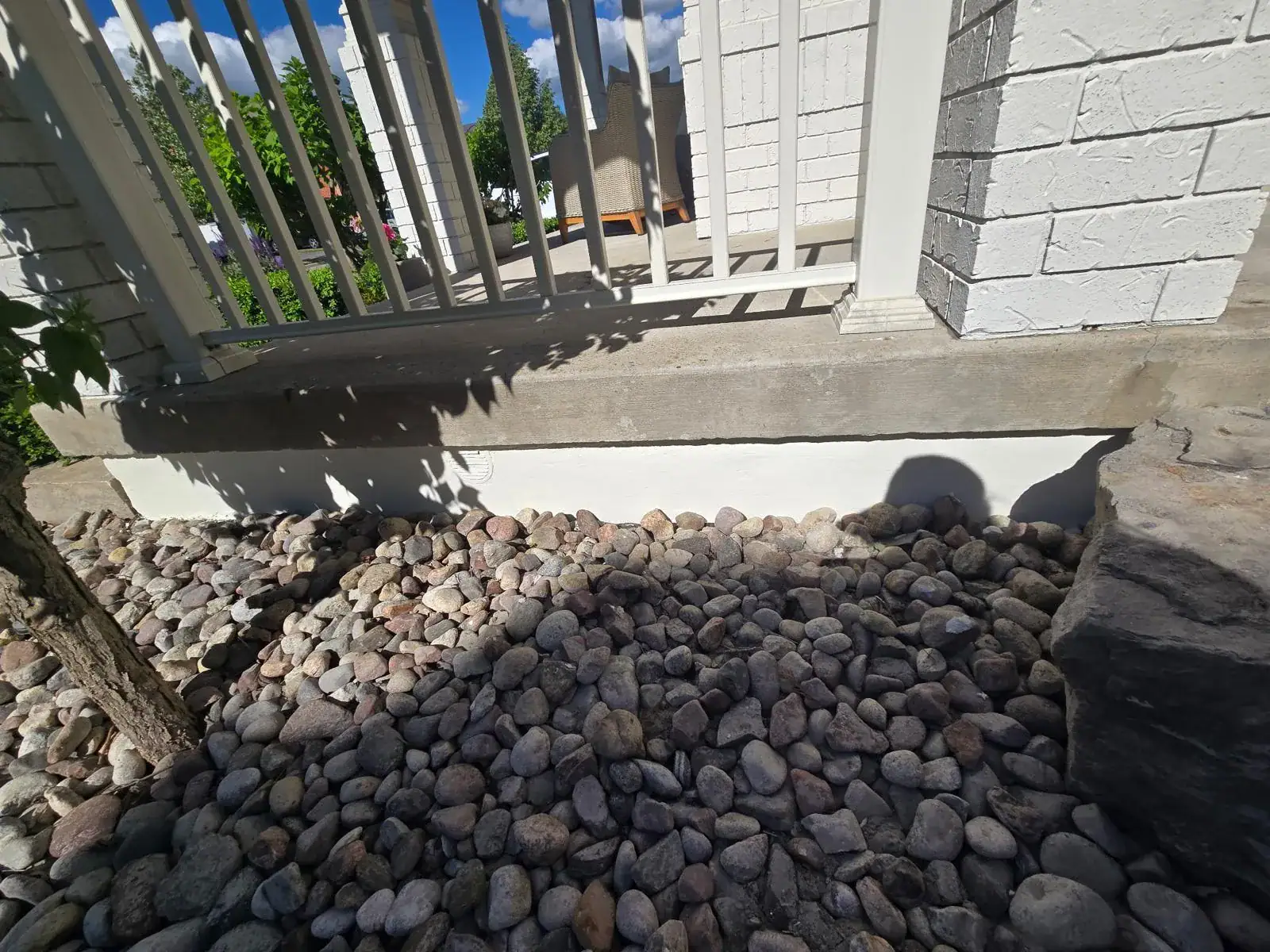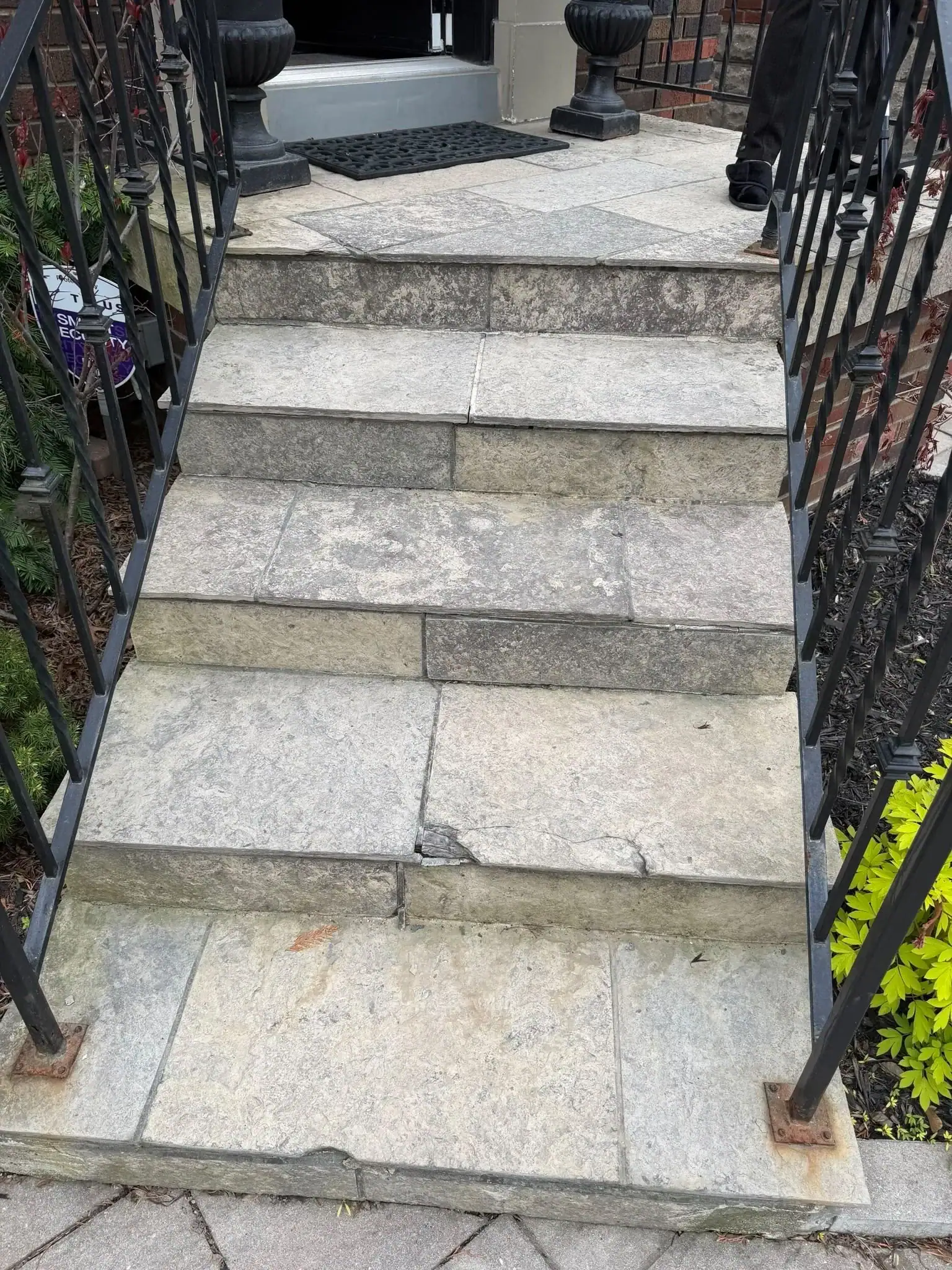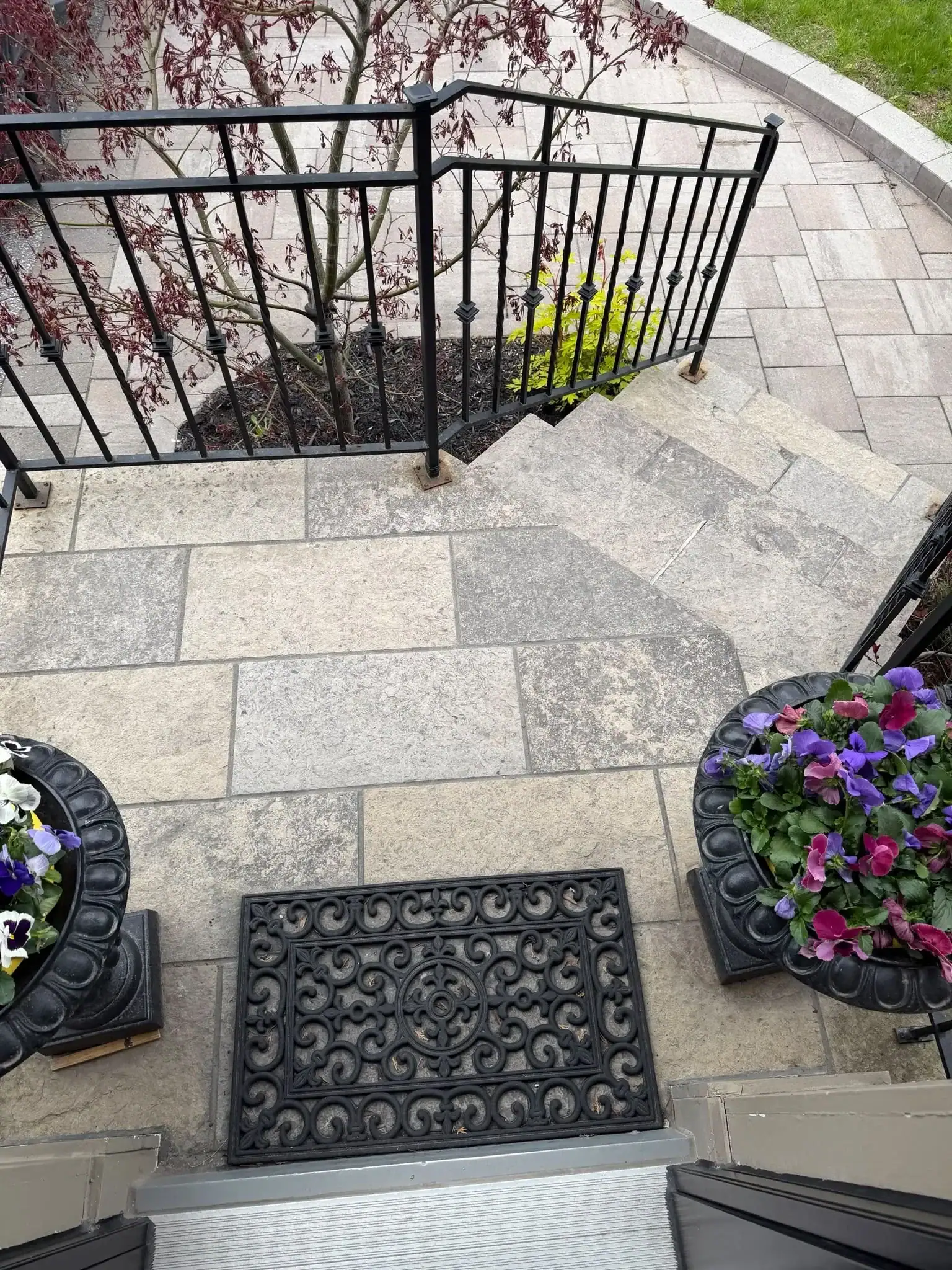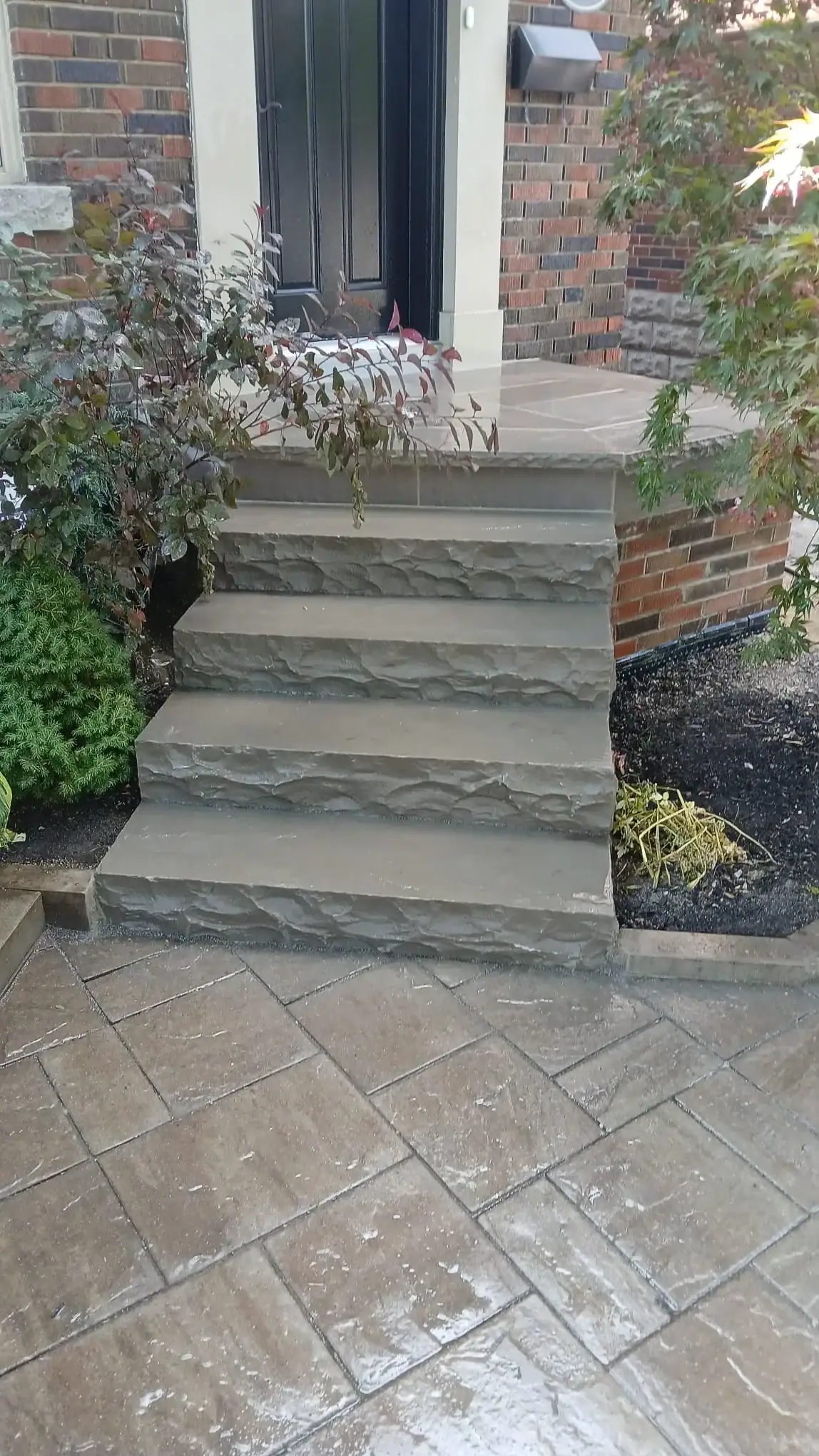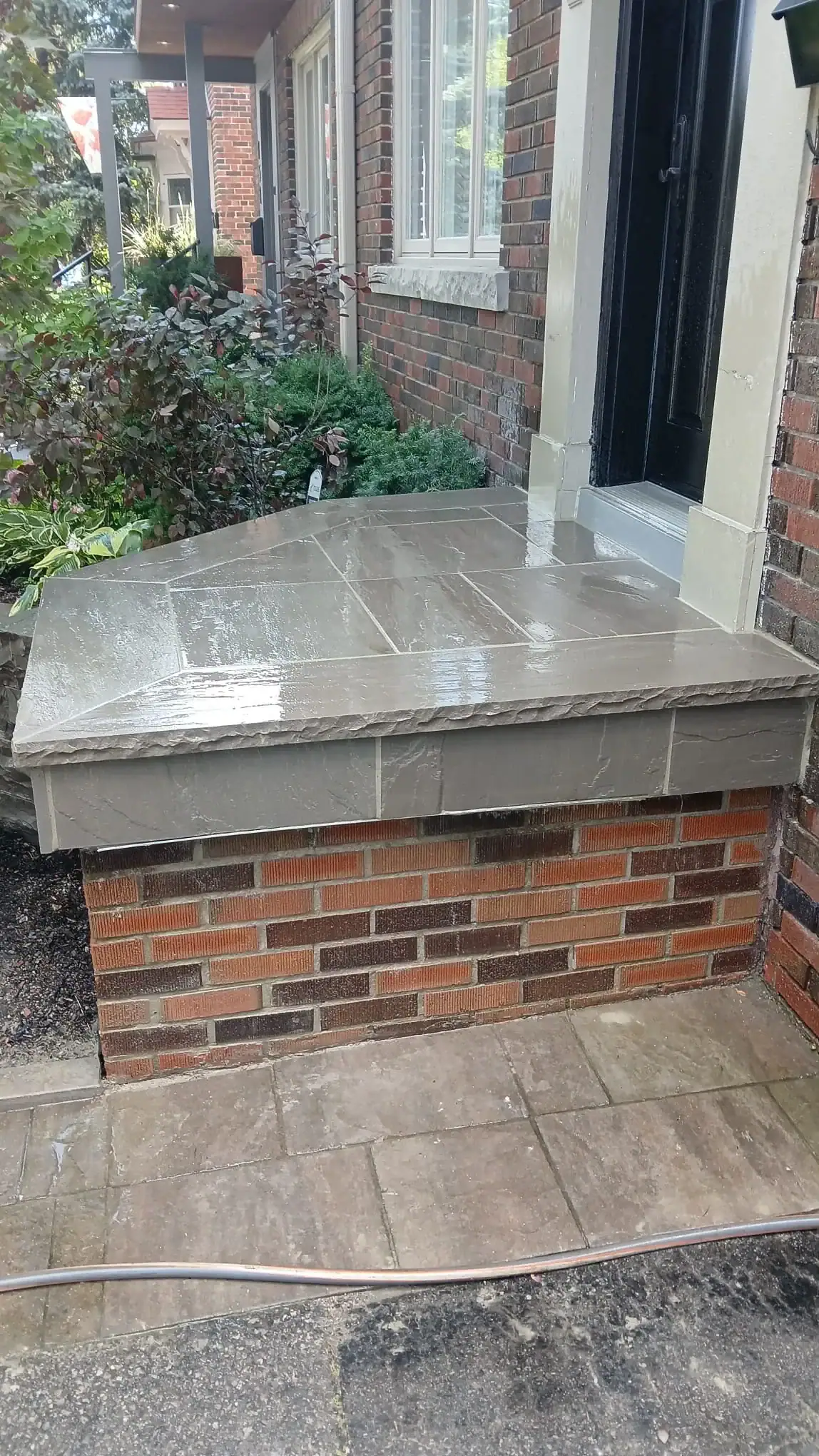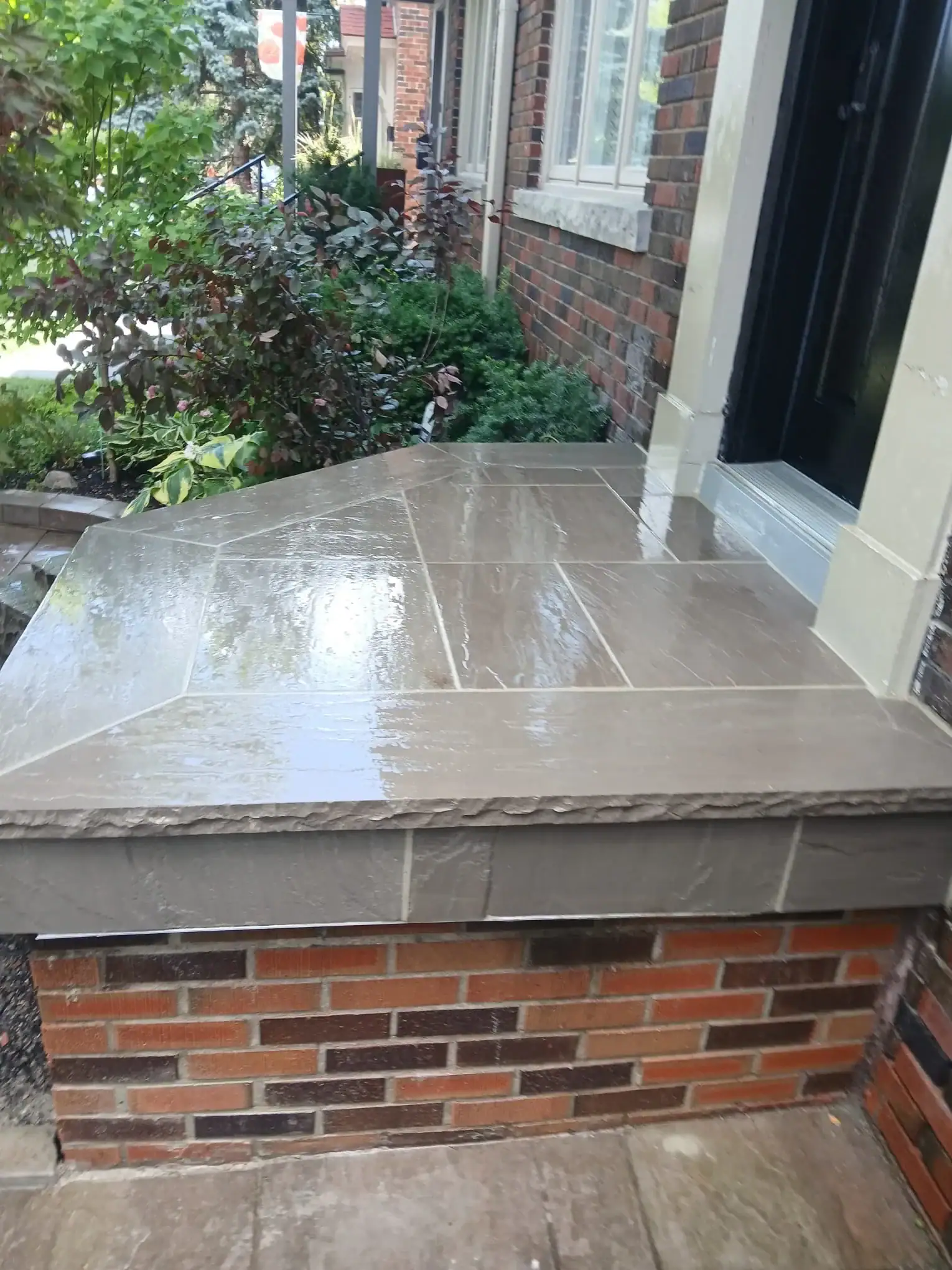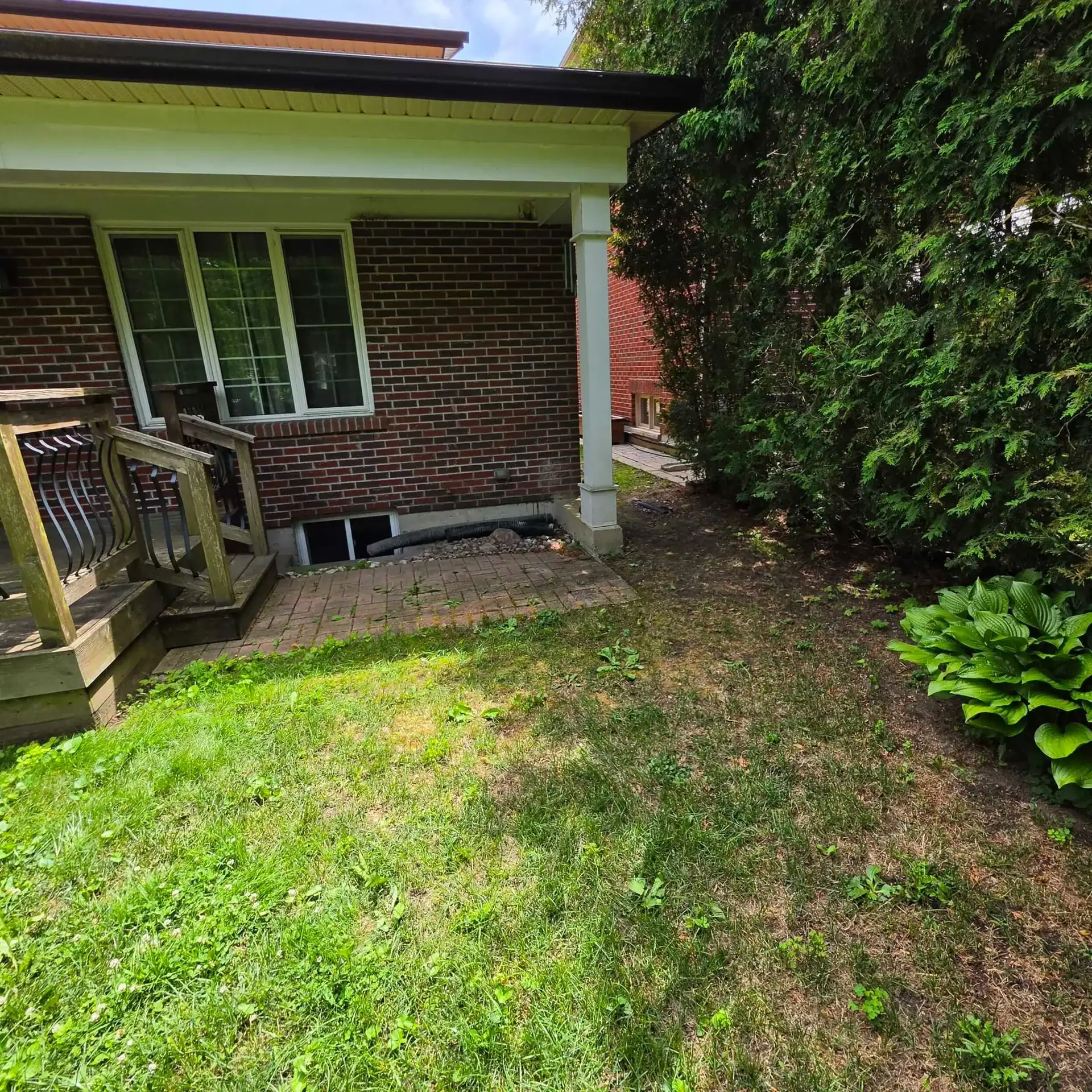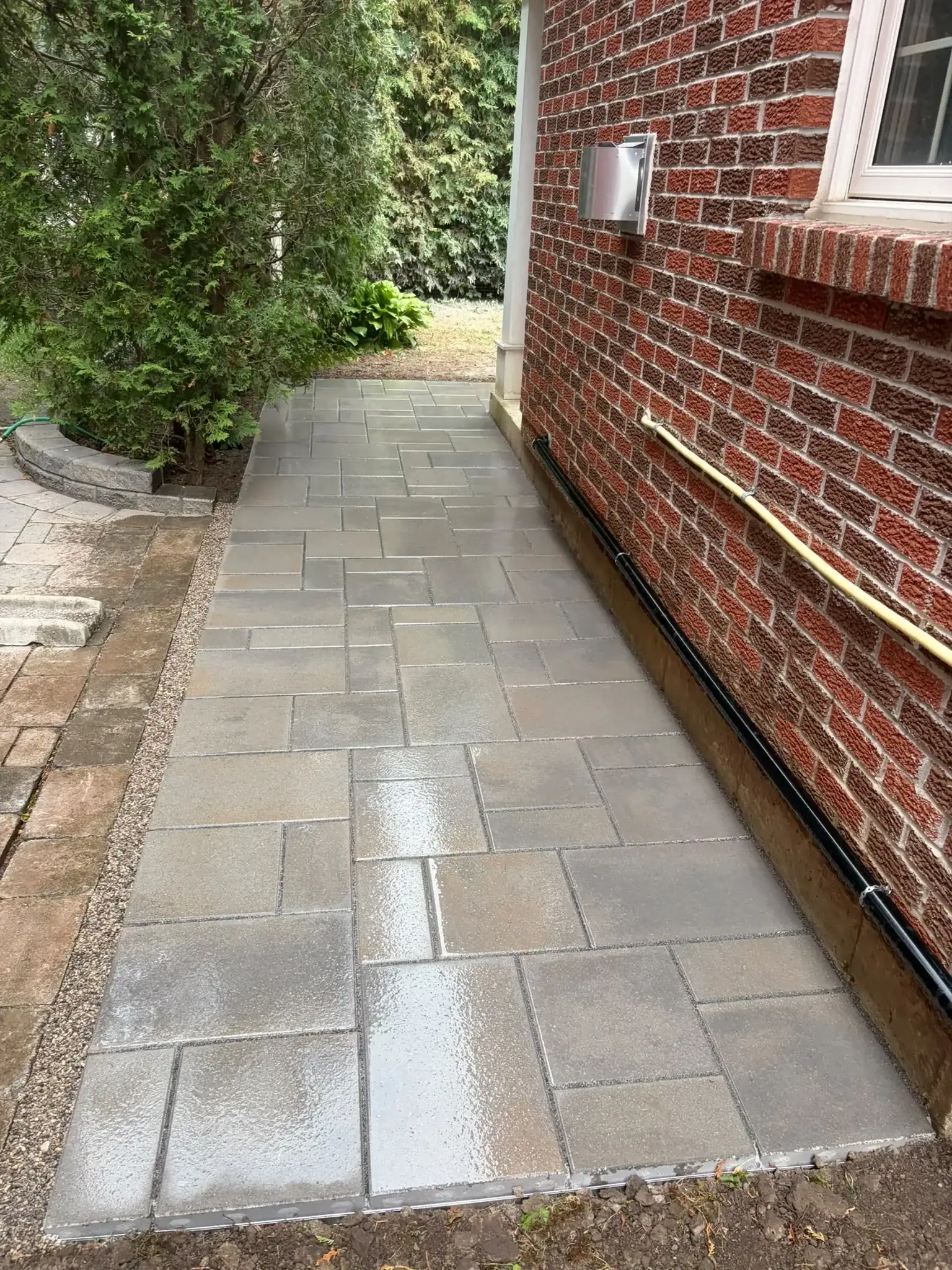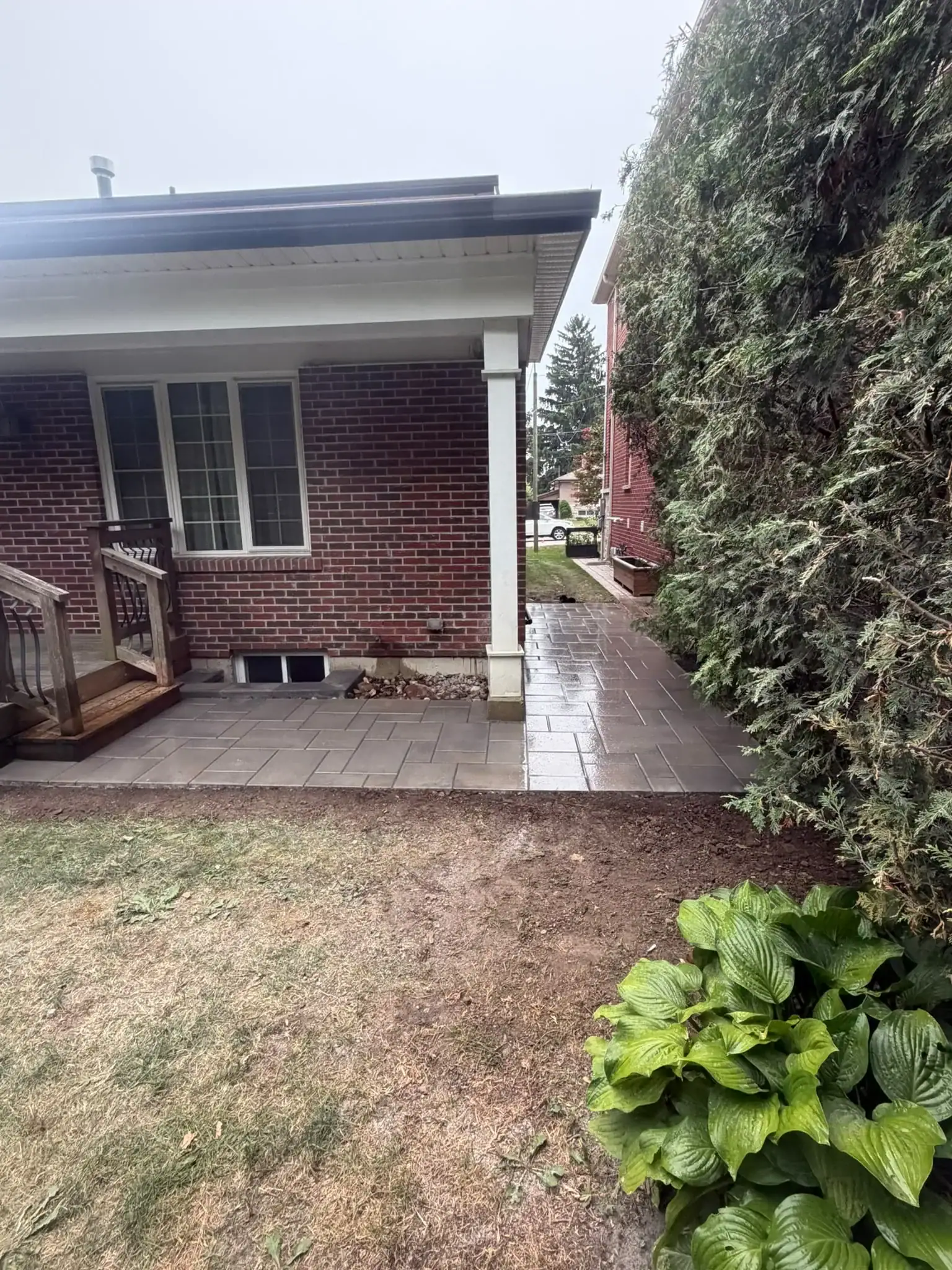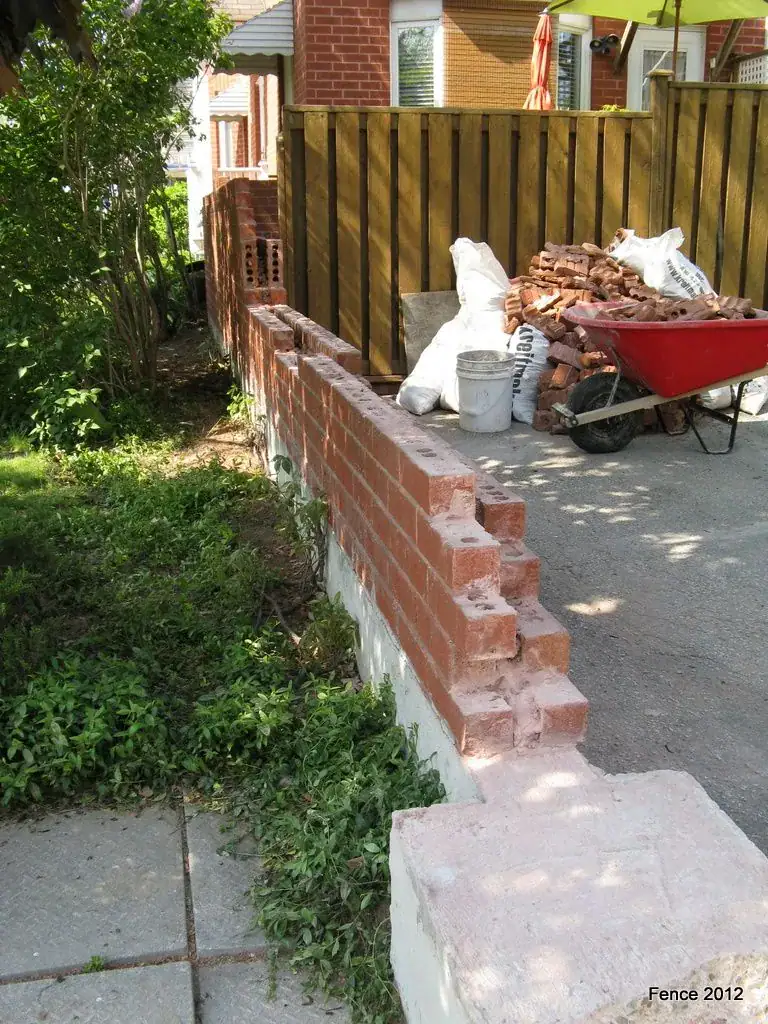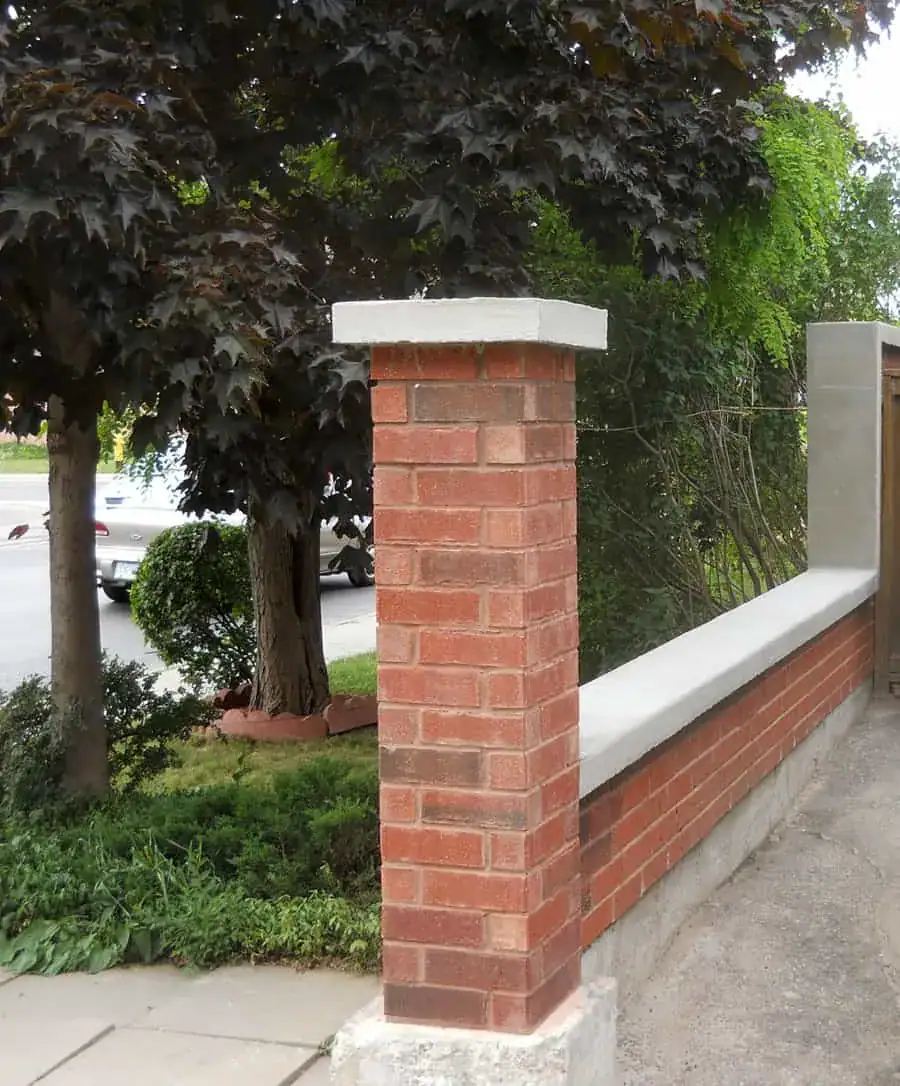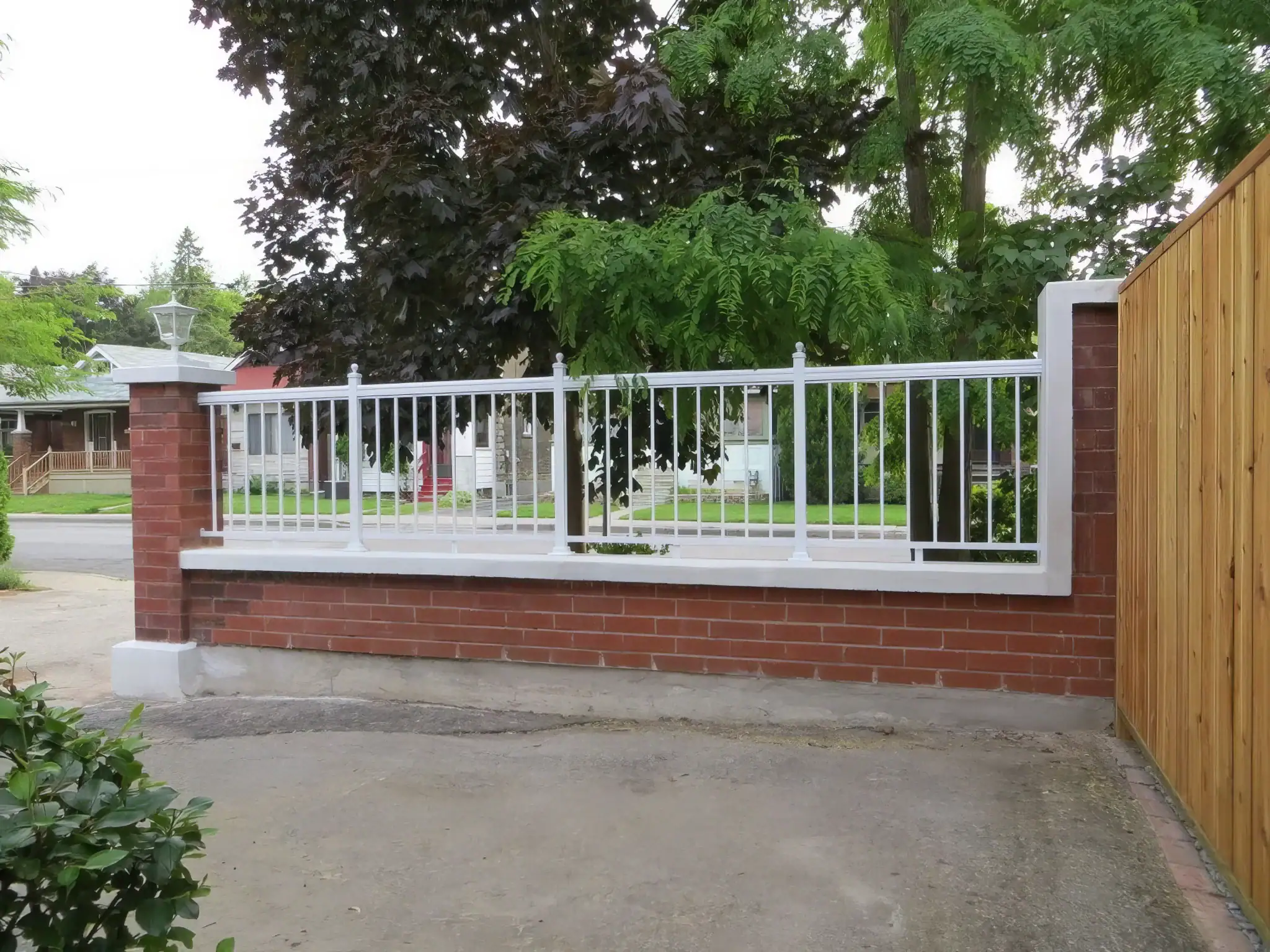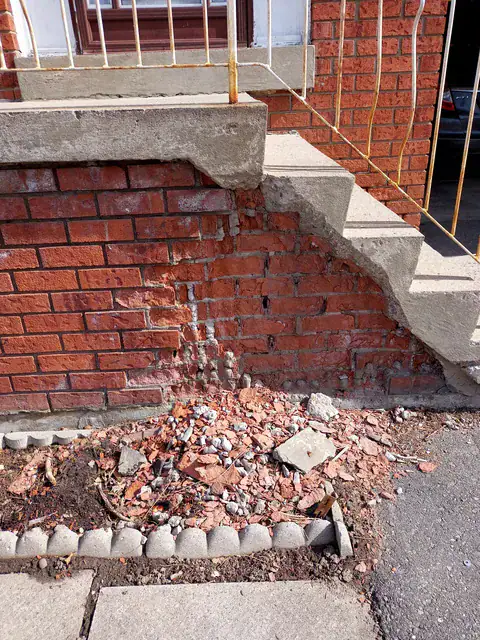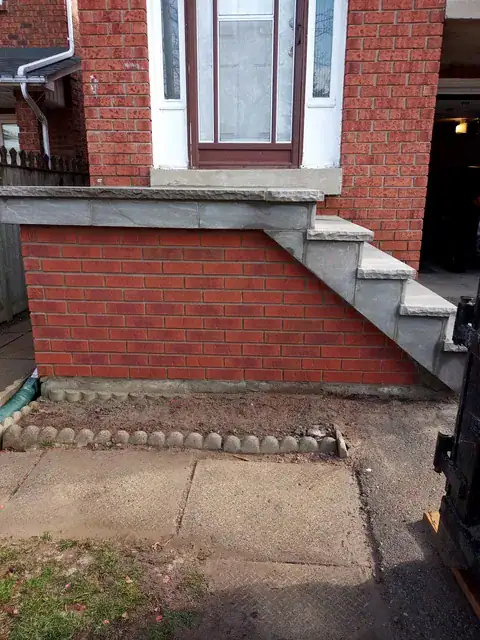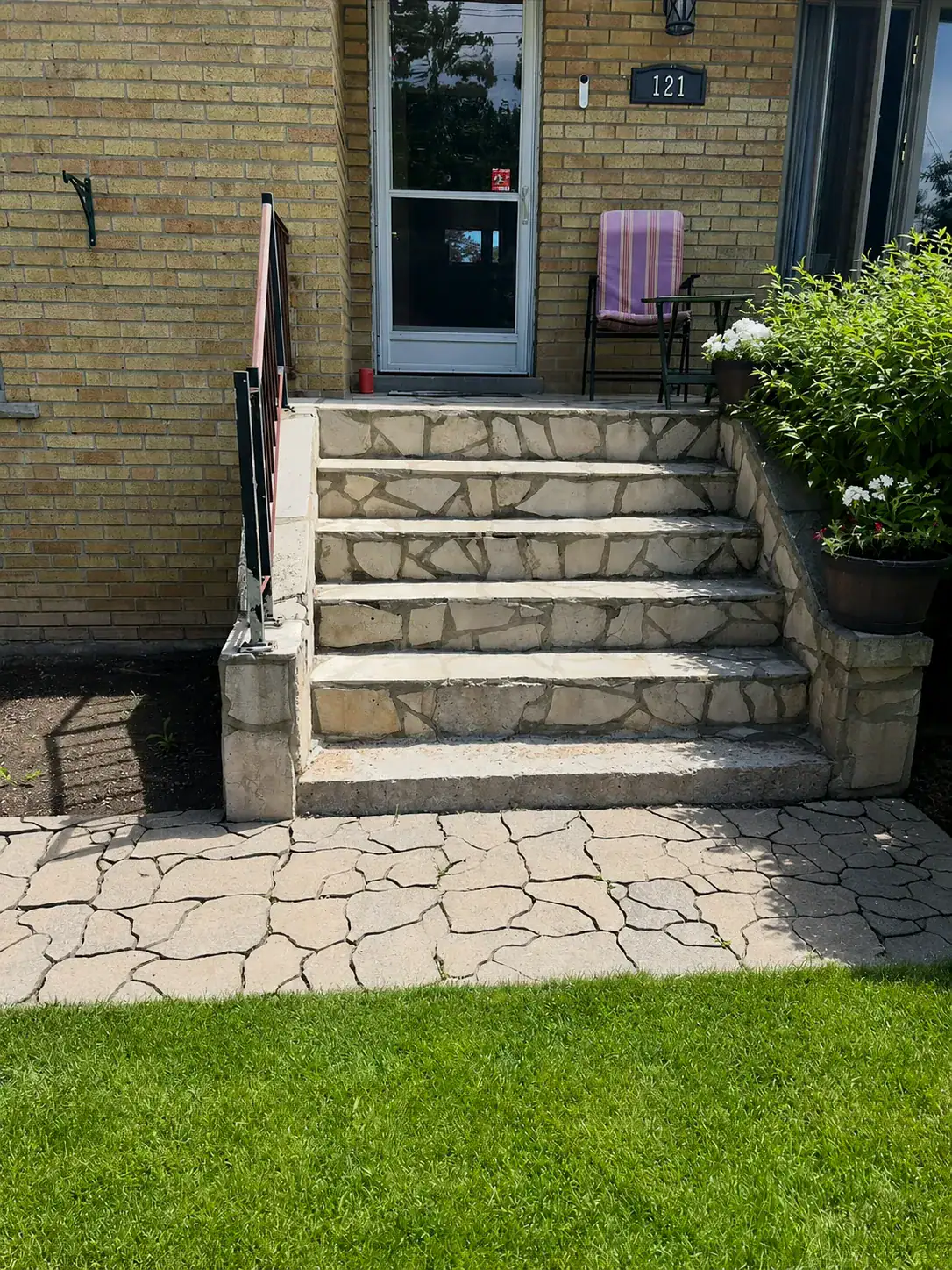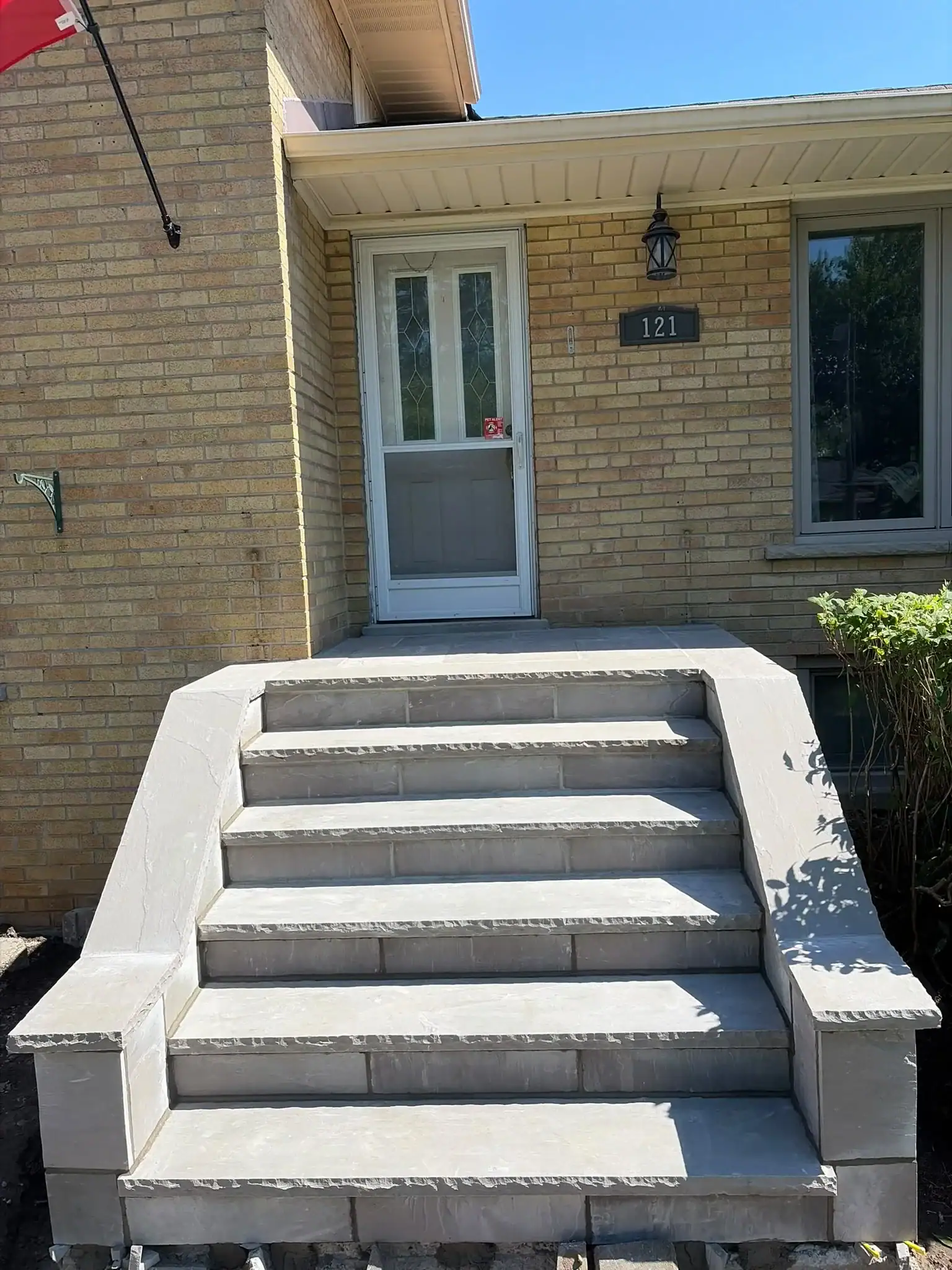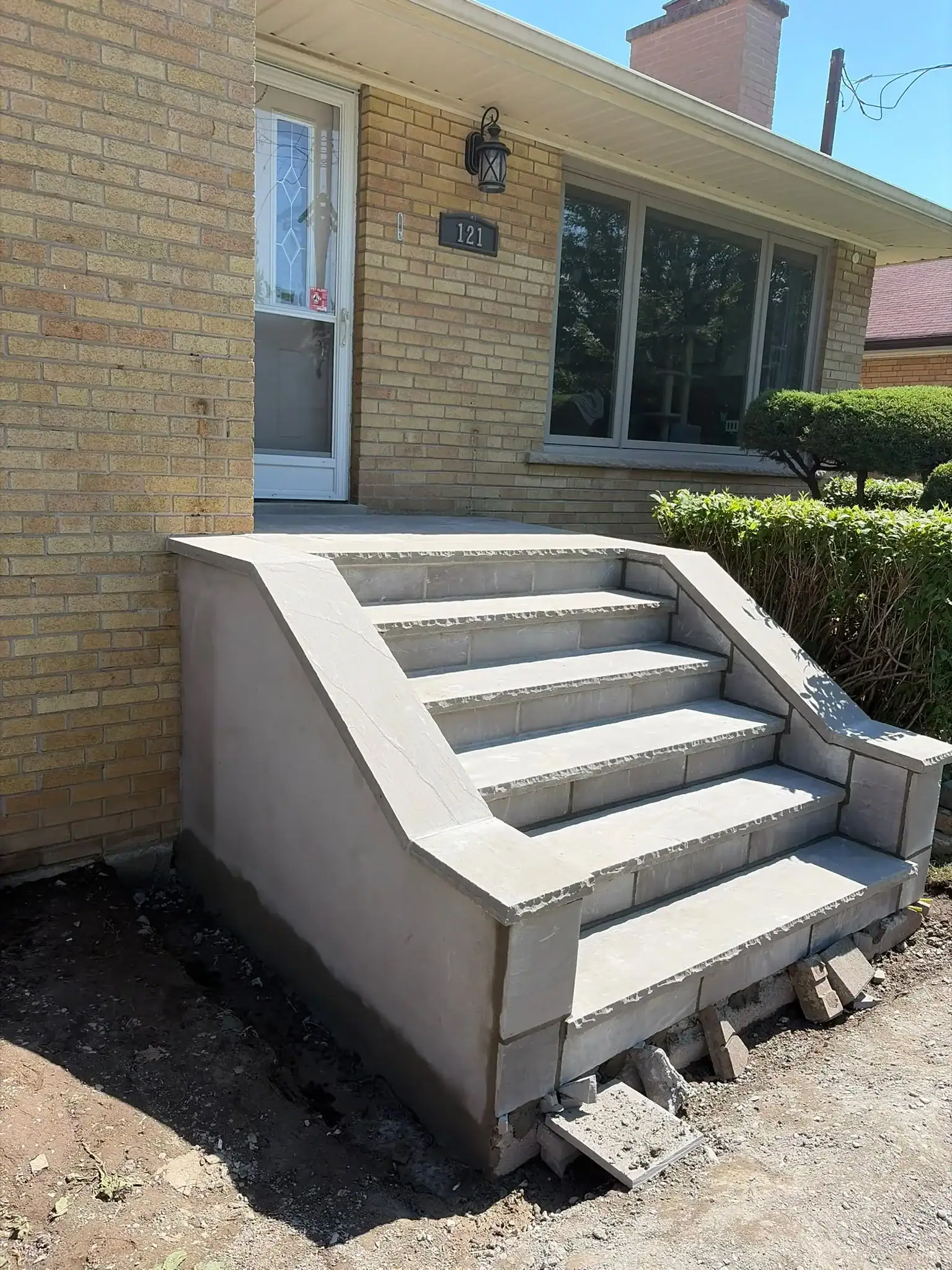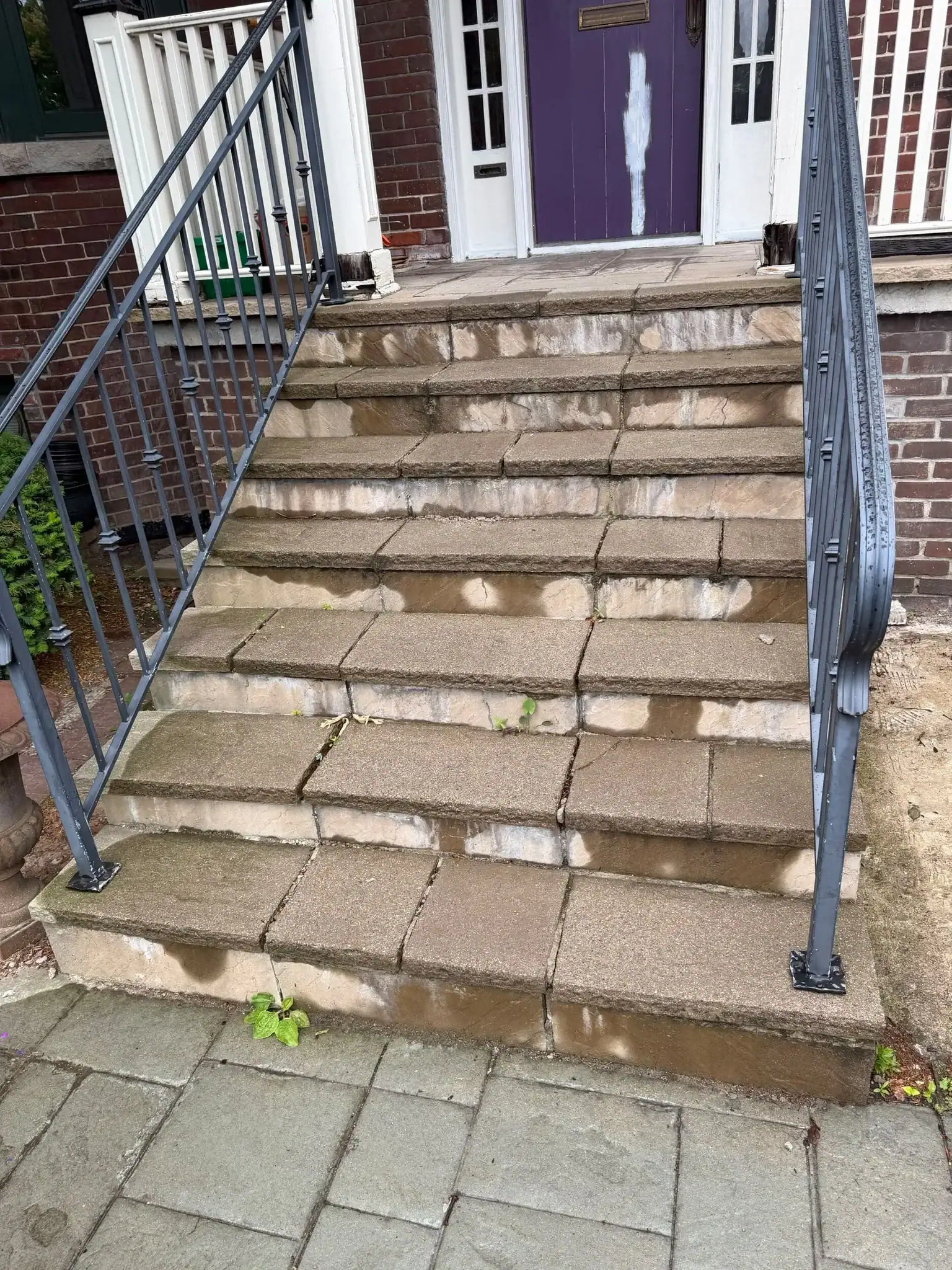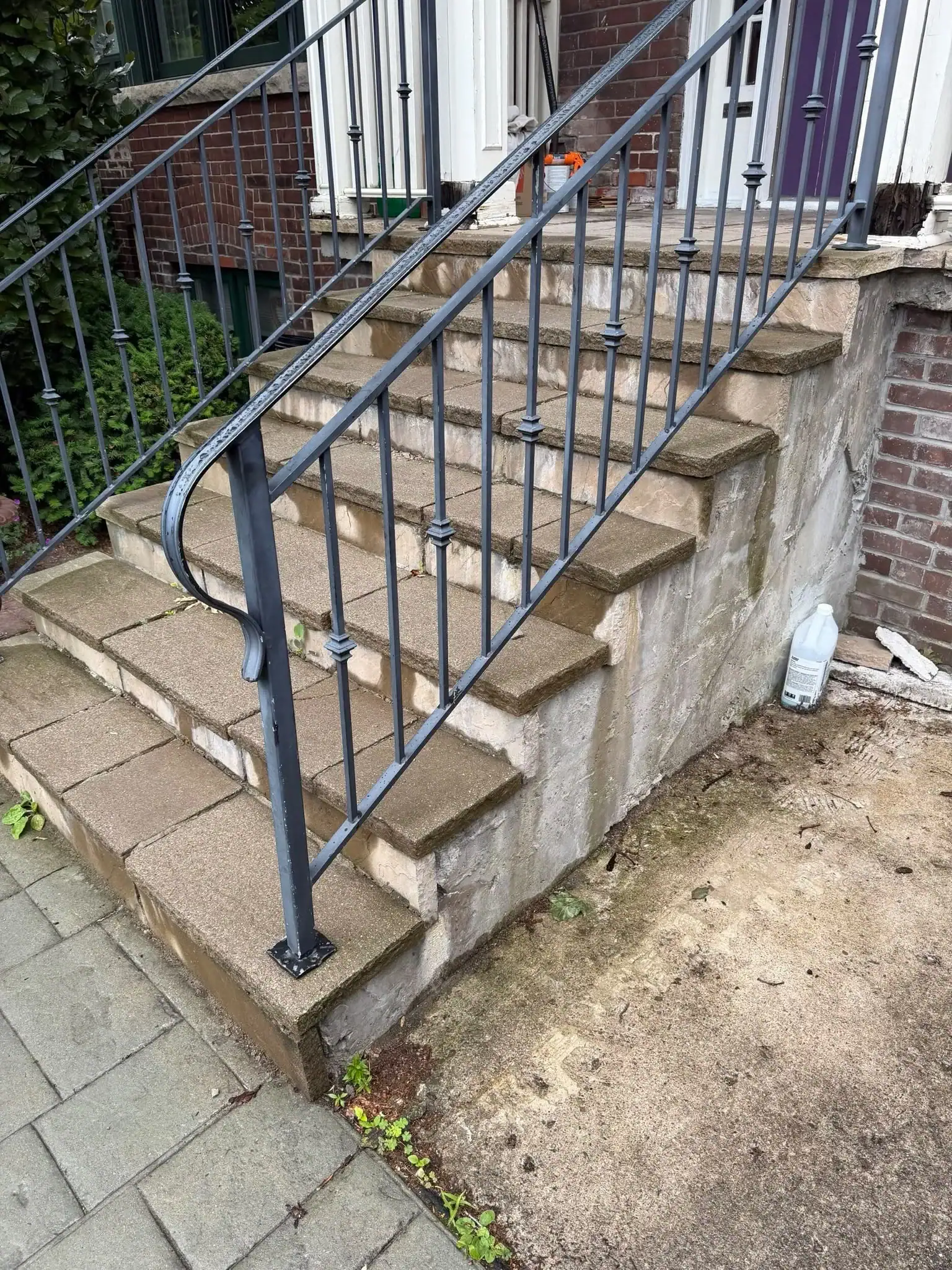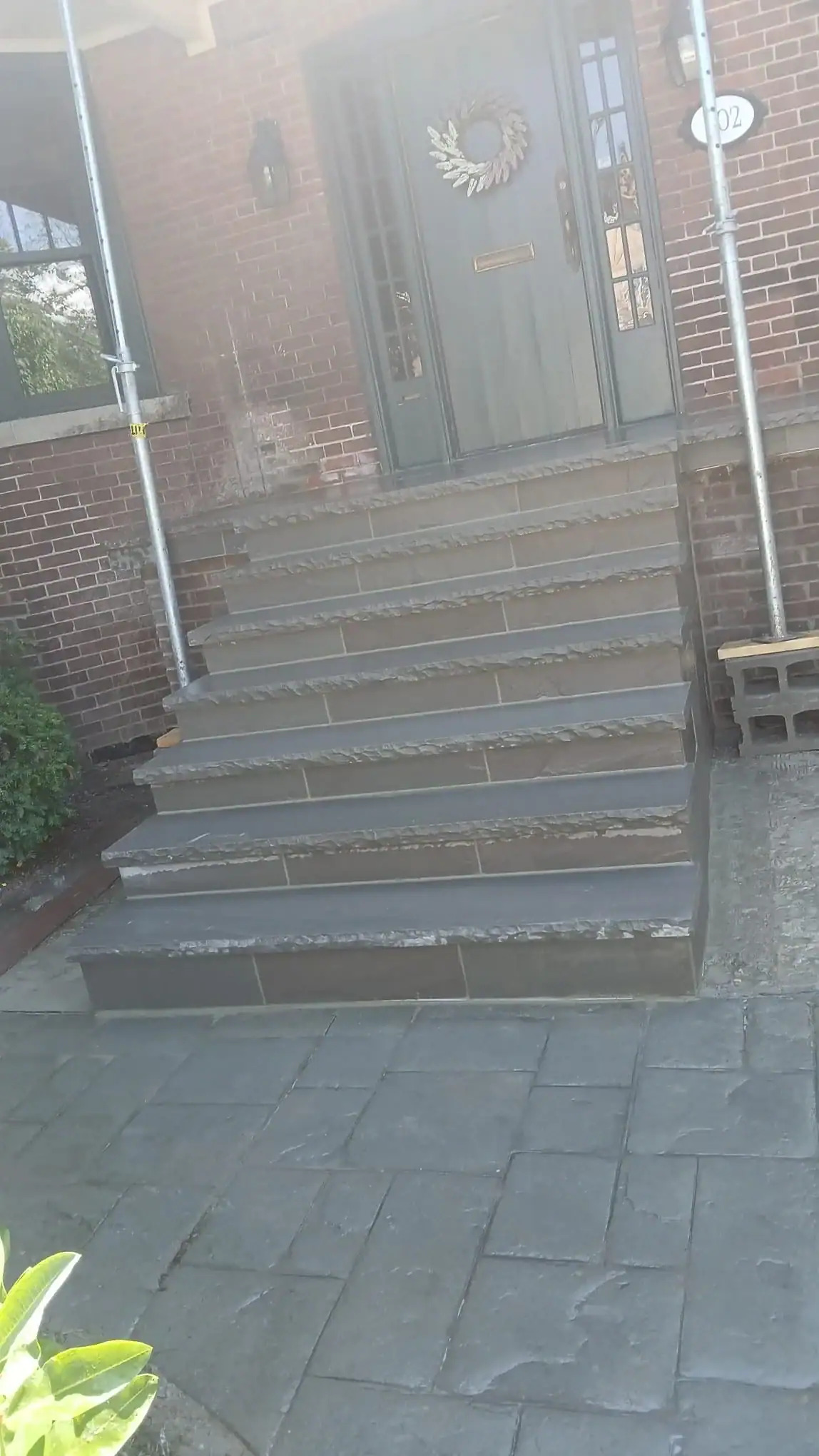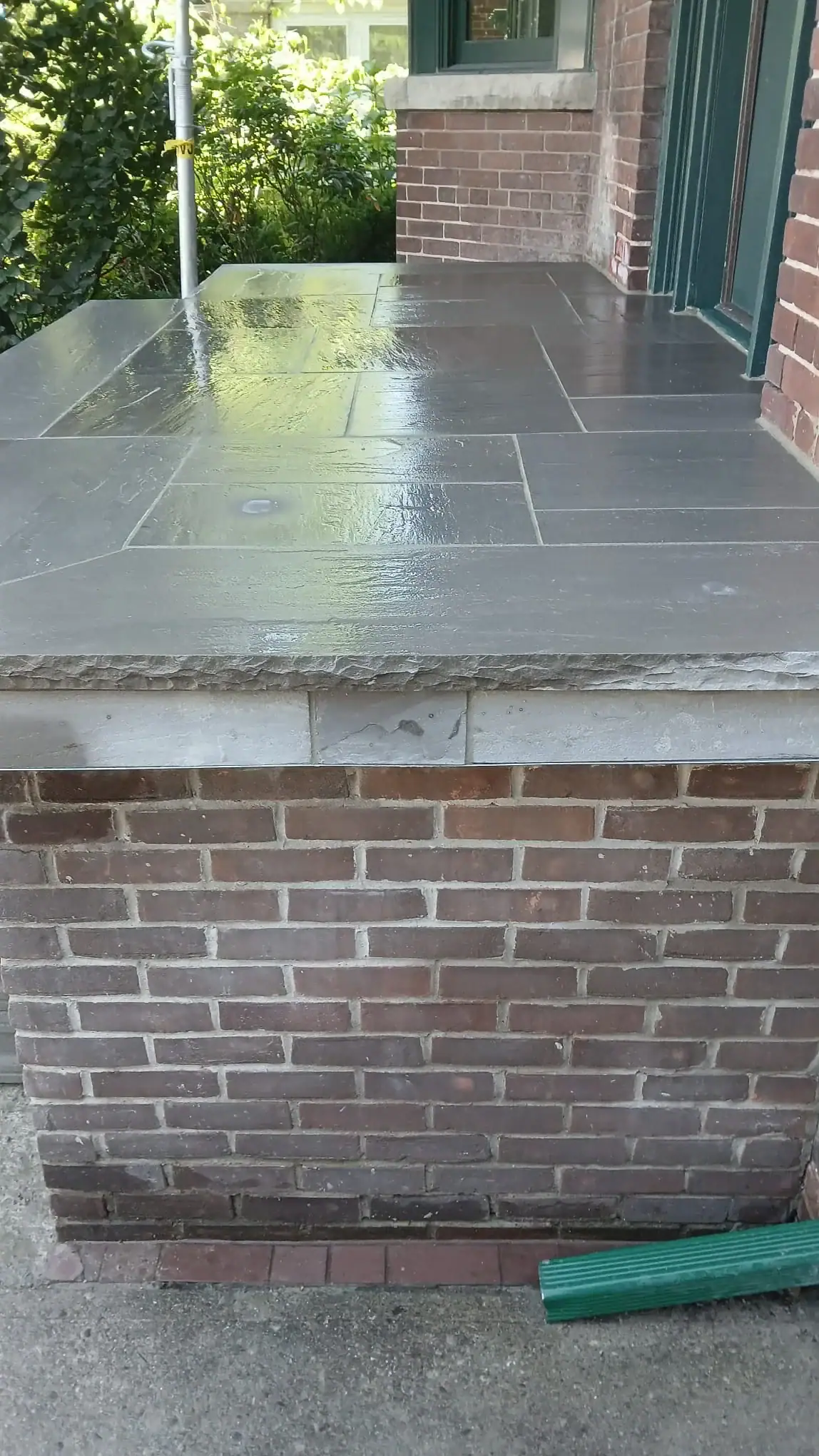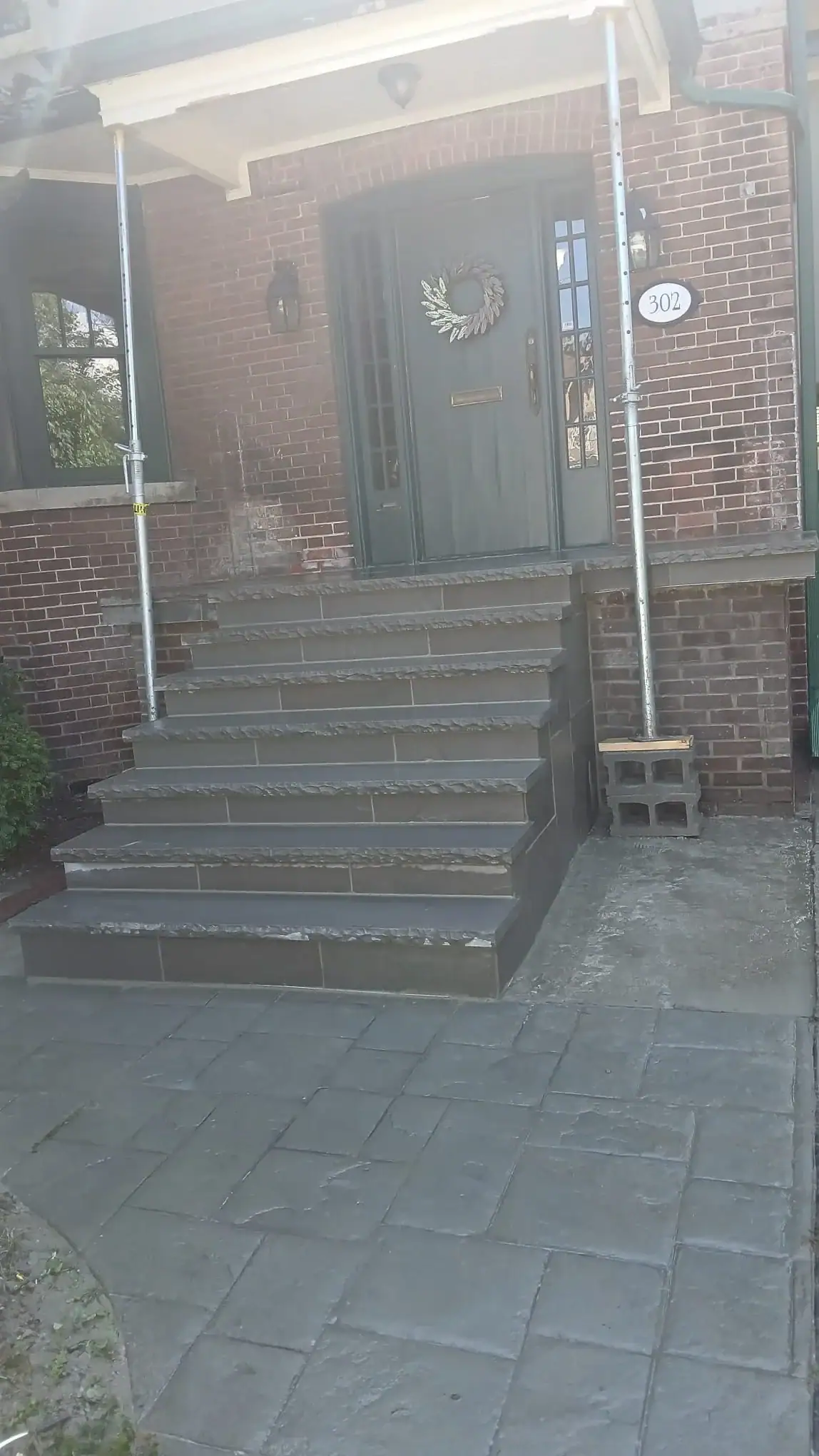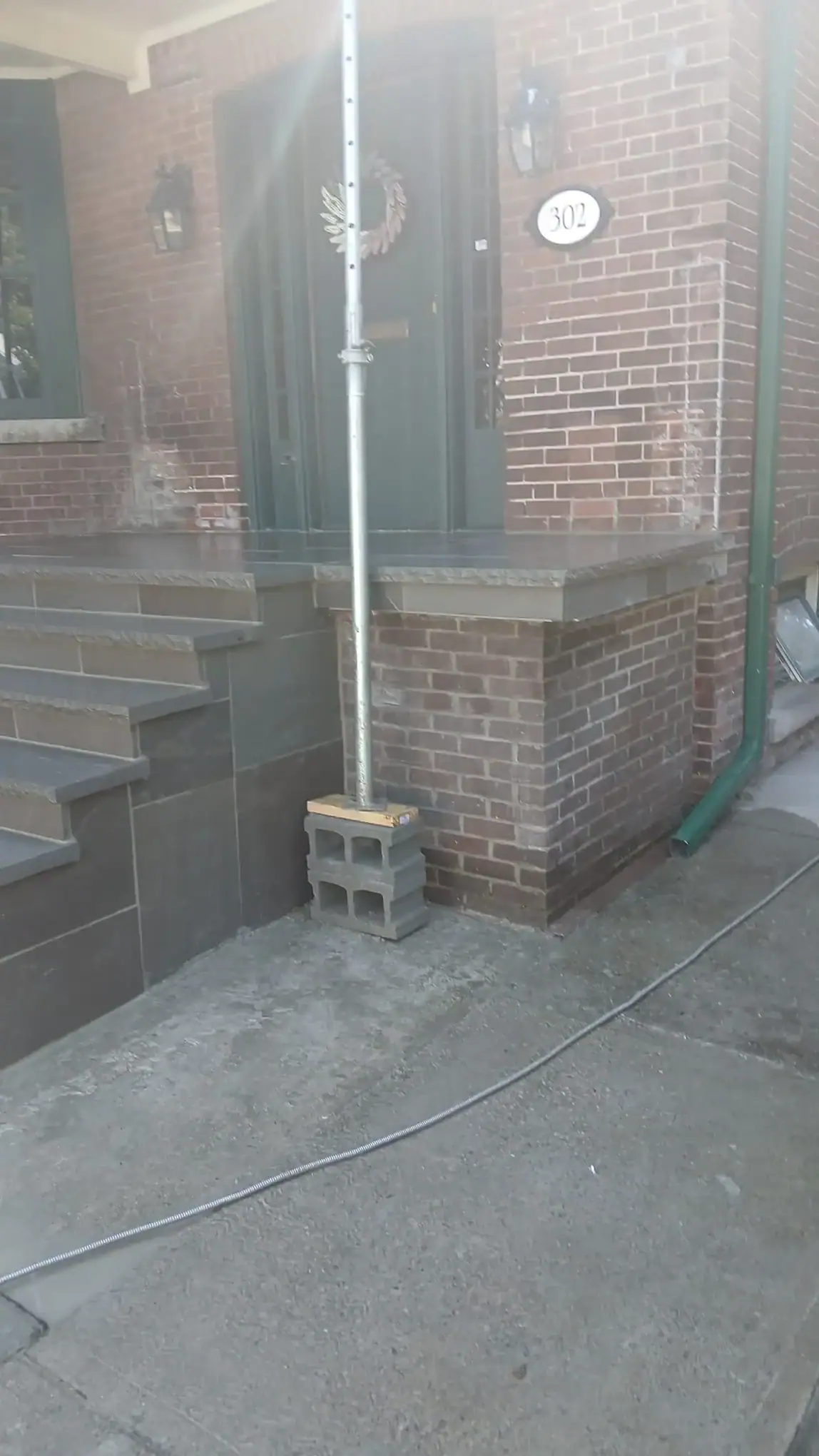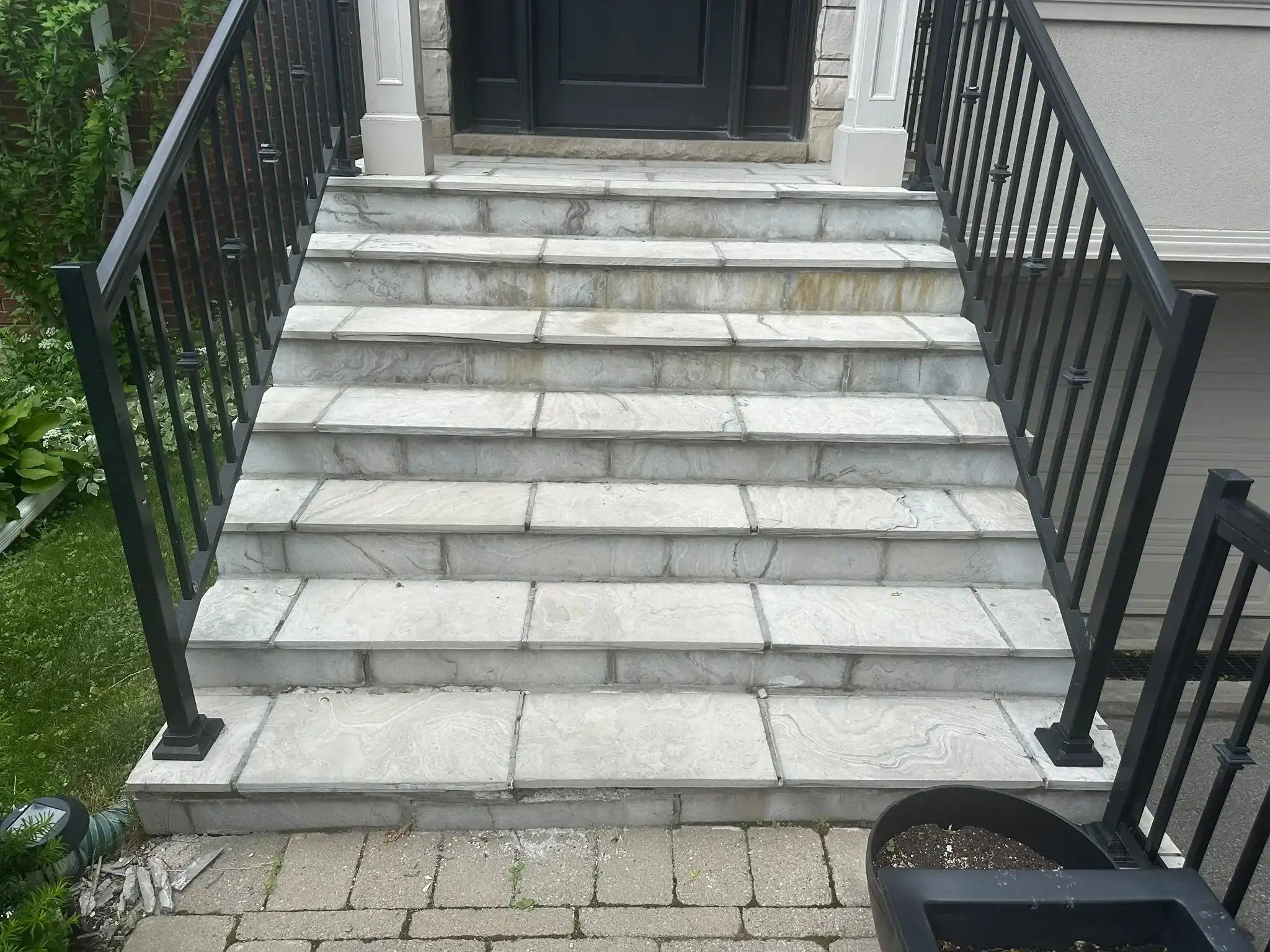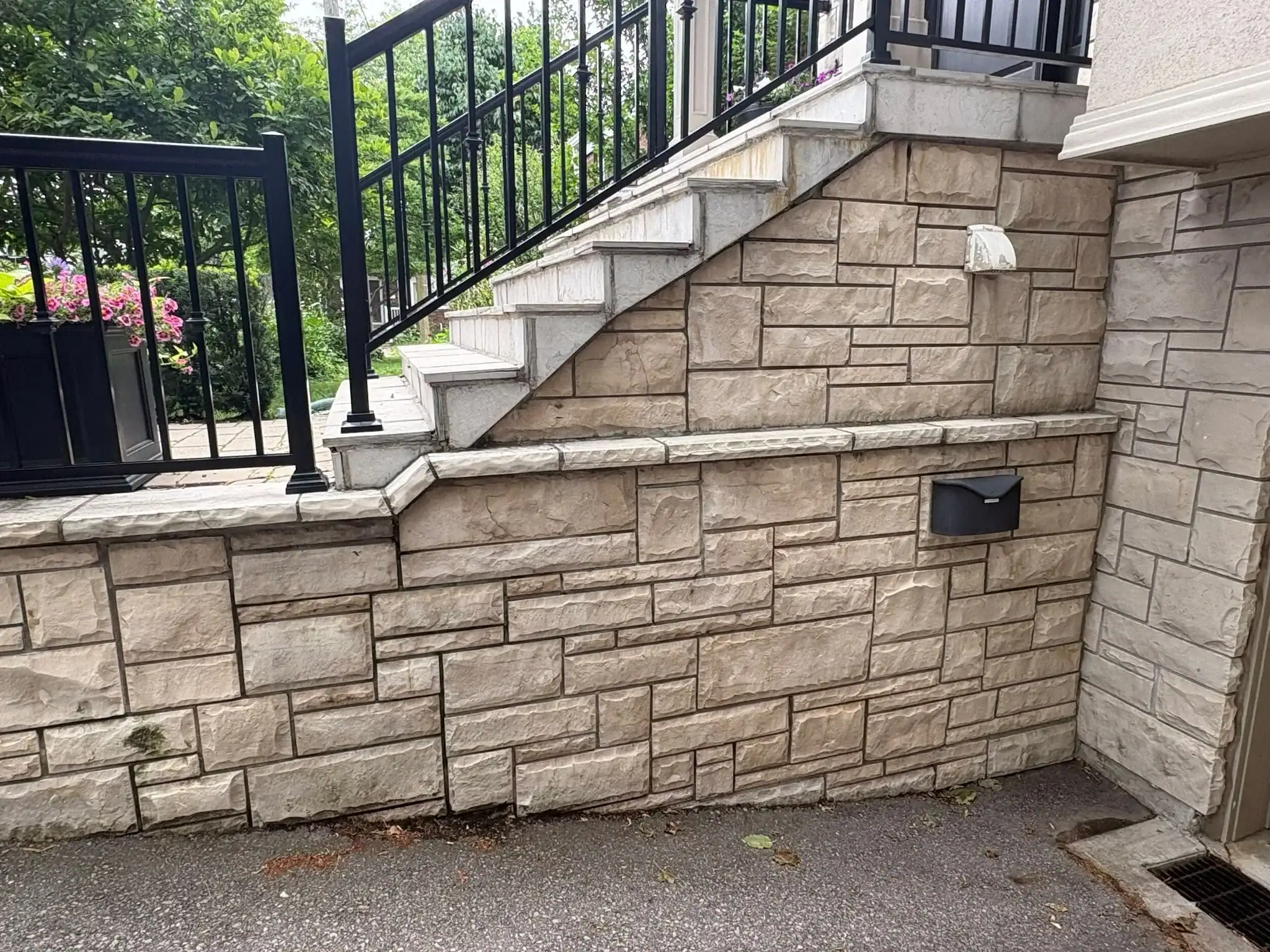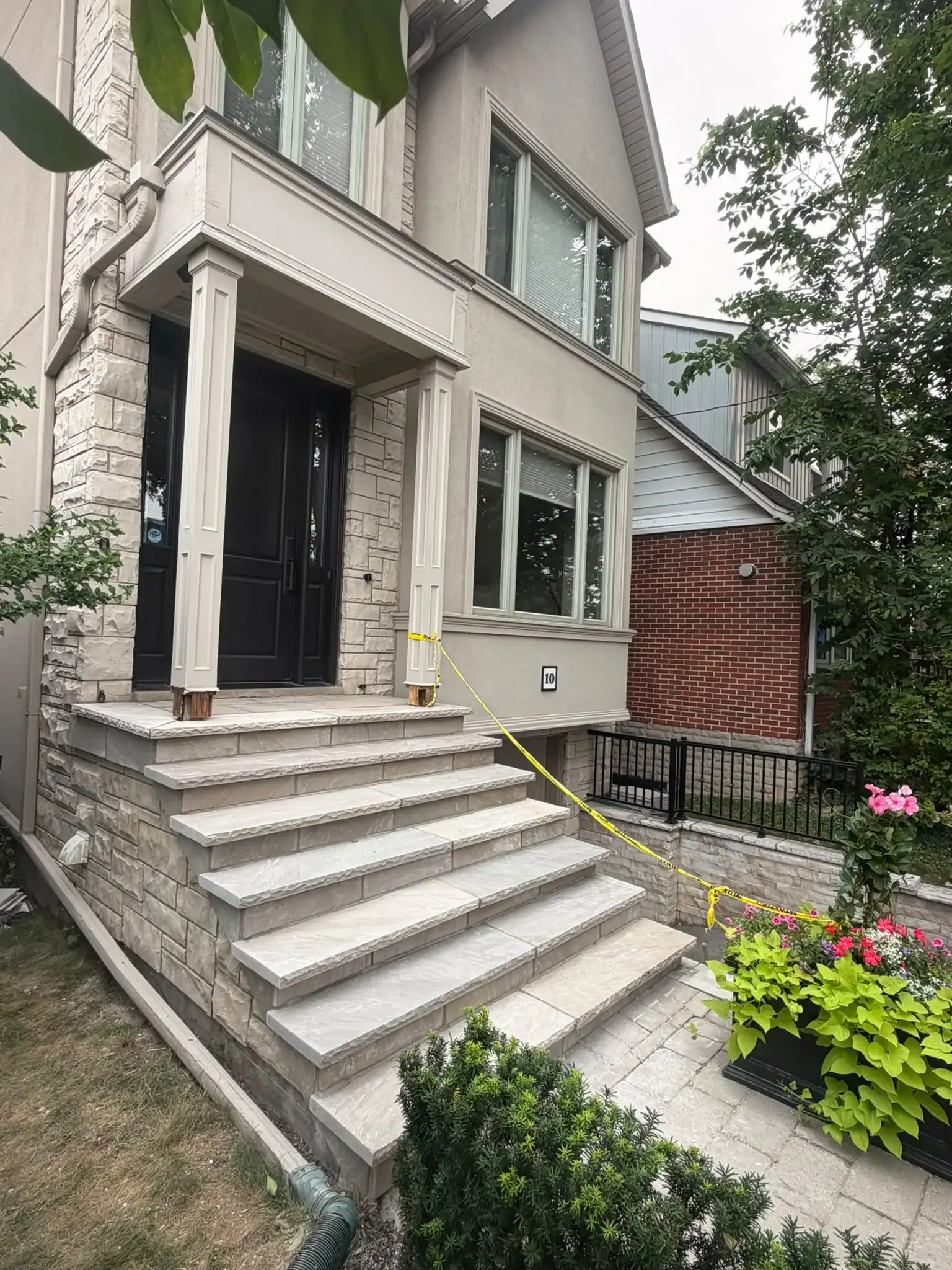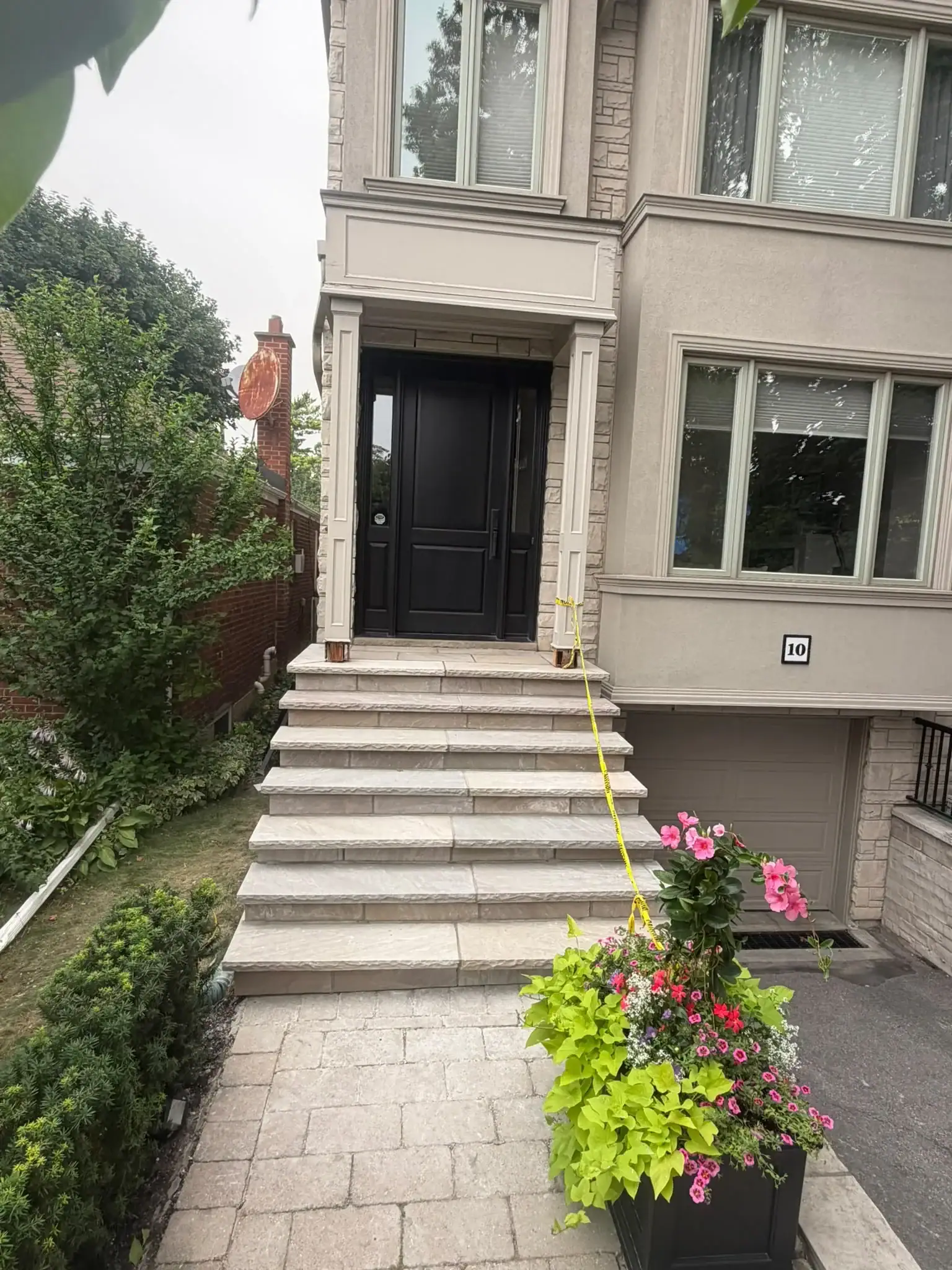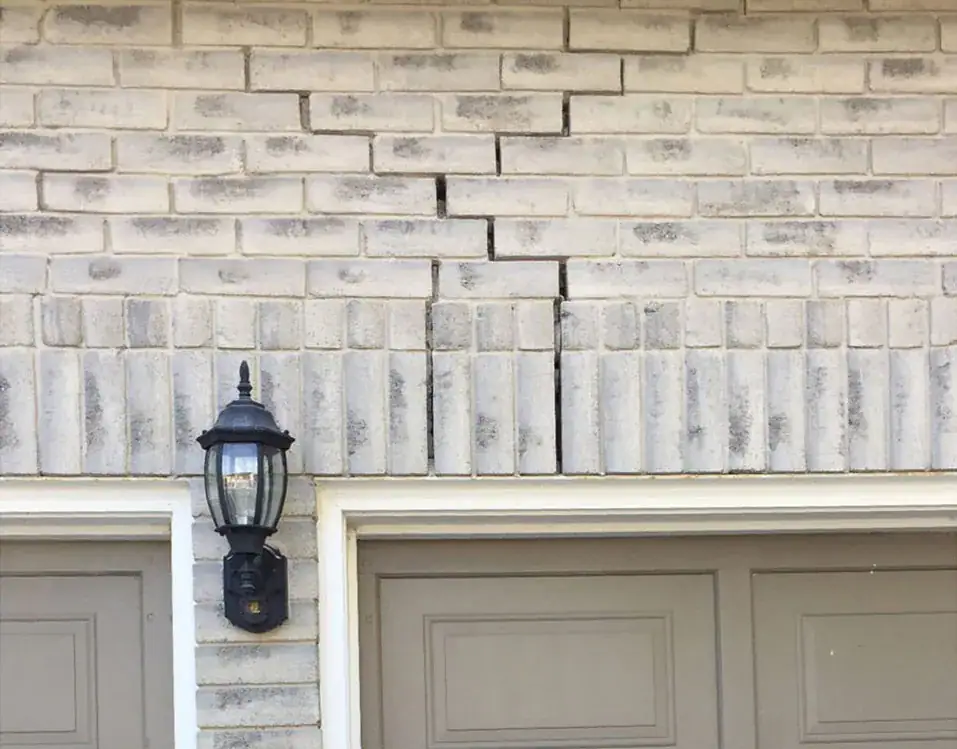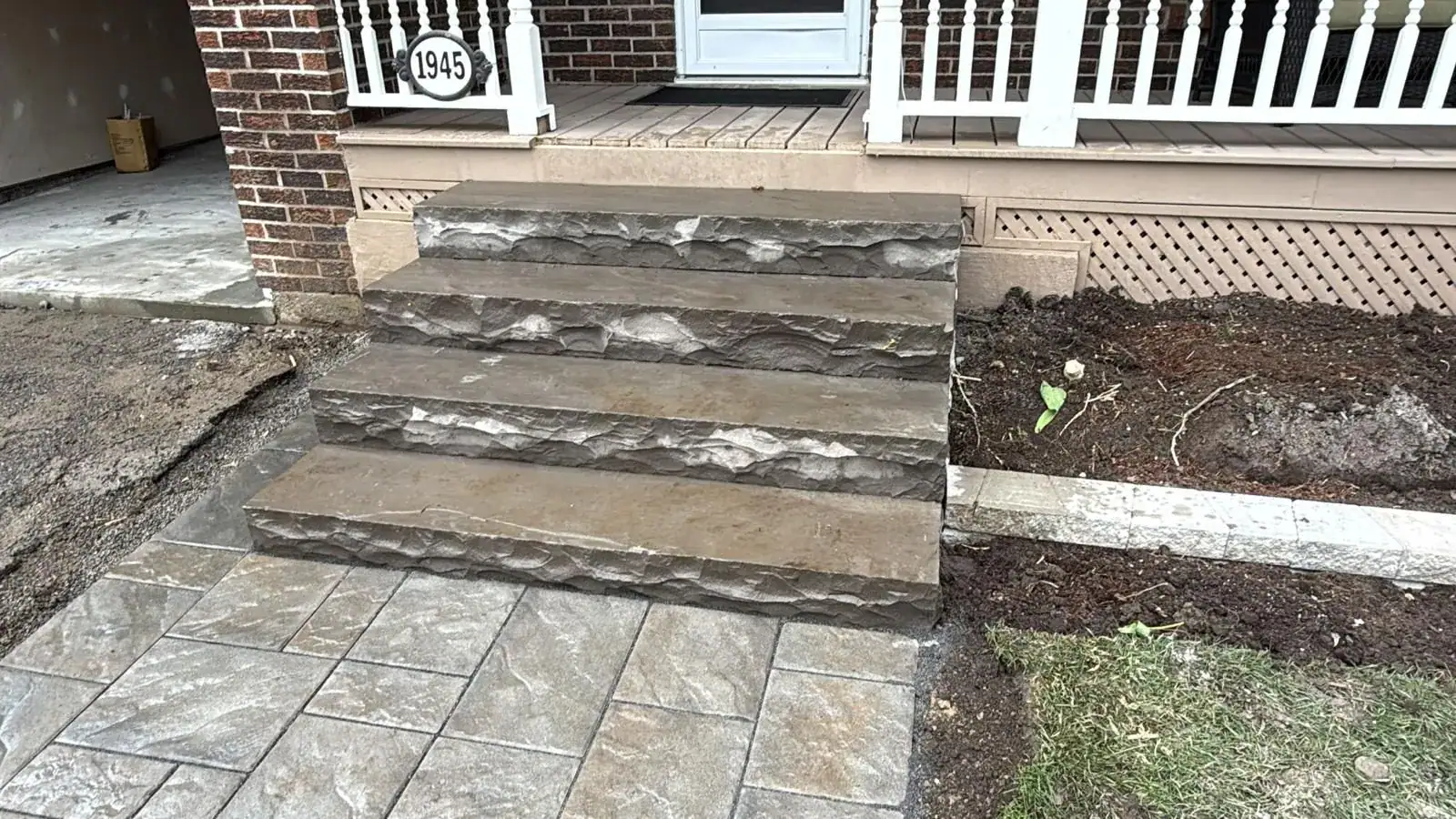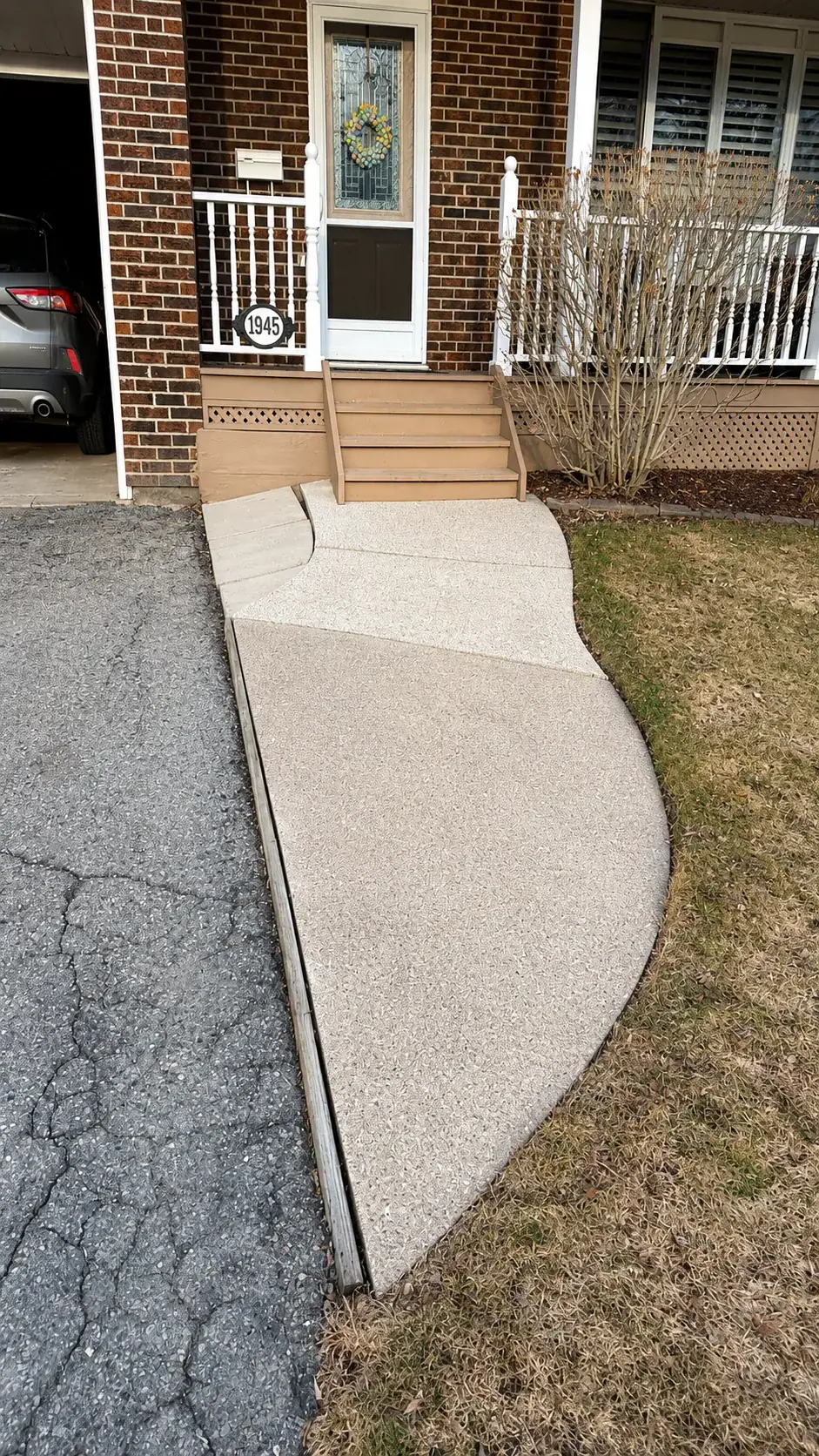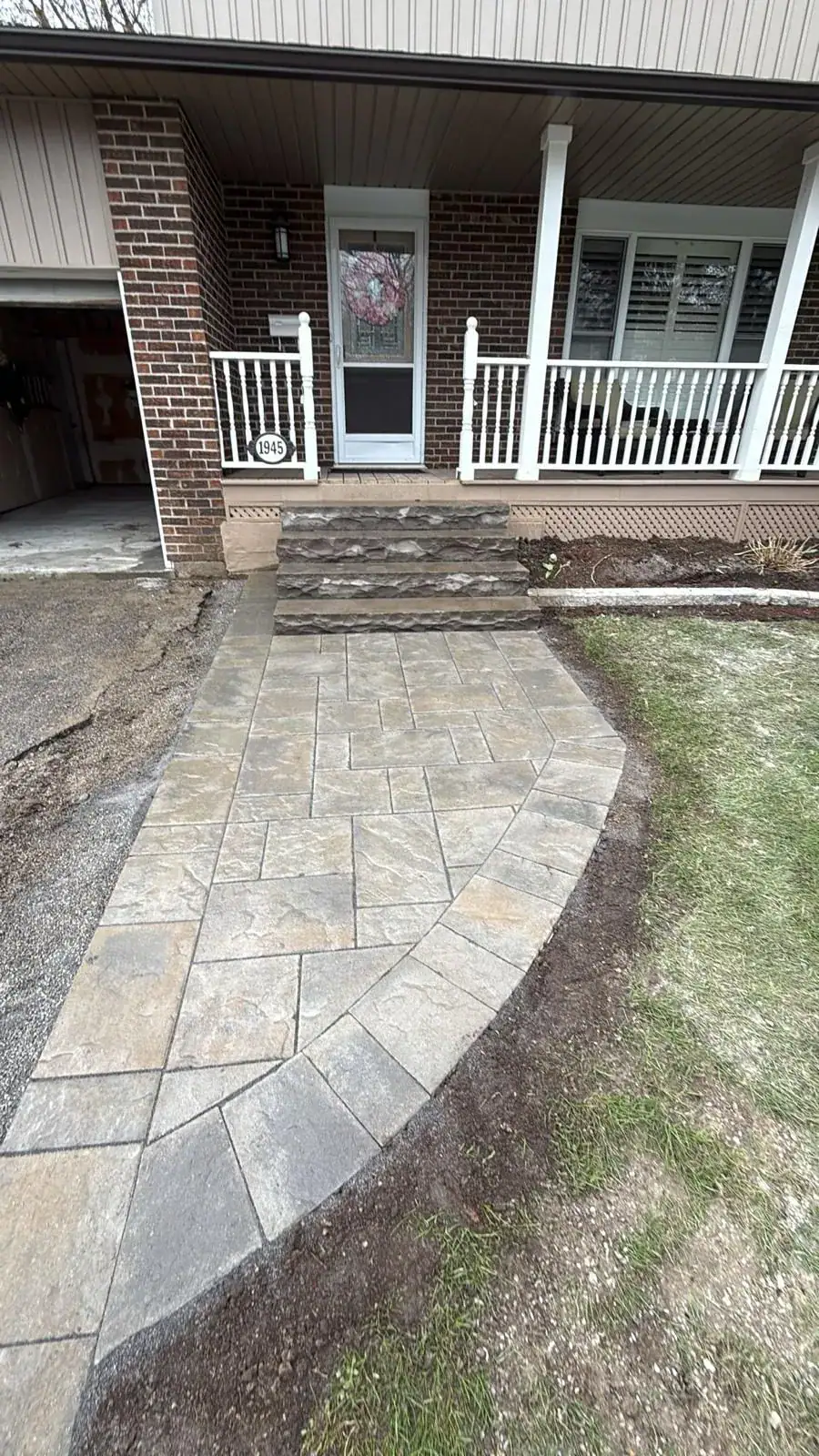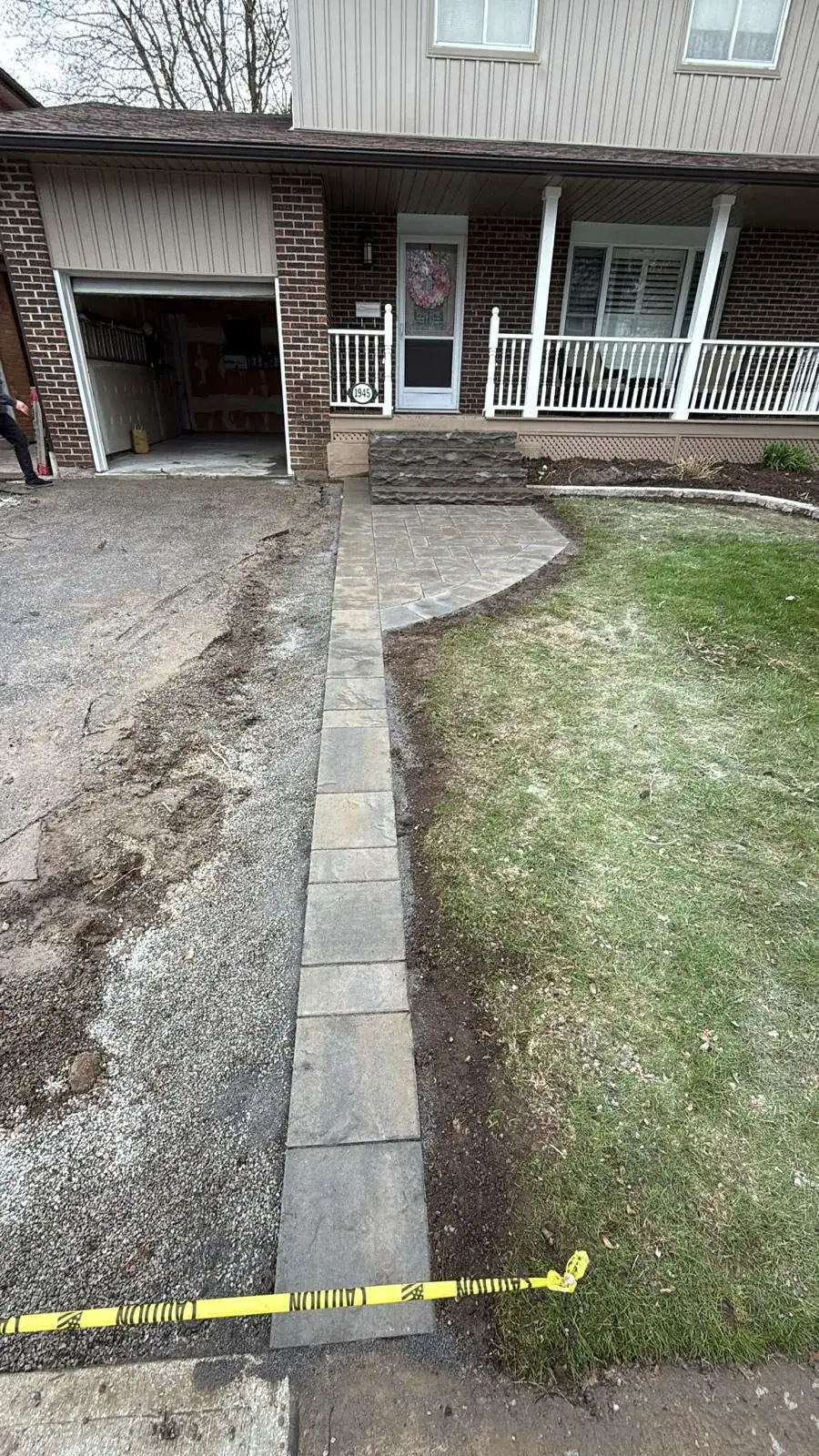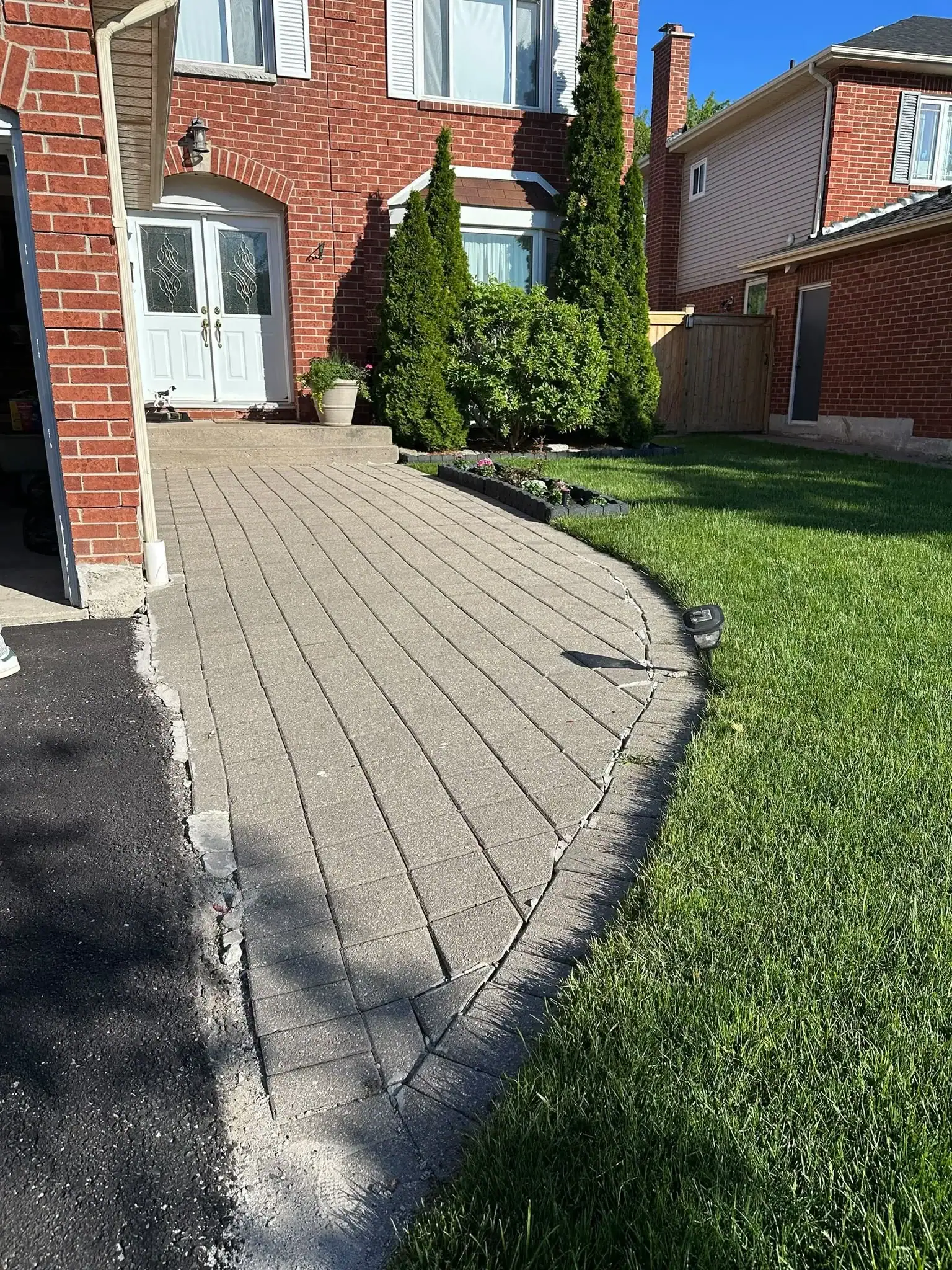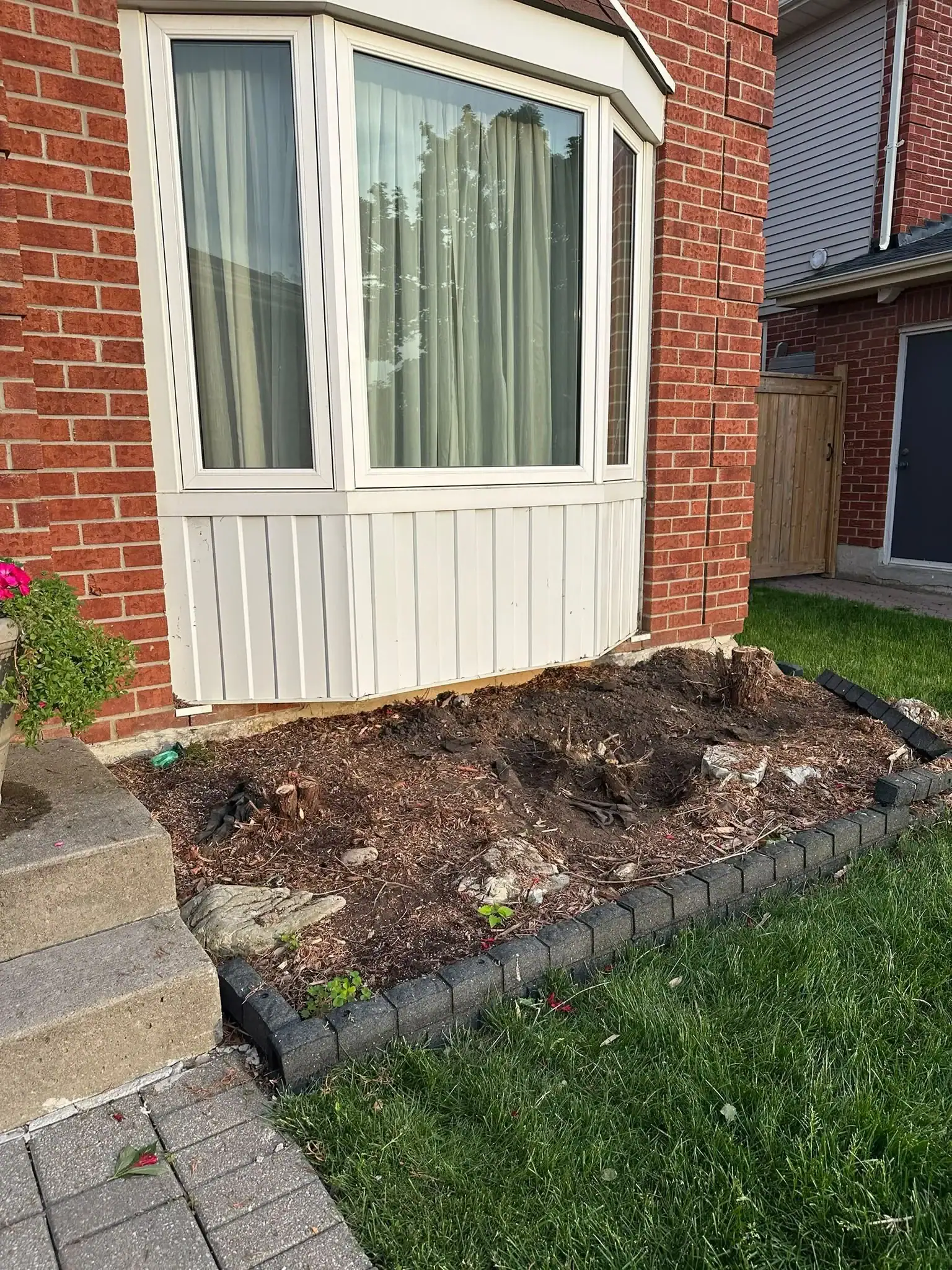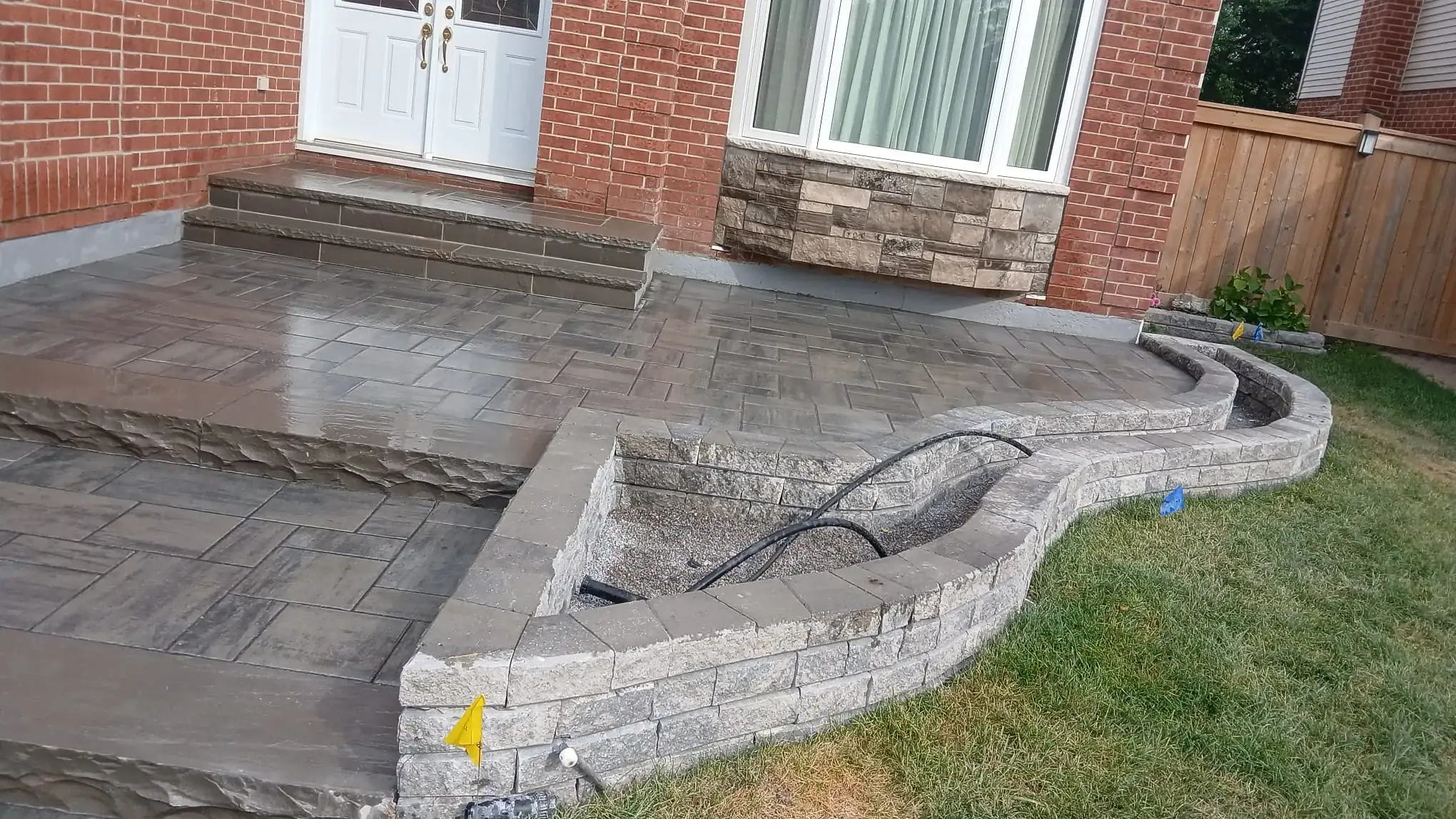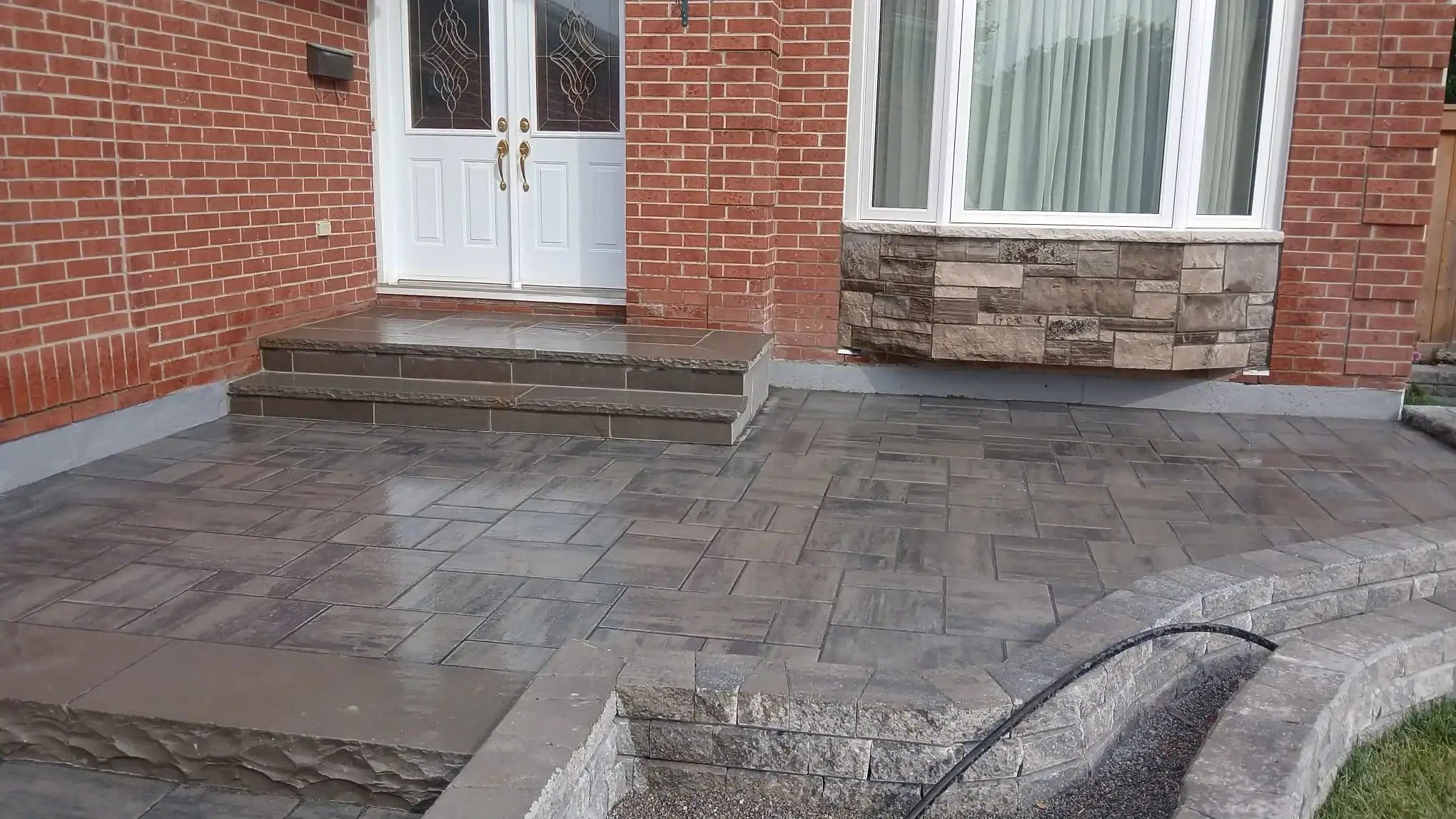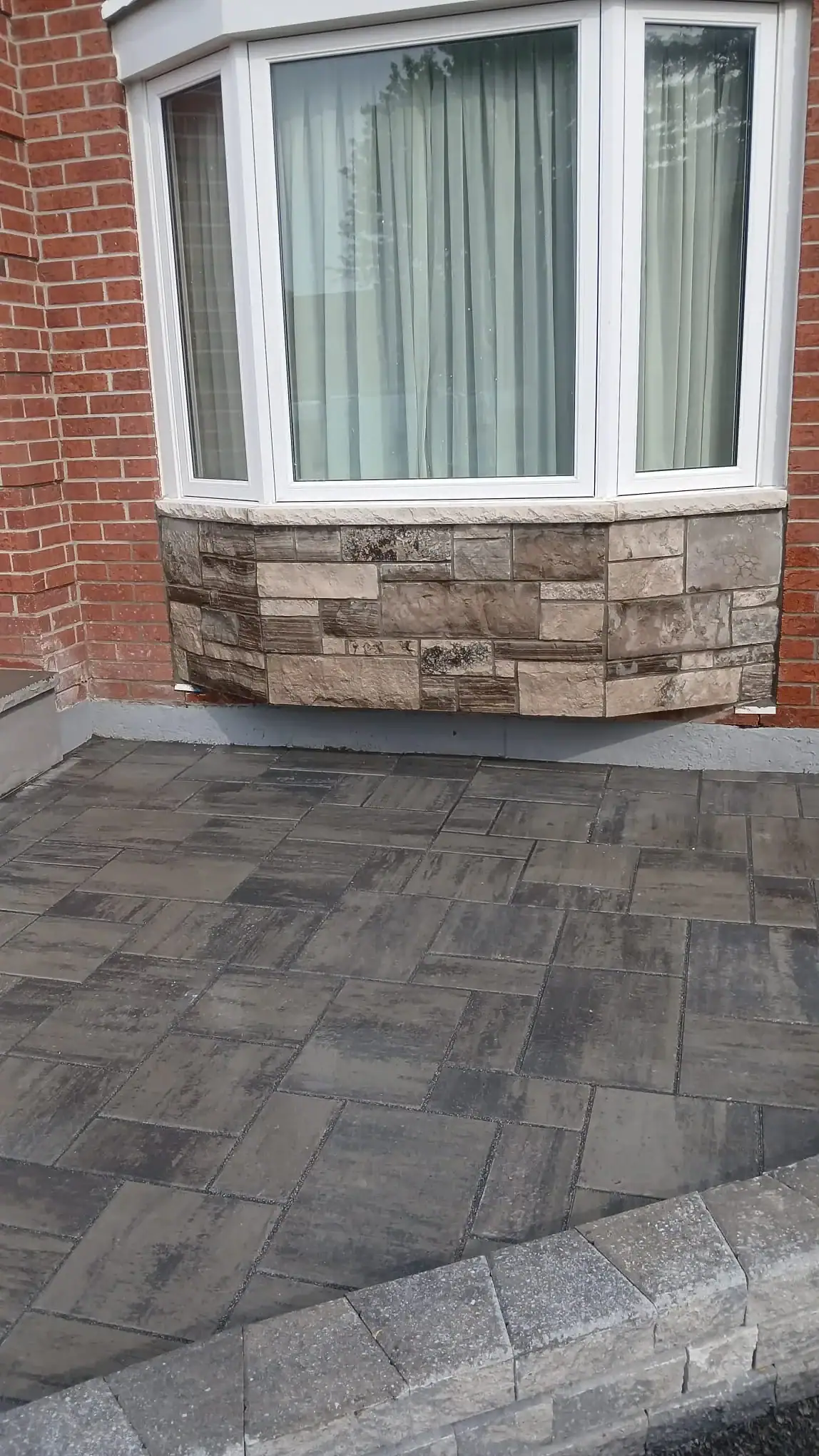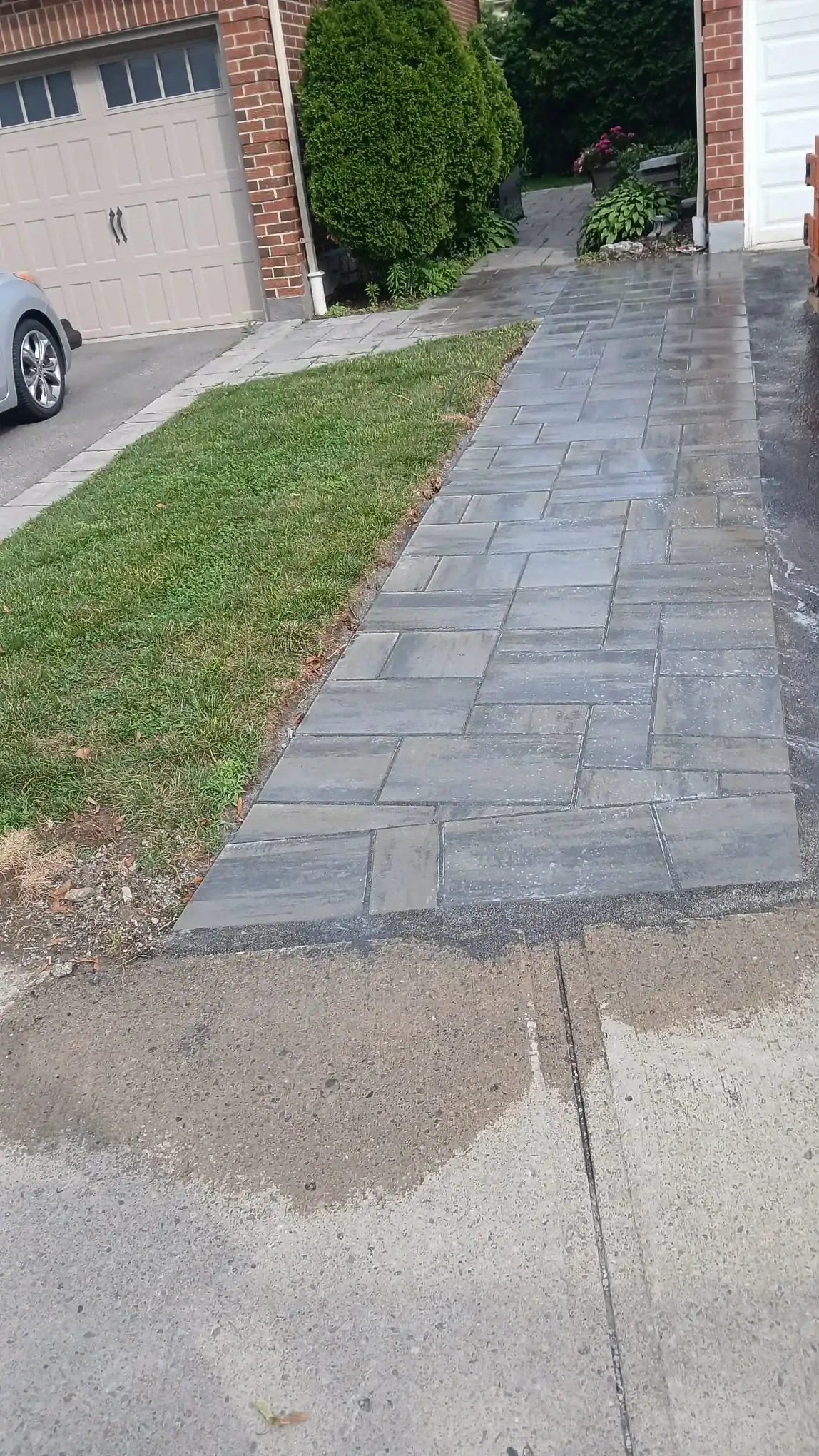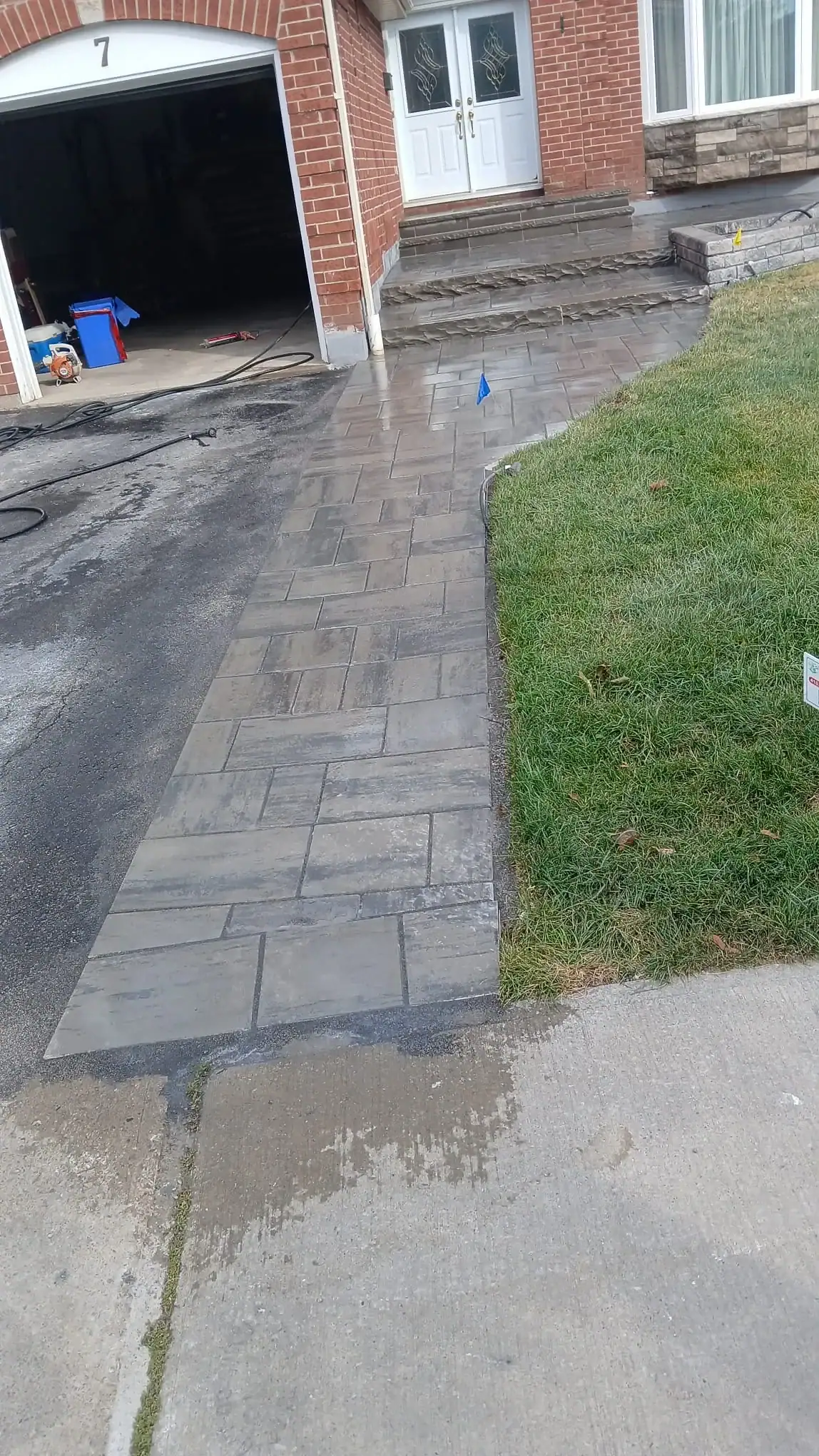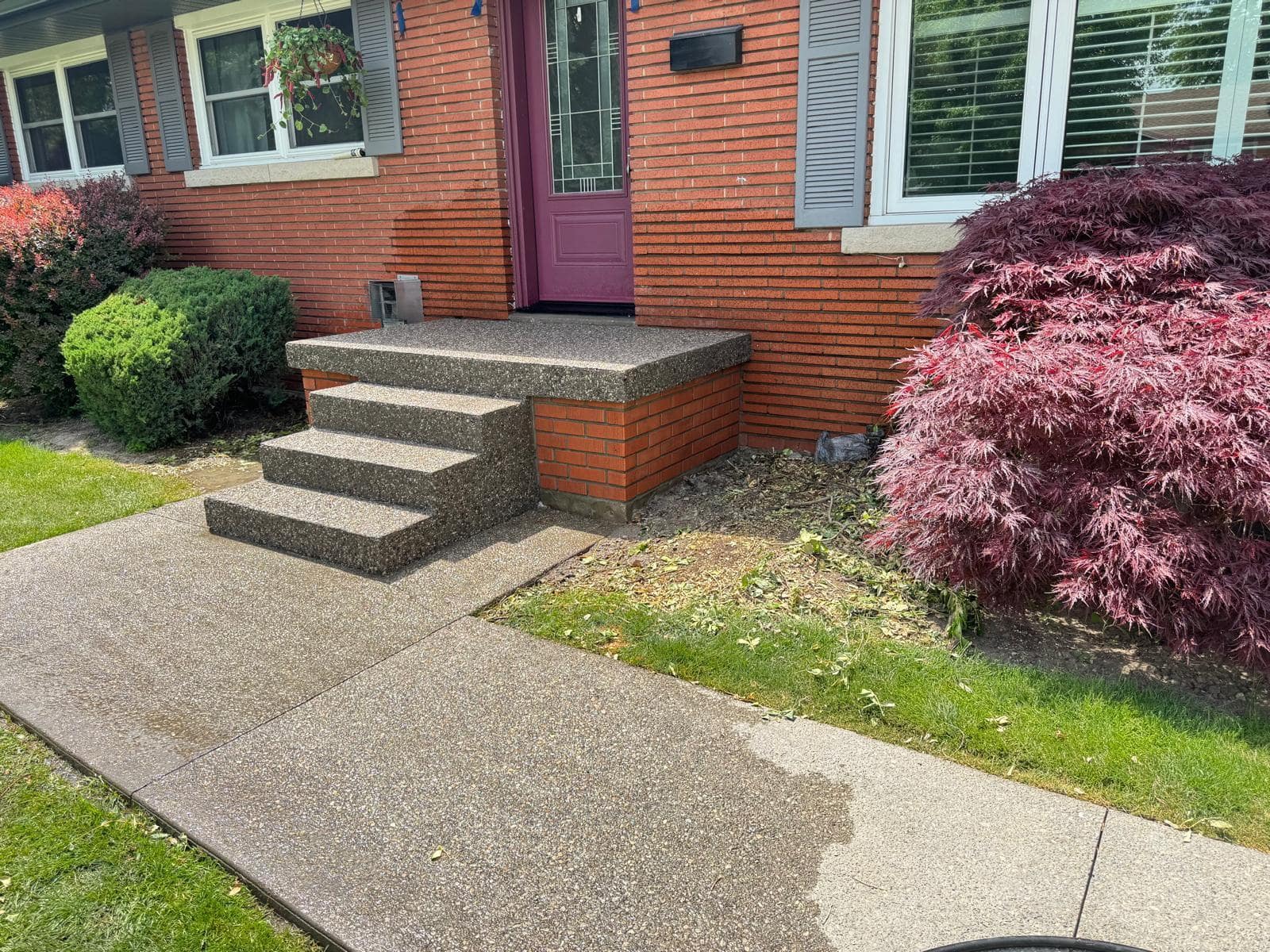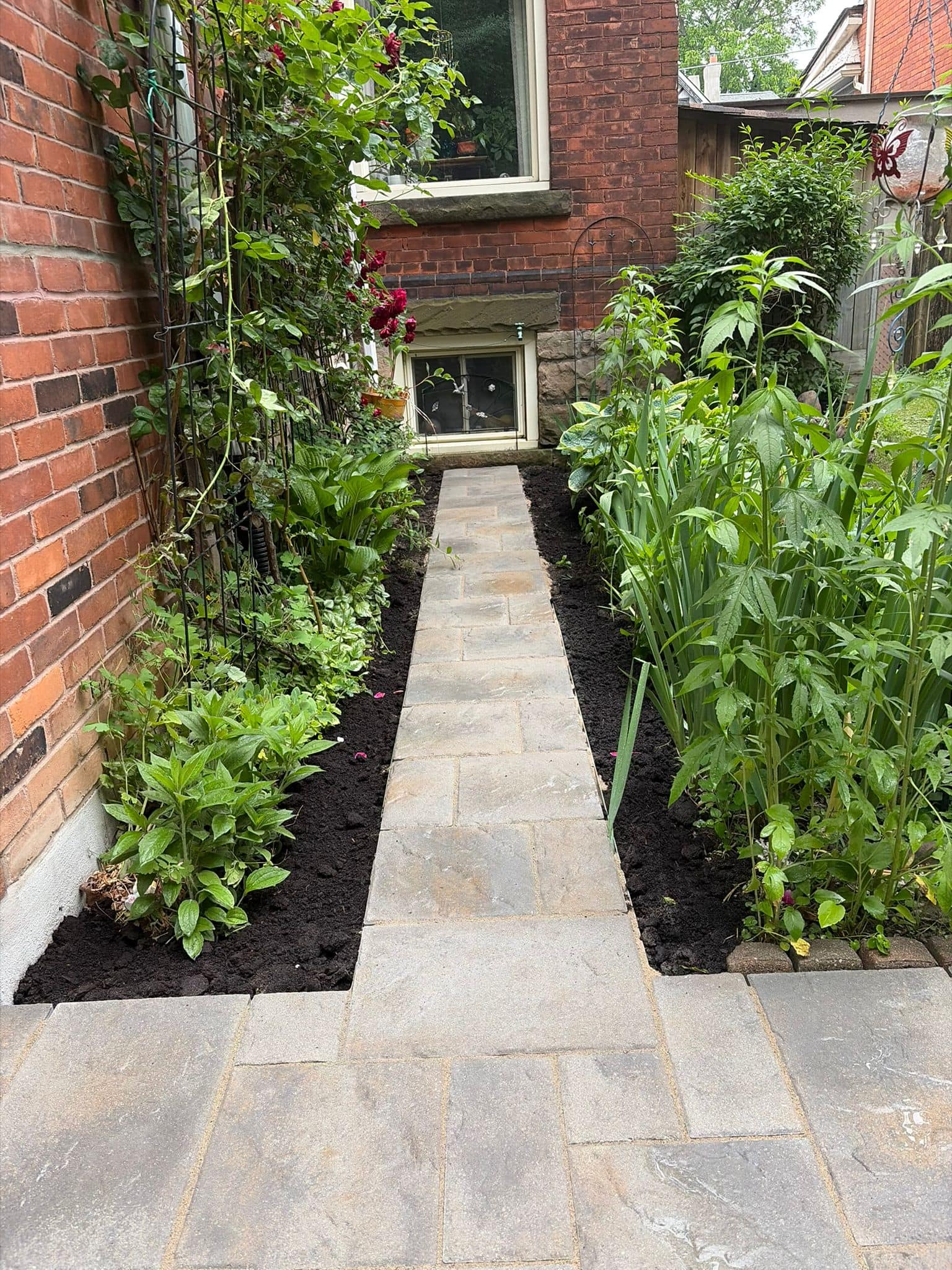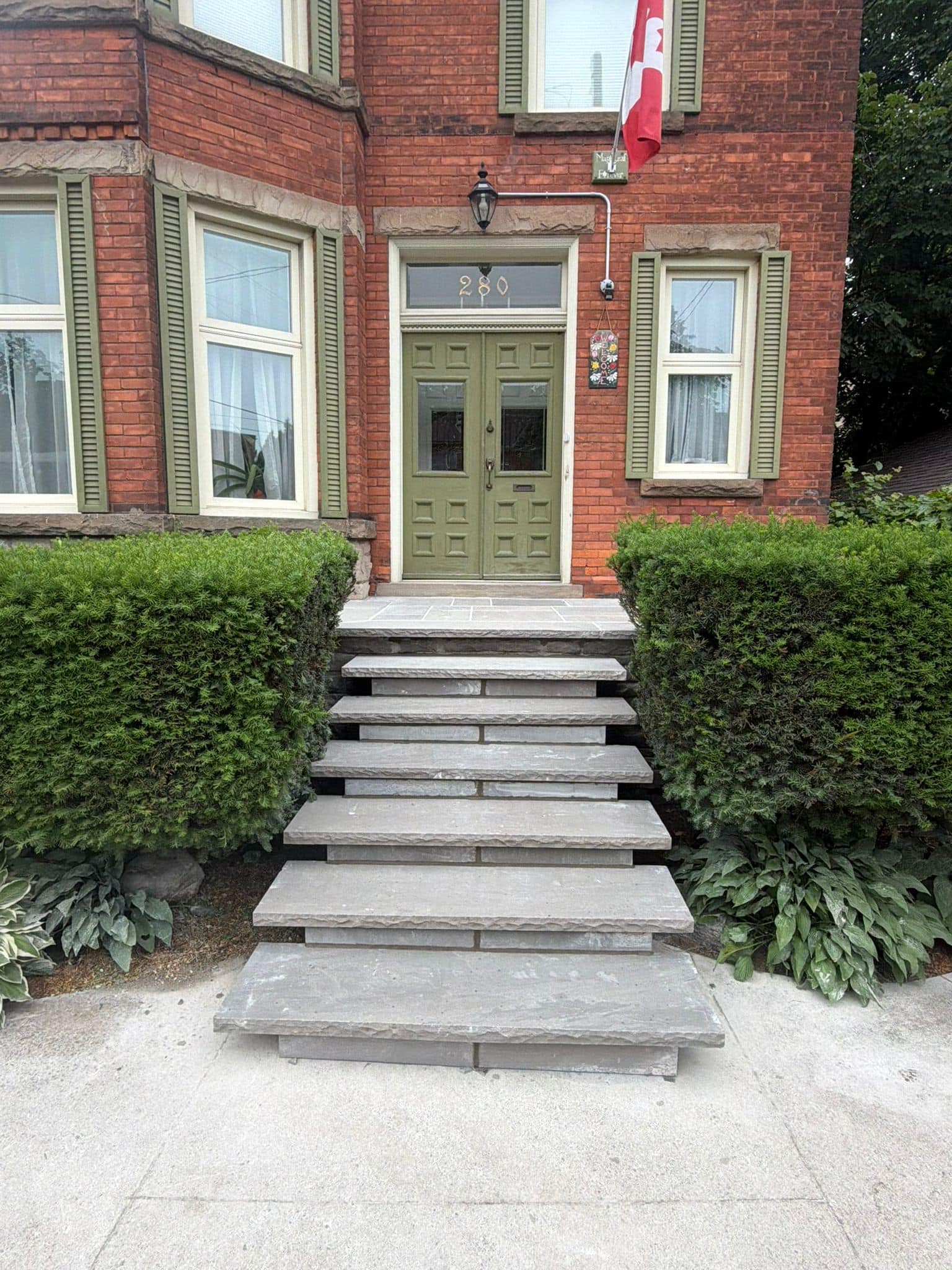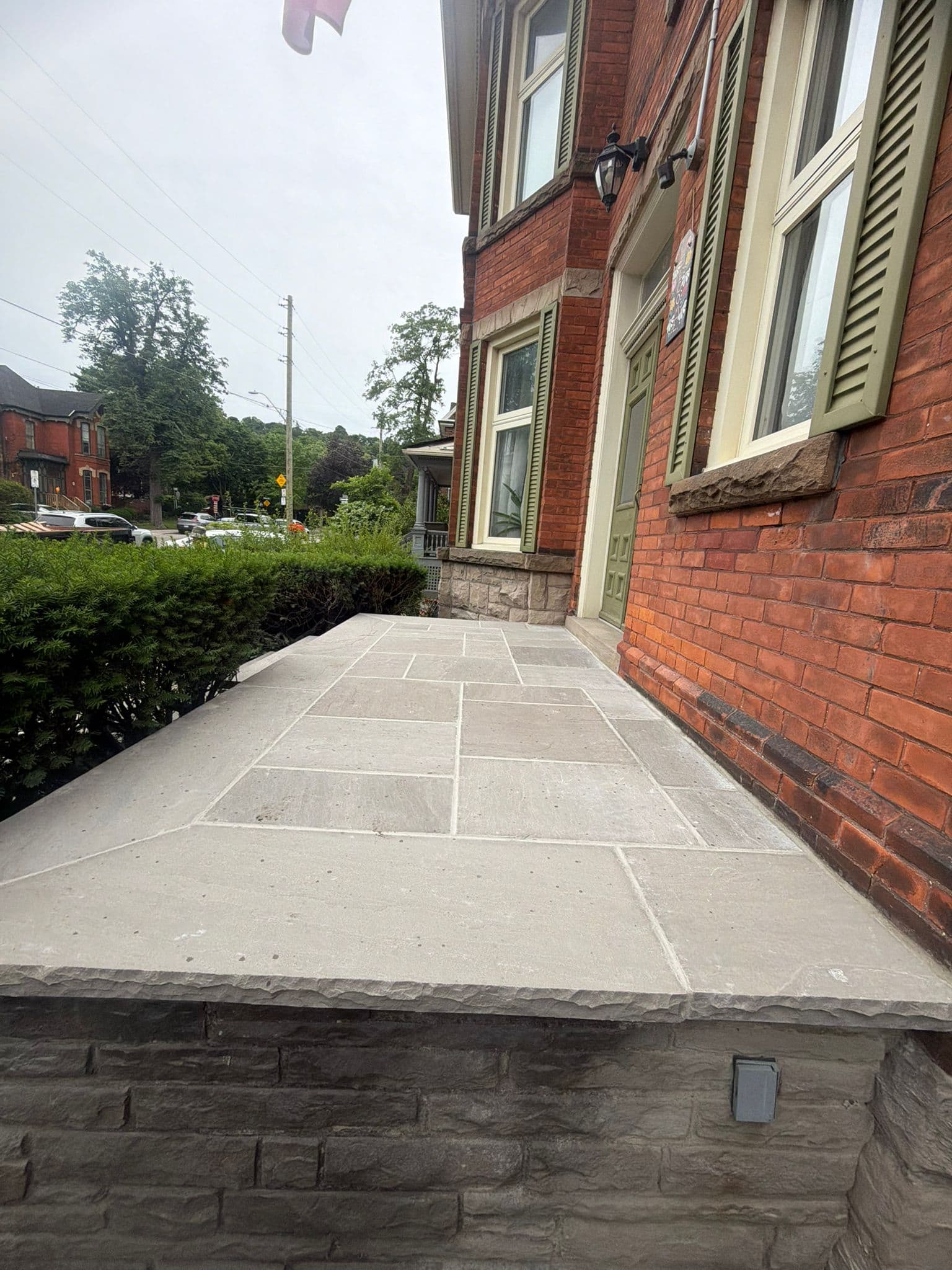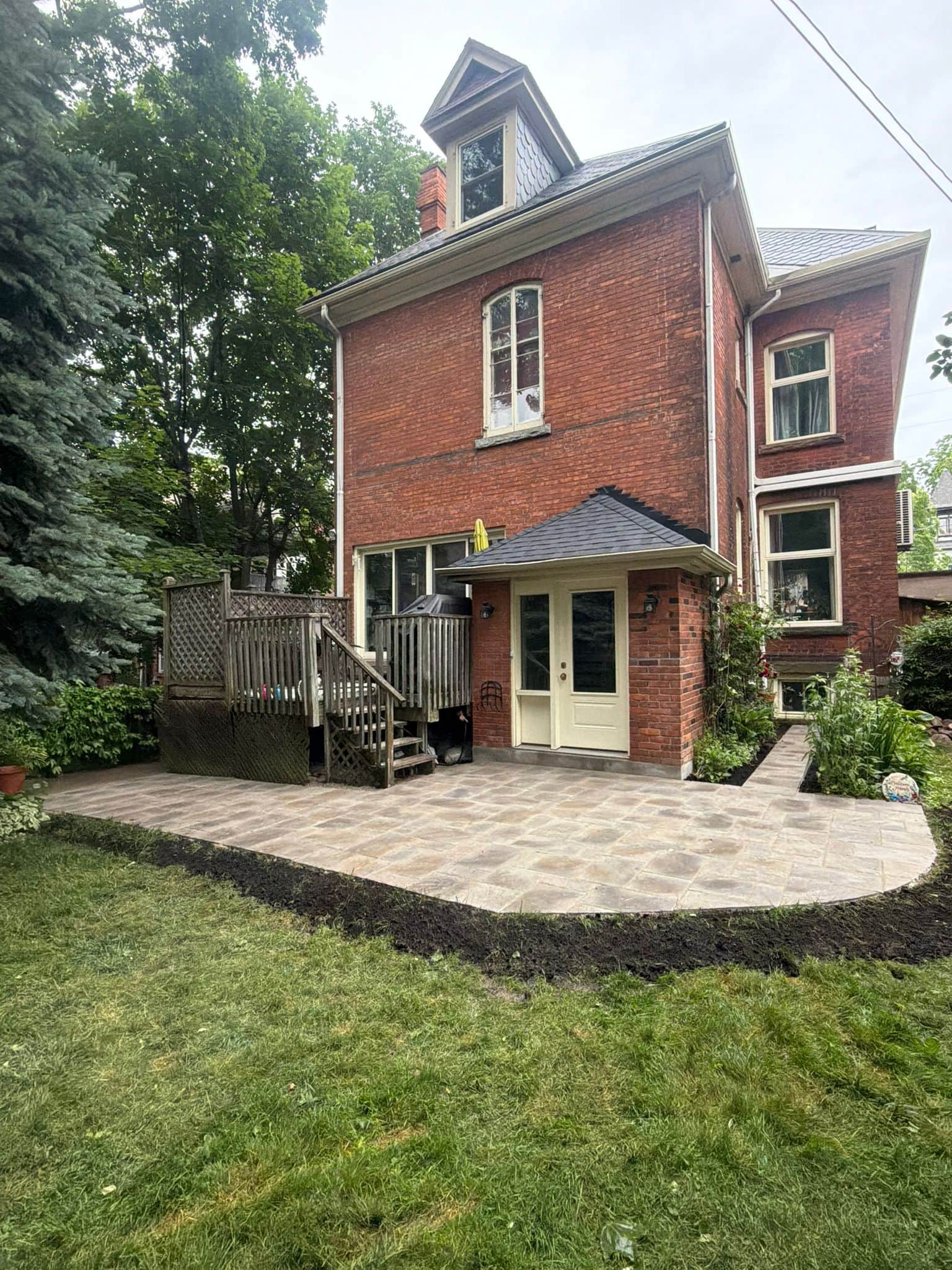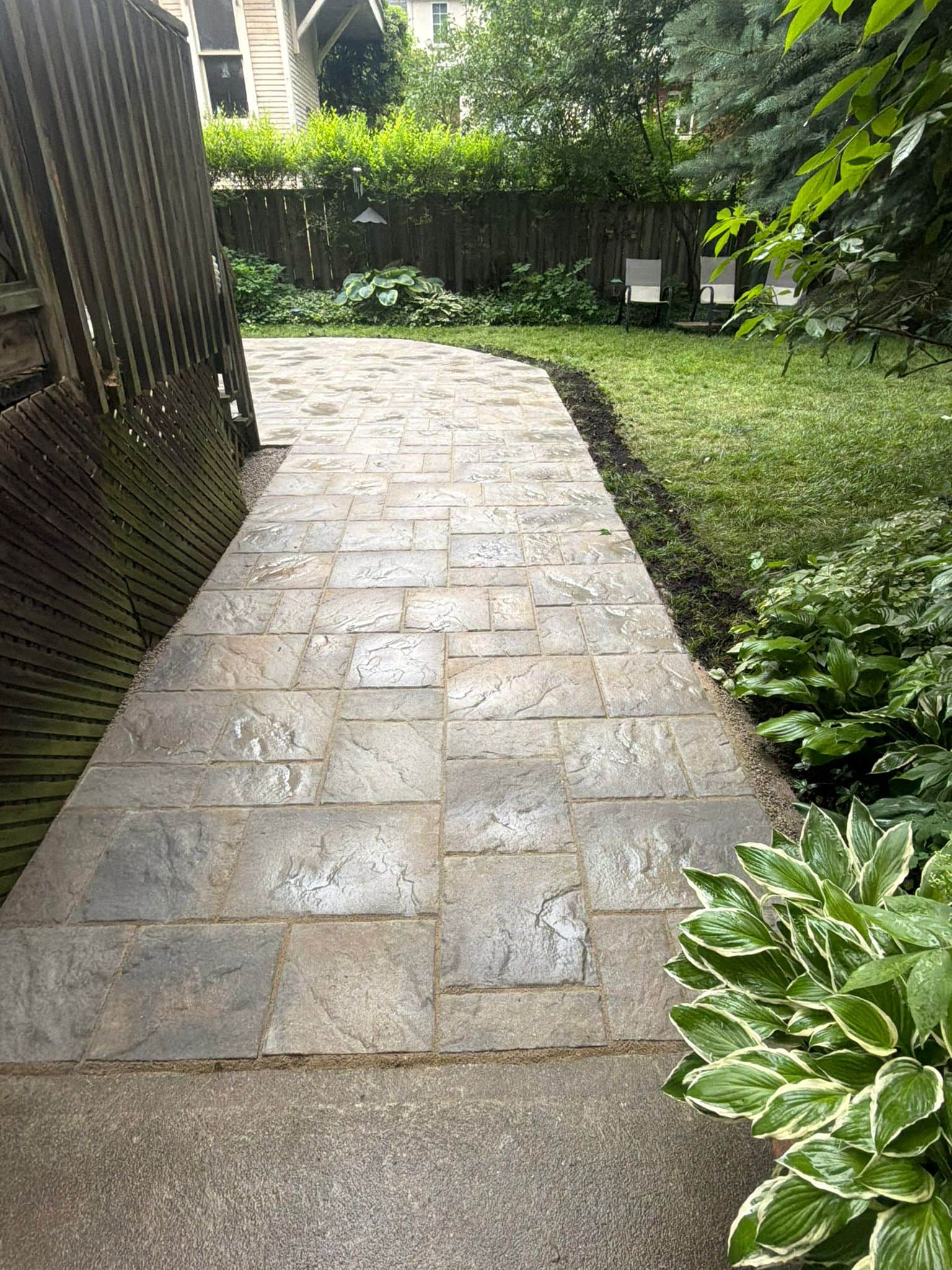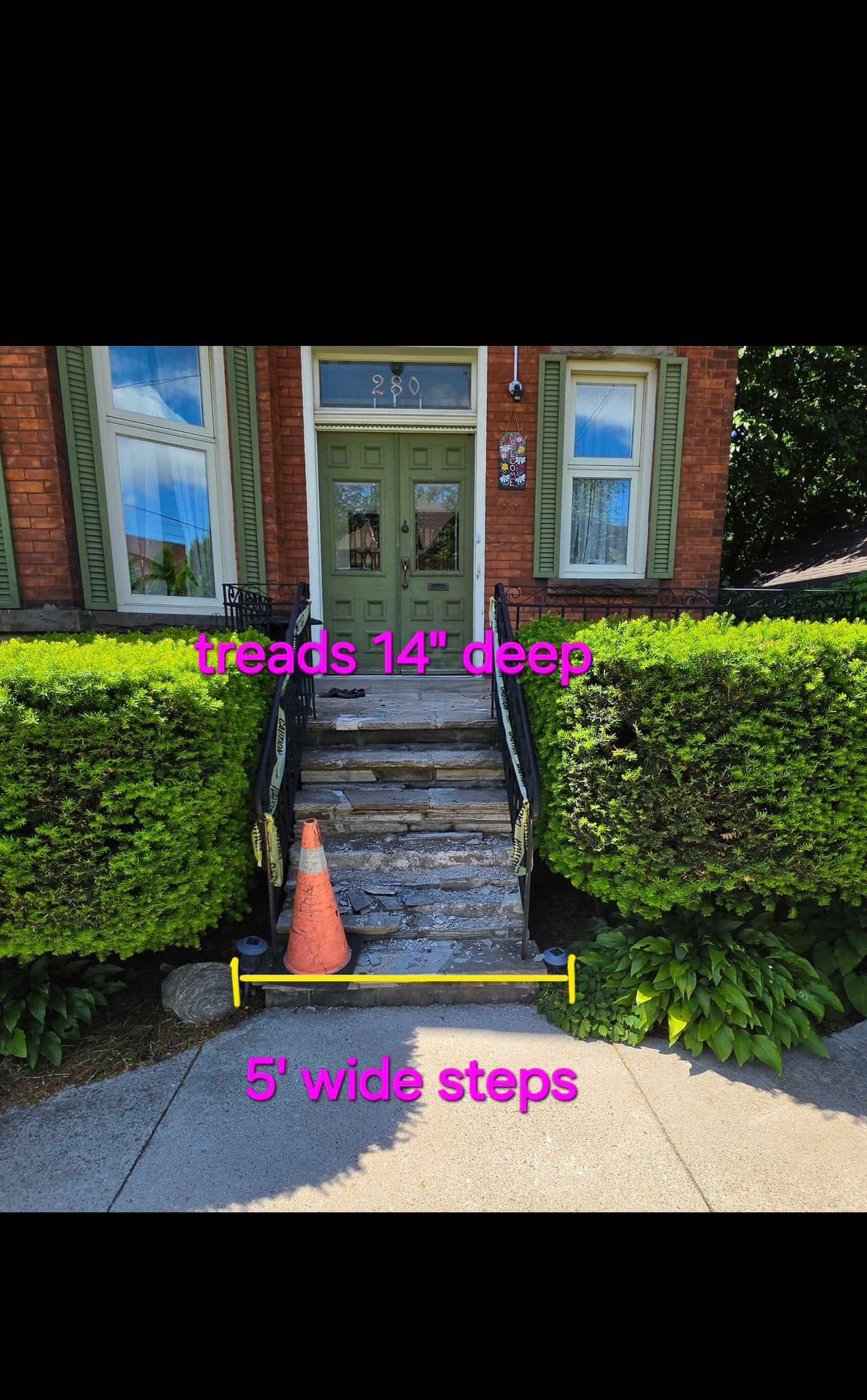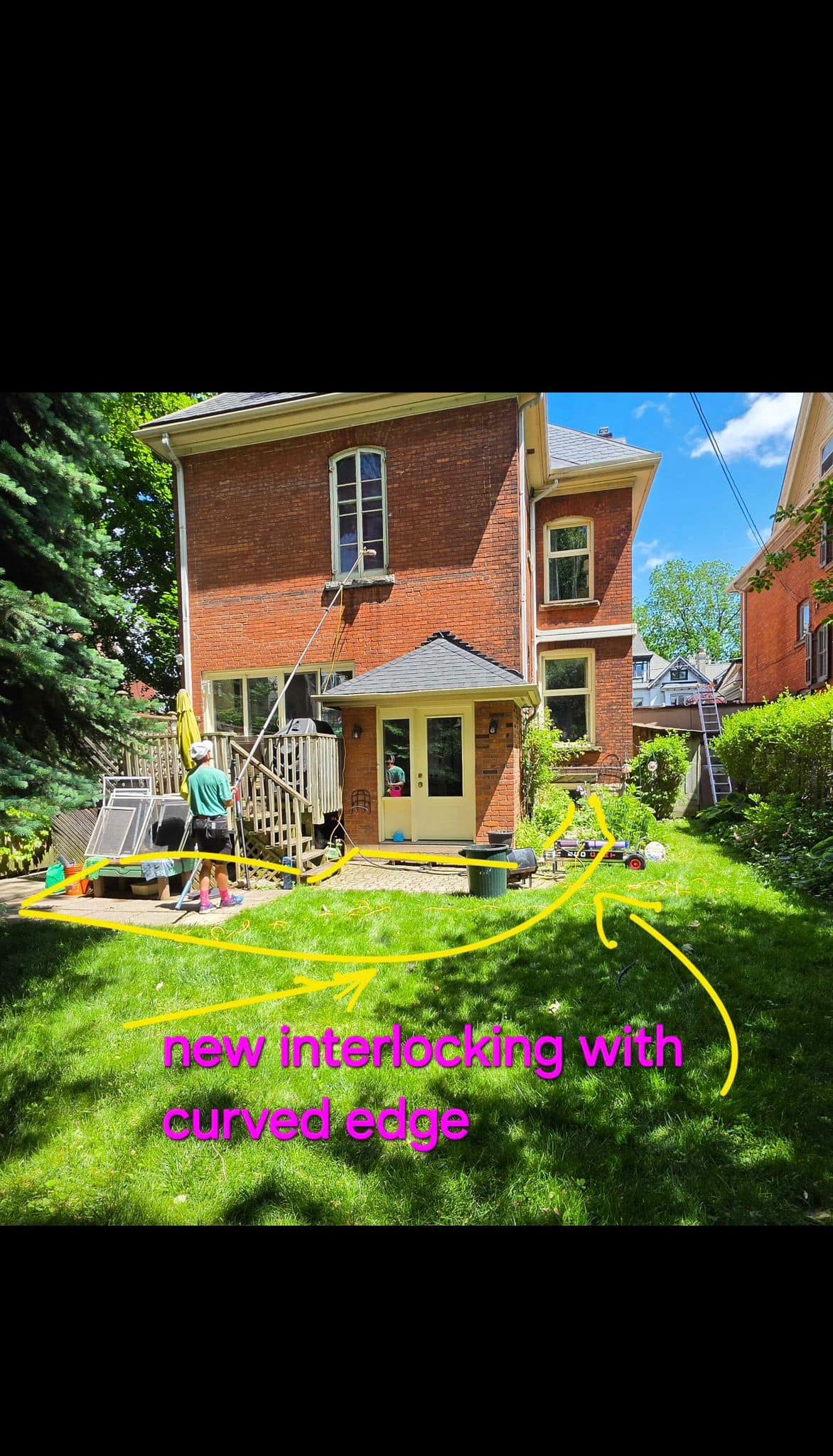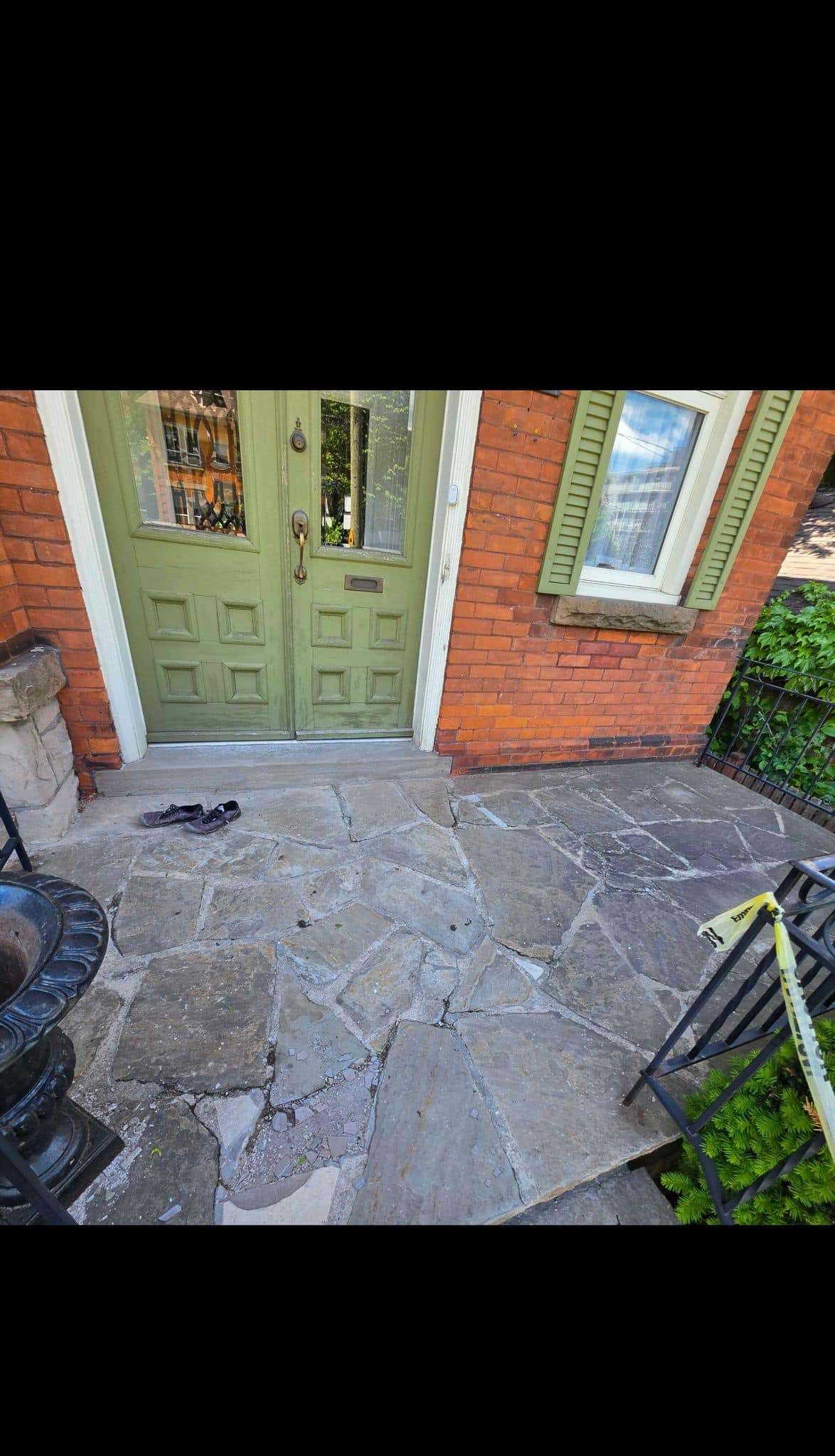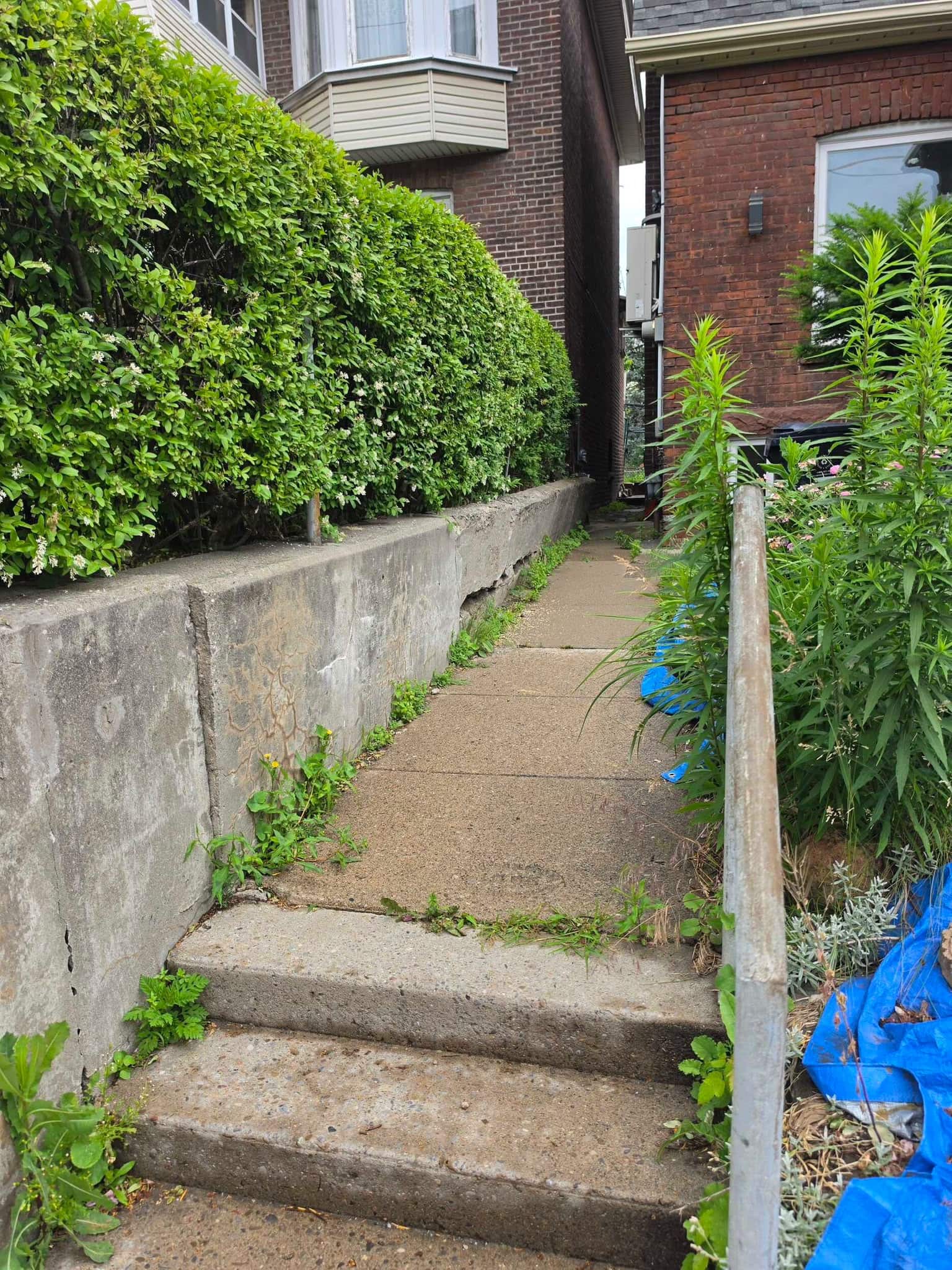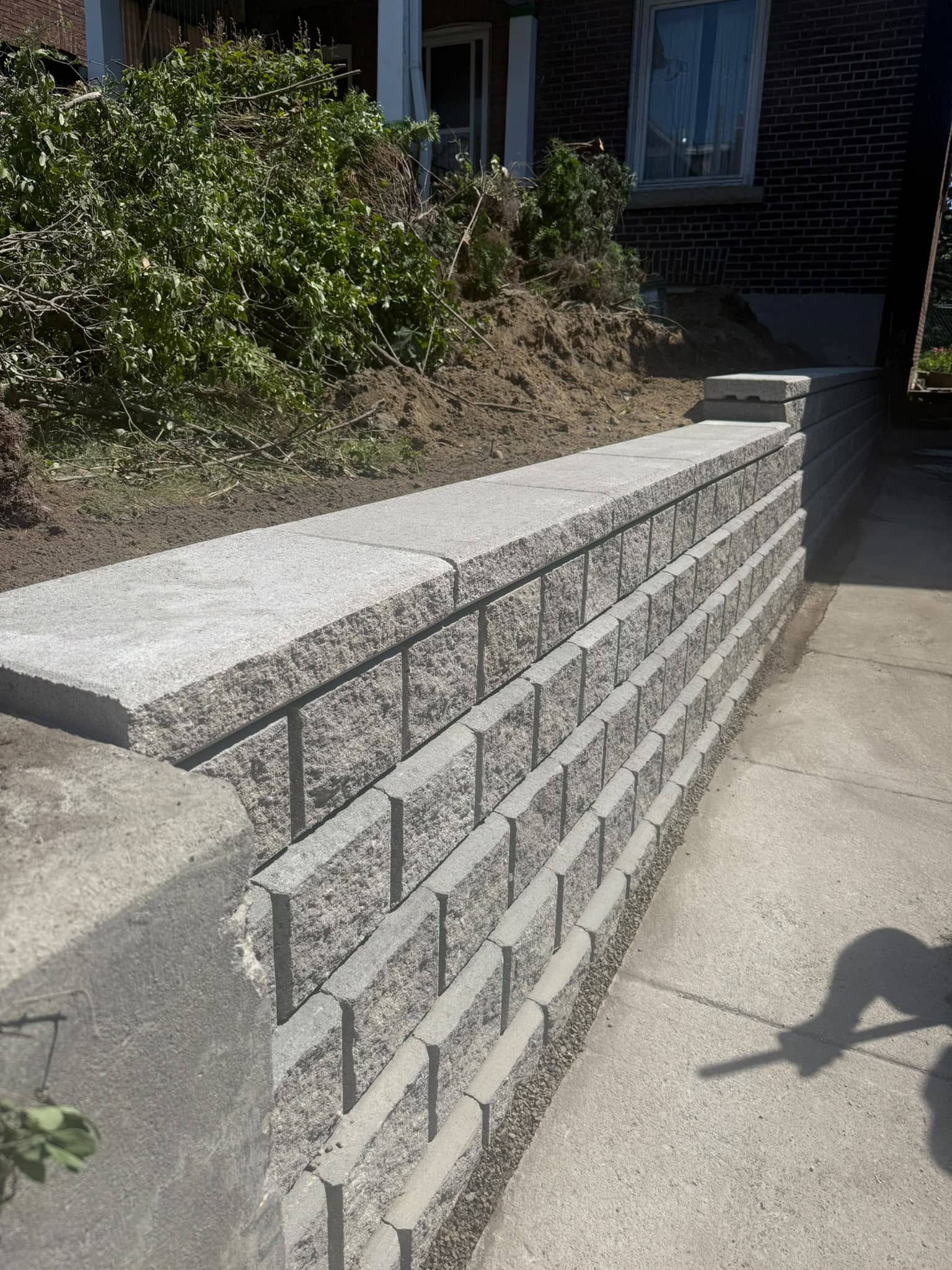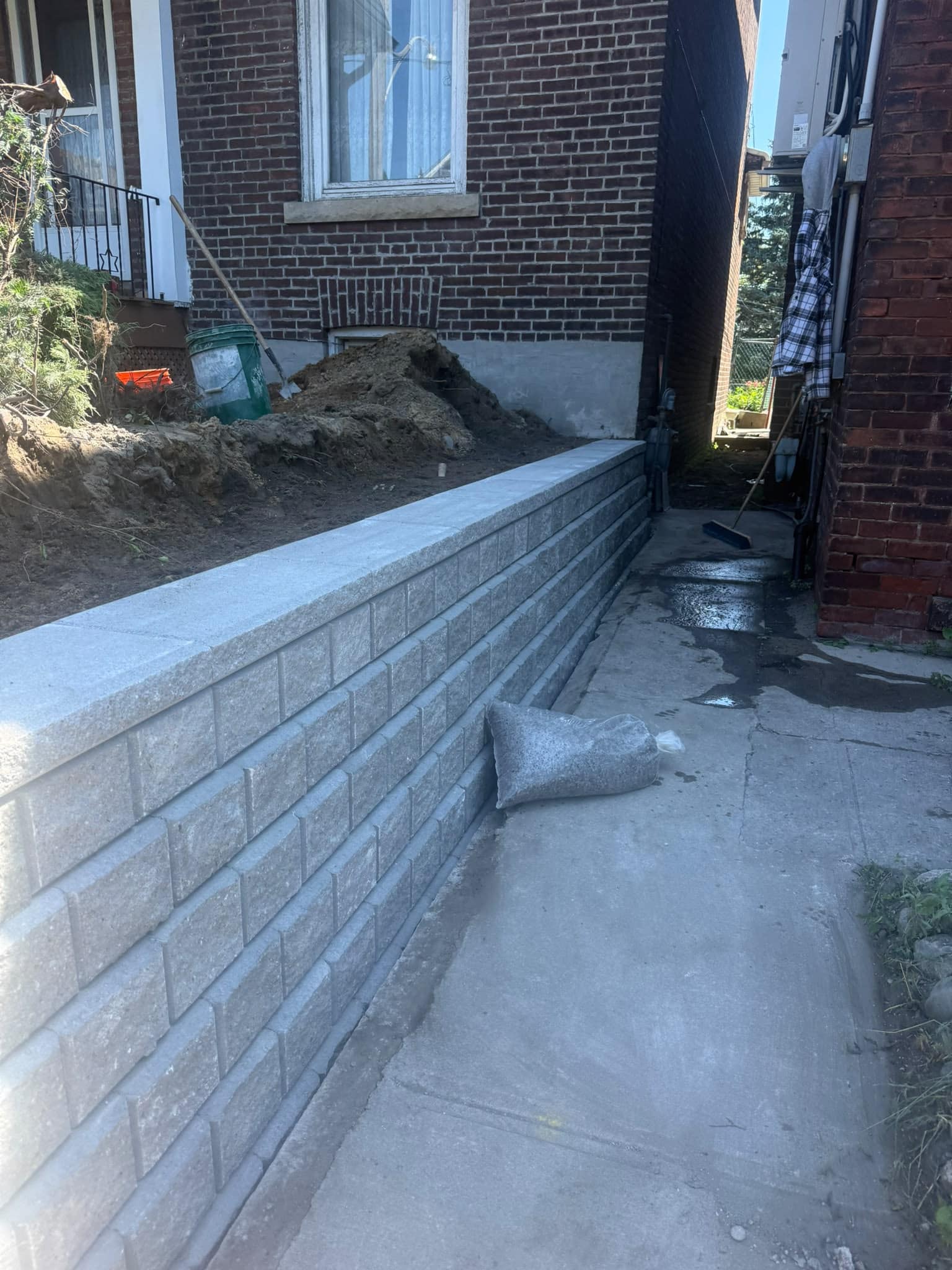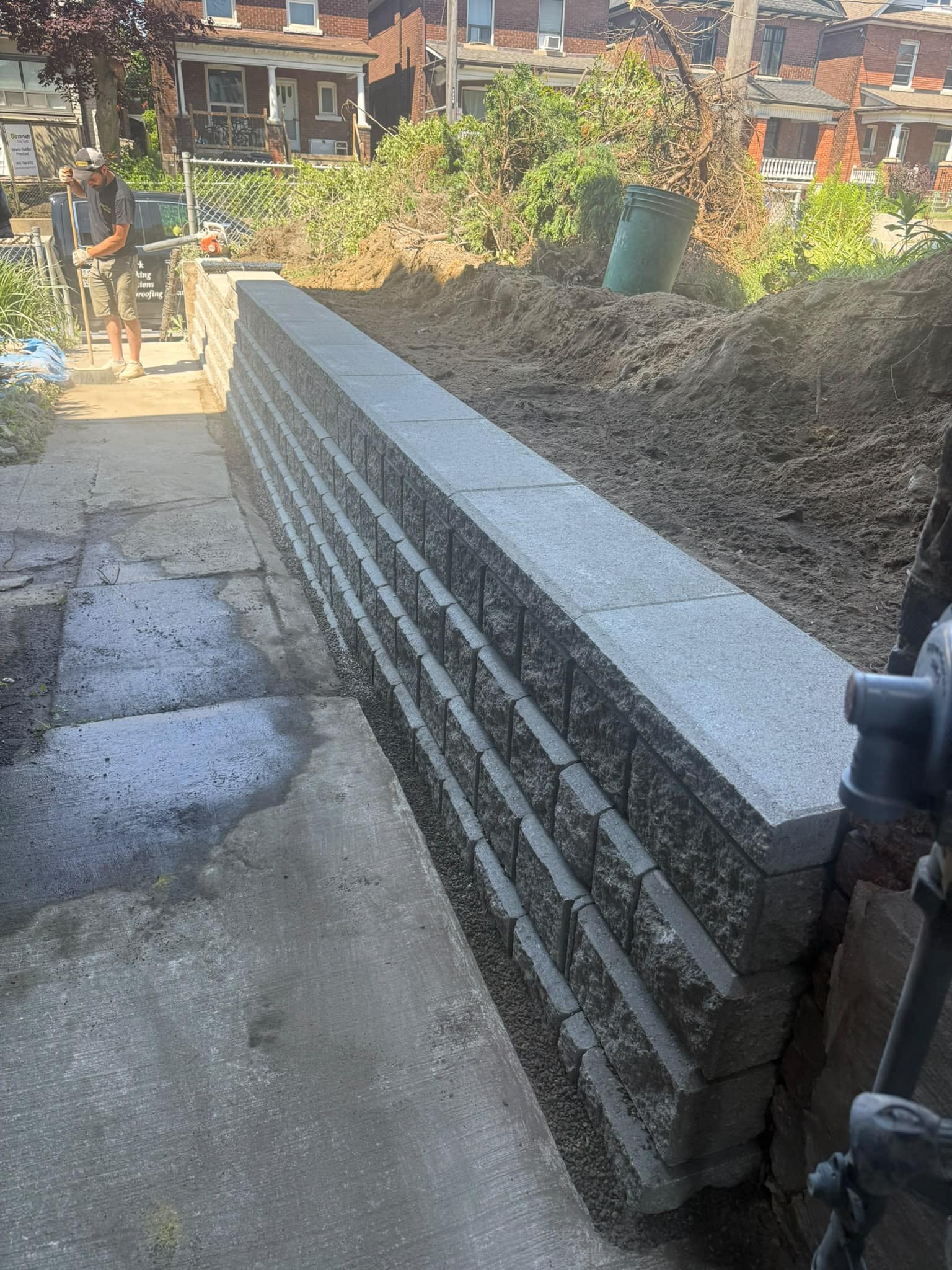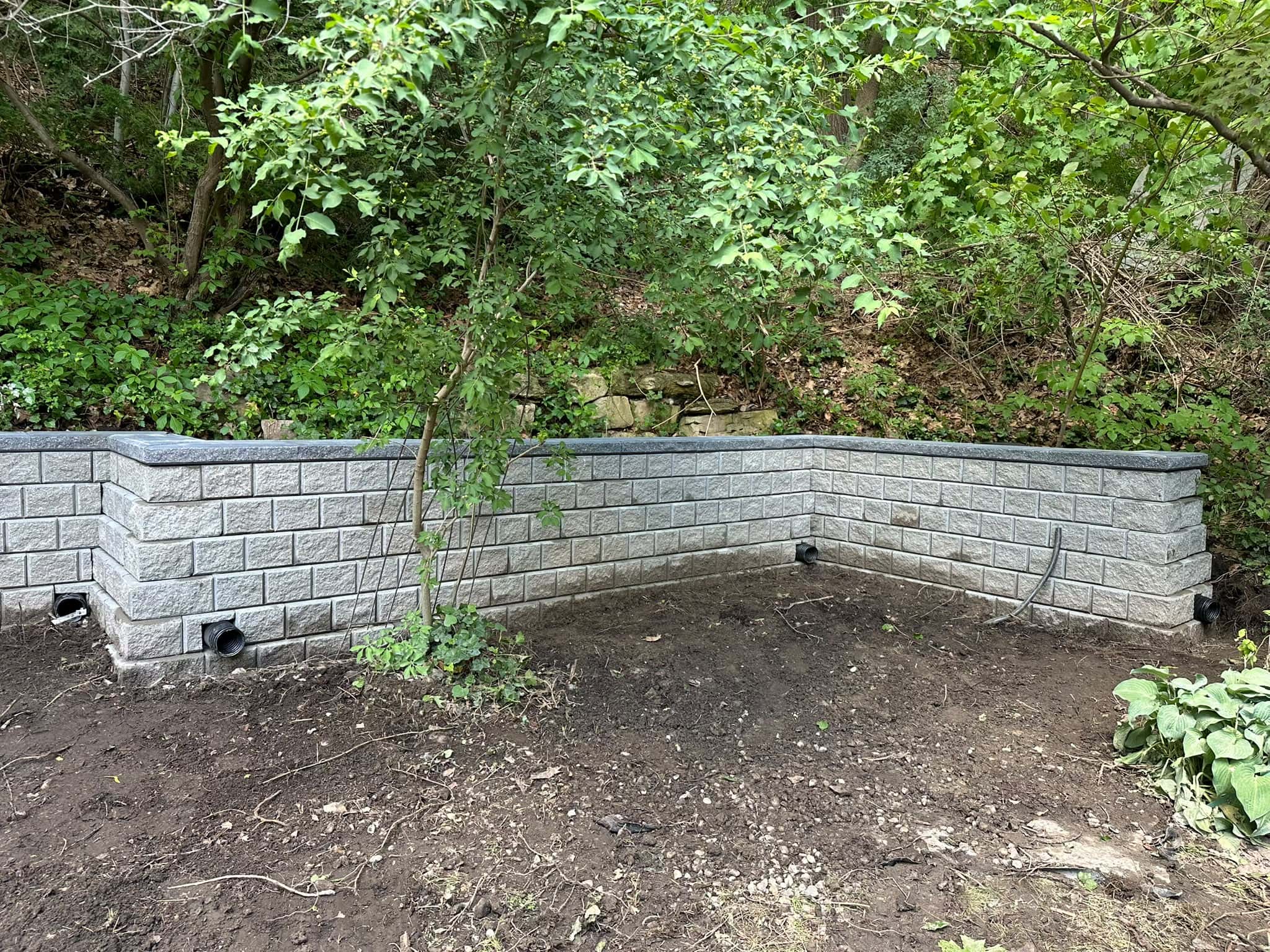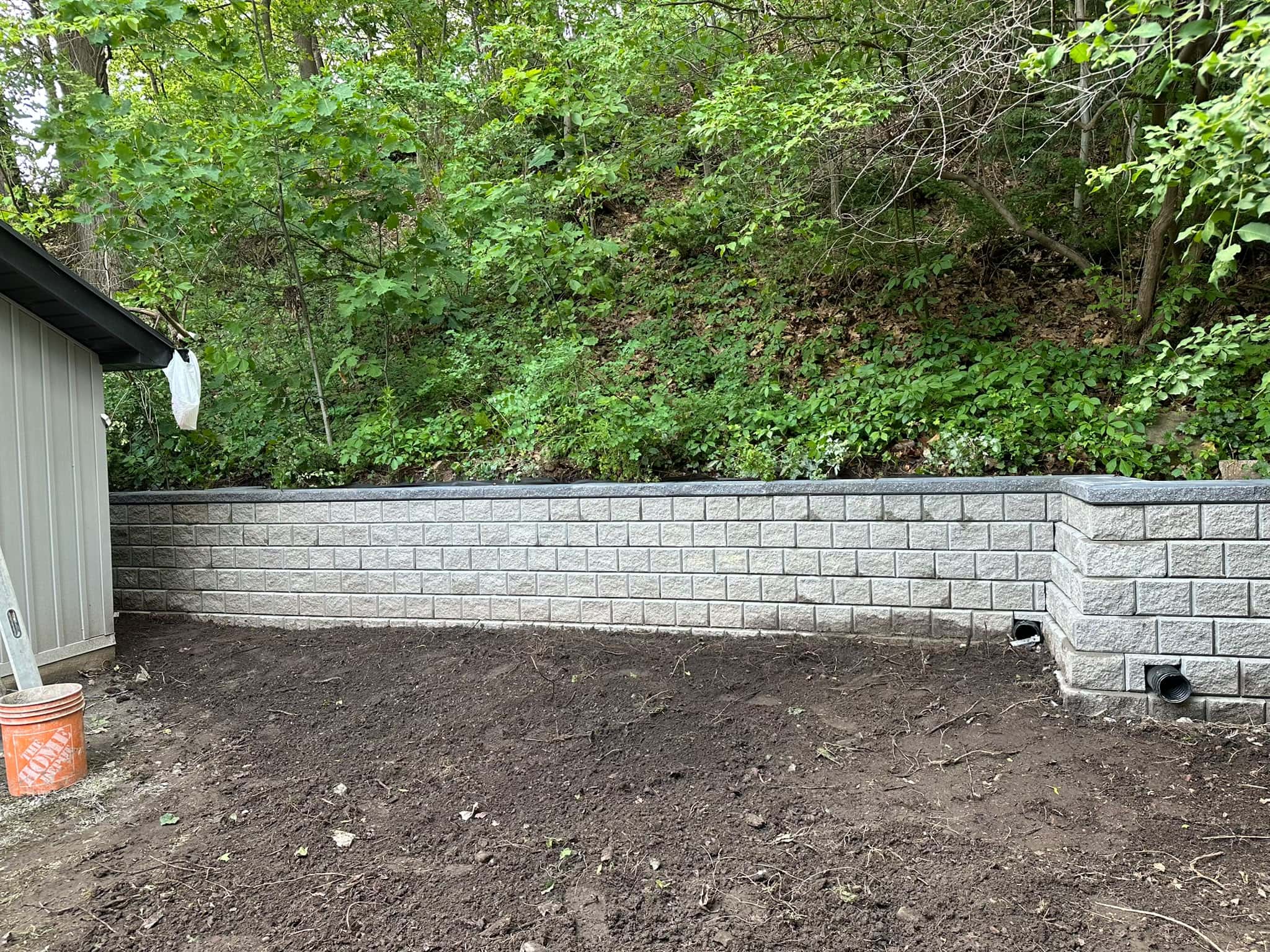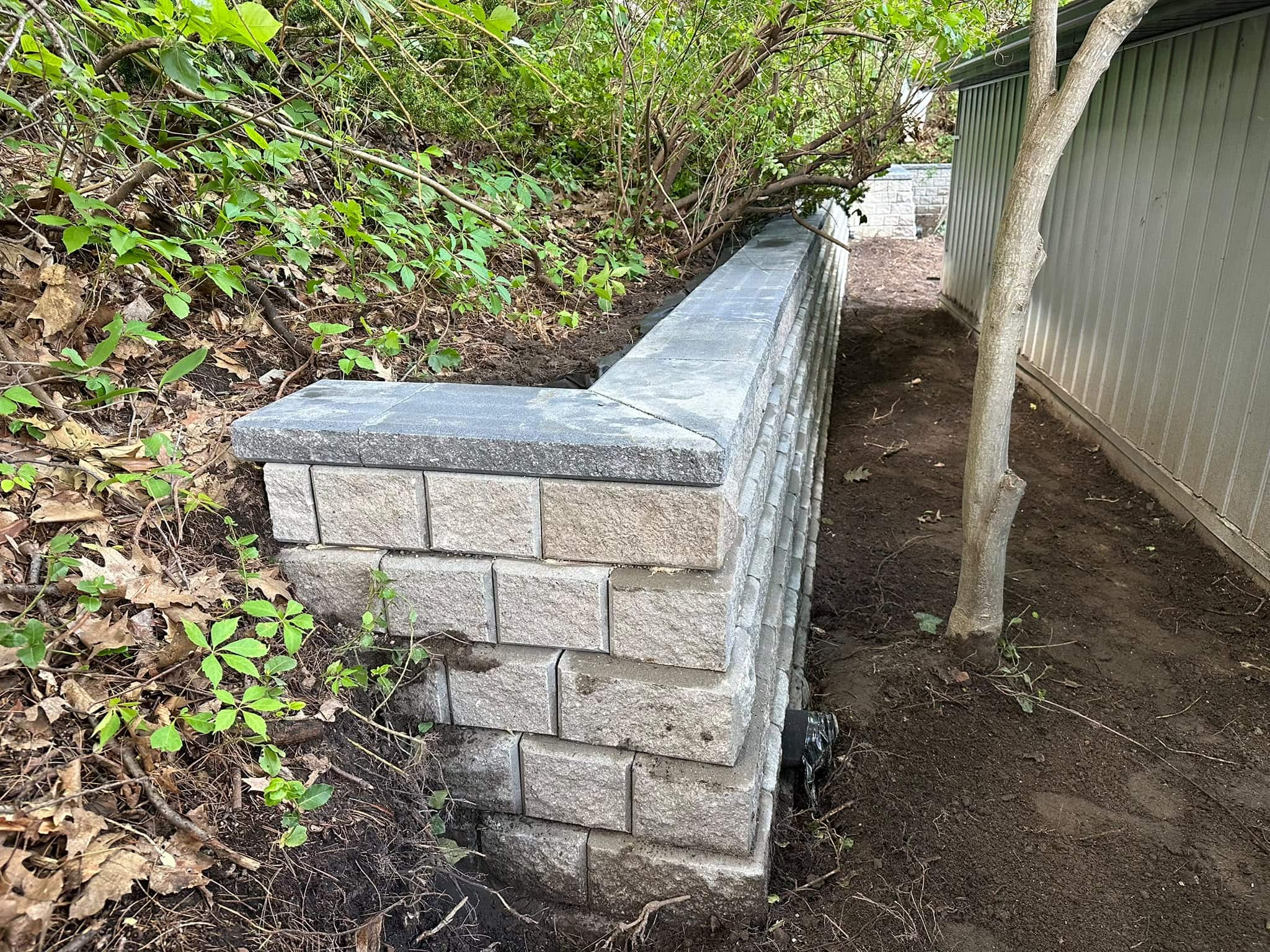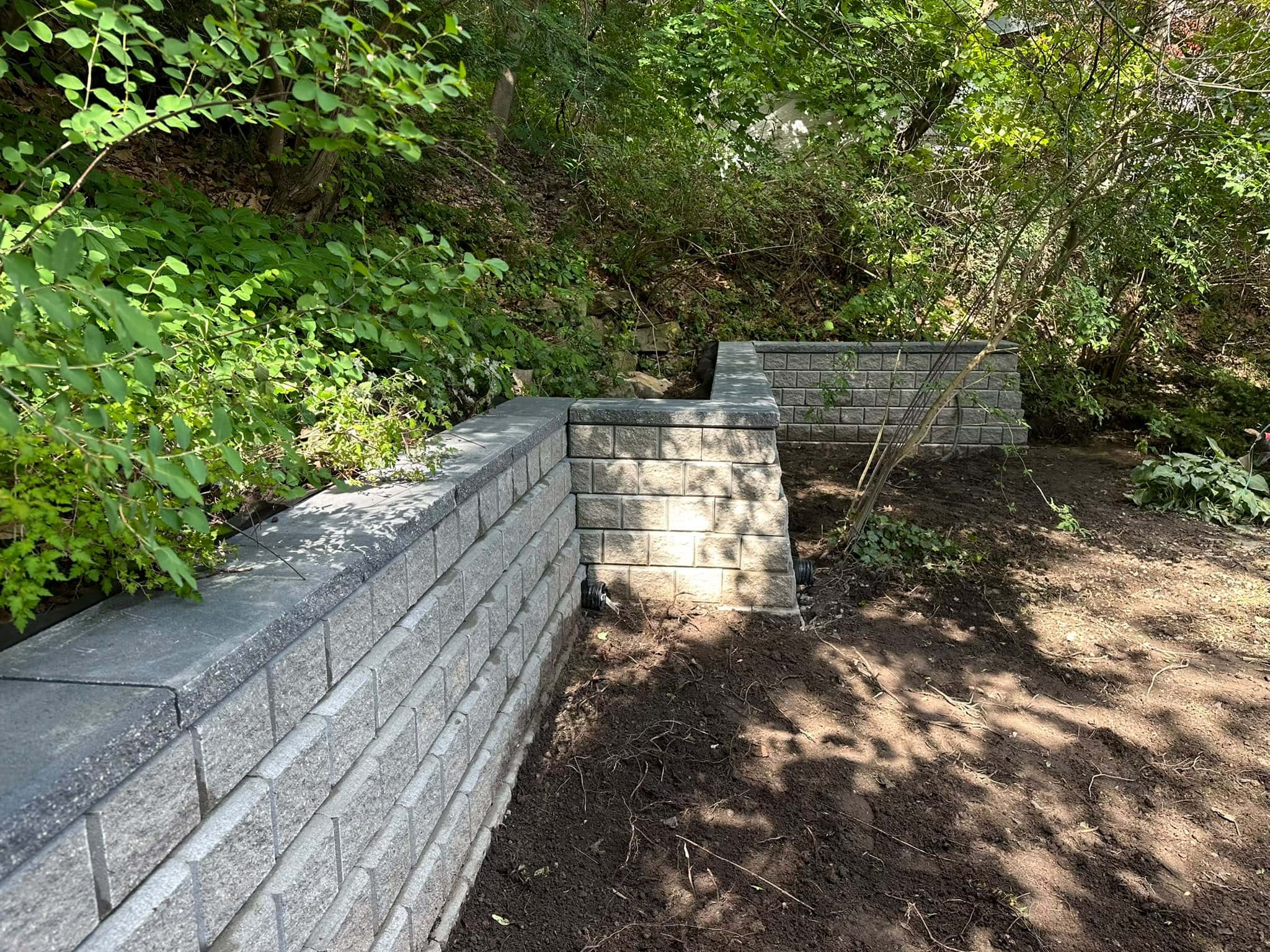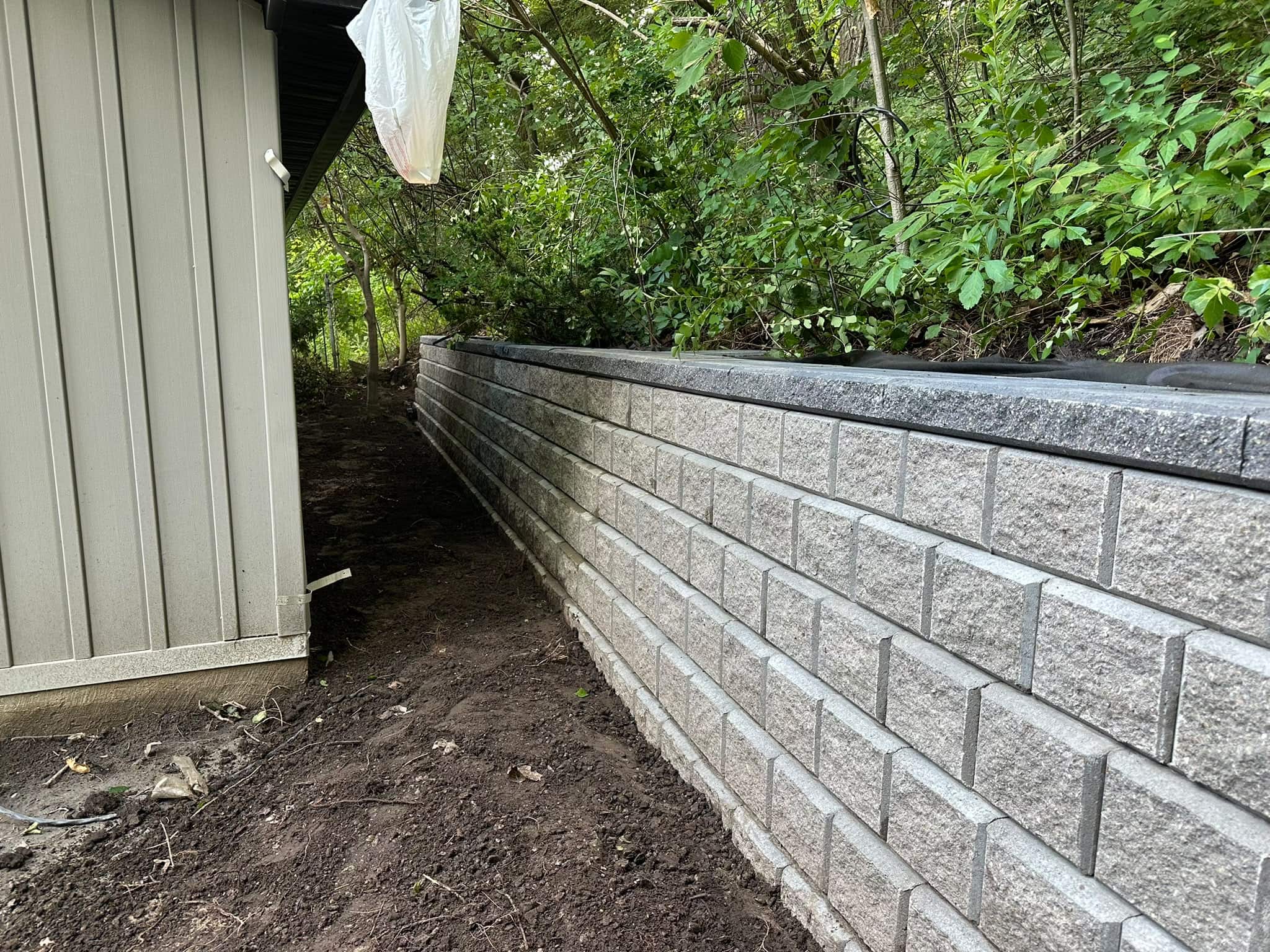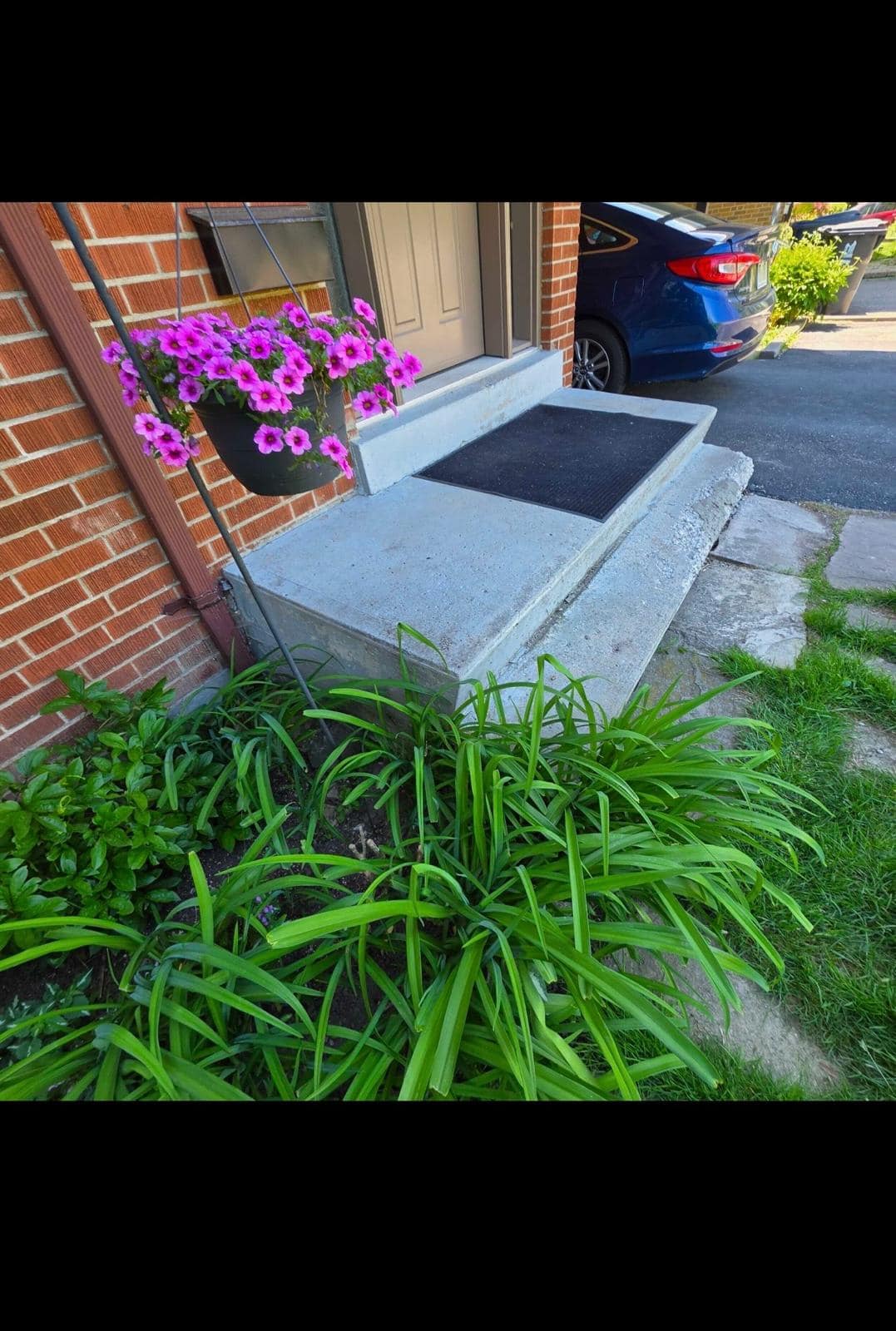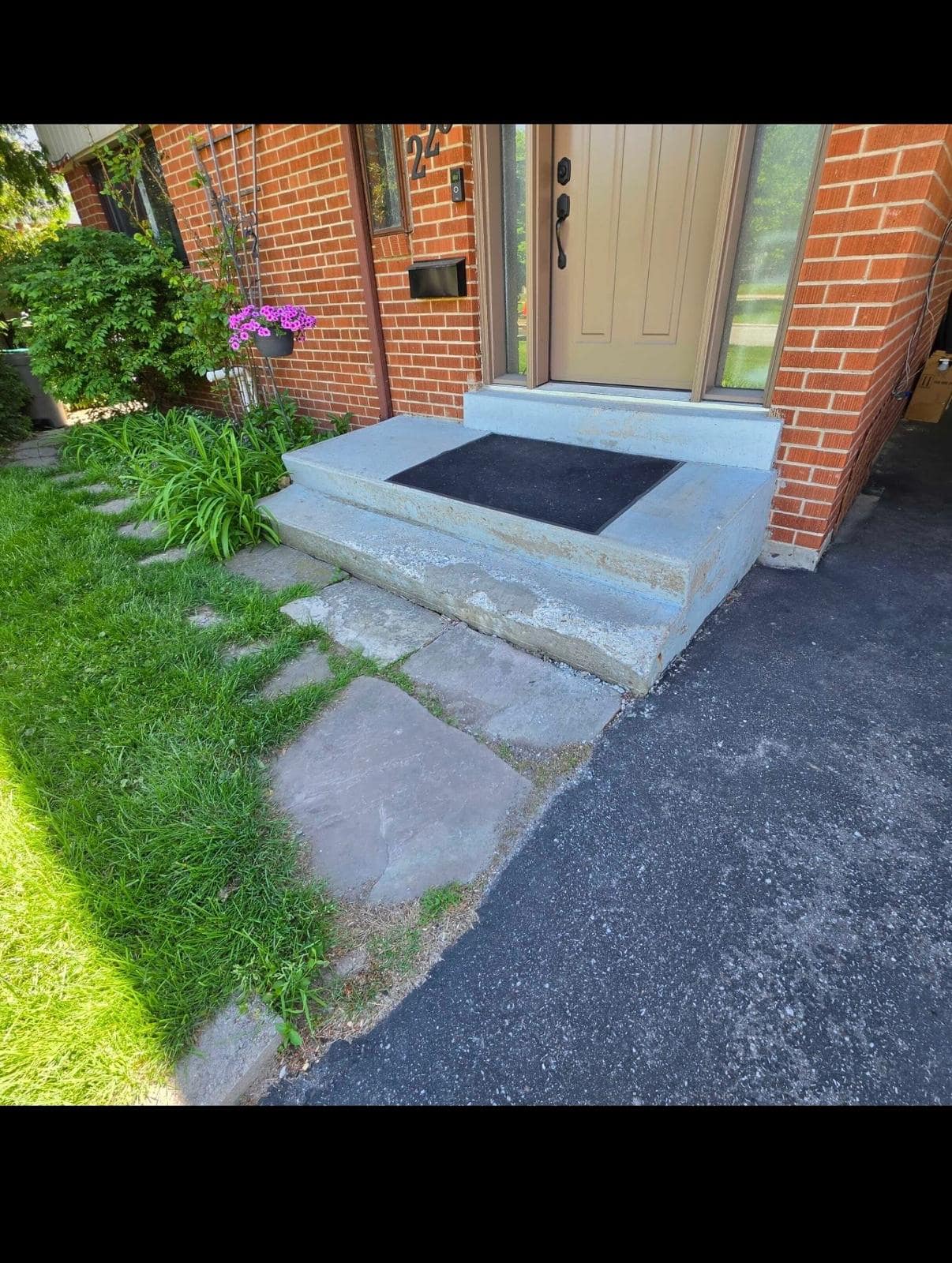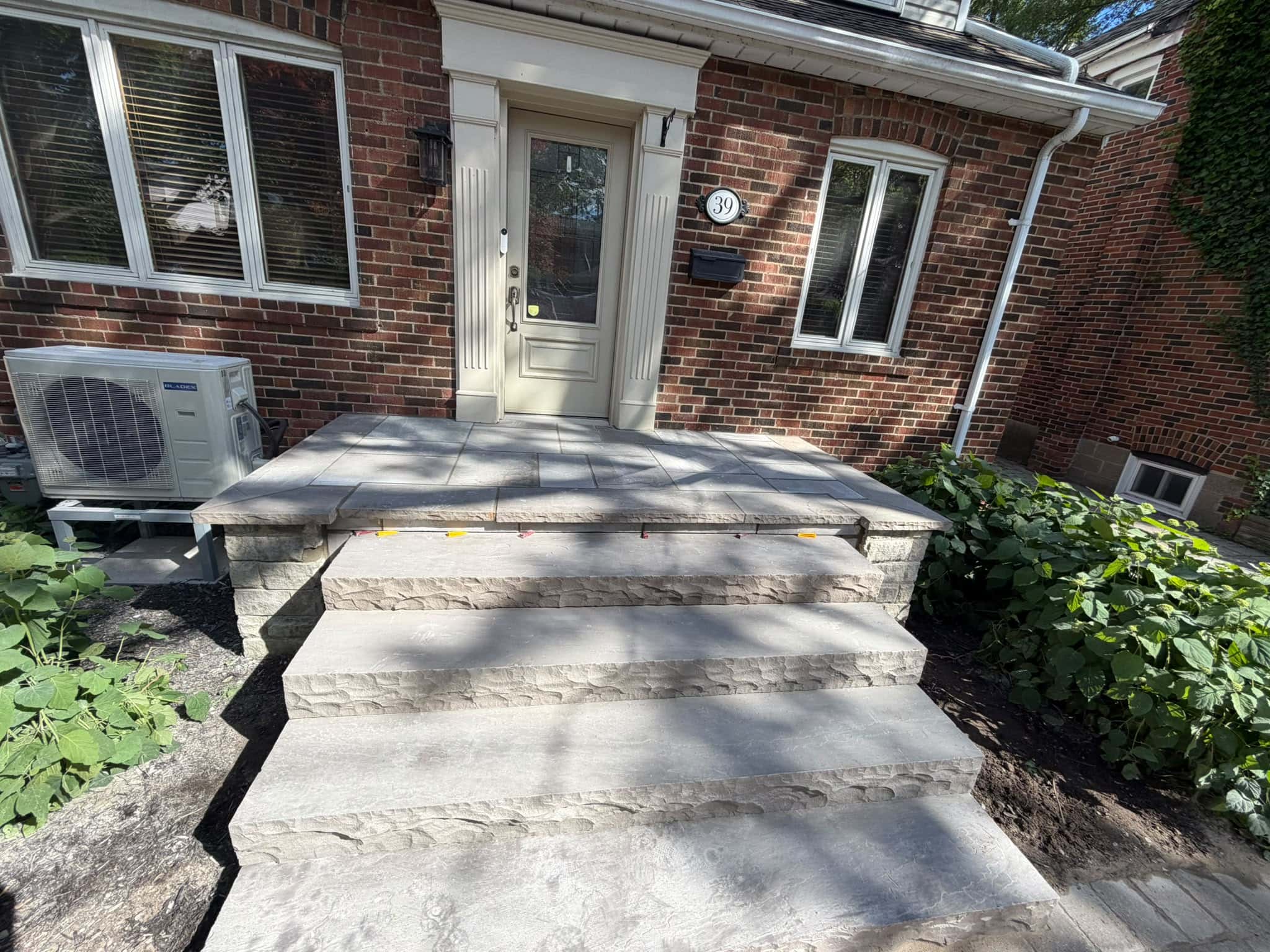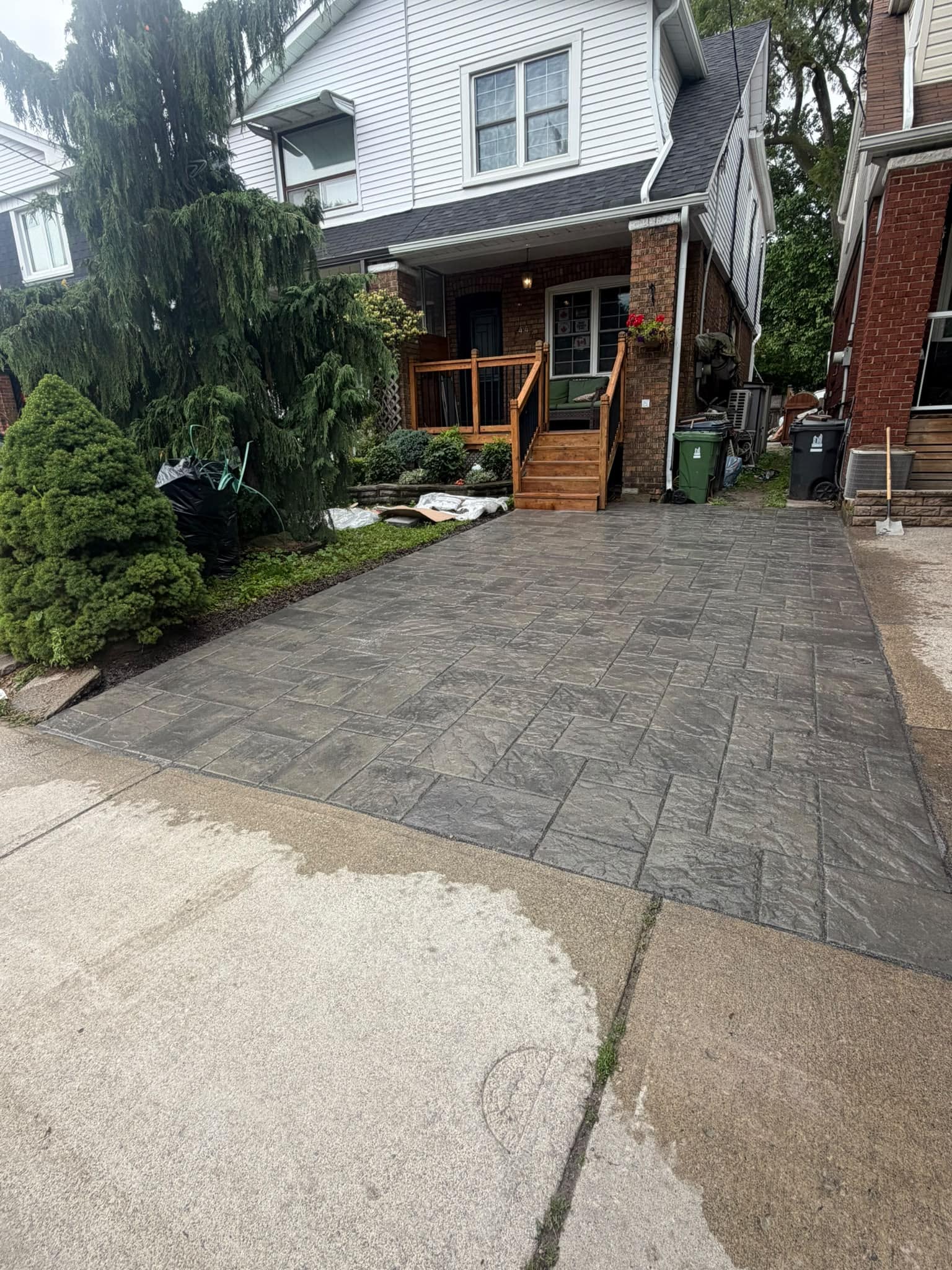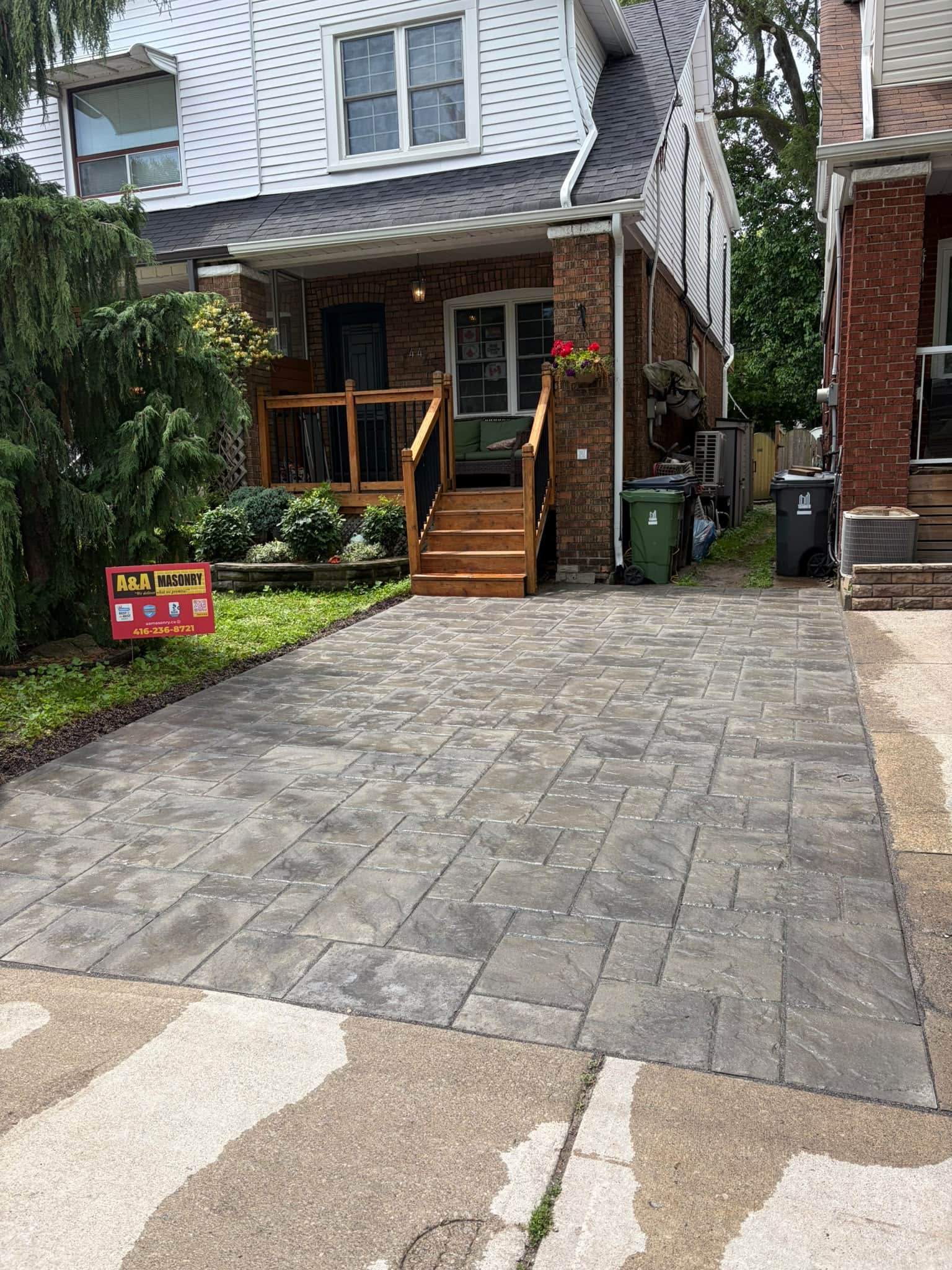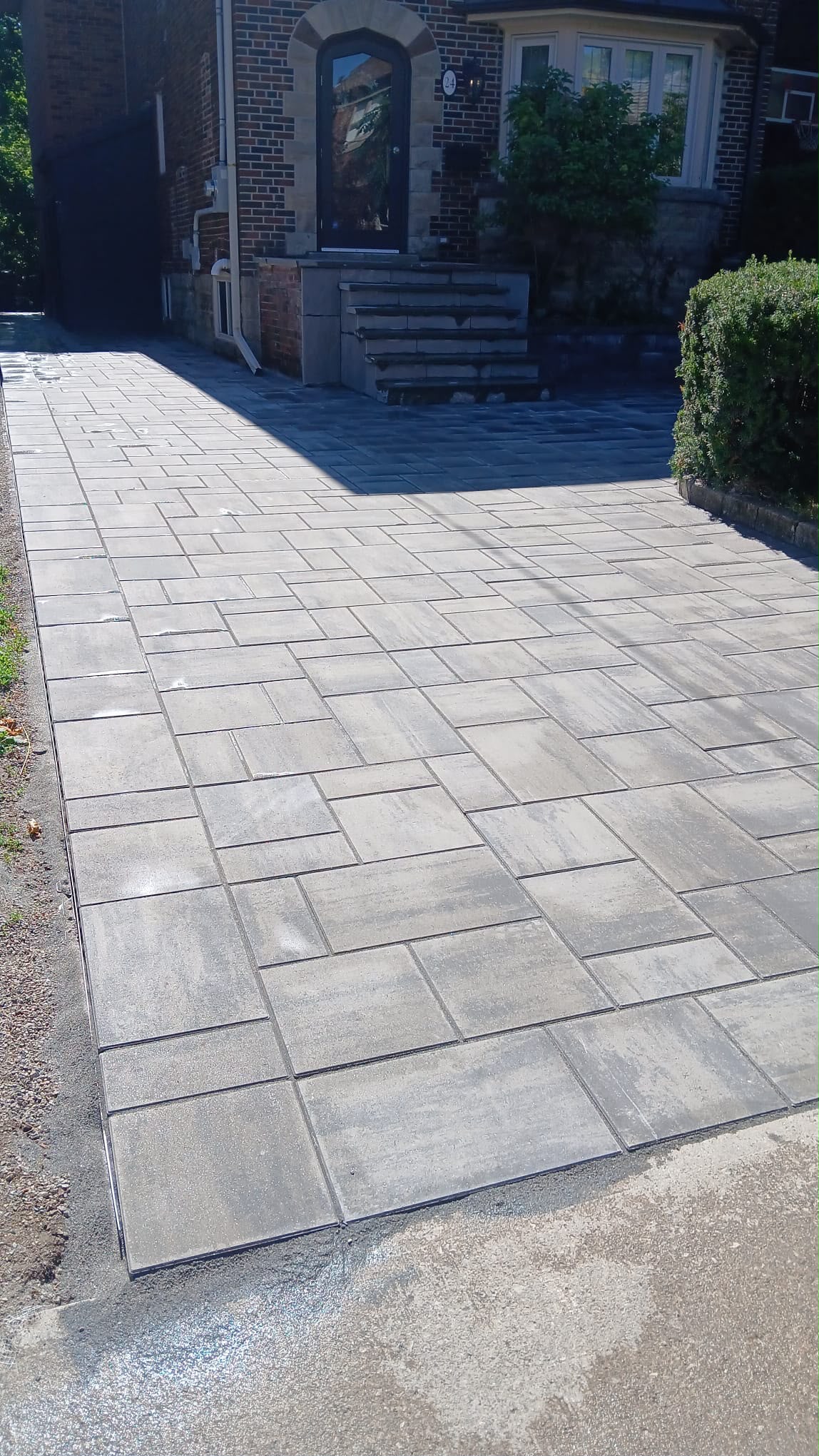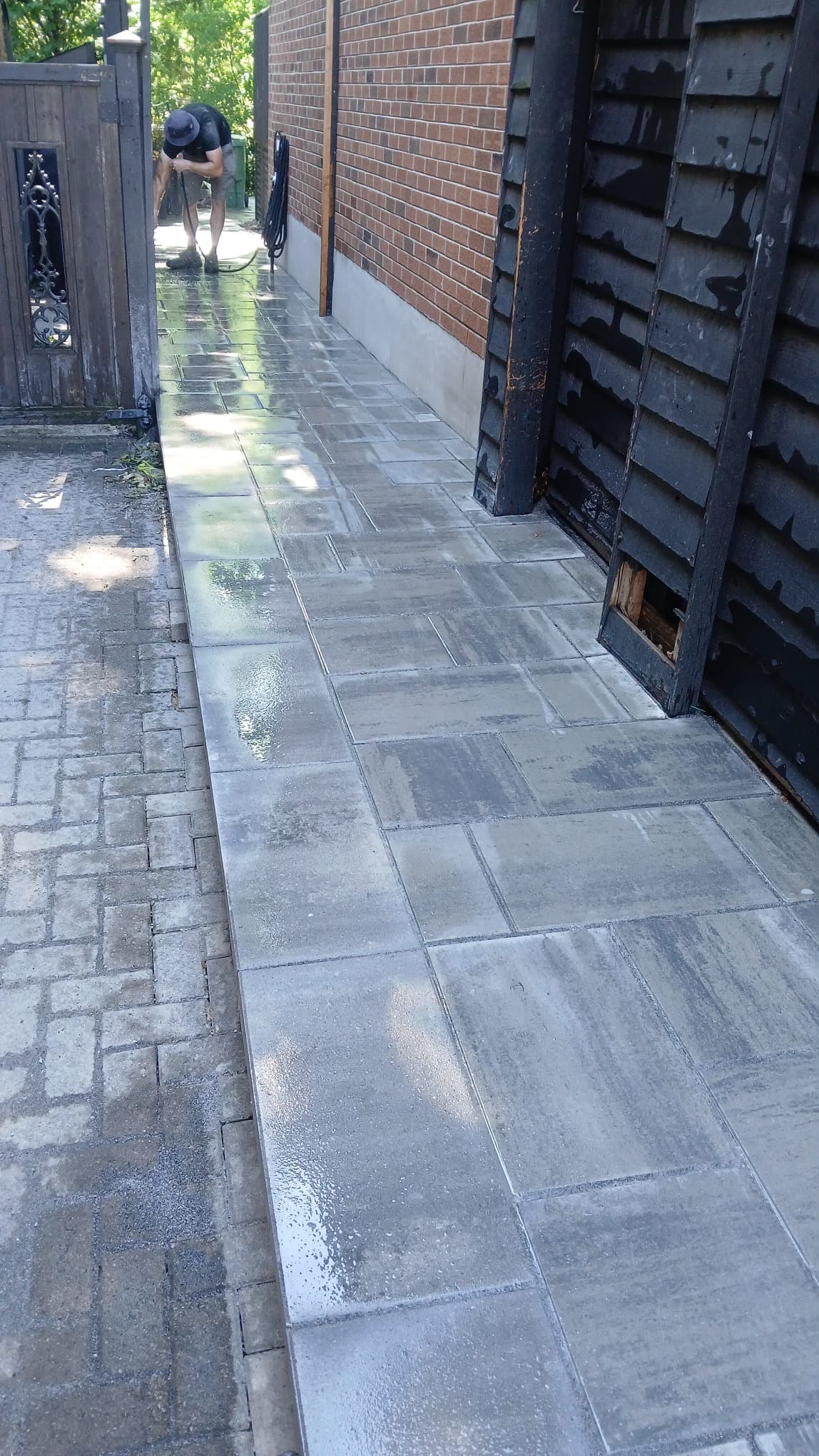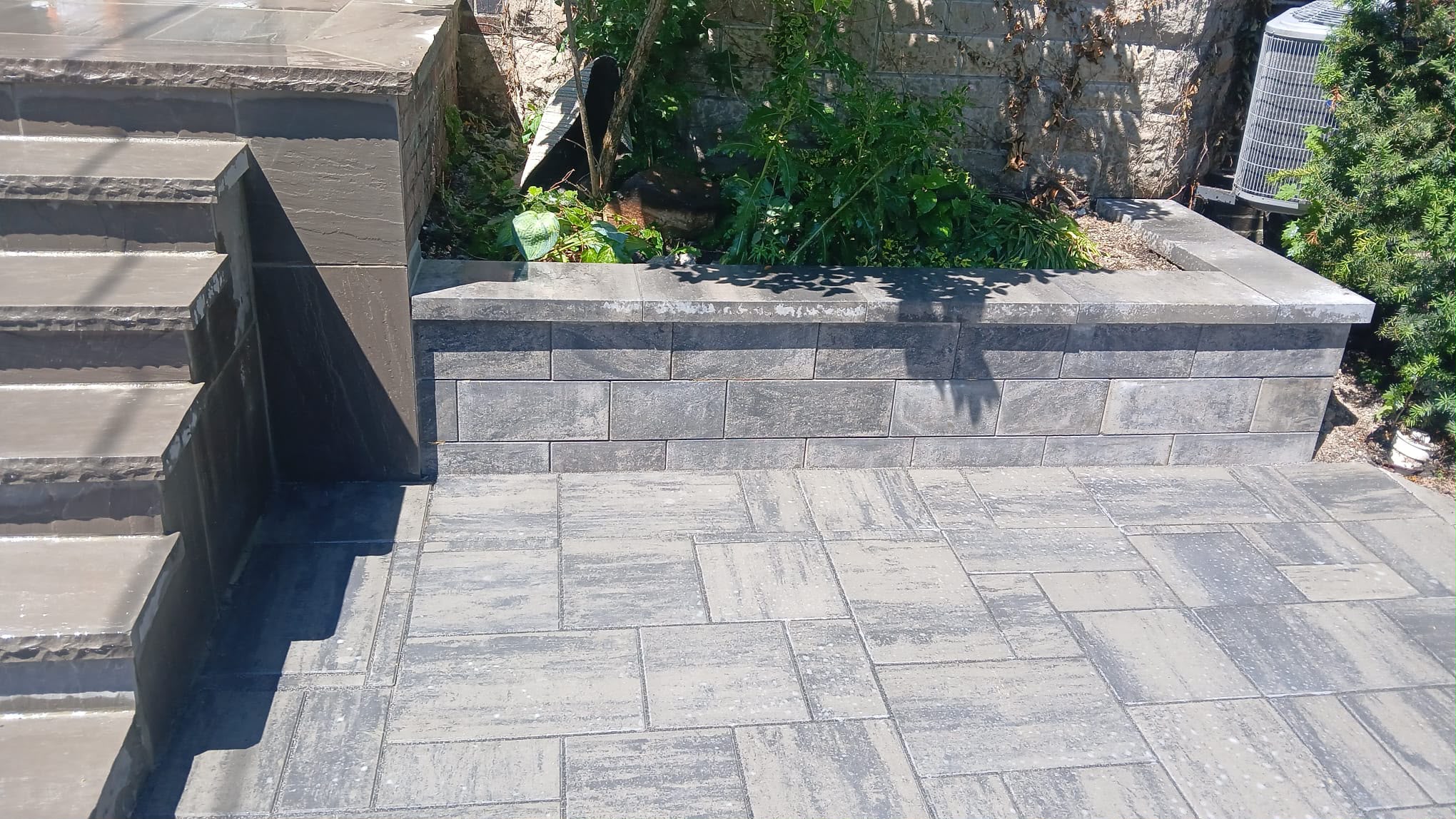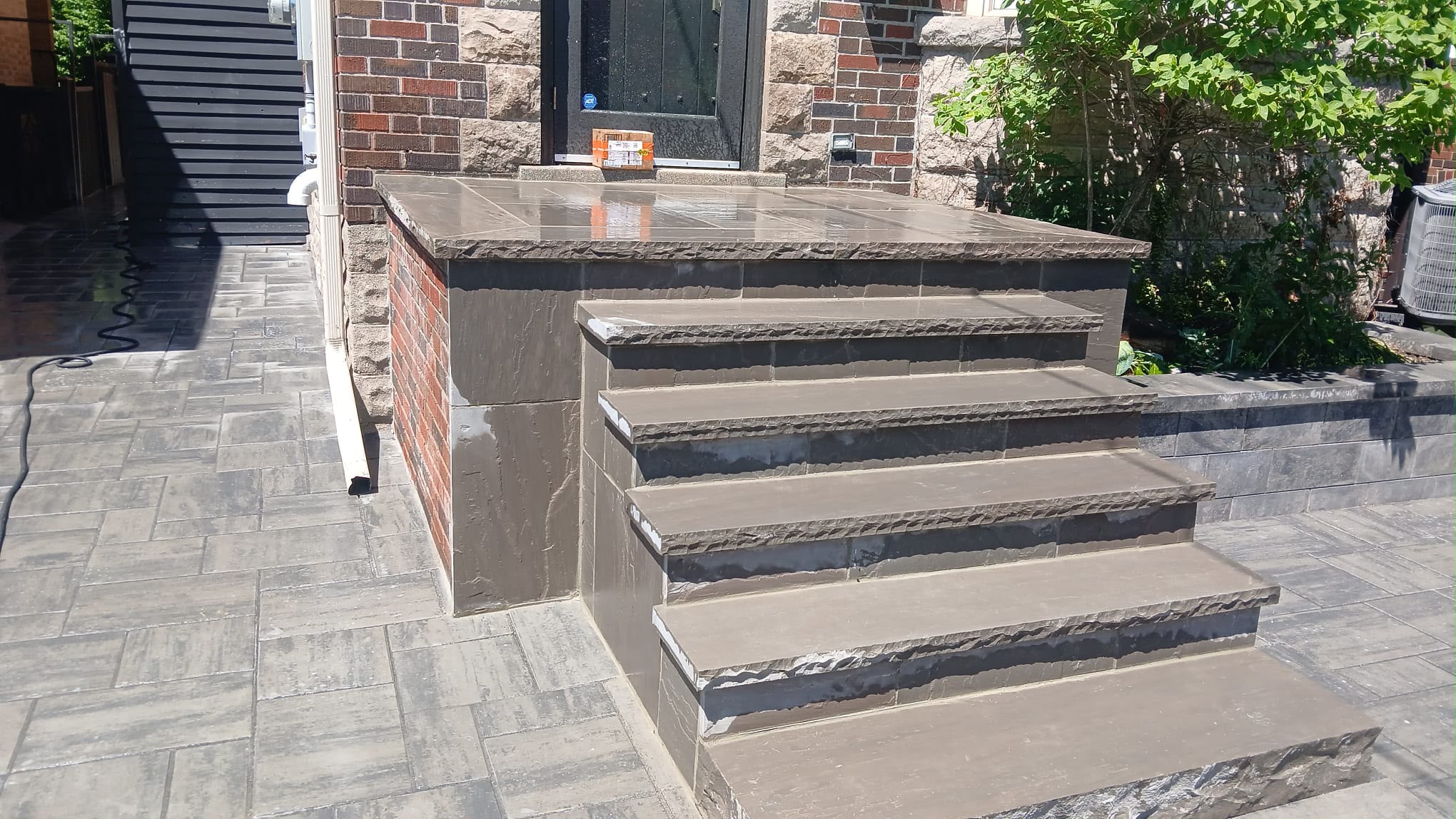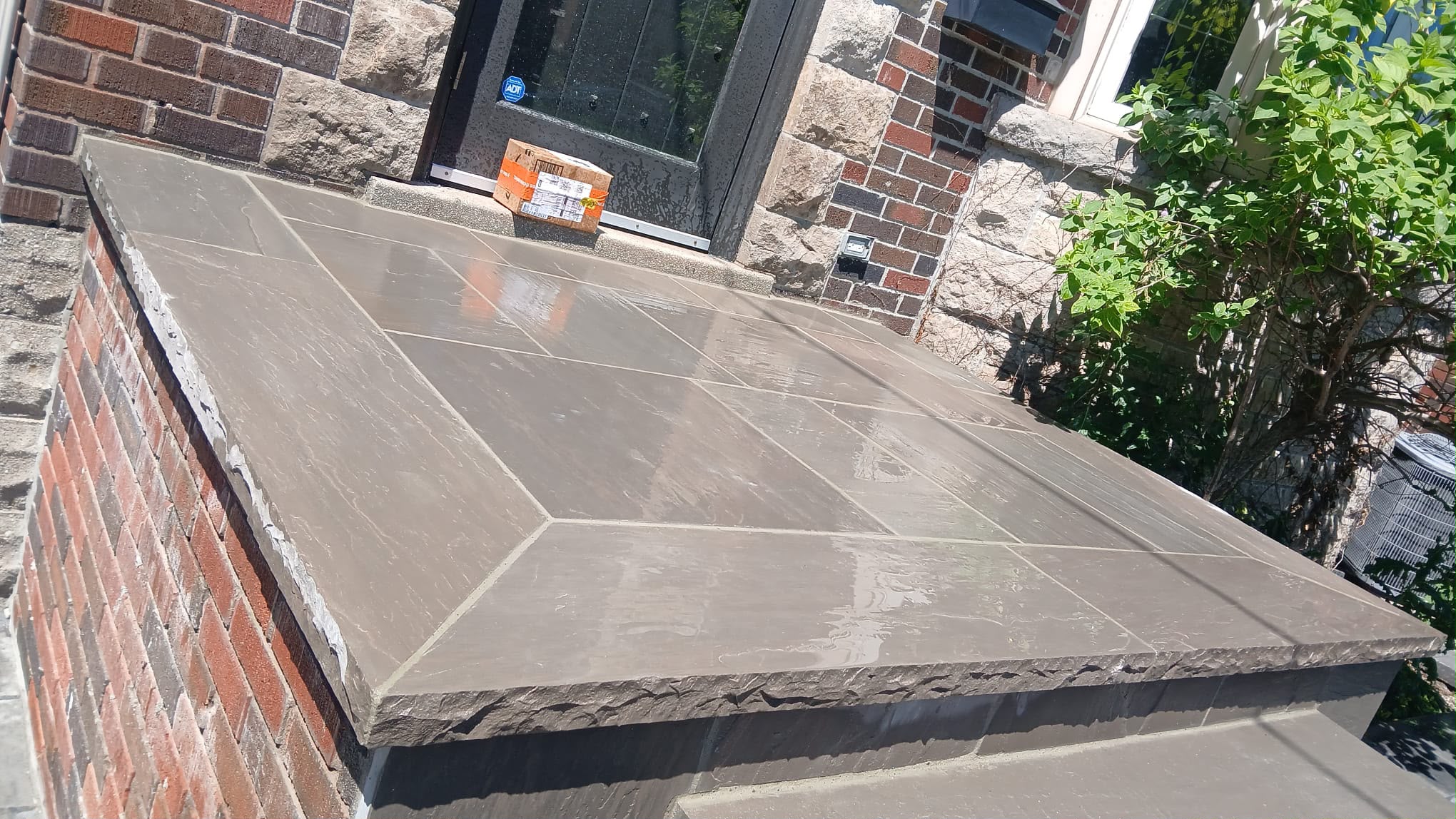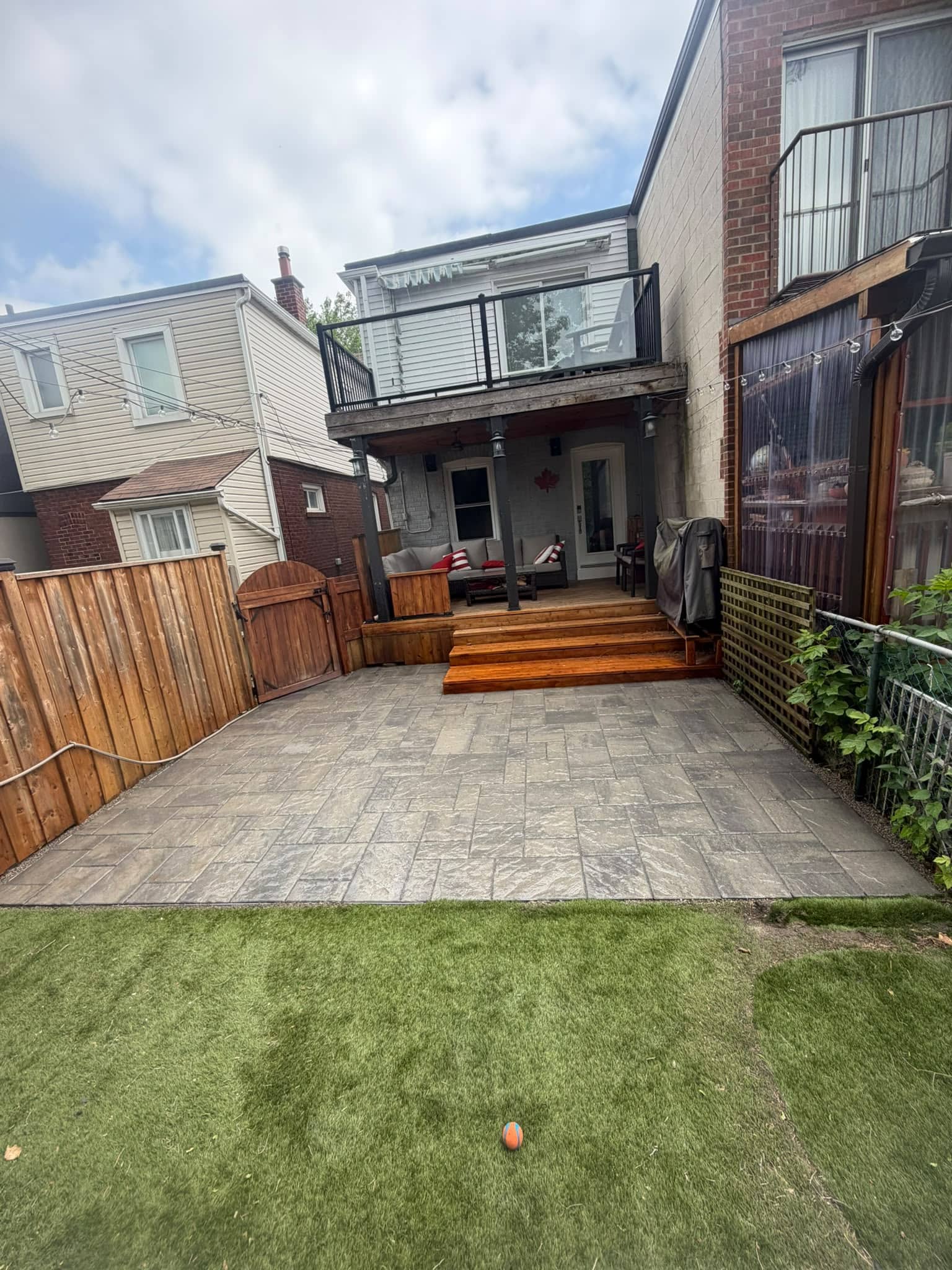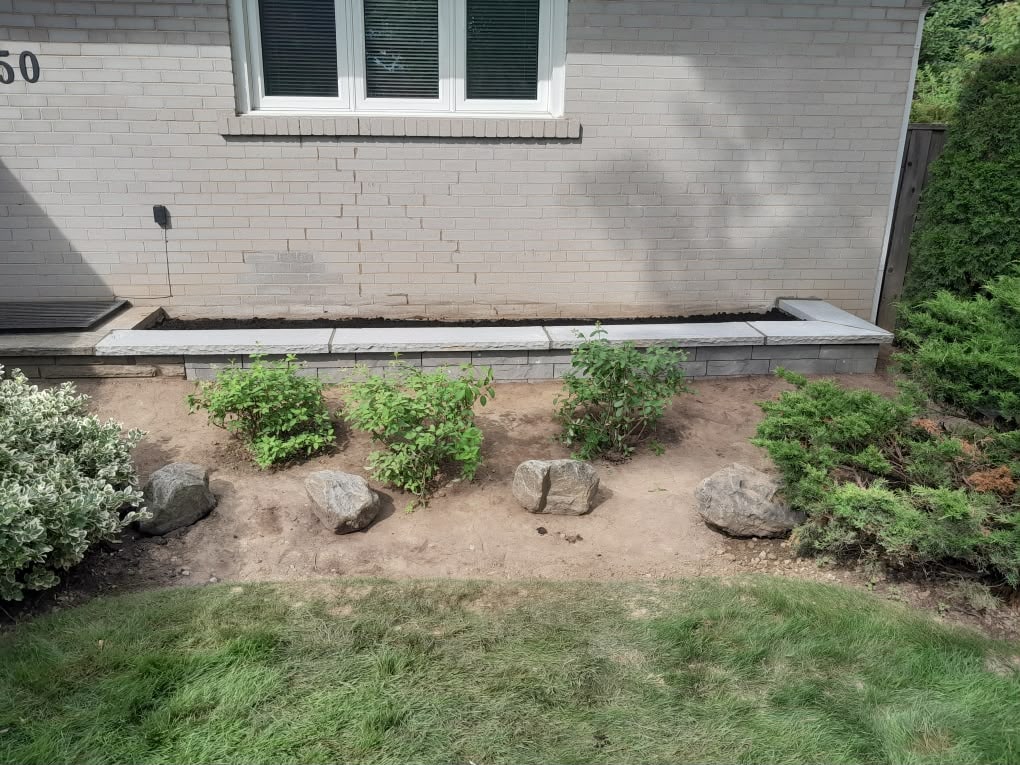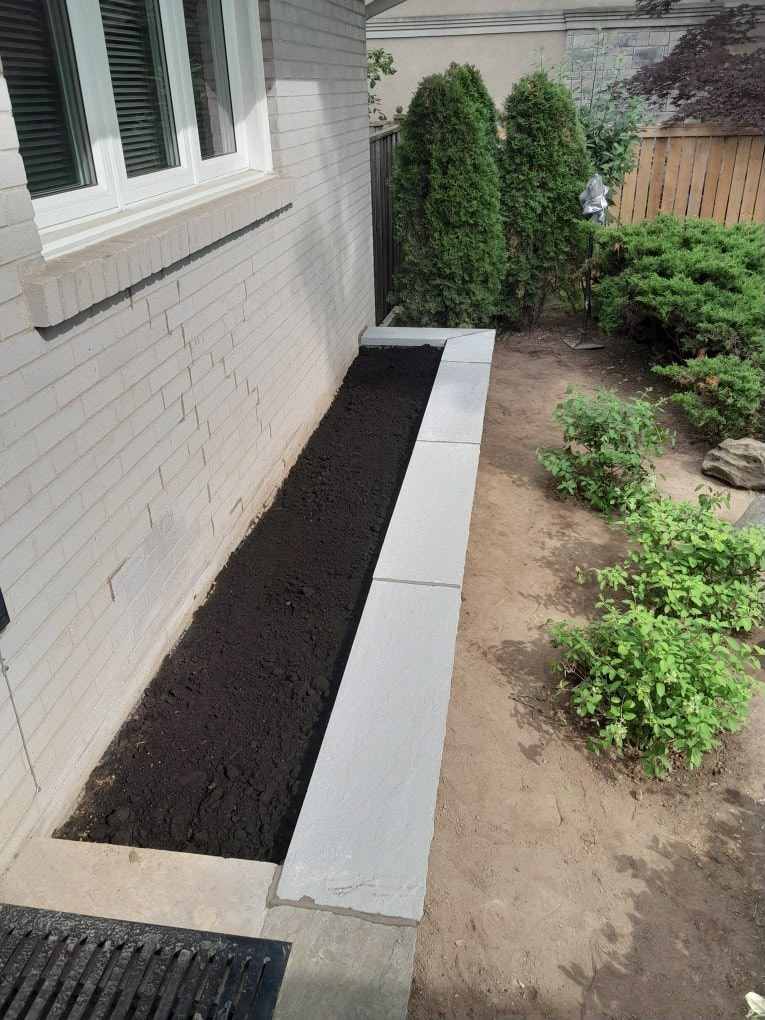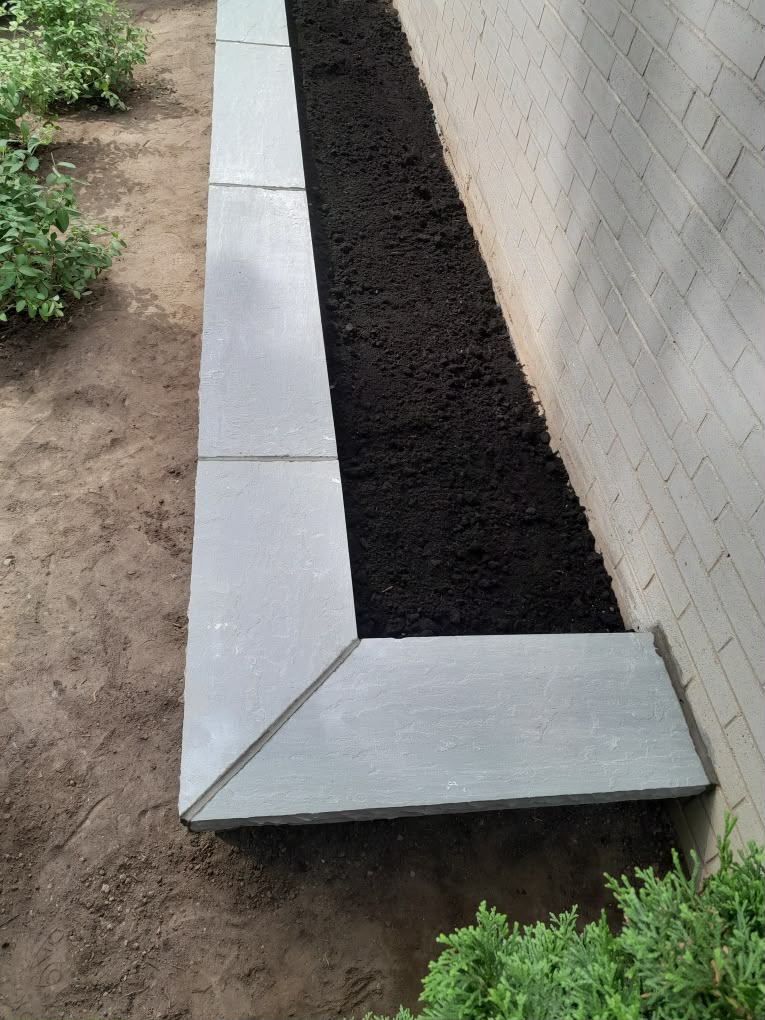

A stone wall is a structure made primarily of stone, typically used for various purposes such as boundaries, retaining soil, or enhancing the aesthetic appeal in interior design and the outdoor landscape.
Outdoor Stone Wall Ideas
Stone walls add a touch of elegance and a natural feel to any space. Whether rustic or modern, they fit a variety of styles.
5 Stunning Stone Retaining Wall Designs for Your Landscape
Retaining walls aren’t just functional—they add depth, structure, and visual appeal to your outdoor space. Here are five popular designs:
- Cascading Water Feature with Stone Wall: Incorporate a stone wall with built-in water channels or fountains. The sound of flowing water can create a tranquil atmosphere and attract wildlife.
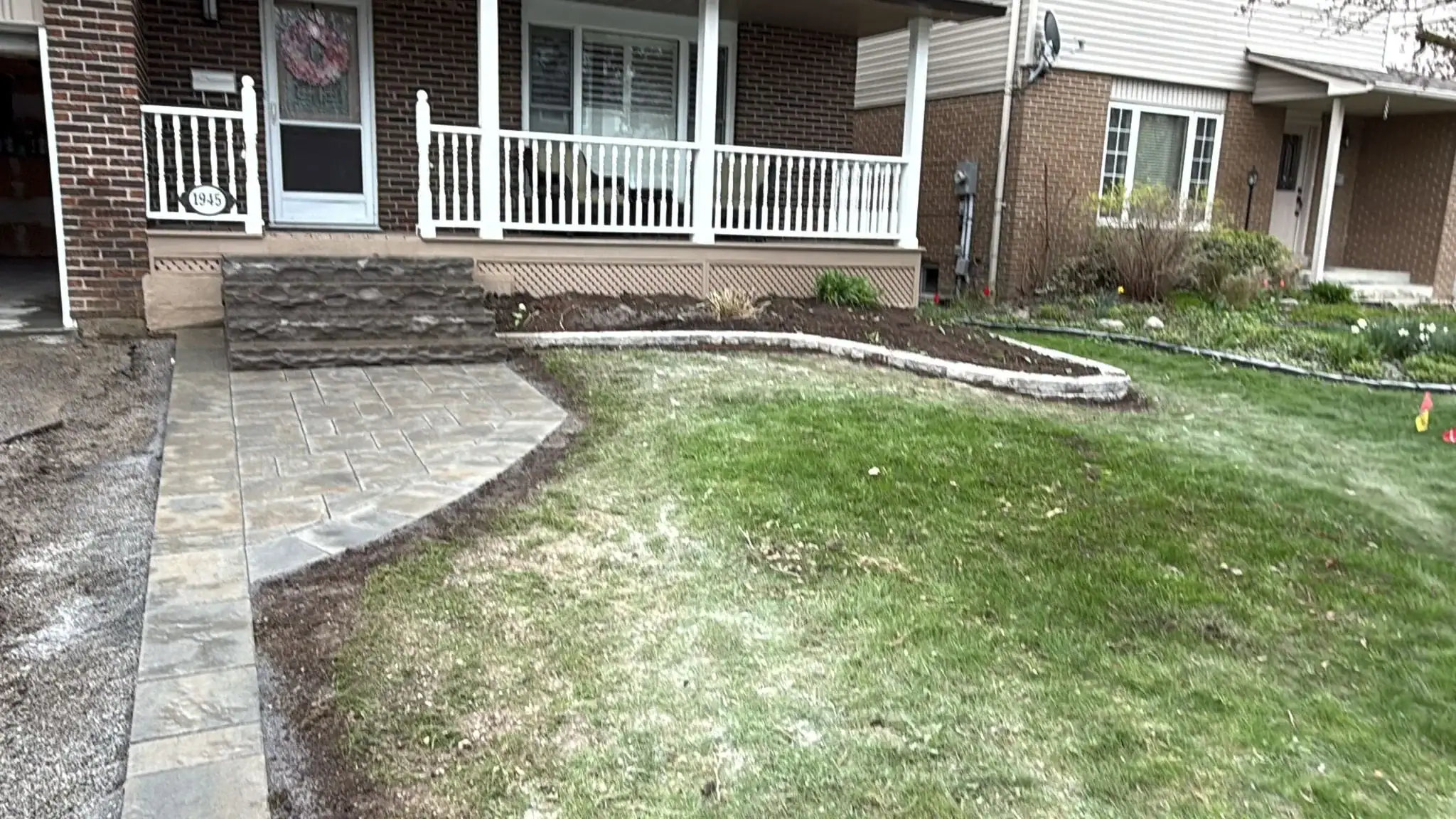
- Pathway Edging with Stone Wall: Line pathways with low stone walls to define the space and guide visitors. This adds structure and can be enhanced with ground cover plants or flowers.
- Fire Pit Enclosure with Stone Wall: Build a stone wall around a fire pit area to create a cozy and inviting atmosphere. It can provide safety while also serving as a rustic aesthetic element.
- Garden Boundary Defined by Stone Wall: Use stone walls to delineate different garden areas, such as separating vegetable patches from ornamental gardens. This adds organization and visual interest.
- Cascading Water Feature with Stone Wall: Incorporate a stone wall with built-in water channels or fountains. The sound of flowing water can create a tranquil atmosphere and attract wildlife.
Stone Retaining Wall Ideas for a Sloped Backyard
Sloped backyards can be tricky, but strategic retaining walls can turn them into stunning landscapes. Consider these ideas:
- Multi-Tiered Retaining Walls: Design a series of stone retaining walls at different levels to create terraces. This prevents soil erosion and provides flat areas for planting flowers, shrubs, or even small trees.
- Integrated Planter Boxes: Construct stone retaining walls with built-in planter boxes. This allows you to grow herbs, flowers, or decorative plants directly within the wall, adding greenery and color to the landscape.
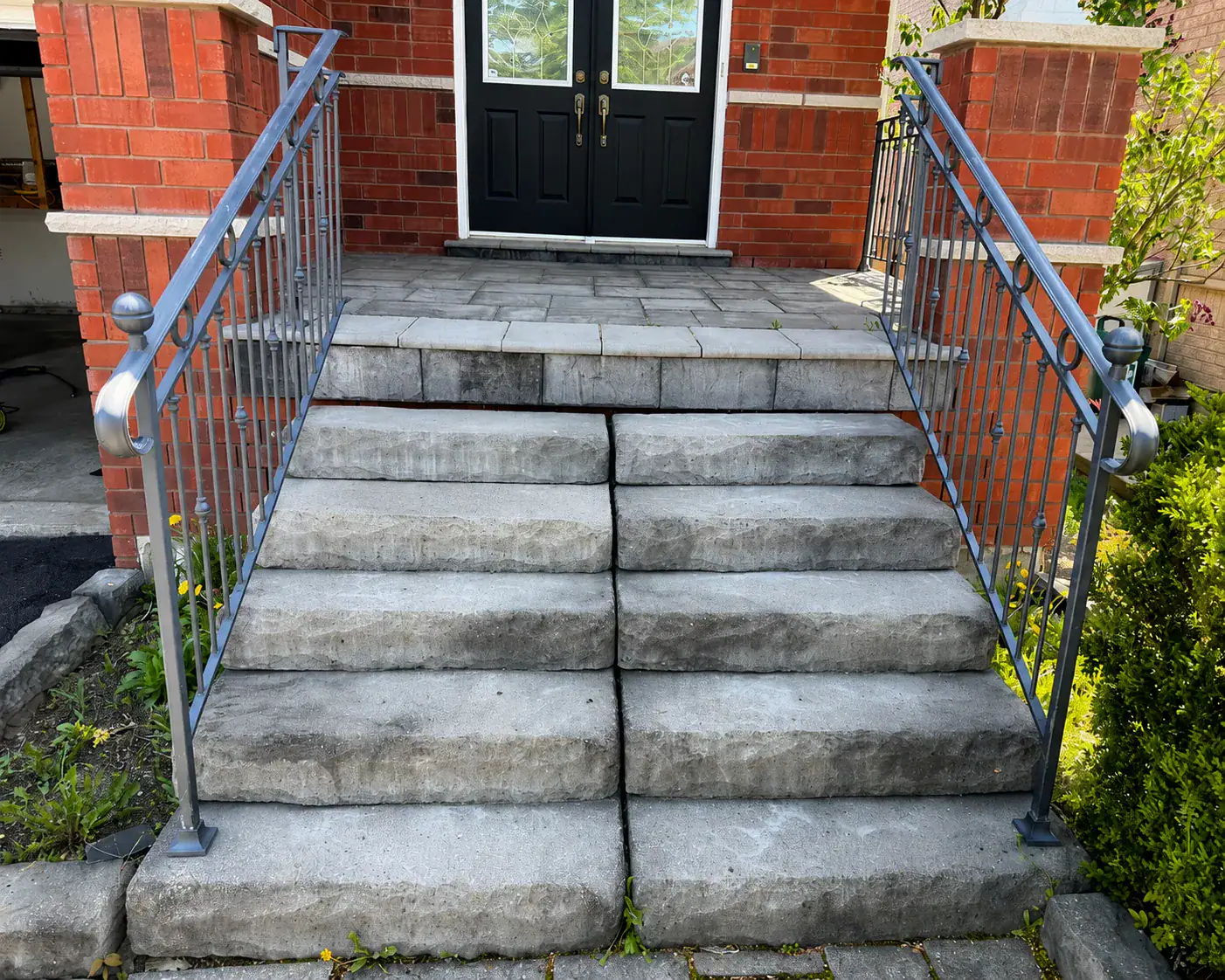
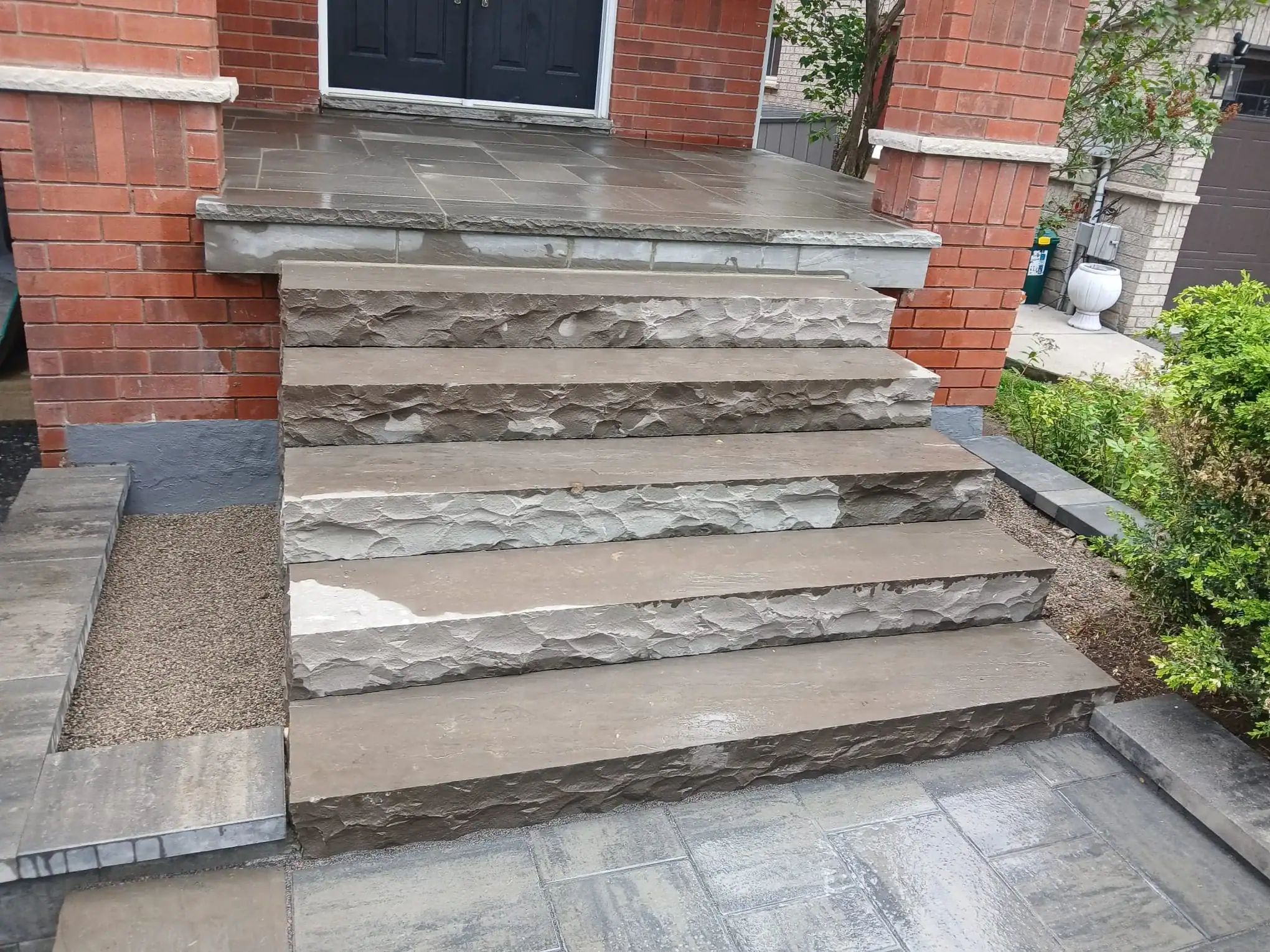
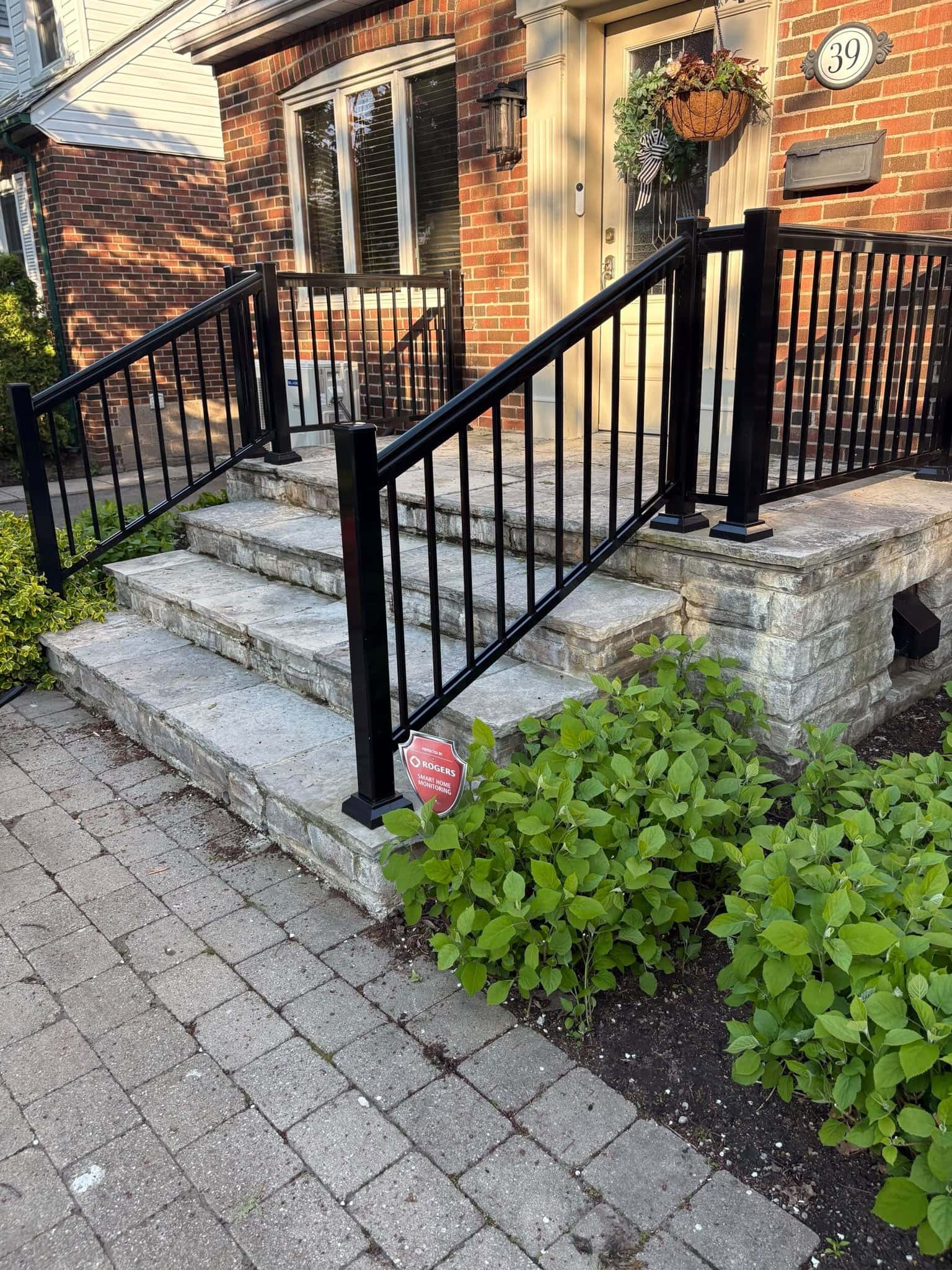
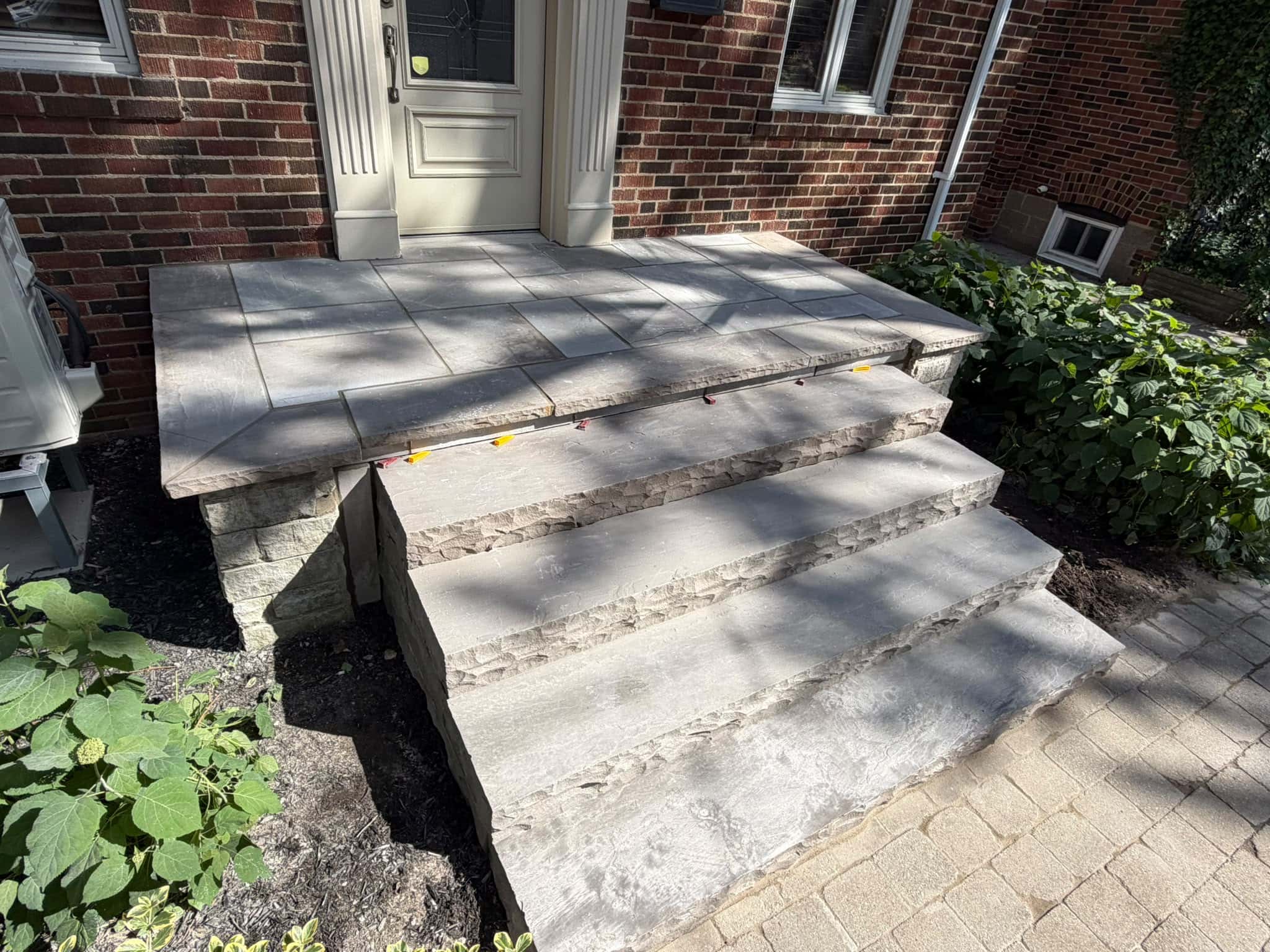
- Natural Stone Steps: Incorporate natural stone steps into the stone retaining wall design. This provides easy access between different yard levels while maintaining a cohesive and rustic look.
- Water Feature Integration: Create a stone retaining wall incorporating water features like a small waterfall or pond. The flowing water can enhance the ambiance and attract wildlife, making your backyard more inviting.
- Seating Area with a Stone Wall: Build a stone retaining wall that doubles as a seating area. This can create a cozy nook for relaxation or gatherings, providing a perfect spot to enjoy the views of your sloped backyard.
Indoor Stone Wall Inspirations
Here are five inspiring ideas for incorporating stone walls indoors:
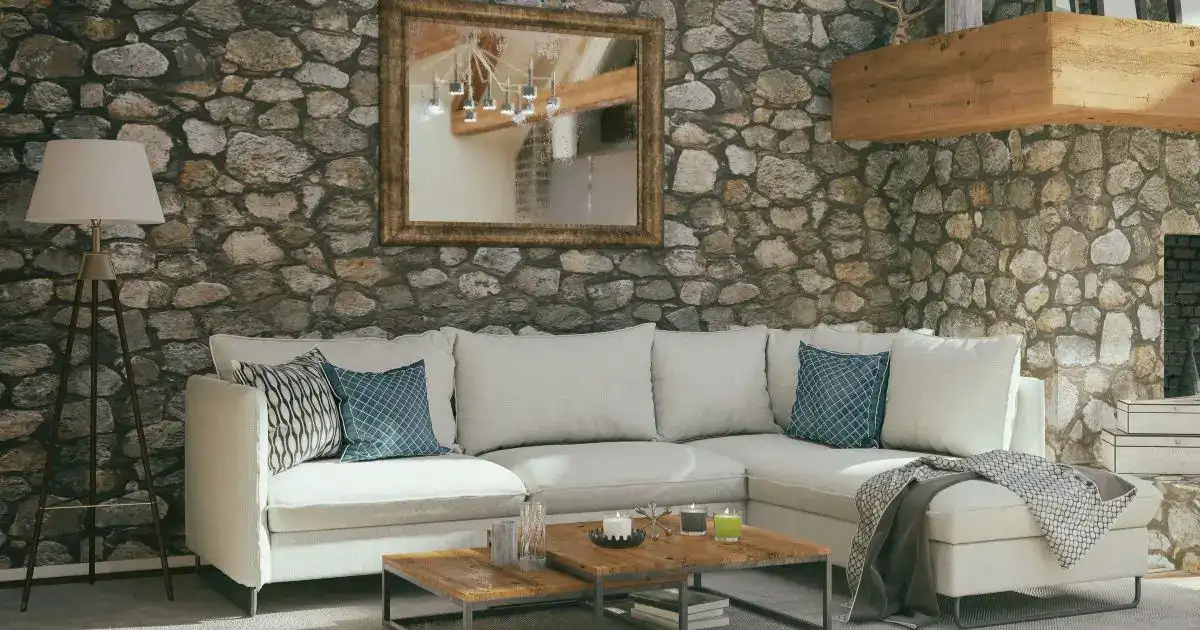
- Accent Wall: Create a stunning stone wall as an accent in a living room or bedroom. Use natural or faux stone to add texture and warmth, making it a focal point that enhances the overall decor.
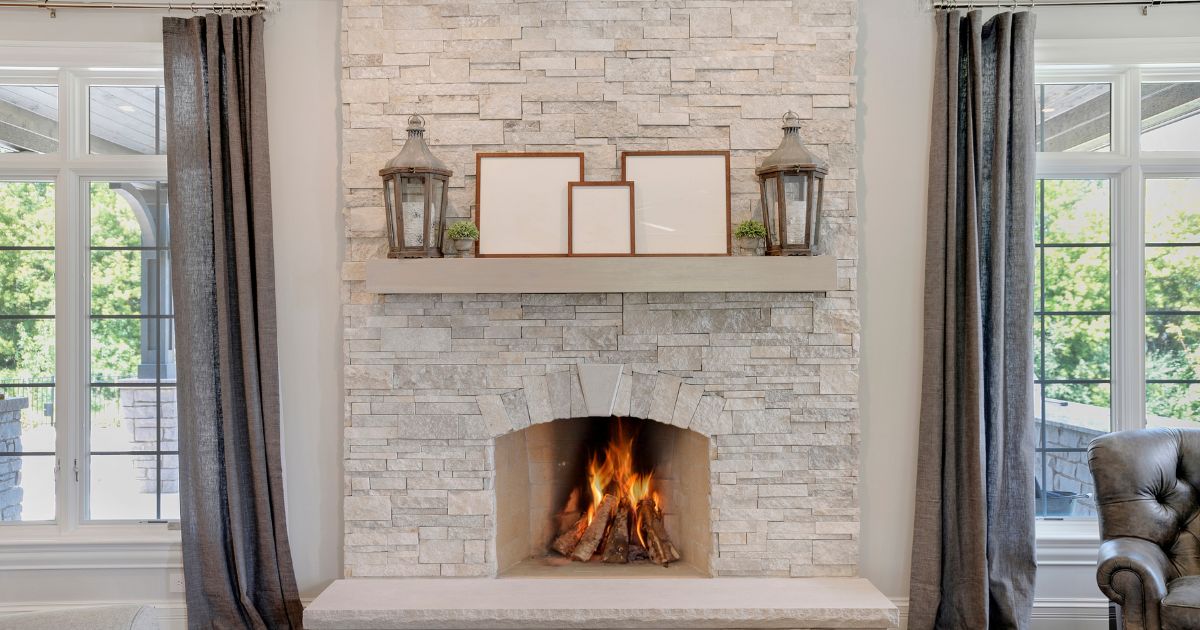
- Fireplace Surround: Frame a fireplace with a stone wall to create a cozy and inviting atmosphere. The stone adds a rustic charm and can complement wooden mantels or modern decor.
- Kitchen Backsplash: Use stone tiles for a unique kitchen backsplash. This protects the walls from splashes and adds a touch of elegance and natural beauty to the cooking space.
- Bathroom Feature Wall: Incorporate a stone wall in the bathroom, either as a shower backdrop or behind a freestanding tub. This creates a spa-like feel and enhances the tranquility of the space.
- Entryway Statement Piece: Design an entryway with a striking stone wall that welcomes guests. Pair it with decorative lighting and artwork to create a stylish first impression.
These ideas can help bring the beauty of stone walls indoors, adding character and sophistication to various spaces.
Best Stone Fireplace Walls & Surrounds to Elevate Your Home
Here are five inspiring ideas for stone fireplace walls and surrounds that can elevate your home:
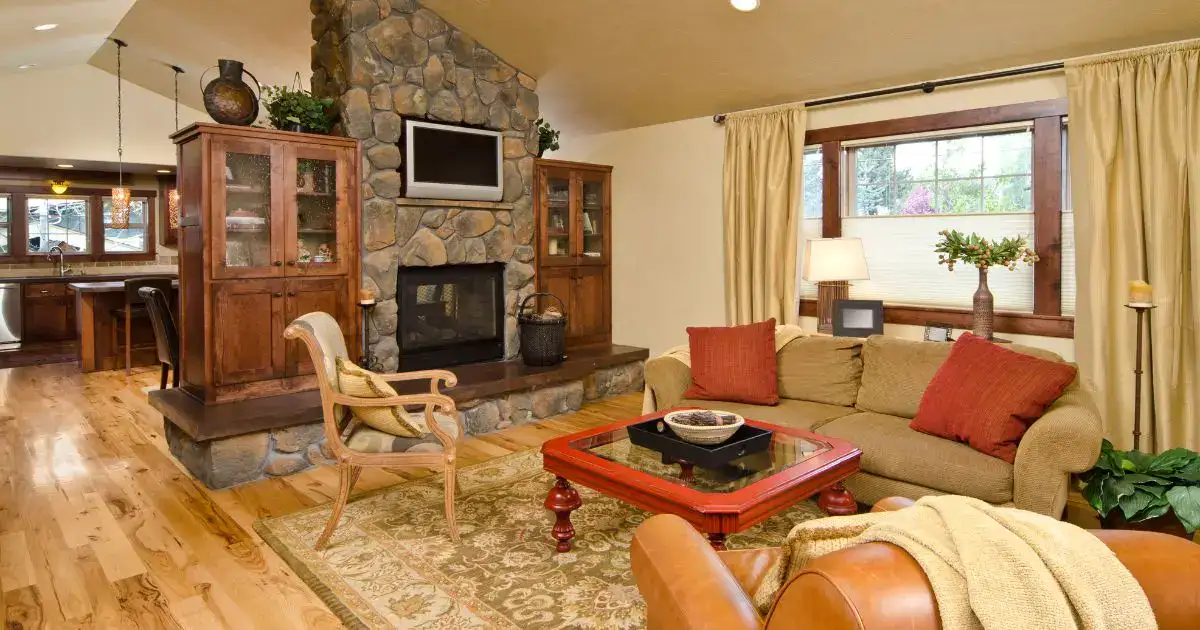
- Rustic Fieldstone: Use rough, natural fieldstone for a rustic fireplace surround. This style adds warmth and character, perfecting a cozy cabin or country-style home.
- Modern Stacked Stone: Opt for sleek, stacked stone panels for a contemporary look. This design creates clean lines and a sophisticated aesthetic, ideal for modern interiors.
- Chic Limestone: Incorporate limestone for a timeless and elegant fireplace wall. Its soft, neutral tones can complement various decor styles, from traditional to minimalist.
- Mosaic Stone Design: Create a unique mosaic pattern using different types of stones. This artistic approach can be a stunning focal point, adding visual interest and texture to the space.
- Whitewashed Stone: Consider a whitewashed stone fireplace surround for a fresh and airy feel. This style can brighten up a room while maintaining the natural beauty of the stone.
These ideas can transform your fireplace into a stunning centerpiece, enhancing the overall ambiance of your home.
Best Types of Stone for Interior Walls
Stone walls inside your home create a bold design statement that can enhance both aesthetics and ambiance. Here are five detailed ways to incorporate them into your living room:
- Full-Height Feature Wall: Transform an entire wall into a stunning focal point by covering it with natural stone. Depending on your desired style, choose from various stone types, such as slate, granite, or fieldstone.
- Partial Accent Wall: Create a partial accent wall by covering a section of the wall, such as the lower half or a specific niche, with stone. This approach adds texture without overwhelming the space.
- Stone Columns or Archways: Frame your living room with stone columns or archways for a classic touch. This design adds architectural interest and can define spaces within an open floor plan.
- Contrasting Stone and Wood: Combine warm wood tones with cool stone textures to create a harmonious and inviting atmosphere. This juxtaposition adds warmth and depth to the living room.
- Backlit Stone Walls: Highlight the natural texture of the stone with integrated LED lighting. Backlighting can create a dramatic effect, enhancing the stone’s features and casting beautiful shadows.
With these interior stone wall designs, you can create a stylish and inviting living room that reflects your style while enhancing the overall atmosphere of your home.
What Are the Best Types of Stone for Interior Walls?
Choosing the right stone for your interior walls is essential for achieving your home’s desired style, durability, and maintenance level. Here are the best types of stone for interior walls to consider:
| Type | Best Uses |
|---|---|
| Limestone | Limestone is a light, elegant stone that works beautifully in modern and classic interiors. Its soft hues and natural textures create a warm atmosphere, making it ideal for living rooms and bedrooms. Limestone is relatively easy to maintain, requiring only periodic sealing to keep it looking fresh. |
| Slate | Slate is a textured, dramatic stone that adds depth and character to contemporary designs. It can create stunning accent walls or fireplace surrounds in various colors. Its natural slip resistance makes it an excellent choice for high-traffic areas, while its durability ensures it stands the test of time. |
| Granite | Granite is known for its extreme durability and luxurious appearance, making it a popular choice for upscale interiors. This stone is resistant to scratches and heat, making it ideal for kitchen backsplashes and countertops. With its unique patterns and colors, granite can be a striking focal point in any room. |
| Fieldstone | Fieldstone offers a rustic and traditional look that creates a cozy cabin-like feel in your home. Each piece is unique, adding character and charm to your interior. This stone is excellent for accent walls, particularly in living rooms or dens, where a warm and inviting atmosphere is desired. |
| Brick Veneer | Brick veneer provides a lighter and more affordable alternative to full stone while still delivering a stone-like effect. This option is easy to install and comes in various styles and colors, allowing for versatility in design. Brick veneer is ideal for creating an industrial or rustic vibe without the weight and cost of solid stone. |
How to Build a Stone Retaining Wall in 10 Easy Steps (Pro Tips)
Building a stone retaining wall can enhance your landscape while providing essential support for soil and preventing erosion. Here’s a detailed guide to help you construct a durable and aesthetically pleasing retaining wall:
- Plan & Measure
Start by determining the wall’s height, length, and placement. Consider the purpose of the wall, whether for aesthetics, erosion control, or creating a level area. Check local regulations and obtain necessary permits. Use stakes and string to outline the wall’s dimensions on the ground.
- Excavate & Level
Dig a trench for the base of the wall, typically about 6-12 inches deep, depending on the wall’s height. Ensure the trench is wider than the stones you plan to use. Use a level to check that the bottom of the trench is even.
- Lay the Foundation
Using crushed stone or gravel creates a solid foundation that promotes drainage and stability. Compact the gravel with a tamper to make a firm base. Aim for a depth of about 3-4 inches of crushed stone.
- Start with the Largest Stones
Begin placing the heaviest stones at the bottom for stability. This ensures a strong foundation and prevents the wall from toppling over. Choose flat stones for easier stacking. Use a rubber mallet to adjust the stones into place.
- Use a Staggered Pattern
Avoid vertical seams by offsetting the stones in a staggered pattern. This technique enhances the wall’s strength and visual appeal.
Plan your layout before placing the stones to ensure a cohesive design. Lay out the stones dry first to visualize the pattern.
- Check for Level & Alignment
After placing each layer, use a level to ensure each stone is even and aligned correctly. This step is crucial for the wall’s stability.
Adjust stones as needed while the mortar or gravel is still pliable. Regularly step back and visually assess the alignment.
- Fill Gaps with Gravel or Mortar
Fill gaps between the stones with gravel or mortar to help prevent shifting and enhance stability.
Pro Tip: If using mortar, mix it according to the manufacturer’s instructions. For gravel, use a trowel to push it into the gaps.
- Add Drainage
To prevent water buildup behind the wall, place perforated drainage pipes at the base of the wall.
Pro Tip: Cover the pipes with gravel to facilitate drainage and prevent clogging. Ensure the pipes slope slightly away from the wall for adequate water flow.
- Backfill with Soil or Gravel
Once the wall is built, fill the space behind it with soil or gravel to provide additional support. Use a compactor to pack the backfill material tightly, reducing the risk of settling over time.
- Finish & Seal
Apply a stone sealant to protect the wall from weathering and moisture. This step can enhance the stone’s natural beauty and longevity. Allow the adhesive to cure completely before exposing the wall to rain or moisture.
Building a beautiful retaining wall requires careful planning and detail from a professional masonry company. The foundation is crucial for a strong and lasting fence. So, it’s essential to prepare it well.
Choosing the right contractor is key. For the best natural look for your outdoor stone garden wall, ask your professional masonry company for these natural stones for your outdoors.
What Are the Disadvantages of a Stone Retaining Wall?
While stone retaining walls are beautiful and durable, they come with some drawbacks:
- High Initial Cost – Natural stone and labor can be expensive.
- Heavy & Labor-Intensive – Requires careful placement and strong foundations.
- Limited Flexibility – Stone is more challenging to modify than wood or concrete.
- Drainage Issues – Poor drainage can lead to erosion or wall failure.
- Weed Growth – Moss and weeds can grow in crevices over time.
Top Stone Wall Textures and Their Best Uses
Stone textures dramatically impact the look and feel of a space. Here are the most popular ones:
Stone wall textures can significantly influence a space’s aesthetic and functional qualities. Here are five top stone wall textures along with their best uses:
| Stone Wall Texture Types | Best Uses |
|---|---|
| Rough-Hewn Stone | Ideal for rustic or traditional interiors, rough-hewn stone works well in cabins, country homes, and outdoor patios. It adds warmth and character, perfect for fireplace surrounds or accent walls. |
| Smooth Polished Stone | Best suited for modern and contemporary designs, this texture is perfect for upscale interiors, such as luxury bathrooms and kitchens. It can be used for backsplash installations or as a feature wall to create a sophisticated ambiance. |
| Stacked Stone | This texture is versatile and can be used indoors and outdoors. It’s great for accent walls, outdoor fire pits, and garden walls, providing a clean yet natural appearance. |
| Limestone | This texture is perfect for interior and exterior applications, including patios, walkways, and living room walls. Its natural look complements various styles, from Mediterranean to modern, and can be used to create a serene and inviting atmosphere. |
This texture is perfect for interior and exterior applications, including patios, walkways, and living room walls. Its natural look complements various styles, from Mediterranean to modern, and can be used to create a serene and inviting atmosphere.
Conclusion
Incorporating stone walls into your home design adds natural beauty, timeless appeal, and structural integrity. Whether you’re upgrading your landscape with a retaining wall, designing a stunning fireplace, or enhancing your living space with stone textures, these ideas will help you create a stylish and enduring space.
When it comes to masonry and waterproofing, choosing the right team makes all the difference. A&A Masonry stands out for expert craftsmanship, comprehensive services, and a customer-first approach. Whether you need repairs, restoration, or protection for your home, our specialists ensure quality results that last. Call us today at 416-236-8721 or Contact A&A Masonry to discuss your project with our trusted team.