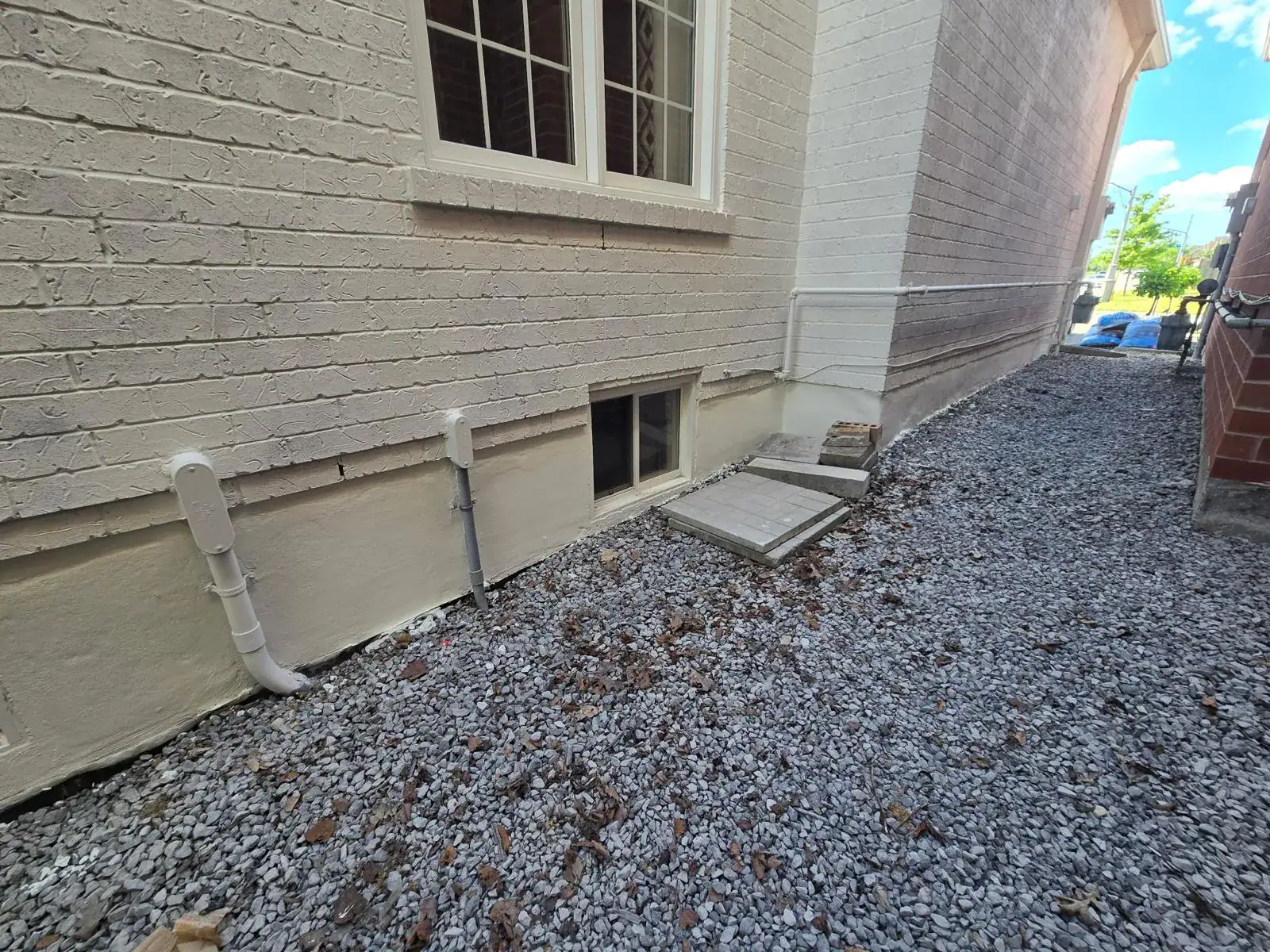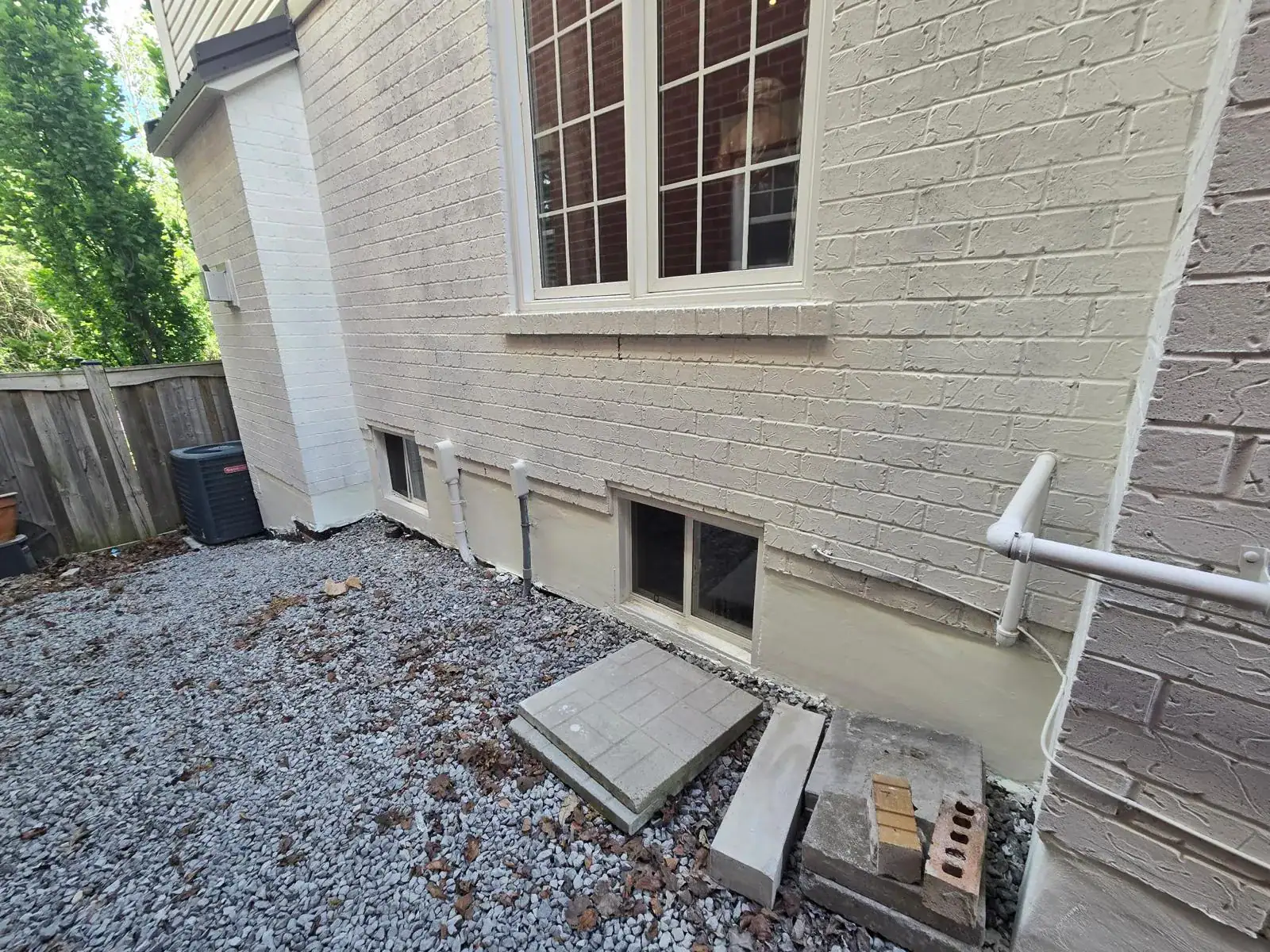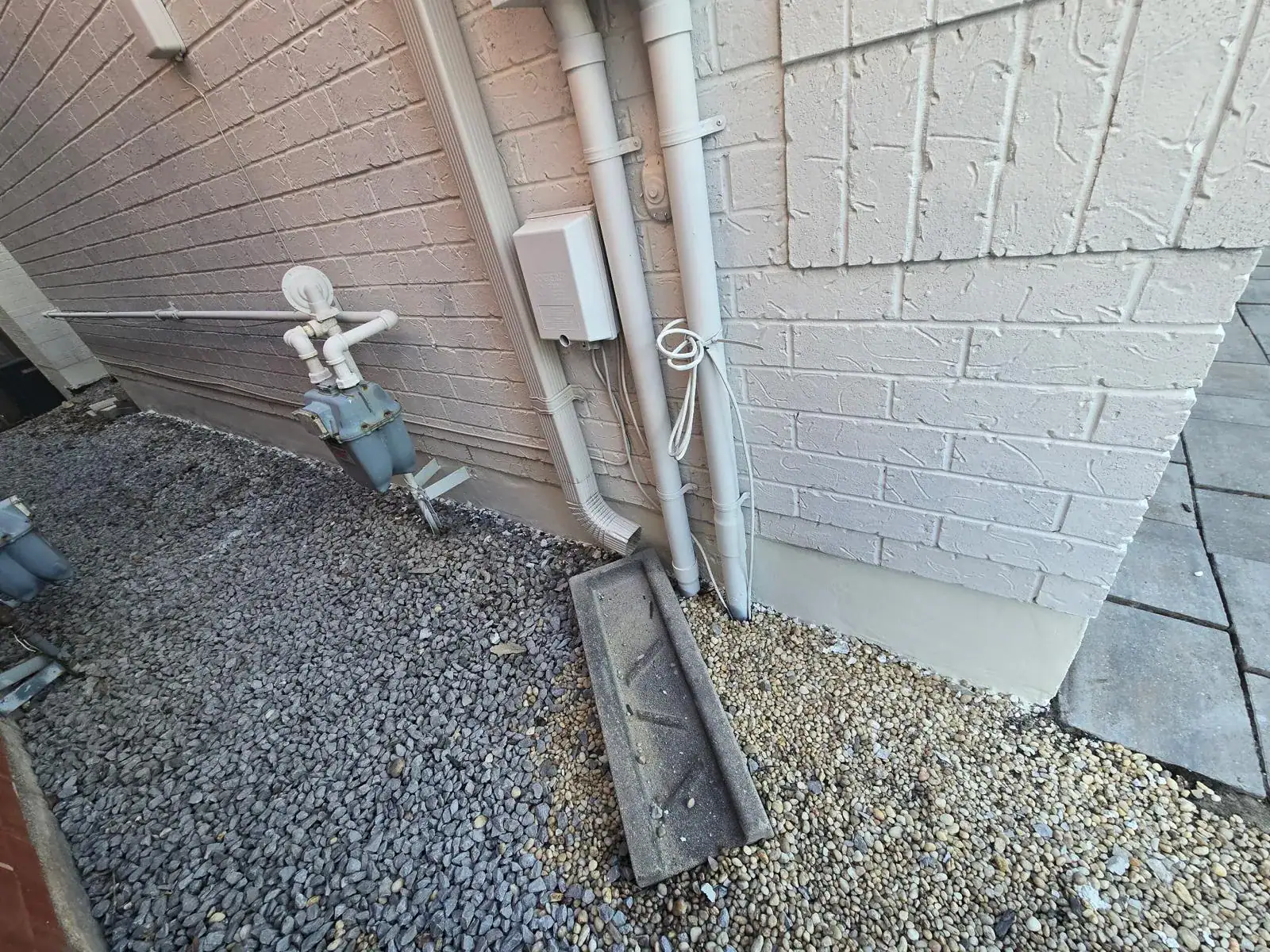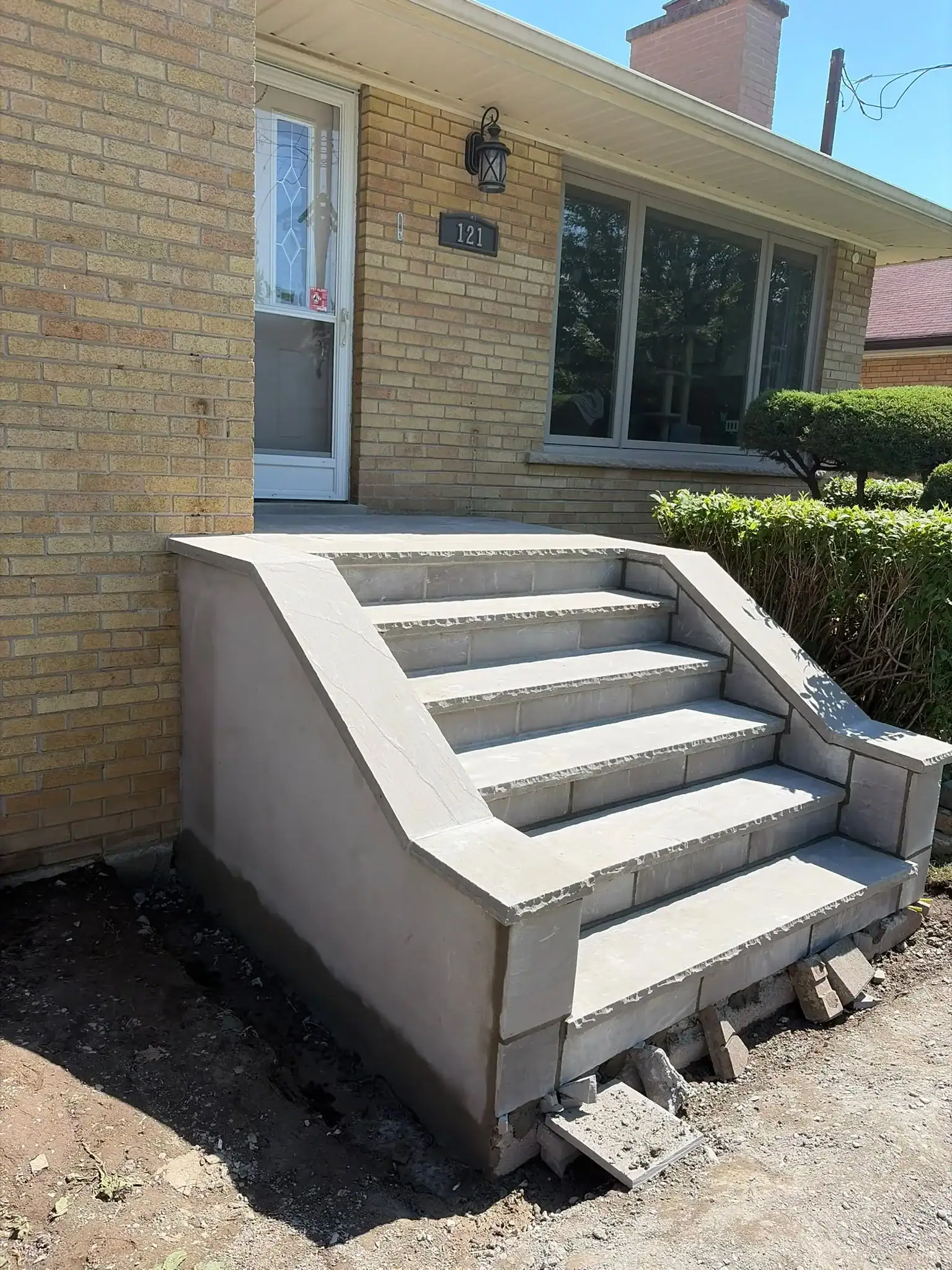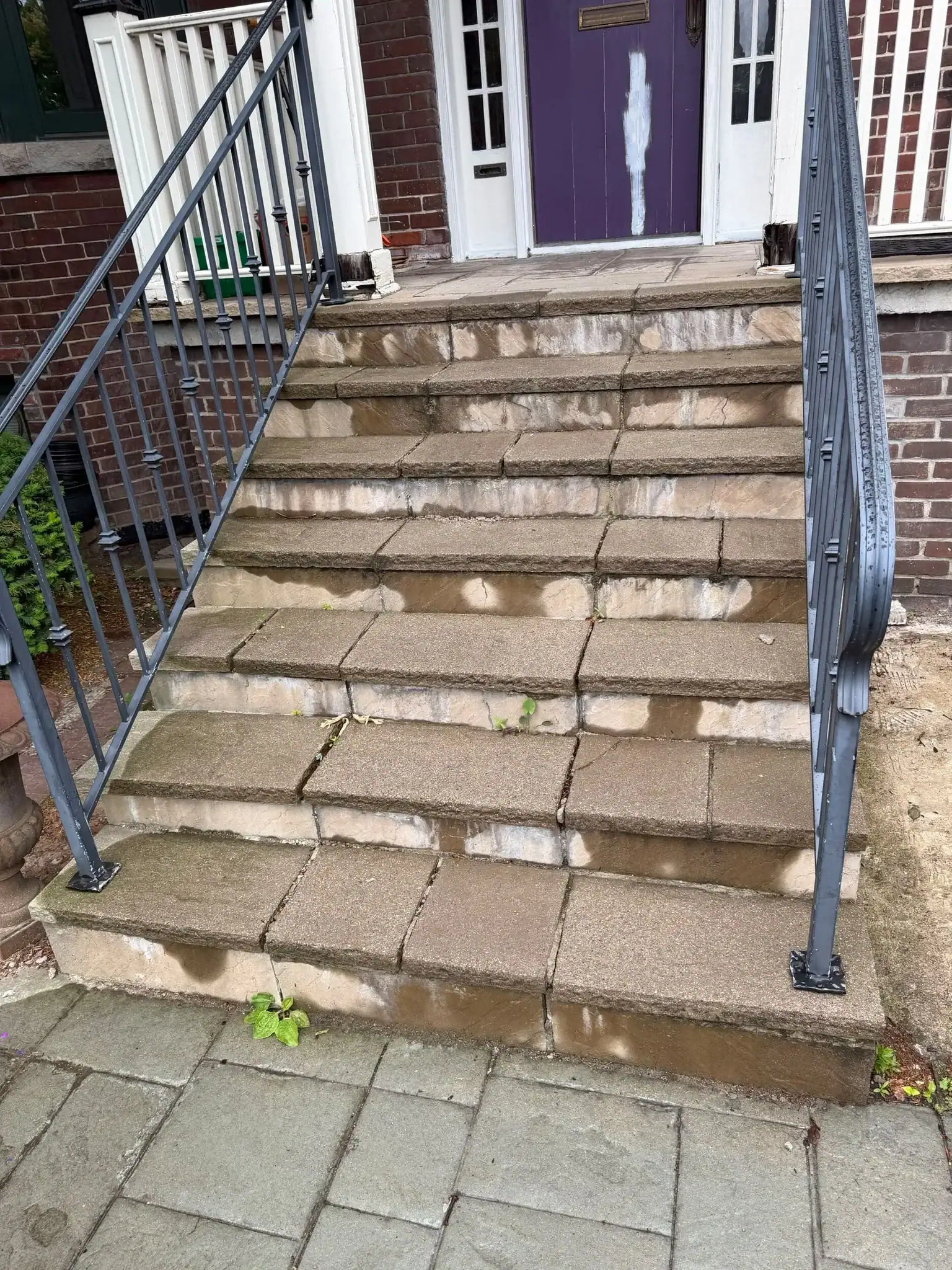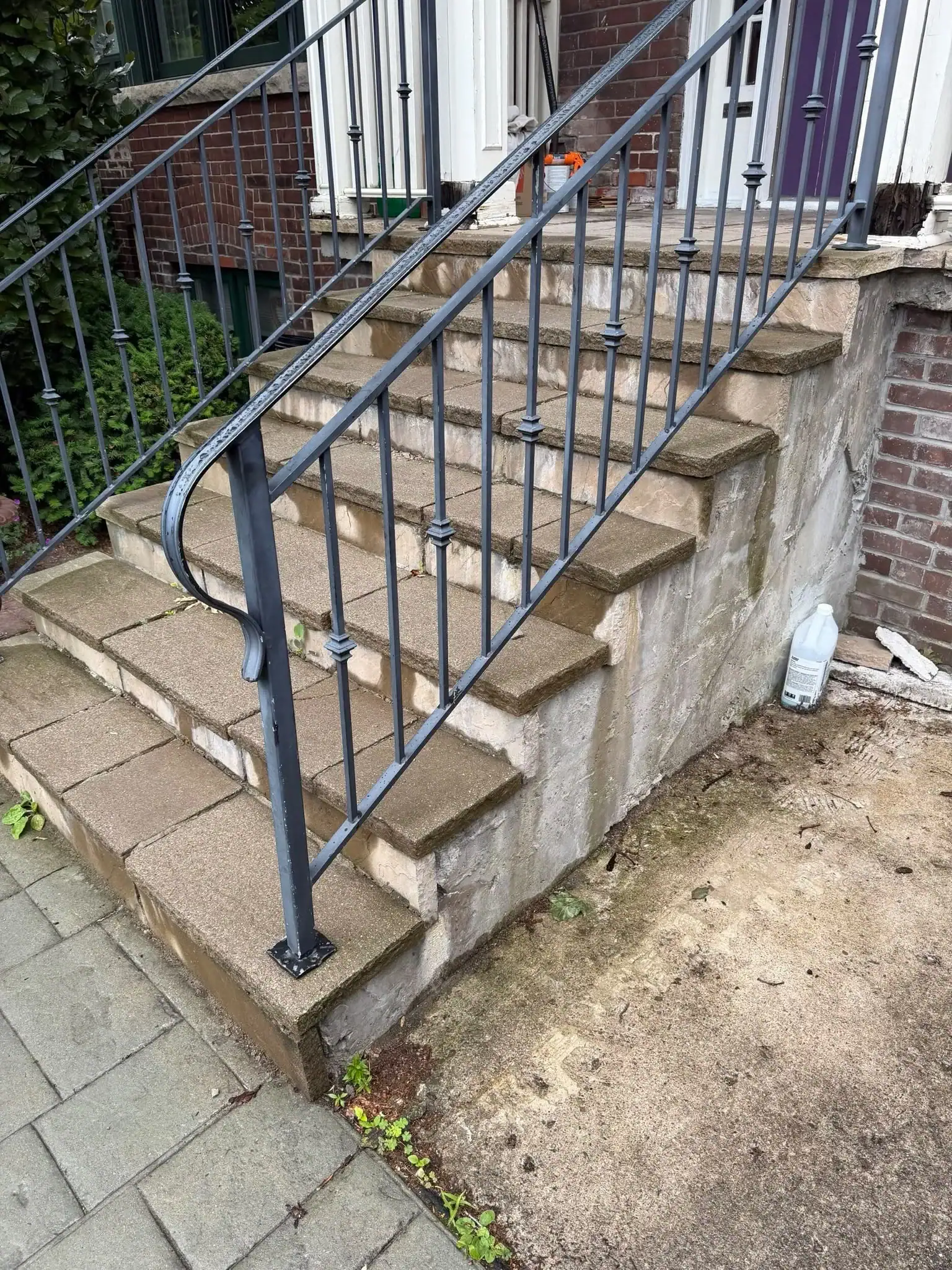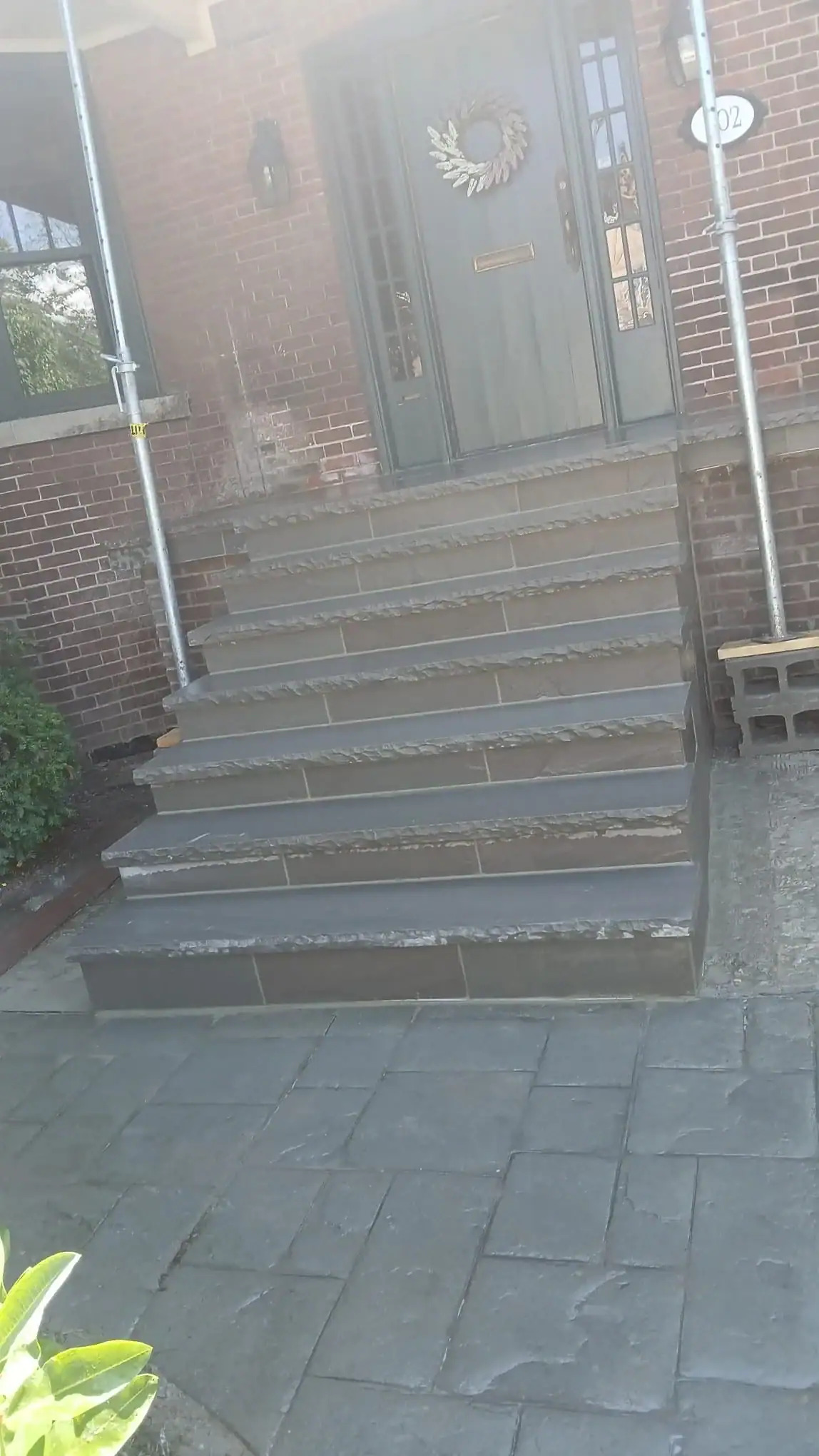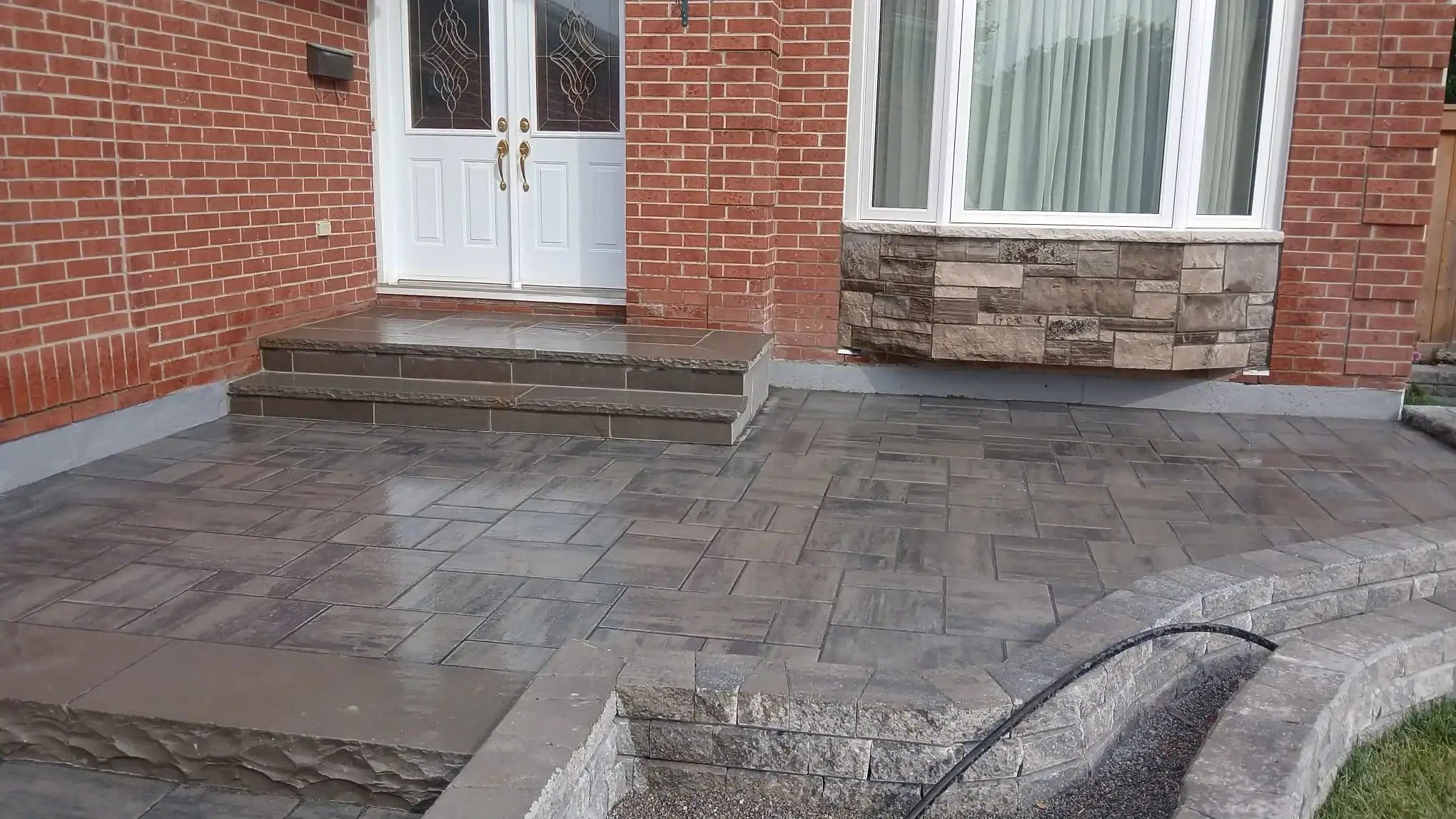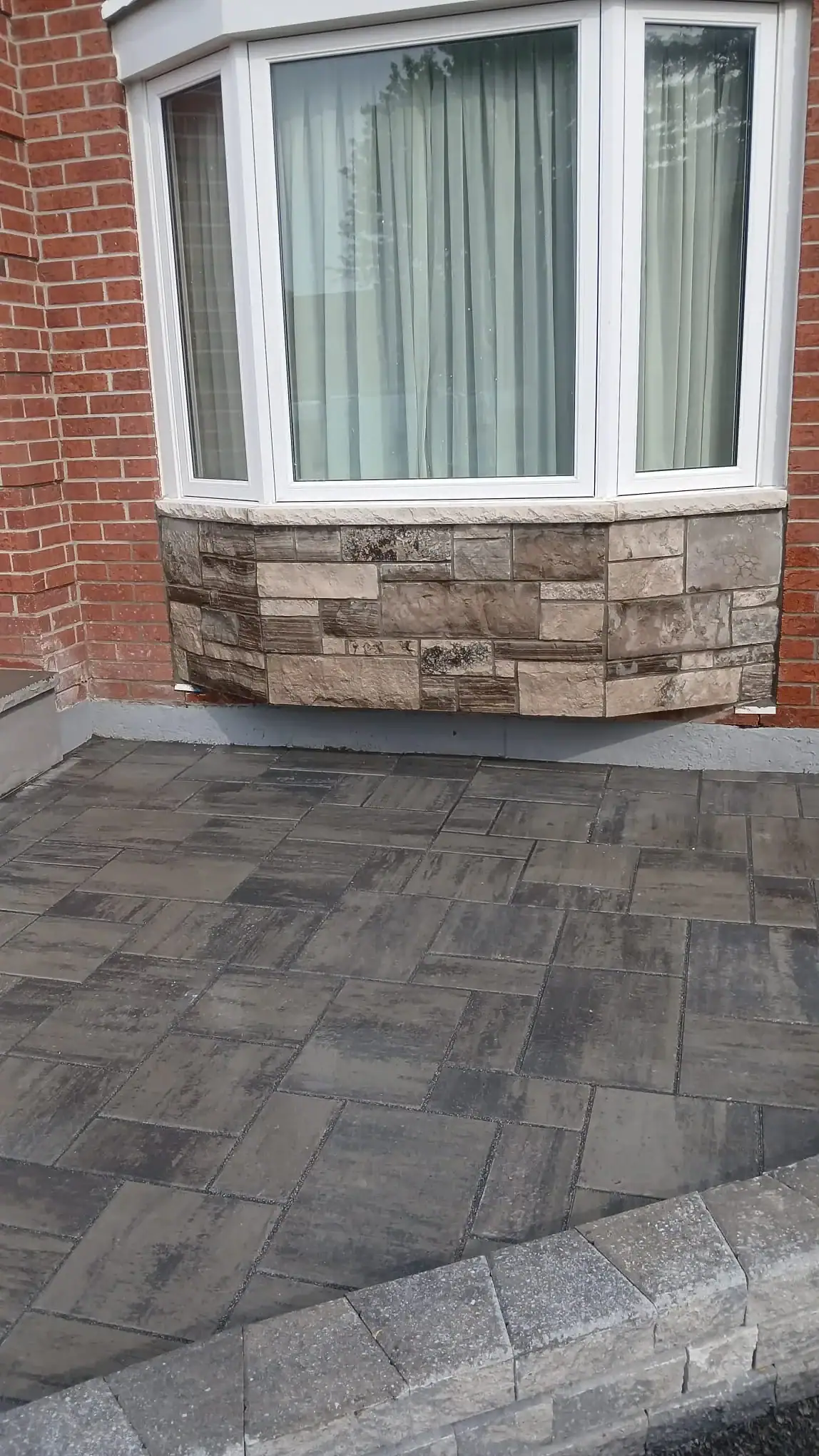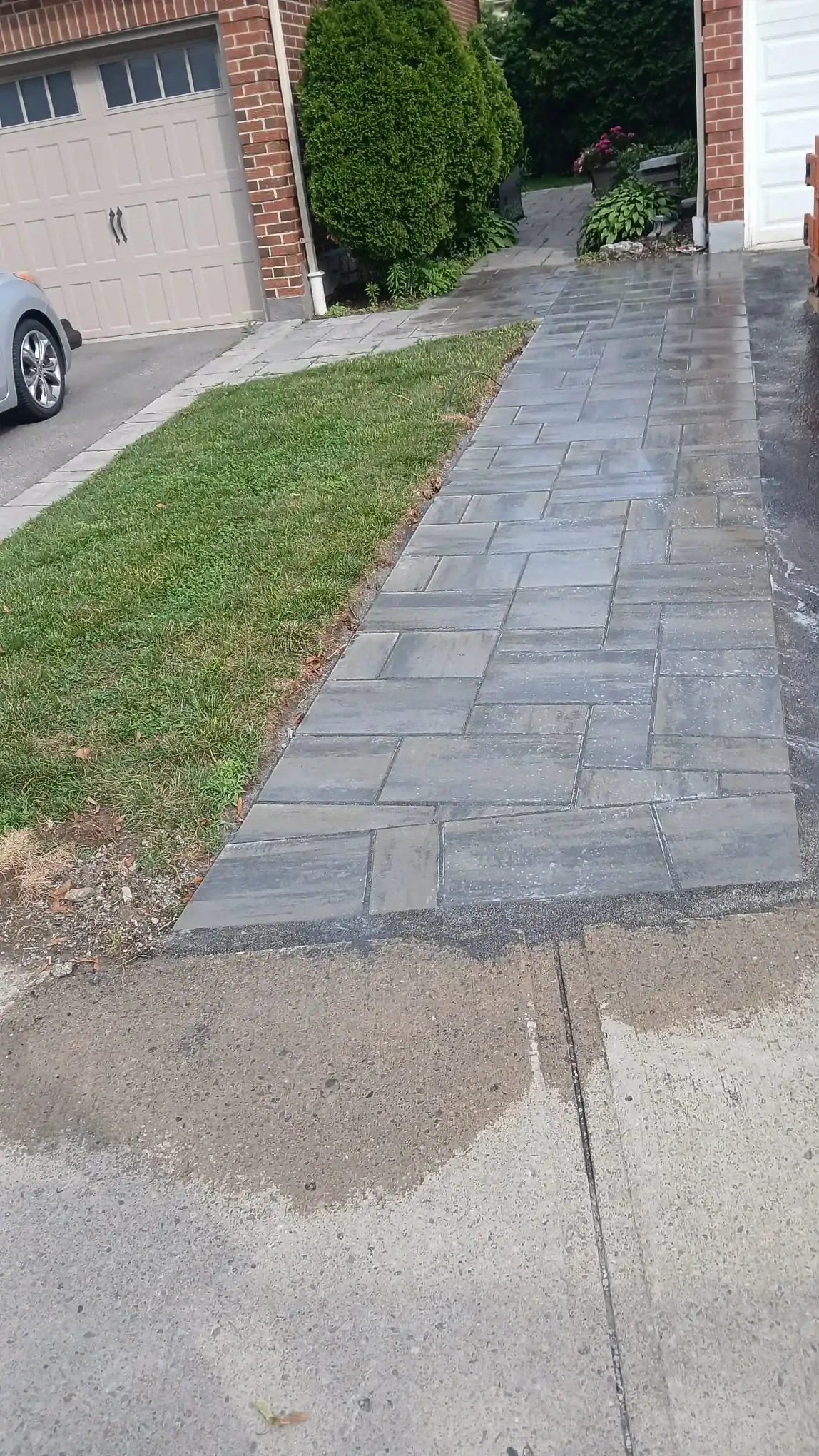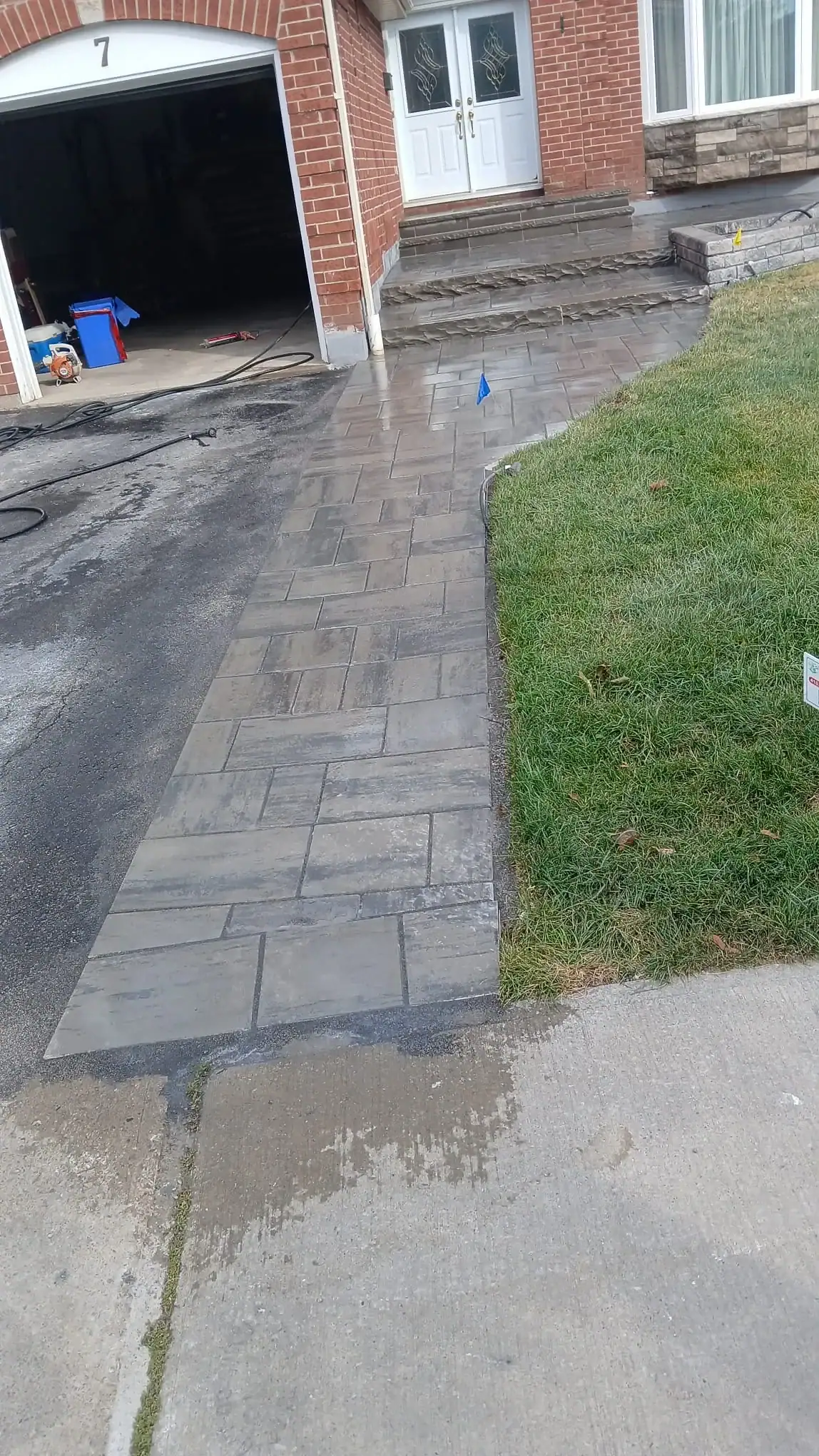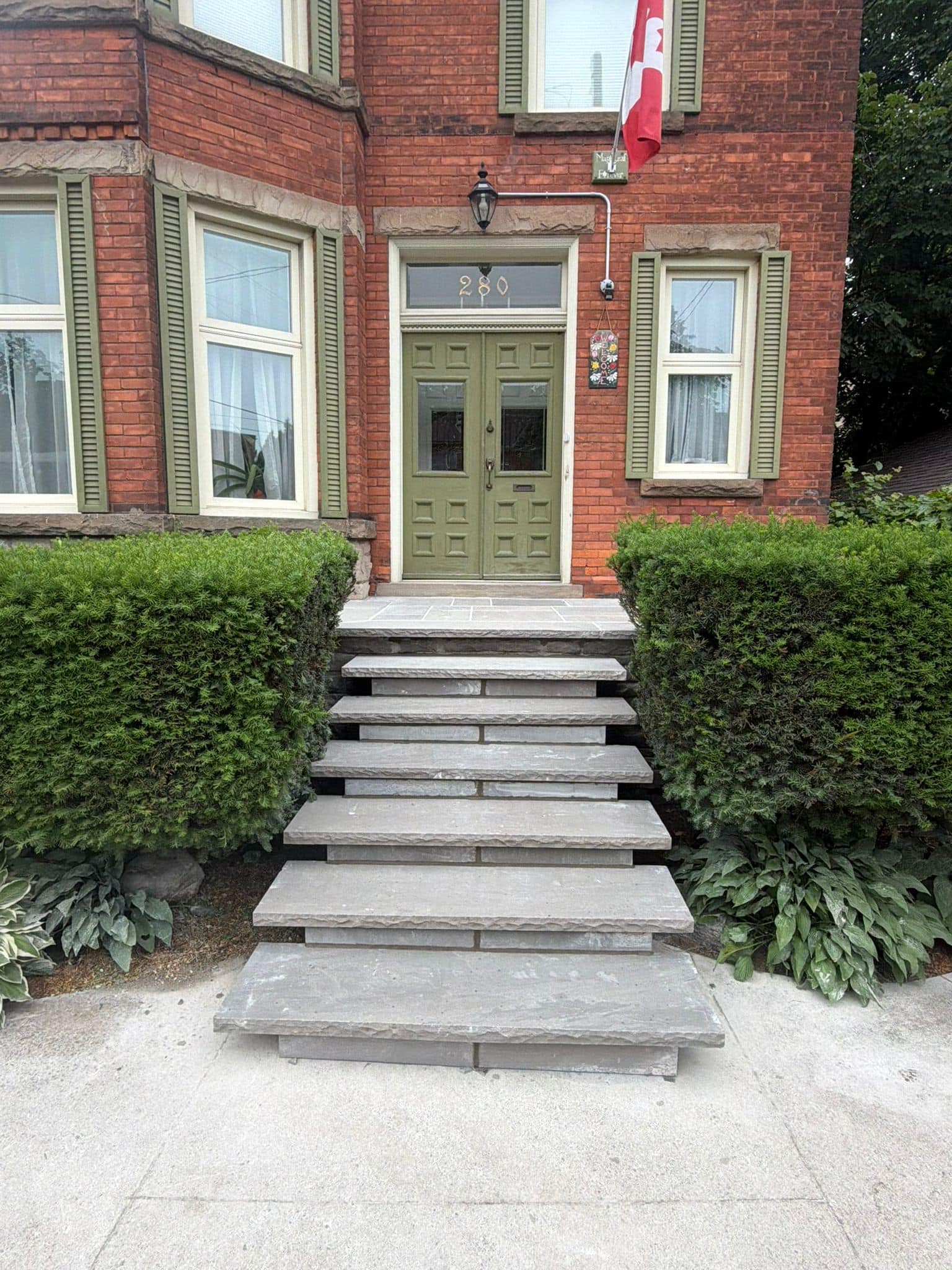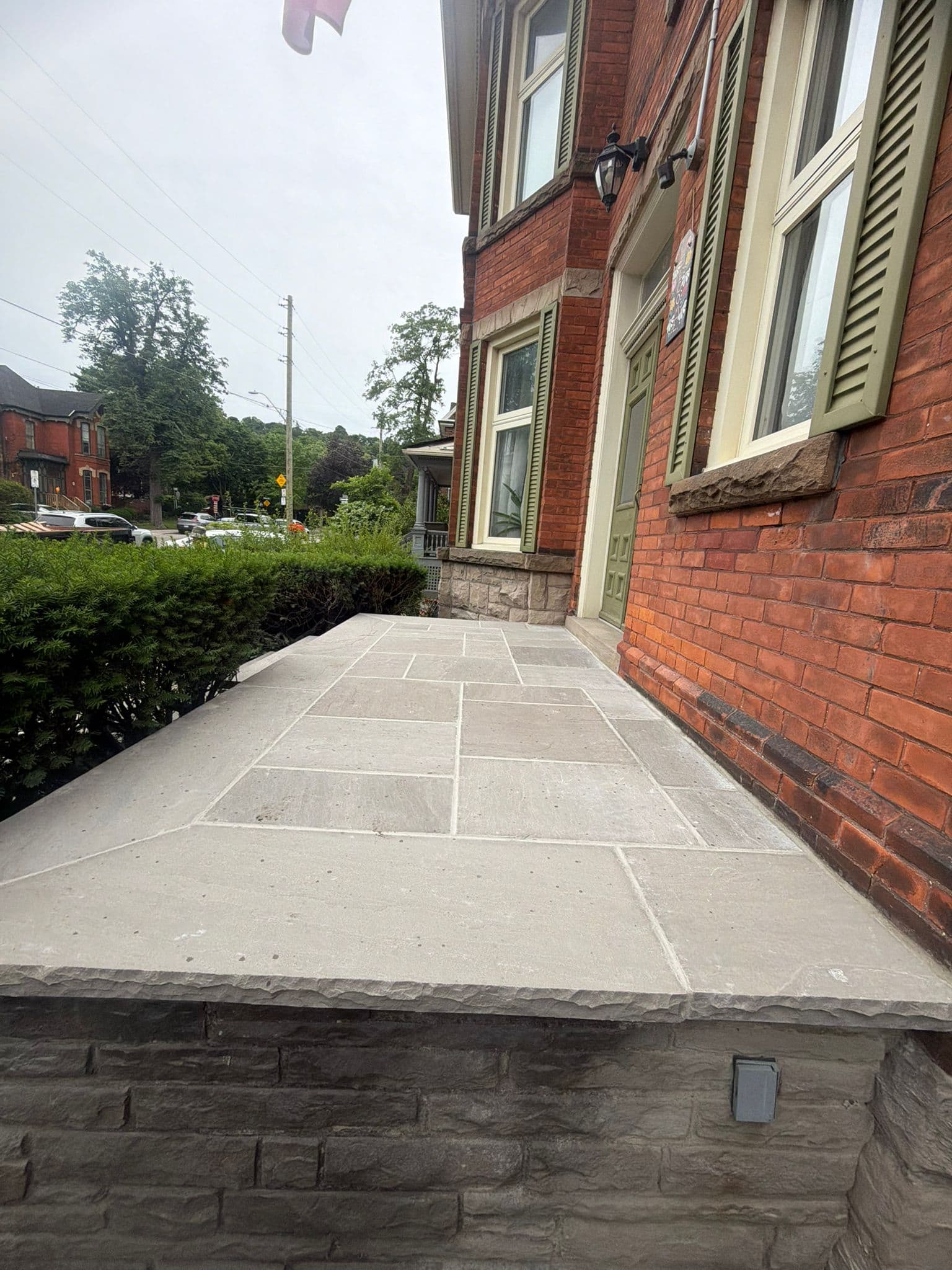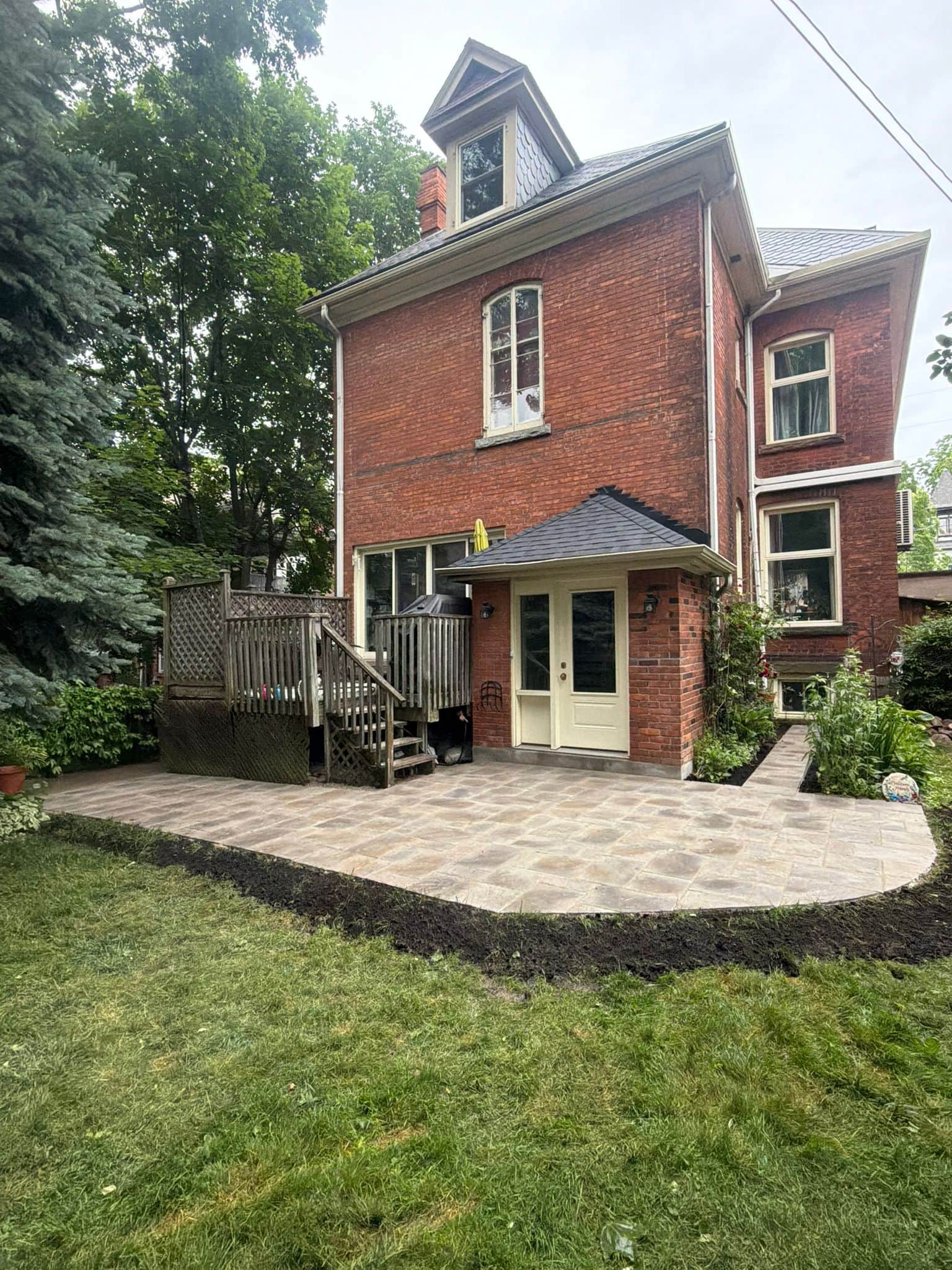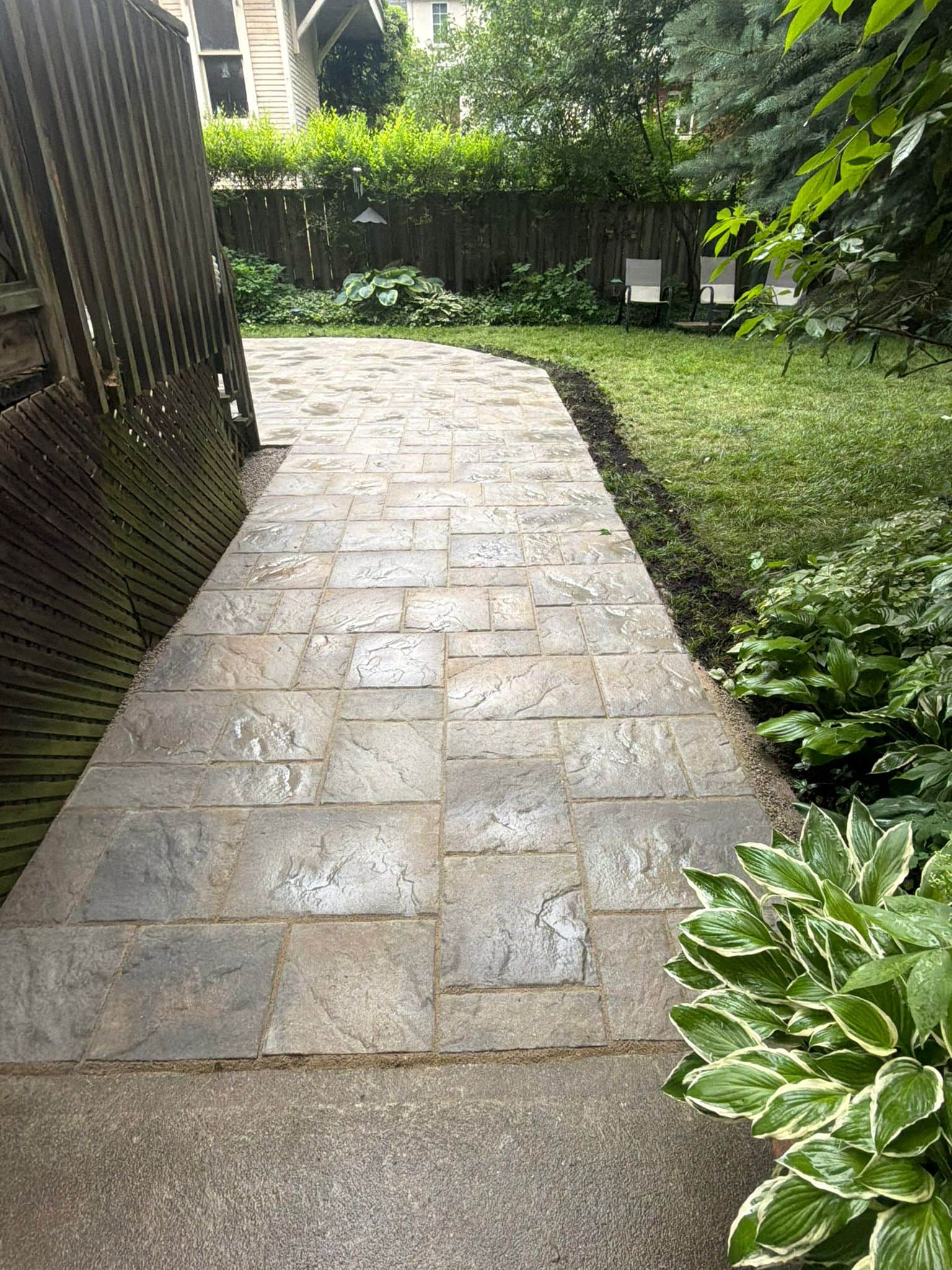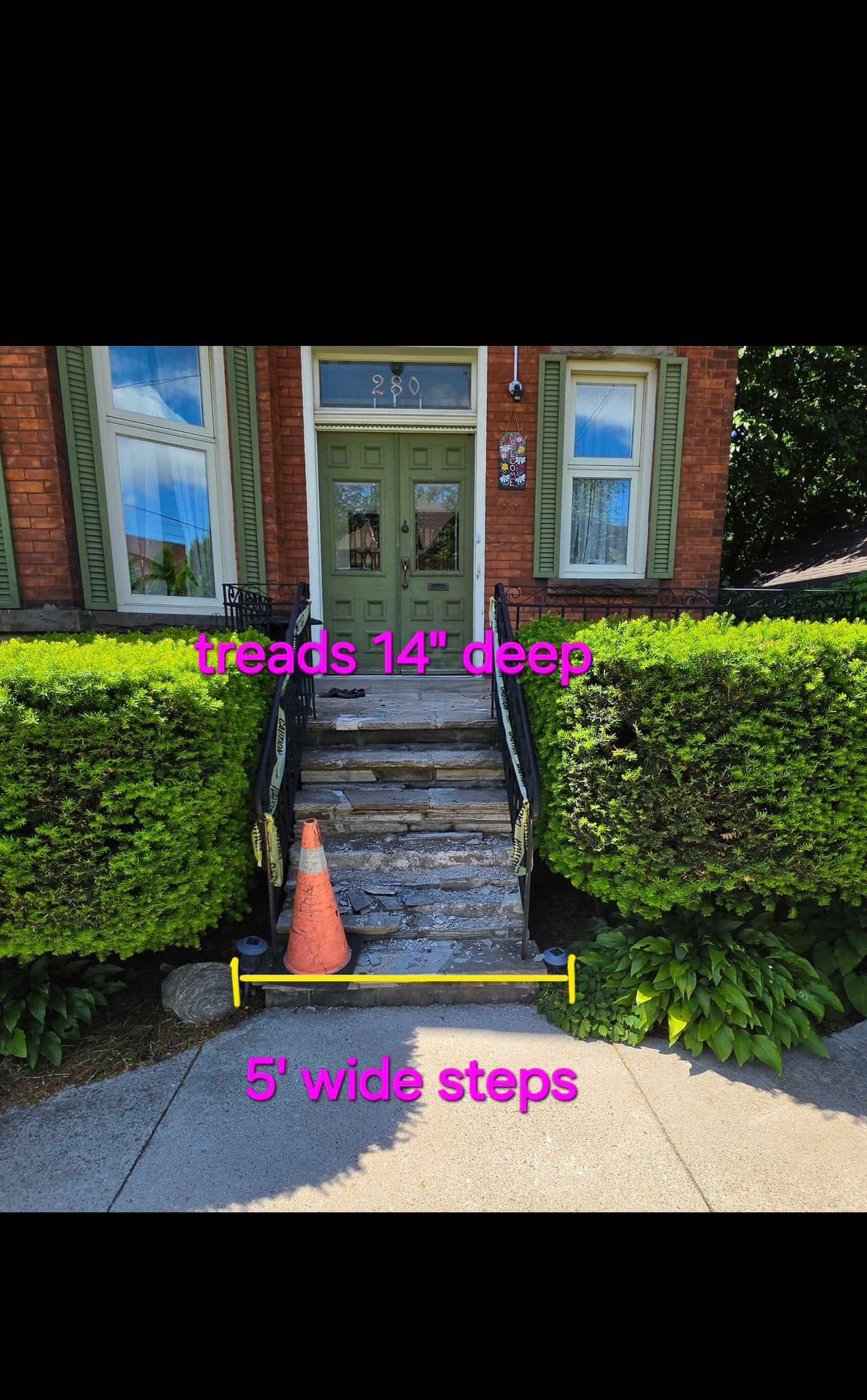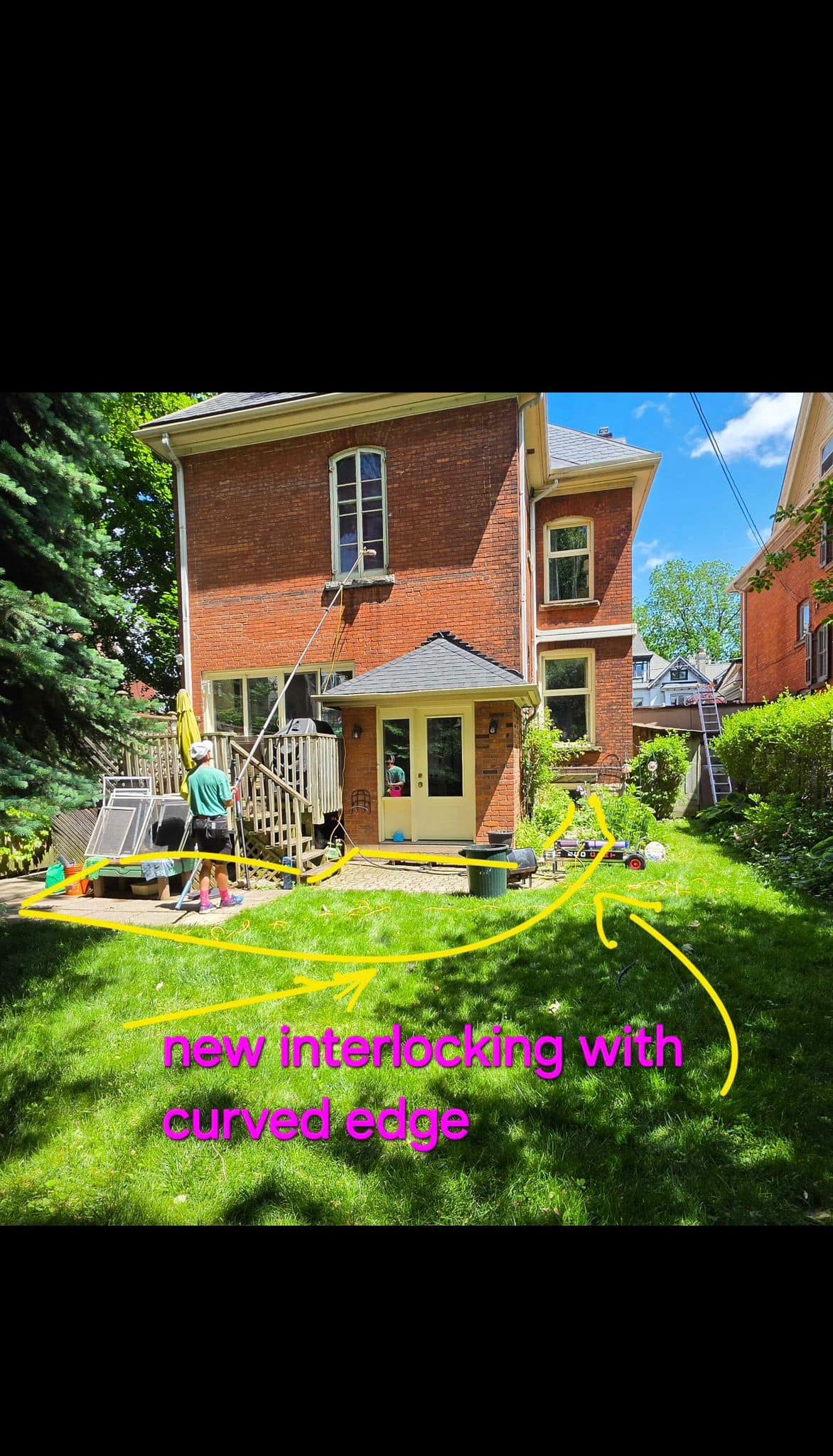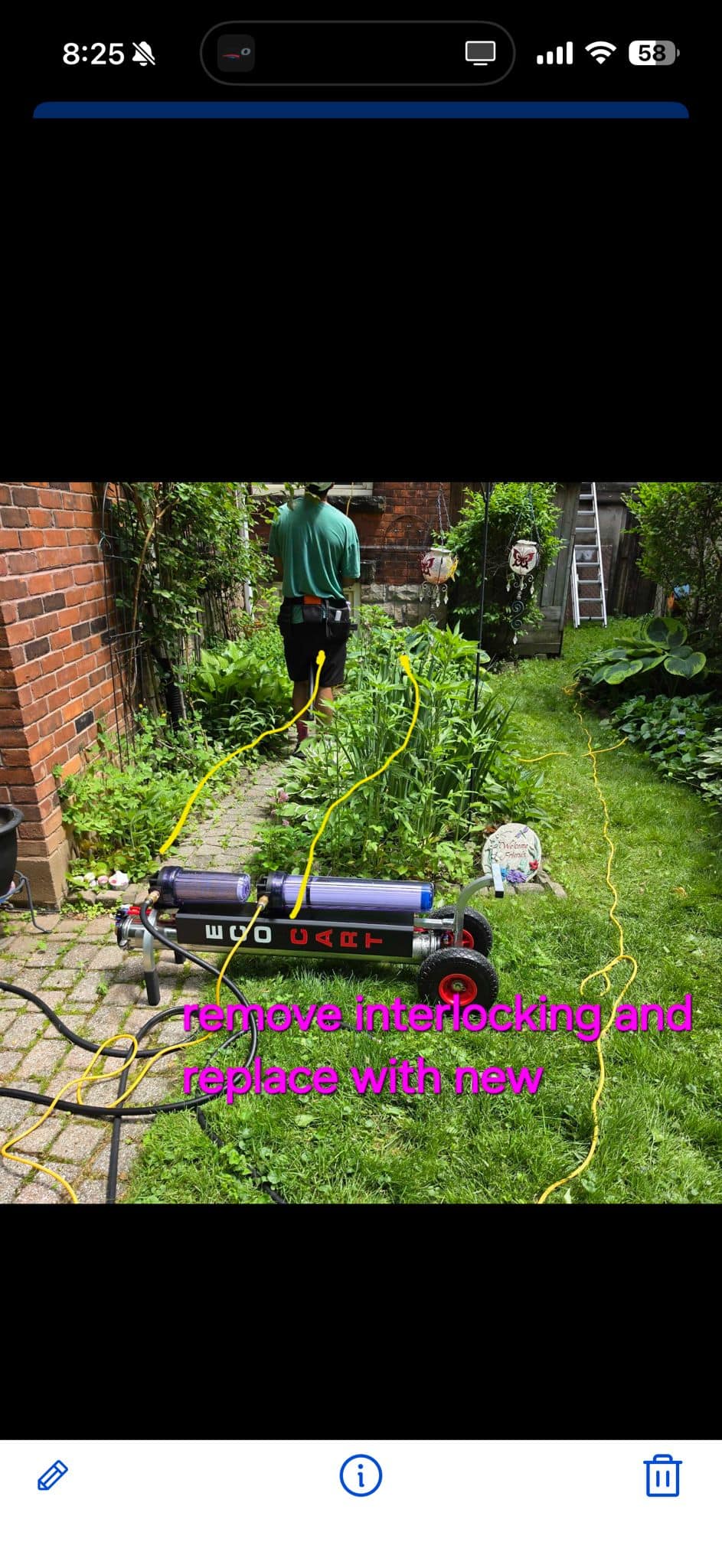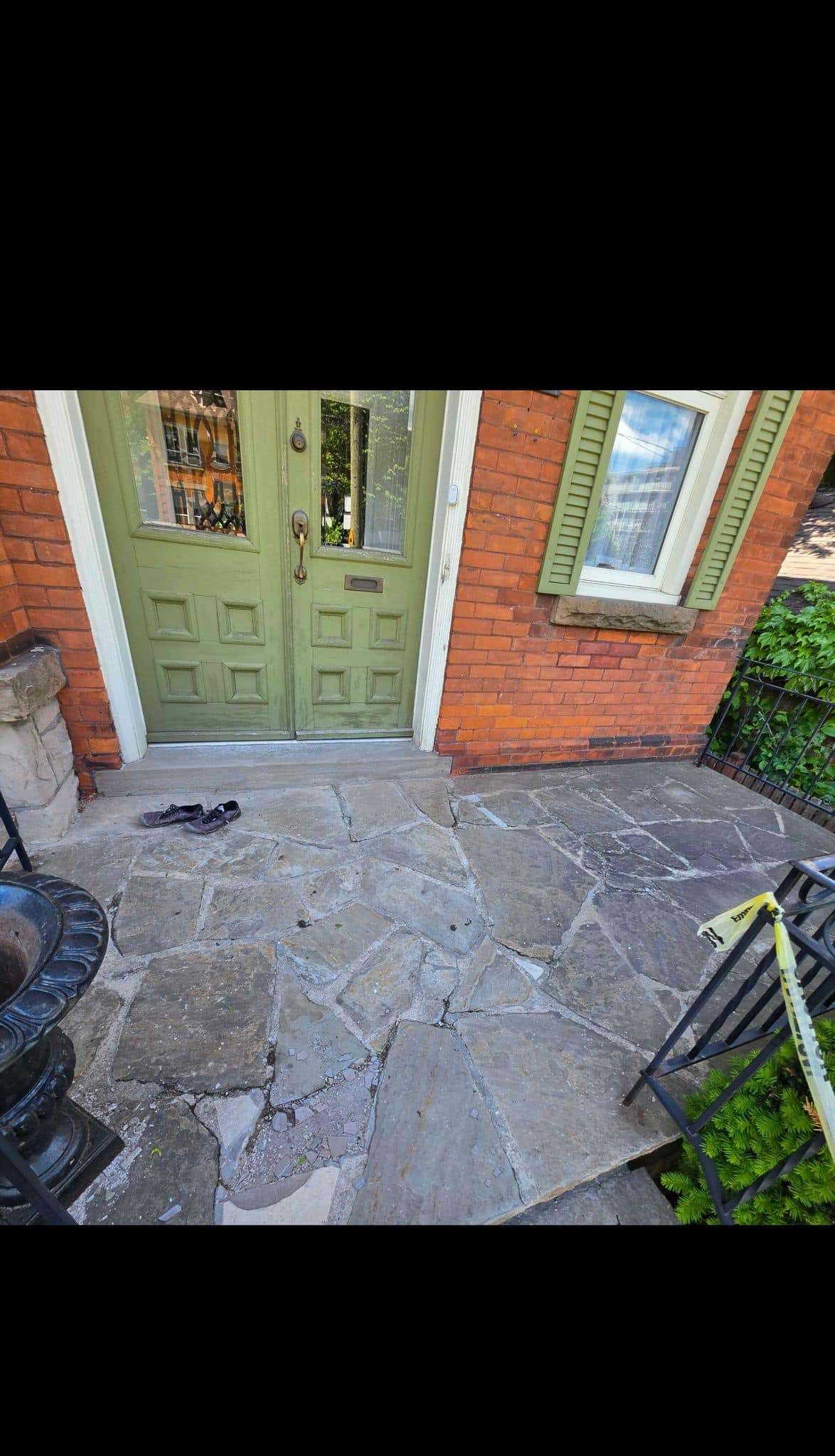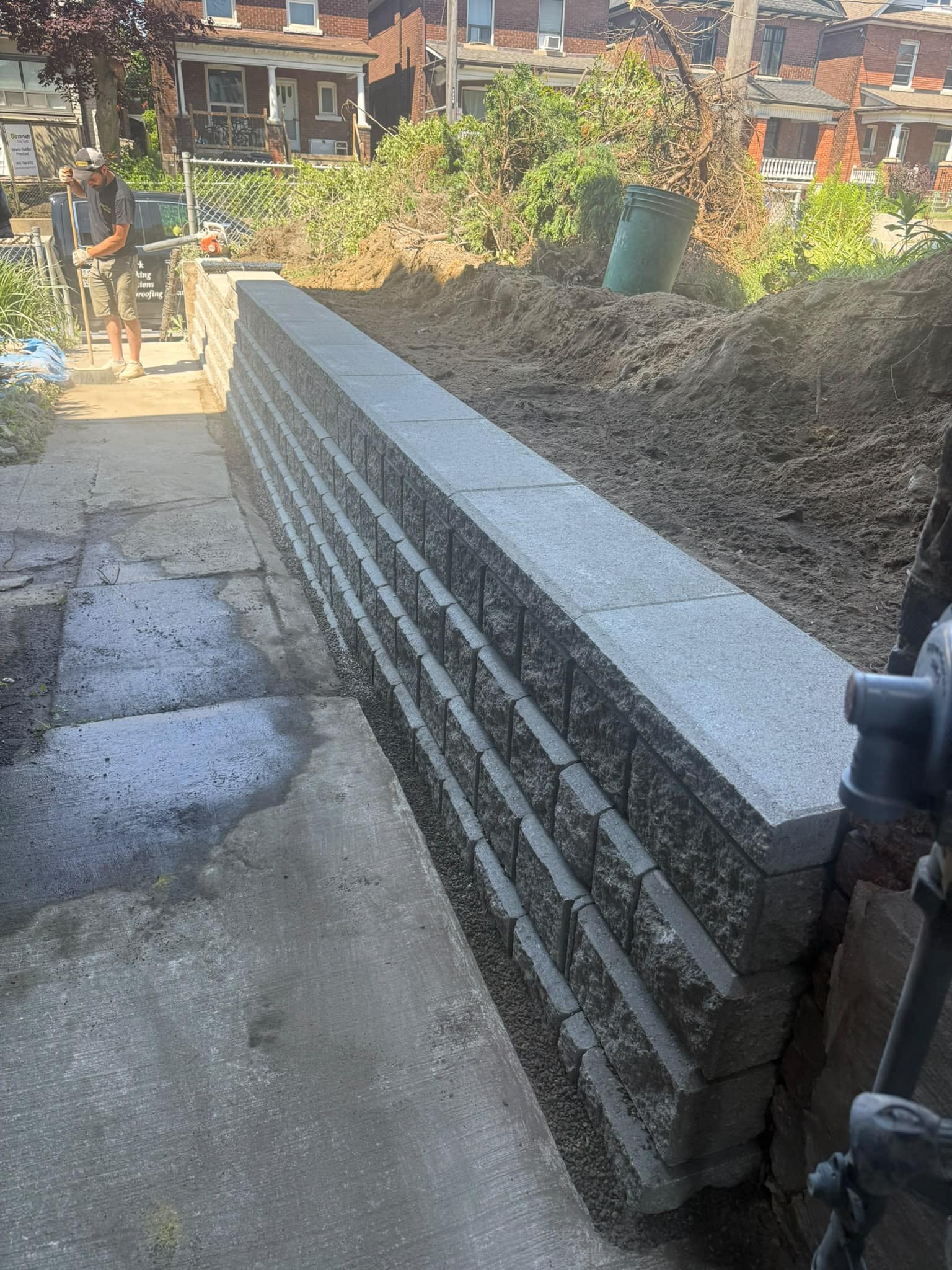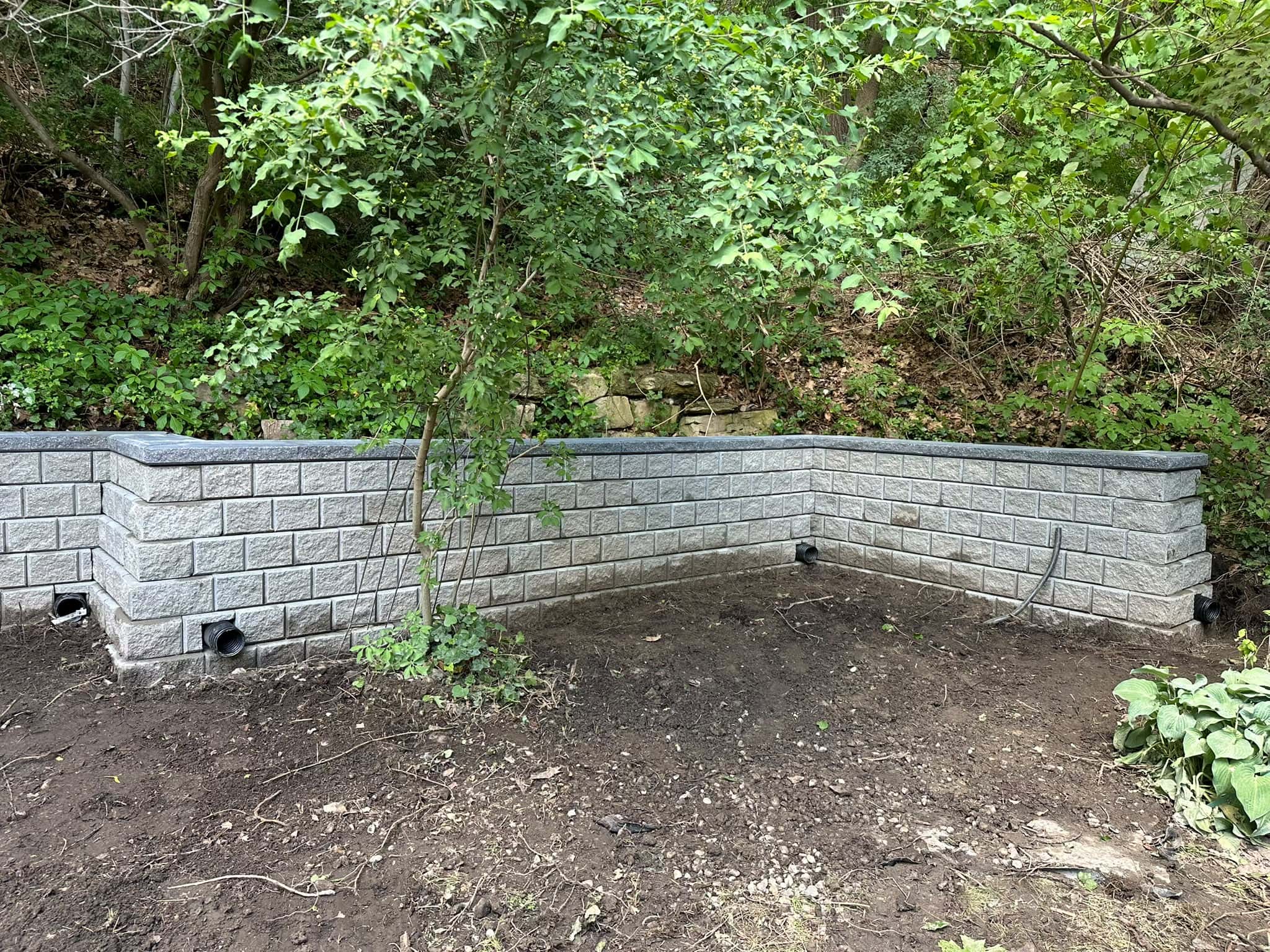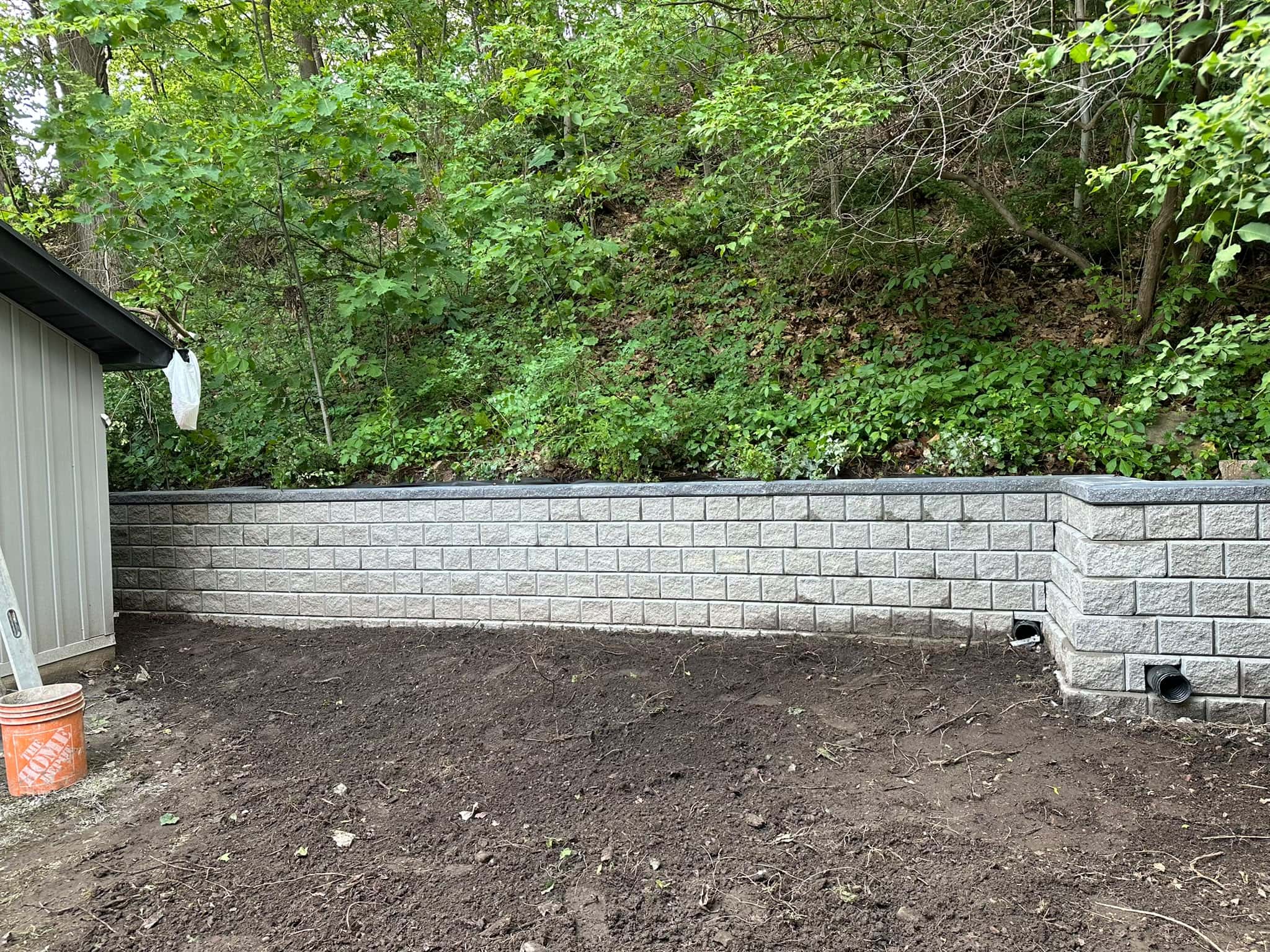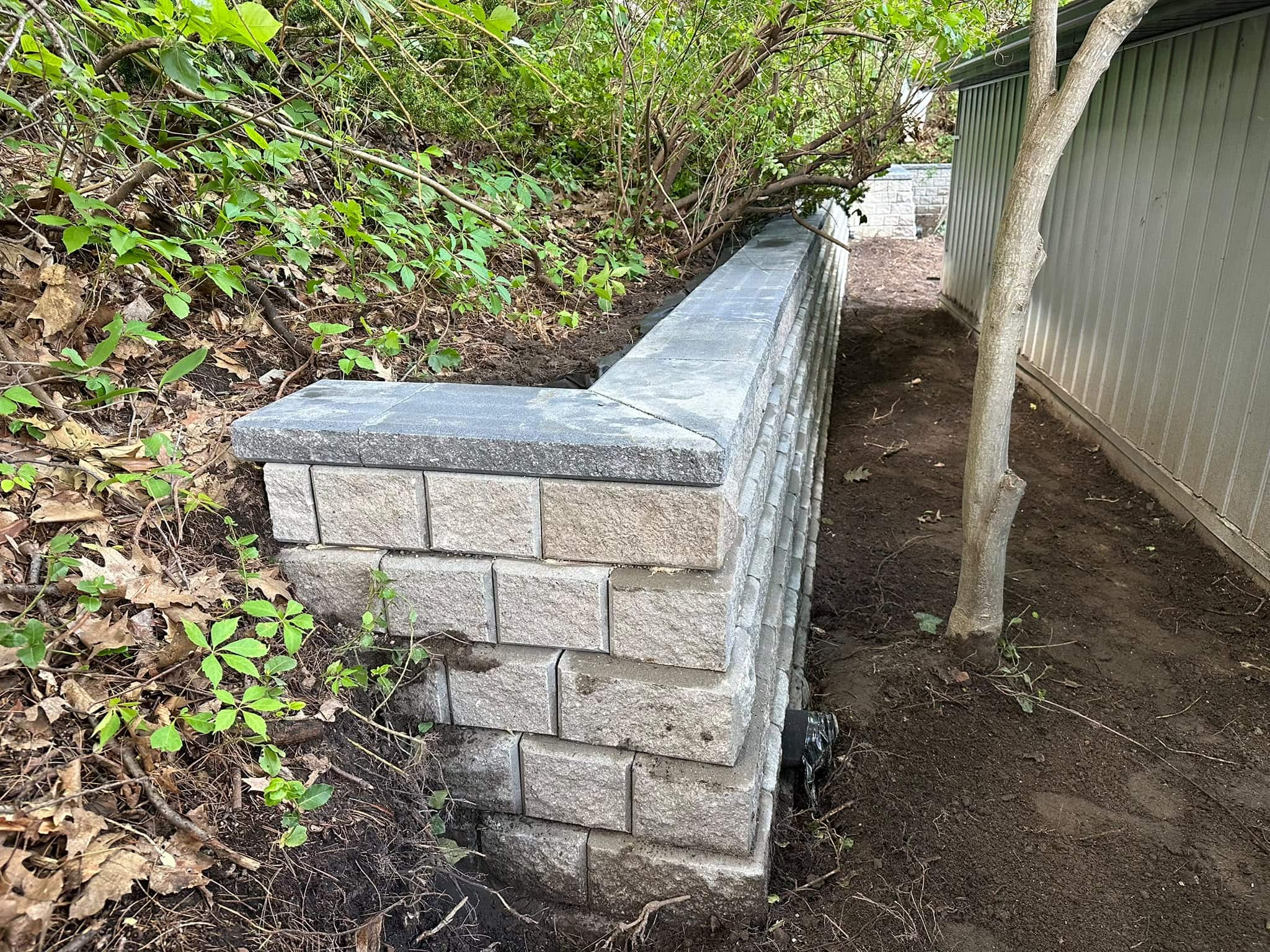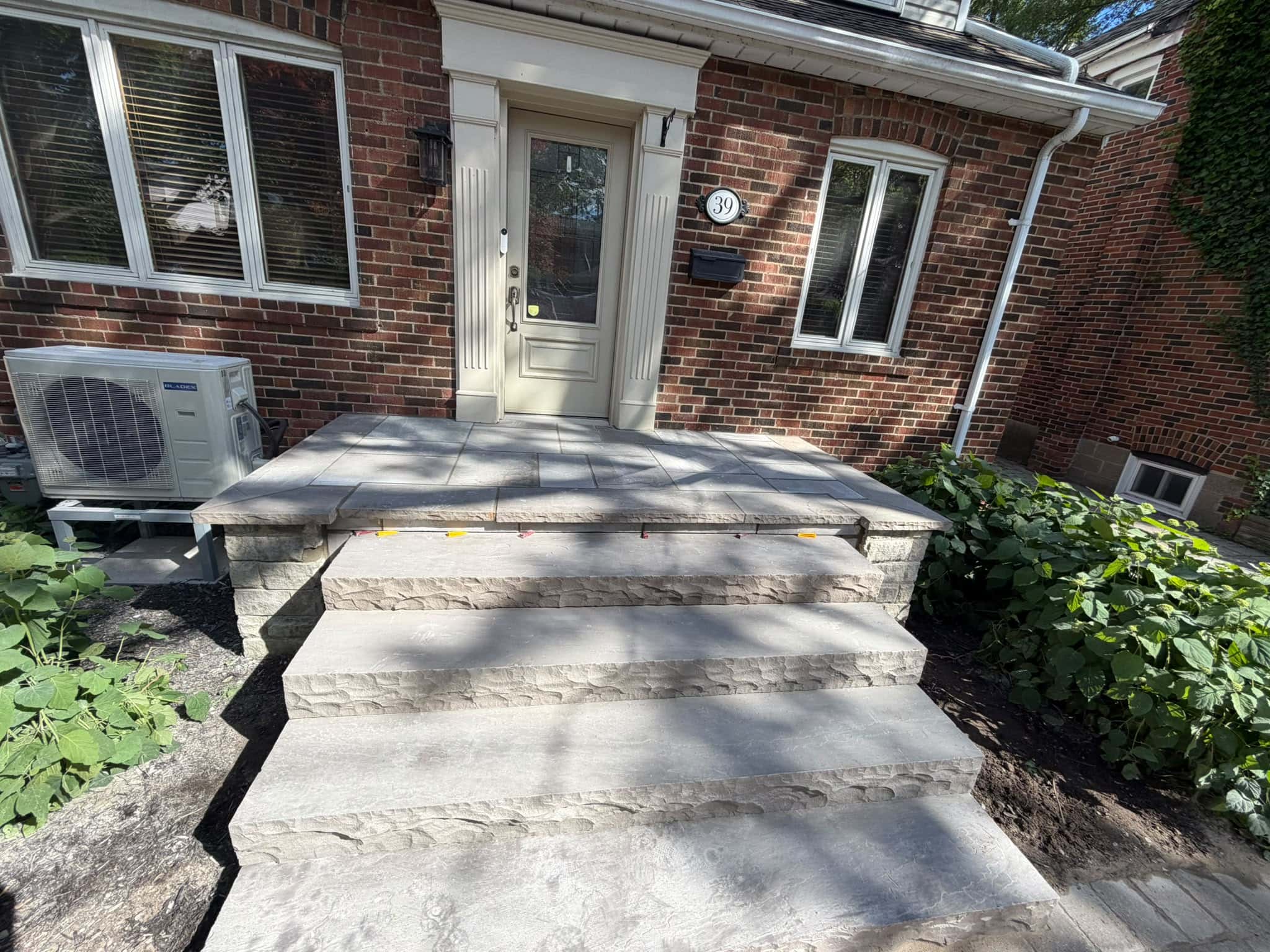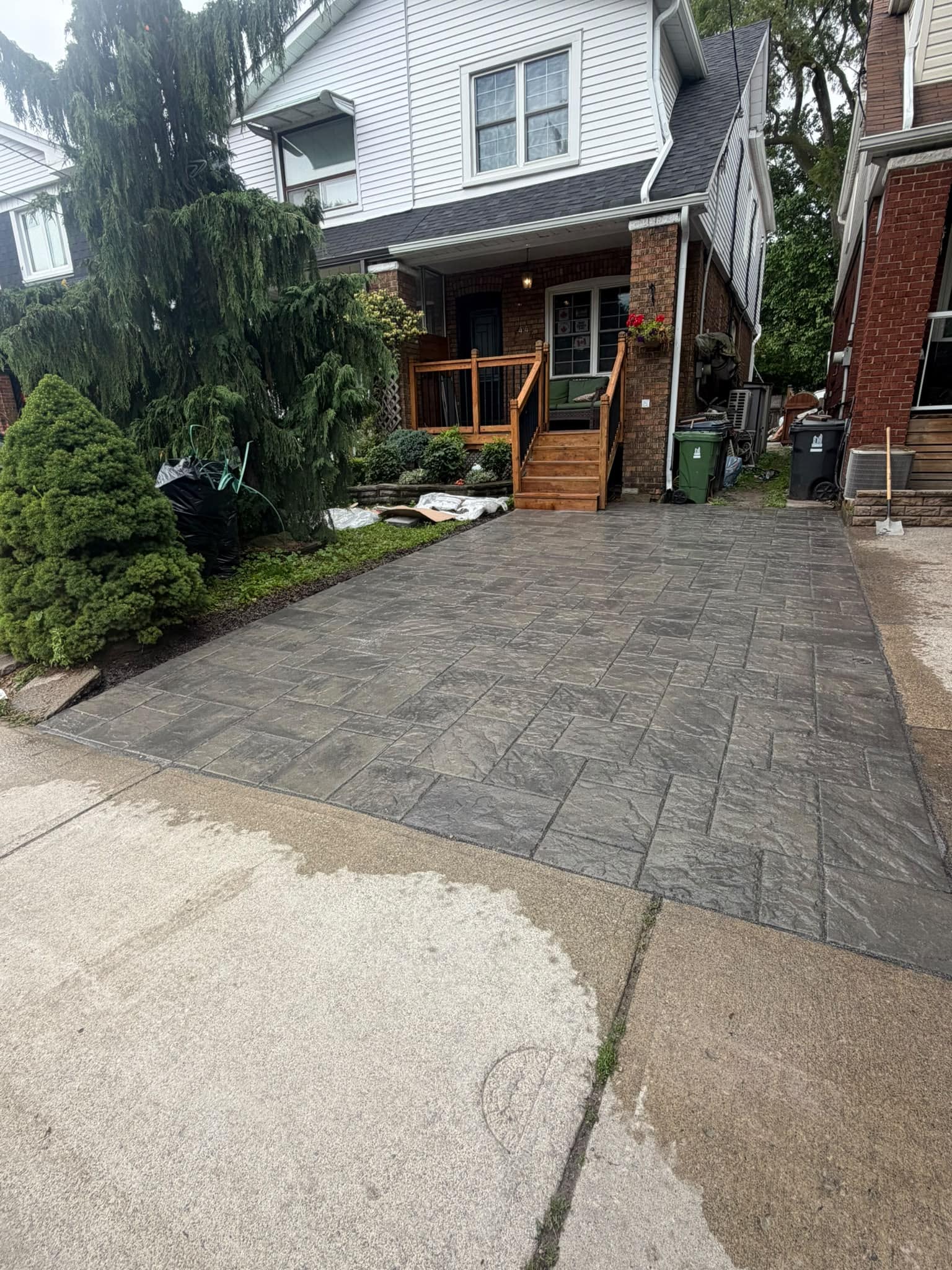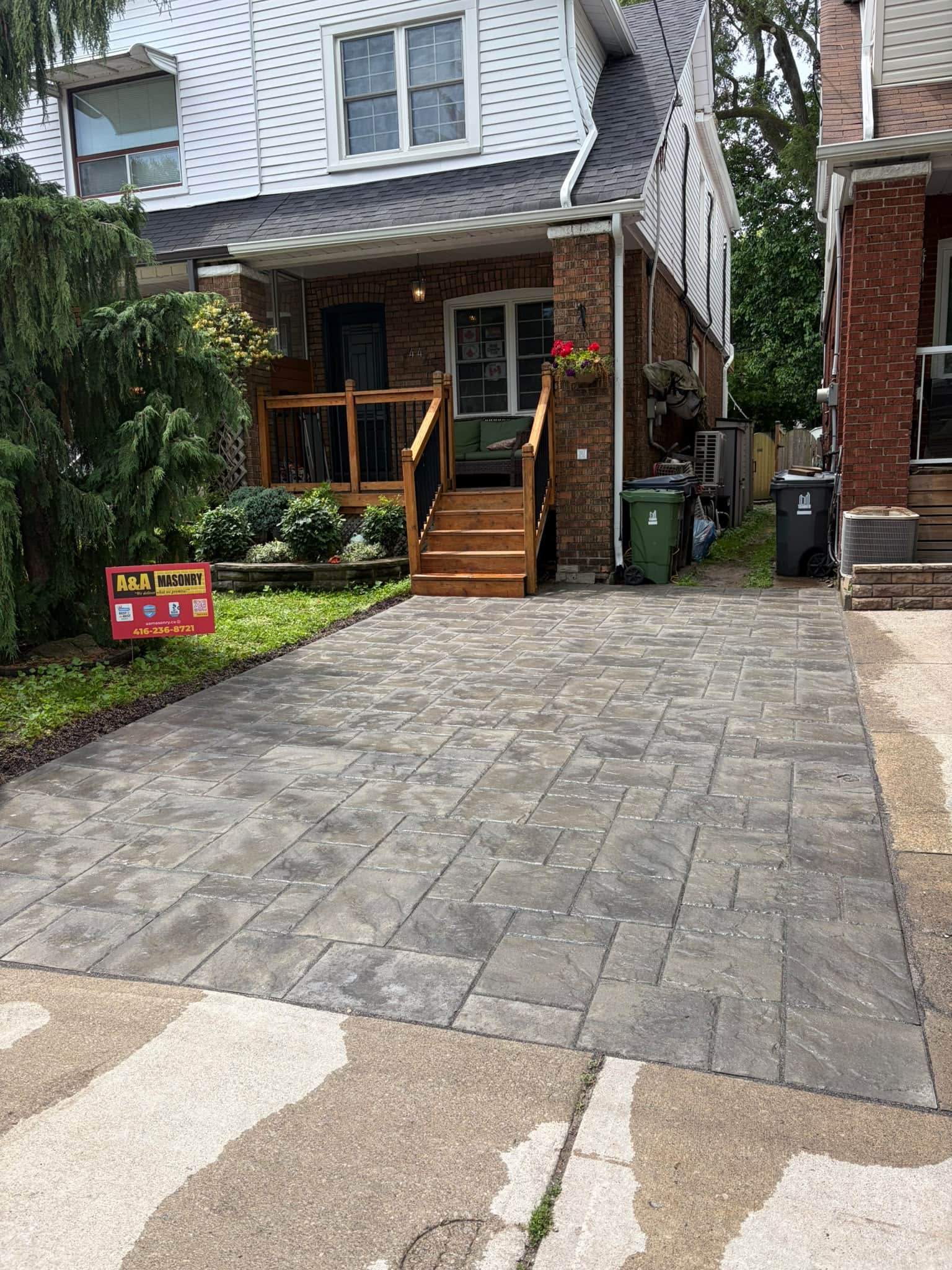

Choosing the right landscaping rock is crucial to enhancing a property’s appearance and functionality. Large rocks can add a dramatic touch, while smaller stones create intricate designs. With numerous options, selecting the best one can be challenging.
Landscaping rock is vital in landscape design. It helps create balance and harmony in outdoor spaces. Whether it’s large rocks for statement pieces or small stones for texture, the right choice makes a big difference. Homeowners can create a beautiful and functional outdoor space that fits their style and needs.
Are Landscaping Stones the Same as Landscaping Rocks?
While landscaping stones and landscaping rocks are often used interchangeably, they have slight differences in meaning.
Landscaping Rocks is a broad term that encompasses all types of natural rocks used in landscaping, including river rocks, boulders, and gravel.
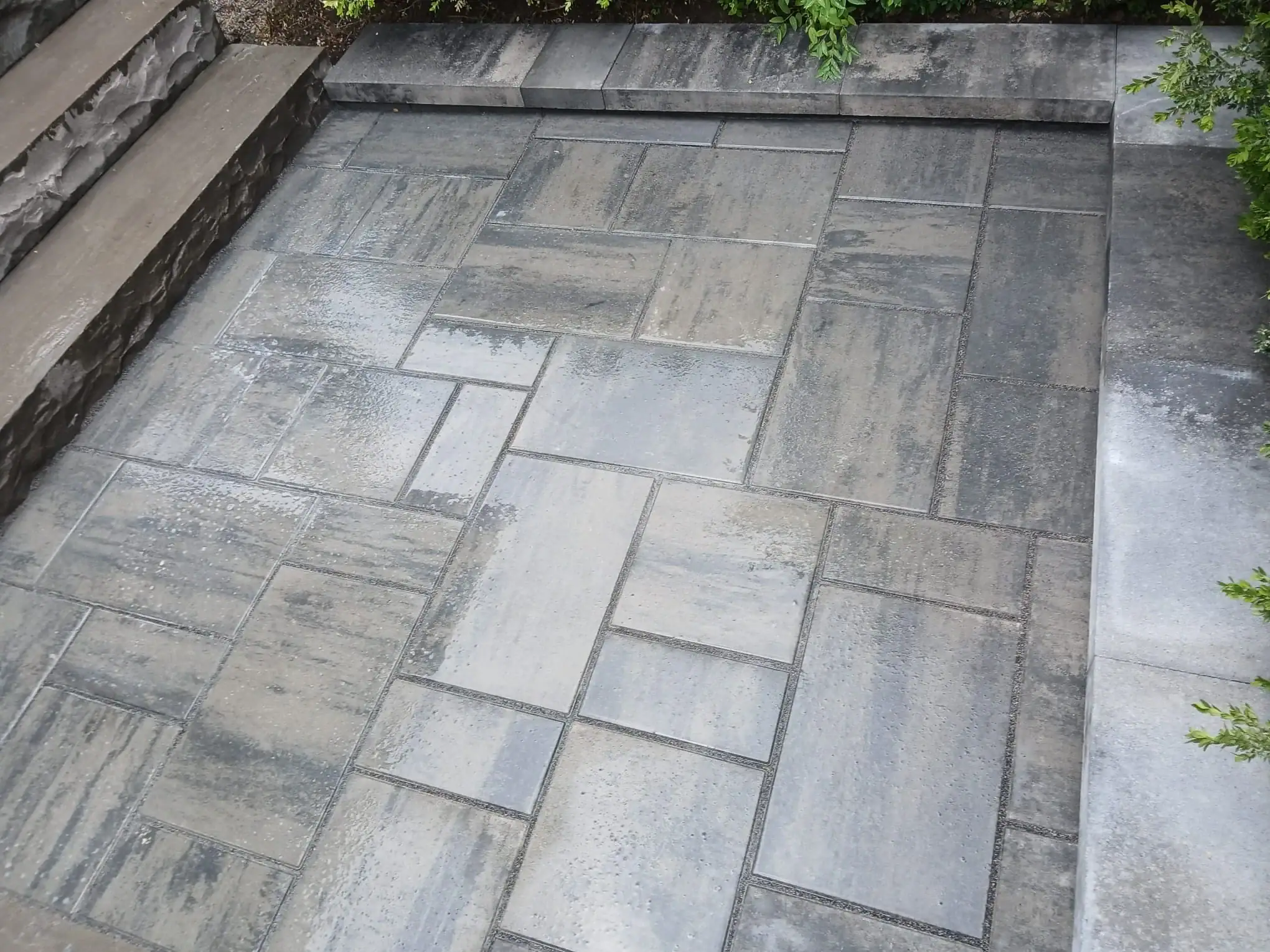
Landscaping Stones usually refer to smaller, processed, or shaped materials, such as pea gravel, crushed stone, or decorative pavers.
In general, all landscaping stones are rocks, but not all landscaping rocks are stones, especially if the rocks are large, unshaped, or naturally occurring.
Garden Rocks vs Garden Stones
Garden stones are typically smaller, smooth, and decorative, often used for pathways, edging, or ornamental features in a garden. Garden rocks, on the other hand, are larger, more rugged, and natural-looking, commonly used for accents, drainage, or erosion control.
While both enhance landscaping, stones offer a refined look, while rocks provide a more natural aesthetic.
Why are the terms landscaping rocks, landscaping stones, garden rocks, and garden stones used?
The terms landscaping rocks, landscaping stones, garden rocks, and garden stones are used because they help differentiate the size, purpose, and placement of natural and decorative rocks in outdoor spaces.
Here’s why each term exists:
- Landscaping Rocks & Landscaping Stones – Used in professional landscaping and hardscaping to describe materials for pathways, retaining walls, and decorative features. “Rocks” usually refer to smaller, loose materials, while “stones” often mean larger, structured elements like boulders or flagstone.
- Garden Rocks & Garden Stones – Used more in residential gardening to define decorative or functional rock elements. “Garden stones” are often refined, like stepping stones or decorative pebbles, whereas “garden rocks” are more natural-looking and irregular, used for accents or drainage.
The terms cater to different audiences—landscapers, gardeners, and homeowners—helping them choose the right material for their outdoor projects.

What is the best rock for a landscape?
The best rock for landscaping depends on your needs. Crushed granite and pea gravel are great for pathways, while river rock adds a natural touch to gardens. For durability, lava rock and flagstone are well-suited for high-traffic areas. If you want a low-maintenance option, decomposed granite or limestone is an excellent choice.
Let’s explore the top landscaping rocks to transform your outdoor space!
Top Landscaping Rocks
When upgrading your outdoor space, the right rocks can make all the difference. Whether you’re aiming for a natural retreat or a modern masterpiece, these top picks will help you create a landscape that’s both beautiful and built to last.
Pea Gravel
Small, rounded stones about the size of peas, available in various colours. Ideal for patios, playgrounds, and as an alternative to mulch.
River Rock
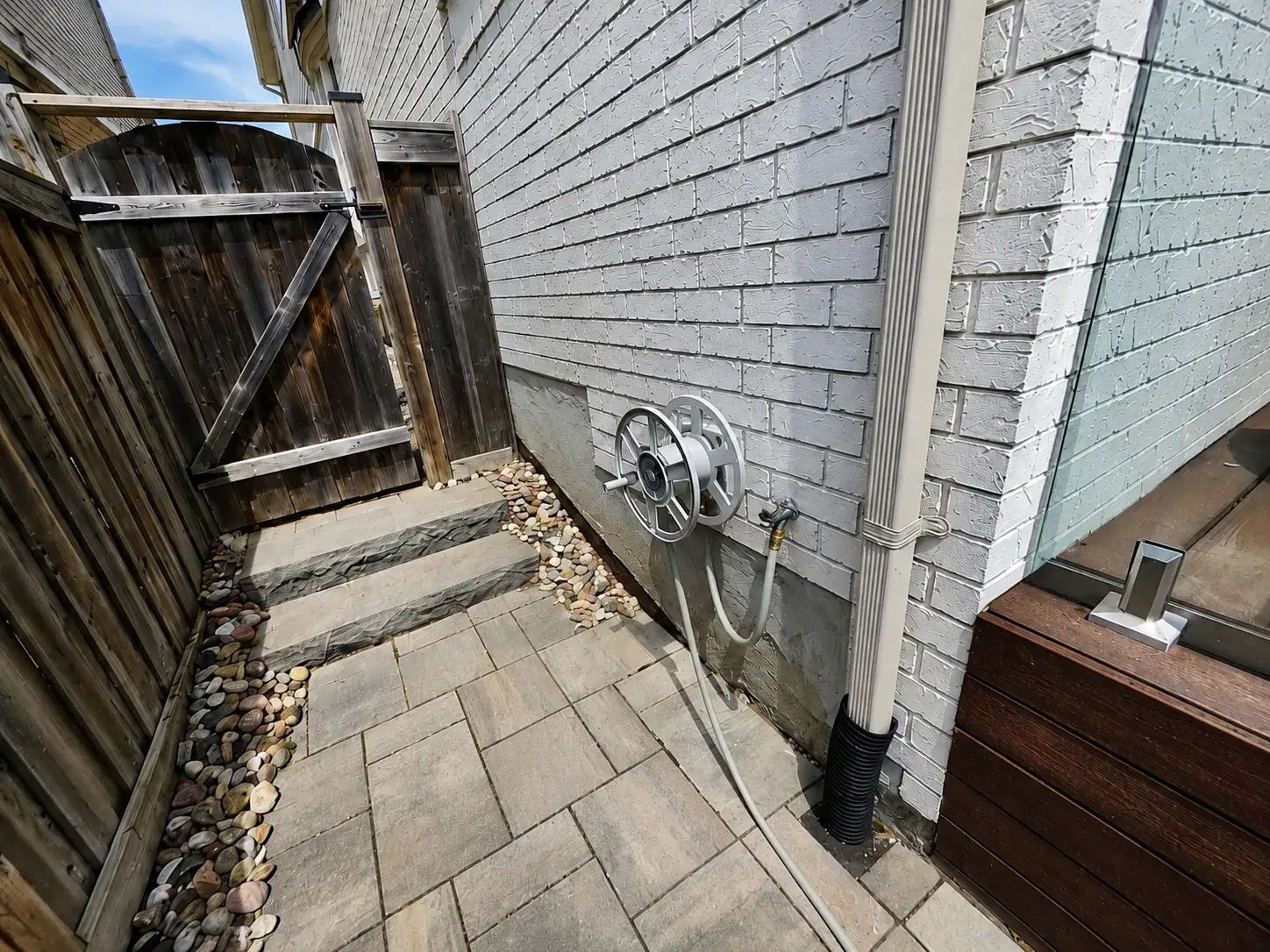
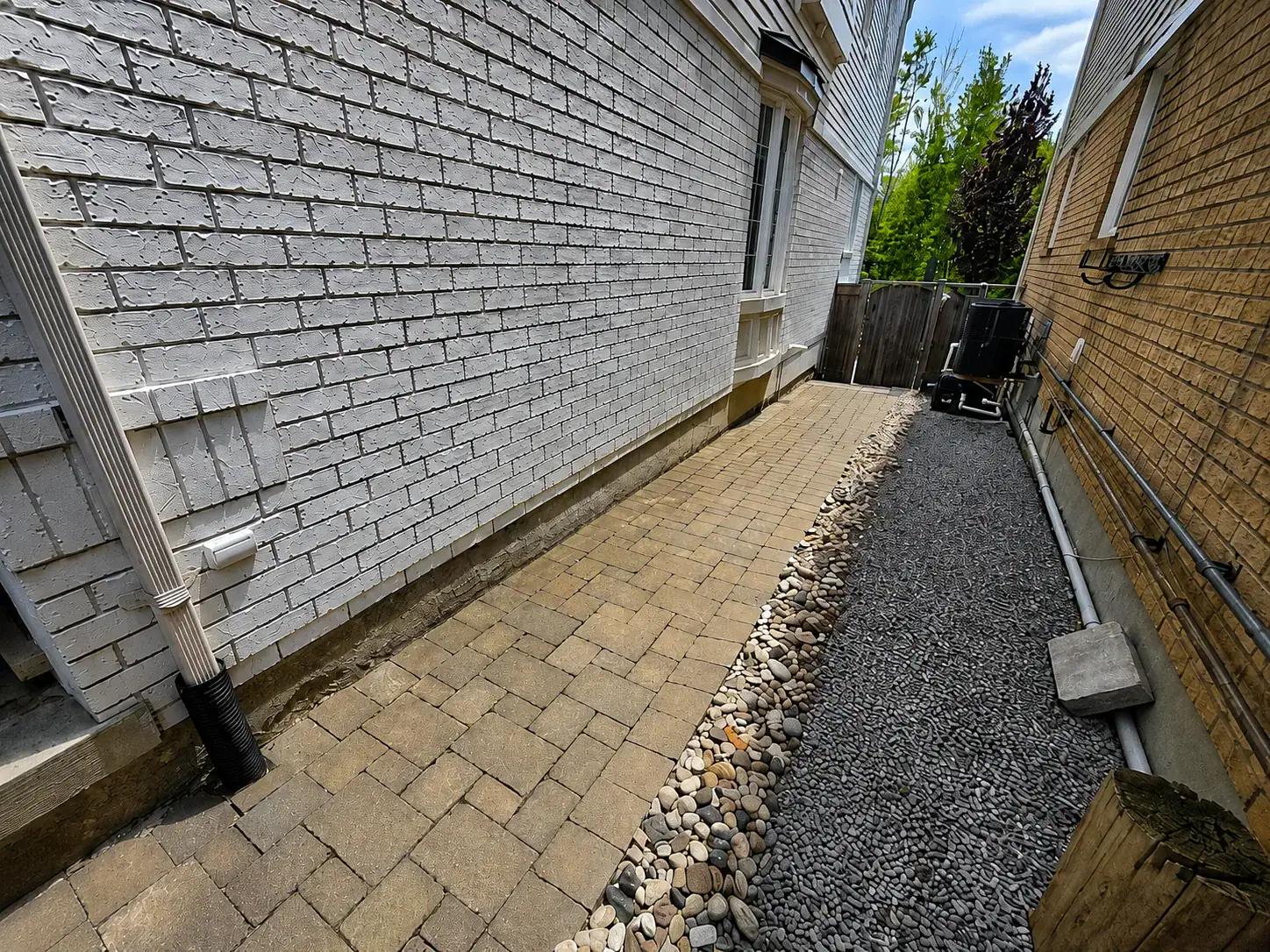
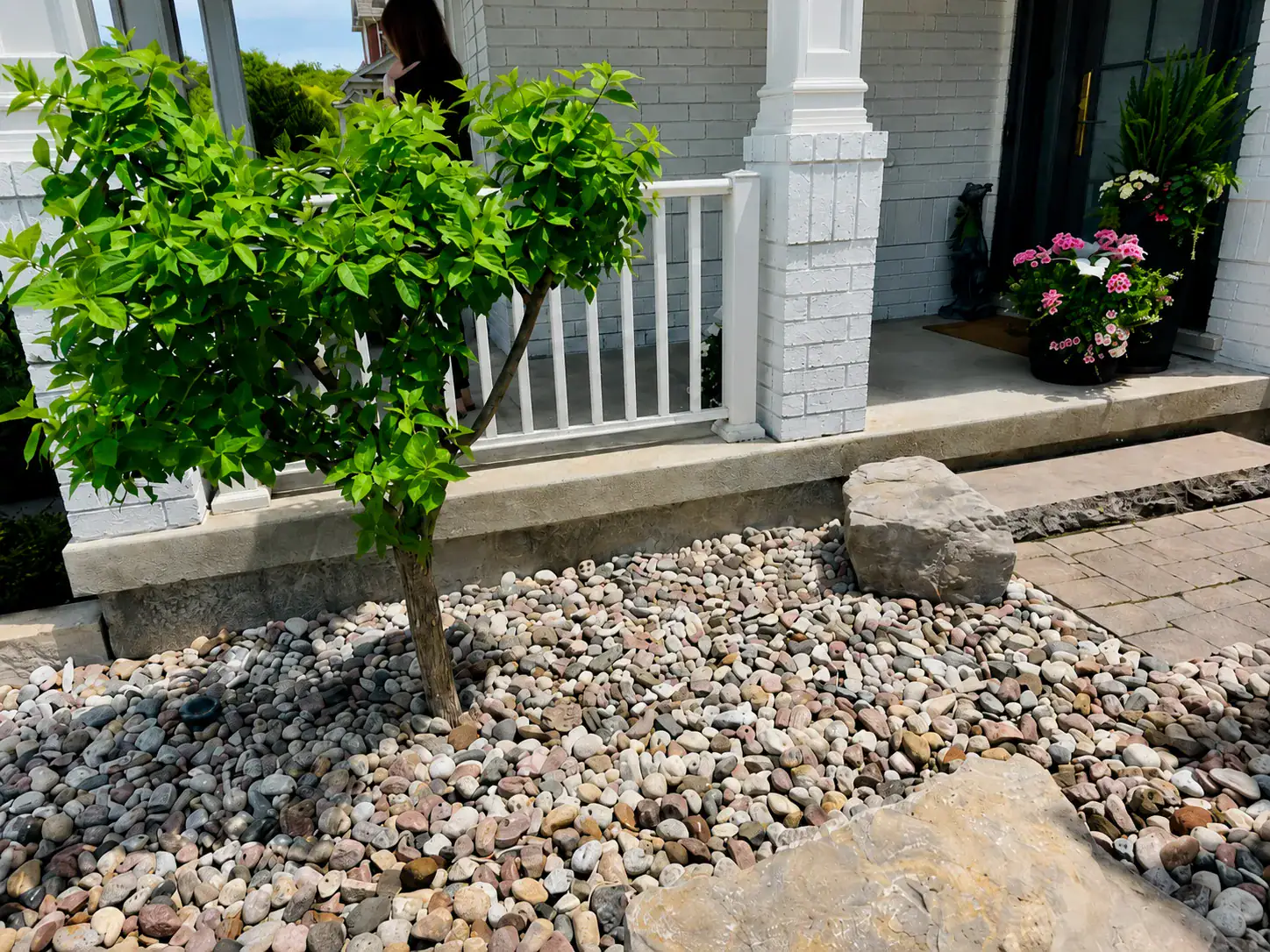
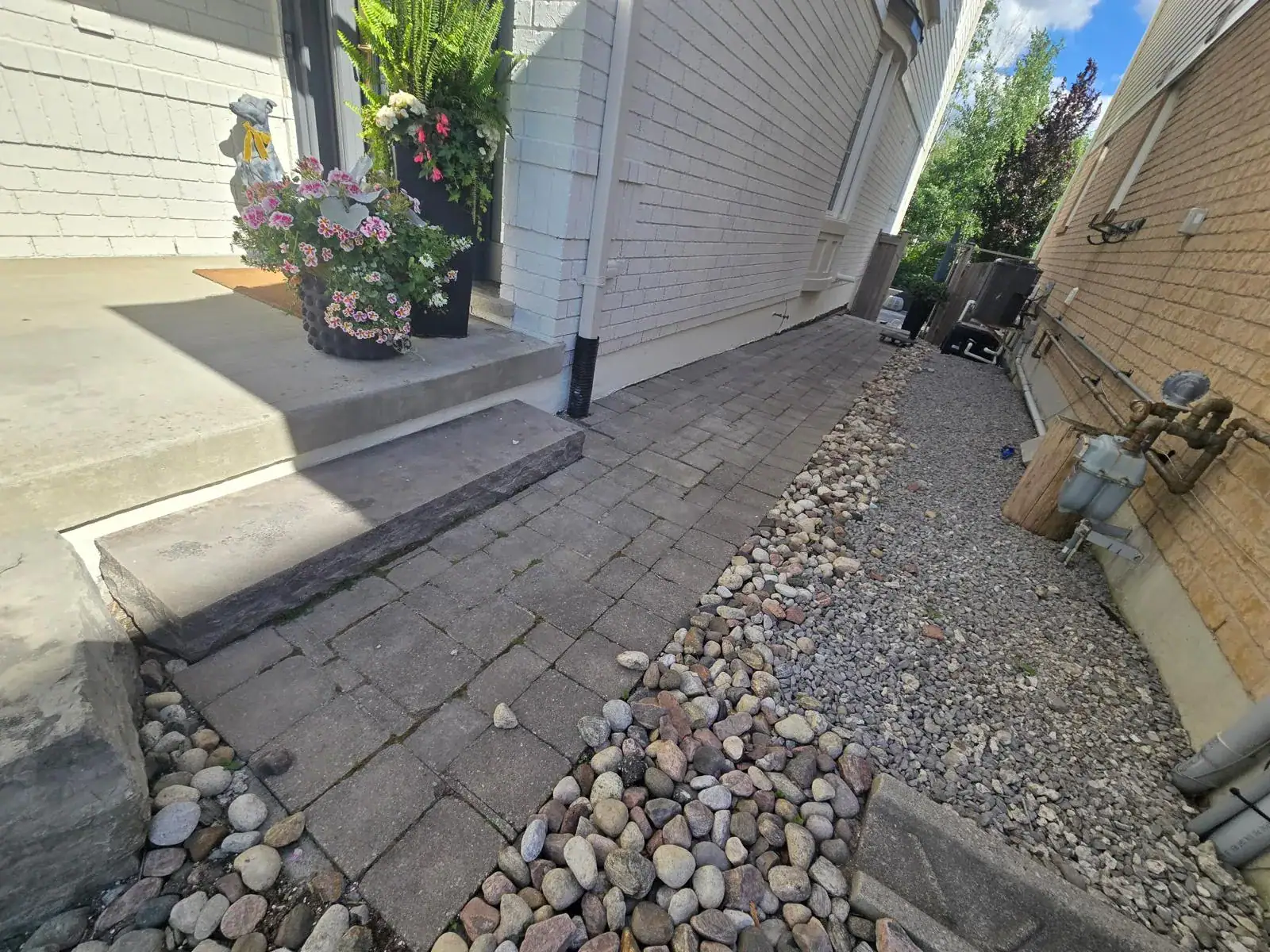
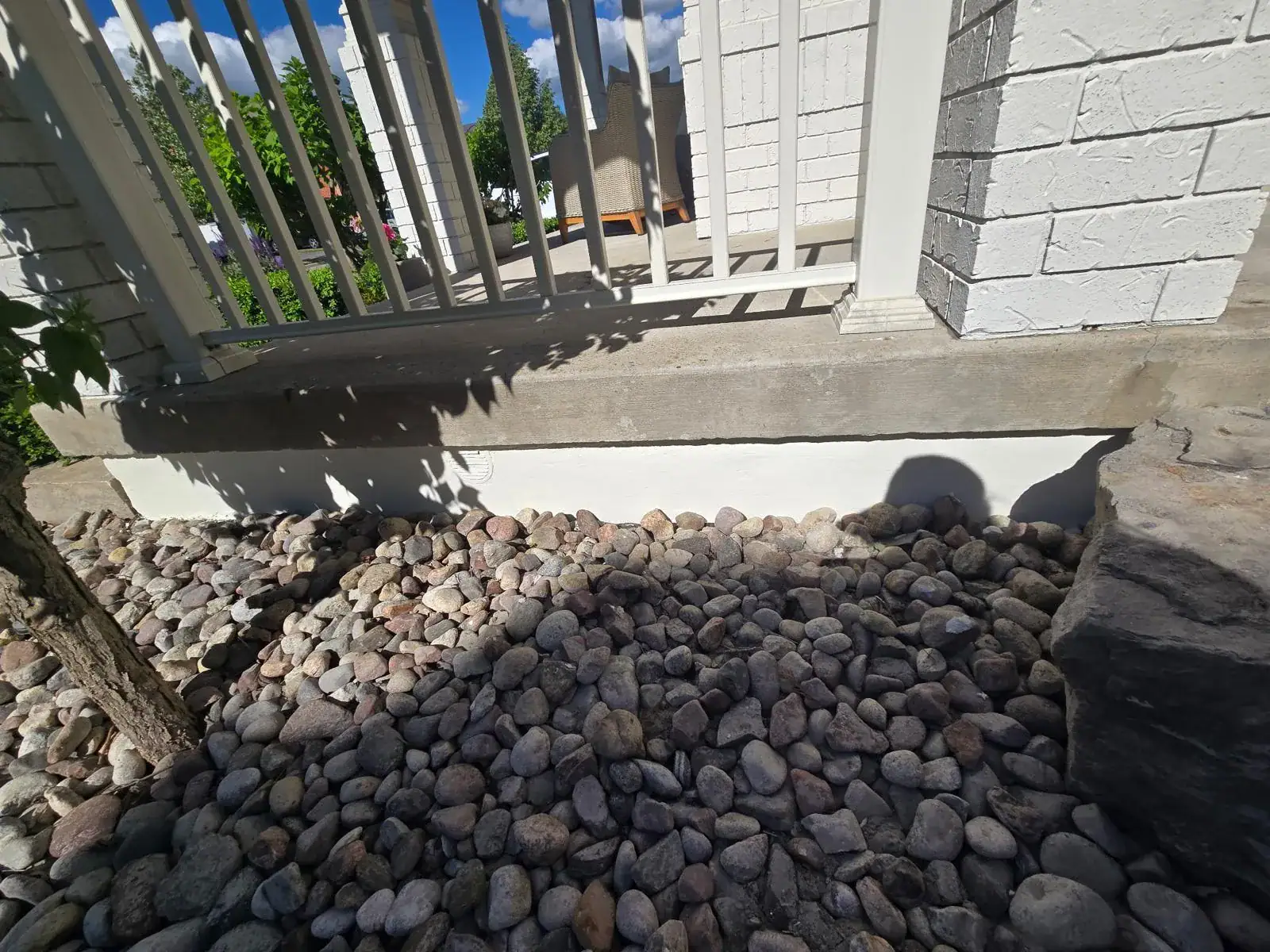
Smooth, polished stones typically 1 to 2 inches in diameter. Perfect for garden bed edging, dry creek beds, and enhancing drainage.
Lava Rock
Lightweight, porous volcanic rocks in red or black hues. Excellent for mulch replacement, retaining moisture, and adding a bold accent.
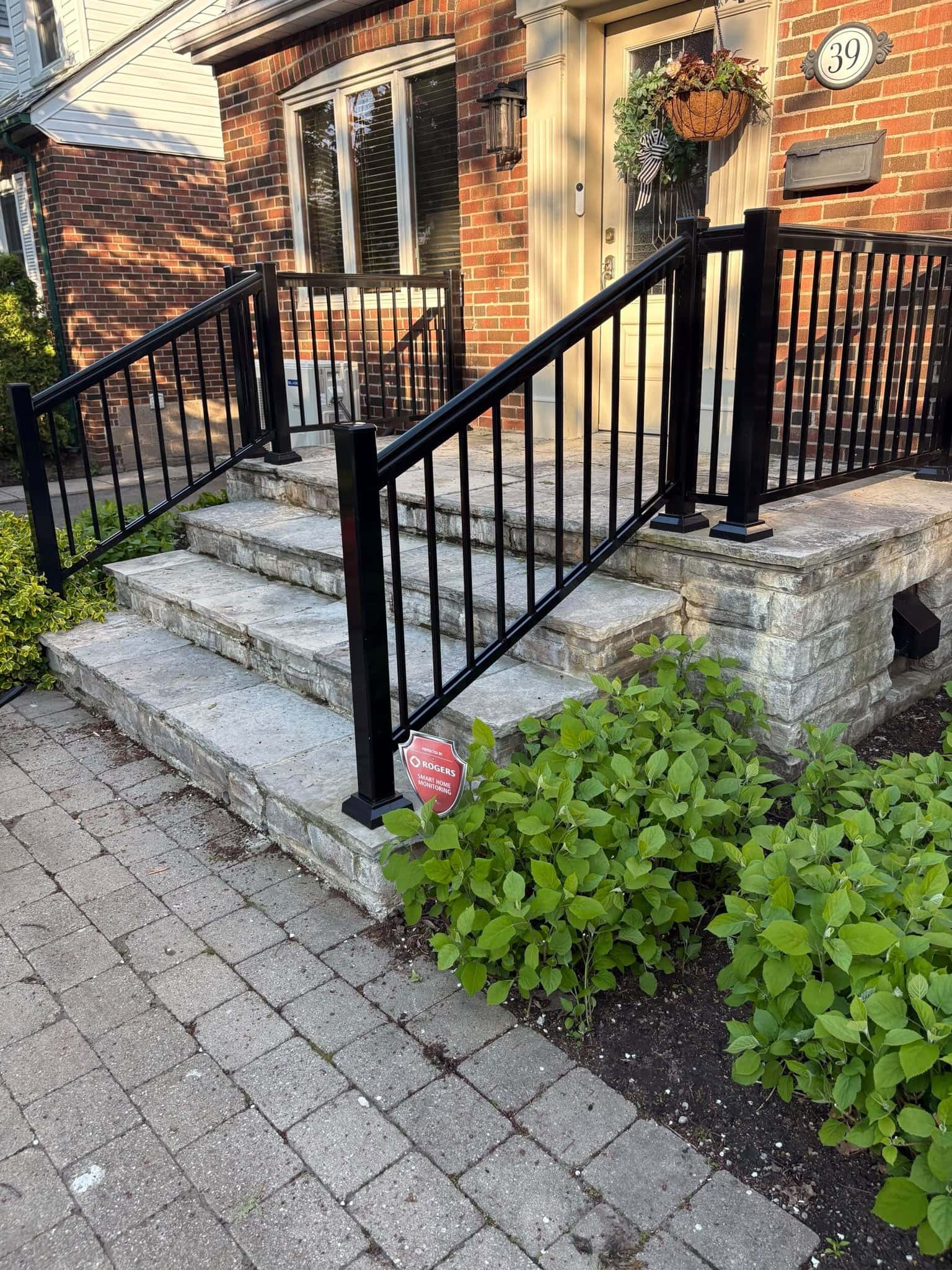
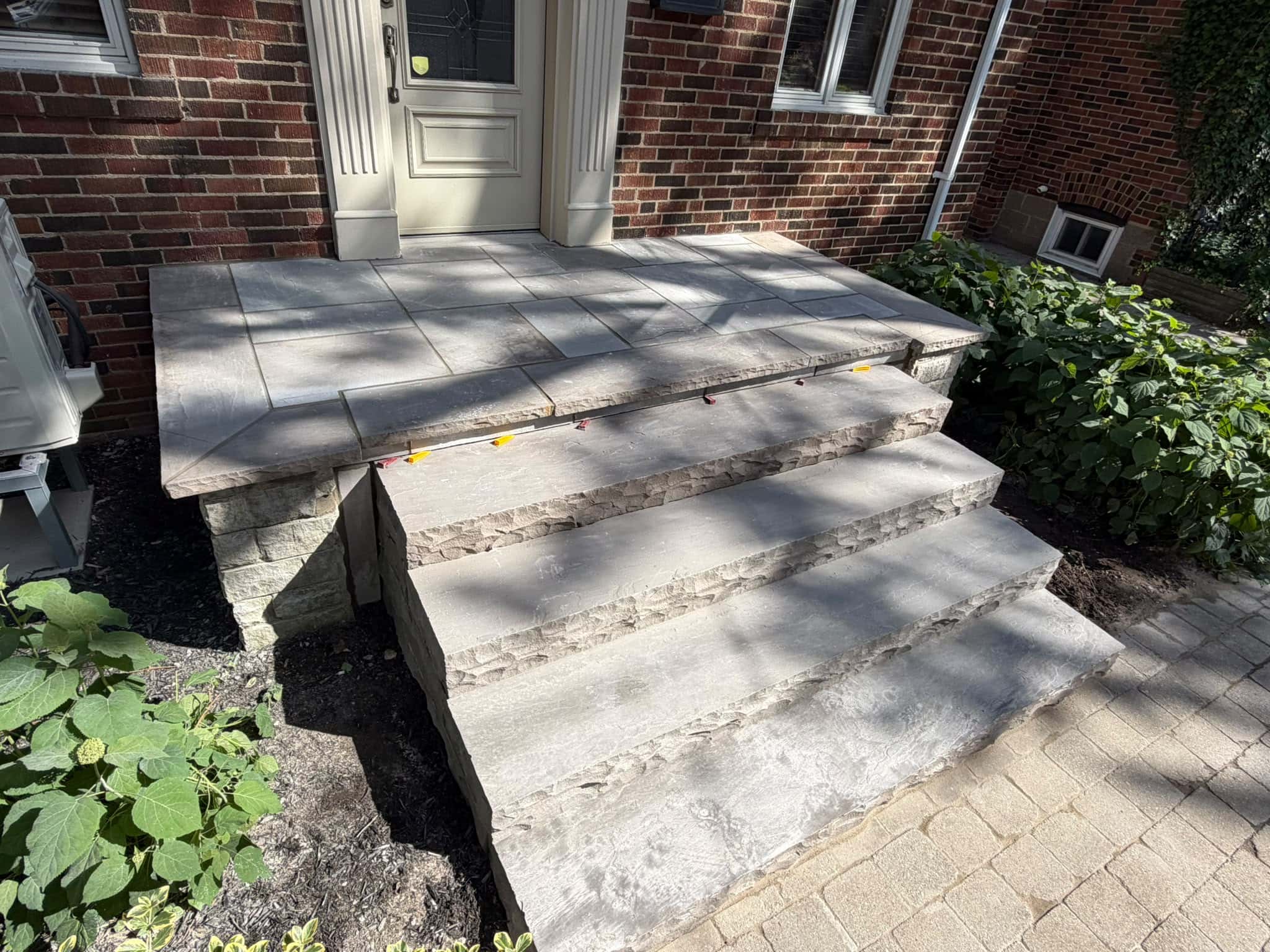
Flagstone
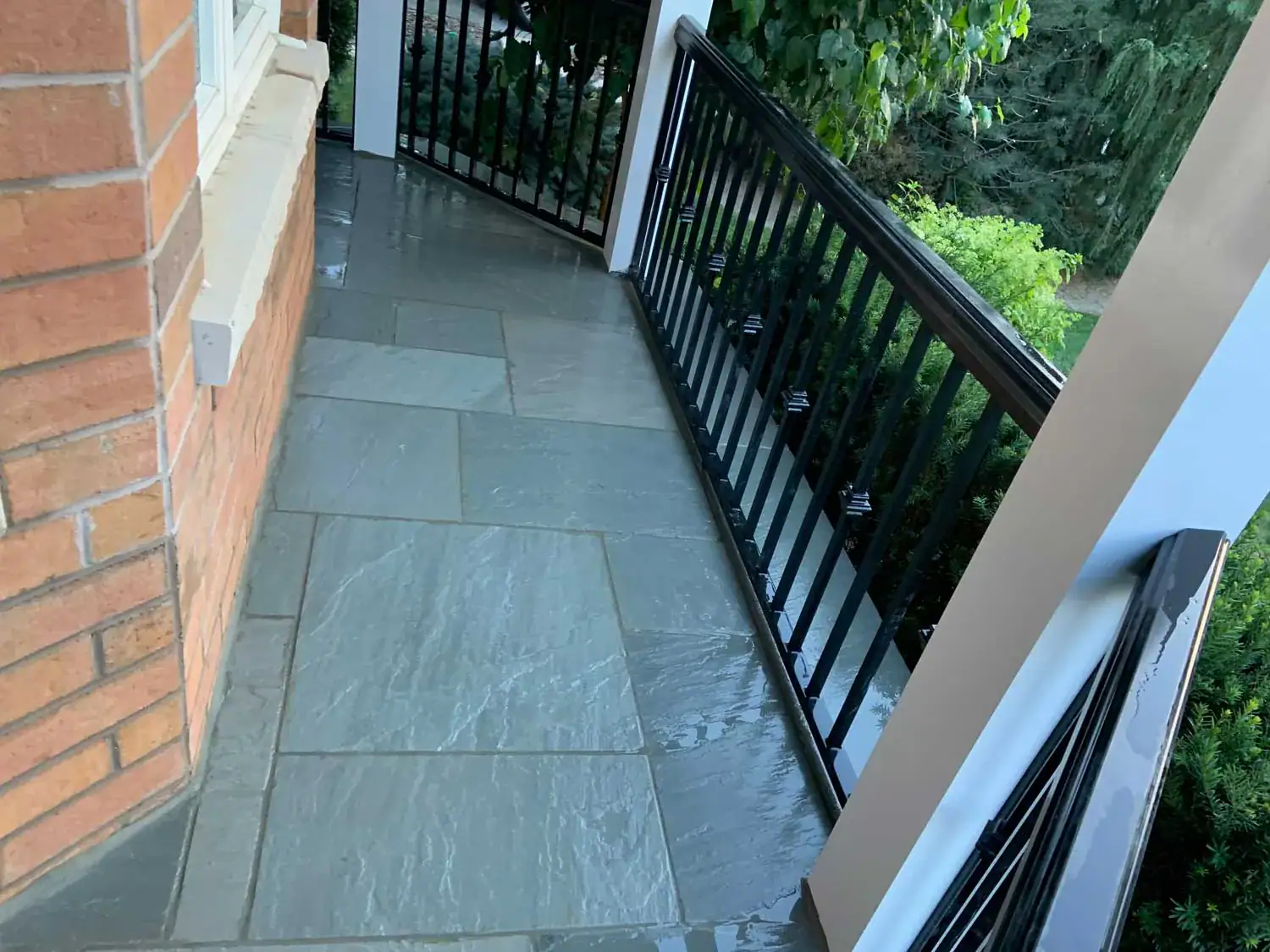
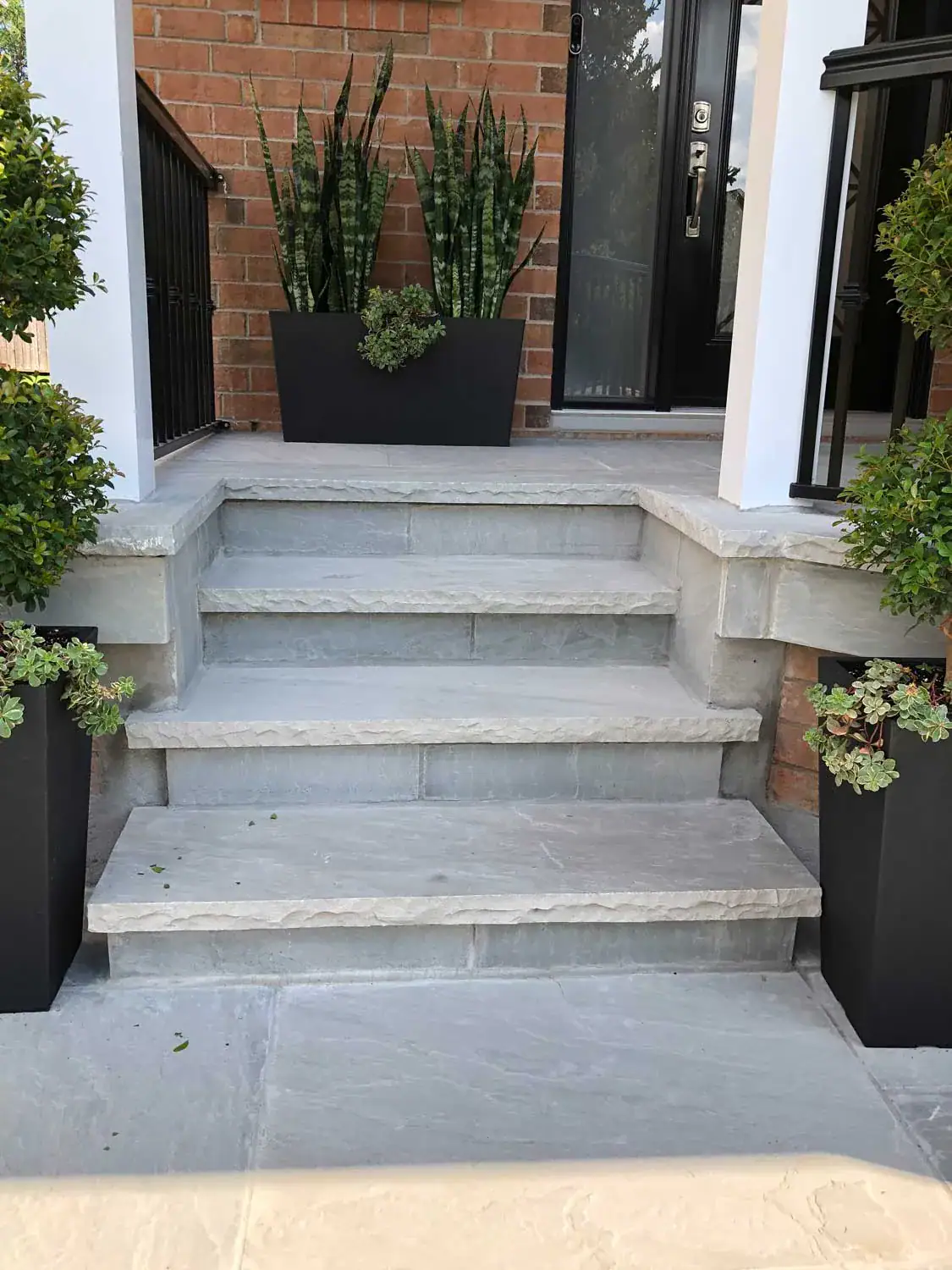
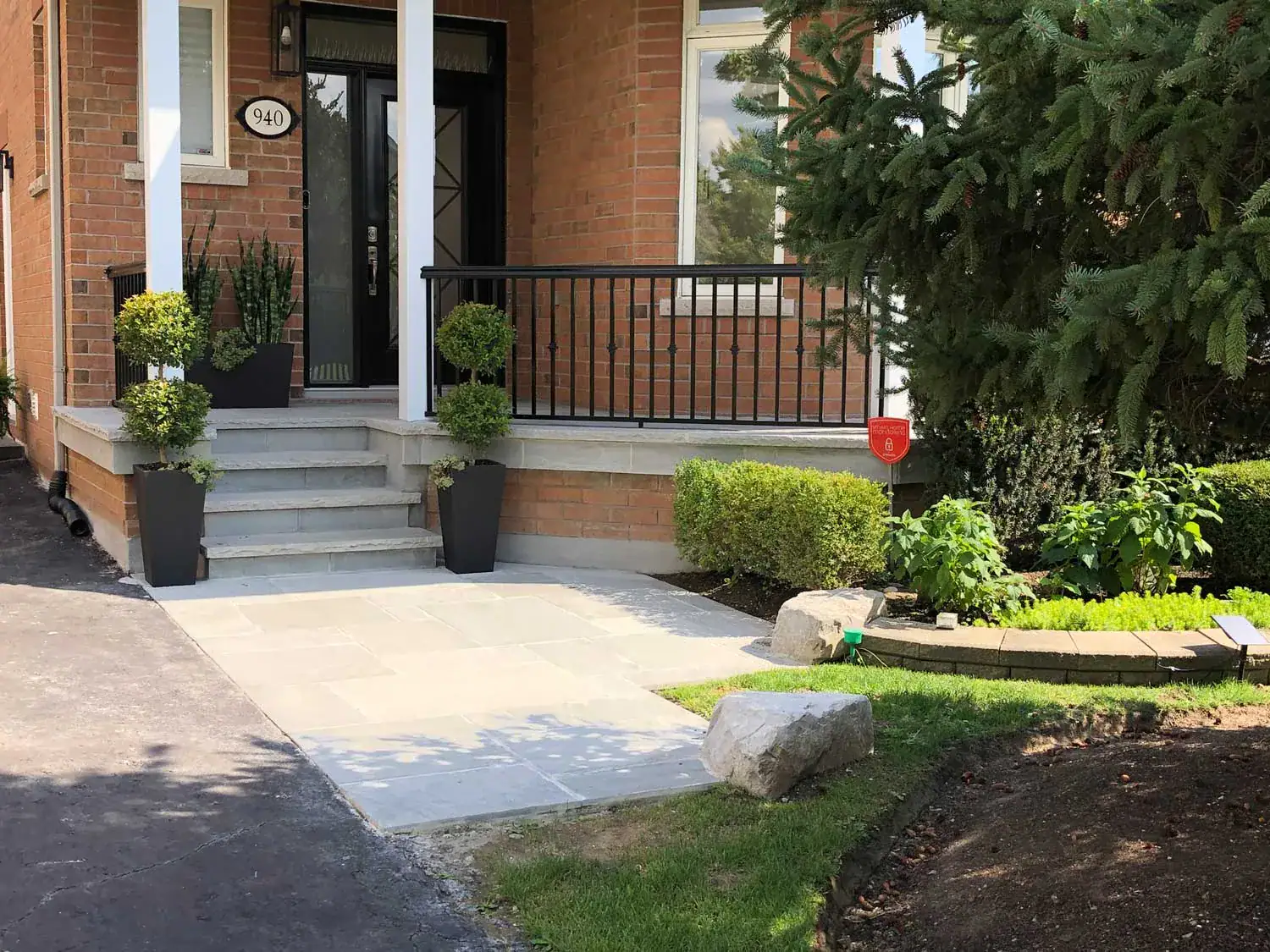
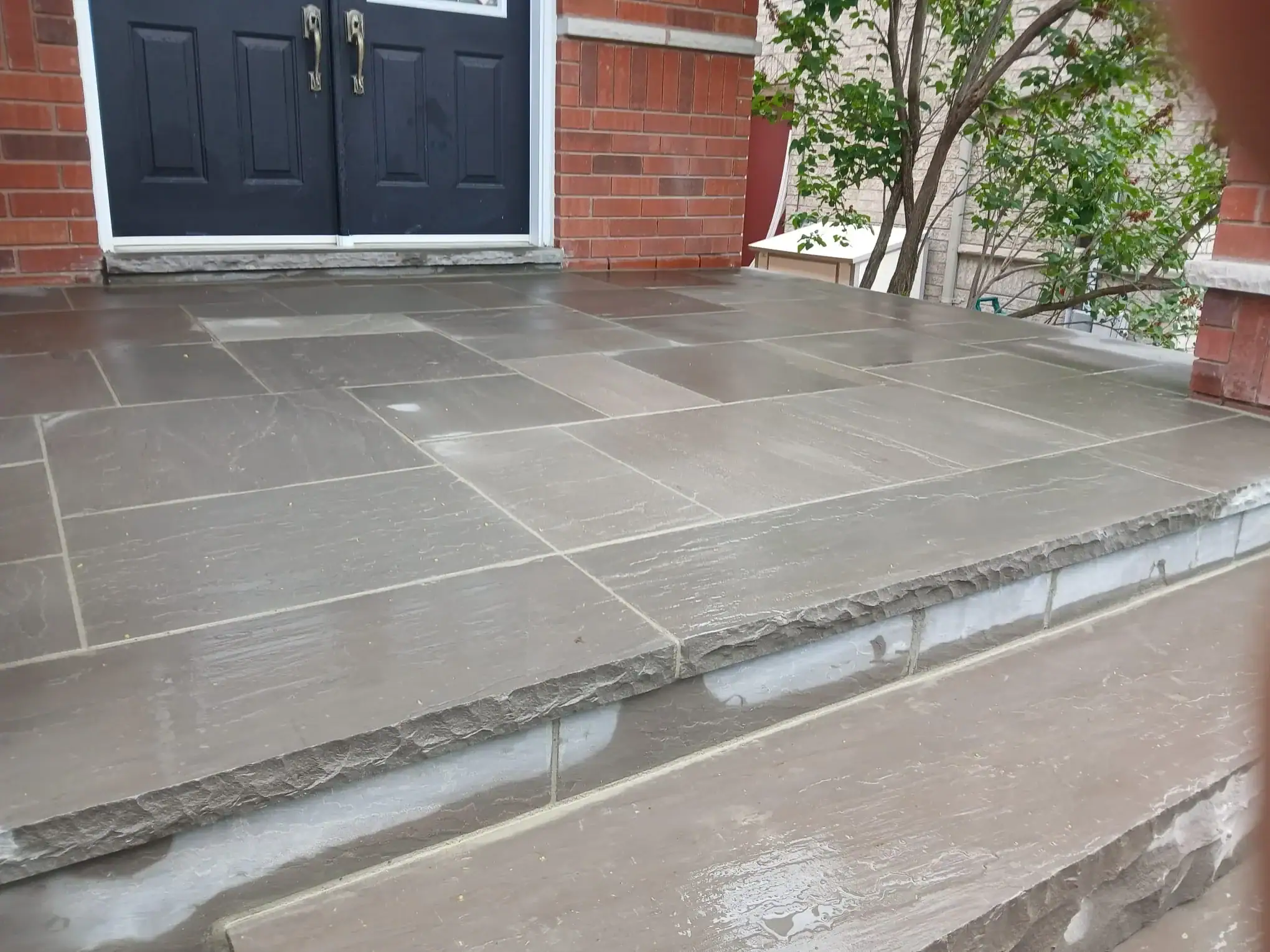
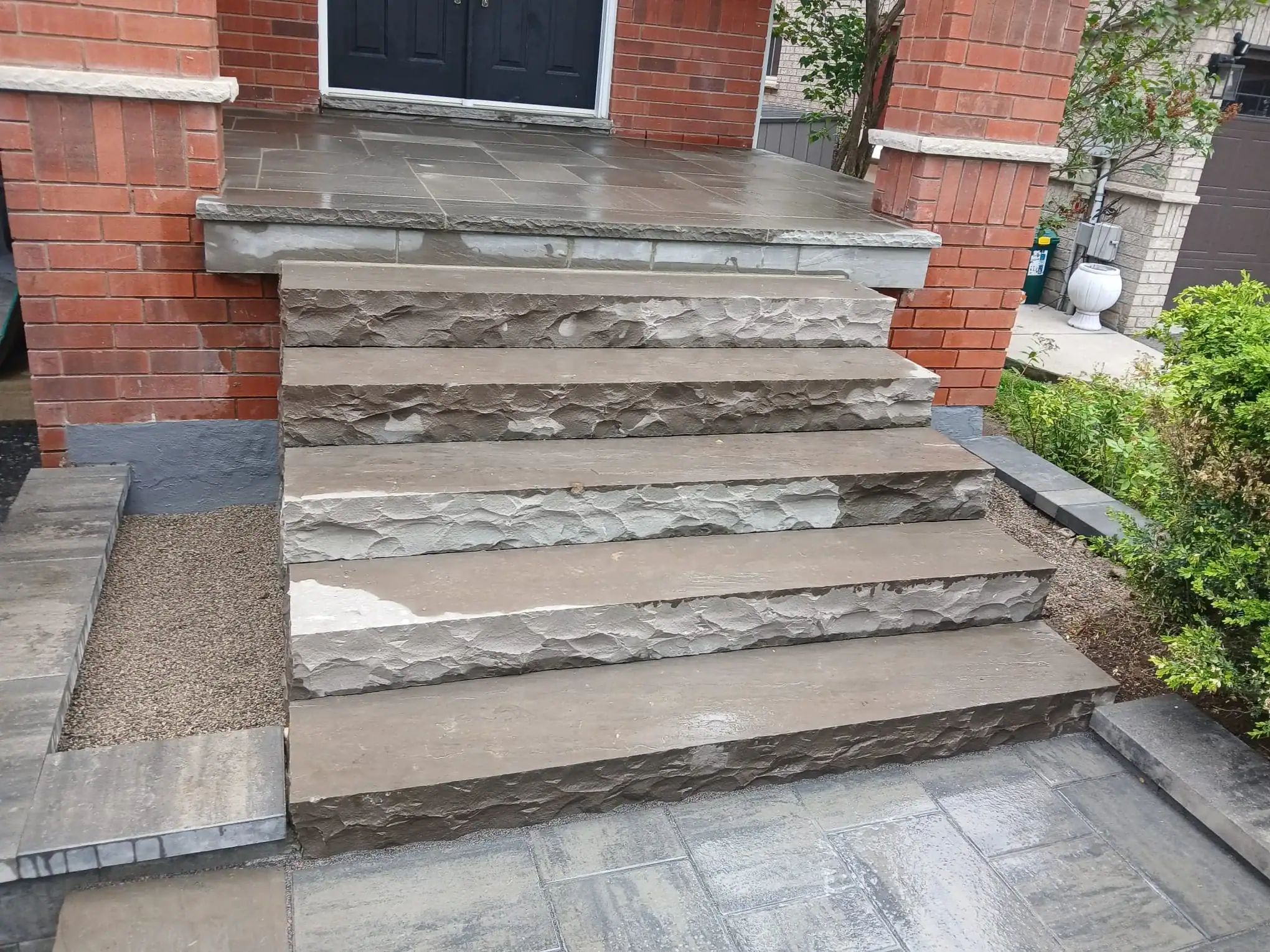
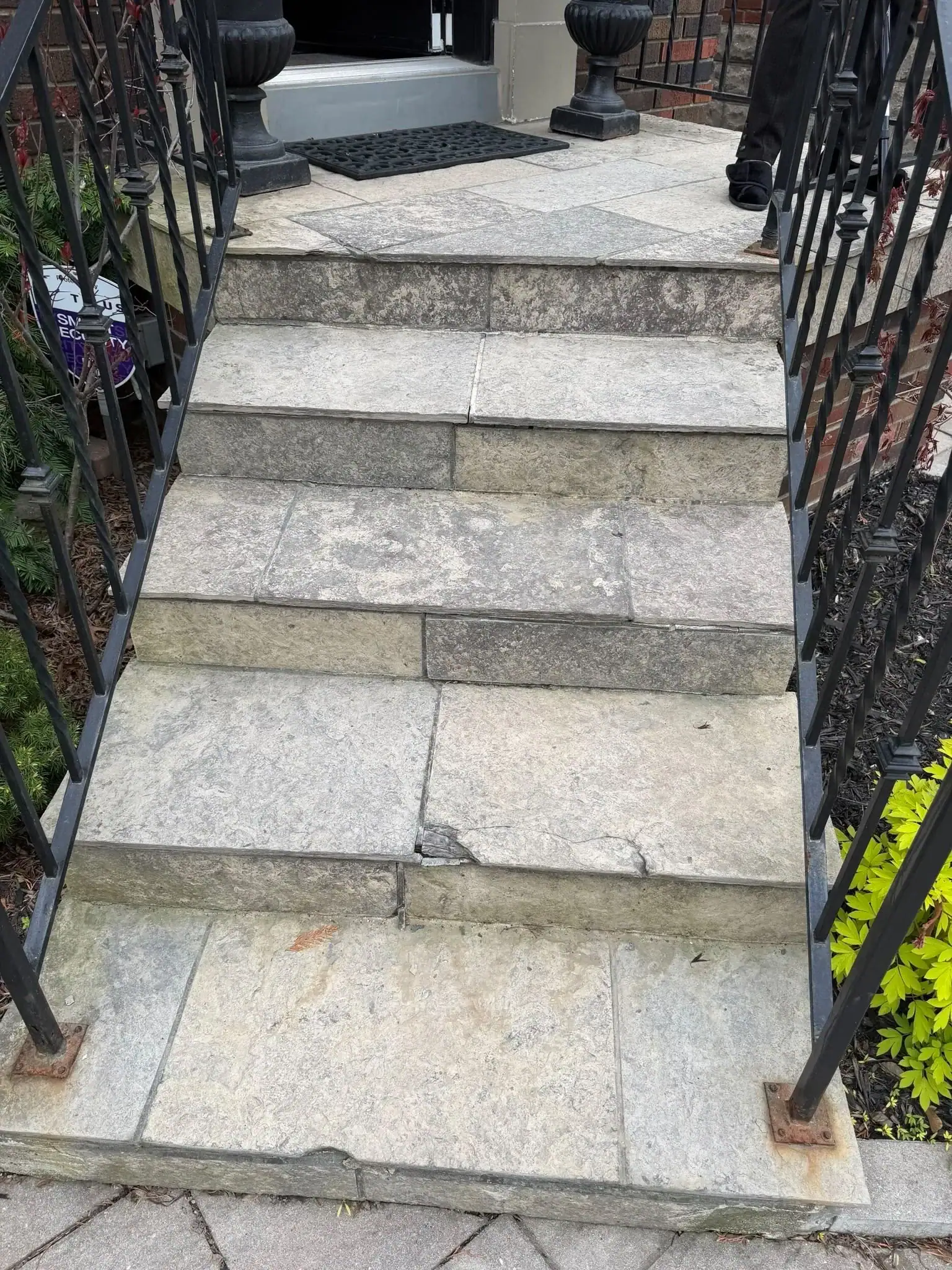
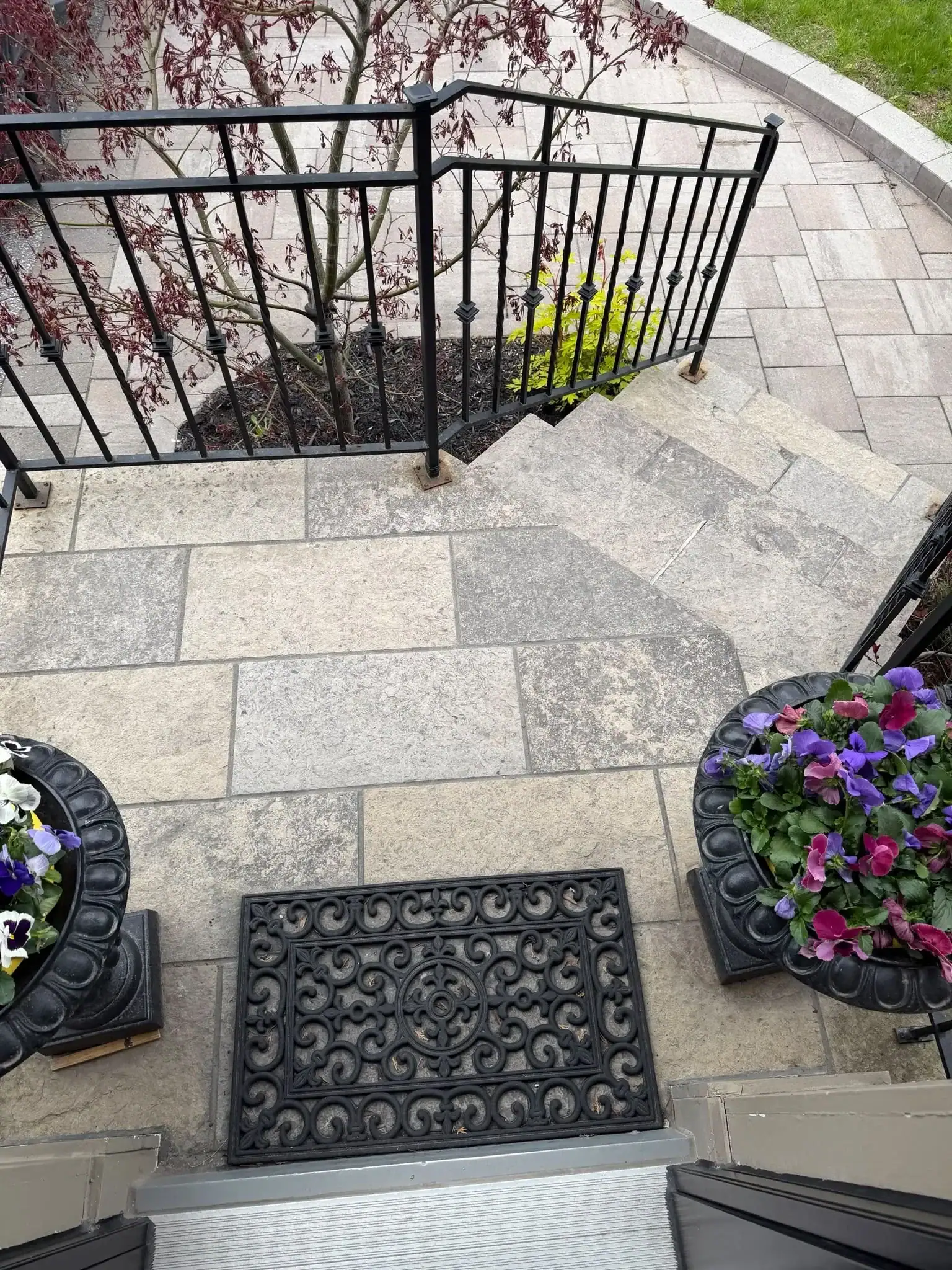
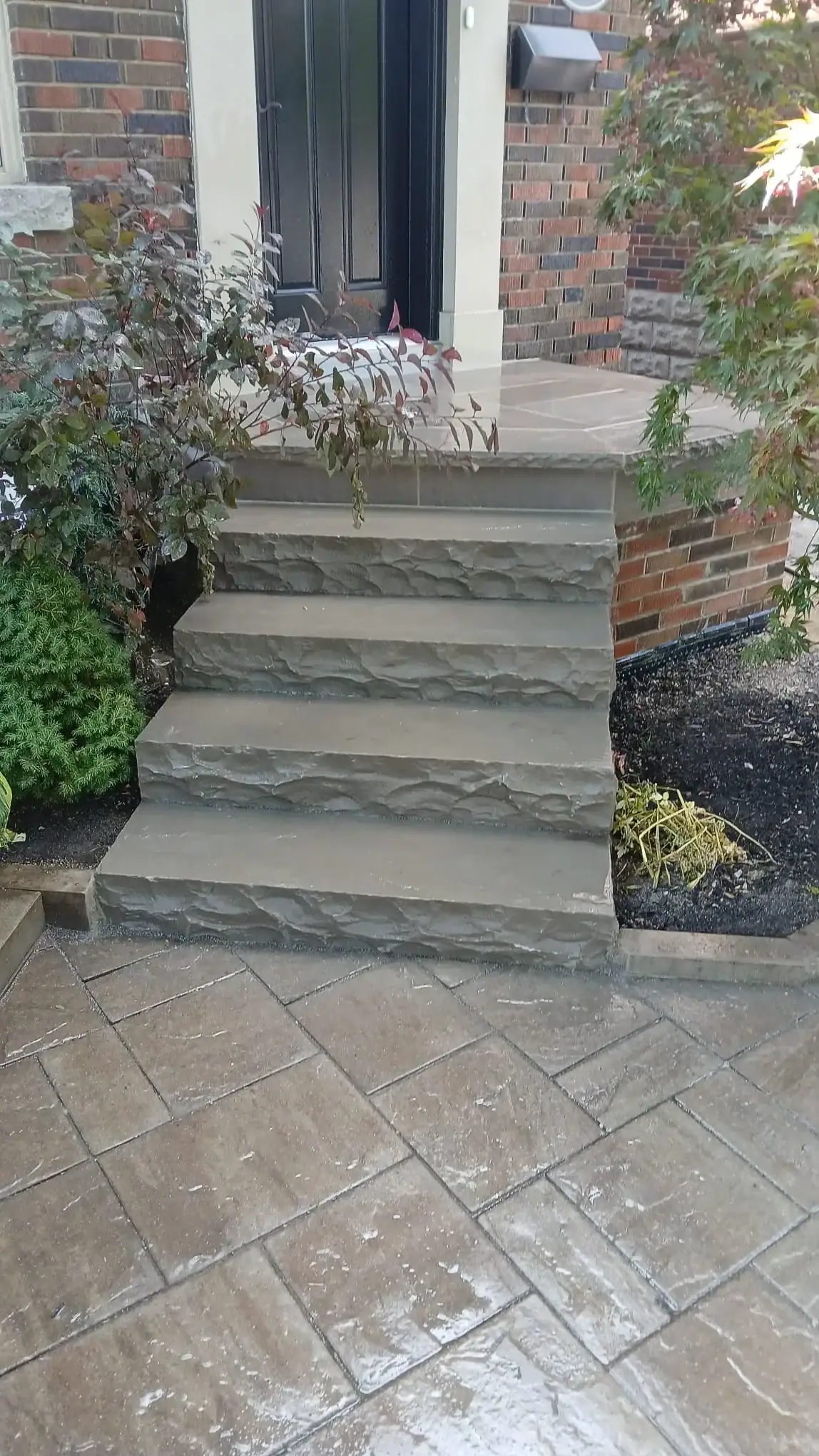
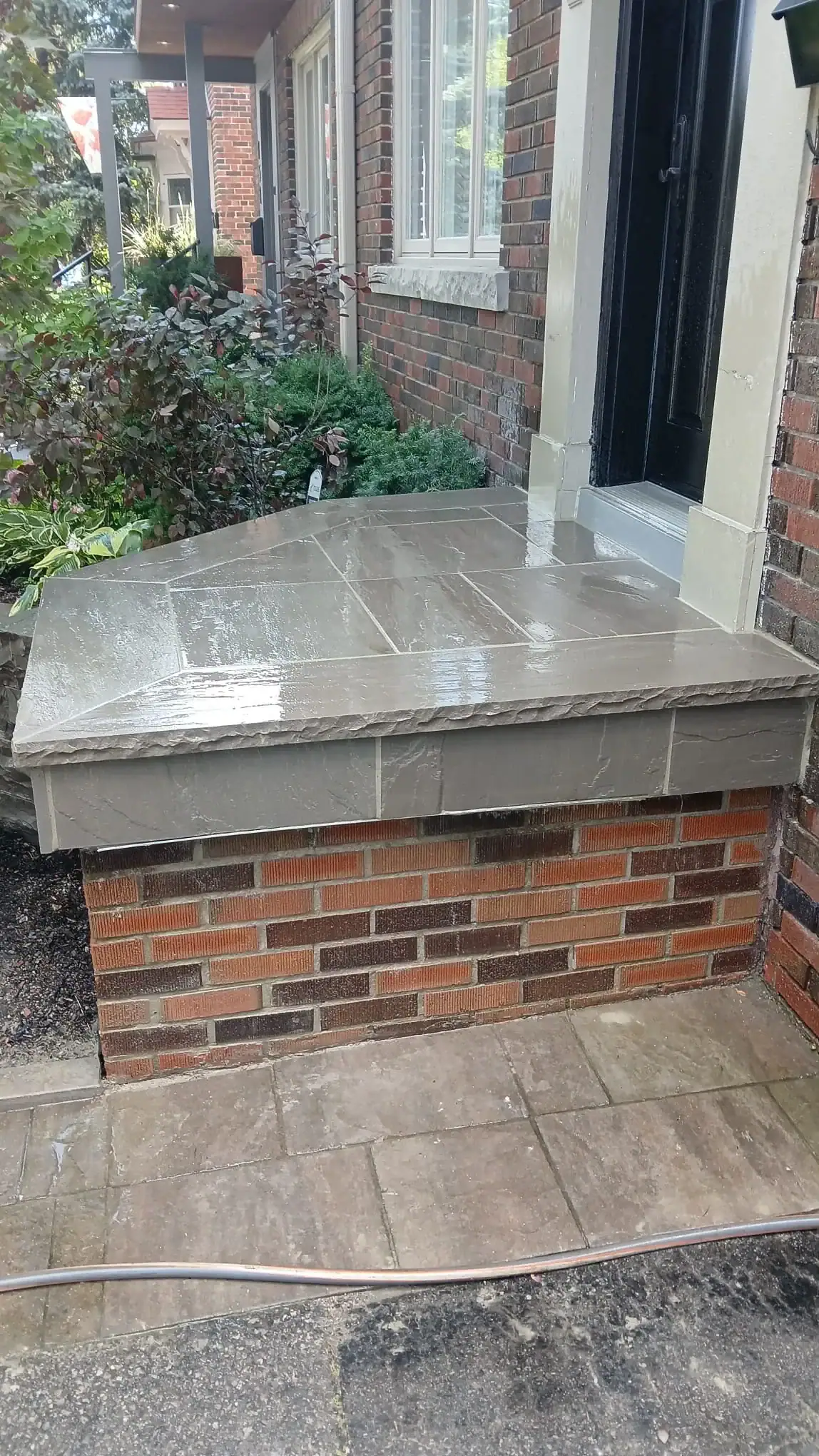
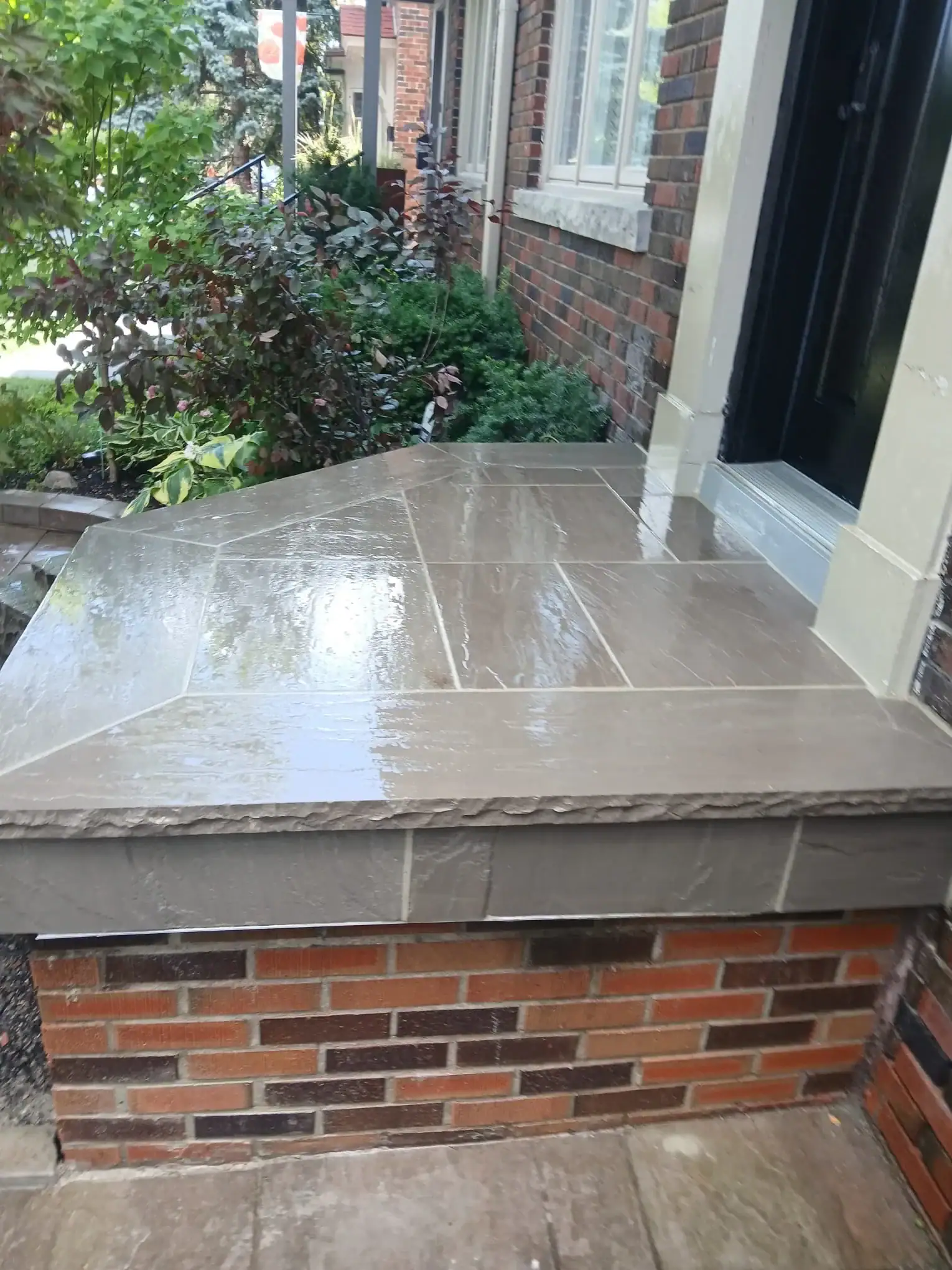
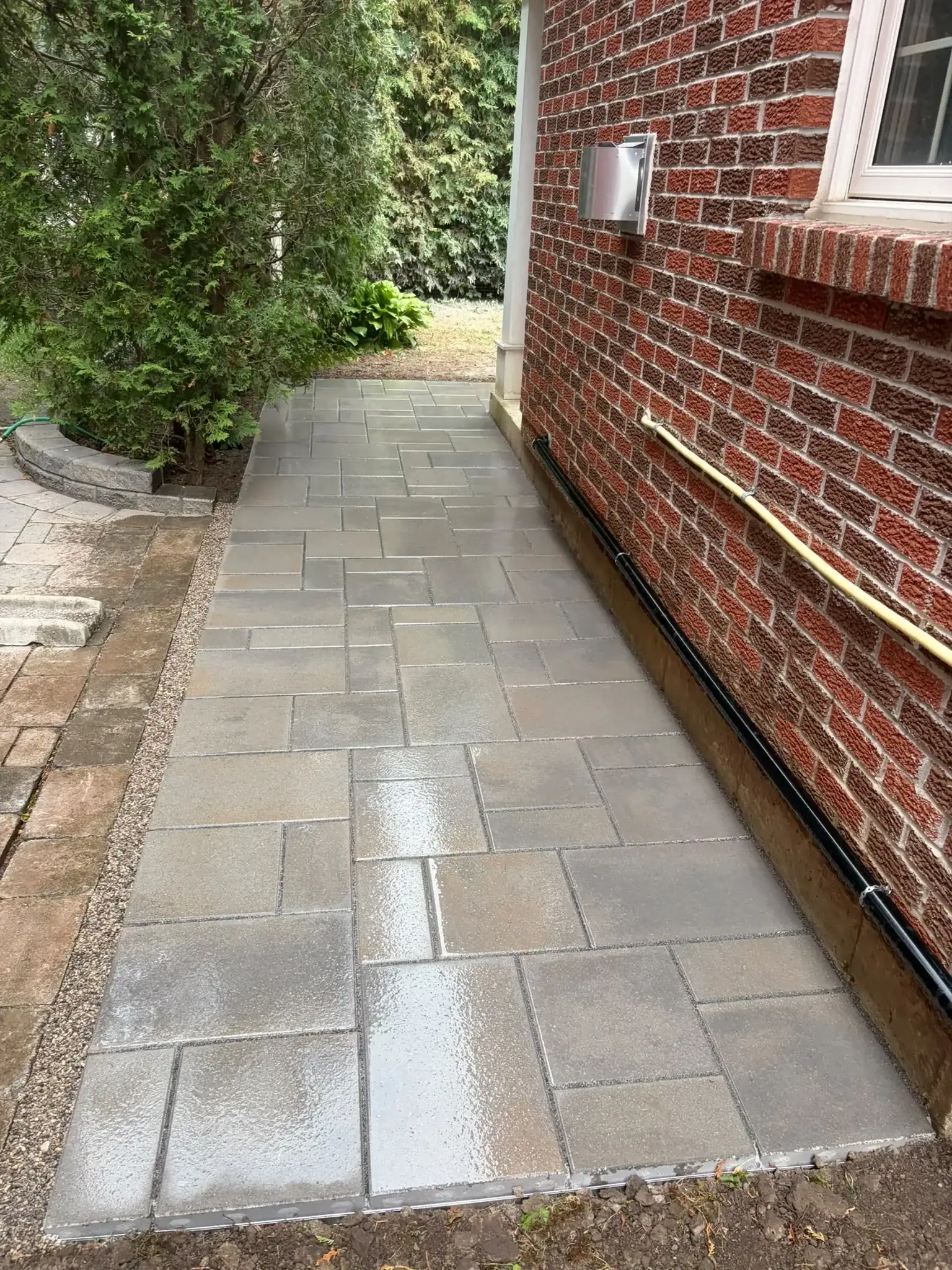
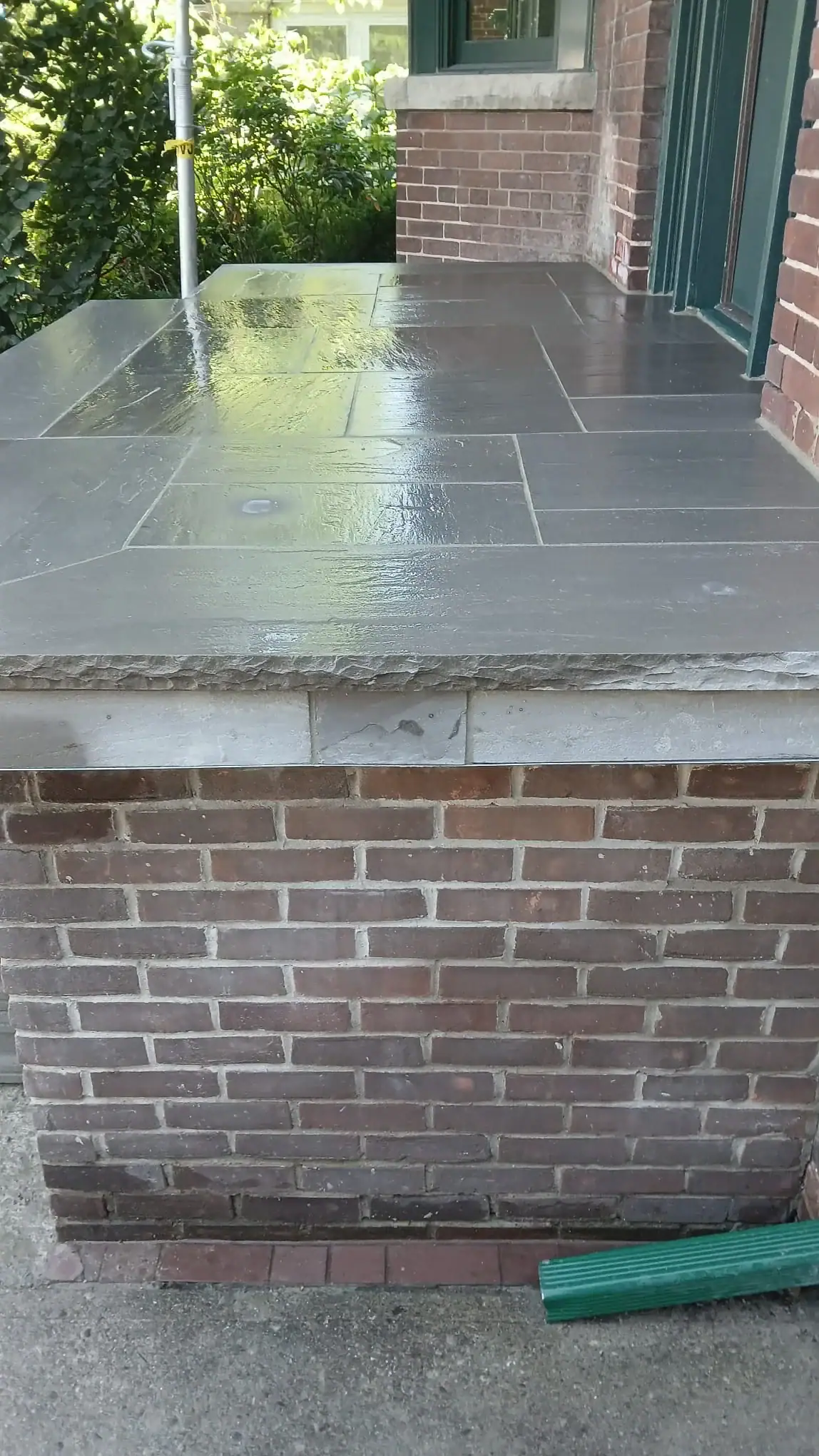
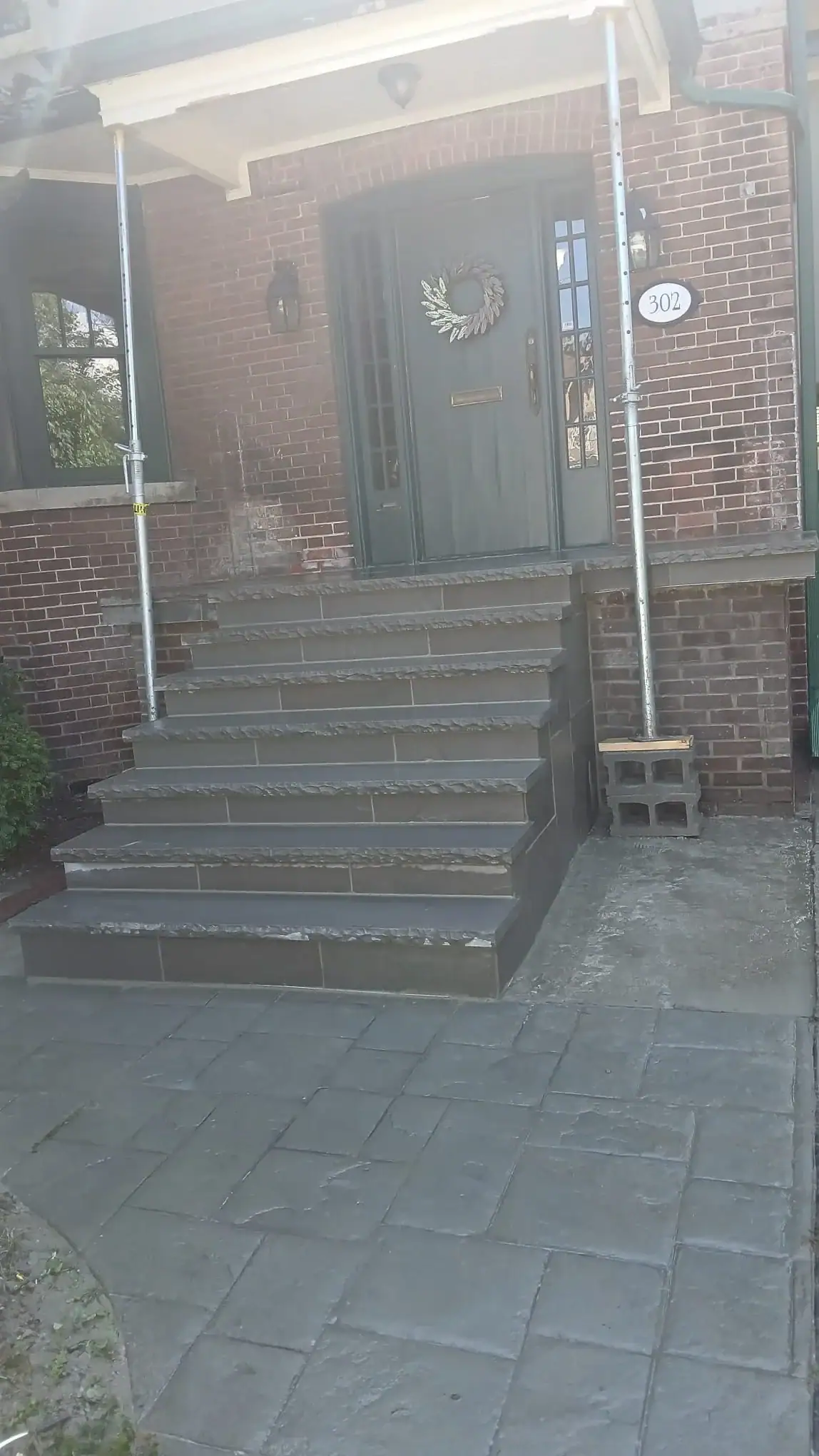
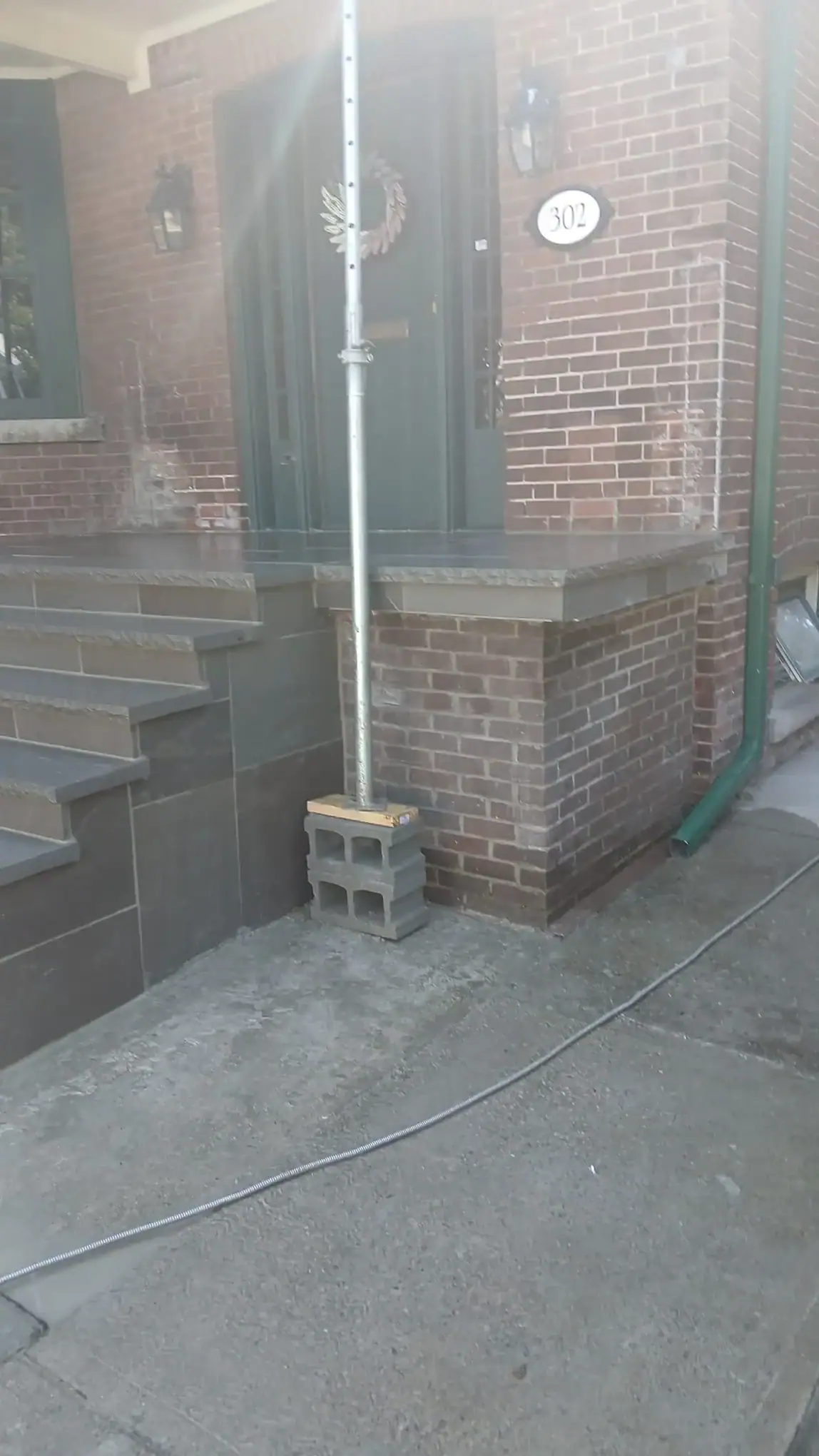
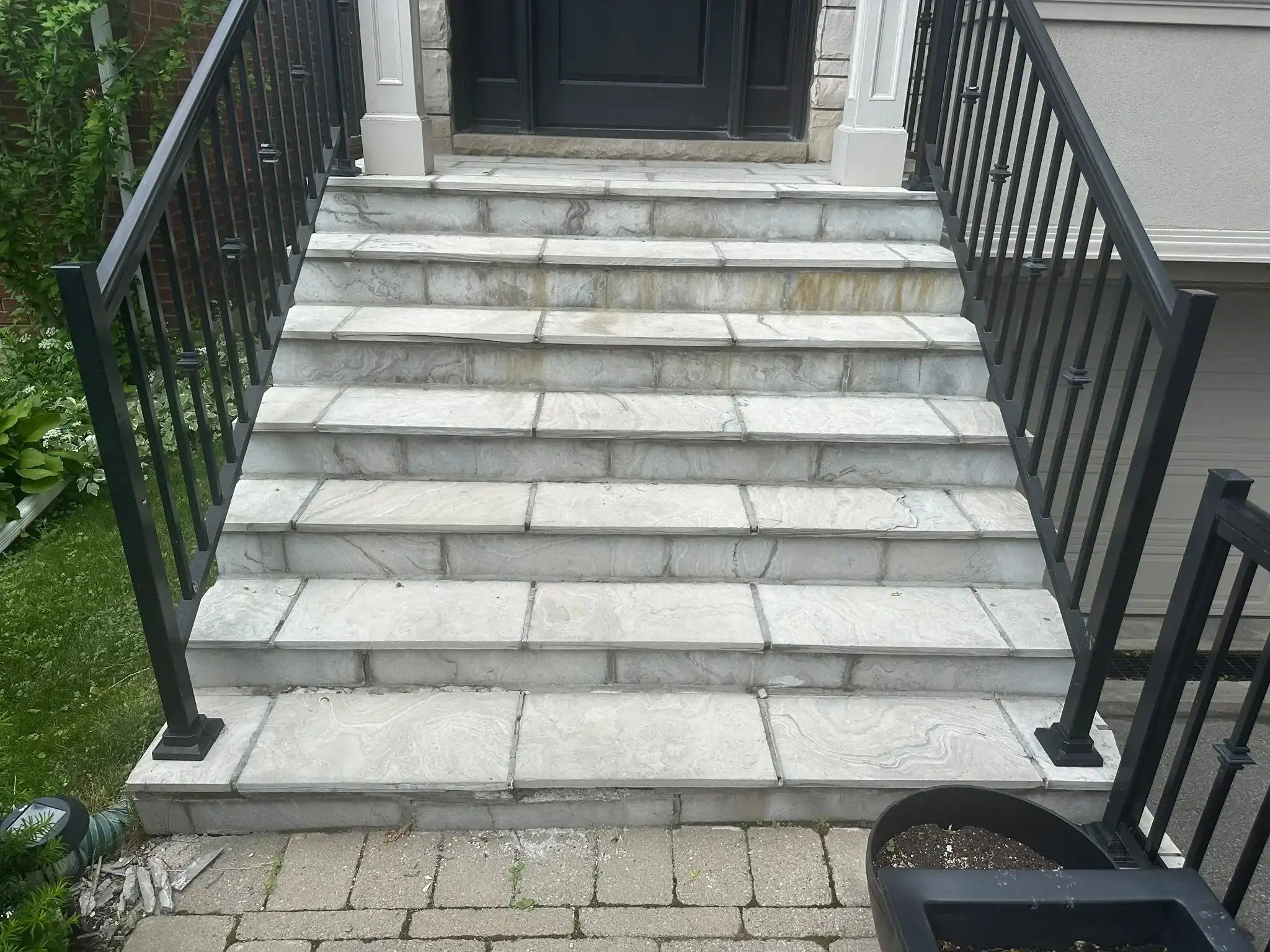
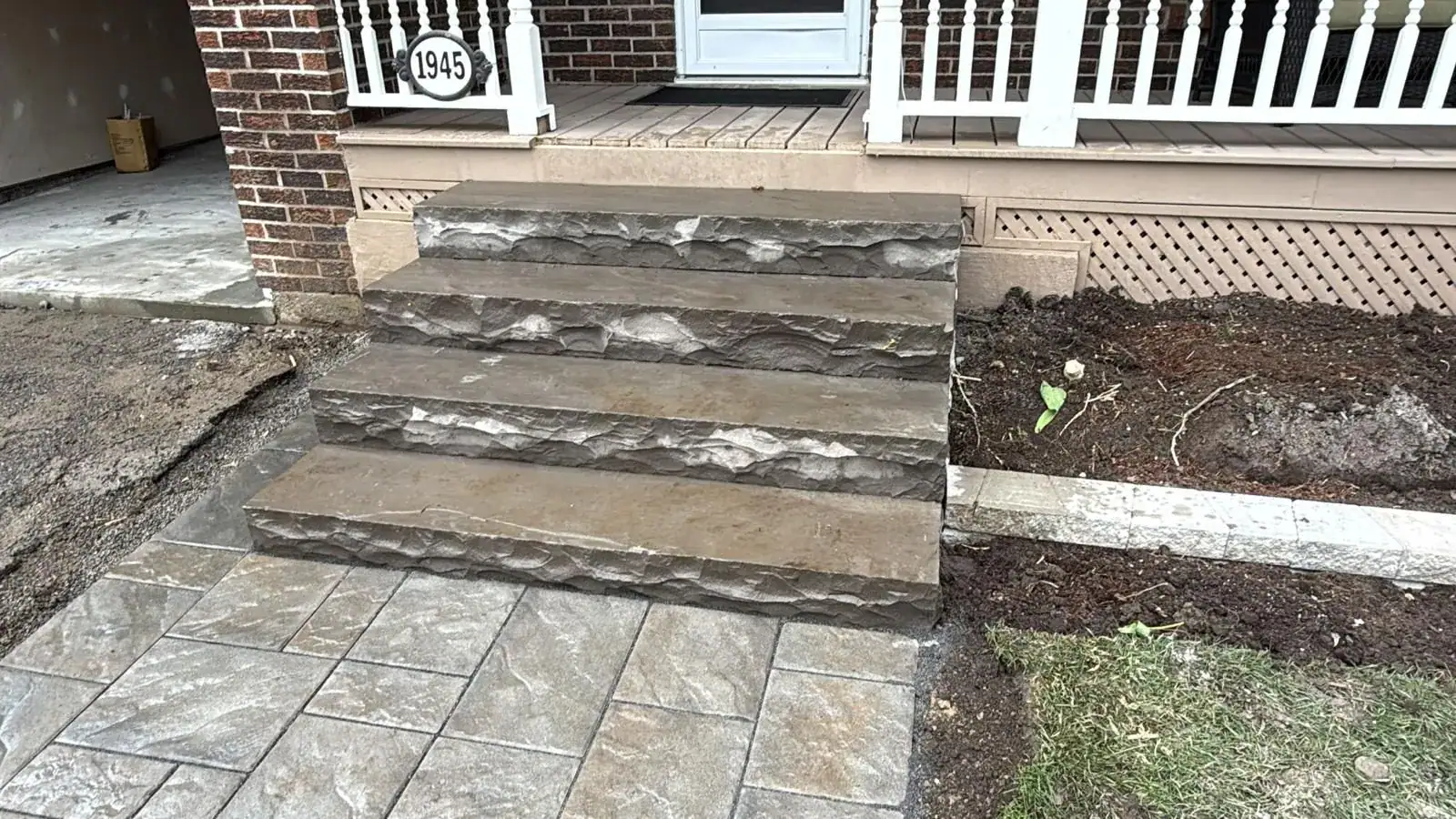
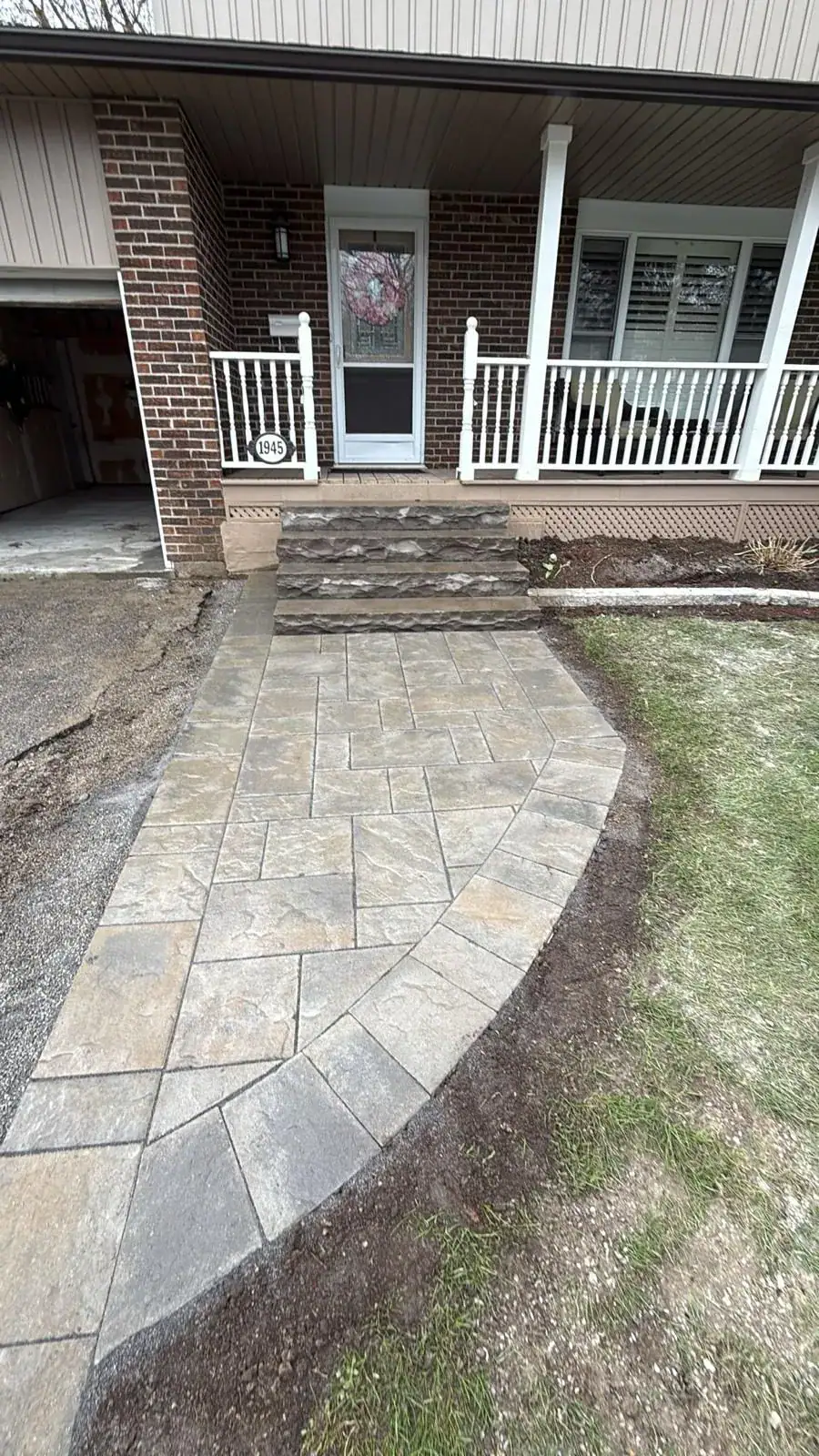
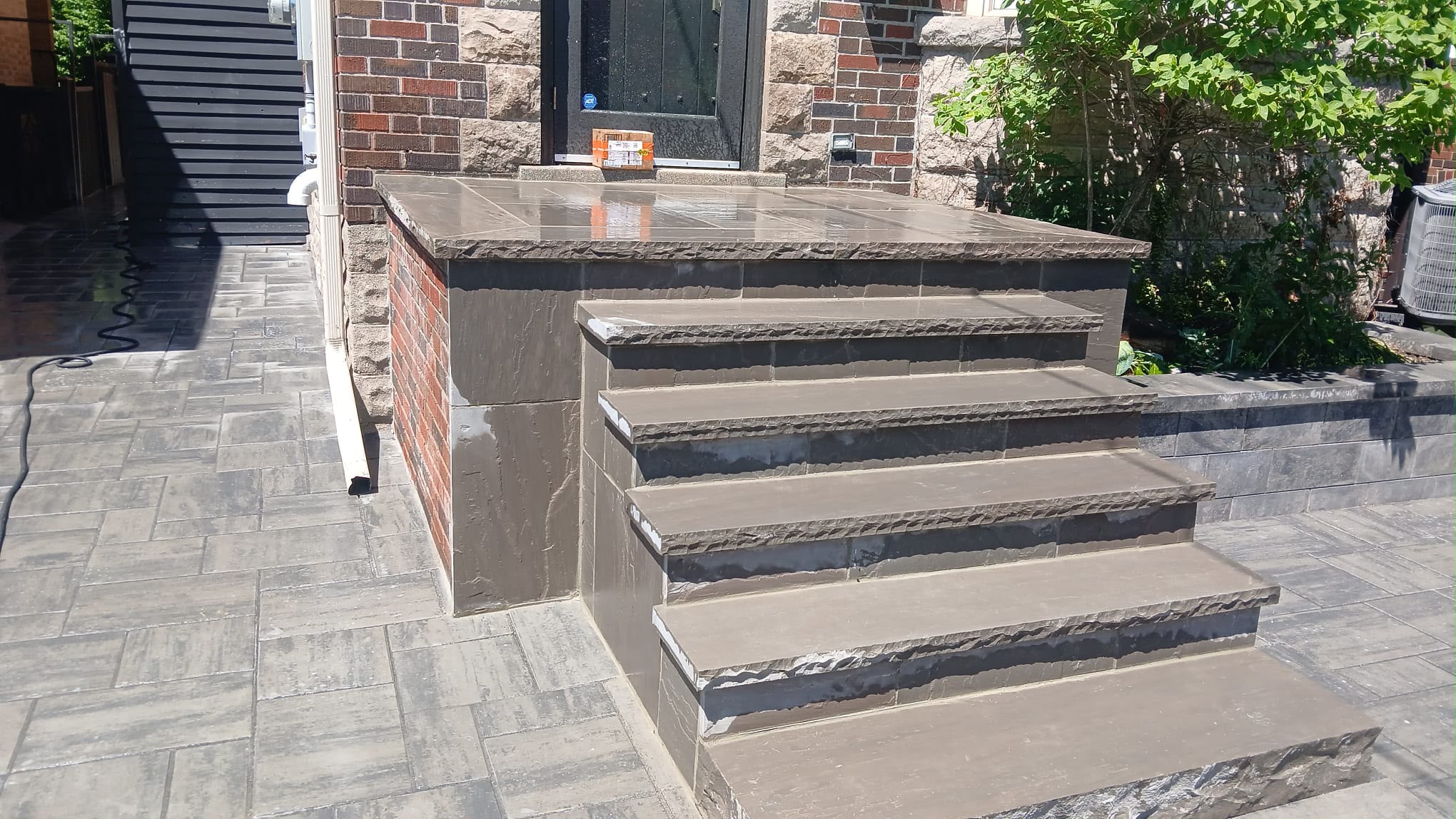
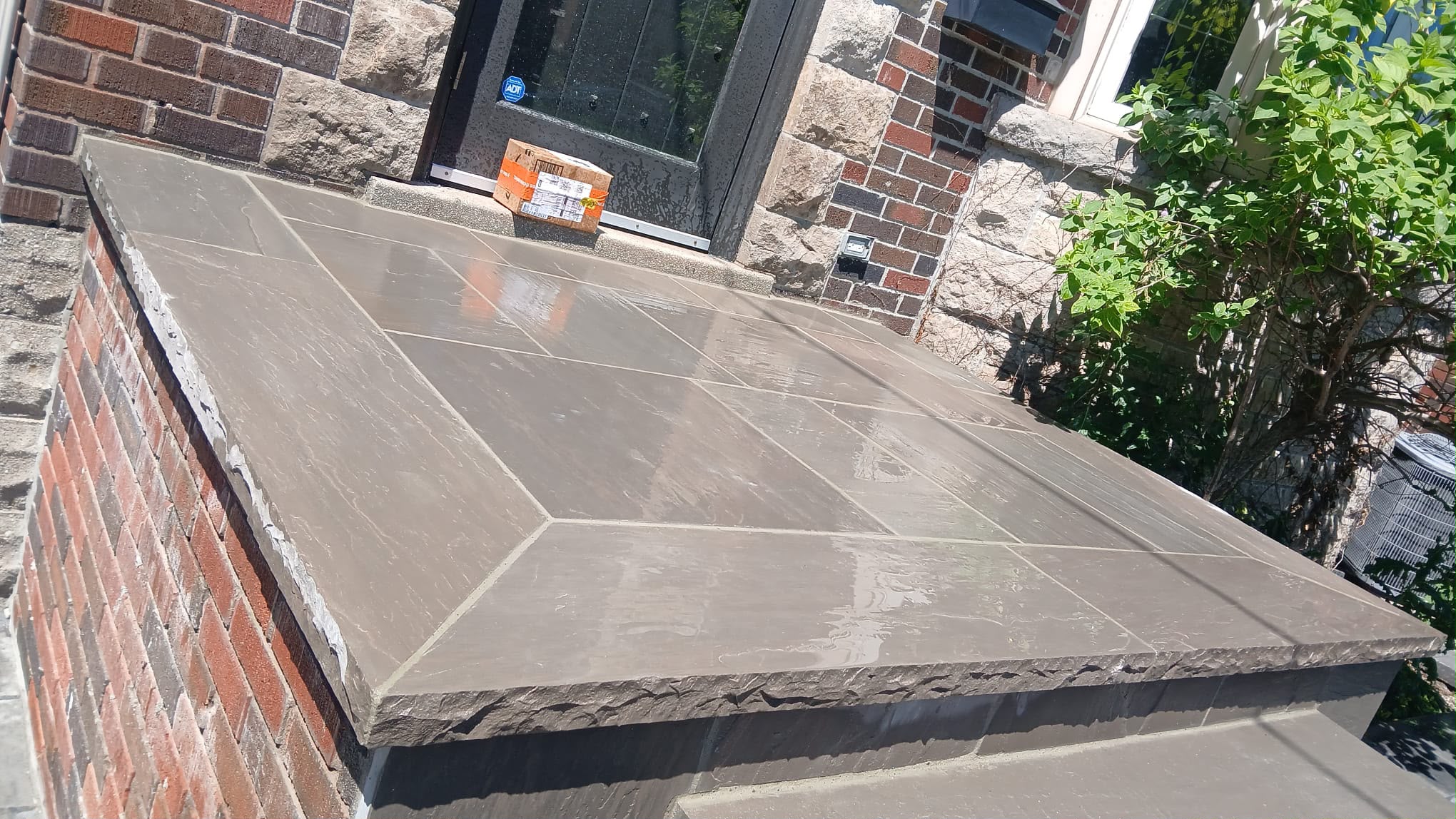
Large, flat stones, such as sandstone or slate, are used to create patios, walkways, and stepping stones. Offers a natural, rustic appearance.
Cobblestone
Rounded stones are traditionally used in paving. Ideal for driveways, garden borders, and pathways, providing a classic, timeless look.
Decomposed Granite
Granite that has weathered into small particles. Provides a soft, rustic look for garden trails, around trees, and xeriscaping ground cover.
Crushed Granite Gravel
Larger particles than decomposed granite, offering a natural look. Suitable for transitions between garden plants and pathways.
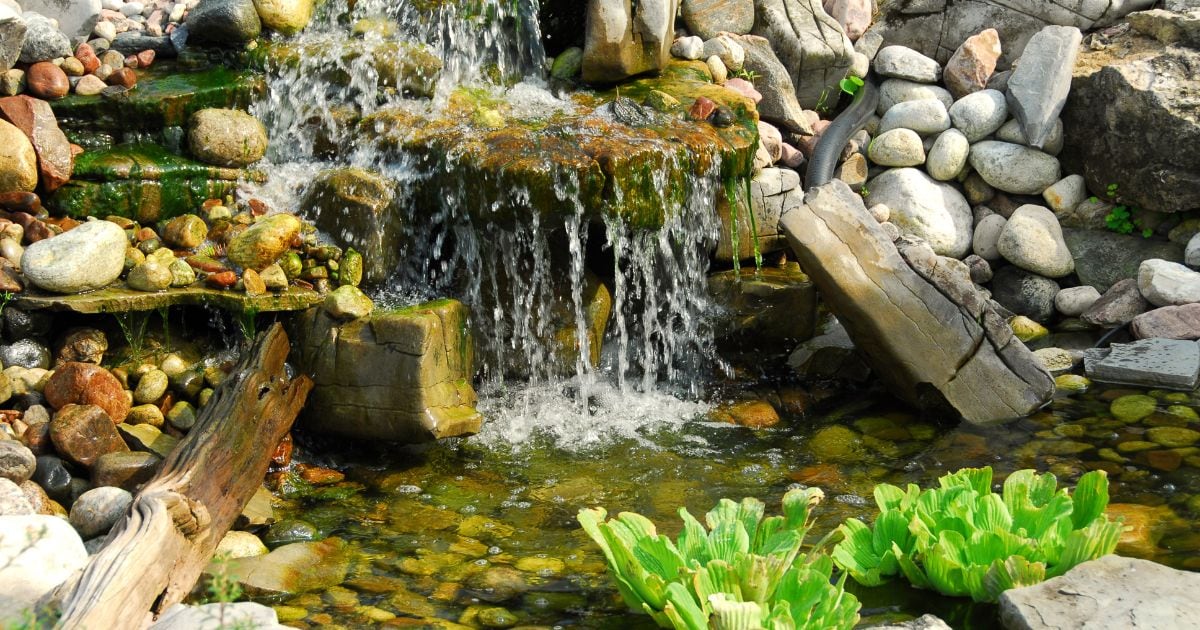
River Stones for Garden Ideas
River stones instantly bring a soft, natural vibe to any garden. But why stop there? You can mix in other stone types to level up your design! Here’s how you can blend river stones with different textures and colours for a truly standout garden:
Brick Chips
Crushed brick chips, with their reddish-brown hues, look incredible when paired with smooth river stones. Use brick chips to frame a winding garden path, then fill the center with river stones for contrast. The rough texture of the brick and the softness of the river rock create a dynamic, rustic look perfect for cozy garden corners.
Marble Chips
For a crisp, high-end touch, combine marble chips and river stones in container gardens or around water features. The pure white marble chips make river stones pop, adding clean lines and brightness to your landscape. Try marble chips as a border and river stones as a base around decorative plants or sculptures.
Boulders
Nothing says “wow” like strategically placed boulders among a bed of river stones. Use large boulders as focal points — either standing tall or partially buried for a more organic feel. Surround them with river stones to mimic a dry creek bed, giving your garden a bold but natural landscape design.
Crushed Stone
Lay down crushed stone as the sturdy foundation for garden walkways, and then line the edges with river stones for a softer, flowing frame. Crushed stone ensures durability and great drainage, while river stones soften the rugged look and create a smooth visual transition into planting beds or open spaces.
Red Tipple
Bring vibrant colour into your garden design by mixing red tipple with river stones. Use red tipple to define borders, create geometric shapes, or highlight specific garden zones. The deep red against the neutral river stone makes a beautiful contrast, perfect for adding energy and character to outdoor spaces.
What are large landscaping rocks?
Large landscaping rocks are oversized natural or manufactured stones used to enhance outdoor spaces. They serve aesthetic and functional purposes in landscaping, such as creating focal points, retaining walls, edging, or erosion control.
Types of Large Landscaping Rocks
- Boulders – Massive, natural stones used as statement pieces, seating, or barriers.
- Flagstones – Large, flat stones used for walkways, patios, and stepping stones.
- River Rocks – Smooth, rounded stones often used for dry creek beds and decorative edging.
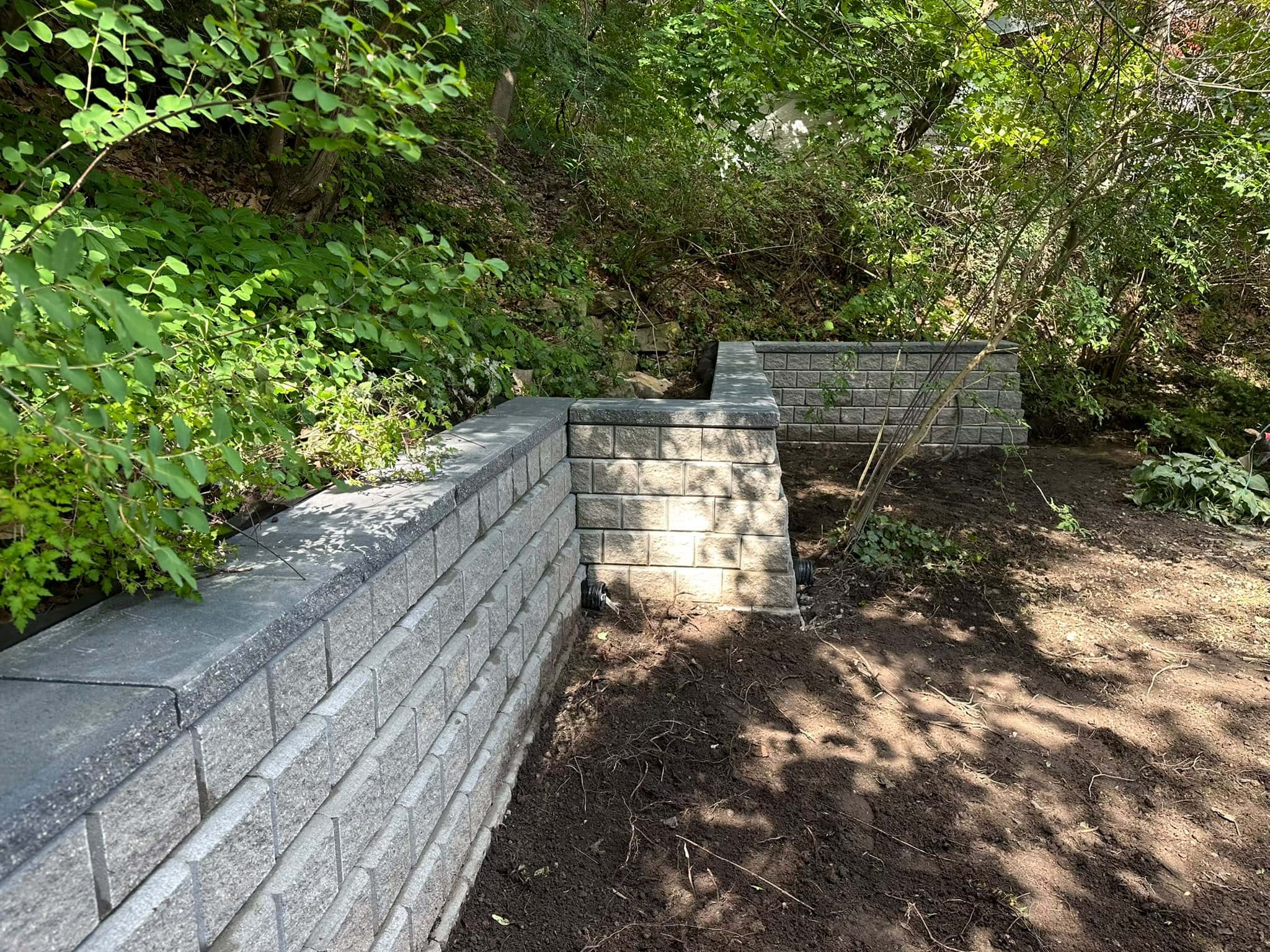
- Fieldstones – Rough, irregular stones are great for rustic retaining walls or garden borders.
- Limestone Slabs – Large, flat pieces used for walkways or stepping paths.
- Basalt Columns – Naturally occurring rock pillars, often used for water features or sculptures.
These rocks add texture, depth, and durability to landscapes while requiring minimal maintenance.
What are the sizes of large rocks for landscaping?
Large landscaping rocks are available in various sizes, typically categorized by their weight and dimensions. Here’s a general breakdown:
Small Boulders (12”–24” in diameter, 50–200 lbs)
- Used for garden accents, edging, and small retaining walls.
- Can be moved with a dolly or by two people.
Medium Boulders (24”–36” in diameter, 200–700 lbs)
- Ideal for focal points, water features, or larger garden borders.
- Require equipment like a skid-steer or multiple people to move.
Large Boulders (36”–48” in diameter, 700–2,000+ lbs)
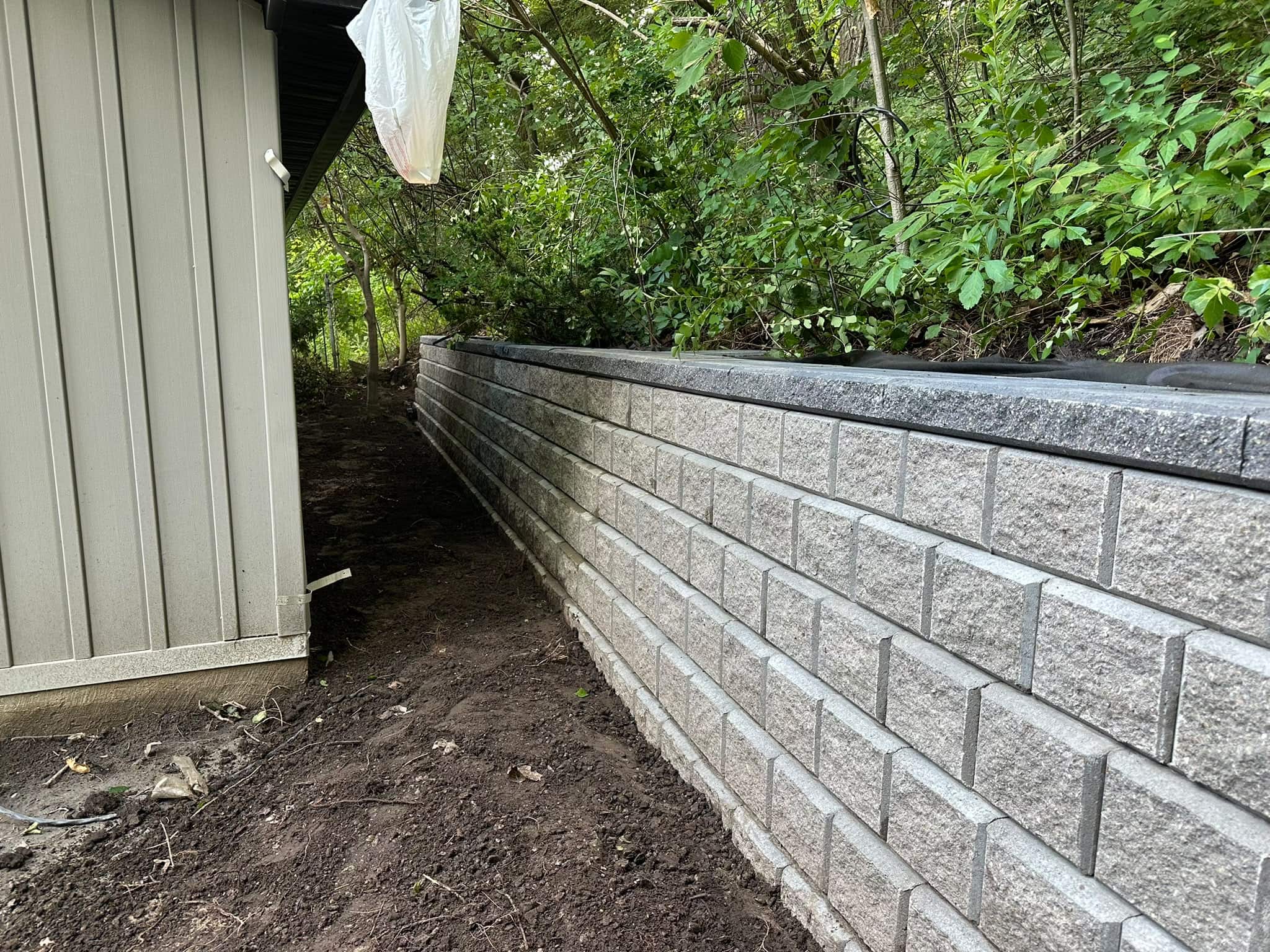
- Commonly used for retaining walls, erosion control, and major landscaping projects.
- Typically moved with machinery like backhoes or cranes.
Extra-Large Boulders (48”+ in diameter, 2,000+ lbs)
- Used for large-scale landscaping, commercial properties, or natural seating areas.
- Must be placed using heavy machinery.
- Flat Stone Slabs (Varies in thickness & size)
- Flagstones: 1”–3” thick, used for patios and walkways.
- Limestone Slabs: 3”–12” thick, great for stepping stones and seating.
Choosing the right size depends on your project’s purpose, space, and installation method. Need help selecting the best rock size for your landscaping?
How many large landscaping rocks do you need in a yard?
The number of large landscaping rocks needed for a yard depends on the size of the stones, the area to be covered, and the desired look (scattered accents, rock garden, retaining wall, etc.). Here’s a general guideline:
Accent Boulders
- One boulder per 5–10 feet works well for natural spacing.
- If placed in clusters, 3–5 rocks per grouping create a balanced look.
Retaining Walls or Borders
- Large boulders (24”–36”) typically cover 25–40 square feet per ton.
- Estimate 1–2 boulders per linear foot for a stacked retaining wall.
Rock Gardens or Dry Creek Beds
- Mix large rocks with smaller stones for a natural effect.
- Use 1–2 large rocks per 50–100 square feet as focal points.
Coverage Calculation by Weight
- One ton of large boulders (~18”–36”) typically covers 30–50 square feet.
- For larger boulders (36”+), expect 10–20 square feet per ton.
To determine the exact number for your yard, measure the space and decide on rock placement style.

How Do You Set Large Landscaping Rocks
Setting large landscaping rocks properly ensures stability, durability, and aesthetic appeal. Follow these steps to get the job done right:
Plan the Placement
- Determine the purpose (accent piece, retaining wall, erosion control, etc.).
- Consider the rock’s size, shape, and how it fits into the landscape.
- Mark the placement area using spray paint, stakes, or a garden hose.
Prepare the Ground
- Dig a Base: Excavate a hole or trench ¼ to ⅓ the height of the rock for stability.
- Create a Stable Foundation: Compact the soil or use gravel or sand to prevent shifting.
- Ensure Proper Drainage: Avoid water pooling by placing rocks slightly above ground level.
Move the Rock Safely
- For Small to medium boulders, use a dolly, pry bars, or rolling techniques.
- For large boulders, use machinery such as a skid-steer, backhoe, or crane.
Tip: Avoid rolling rocks downhill or lifting improperly to prevent injuries.
Position the Rock
- Angle for Natural Appearance: Position the rock so it looks naturally placed.
- Bury Part of It: Bury at least ¼ to ⅓ of the rock for a grounded look.
- Use a Level: Ensure stability and proper positioning.
Secure & Blend with the Landscape
- Fill gaps around the base with soil, sand, or gravel to lock it in place.
- Use smaller rocks, mulch, or plants to create a seamless look.
- If using multiple boulders, arrange them in odd-numbered groupings for a natural effect.
By following these steps, you can create a stunning and stable landscape with large rocks.
FAQ
Can you paint landscape rocks?
Yes! Follow these steps:
- Clean the rocks thoroughly and let them dry.
- Use outdoor acrylic or spray paint for durability.
- Seal with a clear weatherproof sealer to prevent fading.
What is a yard of landscape rock?
- A cubic yard is 27 cubic feet (3 ft × 3 ft × 3 ft).
- Covers 100 sq. ft. at 2–3 inches deep.
- Weighs 1.25–1.5 tons, depending on the rock type.
Can you glue landscape rocks together?
Yes! Use construction adhesive like:
- Polyurethane-based glue (strong & weather-resistant).
- Epoxy resin for heavy-duty bonding.
- Mortar or cement for permanent placement.
What is the most popular landscape rock?
The most popular landscape rock varies based on region and design, but some top choices include:
- River Rock – Smooth, round stones ideal for garden beds and water features.
- Pea Gravel – Small, multi-colored stones great for walkways and patios.
- Lava Rock – Lightweight, red or black volcanic rock used for mulch.
- Flagstone – Flat, durable stones used for pathways and patios.
- Decomposed Granite – Fine, crushed rock for driveways and pathways.
Which stone is good for landscaping?
The best stone depends on the purpose:
- For Pathways & Walkways: Pea gravel, crushed stone, or flagstone.
- For Drainage & Water Features: River rock or gravel.
- For Mulch Alternative: Lava rock or decomposed granite.
- For Retaining Walls & Borders: Large boulders or fieldstones.
- For Decorative Accents: Marble chips, red tipple, or polished pebbles.
What colour rocks are best for landscaping?
The best colour depends on the desired aesthetic:
- Neutral Tones (Gray, Tan, Brown) – Versatile and natural, blending well with most landscapes.
- White or Light-Colored Rocks – Brighten up dark areas, but may show dirt over time.
- Red & Black Lava Rocks – Provide a bold contrast for tropical or modern landscapes.
- Multicoloured River Rocks – Add natural variation and work well with water features.
What size rock is best for landscaping?
- Pea Gravel (¼” – ½”) – Best for pathways, patios, and playgrounds.
- Small Rocks (½” – 1.5”) – Great for garden beds and drainage.
- Medium Rocks (1.5” – 3”) – Ideal for dry creek beds and decorative accents.
- Large Rocks (3” – 6”) – Used for erosion control and edging.
- Boulders (12”+) – Perfect for focal points and retaining walls.
With decades of experience, A&A Masonry Inc. has established a reputation for delivering top-quality masonry, waterproofing, and exterior restoration services throughout Toronto and its surrounding areas. Our skilled team specializes in repairing brick, stone, and concrete, ensuring durable and visually appealing results.
At A&A Masonry, we prioritize craftsmanship, customer satisfaction, and long-lasting solutions. Whether you need foundation waterproofing, brick repair, tuckpointing, or interlocking stone installations, our experts provide reliable service backed by extensive industry experience.
Why Choose A&A Masonry?
✔ Expert Craftsmanship – Our team comprises experienced masons and waterproofing specialists dedicated to high-quality workmanship.
✔ Comprehensive Services – We offer a wide range of services, from chimney repair to fireplace stone veneer and parging, to enhance and protect your property.
✔ Waterproofing Solutions – Protect your home with professional basement waterproofing and exterior foundation sealing.
✔ Customer-First Approach – Transparent quotes, detailed assessments, and a commitment to excellence in every project.
Our Services Include:
-
Concrete Repairs
-
Stone Masonry
-
Brick Painting
-
Interlocking Stone Pavers
-
Parging
-
Tuckpointing
-
Brick Repair
-
Fireplace Stone Veneer
-
Chimney Repair
-
Commercial Exterior Painting
-
Basement Waterproofing
-
Stucco
-
Interlocking Stone Installation
-
Interlocking Steps
-
Roofing