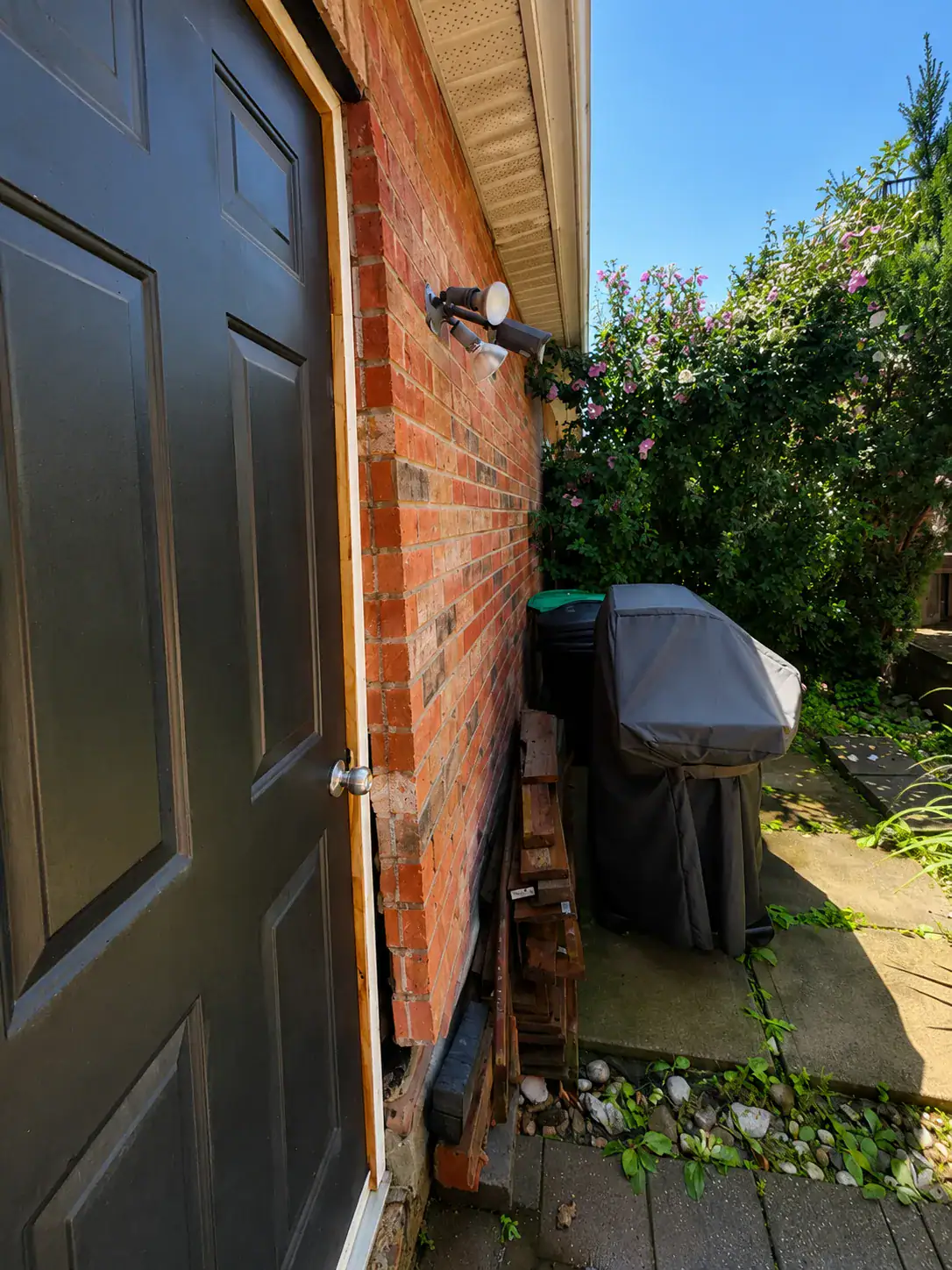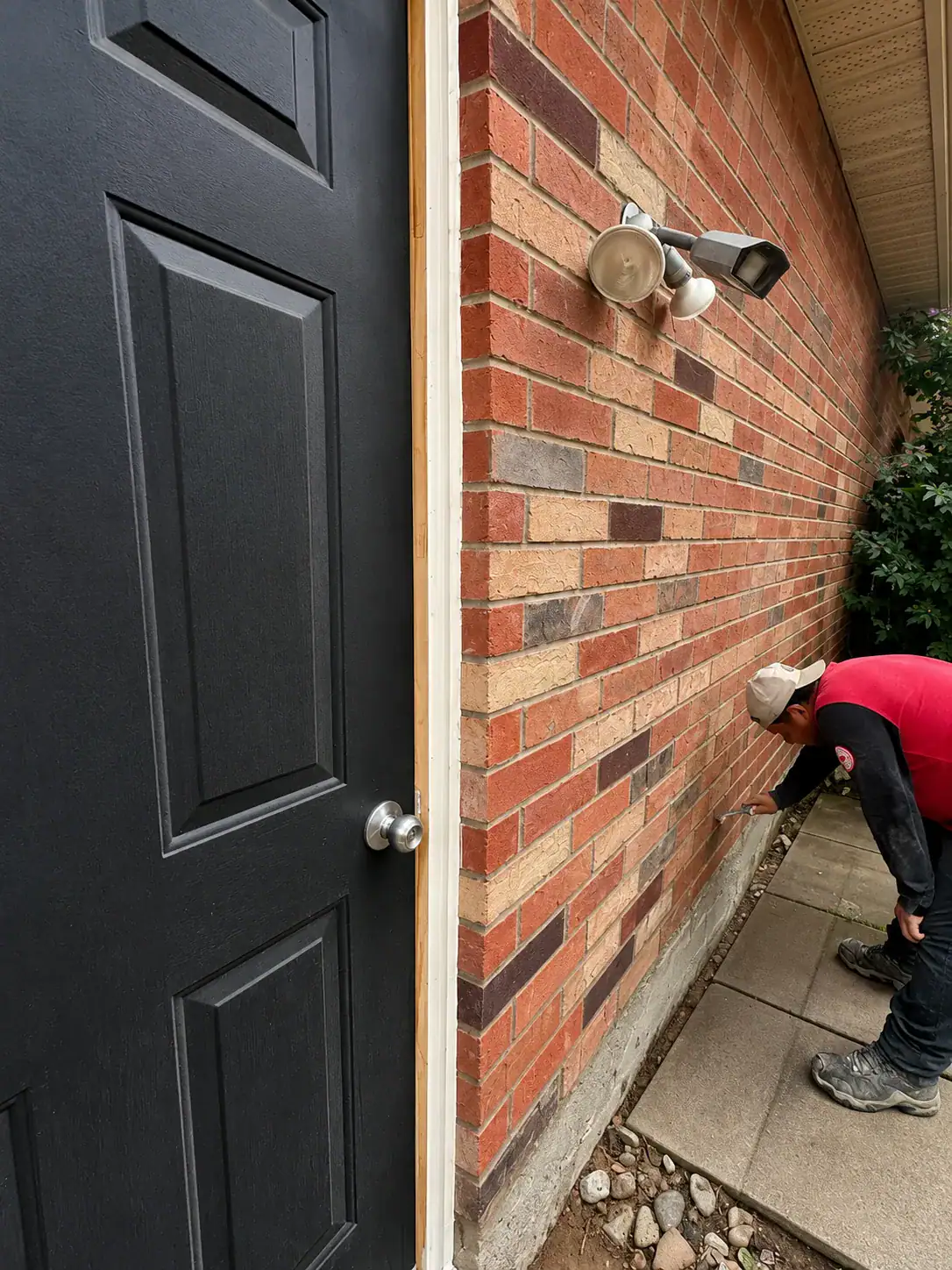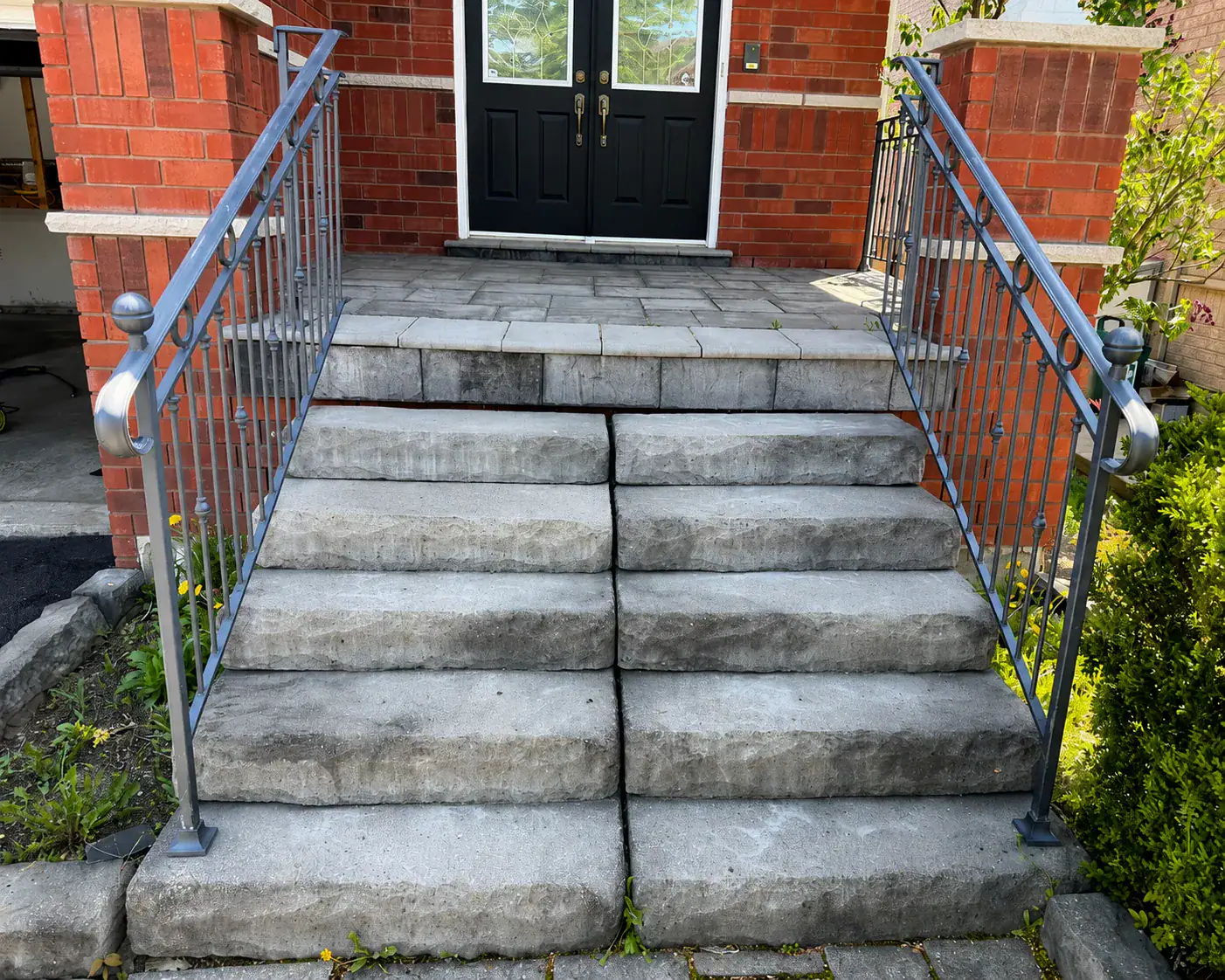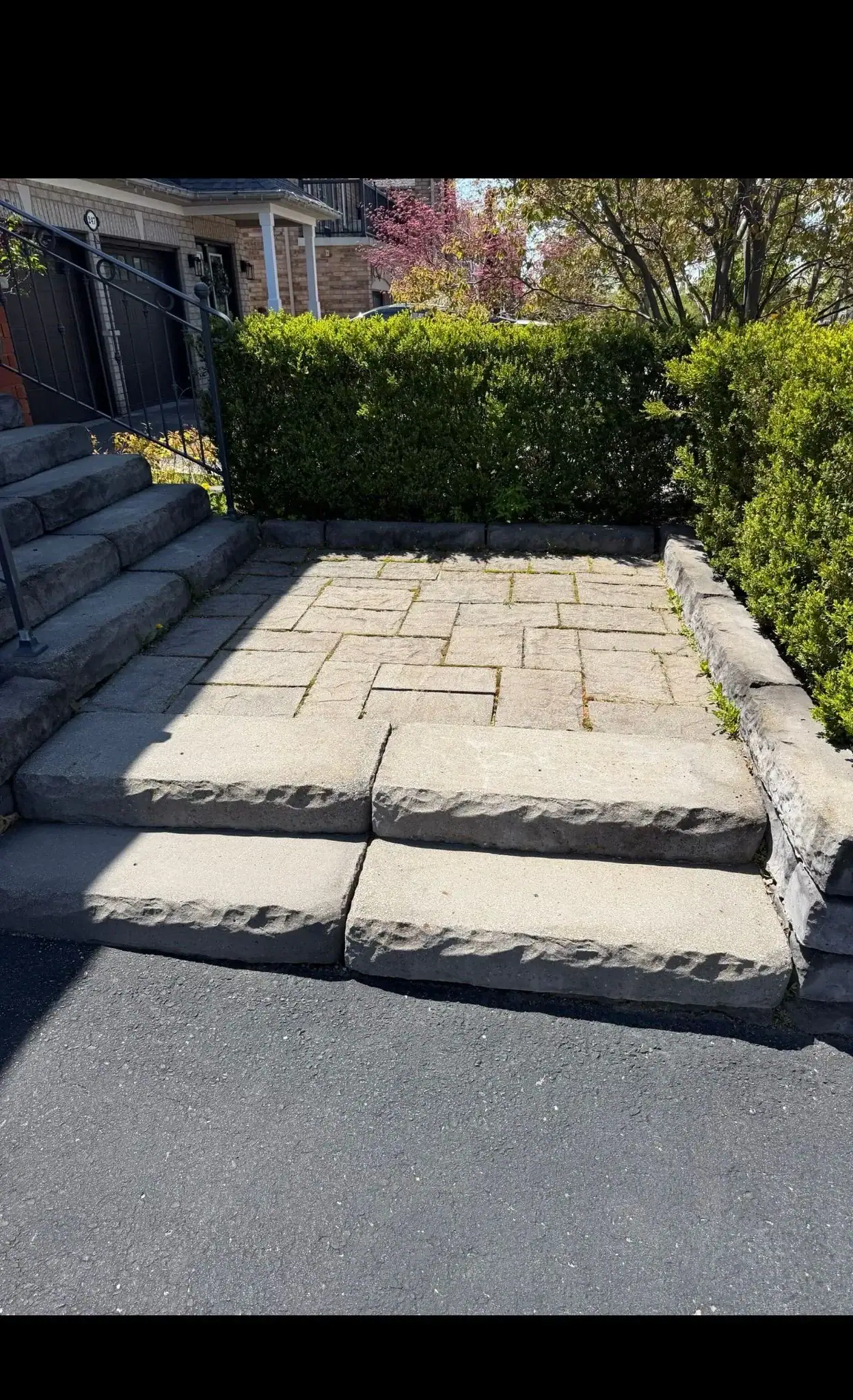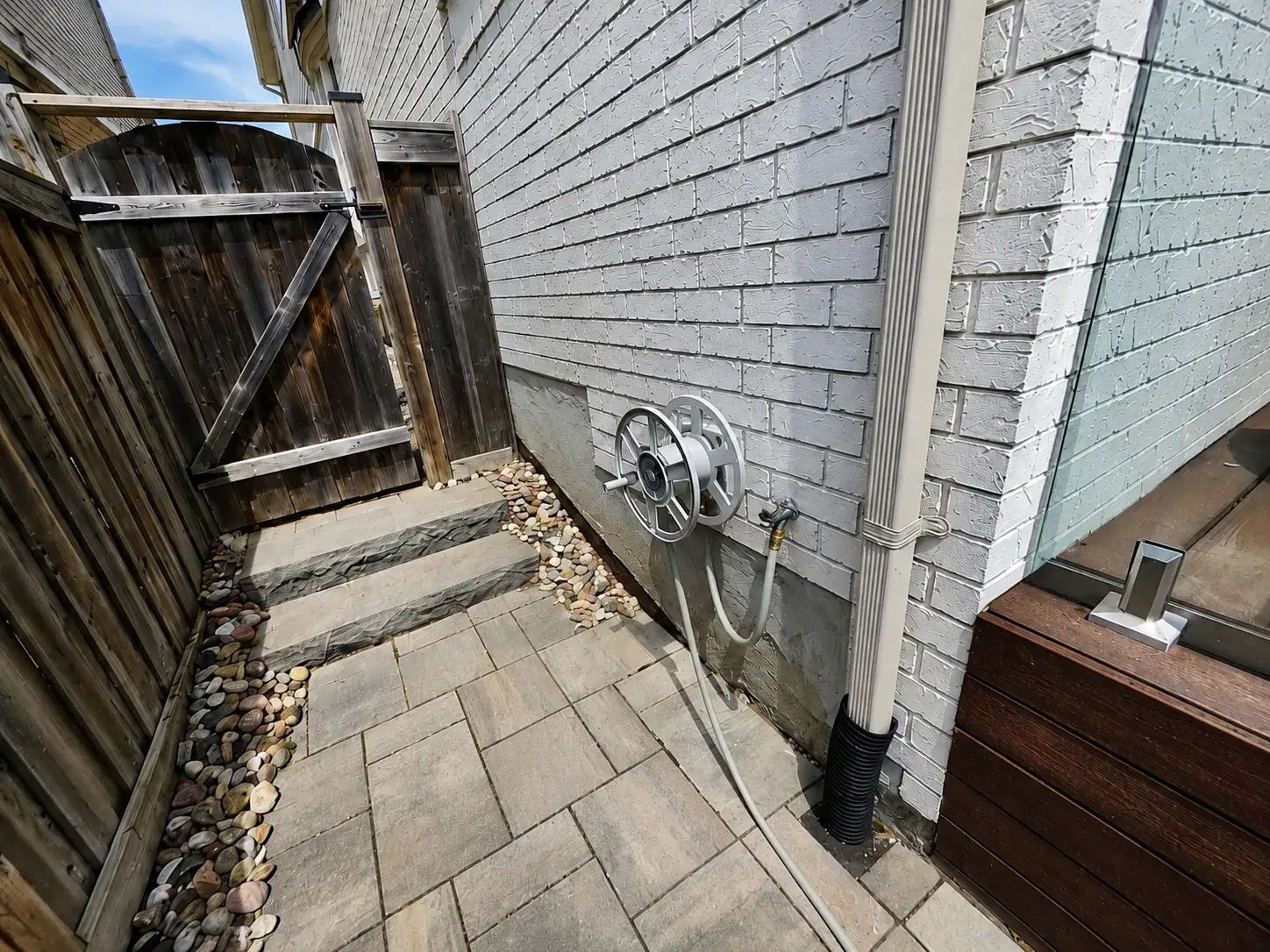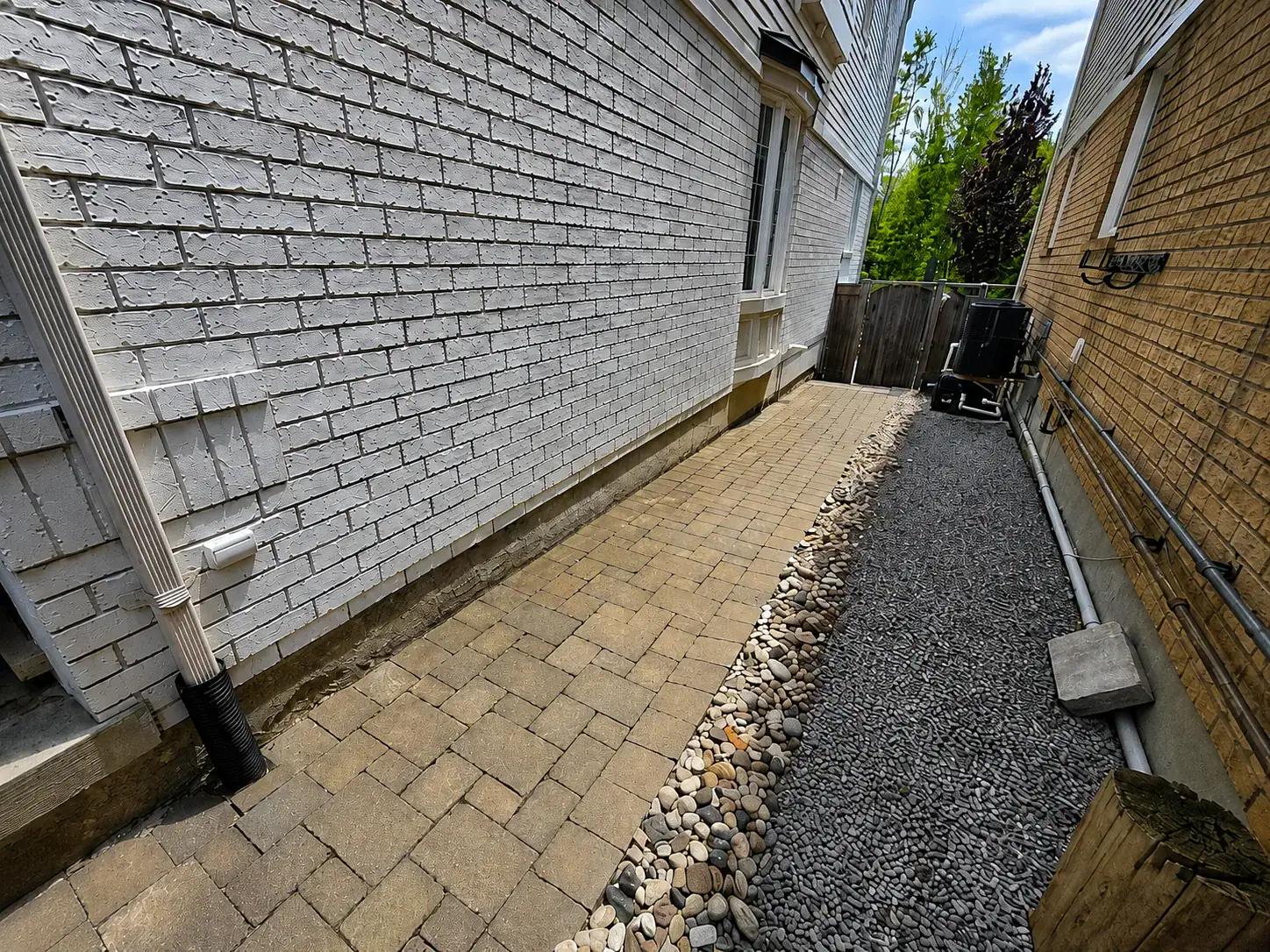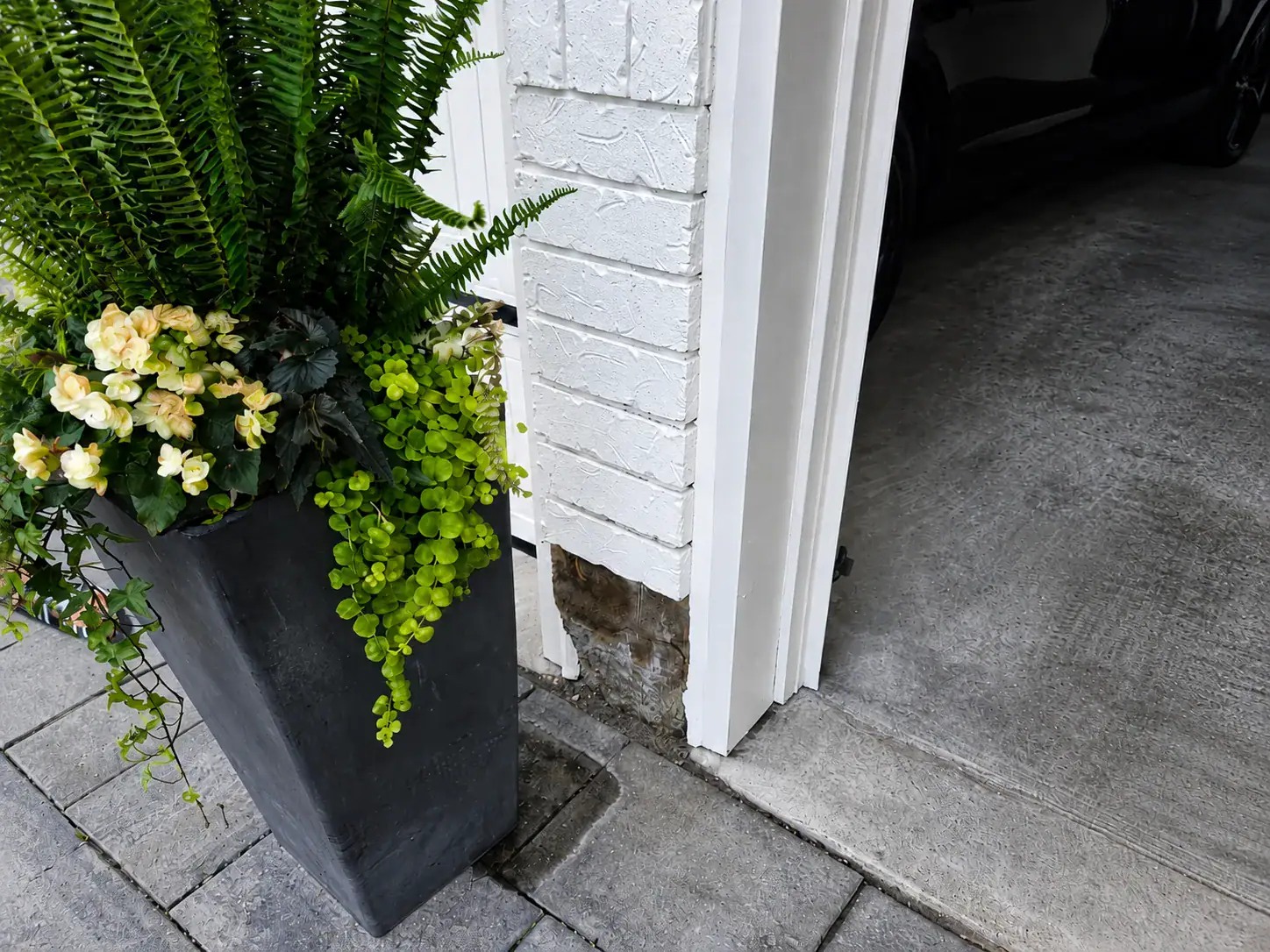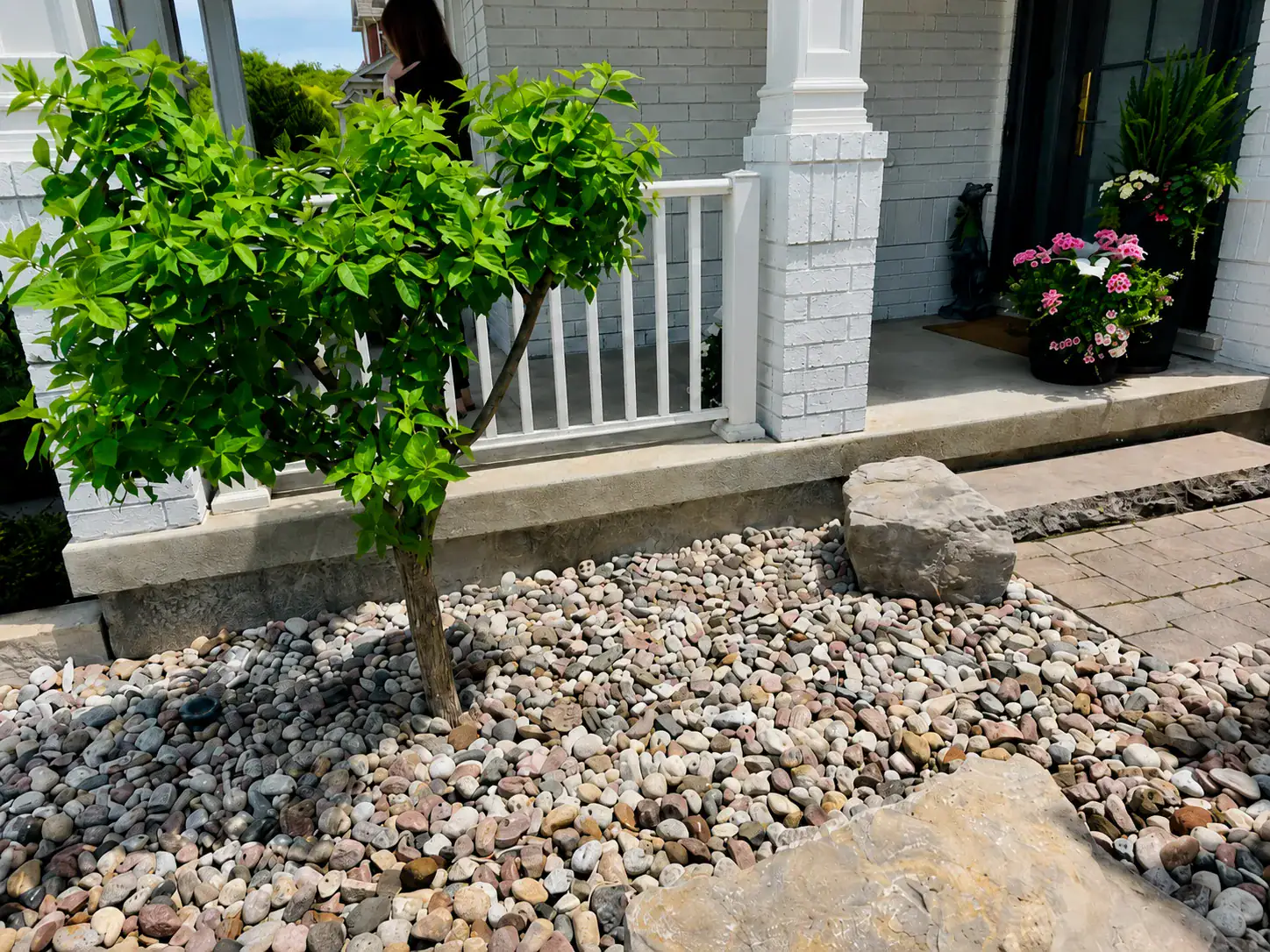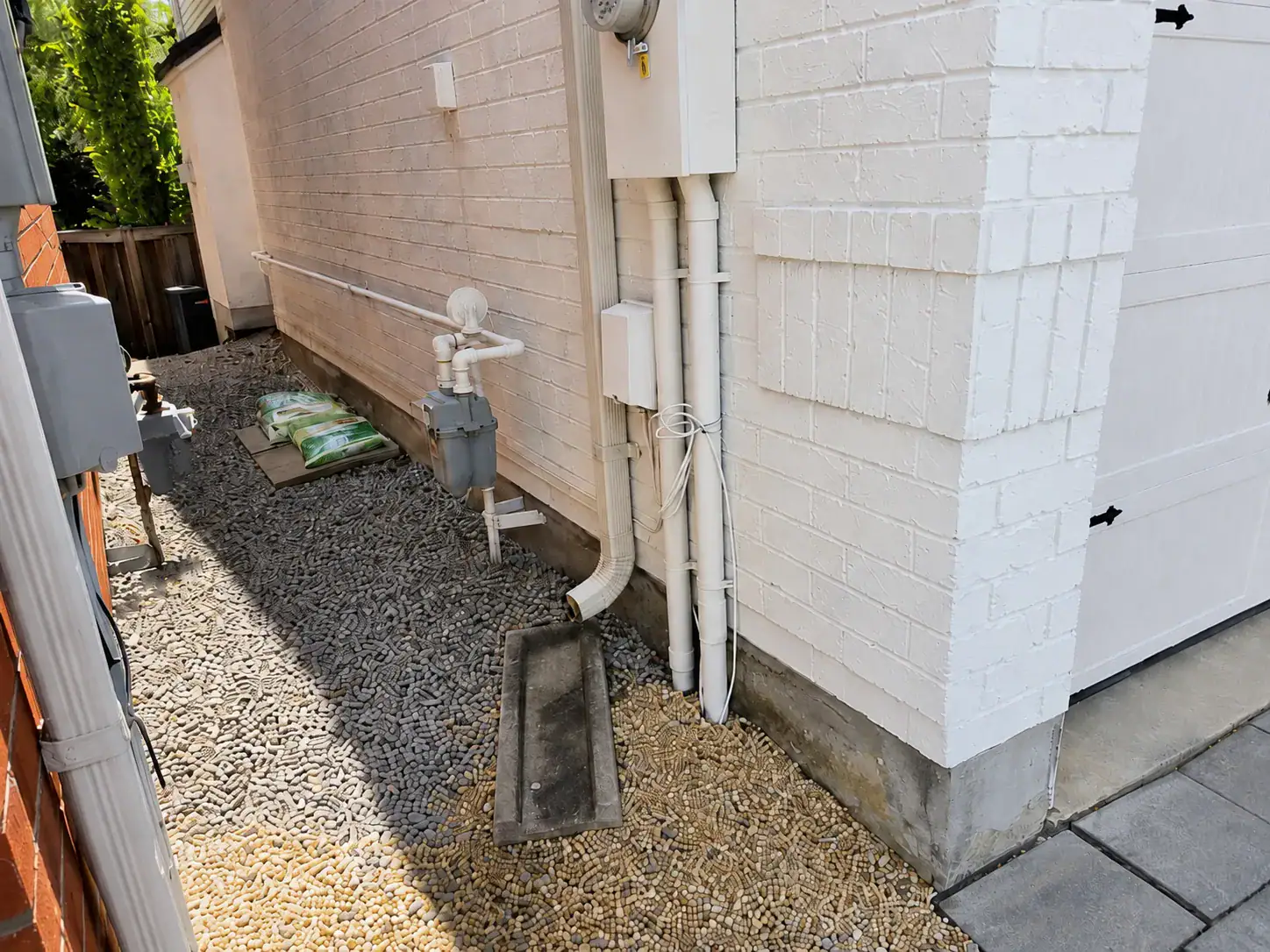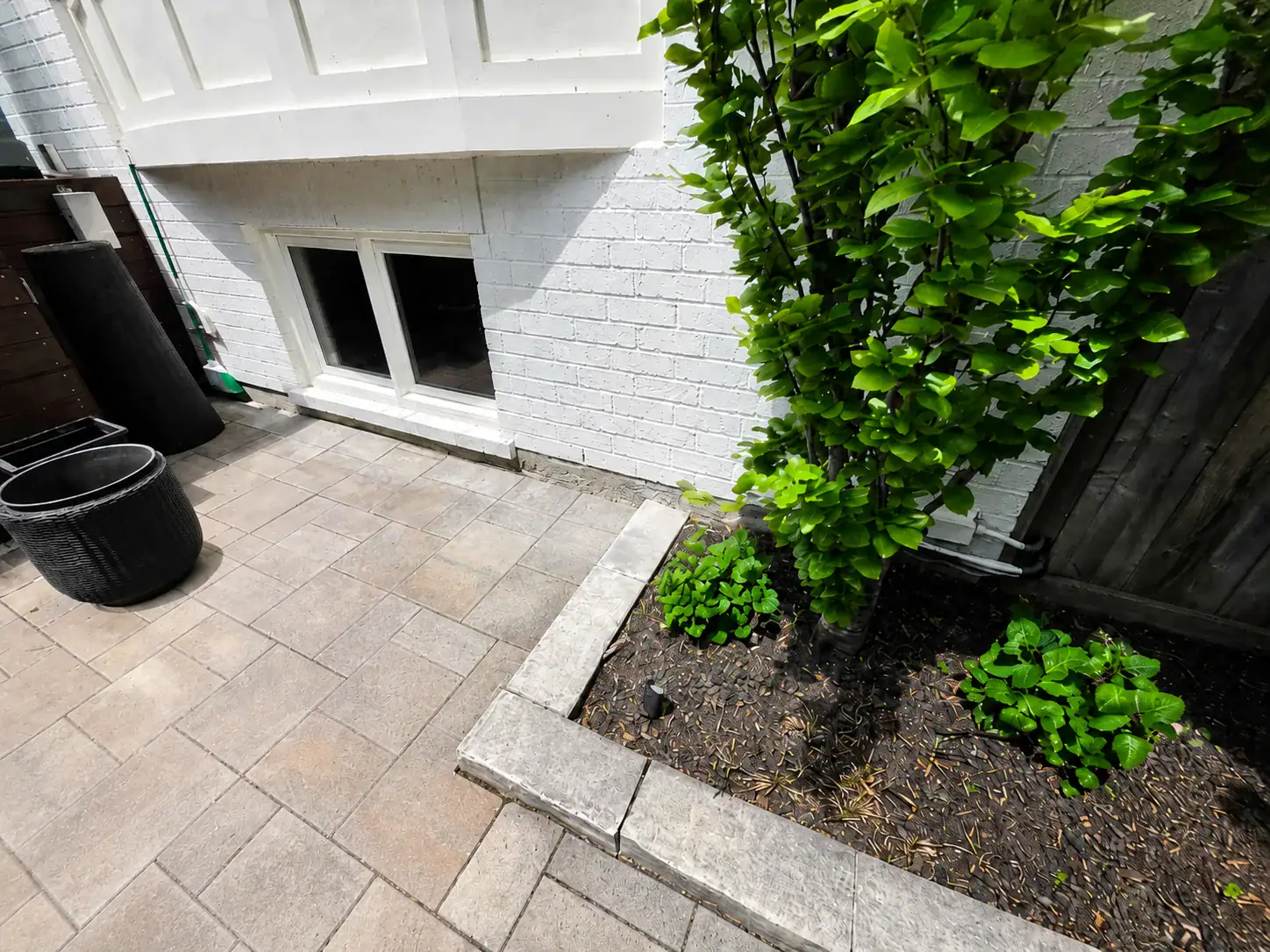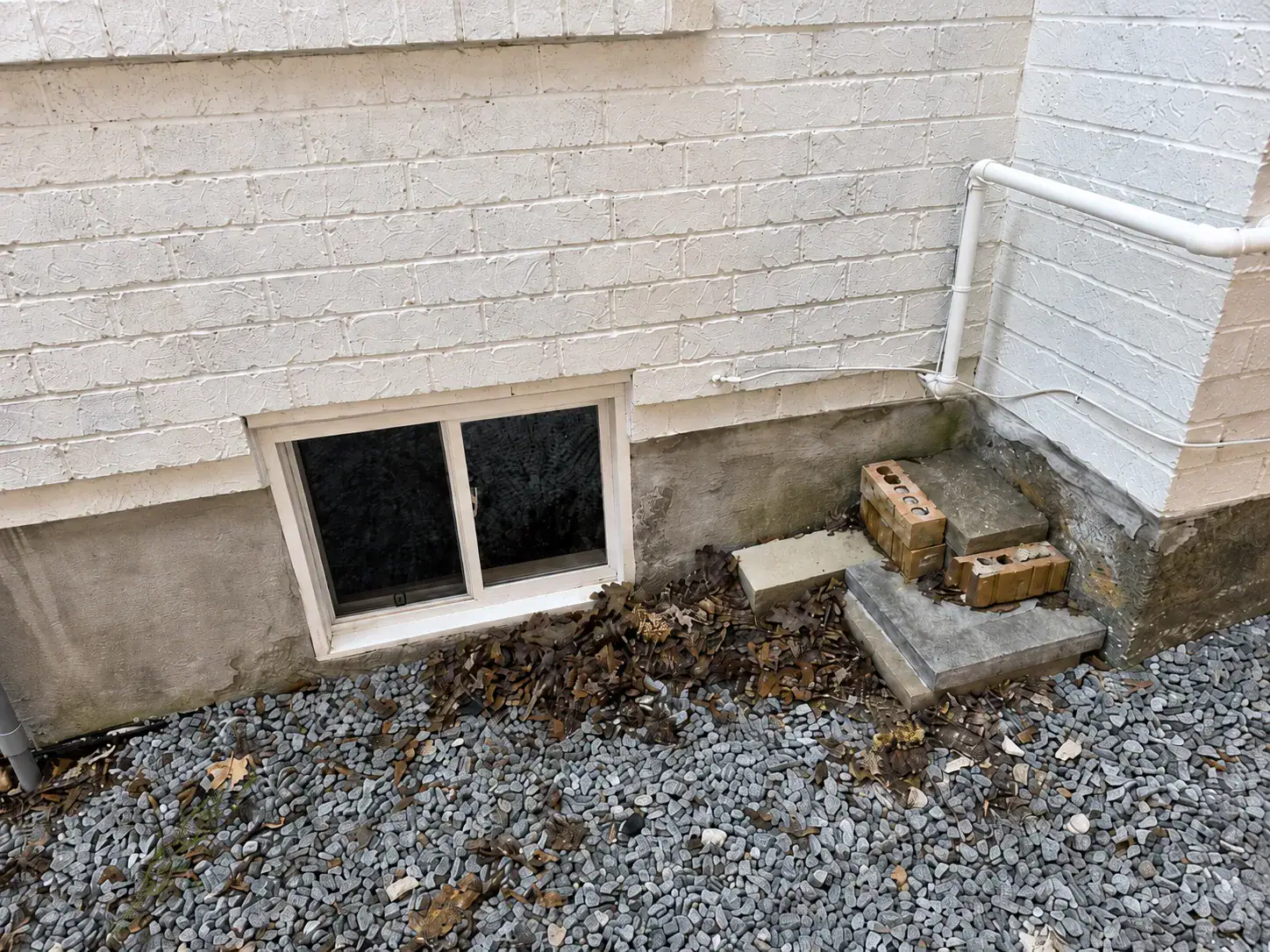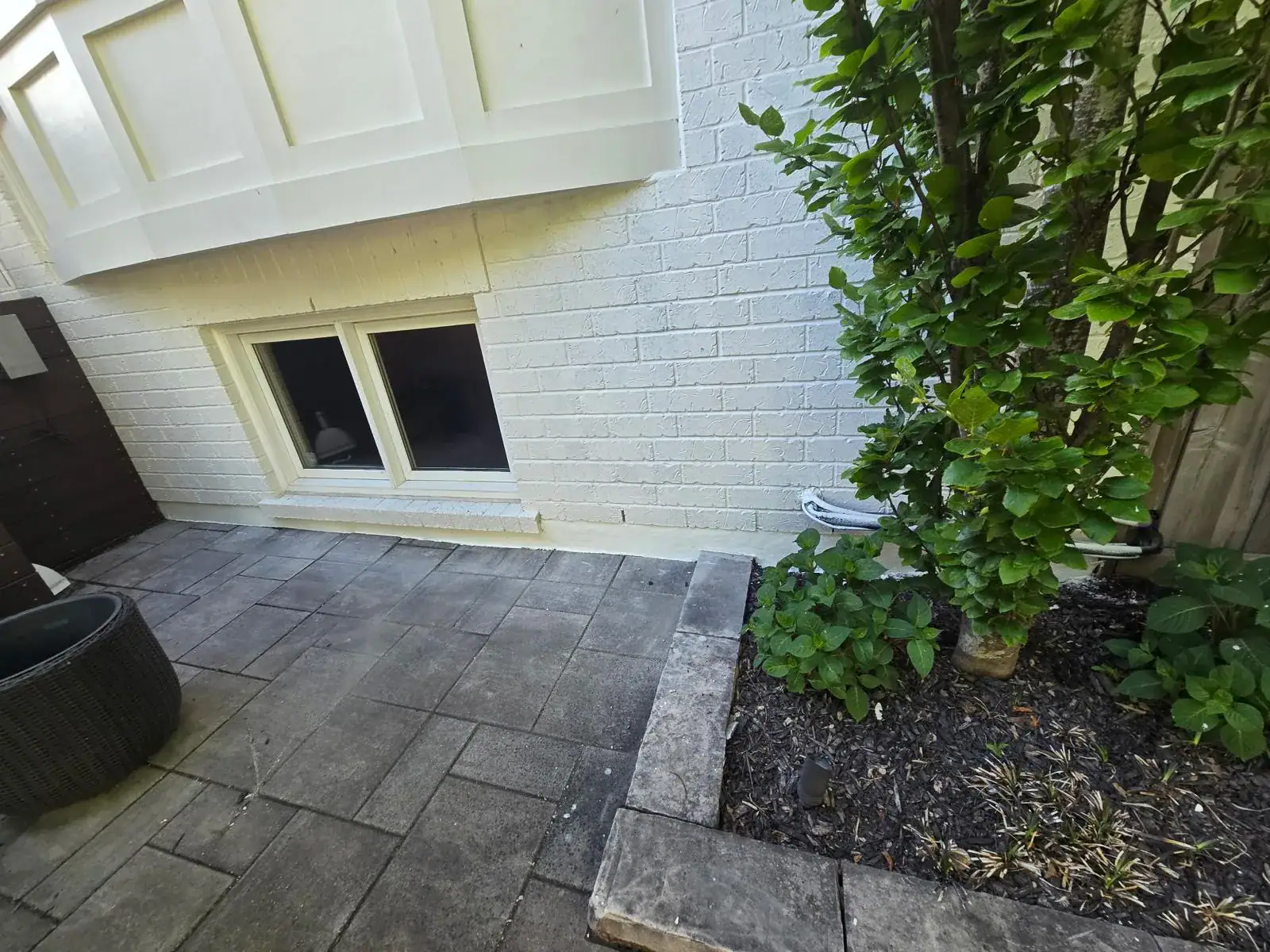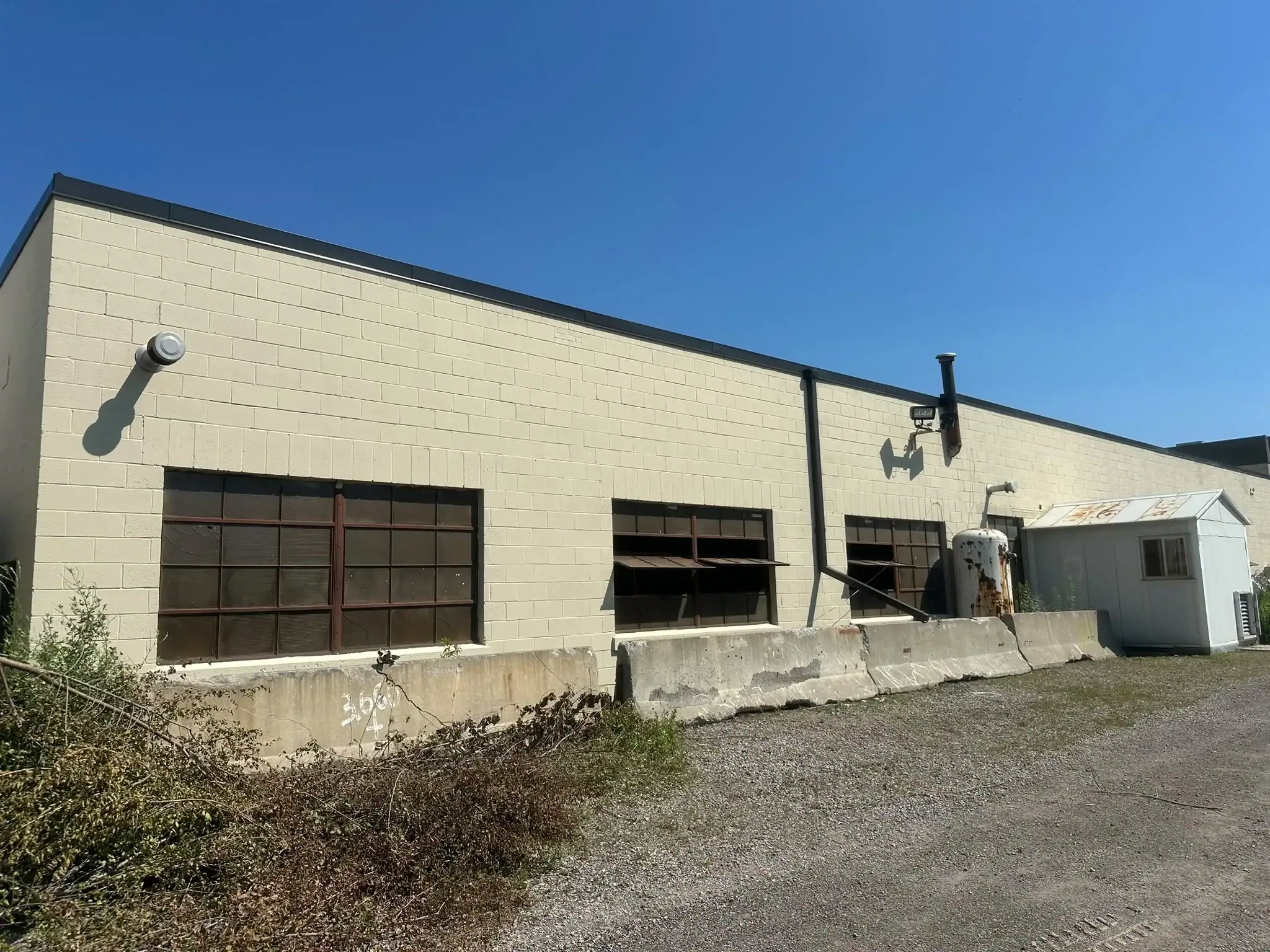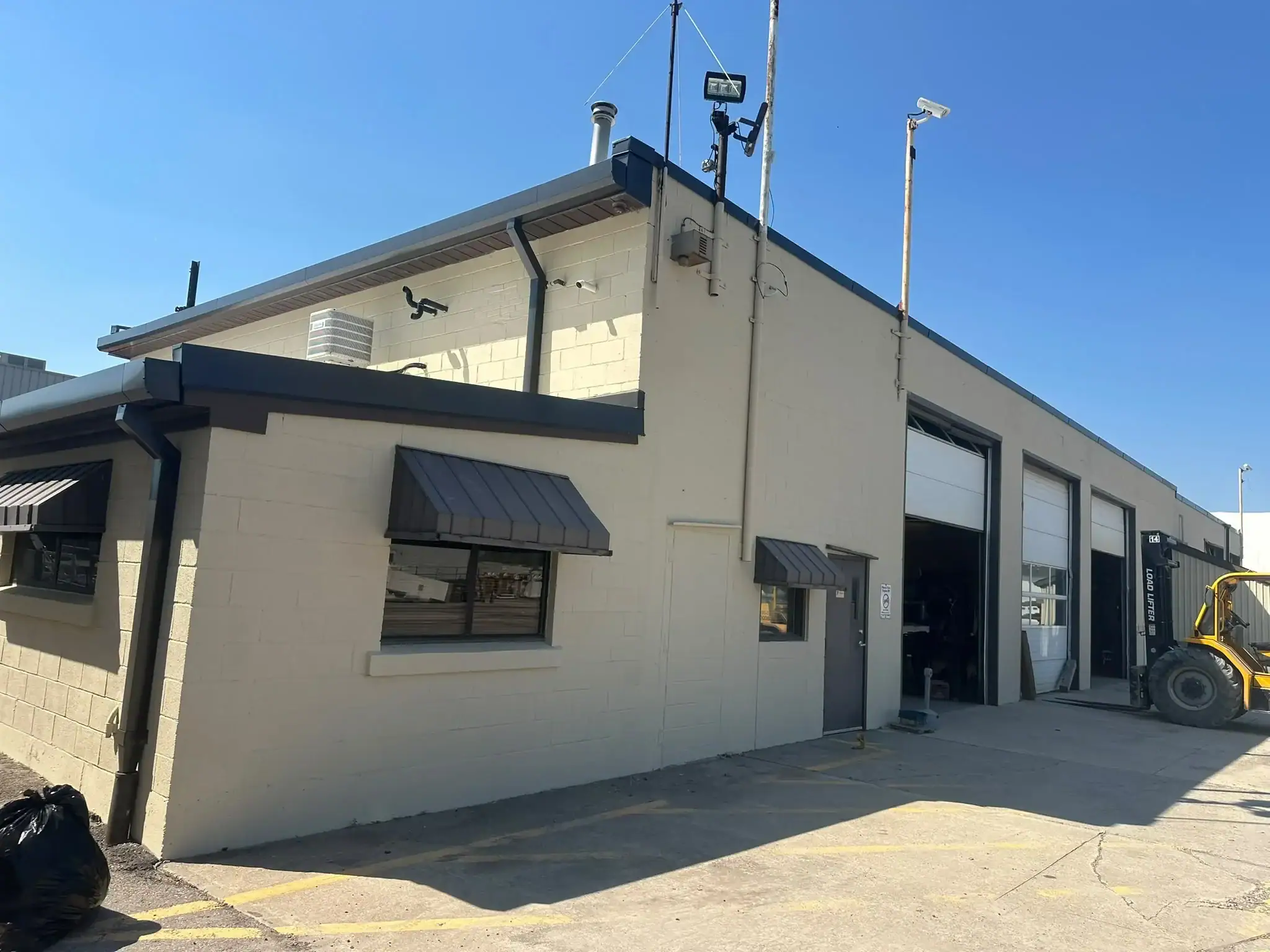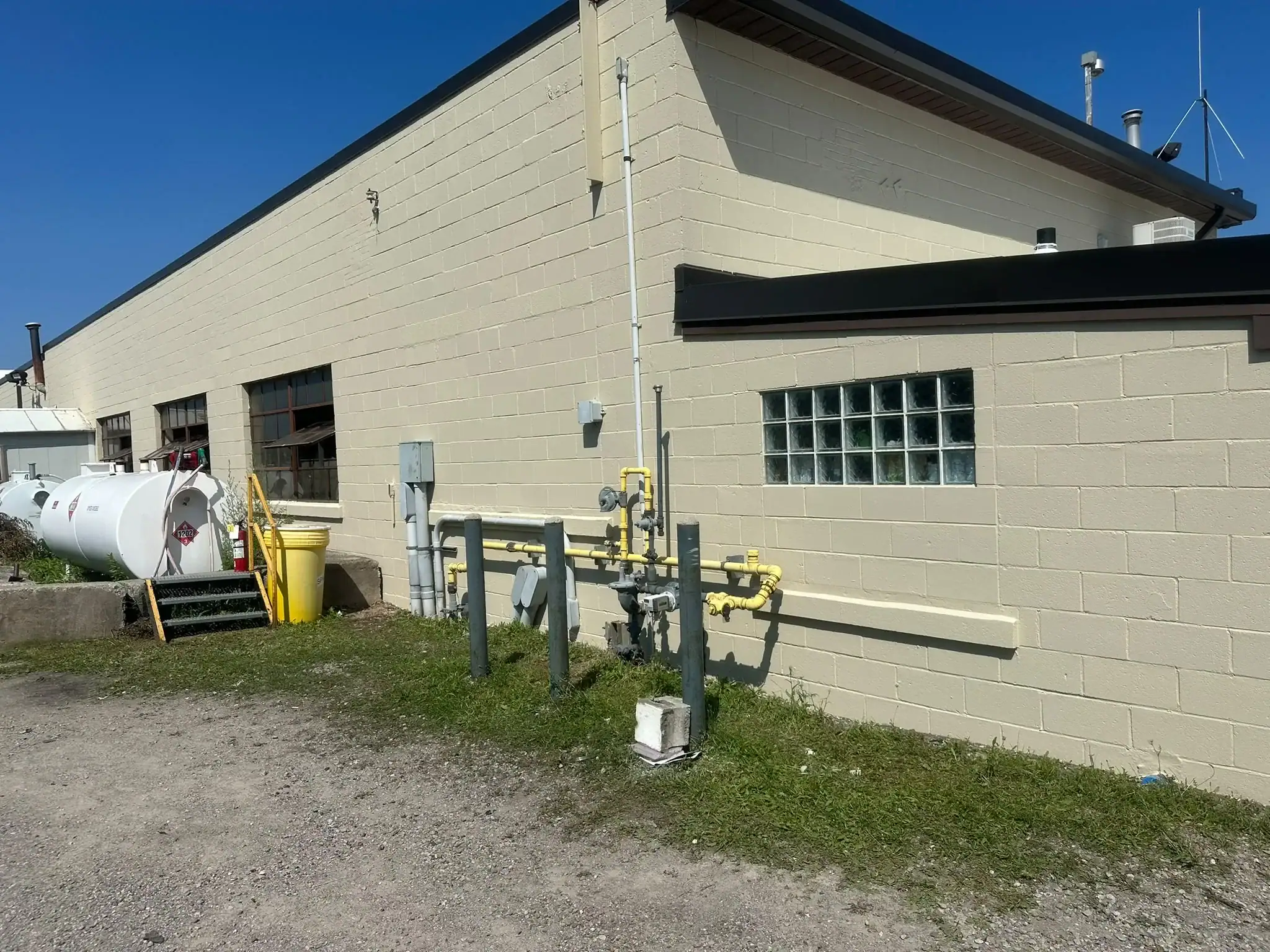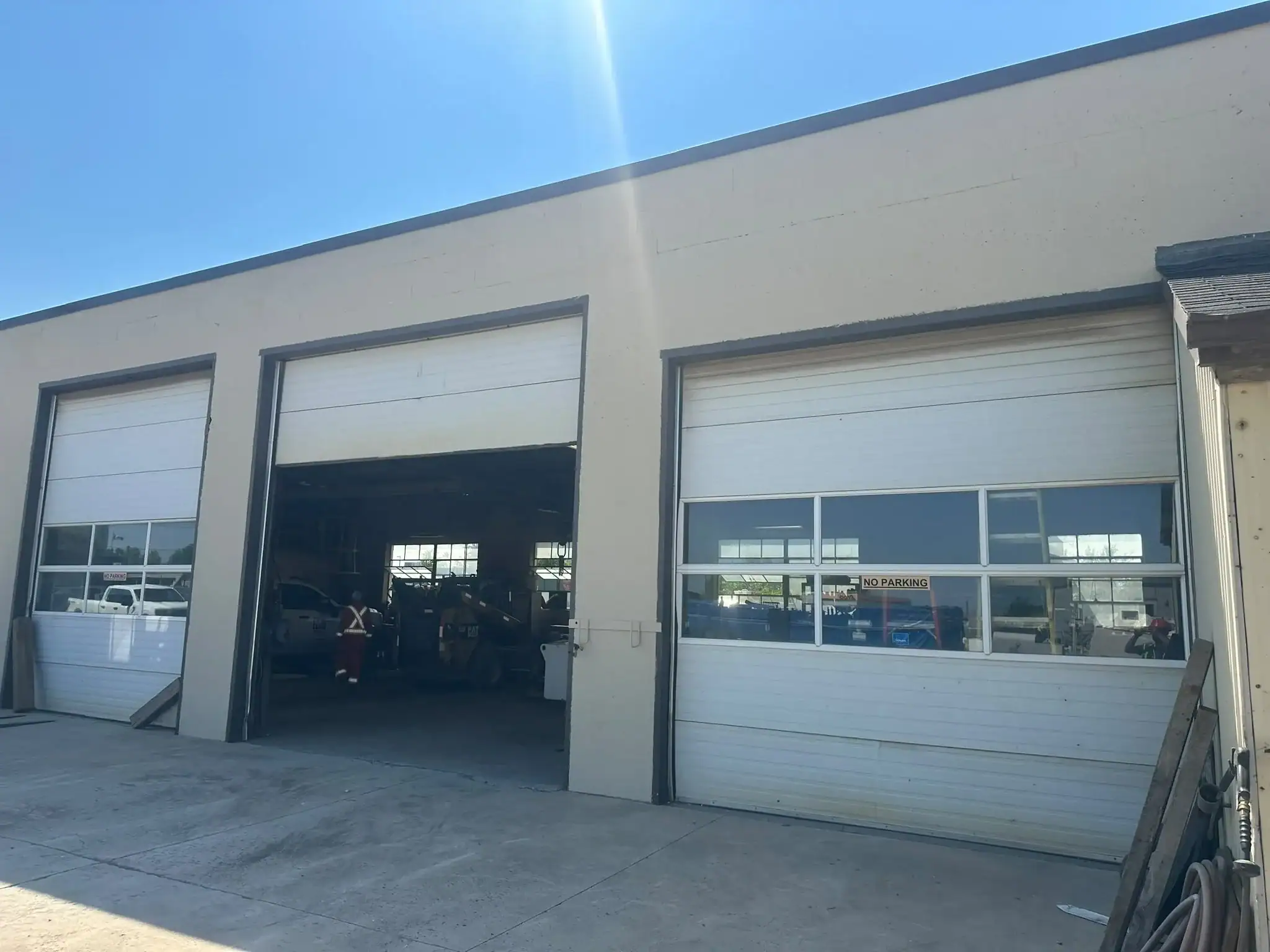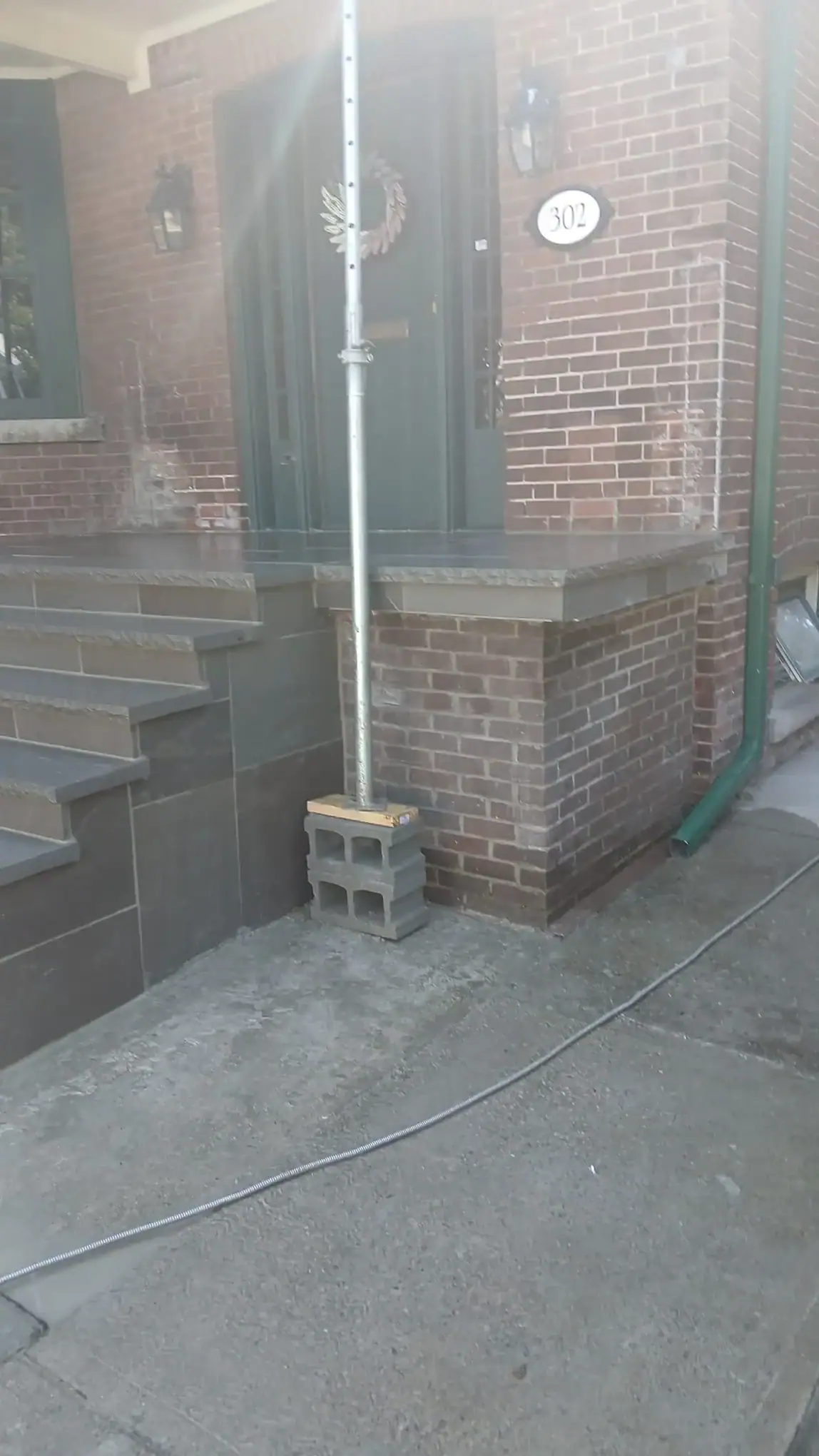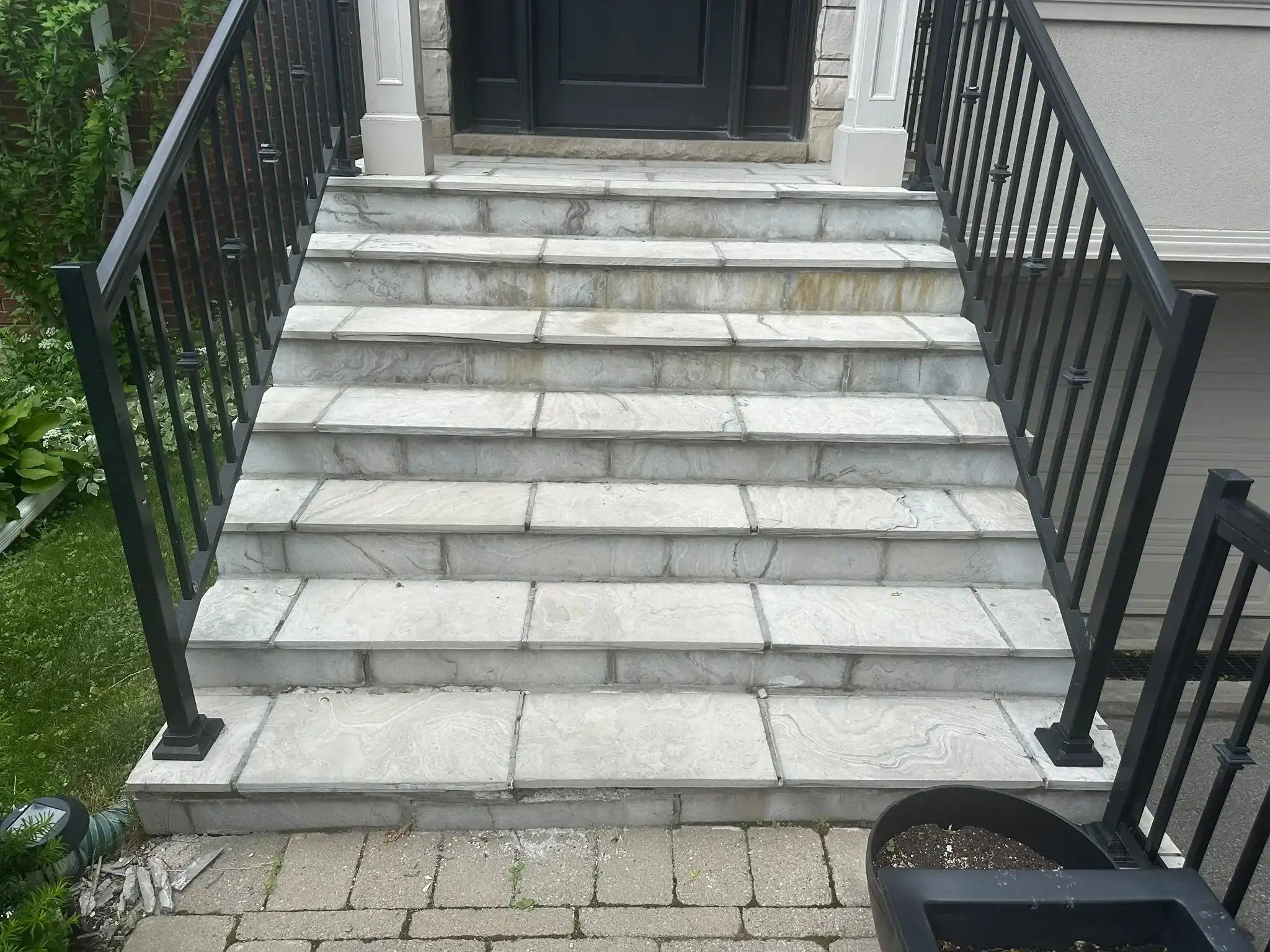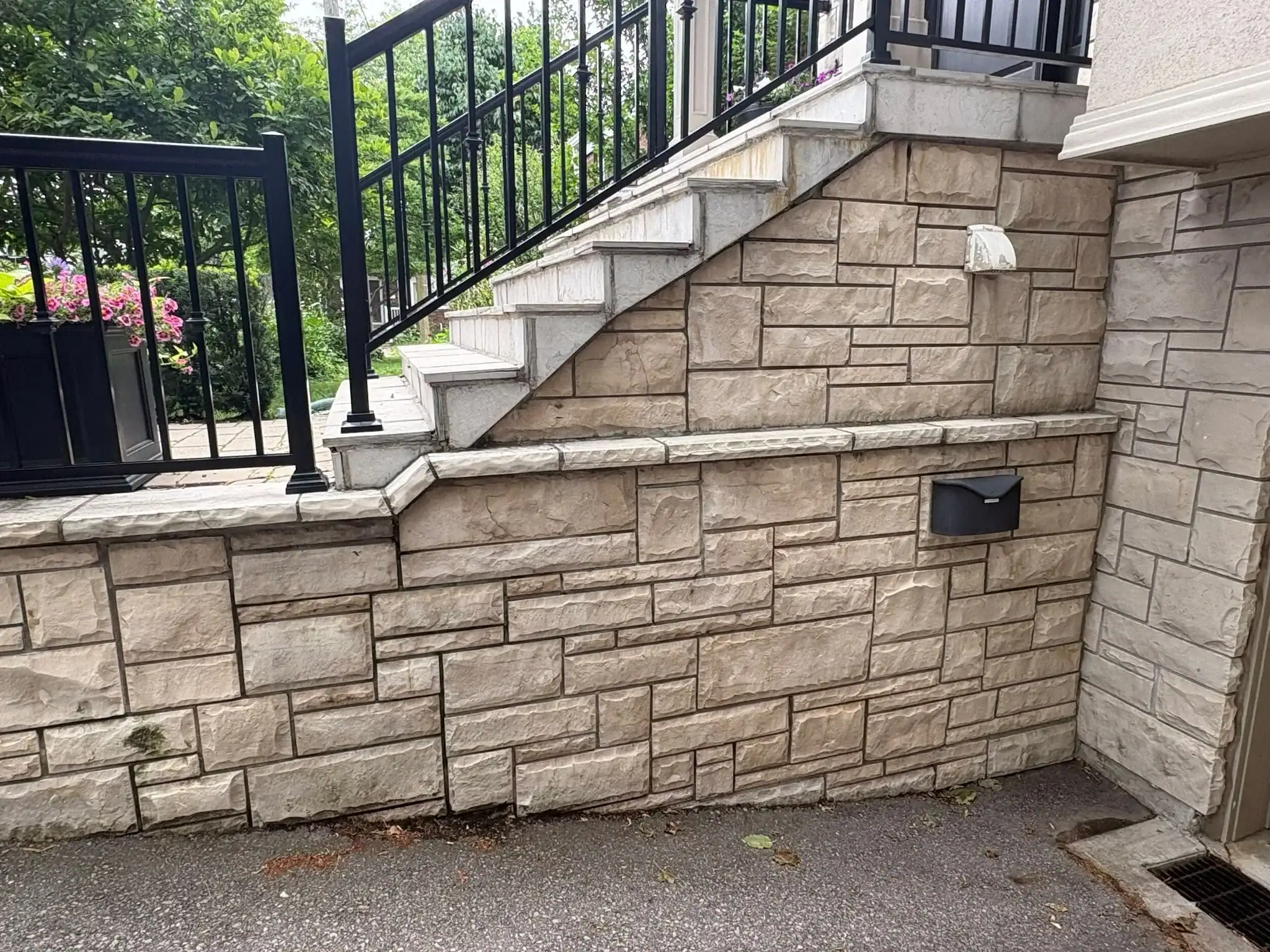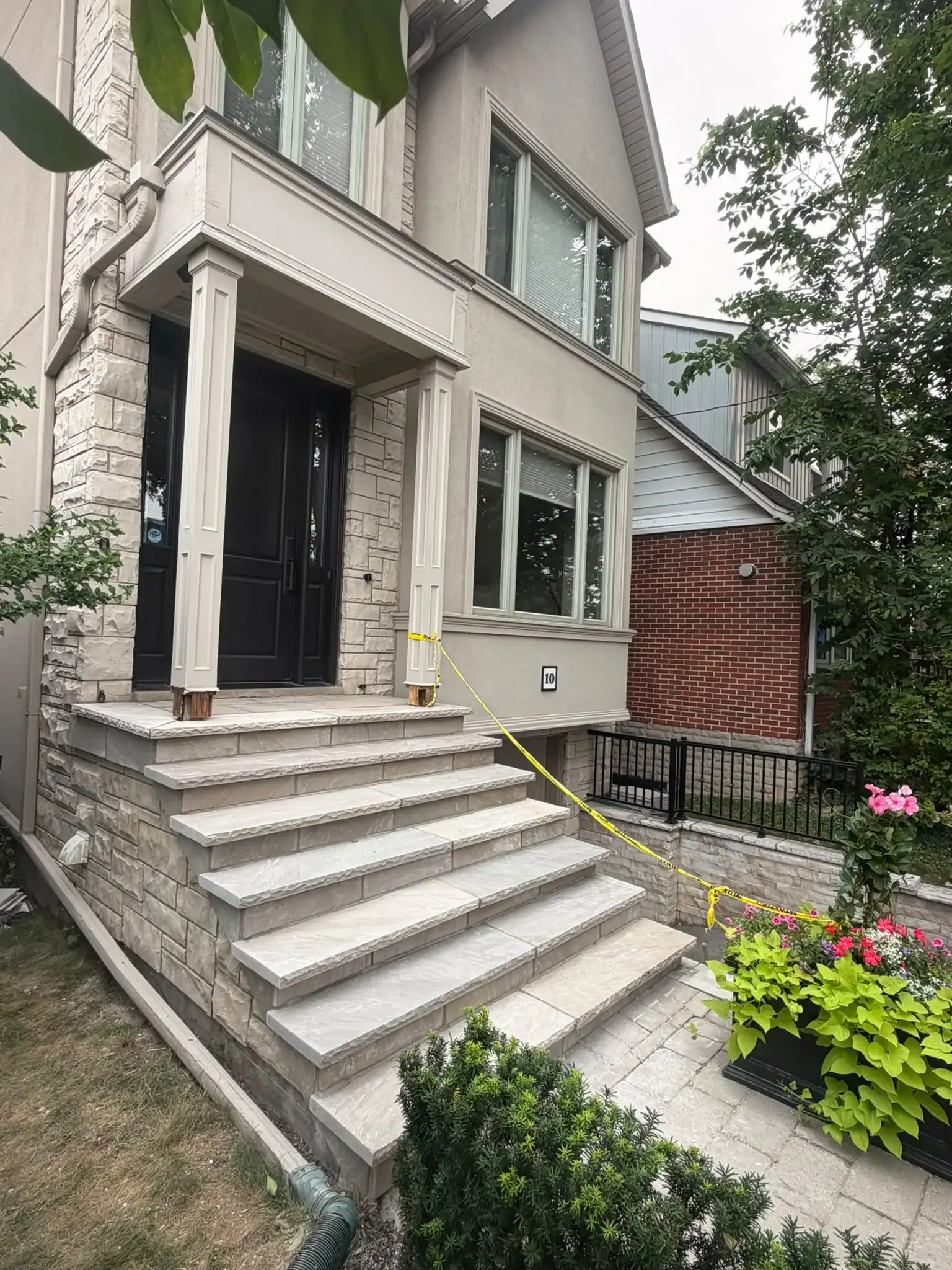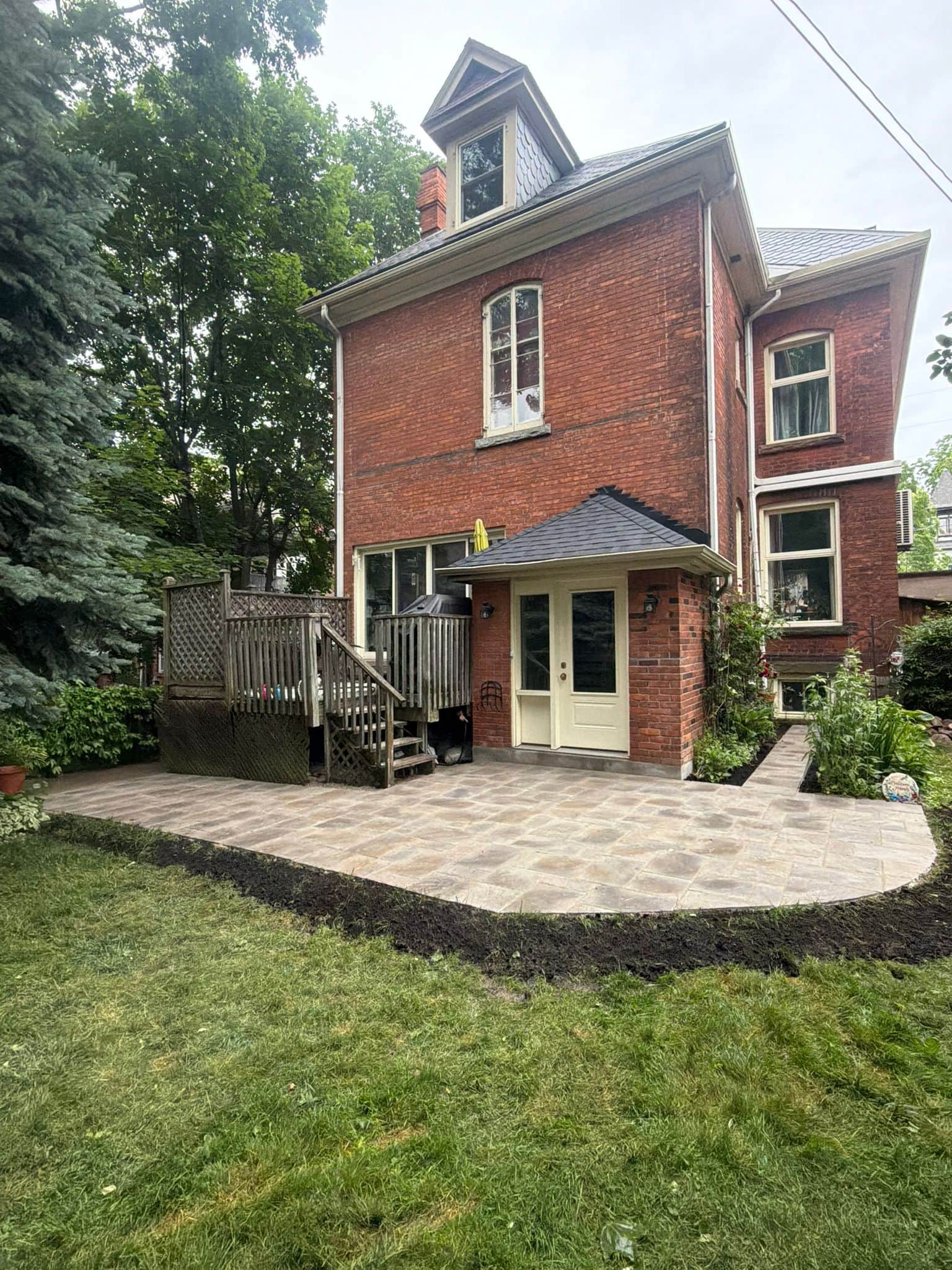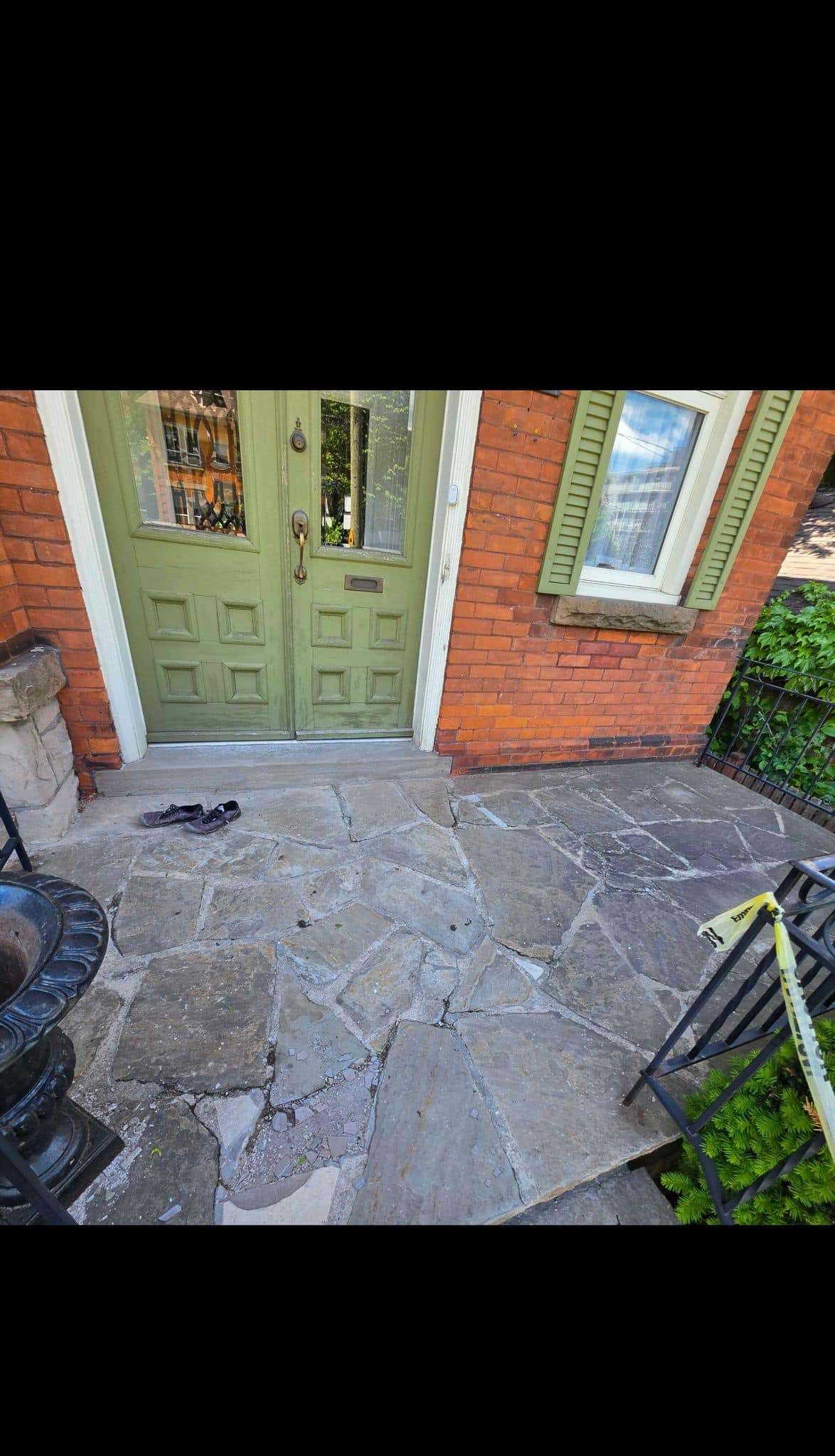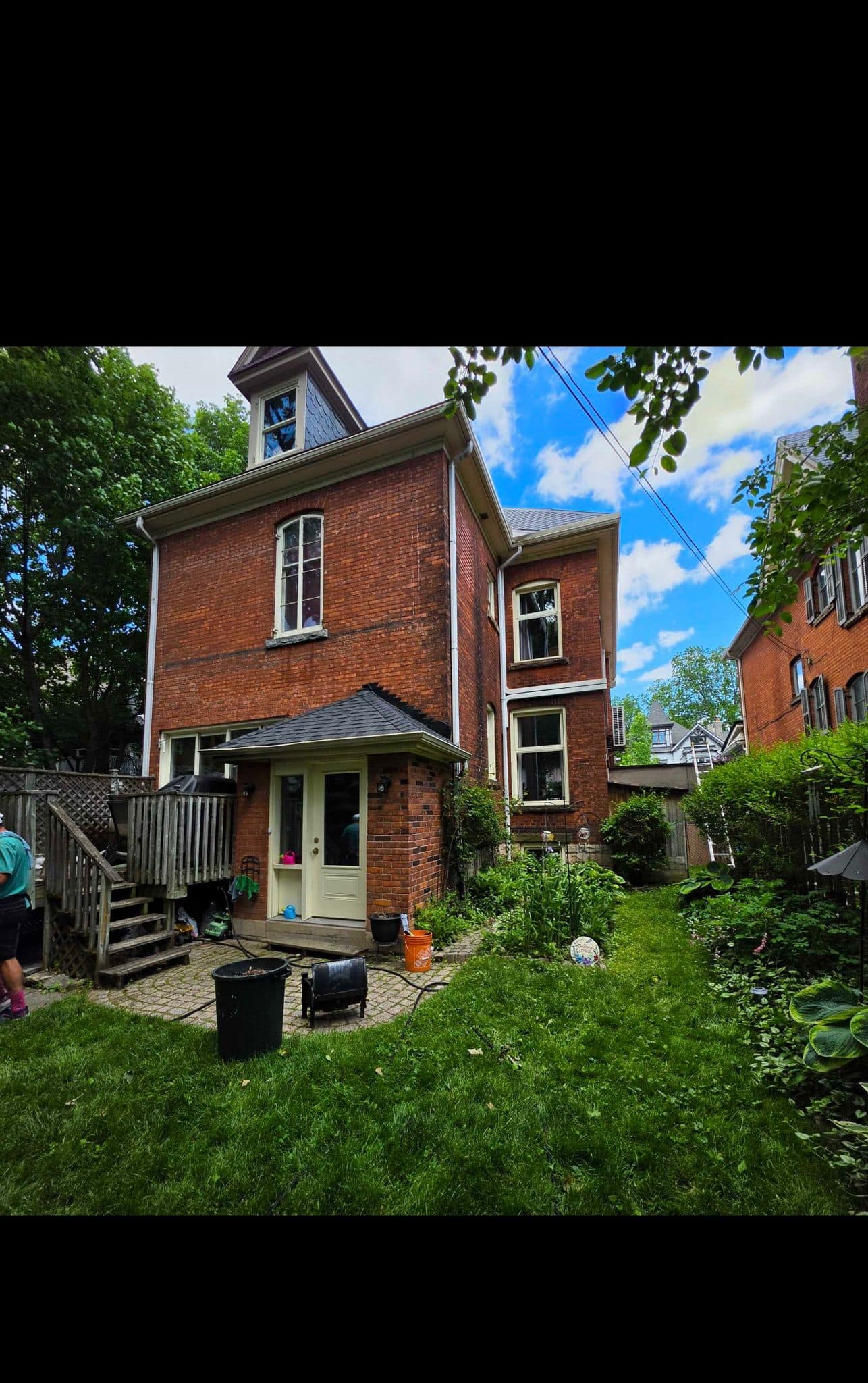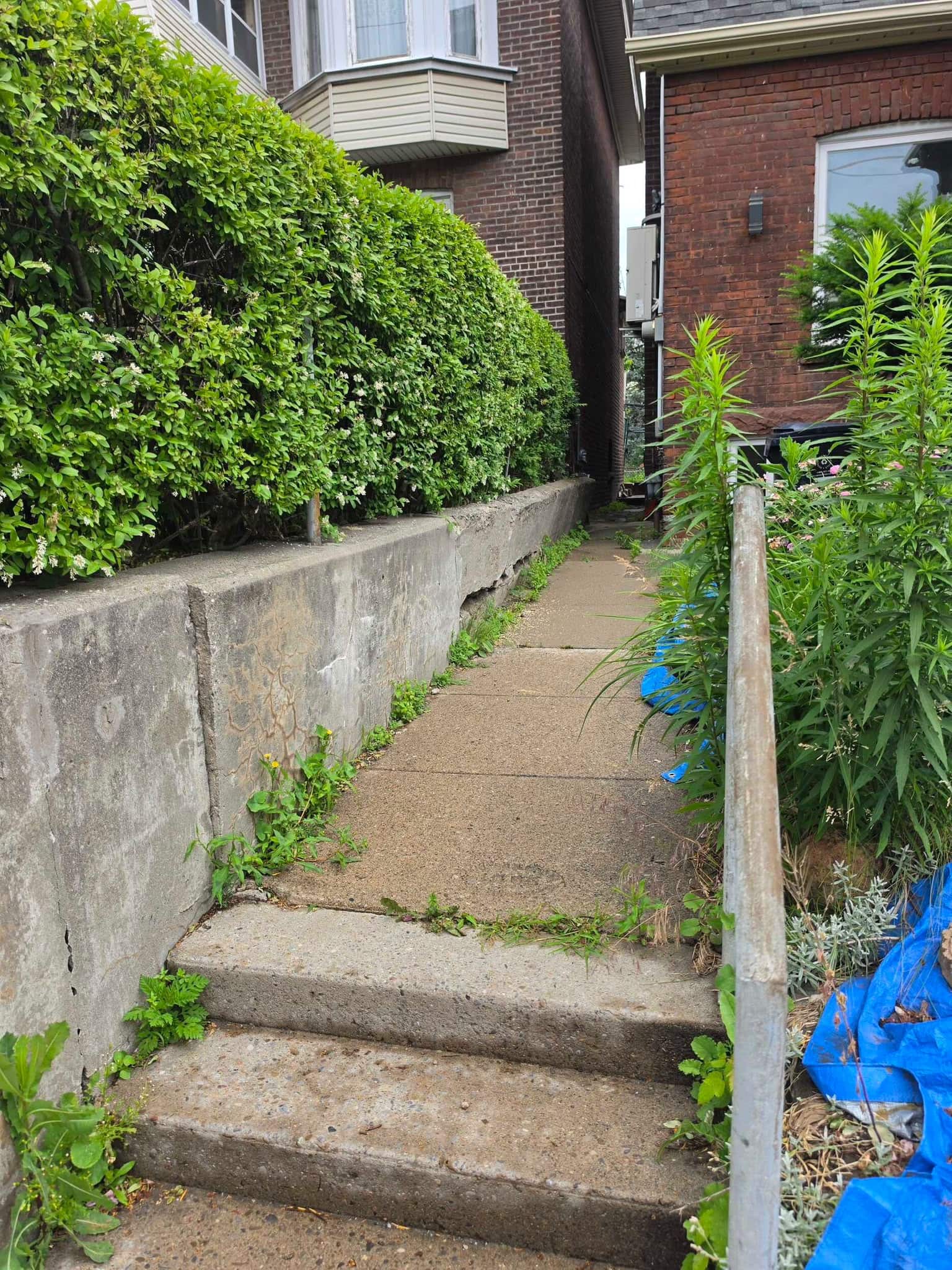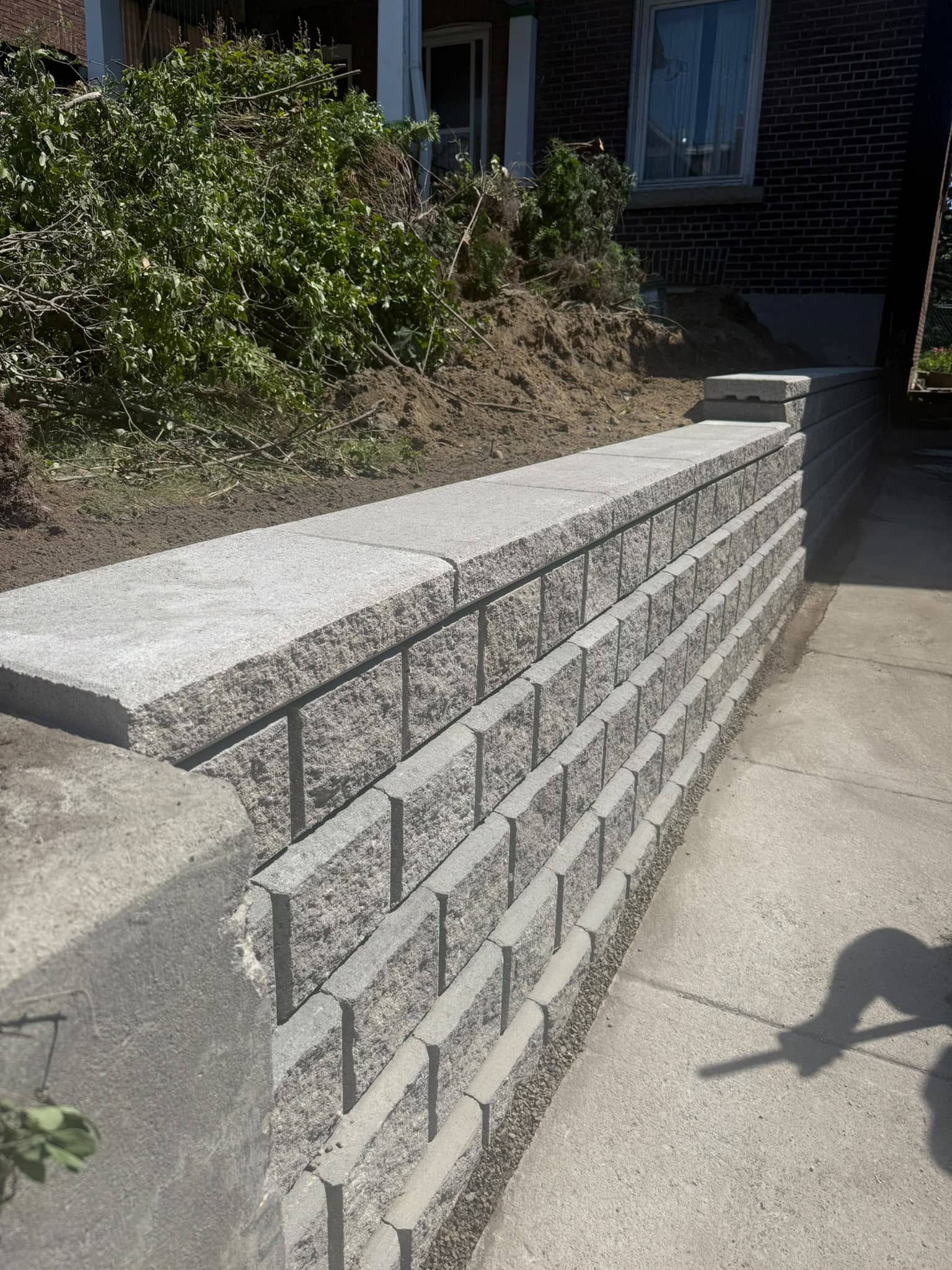

Your brick exterior is built to last, but Toronto’s harsh weather can cause damage over time. Spotting issues early can save costly repairs. A&A Masonry specializes in brick repair and brick repointing in Toronto. Learn the signs of brickwork damage and how to address them, as part of our How Toronto’s Weather Affects Your Brick Exterior guide.
As a homeowner in Toronto, it’s easy to overlook the subtle yet telling signs your brickwork may be sending. These sturdy facades not only contribute to your home’s character but also serve as a protective barrier against the elements. However, wear and aging can manifest in unexpected ways, making it essential to stay vigilant. Ignoring these early warnings can lead to costly repairs down the road. From cracking mortar to efflorescence, understanding what to look for can save you time, money, and stress. In this article, we’ll explore five critical signs that your brickwork is trying to communicate something important. Stay ahead of potential issues and keep your home a safe, charming haven. Let’s dive into these indicators and ensure your brickwork remains as strong as your investment in it!
Understanding the Importance of Brickwork in Your Home
Brickwork is not just an aesthetic feature; it is a fundamental component of your home’s structural integrity. The bricks and mortar work in tandem to provide support, insulation, and protection from the elements. They help in maintaining a stable temperature within your home and shield the internal structures from moisture and pests. Without well-maintained brickwork, the overall stability and safety of your home can be compromised, leading to potentially severe issues.
Moreover, brickwork plays a significant role in the curb appeal of your property. A well-maintained brick façade can significantly enhance the value of your home. On the other hand, deteriorating brickwork can detract from the overall appearance, making your home look aged and neglected. This can be particularly problematic if you are considering selling your property, as potential buyers may be deterred by visible signs of neglect.
In addition to structural and aesthetic benefits, well-maintained brickwork also contributes to the energy efficiency of your home. Properly pointed and sealed bricks prevent drafts and moisture ingress, which can lead to higher energy bills. Maintaining your brickwork is a proactive way to ensure that your home remains energy-efficient, comfortable, and valuable. Understanding the importance of brickwork helps in recognizing why it’s crucial to pay attention to early warning signs of deterioration.
Common Brickwork Issues in Toronto Homes
Toronto homes are no strangers to common brickwork issues, given the city’s diverse climate and historical architecture. One of the most prevalent problems is the wear and tear of mortar joints. Over time, the mortar that holds bricks together can erode due to exposure to moisture, freeze-thaw cycles, and general aging. This erosion can lead to gaps, making the structure vulnerable to water ingress and other damaging elements.
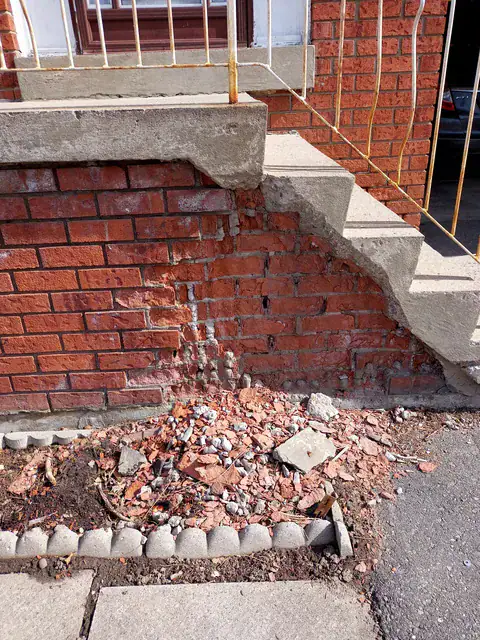
Another frequent issue is brick spalling, where the surface of the bricks flakes or peels away. This condition is usually caused by water penetration and can be exacerbated by Toronto’s freeze-thaw cycles. When water enters the brick and freezes, it expands, causing the brick to break apart over time. Spalling not only affects the appearance of your brickwork but also compromises its structural integrity.
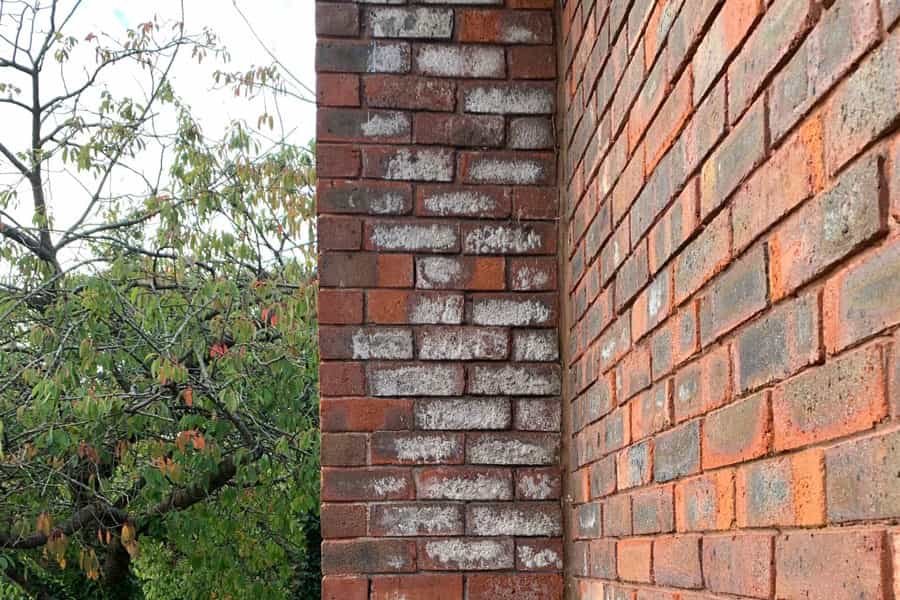
Efflorescence is another common problem encountered by Toronto homeowners. This phenomenon occurs when water-soluble salts within the brick or mortar migrate to the surface and crystallize, leaving a white, powdery residue. While efflorescence itself is not structurally damaging, it indicates moisture issues that could lead to more serious problems if left unaddressed. Recognizing and addressing these common issues early can prevent more significant damage and costly repairs in the future.
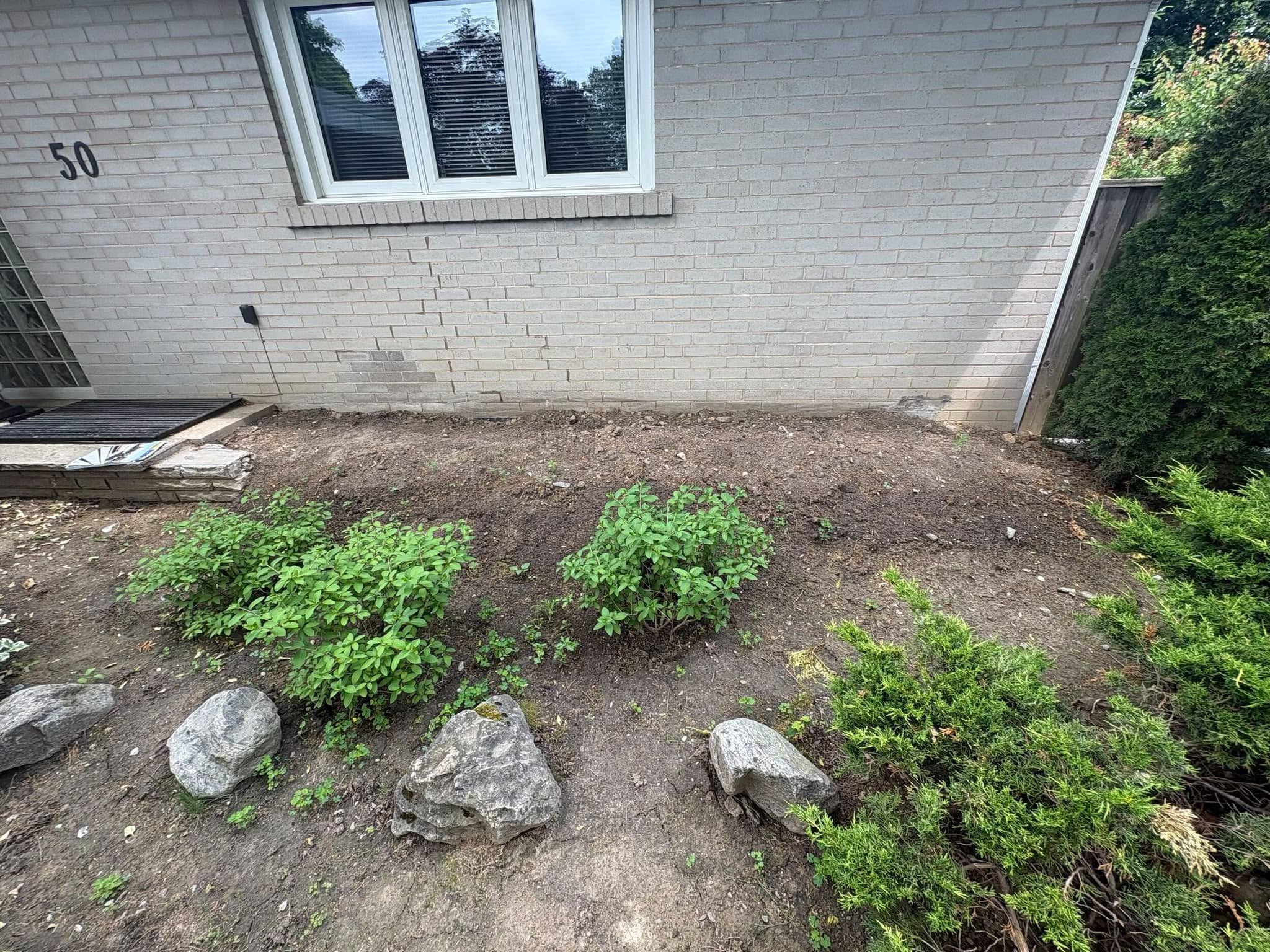
Cracks, spalling, or crumbling mortar are signs your brickwork may need attention. Recognizing these issues early can prevent costly repairs down the line. For a deeper dive into the techniques behind maintaining brick structures, visit our guide on brick masonry basics.
Sign 1: Cracks in the Brick or Mortar
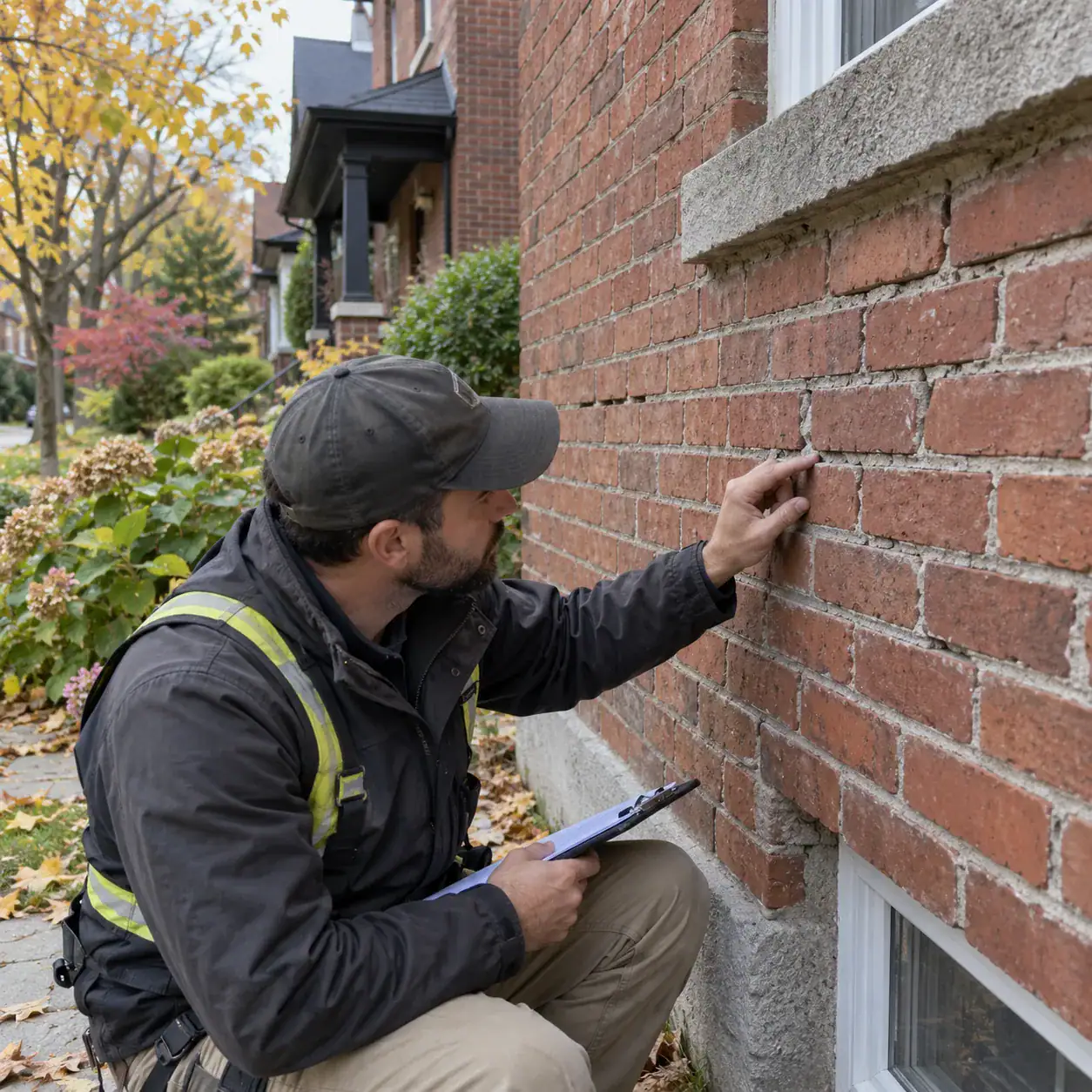
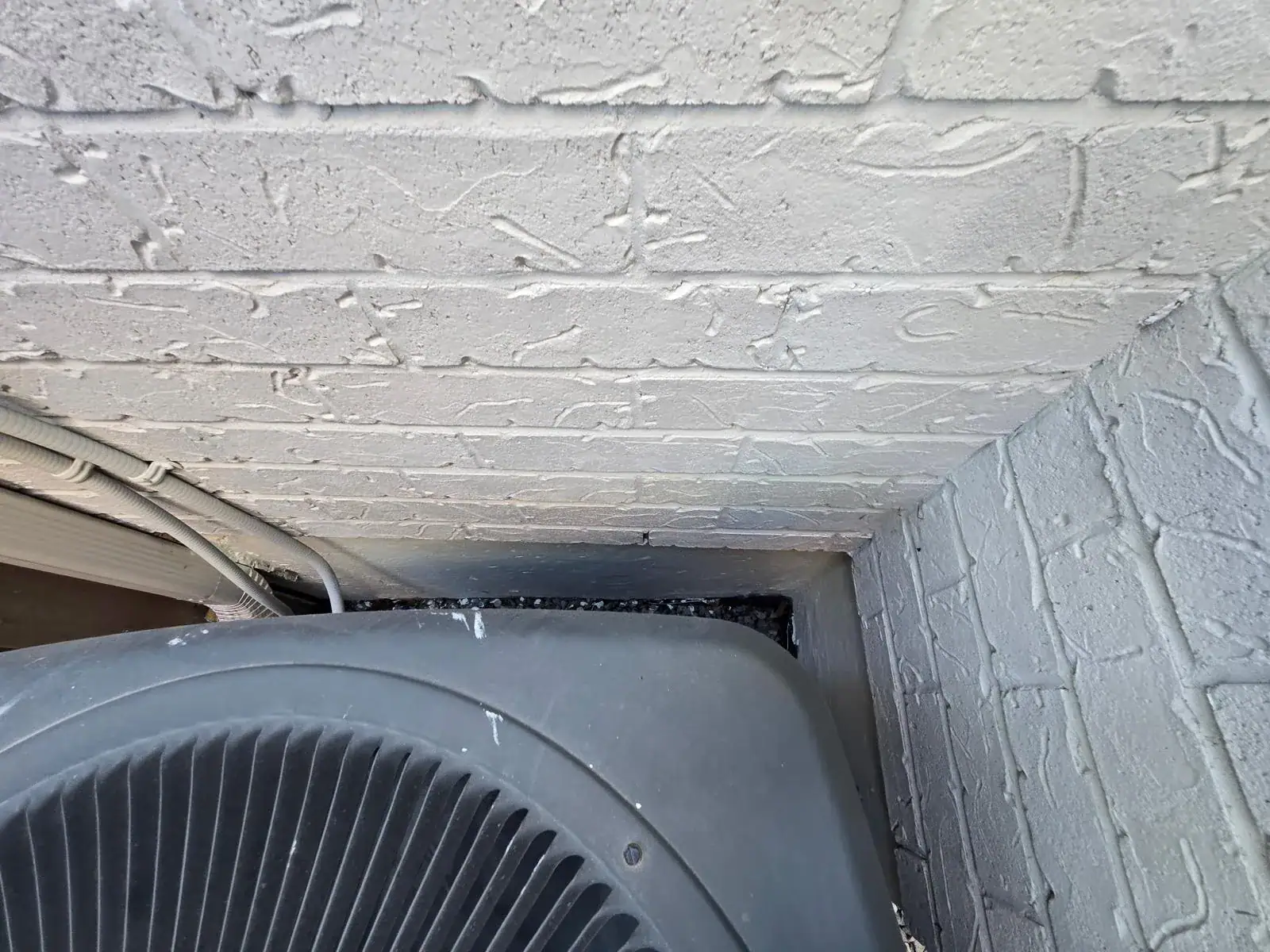
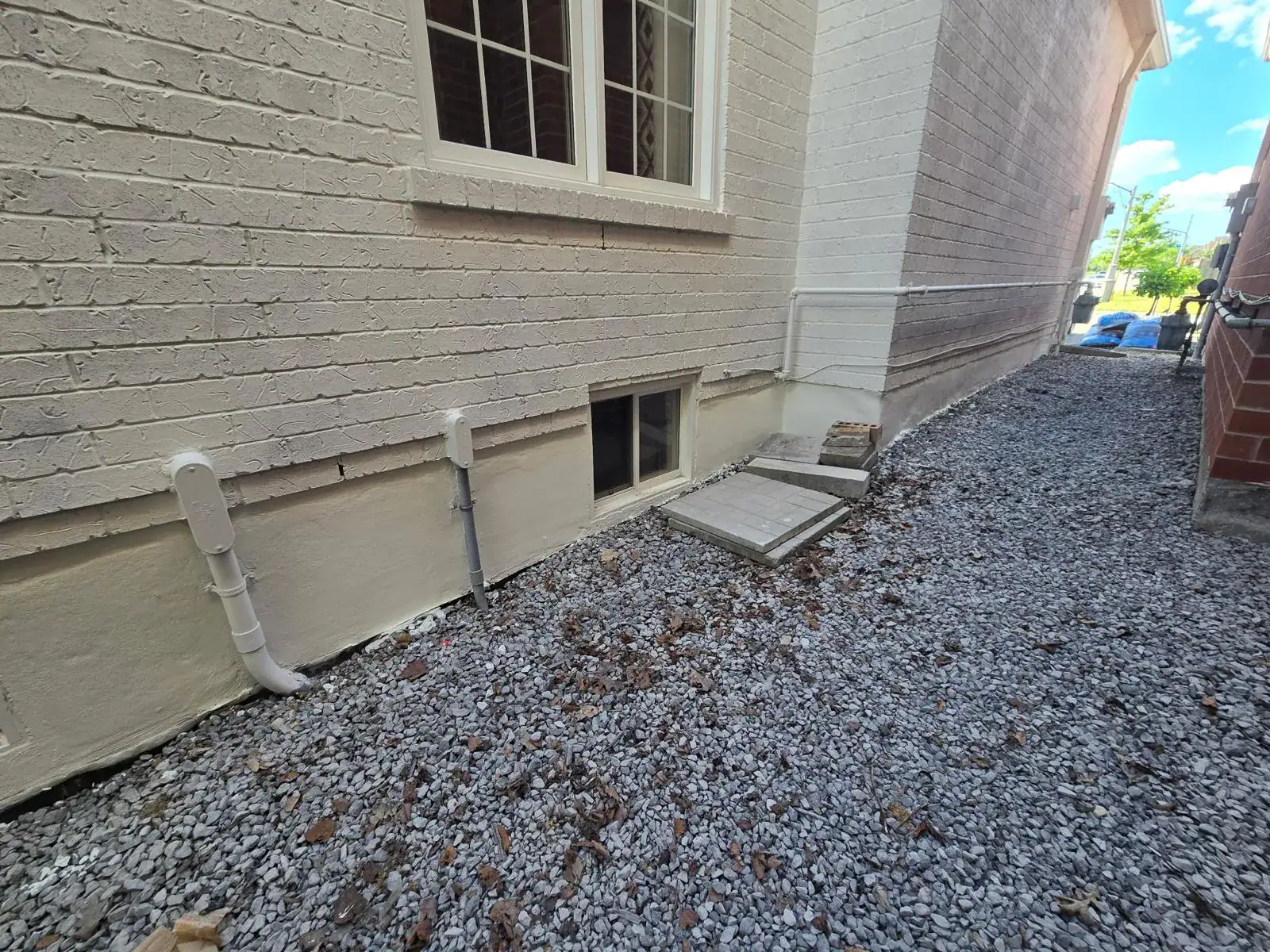
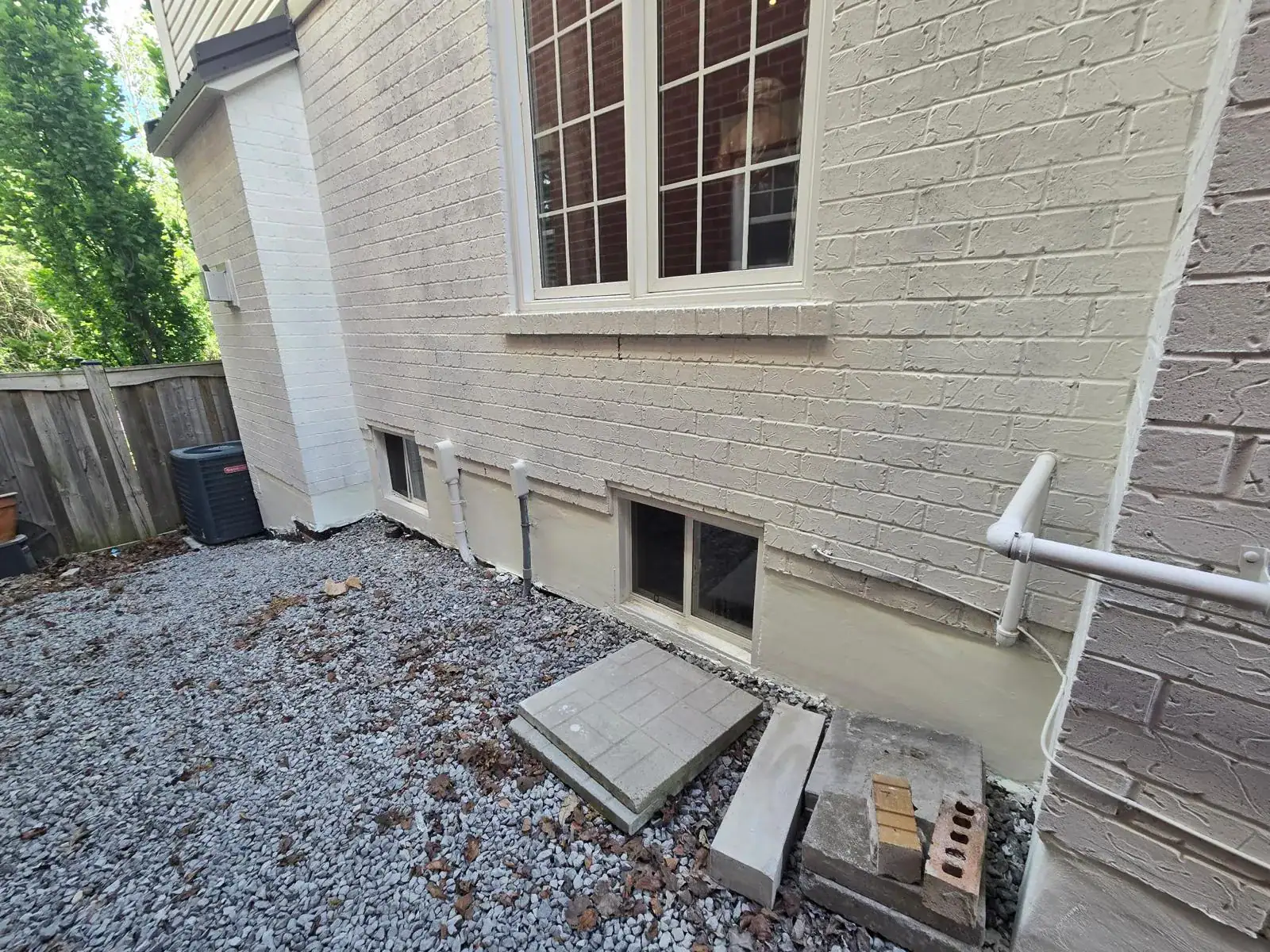
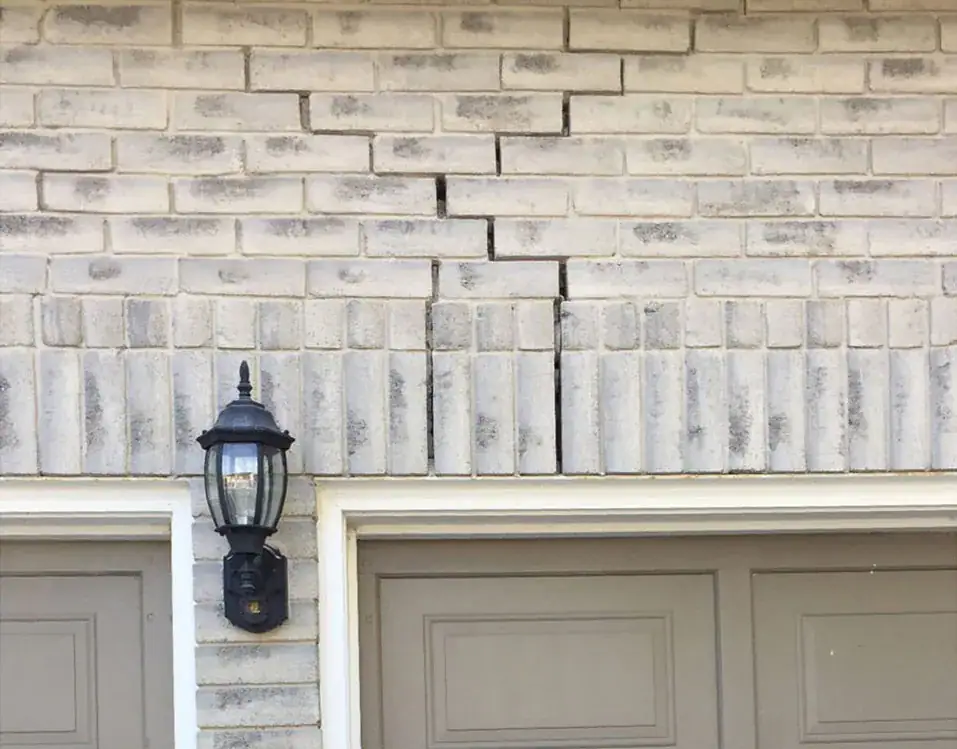
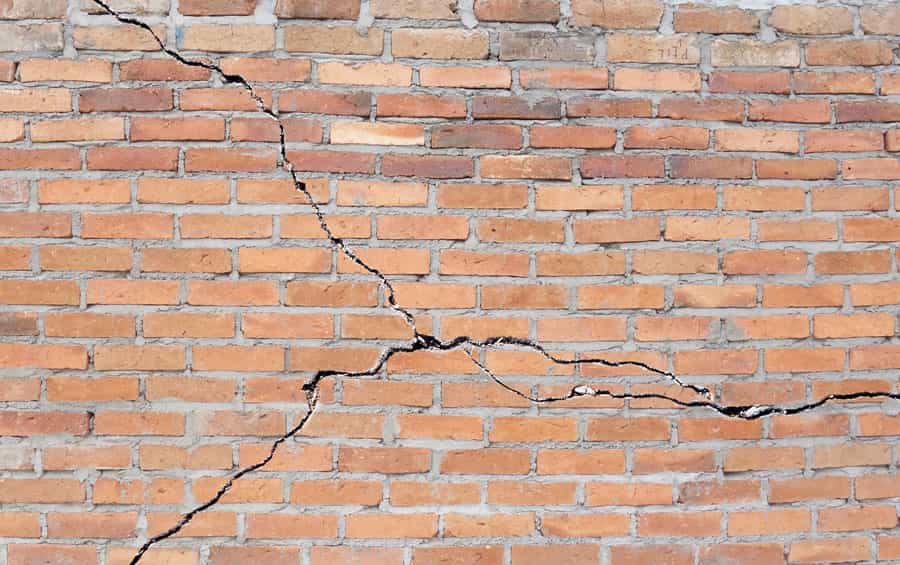
Cracks in the brick or mortar are among the most obvious and concerning signs of brickwork deterioration. These cracks can be caused by various factors, including natural settling, thermal expansion, and moisture infiltration. While small, hairline cracks may seem insignificant, they can quickly expand and lead to more severe structural issues if not addressed promptly.
Vertical or stair-step cracks are particularly problematic as they often indicate movement in the foundation. These types of cracks should be inspected by a professional as they can signify significant structural problems. On the other hand, horizontal cracks are usually a result of thermal expansion or external pressure and should also be taken seriously. Regardless of the type, all cracks need proper assessment to determine the best course of action.
Addressing cracks in brickwork typically involves repointing, where the damaged mortar is removed and replaced with new mortar. For more severe cases, bricks may need to be replaced entirely. Ignoring these cracks can lead to water infiltration, which can cause further damage to the interior structure of your home. Regular inspections and timely repairs are crucial in maintaining the integrity of your brickwork.
Sign 2: Bulging or Bowing Walls
Bulging or bowing walls are another critical sign that your brickwork is trying to tell you something. These issues occur when the brick wall starts to curve or protrude outward, which is a clear indication of structural instability. Bulging walls are often caused by water infiltration and subsequent freezing and thawing cycles, which exert pressure on the bricks and mortar. Over time, this pressure can cause the wall to bulge outward, compromising the structural integrity of the entire wall.
Bowing walls can also result from foundation problems. If the foundation shifts or settles unevenly, it can create pressure on the brick walls, causing them to bow. This is a serious issue that requires immediate attention, as it can lead to significant structural damage. In some cases, bowing walls can indicate that the wall ties, which help secure the outer brick layer to the inner structure, have failed or corroded.
Addressing bulging or bowing walls typically involves removing and replacing the affected bricks and mortar. In more severe cases, it may be necessary to reinforce the wall with additional supports or even rebuild the entire wall. It’s essential to consult a professional mason to assess the extent of the damage and recommend the appropriate repairs. Ignoring these signs can lead to catastrophic structural failure, so prompt action is crucial.
Sign 3: Water Damage and Staining
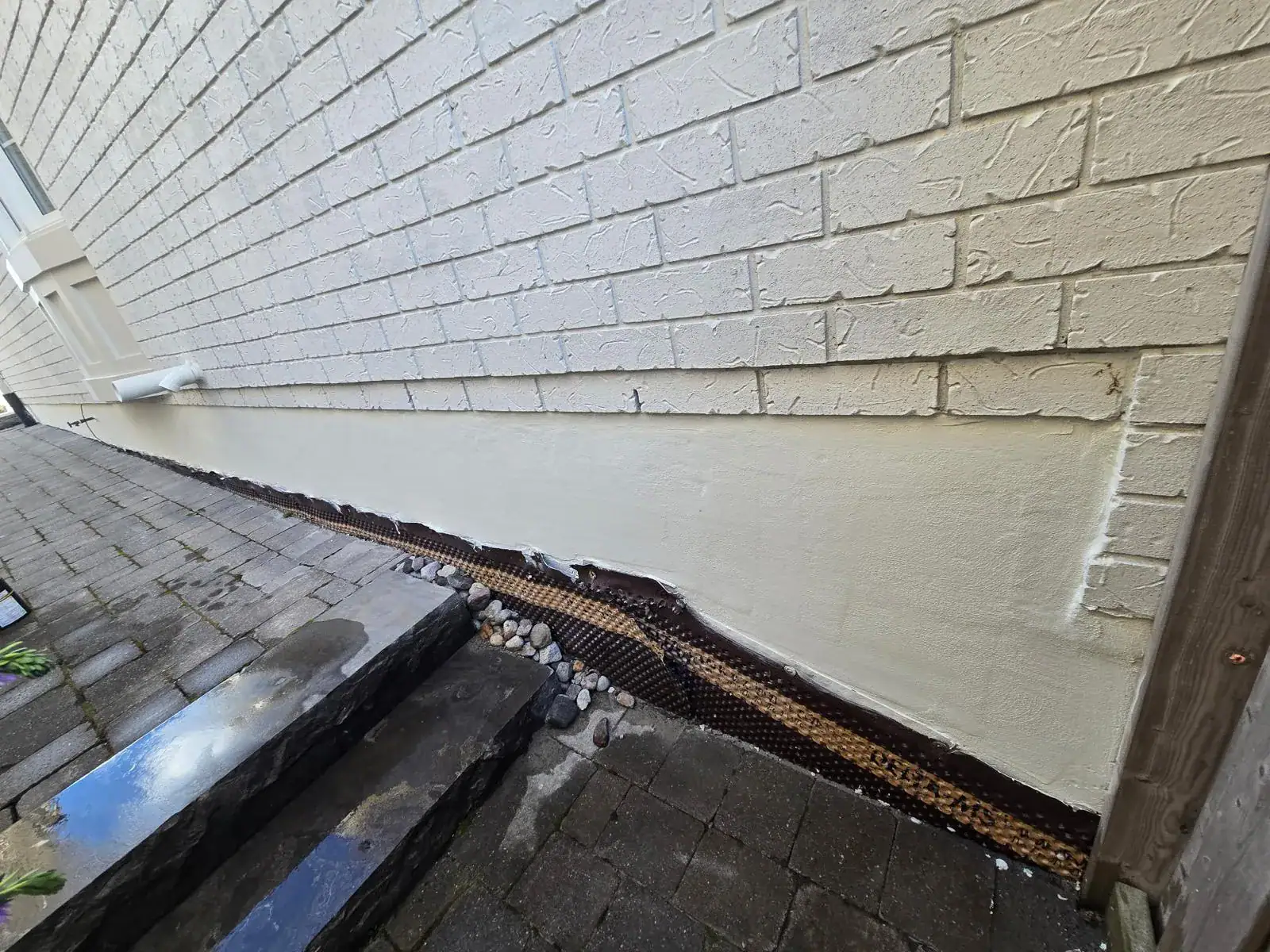
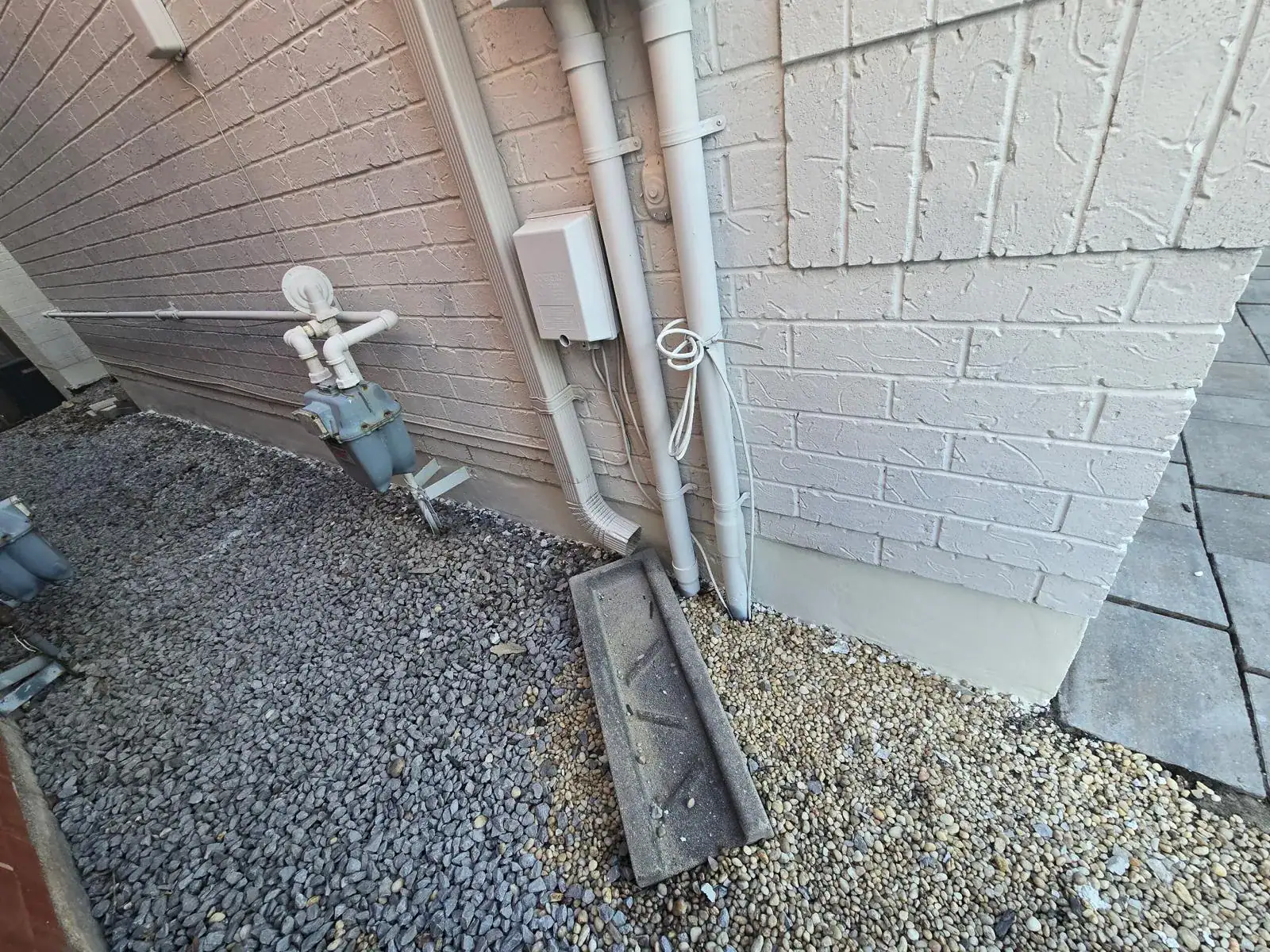
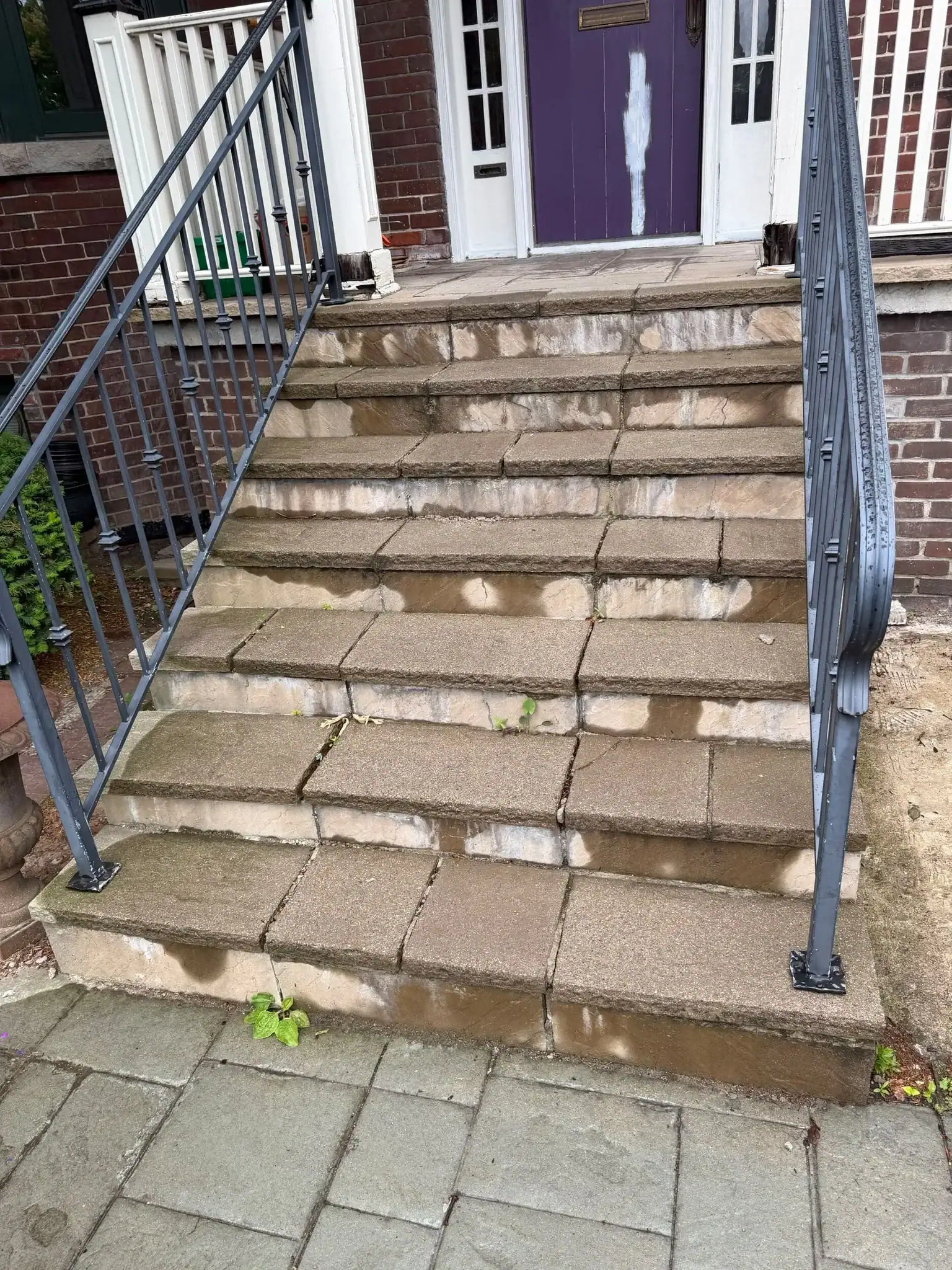
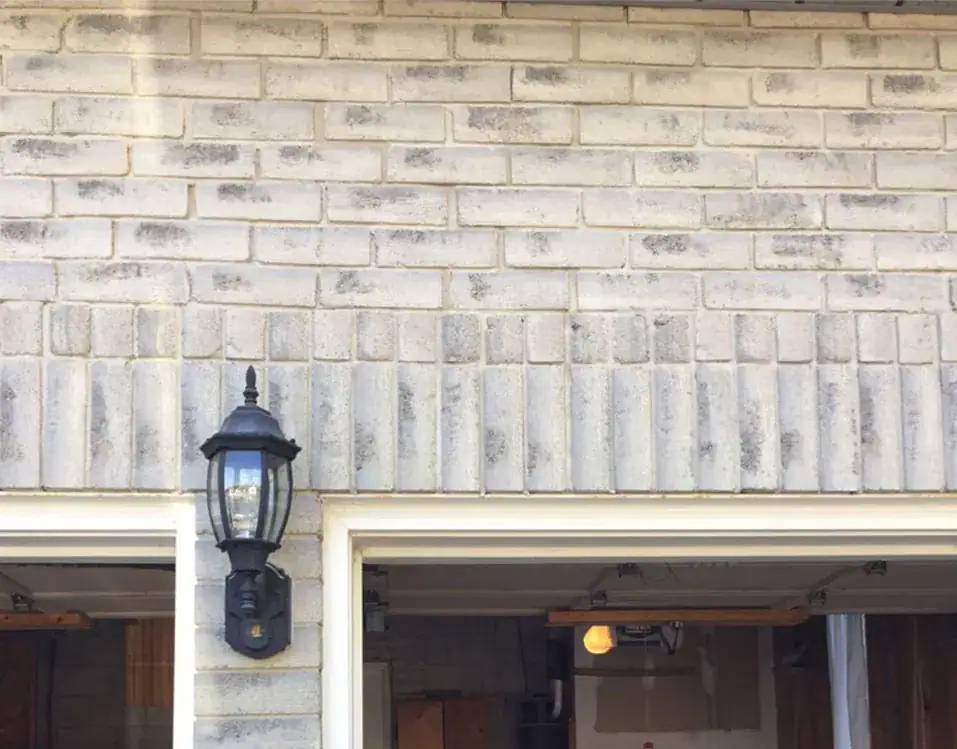
Water damage and staining are common issues that can indicate underlying problems with your brickwork. Water infiltration can occur due to various reasons, such as damaged or deteriorated mortar joints, cracks in the bricks, or poor drainage around the foundation. When water penetrates the brickwork, it can cause staining, which appears as dark patches or streaks on the brick surface. These stains are not only unsightly but also indicate that moisture is present within the wall. White deposits indicate moisture infiltration, requiring prevent water intrusion measures.
Prolonged exposure to moisture can lead to more severe issues, such as mould and mildew growth, which can compromise the indoor air quality and pose health risks to the occupants. Additionally, water infiltration can cause the bricks and mortar to weaken, leading to spalling and other structural problems. It’s essential to identify the source of the water infiltration and address it promptly to prevent further damage.
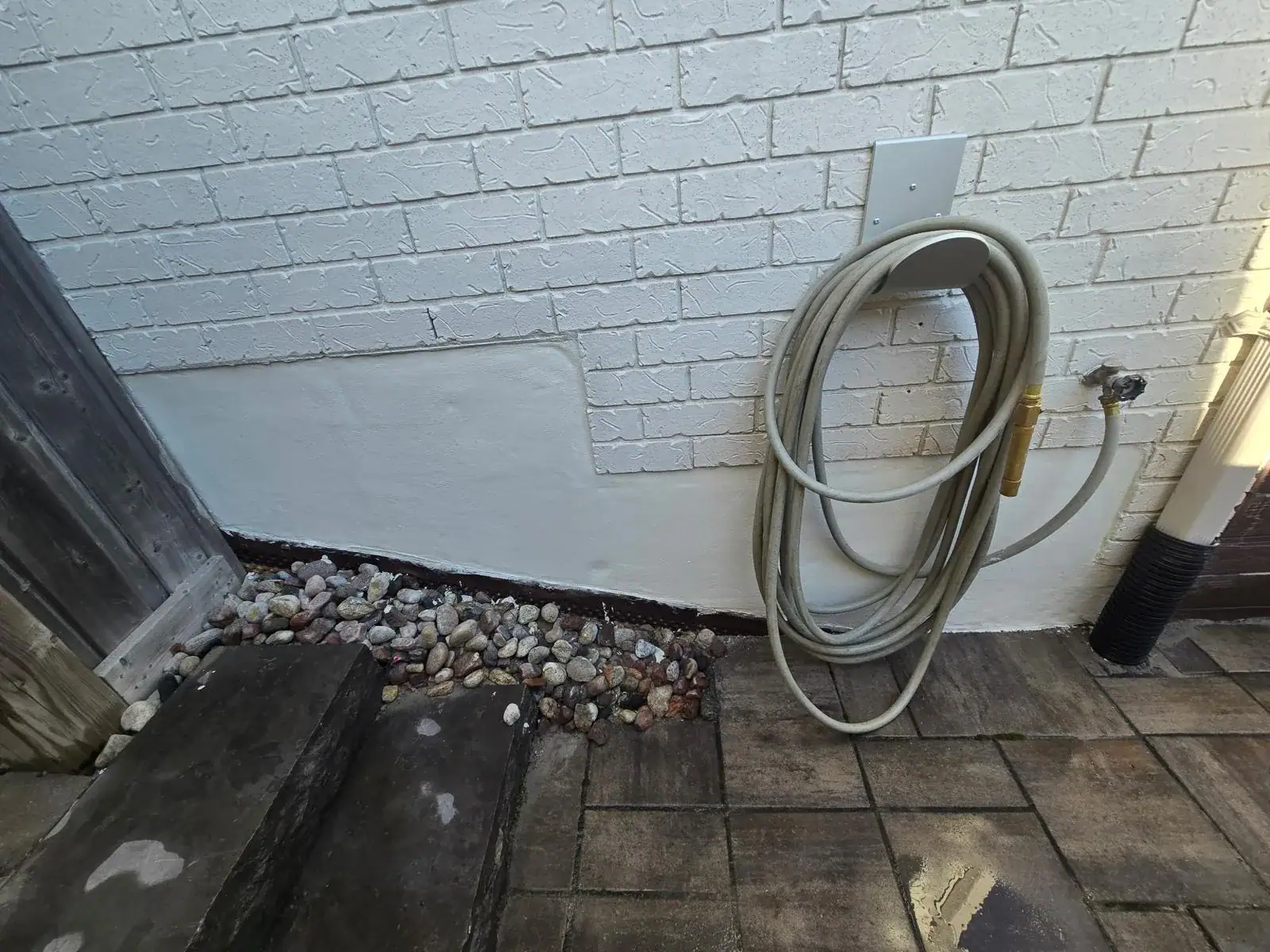
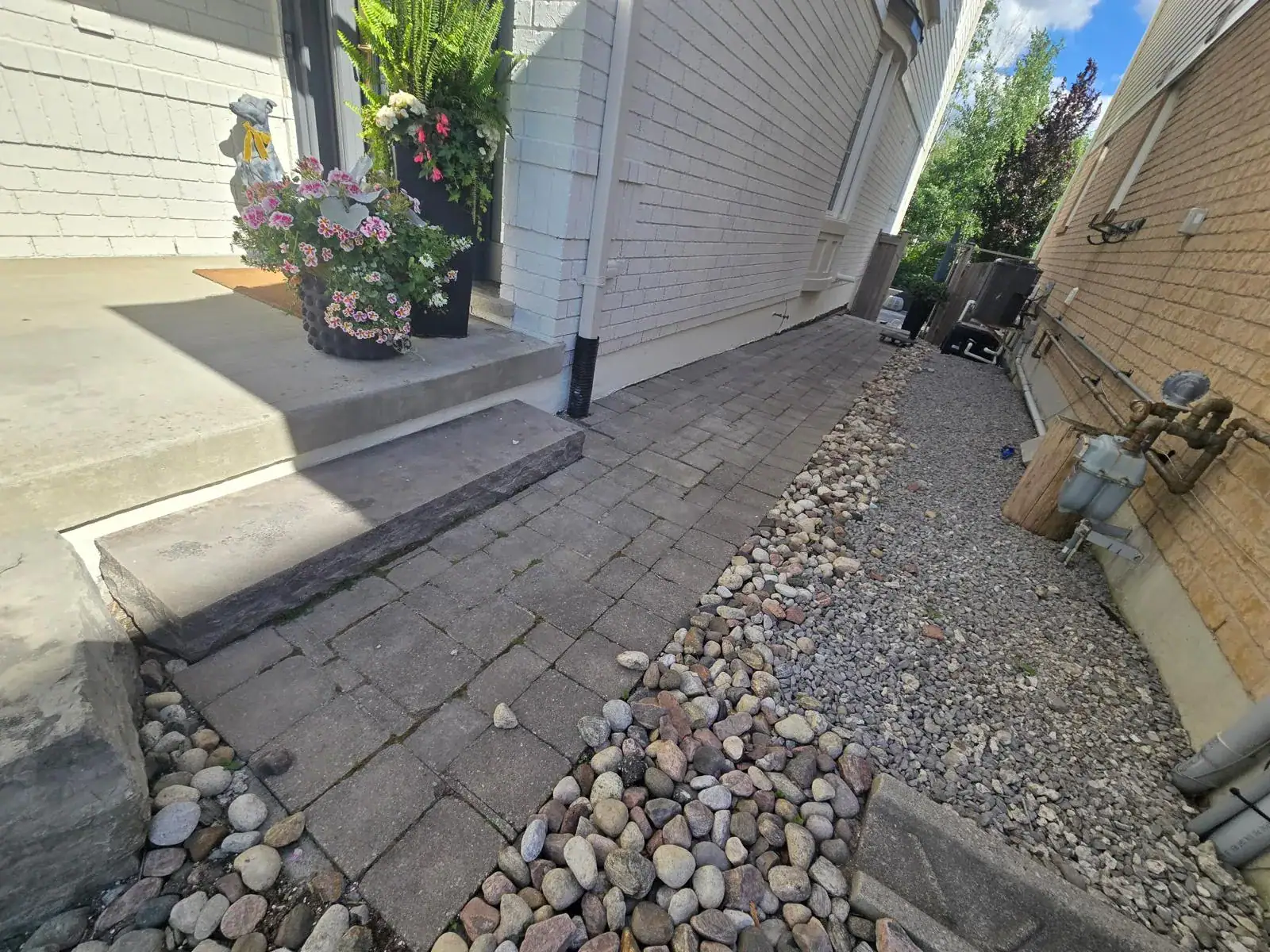
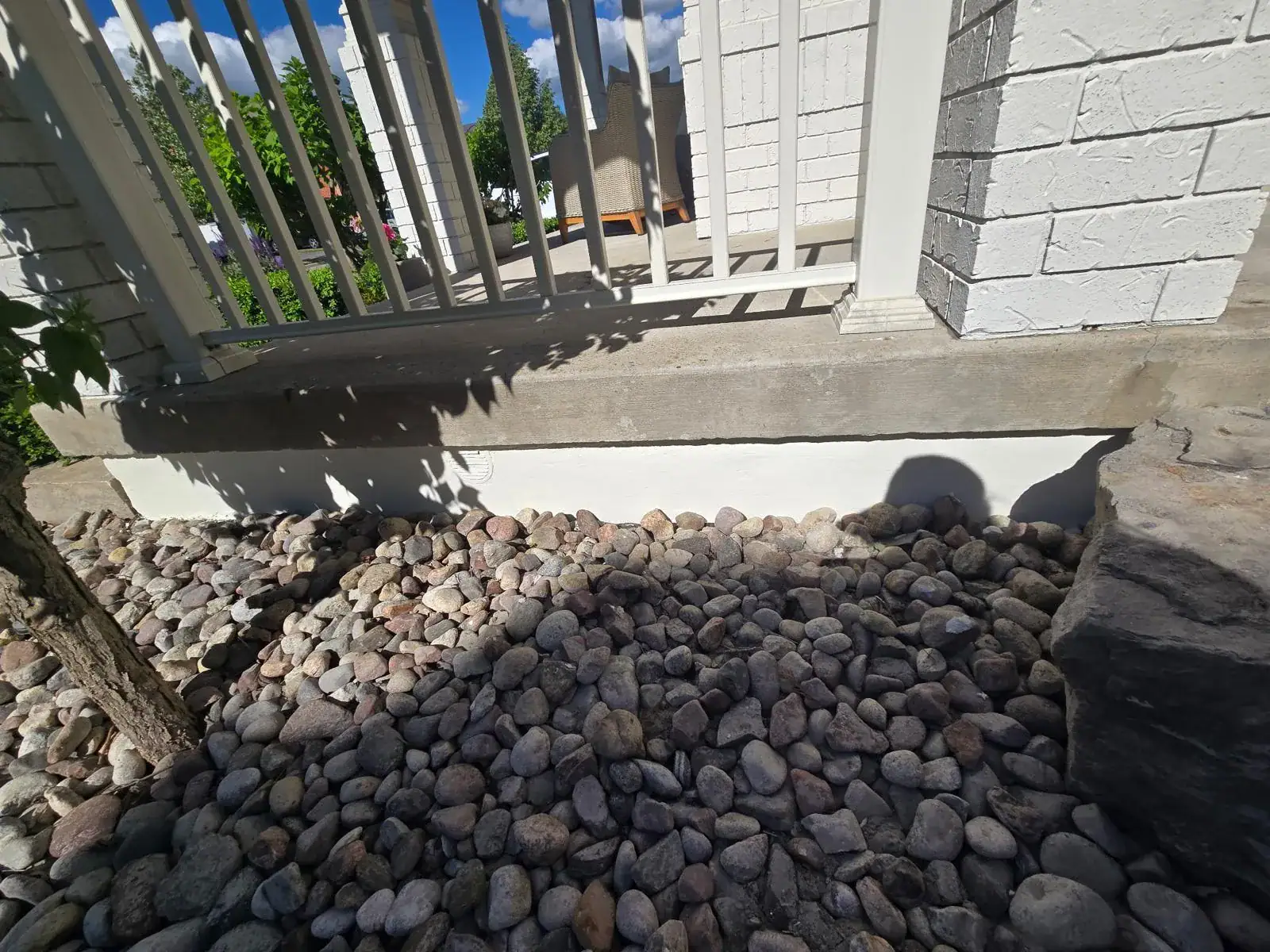
To prevent water damage and staining, ensure that your brickwork is well-maintained and regularly inspected. Repointing damaged mortar joints, sealing cracks, and improving drainage around the foundation can help keep water out of your brickwork. In cases where water damage has already occurred, consult a professional mason to assess the extent of the damage and recommend the appropriate repairs. Taking proactive measures can help maintain the integrity of your brickwork and prevent costly repairs in the future.
Sign 4: Spalling Bricks and Mortar
Spalling bricks and mortar are clear indicators that your brickwork is in need of attention. Spalling occurs when the surface of the bricks or mortar begins to flake, peel, or crumble away. This condition is often caused by water infiltration, which can be exacerbated by freeze-thaw cycles. When water enters the brick or mortar and freezes, it expands, causing the material to break apart over time. Spalling not only affects the appearance of your brickwork but also compromises its structural integrity. Loose or powdery mortar signals the need for brick repointing in Toronto.
The presence of spalling bricks can indicate that the brickwork is not adequately protected from moisture. This can be due to deteriorated mortar joints, cracks in the bricks, or poor drainage around the foundation. Addressing the underlying cause of the spalling is essential to prevent further damage. This may involve repointing the mortar joints, repairing cracks, or improving drainage to keep water away from the brickwork.
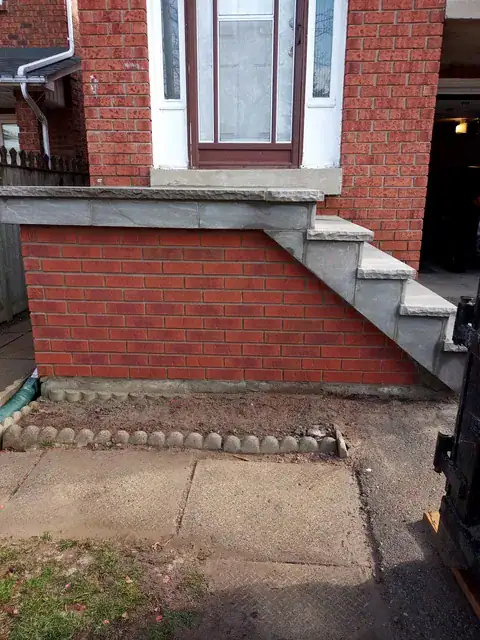
In some cases, spalling may be severe enough to require the replacement of the affected bricks. This process involves carefully removing the damaged bricks and replacing them with new ones, ensuring that the new bricks match the existing ones in colour and texture. It’s essential to consult a professional mason to assess the extent of the spalling and recommend the appropriate repairs. Taking prompt action can help preserve the integrity and appearance of your brickwork, preventing more extensive damage and costly repairs in the future.

Sign 5: Displacement or Settling of Bricks
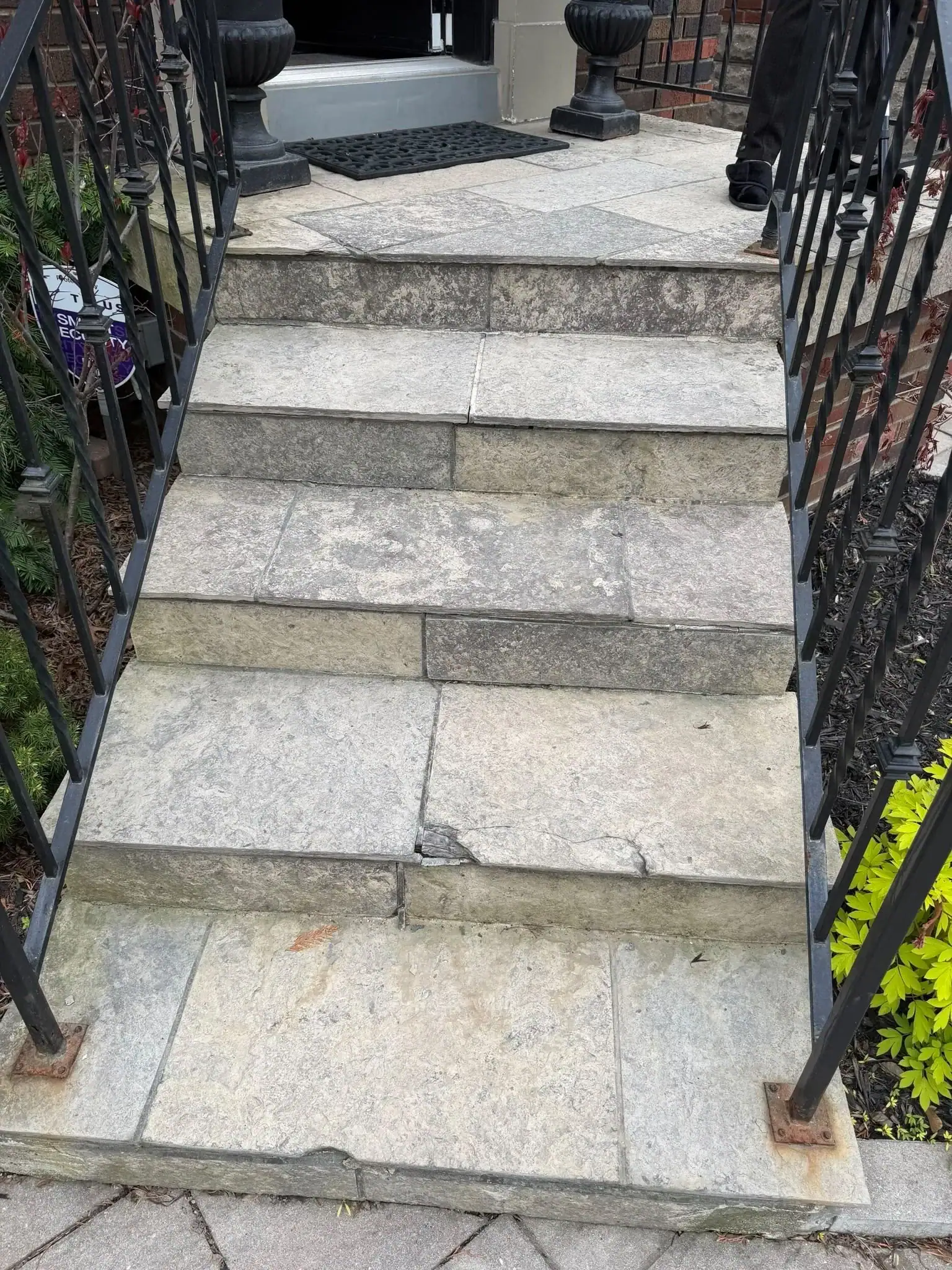
Displacement or settling of bricks is a serious issue that requires immediate attention. This condition occurs when the bricks shift out of their original position, creating gaps or misaligned sections in the brickwork. Displacement can be caused by various factors, including foundation movement, soil erosion, or structural instability. If left unaddressed, it can lead to significant structural damage and compromise the safety of your home.
Foundation movement is one of the most common causes of brick displacement. As the foundation settles or shifts due to changes in the soil or other external factors, it can create pressure on the brickwork, causing the bricks to move out of place. Soil erosion around the foundation can also contribute to brick displacement, as it weakens the support for the brickwork. Additionally, structural instability, such as deteriorated mortar joints or inadequate wall ties, can cause the bricks to shift.
Addressing brick displacement typically involves stabilizing the foundation, repairing the affected brickwork, and reinforcing the structure to prevent further movement. This may include underpinning the foundation, repointing the mortar joints, and installing additional wall ties or supports. It’s crucial to consult a professional mason to assess the extent of the displacement and recommend the appropriate repairs. Ignoring this issue can lead to more severe structural problems and costly repairs, so prompt action is essential.
The Impact of Toronto’s Climate on Brickwork
Toronto’s climate can have a significant impact on the condition of your brickwork. The city experiences a wide range of weather conditions, from hot, humid summers to cold, snowy winters. These extreme temperature fluctuations can take a toll on your brickwork, causing various issues such as thermal expansion, freeze-thaw cycles, and moisture infiltration. Understanding how the climate affects your brickwork can help you take proactive measures to protect and maintain it.
During the hot summer months, the bricks and mortar can expand due to the heat. This expansion can create pressure on the brickwork, leading to cracks and other forms of damage. Additionally, the high humidity levels can cause moisture to seep into the brickwork, exacerbating issues such as efflorescence and spalling. To protect your brickwork during the summer, ensure that it is well-sealed and regularly inspected for any signs of damage.
In the winter, the freeze-thaw cycles can be particularly damaging to your brickwork. When water infiltrates the brickwork and freezes, it expands, causing the bricks and mortar to break apart over time. This process can lead to spalling, cracks, and other structural issues. To mitigate the impact of freeze-thaw cycles, ensure that your brickwork is properly maintained, with any cracks or damaged mortar joints promptly repaired. Improving drainage around the foundation can also help keep water away from the brickwork, reducing the risk of damage.
When to Consult a Professional Mason
While regular inspections and maintenance can help keep your brickwork in good condition, there are times when it’s essential to consult a professional mason. If you notice any of the signs mentioned in this article, such as cracks, bulging walls, water damage, spalling, or brick displacement, it’s crucial to seek professional advice. A skilled mason can assess the extent of the damage, identify the underlying causes, and recommend the appropriate repairs to ensure the structural integrity of your brickwork.
In addition to addressing visible signs of damage, a professional mason can also help with preventive maintenance. Regular inspections by a professional can identify potential issues before they become significant problems, allowing you to take proactive measures to protect your brickwork. This can include repointing mortar joints, sealing cracks, and improving drainage around the foundation. By investing in regular maintenance, you can extend the lifespan of your brickwork and avoid costly repairs in the future.
It’s also essential to consult a professional mason if you are planning any renovations or additions to your home that involve brickwork. A skilled mason can ensure that the new brickwork matches the existing structure in terms of colour, texture, and style, maintaining the overall aesthetic and structural integrity of your home. Whether you are addressing existing damage or planning new construction, working with a professional mason is crucial to ensuring the best results for your brickwork.
What to Do If You Spot Damage
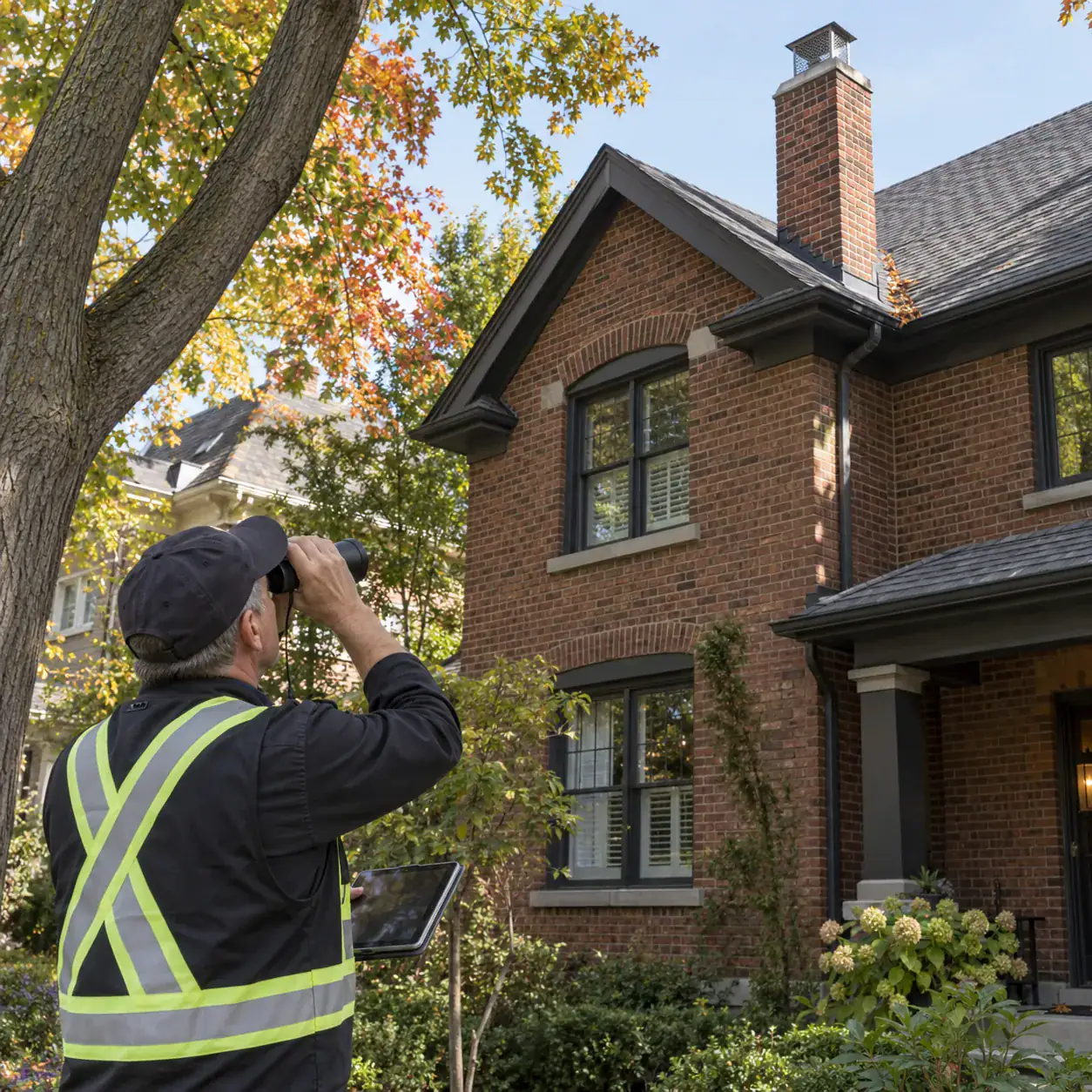
- Inspect Regularly: Check your brickwork seasonally, especially after winter.
- Address Moisture: Use proper caulking, as discussed in Why Caulking Fails.
- Hire Professionals: A&A Masonry’s brick repair services ensure lasting fixes.
Why Early Repairs Matter
Fixing issues early prevents water damage and structural problems. Our prevent water intrusion services protect your home’s foundation and walls.
Conclusion: Maintaining the Integrity of Your Brickwork
Maintaining the integrity of your brickwork is essential for preserving the structural stability, energy efficiency, and aesthetic appeal of your home. By staying vigilant and addressing early signs of deterioration, such as cracks, bulging walls, water damage, spalling, and brick displacement, you can prevent more significant issues and costly repairs down the road. Regular inspections and maintenance, along with prompt attention to any visible signs of damage, are crucial in keeping your brickwork in top condition.
Understanding the impact of Toronto’s climate on your brickwork can help you take proactive measures to protect it. From thermal expansion in the summer to freeze-thaw cycles in the winter, the city’s weather conditions can pose various challenges to your brickwork. By ensuring that your brickwork is well-maintained, sealed, and properly drained, you can mitigate the effects of the climate and extend the lifespan of your brickwork.
When in doubt, consult a professional mason to assess the condition of your brickwork and recommend the appropriate repairs and maintenance. A skilled mason can identify potential issues, address existing damage, and provide preventive measures to keep your brickwork in excellent condition. By investing in regular maintenance and professional assessments, you can ensure that your brickwork remains as strong as your investment in it, providing a safe, charming haven for years to come.
If you spot signs of damage, professional intervention can make all the difference. Explore our brick repair services to restore your brickwork’s strength and beauty.
Why Choose A&A Masonry?
A&A Masonry delivers expert brick repointing in Toronto and brick repair to restore your home’s exterior. Our team ensures durable, high-quality results tailored to Toronto’s climate.
Think your brickwork needs attention? Contact A&A Masonry for a free inspection!
Our Services Include:
- Concrete Repairs
- Stone Masonry
- Brick Painting
- Interlocking Stone Pavers
- Parging
- Tuckpointing
- Brick Repair
- Fireplace Stone Veneer
- Chimney Repair
- Commercial Exterior Painting
- Basement Waterproofing
- Stucco
- Interlocking Steps
- Roofing