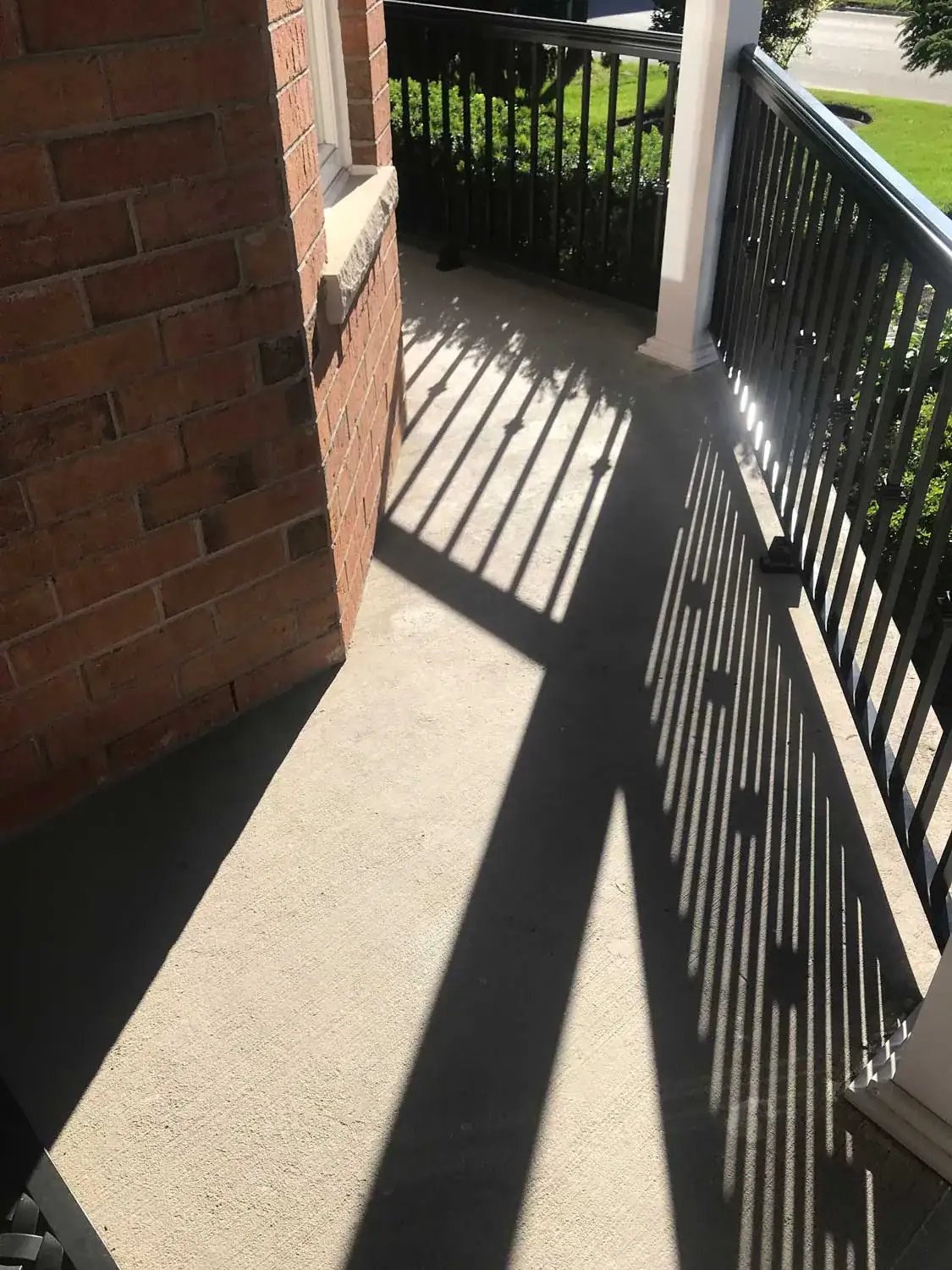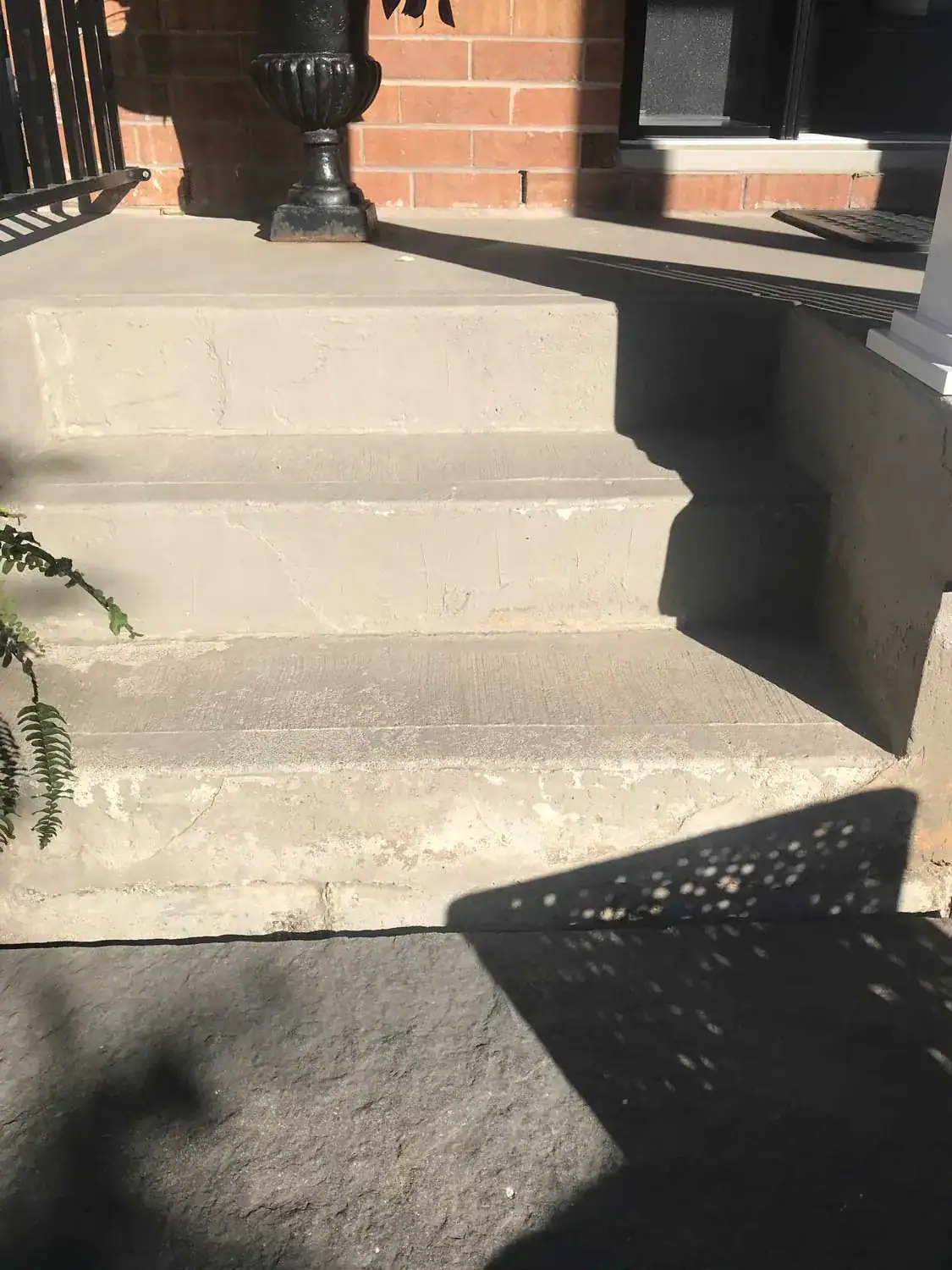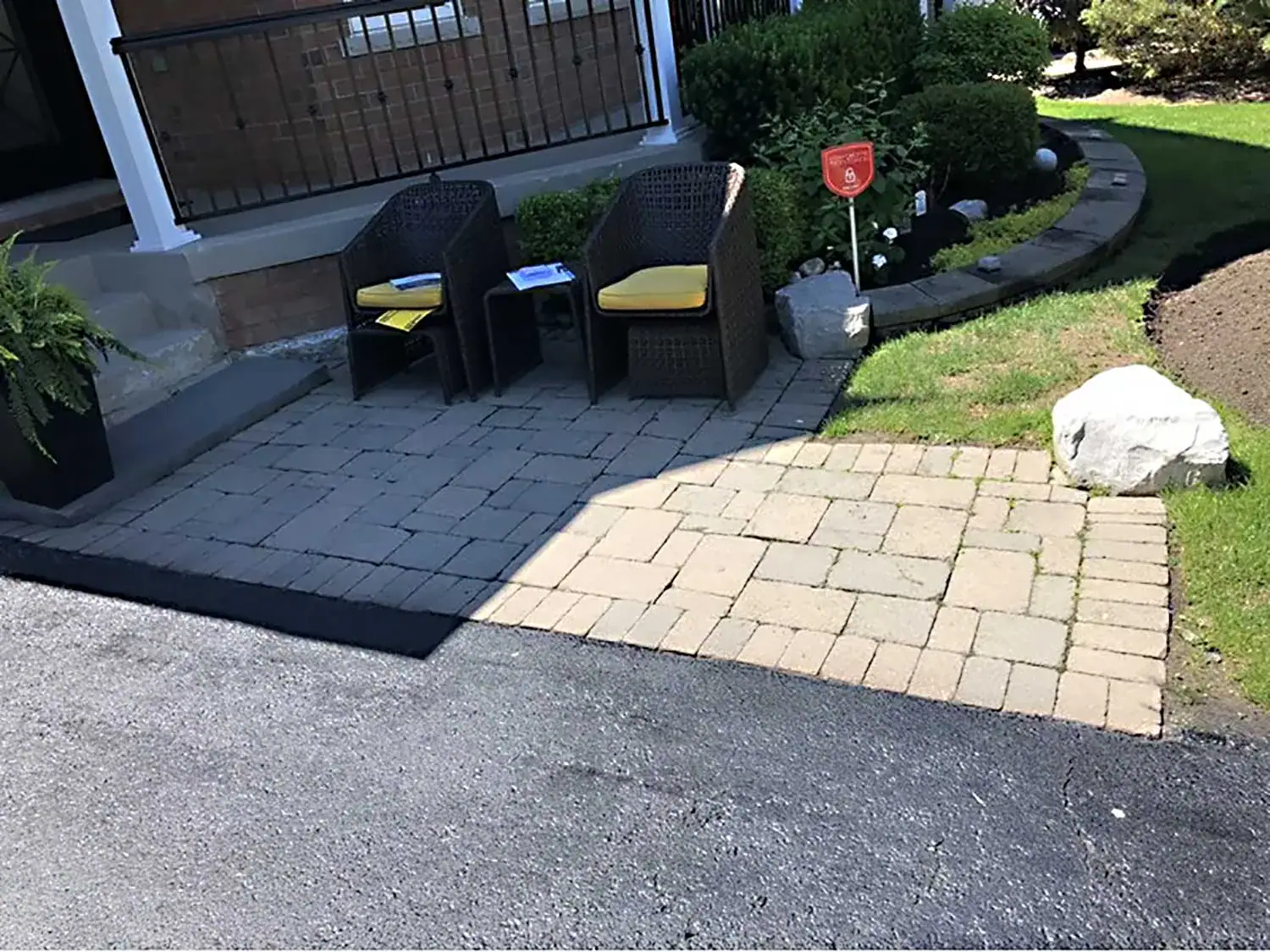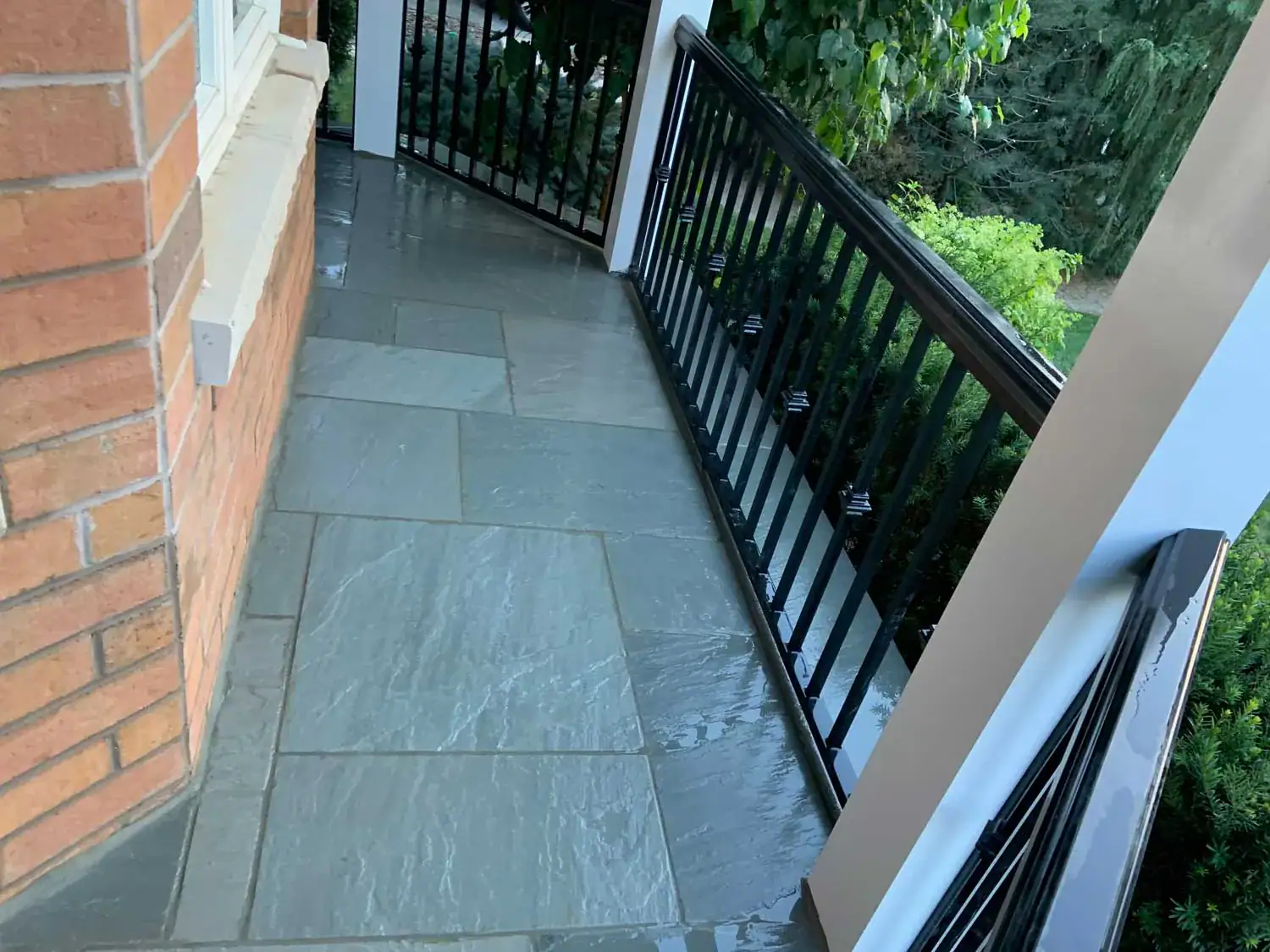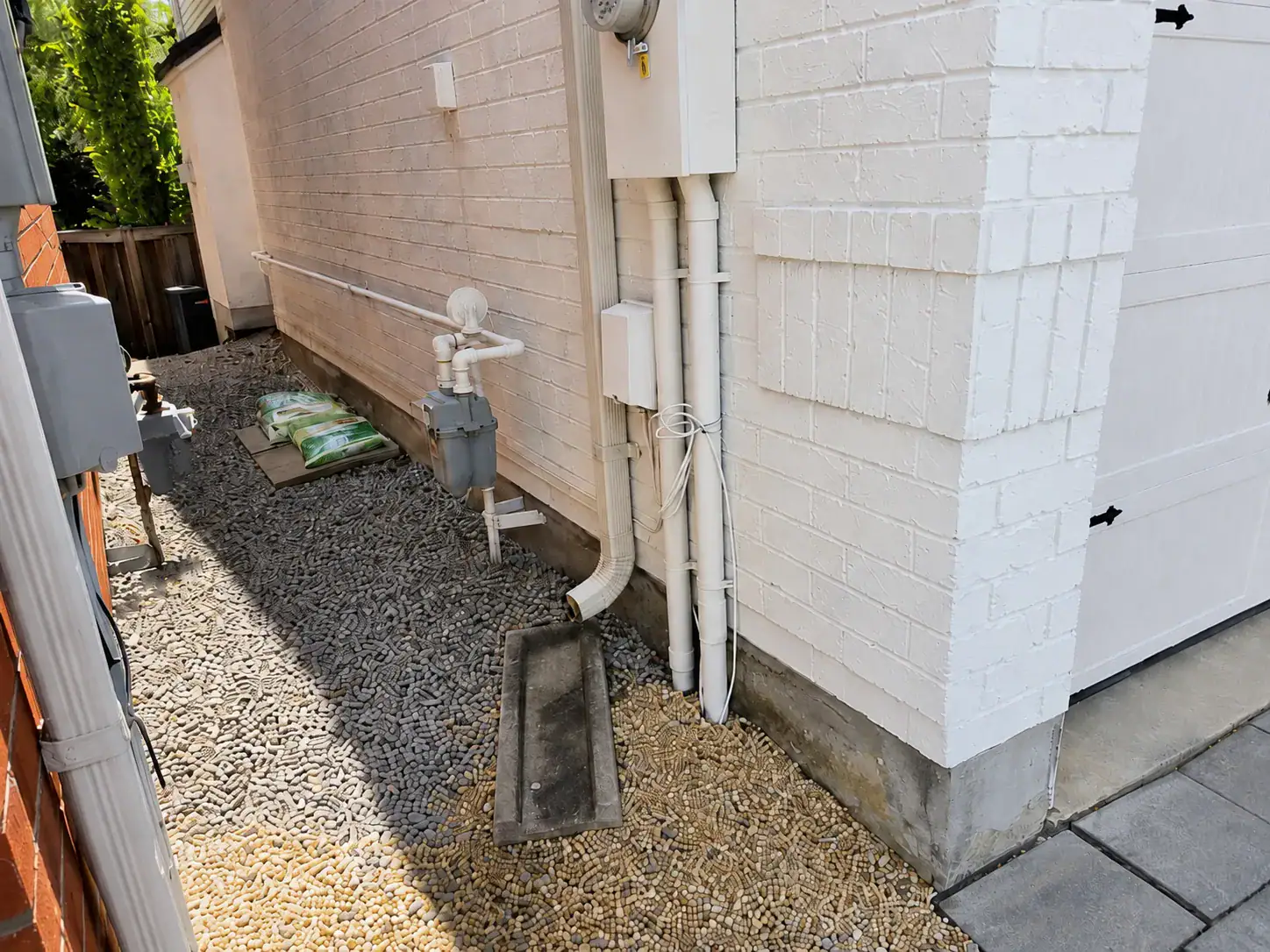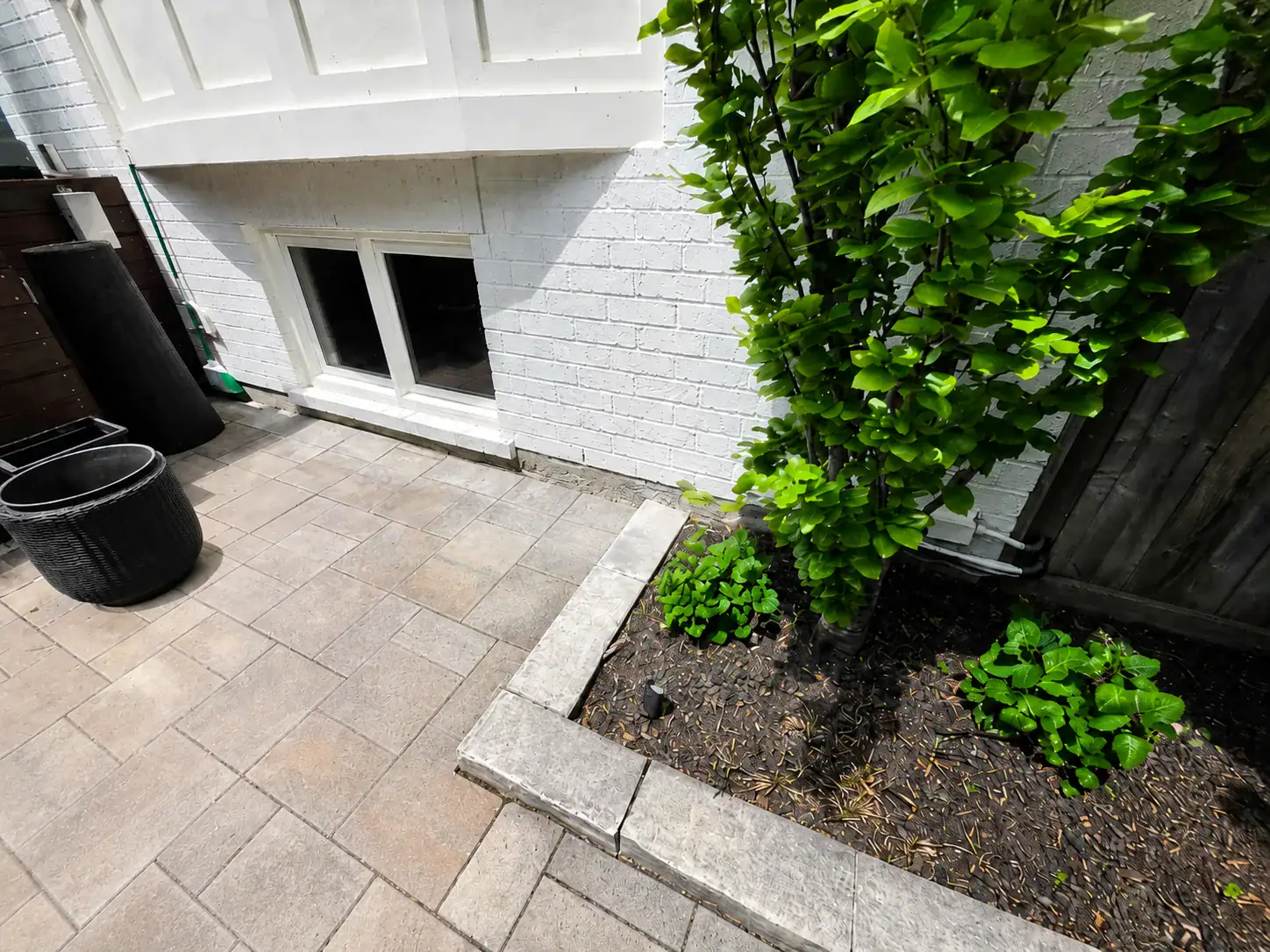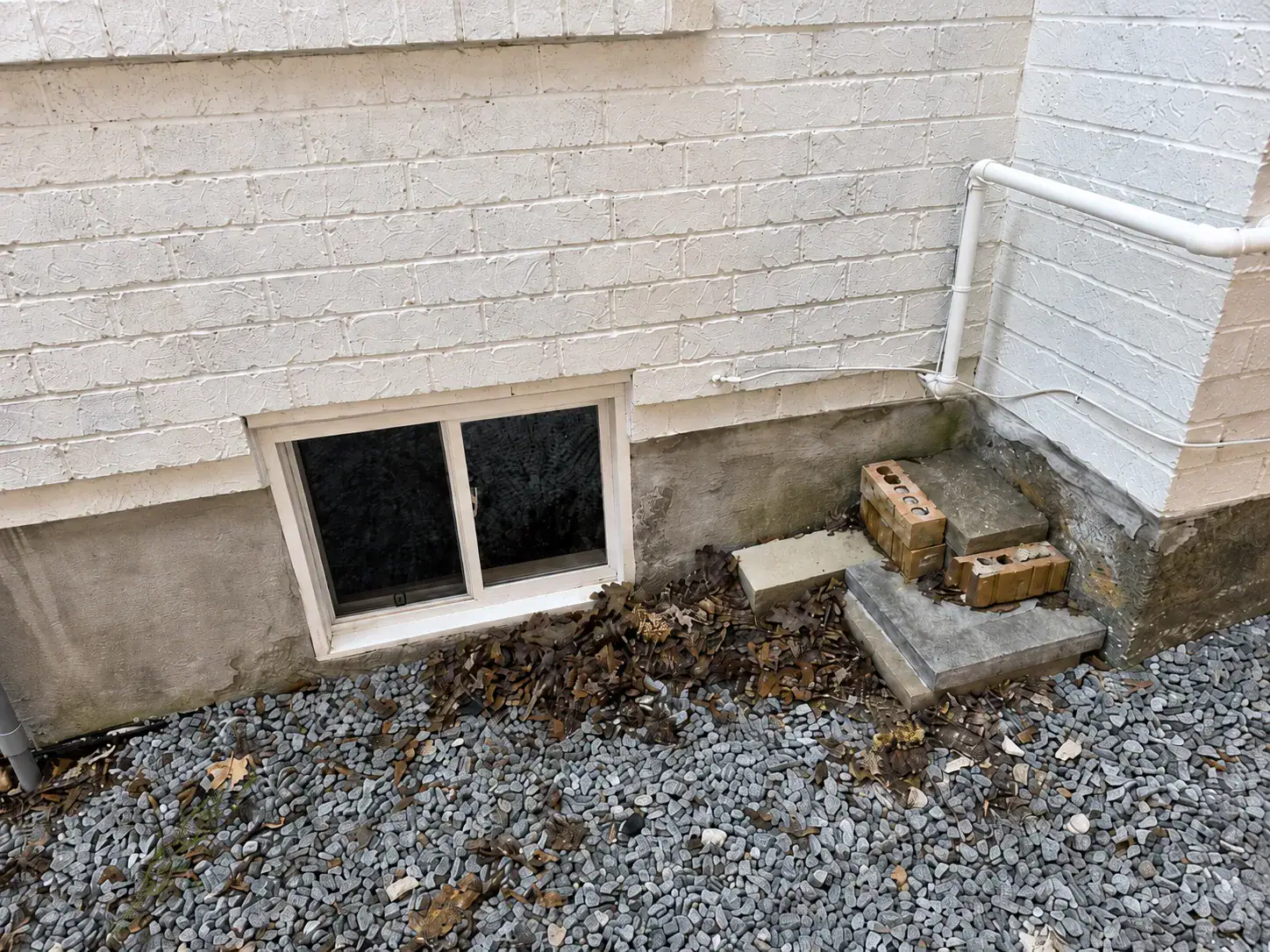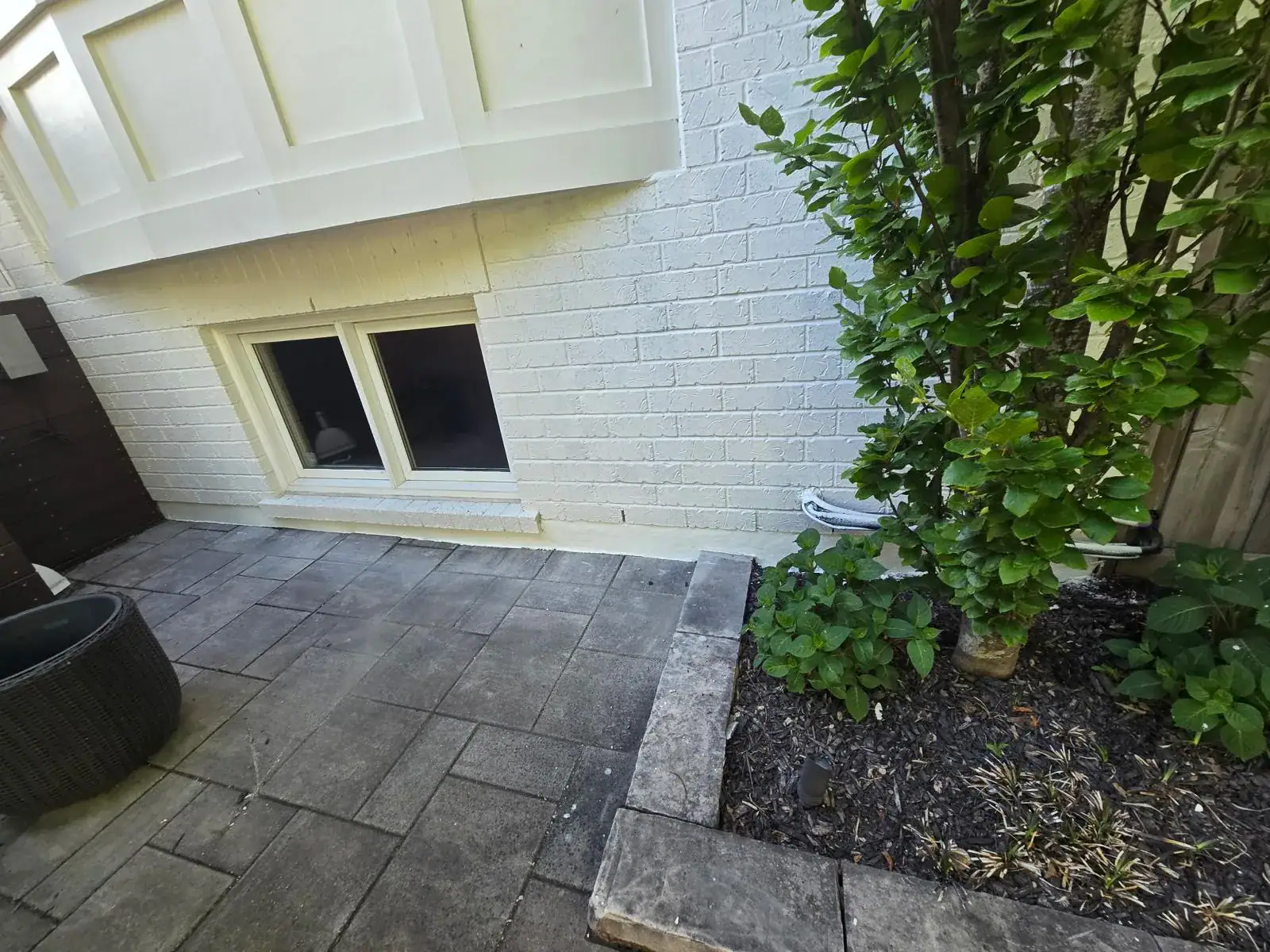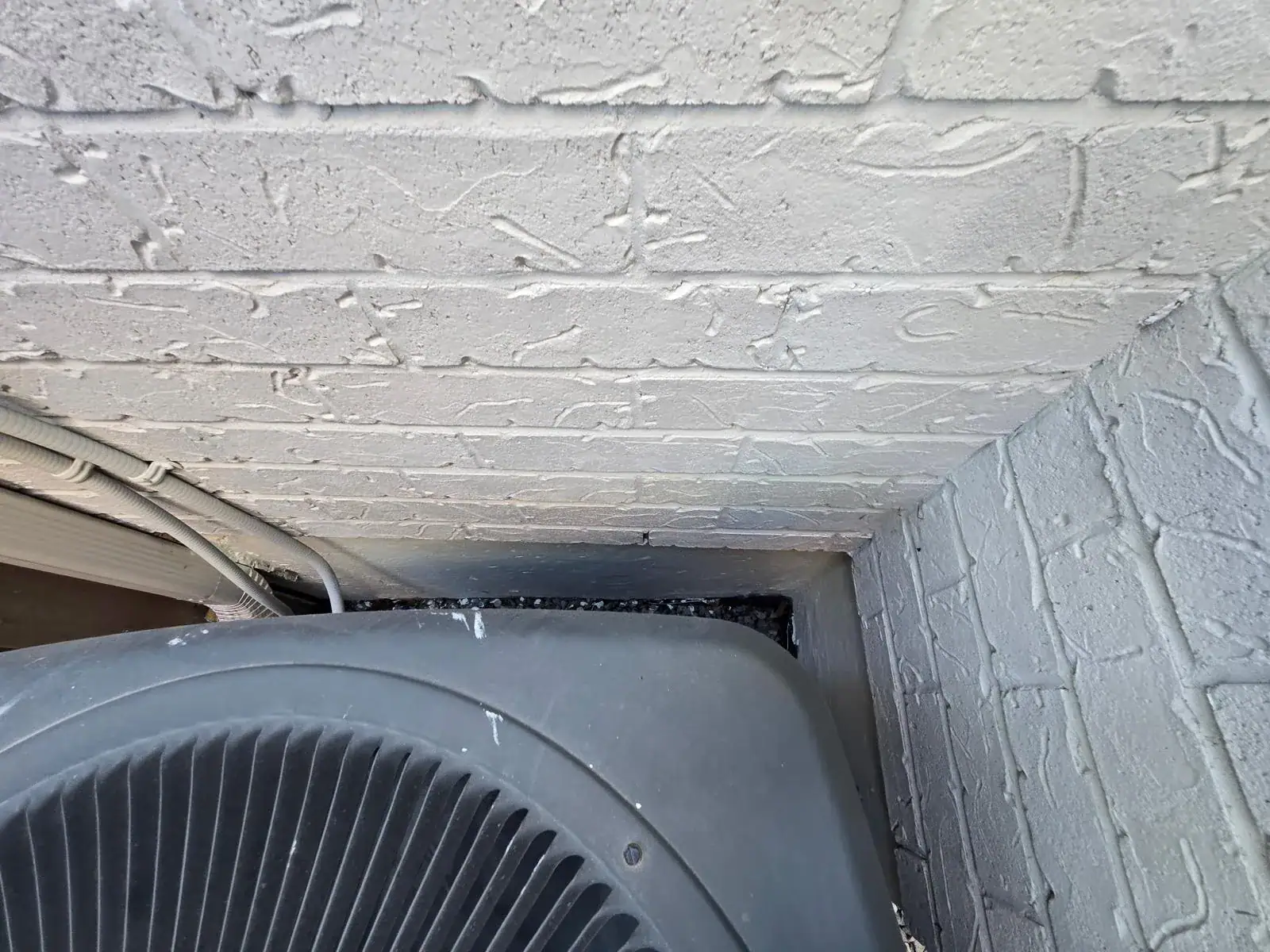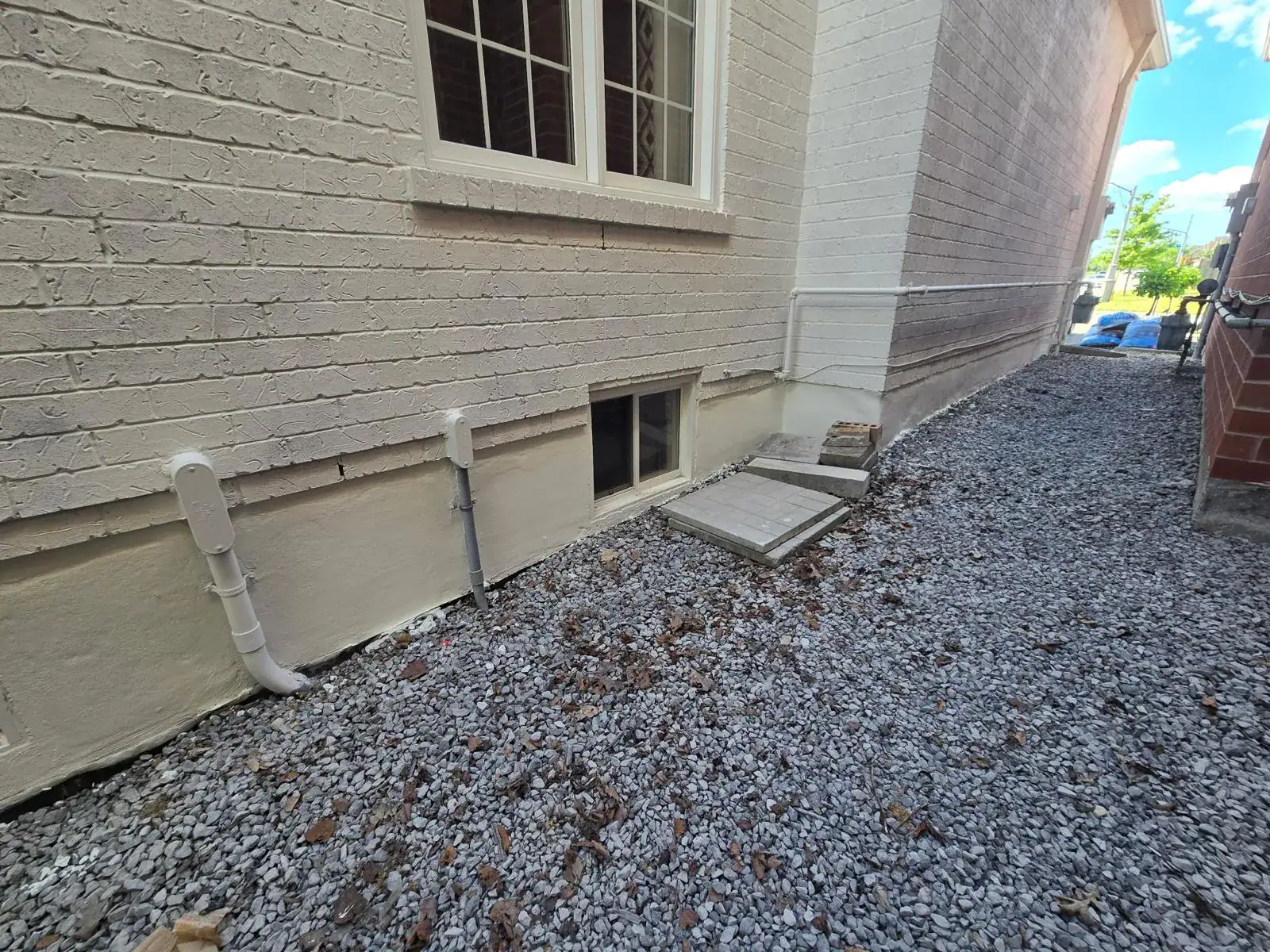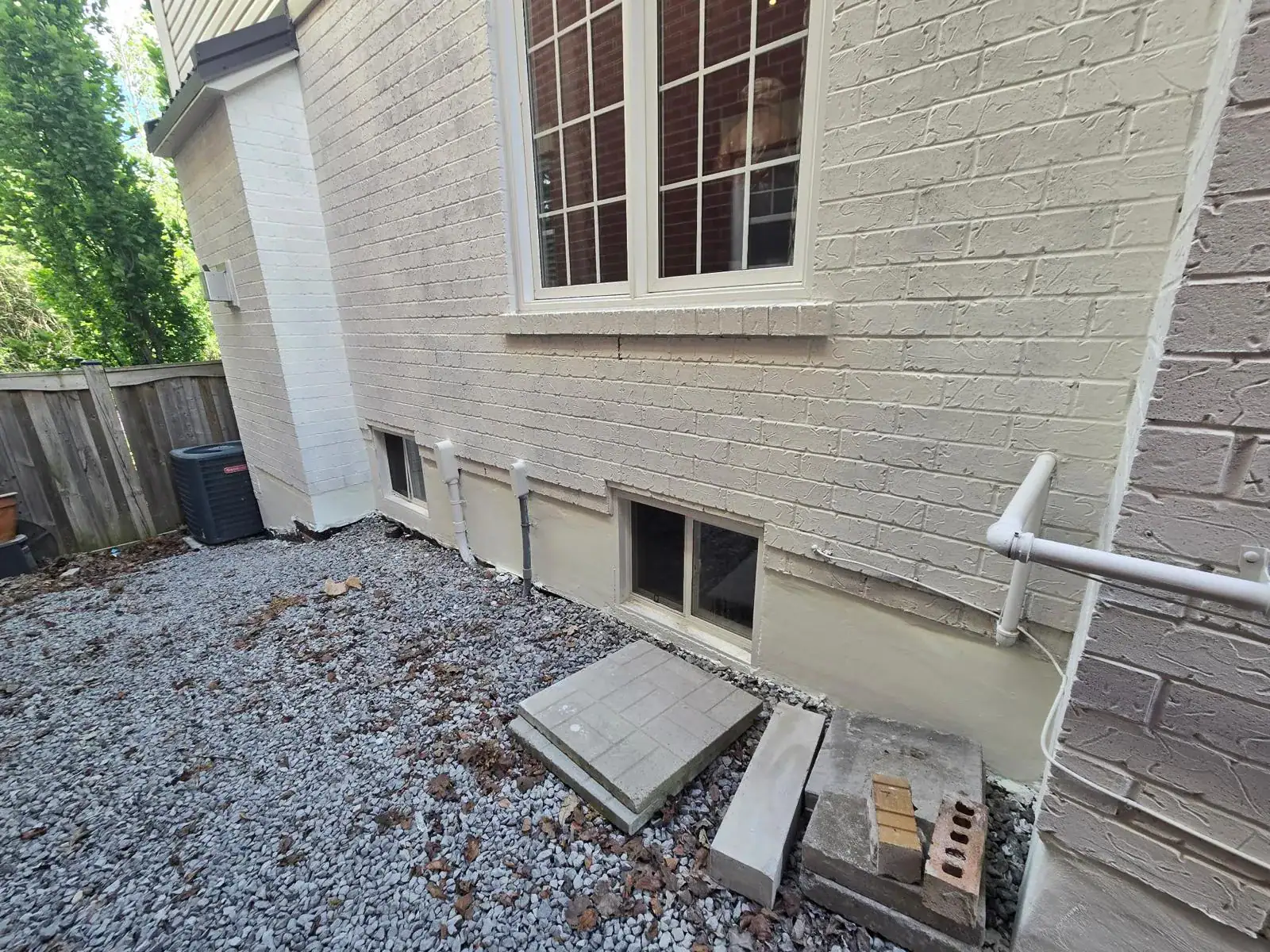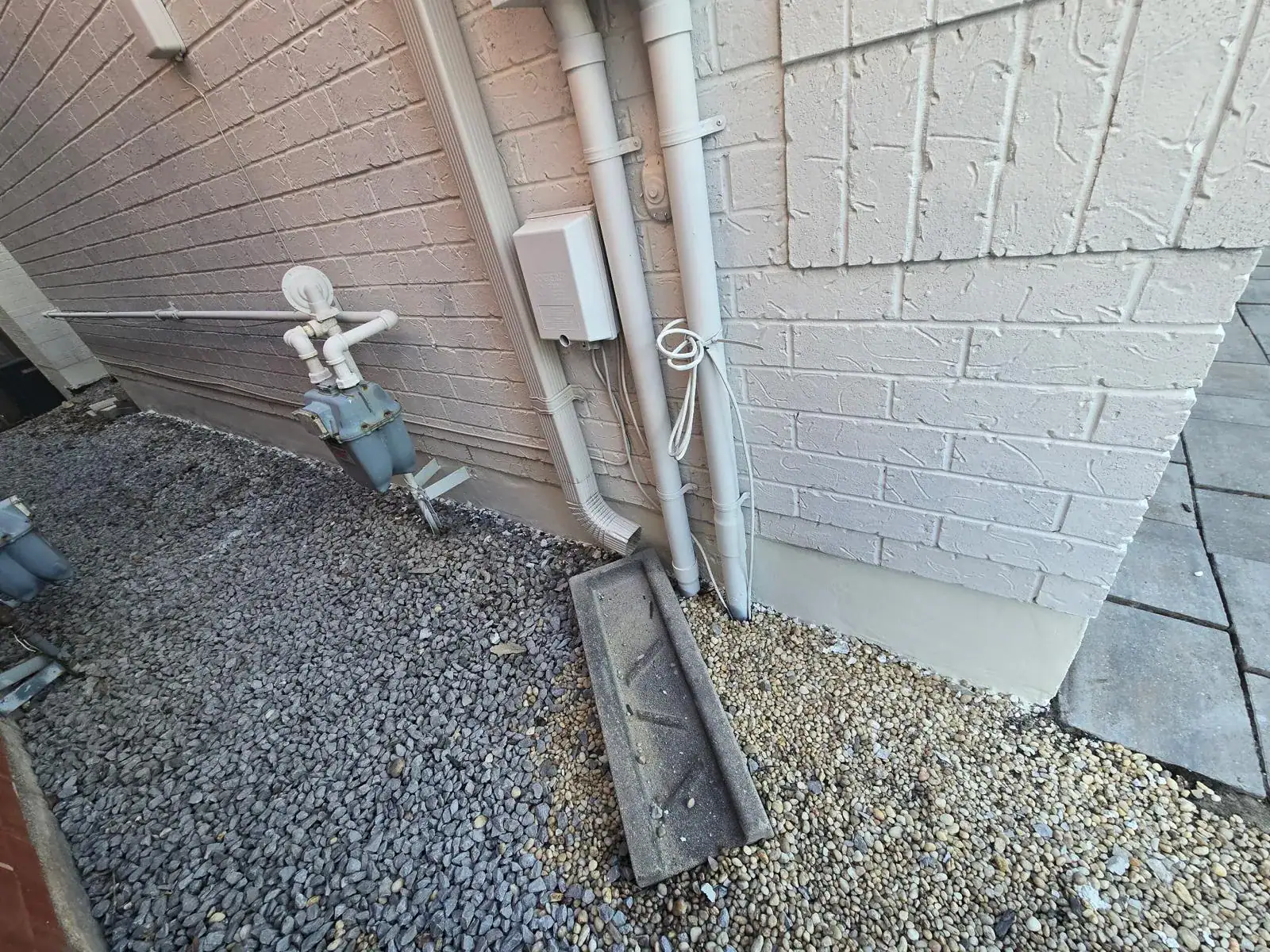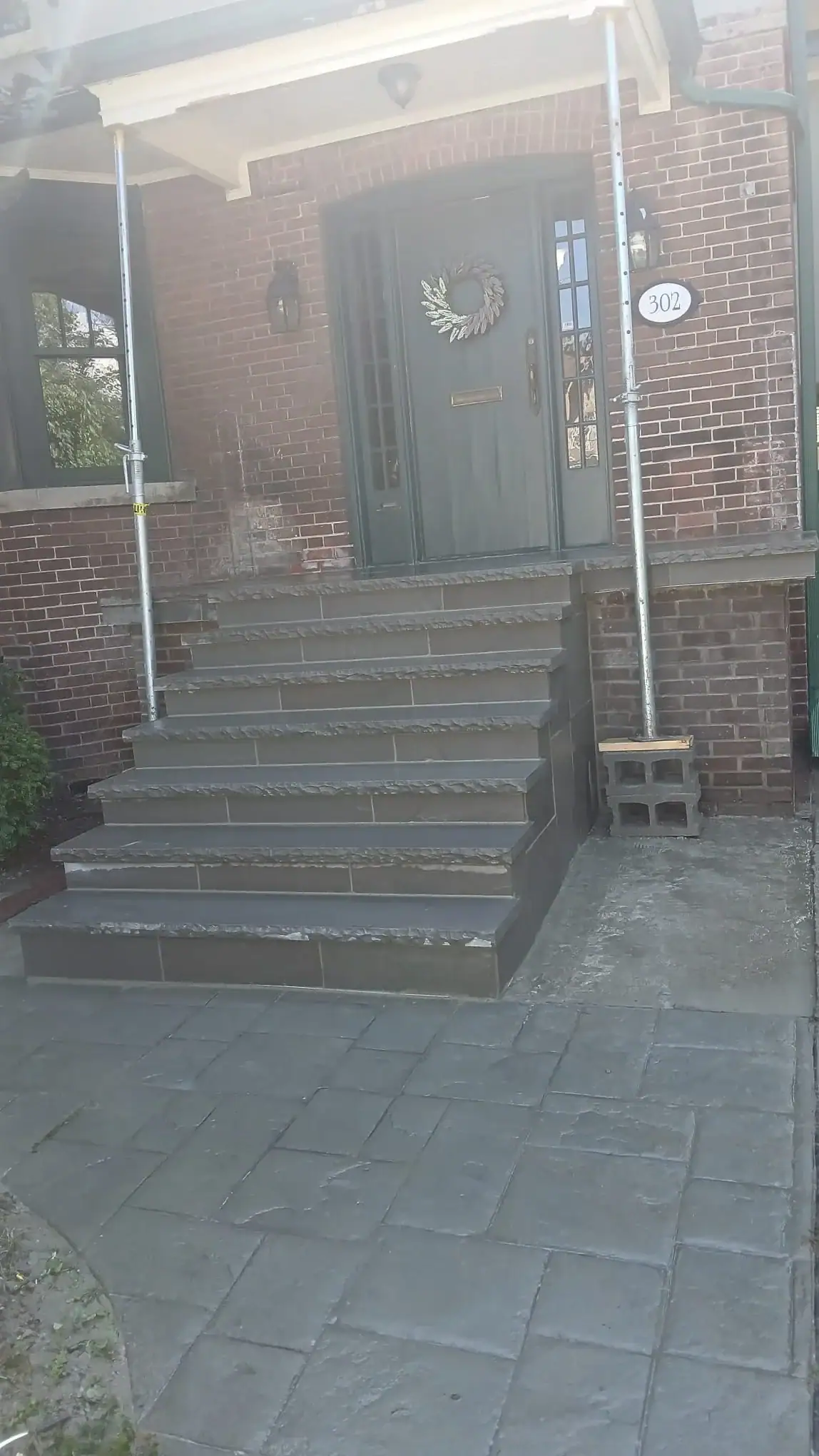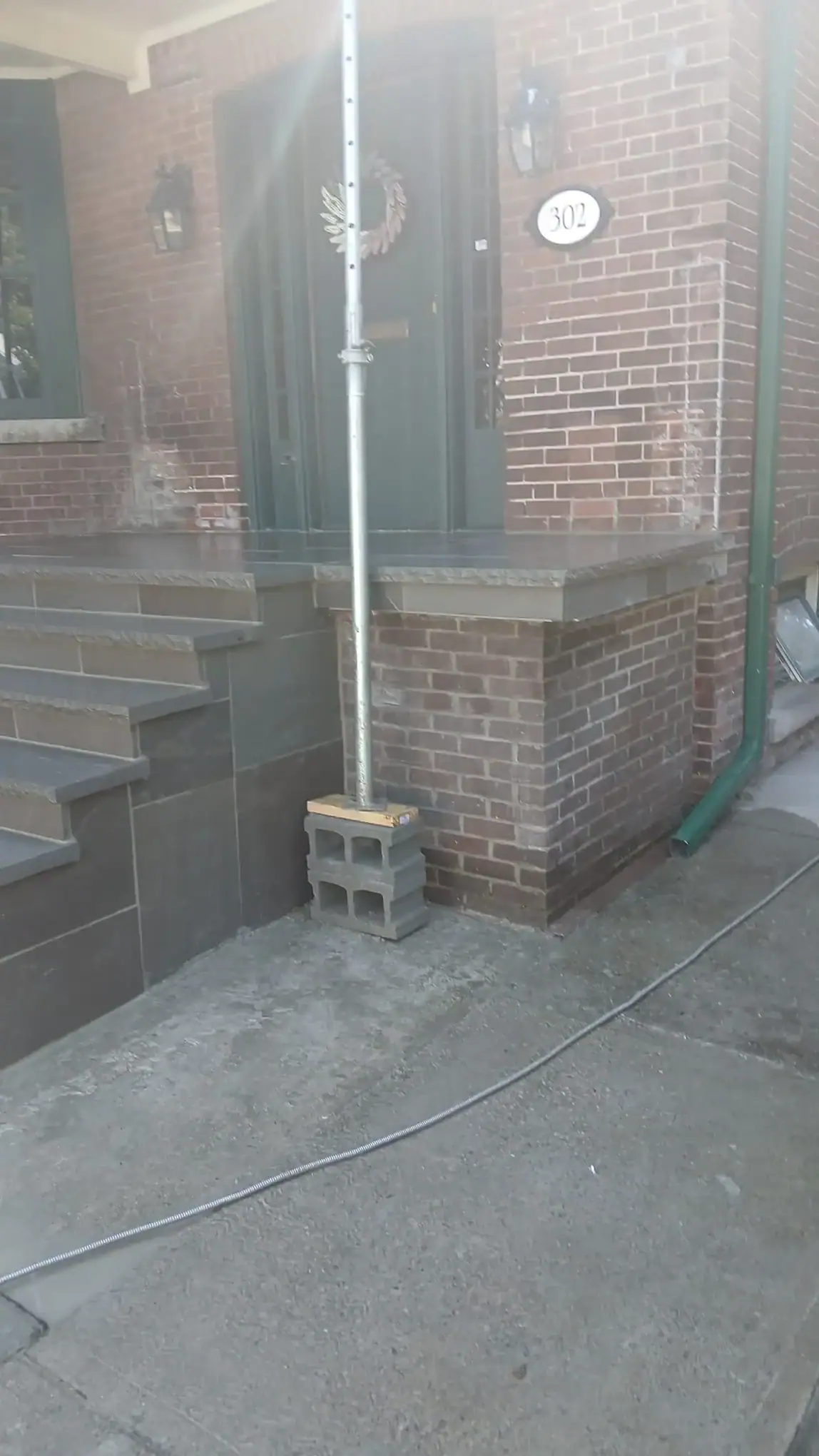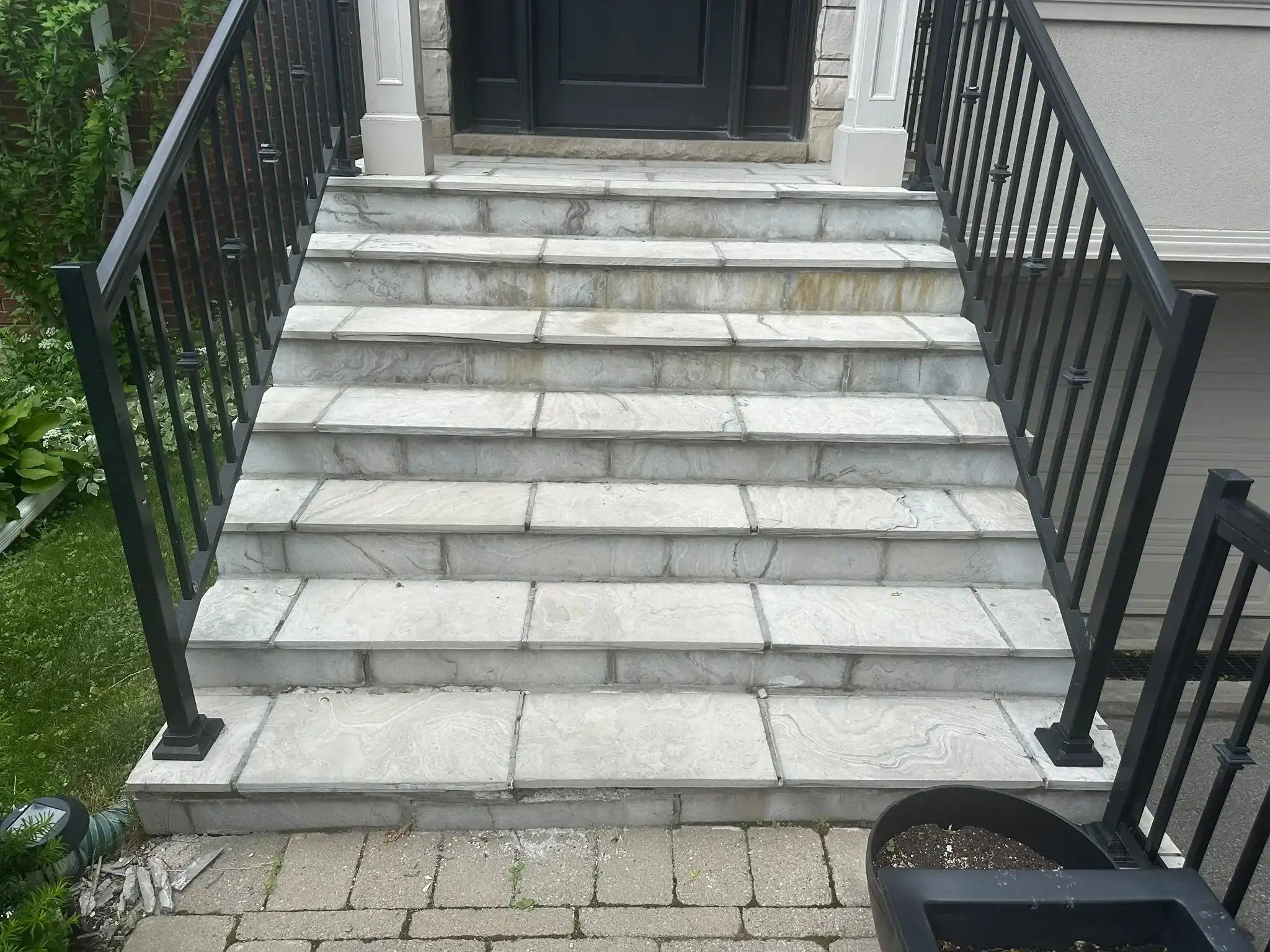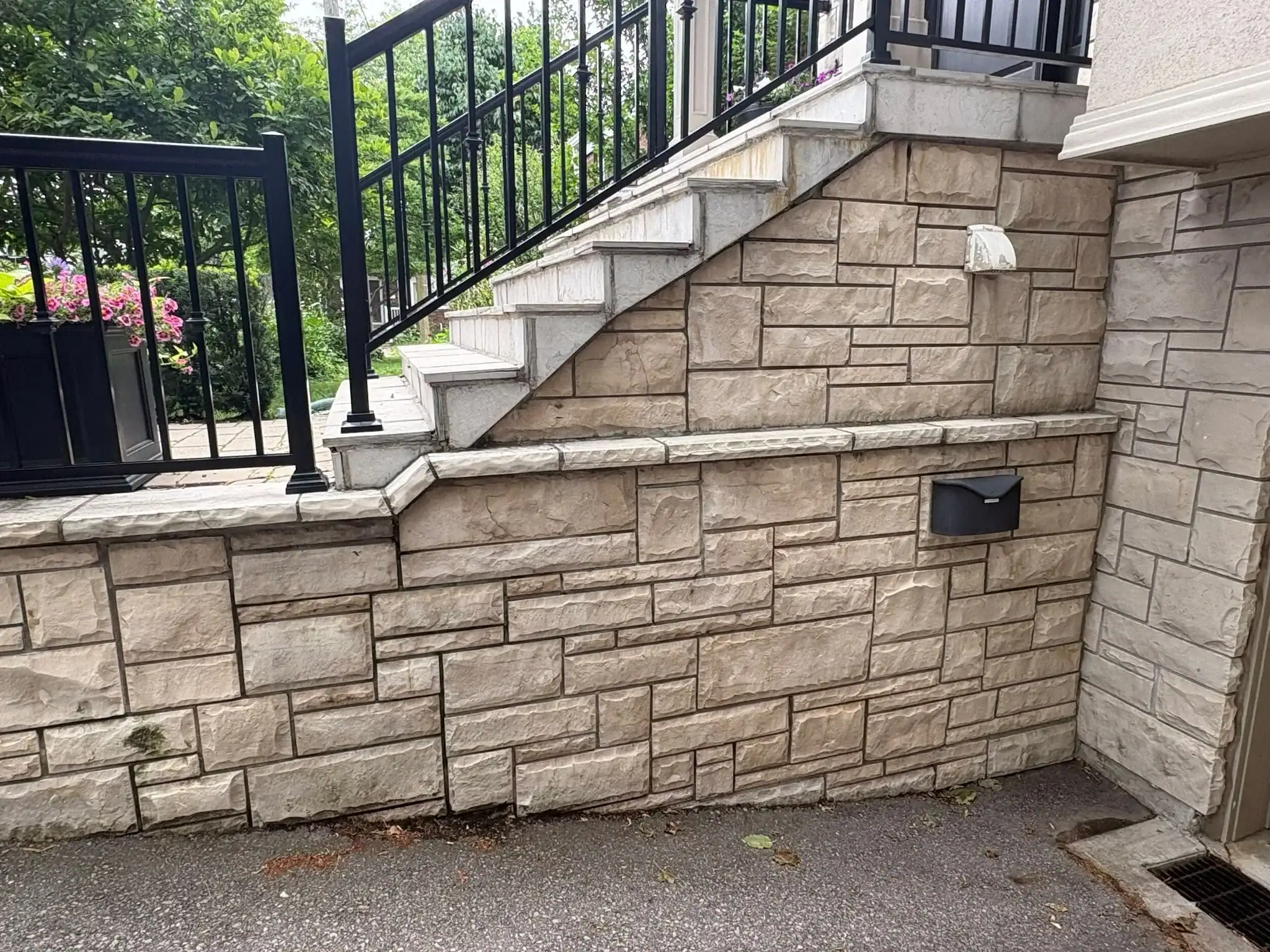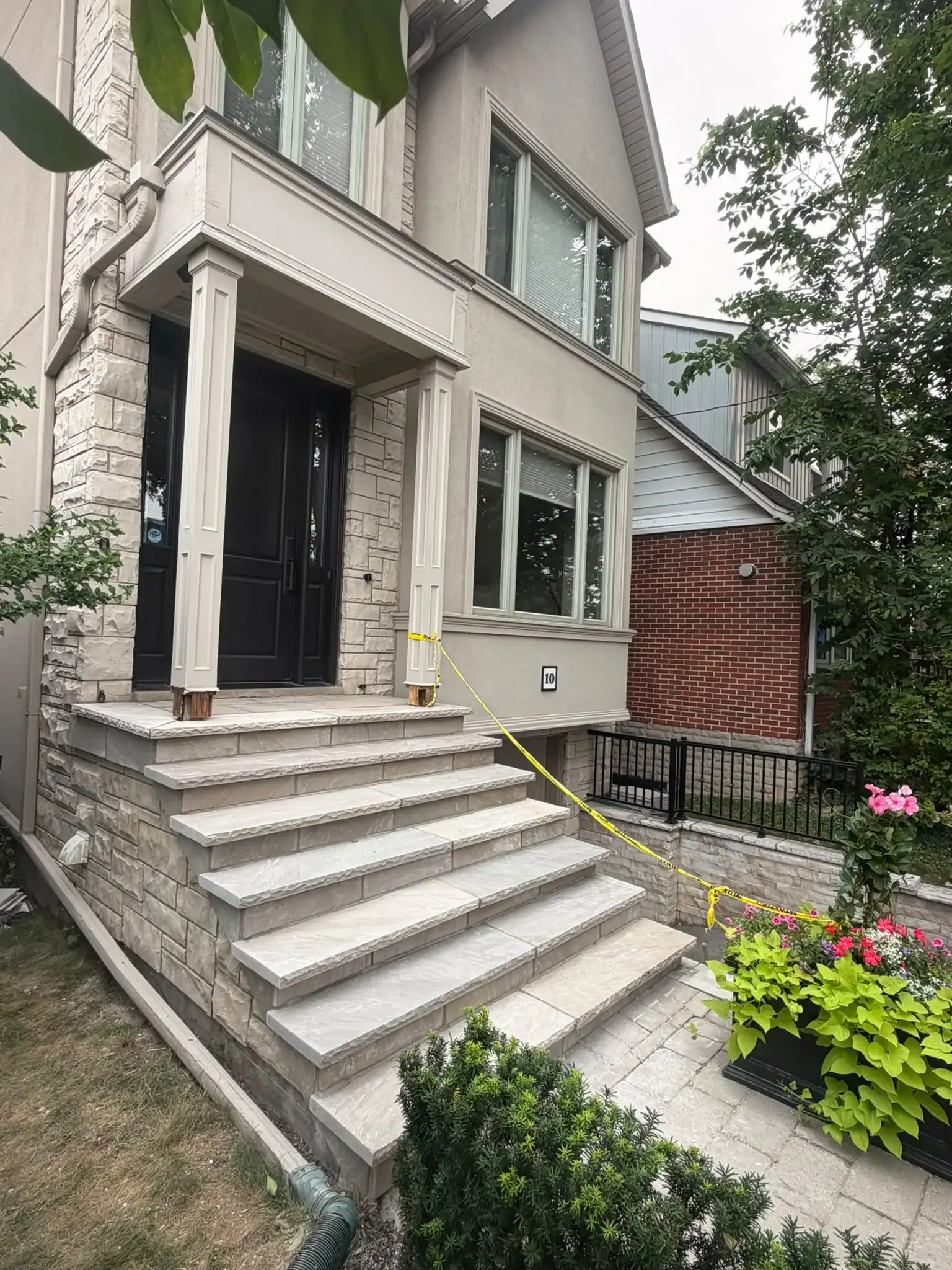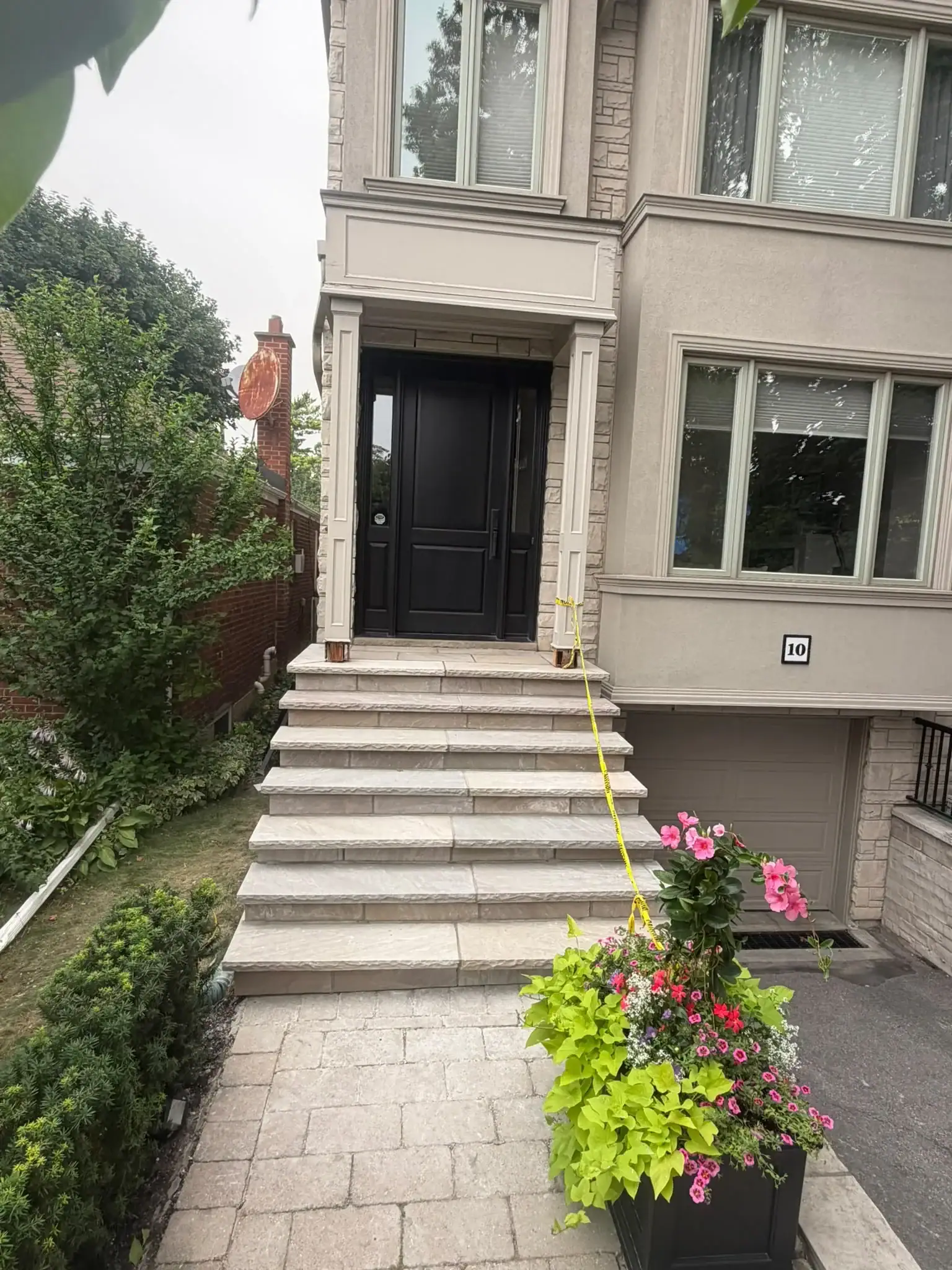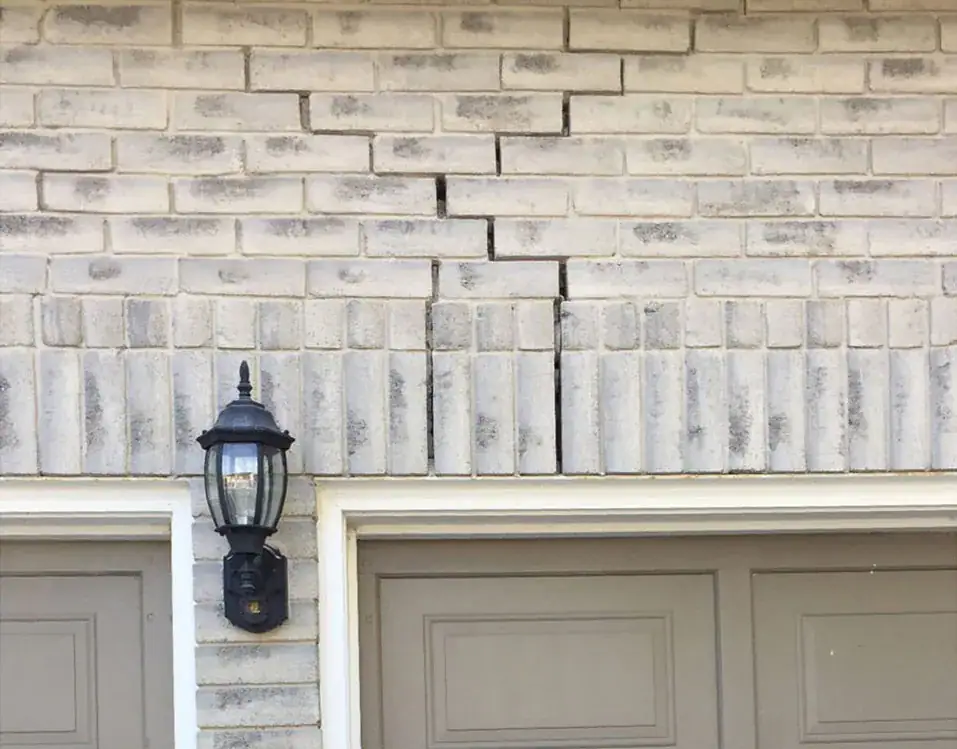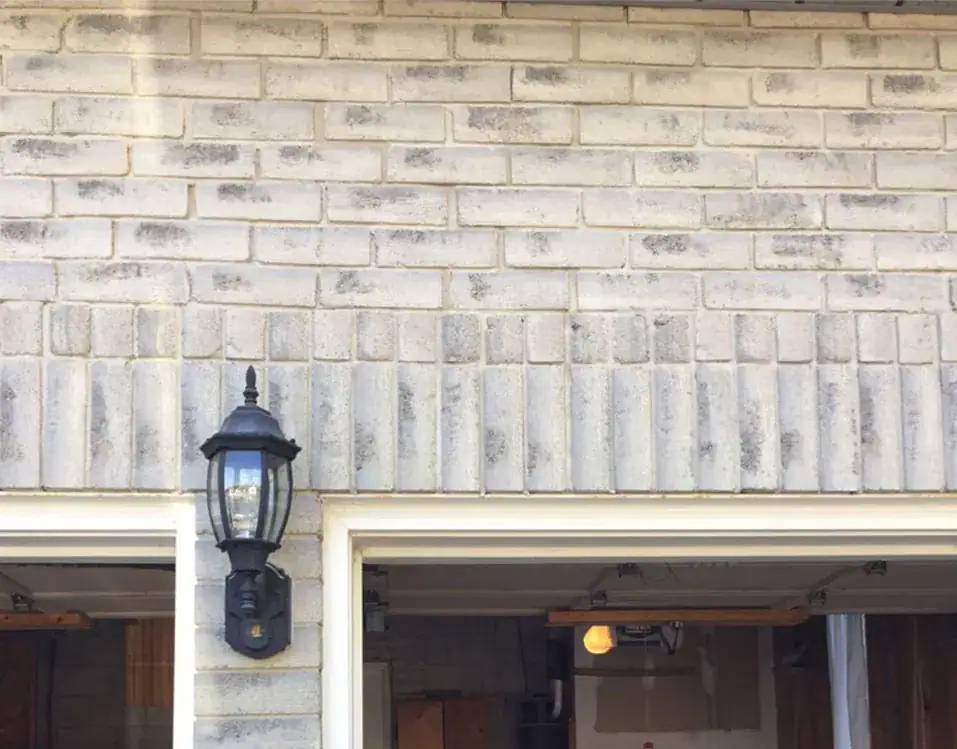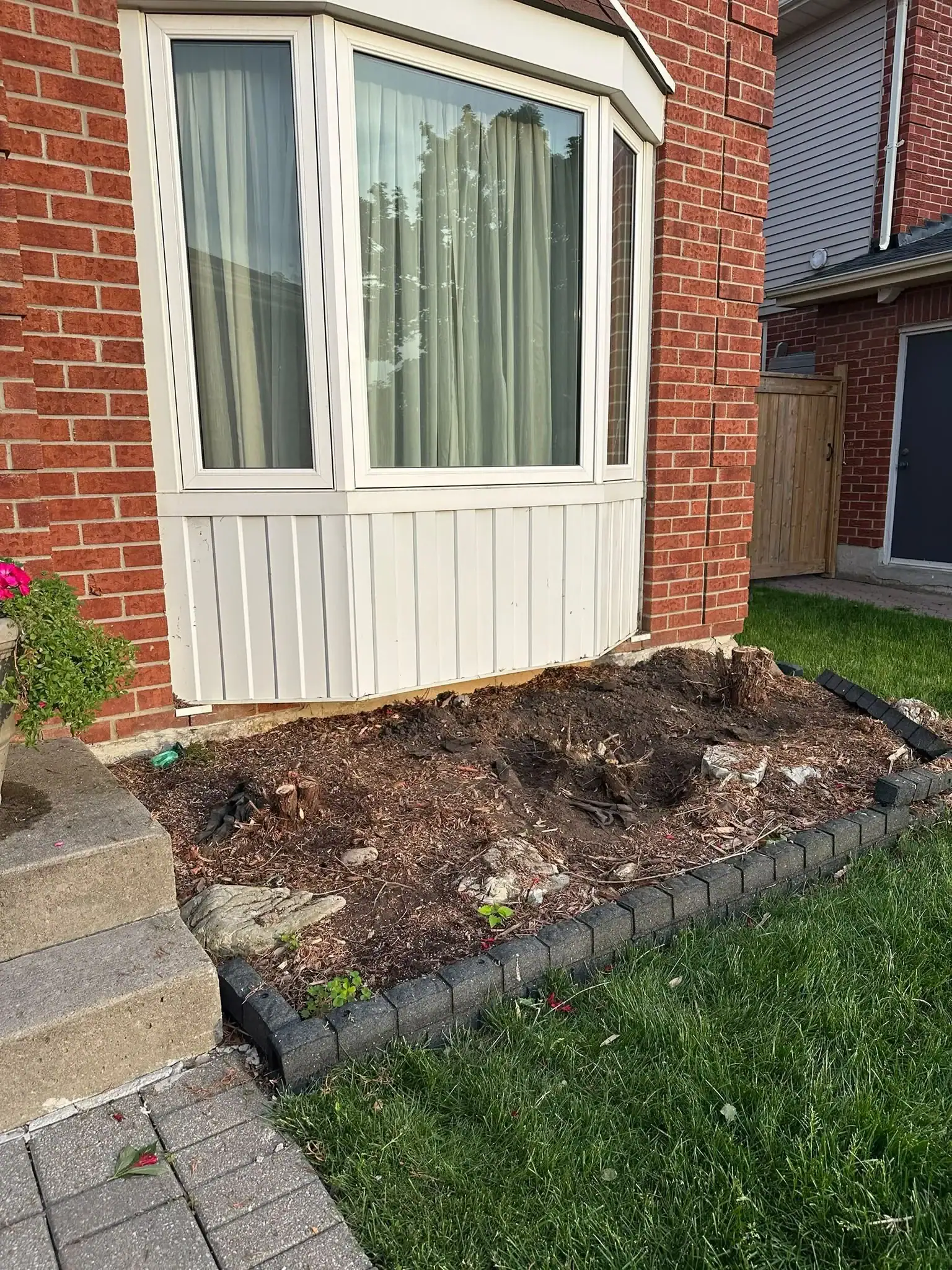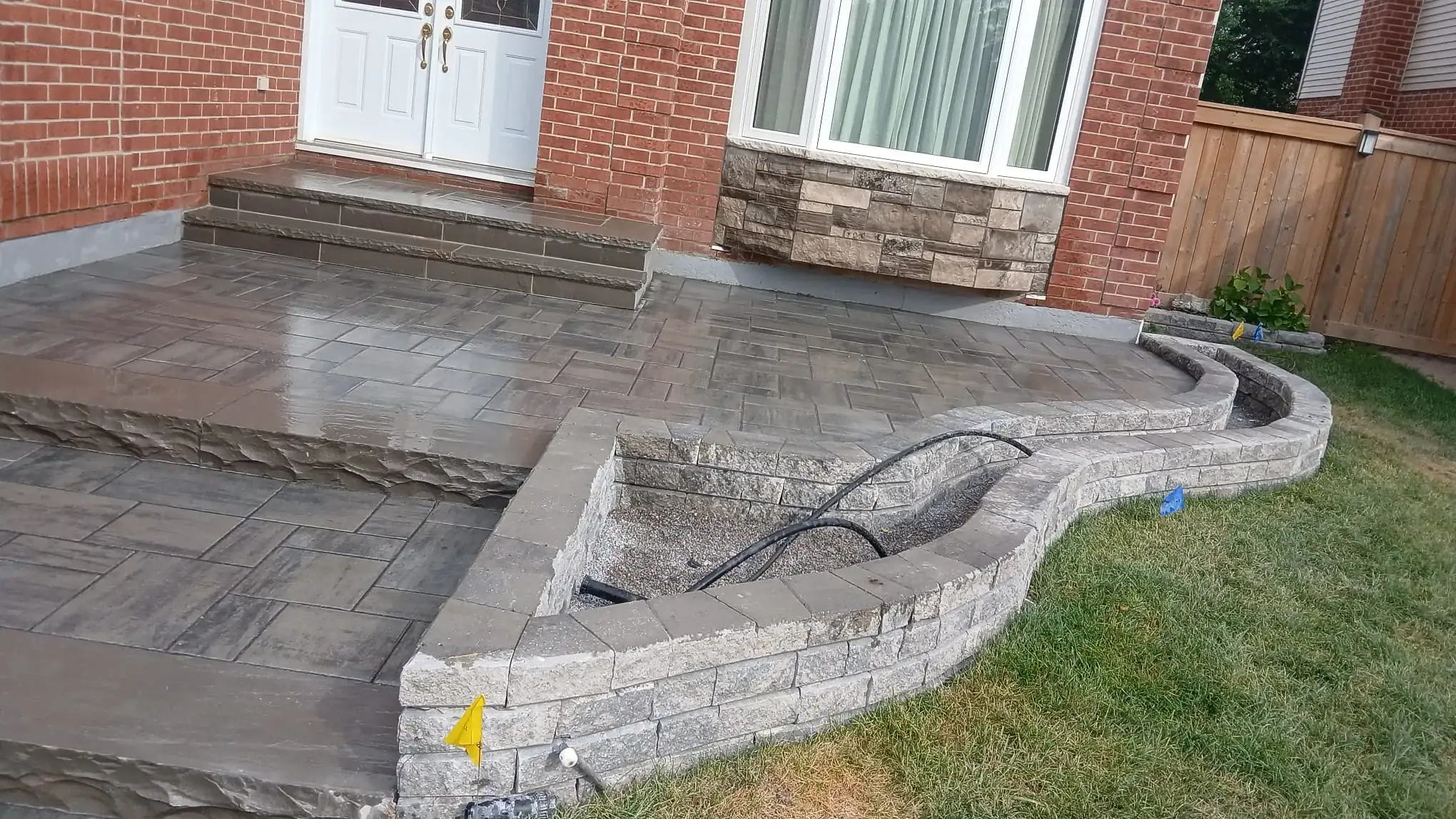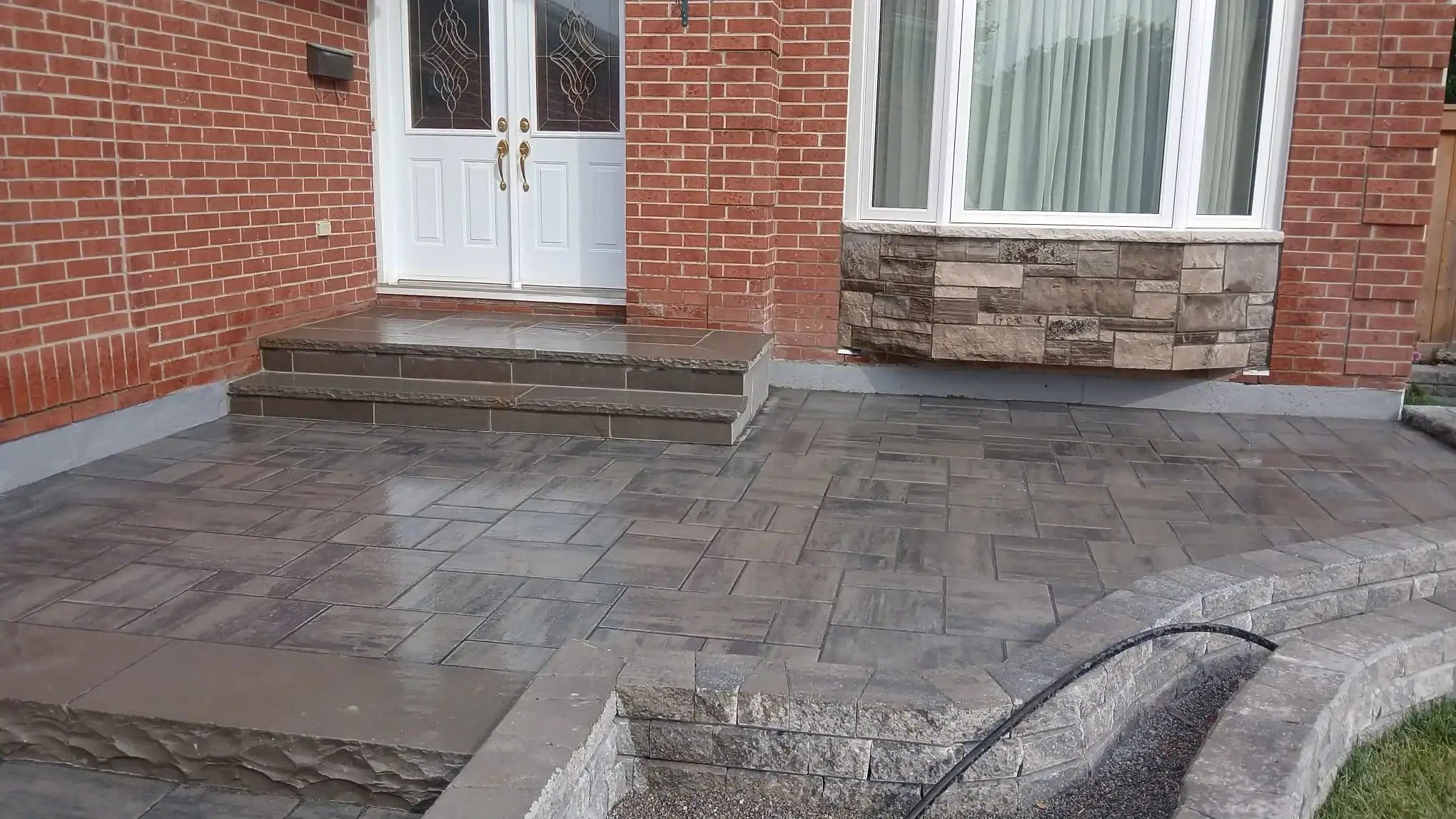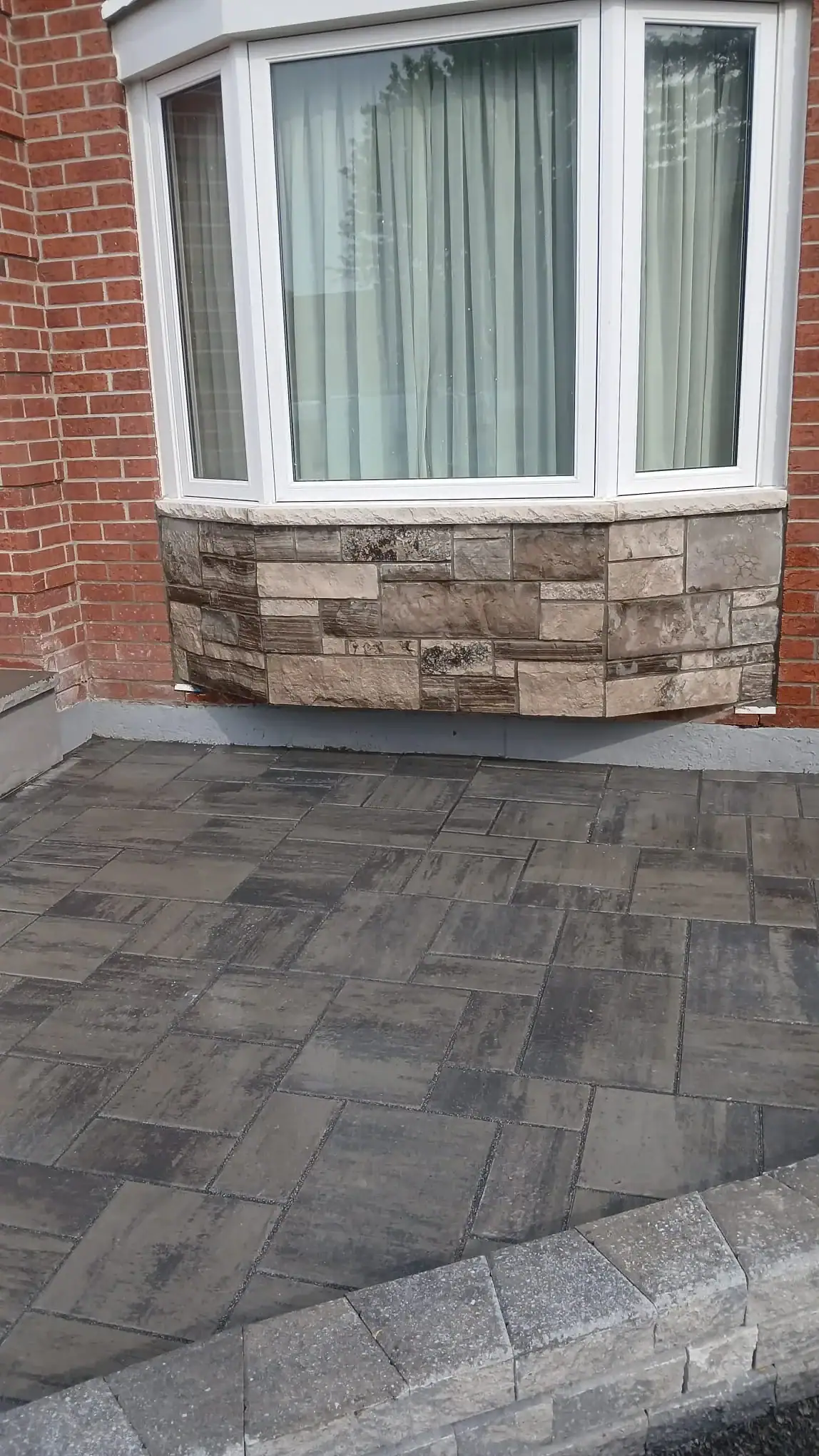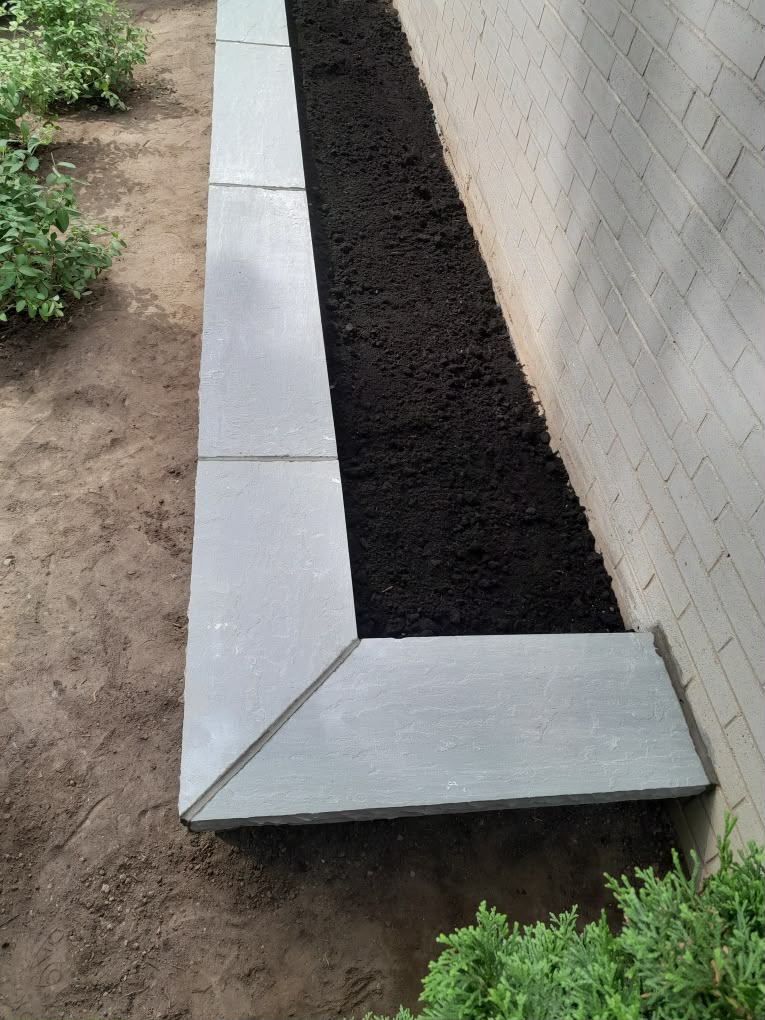

Cooling your home naturally with masonry materials starts with understanding how brick, stone, concrete, and other dense materials handle heat. Masonry does not work like a fan or air conditioner. Instead, it helps slow temperature changes, maintain cooler conditions for longer, and reduce the rate at which outdoor heat enters living spaces when used properly.
For Toronto homeowners, this matters because summer comfort is not only about air conditioning. Older brick homes, sun-facing walls, paved patios, stone walkways, and basement spaces all affect how warm a home feels during hot weather. When masonry is planned well, repaired properly, and paired with shade, drainage, ventilation, and smart material choices, it can help make a home feel more stable and comfortable through summer heat.
This does not mean masonry is a magic cooling solution. A poorly designed stone patio can hold heat. Dark pavers can make a backyard feel warmer. Damaged mortar can allow moisture and air to move in ways that harm comfort. The real value comes from using masonry materials with the right design, colour, placement, and maintenance strategy.
How Masonry Materials Help With Natural Cooling
Masonry helps with natural cooling because dense materials can absorb, store, and slowly release heat. This quality is often called thermal mass. In simple terms, brick, stone, and concrete do not heat up and cool down as quickly as lightweight materials. That slower temperature movement can help reduce sudden indoor temperature swings.
In a Toronto home, masonry can support comfort in a few practical ways. Exterior brick walls can slow heat transfer when the wall system is in good condition. Stone or brick landscaping can create shaded, stable outdoor areas when used with trees, plants, and proper layout. Basement masonry walls can often stay cooler than above-grade rooms, especially when moisture is controlled. Outdoor masonry features can also reduce the need for high-maintenance materials that may fail more quickly under sun, rain, and freeze-thaw cycles.
The key point is balance. Masonry can help manage heat, but only when it is not working against the home. For example, a large dark patio beside a south-facing wall may absorb a lot of heat during the day and radiate it back toward the house in the evening. On the other hand, lighter paving, shaded stone areas, and properly drained masonry surfaces can support a cooler outdoor environment.
Why Natural Cooling Matters More in Toronto Homes
Natural cooling matters in Toronto because many homes deal with both summer heat and winter freeze-thaw cycles. A material choice that works in a warm climate may not be the best choice for the GTA. Toronto homeowners need masonry that can handle heat, rain, snow, ice, and seasonal expansion and contraction.
Summer heat can make brick walls, patios, steps, and driveways feel hotter, especially in areas with limited shade. At the same time, Toronto properties often need good drainage because heavy rain and melted snow can create water pressure around foundations and paved areas. The City of Toronto advises homeowners to improve grading around the home so water drains away from the foundation and to use more green space and porous surfaces where practical. You can review the City’s homeowner guidance on how to prevent basement flooding.
That drainage point matters for cooling, too. Wet, poorly drained masonry can lead to damp basements, damaged mortar, and uncomfortable indoor conditions. A cooler home is not only about lowering the temperature. It is also about managing moisture, airflow, and surface heat around the house.
Brick, Stone, and Concrete: Which Materials Help Most?
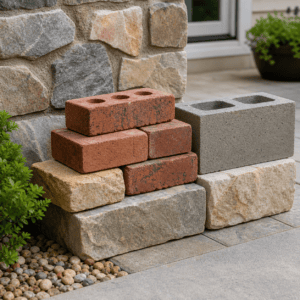
Brick, stone, and concrete can all support natural cooling, but they do it in different ways. The best choice depends on where the material is used and how much sun, shade, water, and foot traffic the area receives.
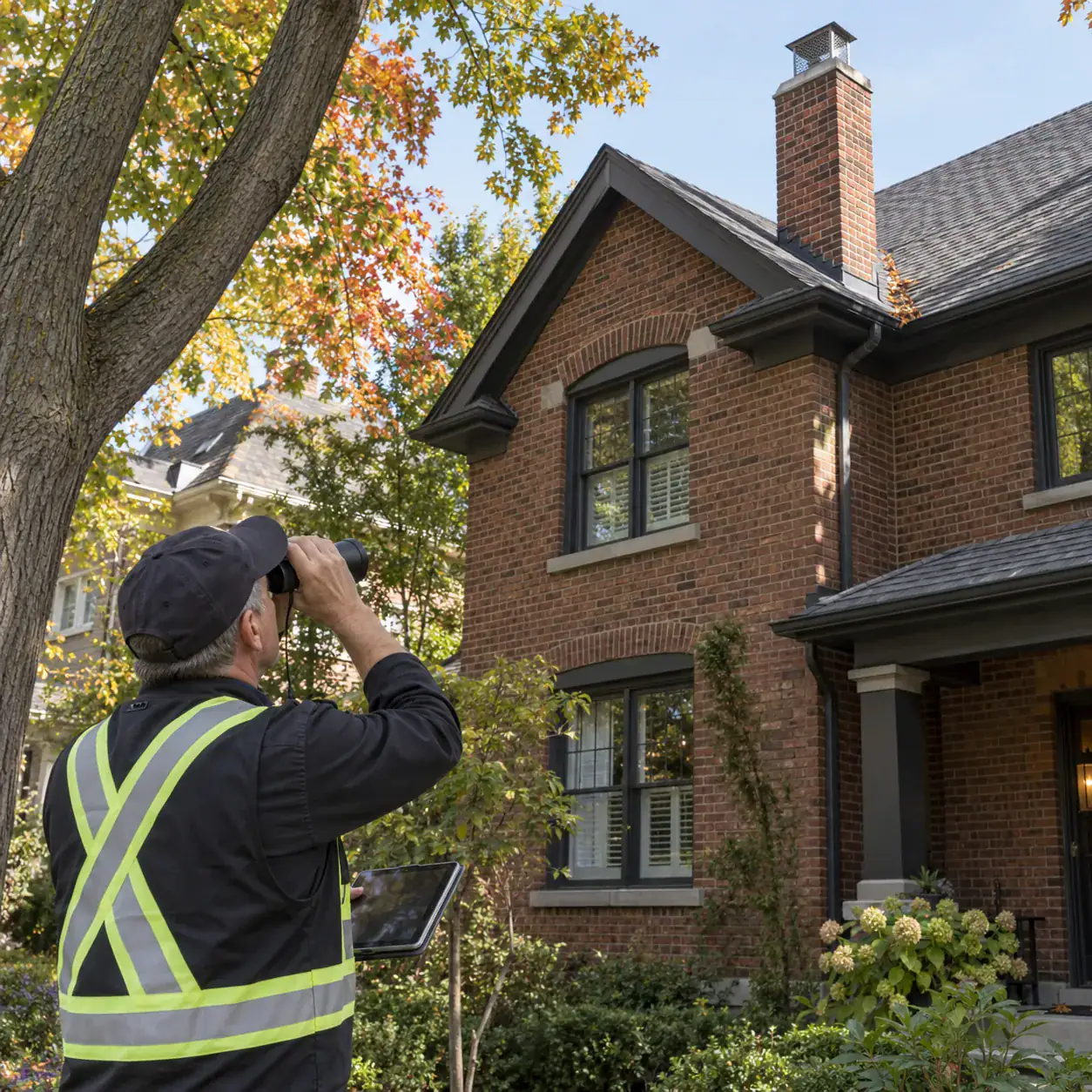
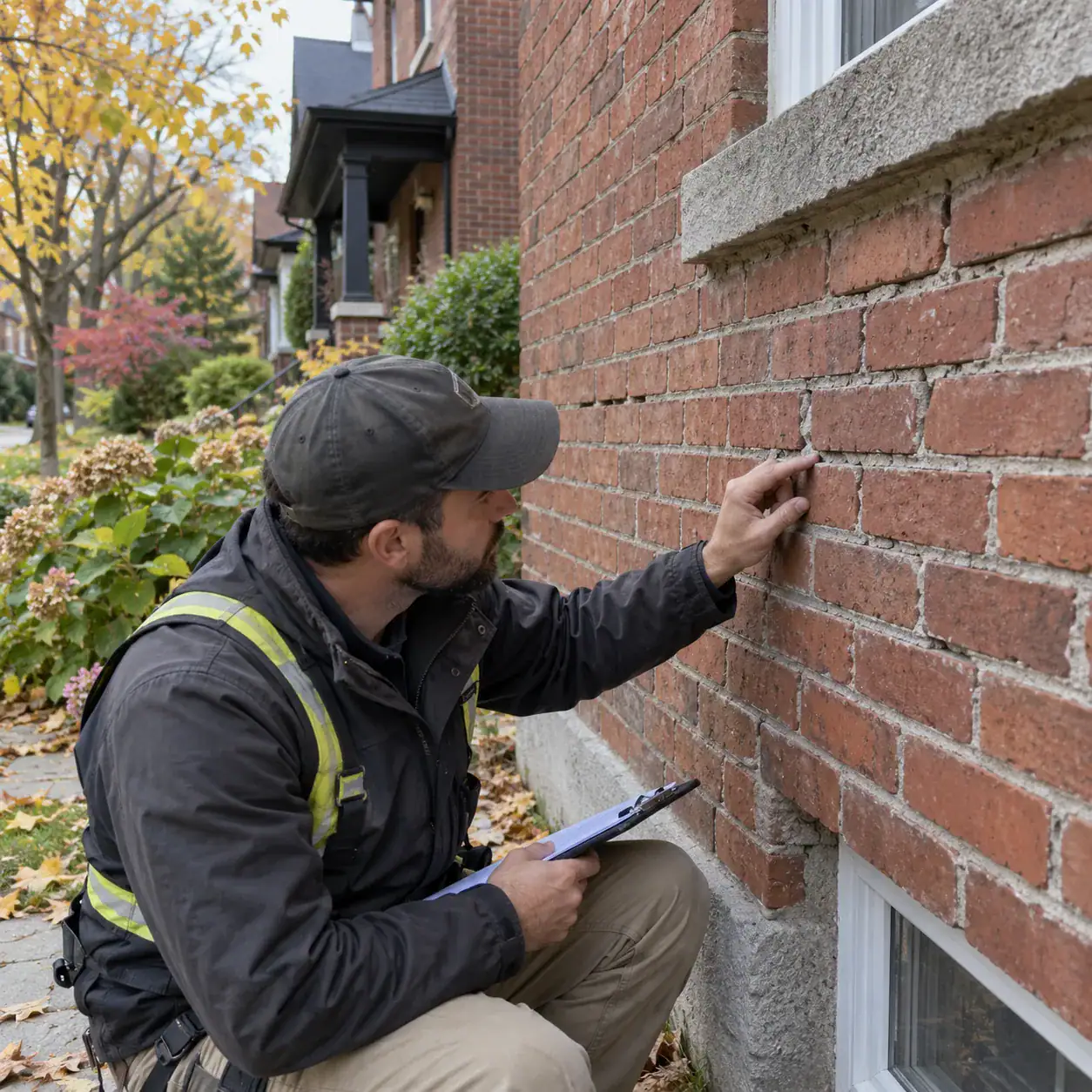
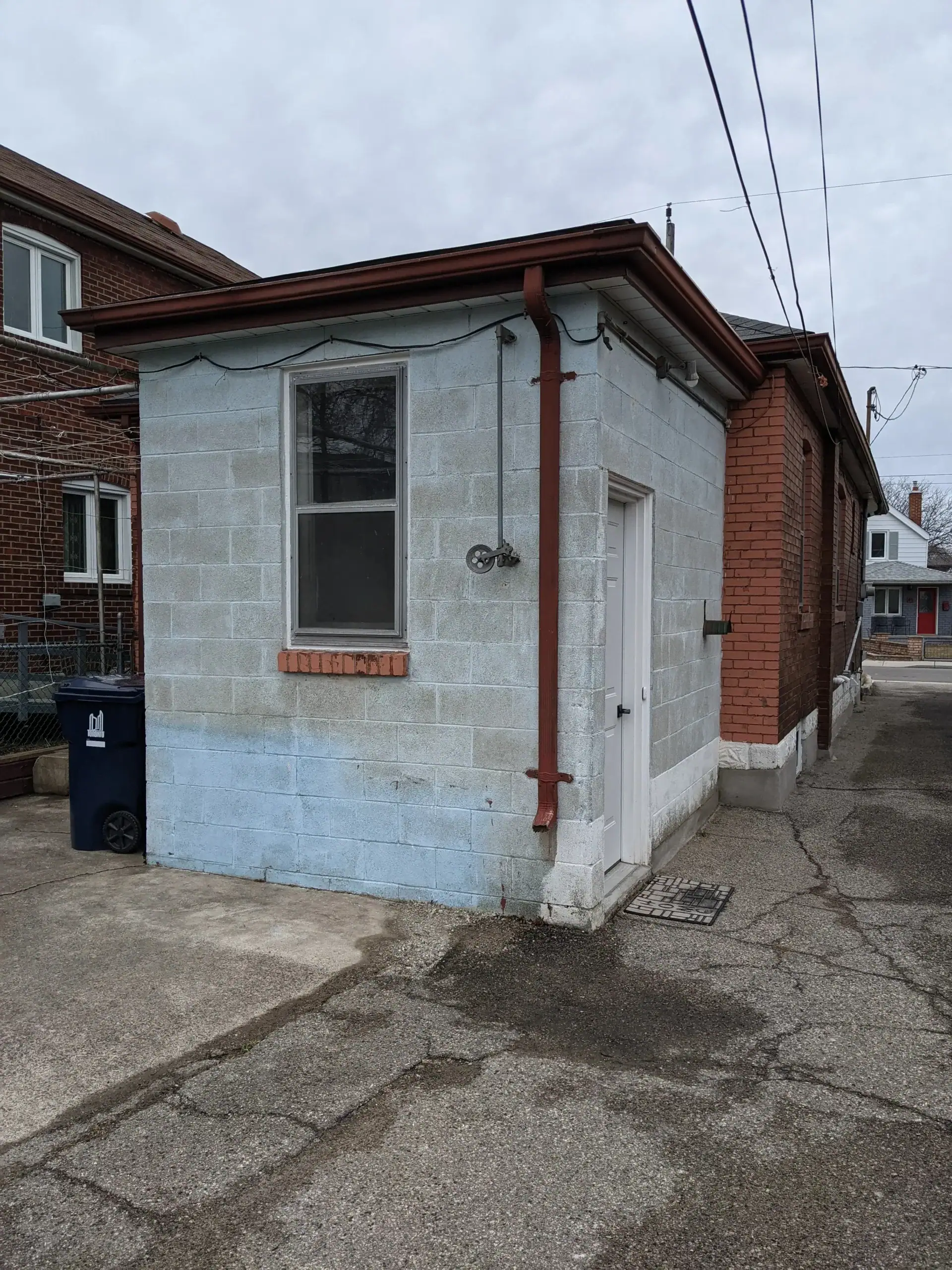
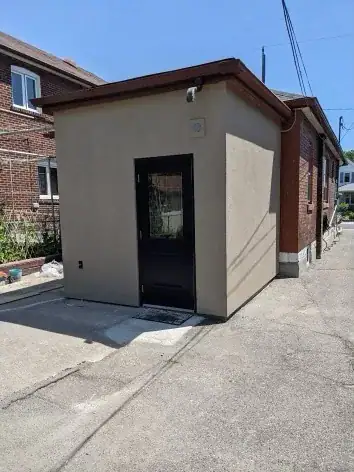
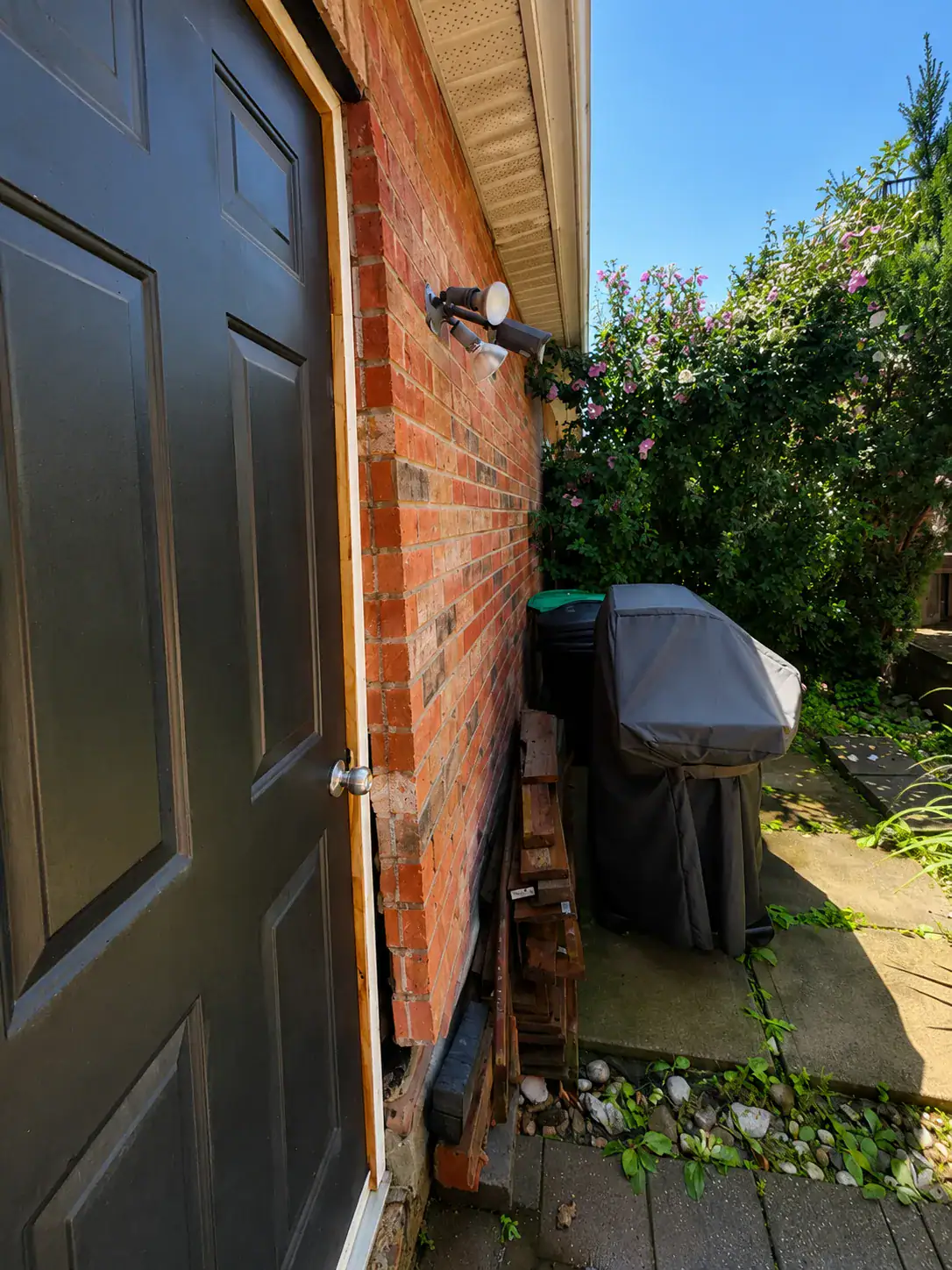
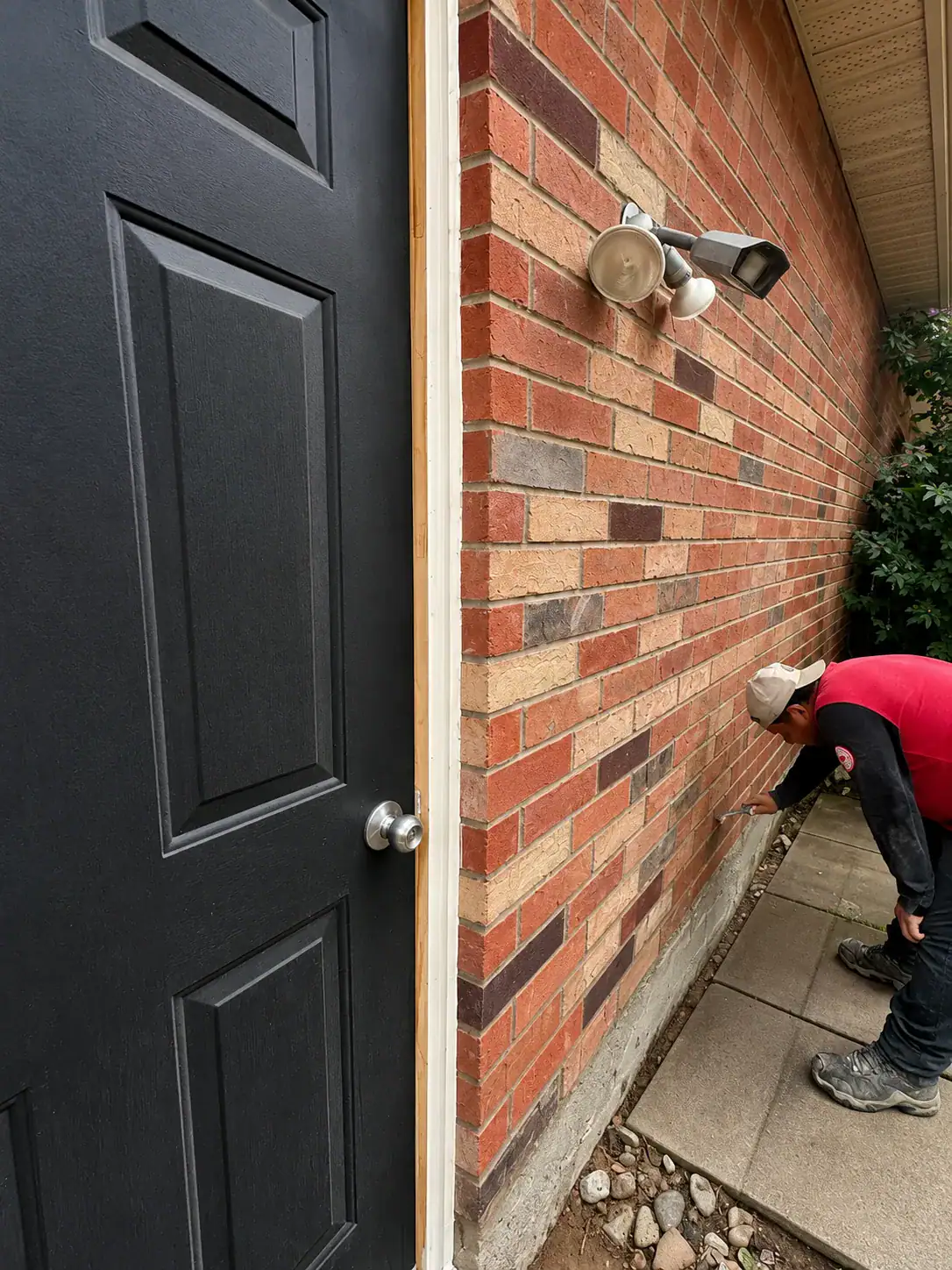
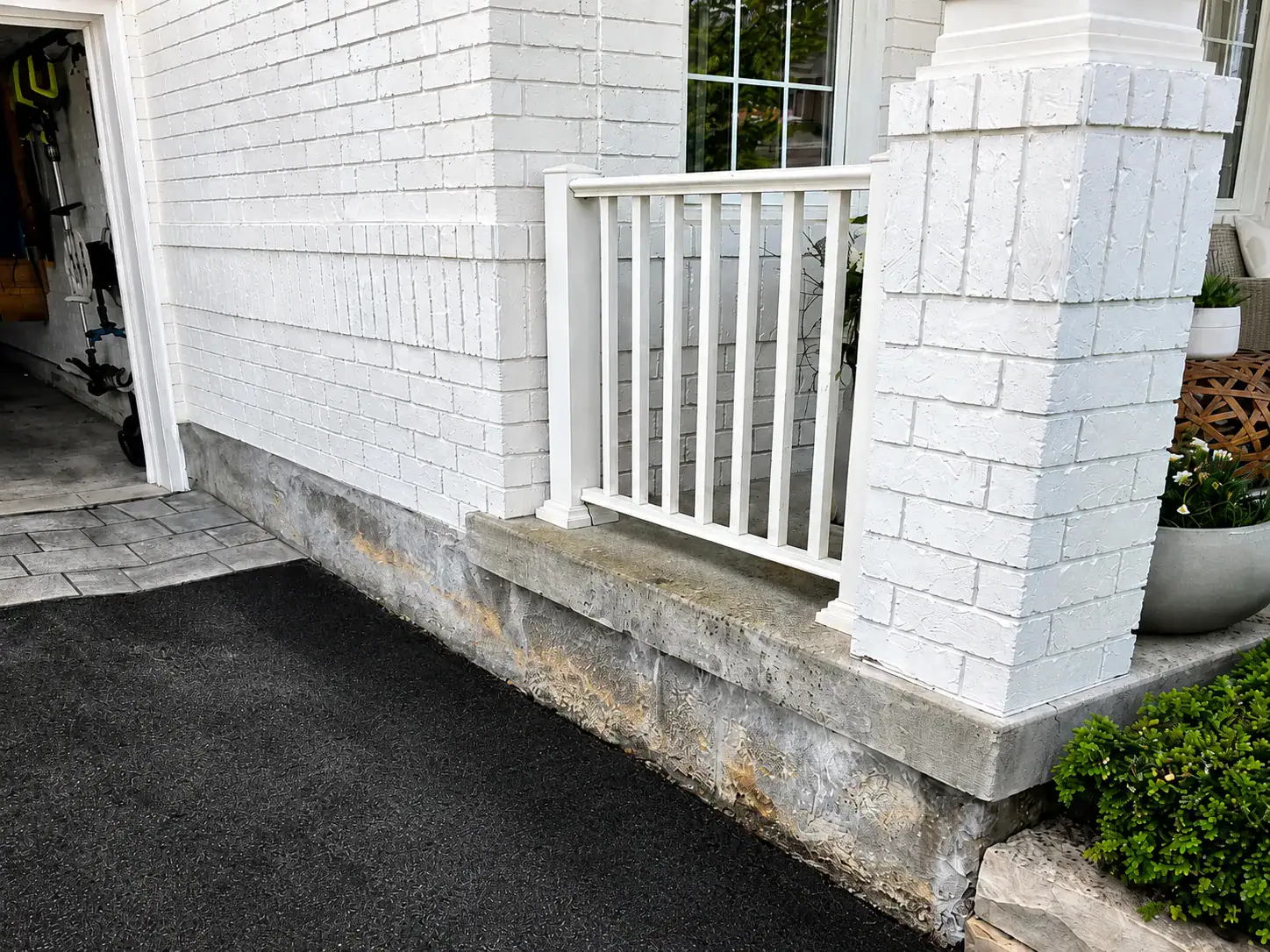
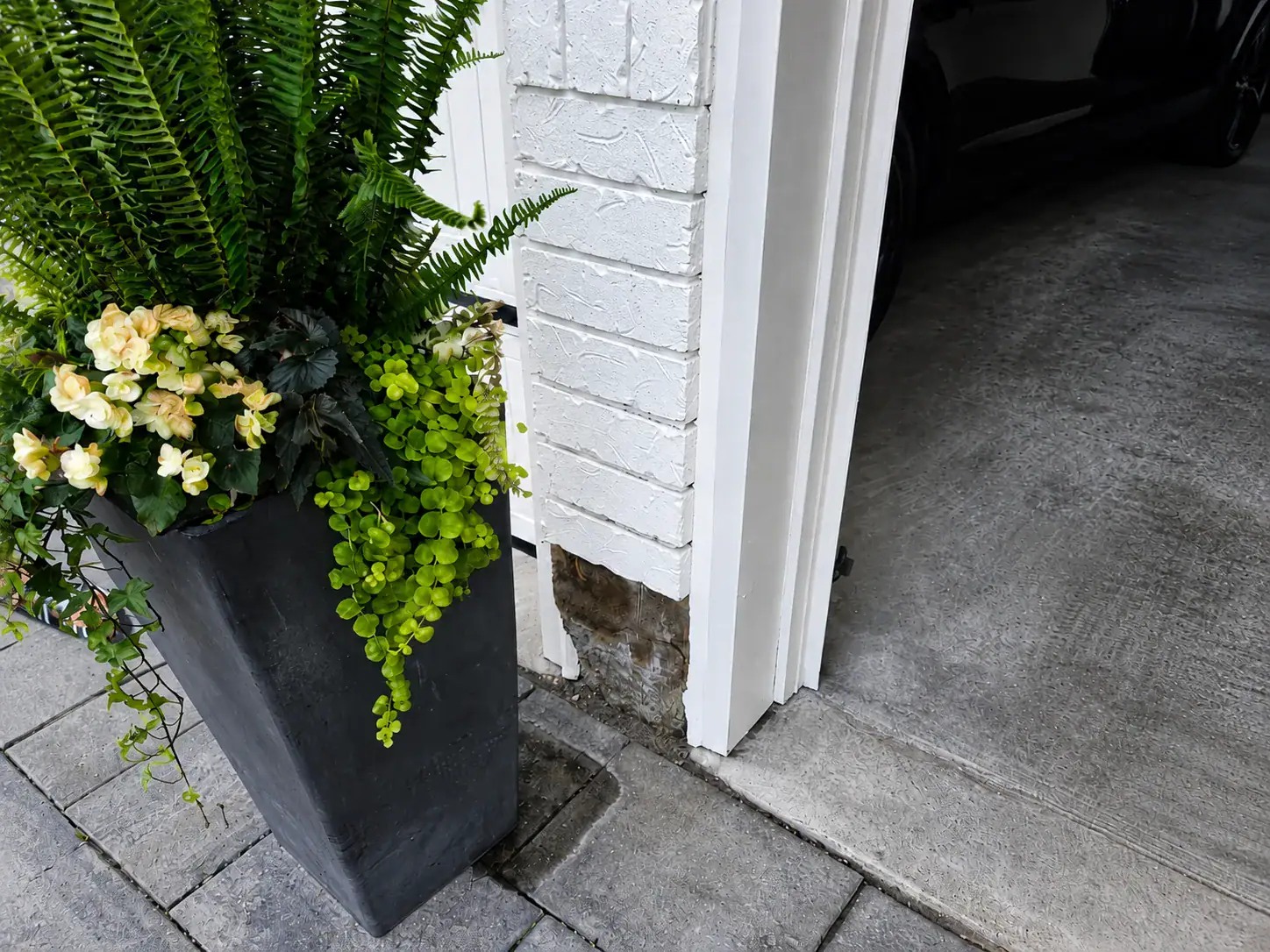
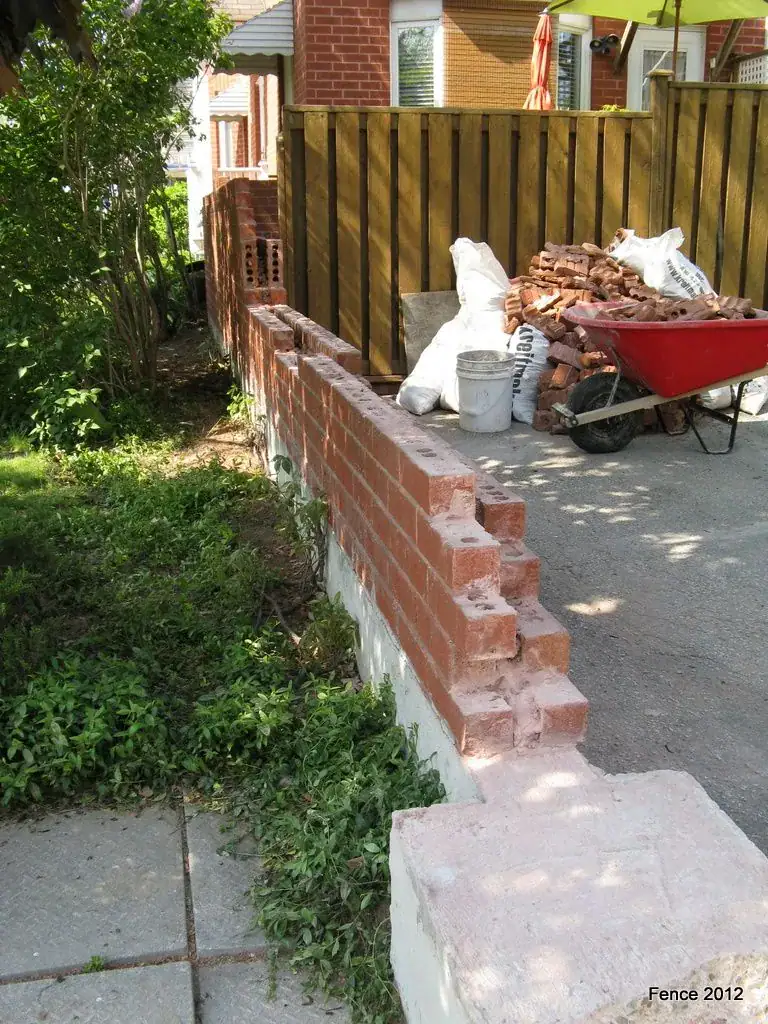
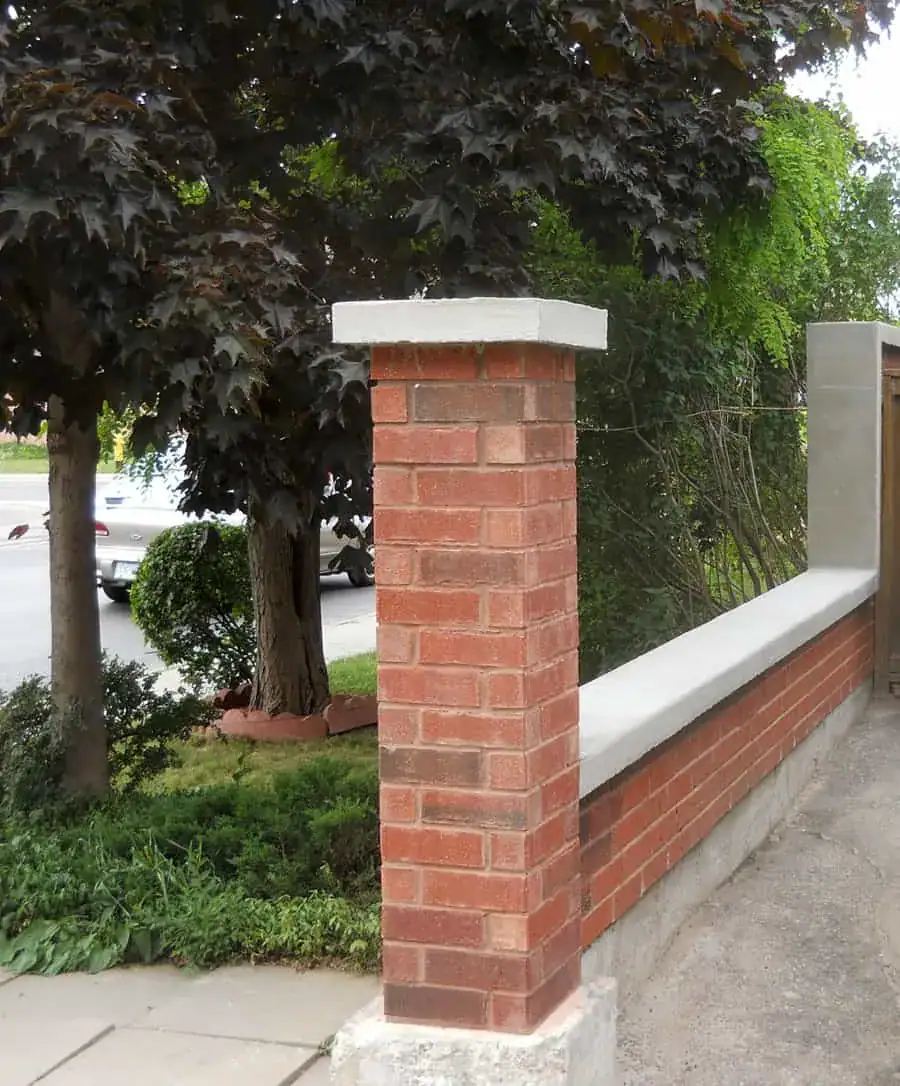
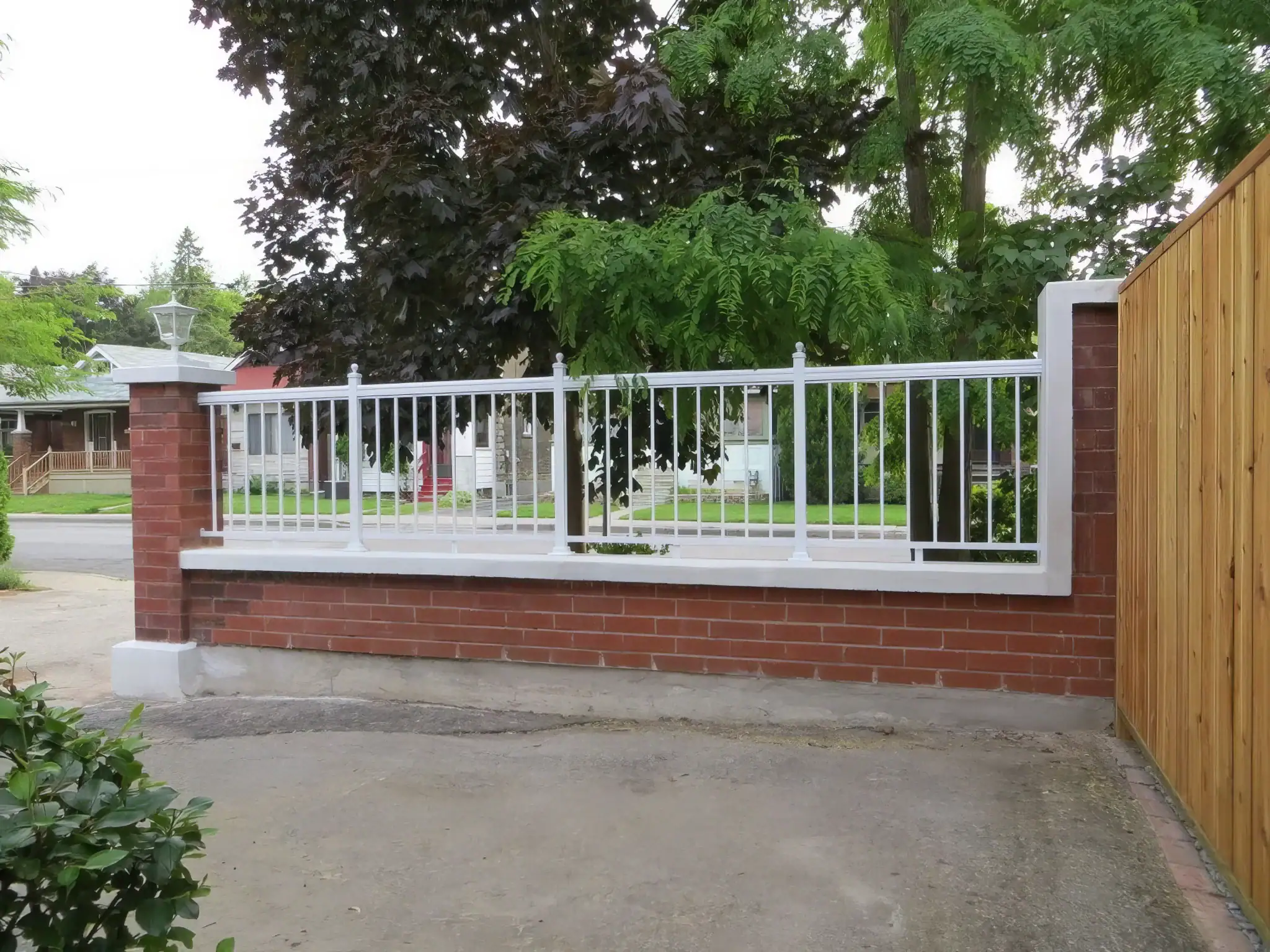
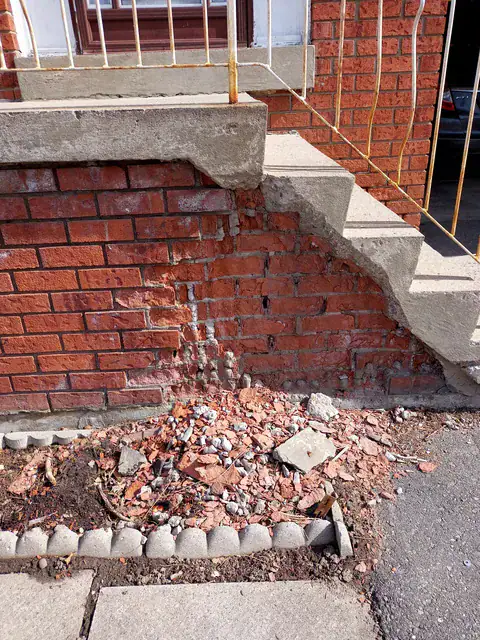
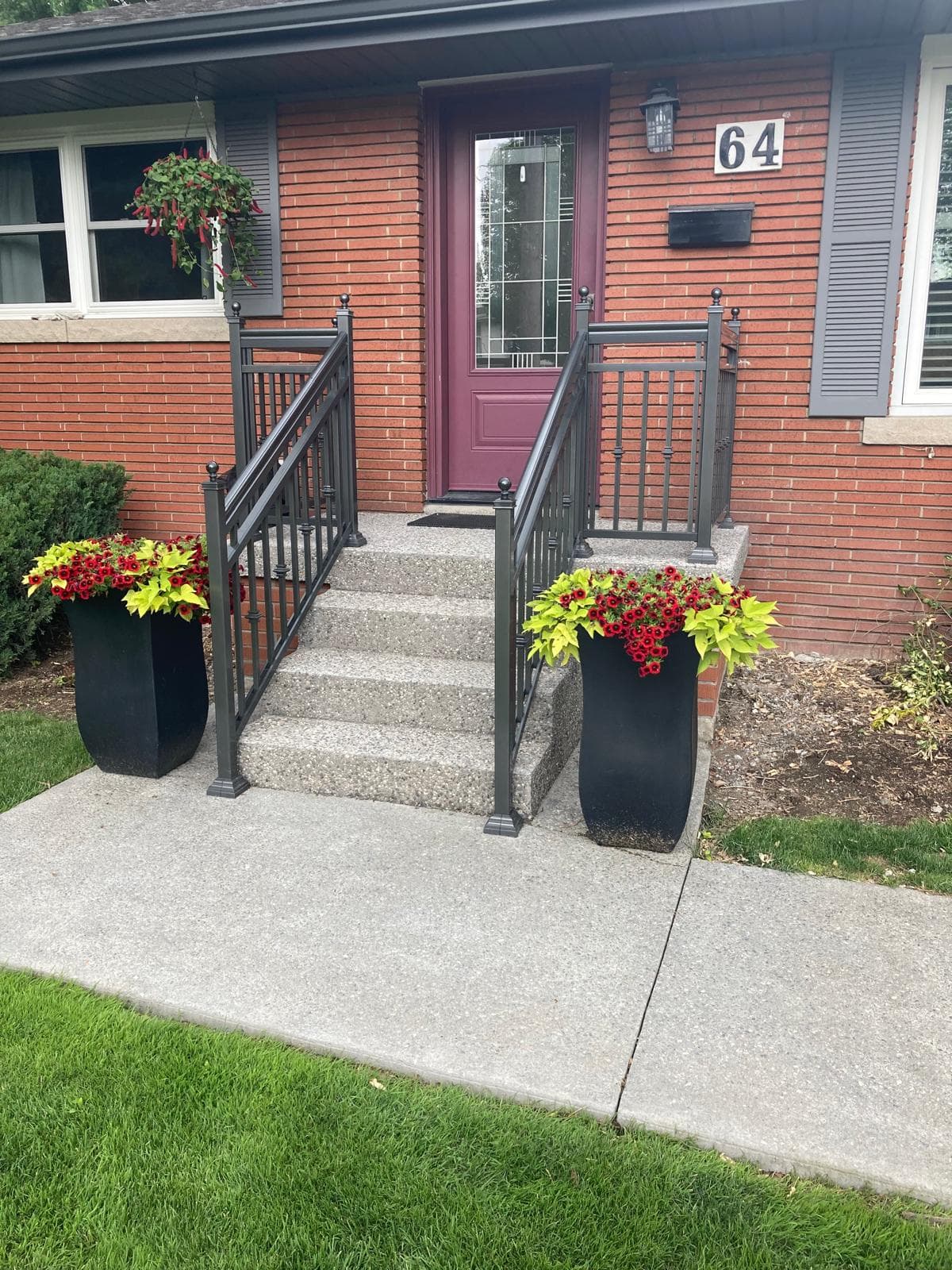
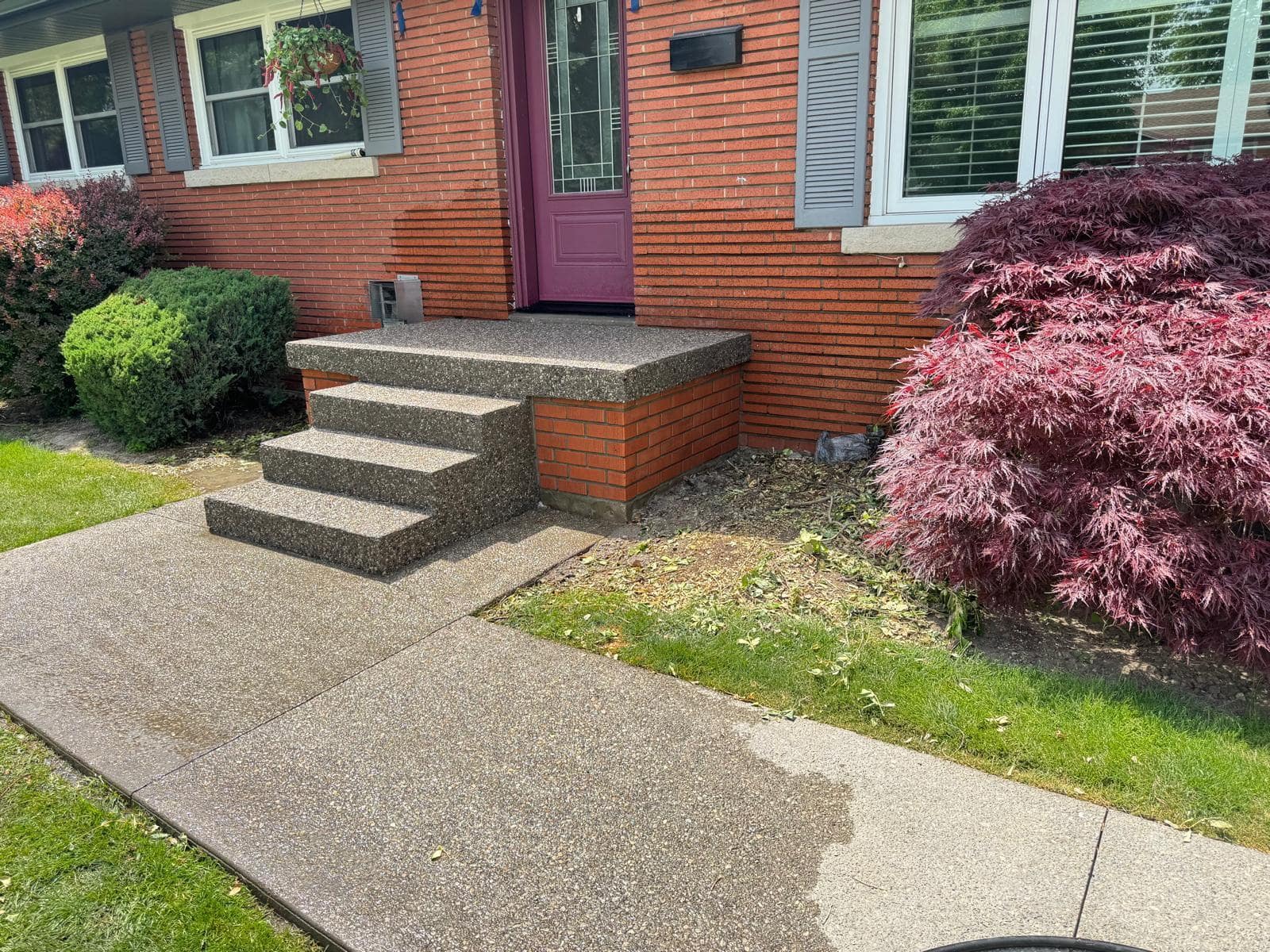
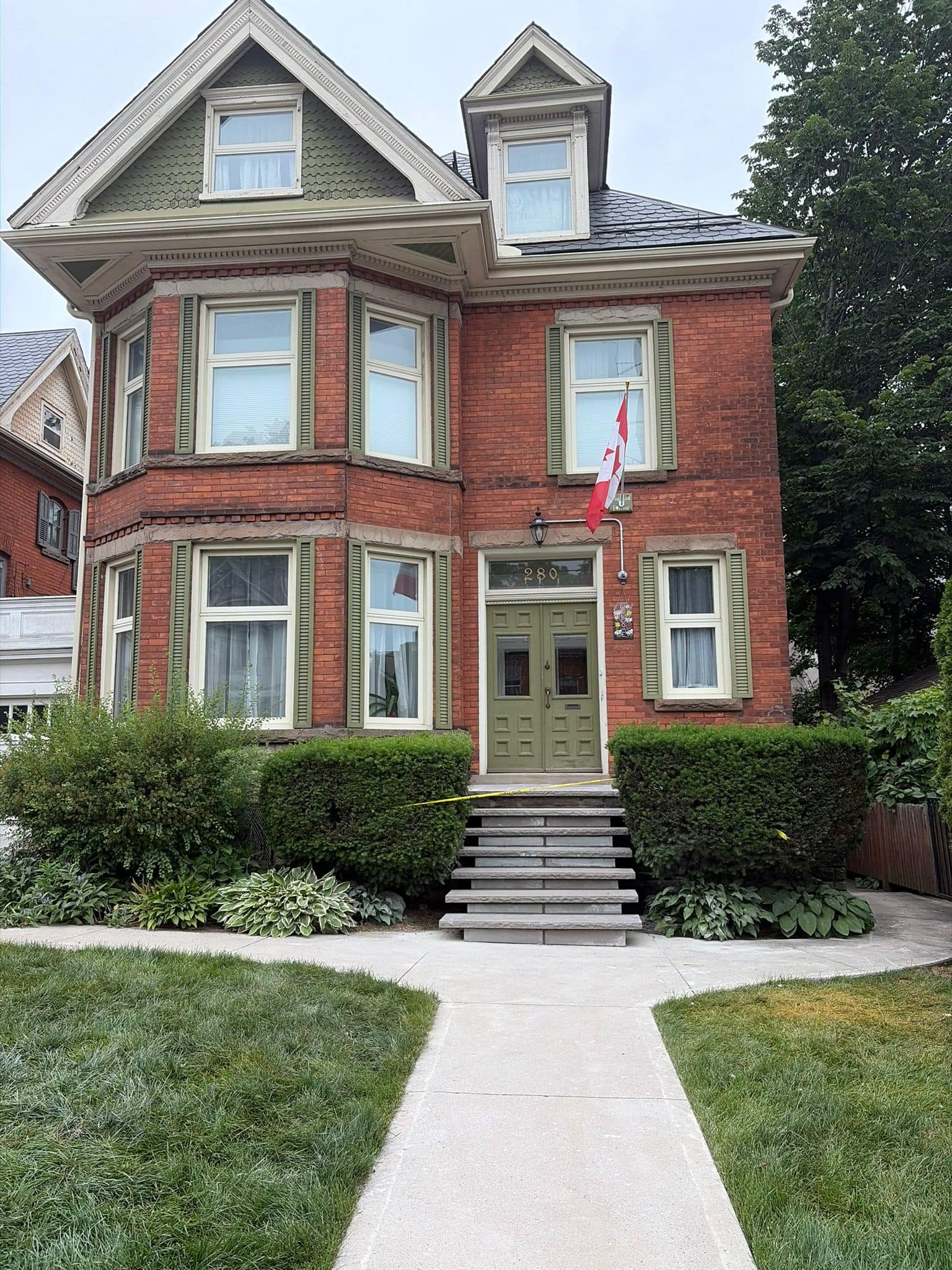
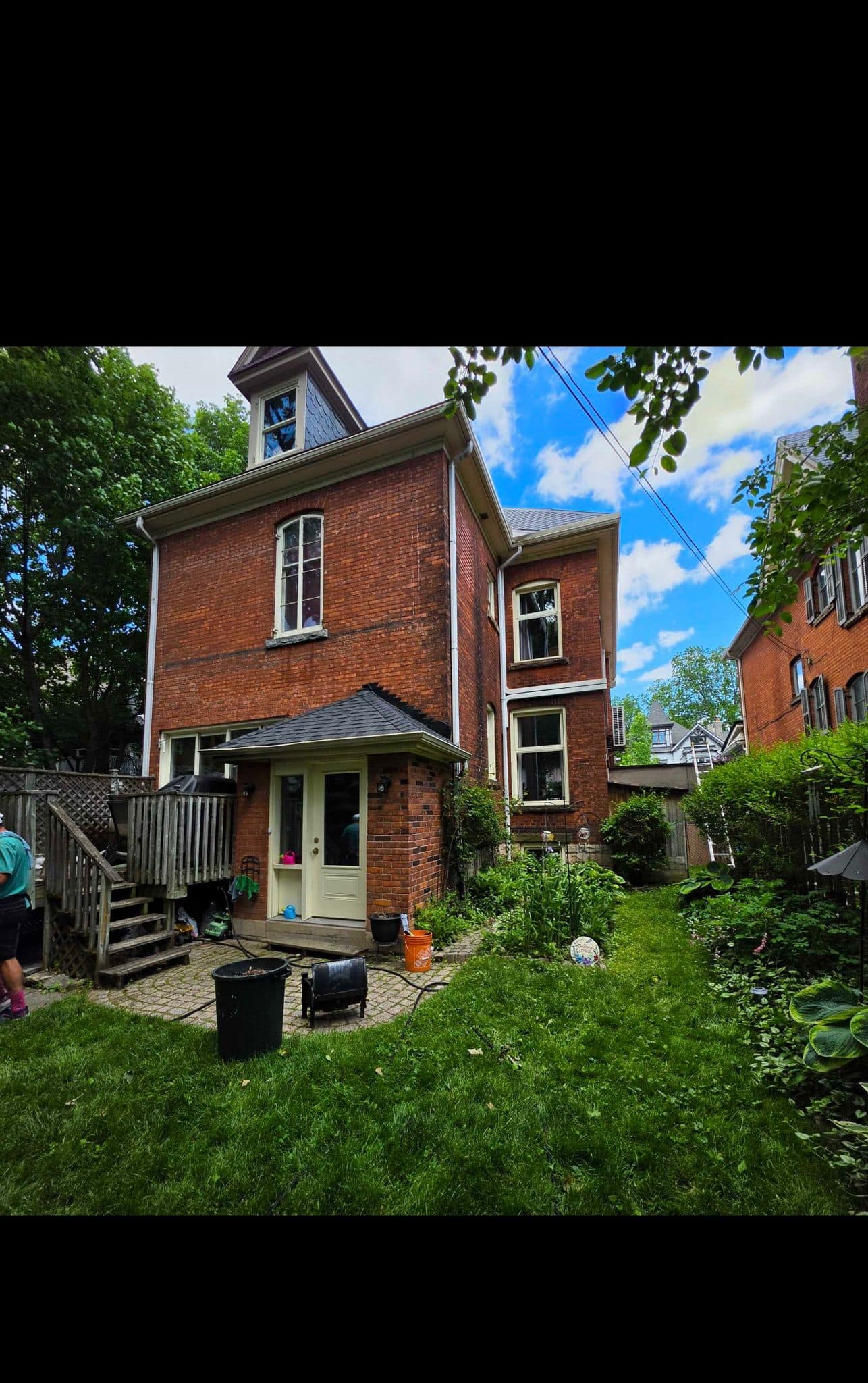
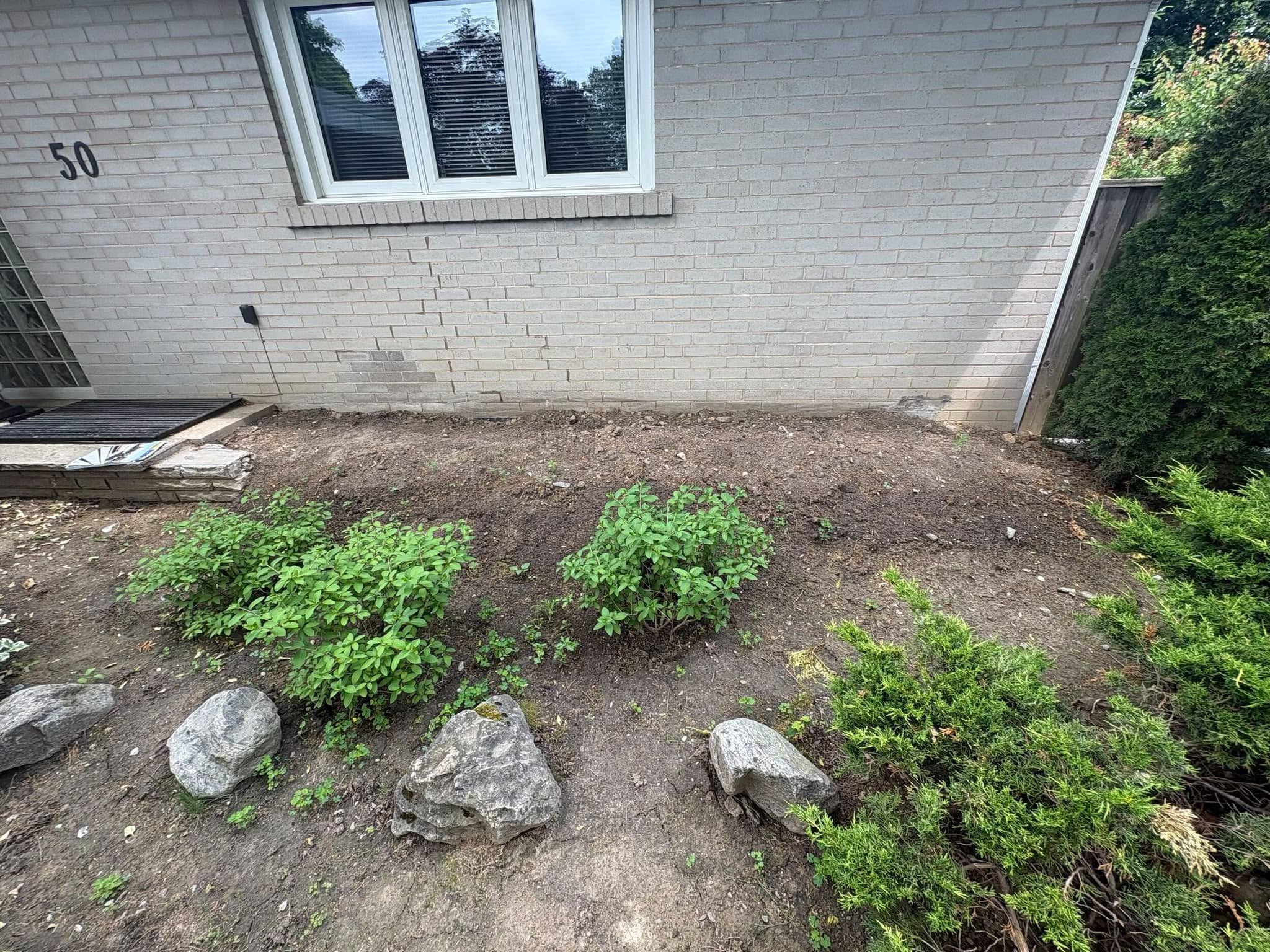
Brick is common across Toronto homes because it is durable, familiar, and well-suited to many older properties. Brick walls can help slow heat movement, but they need sound mortar joints and proper water management. If the mortar is cracked, missing, or soft, the wall may allow more moisture and air movement than it should. Homeowners dealing with aging brickwork may want to review brick repair in Toronto if damage is affecting the wall’s performance or appearance.
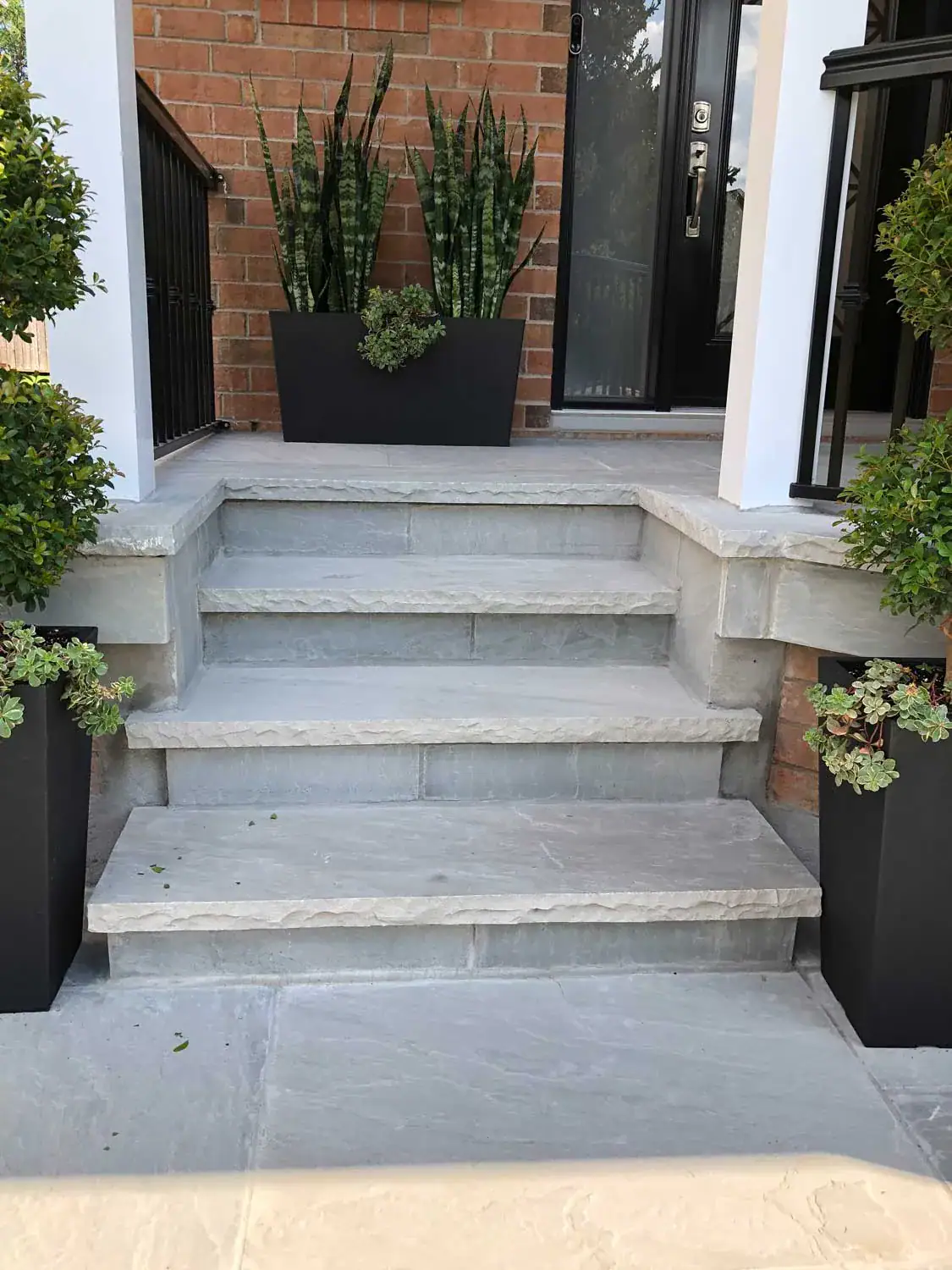
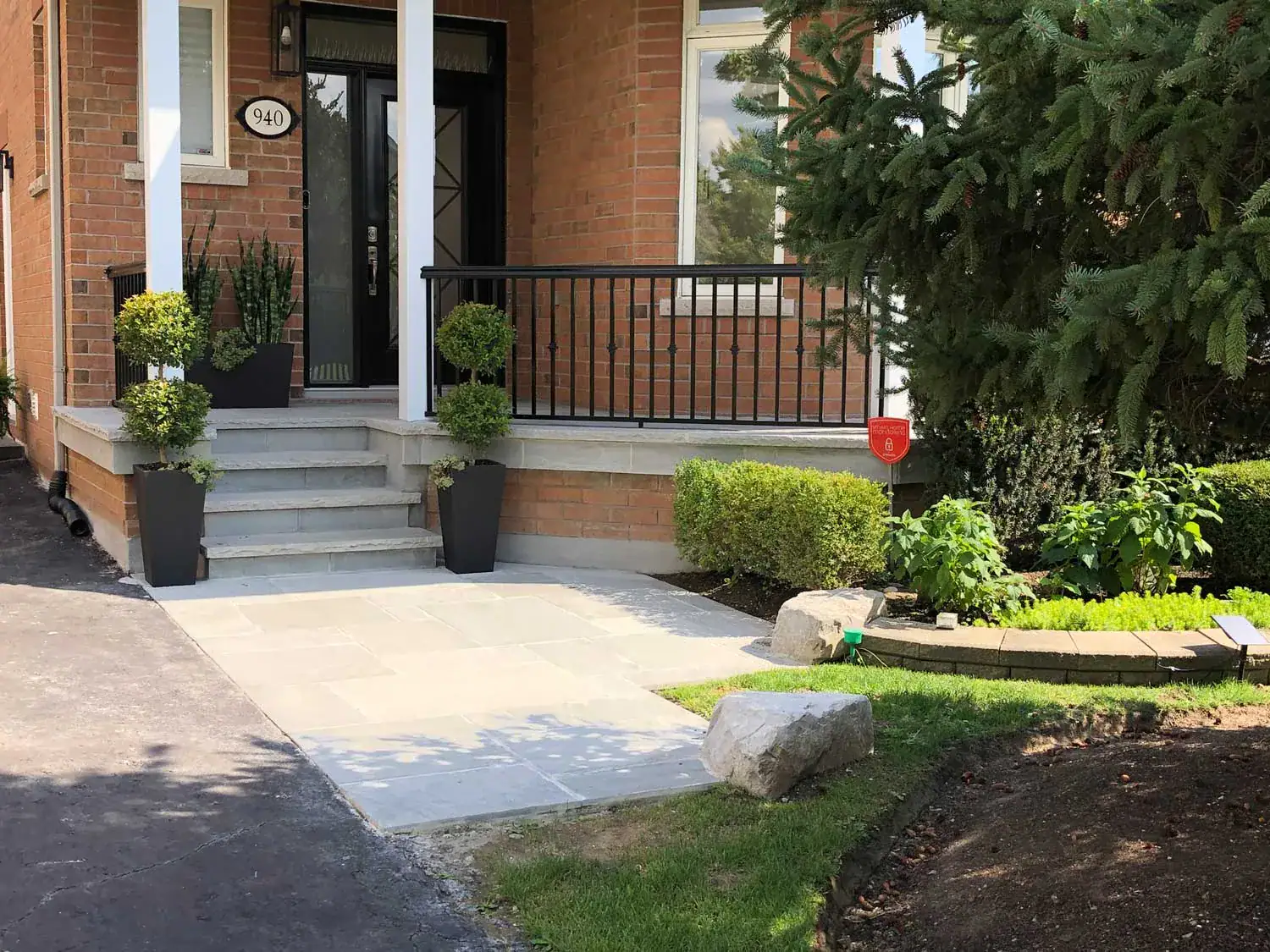
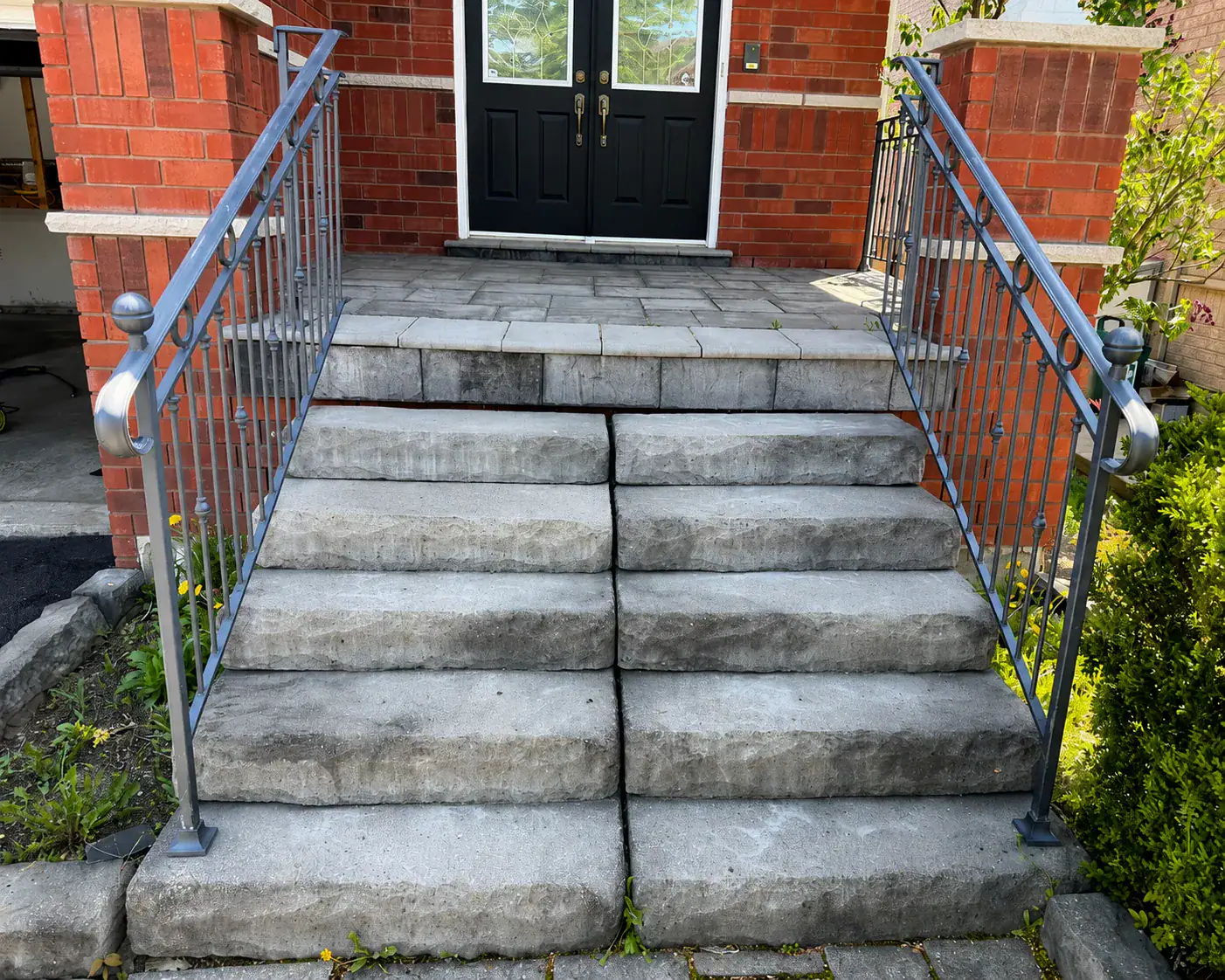
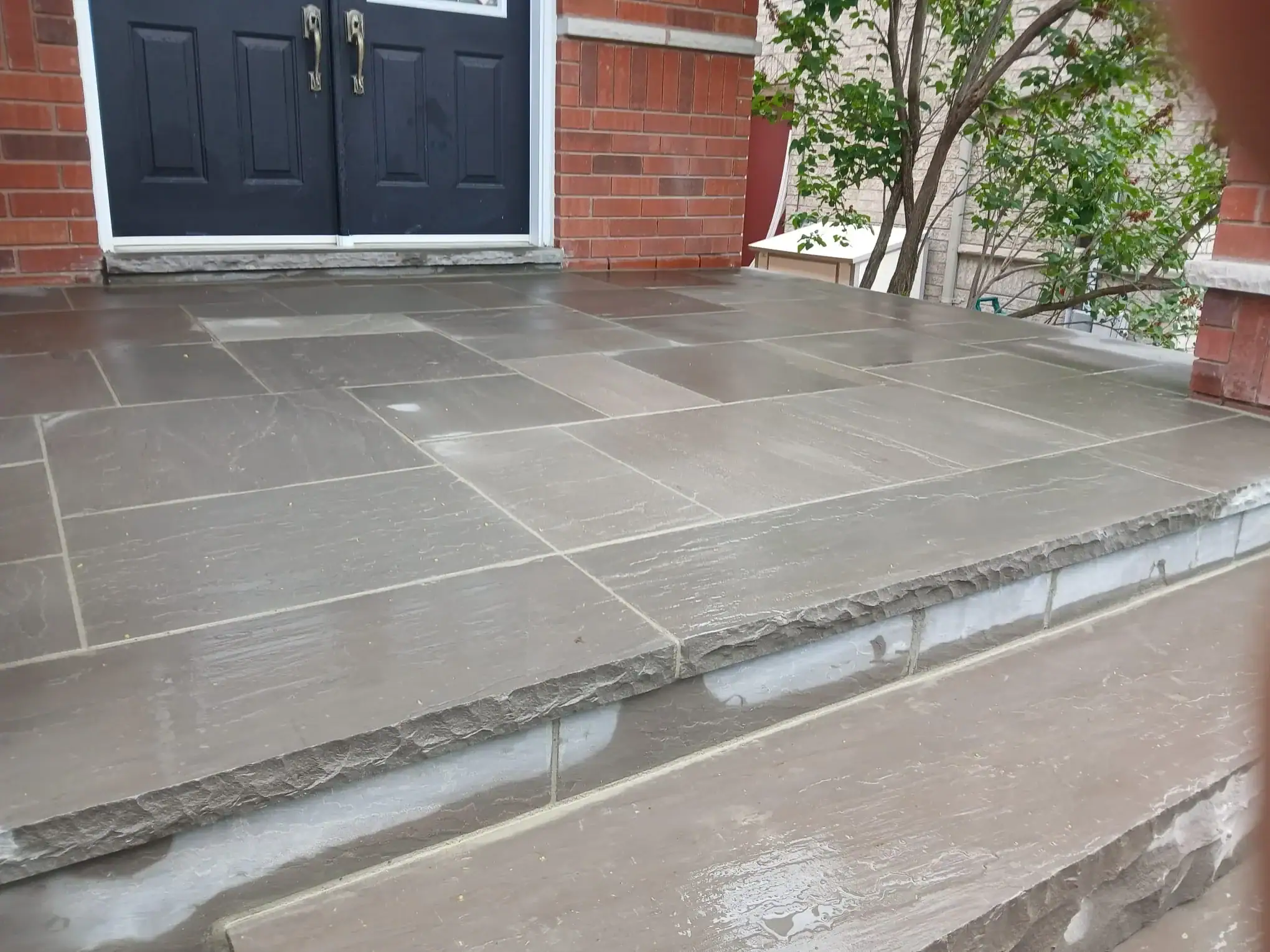
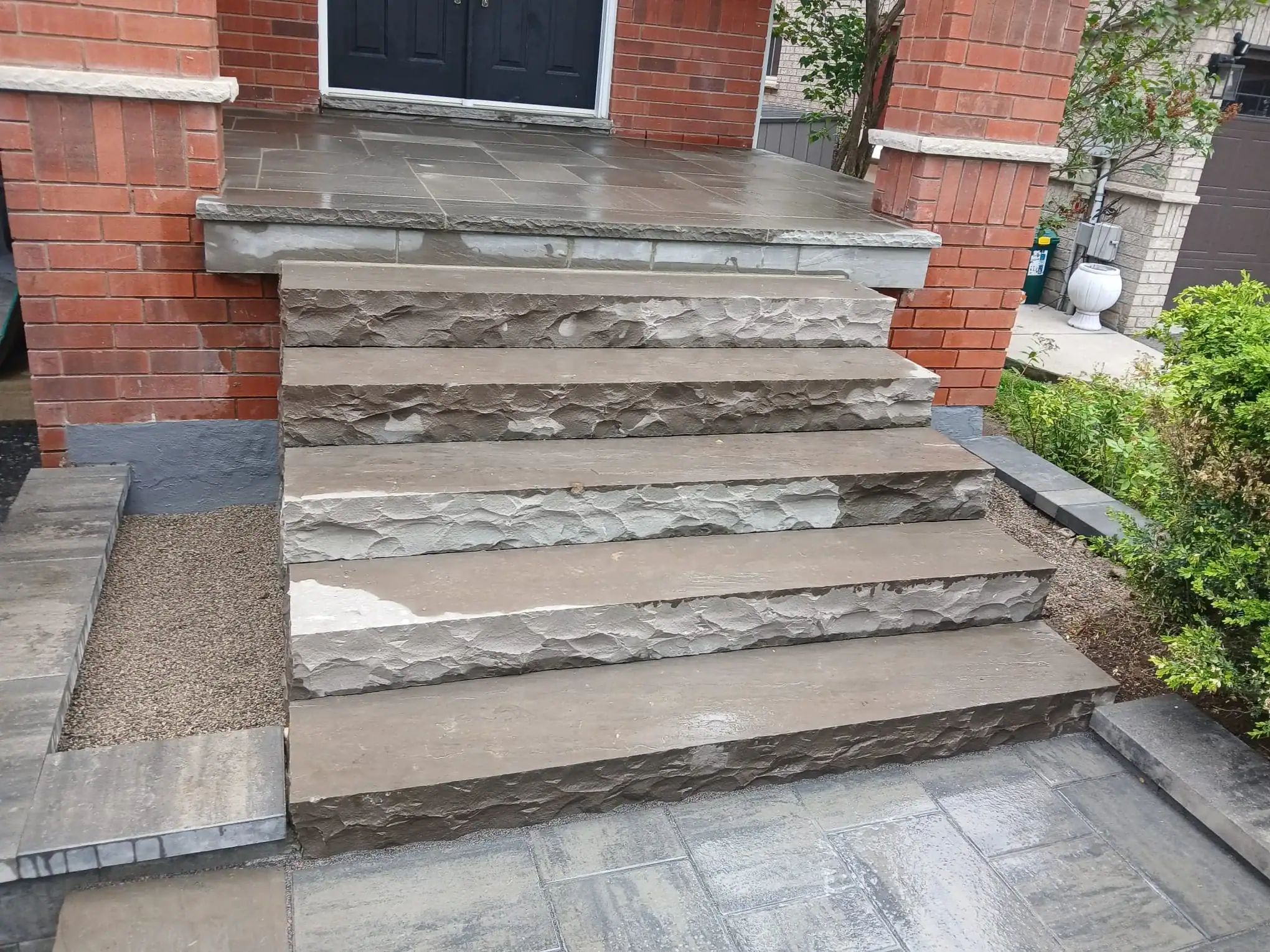
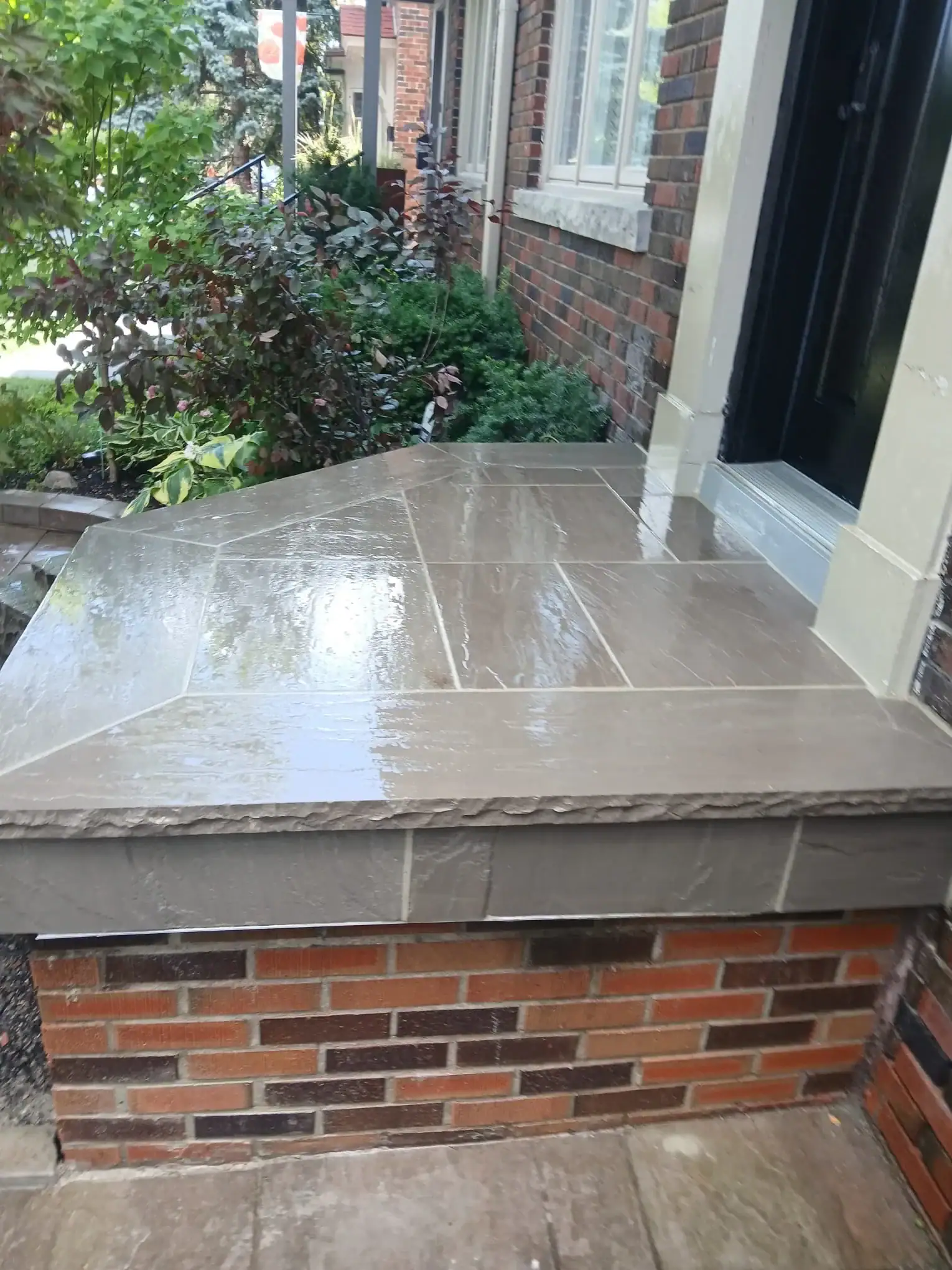
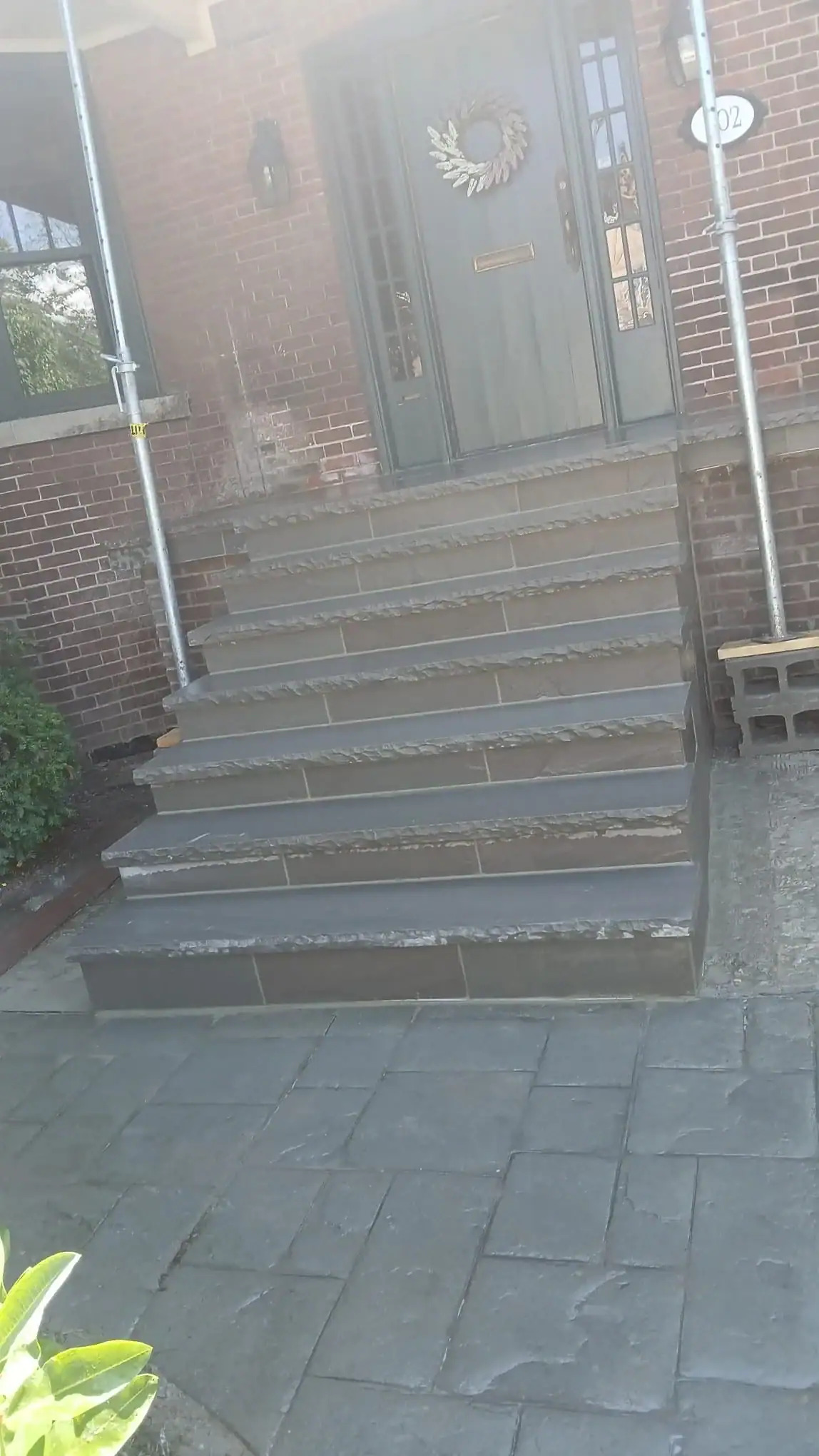
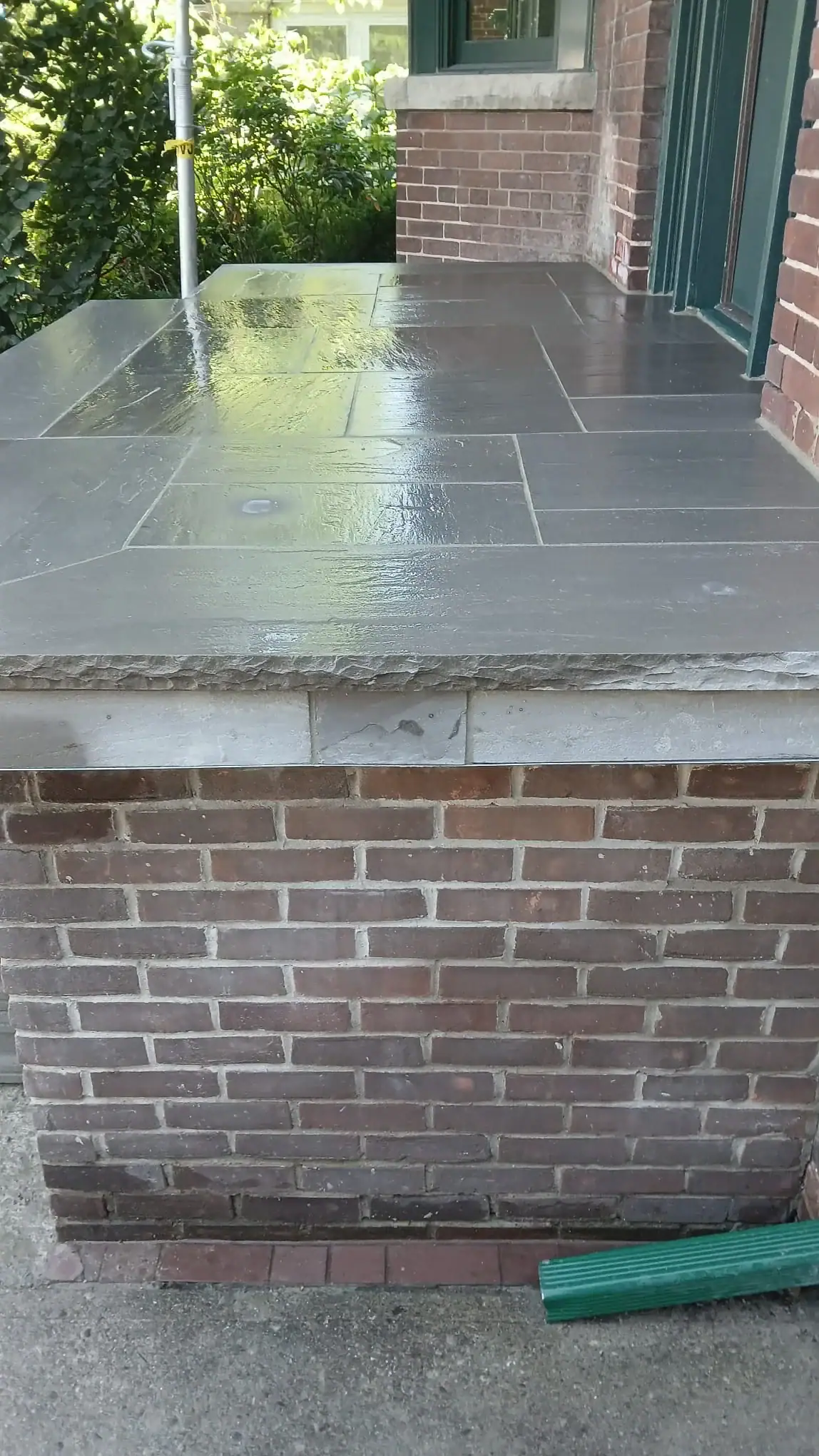
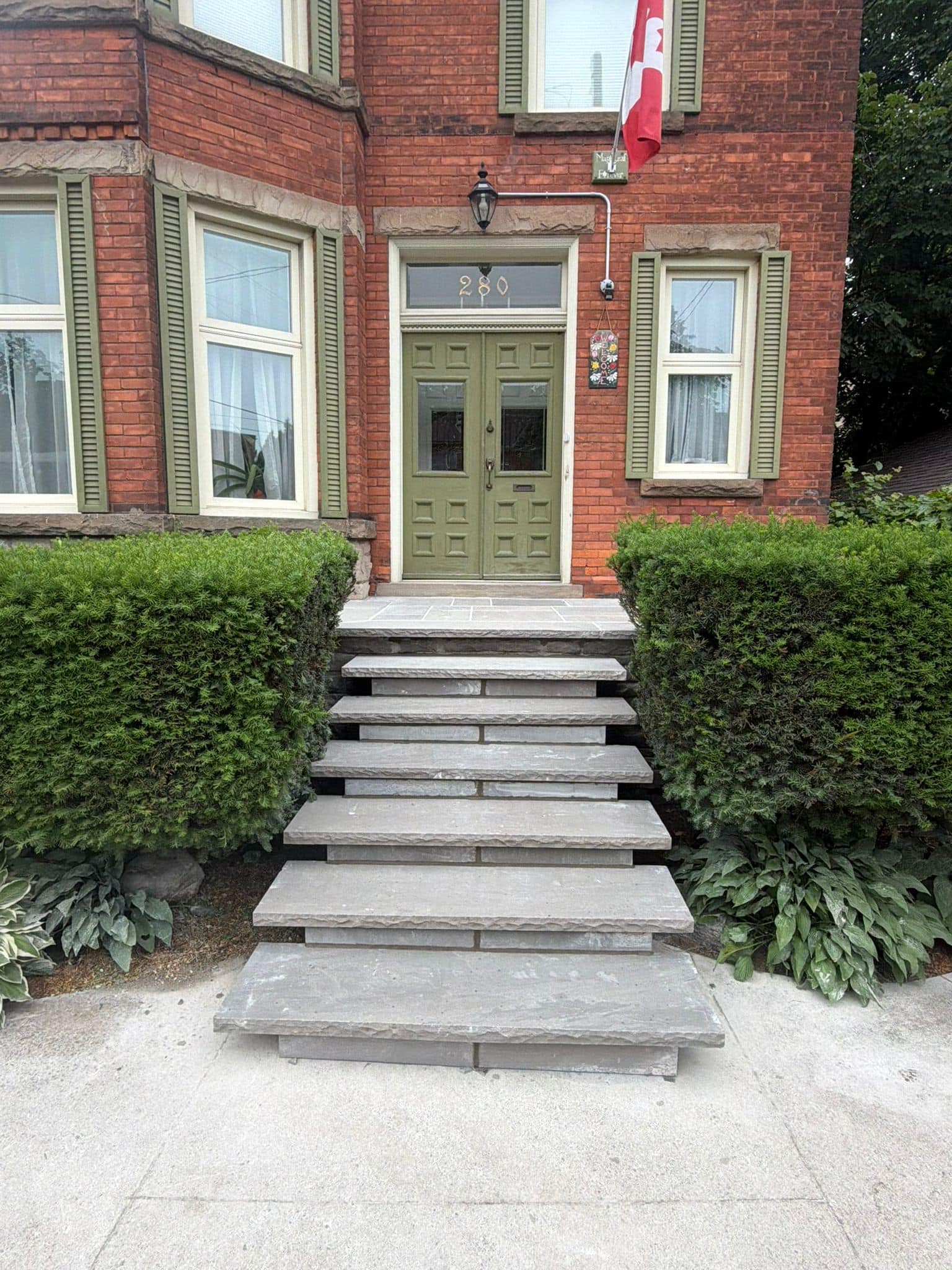
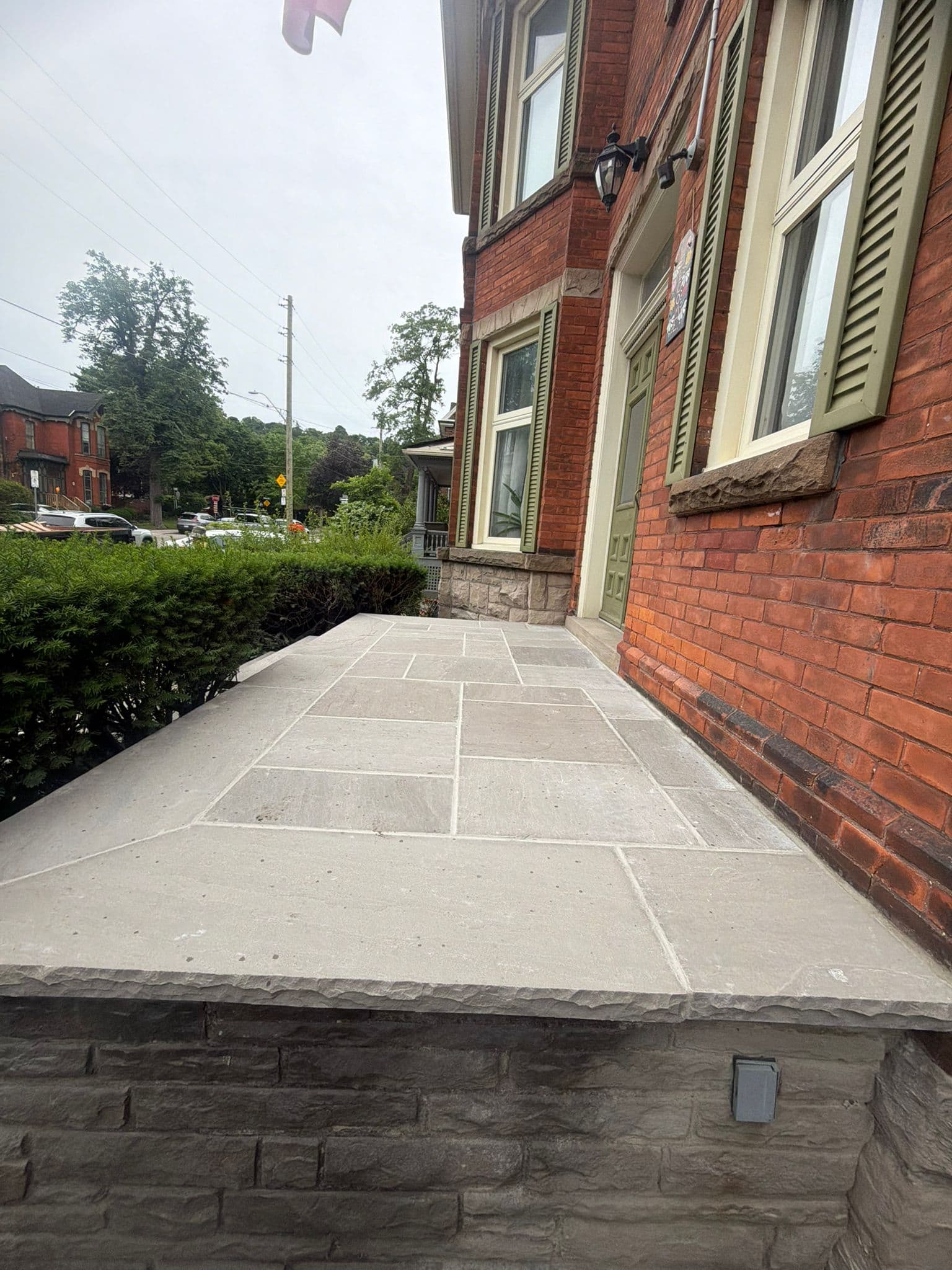
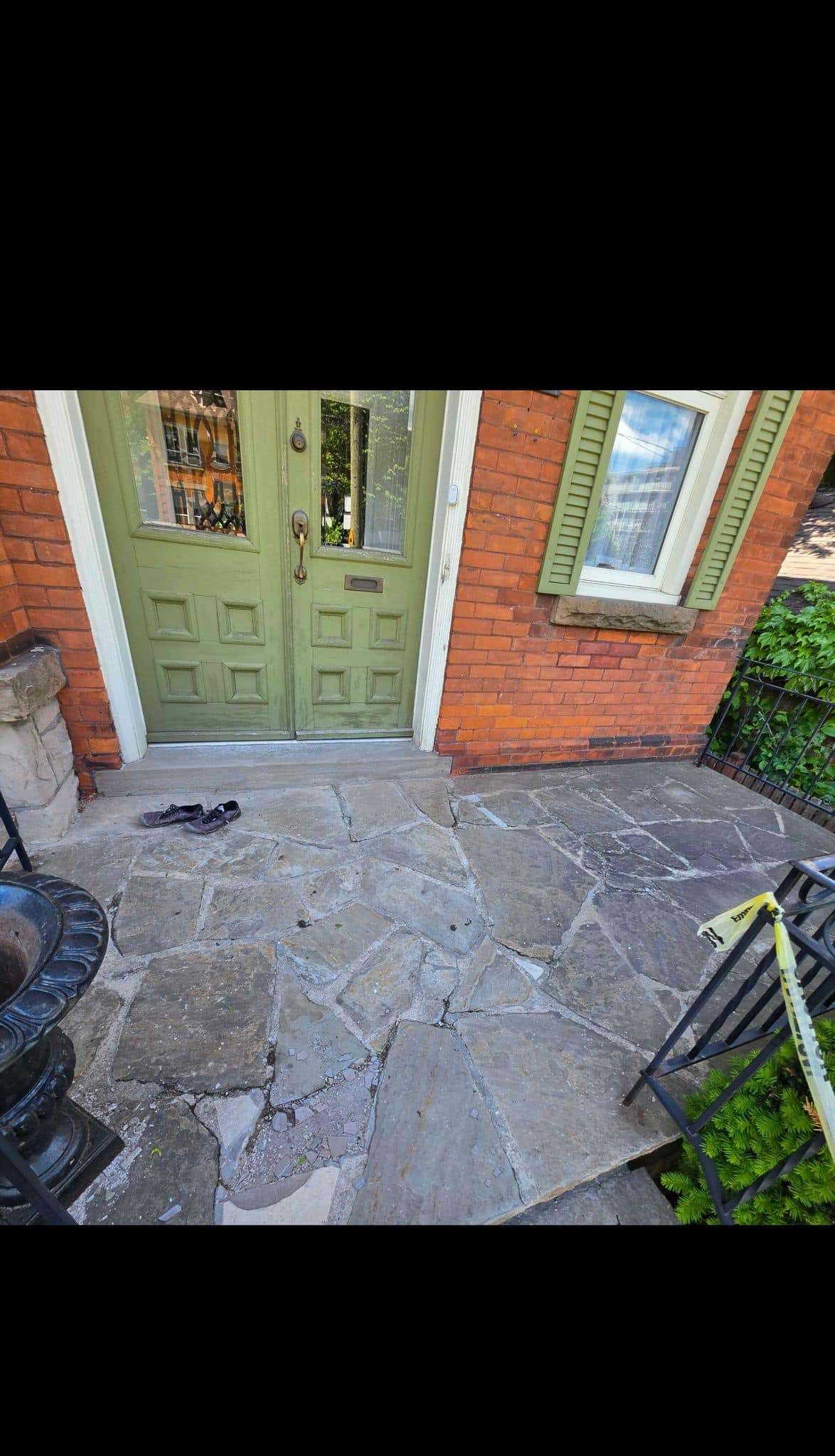
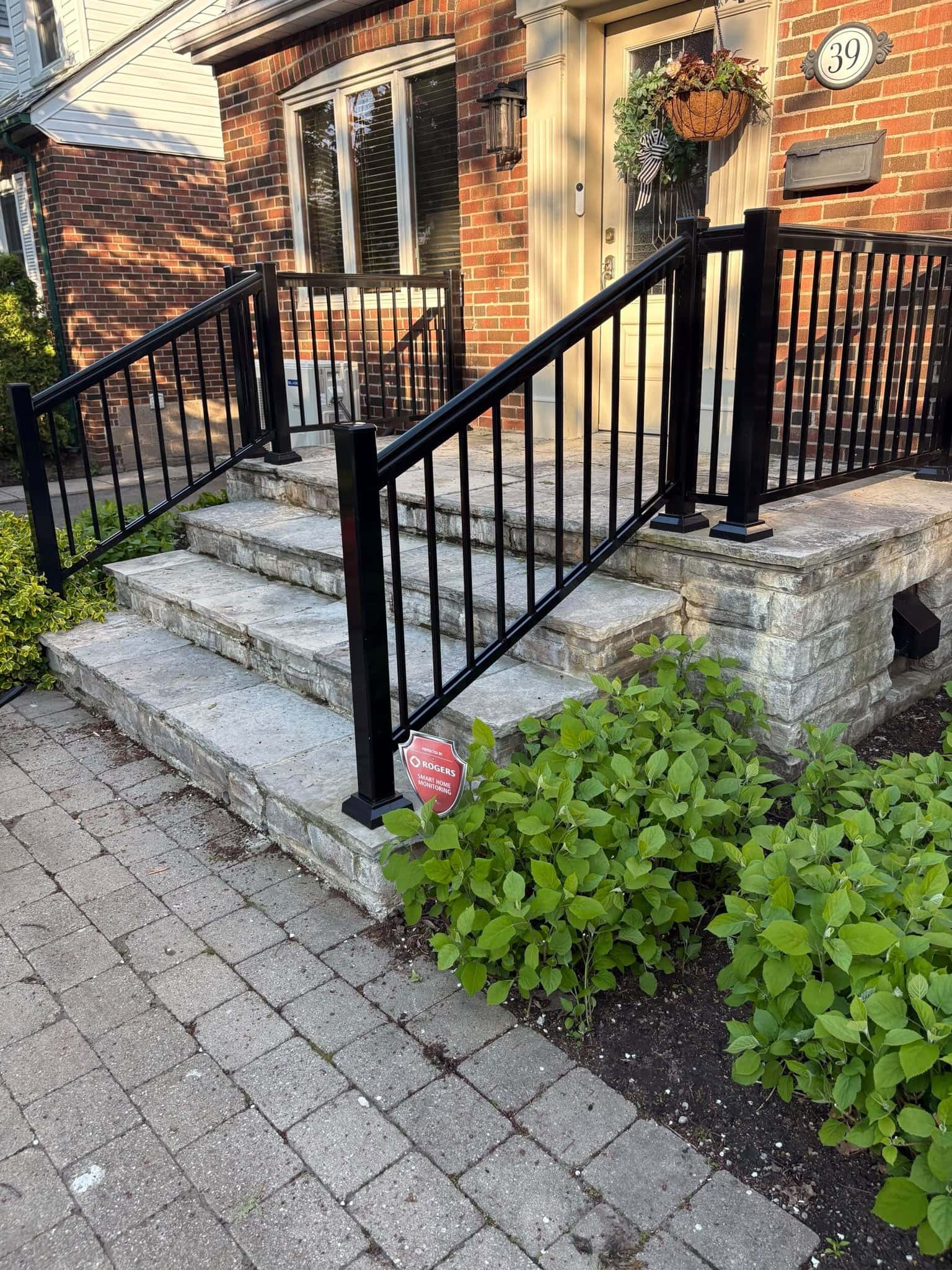
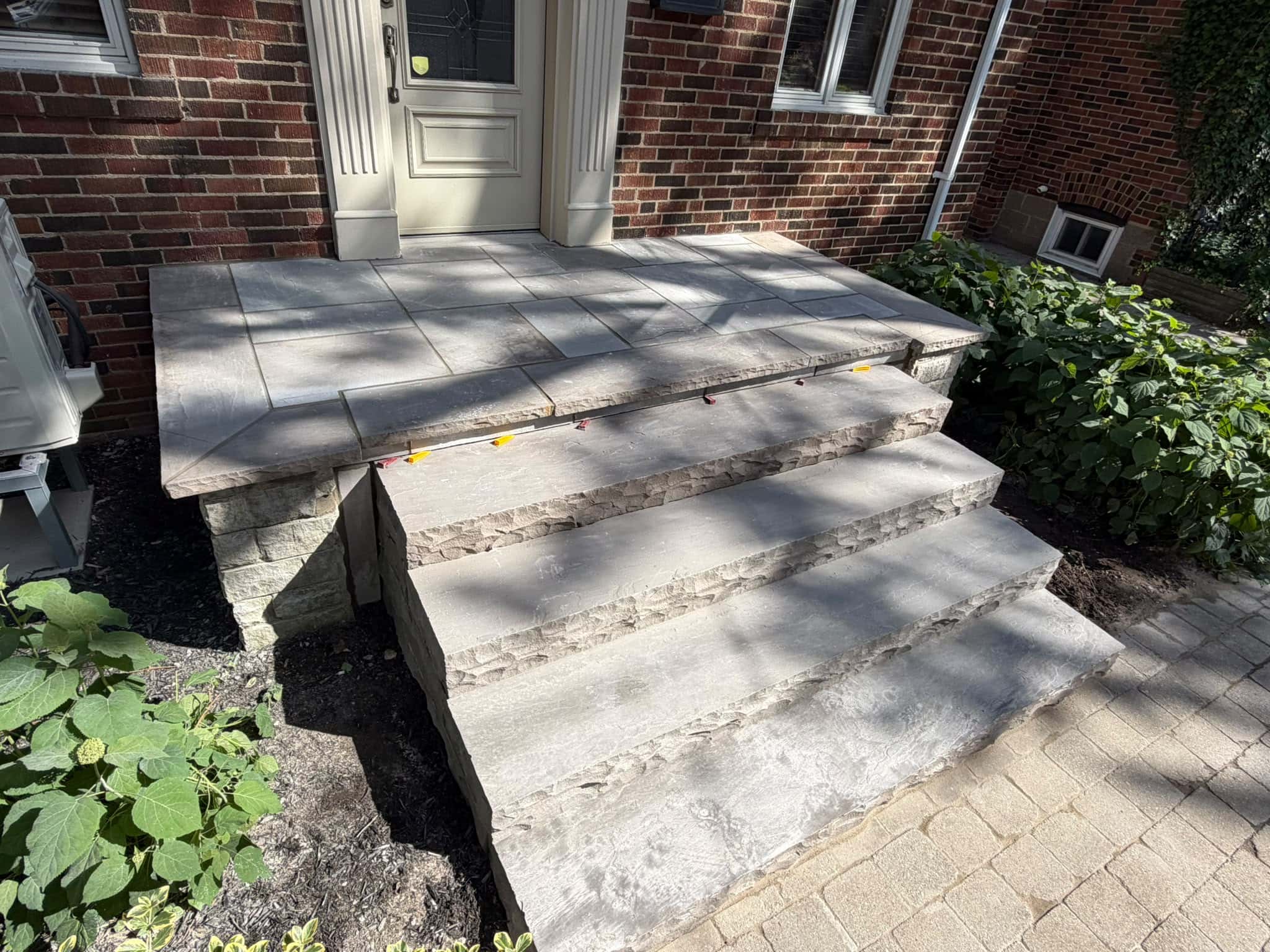
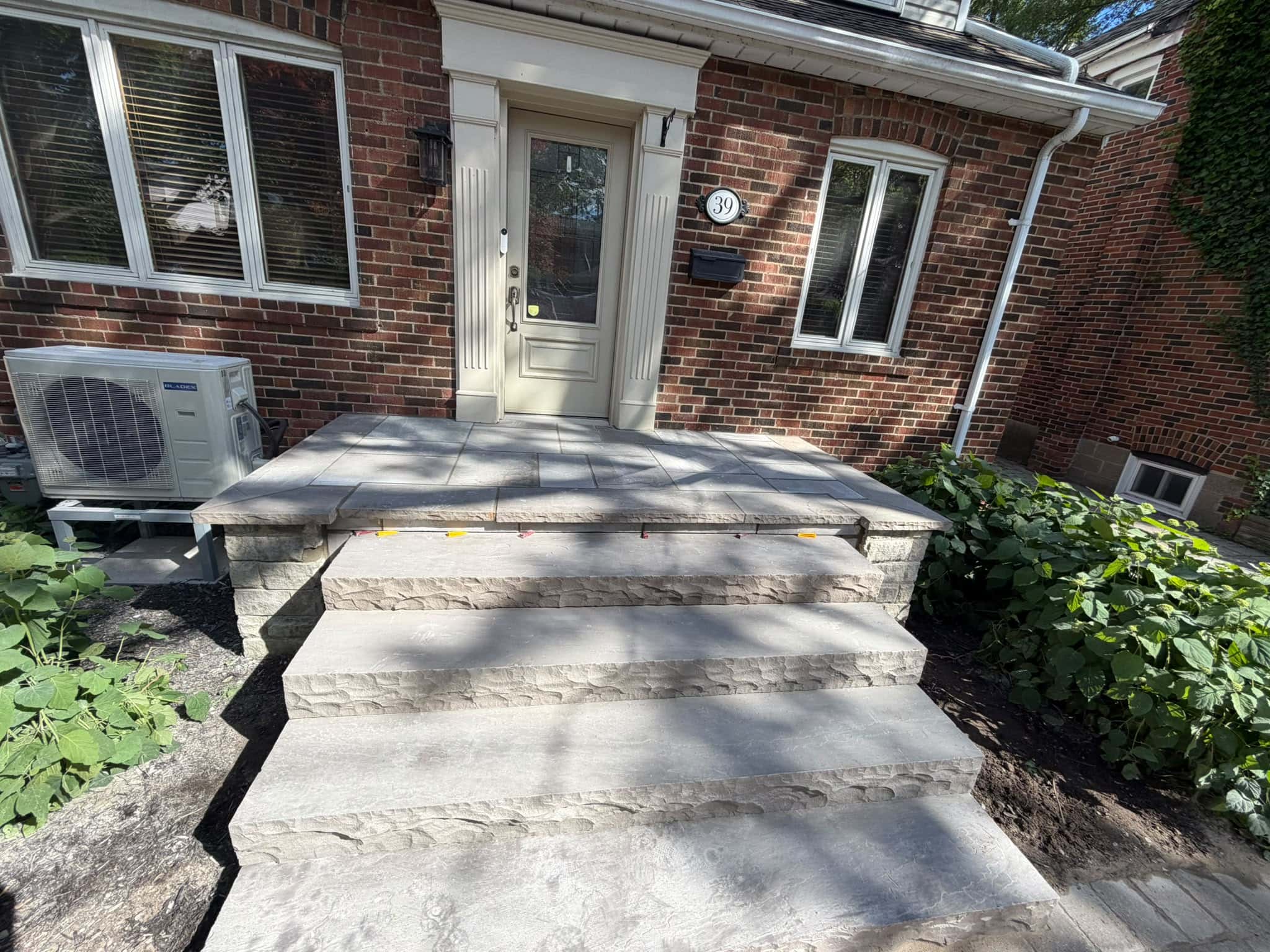
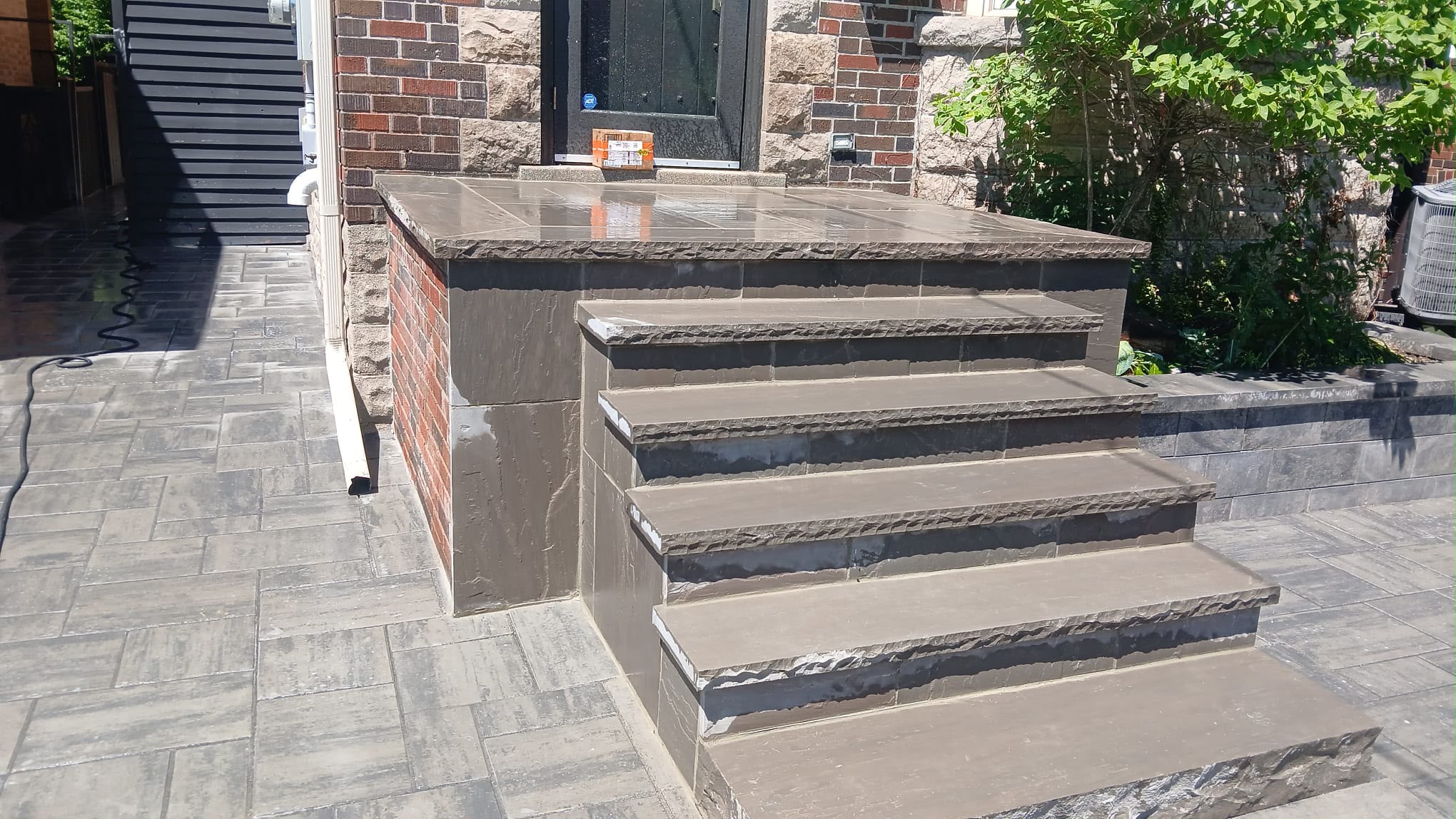
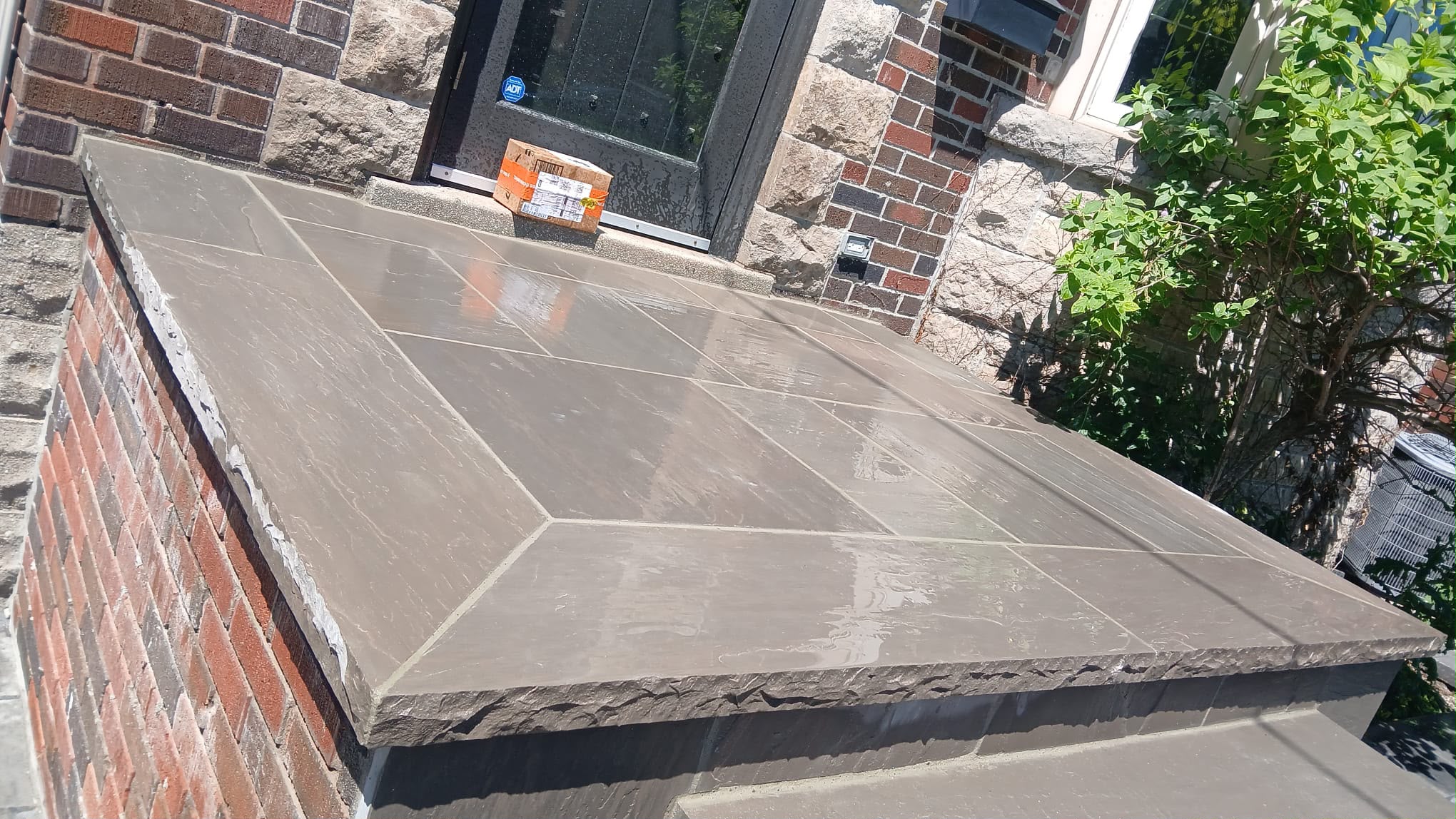
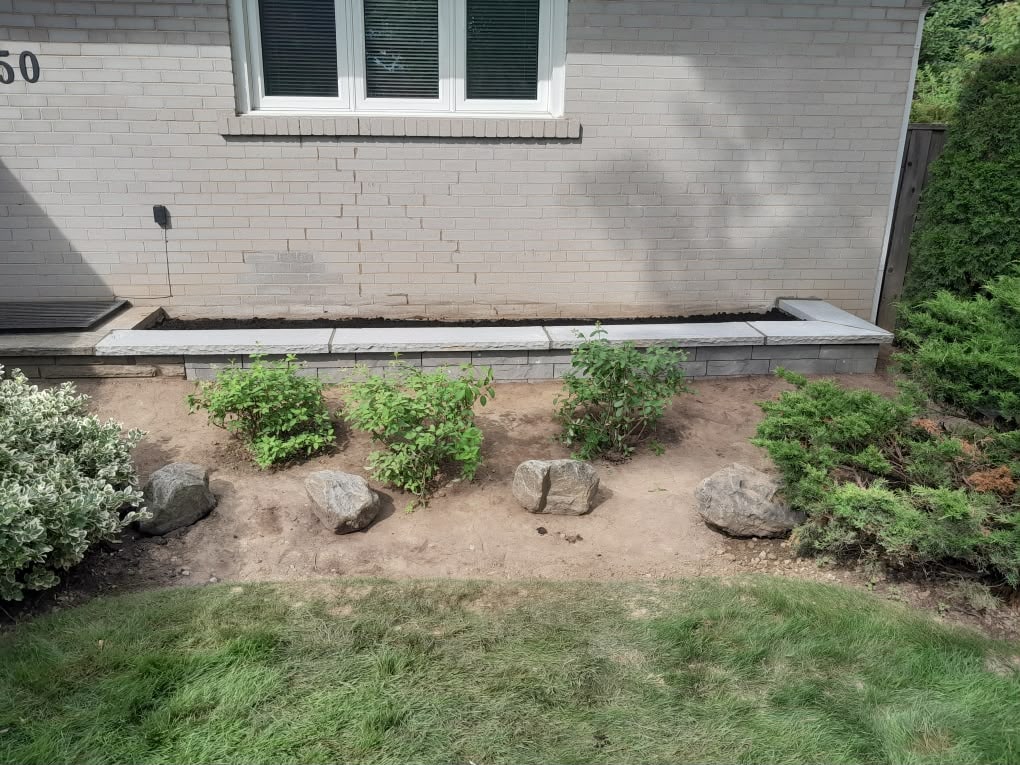
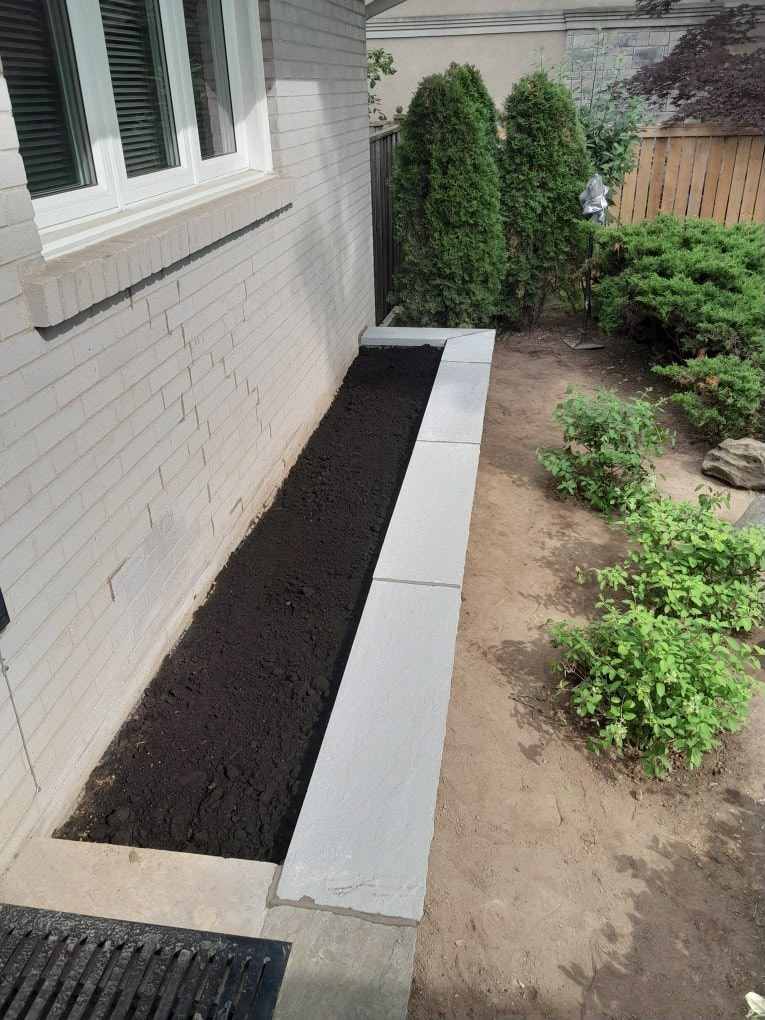
Natural stone is often valued for patios, steps, garden walls, and exterior features. Stone can feel cooler than some manufactured surfaces when shaded, and it can complement Toronto landscaping. However, dense stone exposed to direct sunlight can still absorb and hold heat. Placement matters. Stone works best for comfort when paired with shade, planting beds, and lighter surrounding materials.
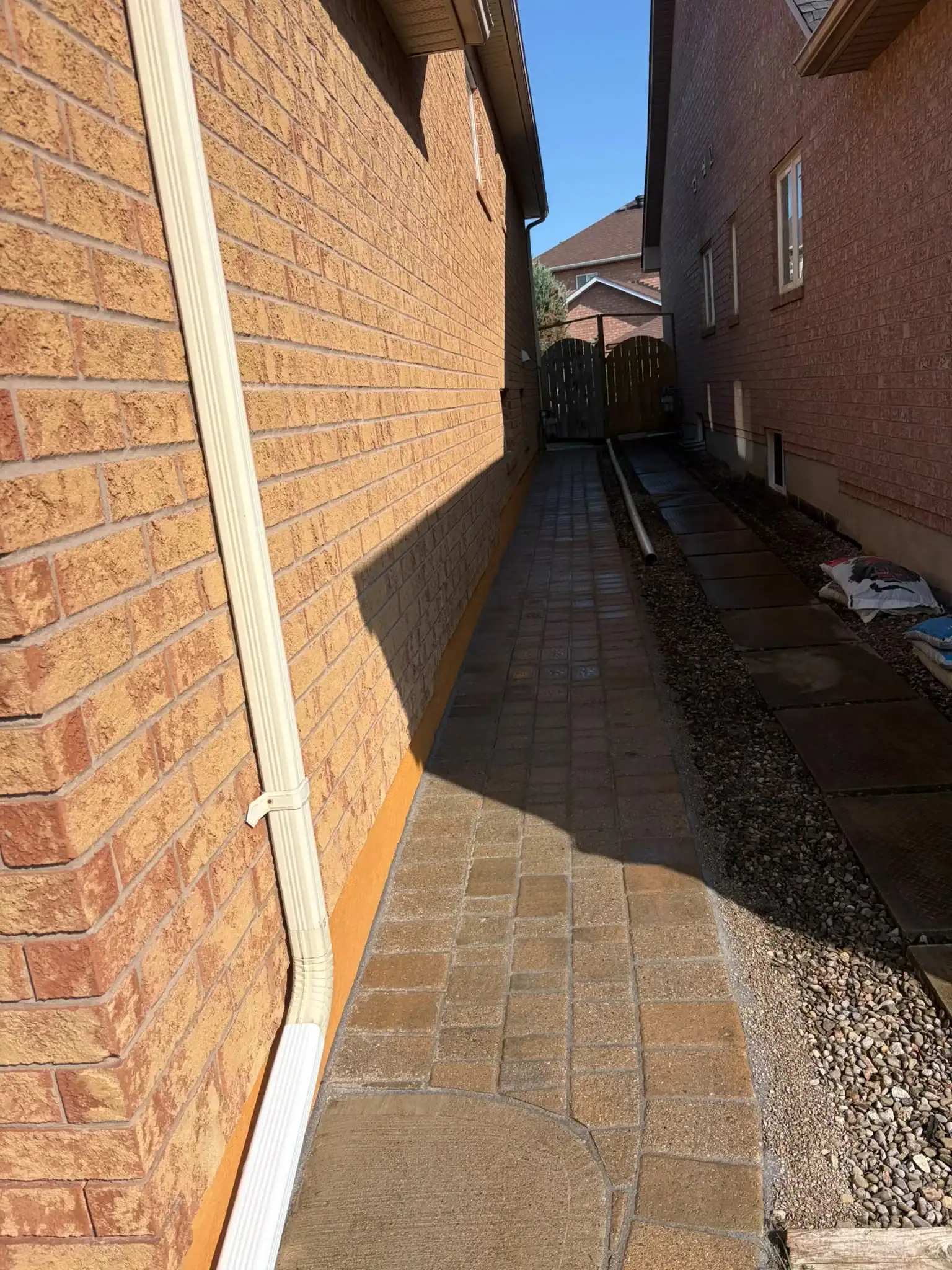
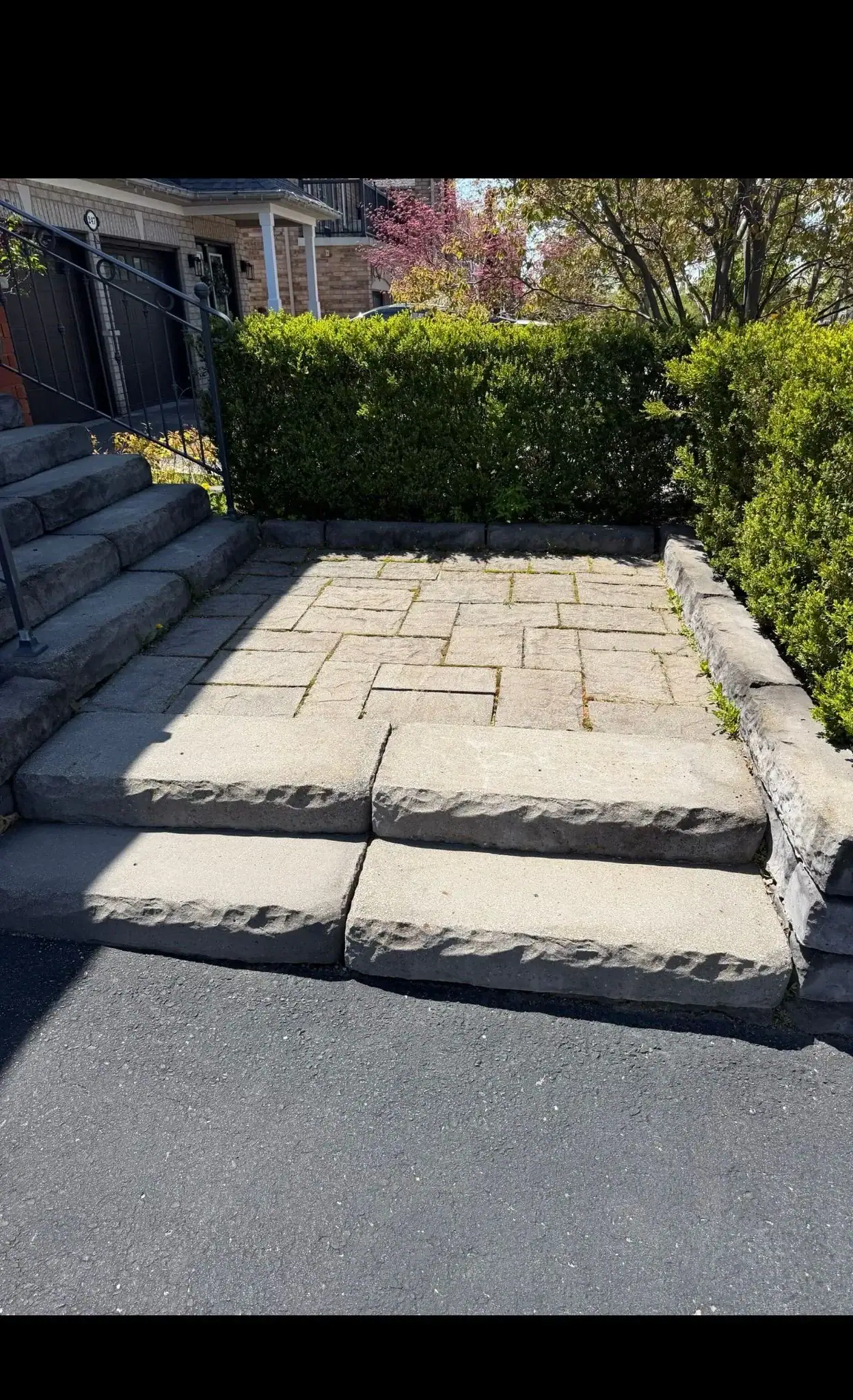
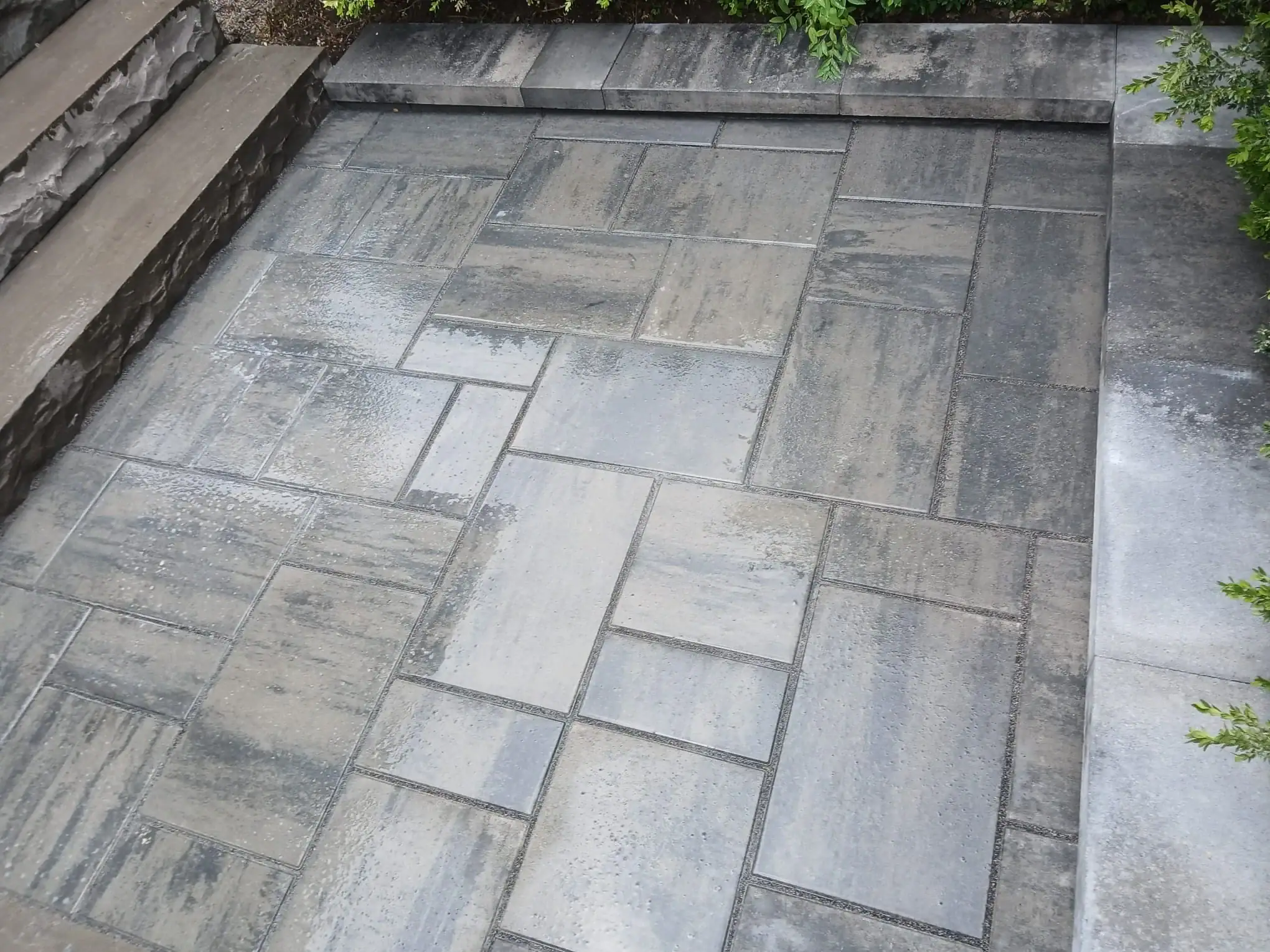
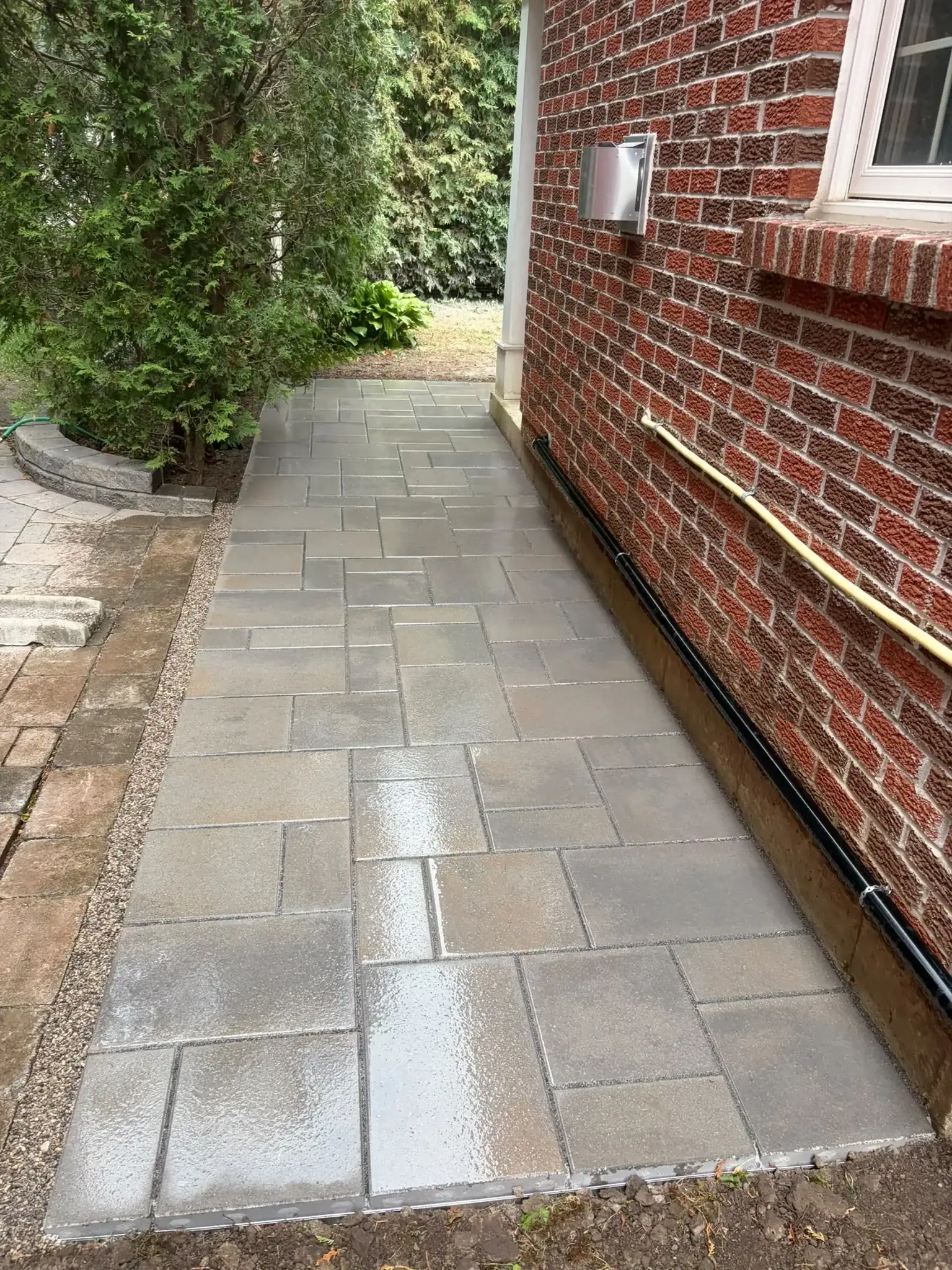
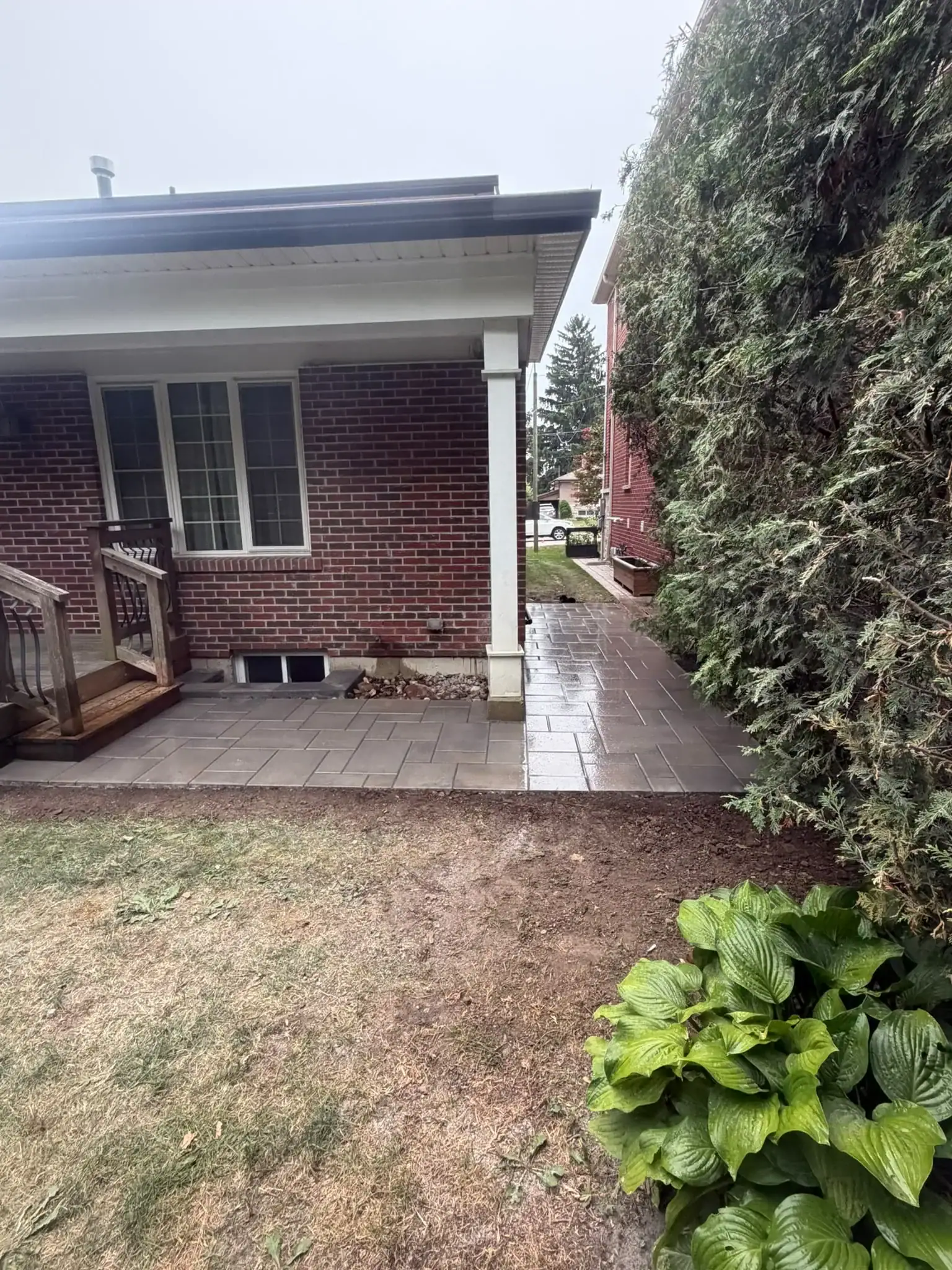
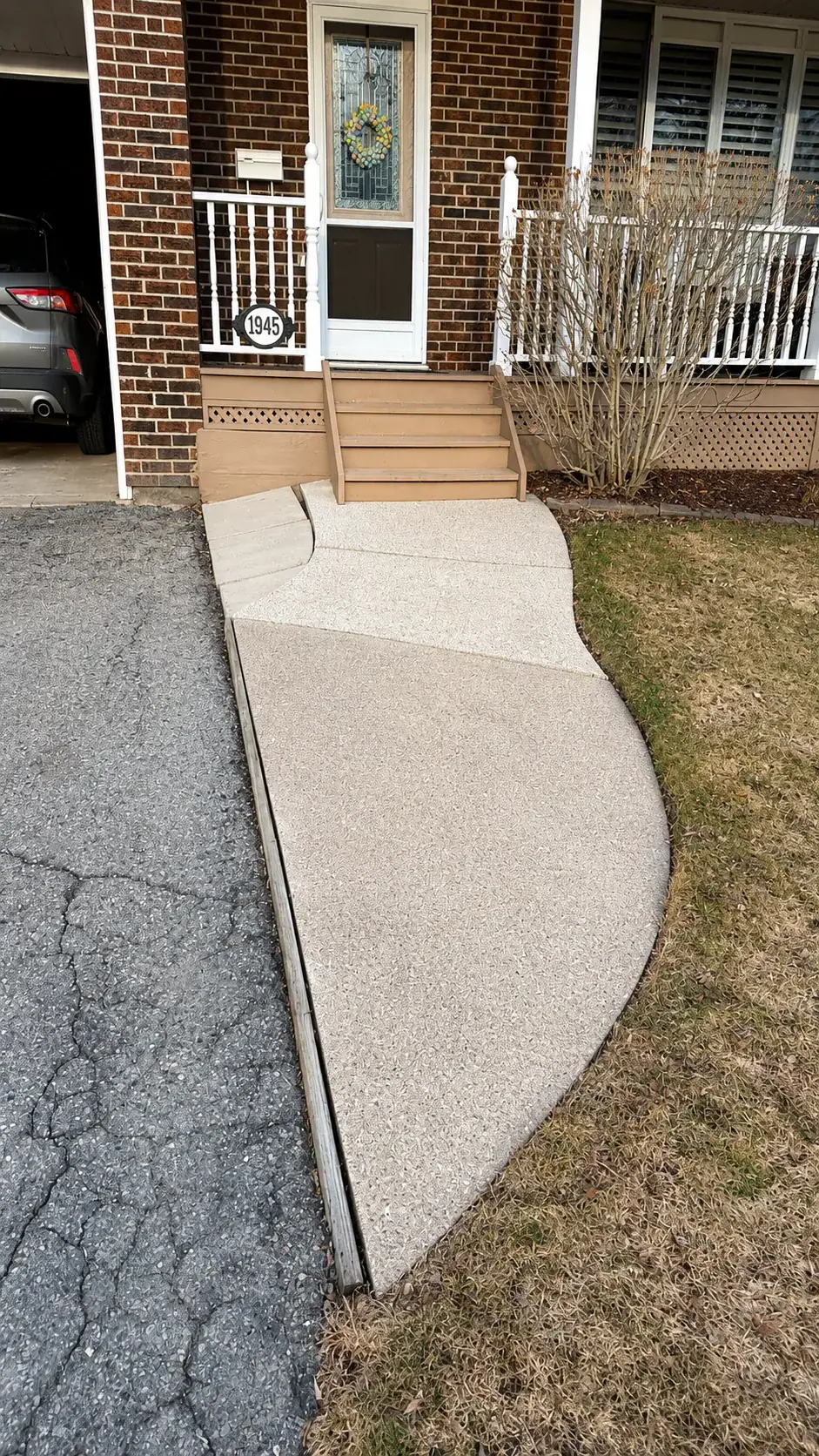
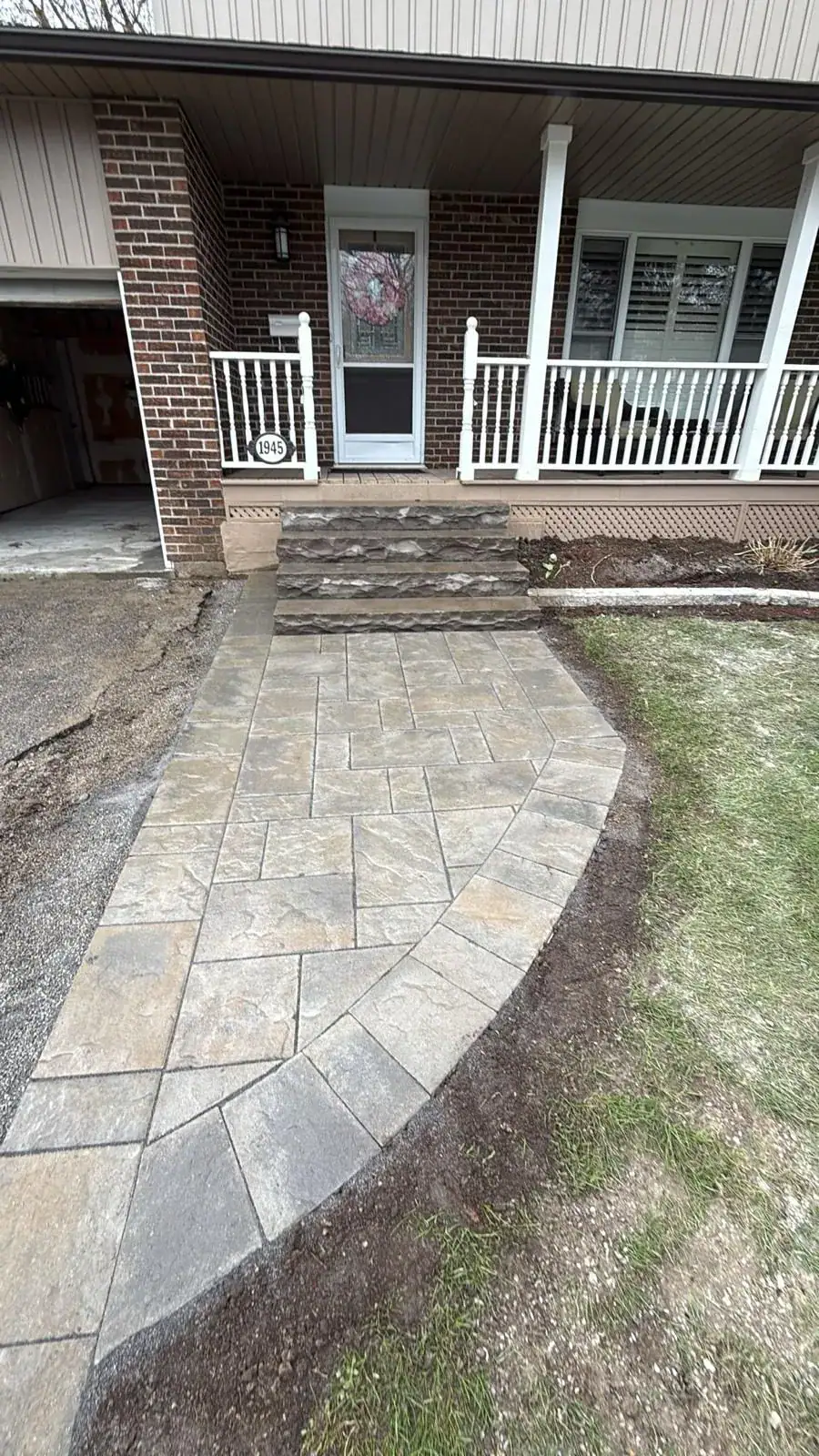
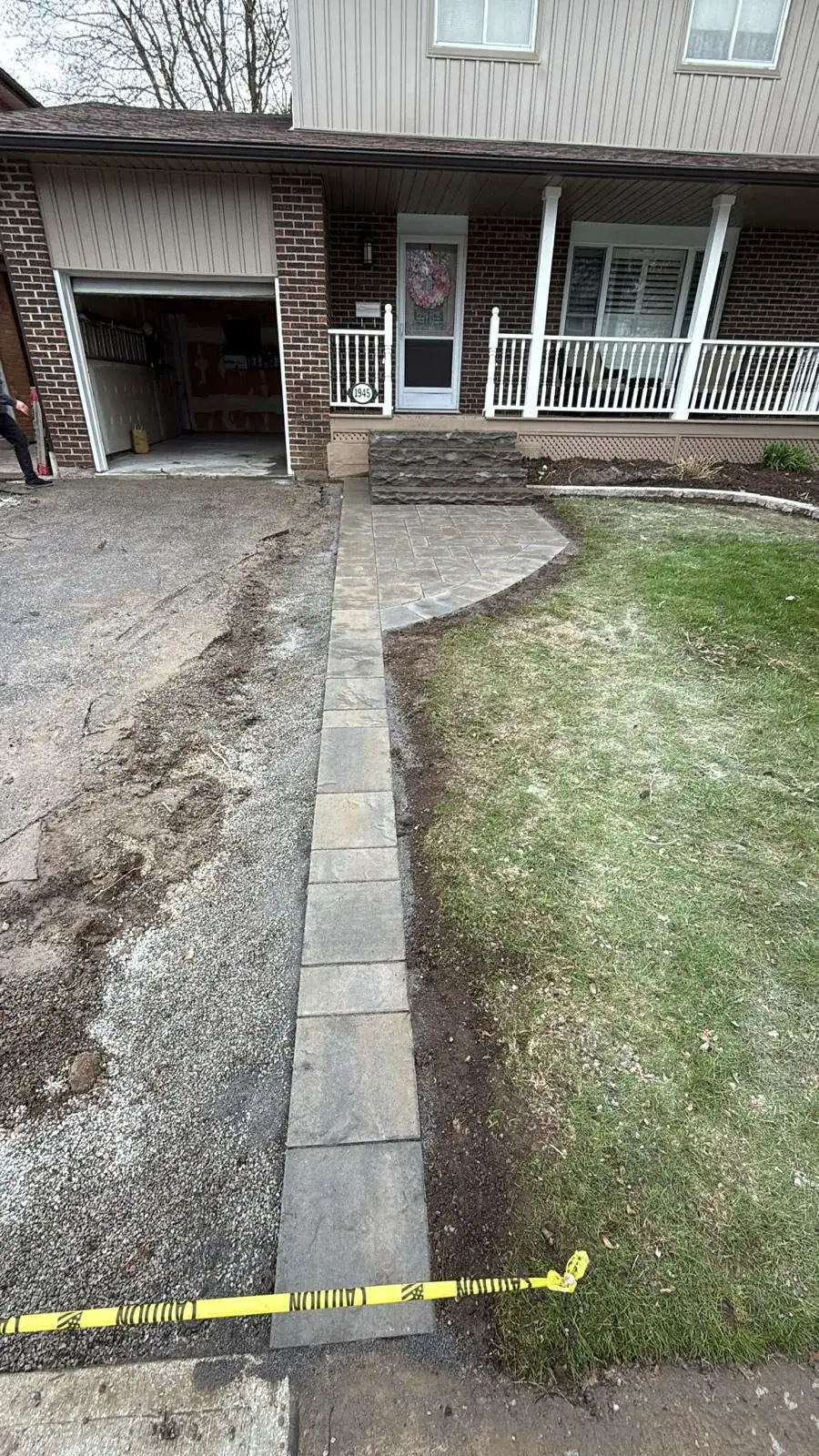
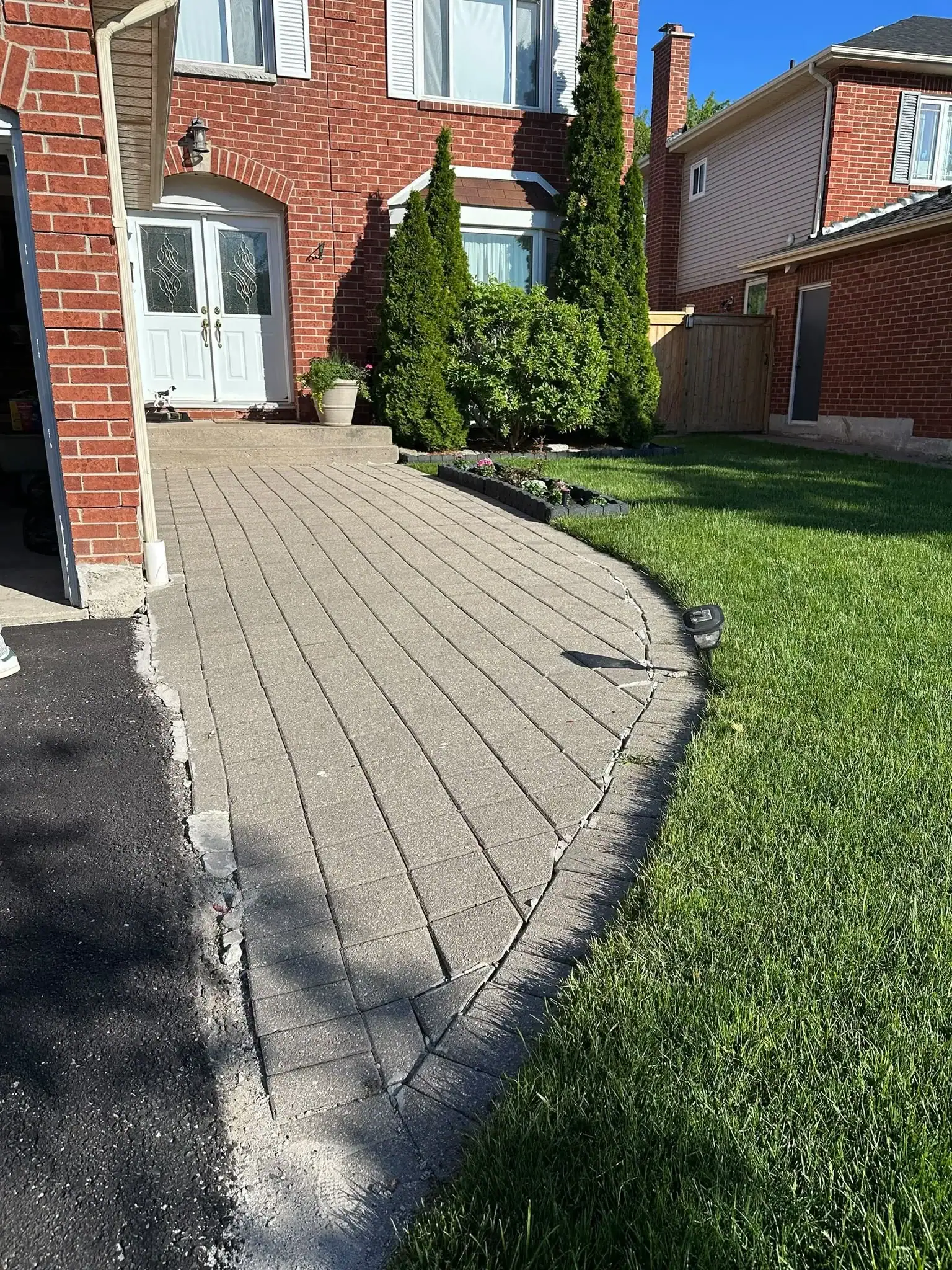
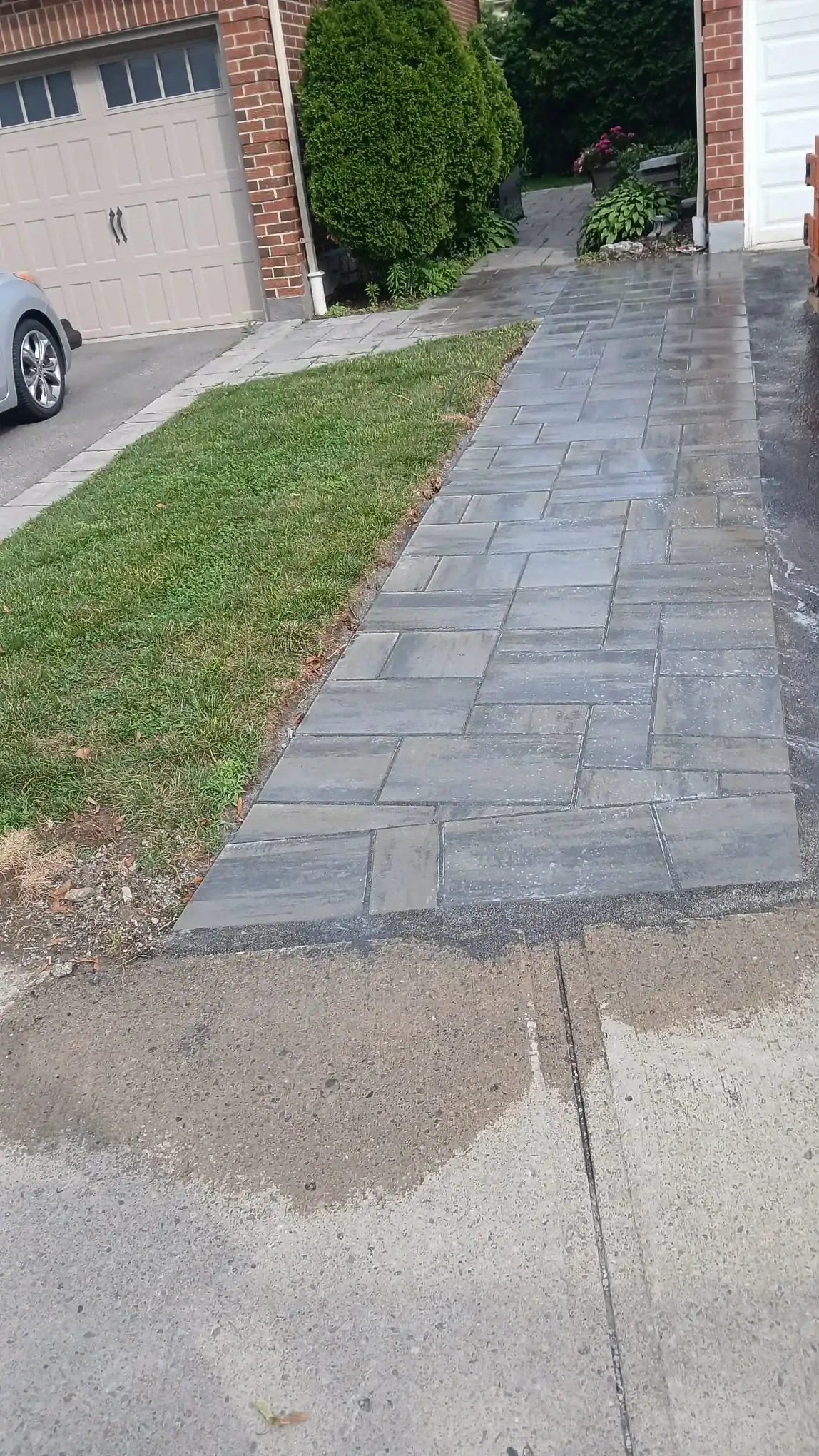
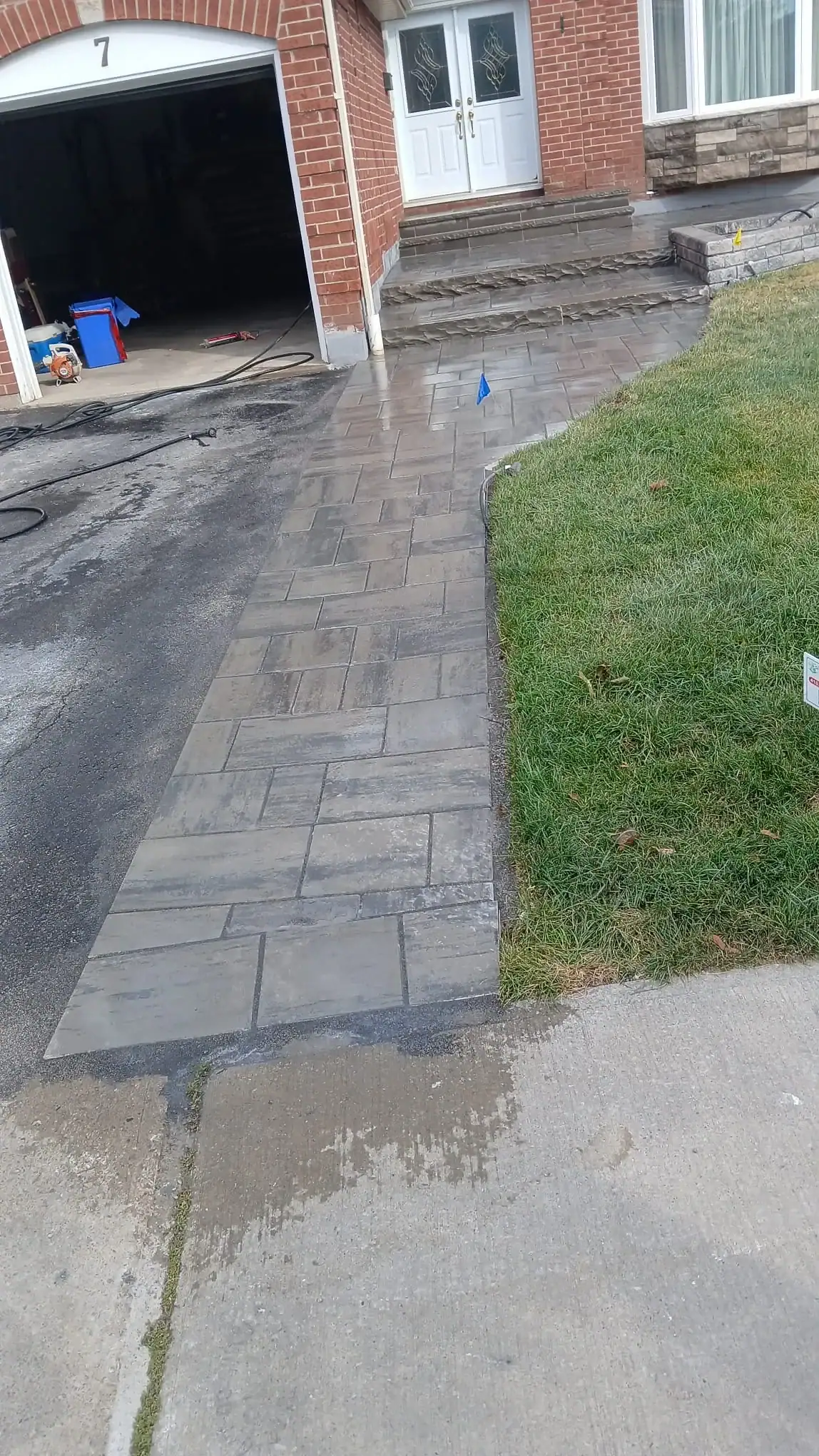
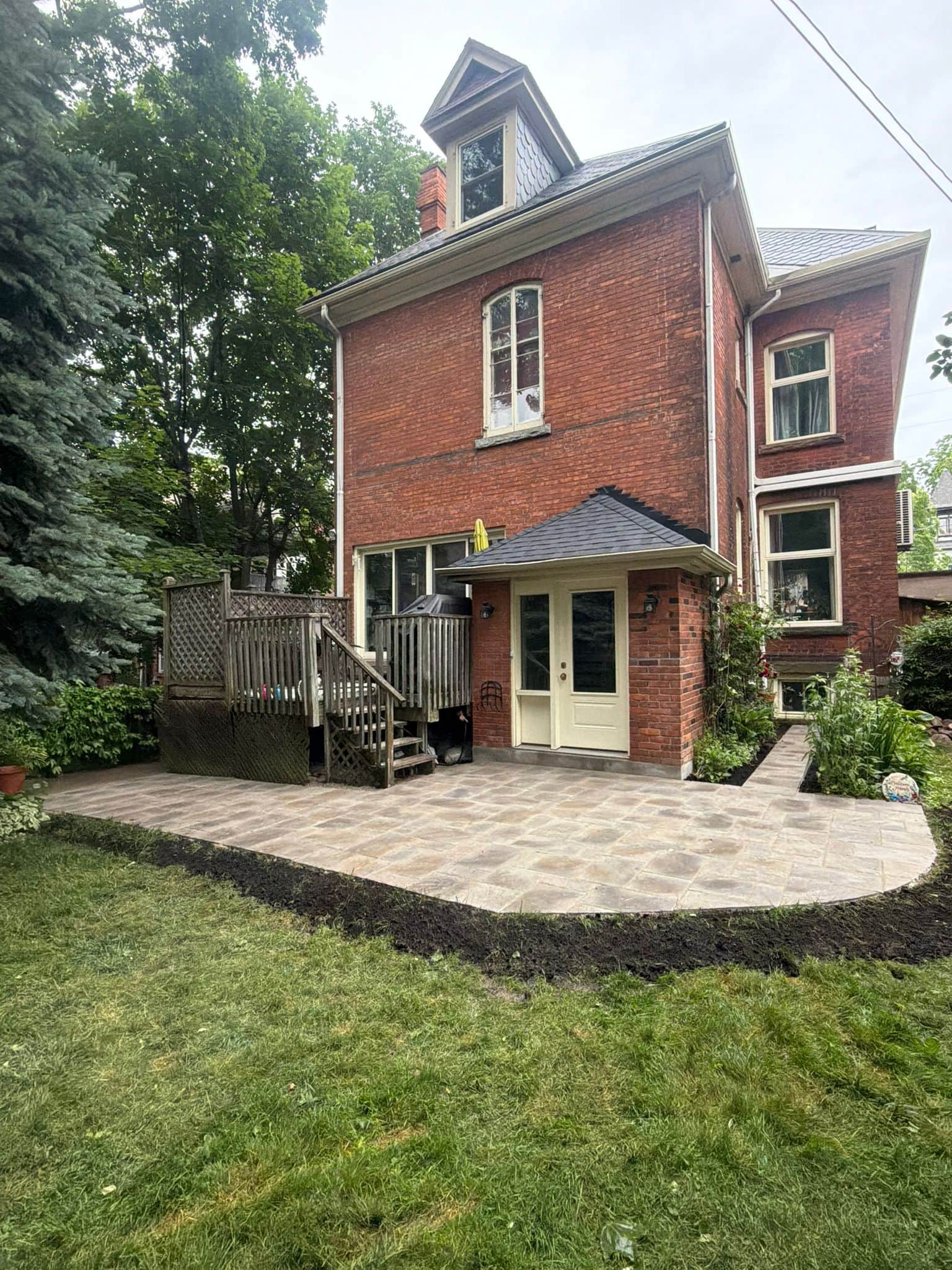
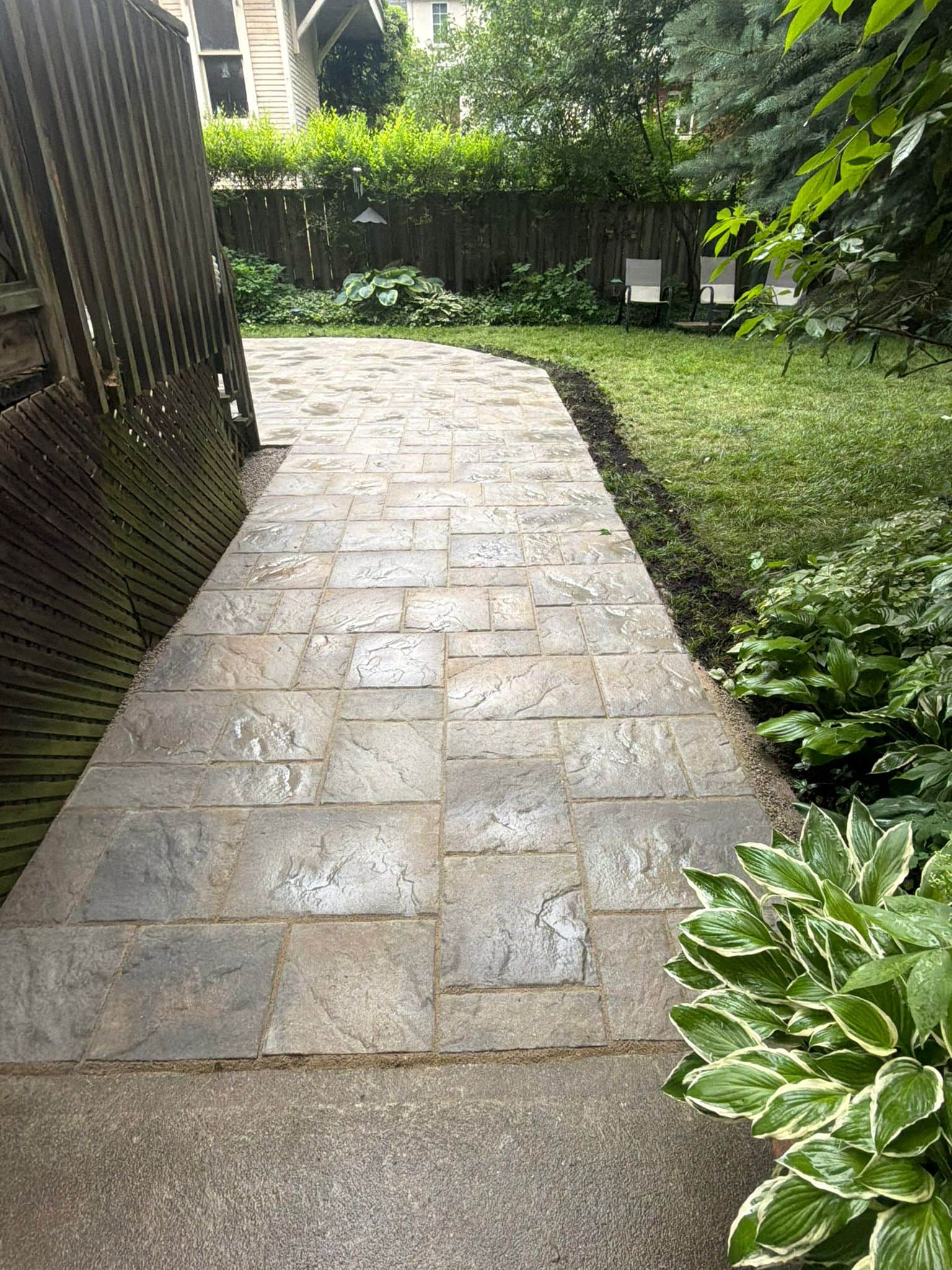
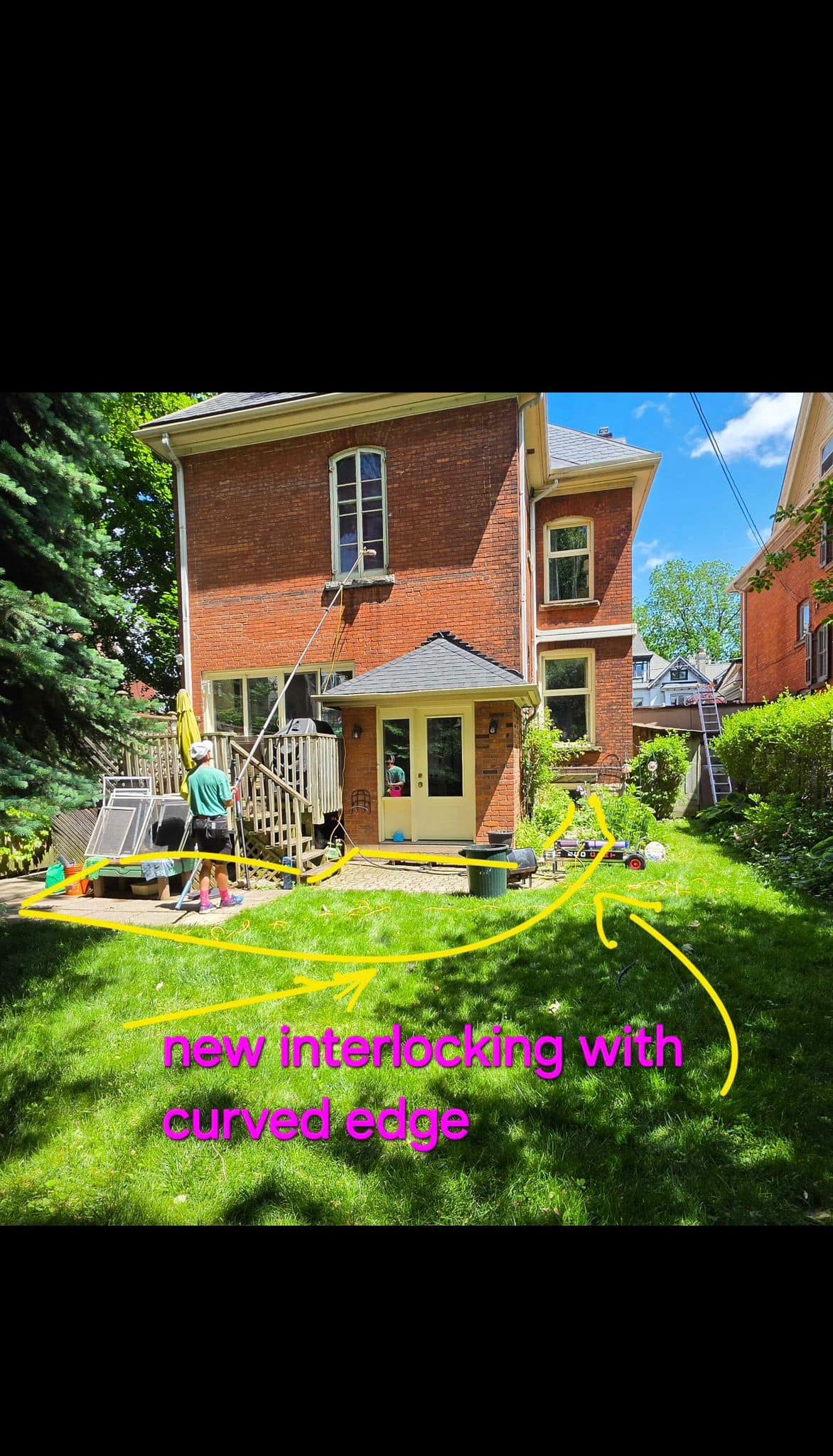
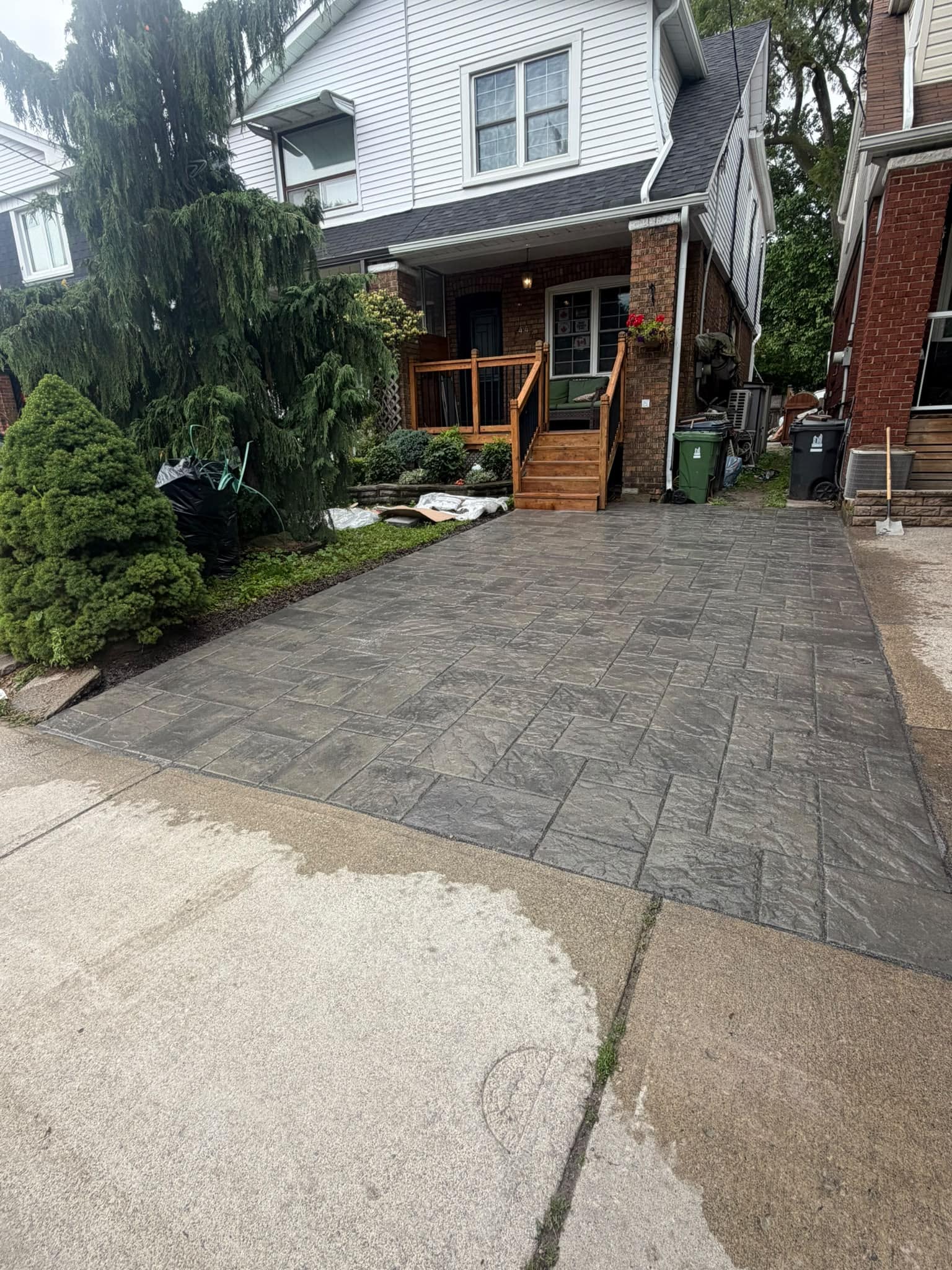
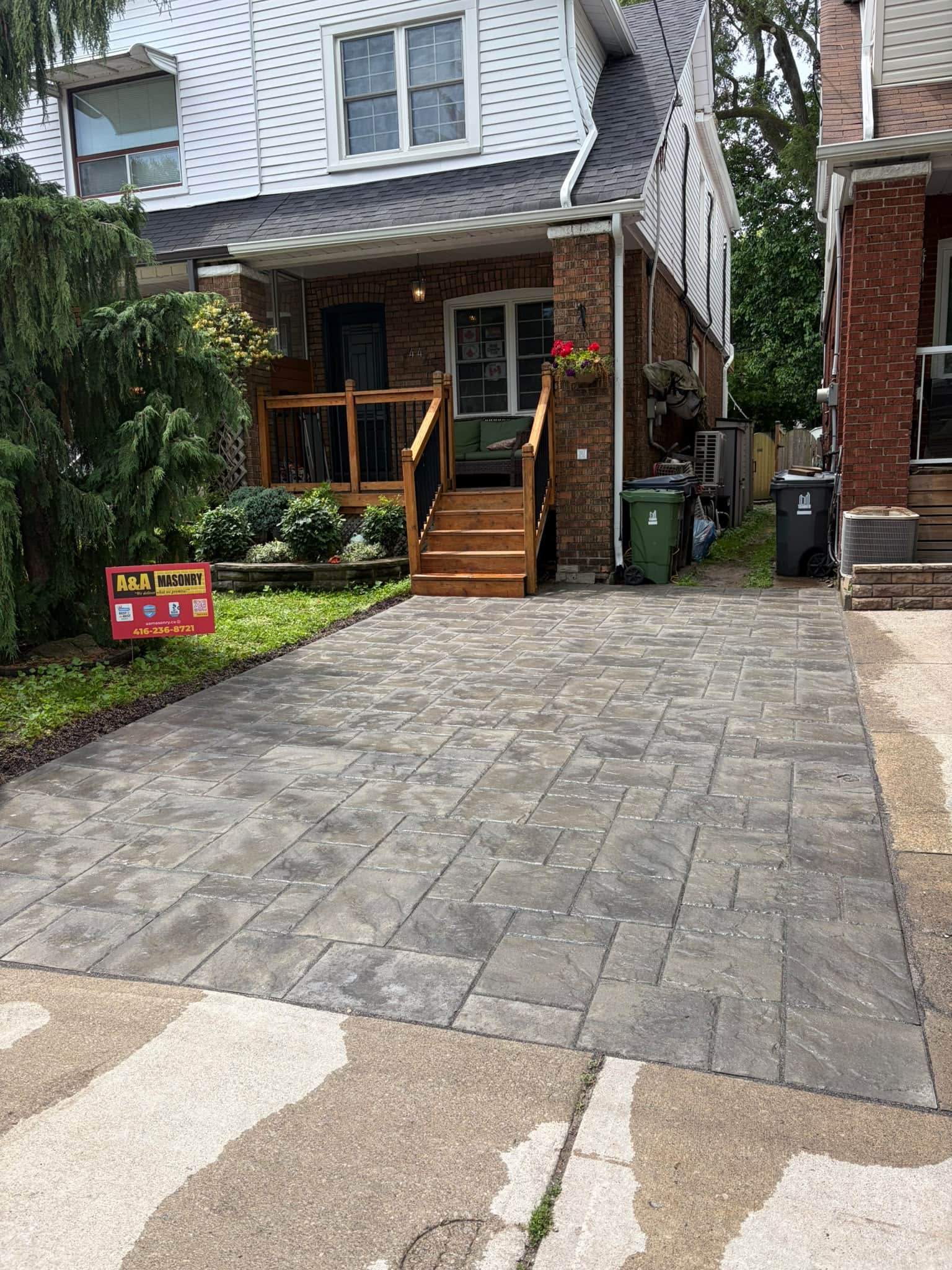
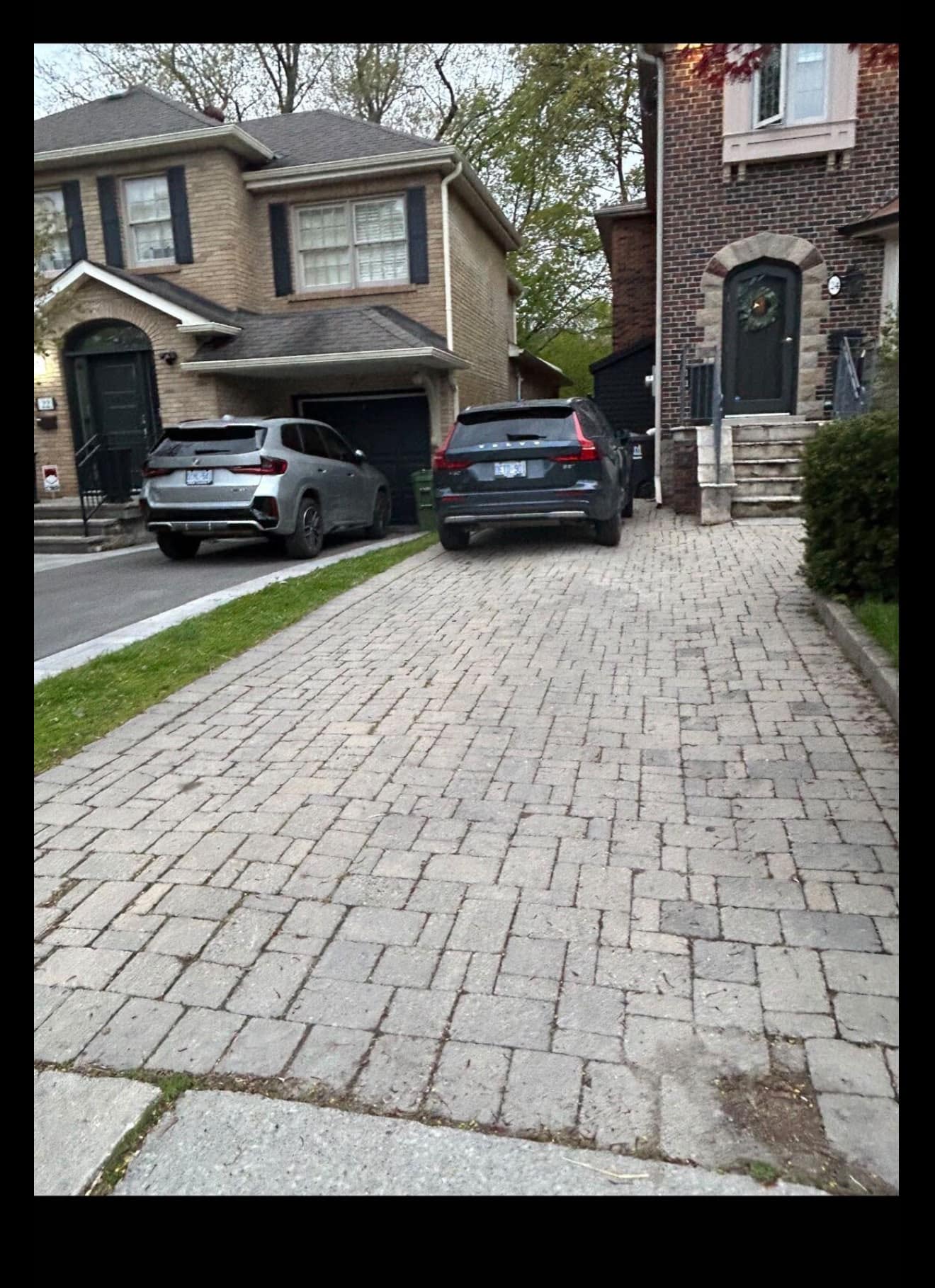
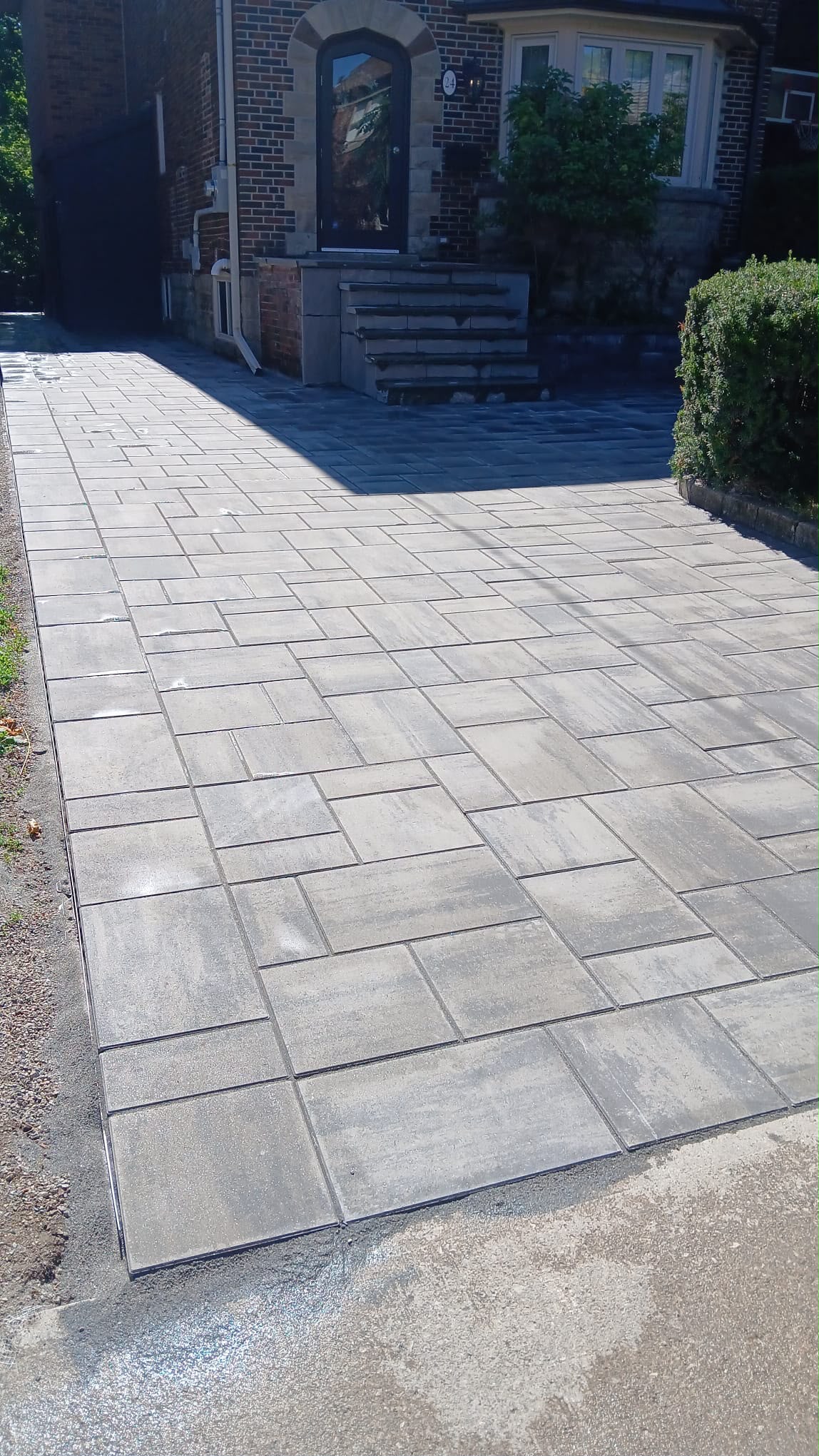
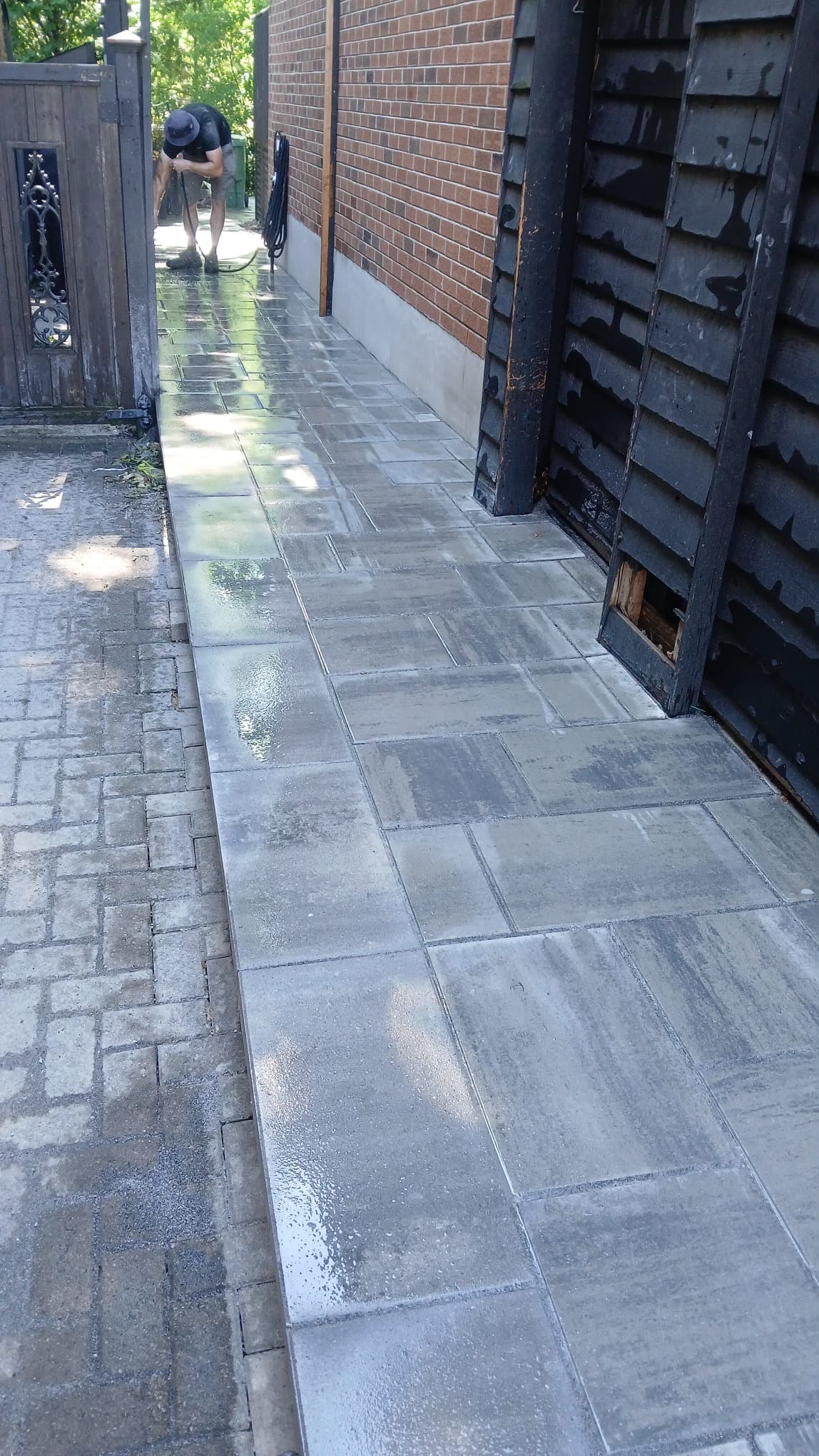
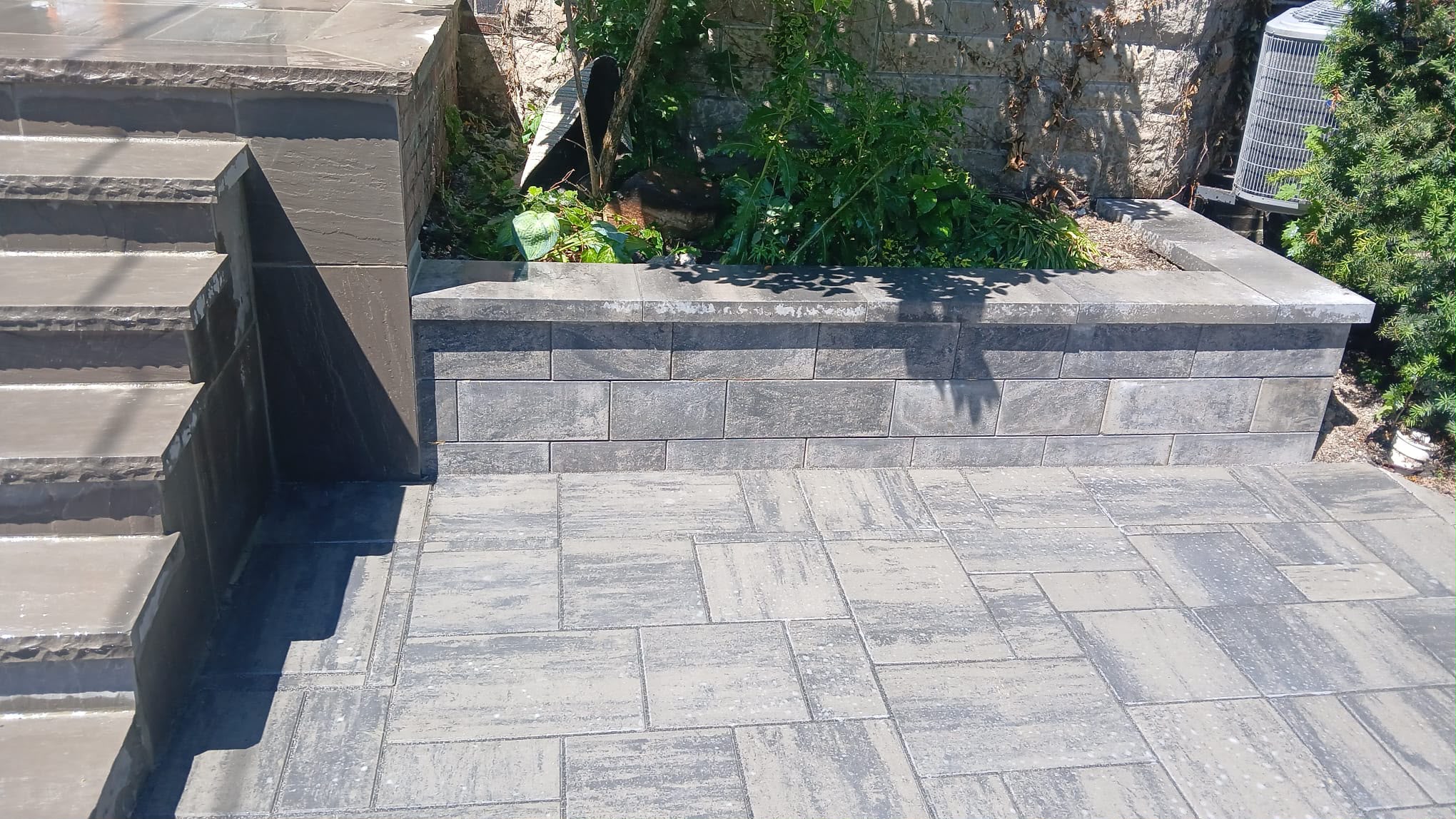
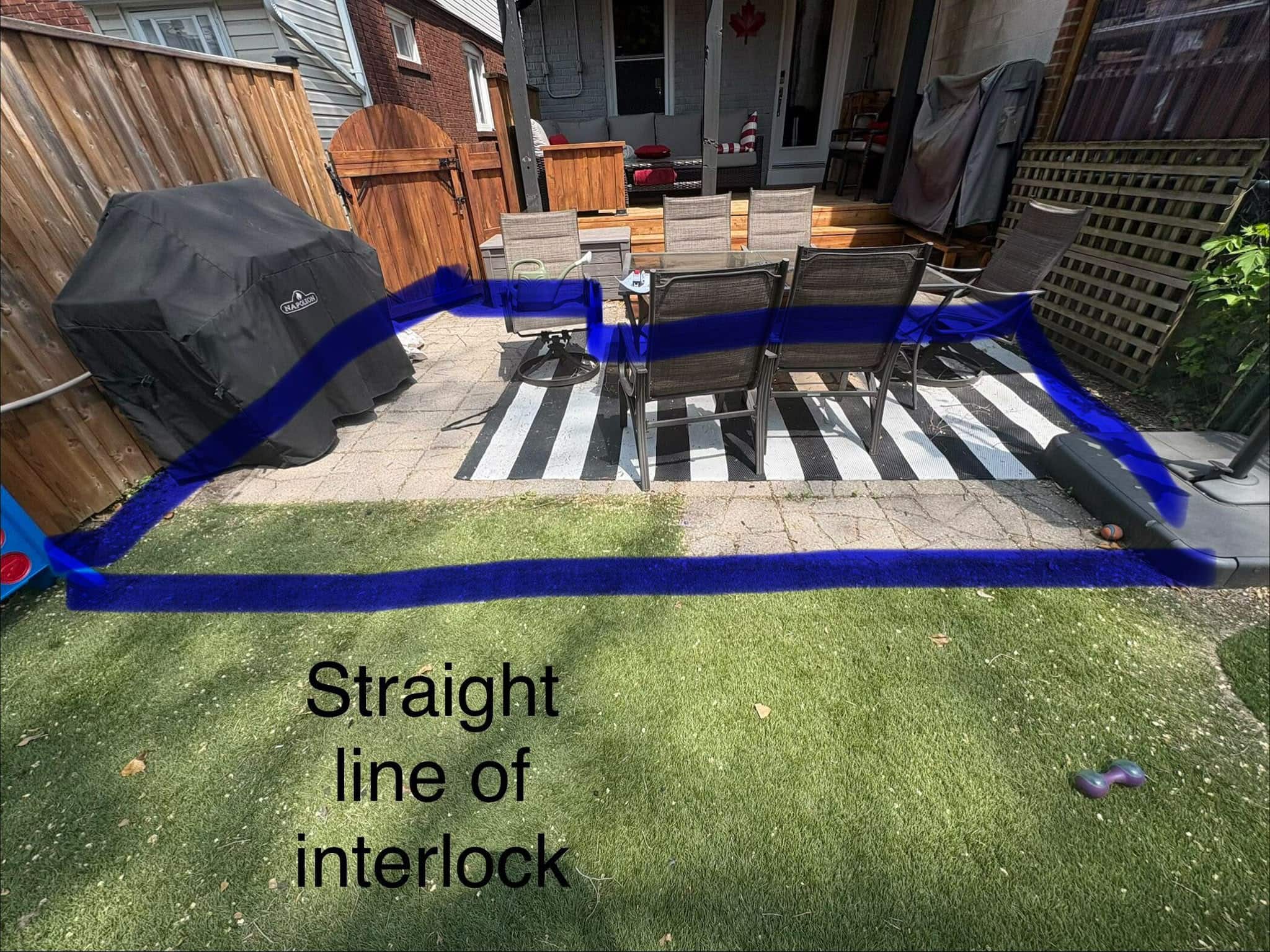
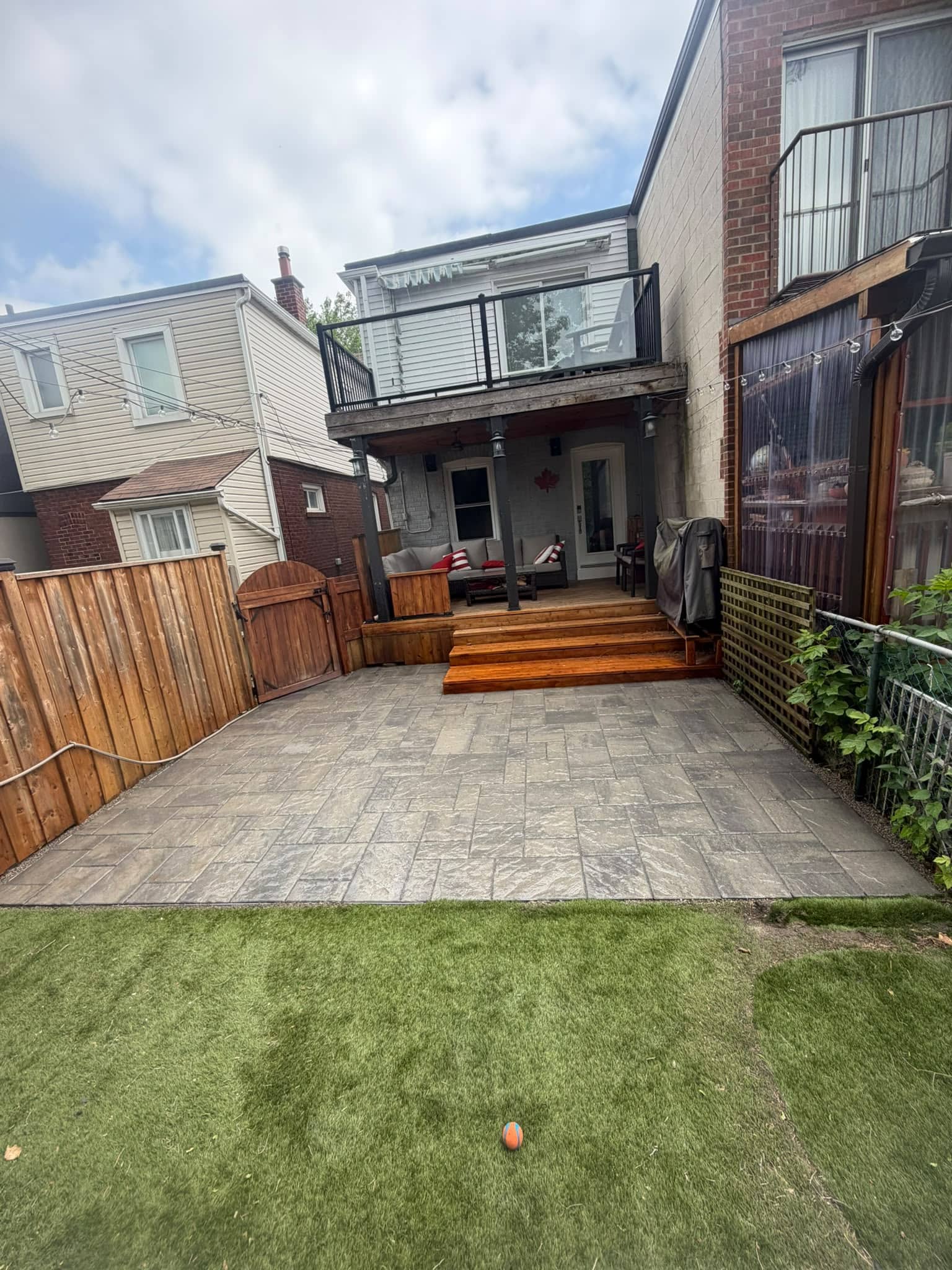
Concrete and concrete pavers can be practical for driveways, walkways, and patios, but colour and finish matter. Light-coloured concrete tends to reflect more sunlight than darker surfaces. Dark concrete, dark pavers, and large unshaded hardscape areas can make outdoor spaces feel hotter. For homeowners comparing patio and driveway options, interlocking installation in Toronto may be worth considering, as paver layout, drainage, and material selection can affect both comfort and durability.
Colour Choice Has a Big Effect on Surface Heat
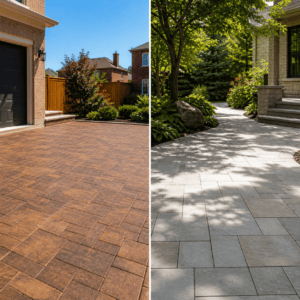
Colour choice matters because darker masonry surfaces usually absorb more heat than lighter surfaces. This is one of the most overlooked parts of natural cooling. Homeowners often choose brick, stone, or pavers based only on appearance, but the colour can affect how hot the area feels in summer.
For example, dark charcoal pavers may look sharp beside a modern home, but they can become uncomfortable under direct sunlight. A lighter grey, buff, beige, or mixed natural stone tone may feel more comfortable in a backyard or walkway that gets long afternoon sun. Red brick can work beautifully on Toronto homes, but a large sun-facing brick wall may still radiate warmth if there is no shade or airflow nearby.
This does not mean homeowners should avoid darker masonry completely. Darker colours can work well in shaded areas, accent borders, or smaller design features. The mistake is using a dark material over a large, exposed area without considering heat. If comfort is a priority, choose lighter colours for large surfaces and save darker tones for contrast.
Outdoor Masonry Can Either Cool or Heat the Space Around Your Home
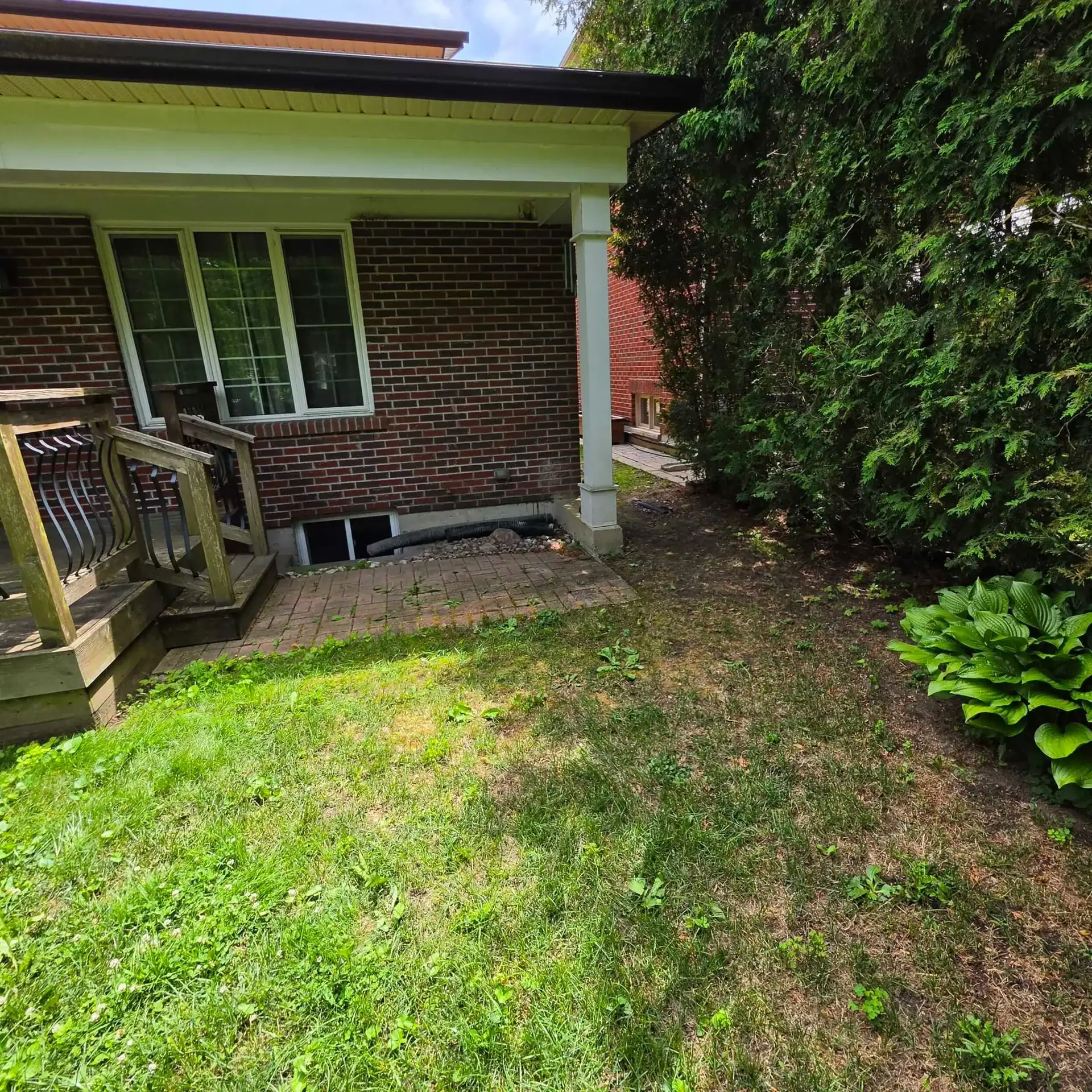
Outdoor masonry affects cooling because patios, walkways, retaining walls, steps, and driveways shape the temperature around the house. A yard with nothing but hard surfaces may feel hotter than one that mixes masonry with soil, planting beds, shade, and drainage.
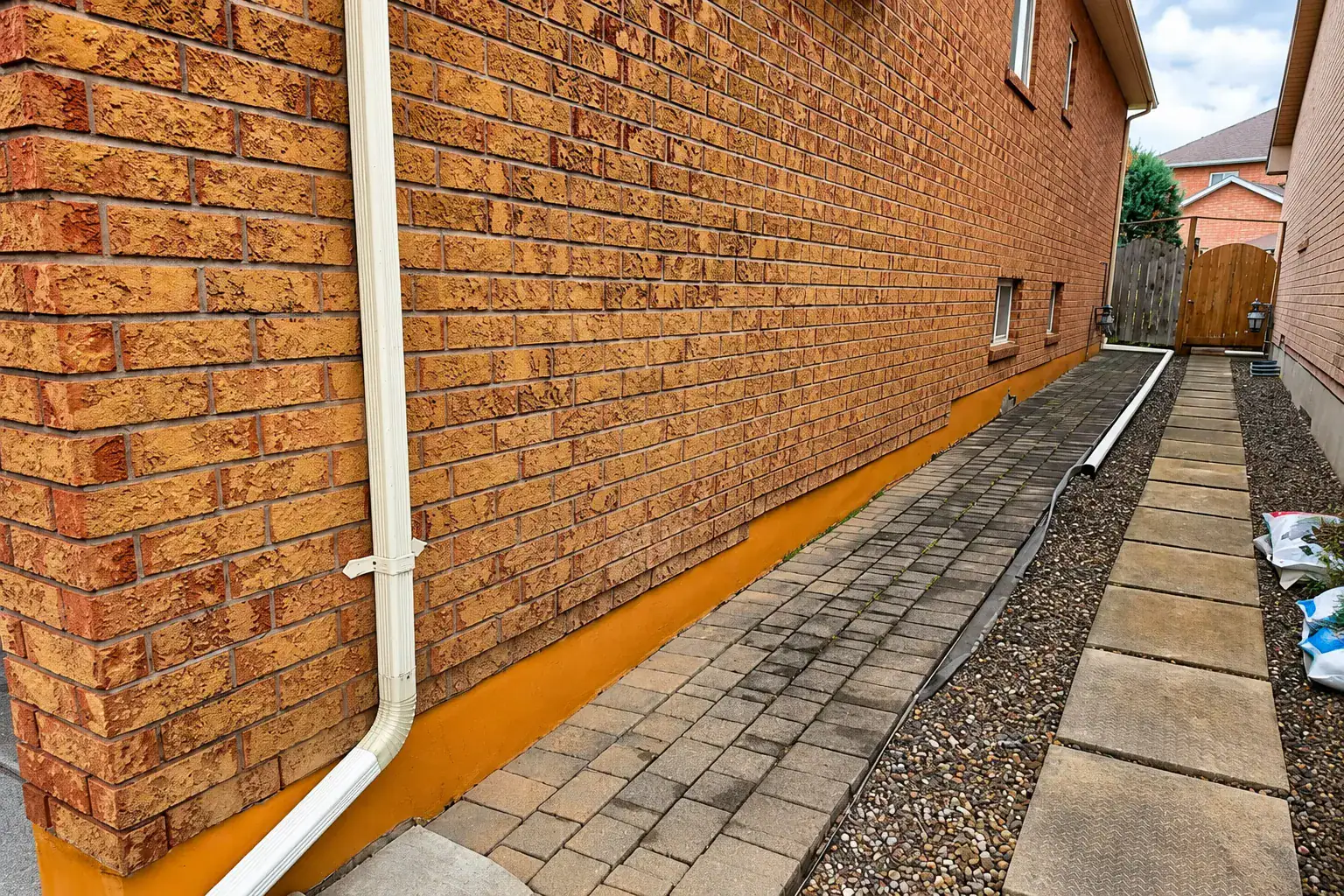
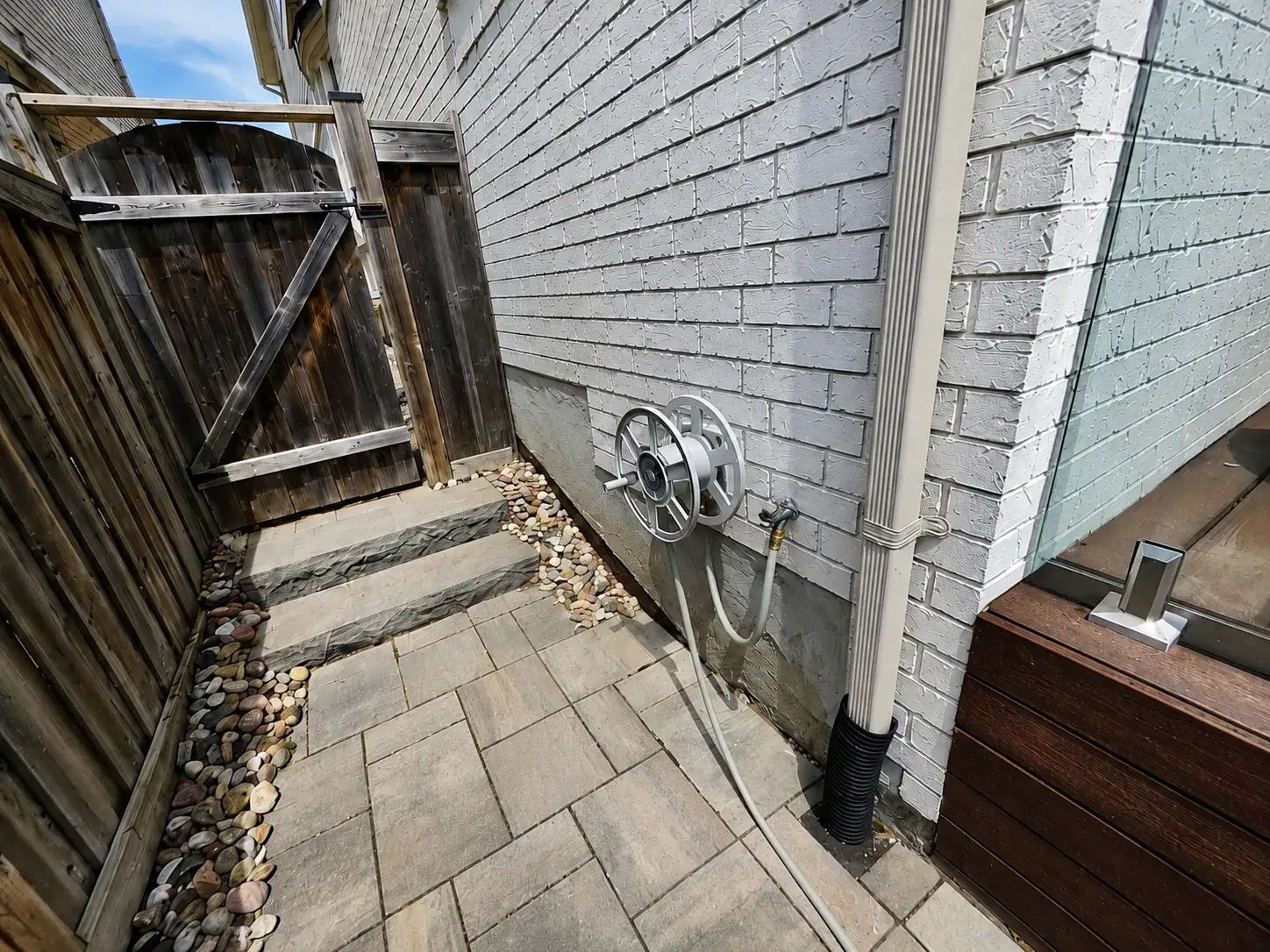
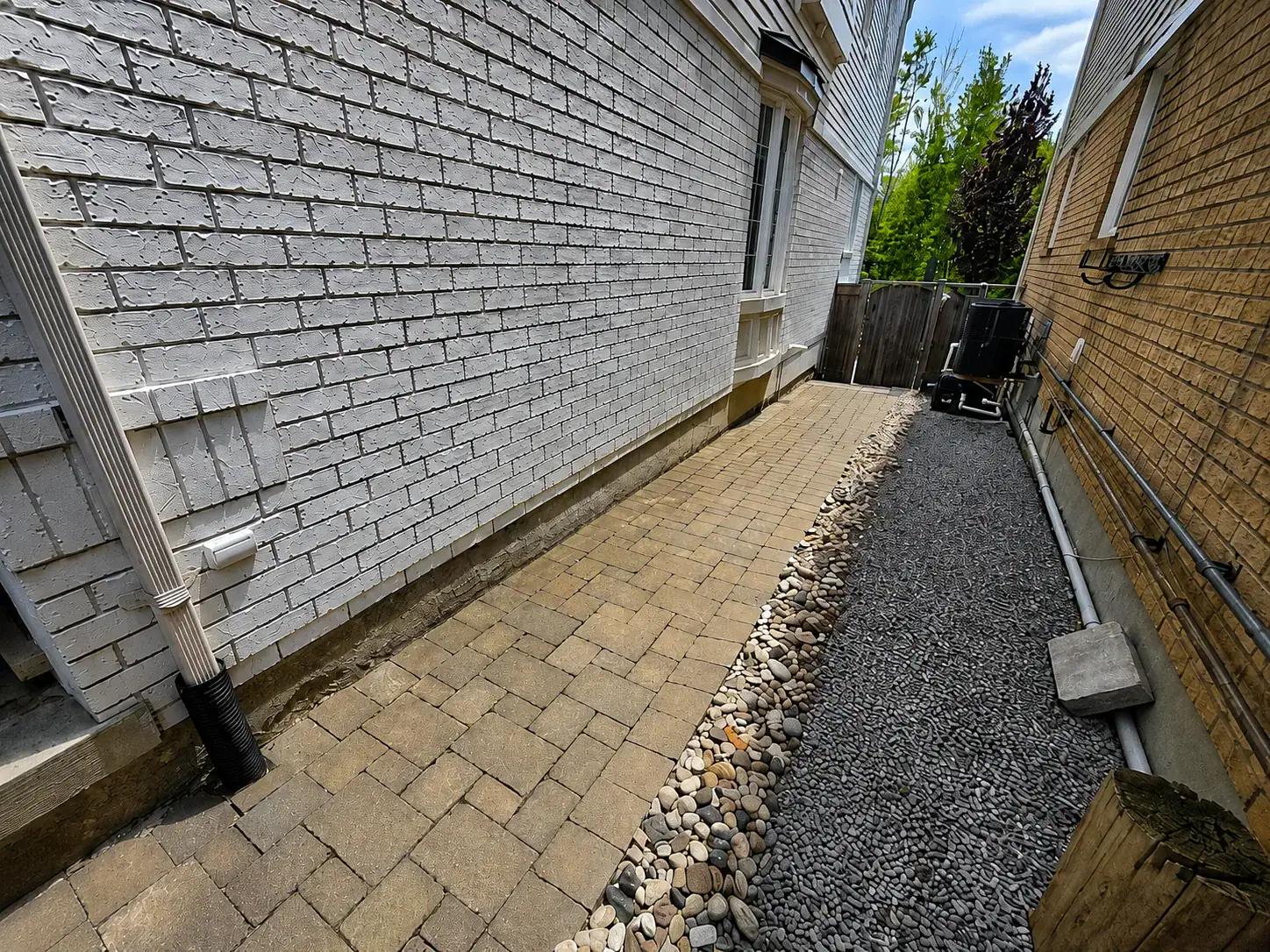
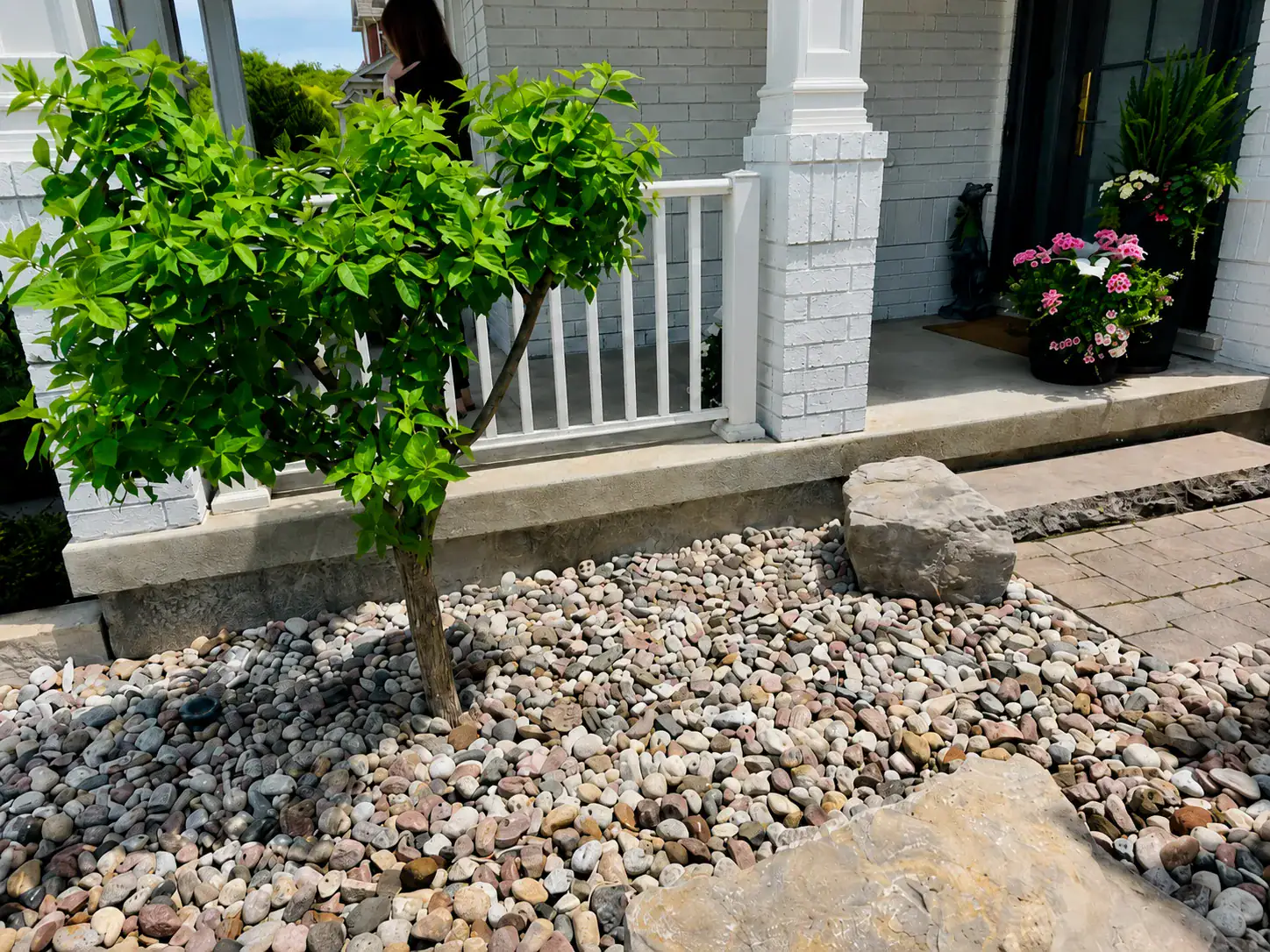
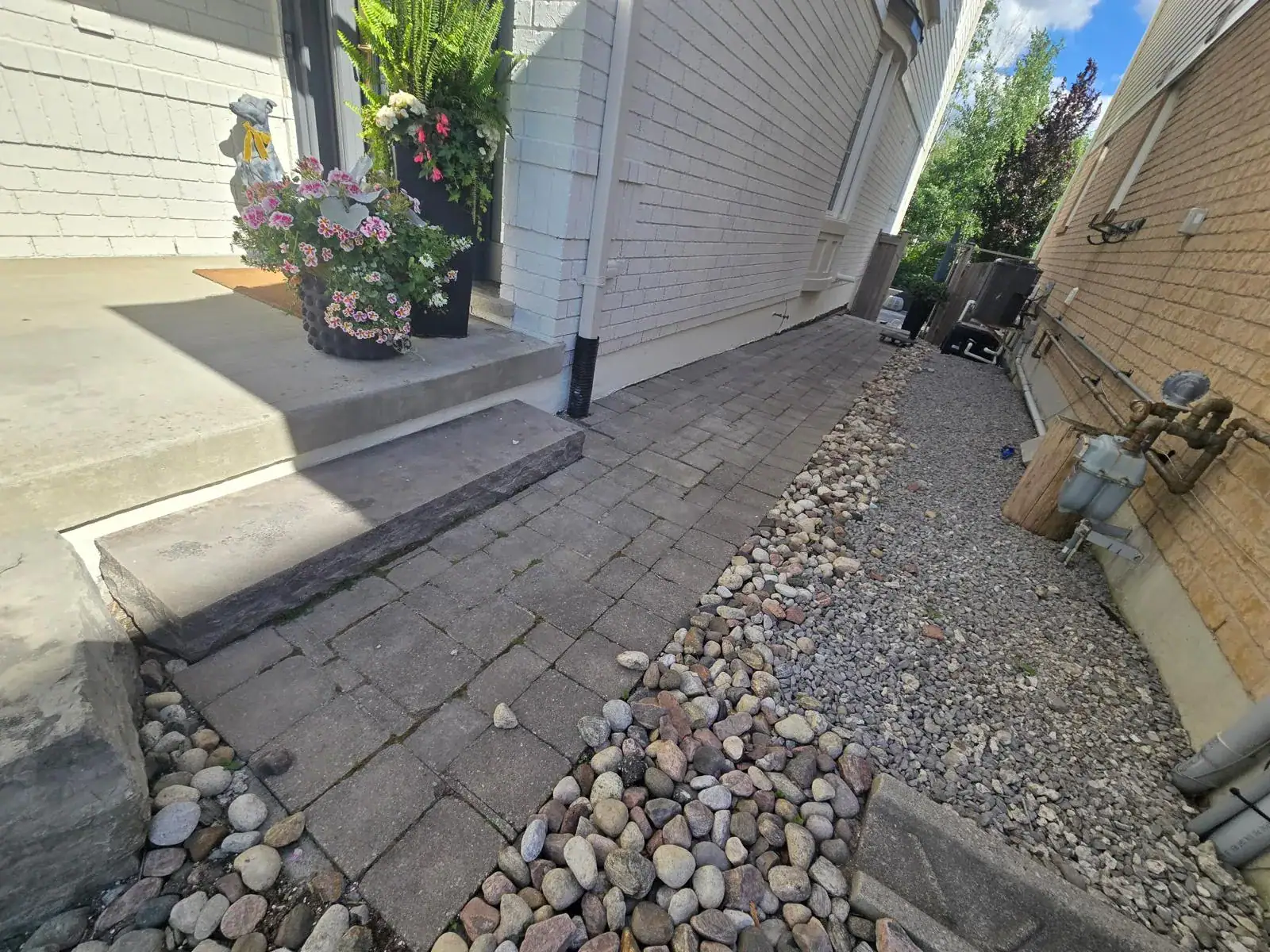
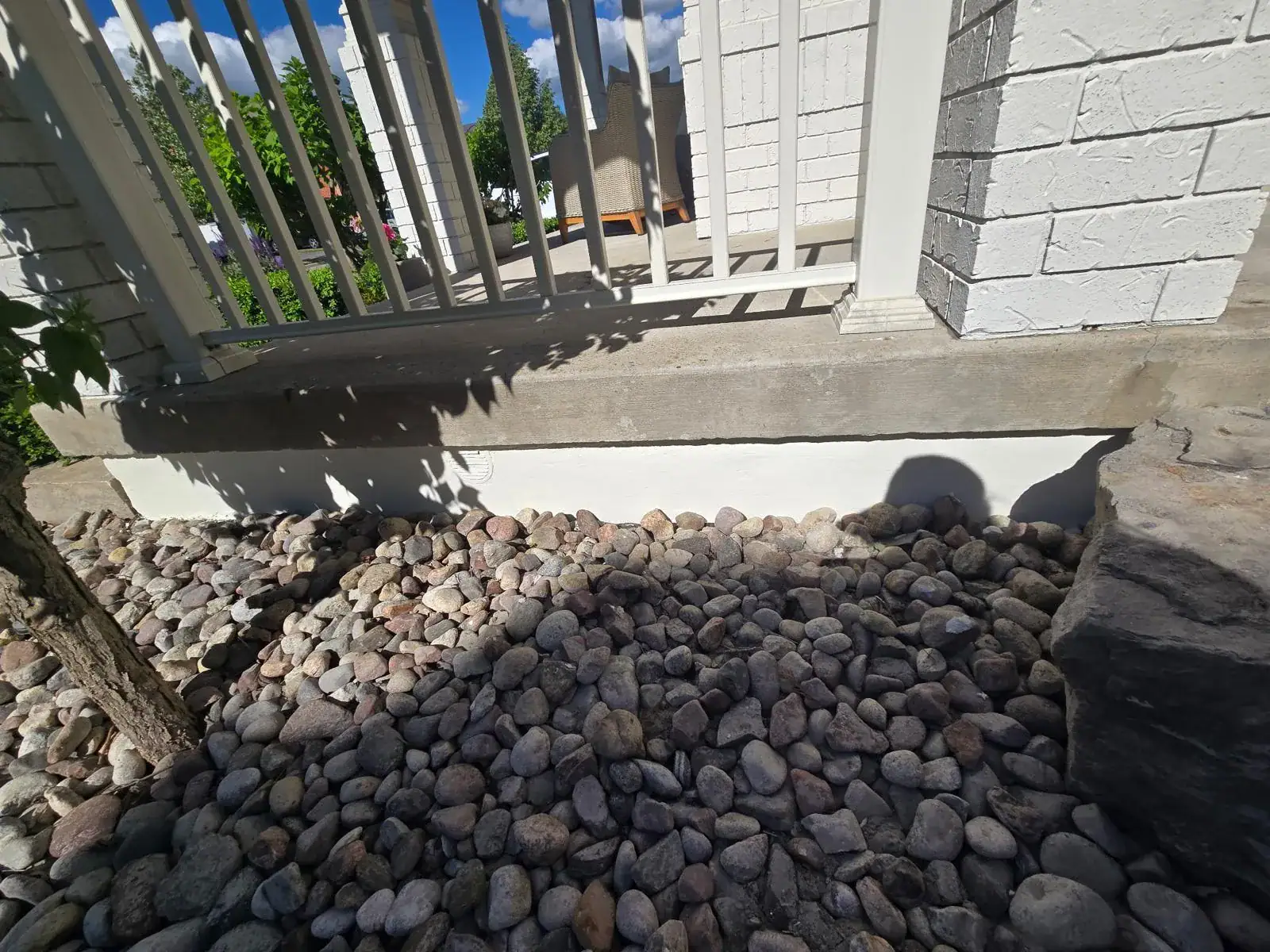
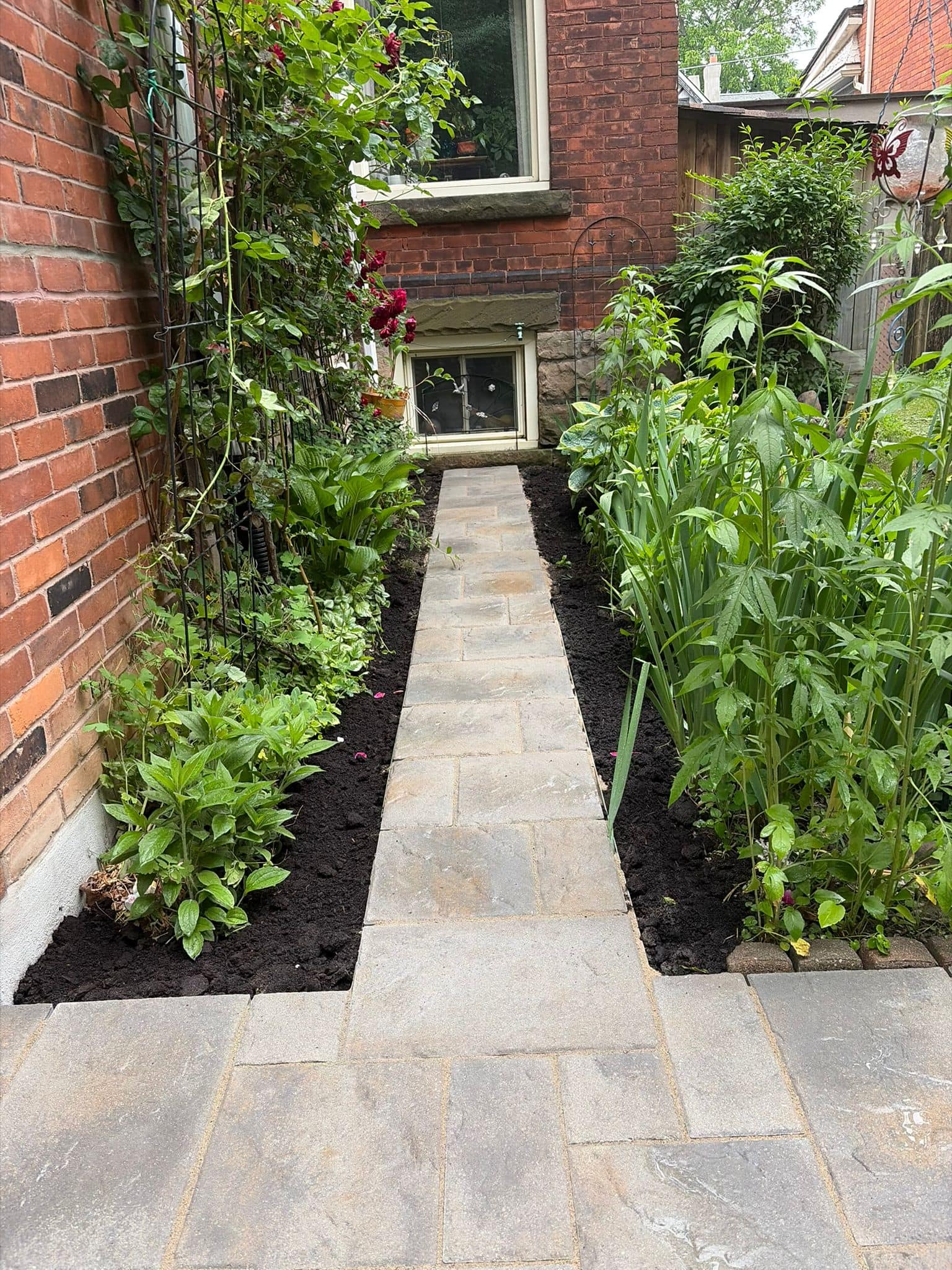
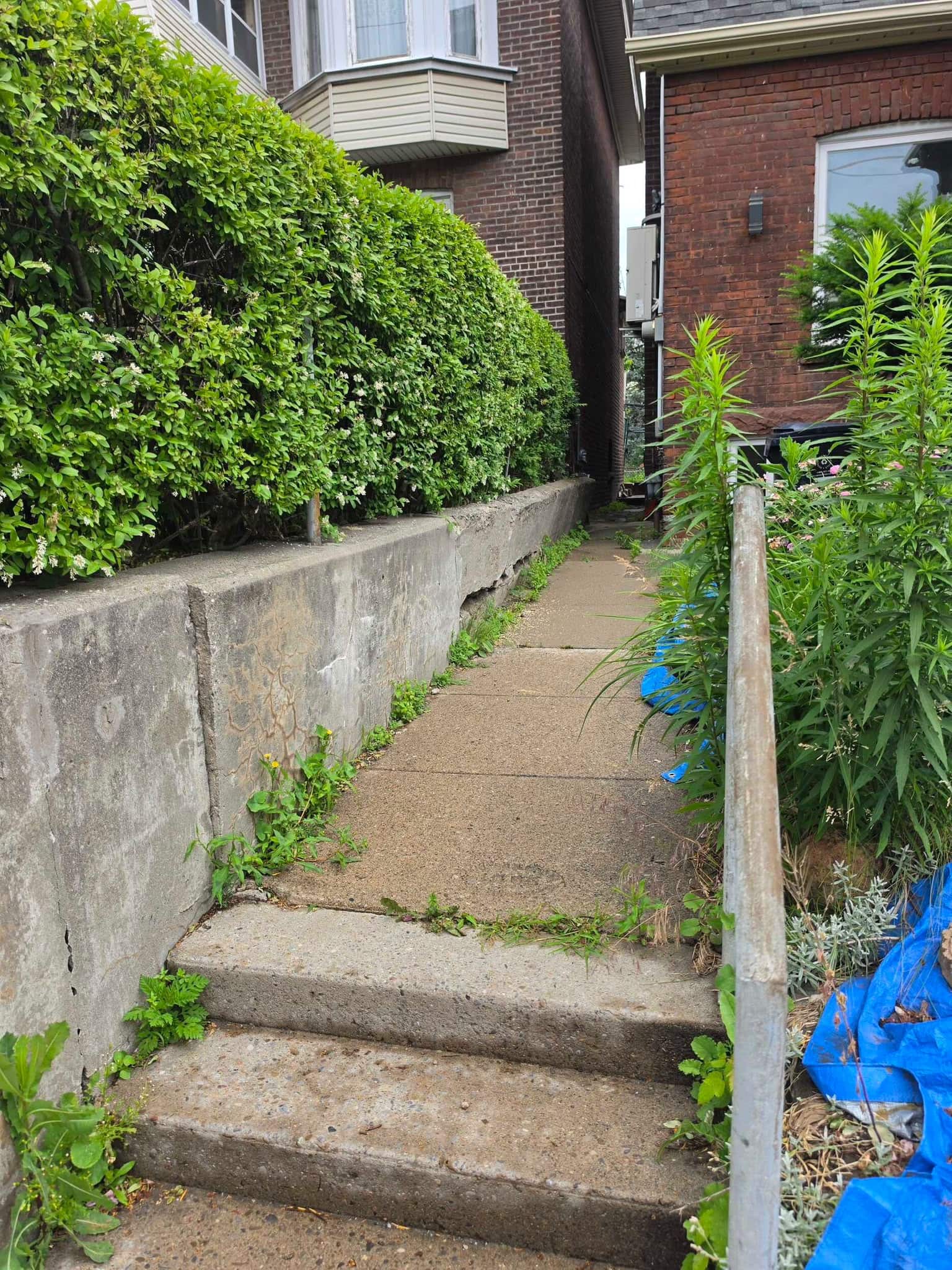
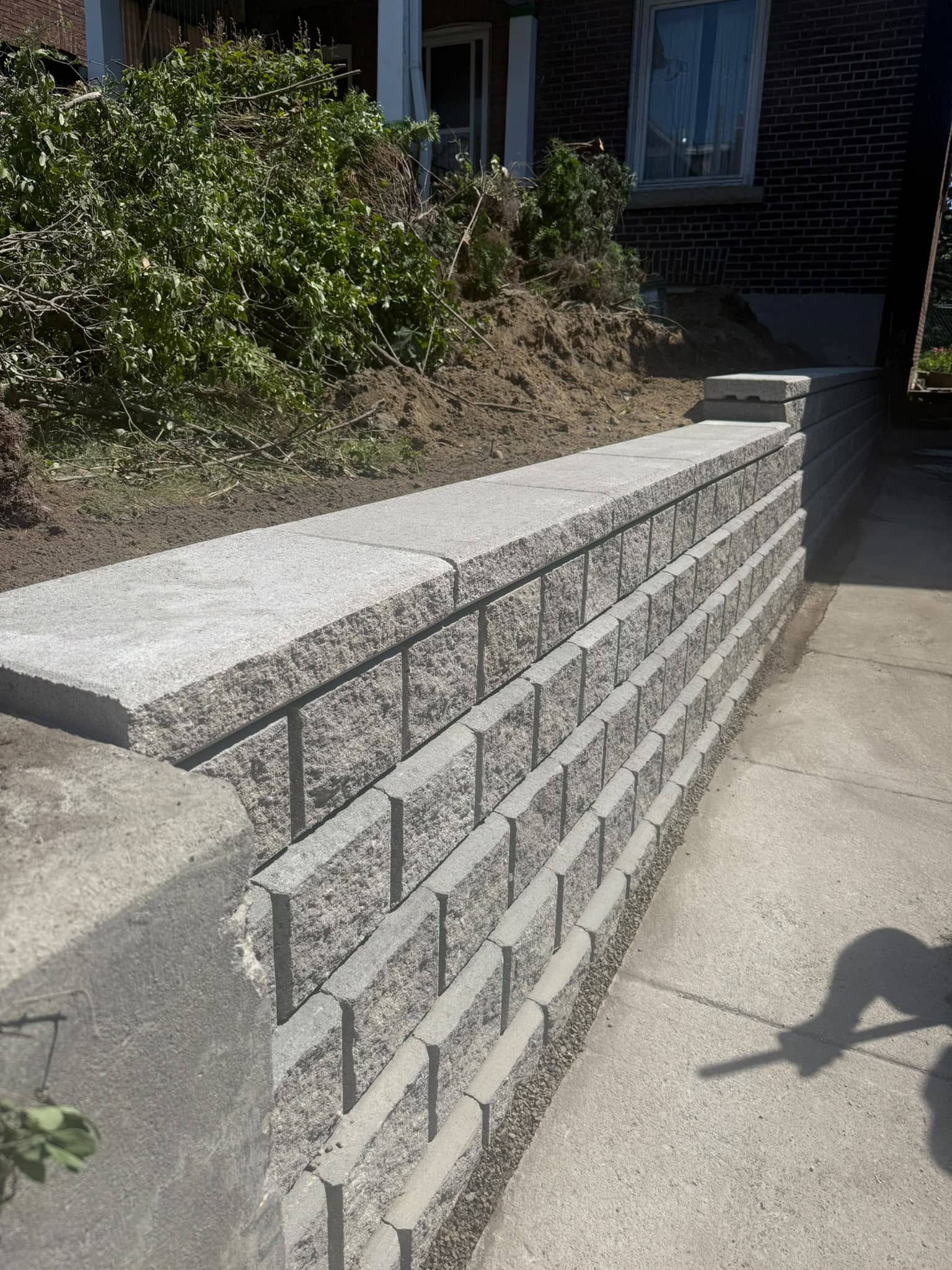
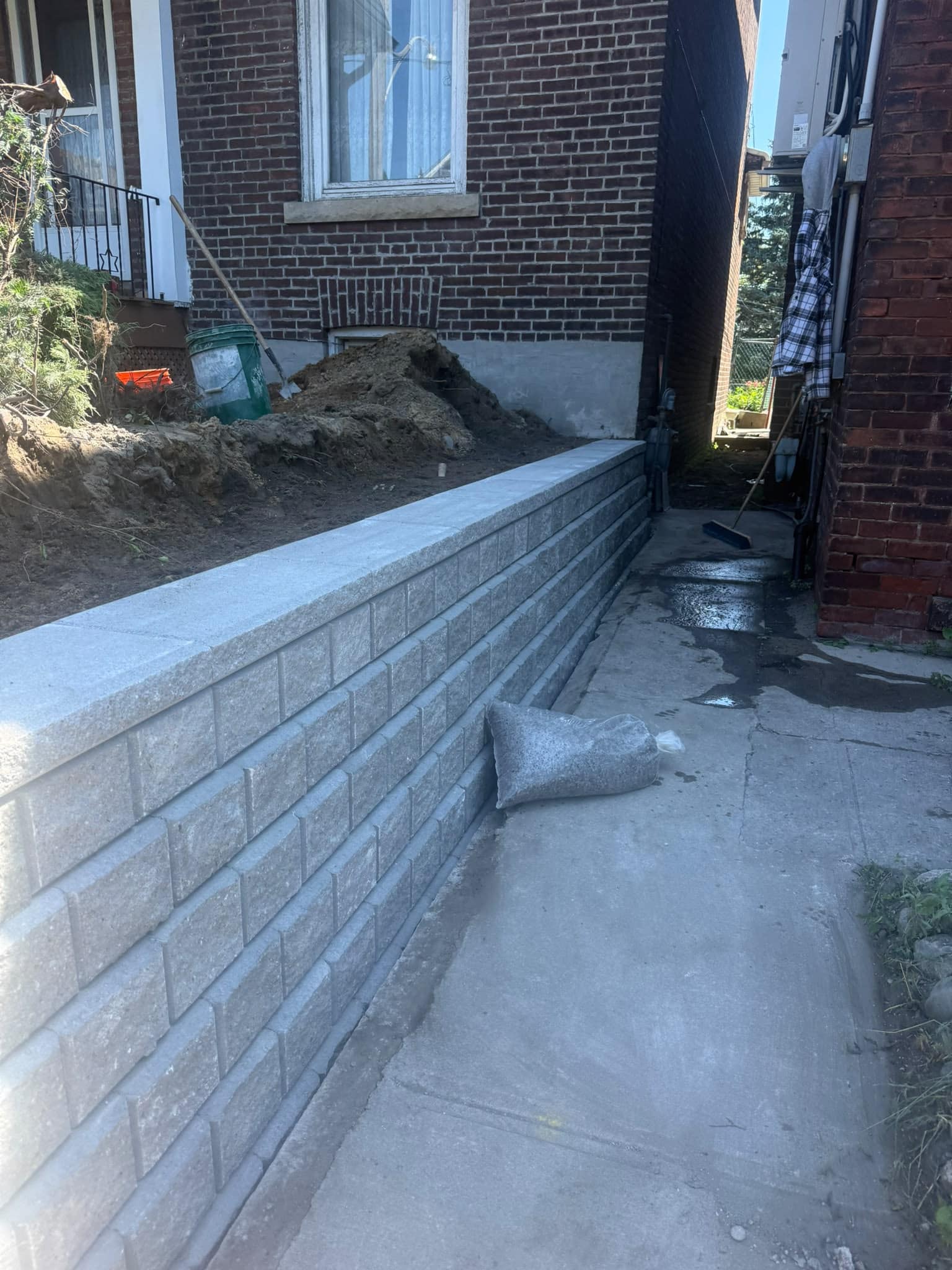
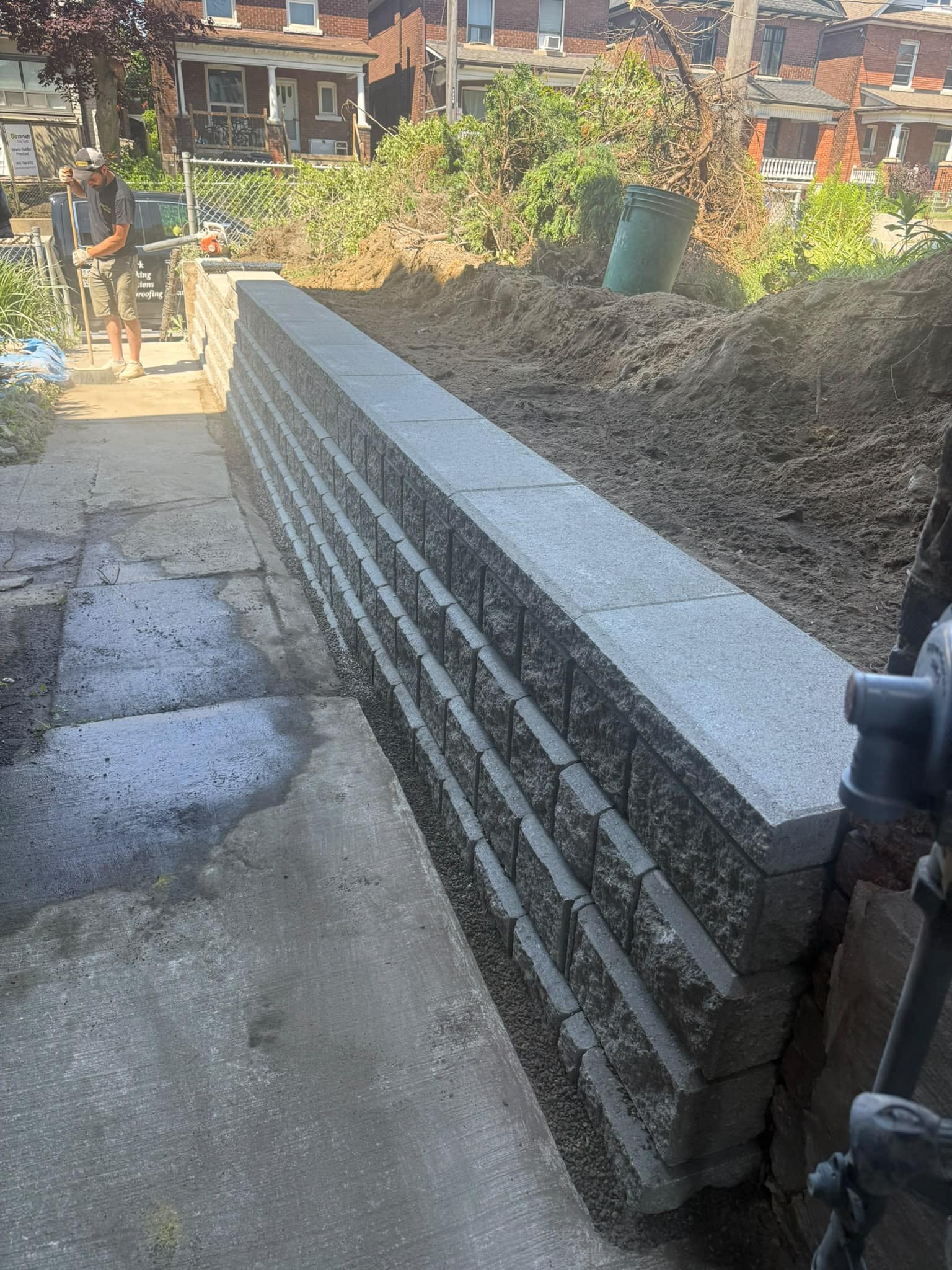
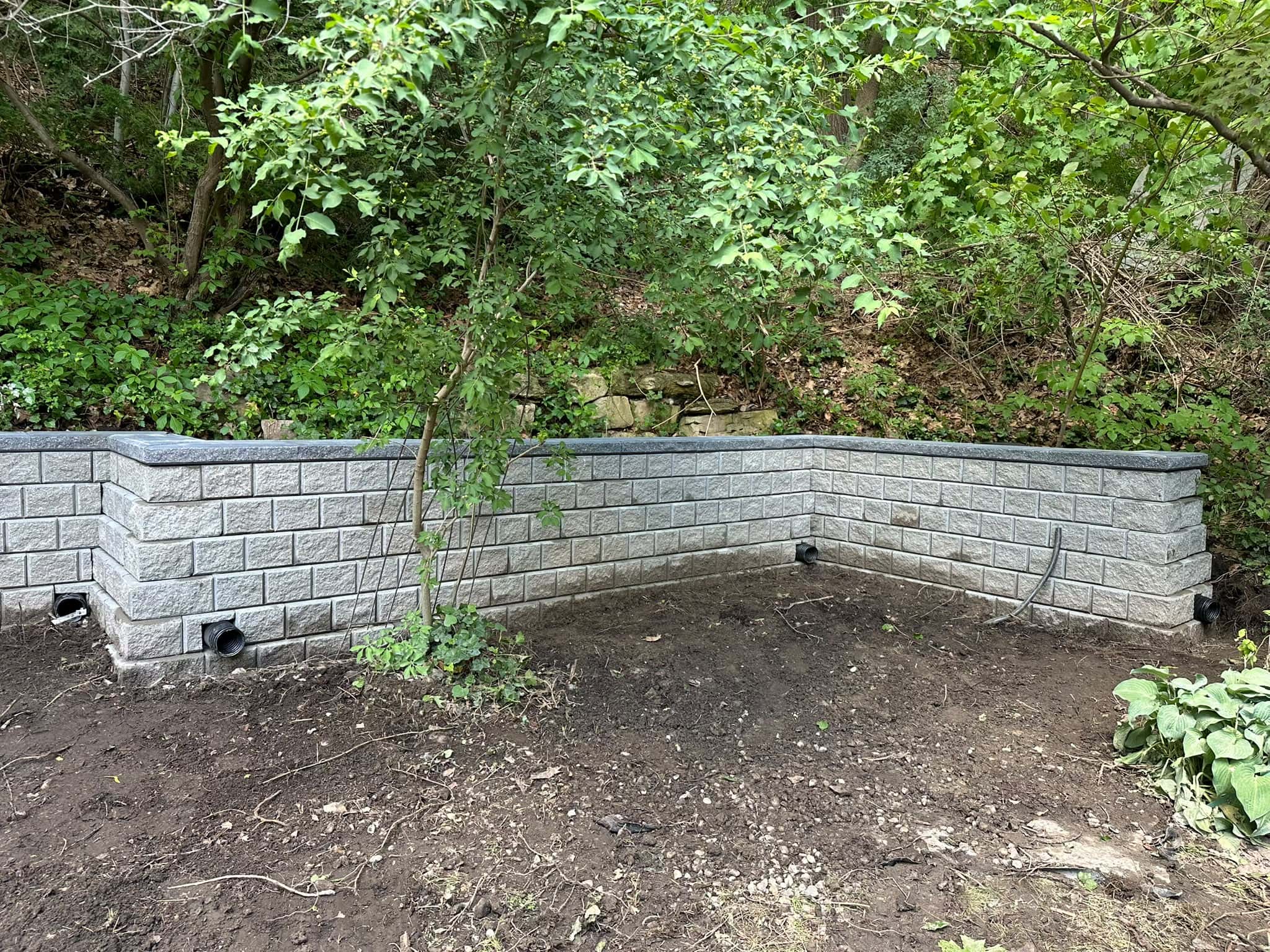
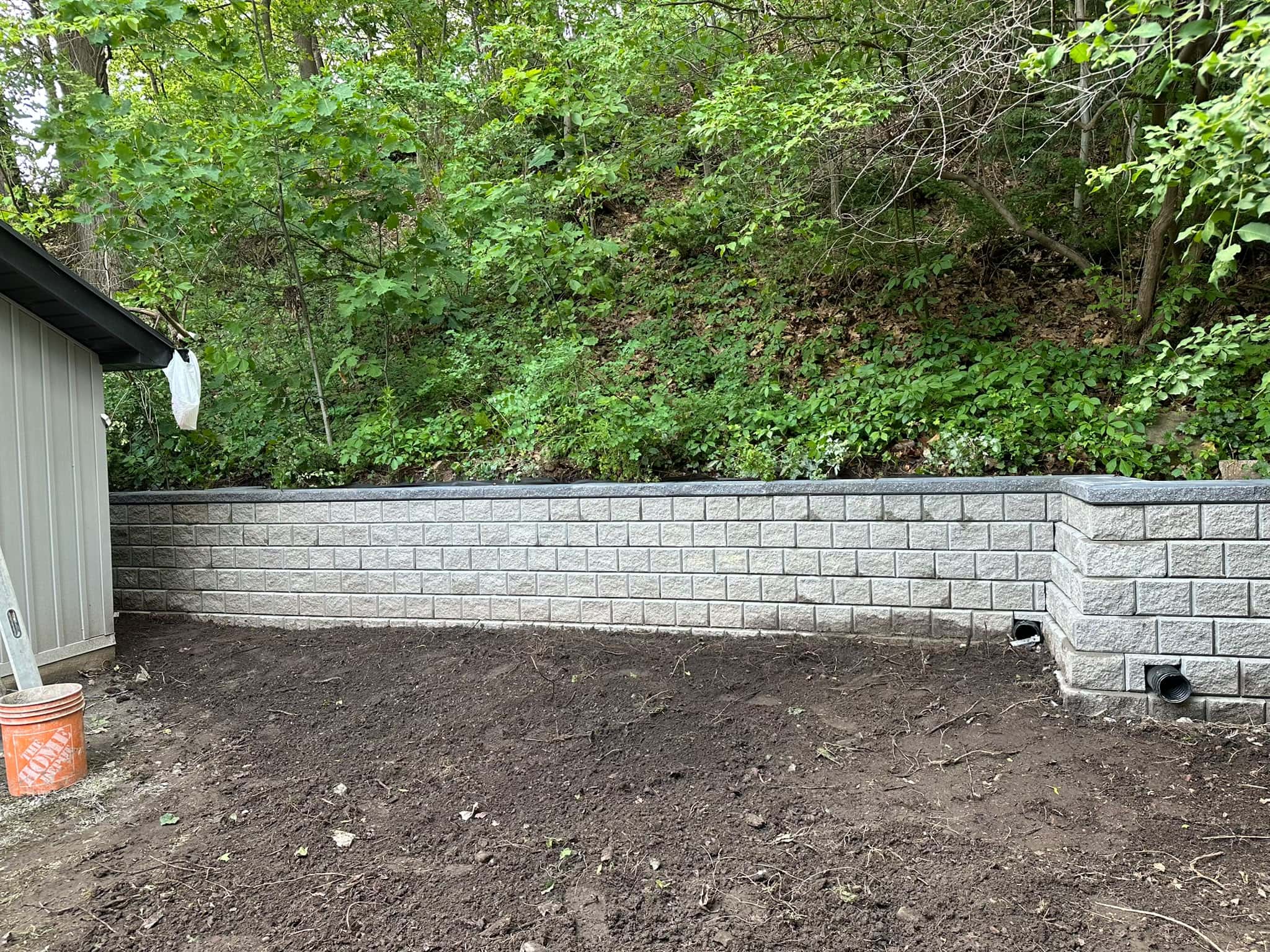
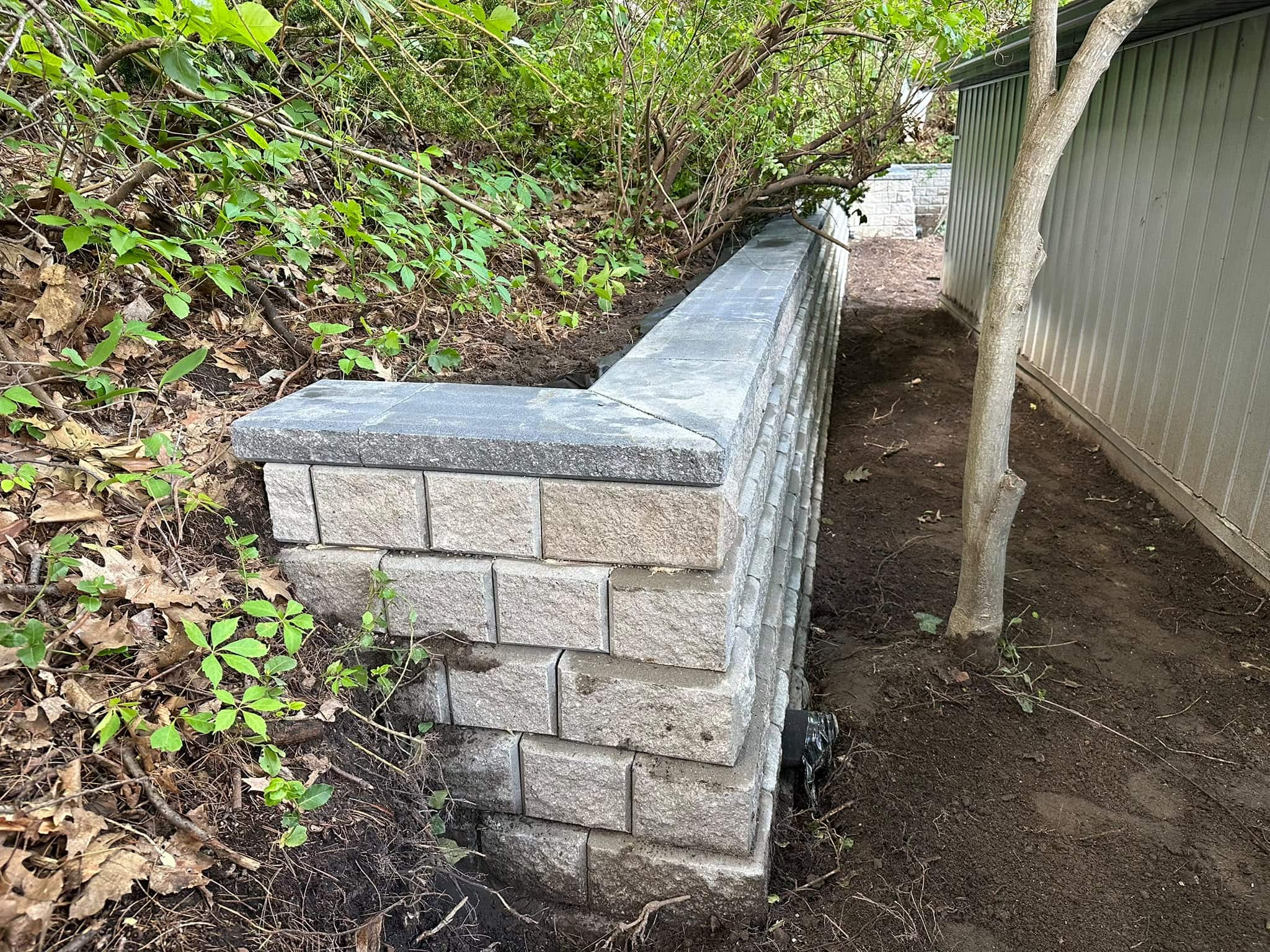
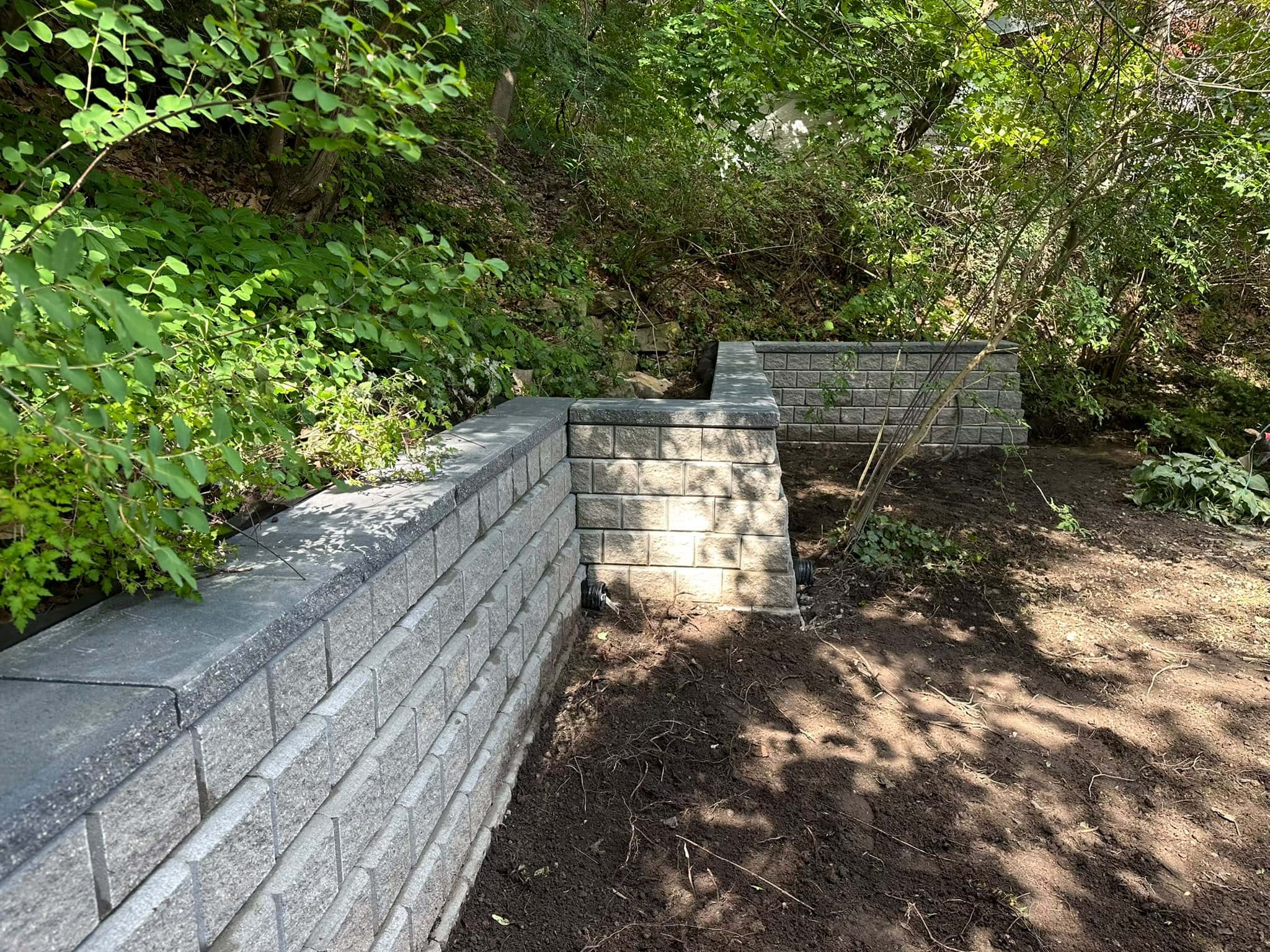
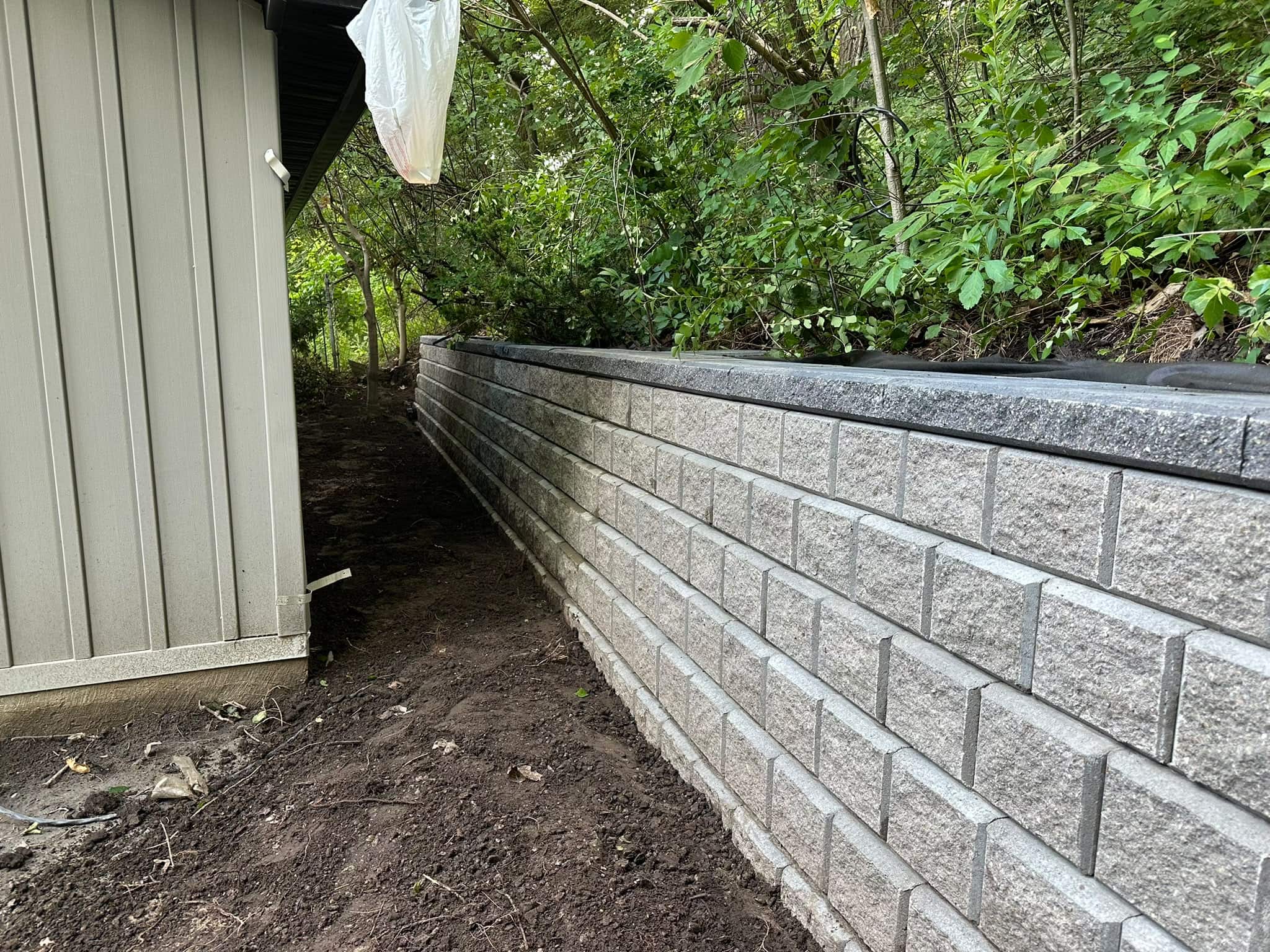
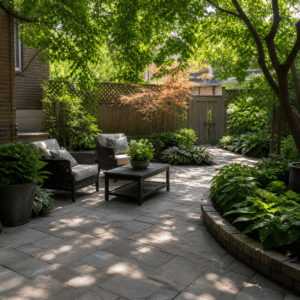
A well-planned masonry landscape can support comfort by creating stable walking surfaces, shaded sitting areas, and controlled water flow. For example, stone steps beside planted areas can feel more natural and comfortable than a fully paved side yard. A retaining wall with nearby plants can help manage a slope while softening the heat around the property. A permeable or well-drained interlocking surface can help reduce standing water and improve the space’s ability to handle rain.
The City of Toronto also supports green roofs as one way to reduce the urban heat island effect, and its green roof overview explains how green roof design fits into broader cooling and stormwater goals. Most homeowners will not add a green roof just to cool a house, but the same principle applies at ground level. More vegetation, less unnecessary hard surface, and smarter material choices can make a property feel cooler.
Drainage and Moisture Control Affect Summer Comfort
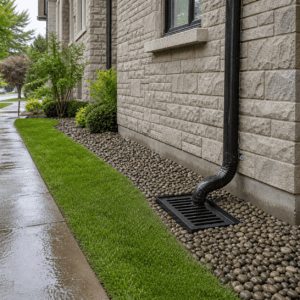
Drainage affects summer comfort because damp masonry can make indoor and outdoor spaces feel uncomfortable. A basement that stays cool but damp is not truly comfortable. A patio that drains toward the house can create foundation problems. A retaining wall without proper drainage can trap water, damage mortar, and push moisture toward nearby structures.
Toronto’s mix of rain, snowmelt, and older housing stock makes moisture control especially important. The City also requires property owners to keep downspouts disconnected from the sewer system; details are available on its mandatory downspout disconnection page. When water is not directed properly, it can affect foundations, basement walls, masonry joints, and outdoor hardscape areas.
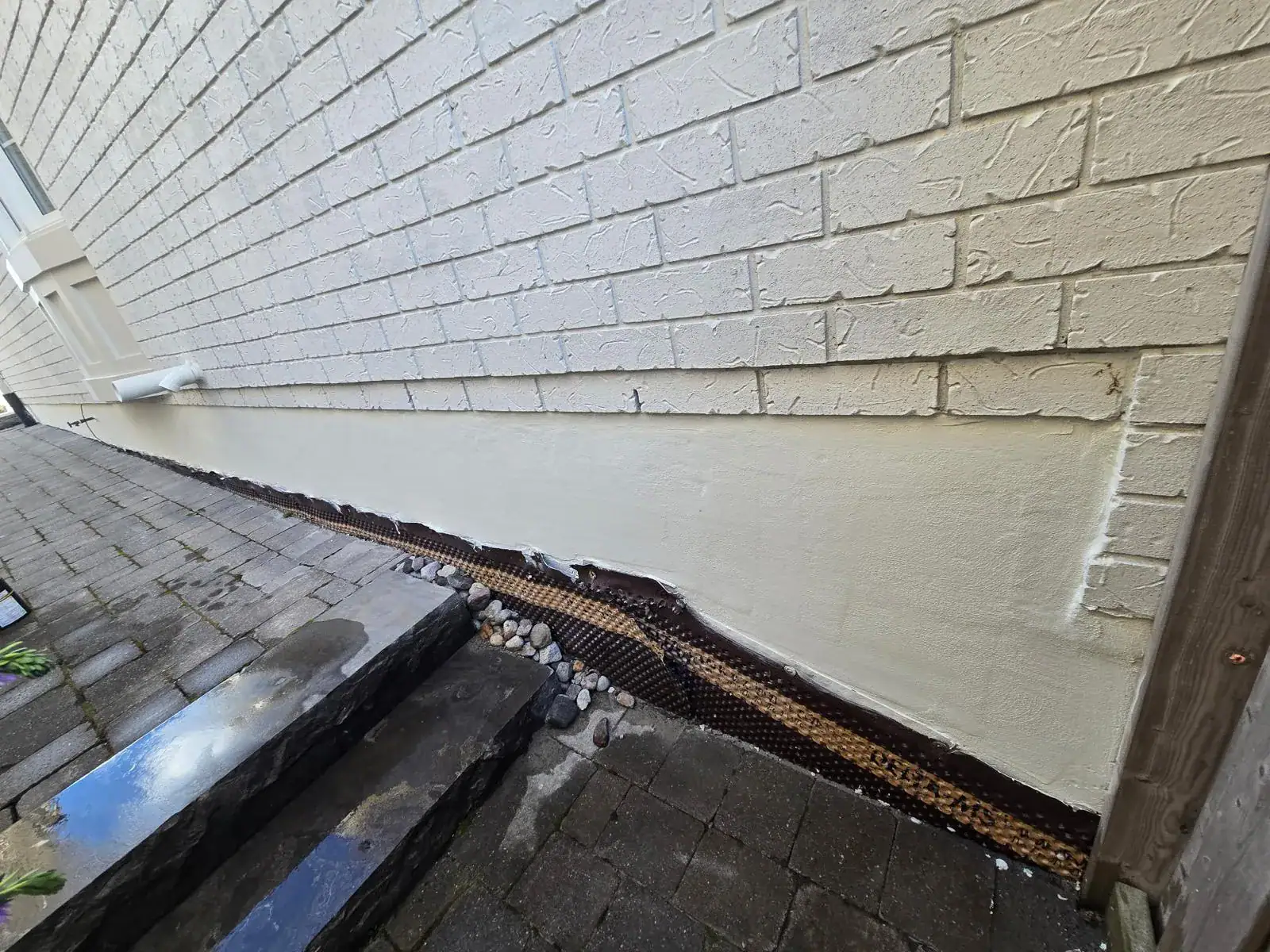
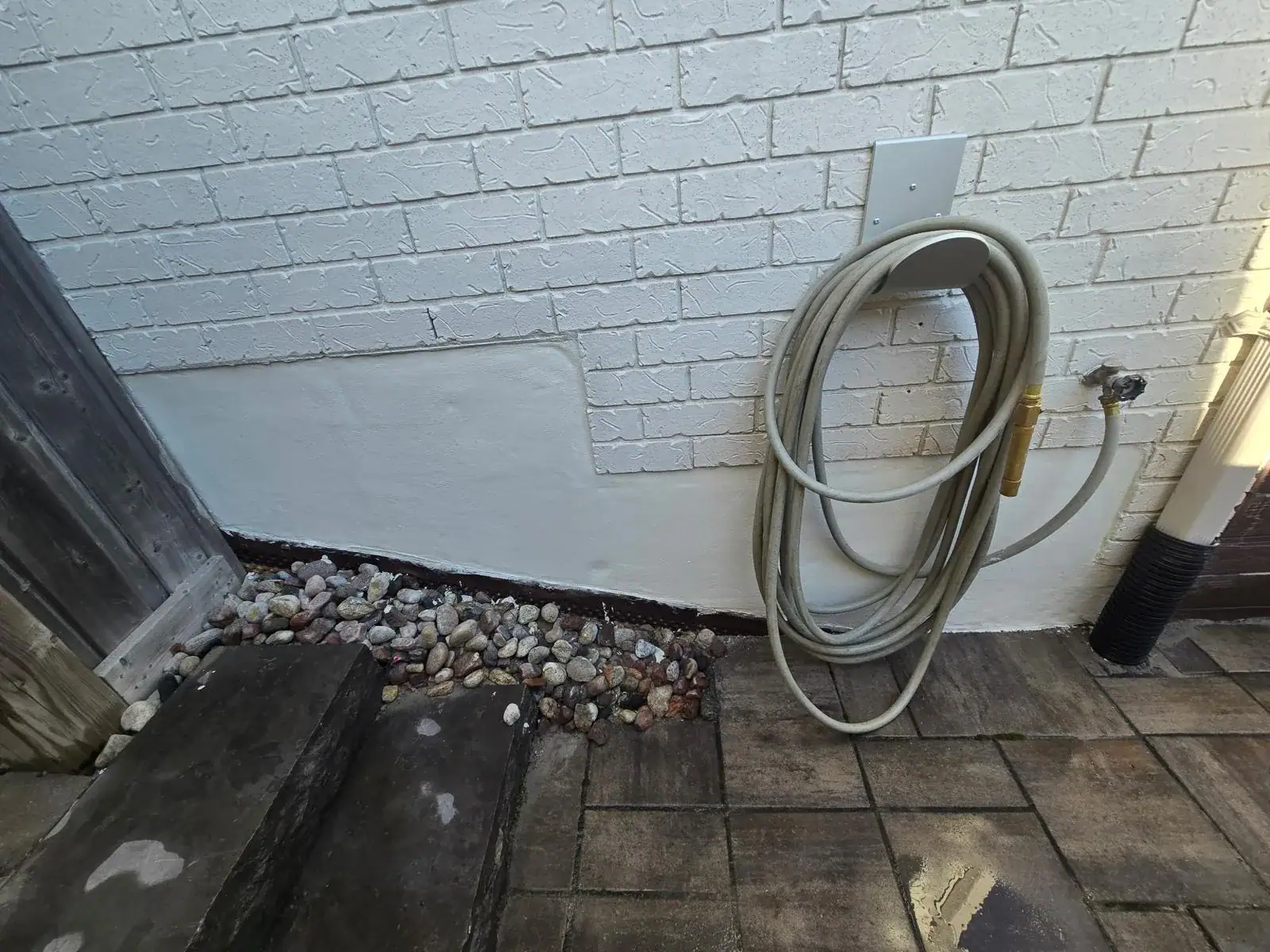
For homes where water is already collecting near the foundation, masonry cooling benefits can be overshadowed by moisture issues. In those cases, waterproofing, grading, drainage, and exterior wall repair may matter more than choosing a new surface colour. Homeowners with signs of seepage or foundation moisture can review waterproofing in Toronto to better understand how exterior water control supports the home.
Where Masonry Helps Most Inside the Home
Masonry helps most inside the home when it is part of a stable, dry, and well-ventilated building envelope. Brick walls, stone fireplaces, concrete basement walls, and masonry foundation areas can all influence indoor comfort.
Basements are a good example. Many Toronto basements feel naturally cooler in summer because they sit partly or fully below grade. Masonry and concrete walls can hold cooler ground temperatures longer than above-grade spaces. However, a cool basement is only useful if it is dry, safe, and properly maintained. If there is efflorescence, musty smell, staining, cracking, or water entry, the issue should not be ignored just because the space feels cool.
Interior brick or stone features can also help create a more stable feel, but they are not a substitute for insulation, windows, ventilation, or proper exterior maintenance. Think of masonry as one part of the cooling system, not the whole system.
What Homeowners Can Do Themselves
Homeowners can take several practical steps before starting a larger masonry project. These smaller checks help you understand whether your home is using masonry effectively or working against itself in hot weather.
- Check sun exposure. Notice which walls, patios, and walkways get the strongest afternoon sun.
- Look at surface colour. Large dark surfaces may be adding more heat around the home than expected.
- Improve shade. Use trees, shrubs, pergolas, or shade structures where they make sense.
- Keep air moving. Avoid blocking airflow around exterior walls with clutter or dense storage.
- Watch drainage. Make sure water moves away from the foundation and does not pool on masonry surfaces.
- Inspect mortar joints. Crumbling, cracked, or missing mortar can affect both durability and moisture control.
- Clean surfaces carefully. Dirt, algae, and staining can hide damage and make surfaces look worse than they are.
Health Canada also reminds Canadians to protect themselves during extreme heat by avoiding very hot conditions where possible, planning activities for cooler parts of the day, and using safer cooling habits. Its guide on protecting yourself from extreme heat is useful during heat waves, especially for households with children, older adults, or people with health concerns.
When Professional Masonry Help Makes More Sense
Professional help makes more sense when masonry damage, drainage problems, structural movement, or major design changes are involved. Some cooling-related improvements are simple, but others affect the home’s long-term condition.
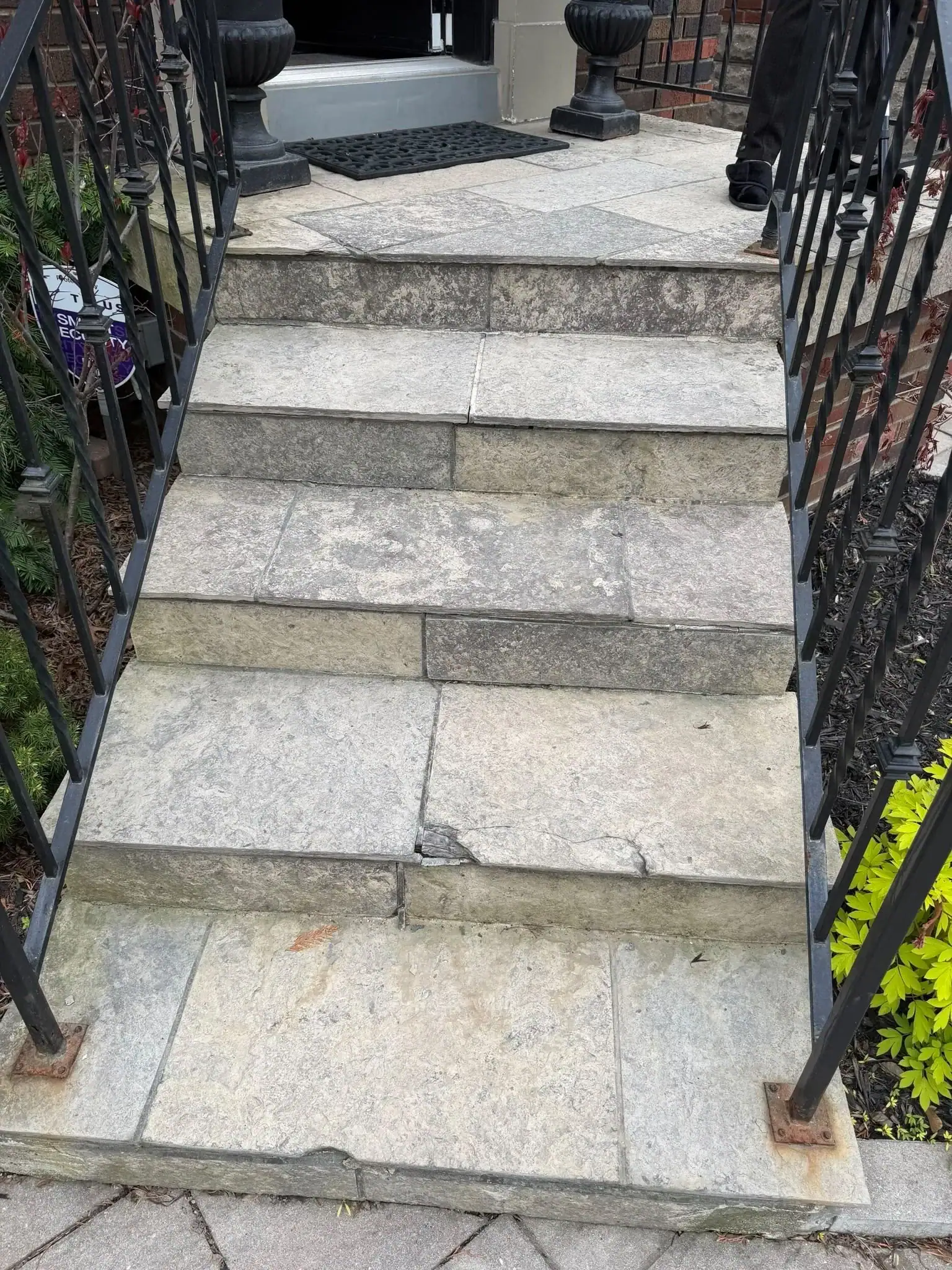
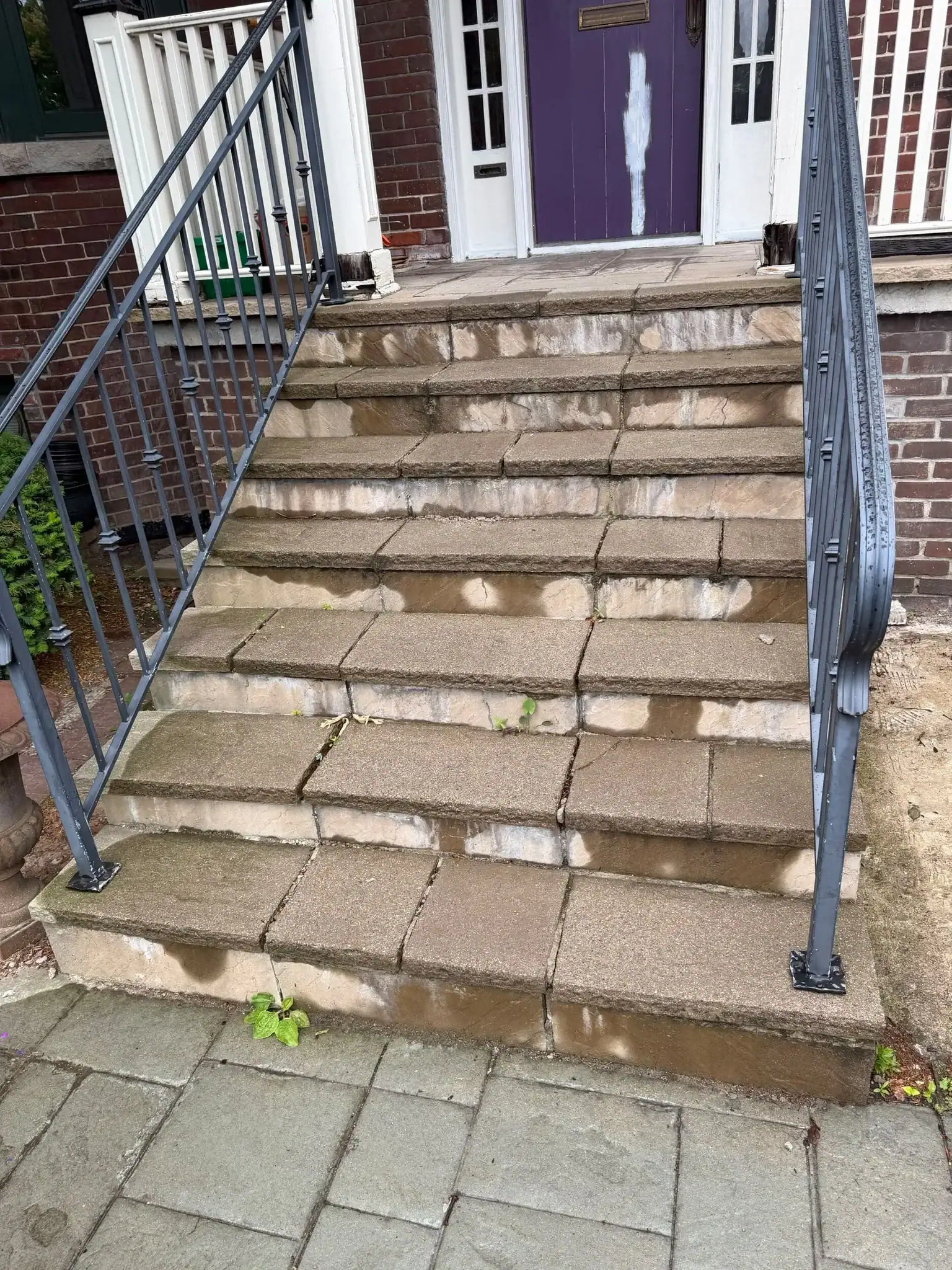
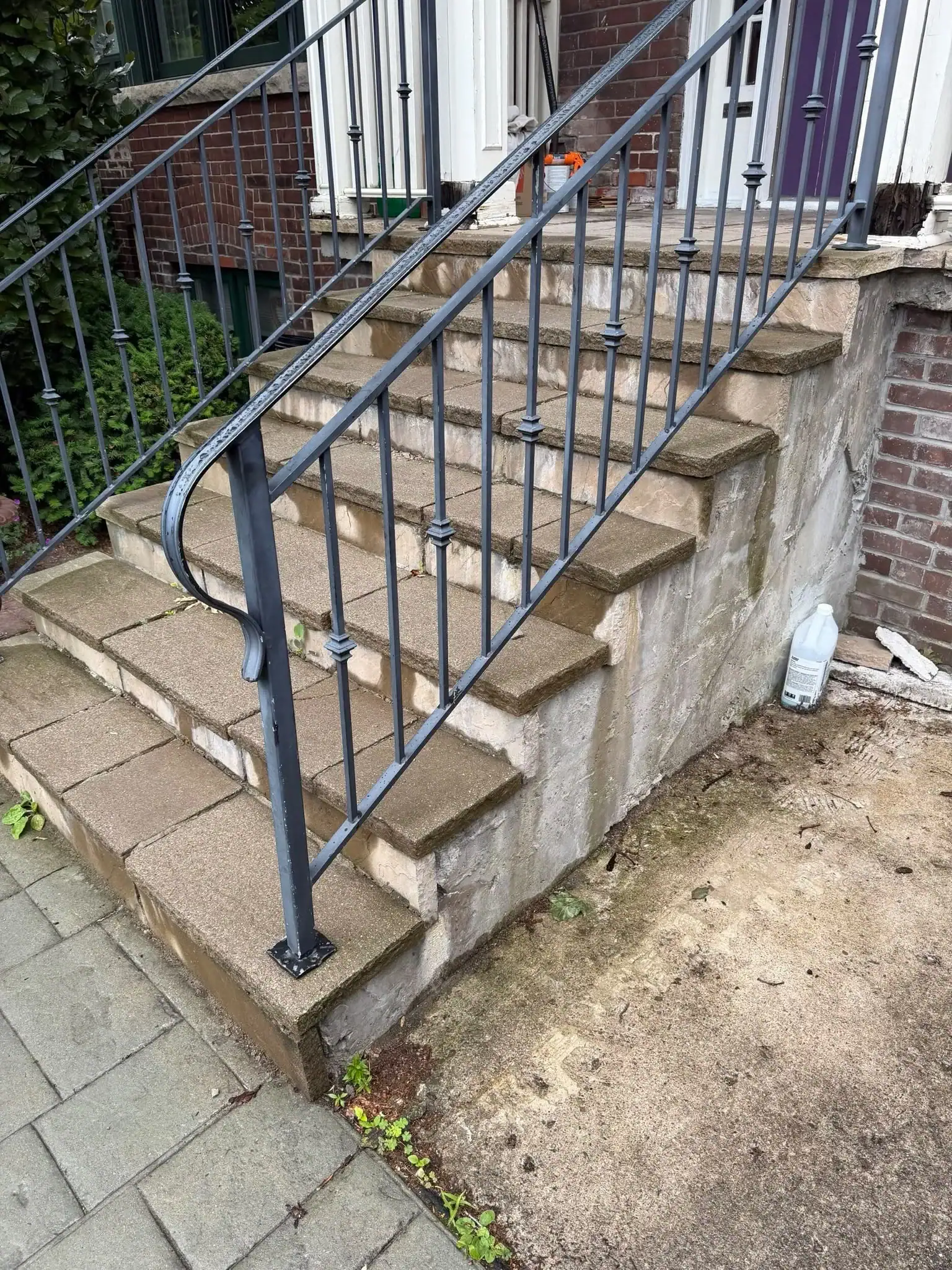
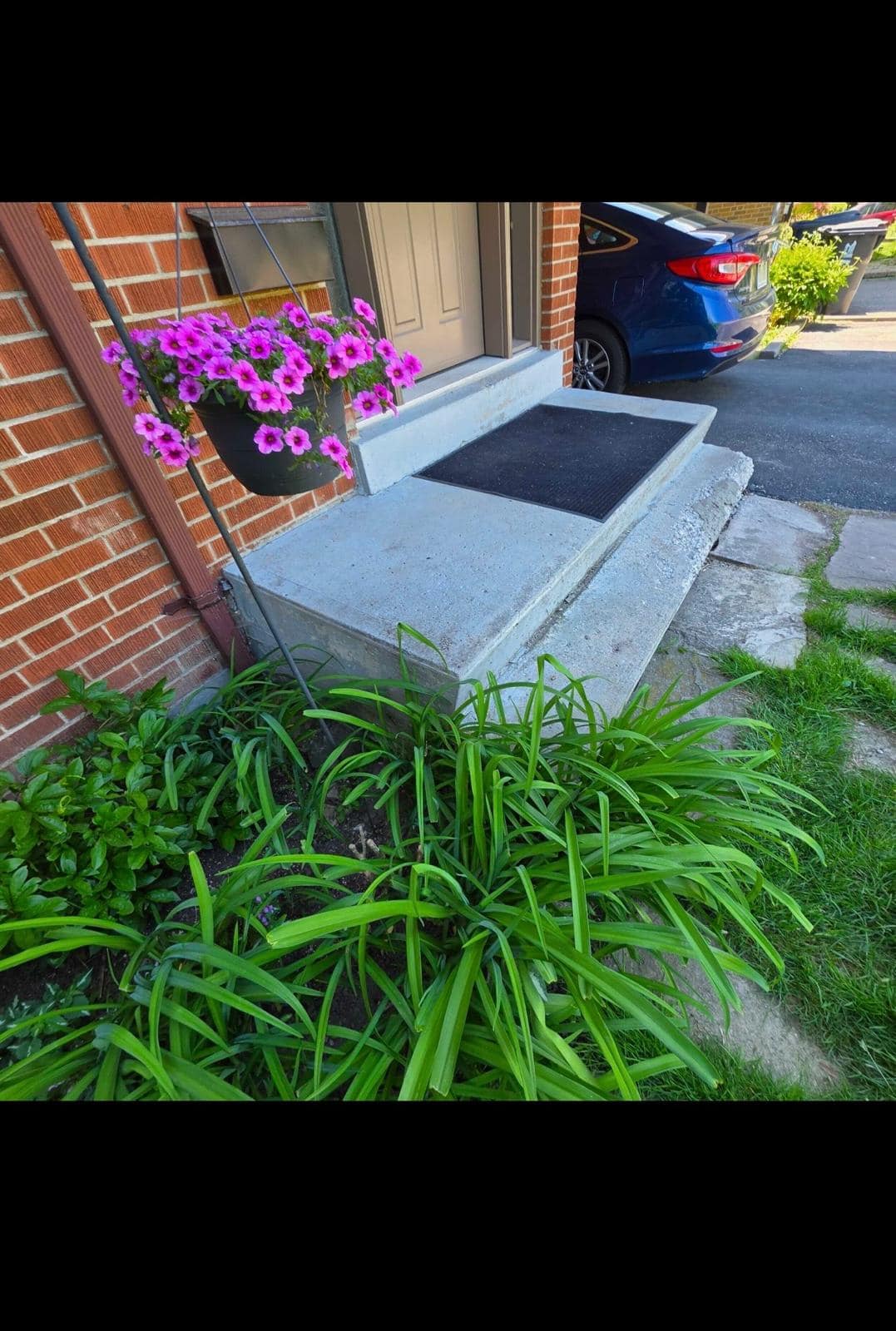
For example, replacing a small patio border is very different from rebuilding failing steps, repairing a retaining wall, repointing a brick wall, or correcting water issues near a foundation. If the masonry is cracked, leaning, spalling, holding water, or separating from nearby materials, the cooling benefit becomes secondary. The first priority is safety and durability.
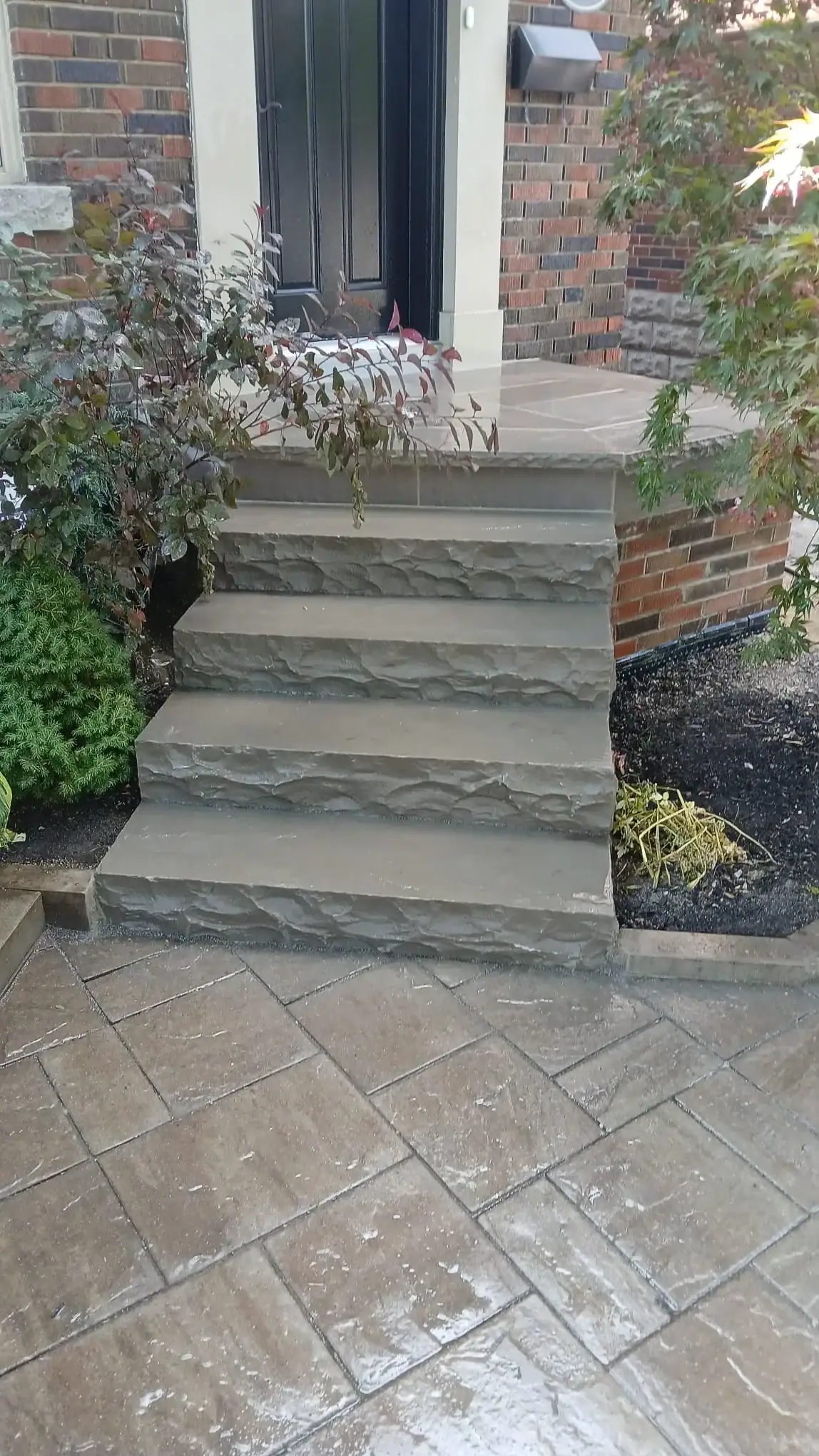
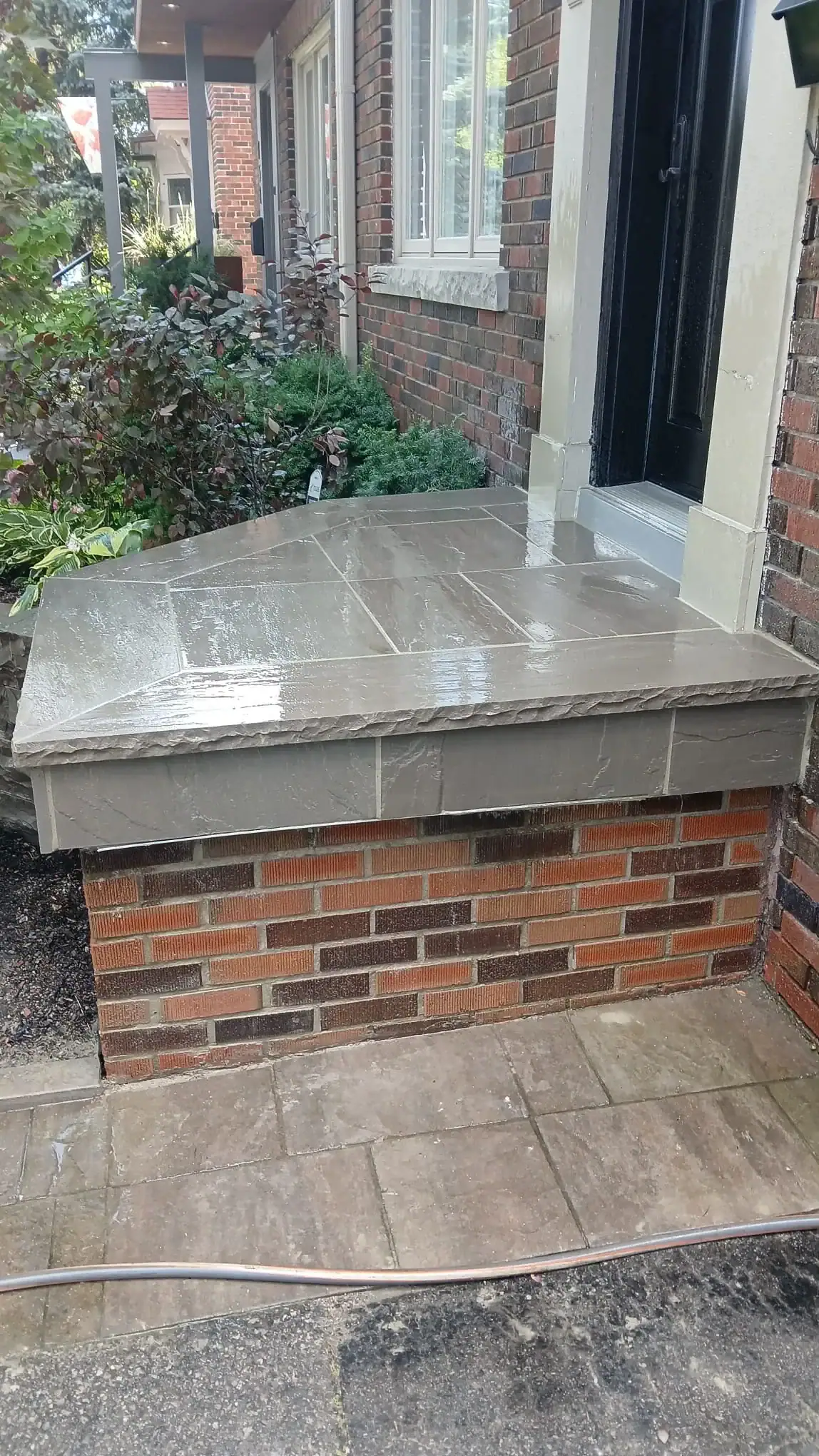
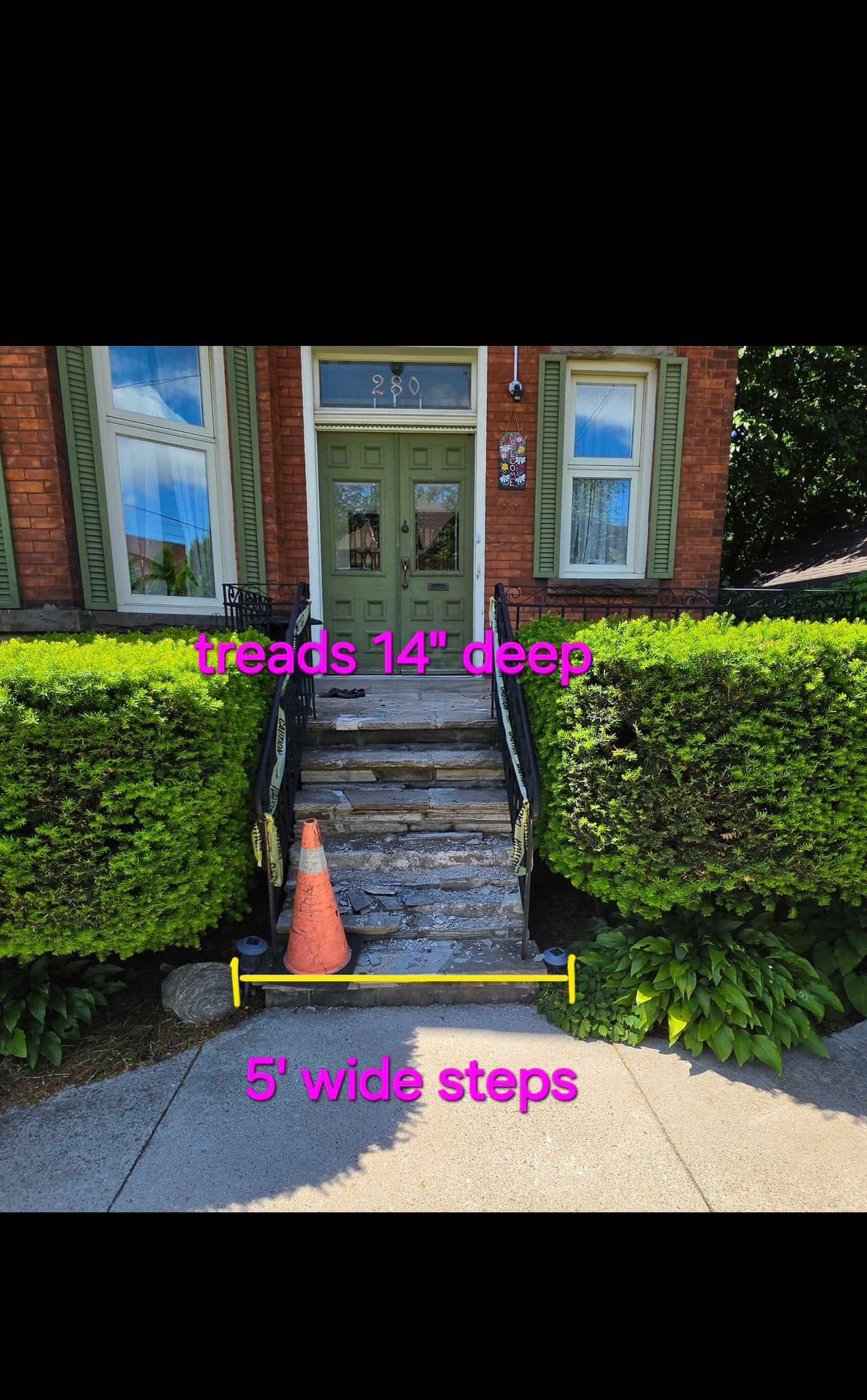
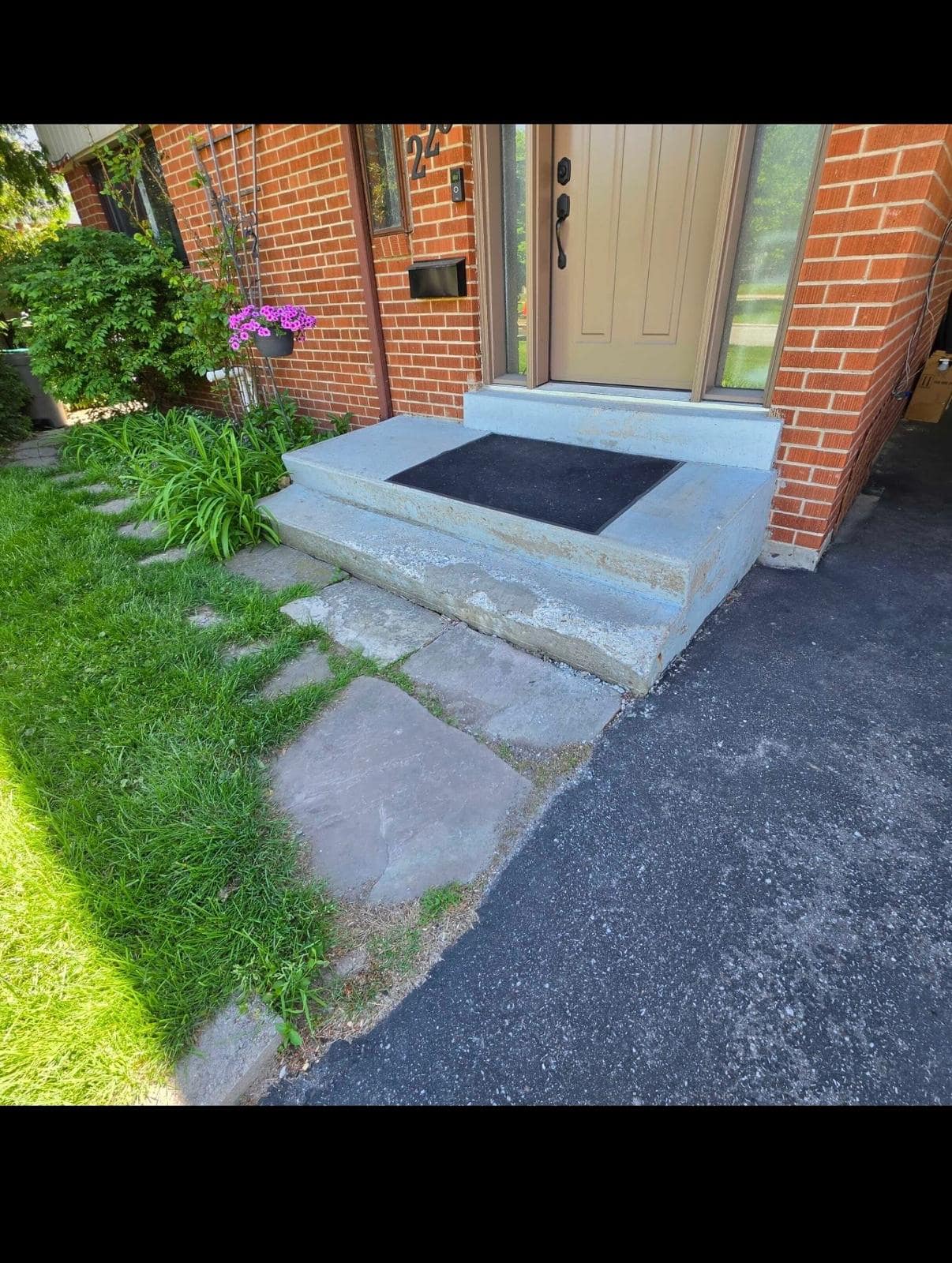
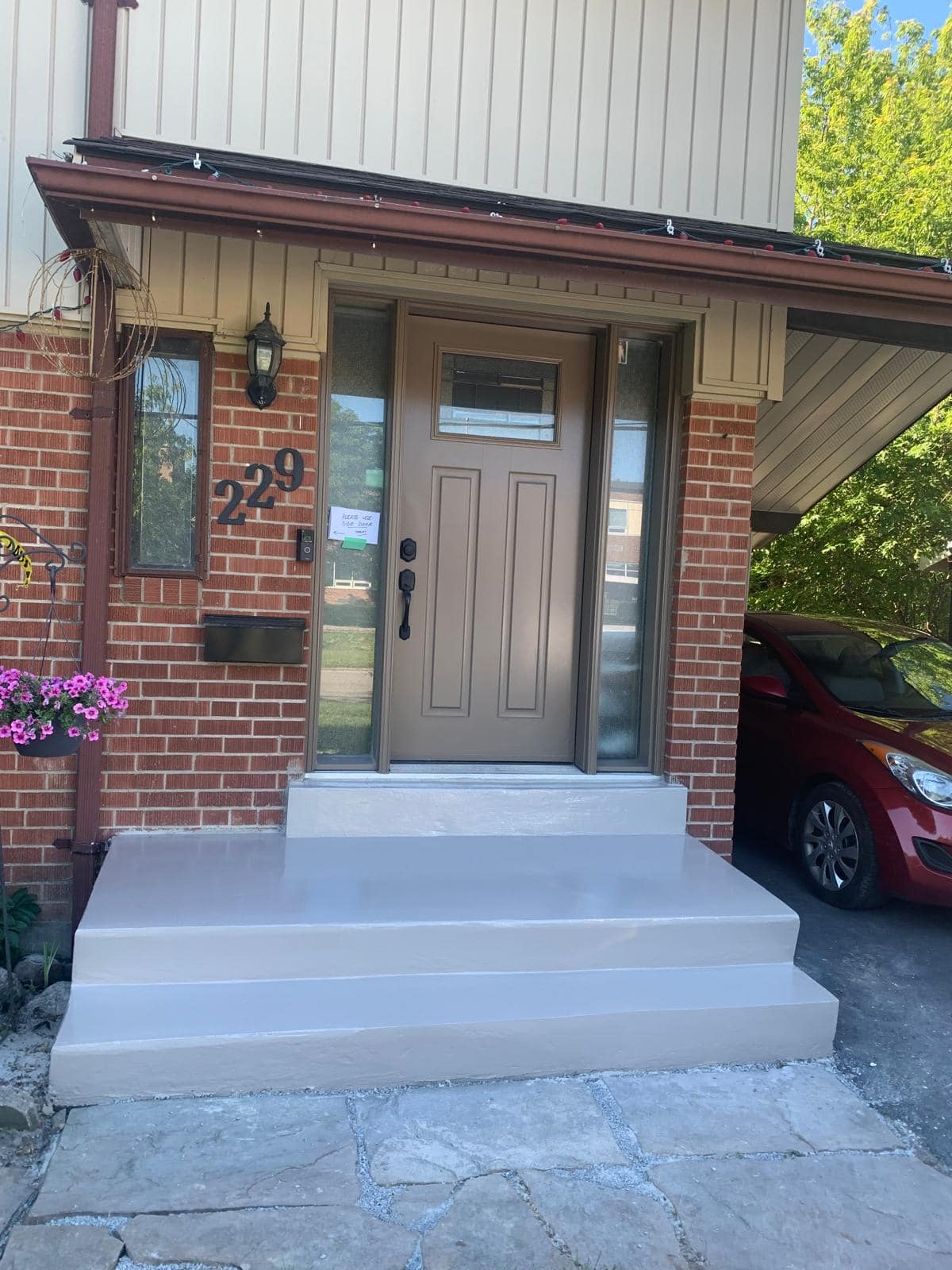
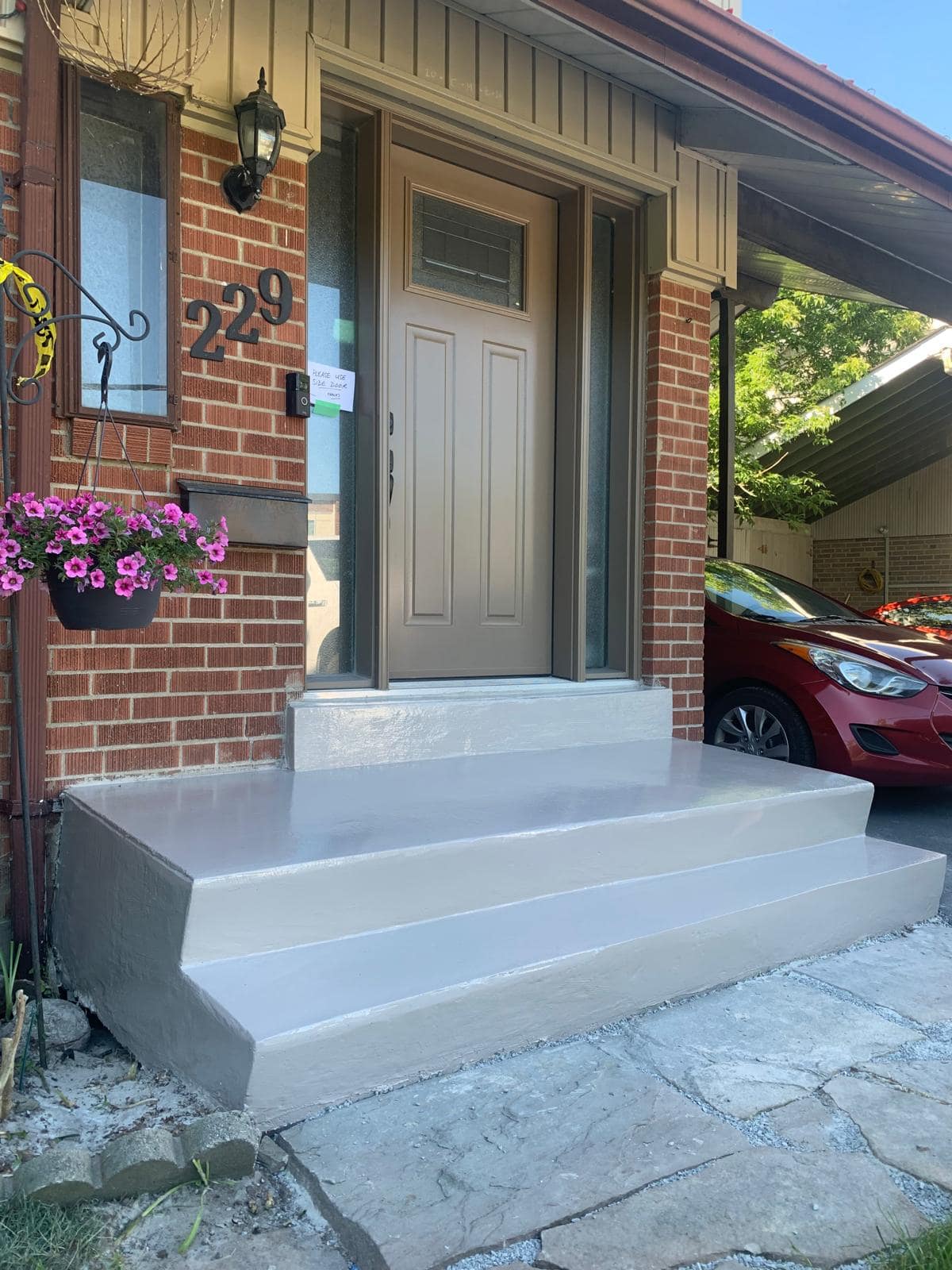
Homeowners considering stone features, walls, steps, or exterior upgrades can also review stone masonry in Toronto to understand how natural stone can be used around residential properties. The right design can improve appearance and comfort, but poor installation can create water, heat, and maintenance problems later.
Quick Decision Guide: Choosing Masonry for a Cooler Home
The best masonry choice depends on the problem you are trying to solve. A cooler home is not always achieved by adding more masonry. Sometimes it means choosing the right masonry, placing it better, or repairing what already exists.
- Choose lighter pavers or stone if the area gets strong direct sun and comfort underfoot matters.
- Use darker accents carefully if you like contrast, but do not want large surfaces to hold too much heat.
- Pair masonry with planting if the yard feels too hard, bare, or hot in summer.
- Prioritize drainage if water pools near the foundation, patio, steps, or retaining wall.
- Repair damaged mortar if brick walls show gaps, cracks, soft joints, or moisture stains.
- Think seasonally because Toronto masonry must handle summer heat and winter freeze-thaw cycles.
A smart plan usually combines several smaller choices. Lighter surfaces, shade, good drainage, healthy mortar, and balanced landscaping can work together better than a single large upgrade done in isolation.
Final Thoughts on Cooling Your Home Naturally With Masonry Materials
Cooling your home naturally with masonry materials is really about using brick, stone, concrete, and pavers more intelligently. Masonry can help stabilize temperatures, create more comfortable outdoor spaces, and support long-term durability when properly chosen and maintained.
For Toronto and GTA homeowners, the best results come from thinking beyond appearance. Consider sun exposure, surface colour, drainage, shade, freeze-thaw durability, and the condition of existing masonry. A beautiful patio, brick wall, or stone feature should look good not only on installation day. It should also help the home feel comfortable, manage water properly, and hold up through changing seasons.
If your goal is a cooler, more comfortable property, masonry can be part of the answer. The important question is not simply “Which material looks best?” A better question is “Which material works best for this exact location, climate, and use?” That is where good masonry planning makes the biggest difference.