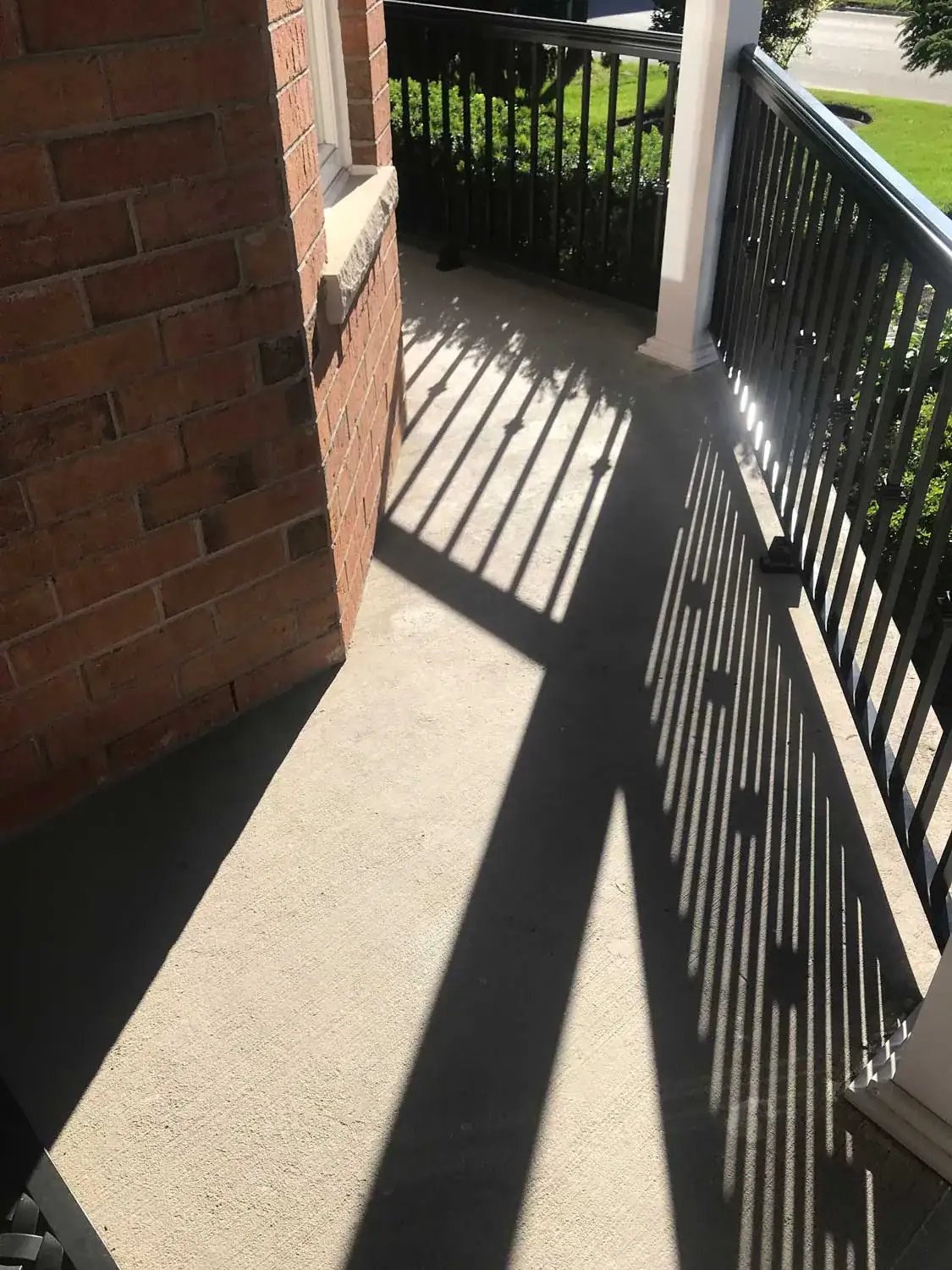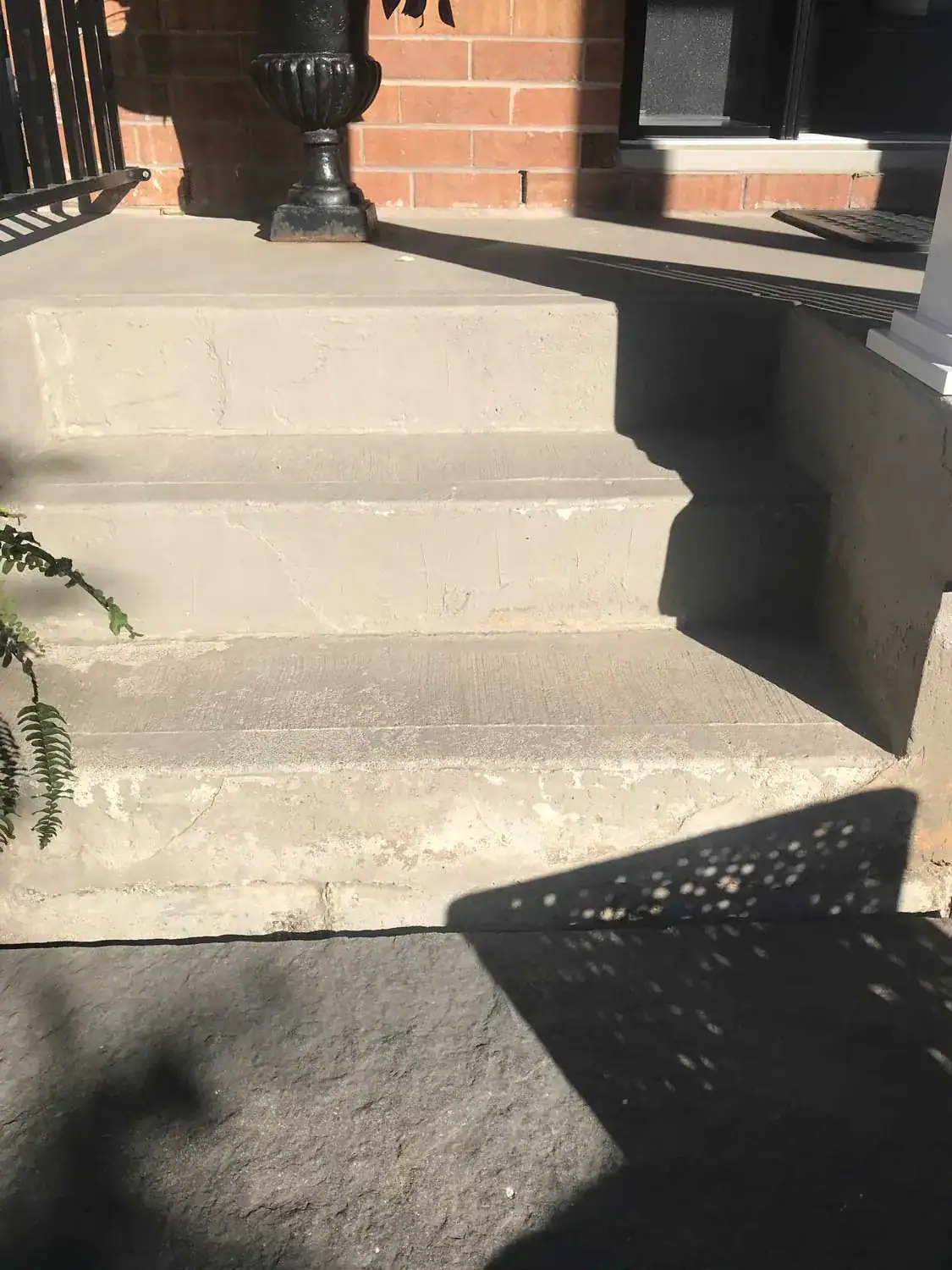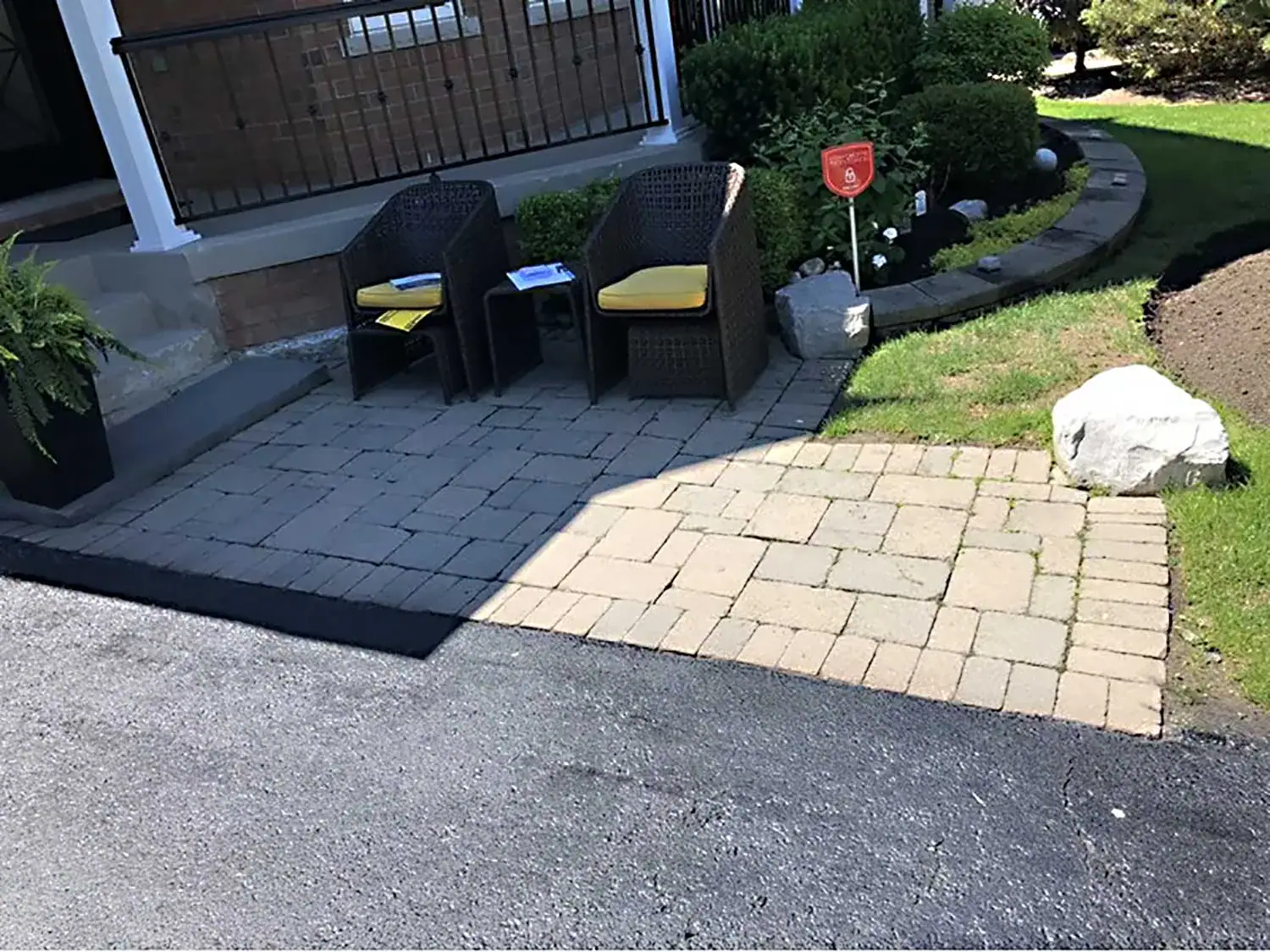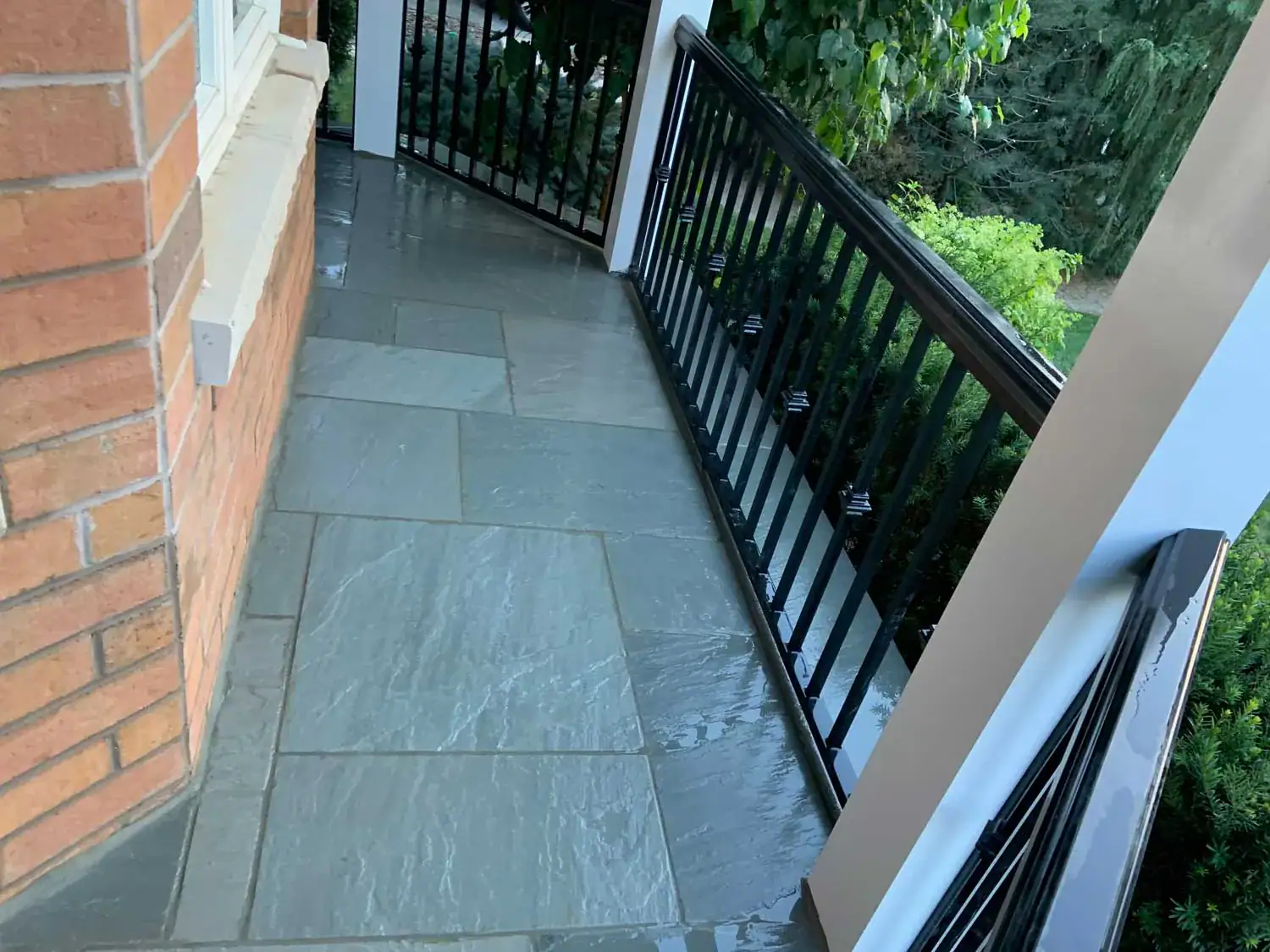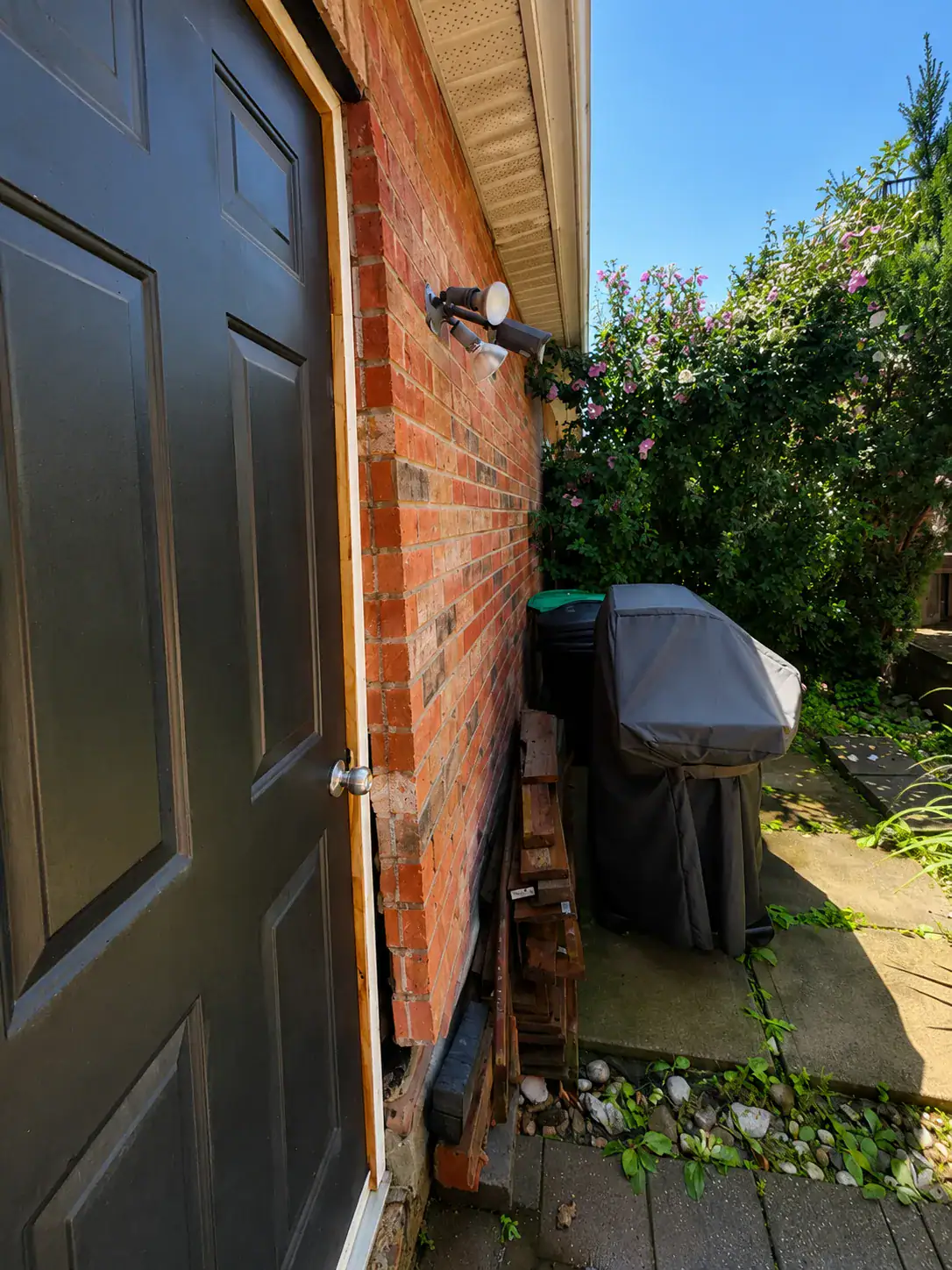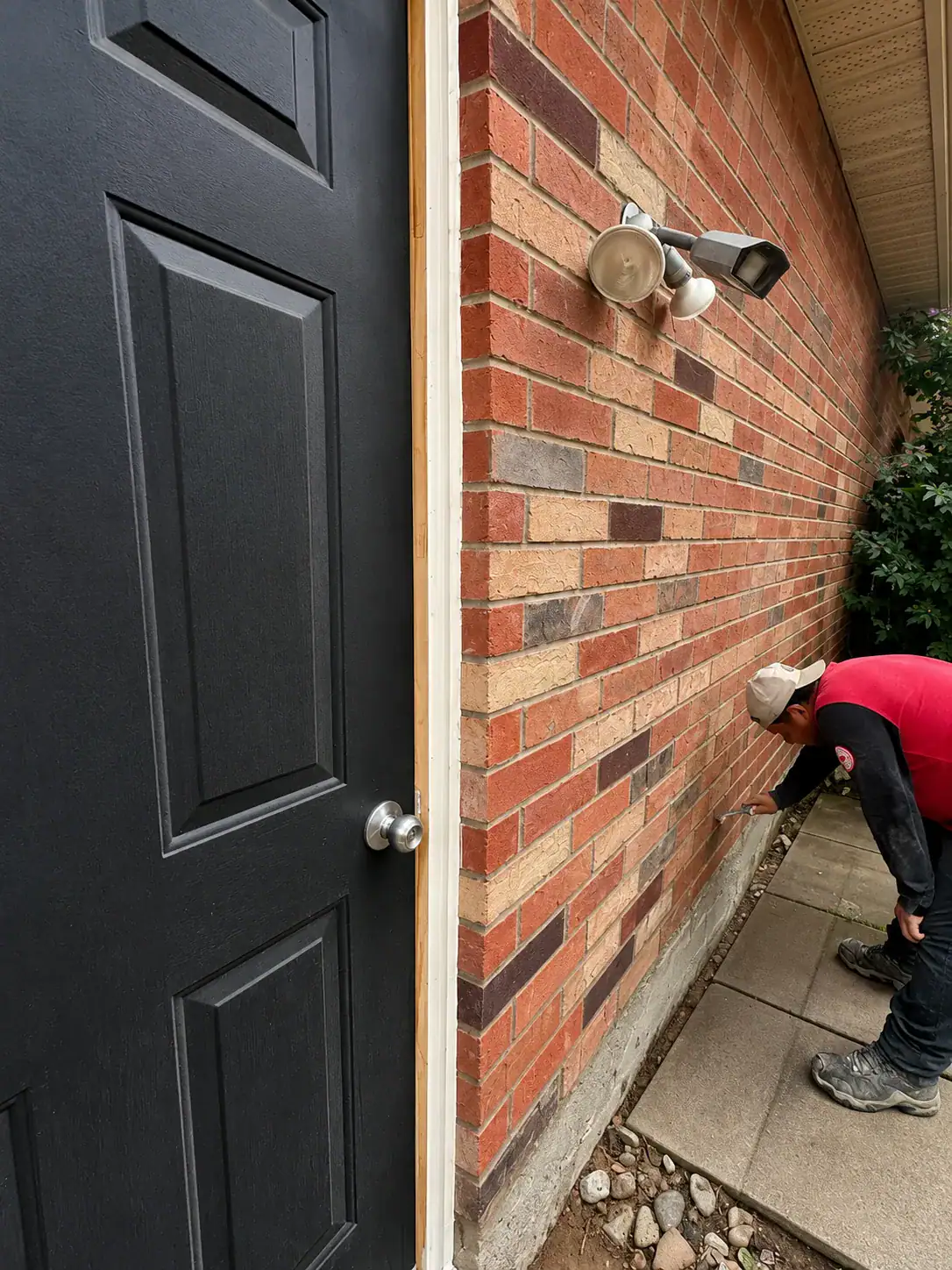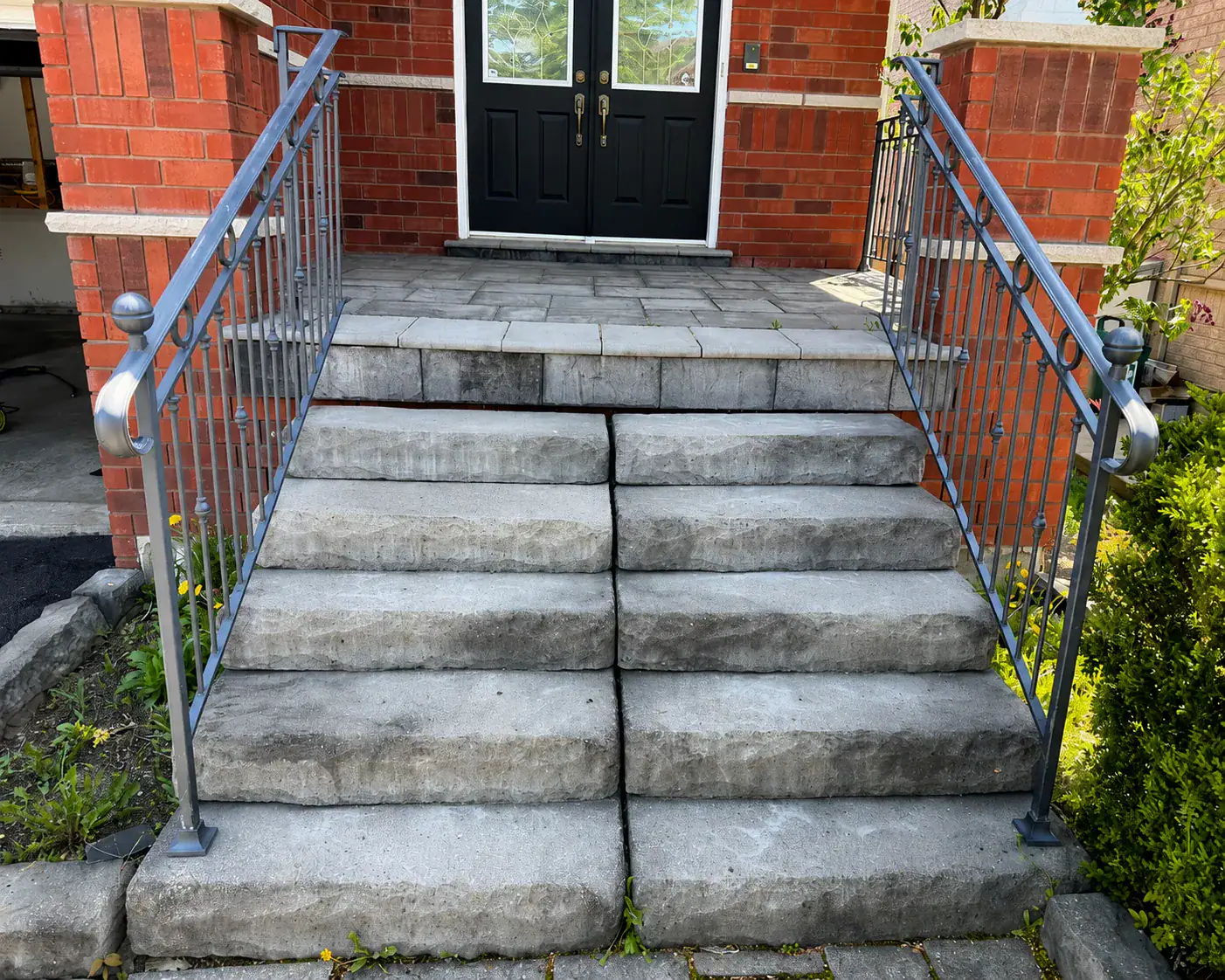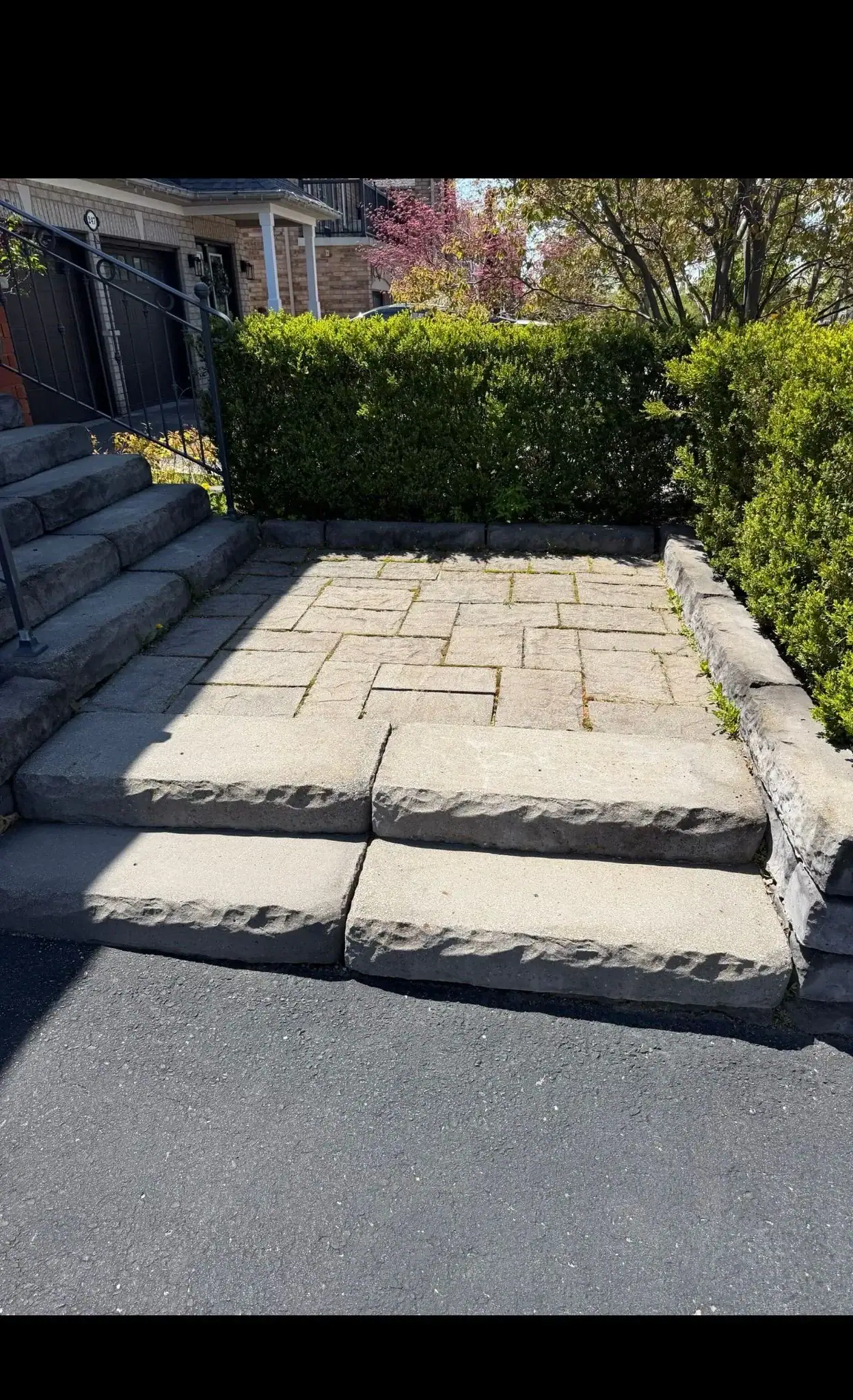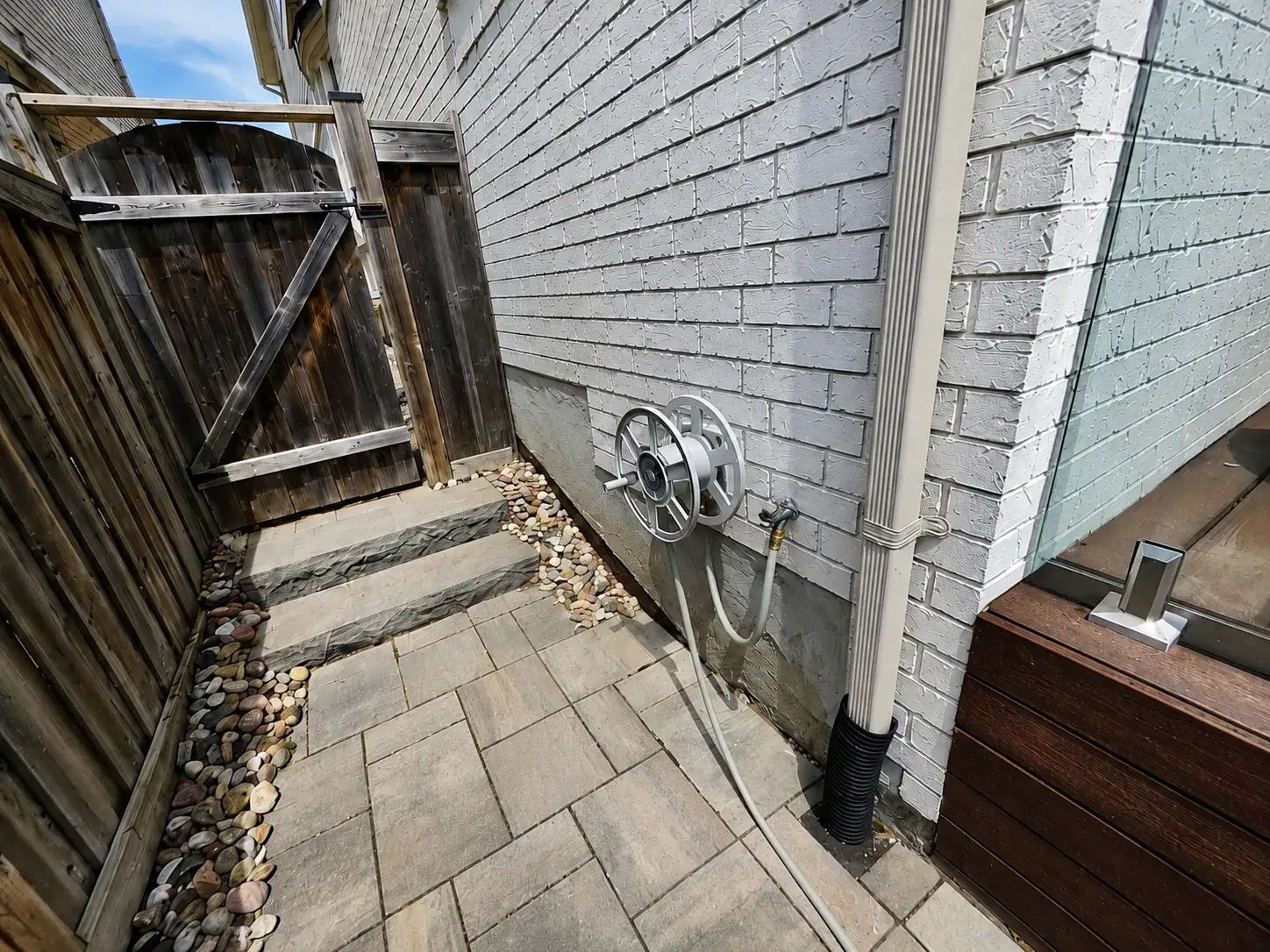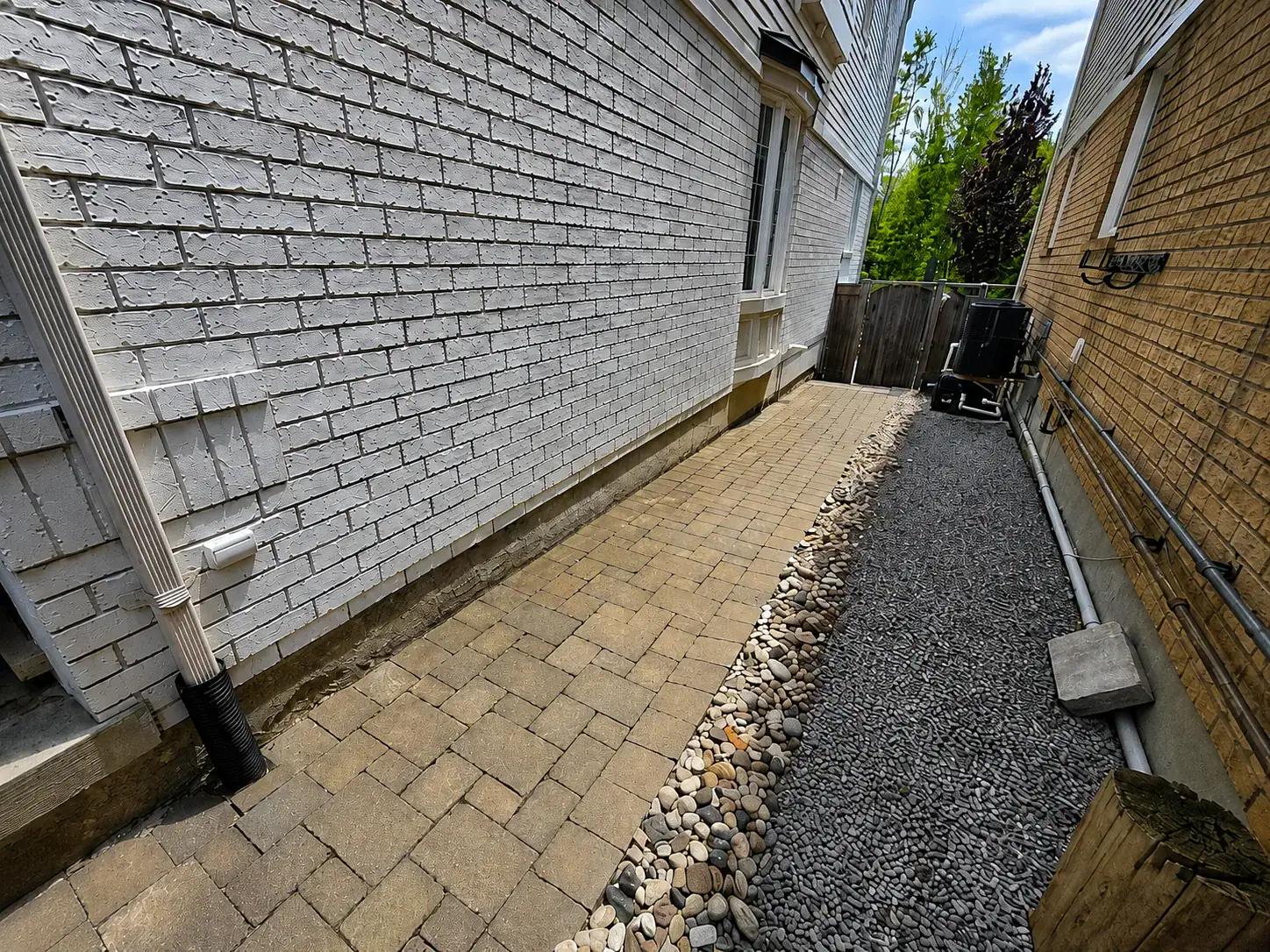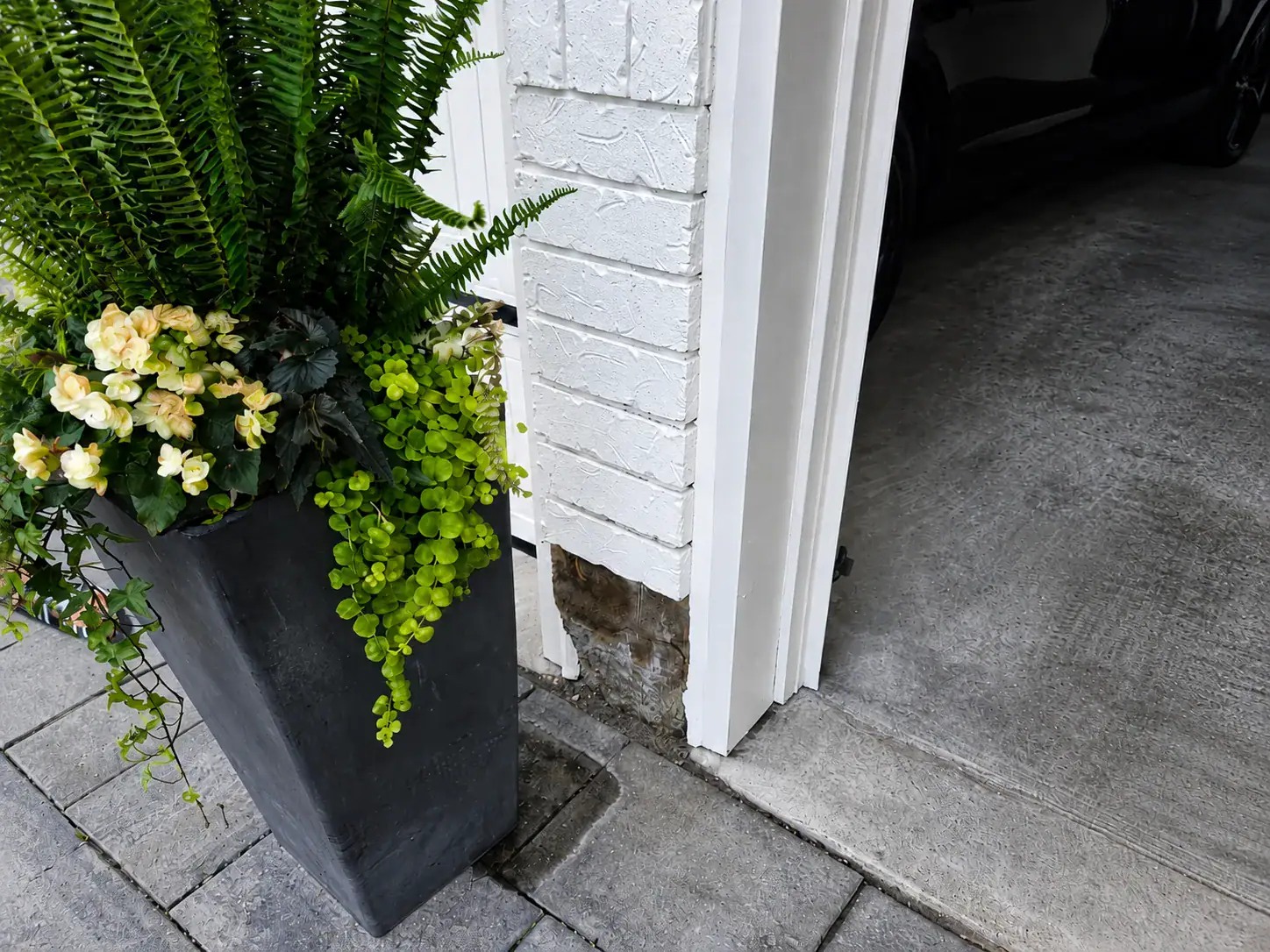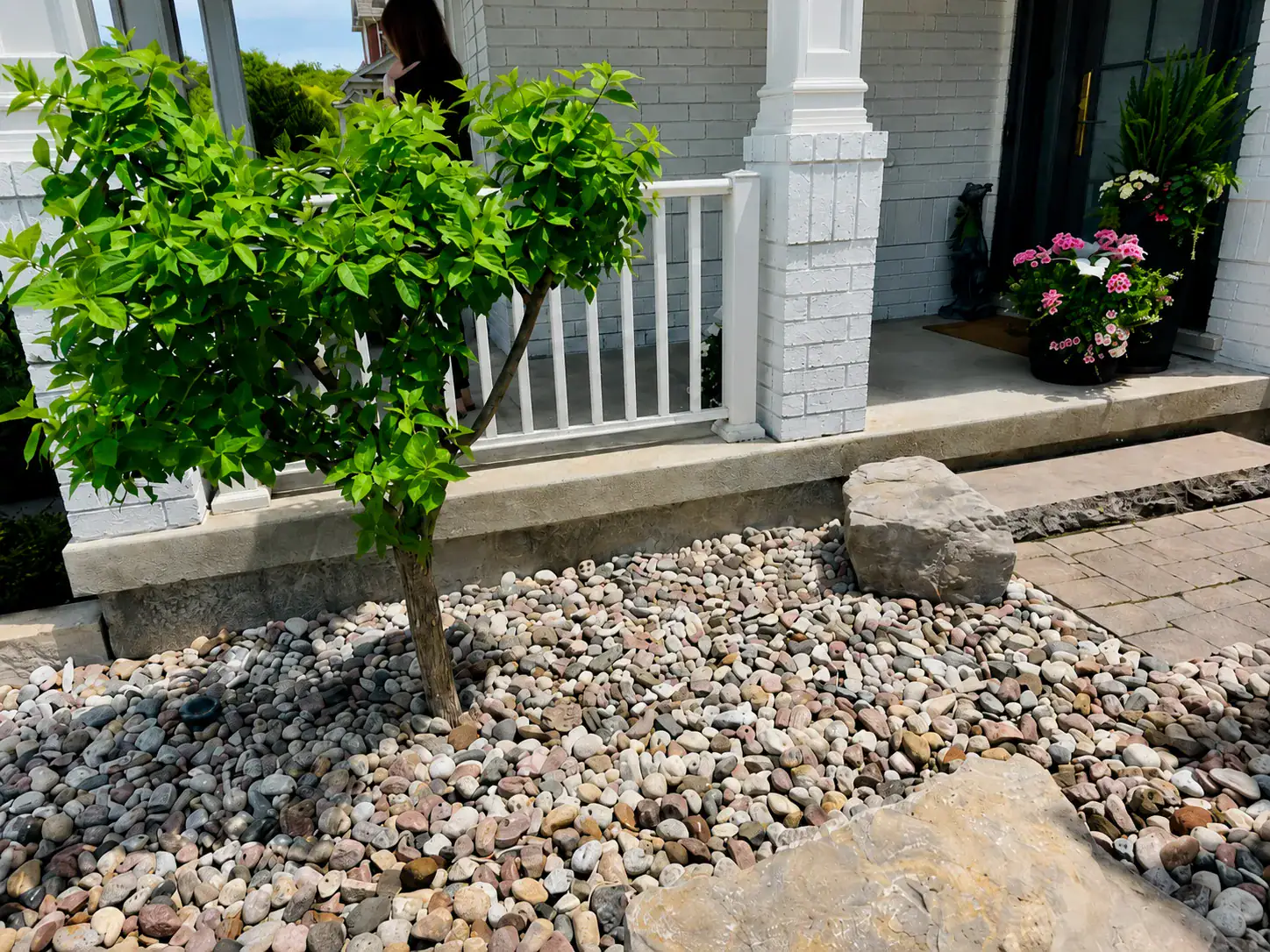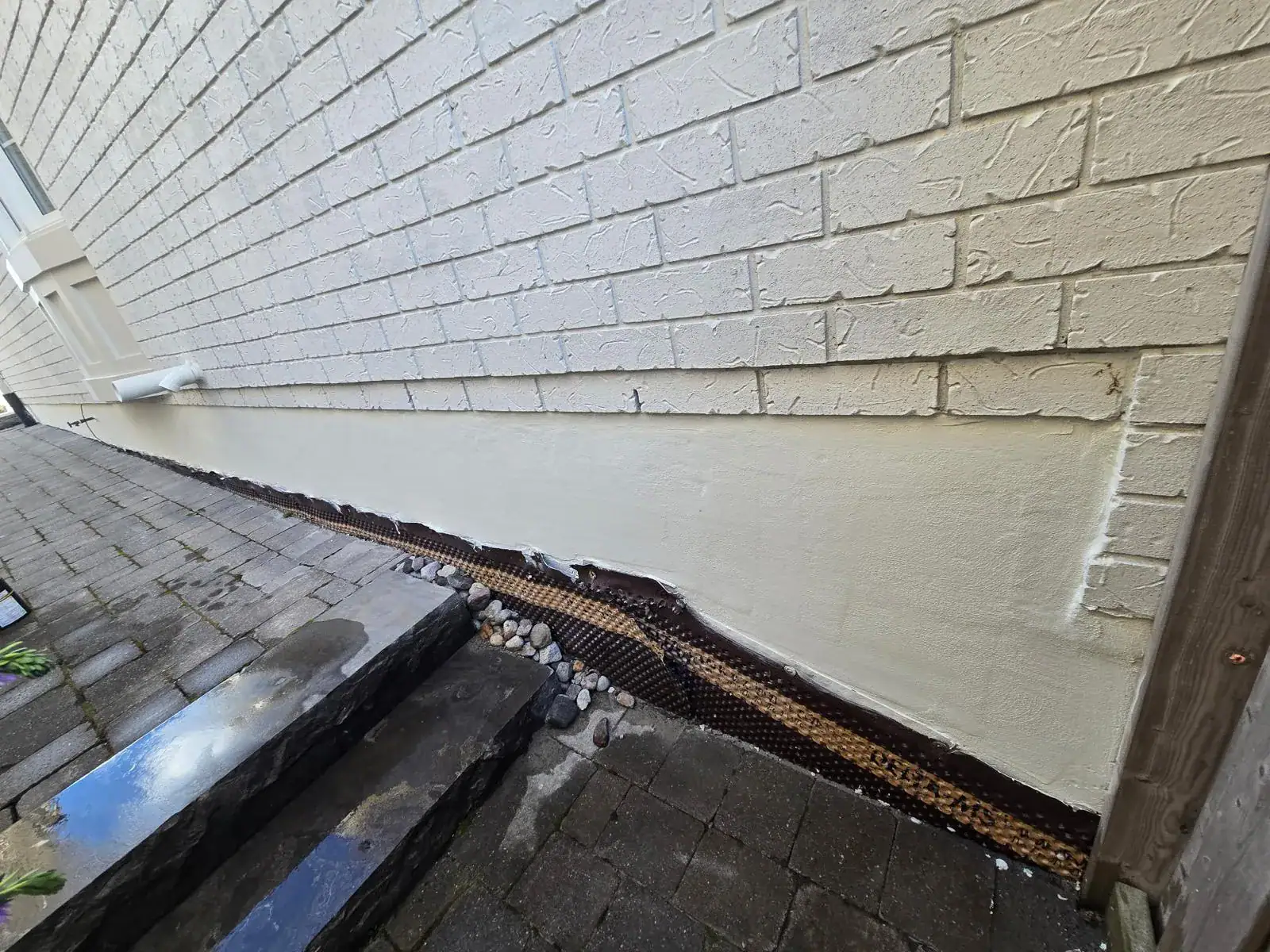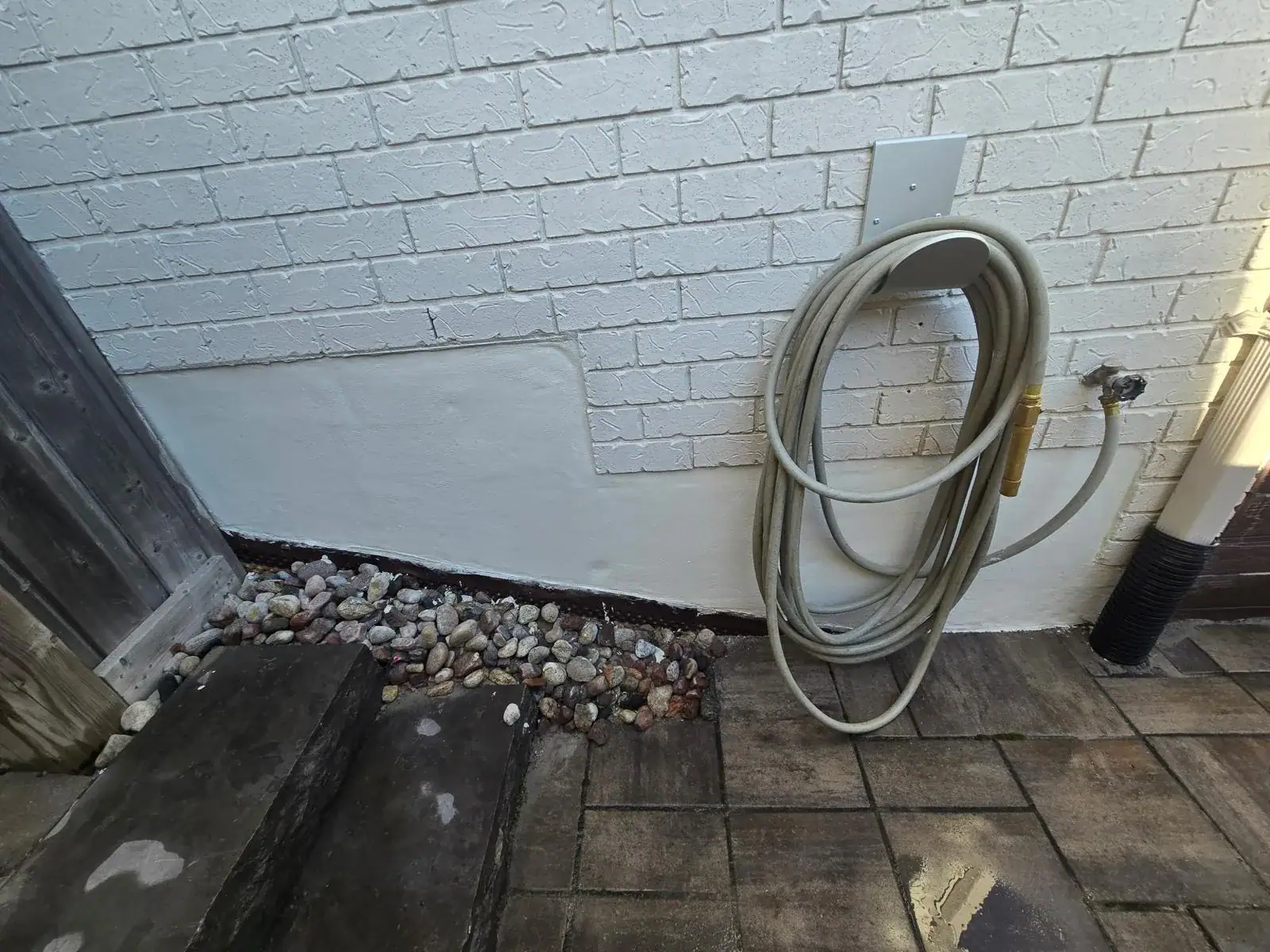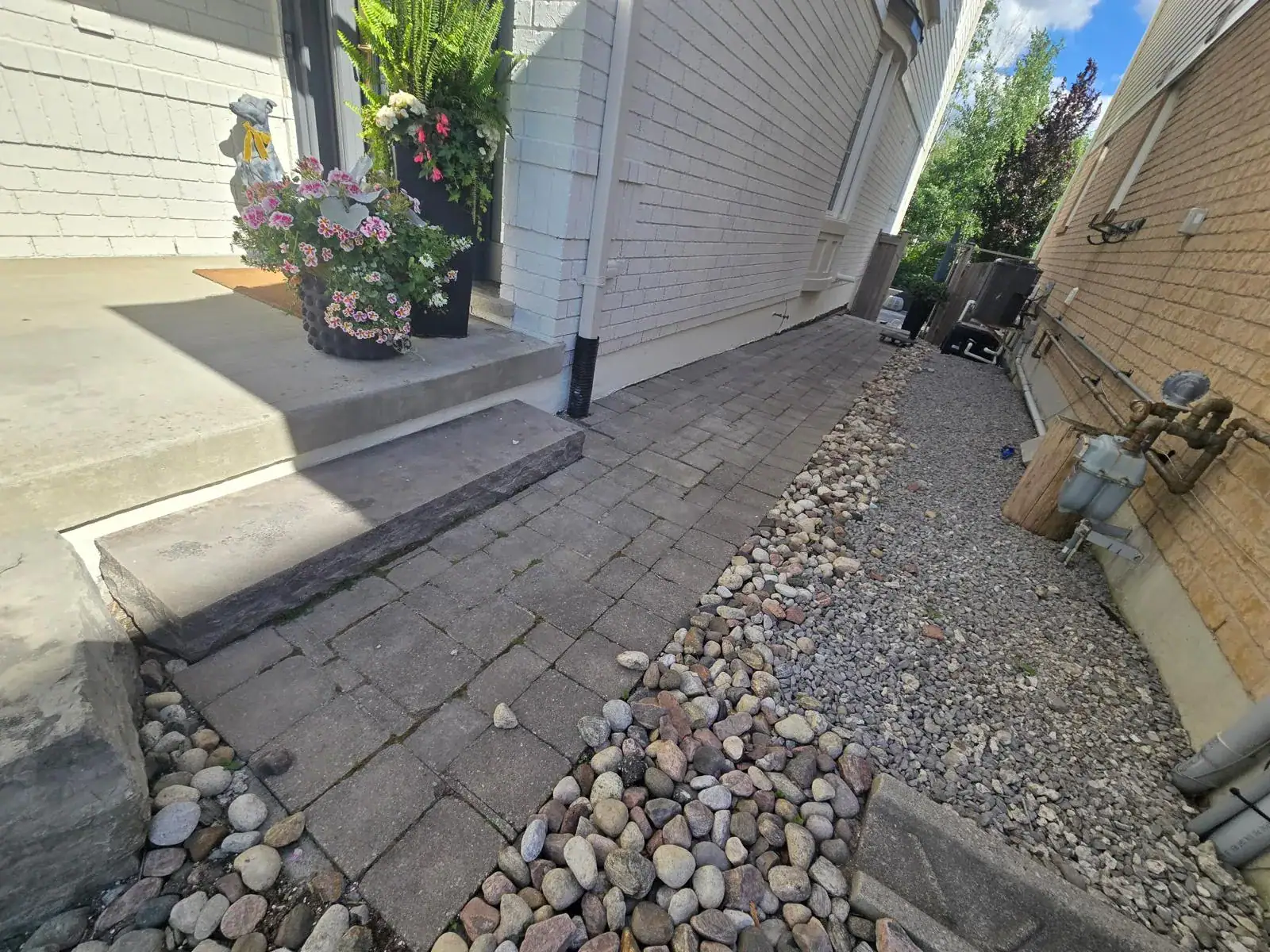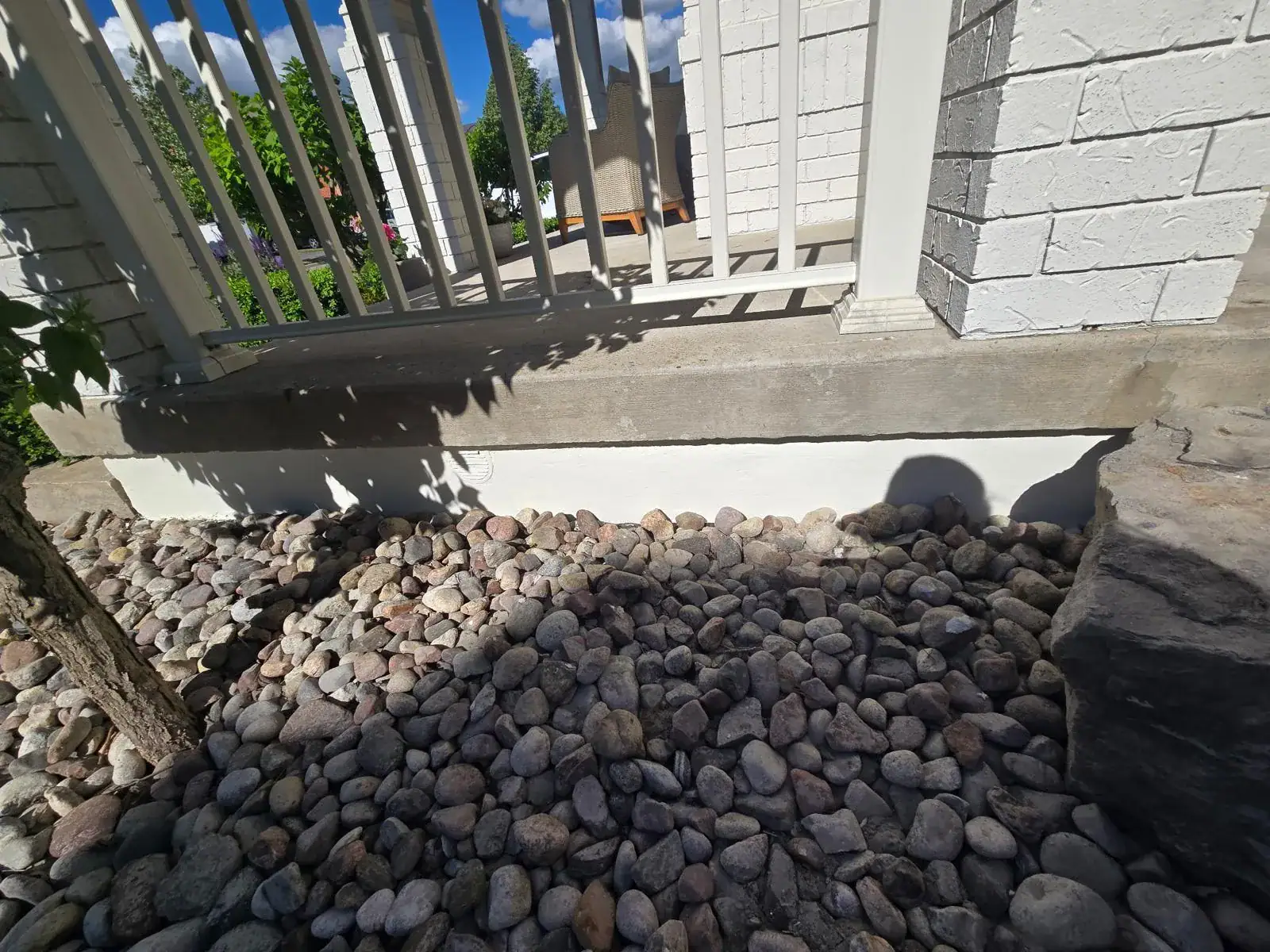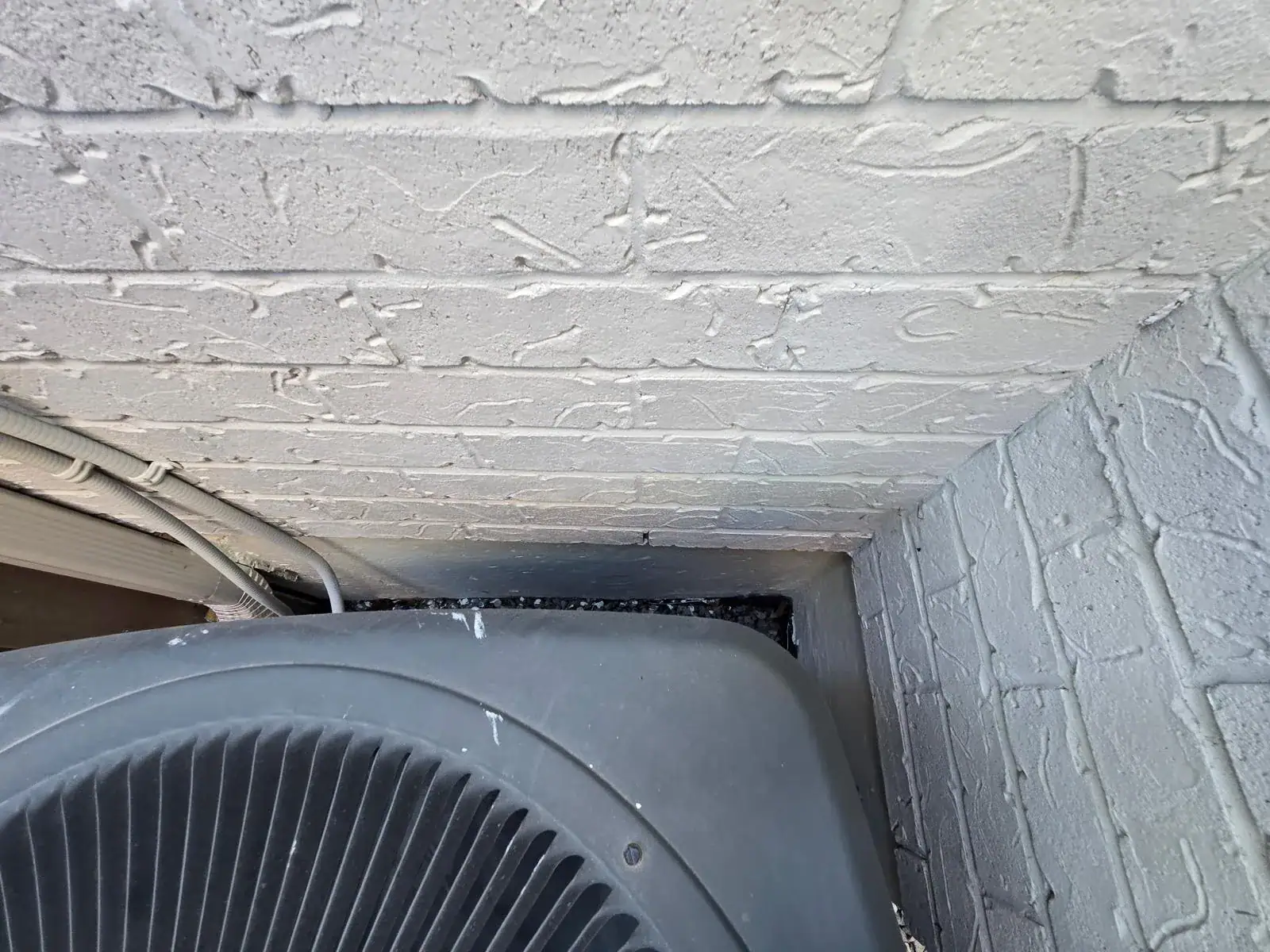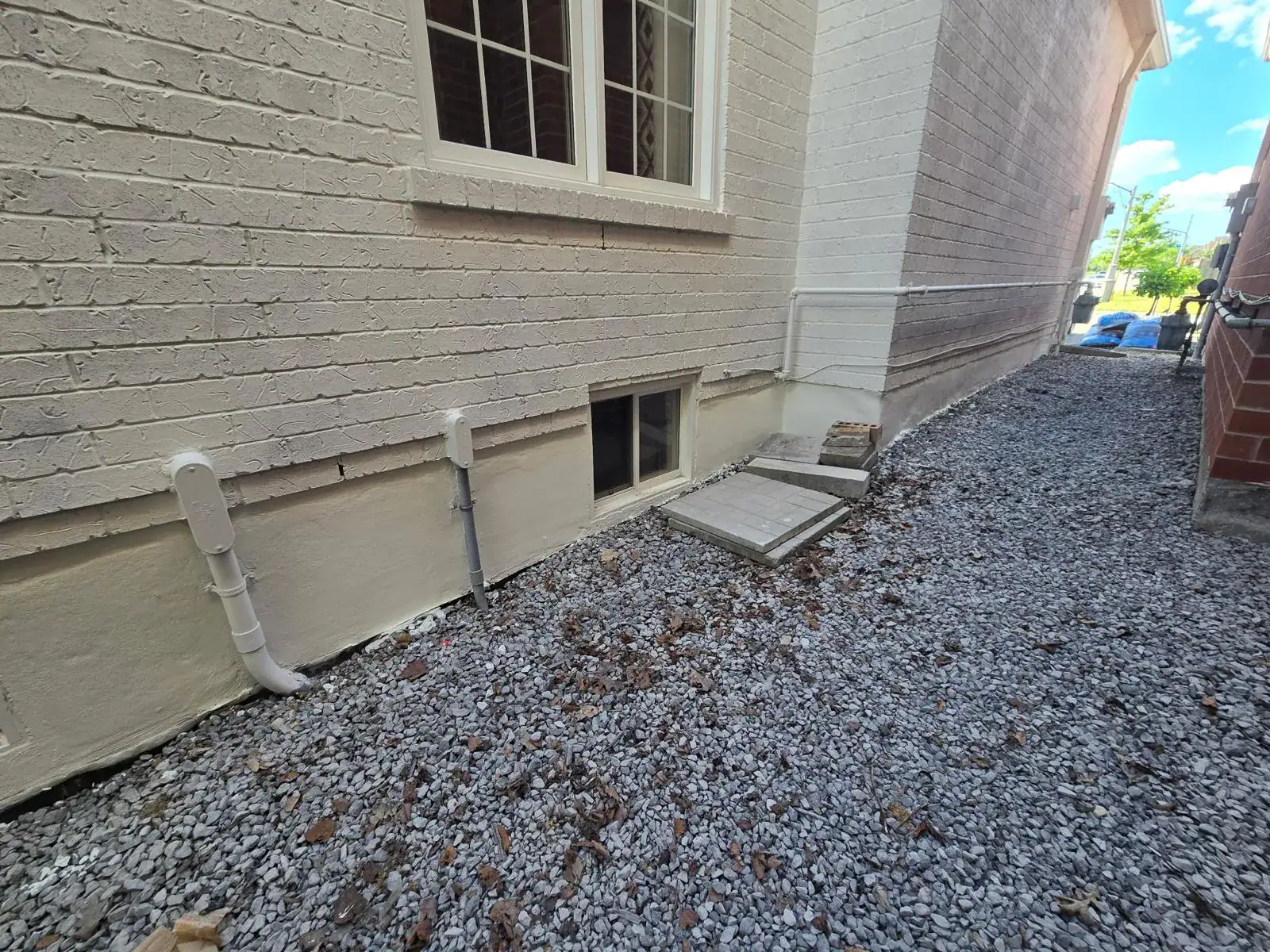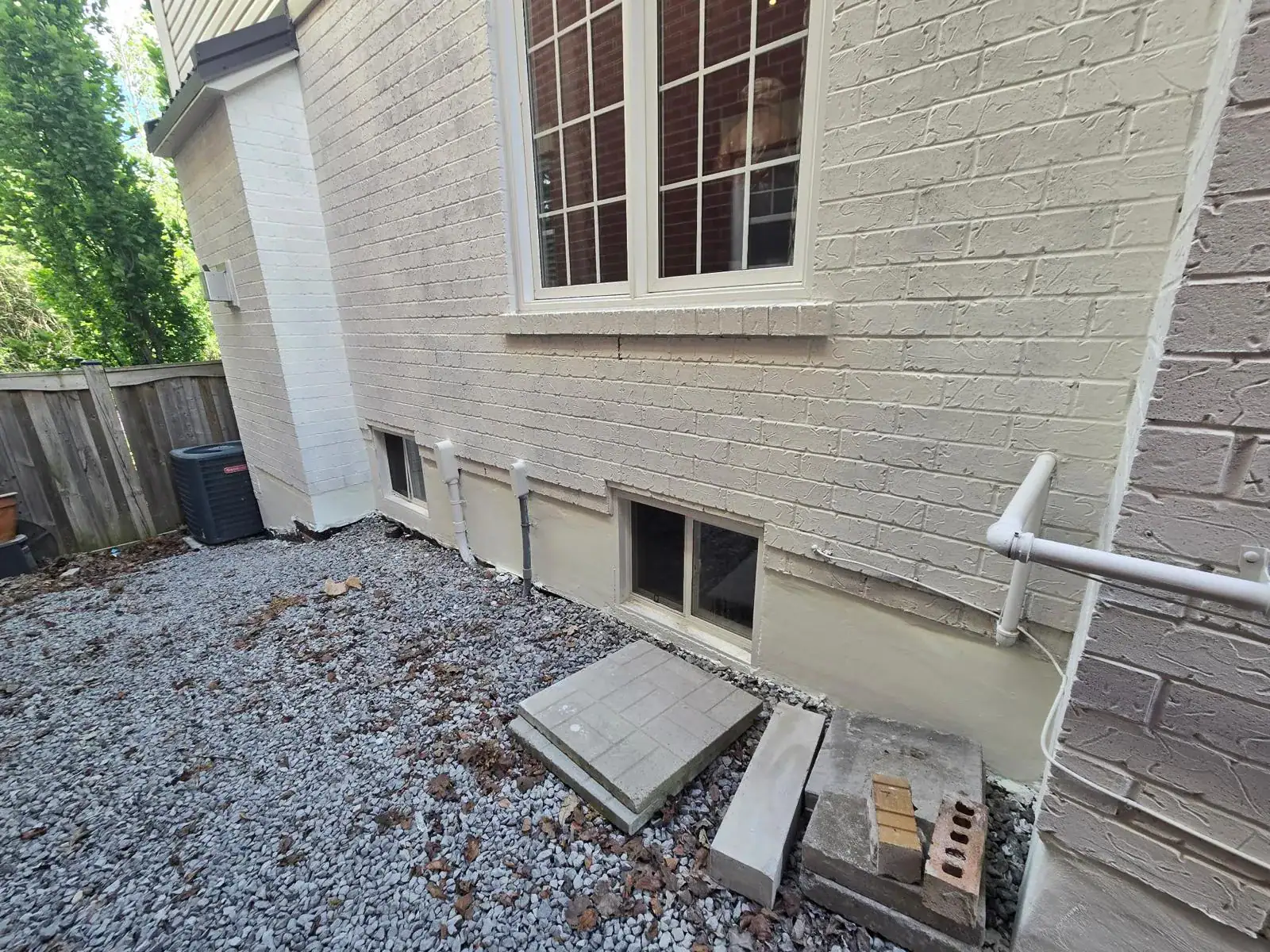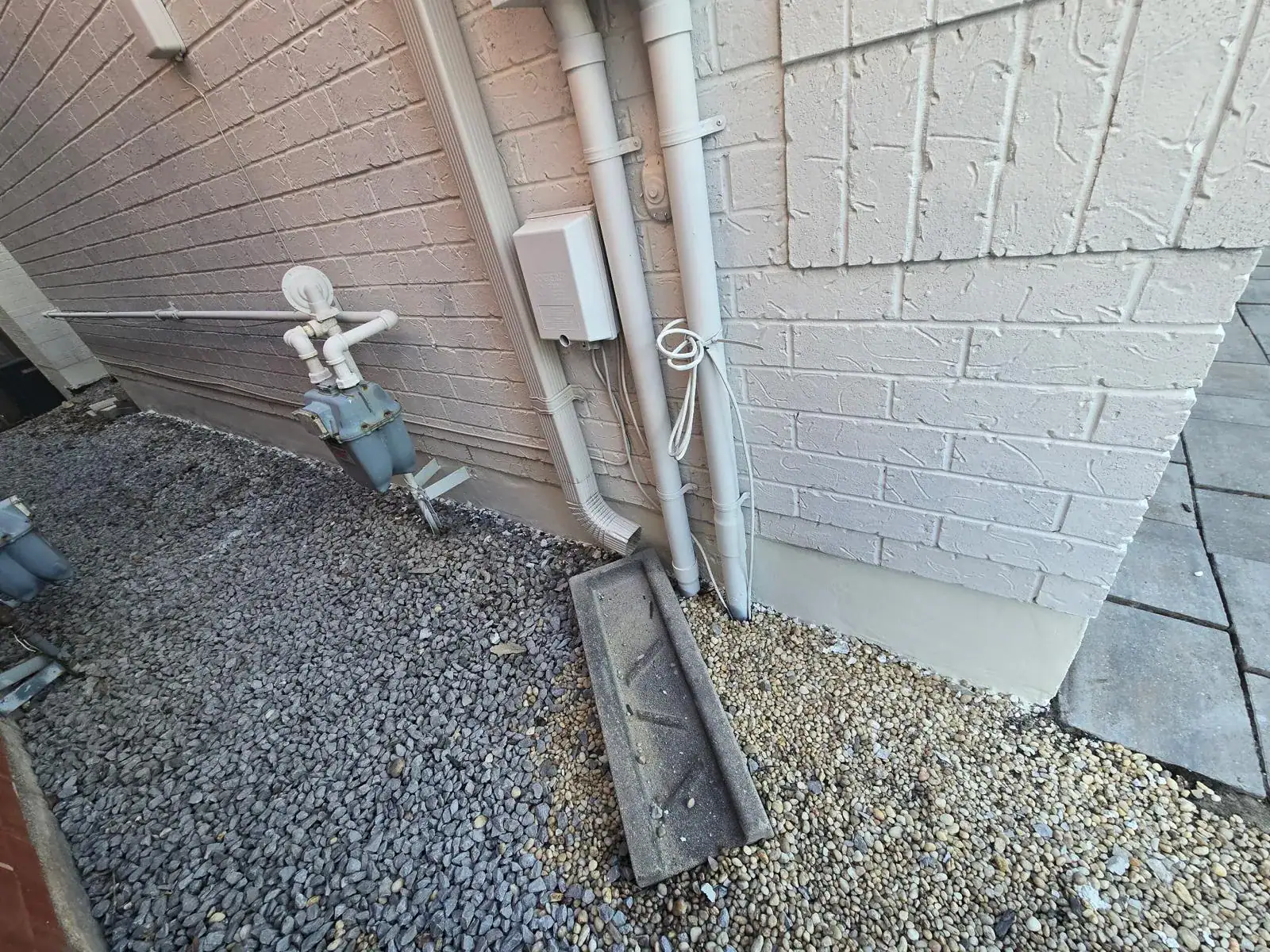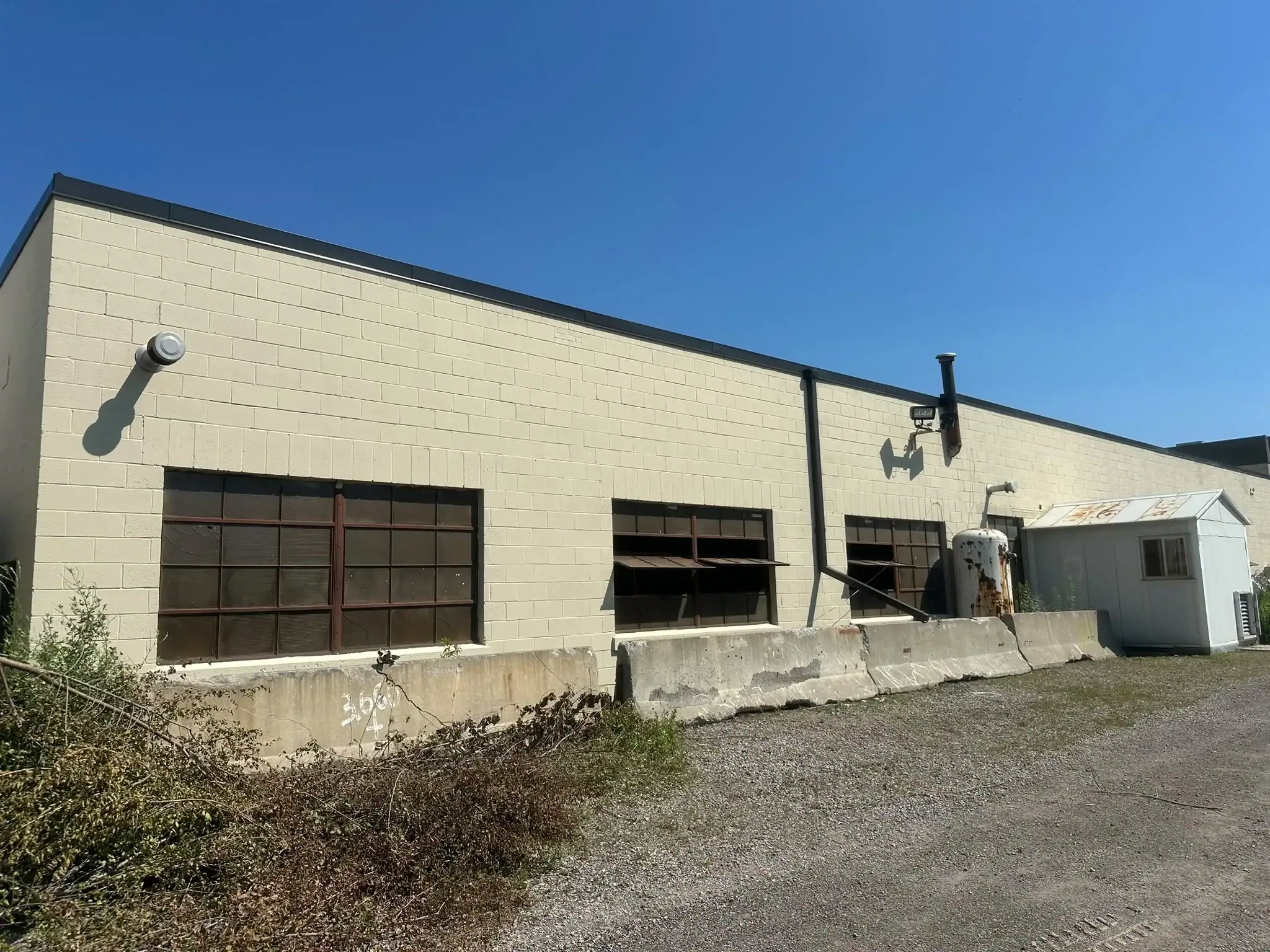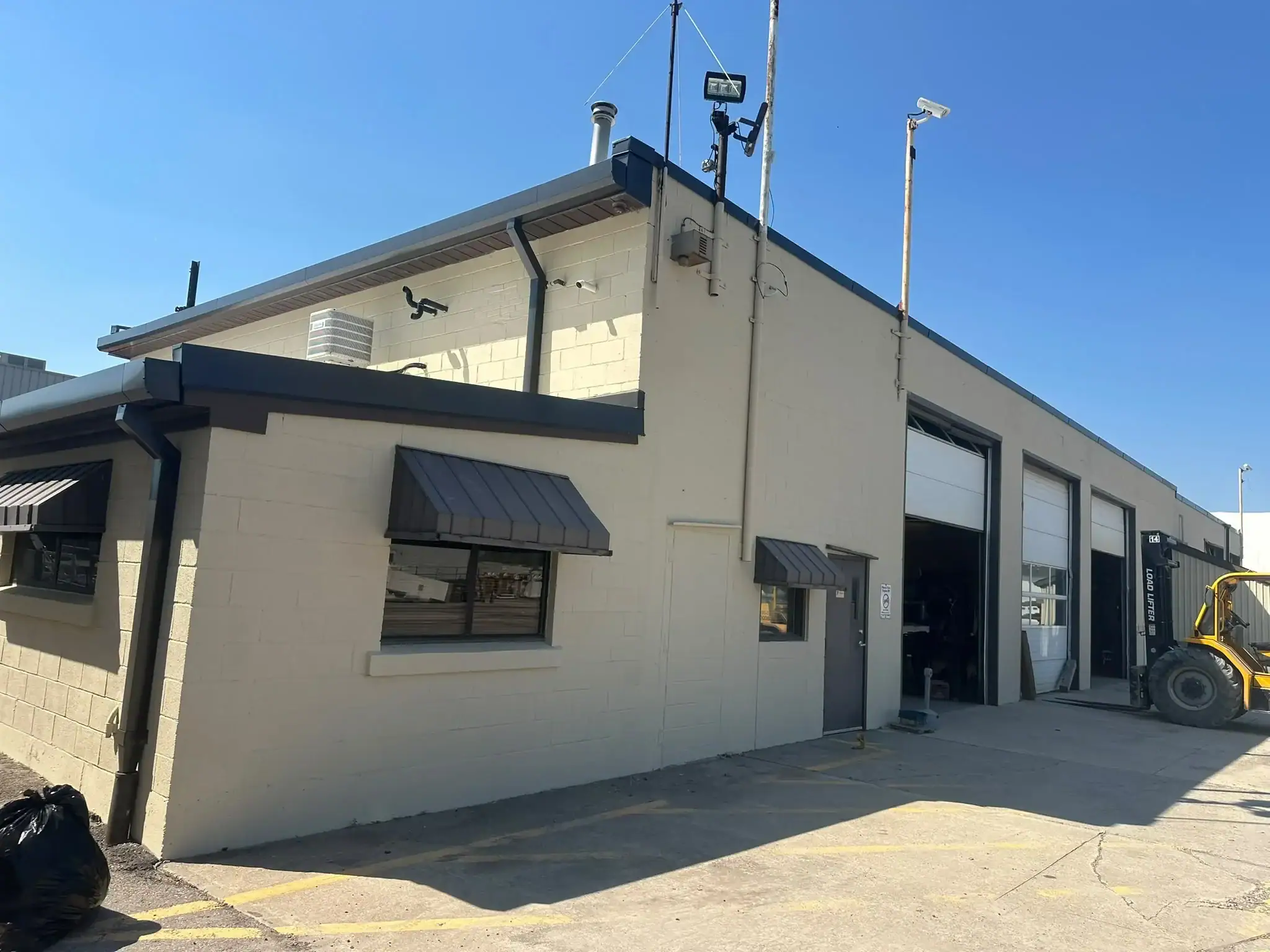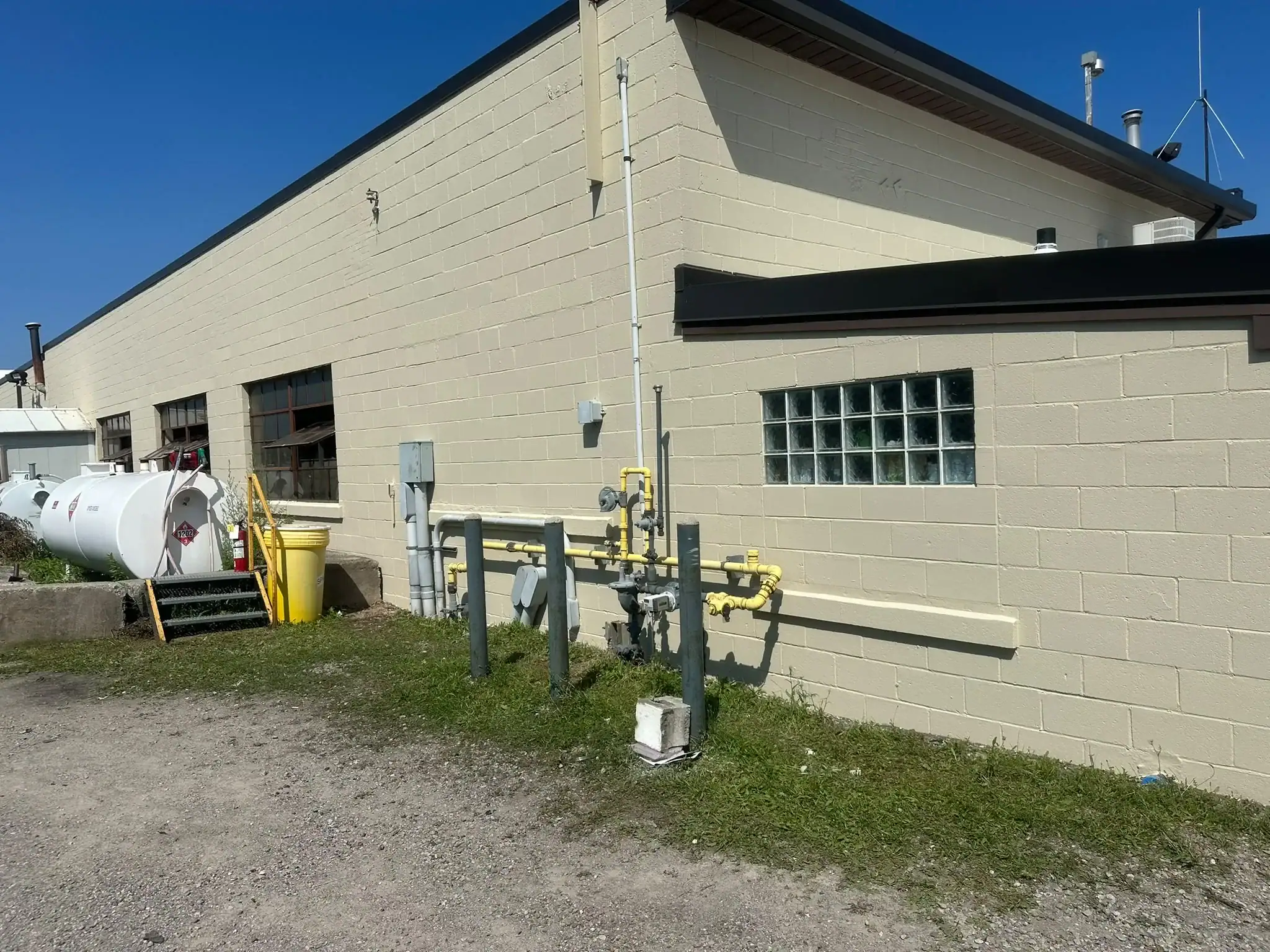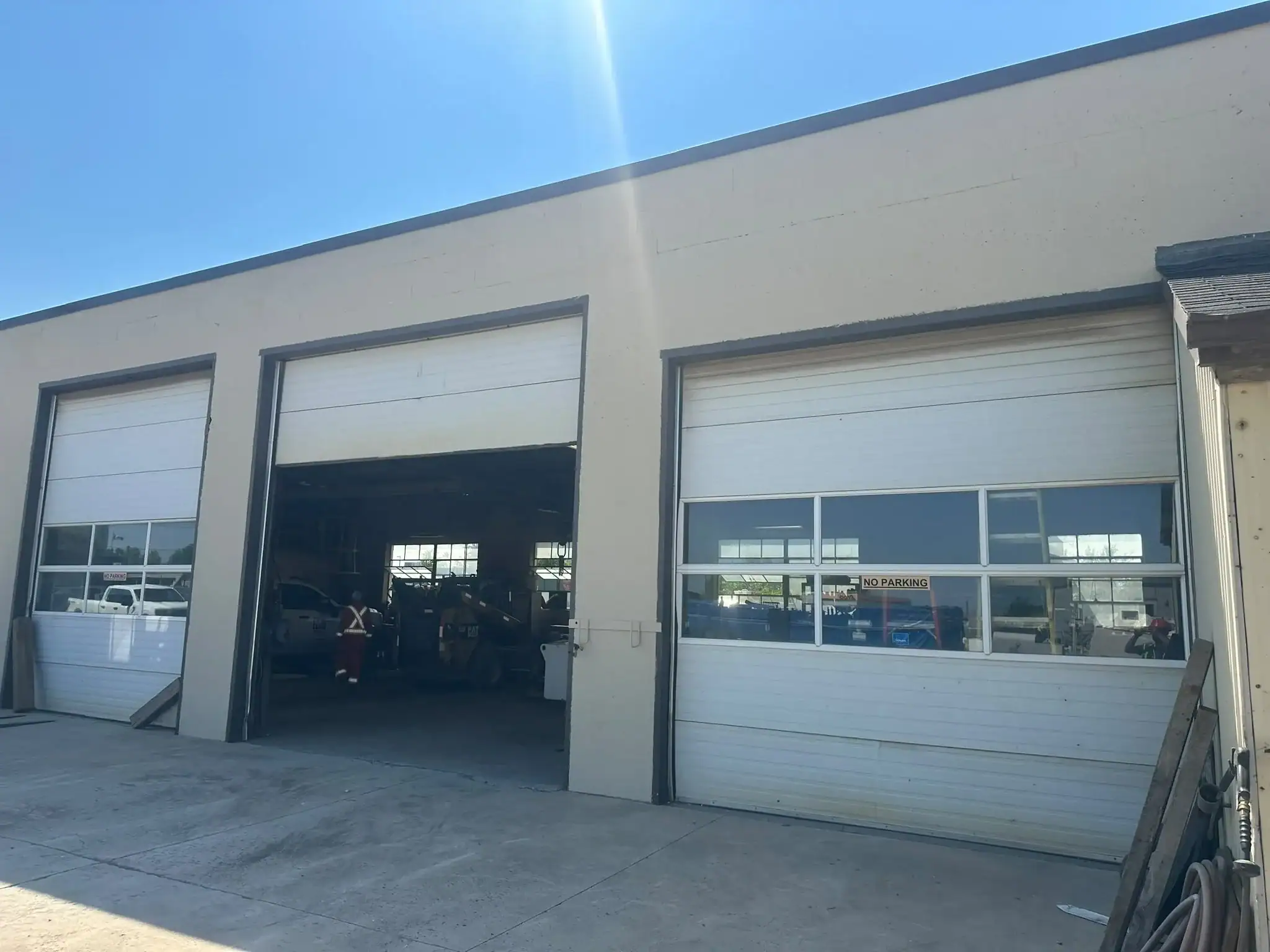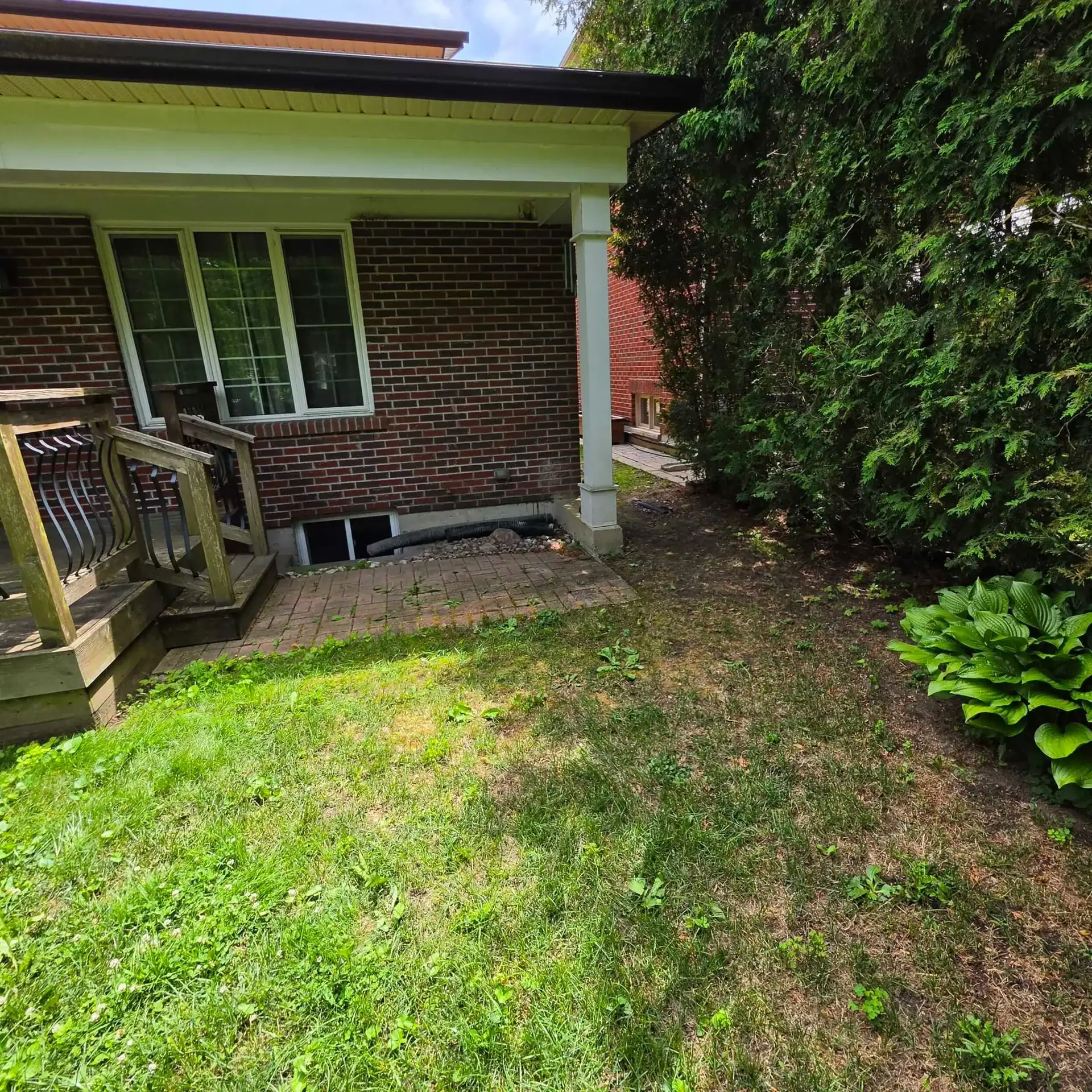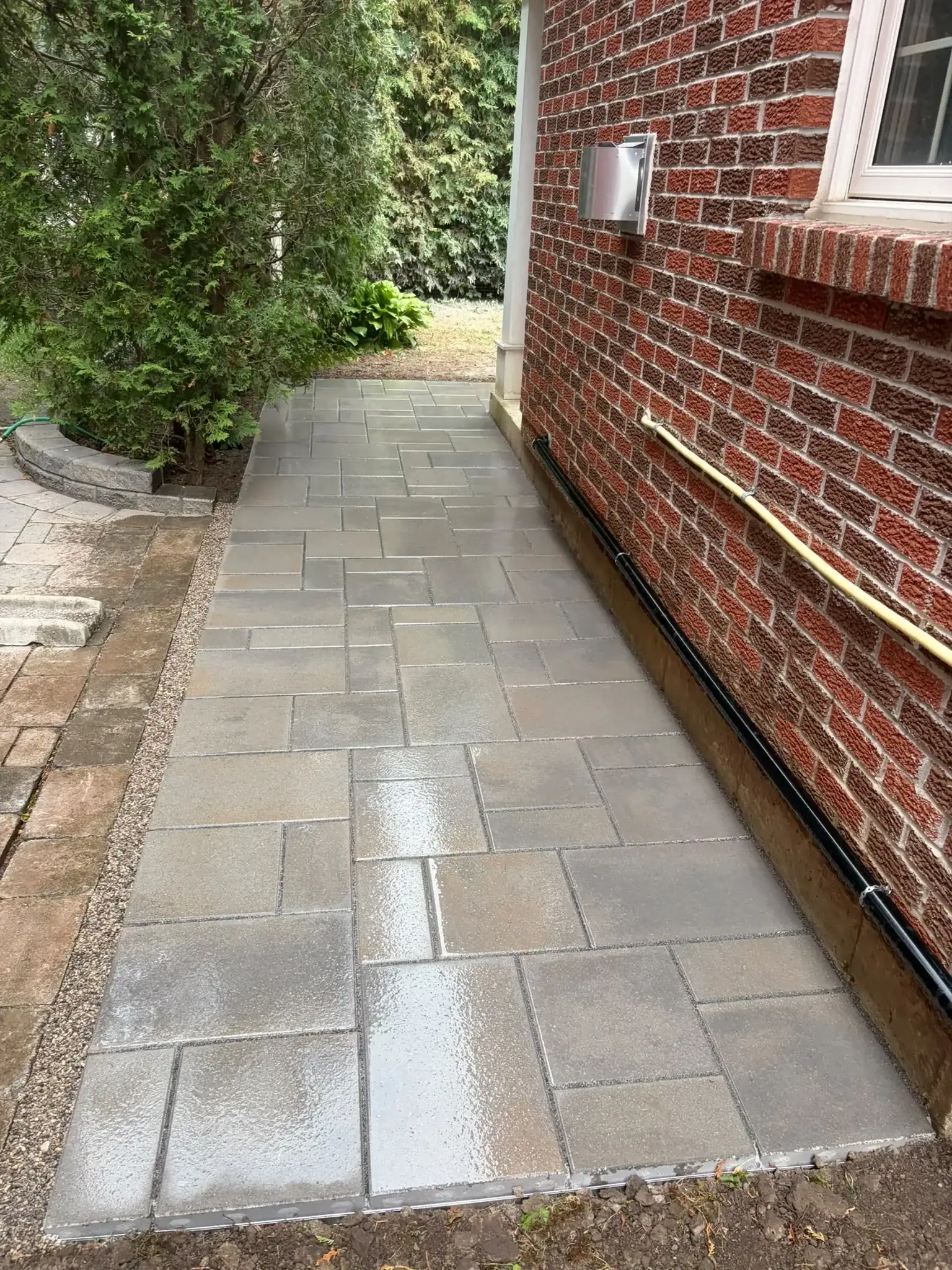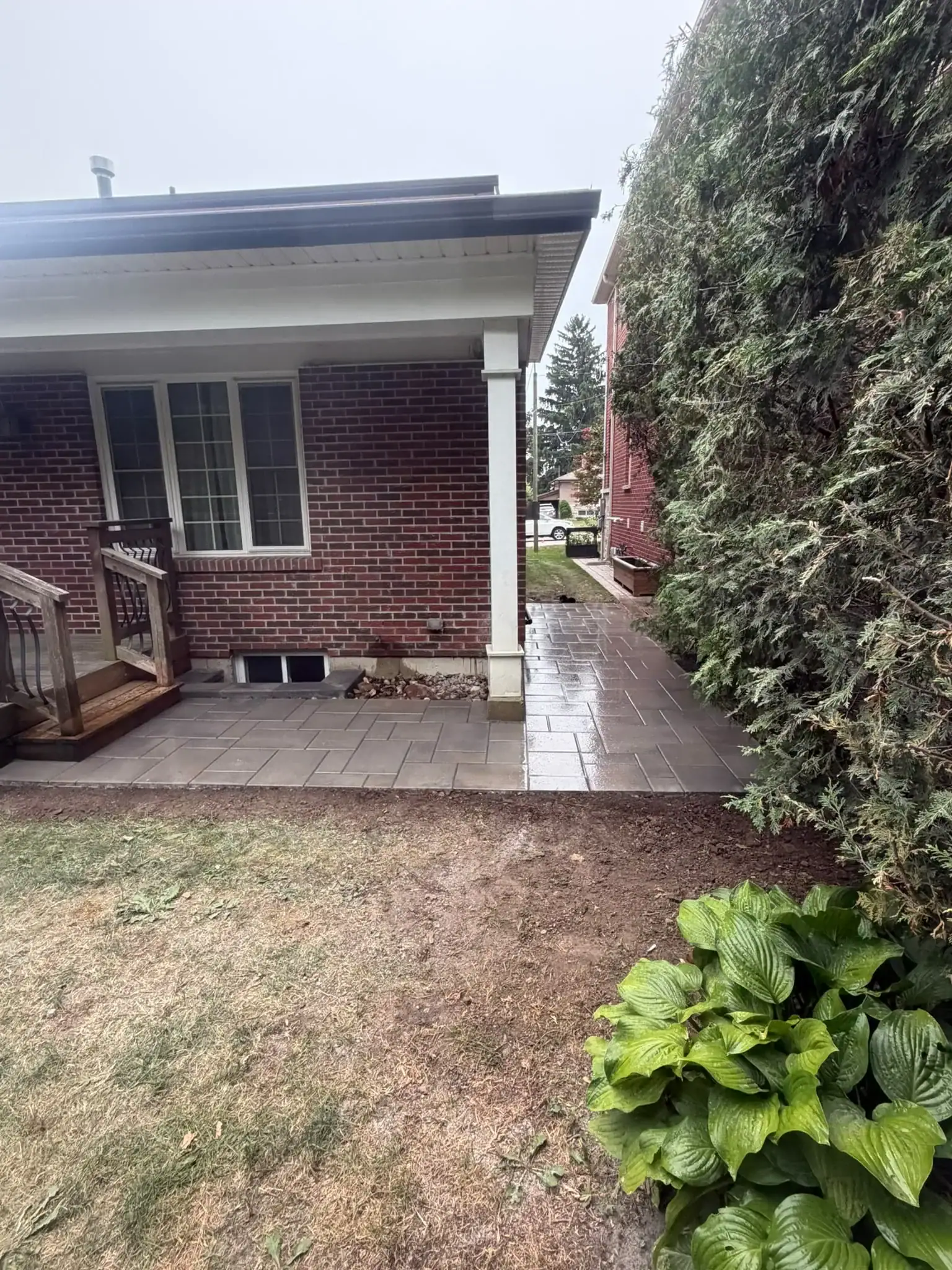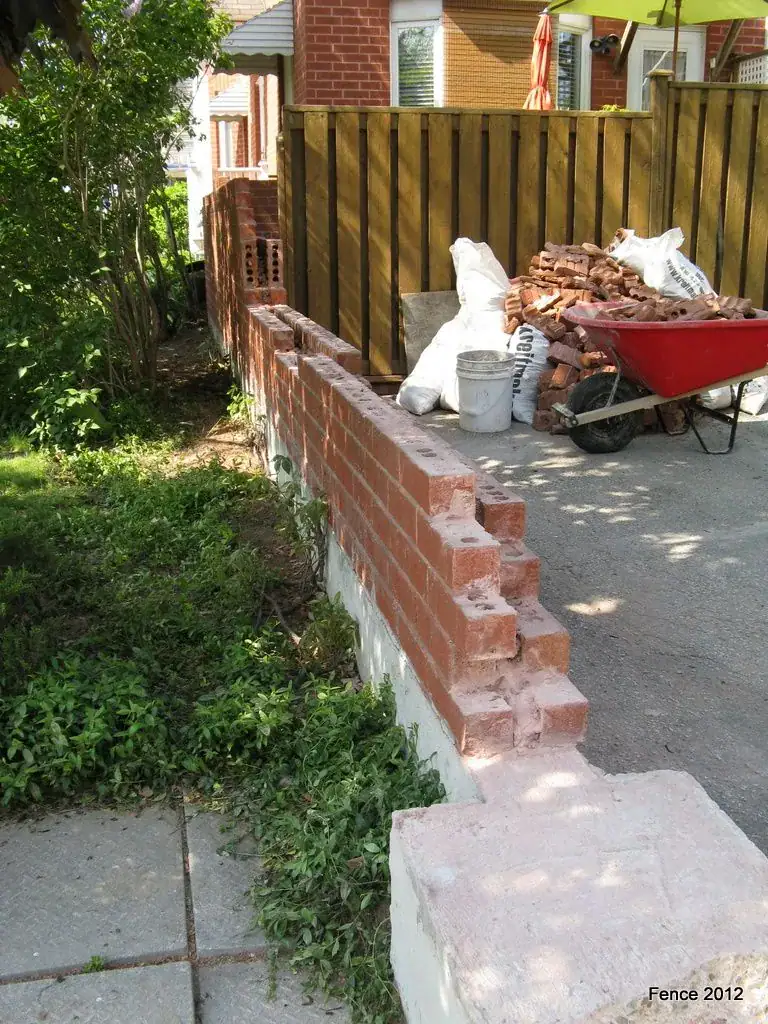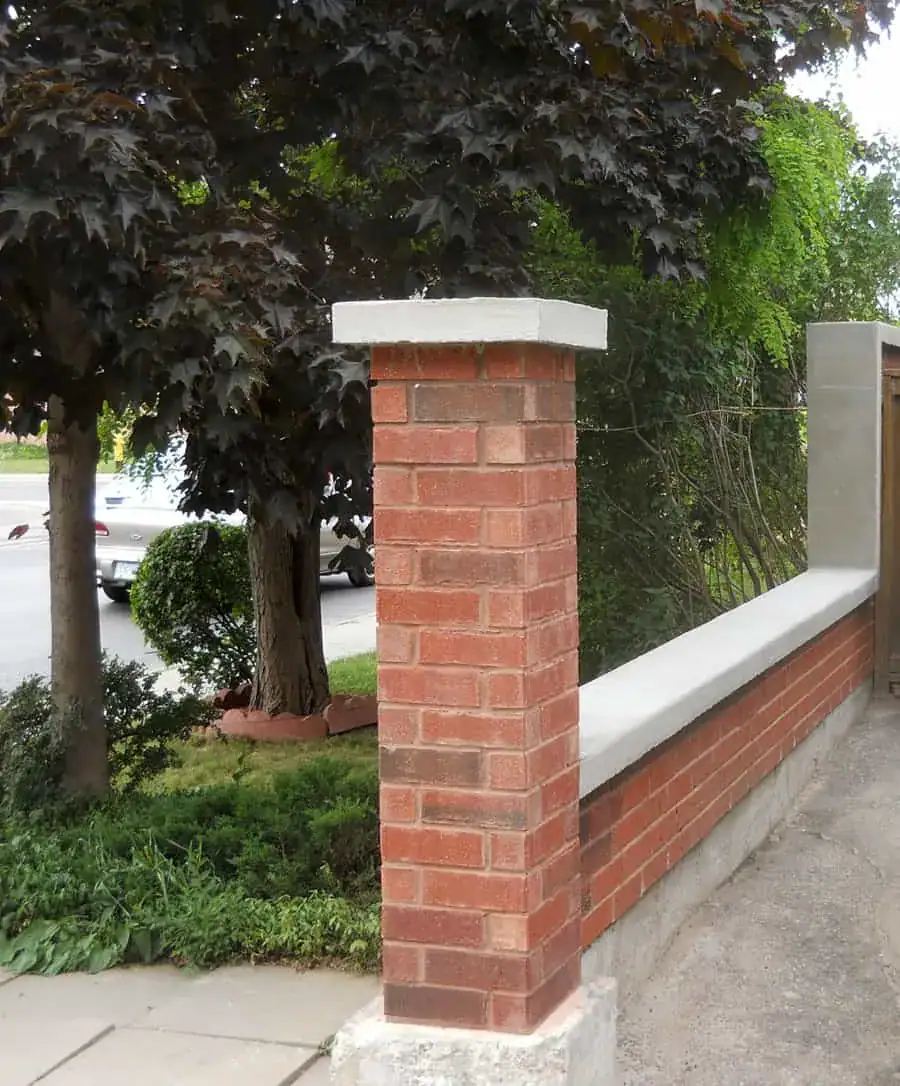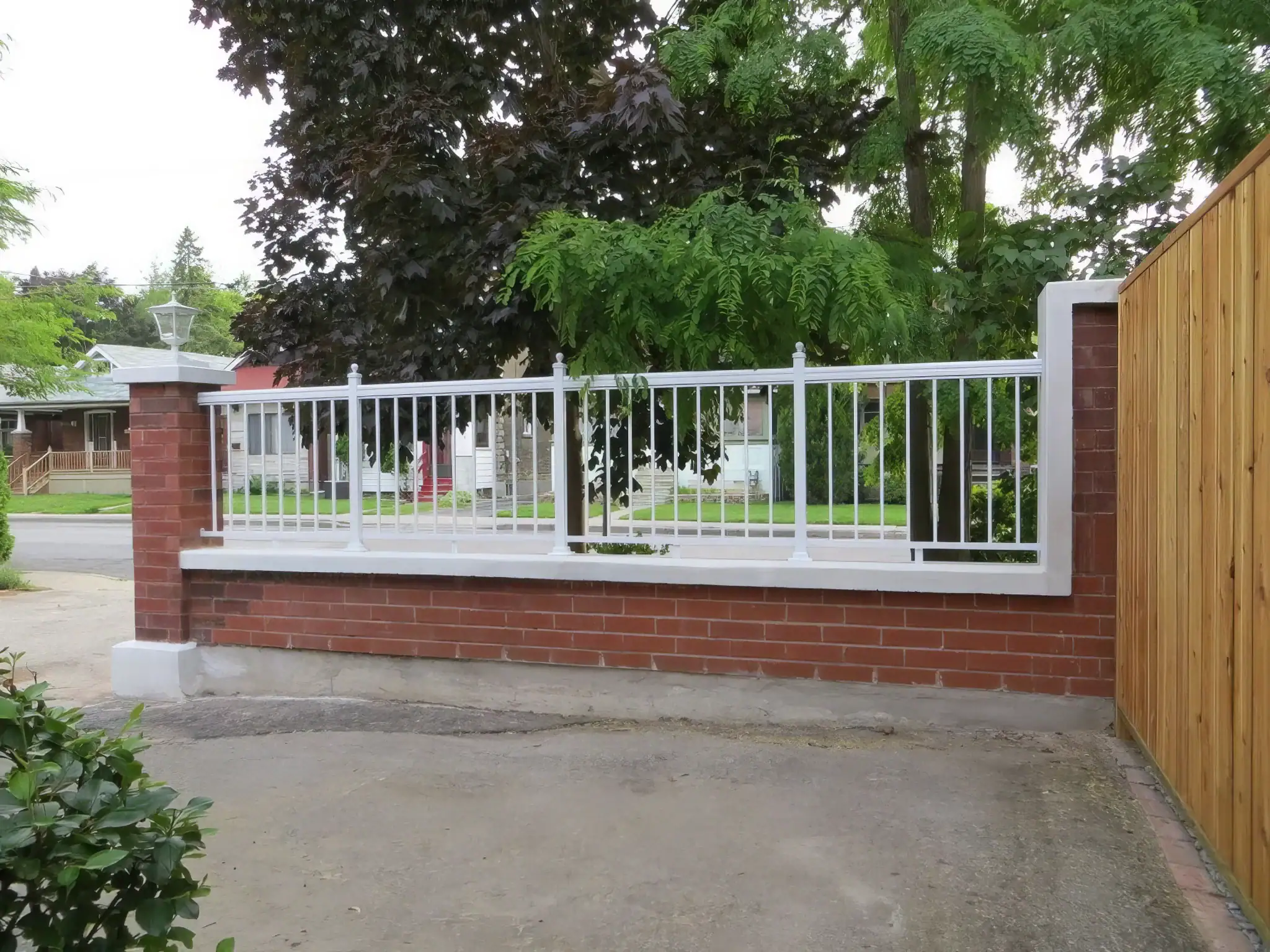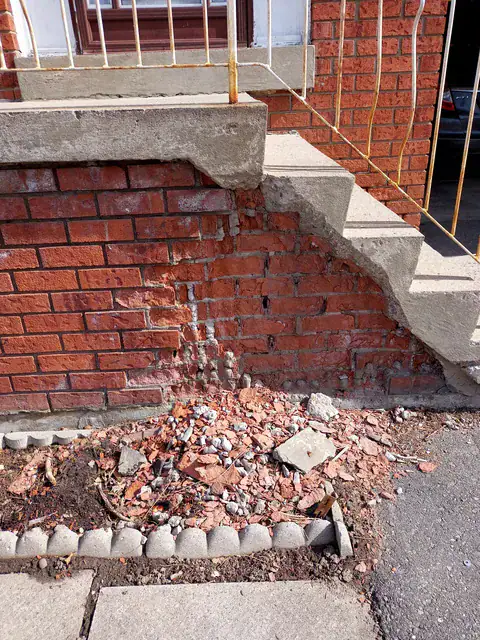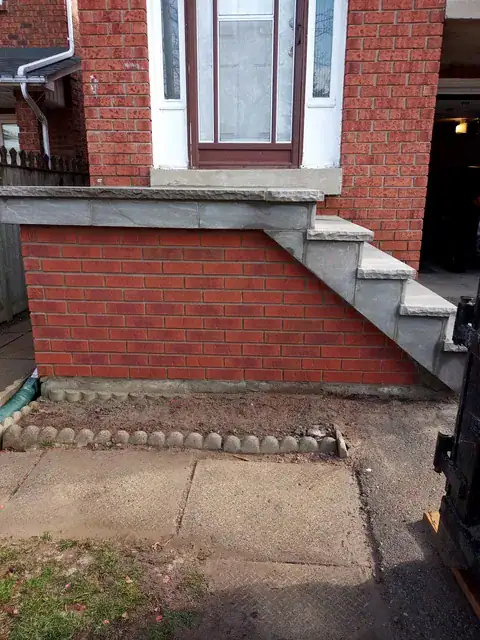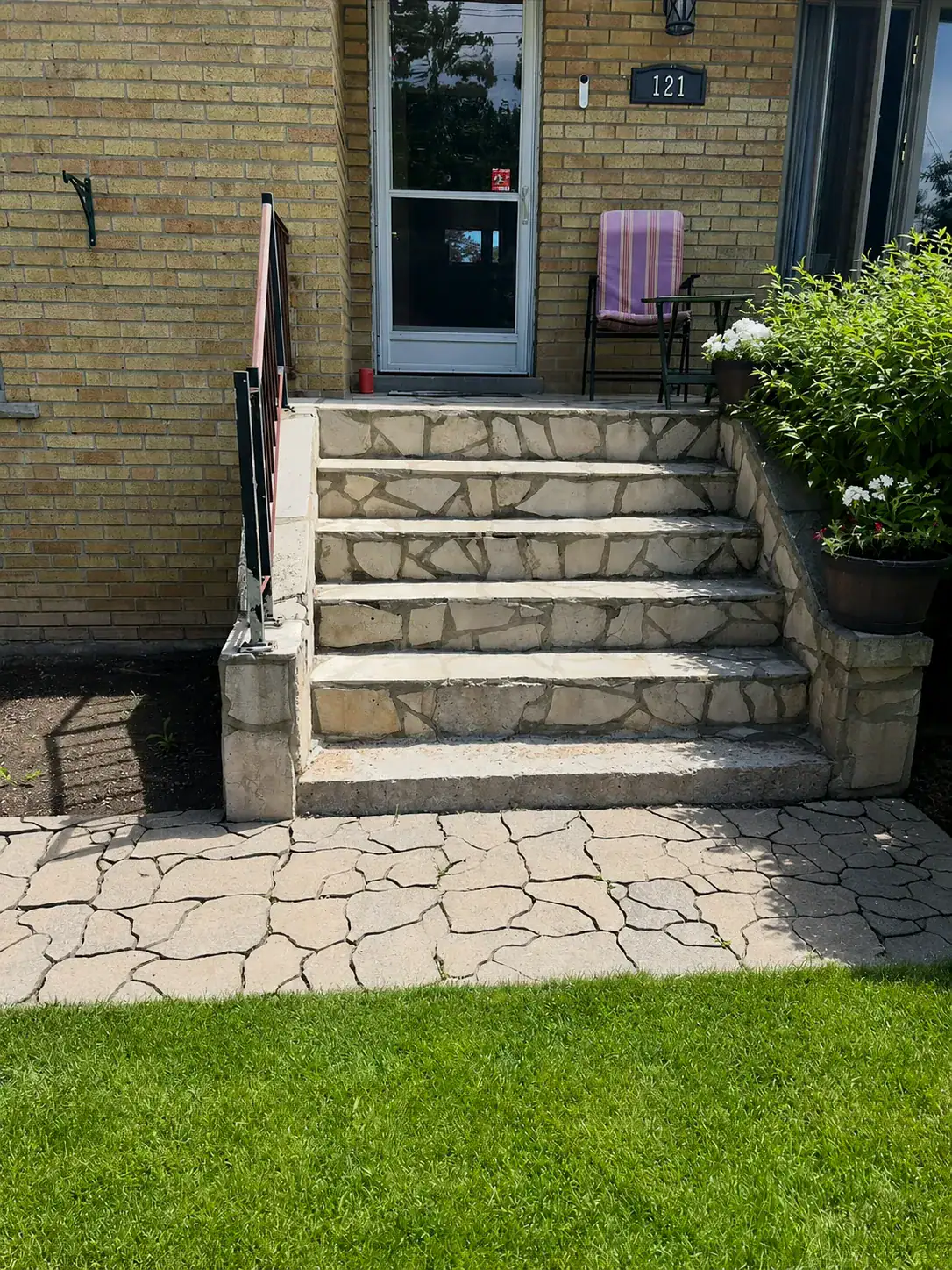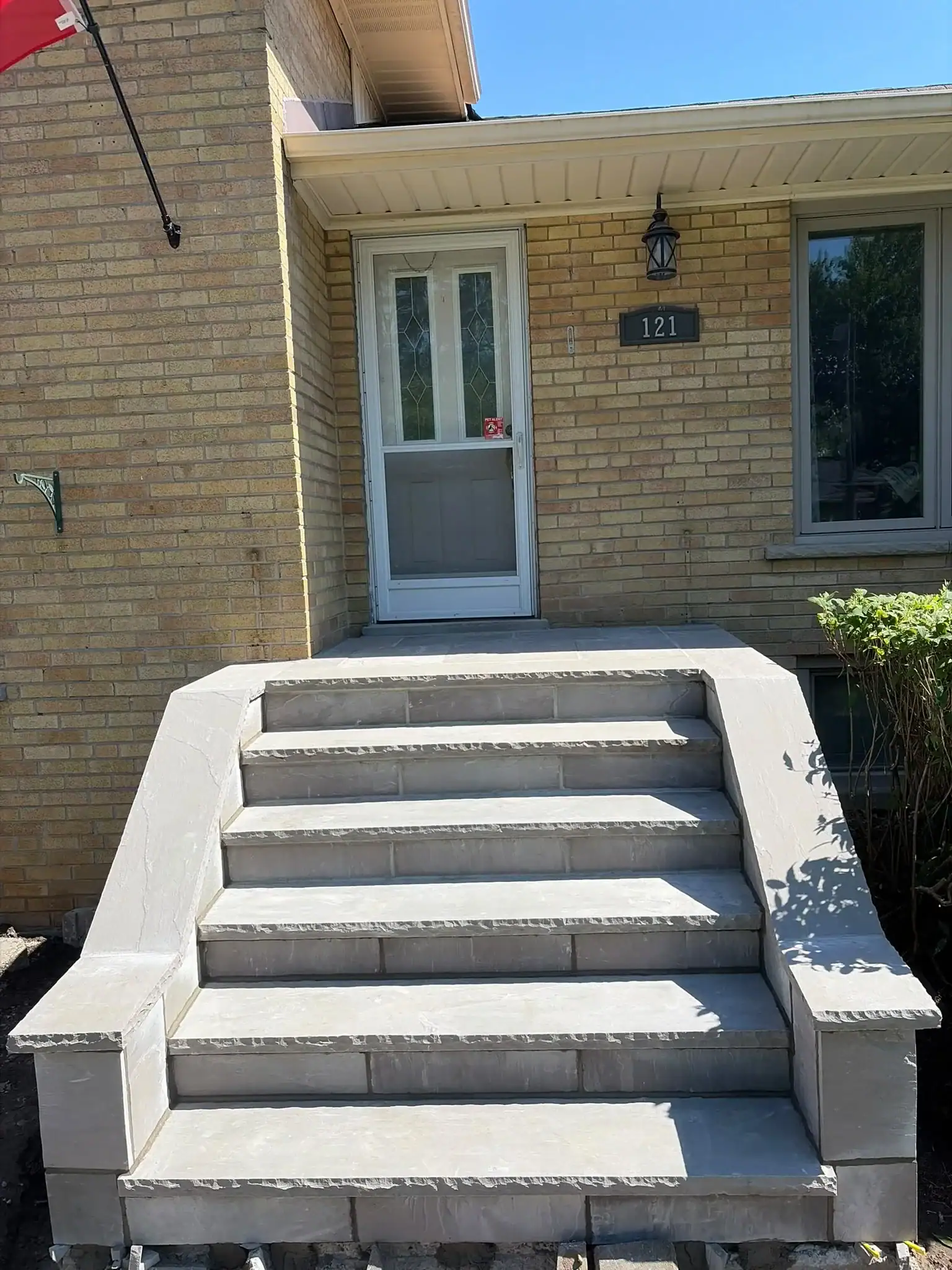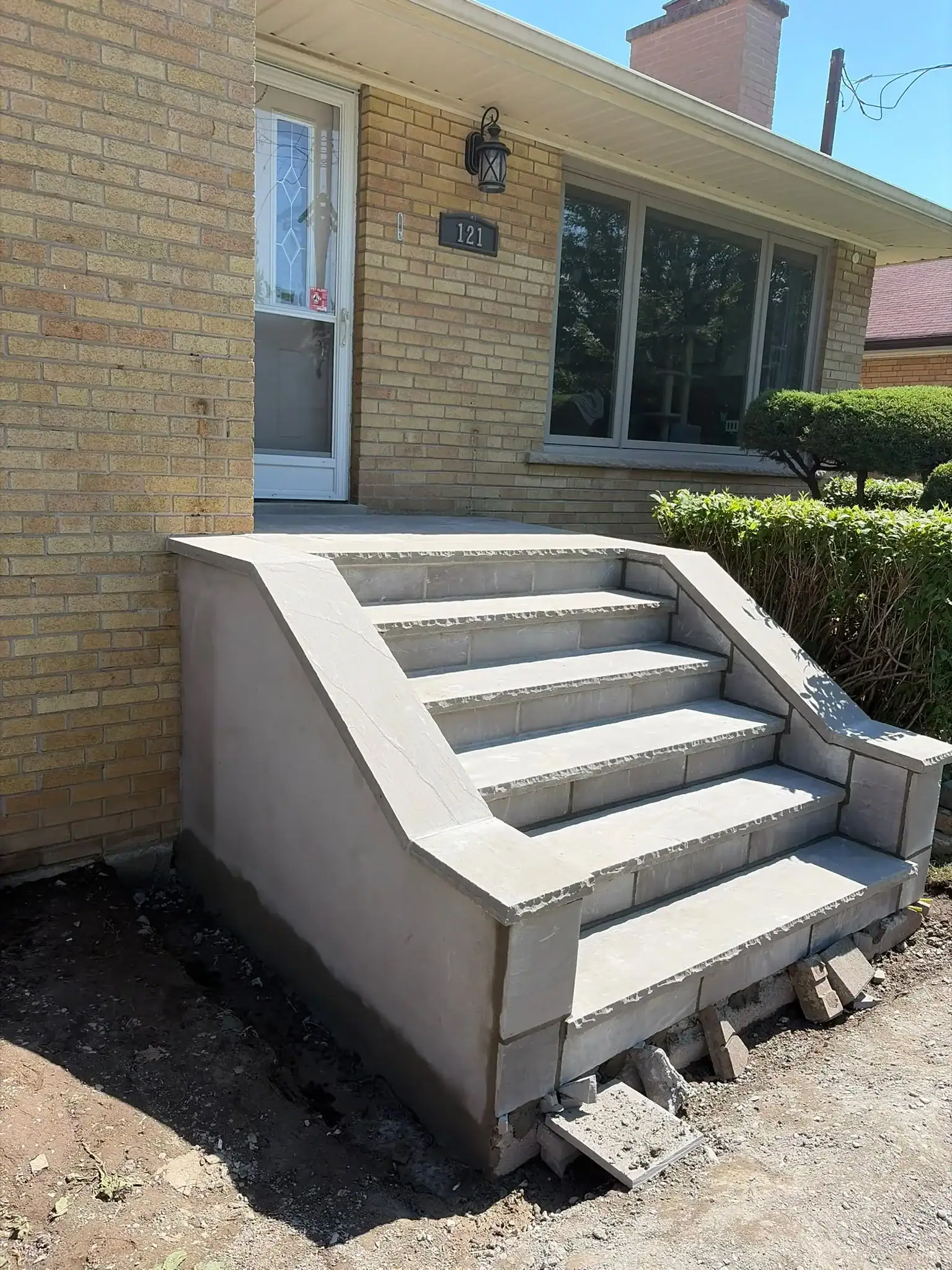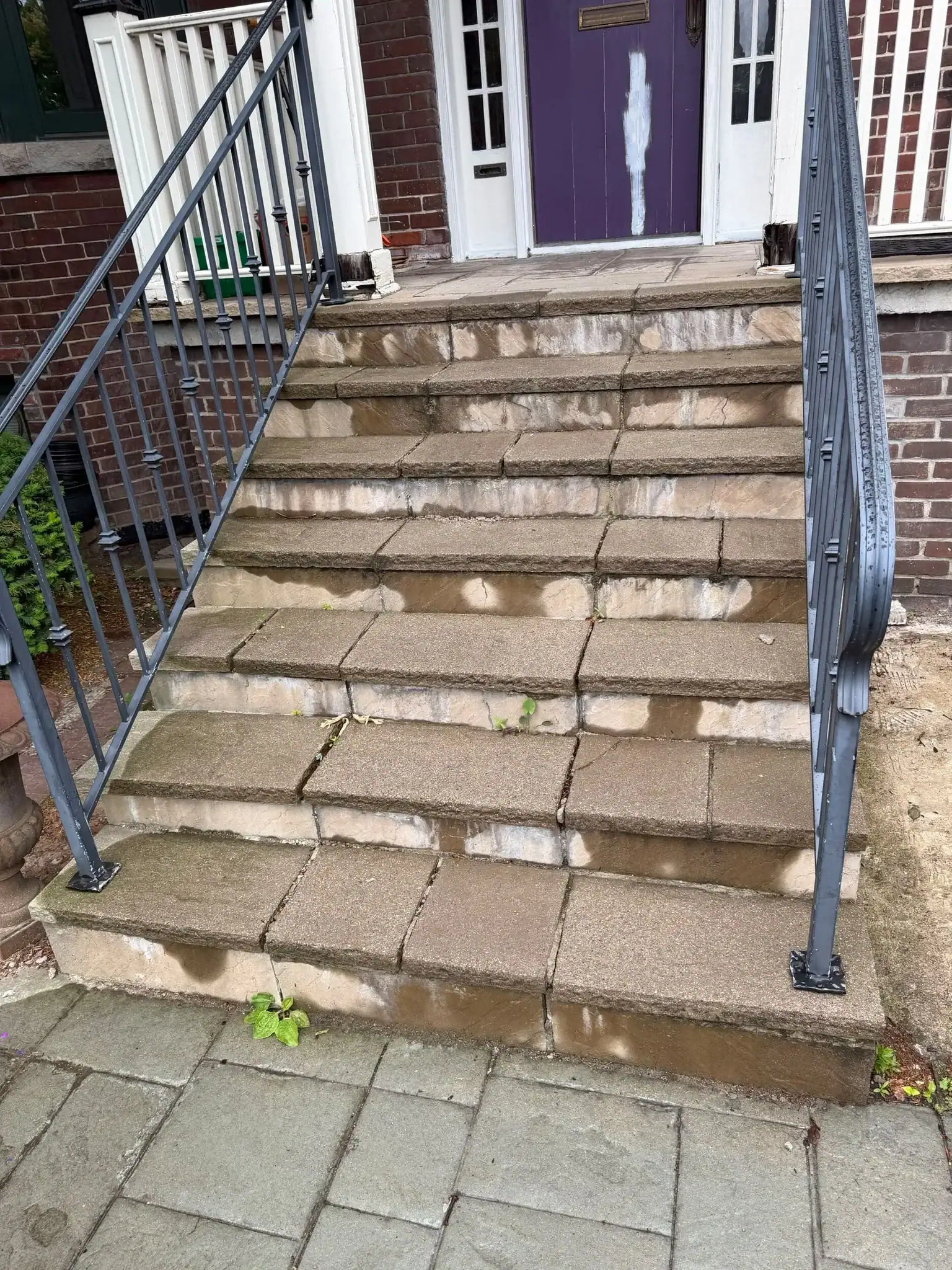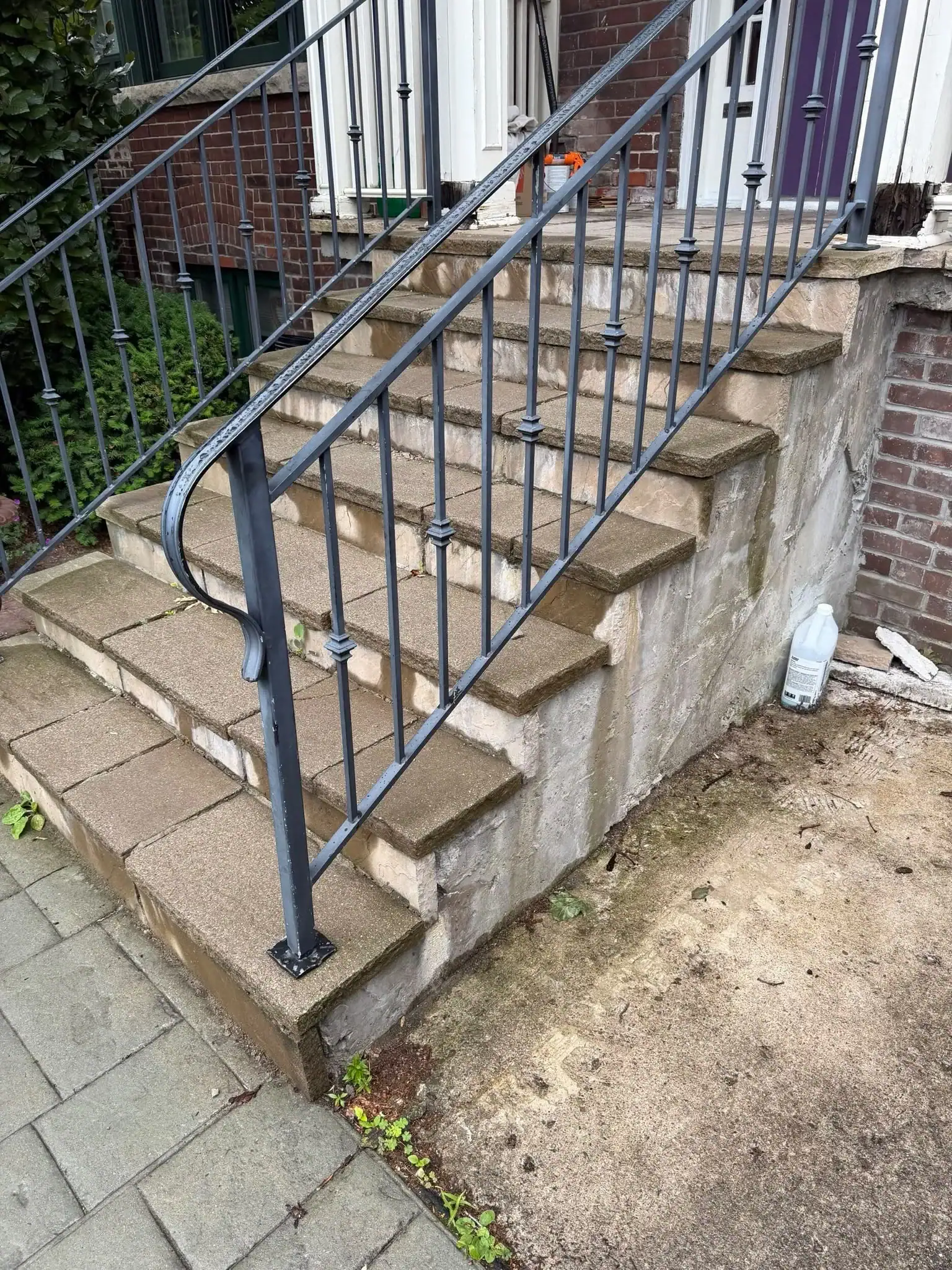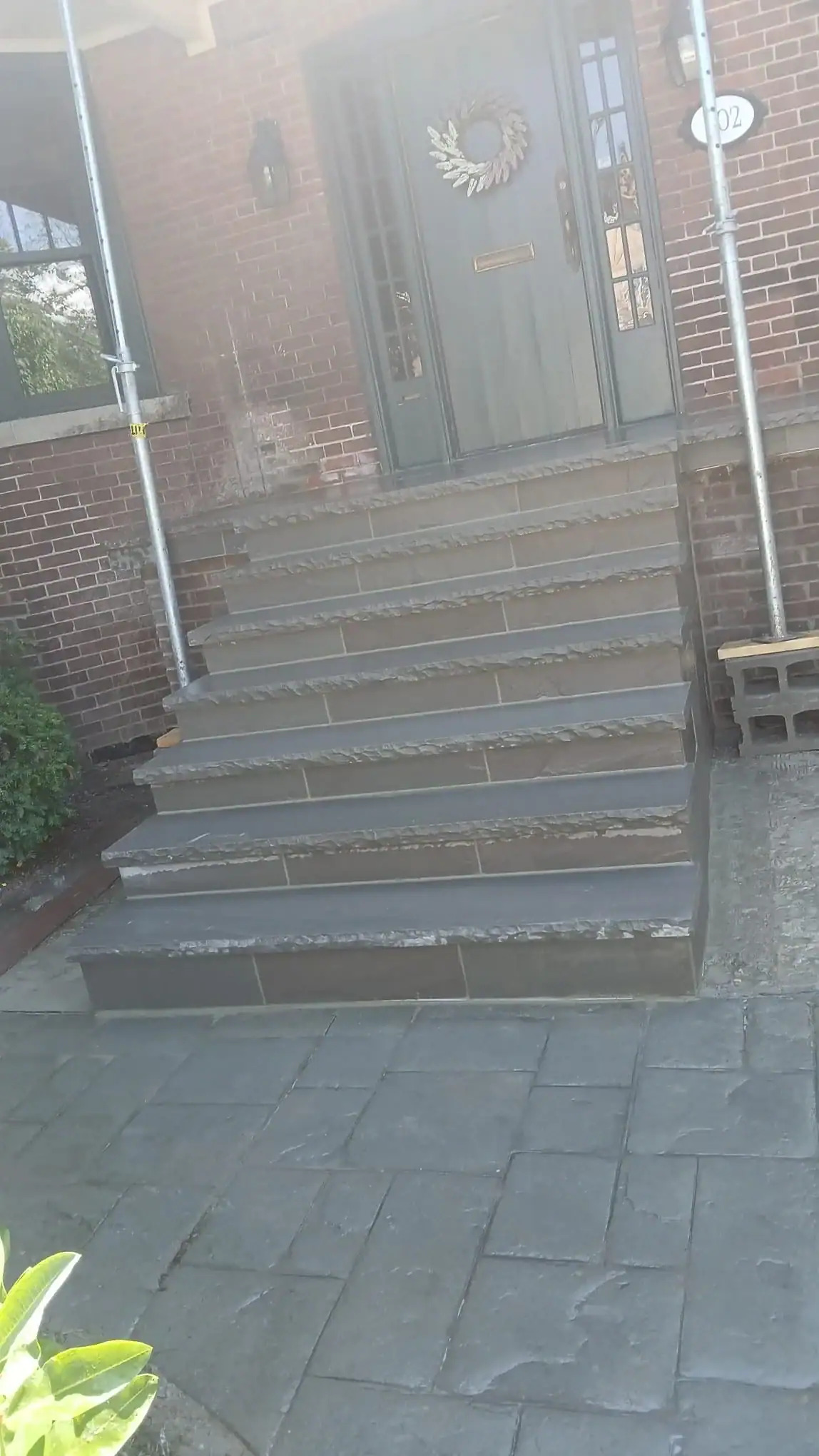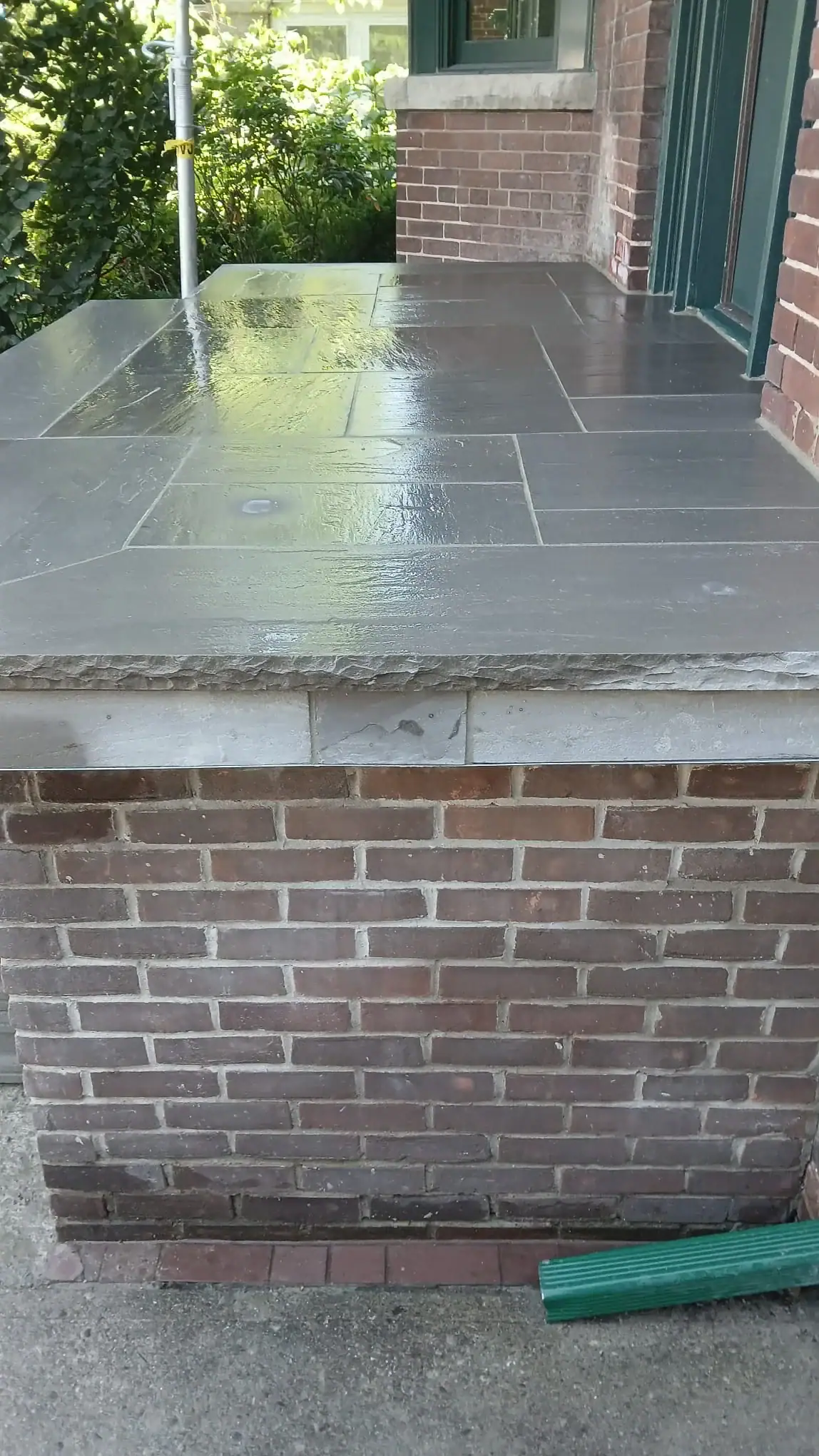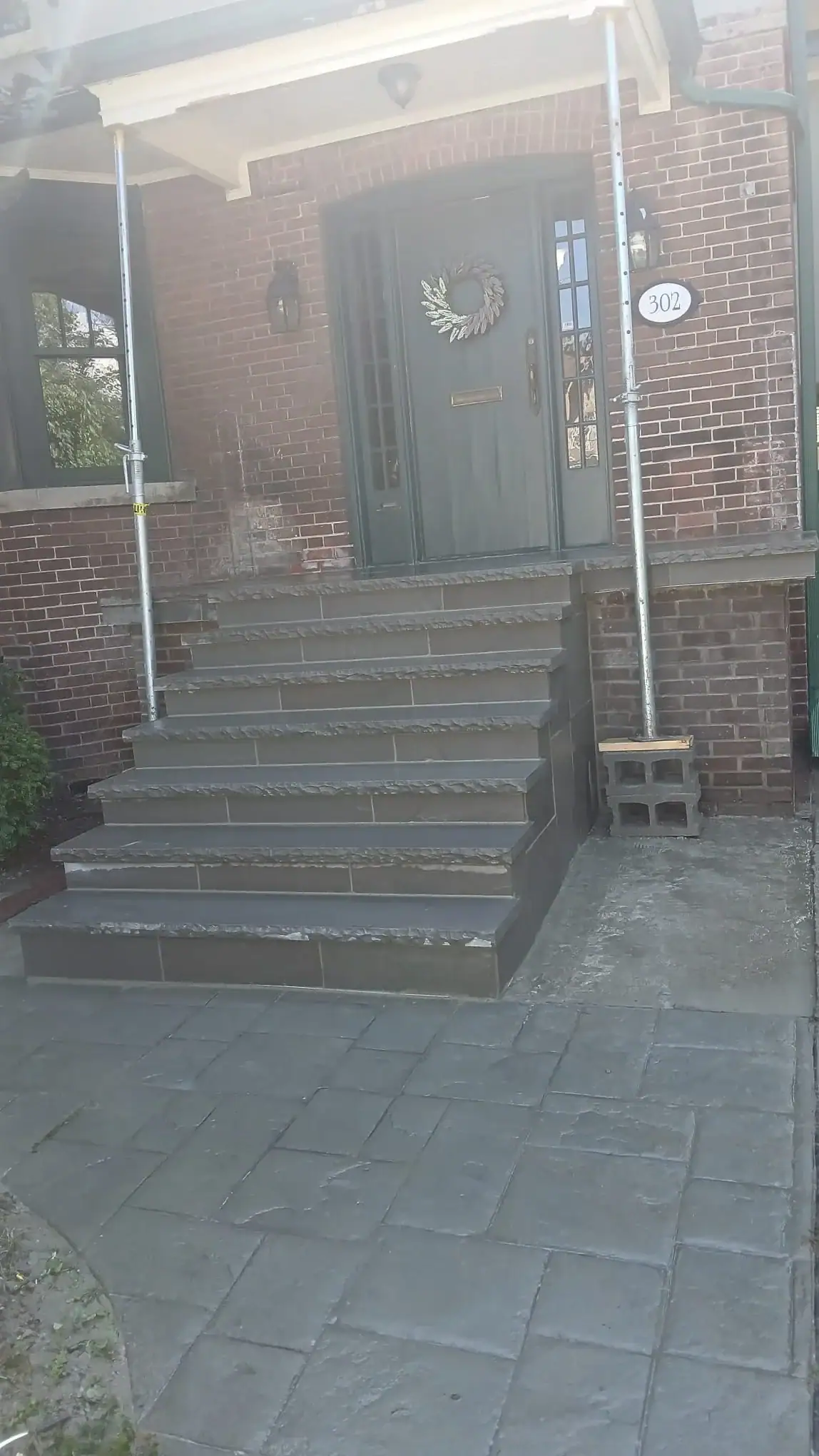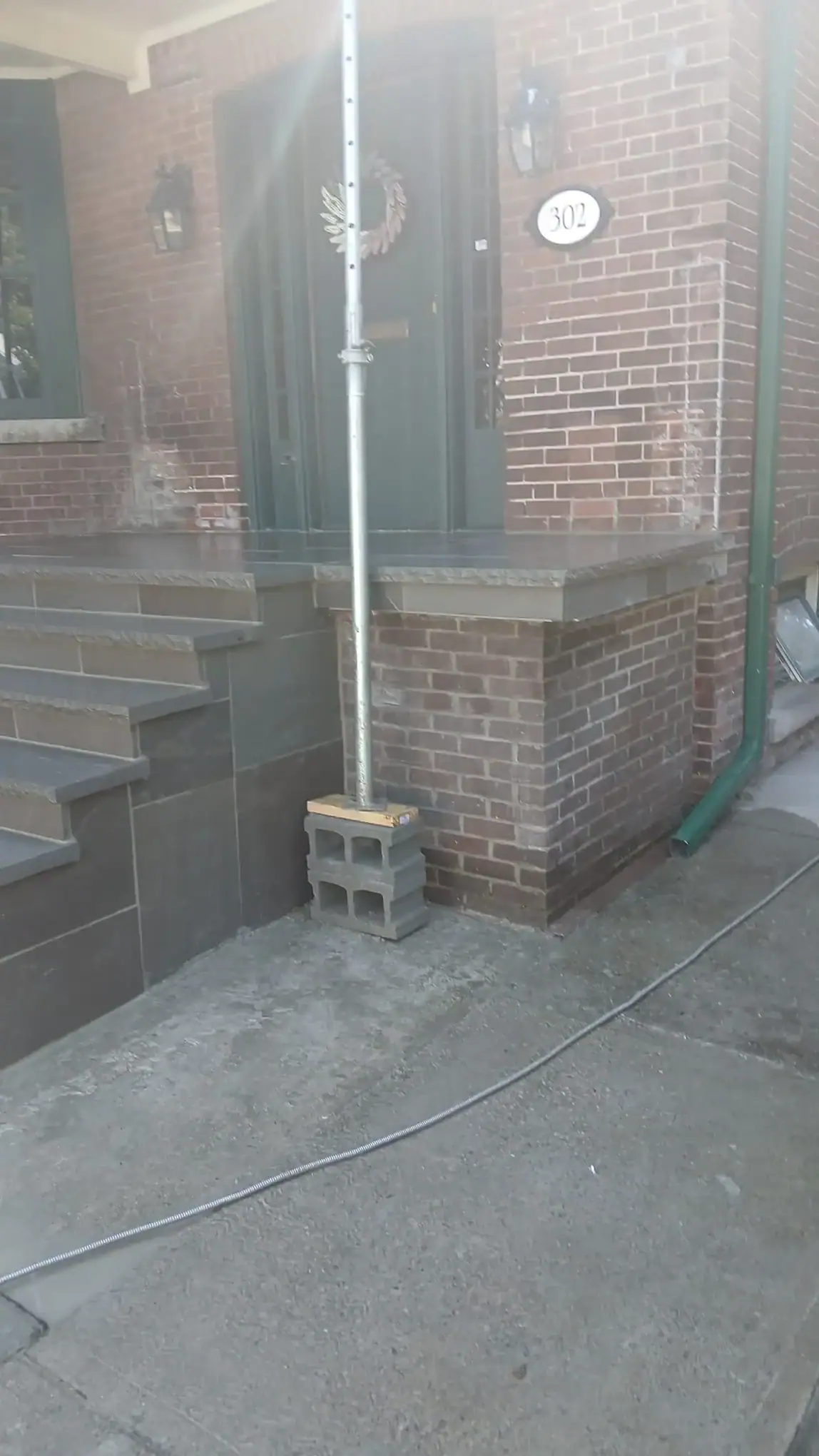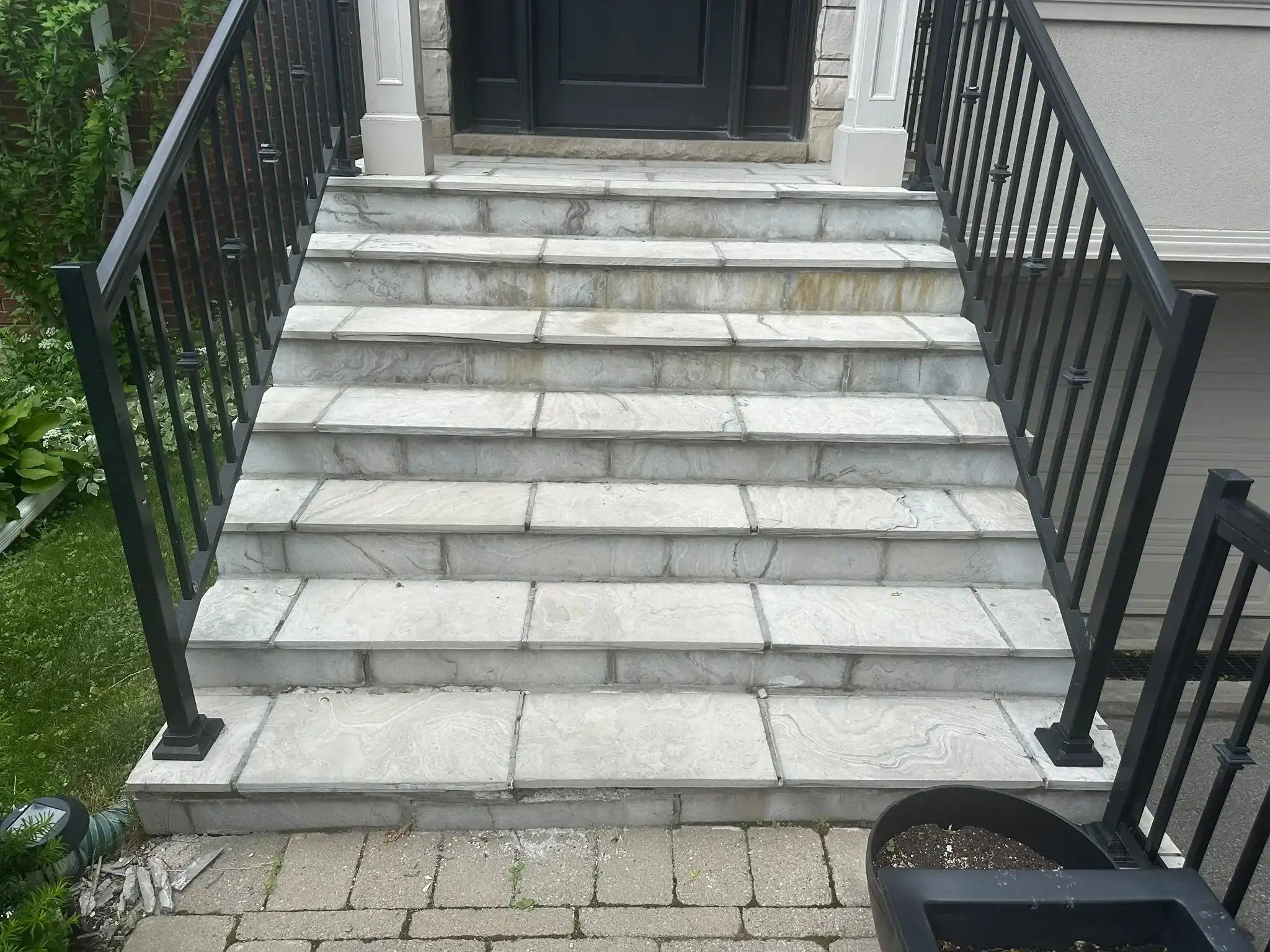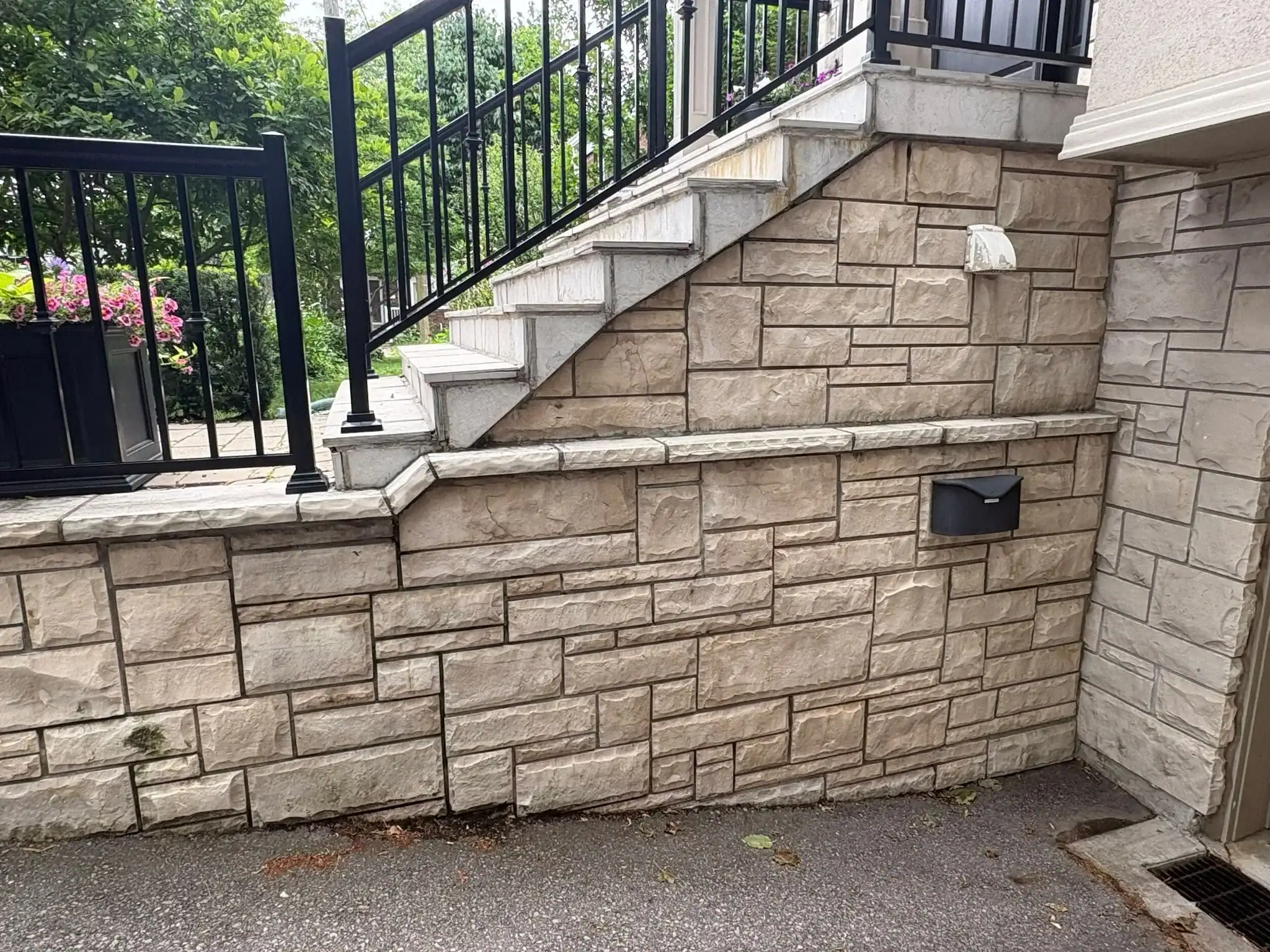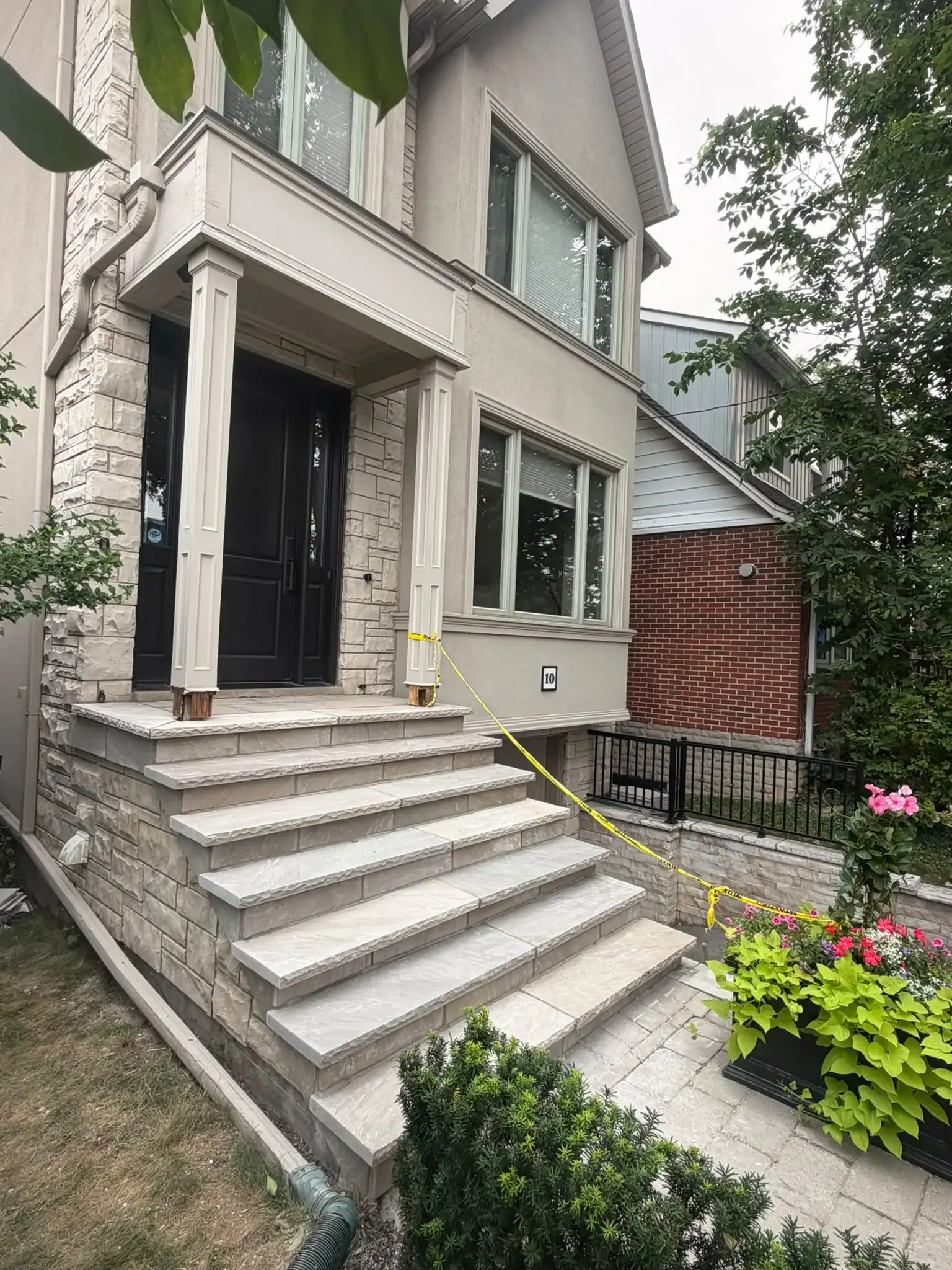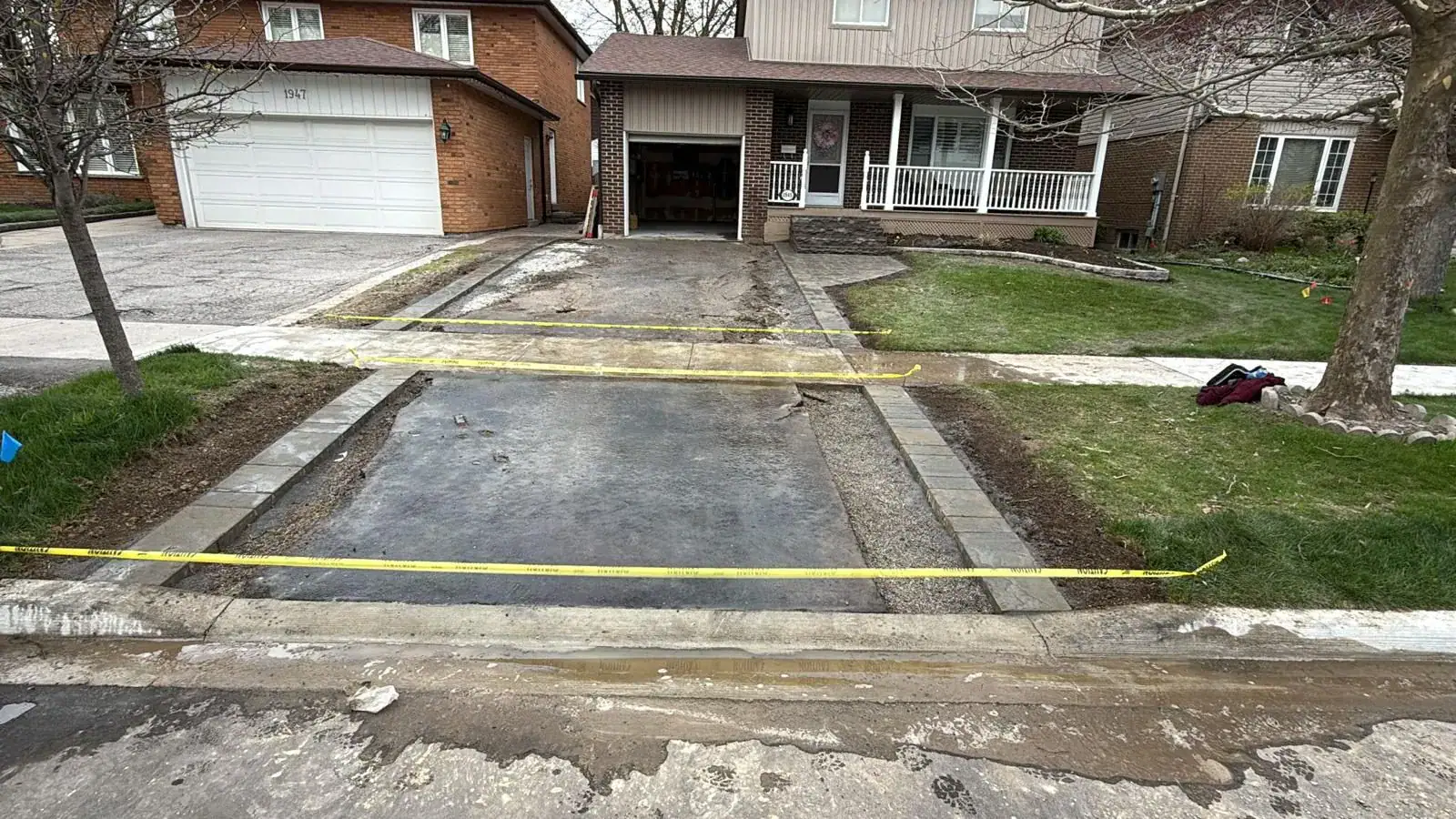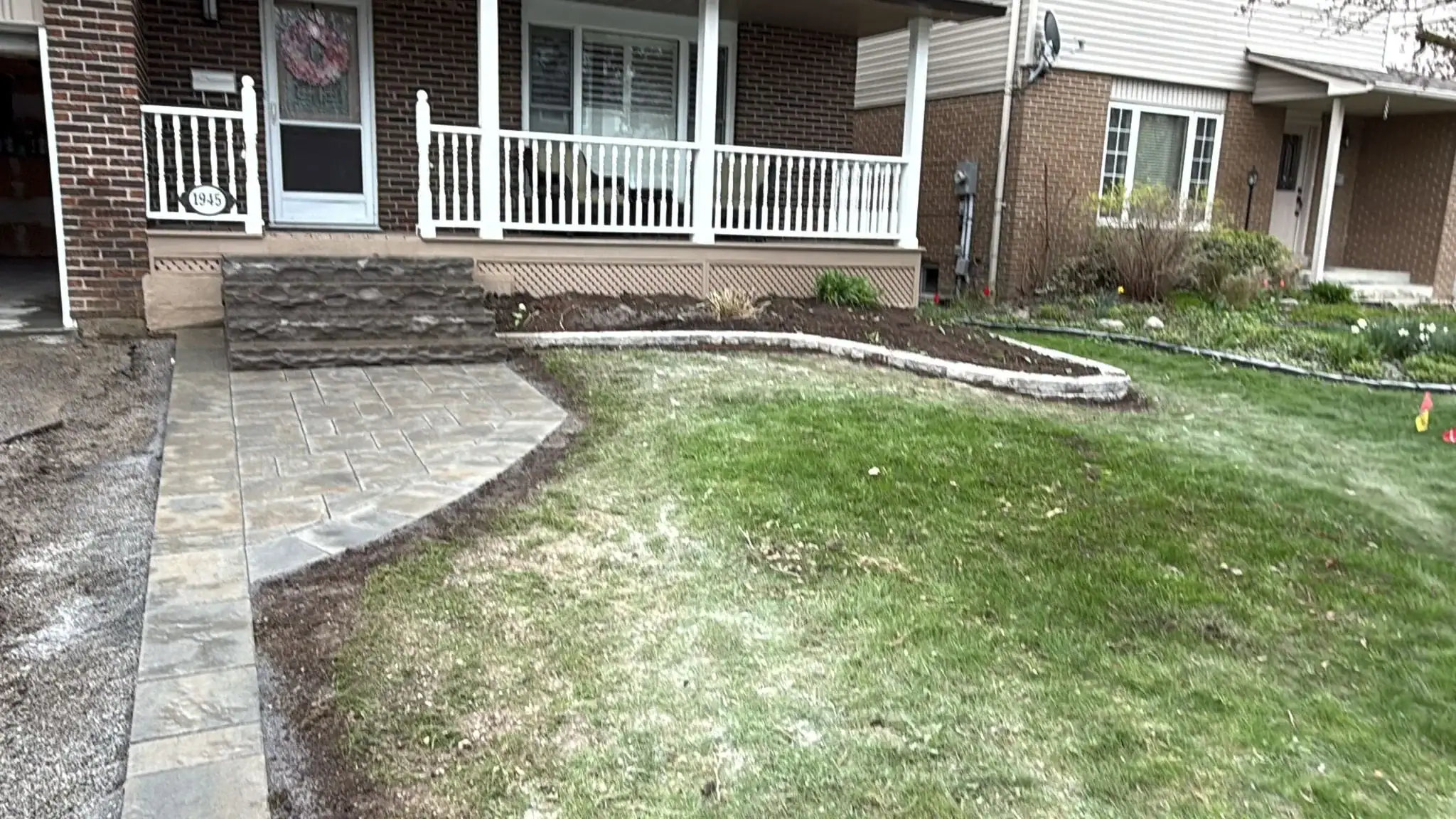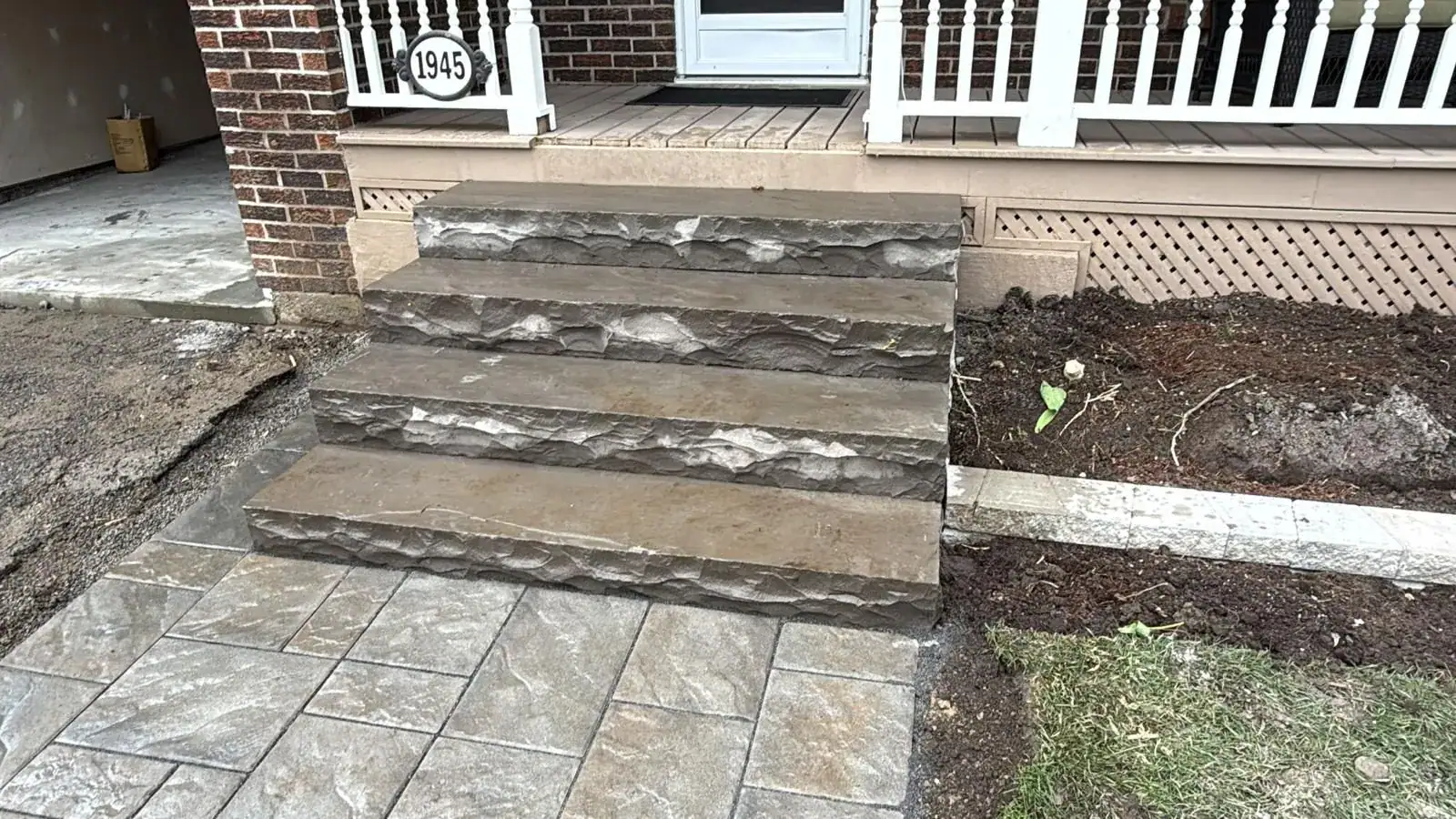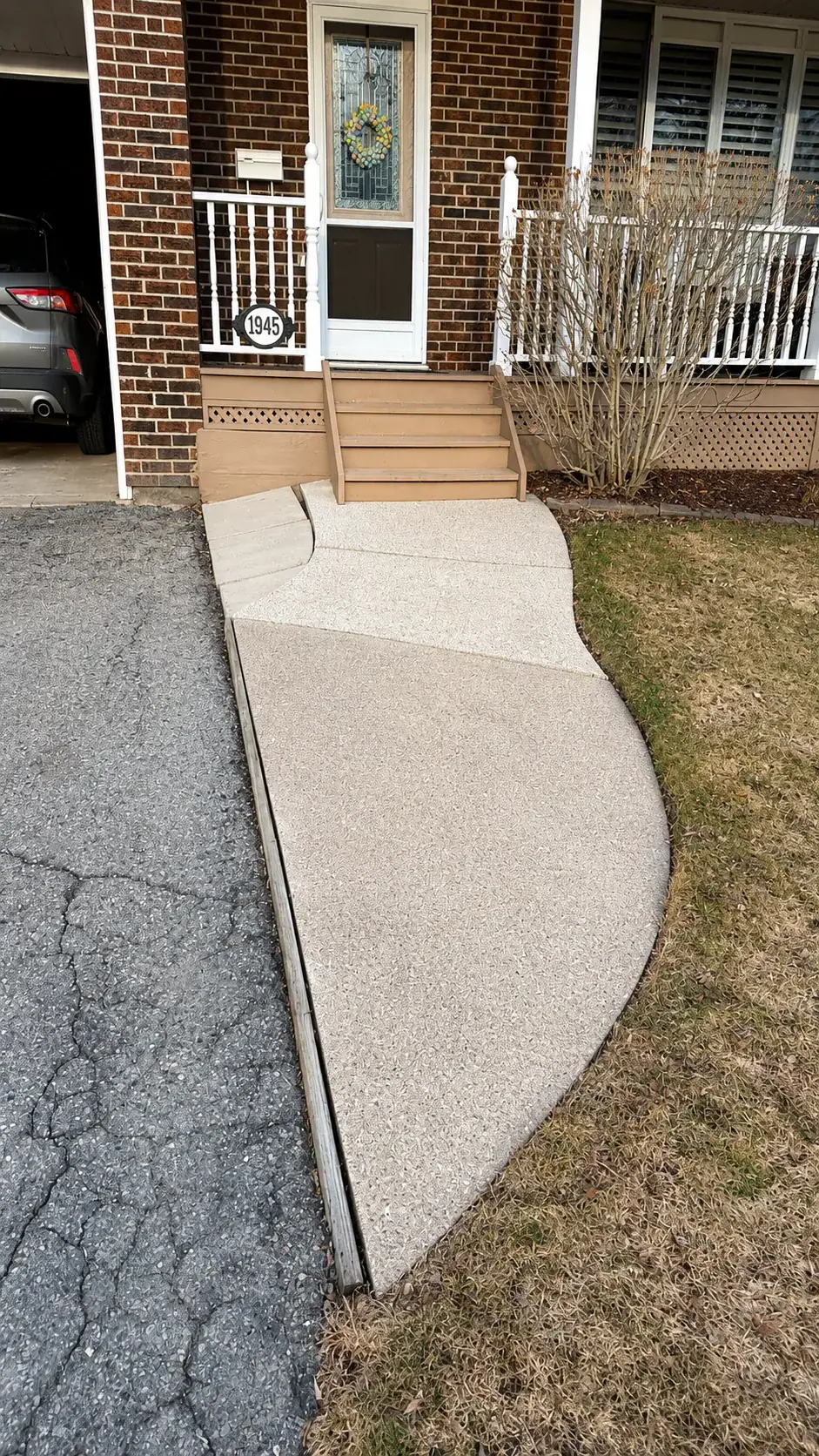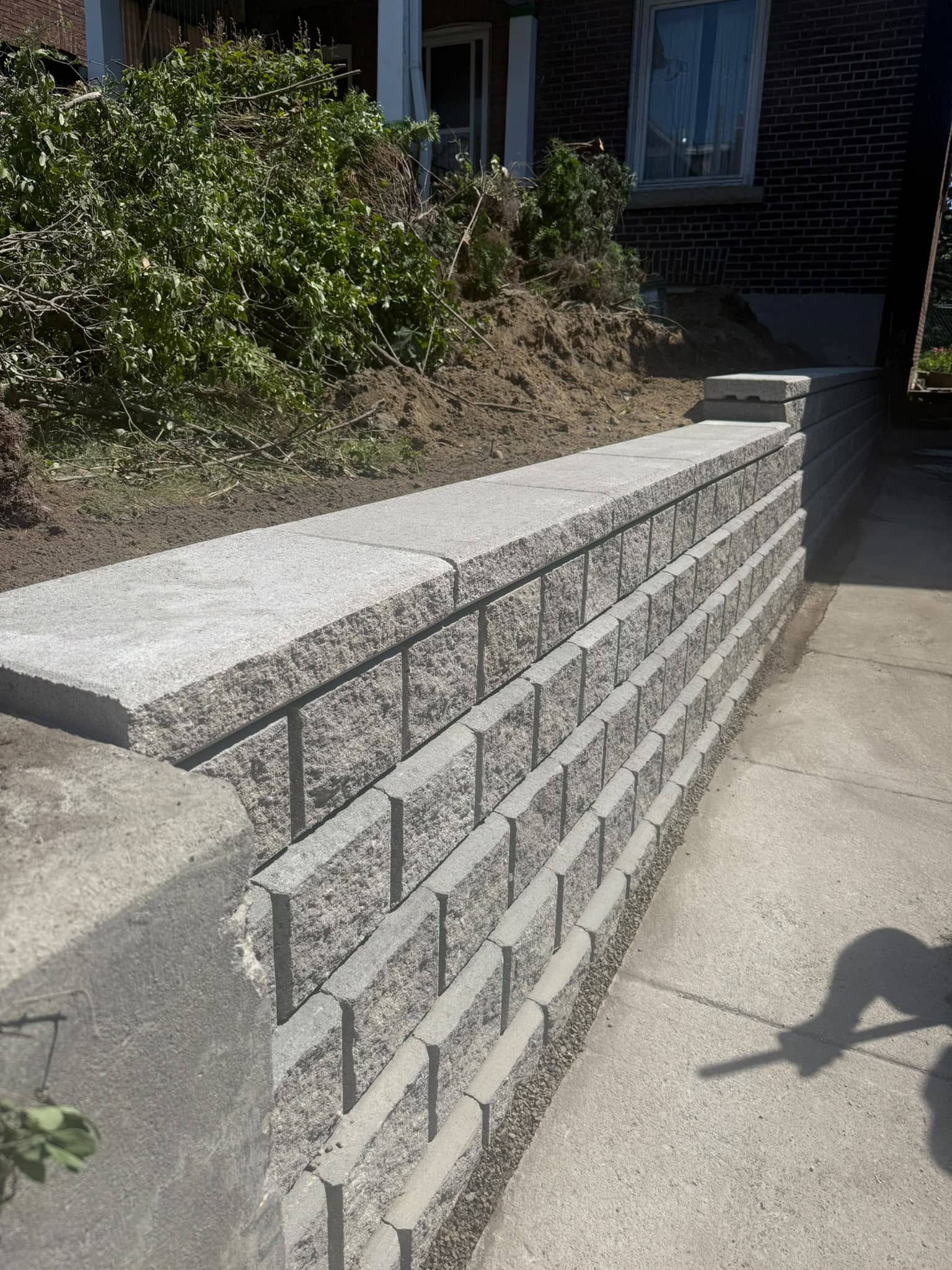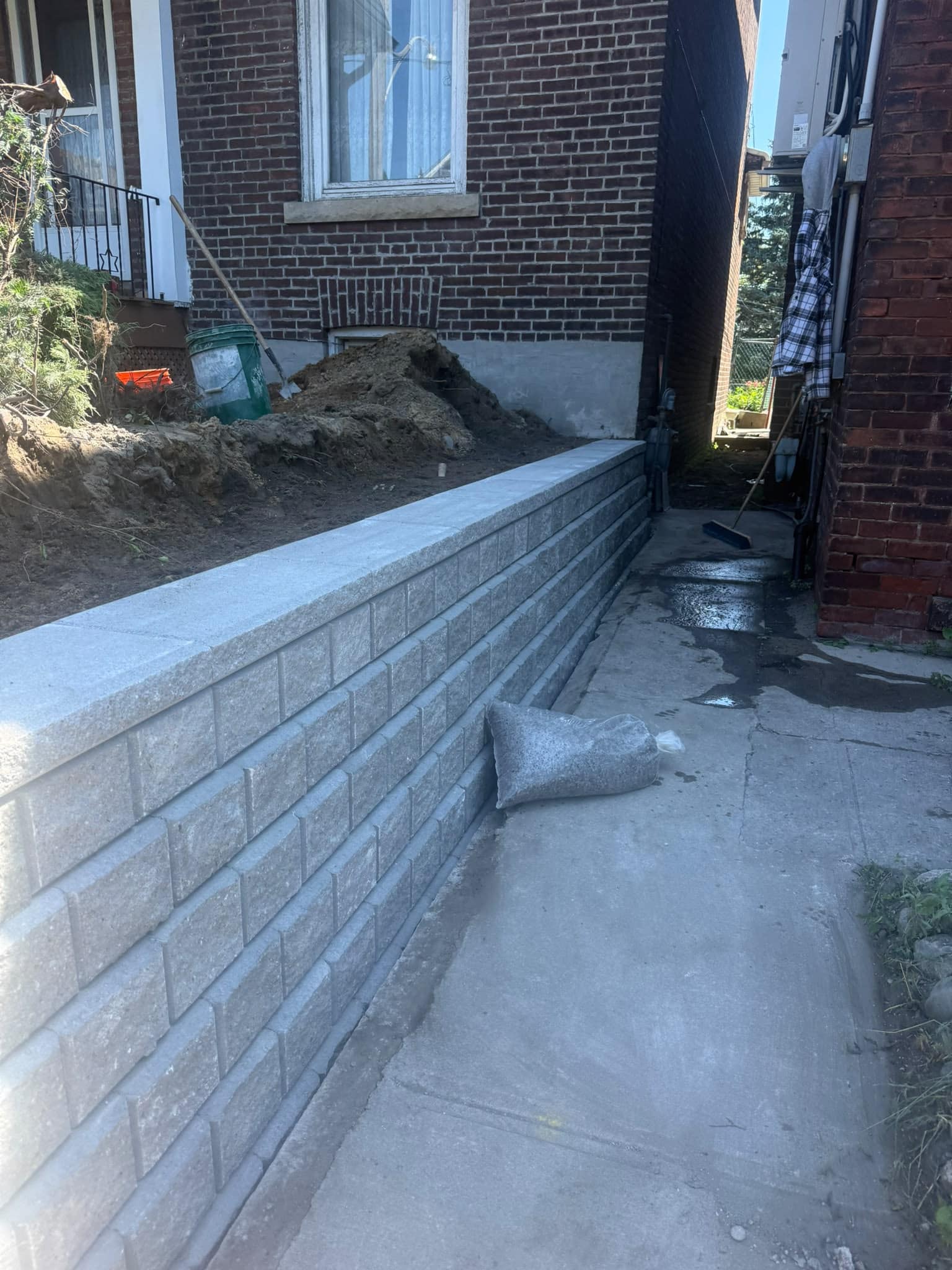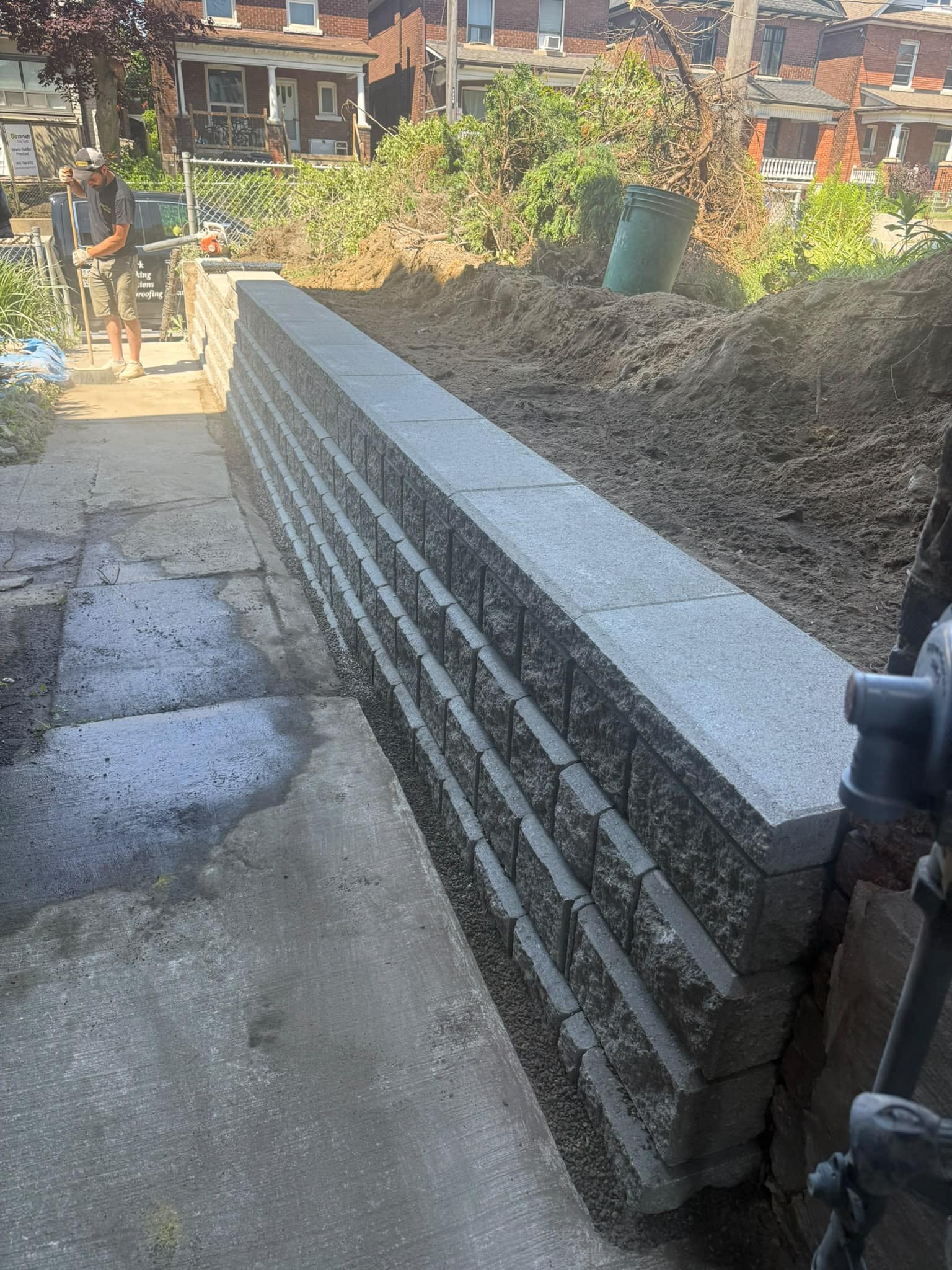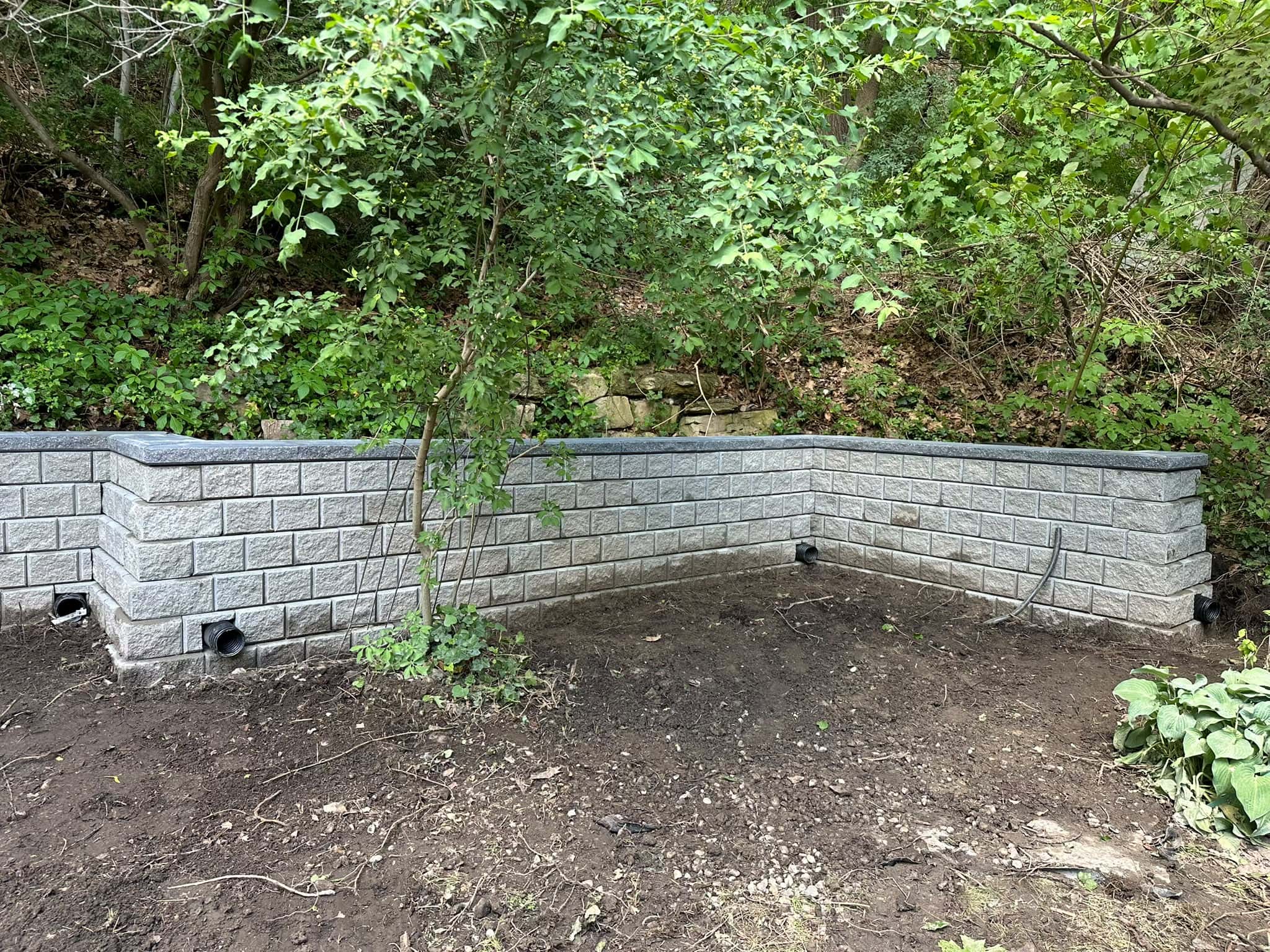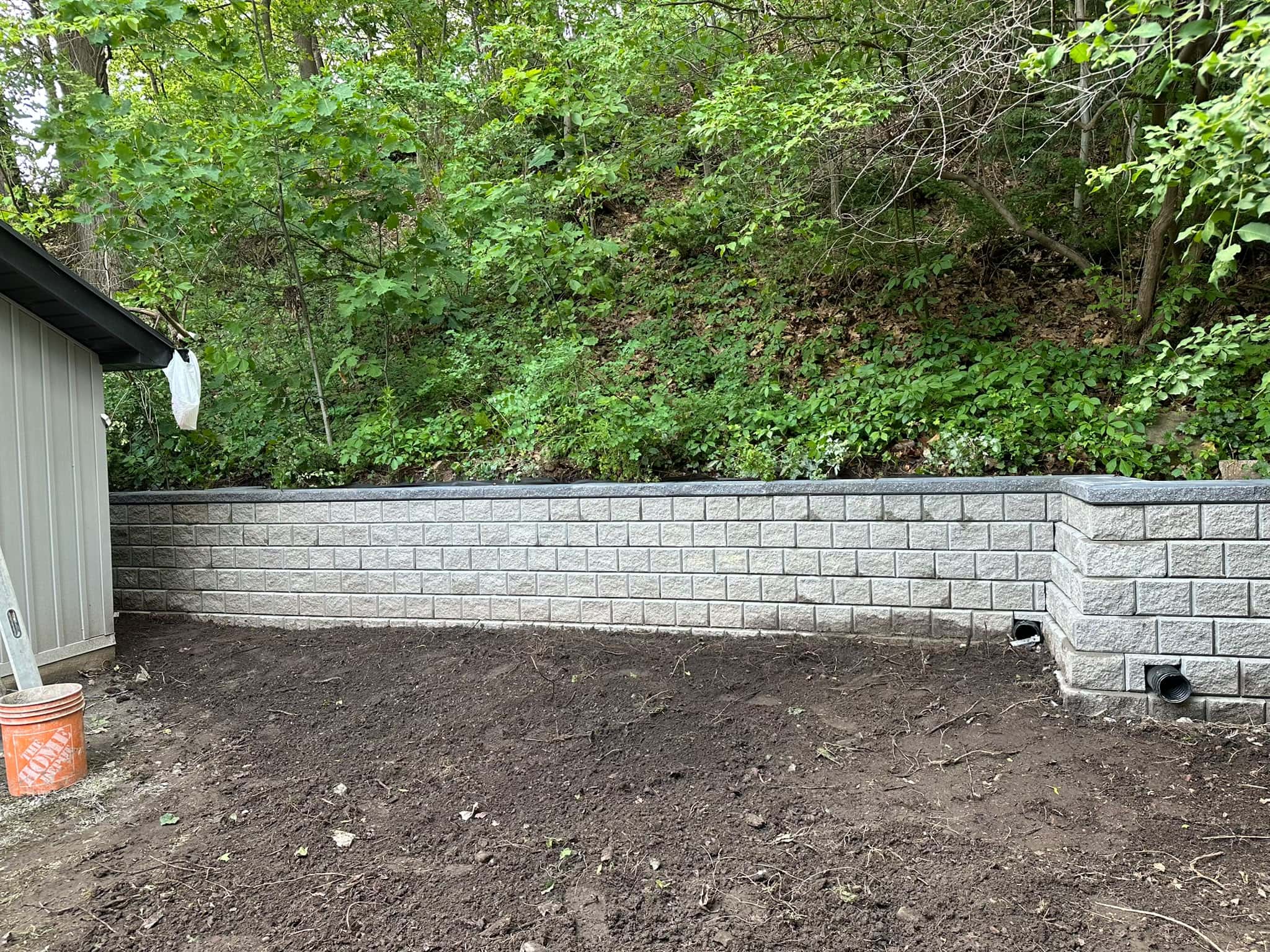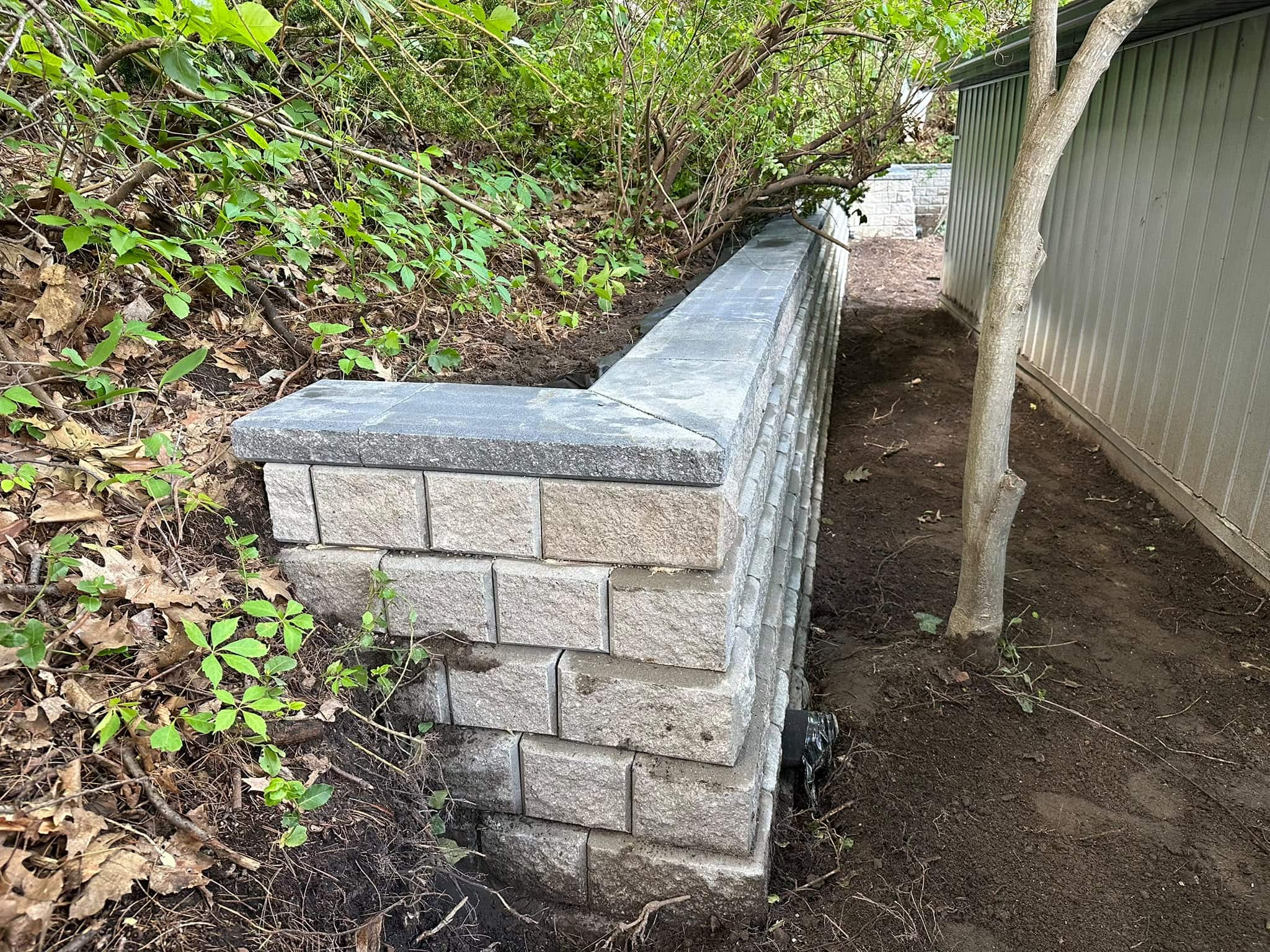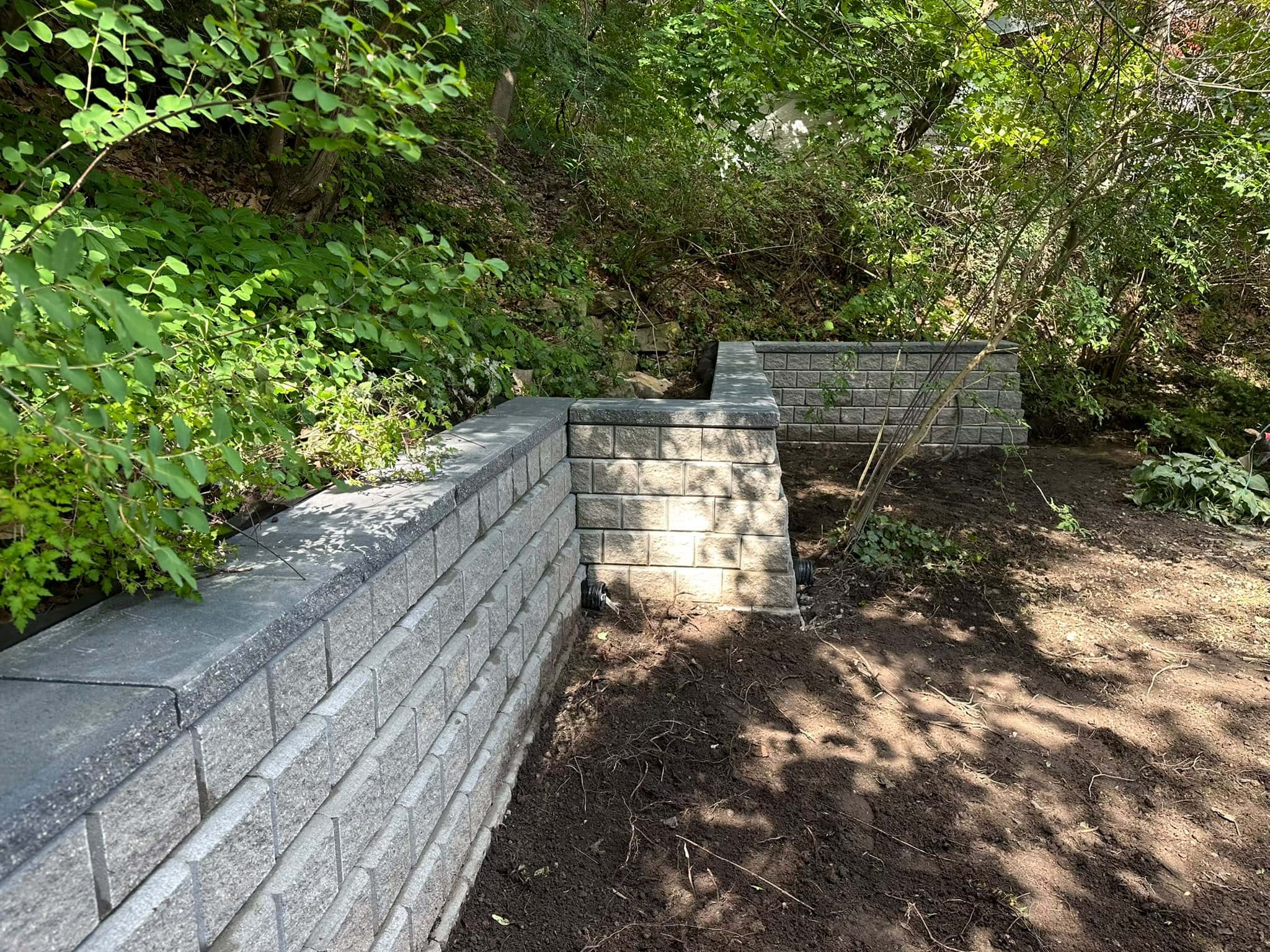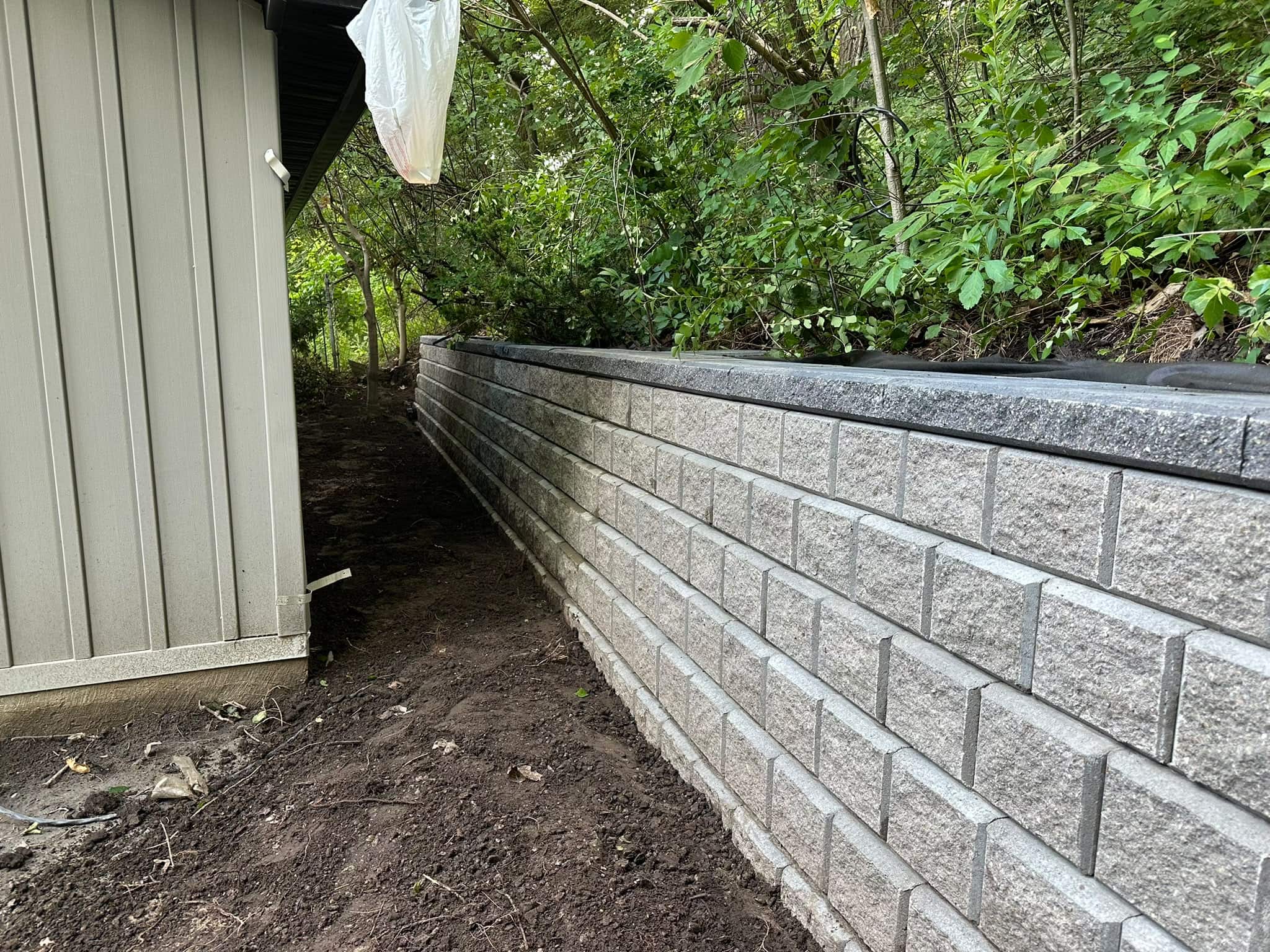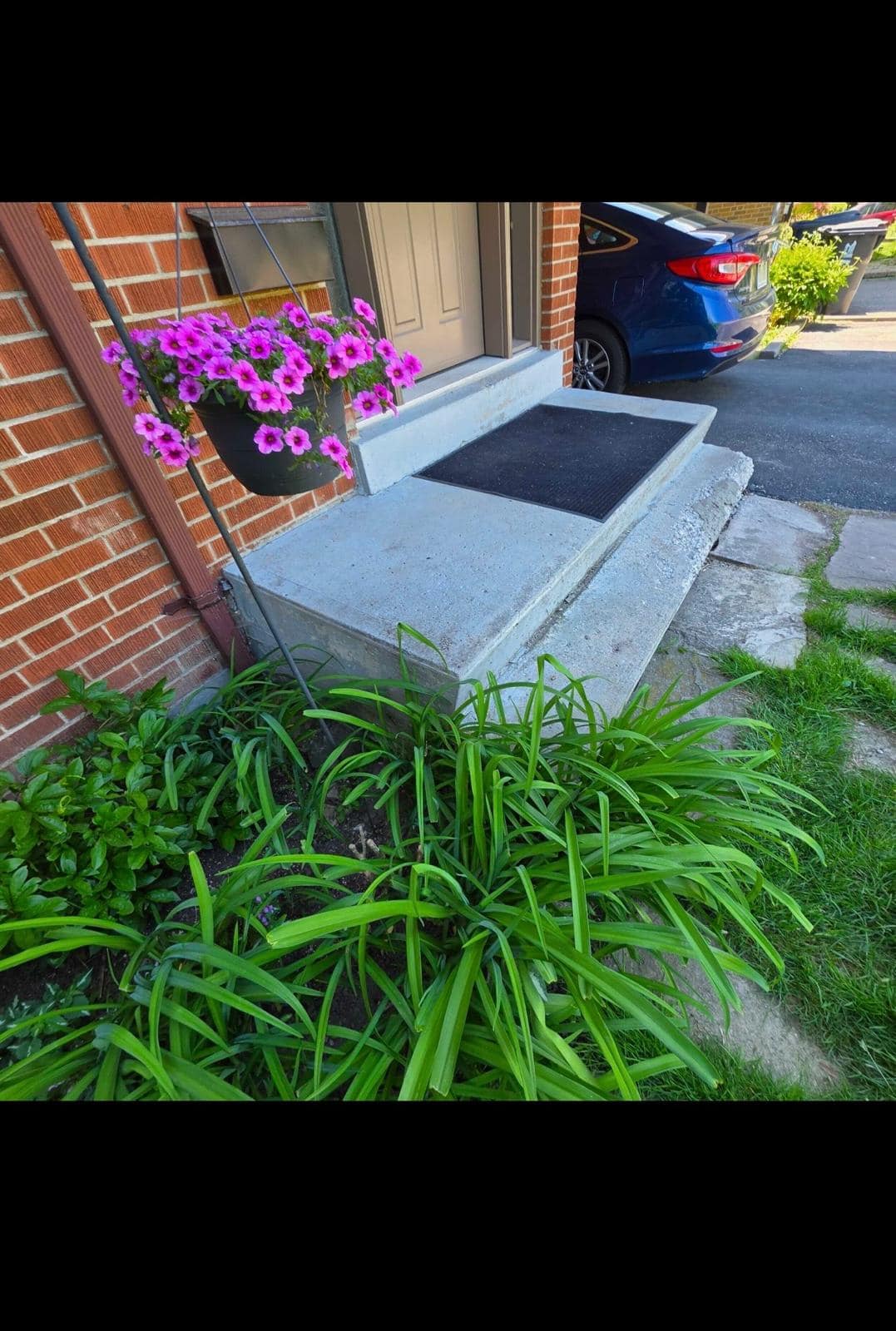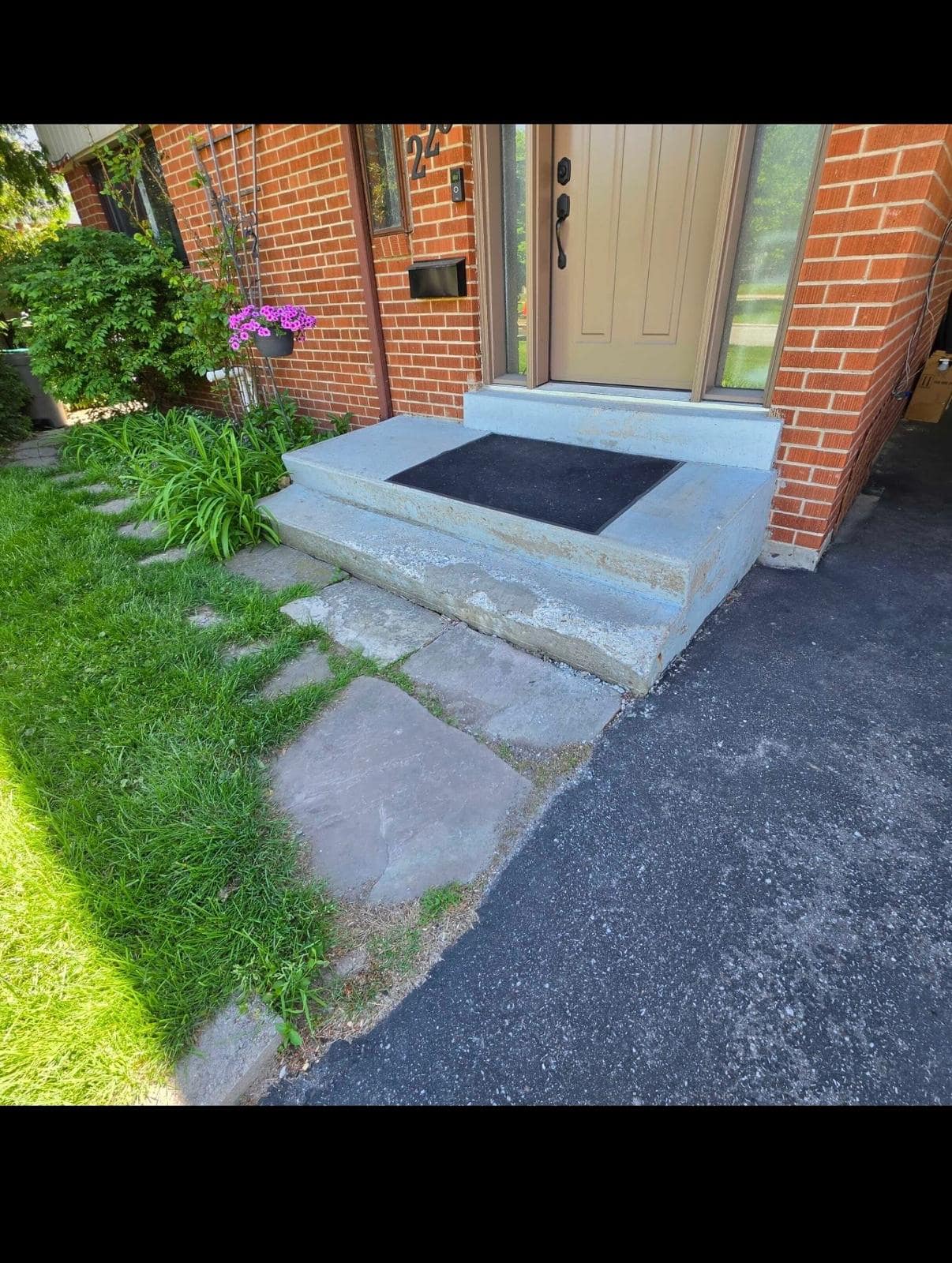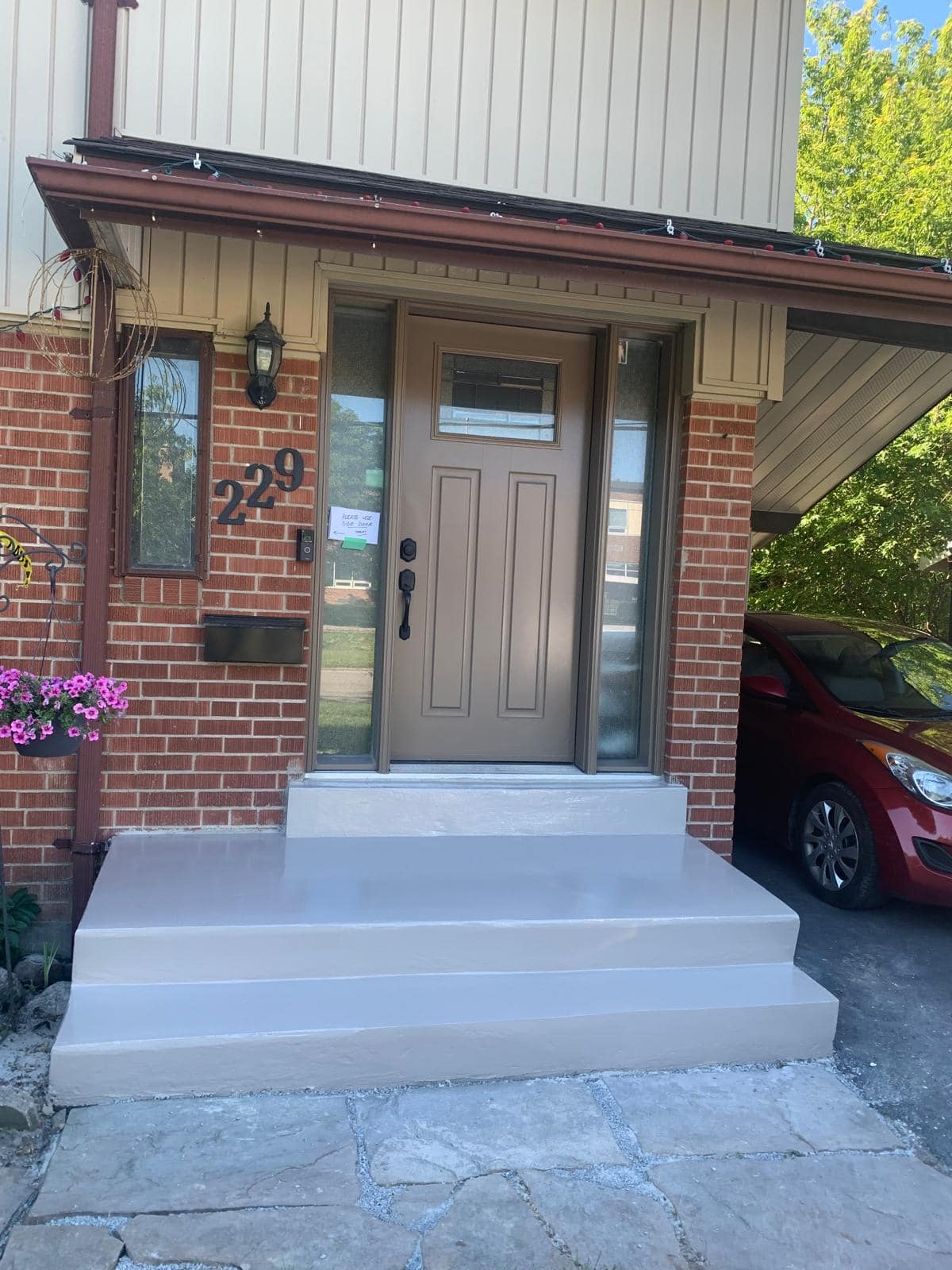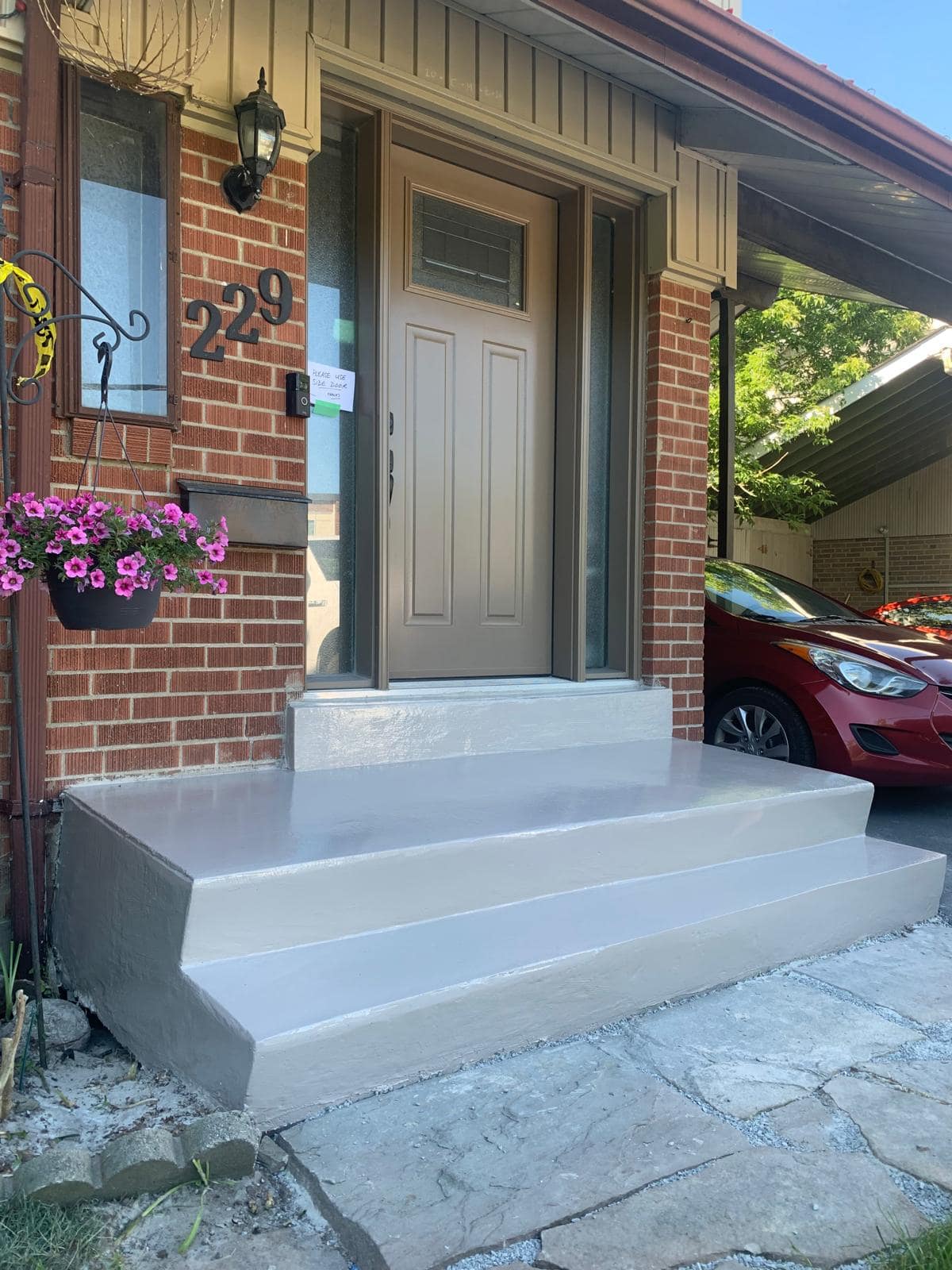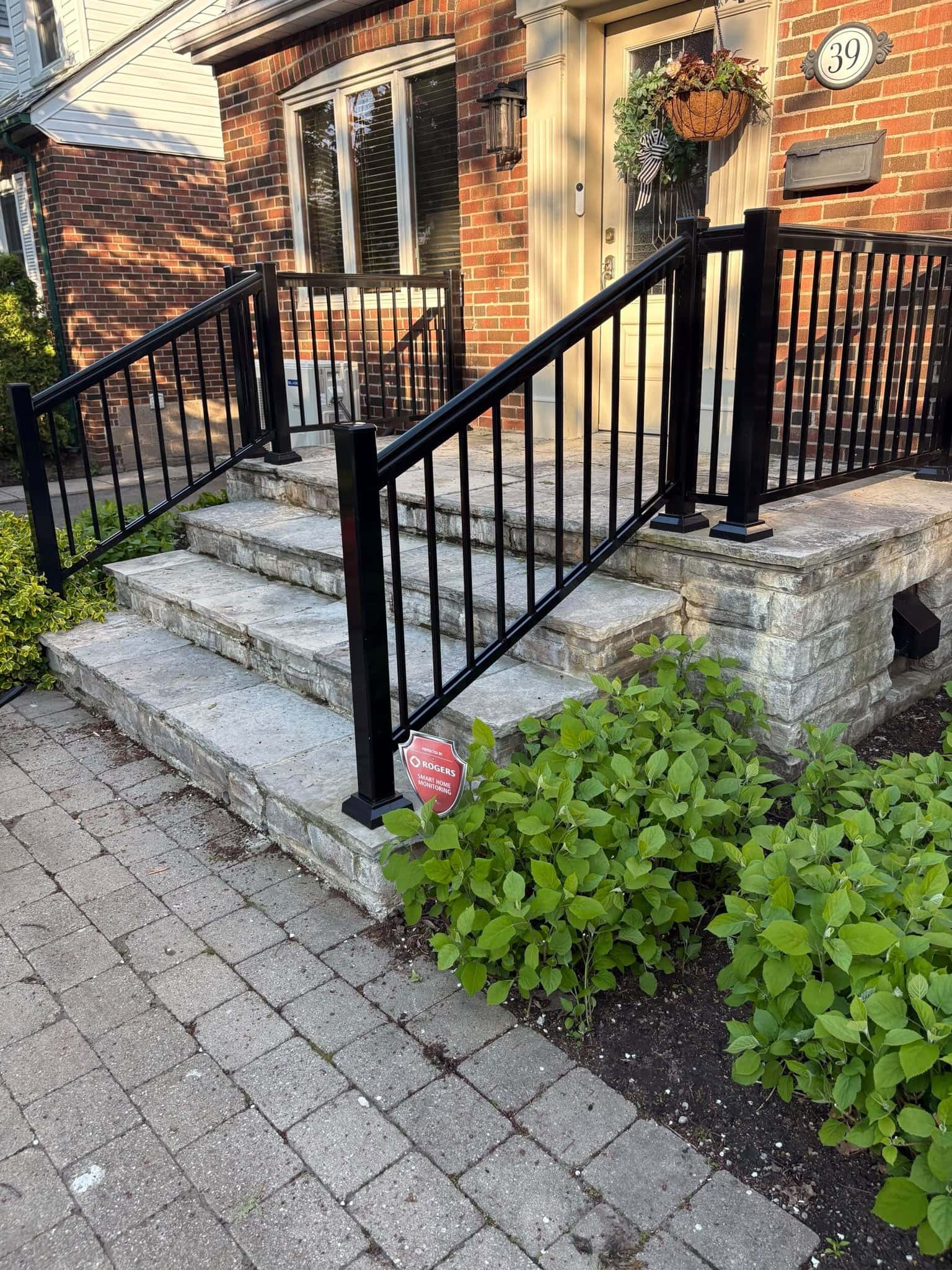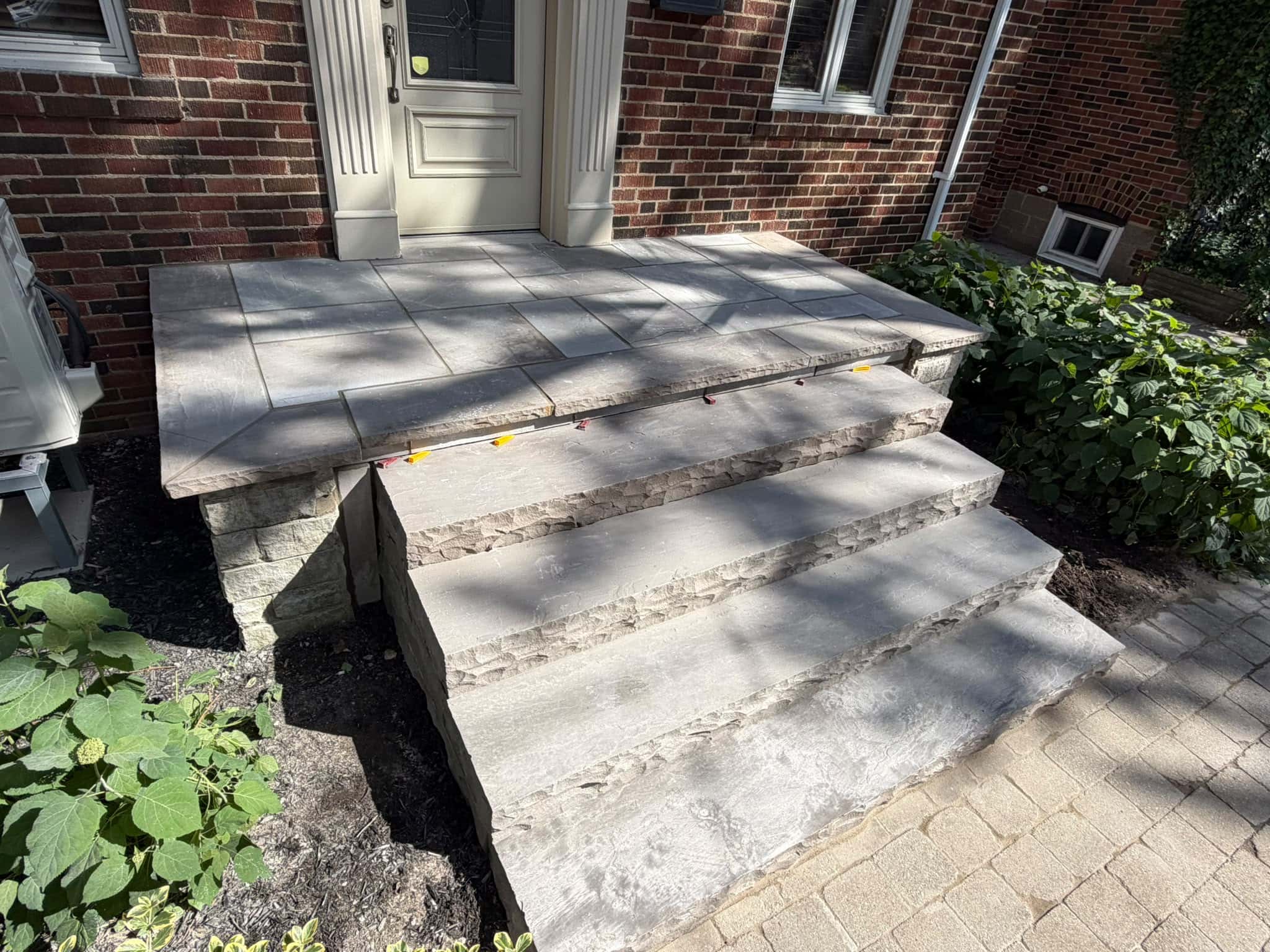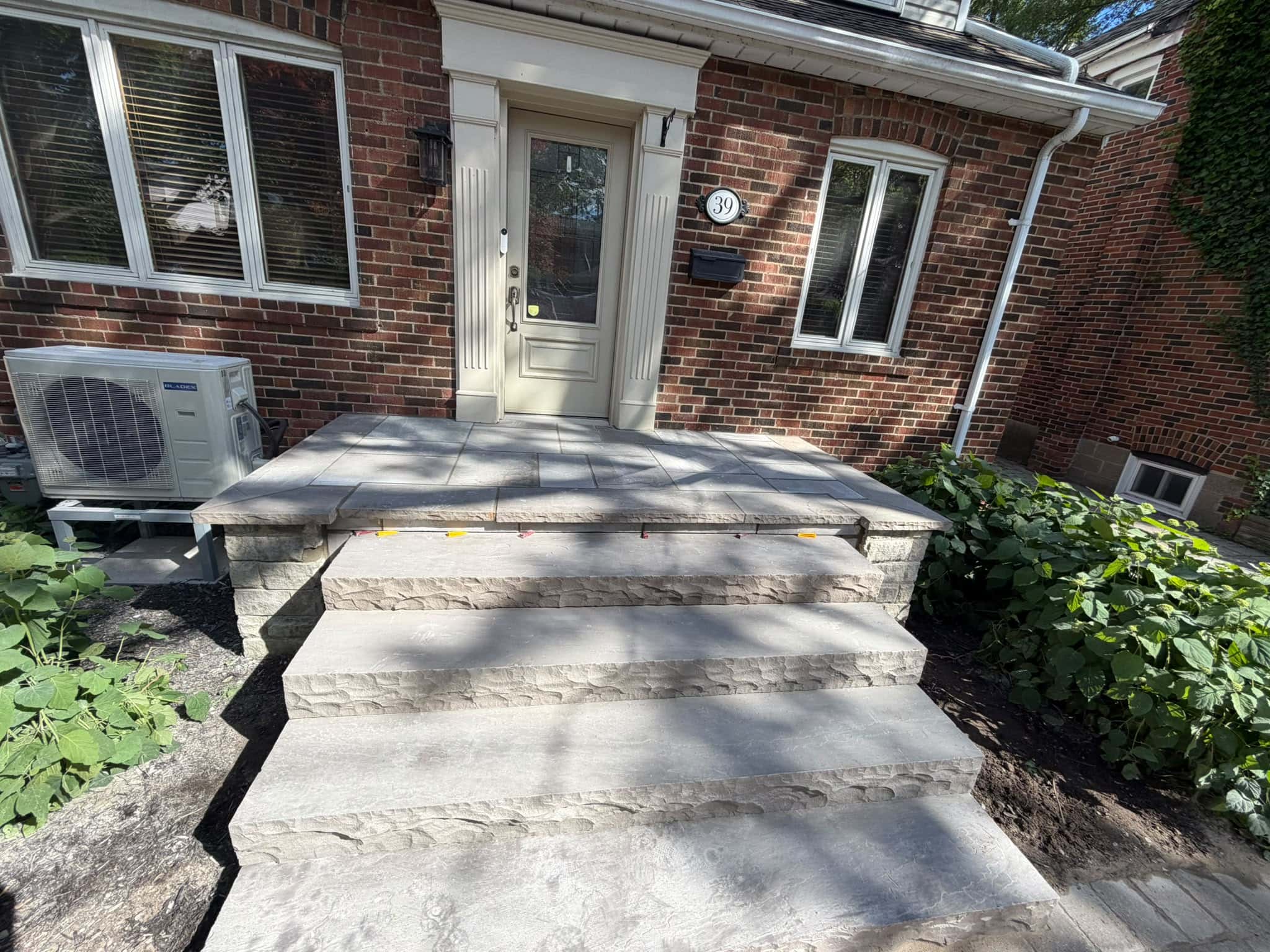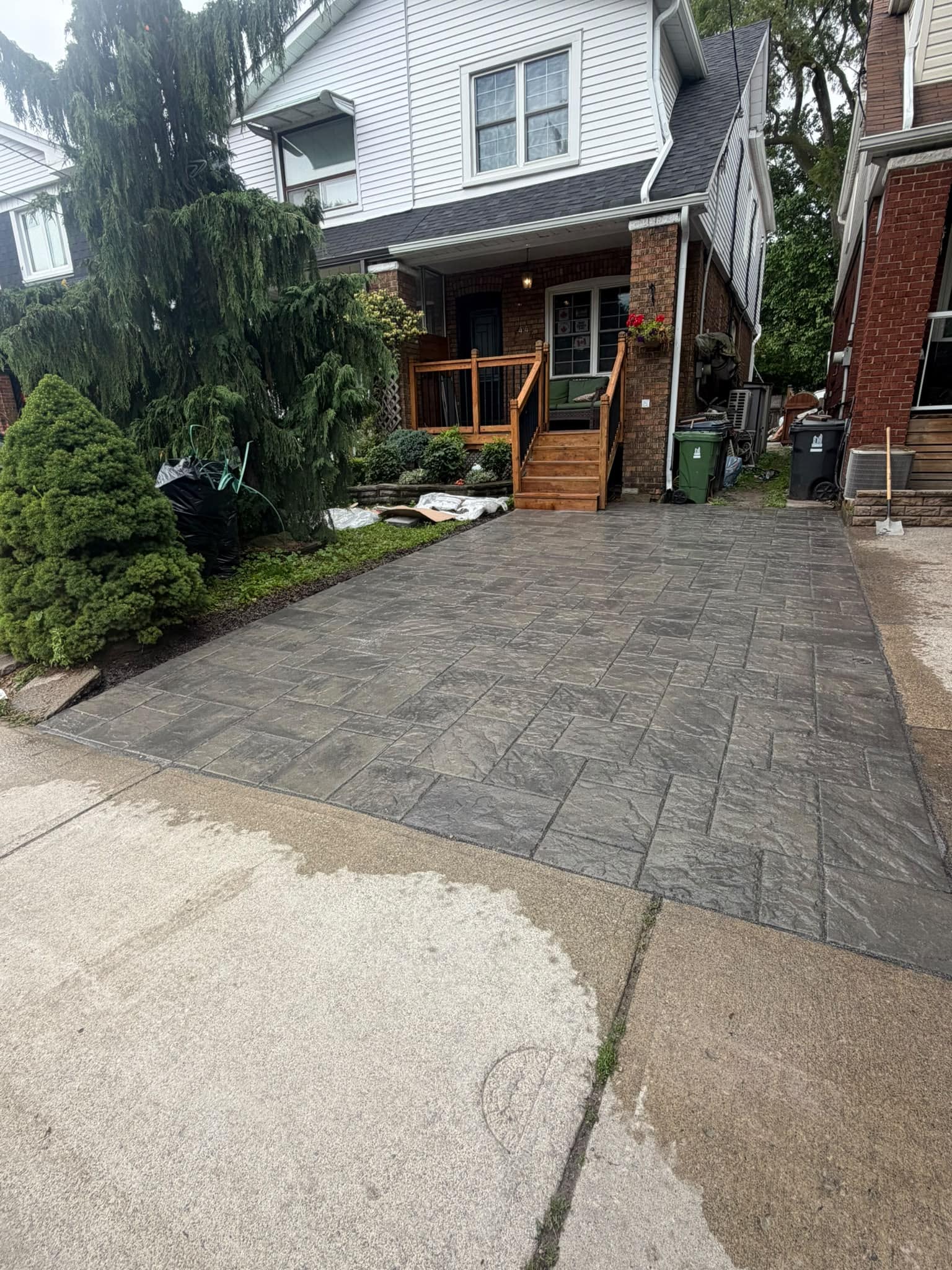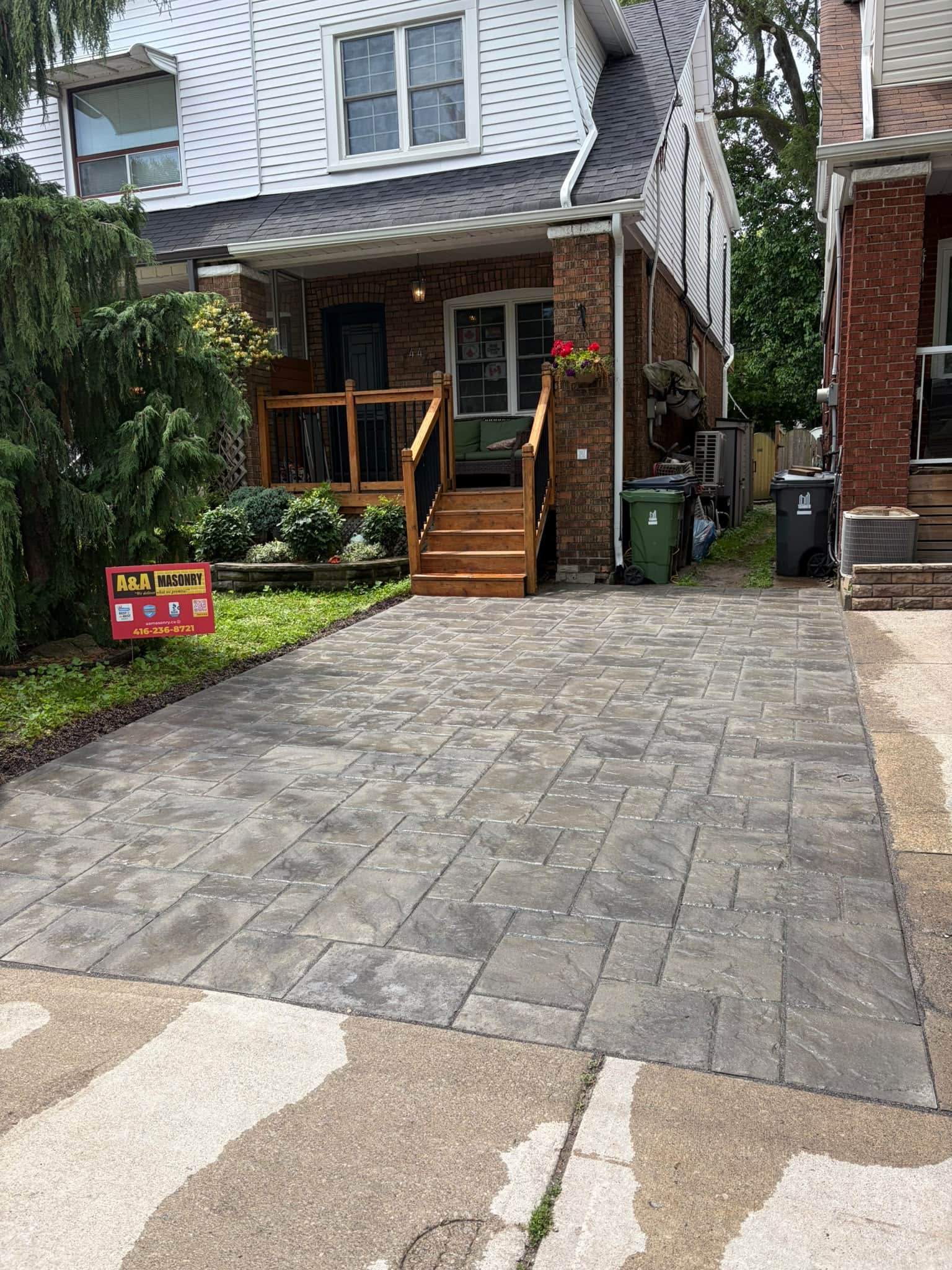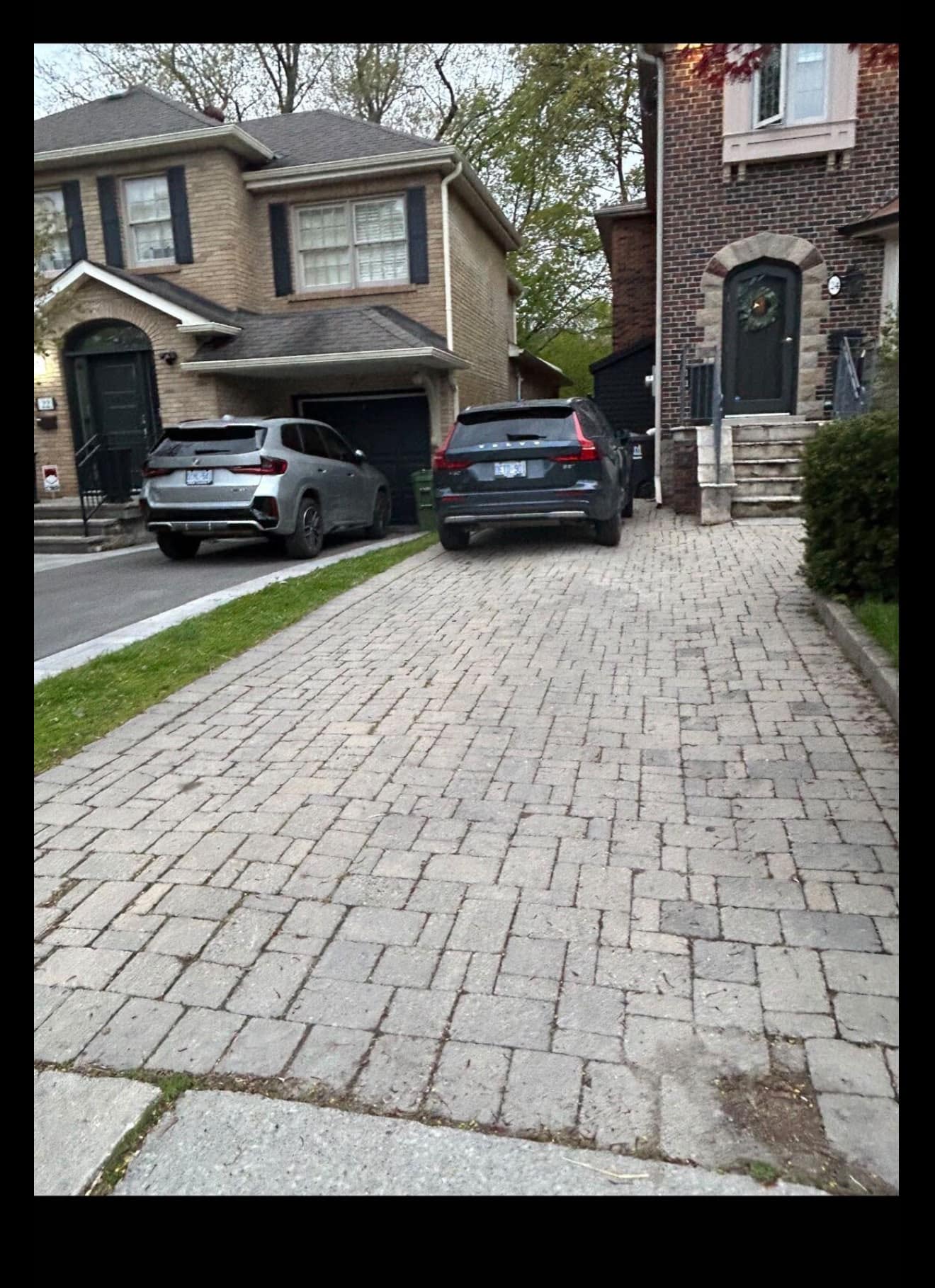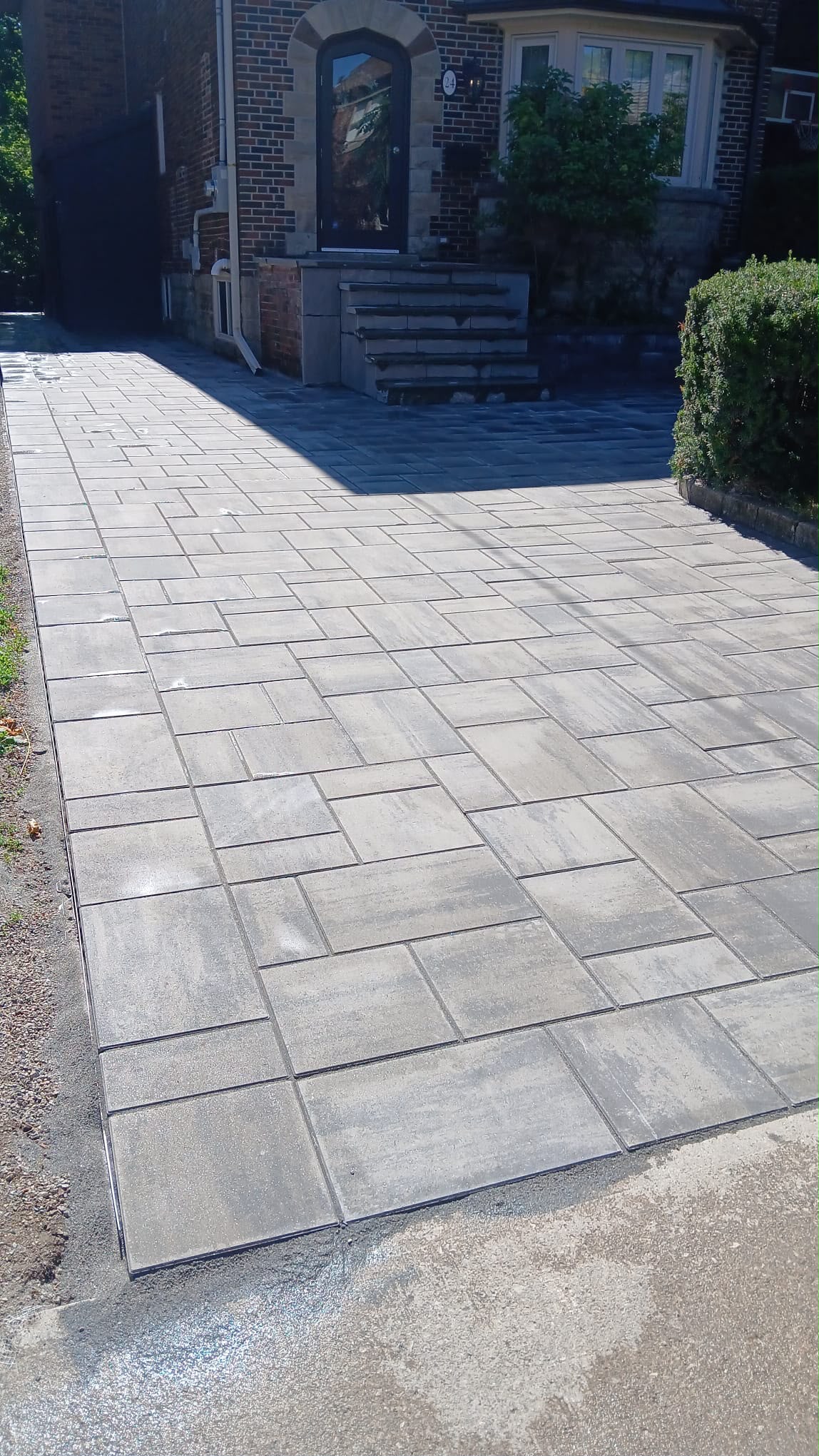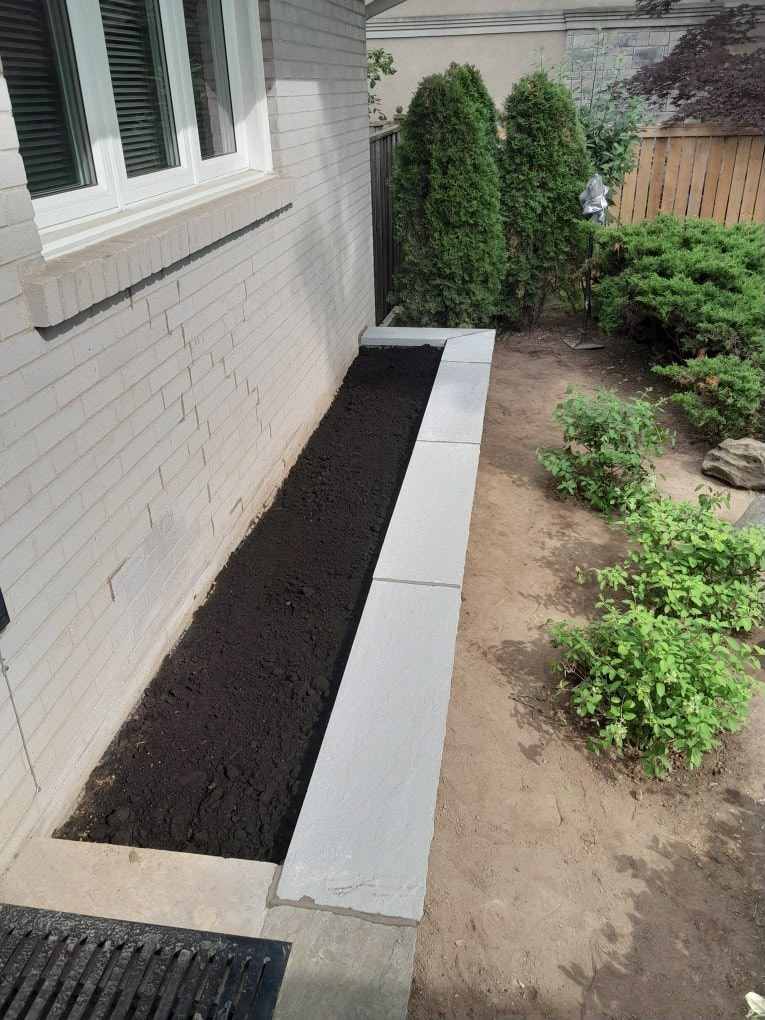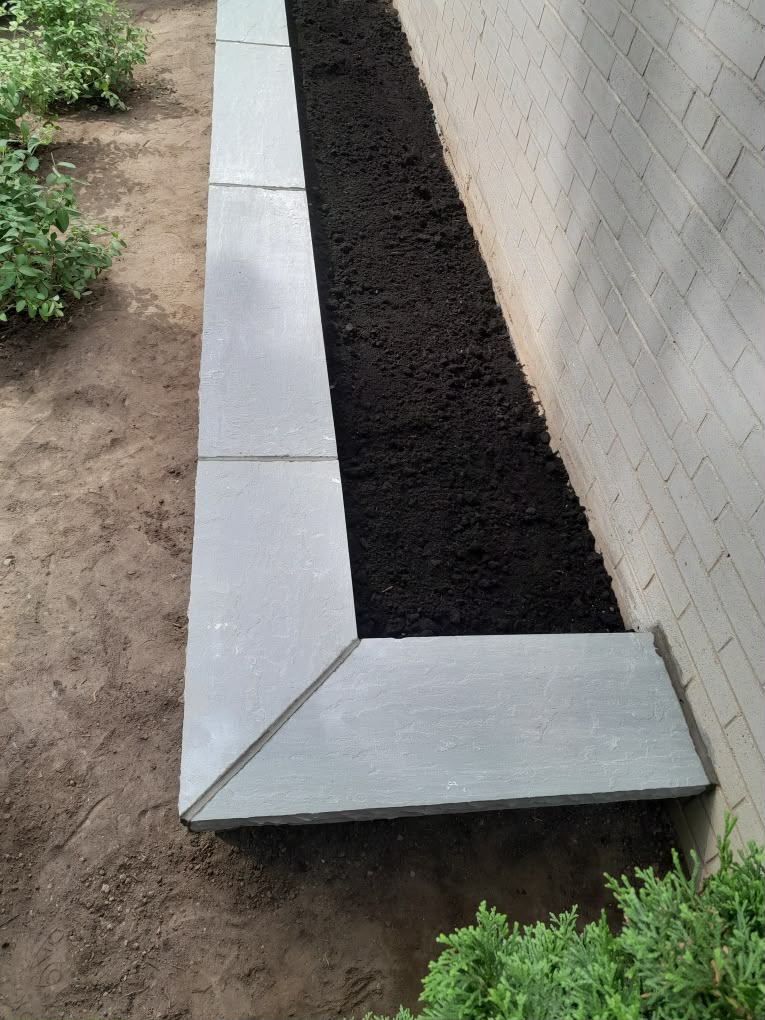

Masonry projects increase home value by improving curb appeal, repairing visible damage, protecting the home from water, strengthening outdoor spaces, and making the property feel better maintained. Brick repair, stonework, chimney restoration, tuckpointing, waterproofing, interlocking stone, concrete repair, and retaining walls can all affect how a home looks, performs, and is judged by future buyers.
For Toronto and GTA homeowners, masonry matters because many homes rely on brick, stone, concrete, and exterior hardscaping to define their character and structure. A cracked front step, damaged chimney, crumbling mortar, spalling brick, sunken walkway, or damp foundation area can make a home feel neglected. On the other hand, clean masonry, stable steps, repaired brickwork, and well-planned outdoor spaces can make the property feel stronger, safer, and more trustworthy.
This does not mean every masonry project automatically gives a guaranteed resale return. Home value depends on the neighbourhood, market, project quality, buyer expectations, and the condition of the rest of the property. But good masonry work can support value in several practical ways: it improves first impressions, reduces visible repair concerns, protects against moisture, and helps the home age better.
Masonry Improves First Impressions
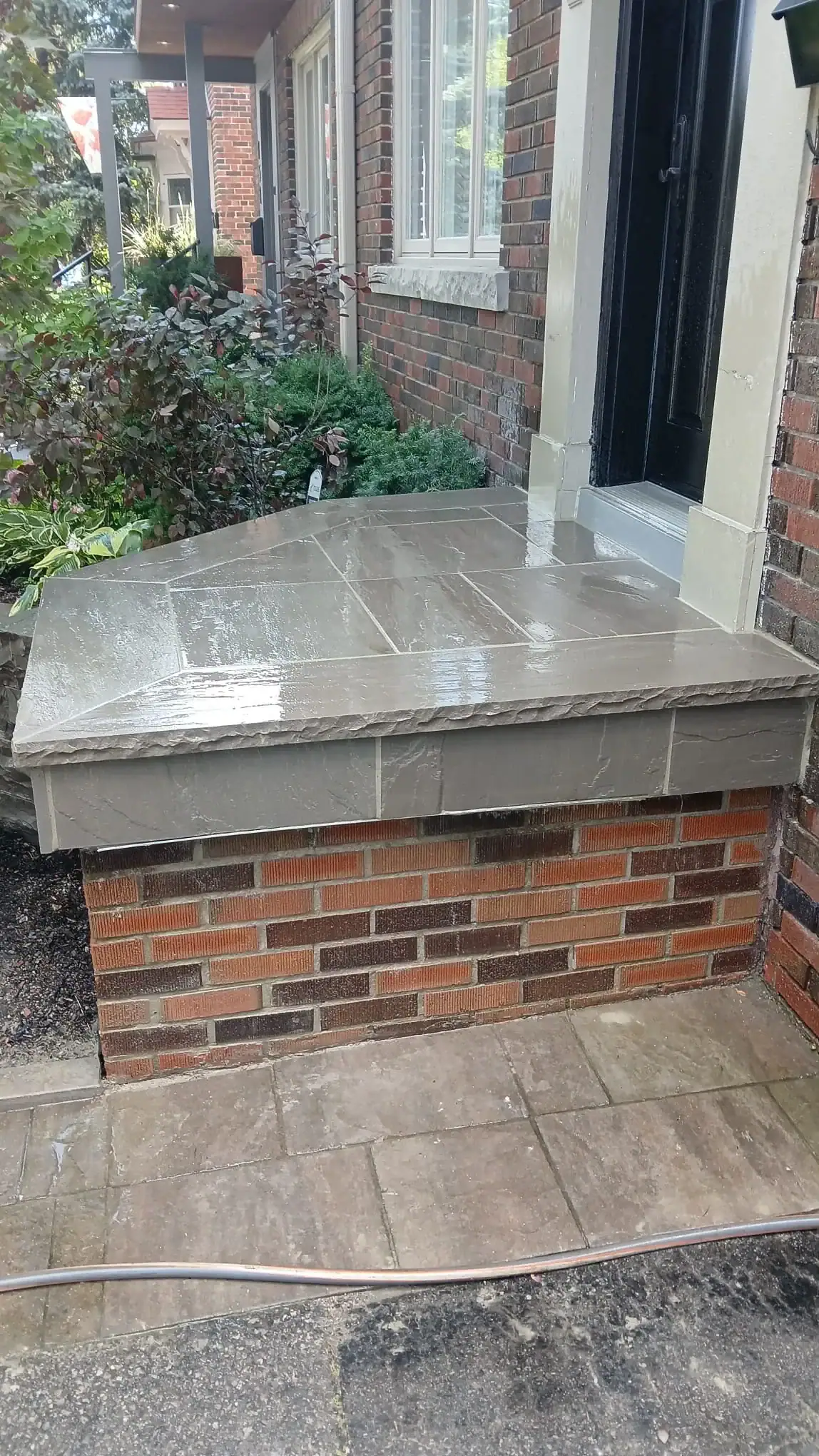
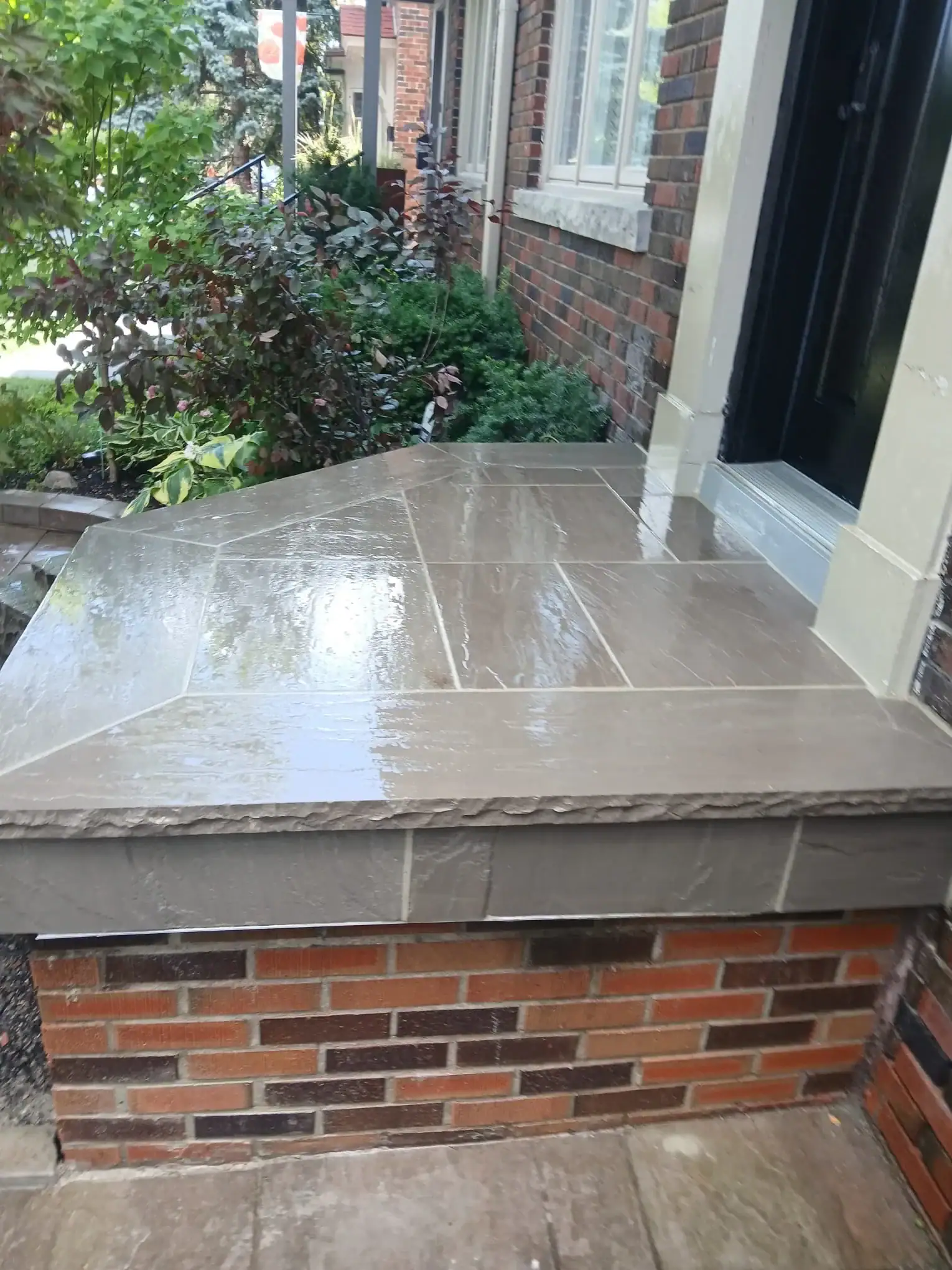
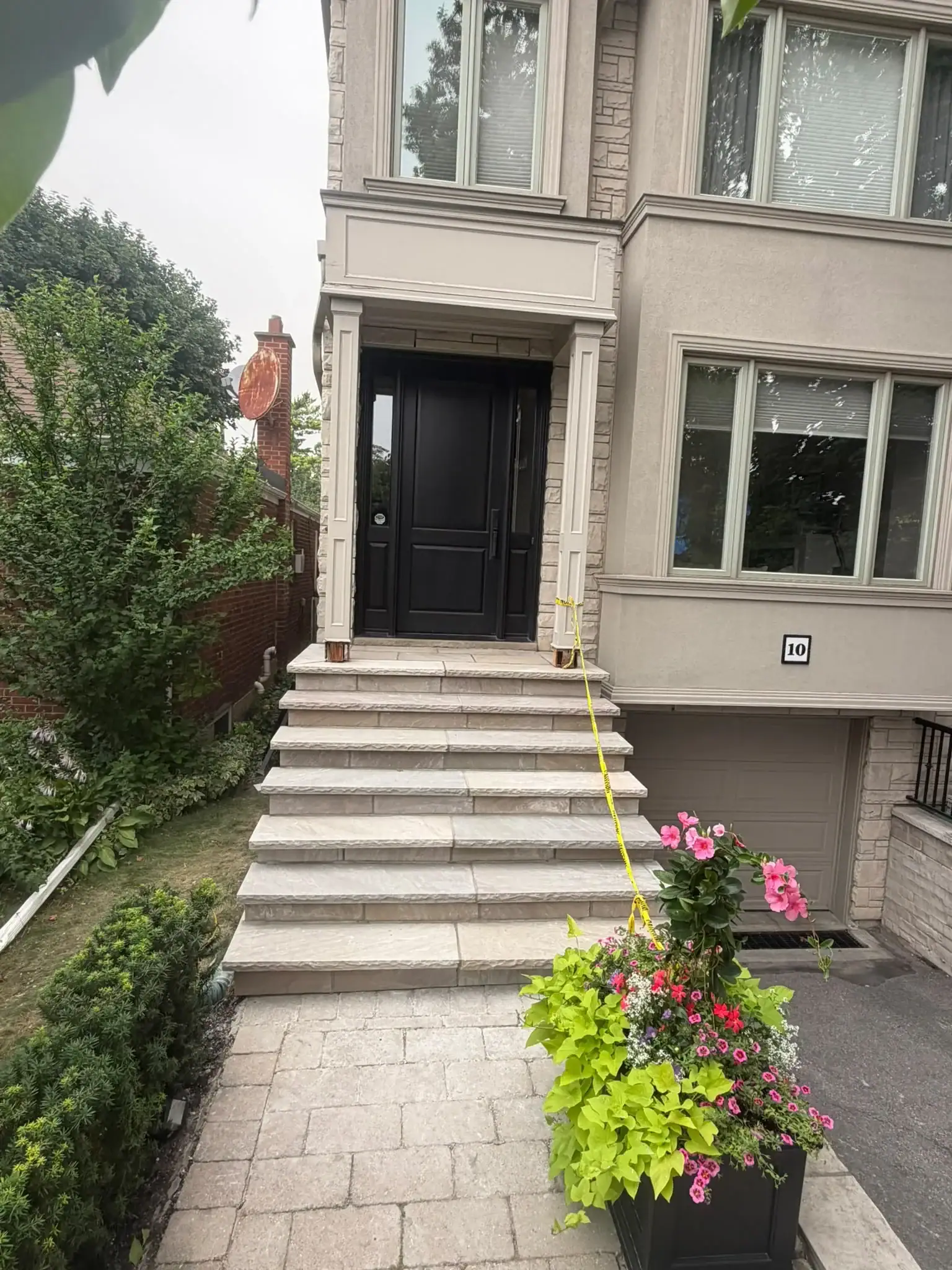
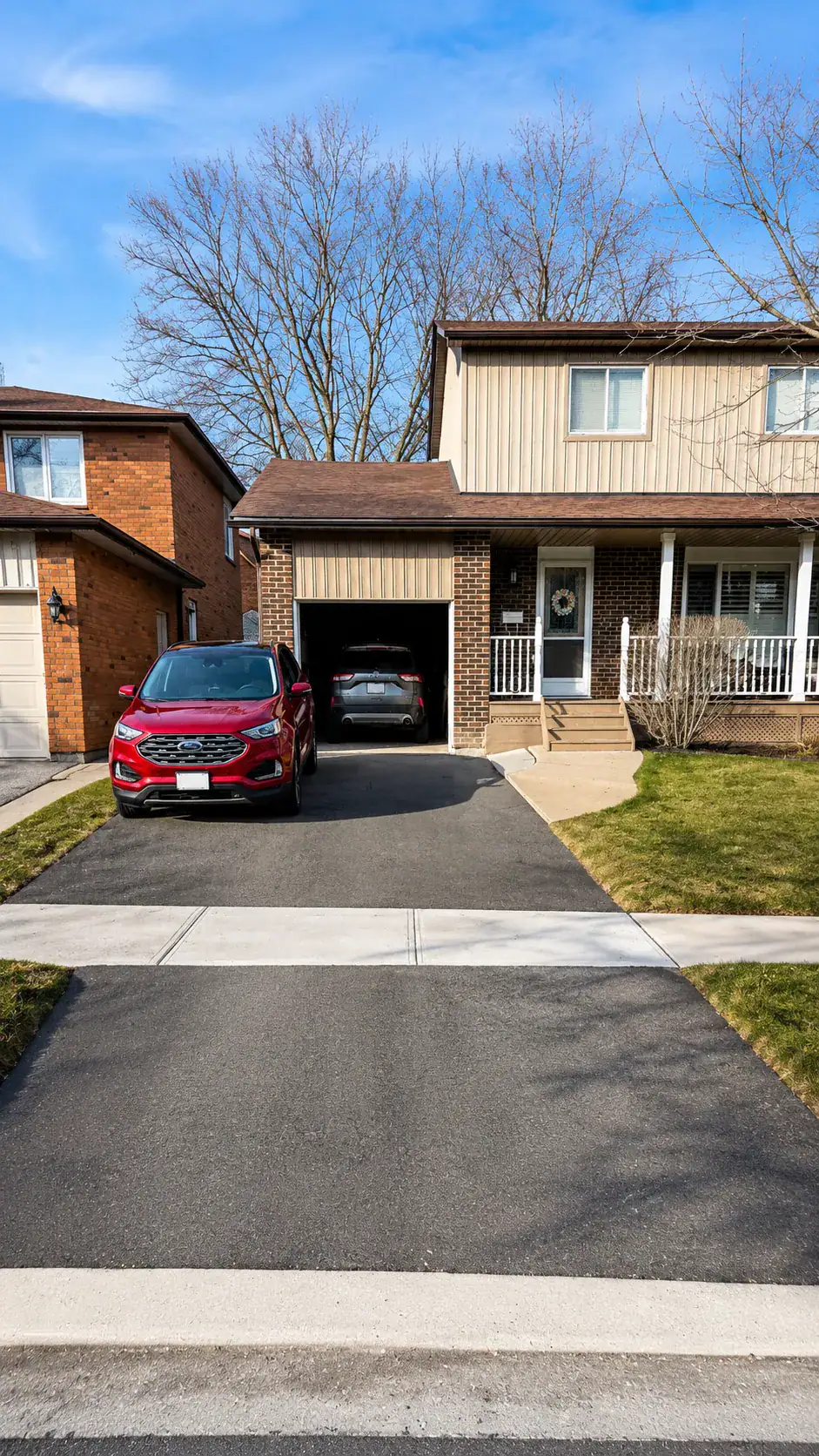
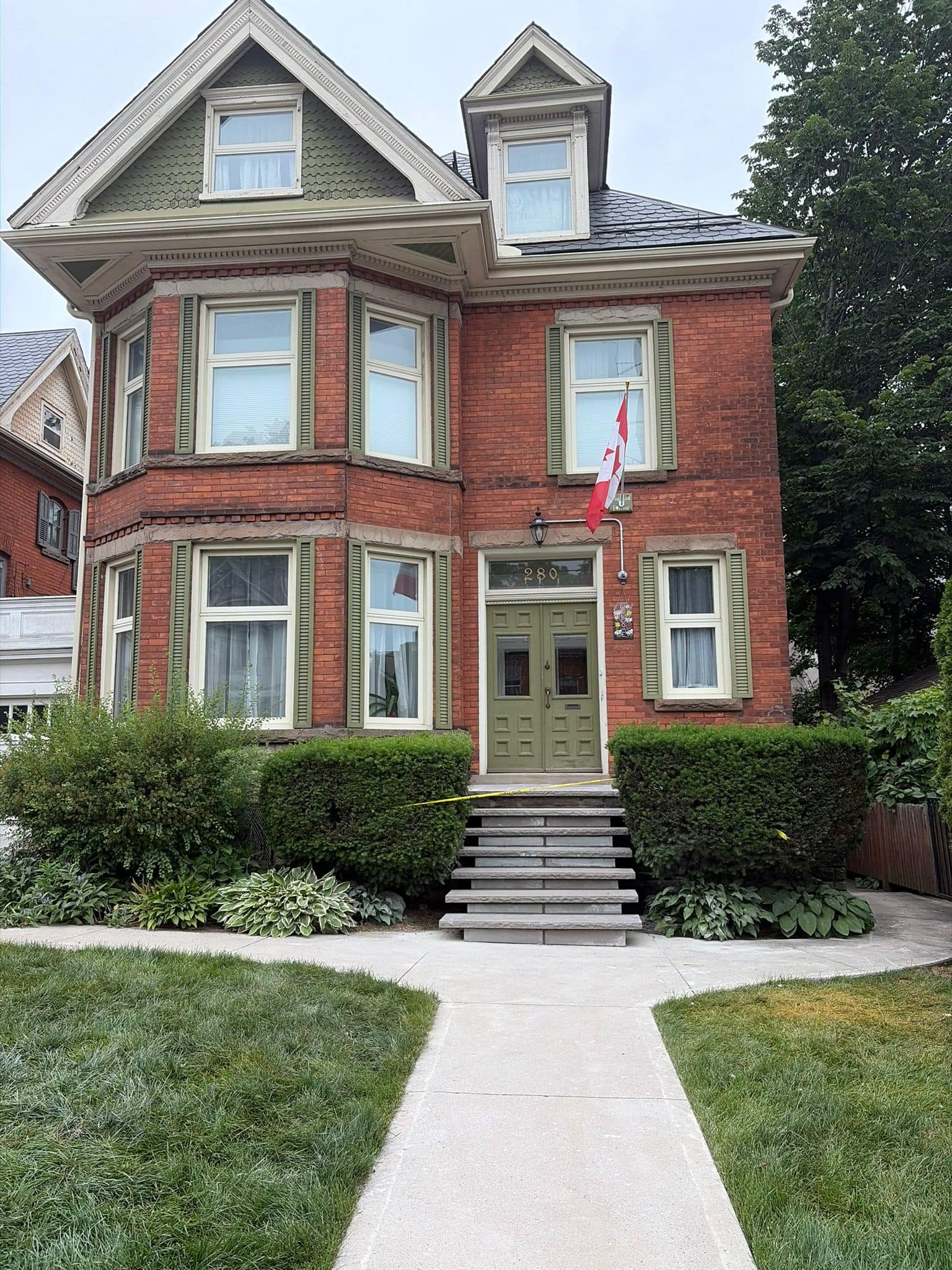
Masonry improves first impressions because it is often one of the first things people notice from the street. Brickwork, stone steps, chimneys, porches, walkways, retaining walls, and driveways all help shape the home’s curb appeal. If these areas look worn, cracked, or neglected, the home can feel older than it really is.
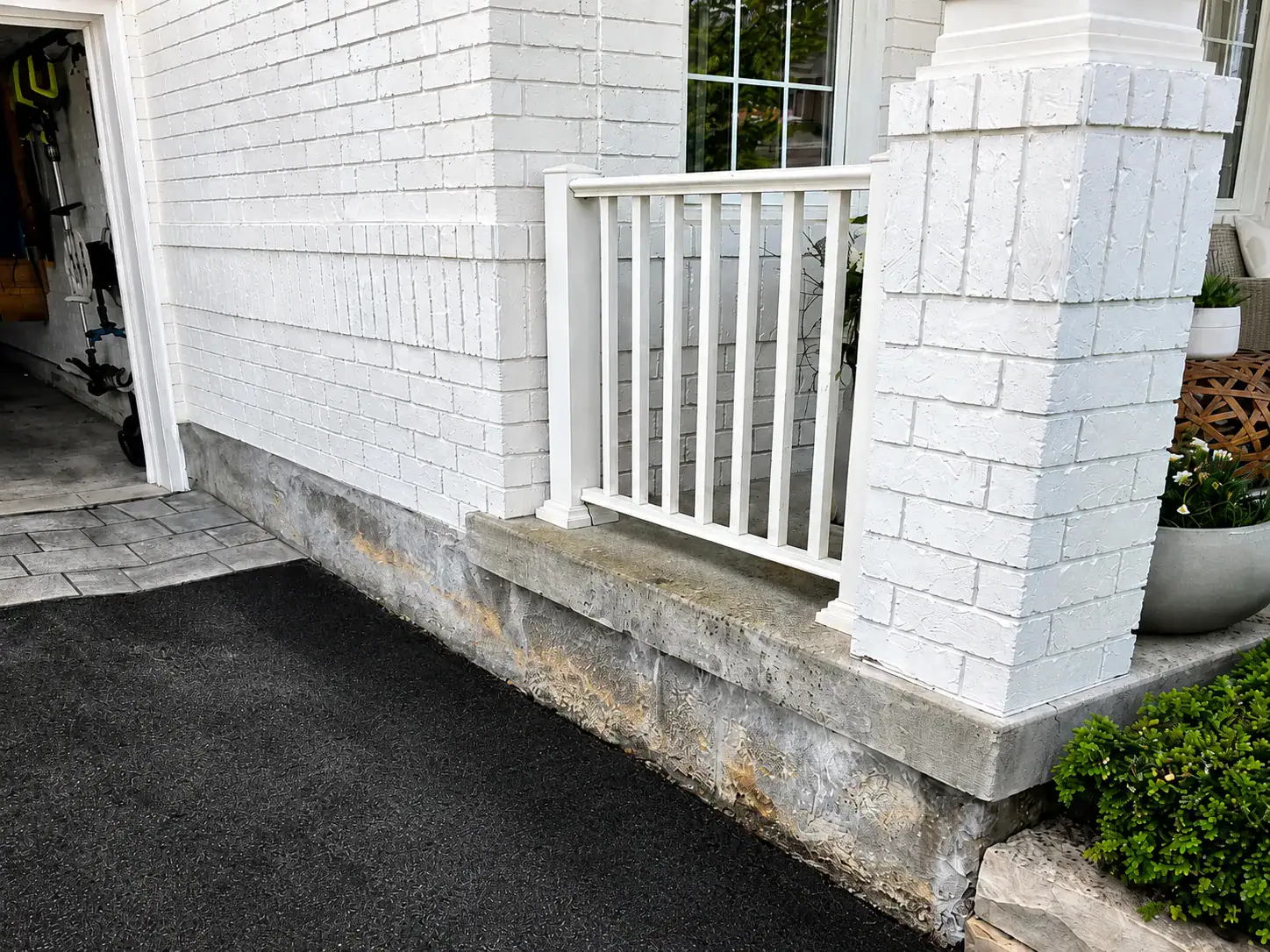
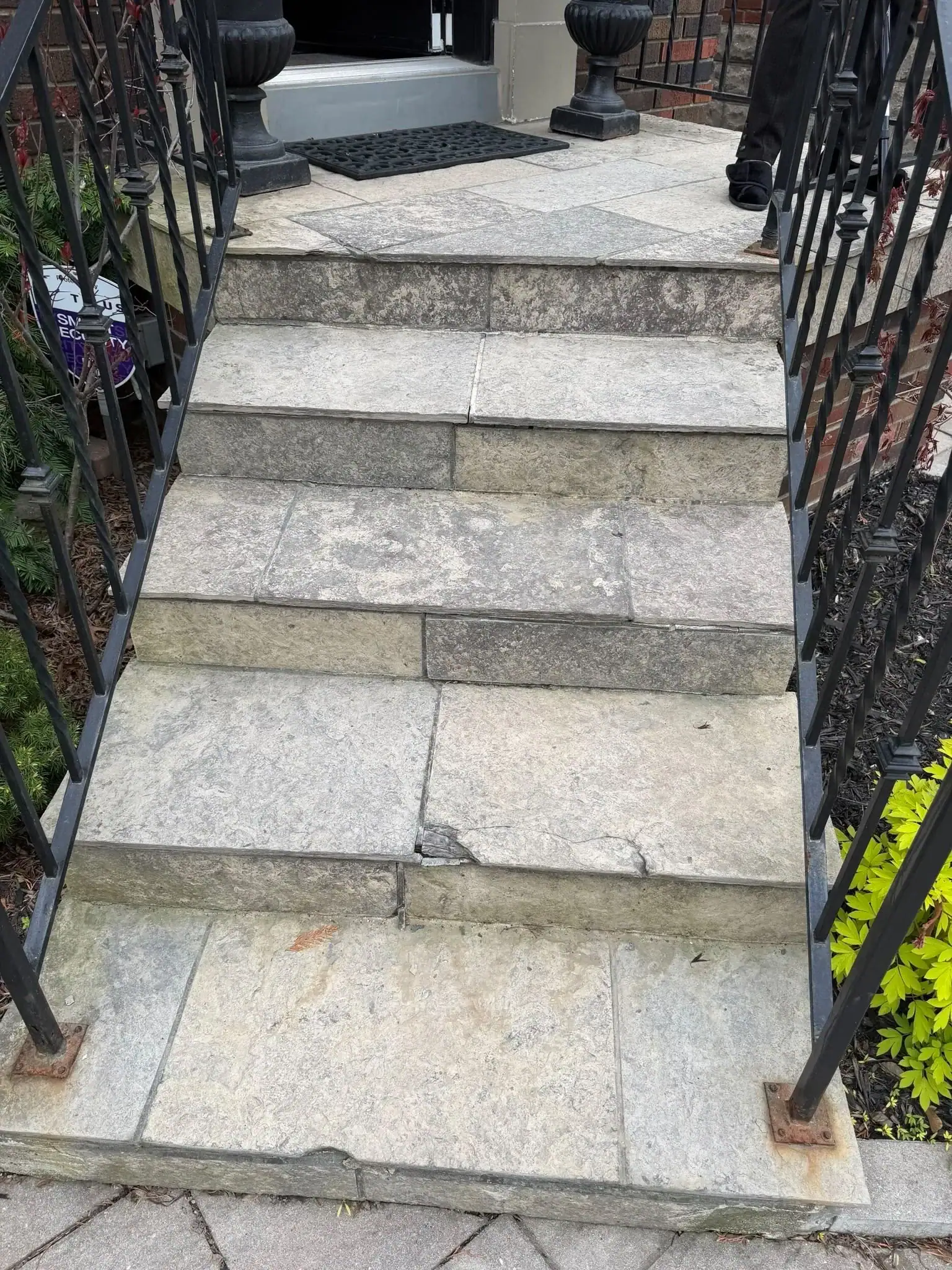
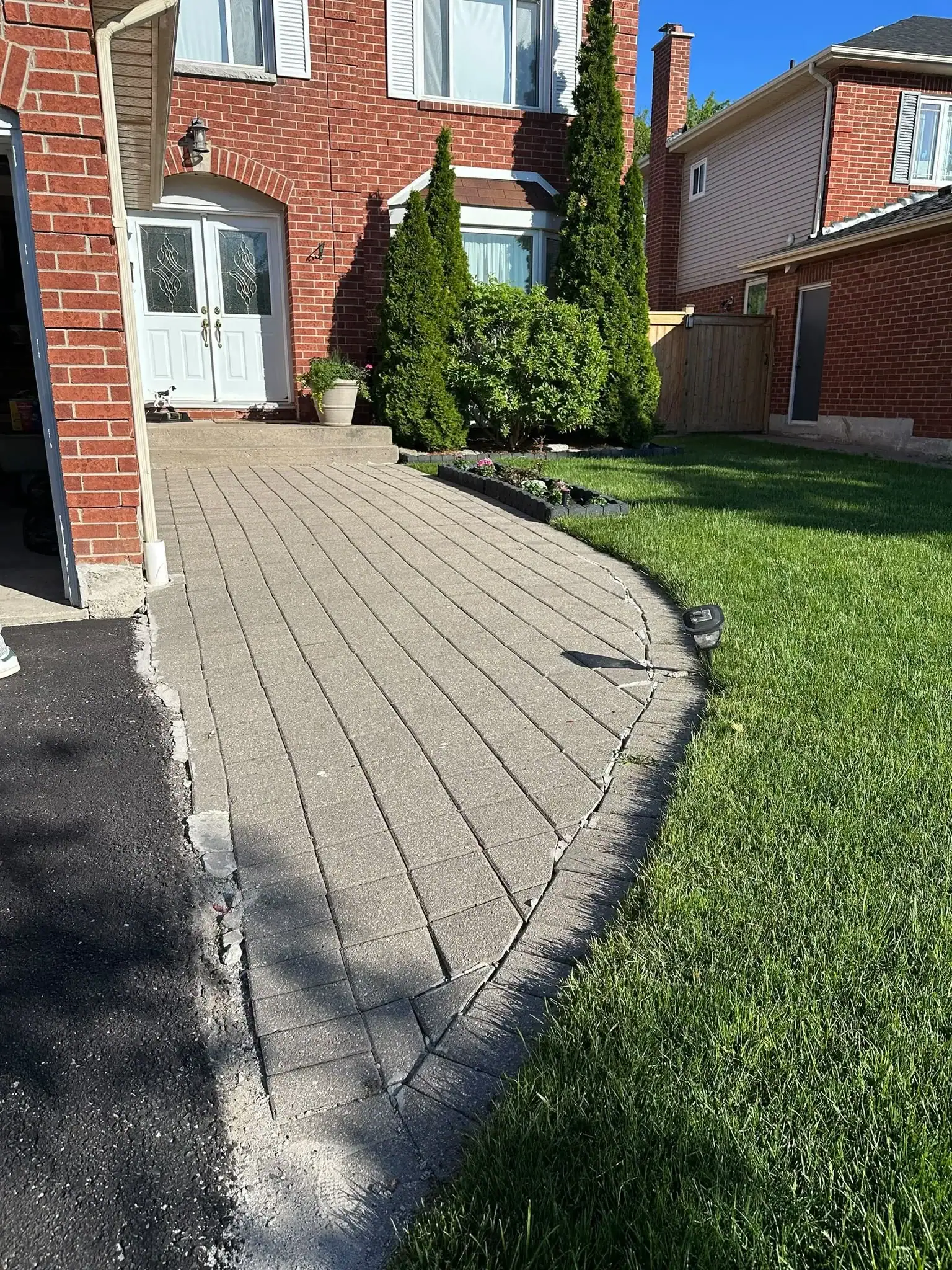
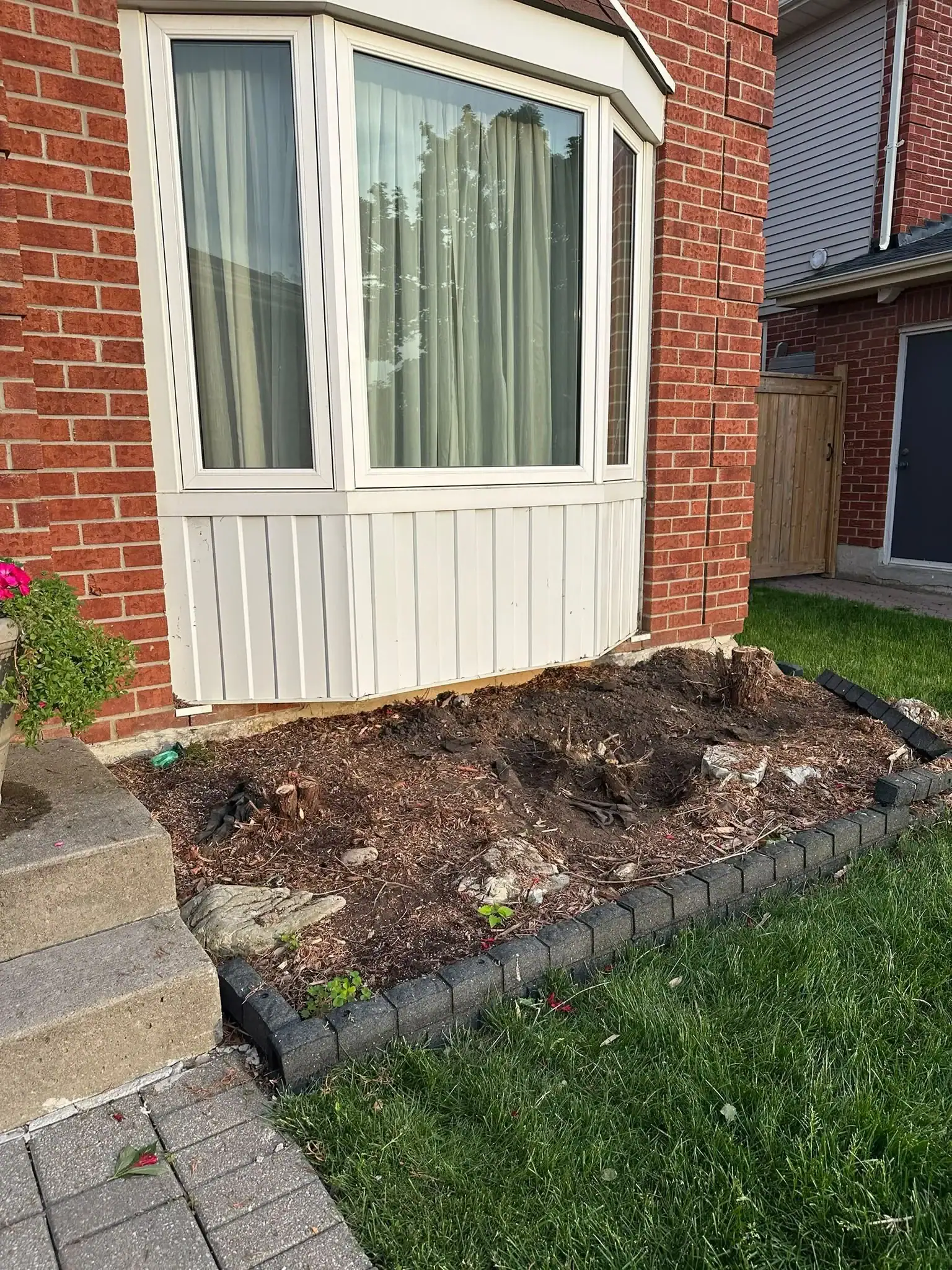
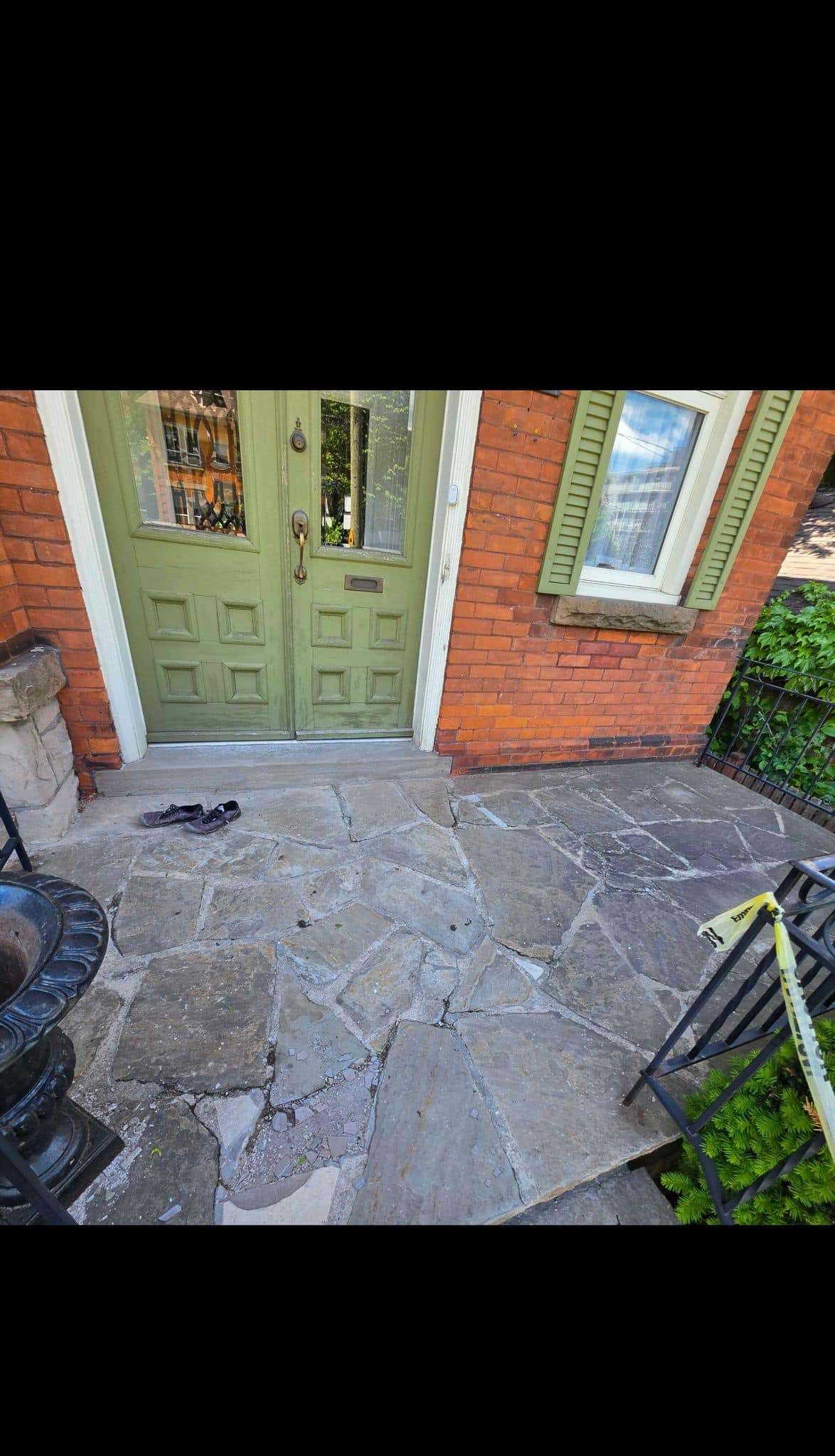
Buyers and visitors may not know the technical details of masonry, but they notice damaged brick, uneven steps, stained concrete, loose mortar, and sunken pavers. These visual issues can create doubt. A buyer may wonder what else has been ignored, even if the interior looks updated.
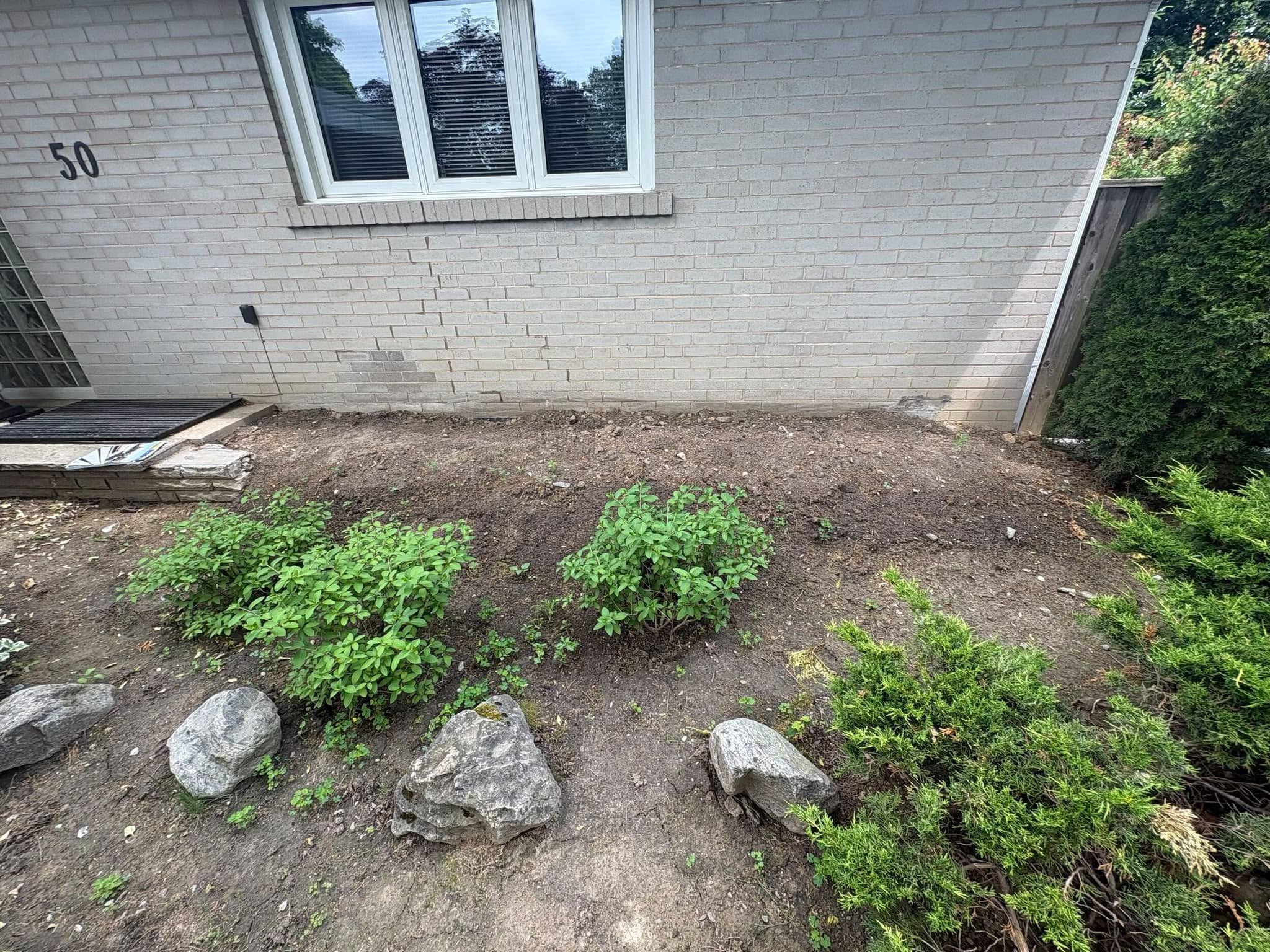
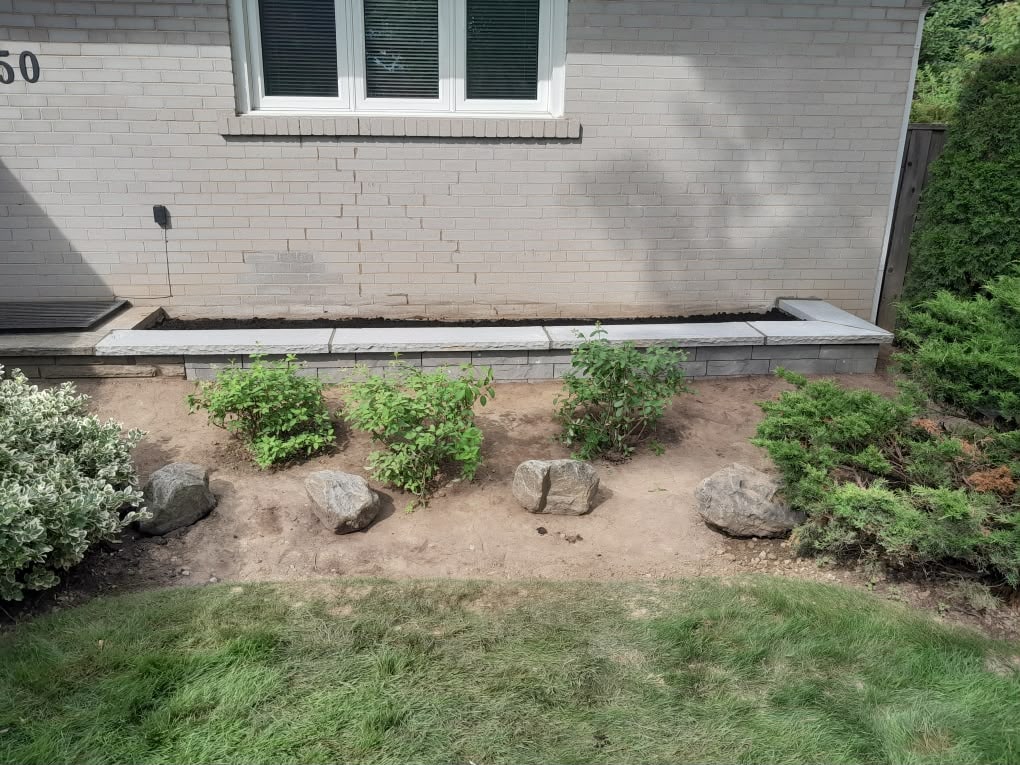
Good masonry repairs create a cleaner, more cared-for appearance. Repointing mortar joints, replacing bricks, repairing steps, and refreshing the walkway can make the exterior feel more complete. For many Toronto homes, where brick and stone are key parts of the property’s look, this can make a noticeable difference.
If the exterior brickwork shows visible wear, A&A Masonry’s brick repair Toronto page explains common repair options for cracked, crumbling, or otherwise damaged brick.
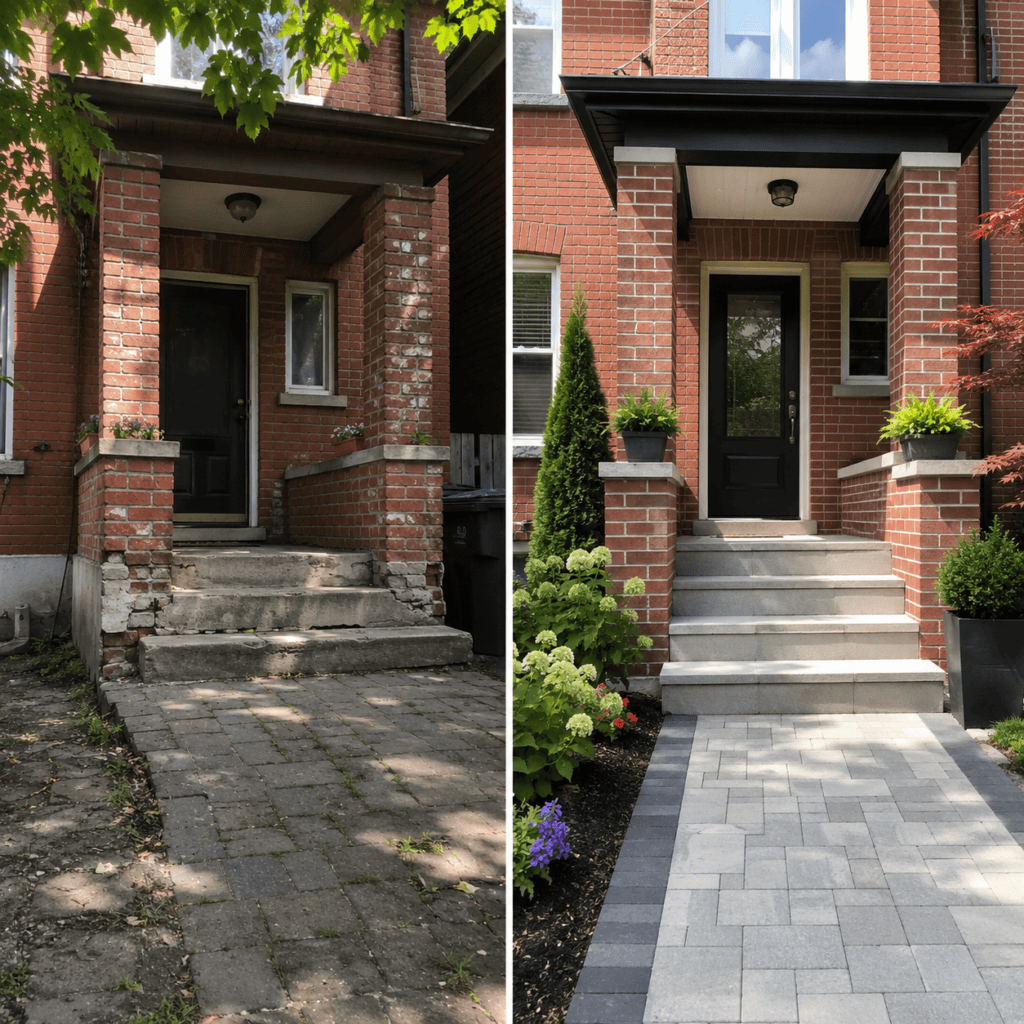
Well-Maintained Brickwork Can Reduce Buyer Concerns
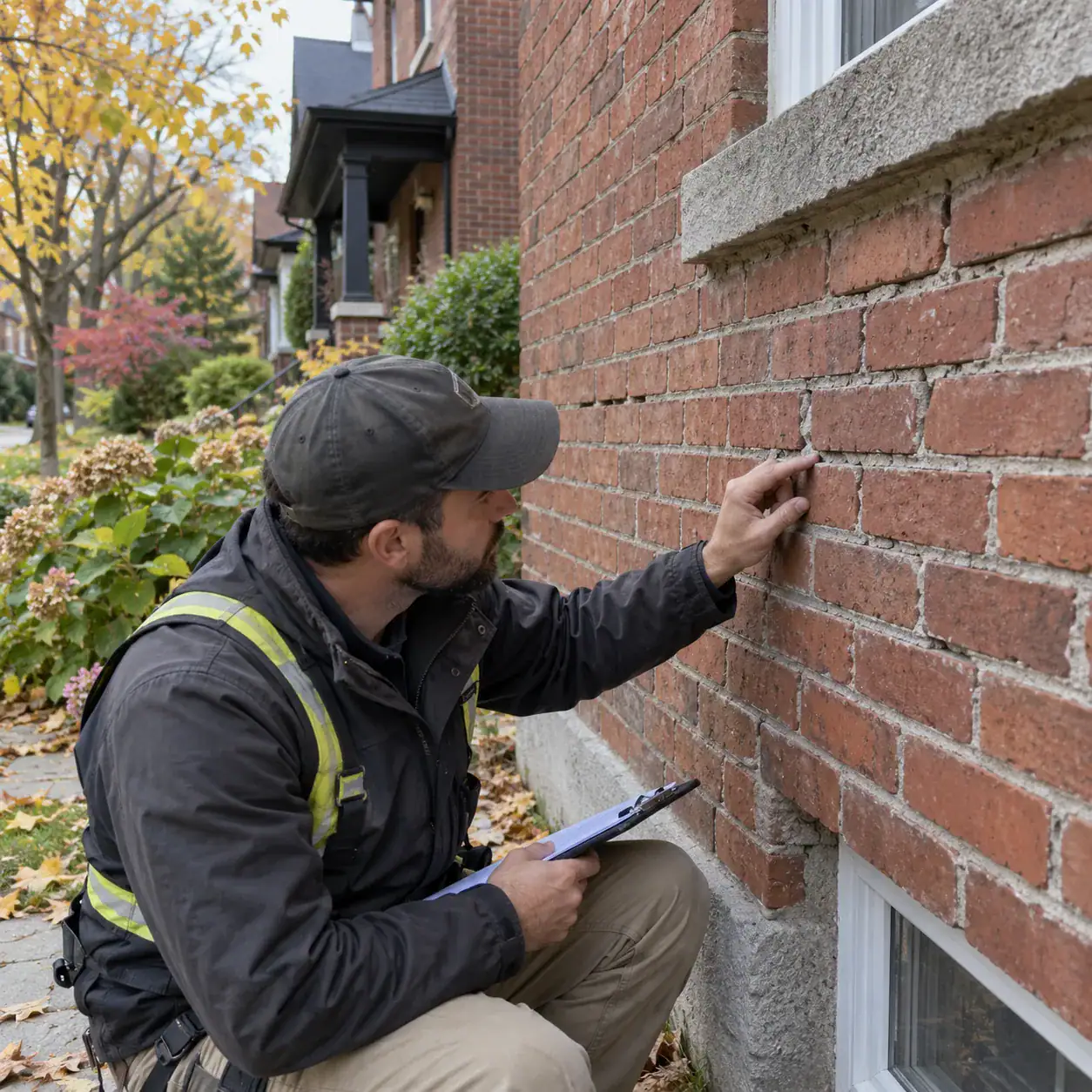
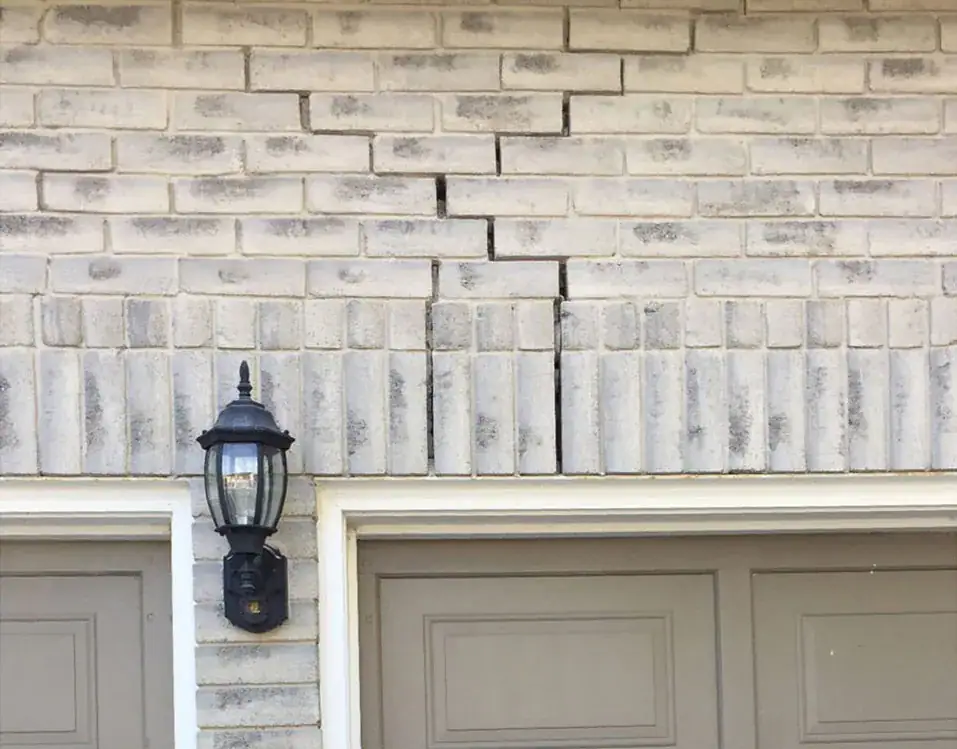
Well-maintained brickwork can reduce buyer concerns because exterior damage often raises questions during showings and inspections. Missing mortar, spalling brick, stair-step cracks, leaning sections, or water stains can make buyers worry about hidden issues, even before they get a formal inspection.
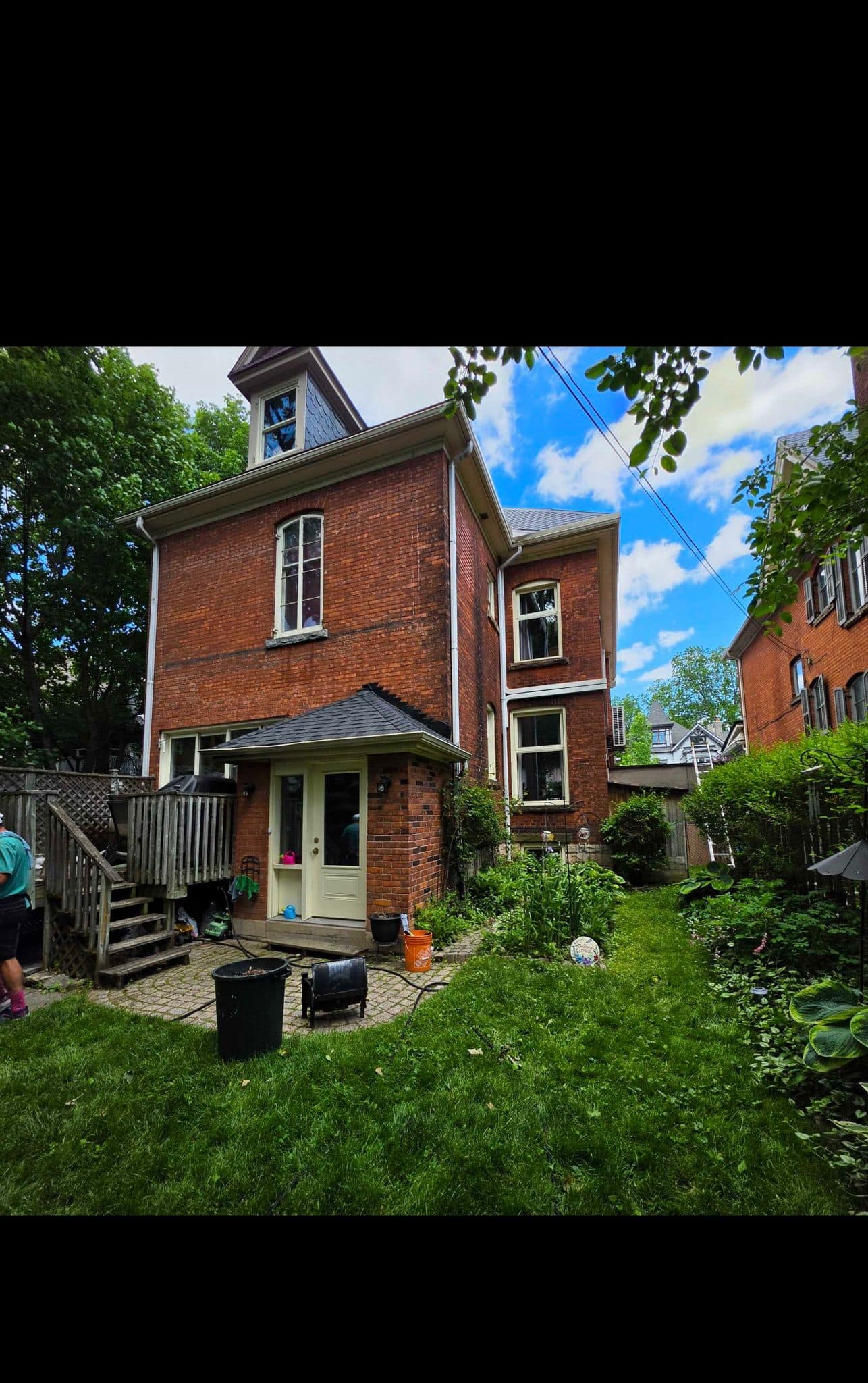
In older Toronto neighbourhoods, brick homes are common, and buyers often expect some aging. The problem is not age by itself. The problem is visible neglect. A well-maintained older brick home can feel solid and desirable. A similar home with failing mortar and damaged brick may feel like a future repair bill.
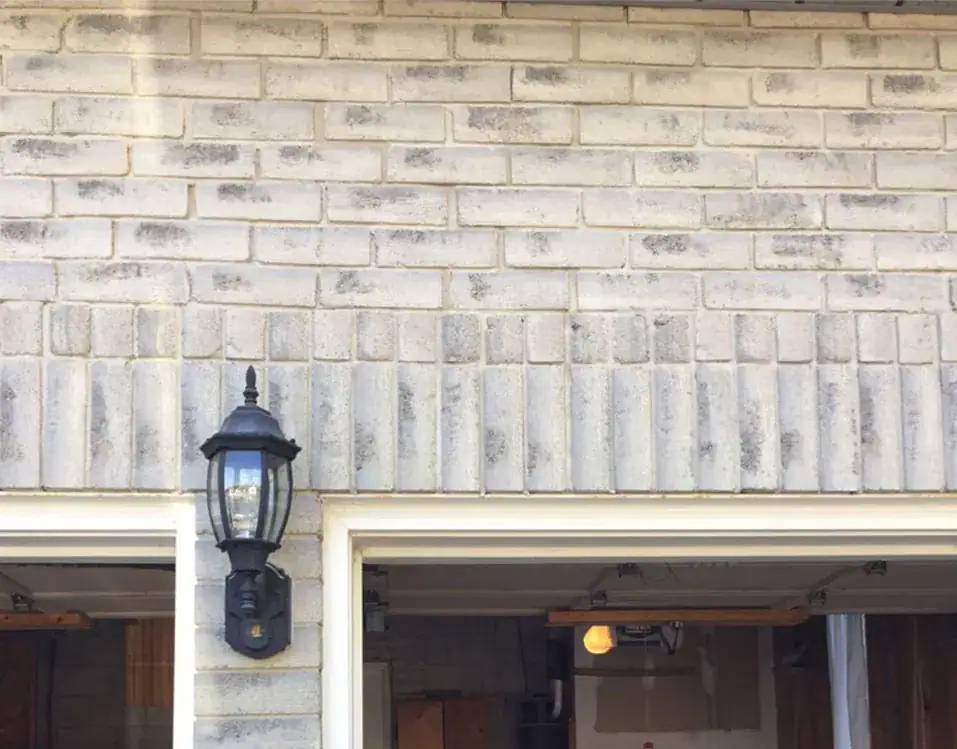
Masonry repair helps value by reducing uncertainty. When cracks are addressed, mortar joints are repaired, and damaged brick is replaced, the home sends a better message: the exterior has been cared for. That can matter when buyers compare similar homes in the same area.
For homes with deteriorated mortar, A&A Masonry’s tuckpointing services in Toronto page explains how repointing helps protect brickwork from water entry and further damage.
Masonry Projects Help Protect the Home From Water Damage
Masonry projects can increase a home’s value by helping protect it from water damage. Water is one of the biggest threats to exterior masonry, foundations, chimneys, steps, and lower walls. When water gets into cracks, open joints, porous brick, damaged concrete, or poorly drained areas, it can lead to bigger repairs over time.
In Toronto, heavy rain, snowmelt, and freeze-thaw cycles make water control especially important. The City of Toronto provides homeowners with guidance on basement flooding, including how private property conditions can contribute to the risk of flooding. It also offers information on managing rain and melted snow around properties.
Masonry work can support water protection in several ways. Tuckpointing can close deteriorated mortar joints. Replacing bricks can remove damaged units that absorb excessive moisture. Waterproofing can help protect foundations and basement areas. Concrete and interlocking repairs can improve drainage around walkways, steps, and driveways. Chimney repair can reduce water entry at the roofline.
If moisture is already a concern, A&A Masonry’s waterproofing Toronto page explains common causes of foundation moisture and exterior water entry in local homes.

Durable Outdoor Spaces Add a Useful Living Area
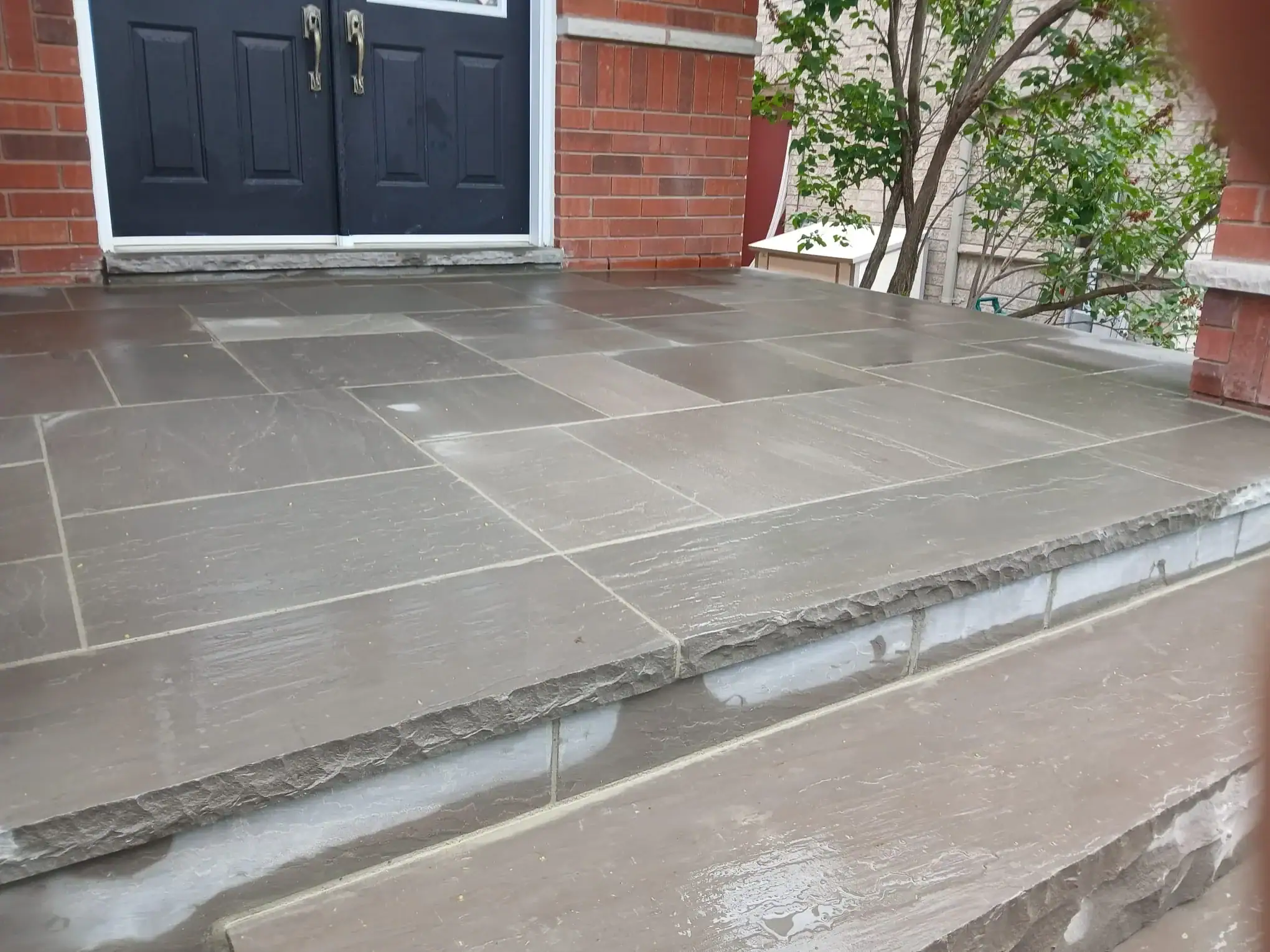
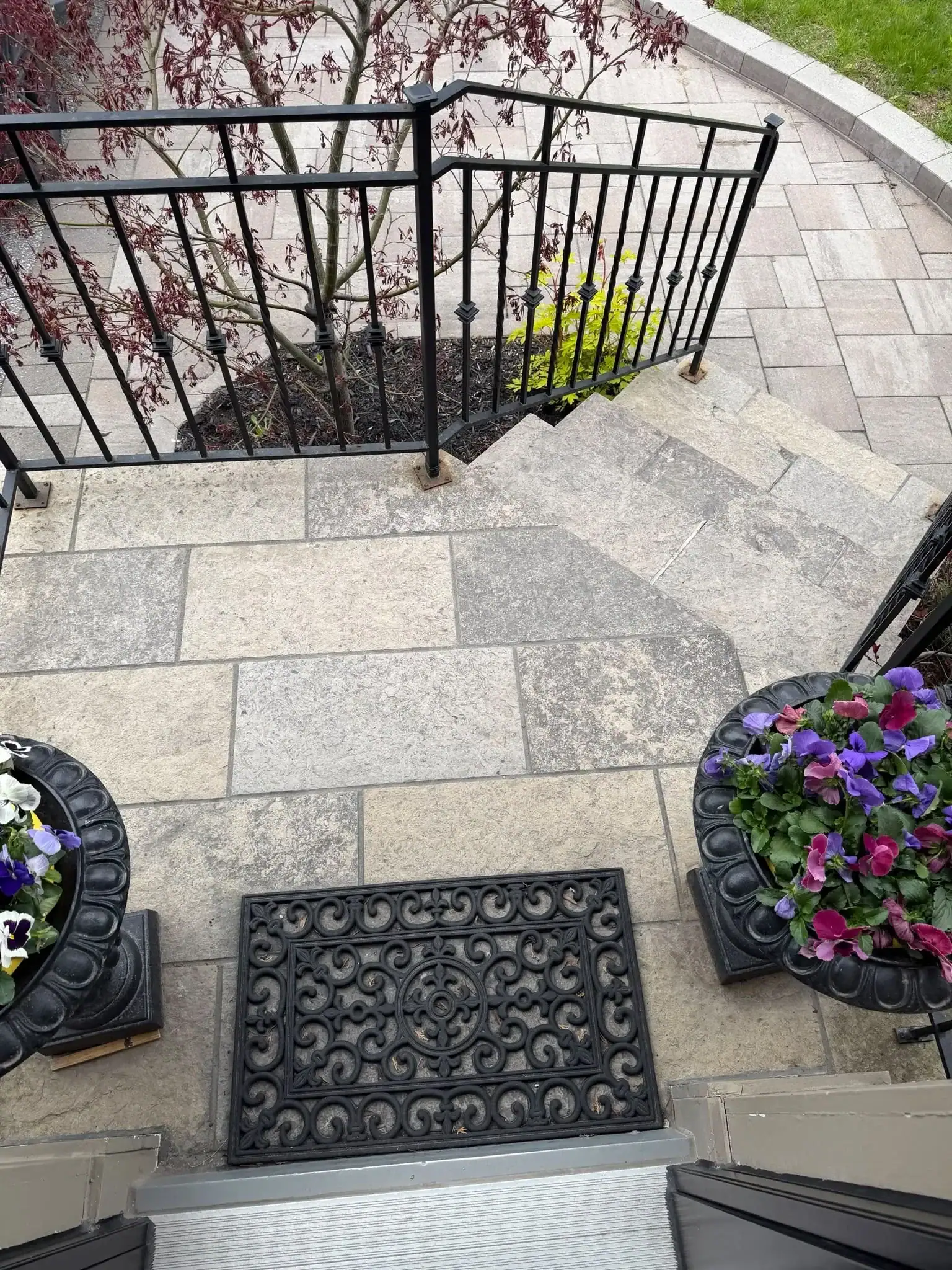
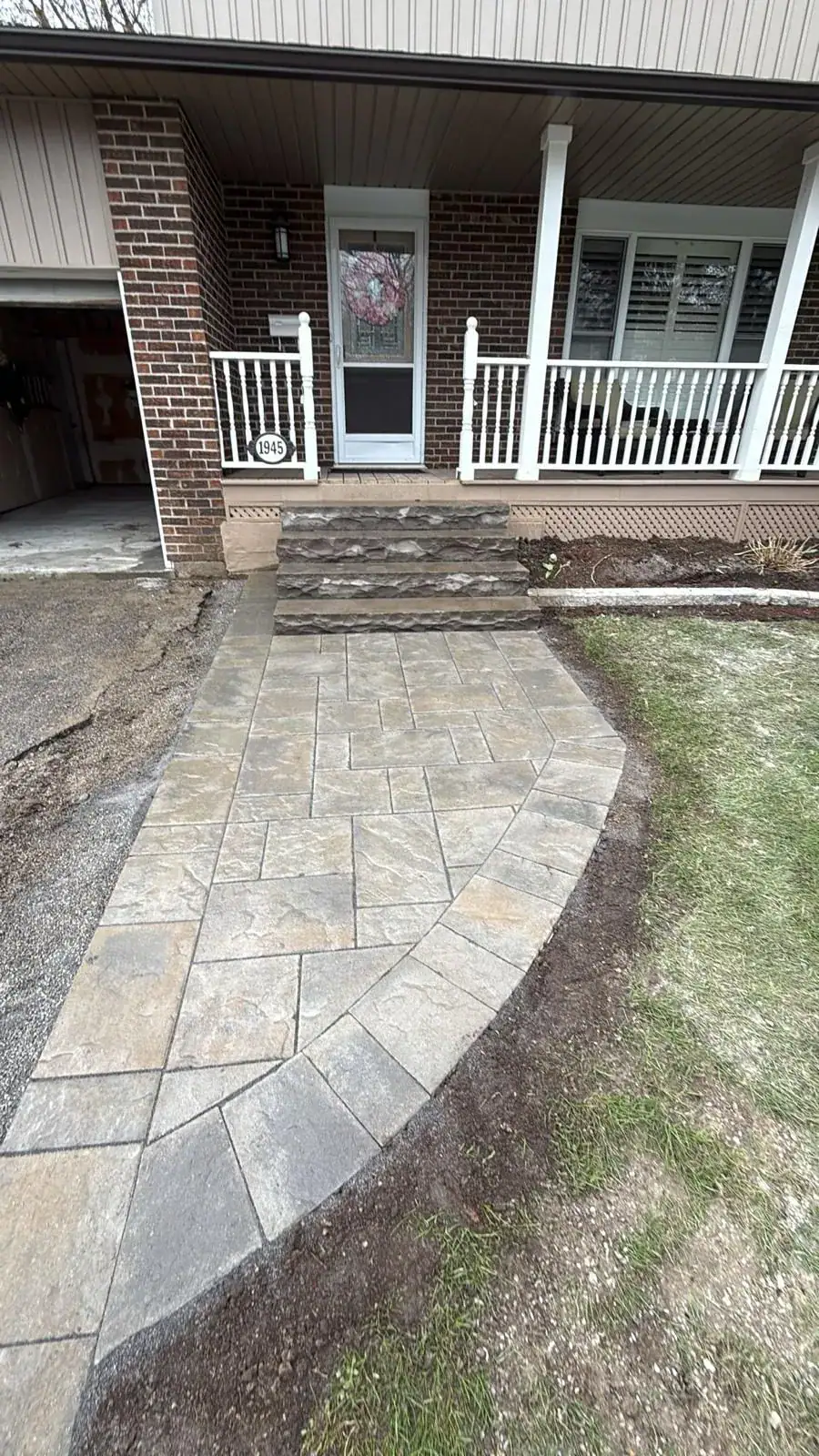
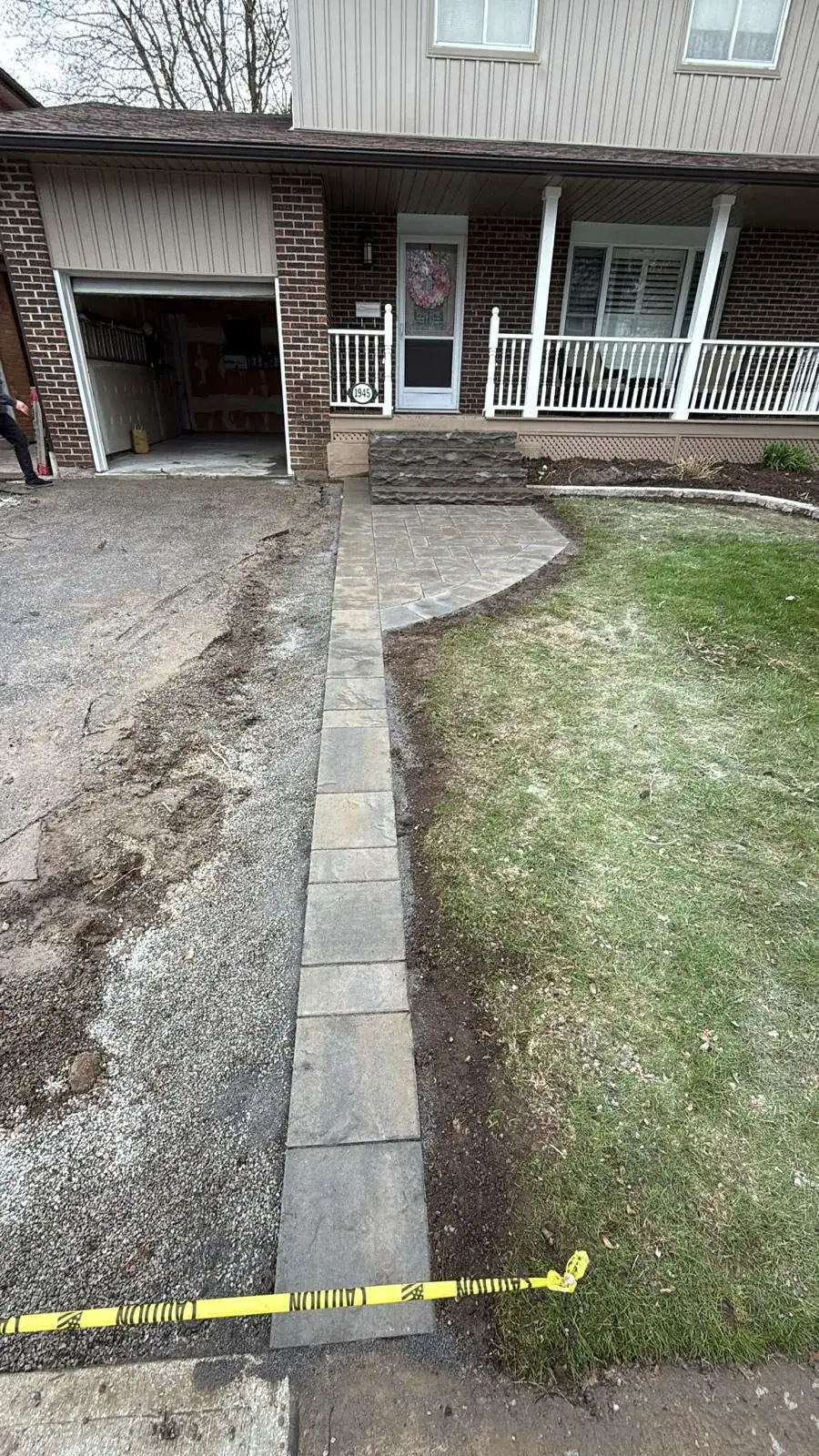
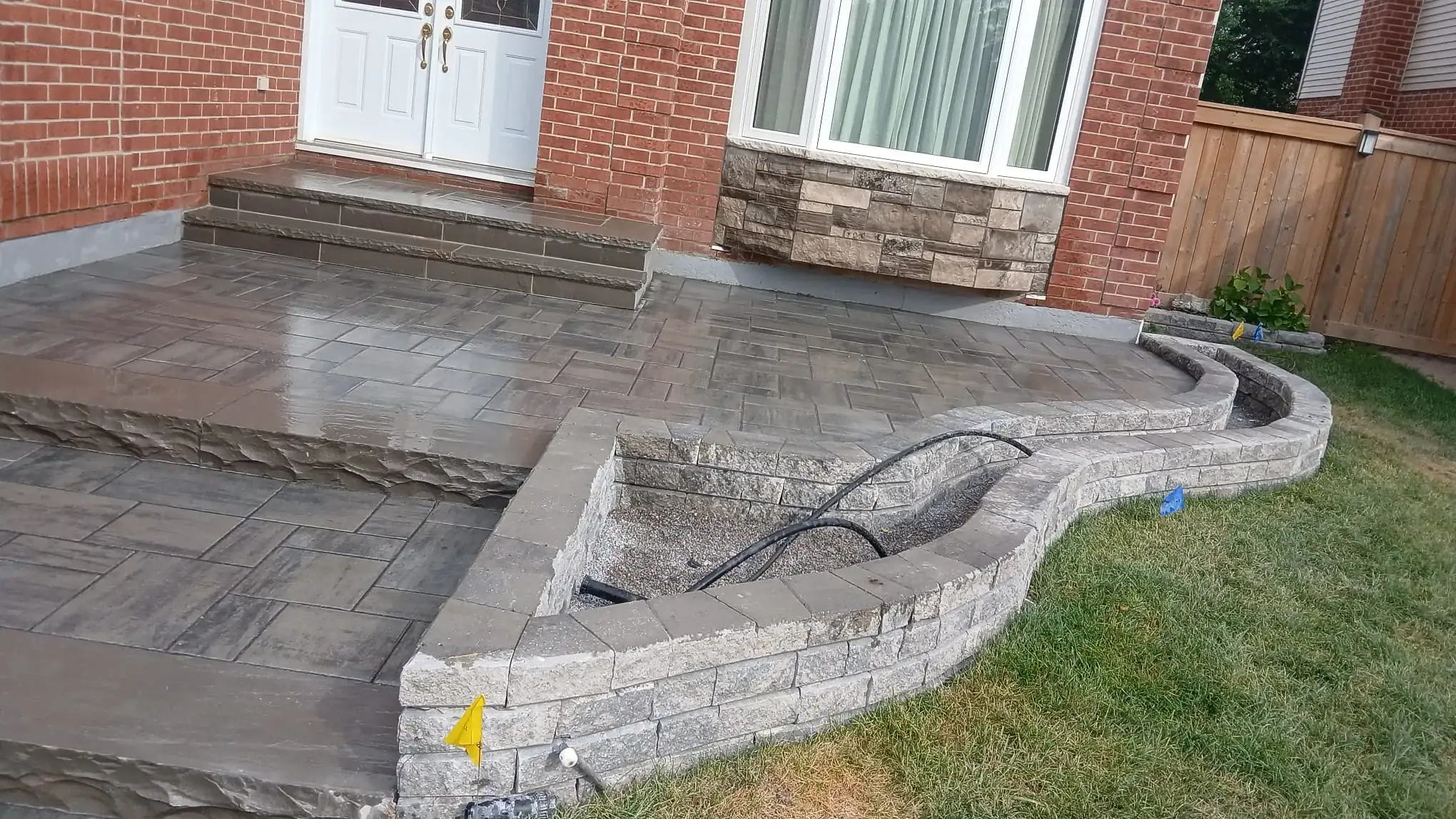
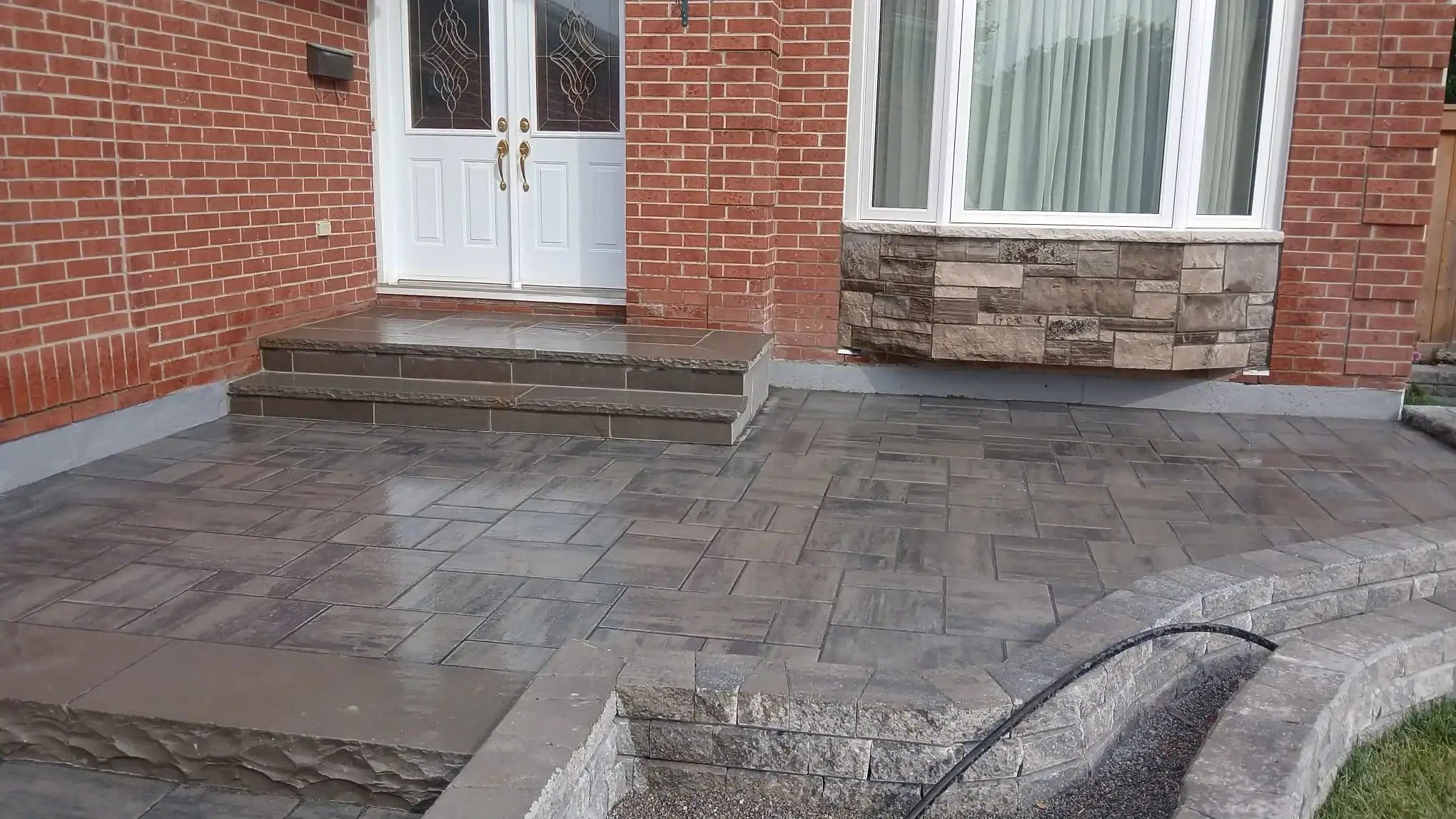
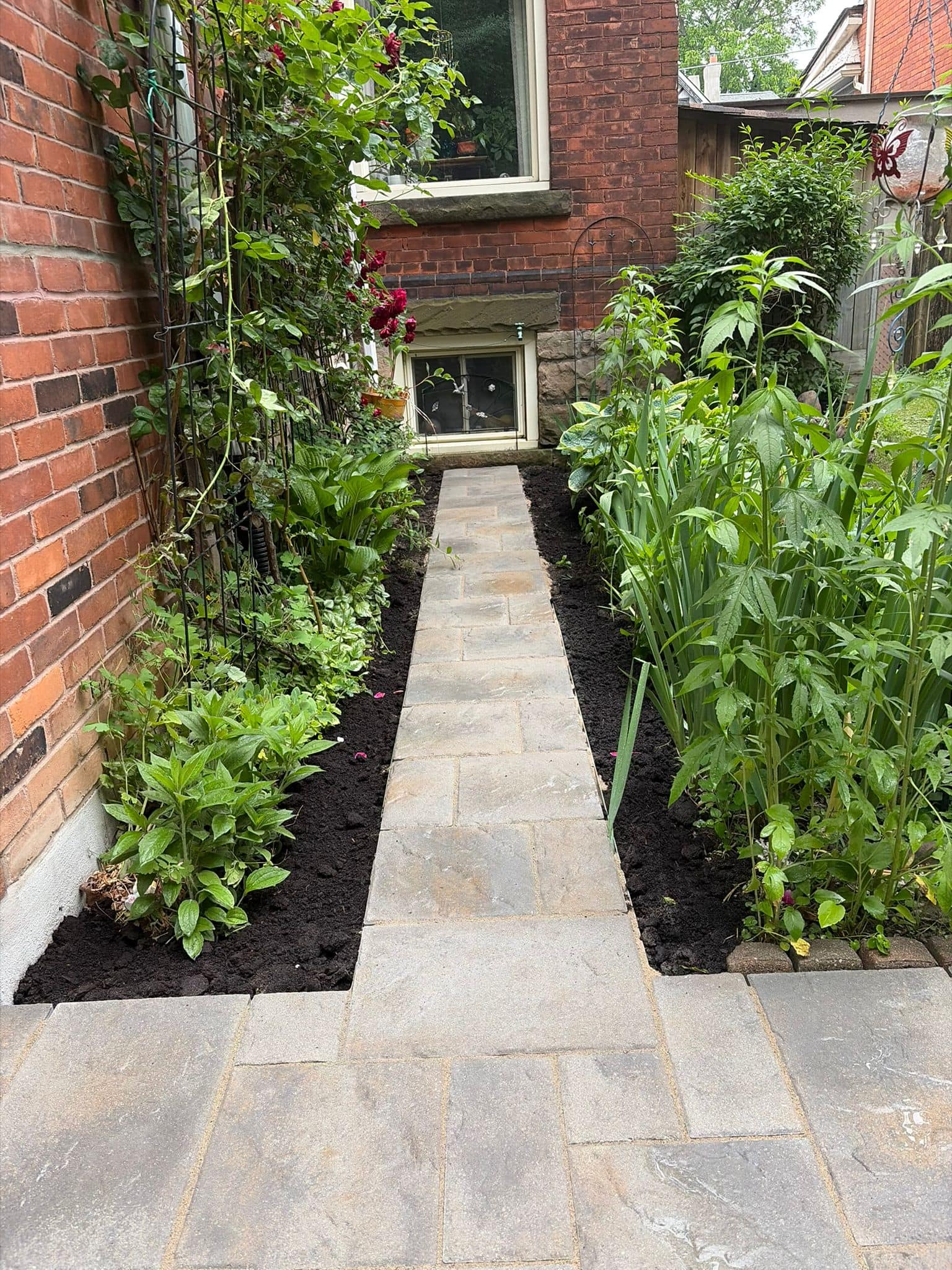
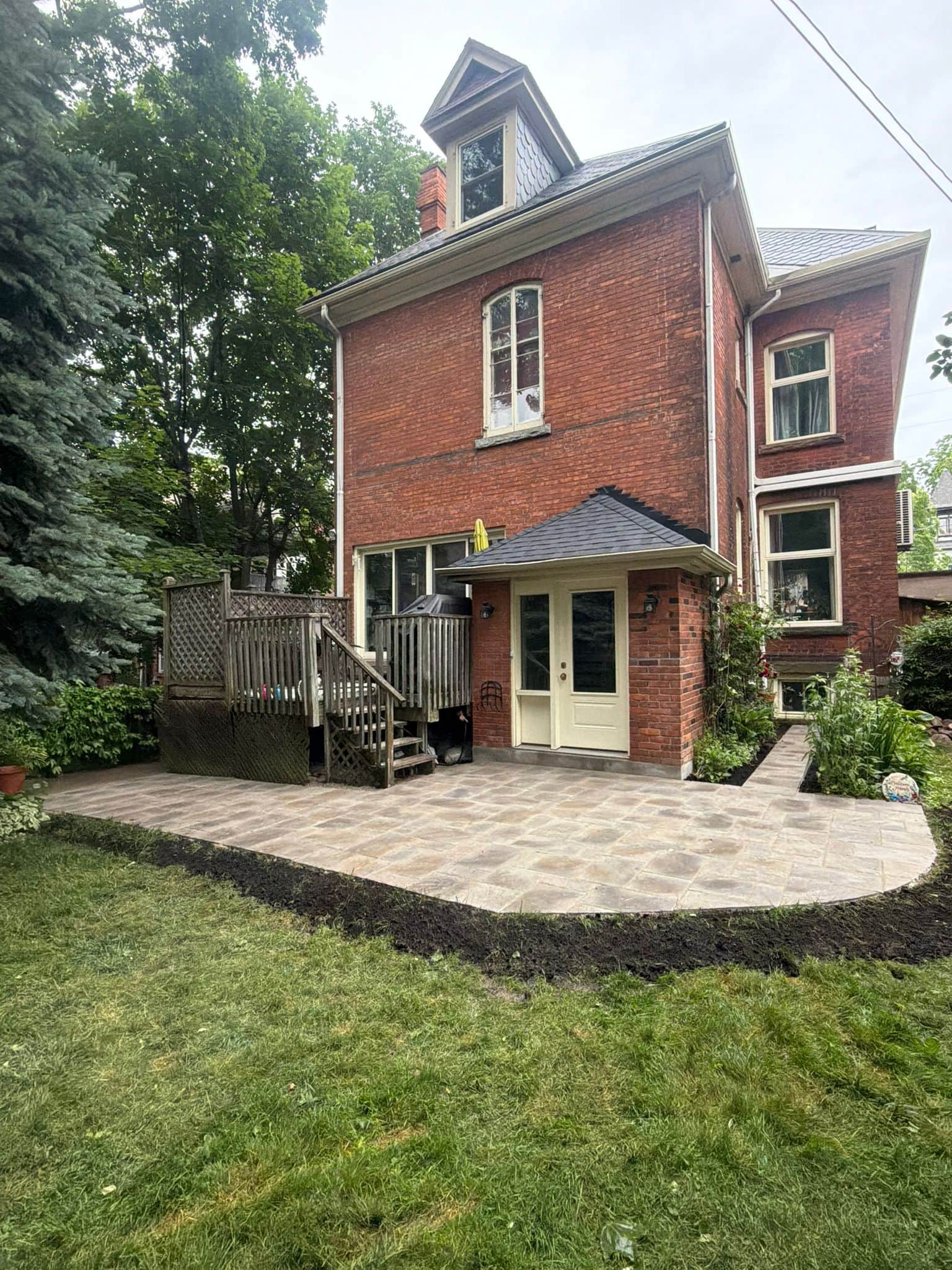
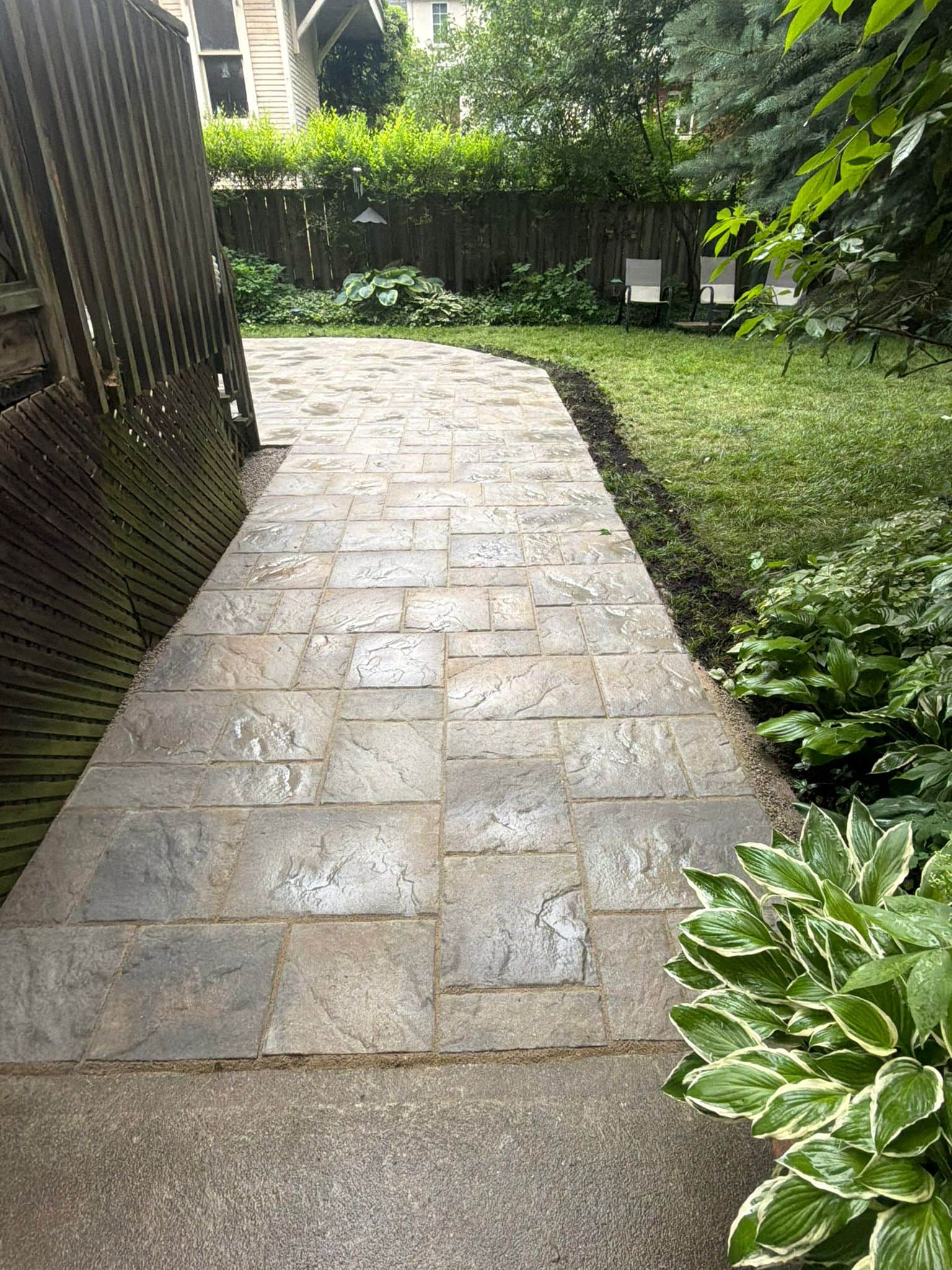
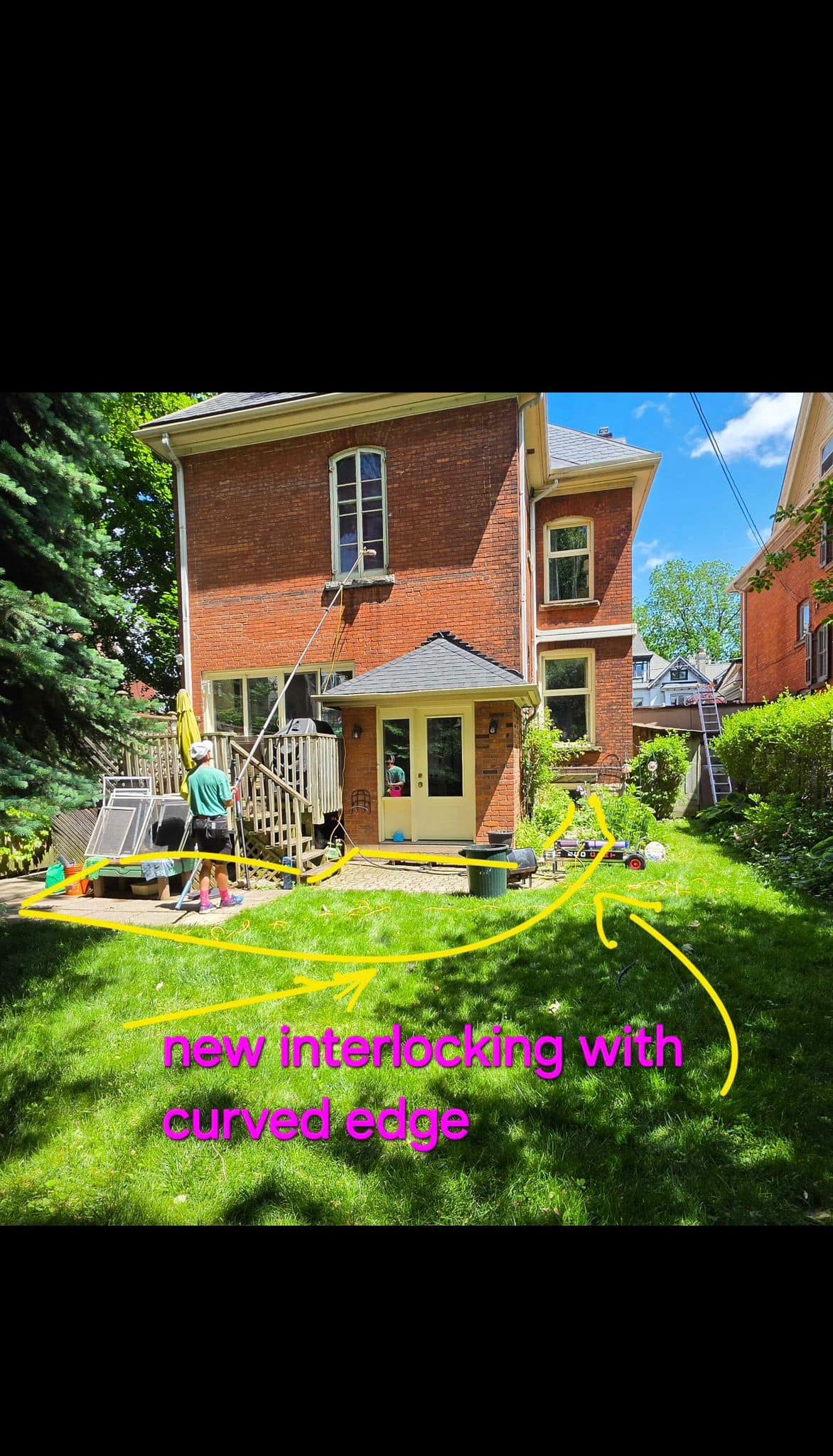
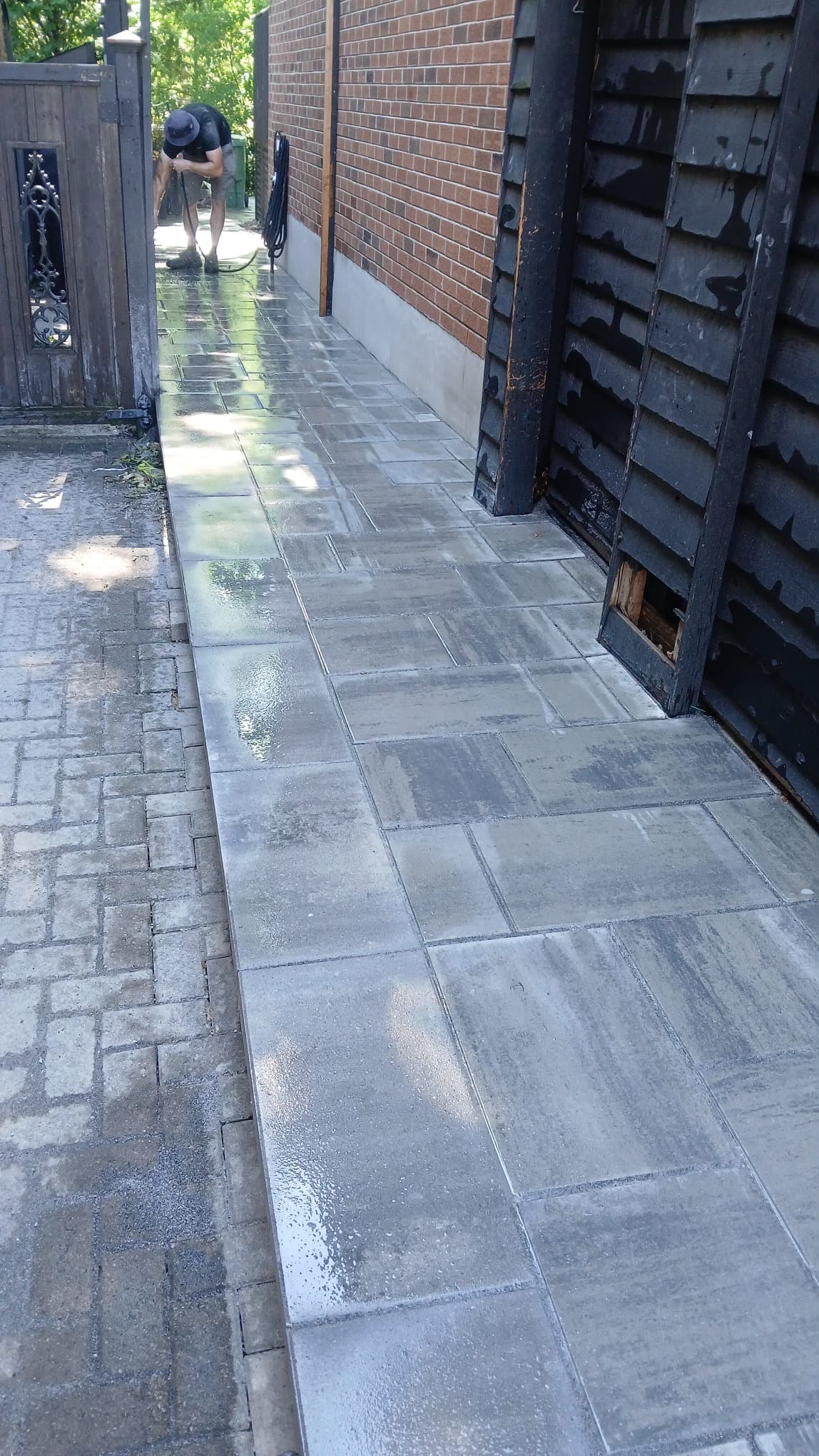
Durable outdoor masonry spaces can add value by making the property more usable. A front walkway, patio, stone steps, retaining wall, driveway, or garden feature can change how people experience the home. Buyers often respond well to outdoor areas that feel safe, finished, and easy to maintain.
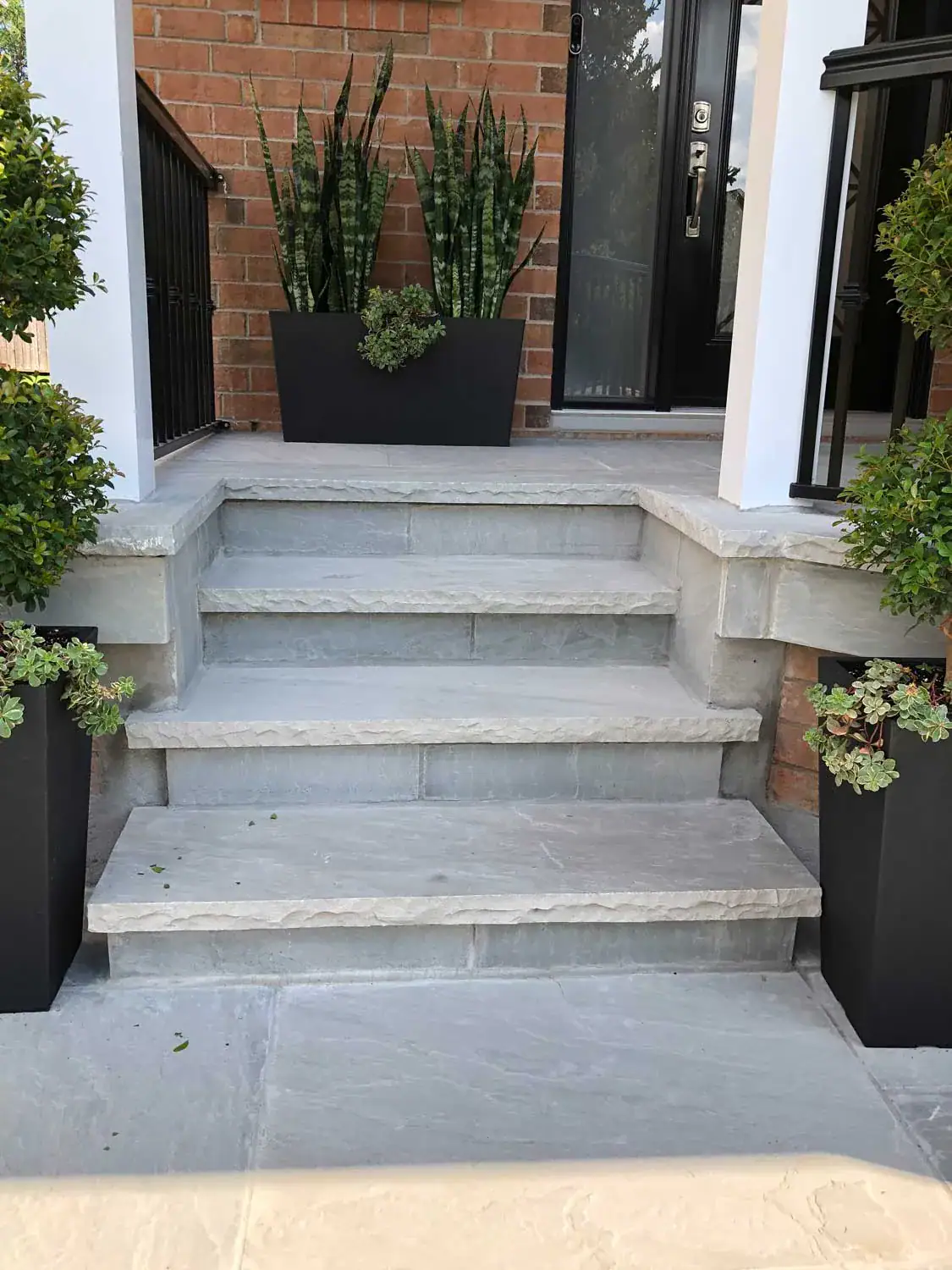
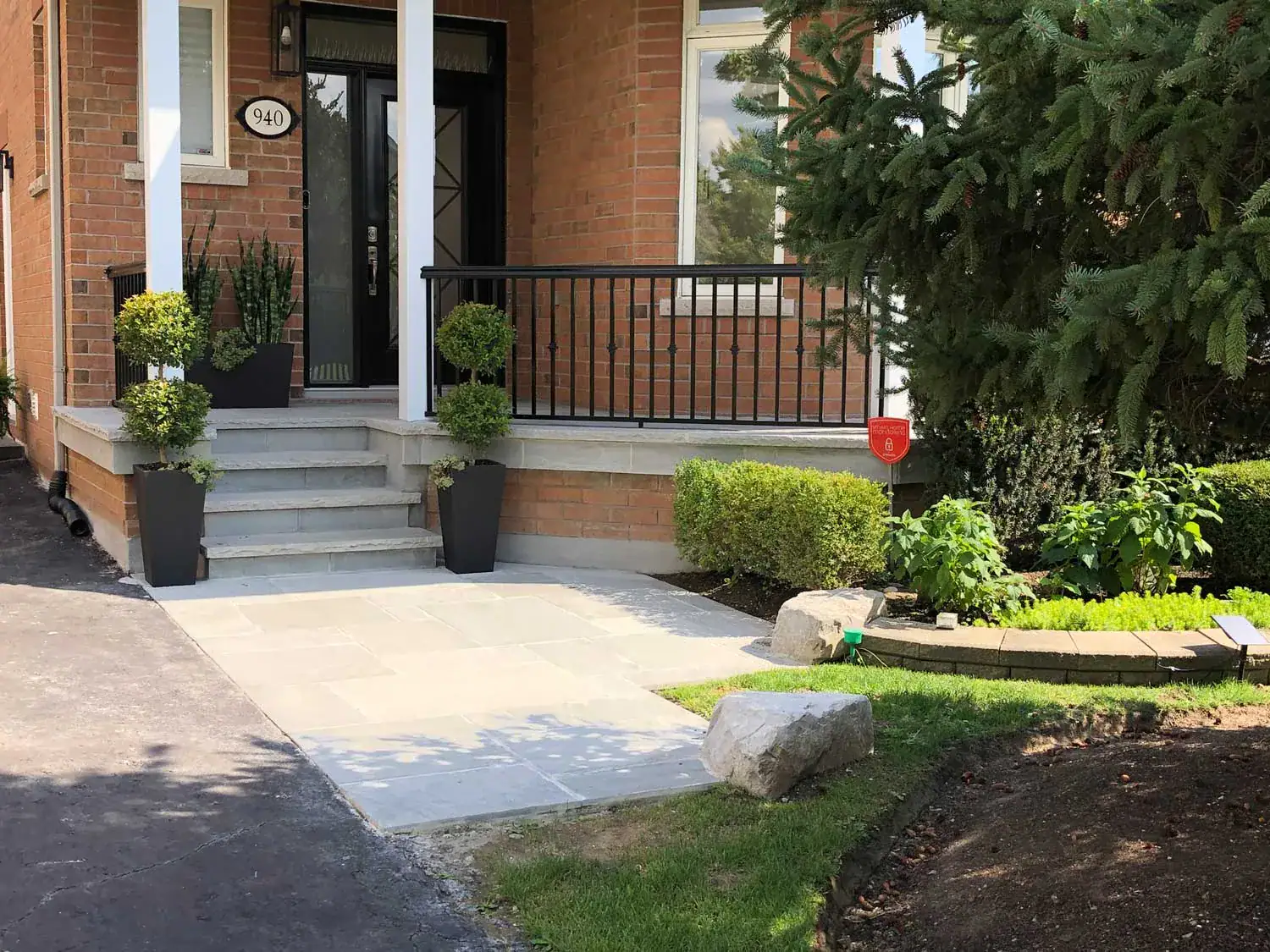
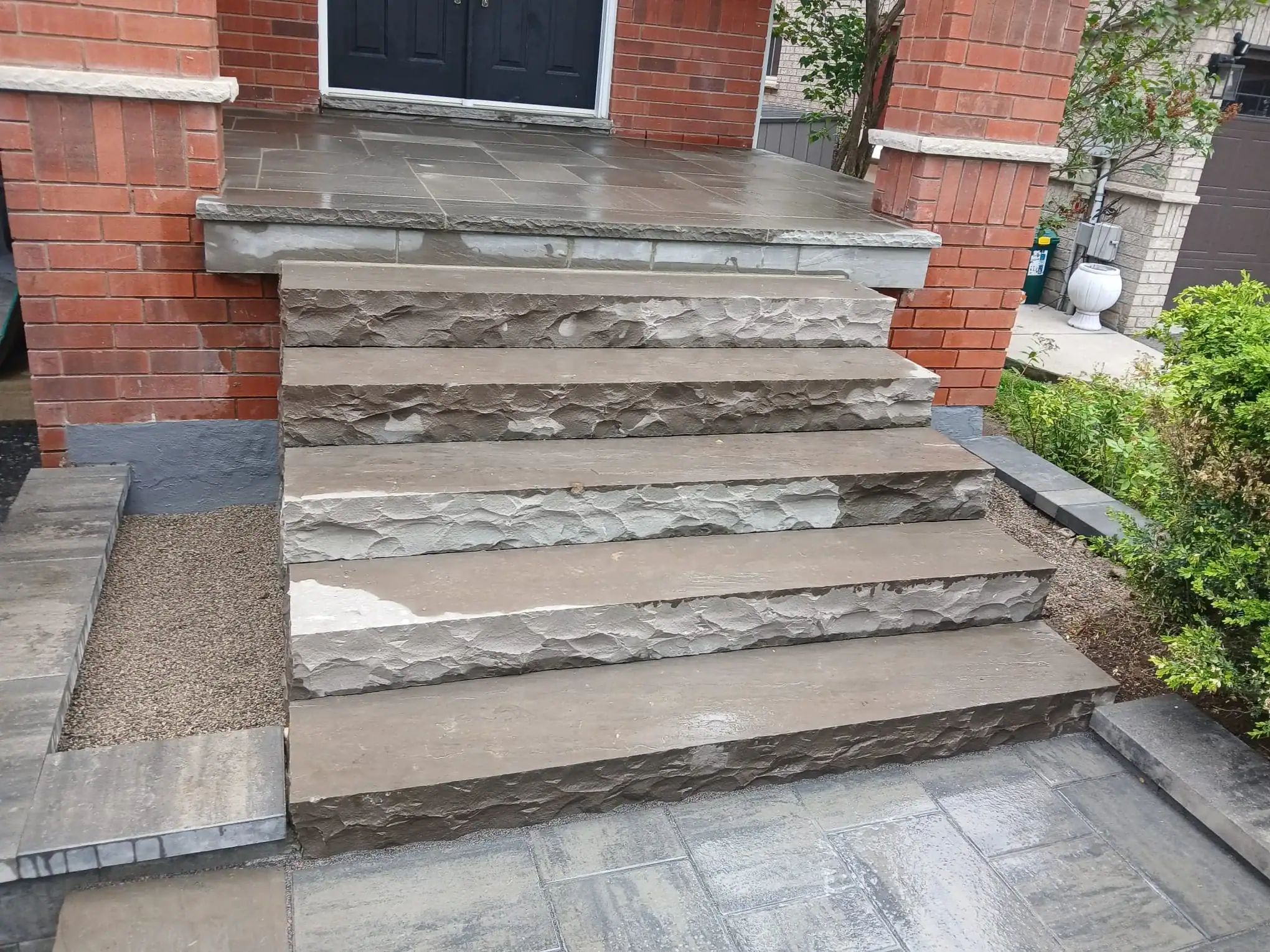
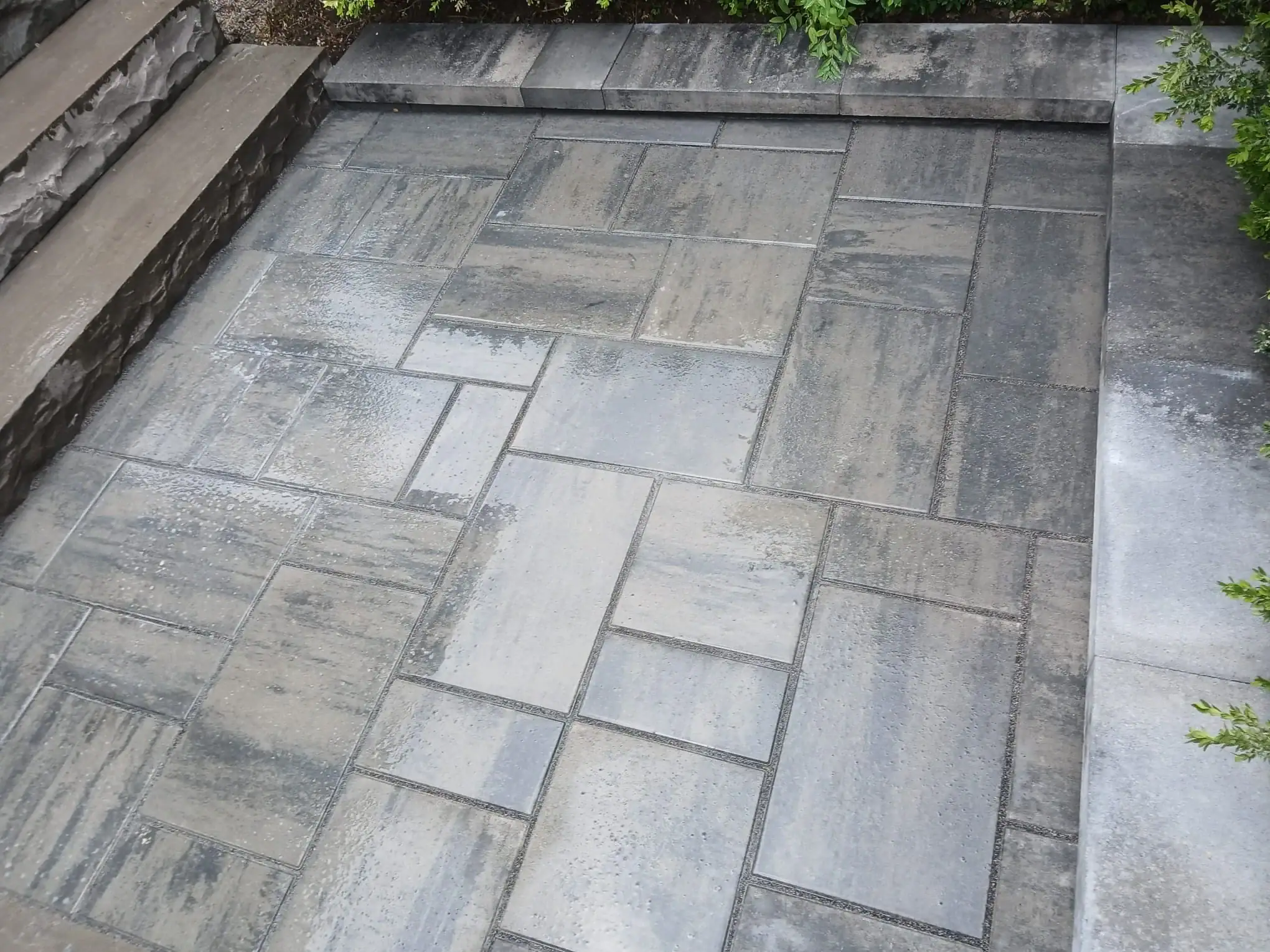
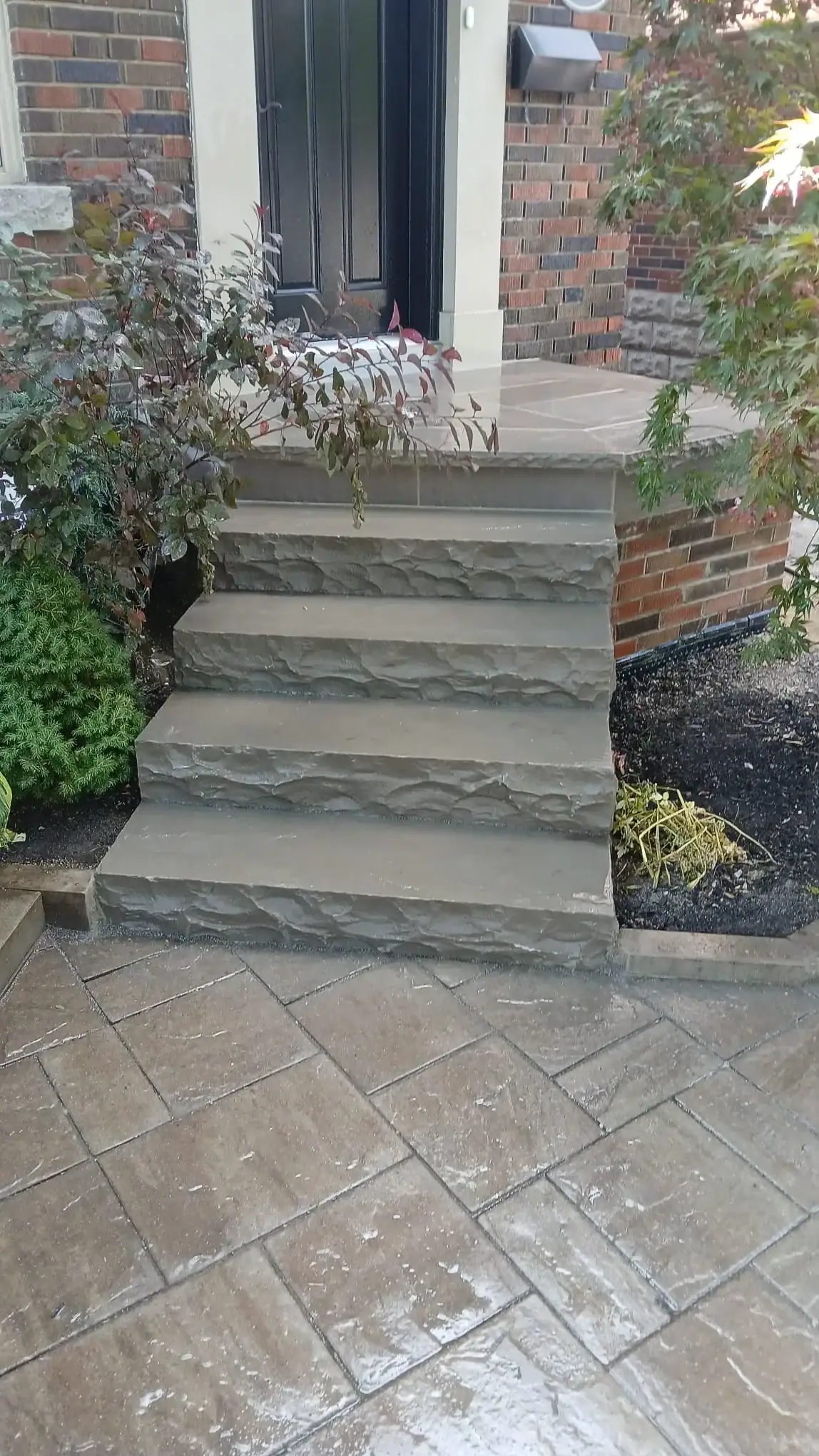
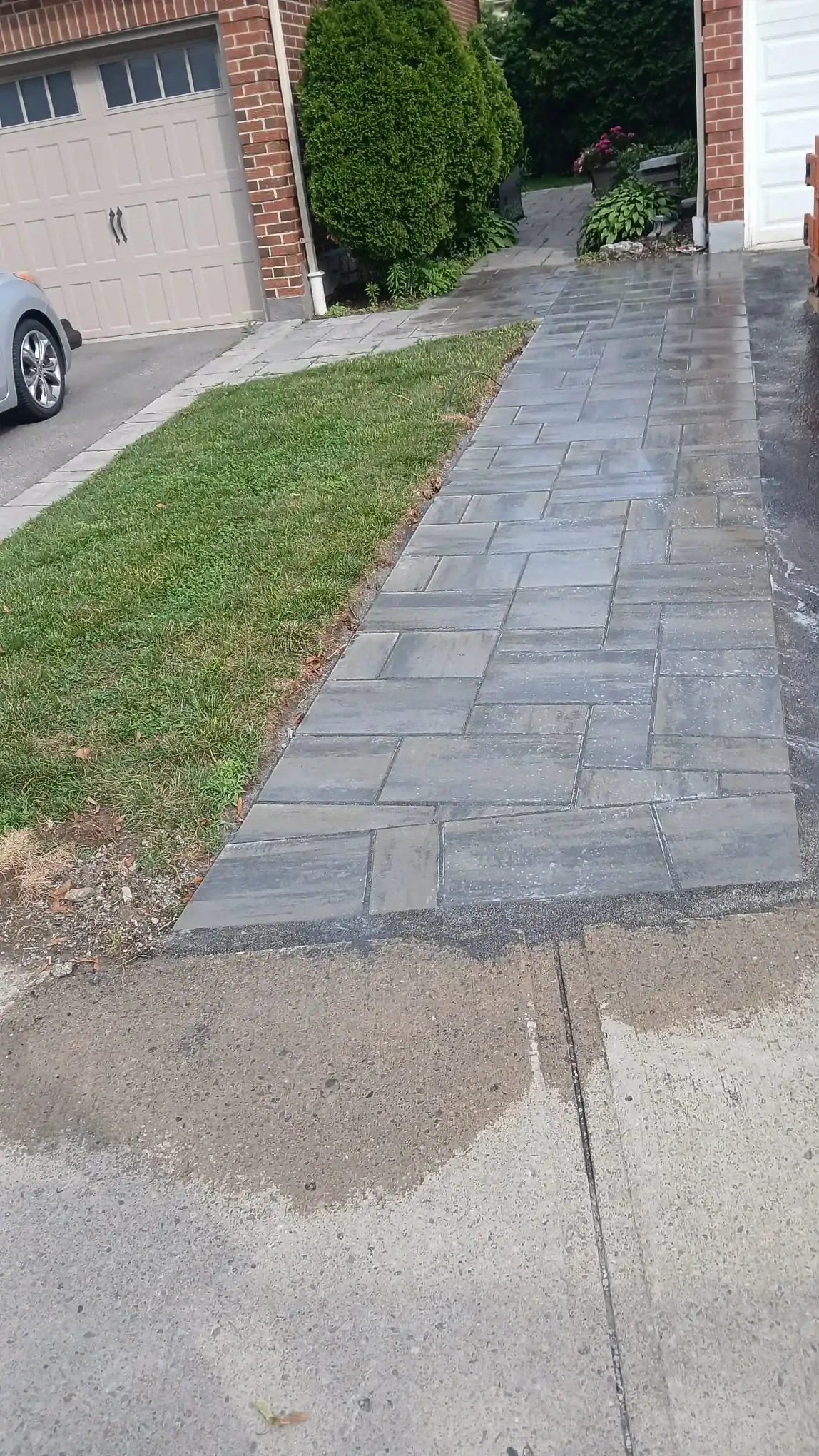
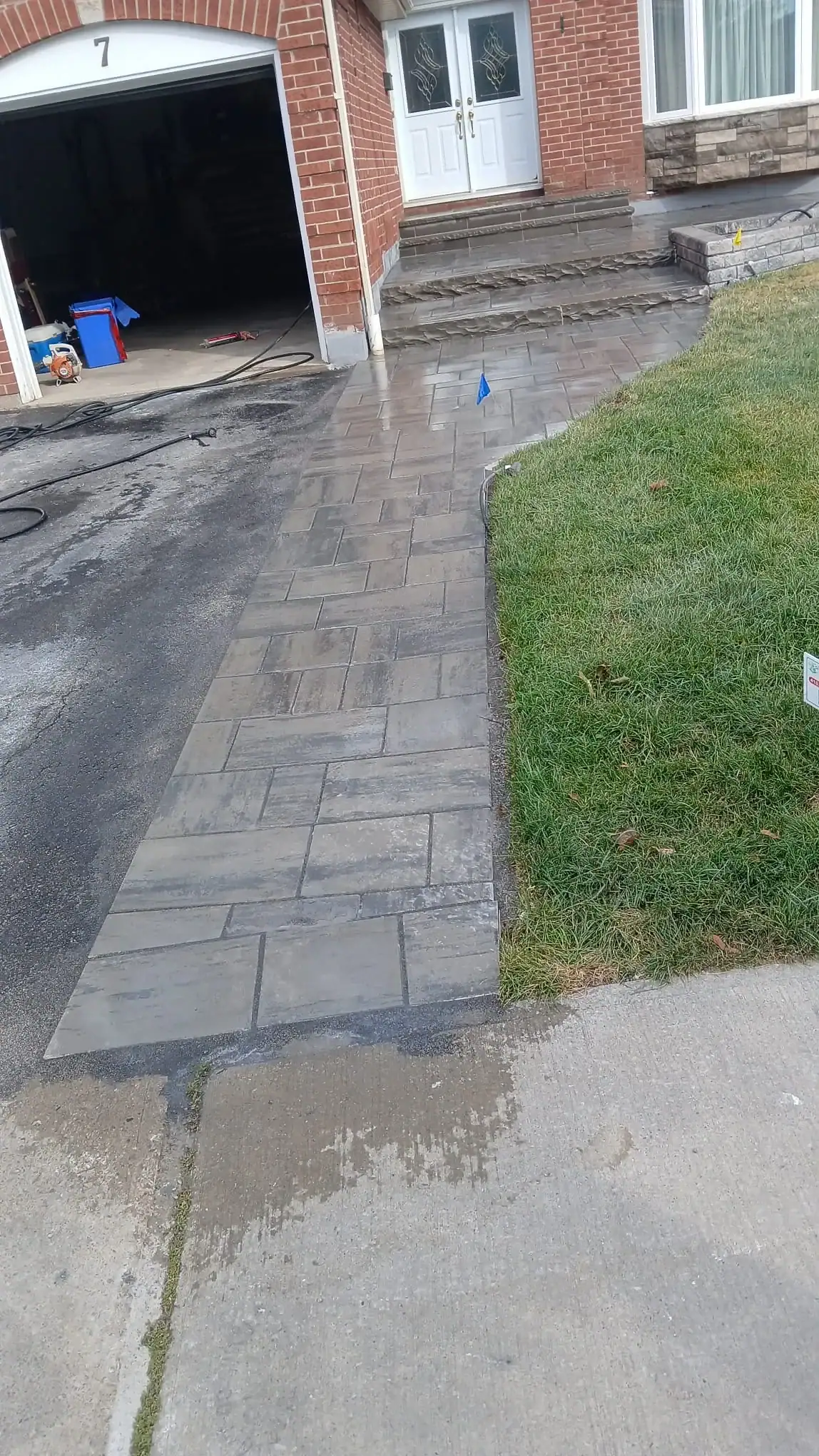
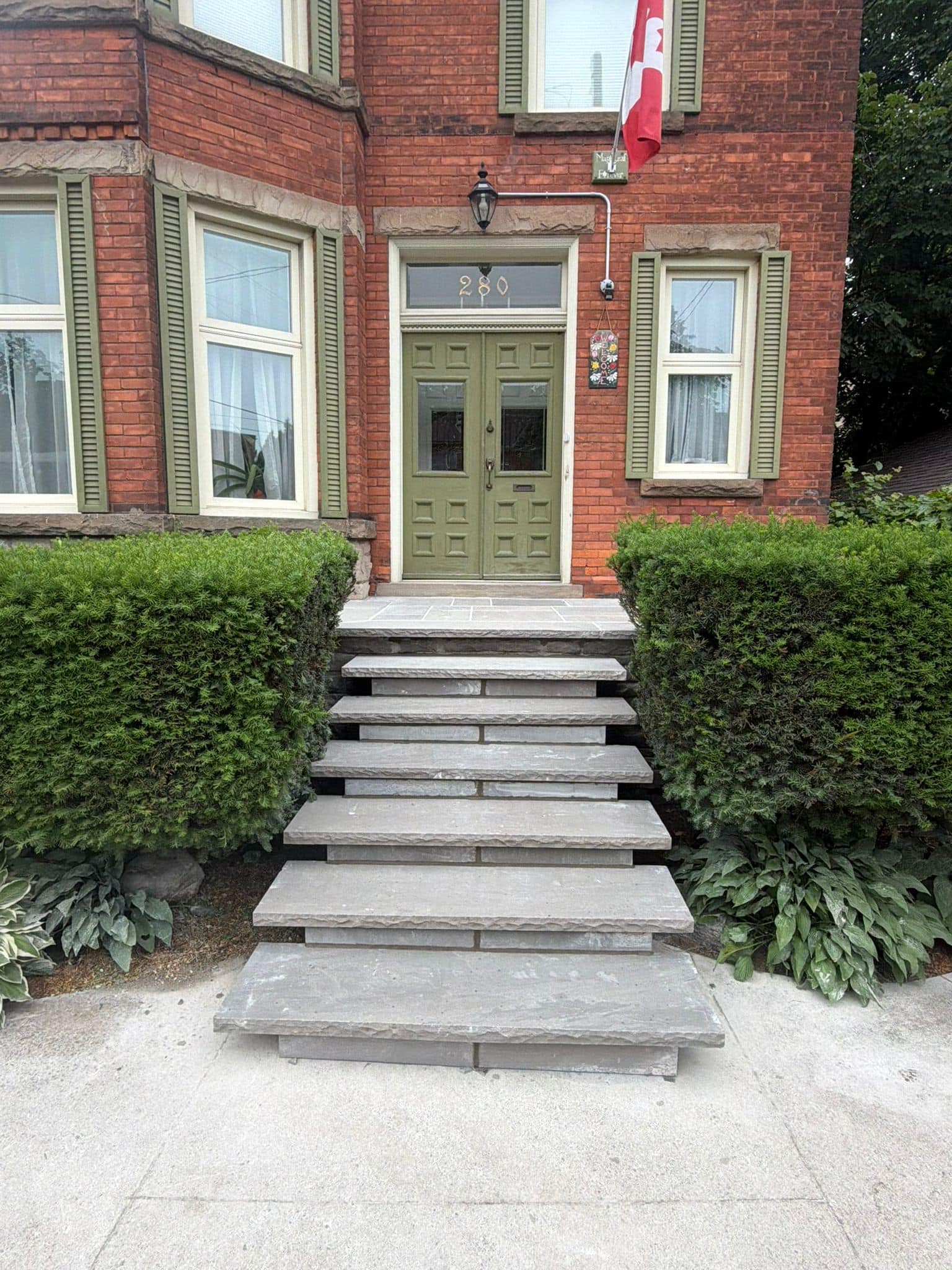
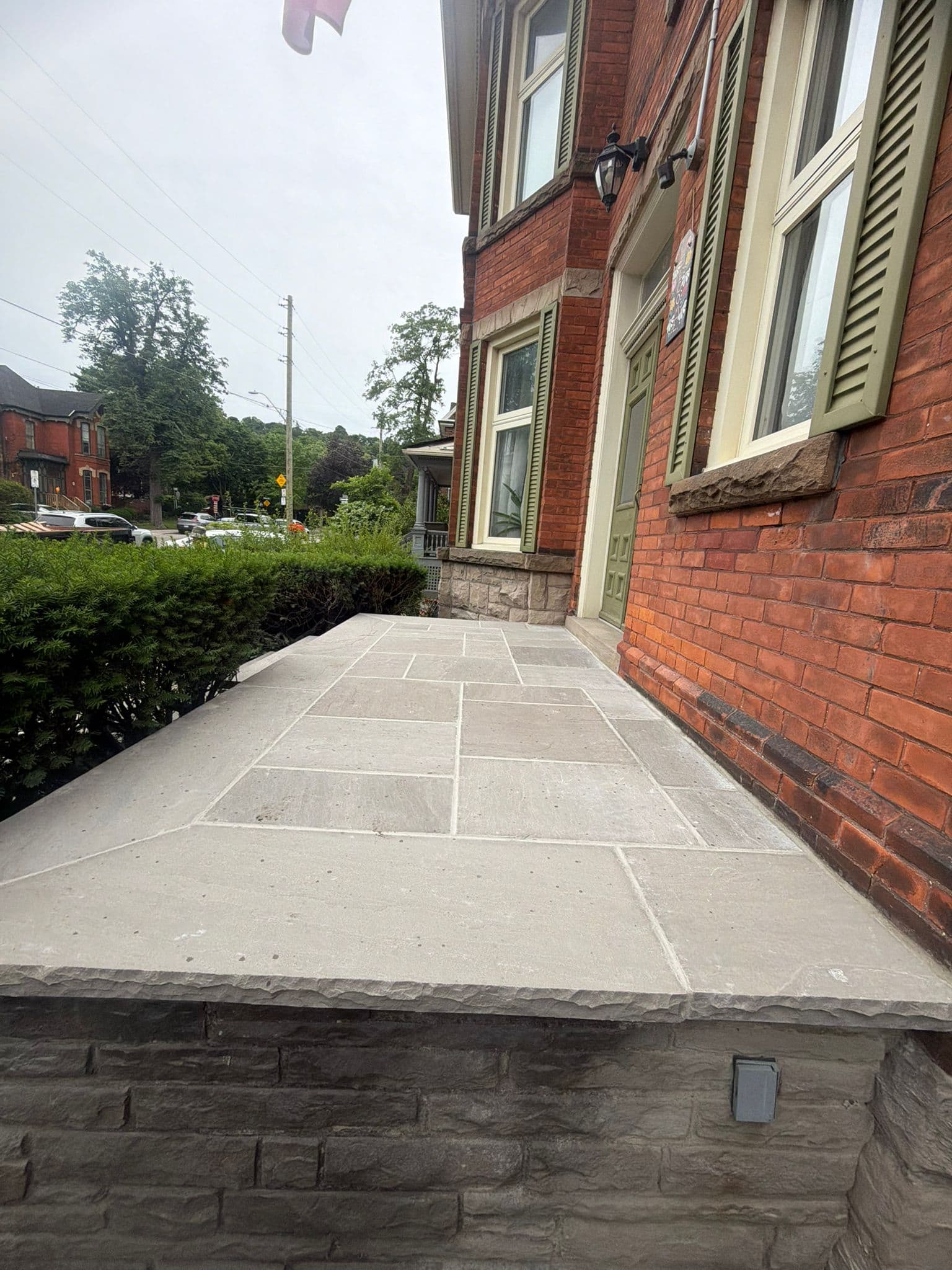
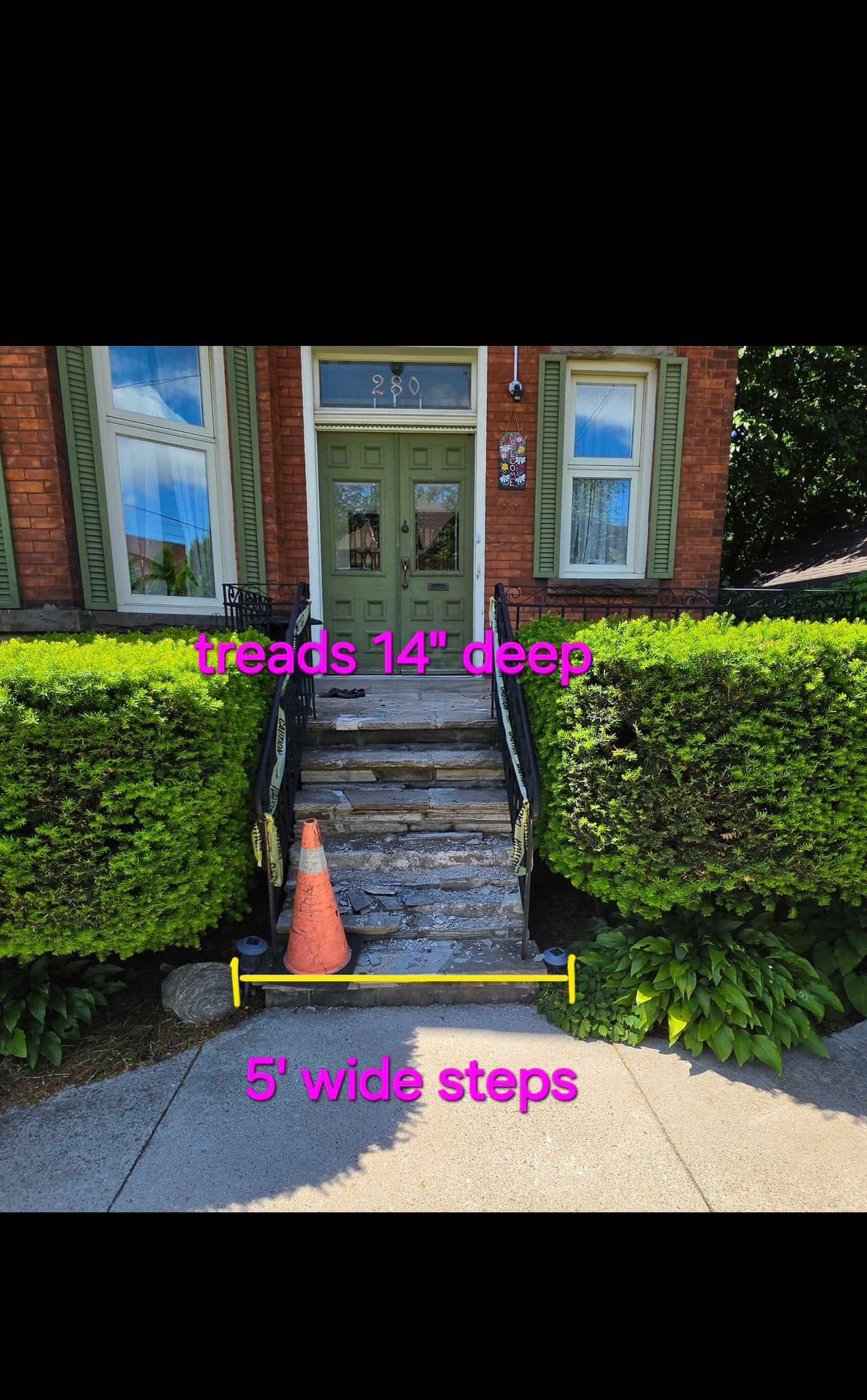
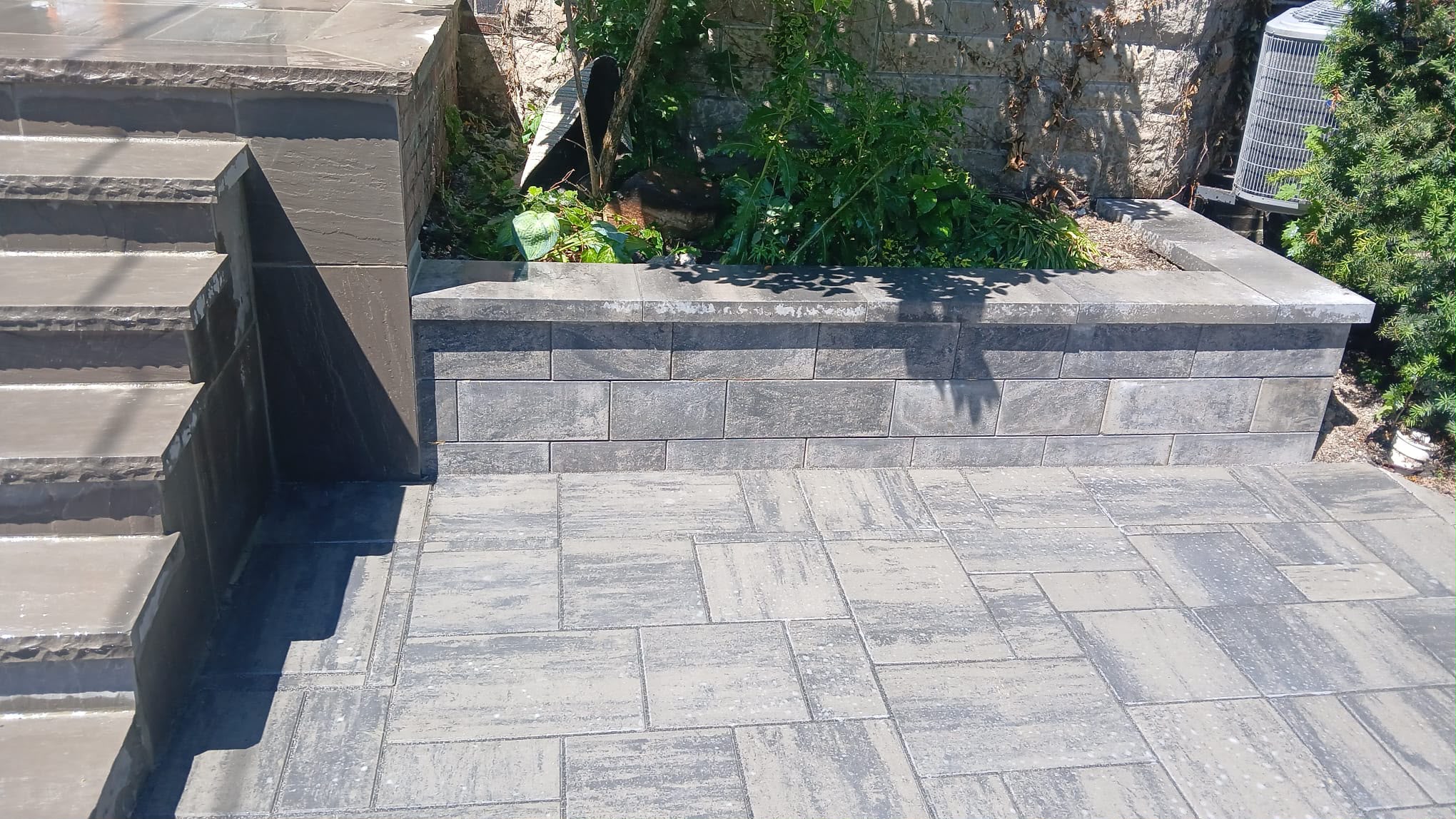
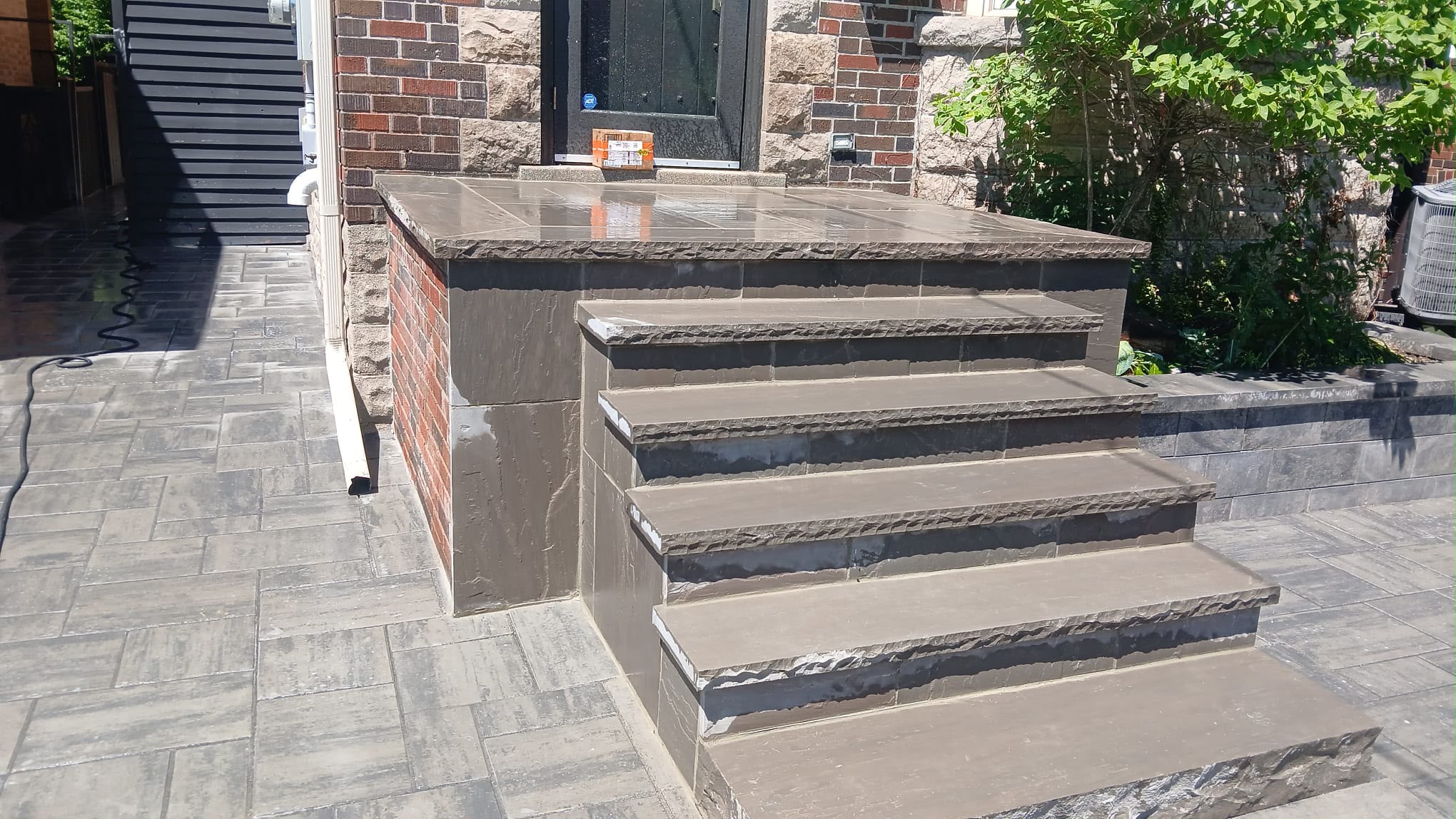
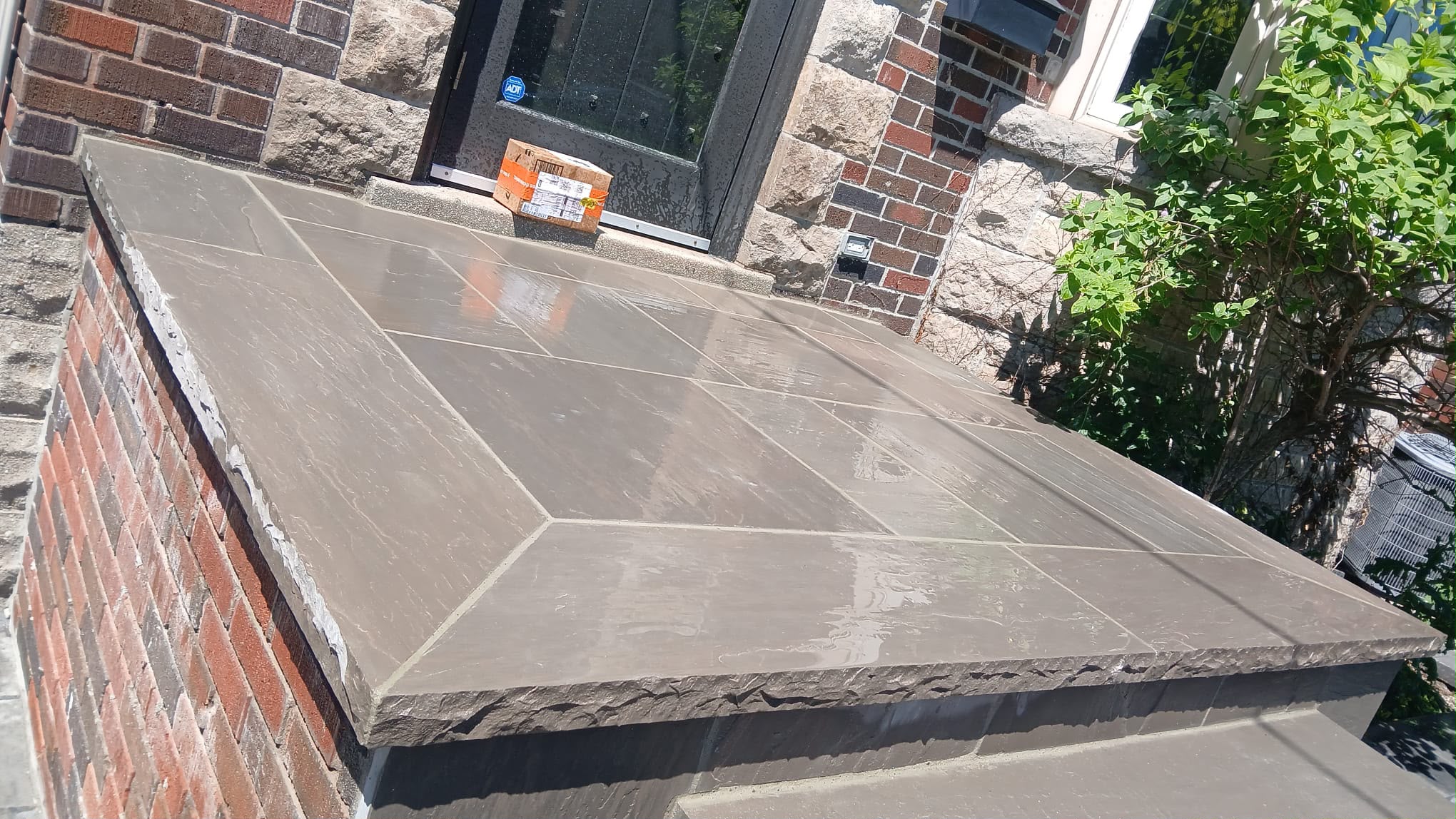
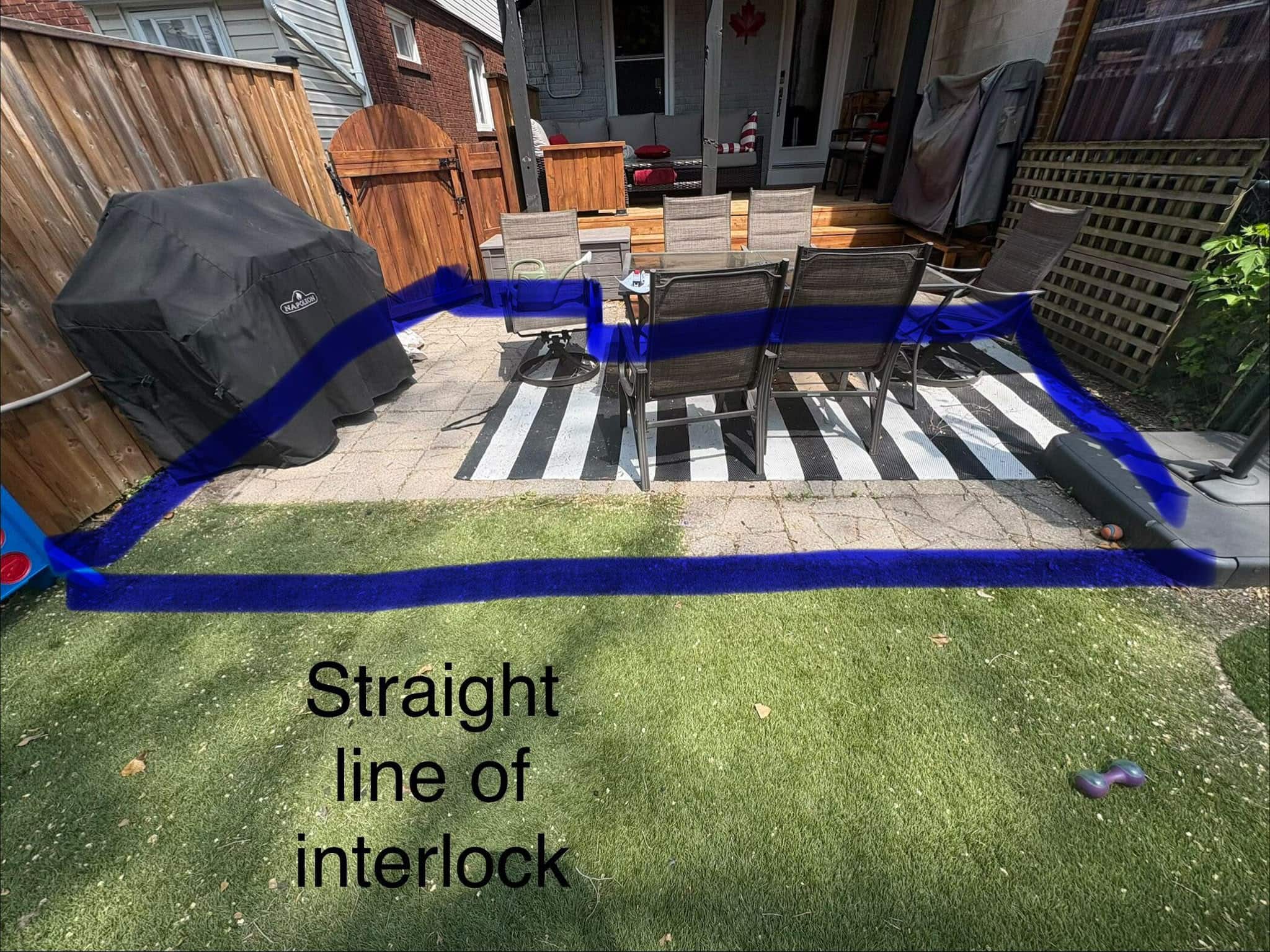
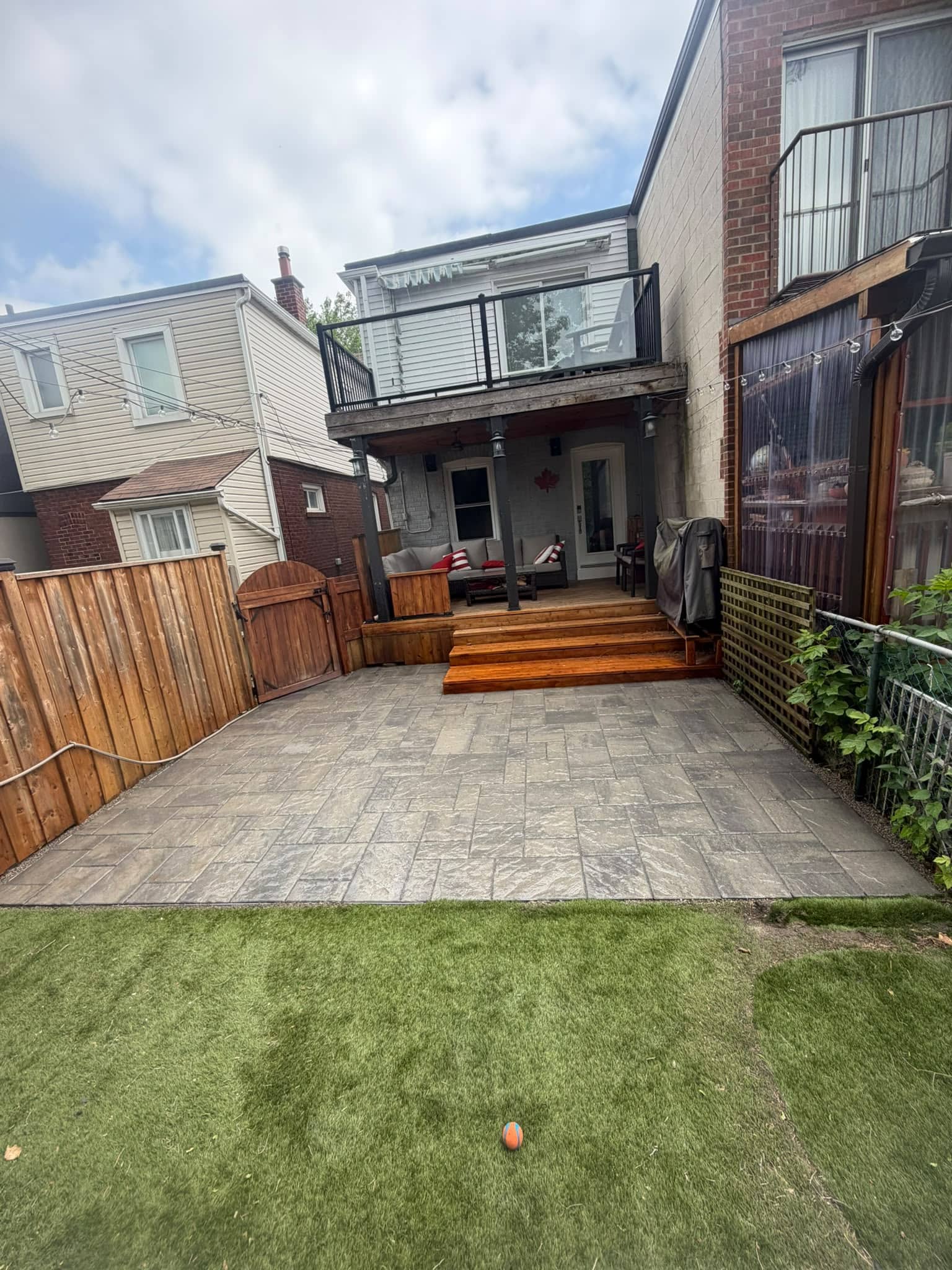
For example, an interlocking walkway can improve the approach to the front door. Stone steps can make an entrance feel more solid. A retaining wall can turn a sloped yard into a more usable space. A patio can create an outdoor seating or dining space. These features do not just add materials to the property. They improve function.
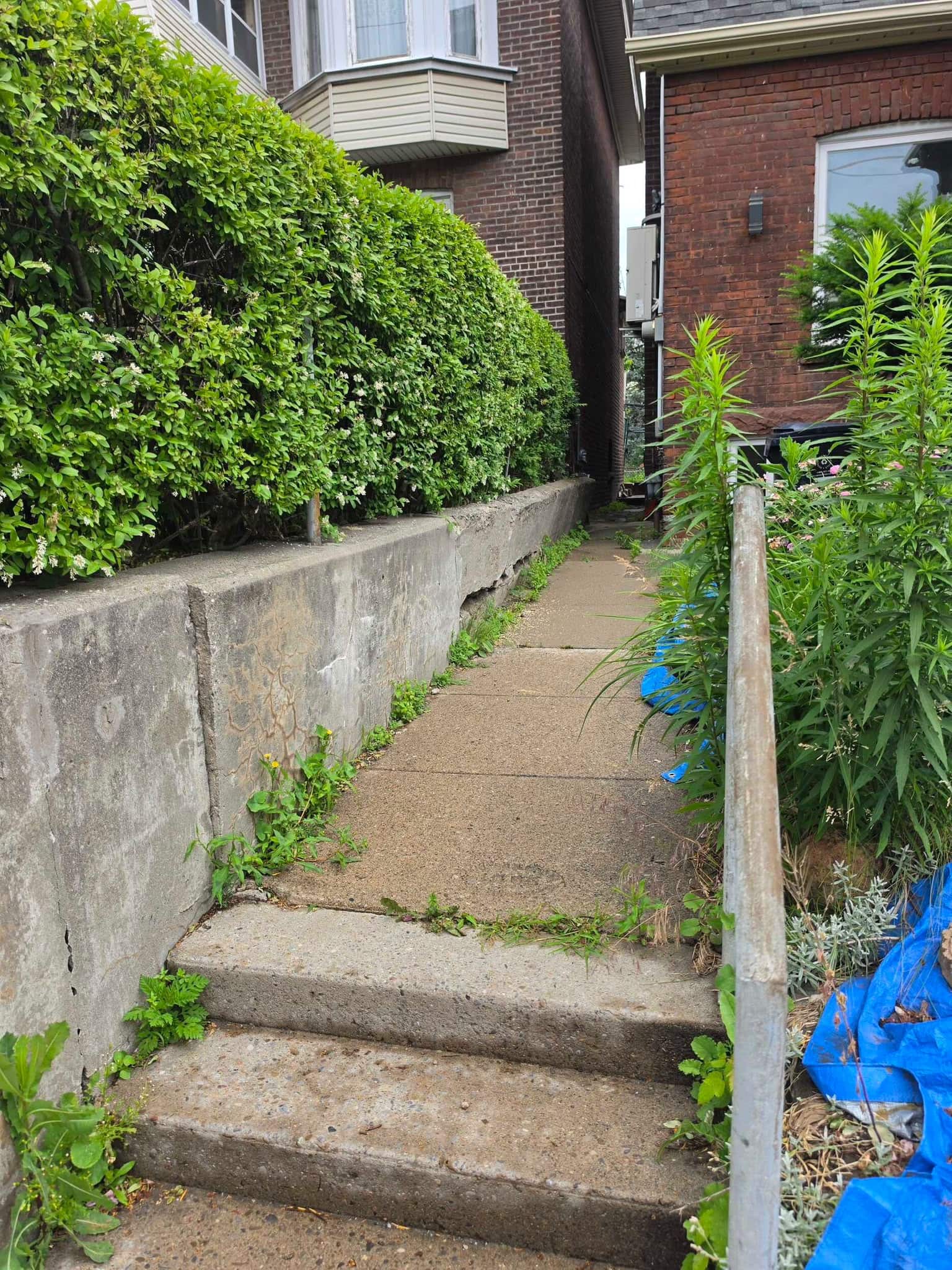
That said, outdoor masonry only supports value when it is built well. A sunken patio, uneven walkway, or leaning retaining wall can do the opposite. Buyers may see it as another project waiting for them. The quality of the base, drainage, slope, edge restraint, and material choice matters as much as the finished look.
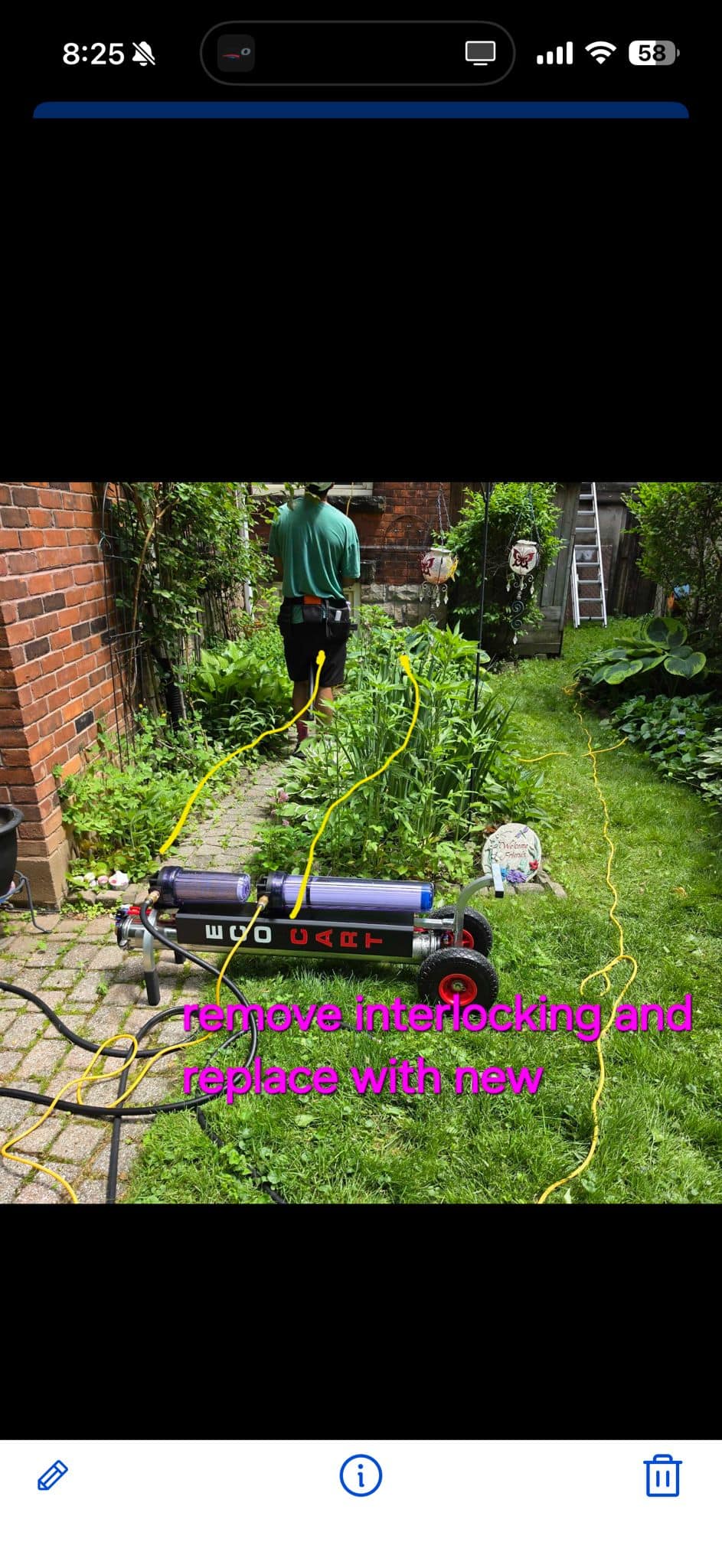
For outdoor surface upgrades, A&A Masonry’s interlocking stone services in Toronto page covers driveways, patios, walkways, steps, and retaining walls.

Stone Masonry Can Strengthen Curb Appeal and Character
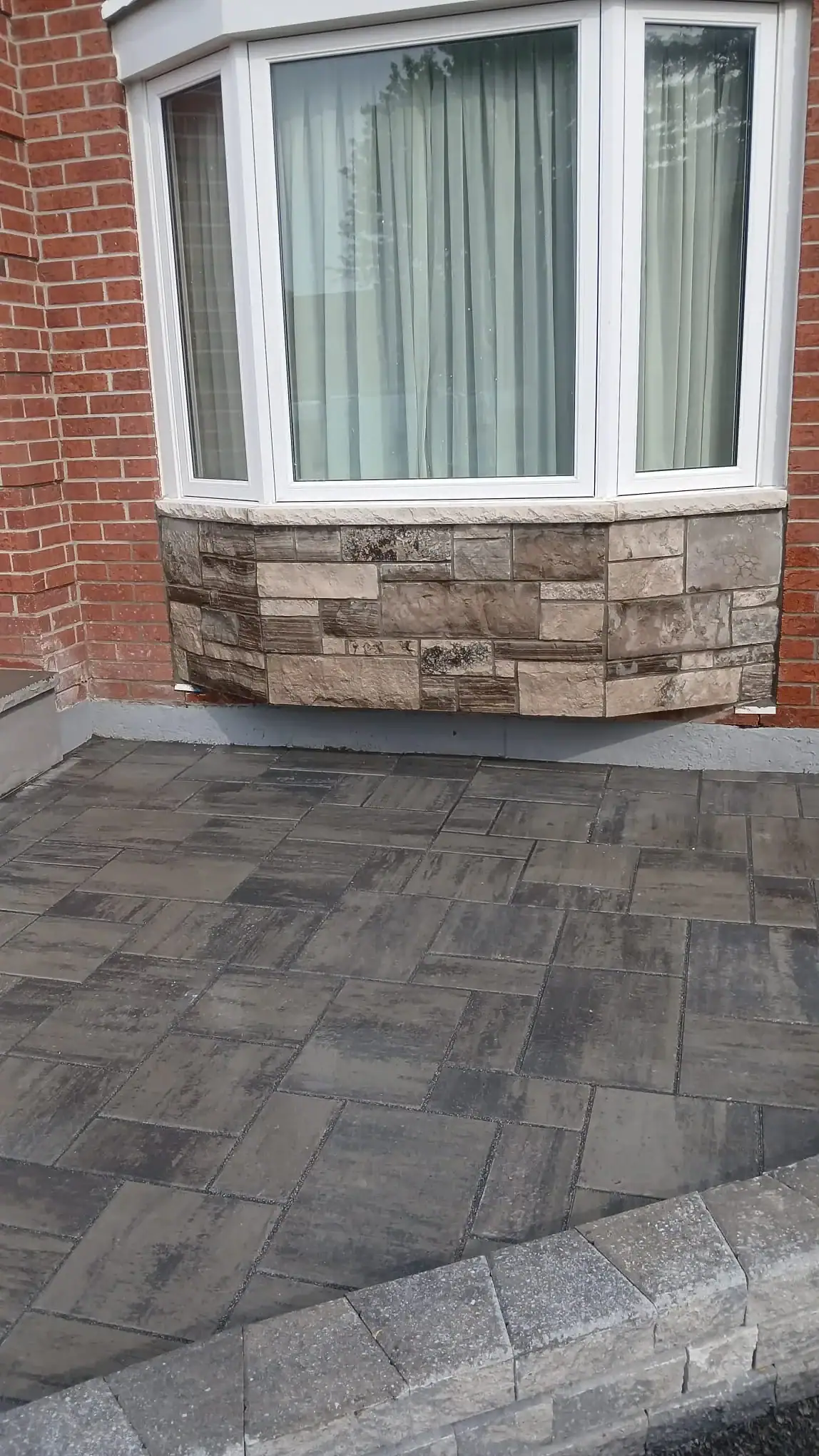
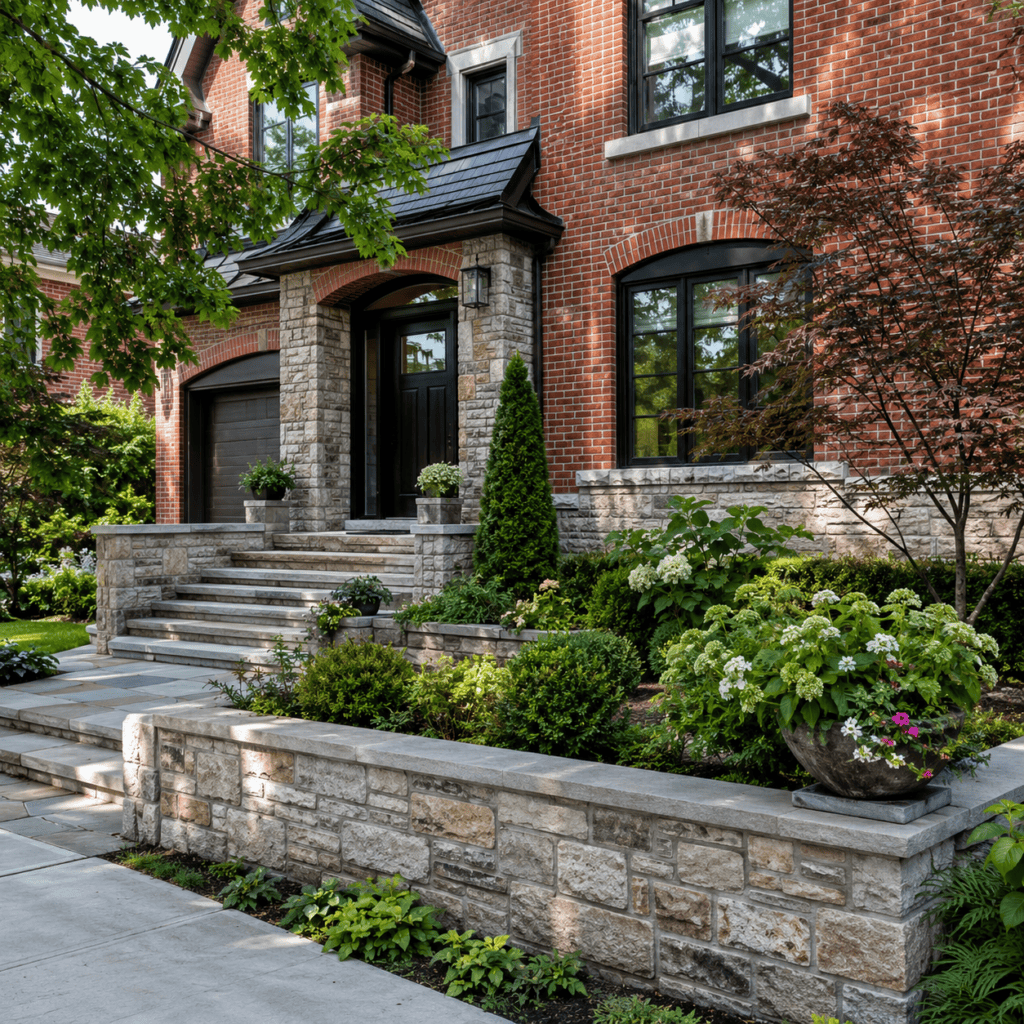
Stone masonry can increase a home’s perceived value by adding texture, permanence, and character to the exterior. Natural stone, stone veneer, stone steps, garden walls, fireplaces, and accent features can make a property feel more finished and distinct.
Stone is often associated with durability, but it still requires proper design and installation. Poorly supported stone, bad drainage, weak mortar, or unsuitable material can lead to cracking, staining, or loose sections. When stone is chosen and installed properly, it can complement brick homes, traditional Toronto exteriors, and newer outdoor living spaces.
The best stone projects are not the ones that simply add the most stone. They are the ones that fit the home. A stone feature should feel like it belongs with the façade, landscape, porch, steps, and walkway. When the design feels natural, it can add value without looking forced.
If you are considering stone features, A&A Masonry’s stone masonry Toronto page gives useful examples of exterior stonework, veneer, walls, steps, and custom masonry applications.
Chimney Repair Can Protect Both Safety and Appearance
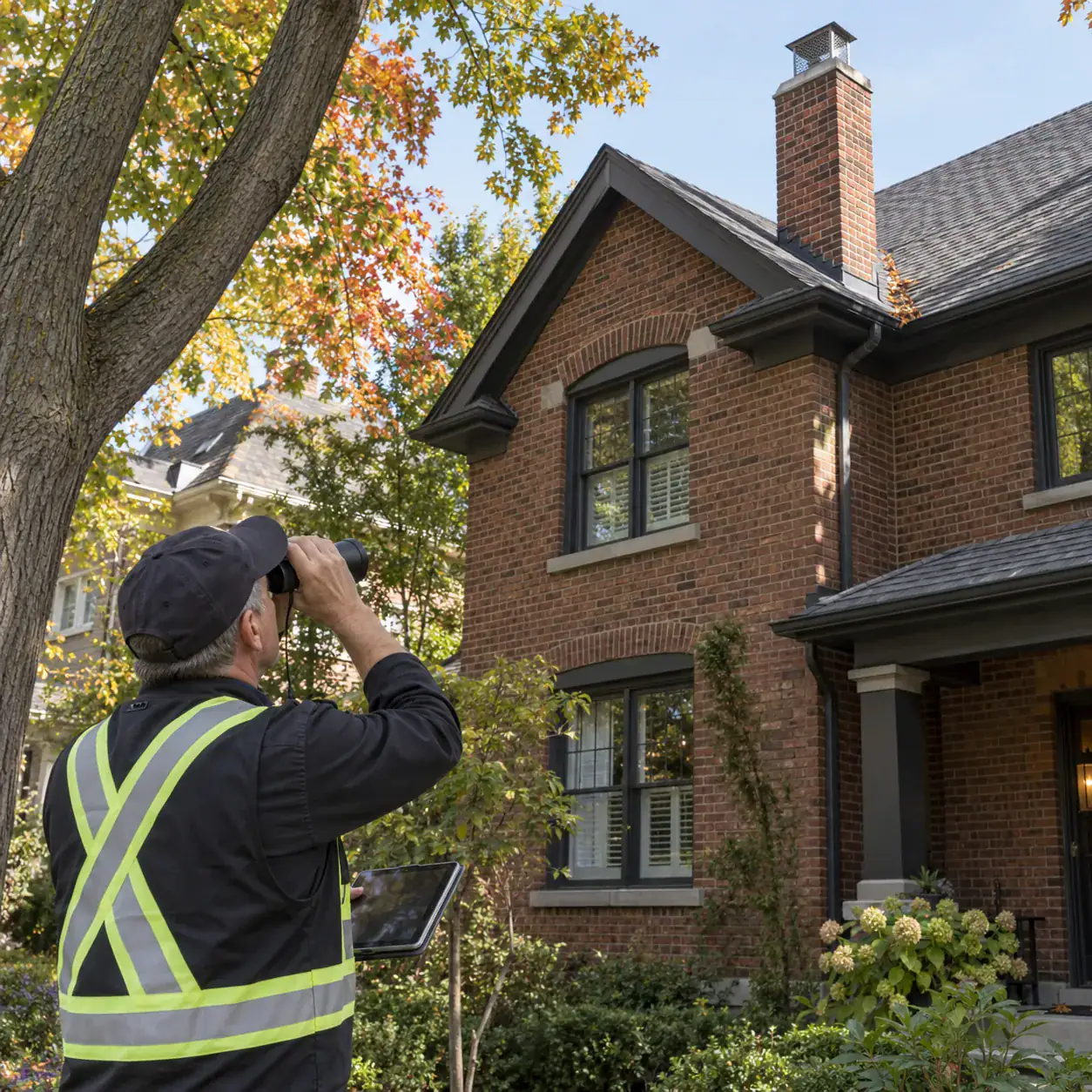
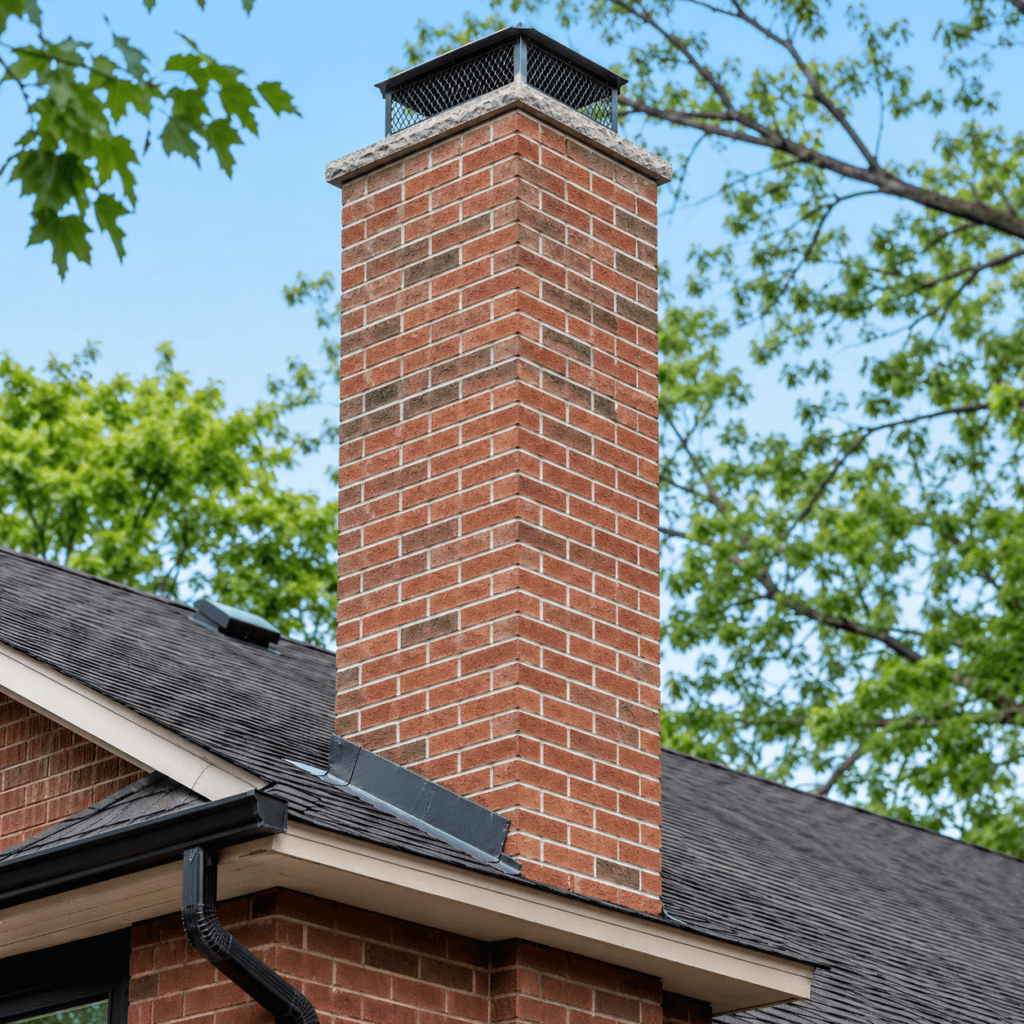
Chimney repair can increase value because a damaged chimney is highly visible and can raise safety, moisture, and maintenance concerns. A chimney sits exposed above the roofline, so it often shows weather damage before other parts of the home. Loose mortar, spalling brick, cracked crowns, missing caps, leaning sections, and flashing issues can all worry buyers.
A neglected chimney can also create water problems. Moisture can enter through cracked crowns, open joints, damaged flashing, or missing caps. Once water enters the chimney masonry, freeze-thaw cycles can worsen the damage.
Repairing a chimney before selling or refinancing may help reduce visible concerns. It also supports the broader impression that the home has been maintained properly. If the chimney is part of a working fireplace or appliance system, homeowners should also treat safety as a key concern and get the right professionals involved when needed.
For chimney-related work, A&A Masonry’s chimney repair Toronto page explains common chimney masonry repairs for local homes.
Structural Confidence Matters More Than Cosmetic Upgrades
Structural confidence matters more than cosmetic upgrades because buyers and inspectors care about whether the home is stable, dry, and safe. A decorative update may improve appearance, but repairs that address water intrusion, movement, cracks, or failing materials often offer greater value.
This is where homeowners should be careful. Painting over damaged brick, sealing over failed mortar, or covering a cracked surface without fixing the cause can create a short-term improvement but a long-term problem. Buyers may notice the cover-up, and inspectors may question whether damage has been hidden.
Better value usually comes from honest repair. If the brick is damaged, replace it. If mortar is failing, repoint it. If water is entering, find the source. If steps are loose, correct the base and support. If a retaining wall is leaning, assess the drainage and soil pressure. A repair that solves the real issue is more valuable than a surface improvement that only hides it.
The City of Toronto explains that building permits are required for many types of construction, demolition, additions, and major renovations. For larger masonry projects that affect structure, openings, entrances, retaining walls, or foundations, homeowners should review the City’s building permit guidance and Ontario’s official Building Code page before starting.
Energy, Moisture, and Comfort Can Influence Long-Term Value
Masonry can influence long-term value by helping the home manage moisture, air movement, and exterior durability. A well-maintained building envelope often supports comfort and reduces avoidable repair stress. This does not mean masonry alone controls energy performance, but damaged masonry can contribute to drafts, dampness, and heat loss when cracks, gaps, or failing joints allow air and moisture to move.
For older Toronto homes, the exterior works as a system. Brick, mortar, flashing, windows, foundations, parging, waterproofing, grading, and drainage all interact. This idea is similar to the “house as a system” approach used in renovation guidance from Canada Mortgage and Housing Corporation, where changes to one part of a home can affect other parts.
Homeowners should avoid thinking of masonry only as decoration. Exterior repair may improve appearance and help protect interior comfort while reducing moisture-related concerns. That broader value is one reason masonry maintenance often matters more than a purely cosmetic upgrade.
Which Masonry Projects Usually Support Home Value?
The masonry projects that usually support home value are those that improve visible condition, protect against water damage, enhance safety, or make outdoor areas more usable. The best project depends on the property’s current weaknesses.
- Brick repair: Helps address cracked, spalling, or damaged brick that can reduce curb appeal and signal neglect.
- Tuckpointing: Helps protect masonry walls by repairing deteriorated mortar joints before water damage spreads.
- Chimney repair: Improves a visible roofline feature and may reduce moisture and safety concerns.
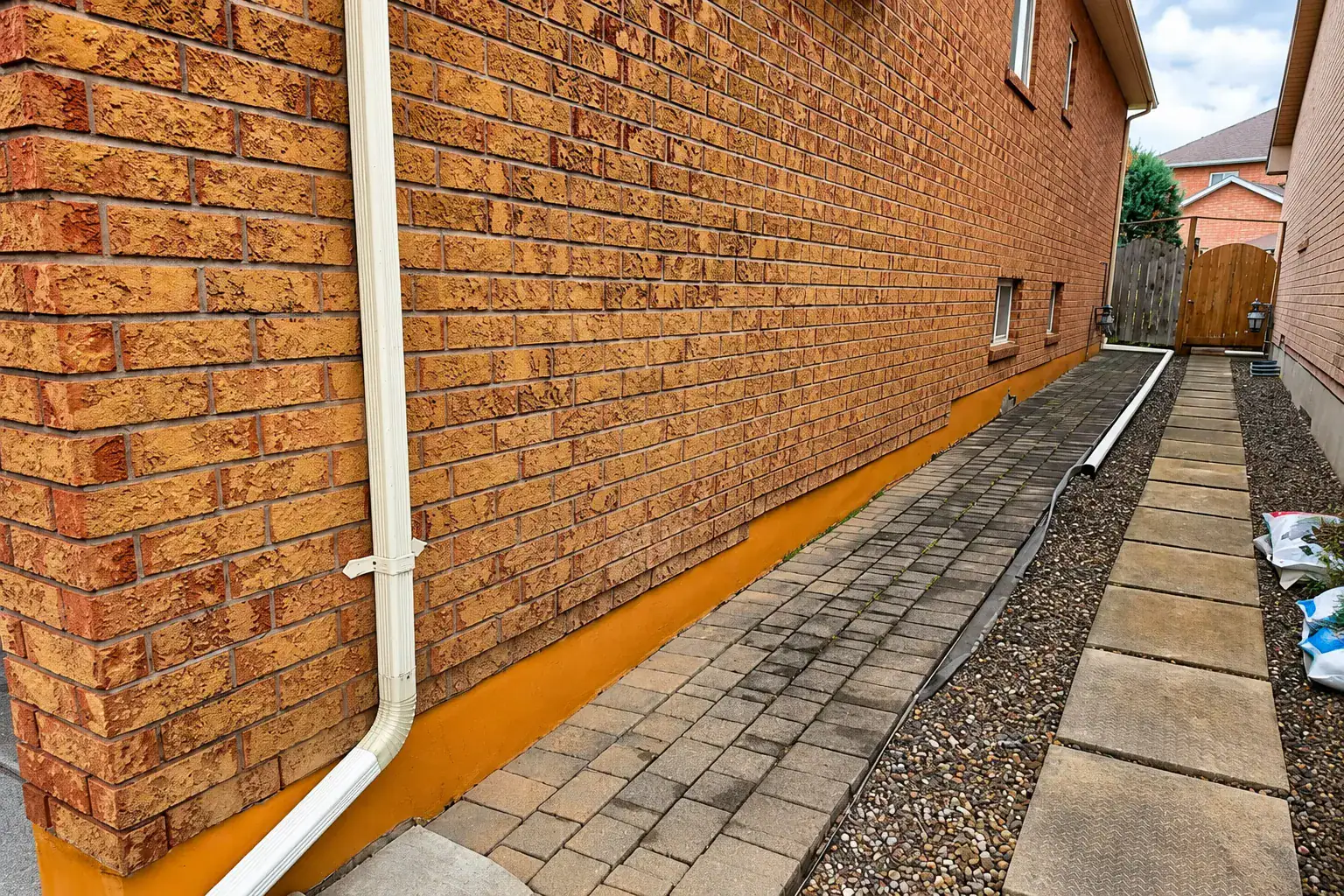
- Waterproofing: Helps protect basements, foundations, and lower exterior walls from water-related problems.
- Stone masonry: Adds character, curb appeal, and durable exterior features when suited to the home.
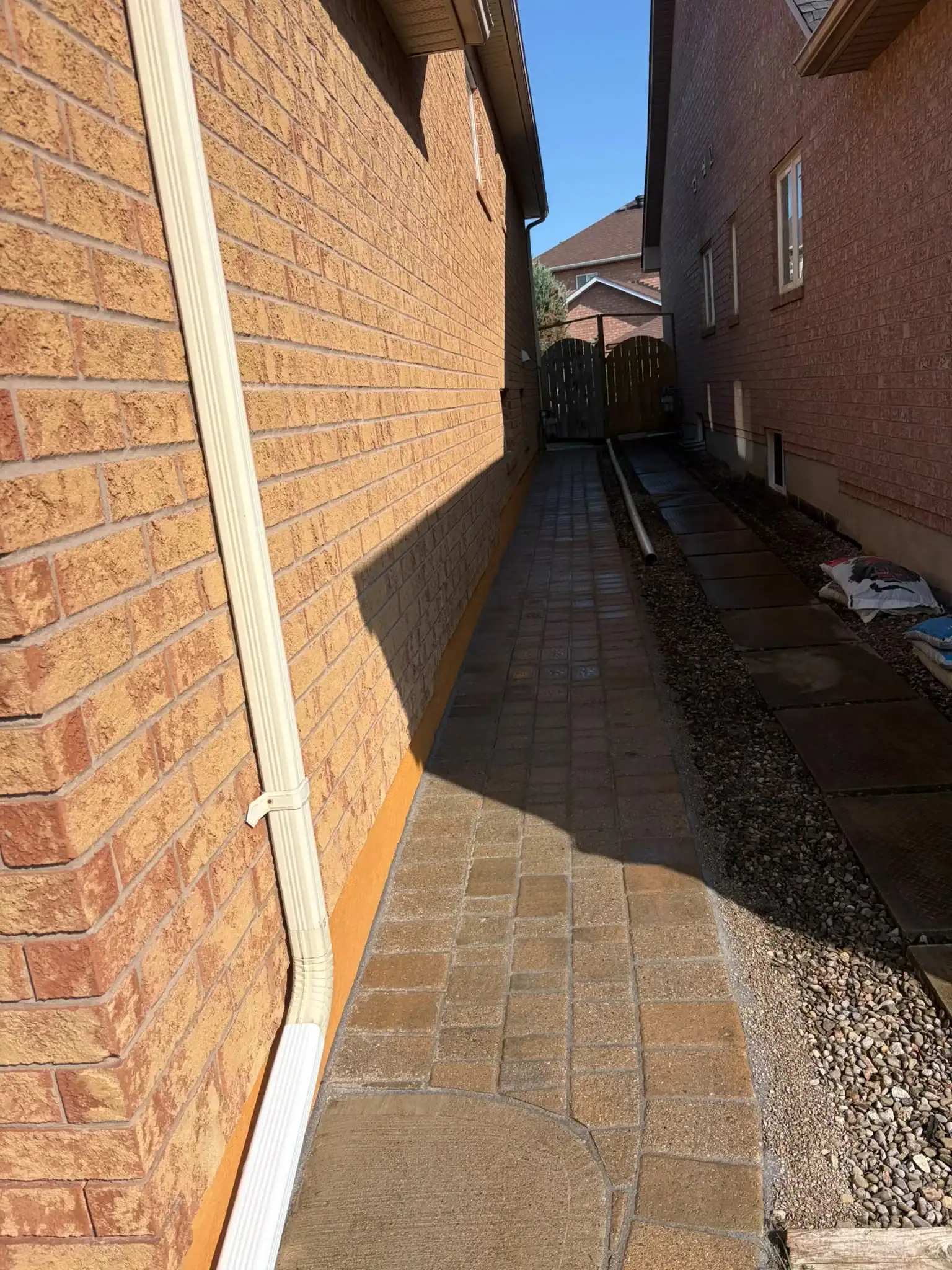
- Interlocking stone: Improves patios, walkways, driveways, and front entrances when installed on a proper base with adequate drainage.
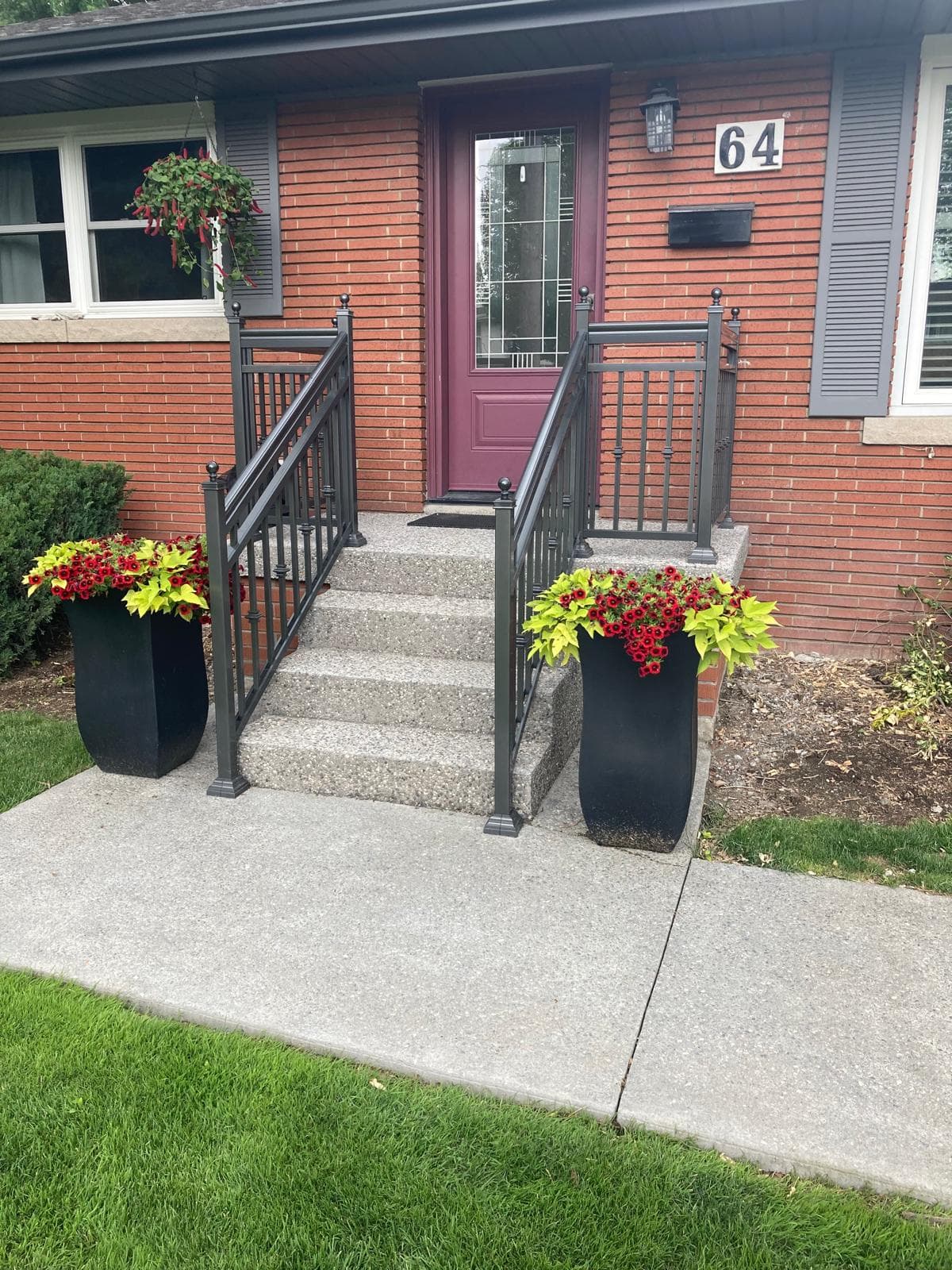
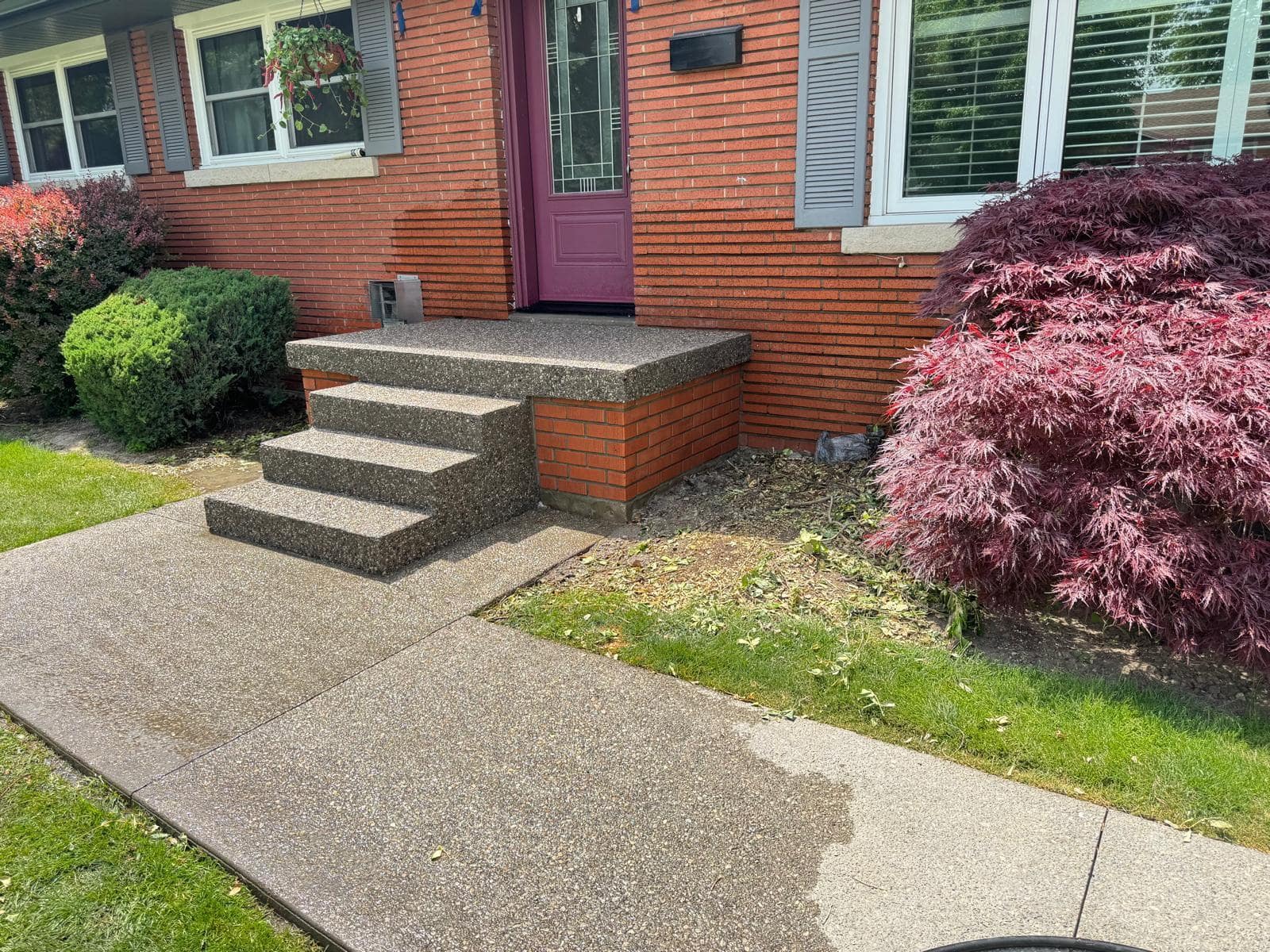
- Concrete repair: Helps restore cracked, uneven, or worn steps, driveways, porches, and walkways.
- Retaining walls Can improve sloped yards, control drainage, and increase usable outdoor space when properly designed.
The strongest value usually comes from projects that solve a real problem. A clean, new walkway is useful. A clean, new walkway that also fixes drainage and improves entrance safety is even better.
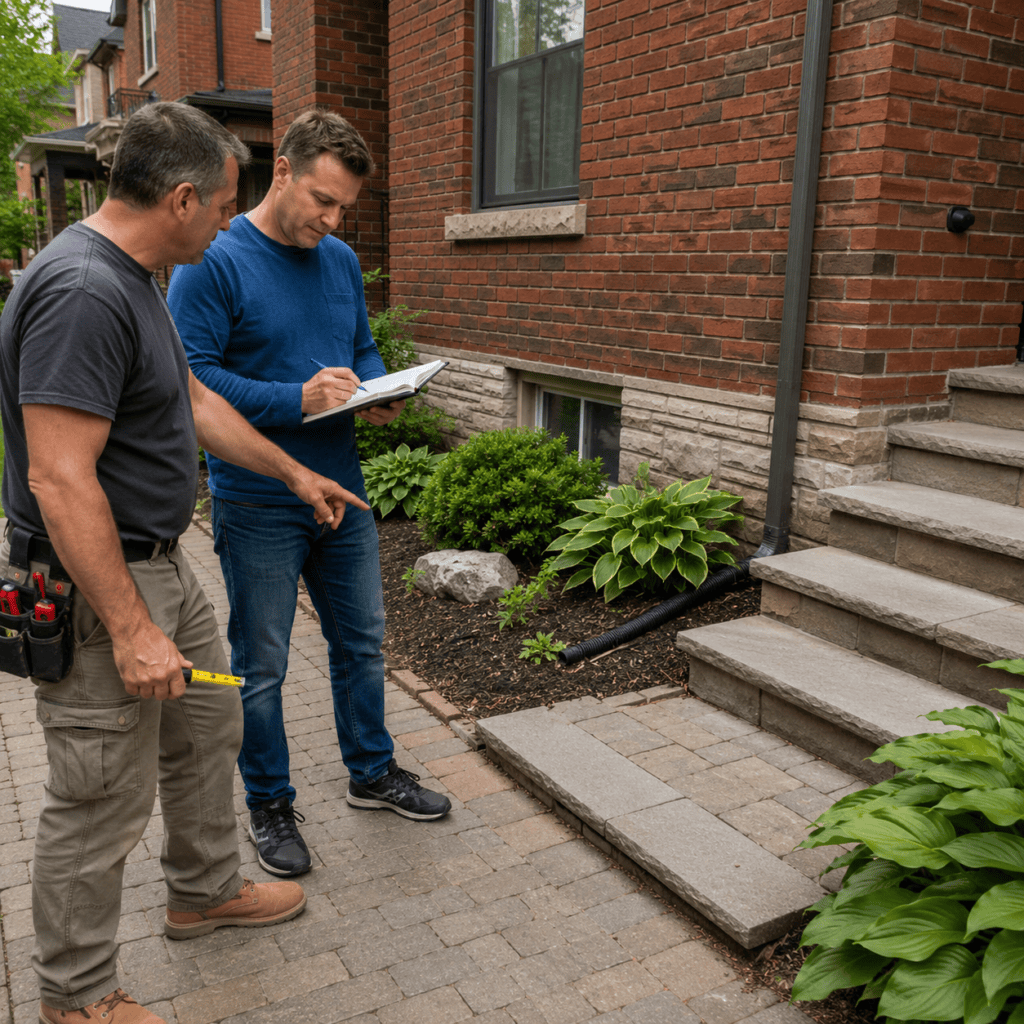
What Homeowners Should Check Before Planning a Masonry Project
Homeowners should check the home’s visible masonry condition before deciding which project will add the most value. A project chosen only for appearance may not be the best investment if the home has more serious repair needs elsewhere.
- Walk the exterior: Look for cracked brick, missing mortar, stains, damp areas, and spalling.
- Check steps and walkways: Look for uneven surfaces, loose stones, sunken pavers, and water pooling.
- Review the chimney: From the ground, look for loose mortar, damaged brick, missing caps, or visible leaning.
- Watch drainage after rain: Note whether water moves toward the foundation, garage, steps, or lower walls.
- Look at curb appeal honestly: Ask whether the entrance, driveway, and exterior masonry look cared for.
- Think like a buyer: Identify anything that would make someone wonder if the home has hidden damage.
- Separate wants from needs: Repair issues that protect the home should usually come before decorative upgrades.
This check helps prioritize work. For example, if a home has a beautiful patio but a leaking foundation wall, waterproofing may matter more. If the front entrance is safe but the chimney is crumbling, repairing the chimney may be the smarter first project.
When Masonry Projects May Not Increase Value
Masonry projects may not increase value when they are poorly planned, poorly installed, mismatched to the home, or used to cover deeper problems. More masonry is not always better. A project should fit the property’s style, solve a real issue, and be built to handle local conditions.
For example, stone veneer that clashes with the home’s existing brick may not add appeal. A patio that drains toward the foundation can create a future problem. A driveway installed over a weak base may look good briefly before settling. A repair using mismatched brick may stand out and make buyers question the quality of the work.
This is why project quality matters. A thoughtful, well-built repair or upgrade can support value. A rushed or purely cosmetic project can reduce trust. Before spending money, ask whether the project improves function, durability, moisture control, safety, or curb appeal. If it does not clearly support at least one of those goals, it may not be the best first investment.
Quick Decision Guide: Best Masonry Value Priorities
A simple decision guide can help homeowners choose masonry projects that are more likely to support property value.
- Choose repair first if brick, mortar, concrete, steps, or chimneys show visible damage.
- Choose waterproofing first if the home has basement leaks, damp foundation walls, or repeated water entry.
- Choose curb appeal upgrades if the home is sound but the entrance, walkway, or exterior looks tired.
- Choose stone masonry if the home’s exterior would benefit from durable character and the design fits naturally.
- Choose interlocking stone for a more usable driveway, walkway, patio, or outdoor living space.
- Choose chimney repair if the chimney is visibly worn, leaking, or likely to raise inspection concerns.
- Choose permit review if the project changes structure, entrances, retaining walls, foundations, or major exterior features.
The best-value project is usually the one that removes doubt, improves function, and makes the home feel well-maintained.
Final Thoughts on Why Masonry Projects Increase Home Value
Masonry projects increase home value by making the property look better, perform better, and feel better maintained. In Toronto and the GTA, masonry is often a major part of a home’s exterior identity. Brick, stone, concrete, chimneys, walkways, steps, retaining walls, and waterproofing all shape how a home is seen and how well it handles local weather.
The strongest masonry investments usually solve real problems. Repair damaged brick. Repoint failing mortar. Fix water issues. Restore unsafe steps. Repair the chimney before it becomes a larger roofline concern. Improve outdoor surfaces with proper drainage and base preparation. These projects can add value by improving both appearance and trust.
Before choosing a masonry upgrade, look at the home the way a future buyer or inspector might. The goal is not to make everything look new. The goal is to make the exterior look cared for, safe, dry, stable, and built to last through Toronto’s changing seasons.