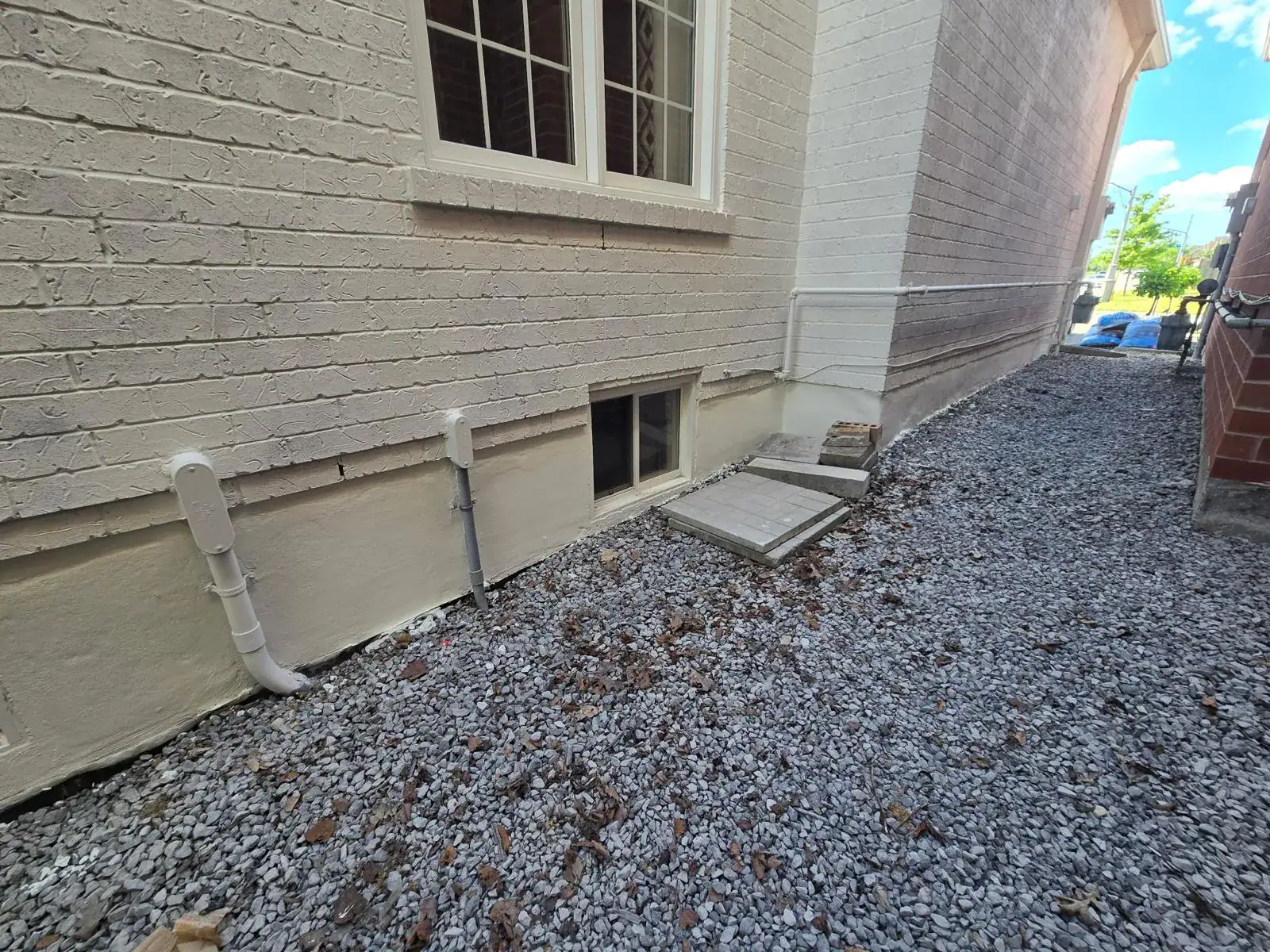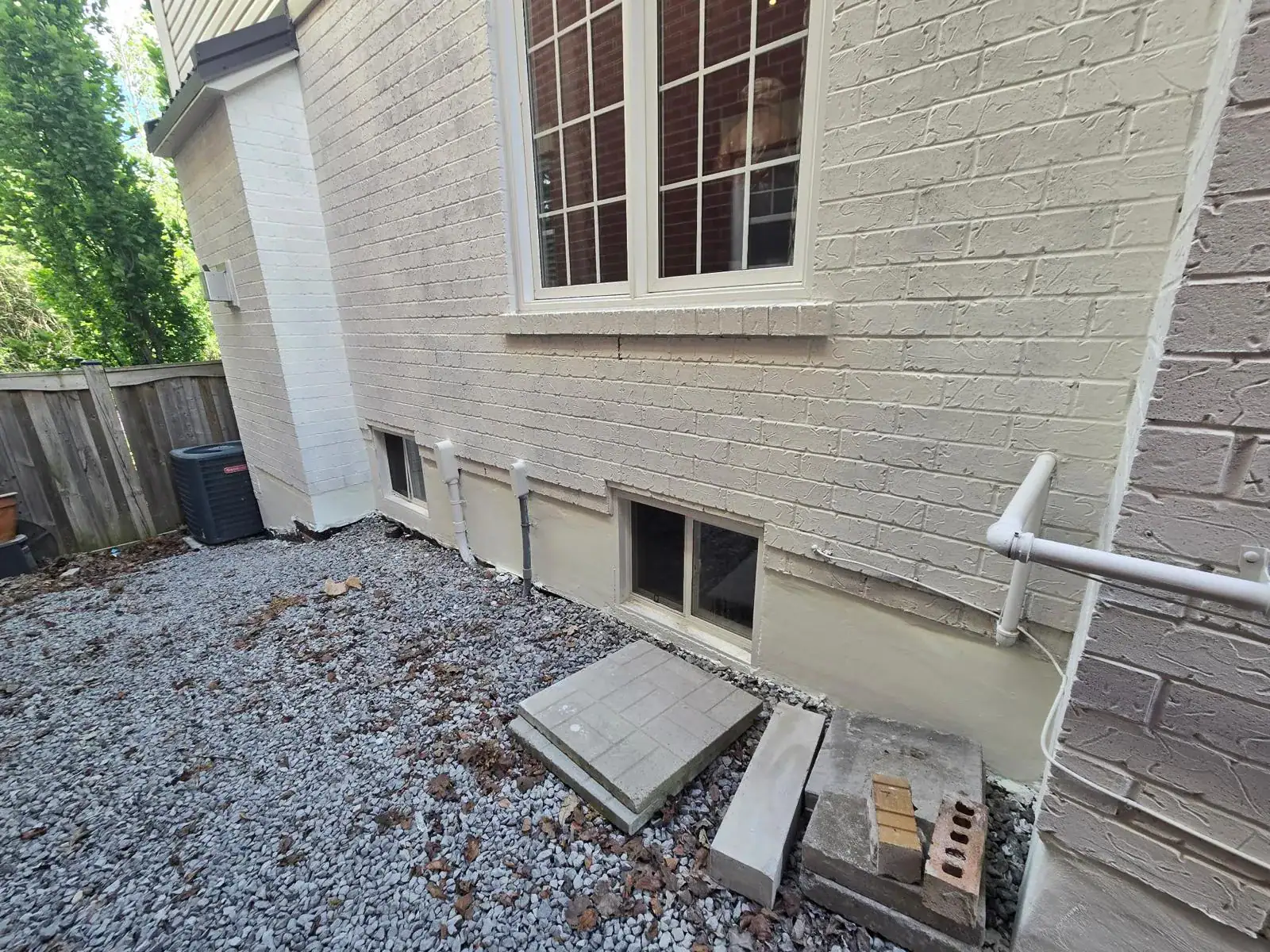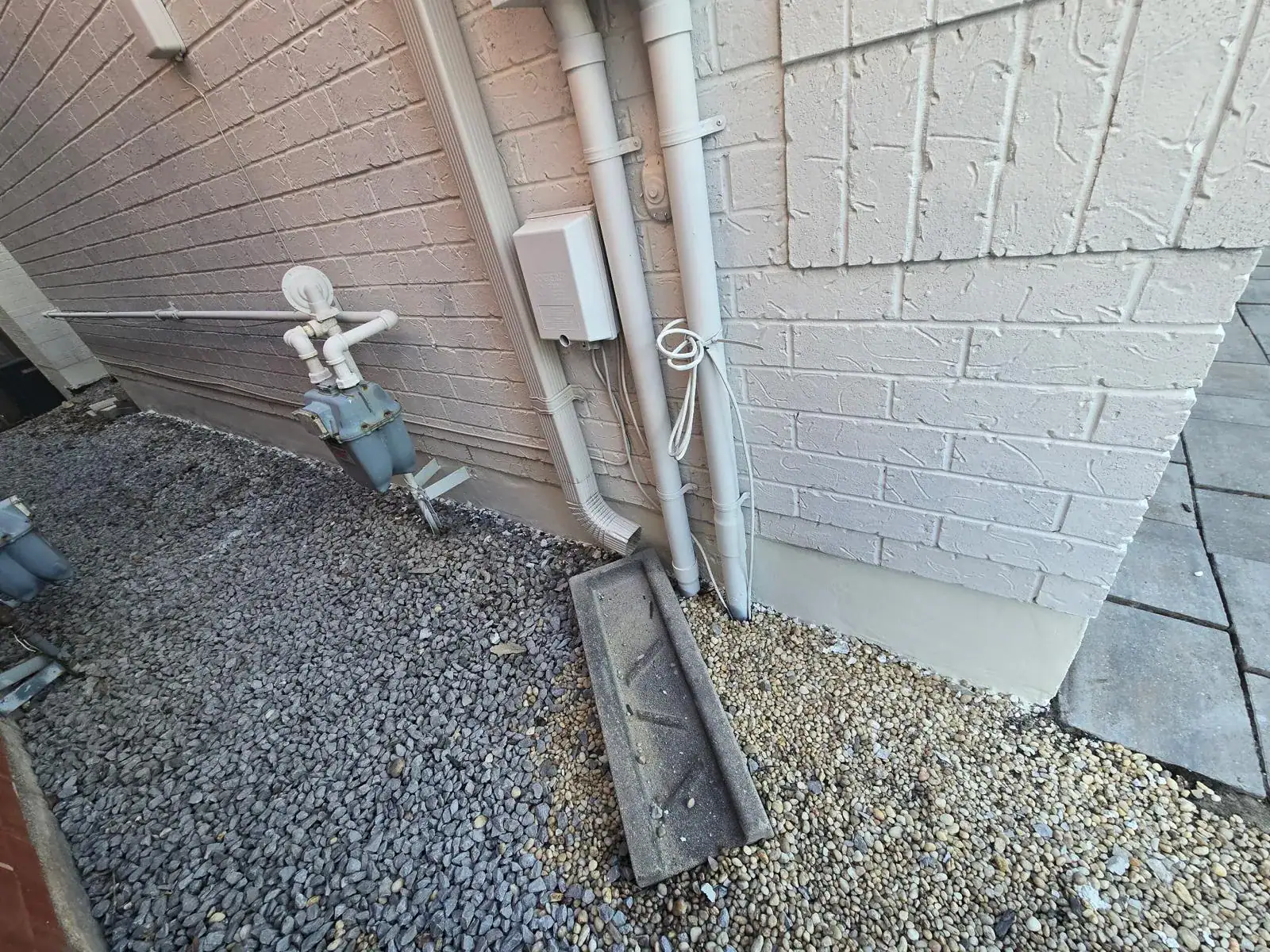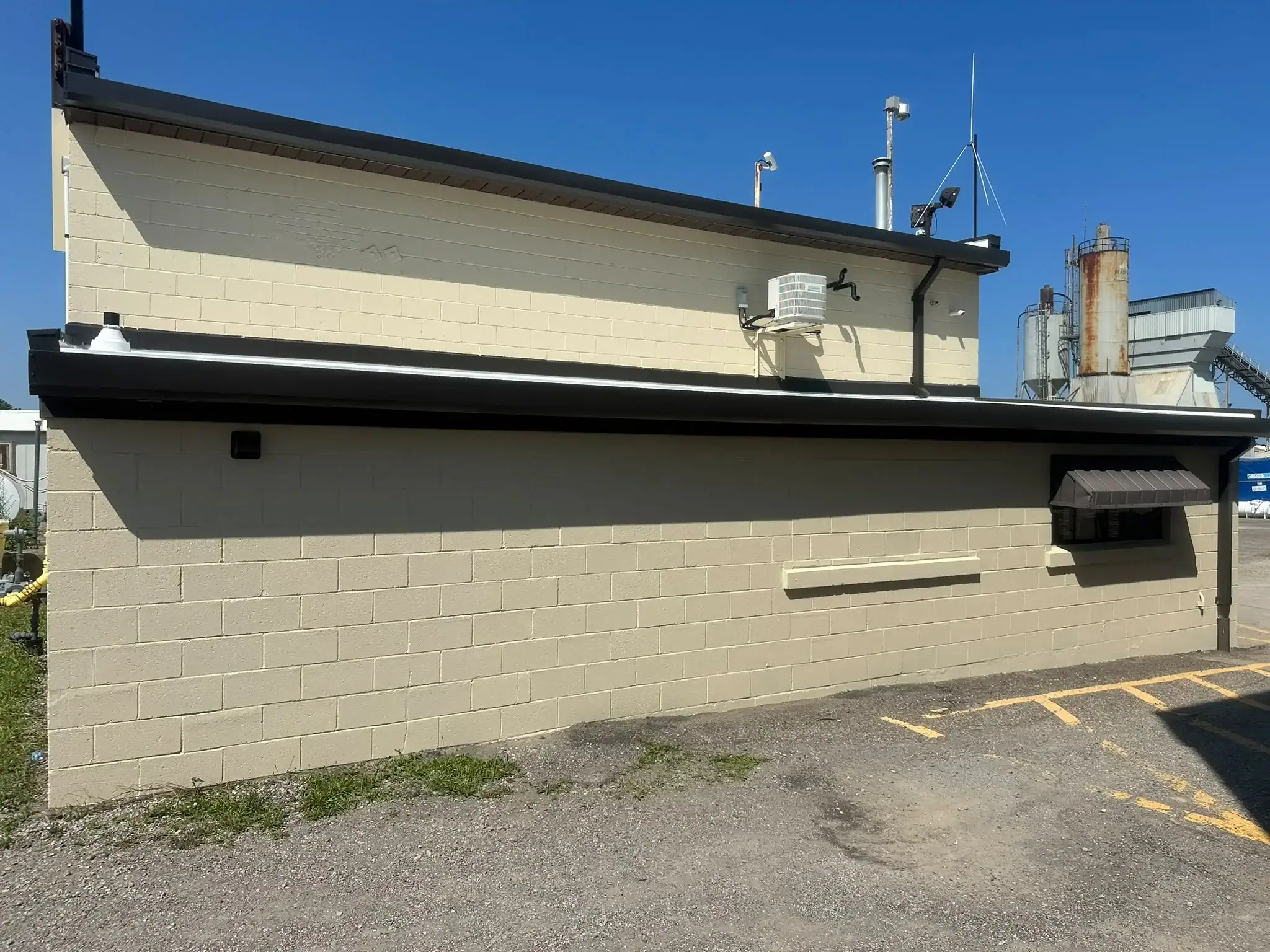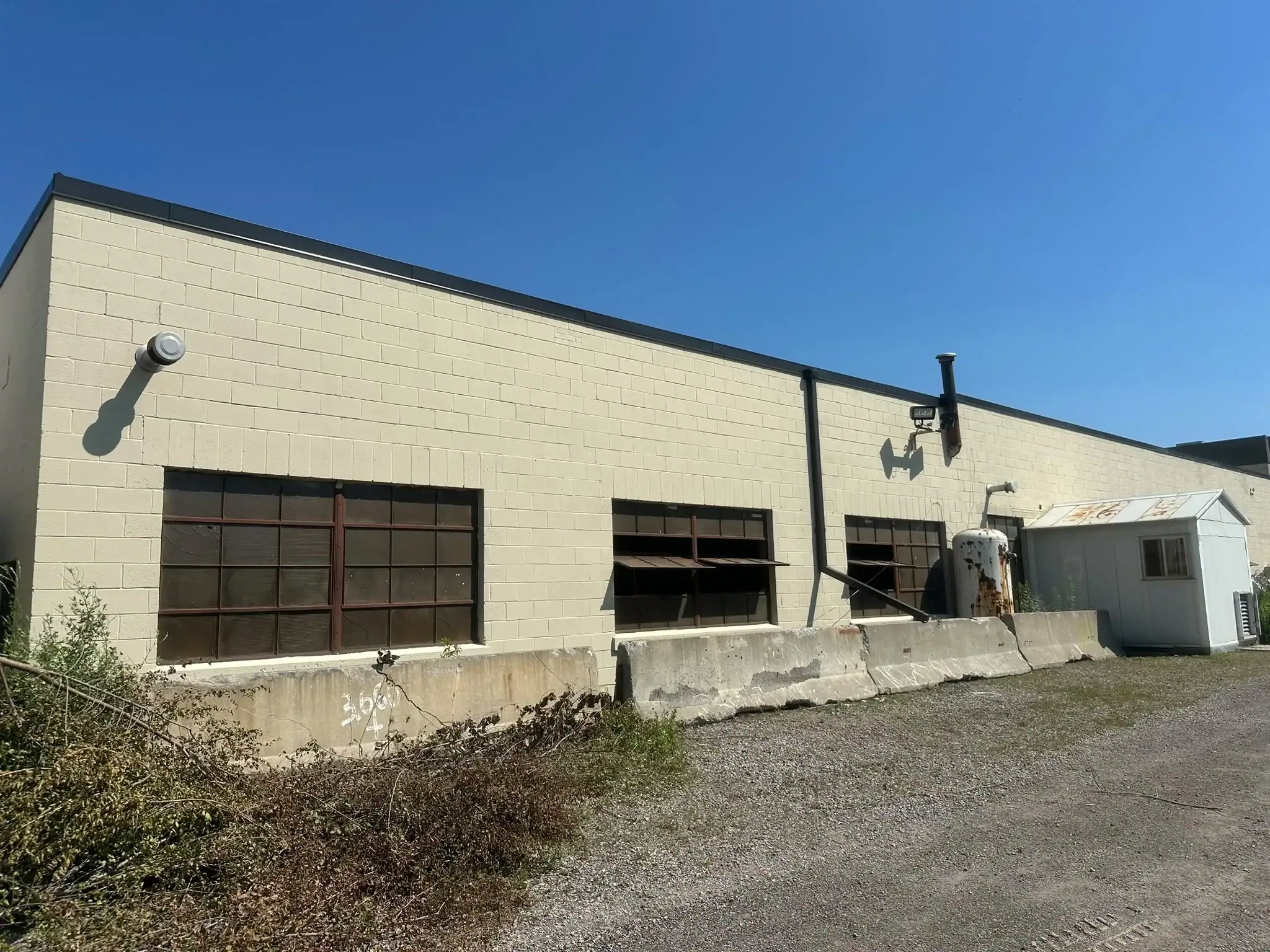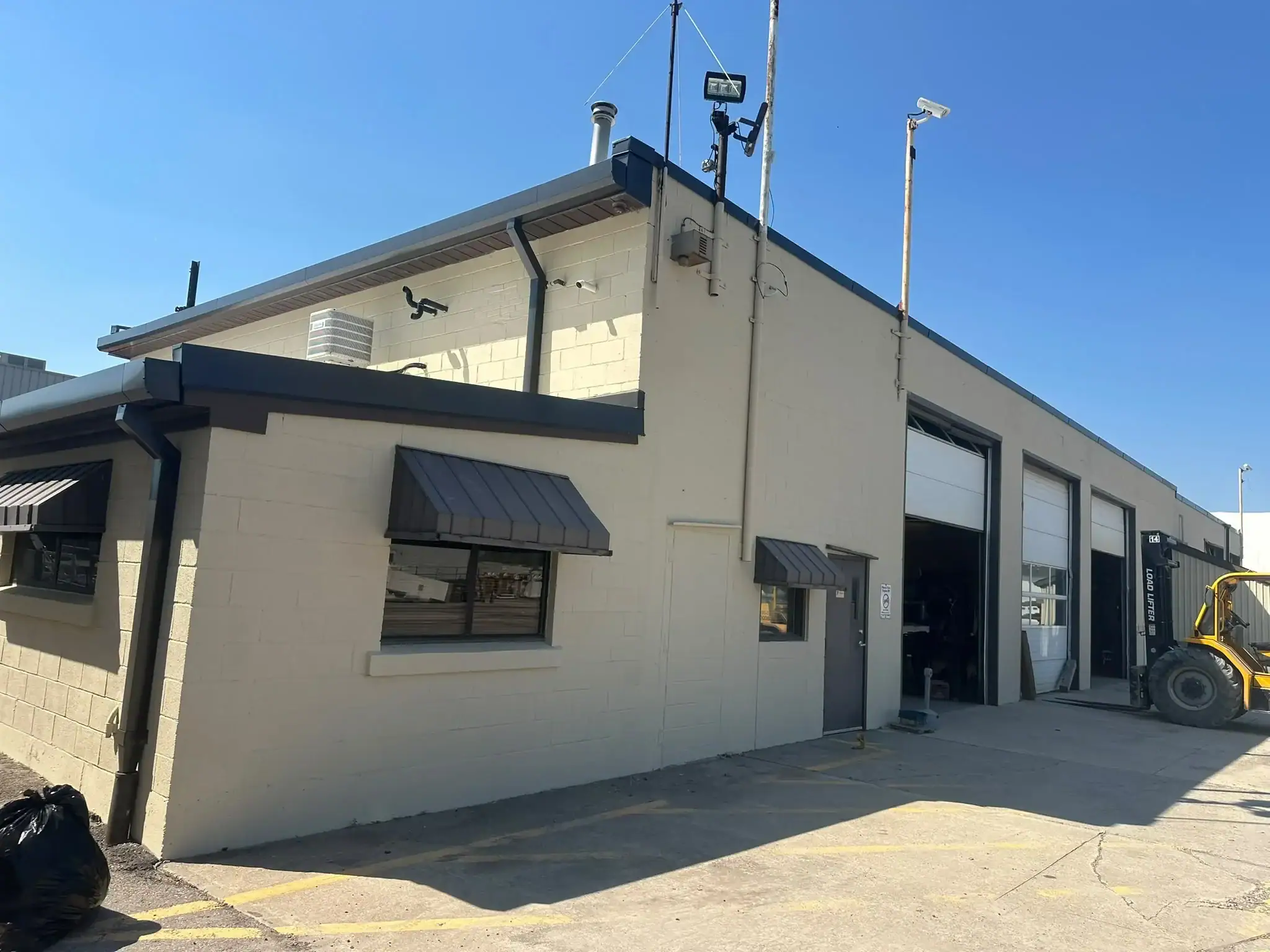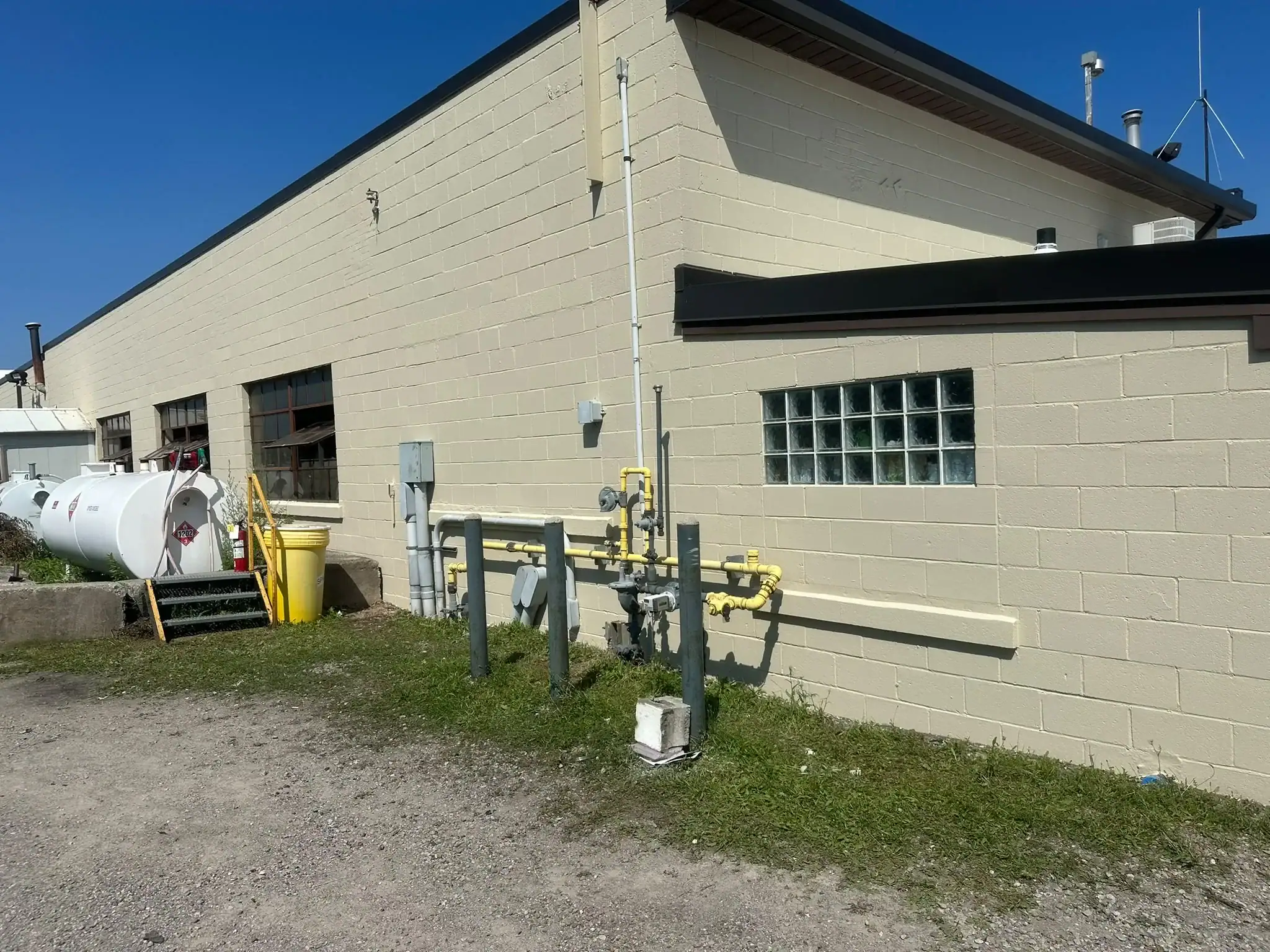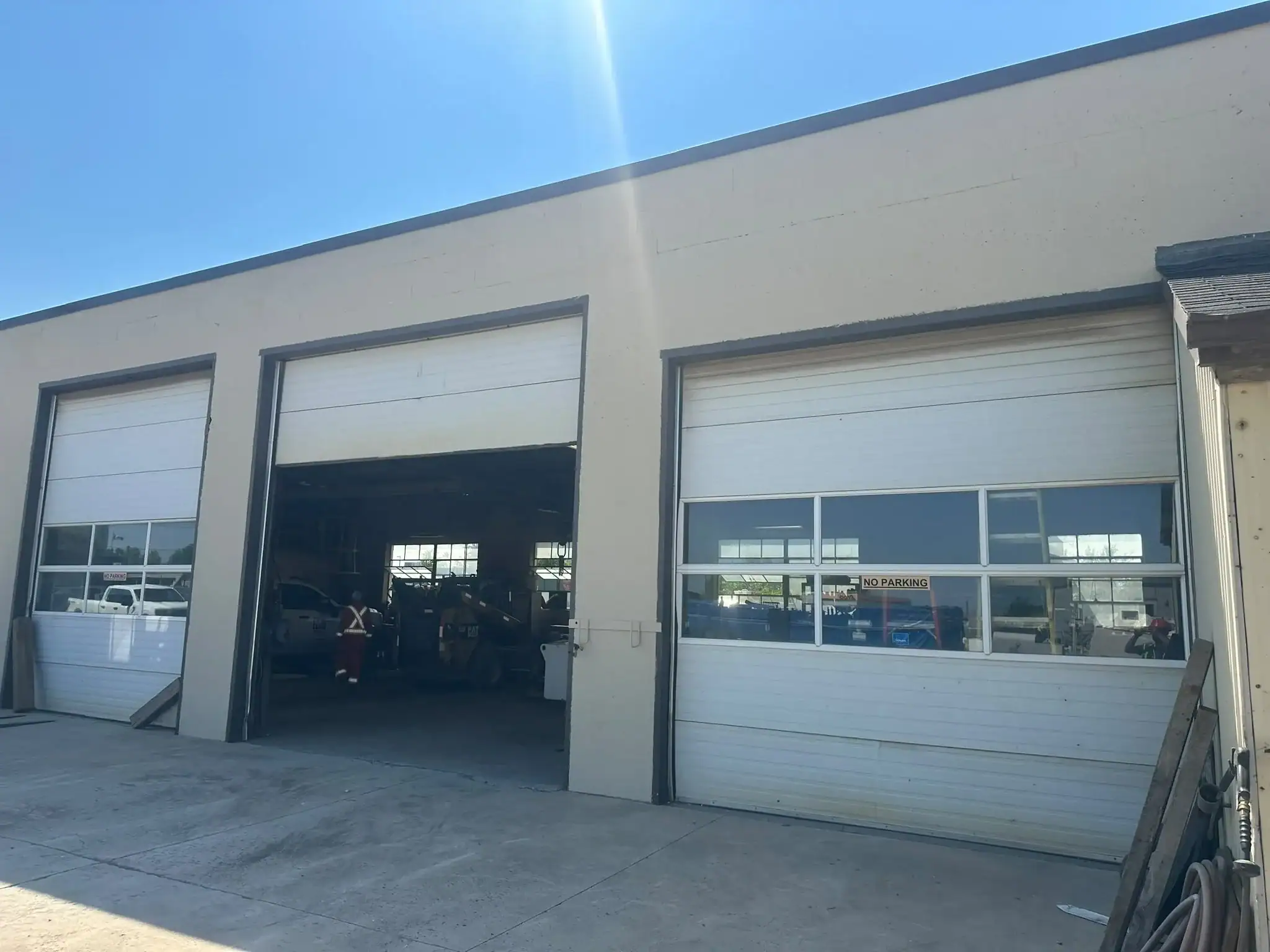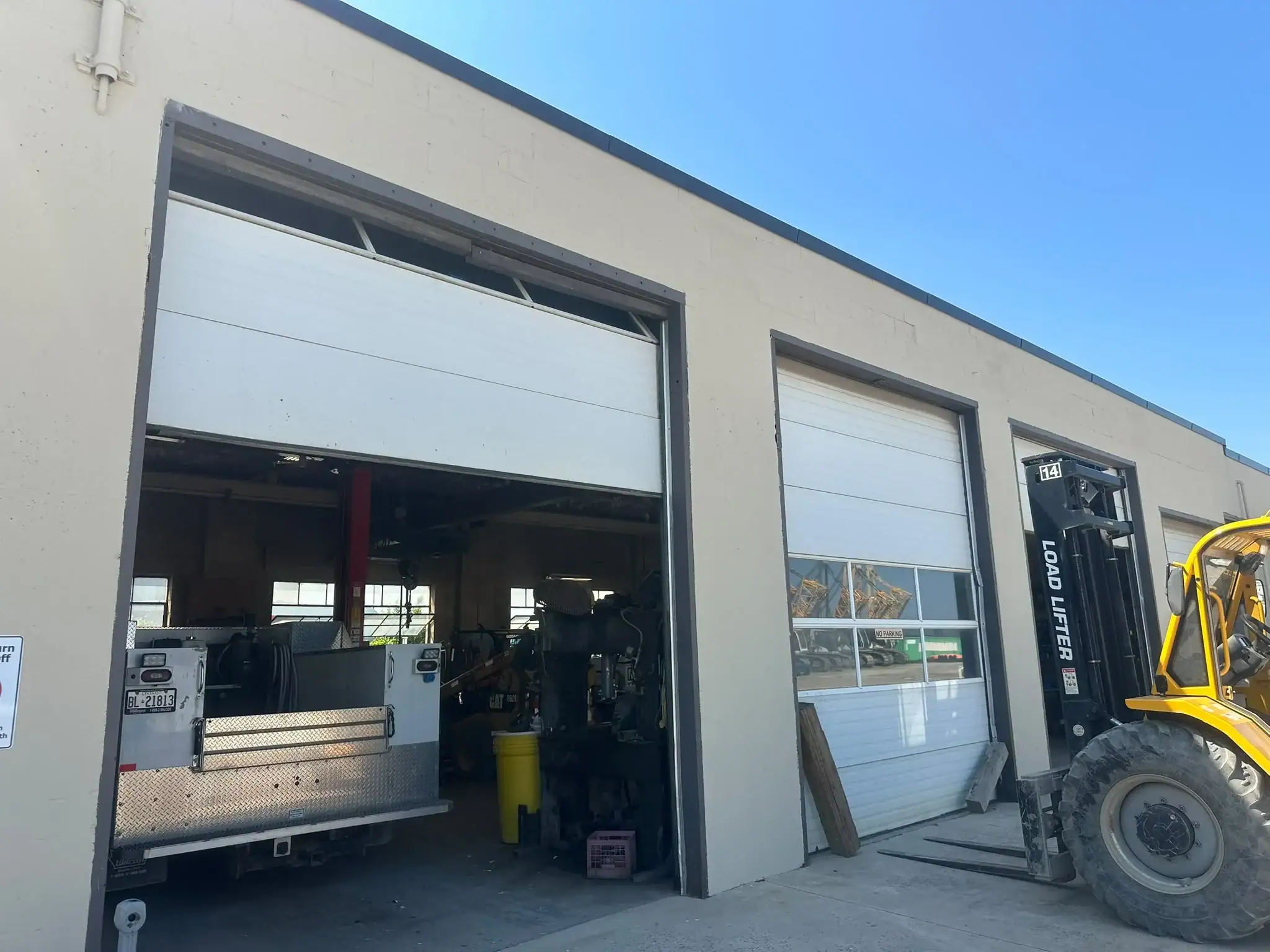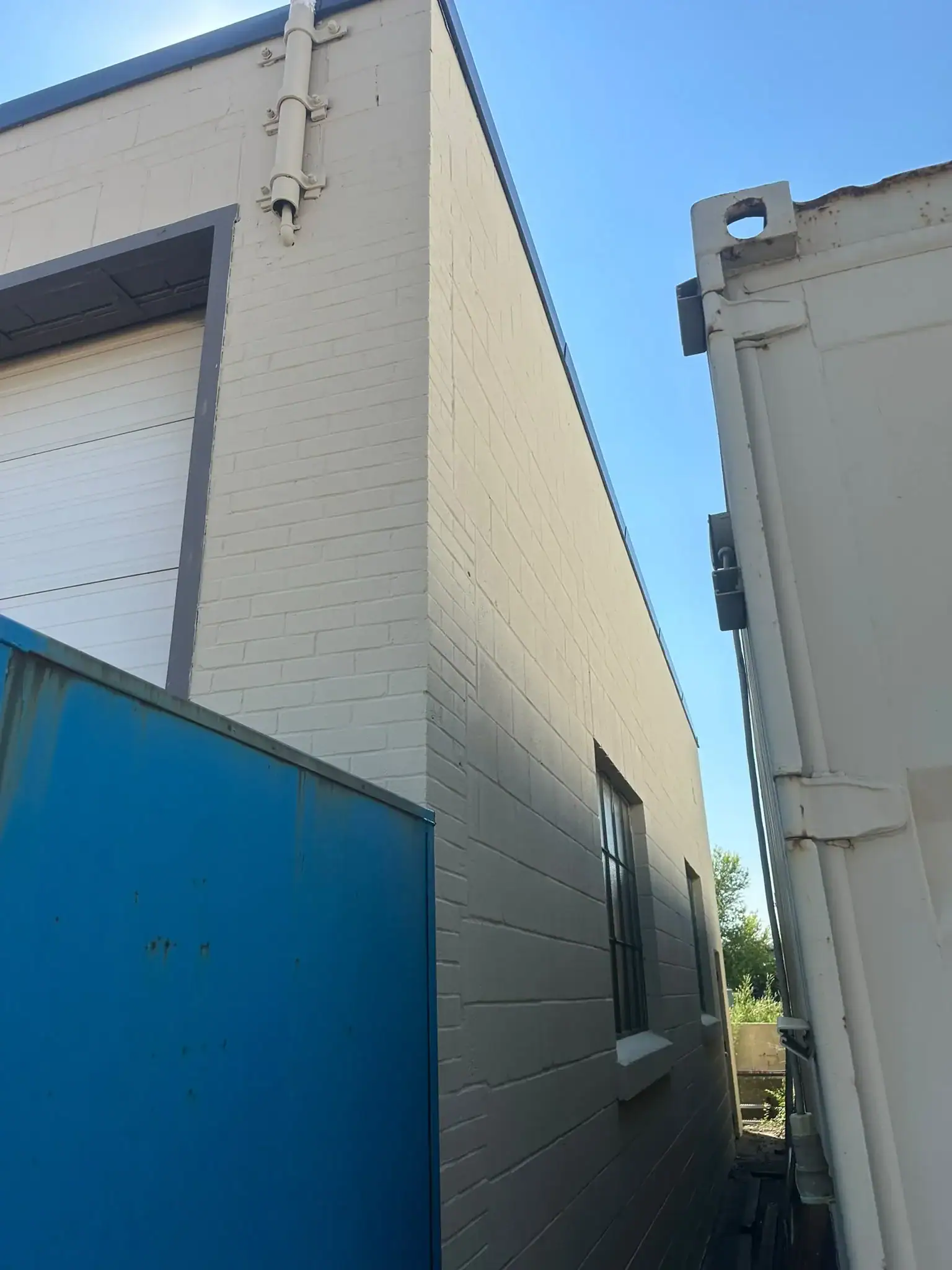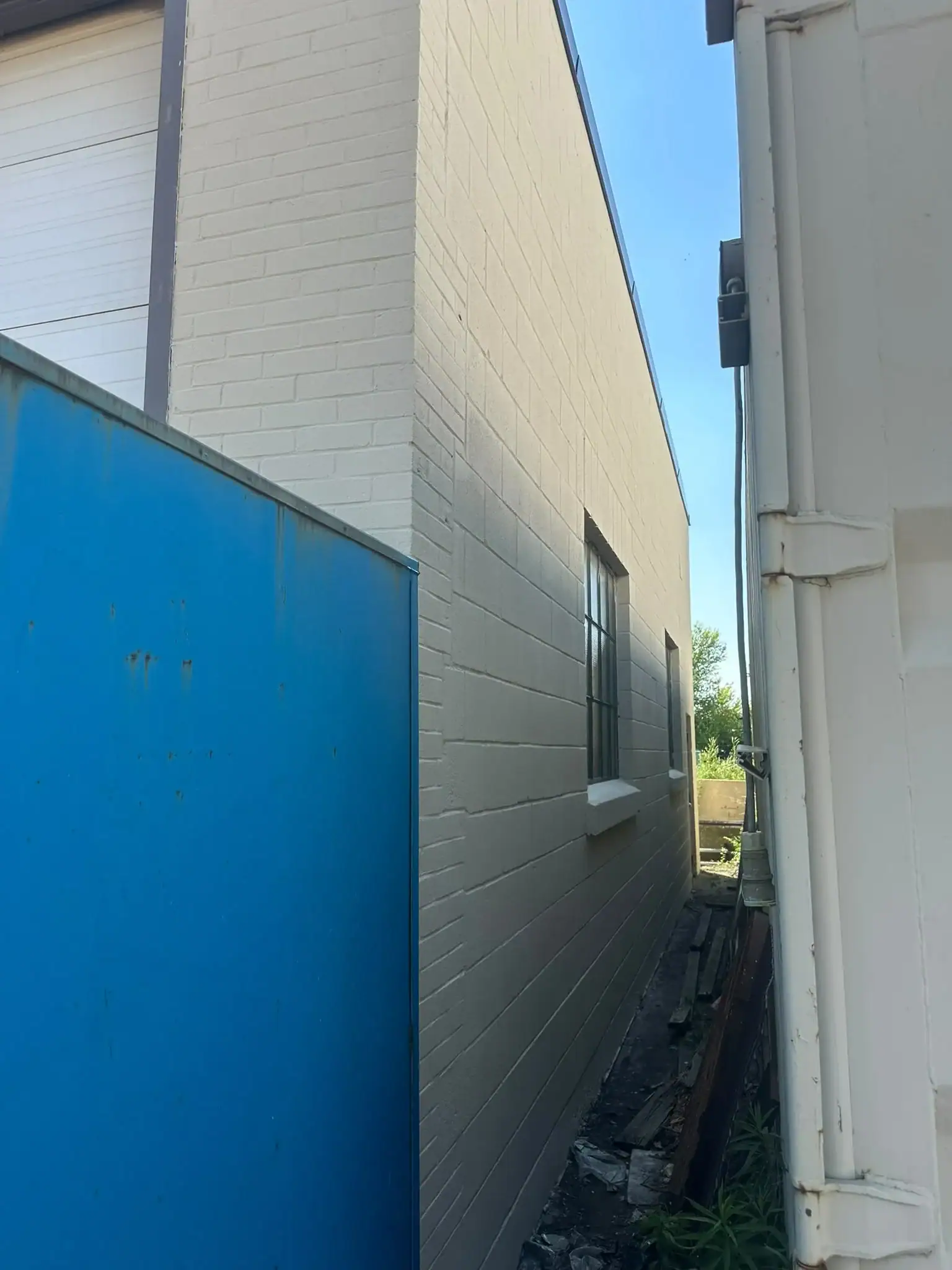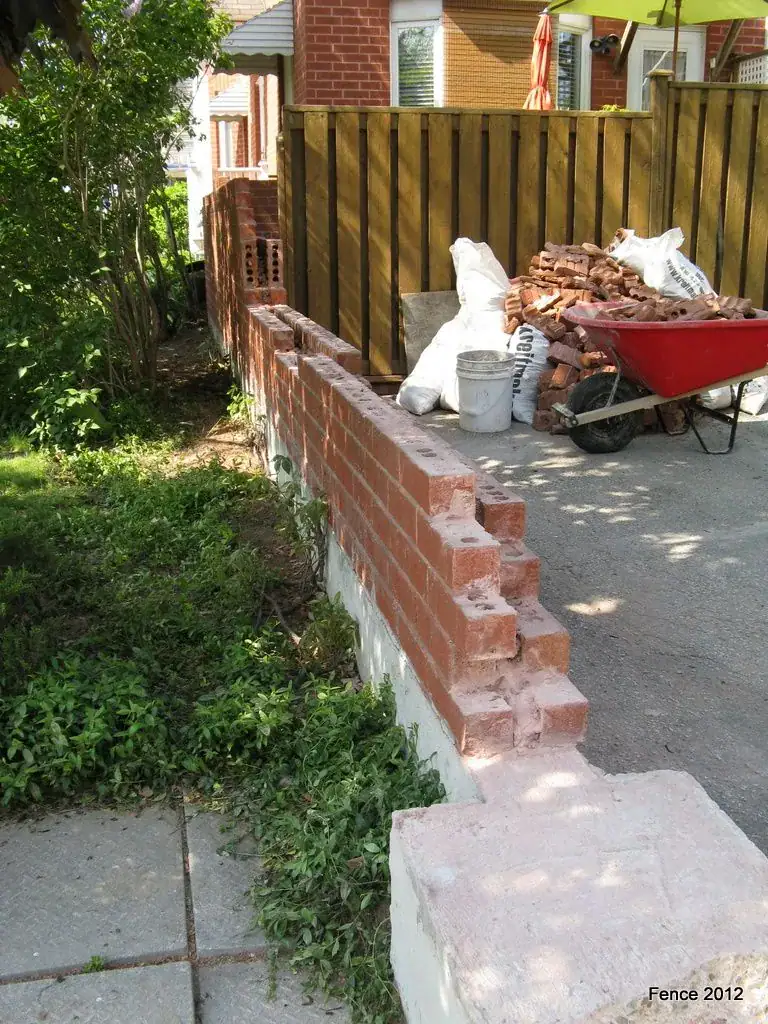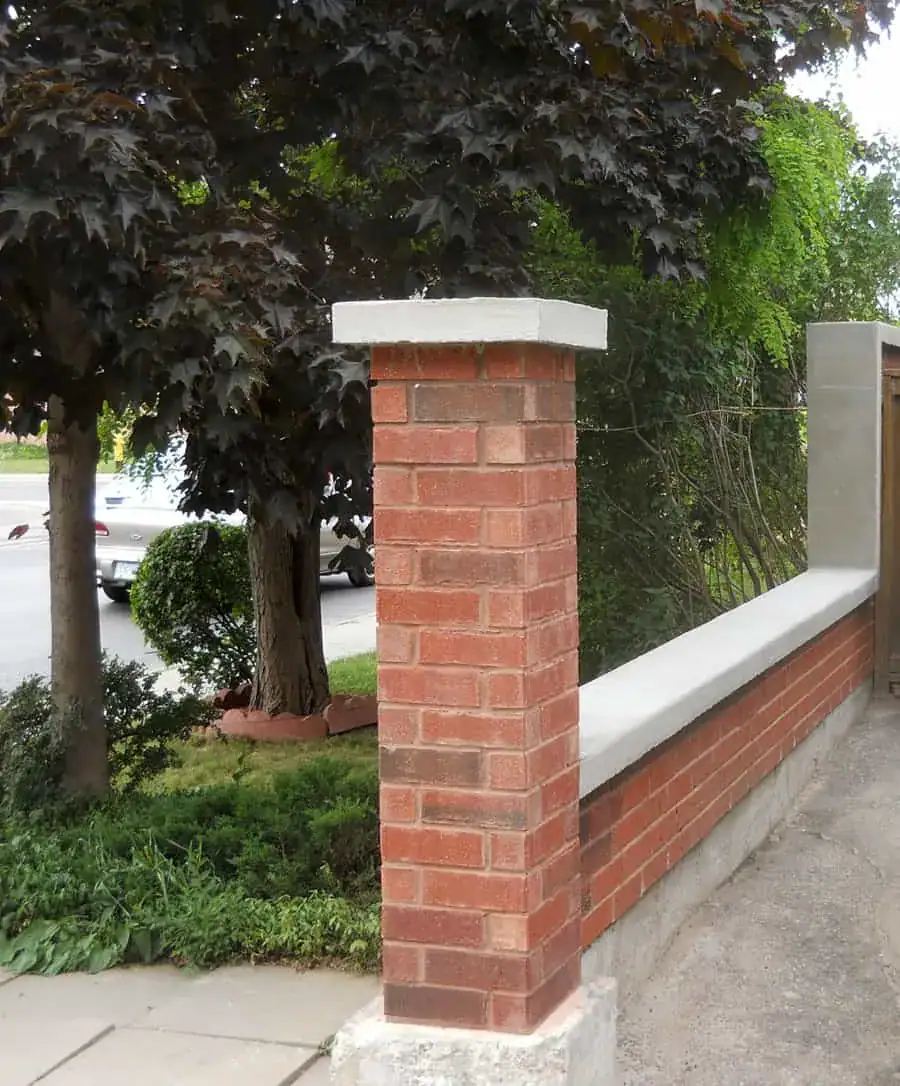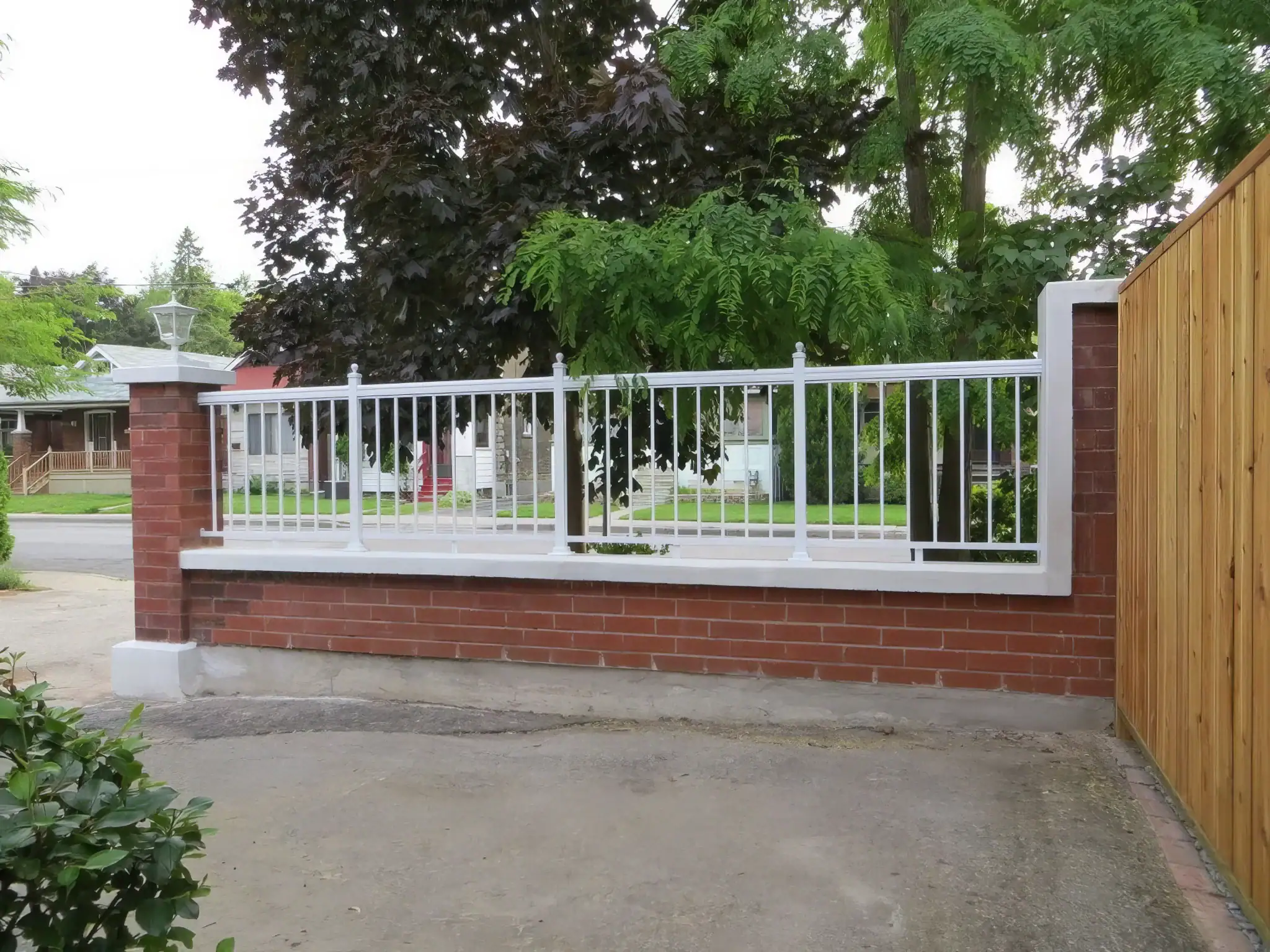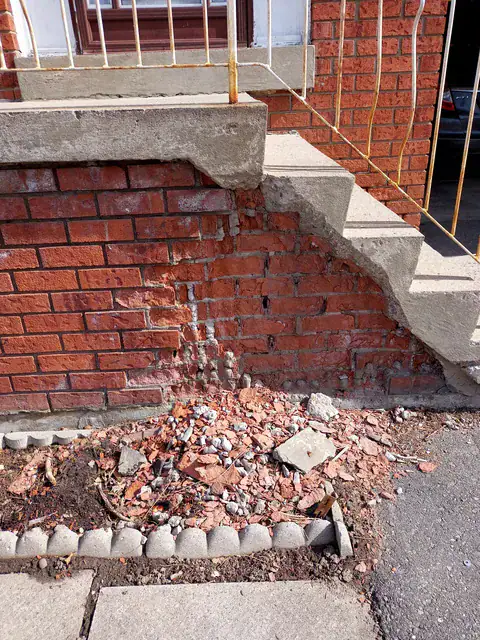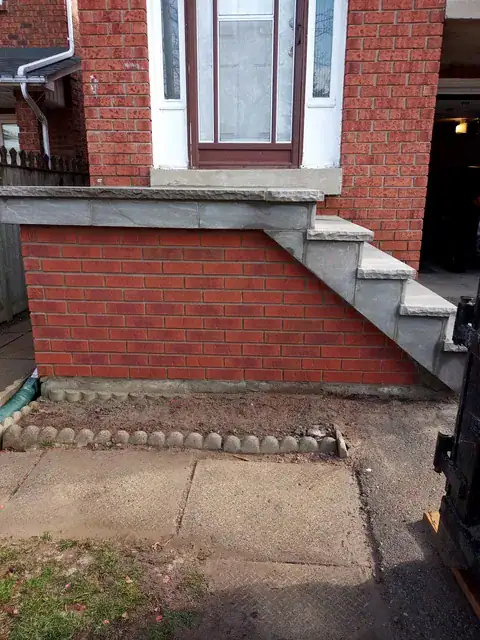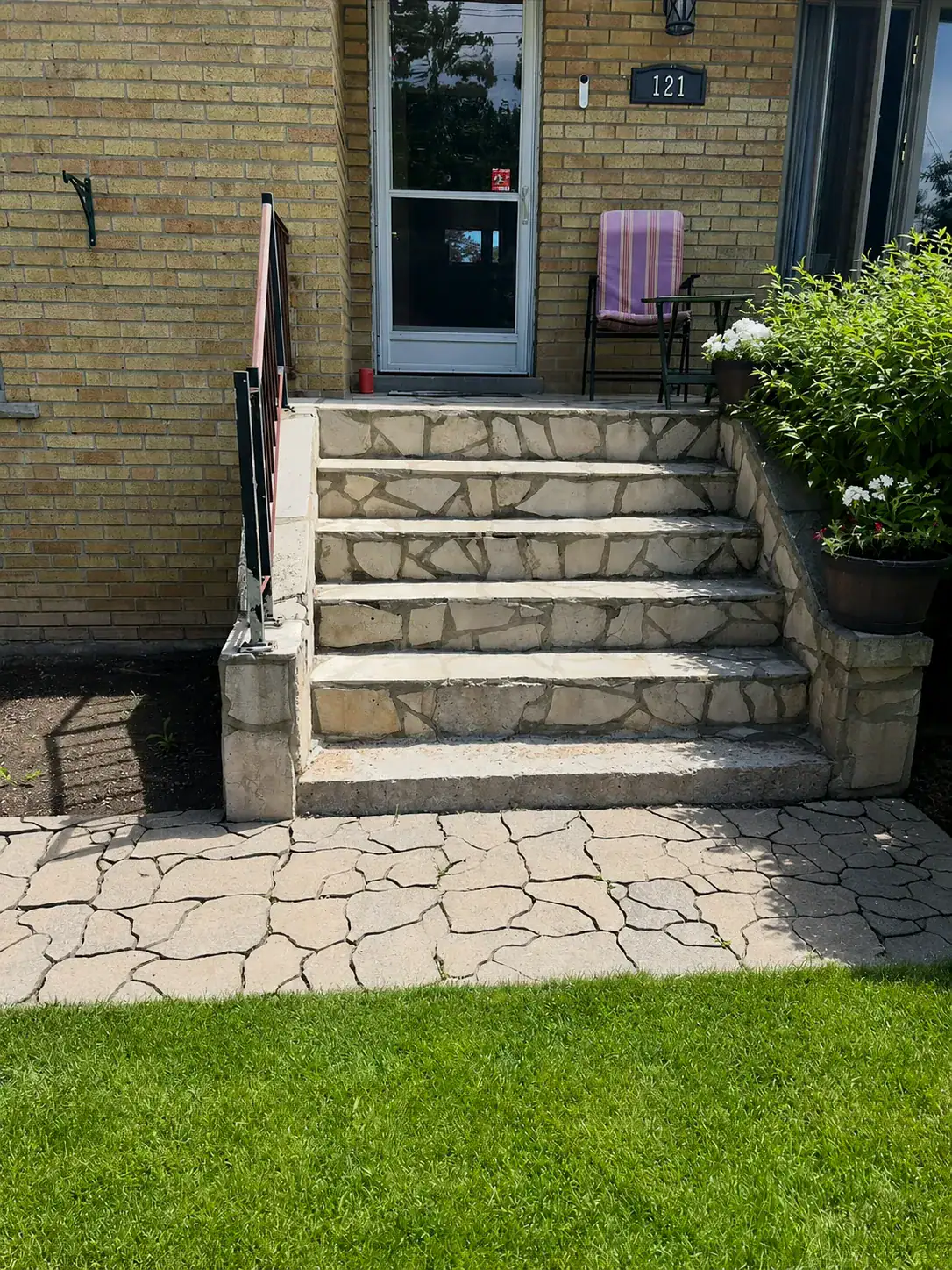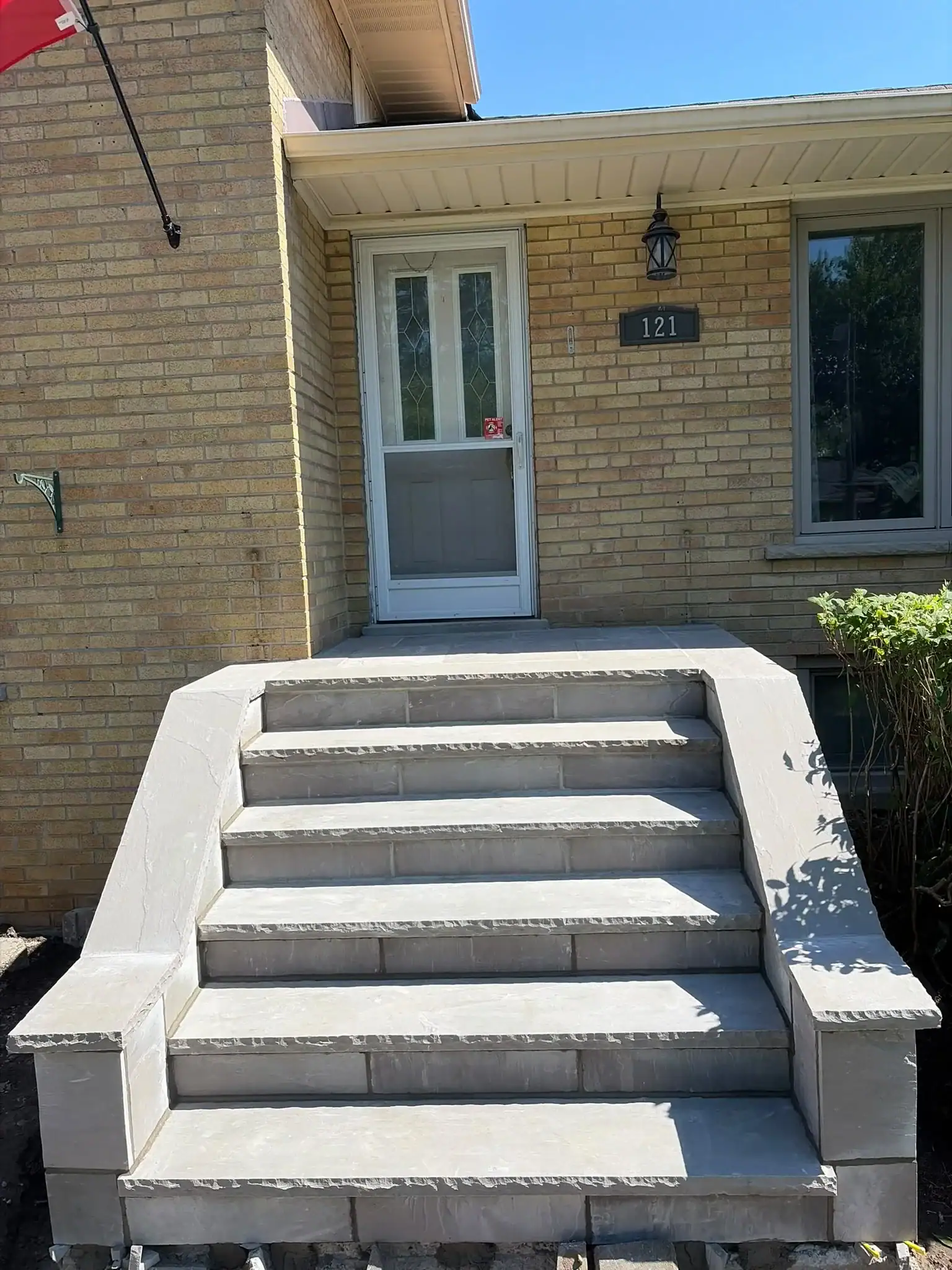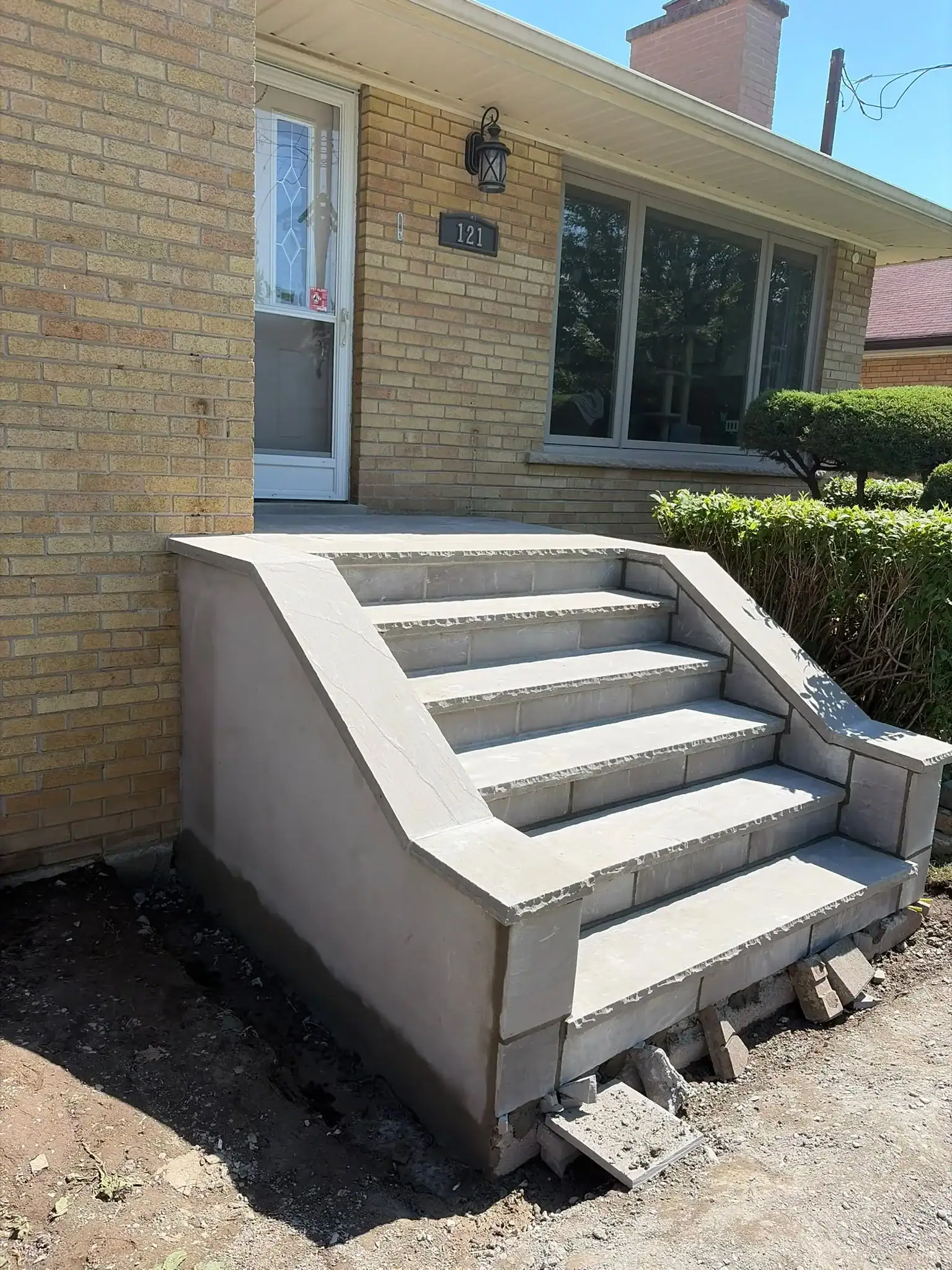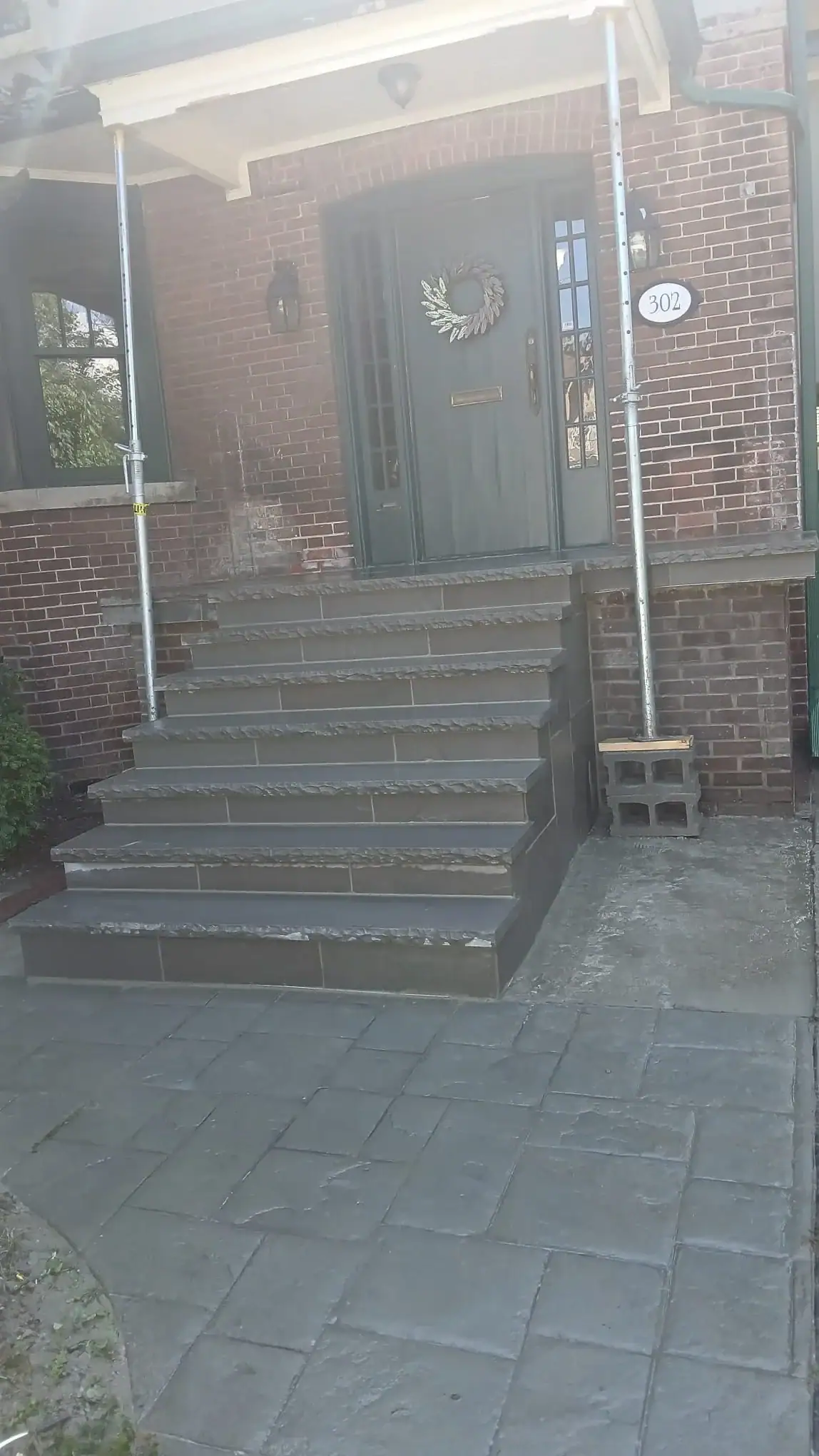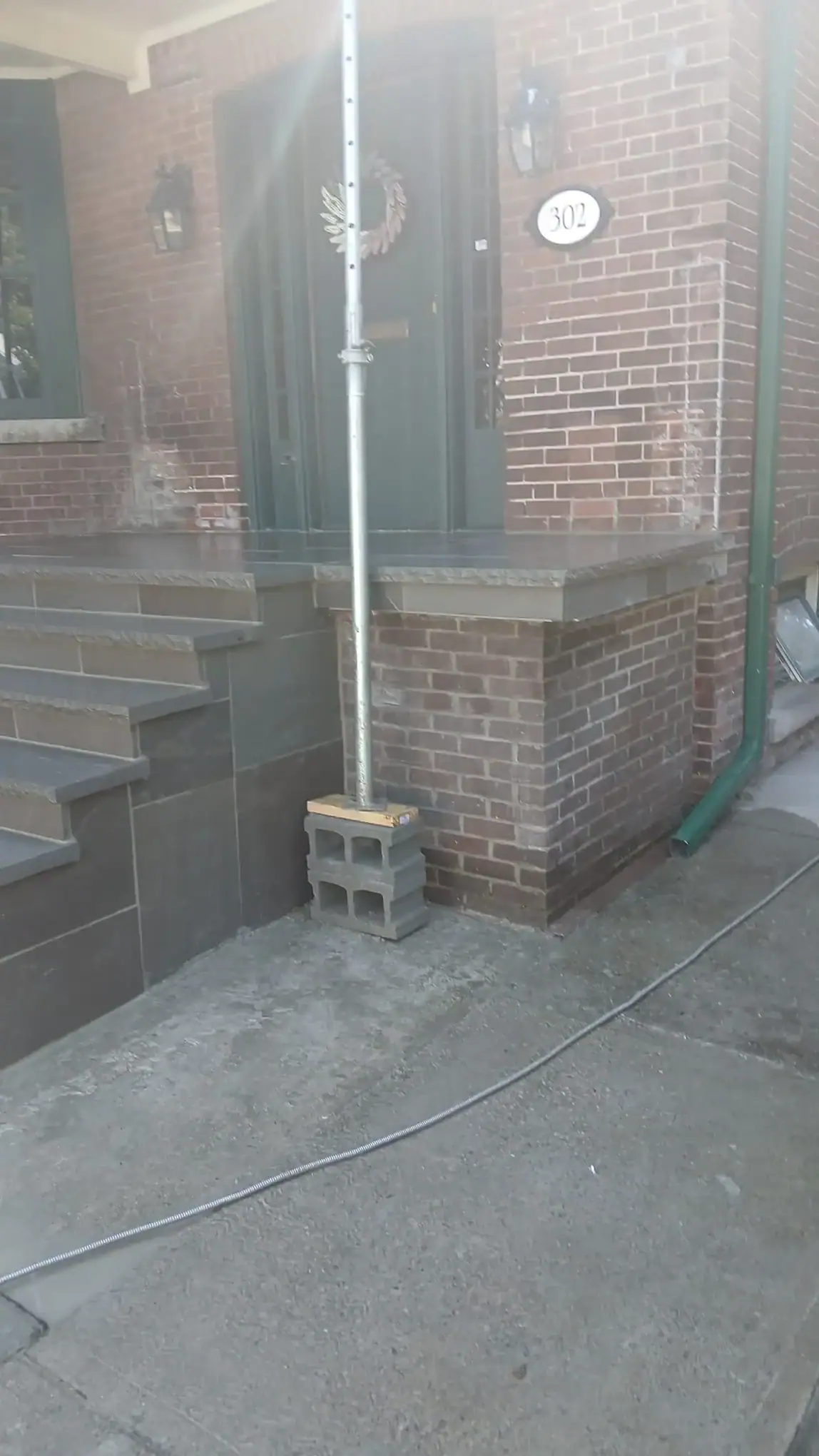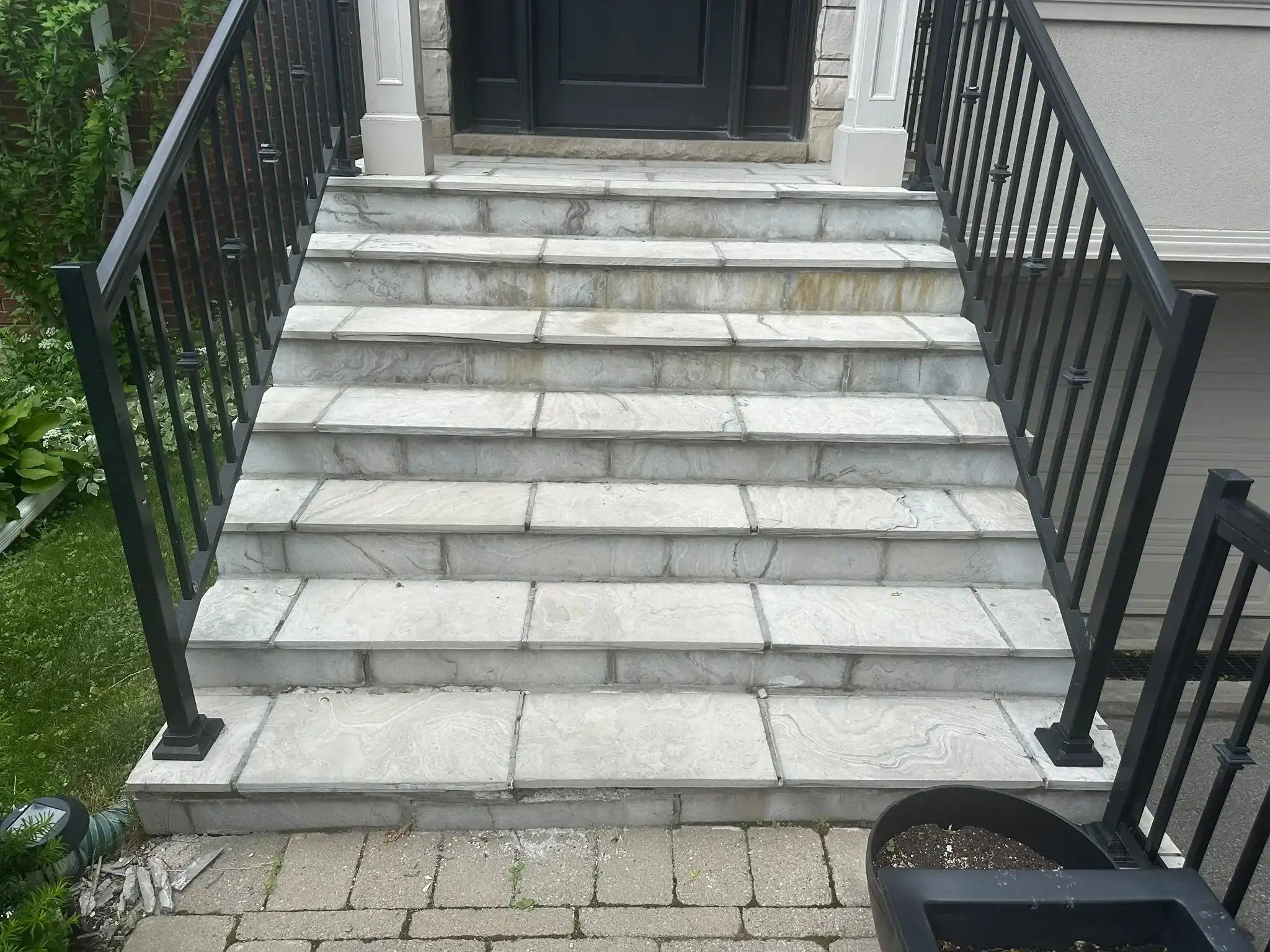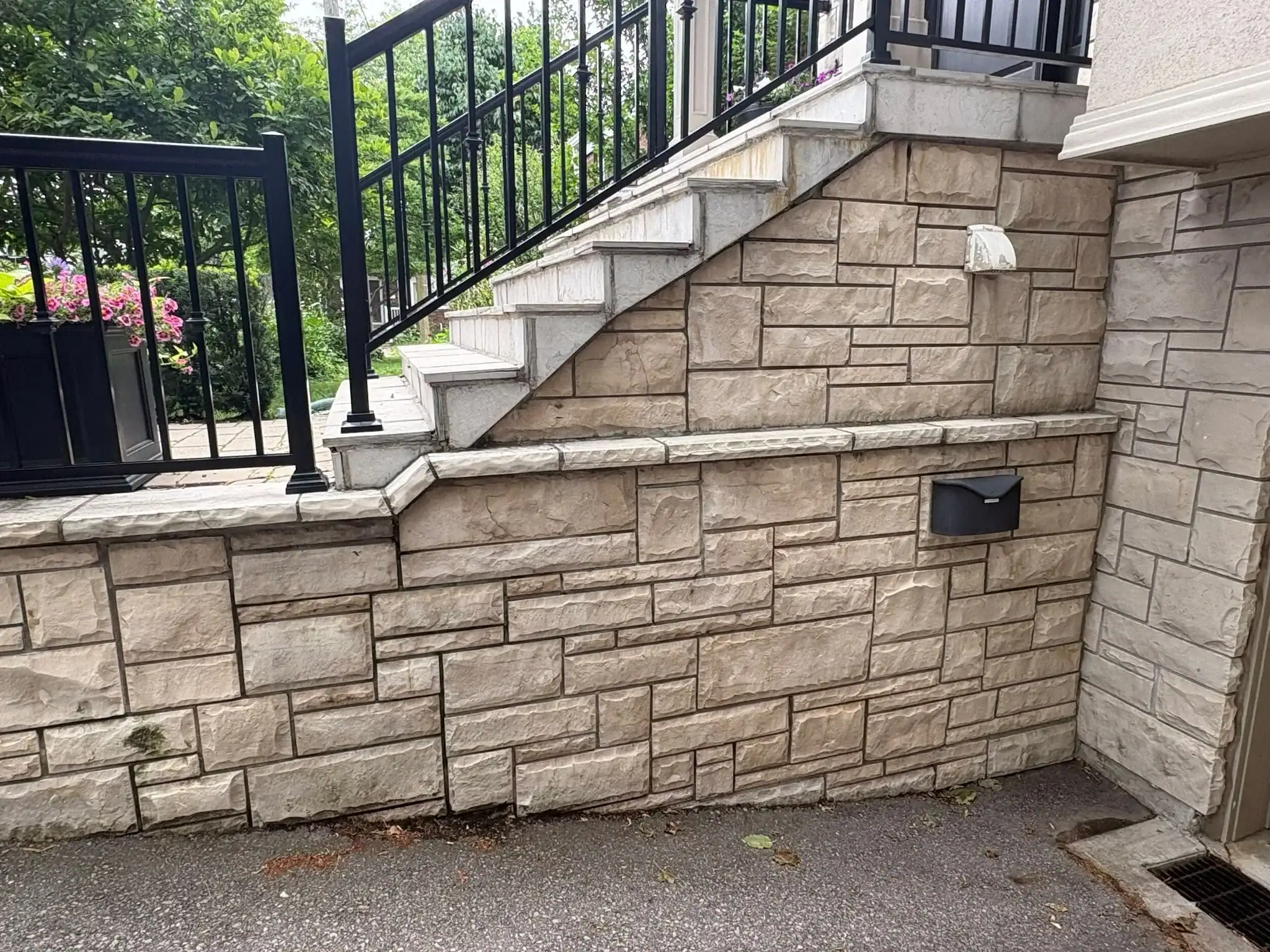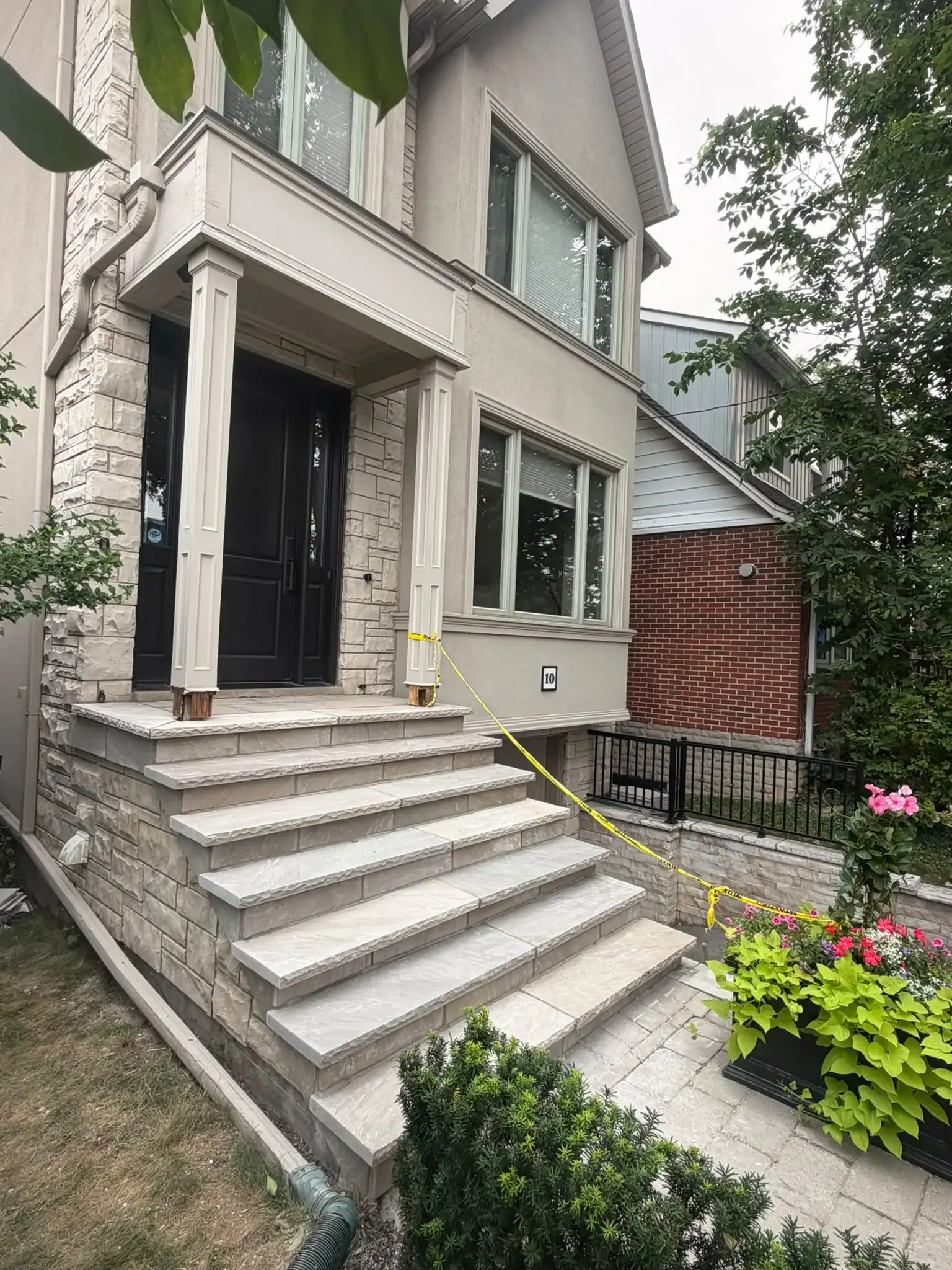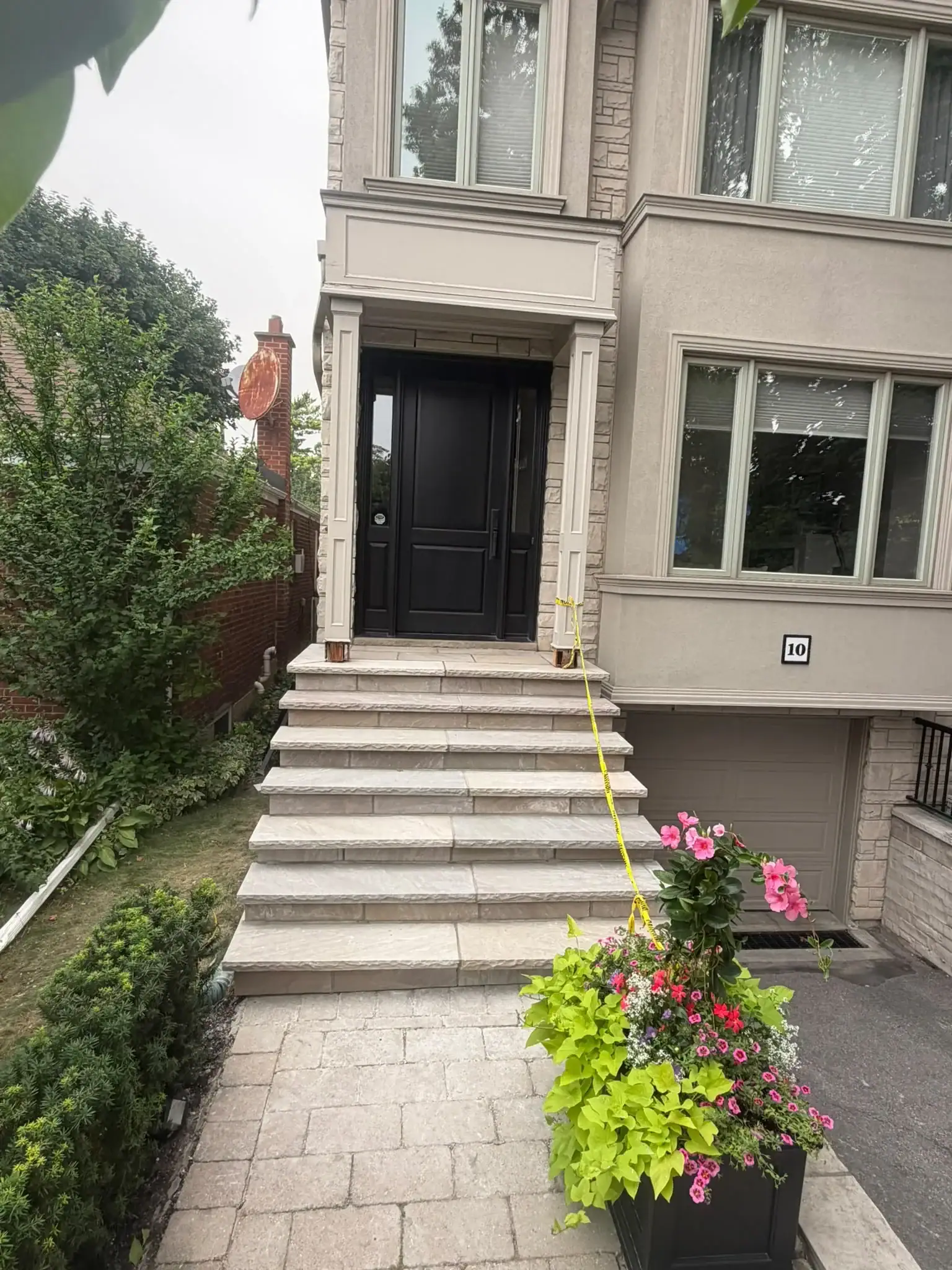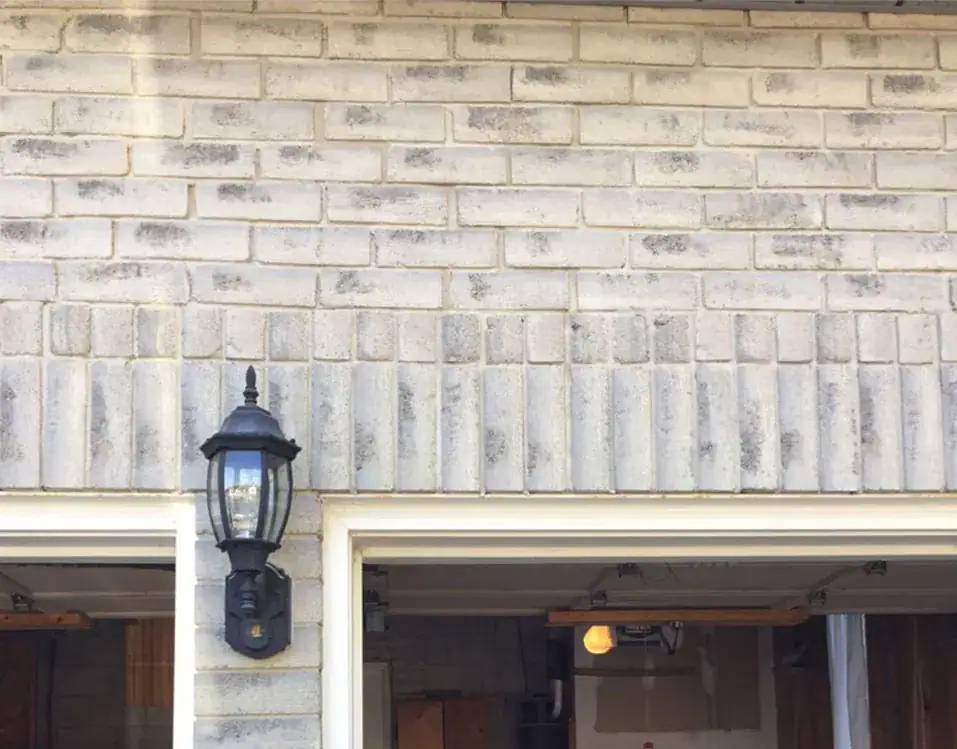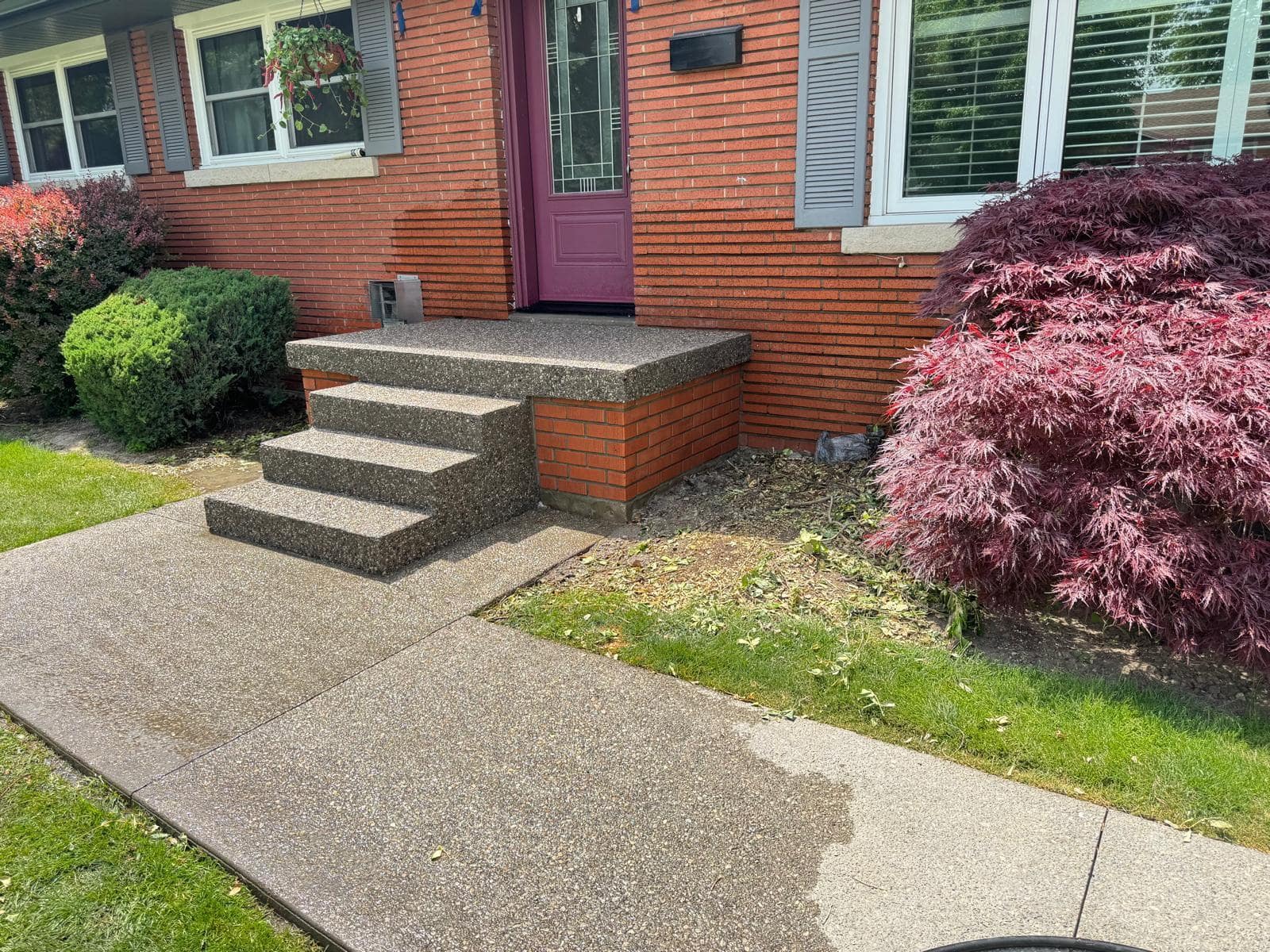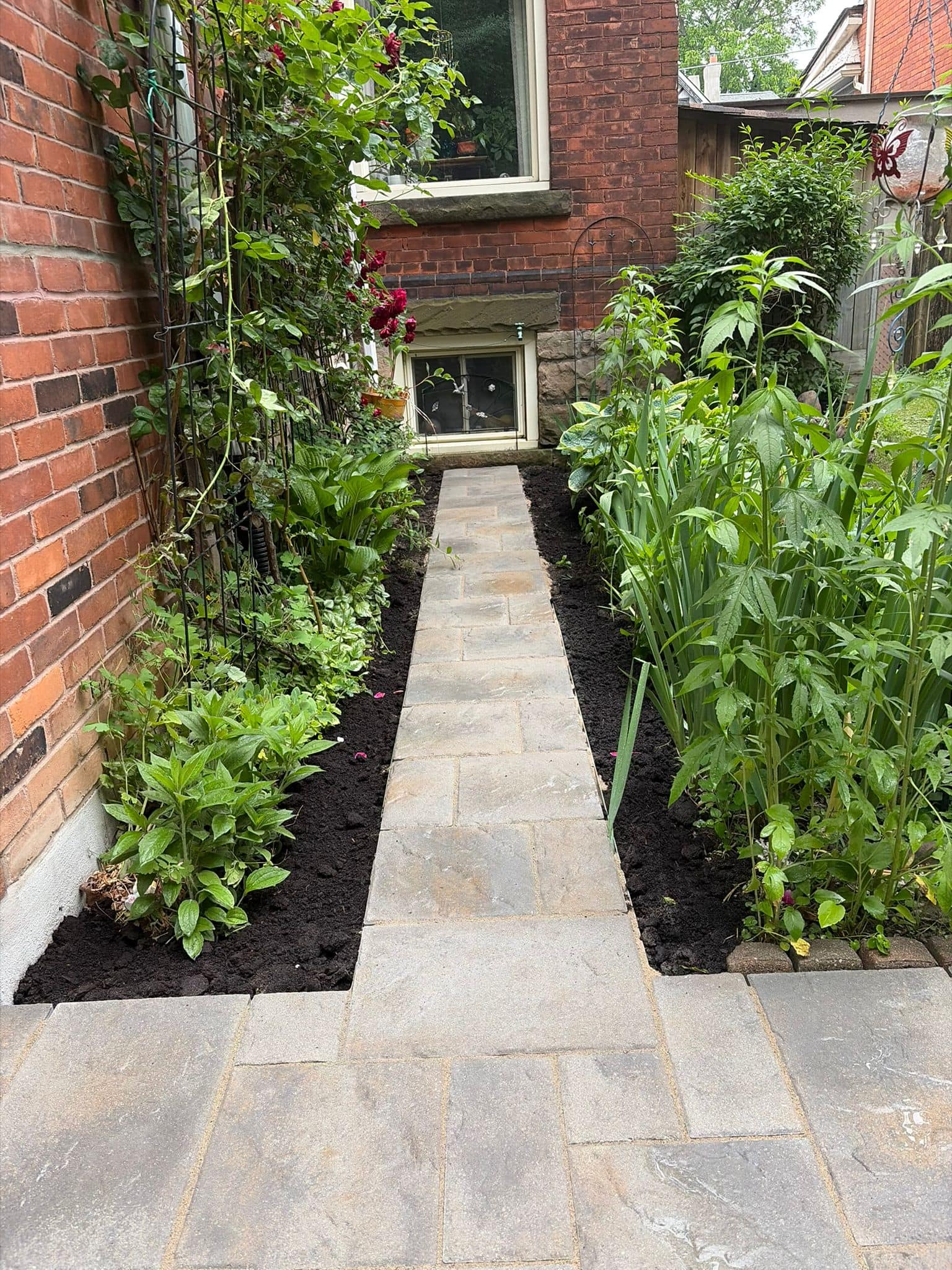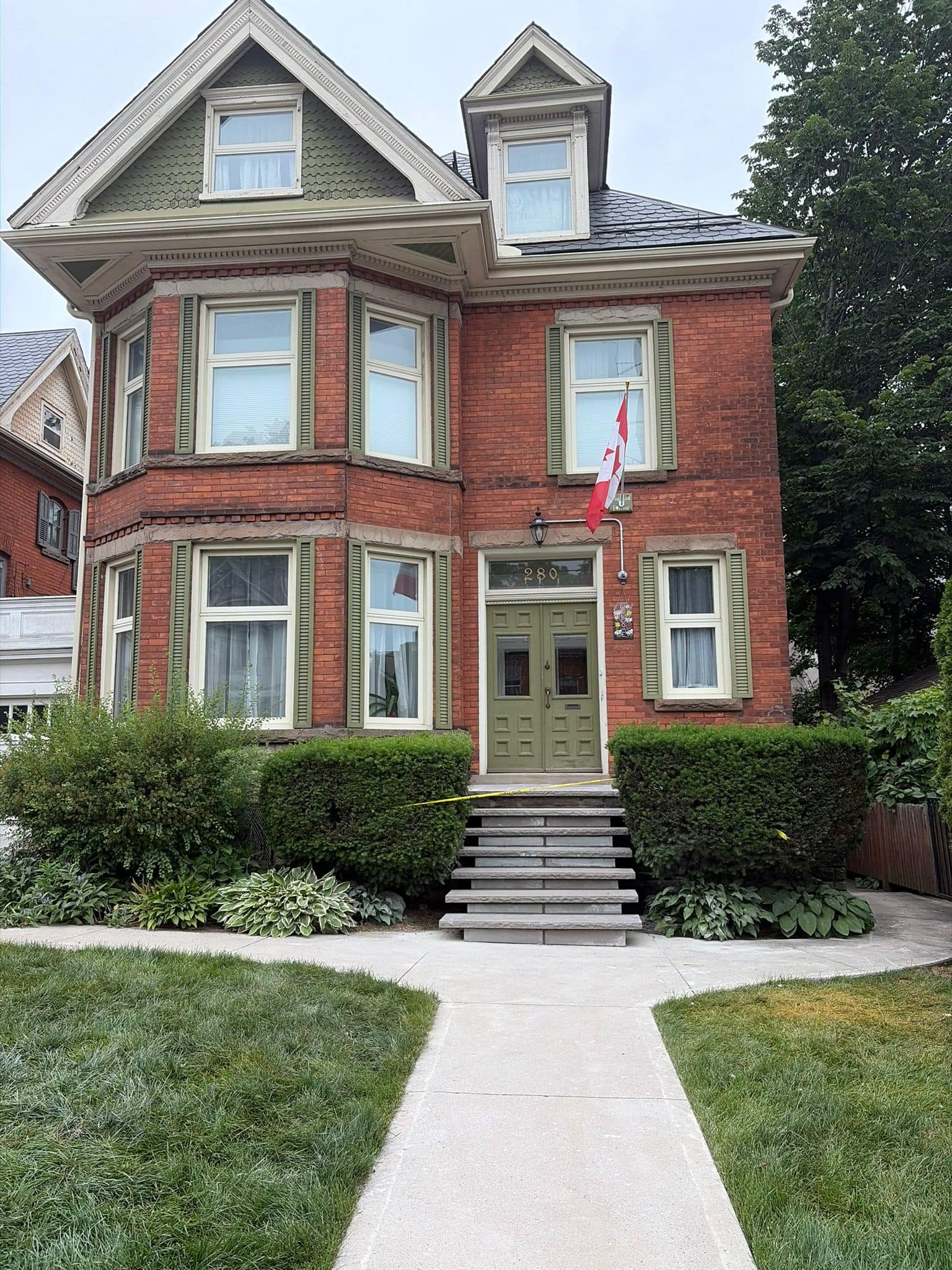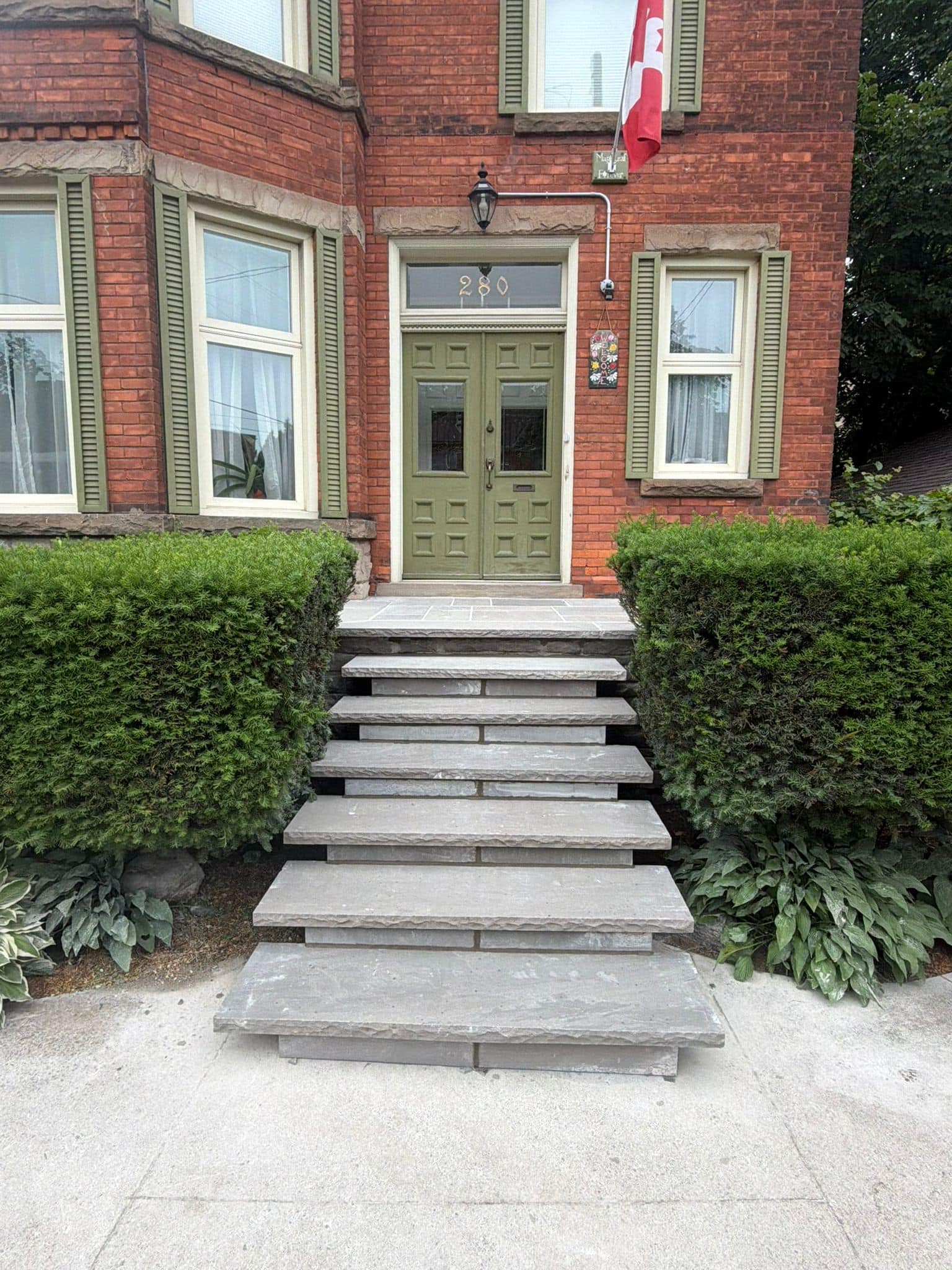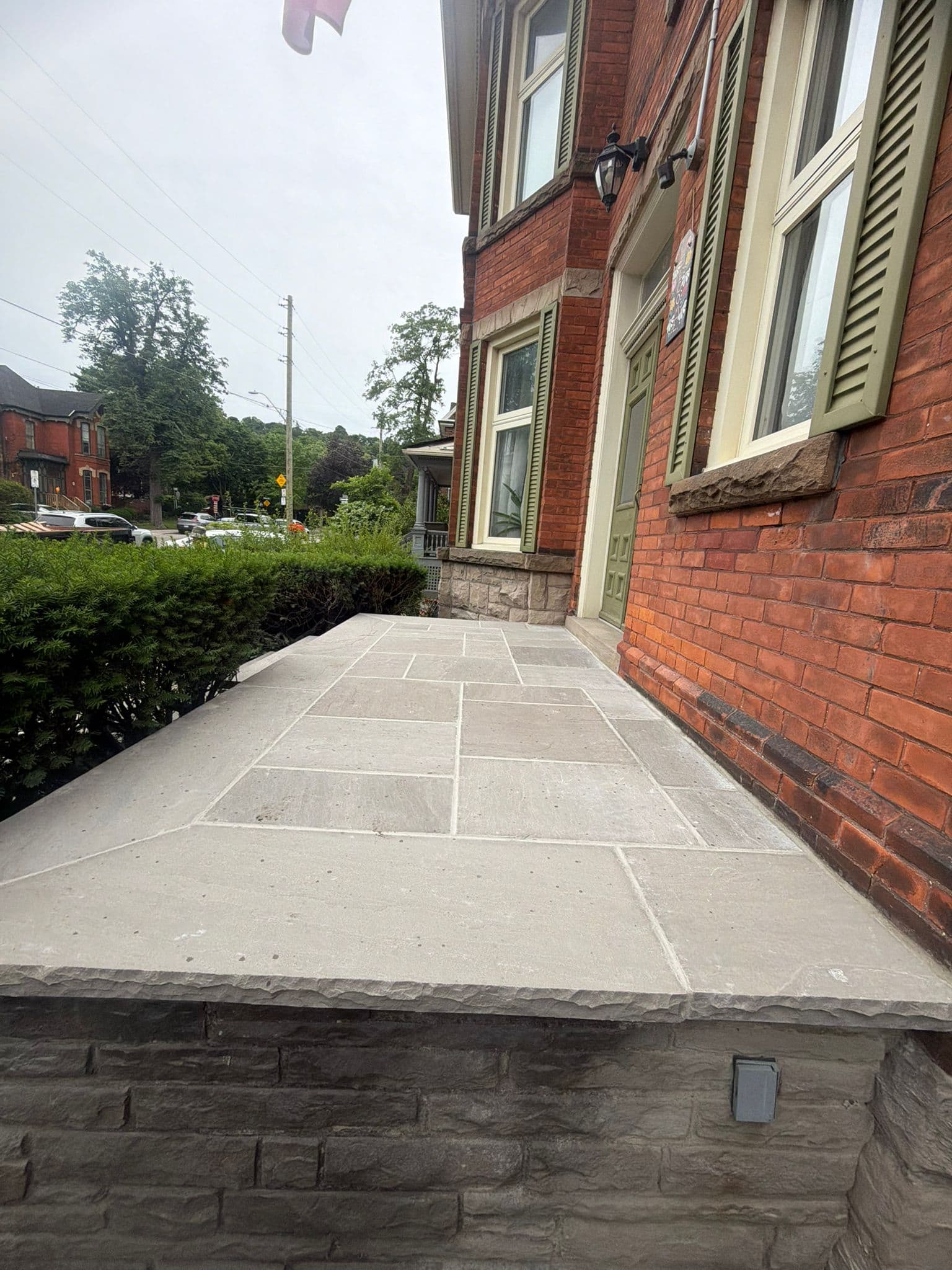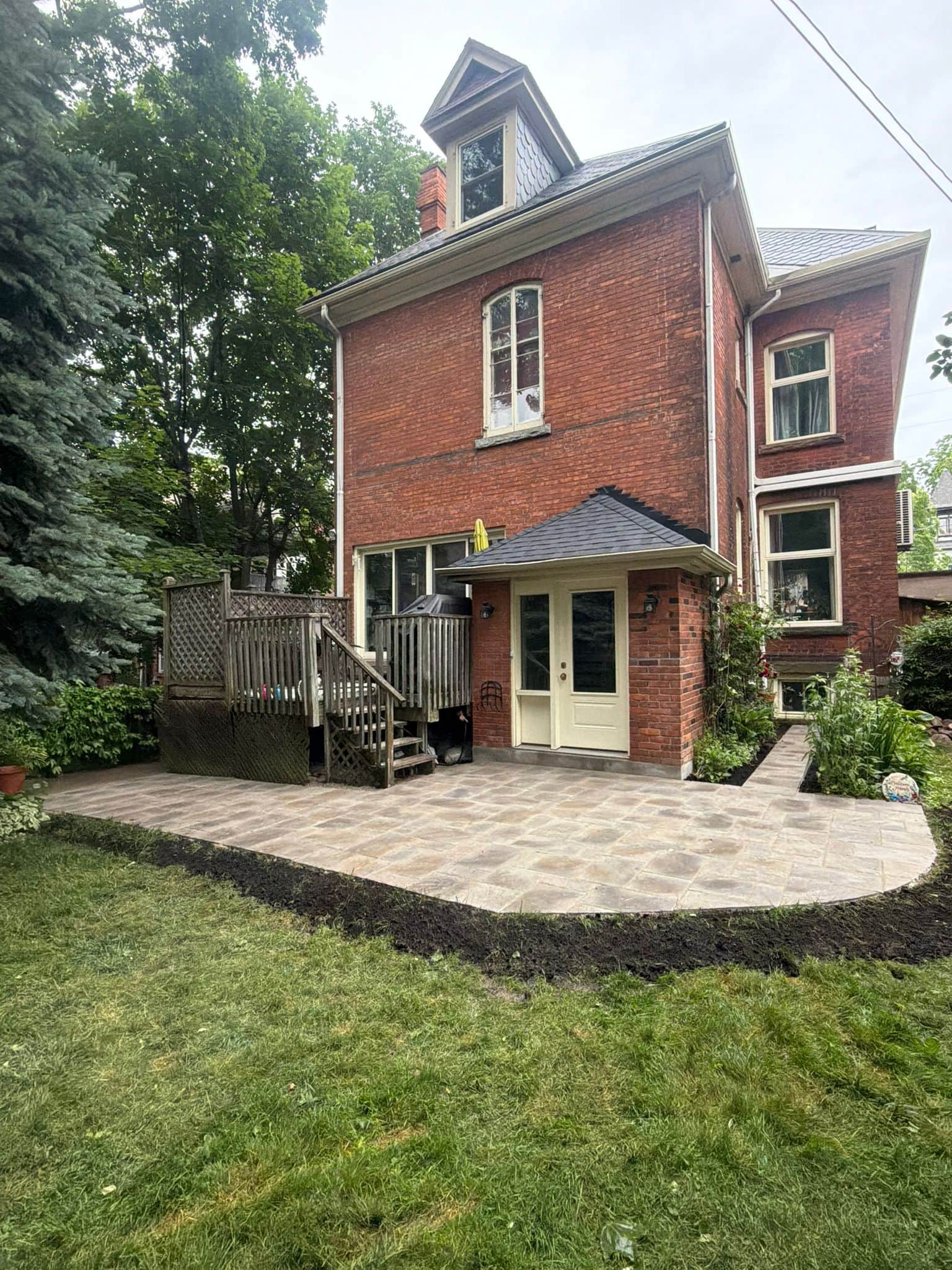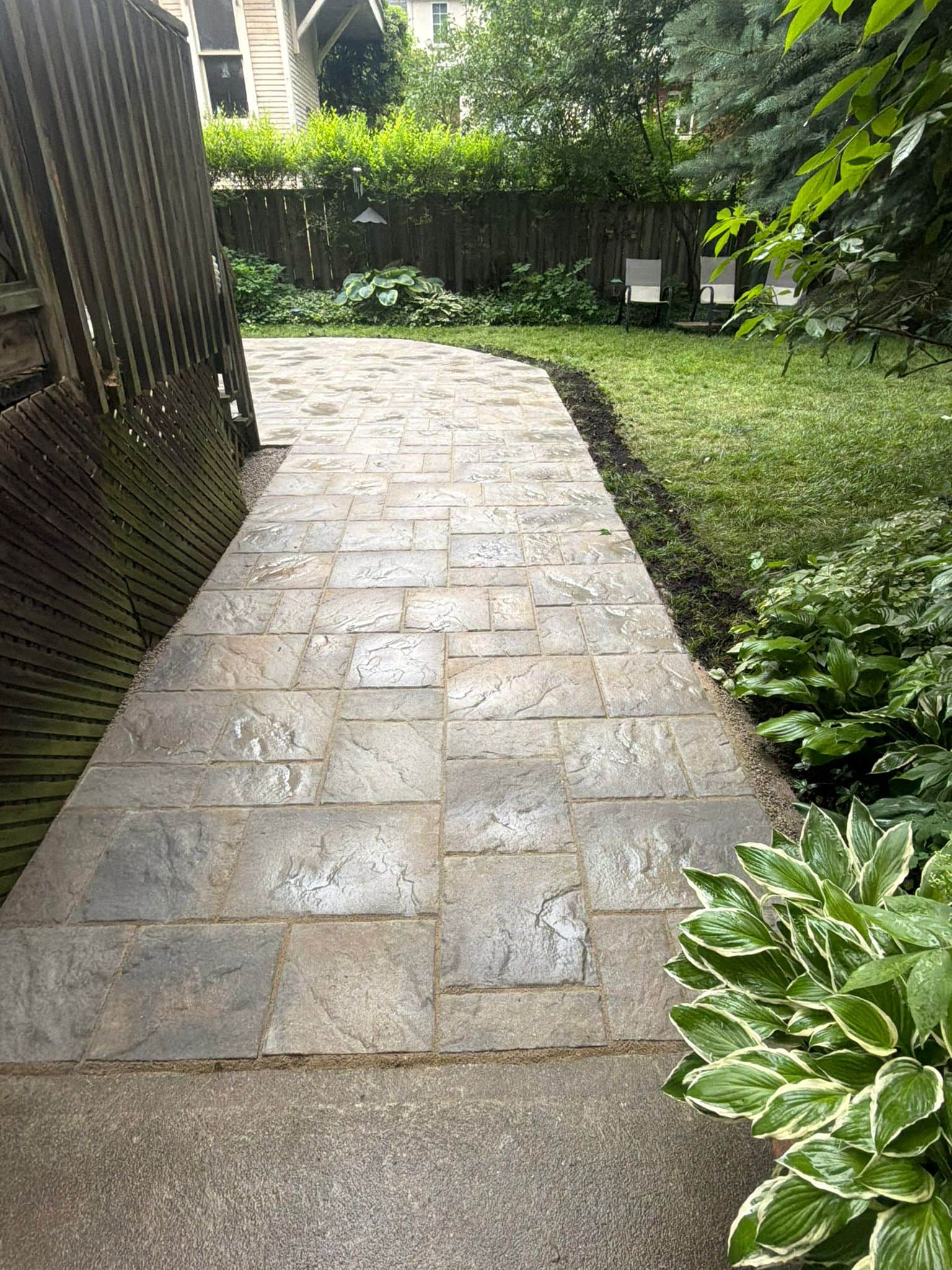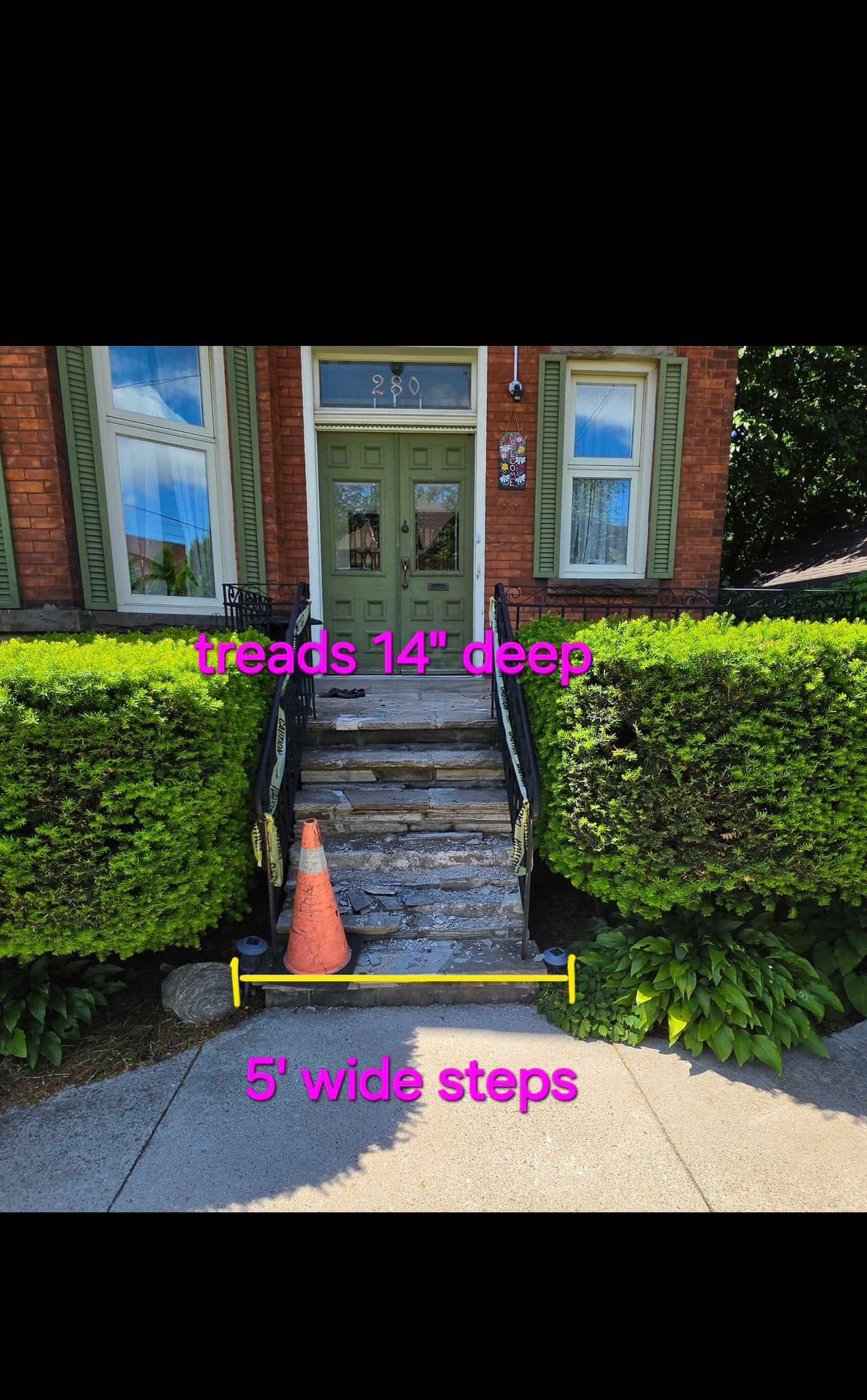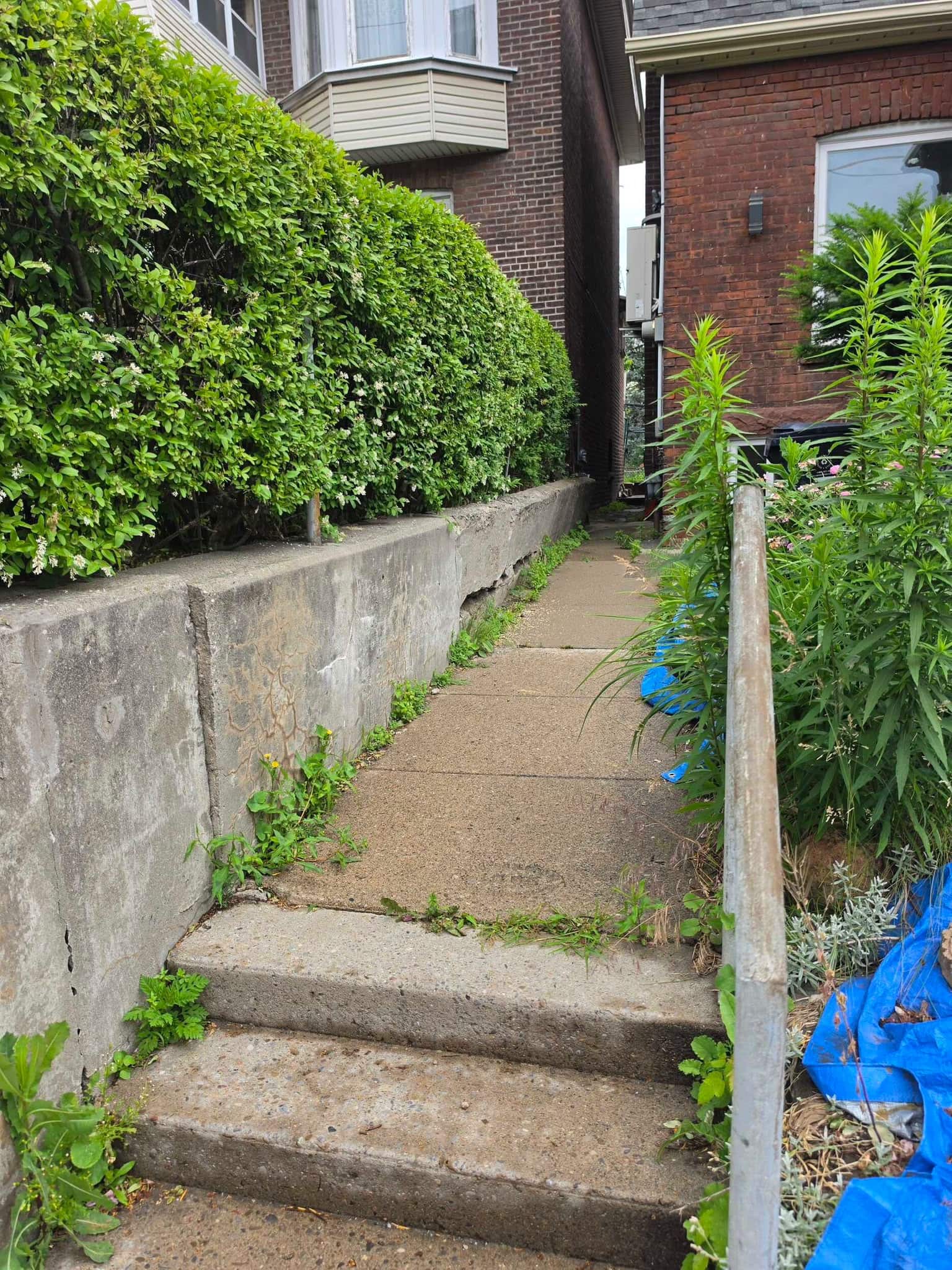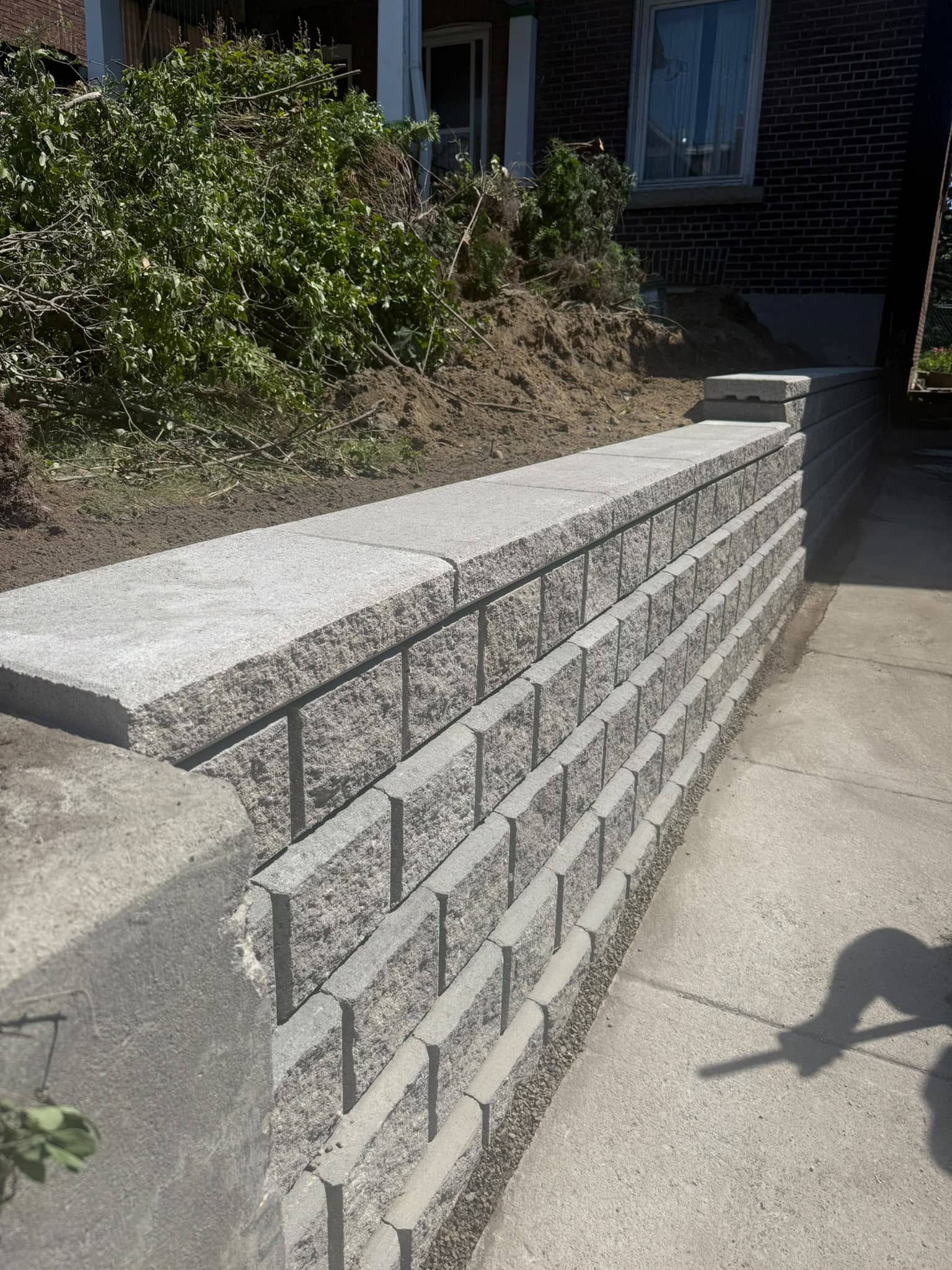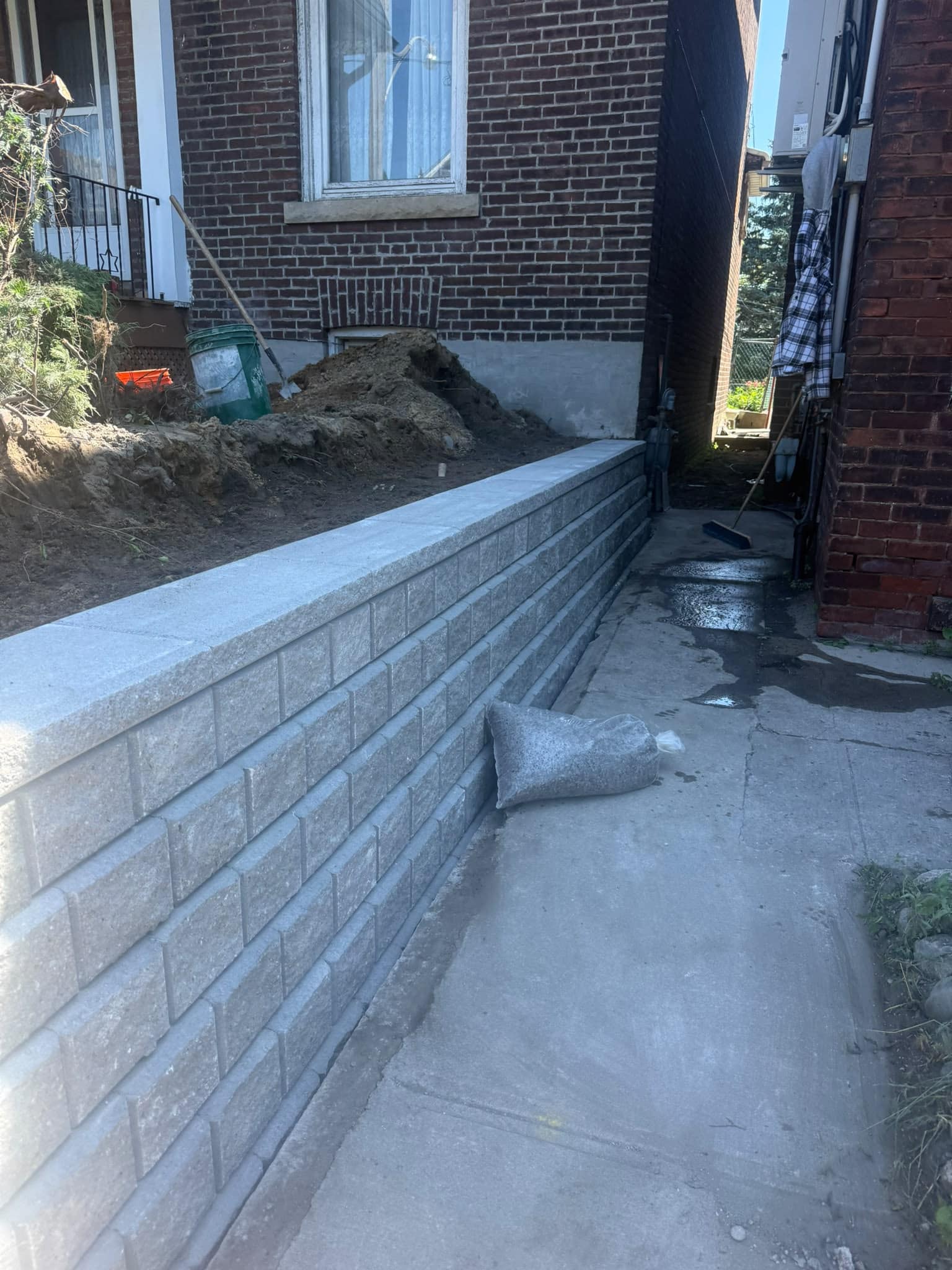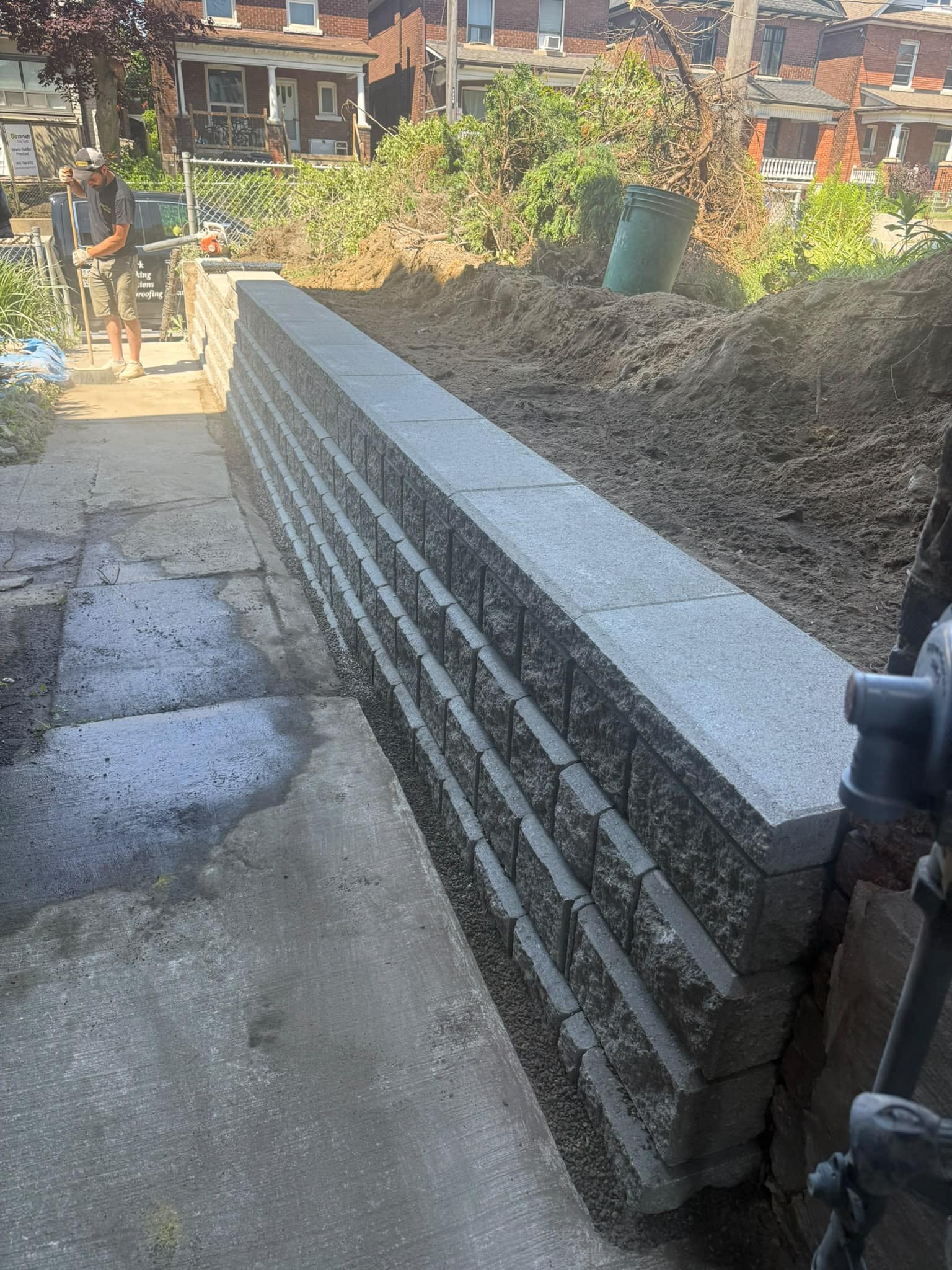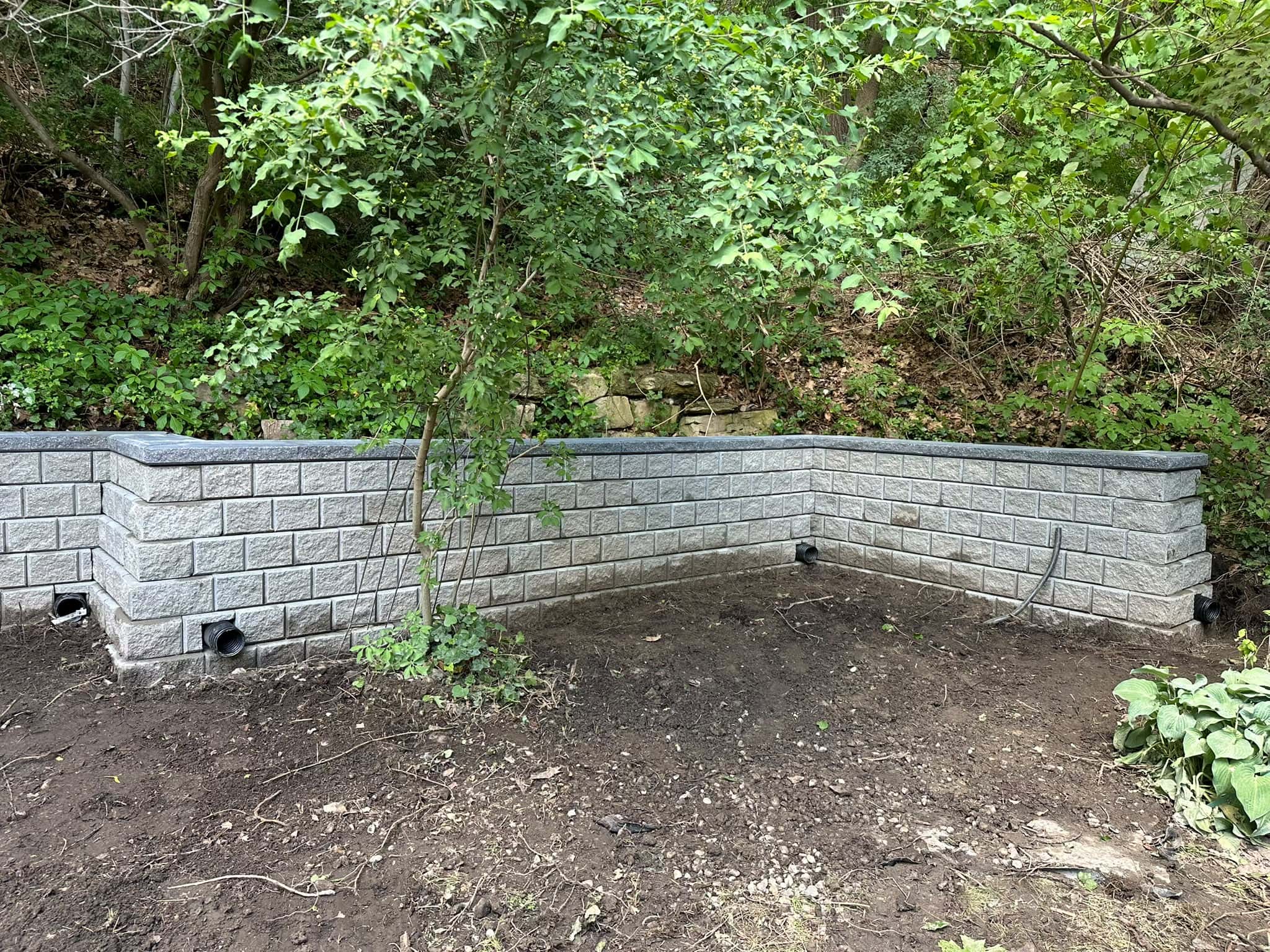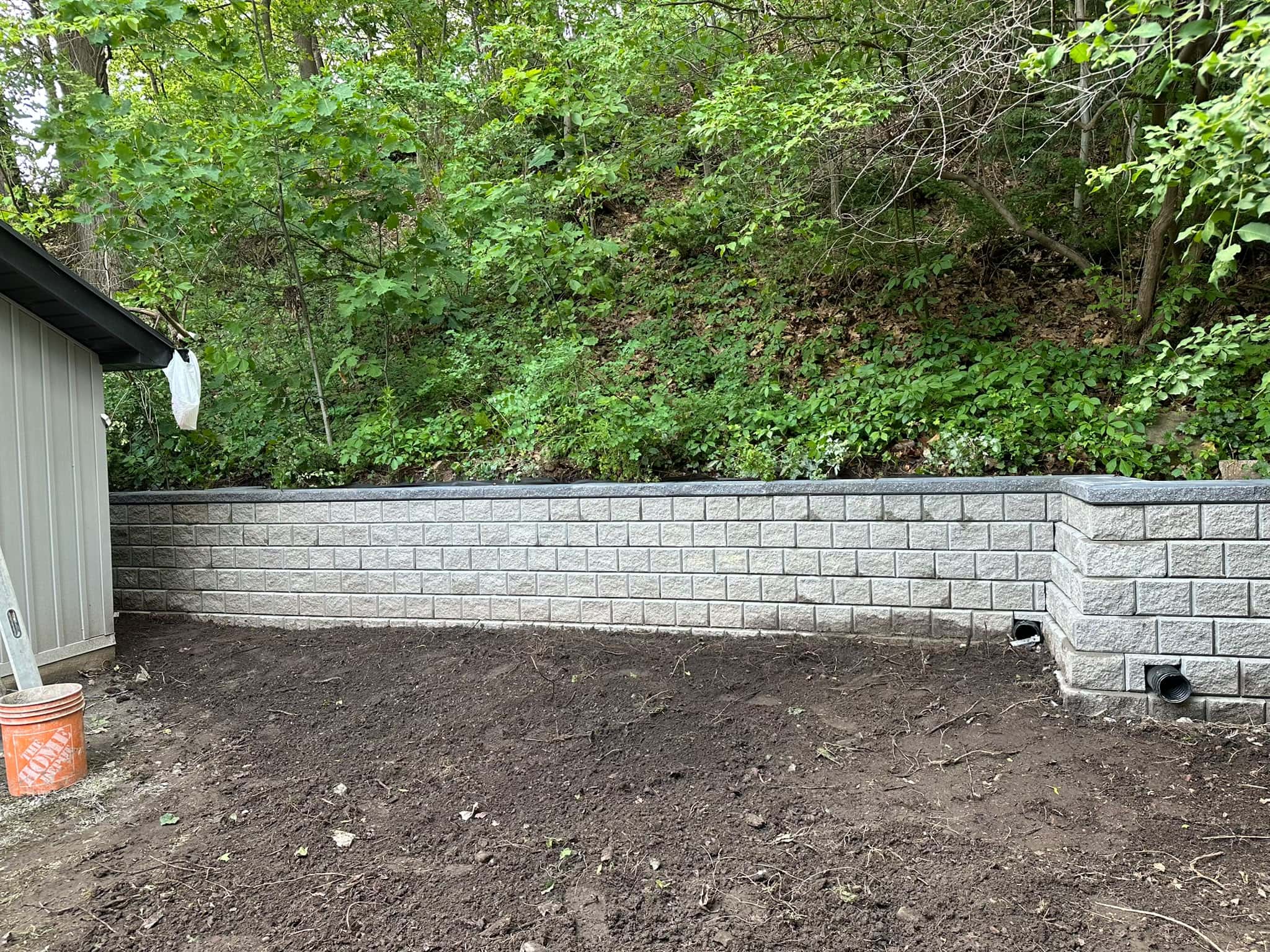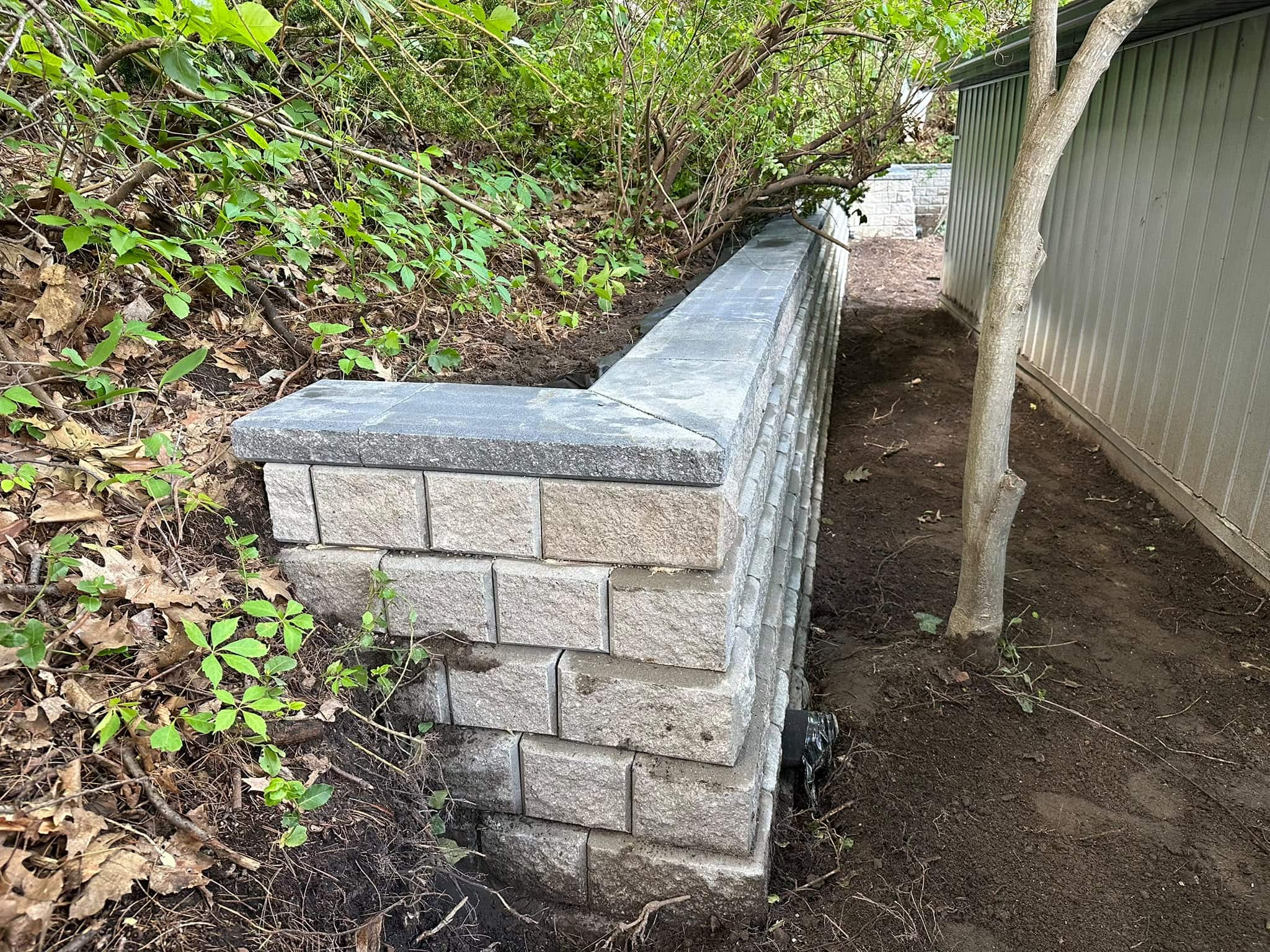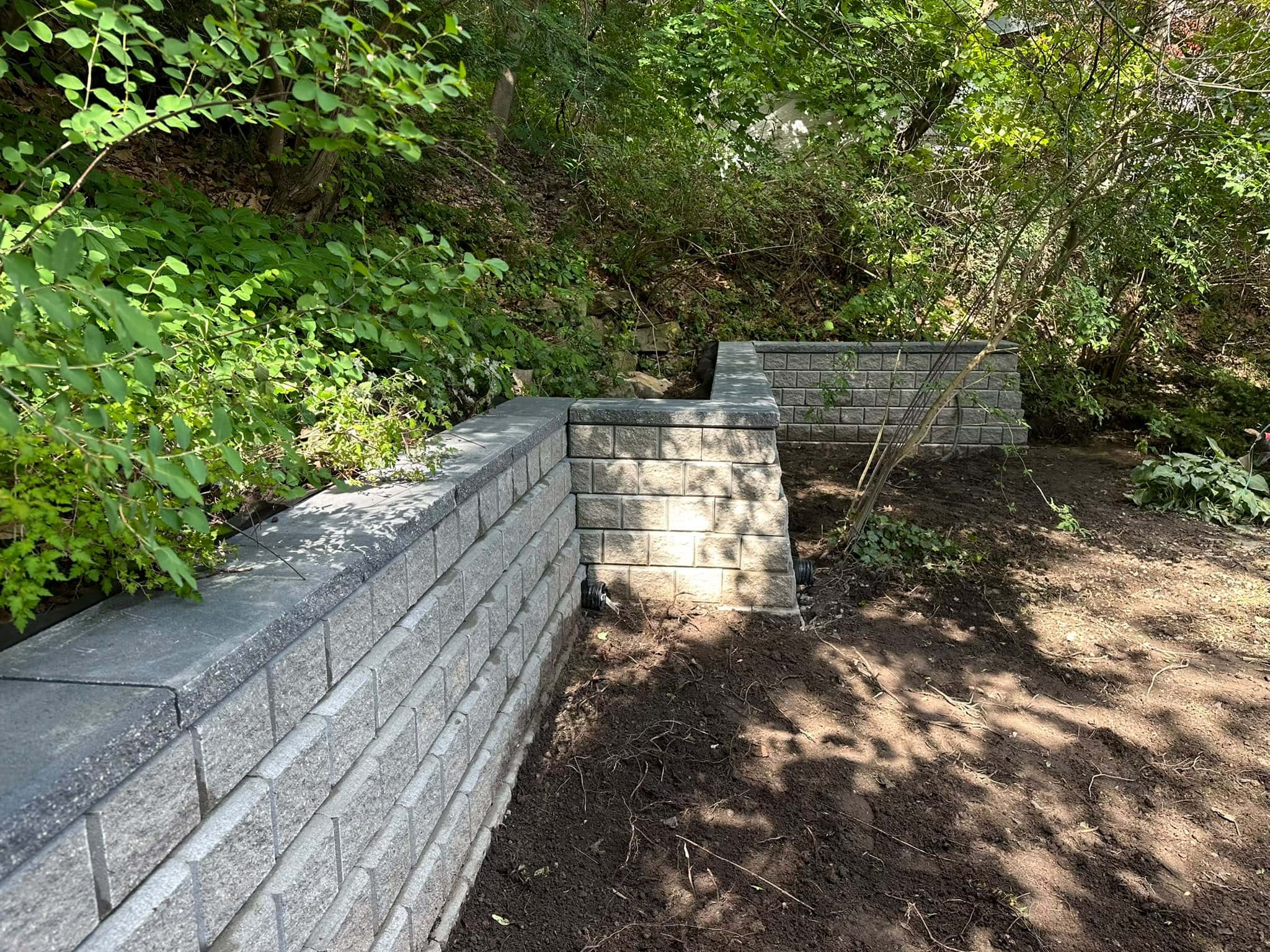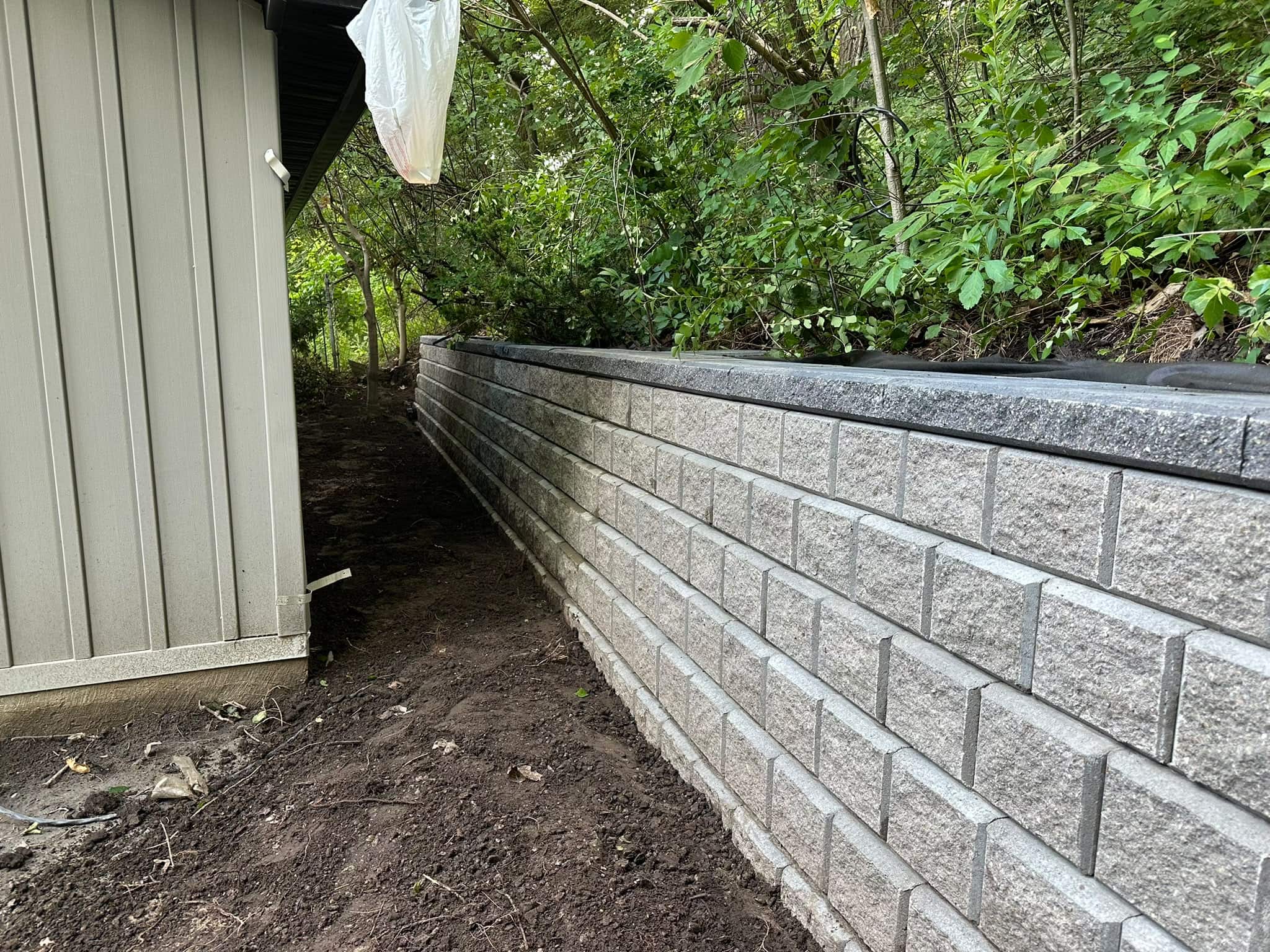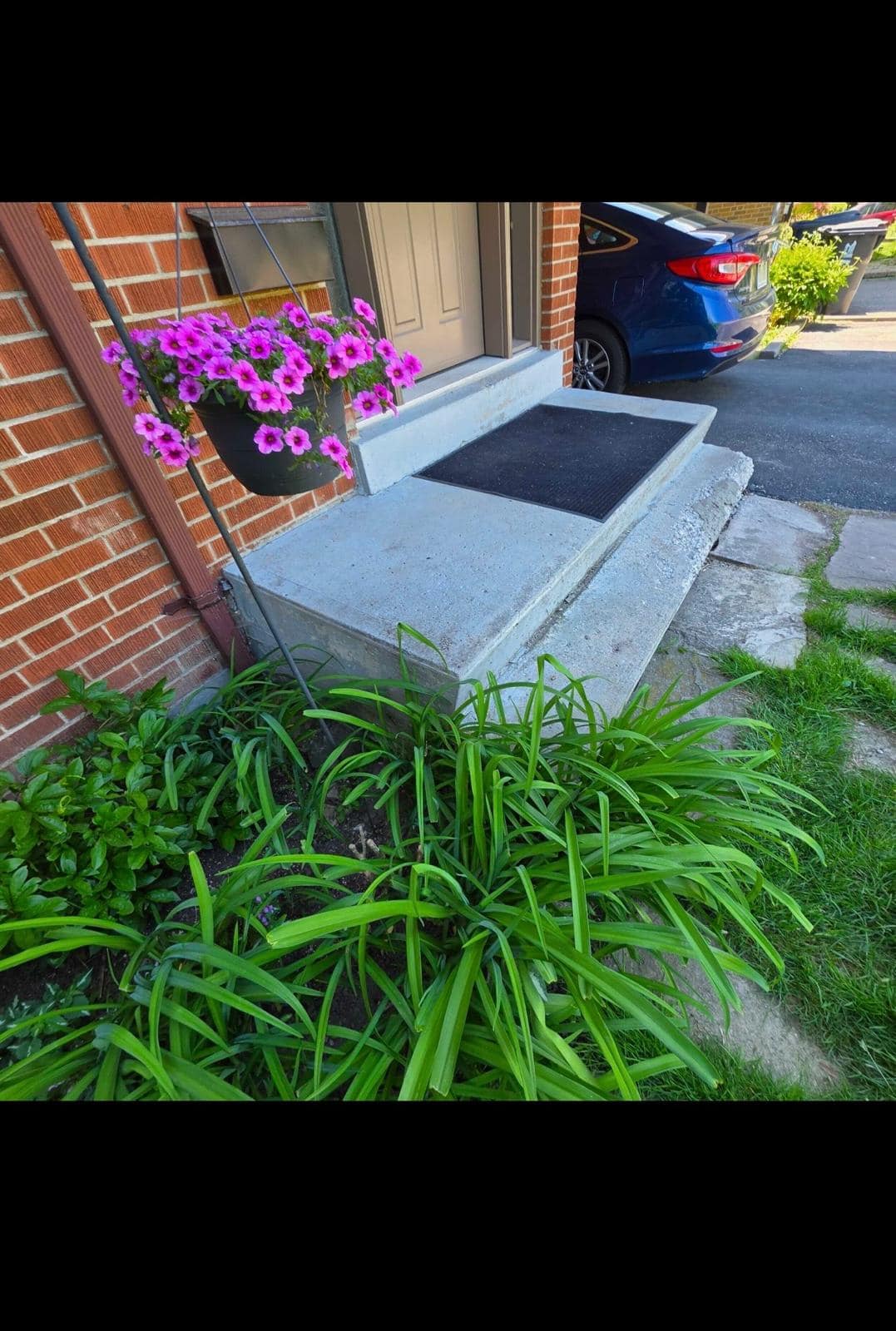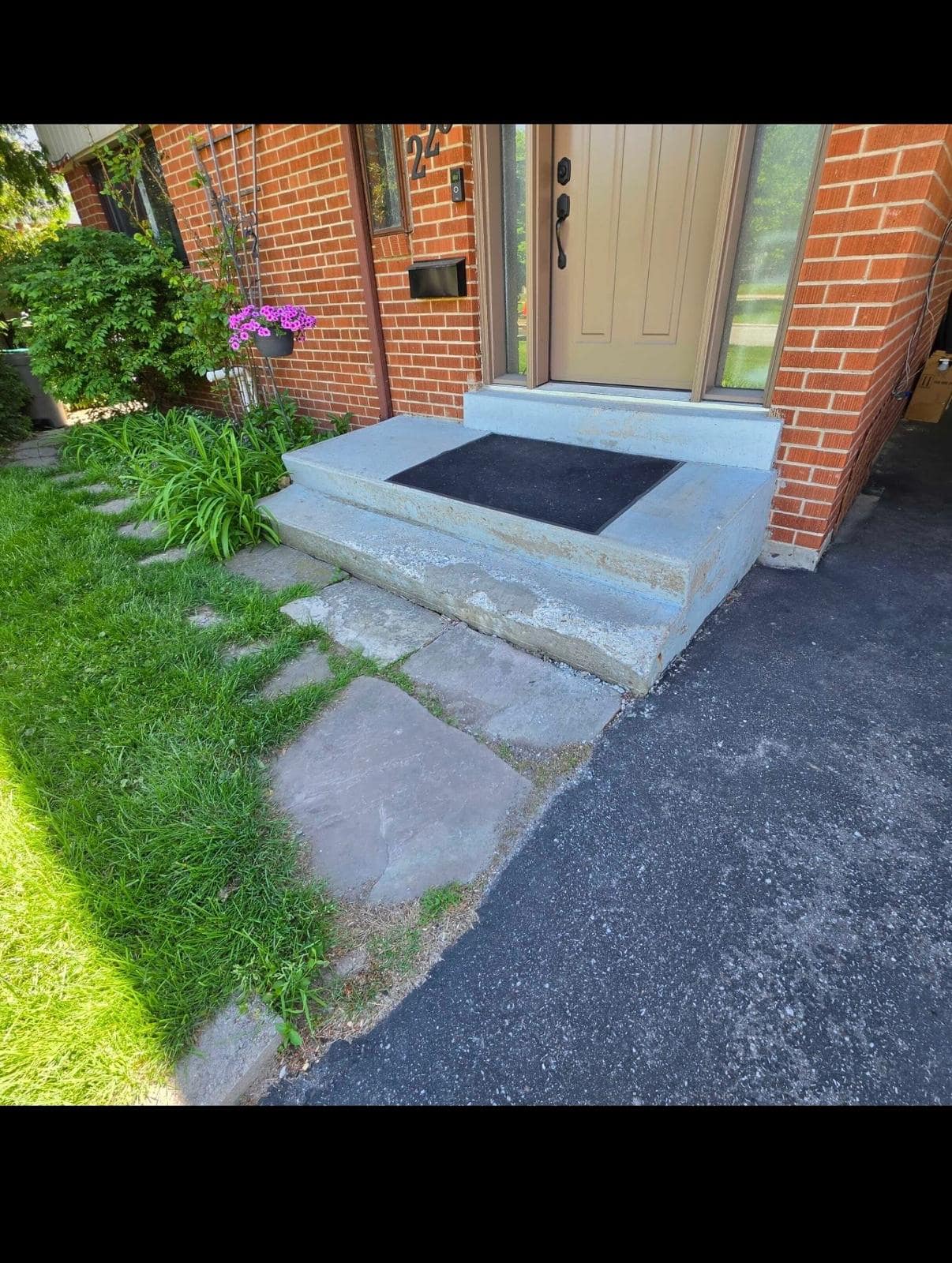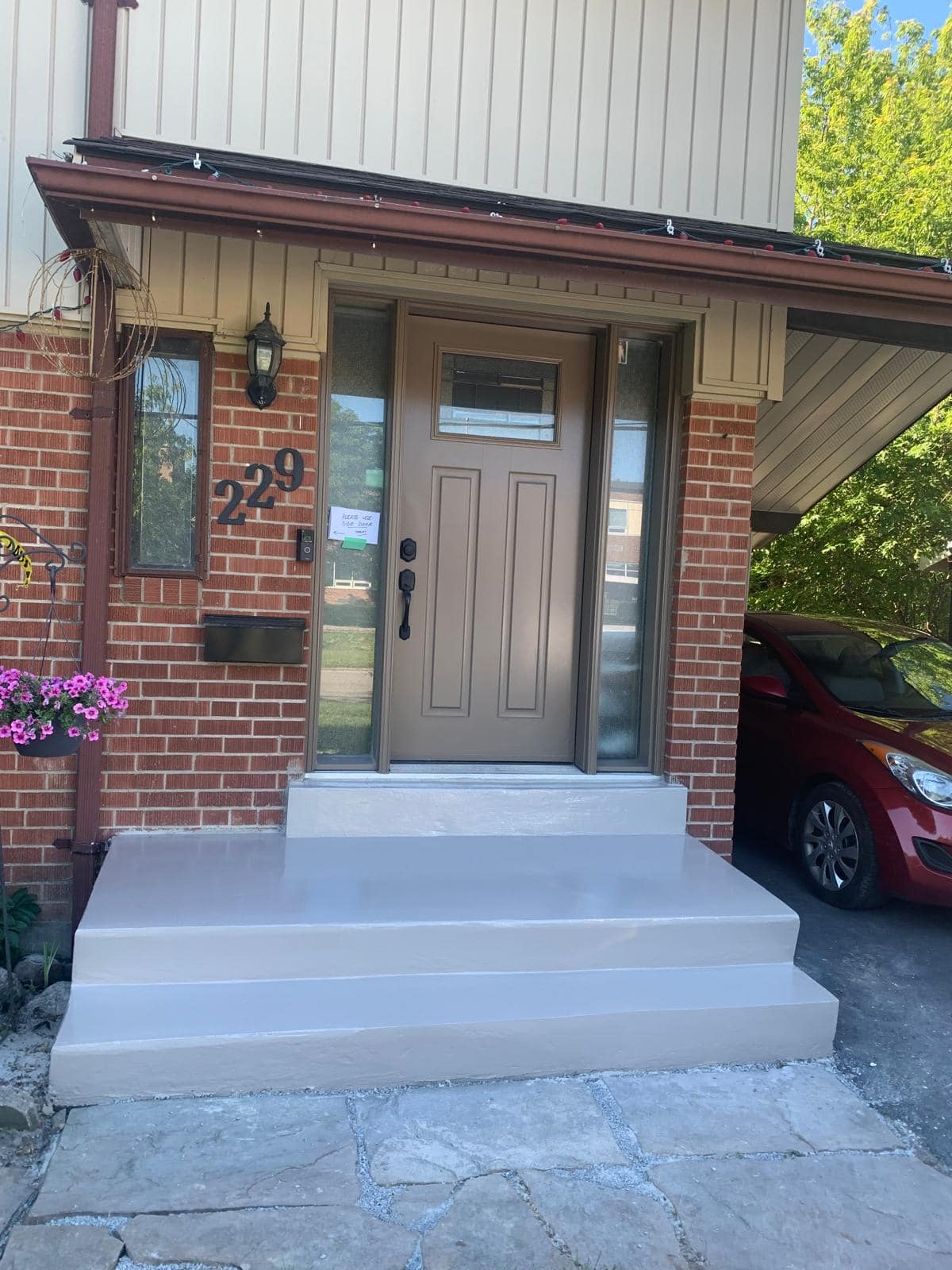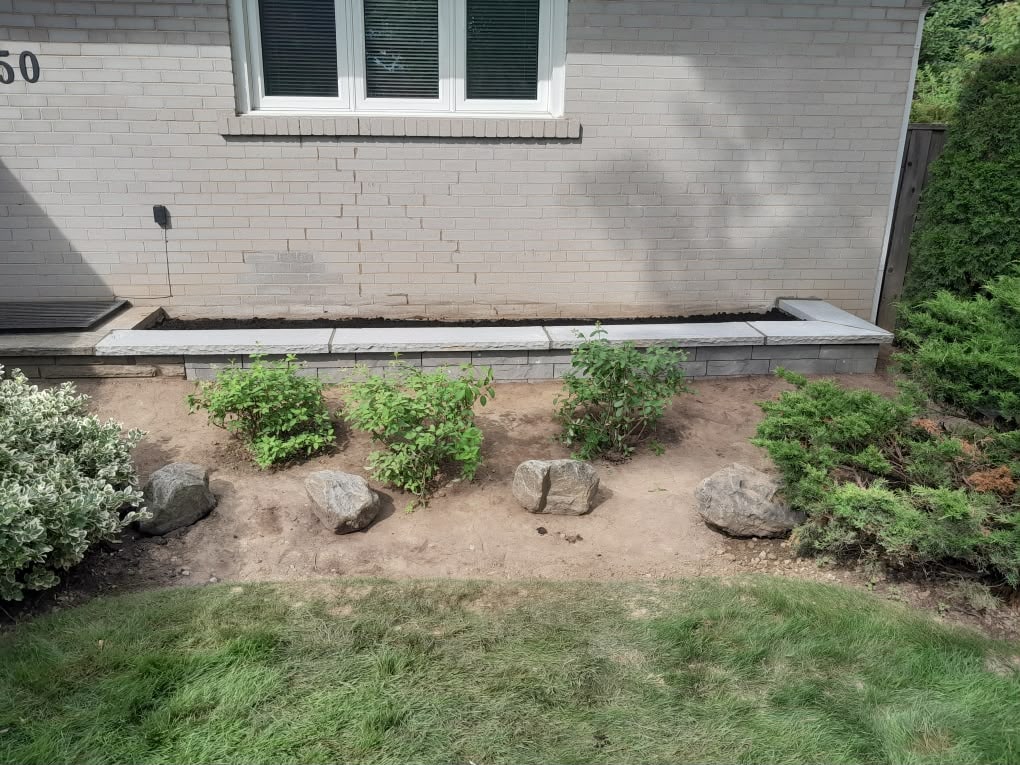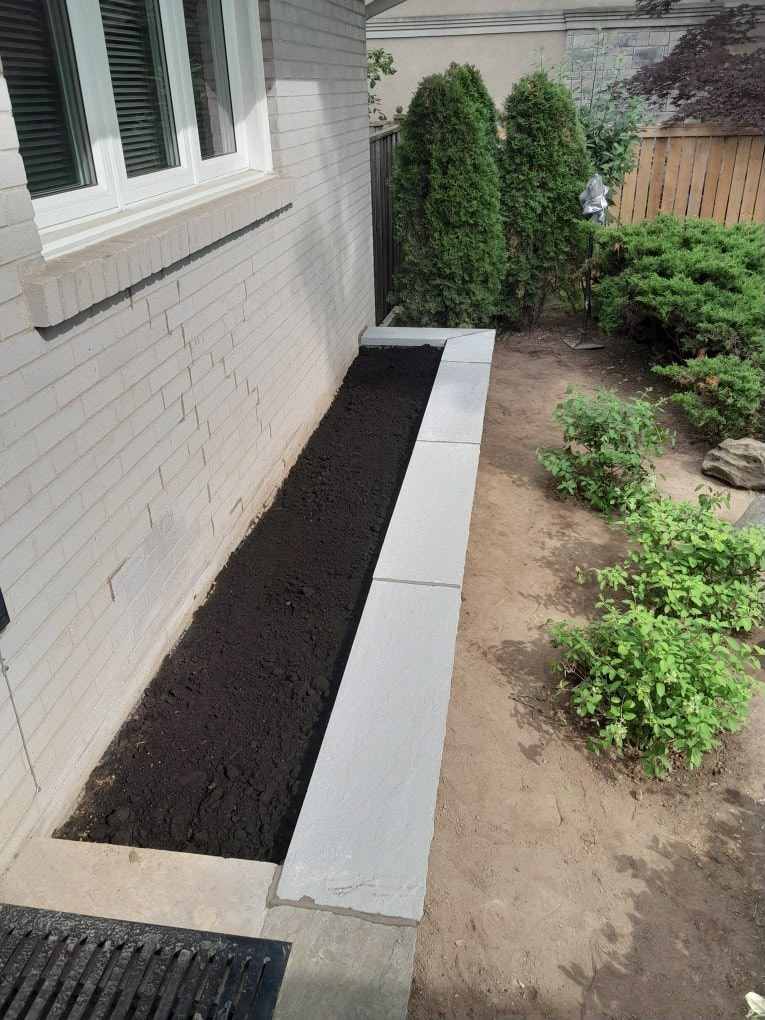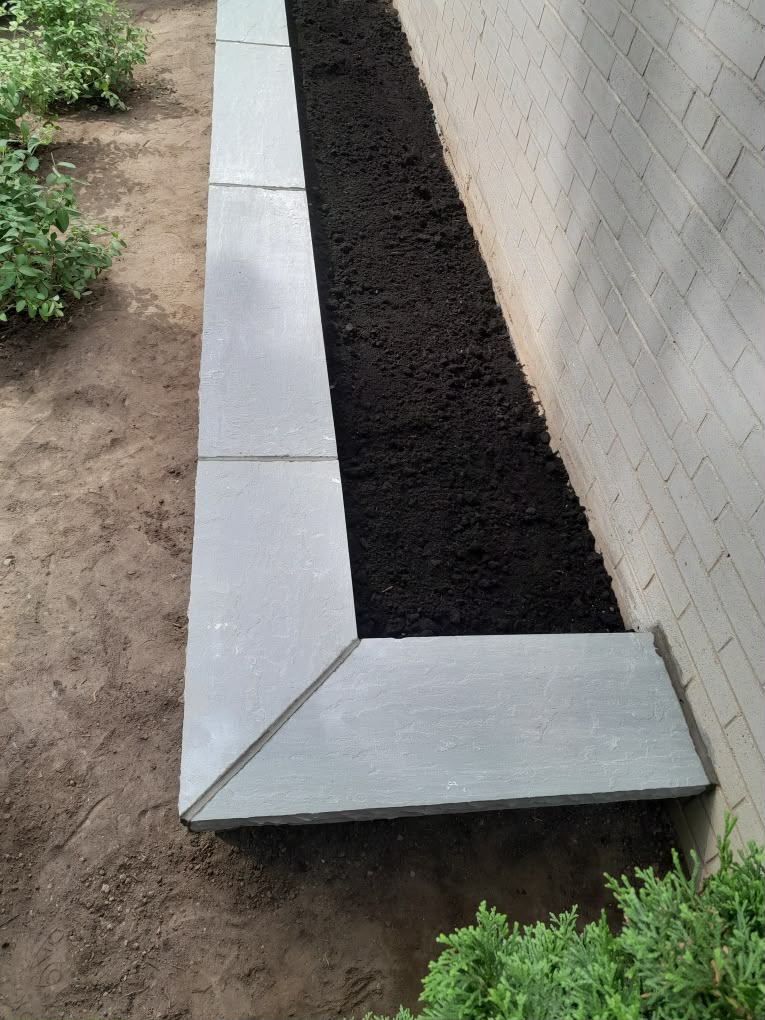

Summer masonry care helps Toronto and GTA homeowners spot small exterior problems before they become larger repairs in fall and winter. Warm weather makes it easier to inspect brick, stone, concrete, chimneys, steps, patios, walkways, and foundation areas because snow and ice are gone, surfaces are visible, and repair conditions are usually better than during colder months.
Summer is also when some masonry problems become more obvious. Heavy rain can expose drainage issues. Heat can dry out older mortar and make cracks easier to see. Vegetation can trap moisture against walls. Patios, steps, and driveways get more daily use. Chimneys may show damage from winter freeze-thaw cycles. If homeowners wait until late fall, repairs can become more urgent, harder to schedule, and more exposed to poor weather.
This guide explains the most common summer masonry issues, what homeowners can safely check, when repairs make sense, and how summer maintenance can help prepare your home for Toronto’s next freeze-thaw season.
Why Summer Is a Good Time to Inspect Masonry
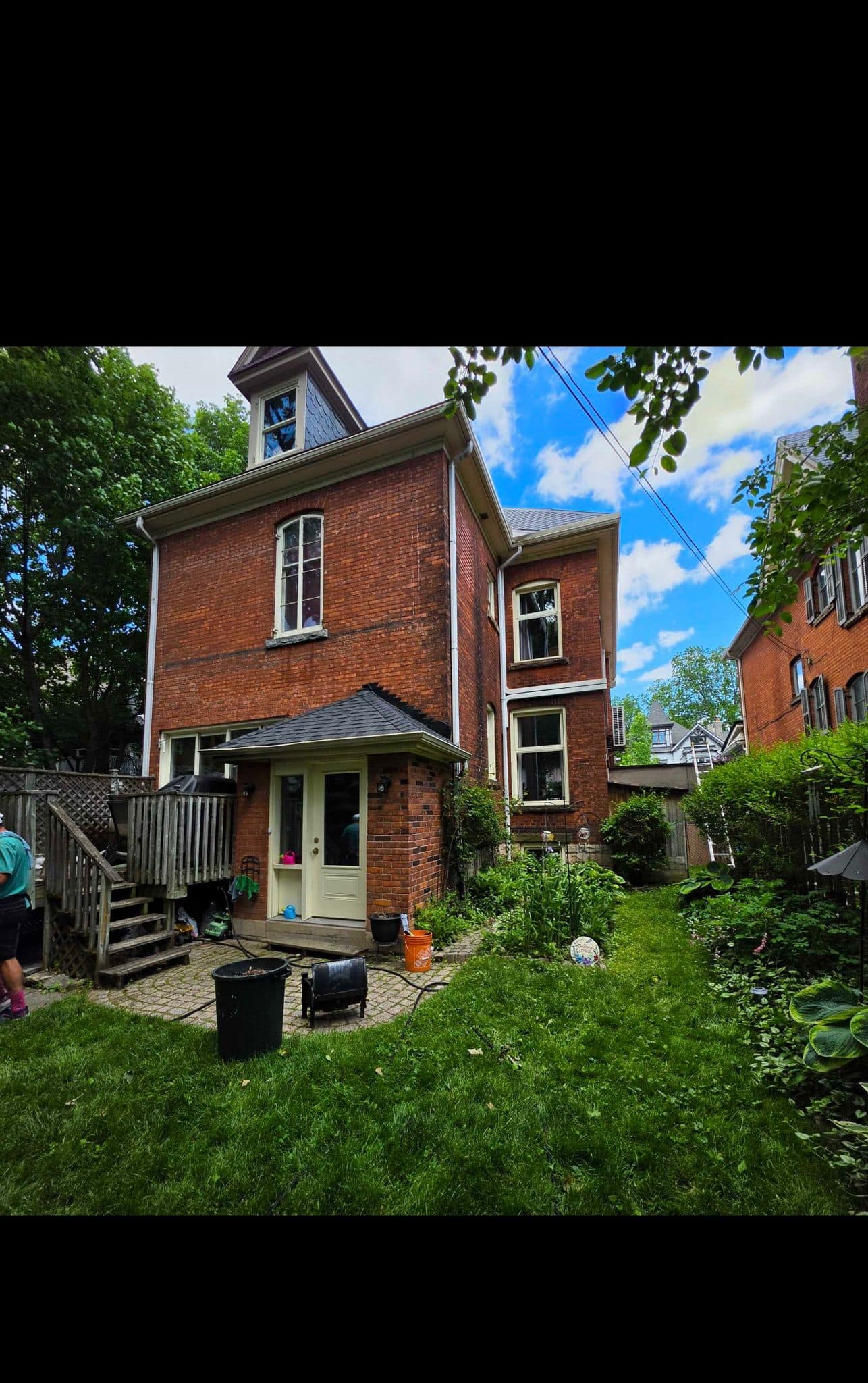
Summer is a good time to inspect masonry because damage from winter and spring is usually easier to see. Brick faces may show flaking, mortar joints may look recessed, steps may feel uneven, and patios may reveal settling after the ground has thawed. Dry weather also makes it easier to distinguish normal surface wear from areas that stay damp longer than they should.
Toronto homes deal with repeated wetting, freezing, thawing, and drying. Winter can push moisture into small cracks, spring rain can expose drainage problems, and summer heat can reveal where masonry has weakened. A wall that looked fine in February may show spalling or open joints by July.
Summer inspections also give homeowners time to plan repairs before fall. That matters because mortar repair, brick replacement, waterproofing, step repair, and chimney work all depend on weather conditions, surface conditions, and proper curing. Waiting until the first cold snap can limit repair options.
Common Summer Masonry Issues in Toronto Homes
Common summer masonry issues include cracked mortar, spalling brick, water stains, efflorescence, loose steps, sunken pavers, chimney deterioration, foundation moisture, and vegetation damage. These issues often appear after winter stress and spring rain, then become more visible during summer use.
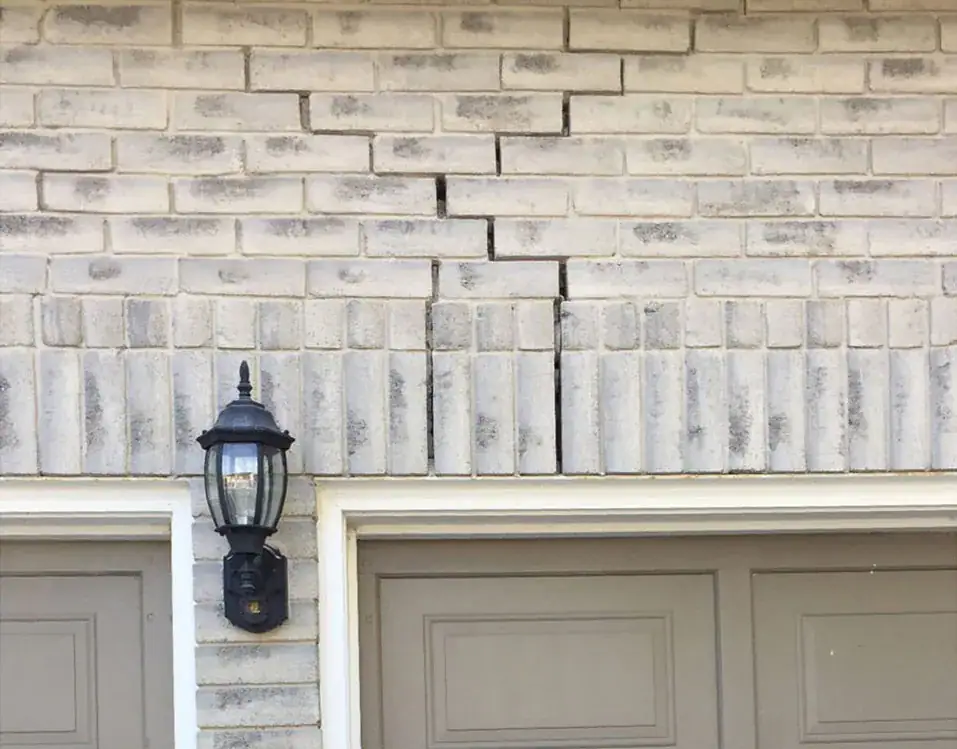
- Cracked or missing mortar: Mortar joints may loosen after freeze-thaw cycles and show gaps during dry weather.
- Spalling brick: Brick faces may flake or break apart when moisture inside the material freezes.
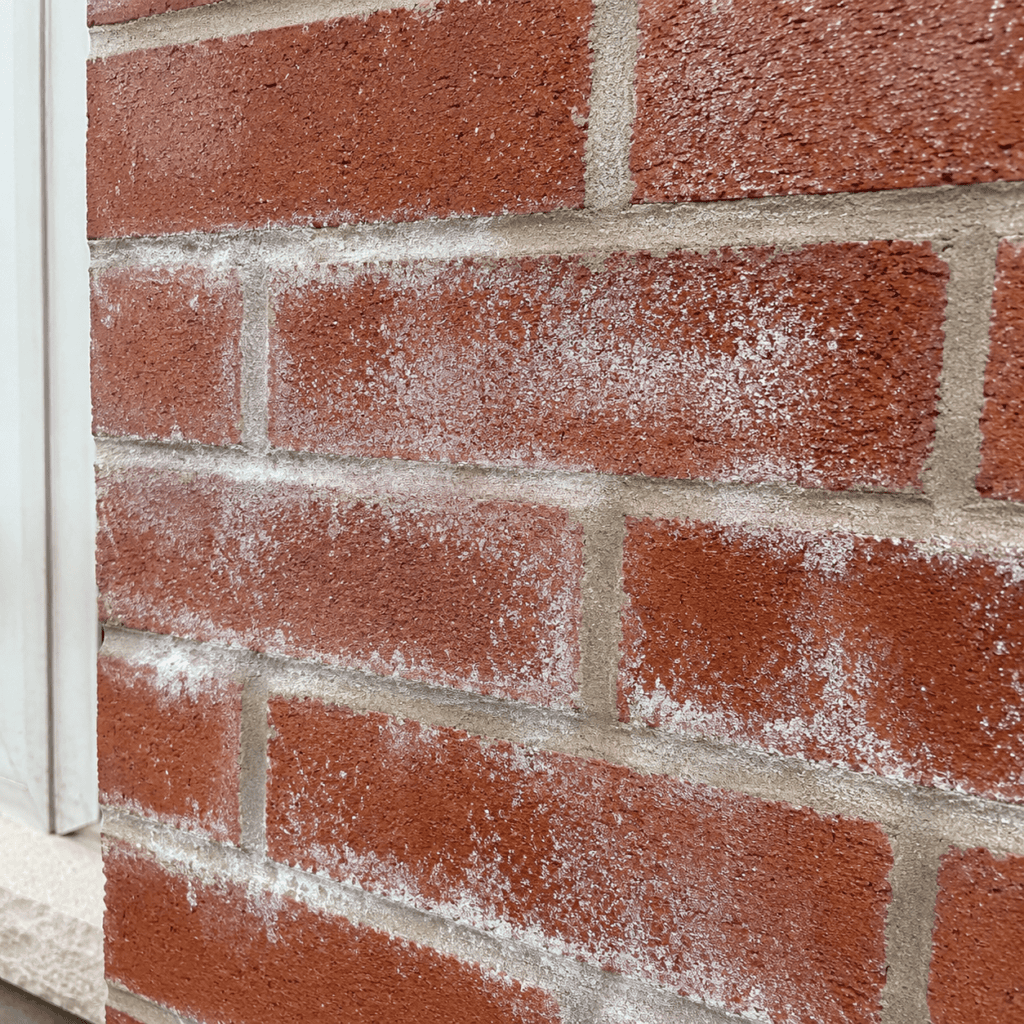
- Efflorescence: White powdery marks can appear when moisture moves through masonry and leaves salts behind.
- Water stains: Streaks or damp patches can point to poor drainage, flashing issues, or trapped moisture.
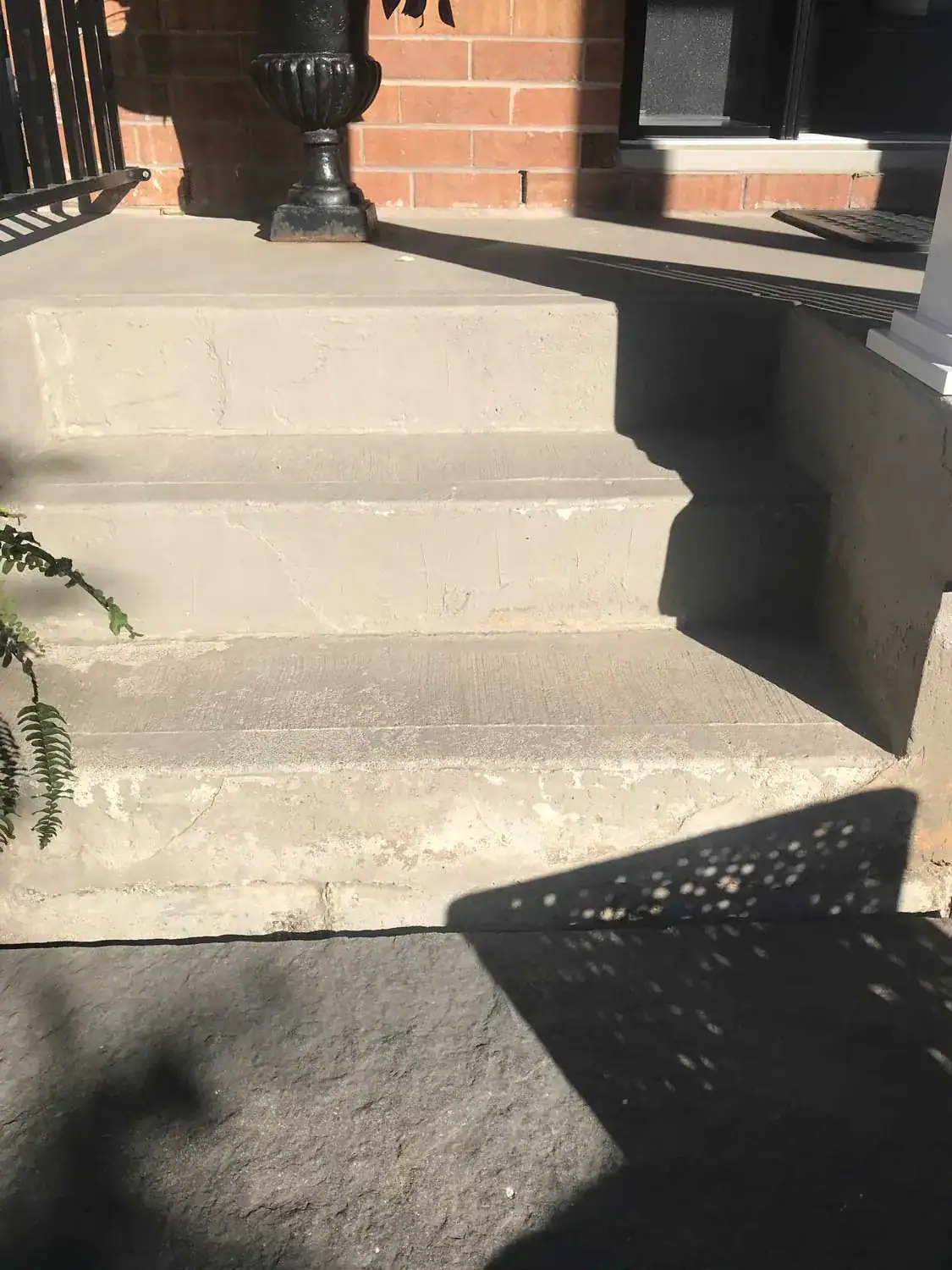
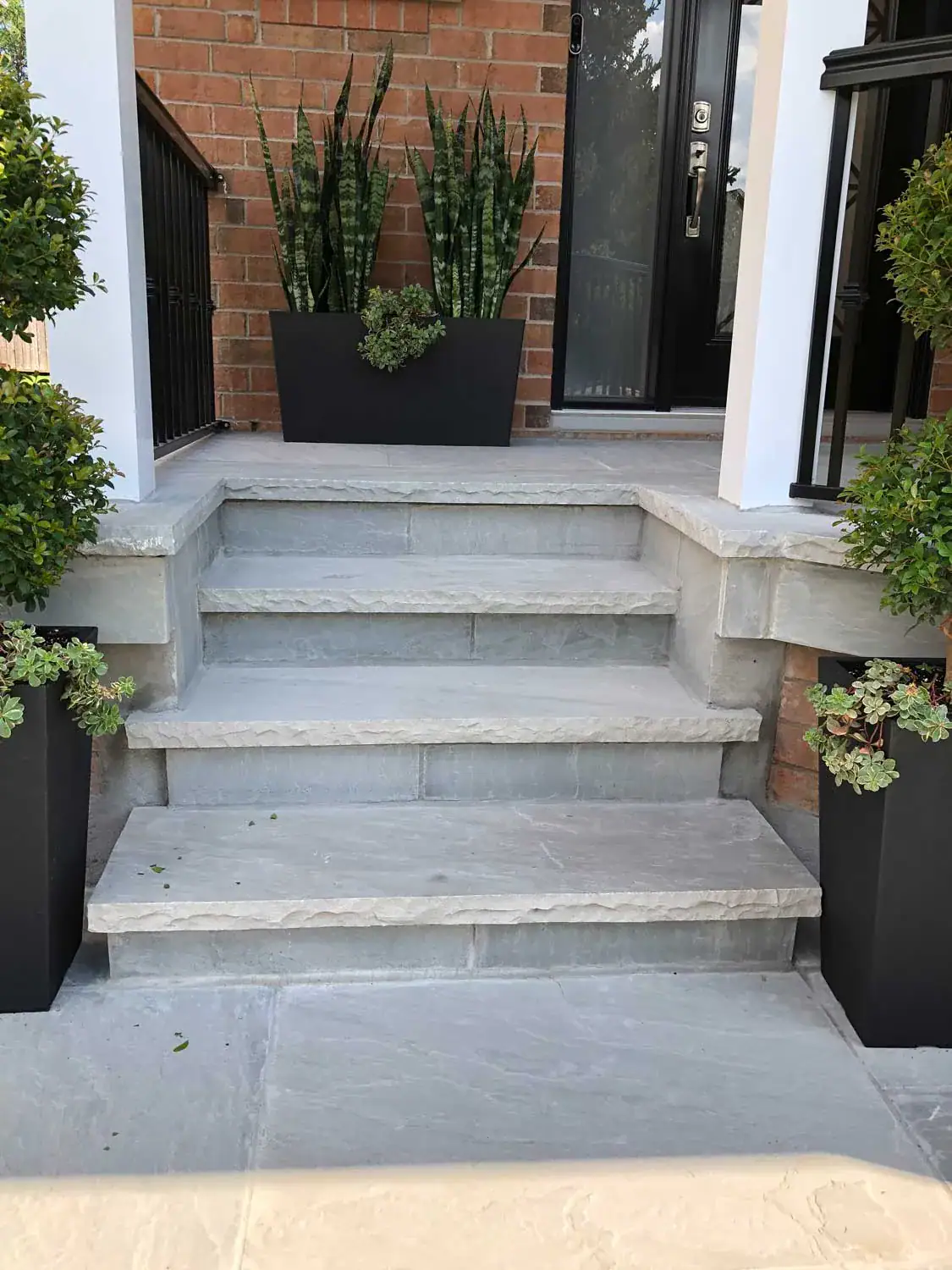
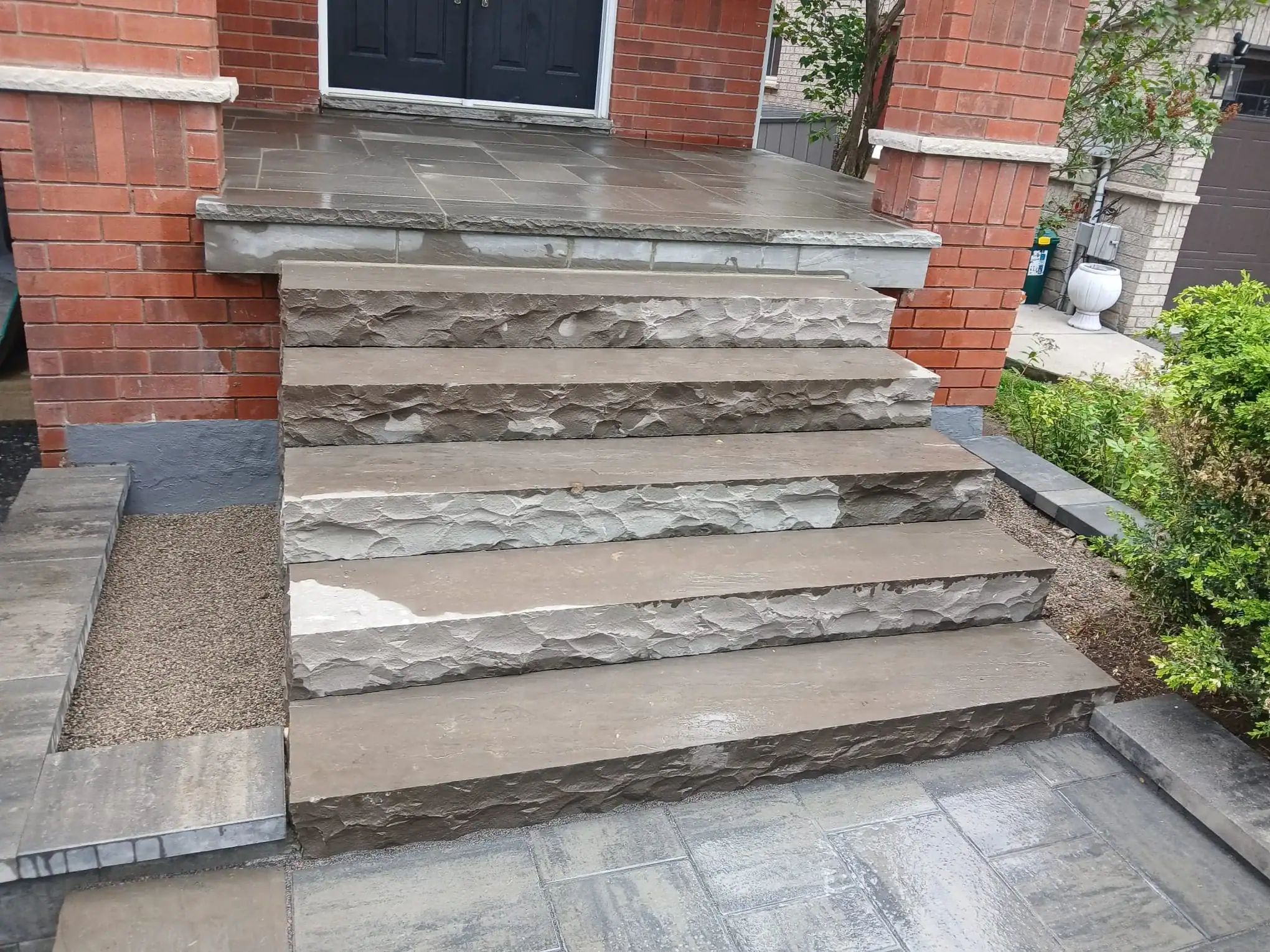
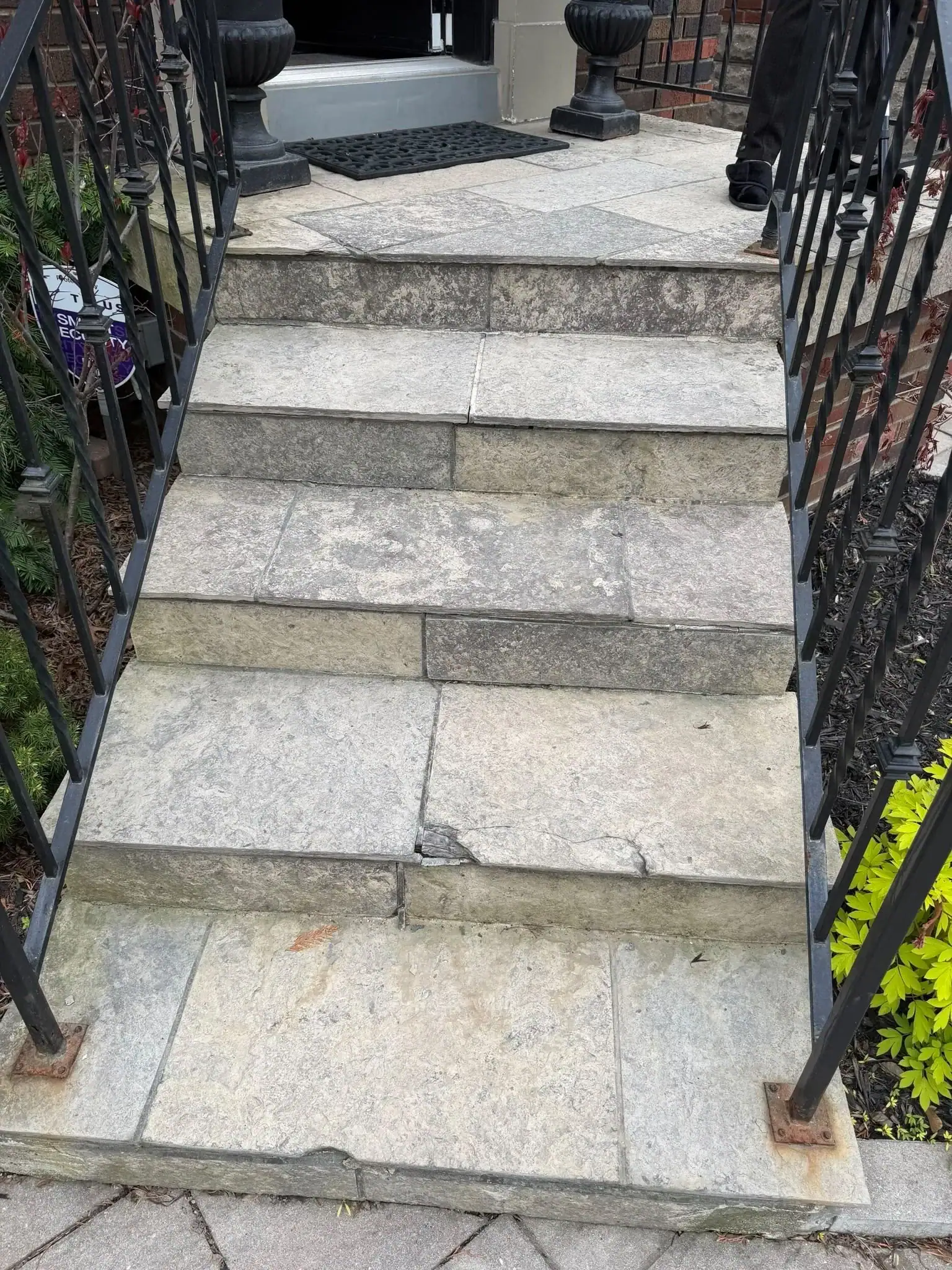
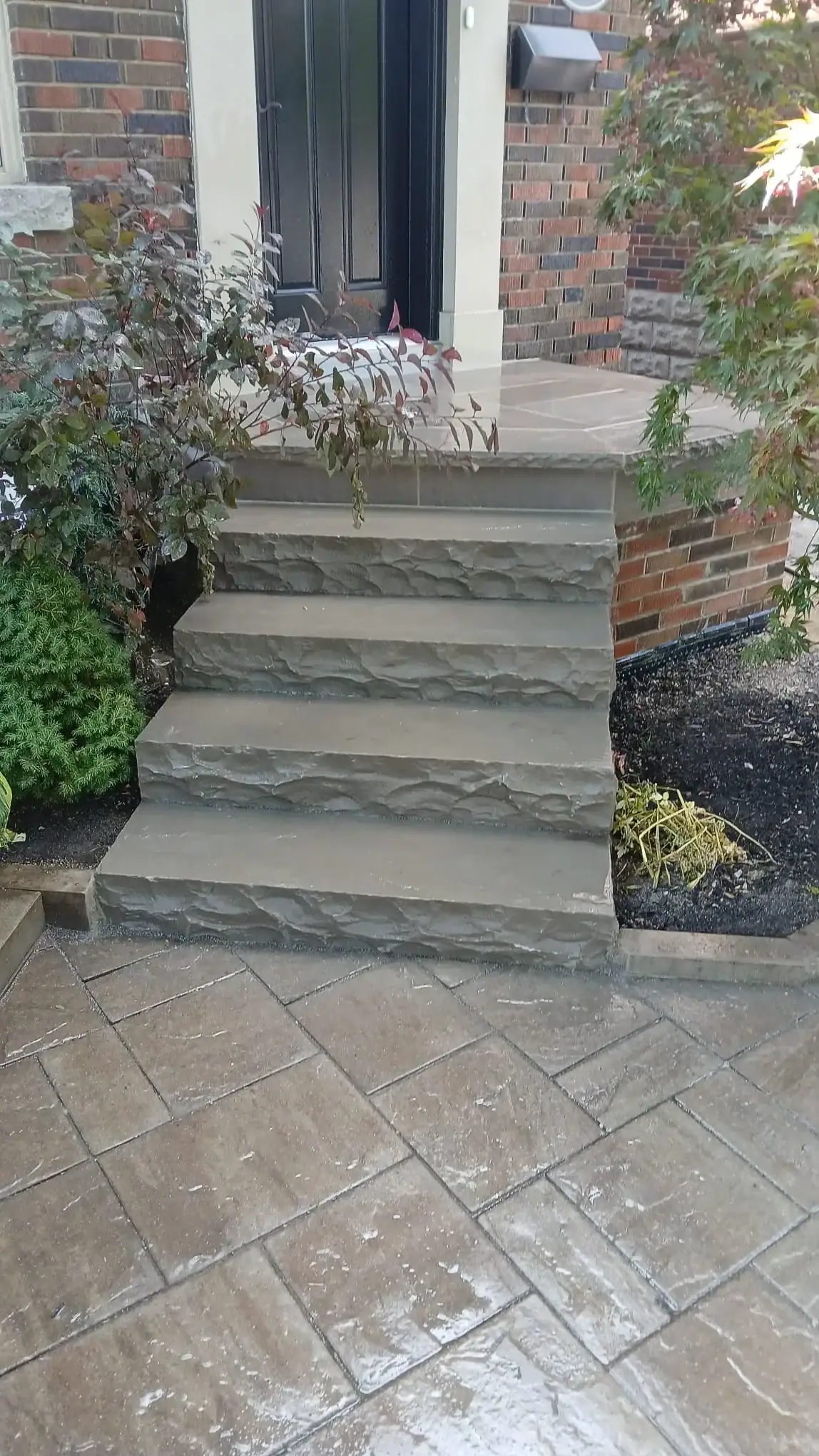
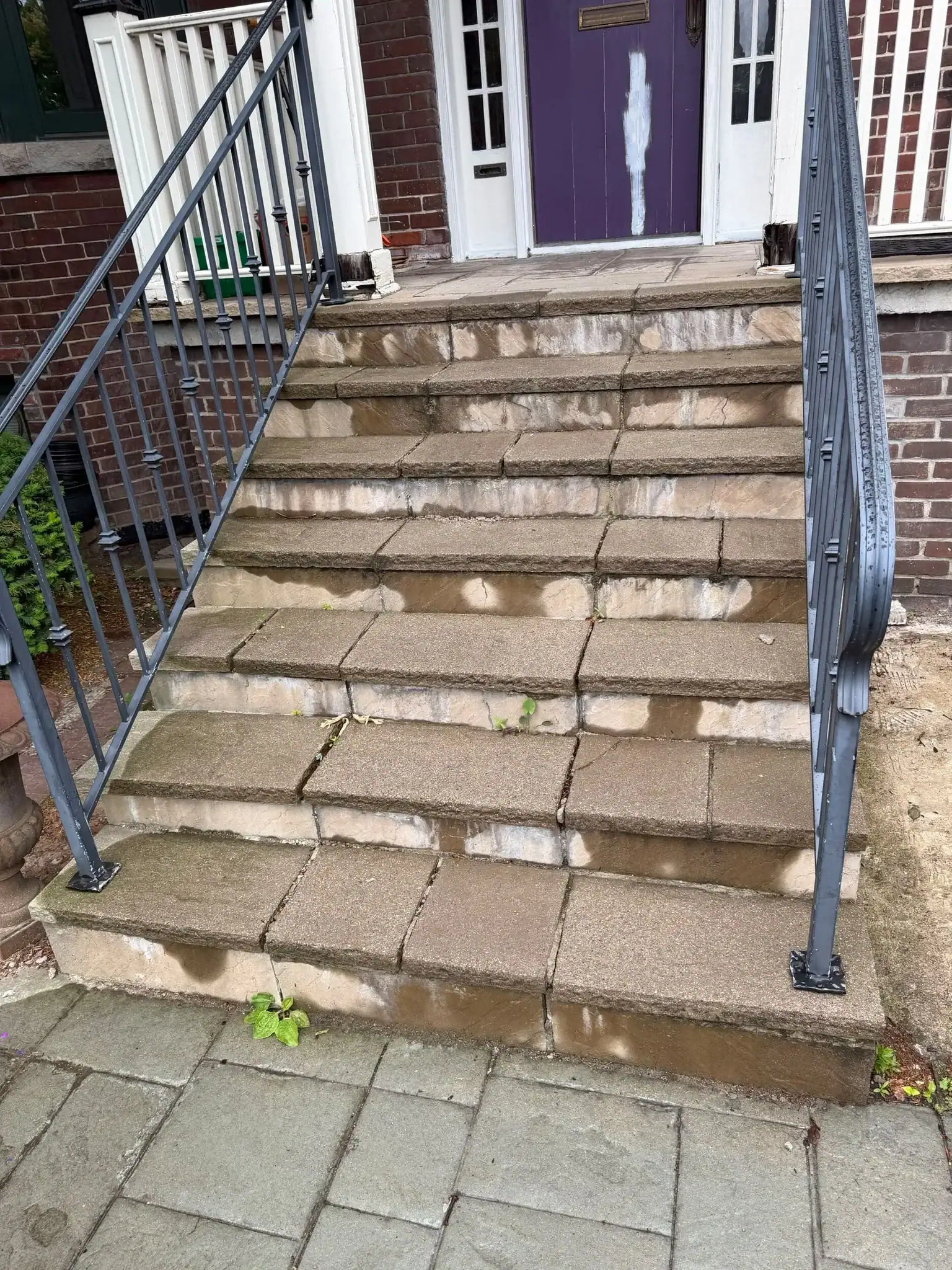
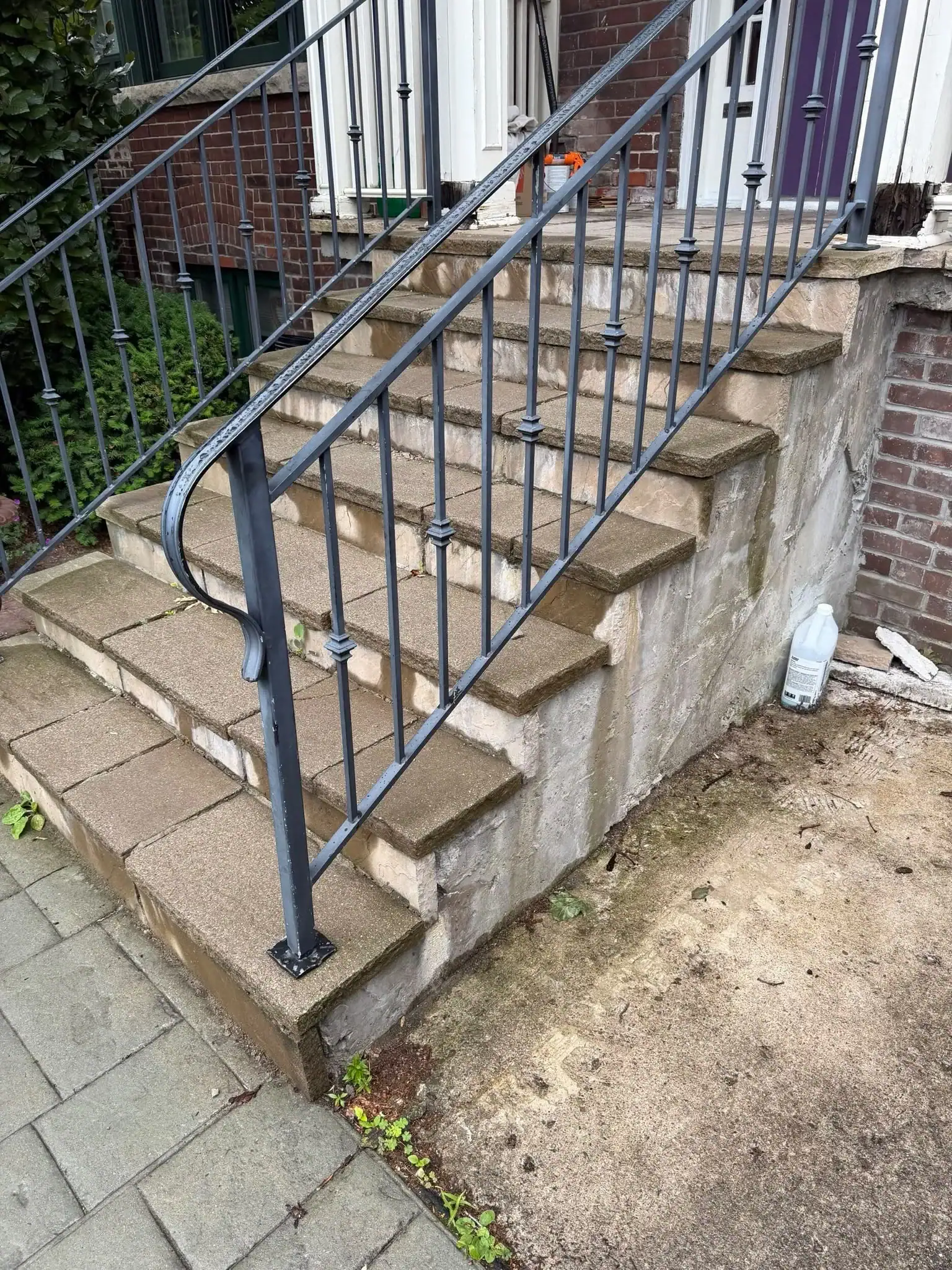
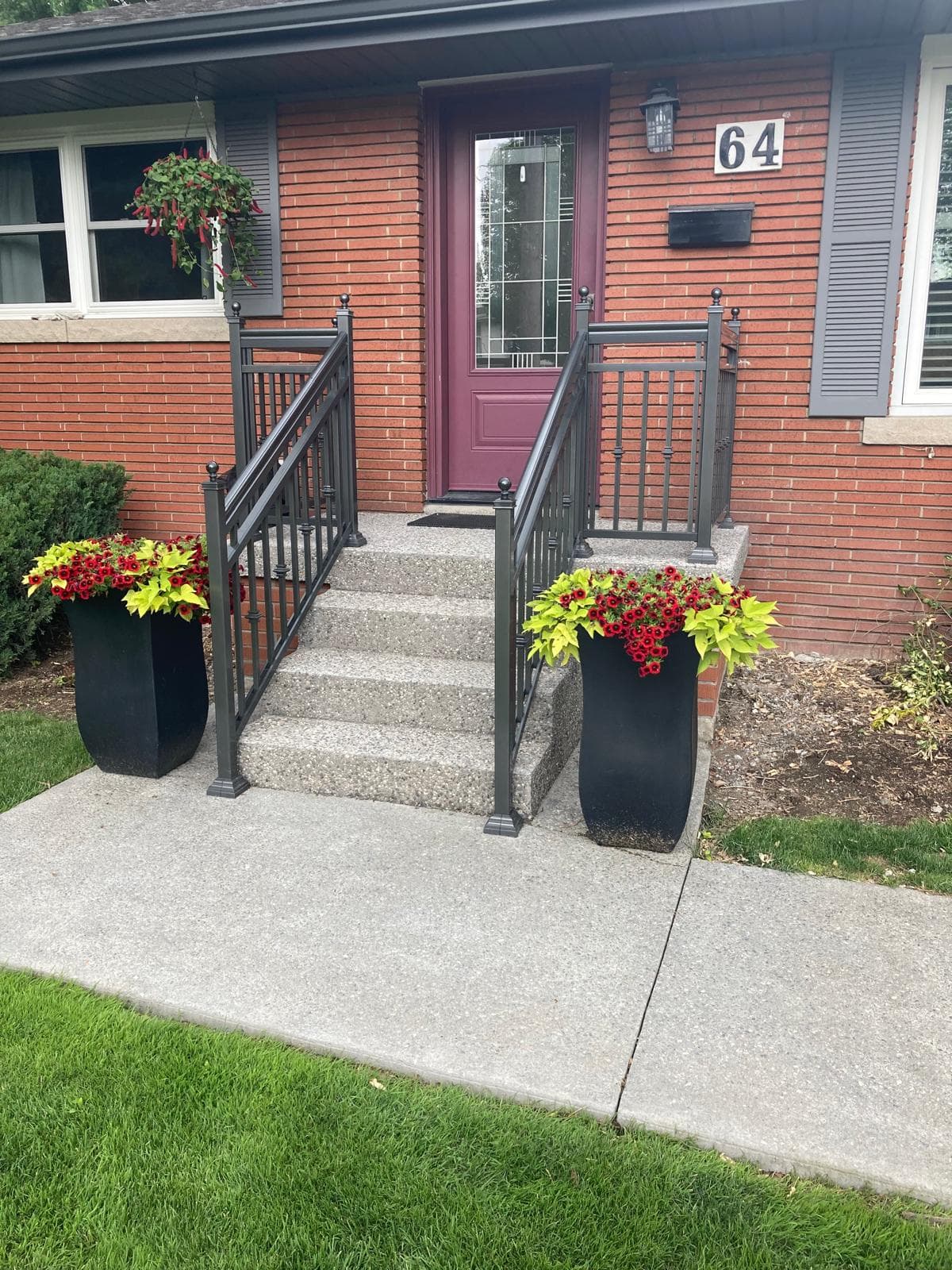
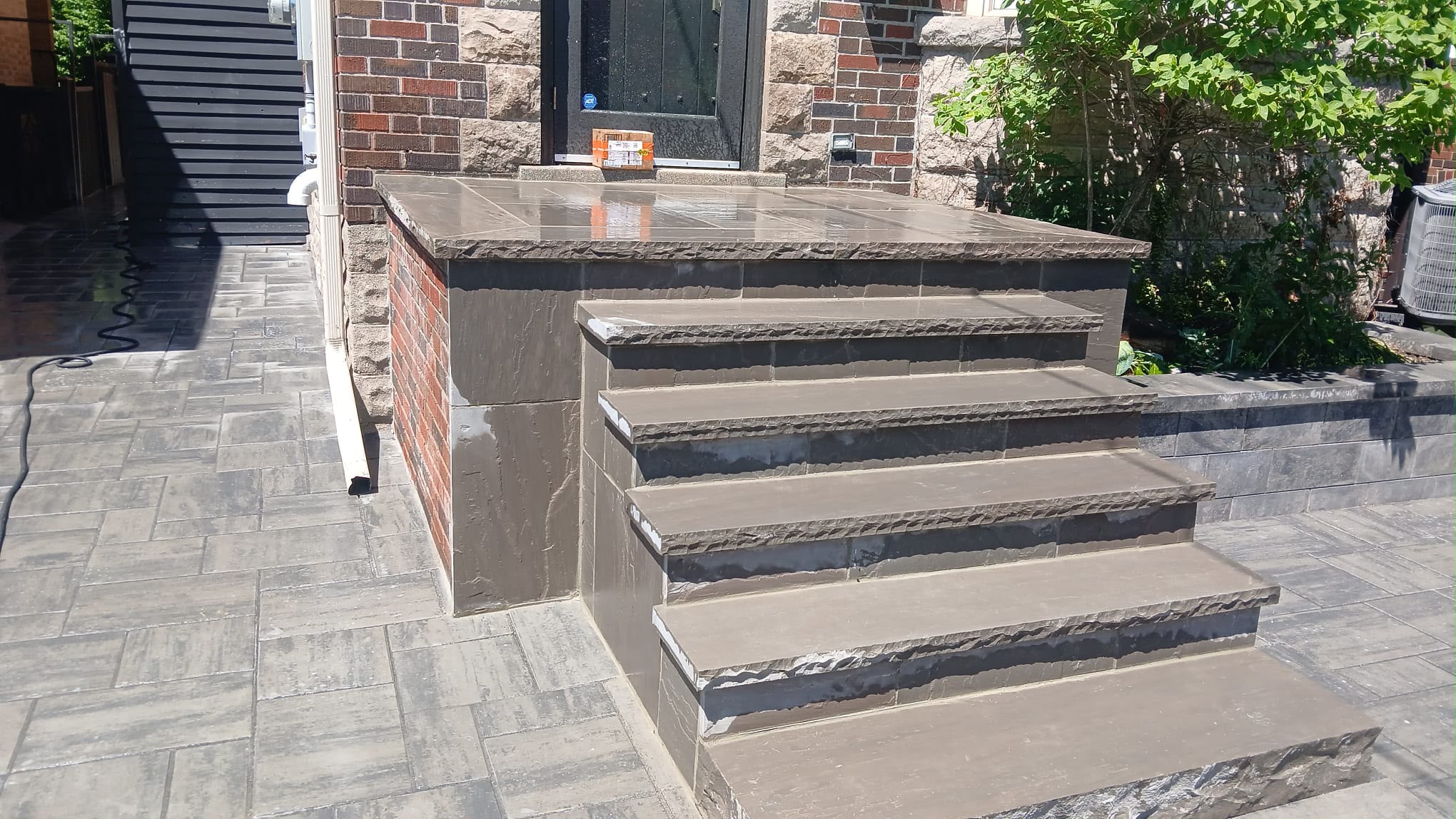
- Uneven steps: Stone, concrete, or interlocking steps may shift after seasonal ground movement.
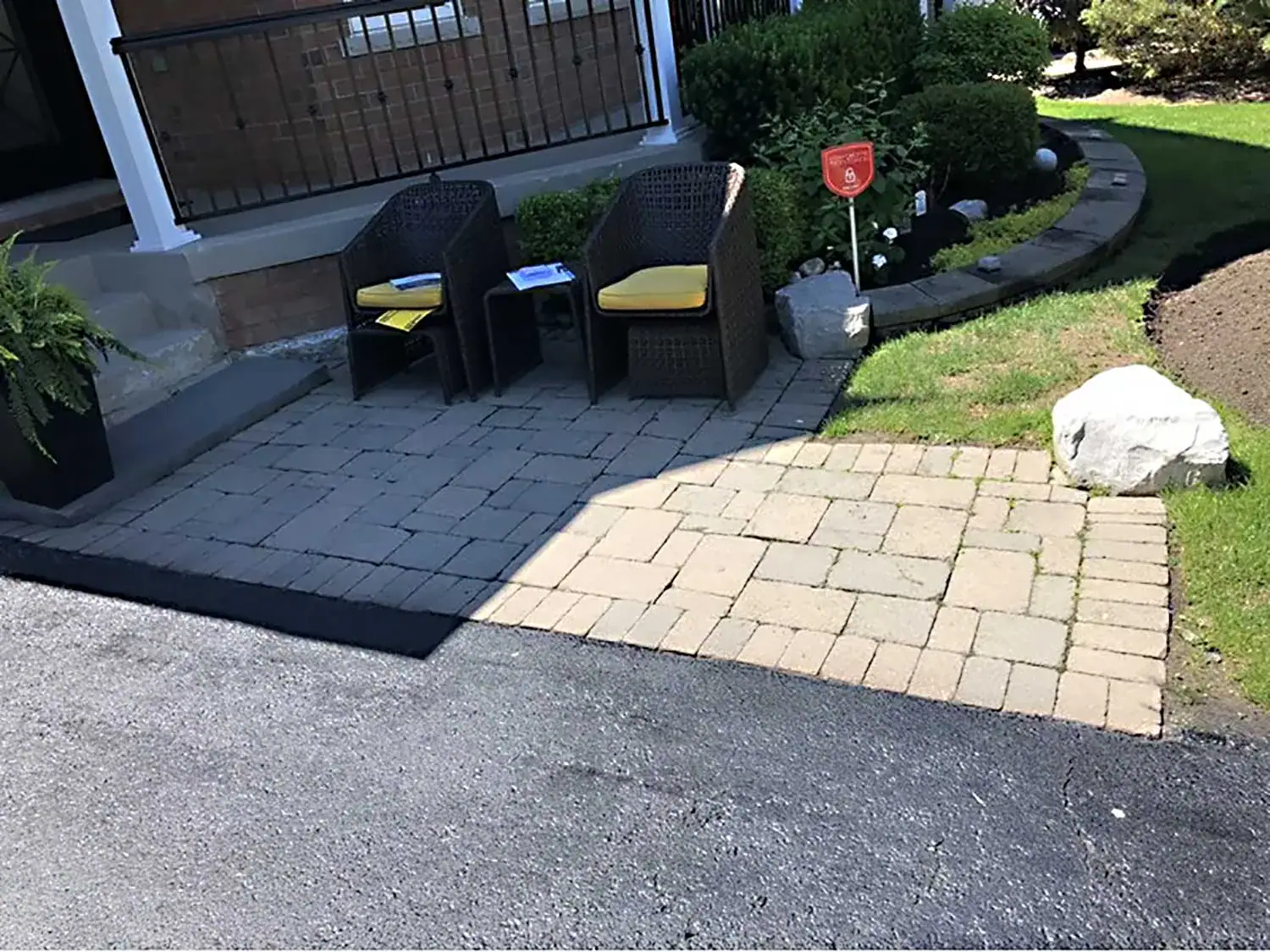
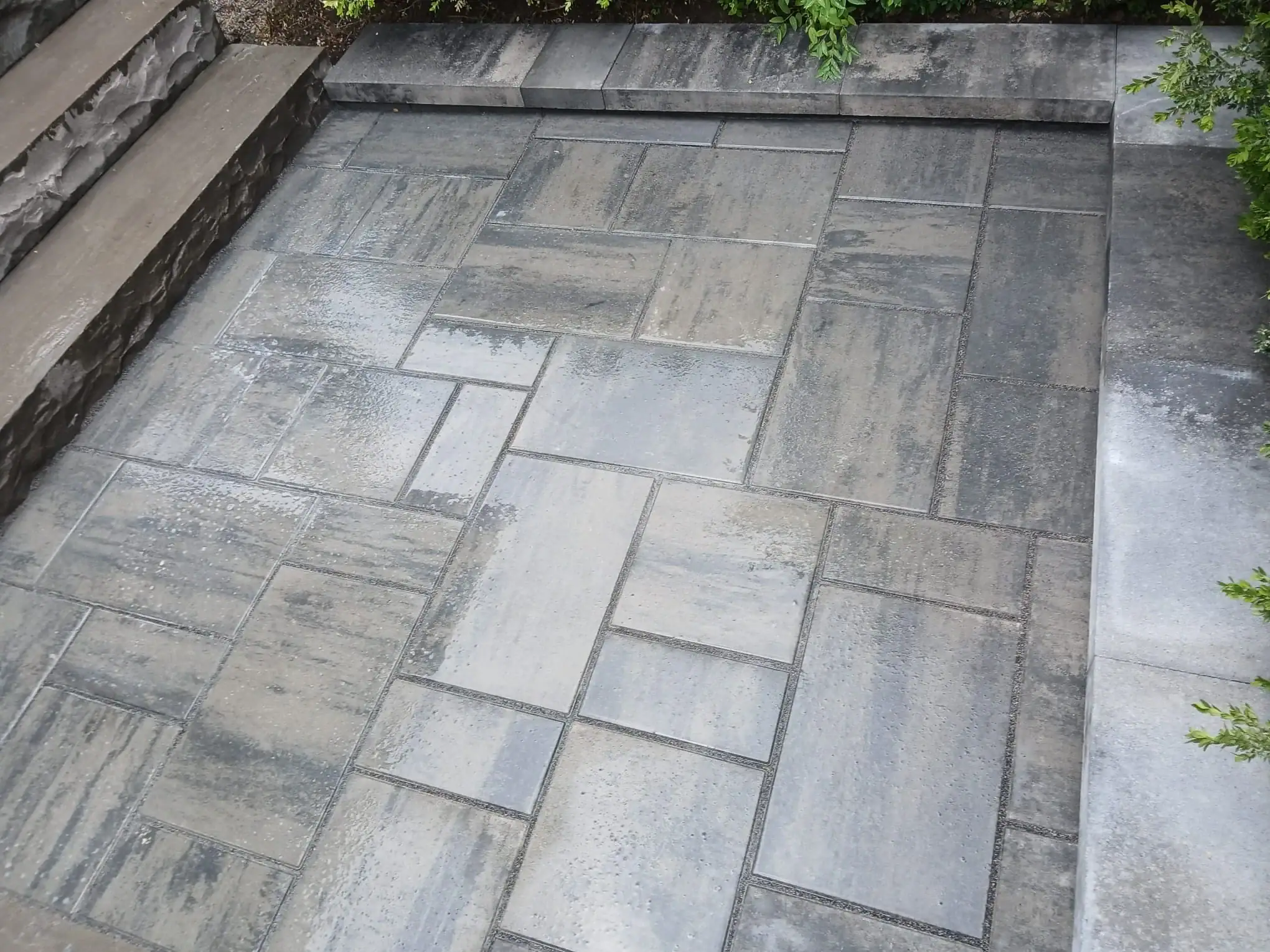
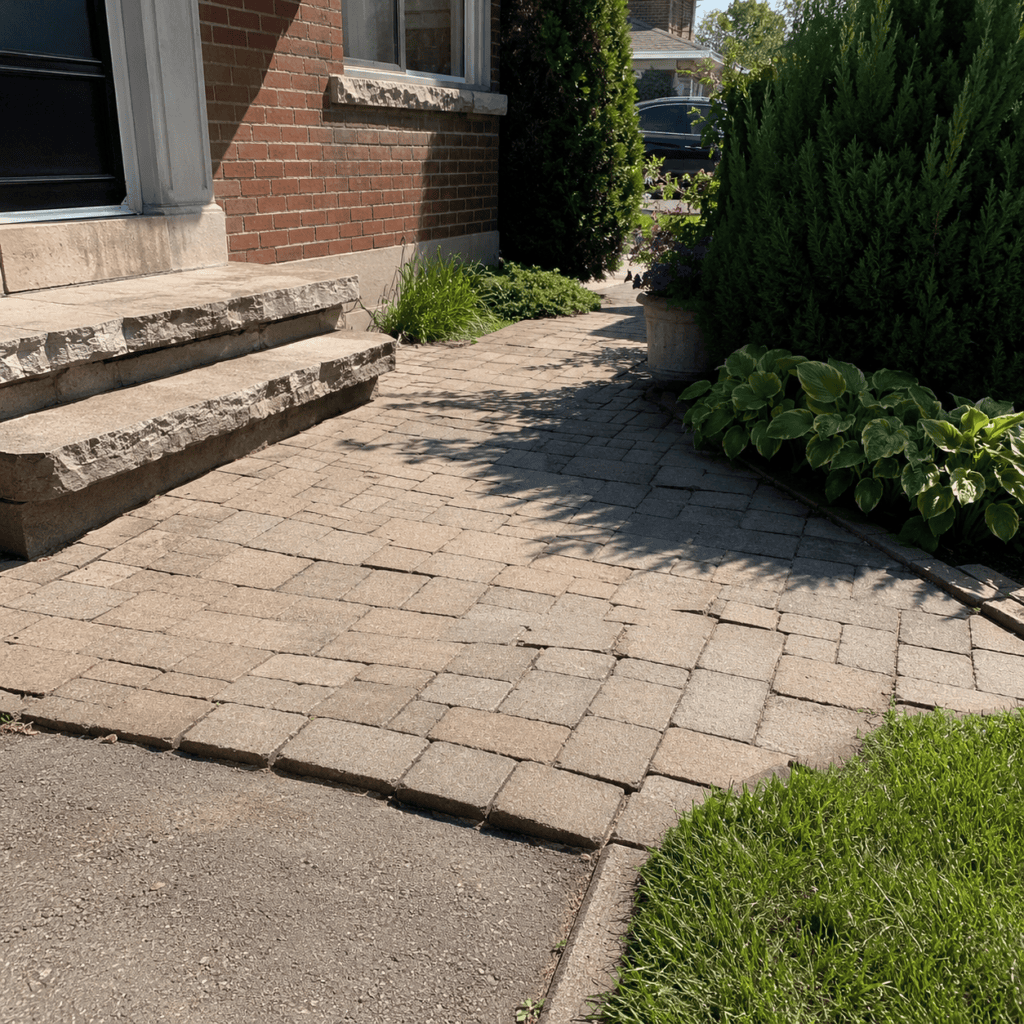
- Sunken patios or walkways: Poor base support or water movement can make pavers settle.
- Chimney damage: Chimneys may show cracked crowns, loose mortar joints, spalling brick, or flashing issues.
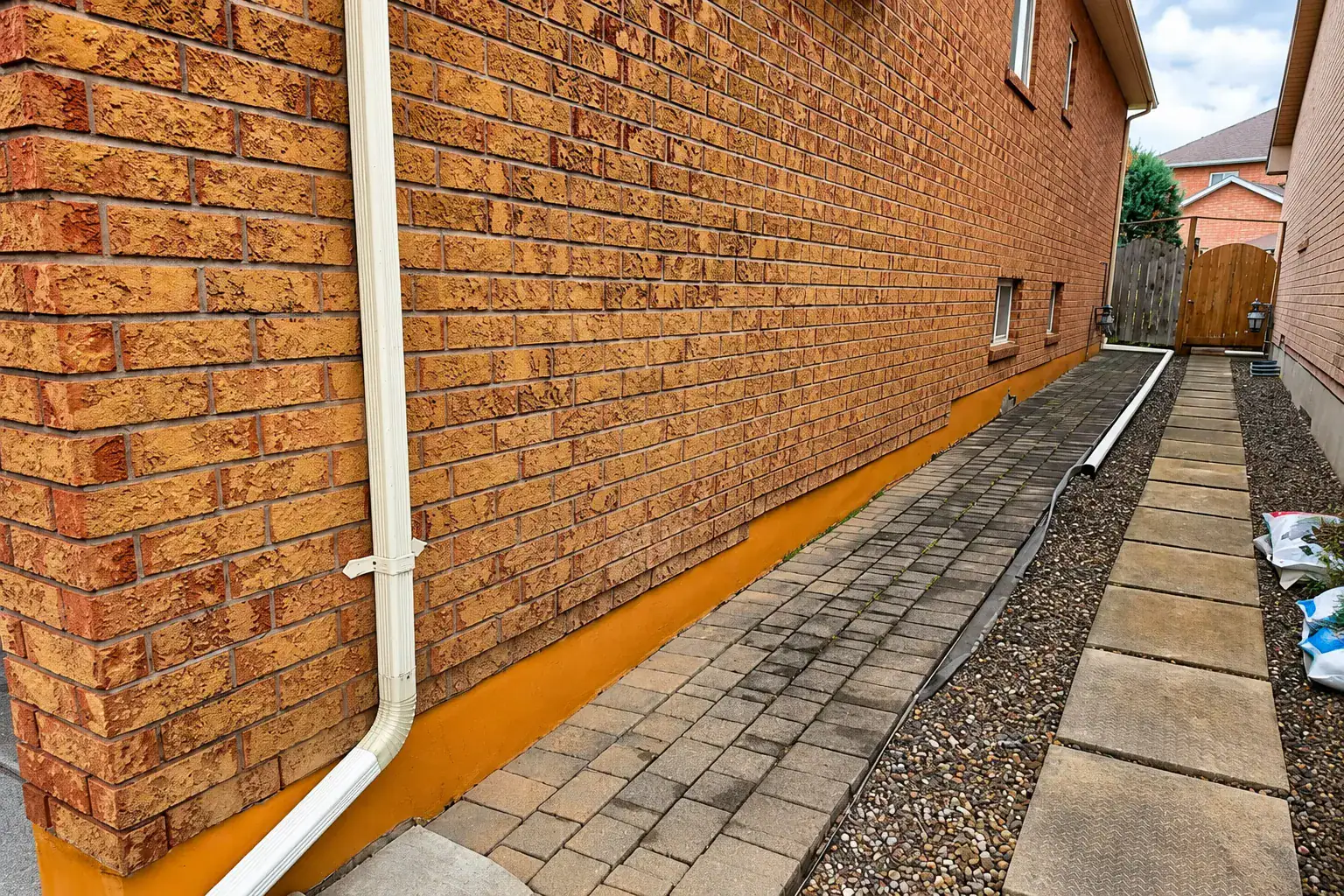
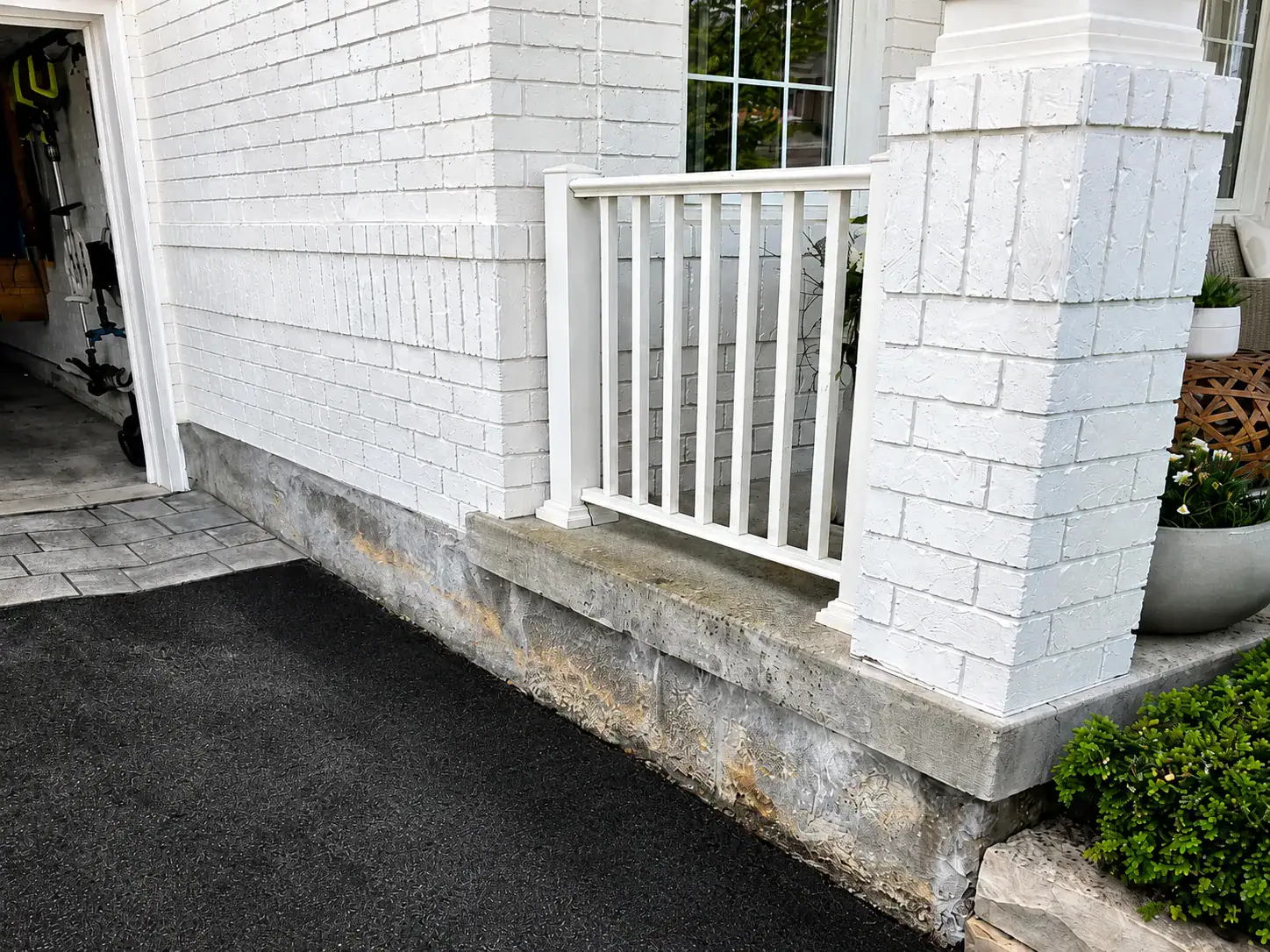
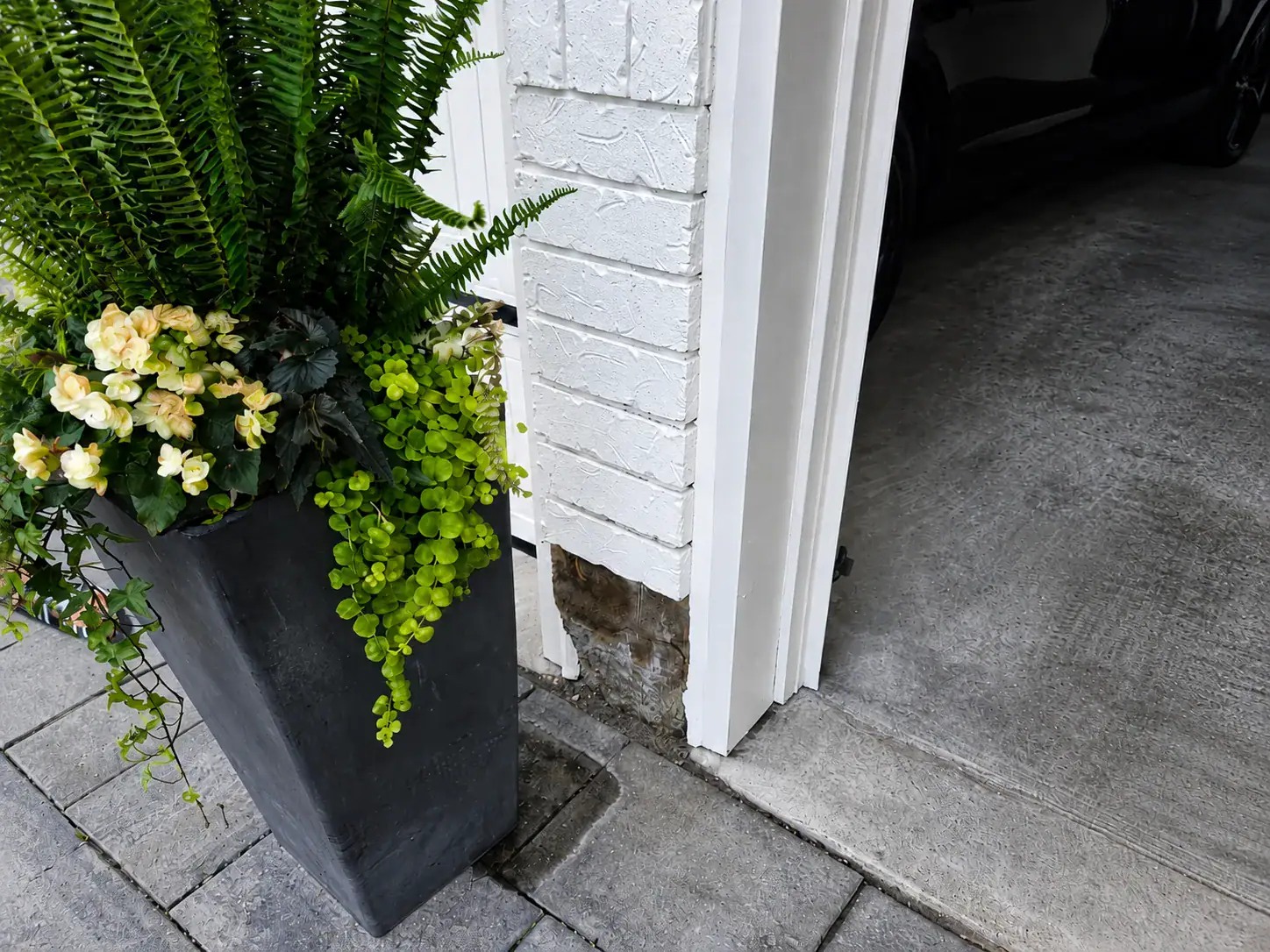
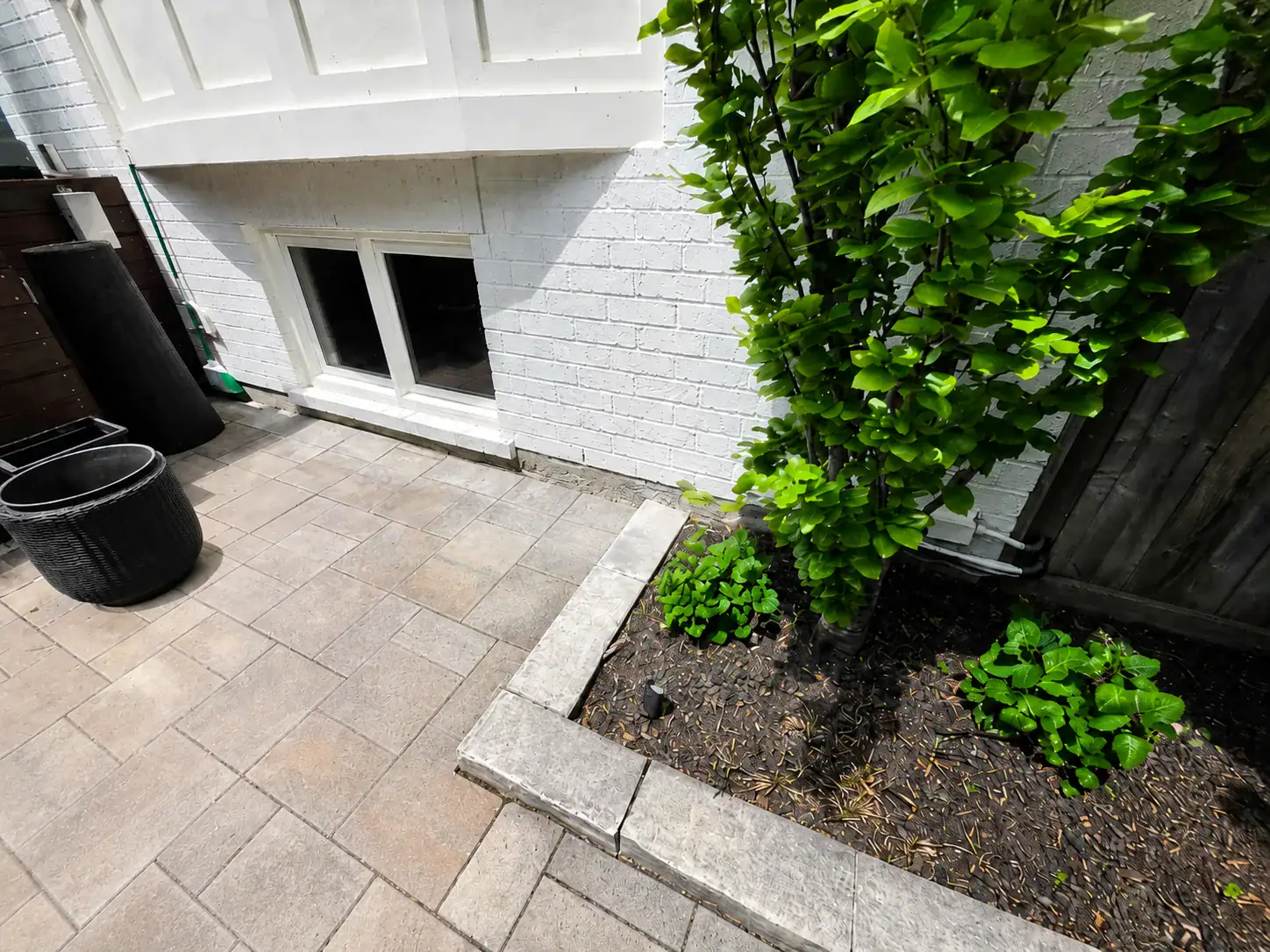
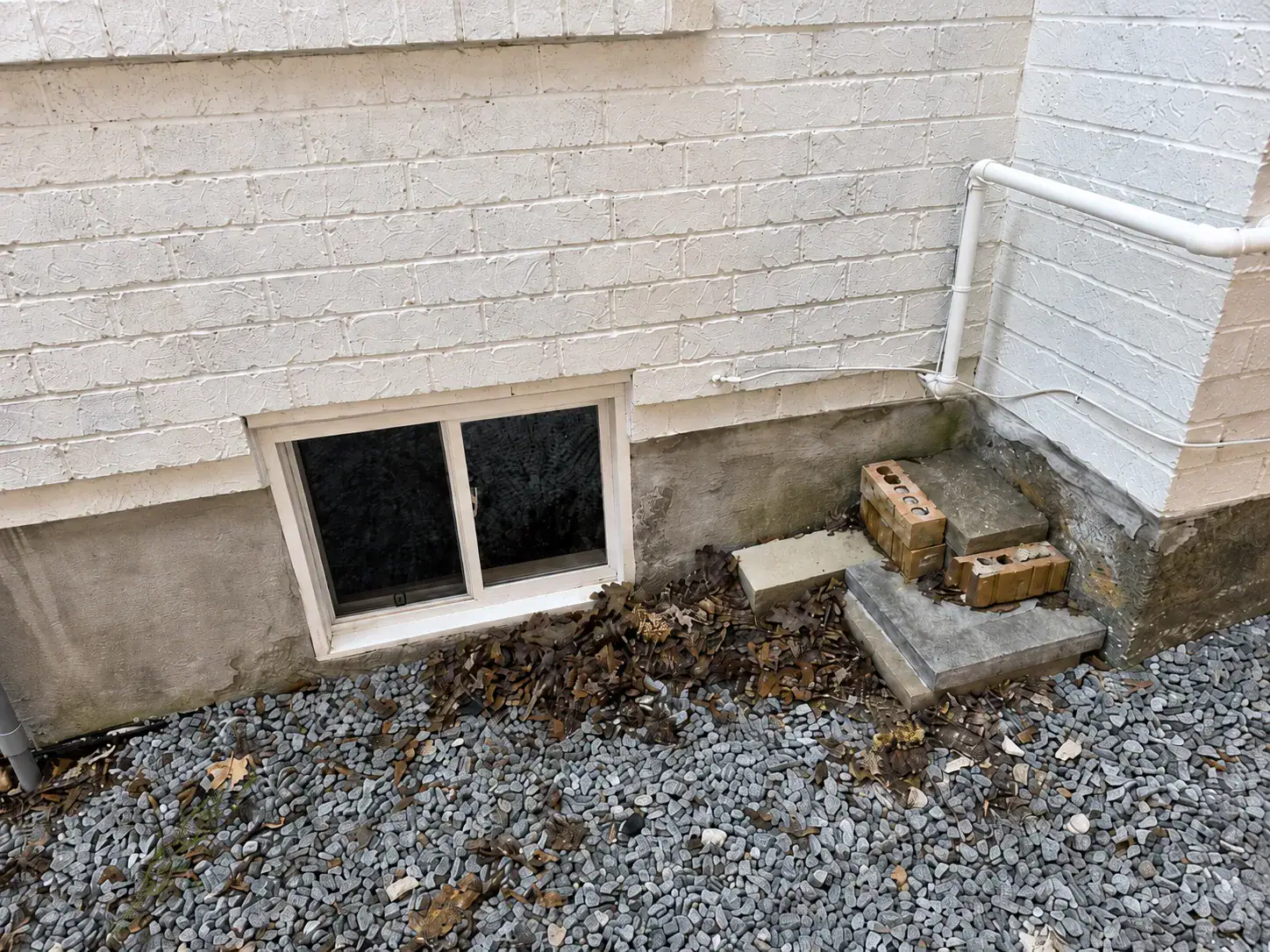
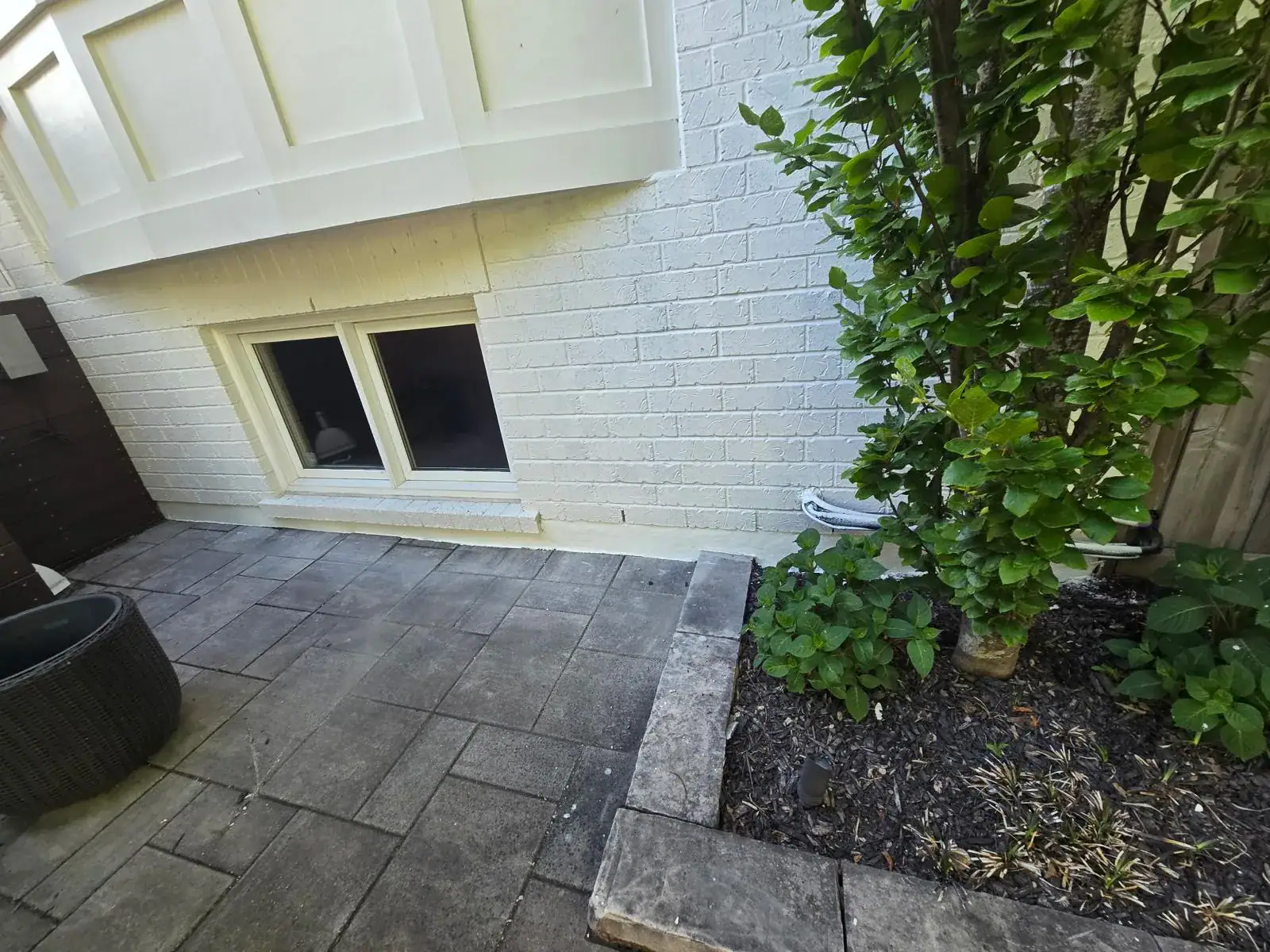
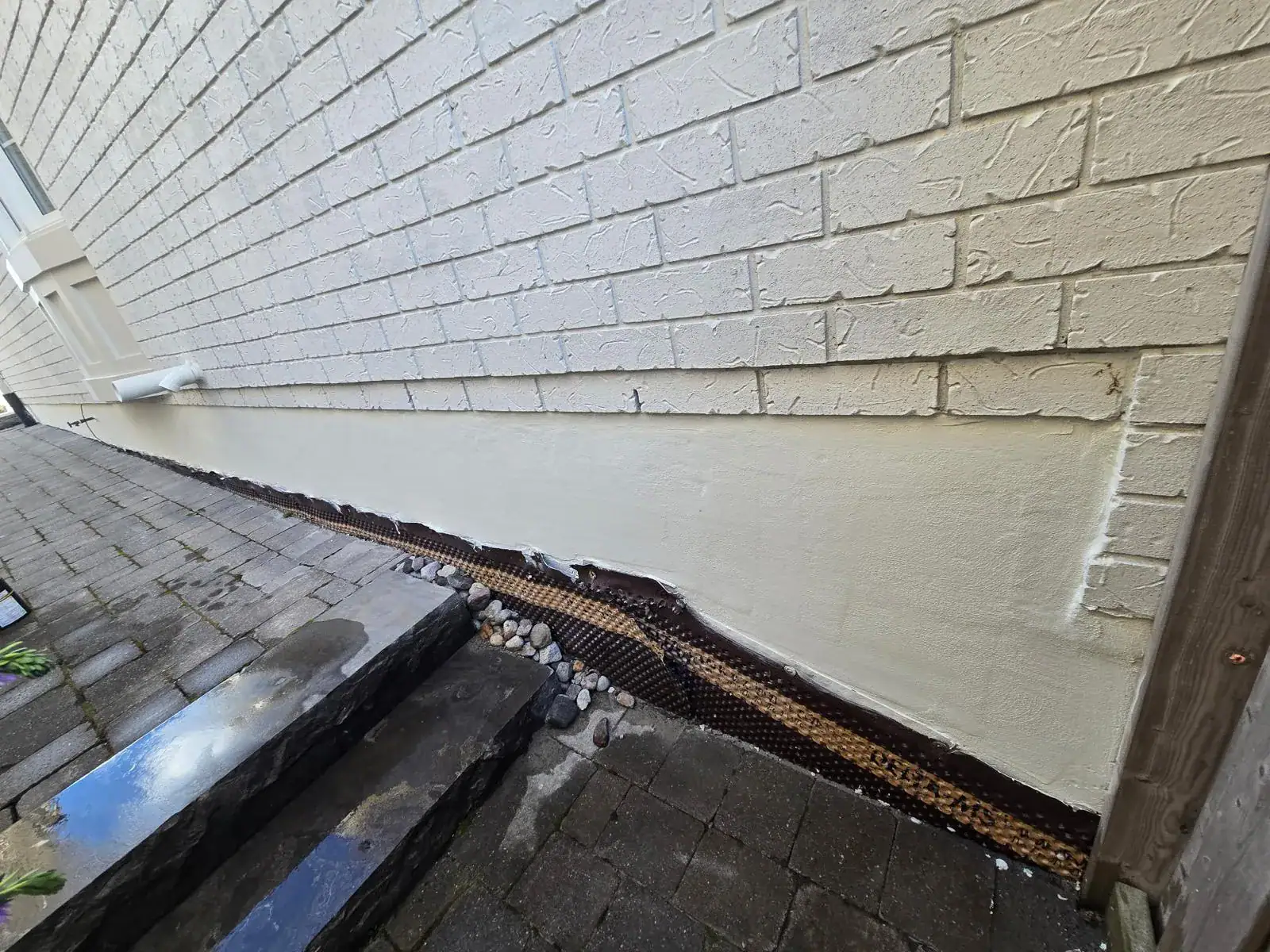
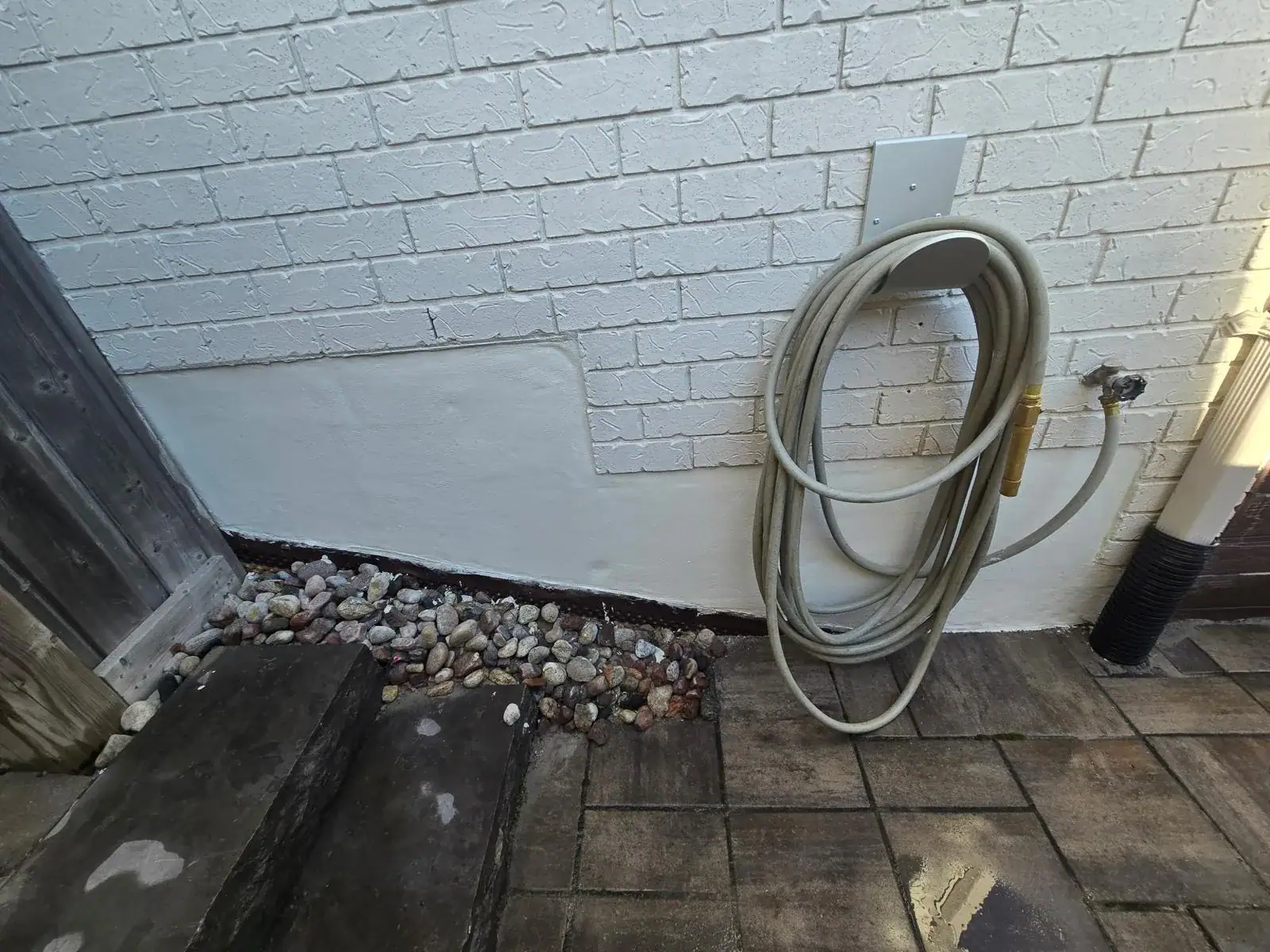
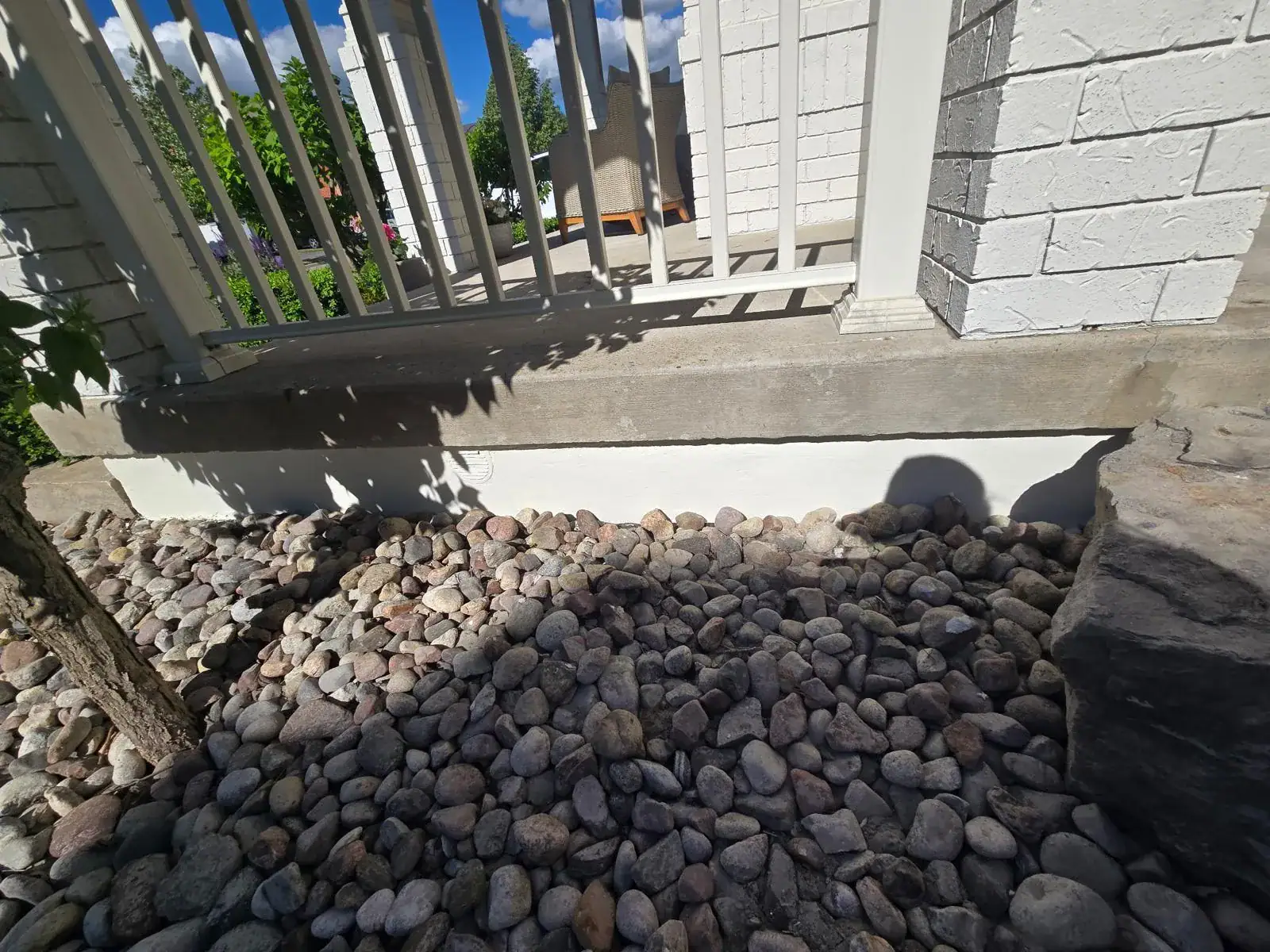
- Foundation-area issues: Lower walls may show dampness, parging cracks, or signs of drainage problems.
If you are unsure whether a visible issue is minor or more serious, A&A Masonry’s guide to common masonry repair issues in Toronto is a helpful place to start.
Check Mortar Joints Before They Worsen
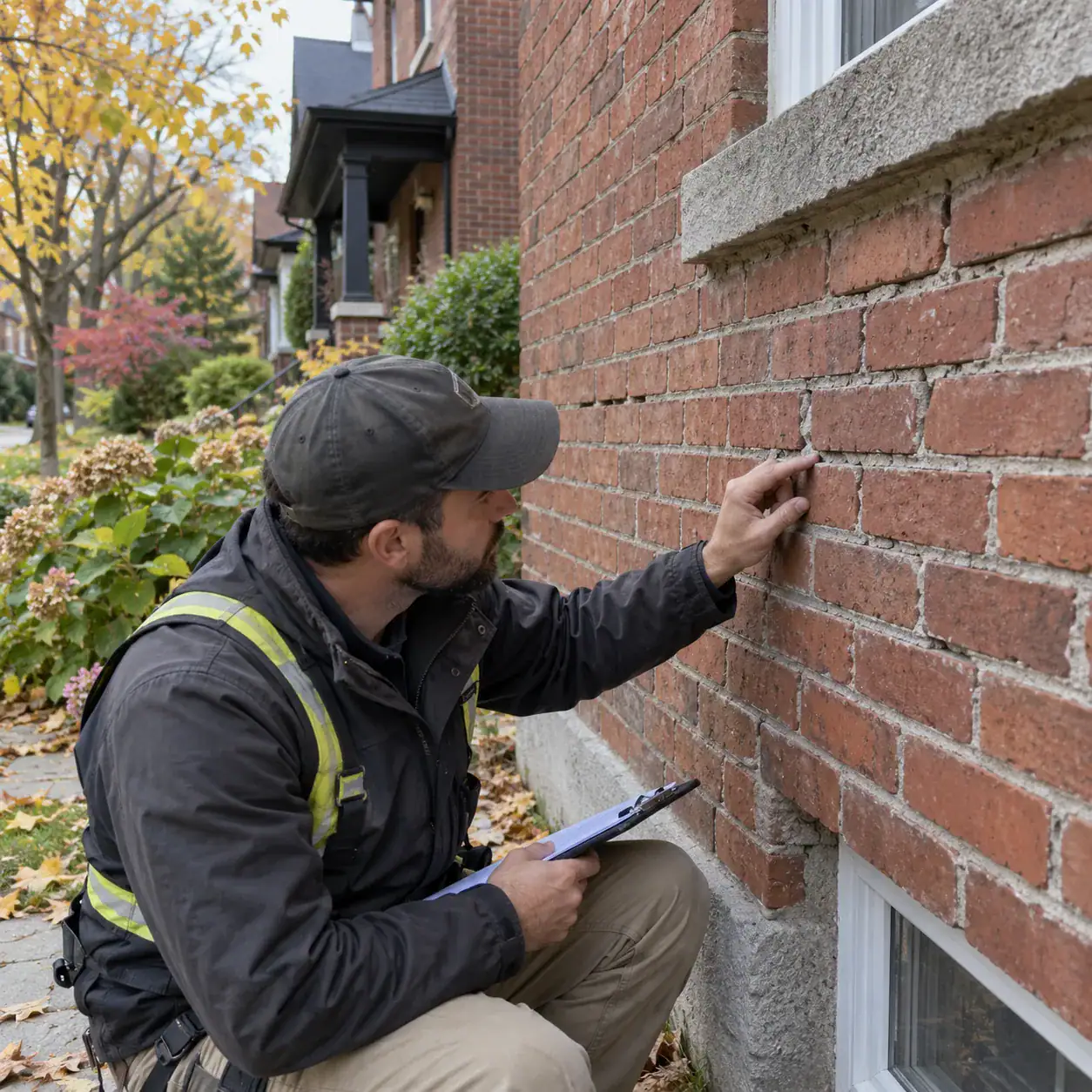
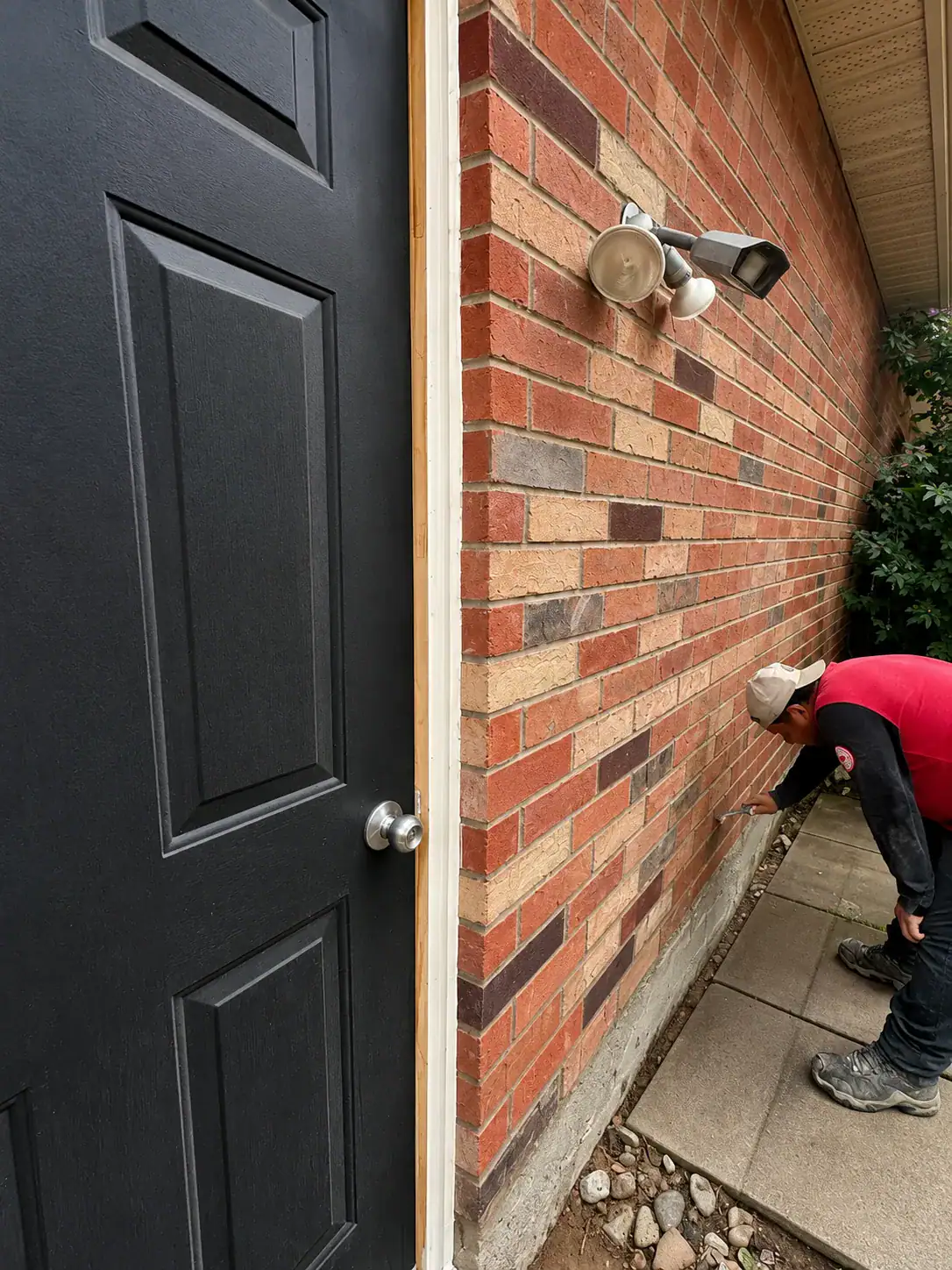
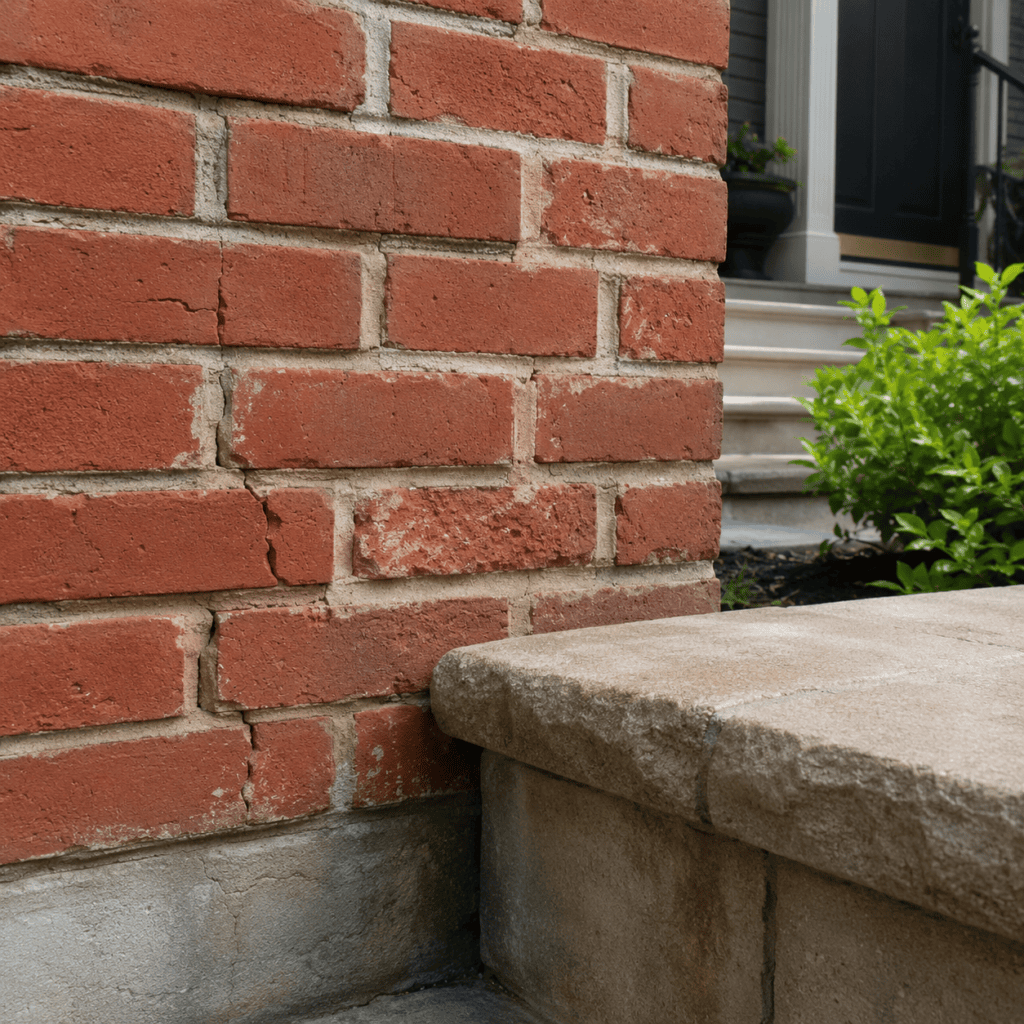
Mortar joints should be checked in summer because they protect brick and stone from water entry. When mortar becomes soft, cracked, recessed, or missing, water can more easily enter the wall. Once moisture gets inside, the next freeze-thaw cycle can worsen the damage.
Look closely at exterior brick walls, porch areas, steps, garden walls, and chimneys. Healthy mortar should not crumble easily or fall out when touched. Recessed joints, deep gaps, cracks, or sandy mortar are warning signs. Small areas of wear may be manageable, but widespread failing mortar should not be ignored.
Tuckpointing is often used when mortar joints have deteriorated, but the surrounding brick is still in good condition. It involves removing failed mortar and replacing it with compatible new mortar. The right mortar matters, especially for older Toronto homes, because overly hard mortar can damage softer brick.
For mortar-related concerns, A&A Masonry’s tuckpointing services in Toronto page explains how mortar joint repair helps protect masonry from water and weather damage.
Watch for Spalling Brick After Winter Damage
Spalling brick is a common summer discovery because damage from winter moisture may not be apparent until the weather warms. Spalling occurs when the brick face flakes, chips, pops off, or crumbles. It is often linked to moisture entering the brick, which expands during freezing weather.
Spalling should not be dismissed as only a cosmetic problem. Once the brick’s protective face breaks away, the remaining material can absorb more moisture and deteriorate faster. If several bricks are affected, the wall may need more than a small patch.
Common places to check include chimneys, lower walls near soil or walkways, brick near downspouts, steps, porch edges, window sills, and areas that face heavy rain or shade. If the brick is only dirty, cleaning may help. If the brick is physically breaking apart, repair or replacement may be needed.
A&A Masonry’s brick repair Toronto page is a useful resource if you see cracked, damaged, or spalling brick around your home.
Heavy Summer Rain Can Reveal Drainage Problems
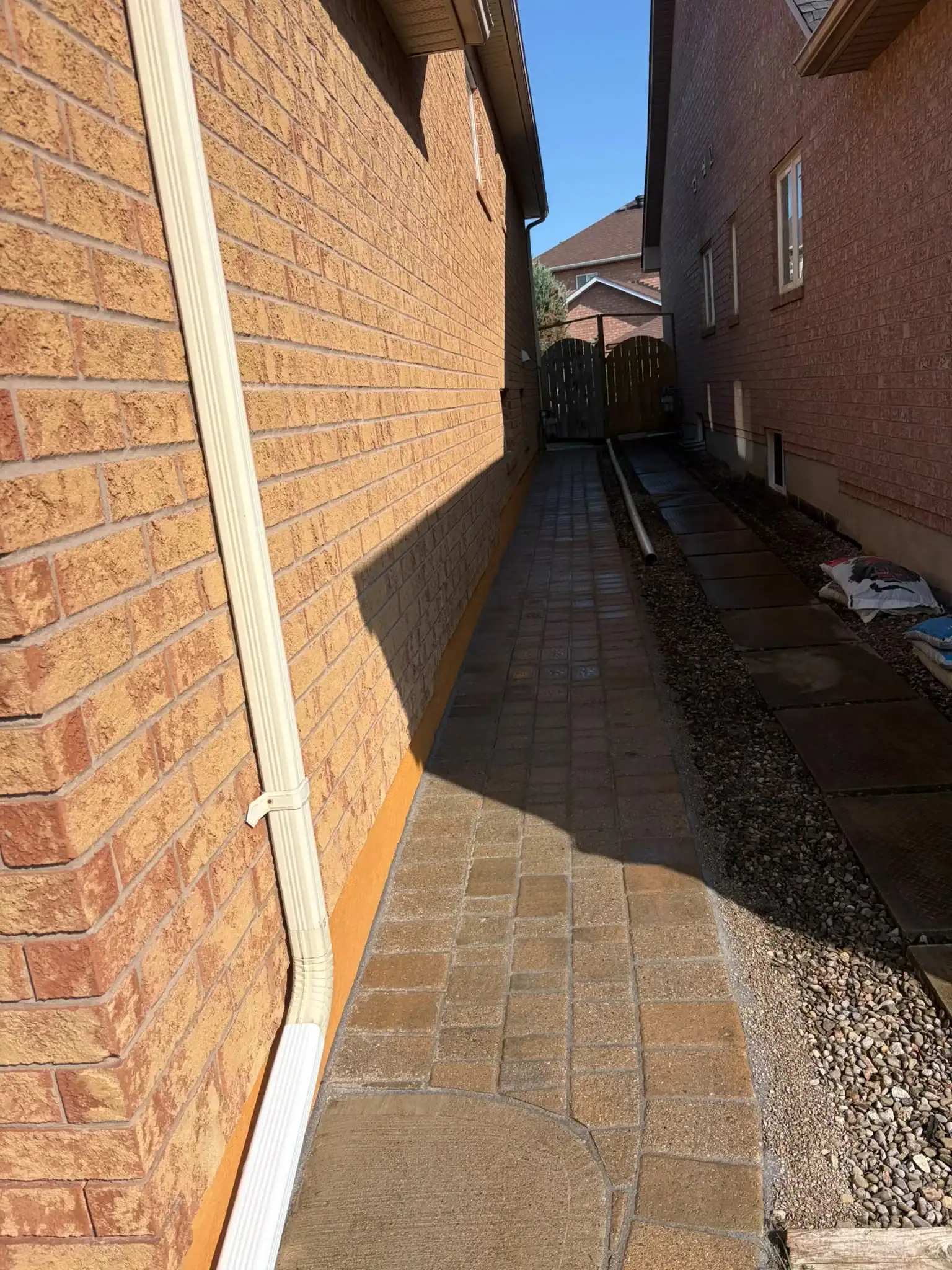
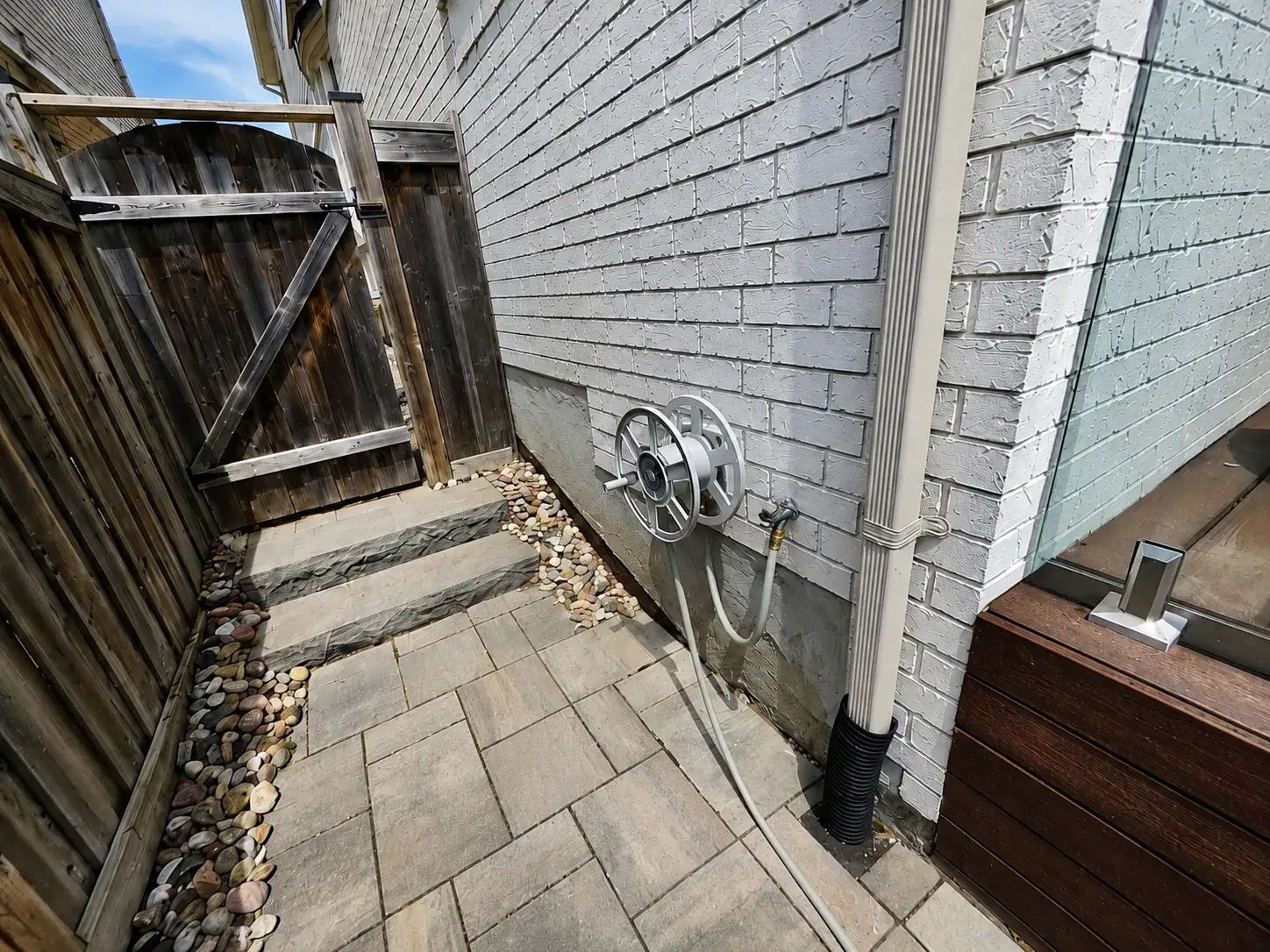
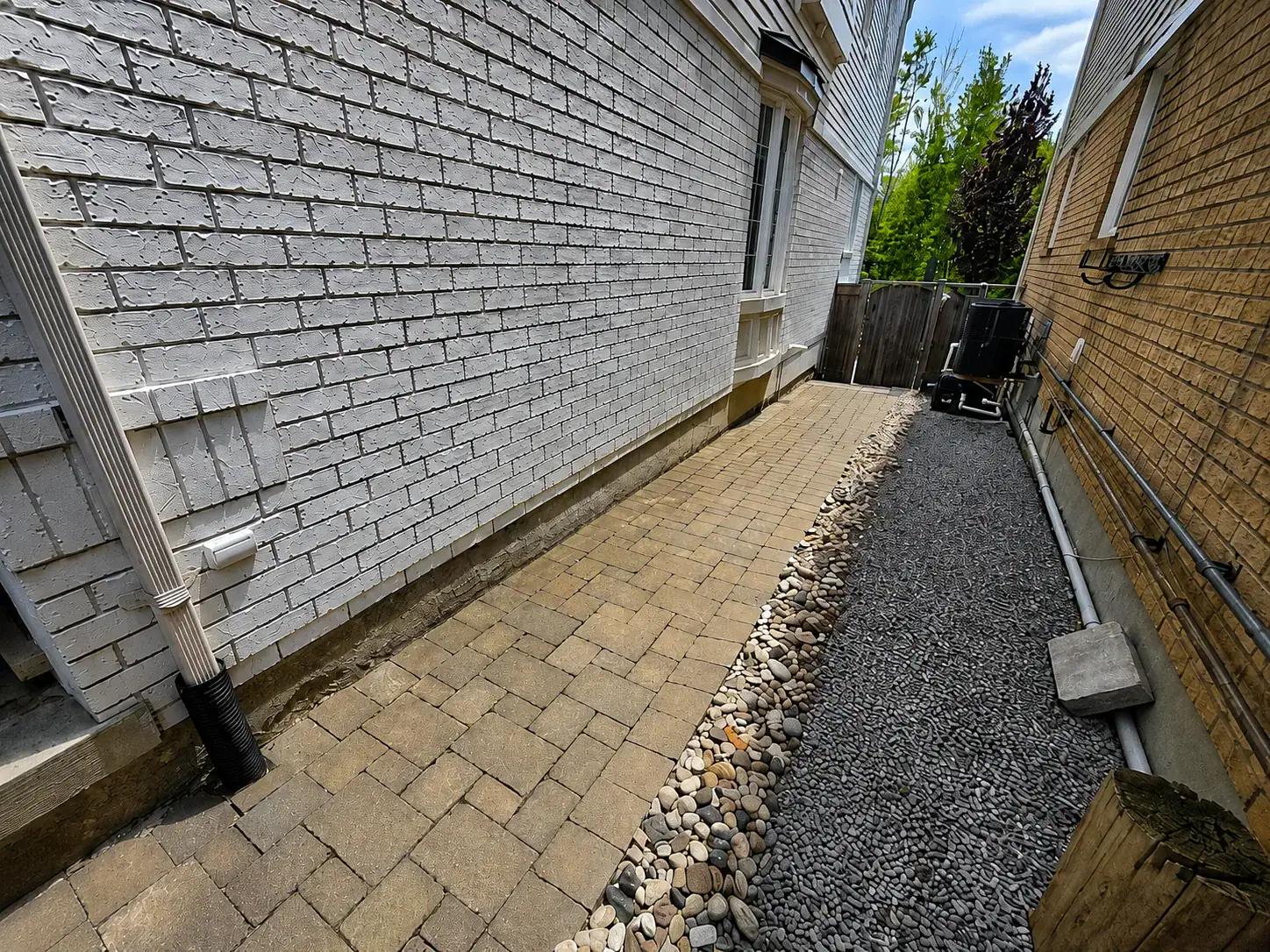
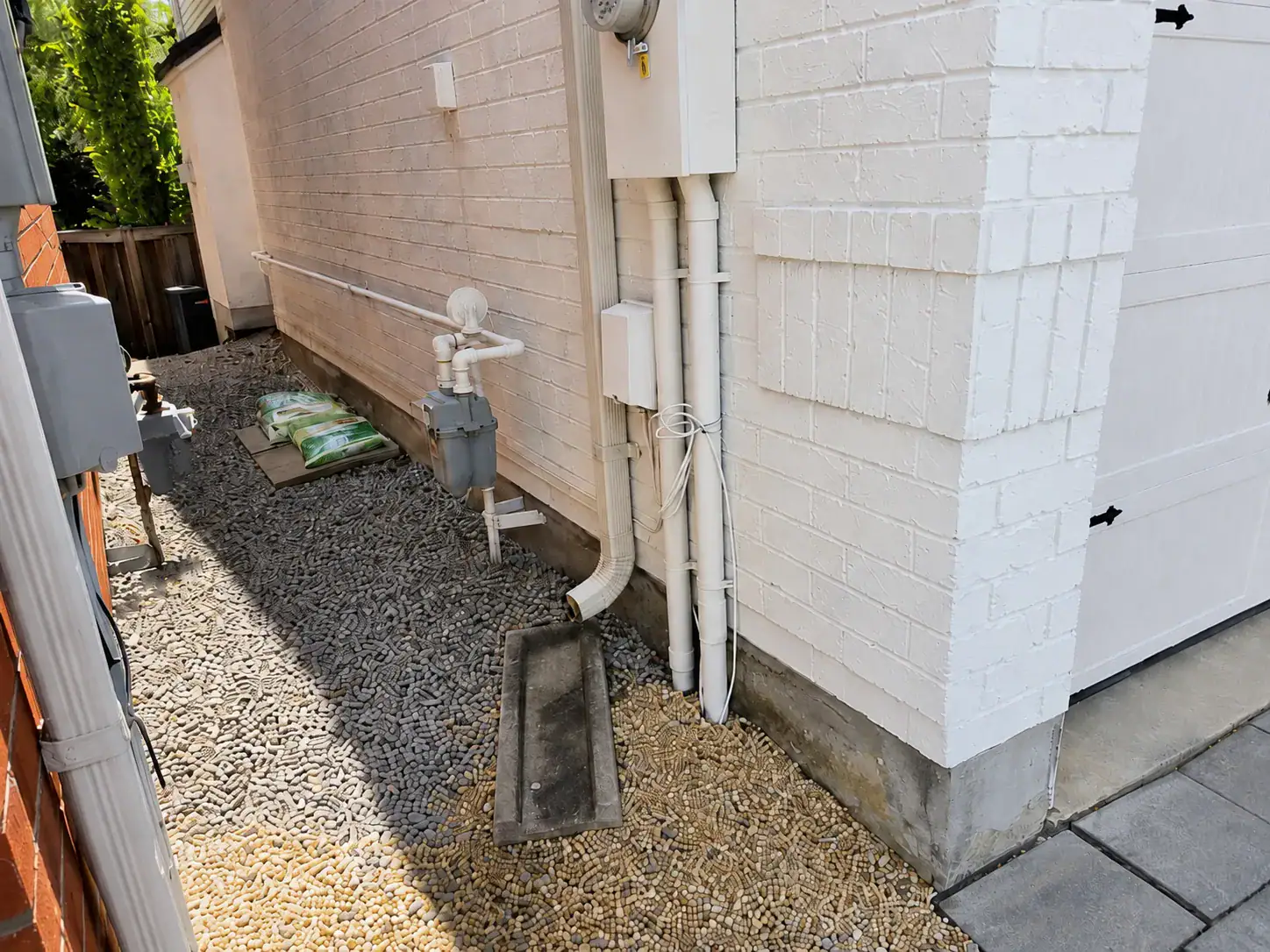
Heavy summer rain can reveal drainage problems around masonry because water paths become more visible. Watch where water flows from roofs, downspouts, driveways, patios, walkways, and sloped yards. If water runs toward the foundation, pools against steps, or sits beside brick walls, masonry damage can follow.
The City of Toronto provides homeowner guidance on managing rain and melted snow. The City also advises homeowners to keep drainage routes clear to prevent basement flooding, including maintaining drainage swales and clearing debris from catch basins where safe to do so.
Drainage is important because masonry is durable, but it is not designed to stay wet all the time. Constant moisture can weaken mortar, stain brick, damage parging, loosen pavers, and contribute to moisture in the foundation. If water pools near your basement wall or lower brickwork after every storm, sealing the surface may not be enough. The water source and drainage path should be reviewed.
For moisture-related concerns, A&A Masonry’s waterproofing Toronto page can help homeowners understand when water control may need more than surface repair.

Efflorescence: White Stains That Point to Moisture Movement
Efflorescence is the white powdery staining that sometimes appears on brick, stone, concrete, or mortar. It happens when moisture moves through masonry, carrying salts to the surface. When the water evaporates, the salts remain as a visible white mark.
Efflorescence is not always an emergency, but it should not be ignored. It is a sign that moisture is moving through the masonry. The real question is where that moisture is coming from. It may be caused by recent rain, poor drainage, sprinklers hitting the wall, trapped moisture behind masonry, or water entering through open joints.
Homeowners should avoid aggressive cleaning before understanding the cause. Harsh chemicals or high-pressure washing can damage brick and mortar if used incorrectly. A light surface cleaning may temporarily remove the stain, but it can return if moisture continues to move through the wall.
If efflorescence appears alongside crumbling mortar, spalling brick, damp interior walls, or recurring staining, the issue likely requires closer inspection.
Summer Heat Can Expose Cracks and Movement
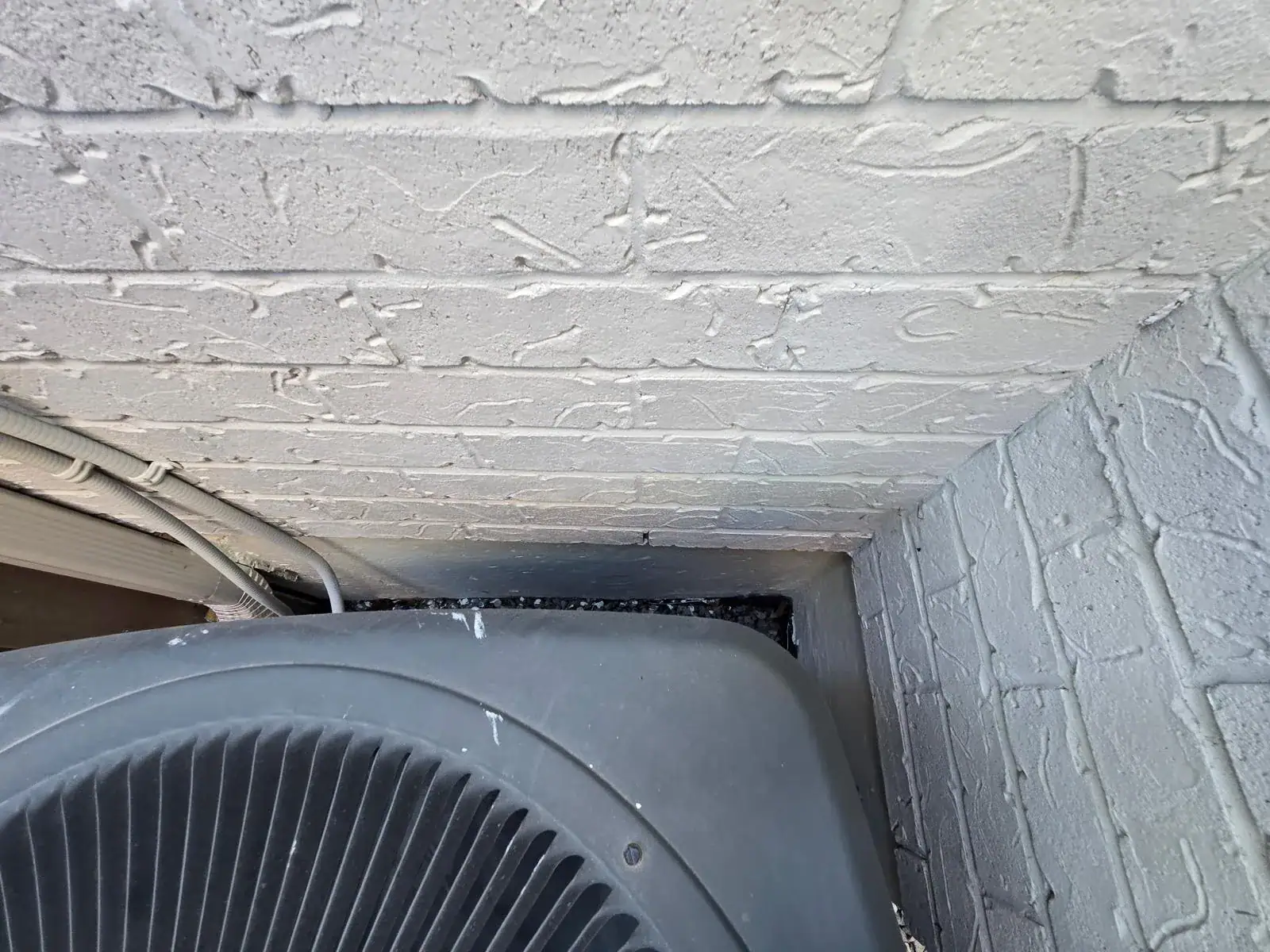
Summer heat can make cracks and movement easier to notice because masonry expands and contracts with temperature changes. Small hairline cracks may be normal in some materials, but widening cracks, stair-step cracks, bulging walls, or separation around openings should be taken seriously.
Cracks around windows, doors, chimneys, retaining walls, and foundation areas can point to movement, water damage, poor past repairs, or structural stress. The pattern matters. A single small surface crack may be less concerning than a stair-step crack running through brick joints or a wall that appears to bow outward.
Take photos of cracks and note the date. Check again after heavy rain or after several weeks of hot weather. If cracks are growing or spreading, or accompanied by loose bricks or water staining, a professional review is the safer choice.
Inspect Chimneys During Dry Summer Weather
Summer is a practical time to inspect chimneys because roofline masonry is visible and there is time to repair damage before fall rain and winter snow. Chimneys face some of the harshest exposure on the home because they sit above the roof, exposed to wind, rain, ice, and temperature changes.
From the ground, look for leaning, missing mortar, spalling brick, cracked crowns, missing caps, rust stains, or damaged flashing. Do not climb onto the roof unless you are trained and properly equipped. Chimney work adds fall risk and should usually be inspected by a professional when damage is suspected.
Chimney issues can lead to water entry, interior stains, brick damage, and roofline problems. If the chimney shows signs of deterioration, A&A Masonry’s chimney repair Toronto page explains common chimney repair needs for Toronto homes.
Steps, Walkways, Patios, and Driveways Need Summer Attention
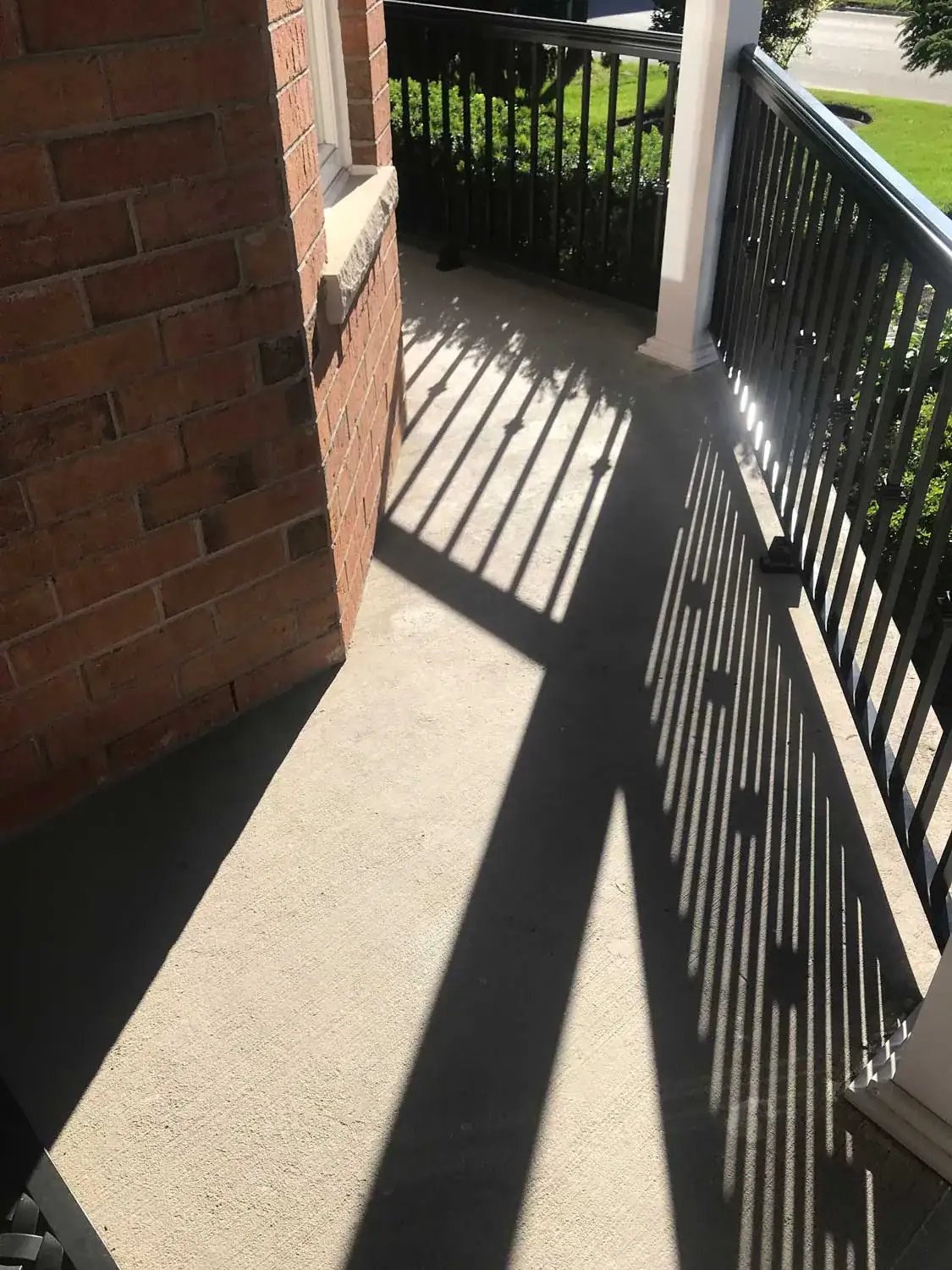
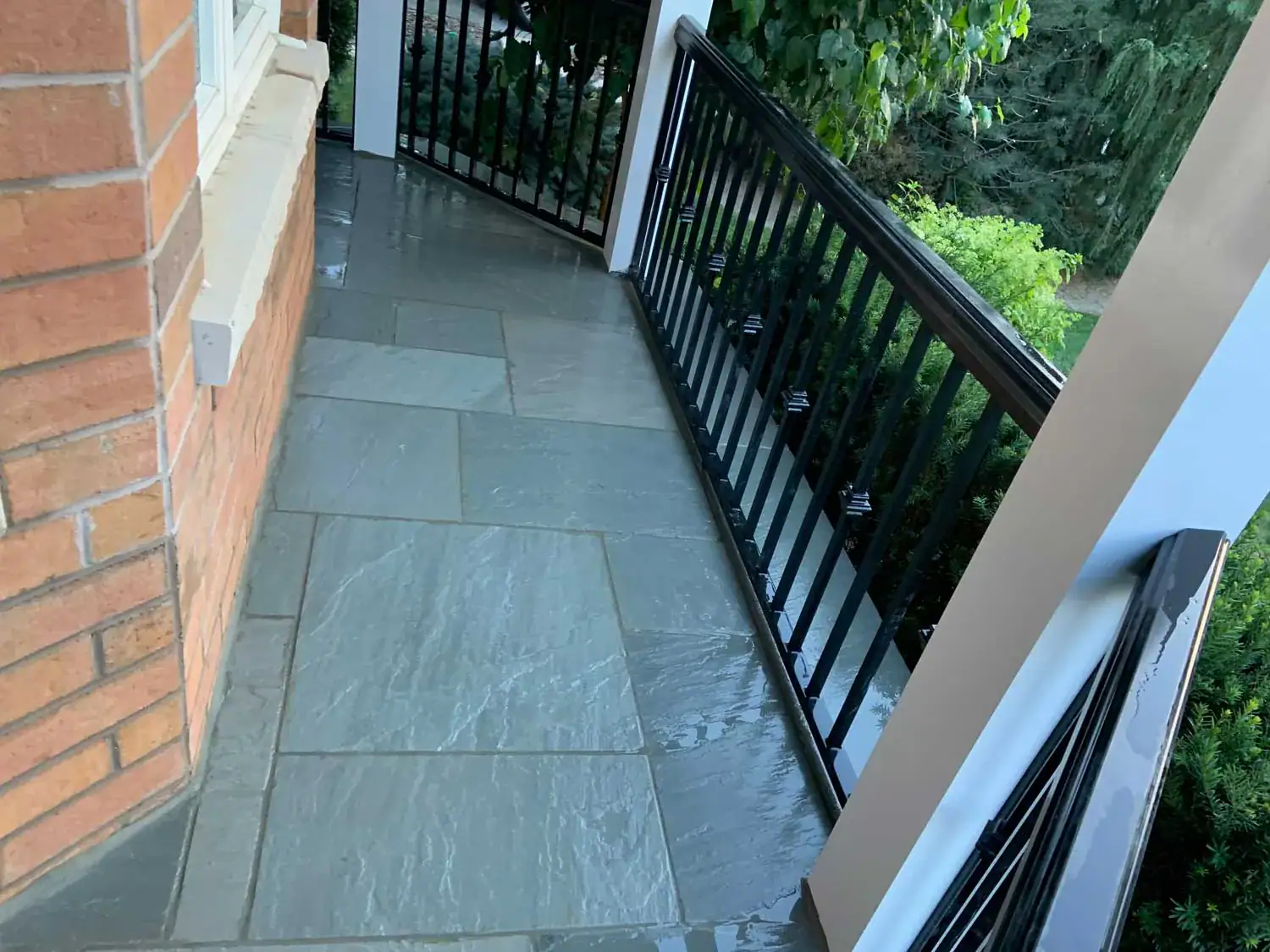
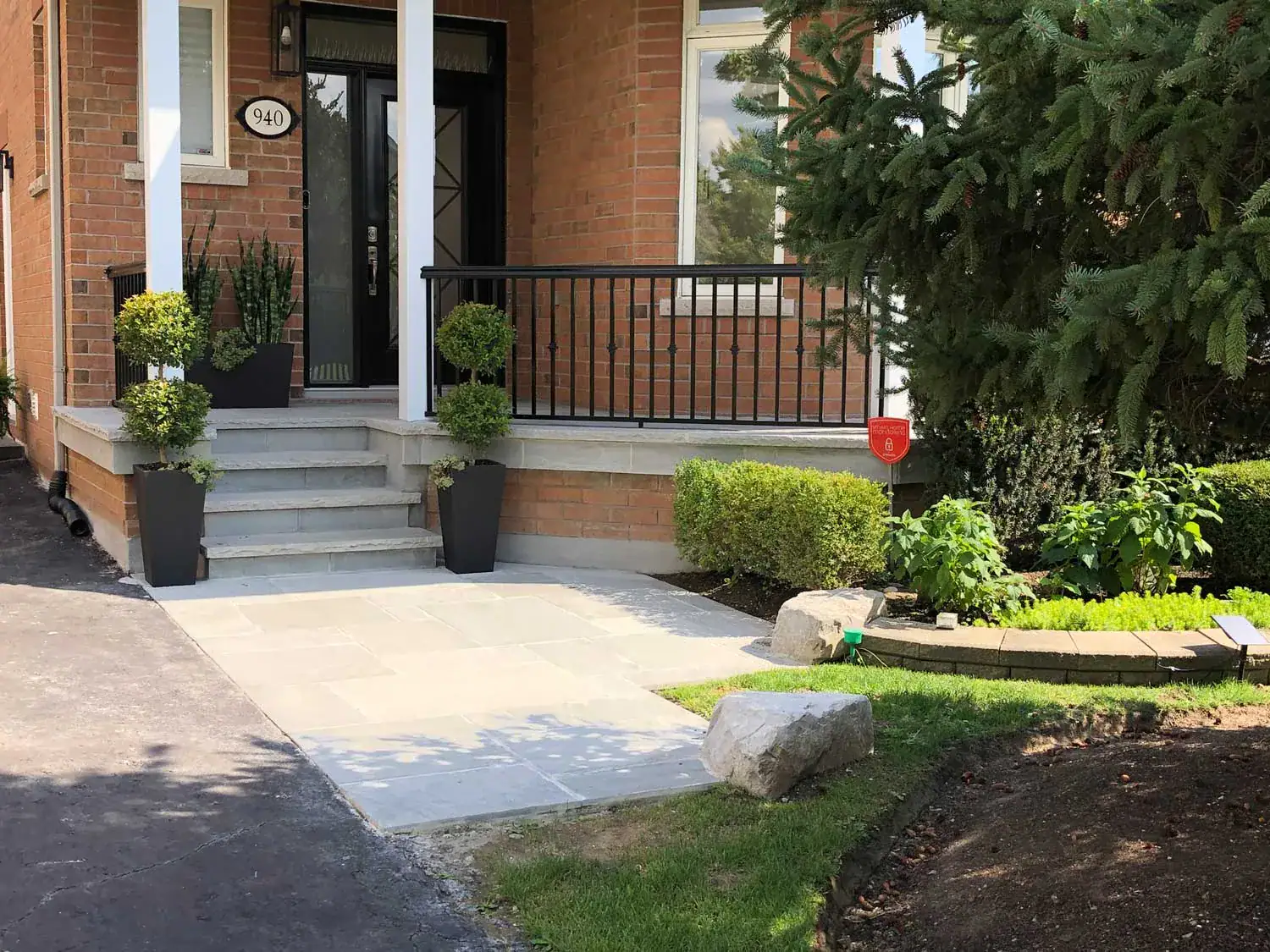
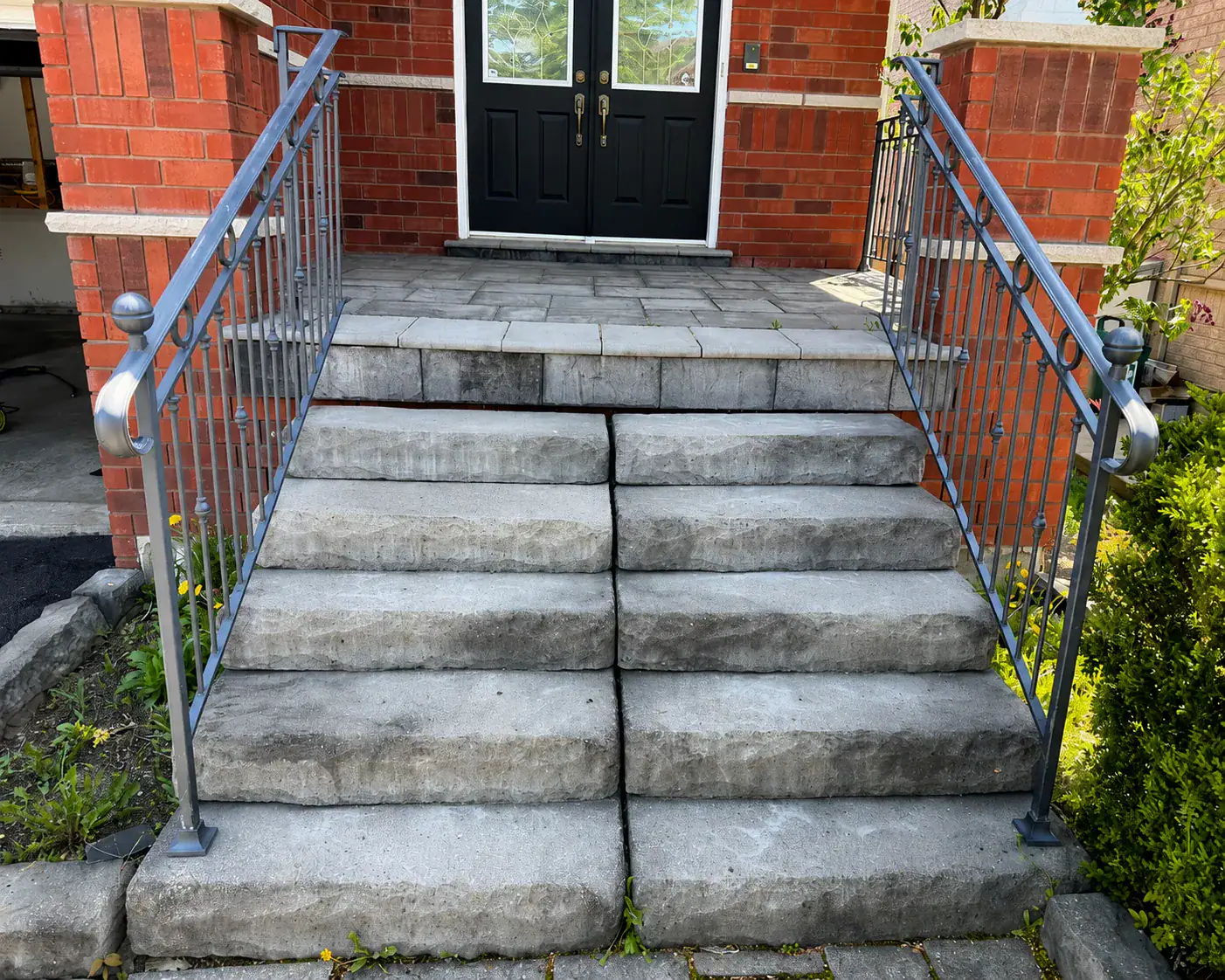
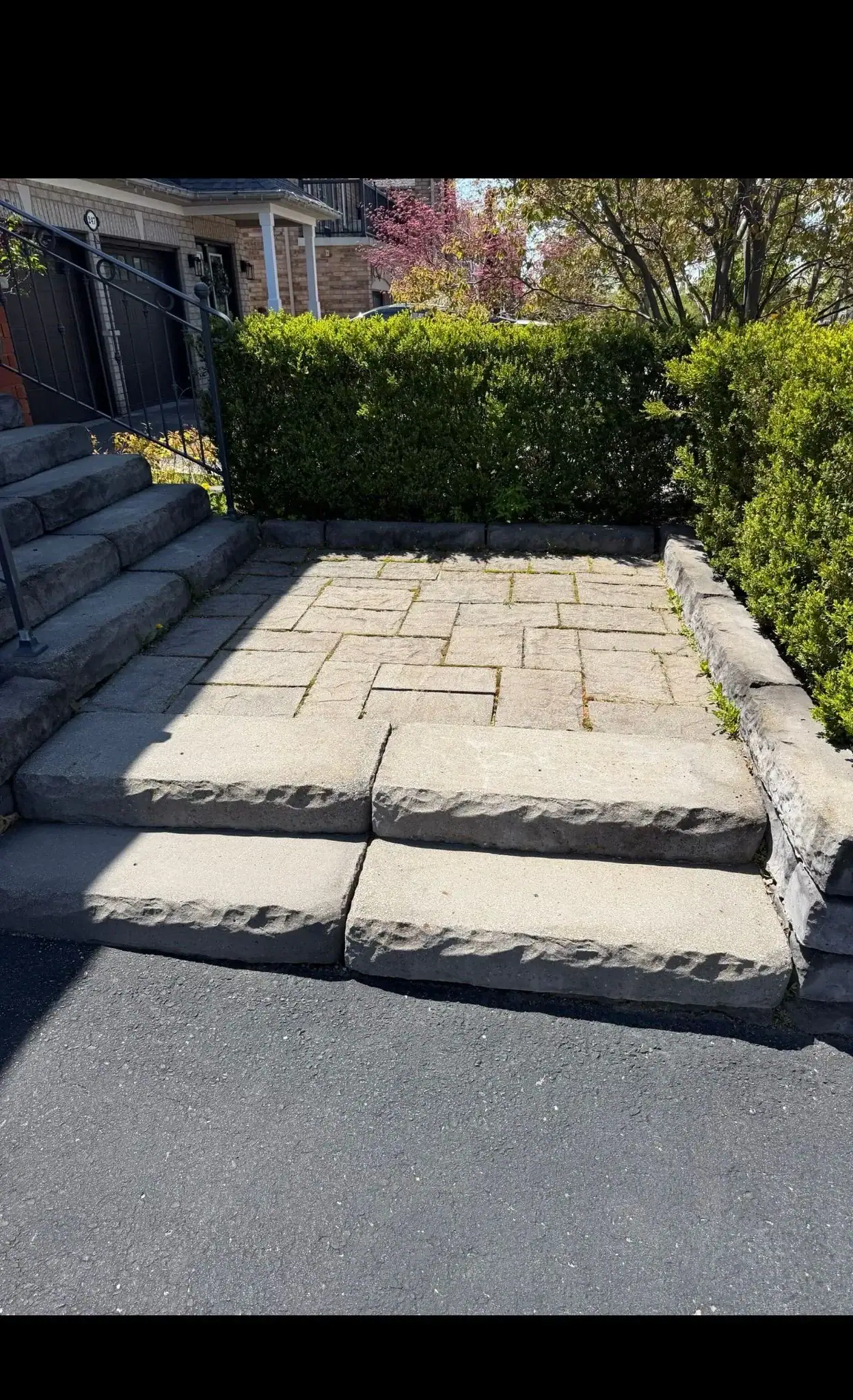
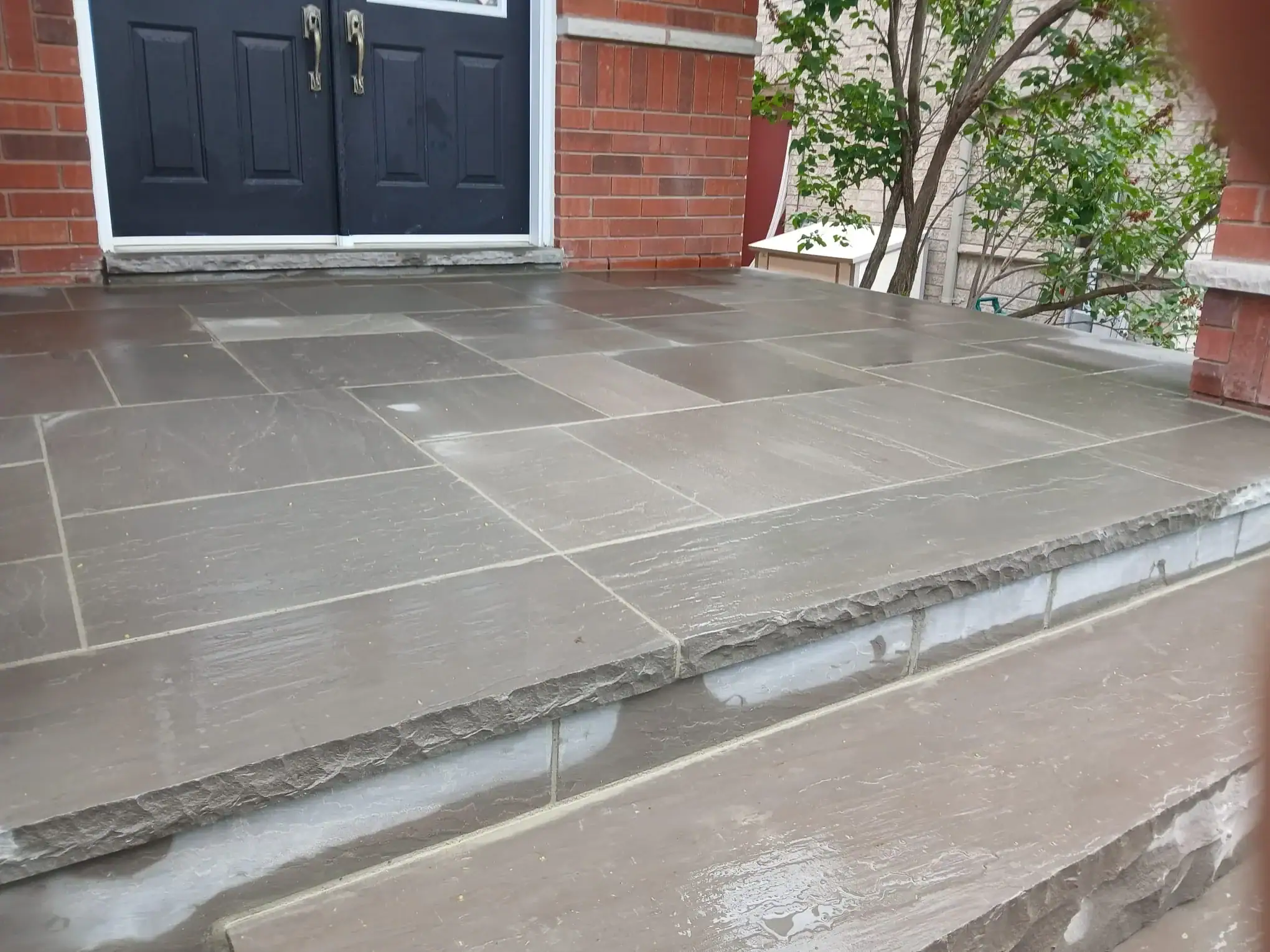
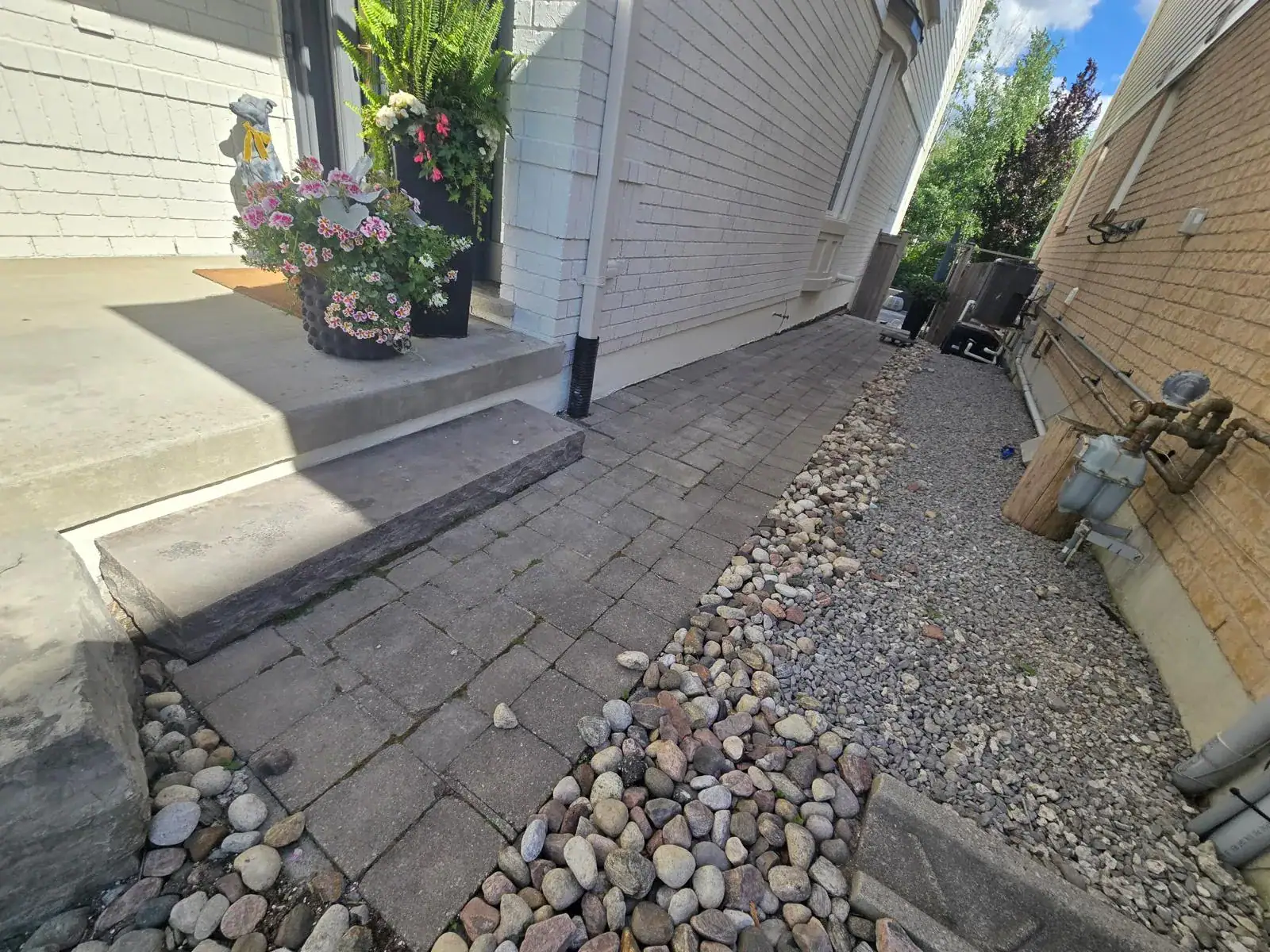
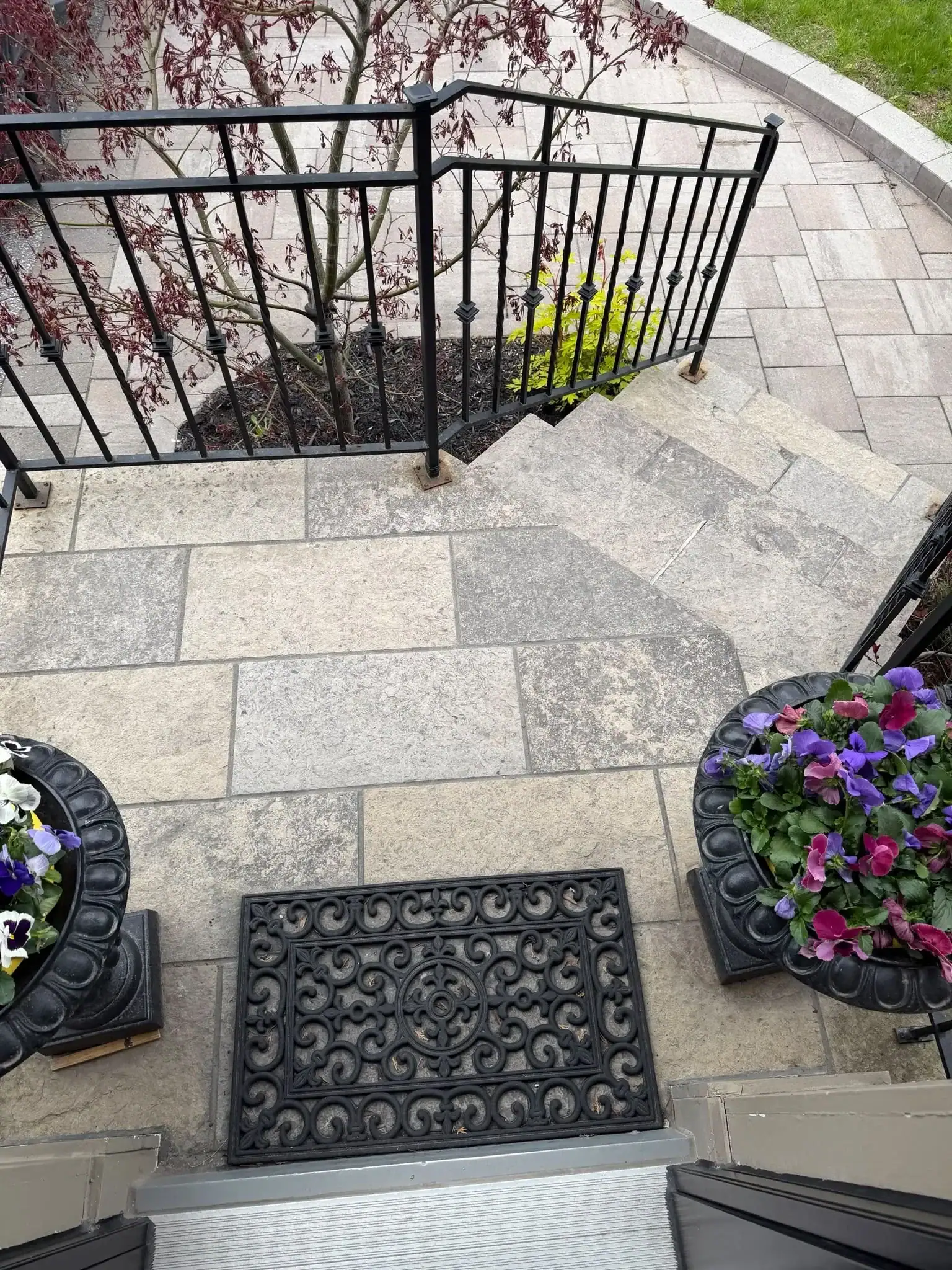
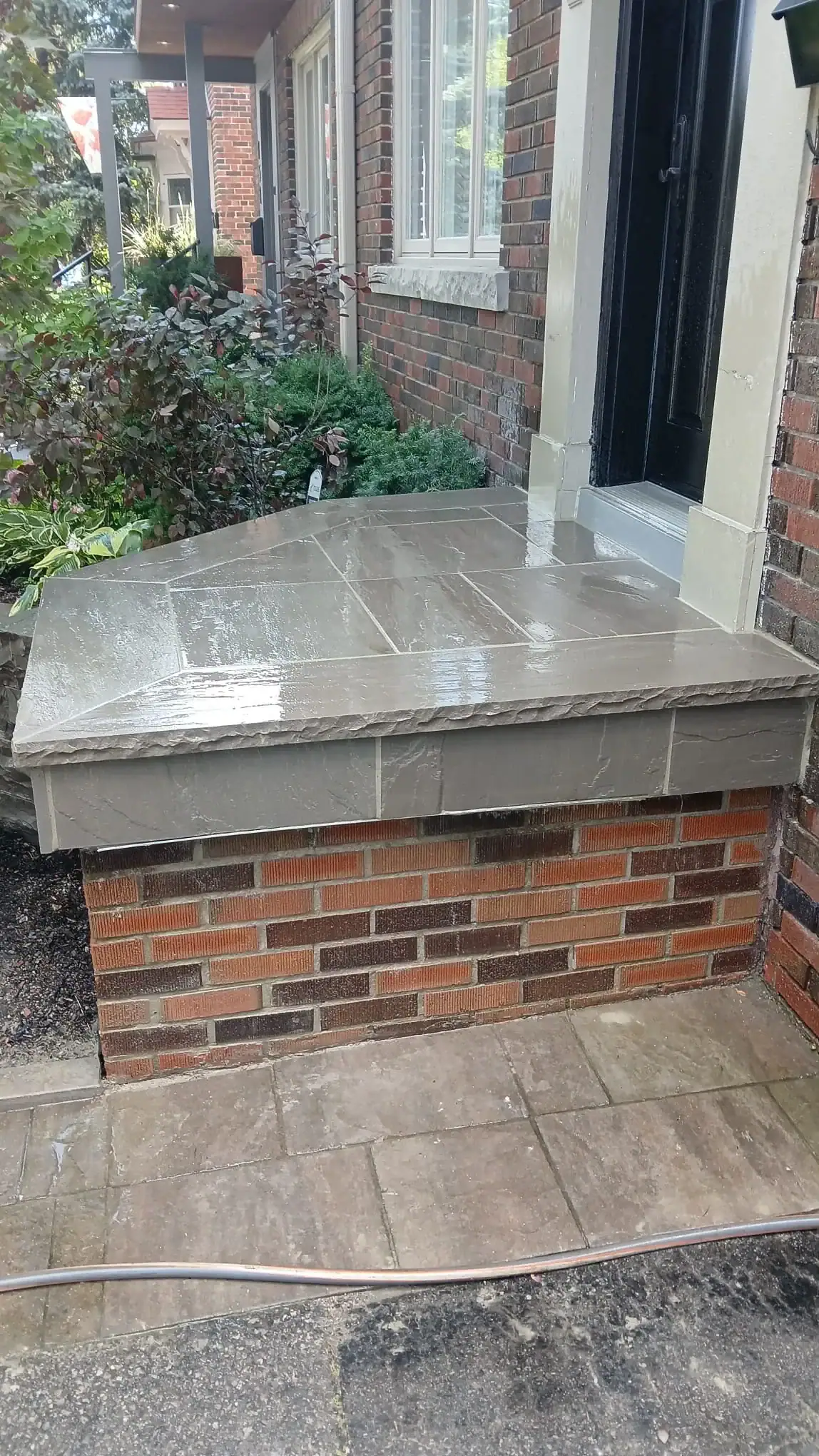
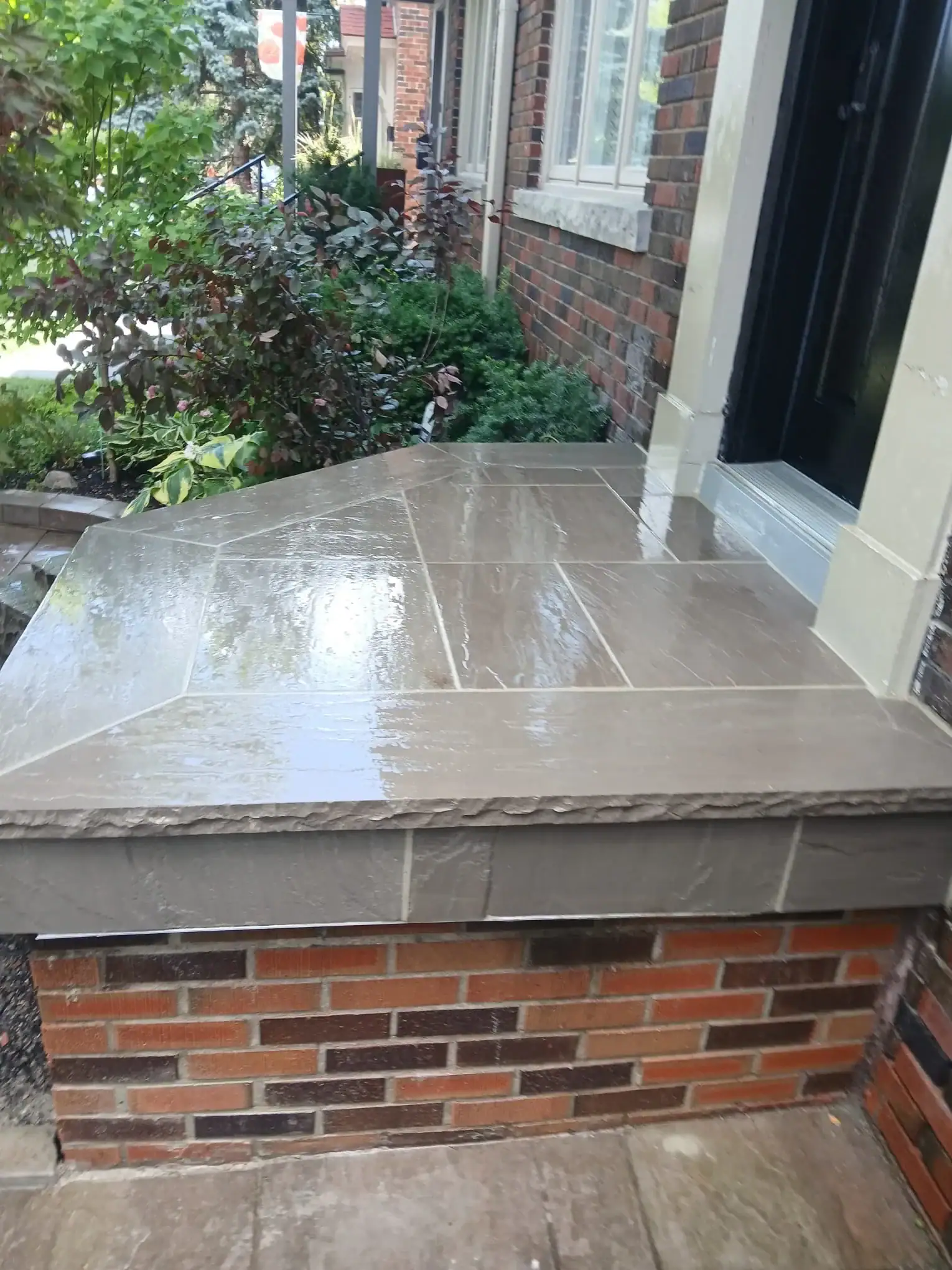
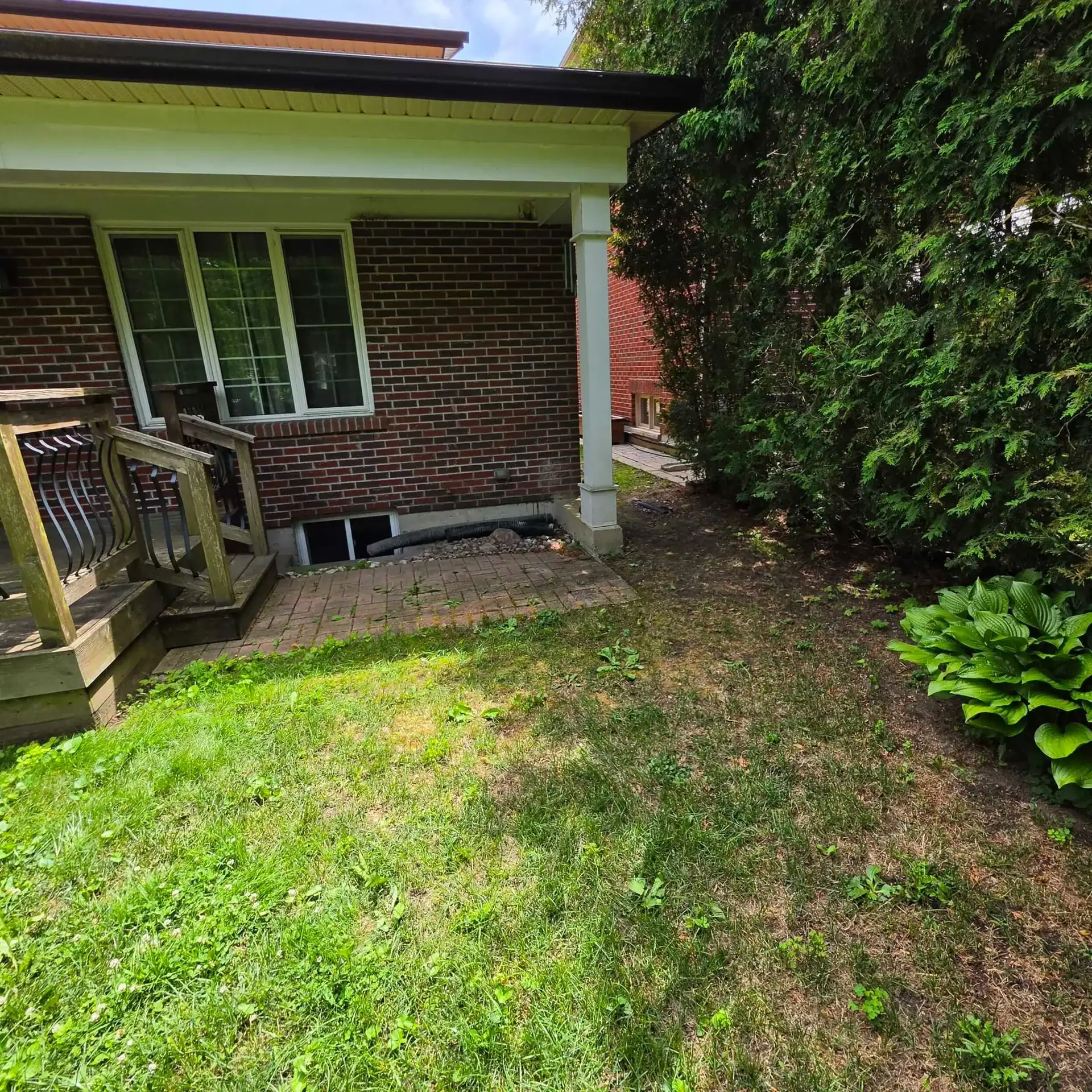
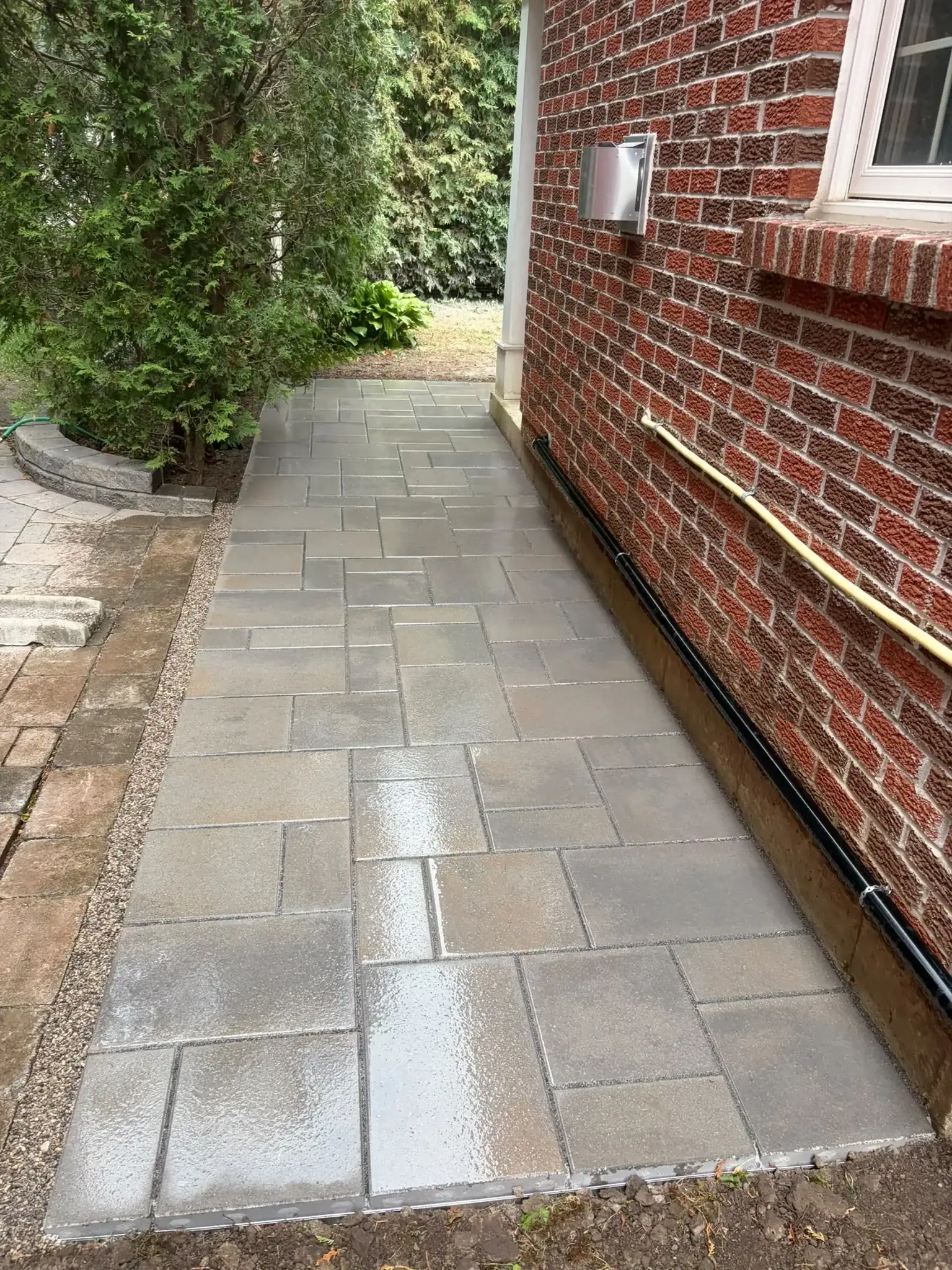
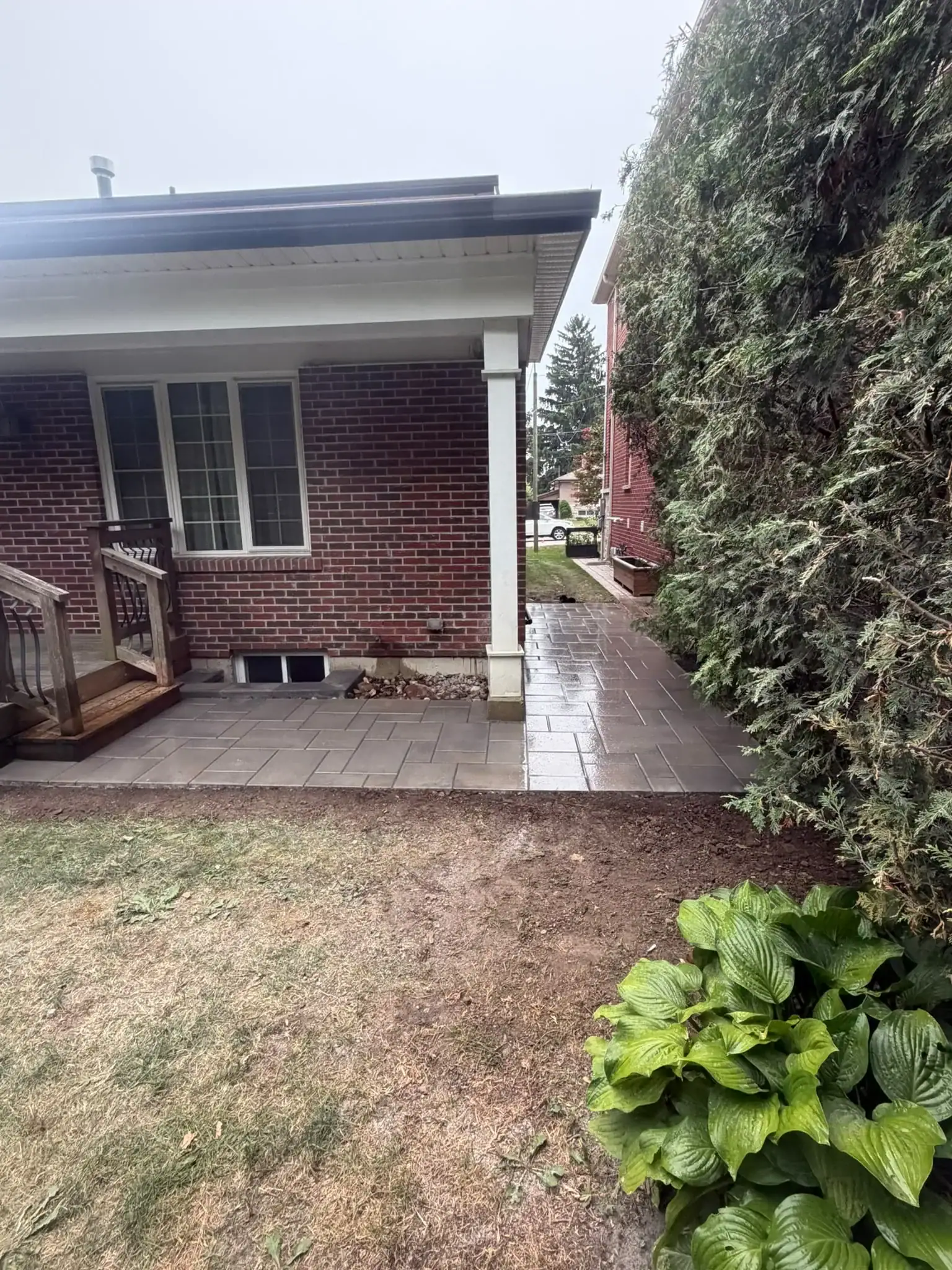
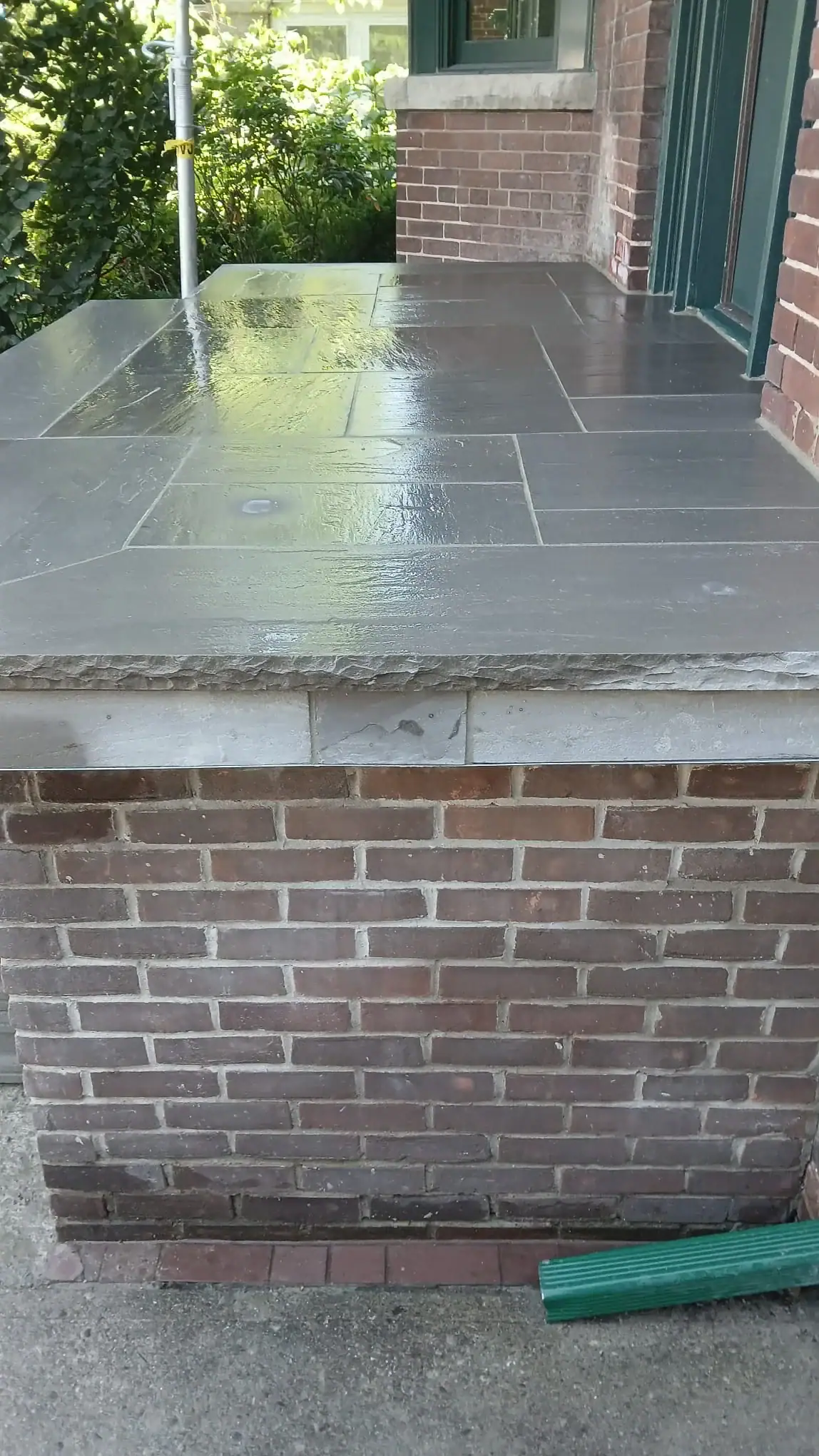
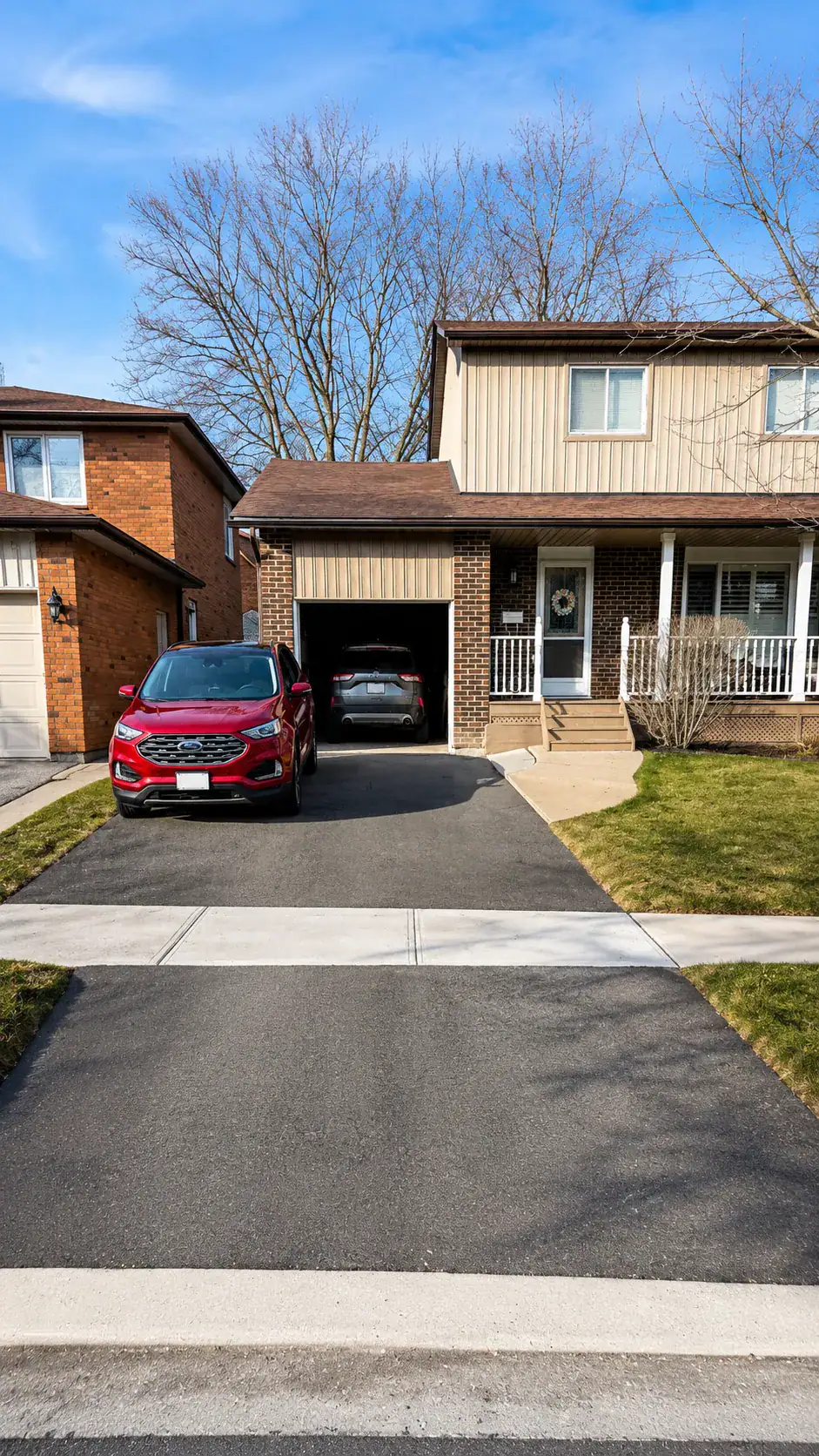
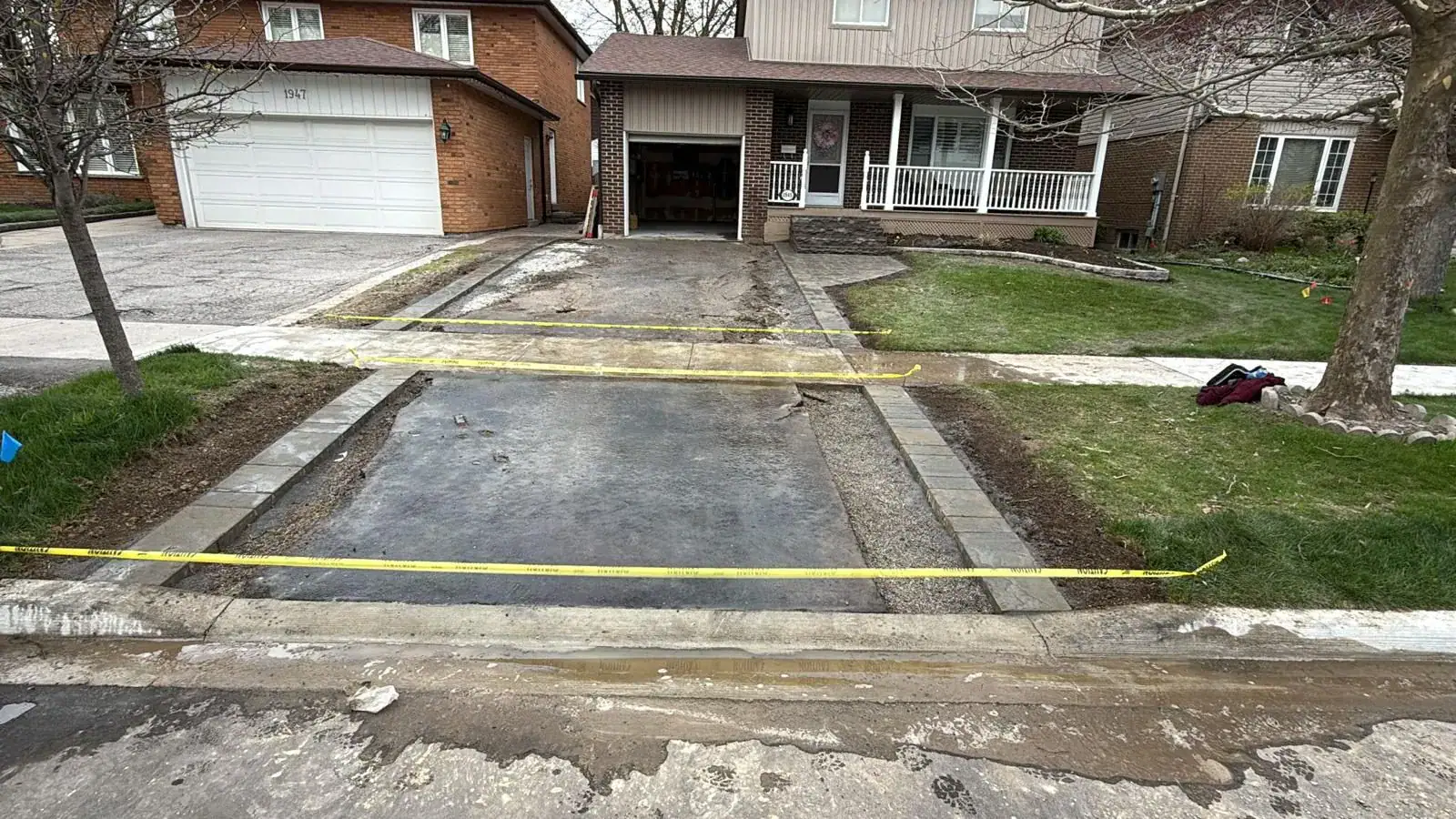
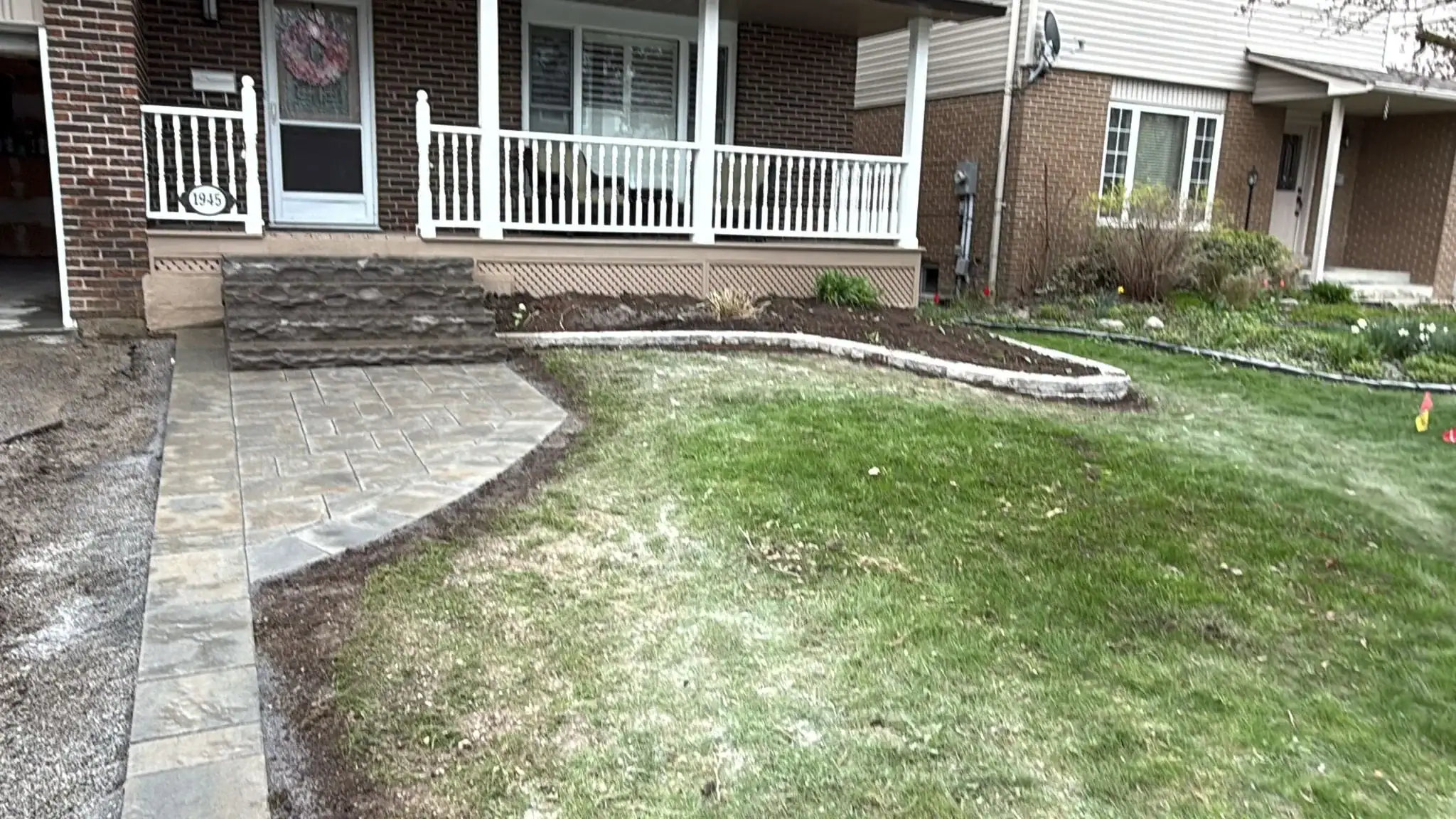
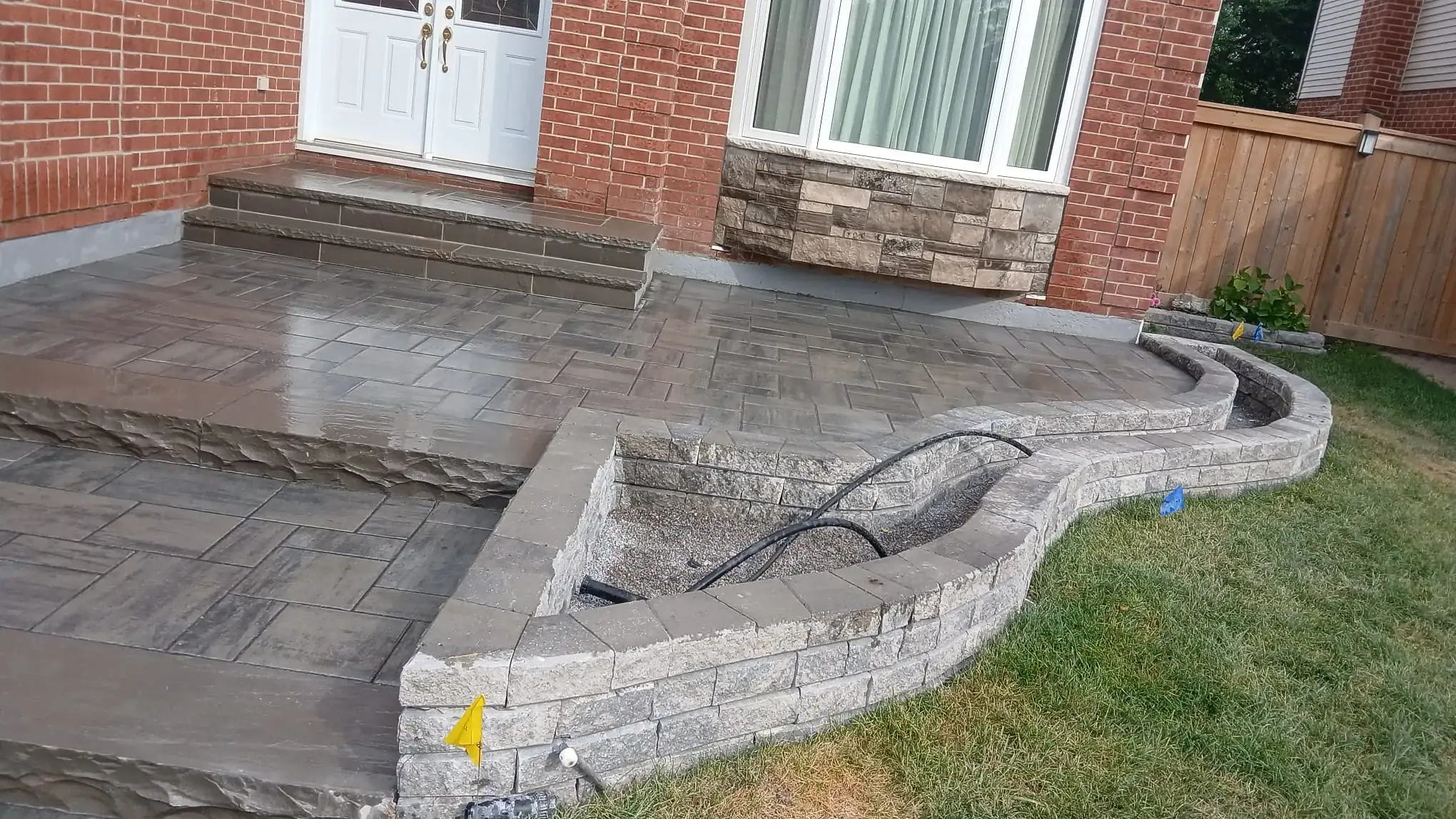
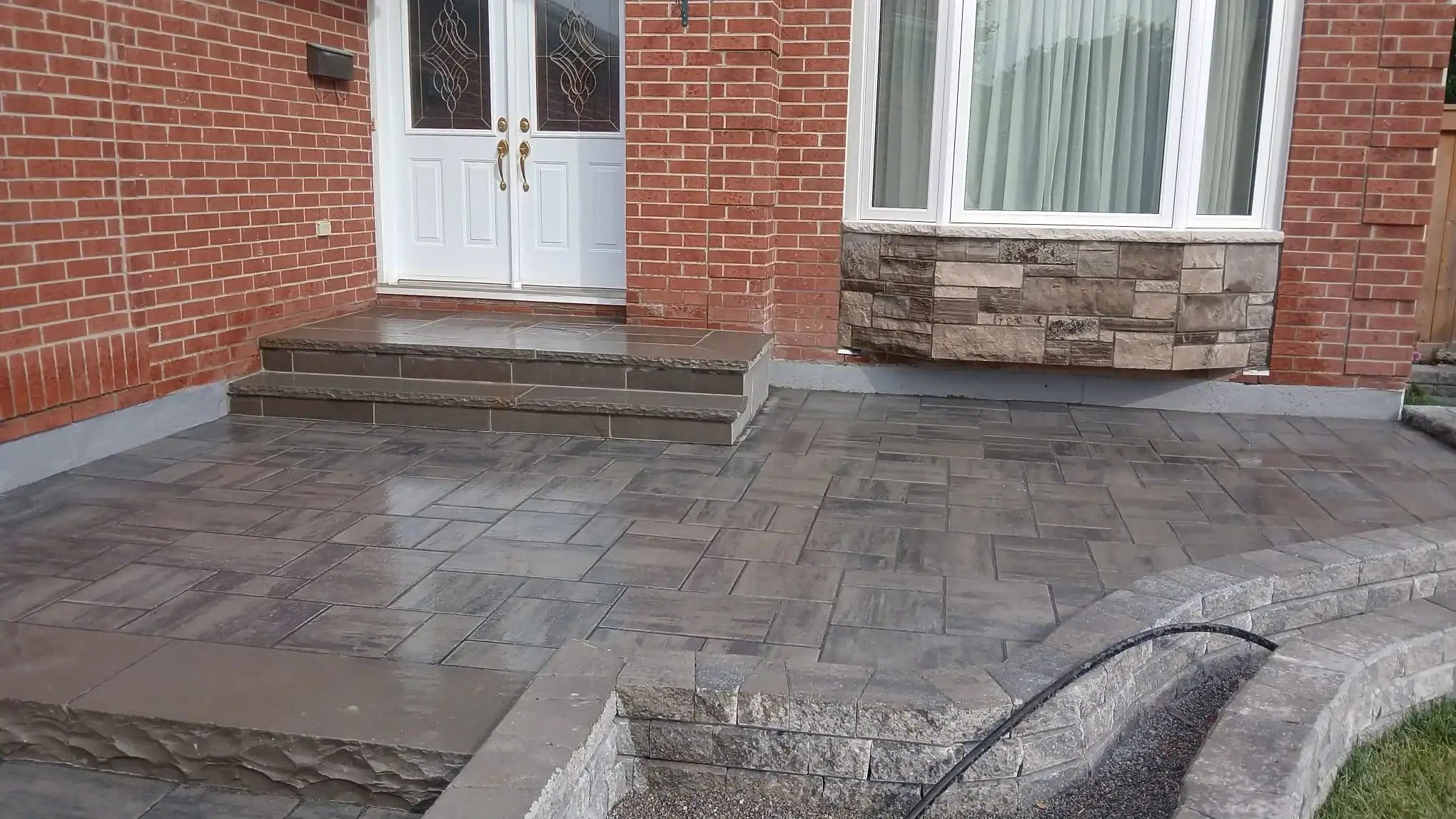
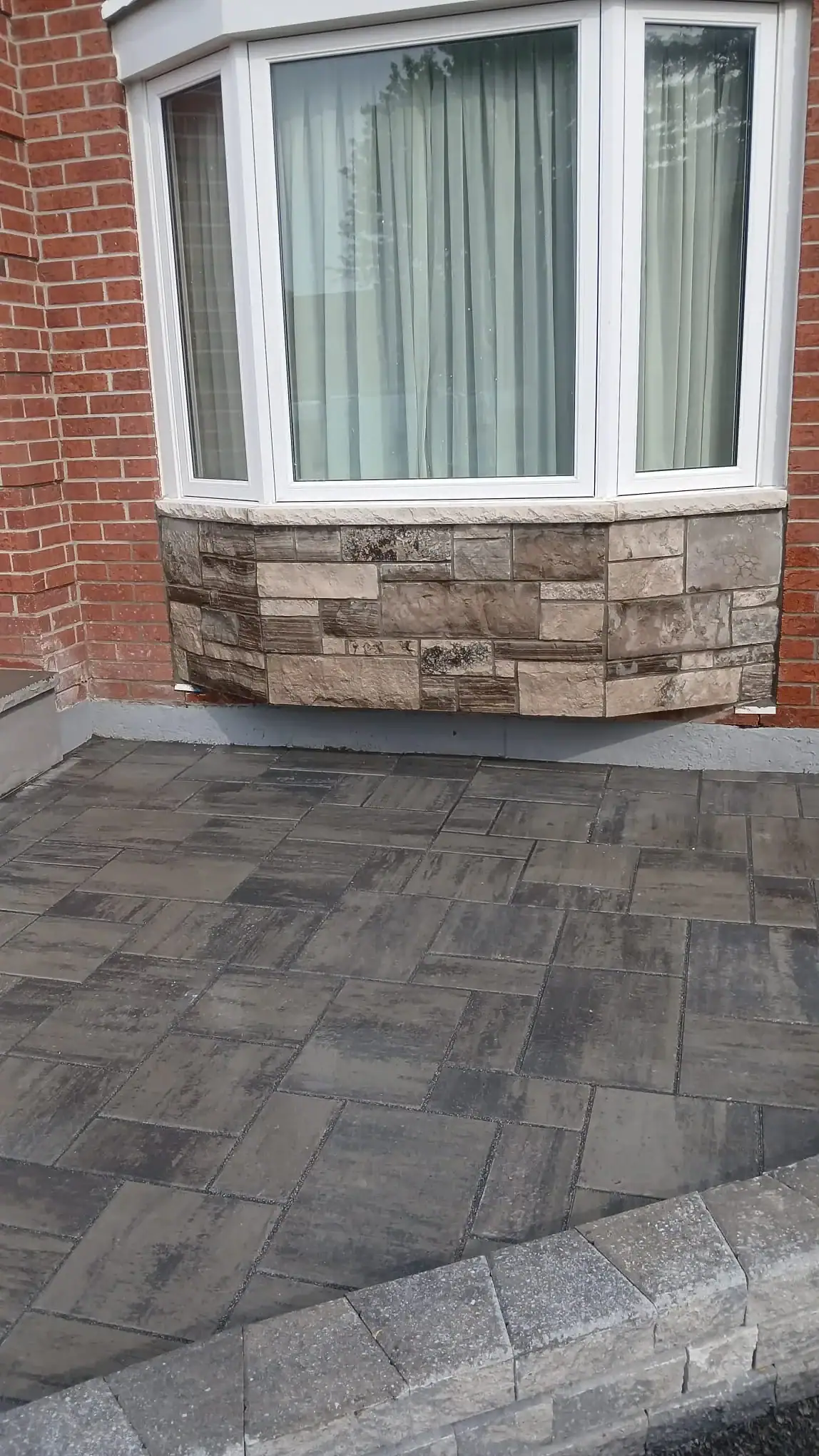
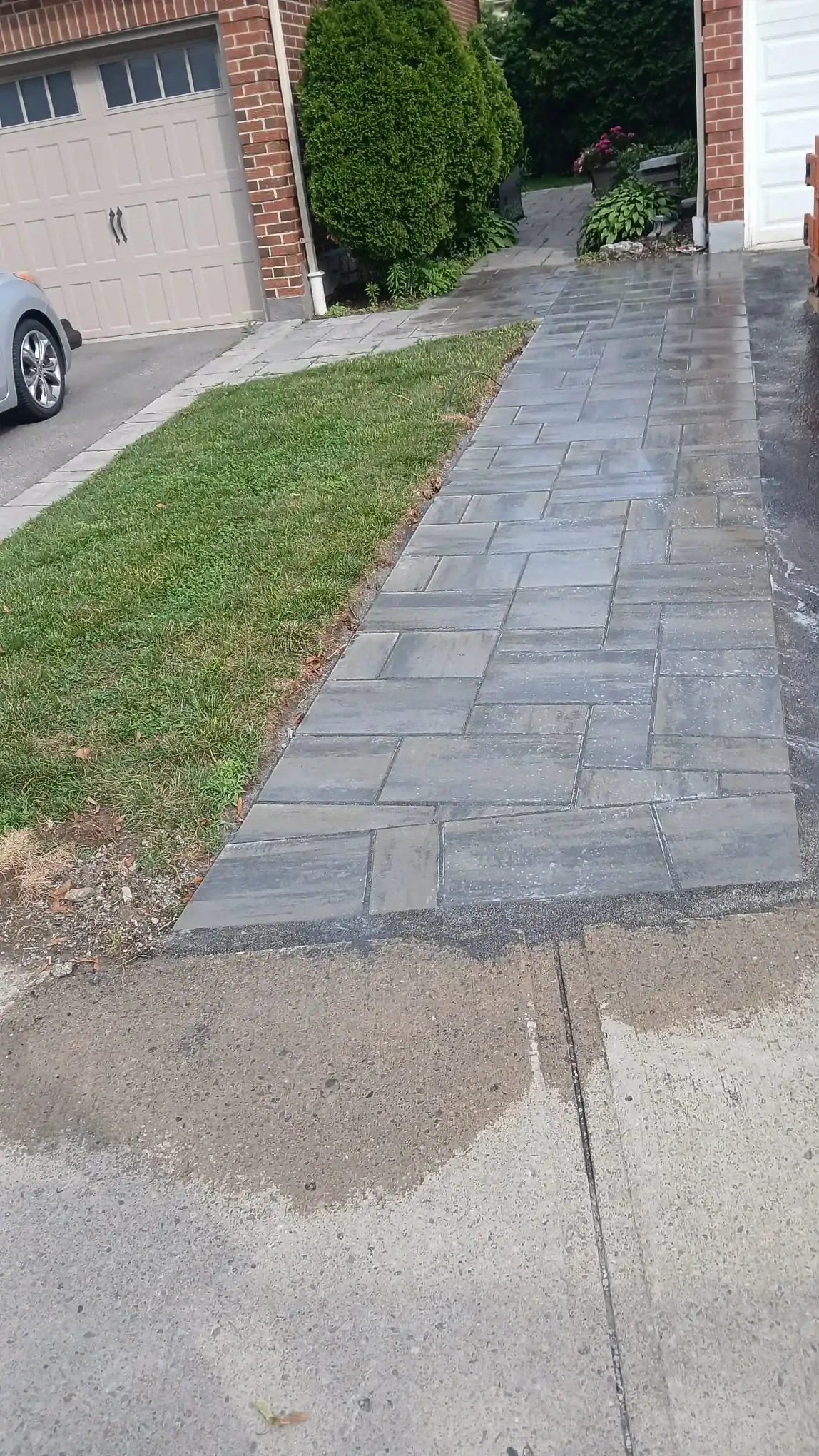
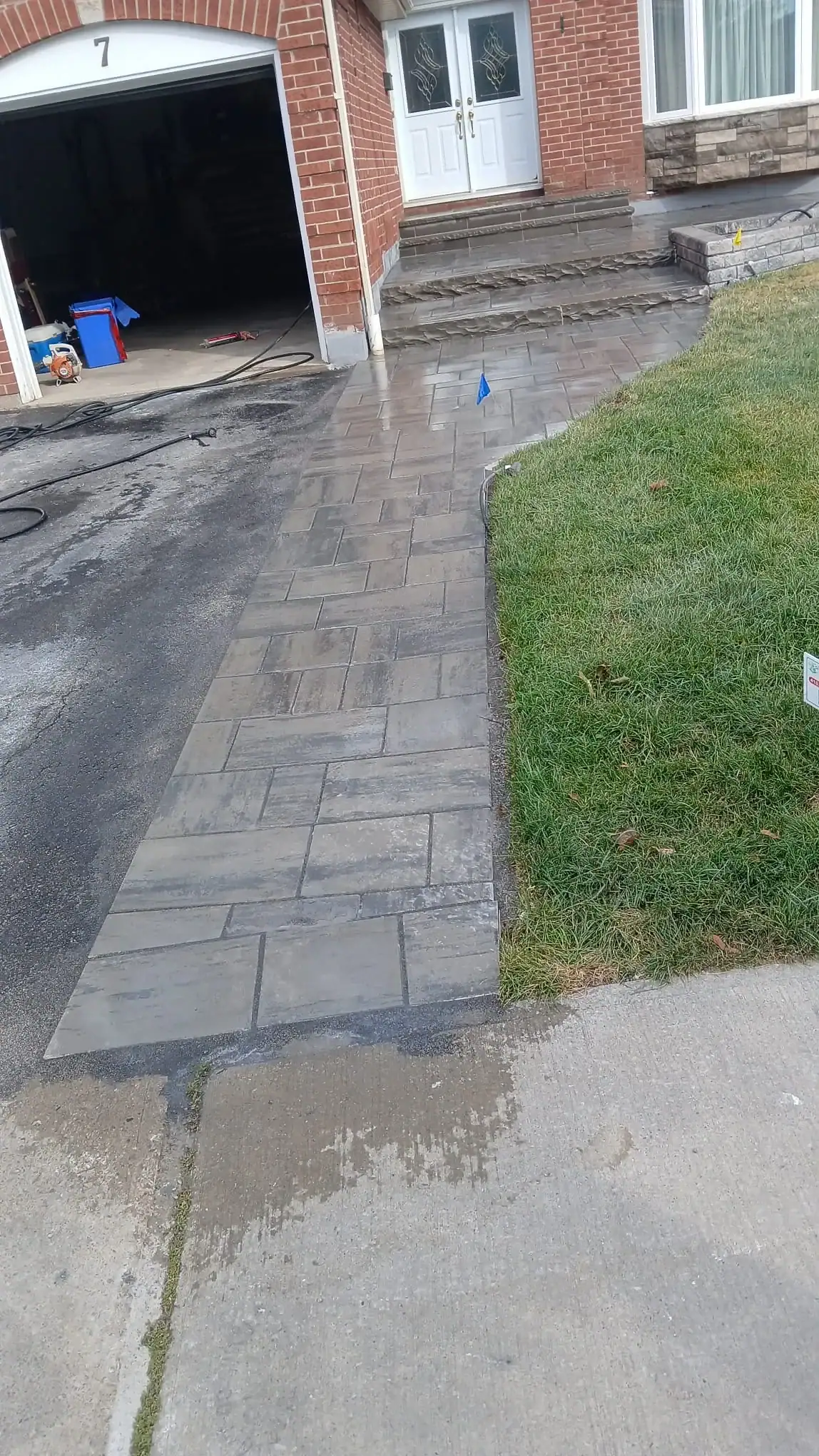
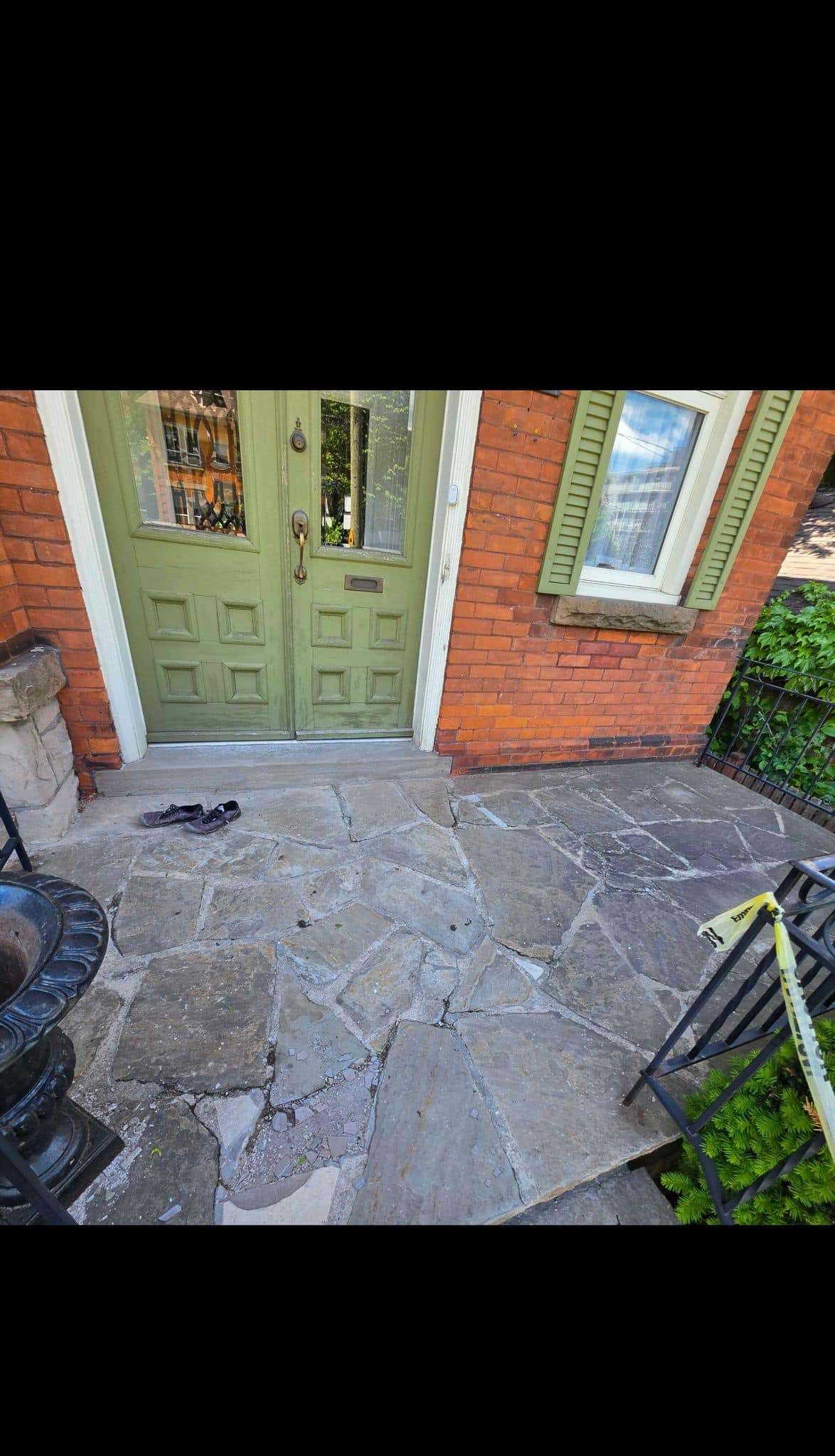
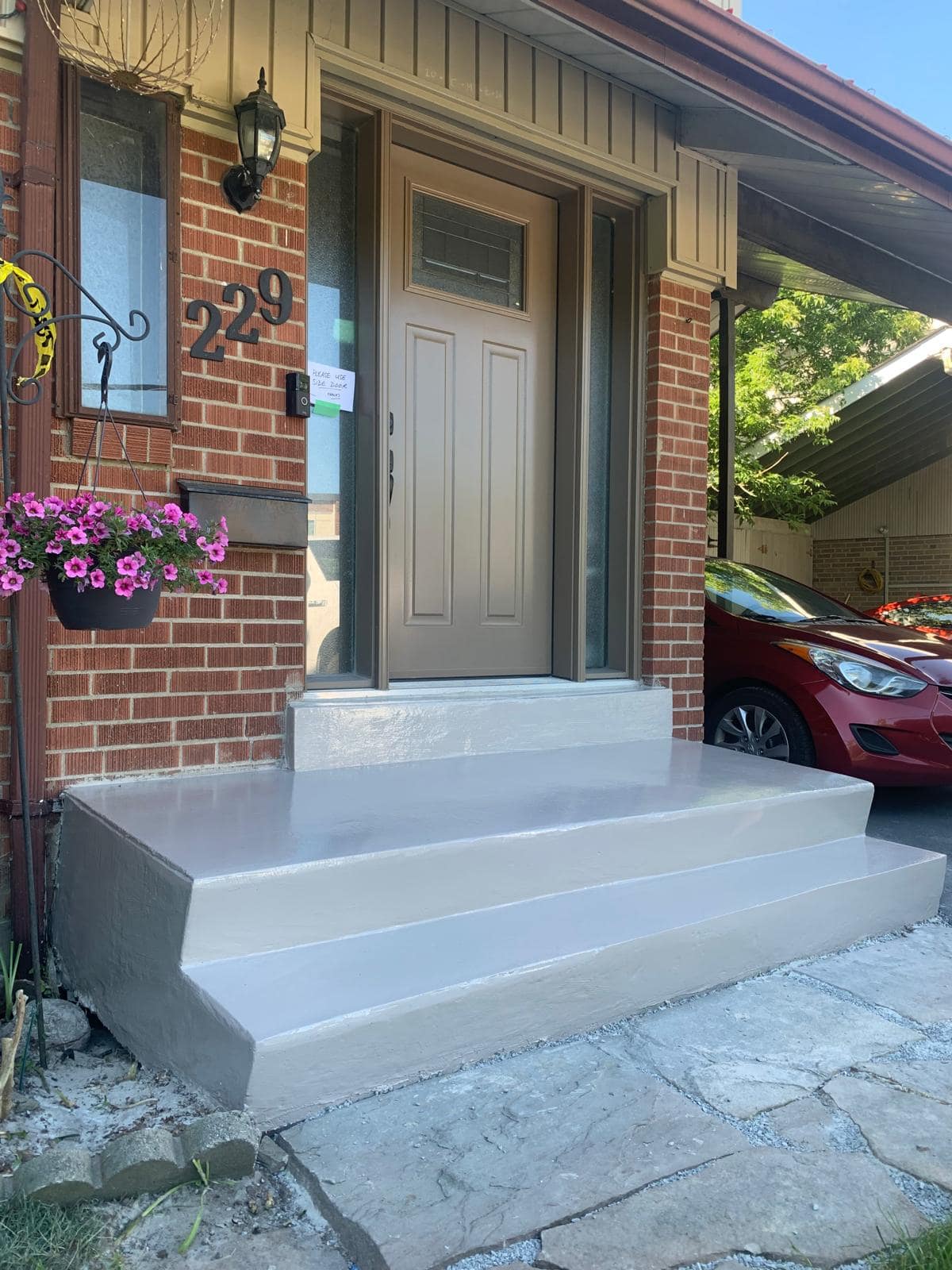
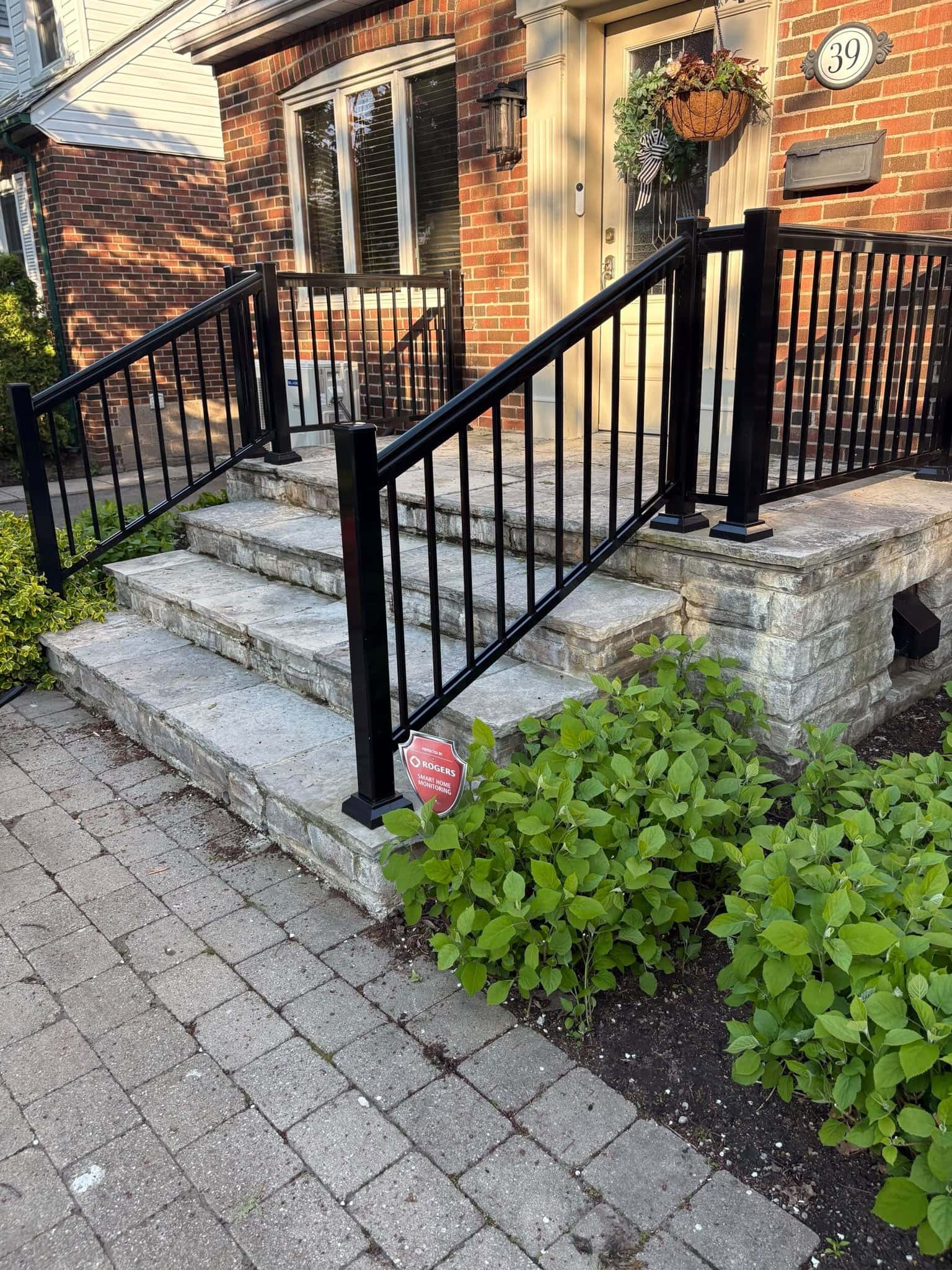
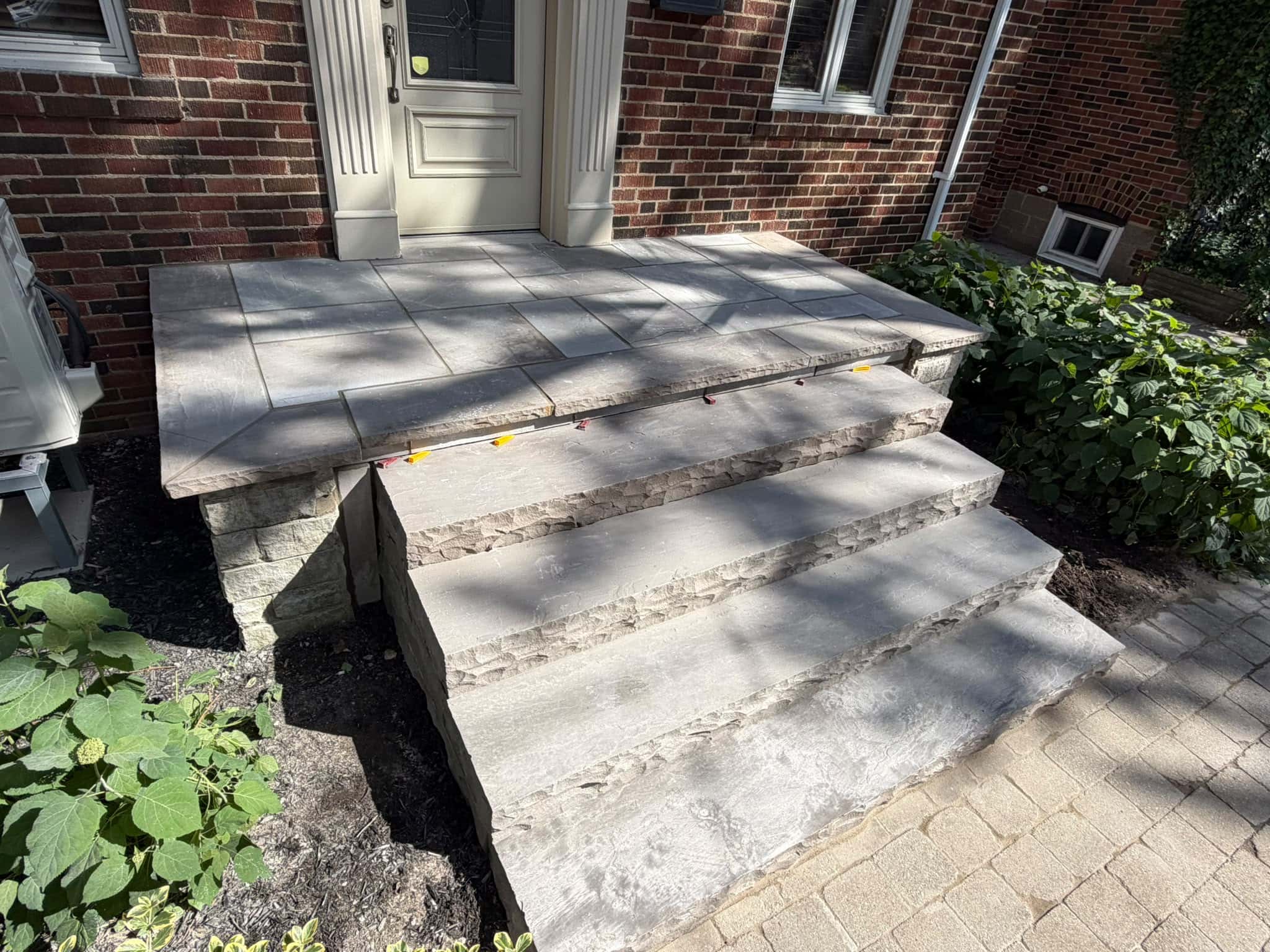
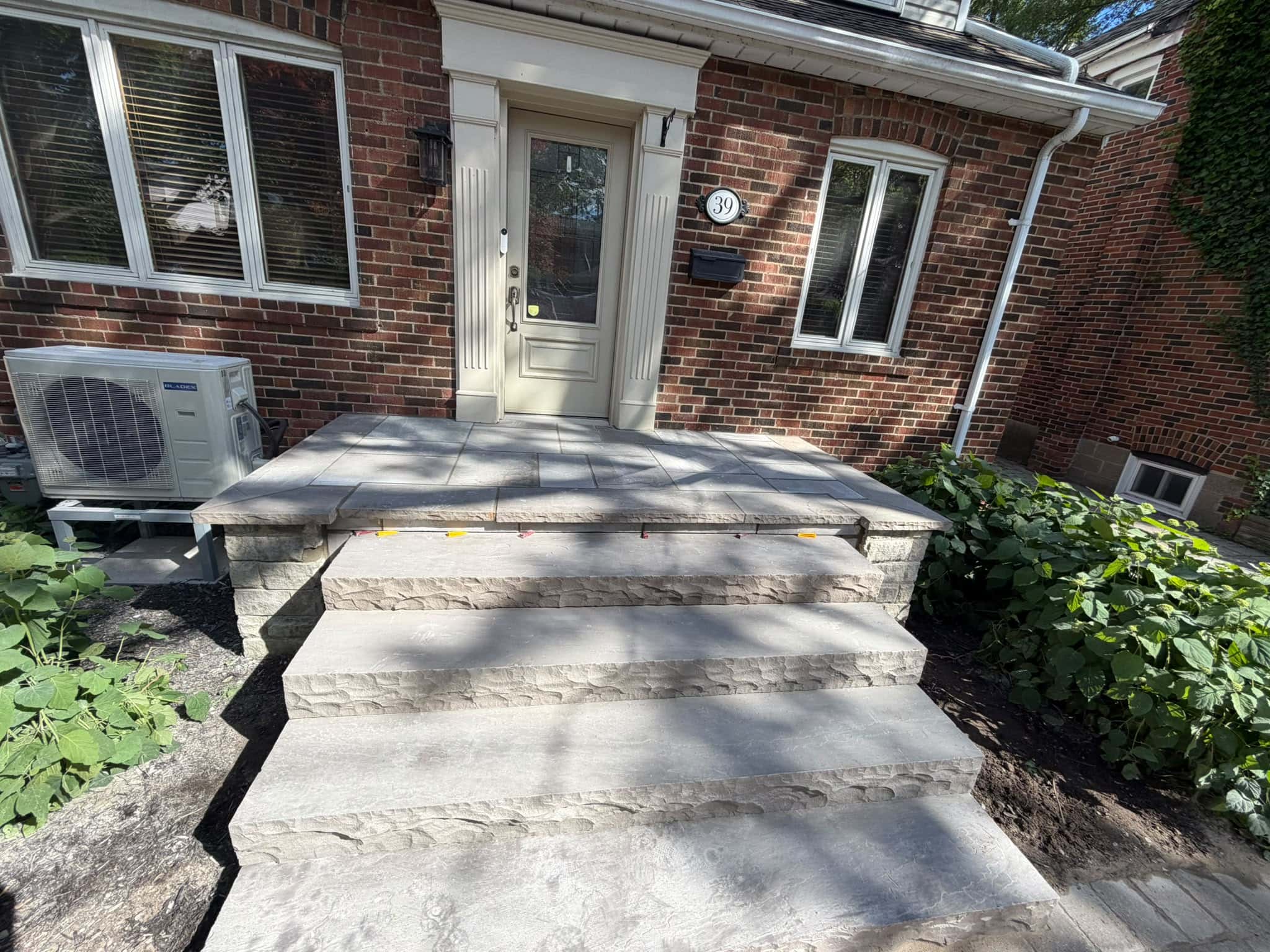
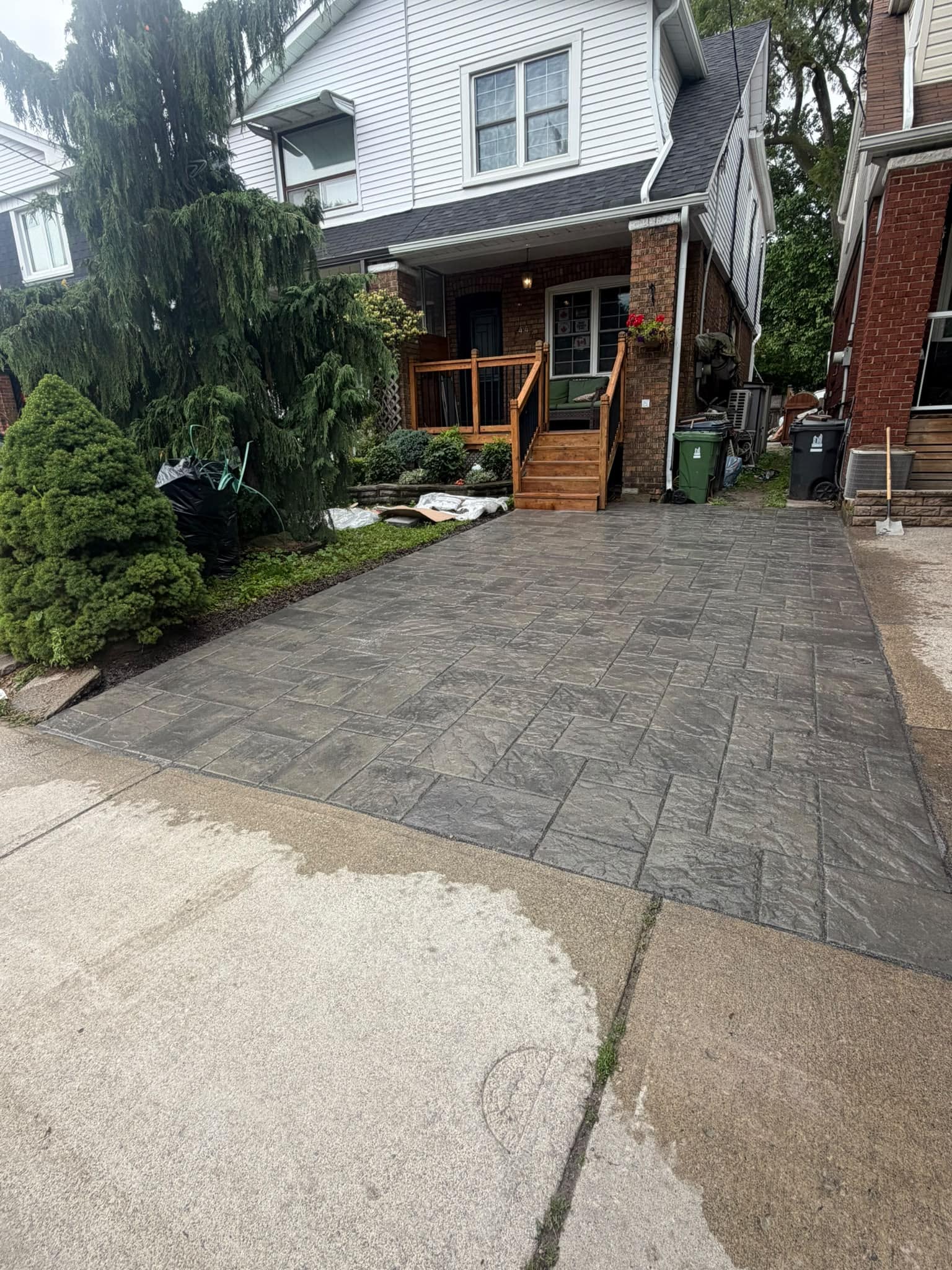
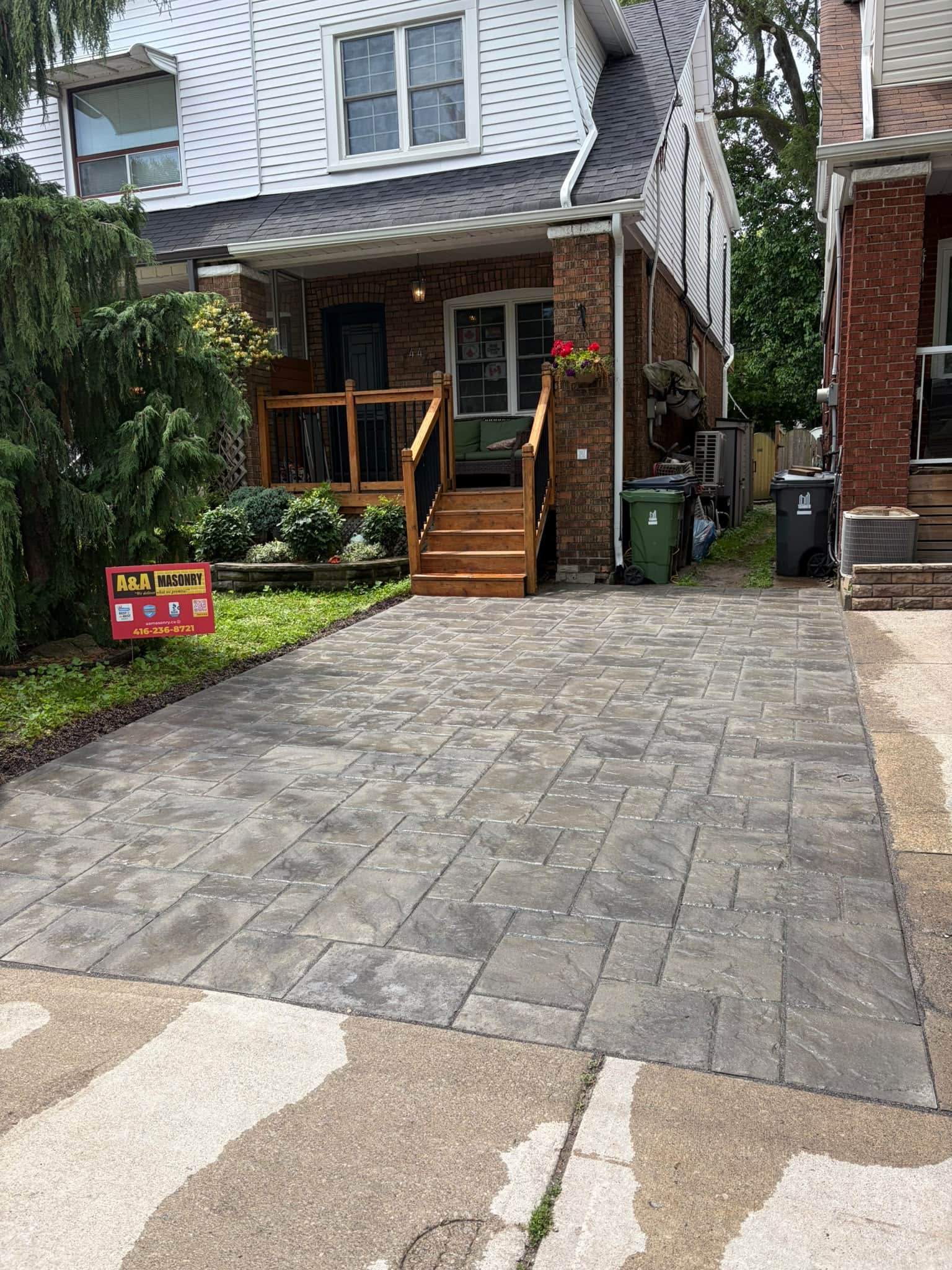
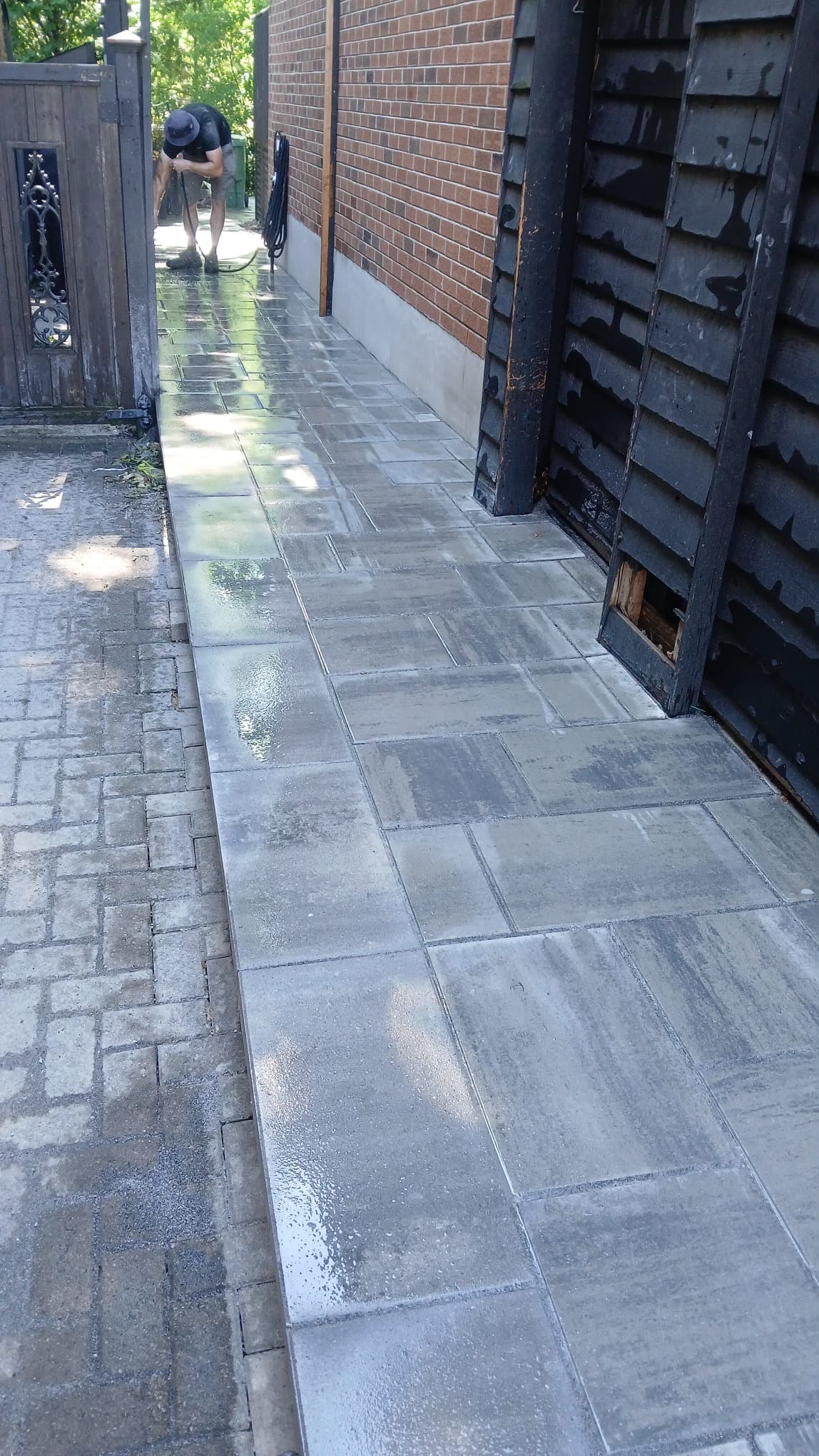
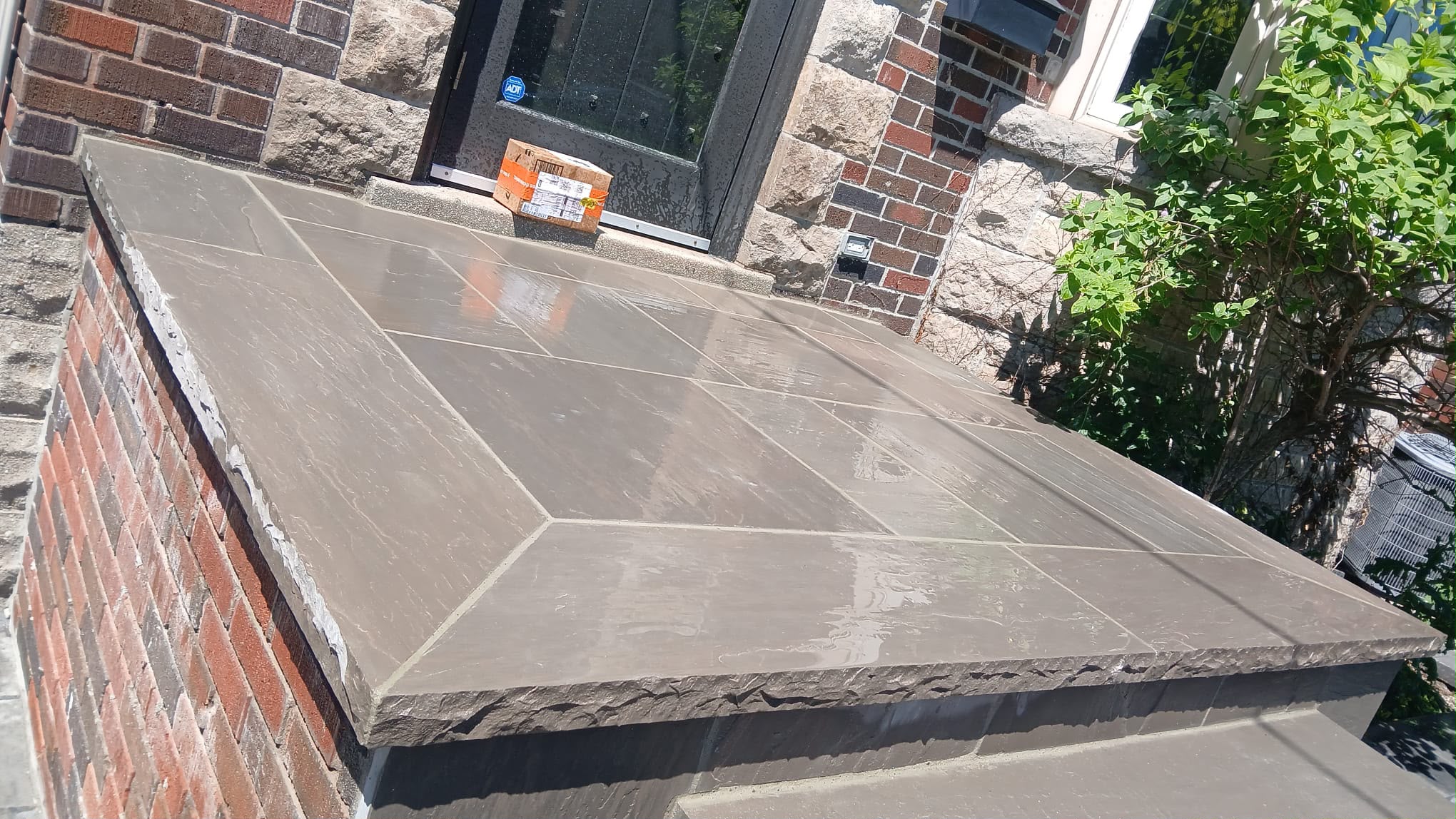
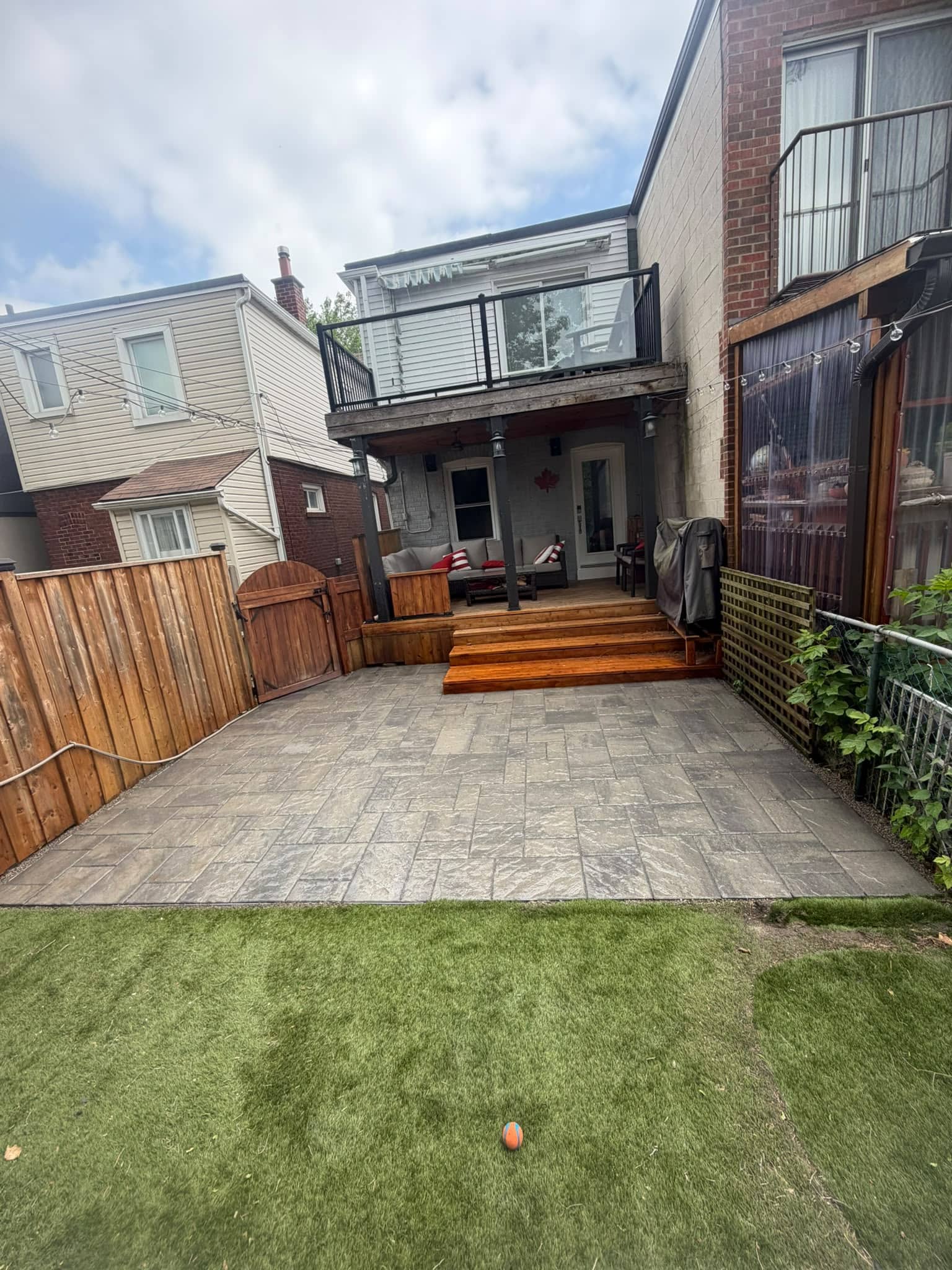
Steps, walkways, patios, and driveways should be checked in summer because they receive more foot traffic, outdoor use, and exposure to rain. These horizontal masonry surfaces often show settling, cracking, loose joints, weeds, edge movement, and drainage problems.
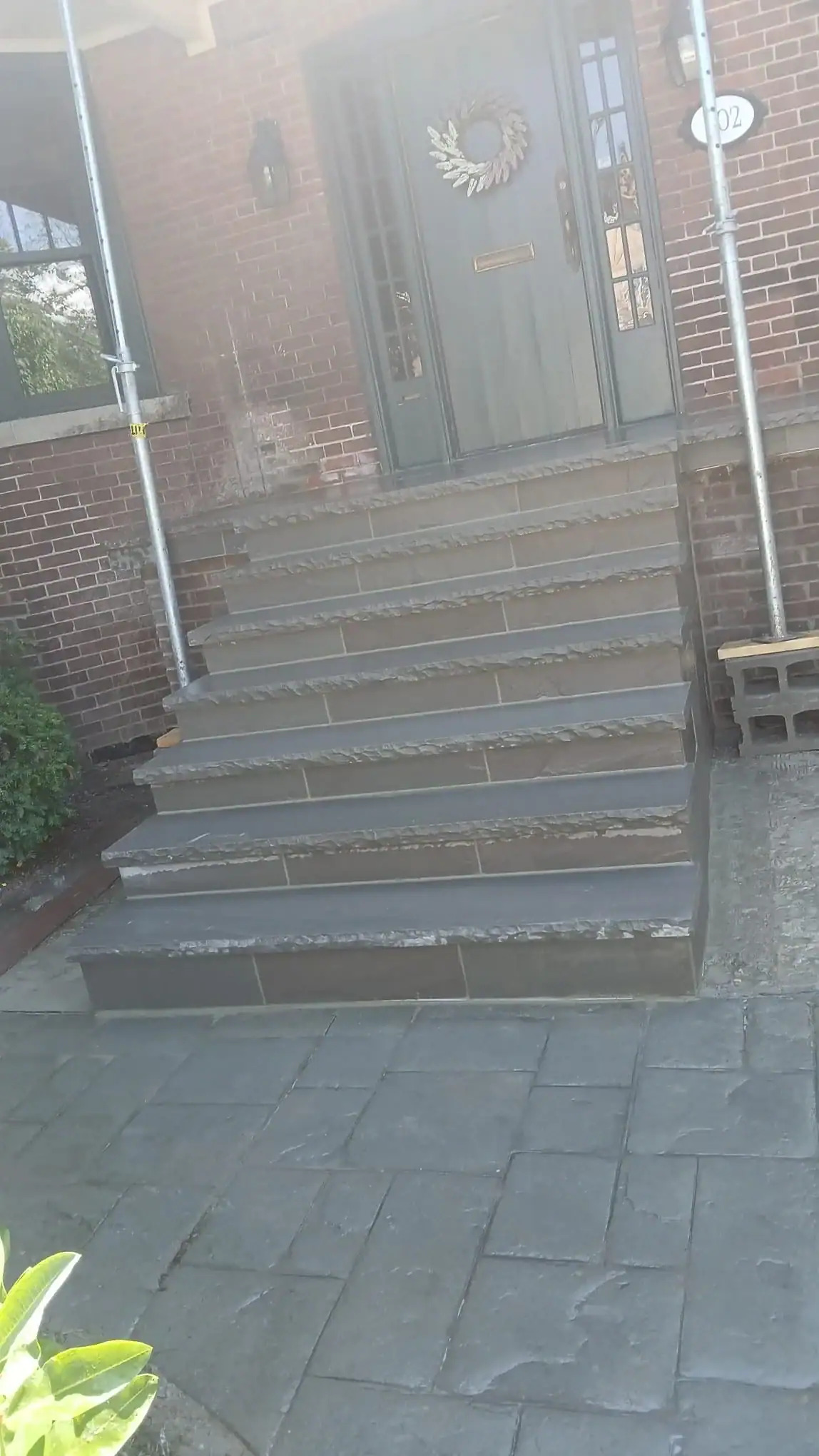
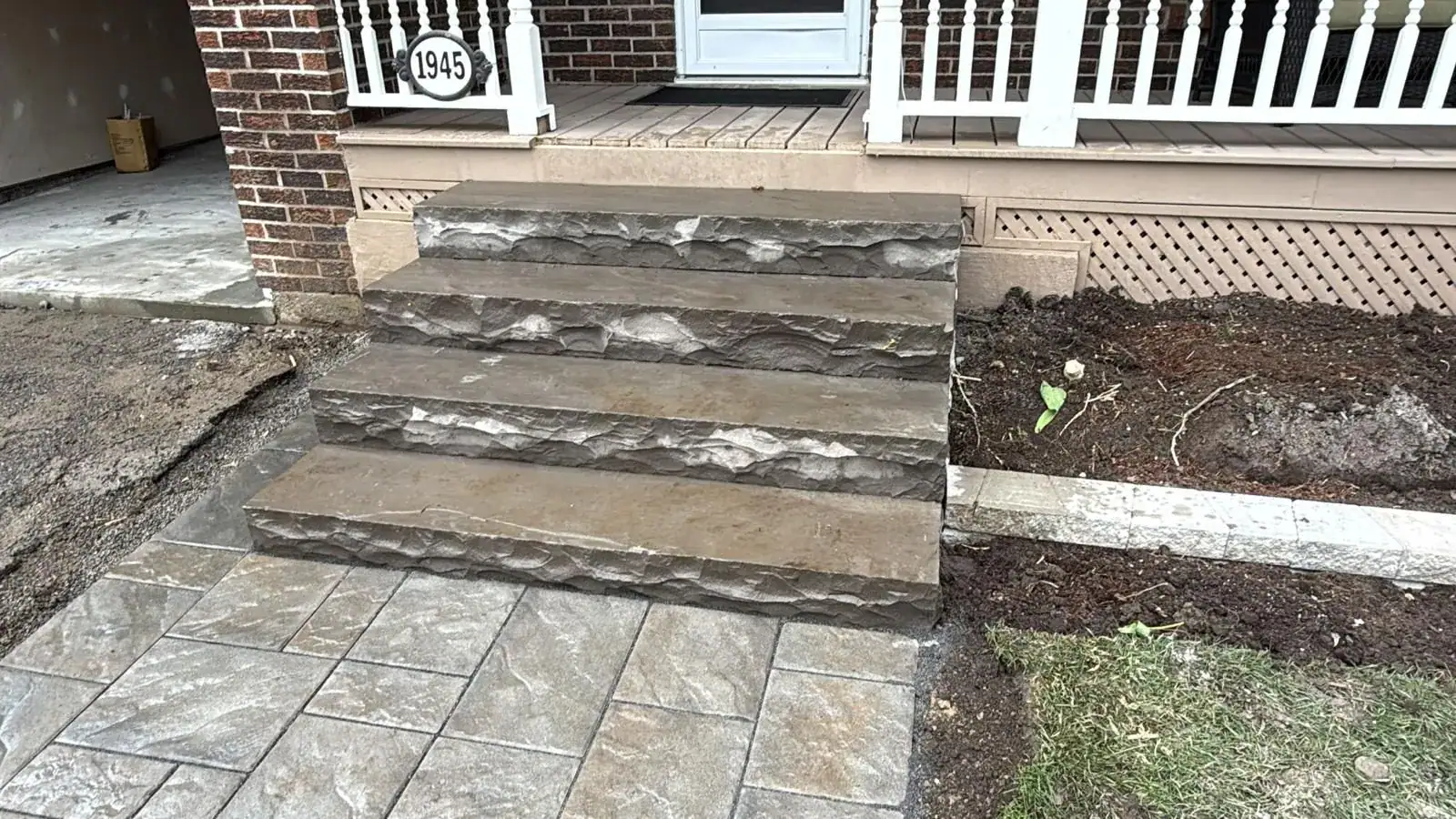
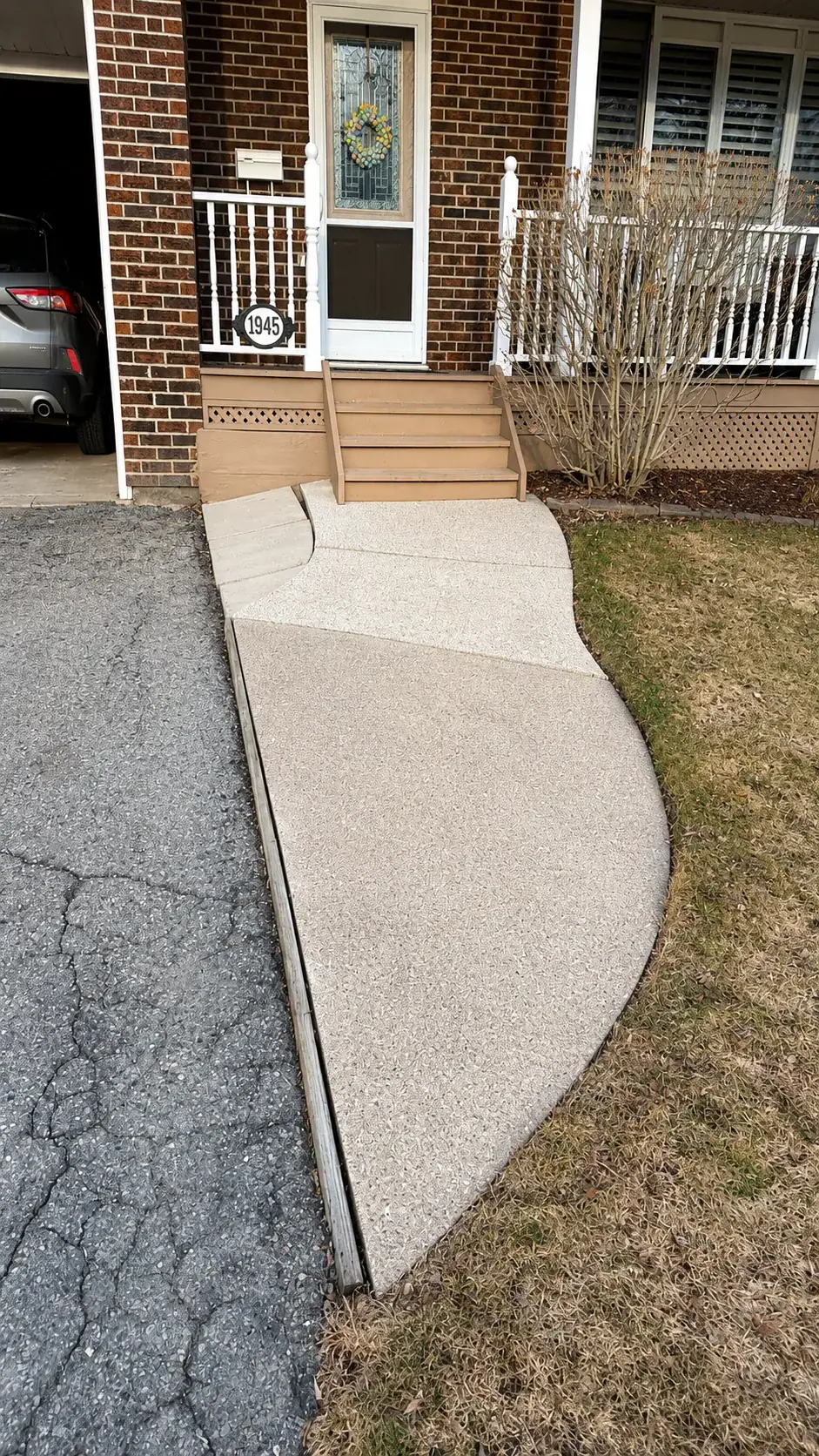
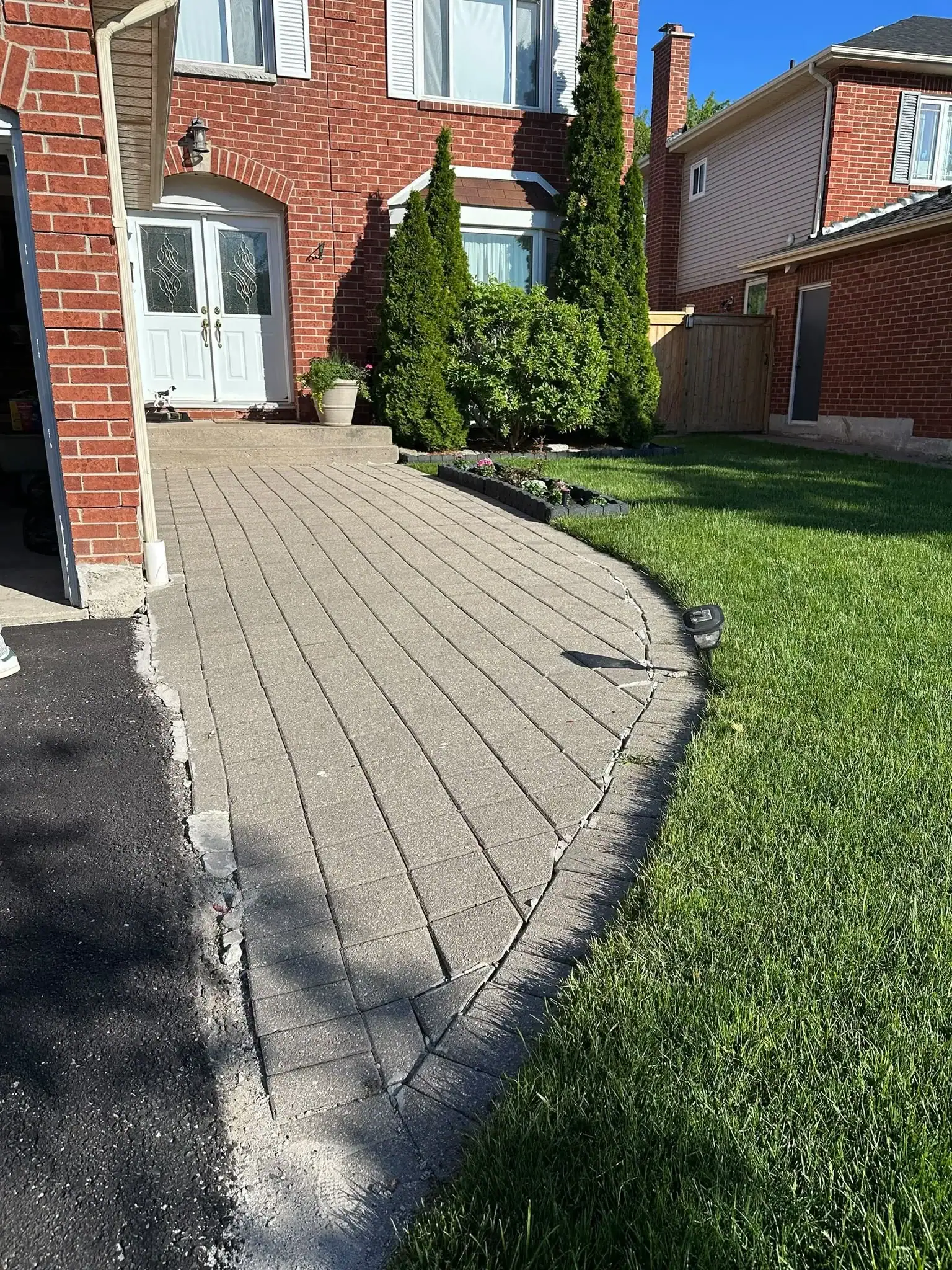
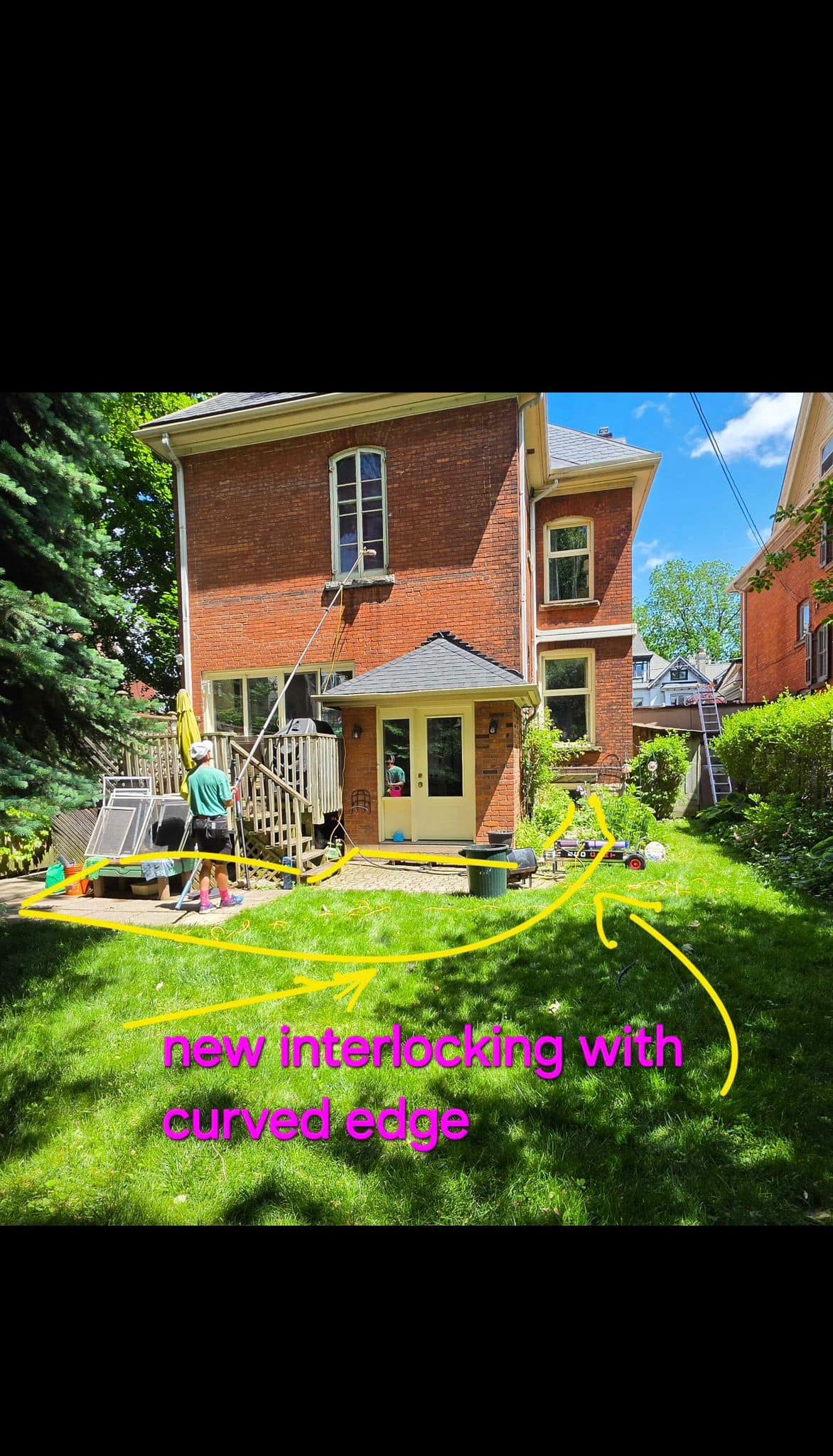
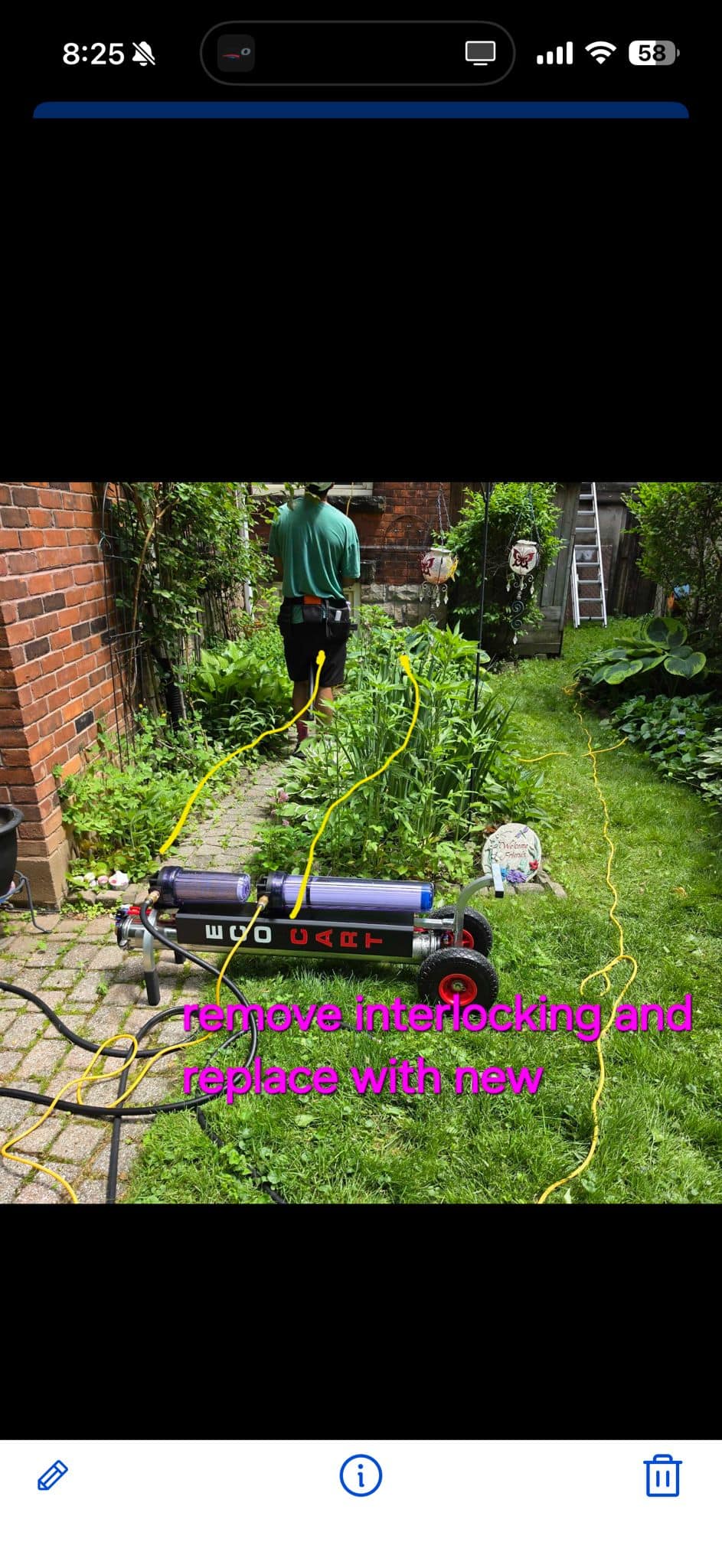
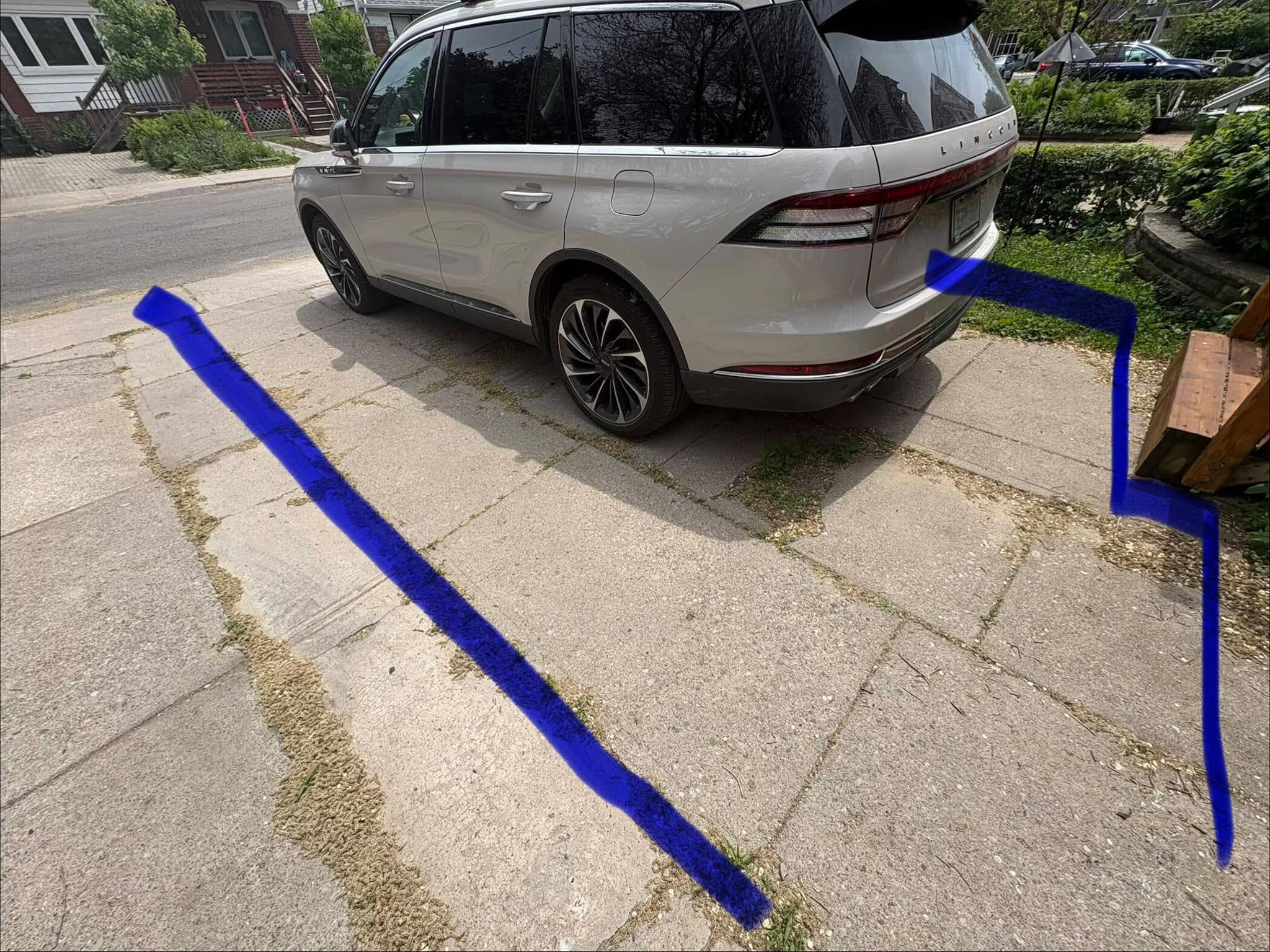
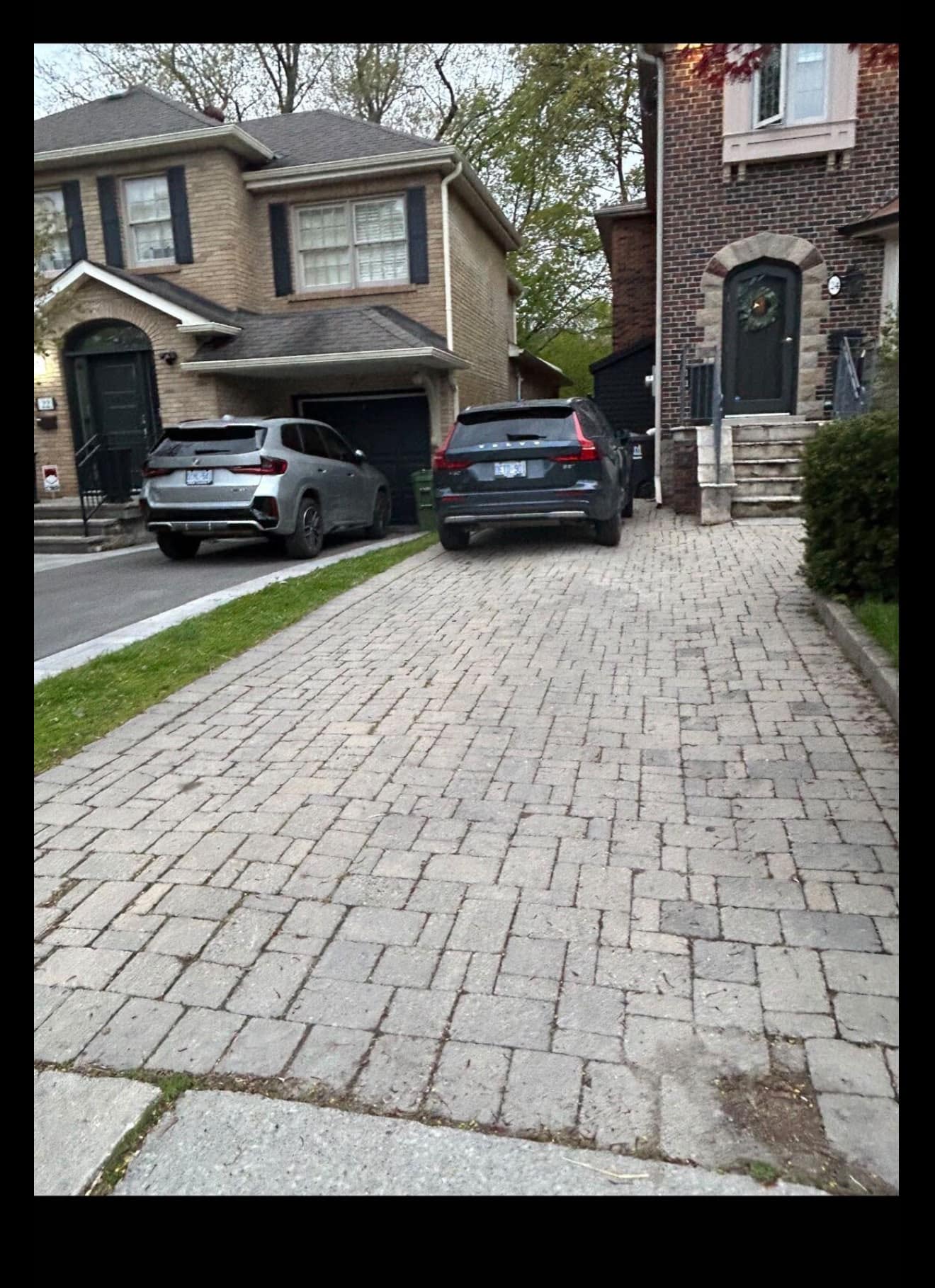
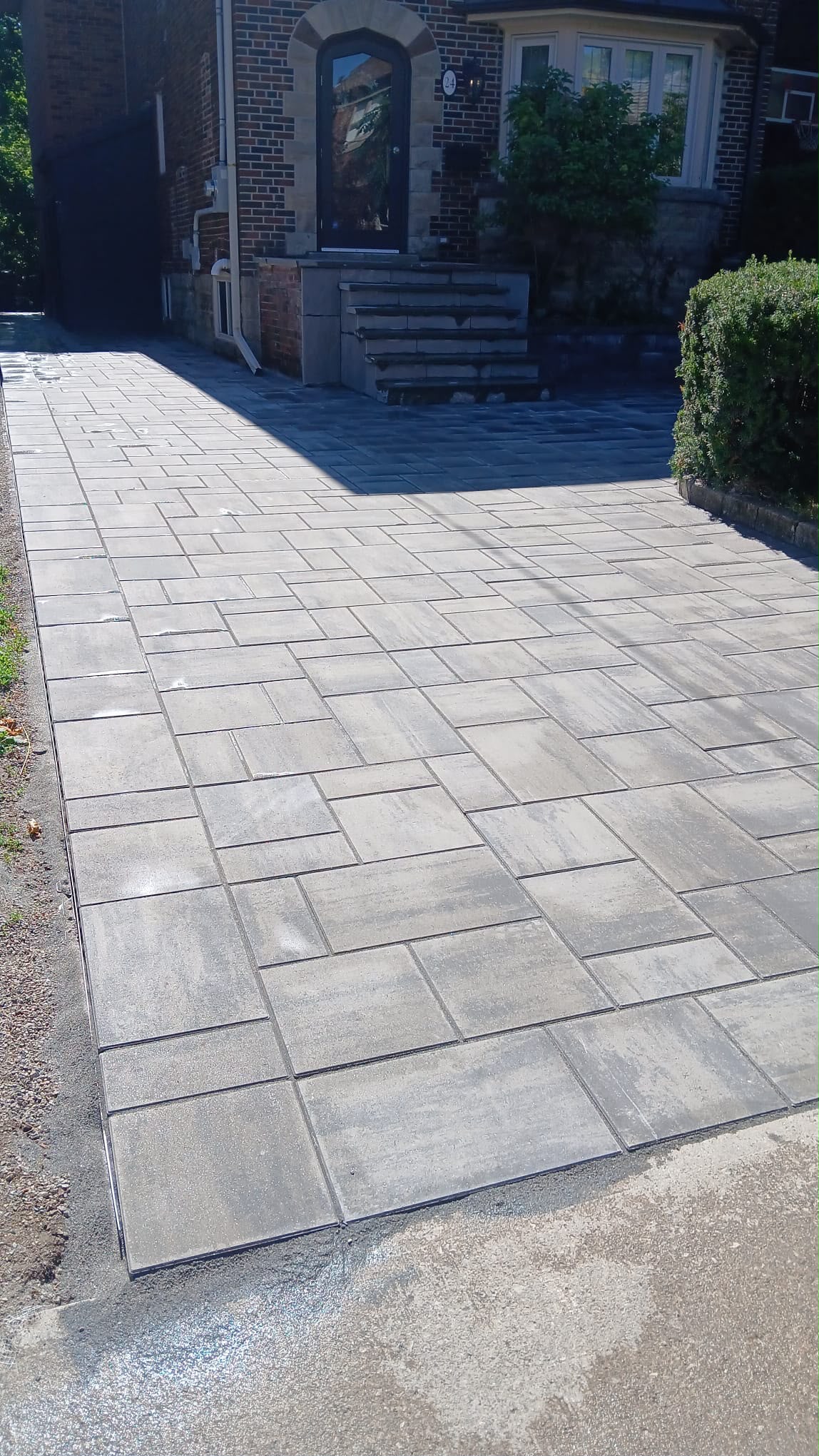
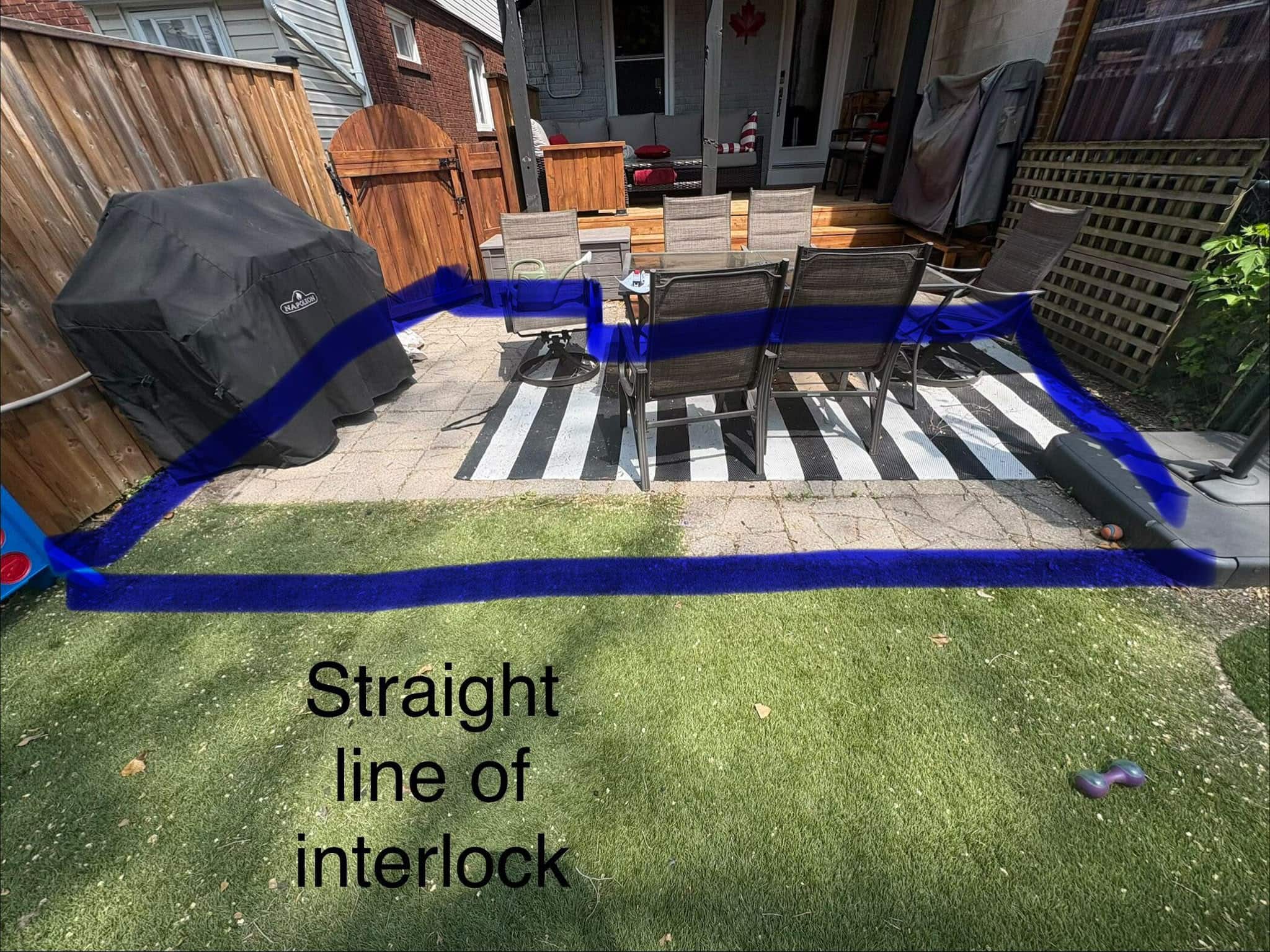
Interlocking stone may settle if the base has shifted or water has moved material below the surface. Concrete may show cracks, scaling, or spalling. Stone steps may loosen if the base or joints have failed. Brick walkways can become uneven if the supporting base is weak or if tree roots are pushing below the surface.
Uneven surfaces are not only a visual issue. They can become tripping hazards and can hold water, which later turns into ice. If you notice movement, pooling, or loose units, summer is a good time to address them before the next freeze-thaw cycle.
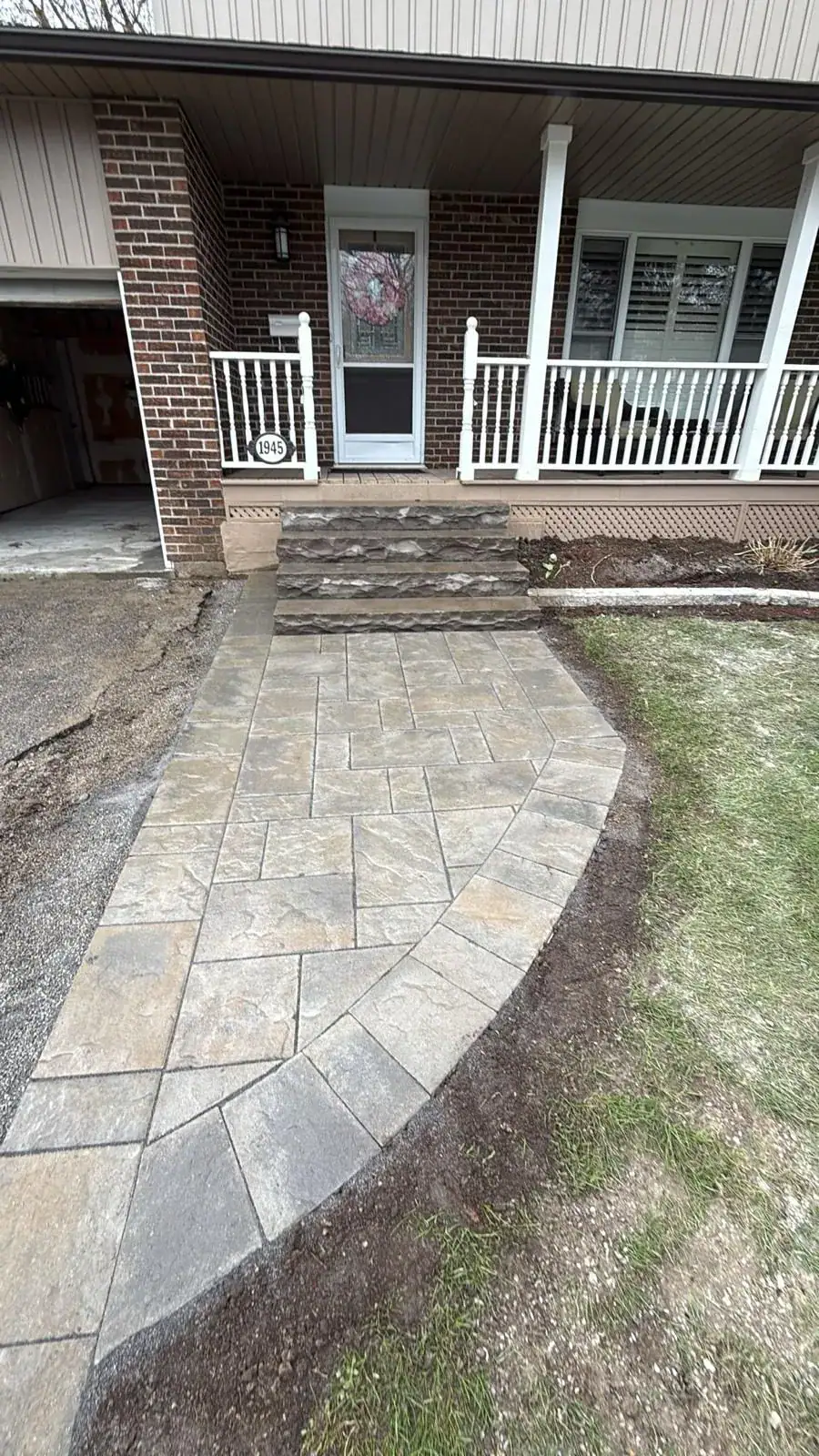
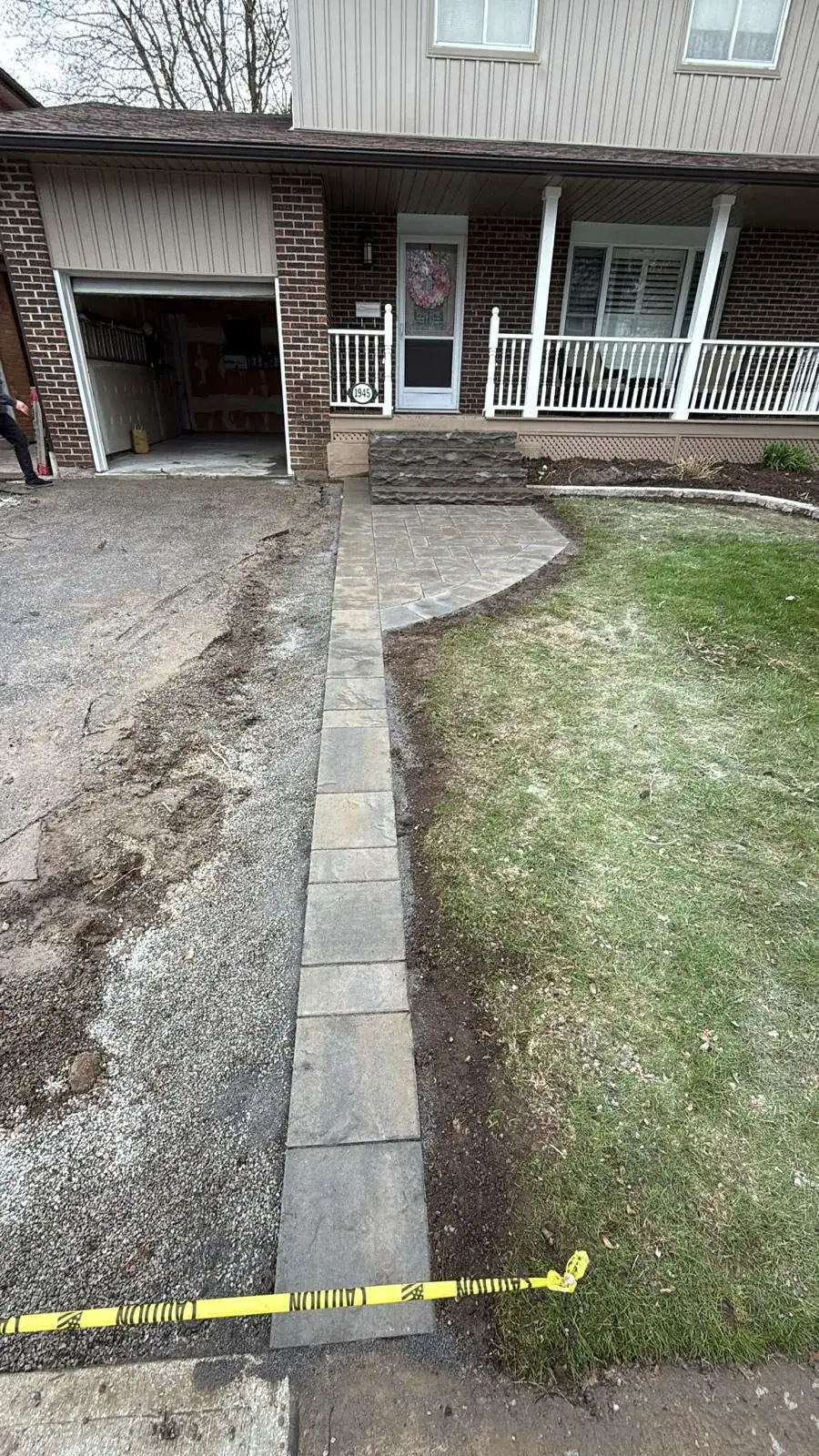
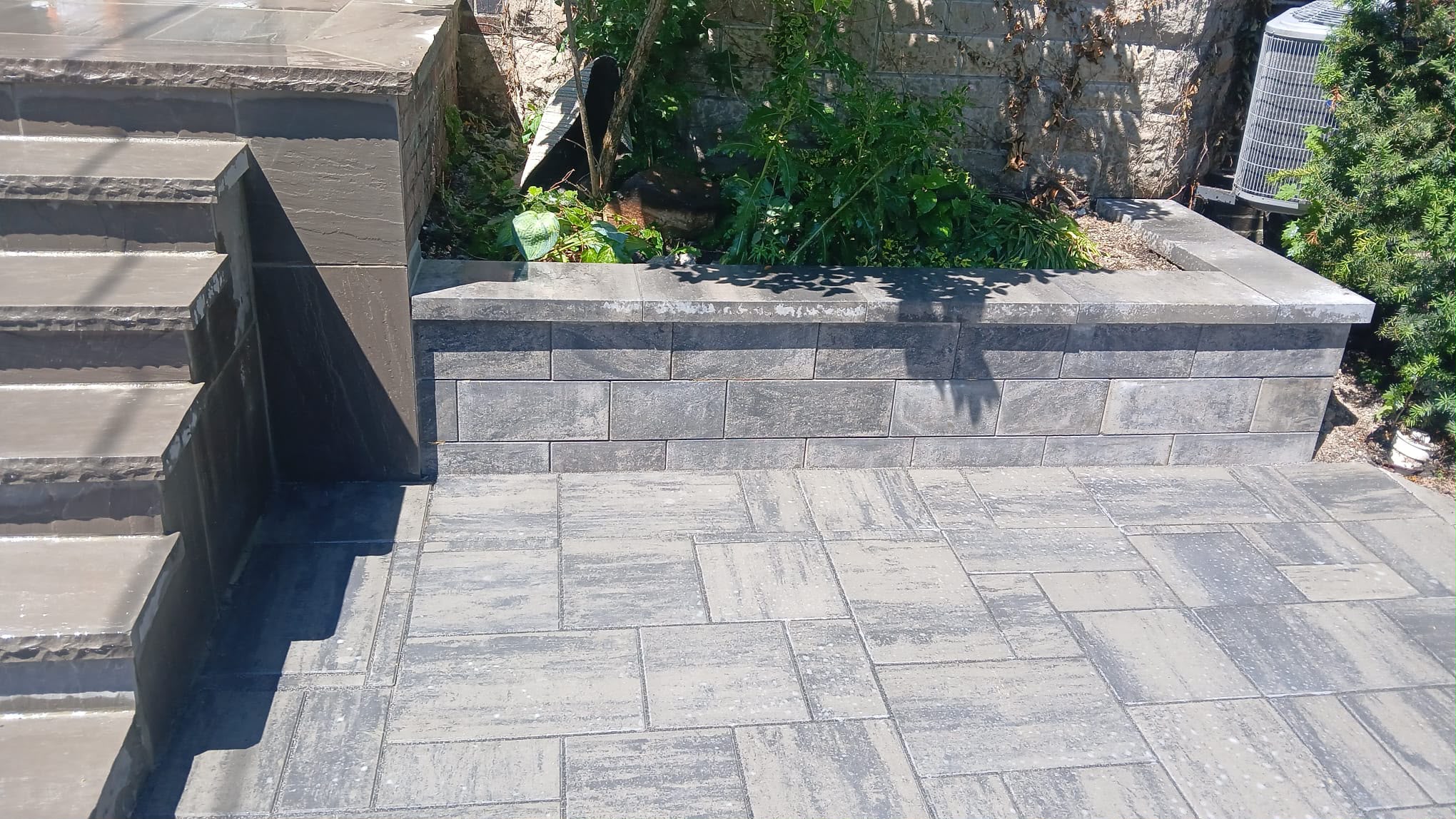
If your project involves patios, walkways, steps, or driveways, A&A Masonry’s interlocking stone services in Toronto page provides useful context for outdoor masonry surfaces.
Vegetation Can Damage Masonry If It Holds Moisture
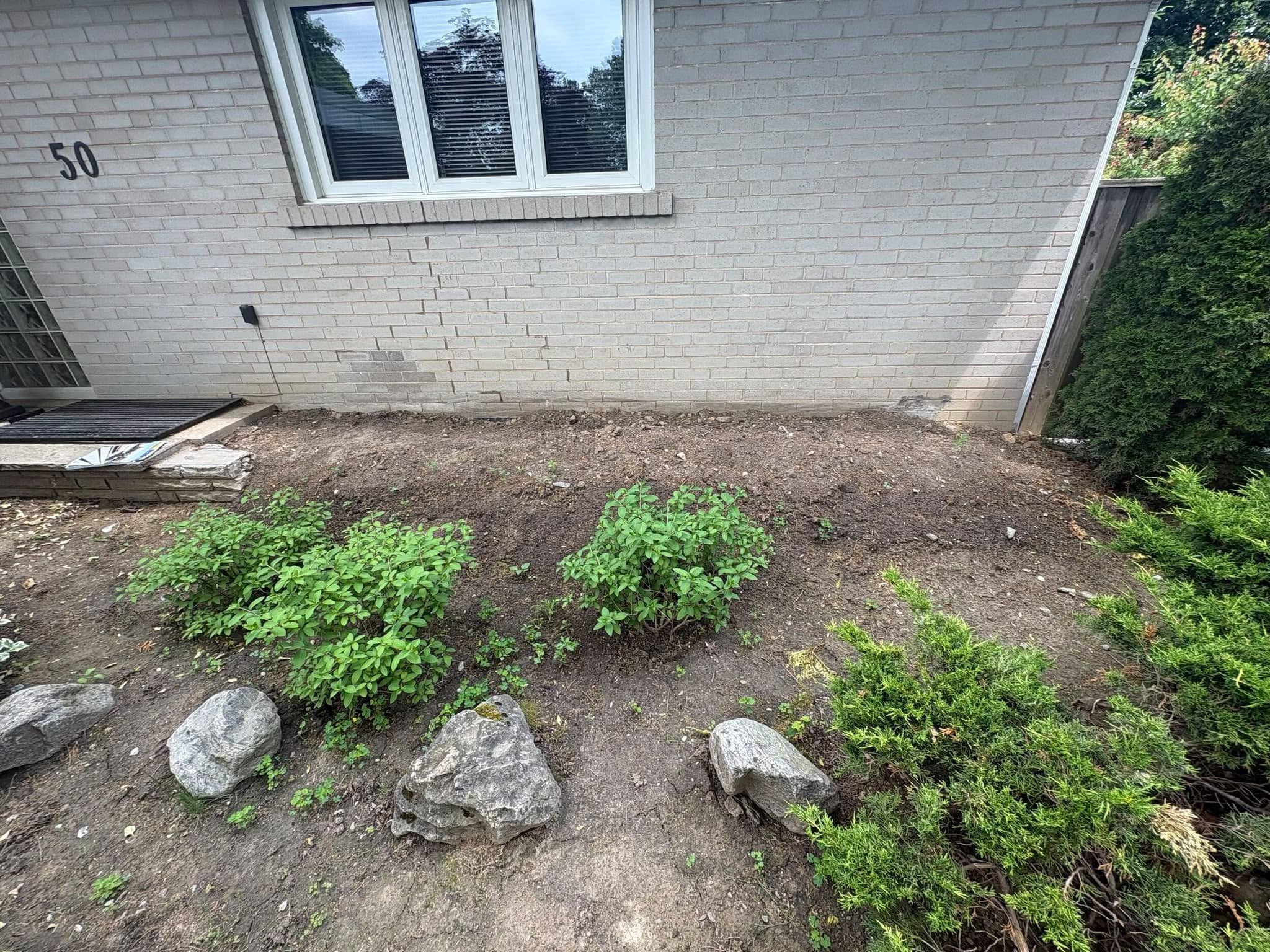
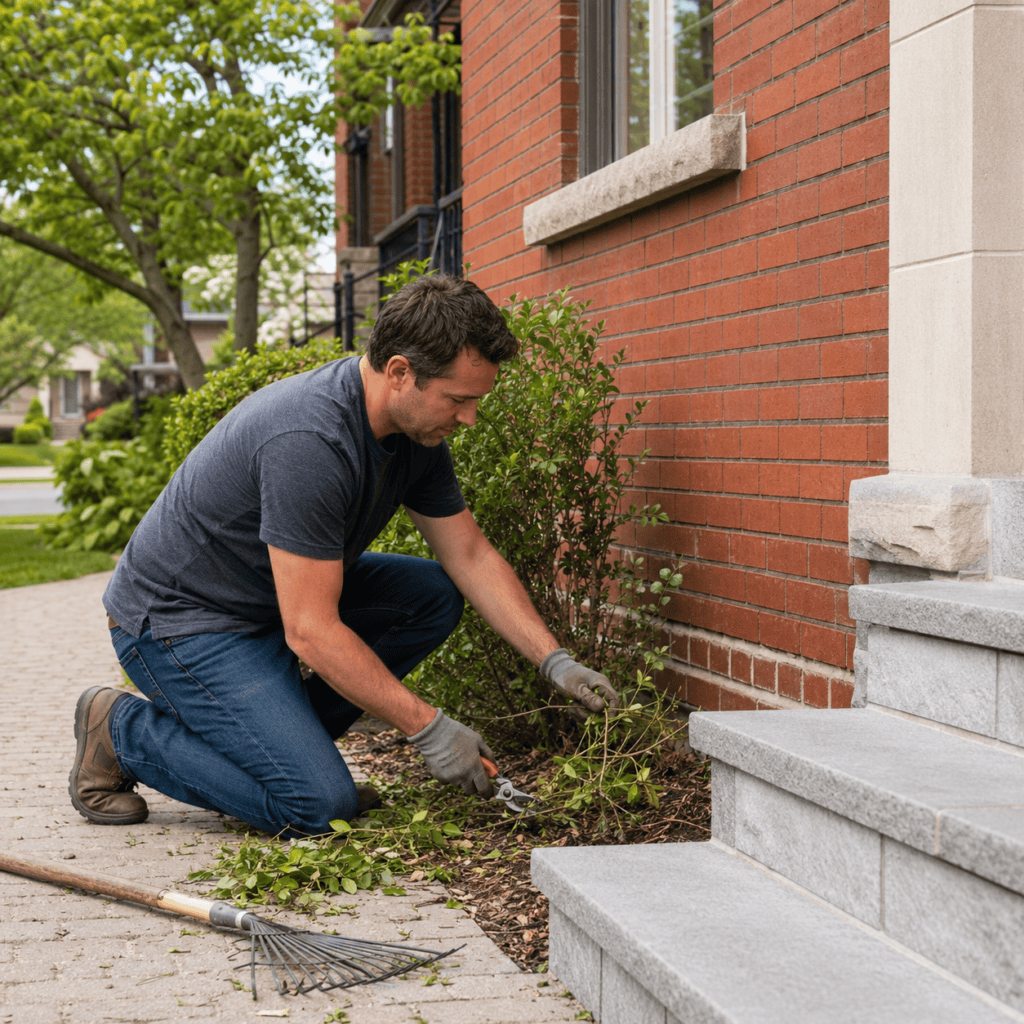
Vegetation can damage masonry when it traps moisture, hides cracks, or pushes into weak joints. Summer growth can make walls, steps, retaining walls, and foundation areas harder to inspect. Vines, shrubs, and overgrown planting beds can also keep brick and stone damp after rain.
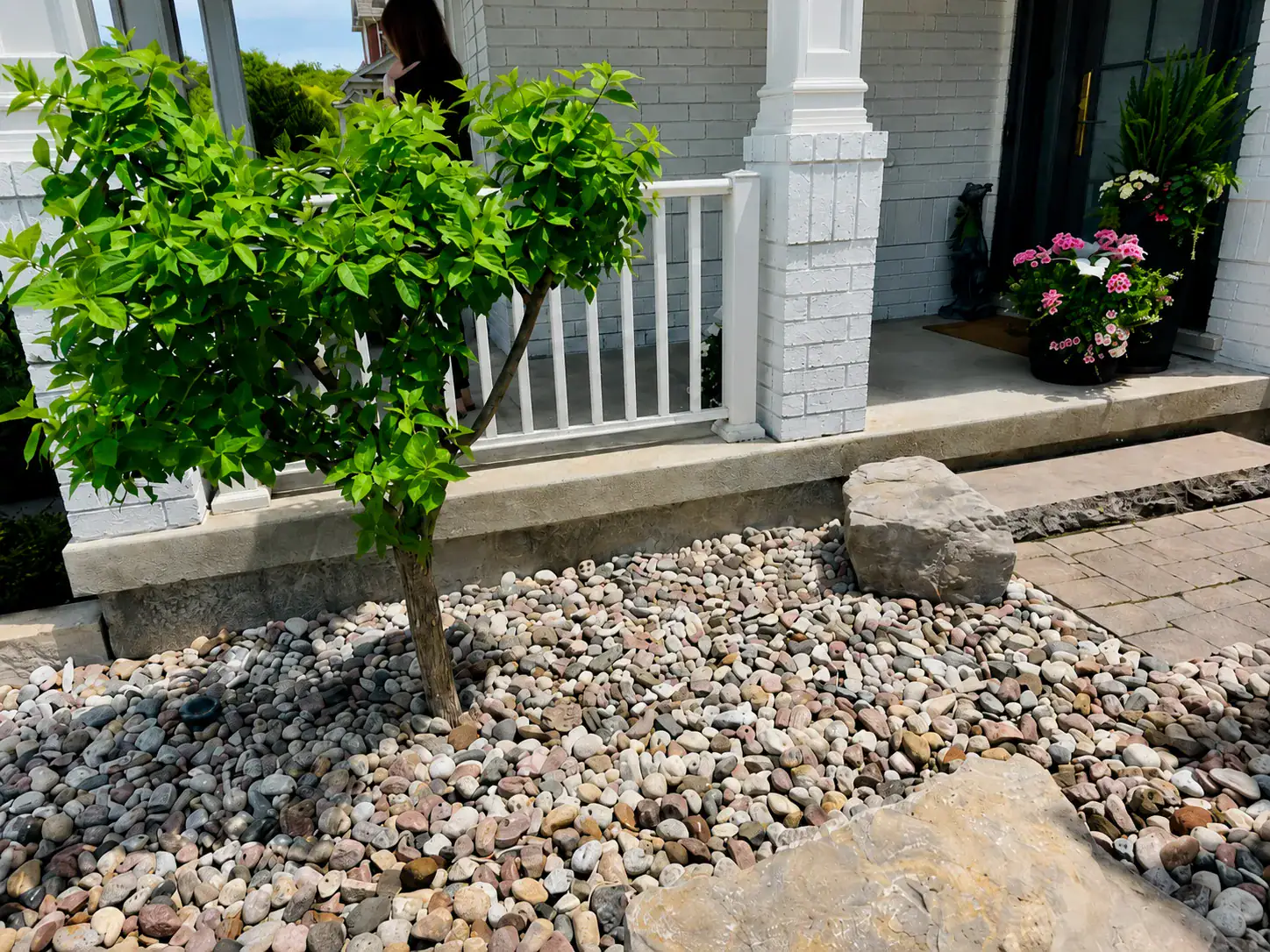
Plants are not automatically bad for masonry. The issue is contact, moisture, and hidden damage. Thick vegetation against a brick wall can reduce airflow and keep the surface wet. Roots near steps, patios, and retaining walls can disturb base materials. Soil and mulch piled too high against masonry can also hold water where it should not sit.
Homeowners should trim plants away from exterior walls, keep soil below masonry openings, and make sure garden beds do not direct water toward foundations or steps. This is simple summer maintenance that can prevent bigger repair concerns later.
Cleaning Masonry in Summer: What to Avoid
Summer is a popular time to clean masonry, but cleaning should be done carefully. Too much pressure, harsh chemicals, or the wrong cleaning method can damage brick, mortar, stone, and concrete surfaces.
High-pressure washing can erode older mortar, drive water into the wall, remove the face of softer brick, or worsen existing cracks. Acidic cleaners can stain or damage some masonry materials if used incorrectly. Sealing too soon after cleaning can trap moisture inside the surface.
Start with the gentlest method that works. Light brushing, water, and mild cleaning may be enough for some surfaces. If the surface has heavy staining, efflorescence, paint, biological growth, or older masonry, it is better to ask for advice before using aggressive methods.
For homeowners considering sealers after cleaning, A&A Masonry’s blog on masonry sealers explains why sealing should only happen after the surface is sound, clean, dry, and suitable for the product.
When Permits or Code Questions May Matter
Most simple masonry maintenance does not require the same review as larger construction work, but some projects can cross into permit or code territory. If work affects structure, exterior openings, retaining walls, foundations, porches, additions, or major changes, homeowners should check official guidance before starting.
The City of Toronto provides information on building permits, and Ontario’s Building Code regulation is the official provincial reference for construction requirements. Homeowners do not need to study the full code for a small maintenance task, but they should avoid guessing when a repair affects safety, structure, or drainage.
If the project is only light cleaning or basic inspection, permits are usually not the main concern. If the project involves rebuilding steps, changing a porch, altering a wall, repairing structural masonry, or addressing foundation work, it is worth checking in advance.
What Homeowners Can Safely Do in Summer
Homeowners can safely handle basic summer masonry care when the work is inspection-based, ground-level, and does not disturb structural materials. The goal is to keep masonry visible, dry, and documented.
- Walk around the home and photograph cracks, stains, loose mortar, and damaged brick.
- Check where water flows during and after heavy rain.
- Clear leaves, soil, and debris from steps, window wells, patios, and lower masonry areas.
- Trim shrubs and vines away from brick, stone, concrete, and foundation surfaces.
- Keep downspouts clear and directed away from the foundation where appropriate.
- Watch for uneven steps, sunken pavers, and pooling water on walkways.
- Use gentle cleaning methods before trying stronger products.
- Avoid cutting, grinding, drilling, roofline work, or heavy repairs unless properly trained.
These tasks help homeowners prevent avoidable damage and give a mason better information if a repair is needed.
When Professional Help Makes More Sense
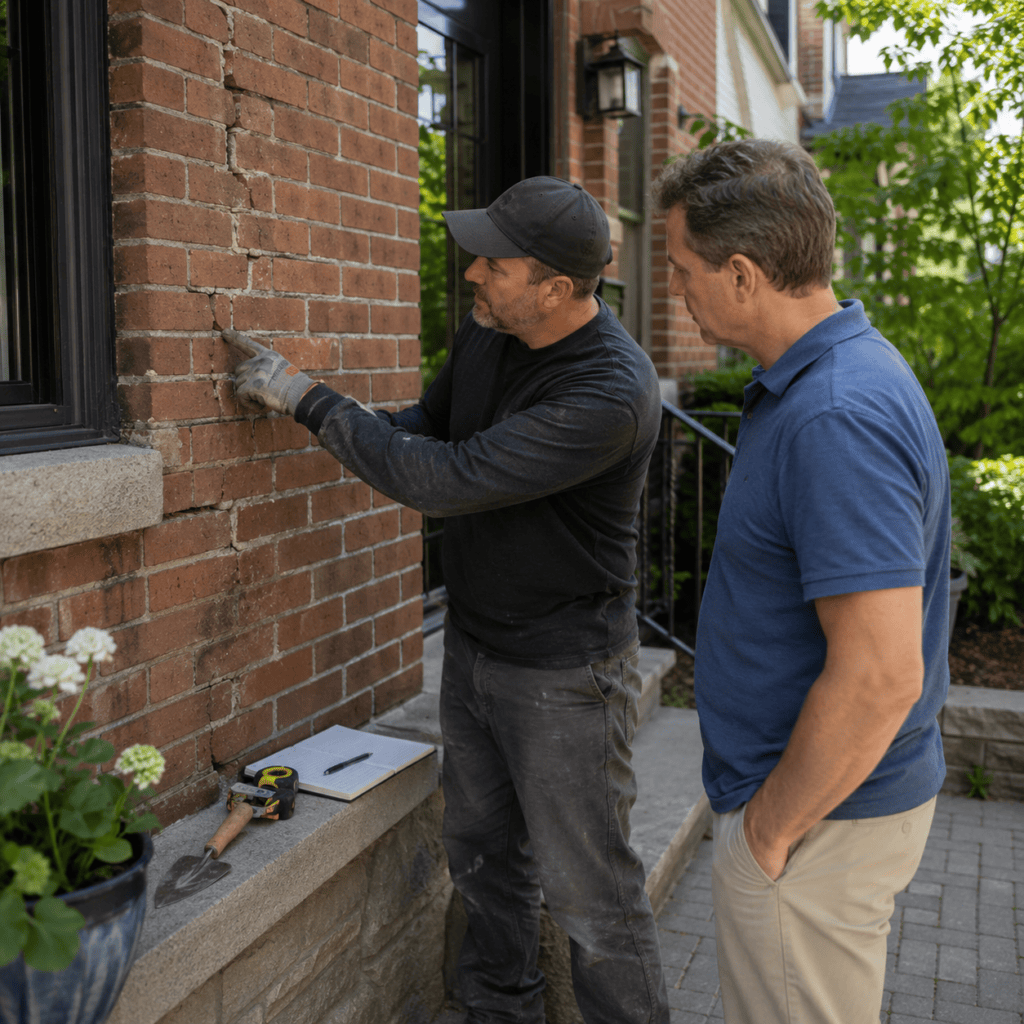
Professional help makes more sense when the masonry is cracked, loose, damp, uneven, spalling, leaking, or connected to structural areas. Summer is a good time to schedule an inspection because many issues can be reviewed before cold weather limits repair options.
A professional mason can assess whether a problem is cosmetic, water-related, material-related, or structural. They can also recommend whether the right solution is tuckpointing, brick replacement, waterproofing, chimney repair, concrete repair, interlocking reset, or a larger masonry repair.
If you need a broader overview of repair options, A&A Masonry’s masonry services in Toronto page outlines services such as brick repair, interlocking stone, tuckpointing, chimney repair, concrete repairs, parging, waterproofing, and stone masonry.
Quick Summer Masonry Care Checklist
A simple summer masonry checklist can help you stay ahead of bigger repairs.
- Inspect brick: Look for spalling, cracks, loose pieces, and open mortar joints.
- Check mortar: Watch for crumbling, gaps, recessed joints, or sandy texture.
- Review drainage: Make sure water moves away from walls, steps, patios, and foundations.
- Look at chimneys: Check safely from the ground for cracks, missing mortar, or visible damage.
- Inspect steps and walkways: Look for uneven surfaces, loose stones, sunken pavers, and pooling water.
- Trim vegetation: Keep plants from trapping moisture against masonry.
- Clean gently: Avoid harsh pressure washing on older brick and mortar.
- Plan repairs early: Address damage before fall rain and winter freezing returns.
This checklist does not replace a professional inspection, but it helps homeowners notice the issues that often lead to larger repairs.
Final Thoughts on Summer Masonry Care and Common Issues
Summer masonry care gives Toronto and GTA homeowners a chance to spot damage early, improve drainage, clean surfaces carefully, and plan repairs before colder weather returns. Brick, stone, concrete, chimneys, steps, patios, and foundation areas all benefit from seasonal attention.
The most common summer masonry issues are often connected to moisture and movement. Cracked mortar, spalling brick, efflorescence, sunken pavers, loose steps, and chimney damage may all point to winter stress, poor drainage, or aging materials. The sooner these issues are identified, the easier it is to decide whether simple maintenance, targeted repair, or professional inspection is needed.
Use summer to look closely at your masonry, not just your landscaping. A clean, dry, stable exterior is easier to maintain, safer to use, and better prepared for Toronto’s next season of rain, snow, and freeze-thaw weather.