
Chimney sweeping helps keep a fireplace or wood-burning system safer, cleaner, and easier to inspect. For many Toronto and GTA homeowners, a good rule is to have an active wood-burning chimney inspected at least once a year and swept when creosote, soot, debris, nesting material, or blockage is present. If the fireplace or stove is used often, cleaning may be needed more than once a year.
Chimney sweeping is not only about keeping the fireplace tidy. It helps reduce the risk of fire from creosote buildup, improves airflow, reveals hidden damage, and gives homeowners a chance to catch masonry problems before they require larger repairs. A chimney can look fine from the living room, while the flue, cap, crown, liner, or exterior brickwork needs attention.
For Toronto homes, chimney care is especially important because chimneys face heavy seasonal exposure. Rain, snow, freeze-thaw cycles, wind, and temperature changes can damage brick, mortar, crowns, caps, and liners. Sweeping and inspection work together because the chimney interior and the exterior masonry both affect safety and performance.
What Chimney Sweeping Actually Does
Chimney sweeping removes soot, creosote, ash, and debris from the flue and smoke path. A proper sweep helps clear the passage that smoke and combustion gases use to leave the home. It may also reveal signs of liner damage, animal nesting, moisture, cracked masonry, or poor draft.
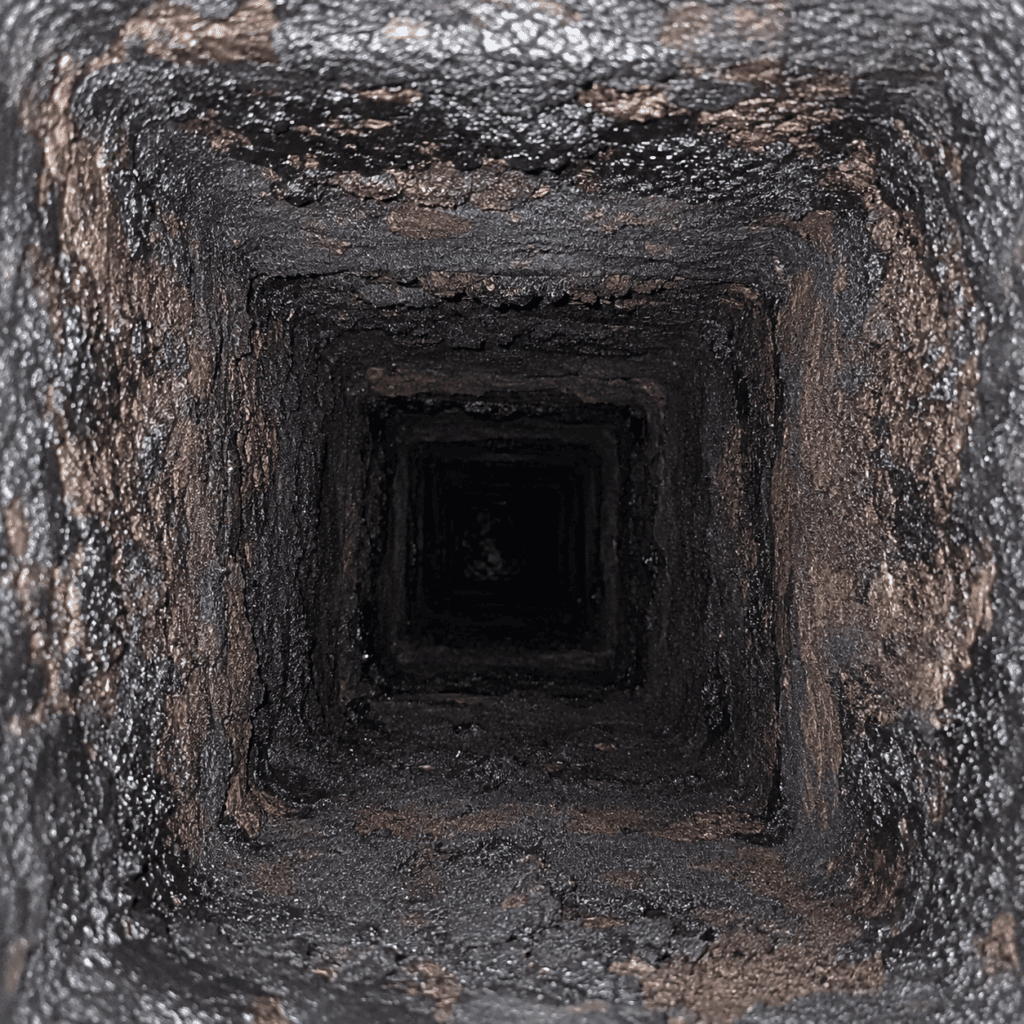
Creosote is one of the main reasons chimney sweeping matters. It is a by-product of burning wood and can build up inside the flue. It may appear as a flaky, crusty, sticky, or hardened deposit depending on burning conditions and chimney performance. Since creosote is combustible, heavy buildup can increase the risk of a chimney fire.
Sweeping can also remove leaves, twigs, bird nesting material, and other debris that may enter through a missing or damaged cap. If the chimney is blocked, smoke may back up into the room or combustion gases may not vent properly.
For homeowners, the practical point is simple: chimney sweeping supports safety, but it should be paired with inspection. Cleaning tells you what was removed. Inspection helps explain why it was there and whether the chimney system is still in good condition.
How Often Should a Chimney Be Swept?
A chimney should usually be inspected once a year and swept when buildup or blockage is found. For regularly used wood-burning fireplaces and stoves, many homeowners schedule annual sweeping before the heating season. Heavy users may need cleaning more often, especially if they burn wood frequently throughout the winter.
The Hearth, Patio & Barbecue Association of Canada notes that experts recommend having chimneys swept and inspected by a WETT-certified technician at least once a year, either in spring or before the heating season. Ontario’s fire safety legislation and the Ontario Fire Code page are also useful official references for homeowners seeking a broader fire-safety context.
How often you need to sweep depends on several factors: how often you use the fireplace, what kind of wood you burn, how dry the wood is, how well the chimney drafts, whether the liner is properly sized, and whether there are moisture or blockage issues.
A fireplace used a few times per winter may not need the same cleaning schedule as a wood stove used daily. Still, infrequent use does not mean the chimney can be ignored. Animals, leaves, water, and deterioration can affect a chimney even when the fireplace is rarely used.
Why Annual Inspection Still Matters Even If You Rarely Use the Fireplace
Annual inspection matters because a chimney can develop problems even without heavy use. Rain, snow, wind, animals, loose caps, damaged crowns, cracked mortar, and freeze-thaw cycles can all affect the chimney when the fireplace is not being used.
A homeowner may assume that a fireplace is safe because it was barely used last winter. But a bird nest, cracked liner, loose brick, missing cap, or moisture damage may have developed during the off-season. The first fire of the season is not the right time to discover that smoke is backing into the room or that the chimney is blocked.
Toronto homes with older masonry chimneys deserve extra attention because brick and mortar can age quietly. A small crack in the crown can let water enter. Damaged mortar joints can widen. A missing cap can allow debris and animals inside. Annual inspection helps catch these problems before the chimney is put back into use.
A&A Masonry’s blog on chimney spring maintenance in Toronto explains why spring and early-season inspections are useful after winter weather.
Creosote Buildup: The Main Reason Chimneys Need Sweeping
Creosote buildup is the main reason wood-burning chimneys need to be swept. It forms when smoke, moisture, and unburned particles cool as they move through the chimney. Over time, this residue can cling to the flue walls.
Creosote buildup is often worse when wood is wet, fires are smouldering, airflow is poor, or the chimney is too cool. Green or damp wood produces more smoke and burns less efficiently. Low-temperature fires can also leave more residue behind.
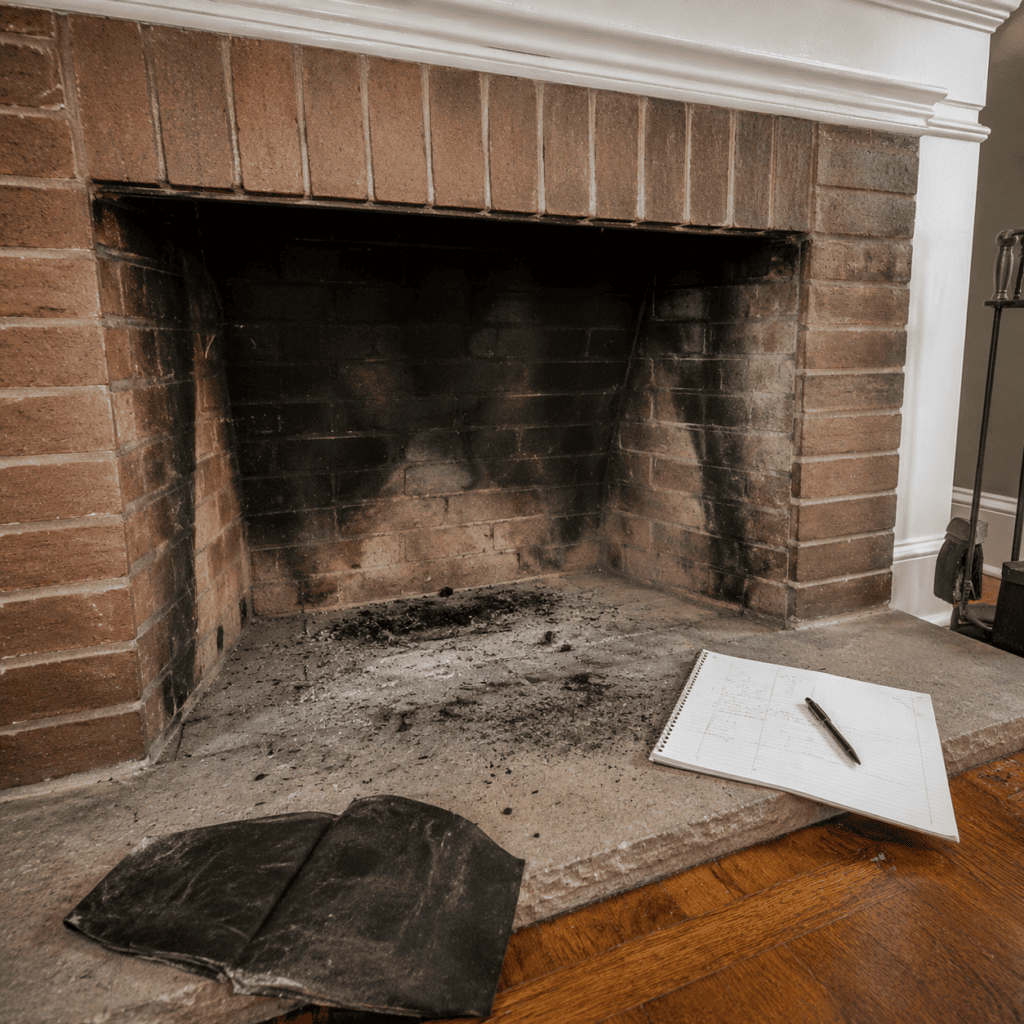
Homeowners may notice warning signs such as a strong smoky smell, dark residue near the damper, poor draft, smoke entering the room, or flakes falling into the fireplace. These signs do not replace professional inspection, but they should not be ignored.
The safest approach is to burn dry, seasoned wood, avoid smouldering fires, keep the fireplace or stove working as intended, and schedule chimney inspection and sweeping based on actual use and buildup.
How Wood Type and Burning Habits Affect Sweeping Frequency
Wood type and burning habits can affect how often a chimney needs to be swept. Dry, seasoned hardwood generally burns cleaner than wet, green, or poorly stored wood. Wet wood can create more smoke, cooler flue temperatures, and more creosote.
Burning habits also matter. Small, smoky fires can create more buildup than hotter, cleaner fires. Closing airflow too much, burning trash, using treated wood, or letting fires smoulder can increase residue and odours. A fireplace that smells smoky even when not in use may have creosote, moisture, or draft issues.
Homeowners who use a fireplace for occasional atmosphere may only need an annual inspection and cleaning. Homeowners who use a wood stove often during winter may need more frequent attention. The chimney sweep or WETT-certified technician can recommend a schedule based on what they find inside the flue.
The key is not to follow a fixed schedule blindly. Use frequency, fuel quality, inspection findings, and visible buildup to guide maintenance.
Gas Fireplaces and Chimneys Still Need Attention
Gas fireplaces and gas appliance chimneys may not create creosote like wood-burning systems, but they still need inspection and maintenance. Venting, liners, connections, caps, and blockages still matter. A gas appliance can also produce carbon monoxide if combustion or venting is not working properly.
Ontario’s carbon monoxide safety page explains that carbon monoxide cannot be seen, smelled, or tasted, and working CO alarms are needed to detect it. Any home with fuel-burning appliances should take CO safety seriously.
For gas systems, the main concern may not be sweeping in the traditional wood-burning sense. Instead, the concerns are inspection, venting conditions, appliance servicing, liner suitability, and blockage prevention. Leaves, nests, debris, corrosion, or improper venting can still create safety problems.
If a chimney is connected to any fuel-burning appliance, homeowners should follow the appliance manufacturer’s guidance and use qualified professionals for inspection and service.
Signs Your Chimney May Need Sweeping or Inspection
Some signs suggest the chimney should be swept or inspected before the next use. These signs may indicate creosote buildup, blockage, poor draft, moisture, liner issues, or exterior masonry damage.
- Smoke enters the room: This may indicate poor draft, blockage, cold flue conditions, or buildup.
- Strong smoky odour: Odours can come from creosote buildup, moisture, poor airflow, or a dirty flue.
- Dark flakes or residue: Creosote or soot may fall into the fireplace or collect near the damper.
- Slow-starting fires: Difficulty establishing a draft may indicate airflow or chimney issues.
- Visible debris: Leaves, twigs, nesting material, or animal activity should be taken seriously.
- Water stains: Stains near the chimney, fireplace, ceiling, or wall can suggest moisture entry.
- Damaged cap or crown: A missing cap or cracked crown can allow water and debris into the chimney.
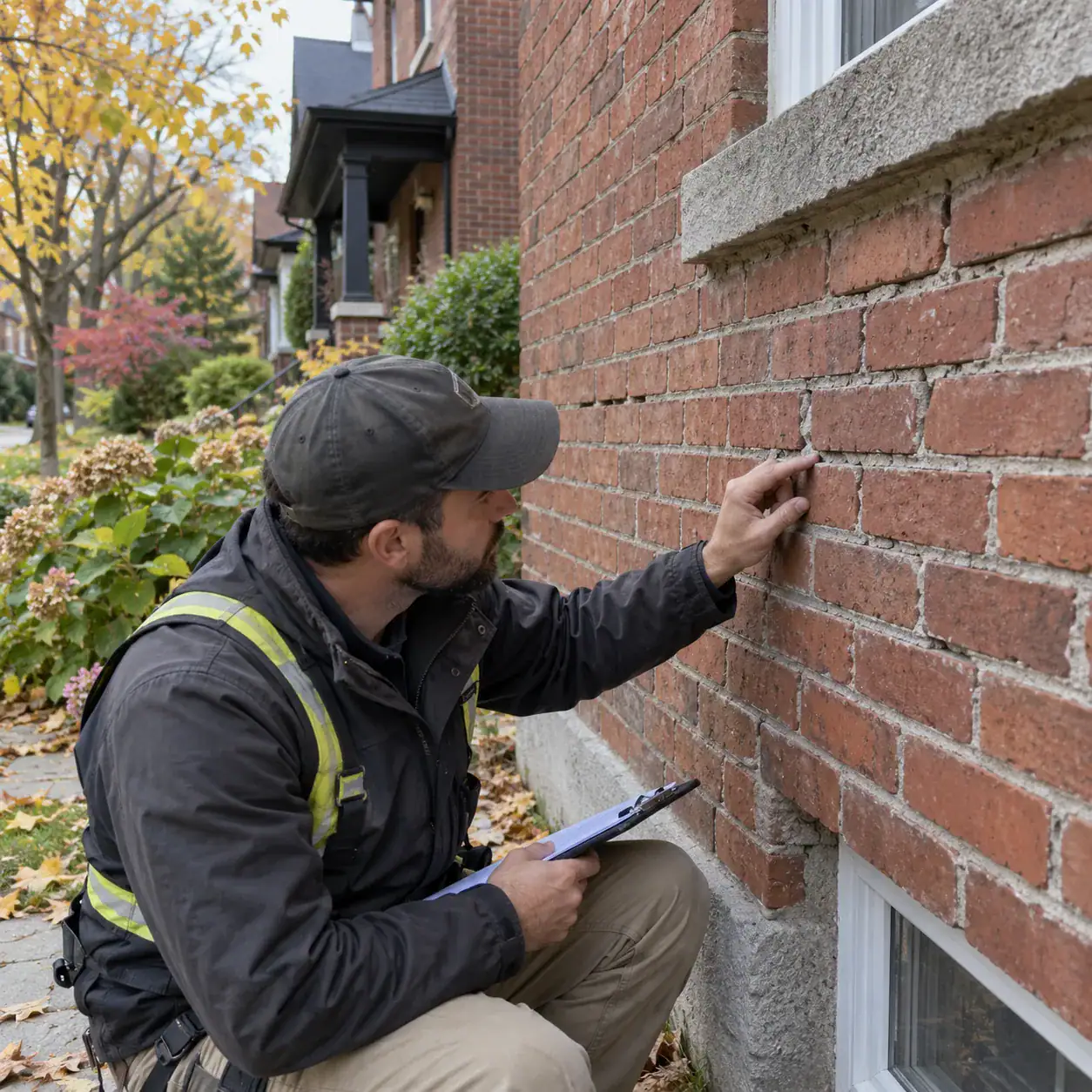
- Spalling brick or missing mortar: Exterior chimney damage may be connected to water entry and freeze-thaw wear.
If exterior chimney damage is visible, A&A Masonry’s common chimney damage guide can help homeowners understand early warning signs such as cracked mortar, loose bricks, white staining, and spalling surfaces.
Why Chimney Sweeping and Chimney Repair Are Connected
Chimney sweeping and chimney repair are connected because cleaning can reveal problems that are not obvious from the outside. A sweep may uncover broken liner pieces, heavy moisture, loose debris, animal nesting, or unusual soot patterns. These clues can point to deeper chimney issues.
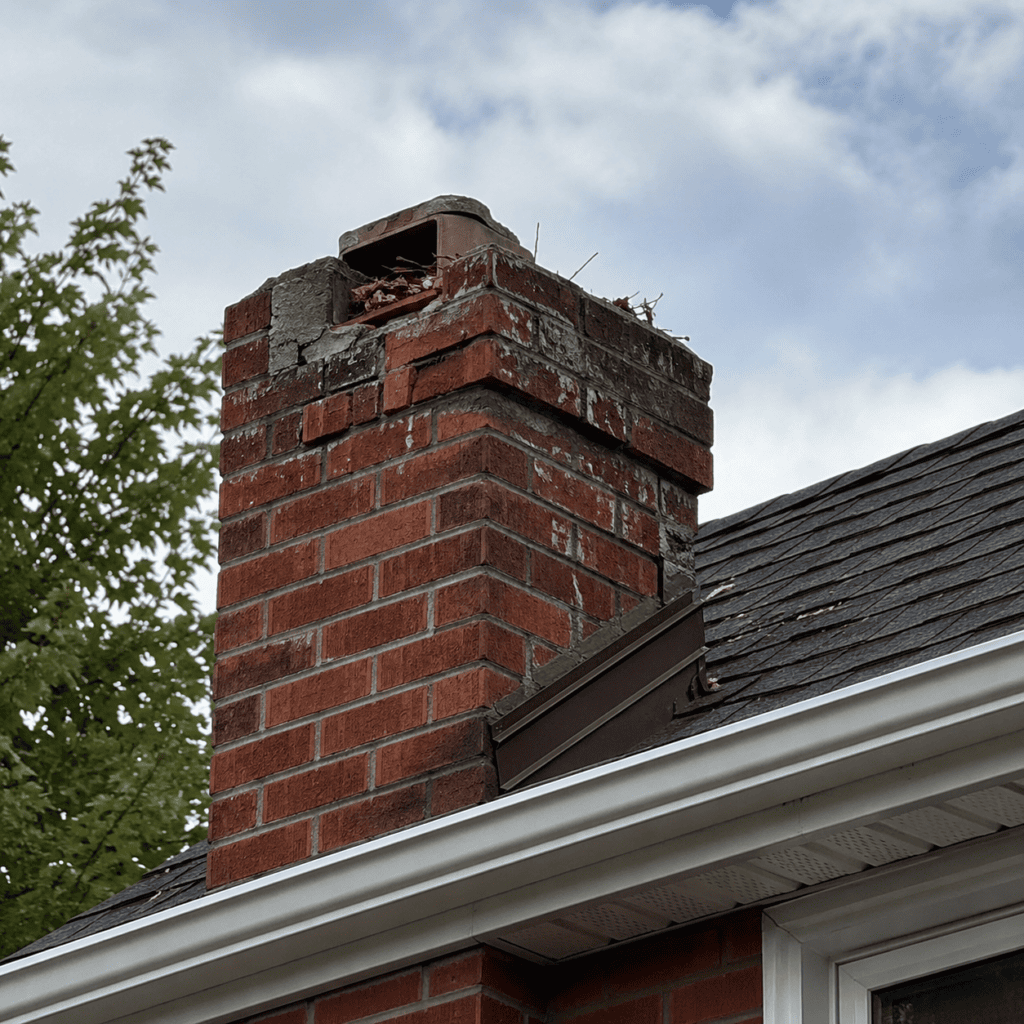
At the same time, exterior masonry problems can affect the inside of the chimney. A cracked crown can let water enter from above. A missing mortar can allow moisture through the sides. A damaged cap can let animals and debris inside. Spalling brick can indicate that water is already damaging the chimney structure.
This is why homeowners should not treat chimney care as only an interior cleaning task. The flue, liner, cap, crown, flashing, brickwork, mortar, and roofline details all work together. If one part is failing, the chimney may not perform as it should.
For exterior masonry concerns, A&A Masonry’s chimney repair Toronto page explains common needs, including tuckpointing, brick replacement, cap and crown issues, water damage, and rebuilds.
Chimney Caps, Animals, and Blockages
Chimney caps help reduce water entry, animal access, and debris inside the flue. A missing or damaged cap can allow birds, squirrels, leaves, twigs, rain, and snow to enter the chimney. This can lead to blockages, odours, moisture damage, and unsafe venting.
Blockages are not always visible from the fireplace opening. A homeowner may only notice poor draft, smoke backup, or unusual sounds. In some cases, the first sign may appear when the fireplace is used after months of sitting idle.
Caps also help protect the chimney from rain and snow entering directly from the top. They are not a cure-all for chimney moisture problems, but they are an important part of protecting the system.
A&A Masonry’s blog on chimney cap options and why they matter explains common cap choices and why missing or failing caps should not be ignored.
Chimney Liners and Sweeping
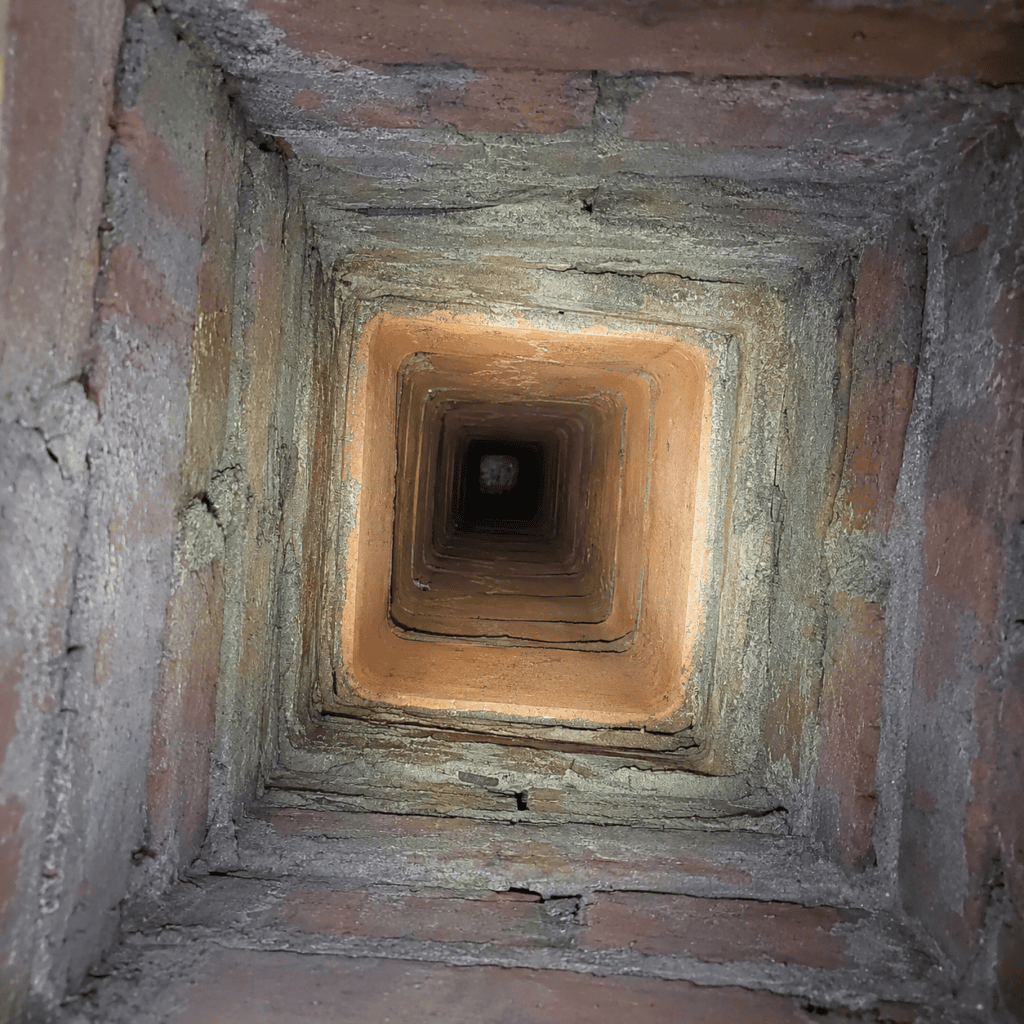
Chimney liners should be considered during sweeping and inspection because the liner is the passage that helps move smoke and combustion by-products out of the home. A cracked, missing, damaged, or poorly sized liner can affect draft, safety, moisture, and appliance performance.
Clay tile liners, stainless steel liners, cast-in-place liners, and other systems each have different inspection and maintenance concerns. A chimney sweep may notice broken tile pieces, heavy deposits, corrosion, staining, or signs that the liner is not performing properly.
If the liner is damaged, sweeping alone does not solve the issue. Cleaning can remove buildup, but it cannot repair cracks, missing sections, or improper sizing. Liner concerns should be evaluated before the fireplace or appliance is used again.
For a deeper homeowner comparison, A&A Masonry’s chimney liner options guide explains the considerations for clay tile, stainless steel, cast-in-place, and aluminum liners.
Best Time of Year to Sweep a Chimney
The best time to sweep a chimney is usually spring, summer, or early fall before the heating season begins. Many homeowners wait until the first cold week, but that can be a busy time for chimney professionals and may leave little time for repairs if problems are found.
Spring sweeping is useful because it removes residue after the heating season and gives odours less time to sit through warm, humid weather. It also allows time to repair winter damage before fall. Early fall sweeping is useful because it prepares the fireplace for regular use.
For Toronto homeowners, spring and early summer are also good times to inspect the exterior masonry of the chimney. Winter freeze-thaw damage, cracked crowns, missing mortar, and loose caps are easier to see once snow and ice are gone.
If the chimney has not been used in years, it should be inspected before use, no matter the season.
What Homeowners Can Safely Check Themselves
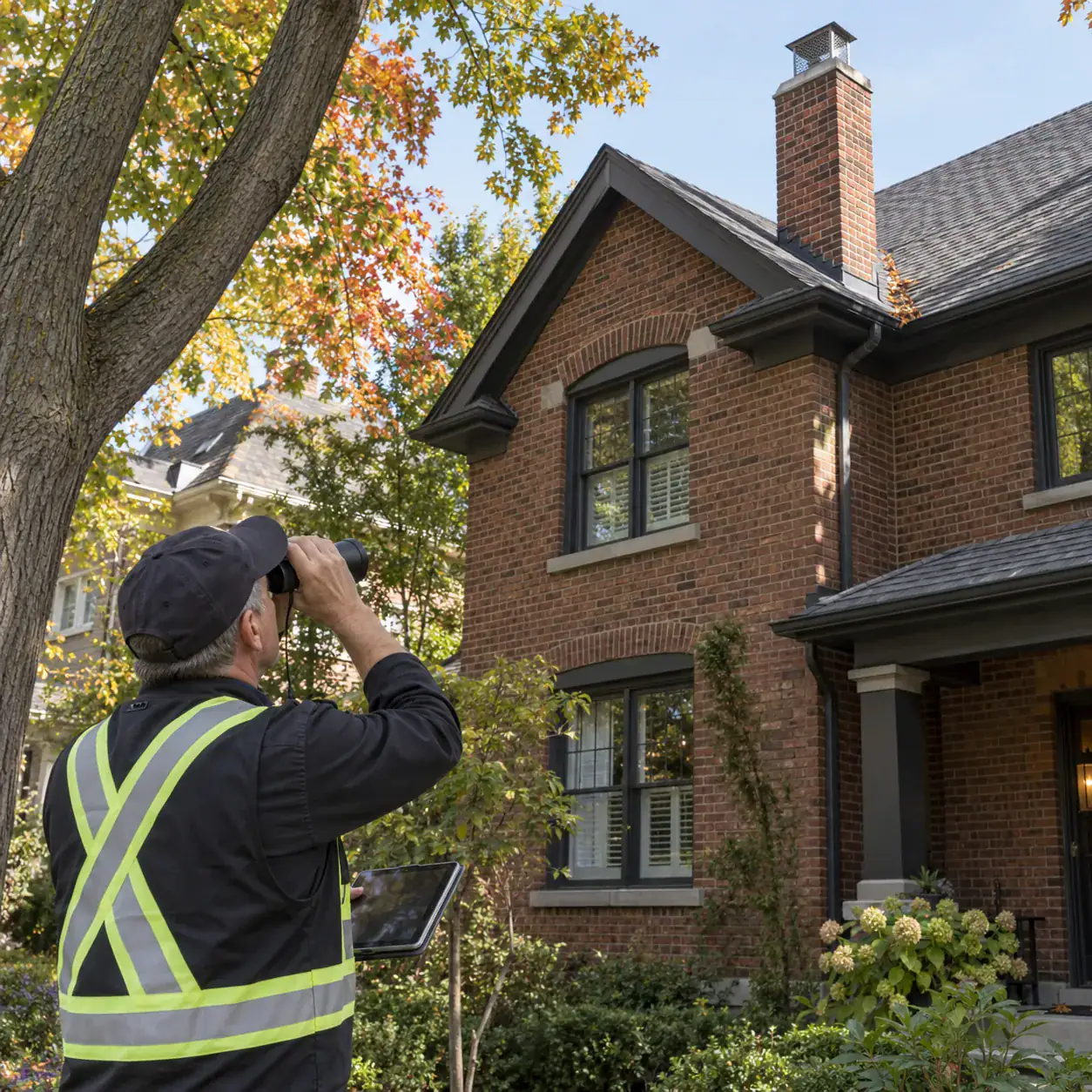
Homeowners can check some warning signs safely, but they should not climb onto roofs, look down flues, remove nesting material, or try to sweep a chimney without the right tools and training. Chimney work can involve working at heights, soot exposure, creosote, sharp liner edges, unstable masonry, and poor air quality.
- Look from the ground for missing caps, leaning, cracked crowns, spalling brick, or missing mortar.
- Check the fireplace for strong odours, falling debris, dark flakes, or unusual staining.
- Watch for smoke entering the room when the fireplace is used.
- Listen for animal activity or signs of nesting.
- Check that carbon monoxide alarms are installed and working.
- Keep the fireplace area clear of combustible items.
- Keep a record of inspections, sweeping dates, repairs, and appliance changes.
These checks help homeowners notice problems early. They do not replace professional sweeping, inspection, or appliance service.
DIY Chimney Sweeping: Why It Is Usually Not Worth the Risk
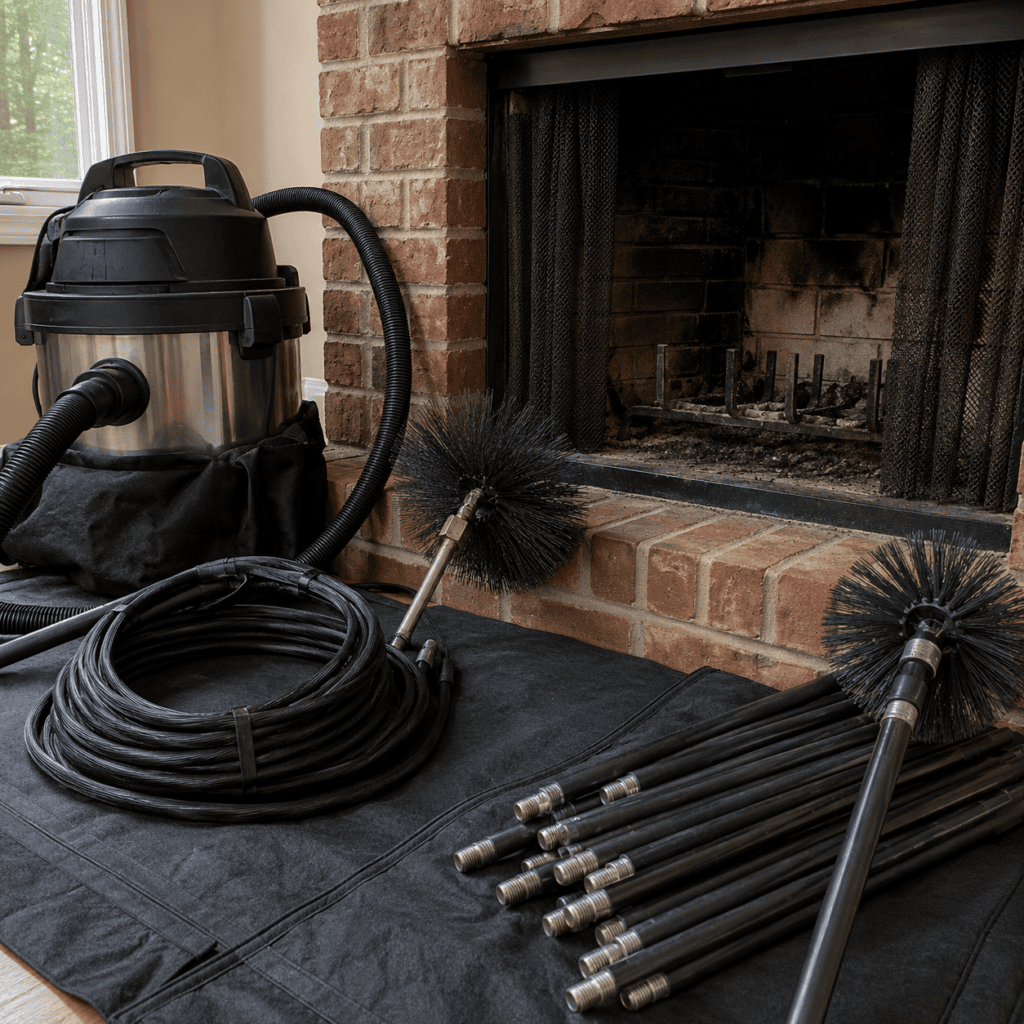
DIY chimney sweeping is usually not worth the risk for most homeowners. A chimney may seem like a simple vertical passage, but cleaning it properly can require roof access, specialized brushes, dust control, inspection tools, and knowledge of what damage looks like.
Improper sweeping can leave creosote behind, push debris into the wrong area, miss liner damage, or create a mess inside the home. Roof work also adds fall risk. If the chimney has loose brick, cracked mortar, or an unstable cap, climbing near it can be unsafe.
A professional sweep or WETT-certified technician can clean the system and identify whether further inspection, appliance service, masonry repair, or liner work may be needed. If exterior brickwork is damaged, a masonry contractor can then assess the chimney structure.
For most homeowners, the safer DIY role is ground-level inspection, basic record-keeping, and choosing dry fuel. The cleaning itself is usually better handled by a qualified professional.
What Happens If Chimney Sweeping Is Ignored?
If chimney sweeping is ignored, creosote can build up, airflow can worsen, odours can become stronger, blockages may go unnoticed, and hidden damage may continue. The result can be a chimney that is less safe, less efficient, and more likely to need larger repairs later.
Heavy creosote buildup can increase fire risk. Blockages can cause smoke backup. Moisture can mix with soot, creating strong odours. Animals or debris can restrict the flue. Damaged liners may go unseen. Exterior masonry problems can continue to let water into the chimney.
The National Research Council of Canada publishes the National Fire Code of Canada 2020, a useful public reference for fire safety. Homeowners do not need to interpret the fire code alone, but chimney maintenance should always be treated as a safety concern, not just a cleaning chore.
When Professional Help Makes More Sense
Professional help makes more sense when the chimney is active, has not been inspected recently, shows smoke backup, has visible creosote, smells strongly, contains debris, or shows exterior masonry damage. It also makes sense before buying a home with a fireplace or using a chimney that has been inactive for years.
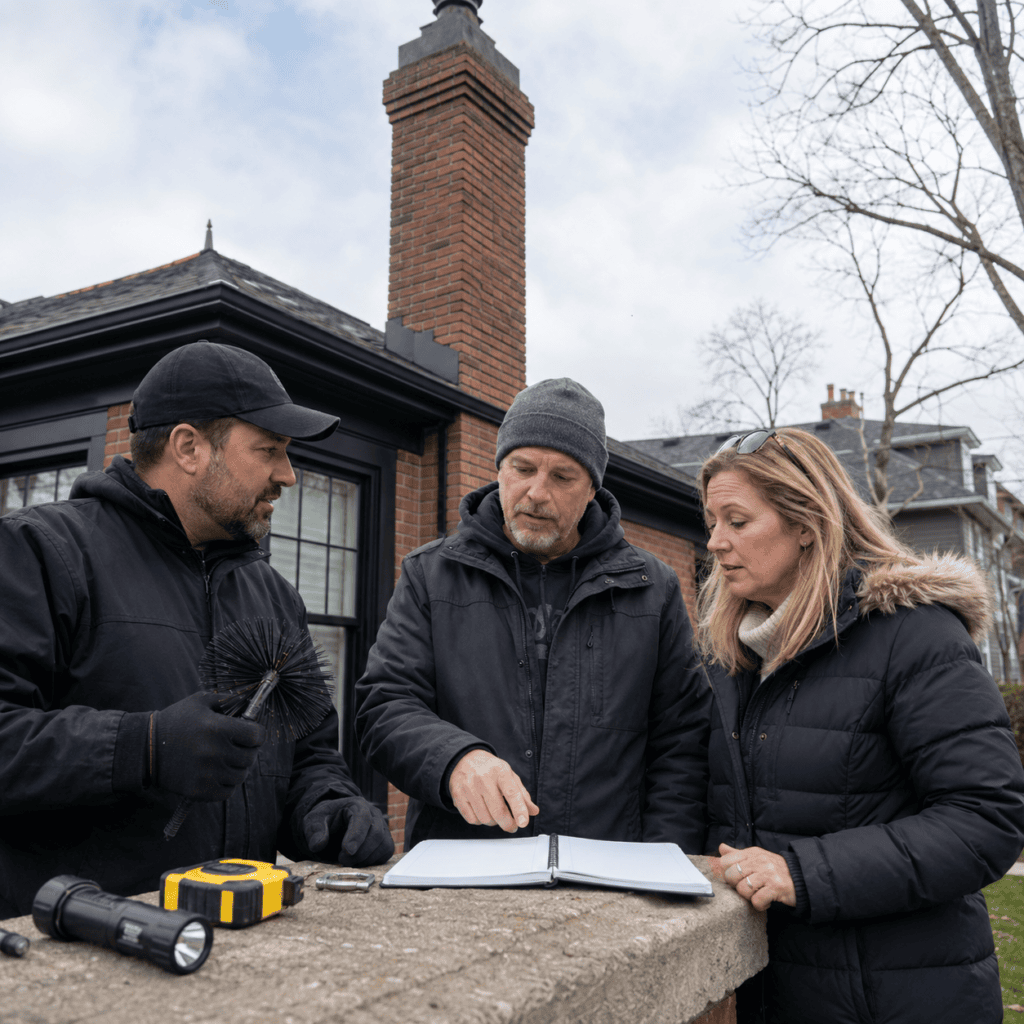
A chimney sweep or WETT-certified technician can handle the interior cleaning and appliance-related inspection. A masonry contractor can review exterior brick, mortar, caps, crowns, flashing, spalling, leaning, and freeze-thaw damage. In some cases, both types of expertise are needed.
If chimney sweeping reveals masonry damage, A&A Masonry’s Toronto masonry services page offers a broader view of related services, including chimney repair, brick repair, tuckpointing, waterproofing, concrete repair, and restoration.
Quick Chimney Sweeping Schedule Guide
A simple chimney sweeping schedule can help homeowners plan maintenance without waiting for smoke or odours to appear.
- Wood-burning fireplace used regularly: Inspect annually and sweep at least yearly or more often if buildup is found.
- Wood stove or frequent winter use: Inspect annually and ask the technician whether mid-season cleaning is needed.
- Occasional fireplace use: Inspect annually and sweep when soot, creosote, debris, or blockage is present.
- Gas fireplace or appliance vent: Inspect and service according to the appliance manufacturer’s and professional guidance, even if there is no creosote.
- New-to-you home: Inspect the fireplace before using it for the first time.
- After a chimney fire or smoke backup: Stop use and arrange inspection before using it again.
- After animal activity or missing cap: Inspect and clear blockages before use.
- After visible chimney damage: Review both the flue and exterior masonry before the next heating season.
The right schedule depends on use, fuel, chimney condition, and what the inspection finds.
Final Thoughts on Chimney Sweeping
Chimney sweeping helps keep a fireplace or wood-burning system safer by removing soot, creosote, and debris from the flue. For many Toronto and GTA homeowners, annual inspections and cleaning, when needed, are a smart maintenance habit, especially before the heating season.
How often a chimney should be swept depends on use. A fireplace used often may need more attention than one used a few times a year. Wet wood, poor draft, creosote buildup, animal nesting, missing caps, smoke backup, or strong odours can all change the schedule.
The most important lesson is that sweeping and inspection work together. A clean chimney is helpful, but a safe chimney also requires a sound liner, a proper cap, a stable crown, good mortar, solid brickwork, and clear venting. When homeowners treat chimney sweeping as part of full chimney care, they are better prepared for safe fireplace use through Toronto’s cold seasons.