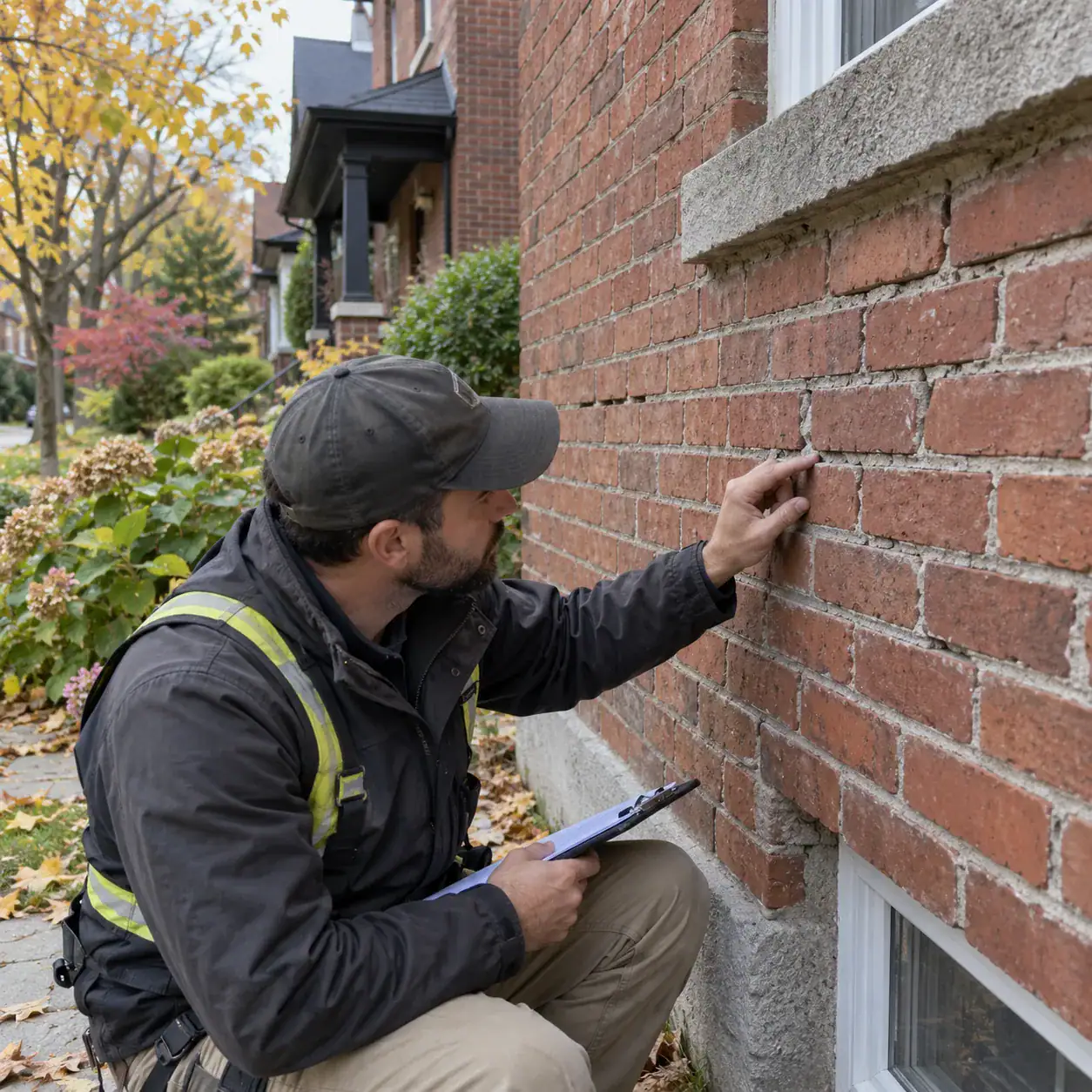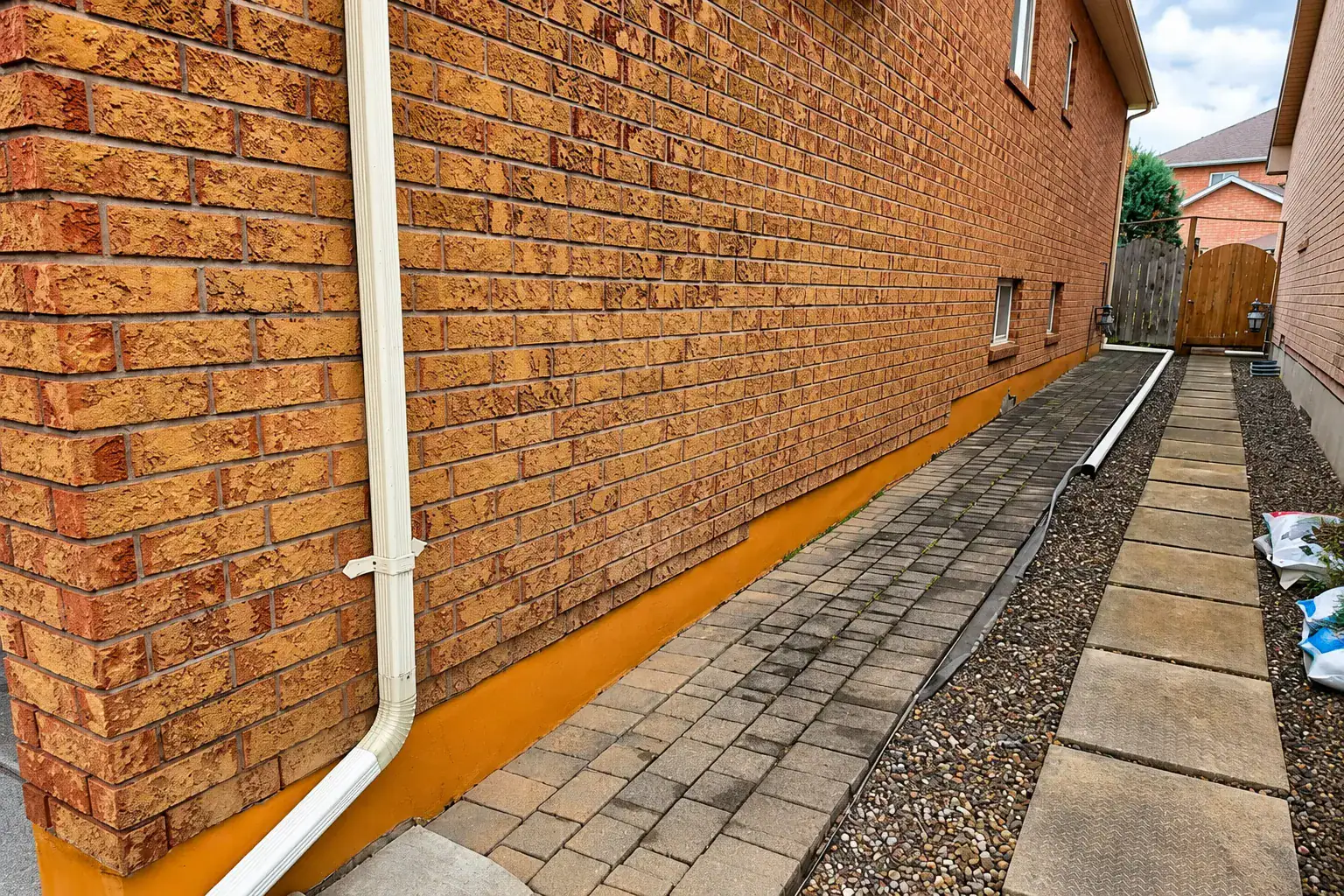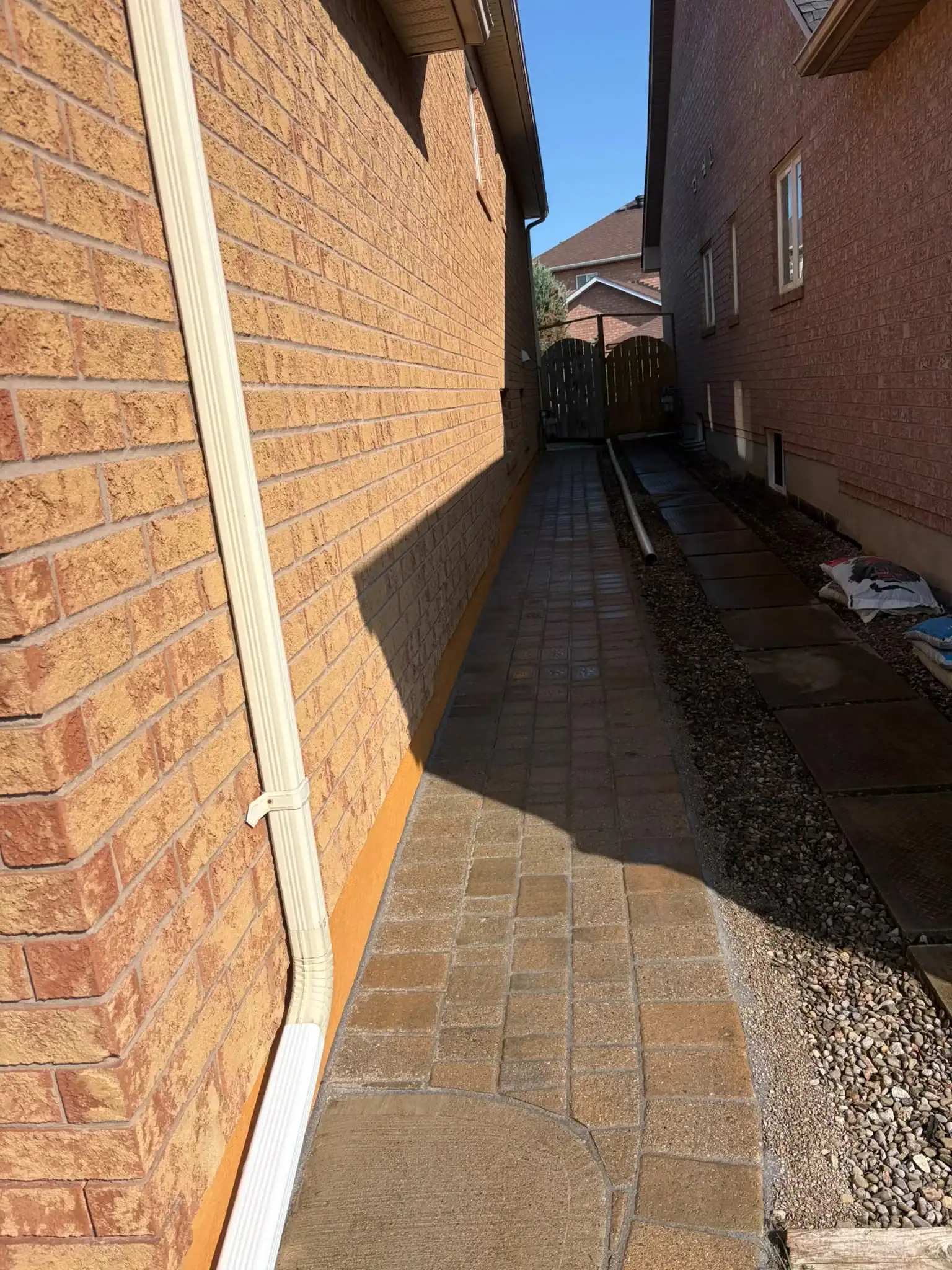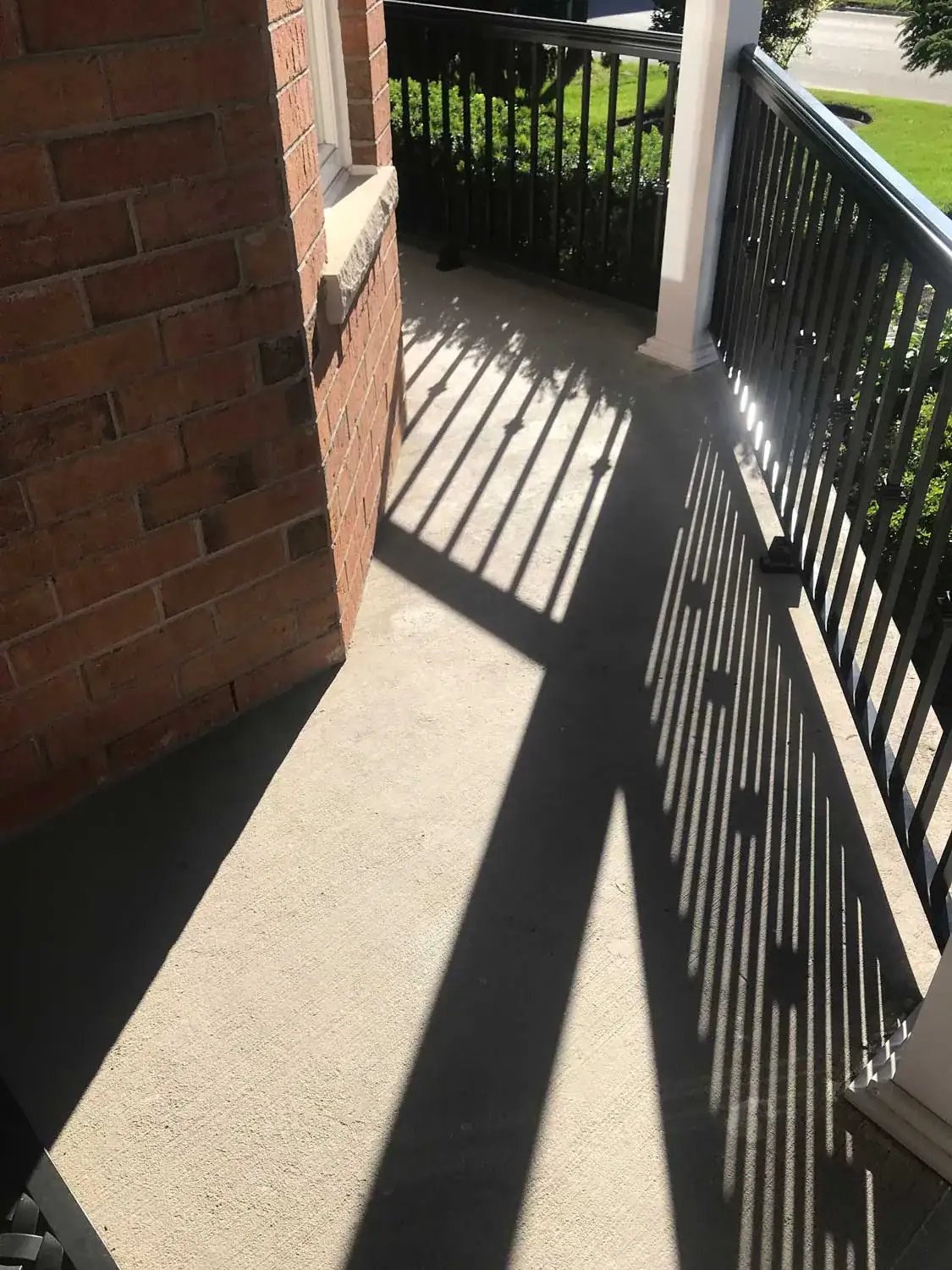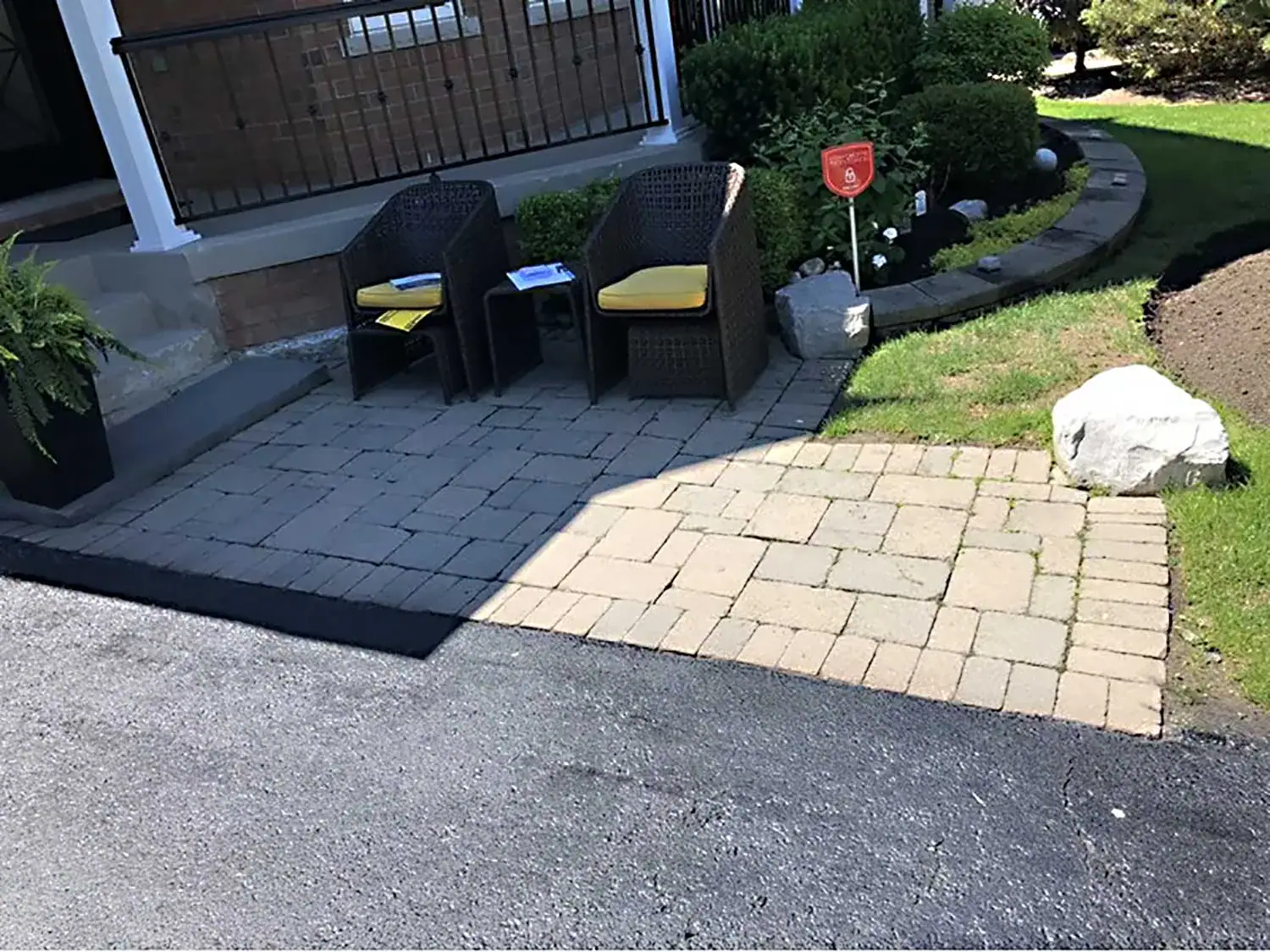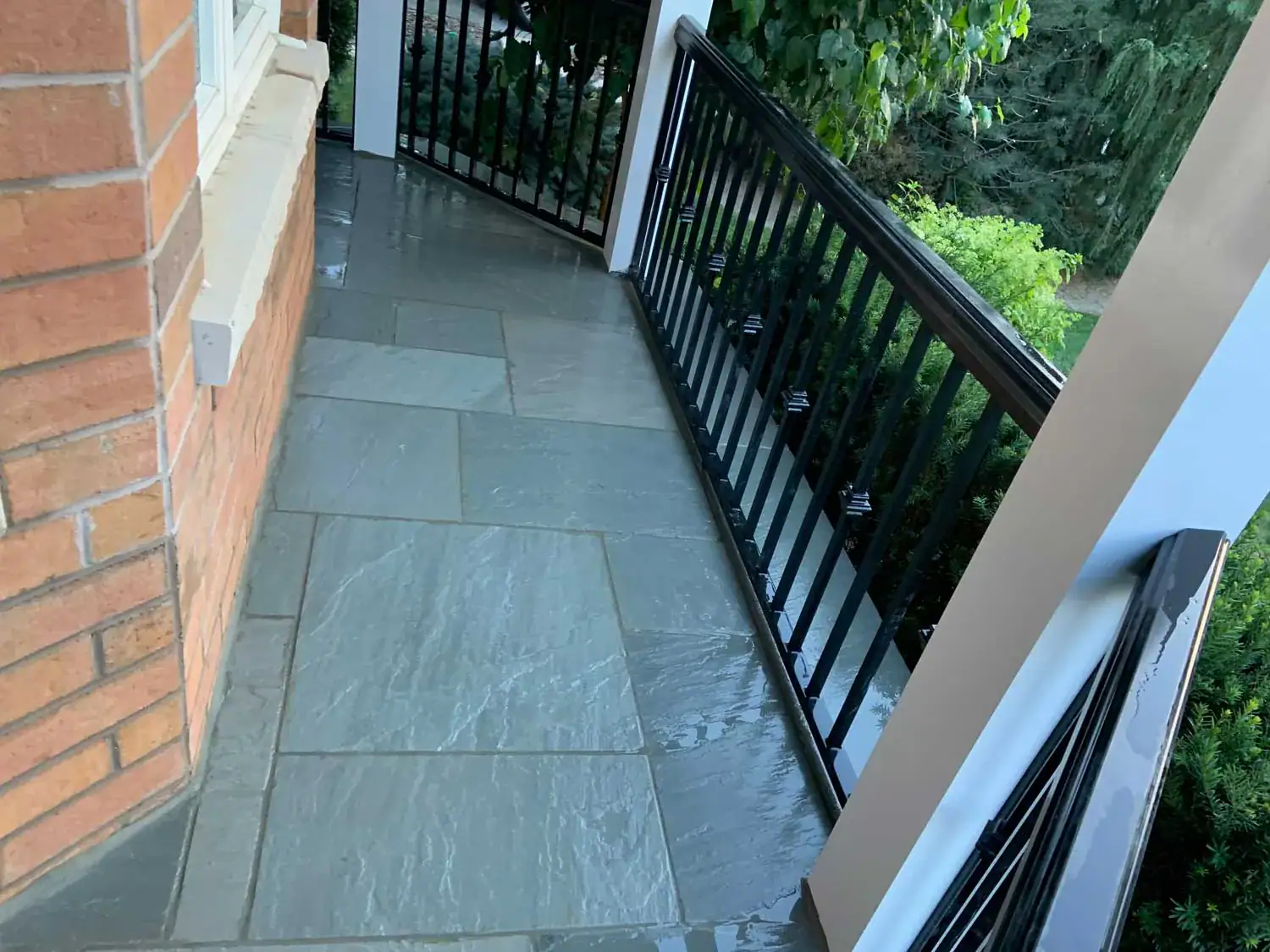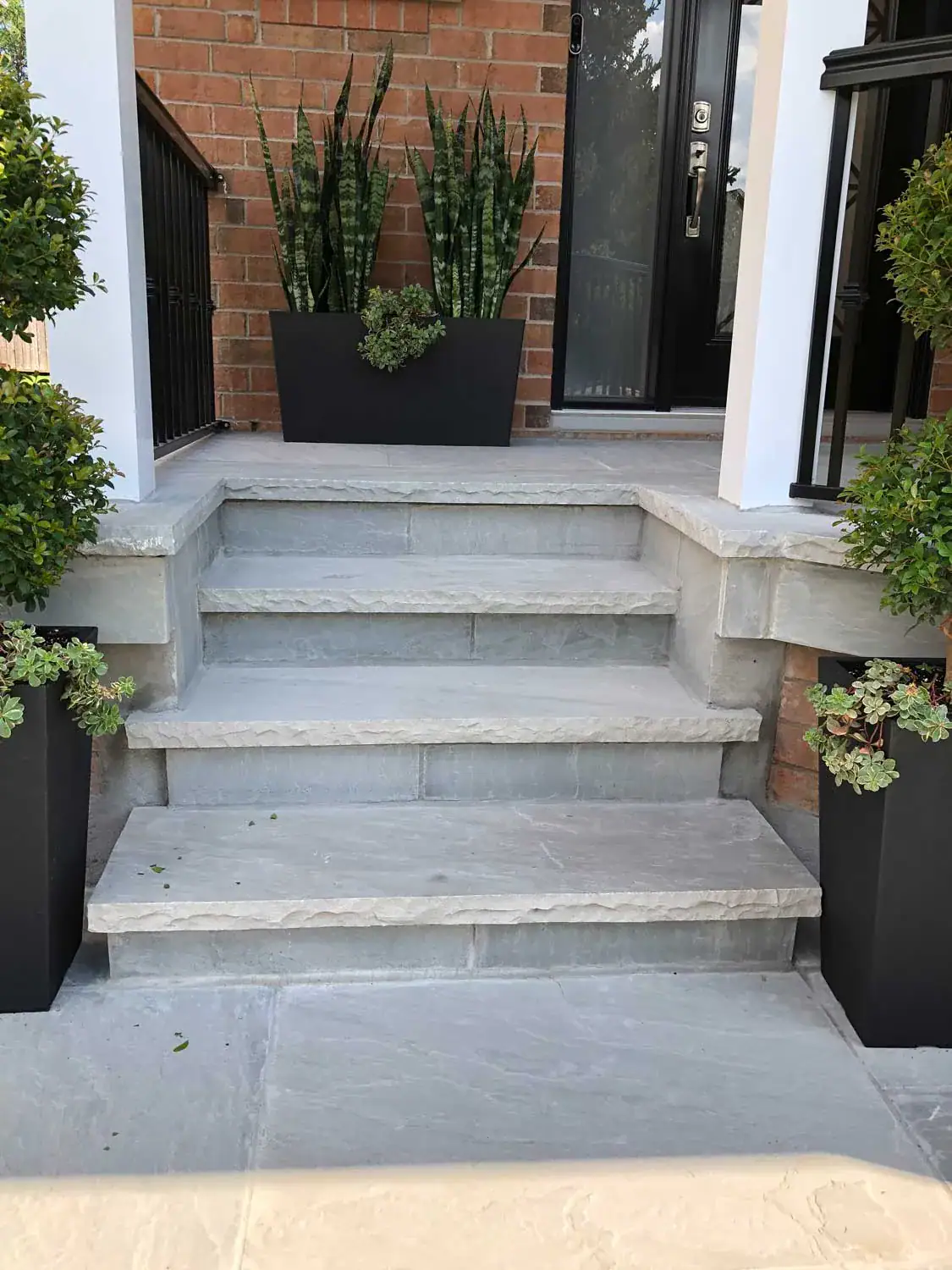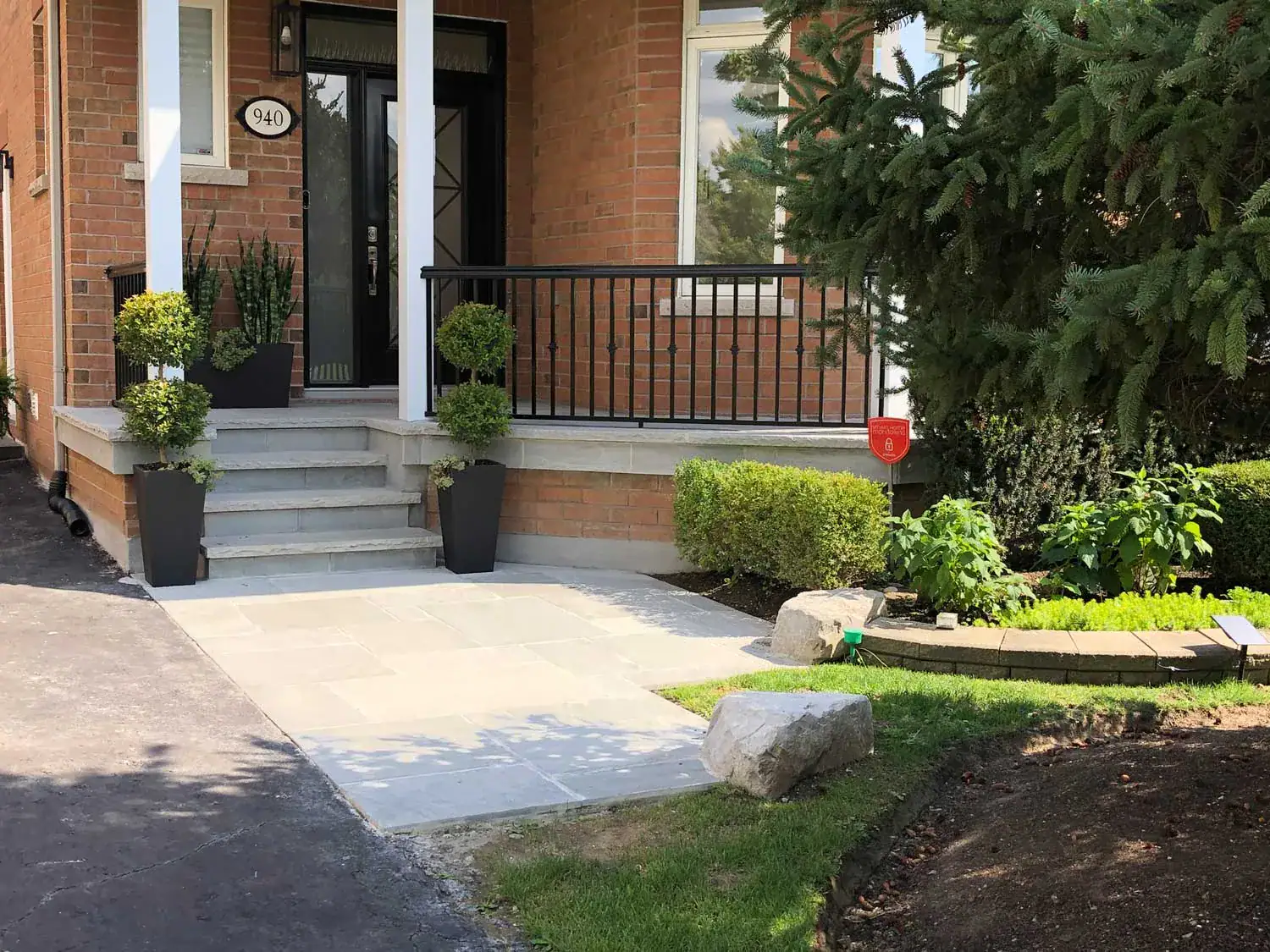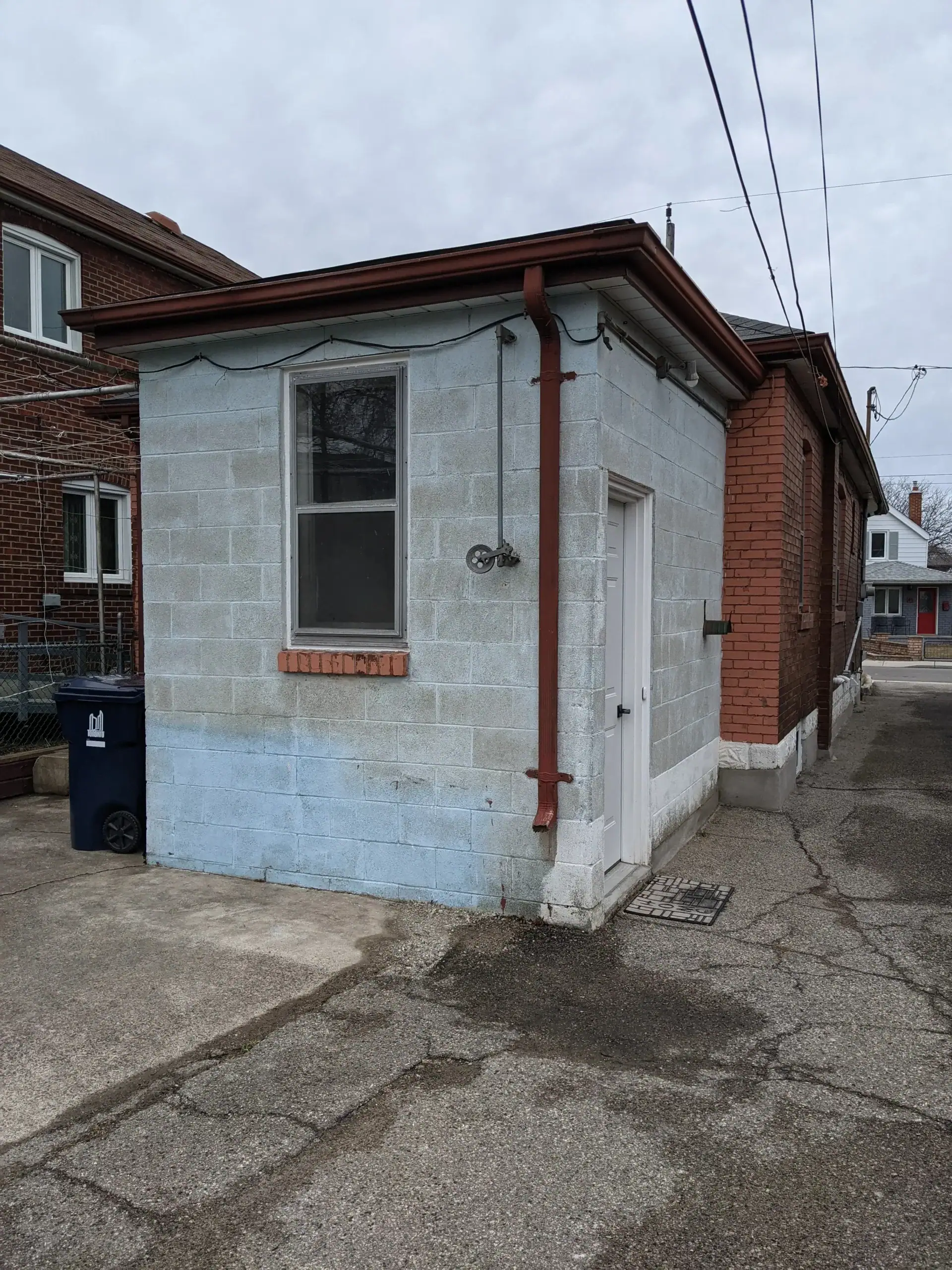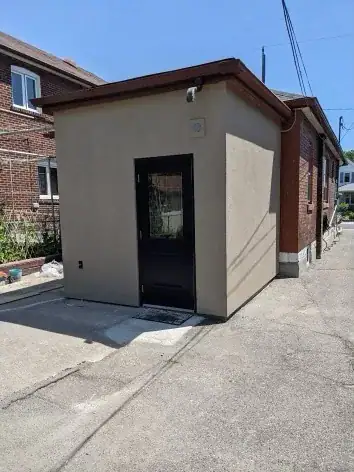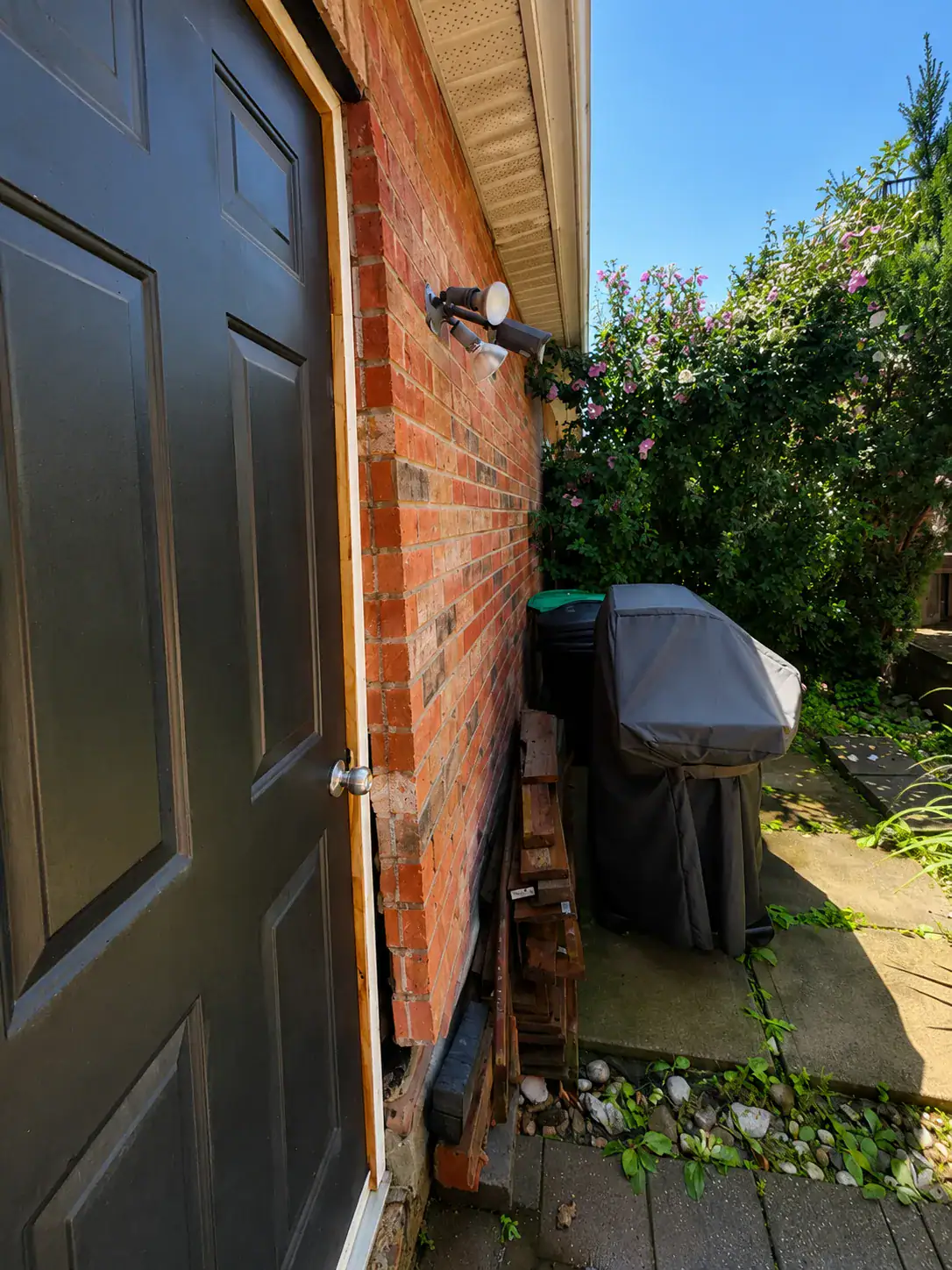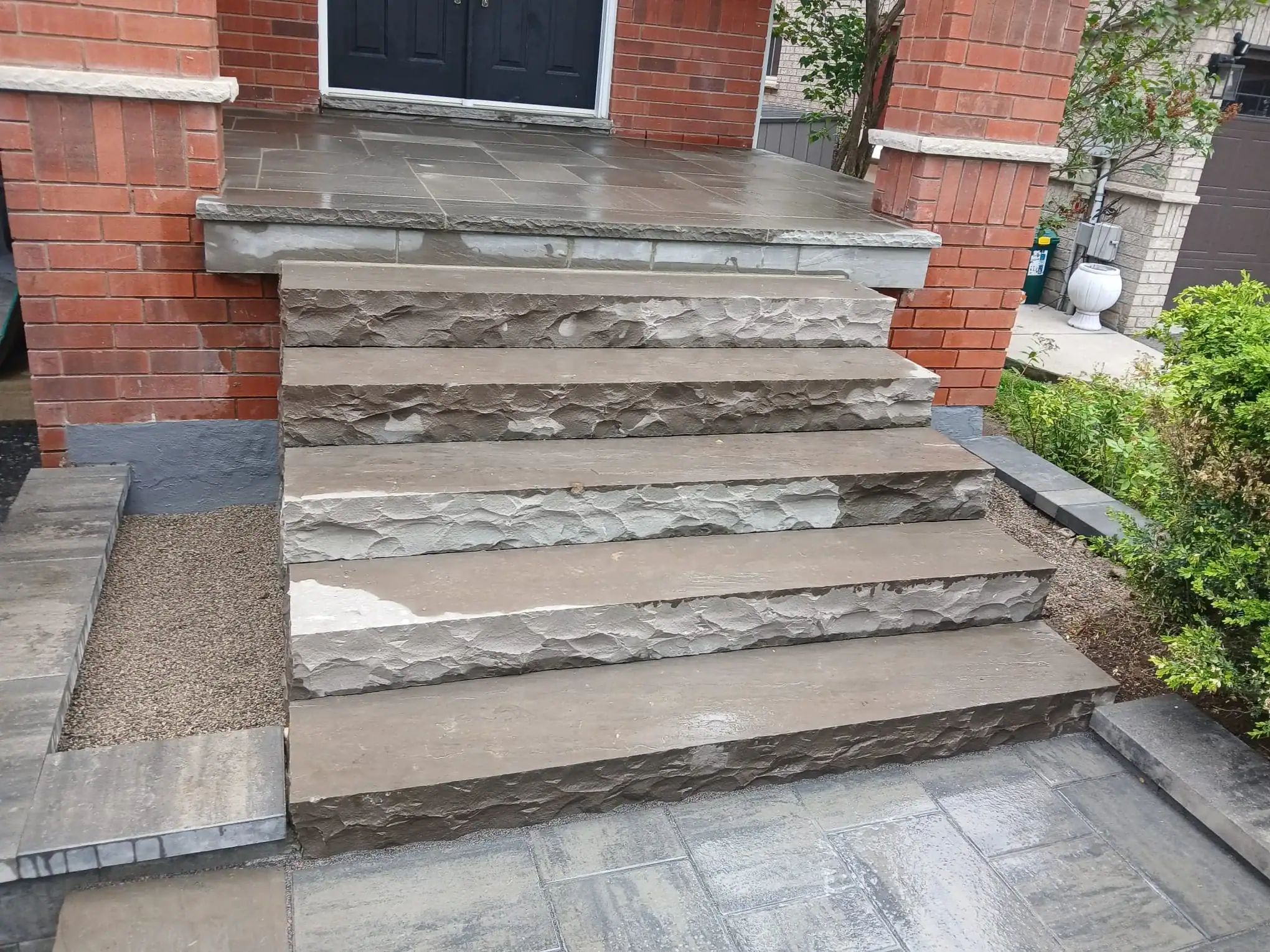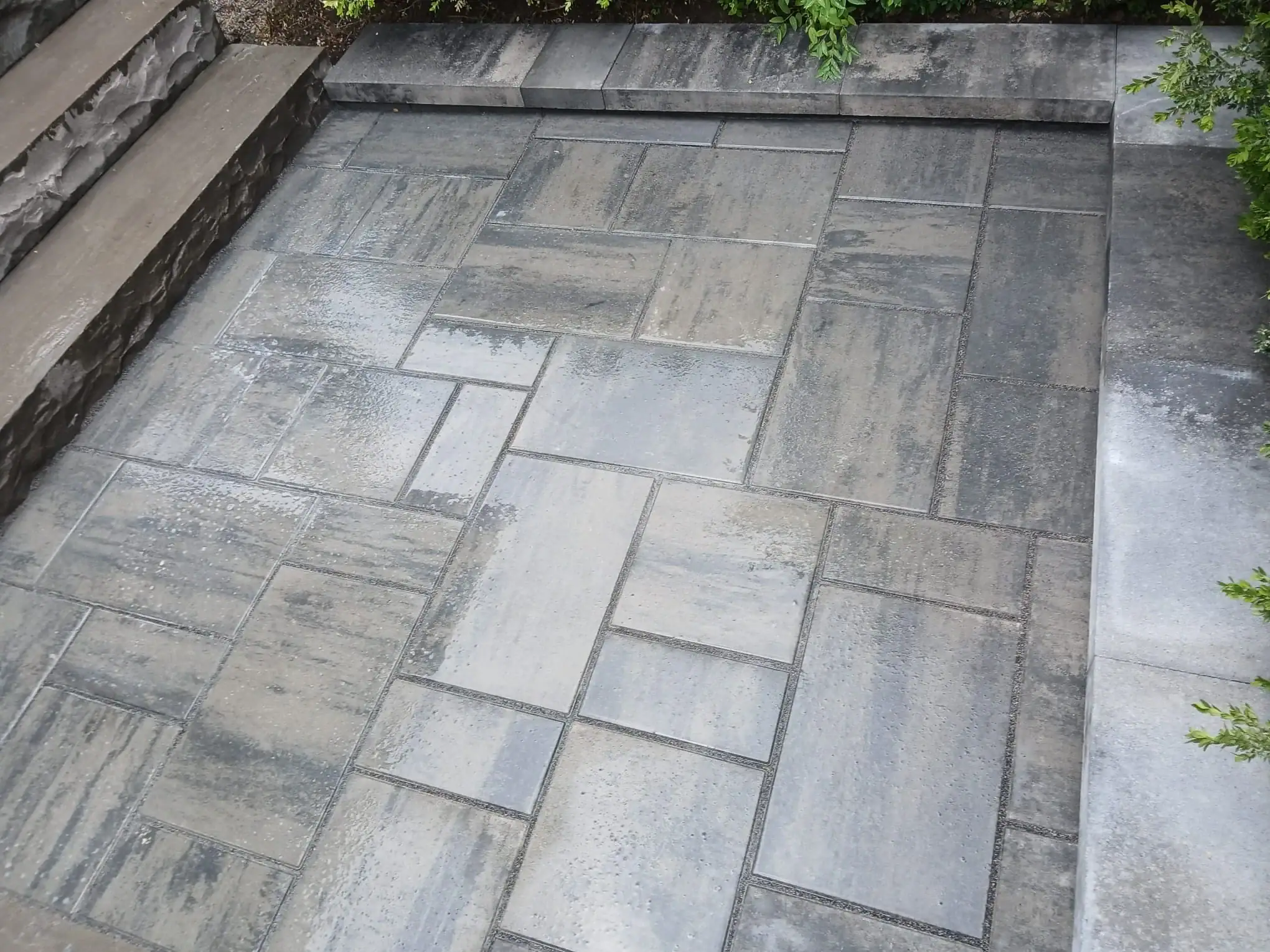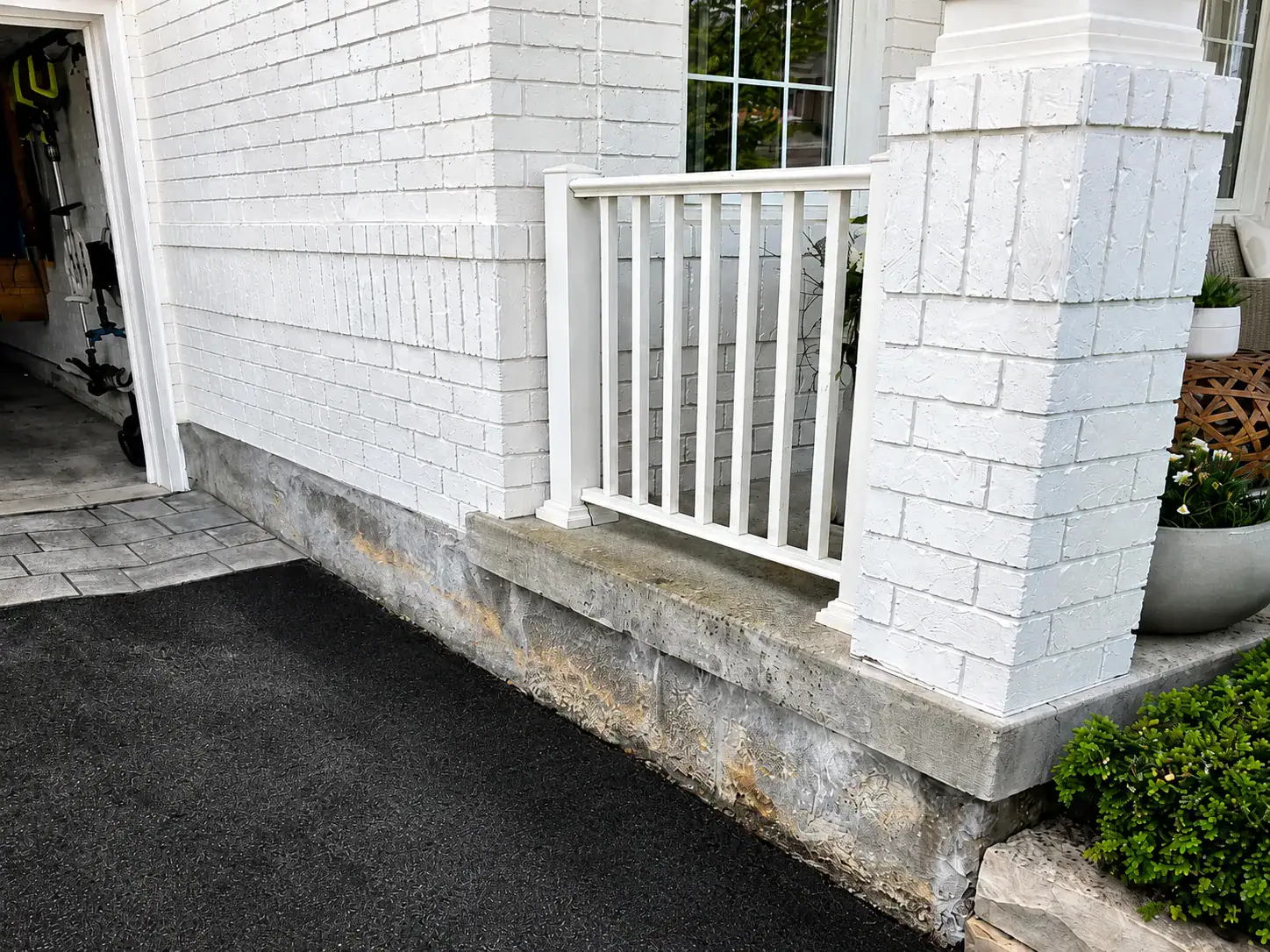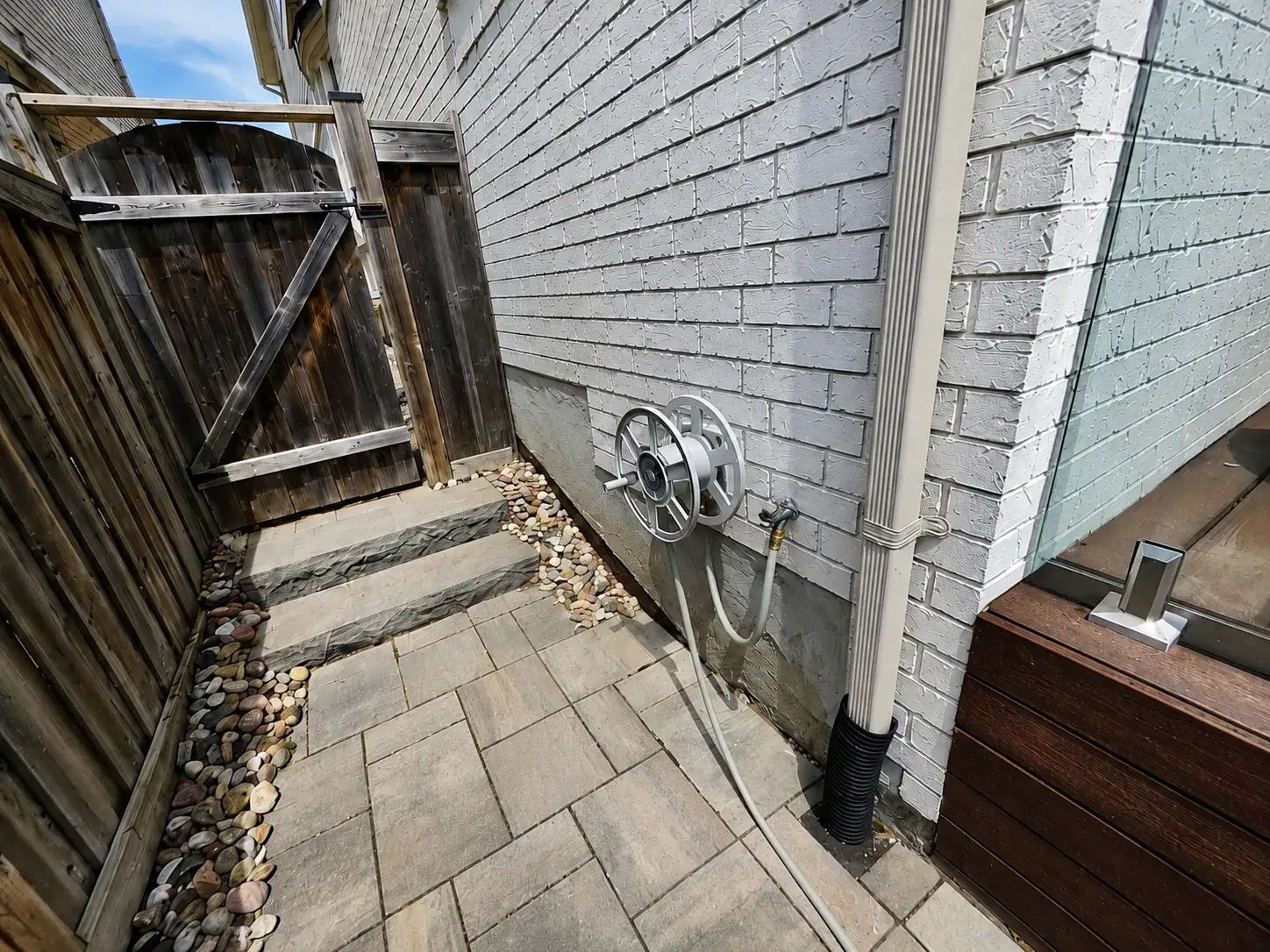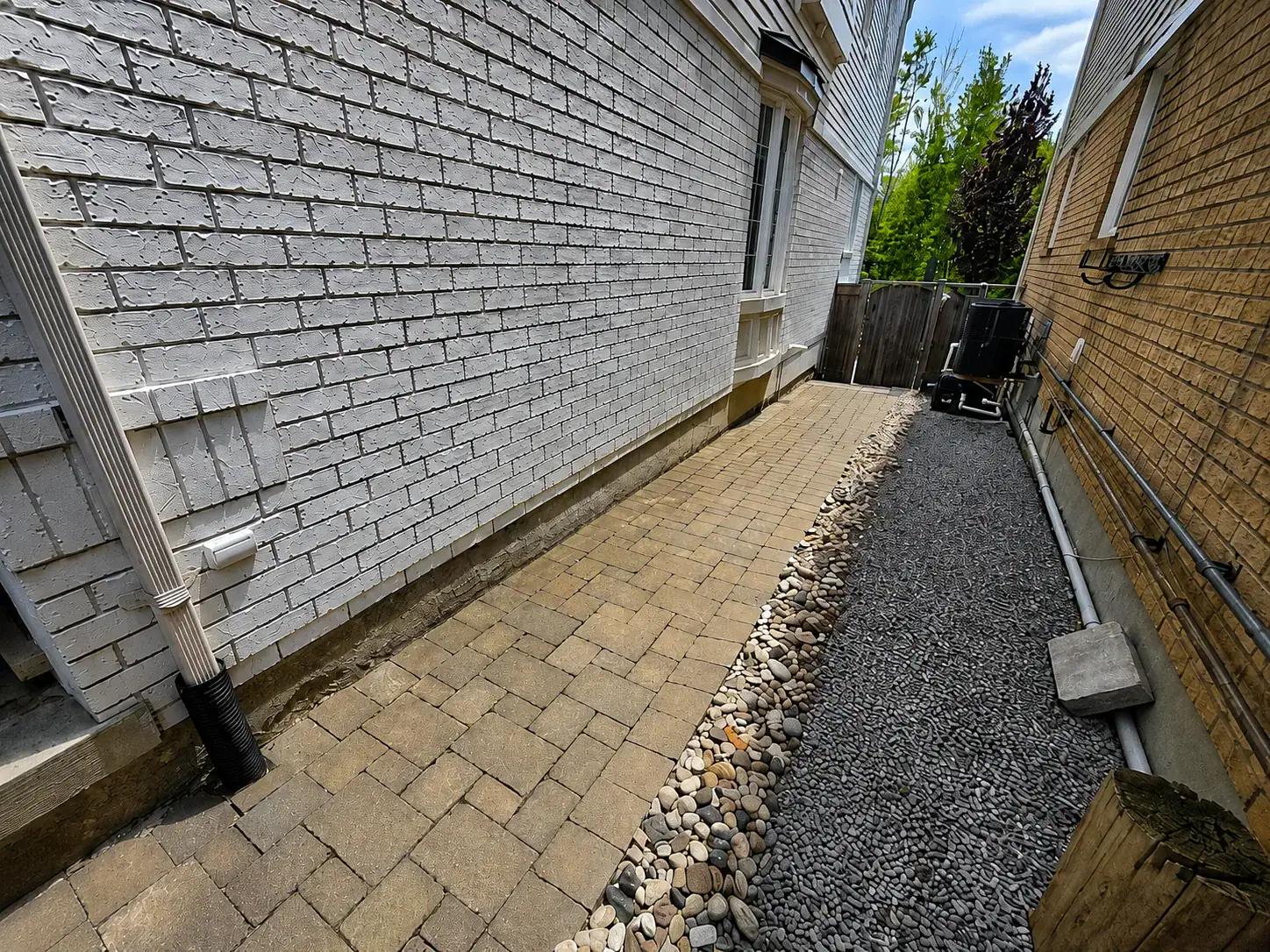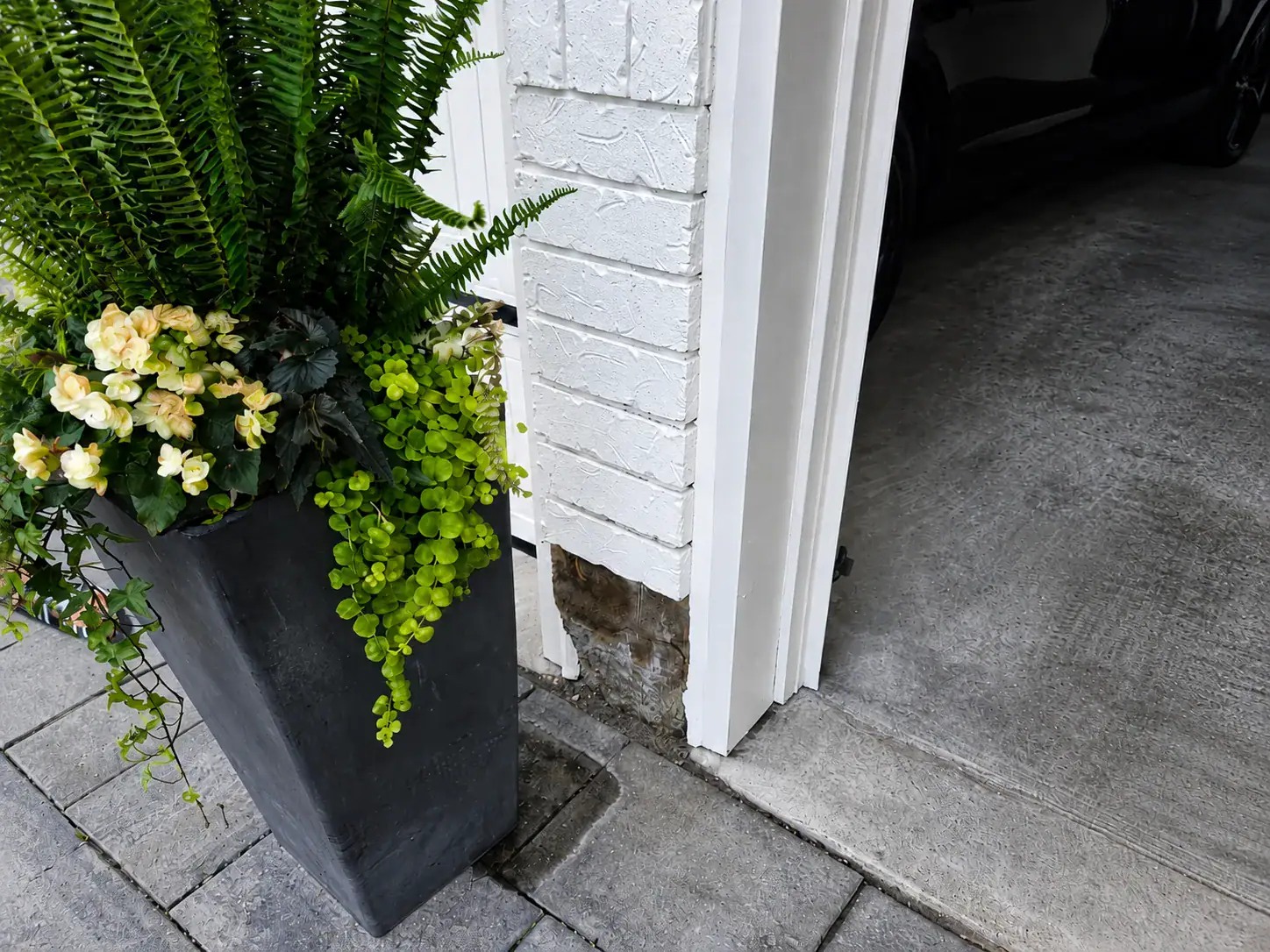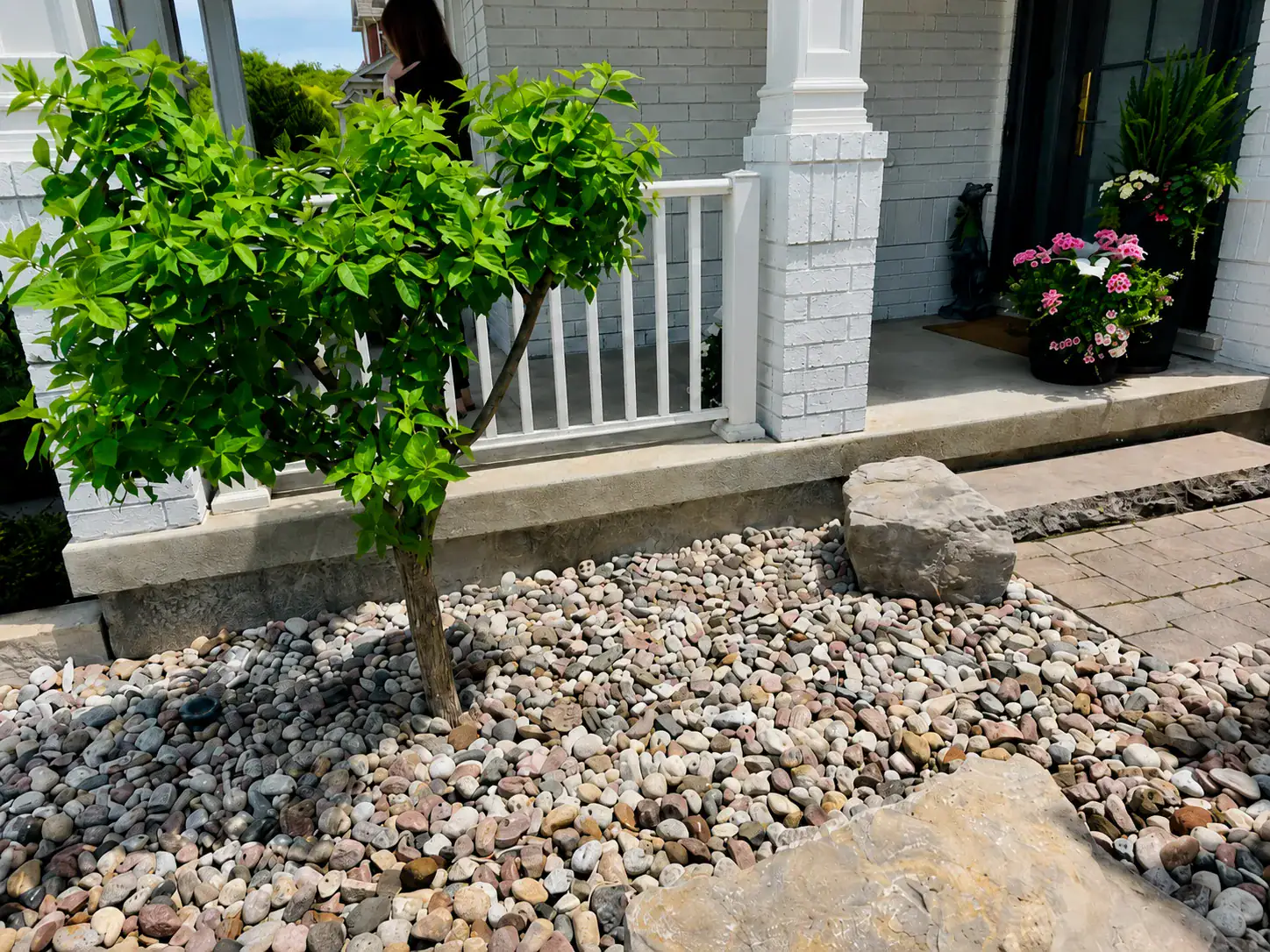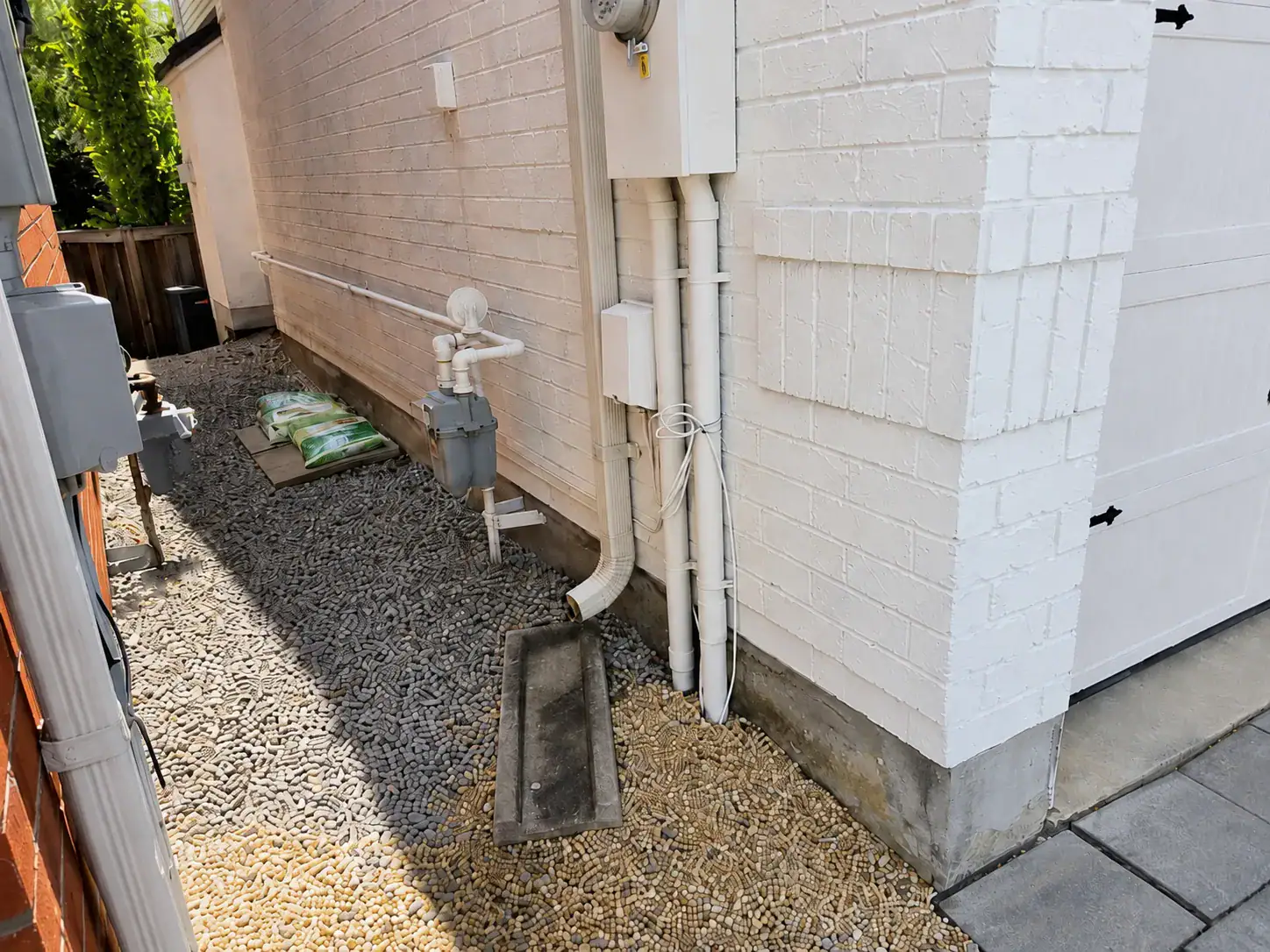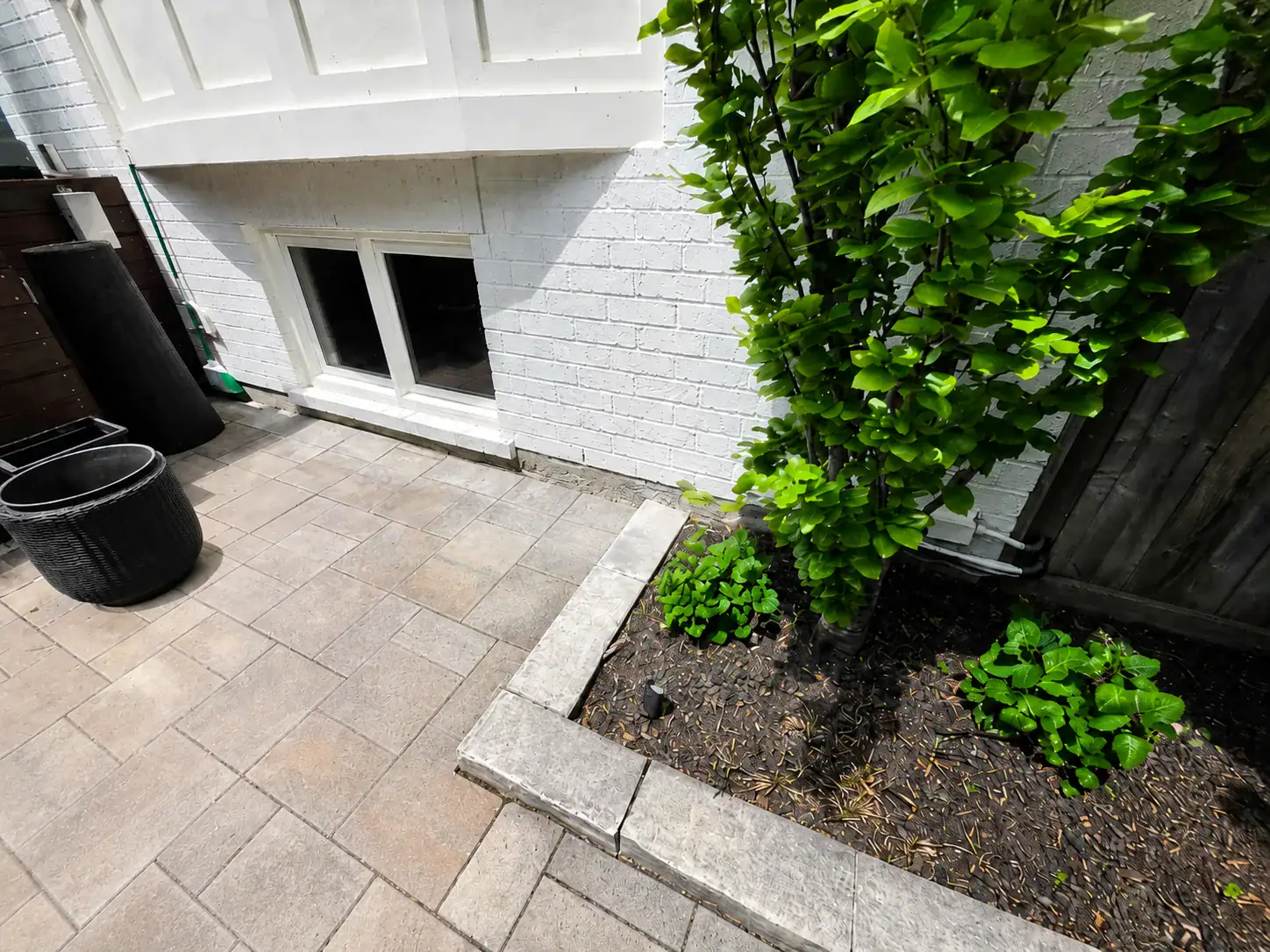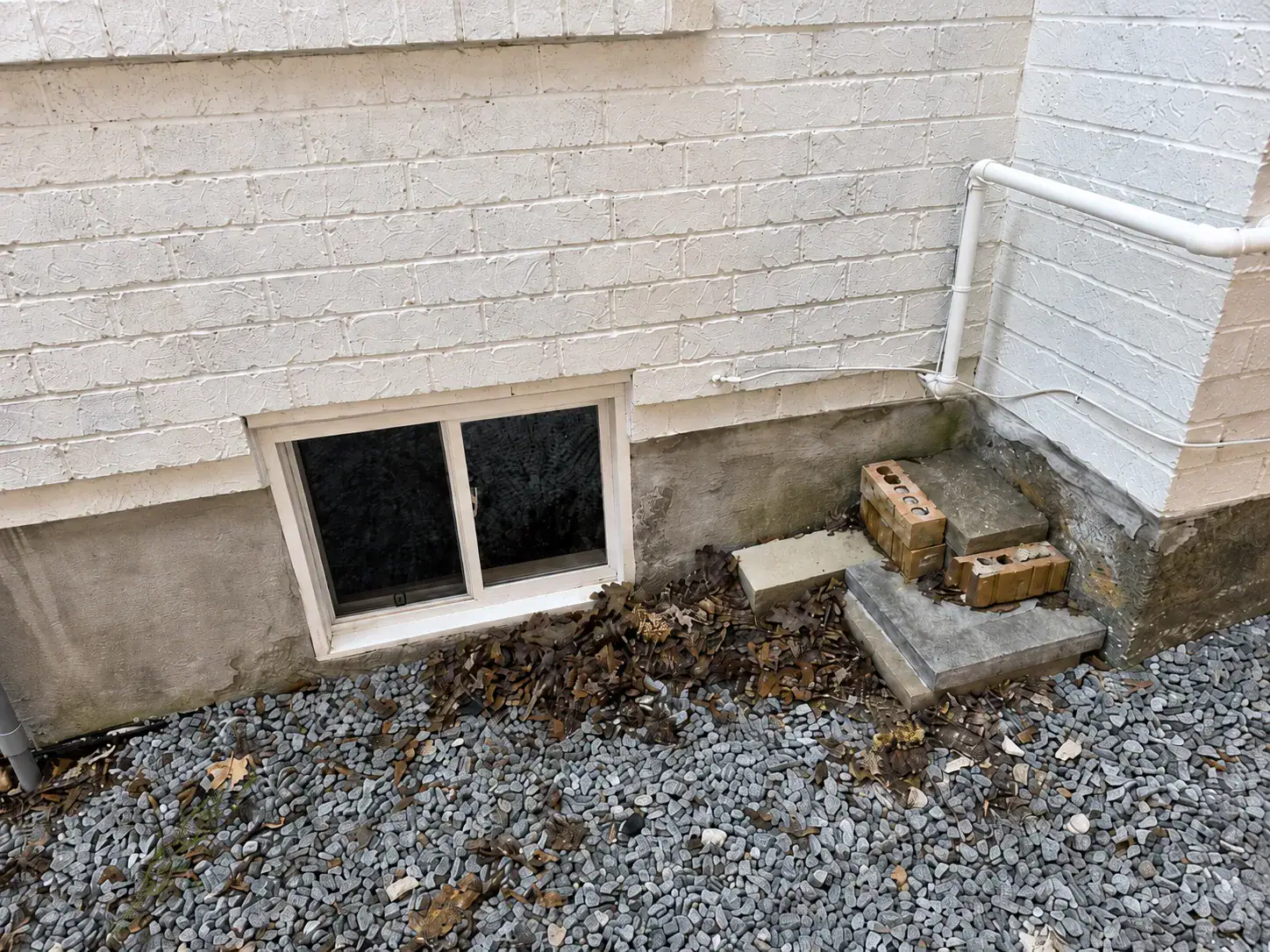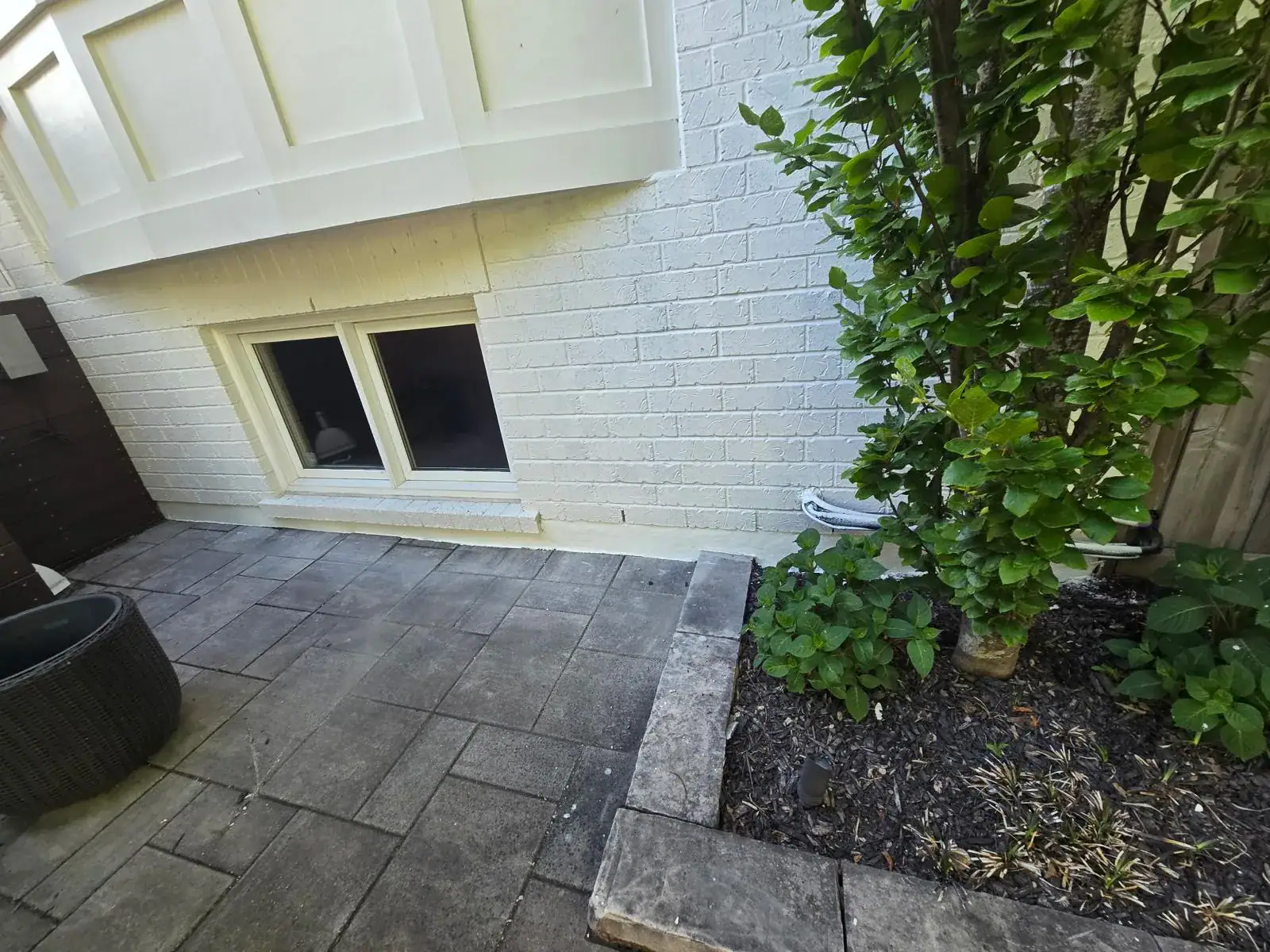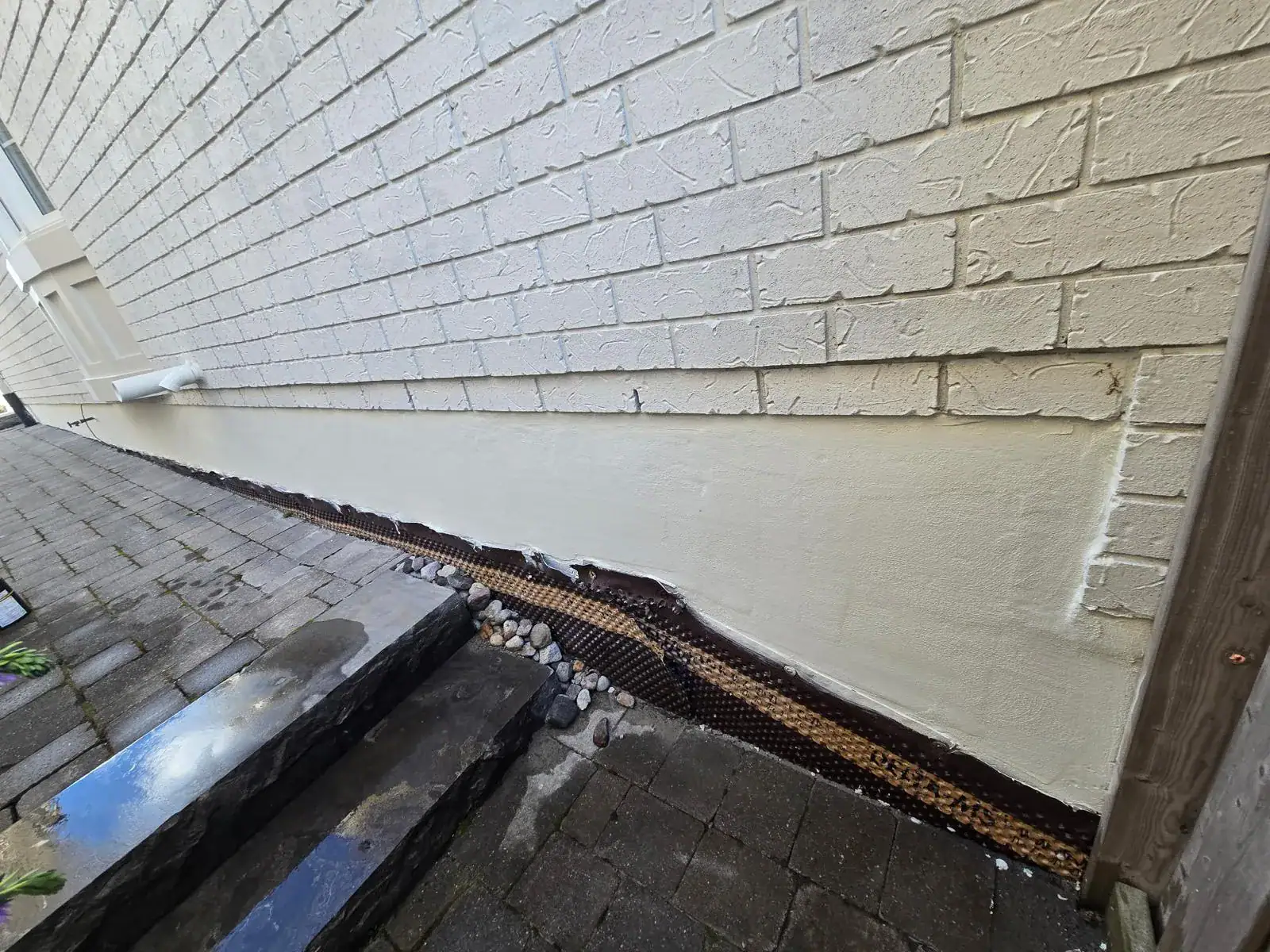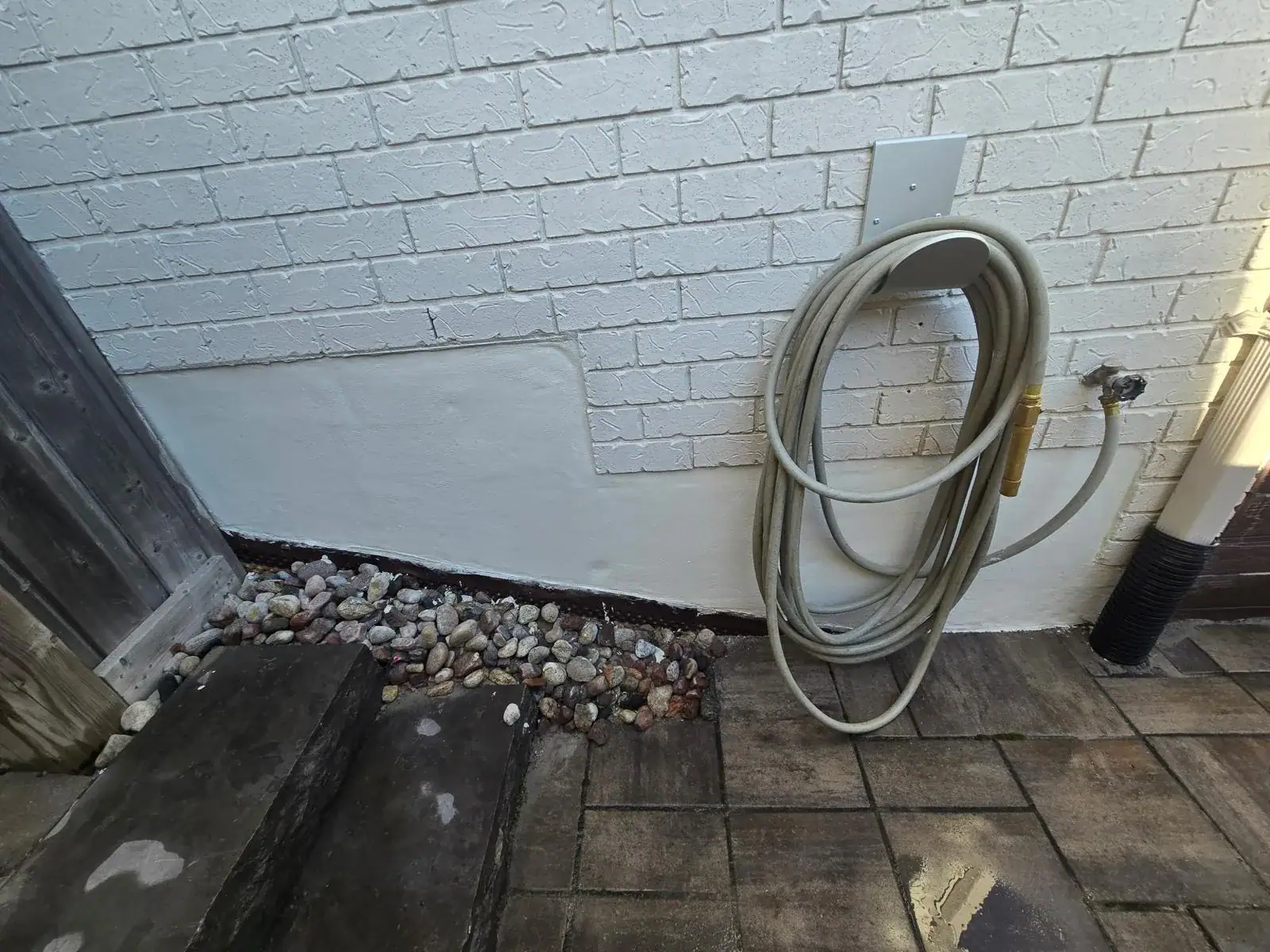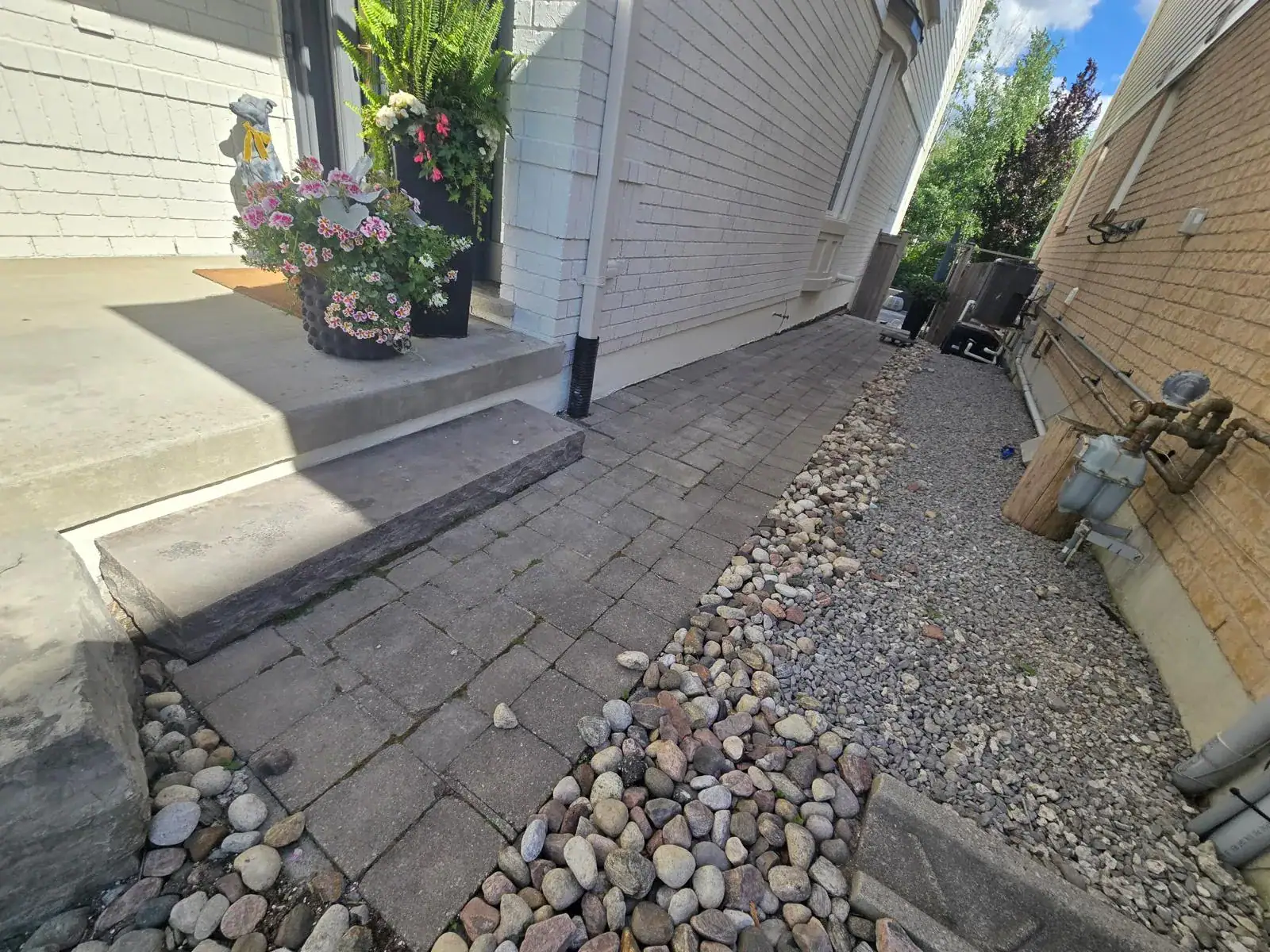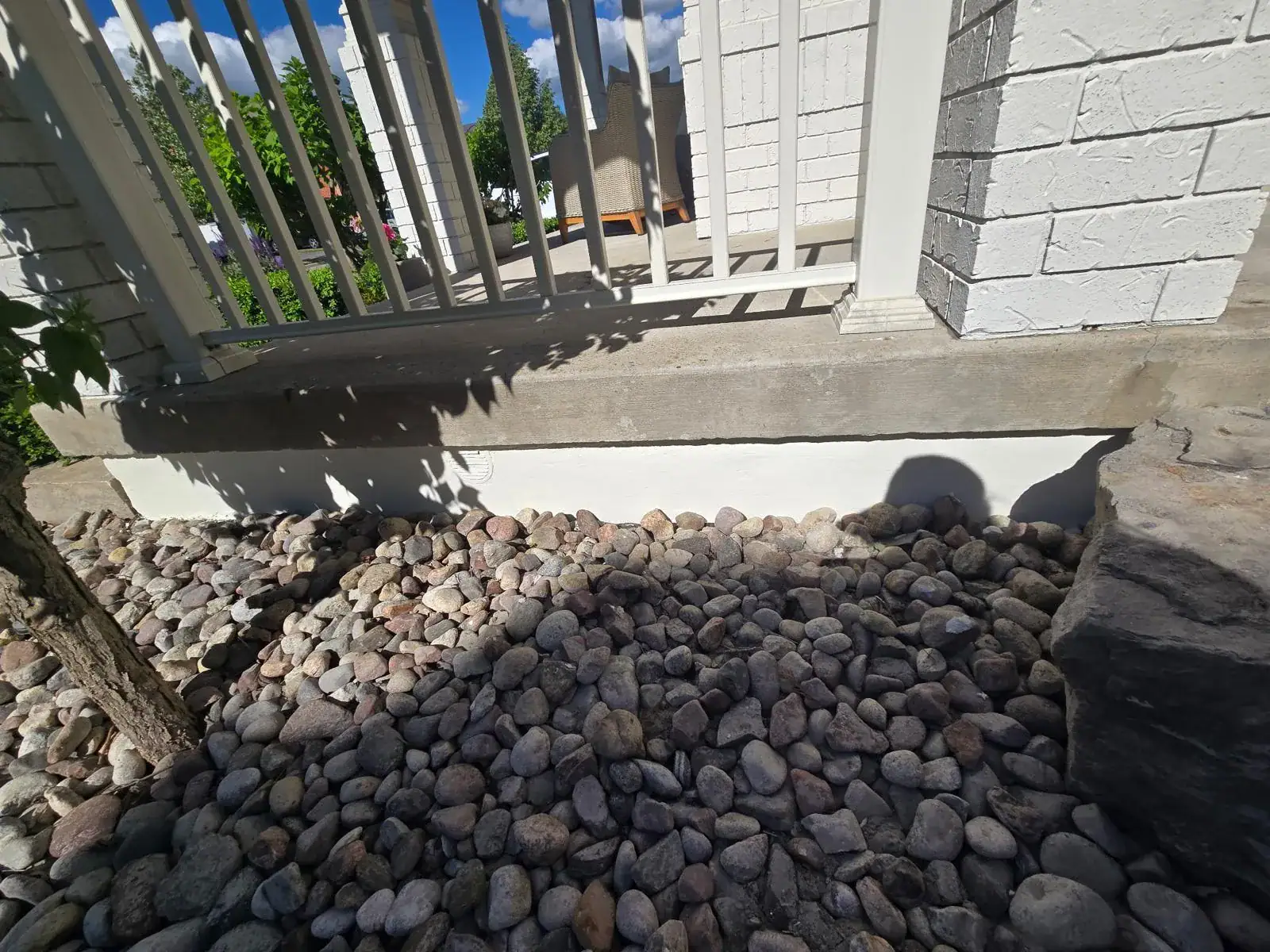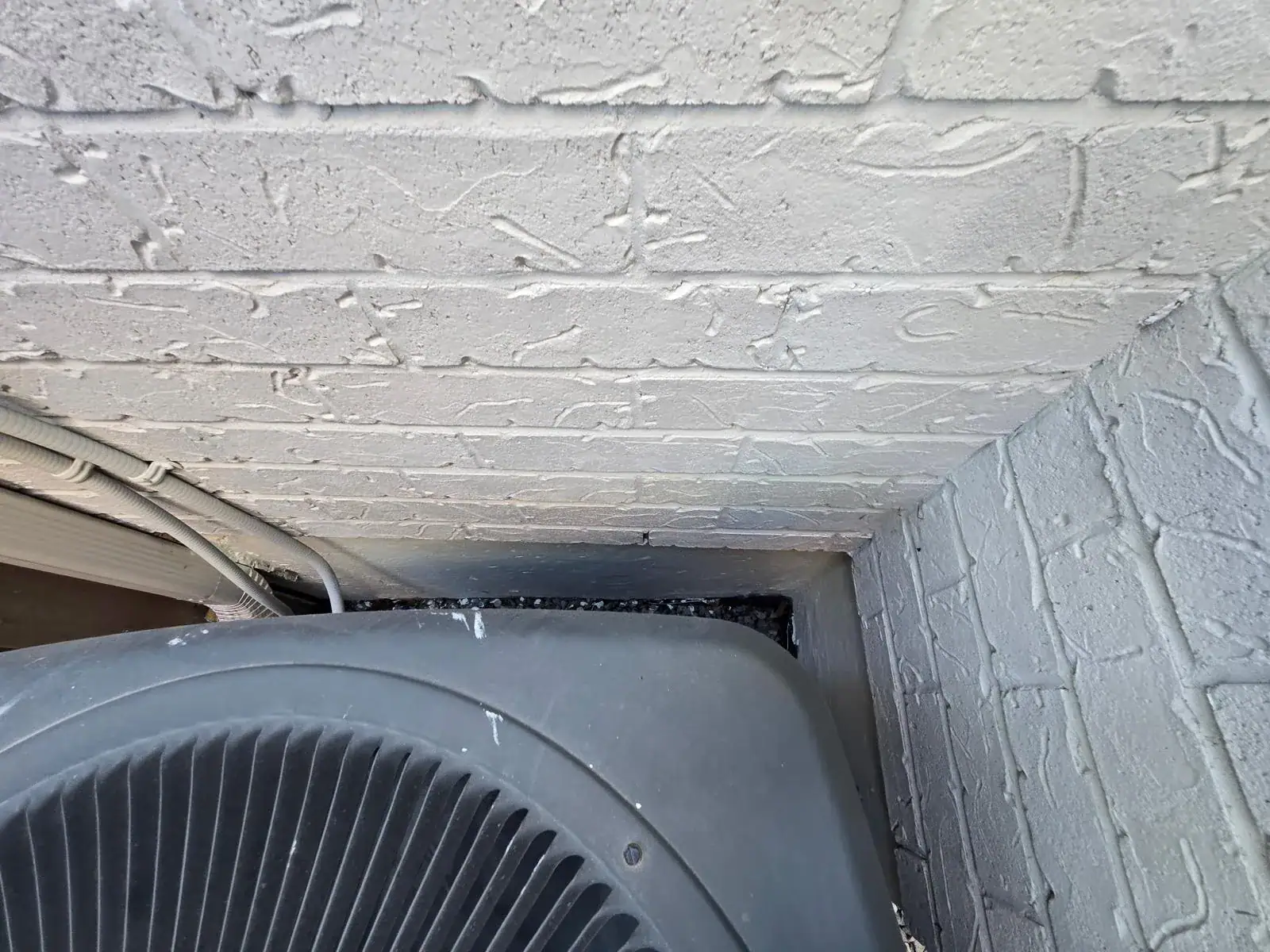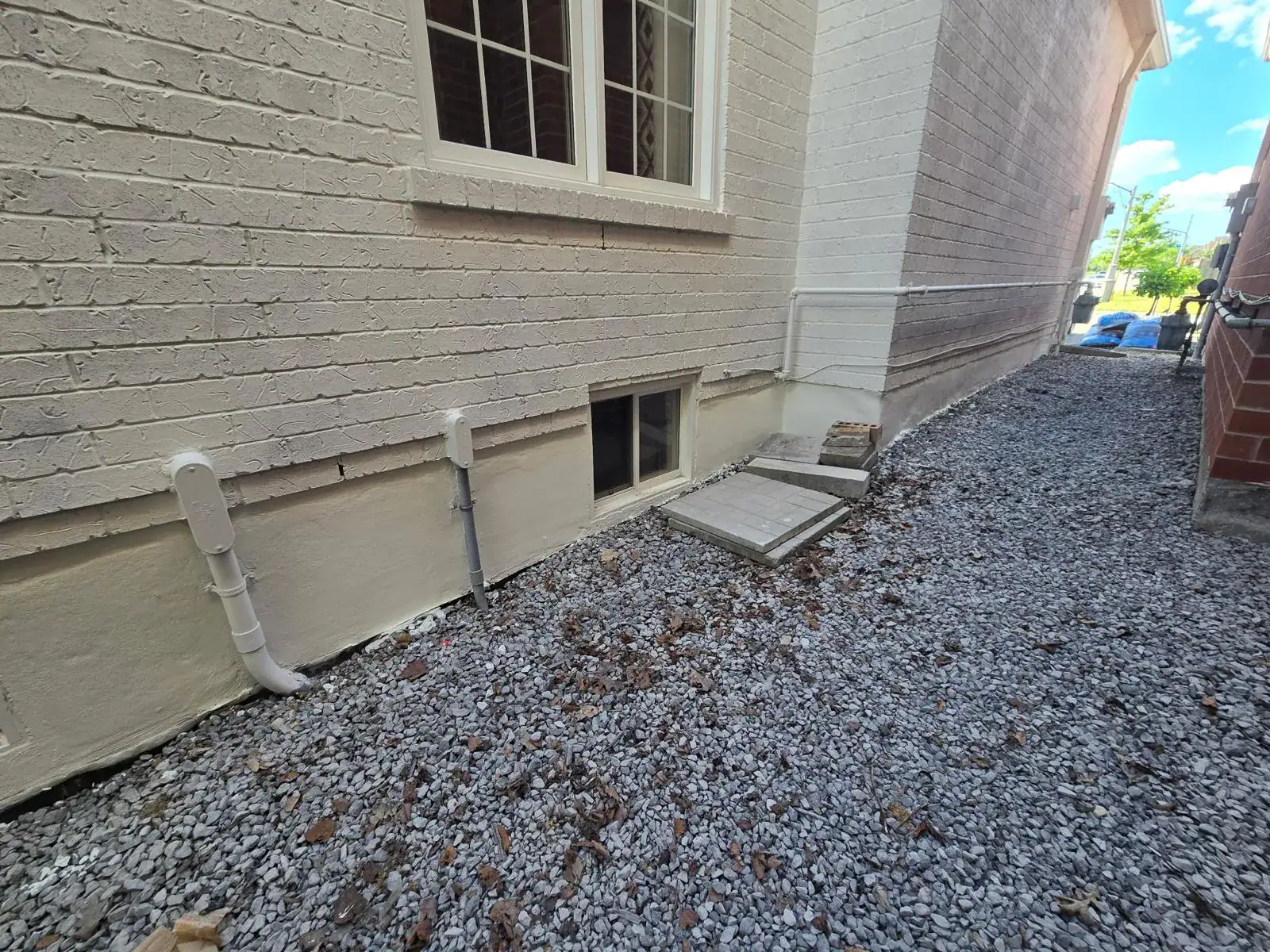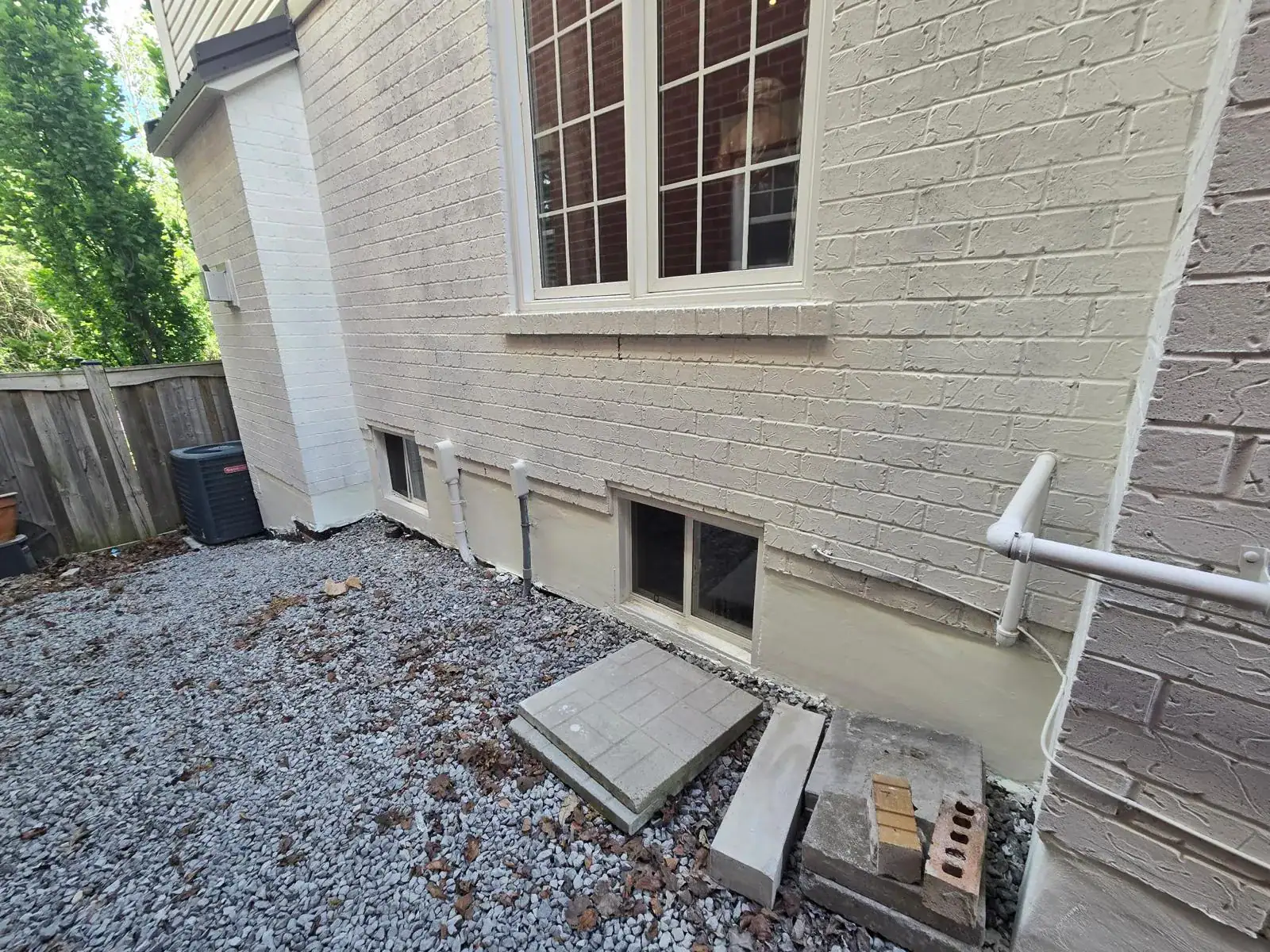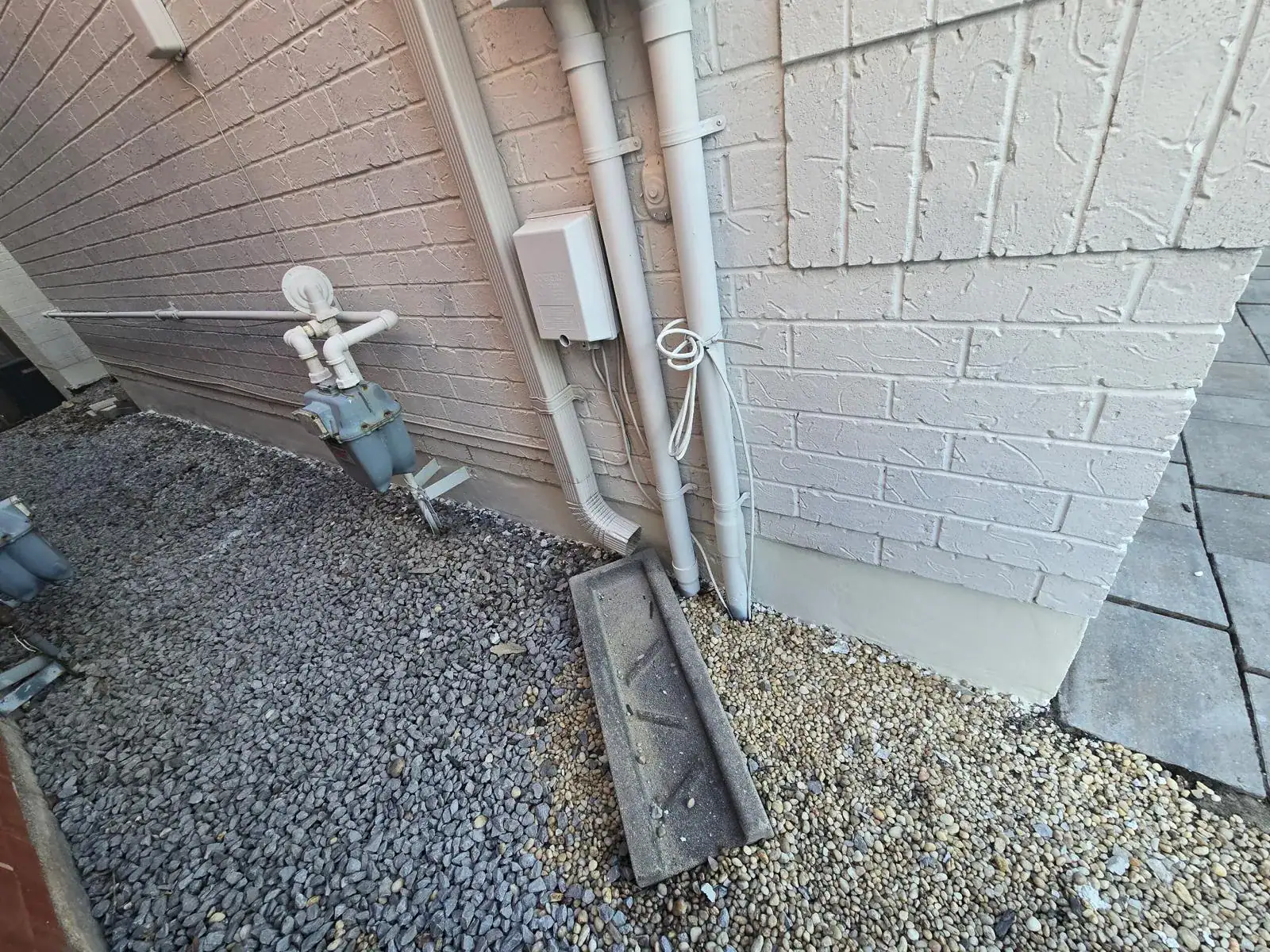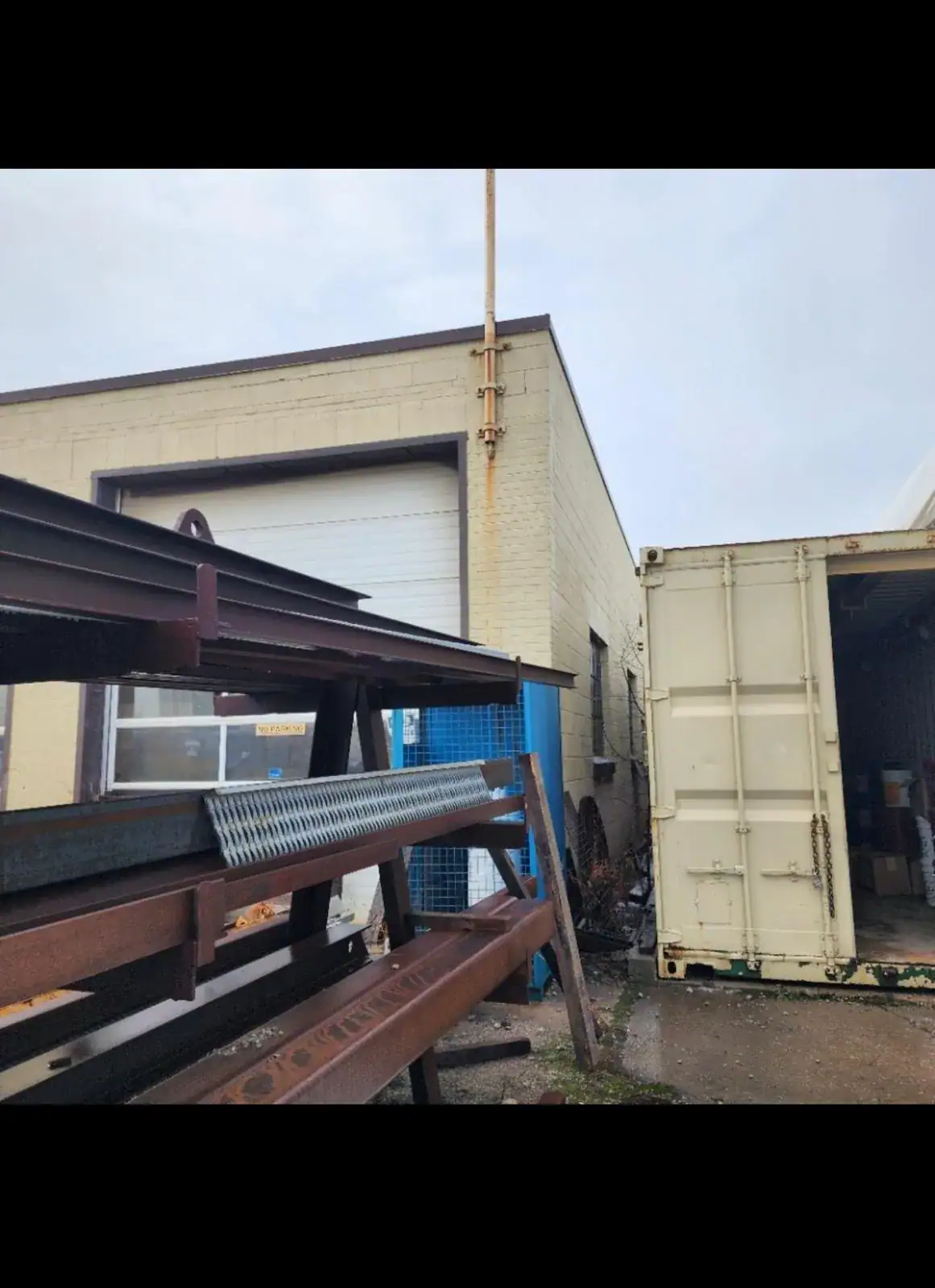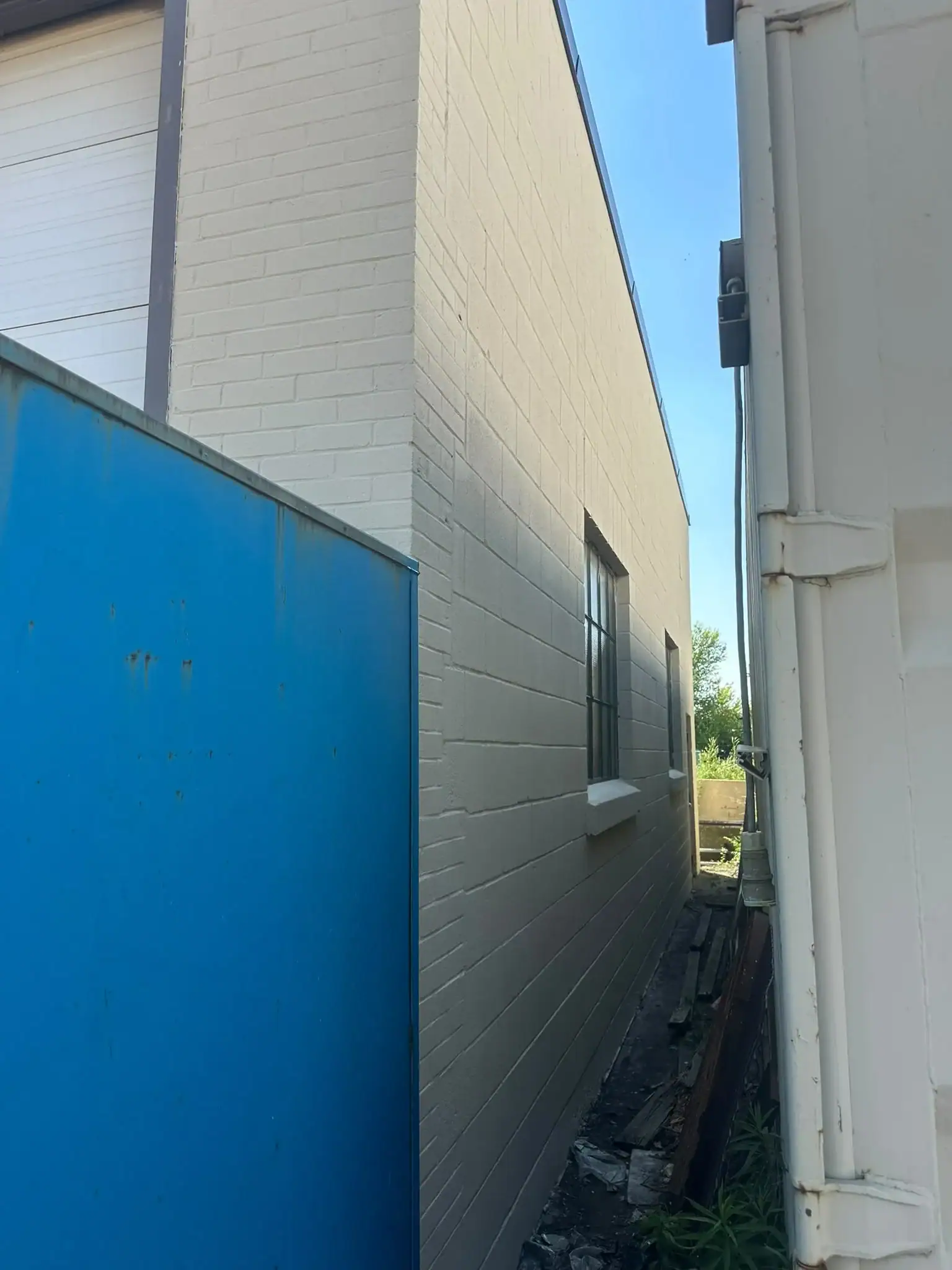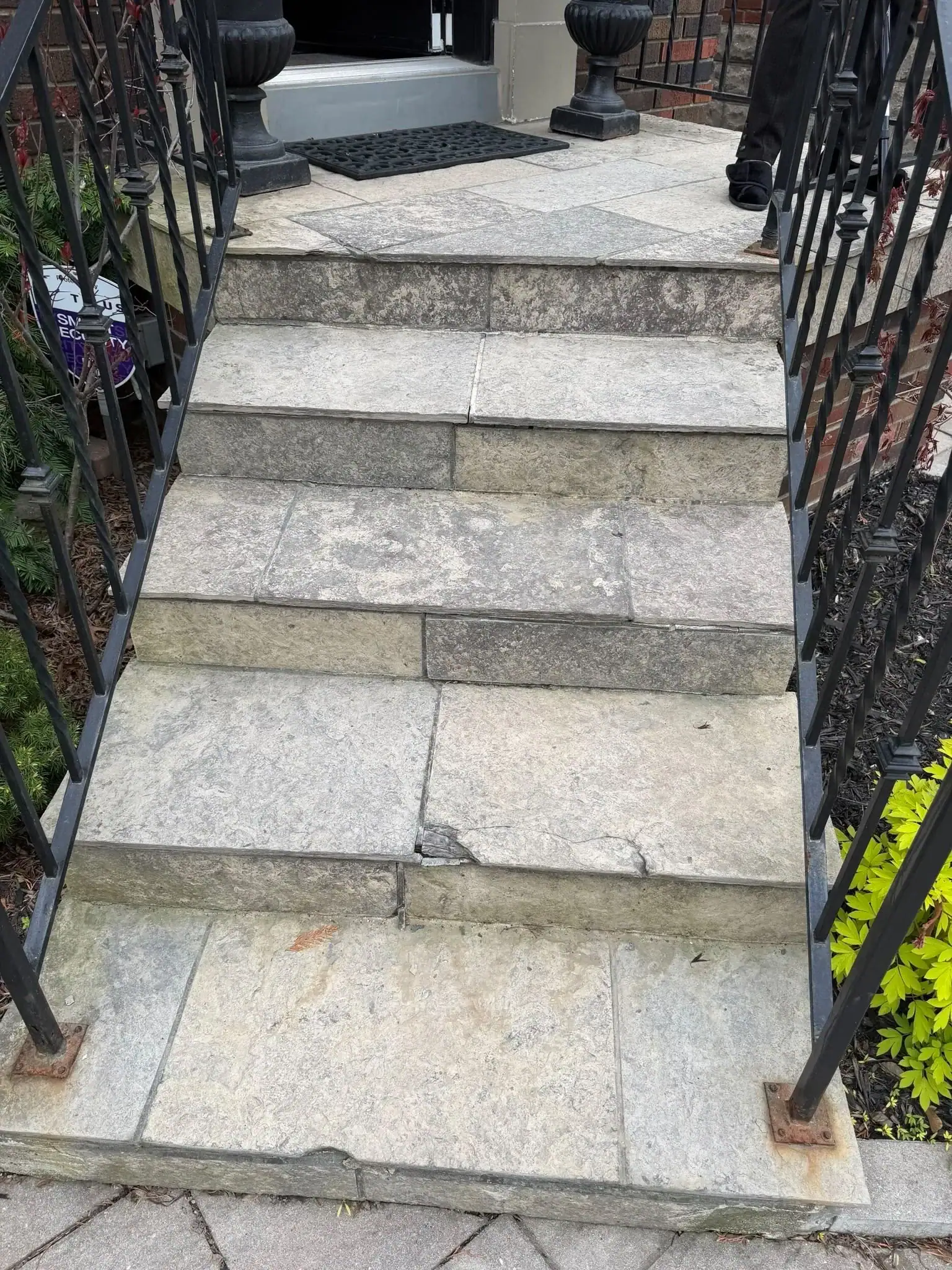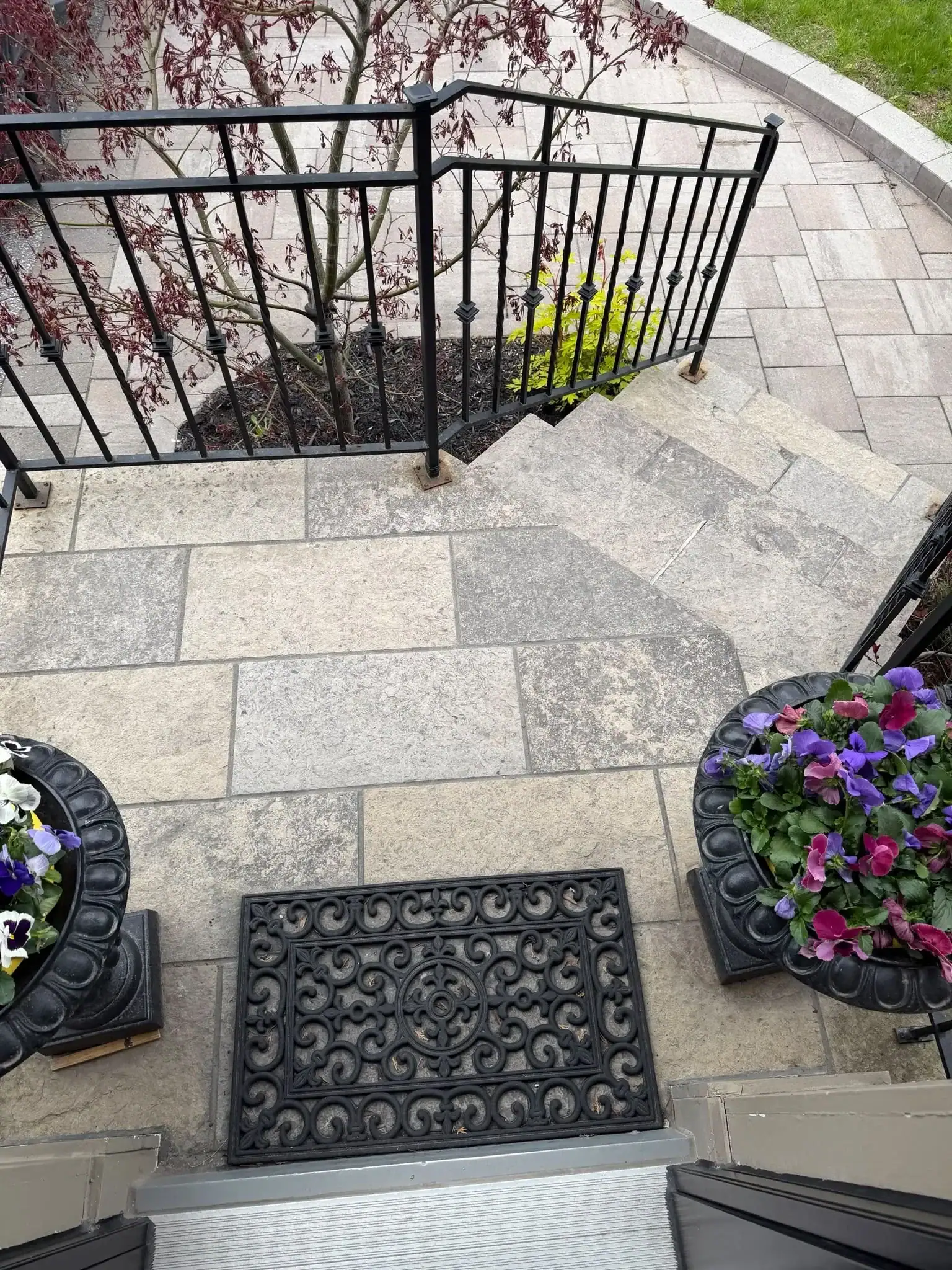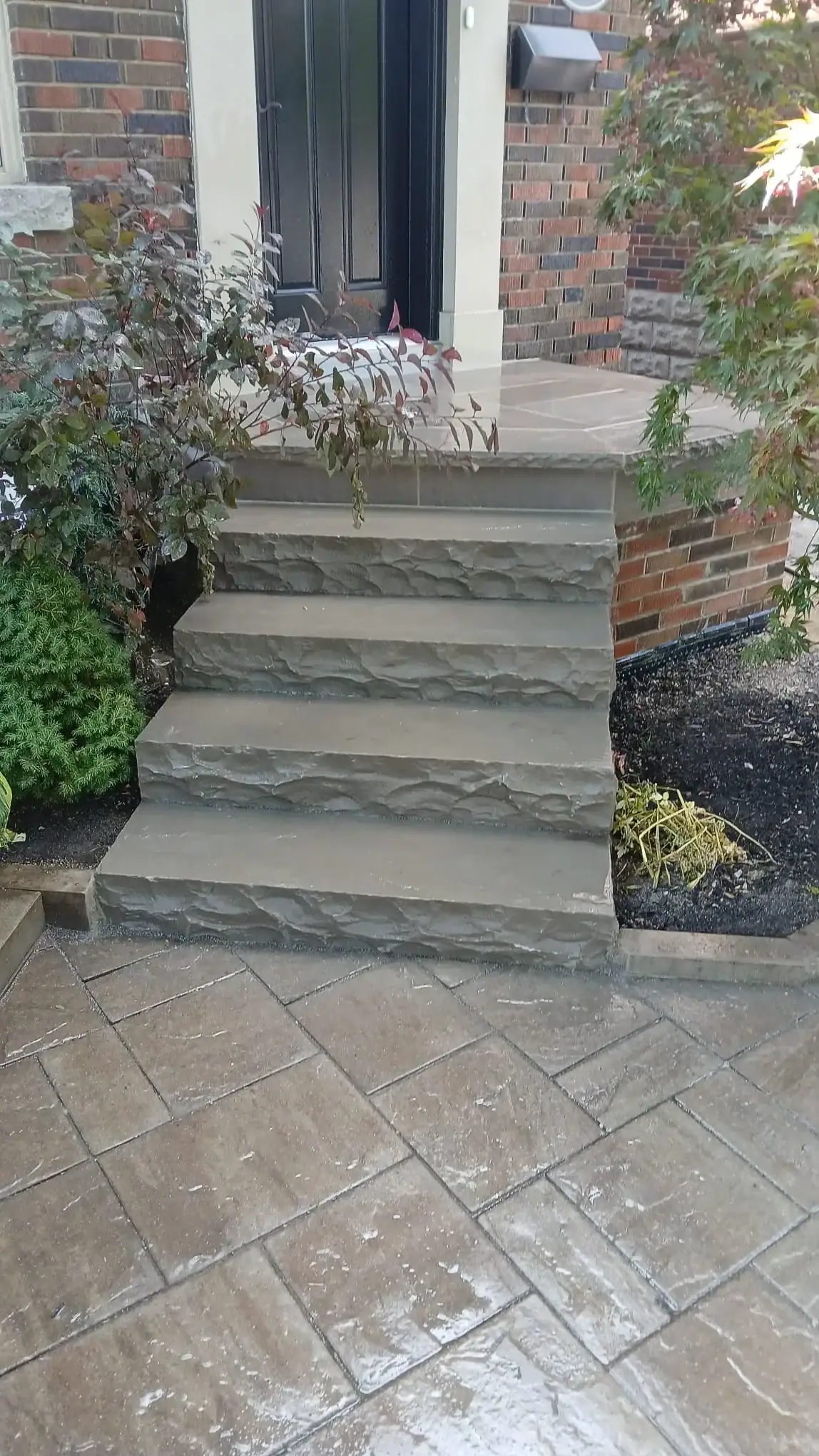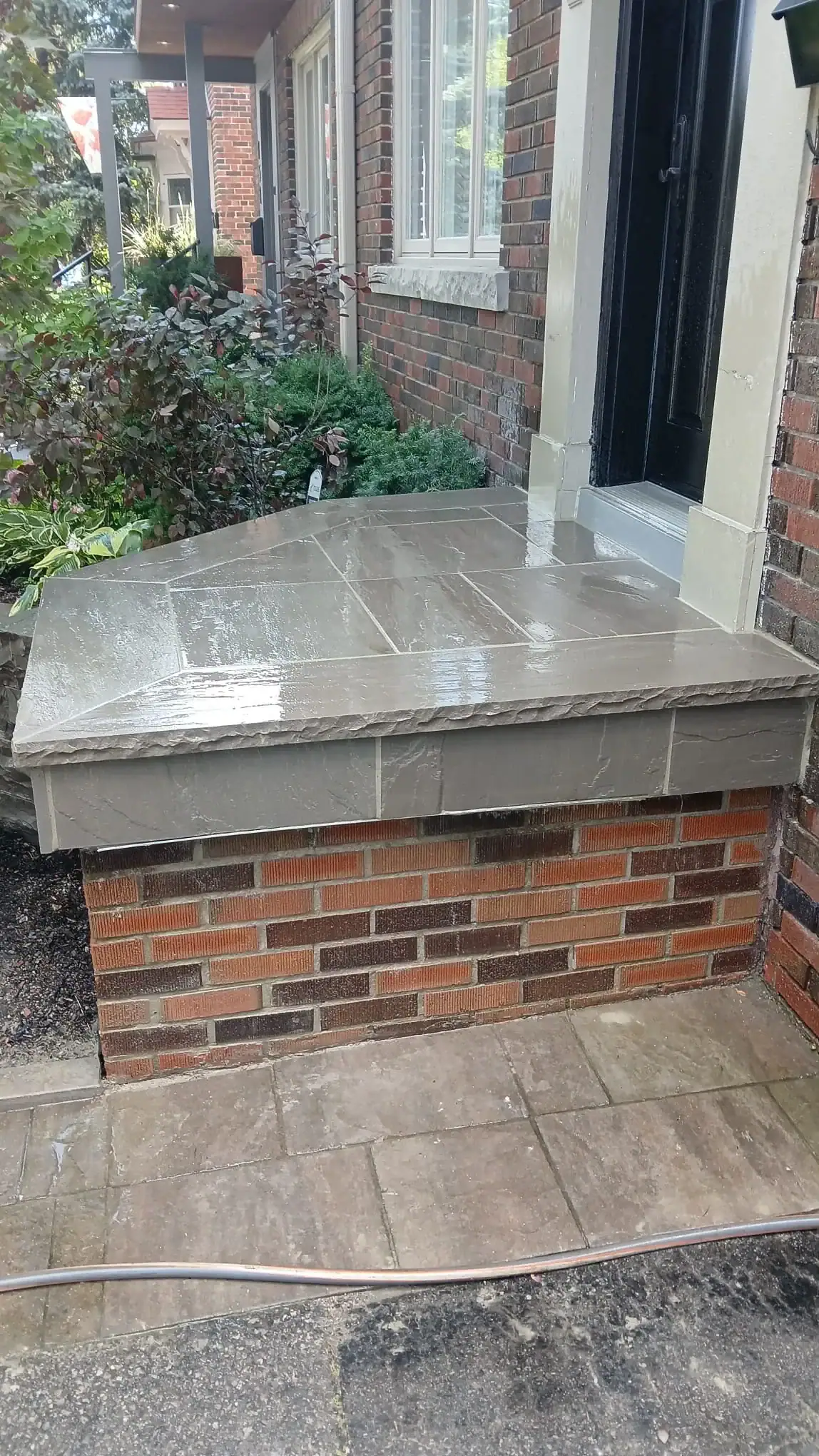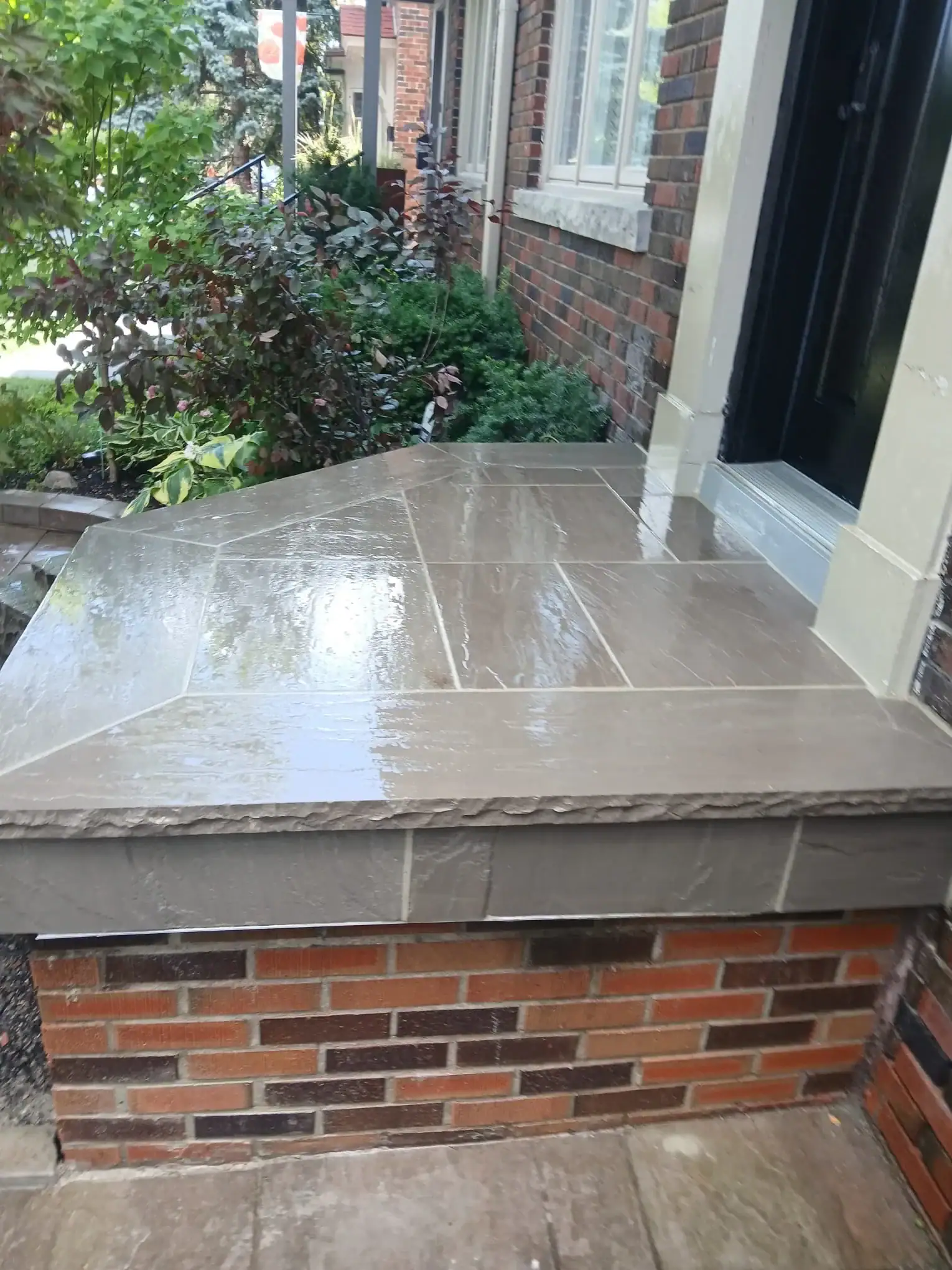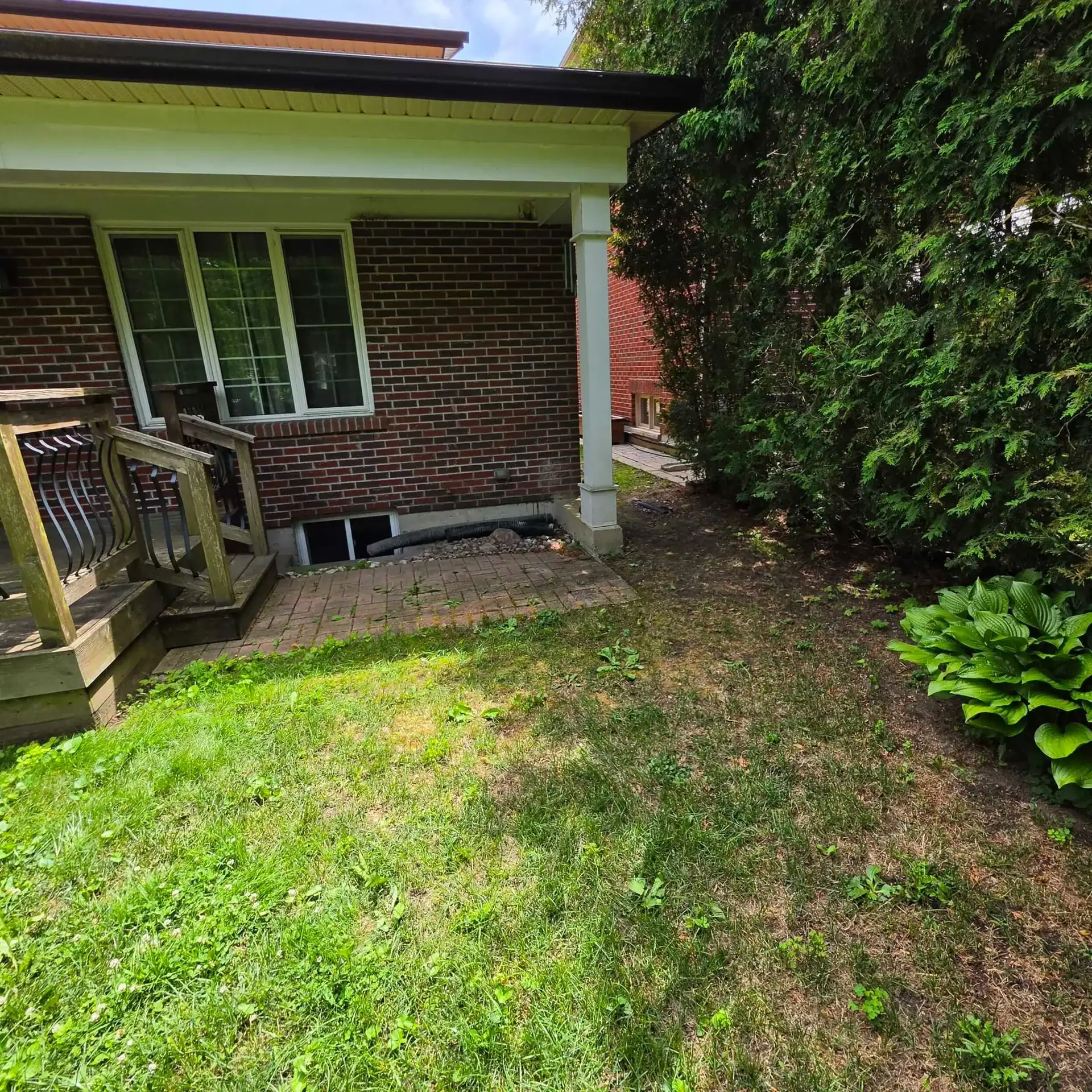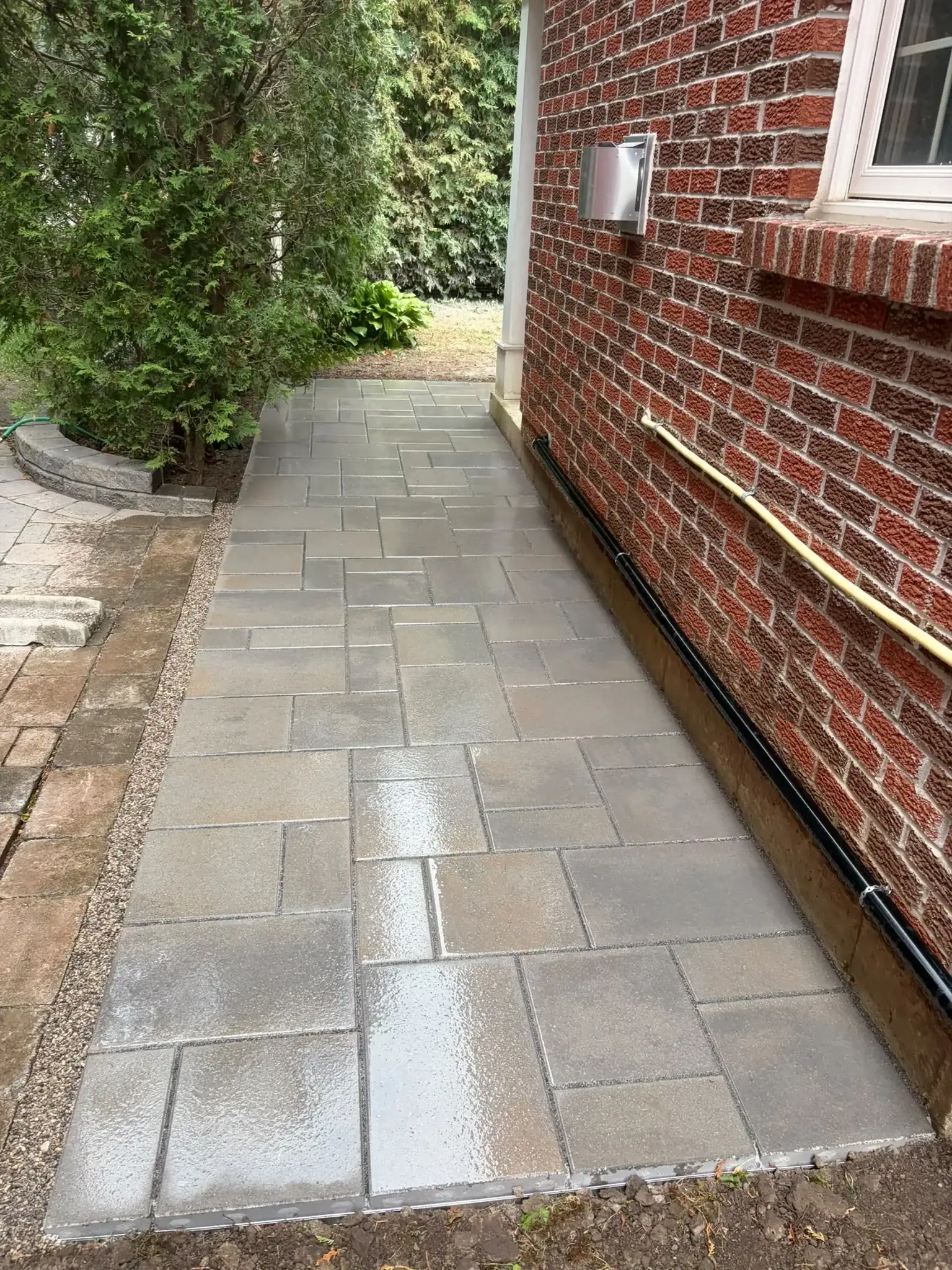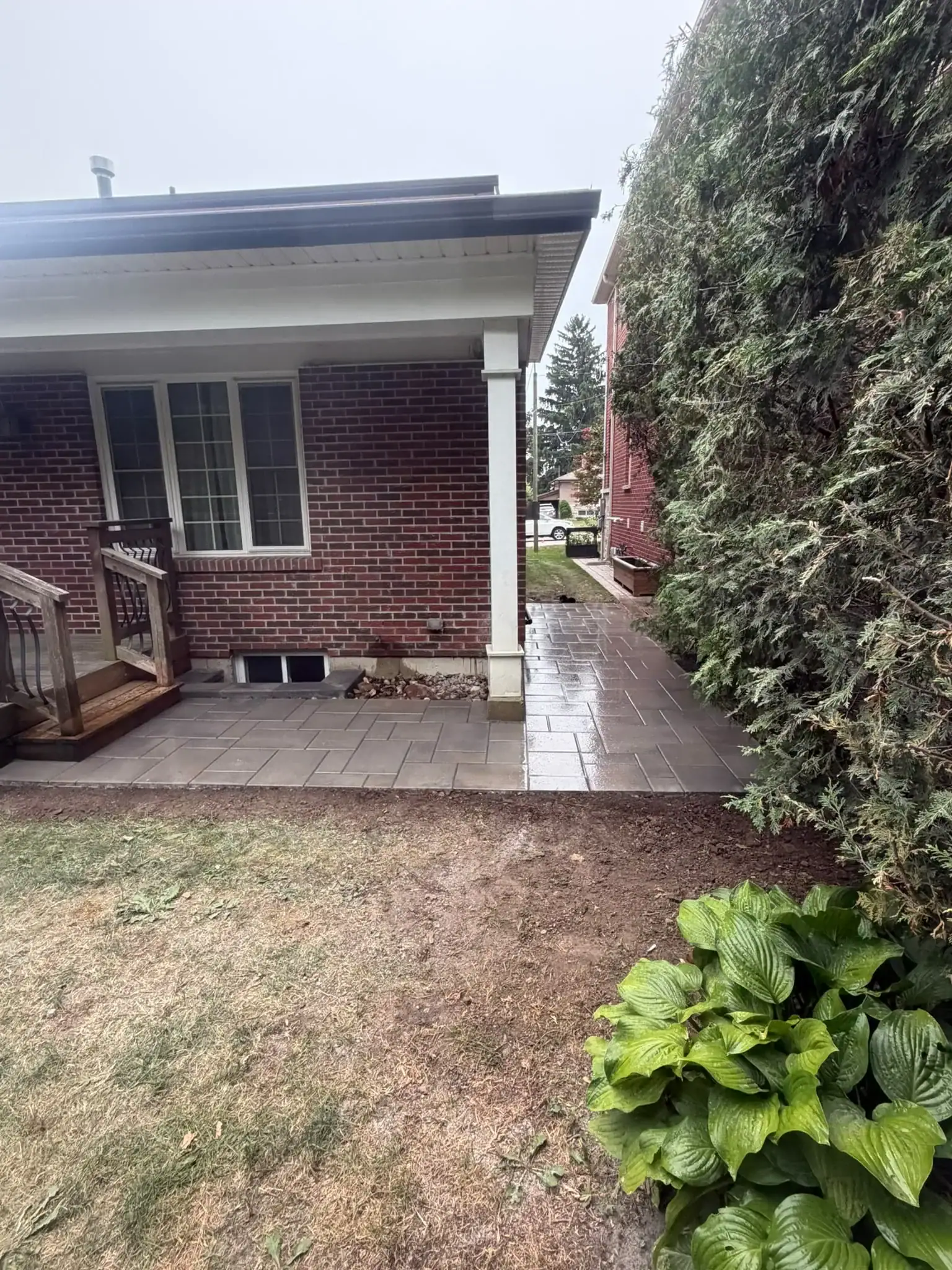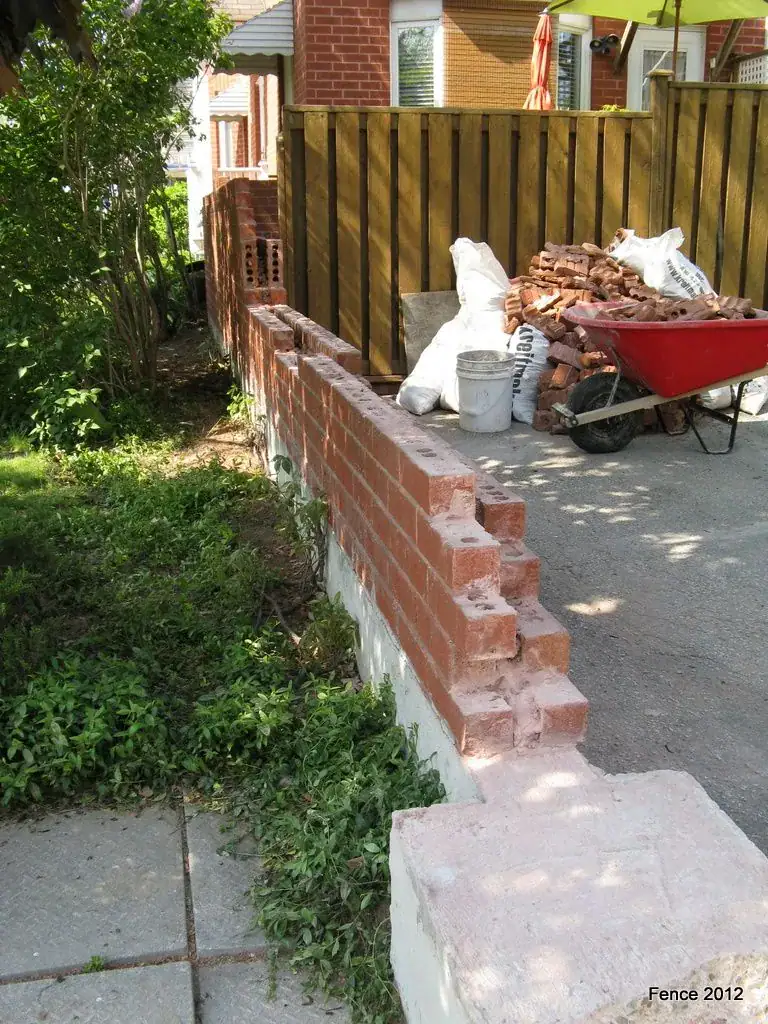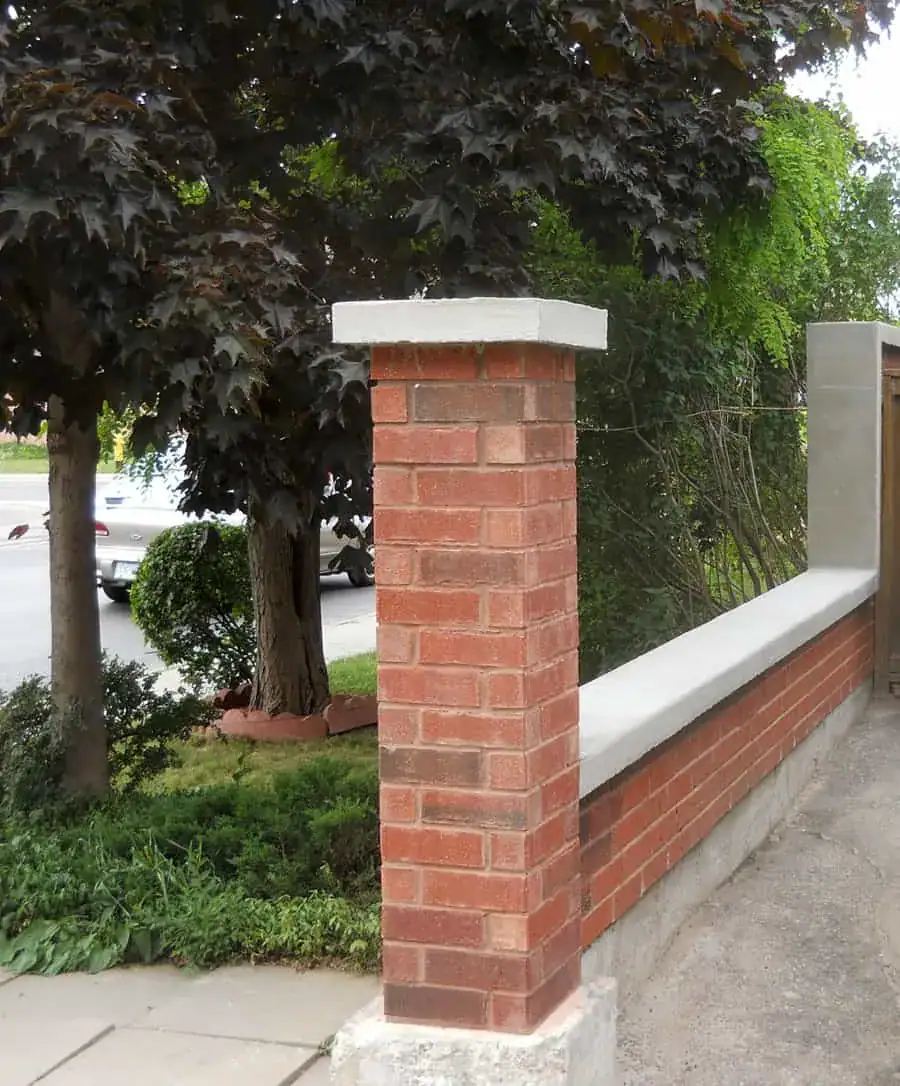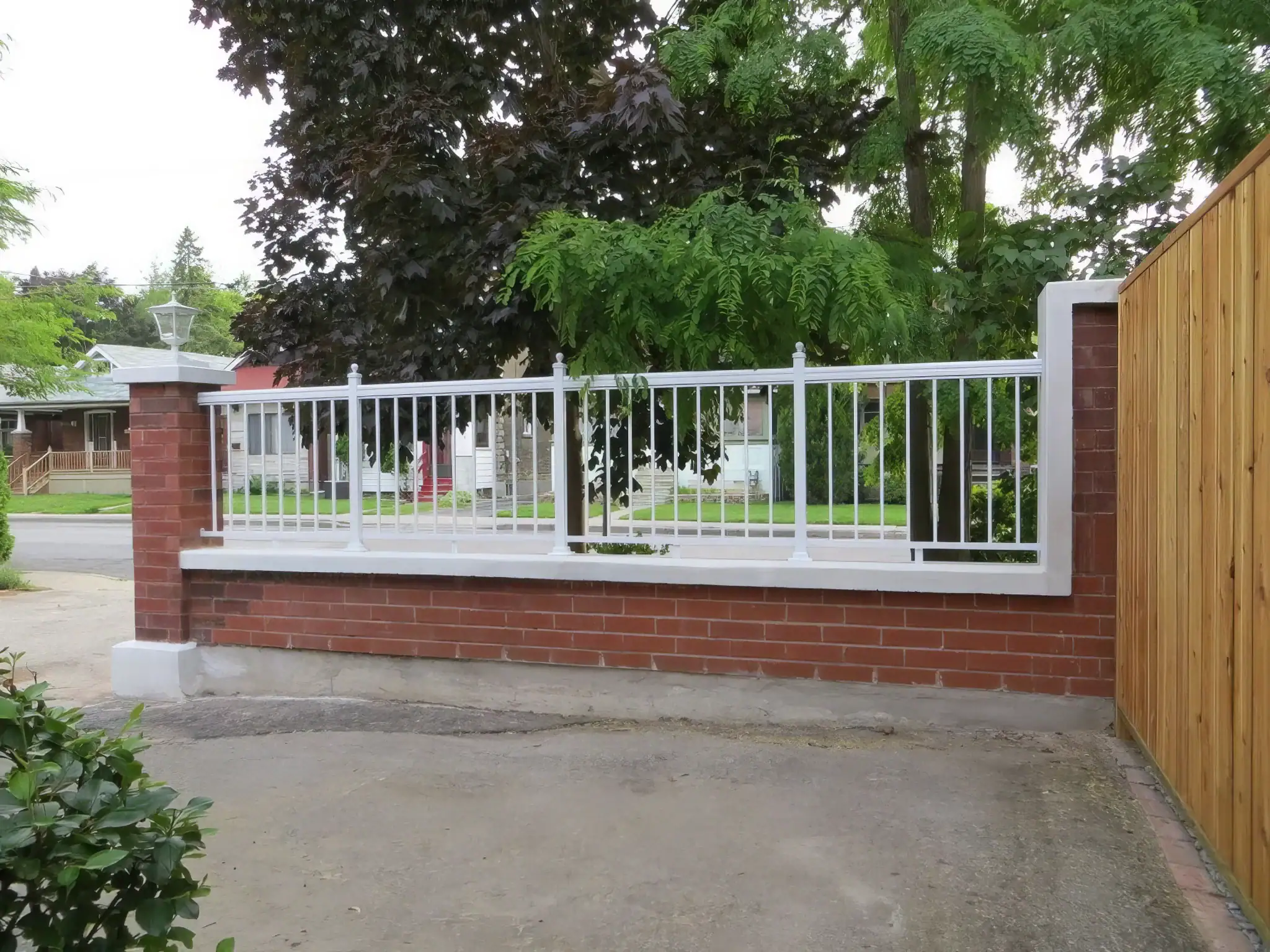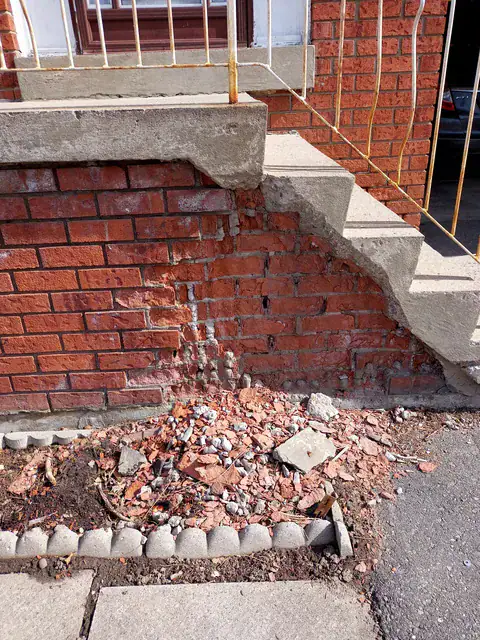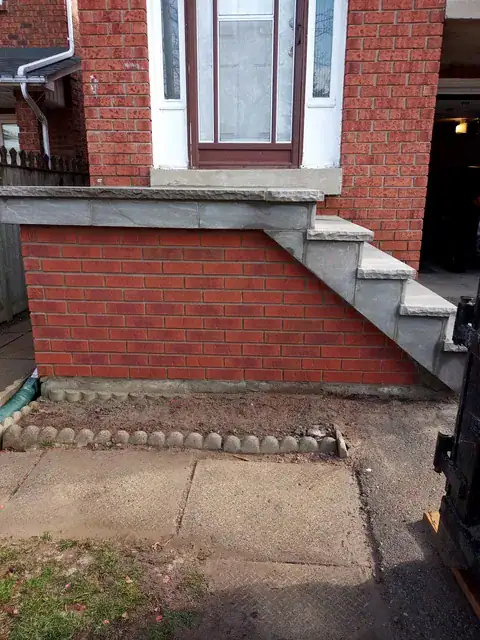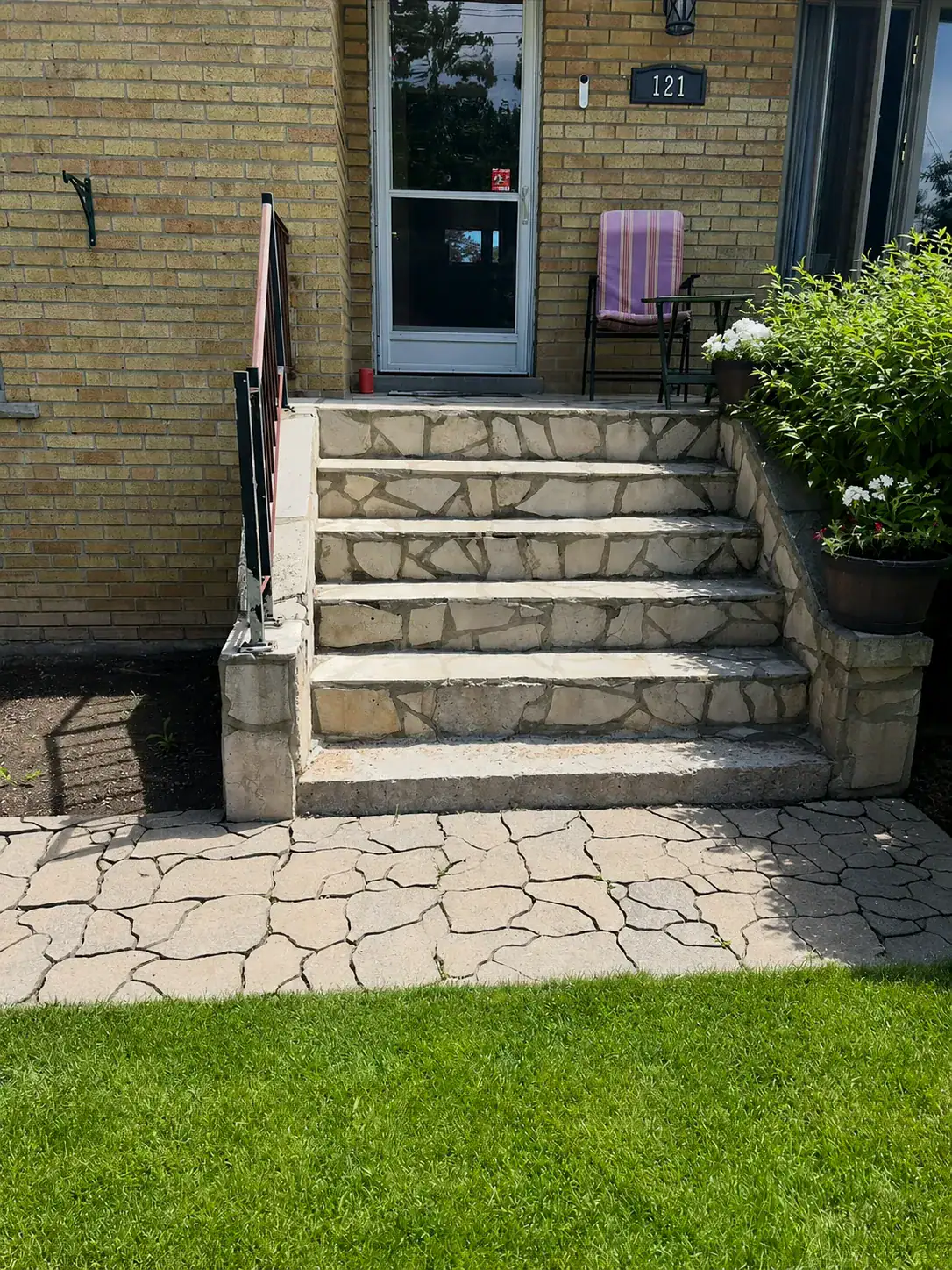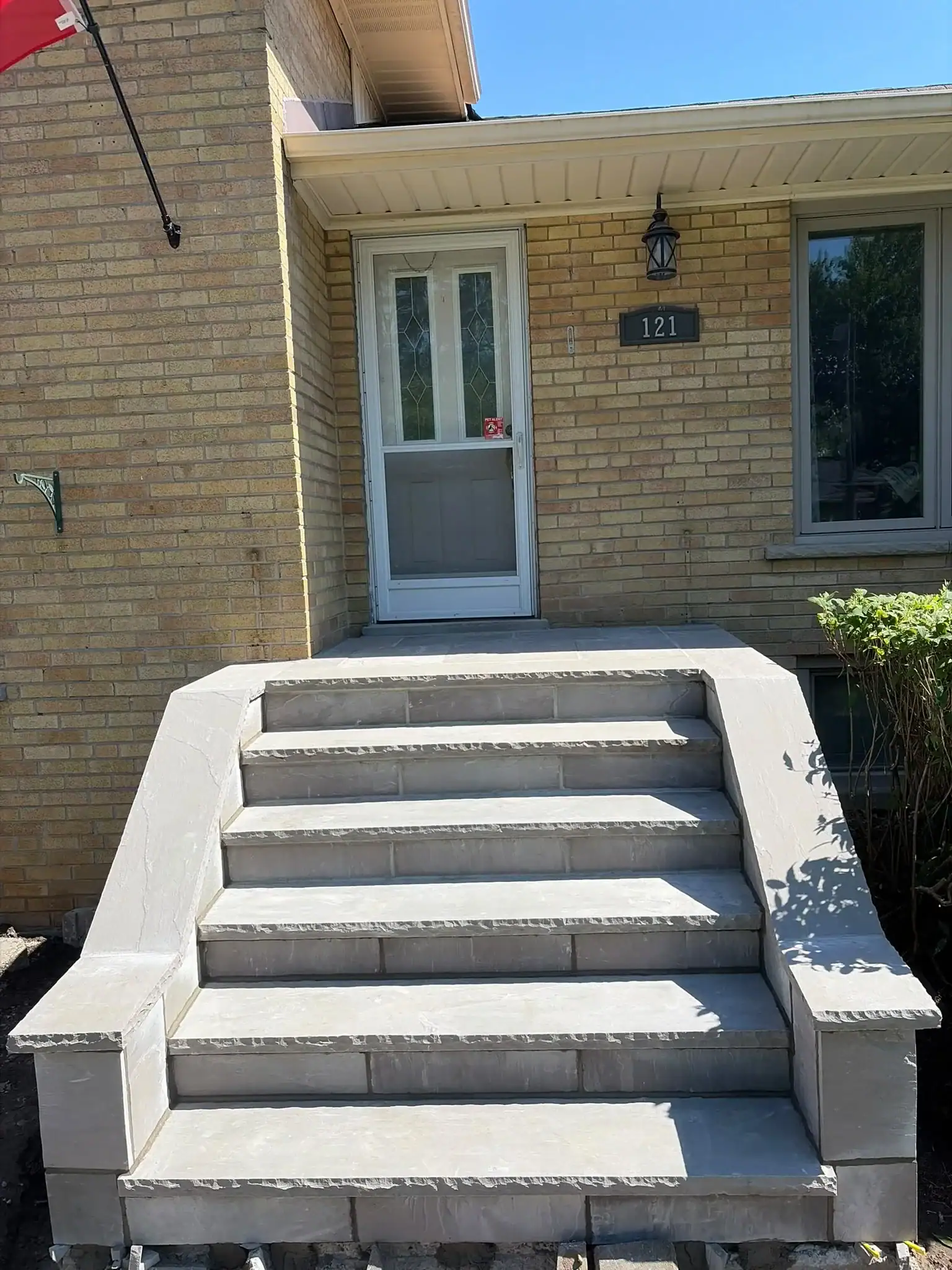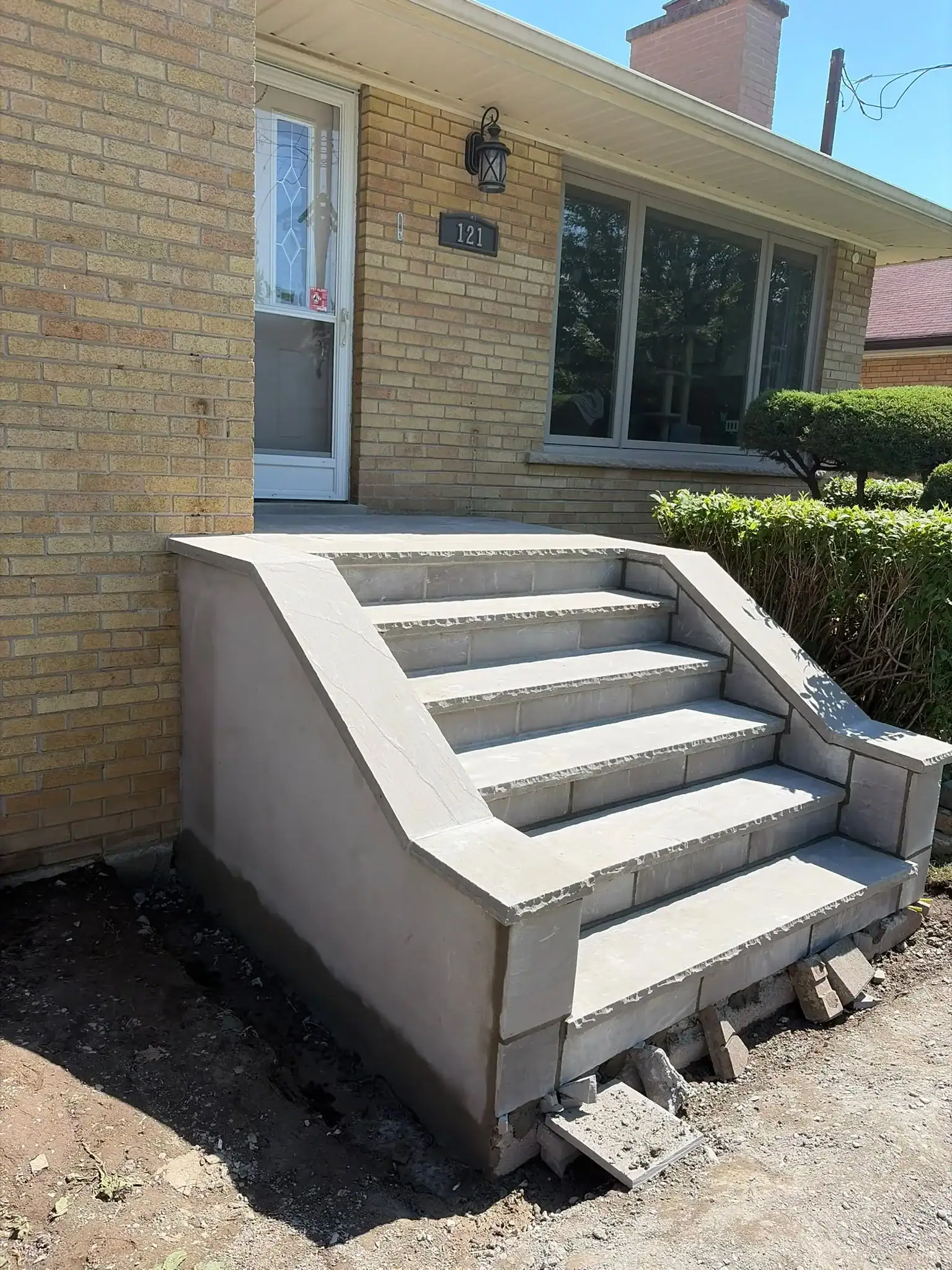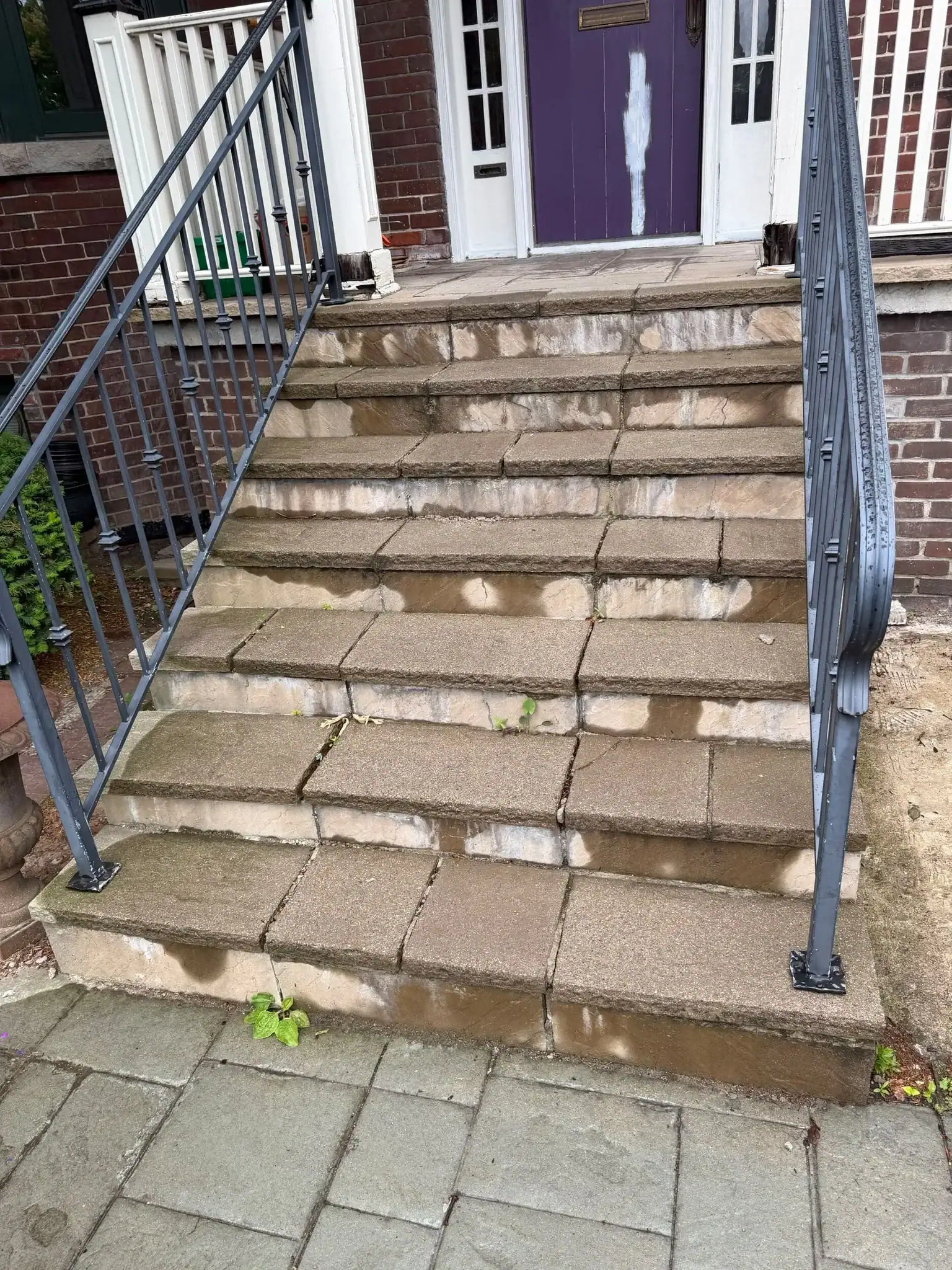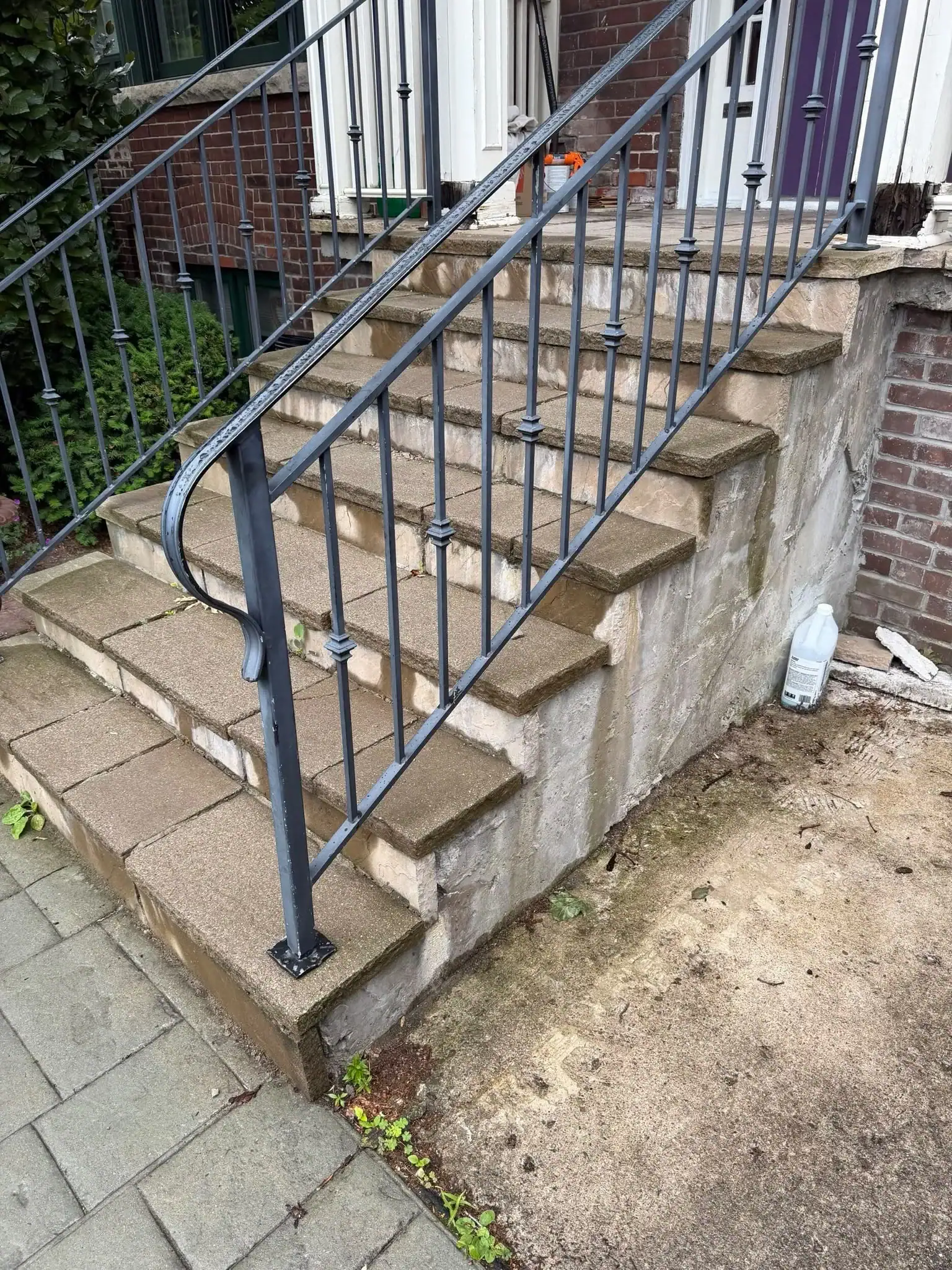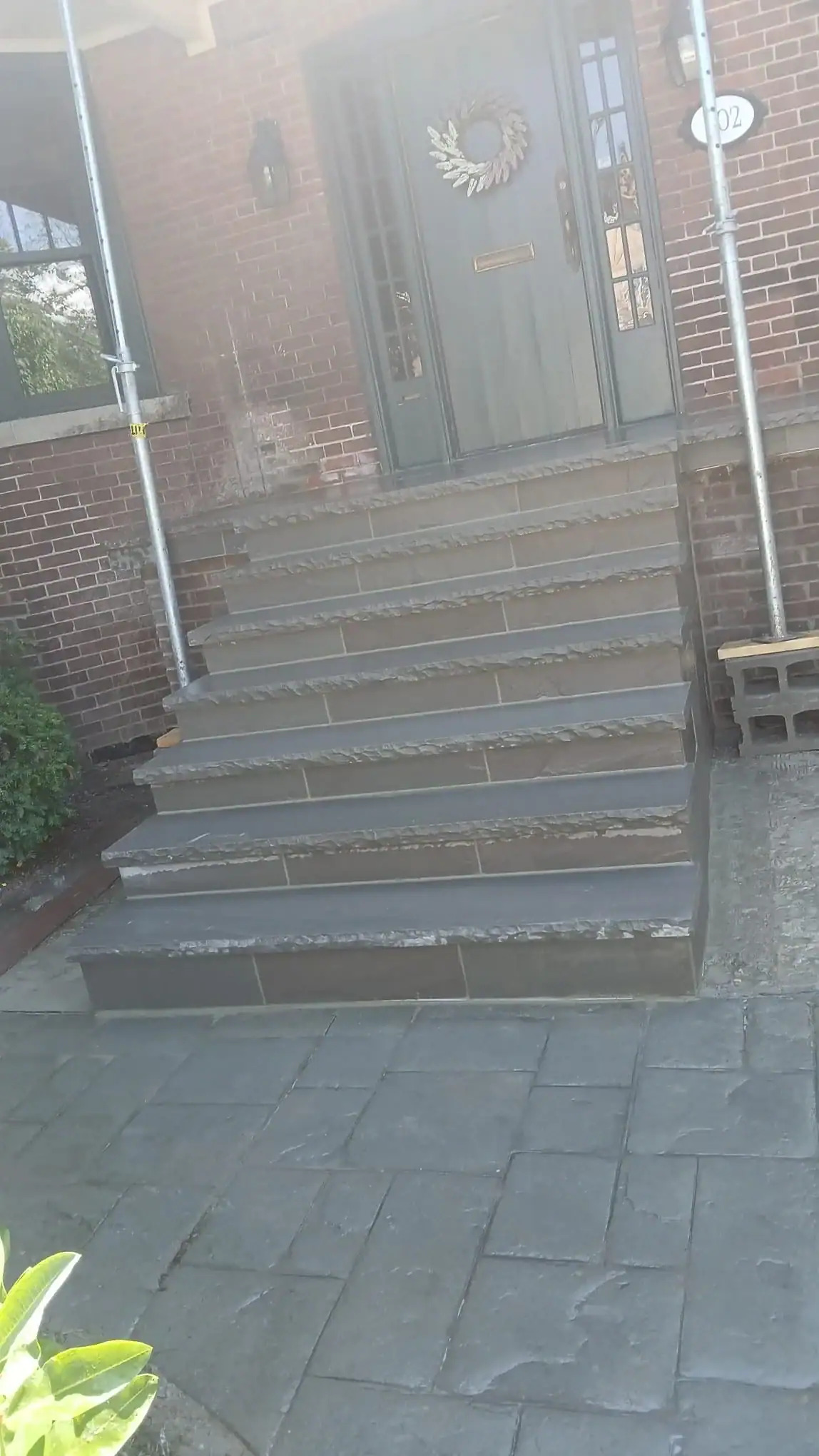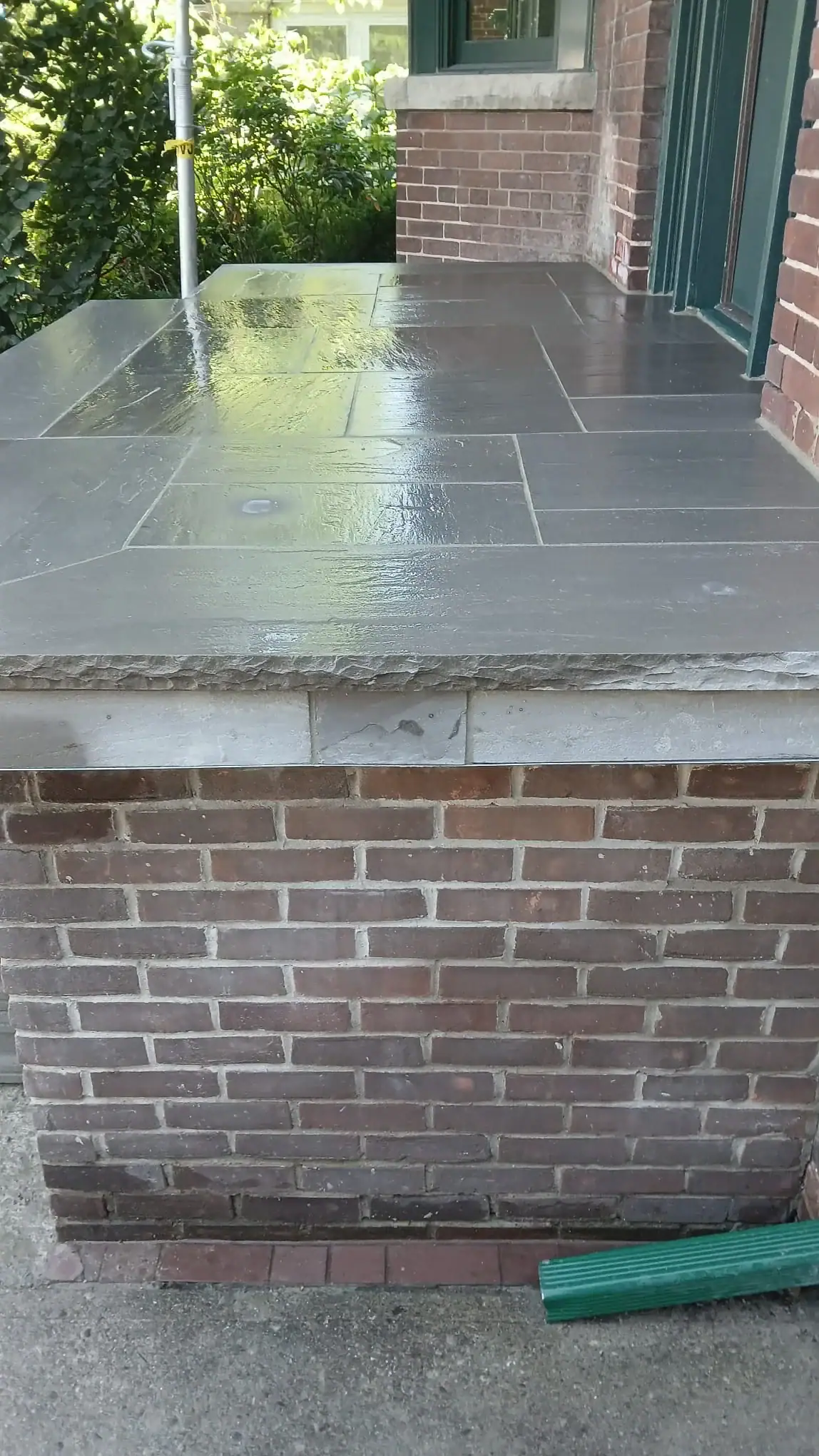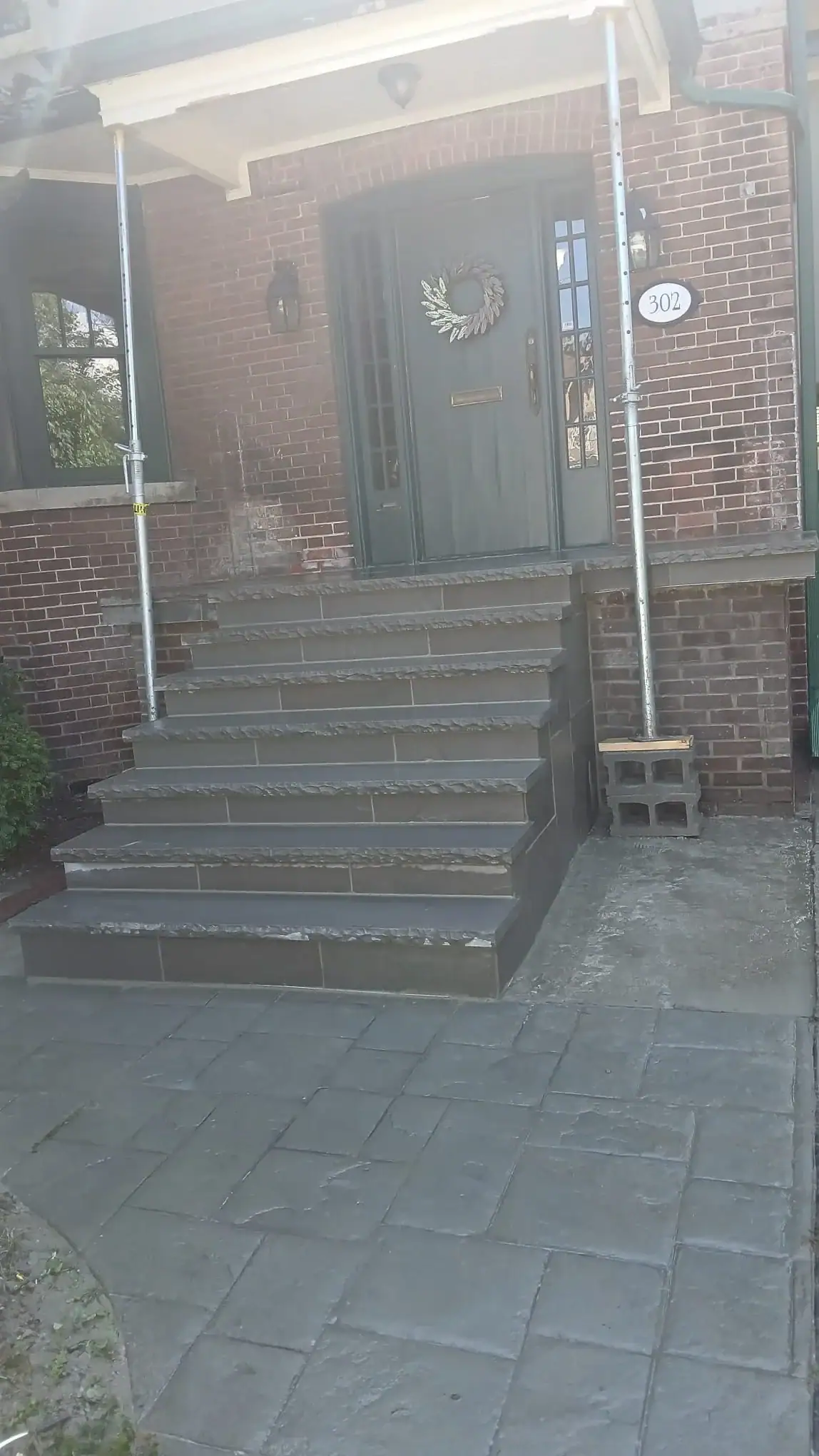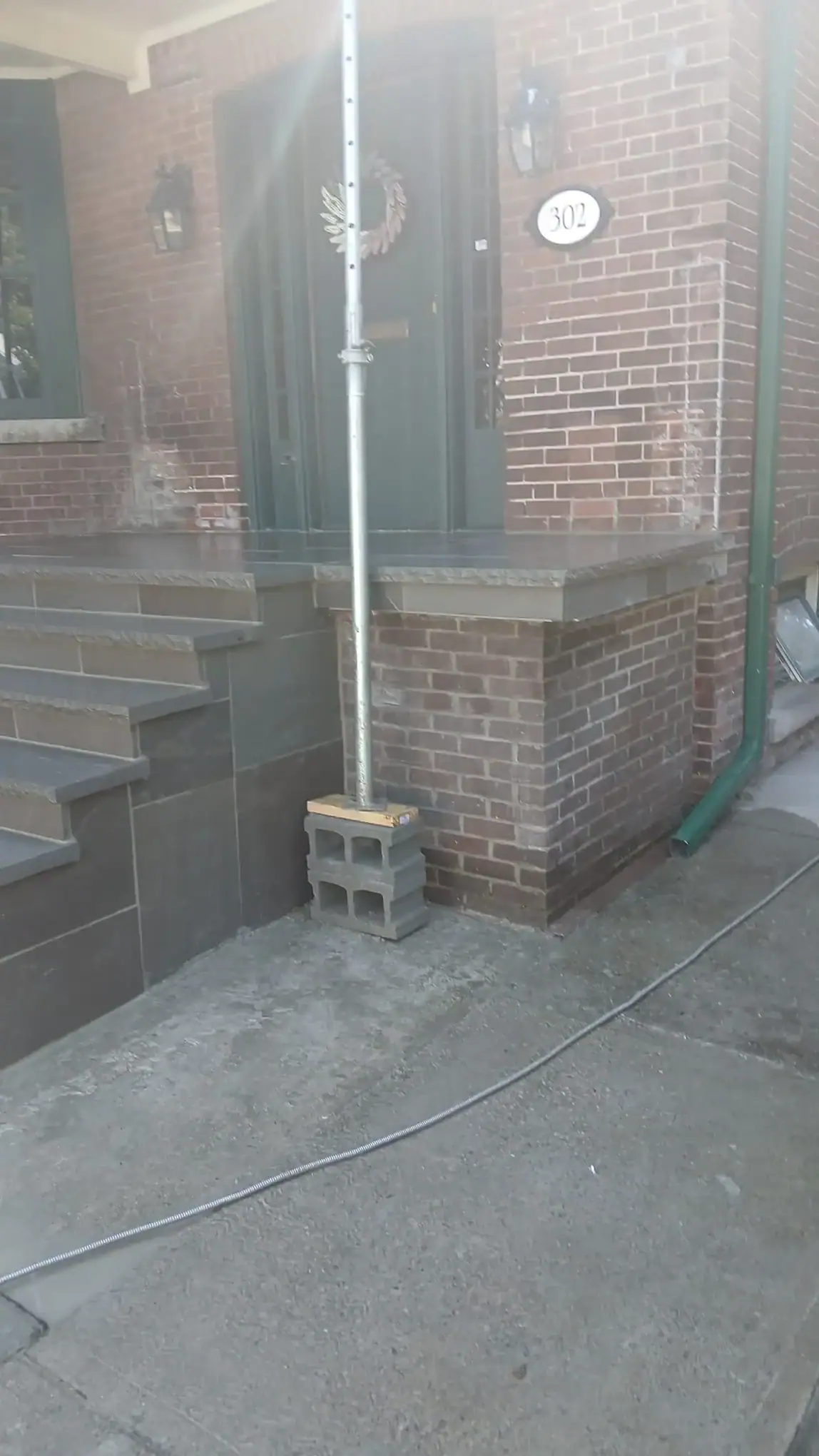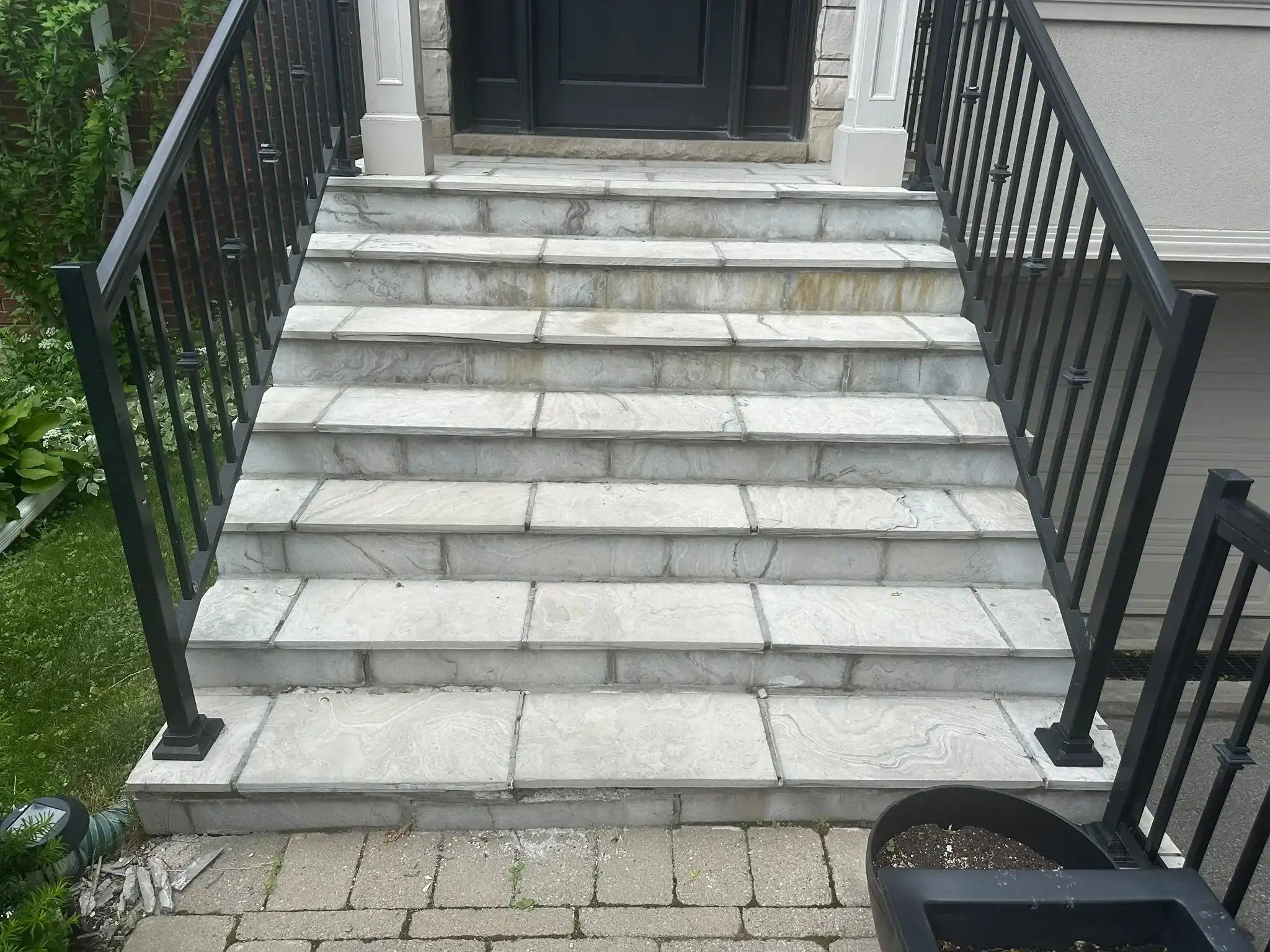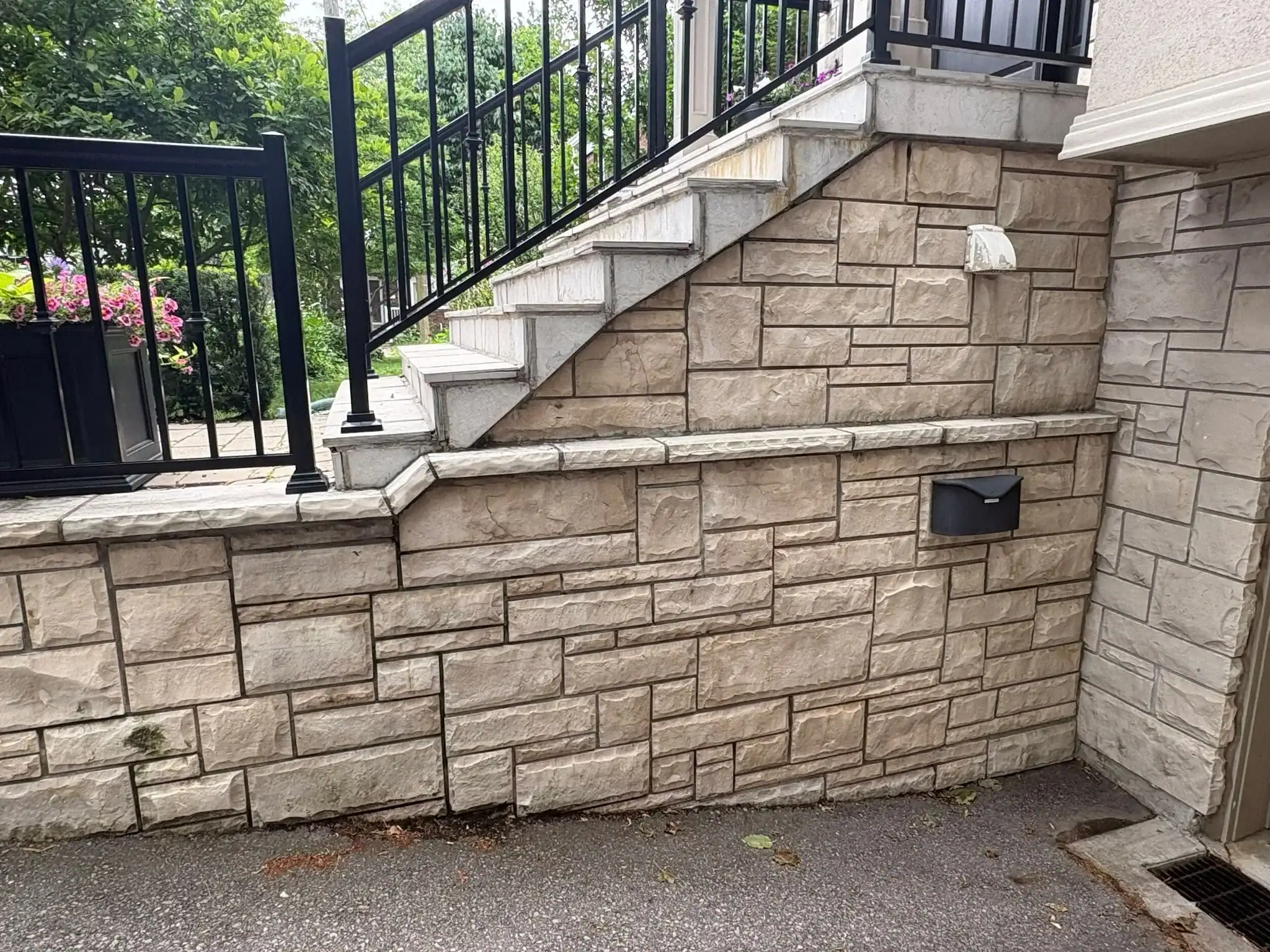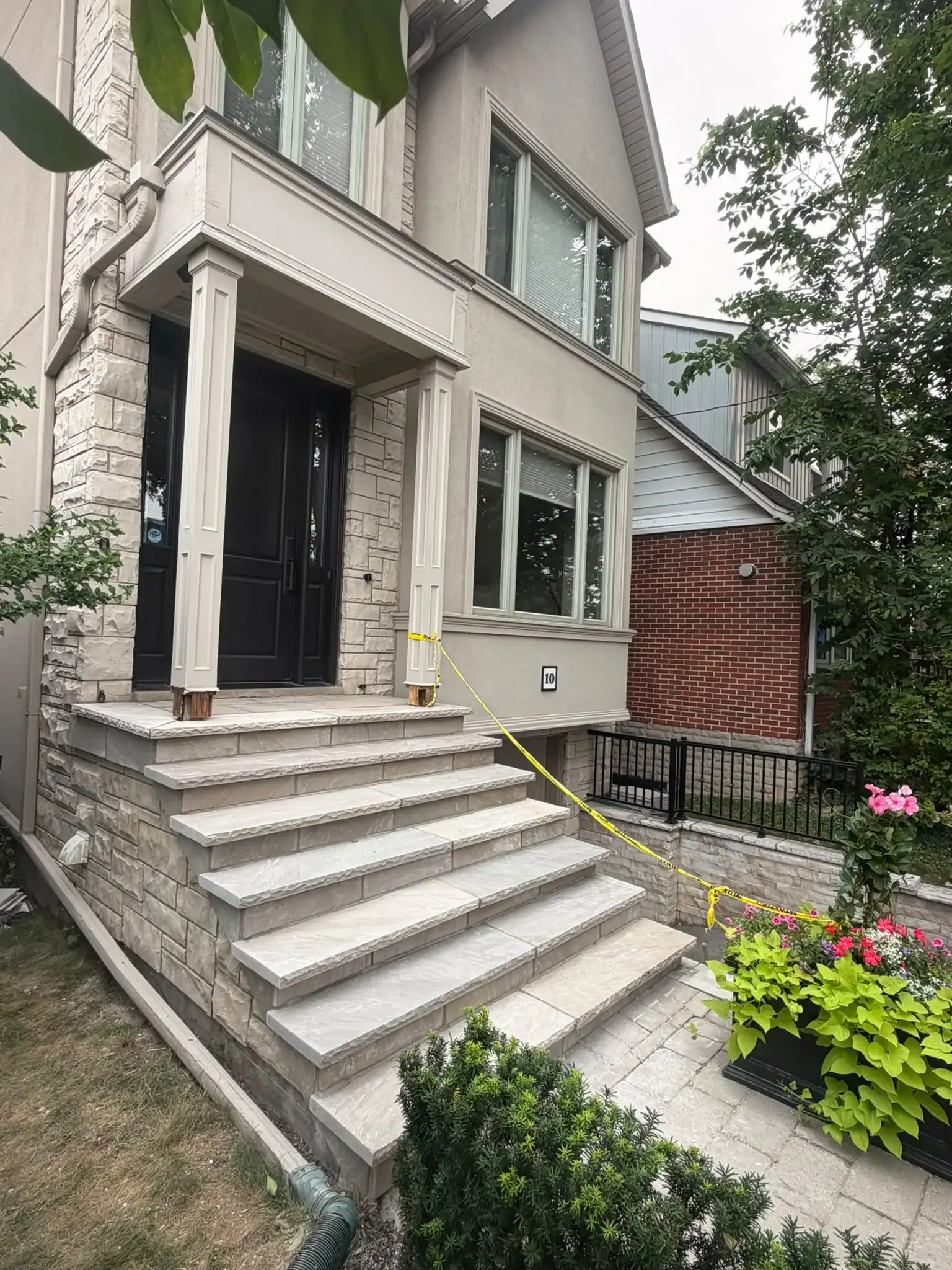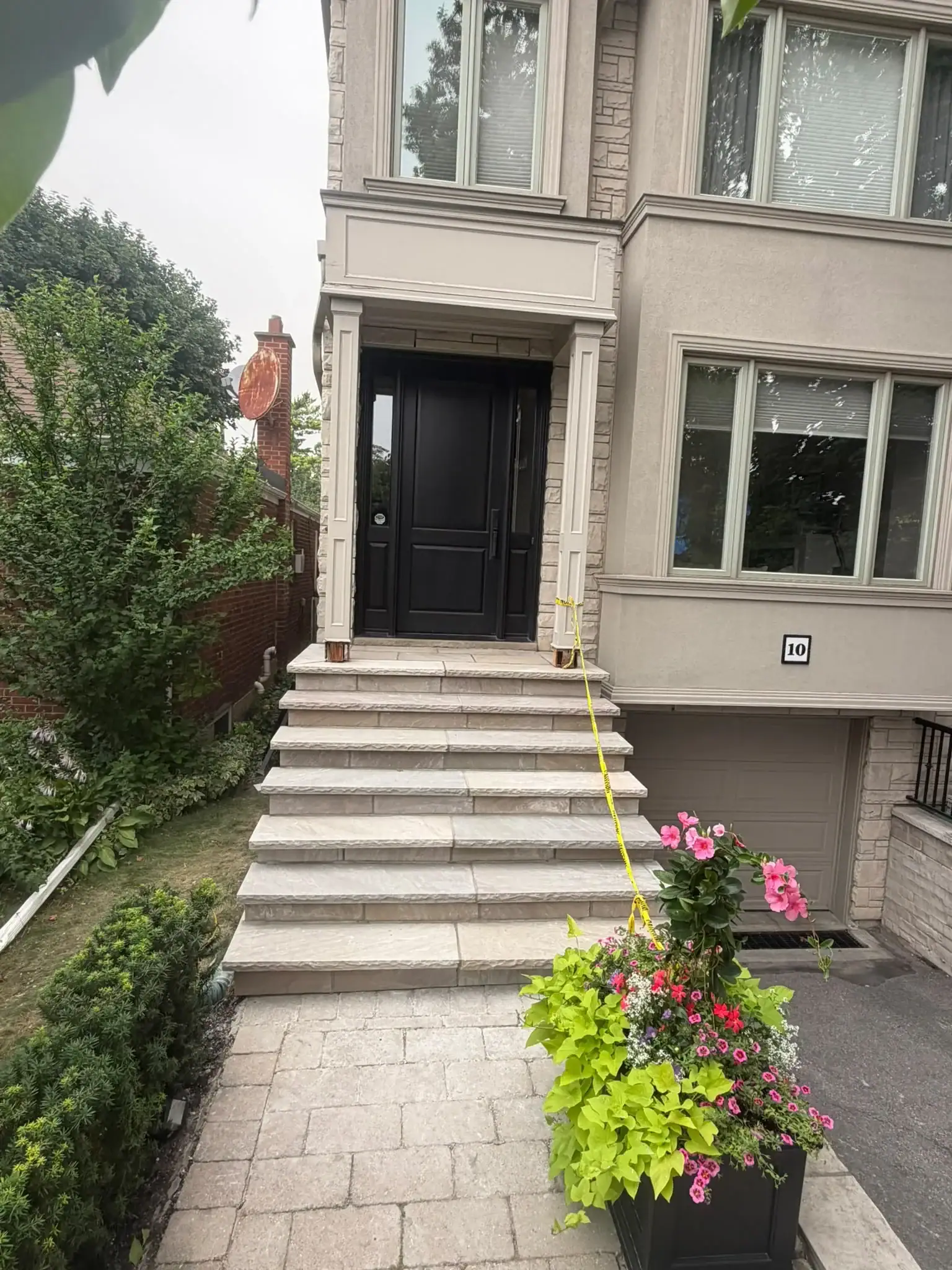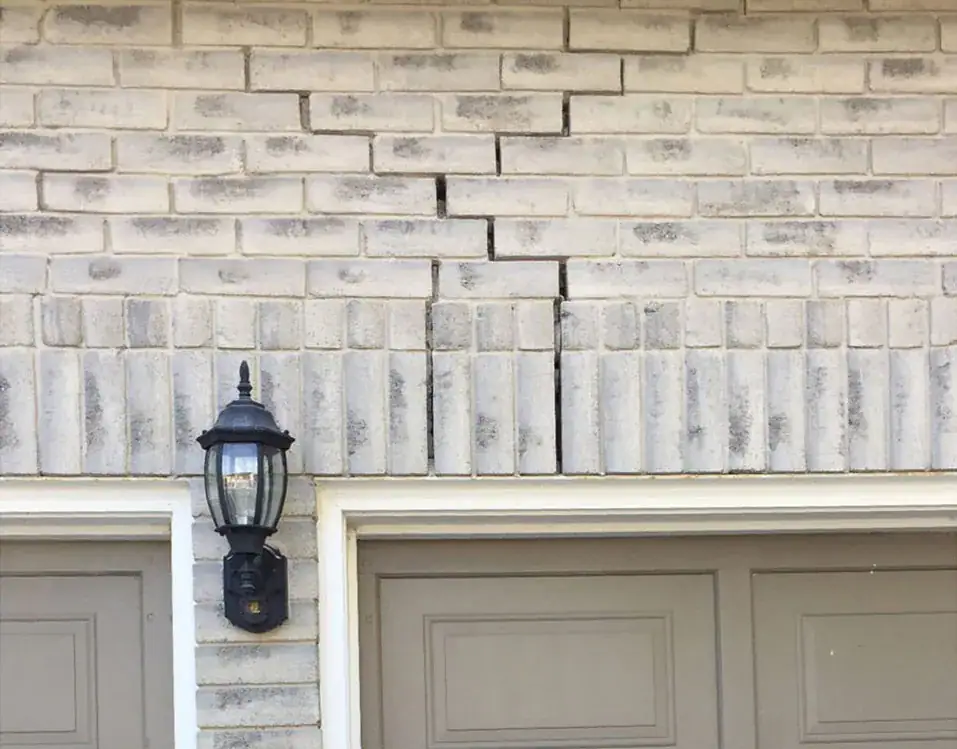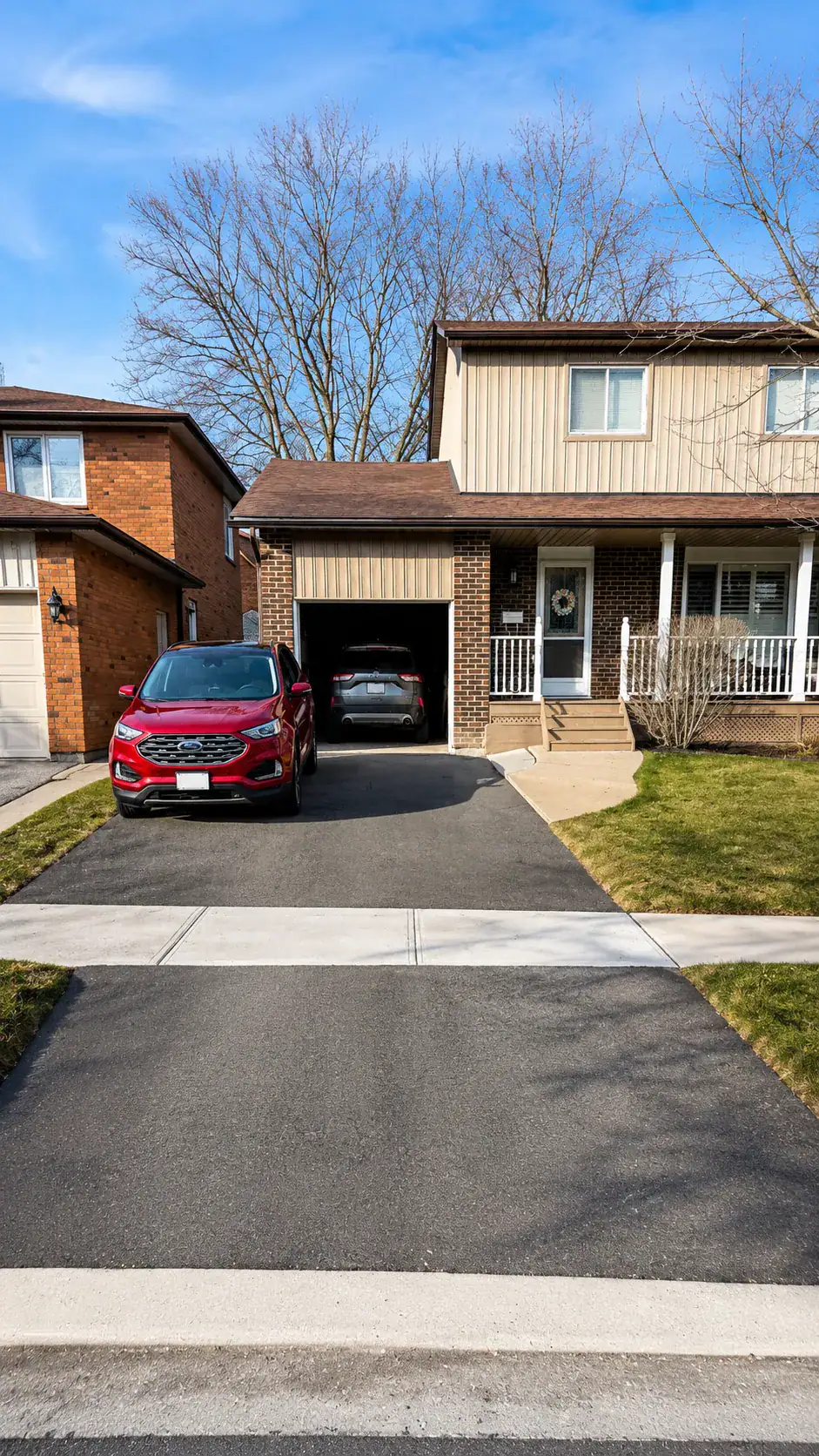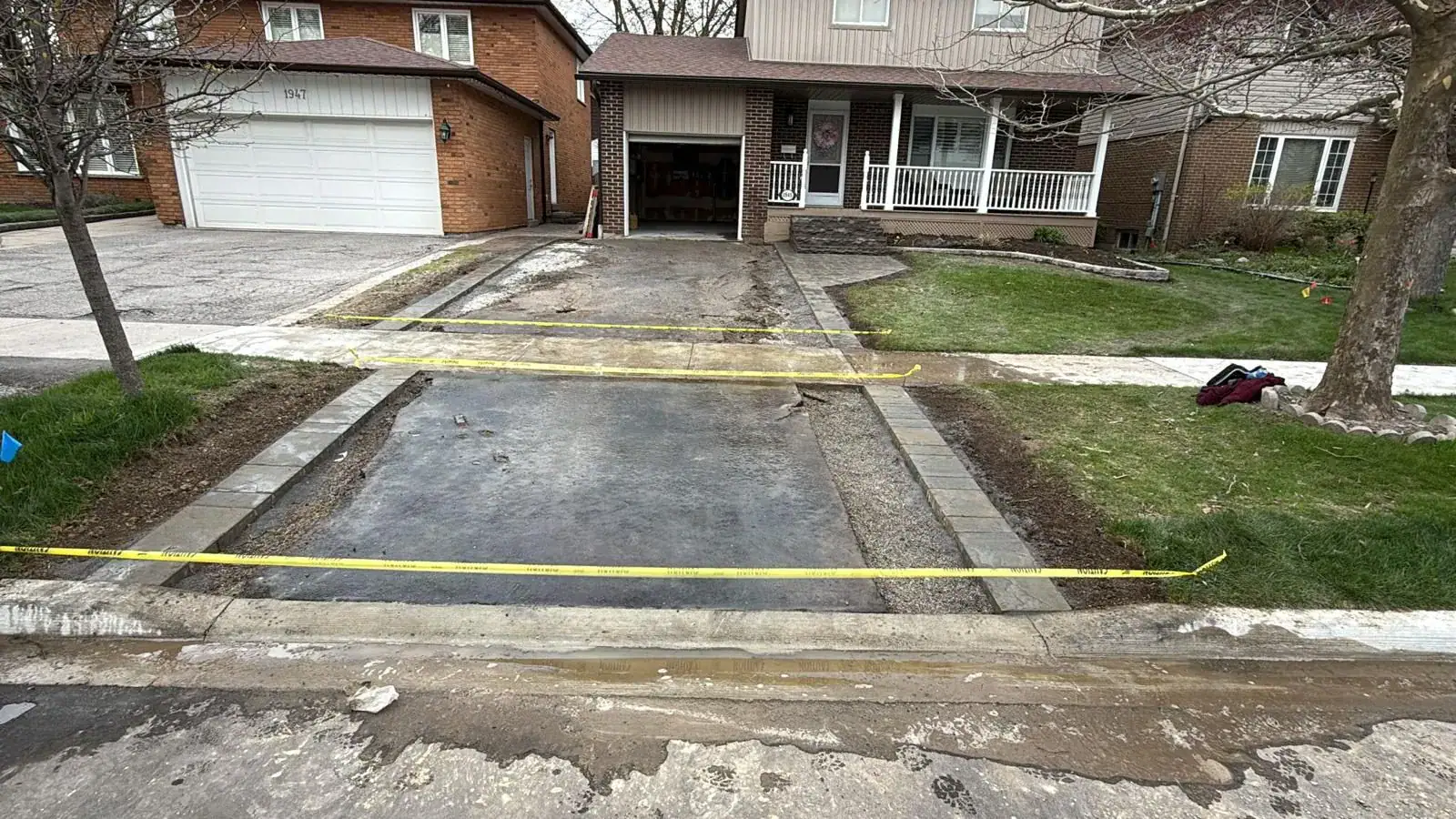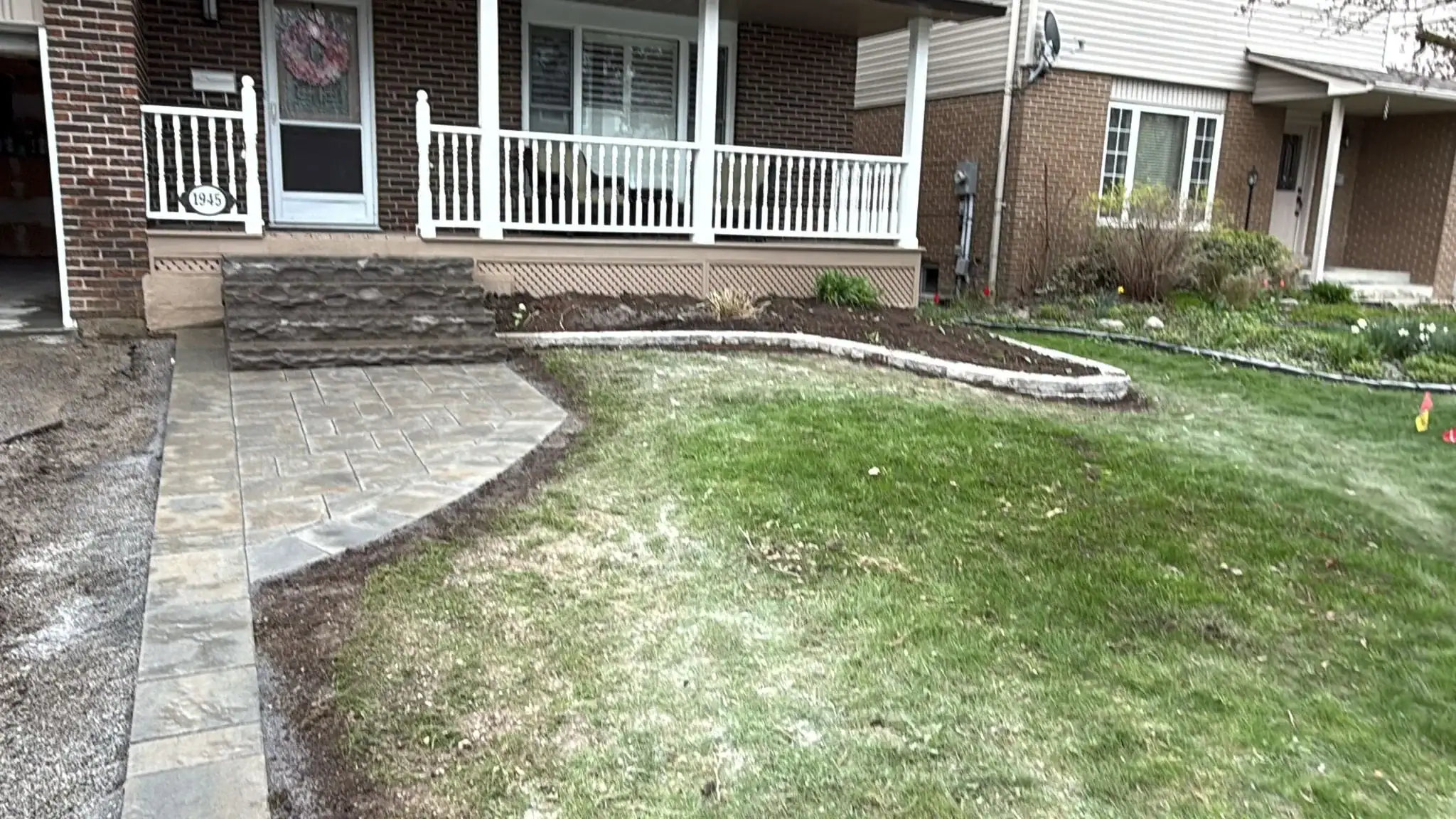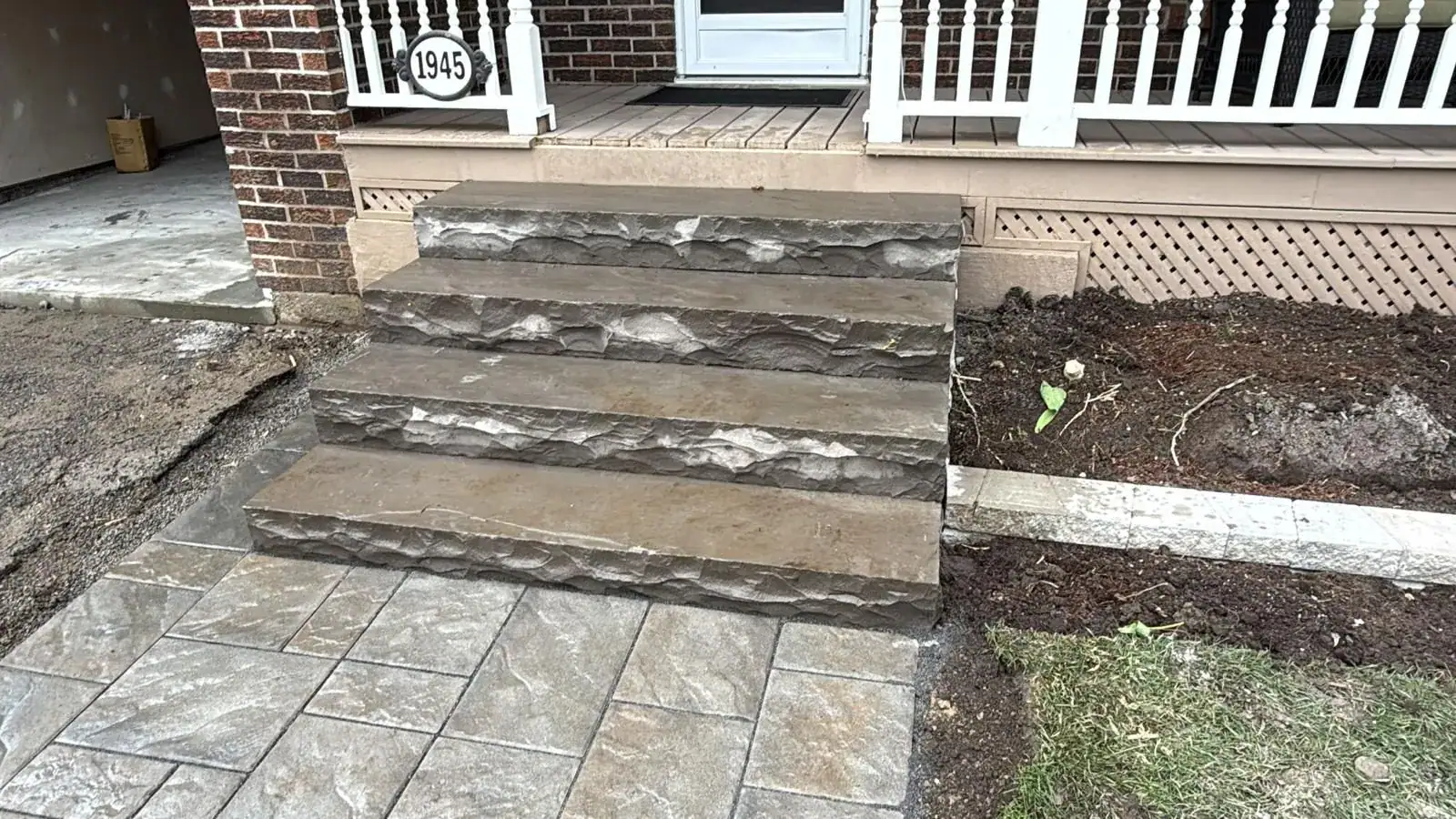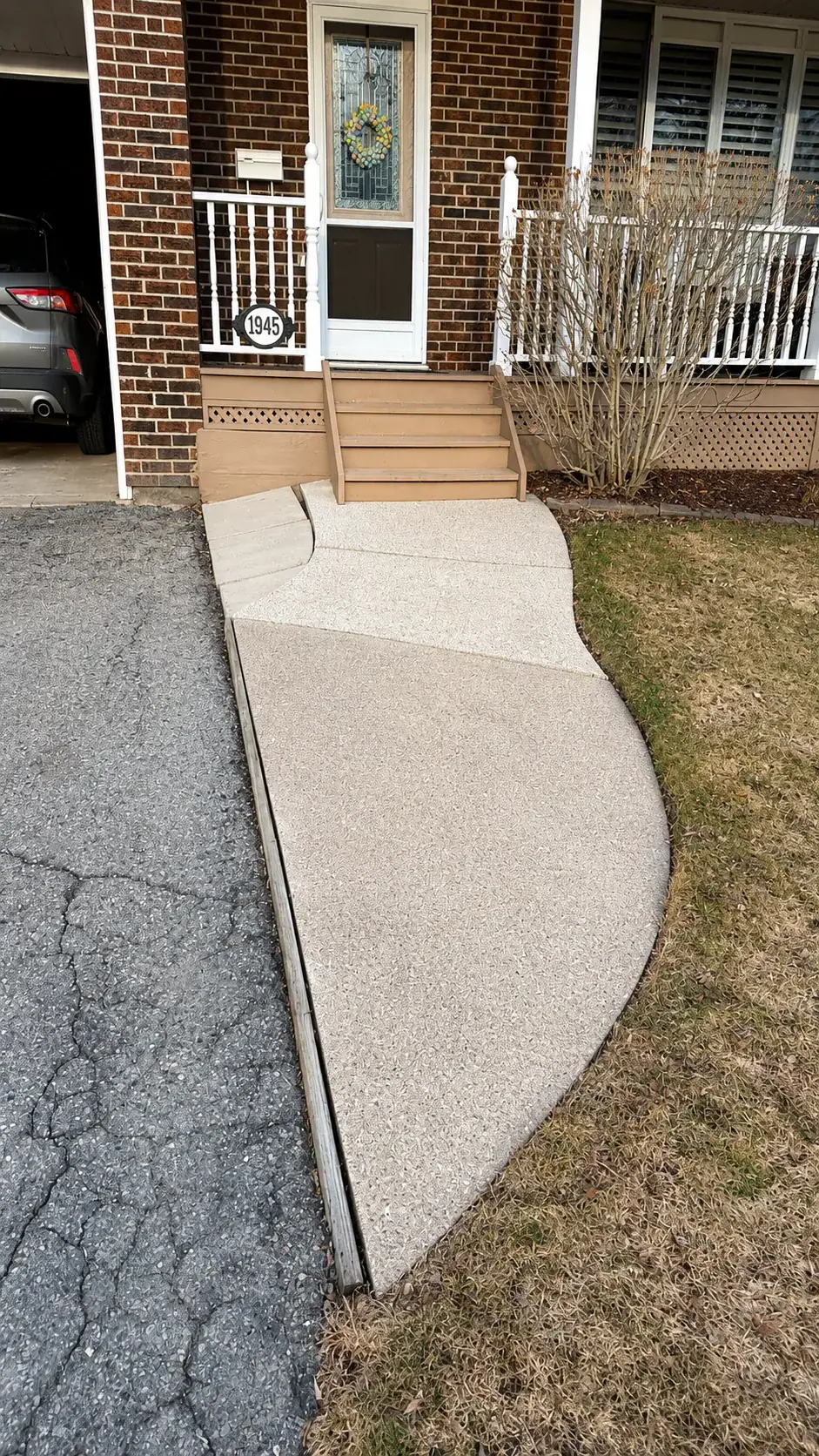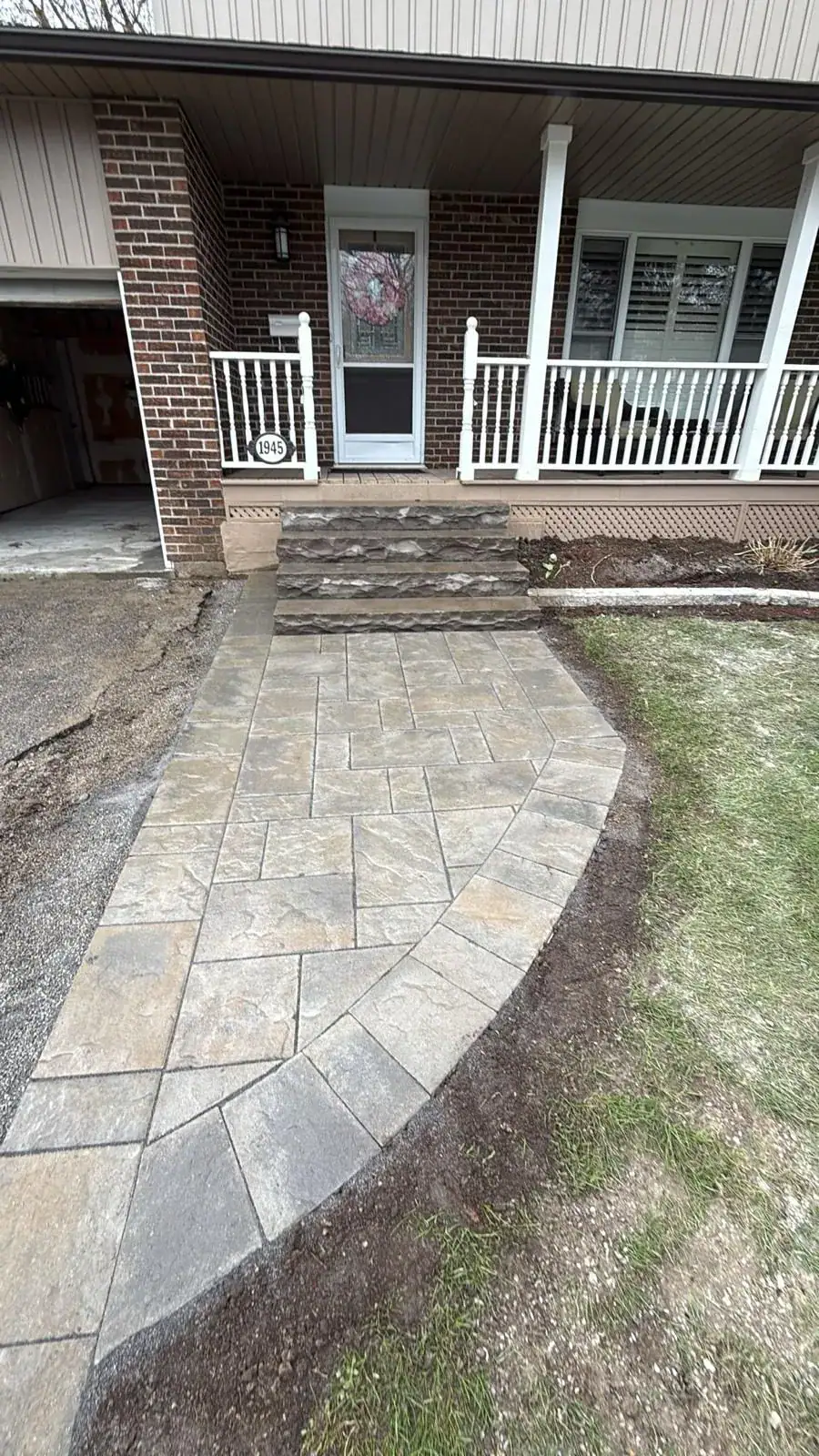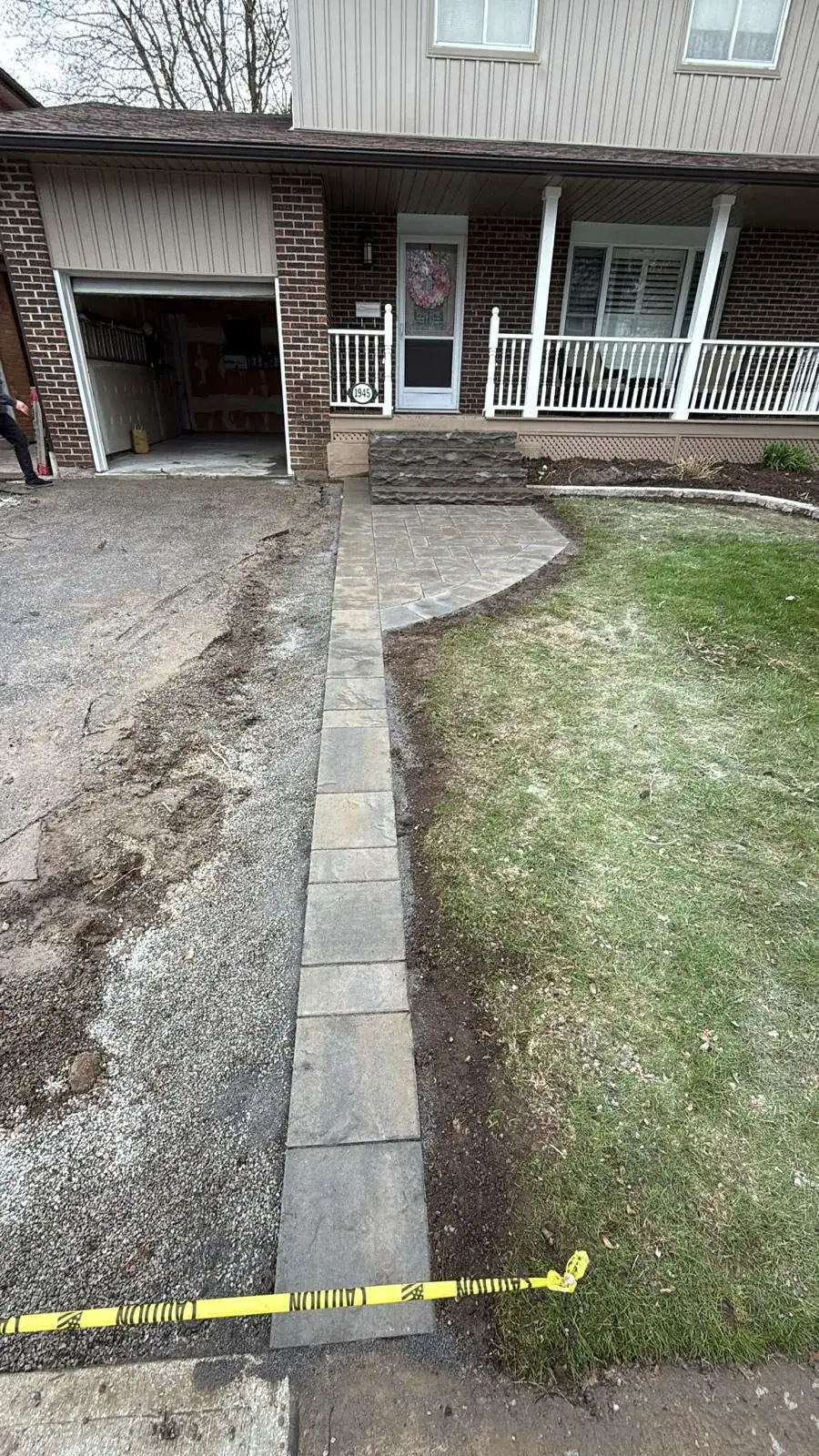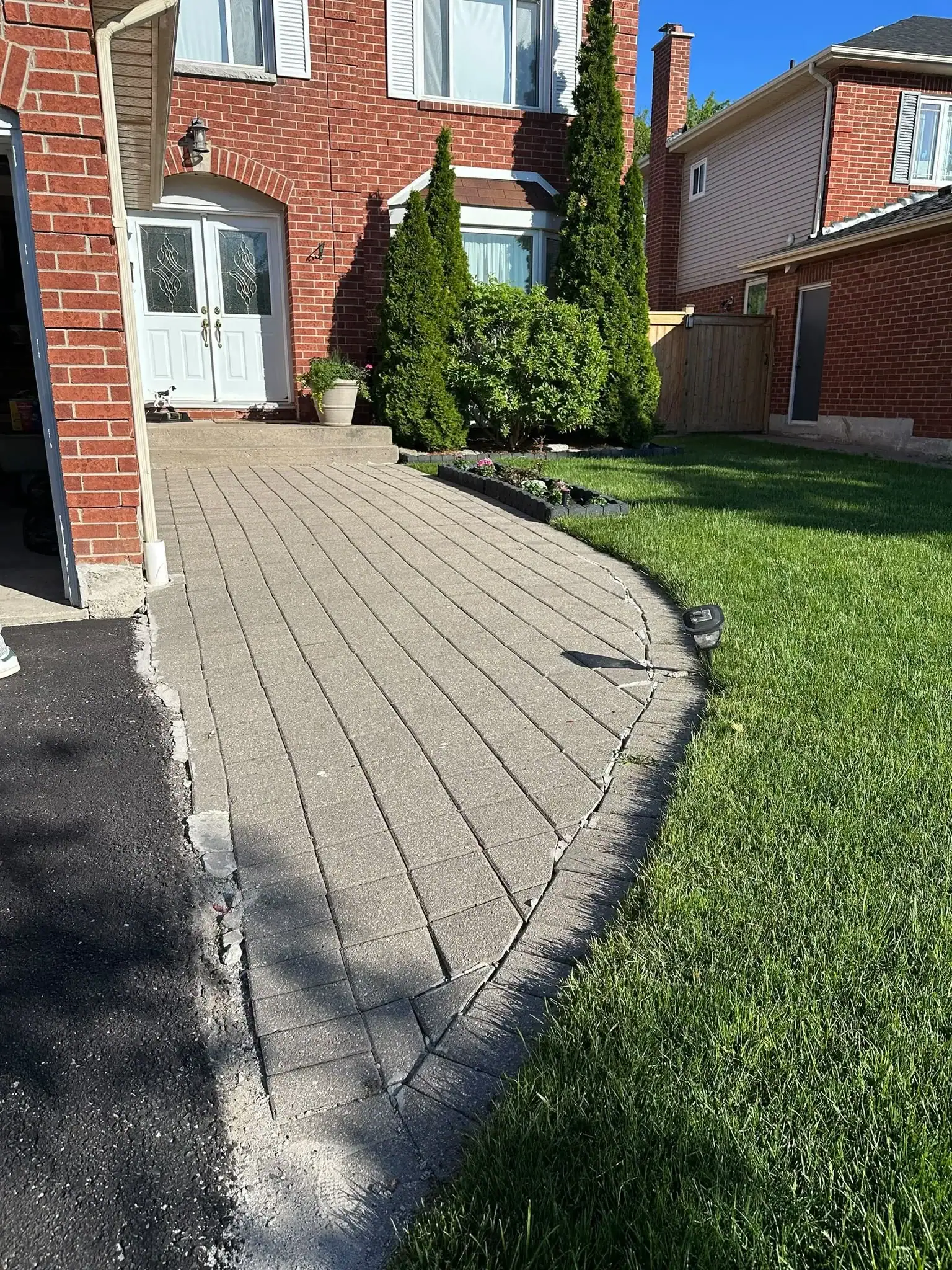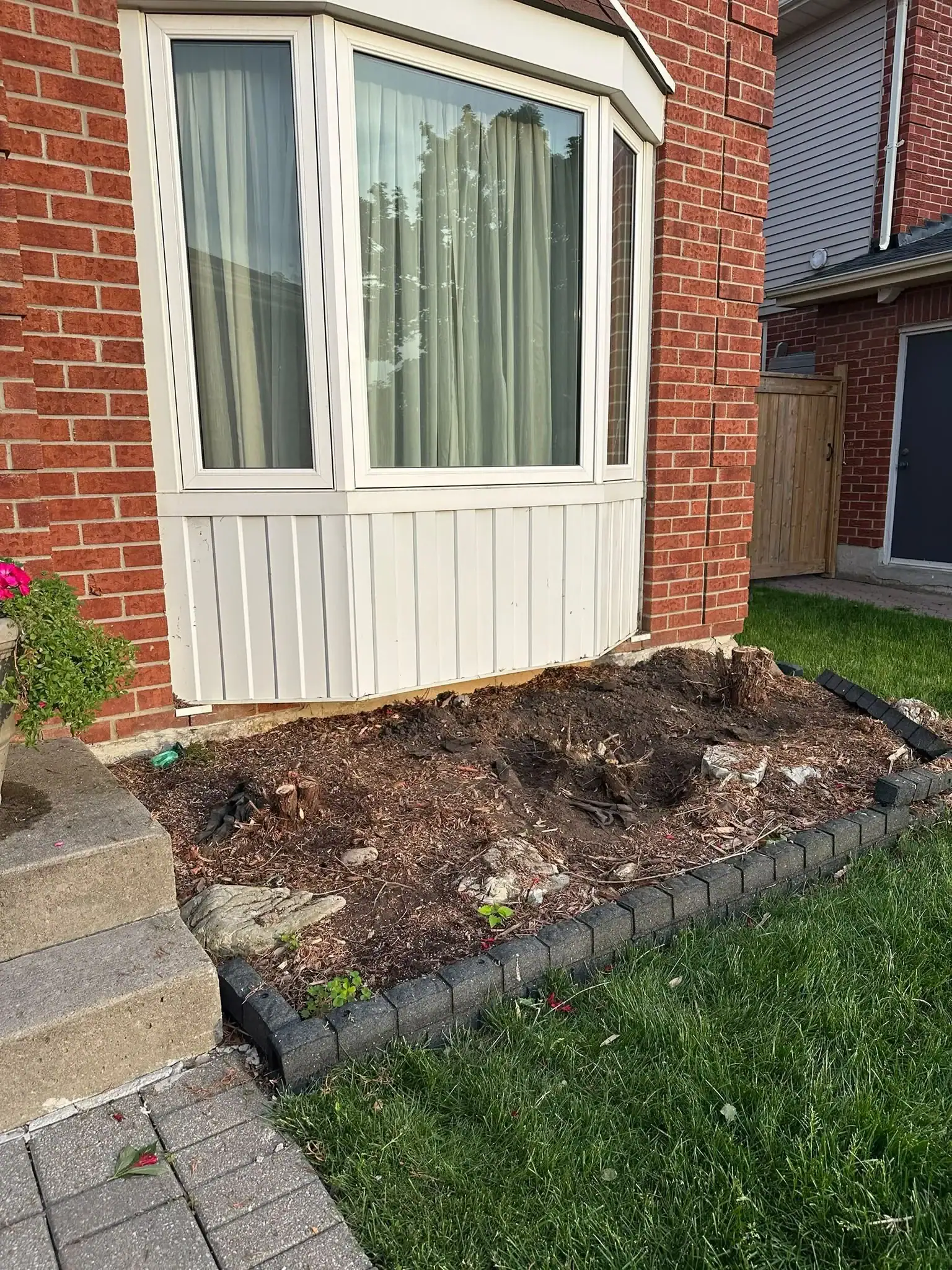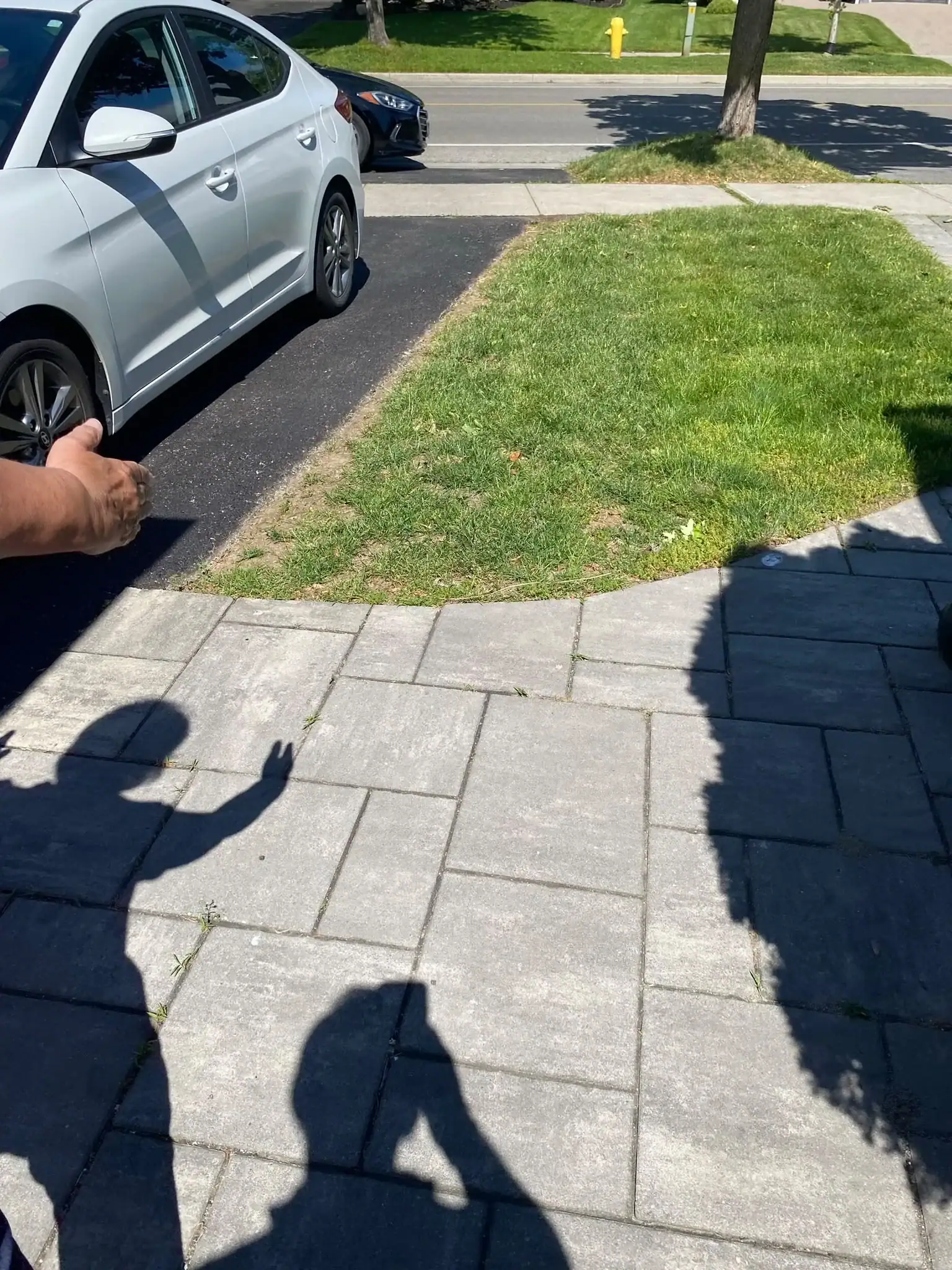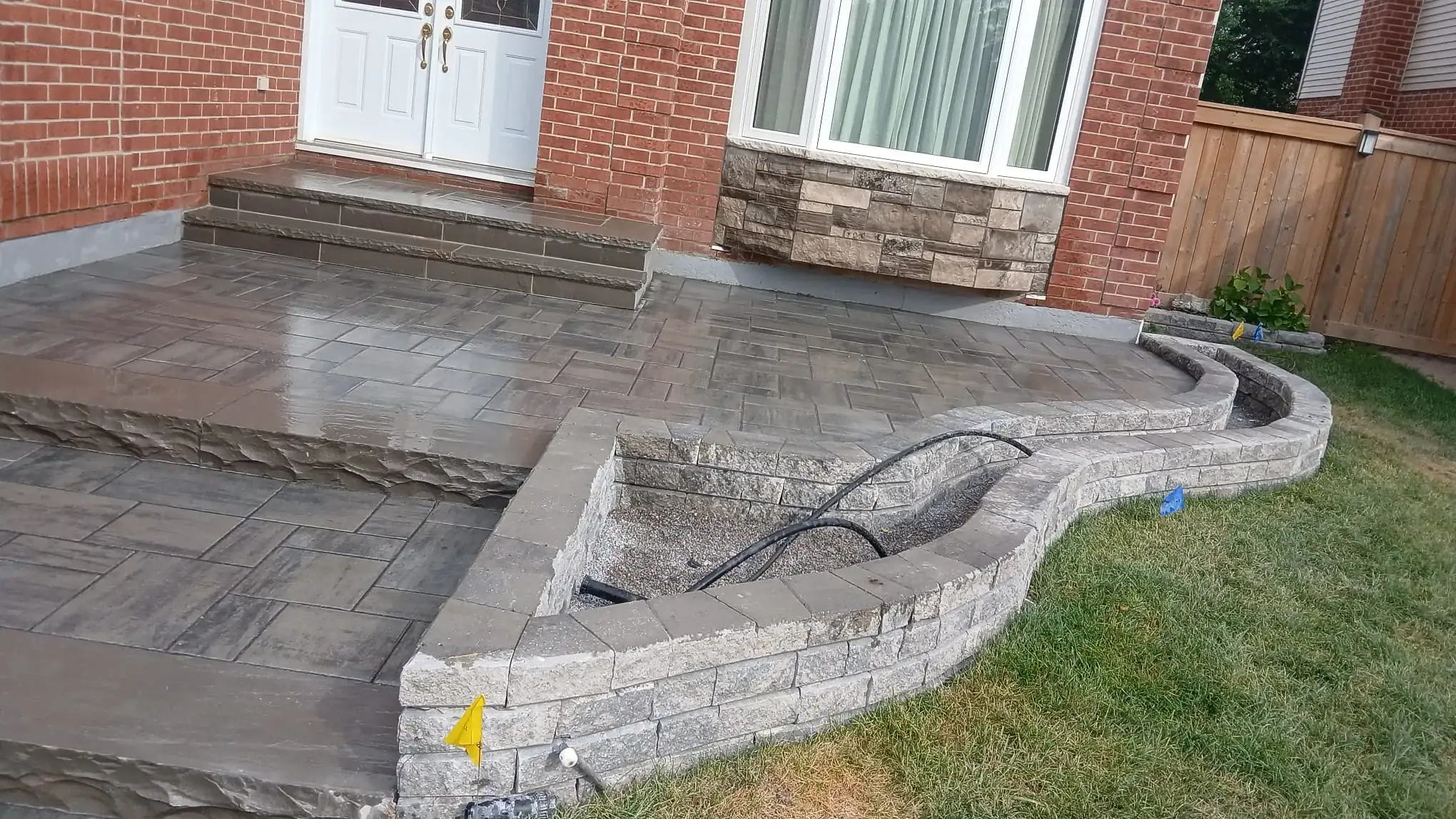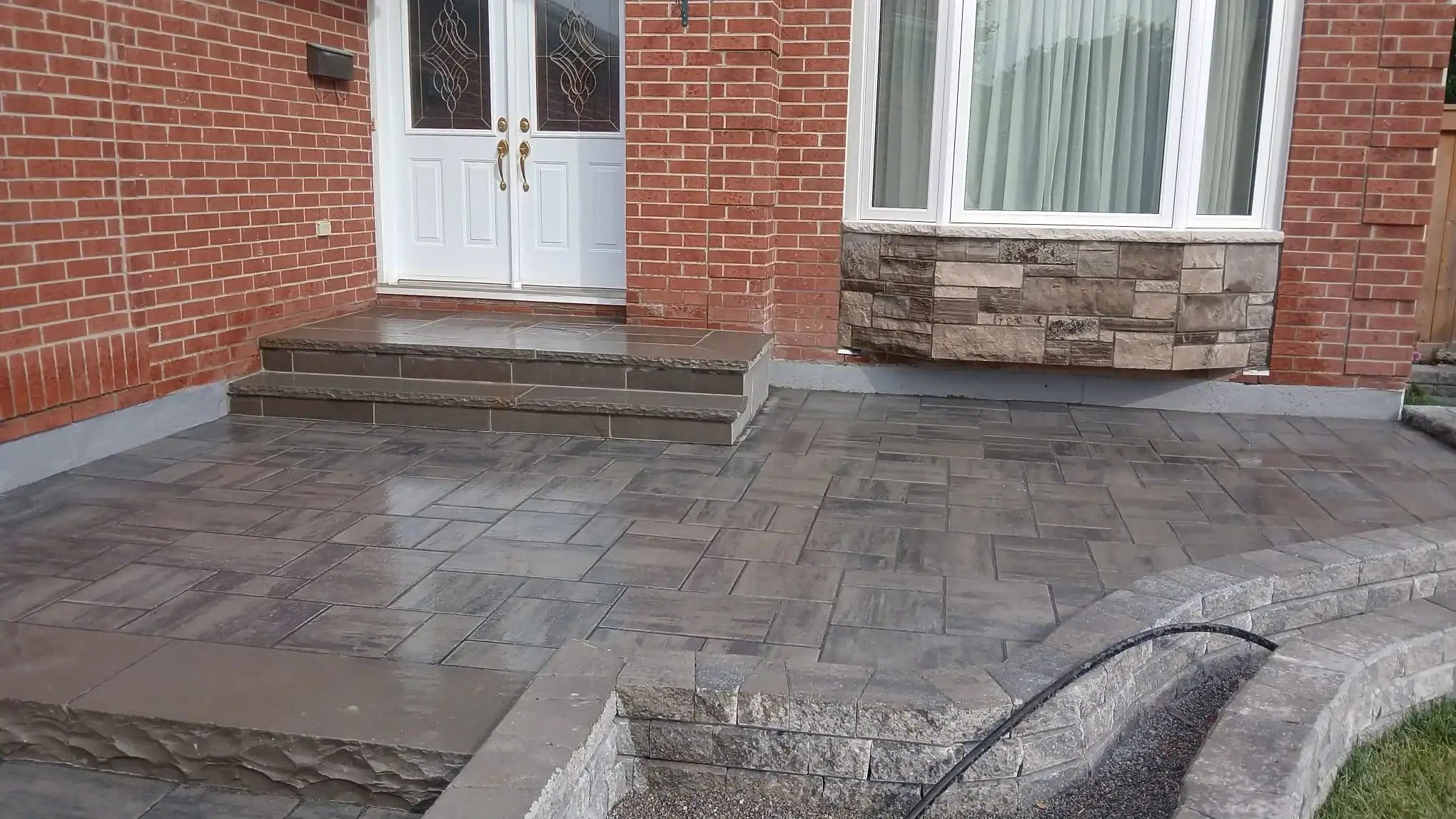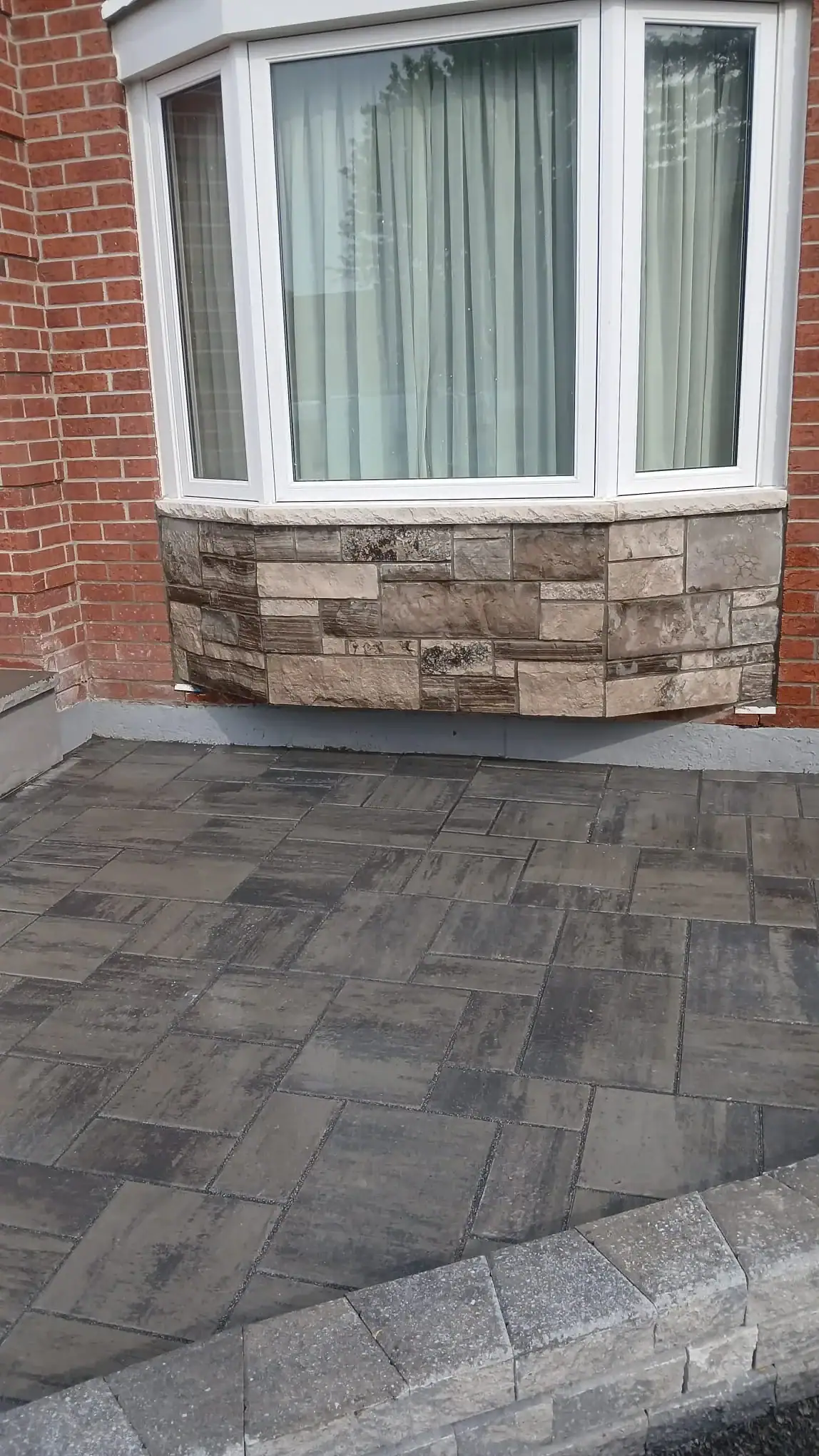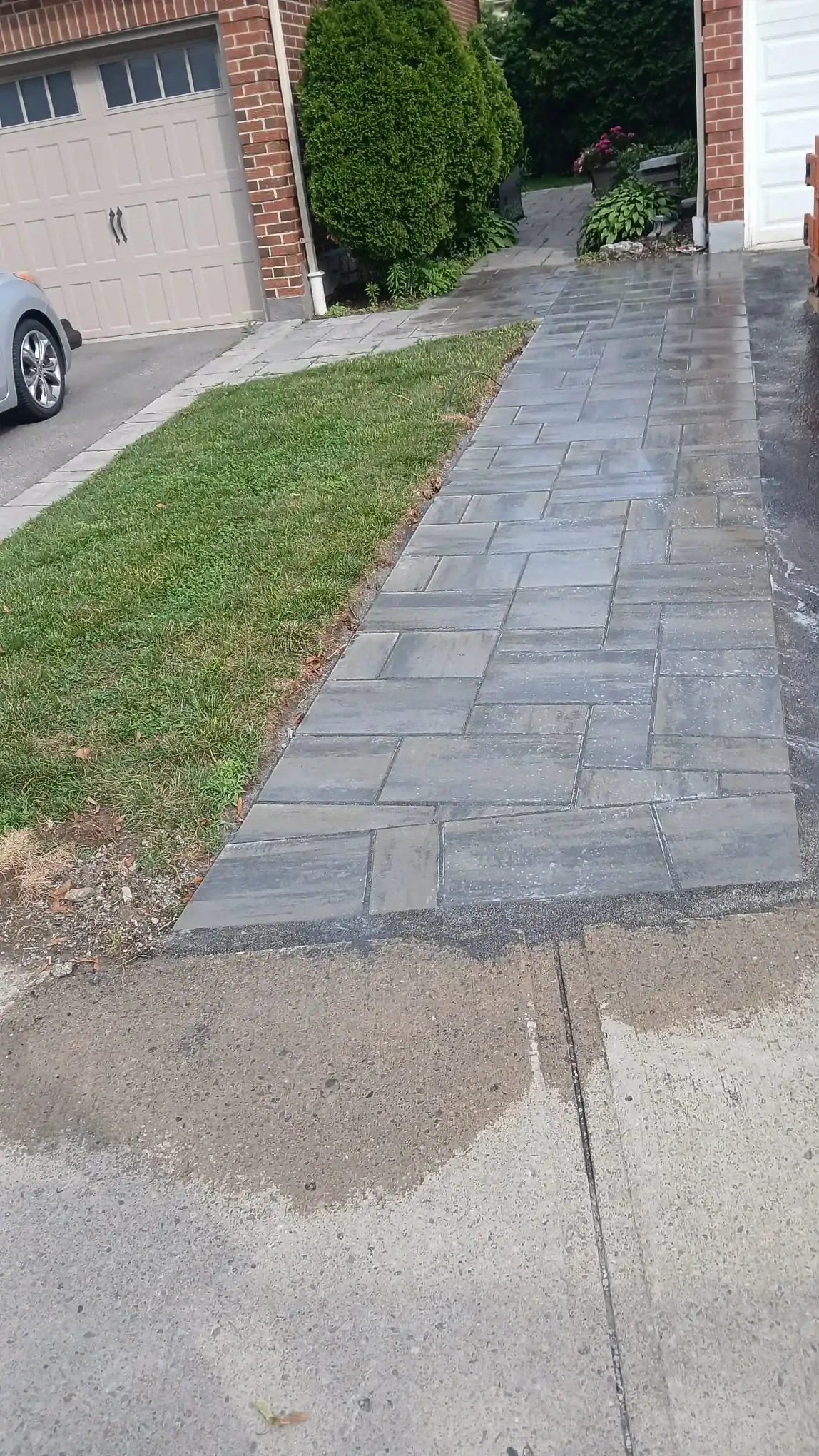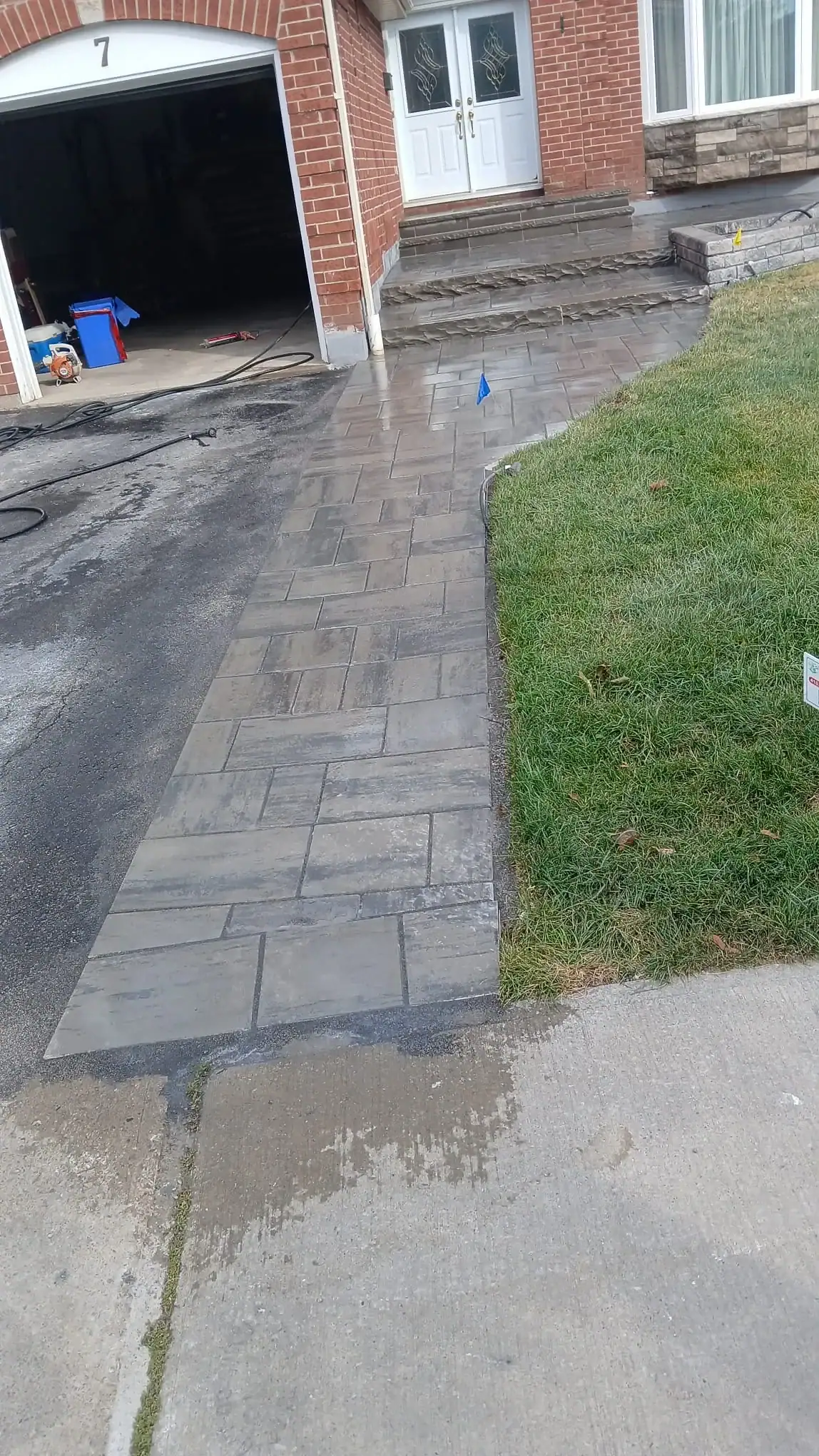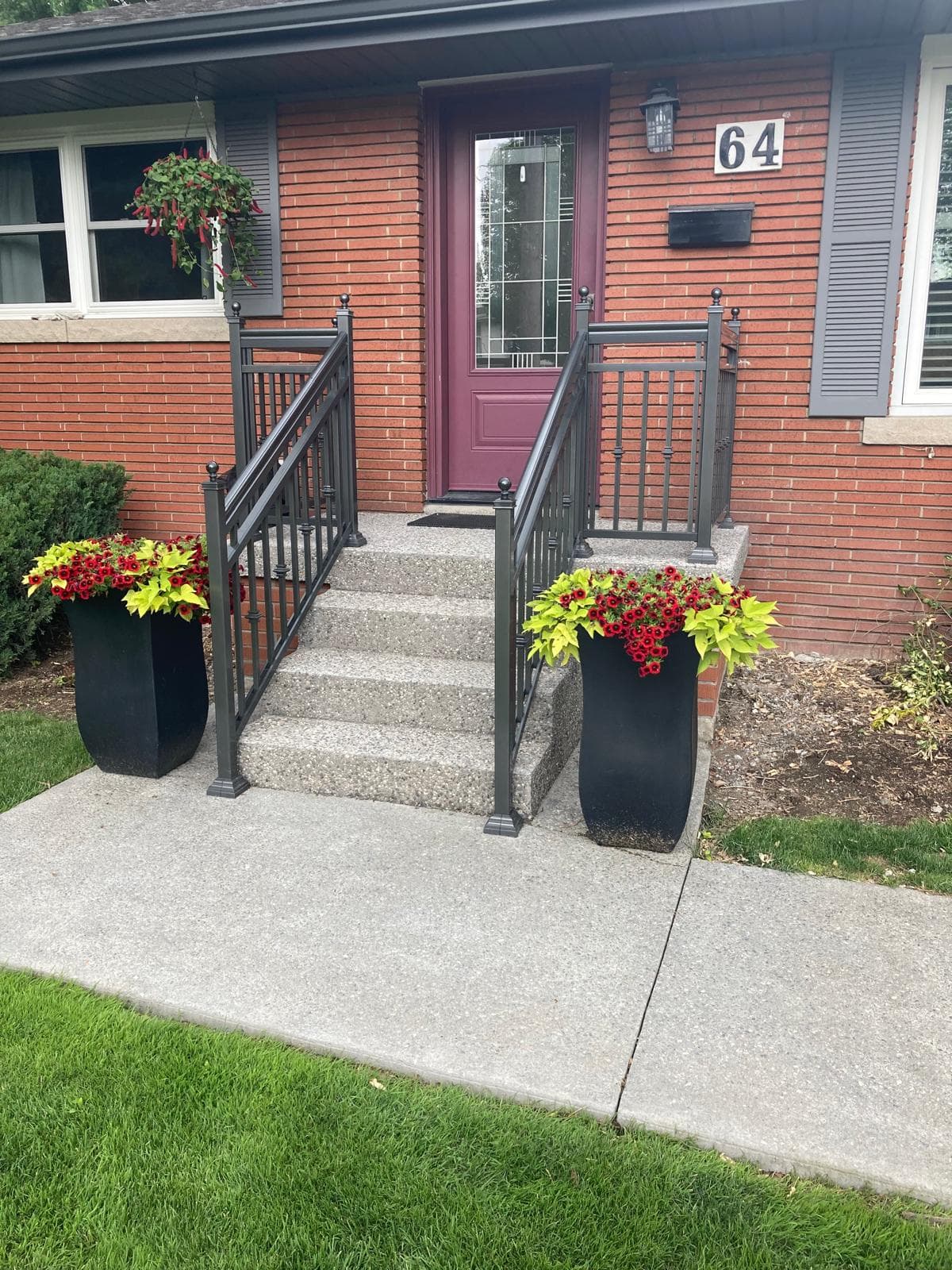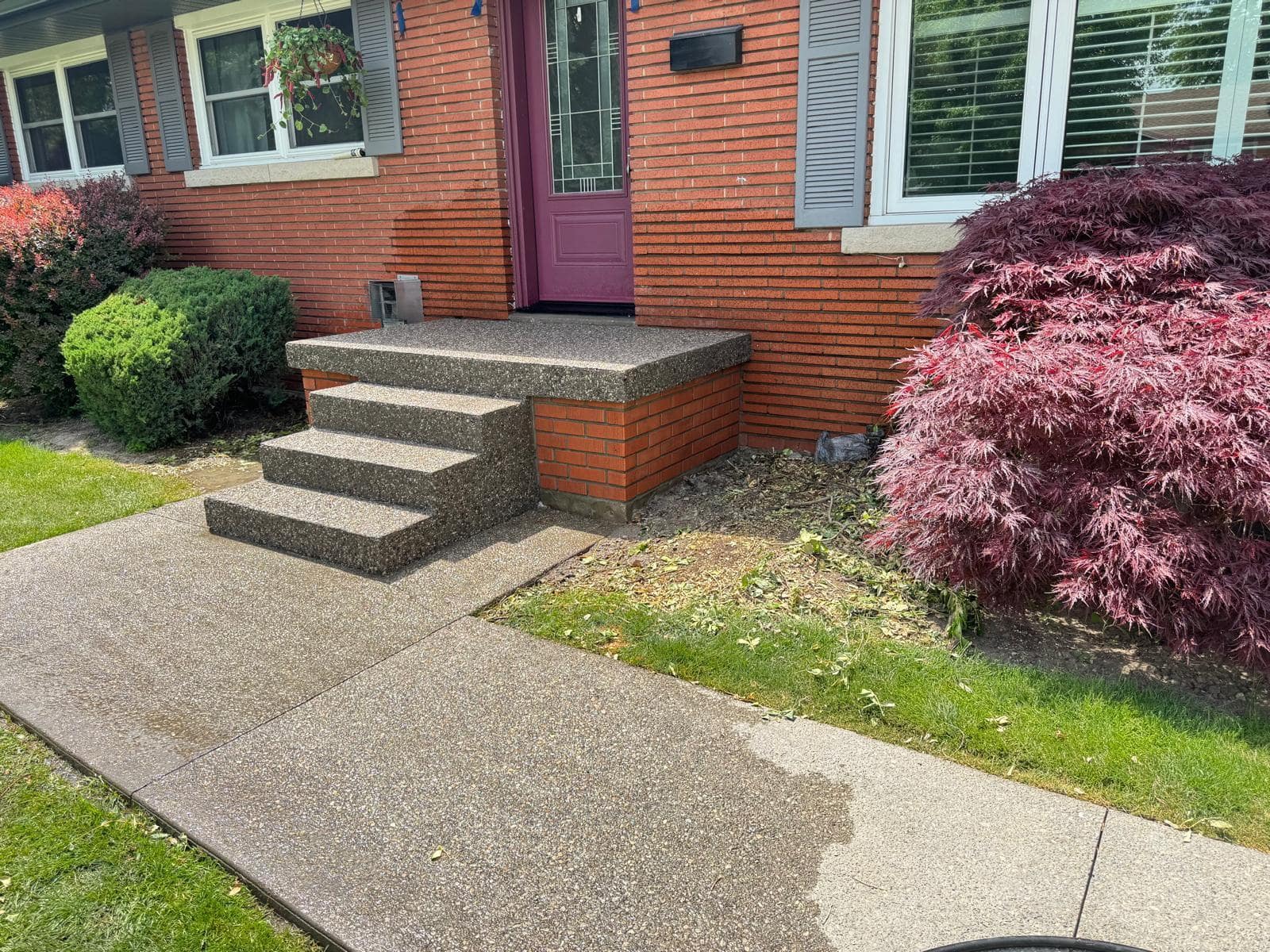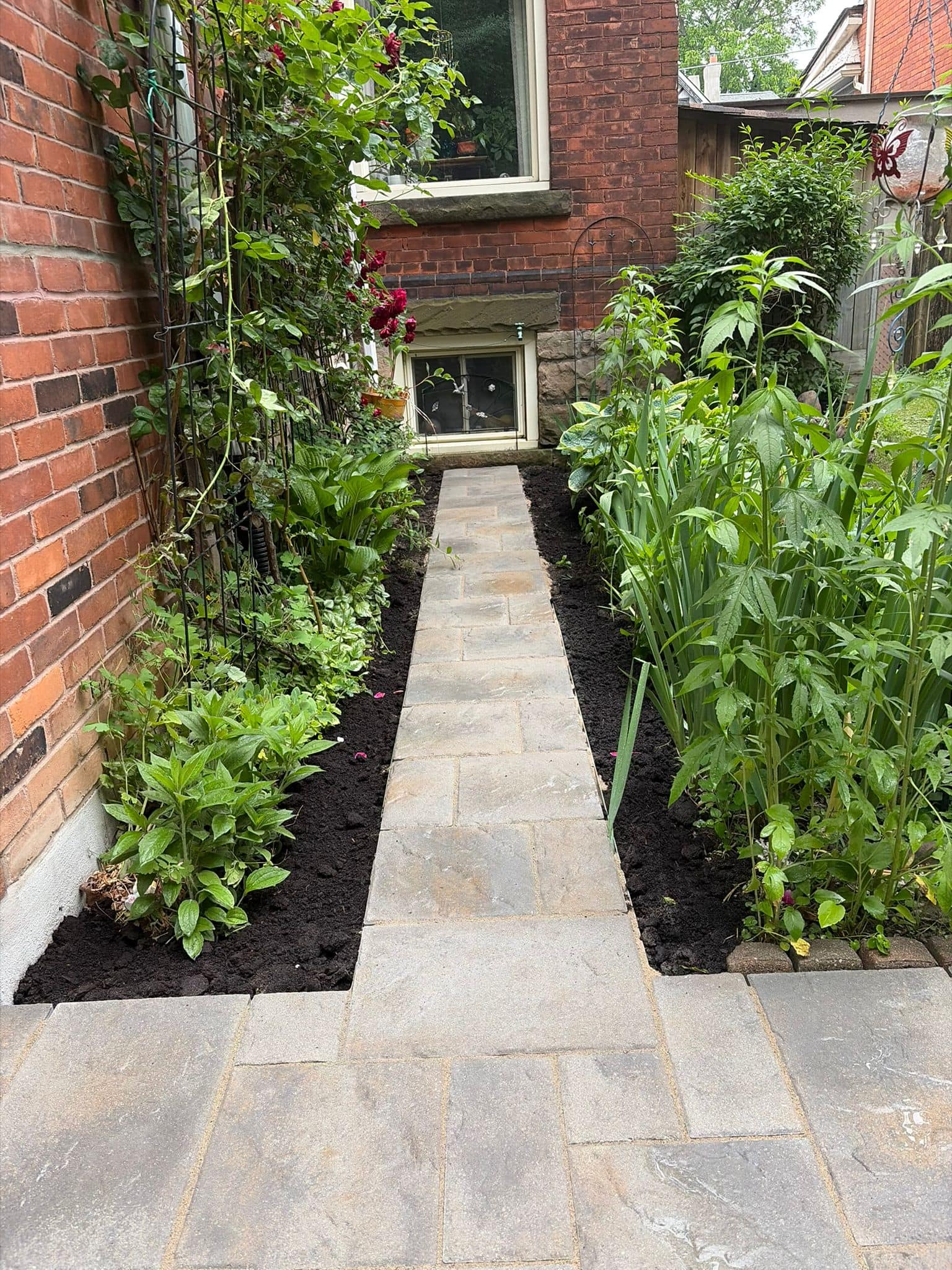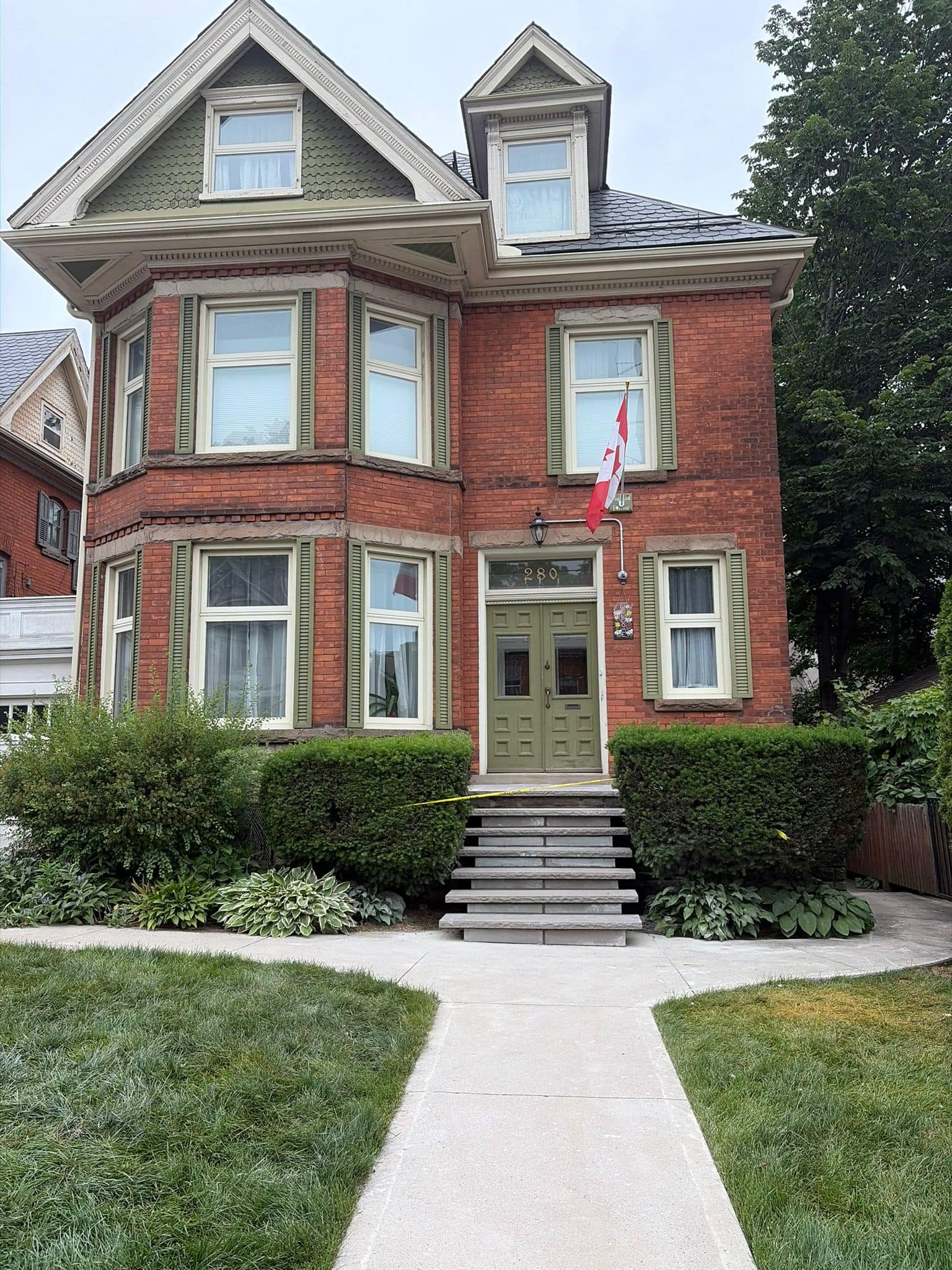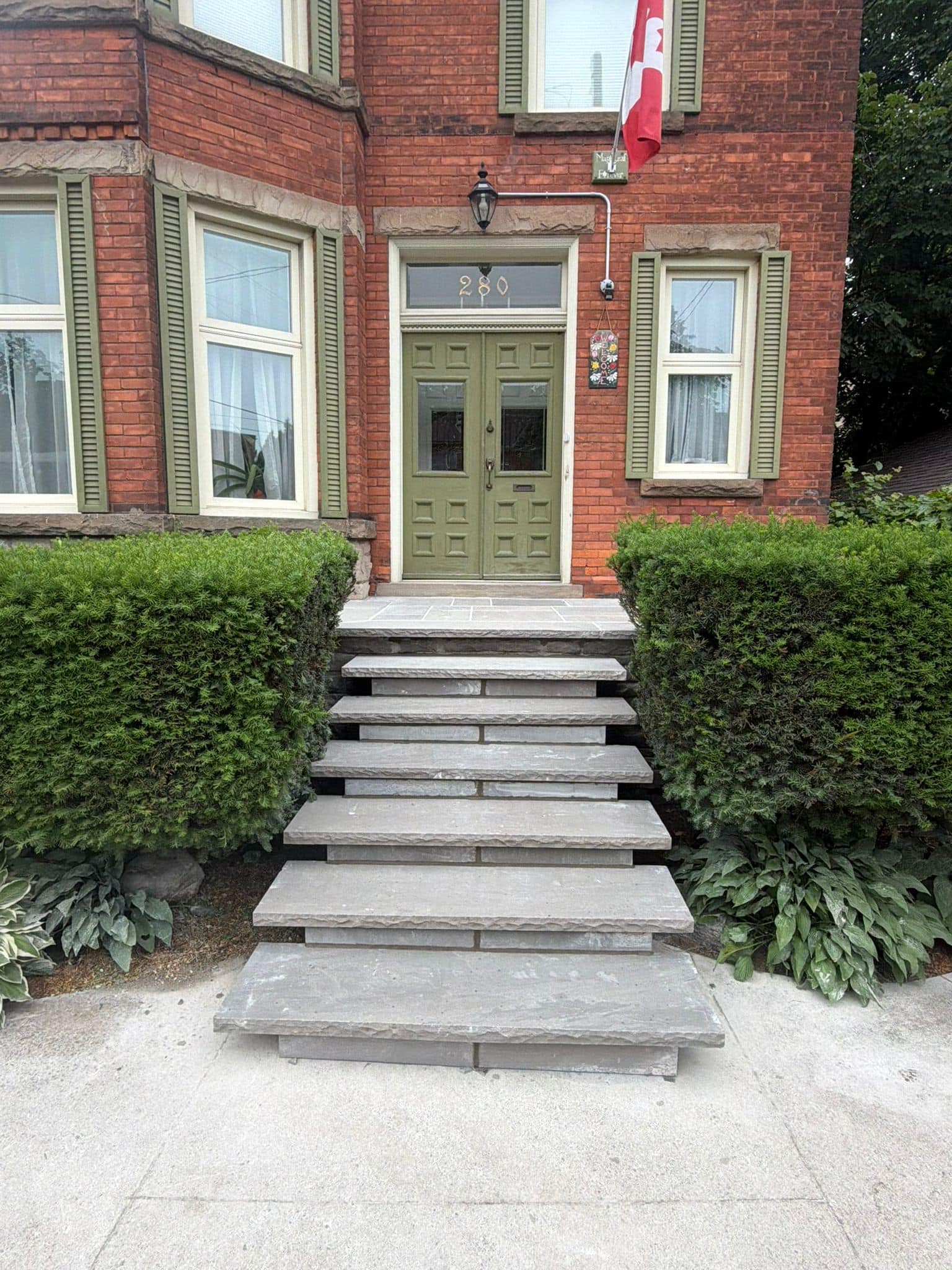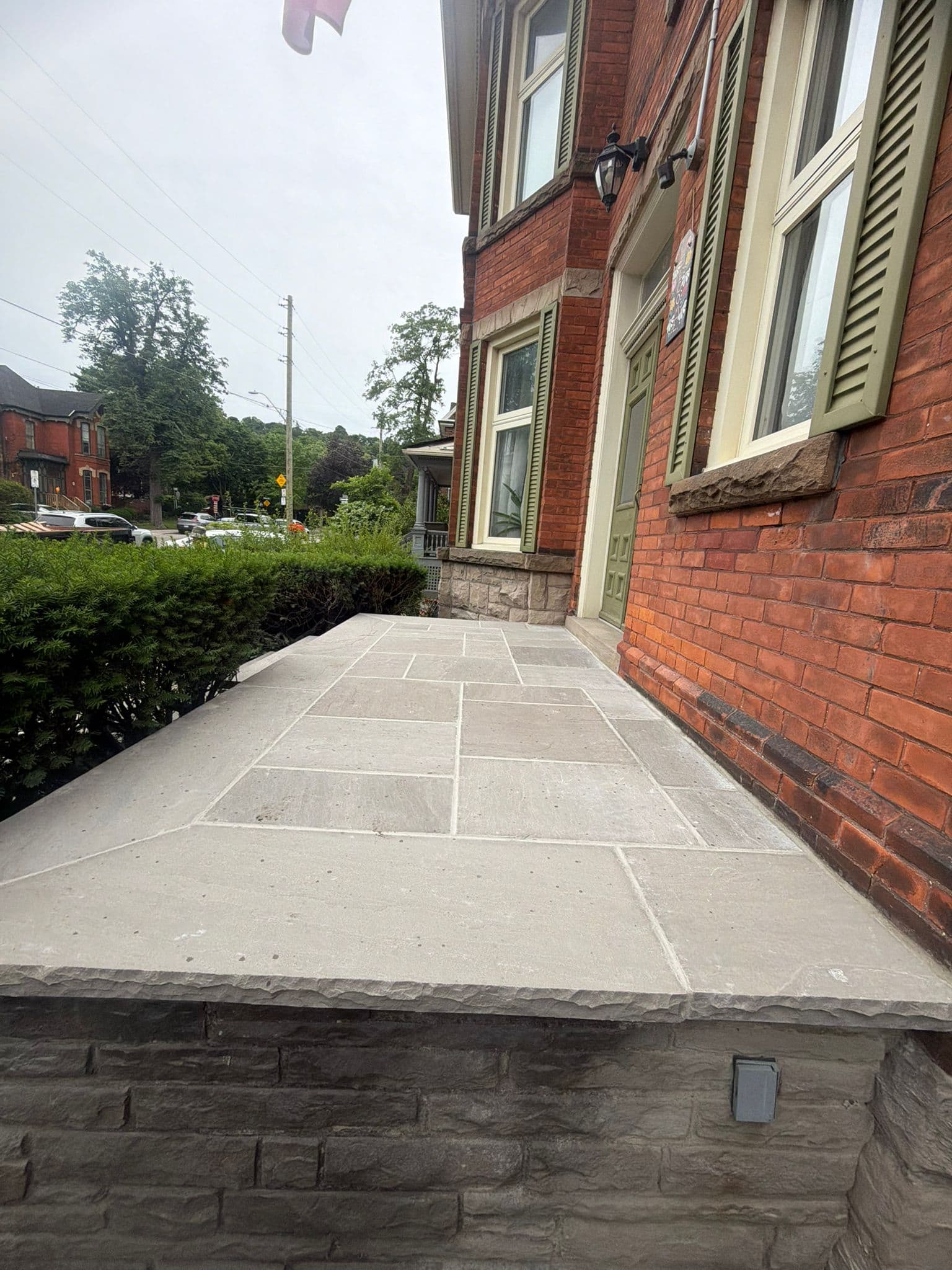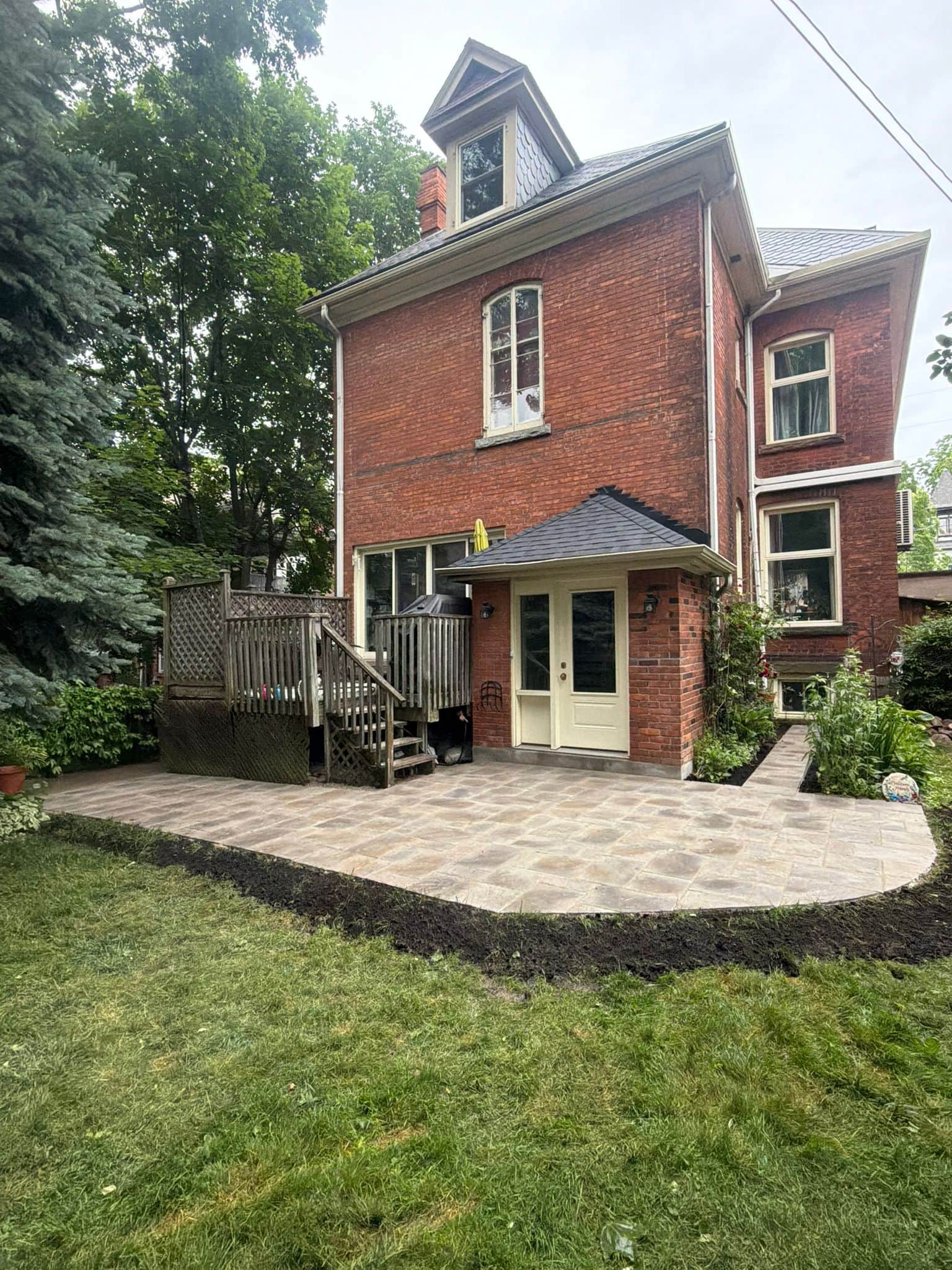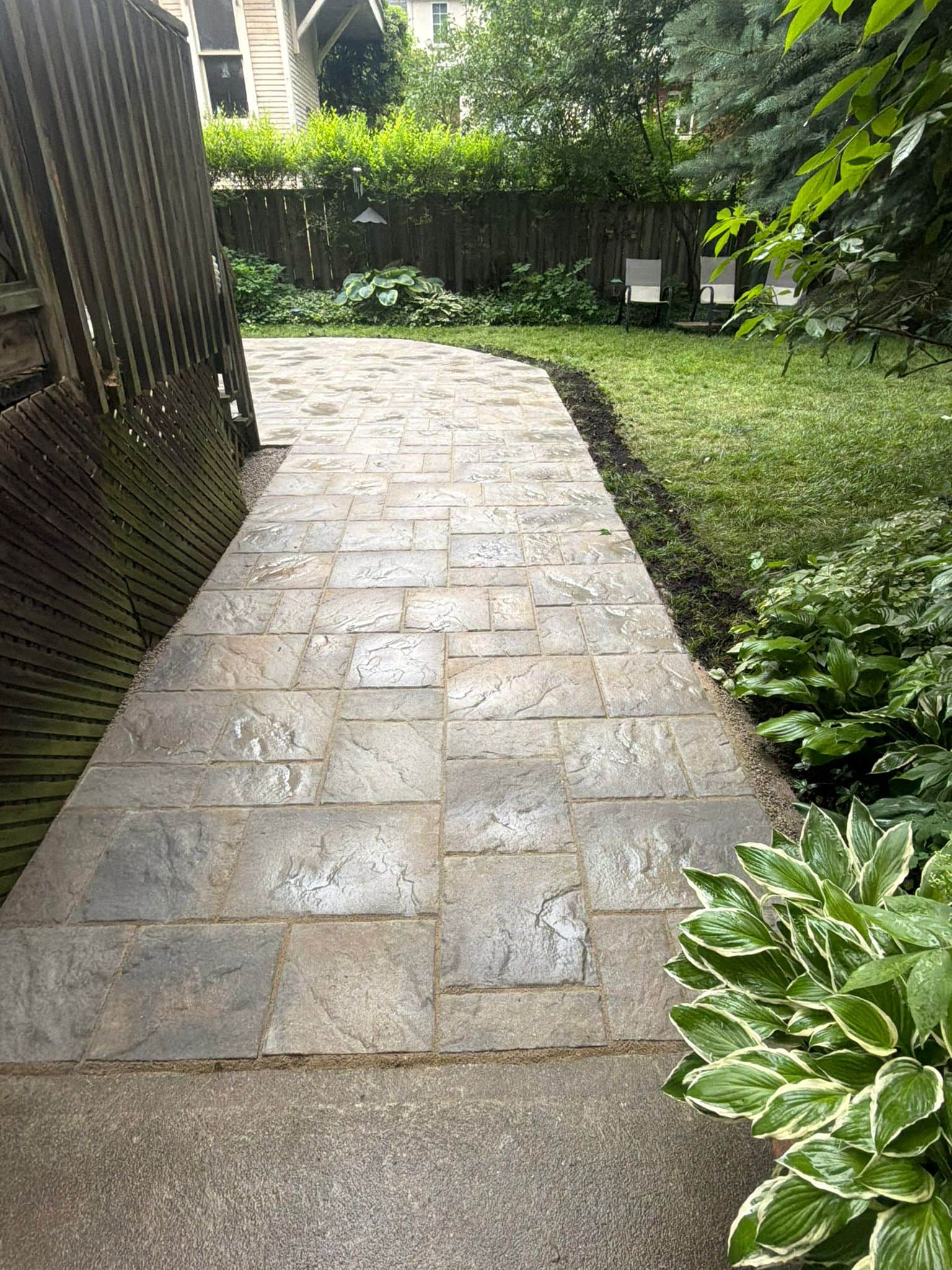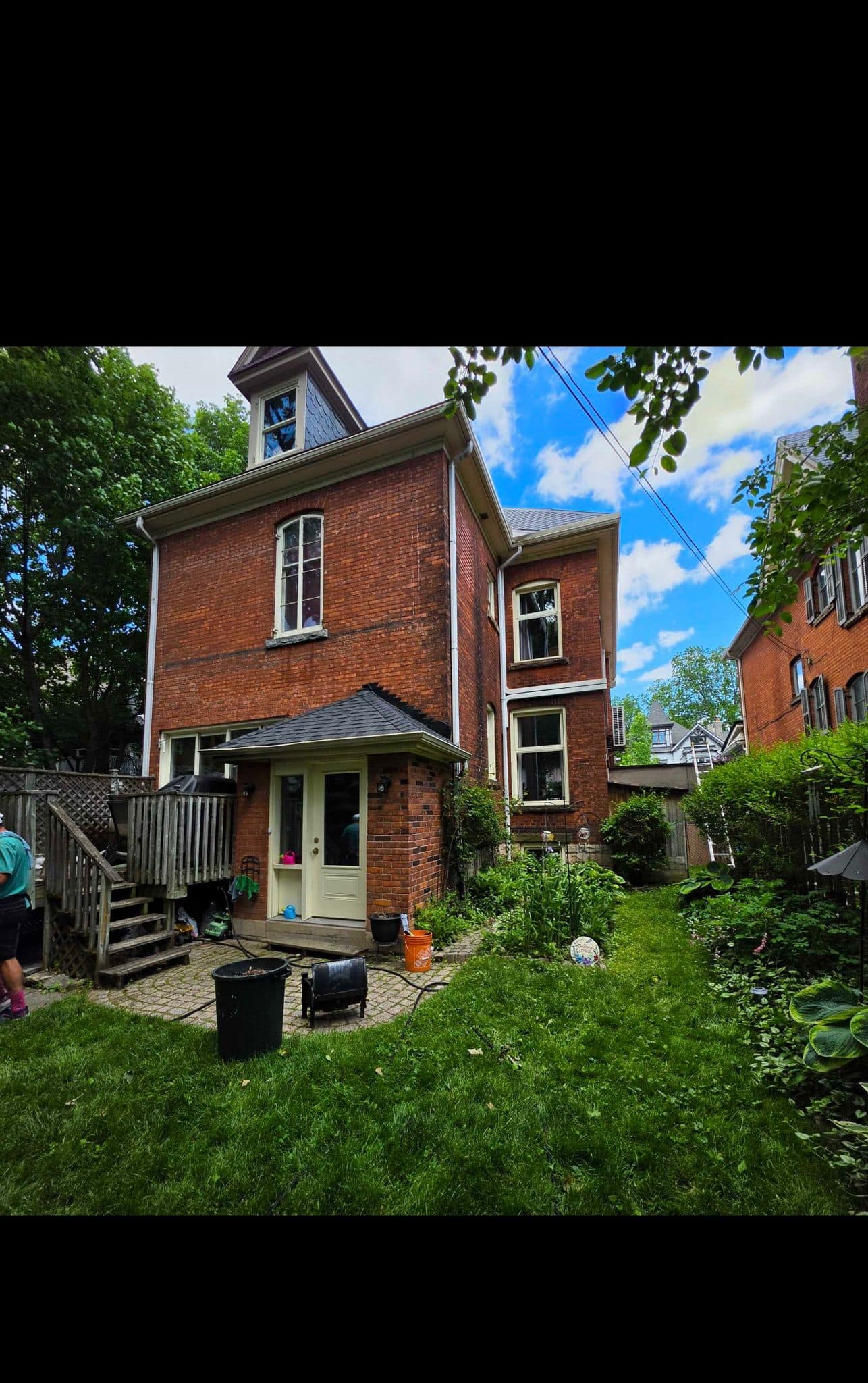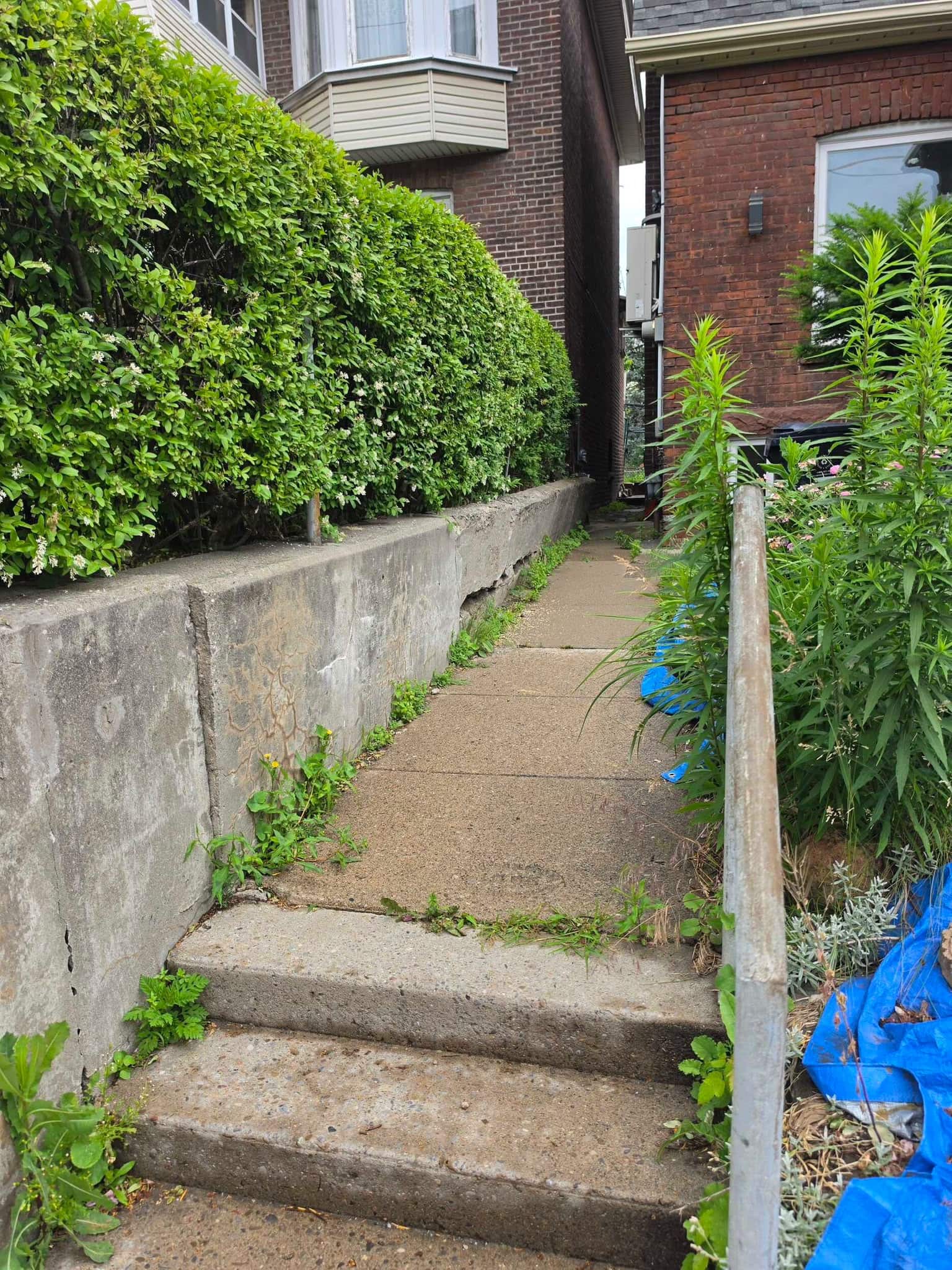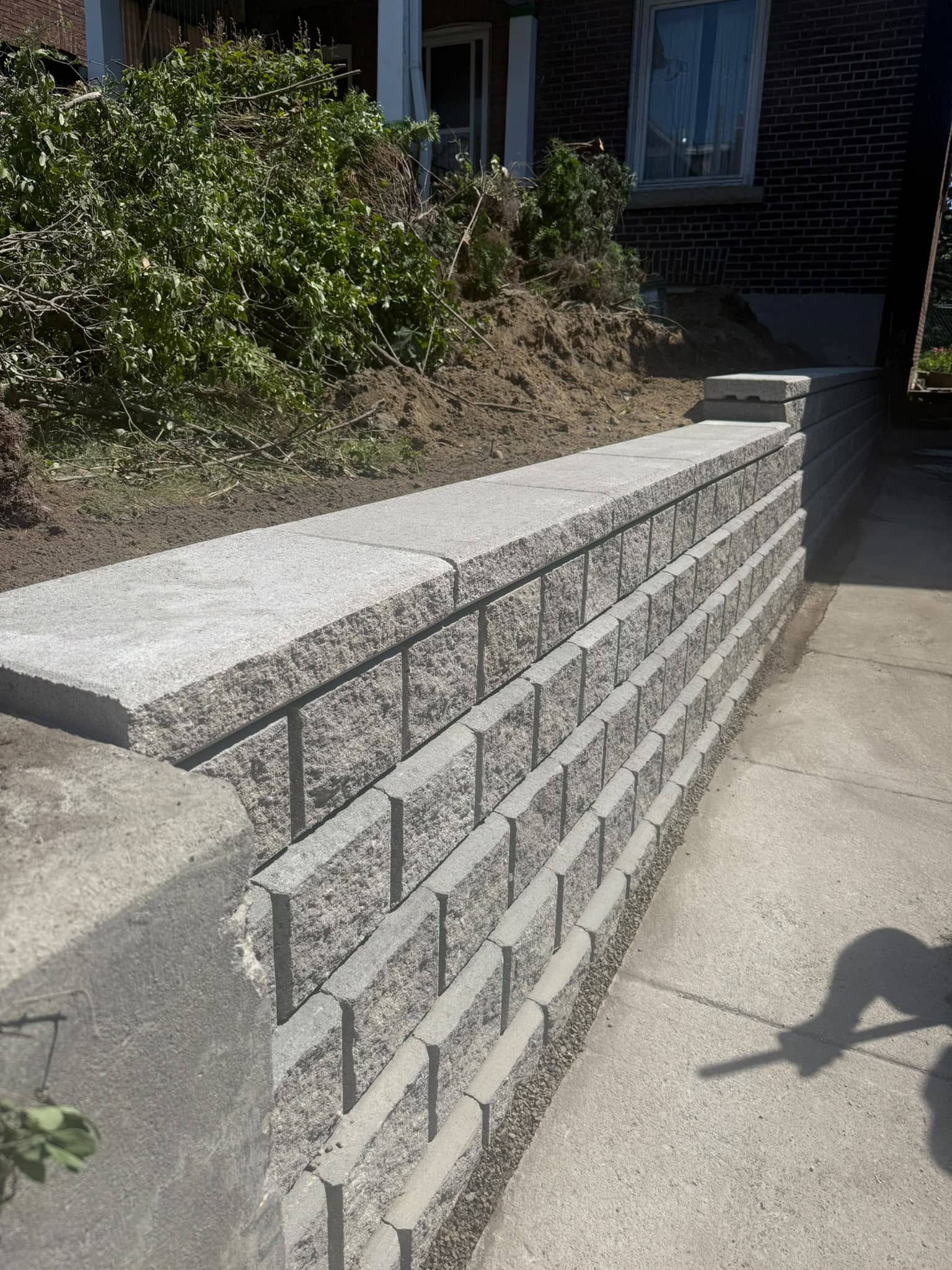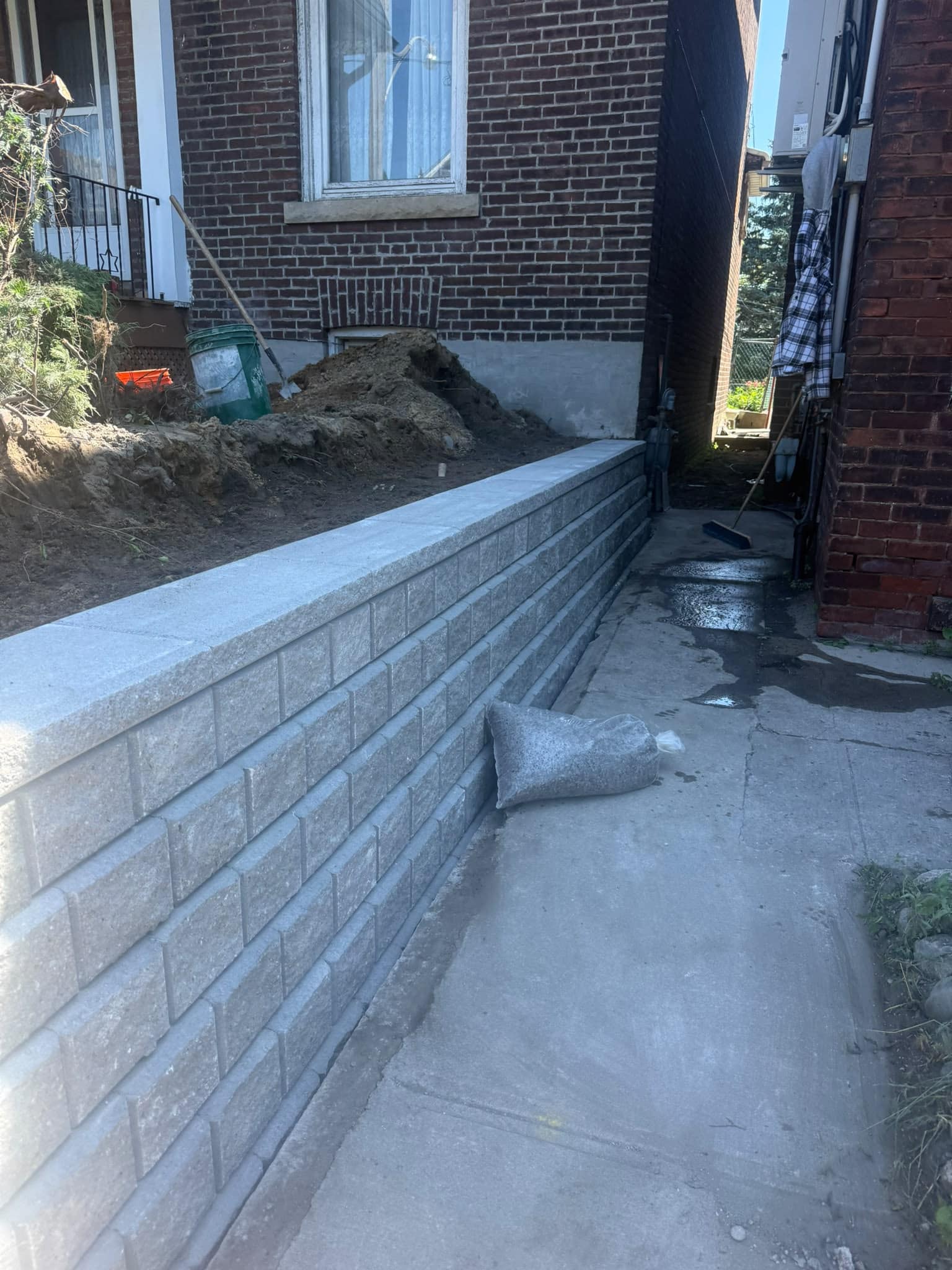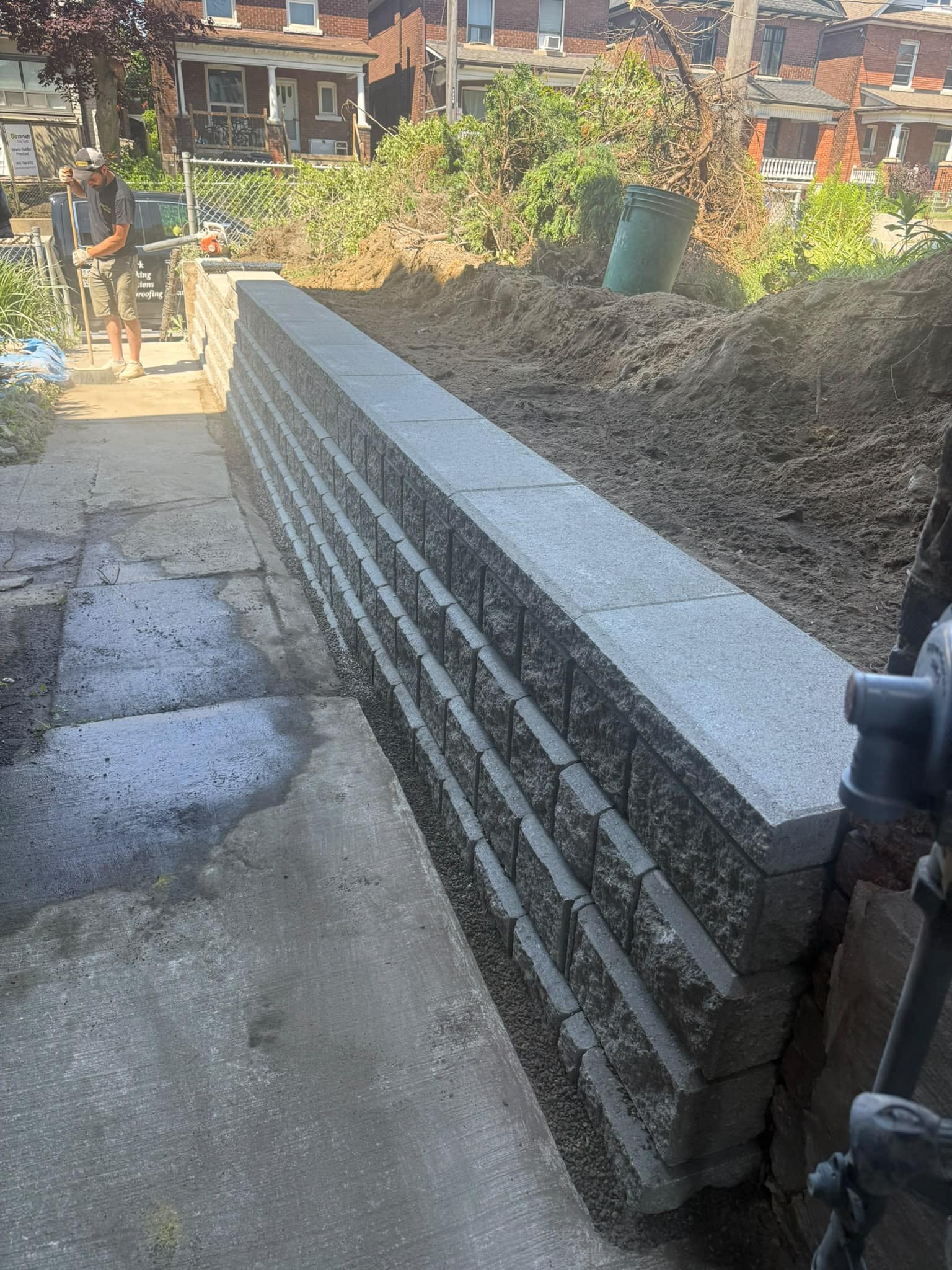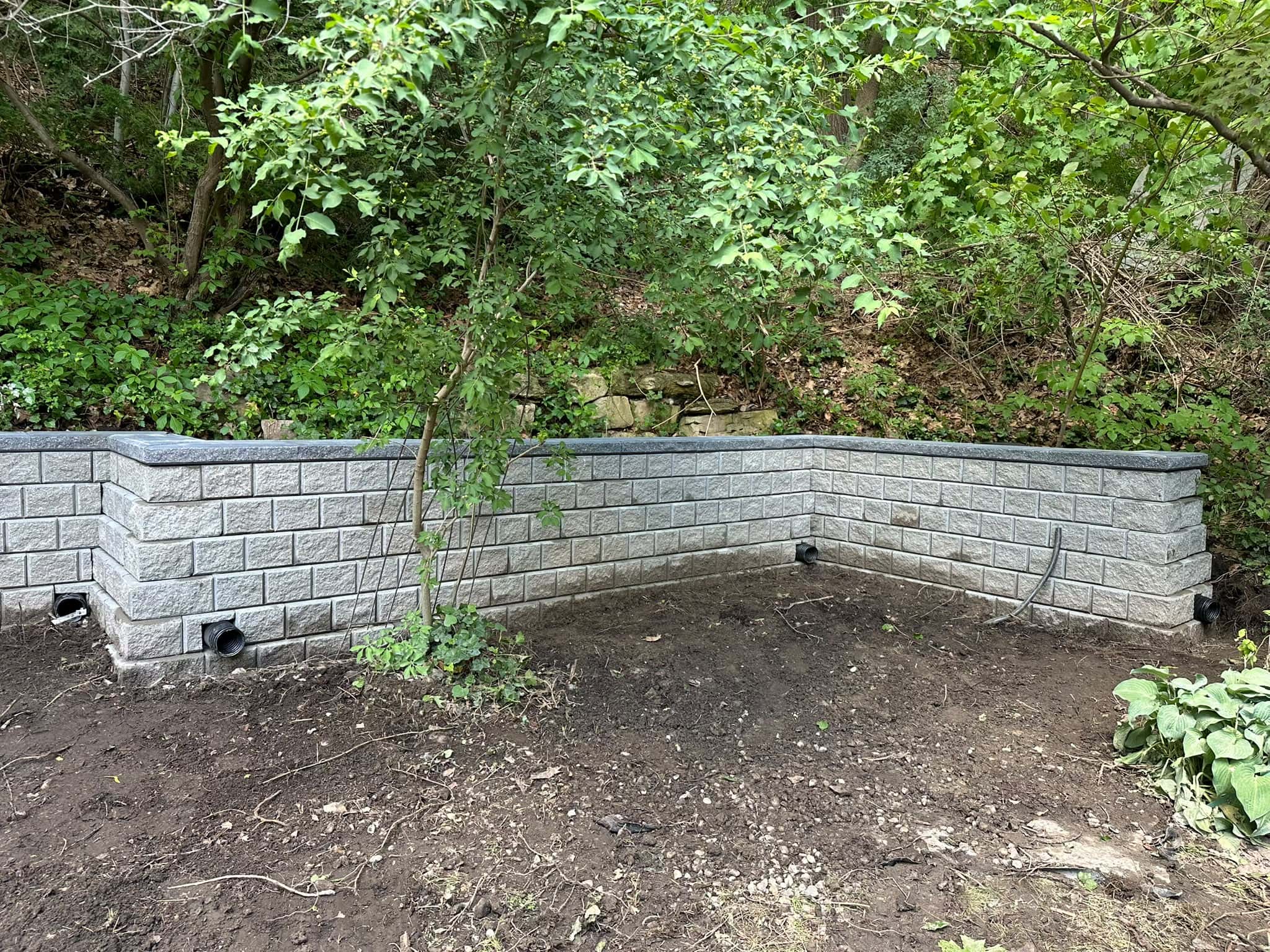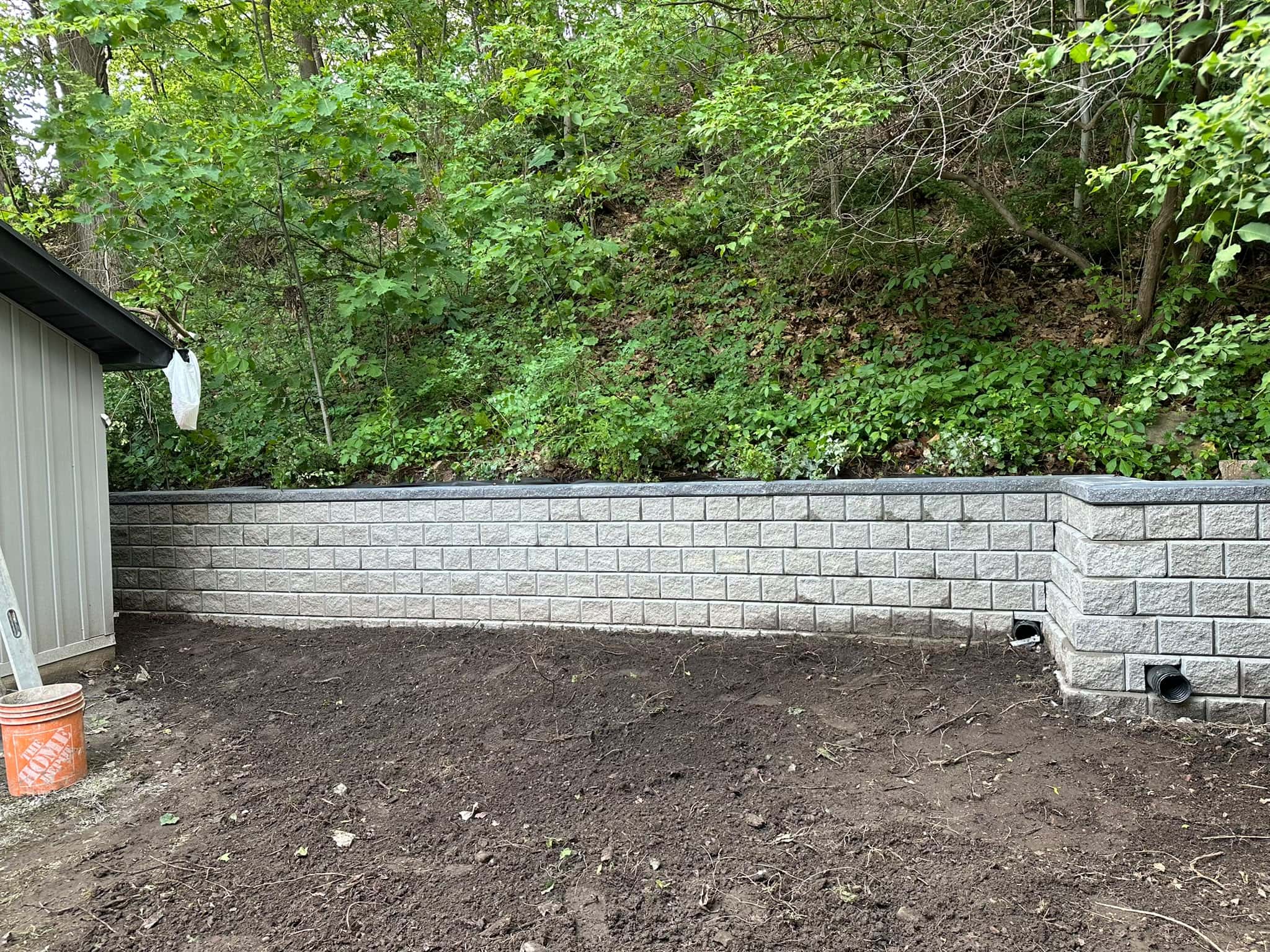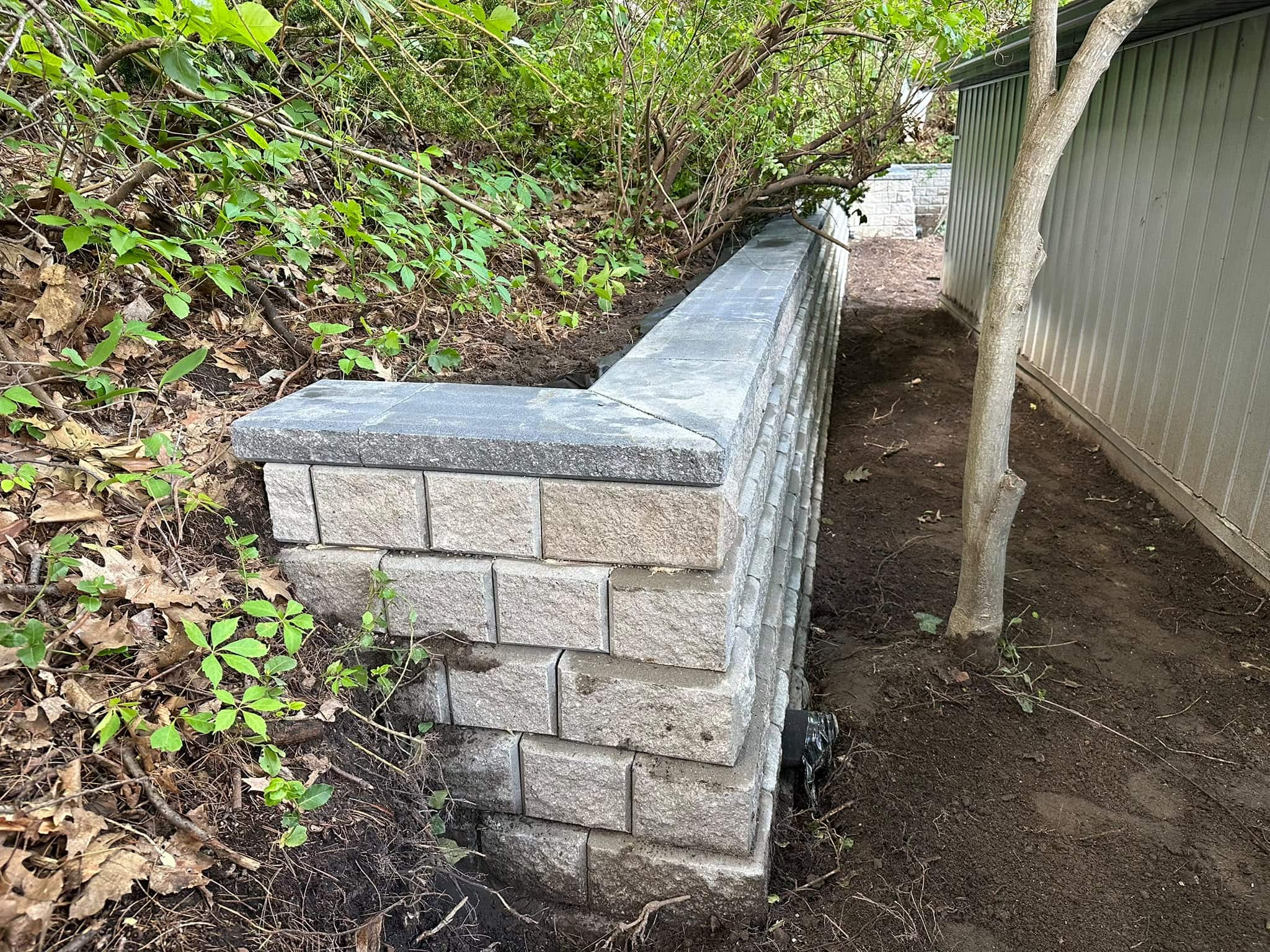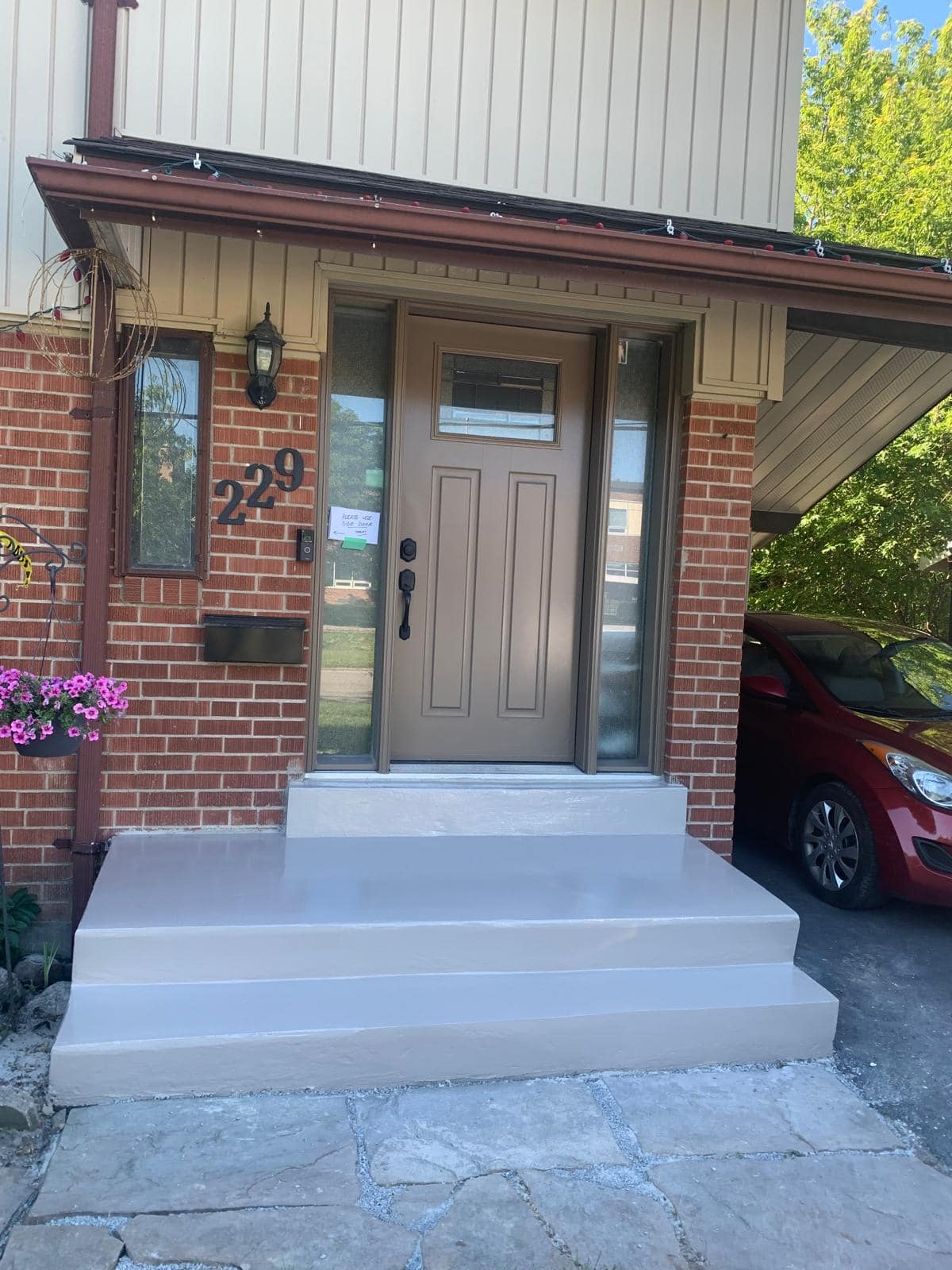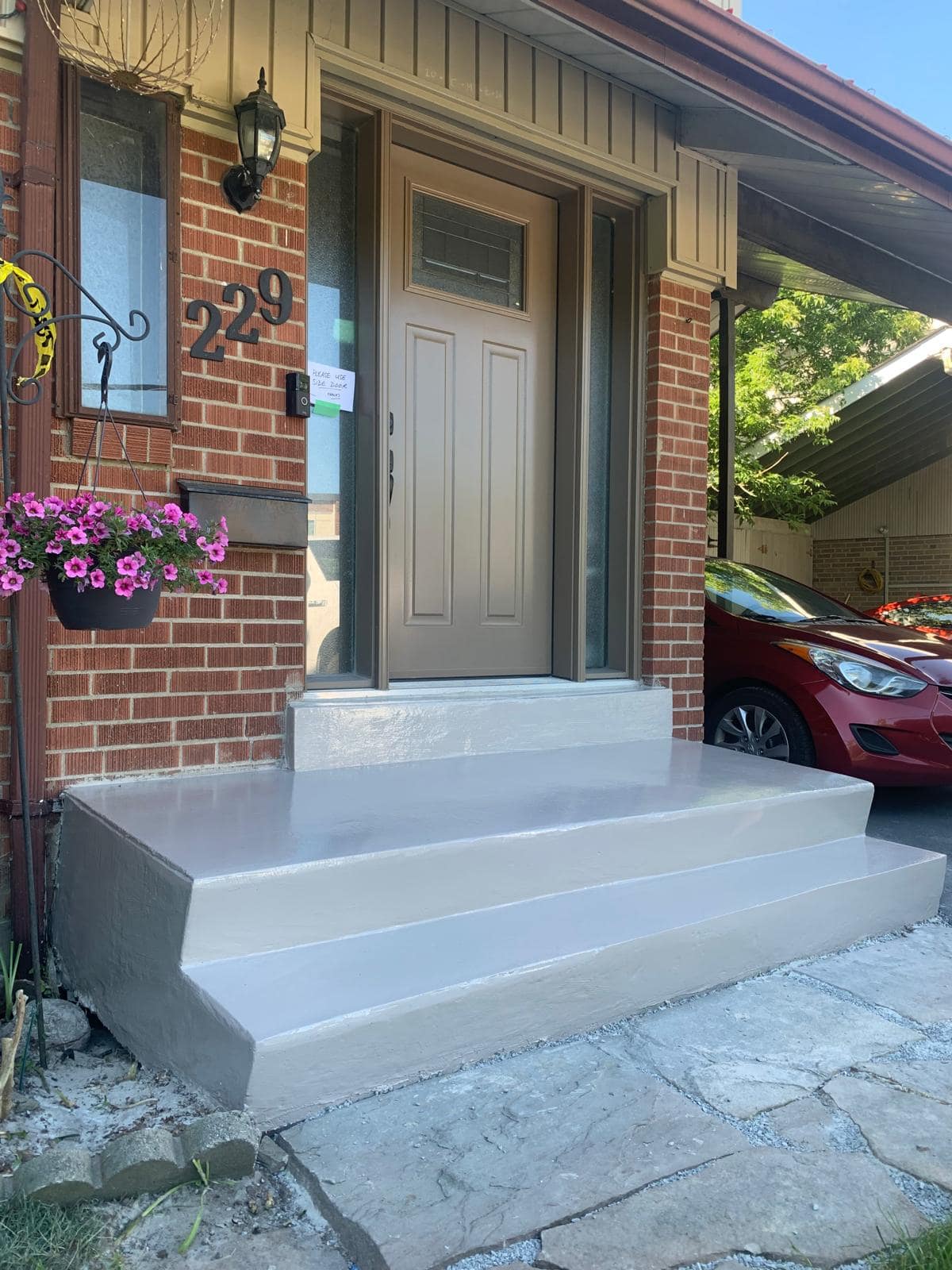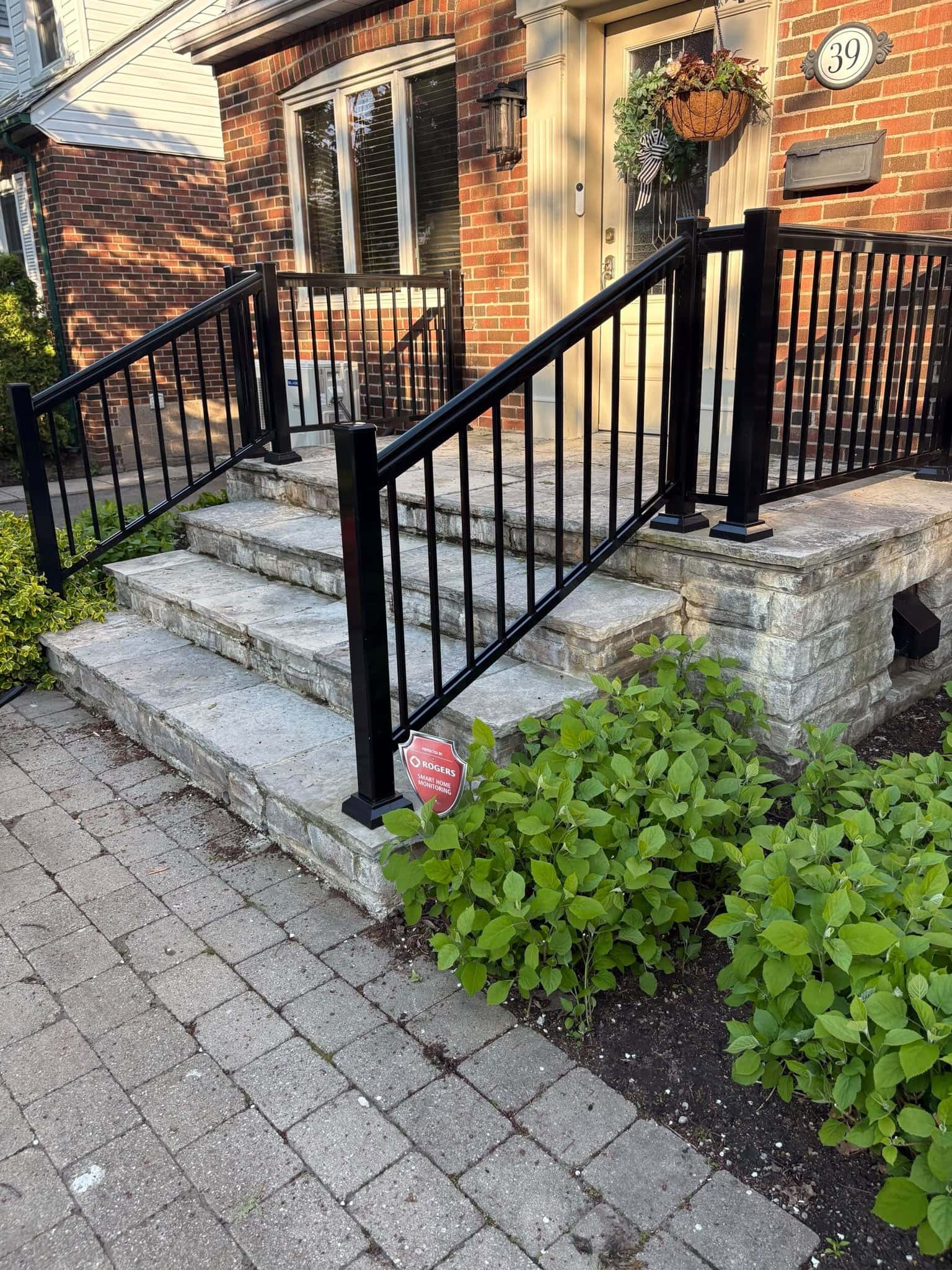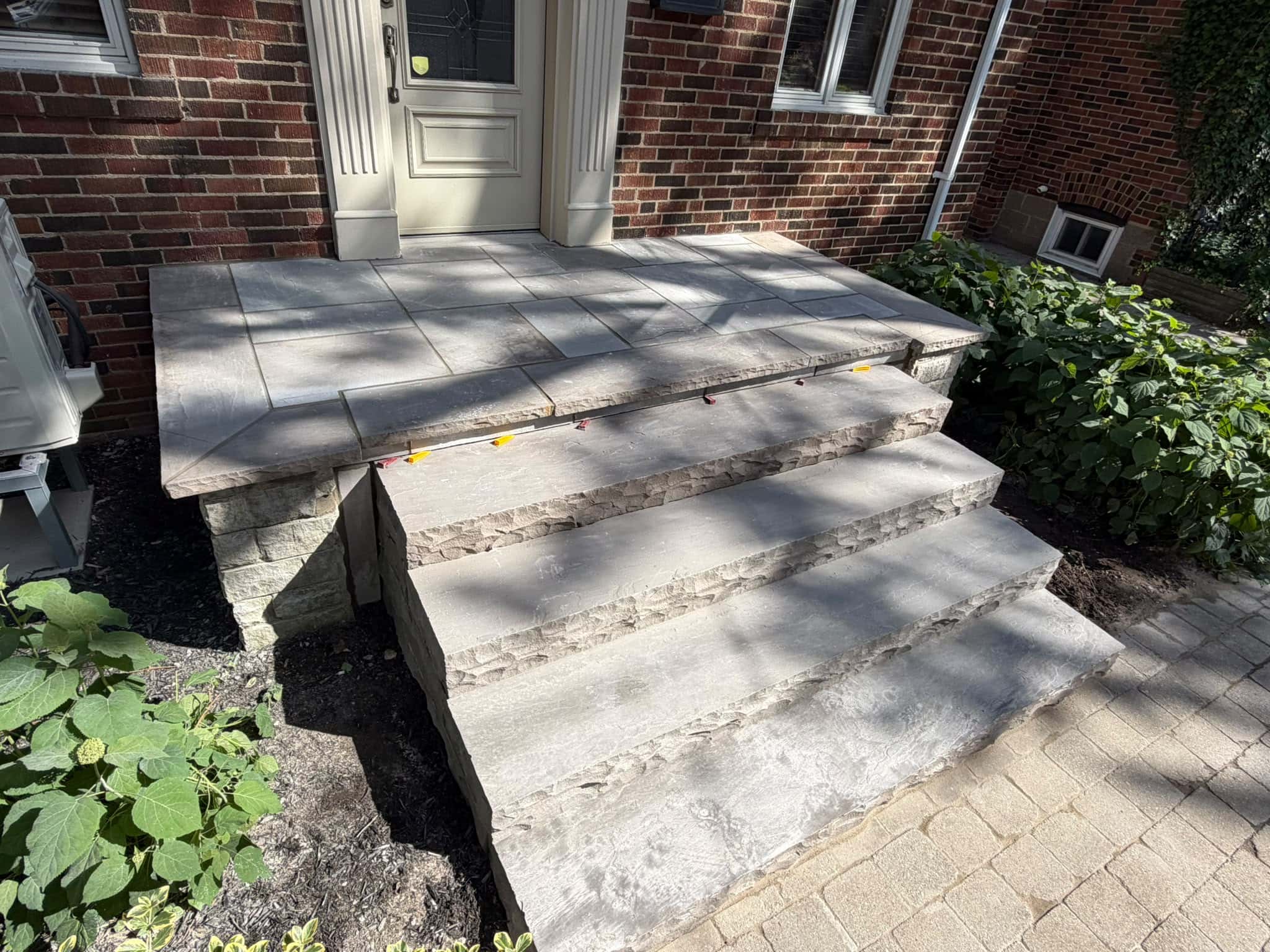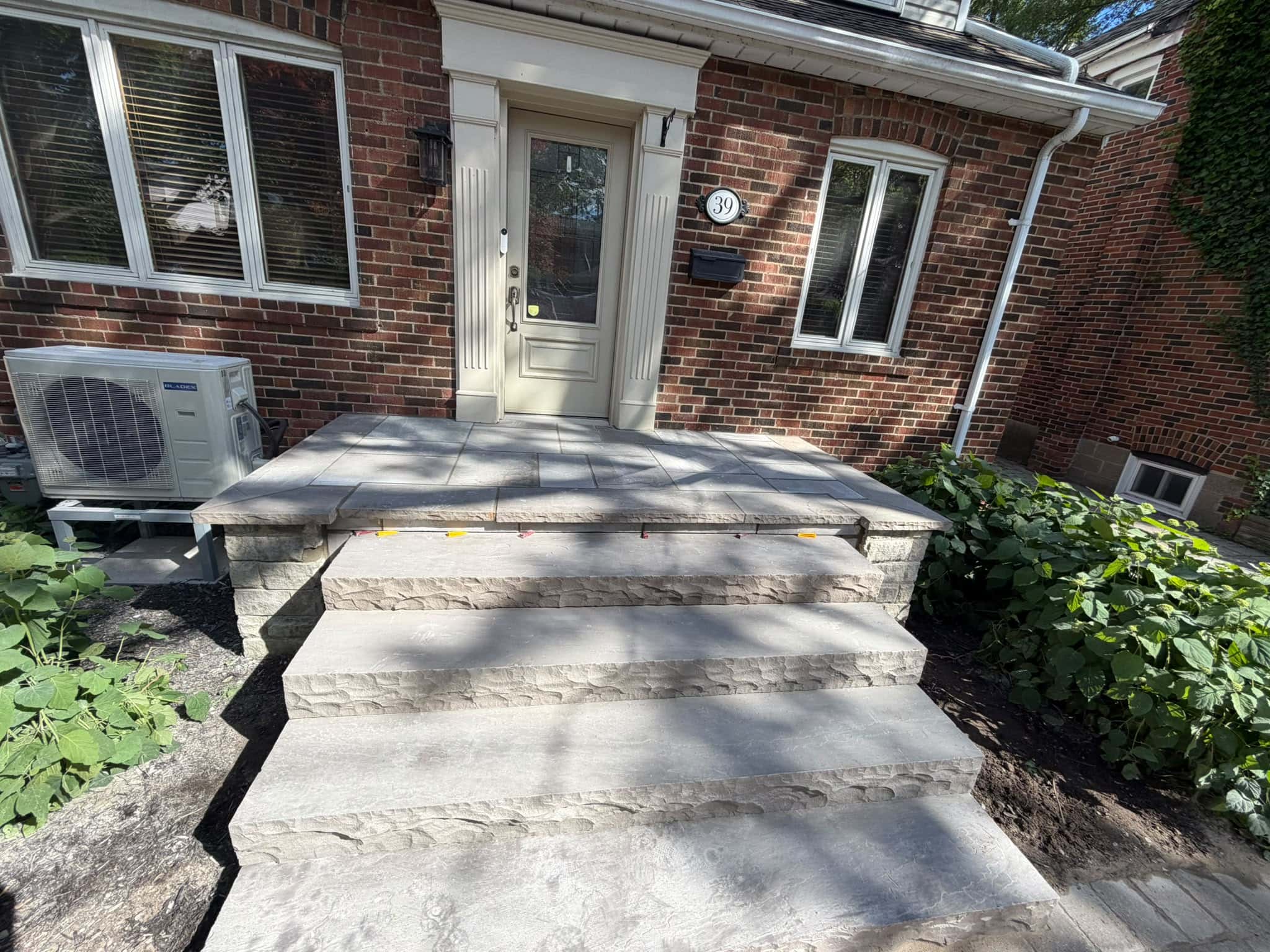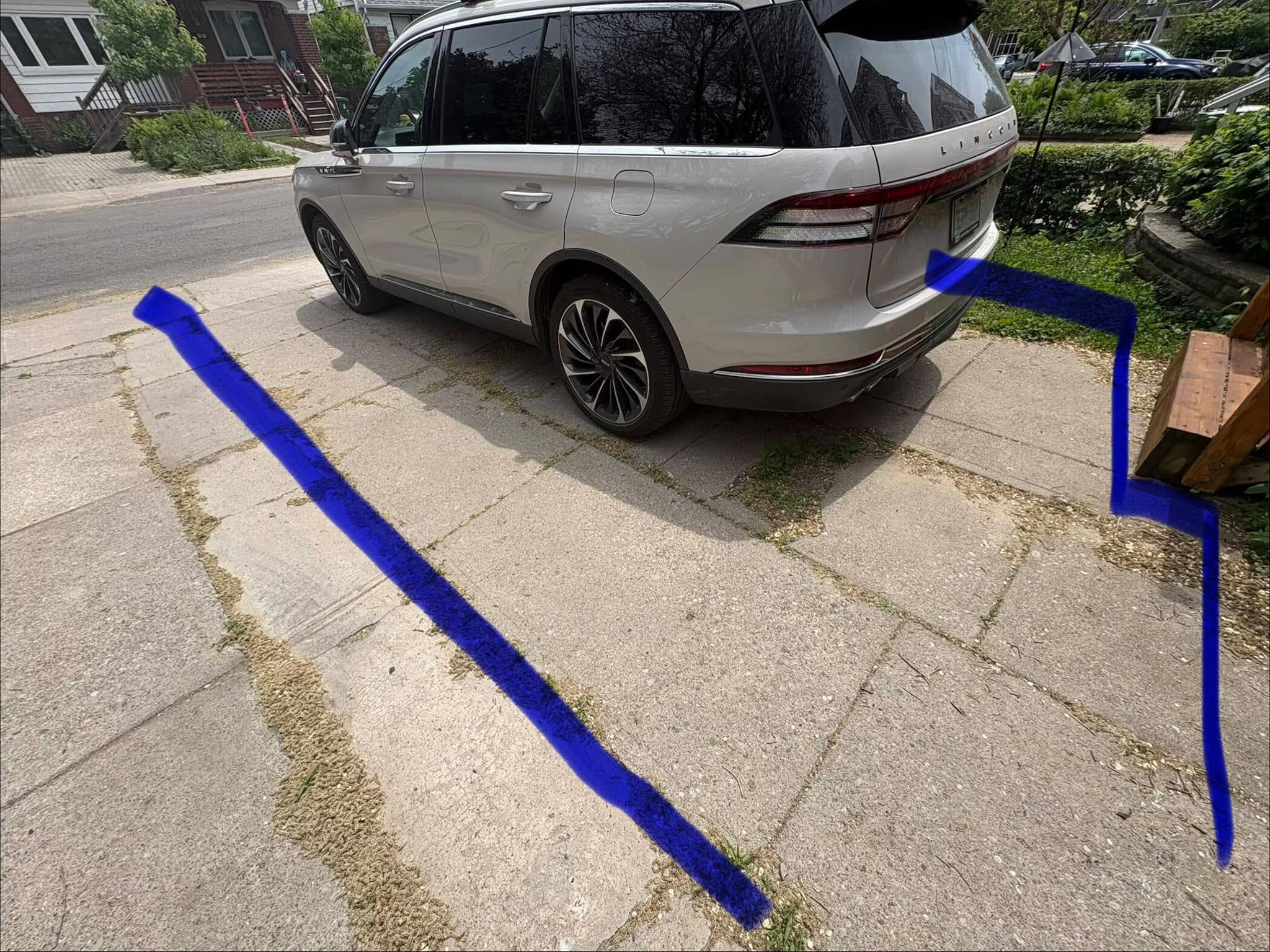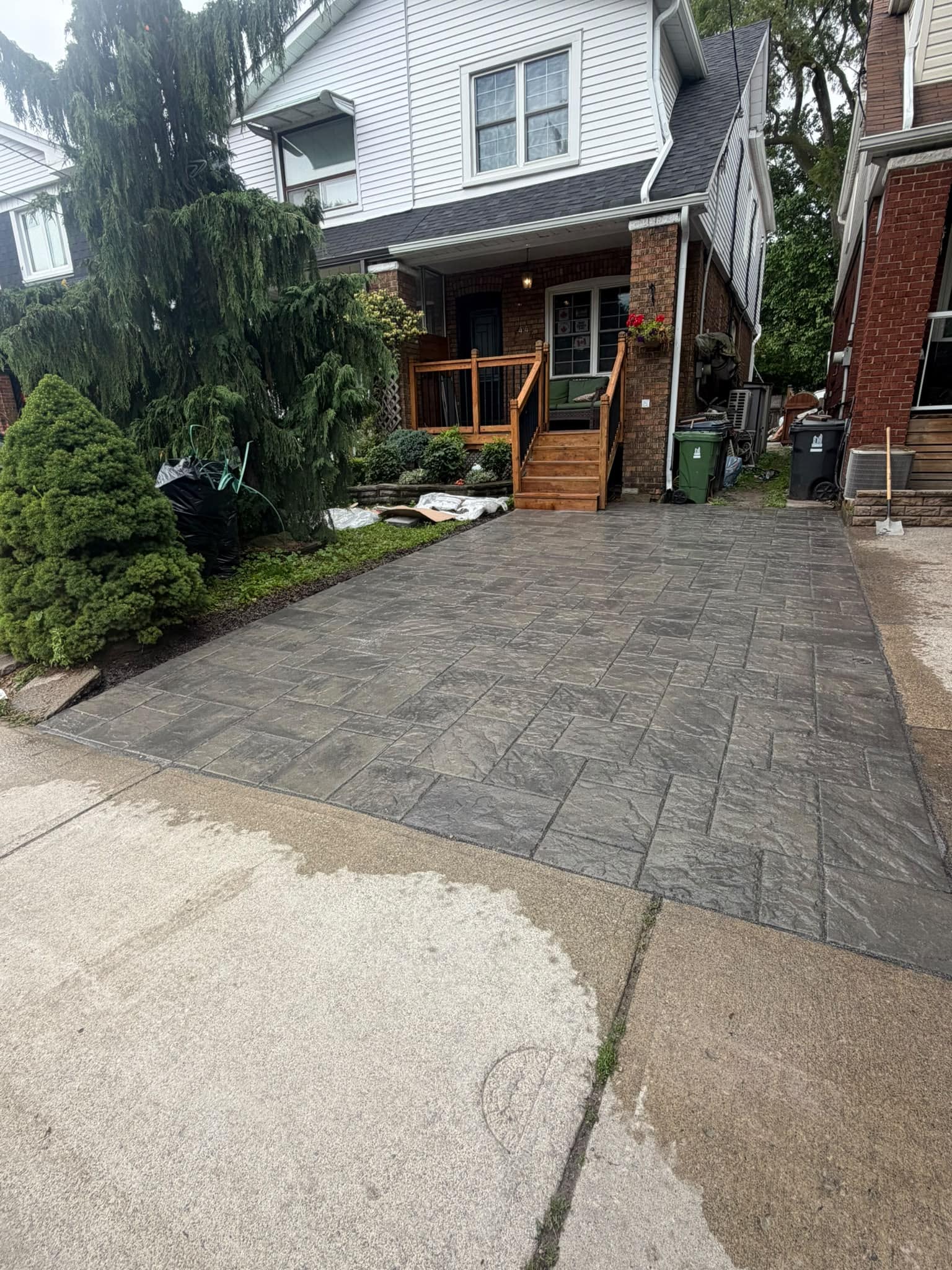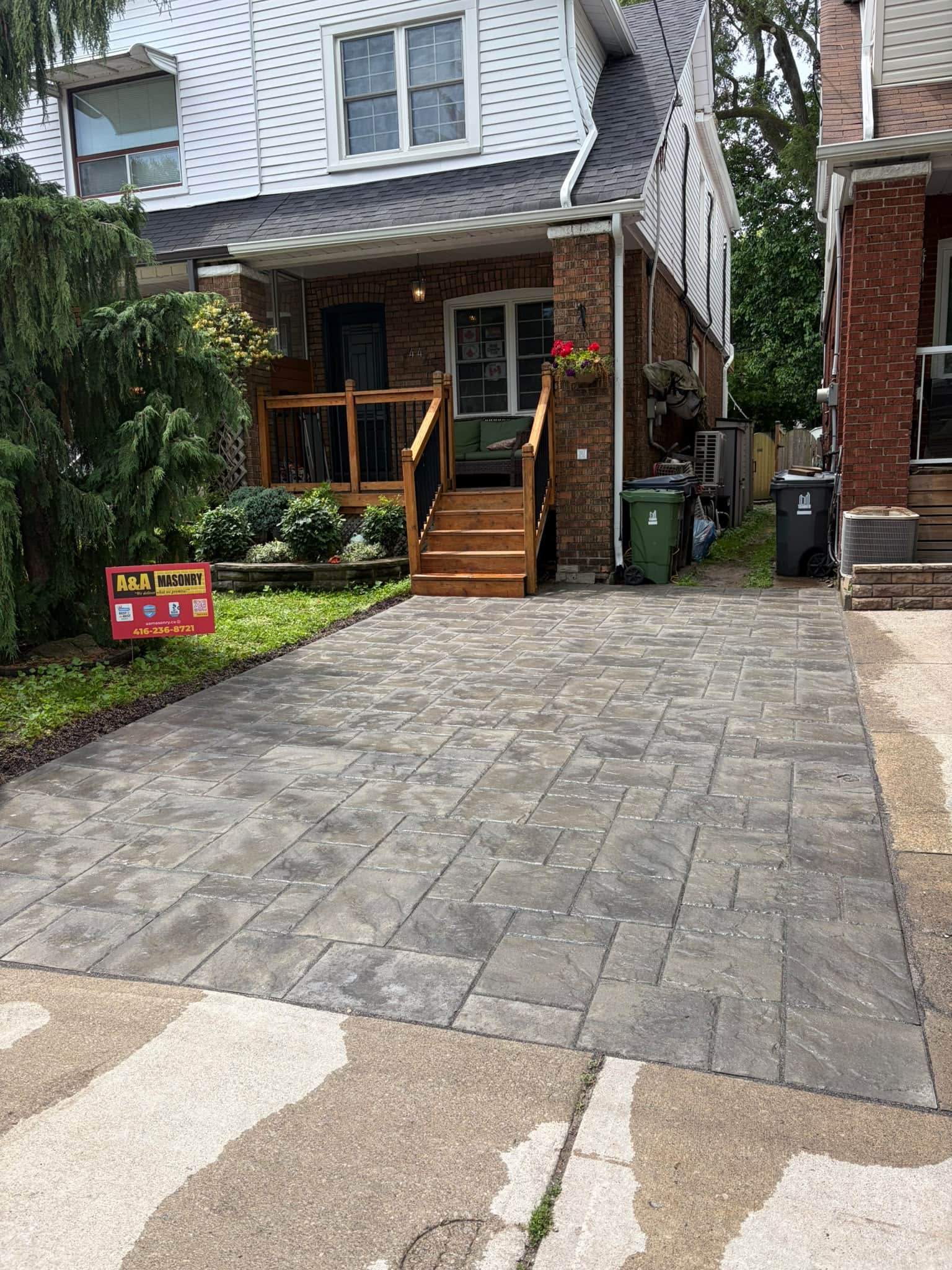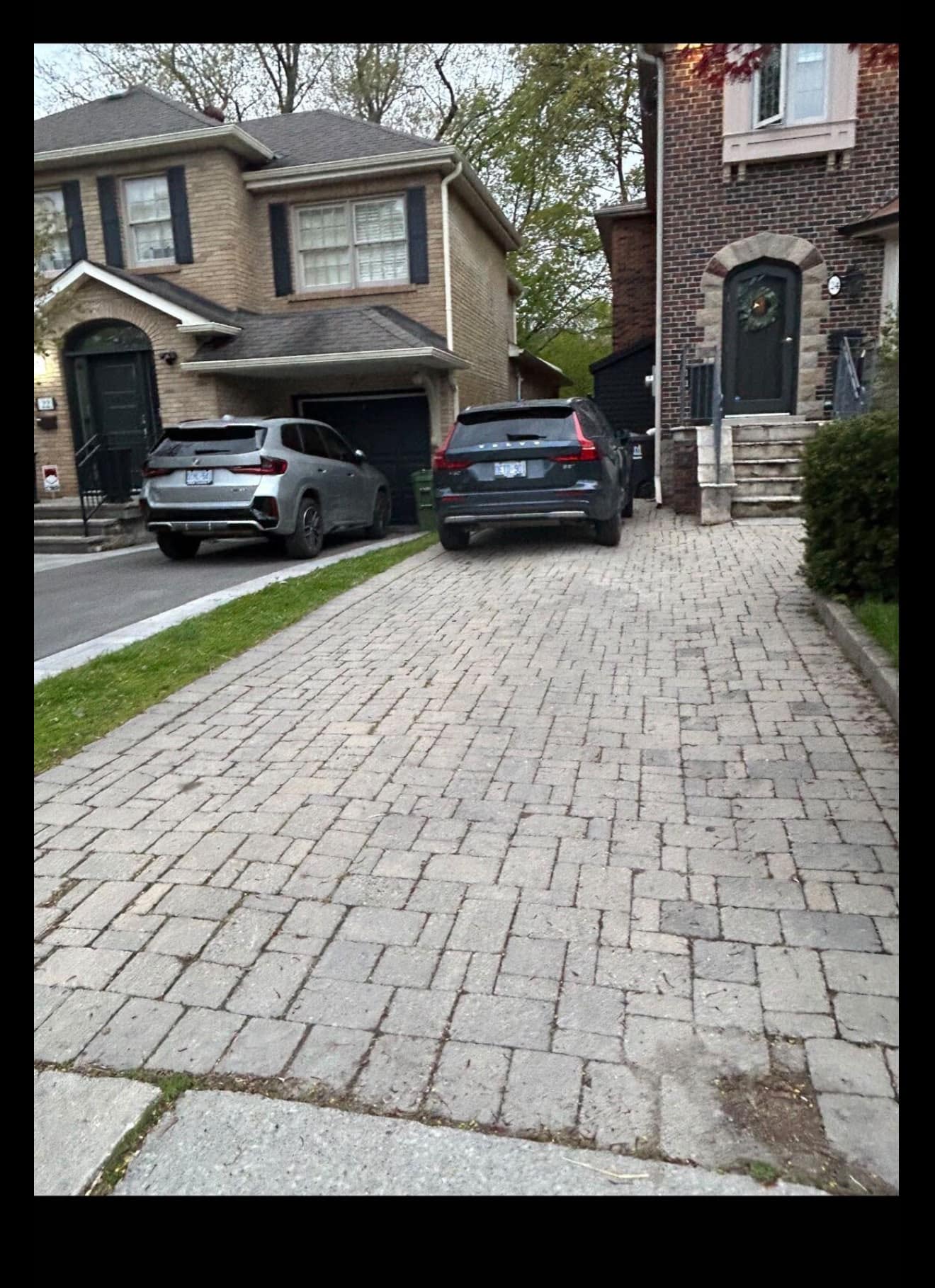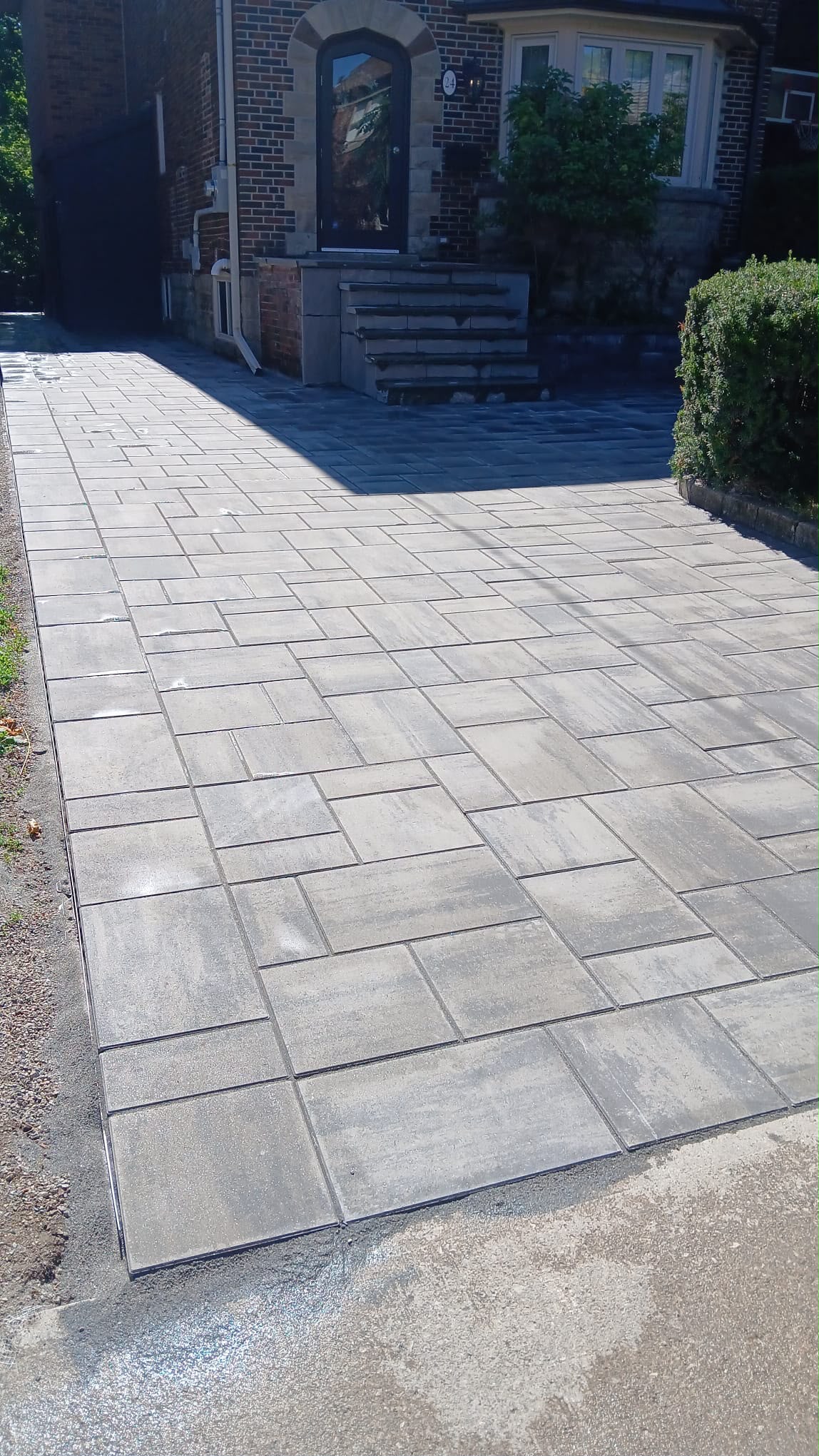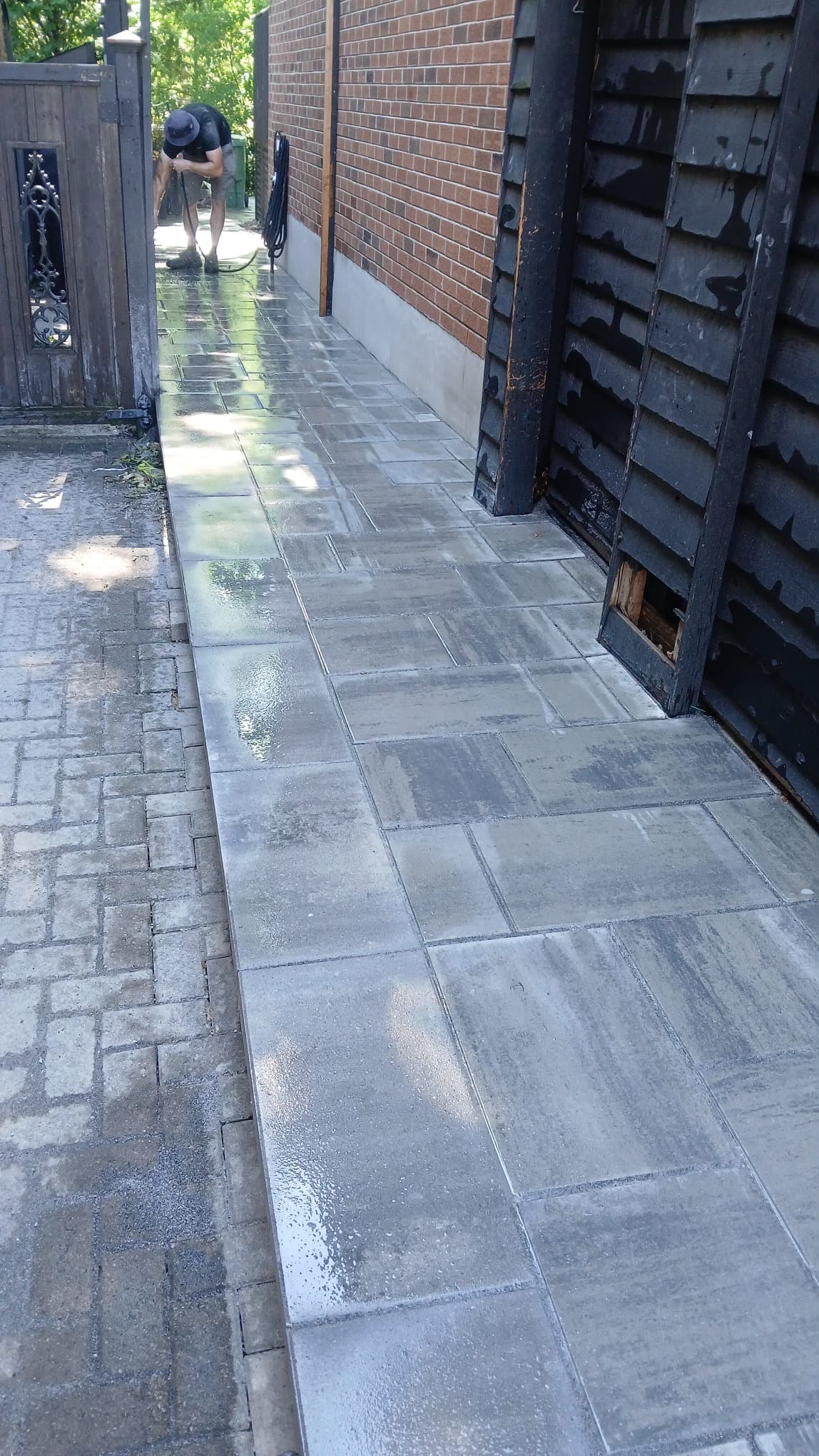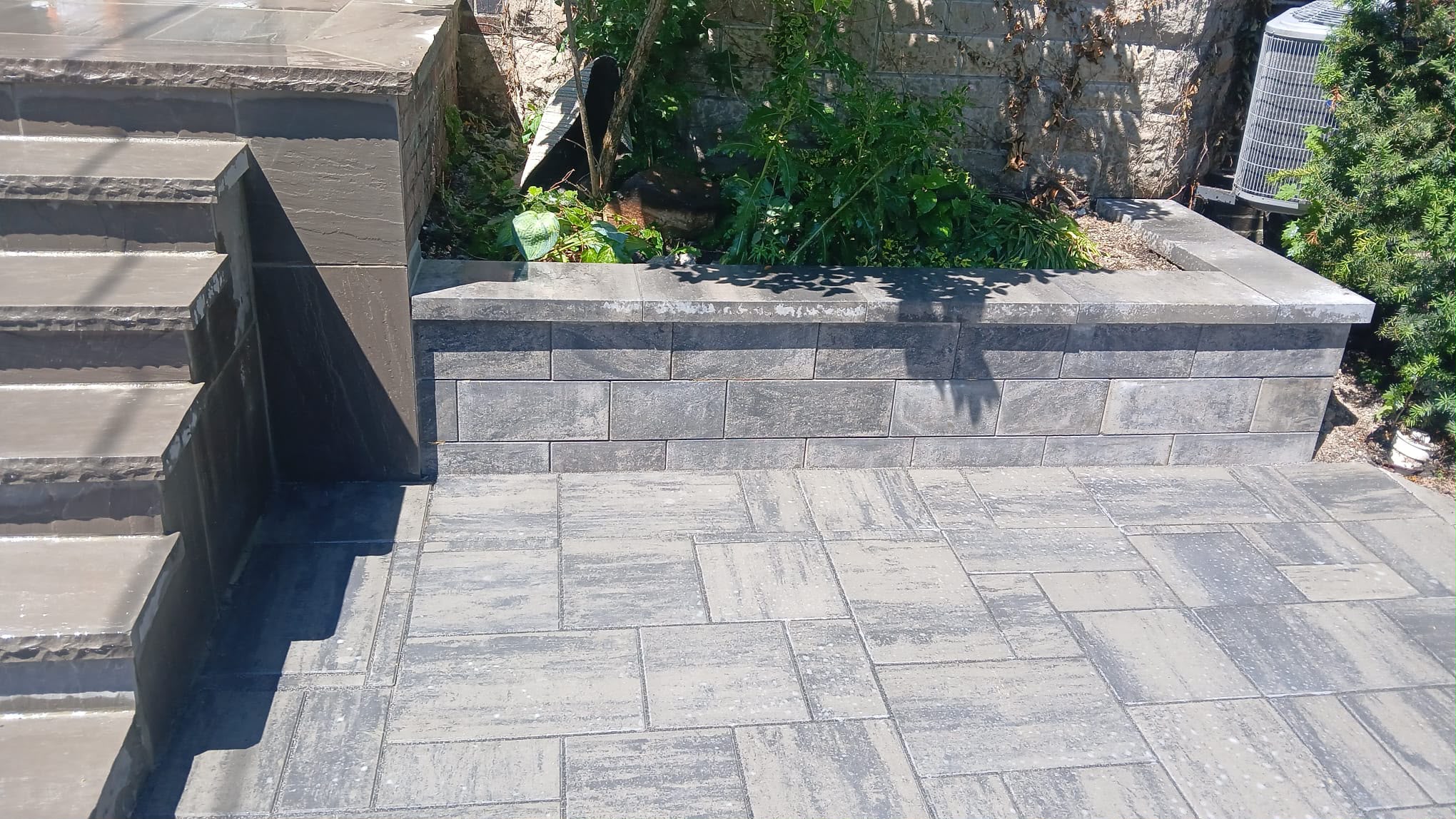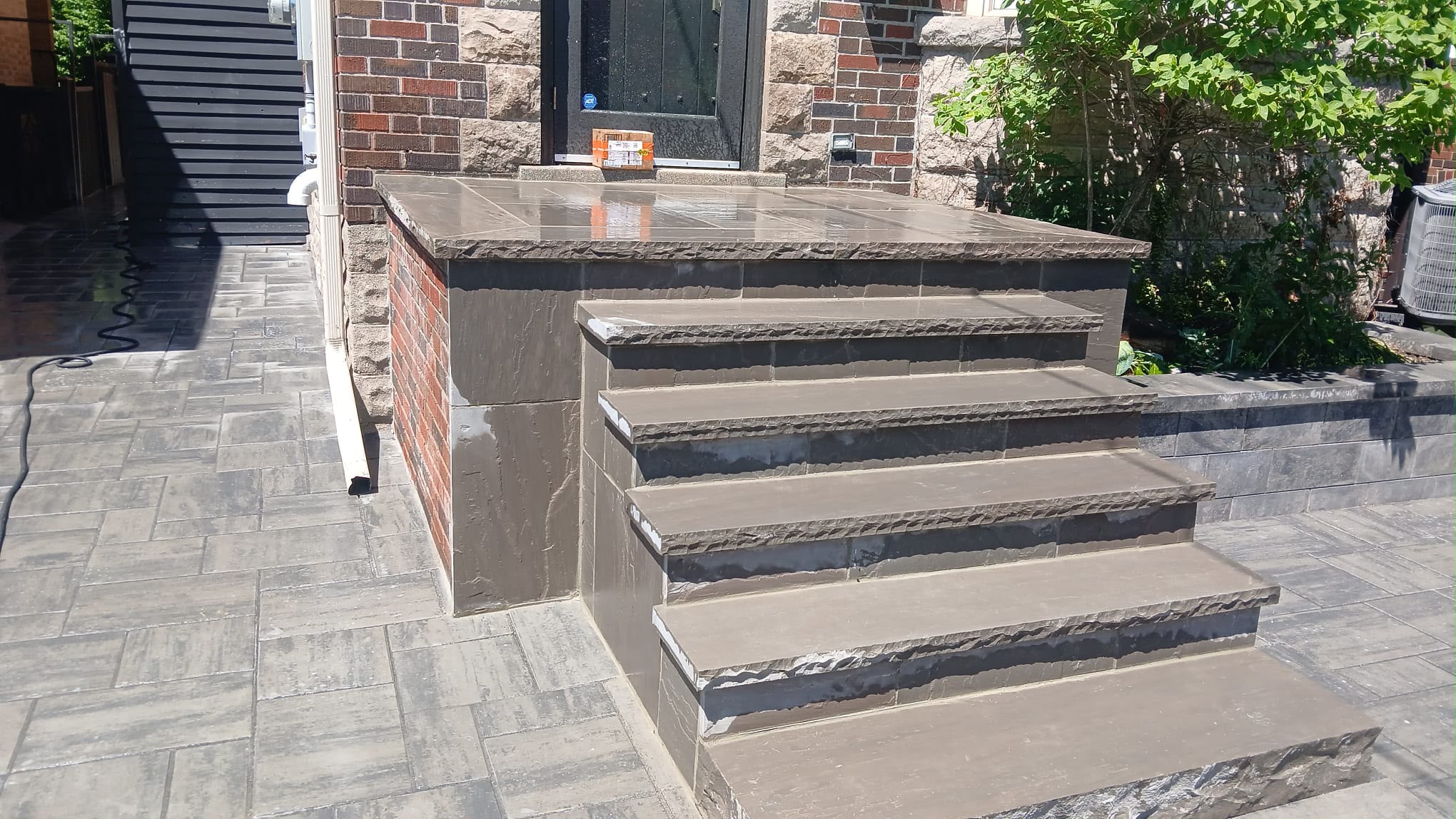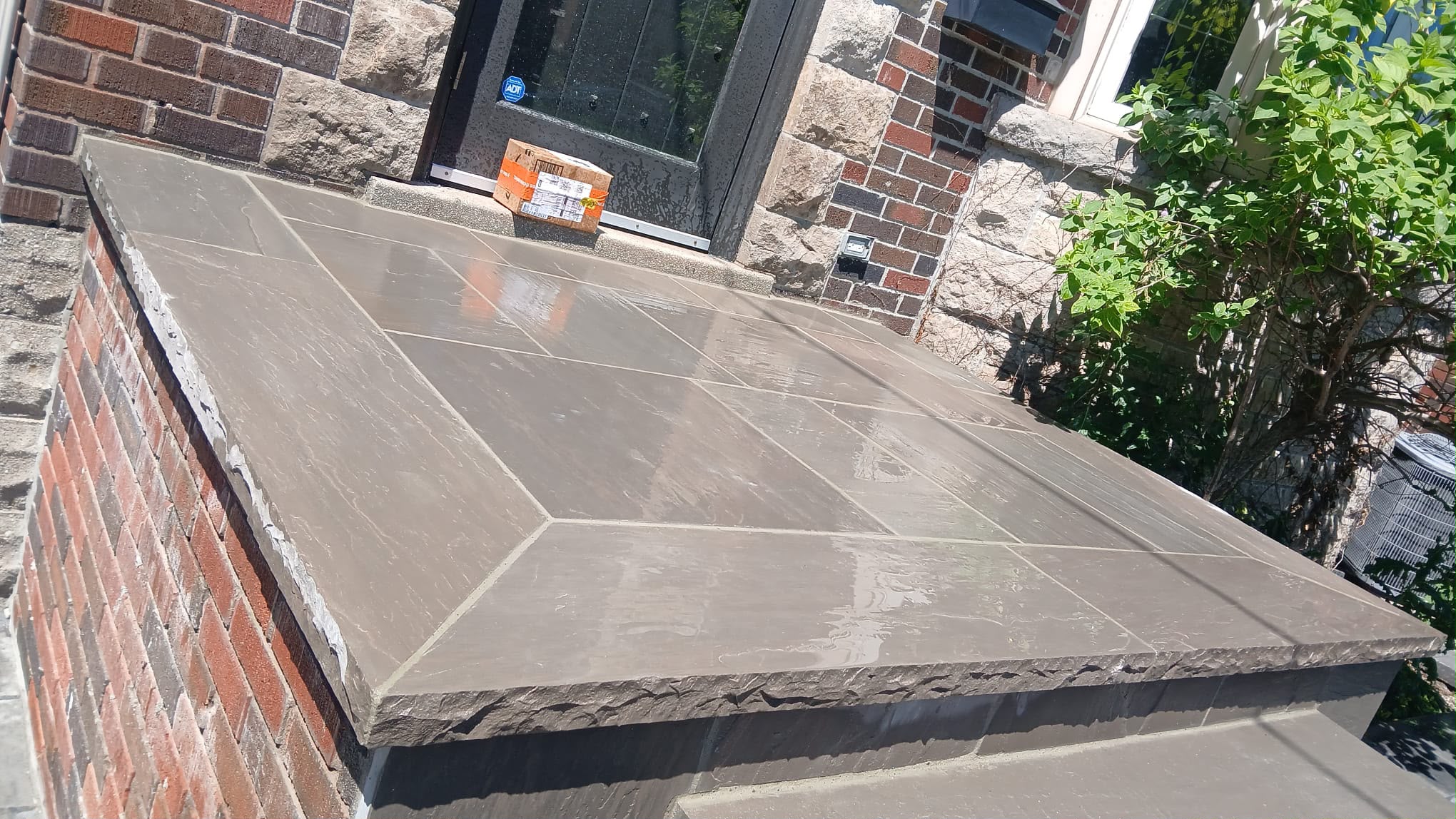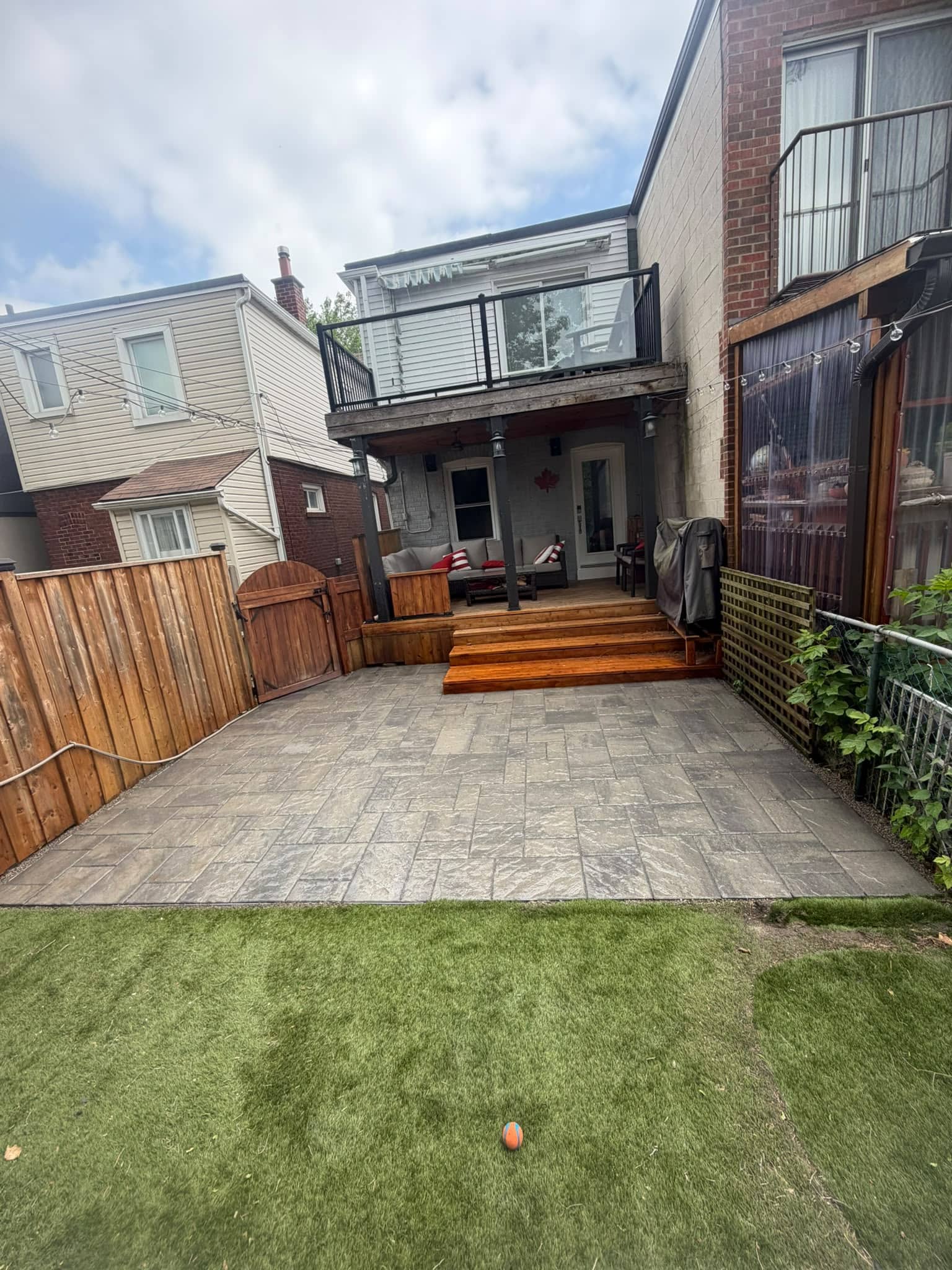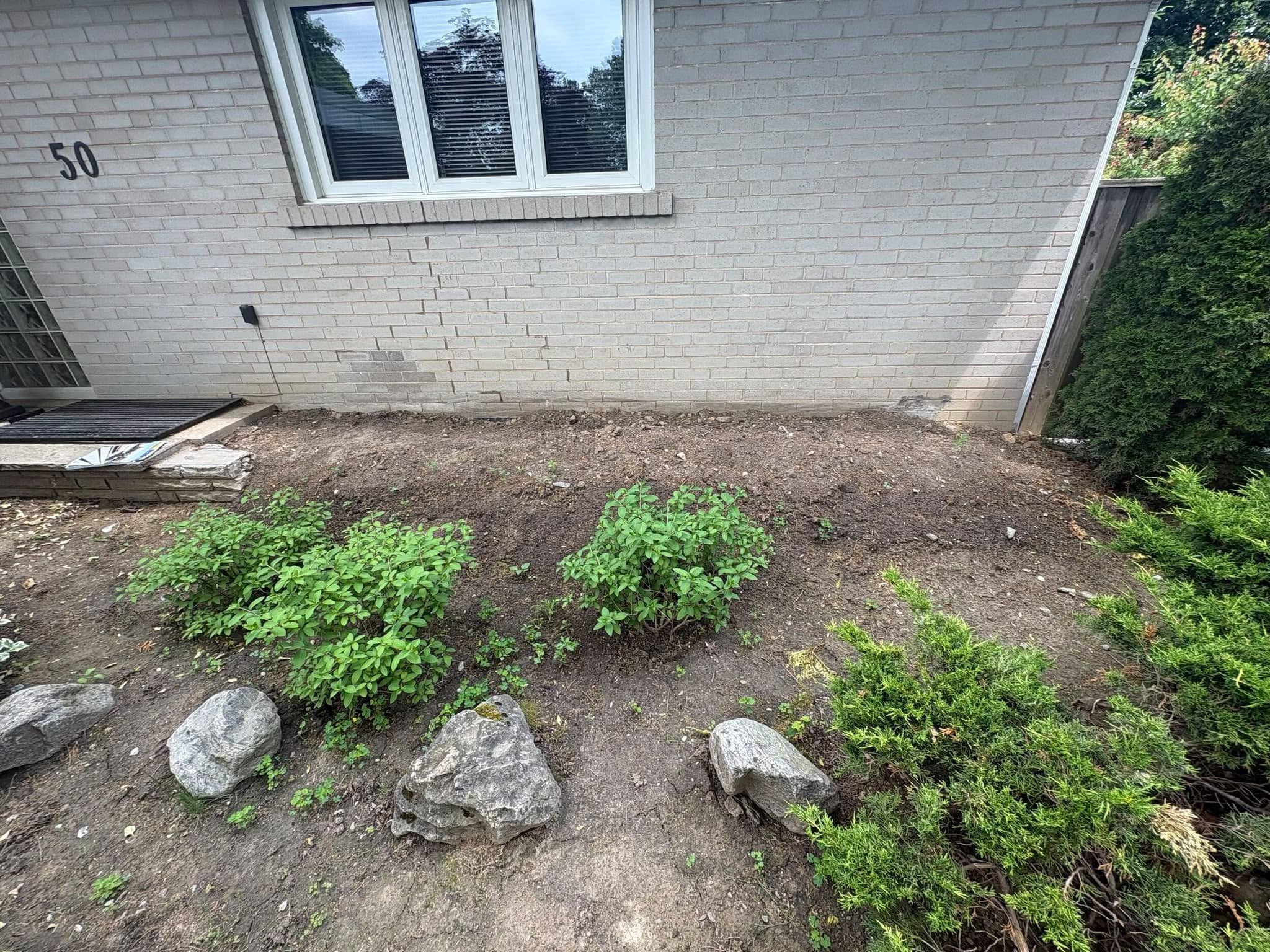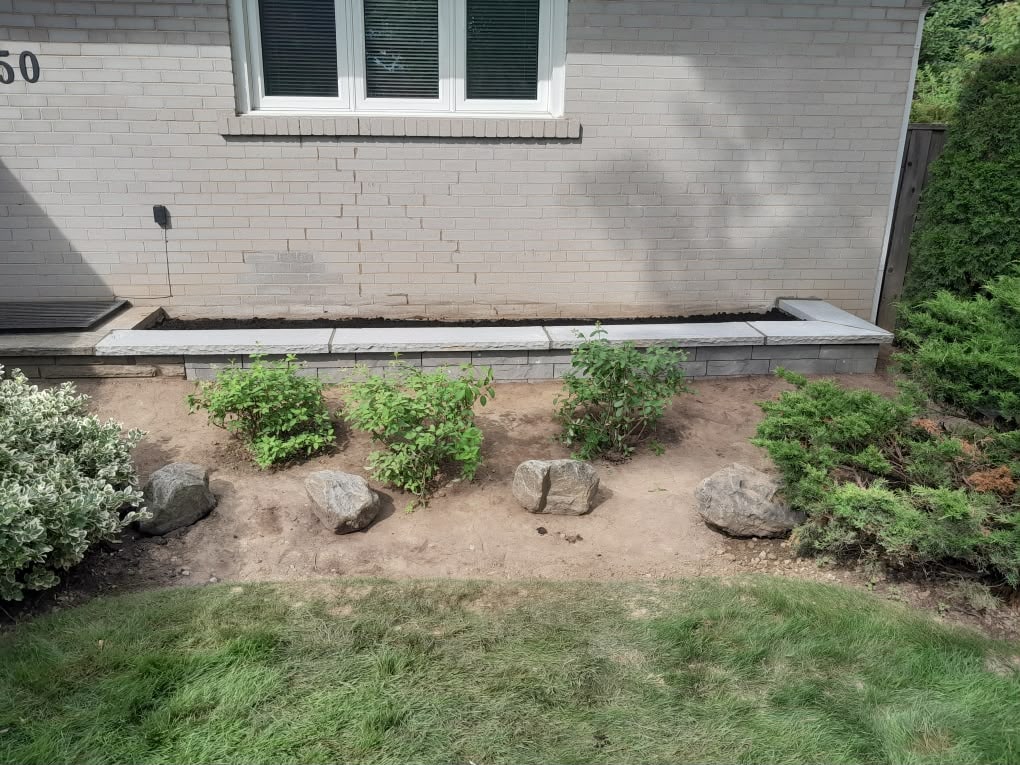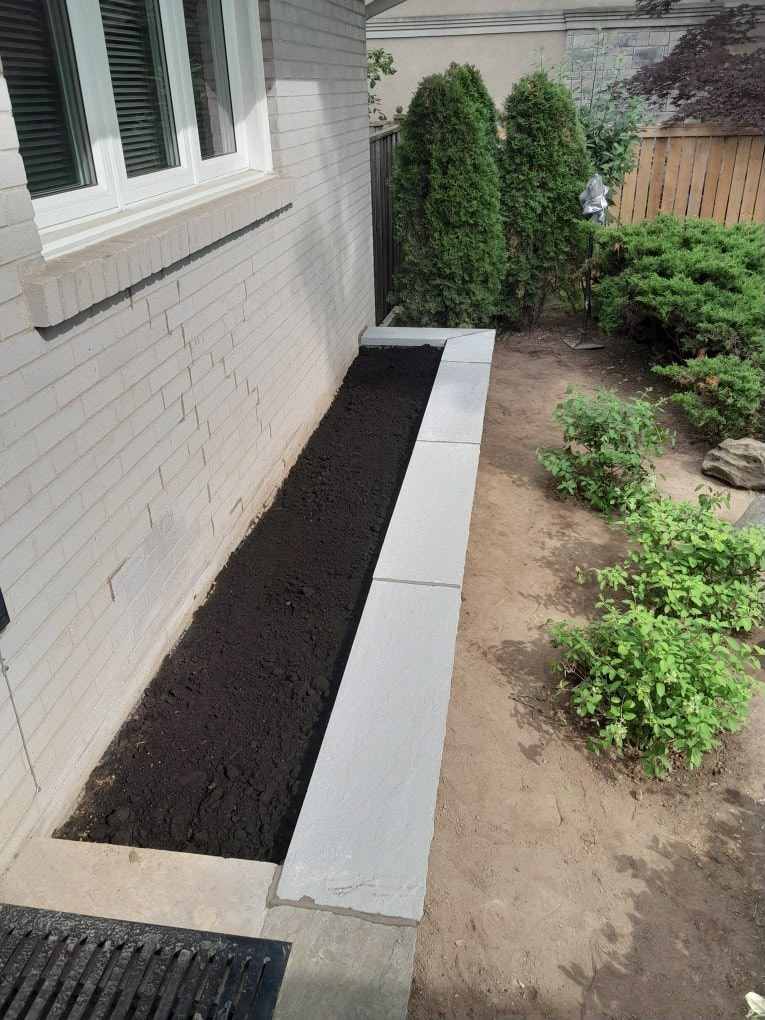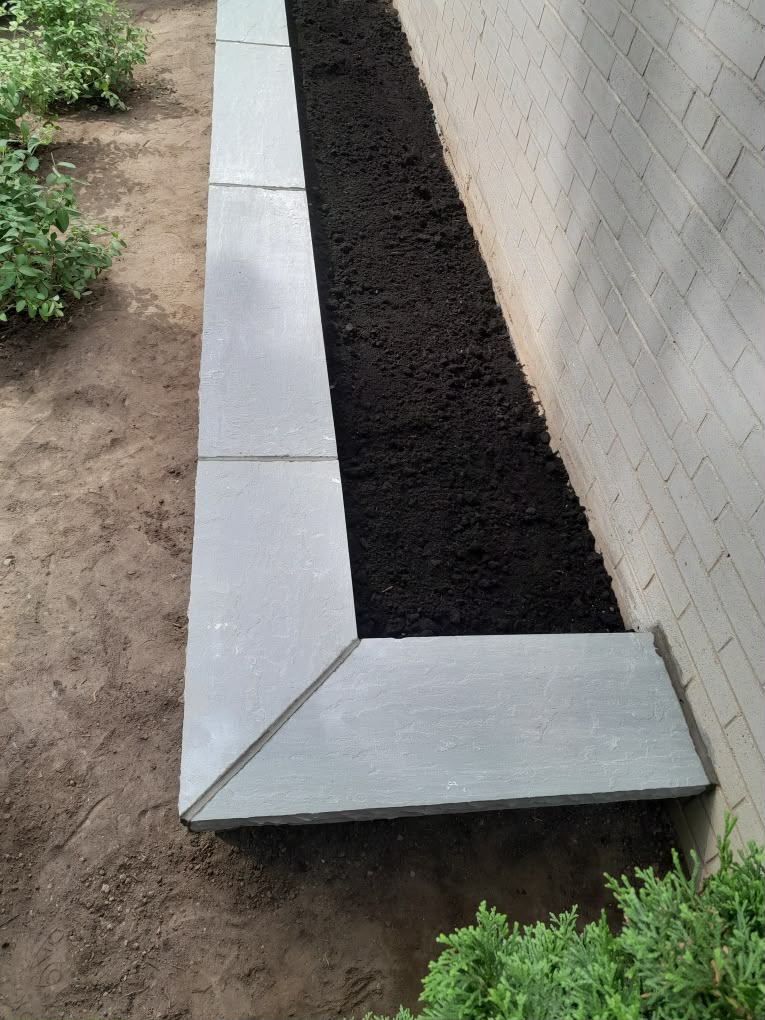

Masonry repairs before fall and winter help protect Toronto and GTA homes from water entry, freeze-thaw damage, cracked mortar, spalling brick, chimney problems, concrete wear, and foundation moisture. Cold weather usually doesn’t cause masonry damage on its own. The bigger issue is water. When water enters small cracks, open joints, damaged brick, weak concrete, or foundation gaps, it can freeze, expand, and worsen the damage.
Fall is one of the best times to review exterior masonry because homeowners still have a chance to repair weak areas before snow, ice, salt, and repeated freezing arrive. A small mortar gap in September can become a larger repair by spring. A cracked chimney crown can let water enter all winter. A concrete step with surface cracks can absorb moisture and scale more heavily after freeze-thaw cycles.
This guide explains which masonry repairs matter most before fall and winter, what homeowners can safely check, which issues should not wait, and how to prepare brick, mortar, chimneys, concrete, waterproofing, and outdoor masonry for colder weather.
If your pre-winter walkaround reveals more than one masonry issue, A&A Masonry’s masonry repair and restoration services cover brick, mortar, chimneys, concrete, stone, waterproofing, and other exterior masonry problems across Toronto.
Why Fall Masonry Repairs Matter
Fall masonry repairs matter because they close weak points before water and freezing temperatures make them worse. Once winter begins, many masonry materials become harder to repair properly because mortar, concrete, coatings, and waterproofing products need suitable temperatures and dry conditions to cure well.
Toronto weather often moves through rain, early frost, snow, thawing, and freezing again. This repeated cycle is hard on masonry that already has cracks or open joints. Water can enter during wet weather, freeze when temperatures drop, thaw again, and repeat the cycle throughout the season.
Repairing before winter helps reduce this cycle. This doesn’t mean every small cosmetic flaw needs urgent repair, but it does mean active water entry points, loose masonry, damaged mortar, unsafe steps, and chimney openings should be addressed before the cold season puts more pressure on them.
If you are unsure what early damage looks like, A&A Masonry’s blog on common masonry repair issues in Toronto is a helpful guide to spotting cracks, spalling, loose mortar, and signs of moisture.
Start With Brick Repair Before Cold Weather
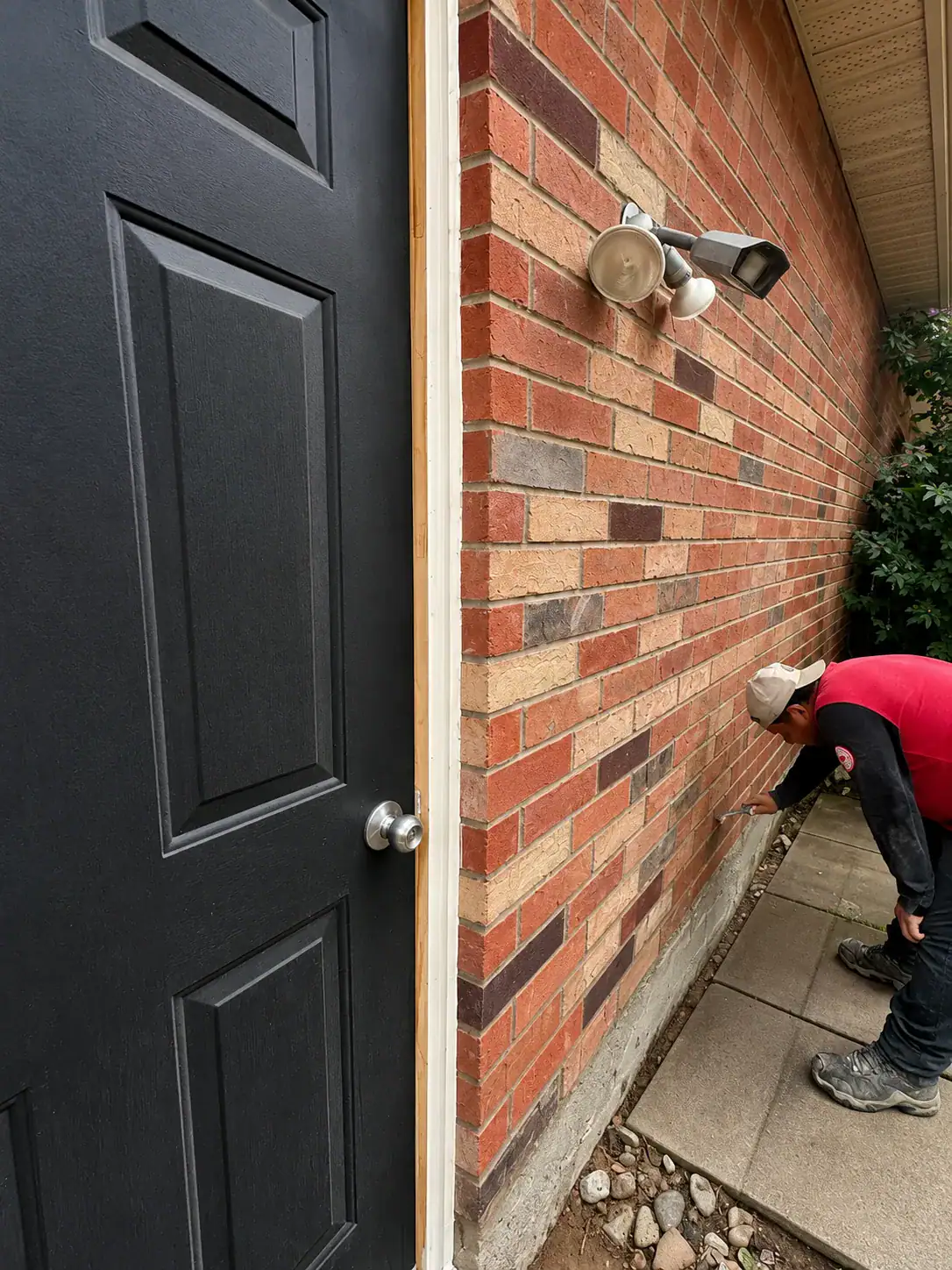
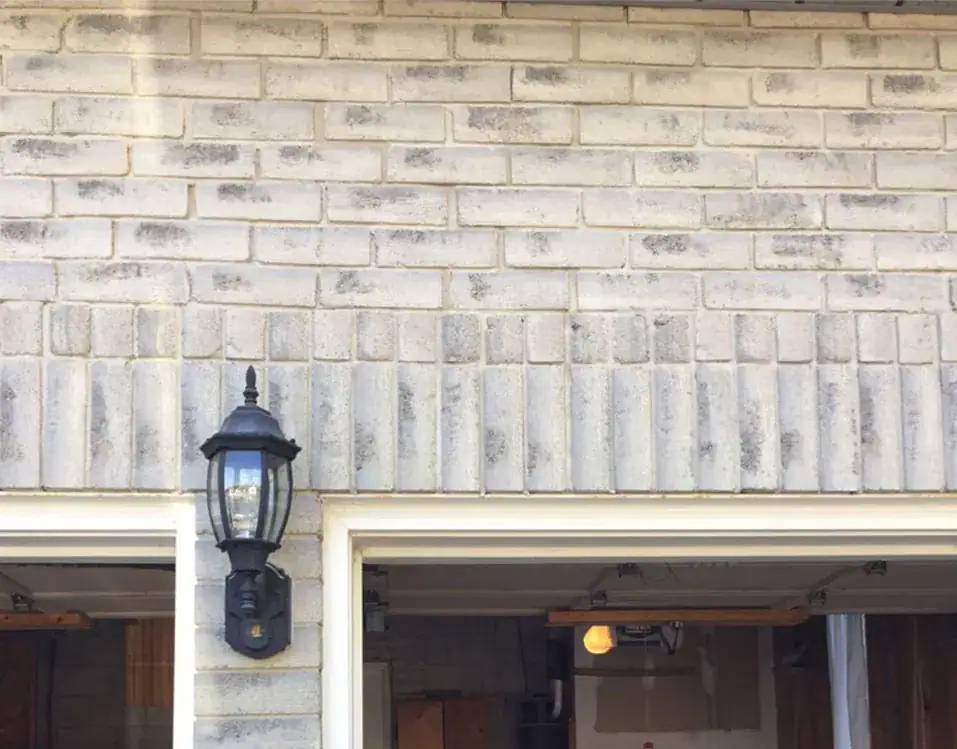
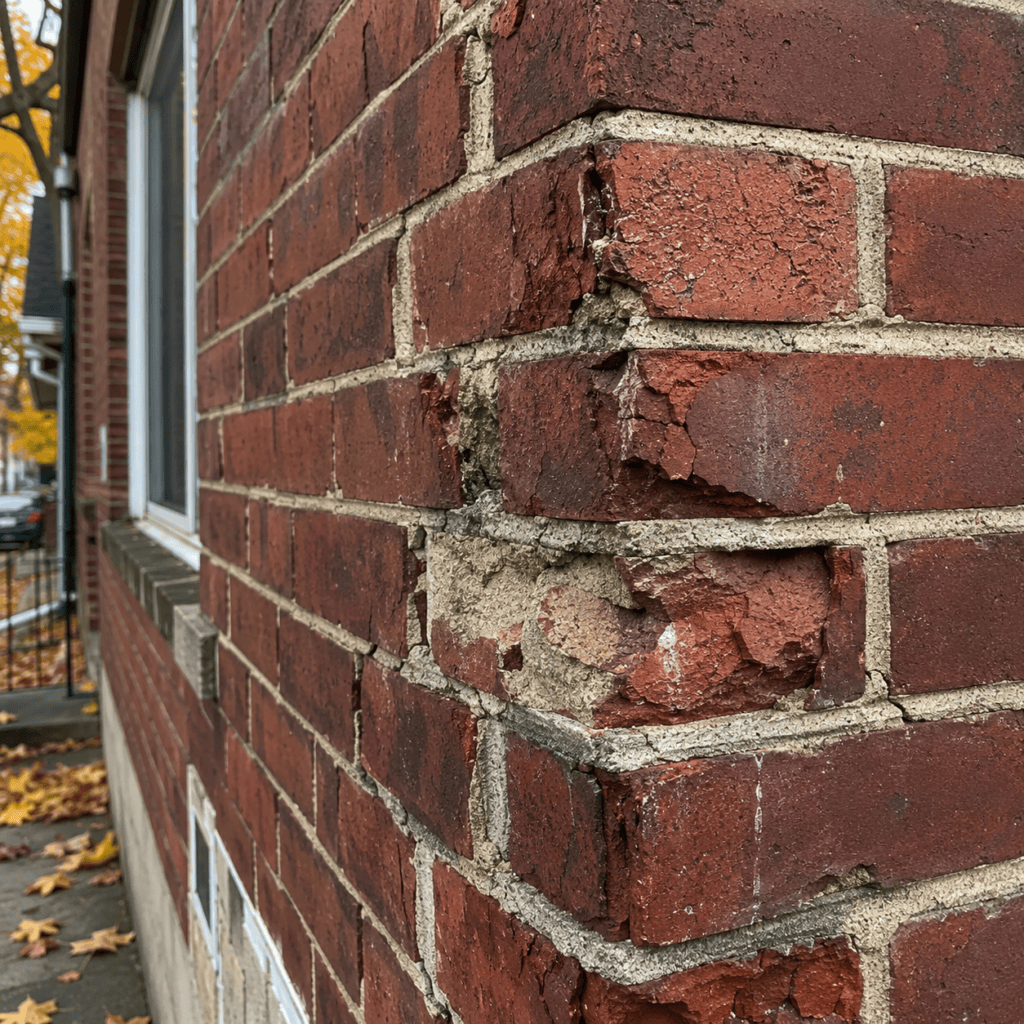
Repairing bricks before winter is important when they are cracked, spalling, loose, or absorbing too much moisture. Damaged brick can let water enter the wall, and once the brick face breaks open, the exposed interior can deteriorate faster.
Spalling brick is one of the most common concerns before winter. It may look like flaking, peeling, chipping, or crumbling on the brick face. If moisture continues to enter and freeze, more of the brick surface can break away. Lower walls, chimneys, porch columns, window sills, and areas near downspouts are especially vulnerable.
Homeowners should also watch for cracked brick near corners, steps, chimneys, foundation areas, and above openings. A single crack may be minor, but several cracks, widening cracks, or cracks with moisture staining should be reviewed before winter.
For damaged or weather-worn brick, A&A Masonry’s professional brick repair page explains common repair needs, including cracked or crumbling brick, water damage, and exterior restoration.
Repair Mortar Joints Before They Let Water In
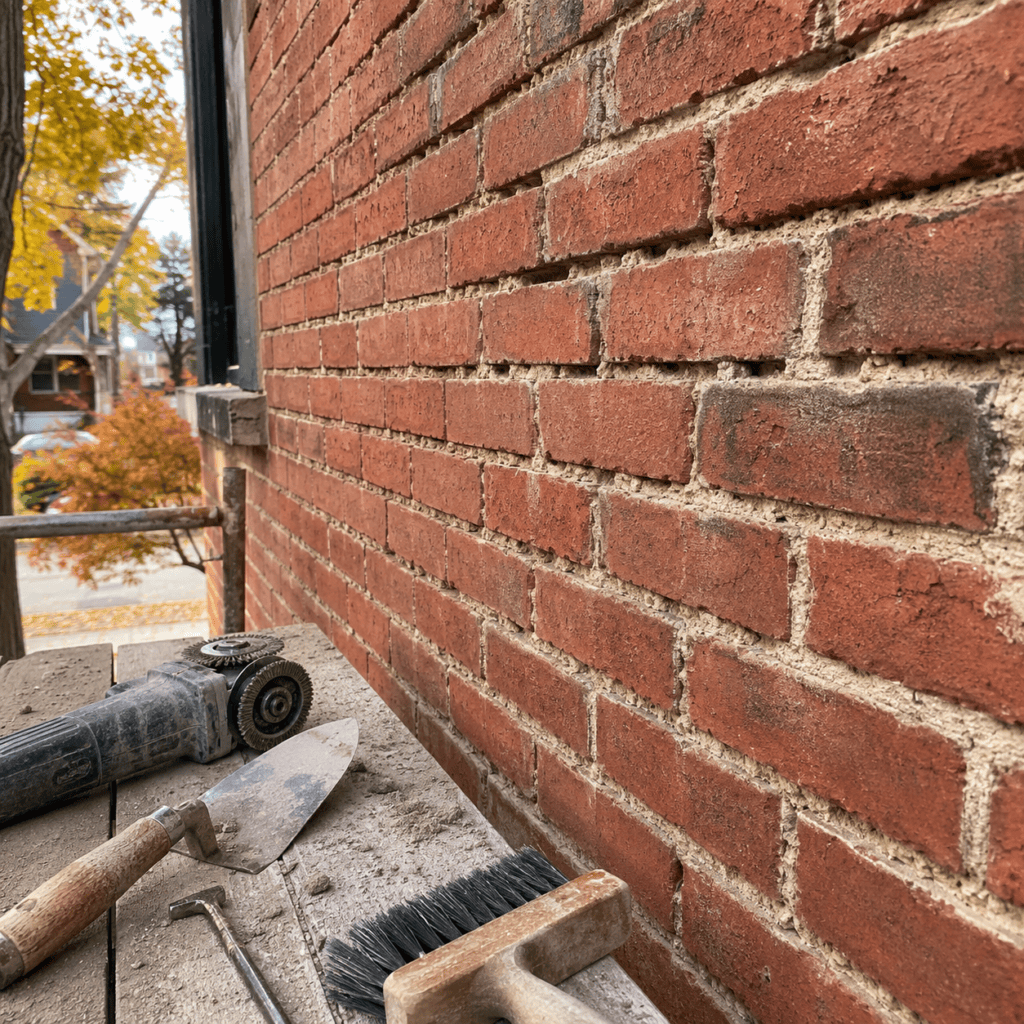
Repairing mortar joints before winter helps keep water out of the gaps between bricks or stones. Mortar is often the first part of a masonry wall to show age. When it cracks, crumbles, becomes sandy, or recedes deeply, the wall becomes more exposed to moisture.
In Toronto, rain, snow, salt splash, and freeze-thaw movement can stress old mortar joints. Open joints allow water to move behind the wall face. Once water is inside, the damage may spread beyond the visible joint.
Tuckpointing or repointing may be needed when the brick itself is still sound, but the mortar has failed. This involves removing deteriorated mortar and replacing it with compatible new mortar. Compatibility matters because overly hard mortar can damage older brick, while weak patching may fail quickly.
If mortar joints are cracked, missing, or deeply recessed, A&A Masonry’s tuckpointing services in Toronto page explains how mortar joint repair can help protect brickwork from water and winter damage.
Check Chimneys Before Heating Season
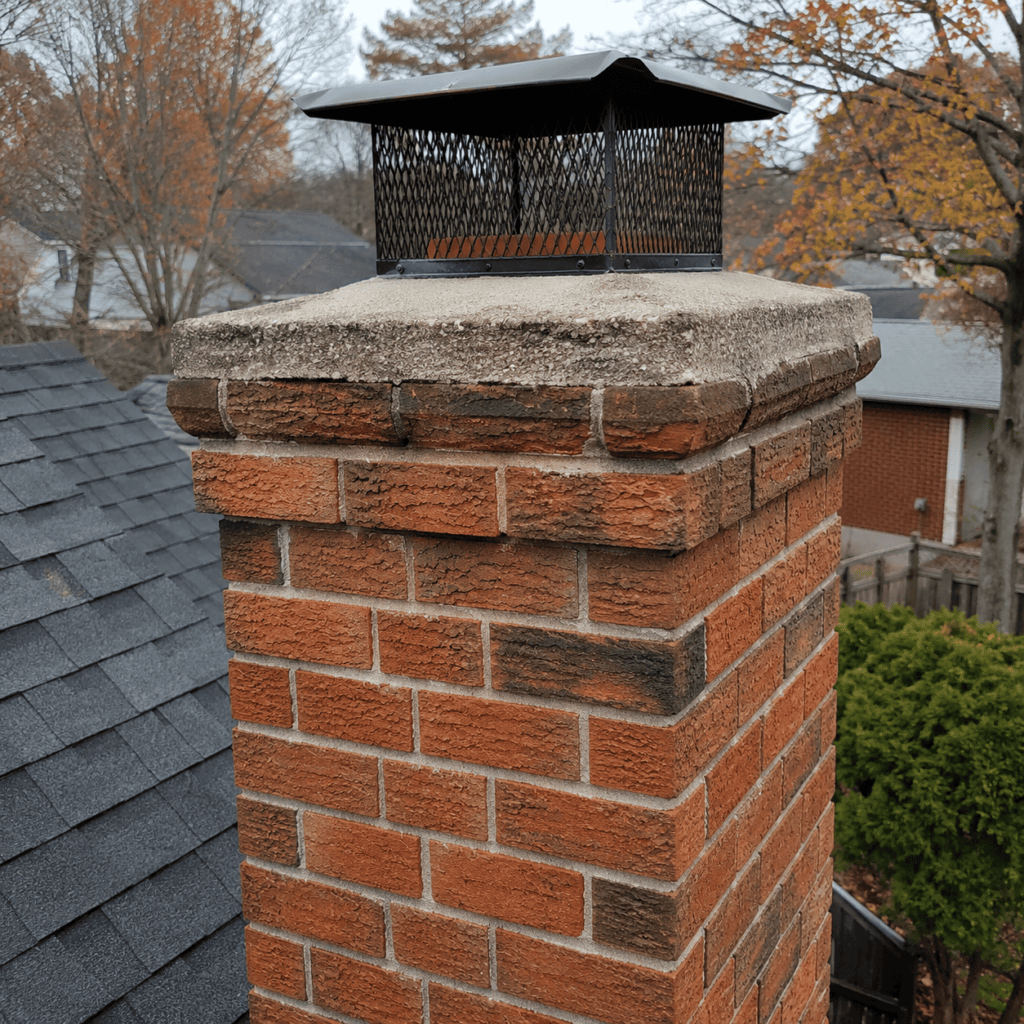
Chimneys should be checked before the heating season because they are exposed to the weather on all sides and can conceal damage until water enters the home. A chimney takes more winter punishment than many other masonry features because it sits above the roofline.
Common pre-winter chimney concerns include spalling brick, missing mortar, cracked crowns, loose caps, damaged flashing, rust stains, leaning sections, and water stains around the fireplace or ceiling. A small opening at the top of a chimney can let rain and snow enter all winter.
Chimney masonry and chimney safety should also be treated together. If the chimney serves a fireplace or fuel-burning appliance, homeowners should make sure the flue, cap, liner, and venting are safe before regular use. Exterior masonry damage can contribute to moisture problems inside the chimney.
For visible chimney damage, A&A Masonry’s chimney repair Toronto page explains common repairs including brick replacement, tuckpointing, crown repair, cap issues, and water-related chimney damage.
Concrete Steps and Walkways Need Attention Before Ice
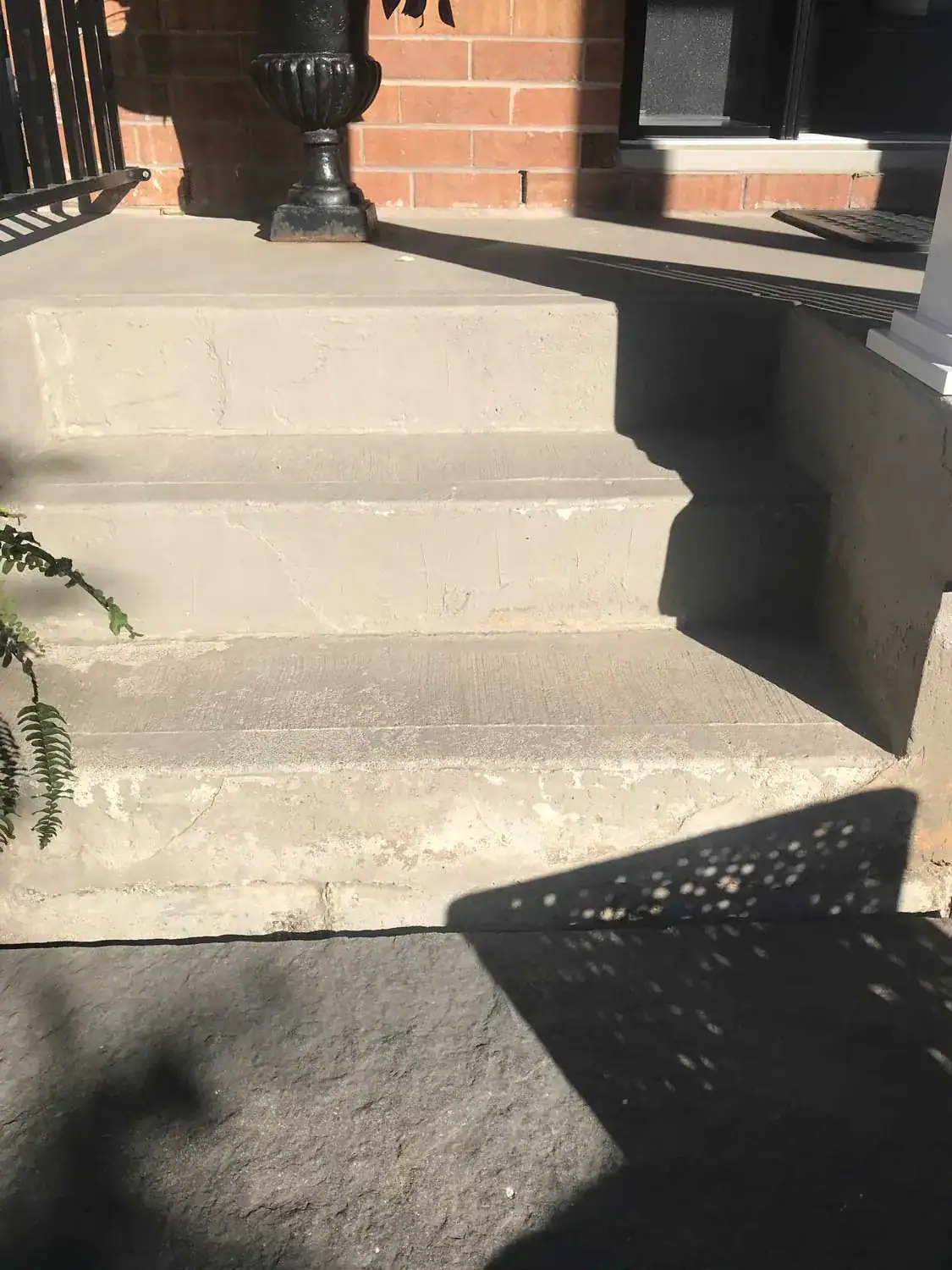
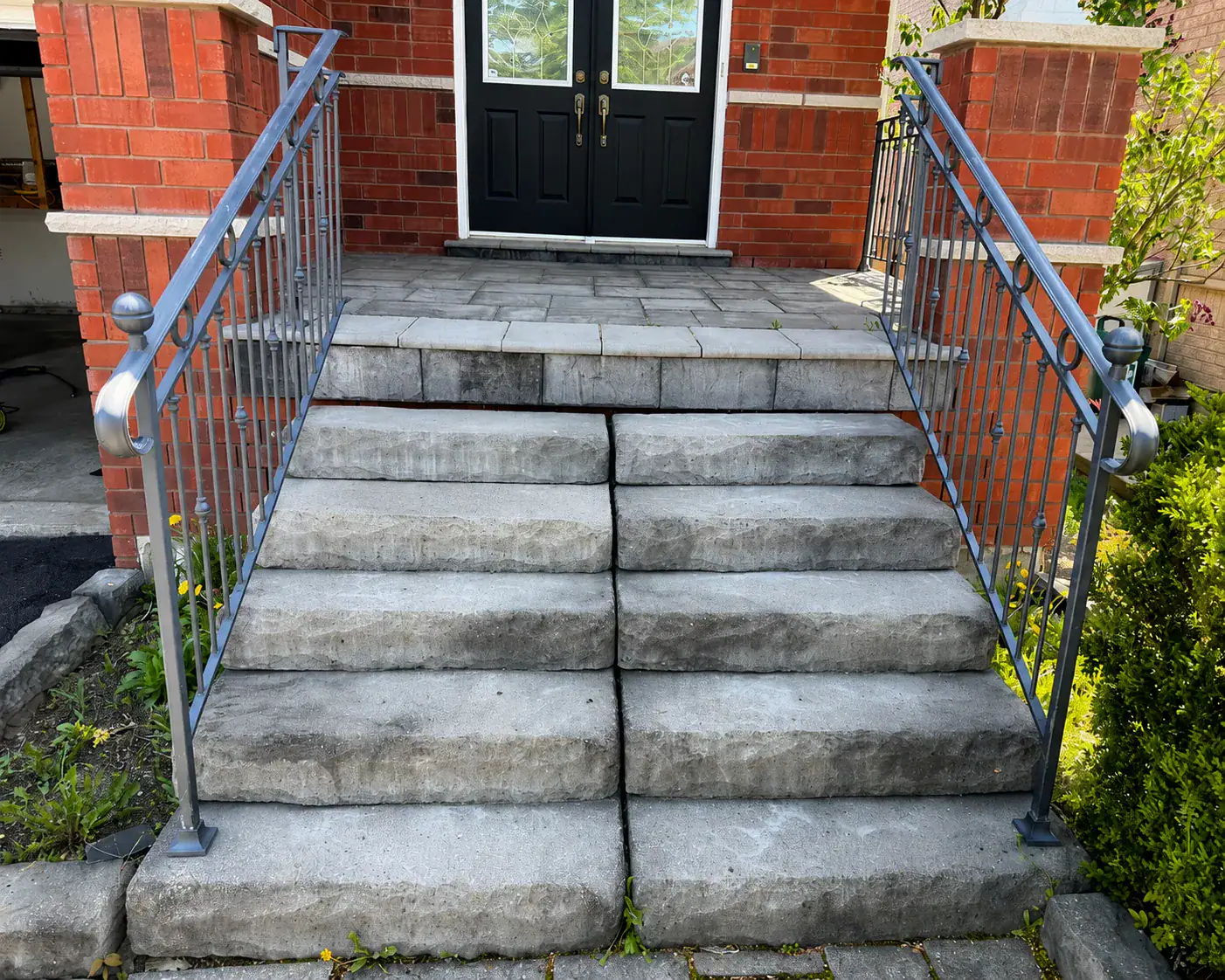
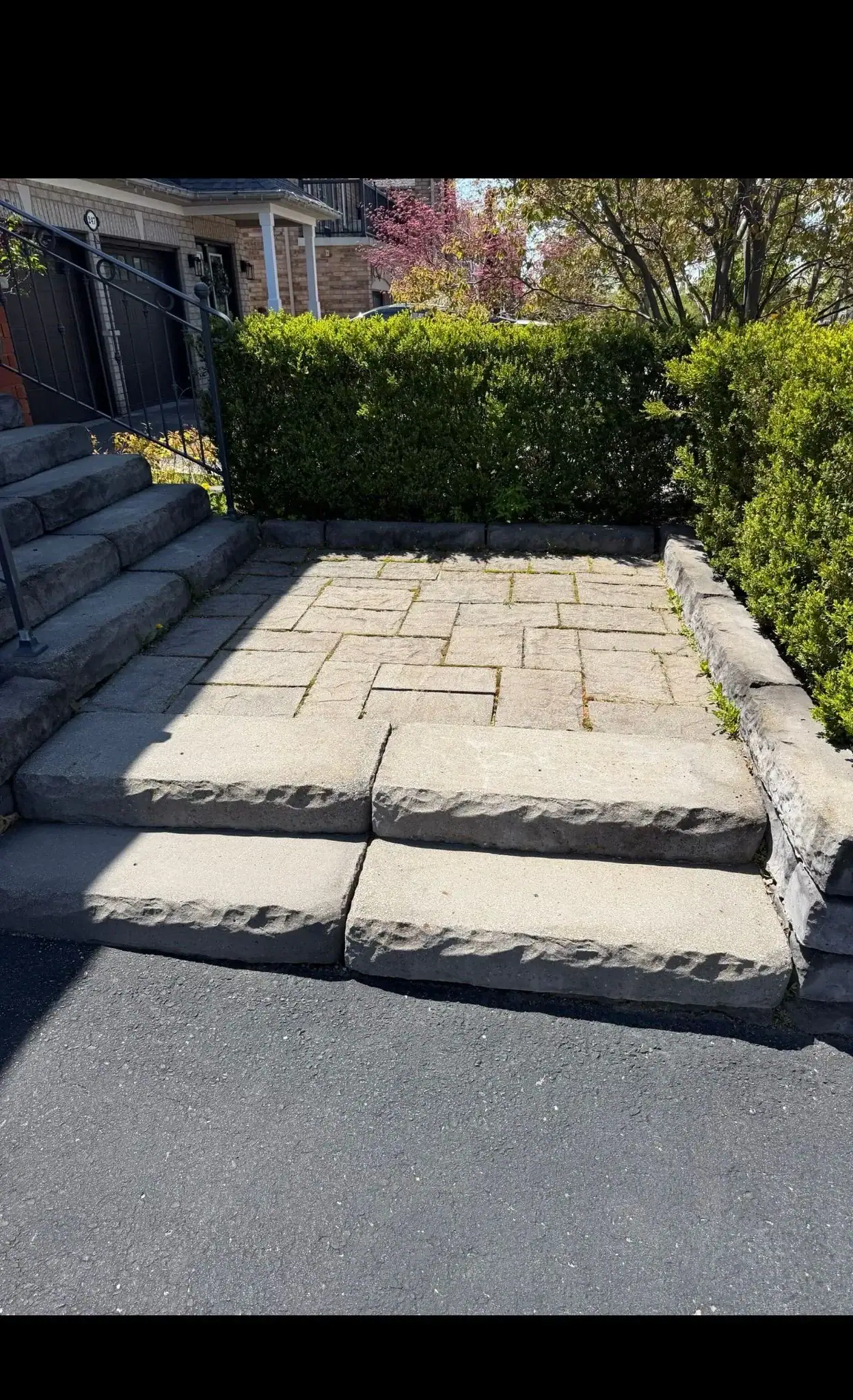
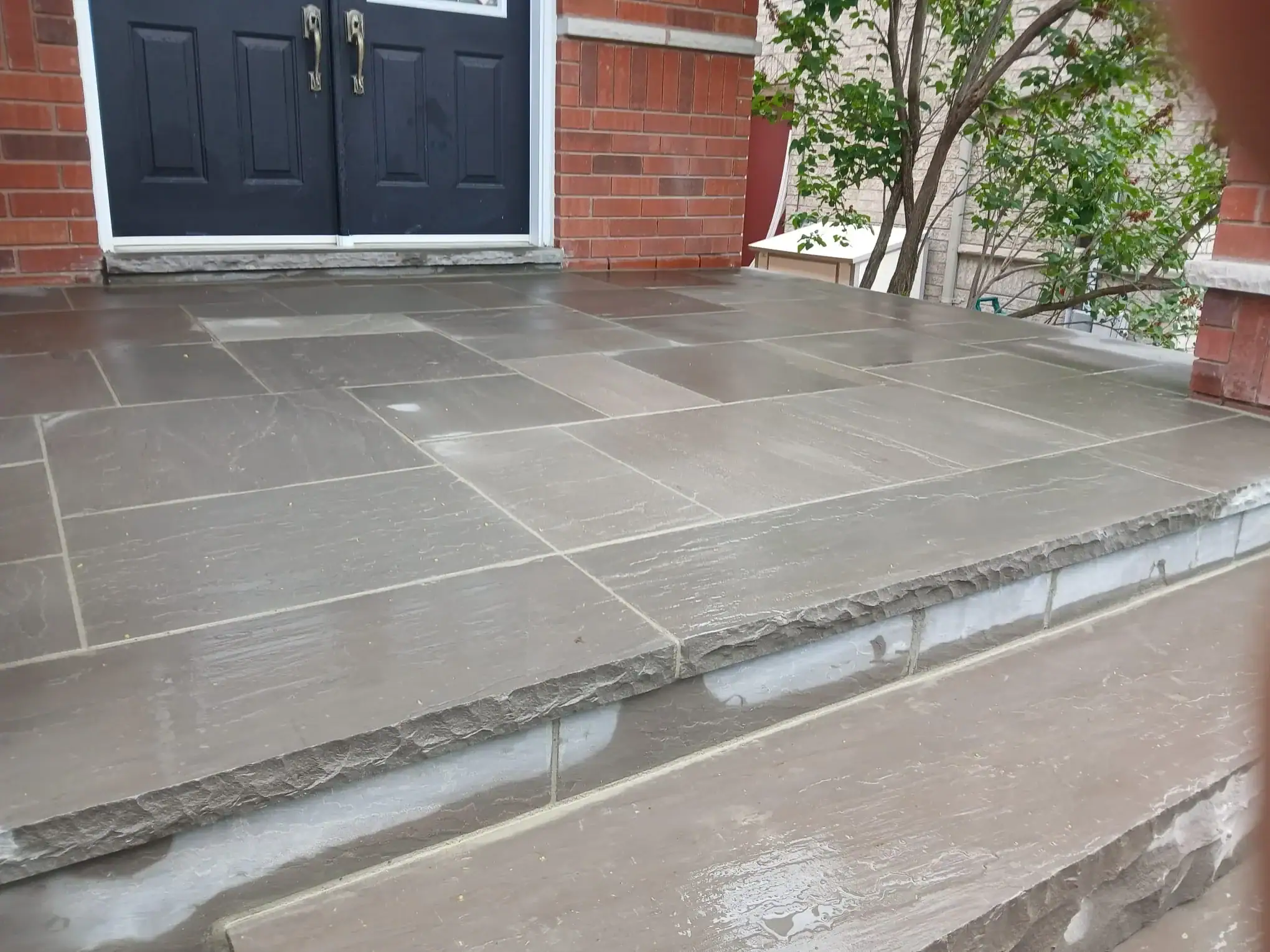
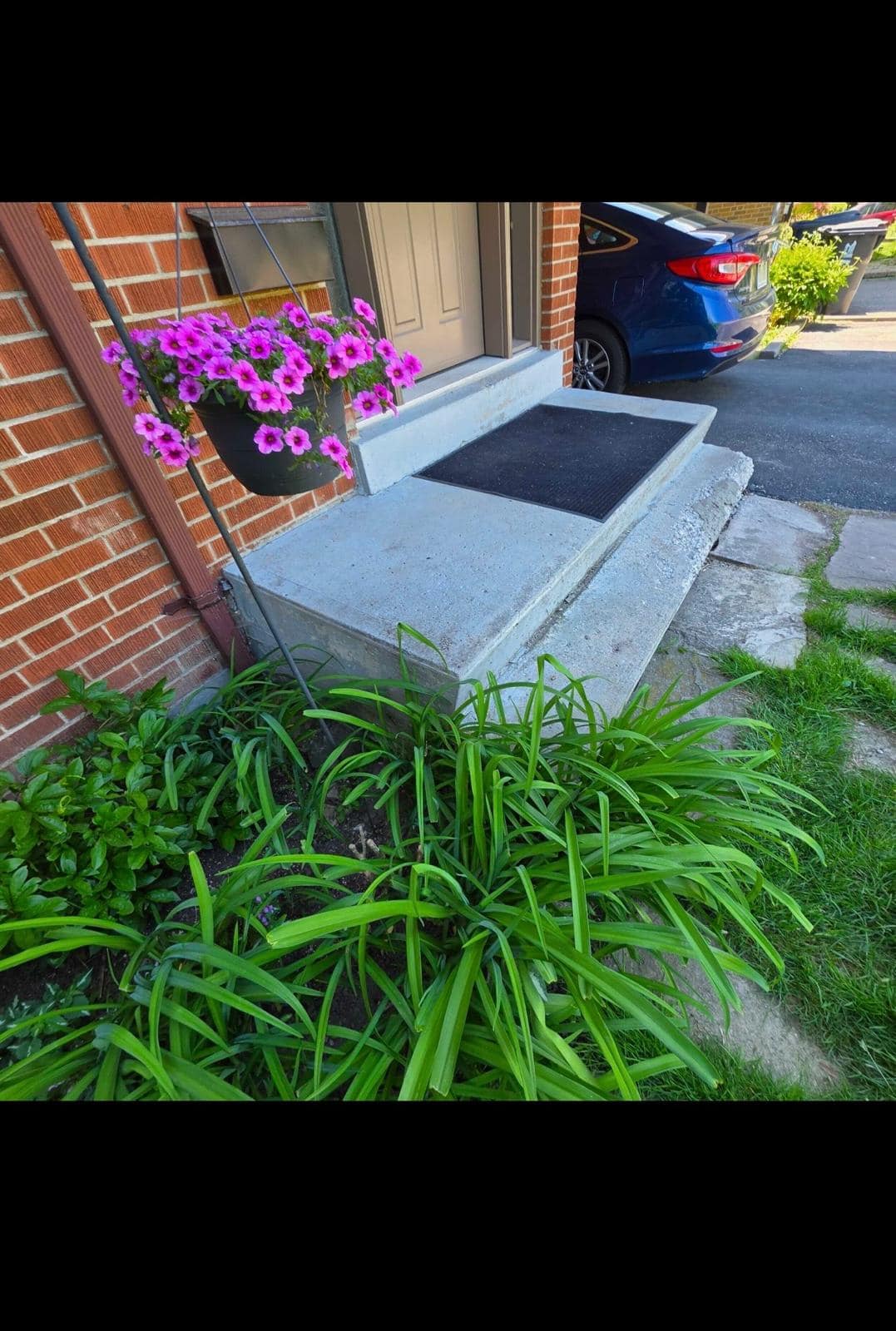
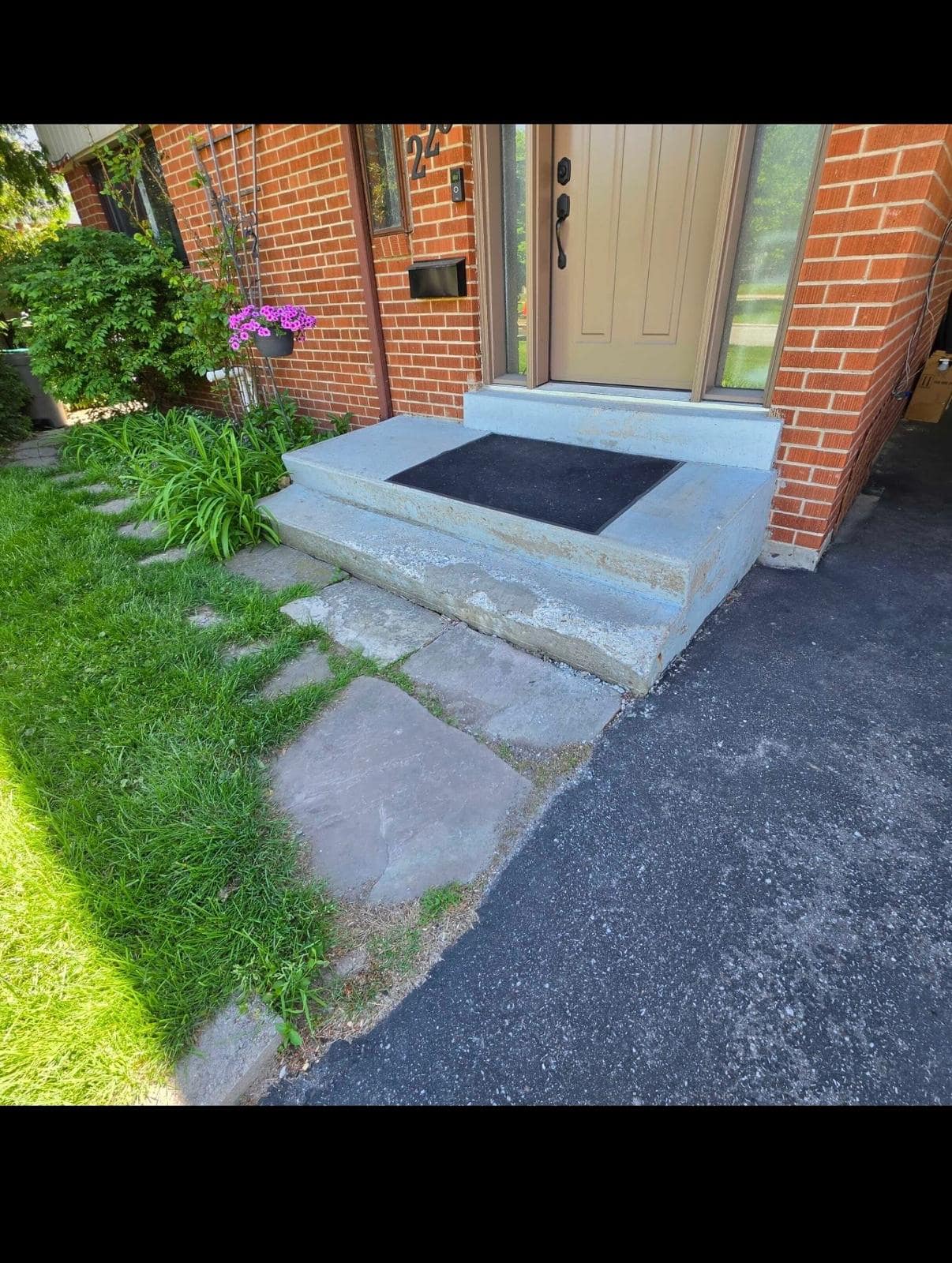
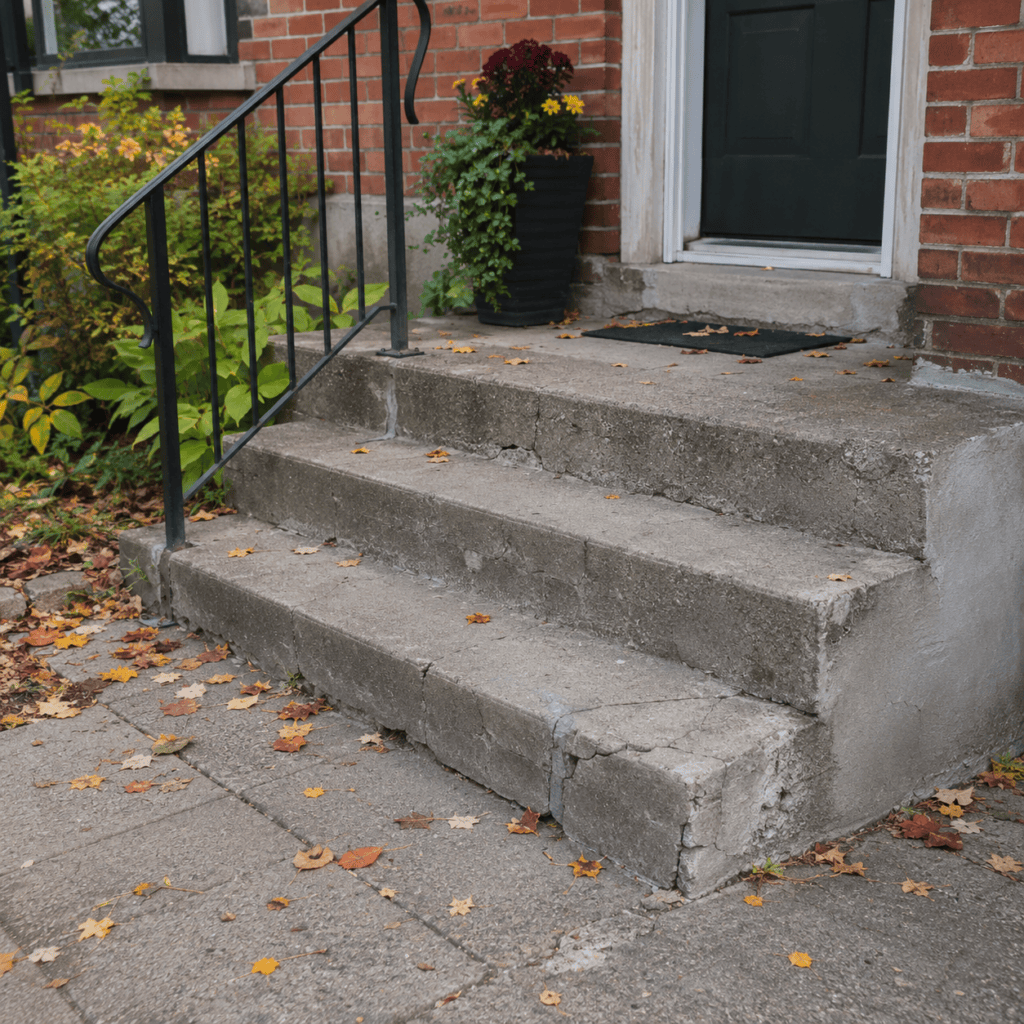
Concrete steps and walkways should be inspected before winter, as cracks, uneven surfaces, and scaling can pose safety risks once ice and snow arrive. A small surface crack may look minor in summer, but winter water and salt can make it worse.
Concrete surfaces are vulnerable because they hold snow, receive foot traffic, and are often treated with de-icing products. Water can enter small cracks, freeze, and widen the opening. Surface scaling may also spread when the top layer is already weak.
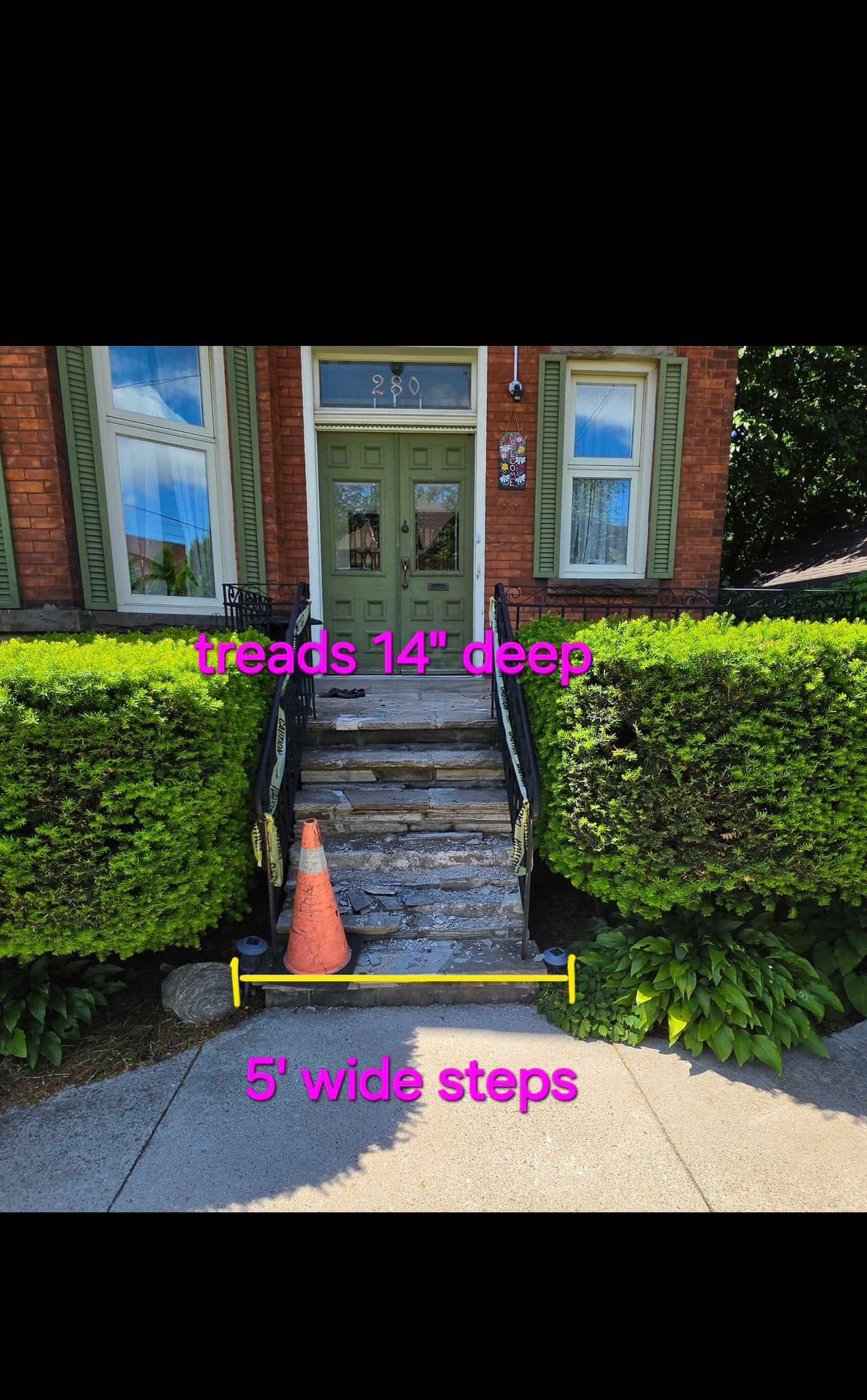
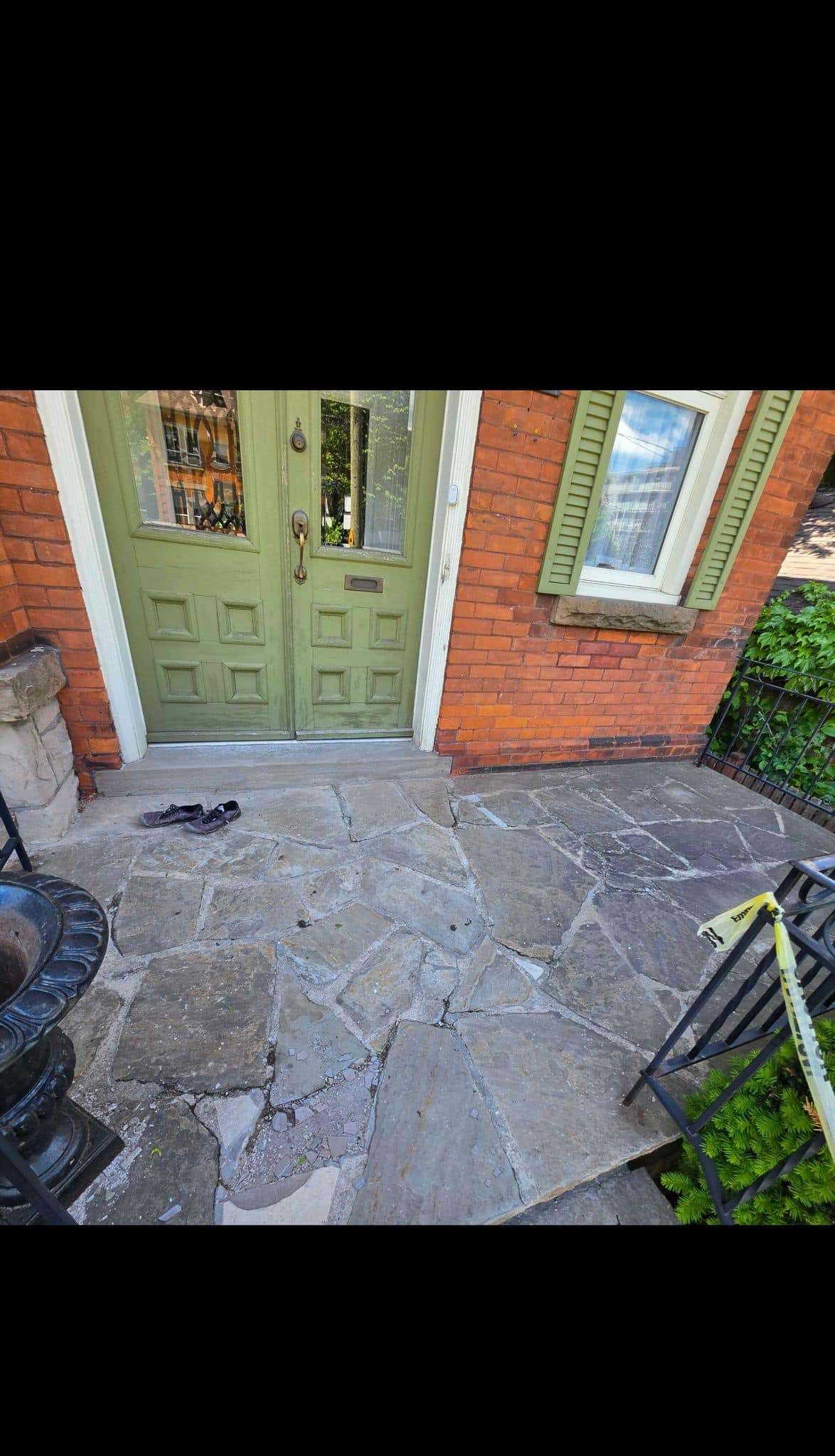
Steps deserve special attention. Loose edges, uneven risers, cracks near the step’s nose, and separation from the porch can become more dangerous in wet or icy conditions. If a step already feels unstable, do not wait until winter to review it.
For cracked, worn, or uneven concrete areas, A&A Masonry’s concrete repair Toronto page provides useful guidance on steps, walkways, porches, slabs, and weather-damaged concrete surfaces.
Waterproofing and Foundation Repairs Before Fall Rain
Waterproofing and foundation repairs before fall rain can help reduce basement leaks, damp walls, and lower masonry damage during wet seasons. Fall rain can saturate the soil around the home before freezing weather arrives. If water is already collecting near the foundation, winter can make the problem worse.
Warning signs include damp basement smells, peeling paint, efflorescence, water stains, cracked parging, leaking foundation cracks, wet window wells, or water pooling beside the house. These signs should not be treated as cosmetic only. They often point to drainage or exterior water-entry problems.
The City of Toronto provides homeowners with information on basement flooding, and its broader guidance on managing rain and melted snow is useful for understanding why controlling water around the home matters.
If the home has recurring dampness or water intrusion, A&A Masonry’s Toronto waterproofing page explains common foundation moisture, basement leak, and exterior waterproofing concerns.
Downspouts, Gutters, and Drainage Around Masonry
Drainage should be checked before winter because masonry repairs last longer when water is directed away from the home. Even strong brick, mortar, concrete, and stone can deteriorate faster when water repeatedly collects in the same place.
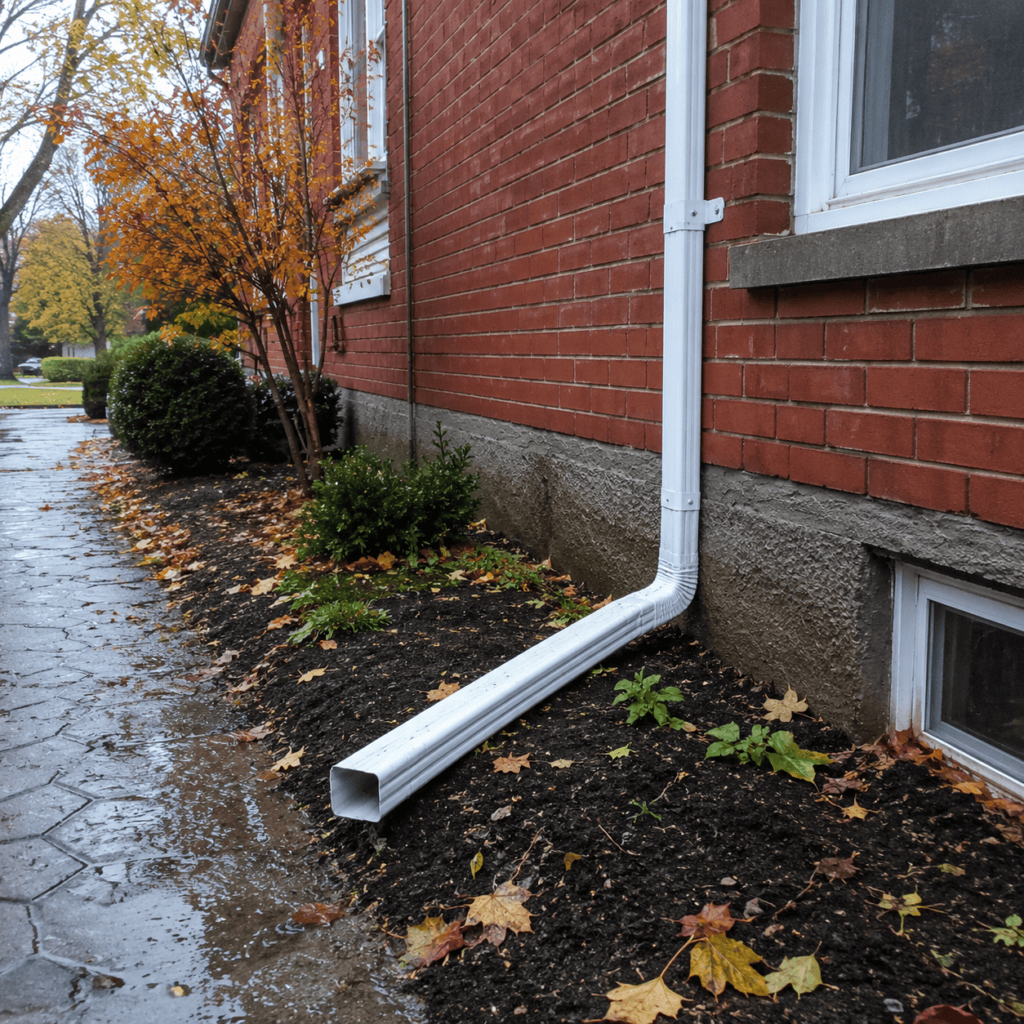
Look at downspouts, gutters, grading, window wells, patios, walkways, and driveway edges. If water runs toward the foundation or sits beside brickwork after rain, the masonry is being placed under unnecessary stress. Downspouts that discharge beside steps, chimneys, garden walls, or lower brickwork can cause repeated exposure to moisture.
The City of Toronto’s mandatory downspout disconnection guidance explains that downspouts should be properly disconnected from the City sewer system and directed to suitable areas. Homeowners should ensure water is directed away safely without causing problems for neighbouring properties, sidewalks, or foundations.
Before winter, clear gutters, remove leaves, extend downspouts where practical, and check that water is not collecting against masonry surfaces.
Repair Parging Before It Fails Further
Parging should be reviewed before winter because cracked or loose parging can expose the foundation surface to moisture. Parging is often used on visible foundation walls to create a finished surface and add a layer of protection, but it is not a replacement for waterproofing when water is actively entering.
Damaged parging may crack, flake, bubble, separate, or sound hollow when tapped. If moisture is trapped behind it, applying a new surface layer without solving the cause may lead to repeated failure. This is common when downspouts, grading, or foundation cracks keep the wall damp.
Before winter, homeowners should inspect the lower walls around the home. If parging is breaking away, if the wall stays damp, or if basement moisture appears after rain, waterproofing and drainage may need to be reviewed along with parging repair.
Retaining Walls, Garden Walls, and Stonework
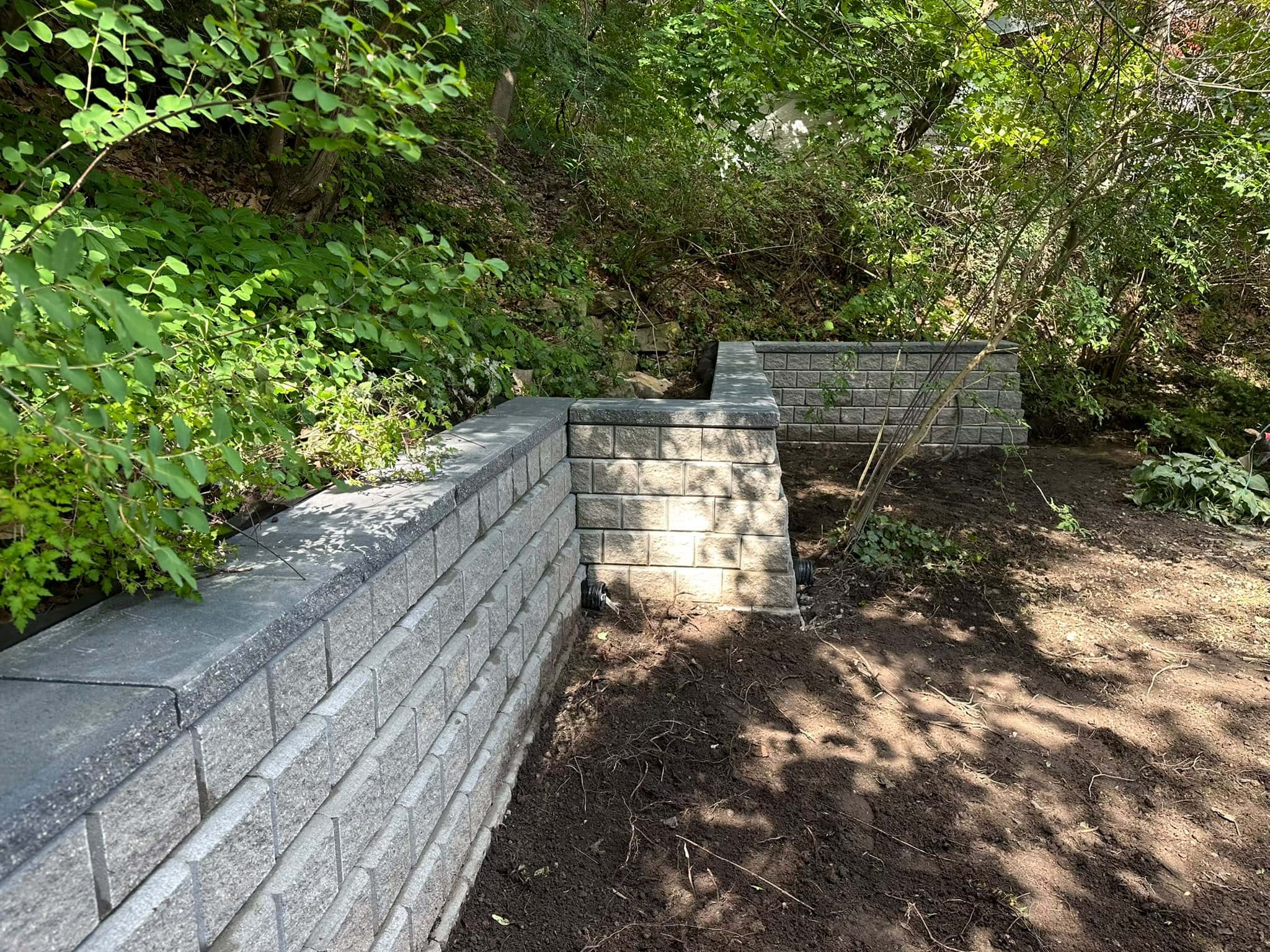
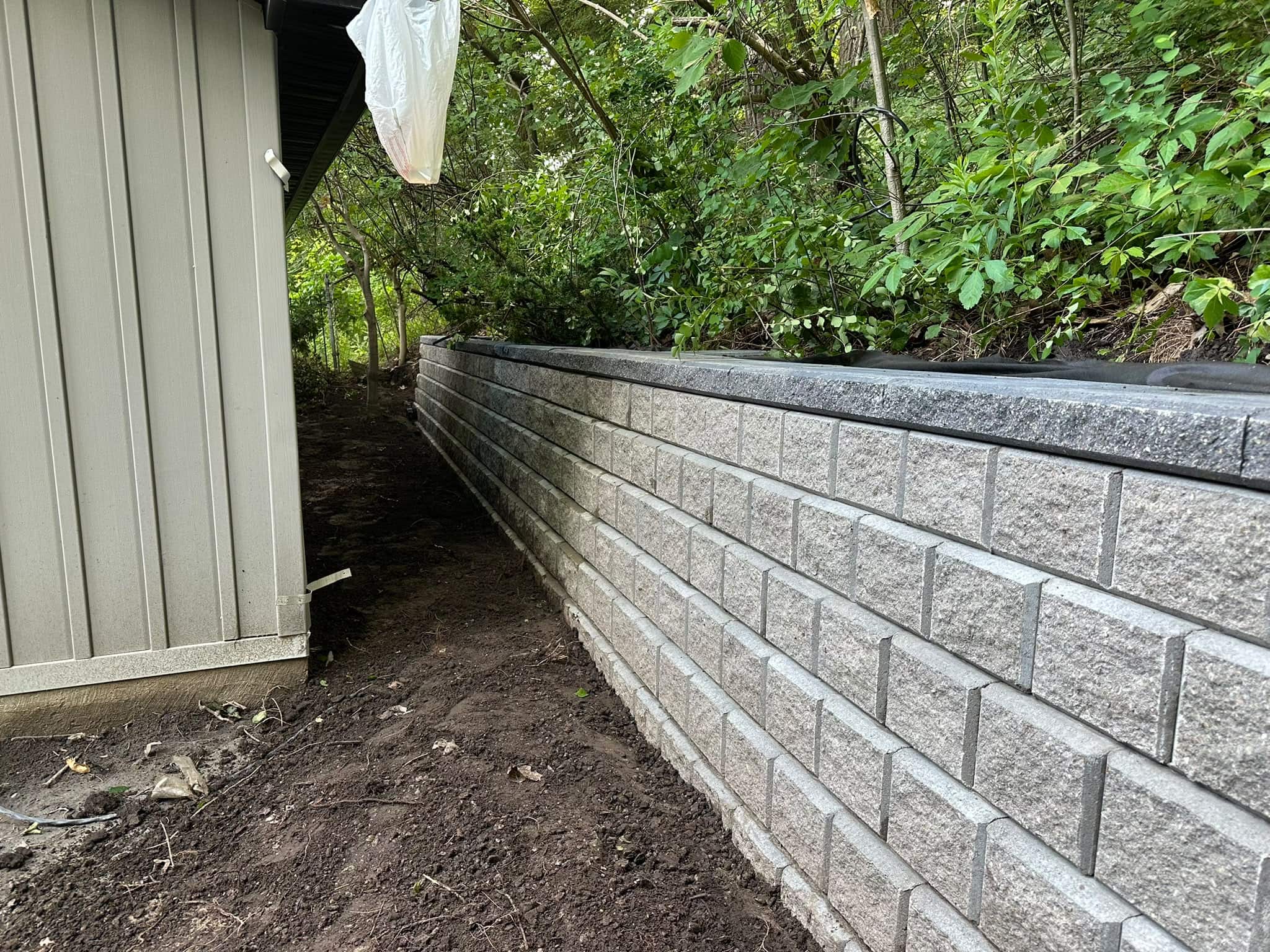
Retaining walls, garden walls, and stonework should be checked before winter because water pressure and freeze-thaw cycles can worsen loose or leaning areas. These features often sit close to soil, plantings, and drainage paths, so moisture is a constant concern.
Warning signs include leaning walls, bulging sections, loose stones, open joints, missing caps, soil washing through gaps, and water collecting behind the wall. A retaining wall that already leans before winter may move more when wet soil freezes and expands.
Stone and garden walls should also have proper caps or top details where needed. Flat or cracked tops can allow water to enter from above. Once water gets into open joints, winter can loosen more stones or mortar.
Small garden wall repairs may be simple, but walls holding back soil need a more careful review because drainage and pressure are part of the structure.
Should Masonry Be Sealed Before Winter?
Masonry should be sealed only before winter, when the surface is sound, dry, clean, and suitable for the appropriate sealer. Sealing damaged masonry can create problems if it traps moisture or hides issues that should have been repaired first.
Homeowners sometimes want to seal brick, stone, or concrete quickly before winter. The better order is usually repair first, then consider sealing if appropriate. Cracked mortar, spalling brick, damp walls, loose concrete, and active water-entry problems should not be covered with sealer as a shortcut.
Breathability matters. Masonry often needs to release moisture. An incorrect product or poor application can trap water within the material. Once winter arrives, trapped moisture can freeze, worsening damage.
A&A Masonry’s blog on masonry sealers explains when sealers can help, when they can hurt, and why the surface condition matters before applying any product.
What Homeowners Can Safely Check Before Fall and Winter
Homeowners can do a simple masonry walkaround before fall and winter. This does not replace a professional inspection, but it helps identify visible warning signs before cold weather arrives.
- Check brick walls: Look for spalling, cracks, loose units, staining, and open joints.
- Check mortar: Look for sandy, missing, recessed, or cracked mortar joints.
- Check chimneys from the ground: Look for missing caps, cracked crowns, spalling brick, and leaning.
- Check steps and walkways: Look for cracks, uneven surfaces, loose edges, and water pooling.
- Check parging: Look for flaking, hollow areas, cracks, and damp lower walls.
- Check window wells: Remove leaves and make sure water is not collecting near basement windows.
- Check drainage: Watch where rainwater flows during a storm.
- Take photos: Photograph cracks and stains so you can compare changes over time.
Do not climb onto the roof, remove loose chimney bricks, grind mortar, or patch structural cracks without proper tools and guidance. High, unstable, or water-damaged masonry should be reviewed professionally.

Which Repairs Should Not Wait Until Spring?
Some masonry repairs should not wait until spring, as winter can worsen them or create safety concerns. If water can enter, if masonry is loose, or if people walk on the damaged area, earlier repair is usually better.
- Loose bricks or stones: These can fall, shift, or allow more water into the wall.
- Open mortar joints: Water can enter and freeze behind the surface.
- Damaged chimney caps or crowns: Rain and snow can enter through the chimney all winter.
- Unsafe steps: Ice can make already uneven or broken steps more dangerous.
- Active basement leaks: Fall rain and snowmelt can increase water pressure around the foundation.
- Cracked parging with dampness: Moisture may continue to damage the lower wall.
- Pooling water near masonry: Drainage problems should be corrected before freezing weather.
Cosmetic improvements can often wait. Active water, safety, and structural concerns should come first.
Timing Masonry Repairs Before Winter
Masonry repairs should be scheduled early enough for proper preparation and curing before freezing weather. Mortar, concrete, coatings, sealers, and waterproofing materials all have temperature and moisture requirements. If work is done too late in cold or wet conditions, the repair may not perform as intended.
Early fall is often a practical time to complete many repairs because the weather is cooler than summer but still workable. However, timing depends on the specific material, product, project size, and forecast. Some urgent repairs can still be handled later with proper methods, but planned maintenance is easier before cold weather becomes consistent.
Homeowners should avoid waiting until the first snowfall to ask about visible damage. At that point, schedules may be tighter, conditions may be less favourable, and some repairs may need to be temporary until spring.
Permits, Code, and Larger Pre-Winter Repairs
Permits or code questions may matter when masonry repairs before winter involve structure, foundations, retaining walls, major exterior changes, openings, porches, or larger chimney work. Not every repair requires a permit, but homeowners should check when the scope of work goes beyond maintenance.
The City of Toronto provides information about building permits. Ontario’s official Building Code page is also the preferred provincial reference for building requirements.
For homeowners, the practical rule is simple: if the repair changes structure, support, openings, retaining walls, foundation areas, or major exterior features, check official guidance before starting.
Quick Pre-Winter Masonry Repair Guide
A simple pre-winter guide can help homeowners decide which masonry issues to prioritize.
- Repair first: Loose brick, open mortar joints, damaged chimney caps, unsafe steps, leaking foundations, and active water issues.
- Review soon: Small cracks, early spalling, damaged parging, stained lower walls, and uneven pavers.
- Improve drainage: Clear gutters, extend downspouts, check grading, and remove debris from window wells.
- Delay if cosmetic only: Non-urgent colour updates, minor surface appearance changes, or decorative upgrades may wait until better weather.
- Do not cover problems: Avoid sealing, painting, or patching damp masonry before the cause is understood.
- Document damage: Photos help track whether cracks, stains, or movement are getting worse.
The best pre-winter masonry plan focuses on water, safety, and weak points first. Appearance matters, but protection matters more before freezing weather.
When Professional Help Makes More Sense
Professional help makes more sense when masonry damage is loose, high, spreading, water-related, structural, or difficult to diagnose. A small crack may be simple, but recurring damage often points to a deeper cause, such as poor drainage, failing mortar, weak concrete, water entry through the chimney, or foundation moisture.
A professional mason can assess whether the home needs brick repair, tuckpointing, chimney repair, concrete repair, waterproofing, parging, stone repair, or drainage-related correction. They can also help determine which repairs should happen before winter and which can safely wait.
For broader repair planning, A&A Masonry’s masonry services in Toronto page outlines services including brick repair, tuckpointing, chimney repair, concrete repairs, waterproofing, stone masonry, interlocking stone, and exterior restoration.
Final Thoughts on Masonry Repairs Before Fall and Winter
Masonry repairs before fall and winter help protect Toronto and GTA homes from moisture and freeze-thaw damage that often worsens in cold seasons. Brick, mortar, chimneys, concrete steps, foundations, parging, stonework, and drainage all deserve attention before the weather turns.
The most important repairs keep water out and reduce safety risks. Don’t ignore open mortar joints, spalling brick, cracked chimney crowns, missing caps, leaking foundations, unsafe steps, or pooling water before winter.
A seasonal walkaround, clear photos, drainage checks, and timely repairs can help homeowners avoid larger spring surprises. When damage is active, recurring, or difficult to assess, a professional review can help identify the cause and plan the appropriate repair before winter makes the problem worse.
Need Help Preparing Your Masonry for Winter?
If you are seeing loose brick, open mortar joints, chimney damage, unsafe steps, foundation moisture, deteriorating parging or drainage problems, the right repair depends on which issues are active and which can safely wait. A&A Masonry can assess the exterior masonry and help prioritise repairs before colder weather makes the problem harder to address.