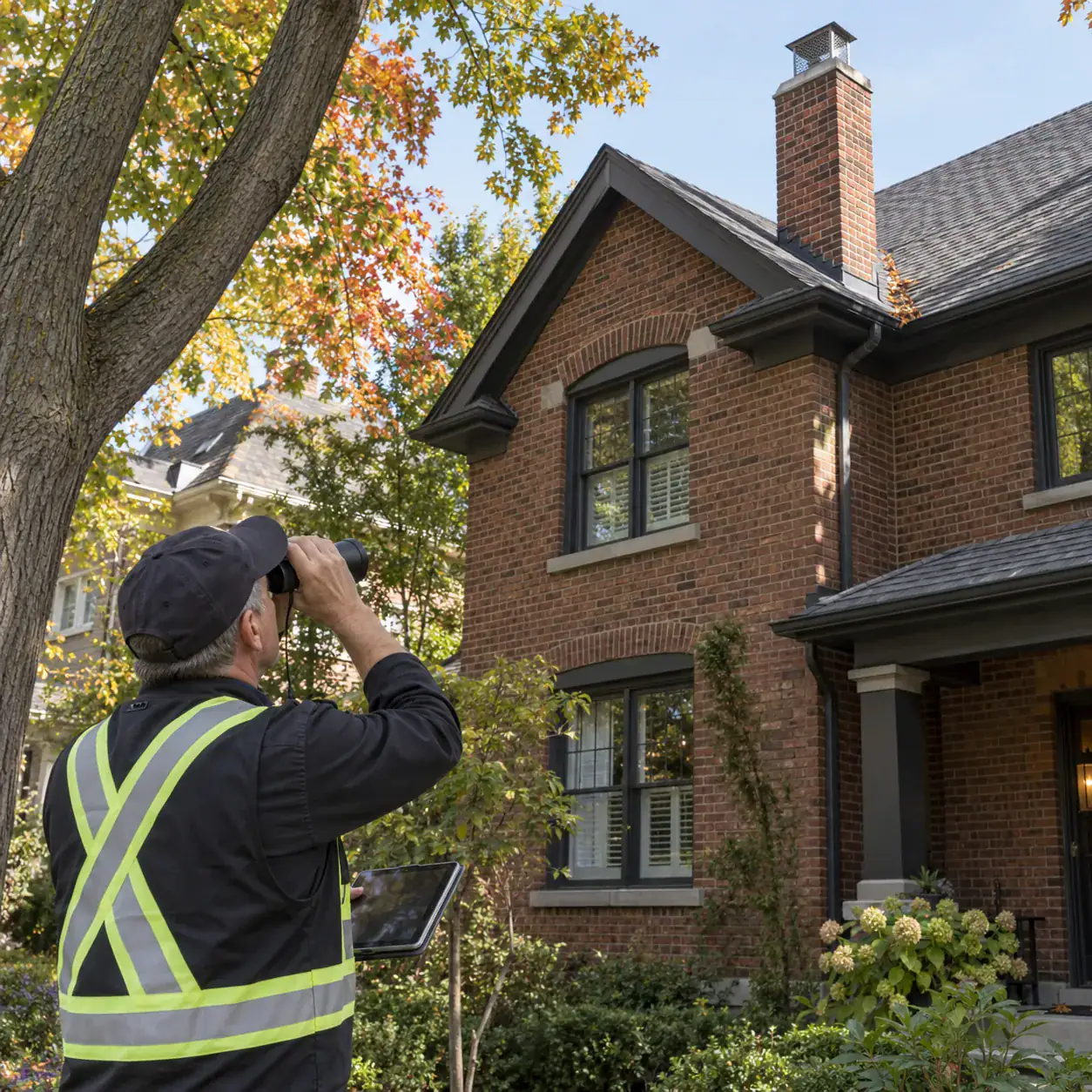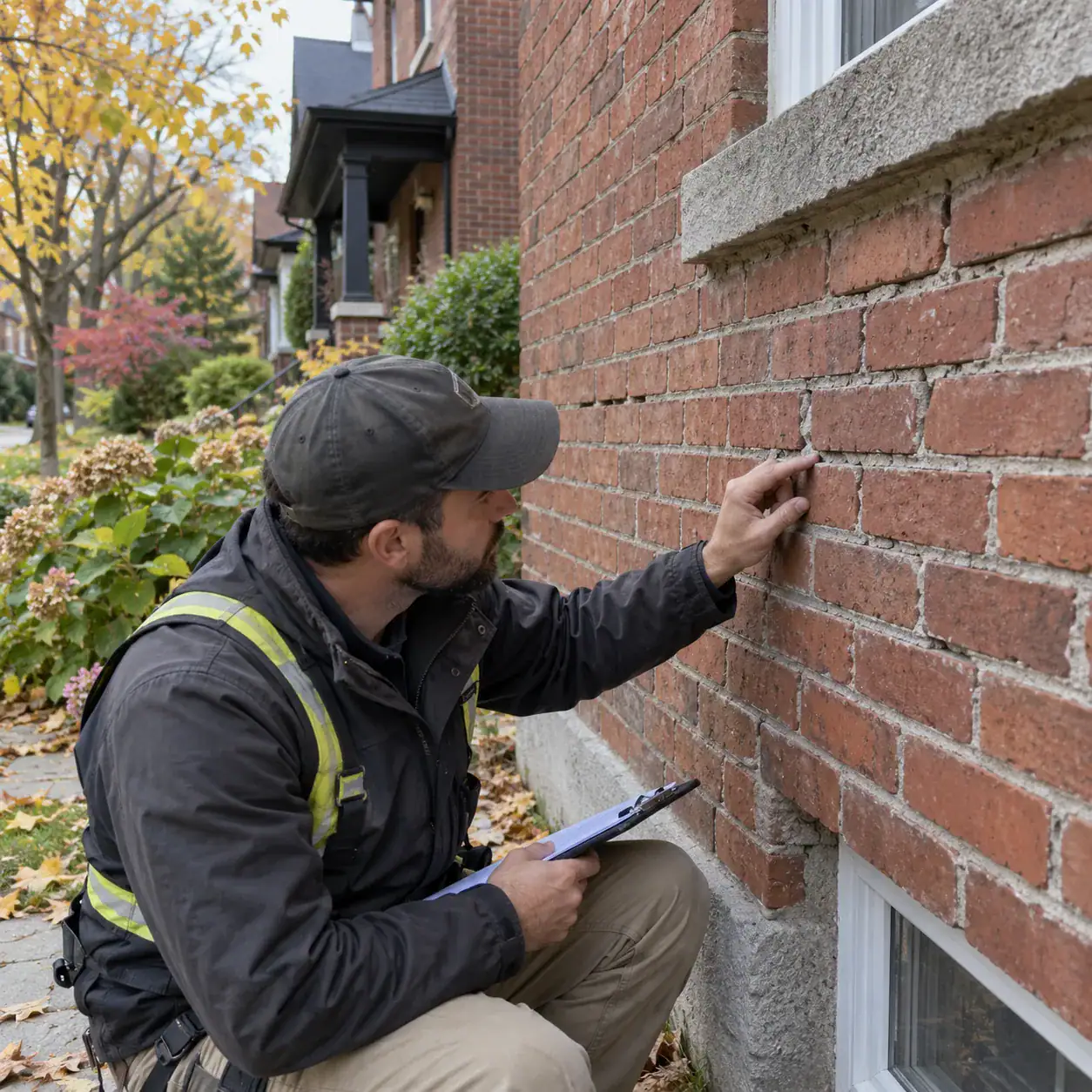

Chimney waterproofing options help protect a masonry chimney from rain, snow, ice, wind, and freeze-thaw damage. For Toronto and GTA homeowners, this matters because chimneys sit above the roofline, where they are exposed on all sides. A small crack in the crown, missing cap, open mortar joint, or spalling brick can let water enter and slowly damage the chimney from the outside in.
Chimney waterproofing is not one single product. It can include brick repair, tuckpointing, chimney cap installation, crown repair, flashing review, breathable water repellent, liner review, and drainage correction around nearby roof or wall areas. The right option depends on where the water is entering and what part of the chimney is failing.
This guide explains the main chimney waterproofing options, when each one helps, when sealing is not enough, and what homeowners should check before winter or after heavy rain.
Why Chimneys Need Waterproofing
Chimneys need waterproofing because masonry can absorb moisture, and repeated exposure to moisture can cause damage over time. Brick, mortar, concrete crowns, stone caps, and clay flue liners can all be affected by water if the chimney is not protected properly.
In Toronto, chimneys face rain, snow, ice, freezing temperatures, thawing, strong wind, and seasonal temperature swings. Water can enter small openings, freeze, expand, and enlarge cracks. Over time, this can lead to spalling brick, crumbling mortar, rust staining, interior leaks, chimney odours, damaged liners, and loose masonry.
Chimney waterproofing should not be treated as a cosmetic upgrade. It is part of protecting the chimney structure. If water keeps entering, small masonry issues can become larger repair needs by the next season.
If your chimney already shows cracked brick, missing mortar, or water damage, A&A Masonry’s chimney repair Toronto page explains common chimney repair concerns for local homes.
Option 1: Chimney Cap Installation or Replacement
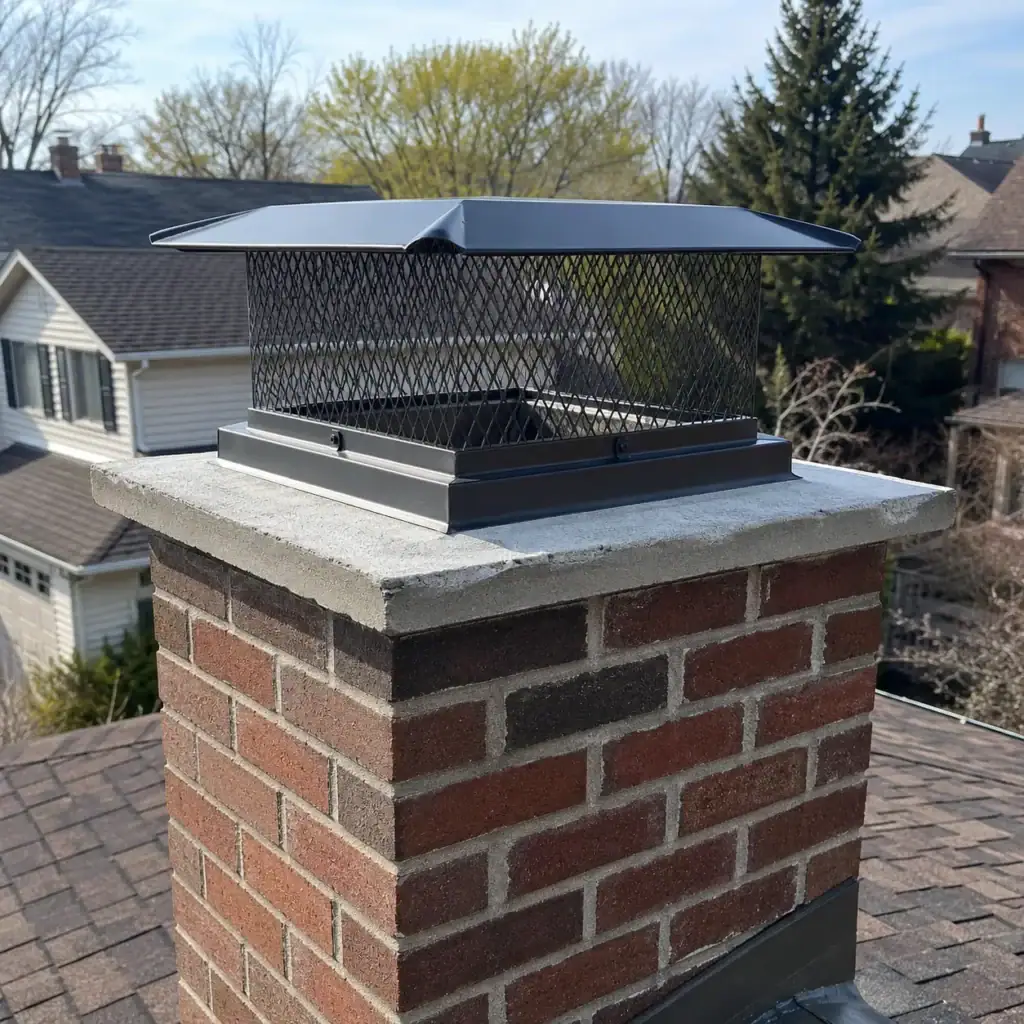
A chimney cap helps protect the chimney’s top opening from rain, snow, animals, leaves, and debris. It is one of the most practical chimney waterproofing options because water often enters through the roof.
A missing or damaged chimney cap can allow moisture to fall directly into the flue. It can also allow birds, squirrels, leaves, and nesting material to block the chimney. Once water and debris enter, the chimney may develop odours, staining, damaged liners, poor draft, and interior moisture issues.
A good cap should fit the chimney properly, protect the flue opening, and suit the type of chimney system. Caps are not a complete waterproofing solution on their own, but they are an important part of keeping water and debris out from the top.
A&A Masonry’s blog on chimney cap options explains why caps matter for rain, snow, animals, and long-term chimney moisture protection.
Option 2: Chimney Crown Repair
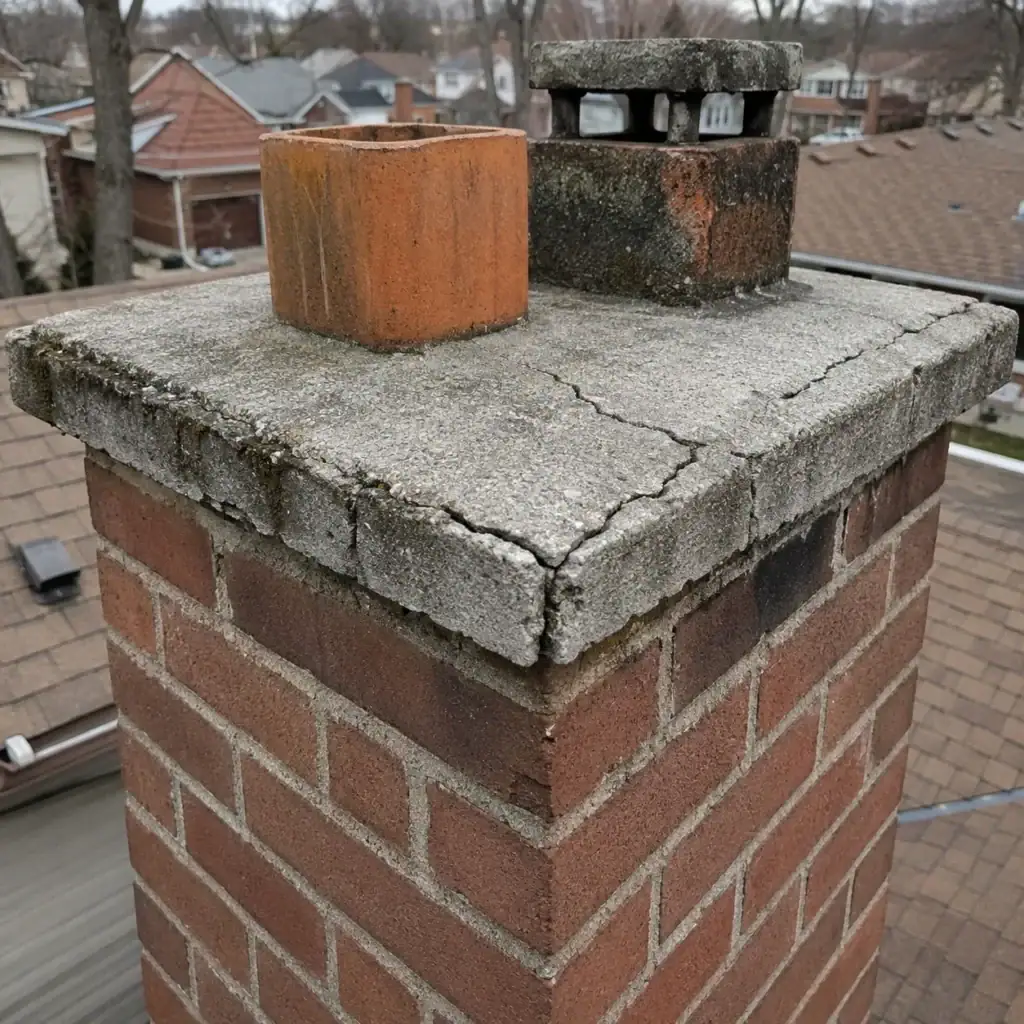
Chimney crown repair helps stop water from entering through the top surface of a masonry chimney. The crown is the sloped masonry or concrete area at the top of the chimney that helps direct water away from the flue and brickwork.
When a chimney crown cracks, flattens, separates, or breaks down, water can enter from above. In winter, that moisture can freeze in small cracks, worsening crown damage. Water can also travel into the upper brickwork and mortar joints.
Small crown cracks may sometimes be repairable if the crown is still sound. Larger cracks, poor slope, loose sections, or widespread deterioration may require more substantial repair or rebuilding. A flat or poorly built crown may continue to hold water even after a small patch.
A proper crown should shed water away from the flue and masonry. If the top of the chimney is not directing water away, other waterproofing efforts may not last.
Option 3: Tuckpointing Damaged Mortar Joints
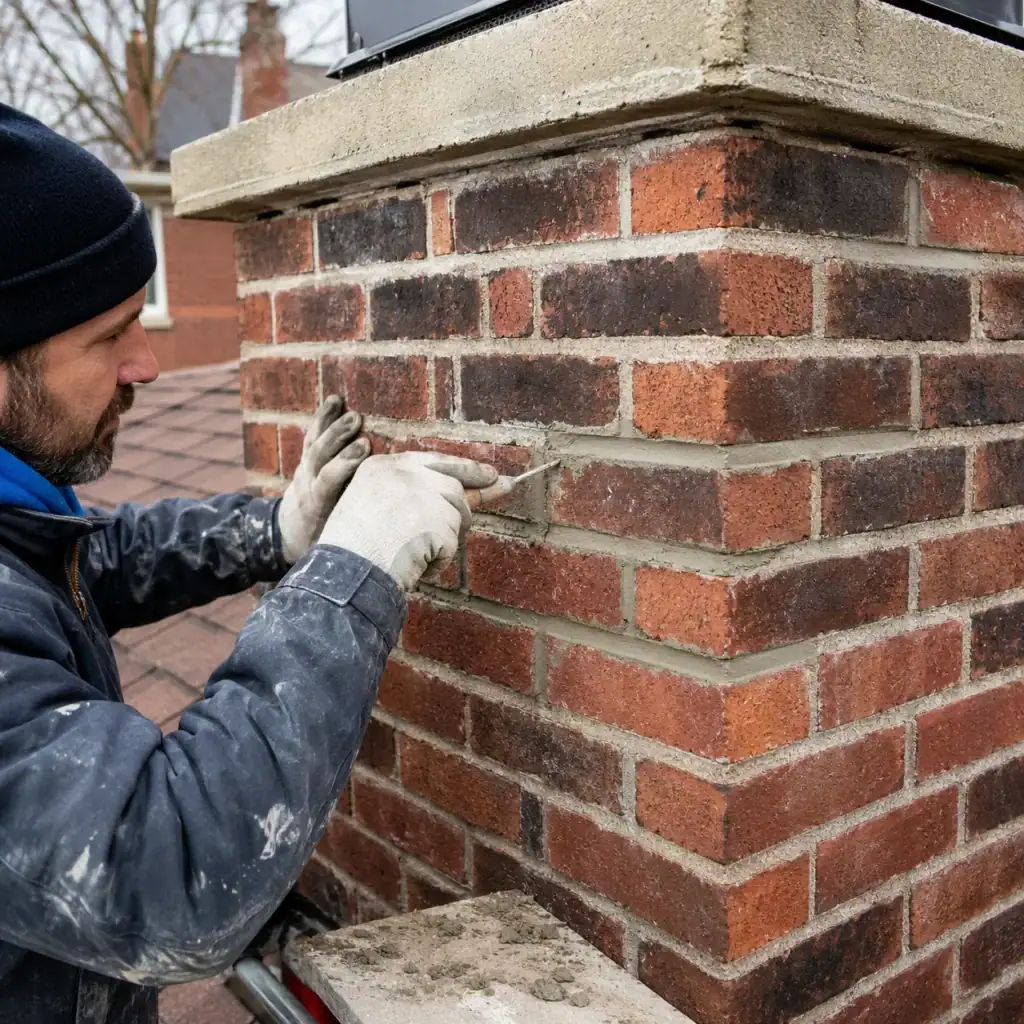
Tuckpointing is a chimney waterproofing option when mortar joints are cracked, missing, recessed, or crumbling. Mortar joints are a common path for water because they sit between the bricks and are exposed to weather on all sides of the chimney.
Open mortar joints allow water to enter the chimney wall. Once water gets inside, freeze-thaw cycles can widen the joints, loosen bricks, and cause more spalling. If the mortar is already soft or sandy, a sealer alone will not solve the problem.
Tuckpointing involves removing deteriorated mortar to a proper depth and replacing it with compatible new mortar. Compatibility is important, especially on older Toronto homes, because mortar that is too hard or poorly matched can cause future damage or stand out visually.
If your chimney has open or crumbling joints, A&A Masonry’s page on tuckpointing services in Toronto explains how proper mortar joint repair helps protect masonry from water and freeze-thaw damage.
Option 4: Brick Repair or Brick Replacement
Brick repair or replacement is needed when chimney bricks are cracked, spalling, loose, or badly weathered. Waterproofing should not be applied over damaged brick as a shortcut. The broken brick must be repaired first because its surface has already lost its protective layer.
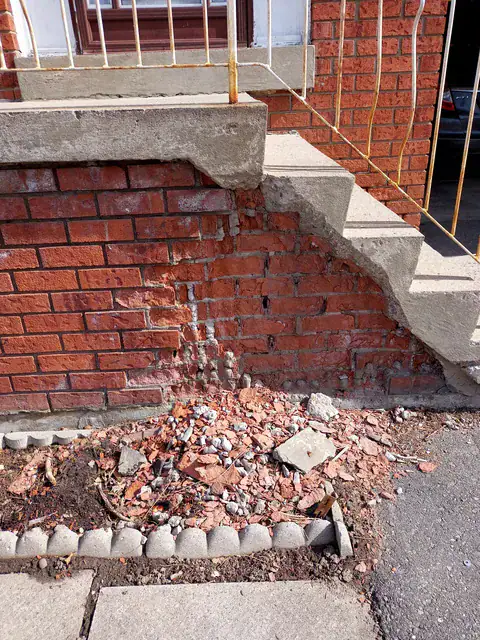
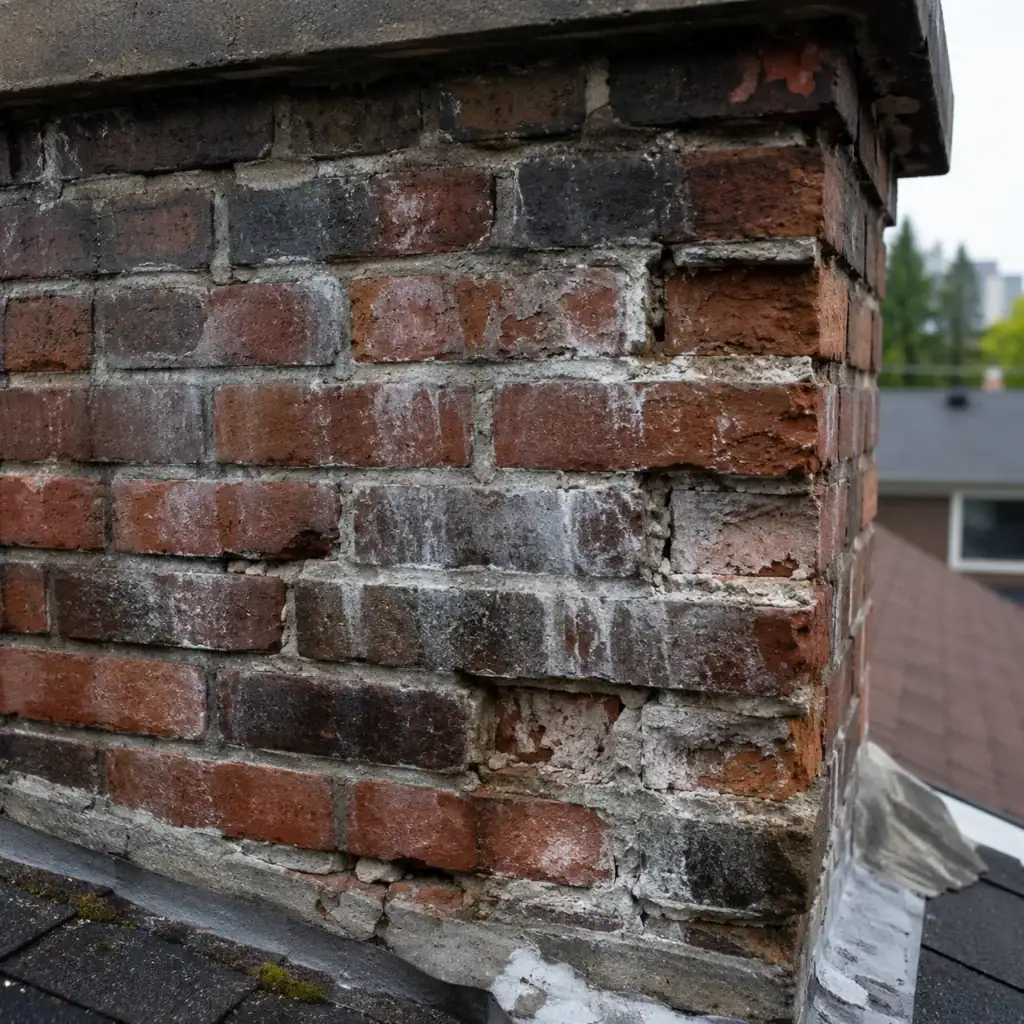
Spalling brick is a common chimney problem in Toronto. It appears as flaking, peeling, crumbling, or broken brick faces. Once the outer face is damaged, the brick may absorb more moisture and deteriorate faster.
Brick replacement may be needed when individual bricks are too damaged to save. The replacement brick should match the size, colour, texture, and surrounding masonry as closely as possible. A poor match can make the chimney look patched and may behave differently in weather.
Repairing damaged brick before applying water repellent gives the chimney a better chance of staying dry and stable through future seasons.
Option 5: Breathable Chimney Water Repellent
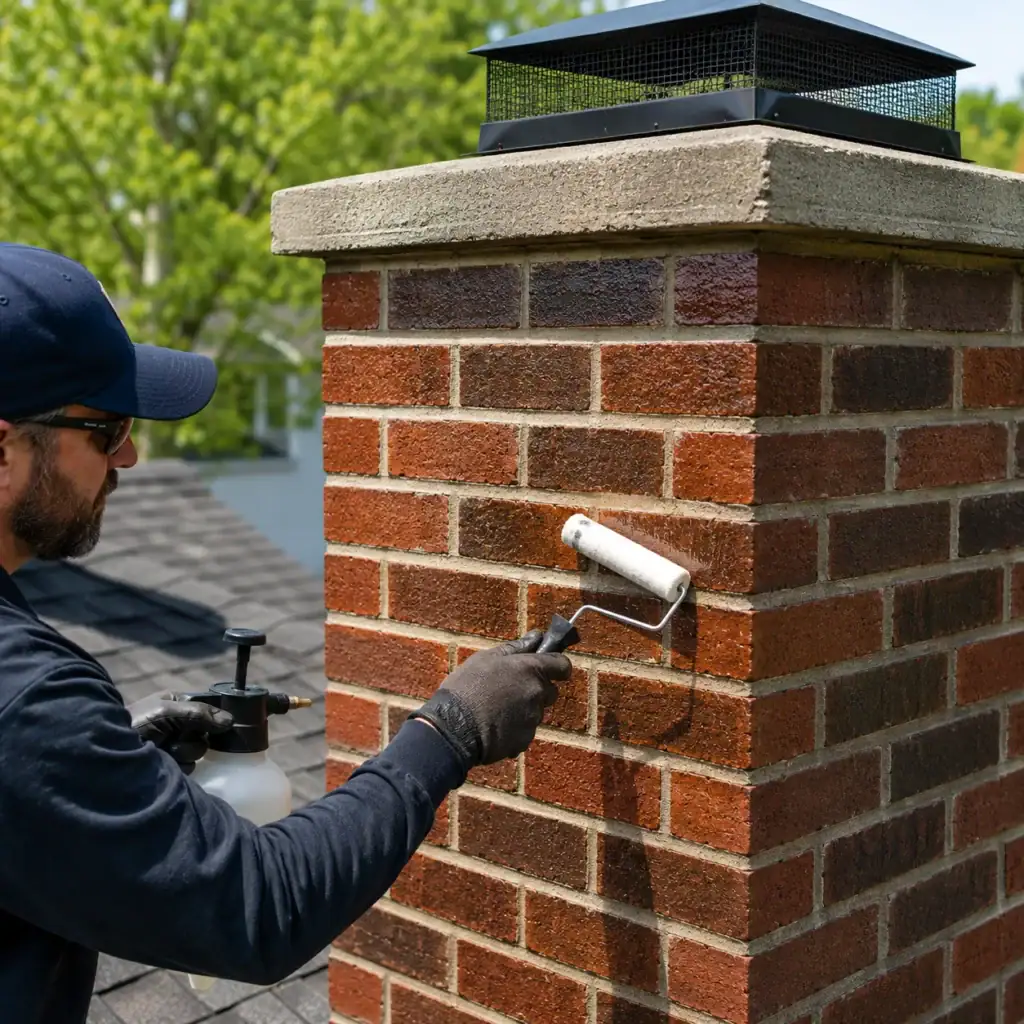
A breathable chimney water repellent can help reduce water absorption after the chimney has been repaired, dried, and cleaned. This is often what homeowners mean when they ask about “chimney waterproofing,” but it should usually come after repair, not before.
The product should be breathable so that masonry can release moisture vapour. A coating that traps moisture inside the brick or mortar can cause peeling, staining, or freeze-thaw damage. The goal is to repel rainwater while still allowing the chimney to dry.
A water repellent may be useful when the chimney has sound brick, repaired mortar, a good crown, a proper cap, and no active leaks. It is not a fix for cracked crowns, open joints, missing caps, failed flashing, or spalling brick.
A&A Masonry’s blog on masonry sealers explains why breathability, surface condition, and repair timing matter before applying any masonry sealer.
Option 6: Flashing Review and Repair
Flashing review is important because water can enter where the chimney meets the roof. Chimney flashing is usually made from metal and is designed to direct water away from the roof-to-chimney joint.
Damaged, loose, rusted, poorly installed, or separated flashing can allow water into the home even if the brickwork looks fine. Homeowners may notice ceiling stains, damp areas near the fireplace, water marks in the attic, or leaks during wind-driven rain.
Flashing problems are sometimes mistaken for masonry leaks. A chimney may need both flashing review and masonry repair, but the source should be identified before work begins. Sealing brick will not fix a failed flashing detail.
Because flashing sits on the roof, homeowners should inspect it safely from the ground when possible and leave roof access to qualified professionals.
Option 7: Chimney Liner Review
A chimney liner review may be needed when water has entered the flue or when the chimney serves a fireplace or fuel-burning appliance. The liner helps protect the chimney interior and supports proper venting.
Water entering from a missing cap, cracked crown, or damaged masonry can affect the liner over time. Clay tile liners may crack or shift. Metal liners may corrode. A damaged liner is not only a moisture issue. It can also affect fireplace or appliance safety.
Waterproofing the exterior does not repair a damaged liner. If there are signs of broken liner pieces, smoke backup, odours, poor draft, or water inside the fireplace, the chimney should be evaluated before use.
A&A Masonry’s chimney liner options guide explains common liner types and why the condition of a liner matters for masonry chimneys.
Option 8: Waterproofing Around Nearby Masonry and Roof Areas
Waterproofing around nearby masonry and roof areas may be needed when the chimney problem is connected to surrounding surfaces. Sometimes the chimney is not the only issue. Water may be coming from nearby roof drainage, wall intersections, poorly sloped surfaces, blocked gutters, or damage to surrounding masonry.
A chimney attached to a wall, parapet, side addition, or older roofline can have several moisture paths. Water can travel behind materials before showing up inside the home. This is why the full area around the chimney should be reviewed, not only the visible brick face.
The City of Toronto provides guidance on managing rain and melted snow. While that guidance is broader than chimney repair, the same principle applies: water needs a controlled path away from vulnerable areas of the building.
If chimney moisture is connected to broader exterior water issues, a complete repair plan may include roof drainage, masonry repair, waterproofing, and flashing review.
Signs a Chimney Needs Waterproofing
A chimney may need waterproofing or moisture-related repair when you see visible signs of water entry, masonry deterioration, or repeated dampness. Some signs appear on the outside of the chimney. Others appear inside the home.
- Spalling brick: Brick faces flake, chip, or crumble.
- Missing mortar: Mortar joints look open, recessed, sandy, or cracked.
- White staining: Efflorescence may show that moisture is moving through masonry.
- Cracked crown: The top surface of the chimney has cracks or poor slope.
- Missing or damaged cap: Rain, snow, and debris may enter the flue.
- Rust stains: Rust near the cap, damper, or firebox may point to moisture.
- Interior water stains: Stains near the fireplace, ceiling, or attic may suggest leaks.
- Musty chimney odours: Odours can be linked to moisture, soot, creosote, or poor ventilation.
One warning sign does not always identify the exact repair. A careful inspection helps determine whether the chimney needs cap work, crown repair, tuckpointing, brick replacement, flashing repair, water repellent, or liner review.
What Chimney Waterproofing Cannot Fix
Chimney waterproofing cannot fix every chimney problem. A water repellent or sealer should not be used to cover damage that needs repair. It also cannot solve structural movement, active appliance problems, chimney fires, severe leaning, failed liners, or major roof leaks.
Waterproofing cannot fix:
- Loose or falling bricks
- Severely cracked crowns
- Open mortar joints
- Missing chimney caps
- Failed flashing
- Damaged chimney liners
- Structural leaning
- Unsafe fireplaces or fuel-burning appliances
Ontario’s carbon monoxide safety page is a useful reminder that fuel-burning appliances and venting systems need proper attention. If a chimney is connected to a fireplace, furnace, boiler, or other appliance, safety concerns should be handled by qualified professionals.
Why Toronto Freeze-Thaw Cycles Make Chimney Moisture Worse
Toronto’s freeze-thaw cycles worsen chimney moisture because water expands when it freezes. If water enters brick, mortar joints, crown cracks, or small gaps, freezing temperatures can slowly push the material apart.
This repeated movement can widen cracks, loosen mortar, and break the face off the brick. Chimneys are especially vulnerable because they are exposed above the roof, where wind, rain, snow, and ice hit from every direction.
Spring often reveals the damage that started during winter. Brick may begin flaking, mortar may fall out, and stains may appear after snow and ice melt. This is why fall chimney checks and spring inspections are both useful for Toronto homes.
Waterproofing is most effective when it reduces moisture before freeze-thaw weather begins. Waiting until the chimney is already damaged usually means repair must come first.
Best Time to Waterproof a Chimney
The best time to waterproof a chimney is usually during mild, dry weather after repairs are complete and the masonry has had time to dry. Late spring, summer, and early fall are often practical times for chimney repair and water repellent application in Toronto.
Weather matters because mortar, crown repair materials, sealers, and water repellents all need suitable temperatures and dry conditions. Applying a product to damp masonry or immediately before freezing weather can lead to poor results.
Homeowners should not wait until heavy fall rain or the first snowfall to review chimney moisture. If the chimney has open joints, missing caps, or cracked brick, schedule the assessment early enough to allow time for repair, curing, drying, and waterproofing, if needed.
If the chimney is leaking actively, the first step is to identify the source. Temporary protection may be needed in some cases, but permanent waterproofing should wait until the underlying damage is repaired.
Should You Seal the Chimney Yourself?
Most homeowners should not seal a chimney themselves unless it has already been inspected, repaired, and confirmed suitable for the product. Chimney work involves working at heights, roof safety, product selection, and moisture diagnosis.
DIY sealing mistakes can include applying product over damp masonry, sealing spalling brick, missing open joints, using a non-breathable coating, staining the brick, or ignoring the crown and cap. The chimney may look treated on the outside, while water continues to enter through another path.
Homeowners can safely check from the ground for missing caps, cracked crowns, spalling brick, staining, and missing mortar. They can also photograph problem areas and note when leaks appear. Roof work, high-ladder work, crown repairs, and full chimney sealing are usually best left to qualified professionals.
The safest DIY role is observation and maintenance planning, not risky roofline repair.
Permits, Code, and Chimney Safety
Permits and code questions may matter when chimney waterproofing goes beyond surface maintenance. A minor water-repellent treatment may be simple maintenance, but chimney rebuilds, major structural repairs, liner work, appliance changes, or roofline alterations may entail additional requirements.
The City of Toronto provides information about building permits. Ontario’s official Building Code page is the preferred provincial reference for building requirements. Ontario’s fire safety legislation and the Ontario Fire Code page are also useful references when chimney work relates to fireplace or fuel-burning appliance safety.
For homeowners, the practical rule is simple: if the project affects structure, venting, appliance use, liners, major rebuilds, or roofline details, confirm the proper requirements before starting.
Quick Guide to Chimney Waterproofing Options
A quick guide can help homeowners understand which chimney waterproofing option may fit the issue.
- Missing cap: Install or replace the chimney cap to reduce rain, snow, debris, and animal entry.
- Cracked crown: Repair or rebuild the crown so water sheds away from the top.
- Open mortar joints: Tuckpoint the chimney before applying any water repellent.
- Spalling brick: Repair or replace damaged brick before sealing.
- Sound but absorbent masonry: Consider a breathable, water-repellent coating after repairs and drying.
- Interior leak near roofline: Review flashing and surrounding roof details.
- Odours or water in the flue: Review the cap, liner, moisture source, and ventilation.
- Recurring damage: Find the water source before repeating the same repair.
The right option depends on where the water is entering, what material is damaged, and whether the chimney is used for fireplace or appliance venting.
When Professional Help Makes More Sense
Professional help makes more sense when the chimney is leaking, high up, cracked, spalling, missing mortar, missing a cap, showing interior water stains, or connected to a fireplace or fuel-burning appliance. Chimney waterproofing often requires more than applying one product.
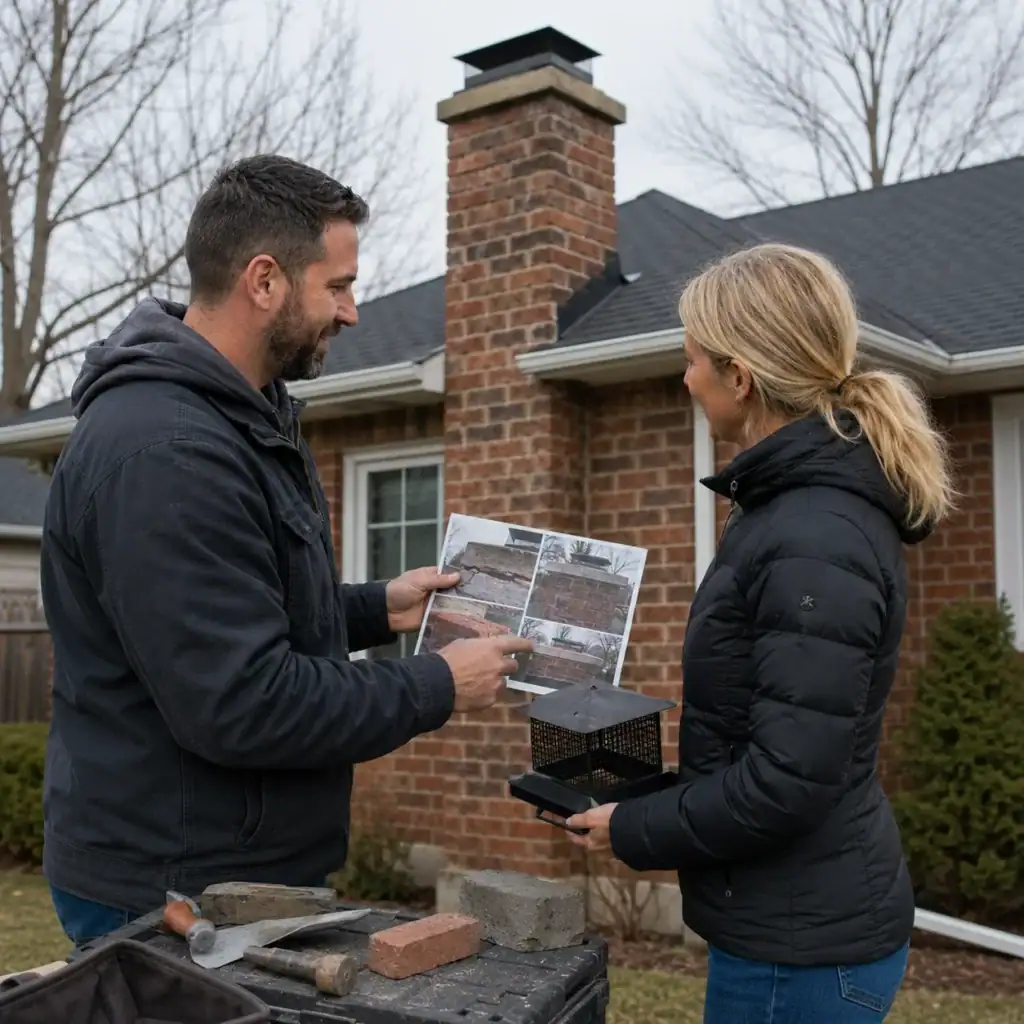
A professional can assess the crown, cap, brick, mortar joints, flashing, liner concerns, roofline details, and signs of moisture movement. They can also help determine whether the chimney needs tuckpointing, brick replacement, crown repair, cap repair, breathable water repellent, or a larger repair plan.
For broader repair planning, A&A Masonry’s masonry services in Toronto page outlines related services, including chimney repair, brick repair, tuckpointing, waterproofing, stone masonry, concrete repair, and exterior restoration.
Final Thoughts on Chimney Waterproofing Options
Chimney waterproofing options include more than sealer. A good moisture protection plan may involve a chimney cap, crown repair, tuckpointing, brick replacement, flashing review, liner review, and breathable water repellent after the chimney is repaired and dry.
For Toronto and GTA homes, chimney moisture should be addressed before freeze-thaw cycles enlarge small openings. A missing cap, cracked crown, open mortar joint, or spalling brick can let water into the chimney all season. If that moisture freezes, the damage can spread quickly.
The best chimney waterproofing option is the one that solves the actual water path. Repair damaged masonry first, correct top and roofline details, choose breathable products when appropriate, and avoid sealing over problems that need proper repair.