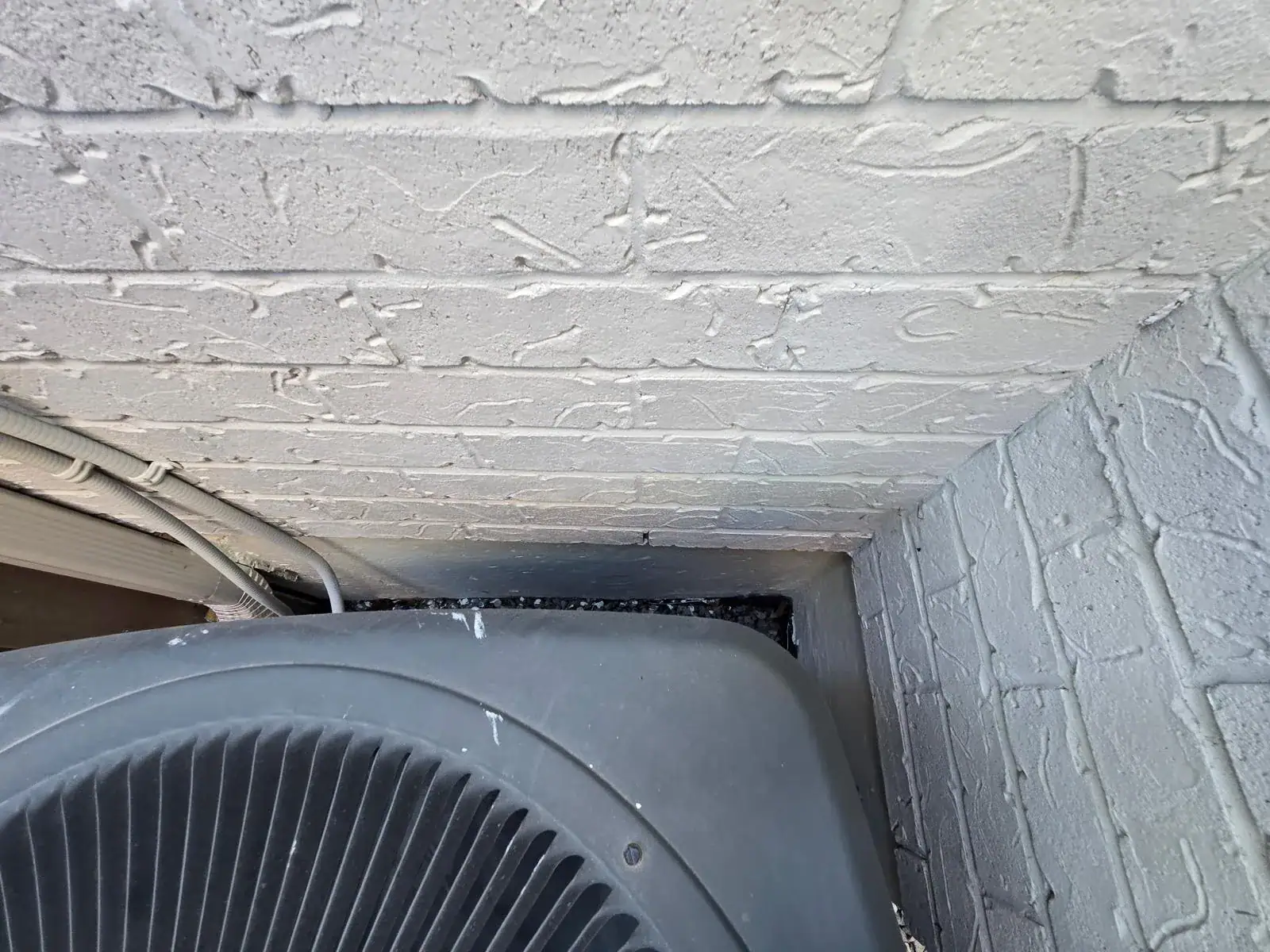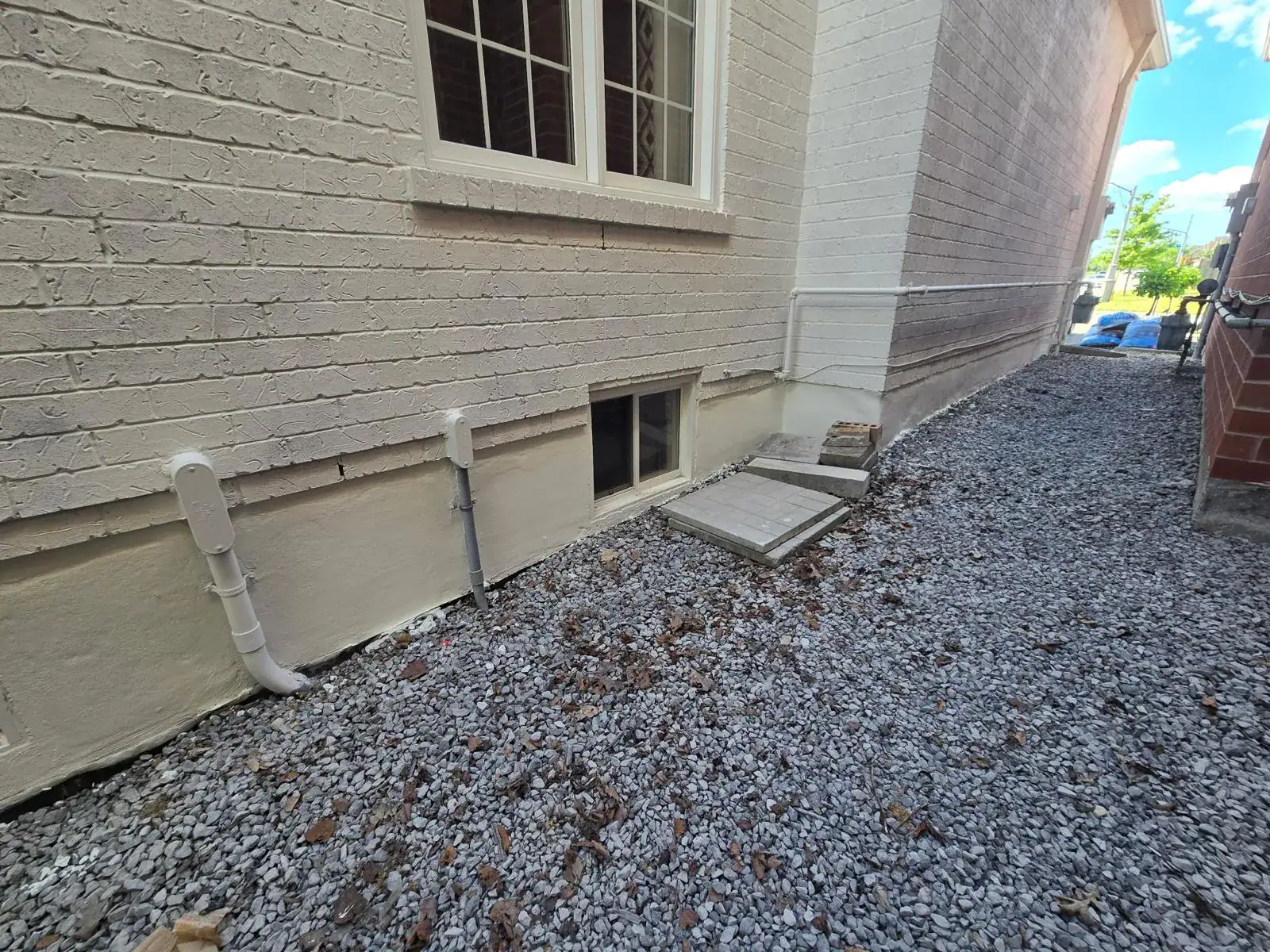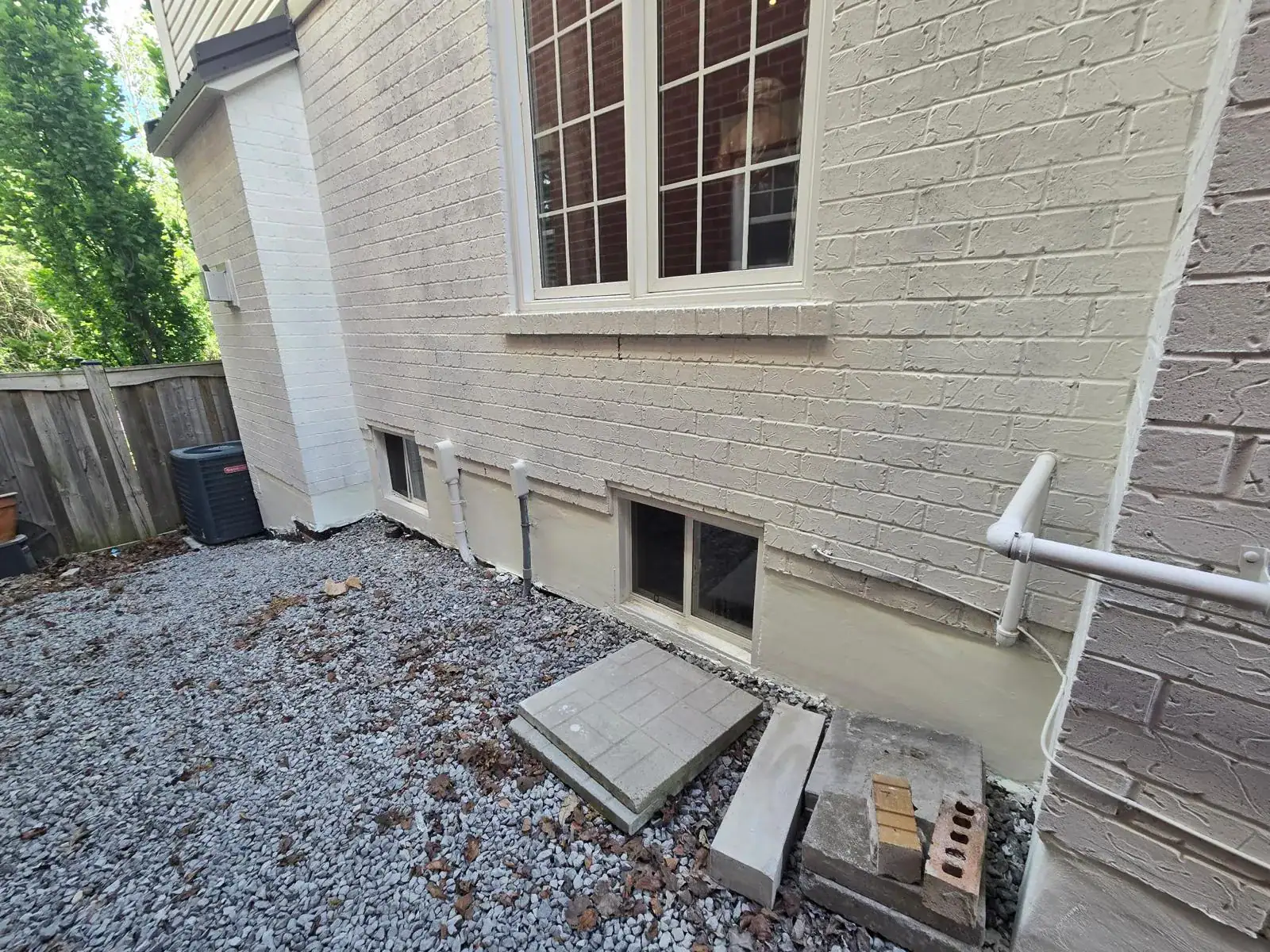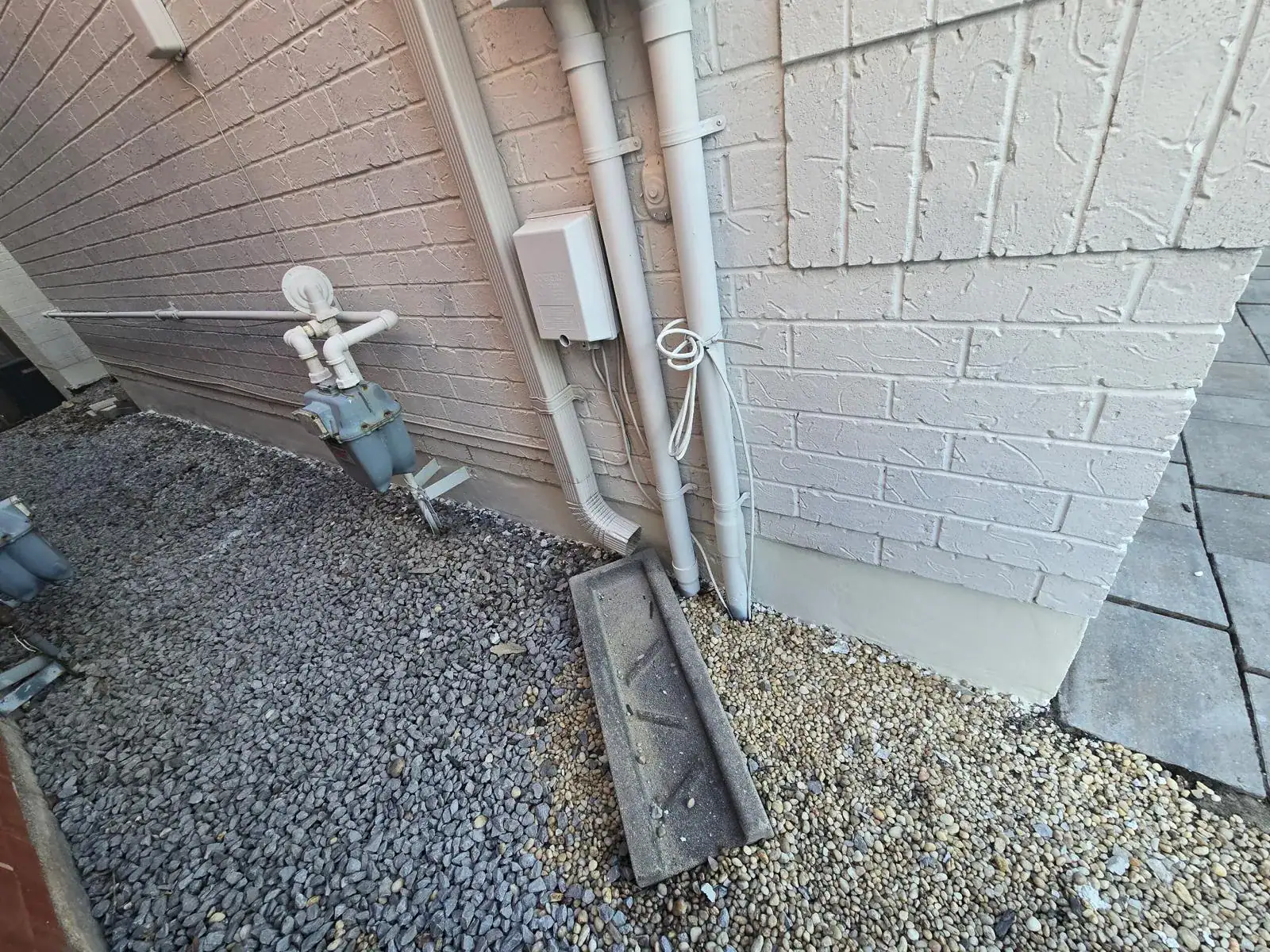
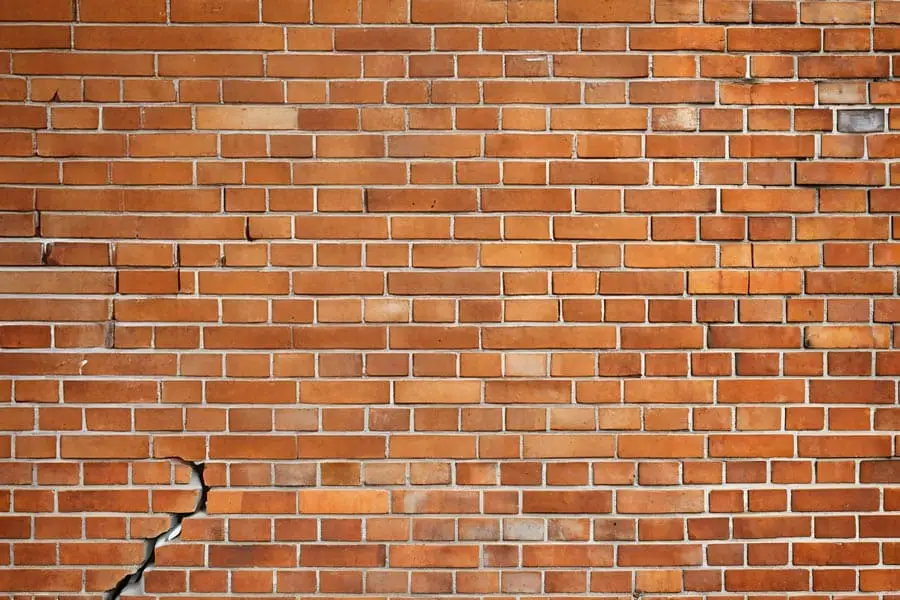
Many homeowners face the problem of cracked bricks. They often ask if these cracks can be fixed. Fortunately, most cracked bricks can be repaired, making your home look and feel better.
This article will guide you through an informative guide on the causes of brick cracking. We’ll look at the reasons behind cracks and how to check the damage. You’ll learn how to keep your bricks in good shape and what to do if they crack.
Understanding Cracked Bricks
Bricks are often overlooked but play a key role in many structures. Cracks and fissures can appear on them. Knowing what causes these issues is the first step to fixing them.
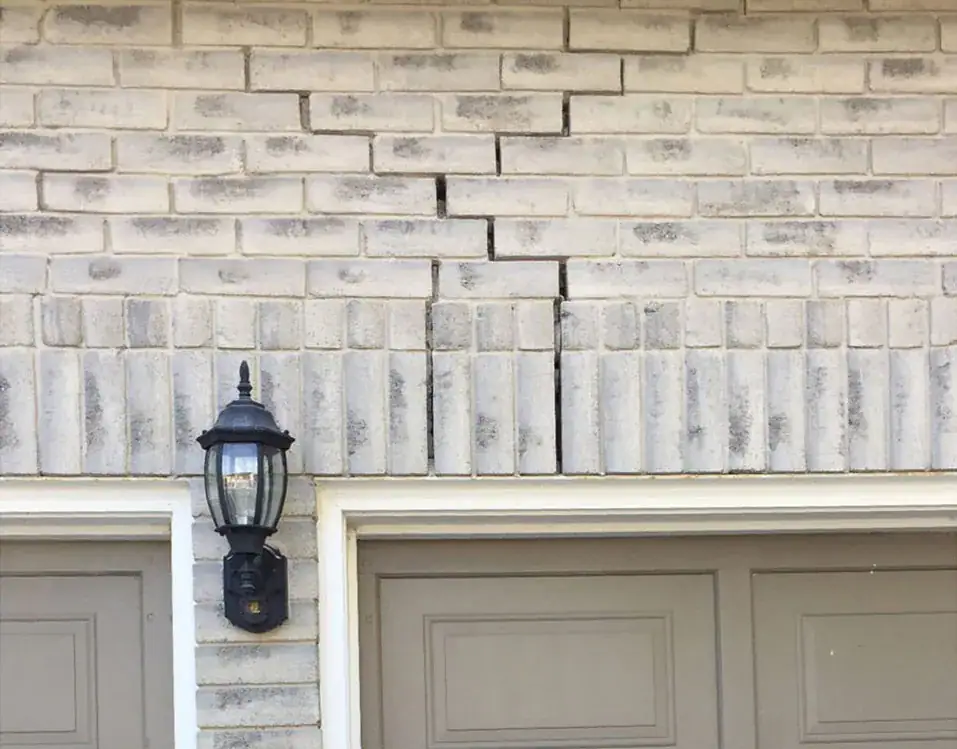
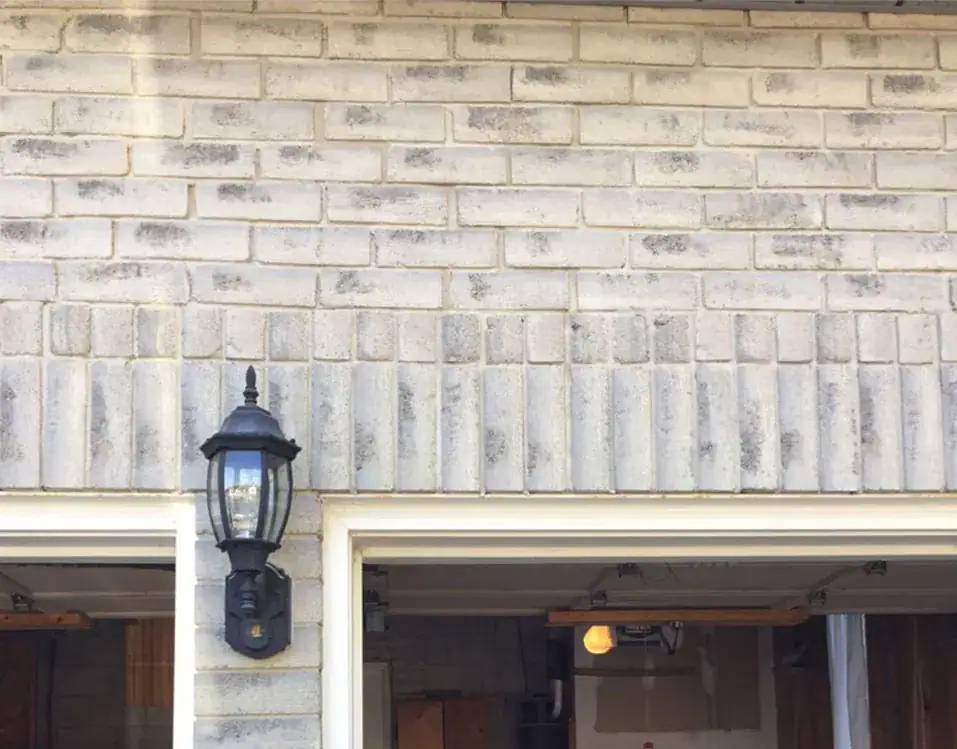
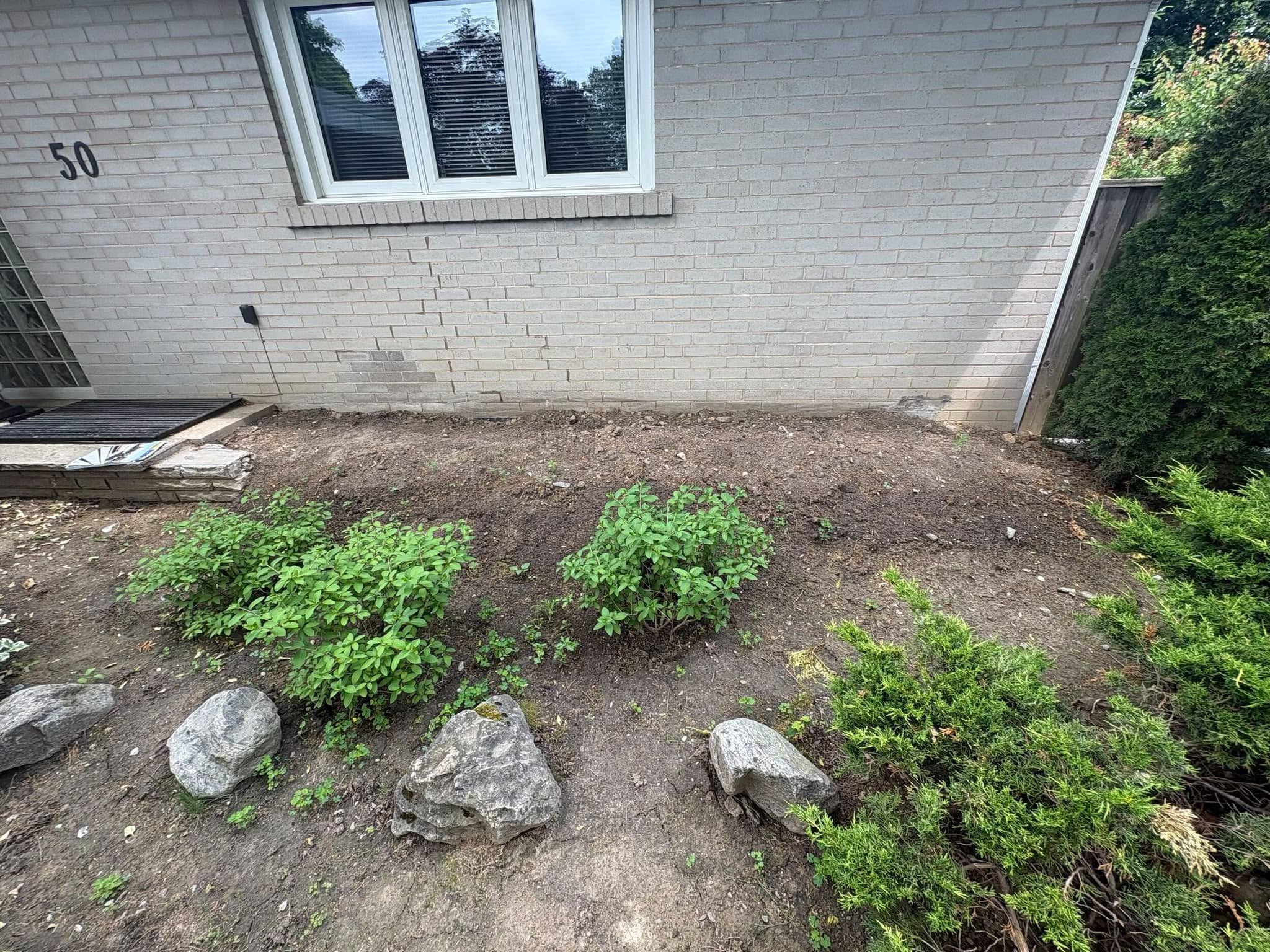
Many factors can lead to cracked bricks. This includes foundation settlement and extreme weather. These factors can stress the bricks, causing hairline cracks or zig-zag patterns.
What Causes Cracked Bricks
Foundation settlement is a major cause of brick cracks. When the ground shifts, it can stress the bricks. This leads to hairline cracks or zig-zag patterns.
Extreme weather conditions also contribute to brick damage. Freezing temperatures and prolonged dry periods can cause bricks to expand and contract, leading to cracks over time.
Additionally, poor construction practices or the use of low-quality materials can result in cracking. Improper installation or missing expansion joints often cause brick walls to develop cracks.

Types of Brick Cracks
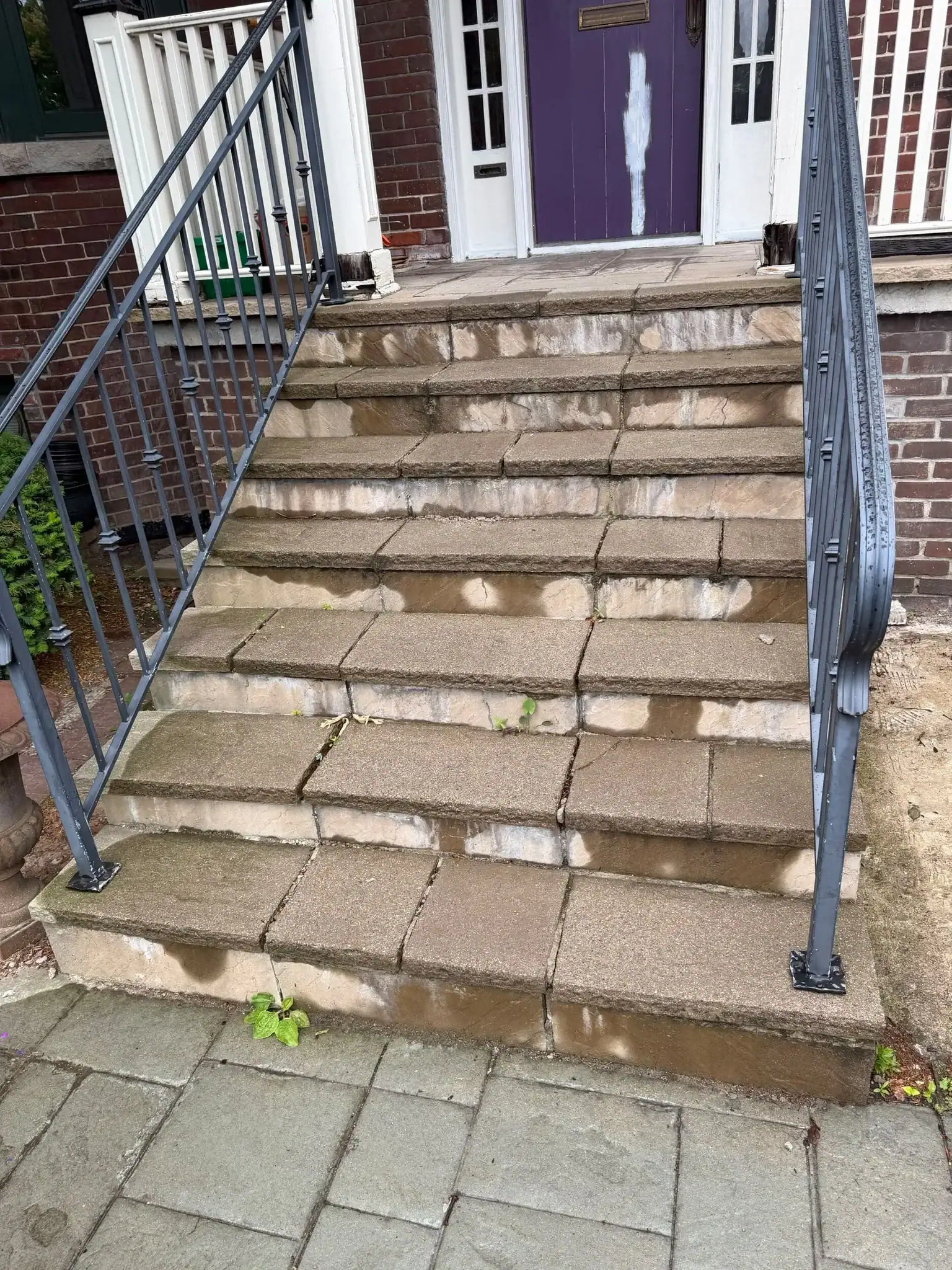
Brick cracks come in different forms. Each type has its own look and repair needs. Hairline cracks are thin and superficial. Zig-zag cracks are more serious, showing structural problems. Through-cracks go all the way through the brick, weakening it.
It’s essential to know the type and size of the crack. This helps decide the best way to fix it, whether it’s a small hairline crack in bricks or a complex zig-zag crack in brick wall.
Assessing the Damage
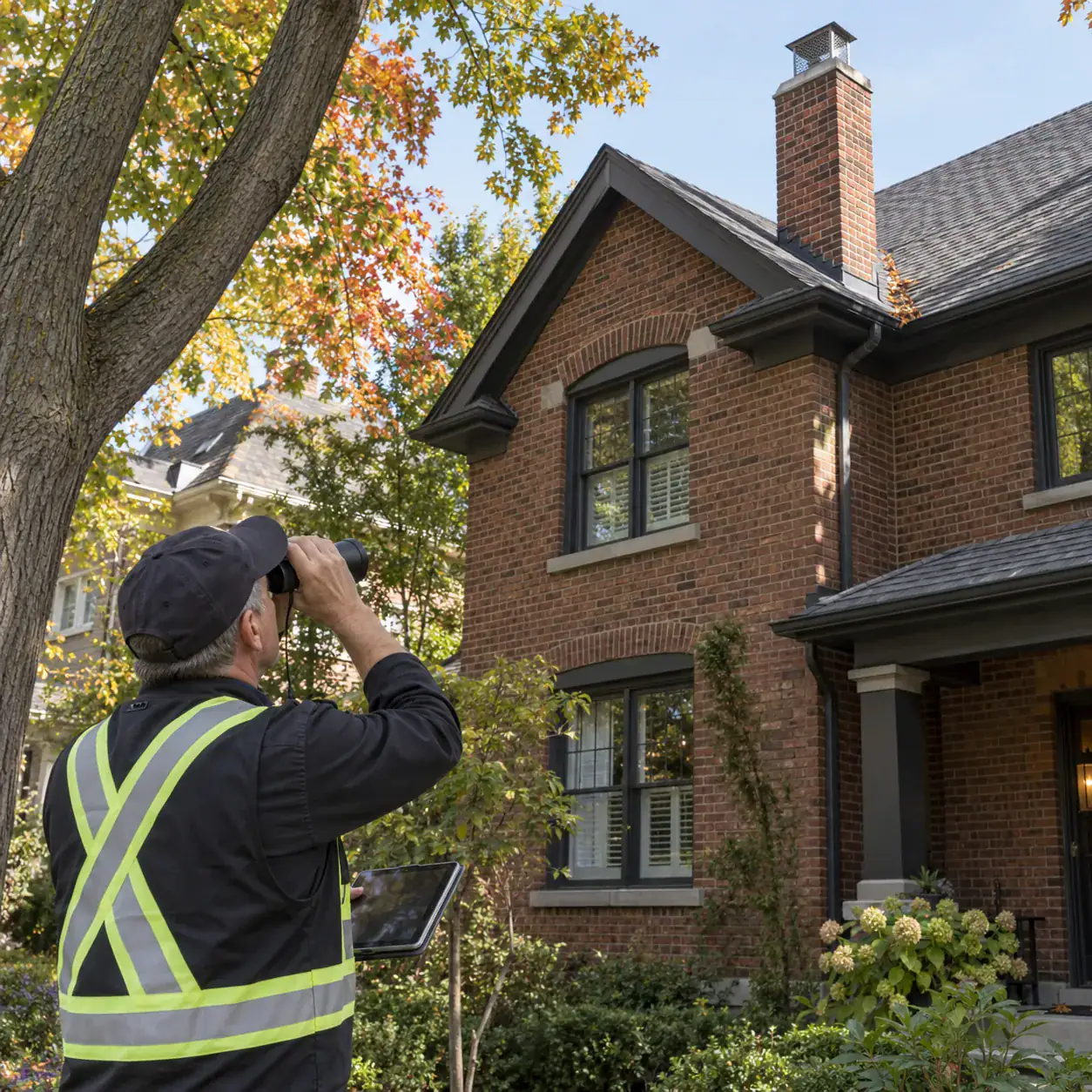
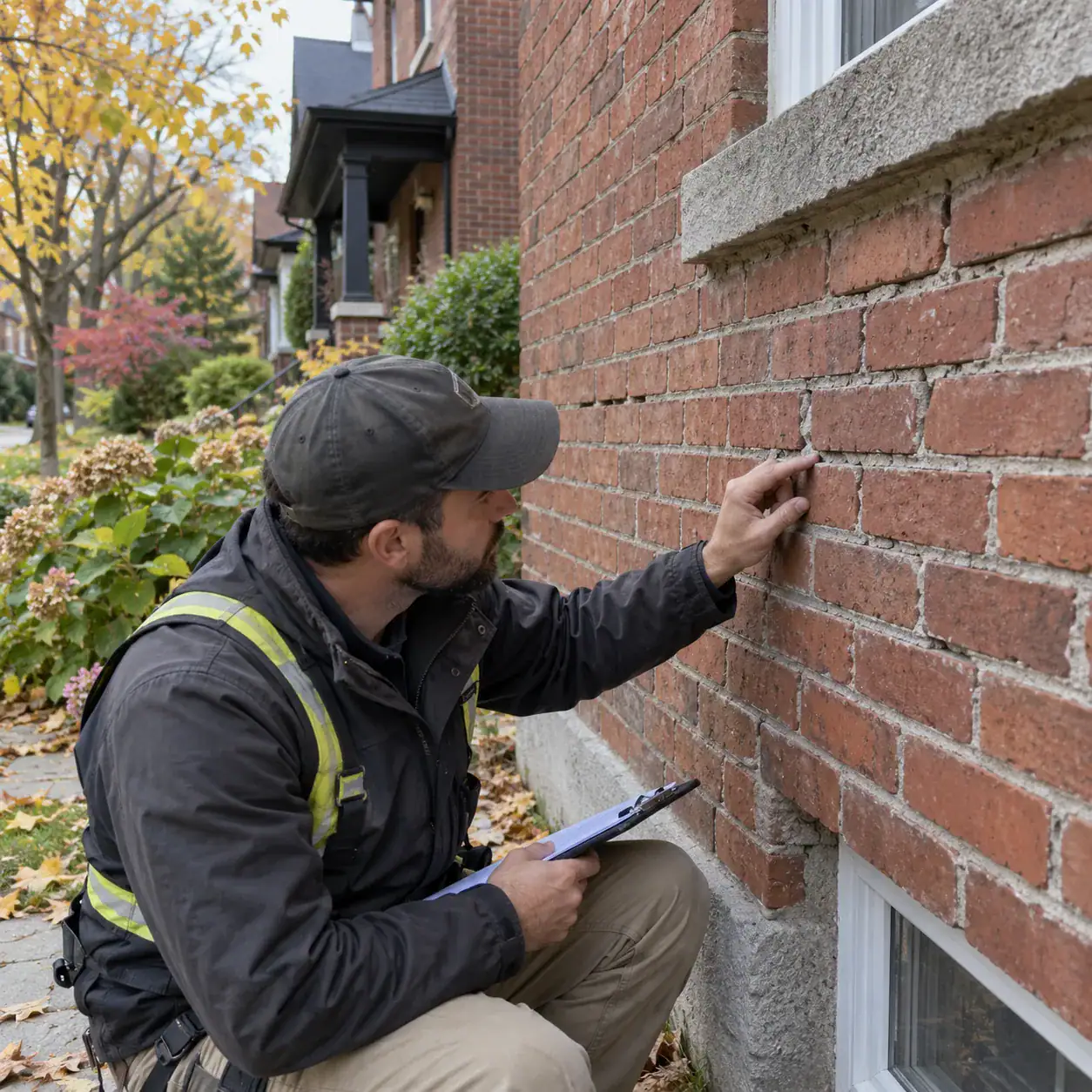
When you notice cracks in your bricks, the first thing to do is check how bad they are. This helps you determine if you should worry or if they’re just a minor cosmetic issue.
Looking closely at the cracks can tell you much about what’s going on underneath and how it might affect your home’s structure.
To understand the damage, think about these things:
- Size and Location of the Cracks – Check the length, width, and depth of the cracks. Larger, wider, or deeper cracks are usually more serious than small ones.
- Number of Cracks – Having just one crack might be less of a problem than having many. This could mean the issue is bigger.
- Crack Patterns – Diagonal or stair-step cracks often point to bigger structural problems. But vertical or horizontal cracks might be less serious.
- Crack Progression – Watch the cracks over time to see if they get bigger or stay the same. If they keep growing, it’s a sign of a bigger issue.
- Signs of Water Damage – Look for any signs of water or moisture near the cracked bricks. This can make the problem worse.
By carefully assessing the damage, you can figure out if the cracks in your brick are something to worry about or if they’re just a minor cosmetic issue. This will help you decide what to do next to fix the problem.
How Cracked Bricks Are Done
Understanding how to fix cracked bricks will provide insight into the process and how the work is carried out for homeowners. The methods include cleaning the area and removing dirt and loose materials to ensure a strong bond for proper adhesion of repair materials.
When Should You Worry About Hairline Cracks In Bricks?
If hairline cracks widen, spread rapidly, or are accompanied by other signs such as bulging walls or water stains, it’s time to seek professional evaluation. Industry Kitchens emphasizes the importance of early detection to avoid structural compromise.
How Do Professionals Fix Hairline Cracks In Bricks?
Professionals fix hairline cracks in bricks using specialized sealants, mortar repair compounds, or tuckpointing techniques.
A professional mason will apply a high-quality masonry sealer or epoxy to fill the crack, ensuring it penetrates deeply to prevent moisture infiltration.
For larger cracks, a specialized filling compound can patch the area, blending it with the surrounding brickwork while accommodating potential slab shrinkage.
Applying caulking around the repaired area can also enhance protection against water infiltration, particularly at junctions with other materials like siding or stucco.
Preventing Future Brick Cracks
Keeping your brick structures strong is key to avoiding brick cracks. It’s important to maintain them well and fix any hidden problems. This way, your bricks will stay solid and crack-free for a long time.
Proper Brick Maintenance
Regular cleaning, sealing, and repointing are vital for preventing future brick cracks. Use a mild detergent and water to clean the bricks. This removes dirt that can harm them.
Sealing the bricks with a water-repellent can also help. It keeps moisture out, which is a common cause of cracks. Repointing the mortar joints strengthens the structure and stops cracks from forming.

Addressing Underlying Issues
- Foundation problems: A stable and level foundation is essential to avoid brick cracks. Fix any foundation issues quickly.
- Drainage issues: Good drainage keeps water away from the foundation and bricks. Make sure water flows away from your structure.
- Soil conditions: The soil’s type and moisture can lead to brick cracks. Fix any soil problems, like poor drainage or expansive clay, to help.
You can stop future brick cracks by taking care of your bricks and fixing any hidden problems. This keeps your brick structures strong and lasting longer.
Repairing Options for Cracked Bricks
Homeowners have many ways to fix cracked bricks. The choice between fixing them inside or outside depends on the crack’s location and size. It also depends on what the homeowner wants the area to look like.
Interior Brick Repairs
For cracks in indoor areas like fireplaces or accent walls, drywall adhesive or cement-based compound works well. These materials fill and hold the cracks together, making the bricks strong again. It’s important to prepare the surface well, use a primer if needed, and wait for the adhesive to dry completely.
Exterior Brick Repairs
Fixing cracks on the outside of a building needs a stronger method. A special cement-based mortar or caulk is used to seal the cracks. This makes sure the area is strong and won’t let water in. It’s crucial to fix any drainage or structural problems first, as outside cracks can hide bigger issues. A trowel is used to spread the repair material, making sure it looks even.
Fixing brick cracks successfully requires careful surface prep, quality adhesives, and following curing times.
Adhesives and Bonding Agents
The strength of your repair depends on the adhesive. Polyurethane and polymer-based products are top choices. They bond well and are flexible.
These adhesives stick the broken brick pieces together, making the repair strong and seamless. Some cements are made just for brick and masonry. They ensure a bond that Choosing the right tool helps the bonding and curing process. This makes the repair efficient and effective.
Tips for Successful Brick Repairs
Professional Mason Companies fix cracked bricks by prepping the surface and carefully drying them.
Proper Surface Preparation
Cleaning and degreasing the area before fixing is another best tip that Pros will tell you. The process removes the dirt and stuff that can mess up the fix.
Curing and Drying Times
Another tip is to let the fix dry and cure as the maker says. Don’t rush it to avoid bad results. However, it needs a skillful mason to understand how long it might take such as hours or days for the curing to ensure a strong fix.
Focusing on proper surface preparation and curing and drying times are the two great secrets to a great fix. And a bit of extra care means your bricks will look good and last long.
Hiring a Professional for Brick Repair
For complex or big brick repair jobs, getting a professional contractor is smart. They have the skills and tools needed to fix things right. This ensures the repairs last a long time.
Professionals can spot all the damage and plan how to fix it. They find and fix problems that might cause more damage later. This keeps the repairs working well for a long time.
- Expertise in brick repair techniques and materials
- Access to specialized tools and equipment
- Thorough assessment of the damage and root causes
- Comprehensive repair plan to address the problem
- Warranty or guarantee on their work
Even though hiring a pro costs more than doing it yourself, it’s worth it. They use top-notch materials and methods. This can save you money on future repairs.
When picking a brick repair contractor, do your homework. Look for a company with good reviews and references. Make sure they are licensed and insured. This ensures the job is done correctly the first time.
Conclusion
In this guide, we’ve looked into cracked bricks and how to fix them. We’ve learned that natural weathering, foundation issues, and improper installation are common causes. Homeowners can now better understand and fix the damage to their brick structures.
There are many ways to repair cracks, whether they’re inside or outside. You can try DIY fixes or get help from professionals. The right choice depends on the severity and location of the cracks. It’s important to prepare the surface well, use good adhesives, and follow curing times for the best results.
Preventing future cracks starts with proactive maintenance and fixing any structural problems. By being careful and acting quickly, homeowners can keep their brick homes looking great for a long time. Remember, fixing cracks quickly helps keep your home safe and looking good.
FAQ
Should I Worry About Cracks In My Brick?
Worry level depends on the crack’s size, location, and cause. Small cracks are often cosmetic. But, large cracks or those showing foundation or water issues need quick attention.
Can Hairline Cracks In Bricks Lead To Bigger Problems?
While most hairline cracks are superficial, they can allow water infiltration, leading to potential structural damage over time. Industry Kitchens recommends addressing hairline cracks promptly to prevent costly repairs in the future.
What Is Zig-Zag Cracking In Bricks?
Zig-zag cracks in bricks, or step cracks, follow the mortar joints in a stair-step pattern and are often caused by foundation movement, soil settling, or thermal expansion. Industry Kitchens advises addressing zig-zag cracks promptly, as they may indicate underlying structural issues requiring professional assessment.
Should I Repaint Bricks After Repairing Hairline Cracks?
Yes, repainting bricks after repair can help improve aesthetics and provide an additional layer of protection. Industry Kitchens suggests using breathable masonry paint to prevent moisture buildup within the bricks.
What Is The Best Filler For Cracked Bricks?
The best filler for cracked bricks depends on the size and severity of the crack. Common options include masonry caulk, mortar repair compounds, and epoxy-based fillers for durable and flexible repair.
What Is The Best Adhesive For Cracked Brick?
The best adhesive for cracked bricks is a high-quality construction adhesive designed for masonry, such as polyurethane-based adhesives or epoxy resins, which provide strong bonding and weather resistance.
With decades of experience, A&A Masonry Inc. has built a reputation for delivering top-quality masonry, waterproofing, and exterior restoration services across Toronto and the surrounding areas. Our skilled team specializes in brick, stone, and concrete repairs, ensuring durable and visually appealing results.
At A&A Masonry, we prioritize craftsmanship, customer satisfaction, and long-lasting solutions. Whether you need foundation waterproofing, brick repair, tuckpointing, or interlocking stone installations, our experts provide reliable service backed by extensive industry experience.
Why Choose A&A Masonry?
✔ Expert Craftsmanship – Our team comprises experienced masons and waterproofing specialists dedicated to high-quality workmanship.
✔ Comprehensive Services – We offer everything from chimney repair to fireplace stone veneer and parging to enhance and protect your property.
✔ Waterproofing Solutions – Protect your home with professional basement waterproofing and exterior foundation sealing.
✔ Customer-First Approach – Transparent quotes, detailed assessments, and a commitment to excellence in every project.
Our Services Include:
- Concrete Repairs
- Stone Masonry
- Brick Painting
- Interlocking Stone Pavers
- Parging
- Tuckpointing
- Brick Repair
- Fireplace Stone Veneer
- Chimney Repair
- Commercial Exterior Painting
- Basement Waterproofing
- Stucco
- Interlocking Steps
- Roofing