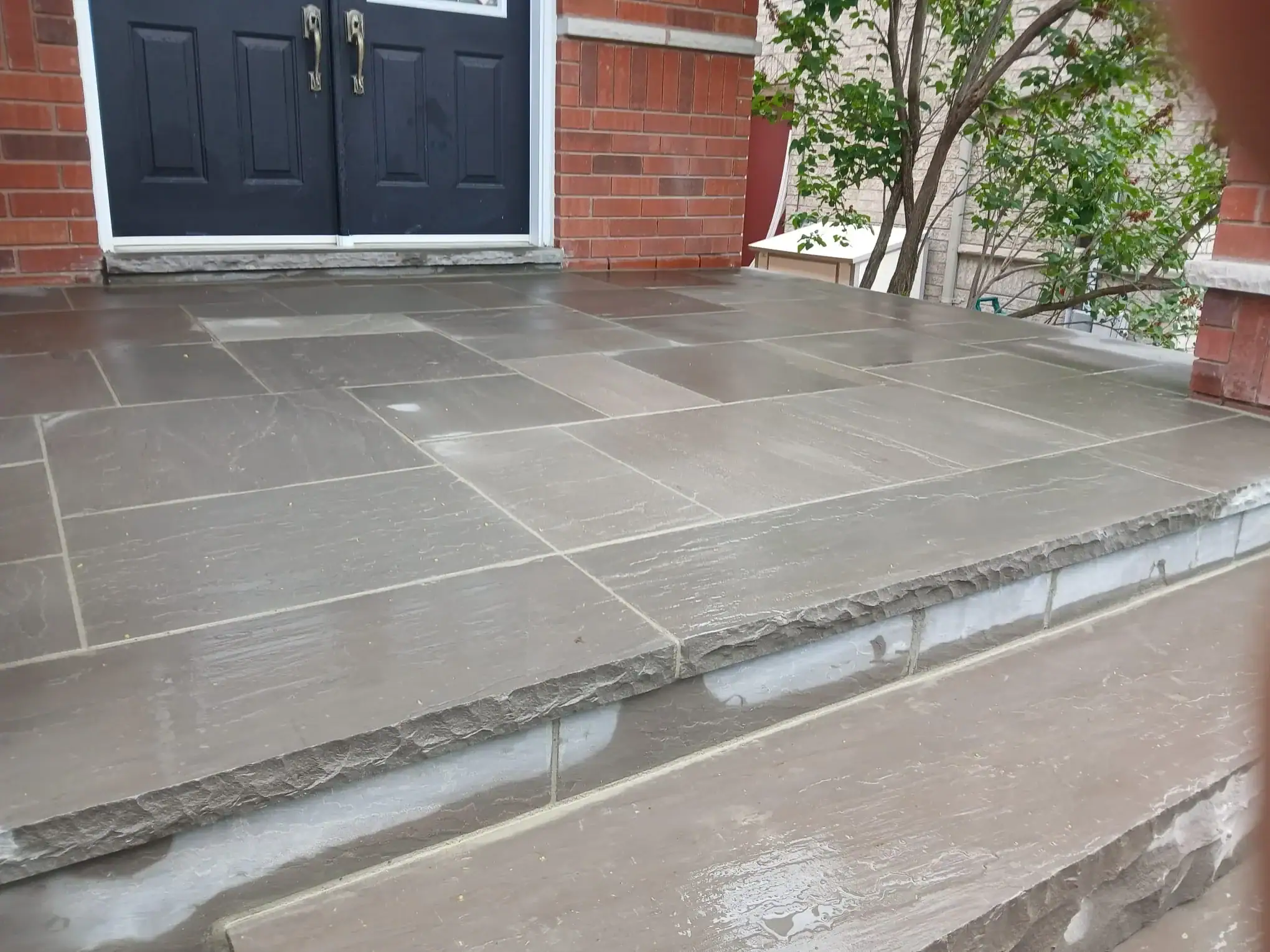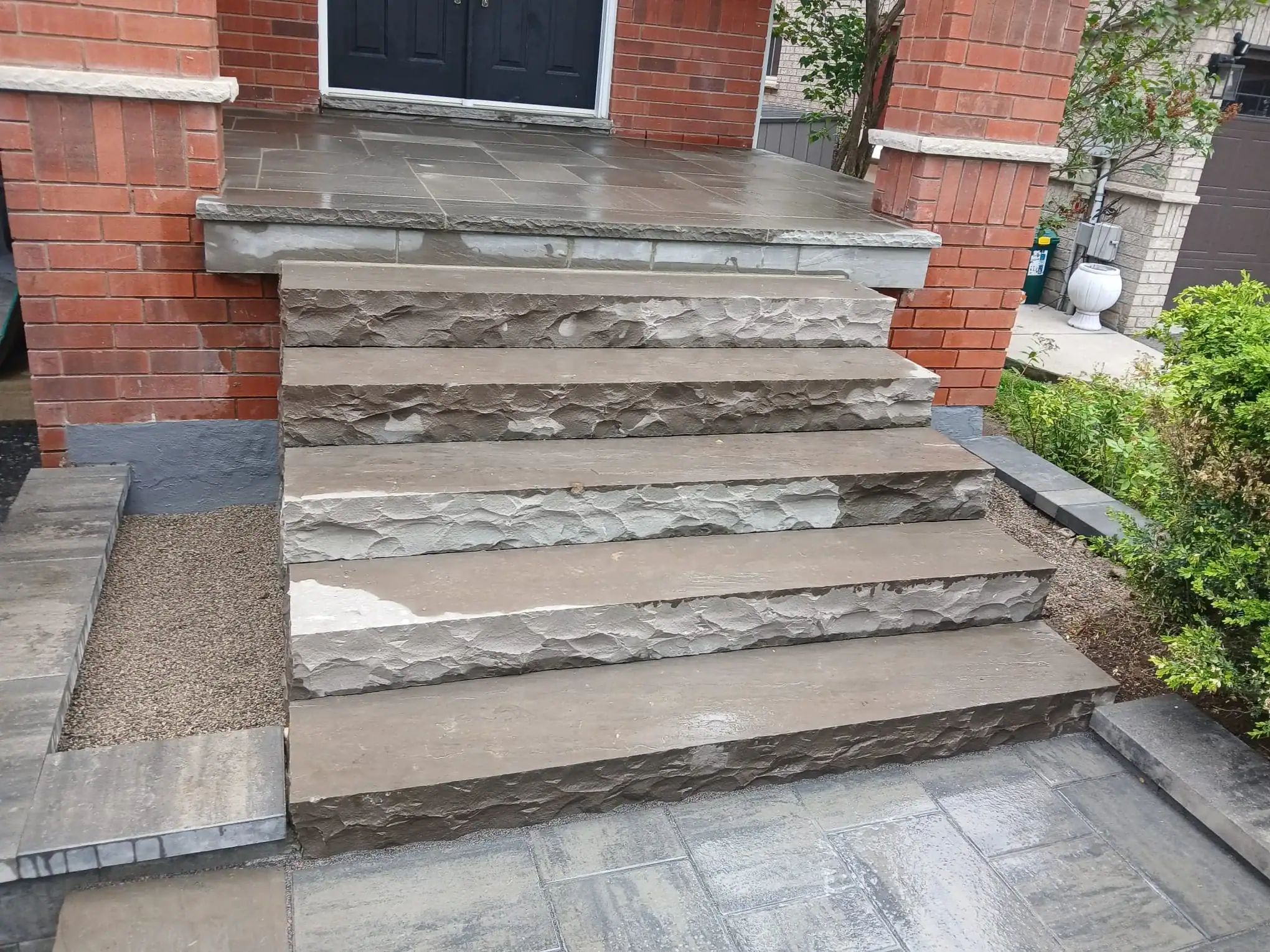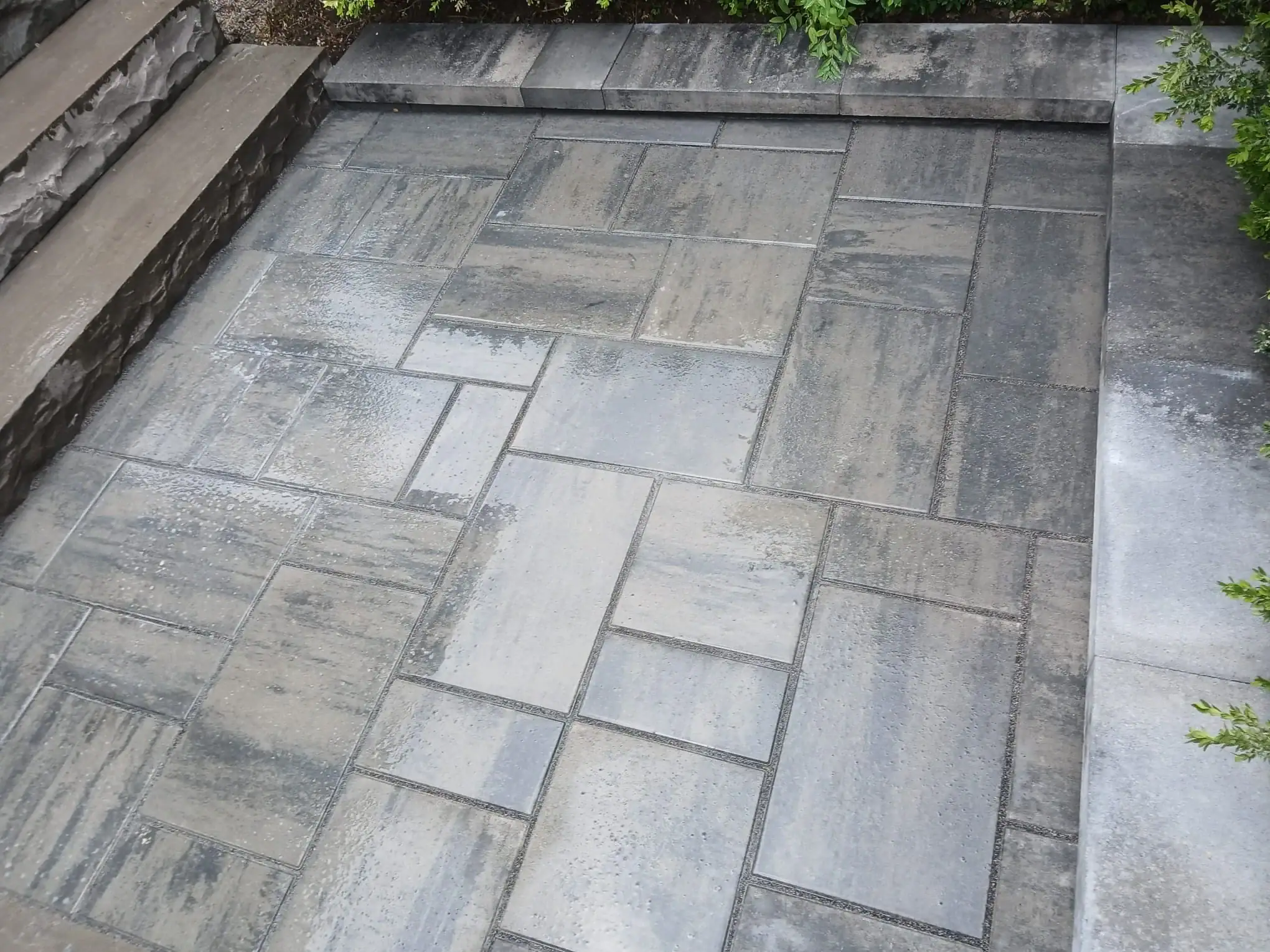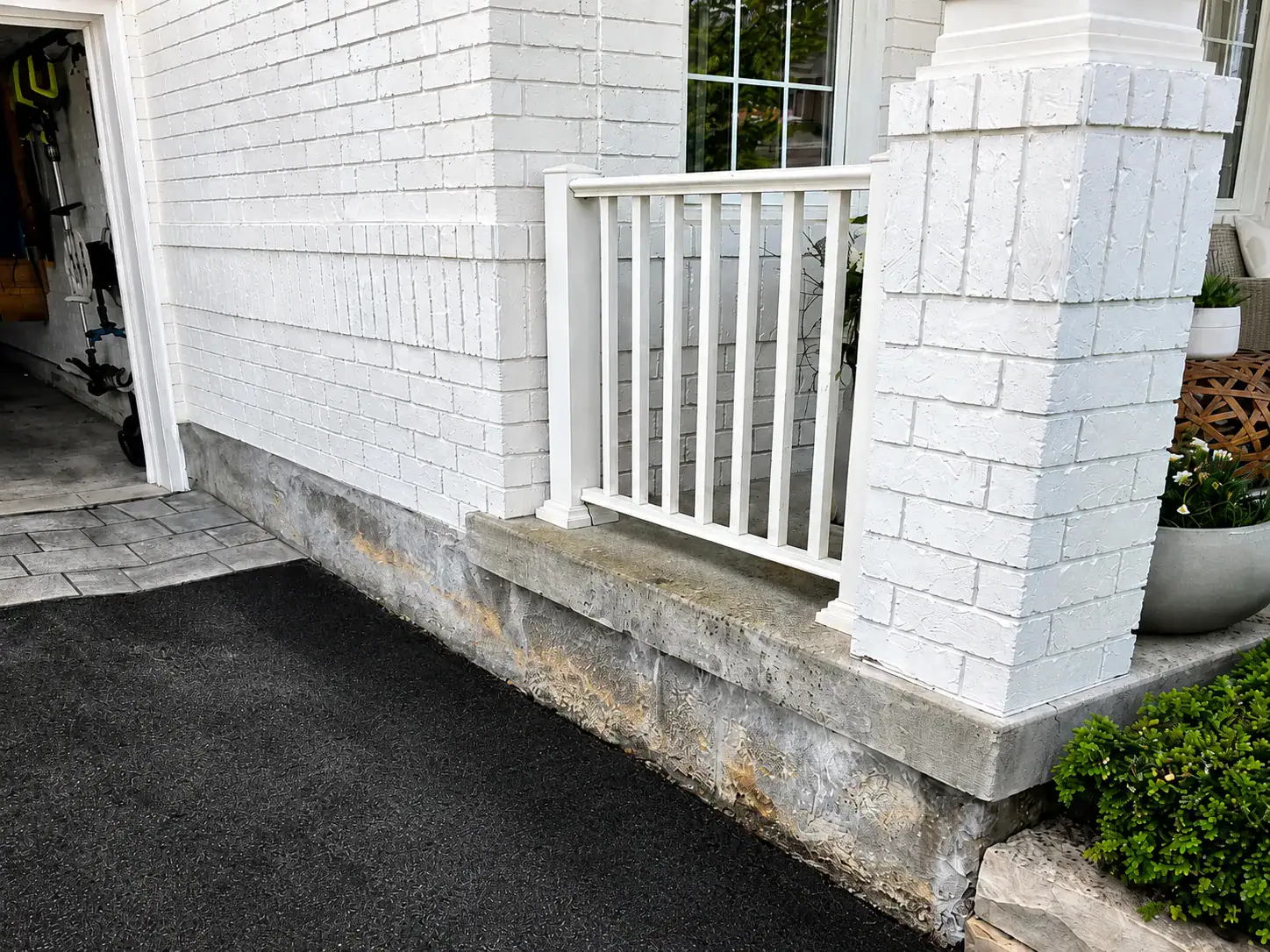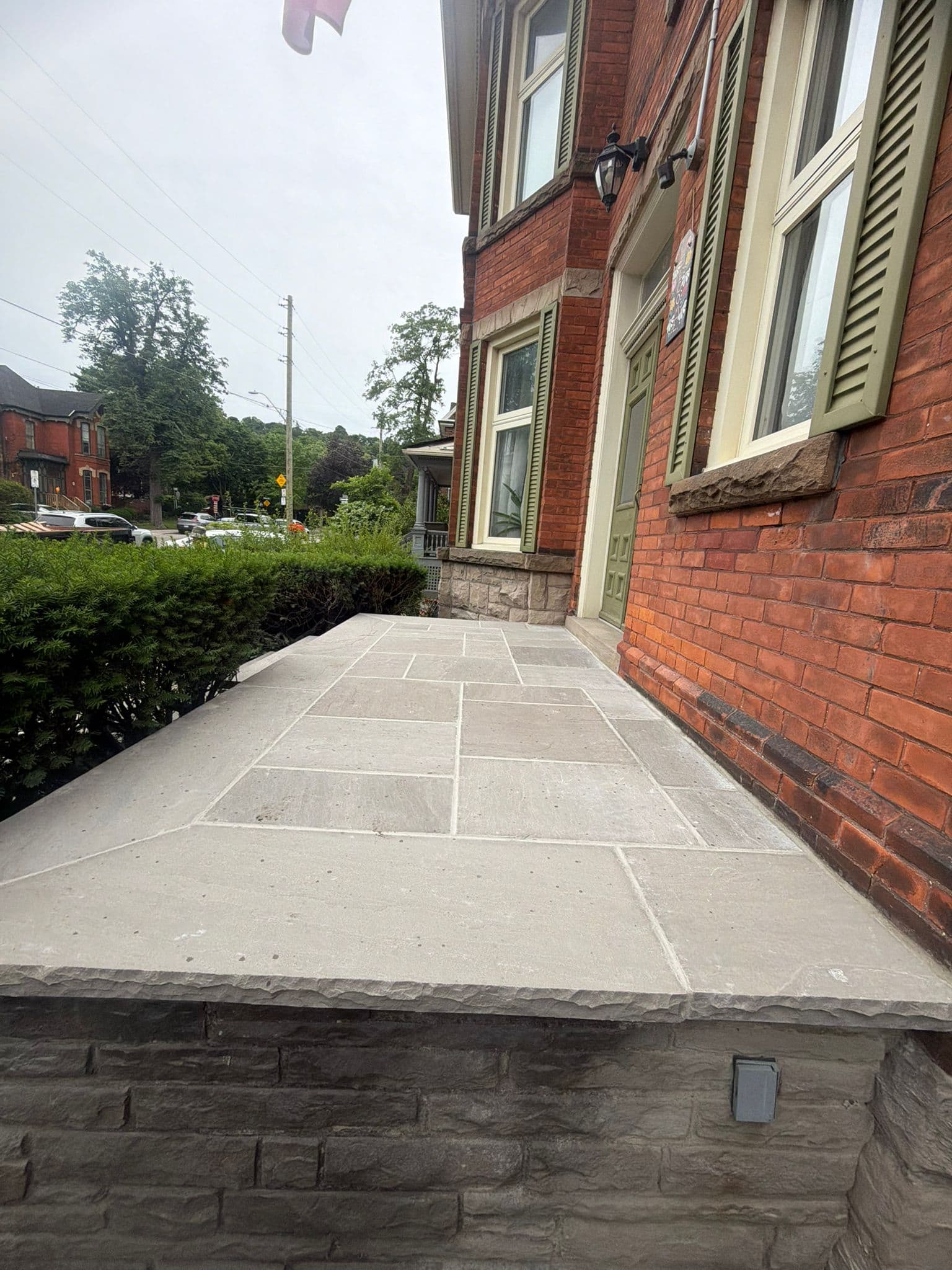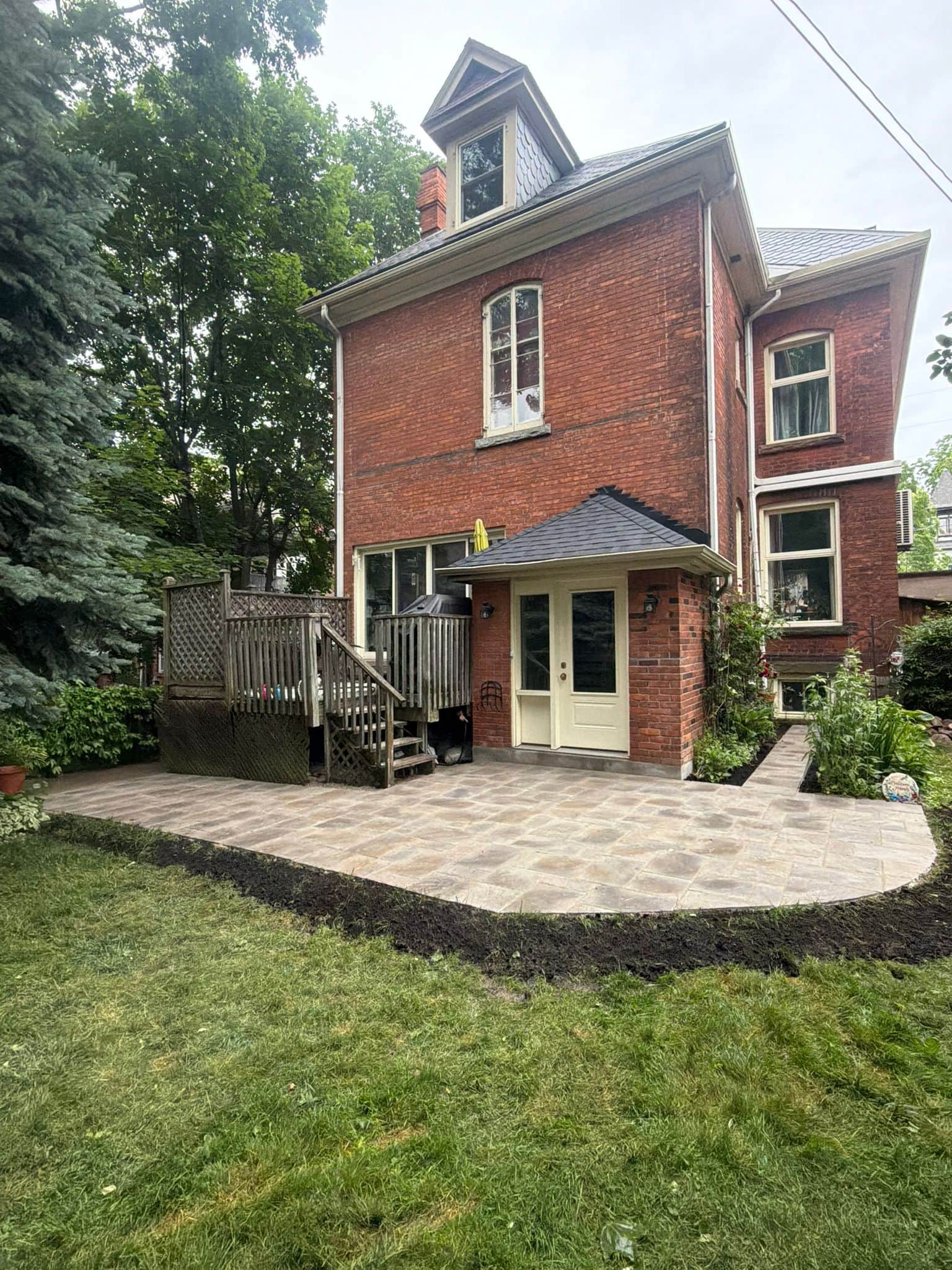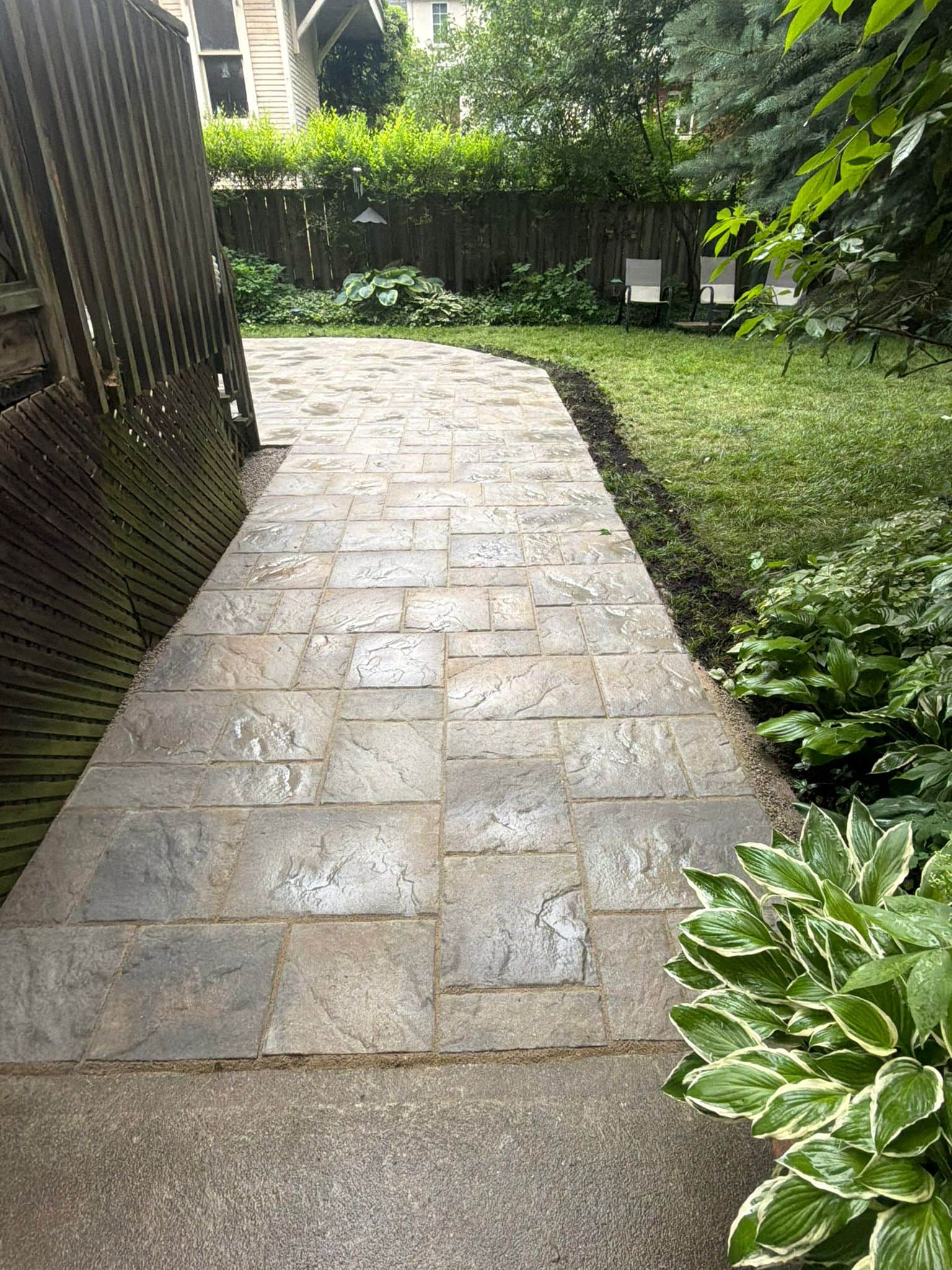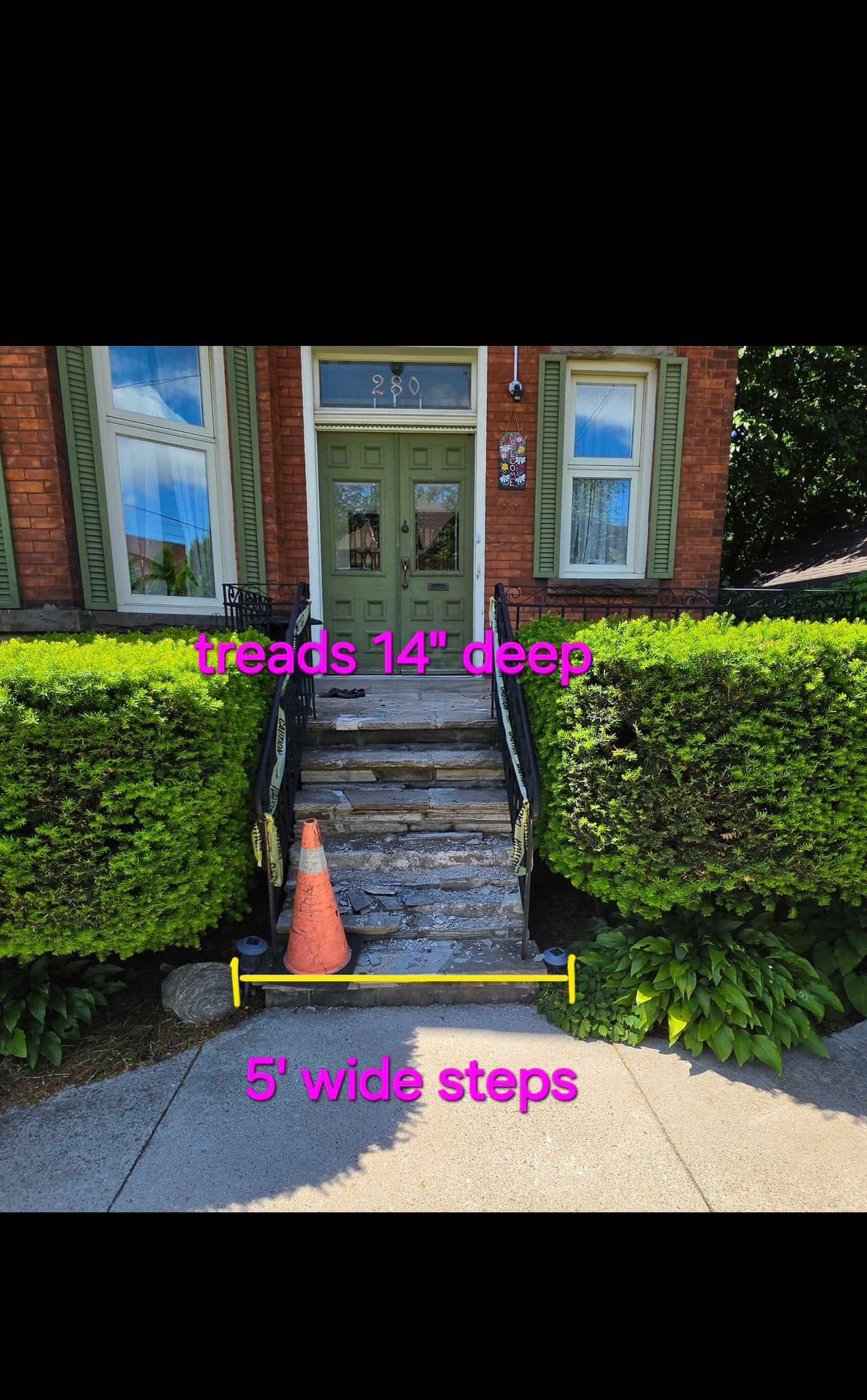
How to Choose the Best Flagstones for Your Patio, Walkway, or Garden
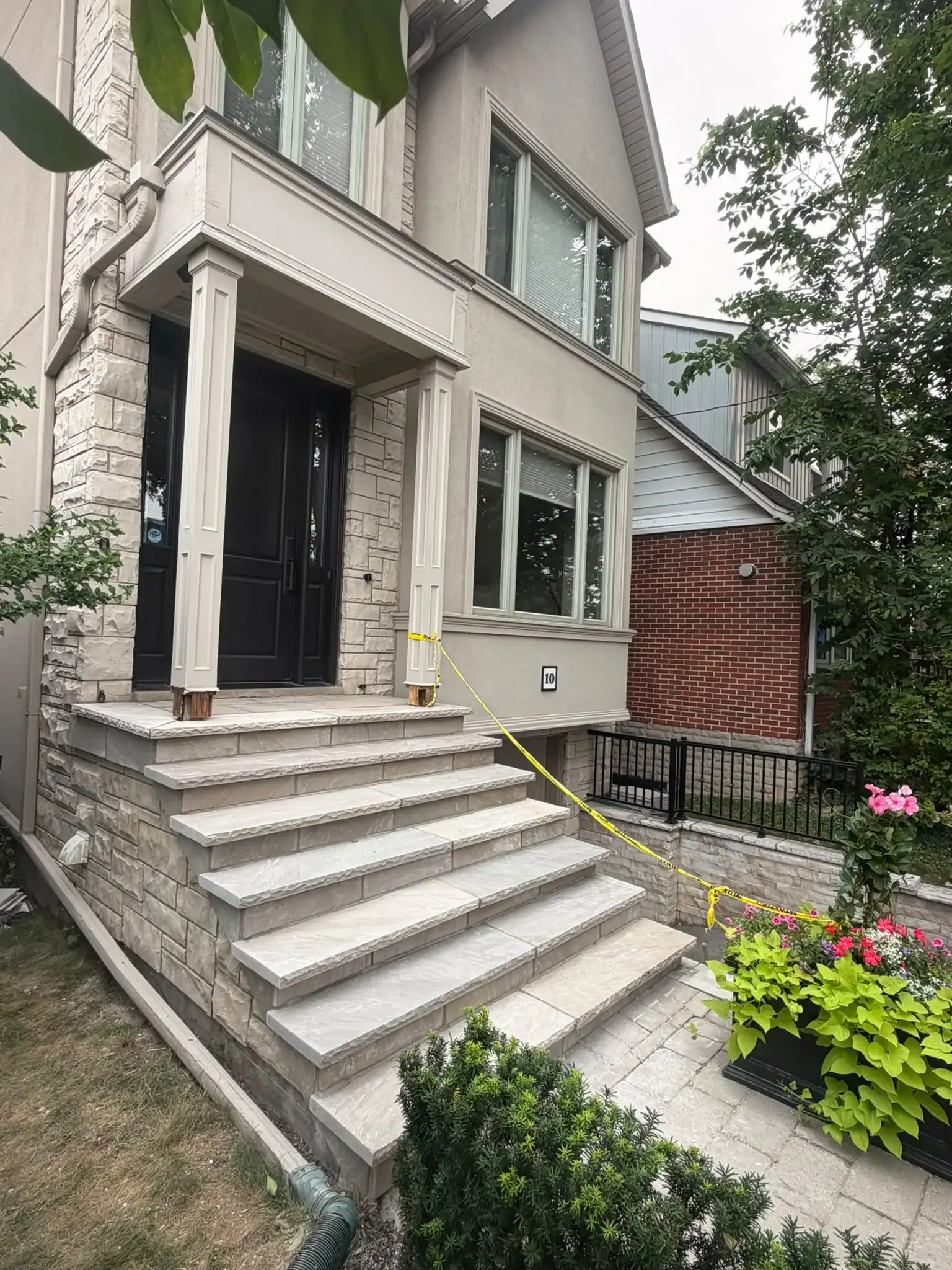
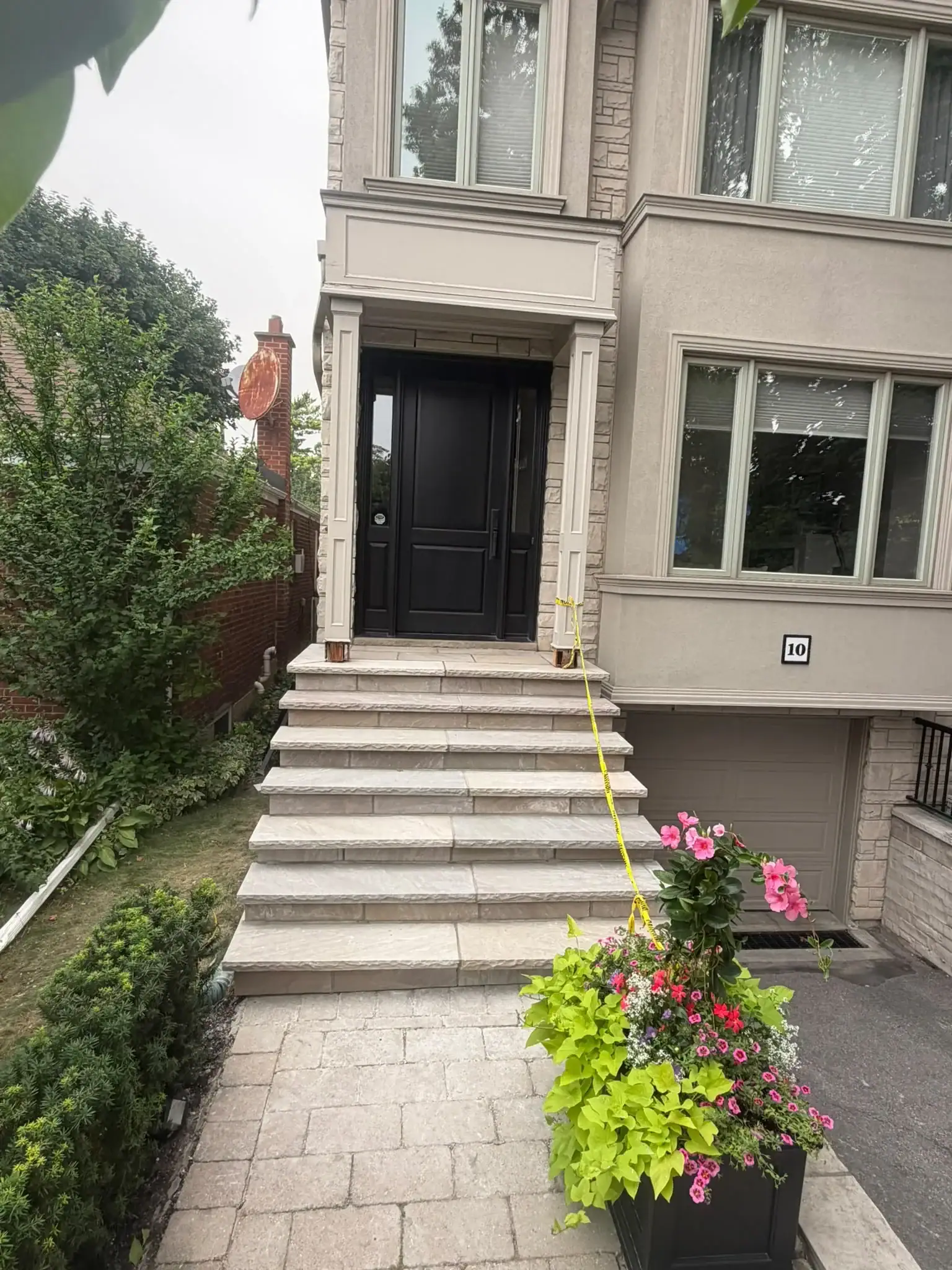
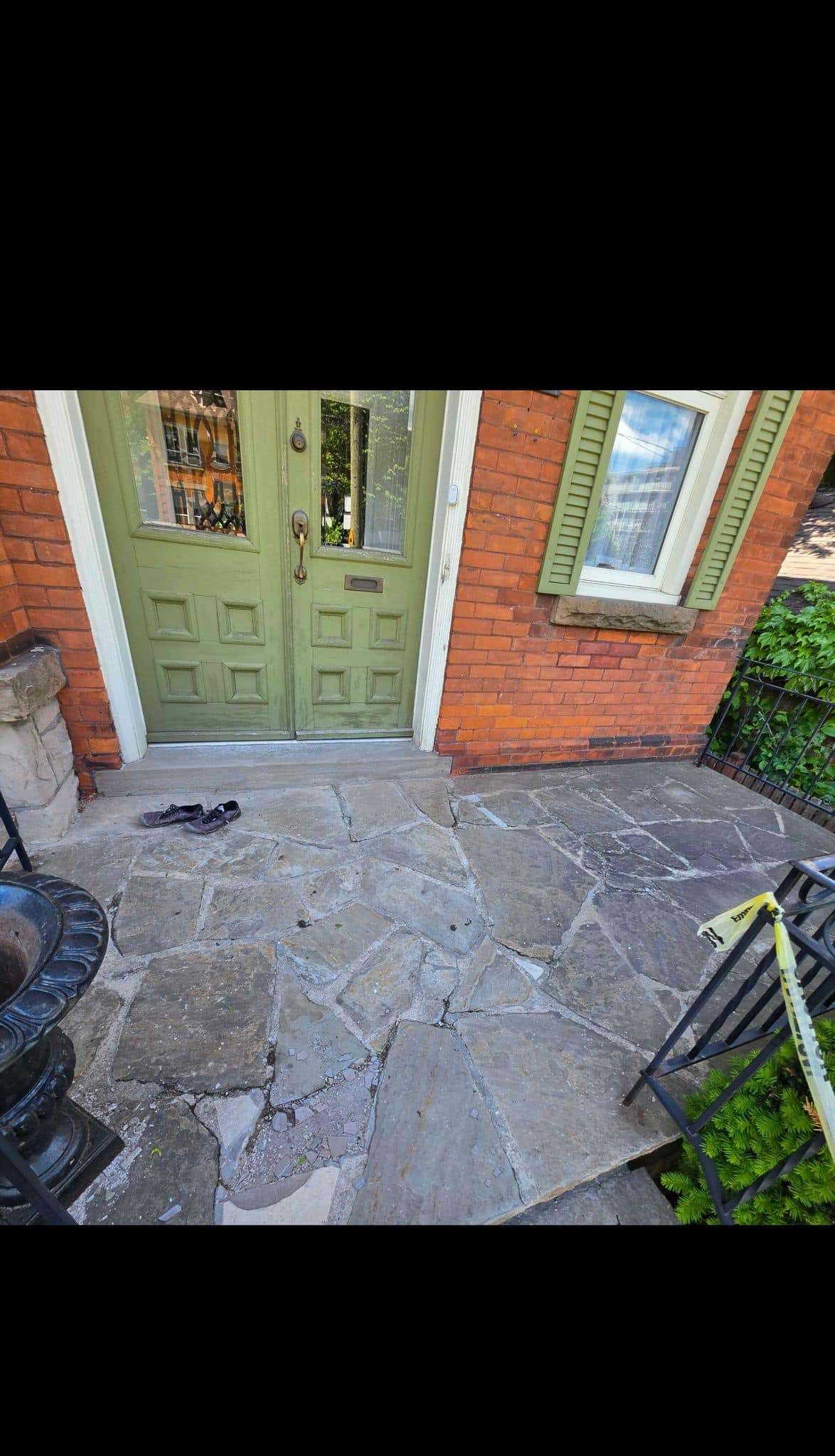
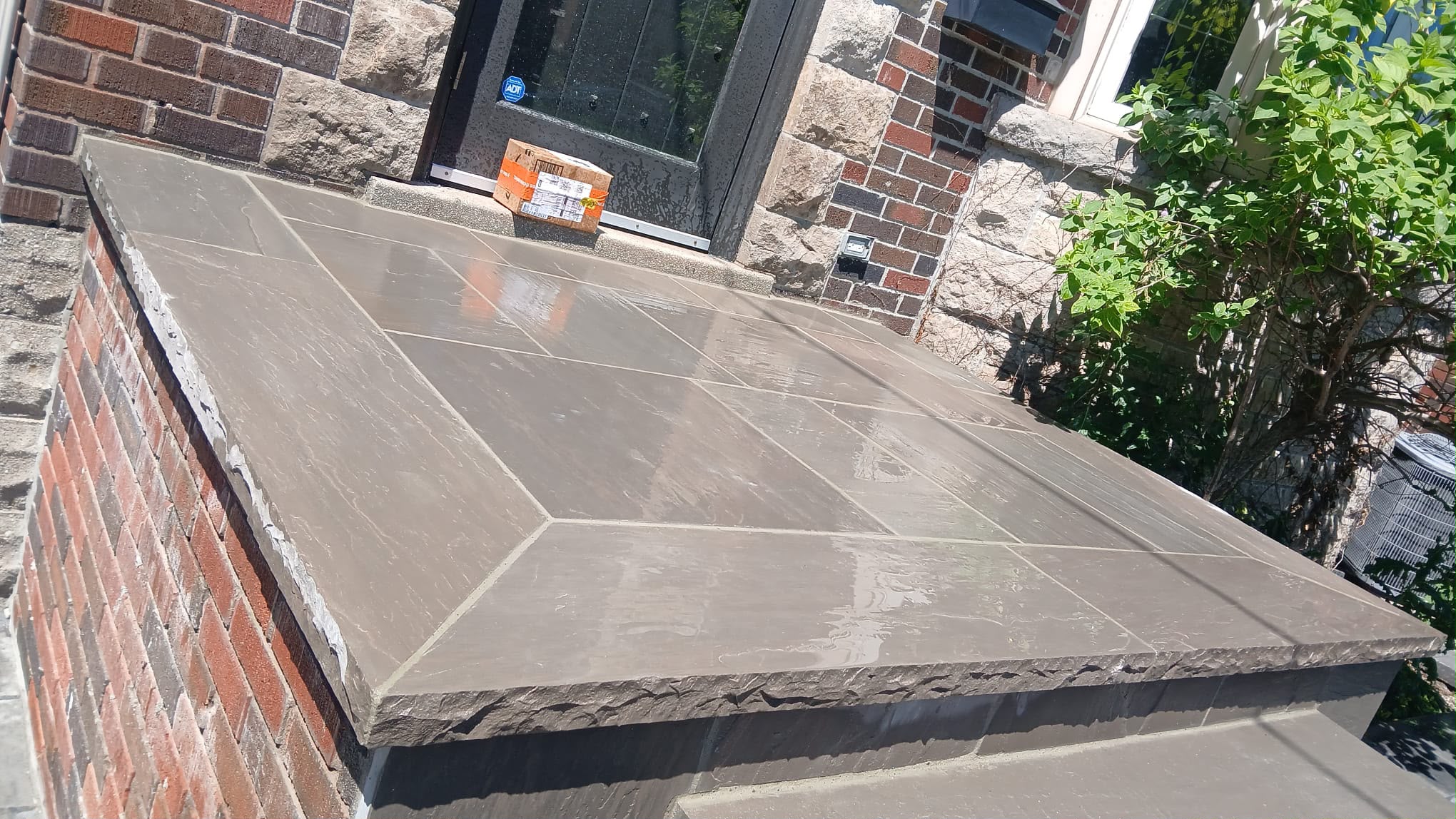
Flagstones are natural stone pieces used for outdoor surfaces. They add timeless beauty to patios, walkways, and gardens. Each type, such as sandstone or bluestone, has its benefits for different locations.
This guide will help you pick the best flagstones for your project. You’ll learn about various materials, climate requirements, and design considerations. Discover how to prevent common mistakes and maintain your outdoor spaces in optimal condition for years. The right flagstones blend style and strength for lasting beauty.
Understanding Flagstones: What They Are and Their History
Flagstones have ancient stories in their layers. Their journey from Earth to modern design shows their timeless role in building and culture.
Why Are They Called Flagstones?
The term “flagstone” comes from Middle English “flagge,” meaning flat stone. Builders used these thin, flat rocks for paving, roofs, and floors. This practical use answers the question of why they are called flagstones—their name reflects their function as durable paving materials.
The Historical Use of Flagstones in Architecture
Flagstones have been used since ancient times. Romans used them in roadways; medieval Europeans in castles and churches. In America, 18th-century Pennsylvania barns and colonial walkways show their enduring popularity. Their strength made them a global building staple.
Natural Formation and Quarrying Process
Flagstones form through natural stone formation processes—sediment layers of sand and clay press under pressure over millions of years. Modern quarrying extracts these layers, utilizing techniques such as splitting along natural seams to preserve their unique patterns.
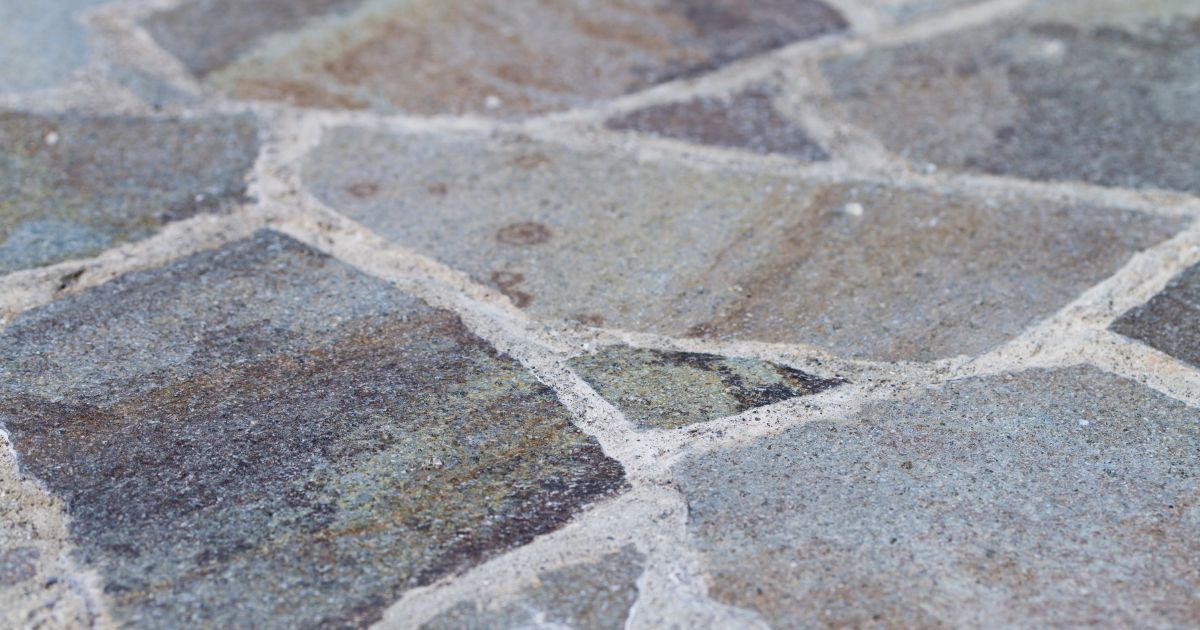
The Benefits of Using Flagstones in Outdoor Spaces
Flagstones are known for their natural beauty and strength. They offer natural stone benefits that last long, handling extreme weather and accommodating large crowds. Unlike fake materials, they don’t break in cold weather or fade from exposure to the sun.
They are also safe to walk on. Their rough texture helps prevent slipping, even when the surface is wet. Plus, they look great in any outdoor setting, from modern to rustic. They stay cooler than concrete, making them comfy in hot weather.
Flagstones are suitable for the planet, too. They are a renewable resource that needs little processing. However, they can be heavy and more expensive to install than pavers. You may need a professional to ensure they last.
So, are flagstones right for you? They’re perfect for those who want something that lasts and looks good. But if you’re on a tight budget, you might want to look elsewhere. Consider your project and the local weather conditions before making a decision.
Different Types of Flagstones and Their Characteristics
Choosing the right flagstone involves understanding its unique characteristics. Look at these popular types to find the perfect match for your project.
Sandstone Flagstones: Durability and Colour Options
Sandstone is both beautiful and strong. It comes in warm colours, such as red, gold, and brown. These flagstones are plentiful for patios and walkways because they:
- Range from 1–2 inches thick
- Needs little upkeep with annual sealing
Limestone Flagstones: Elegant and Versatile
Limestone has a smooth look and fossil patterns, making it elegant. It’s perfect for formal gardens or driveways:
- Thickness: 1.5–2 inches
- Applications: Pool decks, pathways, and outdoor kitchens
- Maintenance: Sealing every 2–3 years prevents staining
Slate Flagstones: Modern and Sophisticated
Slate has a rough surface and features deep colours, such as black, gray, and green. It’s modern and non-slip, great for wet areas:
- Thickness: 3/8–1 inch
- Applications: Pool surrounds, patios, and garden accents
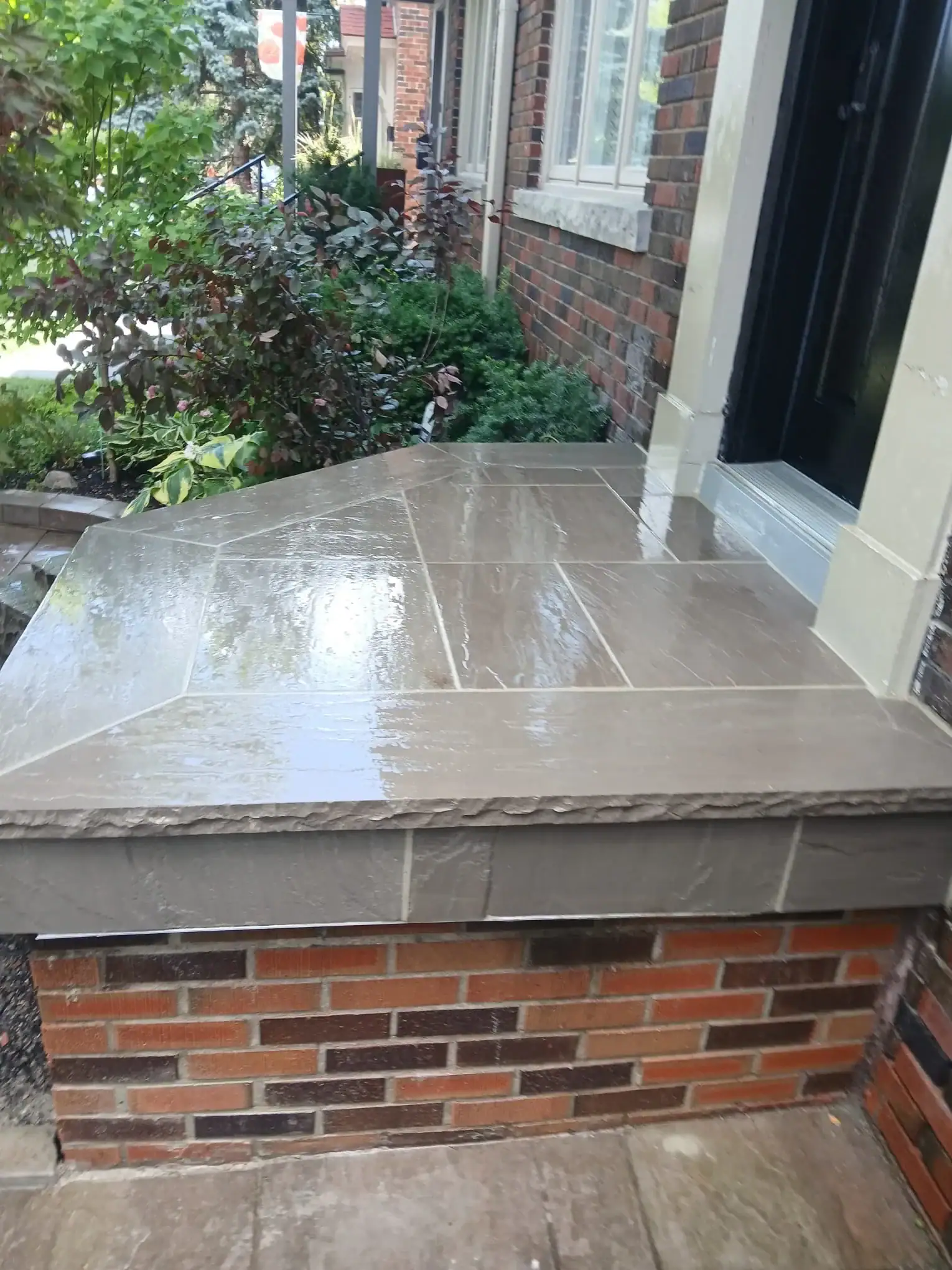
Bluestone Flagstones: American Classic
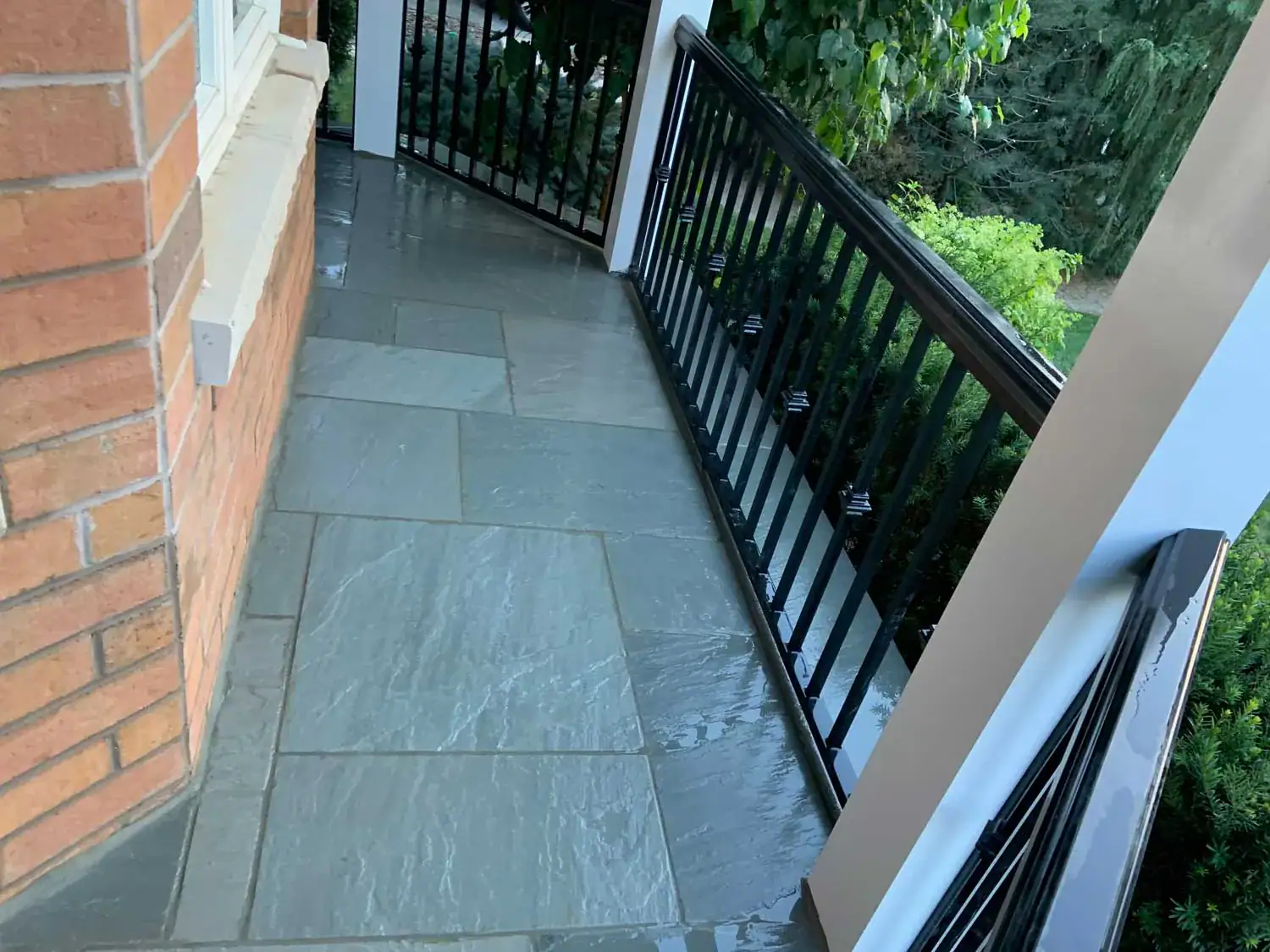
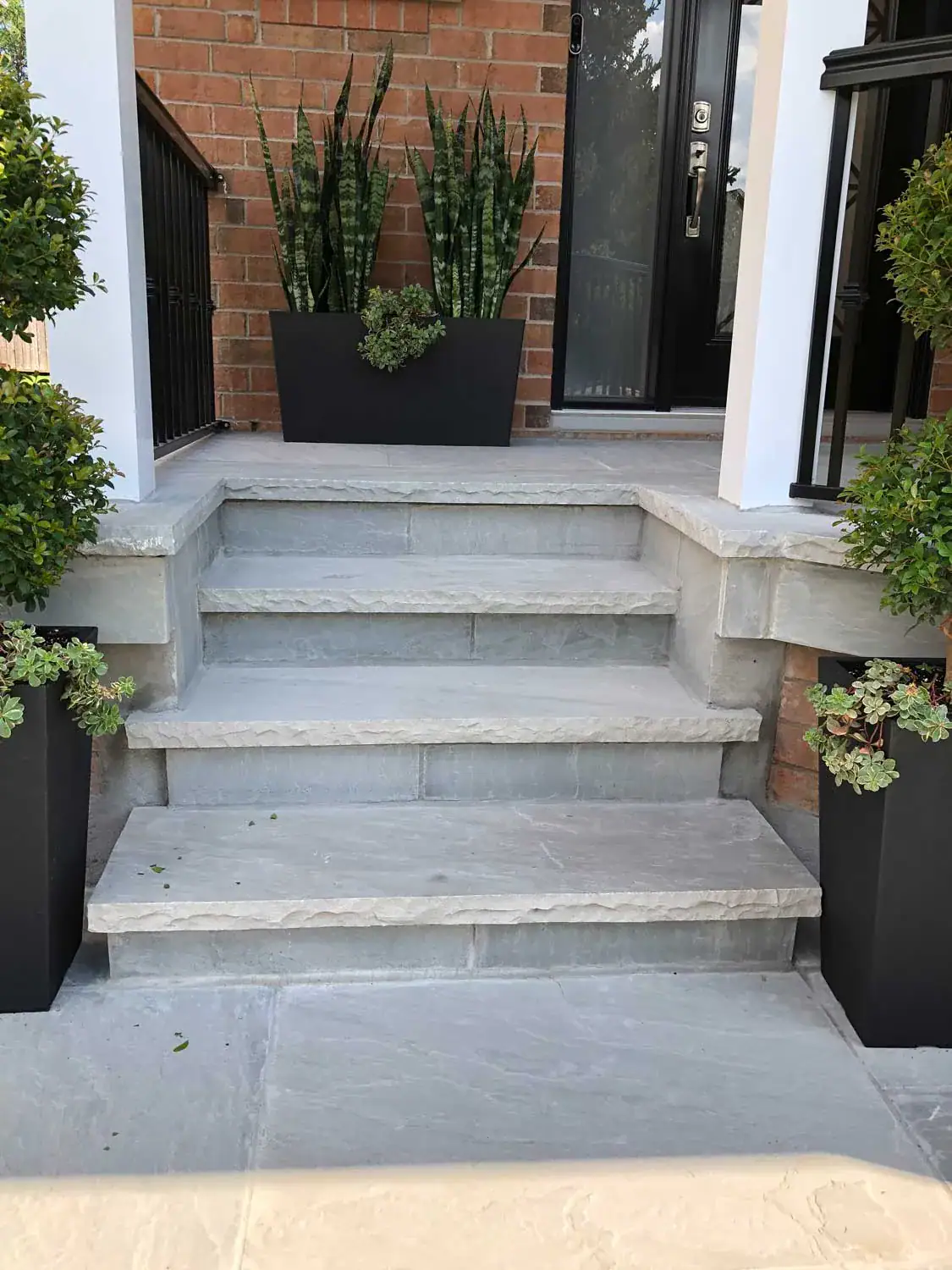
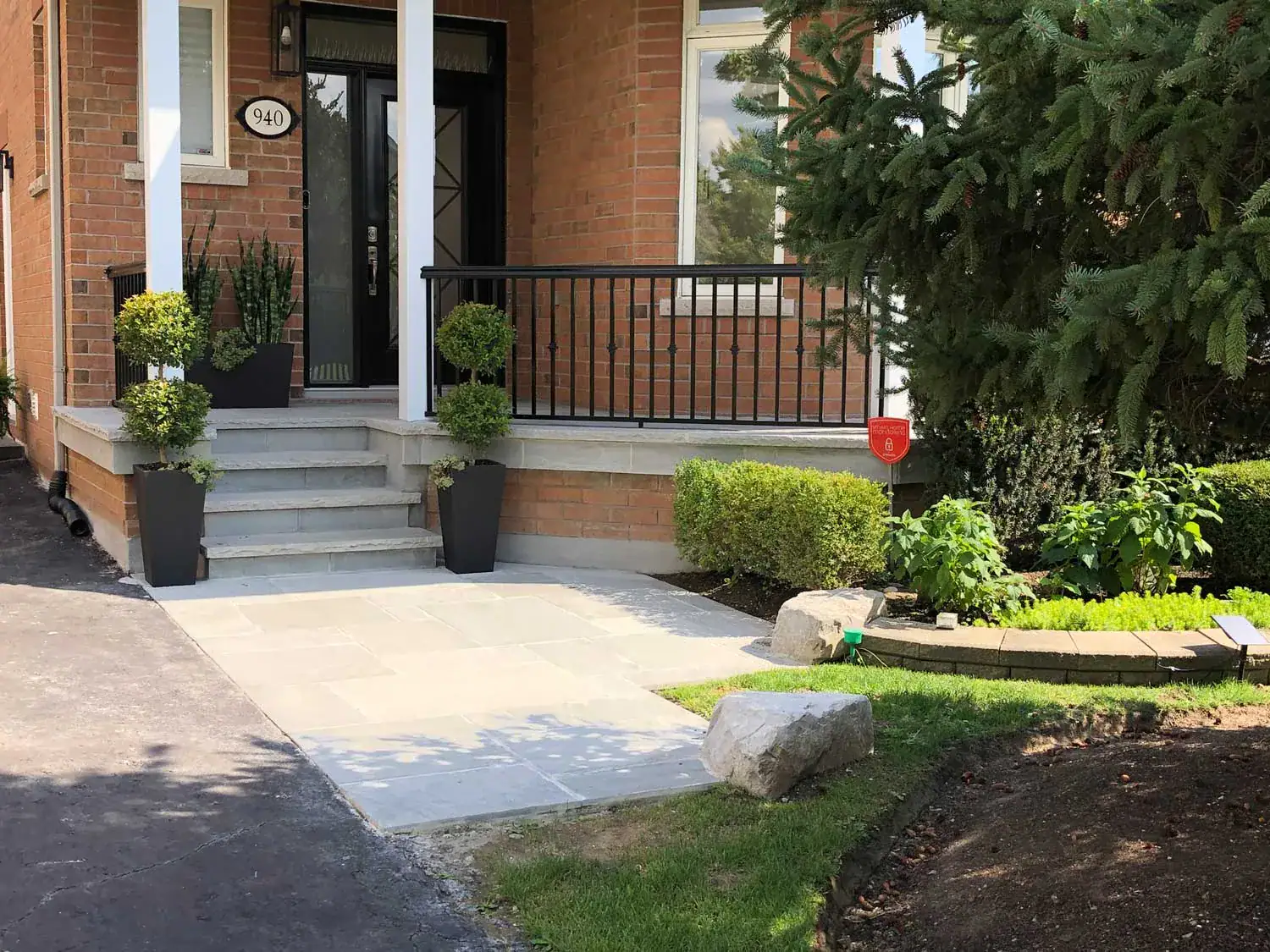
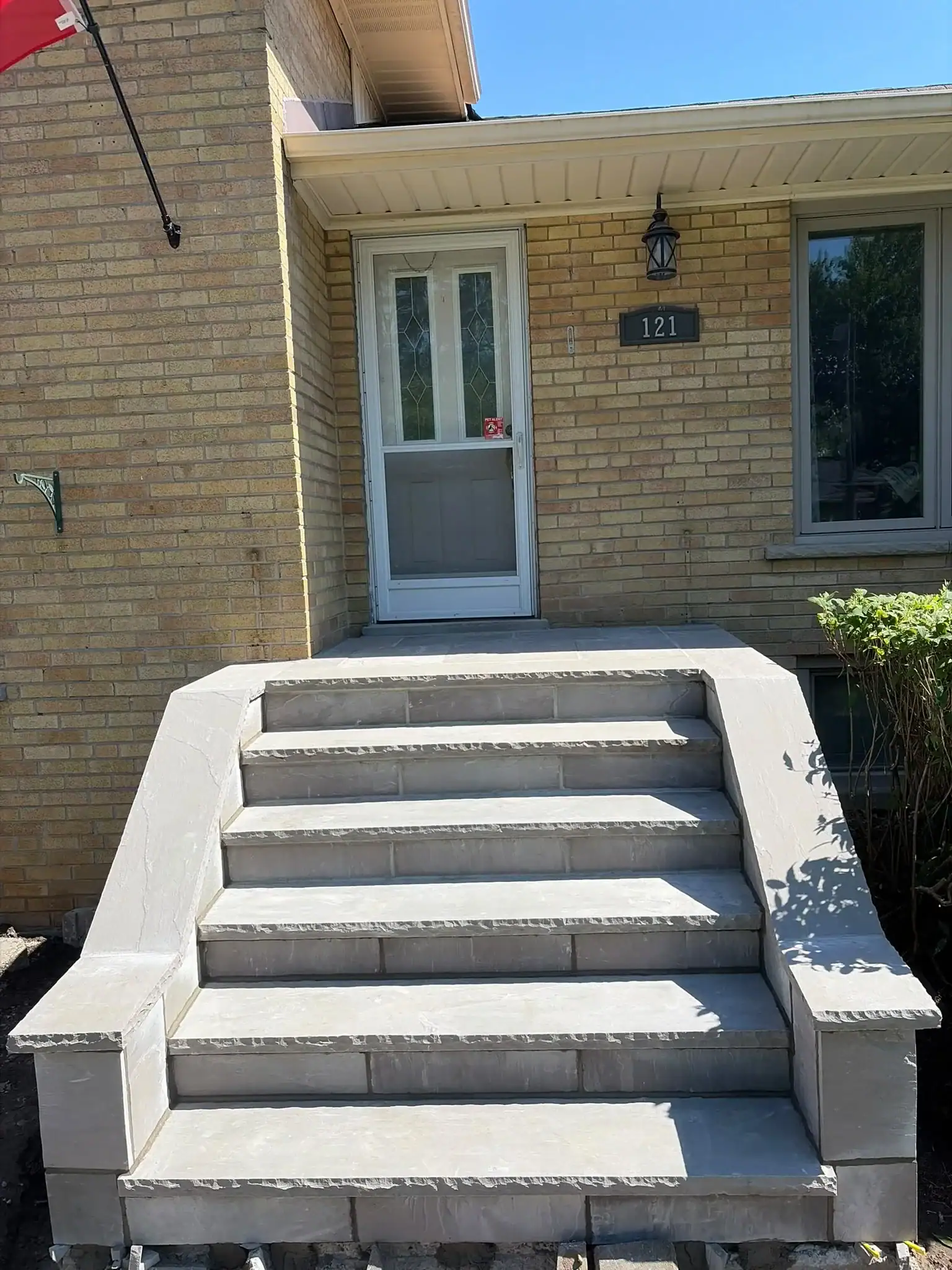
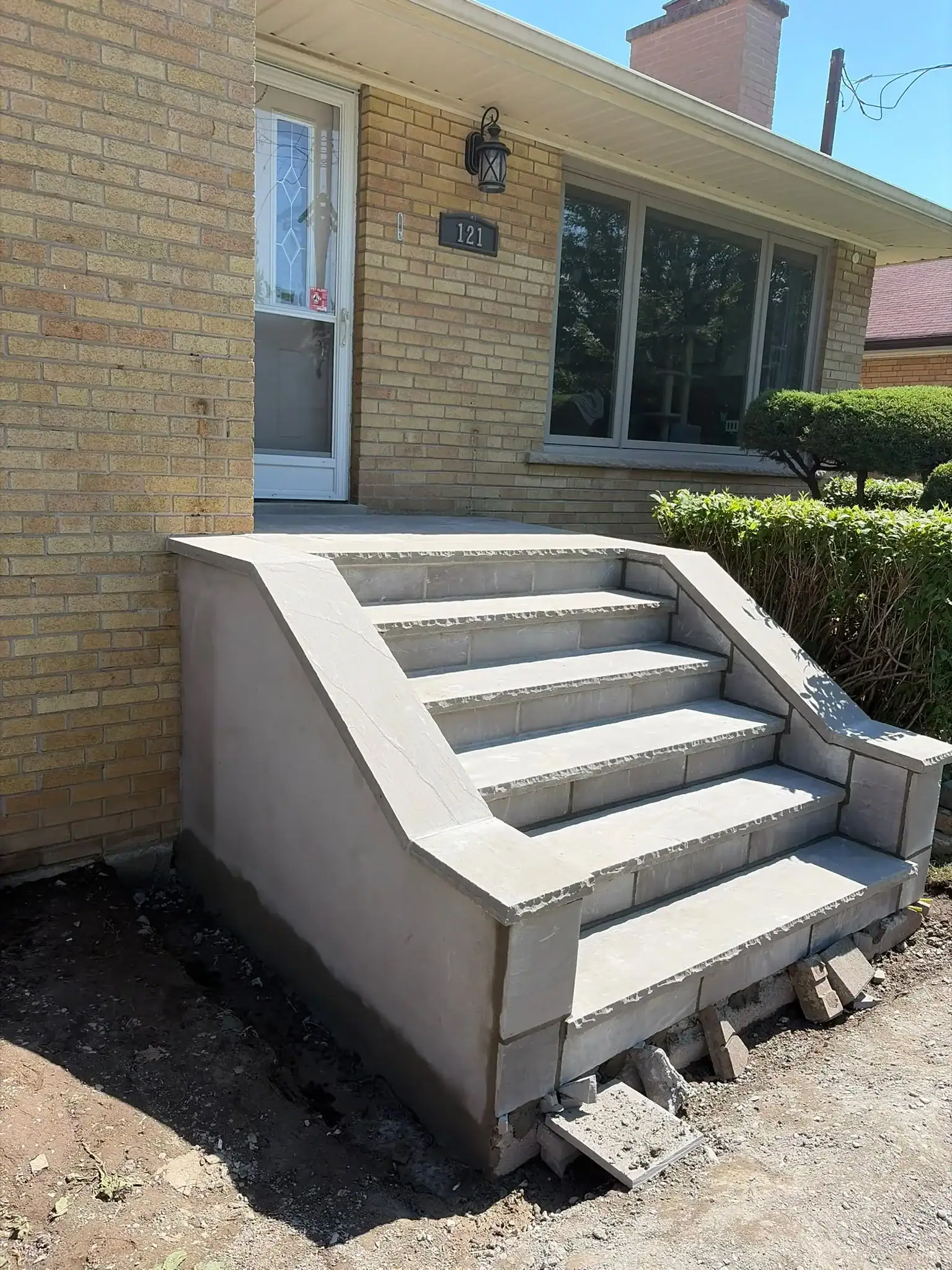
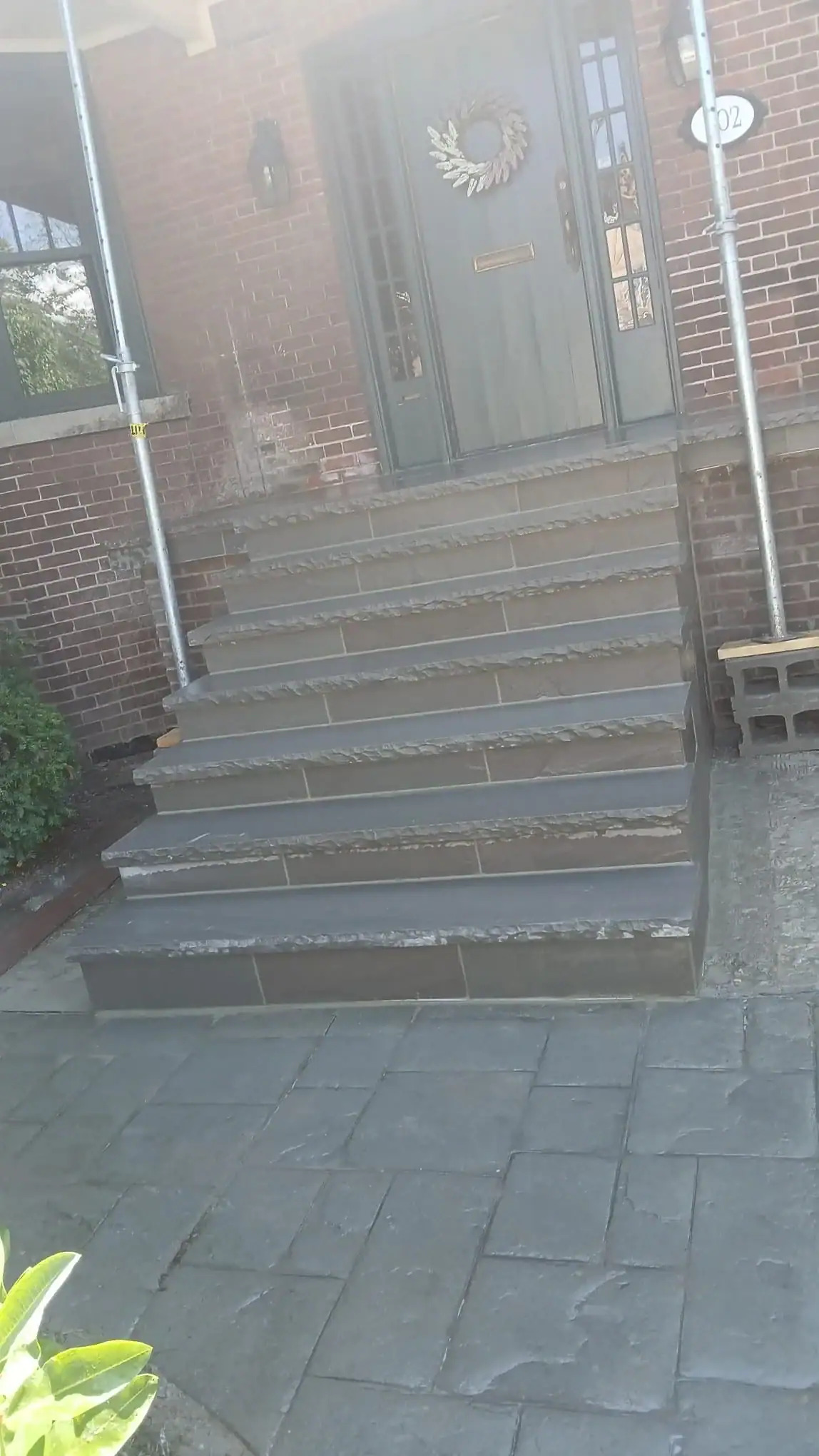
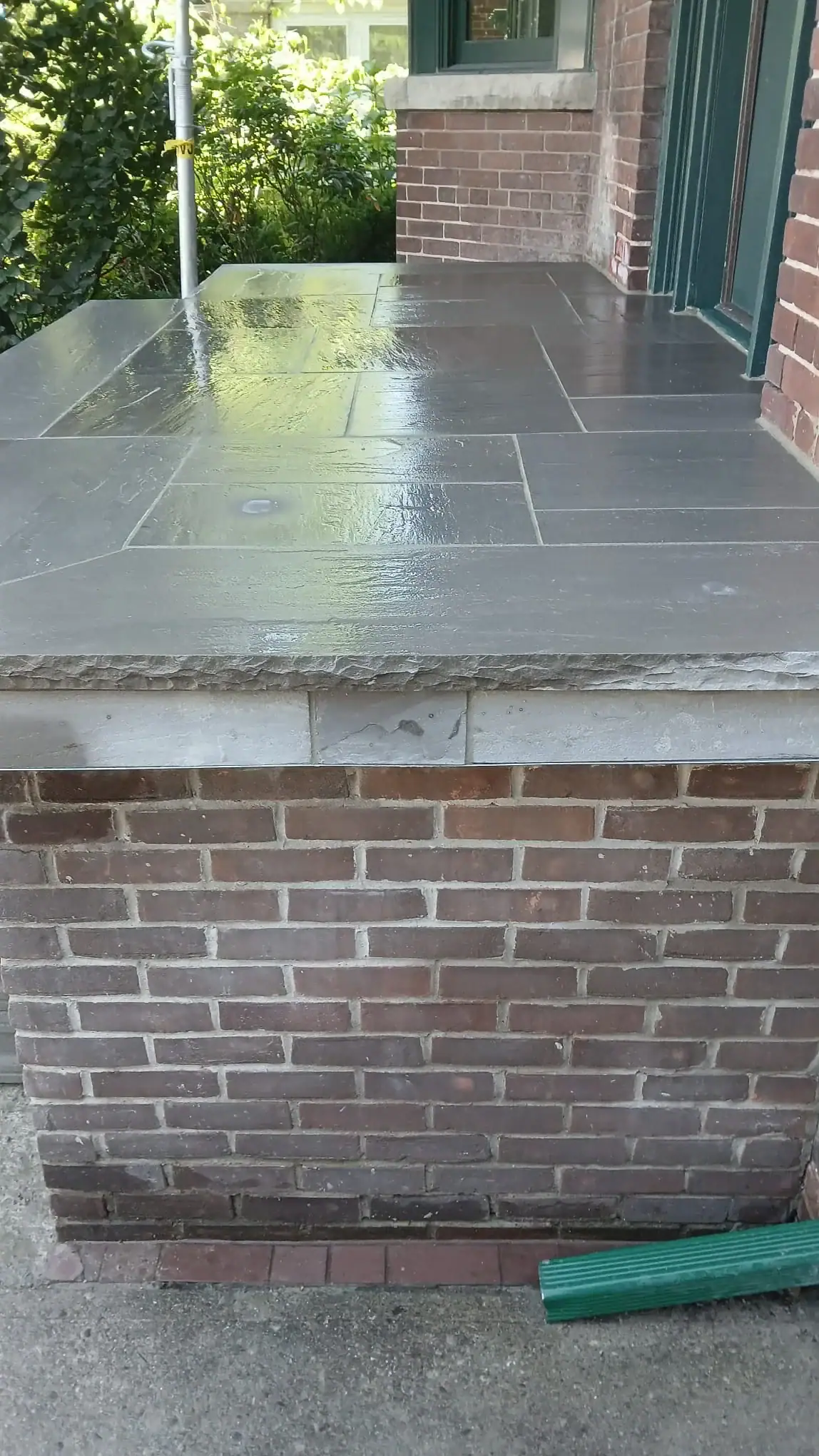
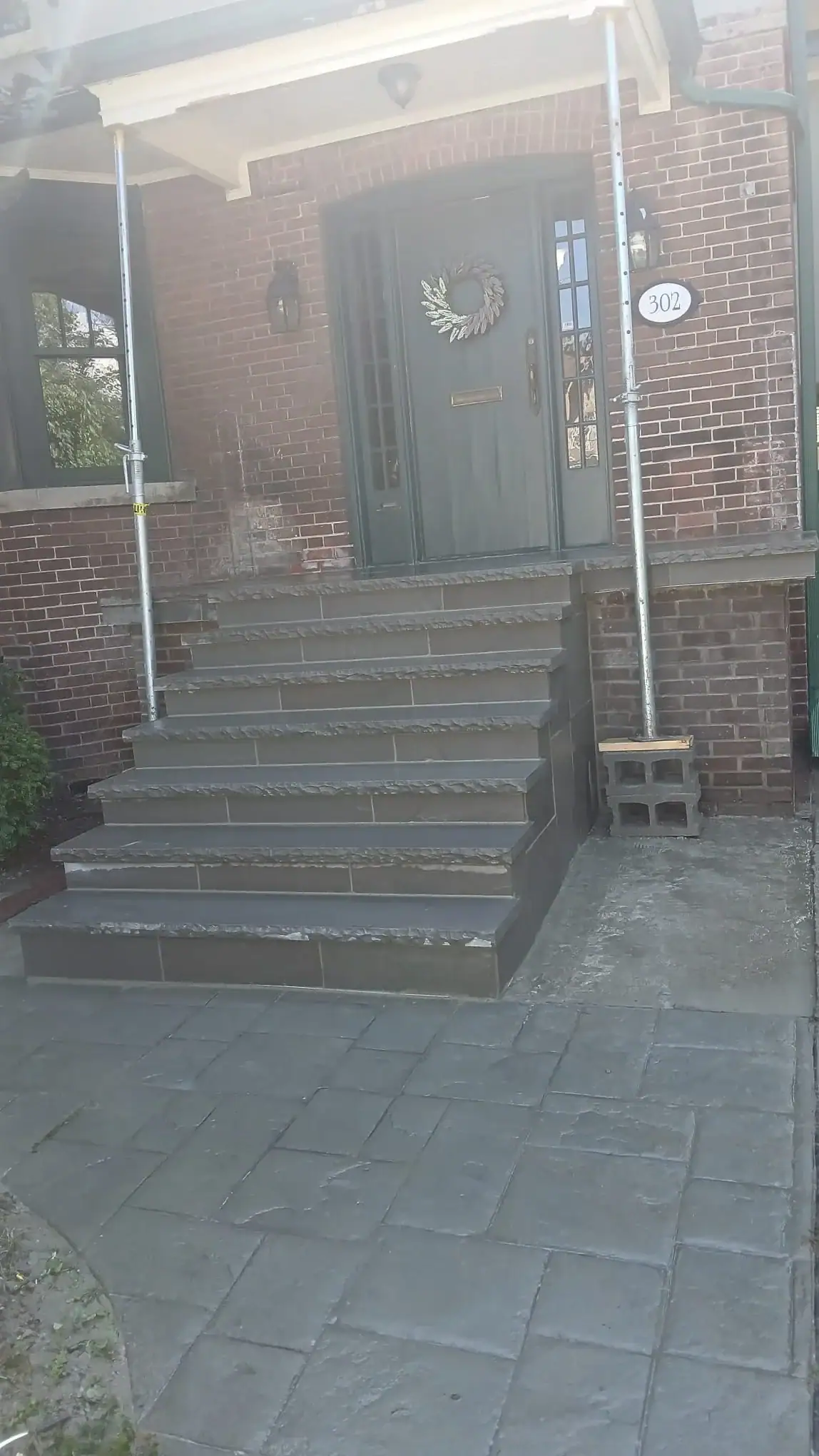
Bluestone is known for its distinctive blue-gray colour and is well-suited to withstand cold weather. It’s a favourite in northern areas:
- Thickness: 1–1.5 inches
- Applications: Walkways, retaining walls, and garden borders
- Maintenance: Seal annually to preserve slip resistance
Choosing the right flagstone depends on your project’s needs. Compare the costs, looks, and durability of these types of flagstones to find the best one for your outdoor space.
Flagstone vs. Pavers: Which Is the Better Choice for Your Landscaping?
Choosing between flagstone and pavers depends on what you value most. Cost comparison and installation difficulty are key. But, the look and how long it lasts also play a big role.
Cost Comparison Between Flagstones and Pavers
Flagstone starts at $5–$15 per square foot, including materials and labour. Pavers cost $4 to $12 per square foot. Cost comparison should also consider labour costs.
Flagstone’s unique shapes can make installation more challenging and costly. Pavers, on the other hand, are easier to install. But, flagstone’s durability might make it worth the extra cost over time.
Installation Difficulty and Professional Requirements
Flagstone’s irregular shapes and thickness make it harder to install. Professionals often do the cutting and levelling, which adds to the cost. Pavers, however, are easy to install, even for DIYers.
For driveways that get a lot of use, flagstone’s natural grip might be worth the effort. But, for formal walkways, pavers are better because they’re easier to align.
Longevity and Maintenance Considerations
Flagstone lasts longer than pavers, with a lifespan of 50+ years. Pavers can last 20–30 years but may shift if not prepared adequately for freeze-thaw cycles. Flagstone requires occasional sealing, while pavers require regular sand sweeping to prevent weeds from growing.
Aesthetic Differences and Design Flexibility
Flagstone’s earthy texture is perfect for rustic or natural landscapes. Each stone has unique veining, making patios memorable. Pavers, with their crisp lines and bold colours, are superb for modern or minimalist designs.
For coastal homes, salt-resistant pavers such as concrete or porcelain are preferable to flagstone in moist areas.
Selecting the Best Flagstones for Different Climates and Regions
Choosing the right flagstones depends on the climate and landscaping style. Each area has its own needs for stone selection. This ensures both beauty and durability.
- Northern Cold Zones: Dense stones, such as bluestone and quartzite, are best suited here. They don’t absorb water, so they don’t crack from ice. These stones stay strong even in cold winters.
- Southwestern Arid Regions: Sandstone or limestone in light colours keeps areas cool in the heat. They complement Southwestern designs well, adding to the overall look.
- Coastal Areas: Slate and quartzite are significant for the sea because they resist the effects of salt and moisture. They last well in salty air.
- Humid Southeast: Quartzite and slate don’t get mould or algae. Sealing them keeps them looking good in wet places.
Cost and availability also depend on the region. Local quarries offer cheaper options. For example, the Midwest uses sandstone, while the East Coast prefers bluestone. Selecting stones that align with local styles enhances your design.
Weather affects each area differently. Using USDA climate zone maps helps find the right stone for your location. For instance, Arizona needs heat-resistant quartzite, while Vermont’s patios do well with frost-resistant slate. Choosing the right stone helps your outdoor space last longer and look better.
Creative Ways to Use Flagstones in Your Backyard Design
Flagstones aren’t just for patios. They can turn your backyard into a beautiful and valuable space. You can use them to define areas or add texture. Here are some ideas to make the most of them.
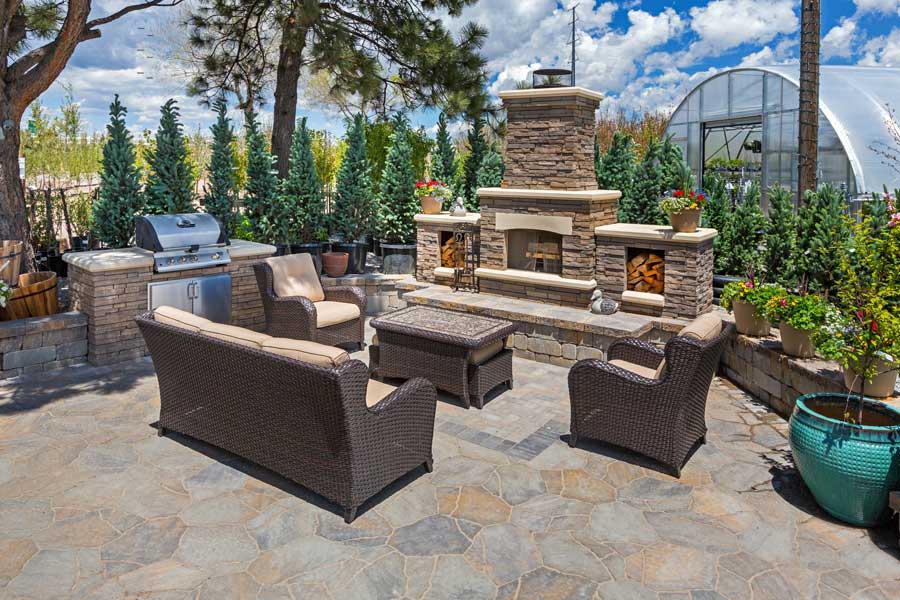
Flagstone Patios: Design Ideas and Inspiration
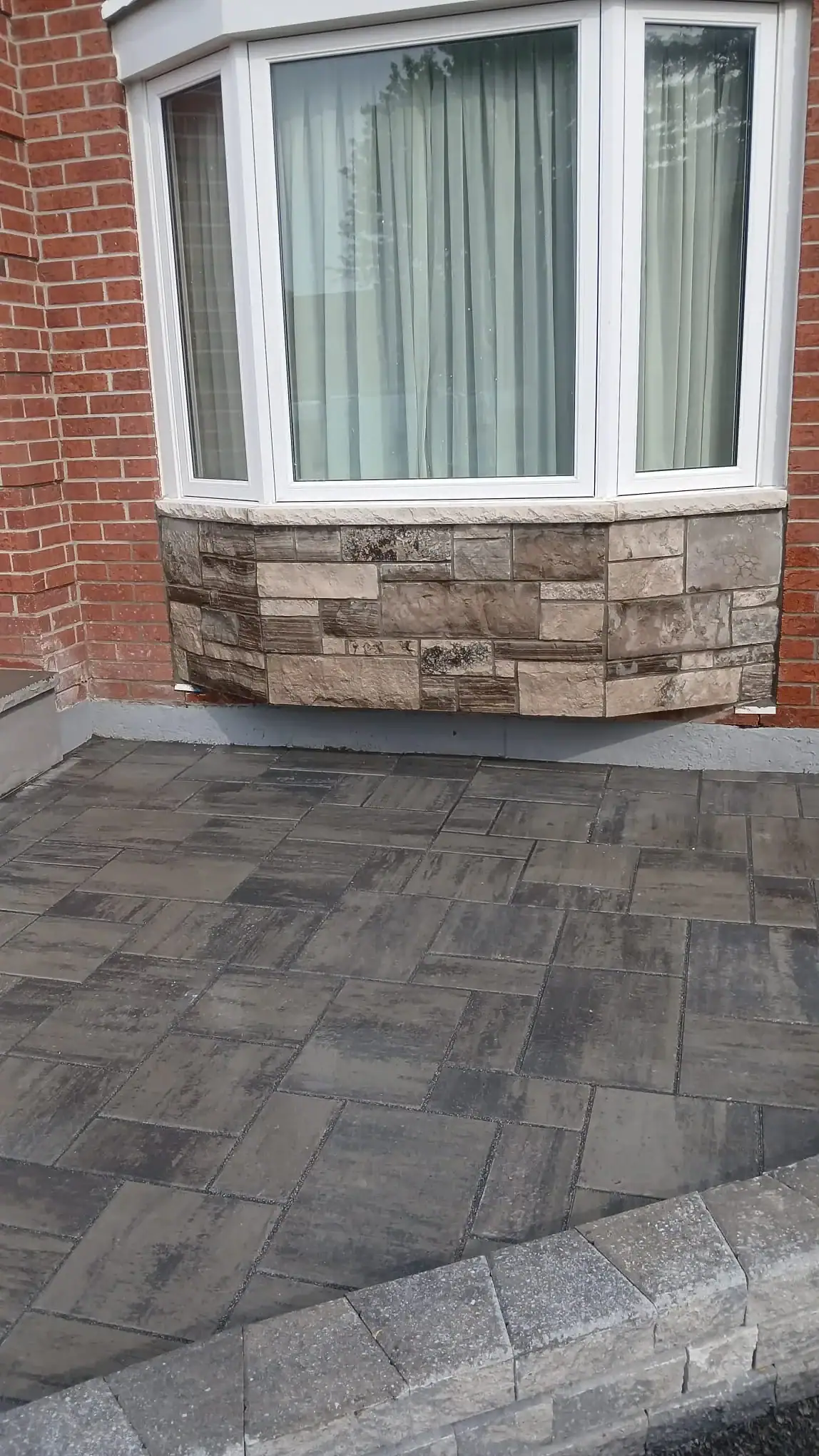
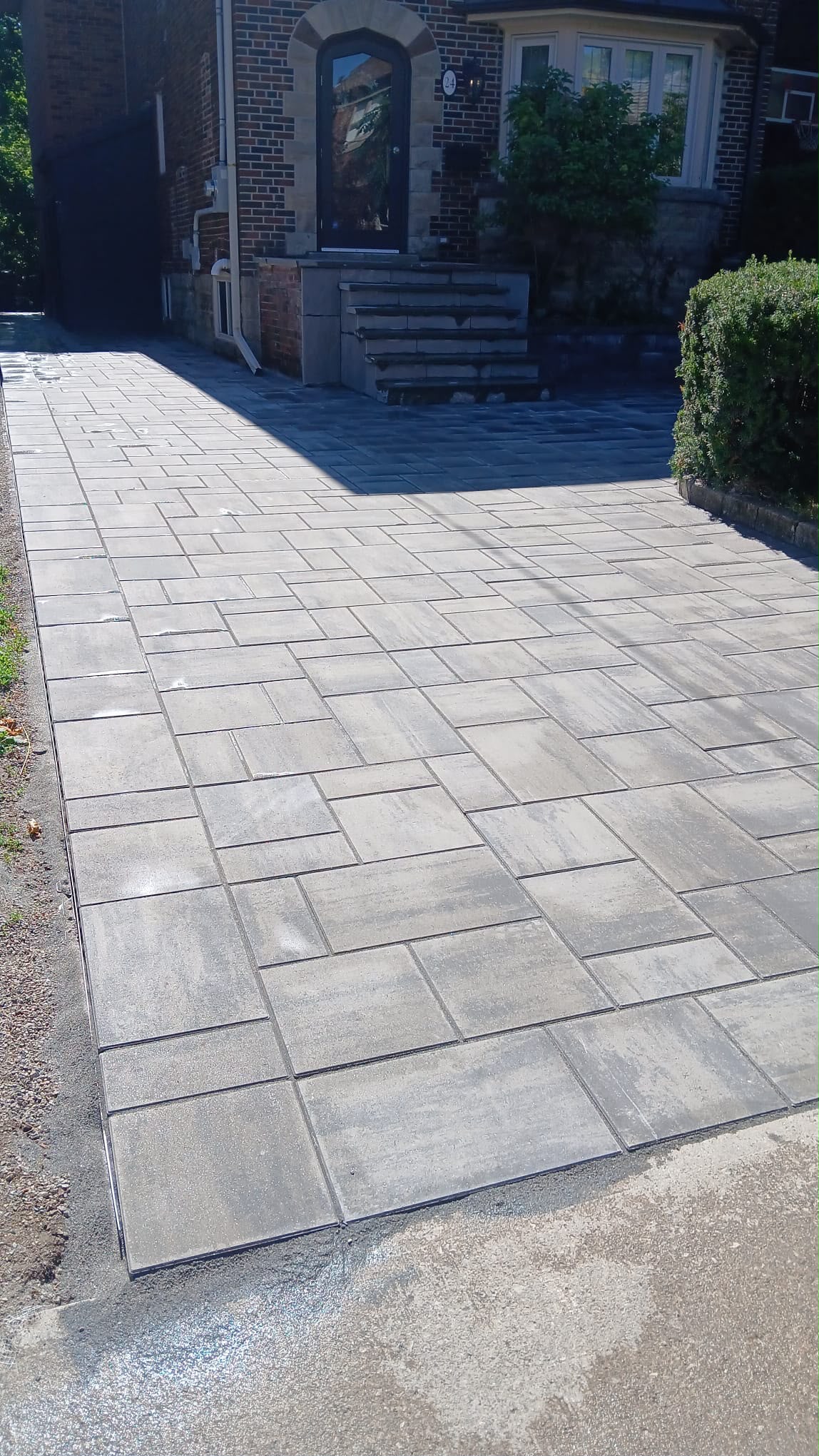
Experiment with various layout patterns for your outdoor space. A random pattern gives a rustic look, while a running bond adds structure. Leave spaces for ground cover plants to bring in green.
Circular layouts make cozy spots, and tight joints create a polished look.
Garden Pathways
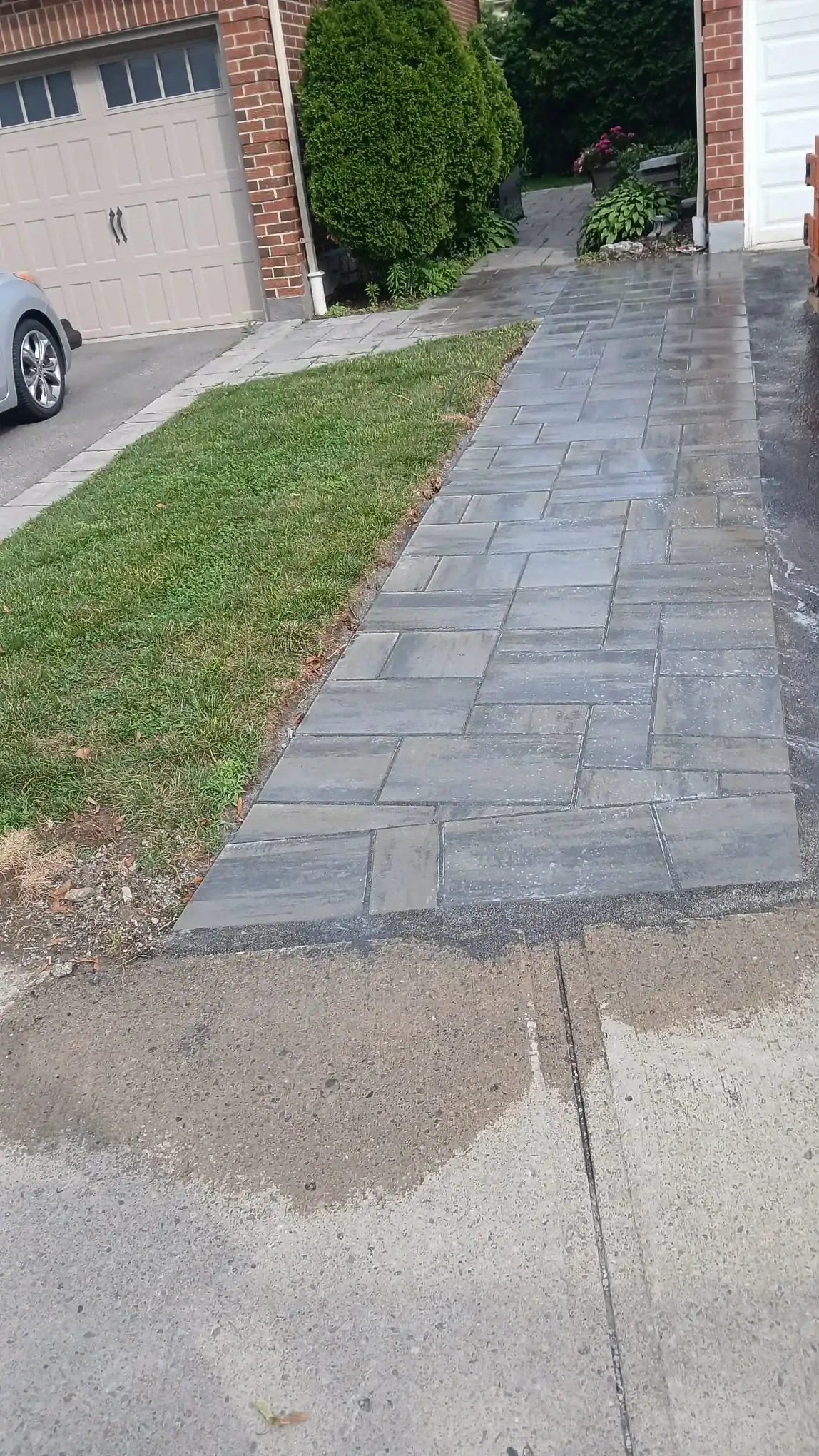
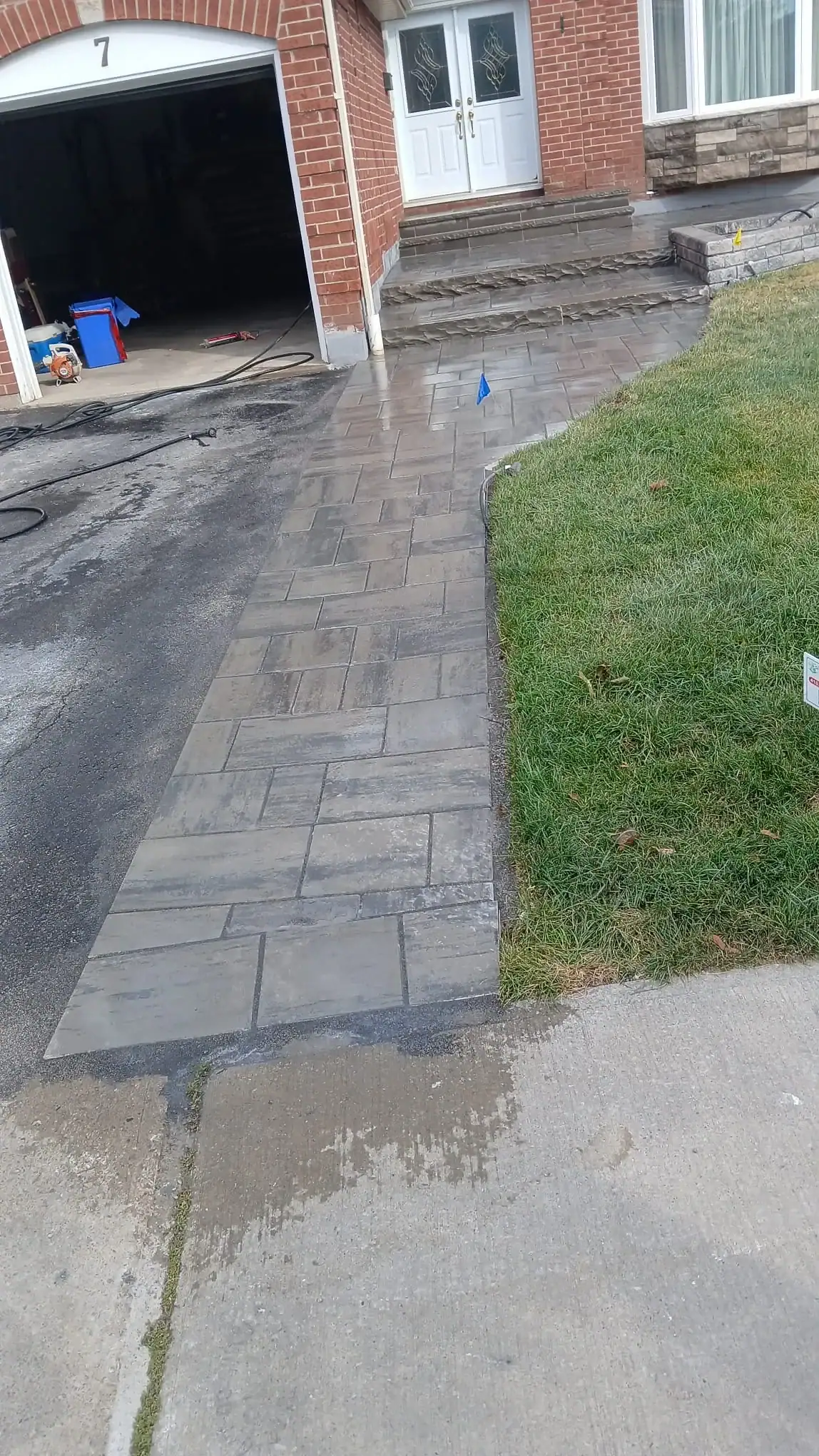
- Make formal walkways with uniform stones and flowerbeds.
- Use irregular shapes for meandering paths in an English cottage garden.
- Pair stepping stones with gravel and moss in a Japanese Zen garden.
Place stones unevenly to lead visitors to hidden spots.
Water Features and Pond Surrounds
Surround ponds with flagstones that fit the curves. Use textured edges to prevent slipping. Build shallow stream beds with flat stones at different angles.
Use non-slip finishes near fountains or waterfalls to prevent slips and falls. Dark-colored stones blend well with pond water.
Vertical Applications: Walls and Accents
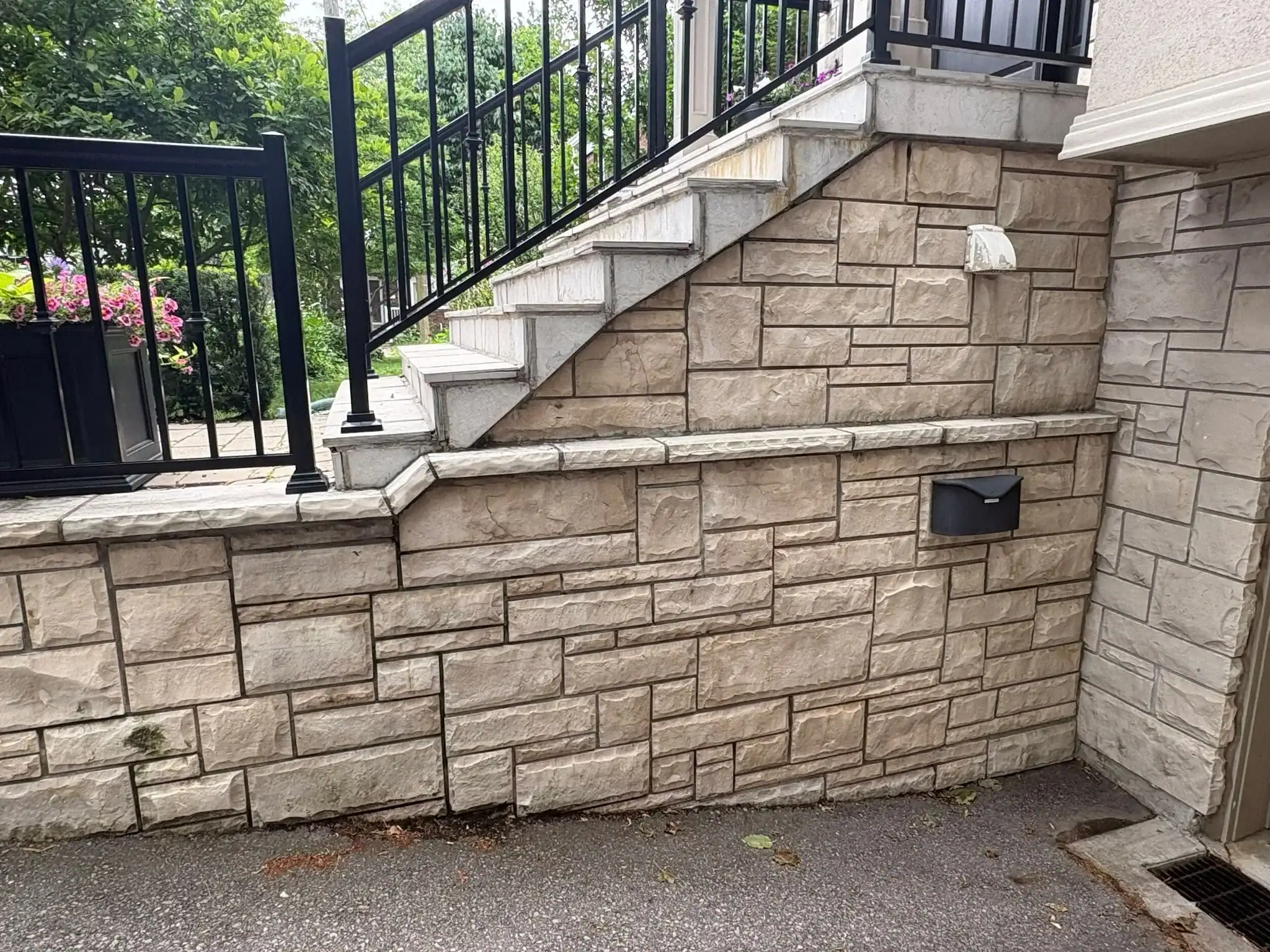
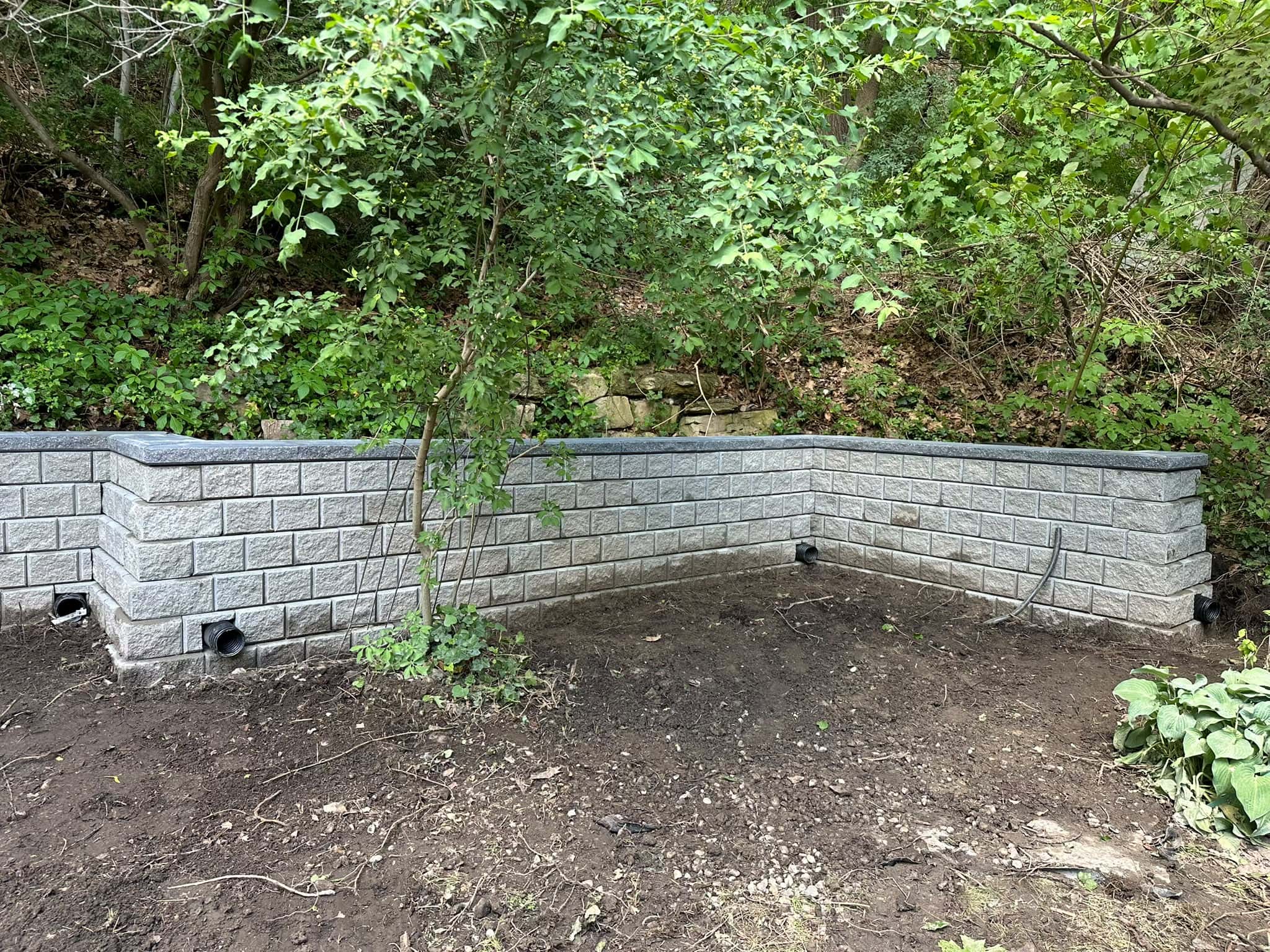
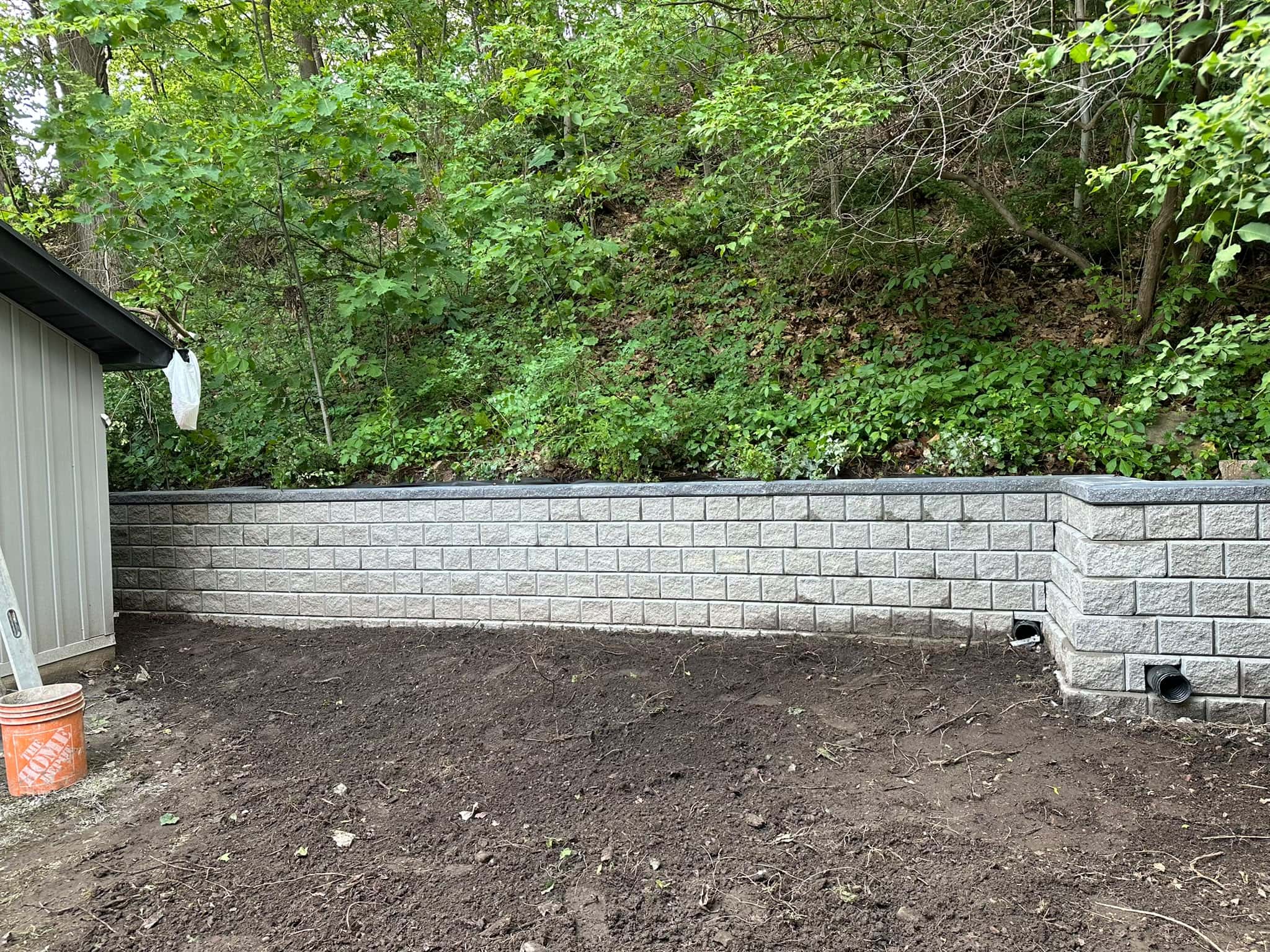
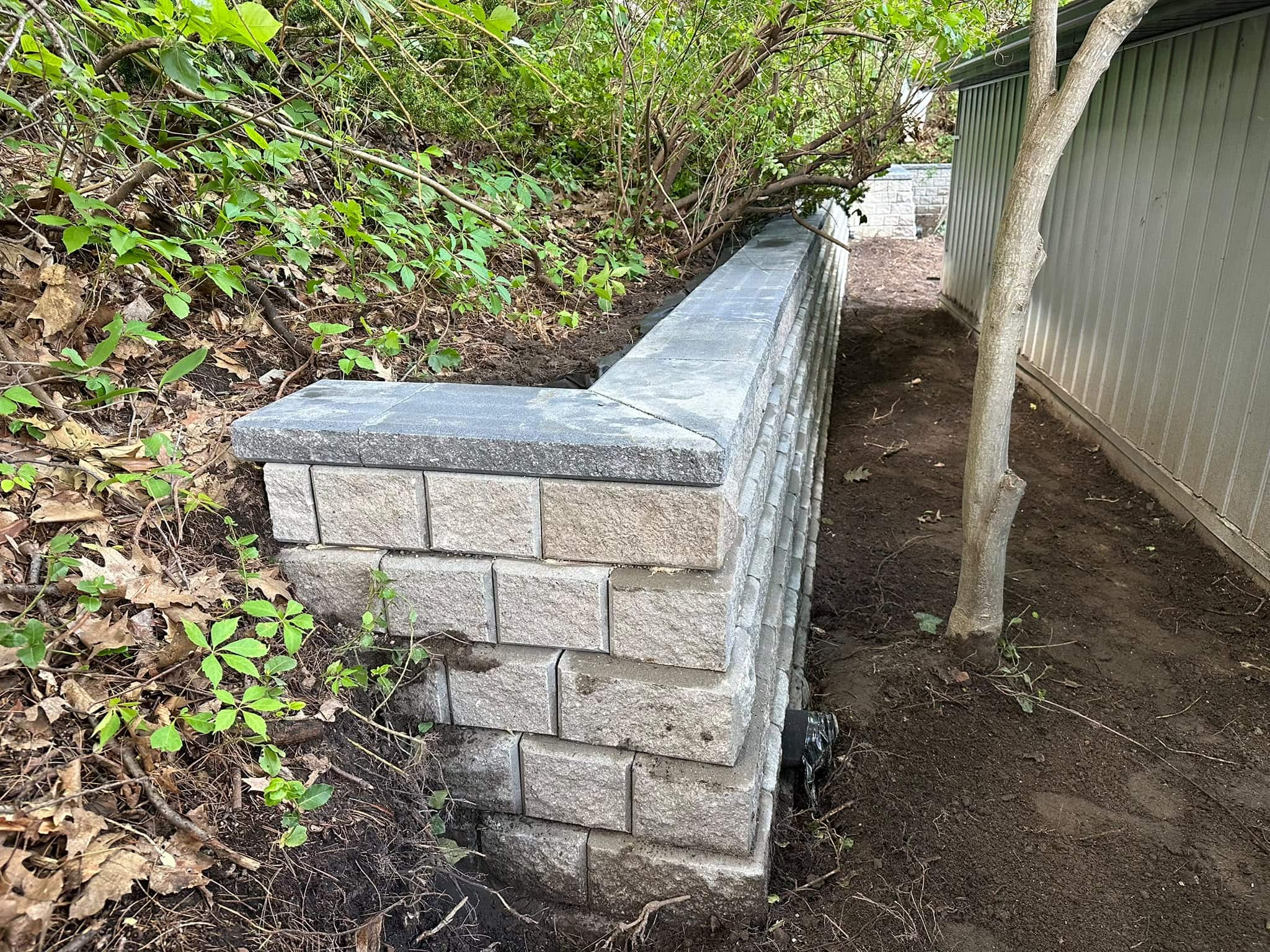
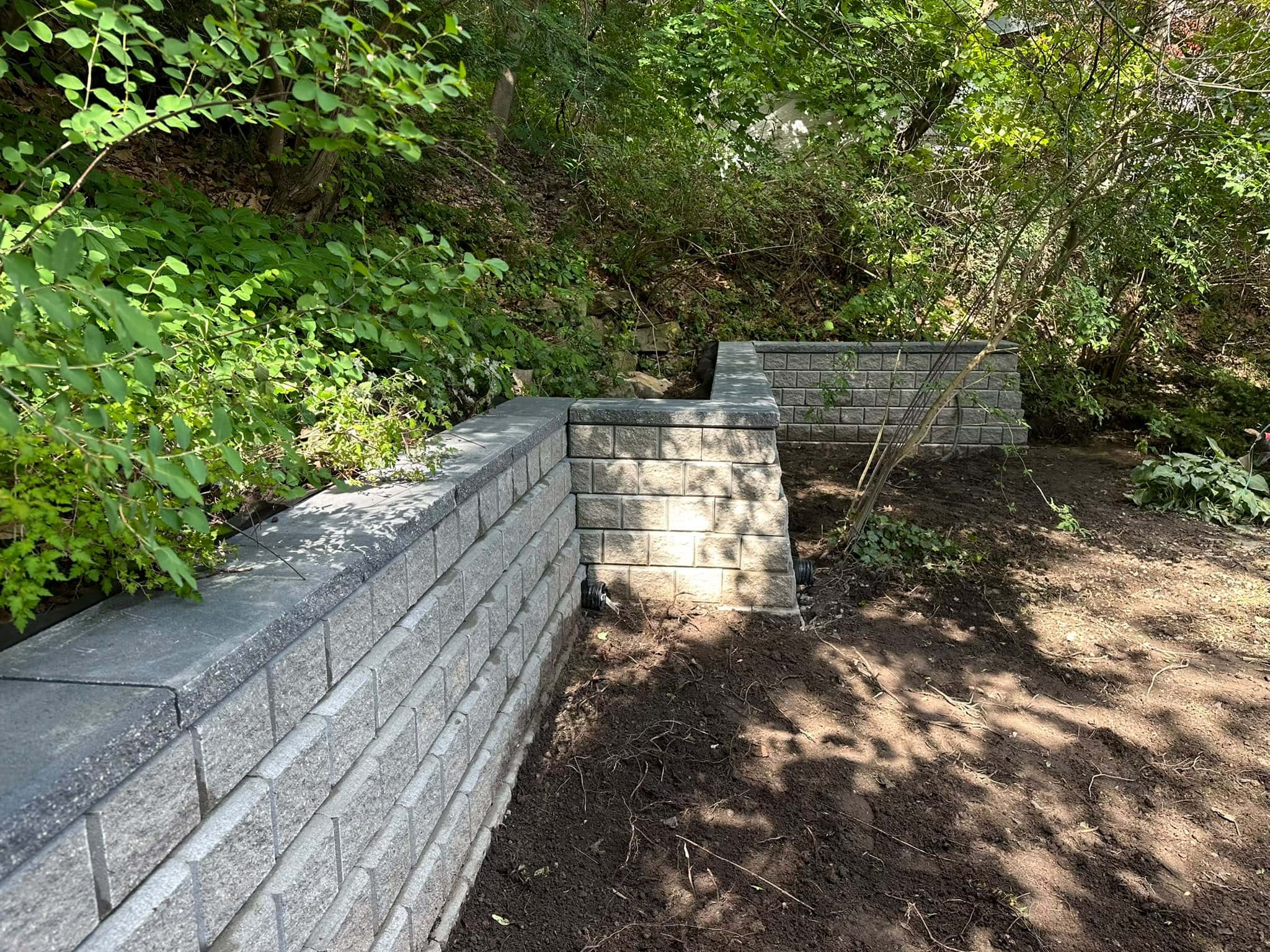
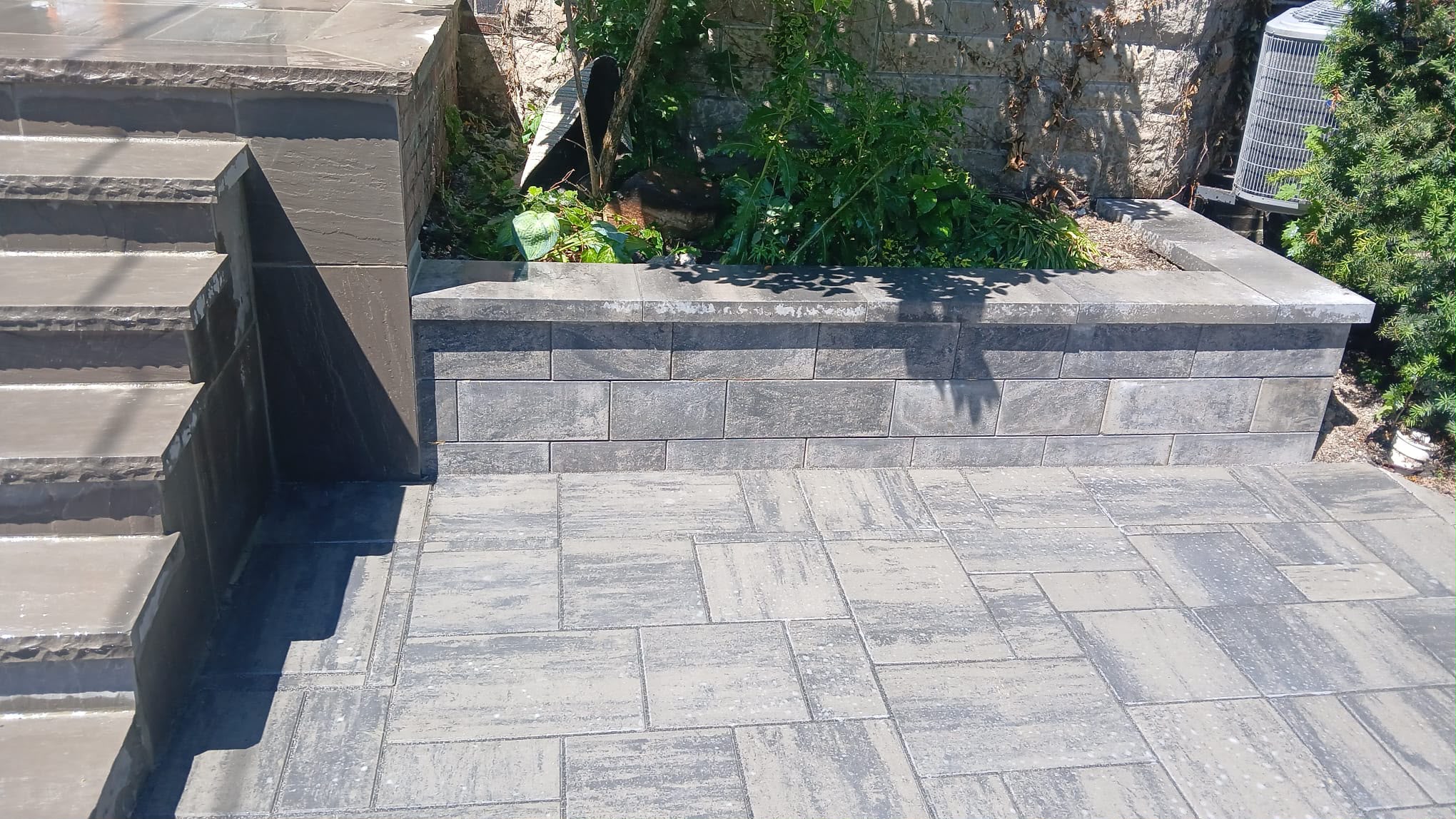
- Build retaining walls with stacked flagstone layers to terrace slopes.
- Use flat stones as benches in garden seating walls.
- Line outdoor kitchen counters with heat-resistant quartzite.
- Frame fire pits with layered stones for safety and heat control.
Combine these ideas to create stunning focal points, like a water feature with a stacked stone wall.
DIY Flagstone Installation: Tips and Techniques
Enhance your outdoor space with a DIY flagstone patio: a step-by-step guide to crafting a durable and visually stunning surface. This ultimate guide to flagstone installation, featuring tips from landscaping experts, helps you do it right. It covers everything from planning to finishing. Follow these steps to avoid mistakes and get a design that lasts.
Tools and Materials You’ll Need
| Category | Items | Recommendations |
| Tools | Stone cutter, rubber mallet, tamper, levelling tool, wheelbarrow | Choose a wet saw with diamond blades for precision cuts |
| Materials | Polymeric sand, crushed gravel base, landscape fabric | Use 3/4-inch crushed limestone for base layers |
Preparation and Base Construction
Start by digging 6–8 inches deep. Then, lay a 4-inch gravel base and compact it in 2-inch layers. Add 1 inch of sand on top for levelling. Ensure the base slopes 1% away from buildings to prevent water pooling.
Layout Patterns and Design Considerations
- Sort stones by thickness to simplify layering
- Use dry-laid layouts to test patterns before setting
- Space stones 1/4-inch apart for joint sand filling
Setting and Securing Your Flagstones
Start placing stones from the center out. Use a rubber mallet to tap each stone into place. Fill the gaps with polymeric sand and wet it to activate the binding. Use edge restraints to keep the stones in place. Wait 3–5 days before walking on the patio.
Pro tip: Use crushed stone to shim thin areas for a smooth surface. Always wear goggles and steel-toed boots when working with stones.
How to Maintain and Seal Flagstones for Long-Lasting Beauty
Maintaining the appearance of your flagstones begins with regular cleaning and sealing. Stone sealers protect against moisture, stains, and weather damage. Sweep away debris weekly to avoid scratches.
For deeper cleaning, use mild, pH-neutral solutions. Always test cleaners on a small area first to avoid damage.
Choosing the right sealer is crucial. Penetrating sealers let surfaces breathe while protecting against stains. Topical sealers, such as Granite Gold Granite & Stone Sealer, add shine but need more frequent reapplication. Here’s a comparison:
| Sealer Type | Pros | Cons | Best For |
| Penetrating | Non-slip, UV-resistant | No colour enhancement | High-traffic patios |
| Topical | Enhances shine | Requires recoating every 1–3 years | Decorative pathways |
Apply sealers in dry, 70°F (21 °C) or higher weather. Follow these steps:
1. Clean and dry the surface completely.
2. Use a lambswool applicator for even coverage.
3. Wait 24 hours before walking on treated areas.
Seasonal care is essential. In winter, clear snow before it freezes. In spring, check for efflorescence with oxygen bleach solutions. For weeds, use a stiff brush and vinegar spray—avoid chemical herbicides near plants.
Create a yearly maintenance checklist to keep your flagstones looking their best. Store all supplies in a dry place. With proper sealing and upkeep, your flagstones will stay beautiful for decades.
Pros and Cons of Flagstone for Outdoor Use
✅ Pros:
- Natural Beauty: Unique, rustic look enhances patios, walkways, and gardens.
- Durability: Withstands harsh weather, lasting decades with proper care.
- Slip-Resistant: The textured surface provides good traction, even in wet conditions.
- Versatile: Available in various colours, shapes, and sizes for custom designs.
❌ Cons:
- Higher Cost: More expensive than concrete or pavers due to the cost of materials and labour.
- Uneven Surface: Irregular shapes may create tripping hazards if not installed correctly.
- Maintenance: Needs sealing to prevent moss, staining, and weather damage.
Conclusion
Your choice of flagstone is key to a beautiful and functional landscaping investment. Think about the climate, how much traffic it will get, and what you want it to look like. Each type, such as sandstone or slate, has its unique qualities.
Materials like bluestone or quartzite might be perfect for your project. Consider your budget and whether you’ll complete the work yourself or hire someone. A simple checklist can help you decide: ask about the stone’s origin, check if it’s even, and ensure the colours match.
Enhance and Protect Your Toronto Property with A&A Masonry!
With decades of expertise, A&A Masonry delivers top-quality masonry, waterproofing, and exterior restoration services in Toronto. From brick and stone repairs to basement waterproofing and interlocking stone installations, we ensure lasting results with expert craftsmanship.
🔹 Skilled & Experienced Masons
🔹 Comprehensive Restoration & Waterproofing Solutions
🔹 Customer-First Service with Transparent Pricing
Our Services Include:
-
Concrete Repairs
-
Stone Masonry
-
Brick Painting
-
Interlocking Stone Pavers
-
Parging
-
Tuckpointing
-
Brick Repair
-
Fireplace Stone Veneer
-
Chimney Repair
-
Commercial Exterior Painting
-
Basement Waterproofing
-
Stucco
-
Interlocking Stone Installation
-
Interlocking Steps
-
Roofing