
Mould on painted walls is not just ugly—it’s harmful to your health. This guide easily shows you how to remove mould from painted walls. It covers everything from spotting mould early to picking the right cleaning products.
Choosing the right cleaner for your paint can be tricky. This guide helps you find the best solution. It also shows how to keep mould from coming back. You can use store-bought or natural cleaners, all without needing to call a professional for minor problems.
Understanding Mould Growth on Painted Surfaces
Mould on painted walls often signals hidden environmental issues. Learning how to detect mould in a house starts with recognizing its key warning signs, which begin with understanding its causes and locations. This section breaks down the science behind its appearance, helping homeowners act early.
Common Types of Household Mould and Their Appearance
Identifying mould types is critical for effective removal. Here are the most frequent varieties:
- Black mould (Stachybotrys): Toxic, dark greenish-black, grows on damp surfaces. Requires immediate attention.
- Cladosporium: Olive-green to brown, often found on painted walls in bathrooms.
- Aspergillus: Yellow to gray, powdery texture, common in kitchens and basements.
Why Mould Grows on Painted Walls
Three main factors drive growth:
- Humidity: Levels above 60% create ideal conditions for growth. Bathrooms and laundry rooms are prime spots.
- Poor Ventilation: Lack of airflow traps moisture, enabling spore spread.
- Water Damage: Leaks or flooding weaken paint seals, letting mould infiltrate wall cavities.
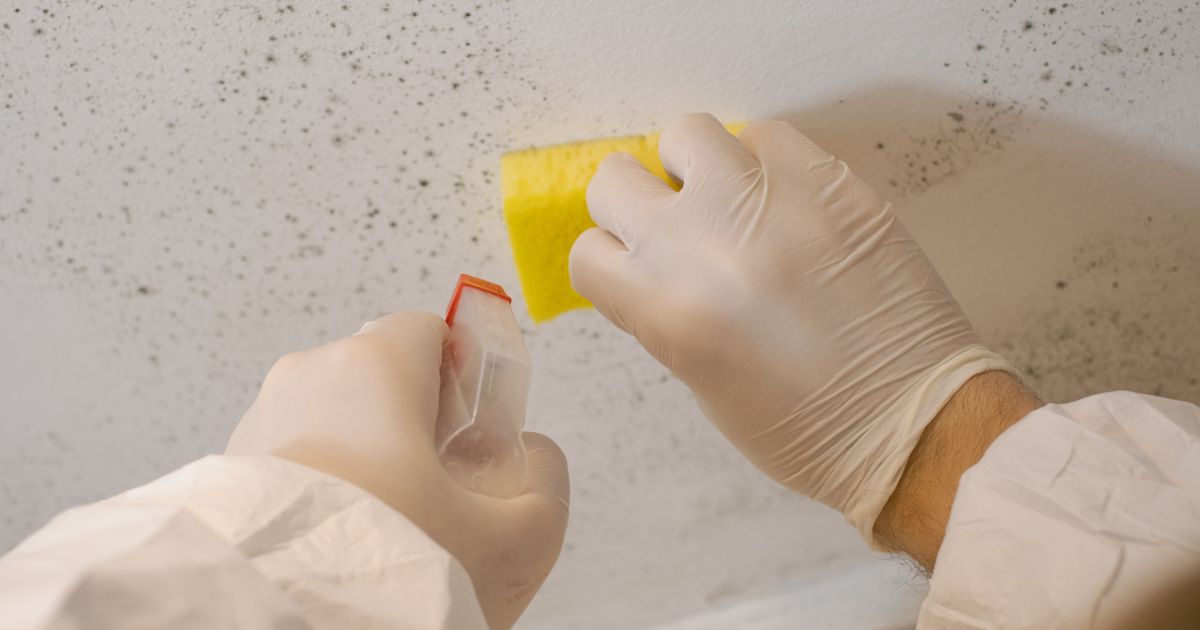
High-Risk Areas in Your Home
| Area | Risk Factors | Warning Signs |
| Bathrooms | Steam from showers, lack of exhaust fans | Peeling paint near tubs or sinks |
| Basements | High humidity, water seepage | Musty odours, discoloration behind furniture |
| Kitchens | Condensation, spills | Yellowish spots near sinks or appliances |
Spotting what kills black mould on walls? The best solutions require knowing where to look first. Regular inspections of these zones can prevent widespread infestation.
Health Risks Associated with Household Mould Exposure
Is mould in your home dangerous? Risks you should know start with understanding how mould affects health. Prolonged exposure can trigger mild to severe reactions, depending on individual sensitivity and the type of mould. The Centers for Disease Control and Prevention (CDC) highlights that even small mould patches may pose dangers if left untreated.
Symptoms of mould sickness vary widely. Common signs include:
- Runny nose or sneezing
- Coughing or wheezing
- Itchy eyes or skin rashes
- Headaches or fatigue
What happens if you breathe in mould for a long time? Extended exposure increases the risk of chronic conditions like asthma attacks, bronchitis, or hypersensitivity pneumonitis. Severe cases may involve neurological effects such as memory problems or dizziness.
| Exposure Type | Health Effects |
| Short-term | Allergic reactions, temporary breathing issues |
| Long-term | Chronic respiratory diseases, immune system strain |
Children, elderly individuals, and those with weakened immune systems are at a higher risk of complications. Asthma sufferers may experience flare-ups even from low levels of mould. Addressing mould early prevents it from escalating into irreversible health issues. Recognizing symptoms and acting promptly safeguards both home and health.
Essential Safety Precautions Before Tackling Mould
Protecting yourself and your home starts with proper preparation. Skipping safety steps risks health harm and incomplete removal. This undermines efforts to eliminate mould on walls permanently.
Recommended Protective Equipment
Wear gear designed to block spores and chemicals:
- N95 respirators (e.g., 3M 8210) to filter airborne particles.
- Rubber gloves (nitrile preferred) to avoid skin contact.
- Safety goggles (UVEX models) to shield eyes from splashes.
- Disposable coveralls to prevent clothing contamination.
| Equipment | Purpose |
| N95 Respirator | Filters 95% of particles ≥0.3 microns |
| Rubber Gloves | Blocks chemical exposure and spore transfer |
| Safety Goggles | Prevents eye irritation from sprays |
Proper Ventilation Requirements
Improved airflow reduces spore inhalation. Follow these steps:
- Open windows and use fans to create cross-ventilation.
- Avoid recirculating indoor air with HVAC systems.
- Use HEPA air purifiers in adjacent rooms for extra filtration.
Poor ventilation increases the time it takes for mould to affect your health, so prioritize airflow to reduce exposure time.
Containing the Work Area to Prevent Spore Spread
Limit spore migration with these steps:
- Seal doorways and vents with 6-mil plastic and duct tape.
- Use negative air pressure with a HEPA-filtered fan in a window.
- Close off HVAC vents to block airflow to other rooms.
Containment ensures mould doesn’t spread, a critical step in achieving a permanent solution to remove mould from walls.
How to Remove Mould from Painted Walls: Step-by-Step Process
Removing mould requires a careful plan to keep you safe and prevent it from returning. Follow these steps to clean surfaces well and protect your home.
Initial Assessment and Testing Methods
First, check the size of the mould and its location. Small areas, less than 3 square feet, can often be treated effectively with methods for removing mould from walls. Use test kits at home to identify the type of mould. Alternatively, seek assistance from experts for more complex issues. Testing helps you know if the mould is harmless or harmful.
Surface Preparation Techniques
- Clear the work area of furniture and cover the floors with plastic sheeting.
- Wear N95 masks, gloves, and goggles to avoid exposure.
- Lightly vacuum the wall with a HEPA-filter vacuum to reduce spore spread.
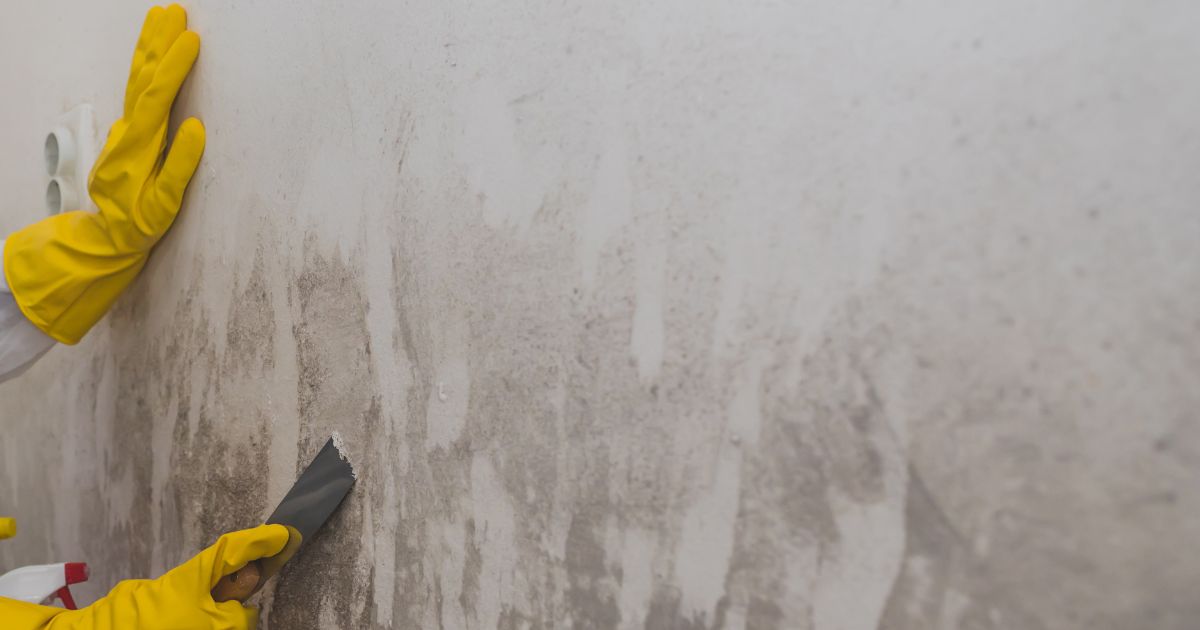
Cleaning Sequences for Different Paint Types
The kind of paint you have affects how you clean it. Here’s a guide for common types:
| Paint Type | Cleaning Solution | Application Method | Dwell Time | Rinsing |
| Flat Paint | 1 Tbsp bleach + 1 gallon water | Soft cloth or sponge | 5-10 minutes | Rinse with clean water; dry thoroughly |
| Eggshell | White vinegar solution (undiluted) | Microfiber cloth | 10 minutes | No rinse; wipe residue |
| Semi-Gloss | Bleach solution (1:10 bleach-to-water ratio) | Sponge scrubbing | 10-15 minutes | Rinse with clean water |
| High-Gloss | Commercial mould cleaner (e.g., Concrobium Mould Control) | Light scrubbing | Follow product instructions | Rinse with a damp cloth |
After cleaning, ensure the treated areas are dry. Avoid scrubbing too hard to prevent damaging the paint. If mould comes back, clean it again.
Natural and Eco-Friendly Mould Removal Solutions
Looking for what kills black mould on walls? The best solutions include natural ingredients. These are effective and safe for your home. They reduce chemical use and tackle minor mould problems.
However, it’s essential to verify the size of the mould before you begin. This will help you select the most suitable solution.
- White Vinegar: Mix equal parts distilled vinegar and water. Spray it on mould spots, wait 60 minutes, then scrub. Rinse with water. Vinegar’s acid kills mould without leaving toxins.
- Hydrogen Peroxide: Use 3% hydrogen peroxide in a spray bottle. Let it sit for 10 minutes before scrubbing. It’s oxygen kills spores and dries fast on surfaces like drywall.
- Baking Soda Paste: Create a thick paste by mixing baking soda with water. Apply, wait 1 hour, then wipe clean. Its alkaline nature fights mould, but it may require more frequent use.
- Tea Tree Oil: Mix 10 drops with 1 cup of water. Spray and scrub. Its antifungal properties work well, but it requires good airflow due to its strong odour.
Myth debunking: Bleach isn’t suitable for porous materials like painted walls. It kills surface mould but might leave moisture, causing it to grow back. Always test natural solutions on a small area first.
For significant mould problems, try mixing methods like vinegar and baking soda, then rinse. Dry treated areas thoroughly to prevent mould from returning. Remember, natural cleaners can still irritate skin or lungs if not used correctly. Wear gloves and masks, and open windows when using.
Commercial Mould Killers and Their Effectiveness
Commercial mould killers are designed to tackle challenging mould problems. It’s essential to choose products that can kill black mould and work well with your wall’s paint. Here are some key considerations for achieving safe and lasting results.
Comparing Top-Rated Mould Removal Ingredients
| Active Ingredient | Effectiveness | Safety | Cost | Ease of Use |
| Quaternary Ammonium Compounds | 98% kill rate for black mould | Low VOC formula | $15–$30/gallon | Ready-to-use spray |
| Sodium Carbonate | Eliminates spores within 48 hours | Non-toxic, pet-safe | $20–$40 for 32 oz | Requires 15-minute dwell time |
| Sodium Hypochlorite | Kills 99.9% of mould species | Ammonia-free | $18–$35 per quart | Requires scrubbing after application |
Application Methods for Maximum Effectiveness
- Test the product on a small area first.
- Apply the solution using a spray bottle or sponge, ensuring the area is fully saturated.
- Let it sit for the recommended contact time (check product instructions).
- Scrub with a stiff brush, then rinse with water.
- Repeat this process if the mould persists, or use a biocide primer before repainting.
Products to Avoid on Certain Paint Finishes
Some chemicals can harm glossy or semi-gloss paint. Avoid using ammonia-based cleaners on these finishes. Instead, use oxygen-based bleach. Always read the label to make sure it’s safe for your paint.
Preventing Future Mould Growth on Your Walls
To permanently eliminate mould on walls, start by addressing leaks promptly. Insulate pipes to stop condensation. Use exhaust fans in bathrooms and kitchens to remove moist air.
Maintain indoor humidity levels throughout the year to ensure a comfortable environment. Use a dehumidifier in basements and crawl spaces to reduce humidity levels. Aim for a relative humidity of 30–50%. Use a hygrometer to monitor humidity levels and clean gutters to prevent water from accumulating near walls.
Here’s a guide for optimal humidity in key areas:
| Area | Ideal Humidity | Maintenance Tips |
| Bathrooms | 30–50% | Run exhaust fans during showers; wipe surfaces dry. |
| Basements | 40–50% | Use a dehumidifier, such as a Honeywell or EvaDry model, and seal any cracks in the walls. |
| Kitchens | 40–60% | Use exhaust fans when cooking; avoid leaving damp dishes unwashed. |
Regular cleaning with mould-inhibiting solutions helps. Use borax or vinegar. Paint walls with mould-resistant products, such as Behr Marquee or Benjamin Moore Aura Mould Resistant. These paints act as a barrier against mould.
When considering whether air purifiers help with mould removal, opt for HEPA-filter models. Consider the Coway AP-1512HH or the Winix 5500-2. They capture spores but won’t remove mould. Use them with good ventilation for best results.
Conduct seasonal checks, such as inspecting attics and crawl spaces in spring and fall. This helps find hidden moisture. By following these steps, you can keep mould away for good, protecting your home and health.
Dealing with Stubborn or Recurring Mould Problems
Stubborn mould growth often returns if underlying issues aren’t resolved. To permanently eliminate mould on walls, homeowners must first identify and address the root causes. This section also highlights how to detect mould in a house: key warning signs that signal recurring issues, such as water stains or persistent odours.
Addressing the Root Causes of Persistent Mould
Recurring mould thrives on moisture sources. Key warning signs include warped drywall, musty smells, or dark spots near windows. To resolve the issue:
- Check for hidden leaks behind walls or under flooring
- Inspect ventilation systems in bathrooms and kitchens
- Seal foundation cracks and improve outdoor drainage
- Use dehumidifiers in basements or crawl spaces
When Repainting Is Necessary After Mould Removal
Repaint only after eliminating all mould. Signs requiring repainting include:
- Peeling or bubbled paint surfaces
- Mould resurfacing within weeks
- Visible drywall damage or warping
Steps: Clean surfaces with a bleach solution, apply a mould-inhibiting primer, then use paint with fungicide additives. Avoid oil-based paints in high-moisture zones.
Mould-Resistant Paint Options for High-Humidity Areas
Select paints designed to resist microbial growth. Top options include:
- Behr Marquee Plus ($35–$50/gallon): Contains mildewcide for long-term protection.
- Benjamin Moore Defendre ($50–$65/gallon): Ideal for bathrooms with anti-microbial additives)
- Sherwin-Williams ProMar 200 ($40–$50/gallon: Resists mould on pre-cleaned surfaces)
Pair these paints with regular inspections to maintain results. Combining these steps with root-cause fixes ensures lasting protection.
When to Call Professional Mould Remediation Services
Is mould in your home dangerous? Risks include severe health threats if DIY fails. If mould covers more than 10 square feet, spreads inside walls, or appears in HVAC systems, you need professional help. Health issues, such as persistent coughing or allergies, may signal the need for expert intervention.
Professional remediation follows a structured process to ensure safety and effectiveness. Here’s what to expect:
| Phase | Description |
| Assessment | Inspectors identify the extent and causes of mould. |
| Containment | Barriers prevent spores from spreading to other areas. |
| Air Filtration | HEPA filters remove airborne contaminants. |
| Removal | Infected materials are safely extracted and disposed of. |
| Cleaning | Antimicrobial treatments kill remaining spores. |
| Restoration | Repairs and protective coatings are applied. |
Choose certified professionals with IICRC or NORMI credentials. Ask for references and insurance proof. Costs vary based on mould size and location. Some insurance policies cover mould damage if caused by sudden water events, such as leaks.
After remediation, request post-treatment testing. Air sampling or surface testing confirms success. Never assume mould is gone without verification. Prioritize health and safety by addressing visible signs promptly and taking action when symptoms persist, even after cleaning.
Conclusion: Maintaining Mould-Free Painted Walls for a Healthier Home
To keep painted walls mould-free, you need to stay vigilant and proactive. The steps to remove mould from painted walls are clear. But, preventing mould is the best way to keep your home healthy.
Ignoring mould signs can harm your health. Mould spores can affect your breathing in just a few days. Therefore, it’s essential to inspect bathrooms, kitchens, and basements regularly.
Keeping your home dry is key. Use a dehumidifier, repair leaks promptly, and clean condensation regularly to maintain a healthy indoor environment. When cleaning, choose the right solutions, such as bleach or vinegar. For rigid mould, use mould-resistant paints from Behr or Benjamin Moore.
Remember, mould can harm your health quickly. Symptoms such as allergies or breathing problems can appear within weeks. If mould returns or spreads, seek professional help.
Regular checks and proper cleaning keep your home safe. Mould-free walls protect your home’s value and your family’s health. If unsure, always ask certified experts for help.
FAQ
How can I permanently remove mould from walls?
To permanently eliminate mould on walls, you need to address the root causes. This means dealing with moisture and improving air flow. Use strong cleaners or natural stuff like vinegar and baking soda to remove mould. Then, keep the humidity low and ensure the air is well-circulated to prevent it from returning.
What effectively kills black mould on walls?
Black mould can be killed with special cleaners or natural stuff like tea tree oil and hydrogen peroxide. Make sure to follow the directions on the product to remove the mould.
Is mould in your home dangerous?
Yes, mould can be very harmful, especially for people with allergies, asthma, or weak immune systems. It can cause breathing problems, skin issues, and serious health problems if you’re exposed for a long time.
What happens if you breathe in mould for a long time?
Long-term mould exposure can lead to chronic breathing issues, allergic reactions, and worsen existing health problems. Some people may experience severe symptoms, including trouble breathing and neurological issues.
How long does it take for mould to affect your health?
Mould can start affecting your health quickly, often in a few hours for people with allergies or asthma. Others might not show symptoms until they’ve been exposed for a long time.
Do air purifiers help with mould removal?
Air purifiers with HEPA filters can reduce the number of mould spores in the air. They make the air cleaner. But, they can’t replace the need to remove mould from surfaces.
How can I detect mould in my house?
Look out for mould, musty smells, and water damage or condensation on walls and ceilings. Check often in areas such as bathrooms, kitchens, and basements to catch mould early.
What are the symptoms of mould sickness?
Symptoms of mould sickness include coughing, sneezing, skin rashes, eye problems, and feeling tired. In severe cases, people might have breathing issues and headaches that don’t go away.
Protect Your Home from Mould with A&A Masonry’s Expert Sealing Services
Mould thrives in damp environments, and unsealed windows, basements, and concrete surfaces create the perfect conditions for moisture buildup. At A&A Masonry, we specialize in professional window sealing, basement waterproofing, and concrete sealing to safeguard your home from water intrusion and mould growth.
🔹 Window Sealing – Prevent leaks and condensation buildup that lead to mould formation.
🔹 Basement Waterproofing – Keep your basement dry and mould-free with expert foundation sealing.
🔹 Concrete Sealing – Protect porous surfaces from moisture absorption and long-term damage.
With our high-quality craftsmanship and industry-leading waterproofing solutions, you can trust A&A Masonry to provide durable, long-lasting protection for your home.
📞 Call us today at 416-236-8721 or contact A&A Masonry for a consultation! Keep mould out and protect your home with expert masonry and sealing services.
Enhance and Protect Your Toronto Property with A&A Masonry!
With decades of expertise, A&A Masonry delivers top-quality masonry, waterproofing, and exterior restoration services in Toronto. From brick and stone repairs to basement waterproofing and interlocking stone installations, we ensure lasting results with expert craftsmanship.
🔹 Skilled & Experienced Masons
🔹 Comprehensive Restoration & Waterproofing Solutions
🔹 Customer-First Service with Transparent Pricing
Our Services Include:
-
Concrete Repairs
-
Stone Masonry
-
Brick Painting
-
Interlocking Stone Pavers
-
Parging
-
Tuckpointing
-
Brick Repair
-
Fireplace Stone Veneer
-
Chimney Repair
-
Commercial Exterior Painting
-
Basement Waterproofing
-
Stucco
-
Interlocking Stone Installation
-
Interlocking Steps
-
Roofing