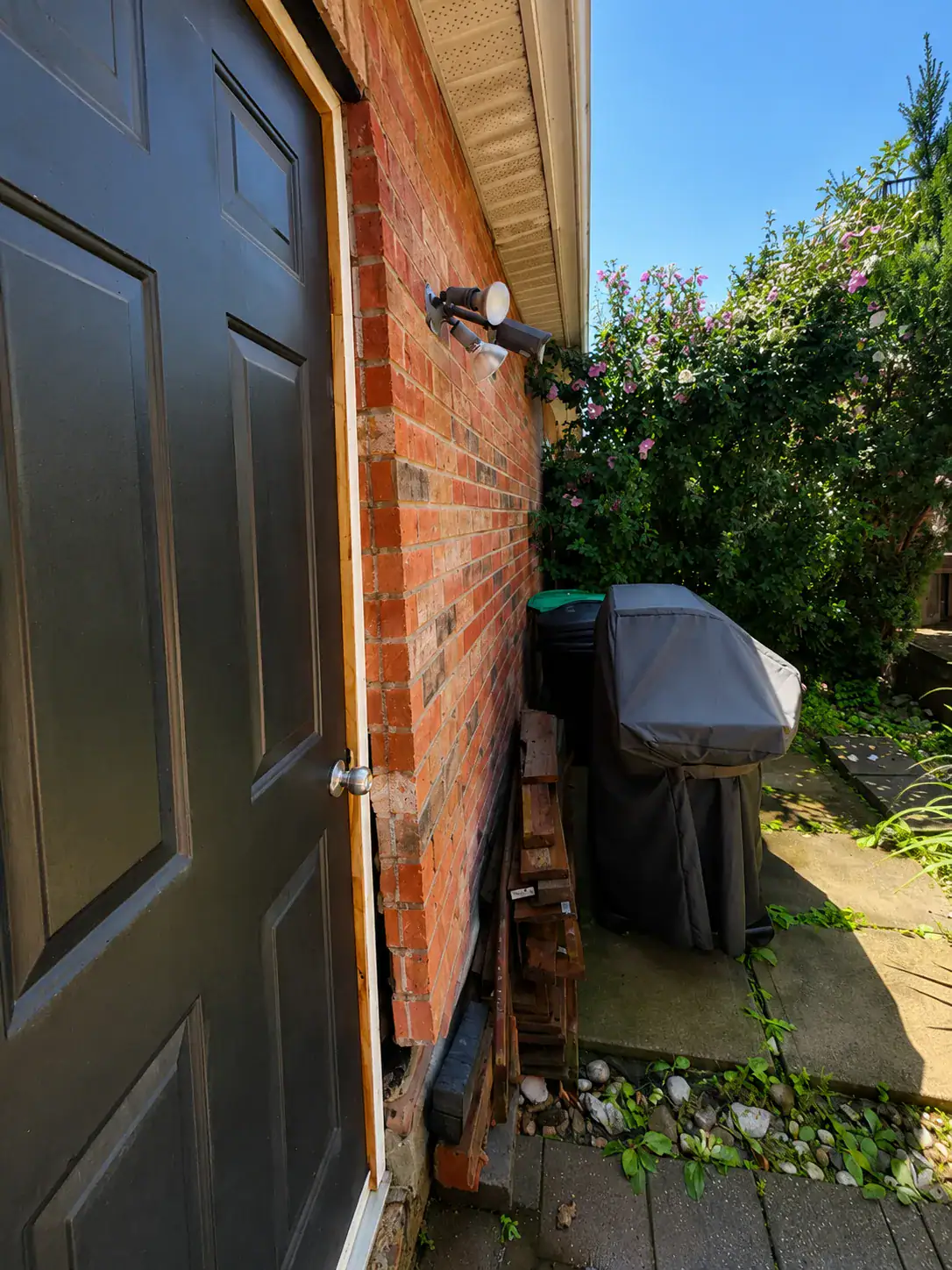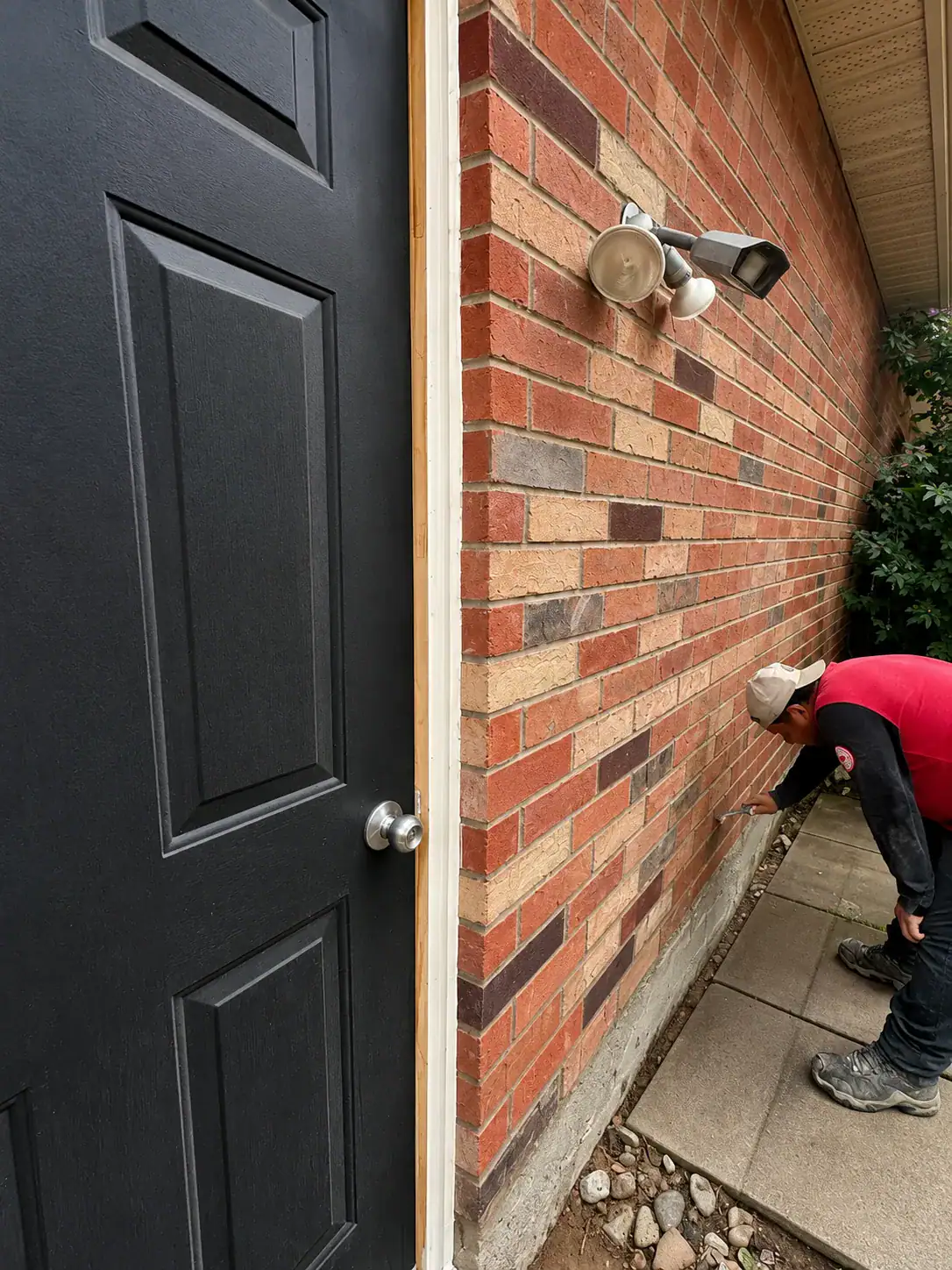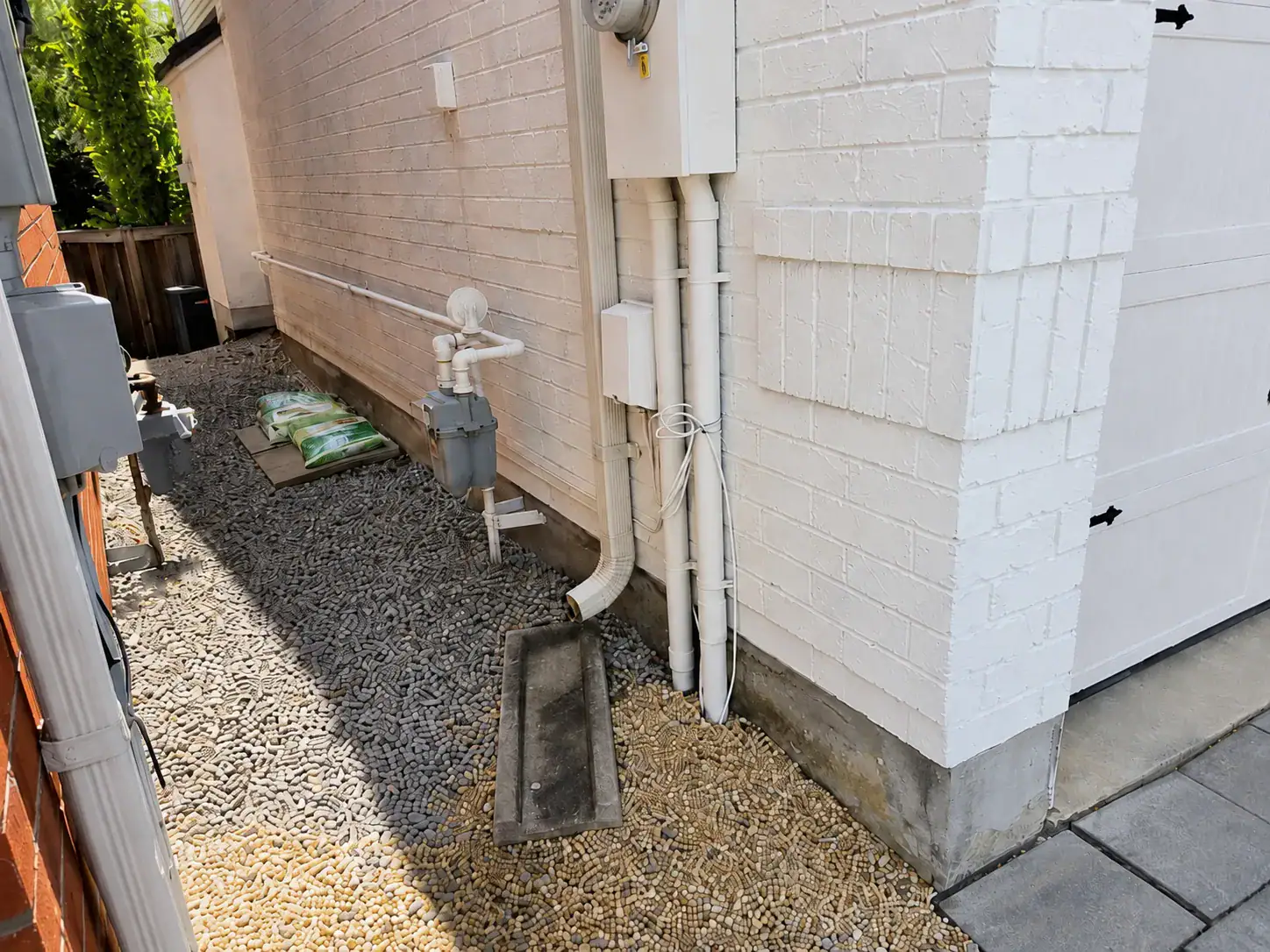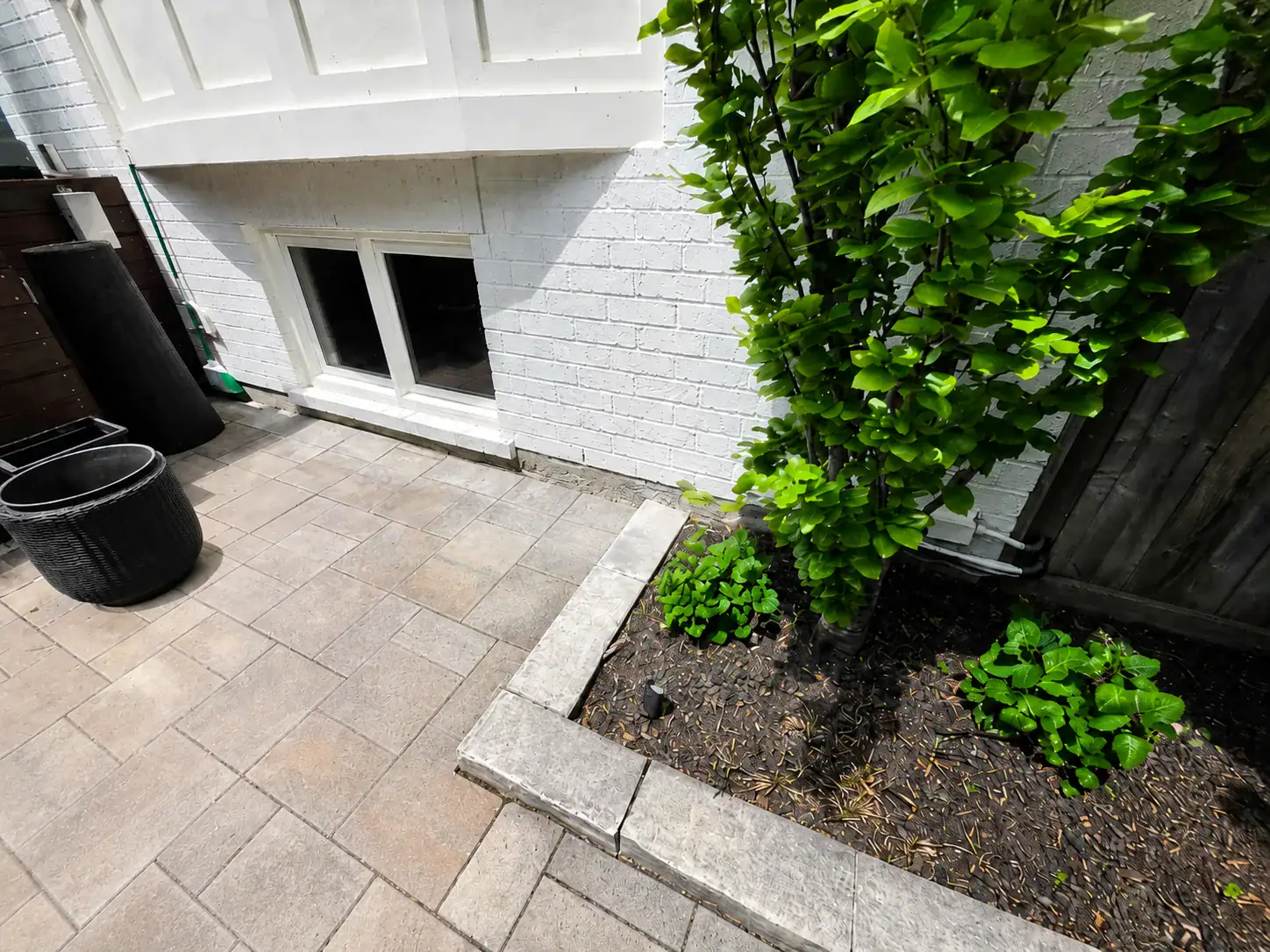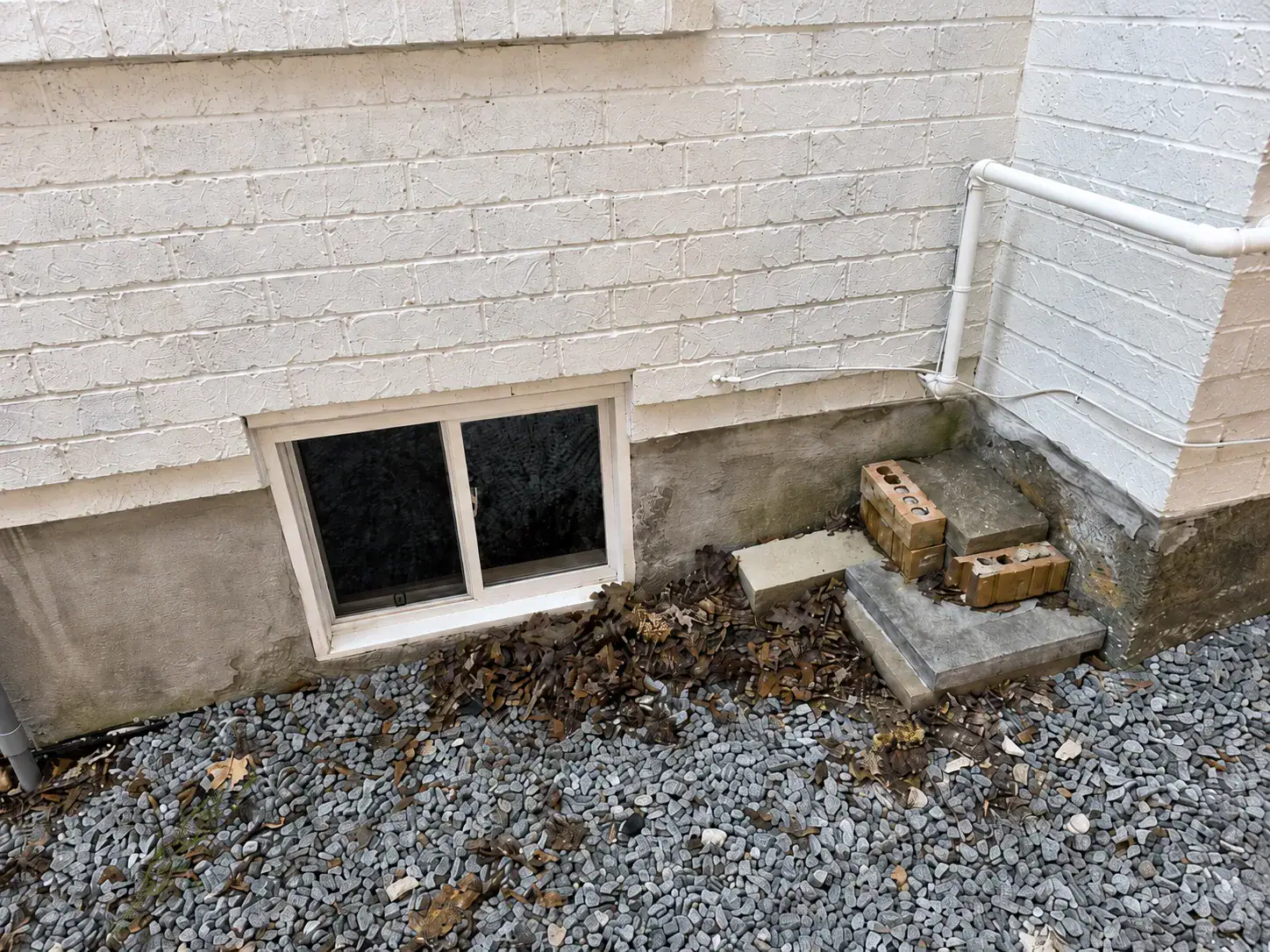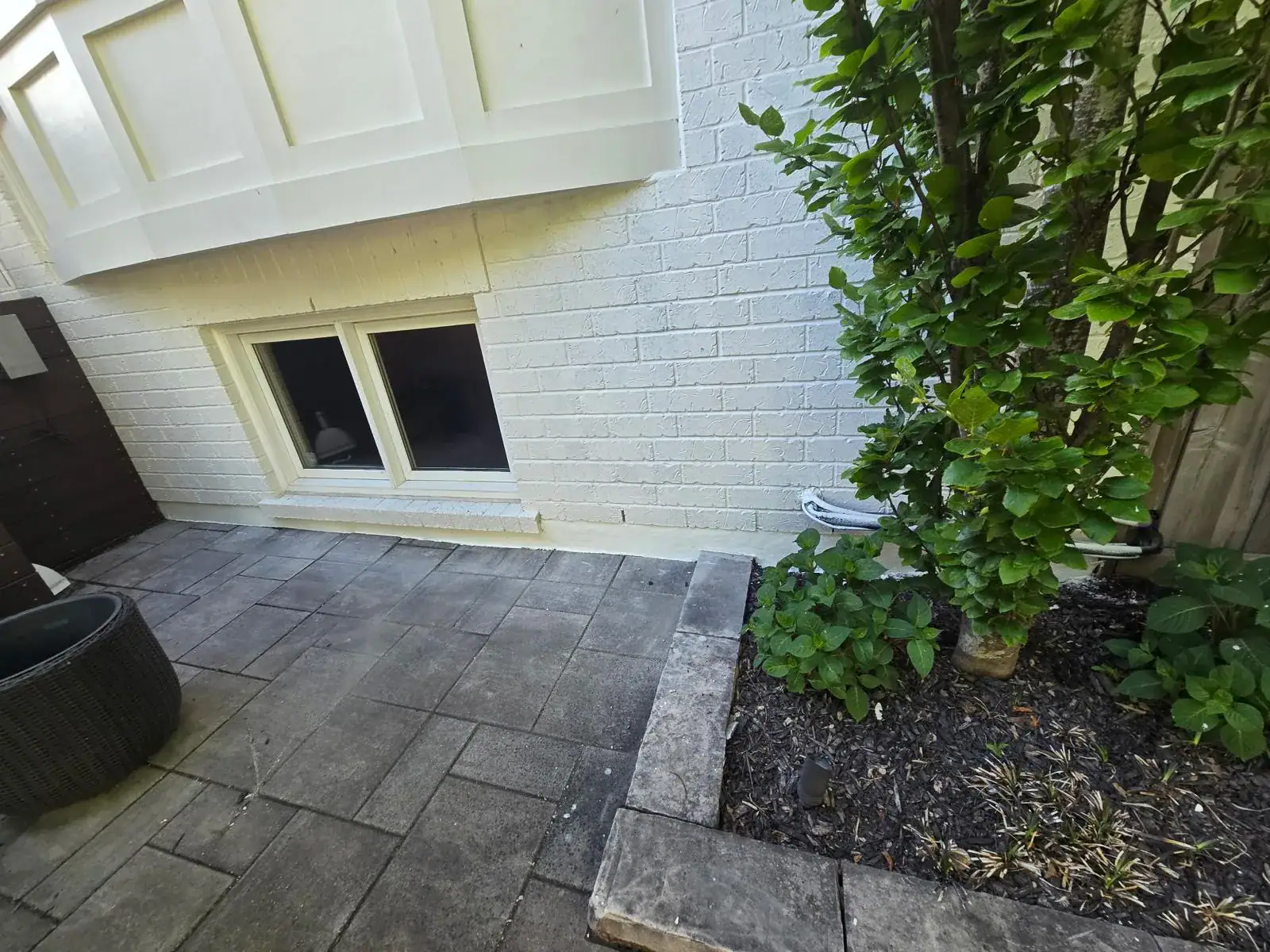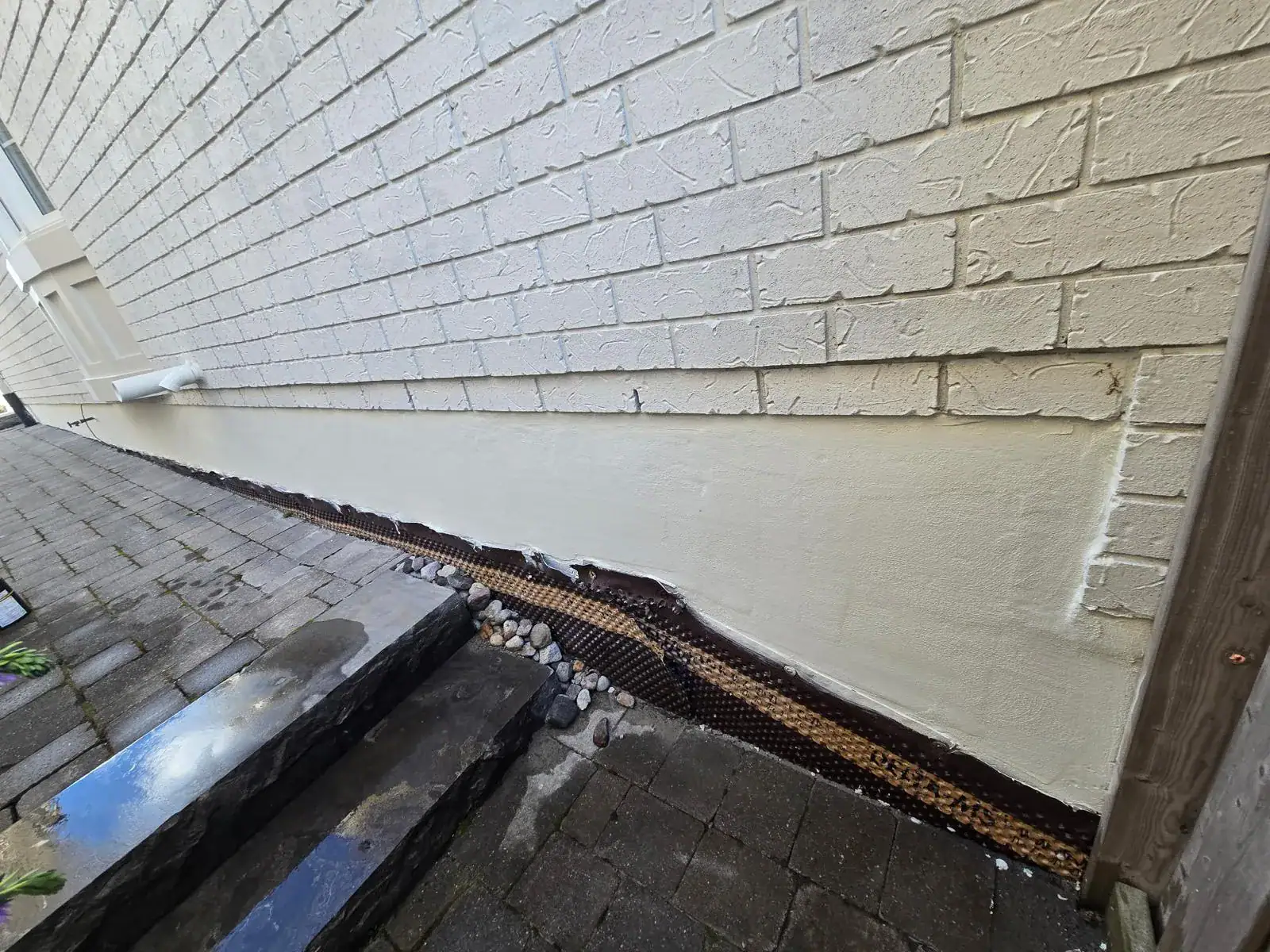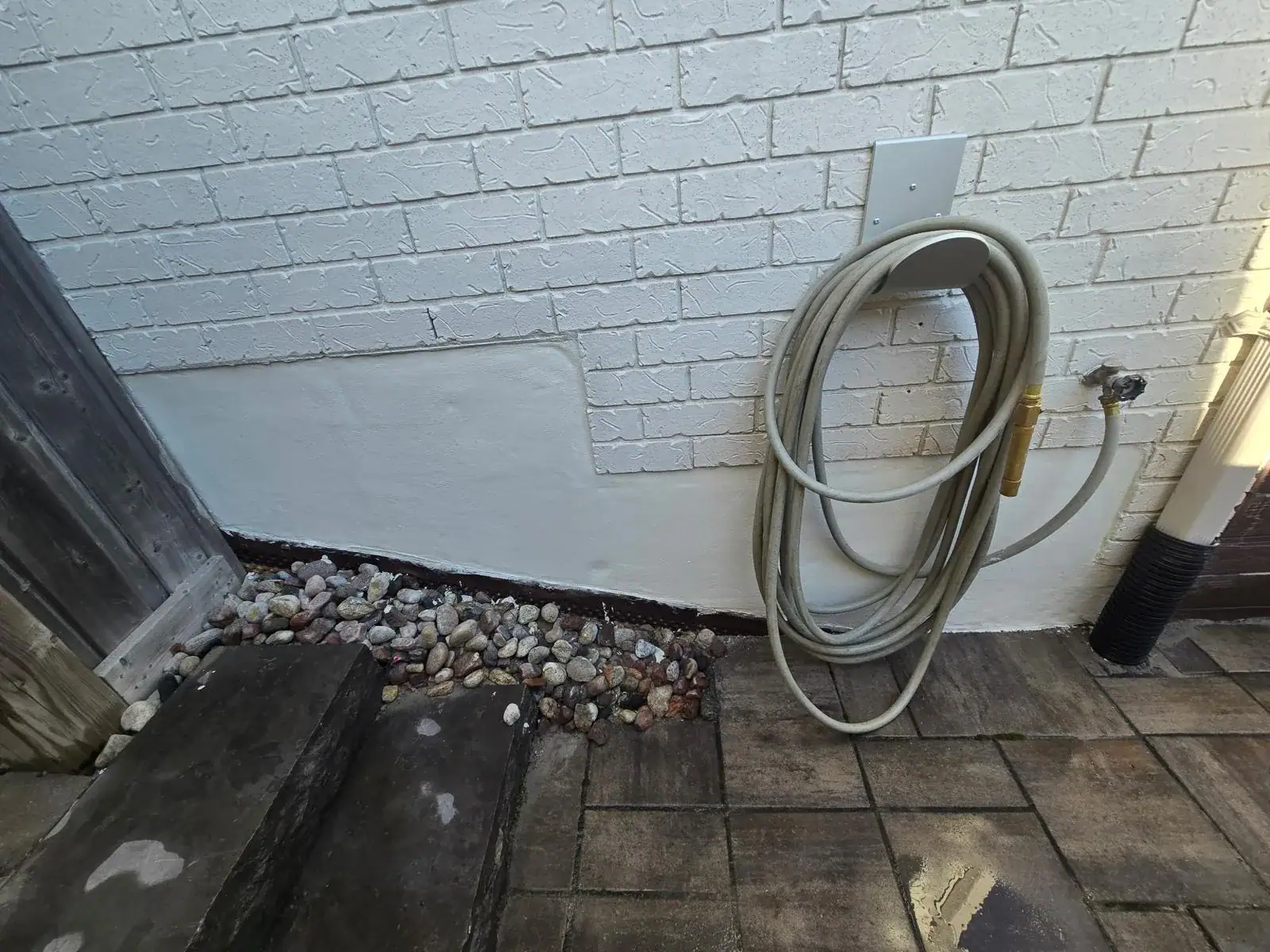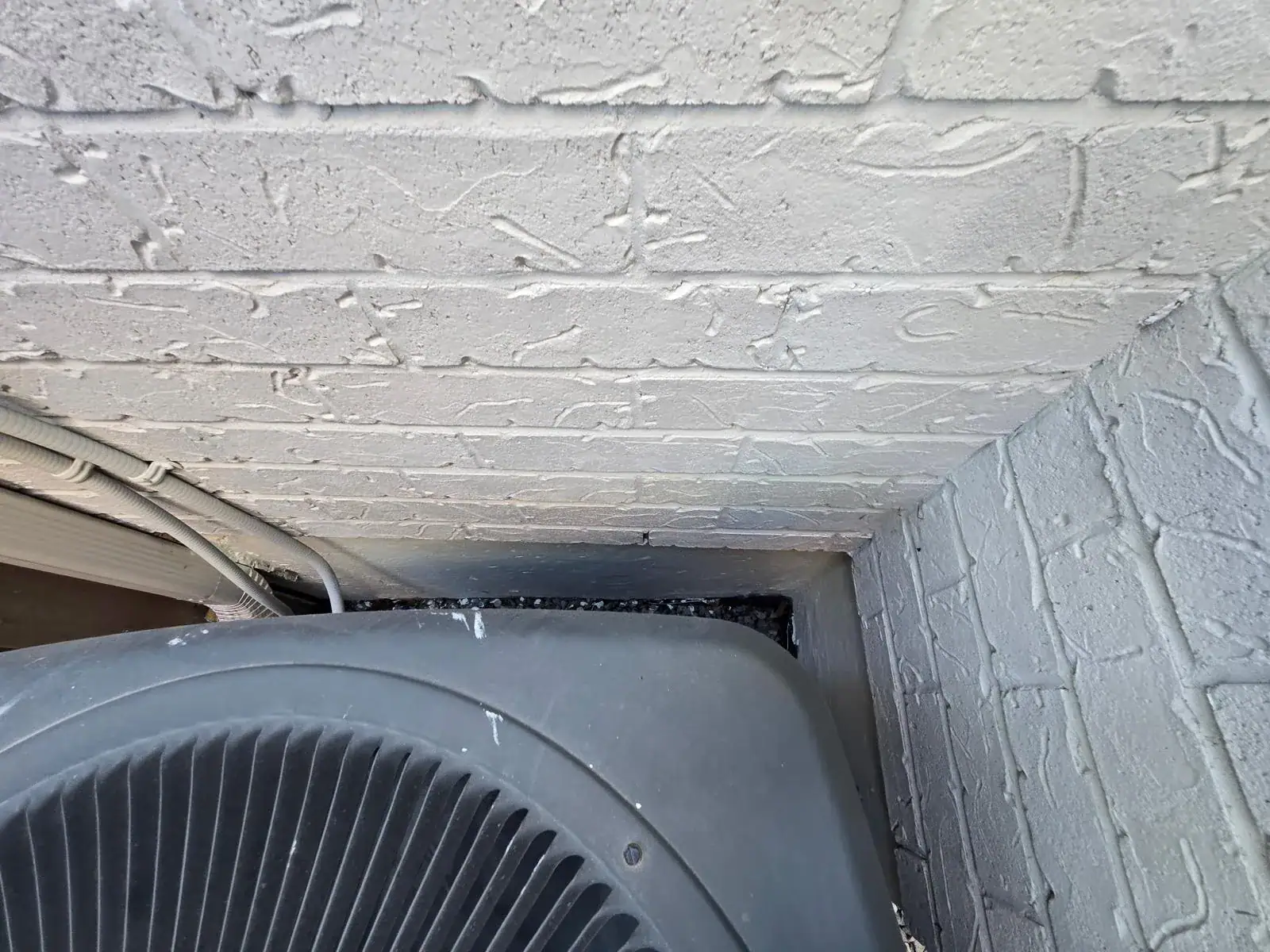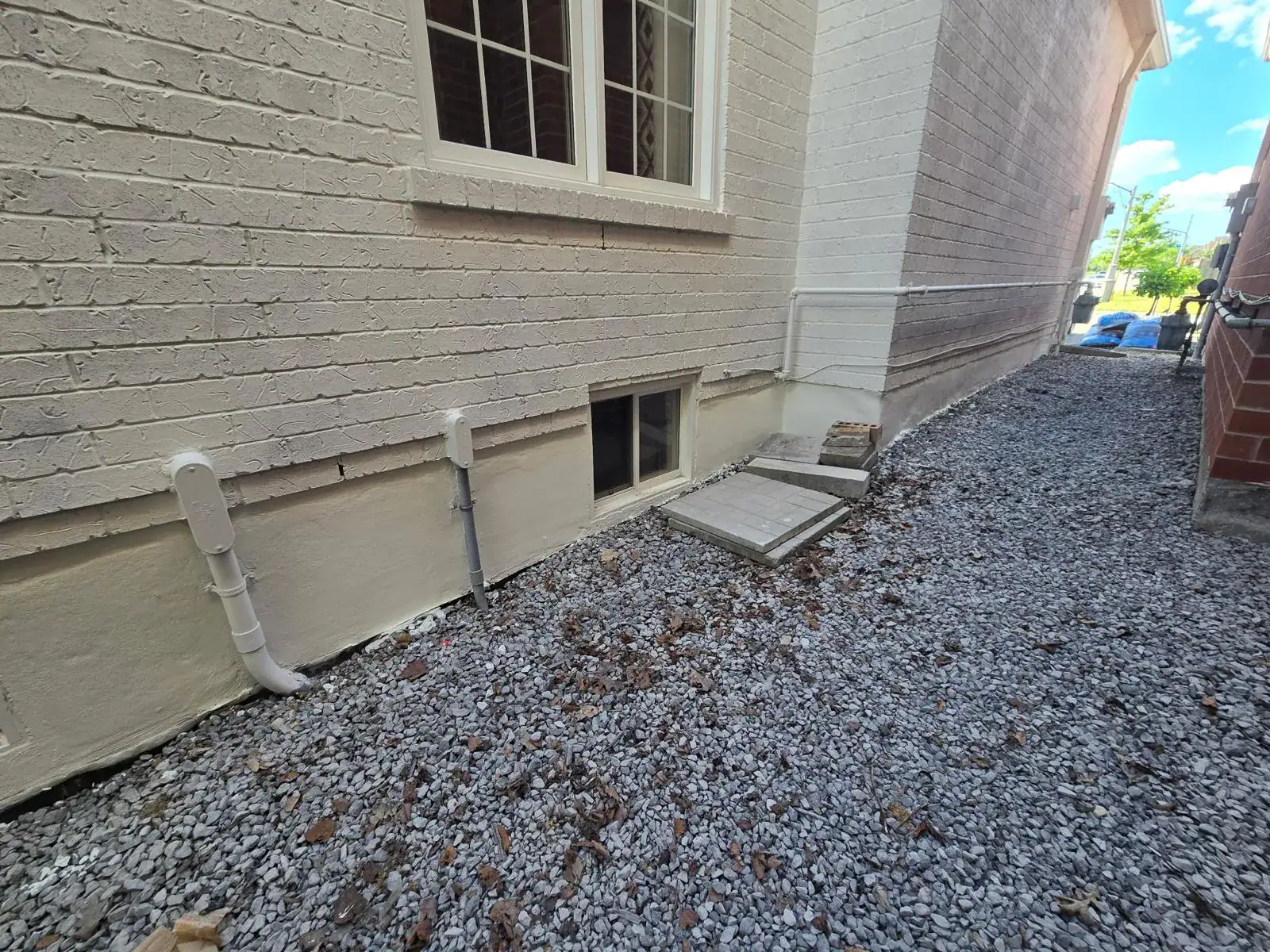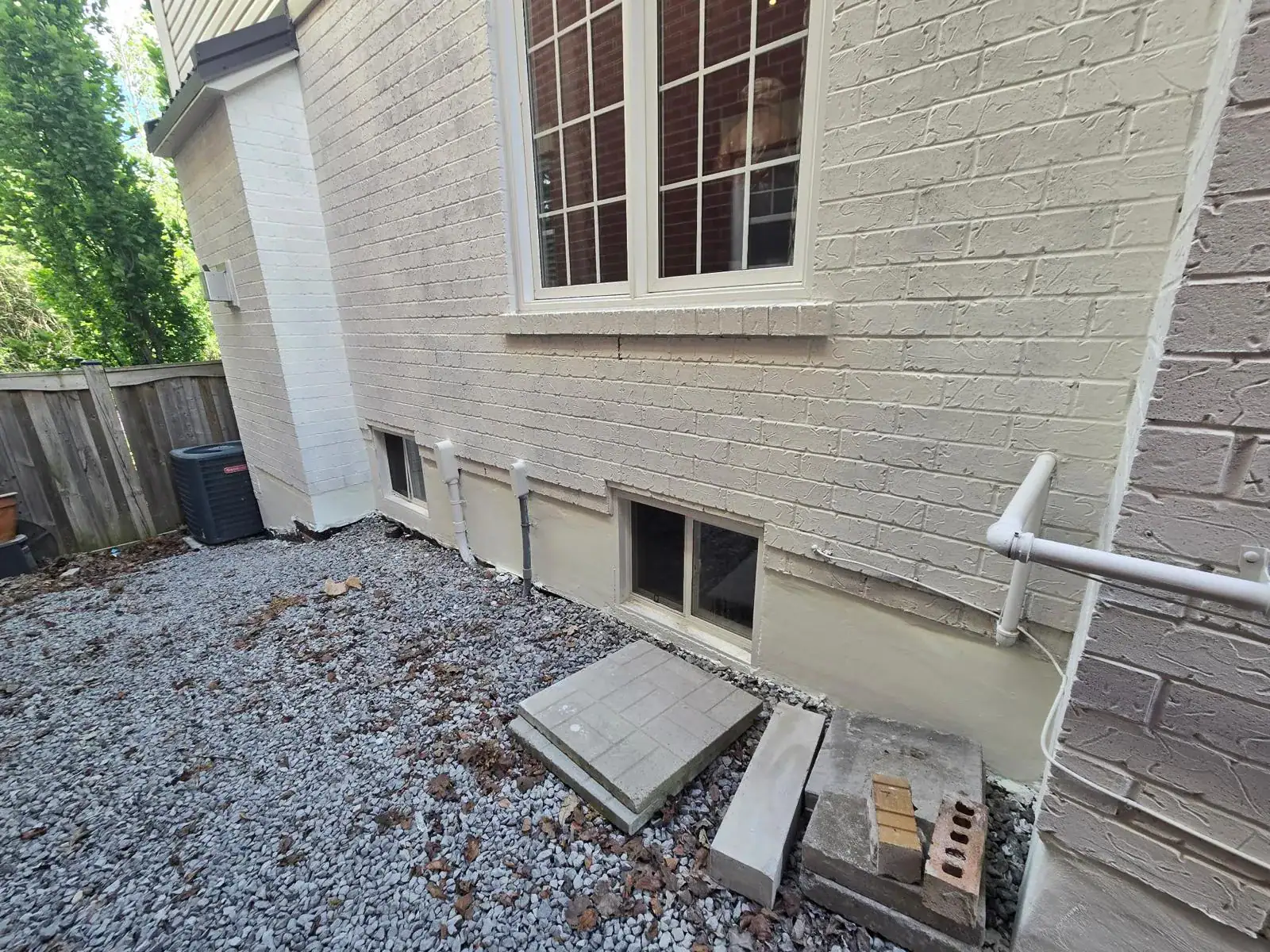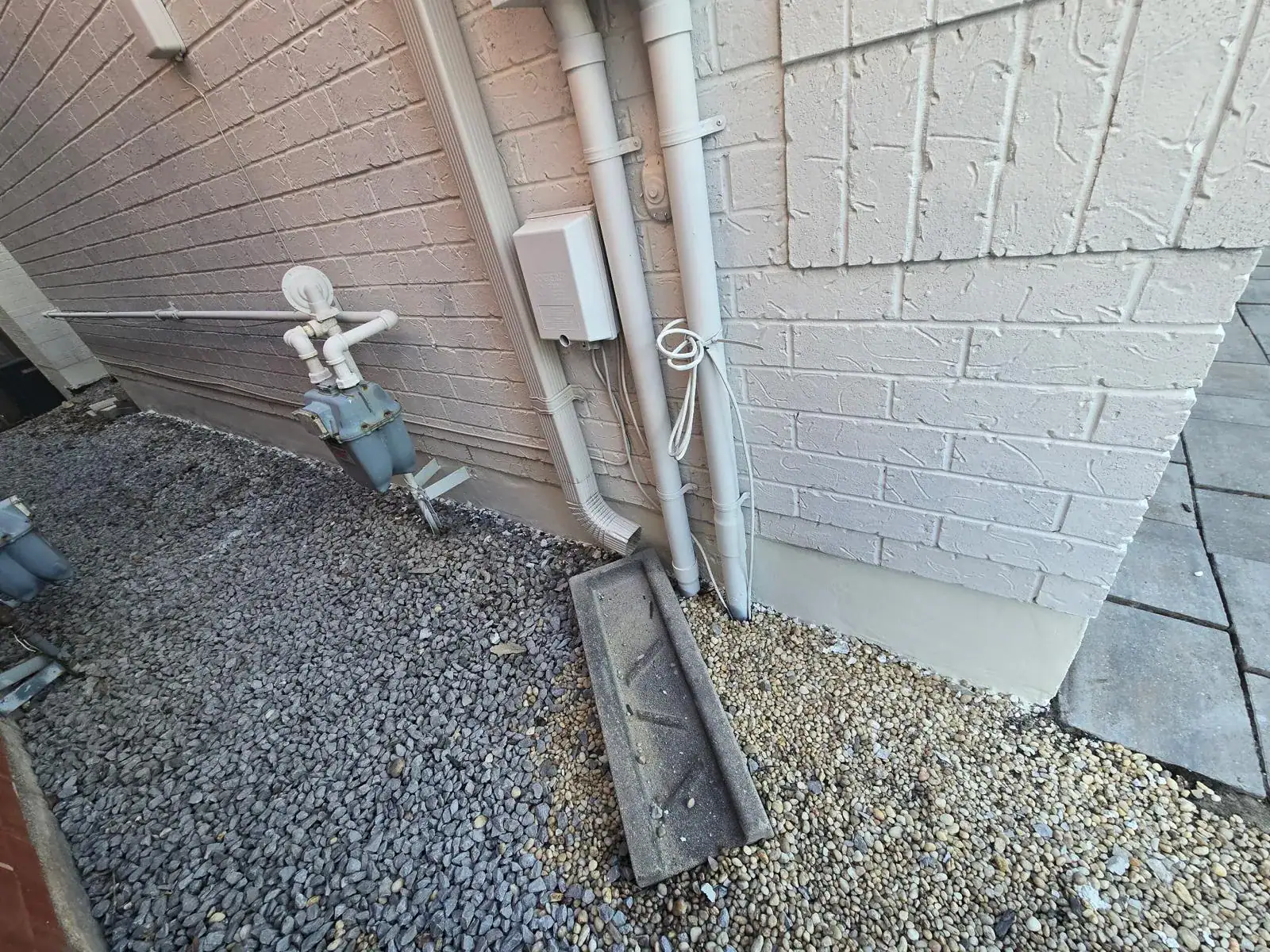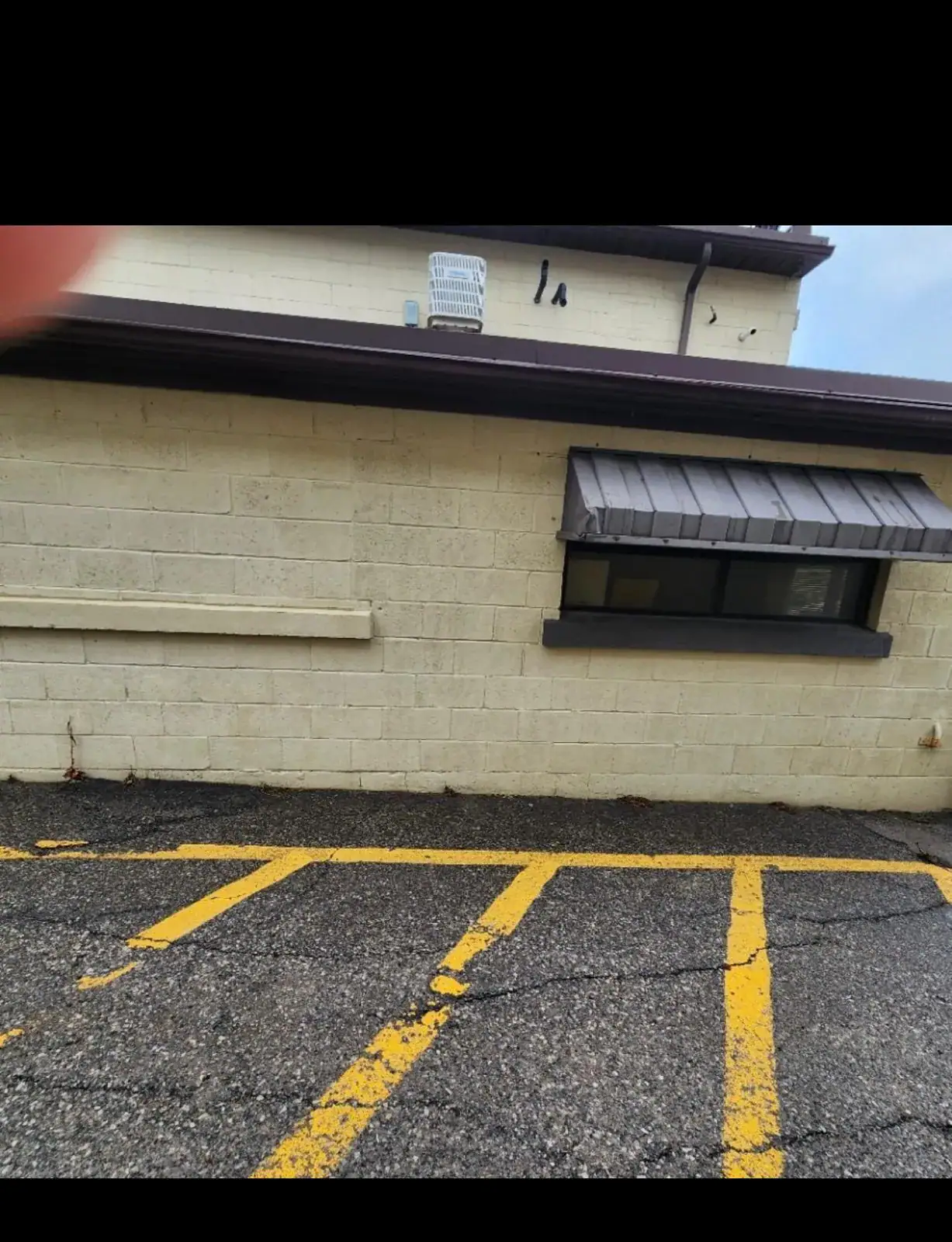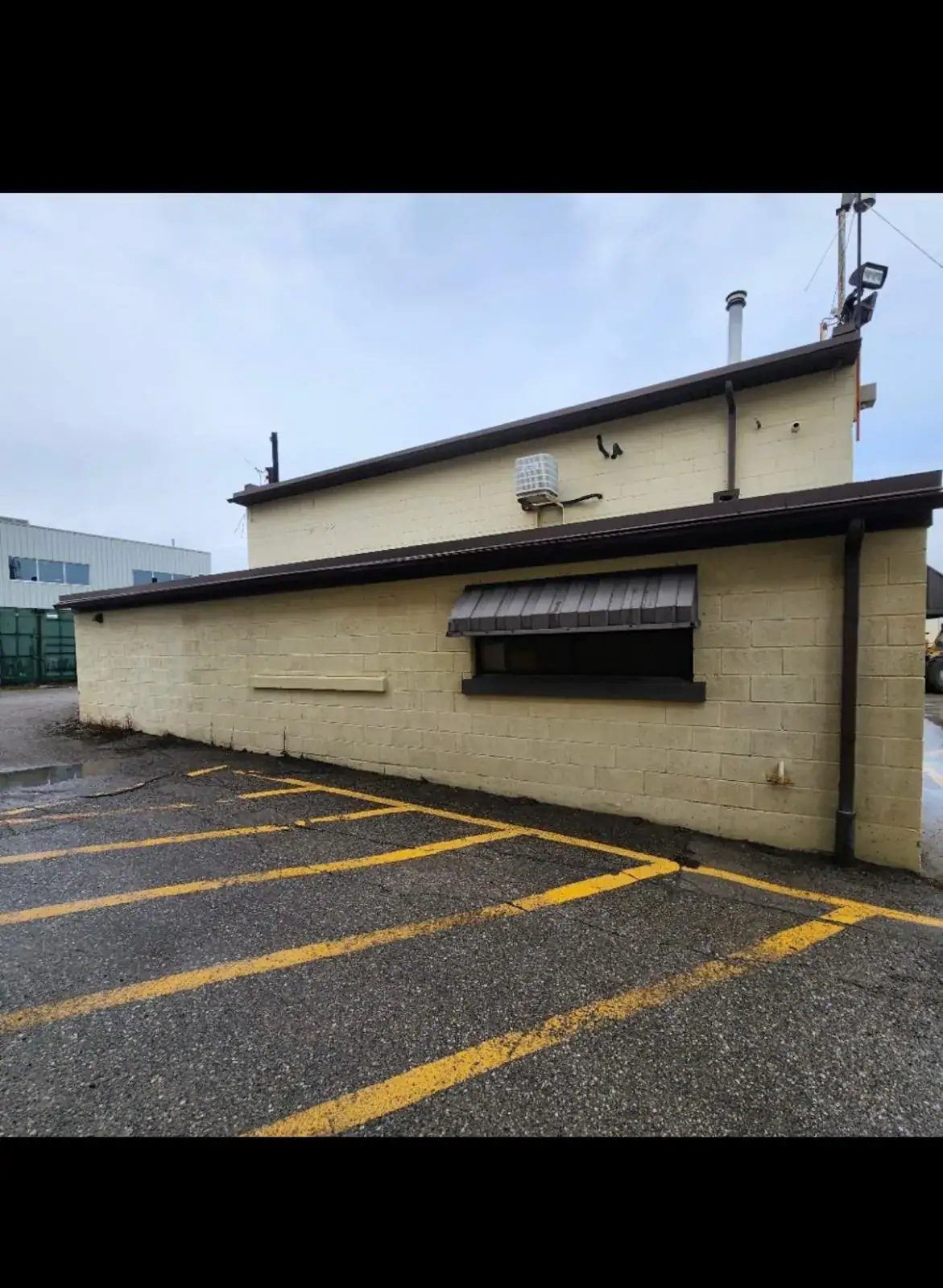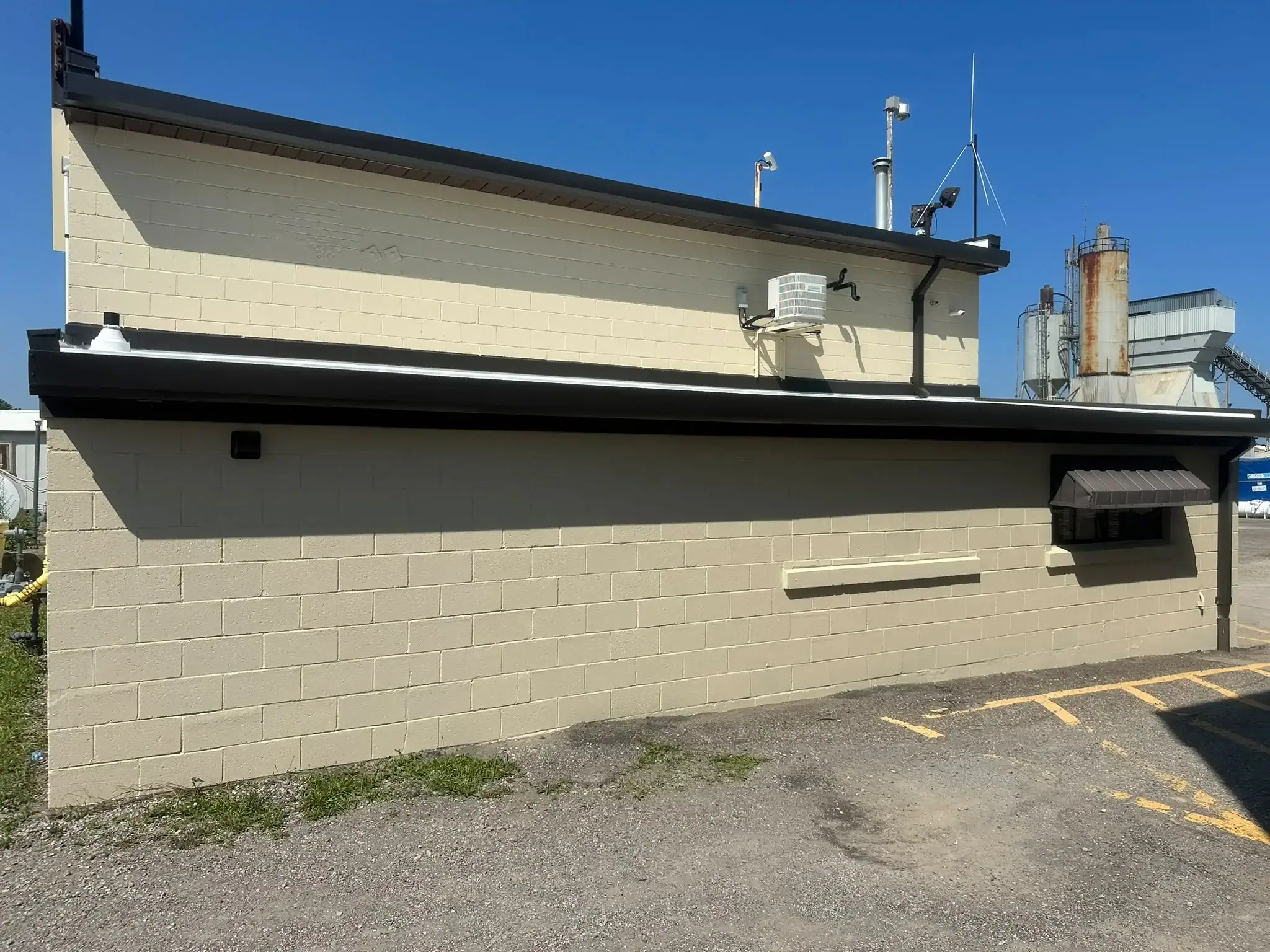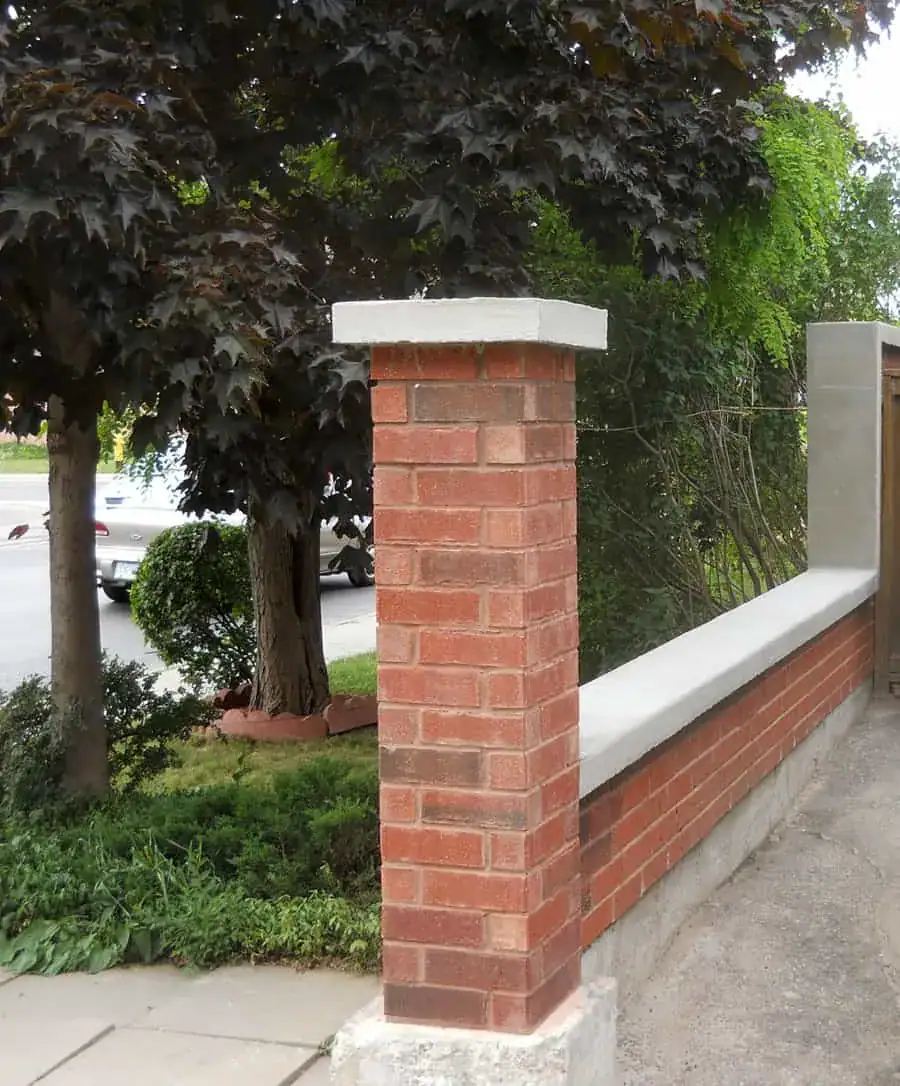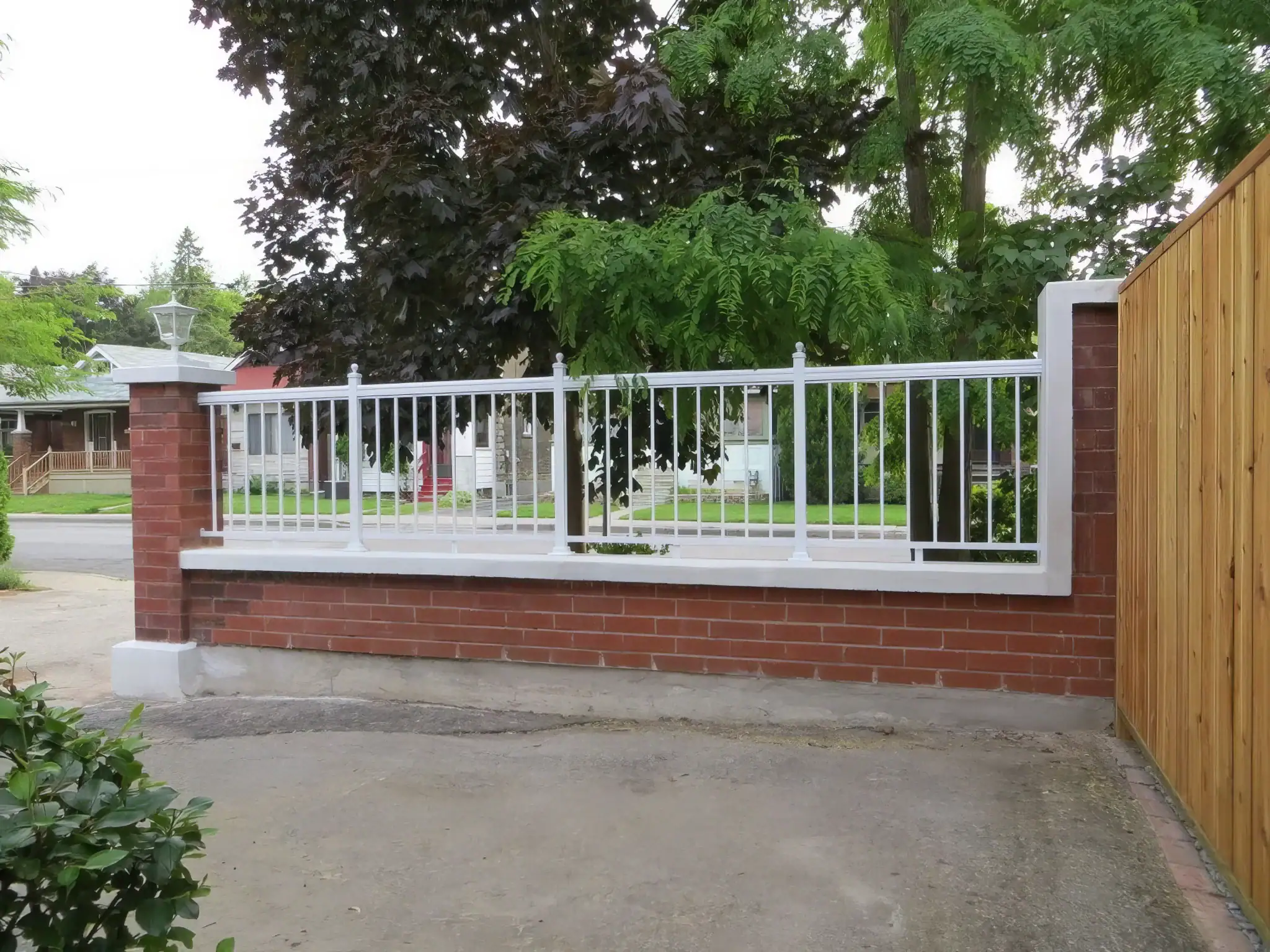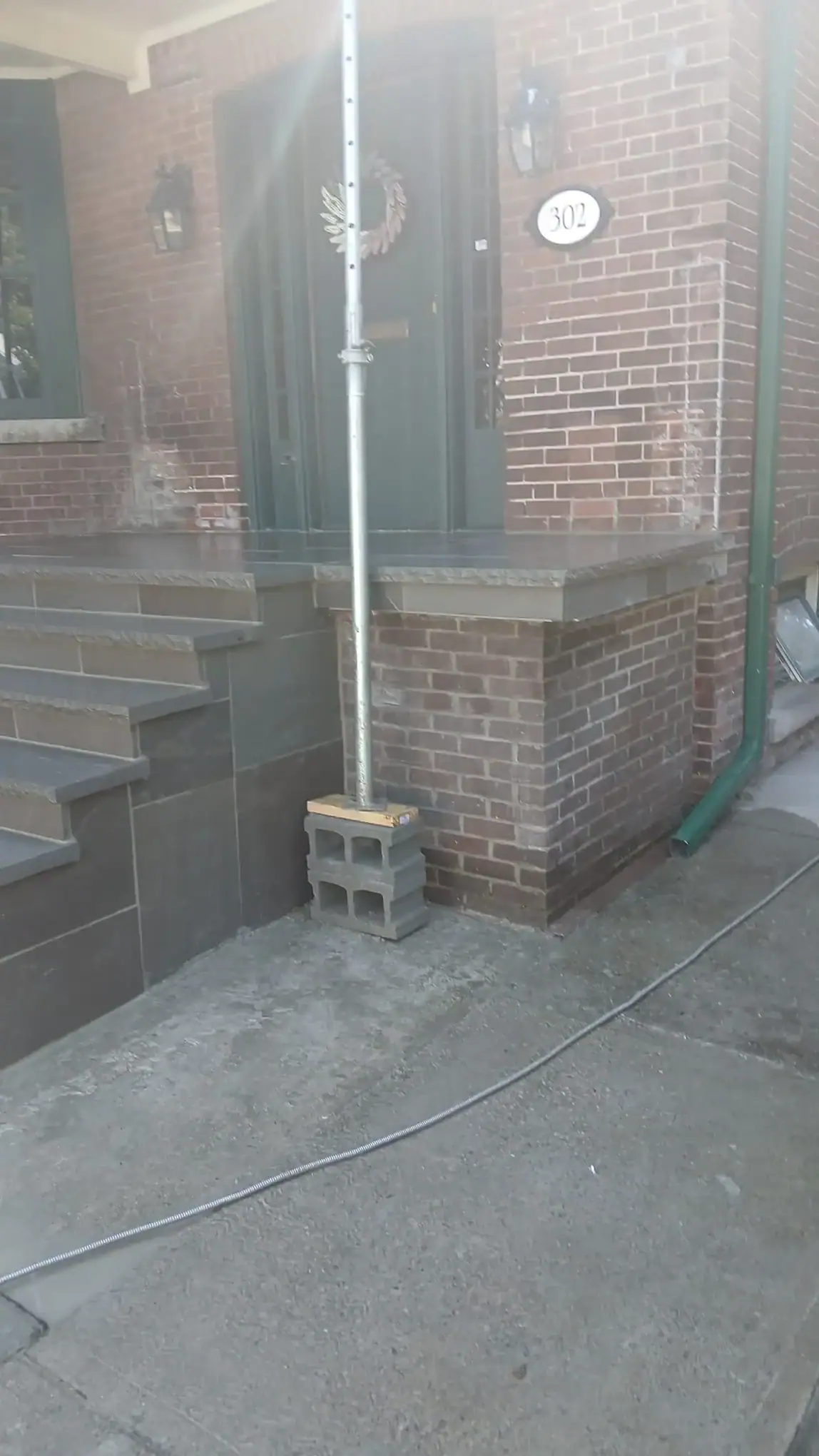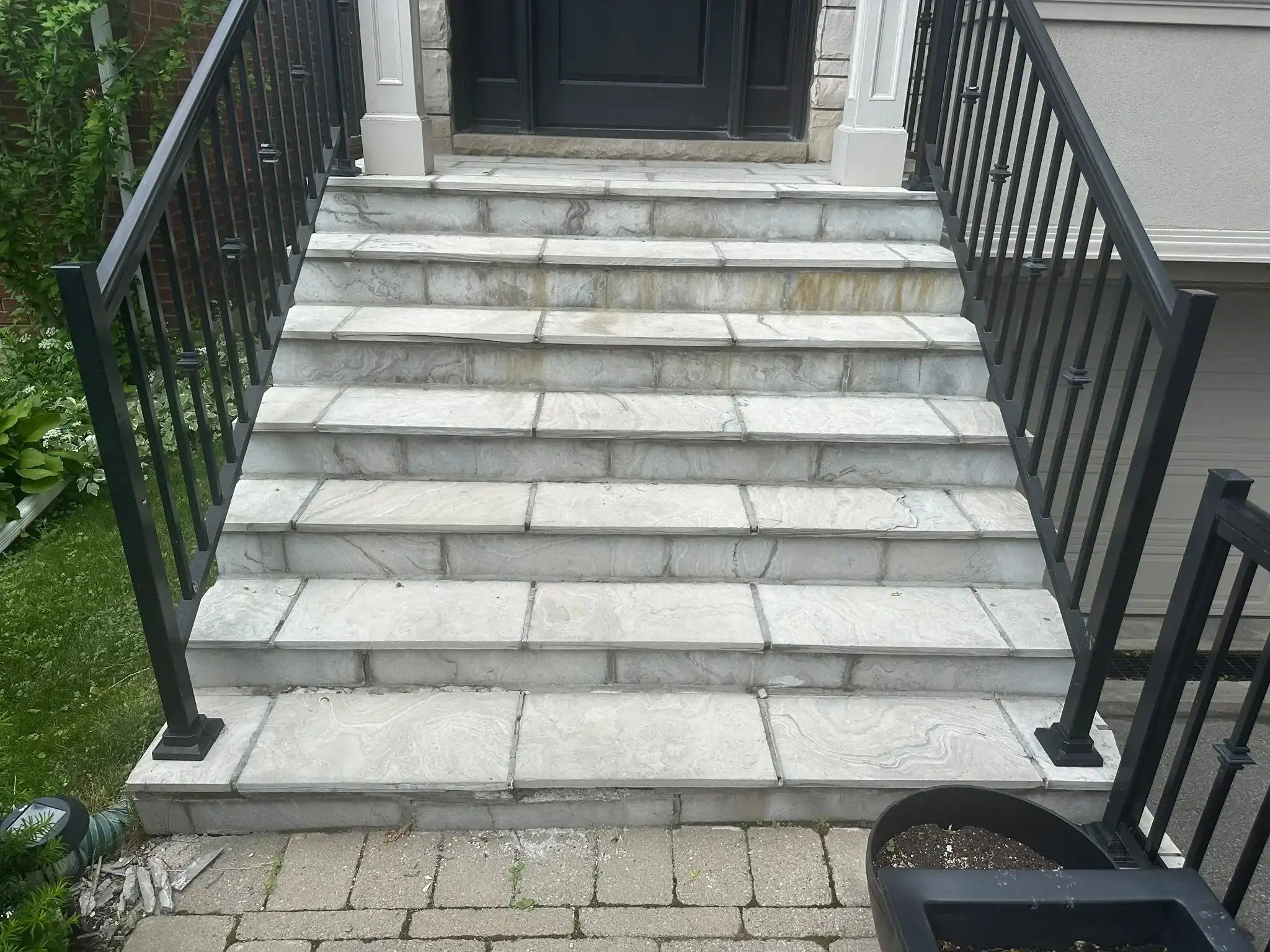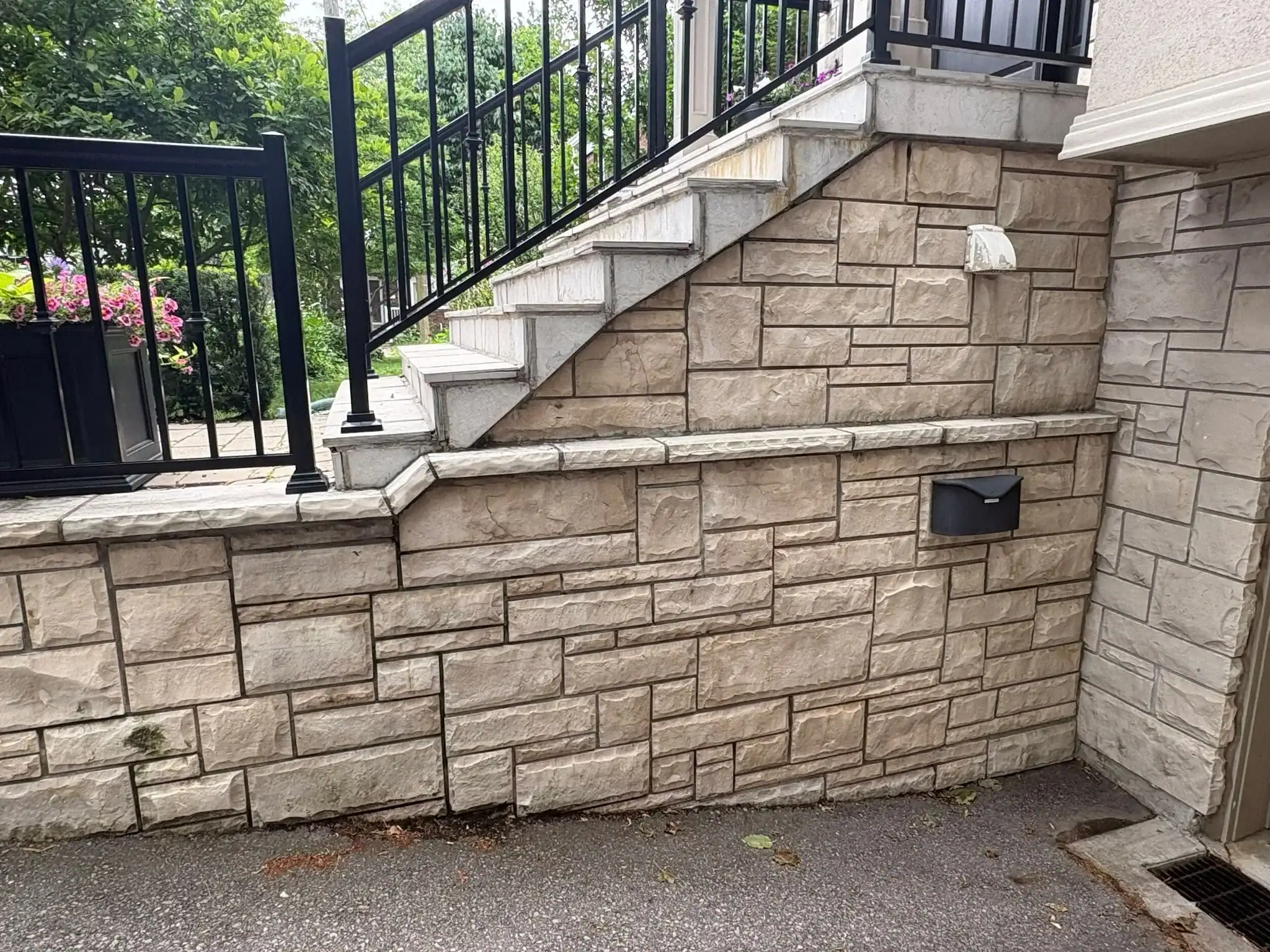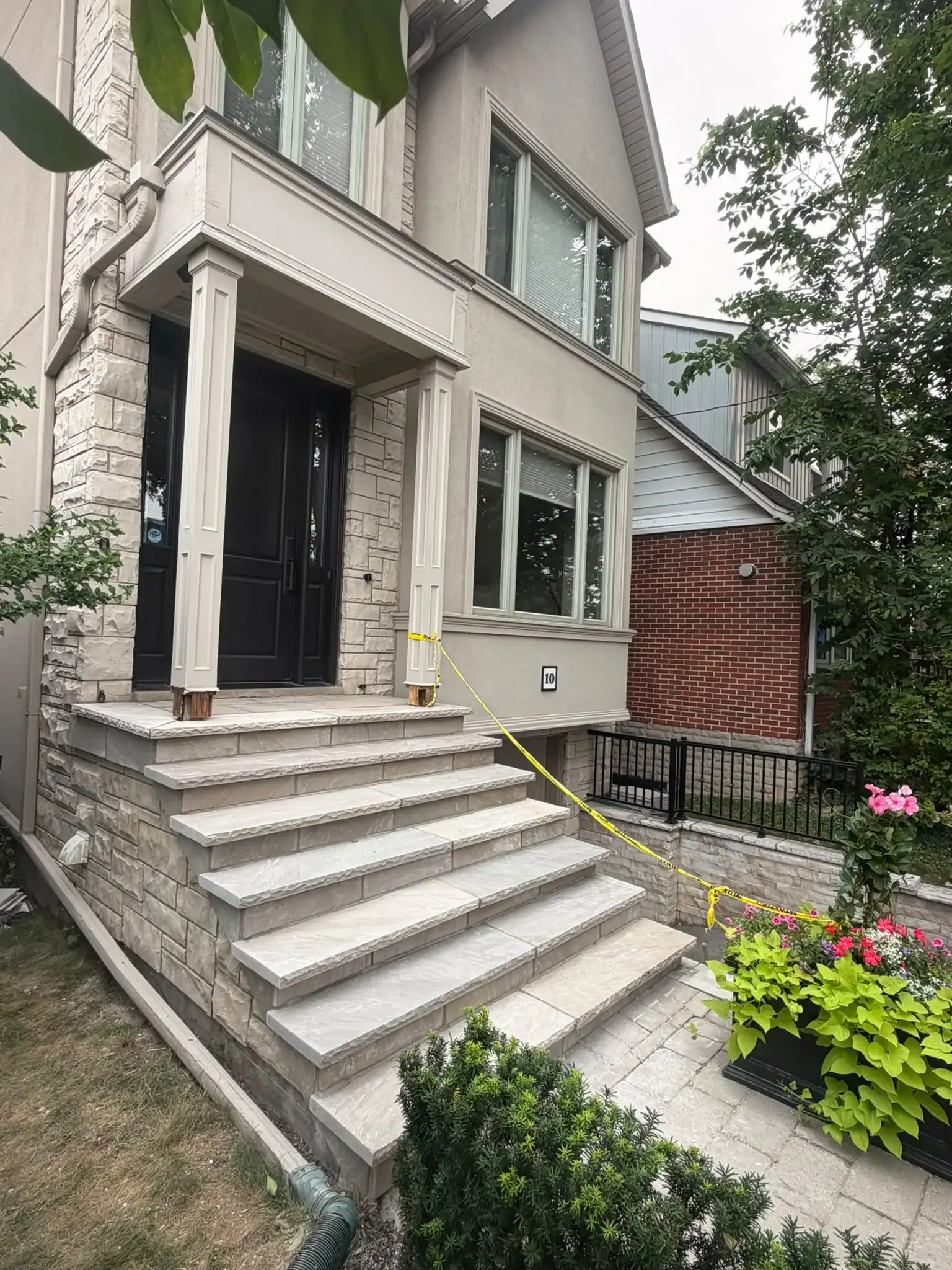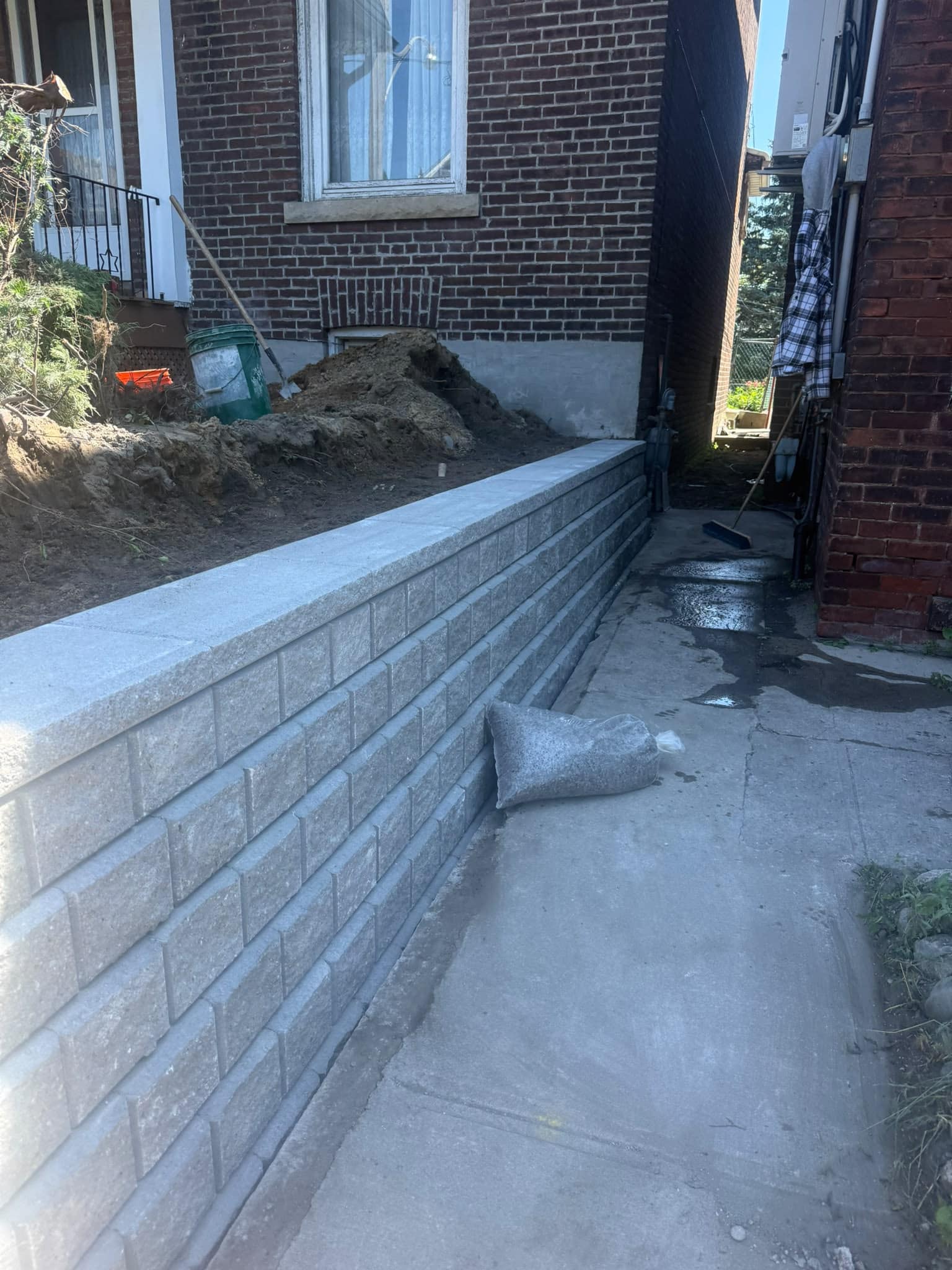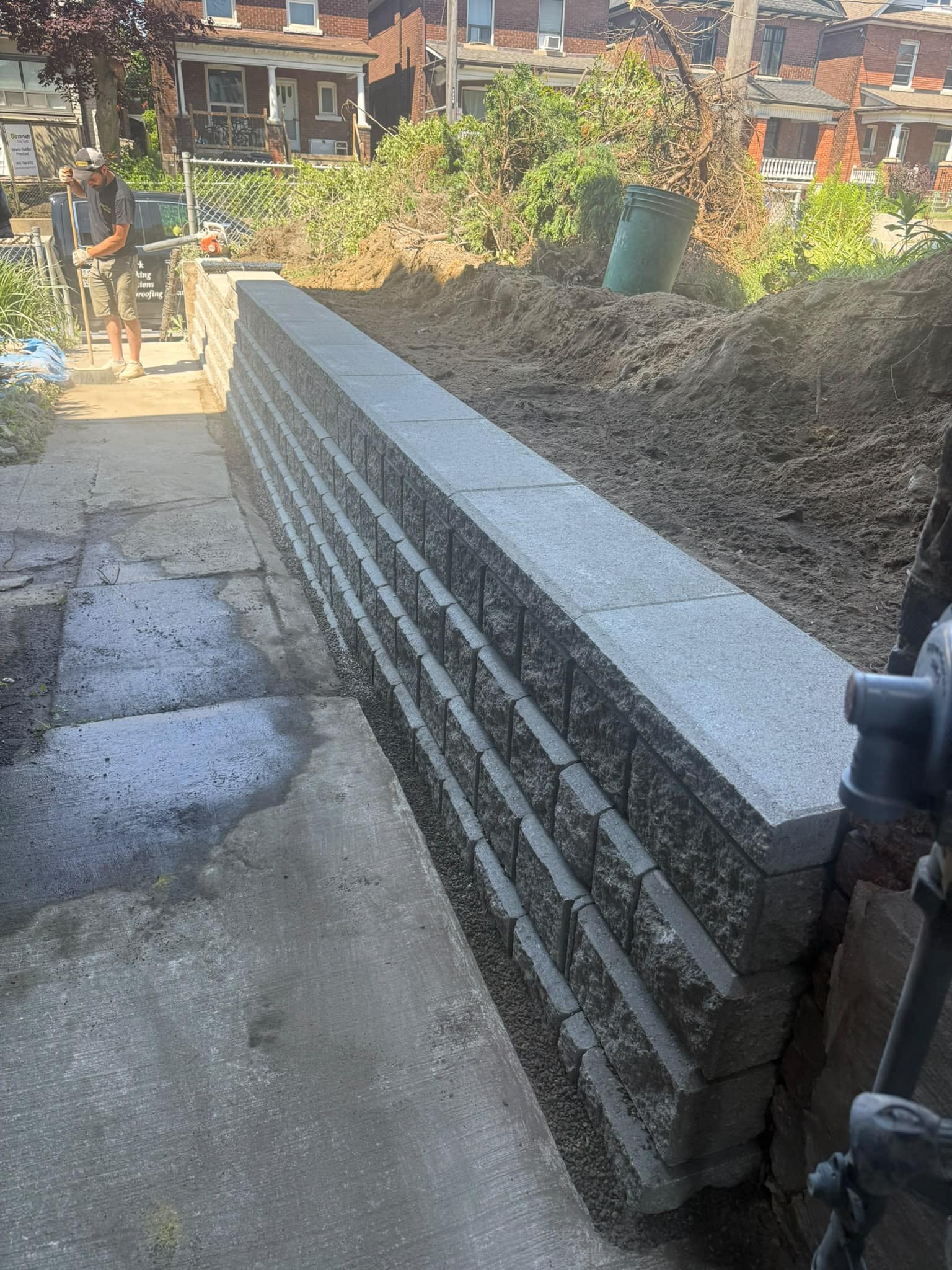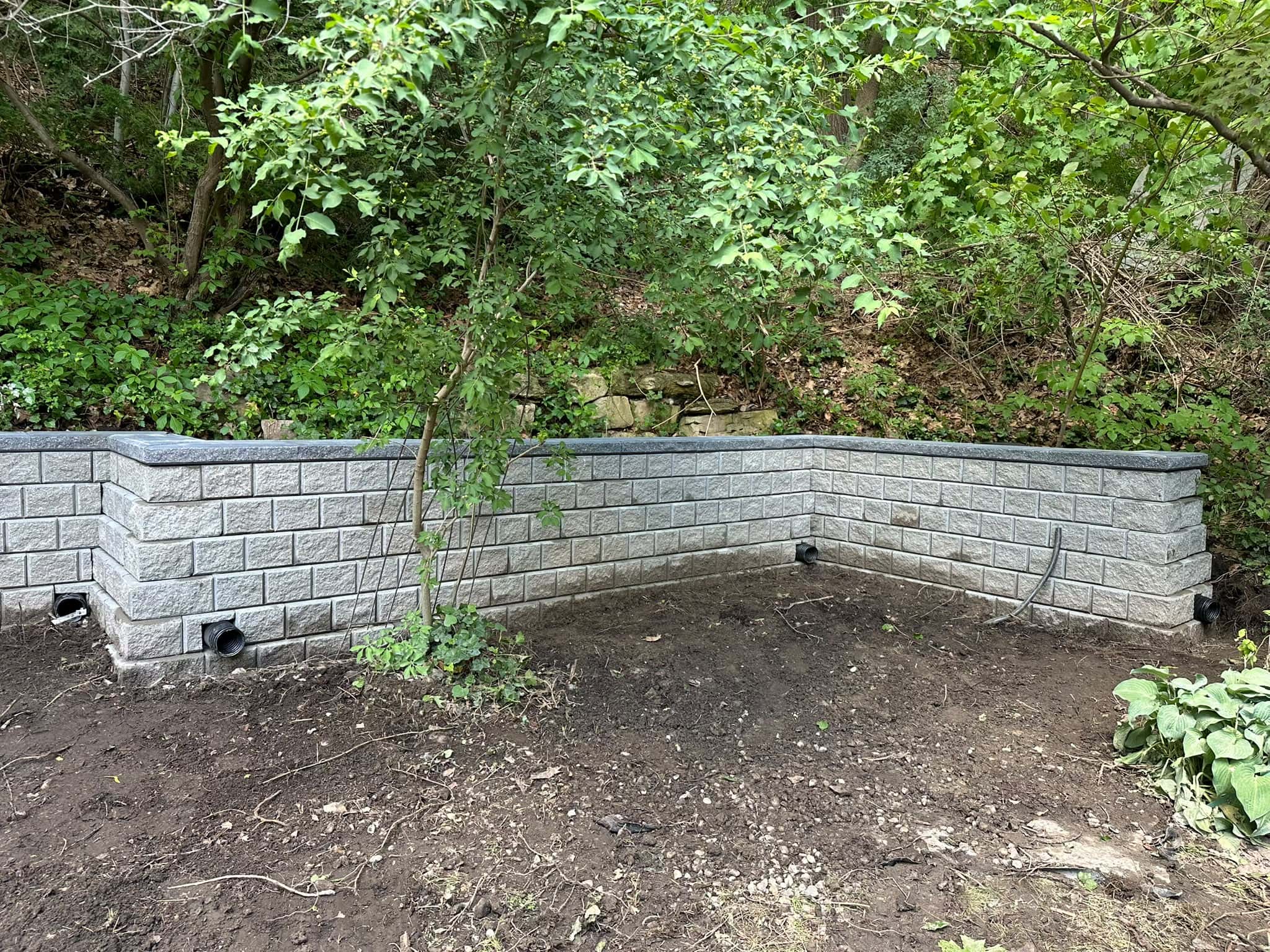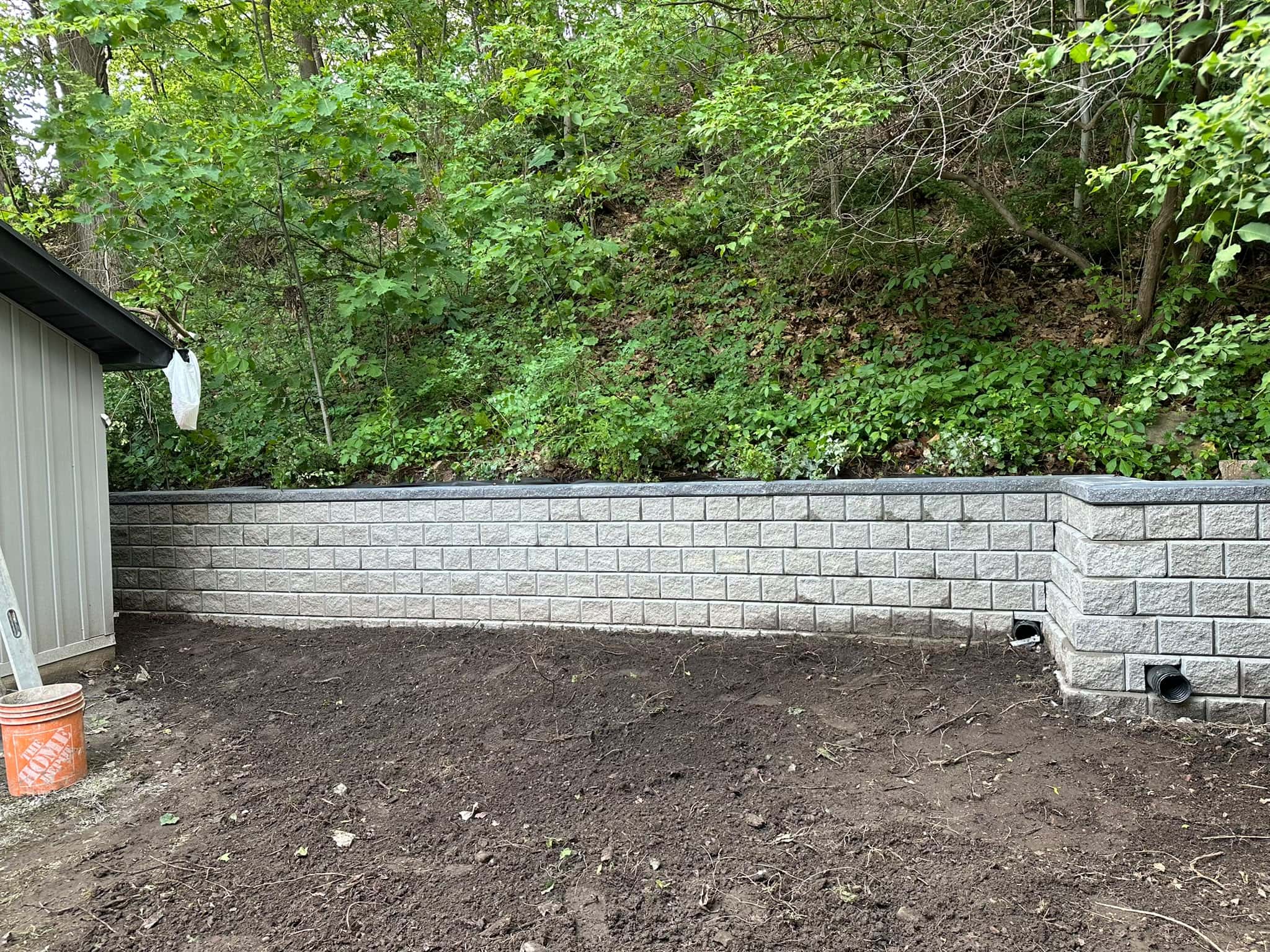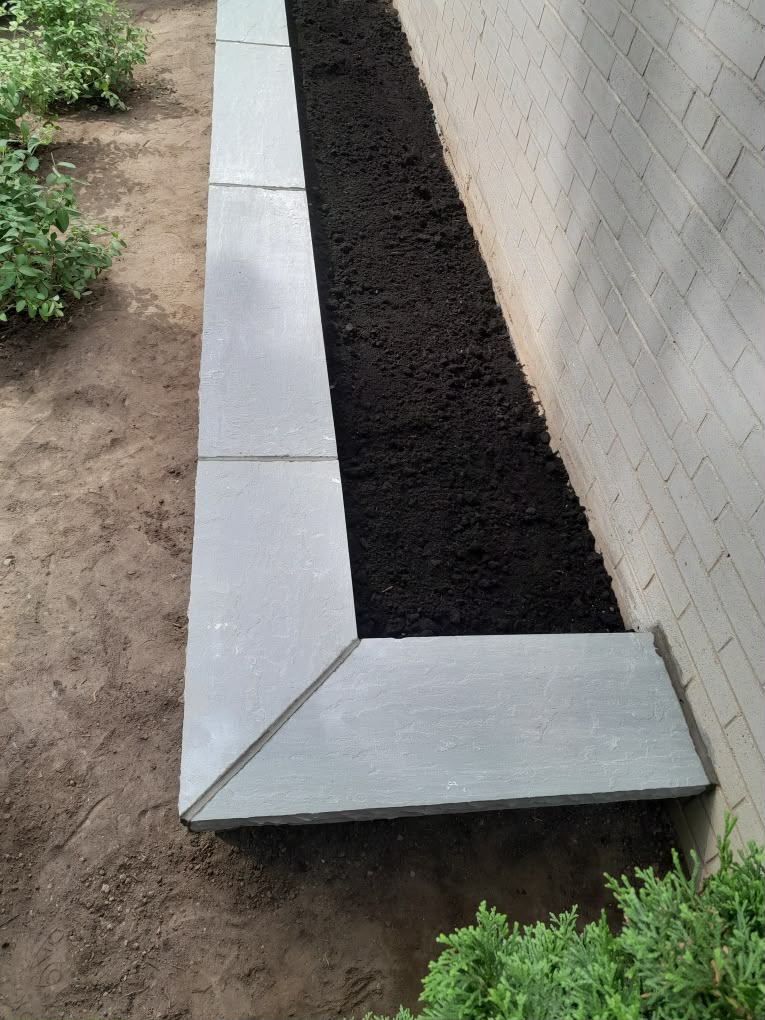

Regular masonry maintenance is one of the simplest ways Toronto and GTA homeowners can protect their property and avoid expensive repairs. While masonry is known for durability, neglecting small issues allows moisture and weather exposure to turn minor wear into major structural damage.
Understanding how regular masonry maintenance works helps homeowners make smarter decisions about inspection timing, repair priorities, and long-term budgeting. This guide explains why proactive care costs less than reactive repair.
Why masonry problems become expensive when ignored
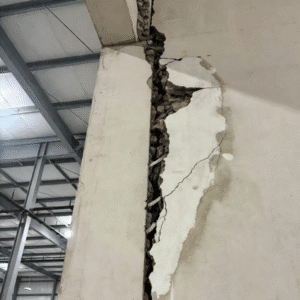
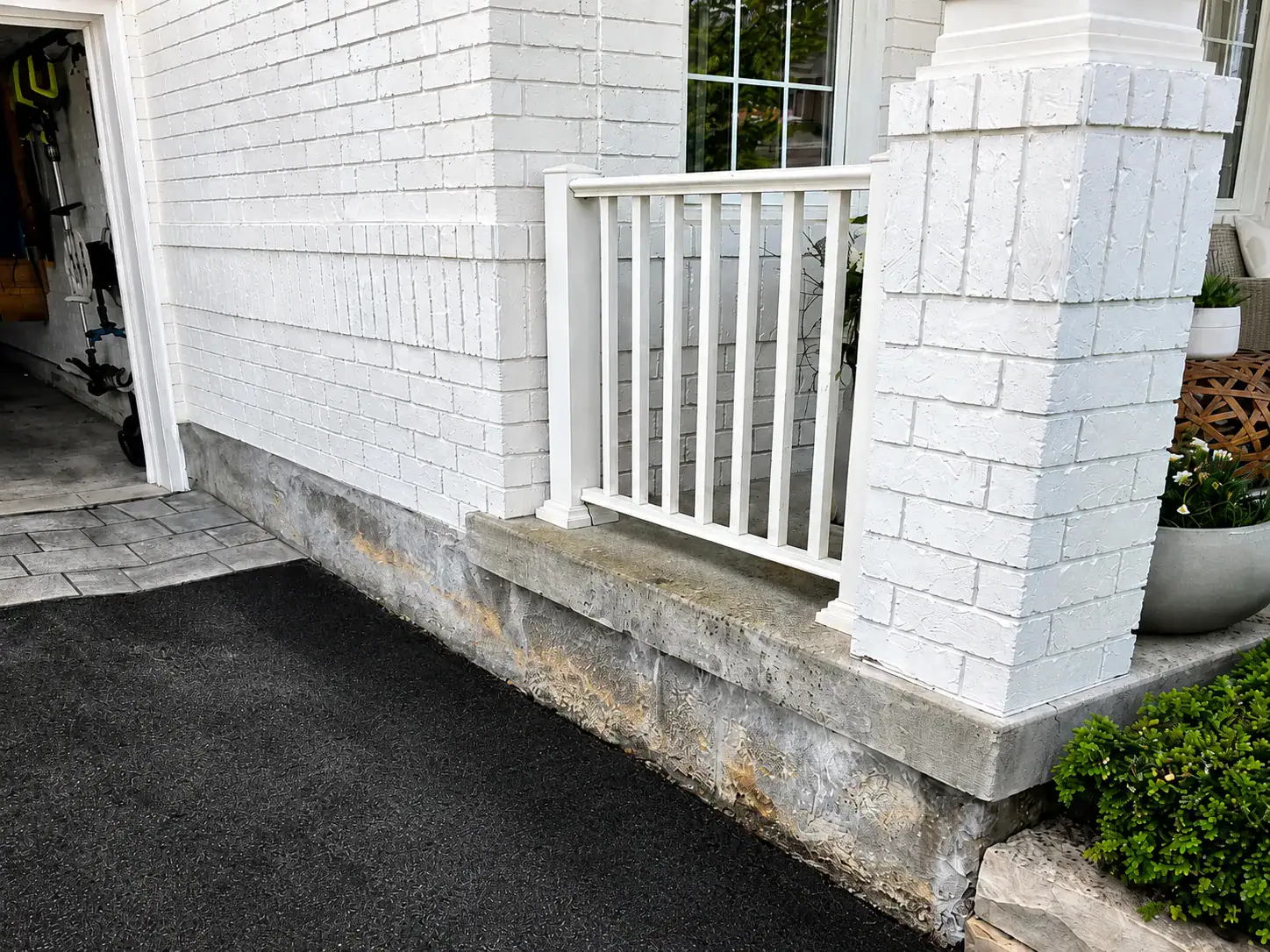
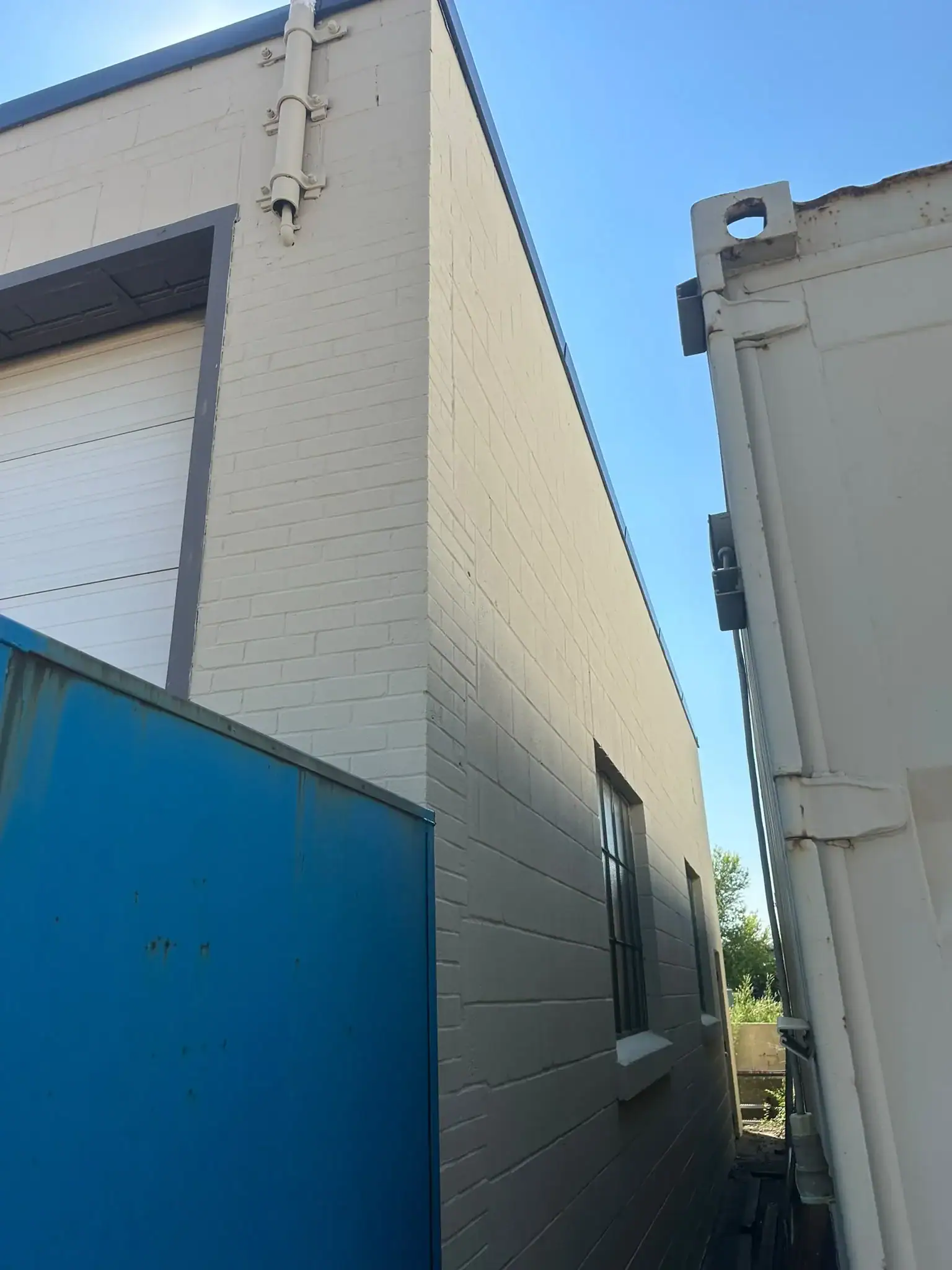
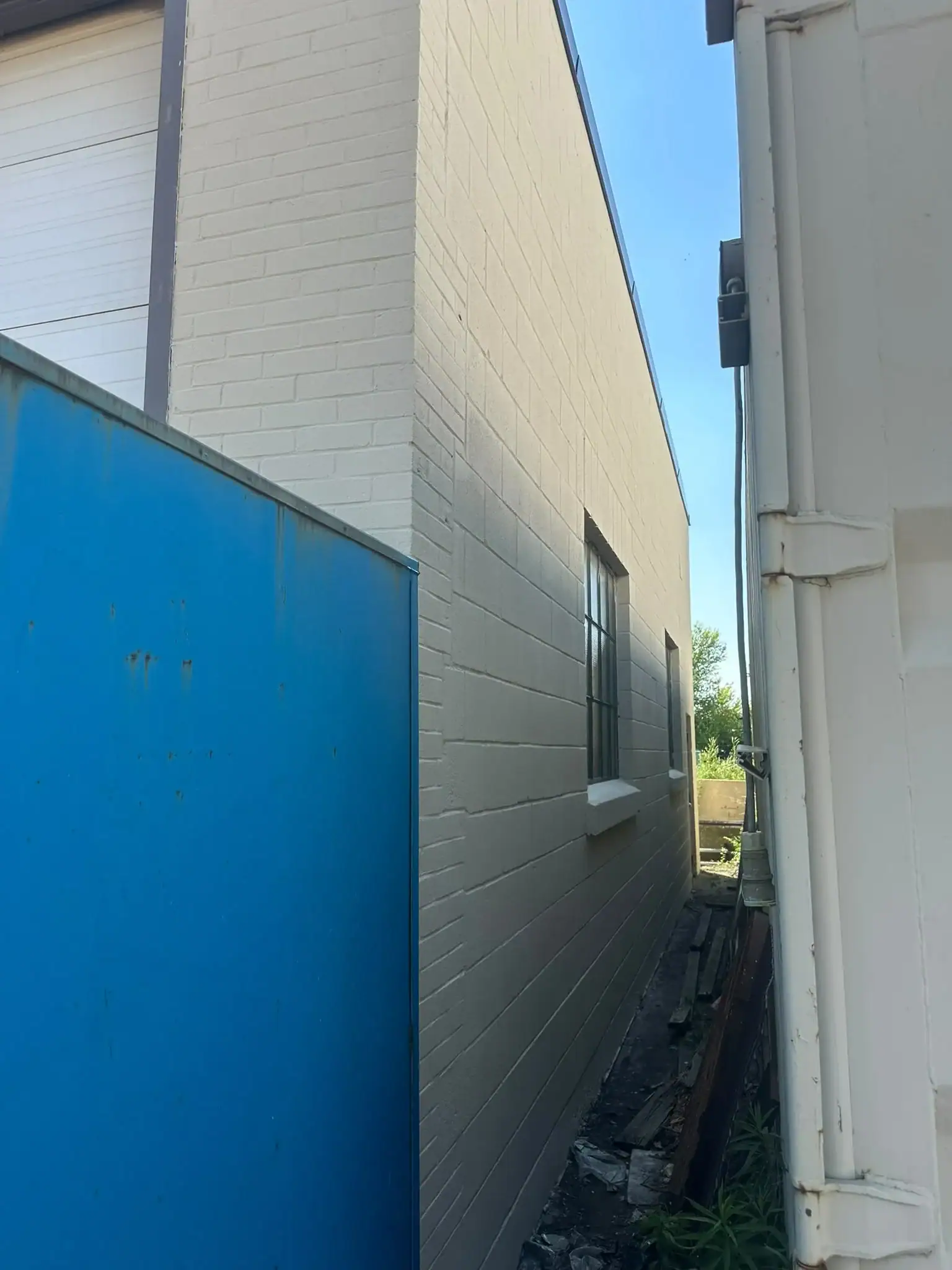
Regular masonry maintenance prevents small defects from compounding over time. Mortar joints, brick faces, and concrete elements naturally wear under Canadian freeze-thaw cycles. When early signs are ignored, moisture penetrates deeper into the structure.
Without regular masonry maintenance, what starts as minor joint deterioration often leads to brick cracking, spalling, or interior moisture damage.
Common issues caught early through regular masonry maintenance
Failing mortar joints
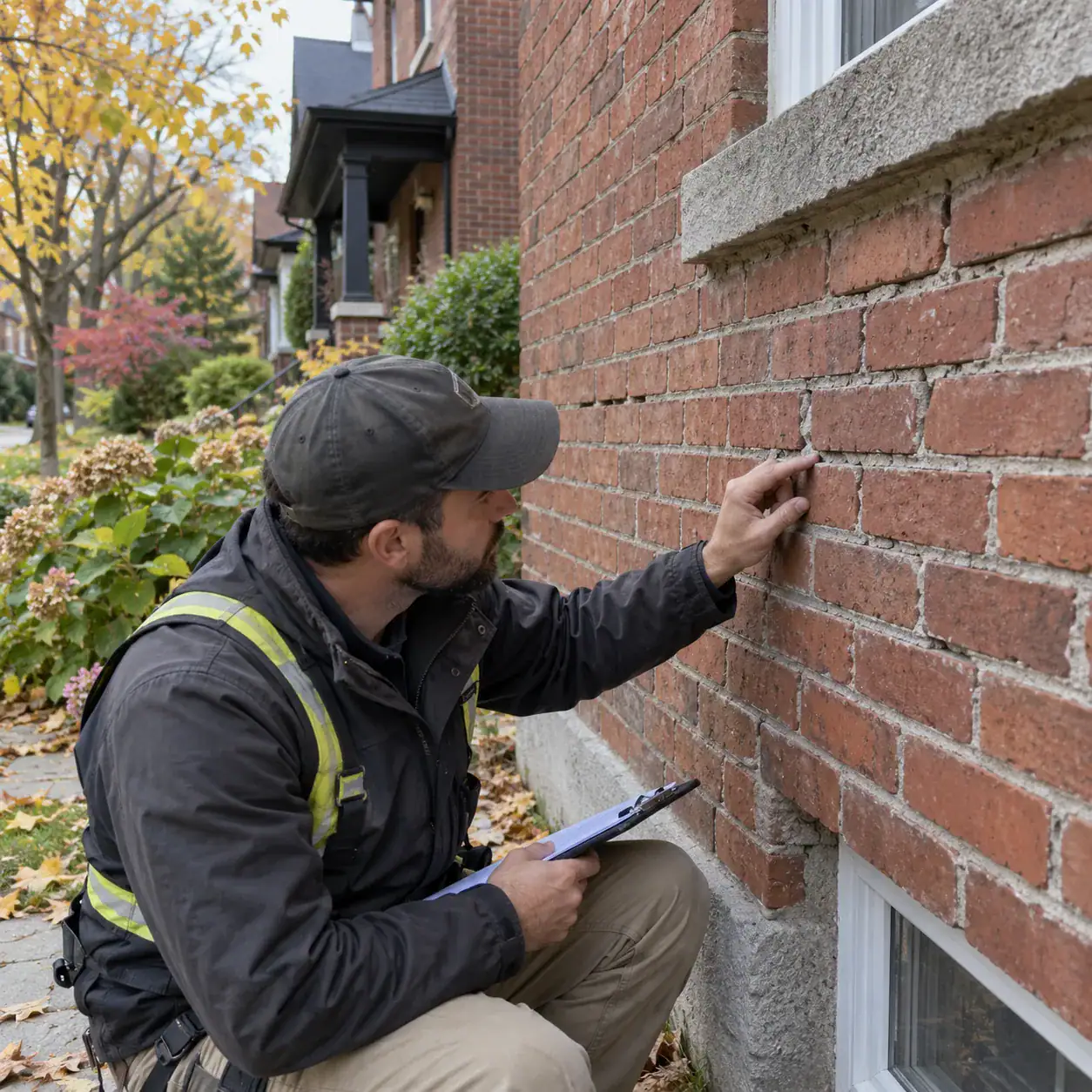
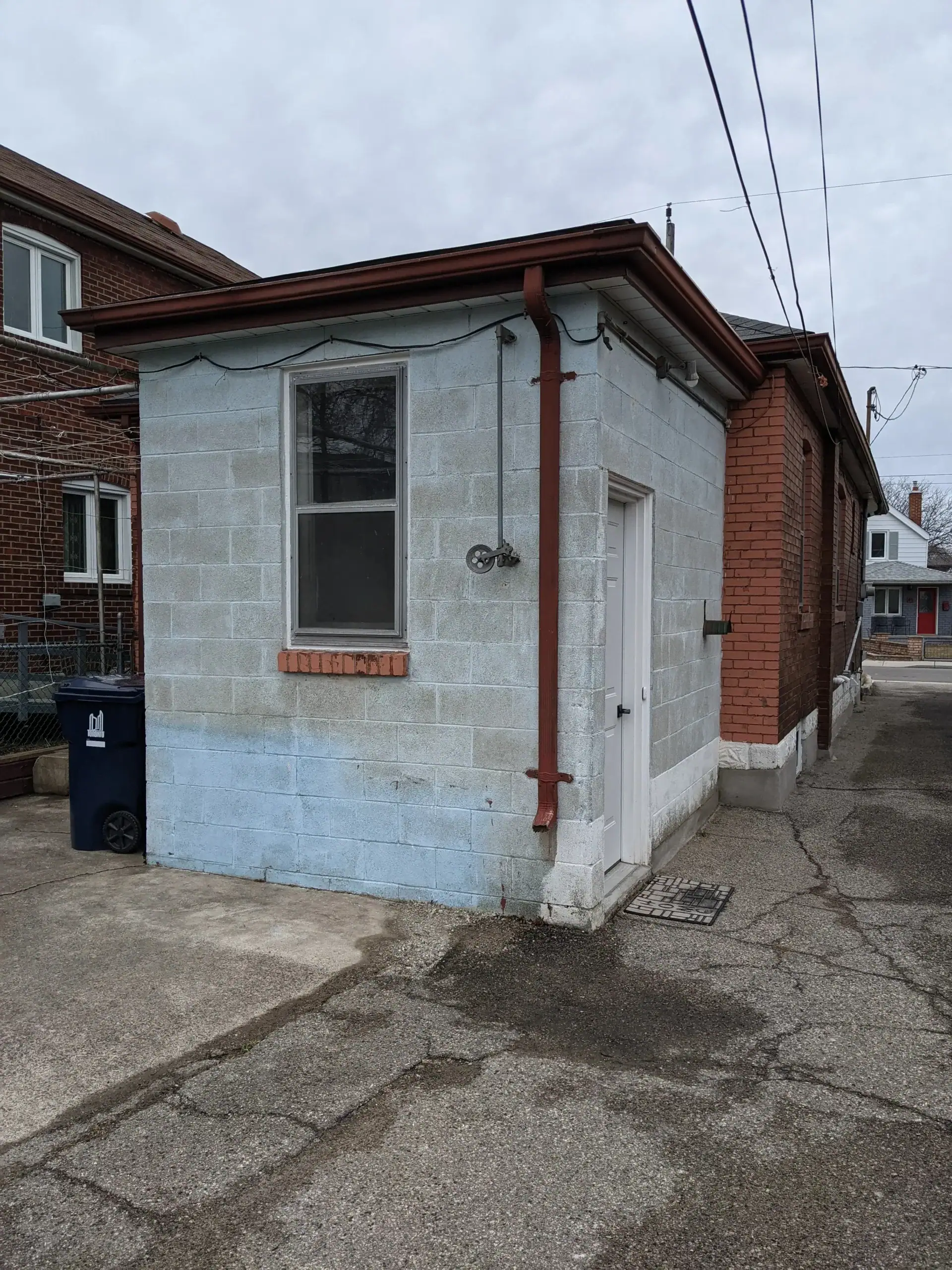
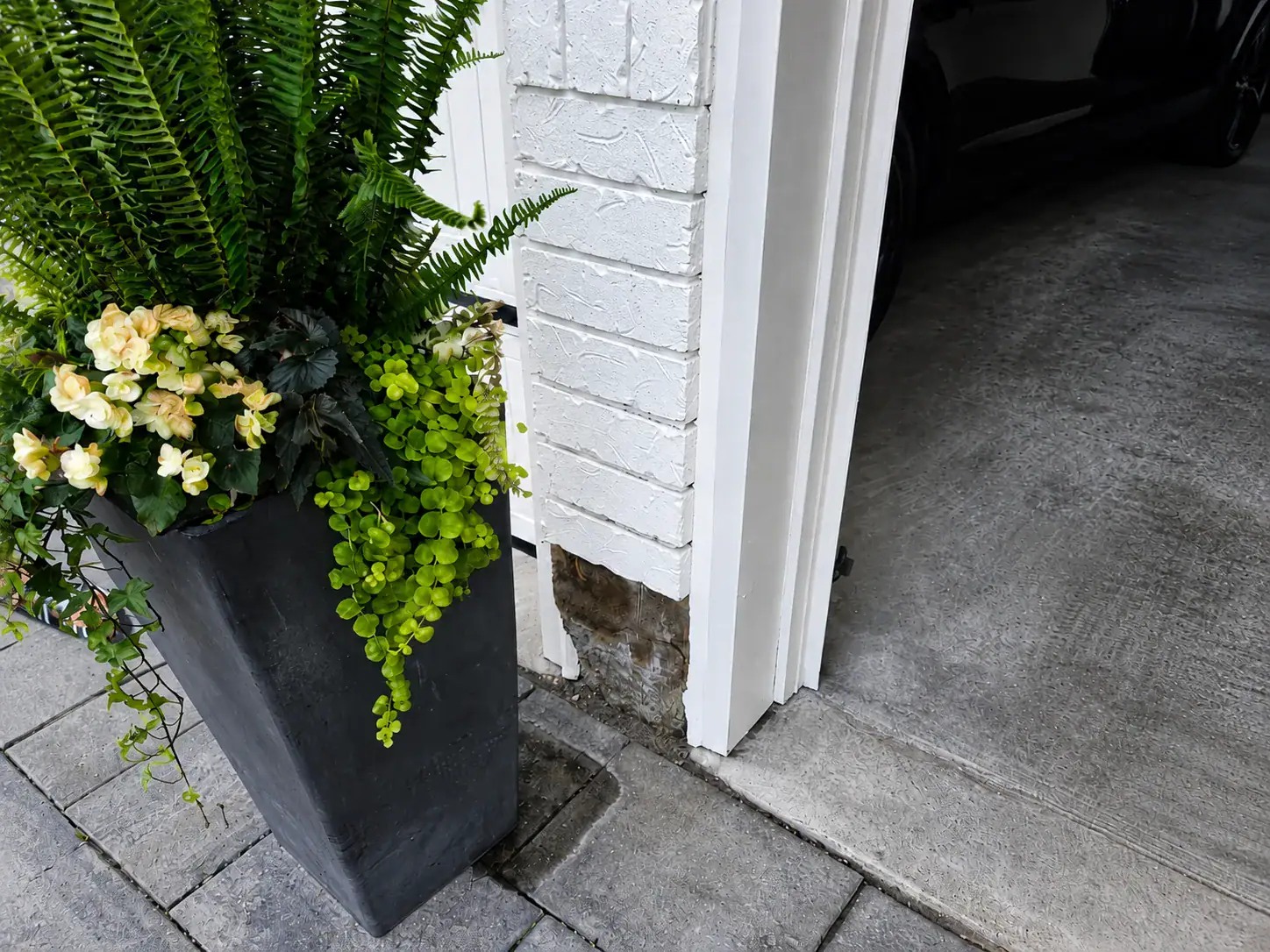
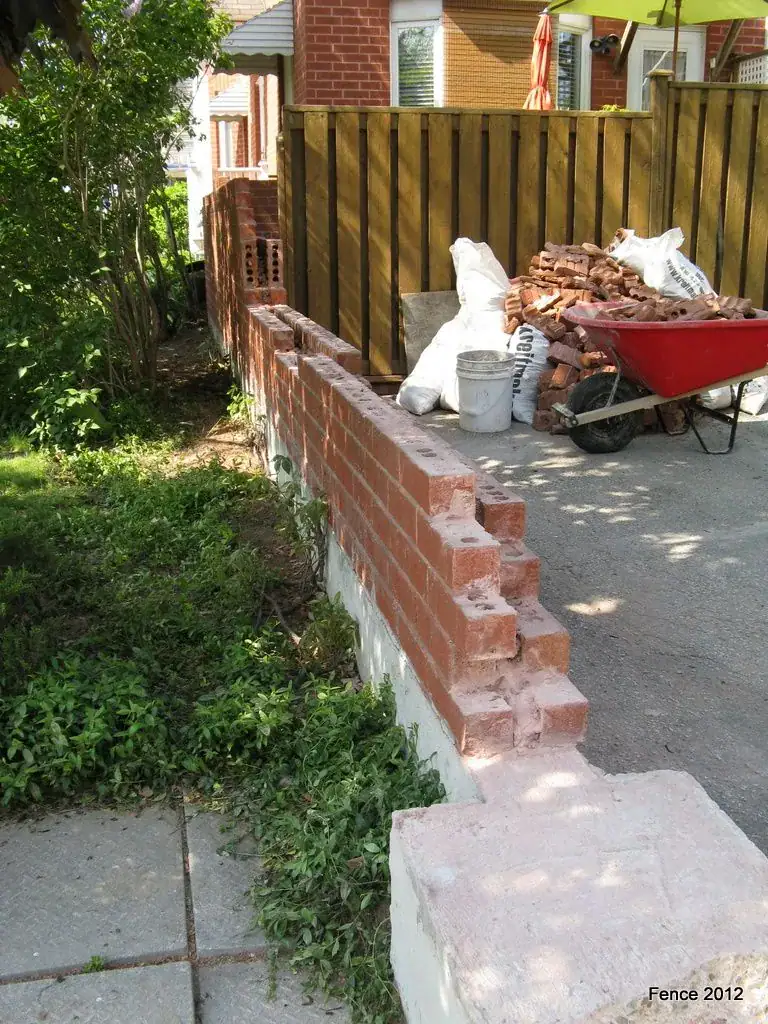
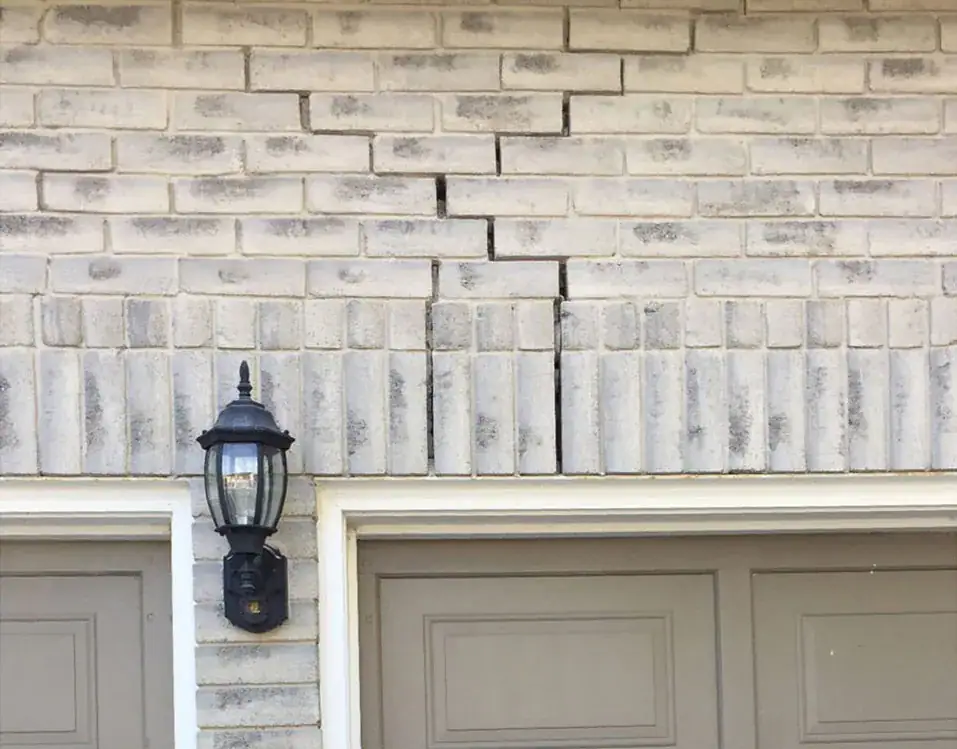
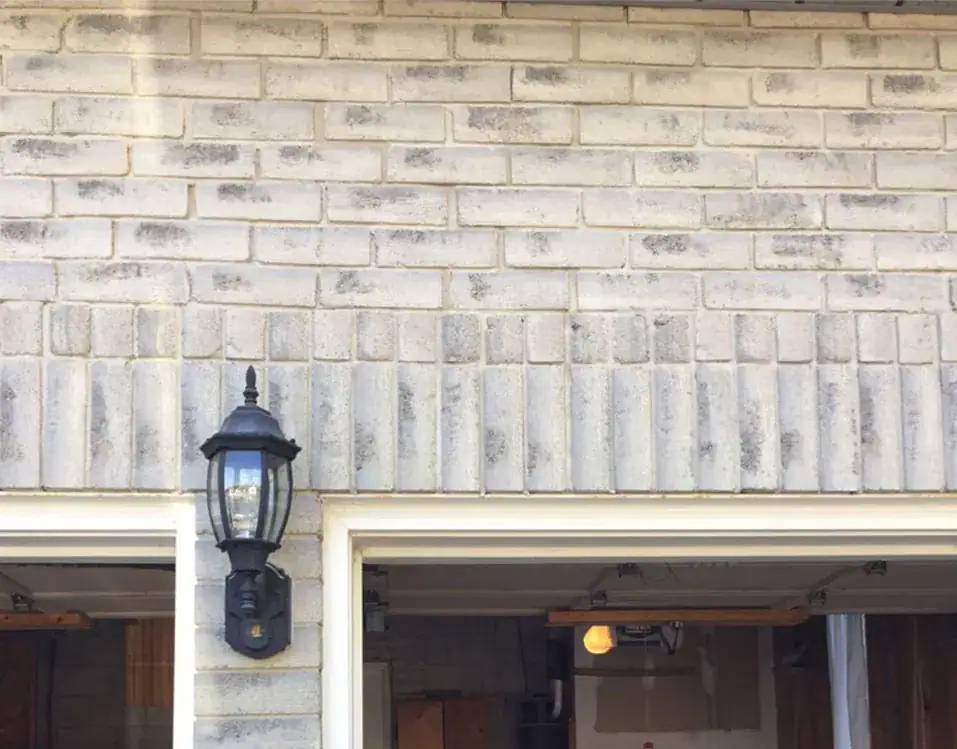
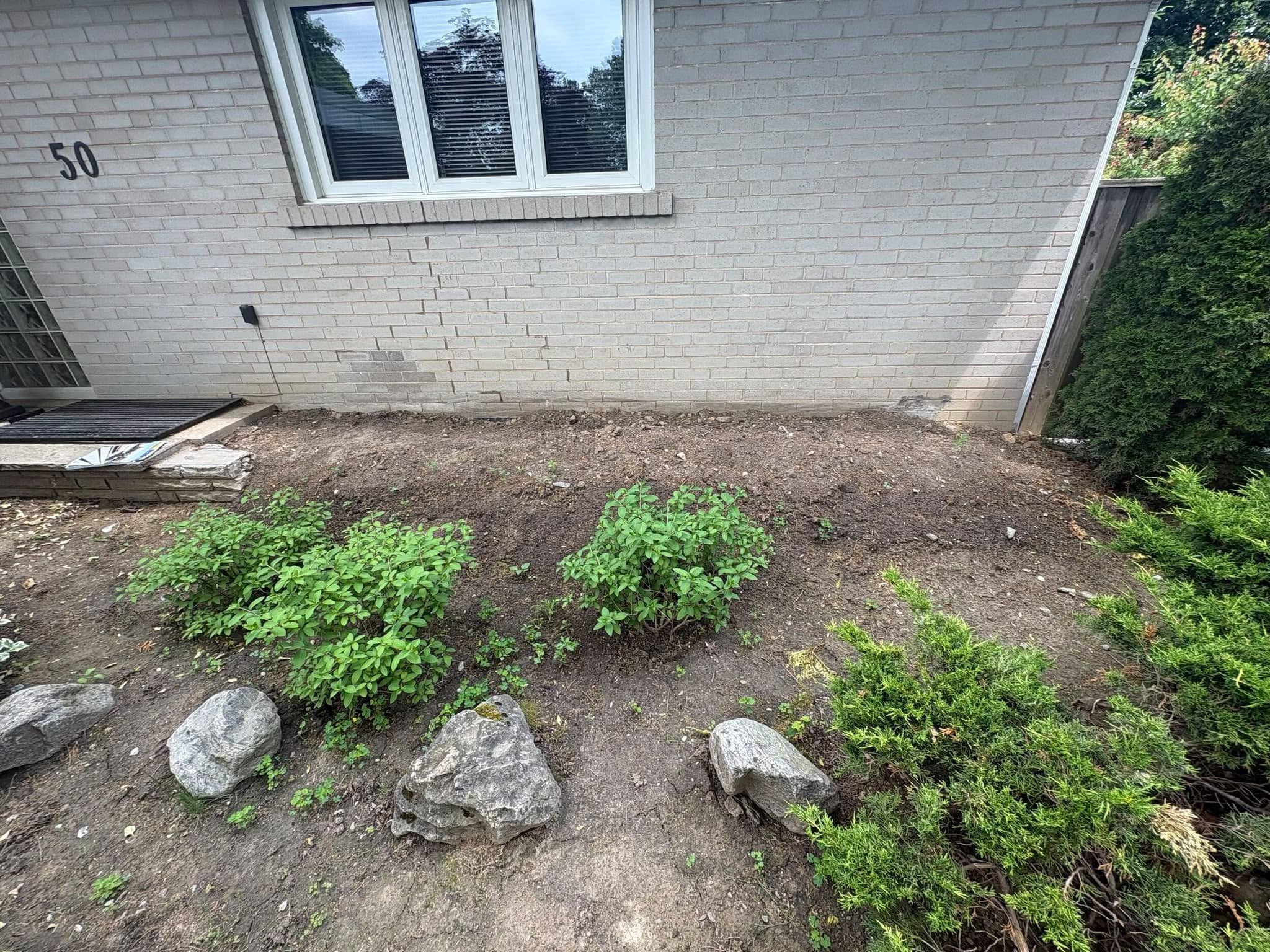
Mortar joints are the first line of defence against water intrusion. Regular masonry maintenance identifies cracking or recessed joints early, allowing repairs such as tuckpointing before brick replacement becomes necessary.
In established neighbourhoods like Unionville, targeted services such as Unionville tuckpointing are often required due to aging masonry.
Brick surface deterioration
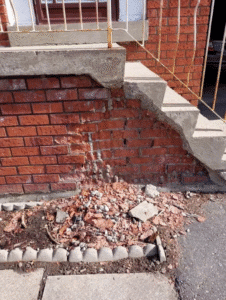
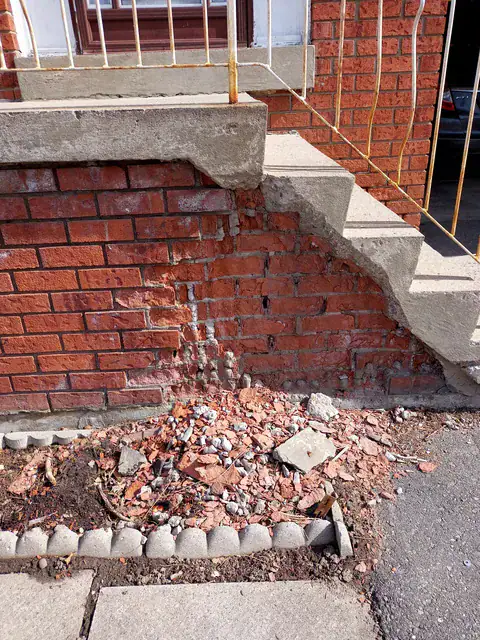
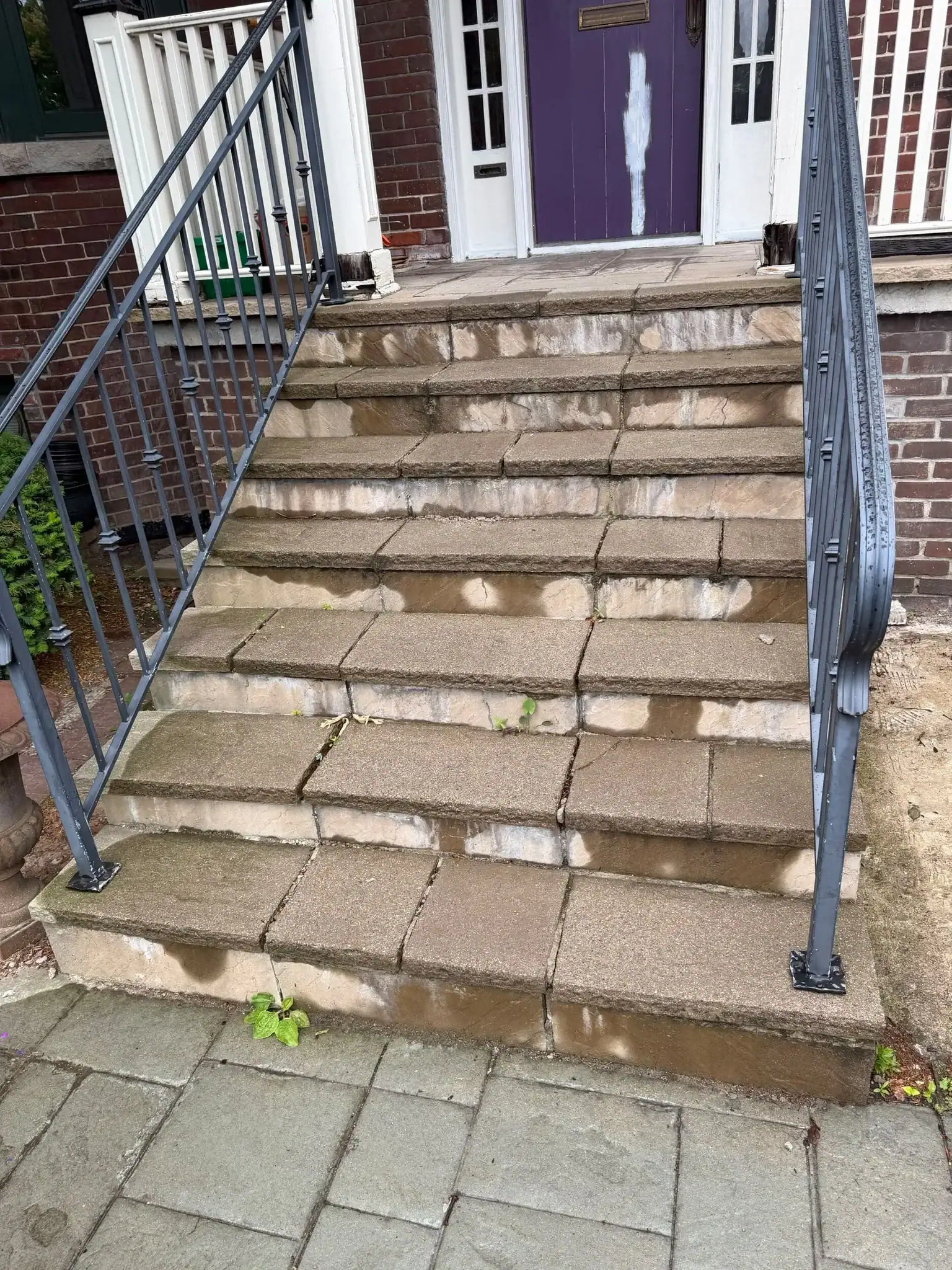
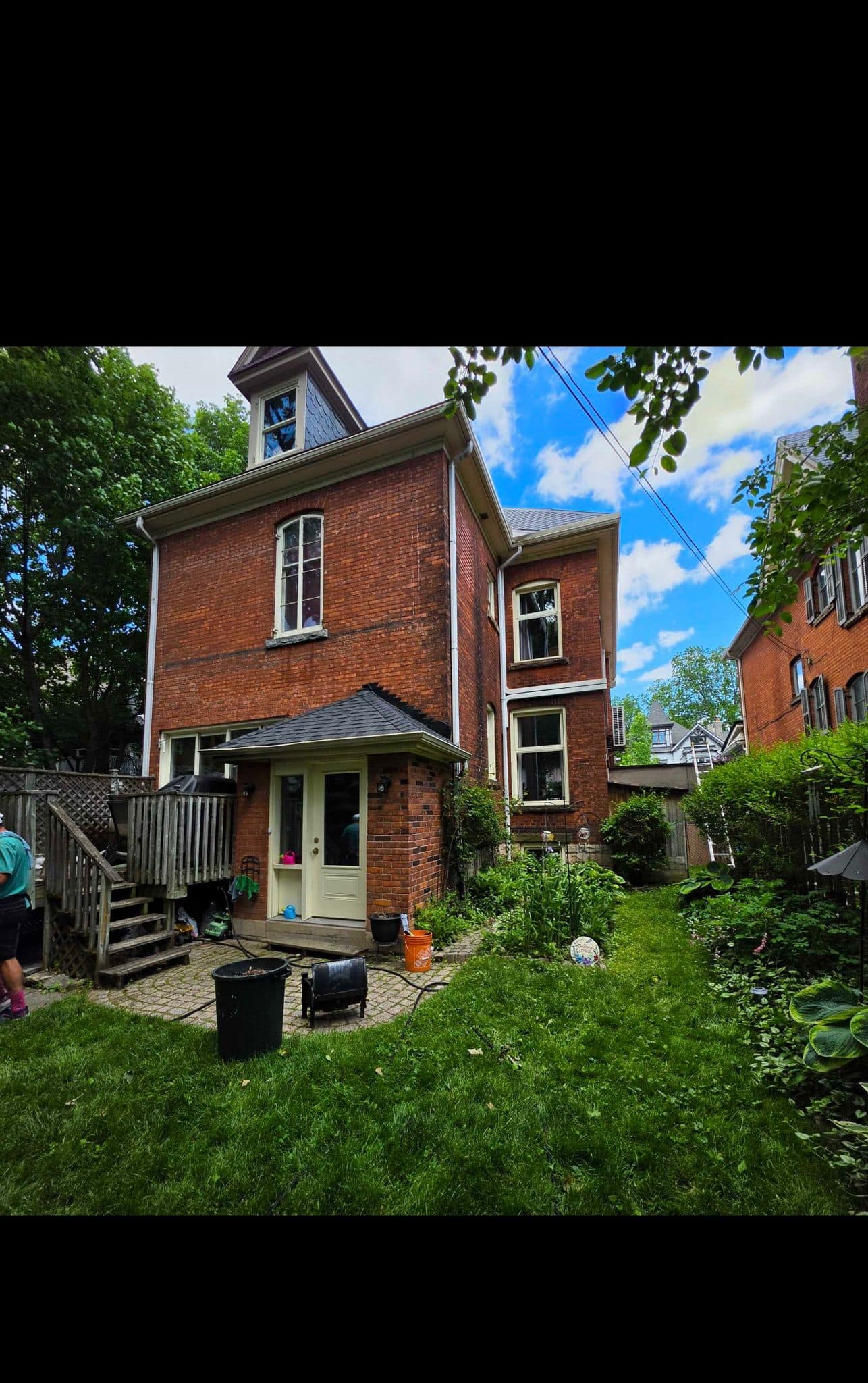
Brick faces damaged by moisture and freezing temperatures often signal long-term exposure. Regular masonry maintenance spots early spalling so homeowners can schedule brick repair before structural integrity is affected.
Chimney exposure issues
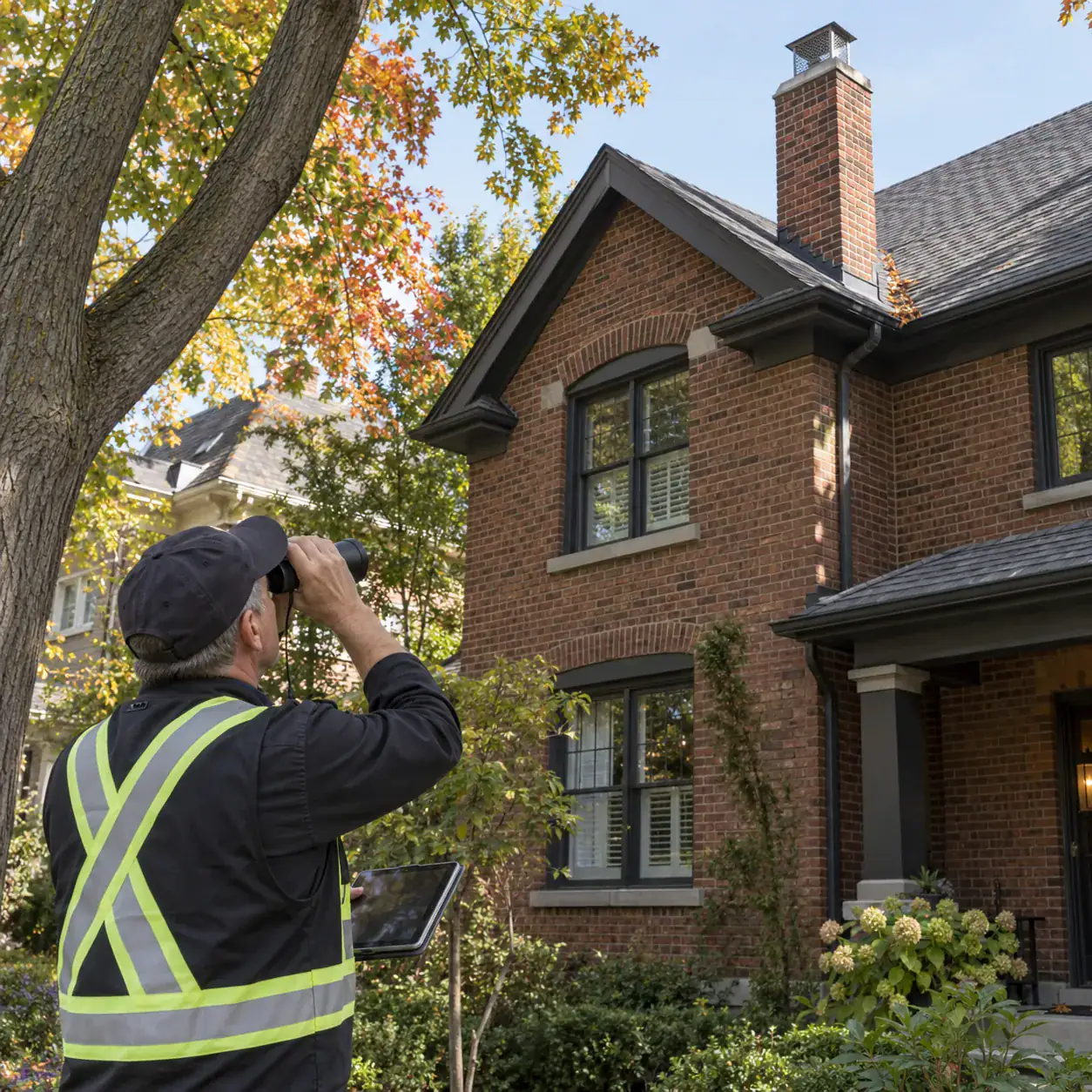
Because chimneys are exposed on all sides, they deteriorate faster than most masonry elements. Regular masonry maintenance often includes chimney inspection to prevent costly rebuilds.
Learn more about early warning signs in our guide on chimney damage.
Exterior features that benefit from regular maintenance
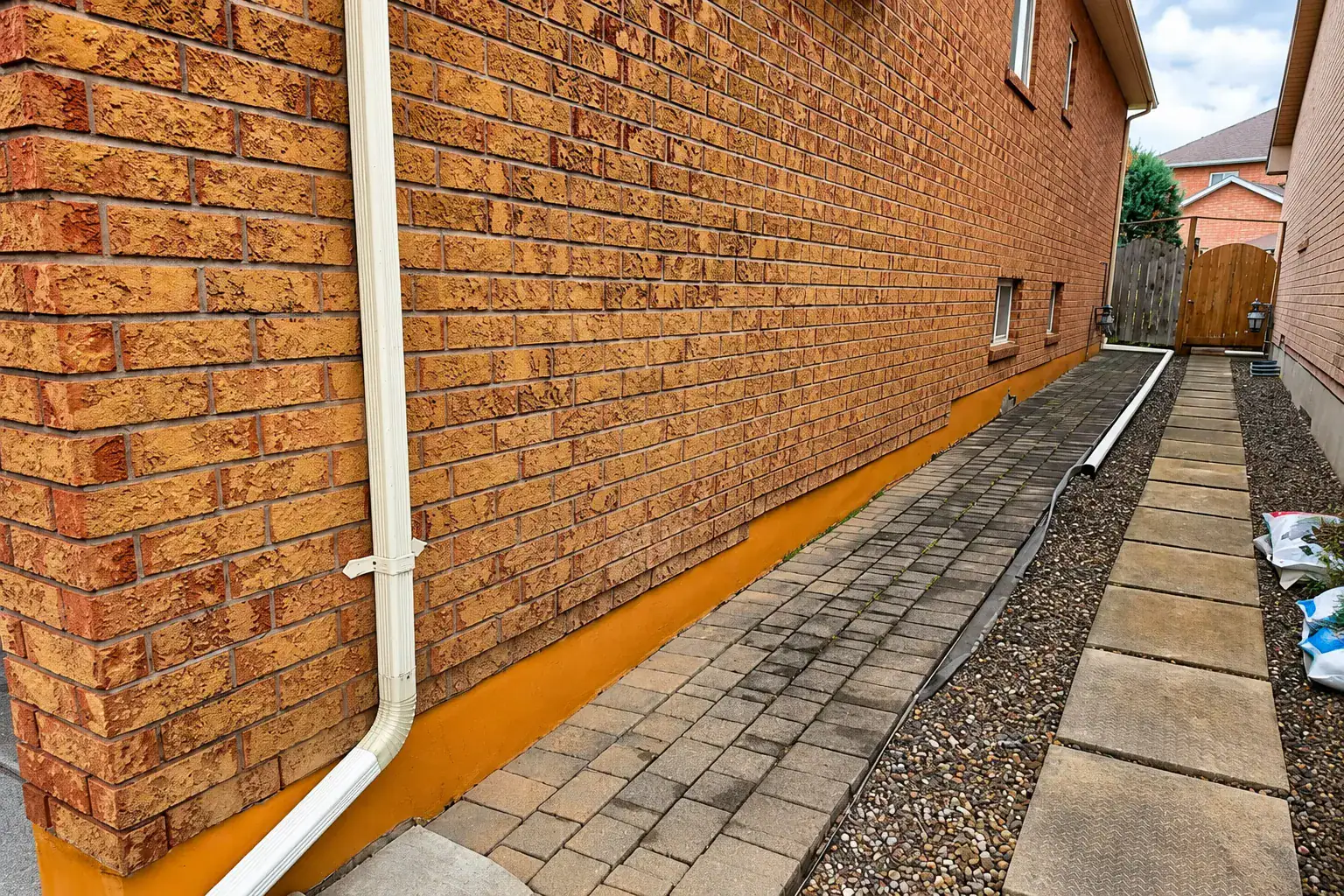
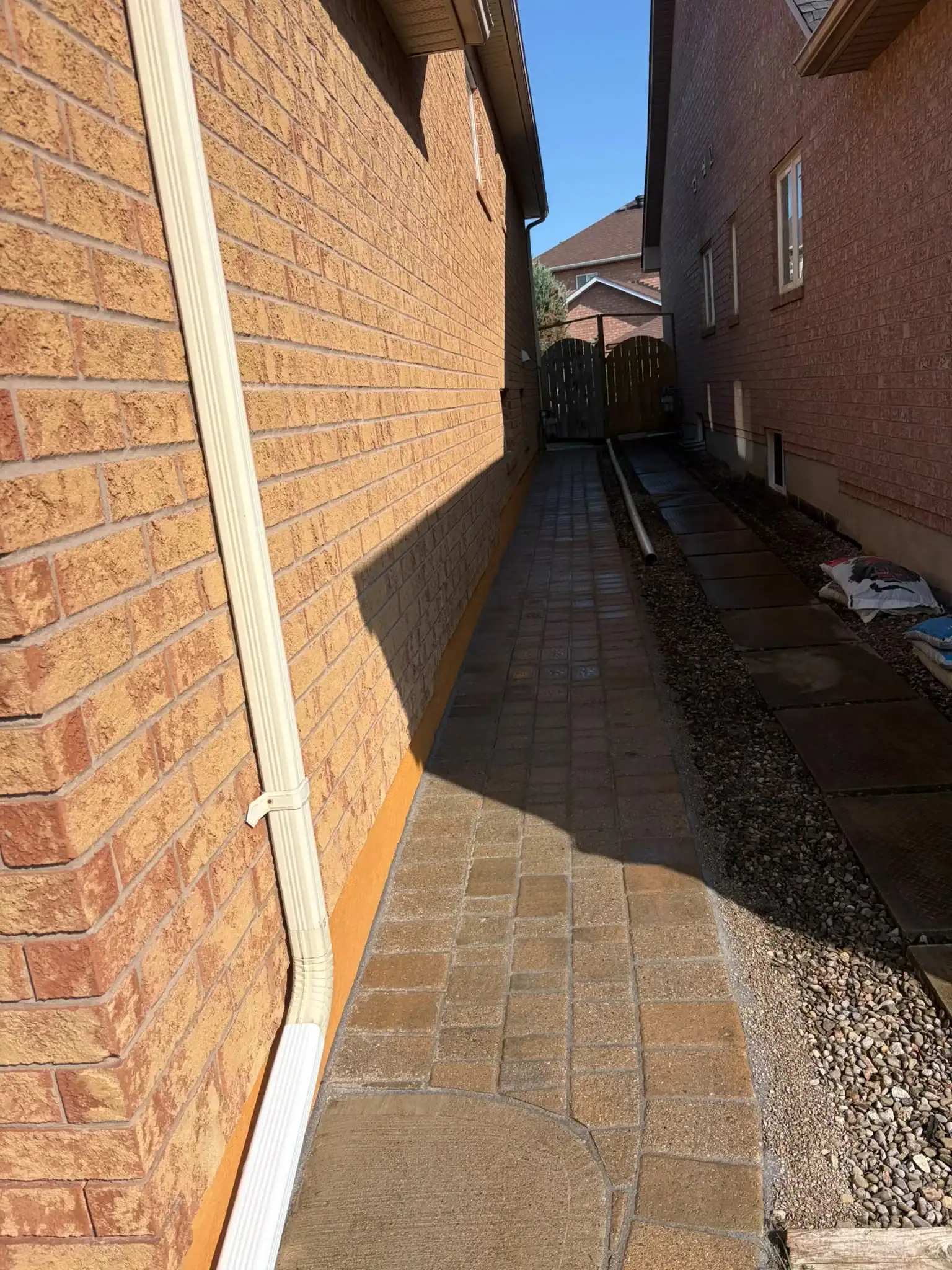
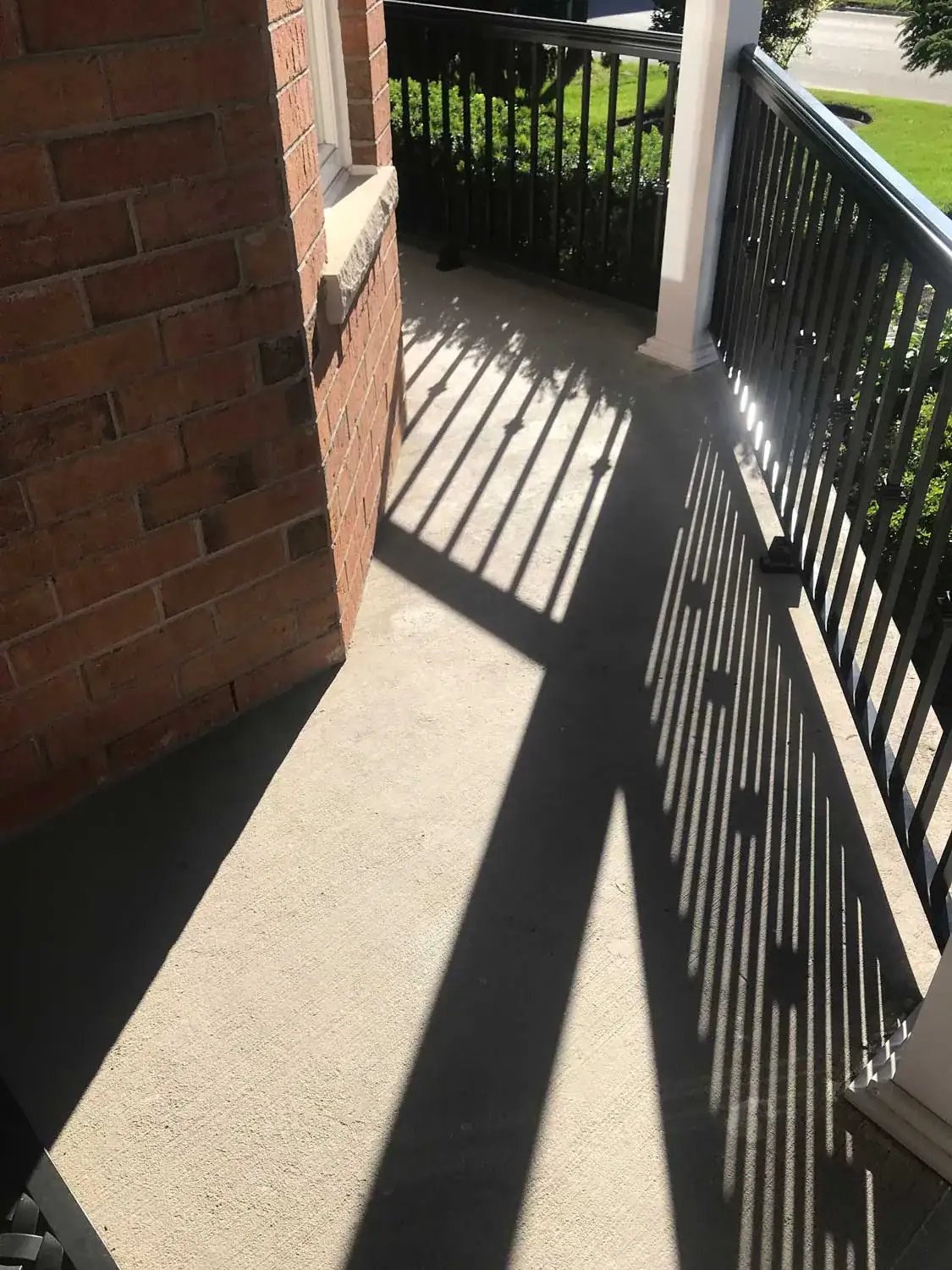
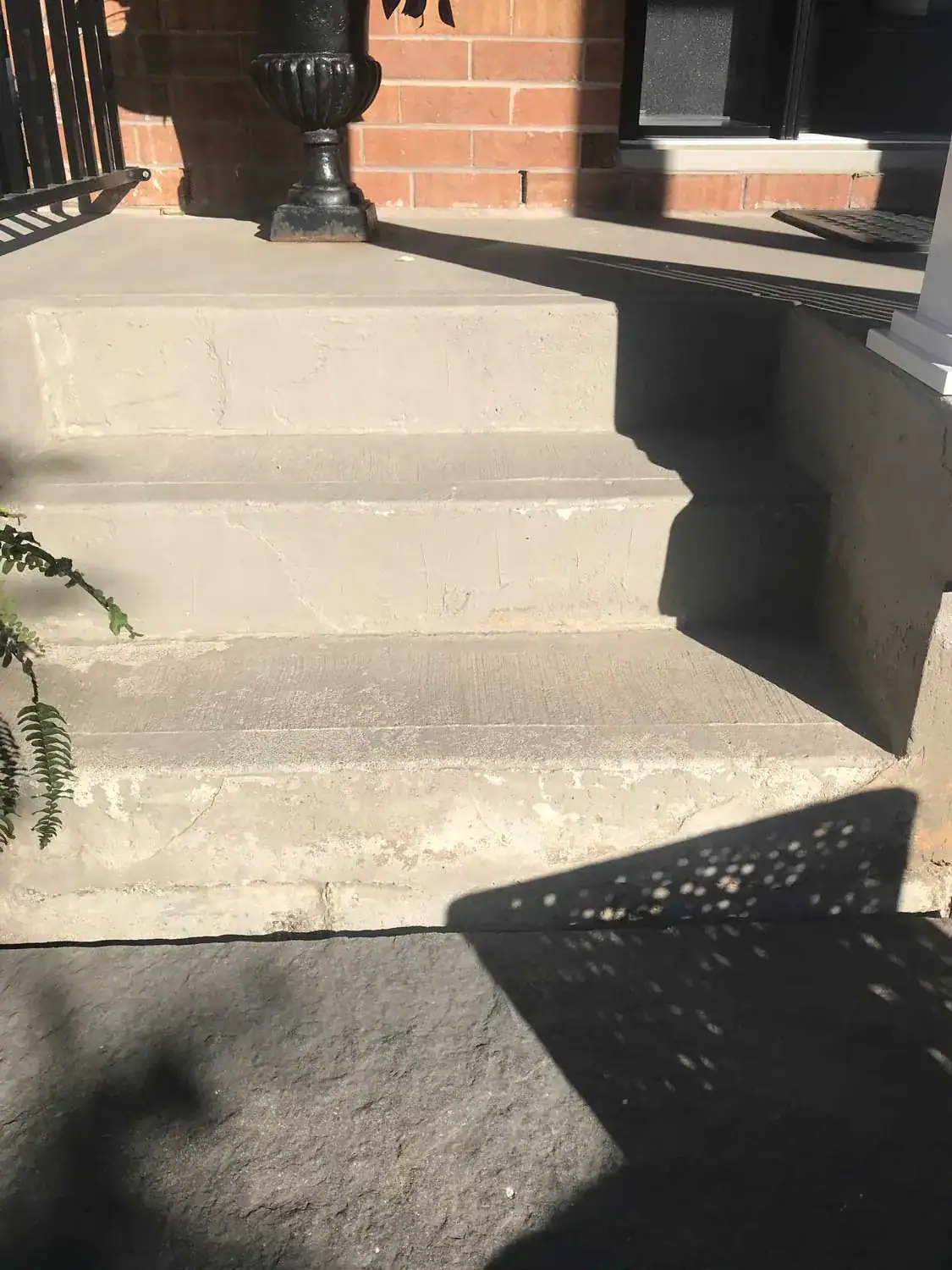
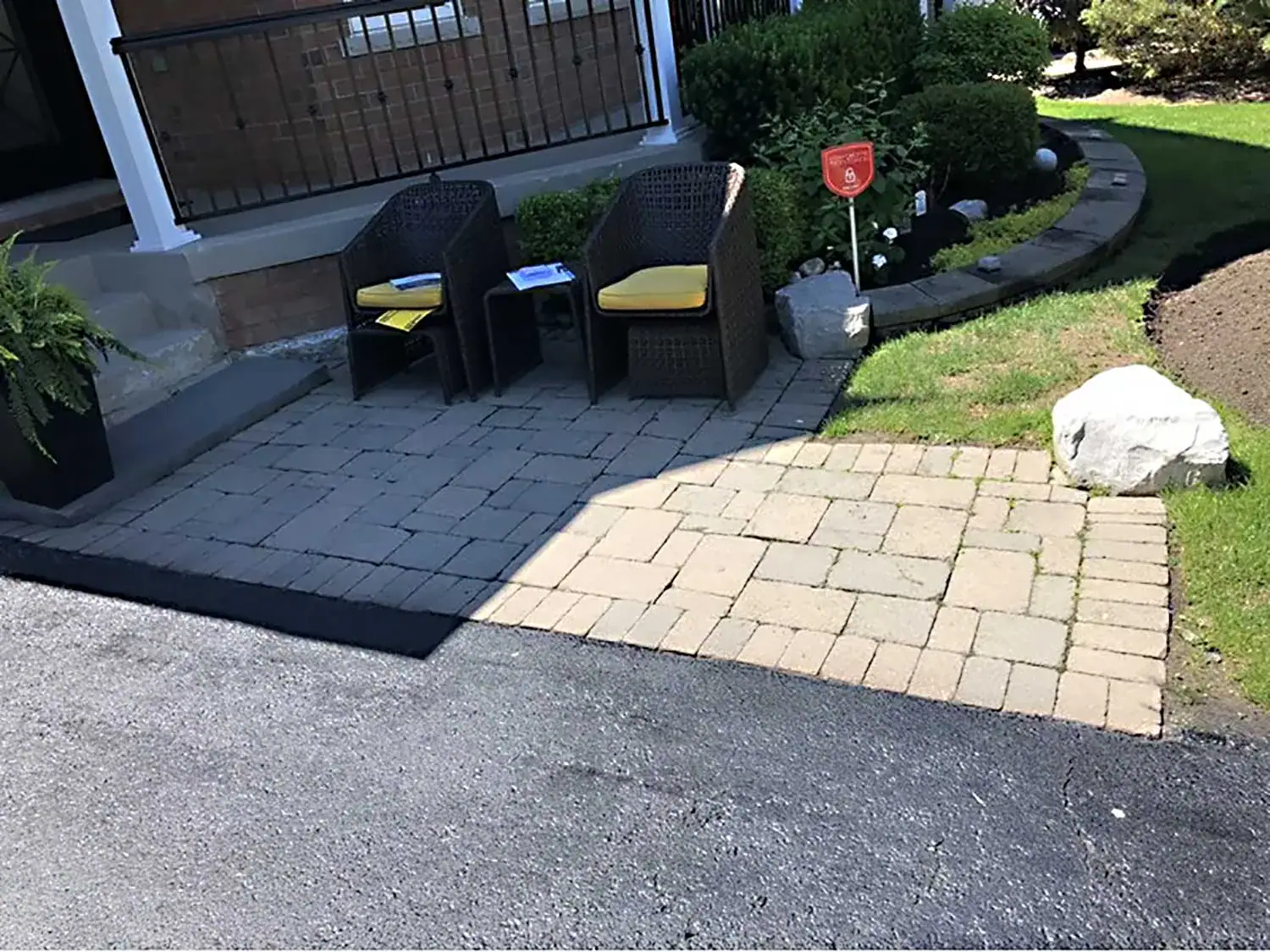
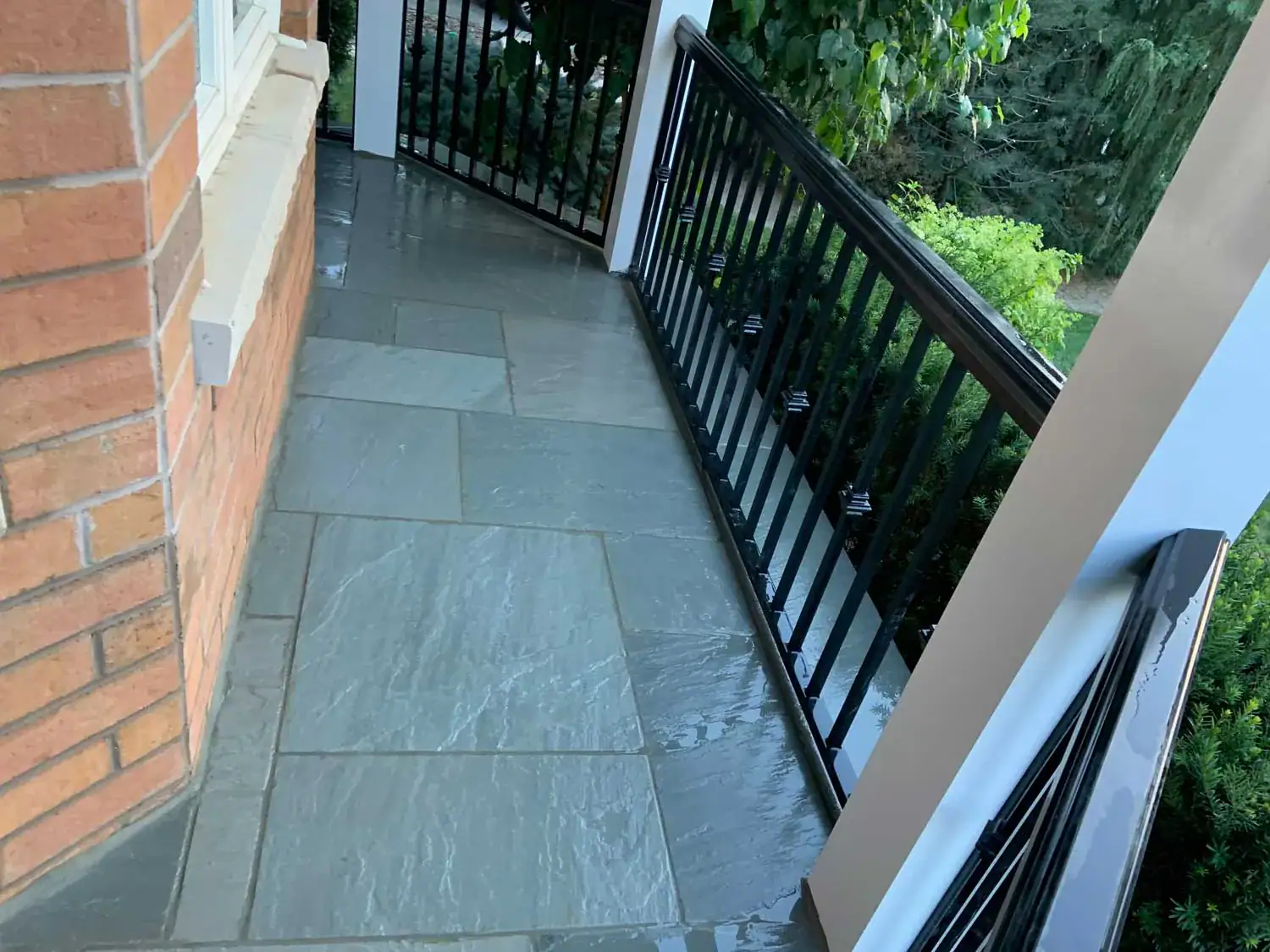
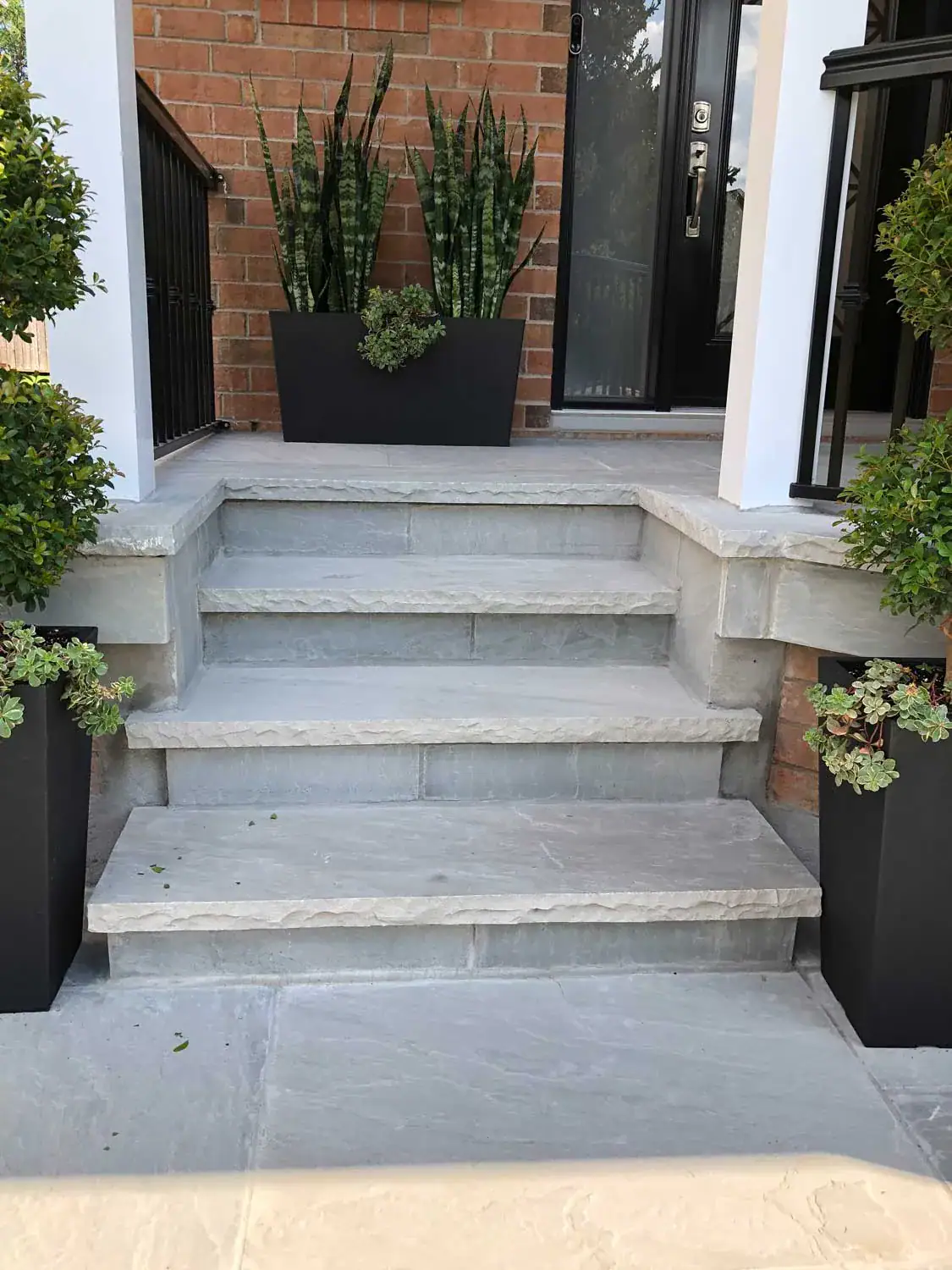
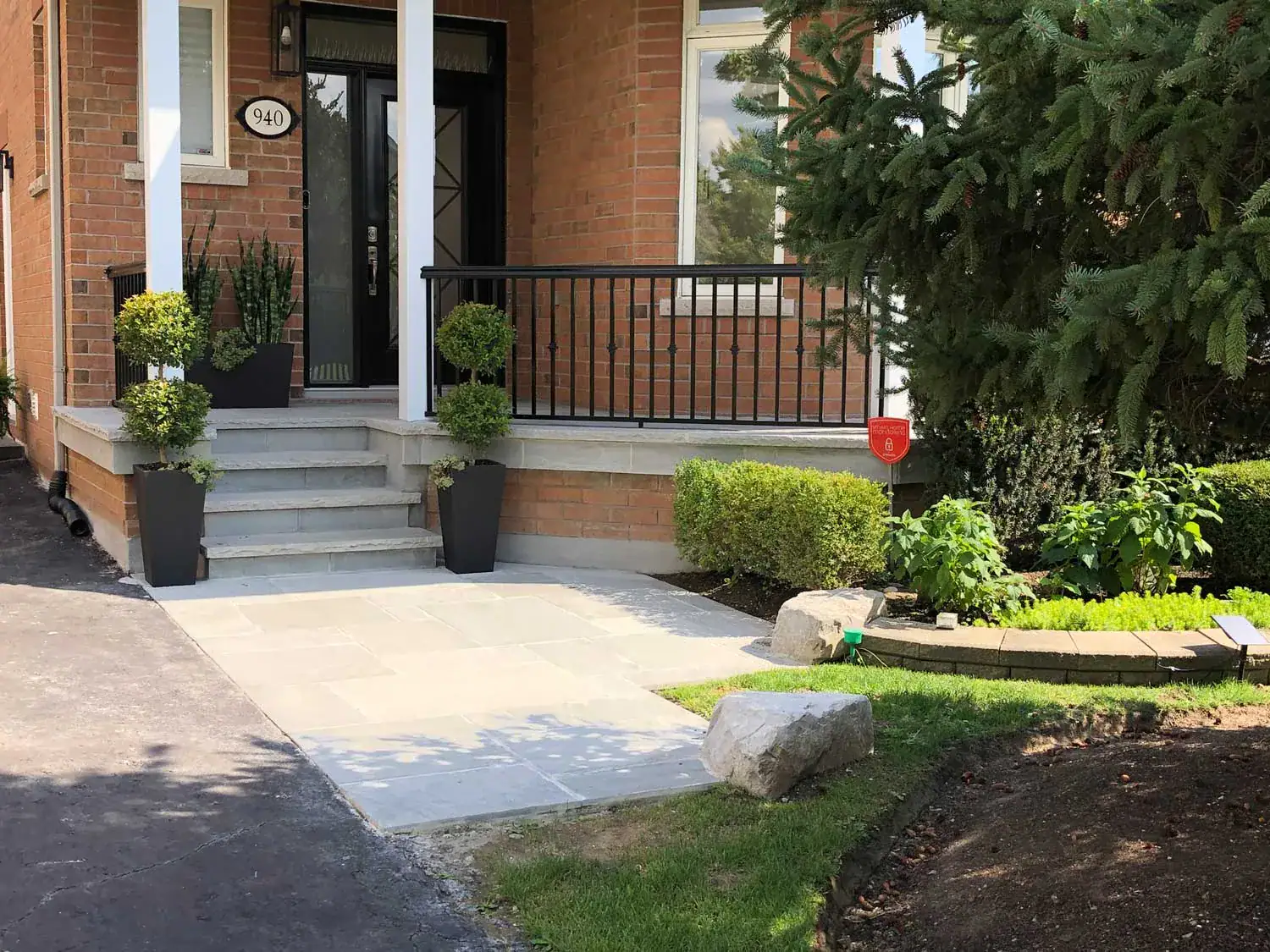
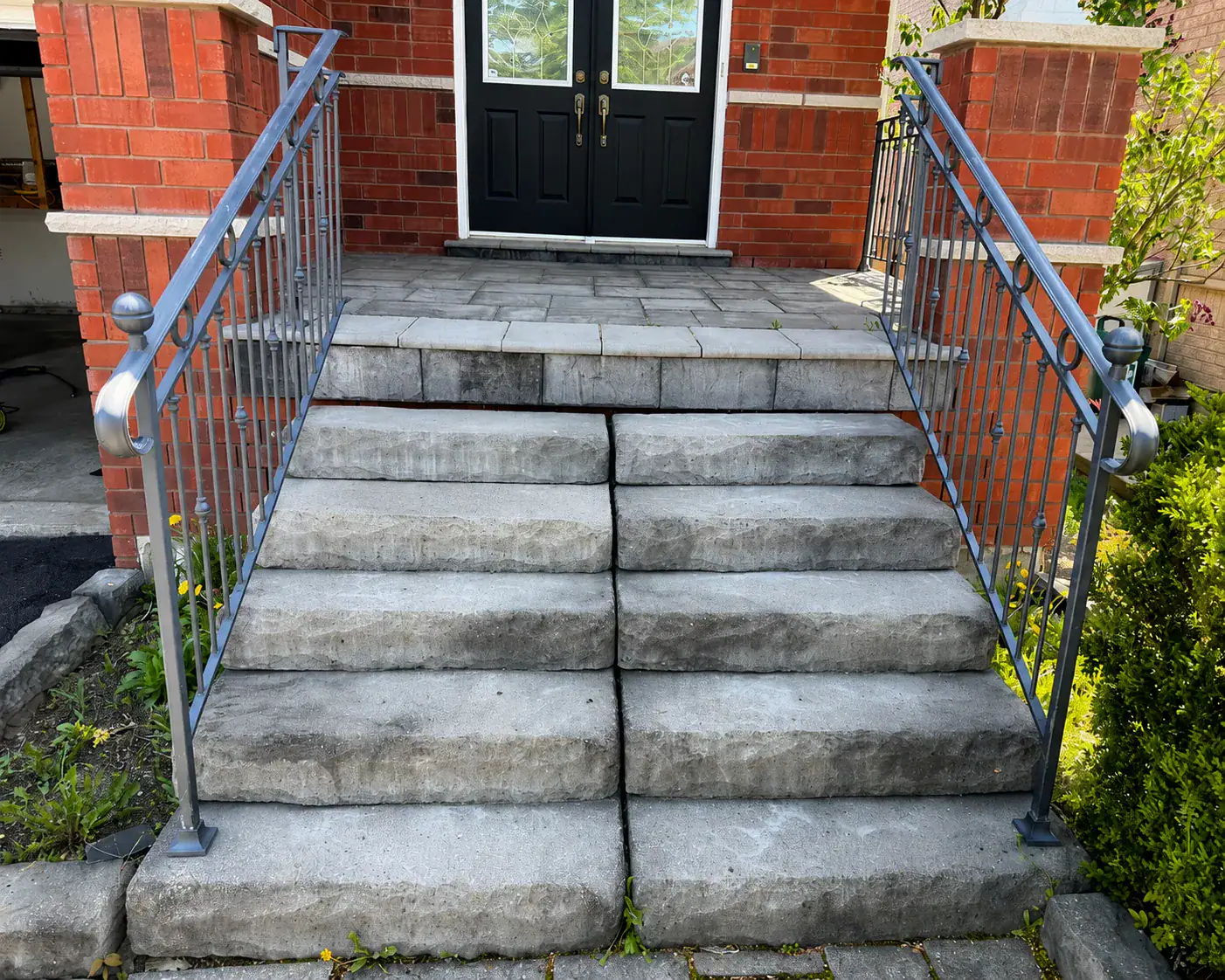
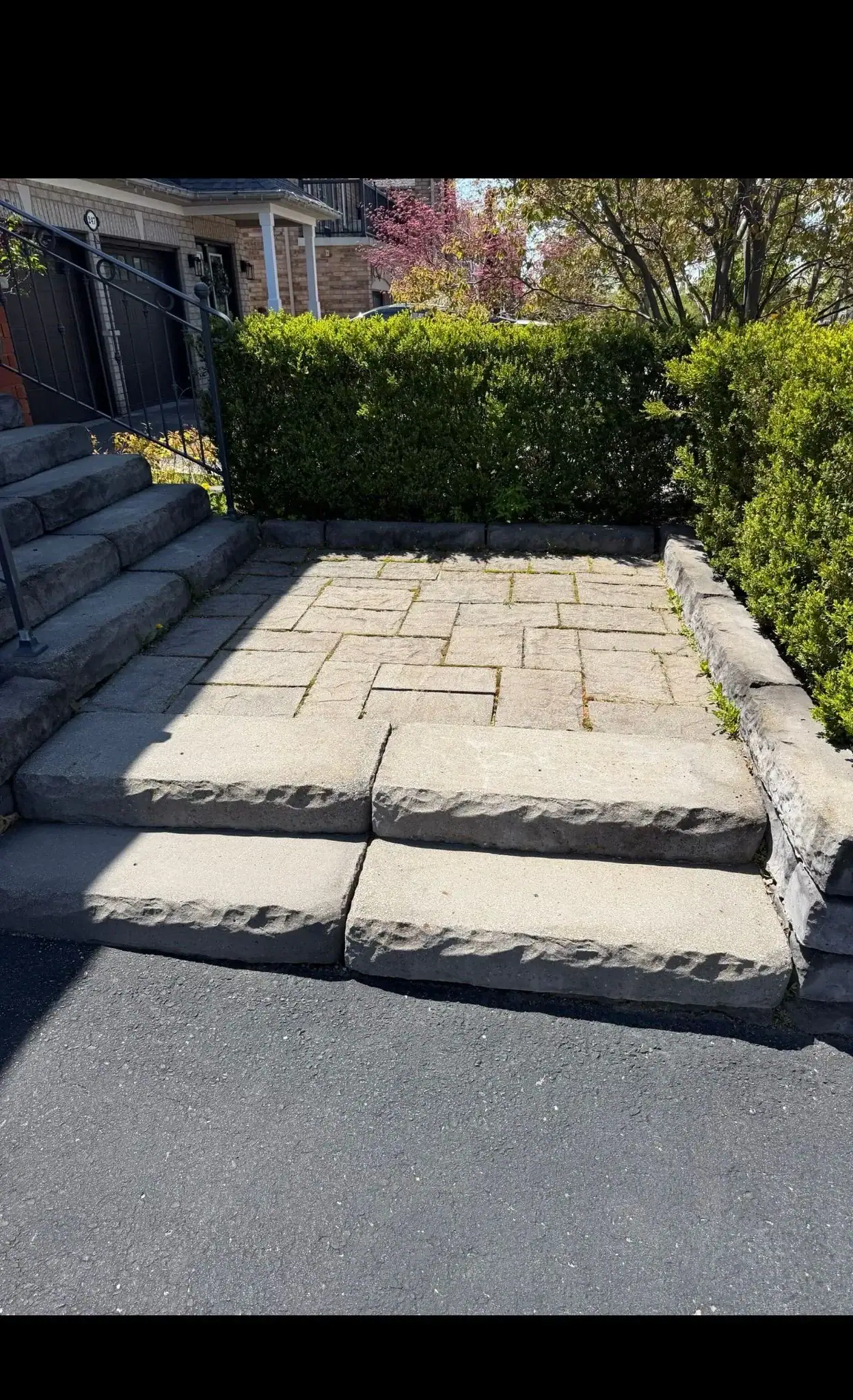
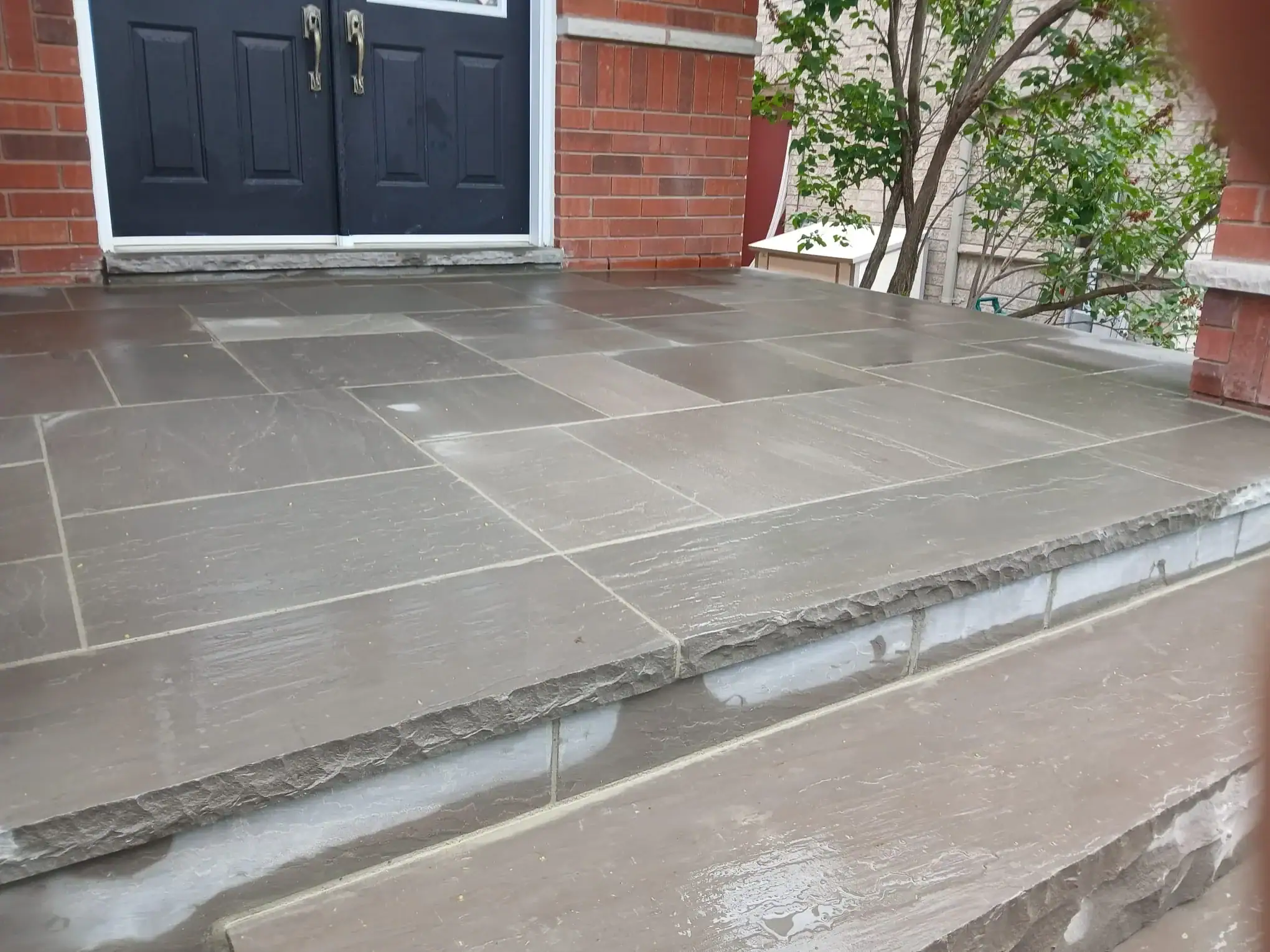
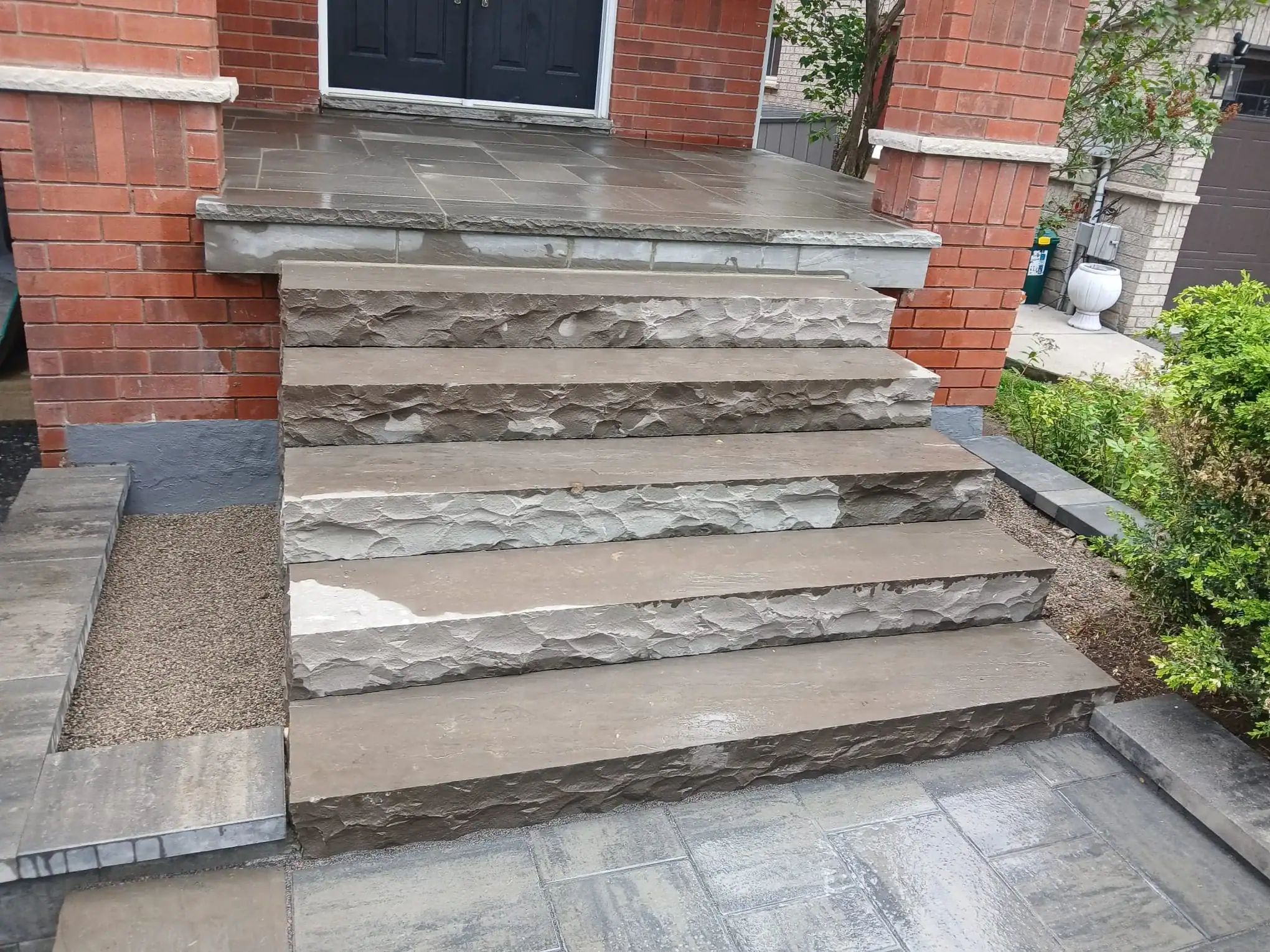
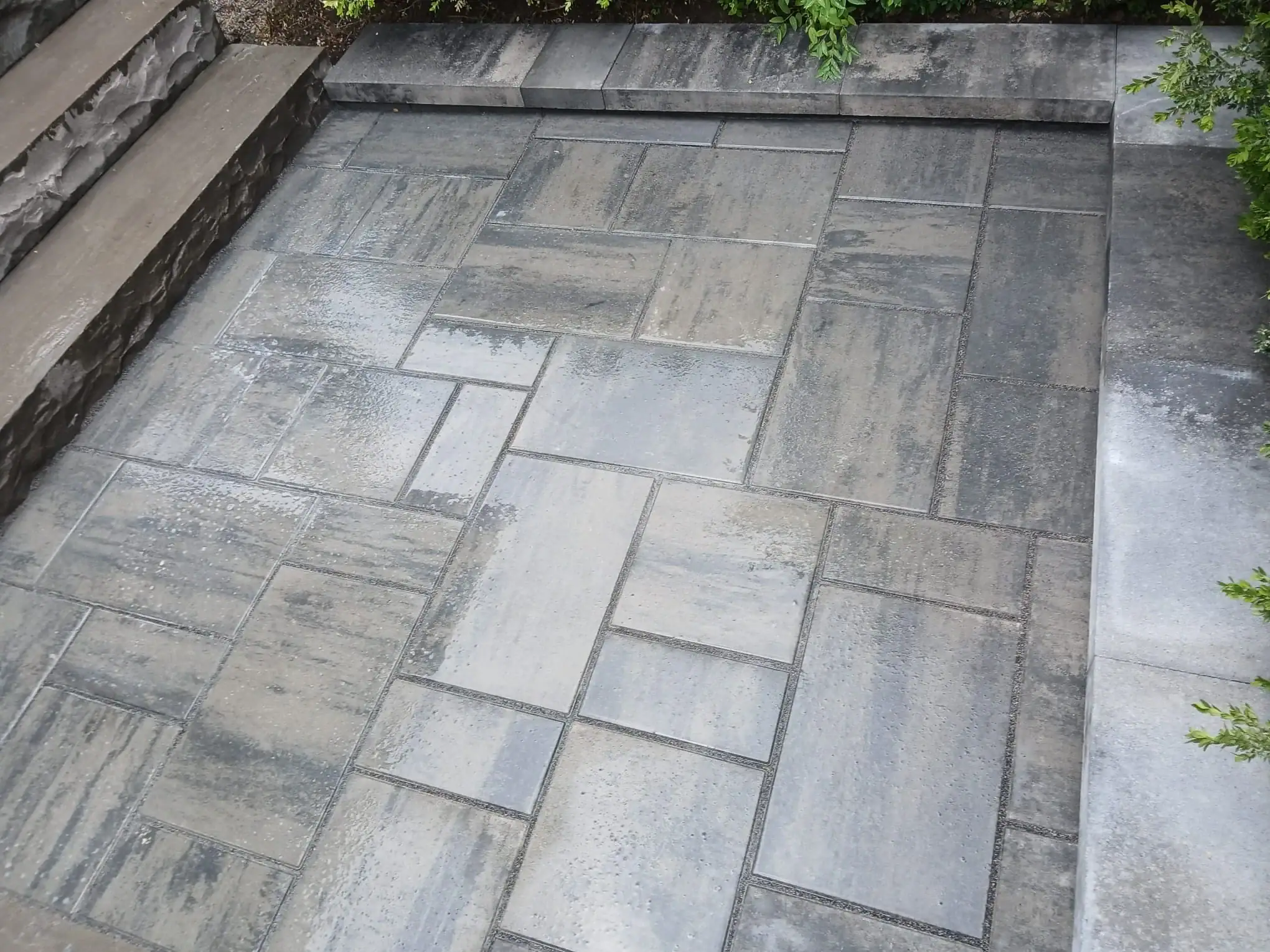
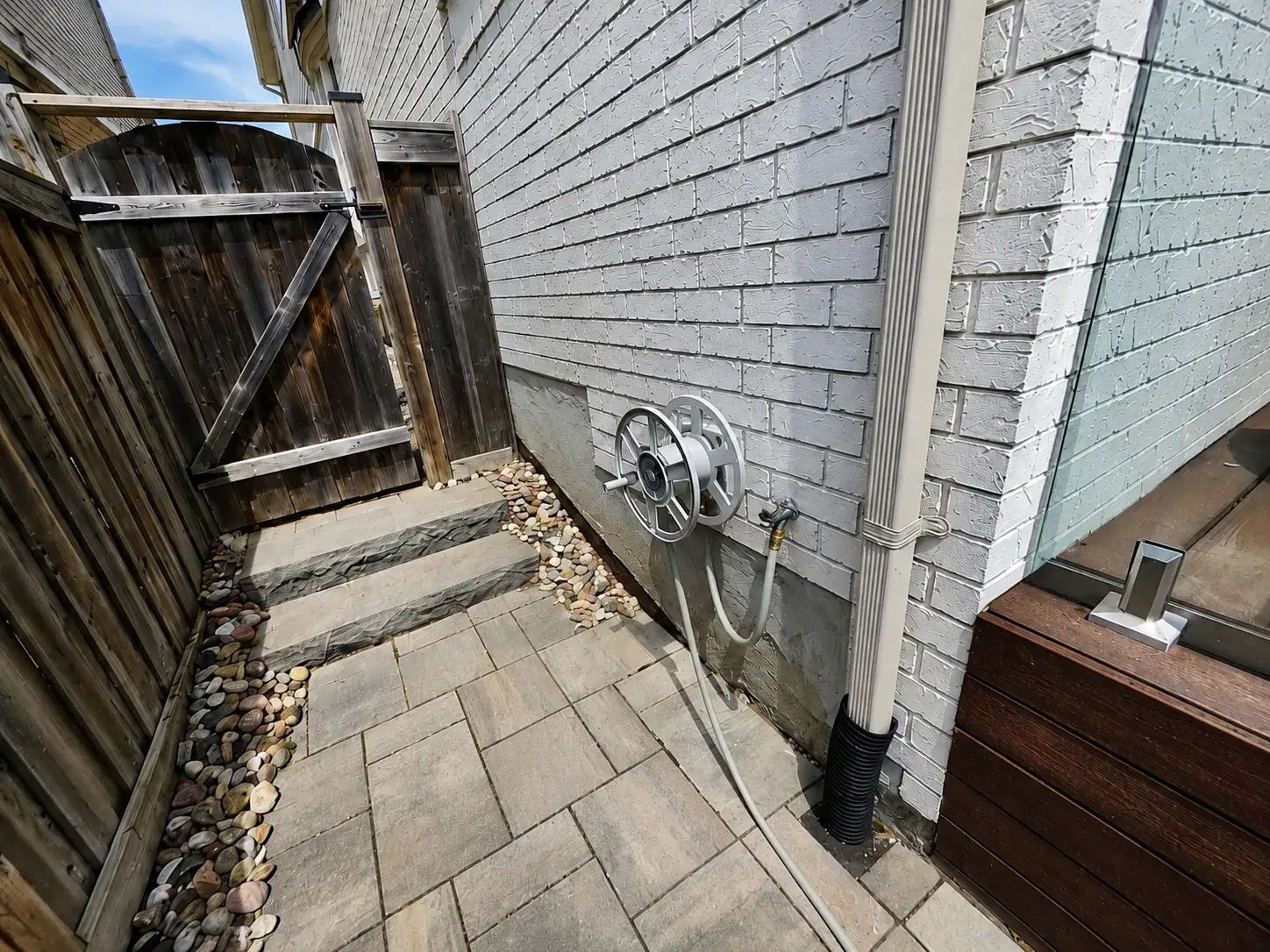
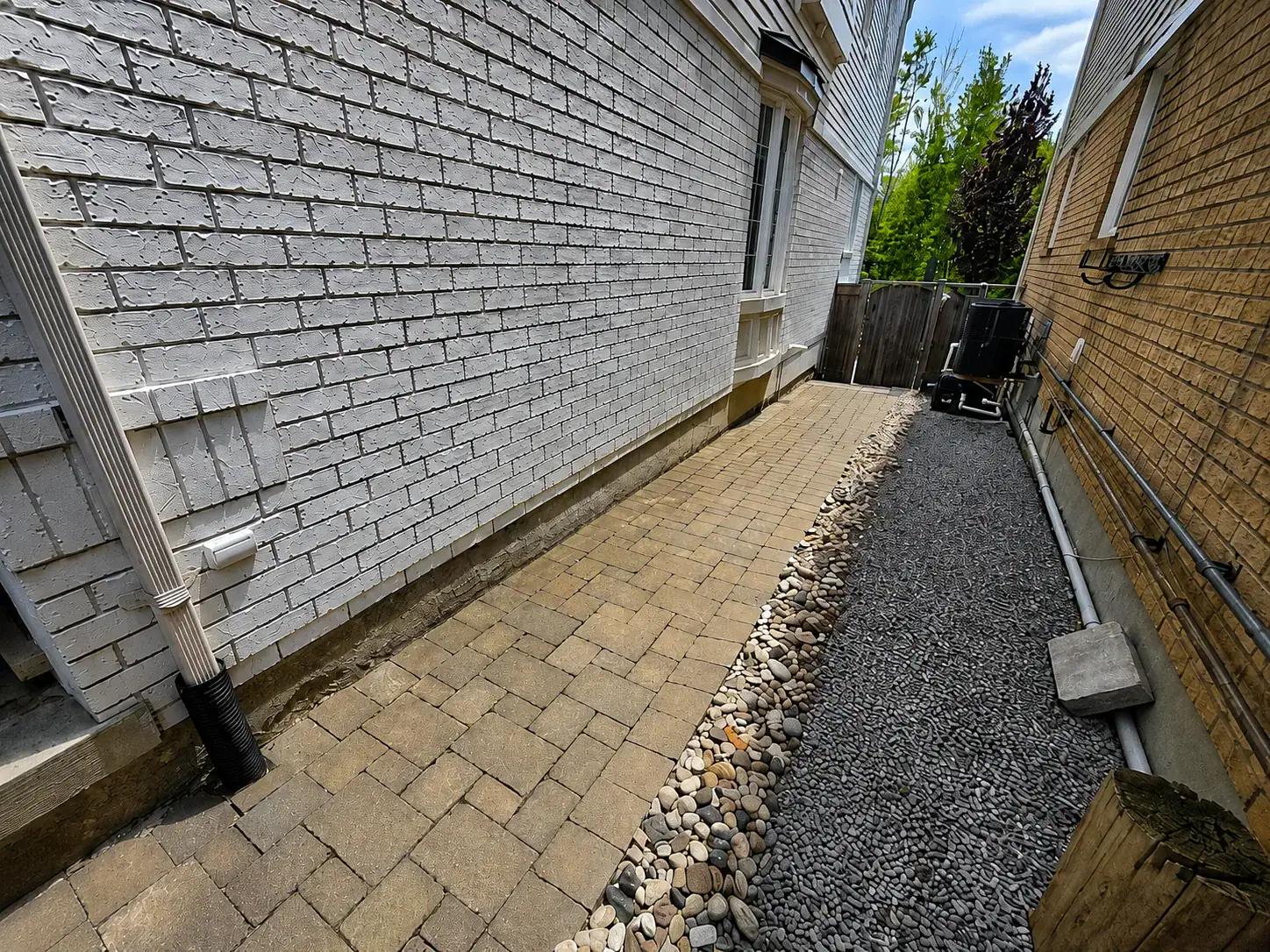
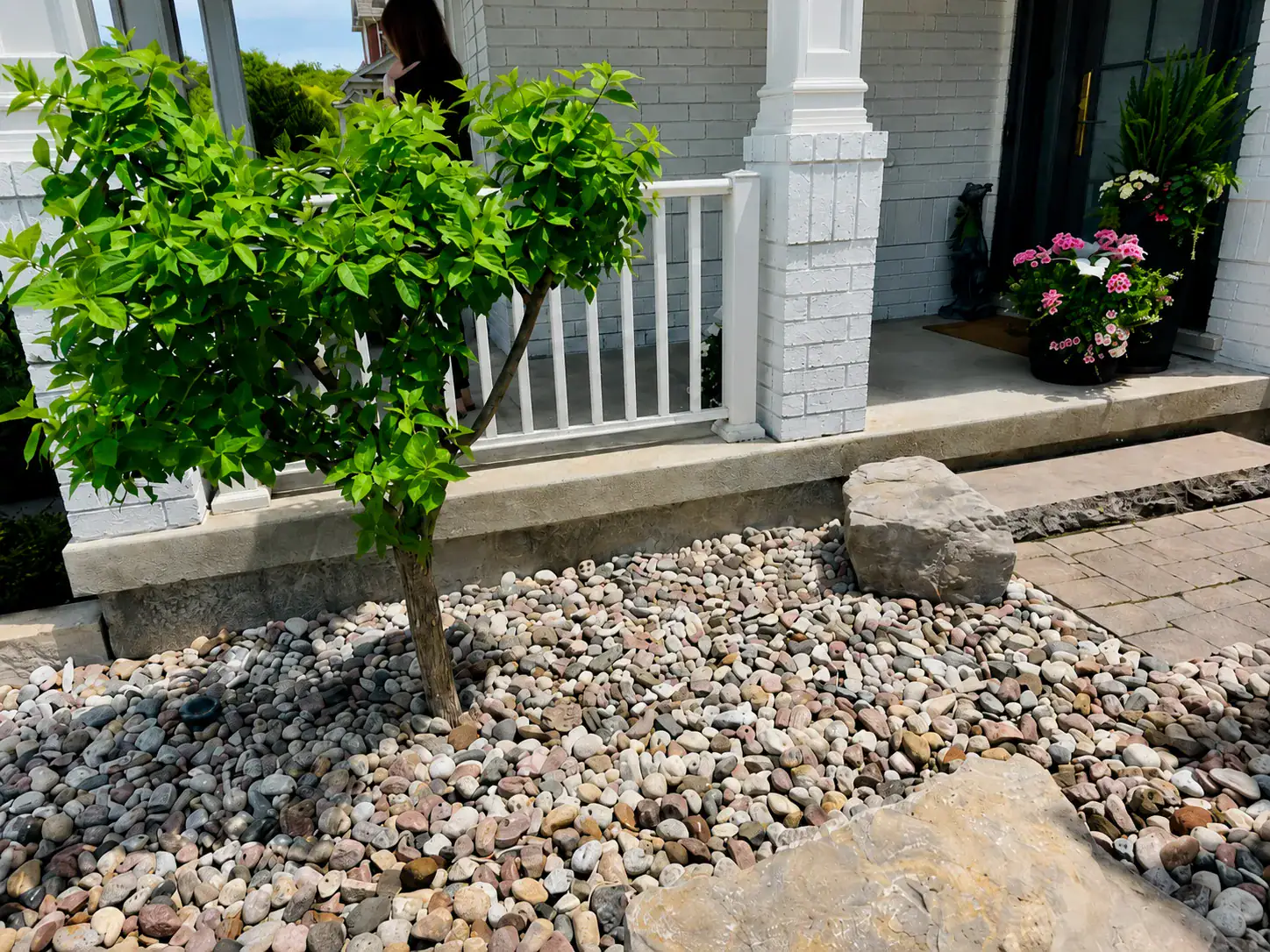
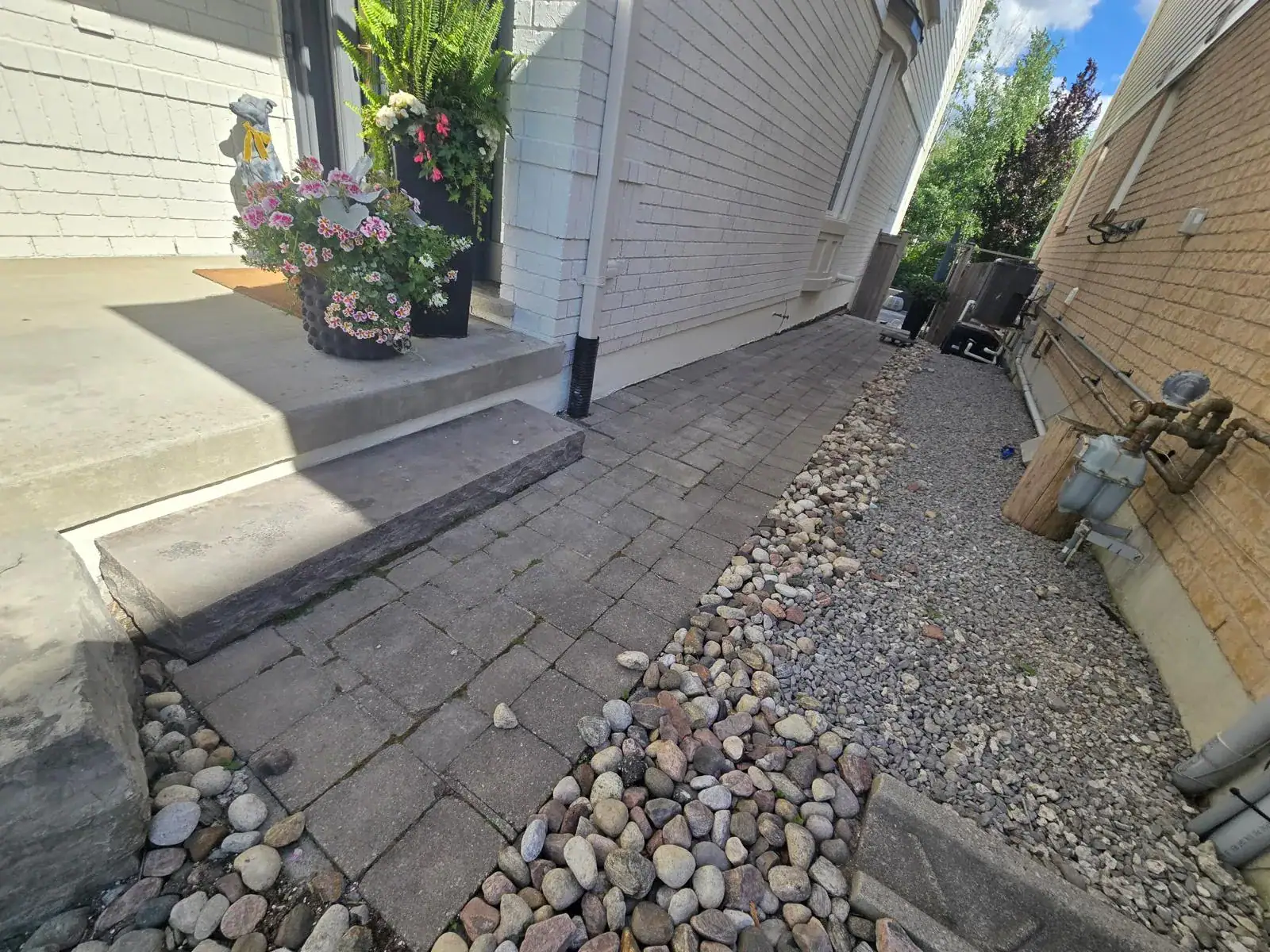
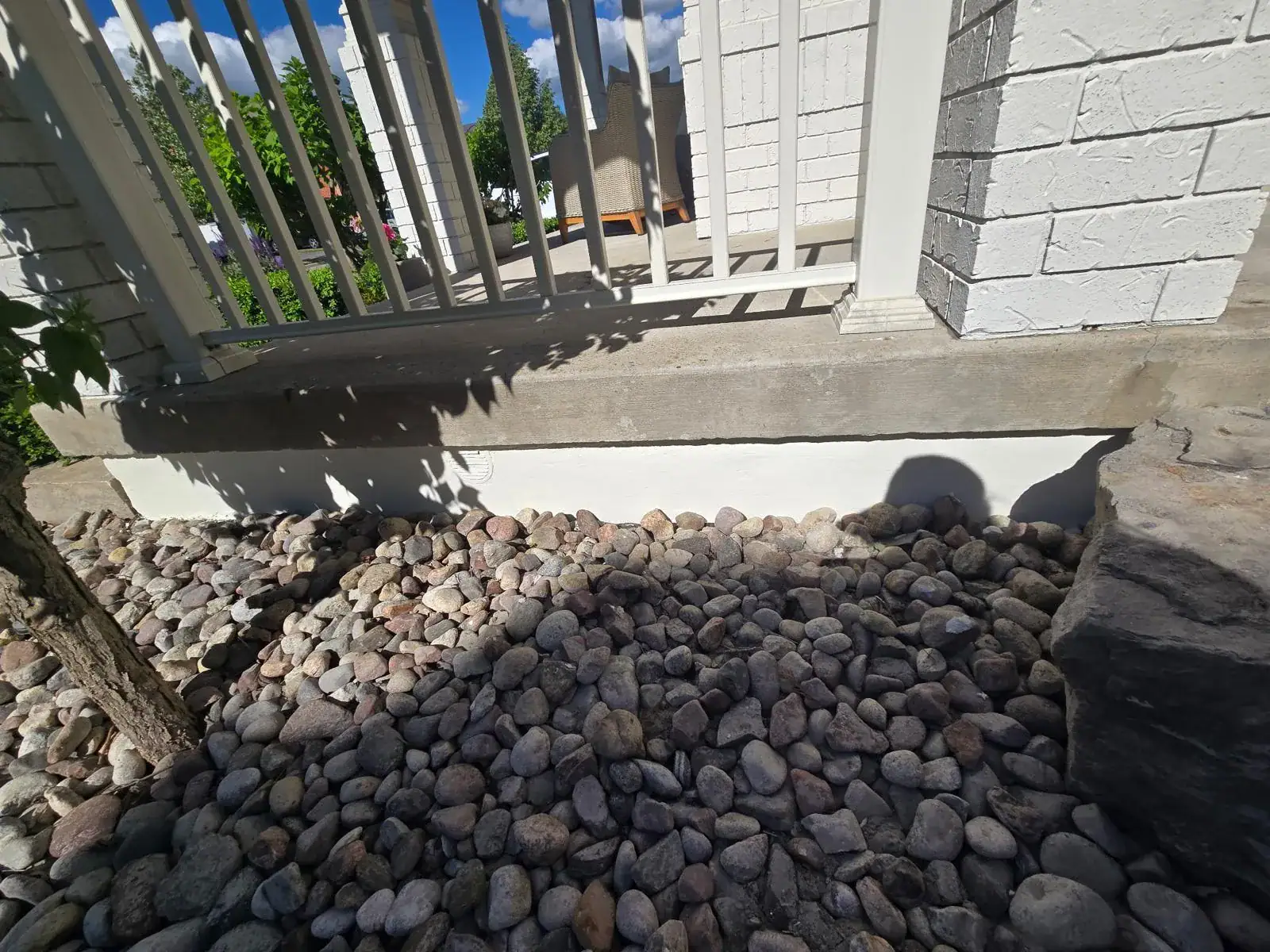
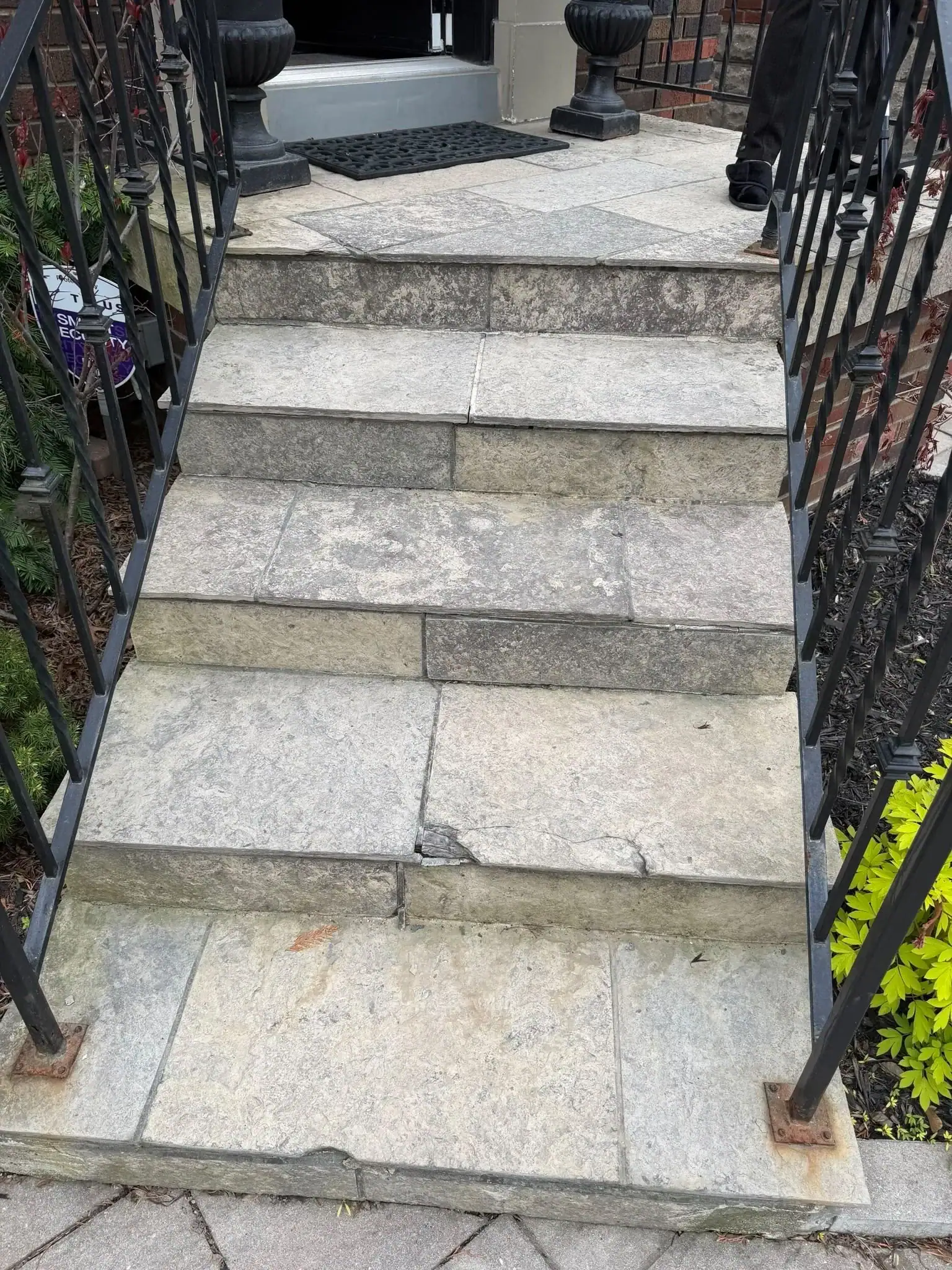
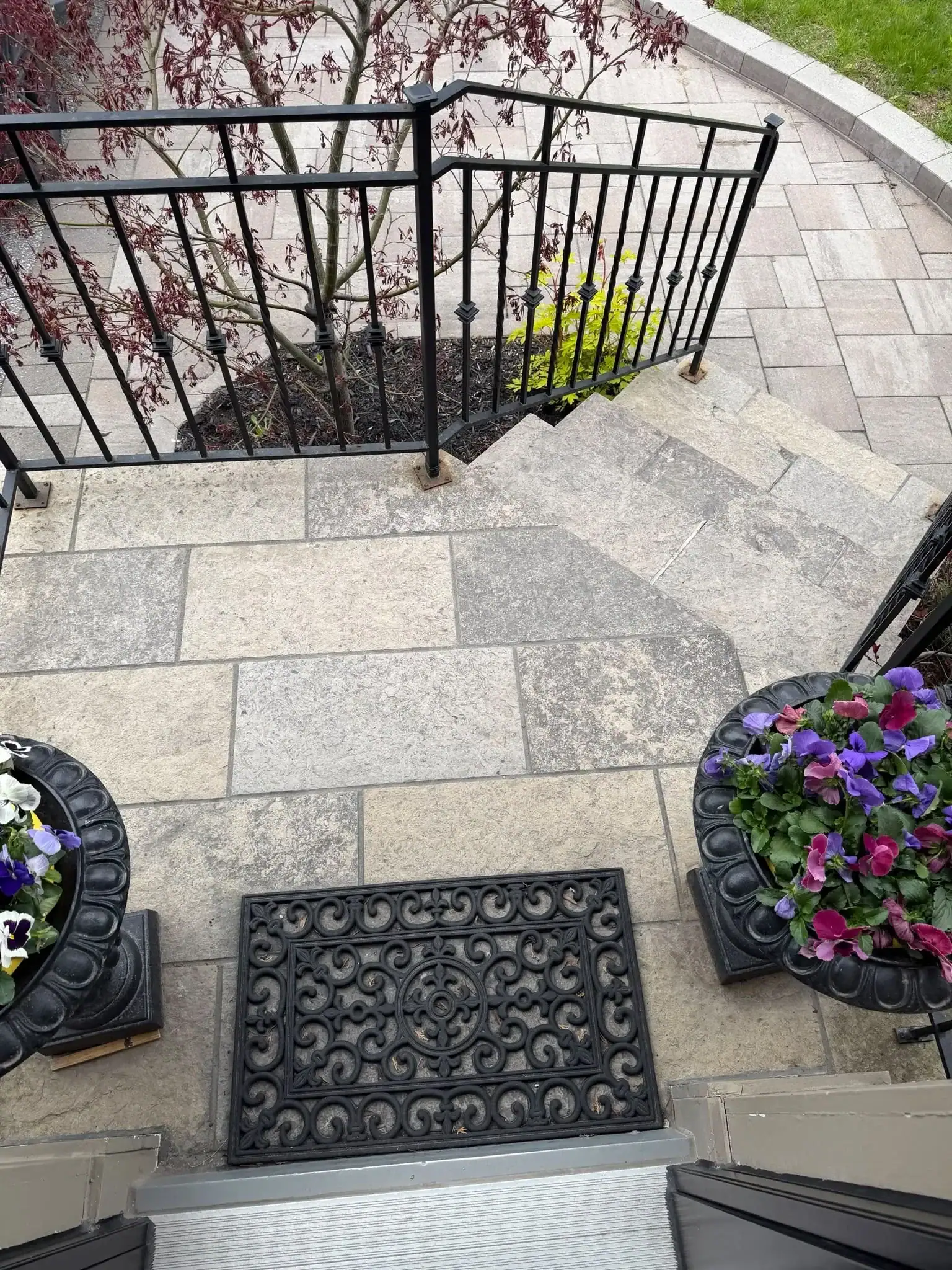
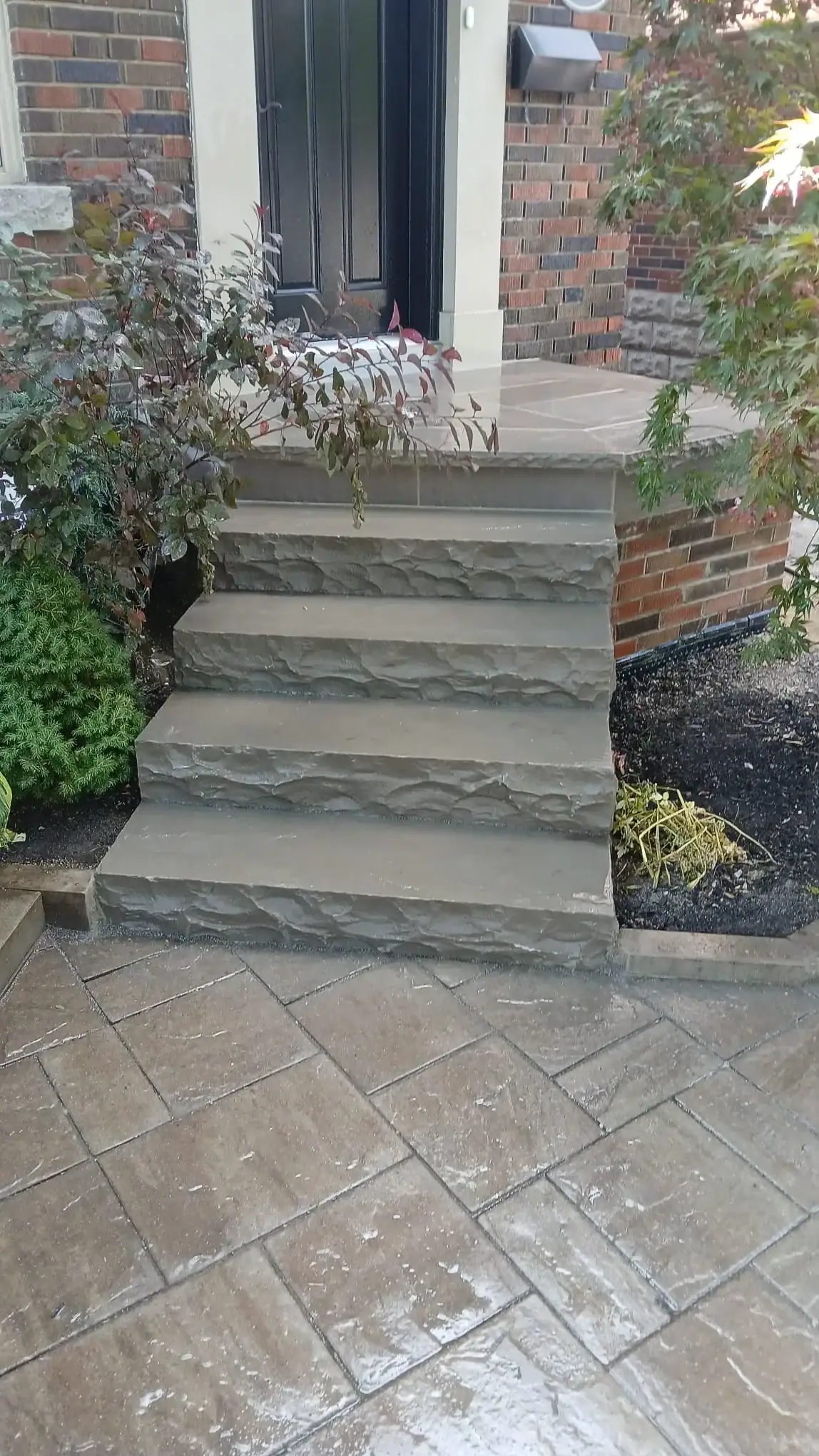
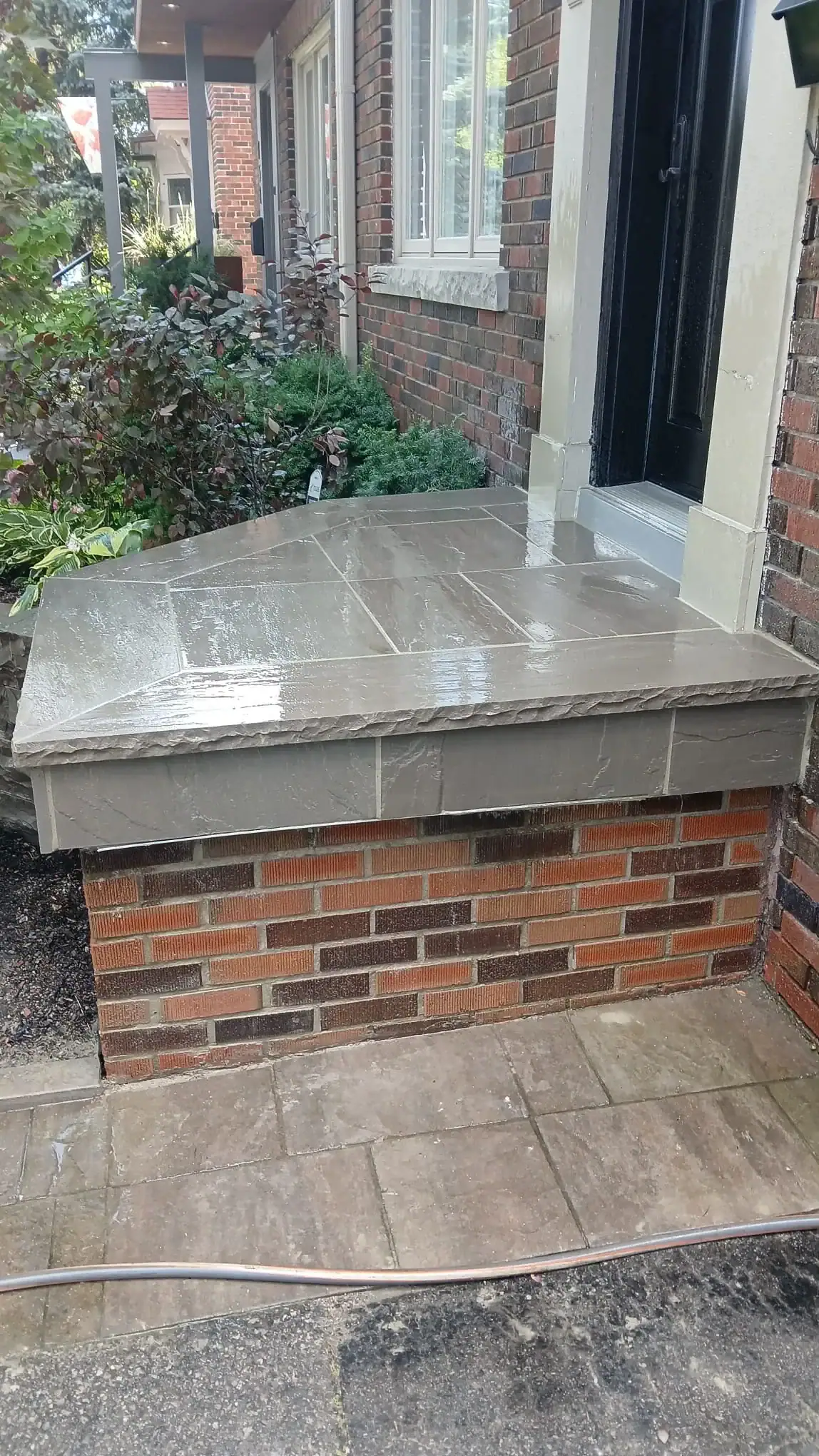
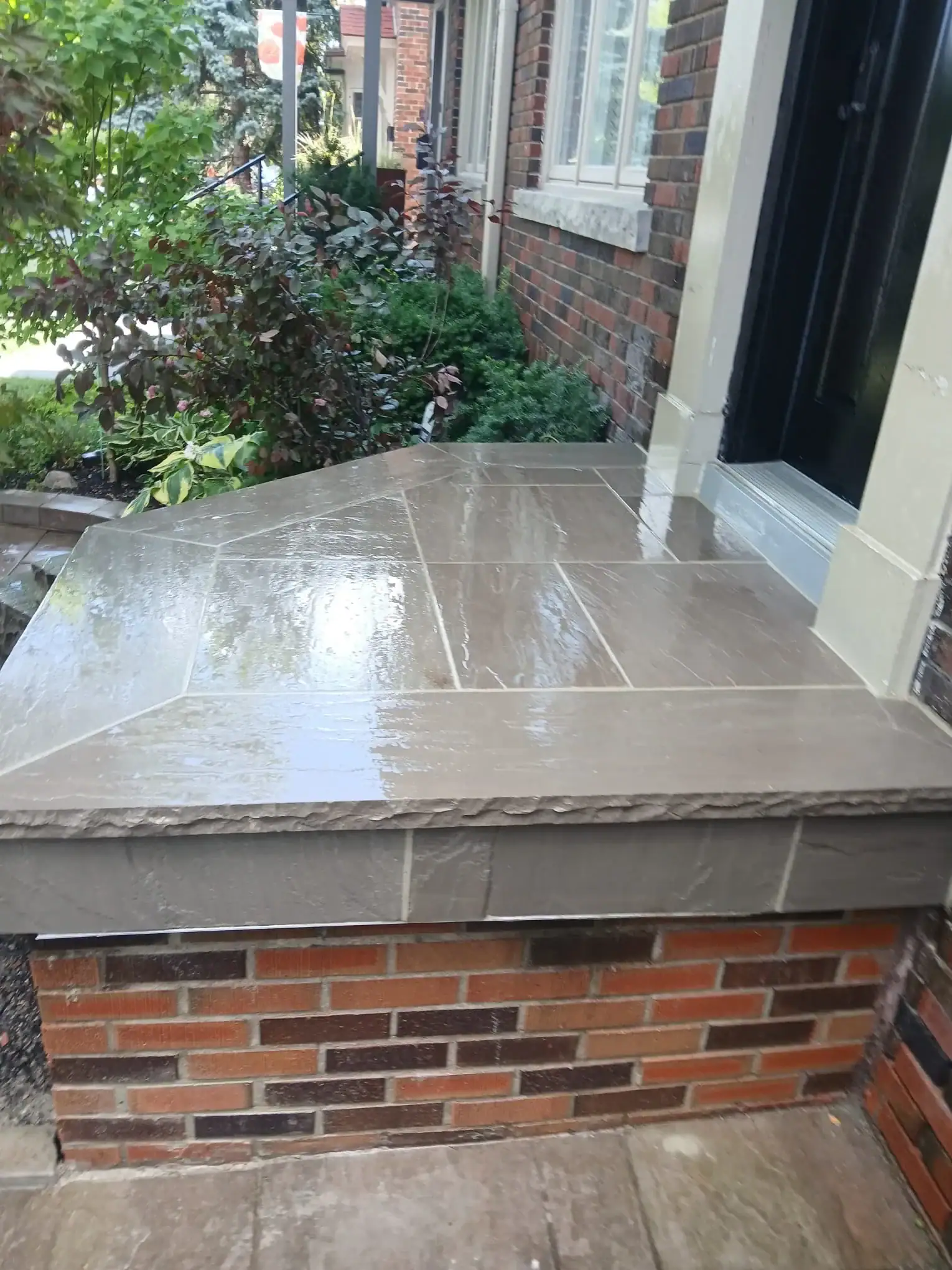
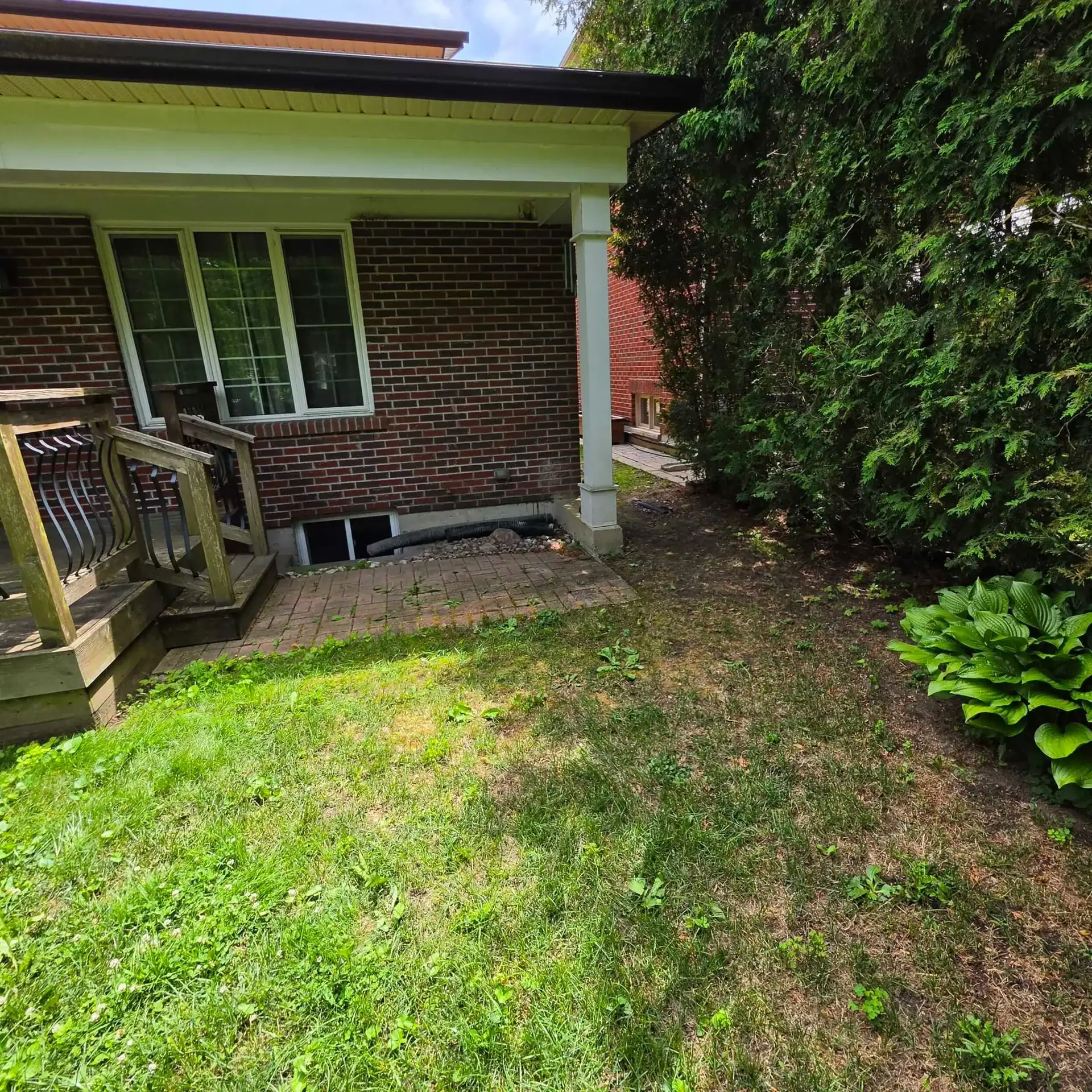
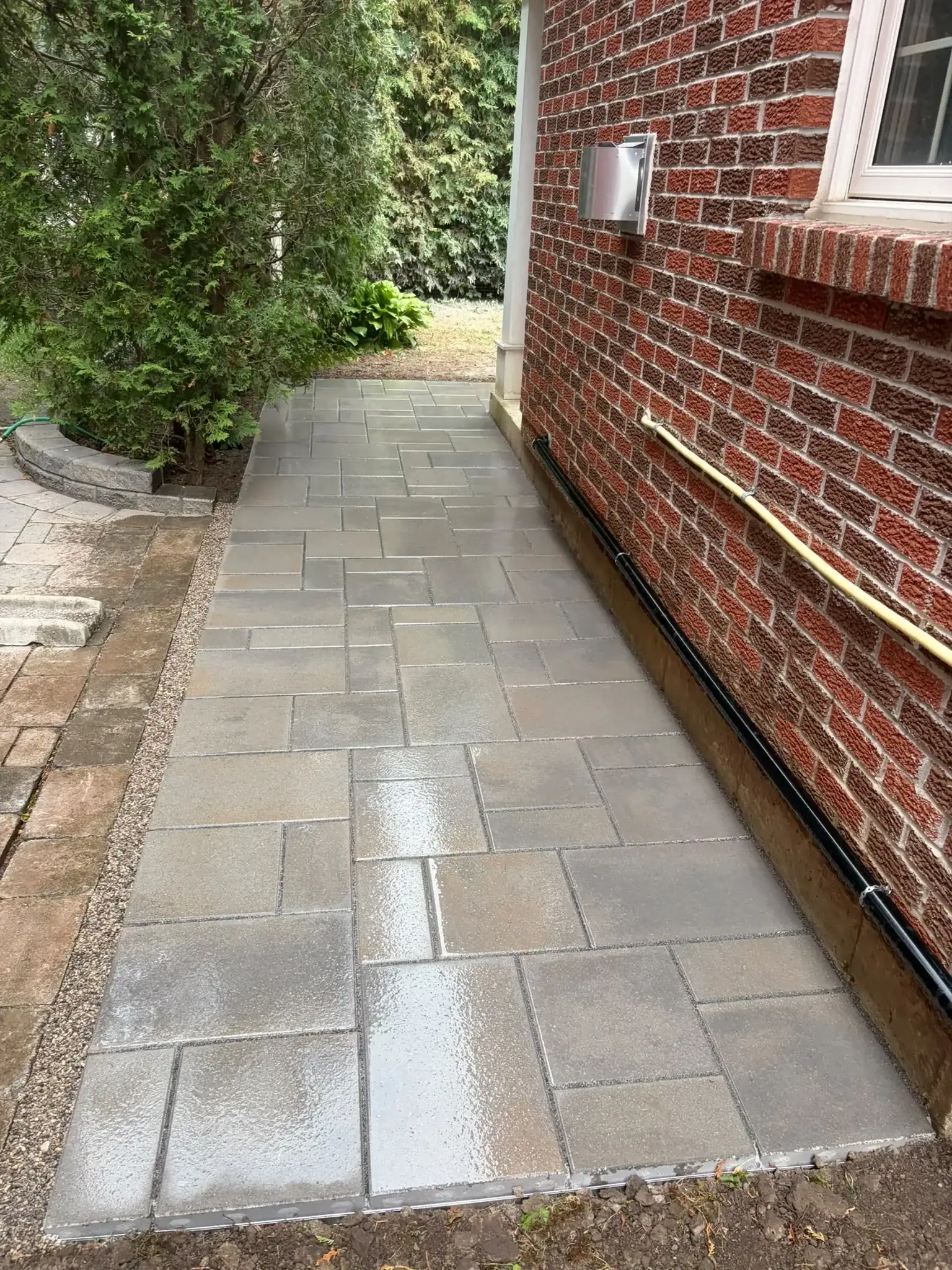
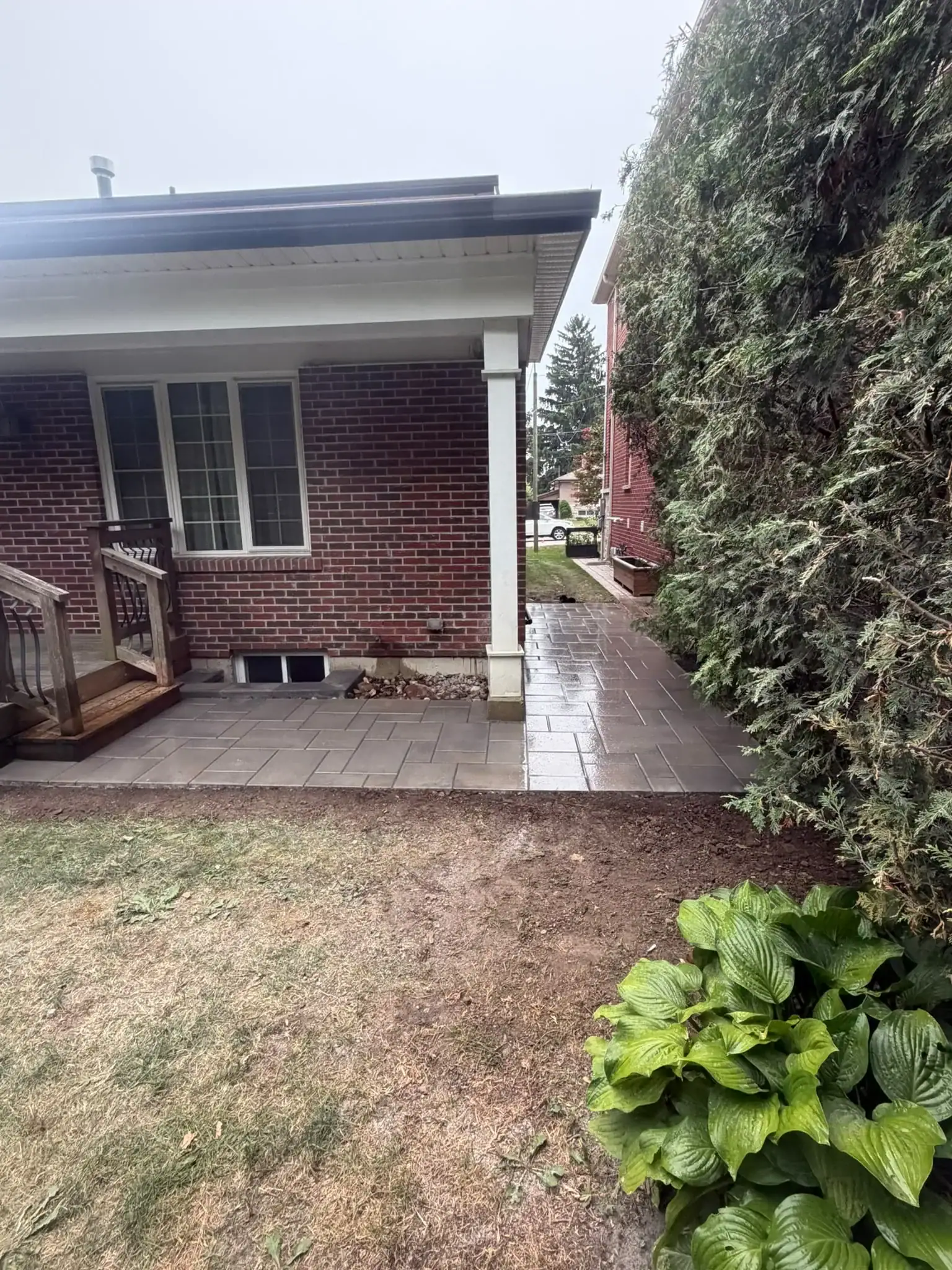
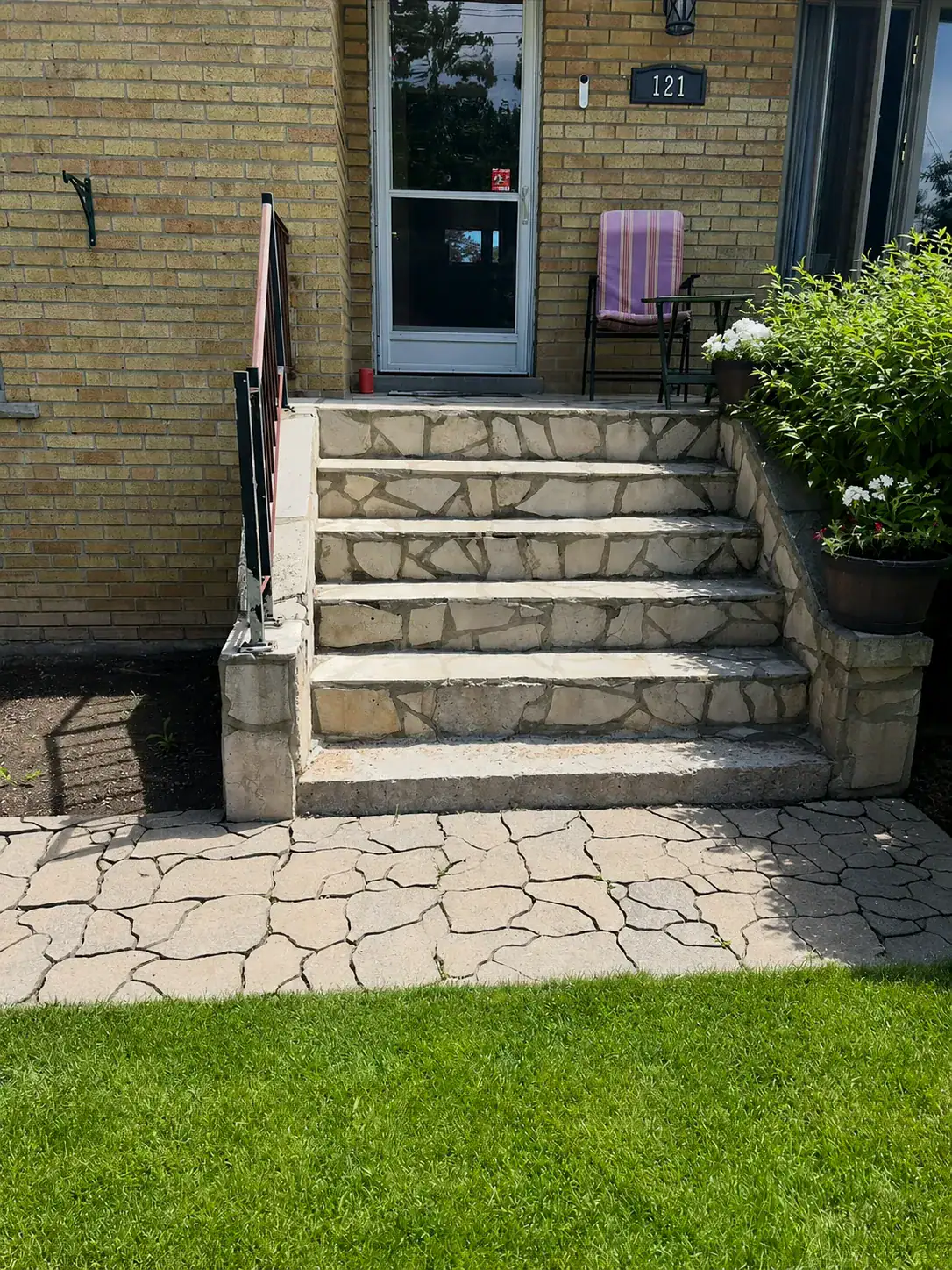
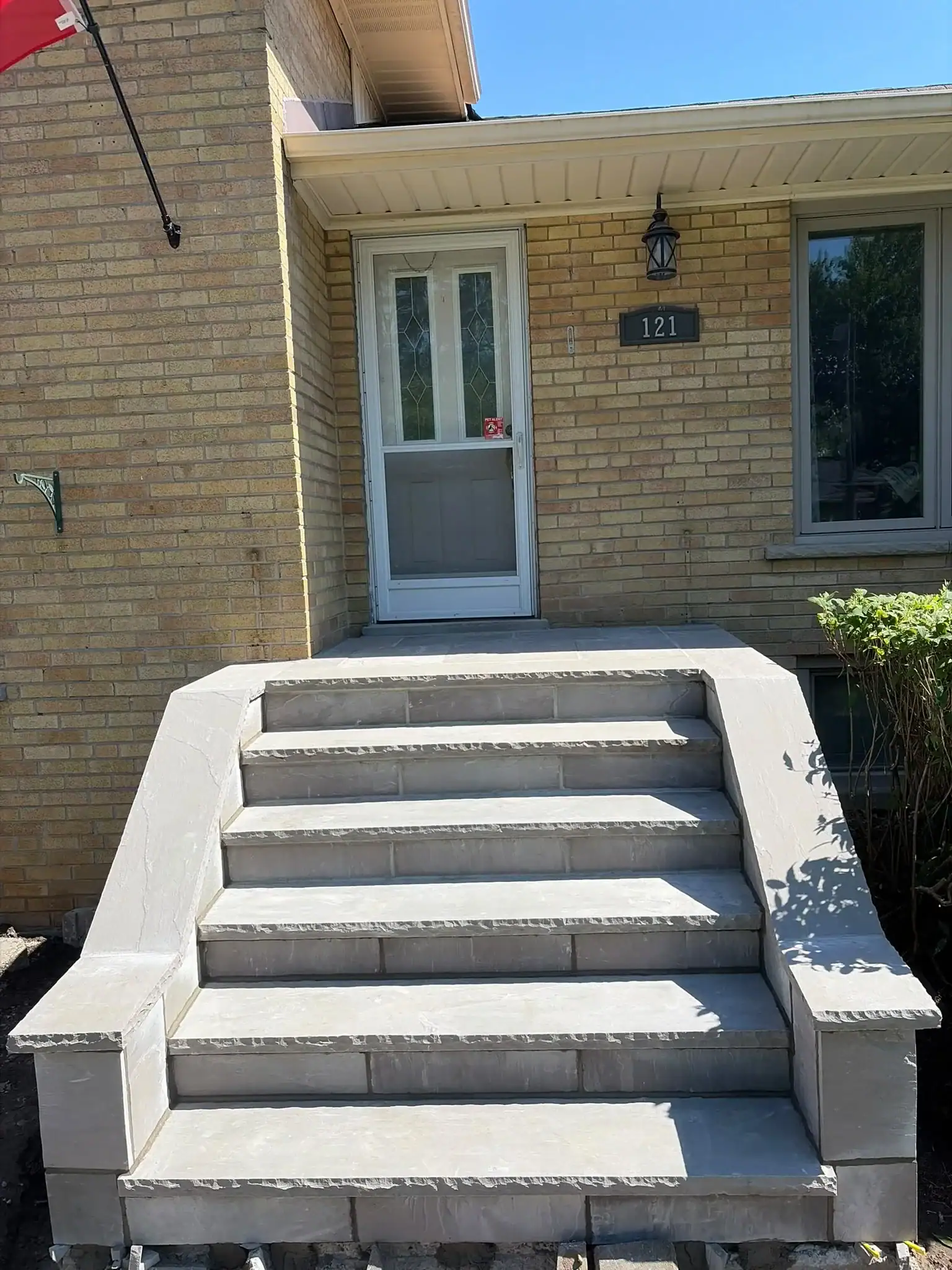
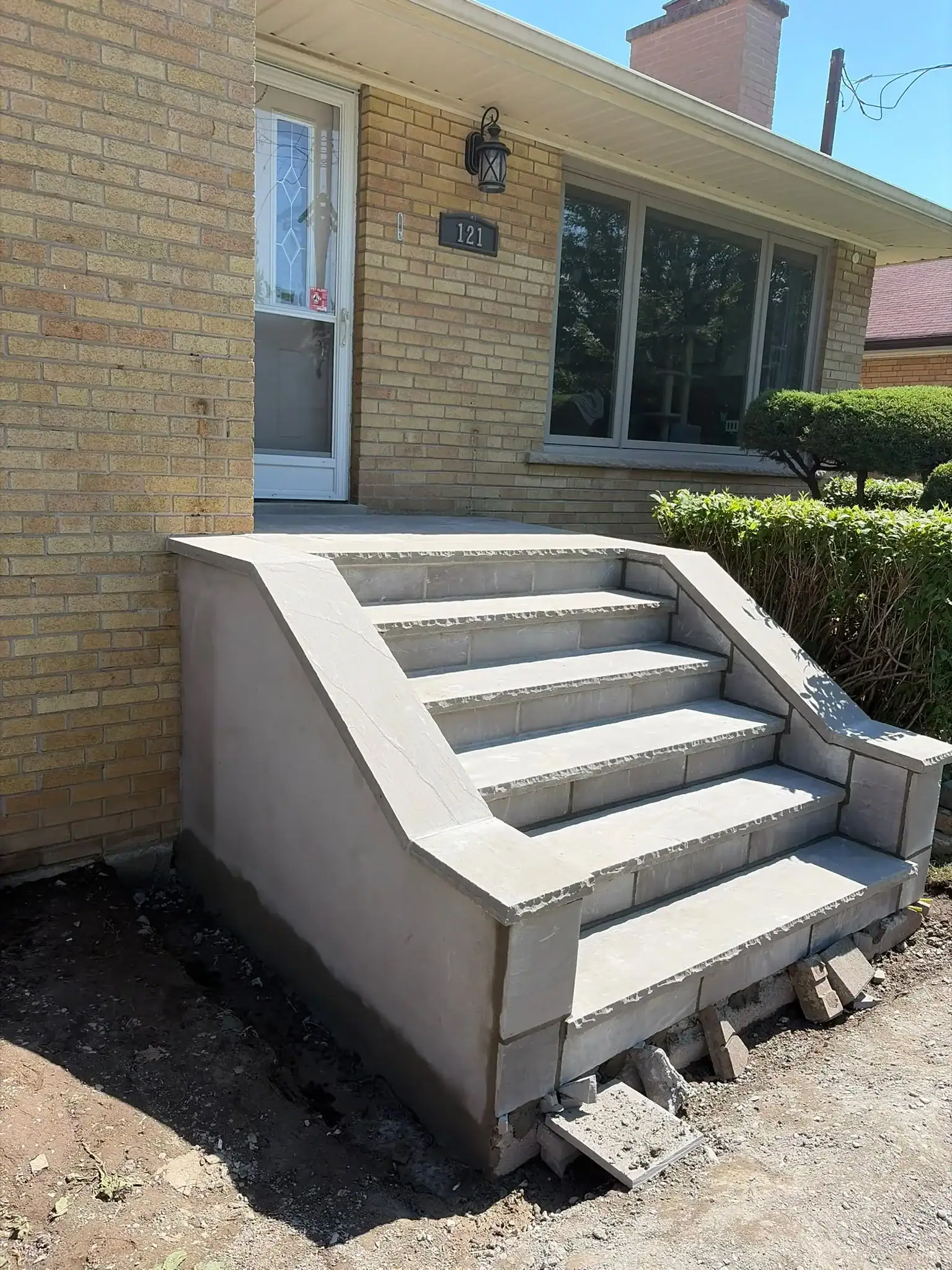
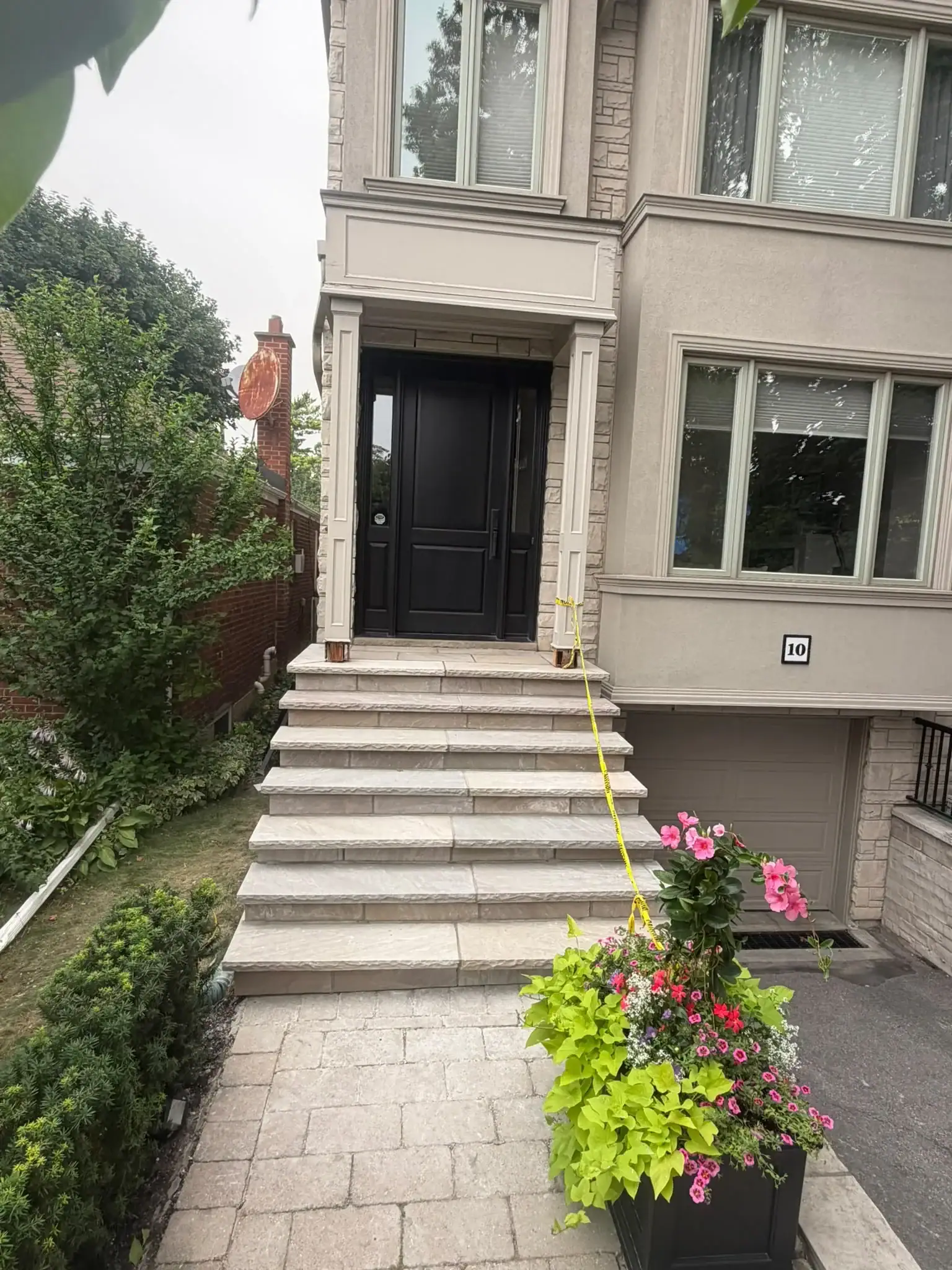
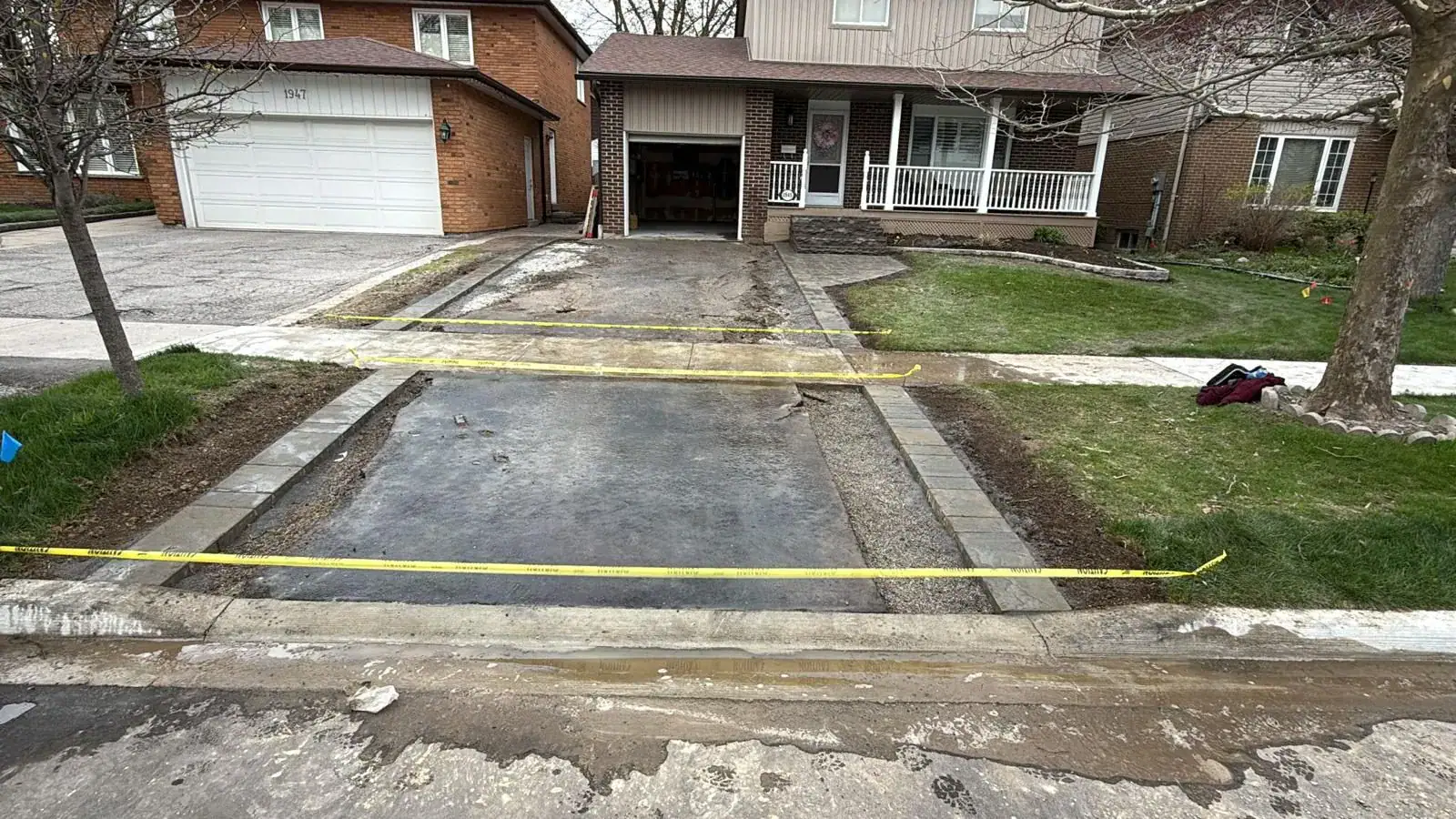
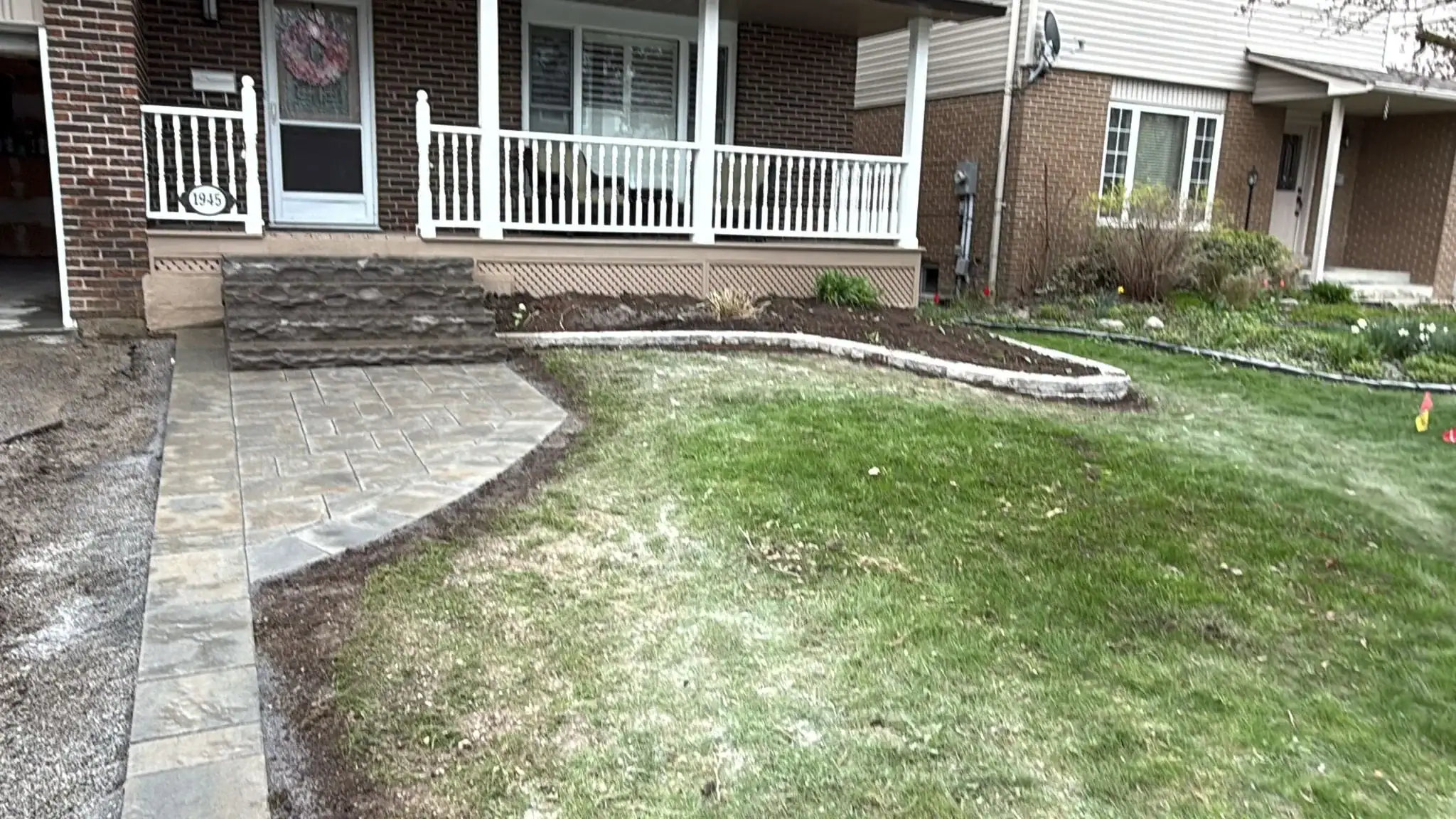
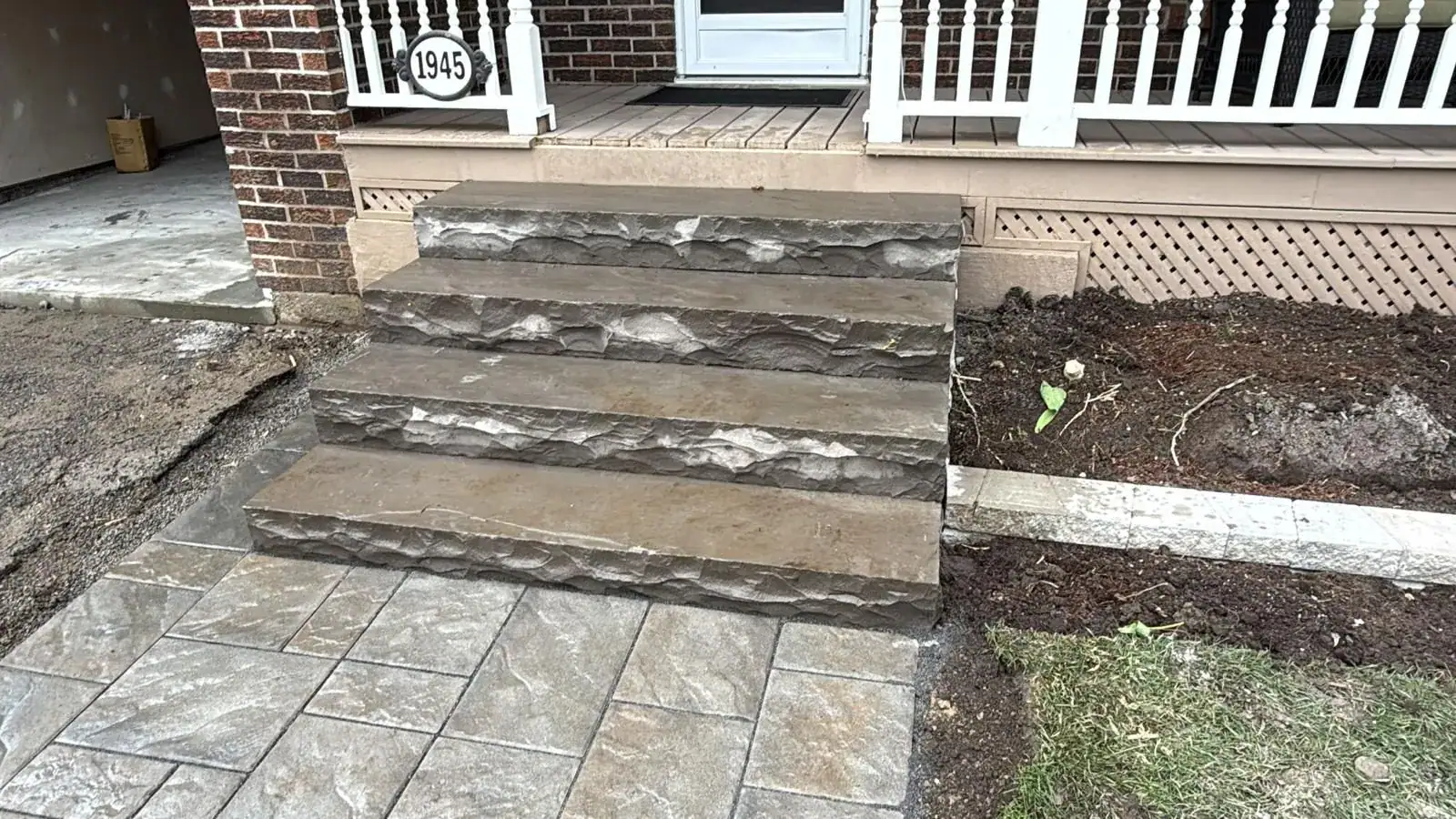
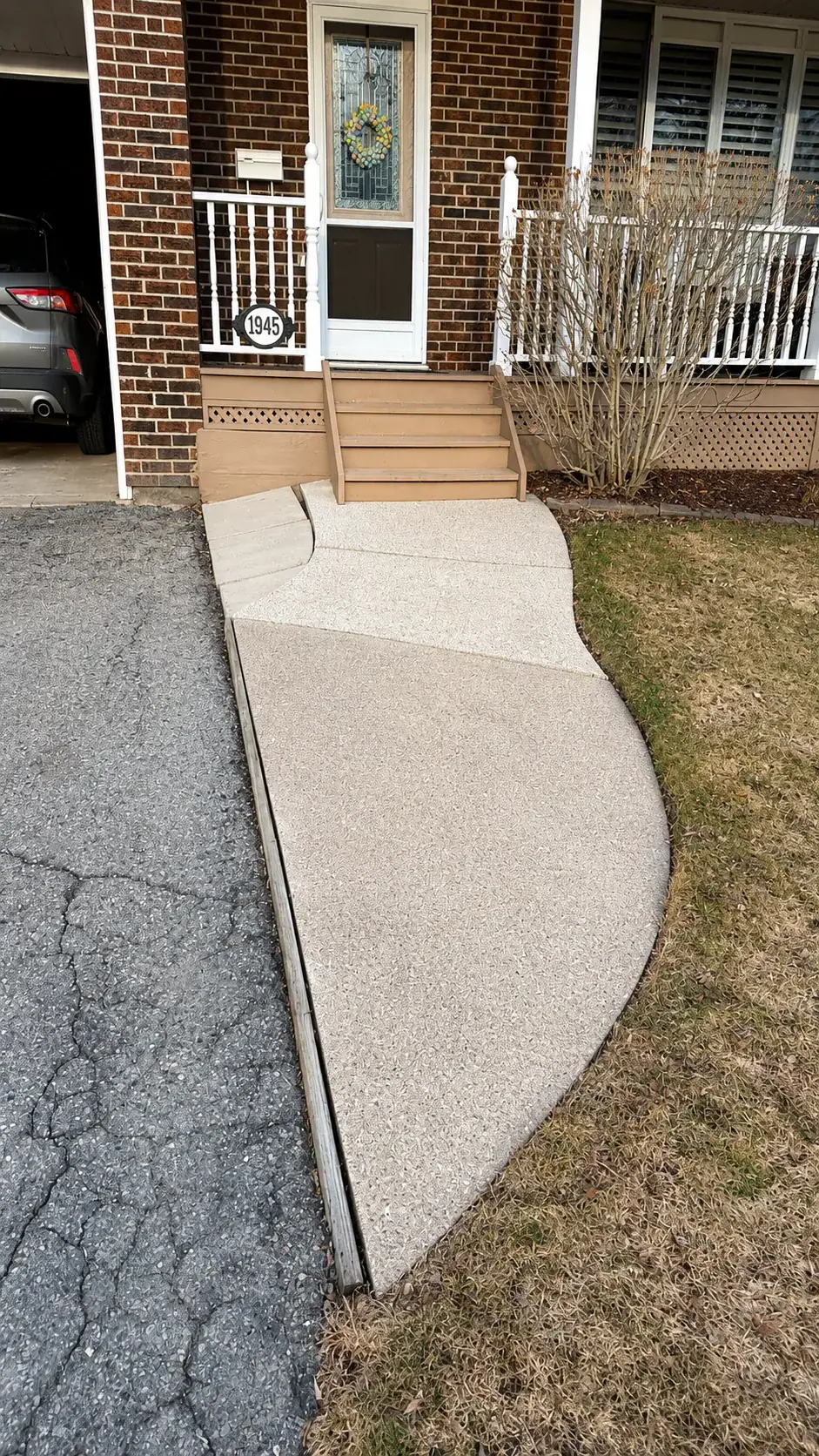
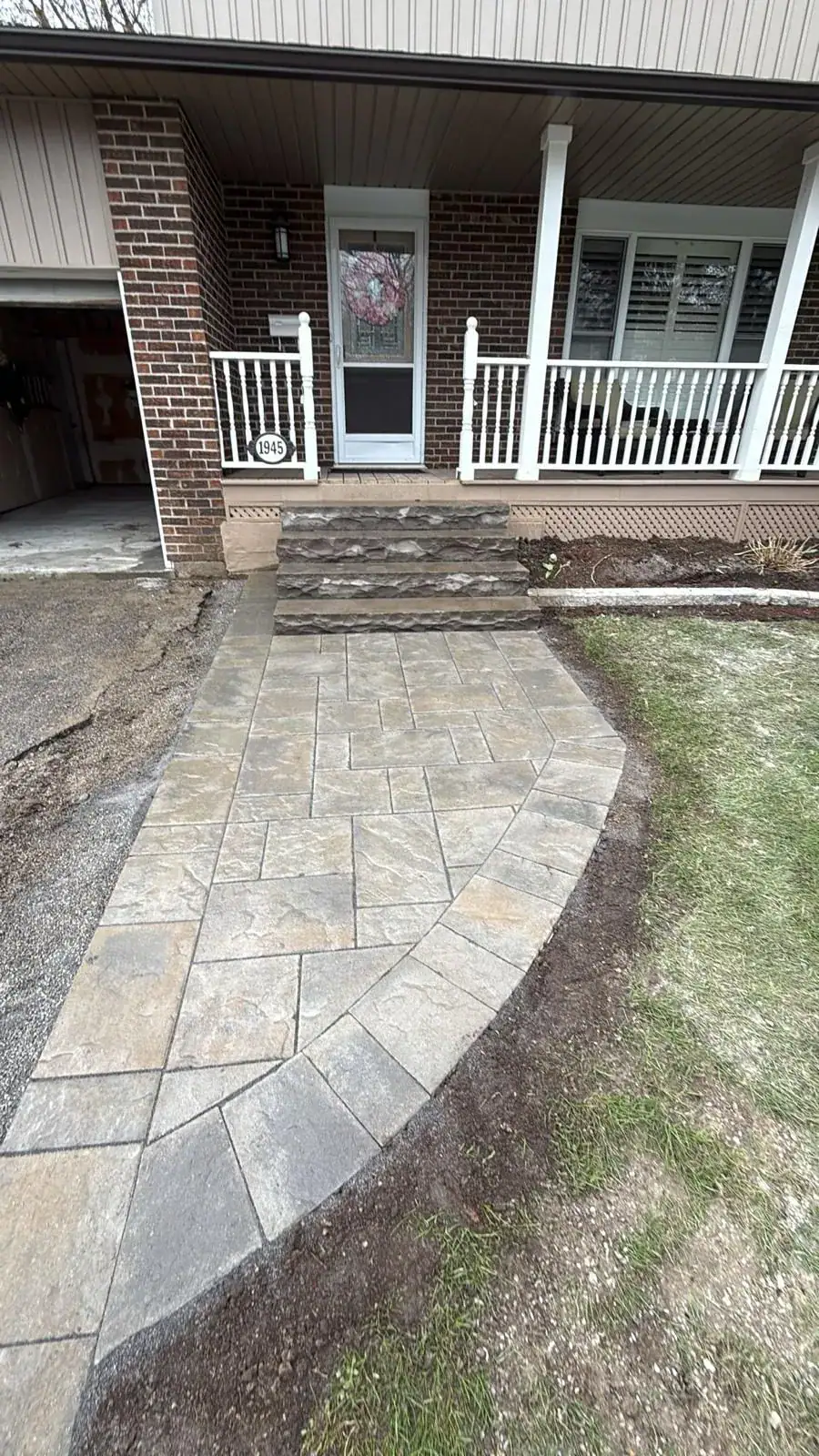
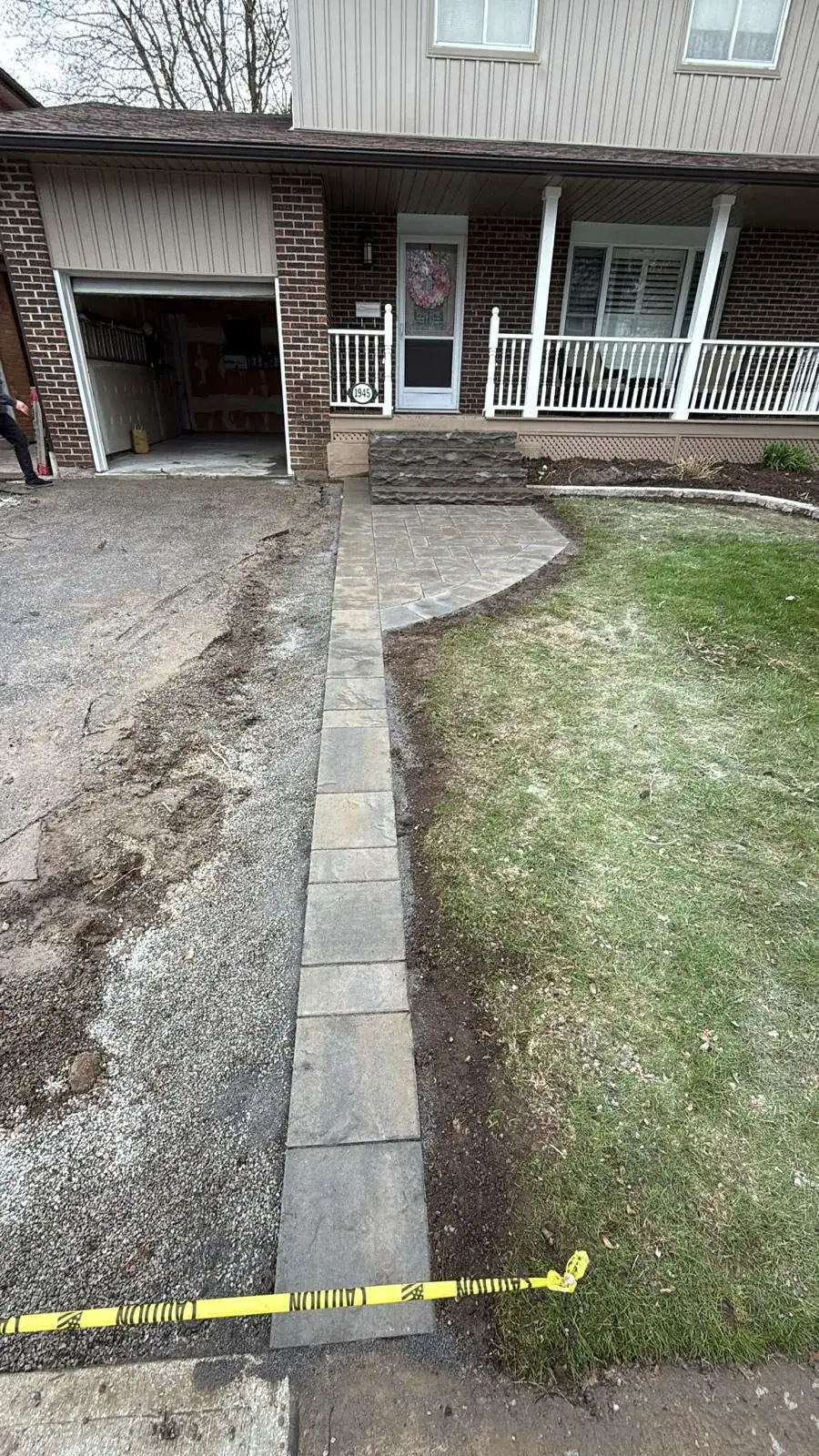
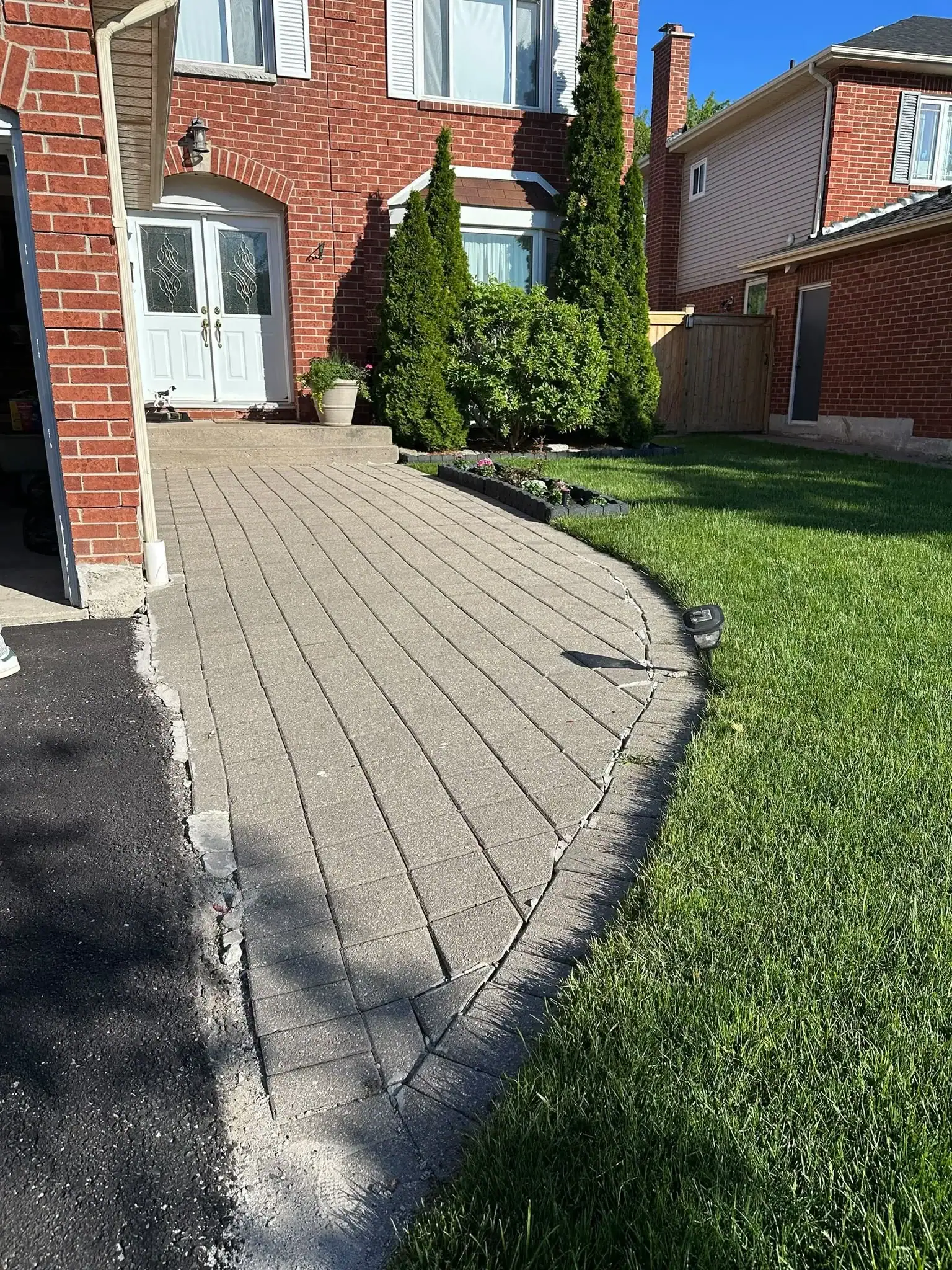
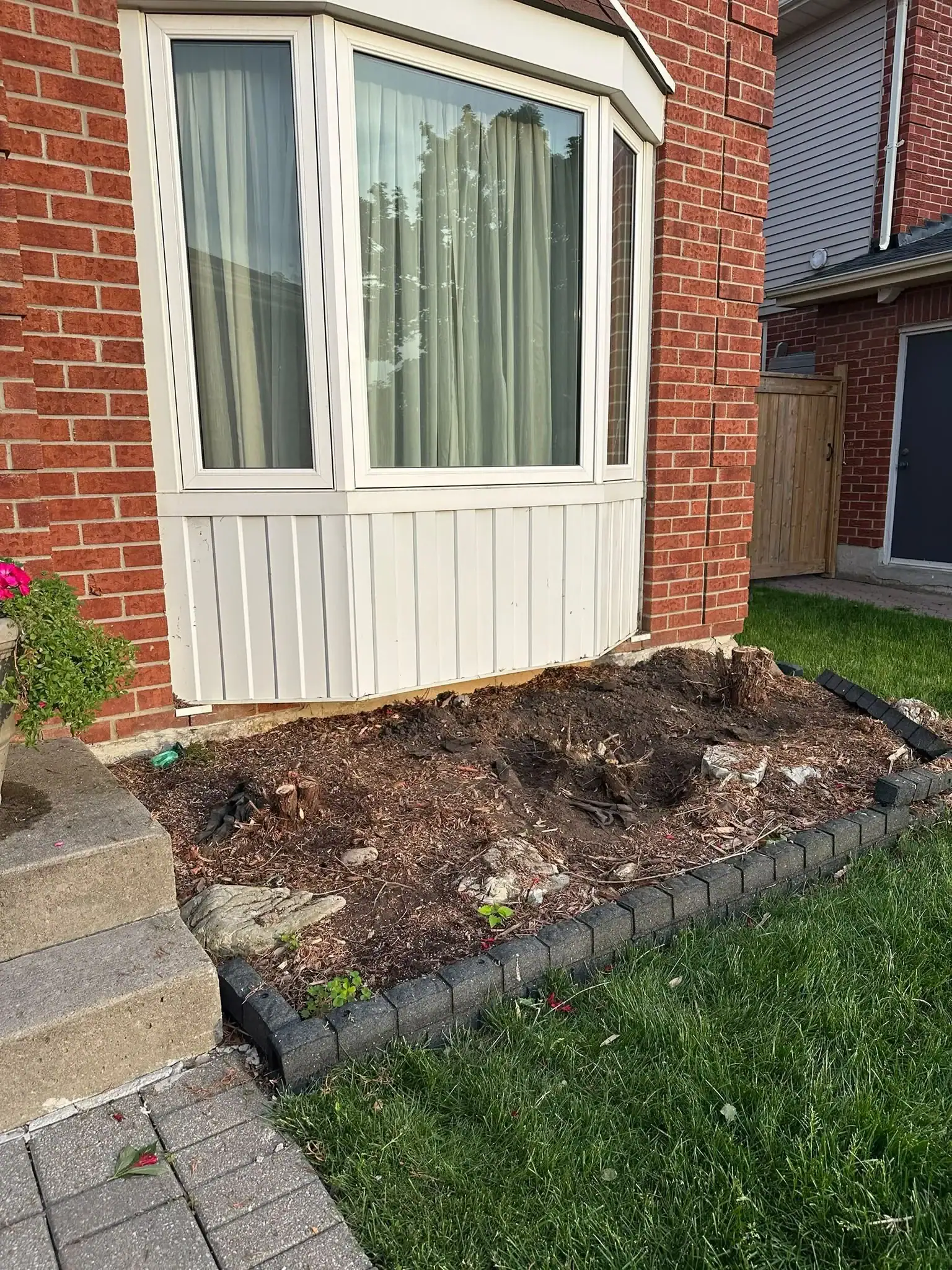
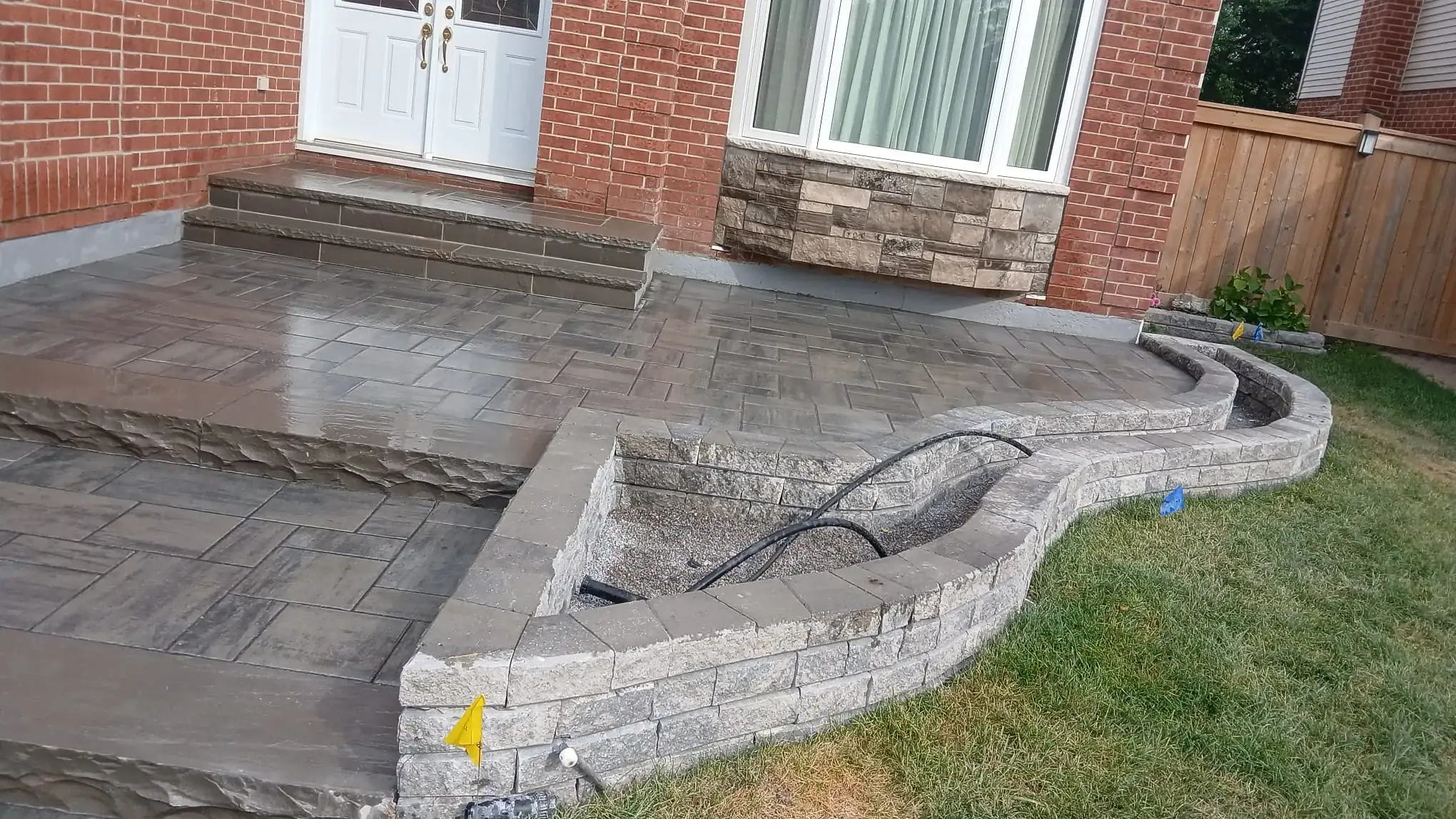
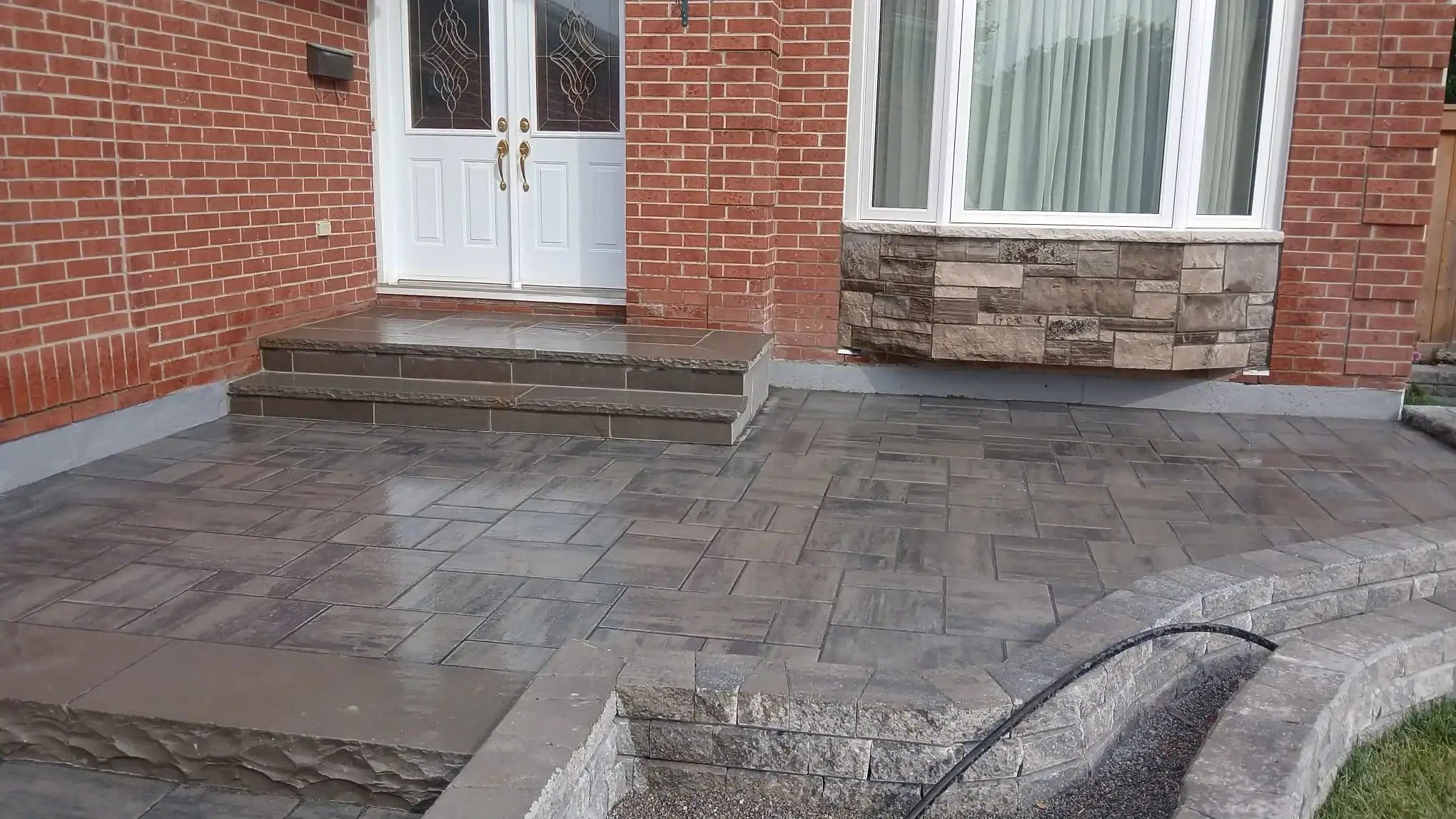
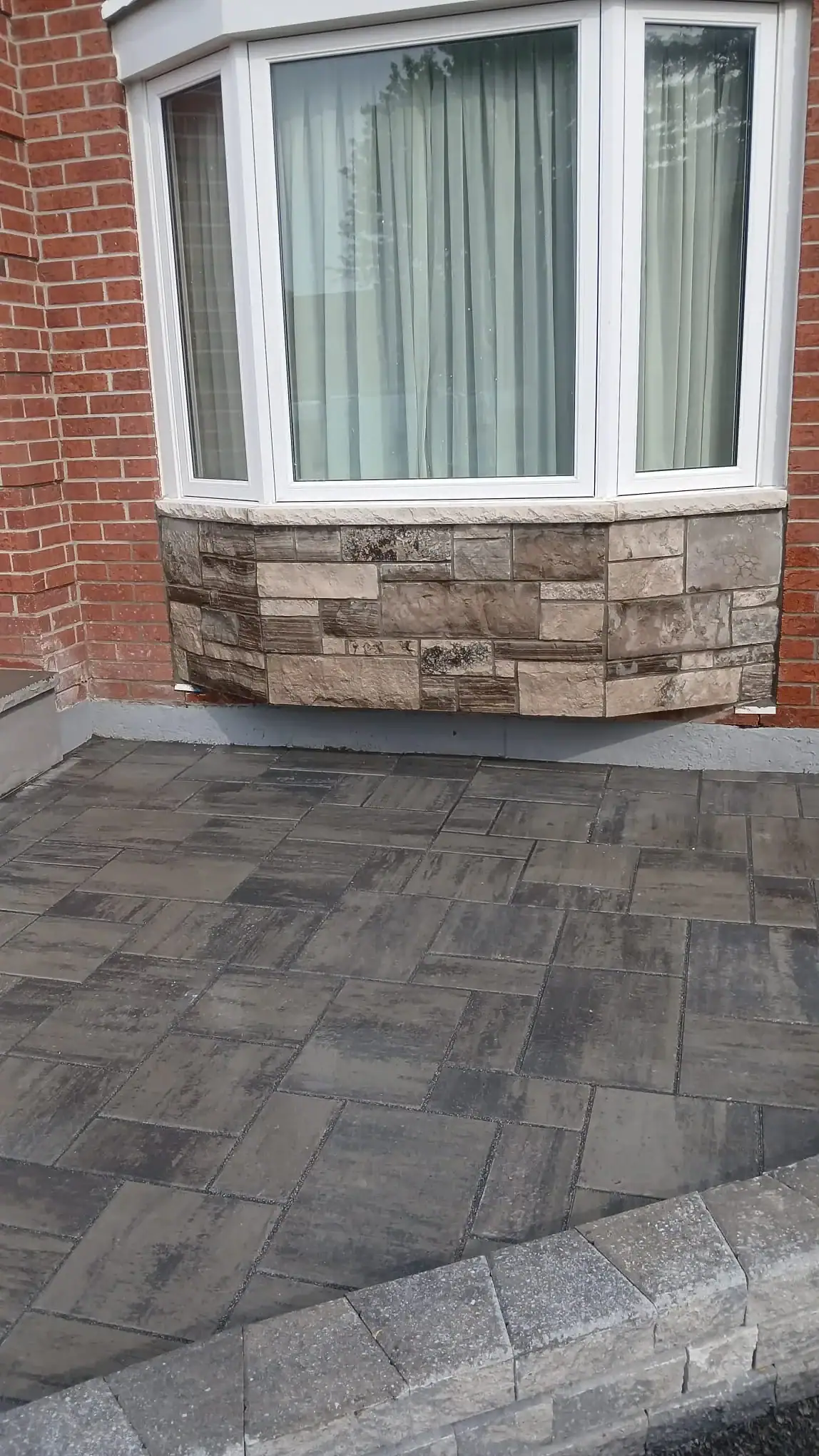
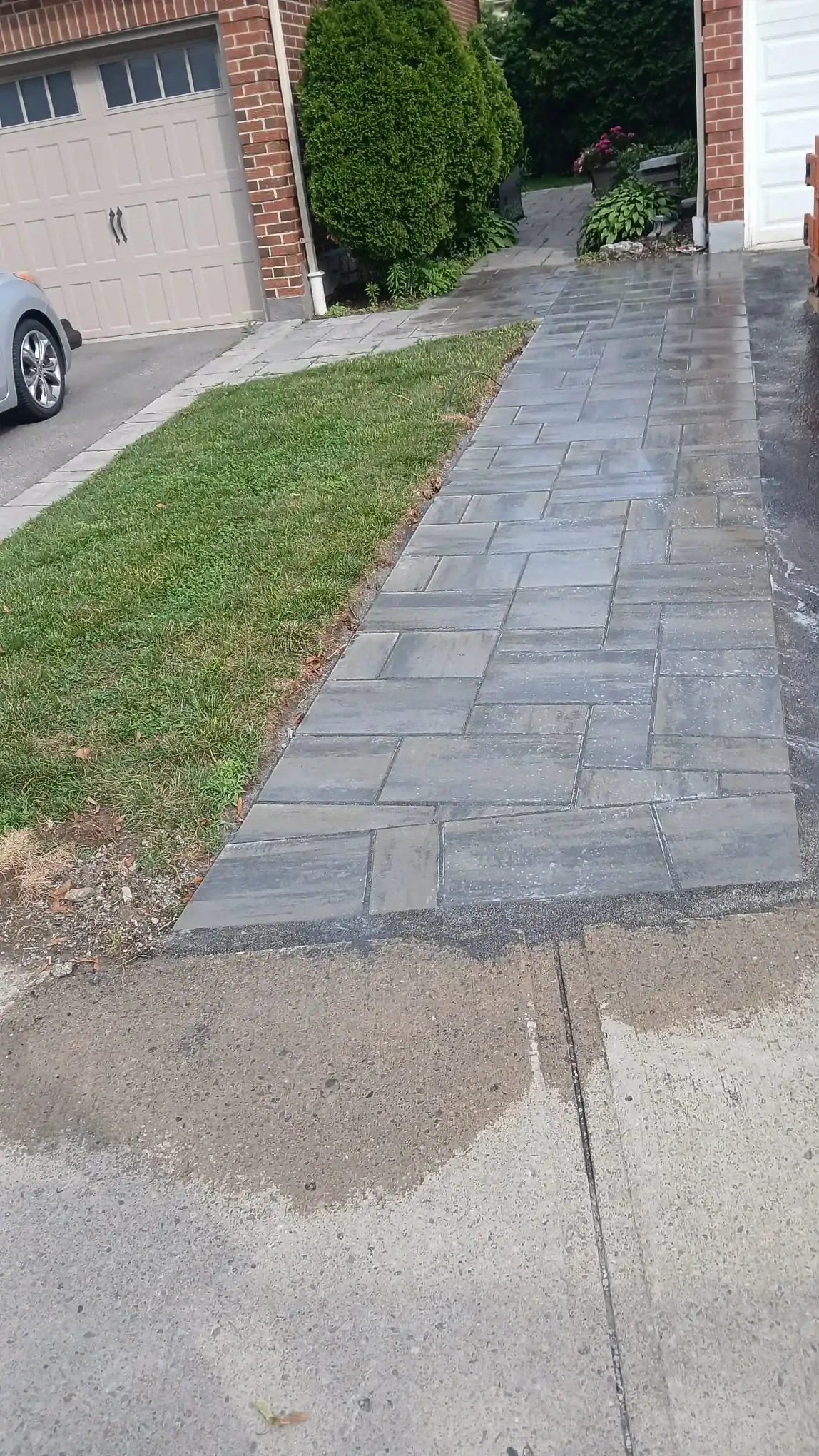
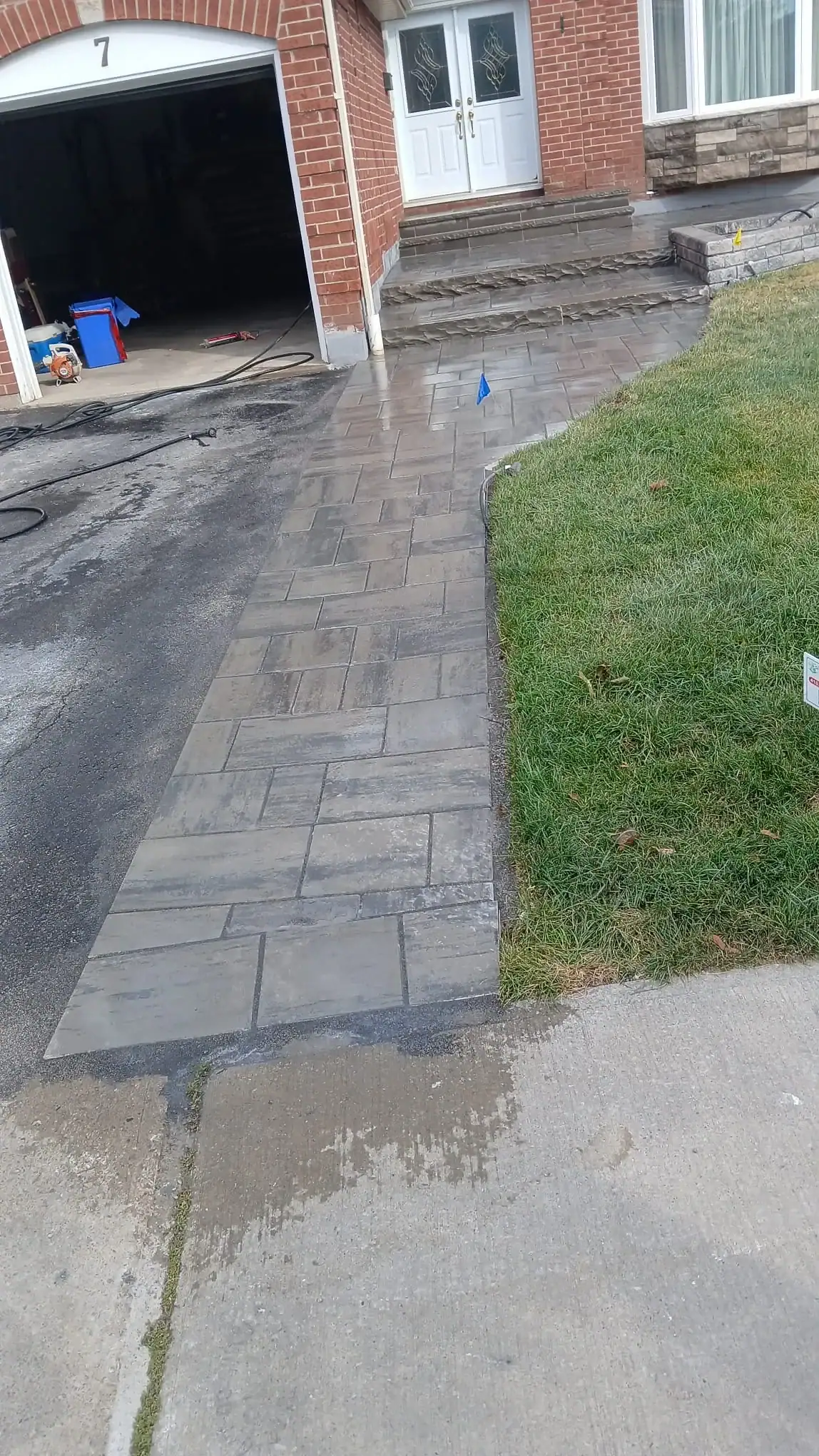
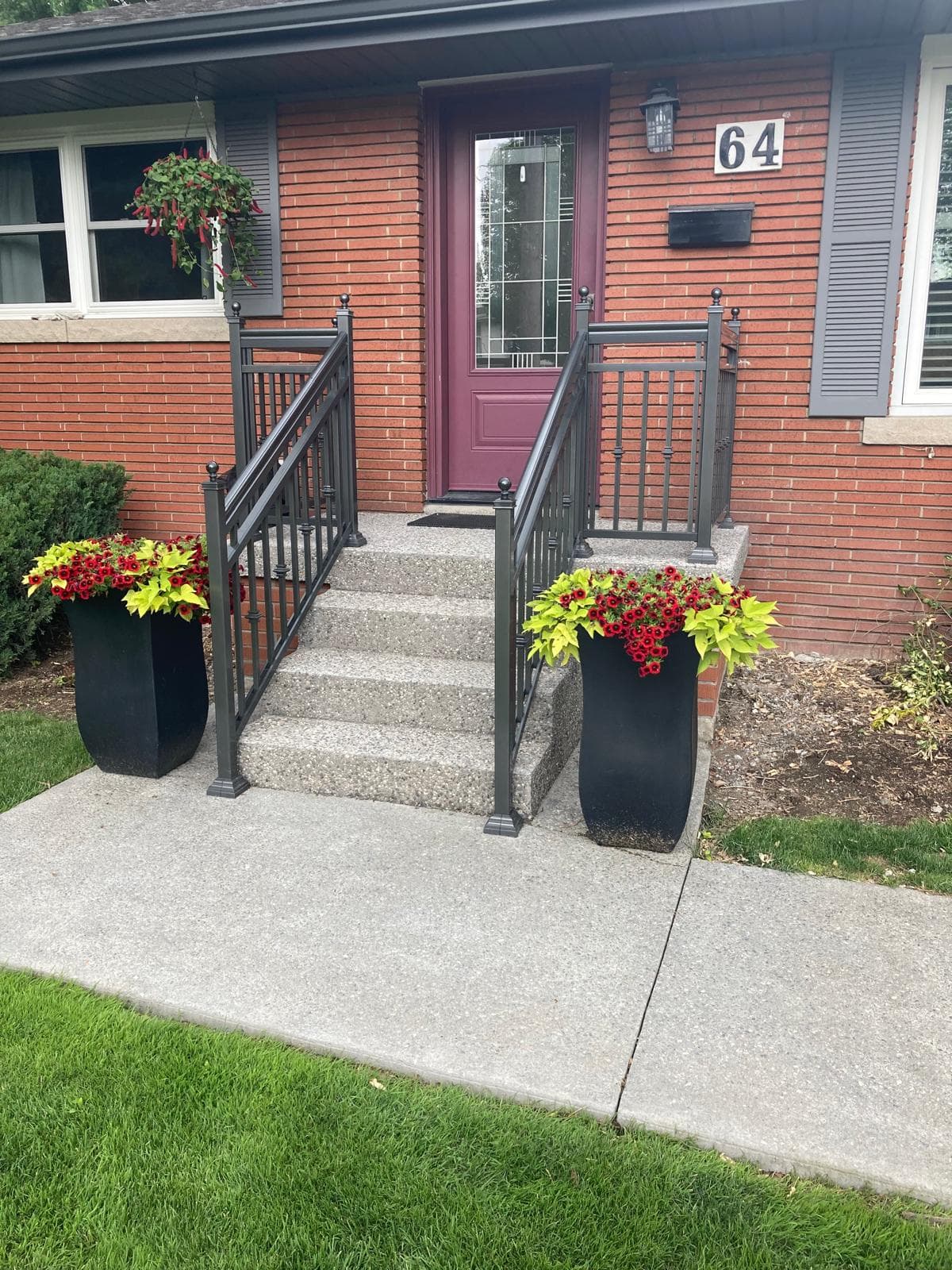
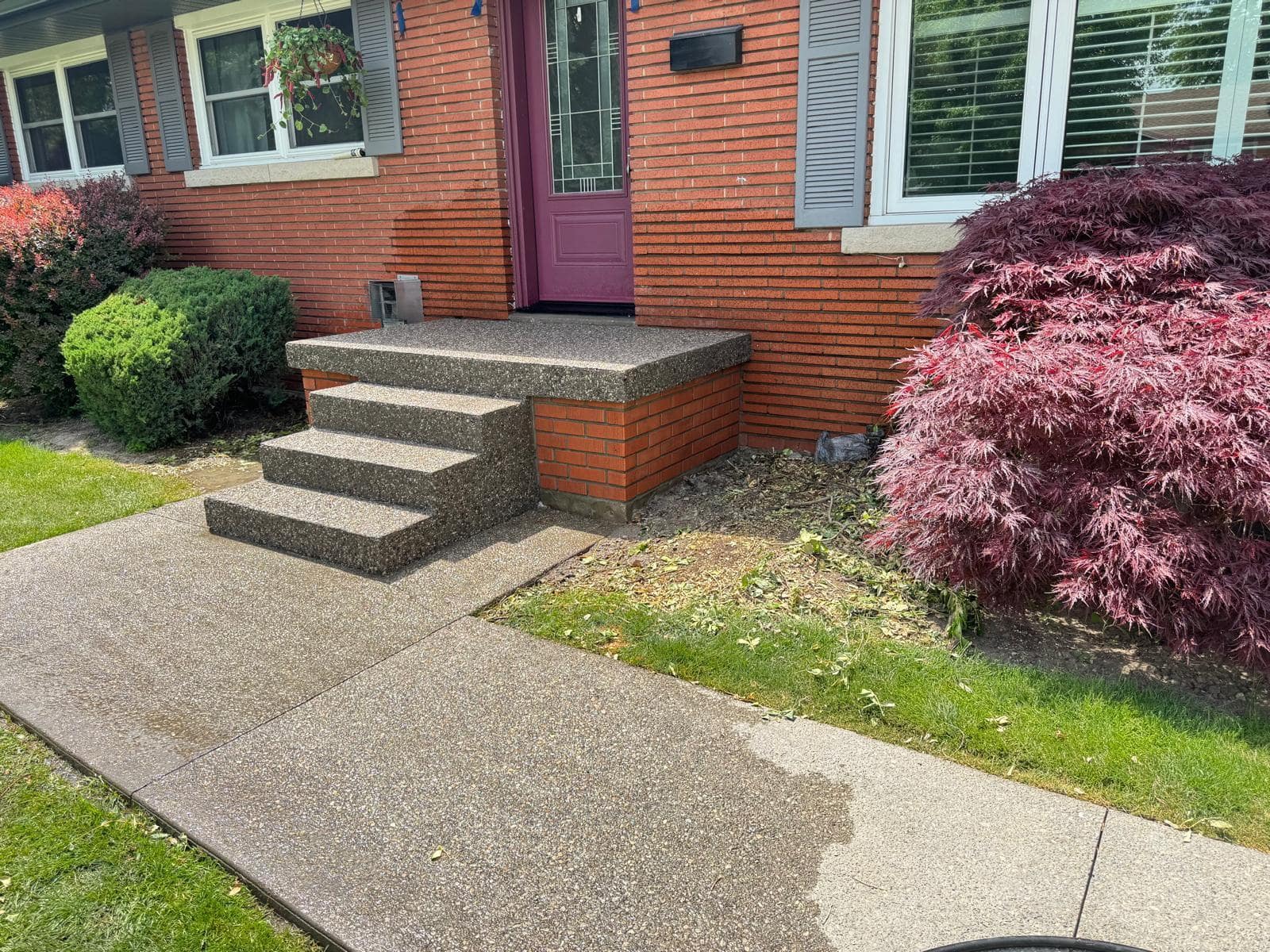
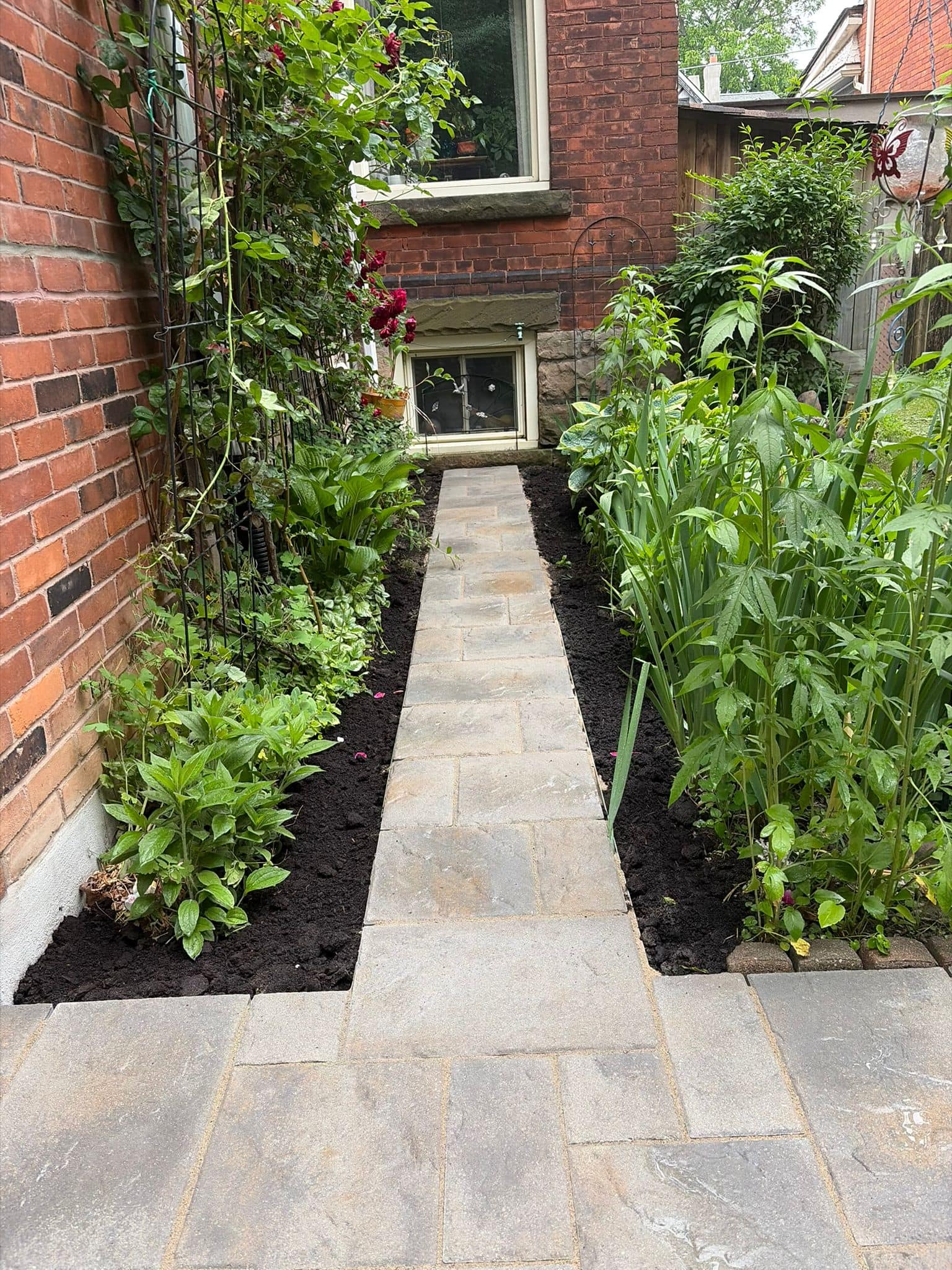
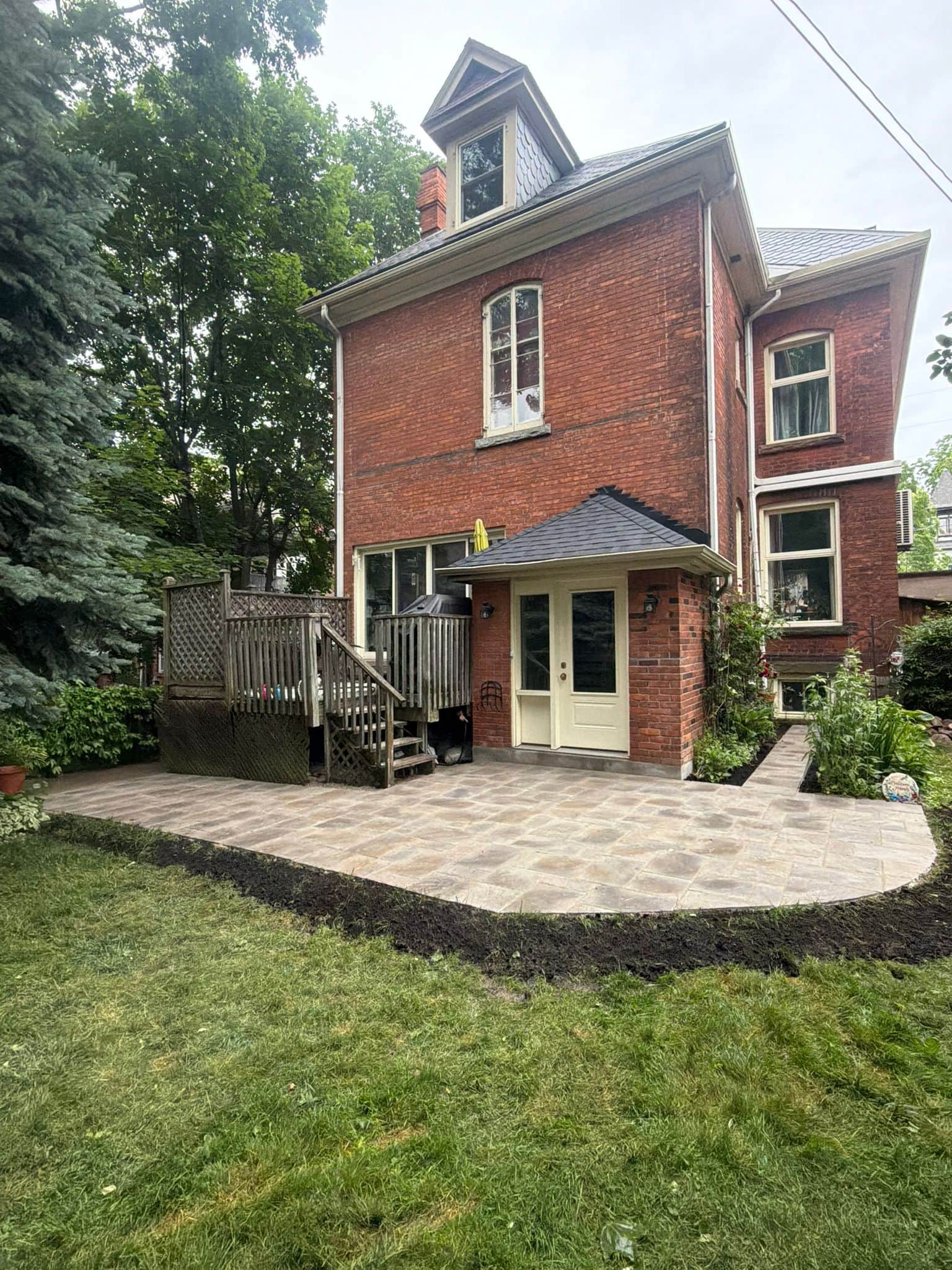
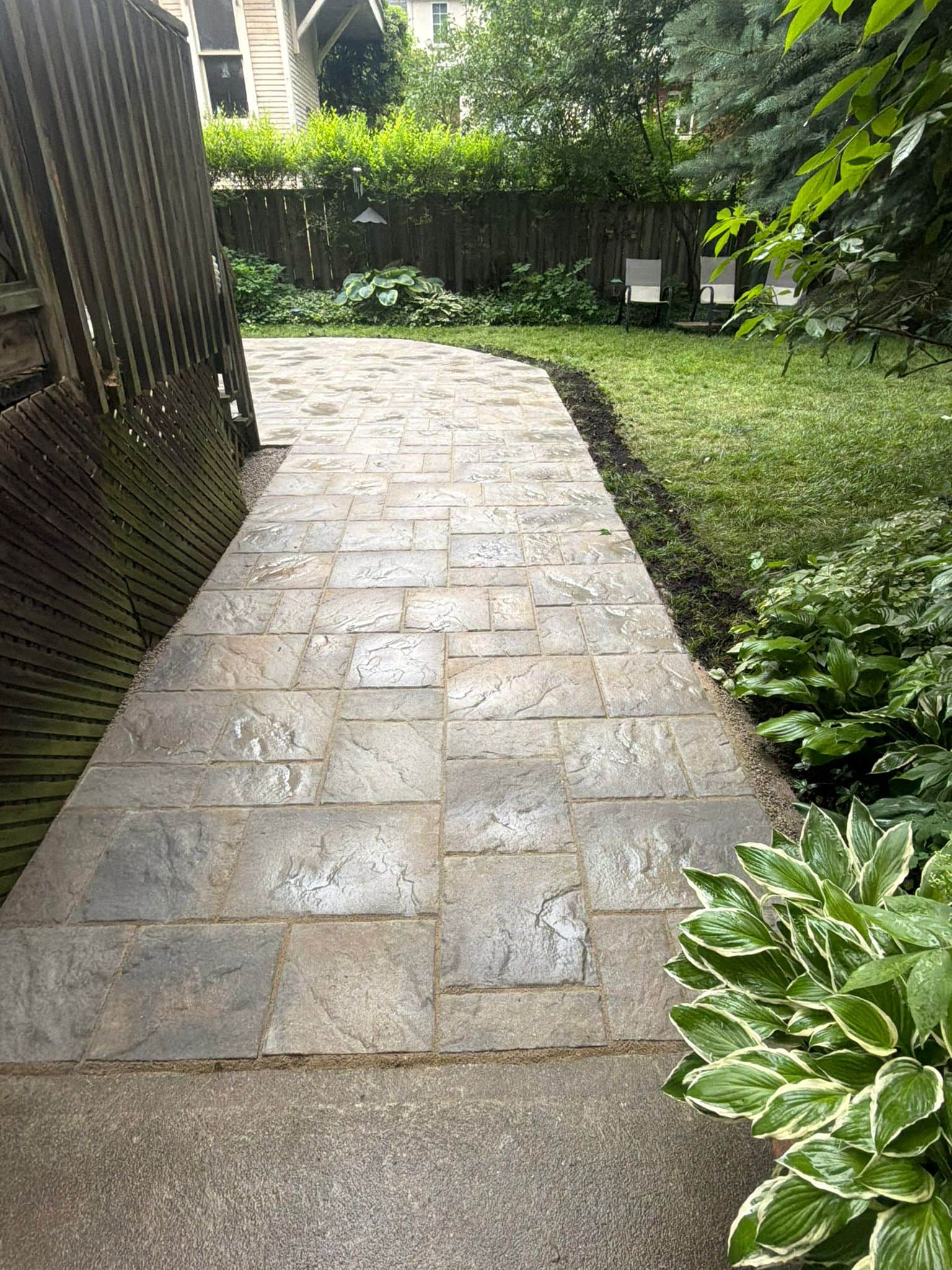
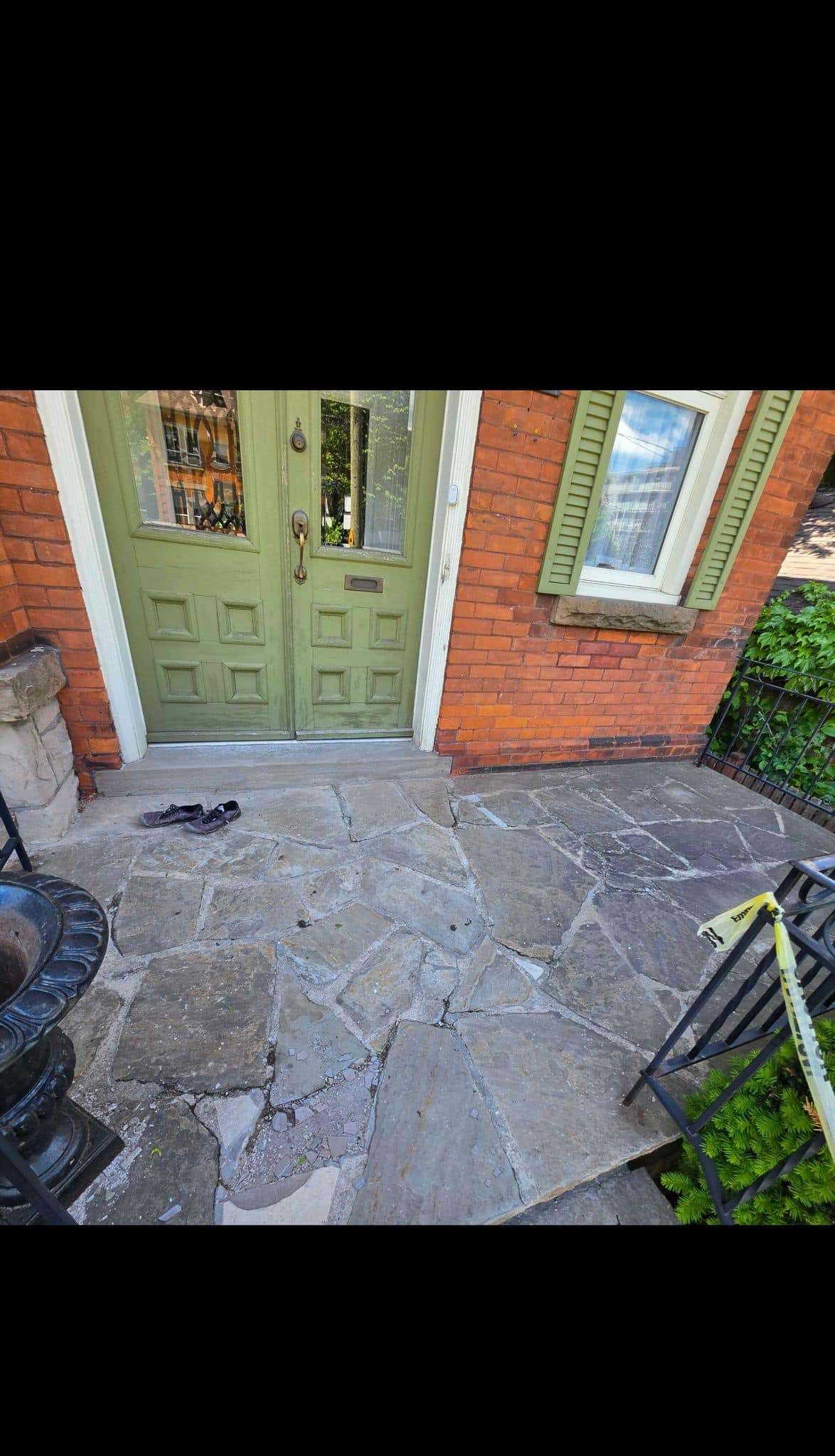
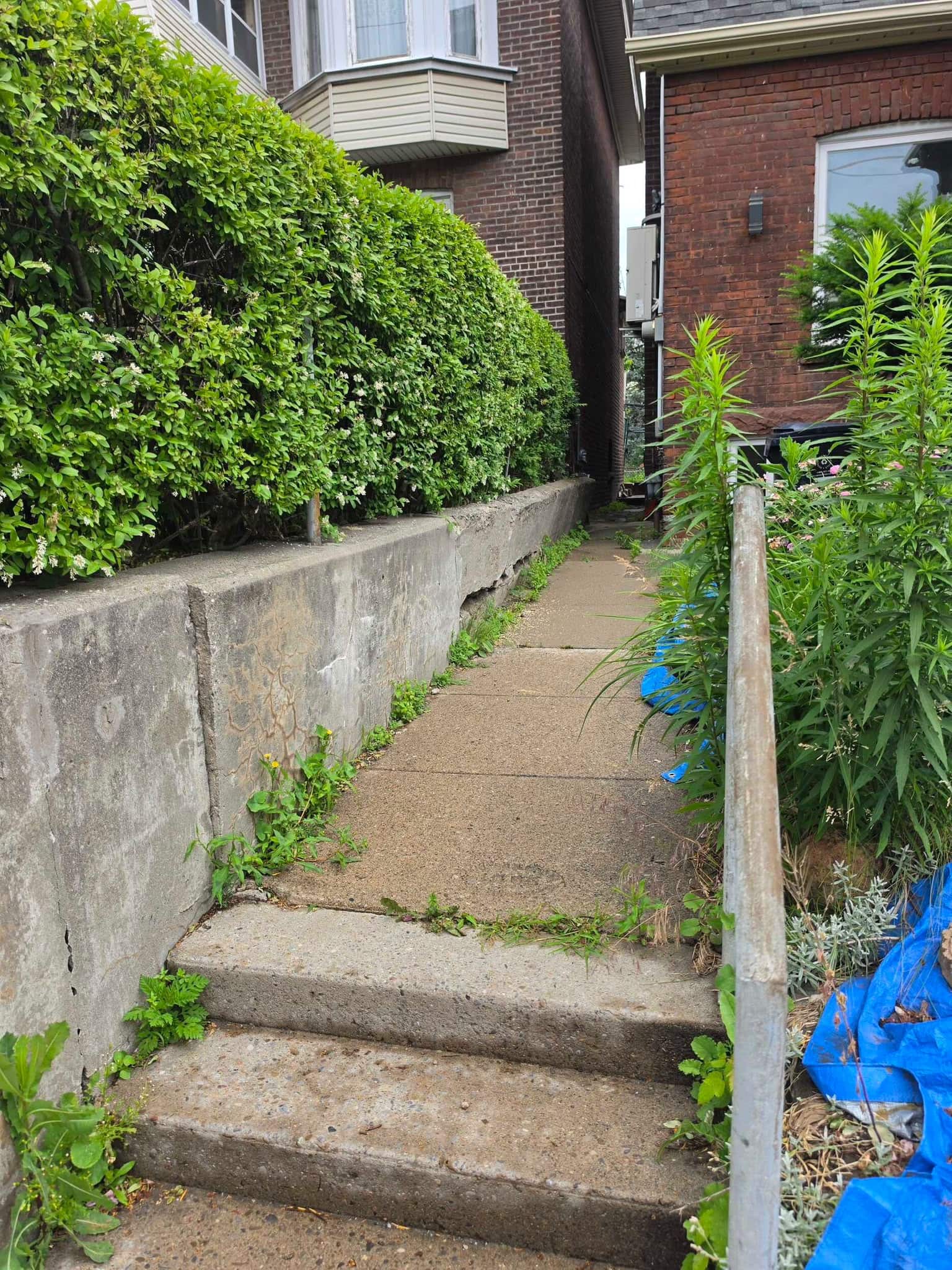
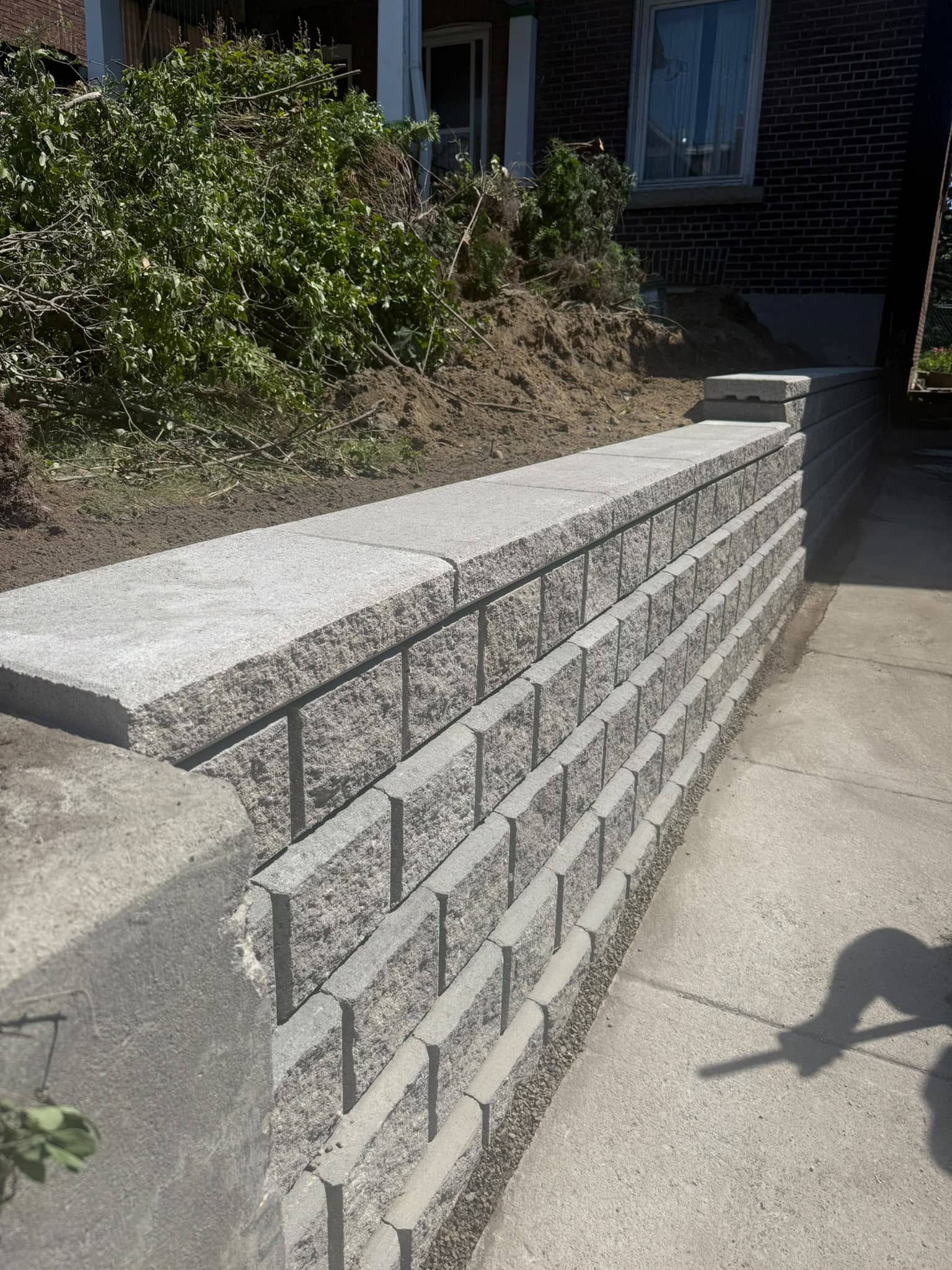
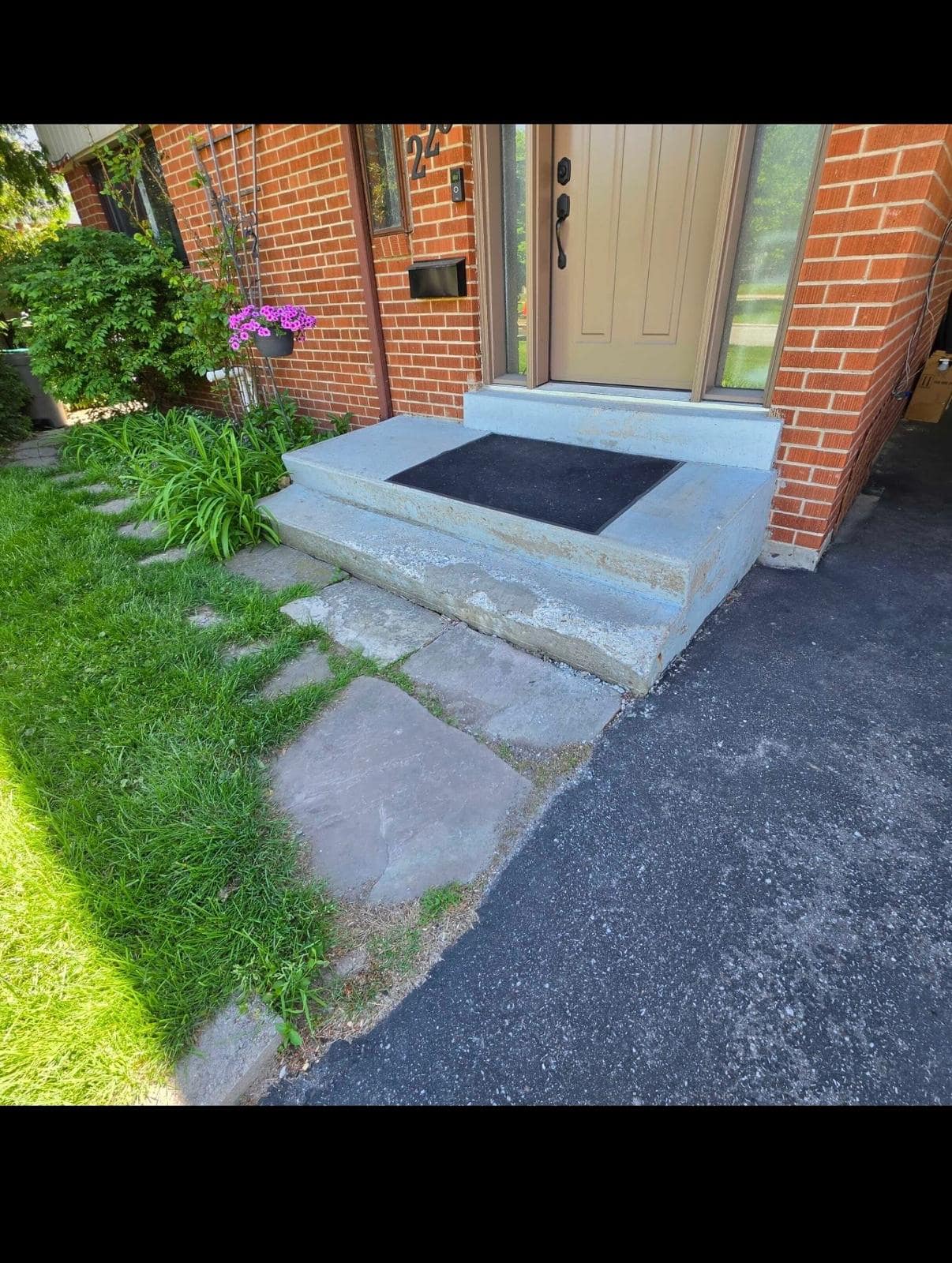
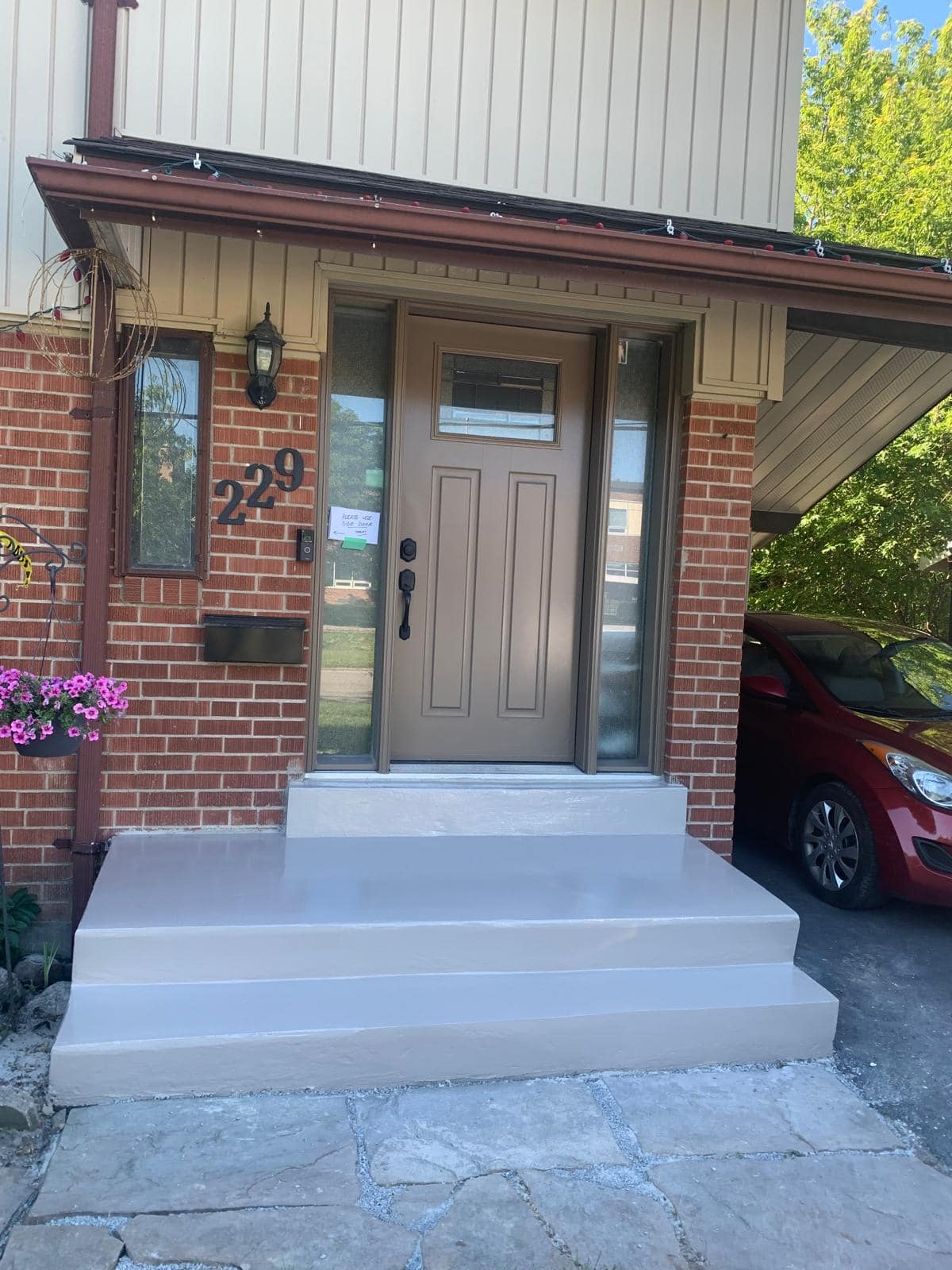
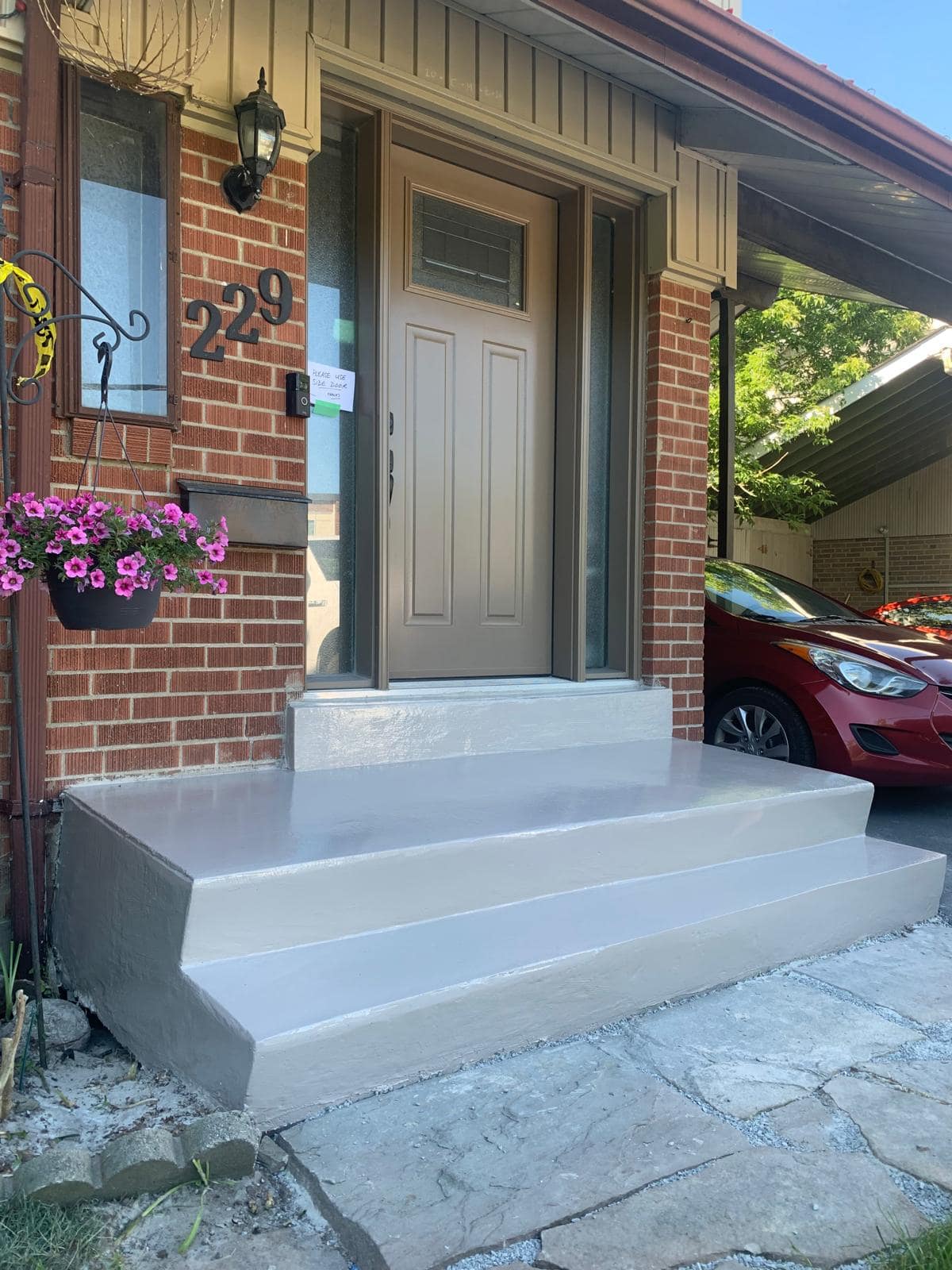
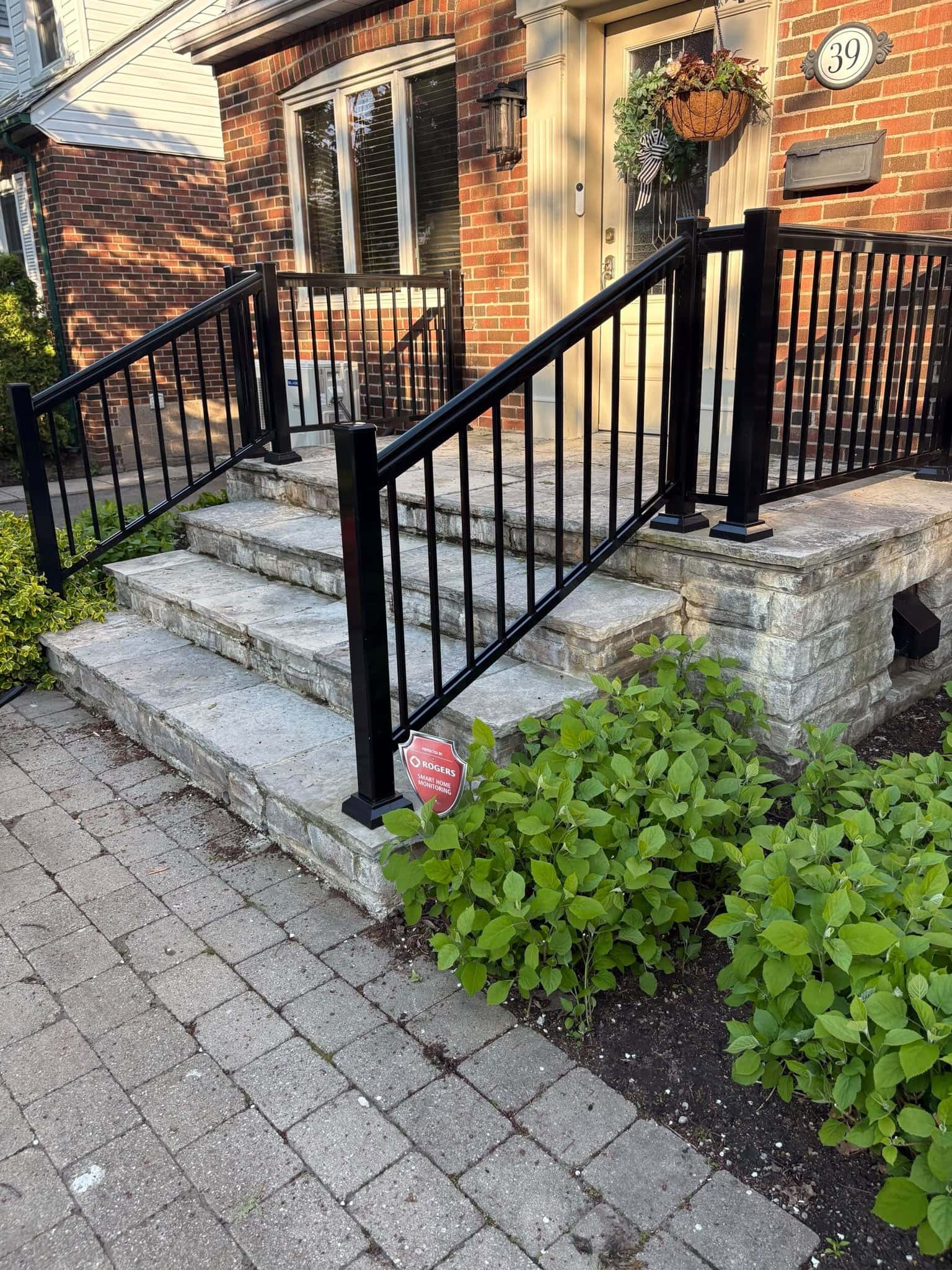
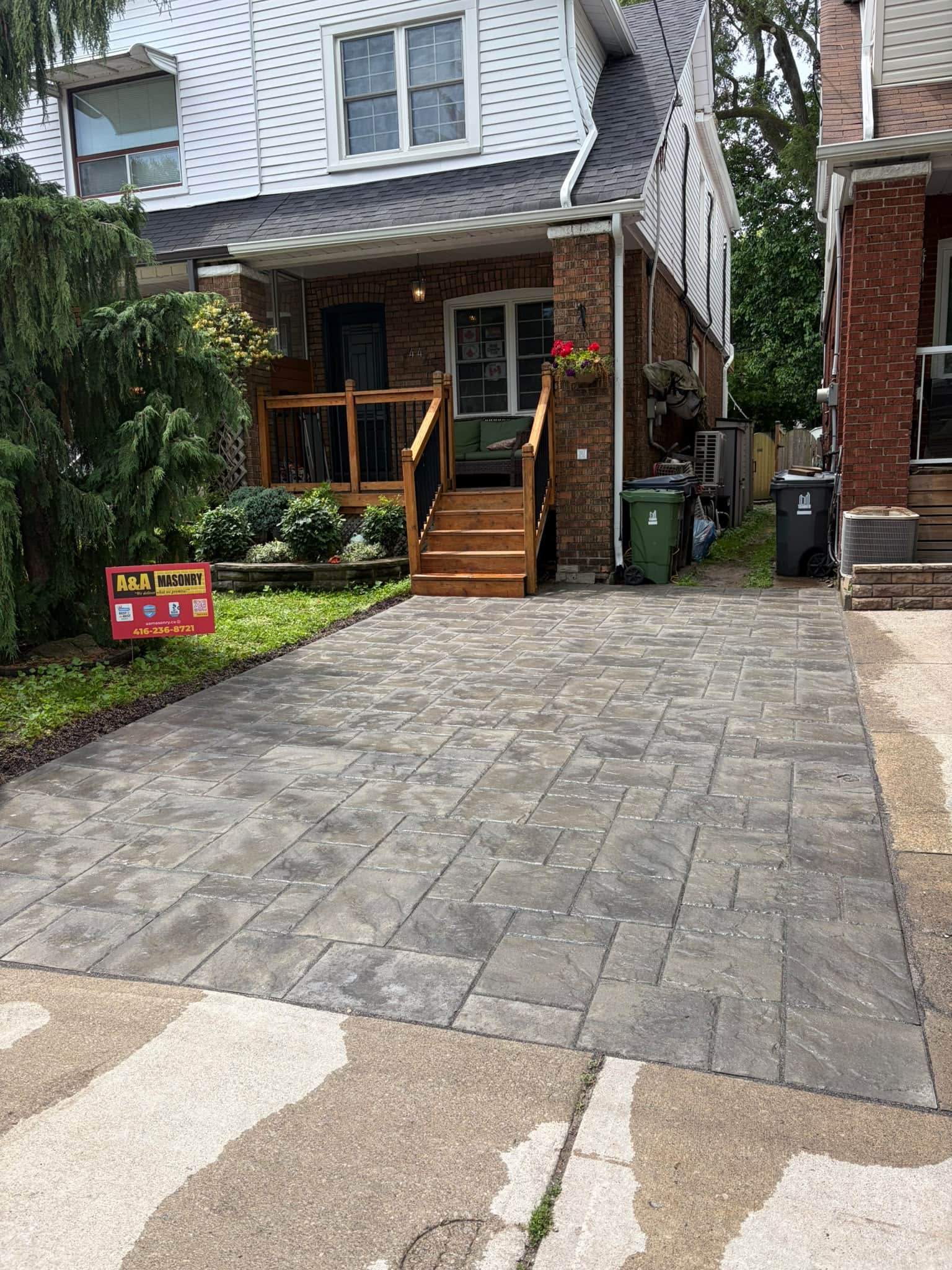
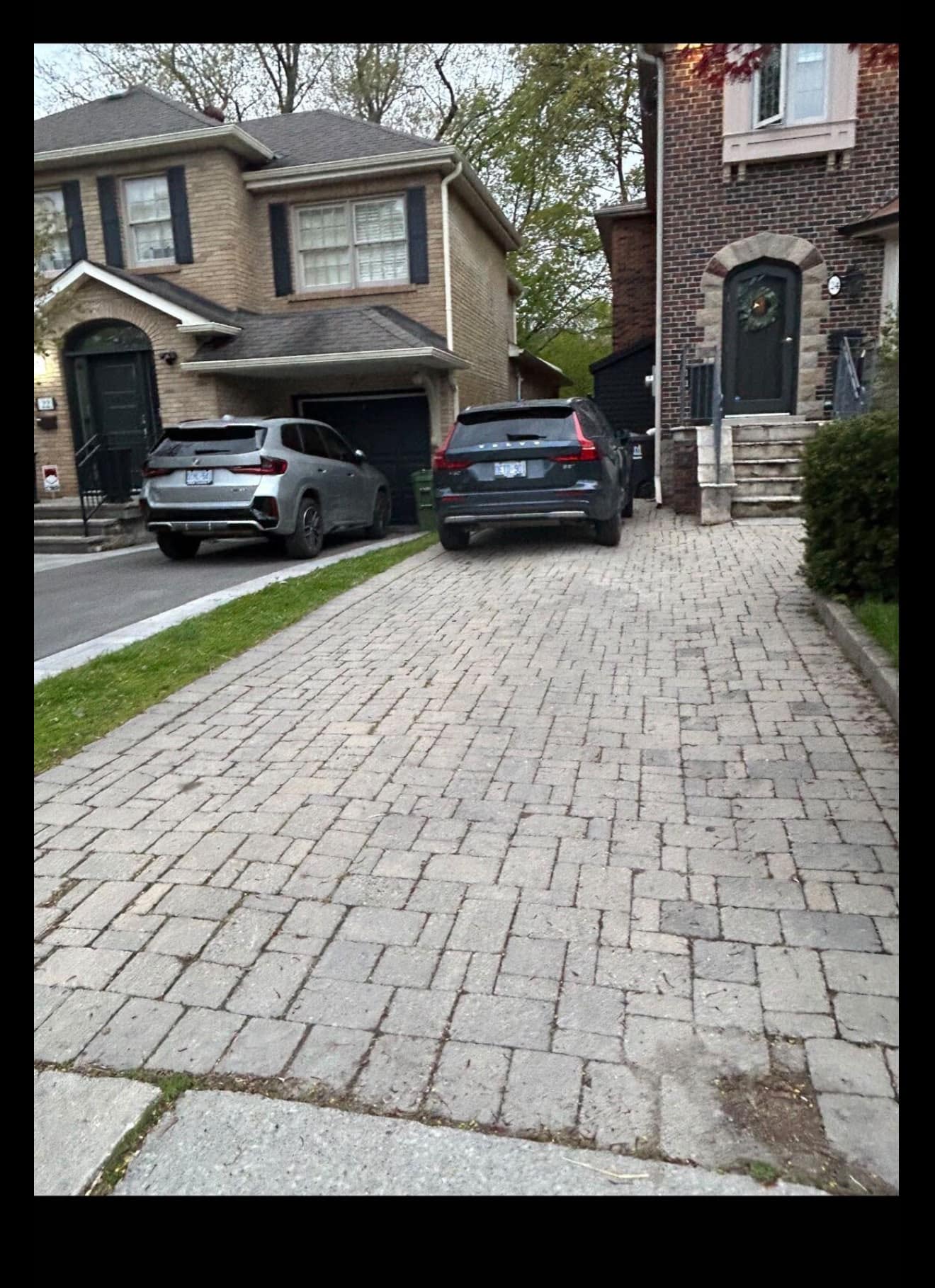
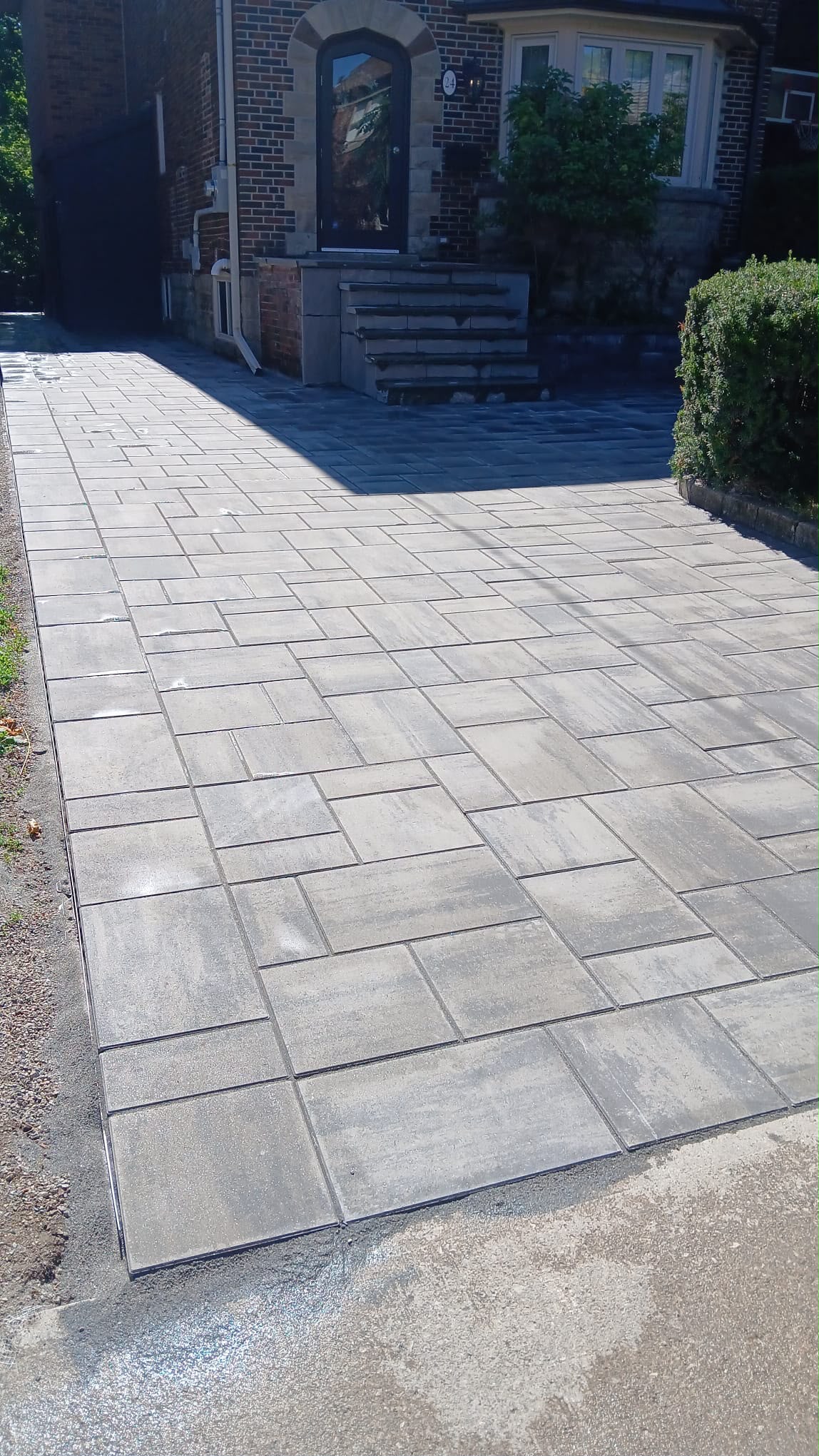
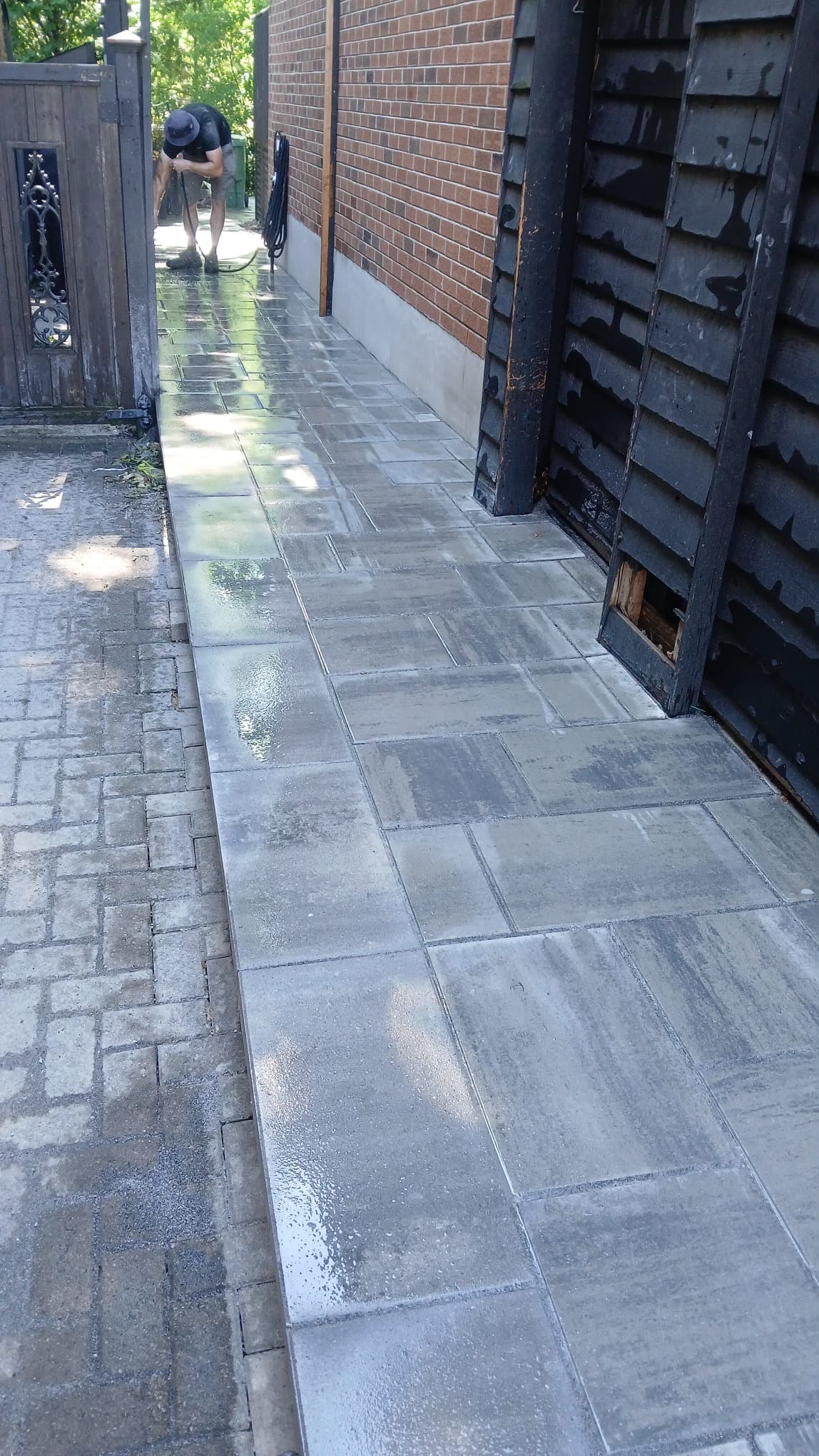
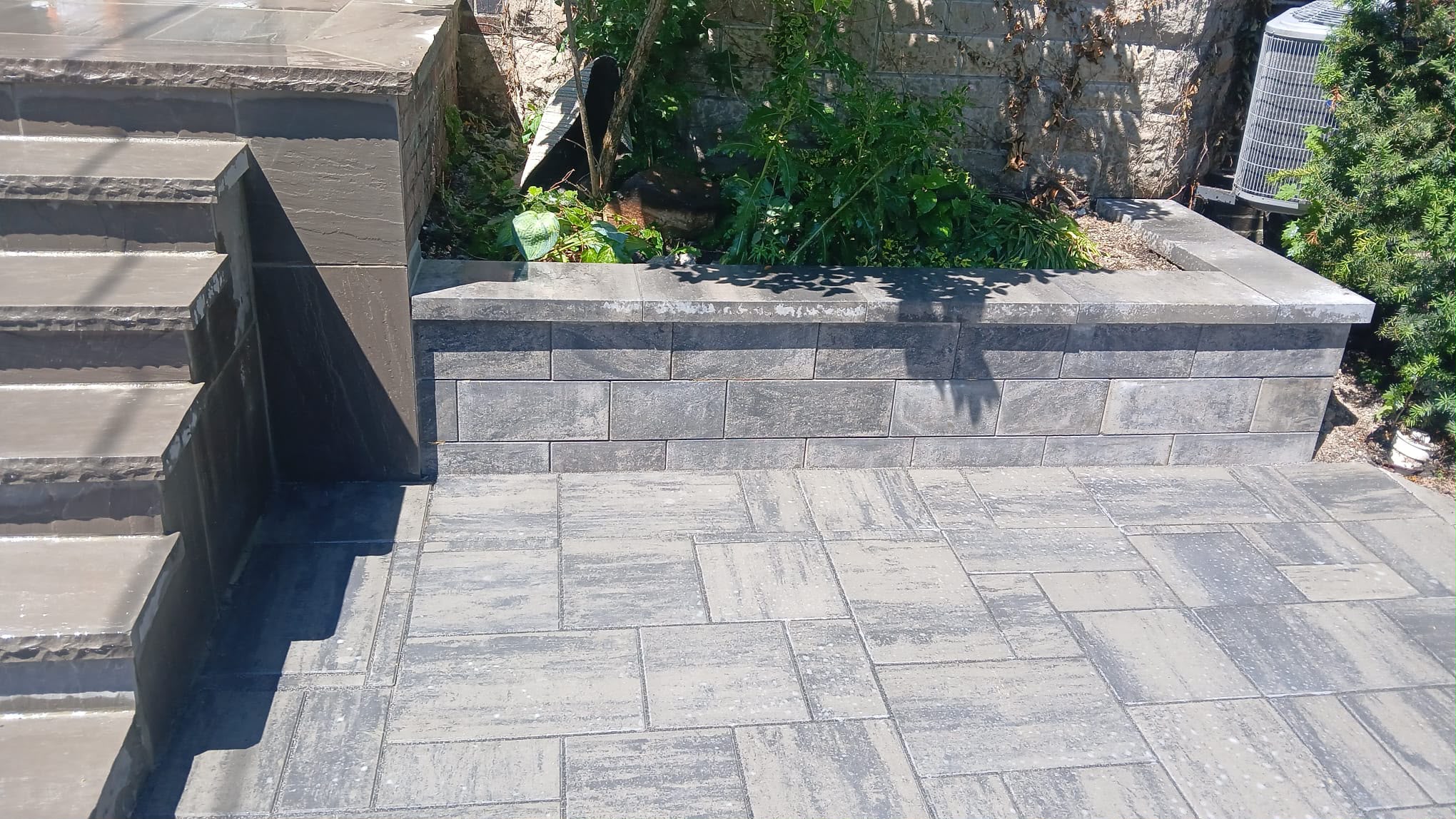
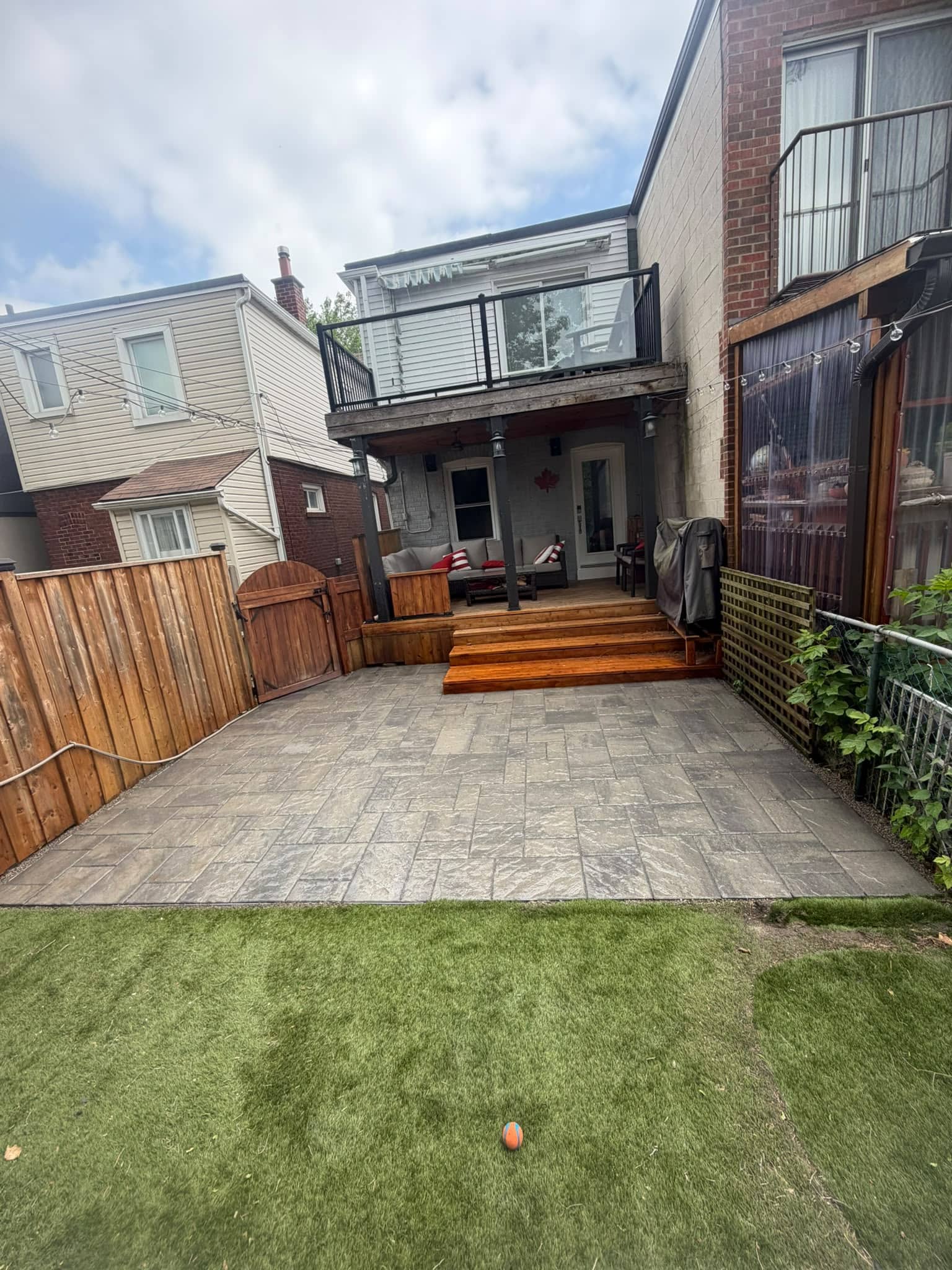
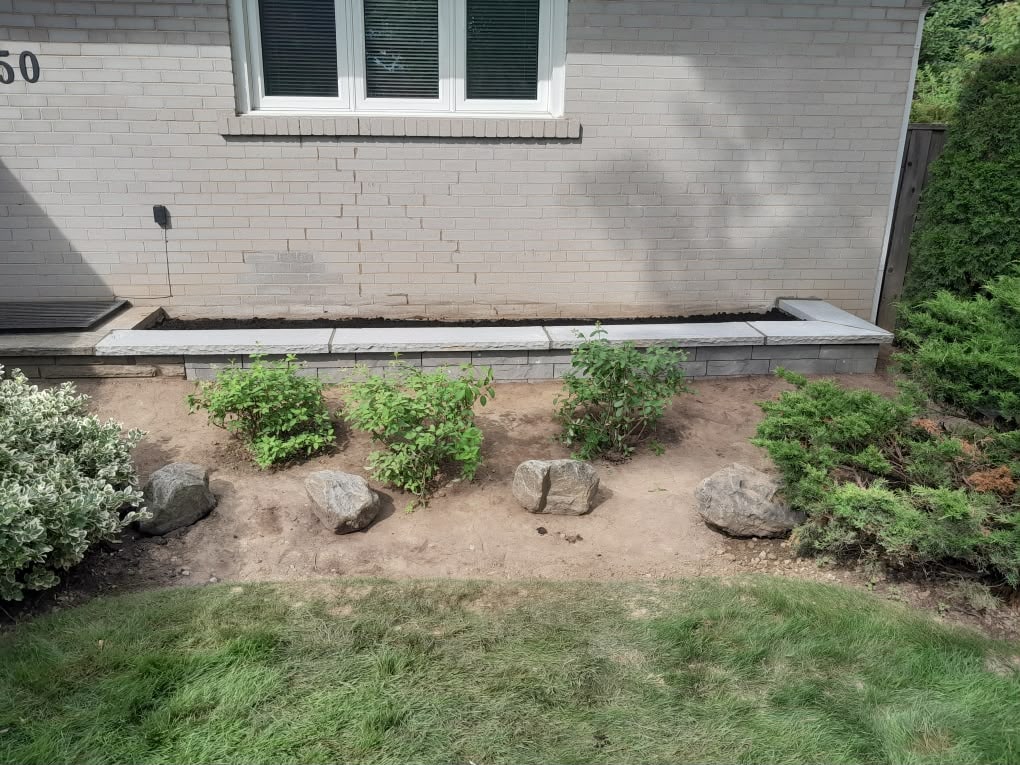
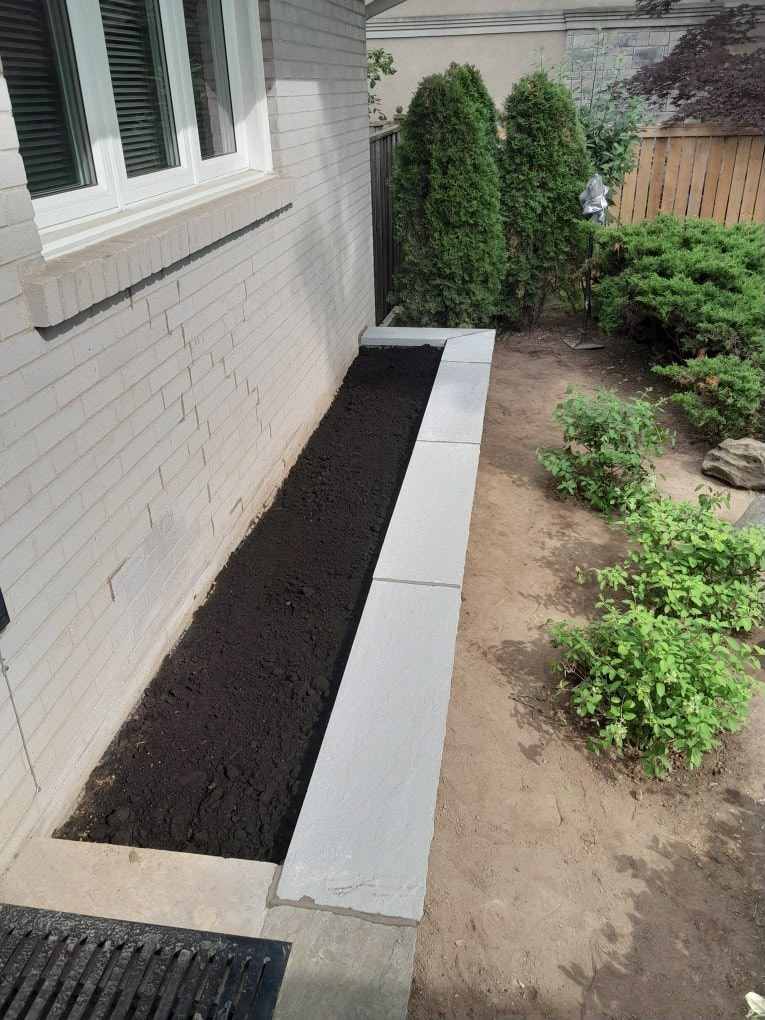
Regular masonry maintenance extends beyond walls and chimneys. Porches, walkways, and hardscapes also affect how water drains around the home.
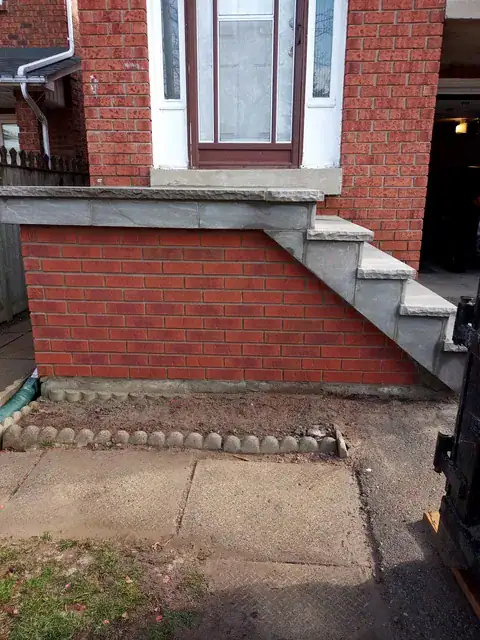
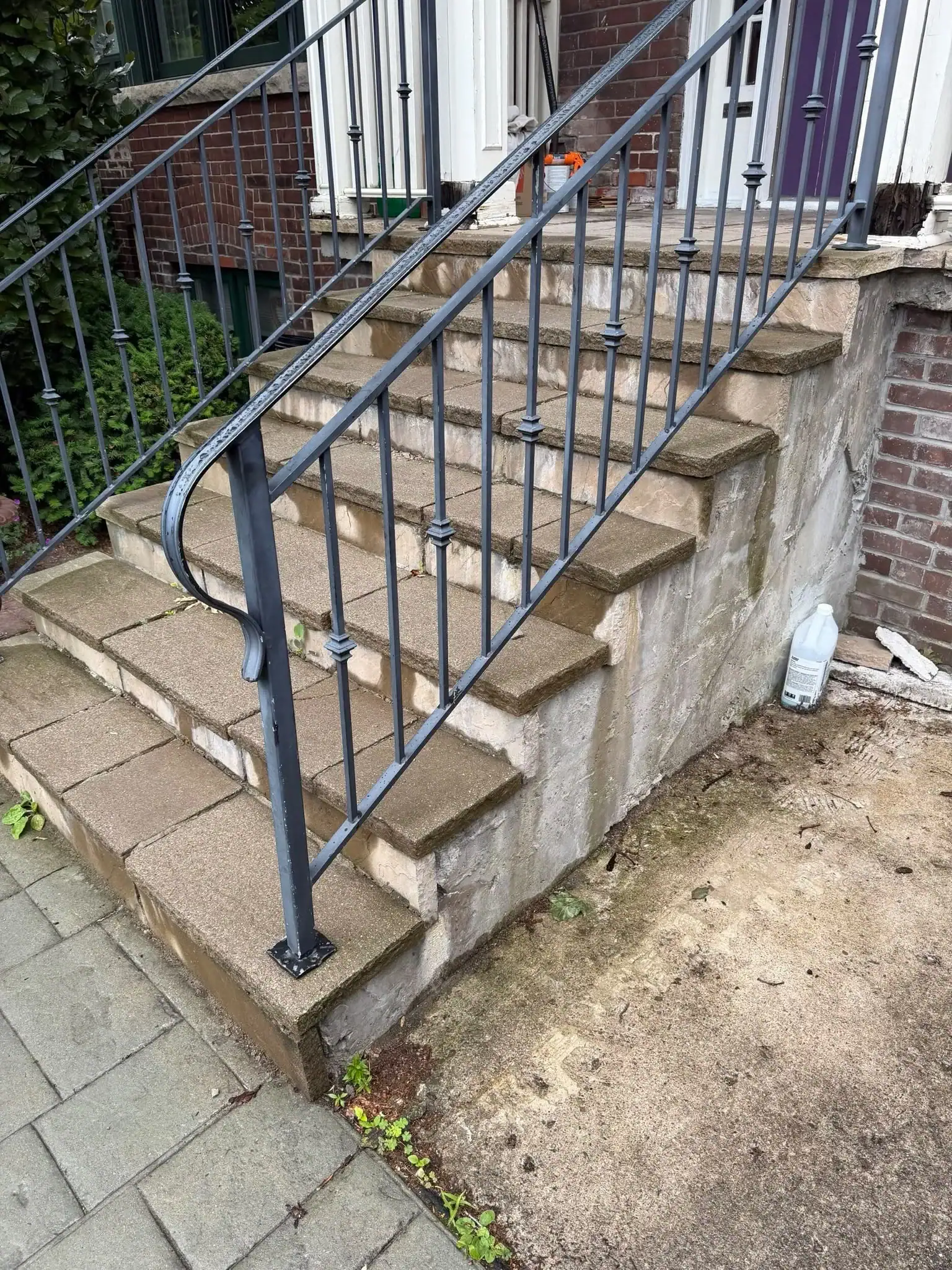
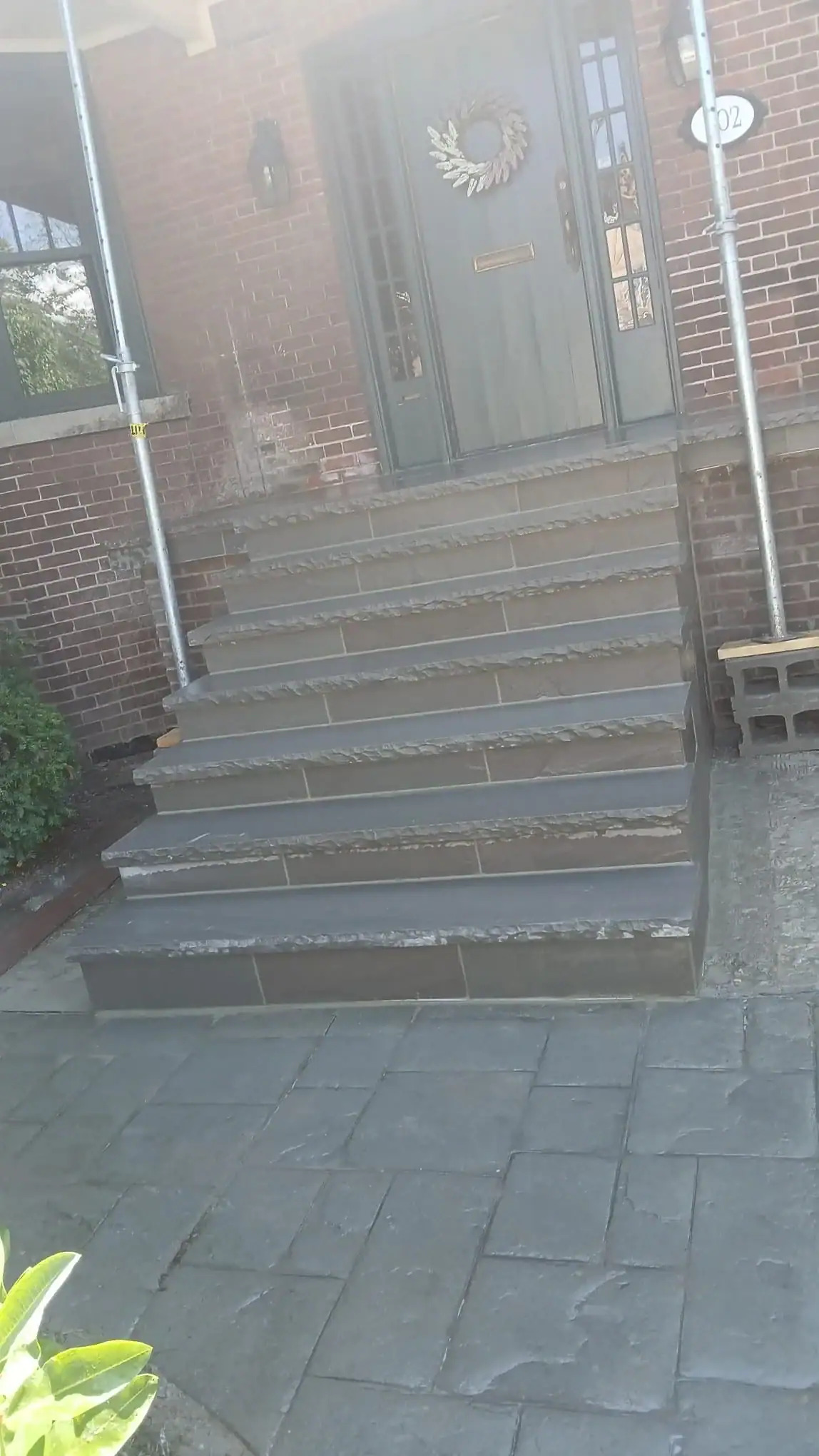
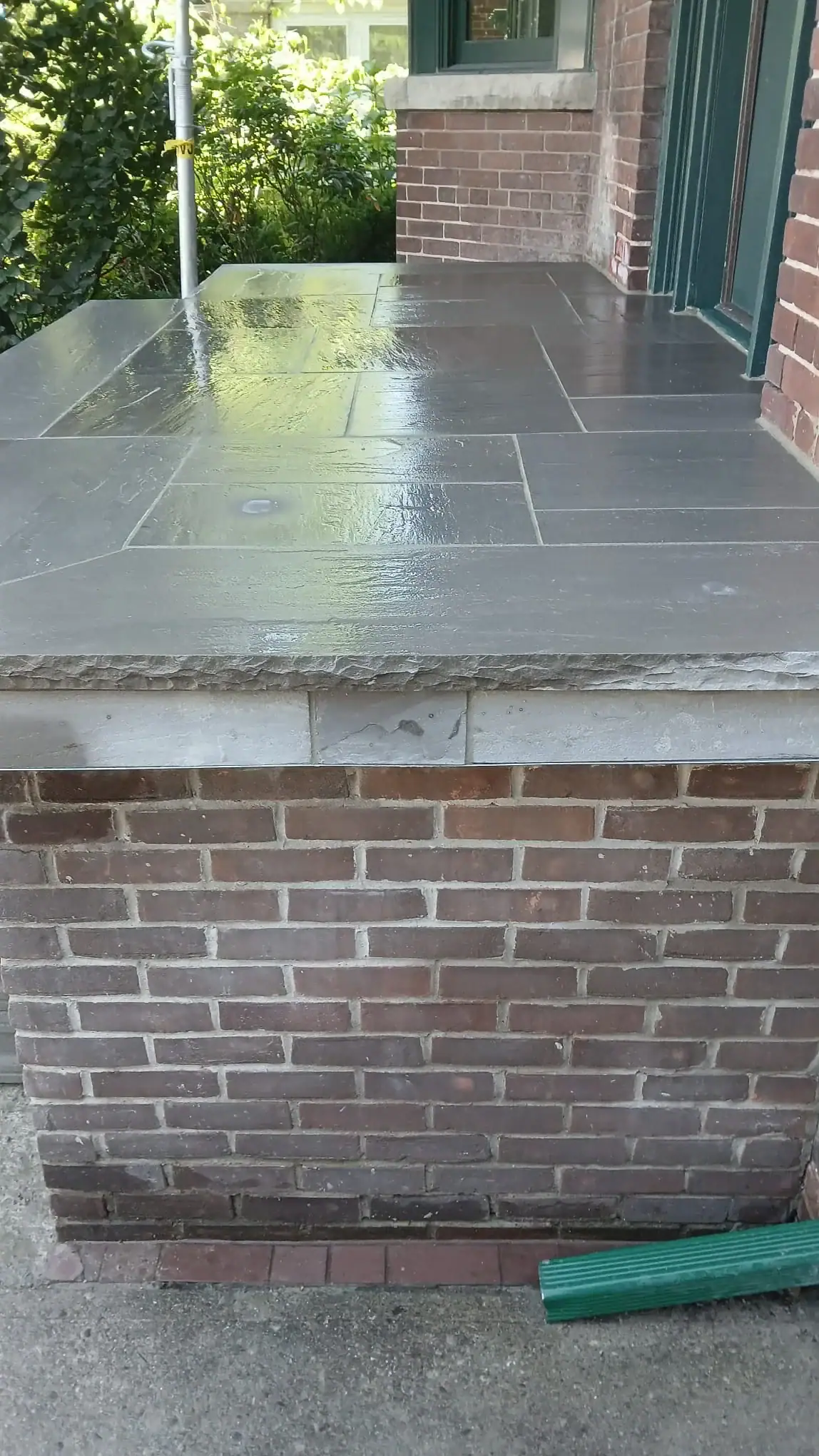
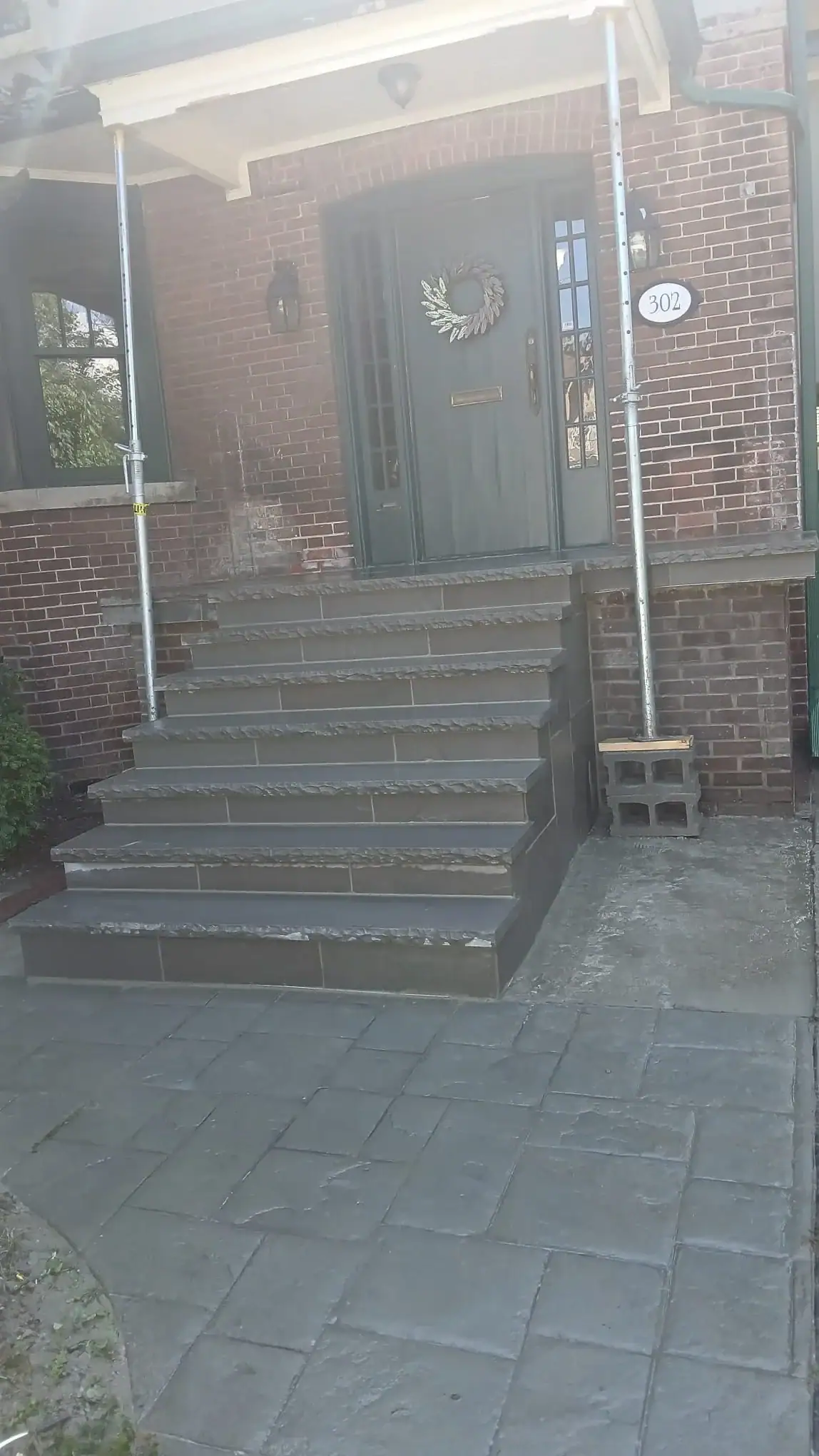
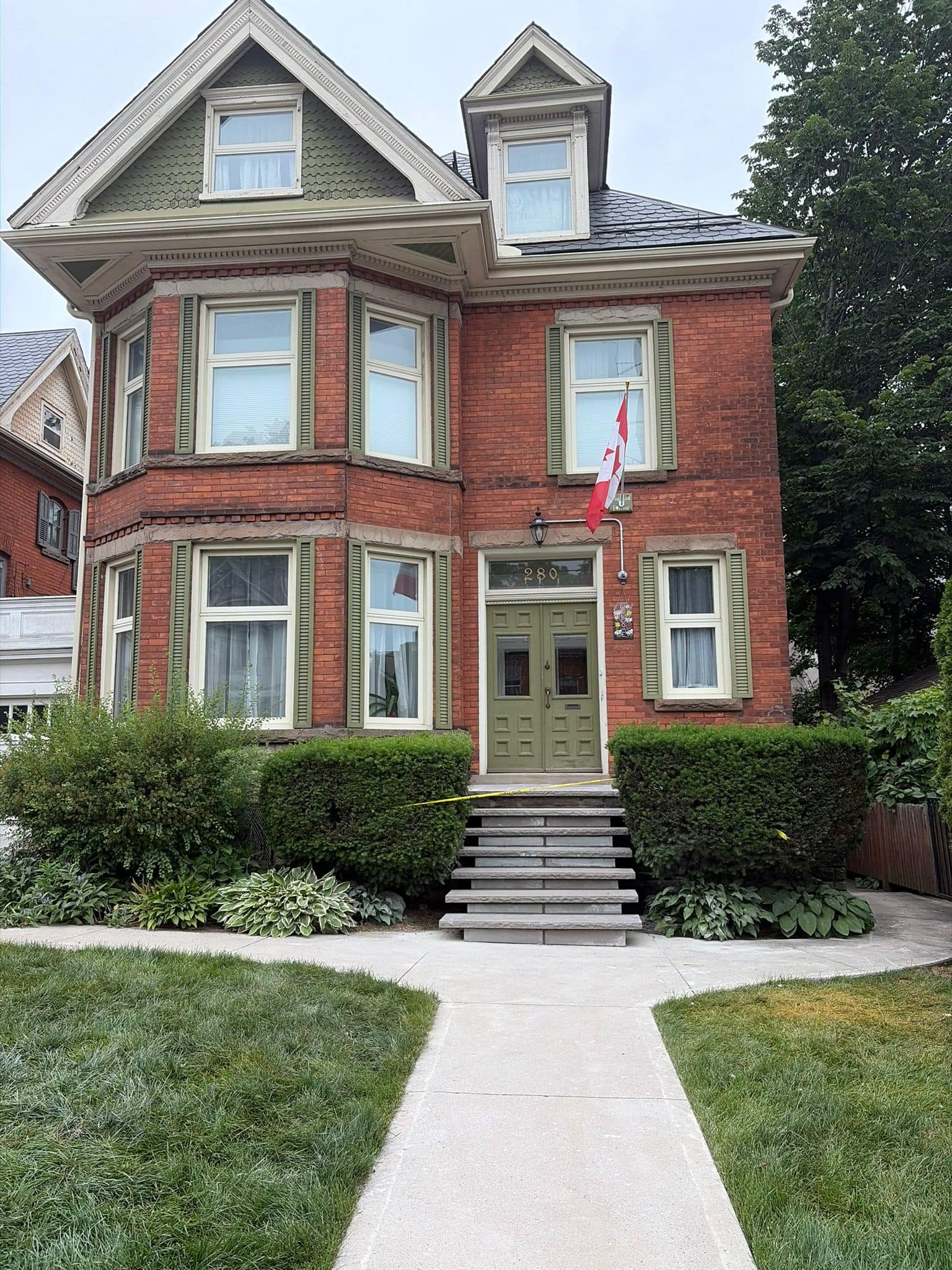
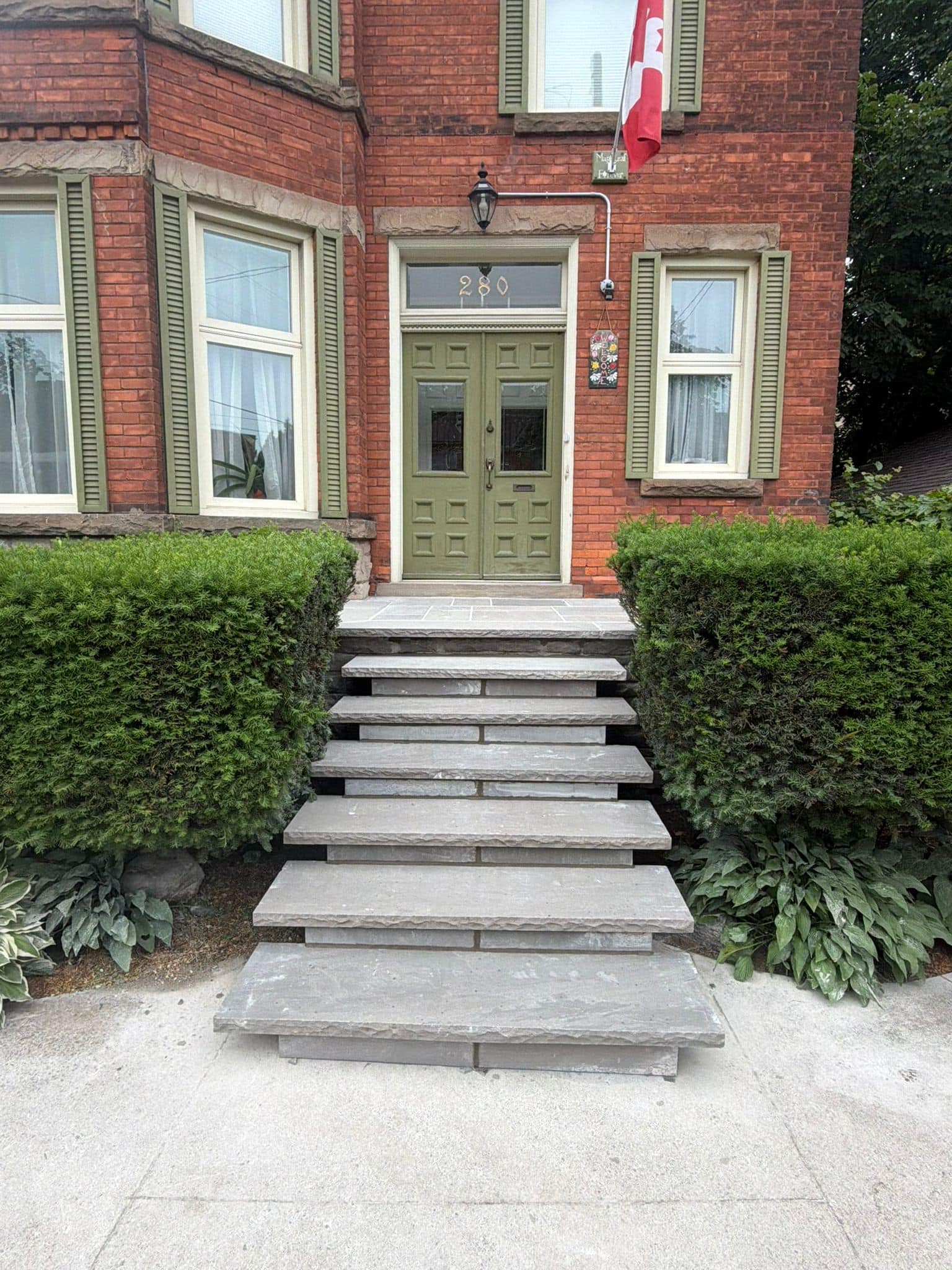
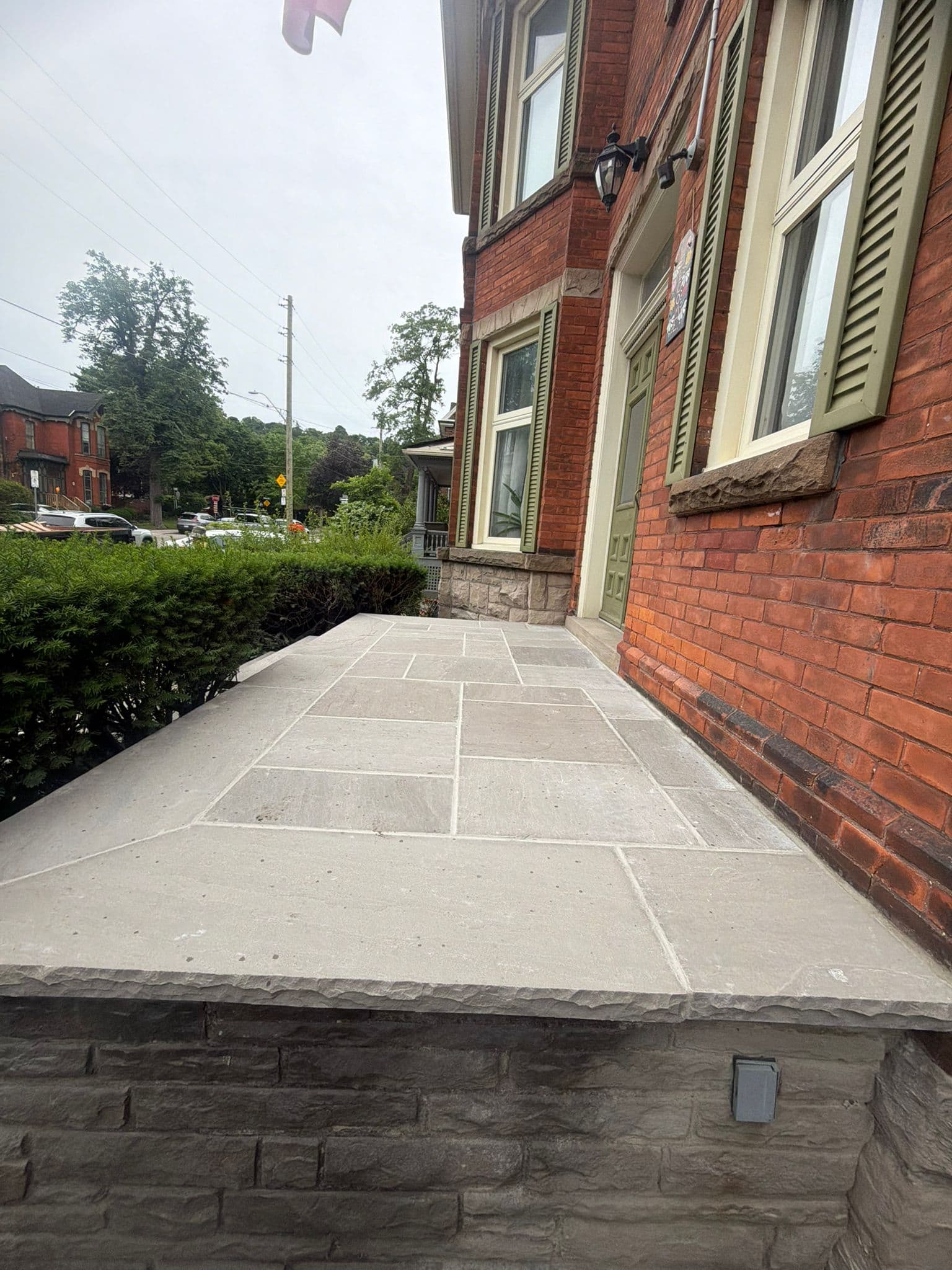
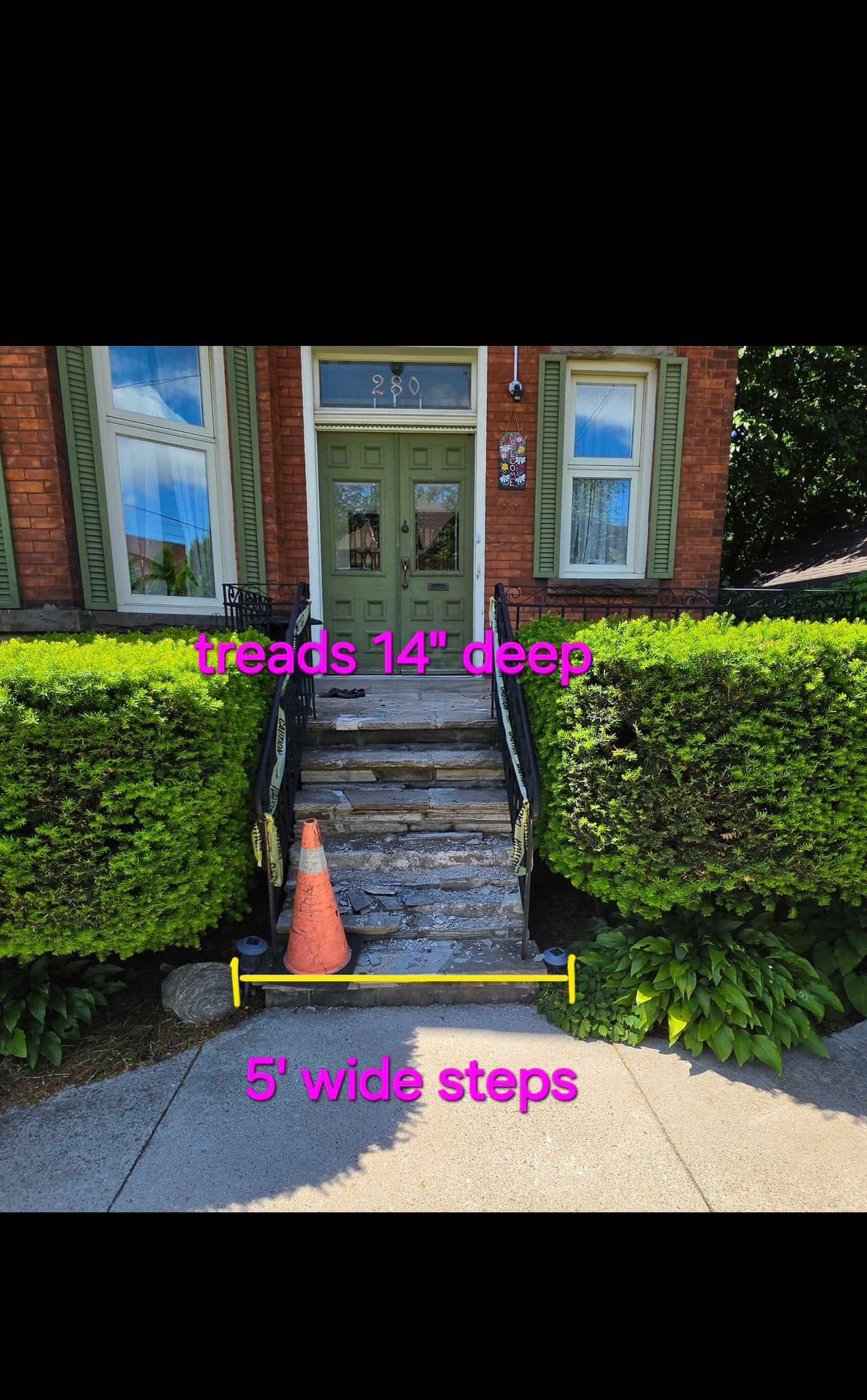
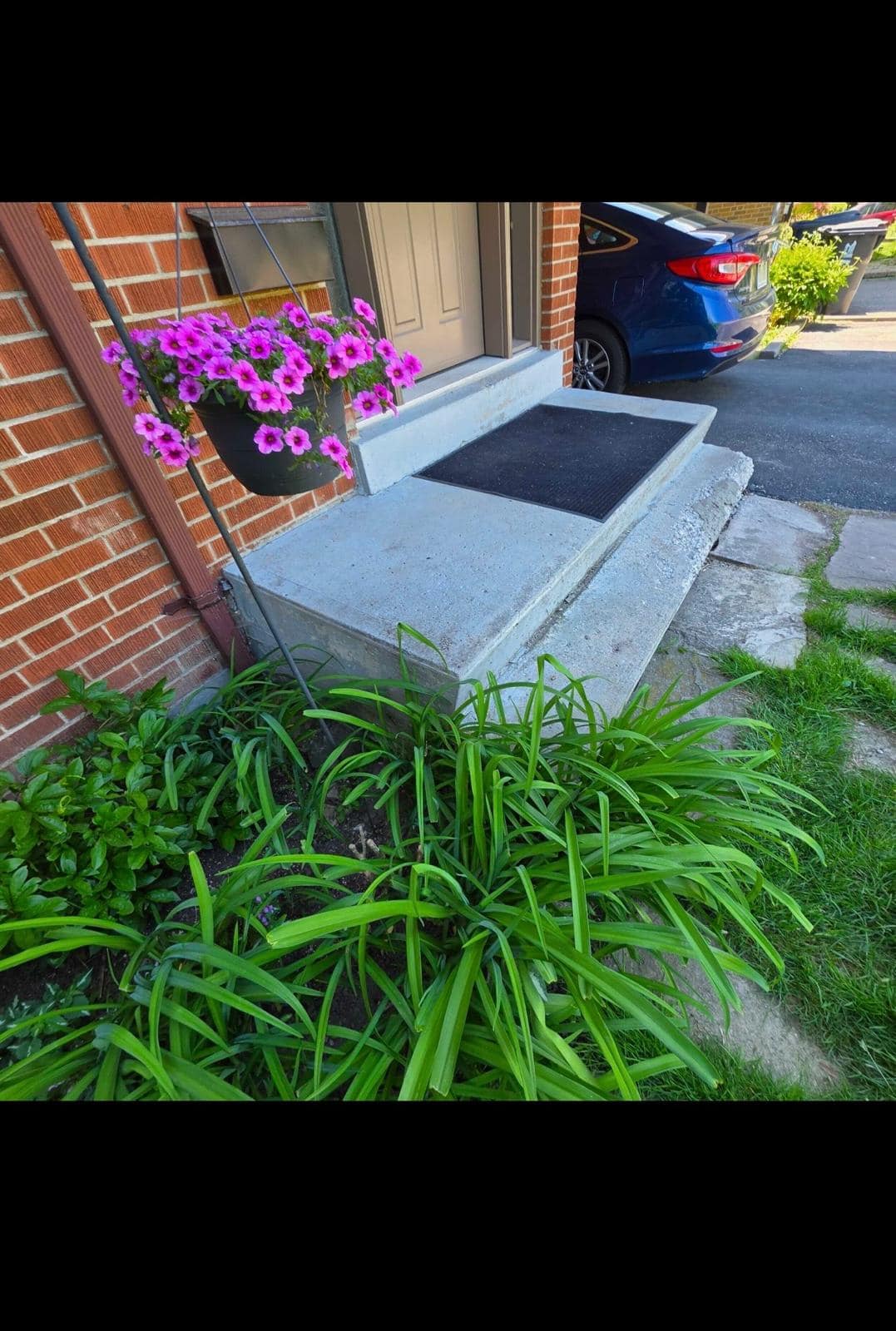
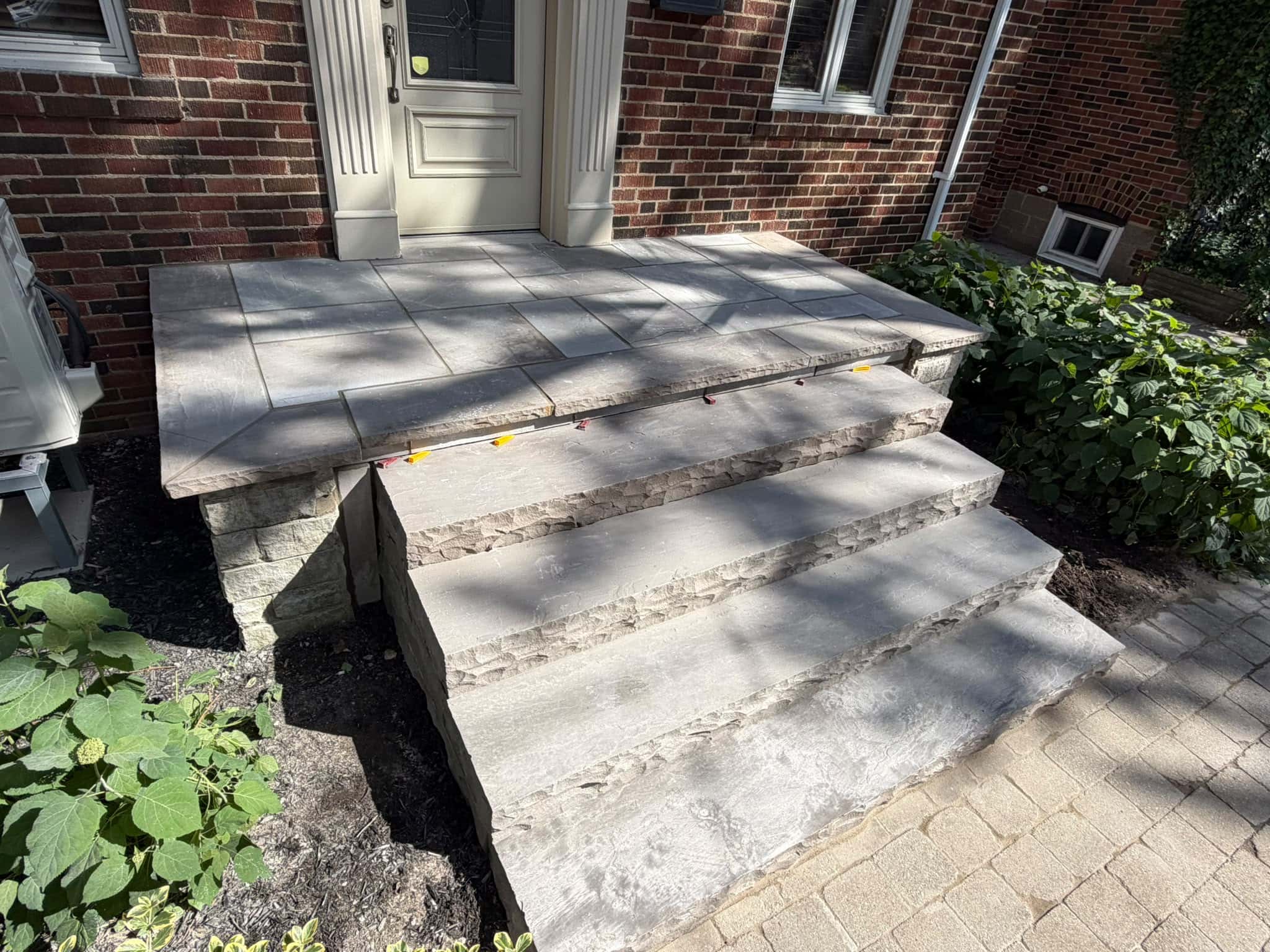
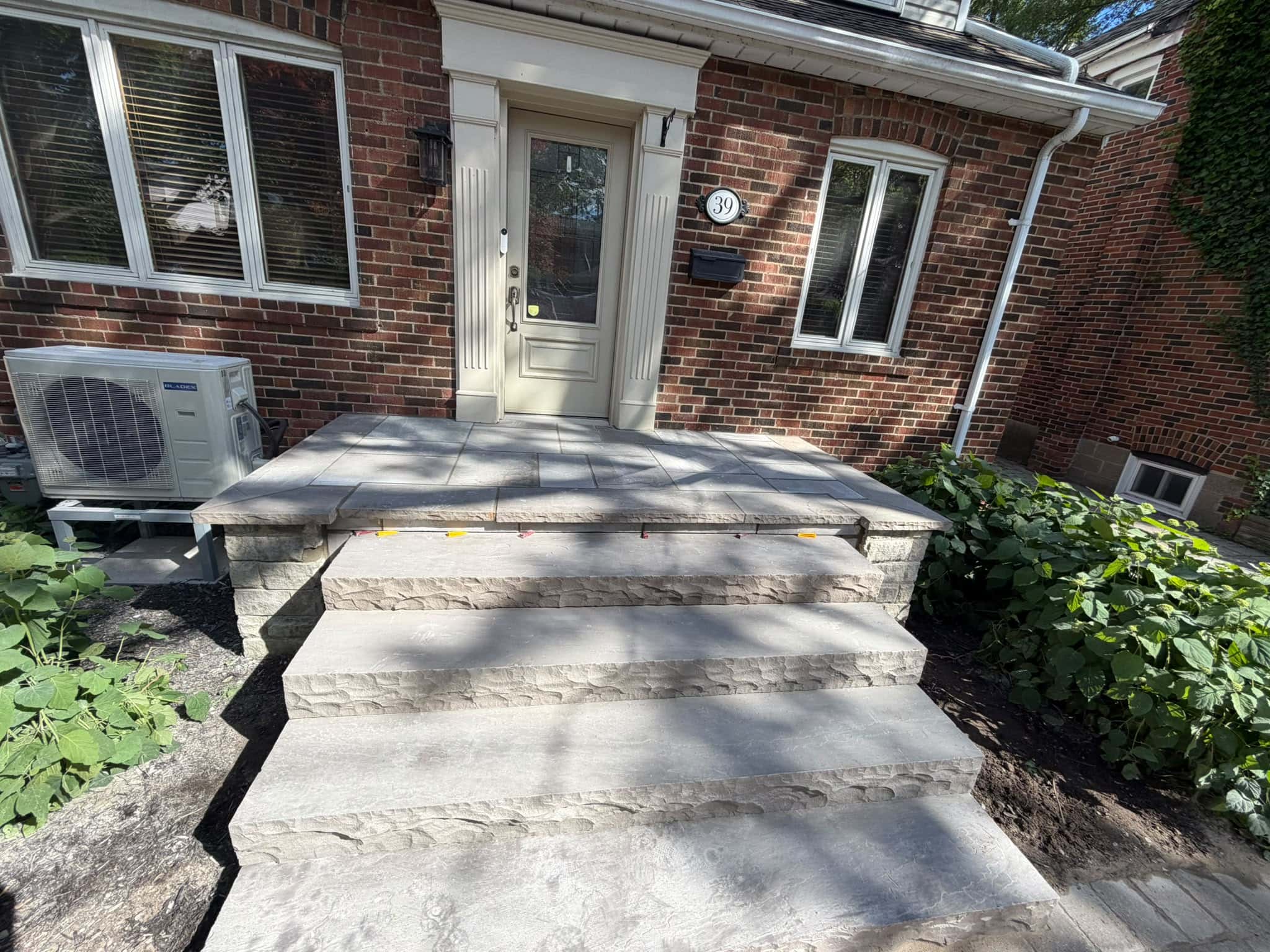
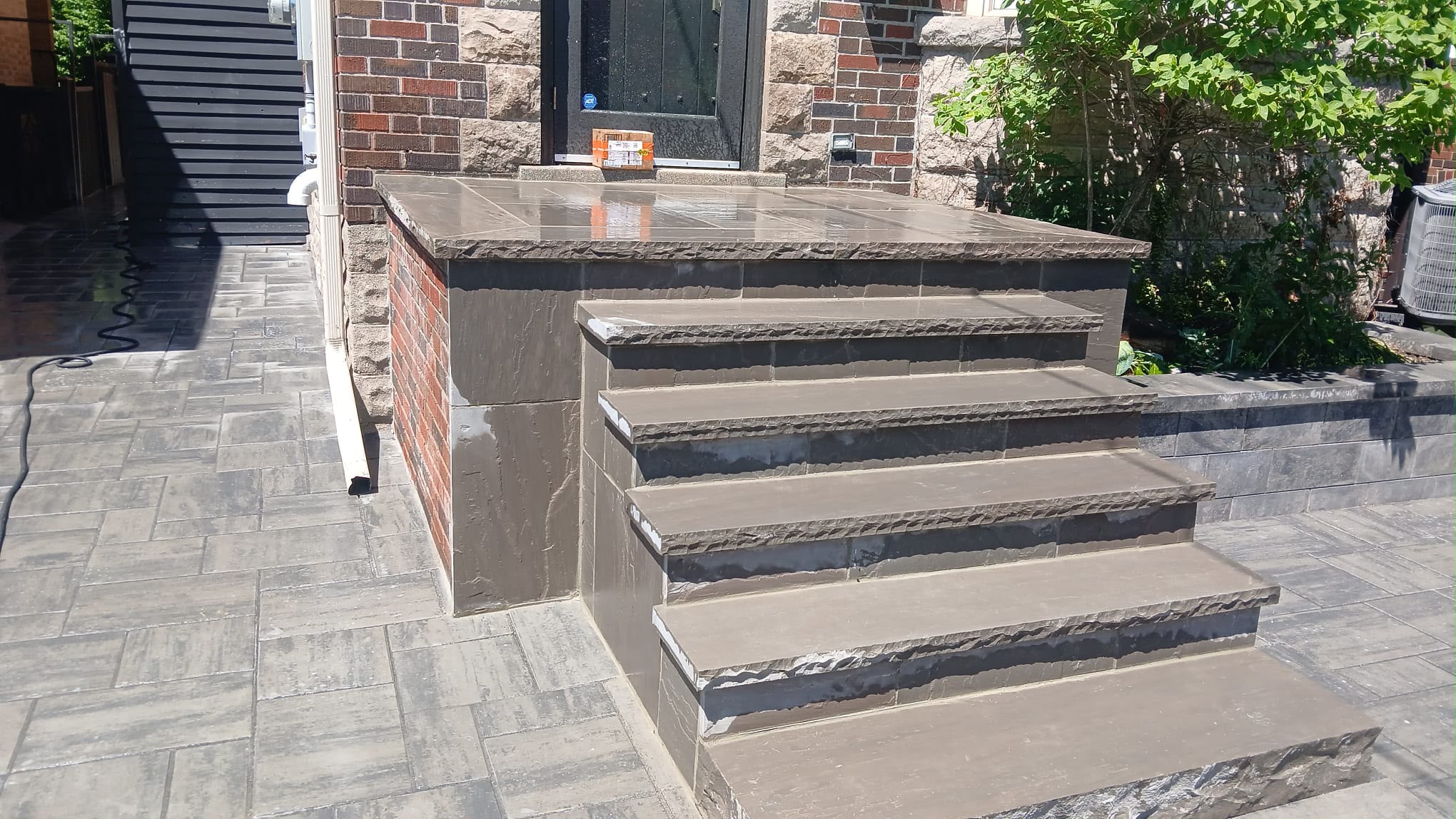
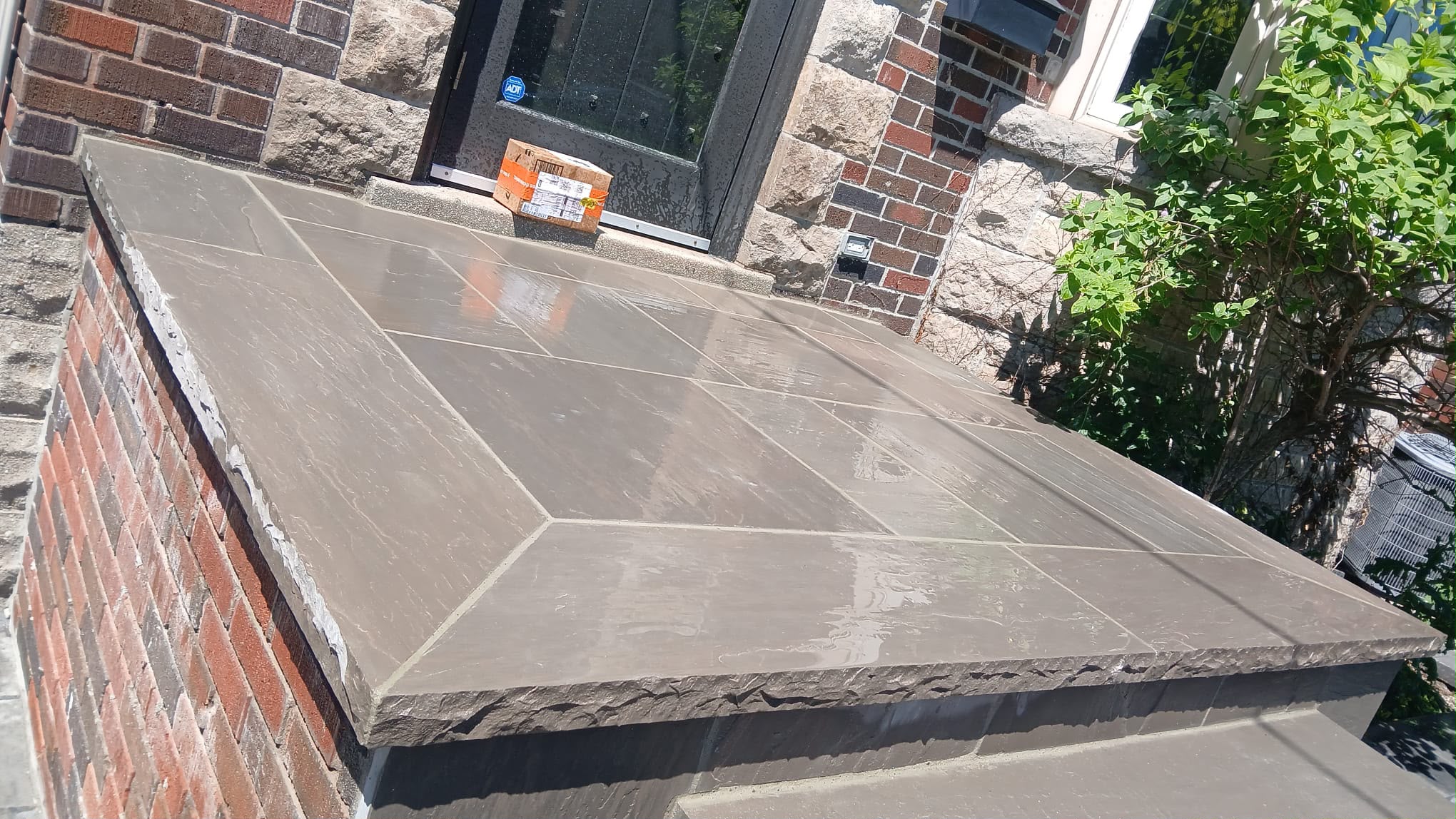
- Front entries supported by porch repair in Toronto
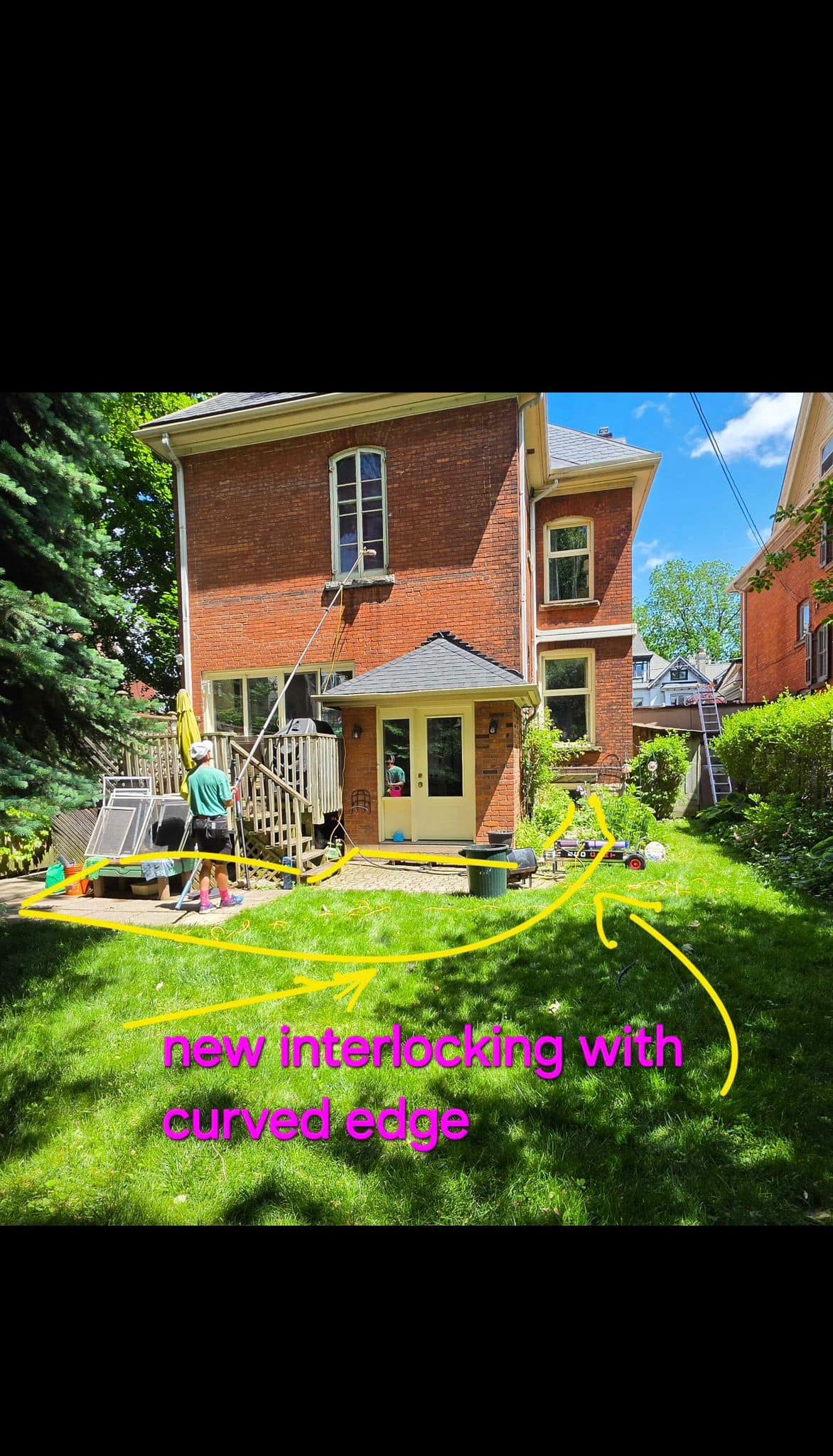
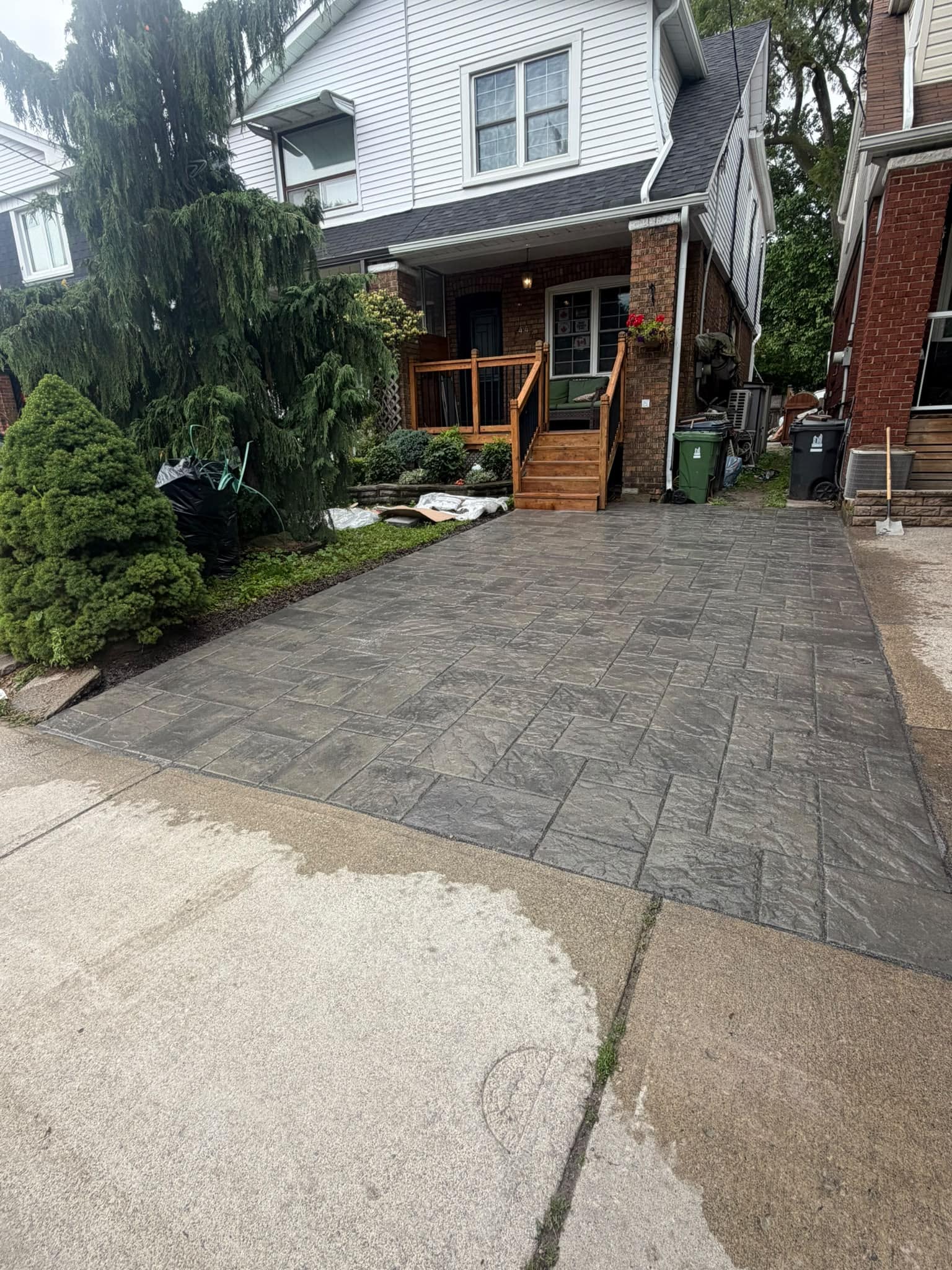
- Walkways upgraded with paver walkway interlocking
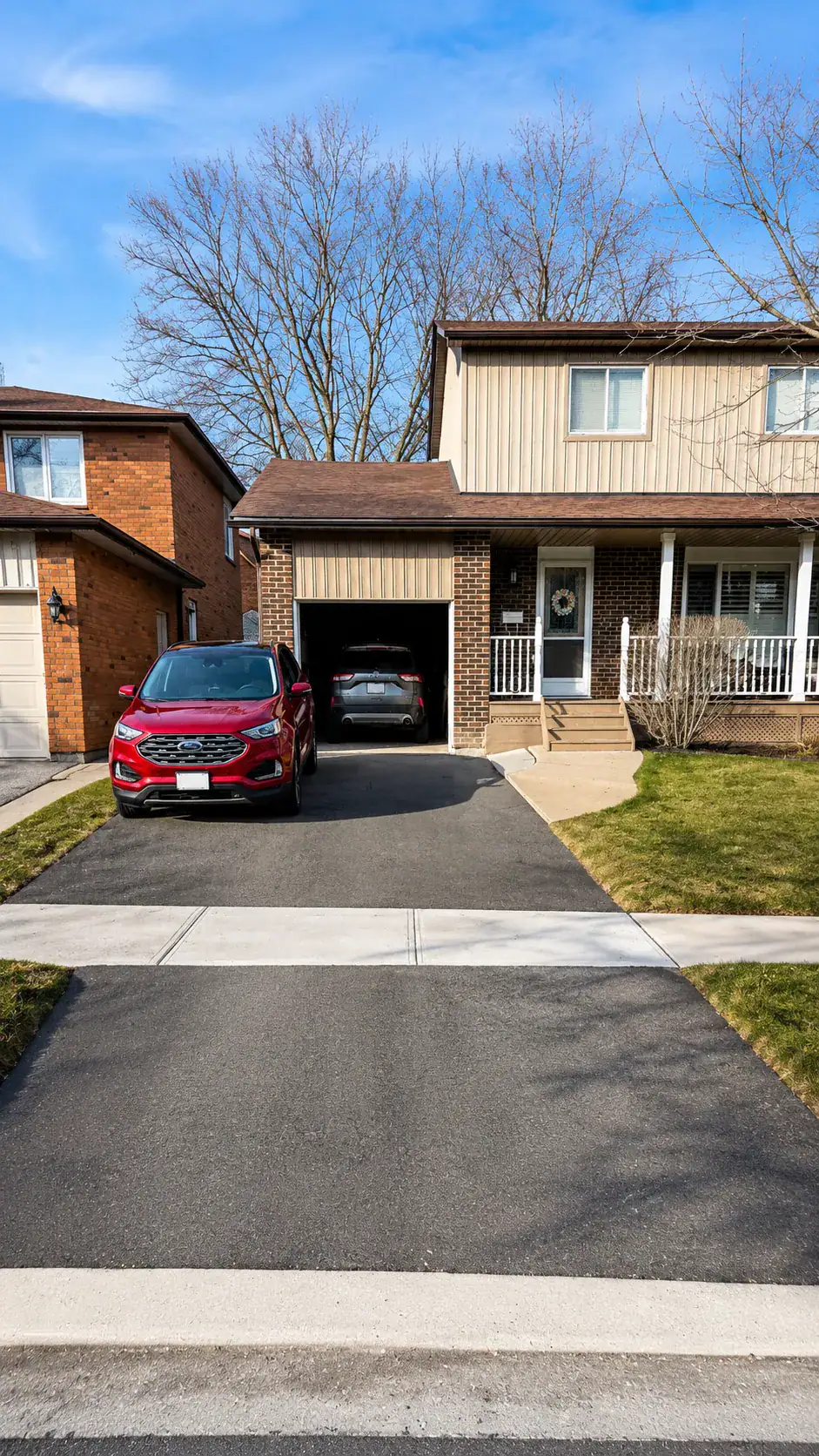
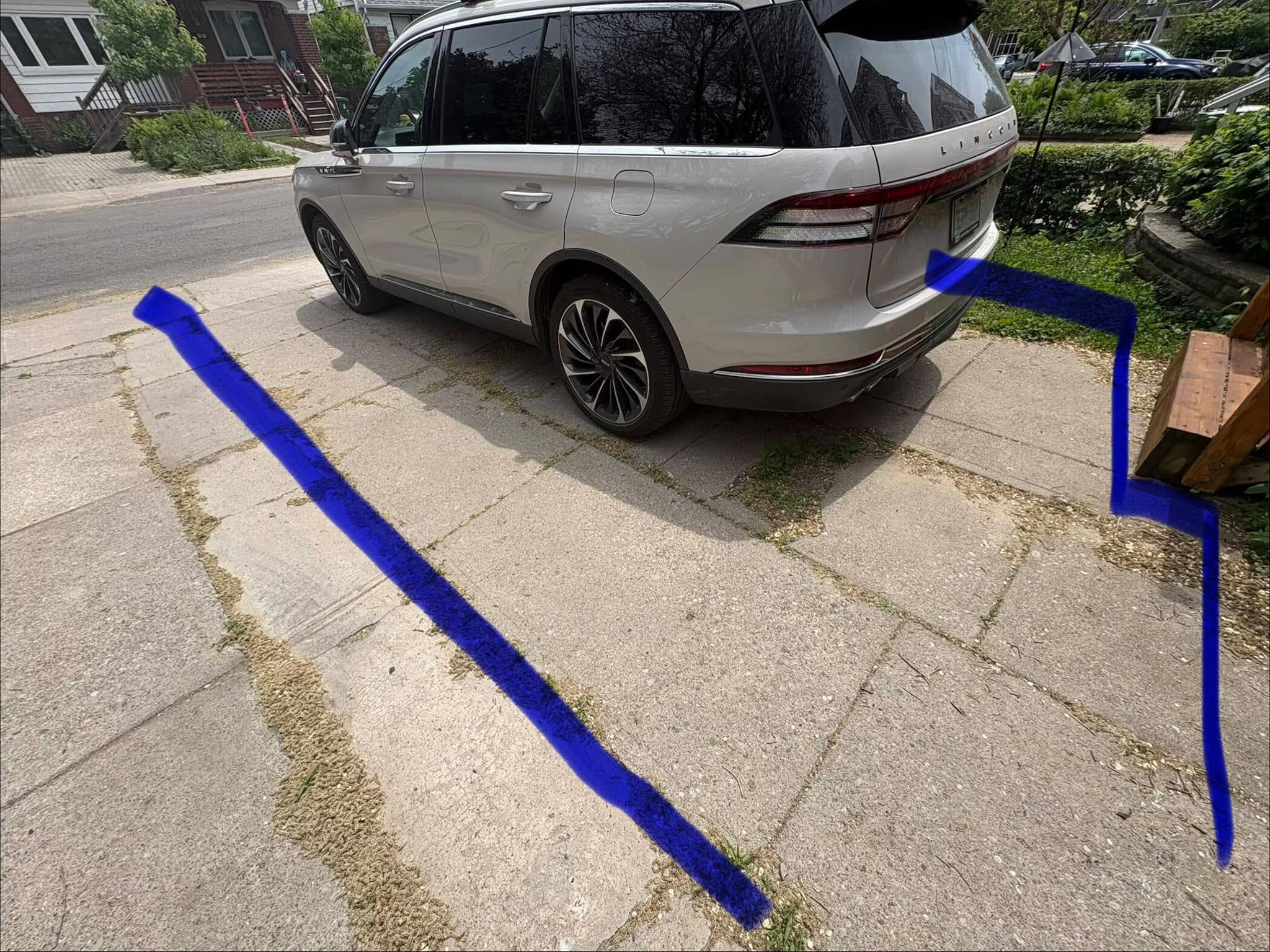
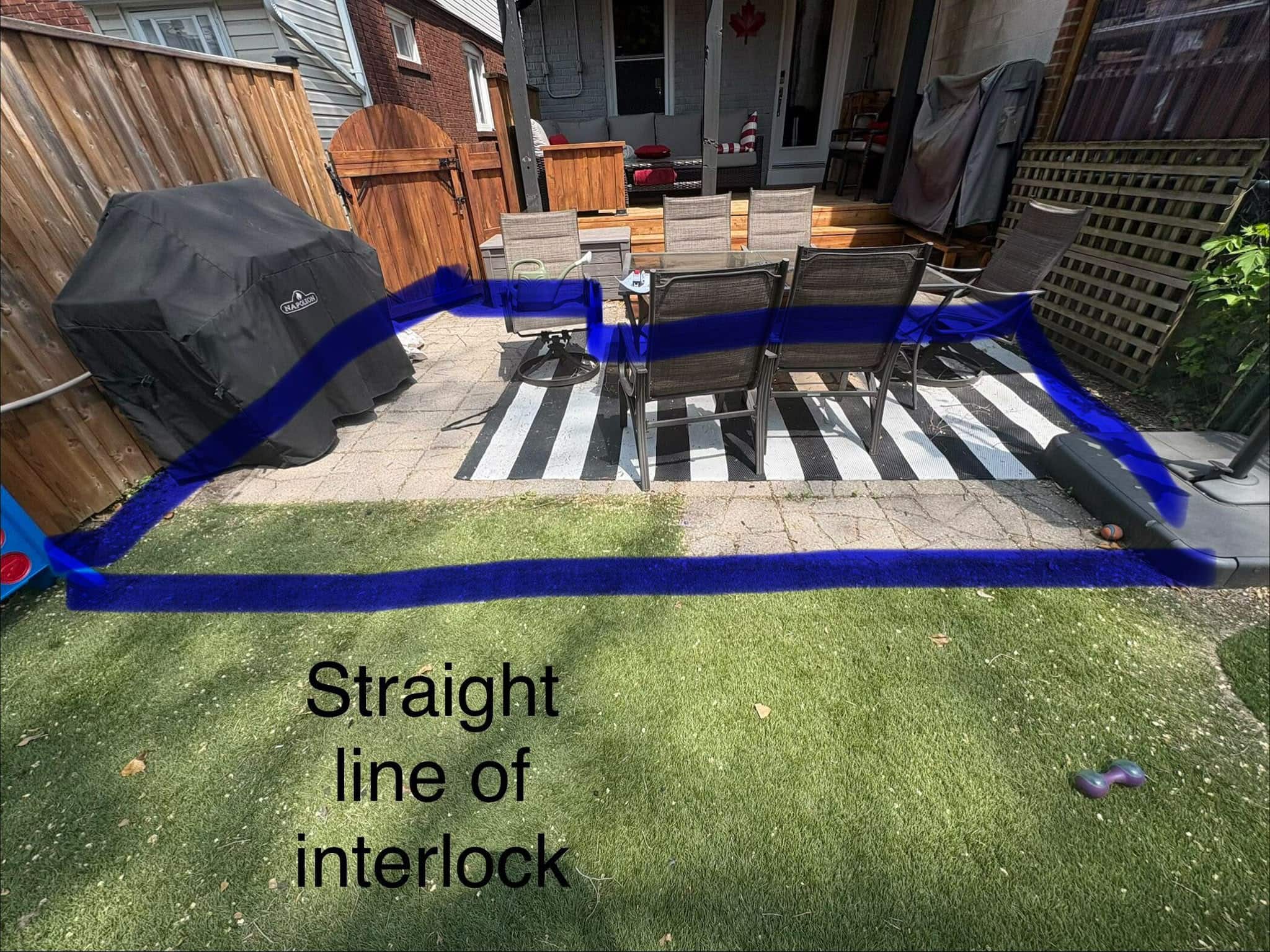
- Driveways and paths maintained through East York interlocking stone services
Each of these areas plays a role in water management, making regular masonry maintenance a property-wide strategy.
The financial difference between maintenance and repair
Regular masonry maintenance spreads costs over time and prevents emergency repairs. Homeowners who schedule periodic inspections typically spend far less over a ten-year period than those who wait for visible failure.
Delayed maintenance often leads to interior water damage, mould remediation, and structural repair, all of which cost significantly more than proactive masonry care.
When maintenance becomes a safety issue
At a certain point, skipping regular masonry maintenance becomes more than a financial decision. Deteriorating masonry can create falling hazards, moisture intrusion, and structural instability.
In Toronto, exterior masonry conditions fall under building safety oversight provided by the City of Toronto Building Division, which provides guidance and inspections related to exterior wall and structural safety.
How homeowners choose the right masonry professionals
Because regular masonry maintenance is ongoing, homeowners often look for proof of consistency and workmanship. Reviewing client video testimonials helps set realistic expectations for maintenance outcomes.
Final thoughts for Toronto homeowners
Regular masonry maintenance is not about fixing what is broken. It is about preventing damage before it becomes expensive.
For Toronto and GTA homeowners, investing in regular masonry maintenance protects property value, reduces repair costs, and ensures long-term structural safety.