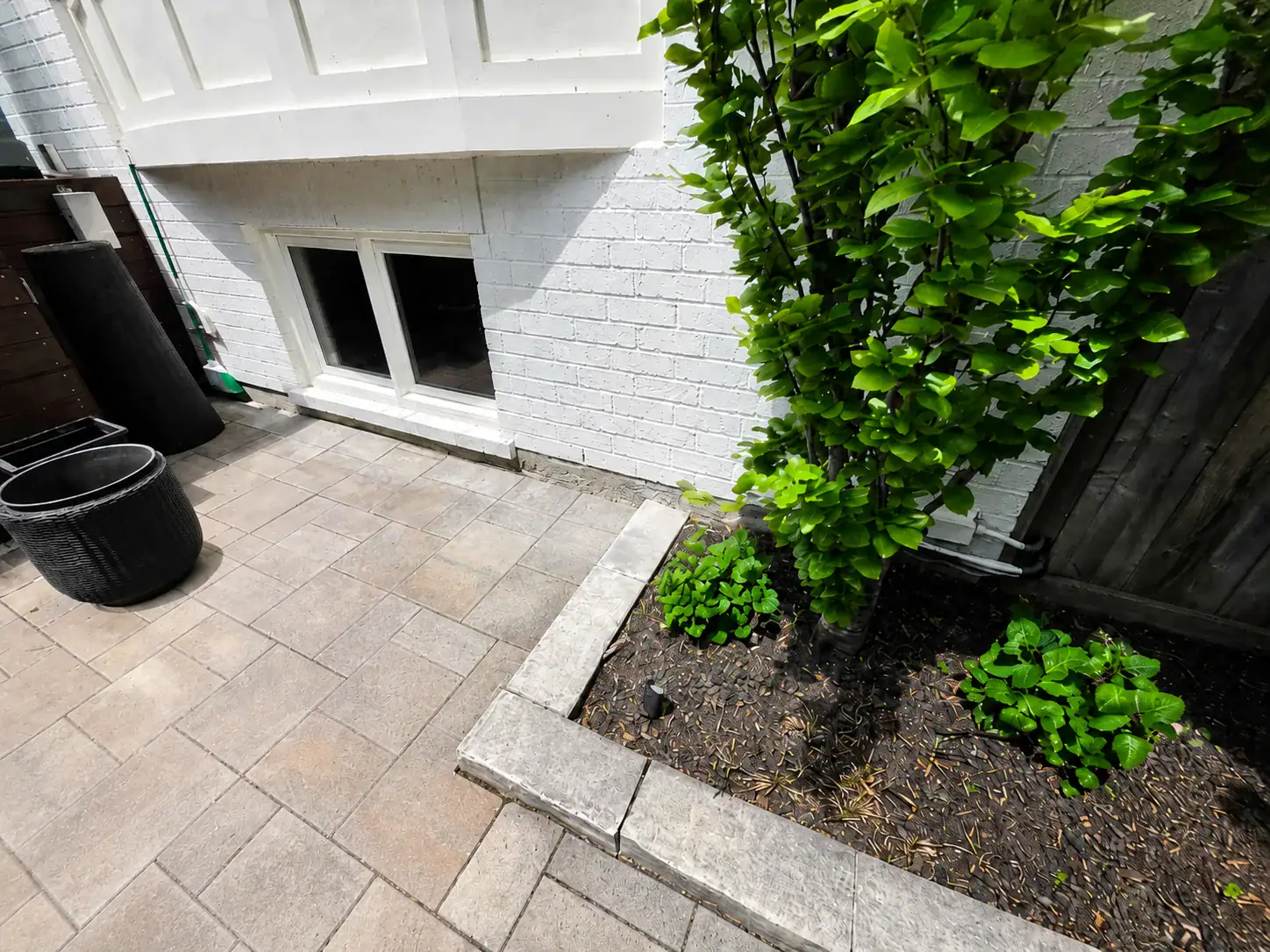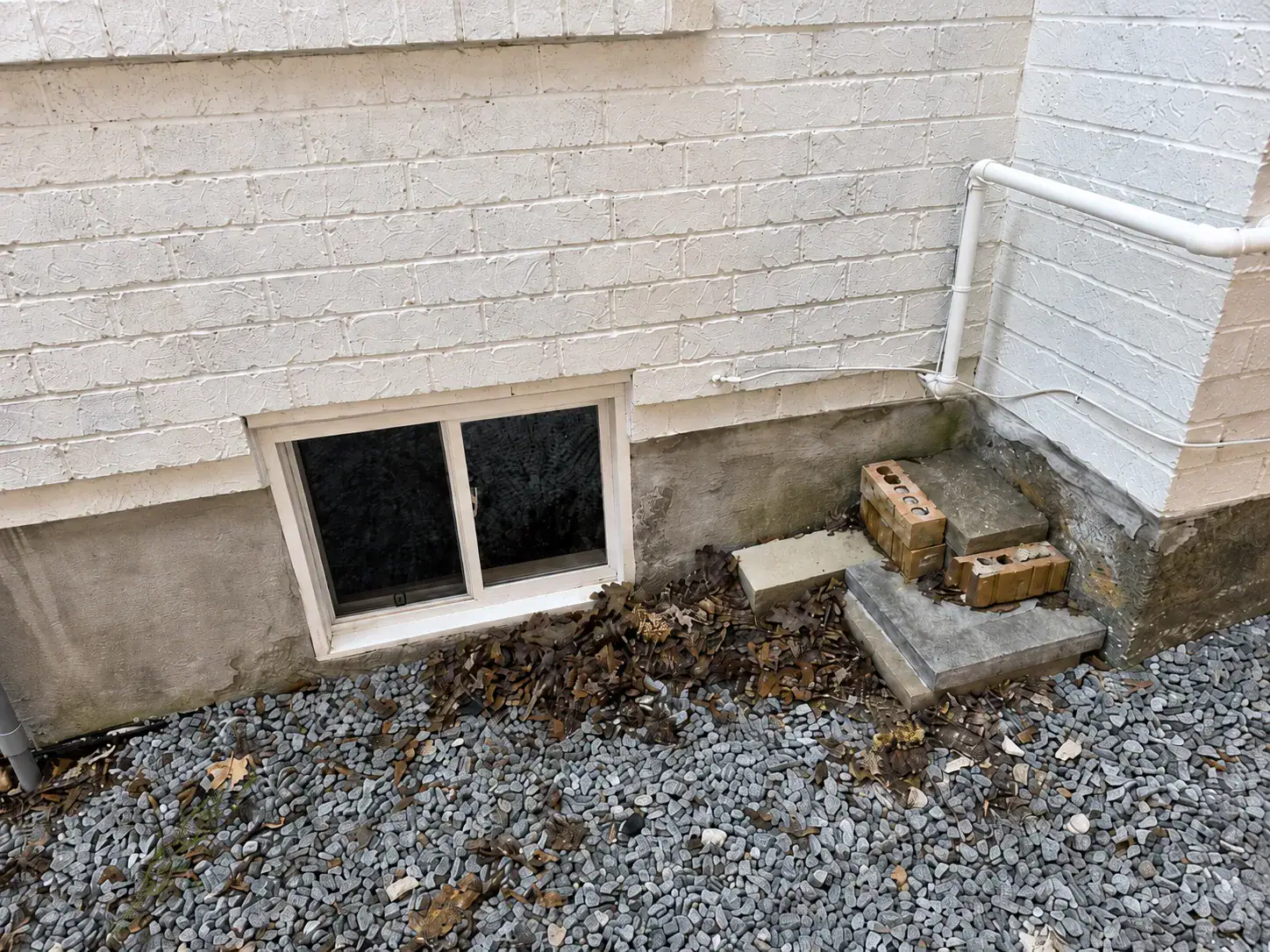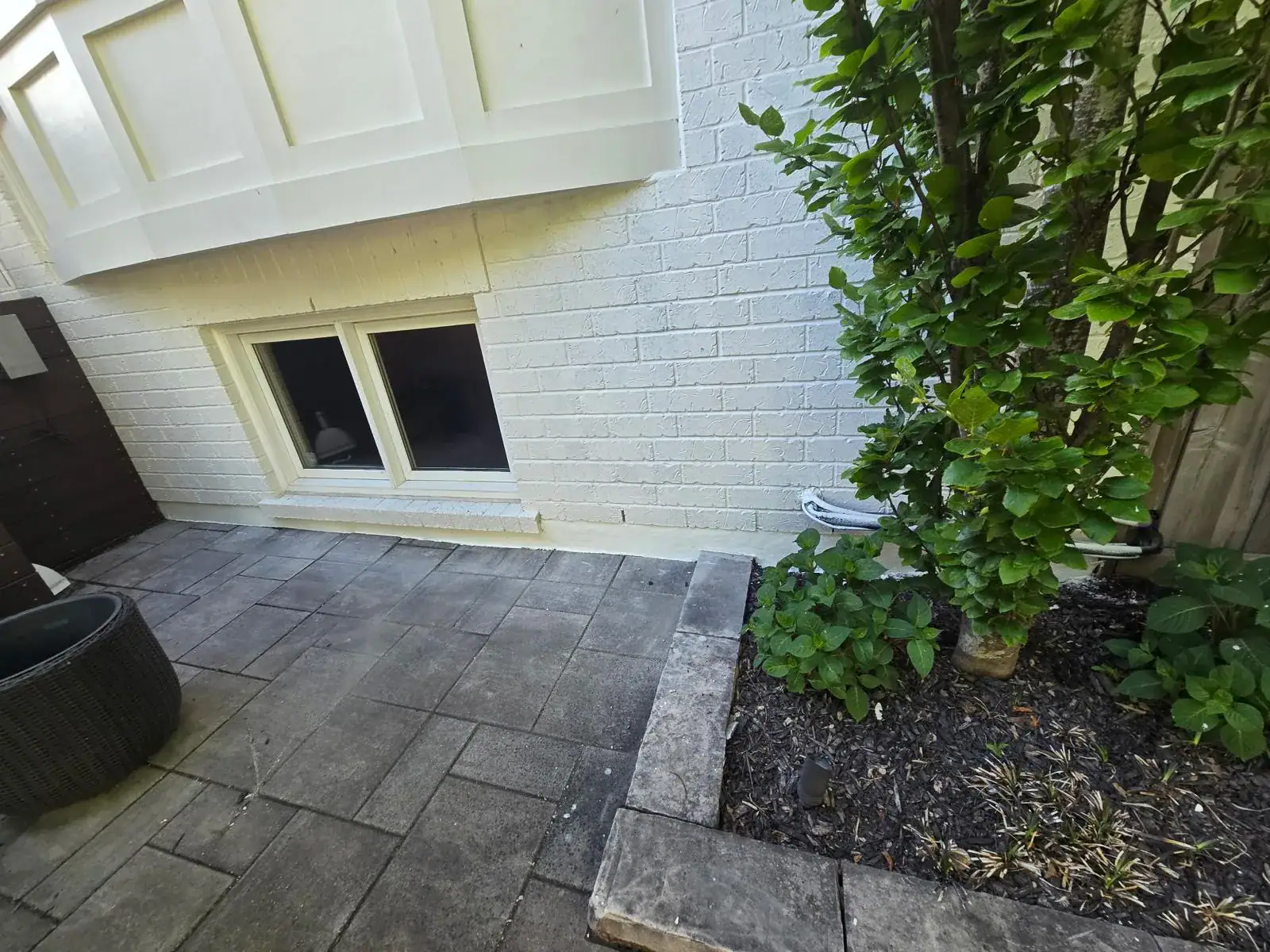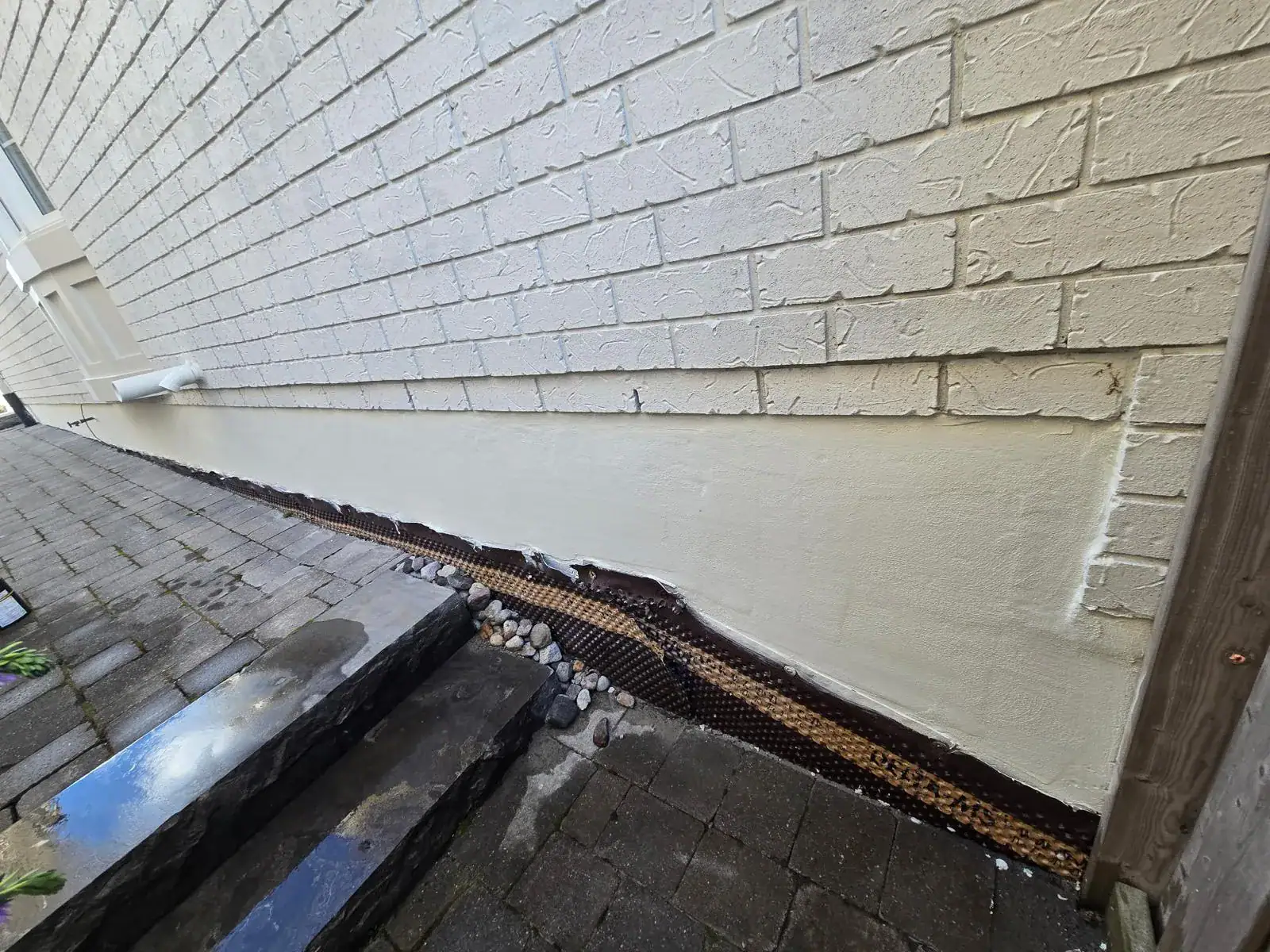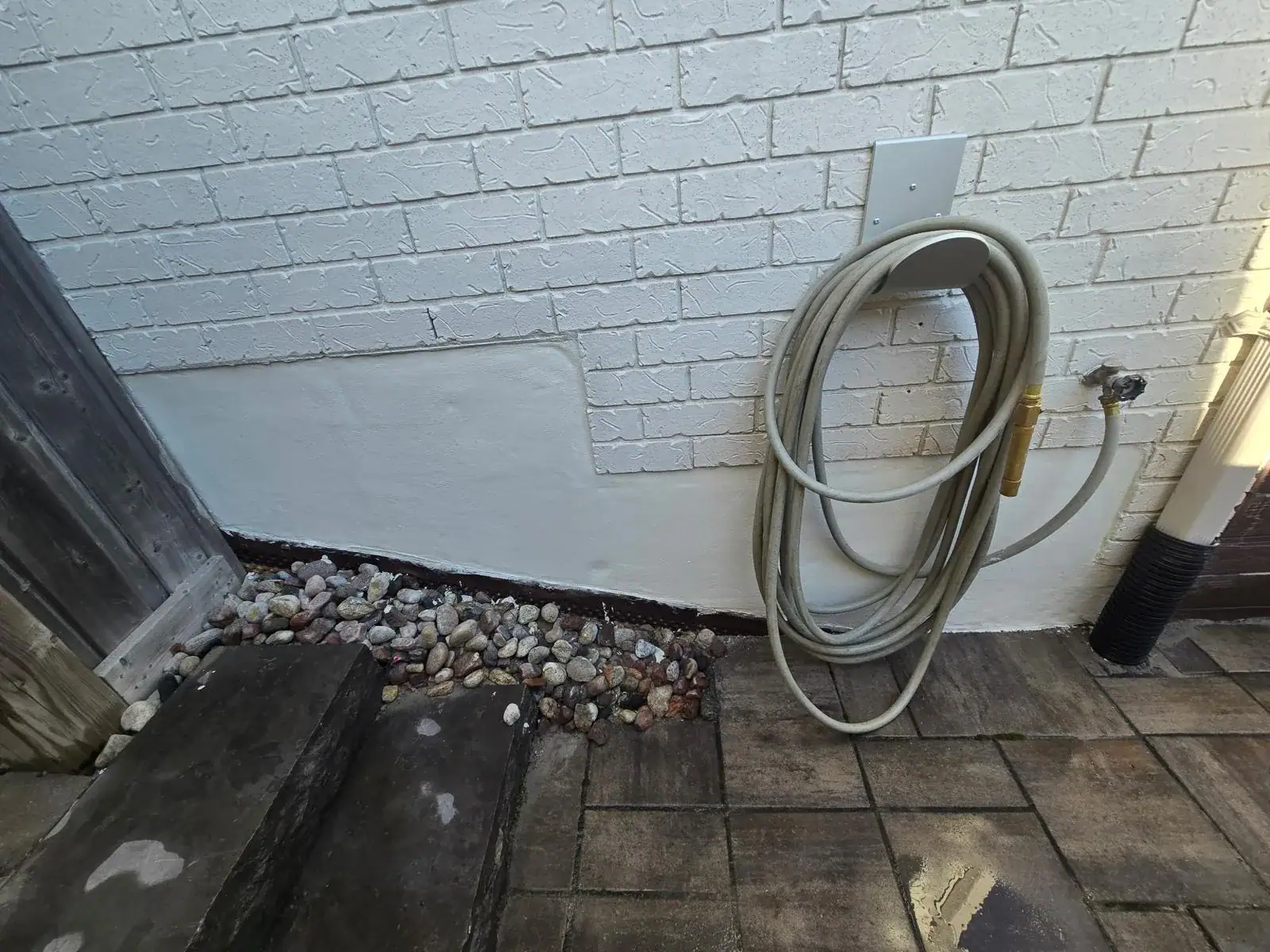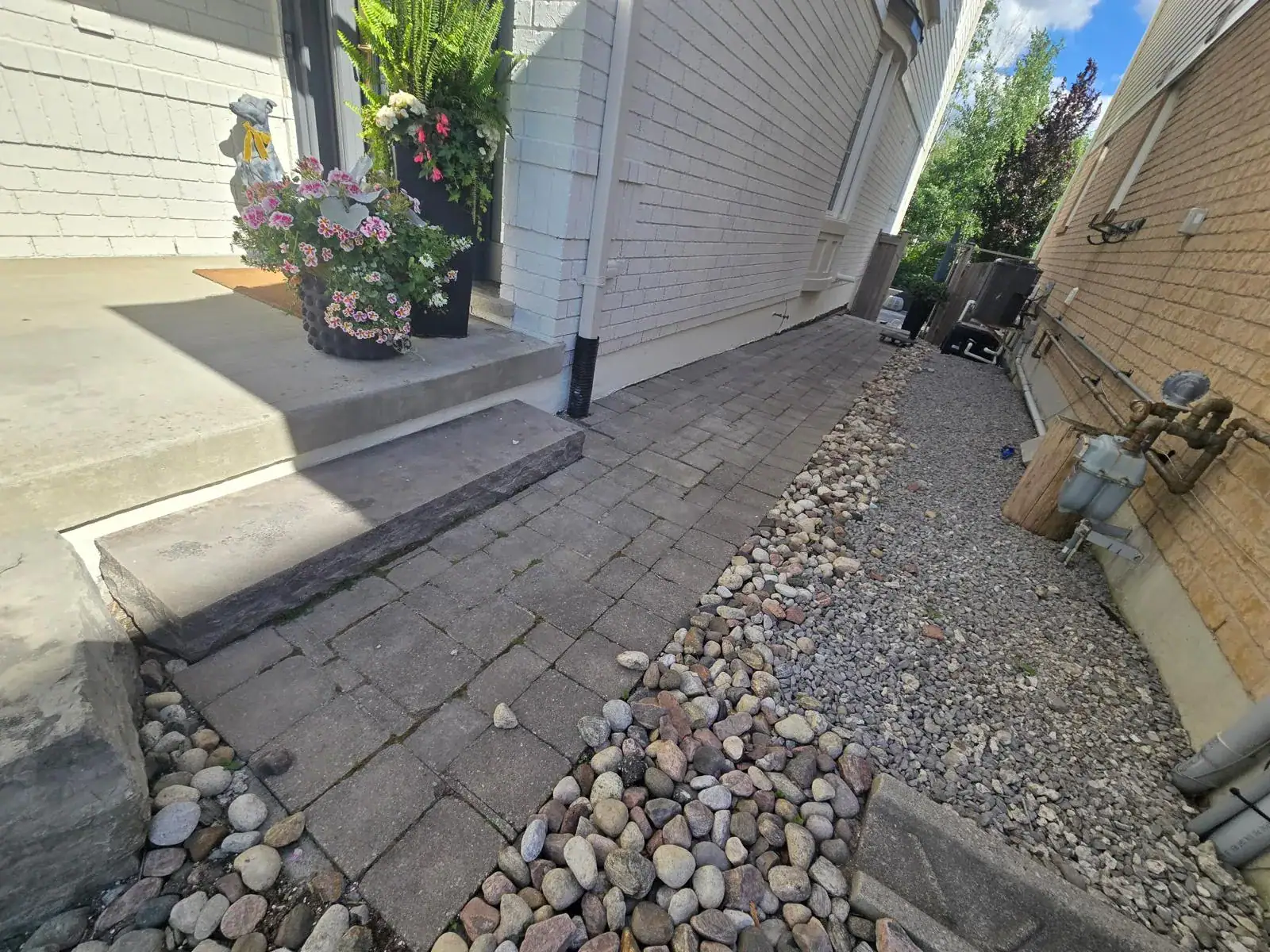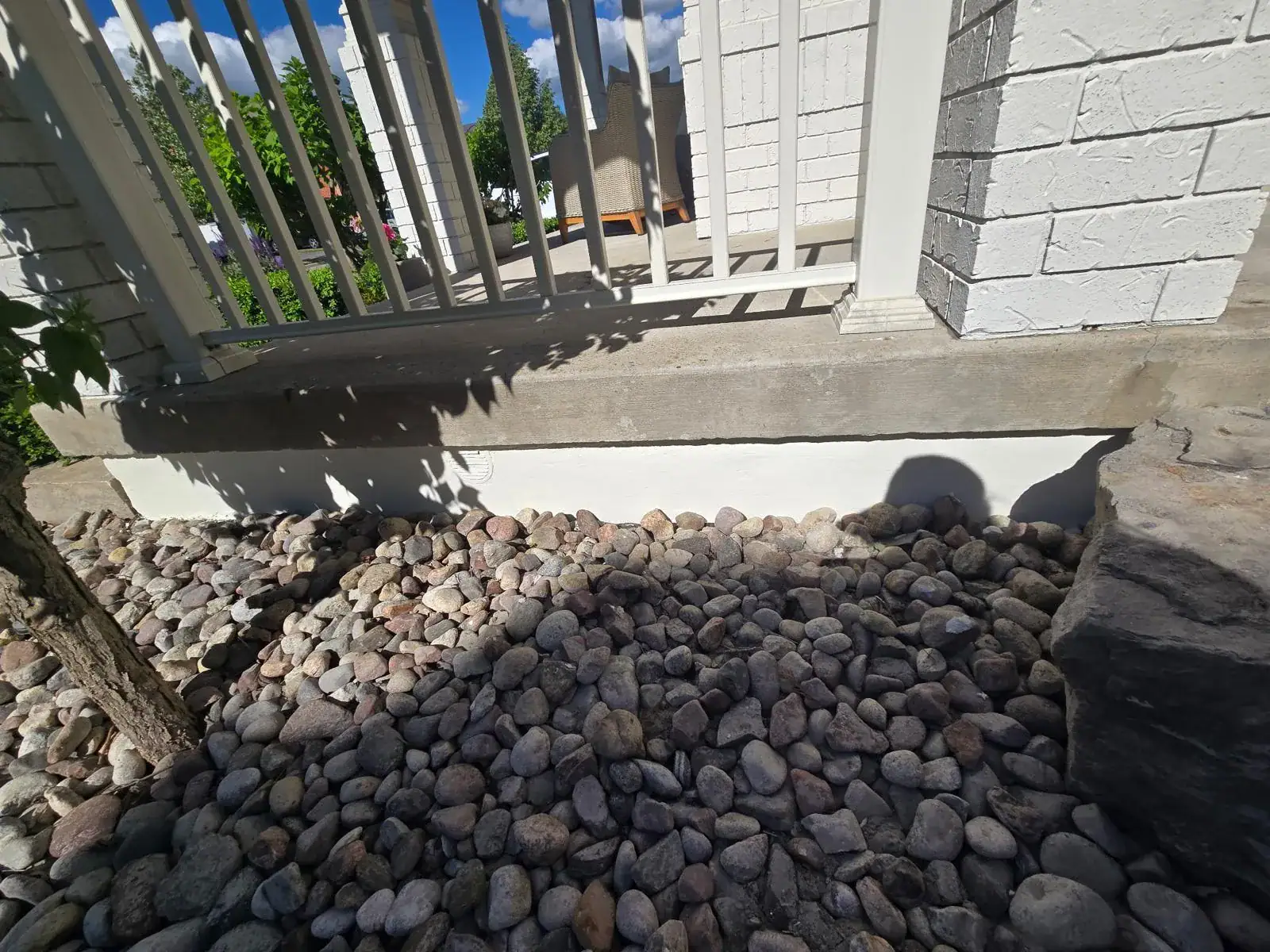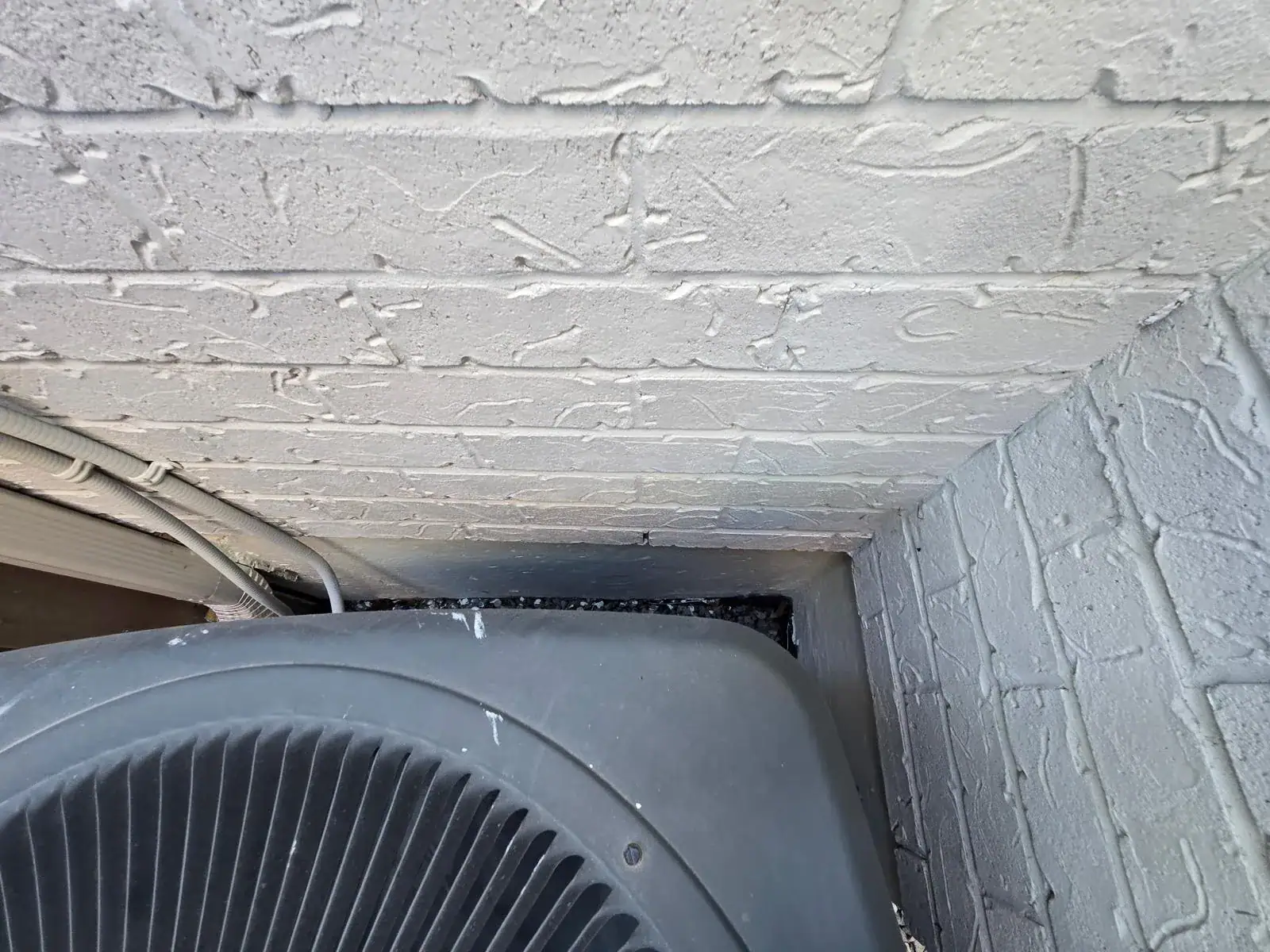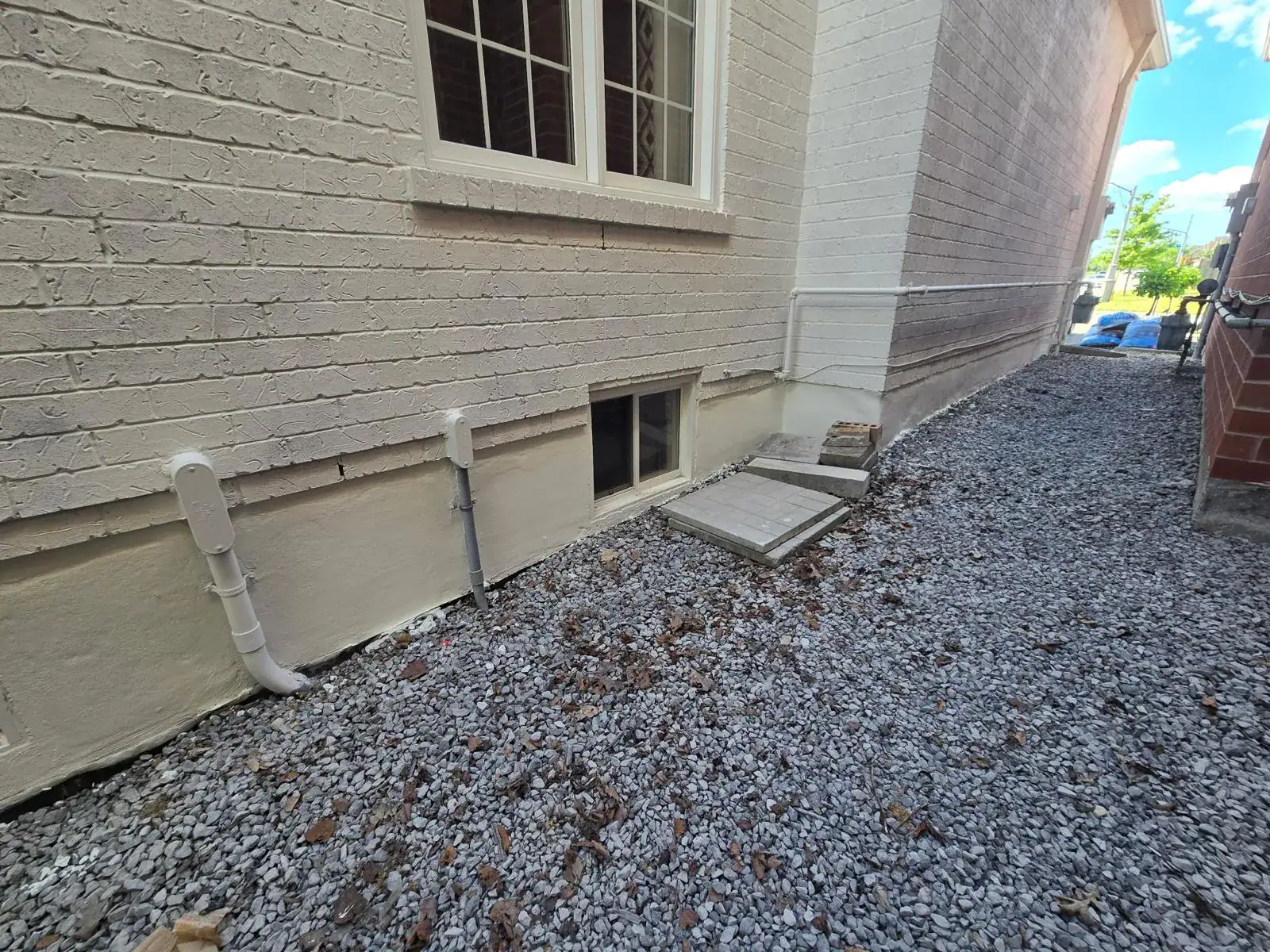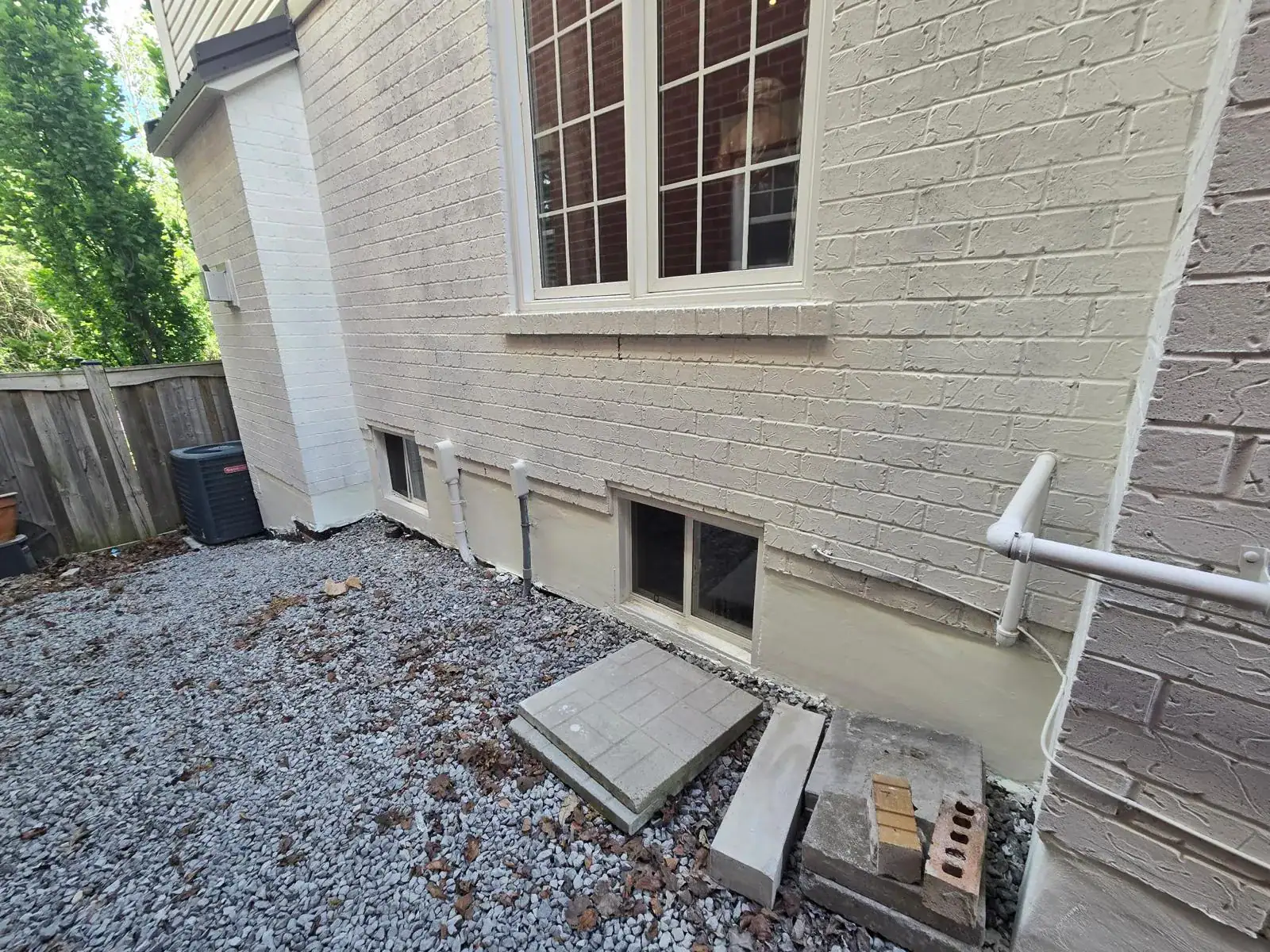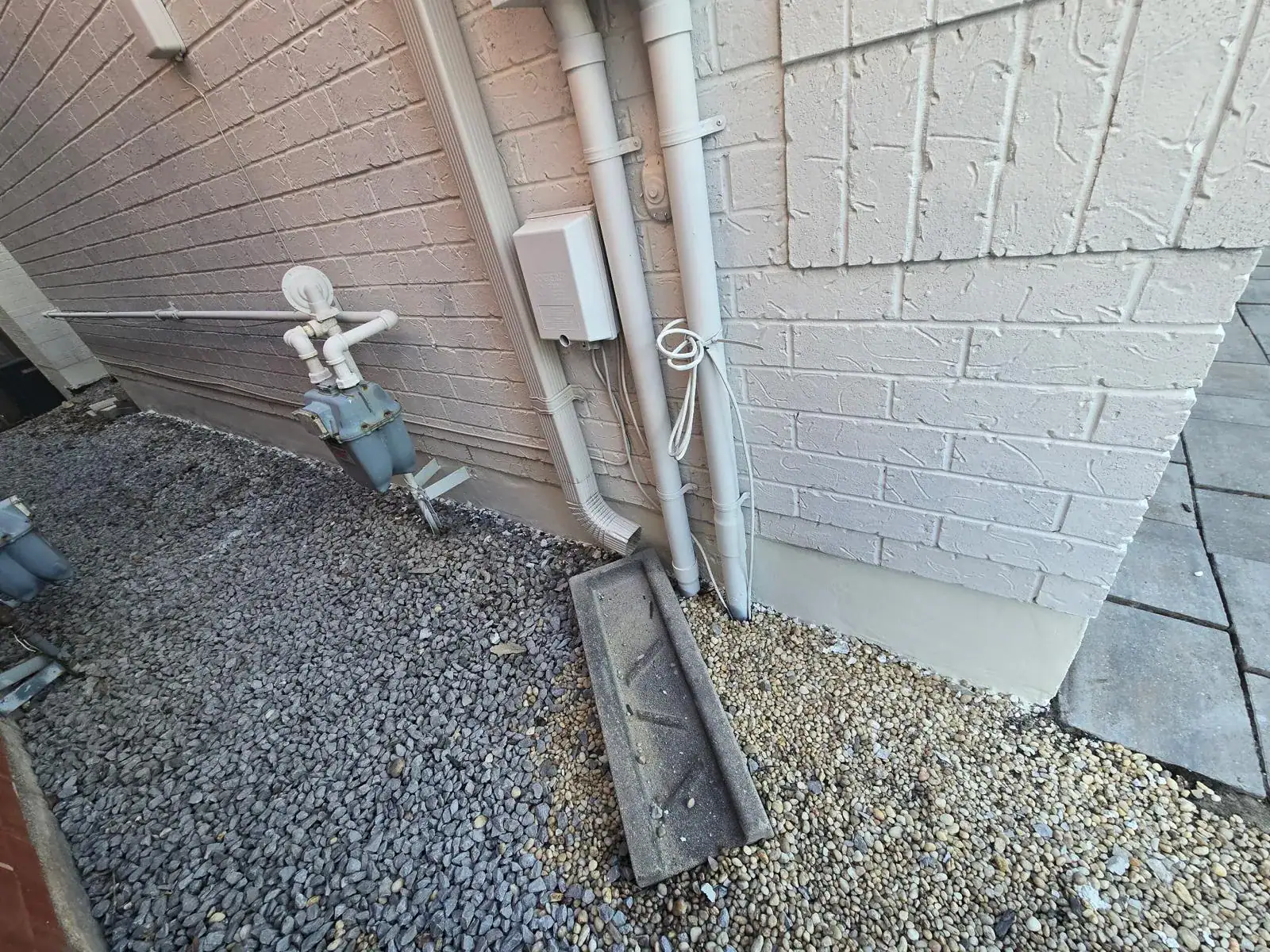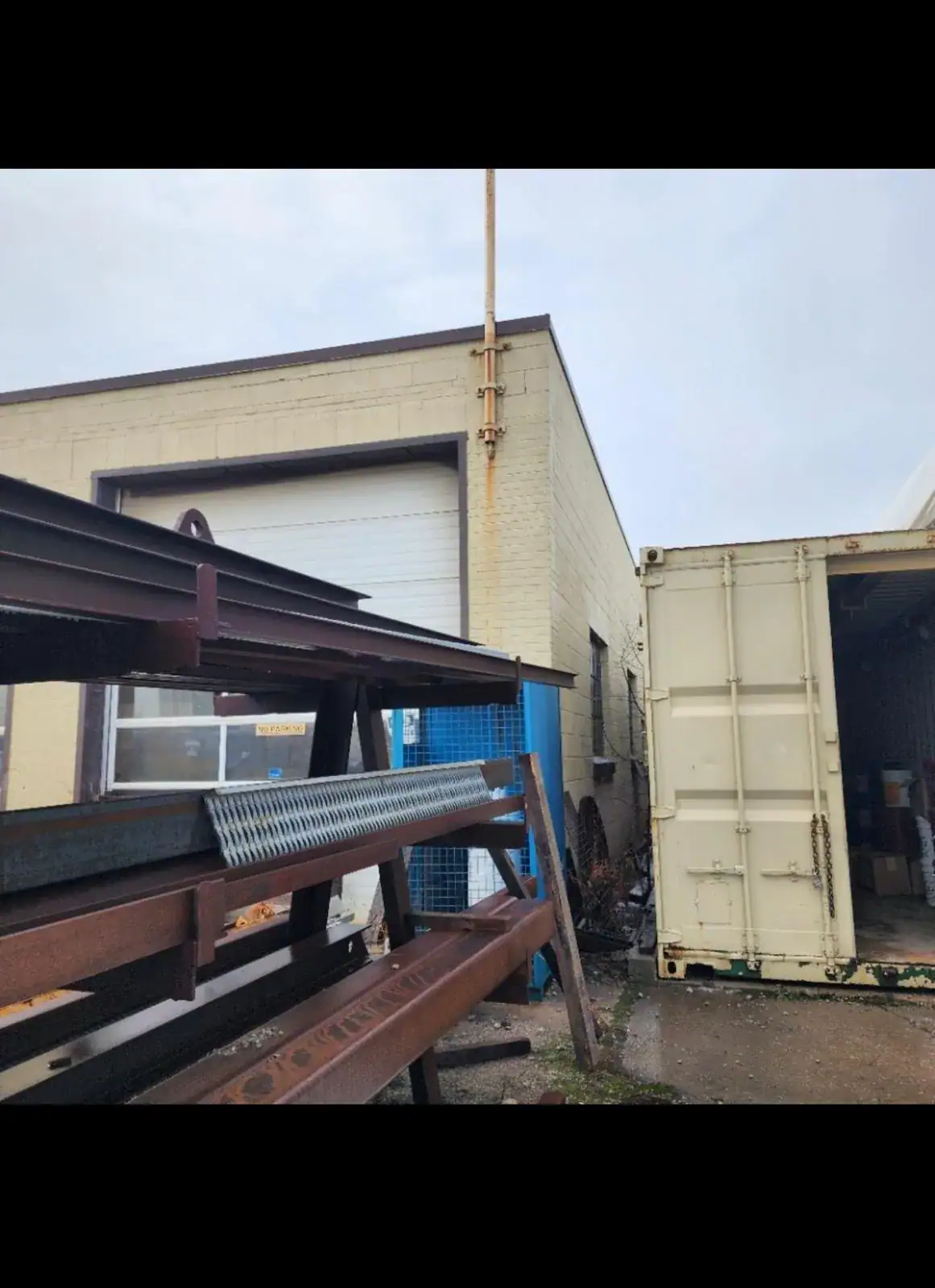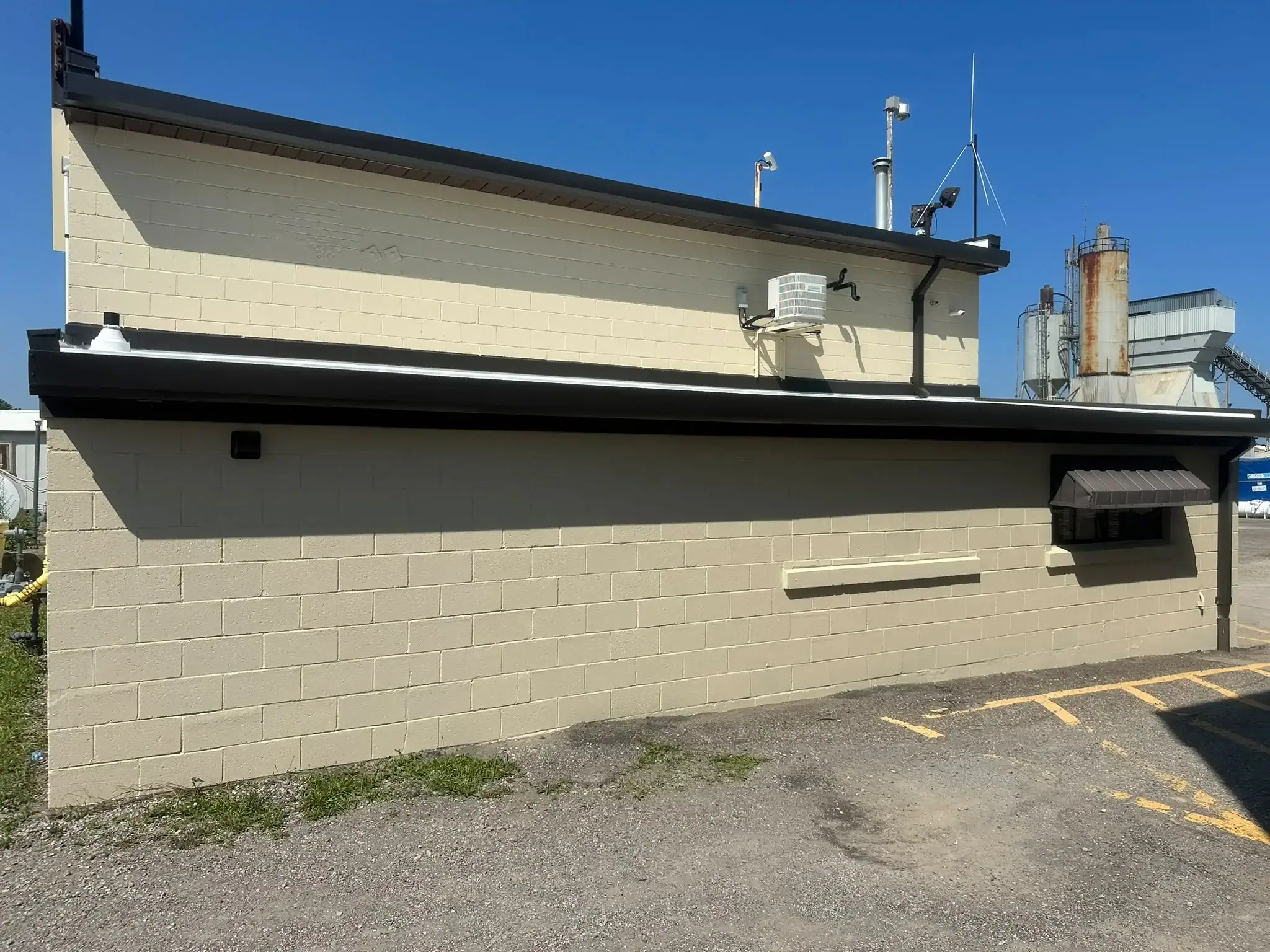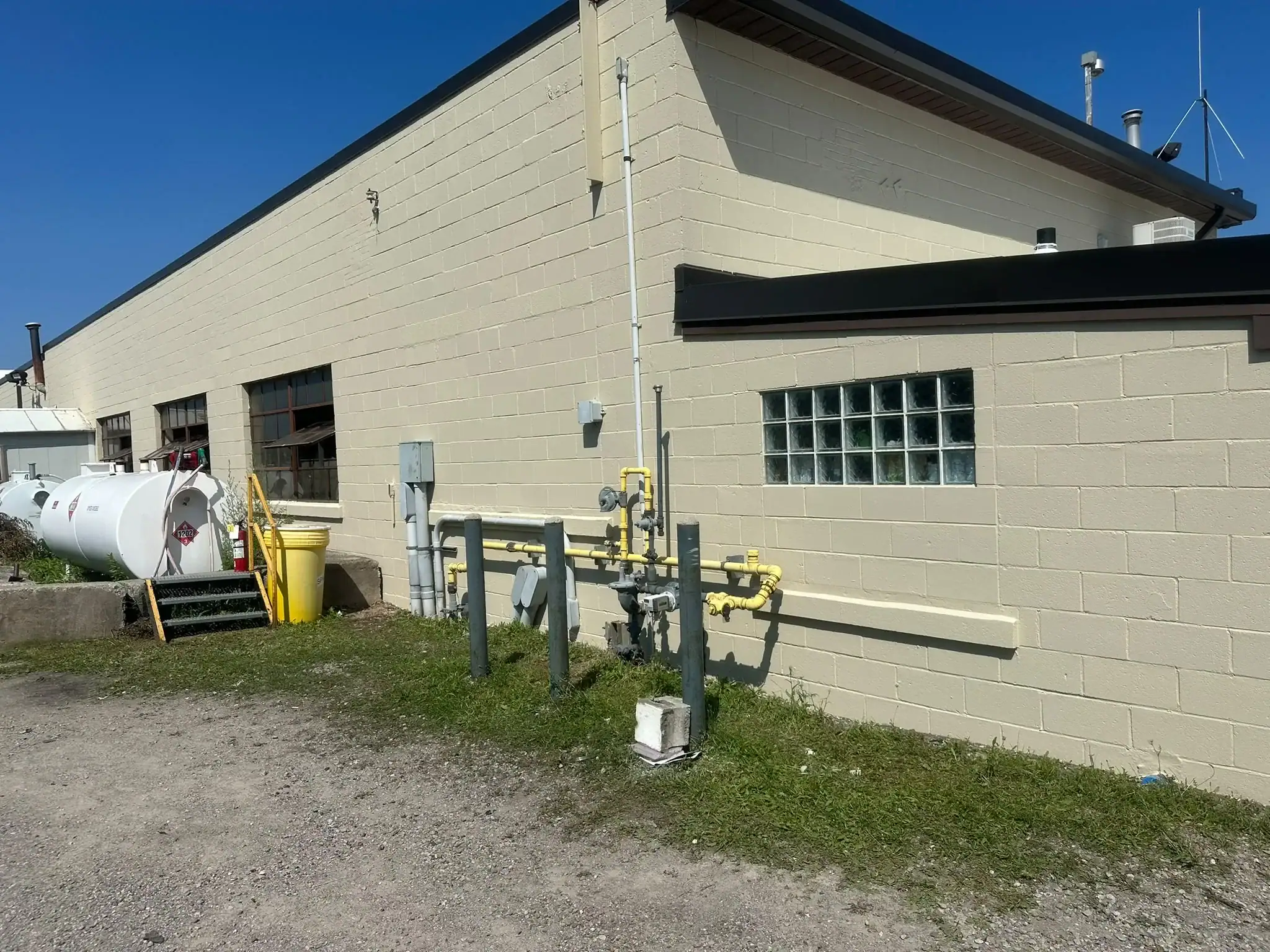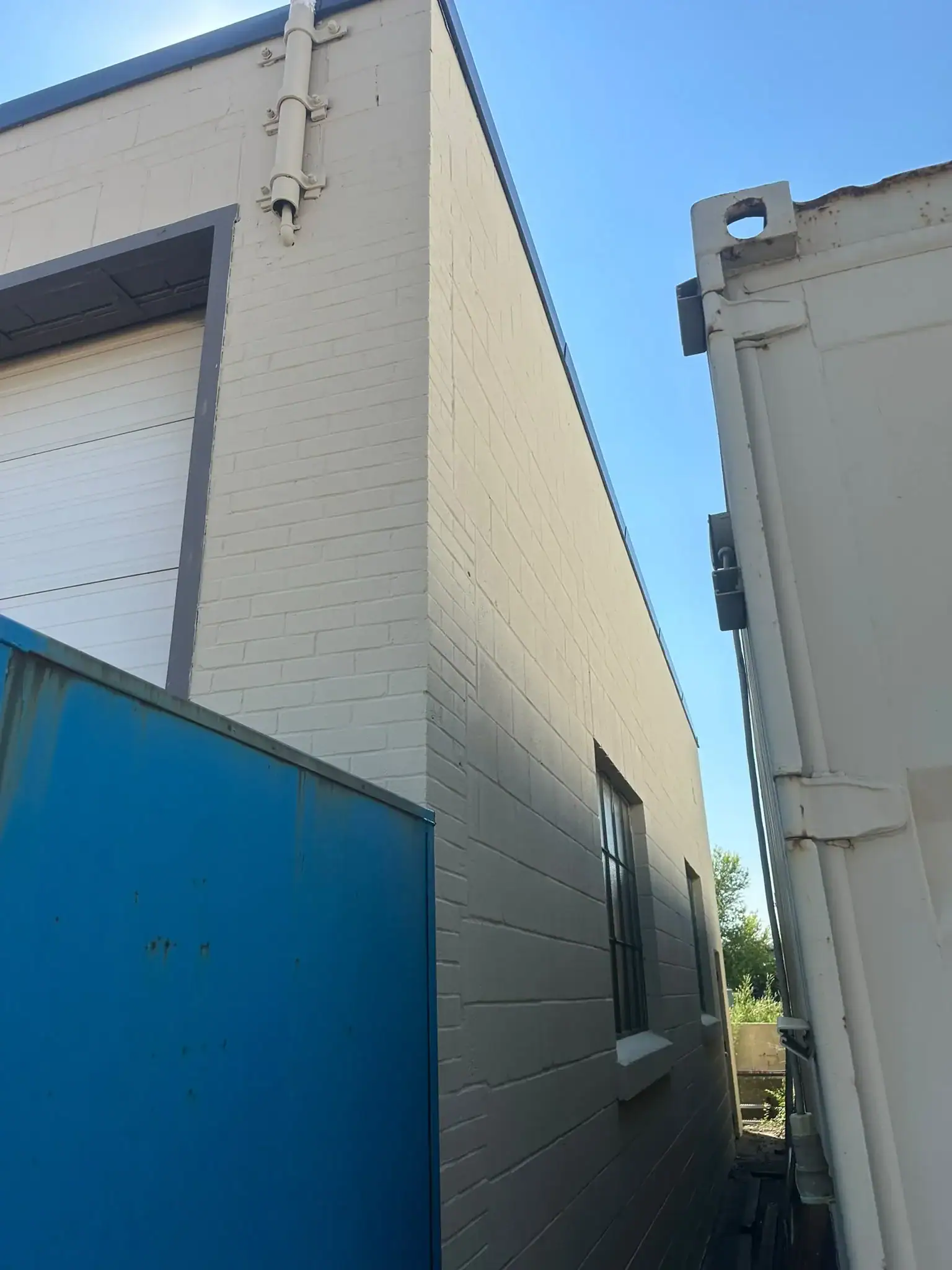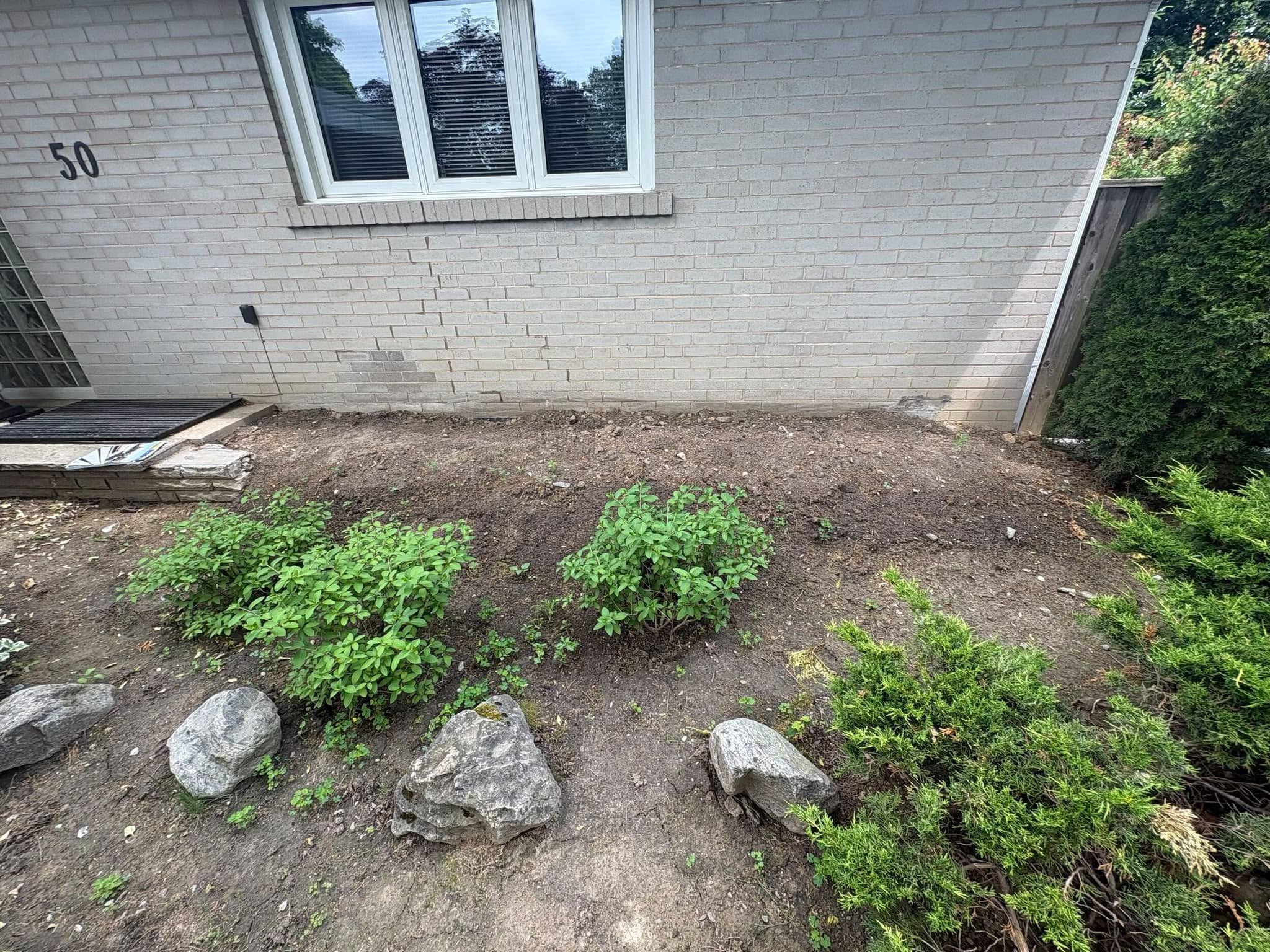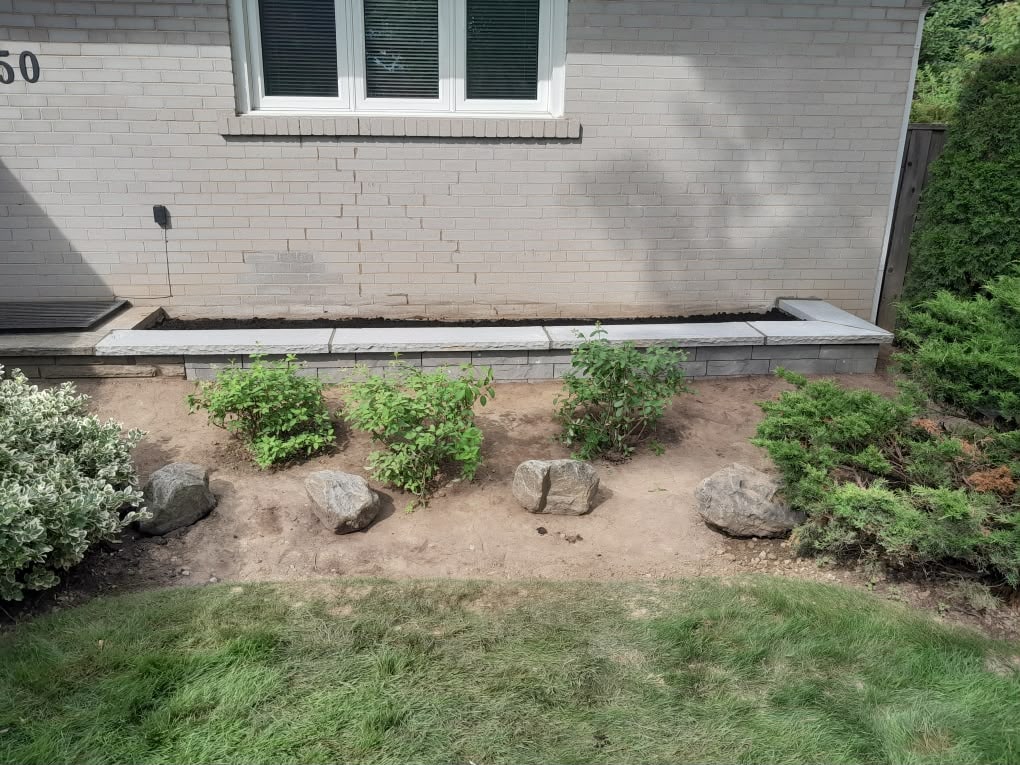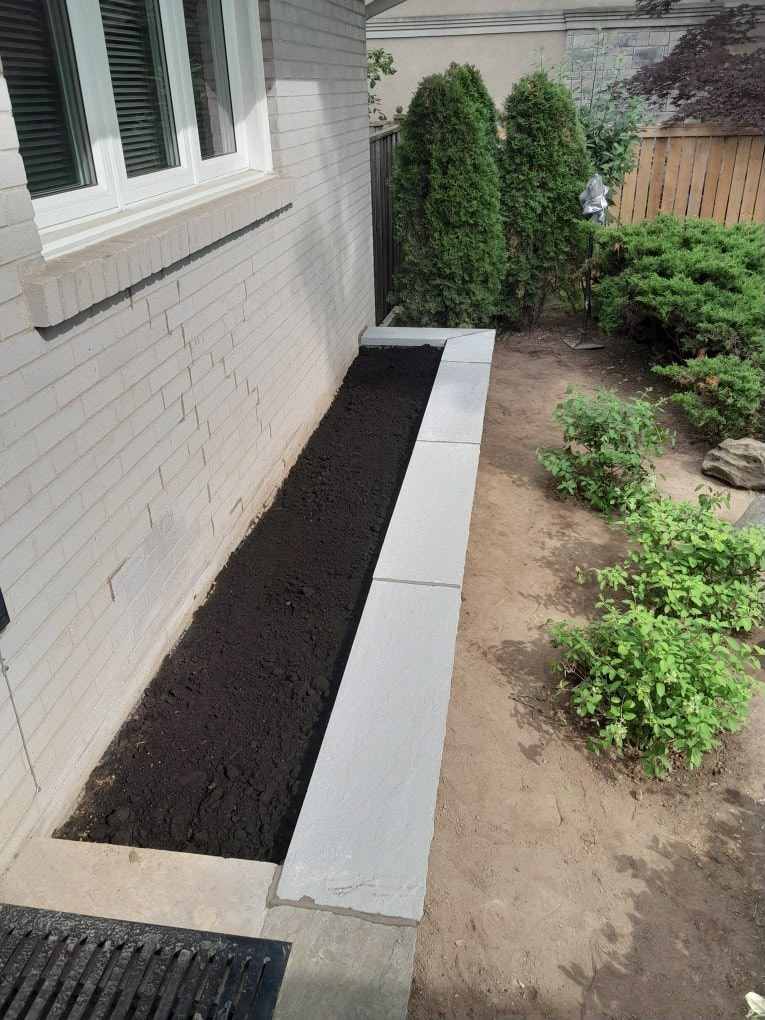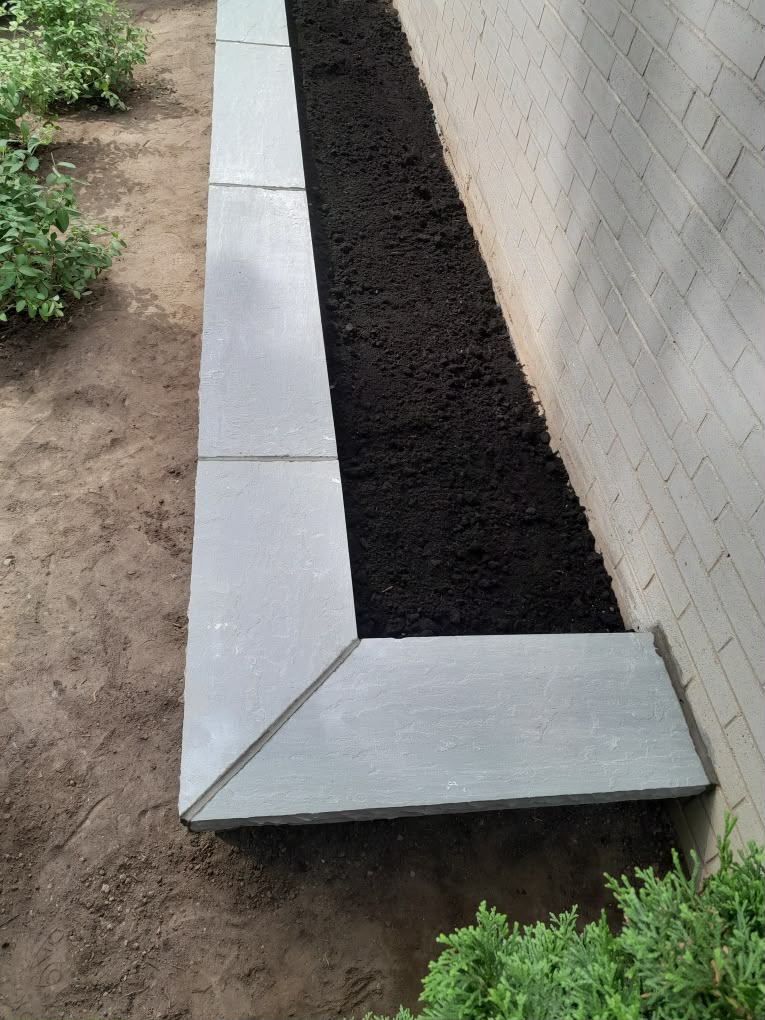

Prepare your masonry for winter is one of the most important seasonal tasks for Toronto and GTA homeowners. Winter weather places extreme stress on brick, mortar, chimneys, and hardscapes, and failing to prepare your masonry for winter often leads to freeze-thaw damage that worsens by spring.
Understanding how to prepare your masonry for winter helps prevent moisture intrusion, structural movement, and costly repairs. This guide walks through the key steps homeowners should take before cold temperatures arrive.
Why it matters to prepare your masonry for winter
To properly prepare your masonry for winter, you need to understand how winter affects masonry materials. When water enters small cracks in brick or mortar and freezes, it expands. That expansion creates pressure that slowly breaks down joints and surfaces.
Toronto’s climate is especially hard on masonry. Frequent temperature swings around the freezing point accelerate deterioration, which is why preparing masonry for winter is a preventative investment, not just maintenance.
Inspect mortar joints before winter arrives
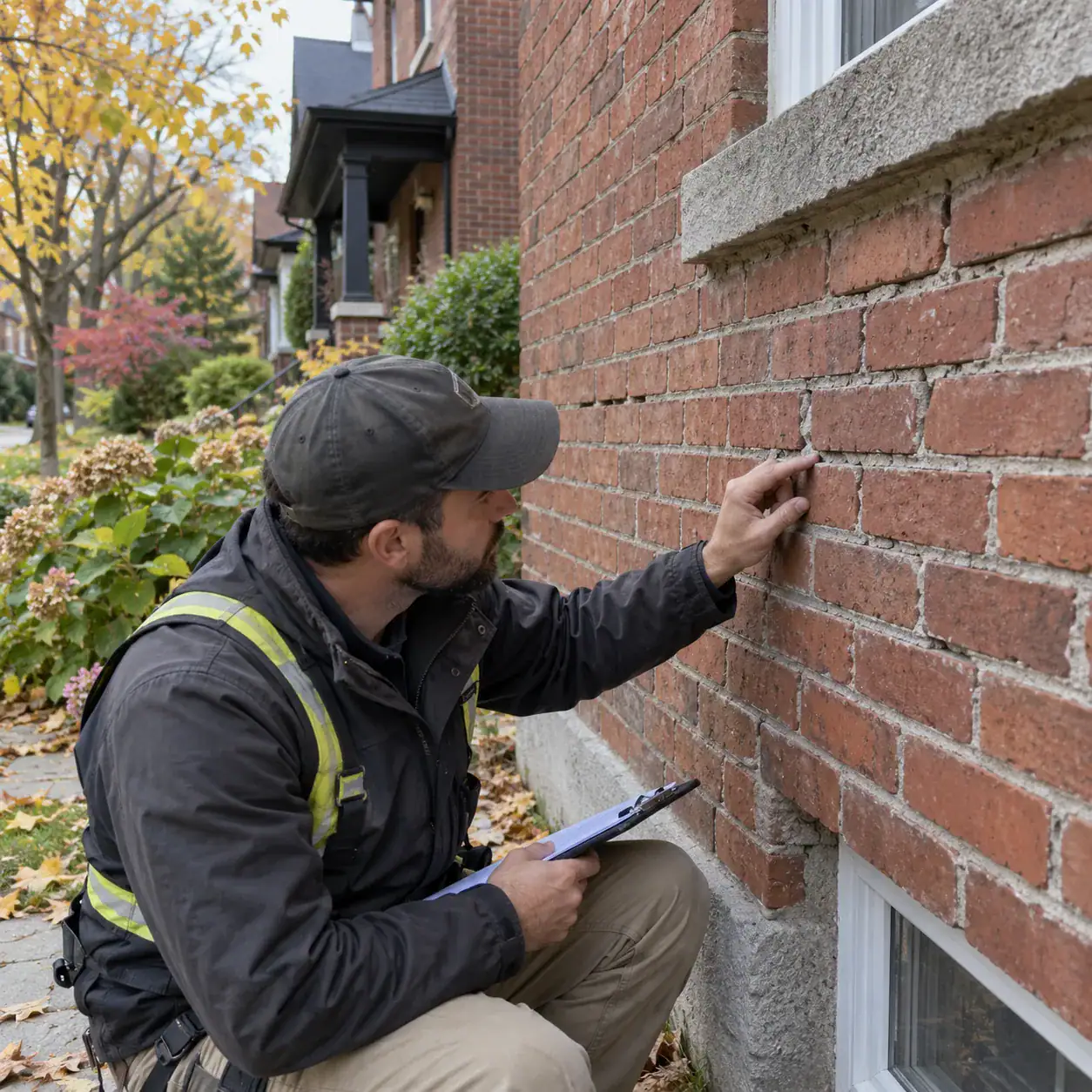
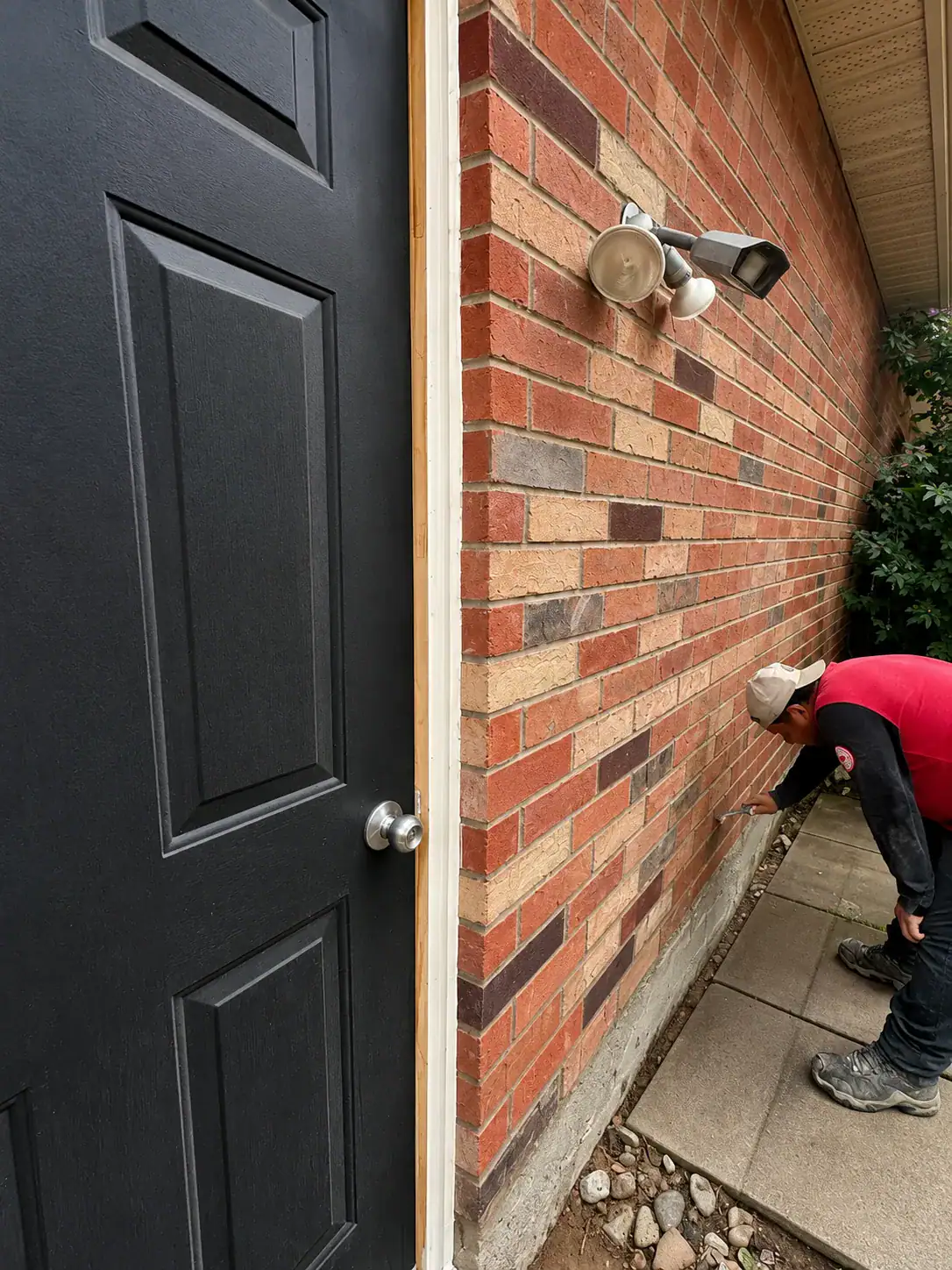
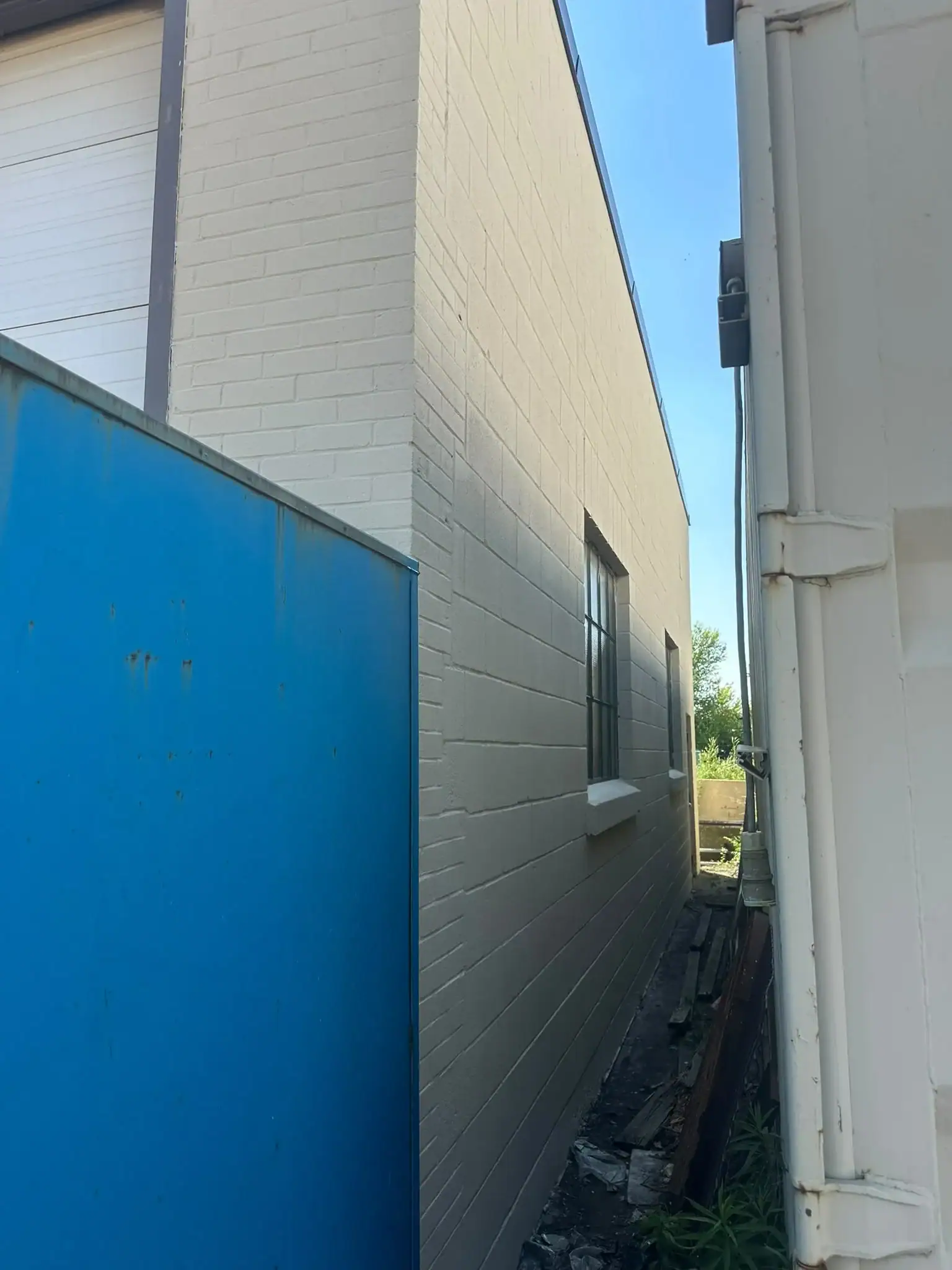
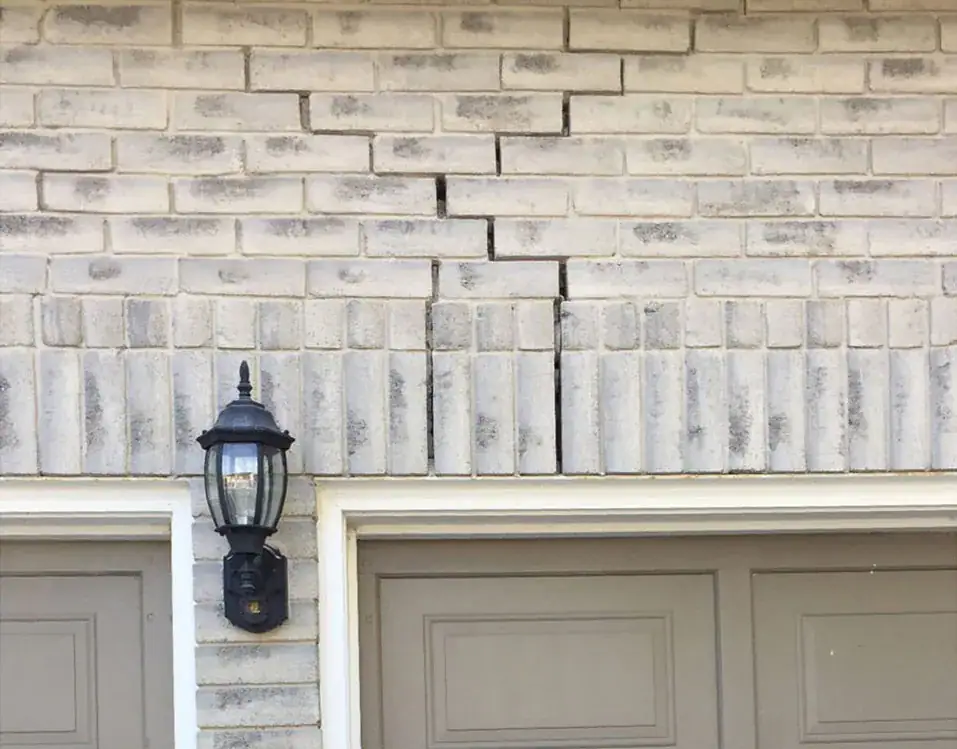
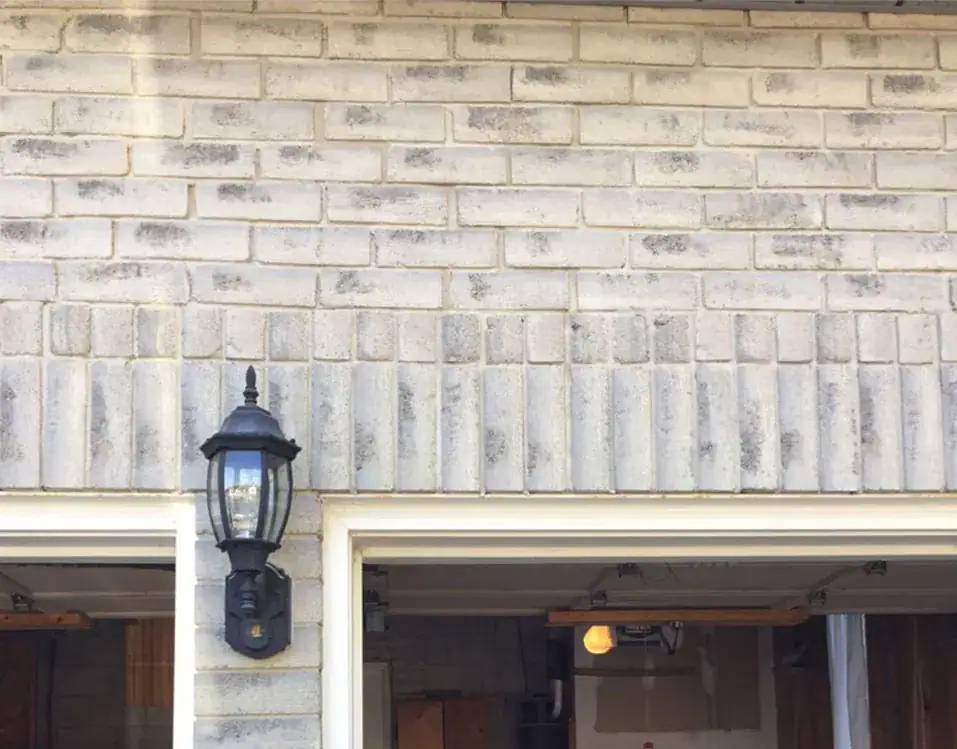
A critical step to prepare your masonry for winter is inspecting mortar joints. Mortar is designed to be the sacrificial element, meaning it should wear before brick does.
If mortar joints are cracked, recessed, or crumbling, moisture can enter and freeze. This is where services like tuckpointing and chimney repair before winter sets in become essential.
In older neighbourhoods such as Scarborough, delayed repairs often require localized solutions like Scarborough brick repair and restoration due to prolonged exposure.
Check brick surfaces for early damage
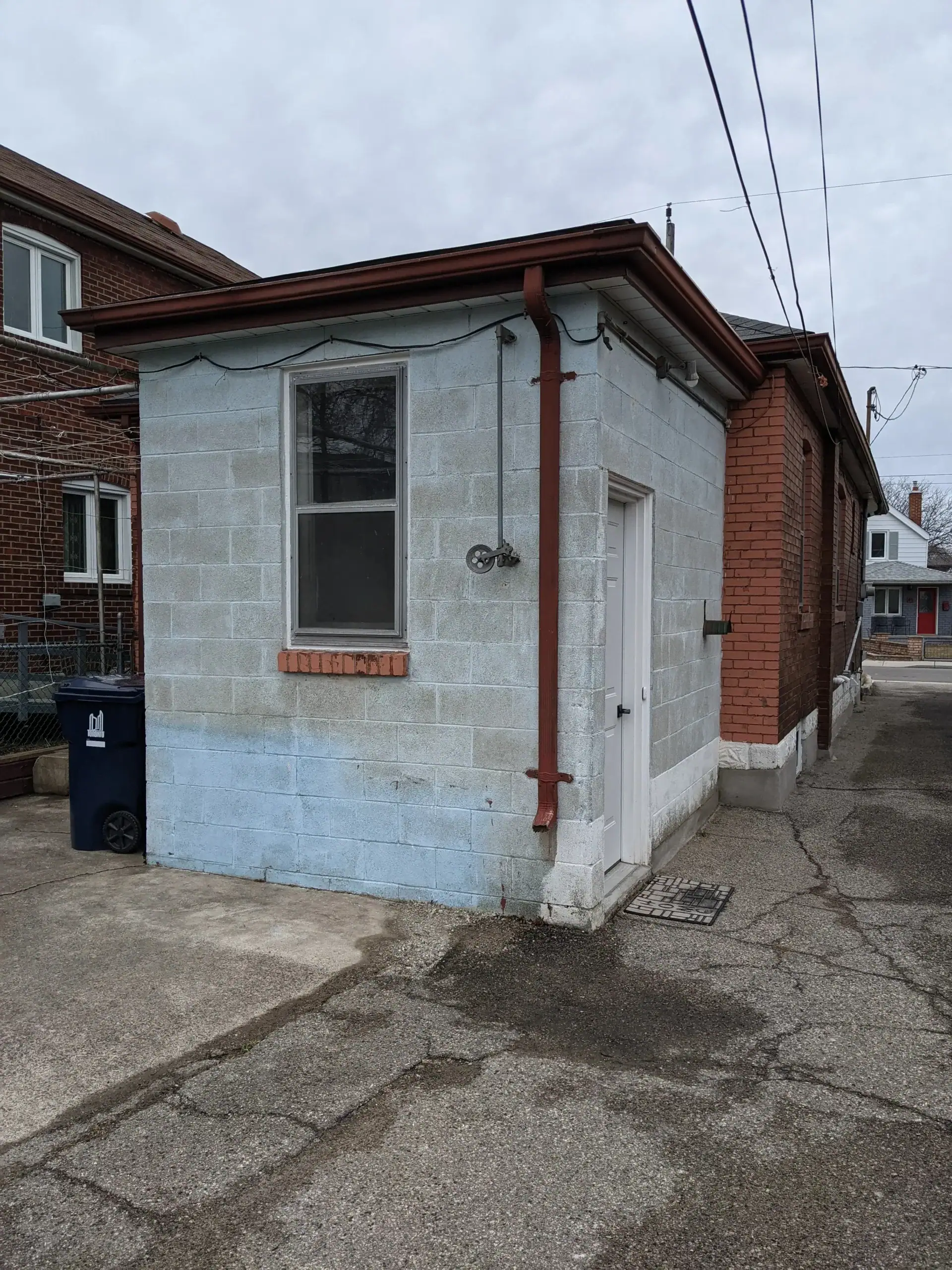
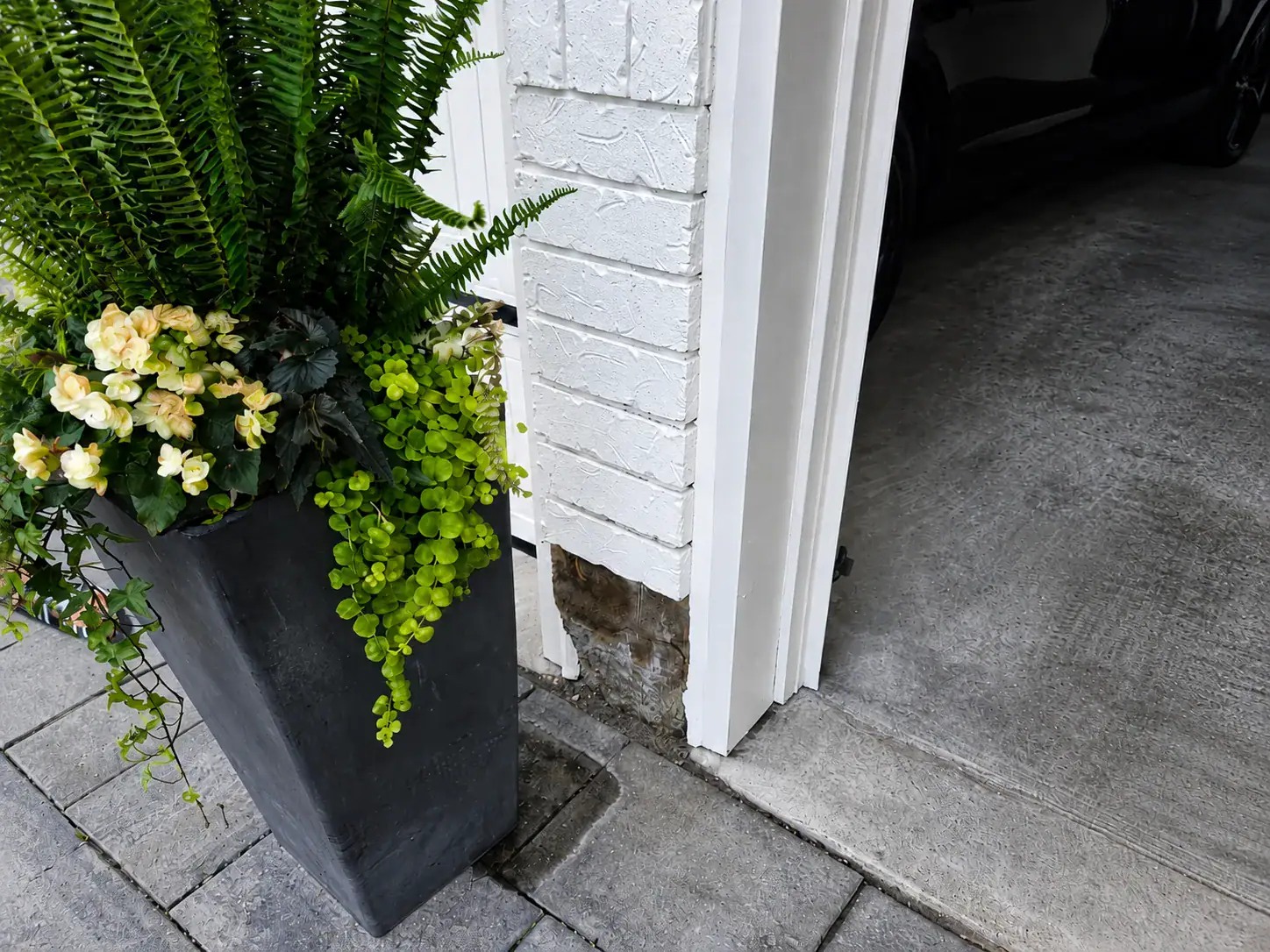
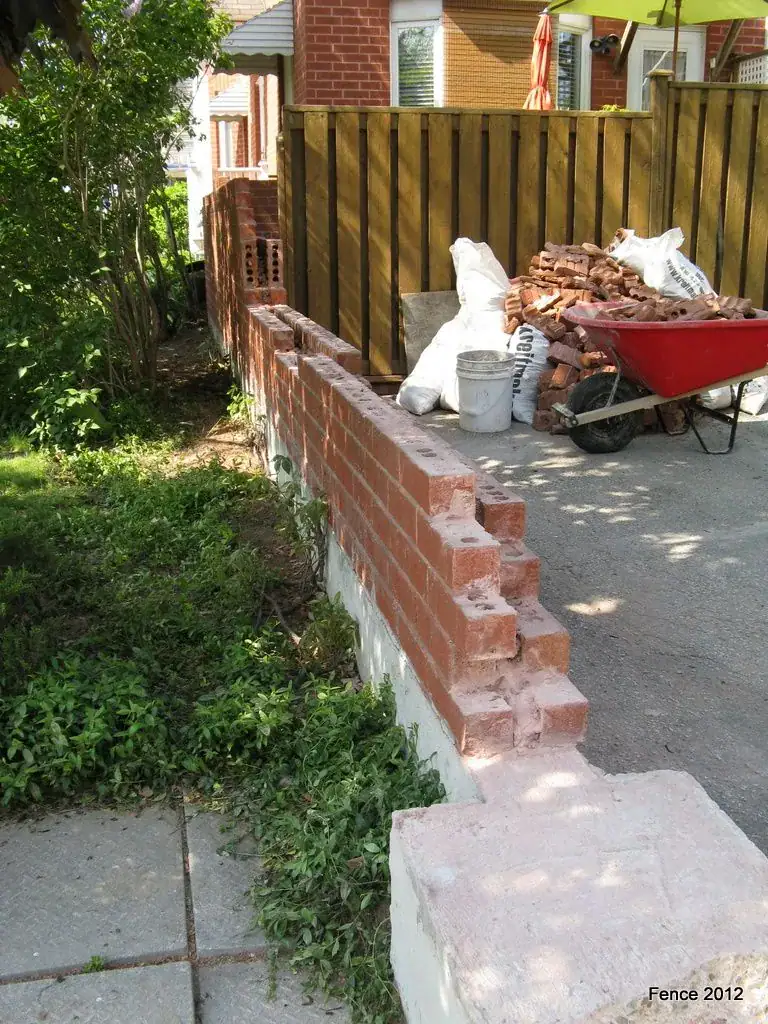
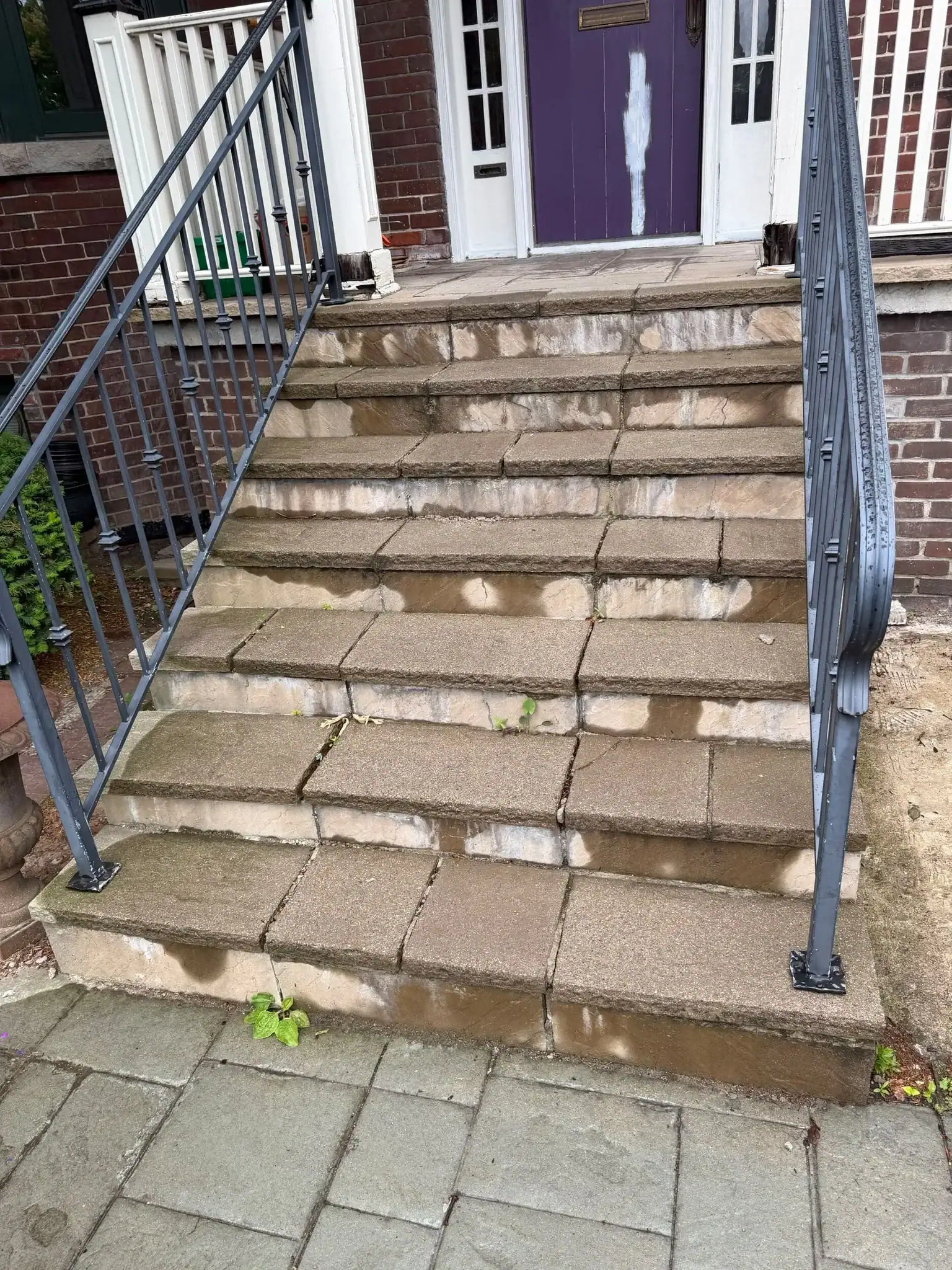
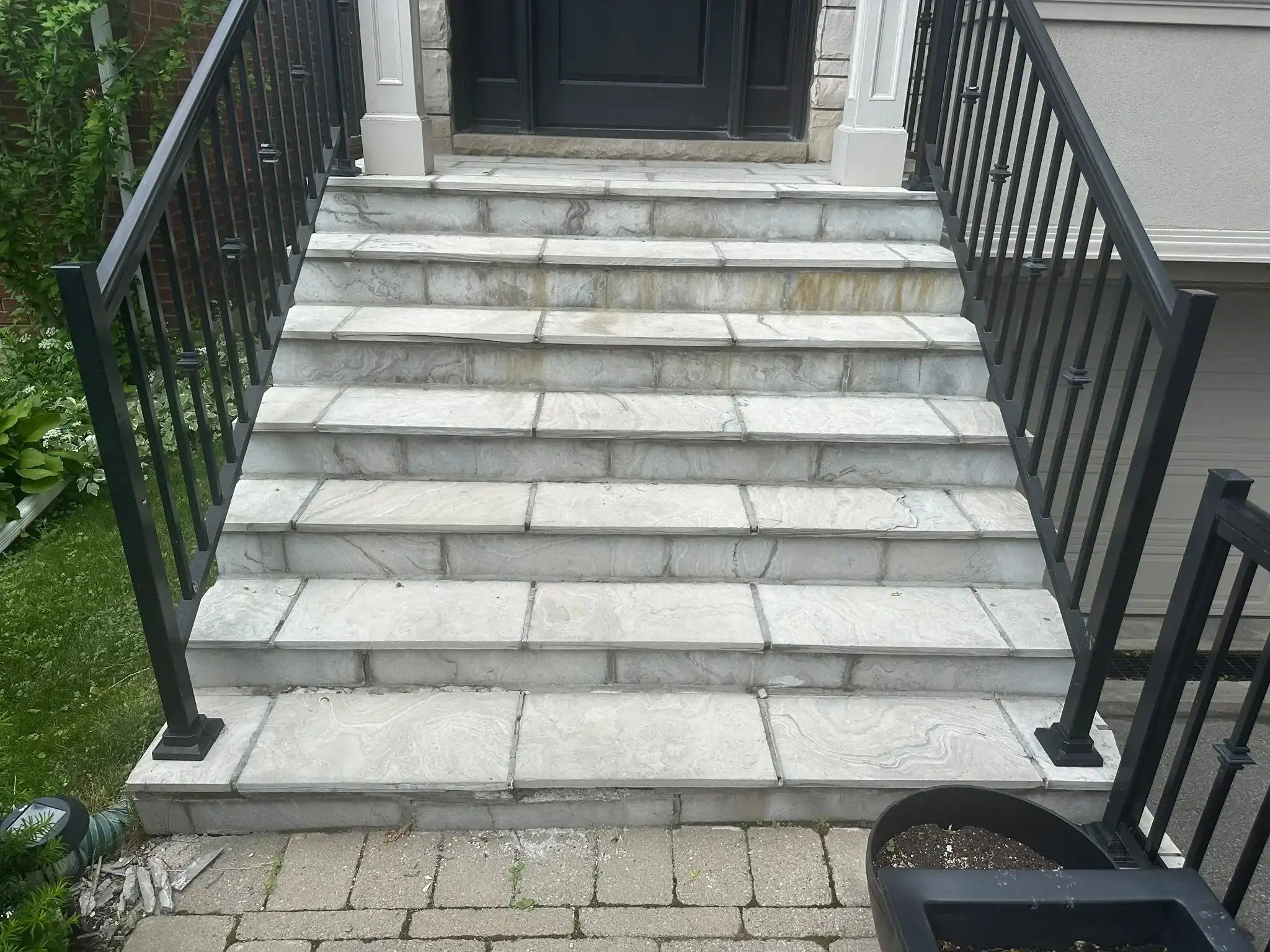
To prepare your masonry for winter fully, inspect brick faces for spalling or cracking. Surface damage allows water to penetrate deeper into the brick, increasing the risk of freeze-thaw failure.
Addressing brick issues early with brick repair helps preserve the surrounding masonry system throughout winter.
Do not ignore chimneys and roofline masonry
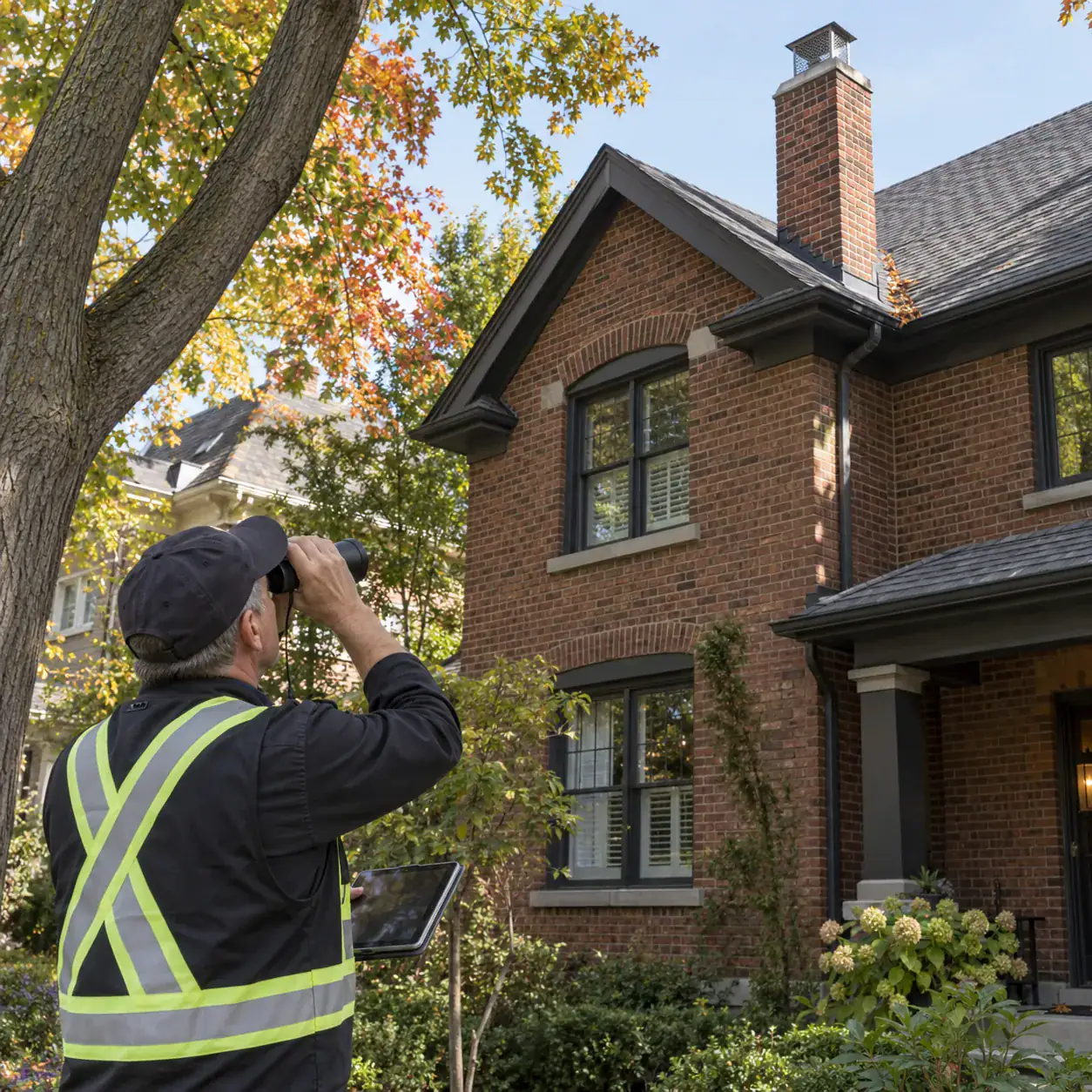
Chimneys are often the first areas to show winter-related damage. Because chimneys are exposed on all sides, homeowners must prepare masonry for winter at the roofline as well.
Professional chimney repair ensures caps, crowns, and joints are sealed before snow and ice accumulation begins.
For a deeper look at early warning signs, see our guide on chimney damage.
Manage drainage around walkways and hardscapes
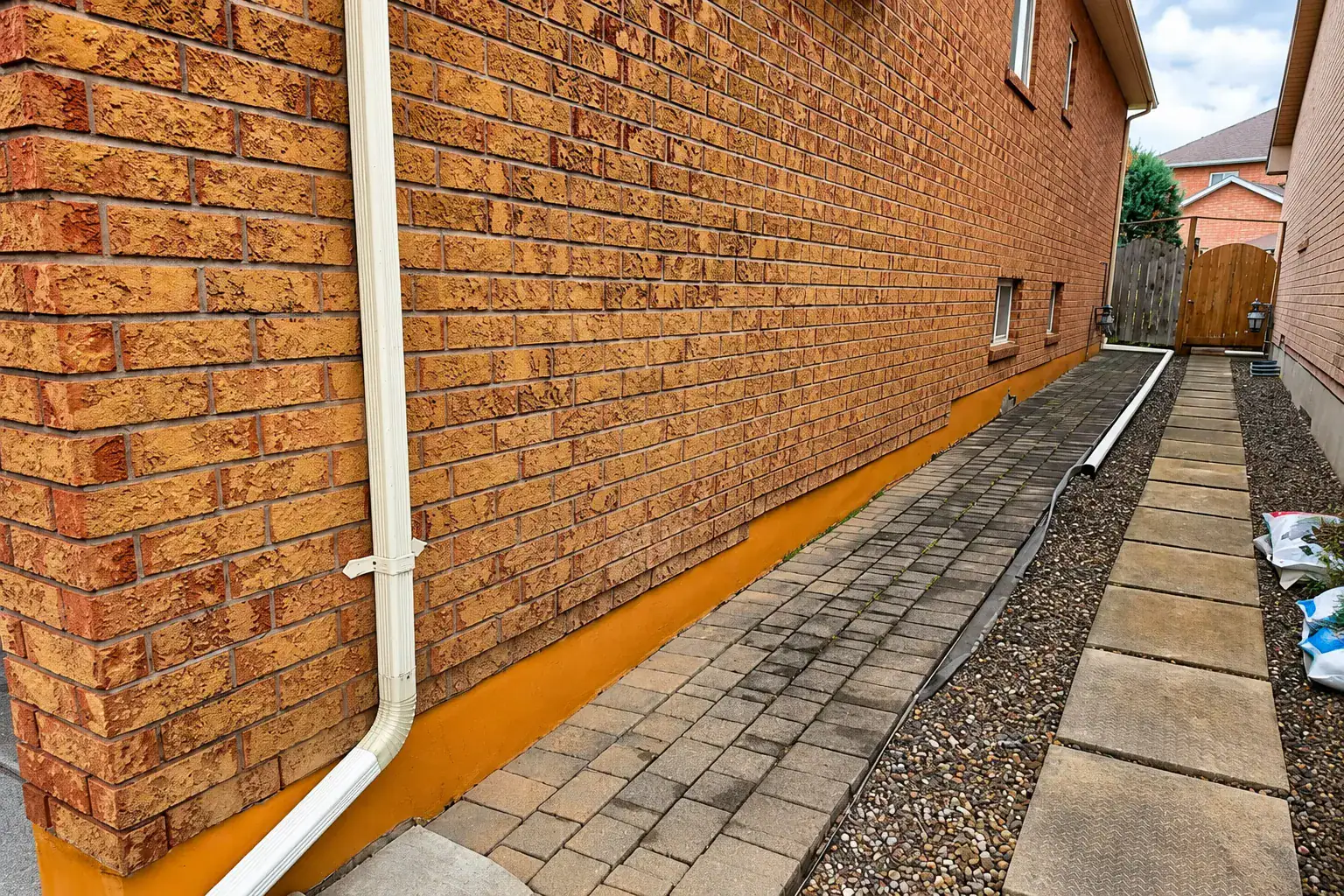
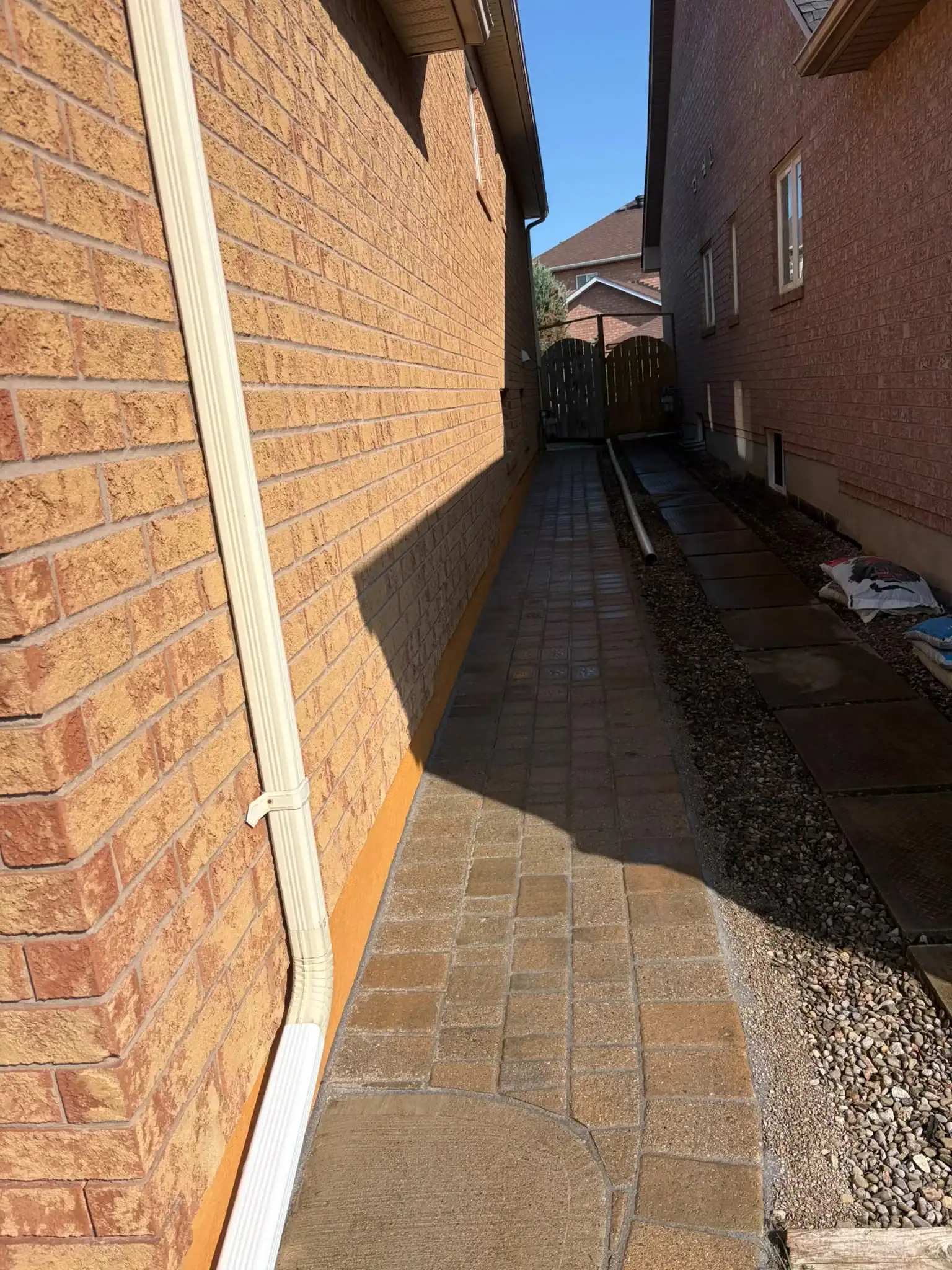
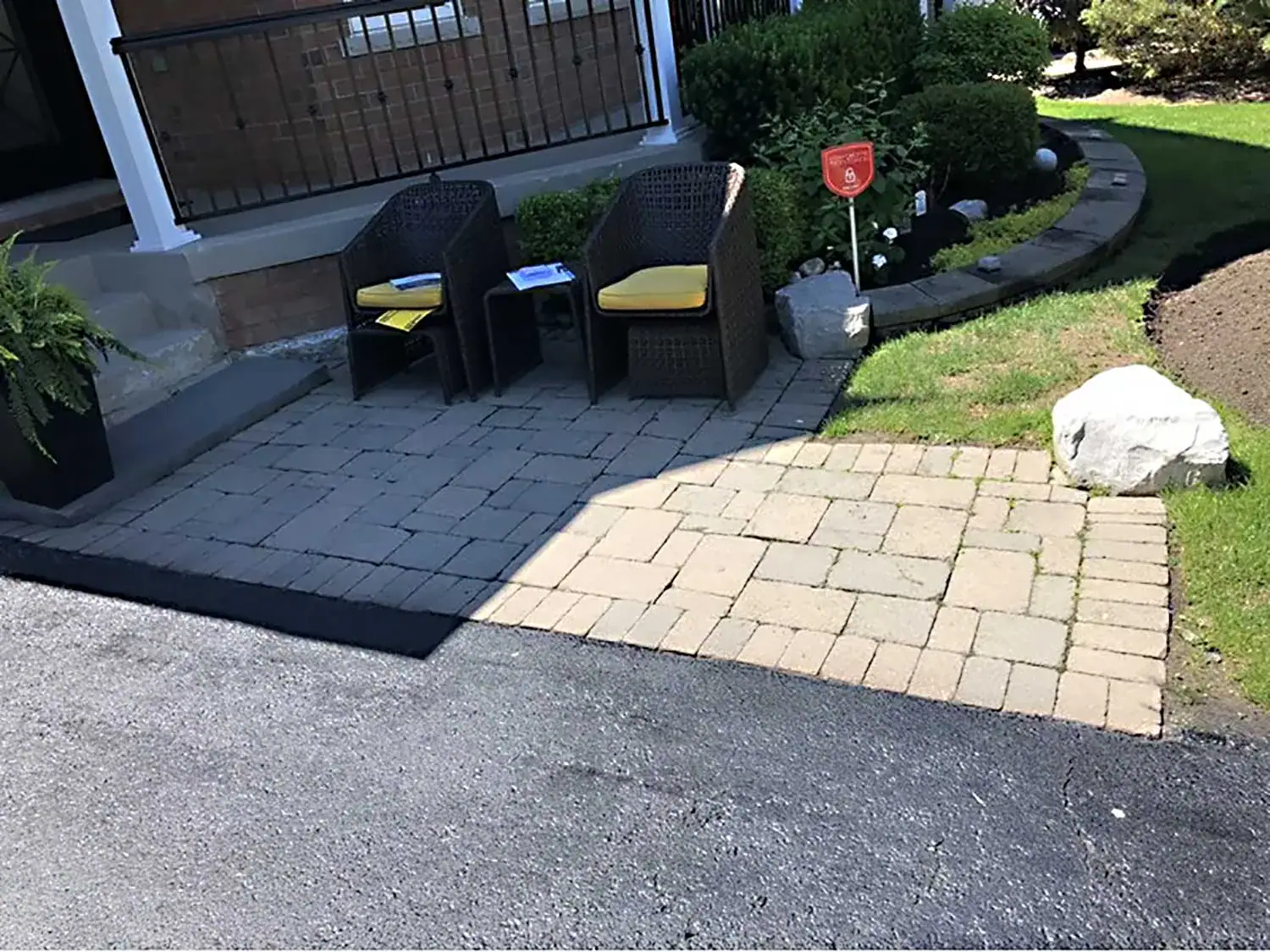
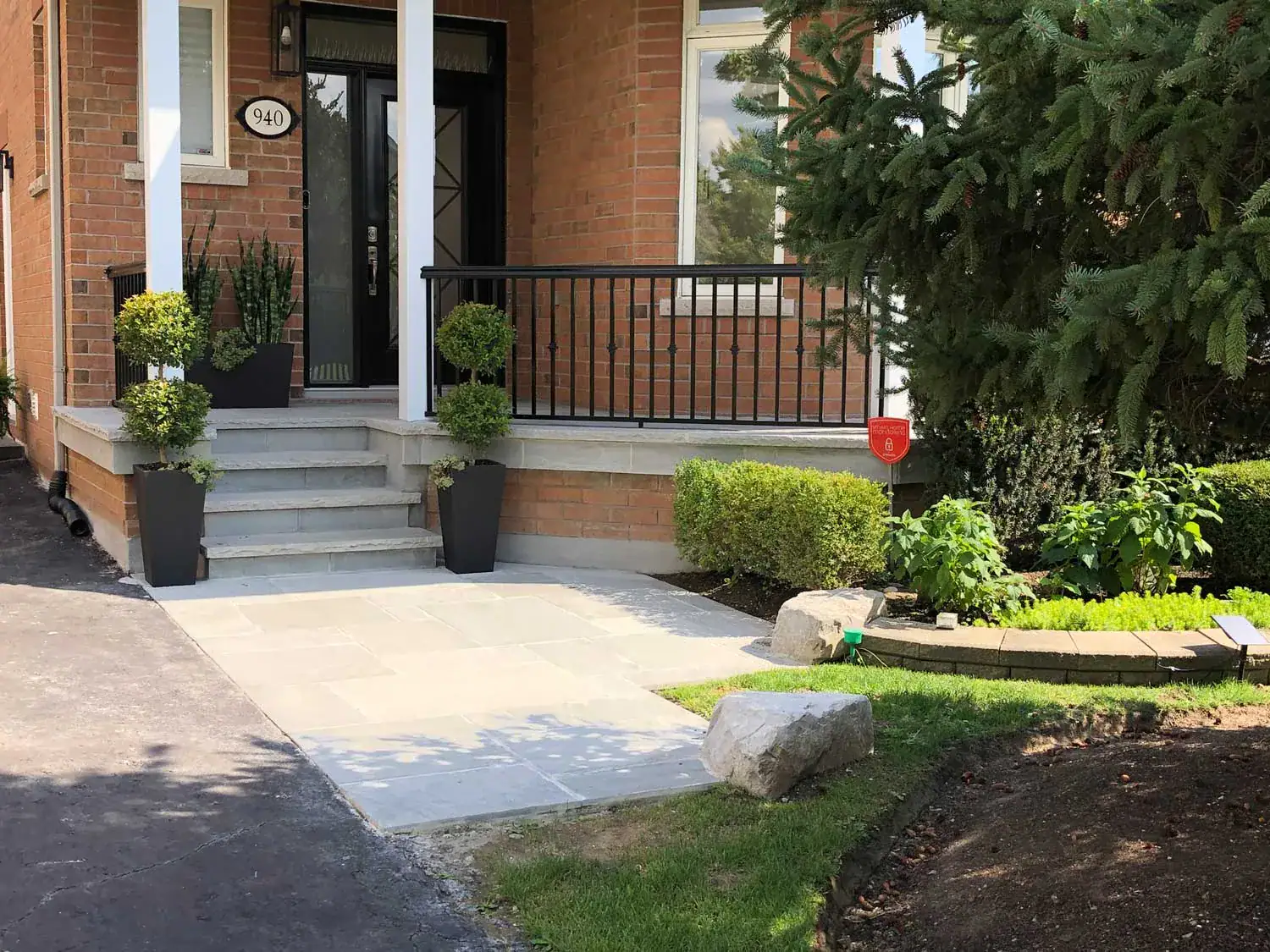
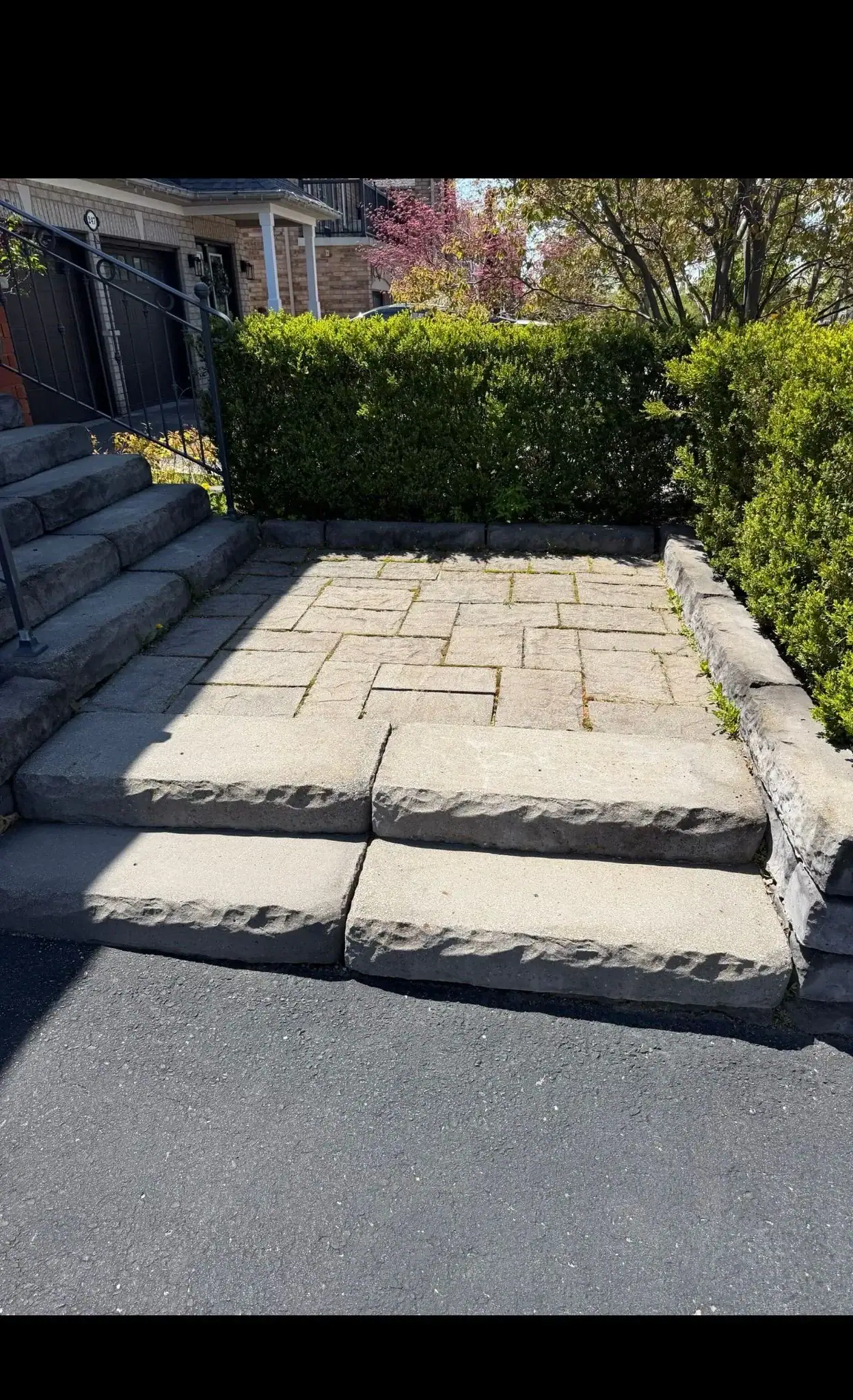
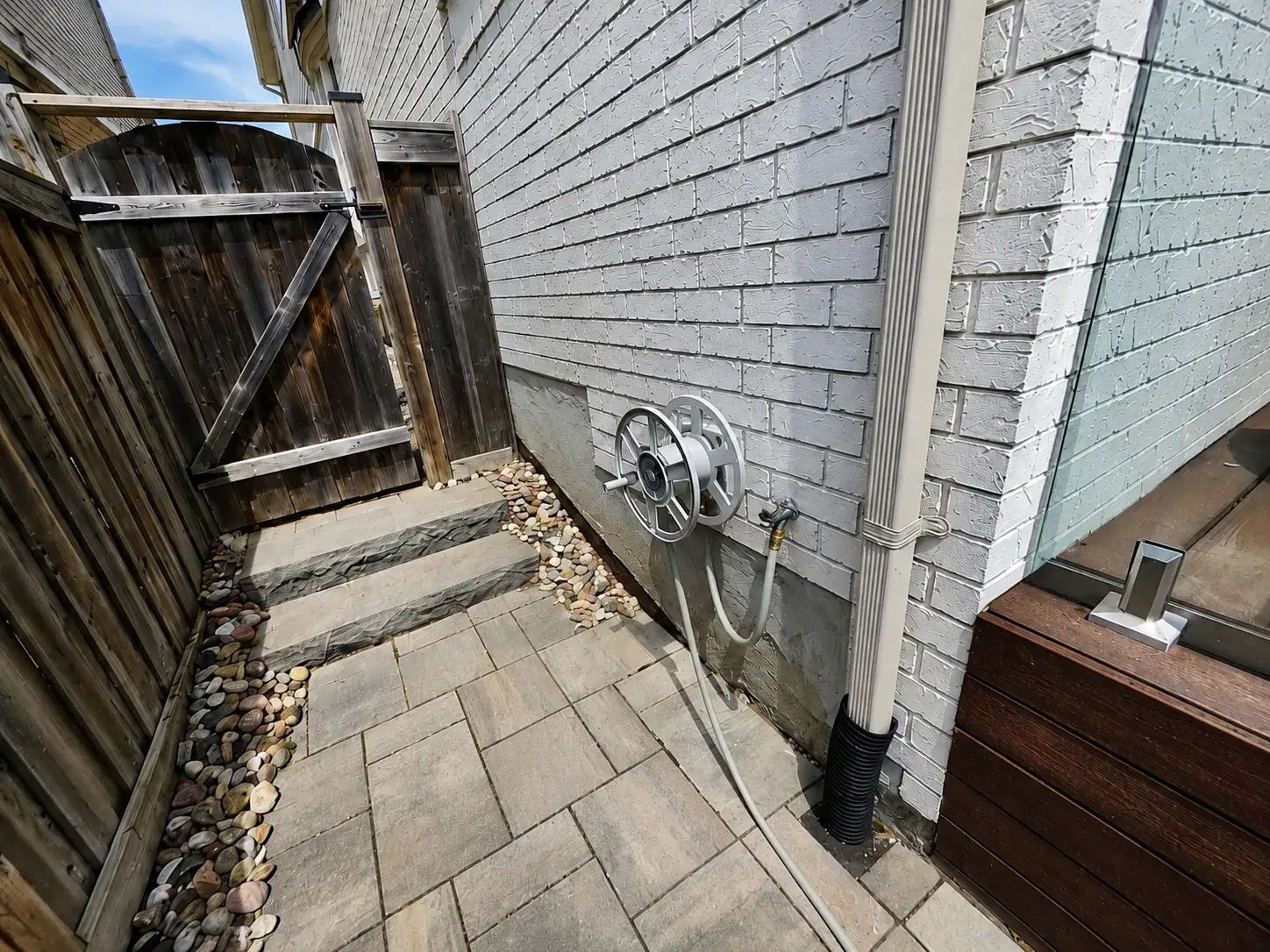
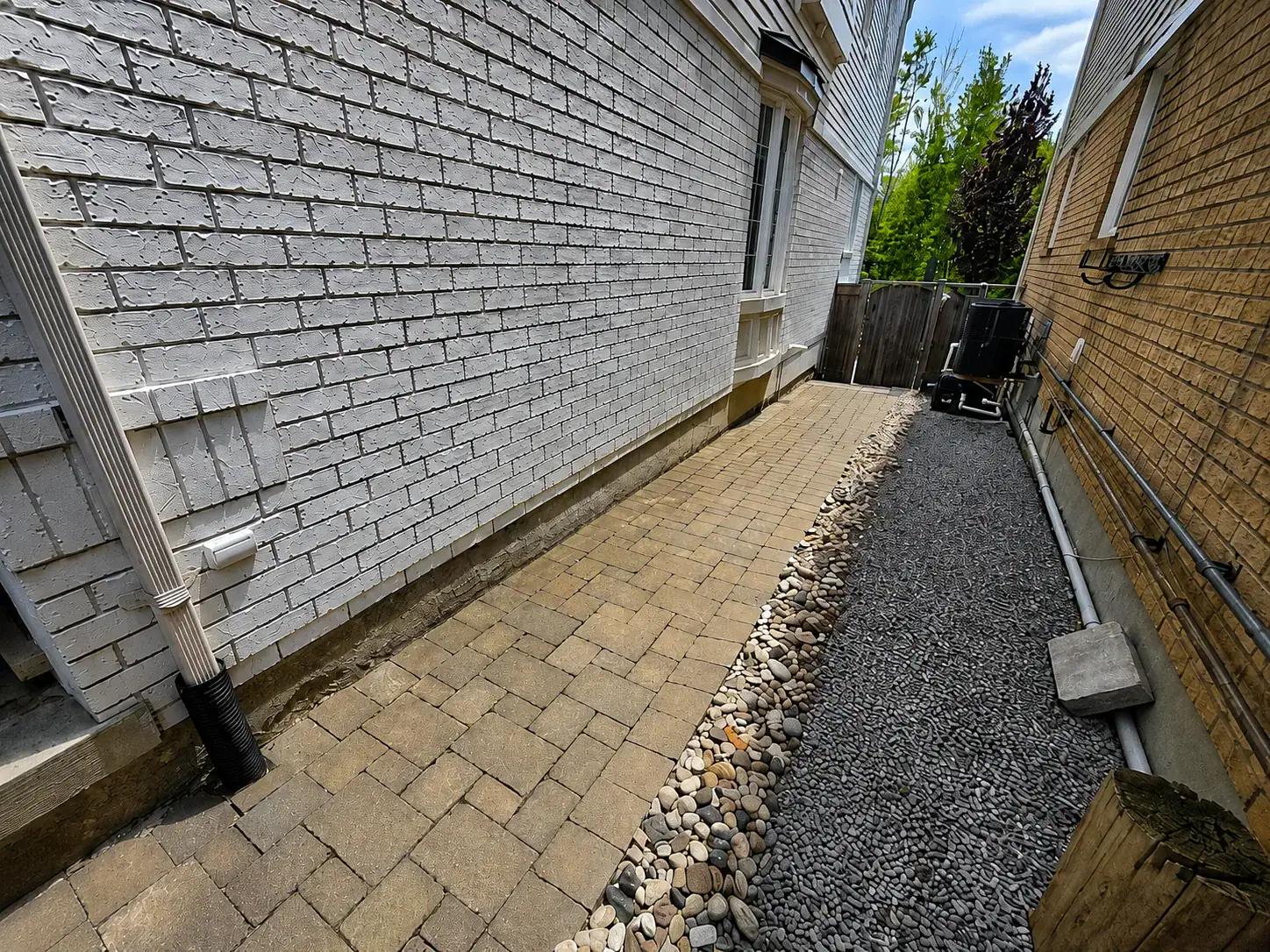
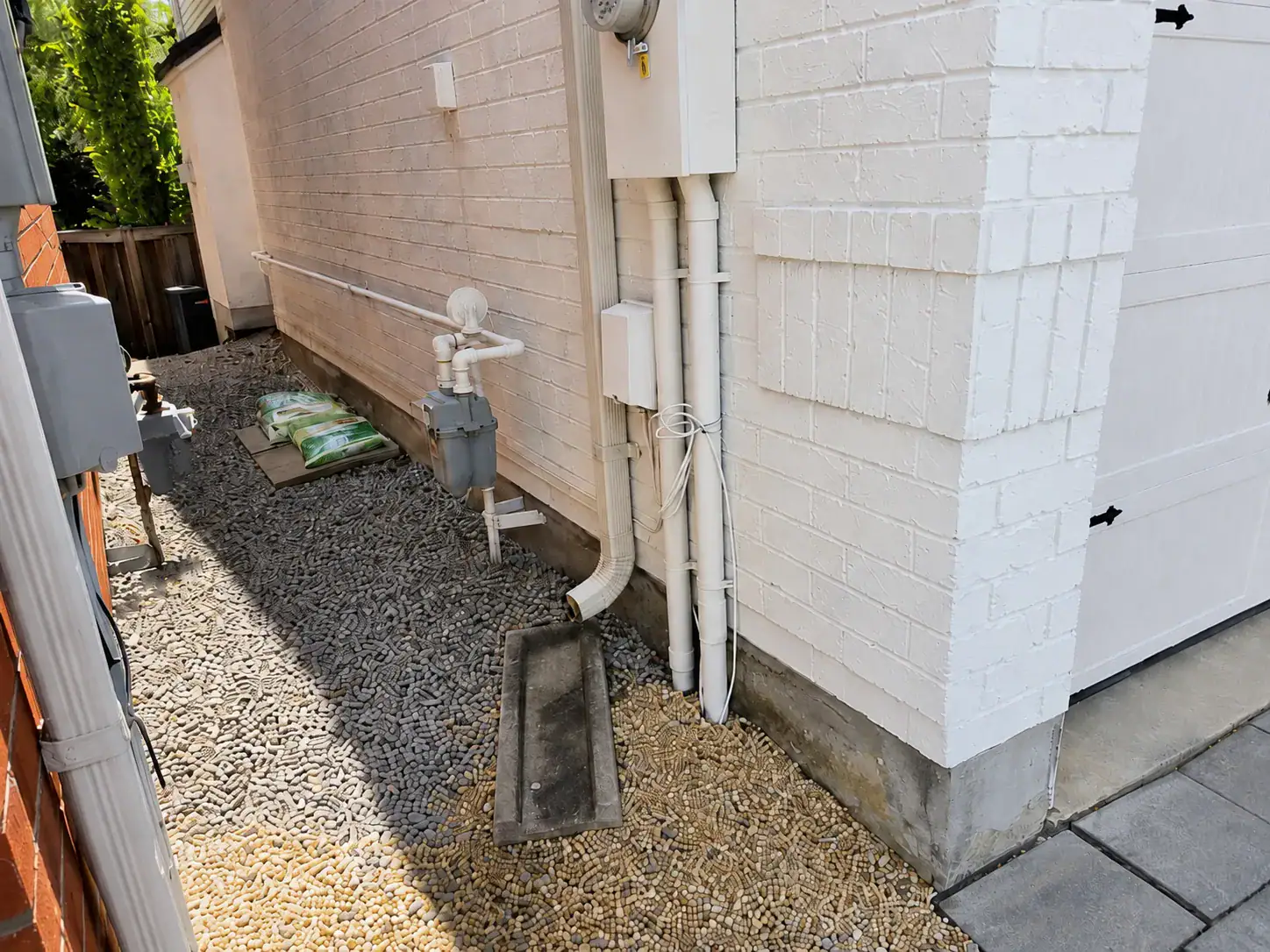
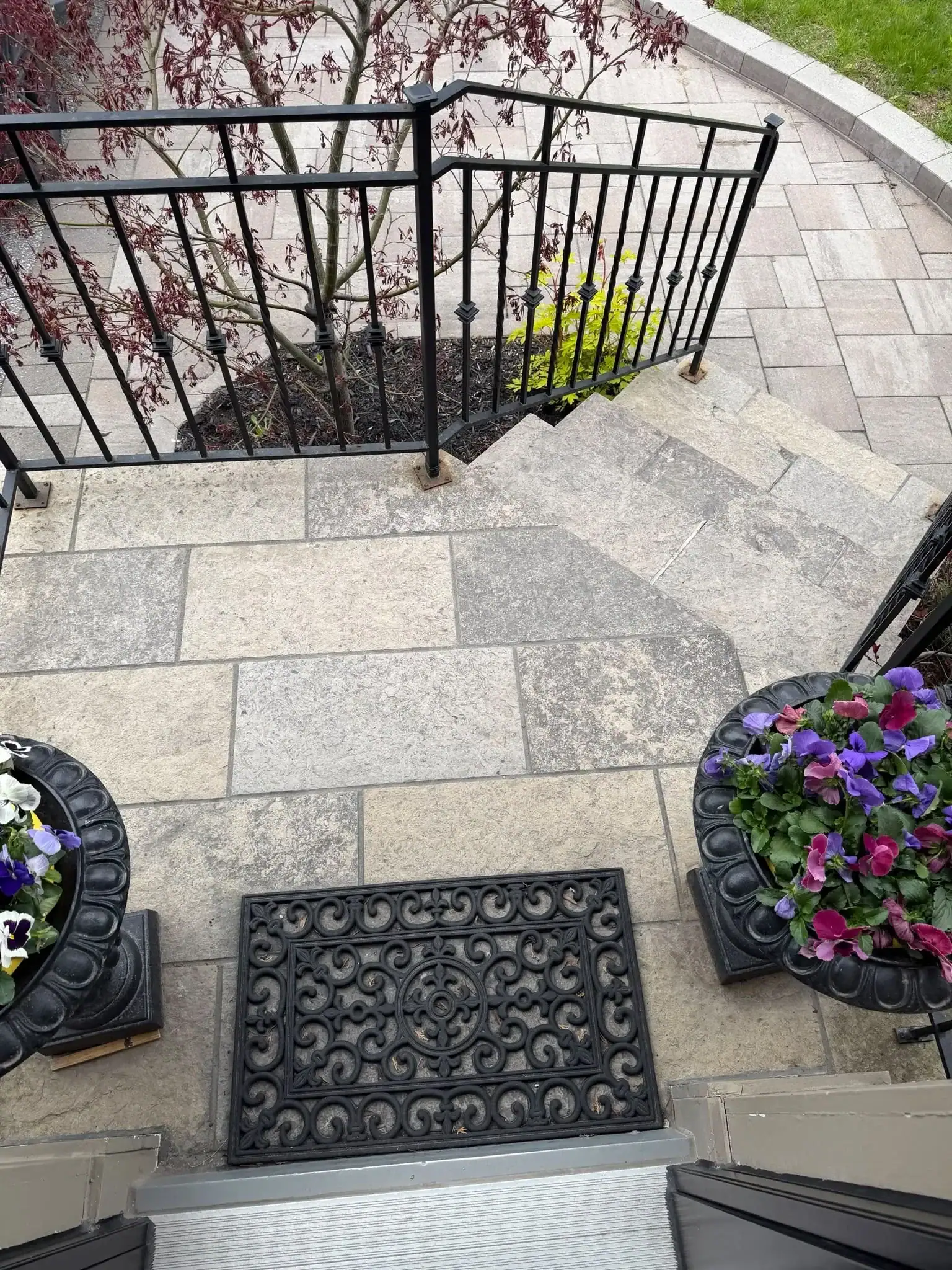
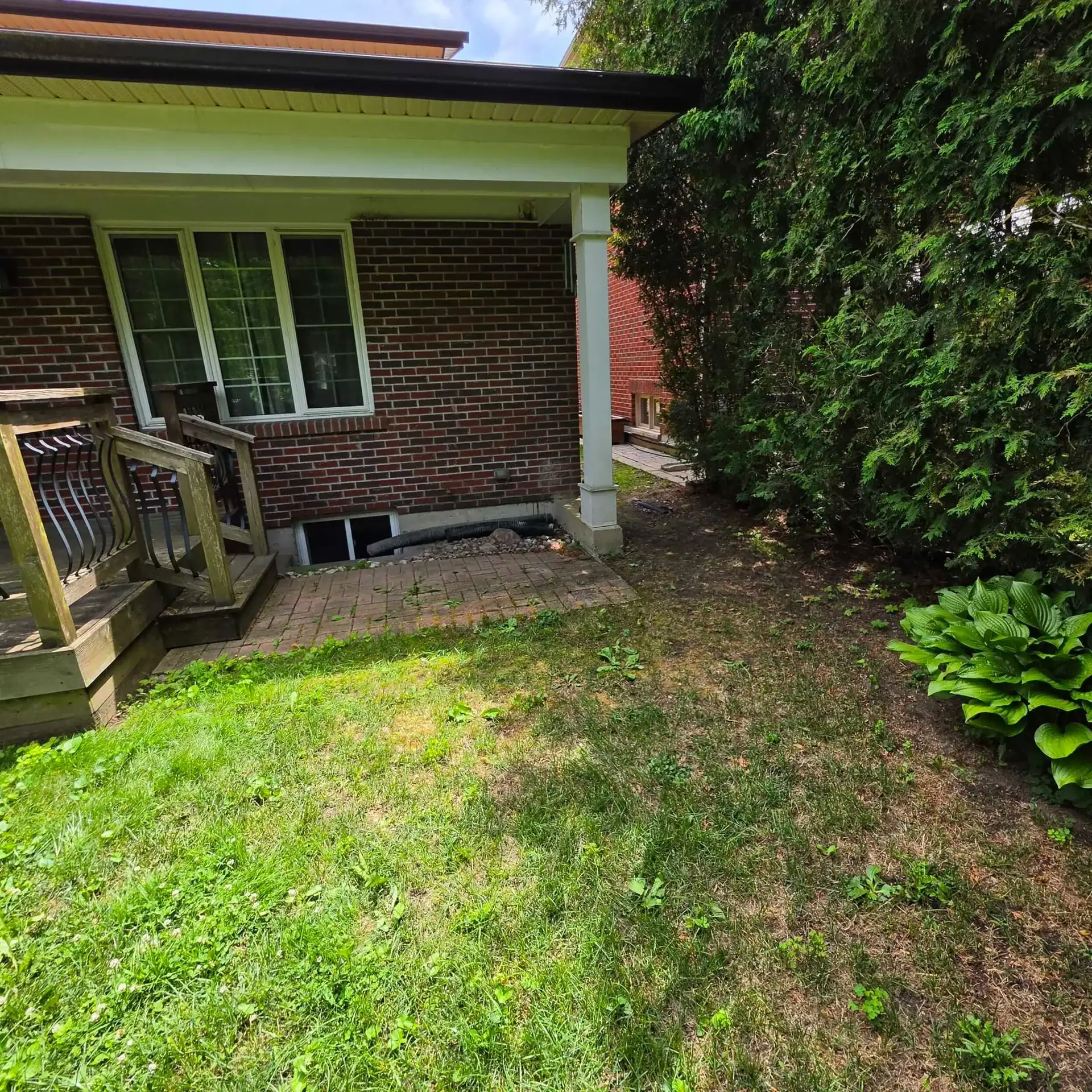
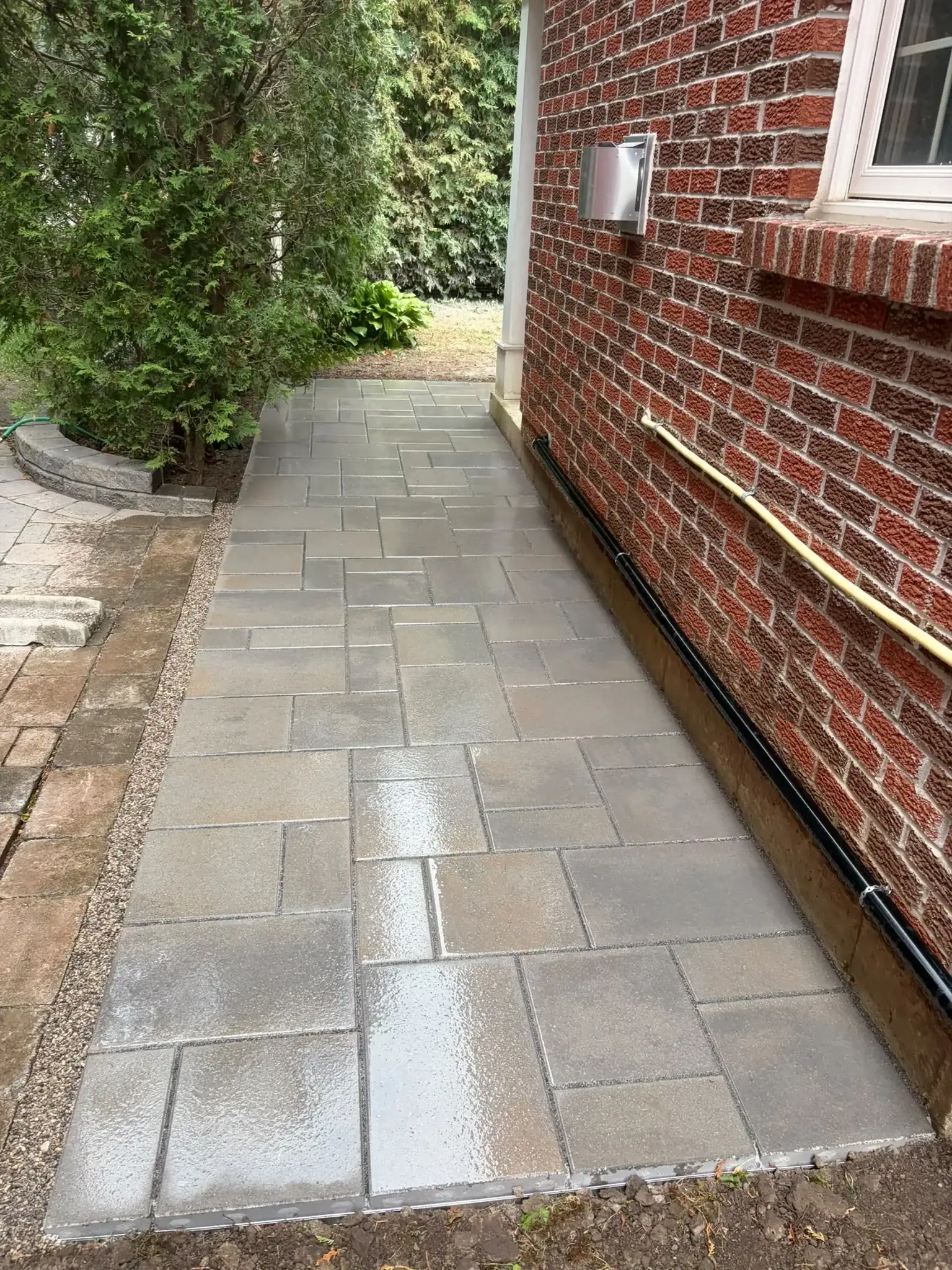
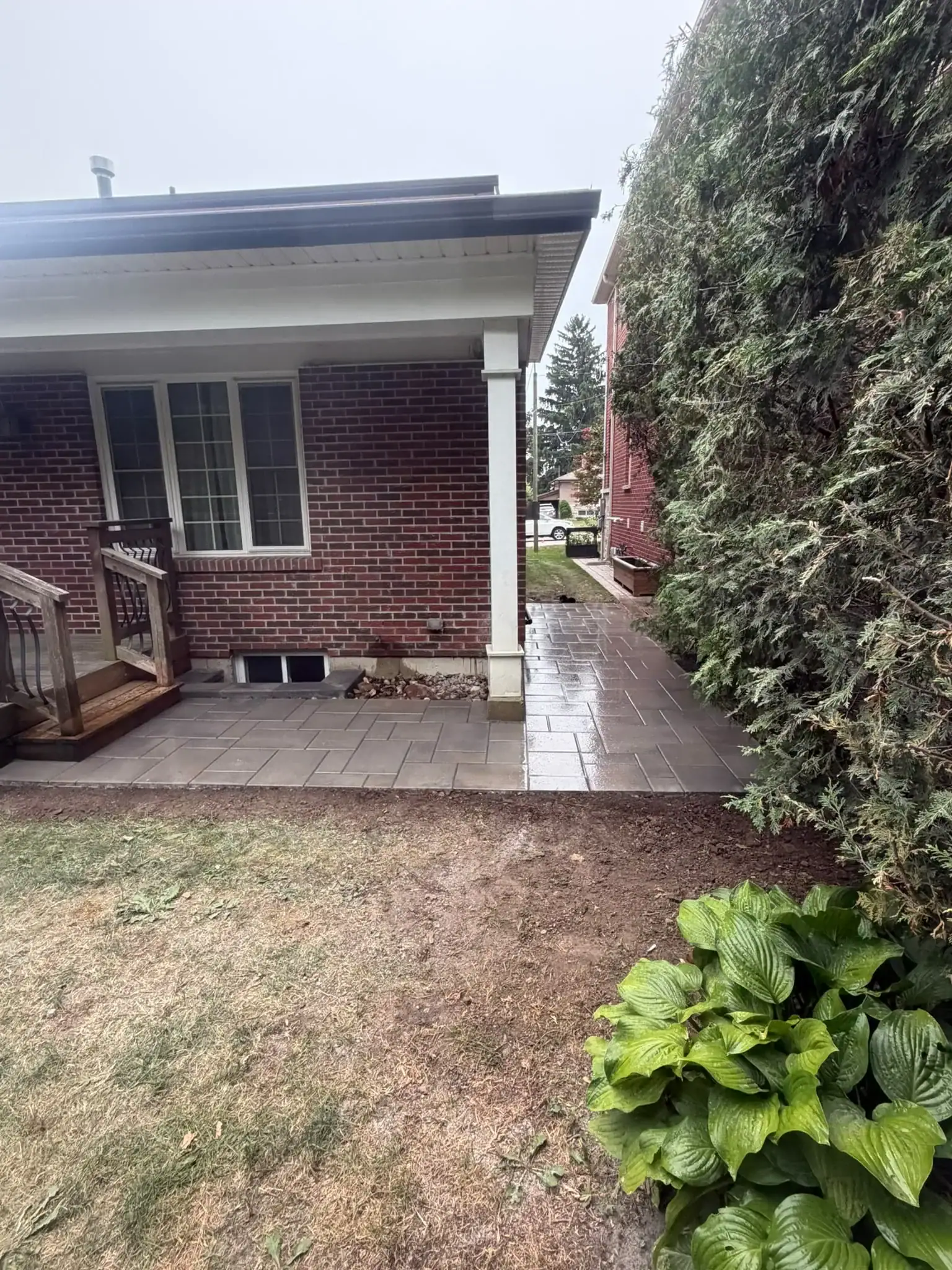
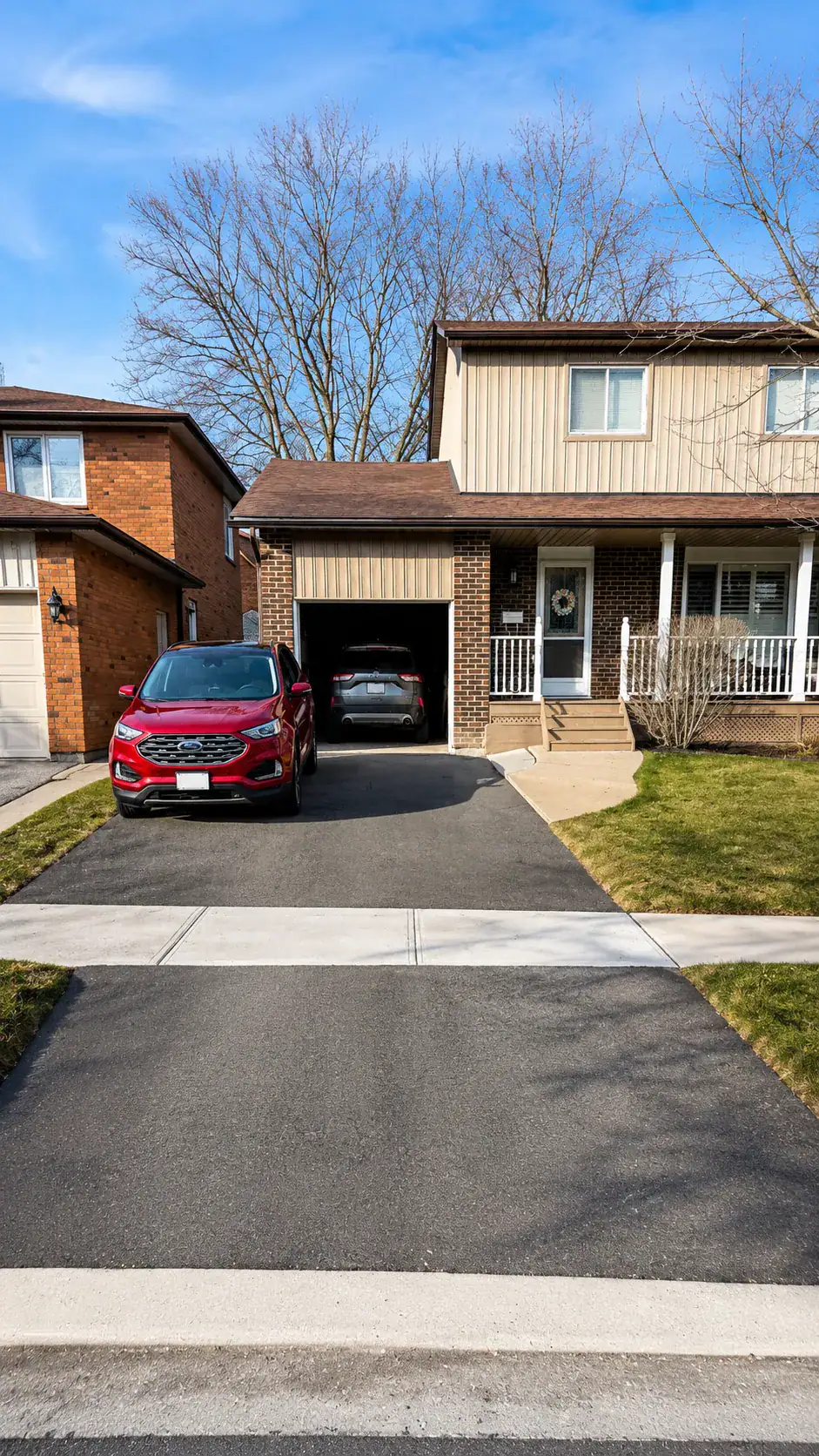
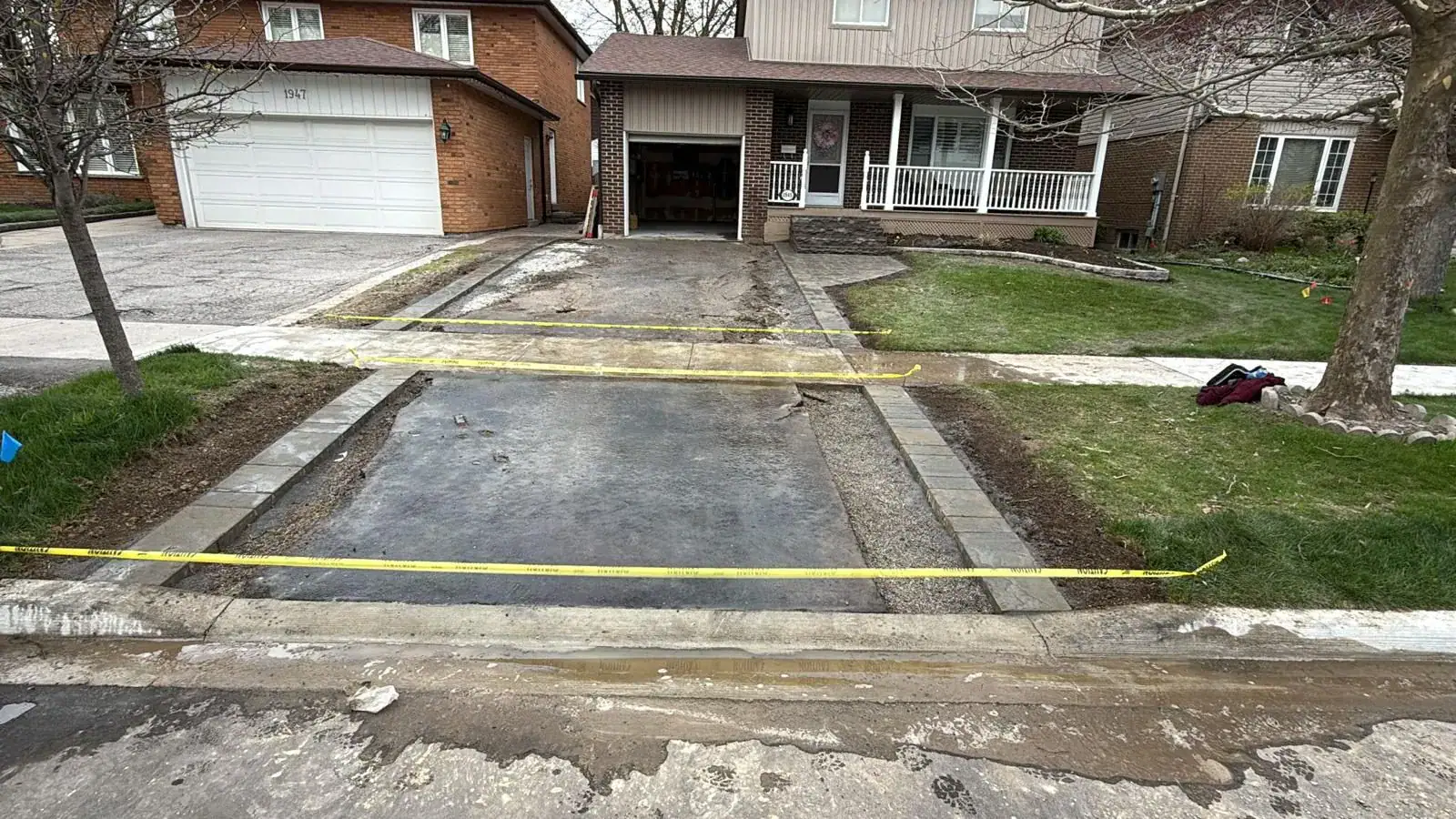
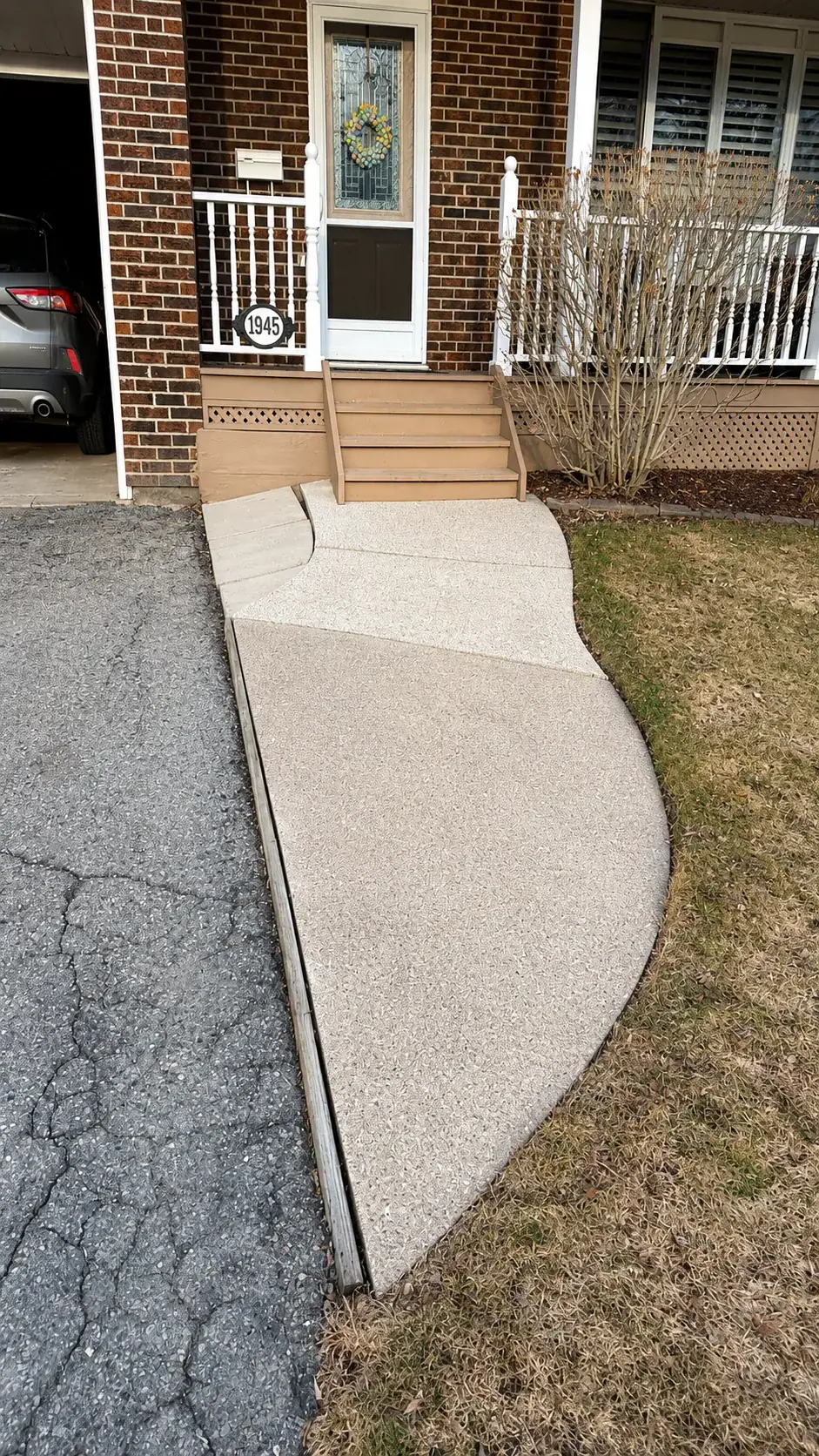
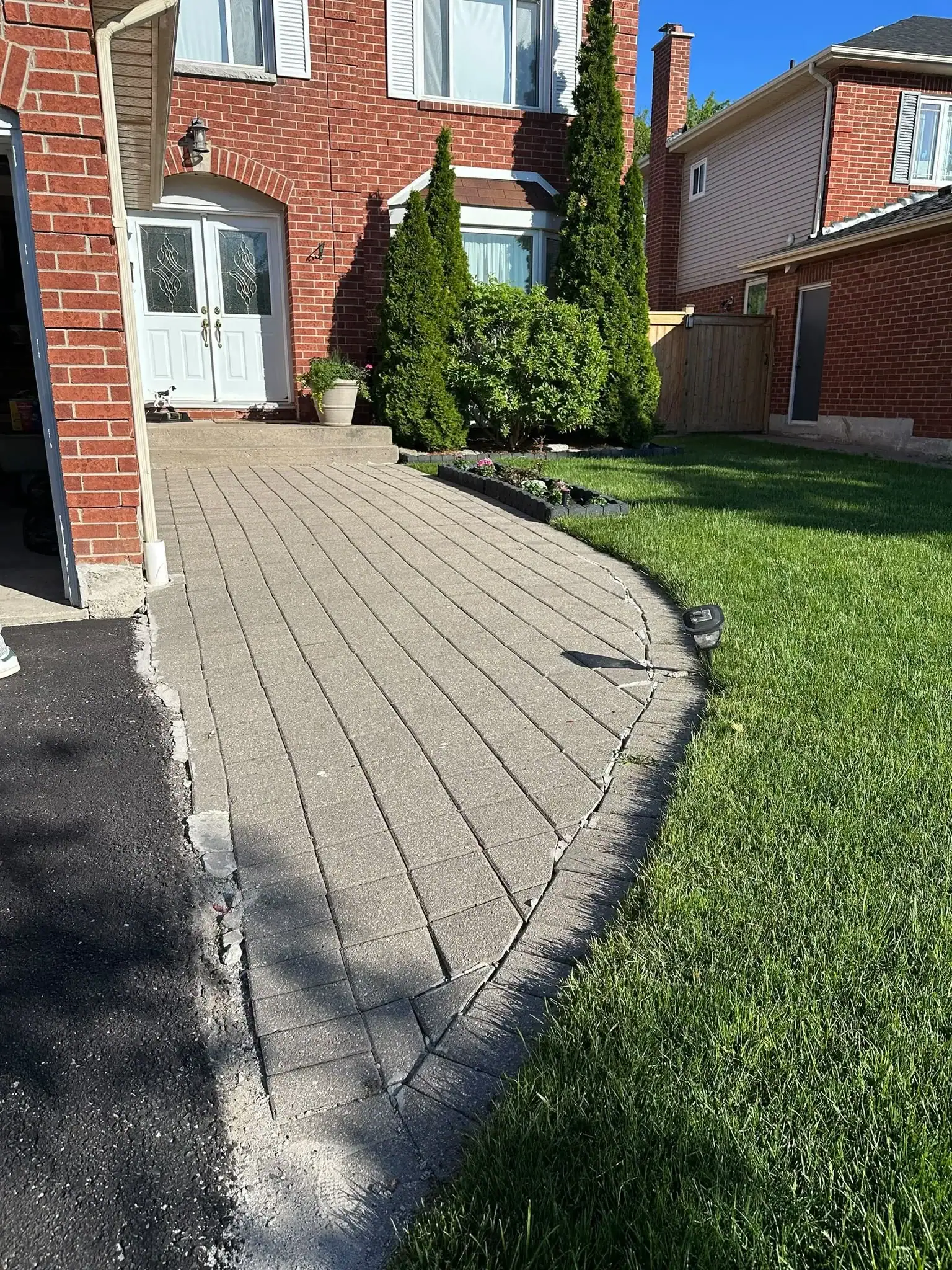
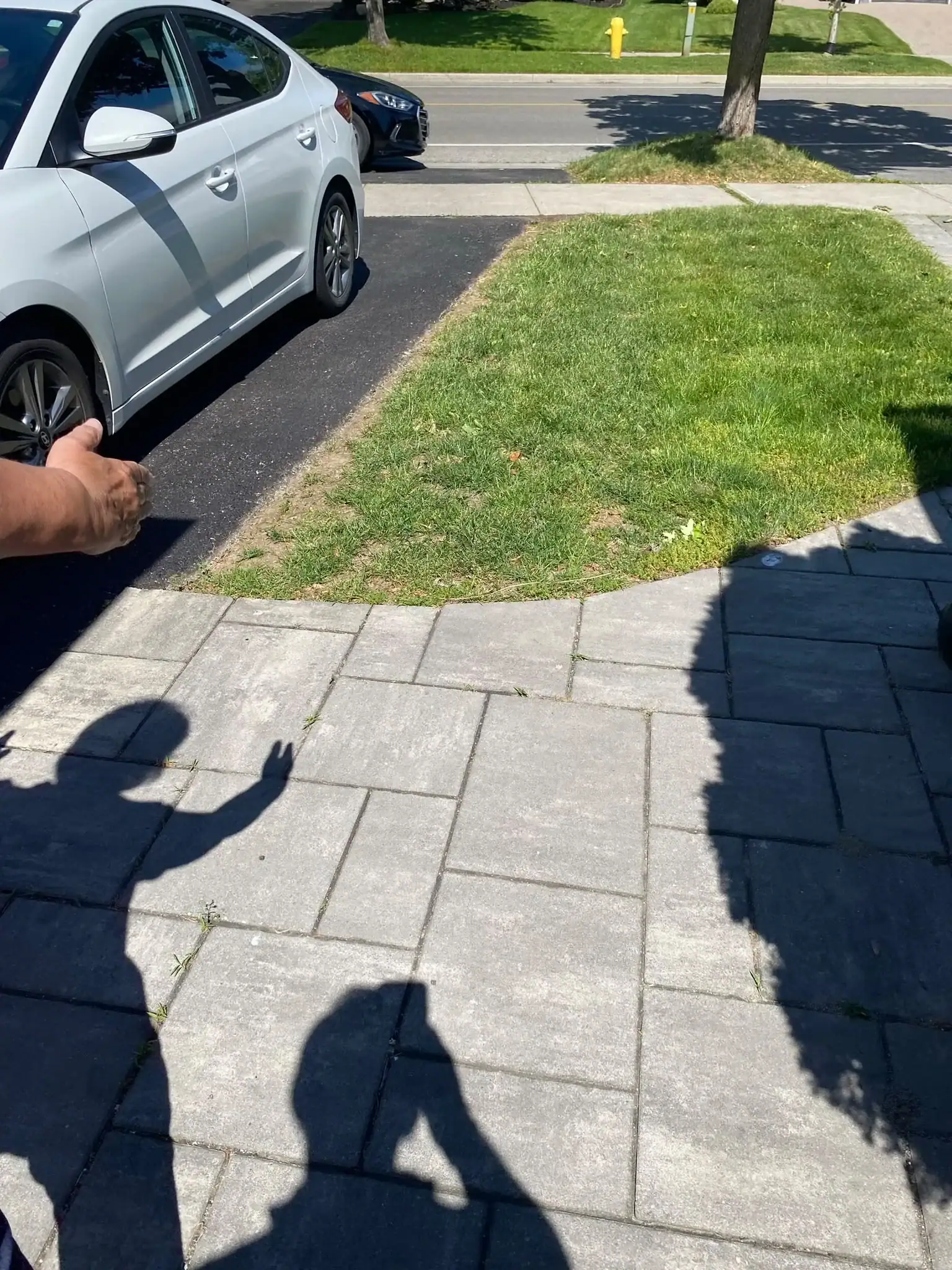
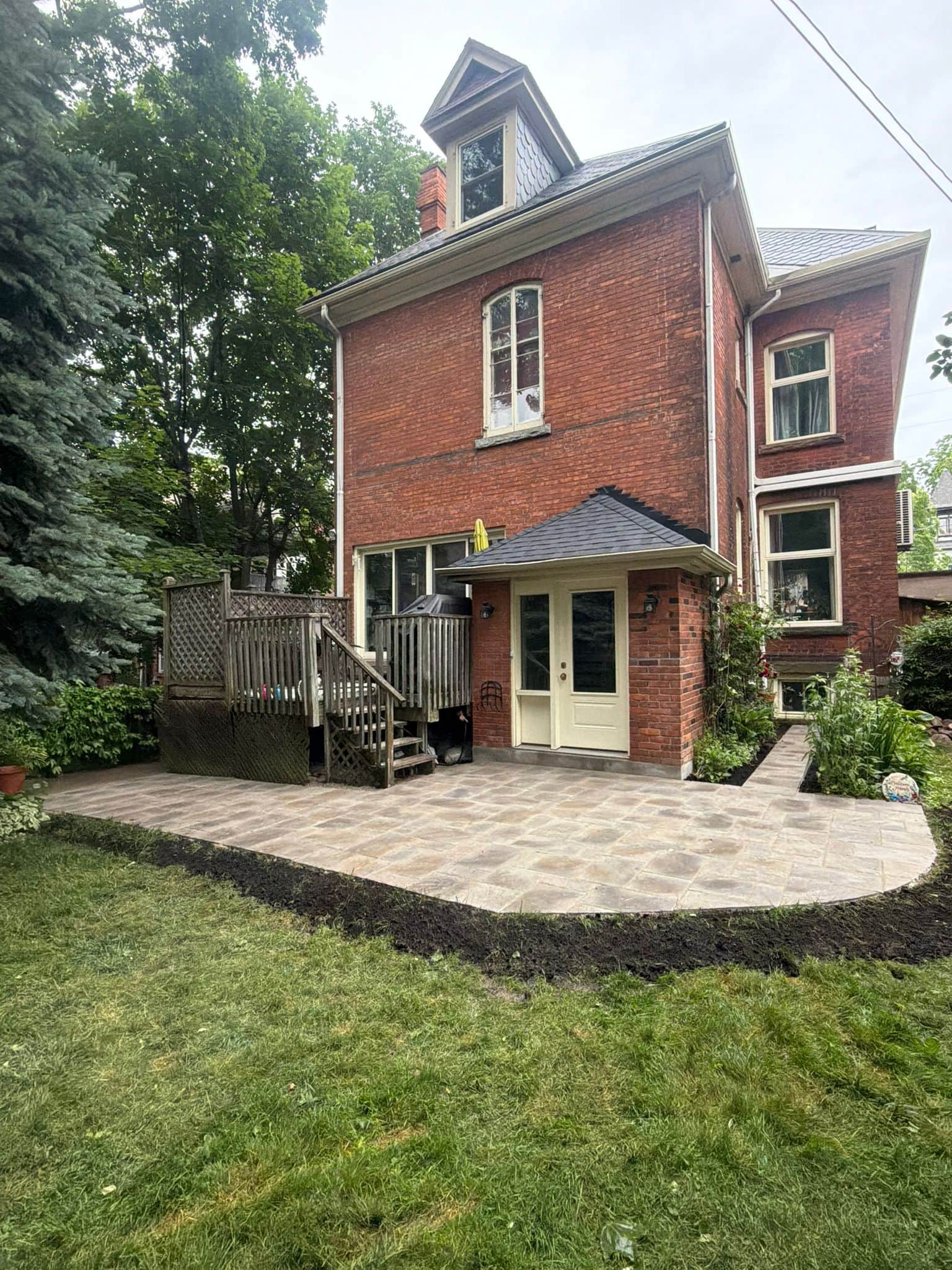
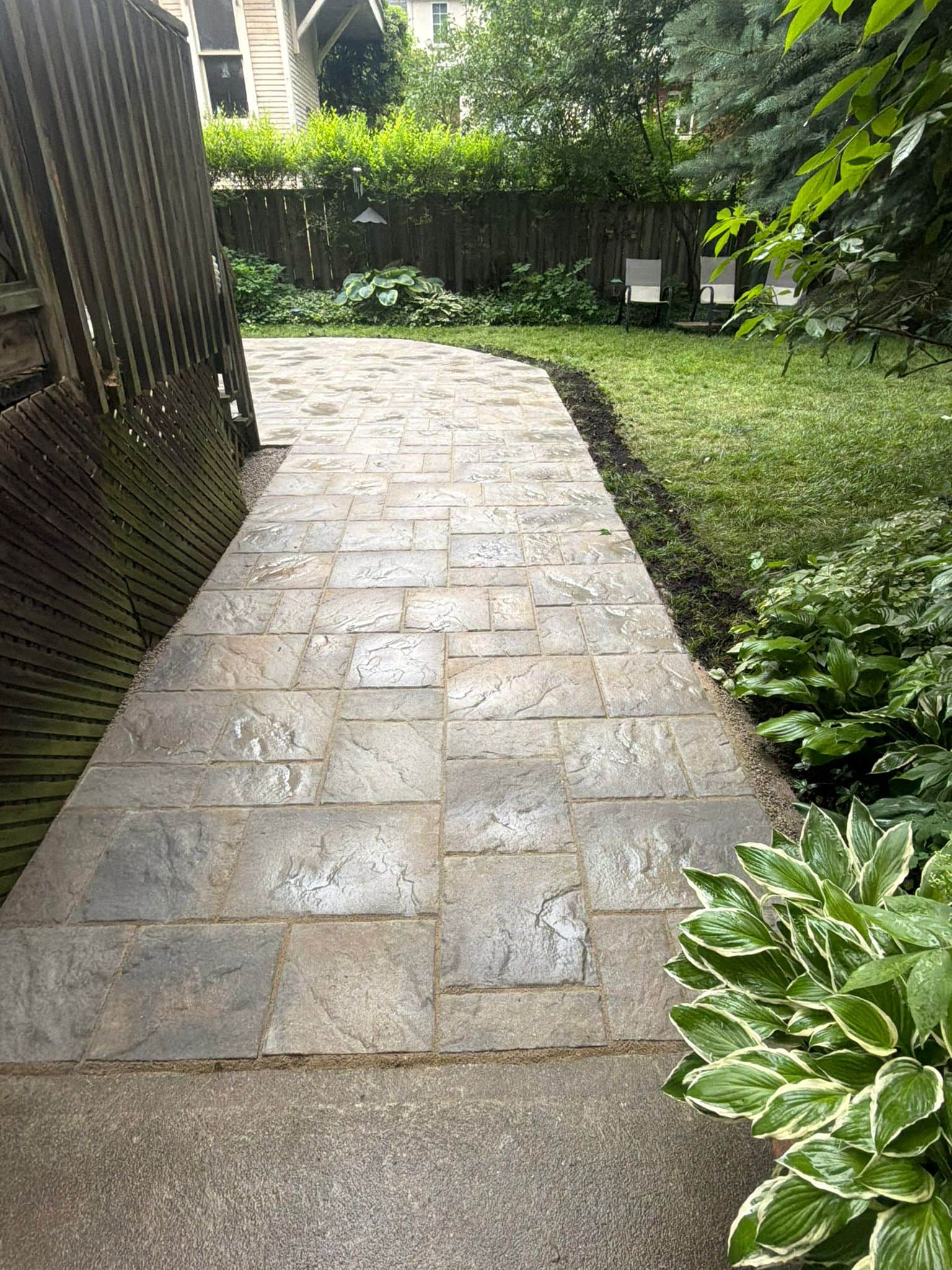
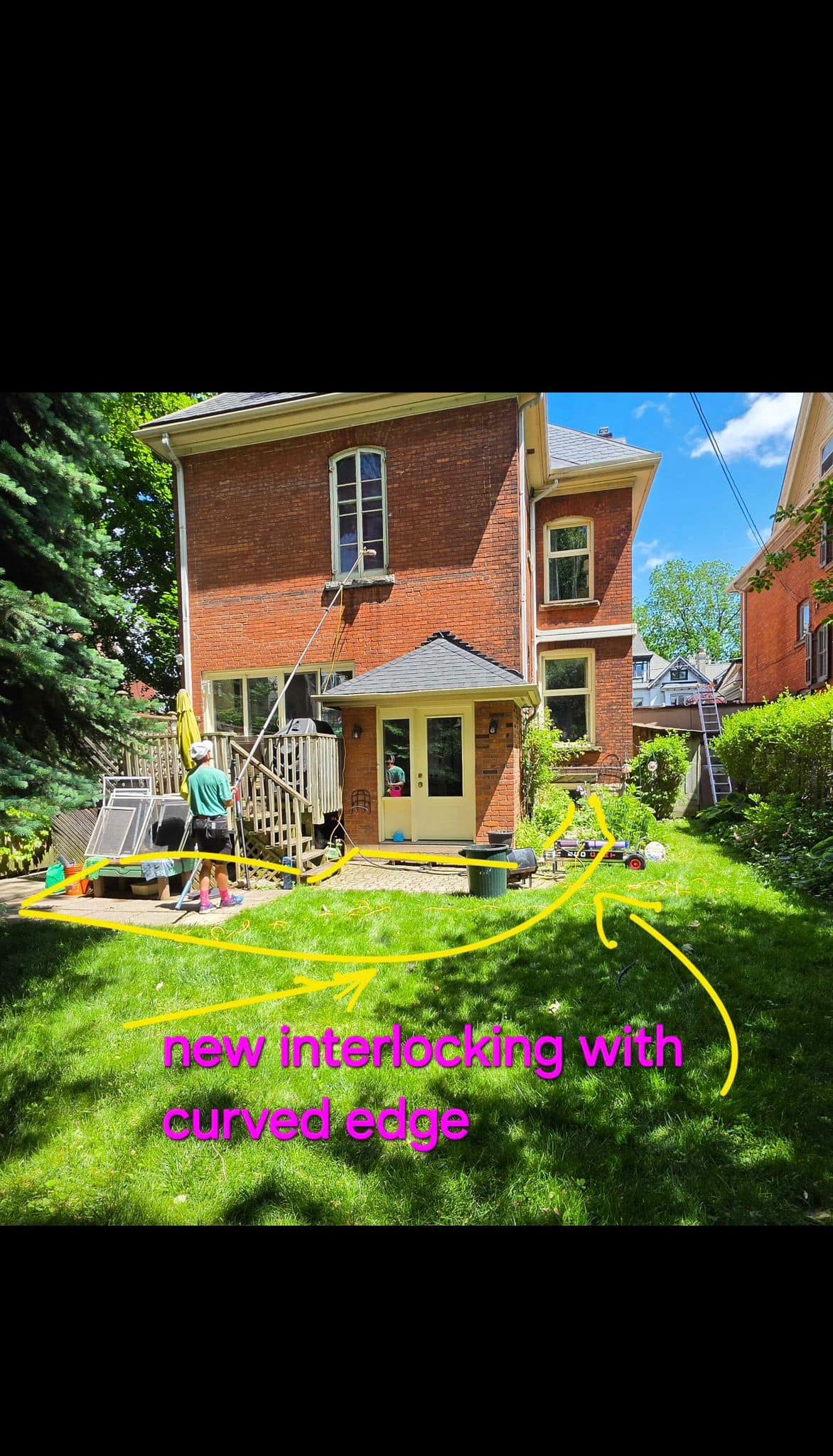
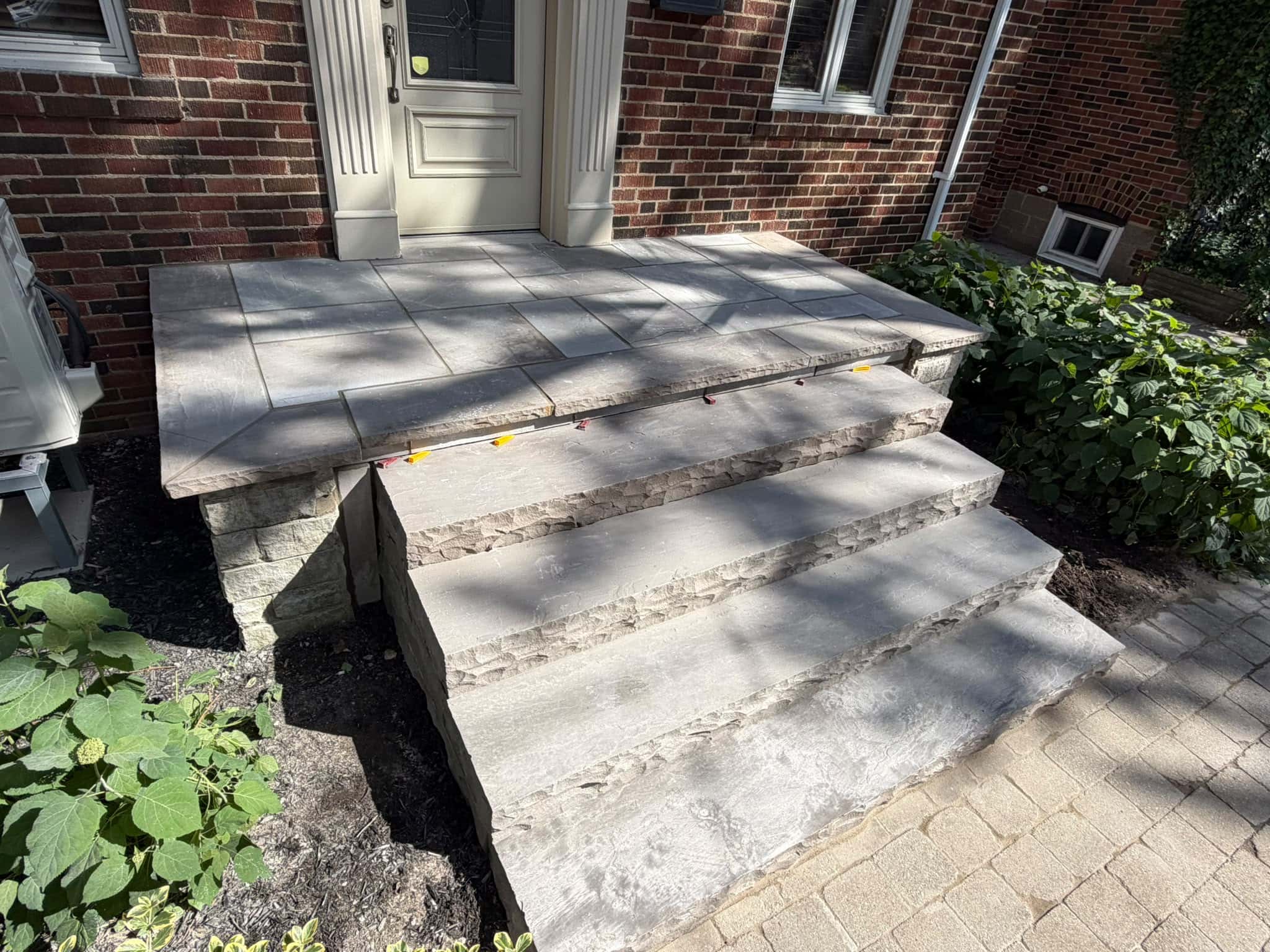
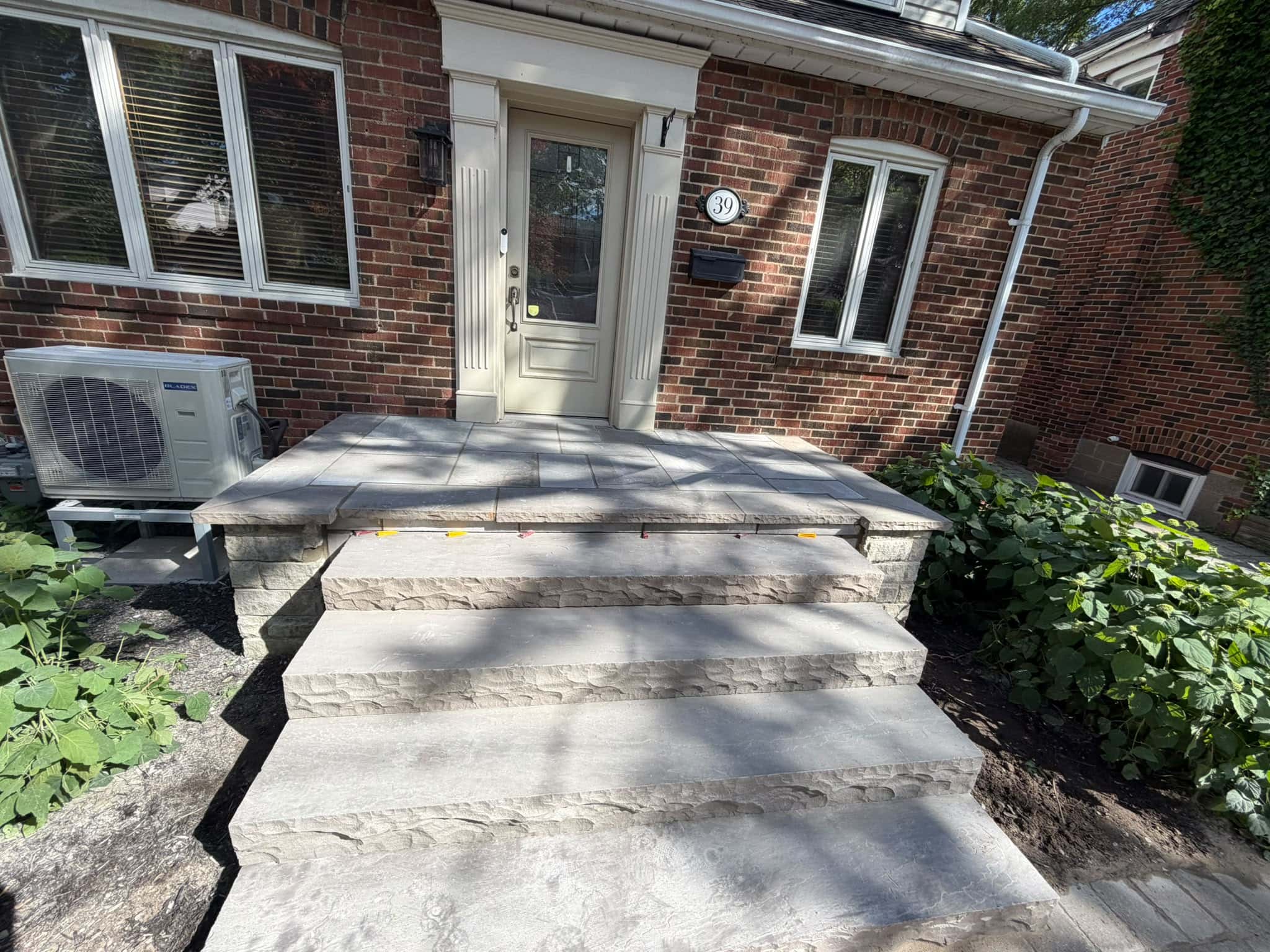
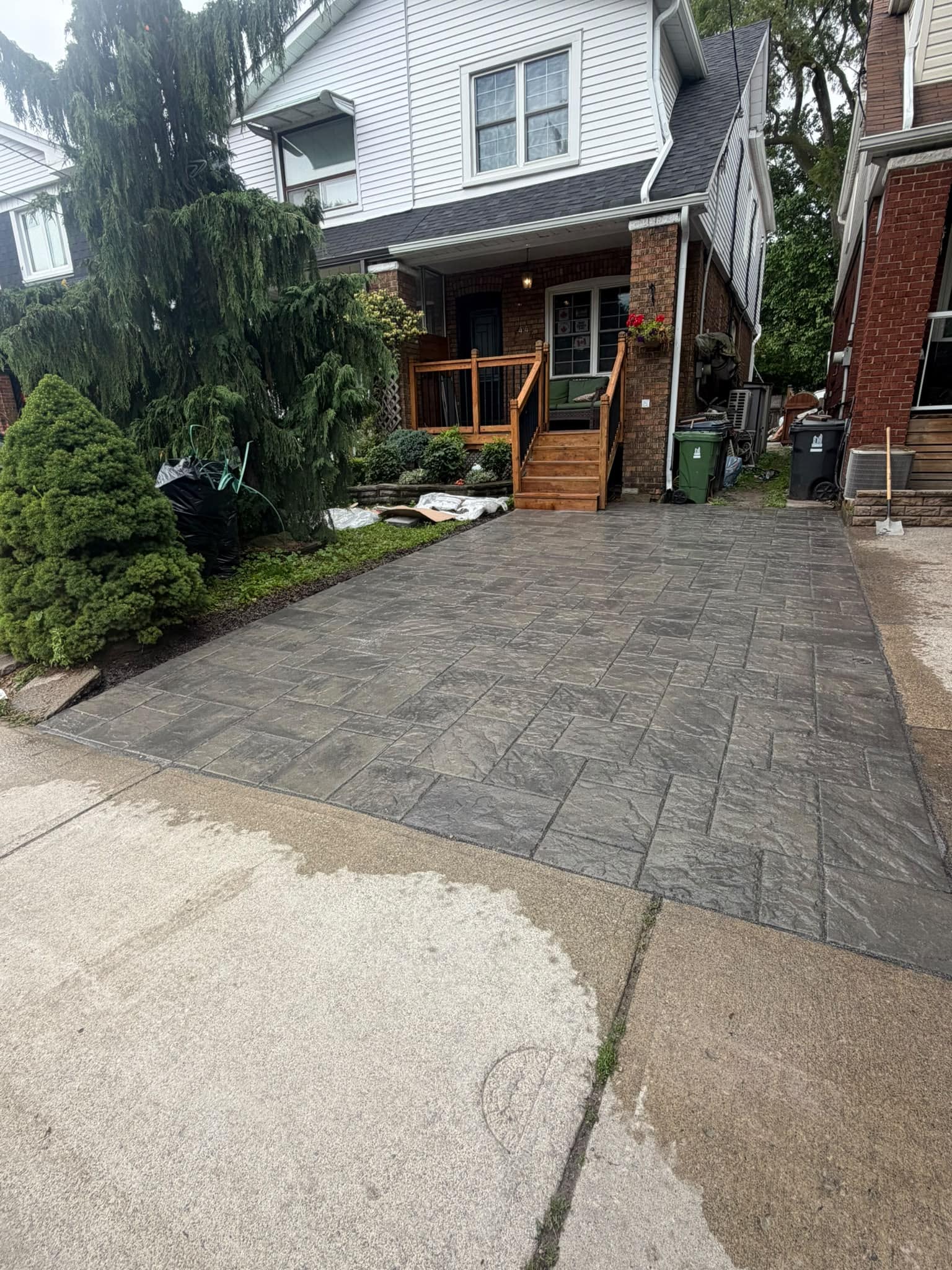
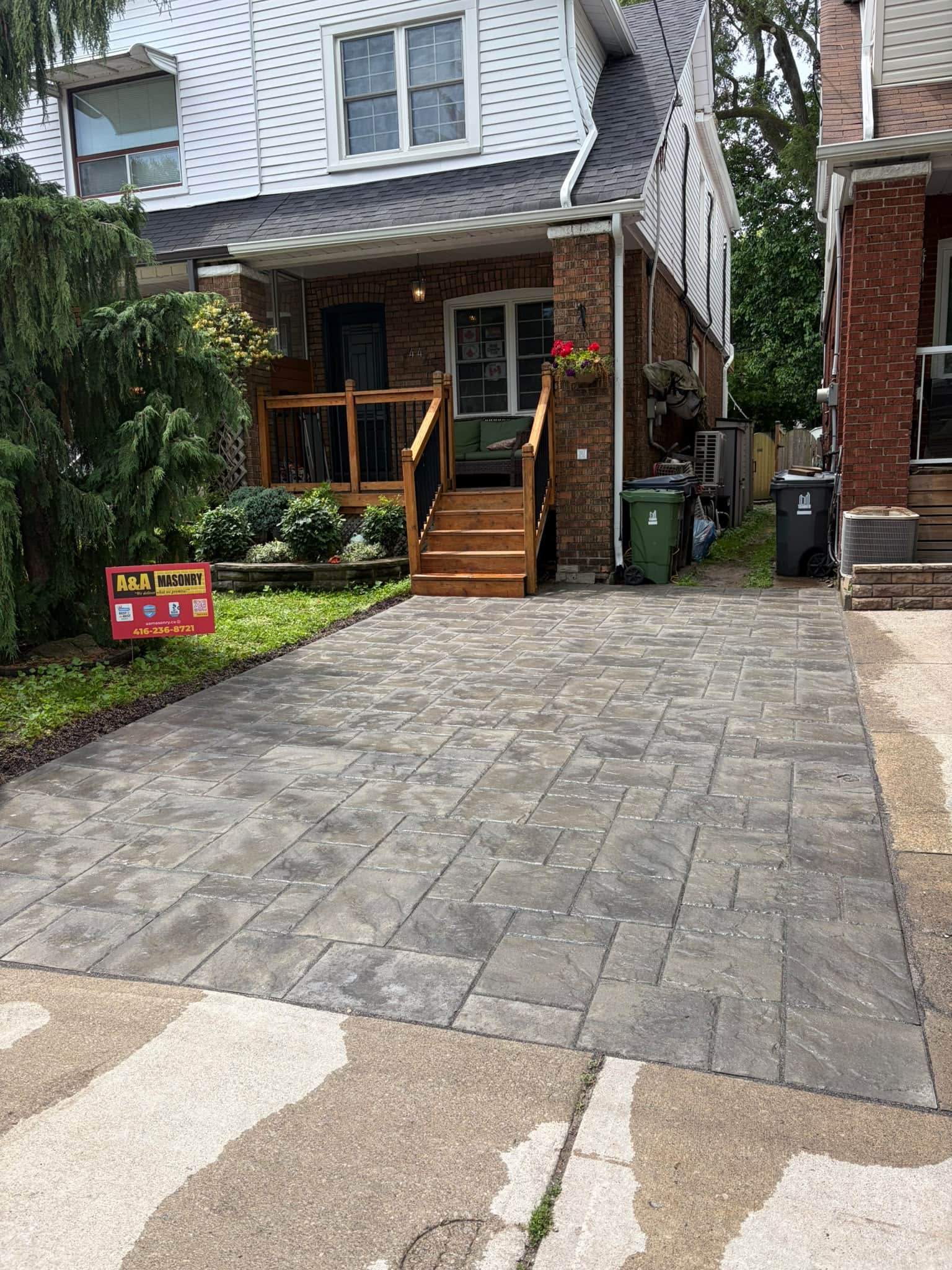
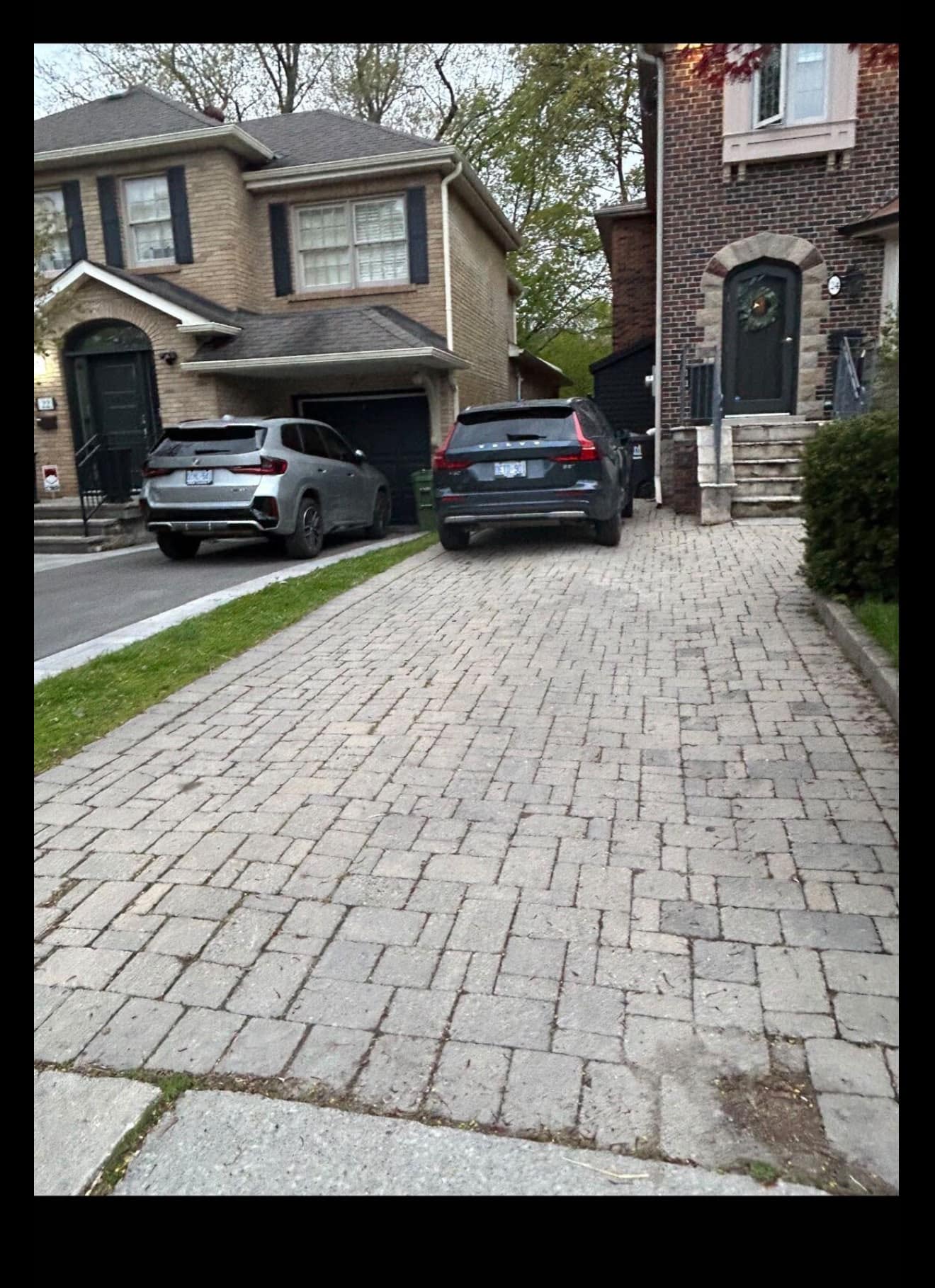
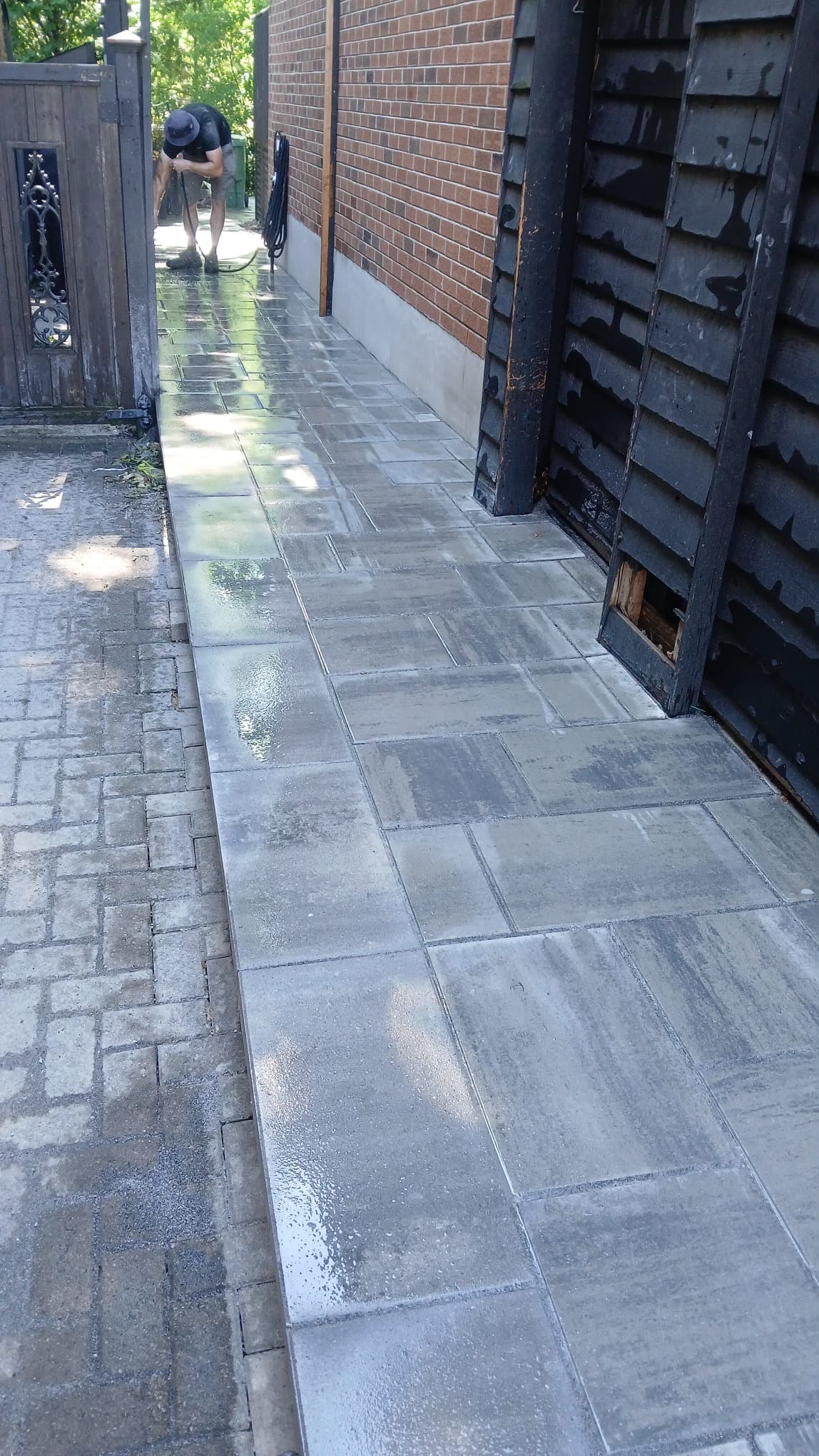
To prepare your masonry for winter effectively, look beyond walls. Poor drainage around walkways and driveways allows melting snow to refreeze against masonry surfaces.
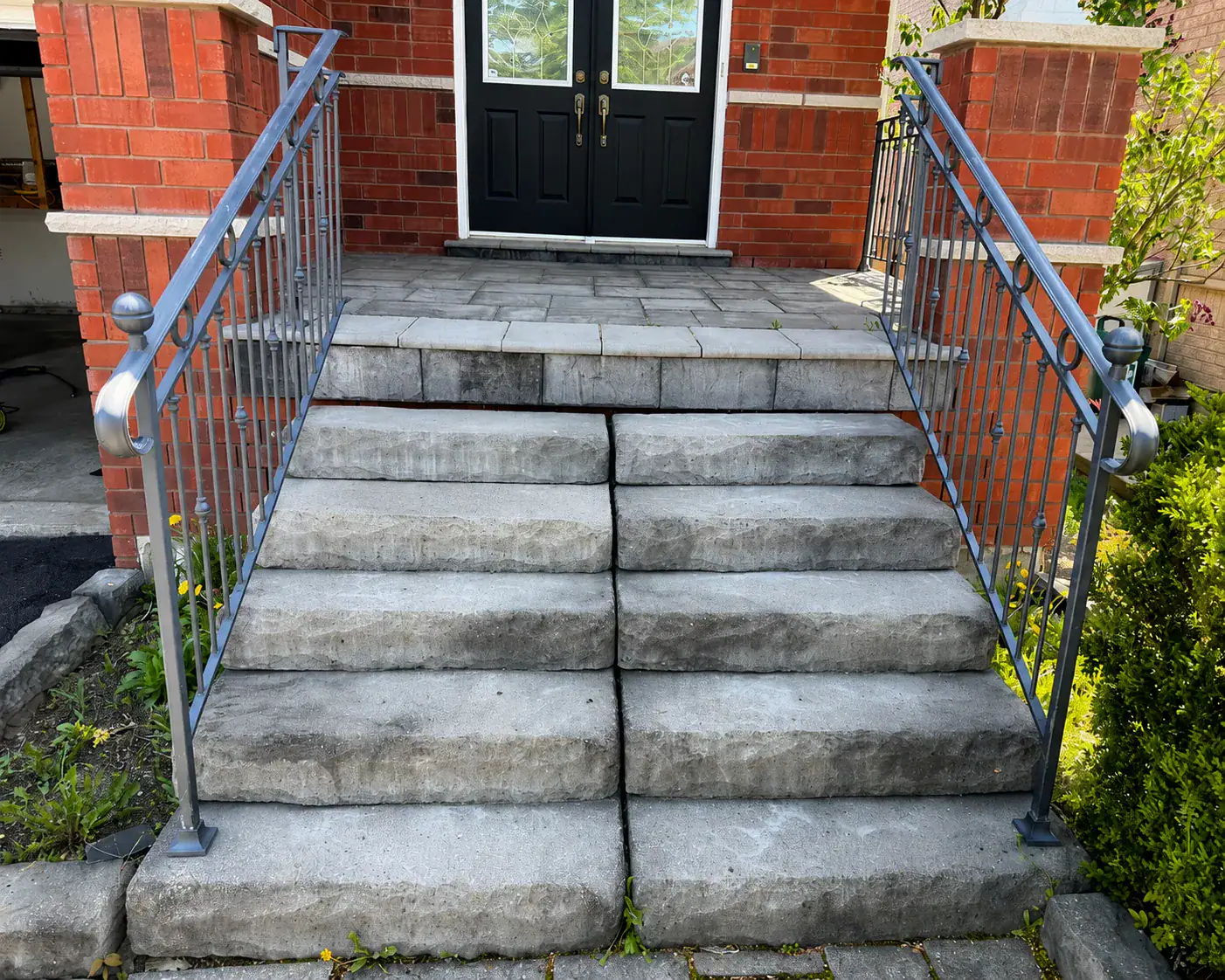
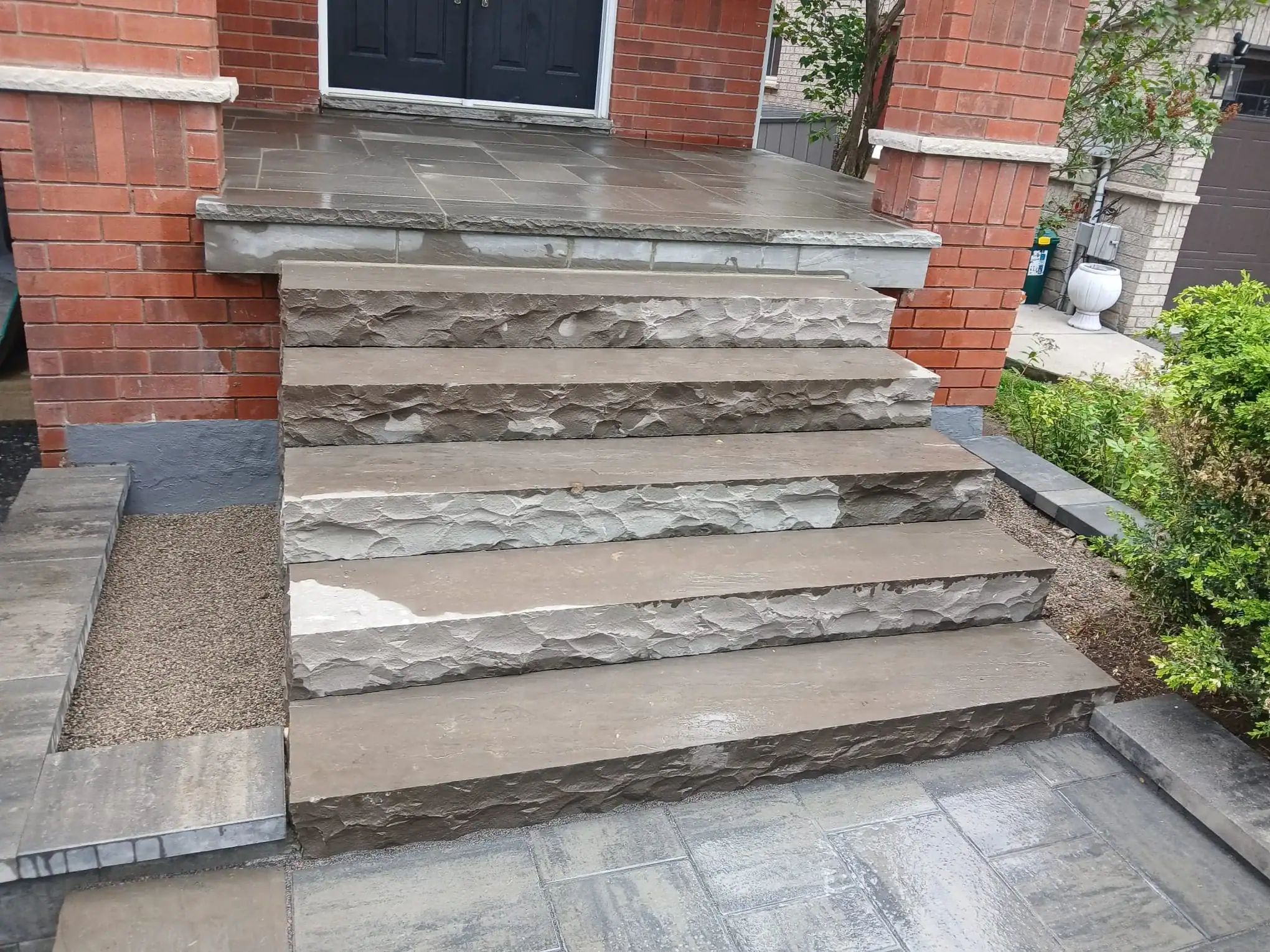
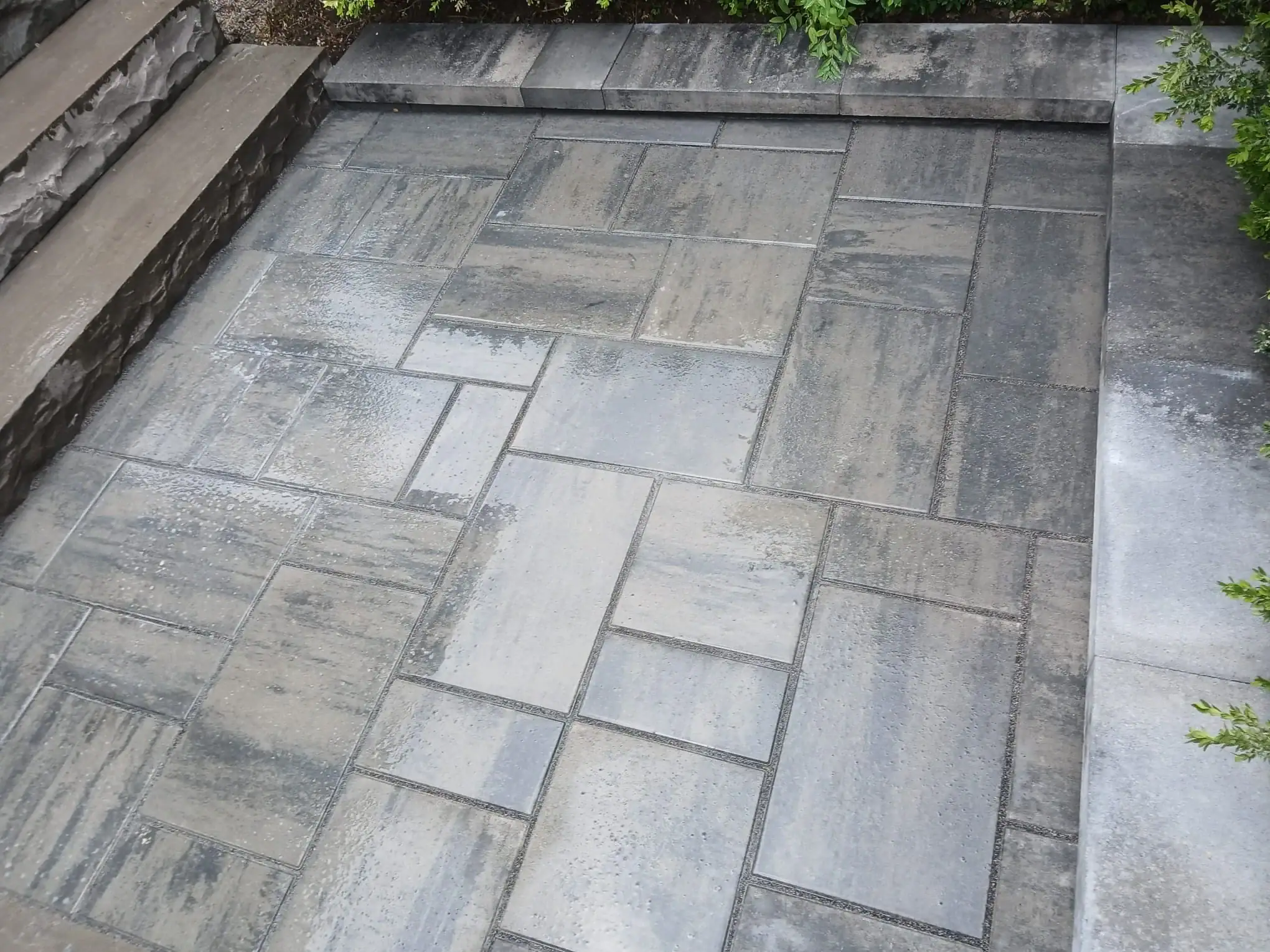
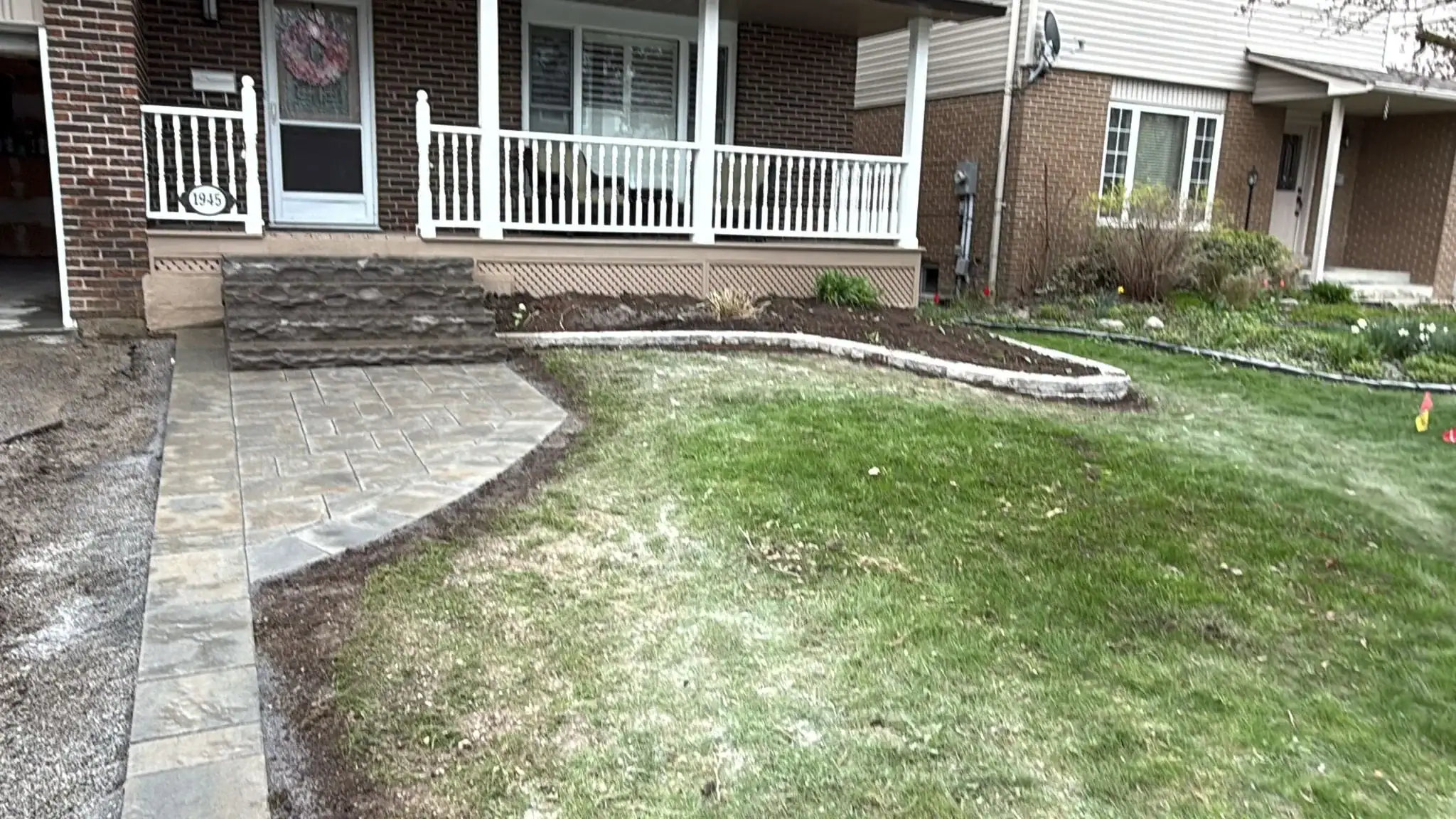
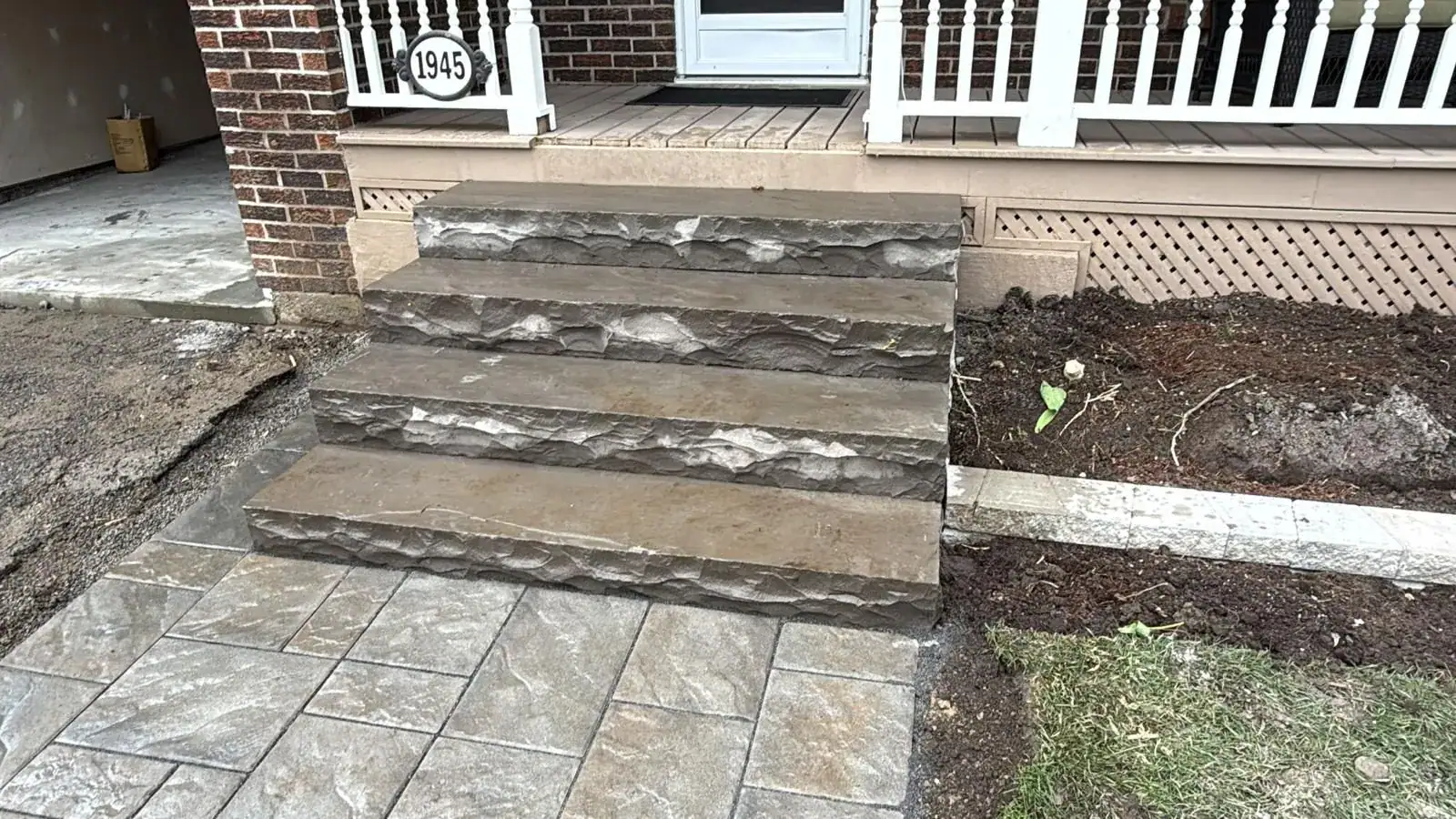
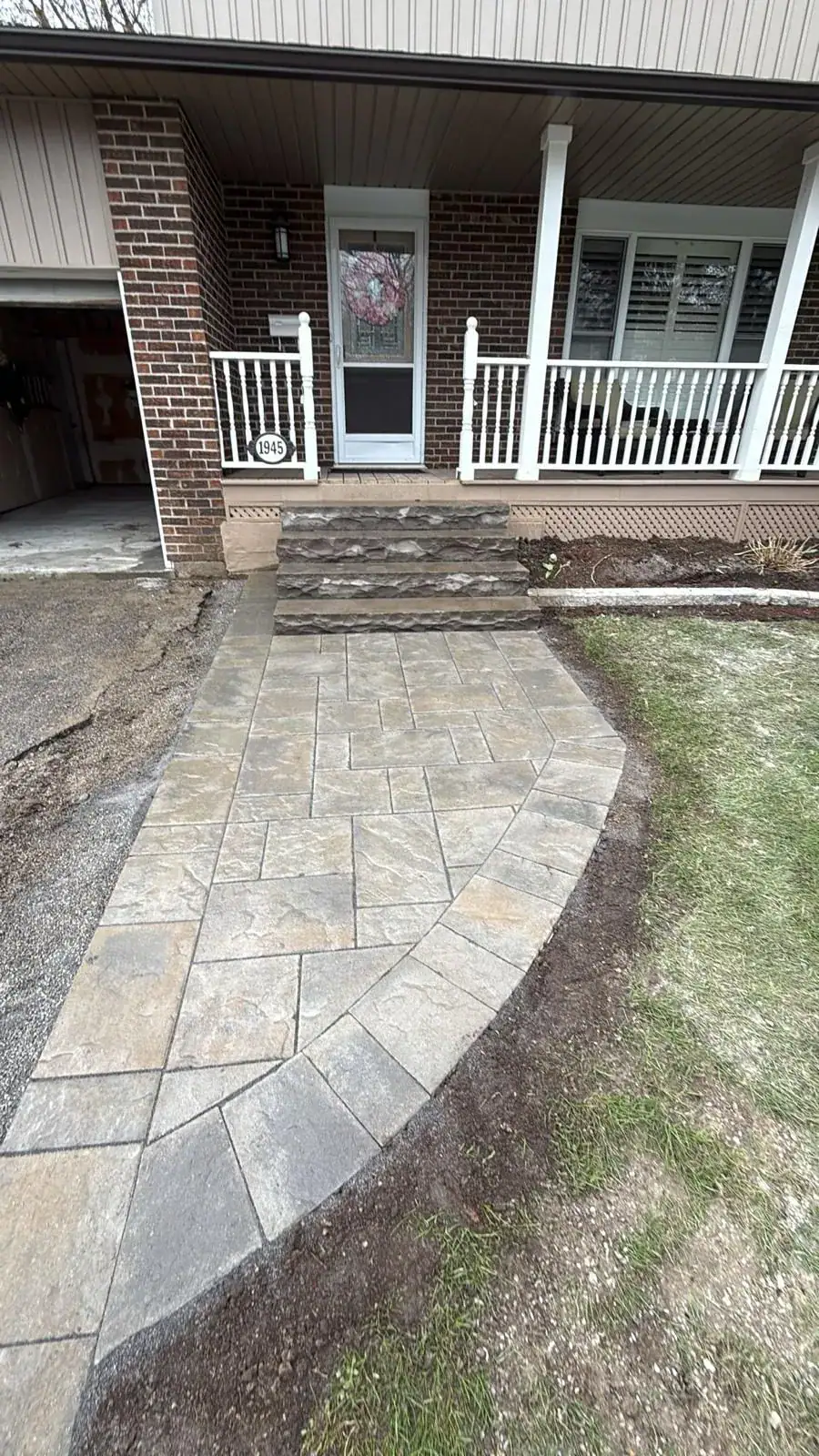
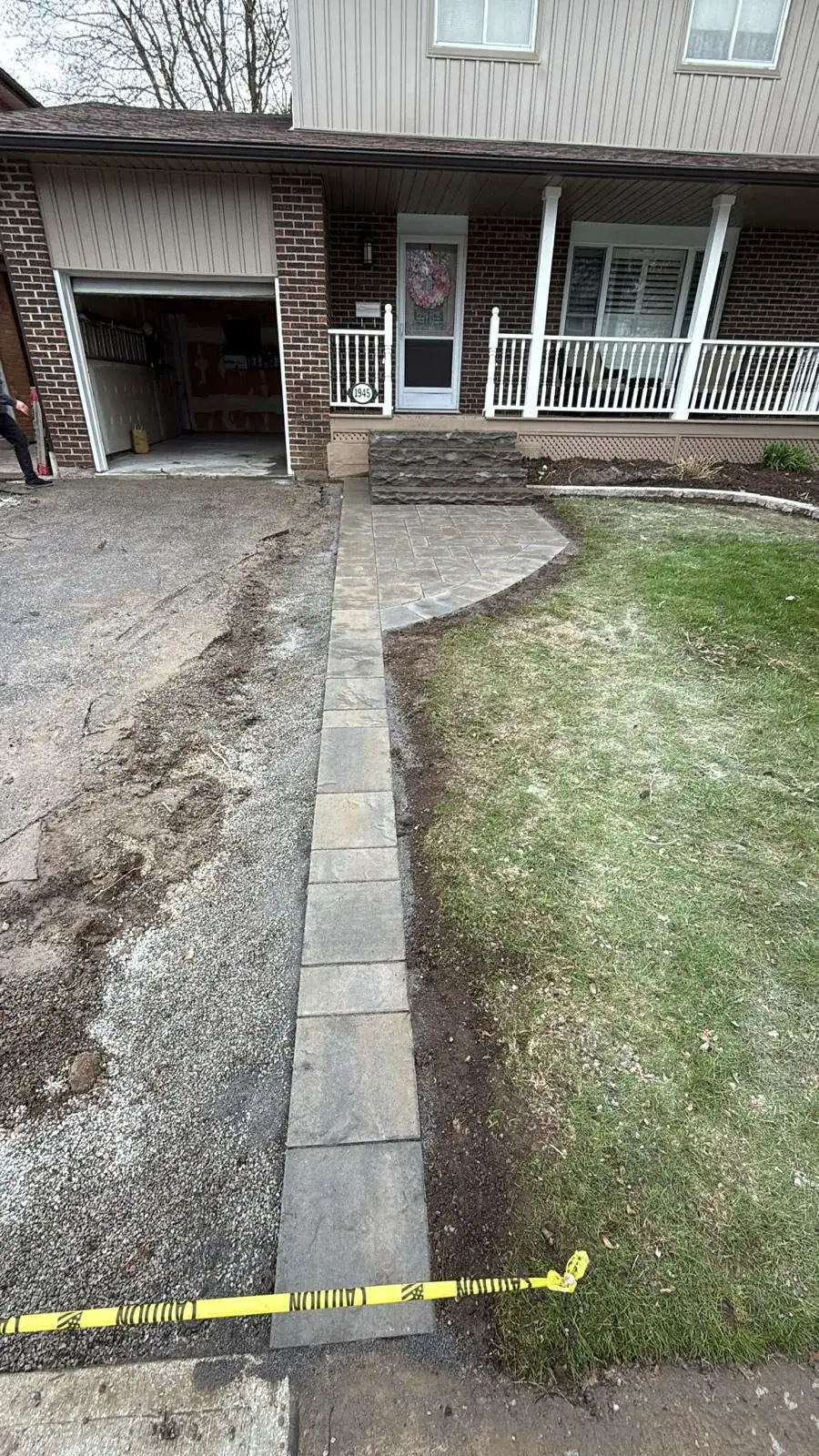
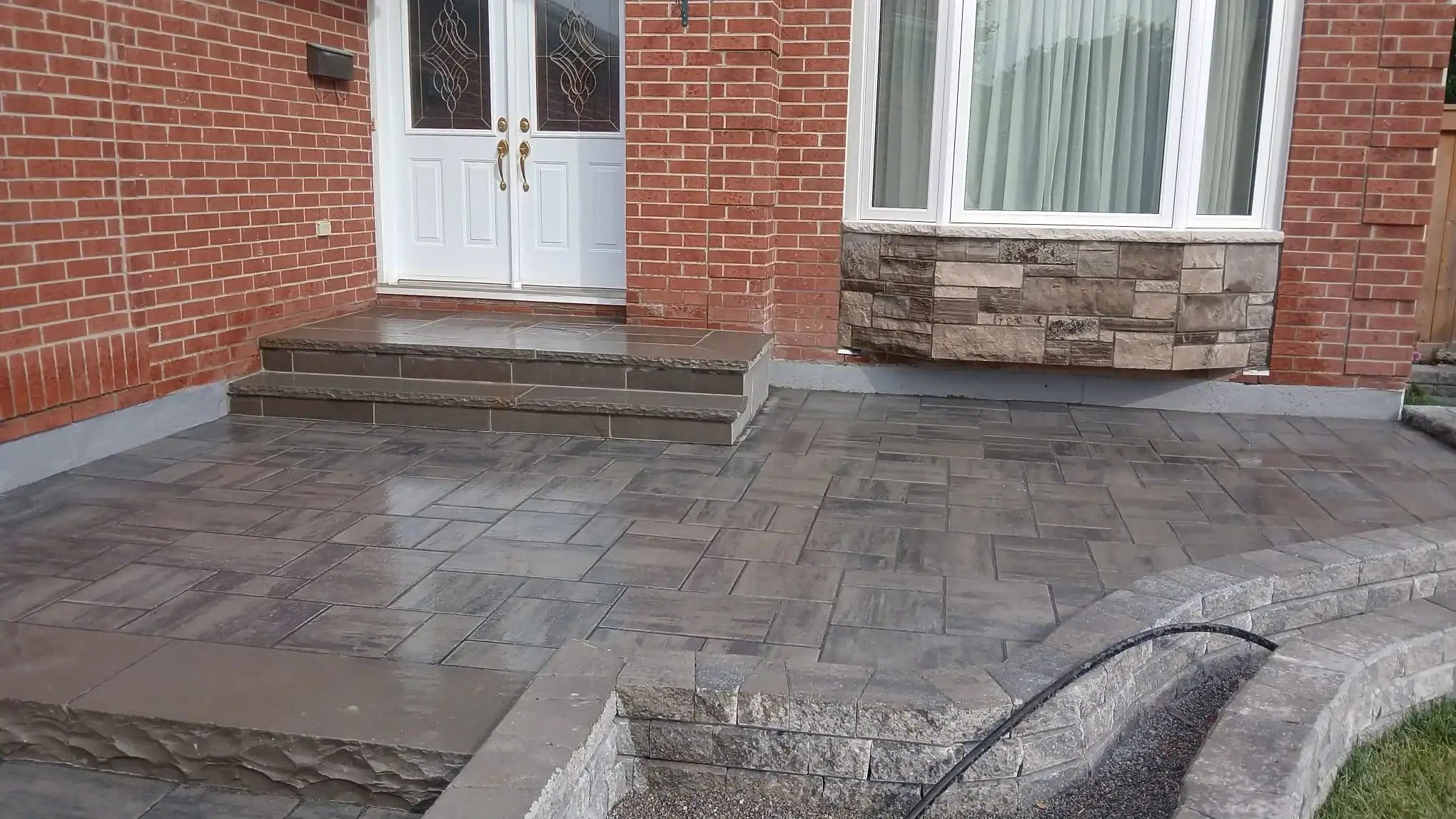
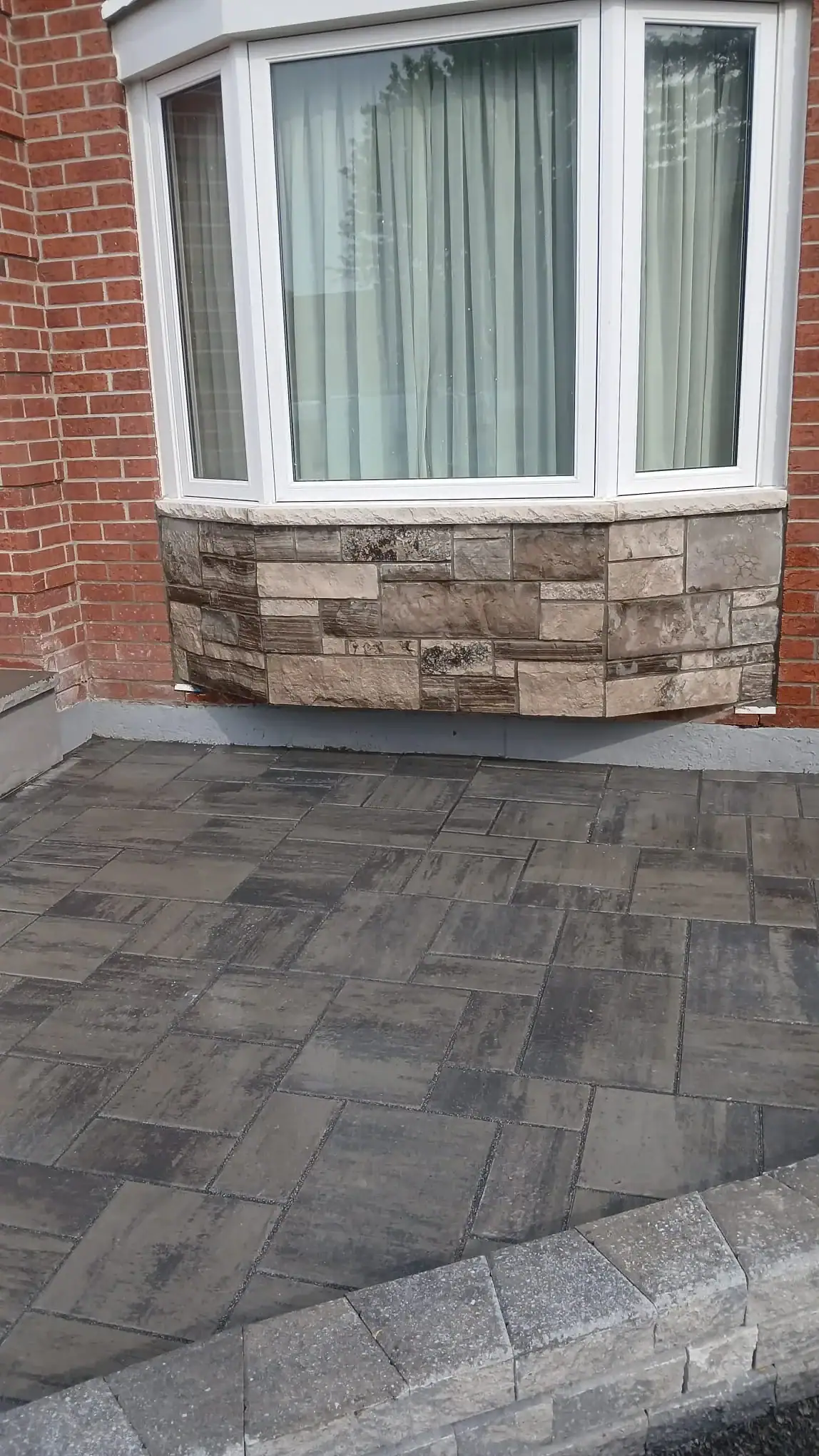
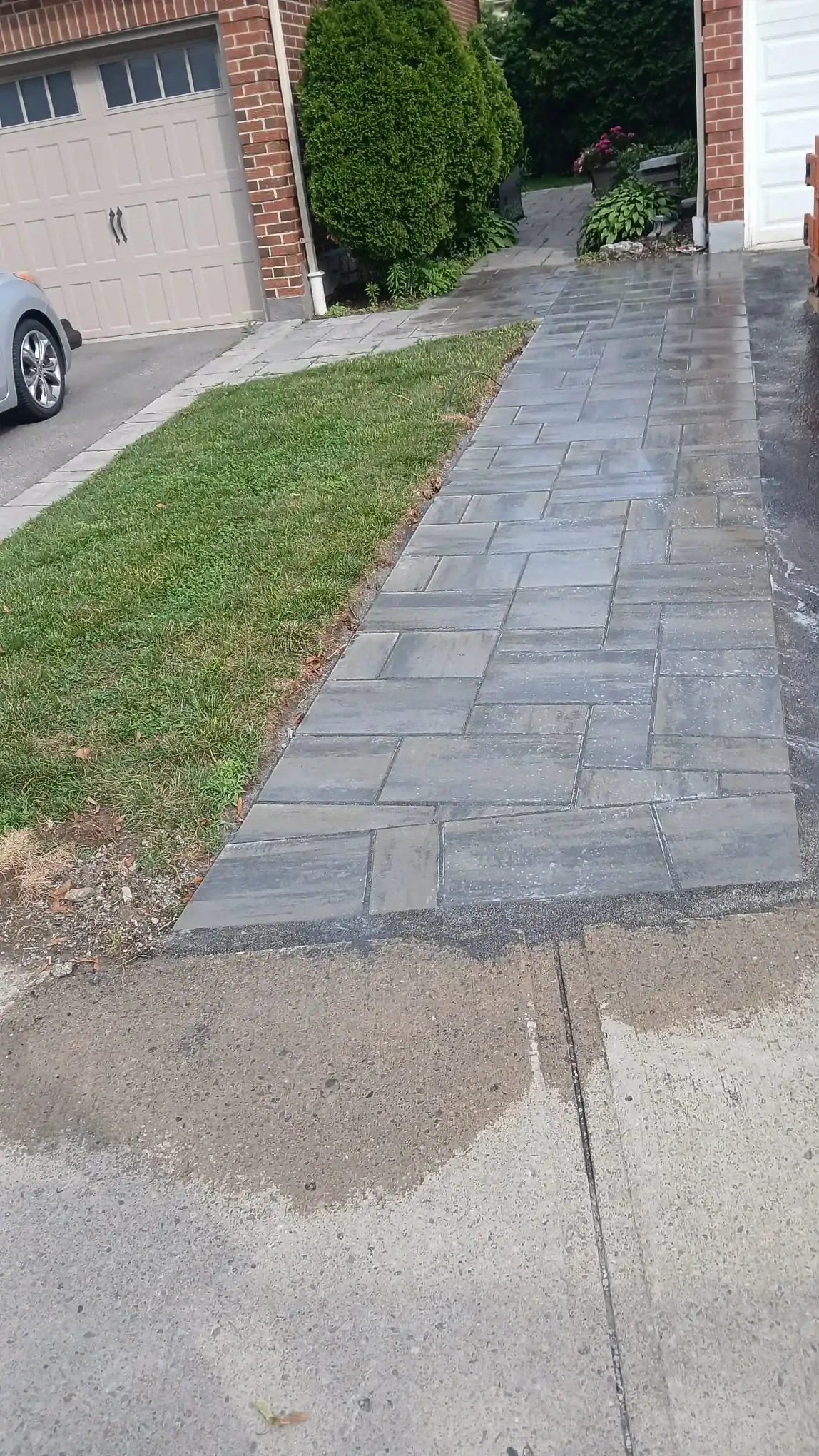
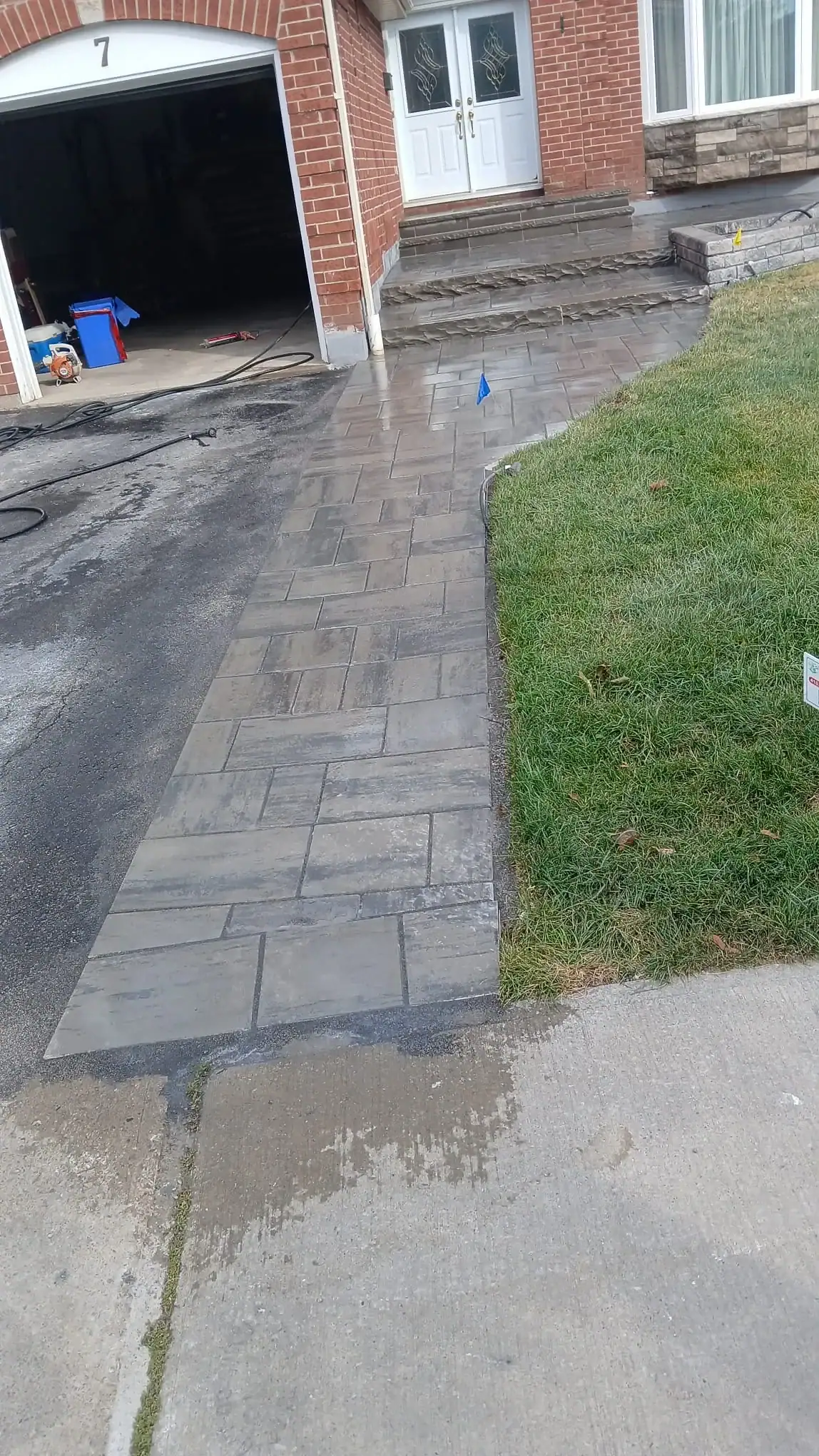
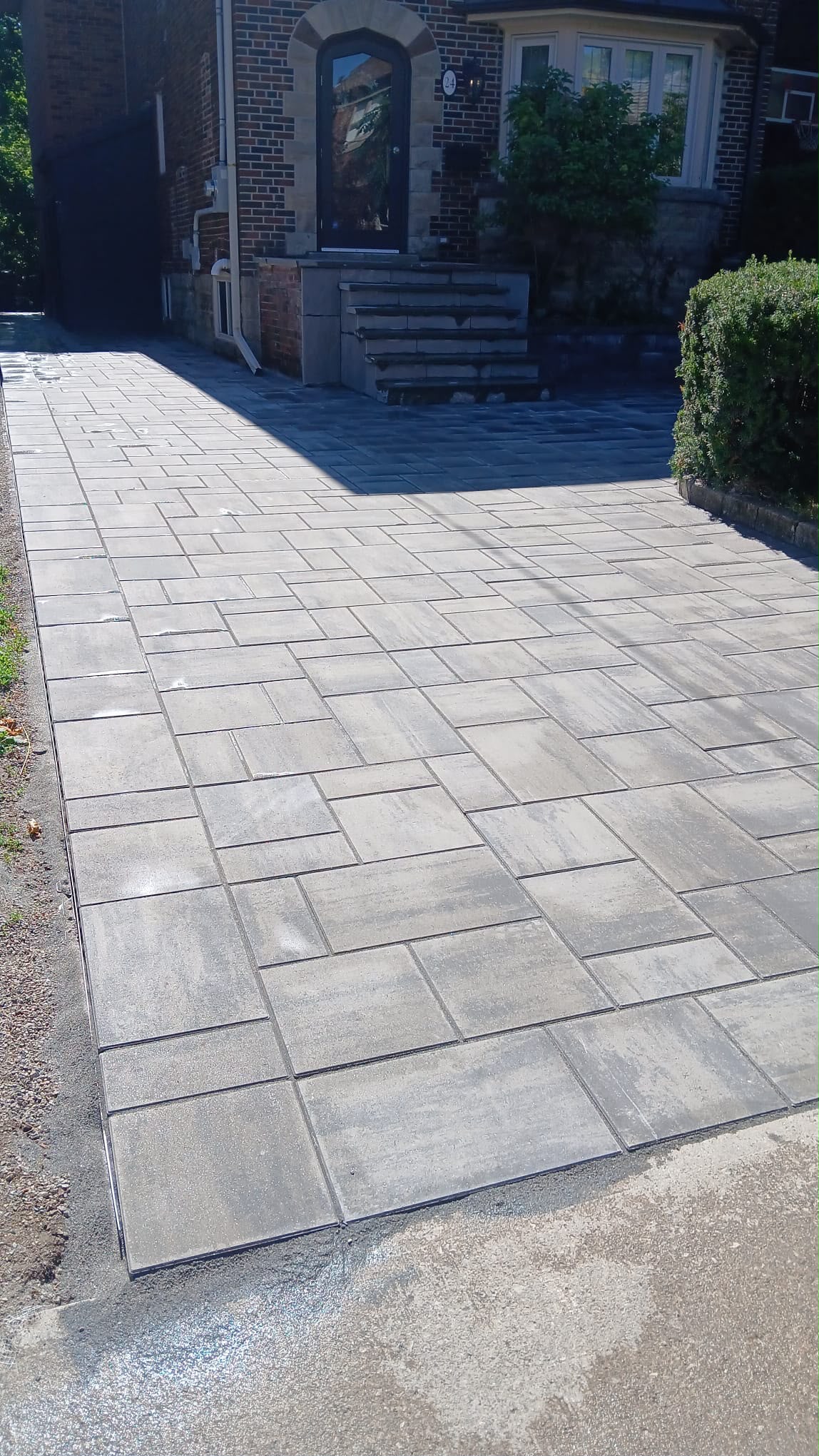
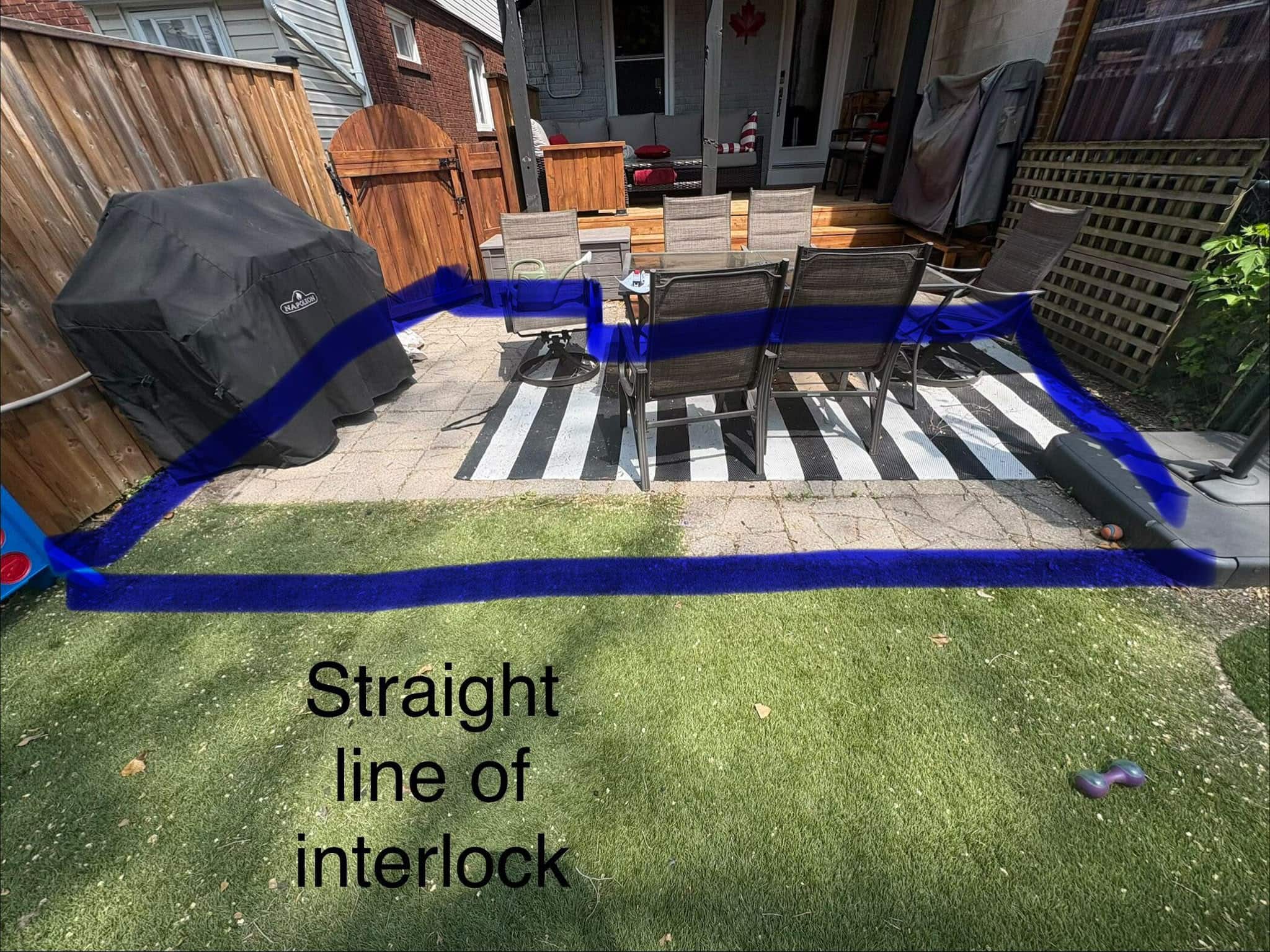
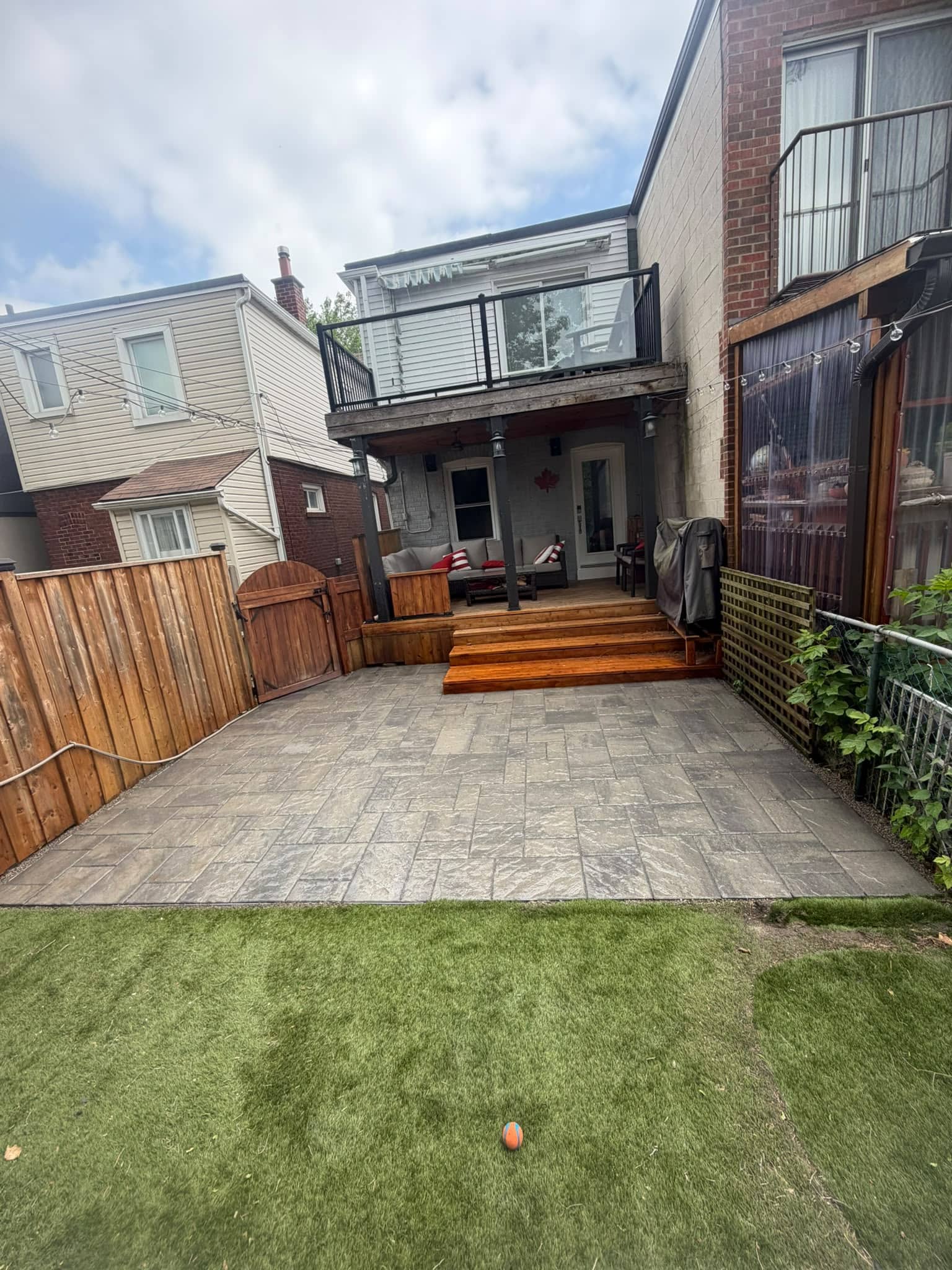
Upgrading to properly sloped systems such as paver walkway interlocking helps move water away from foundations.
In neighbourhoods like East York, well-installed systems such as East York interlocking stone services reduce winter ice buildup and surface shifting.
Porches and retaining structures need attention too
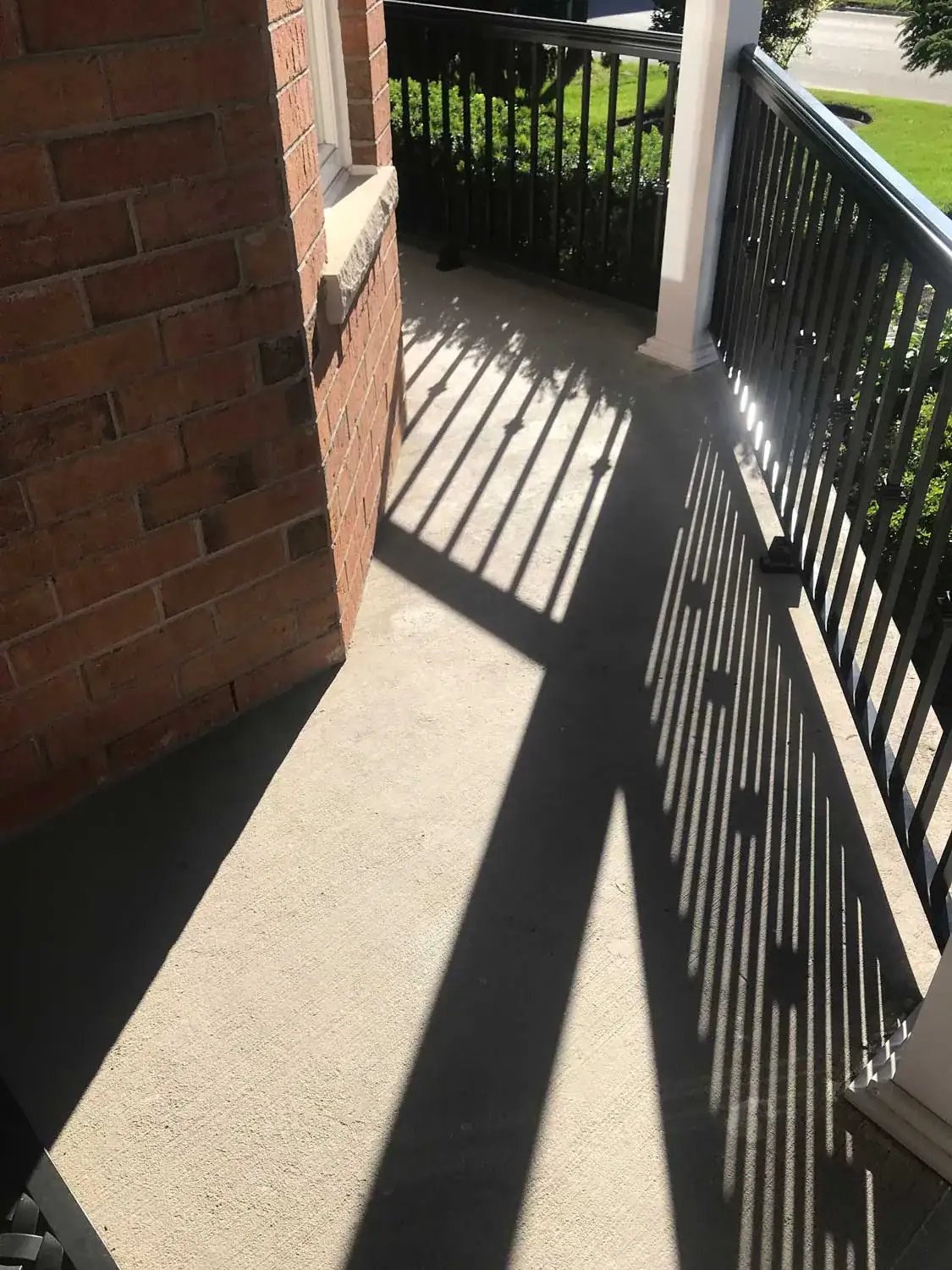
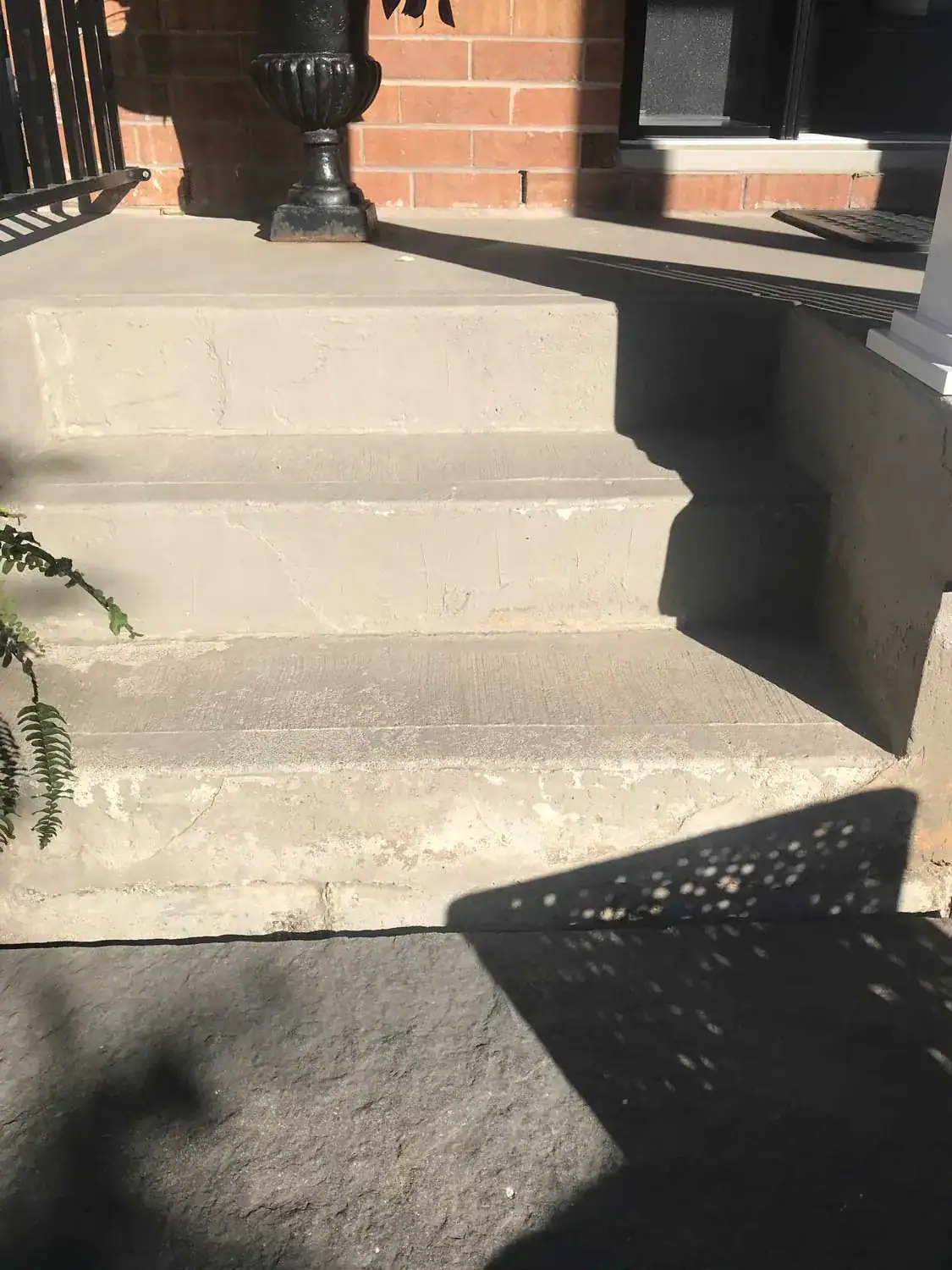
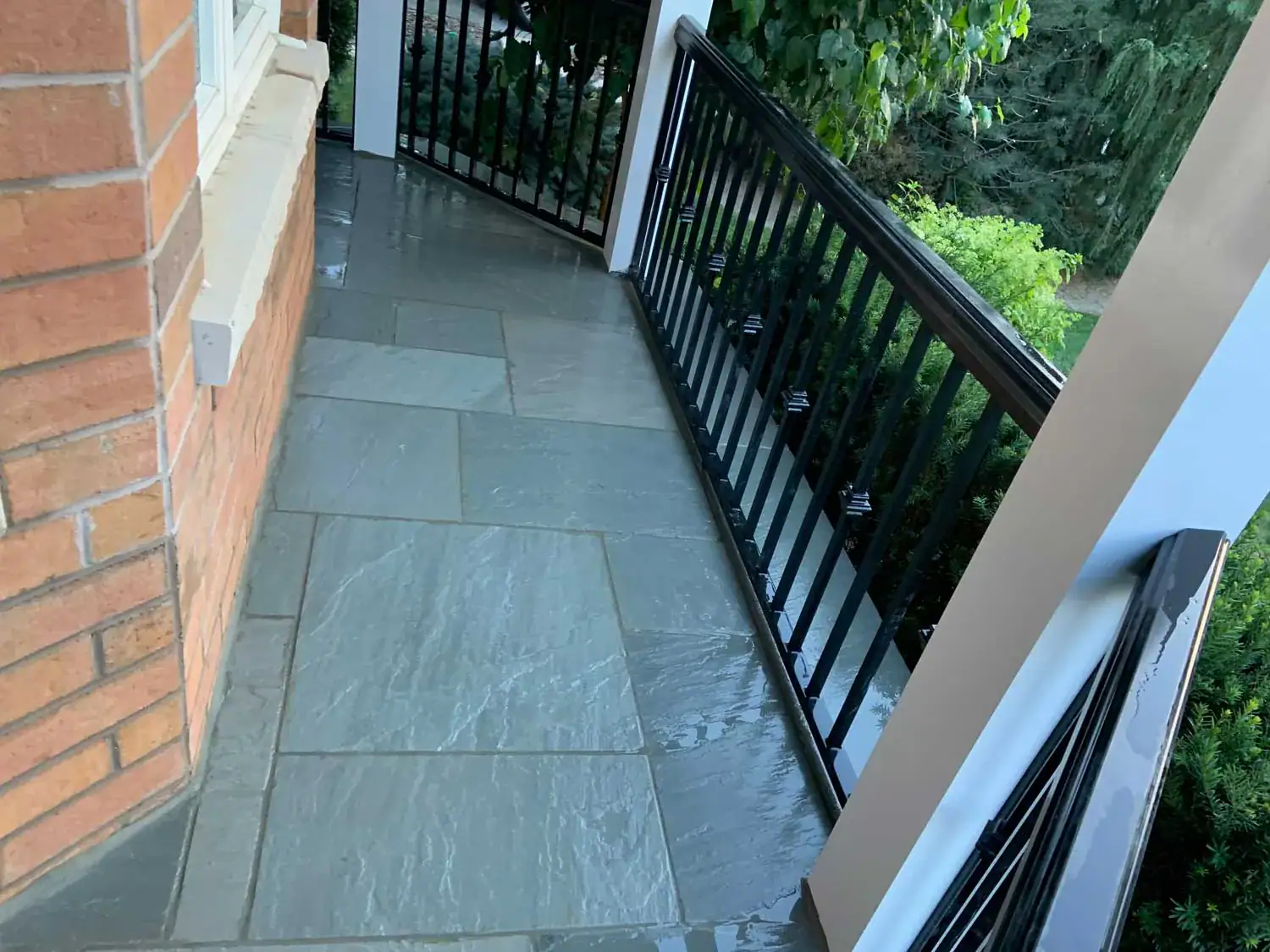
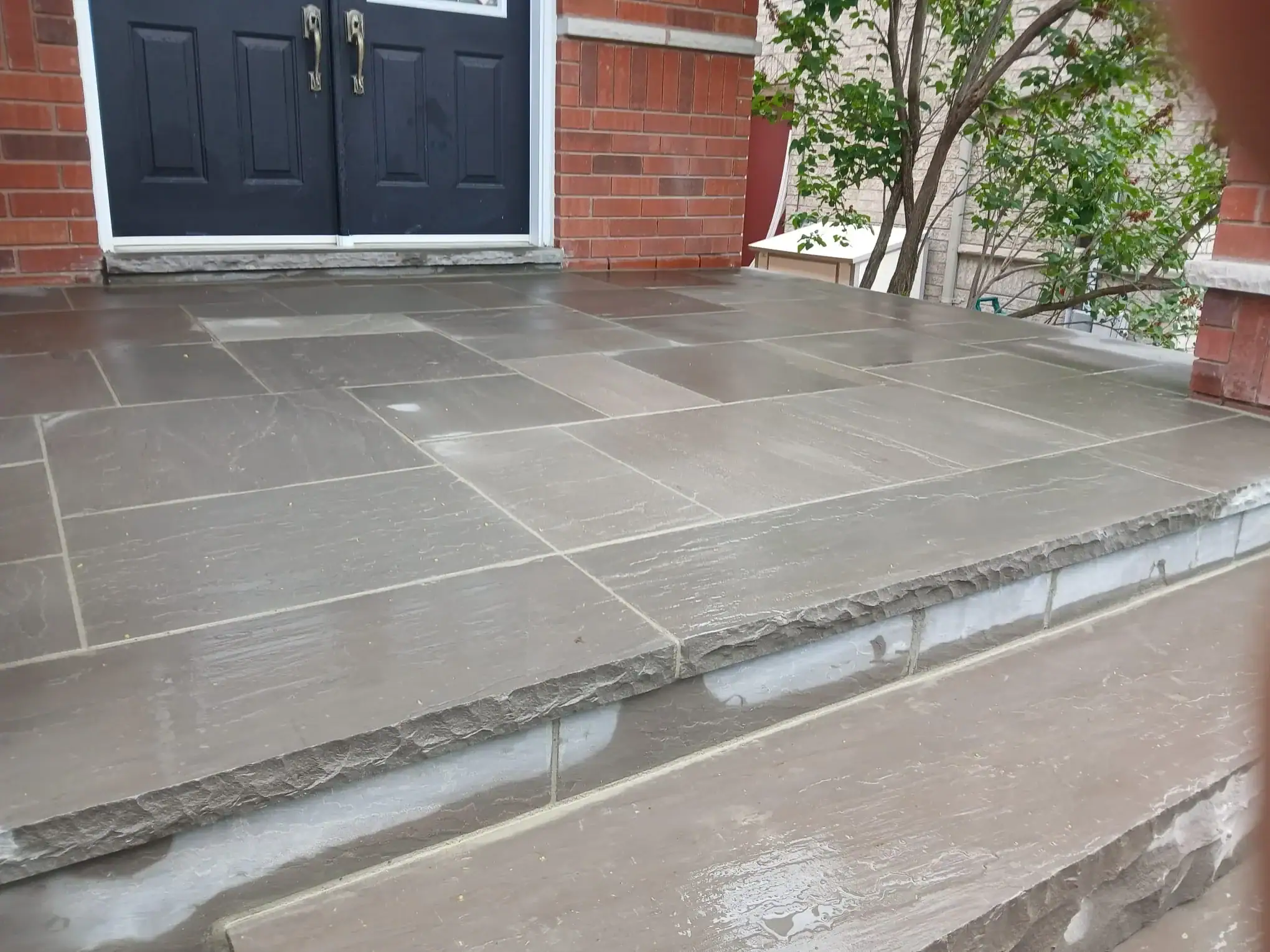
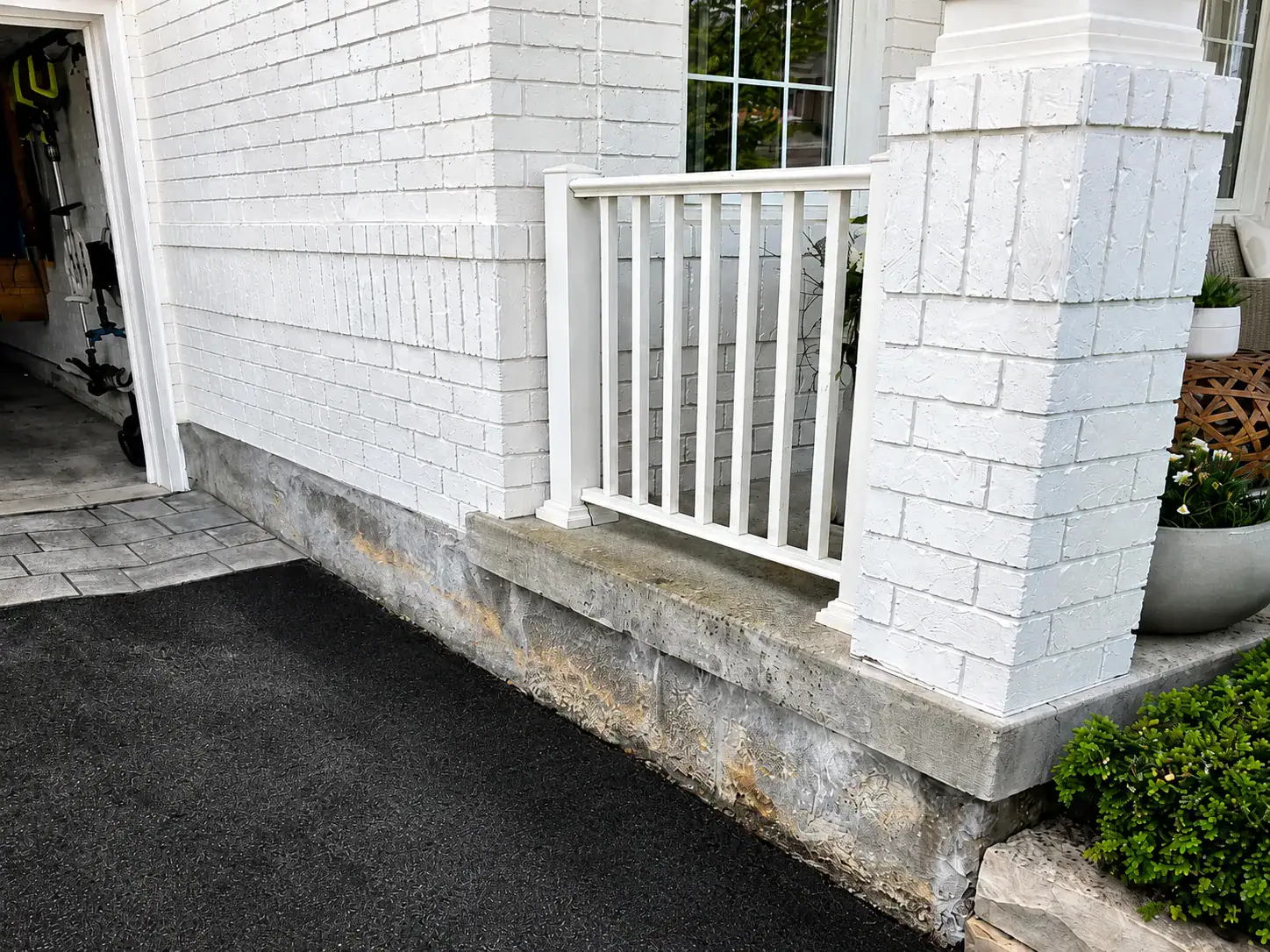
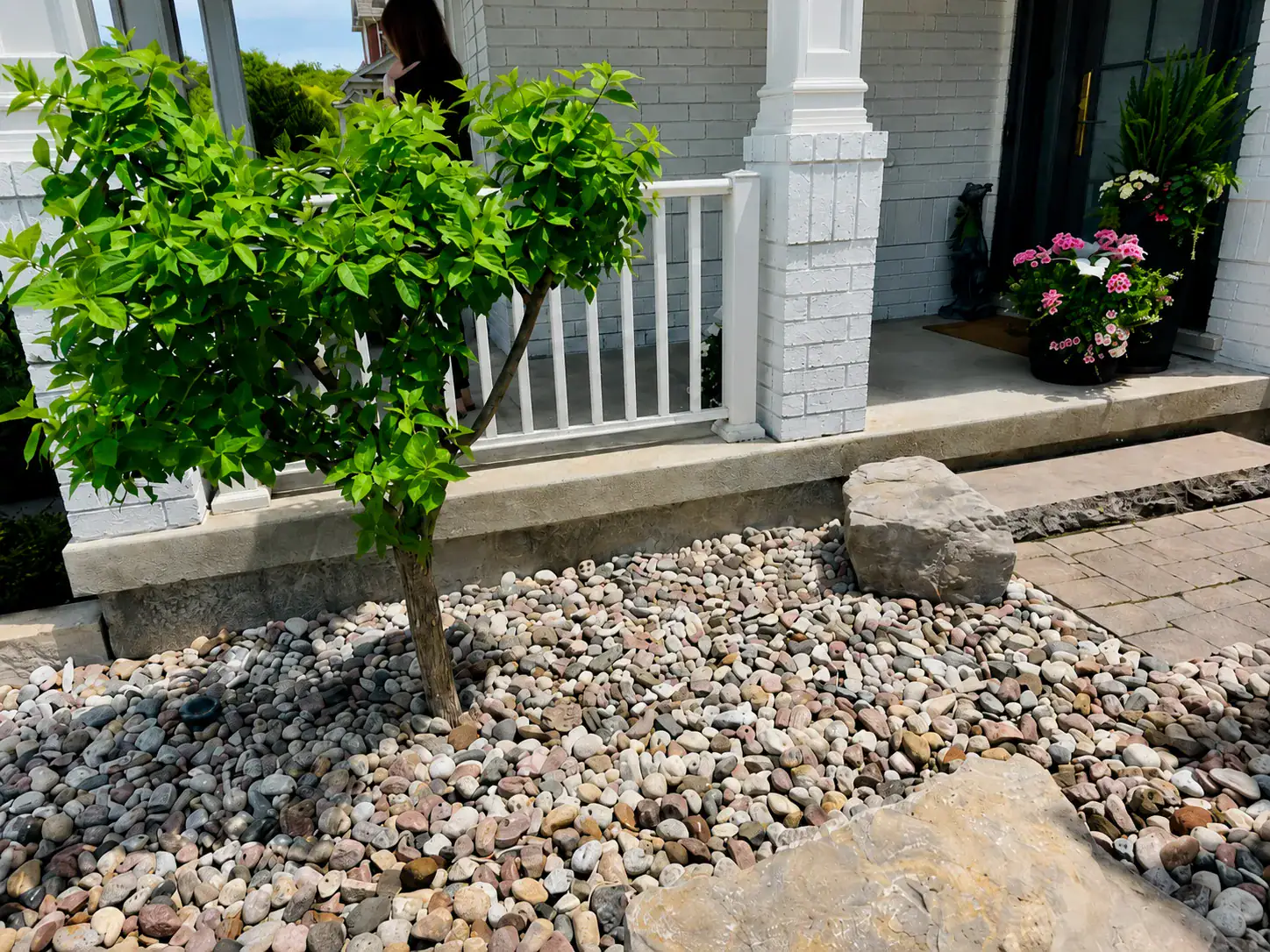
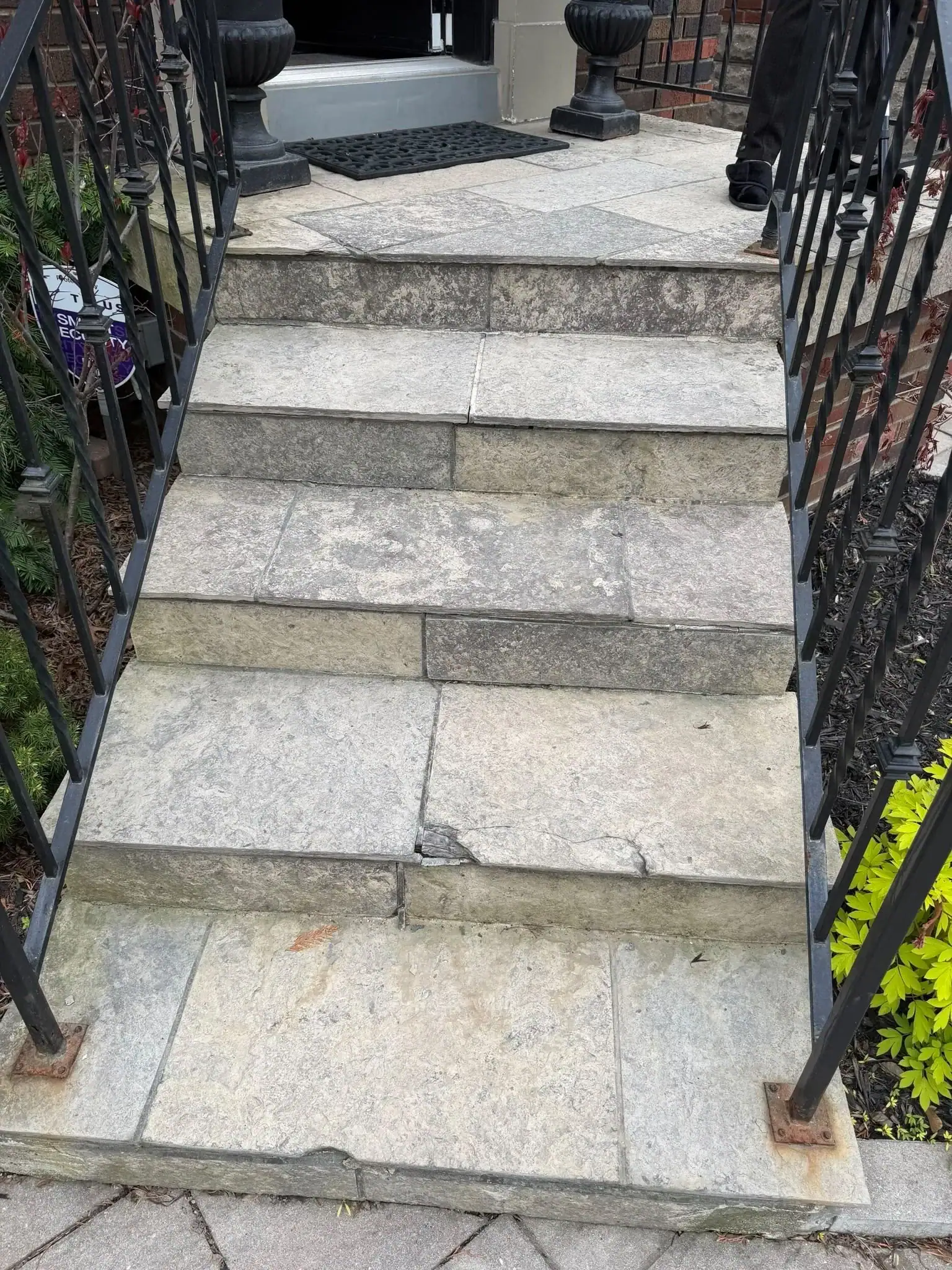
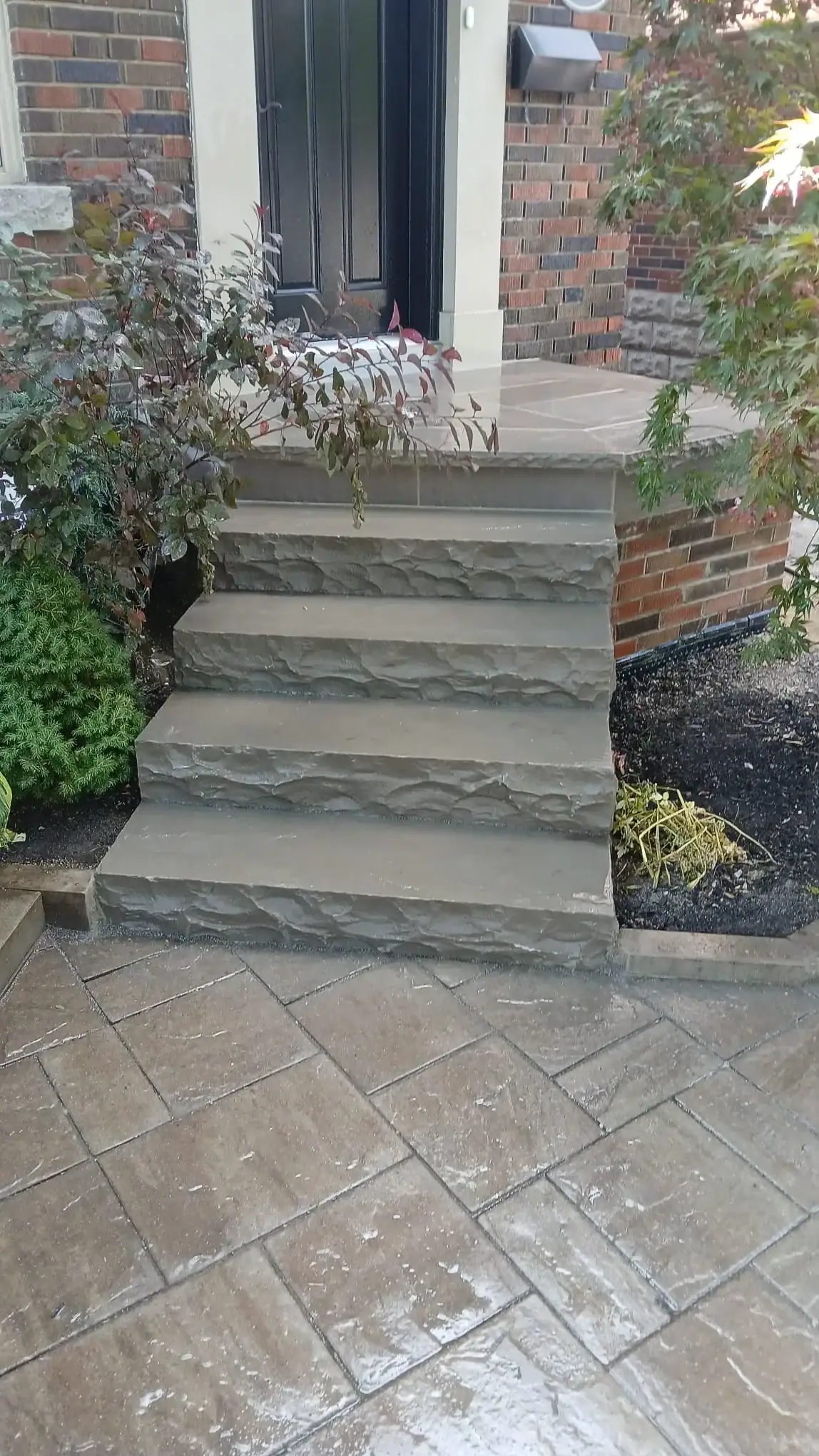
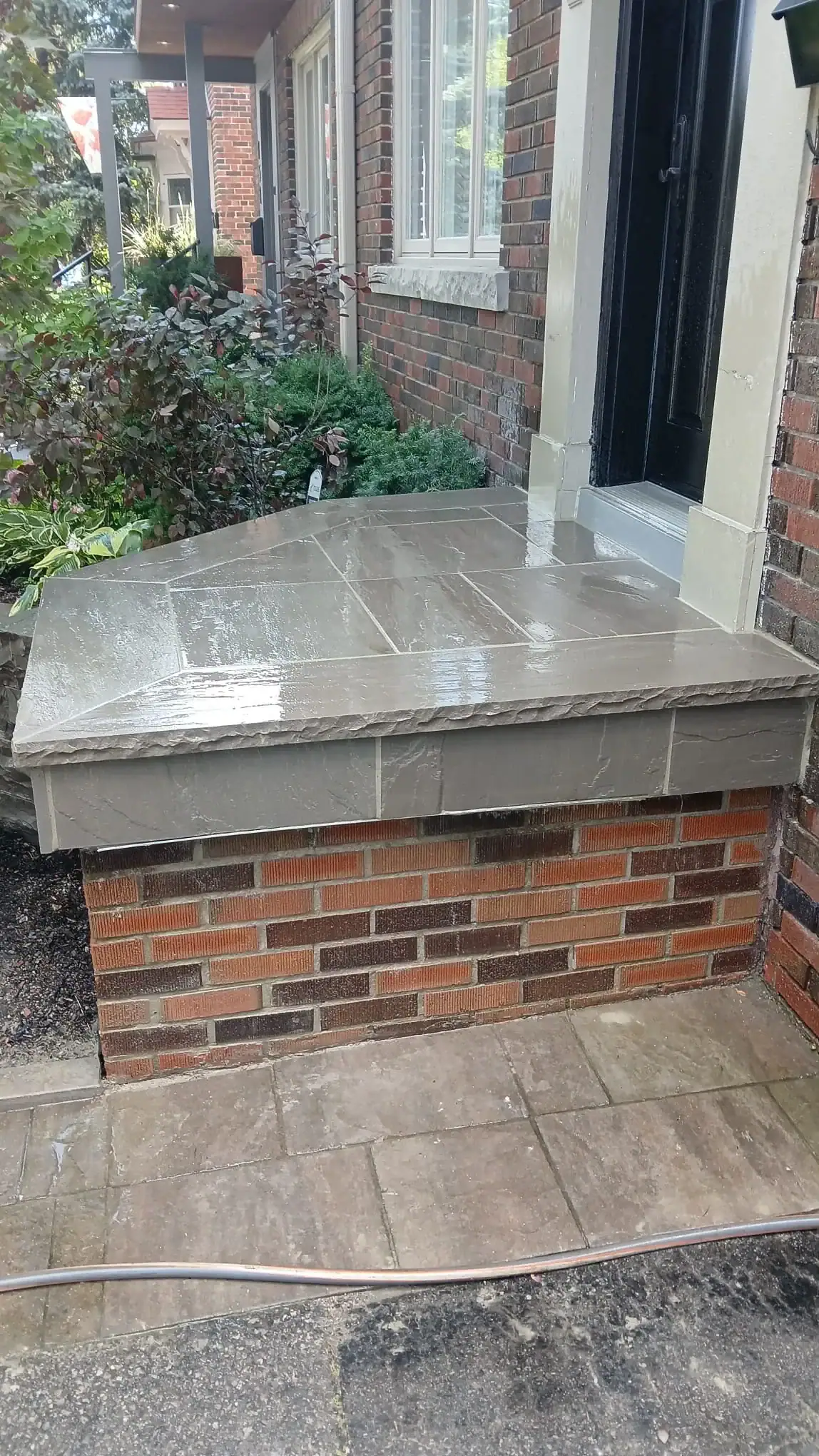
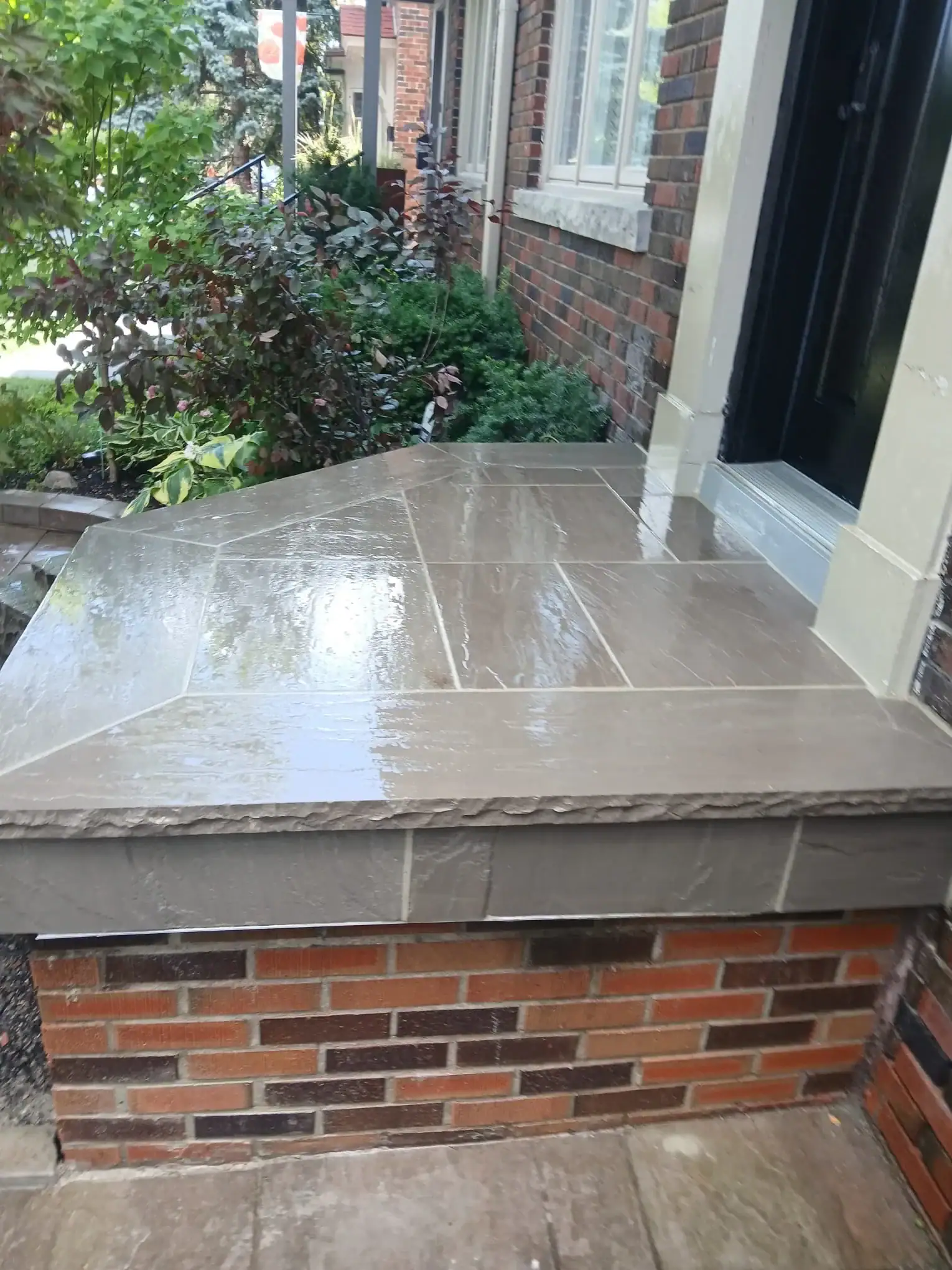
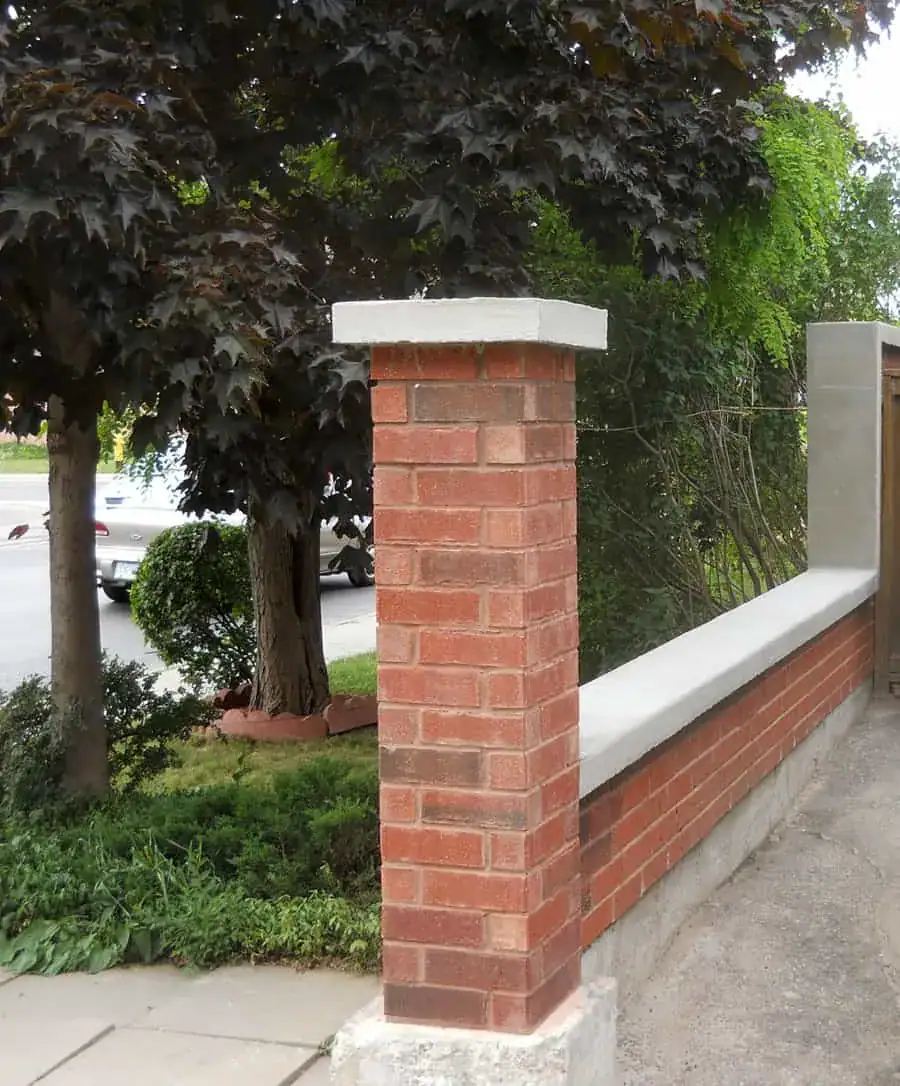
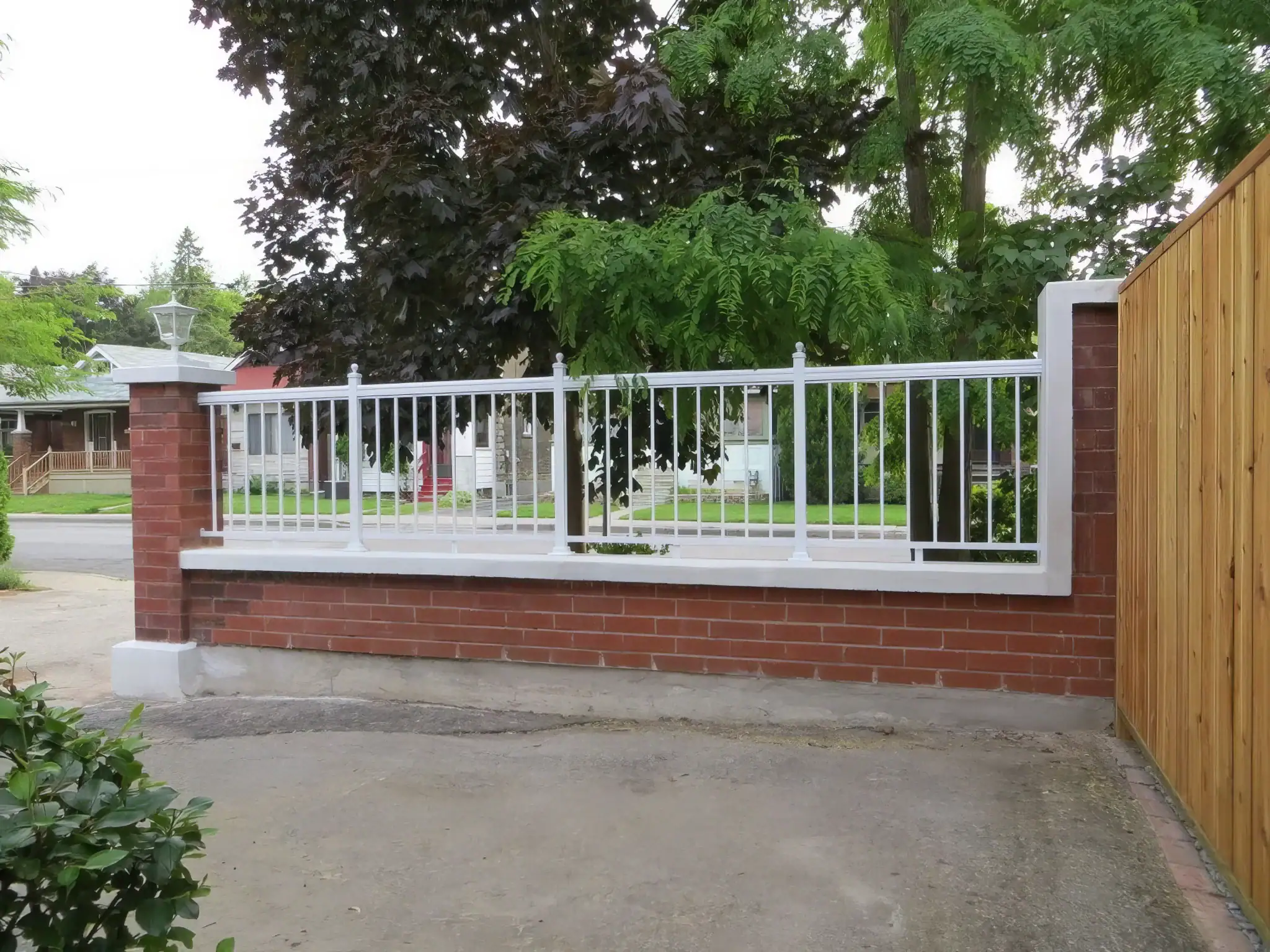
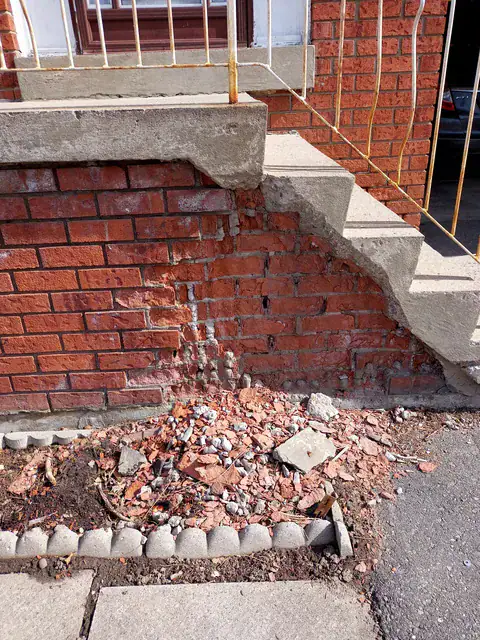
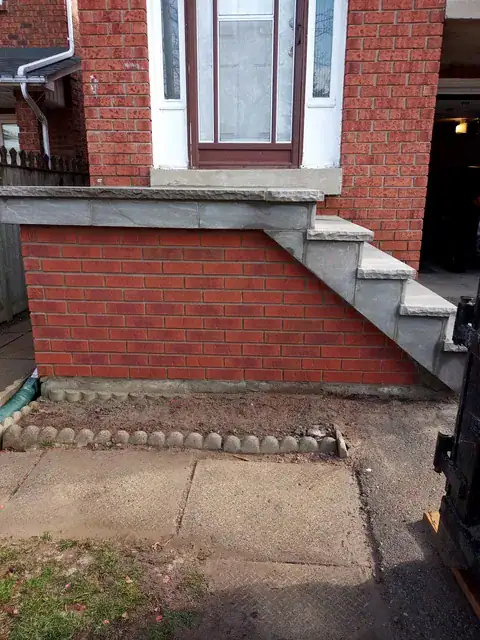
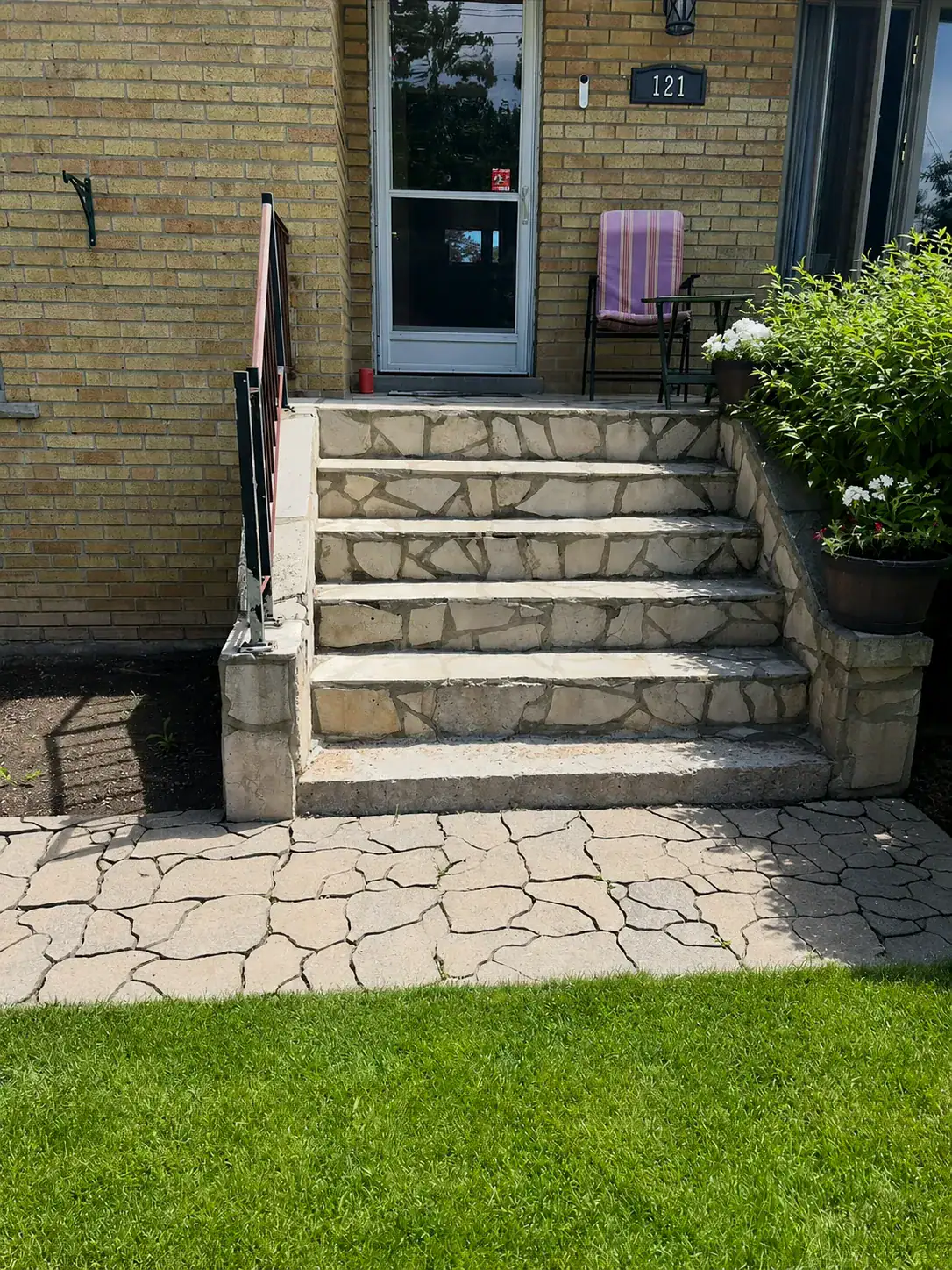
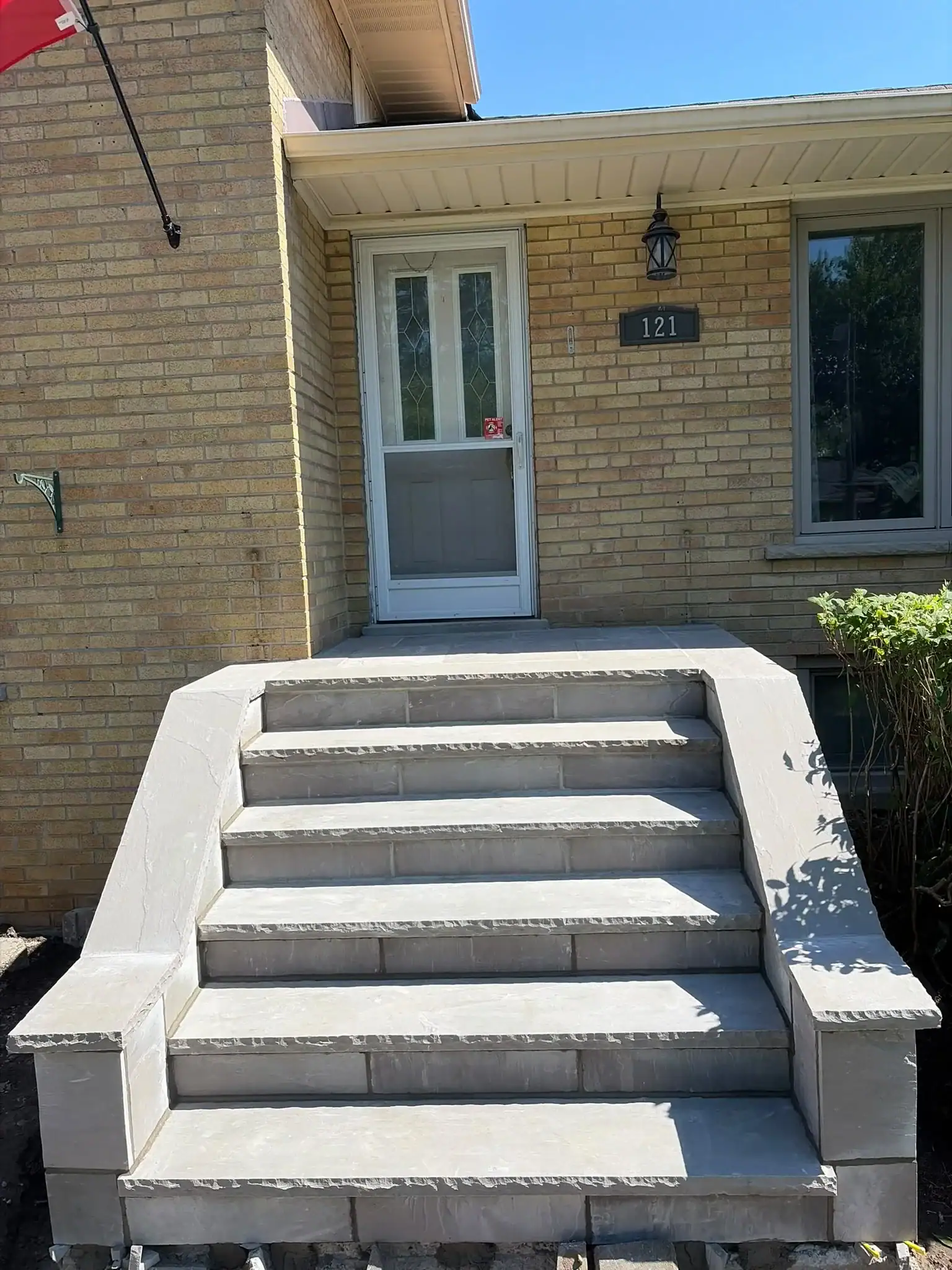
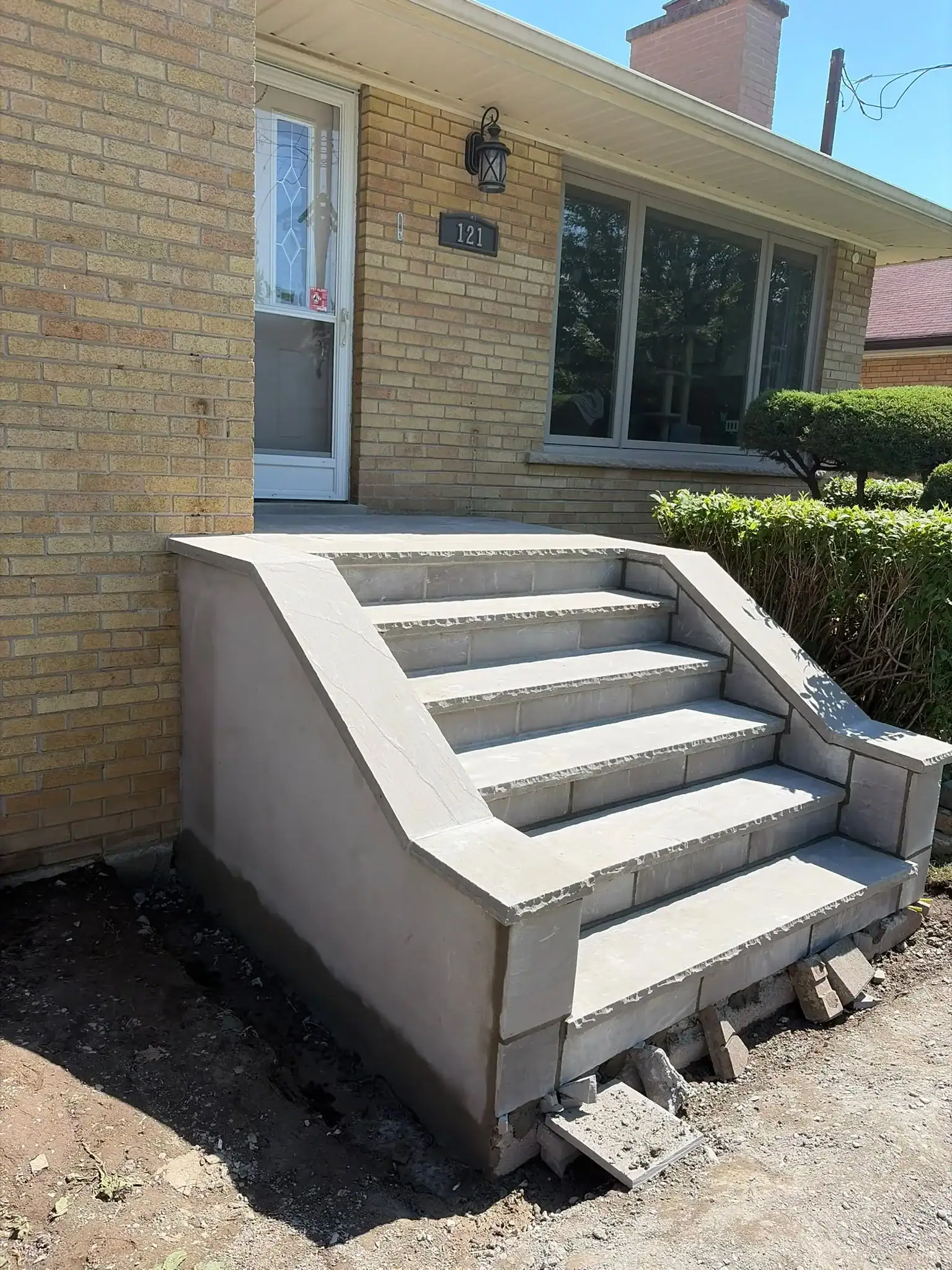
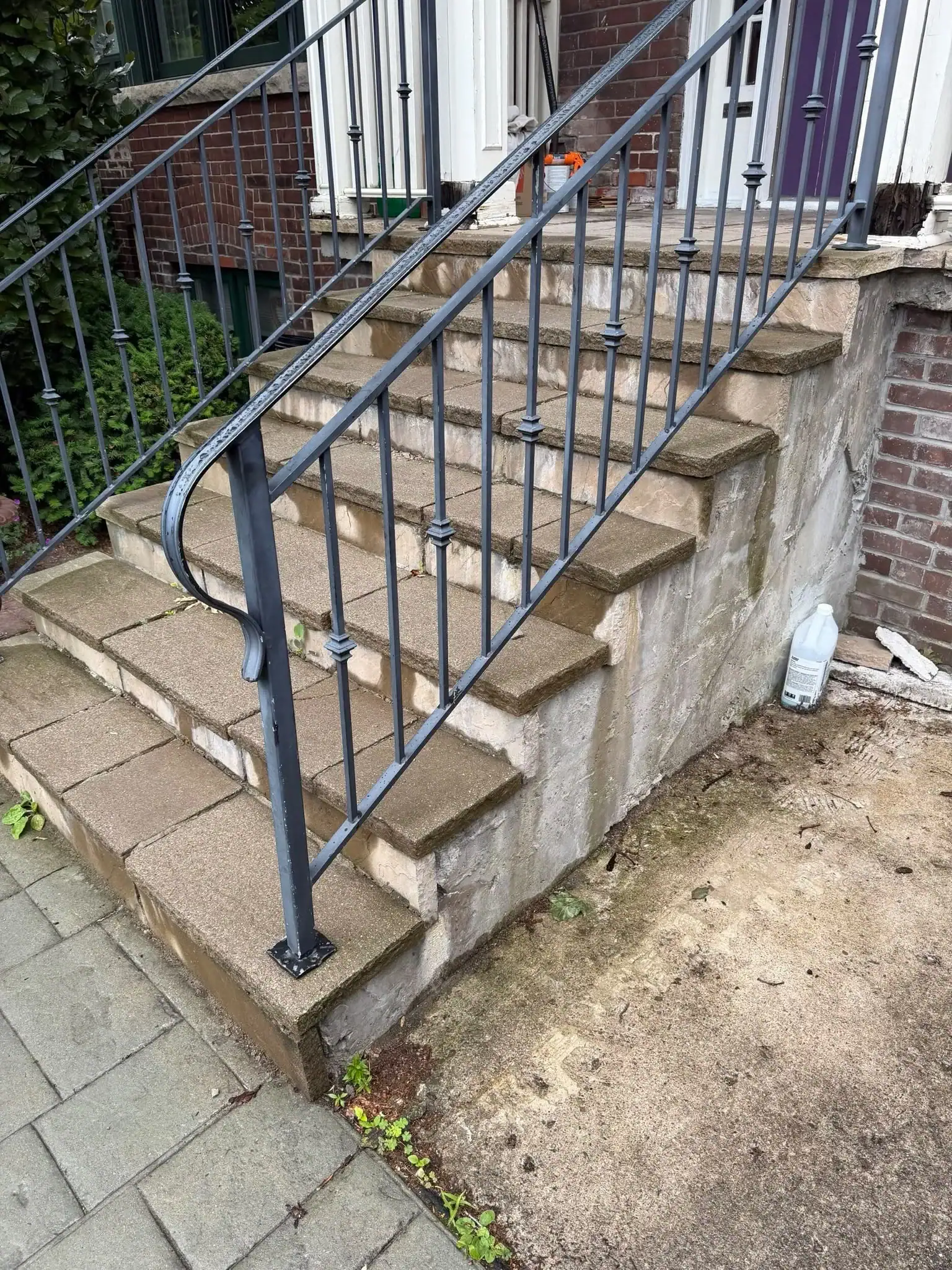
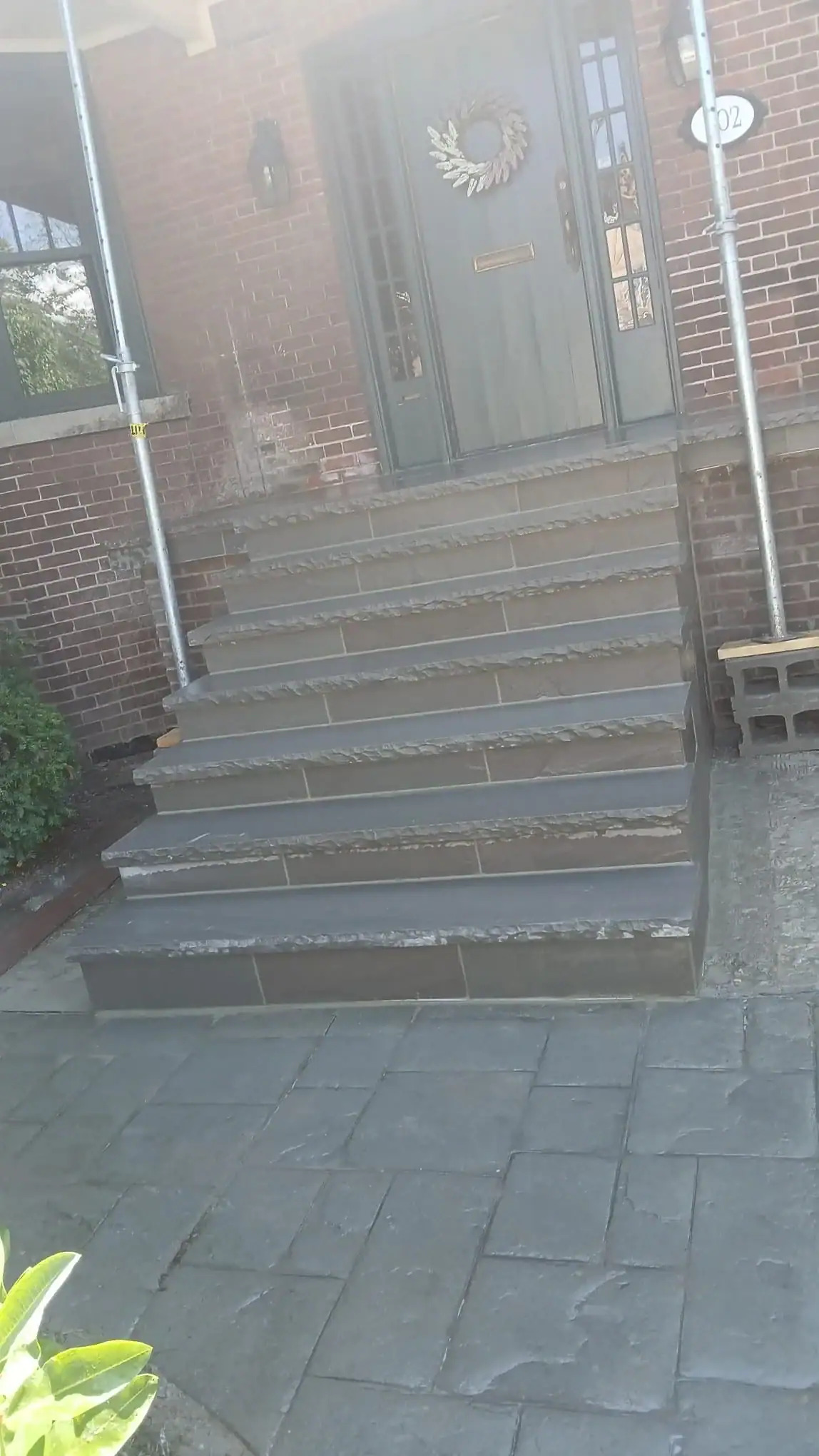
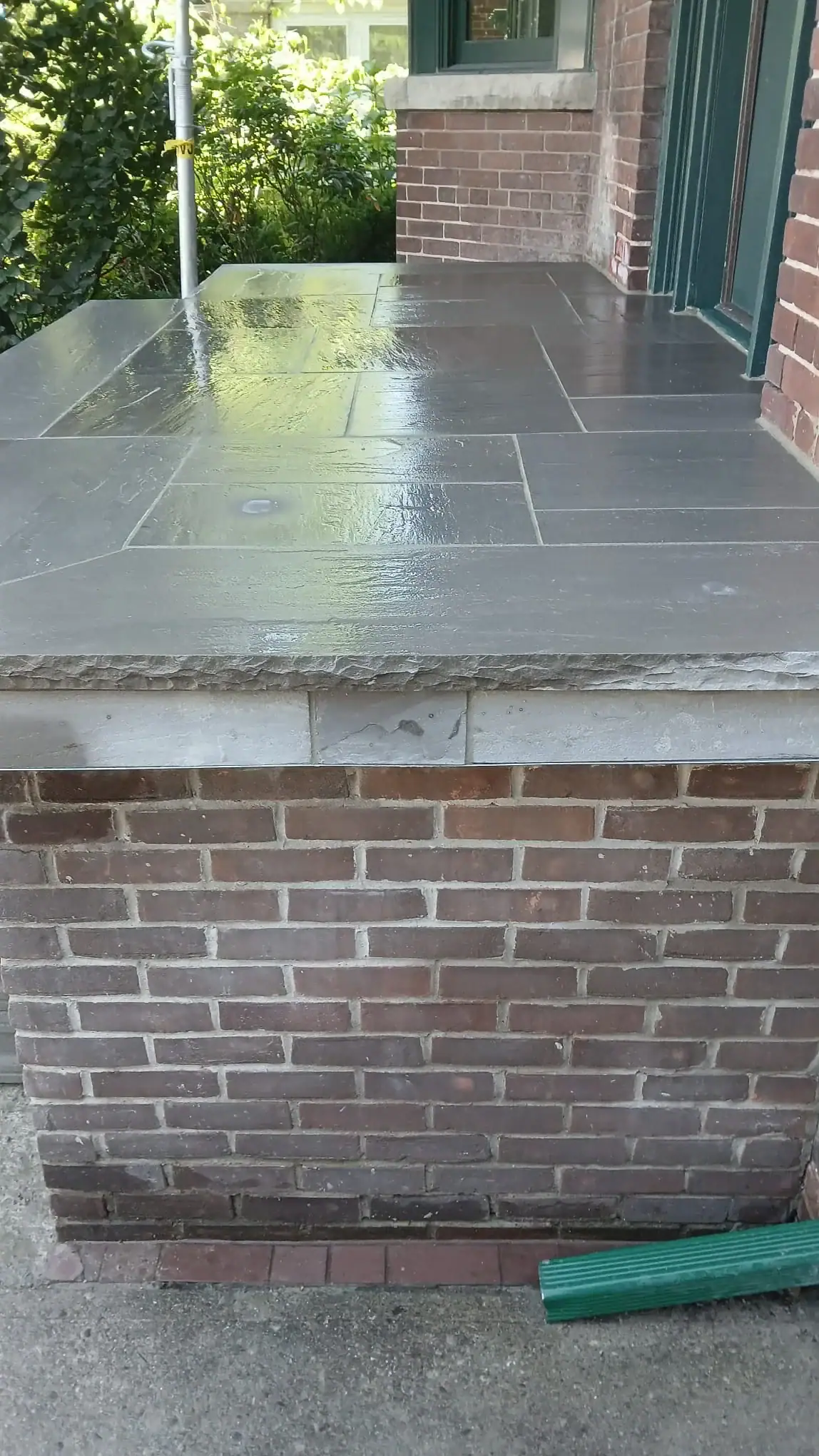
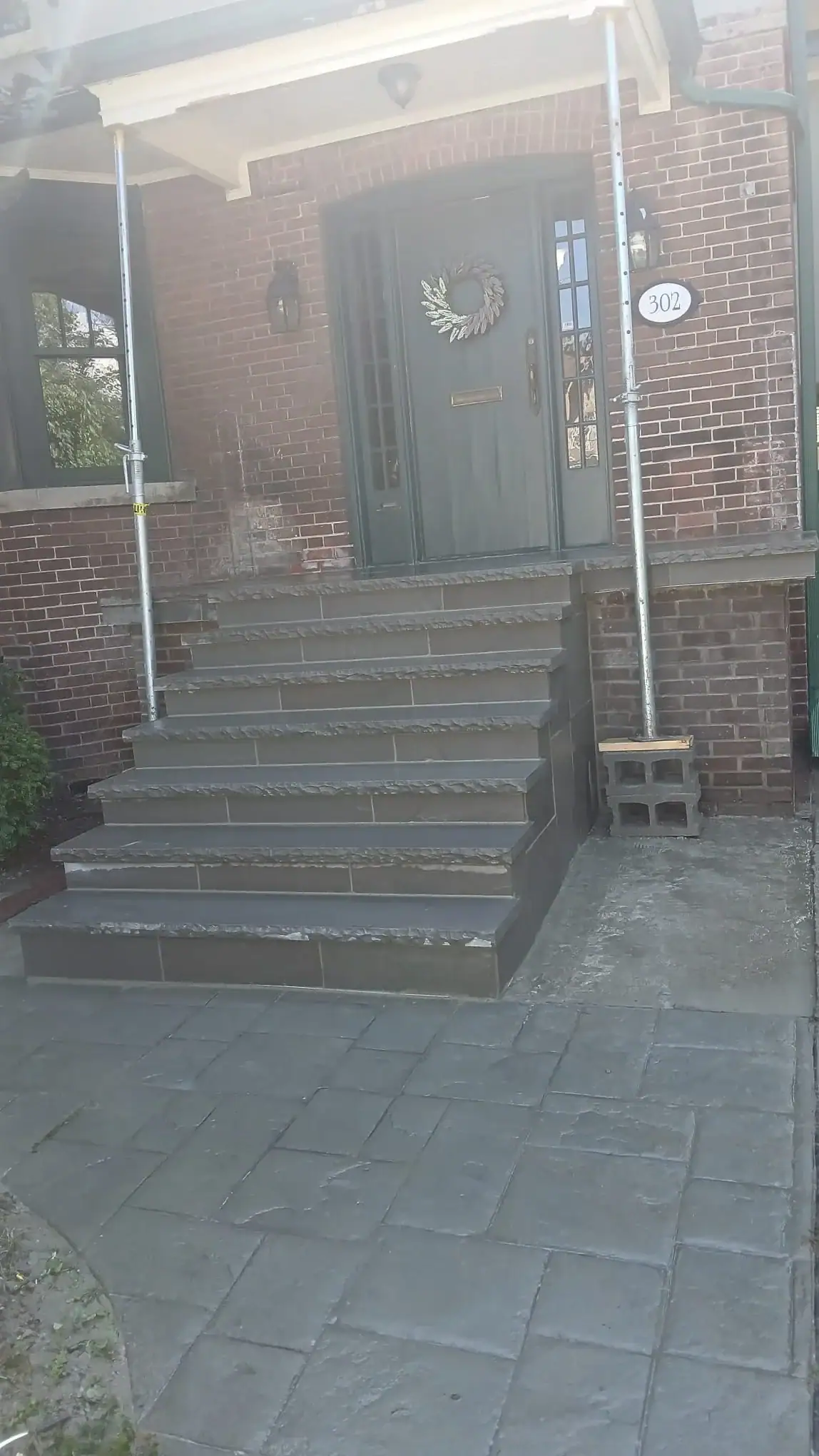
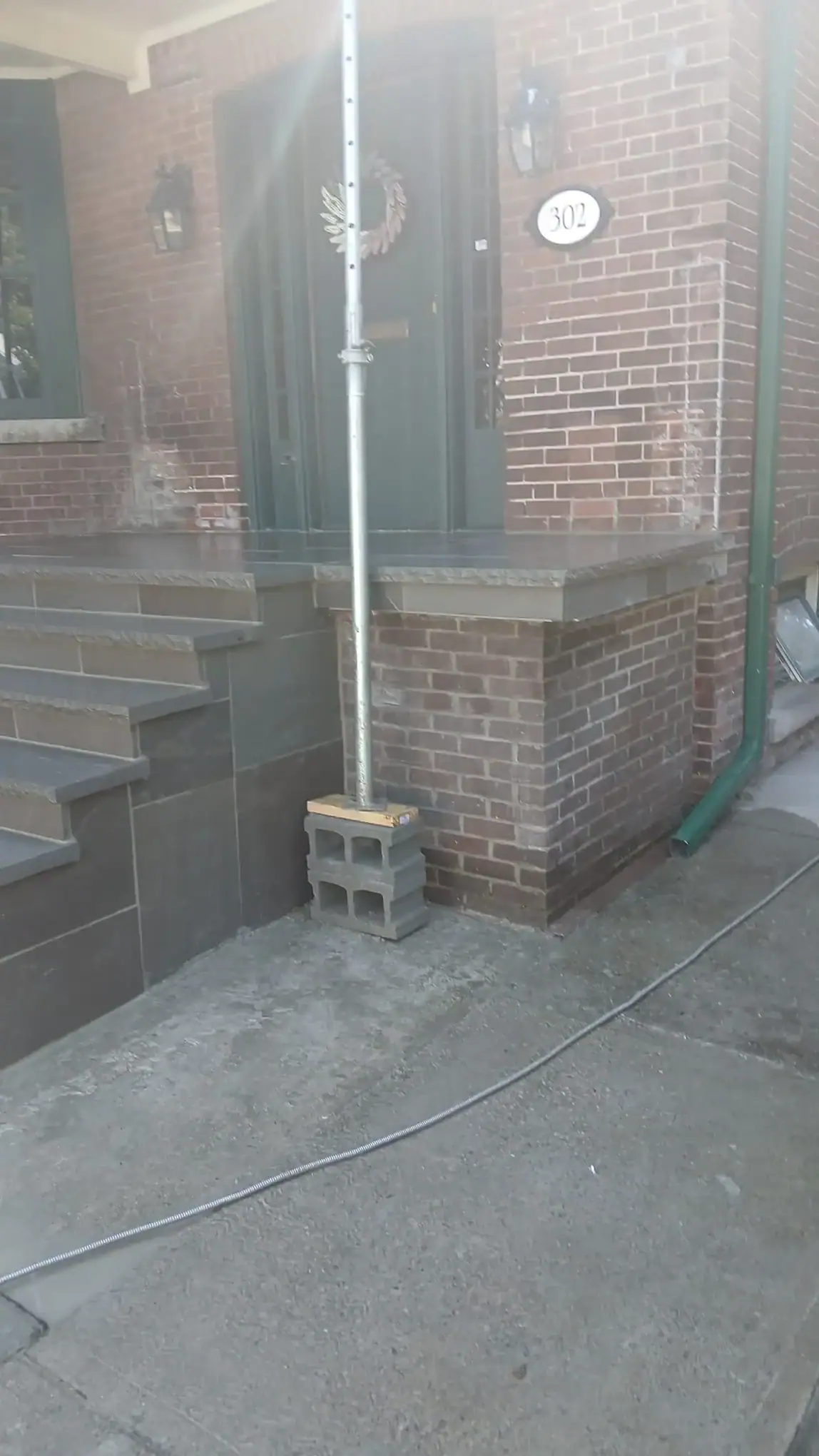
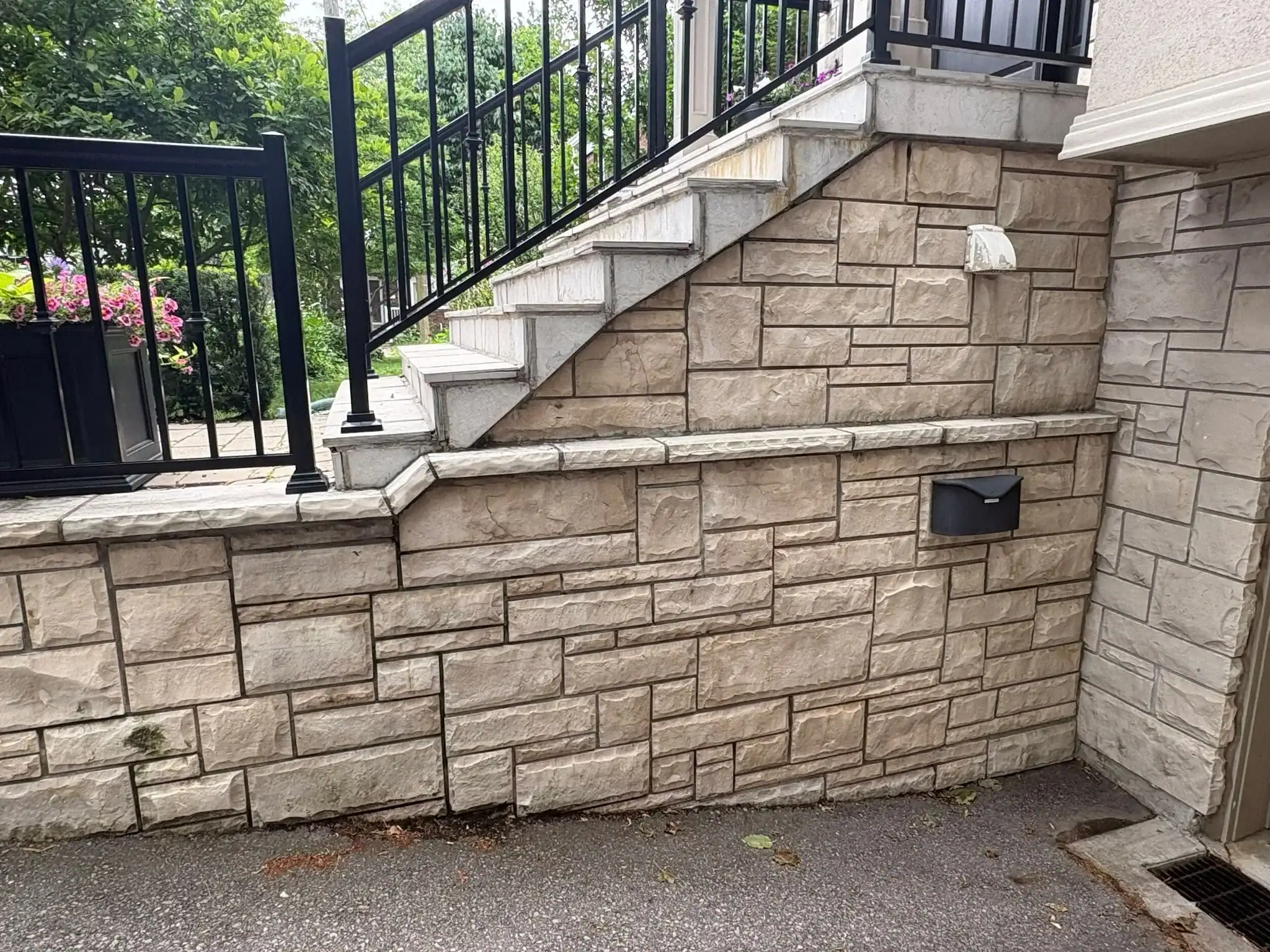
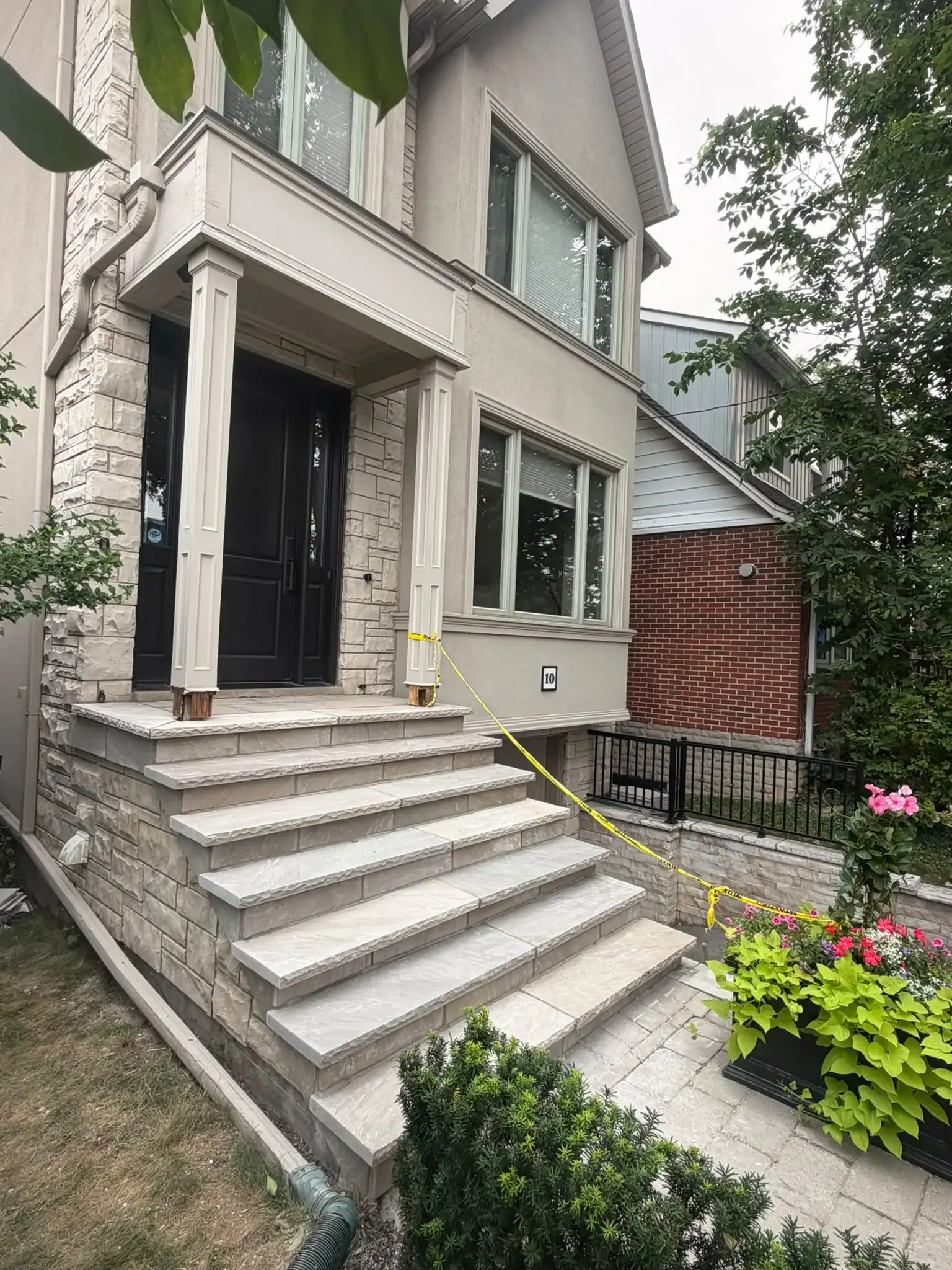
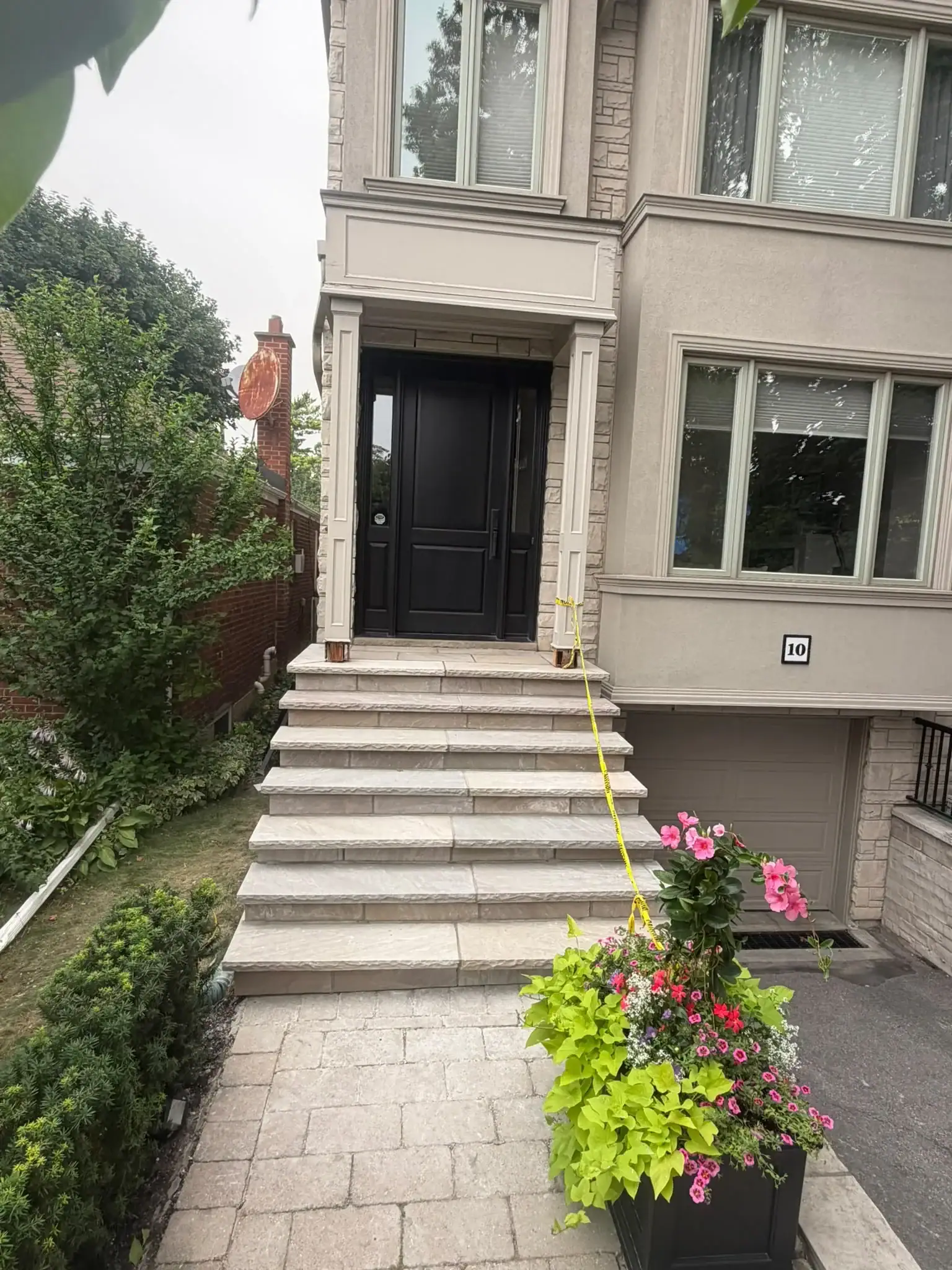
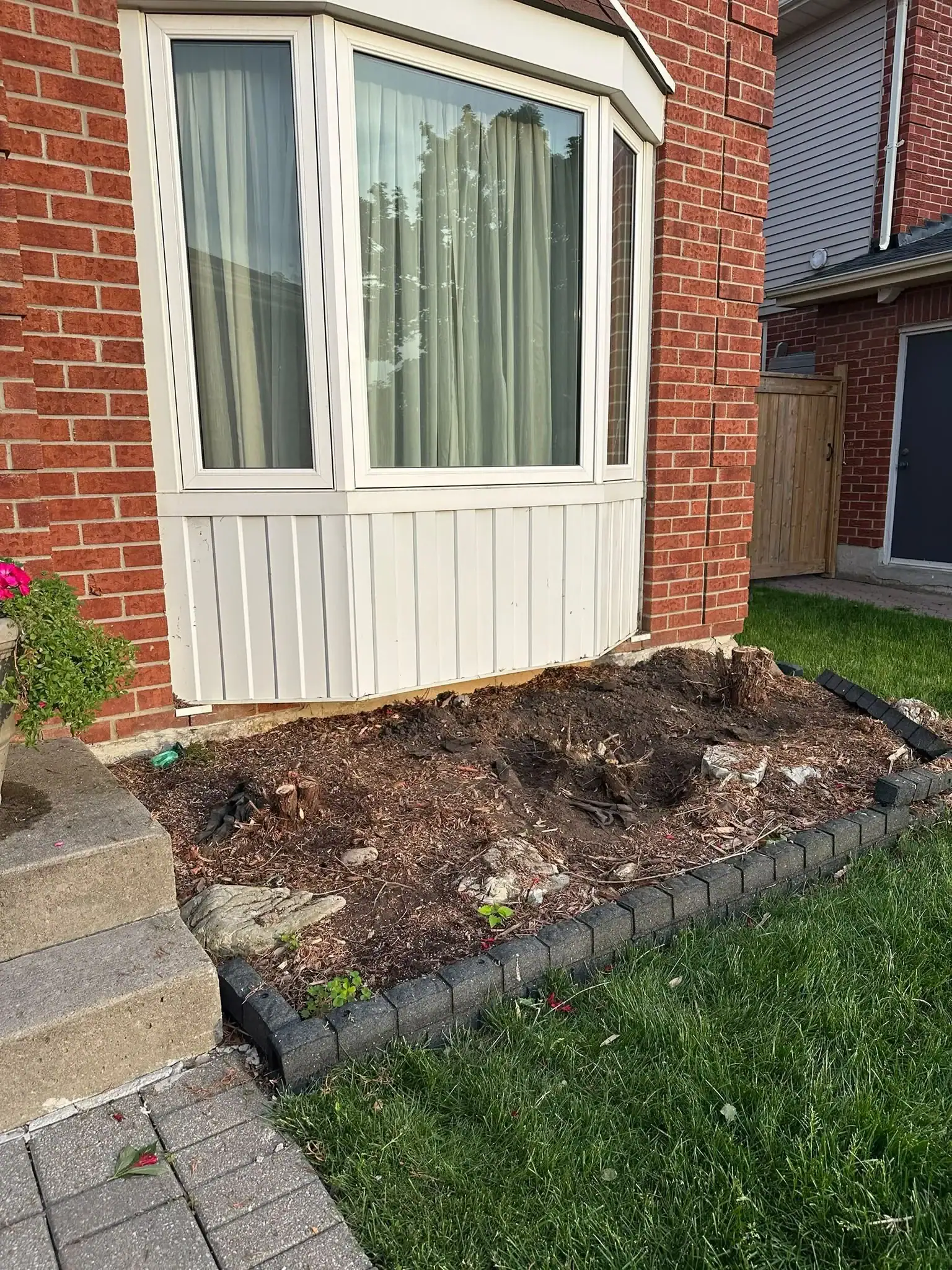
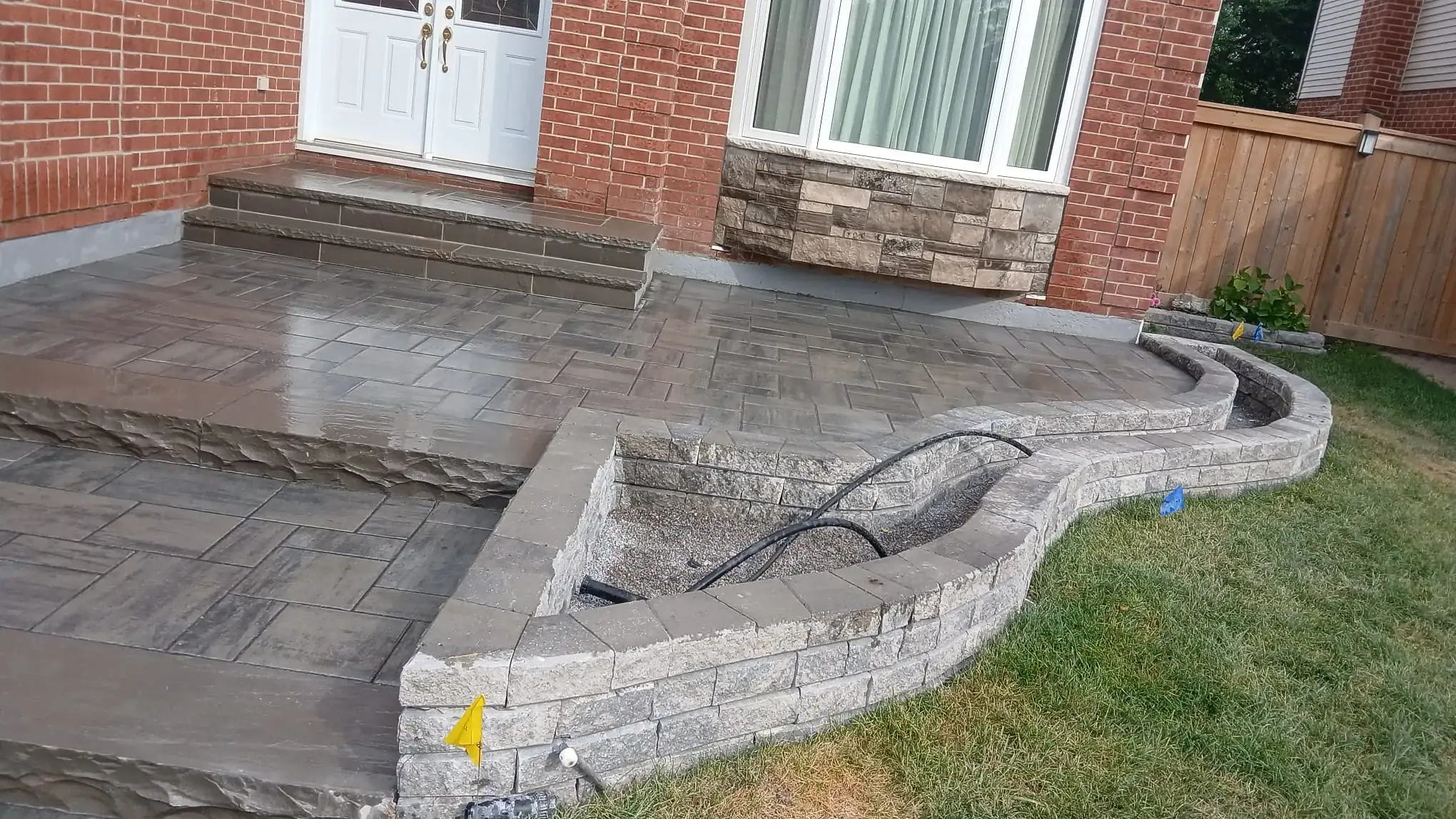
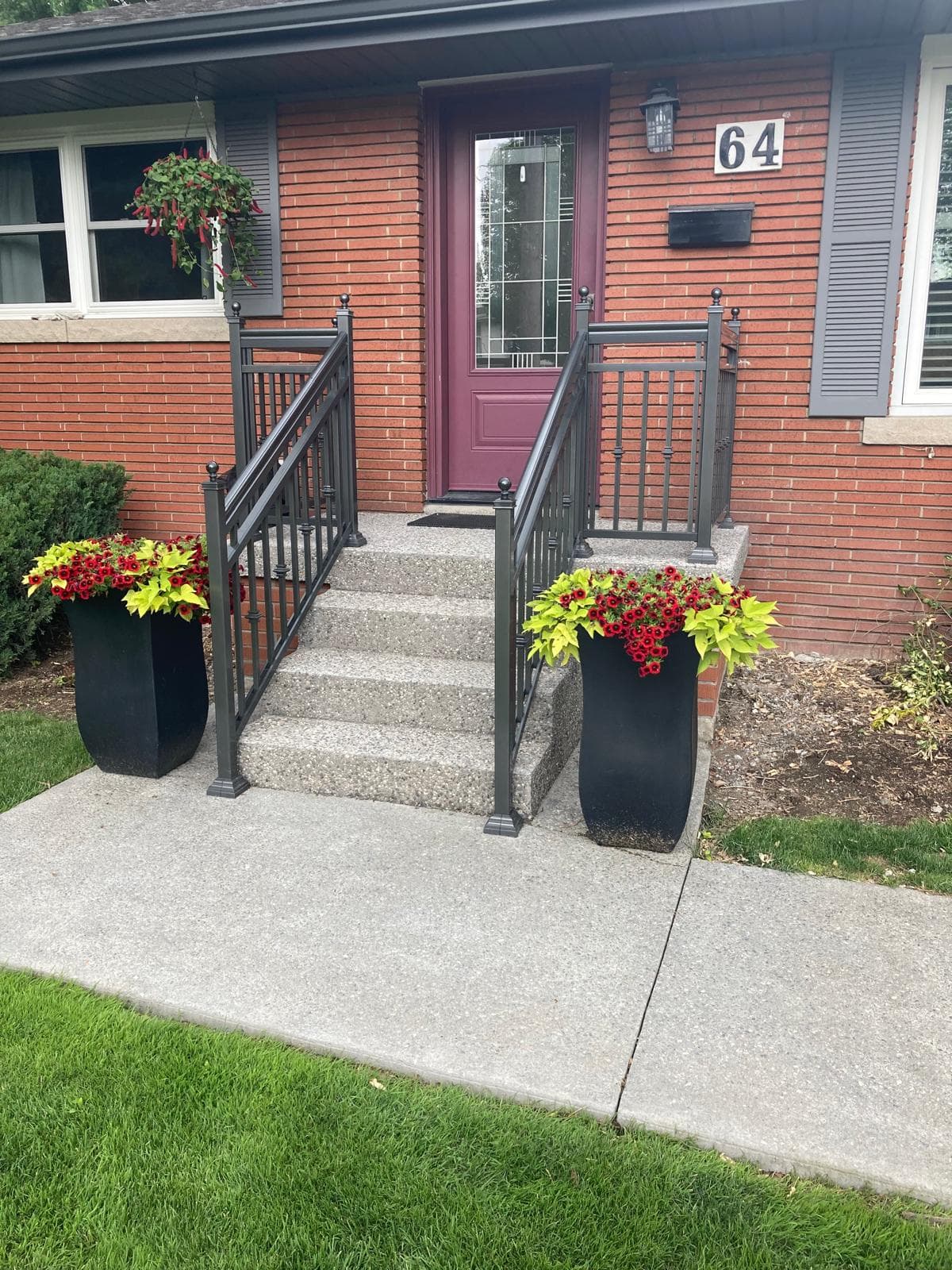
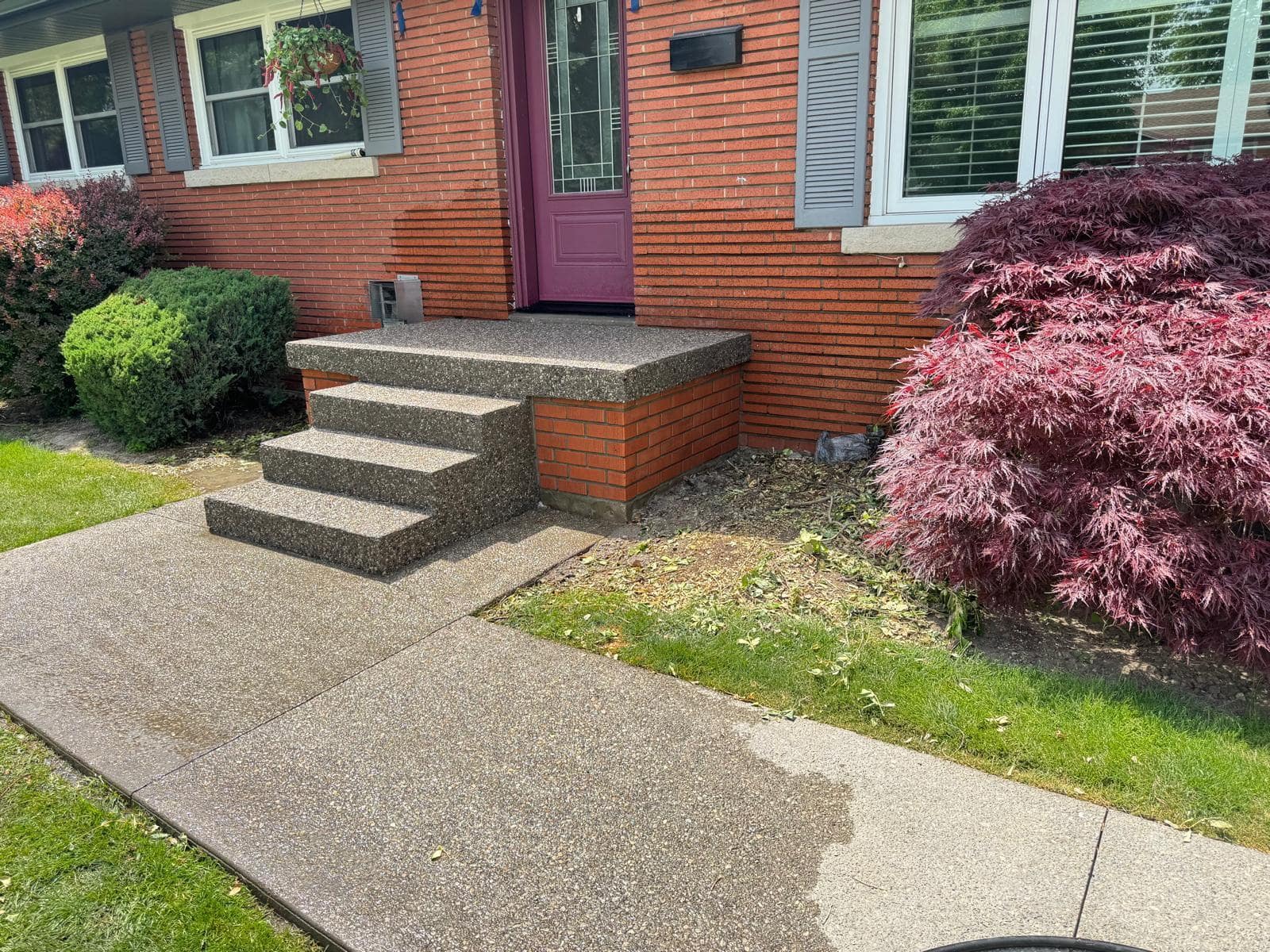
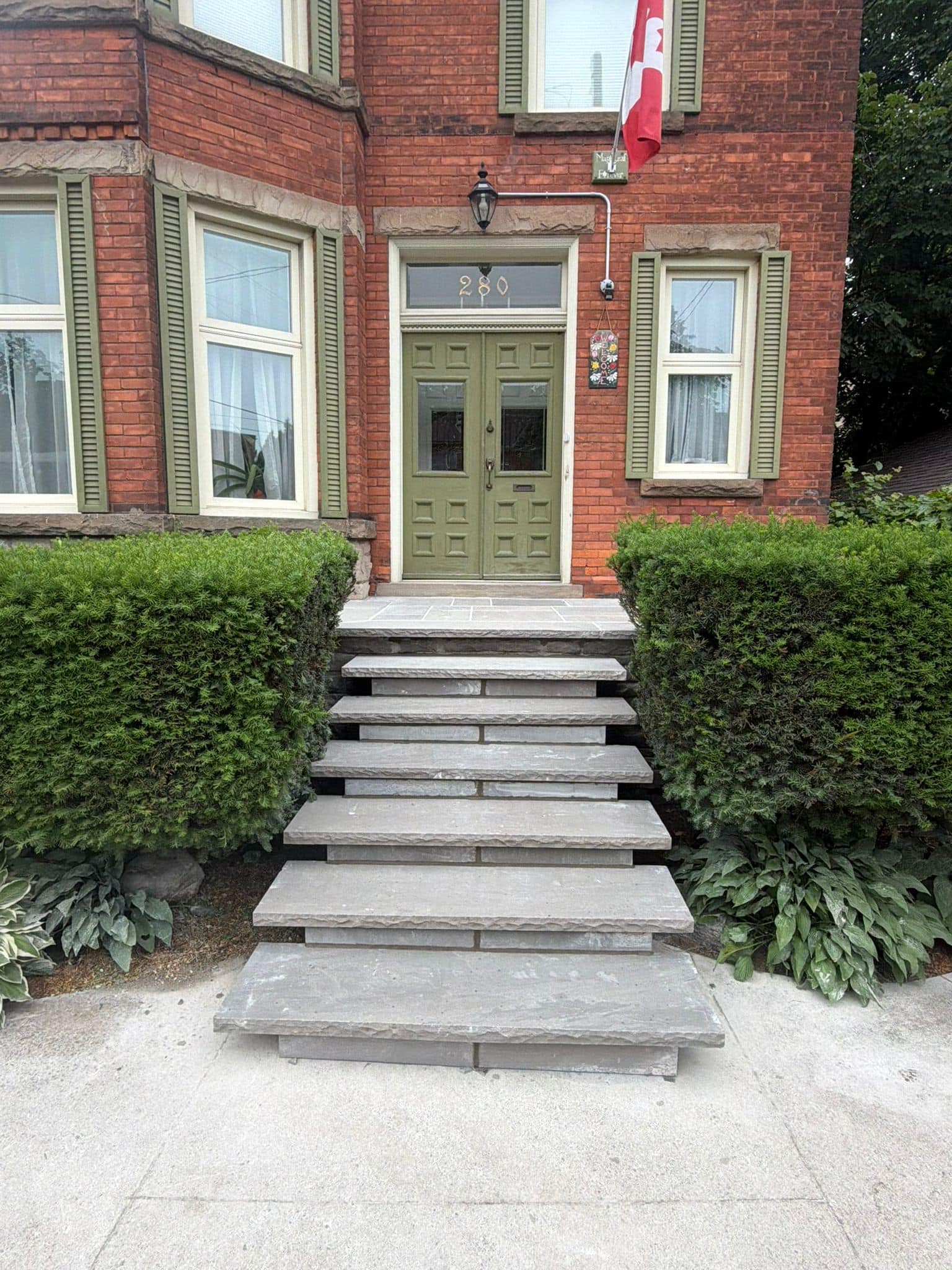
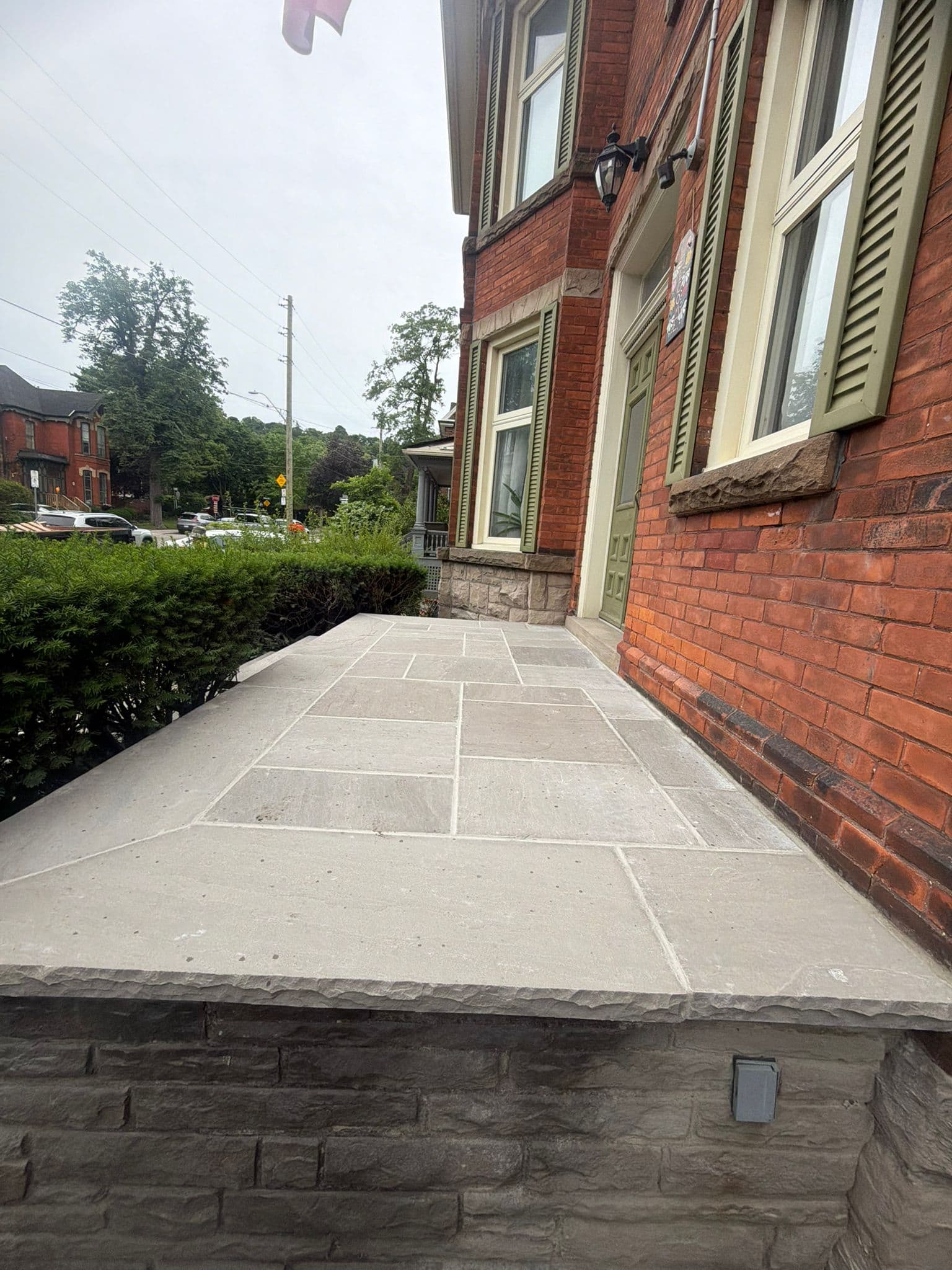
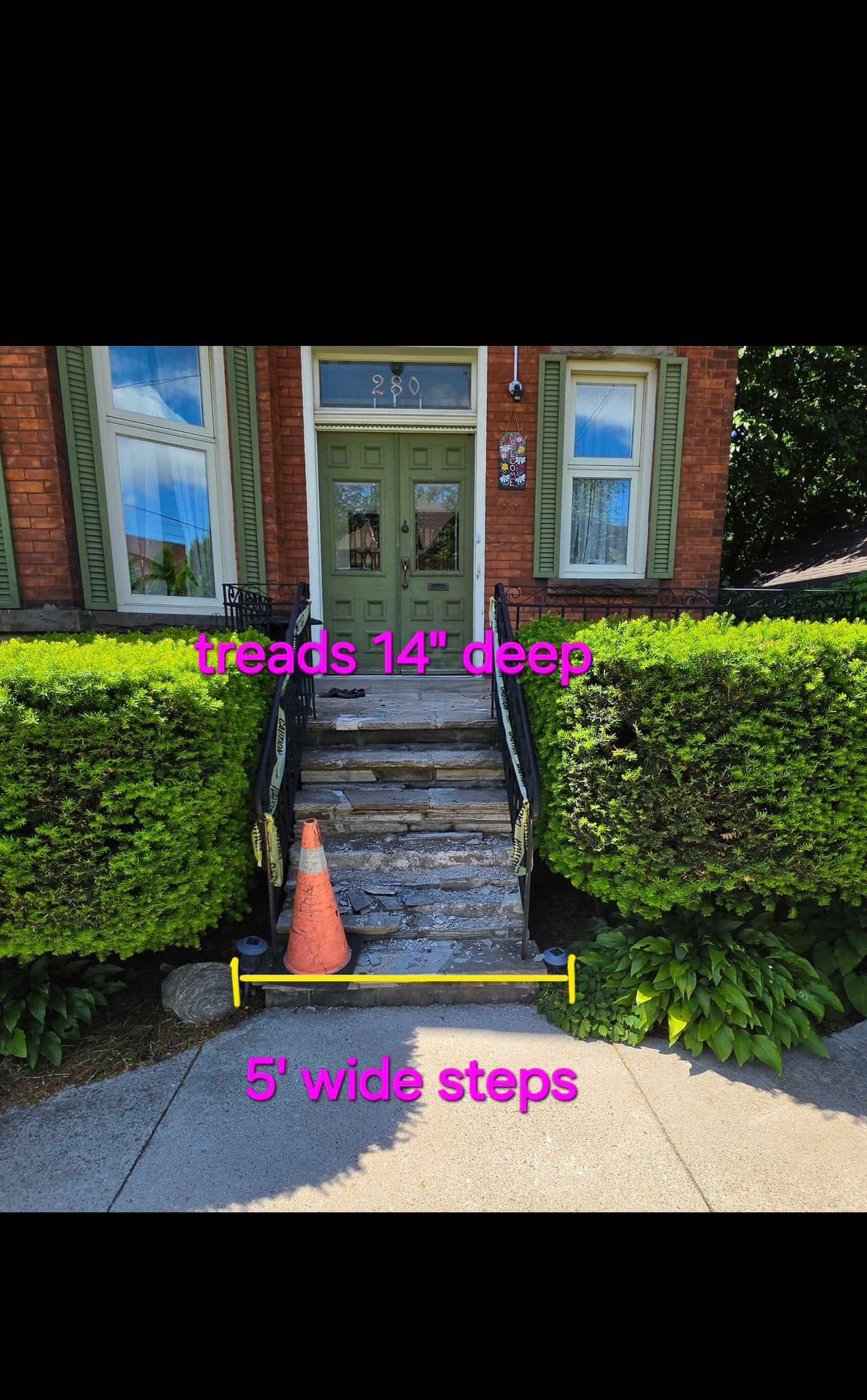
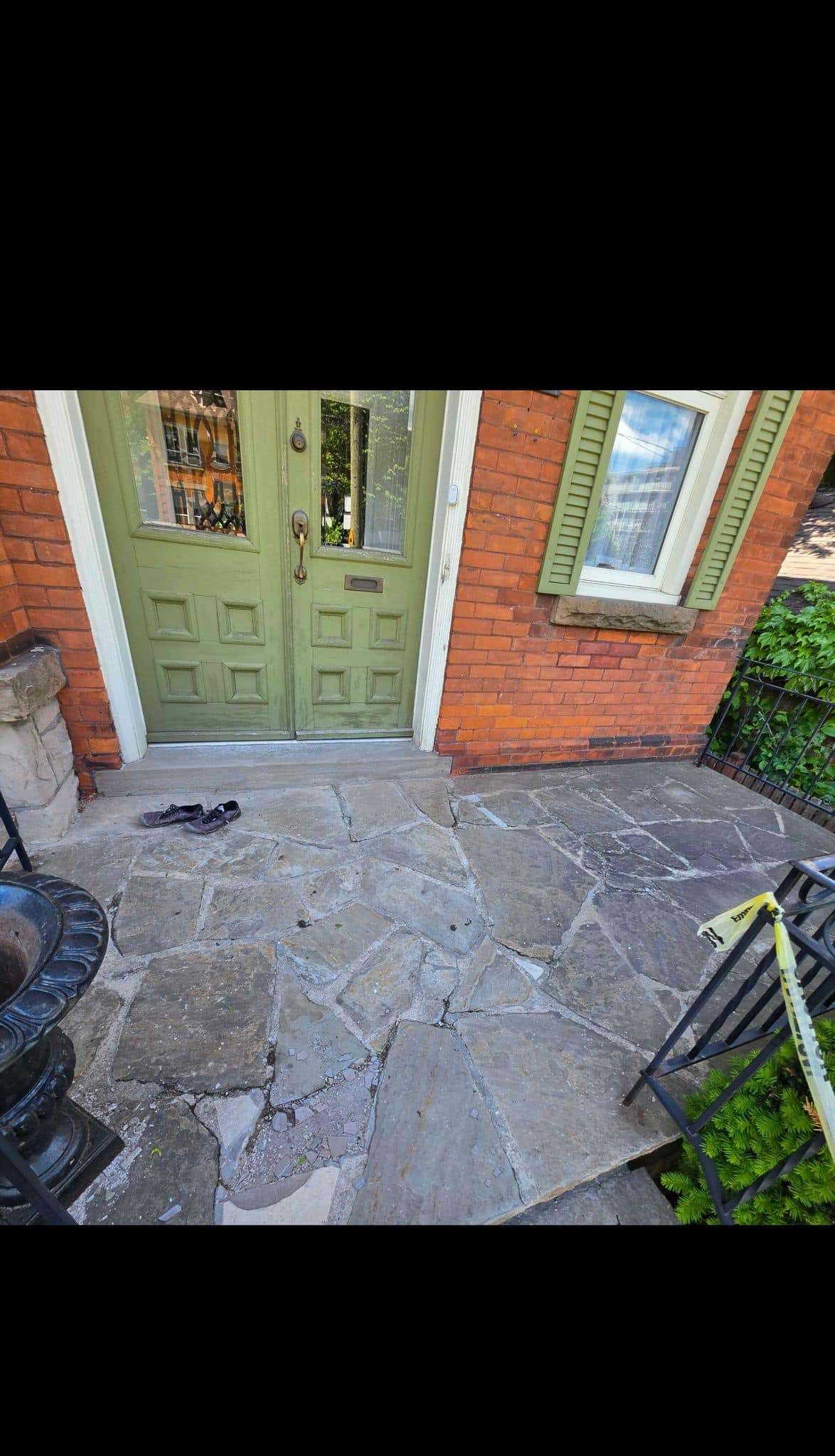
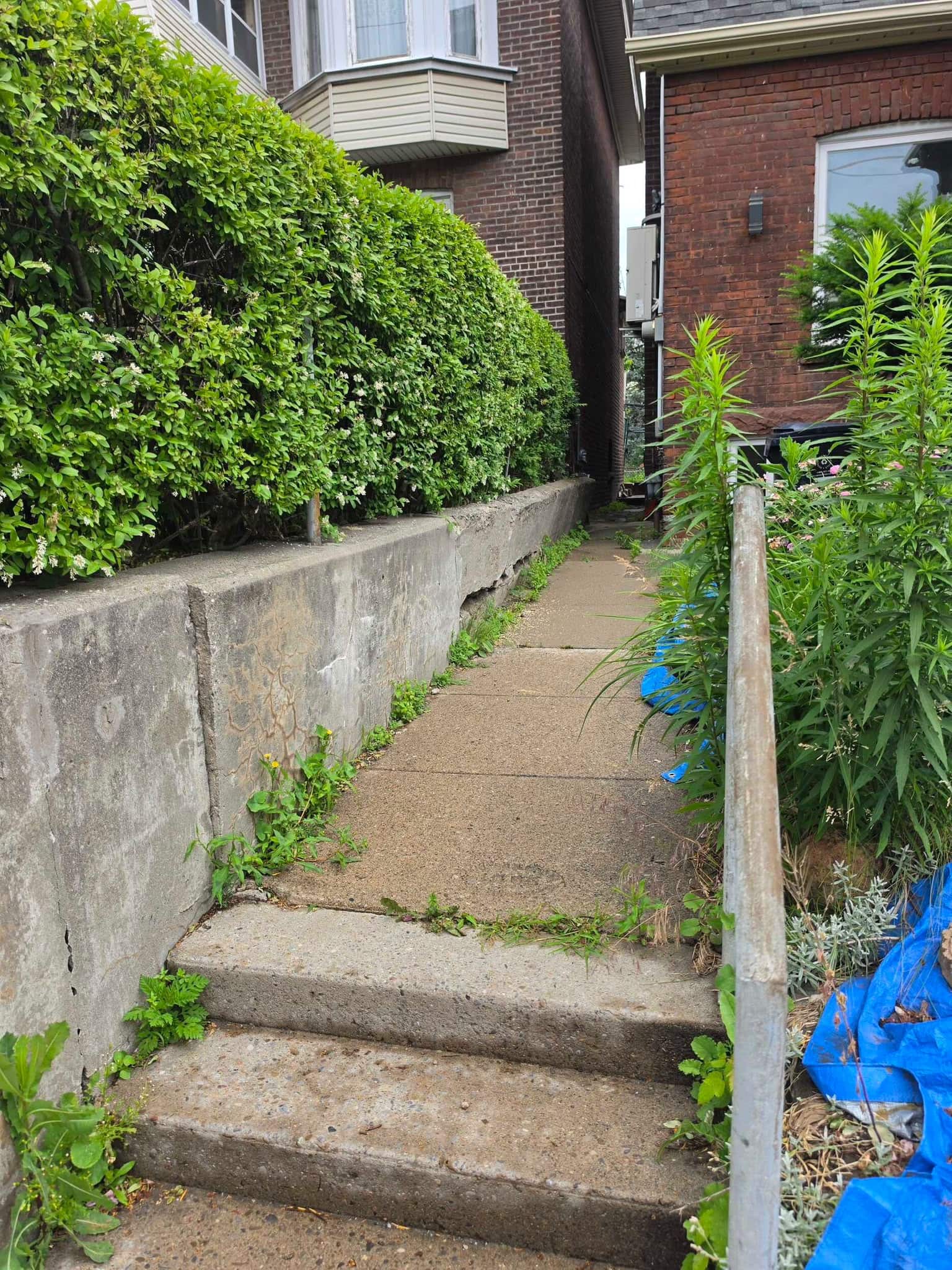
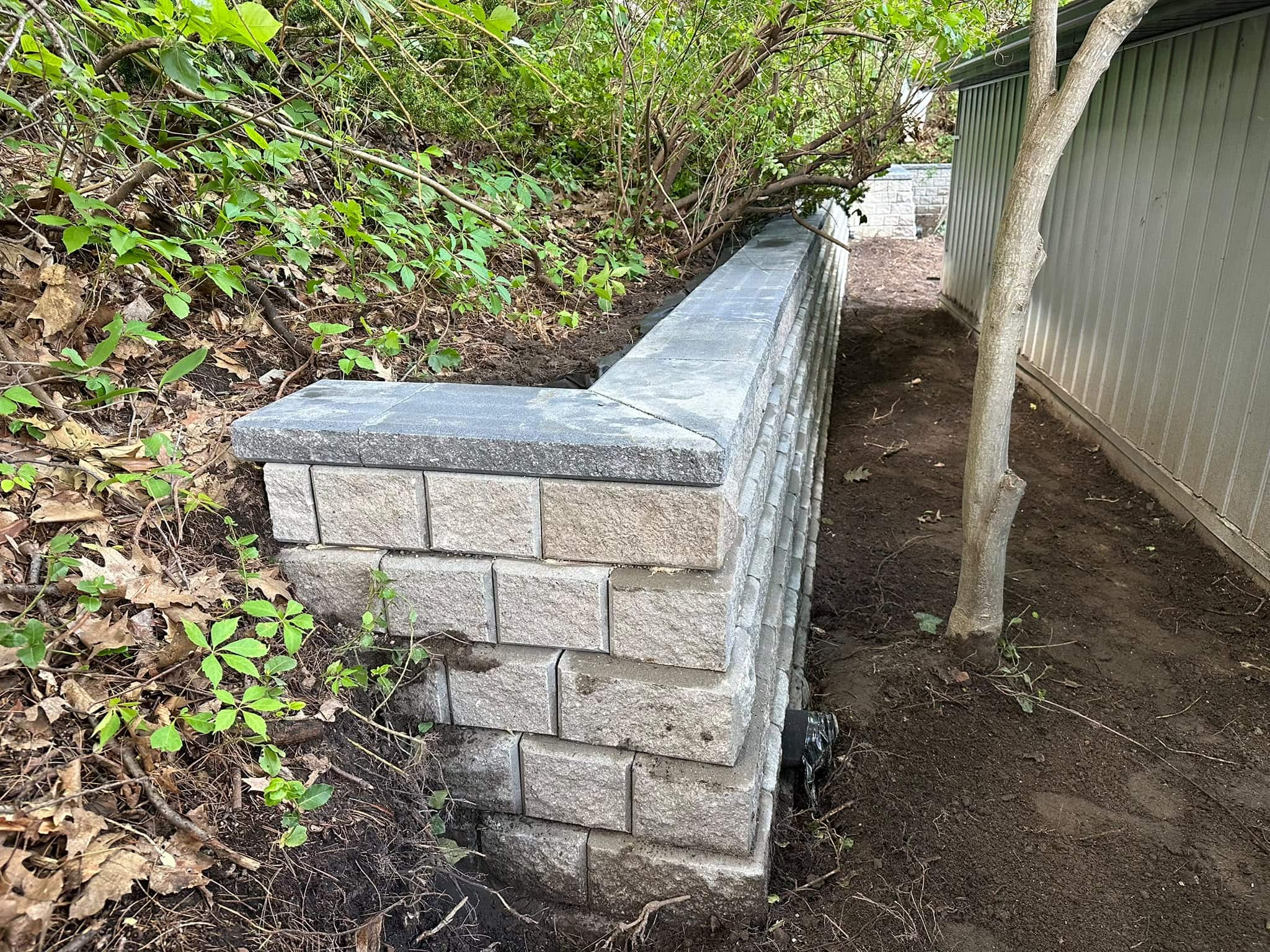
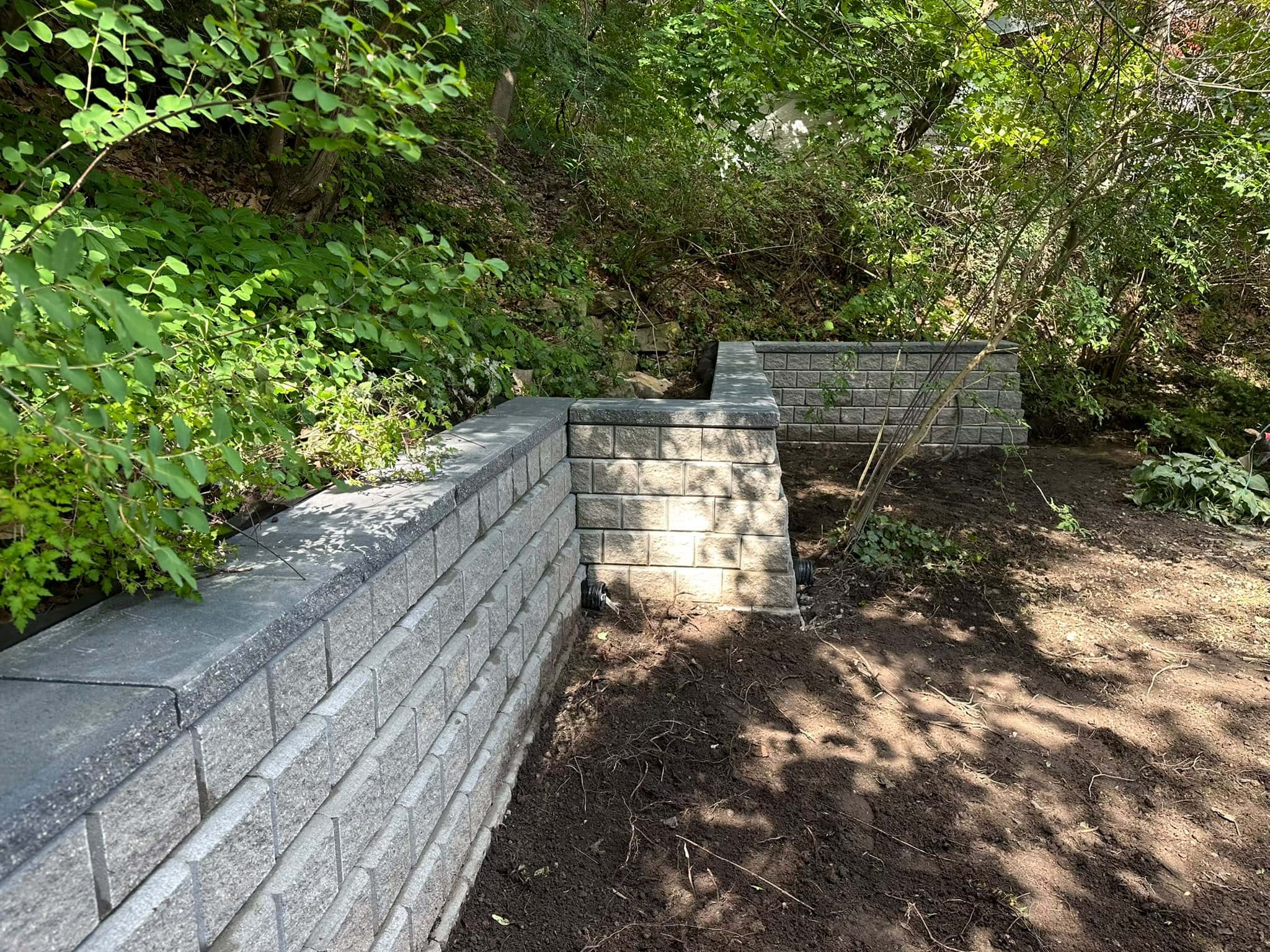
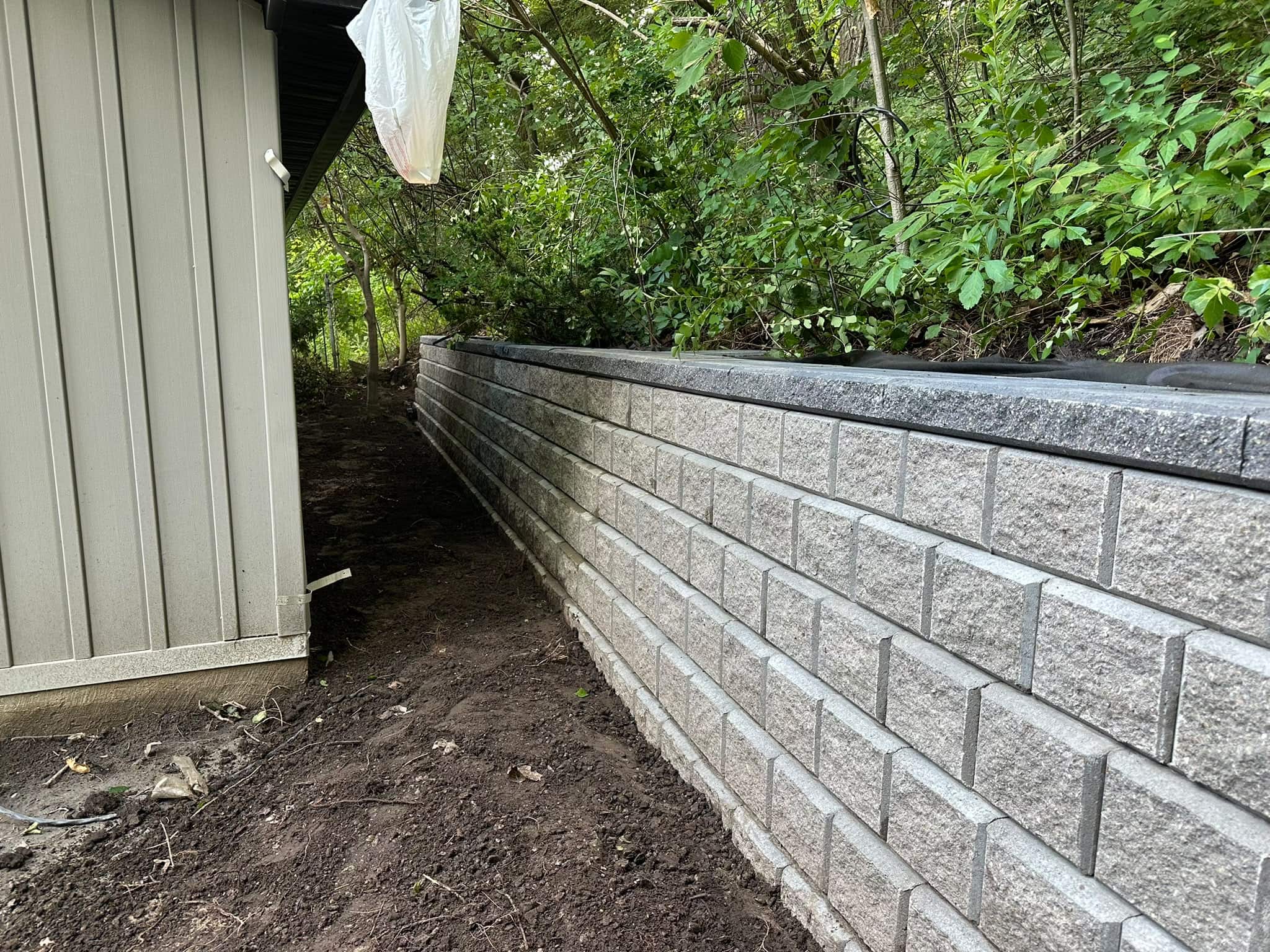
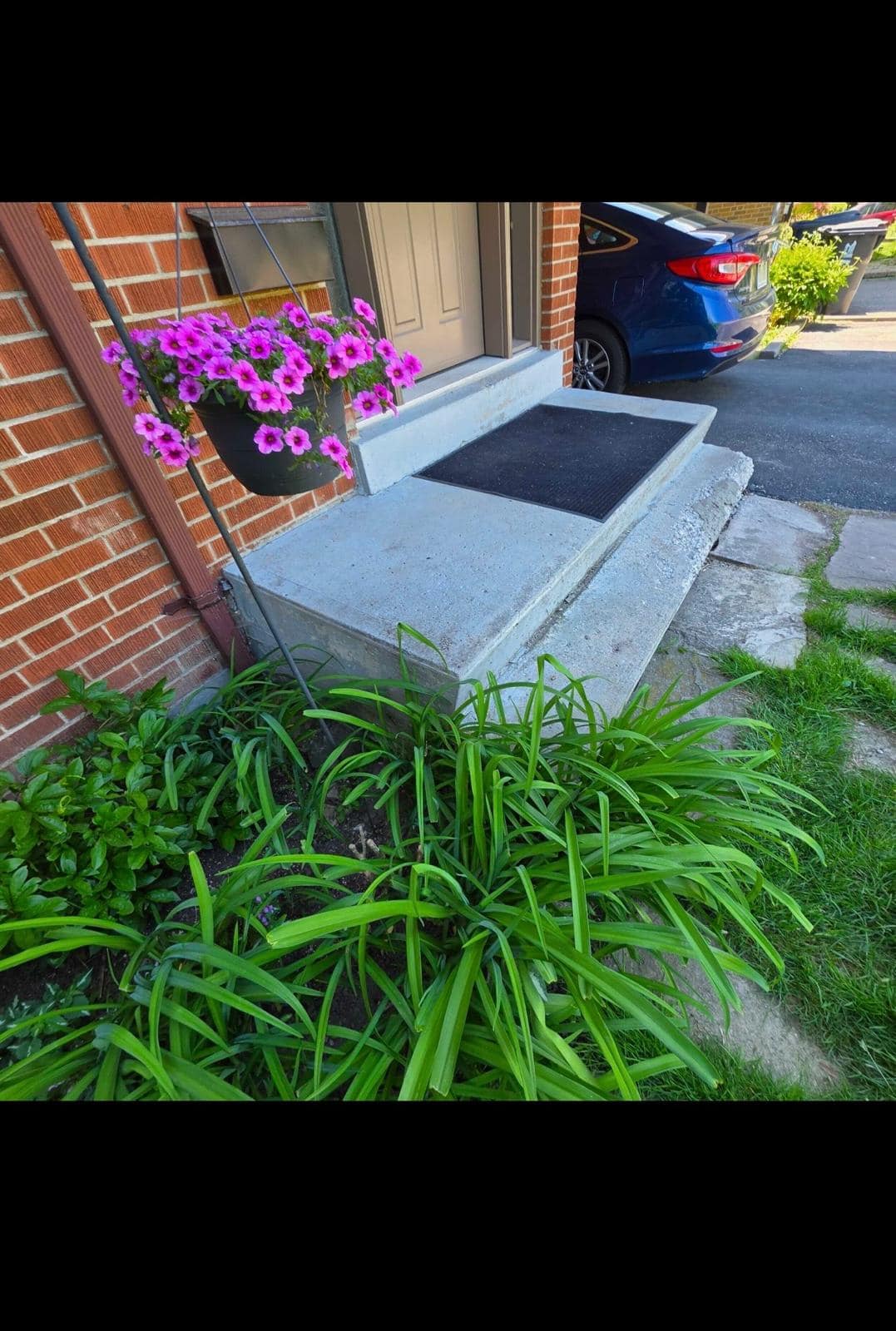
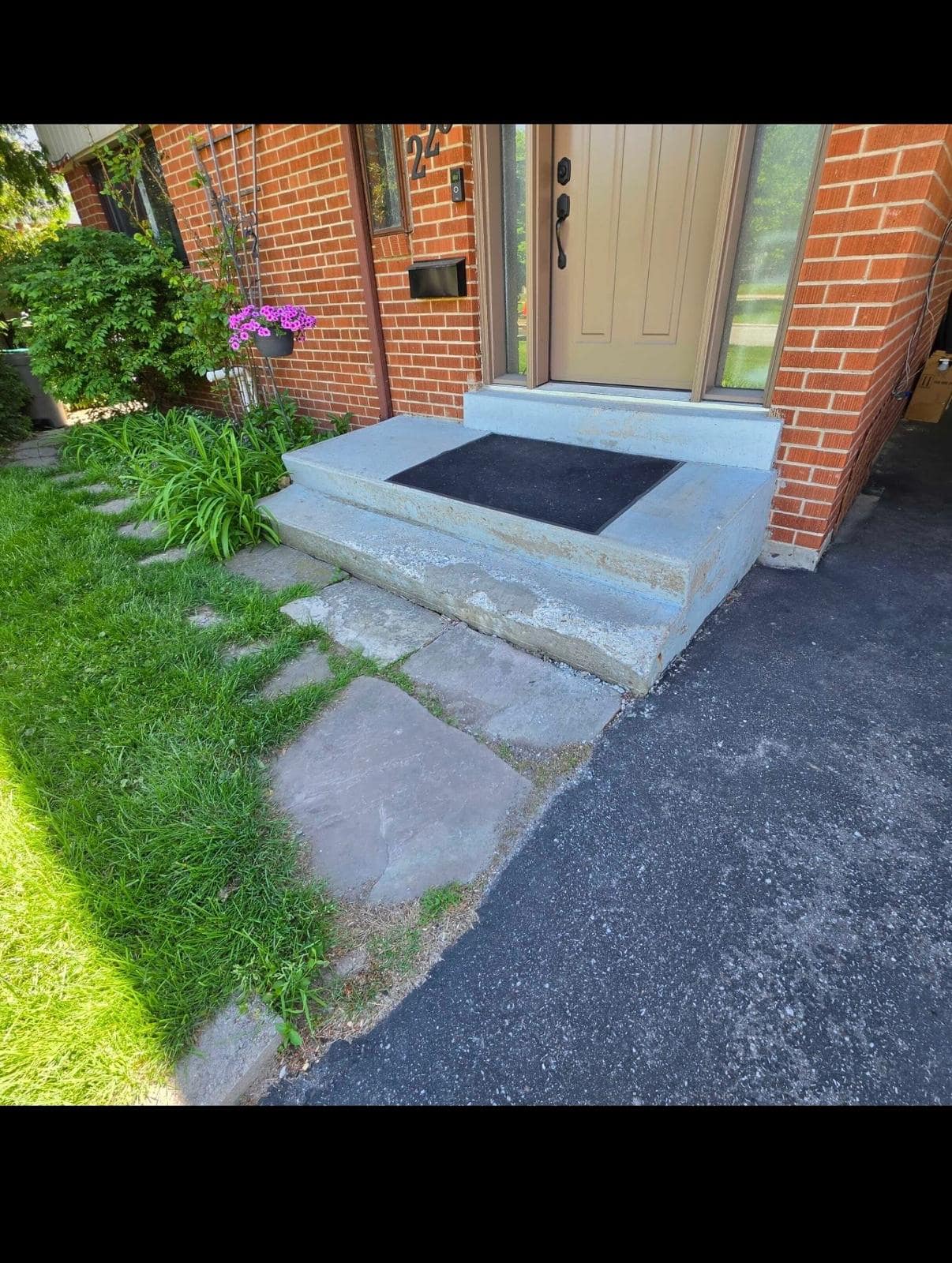
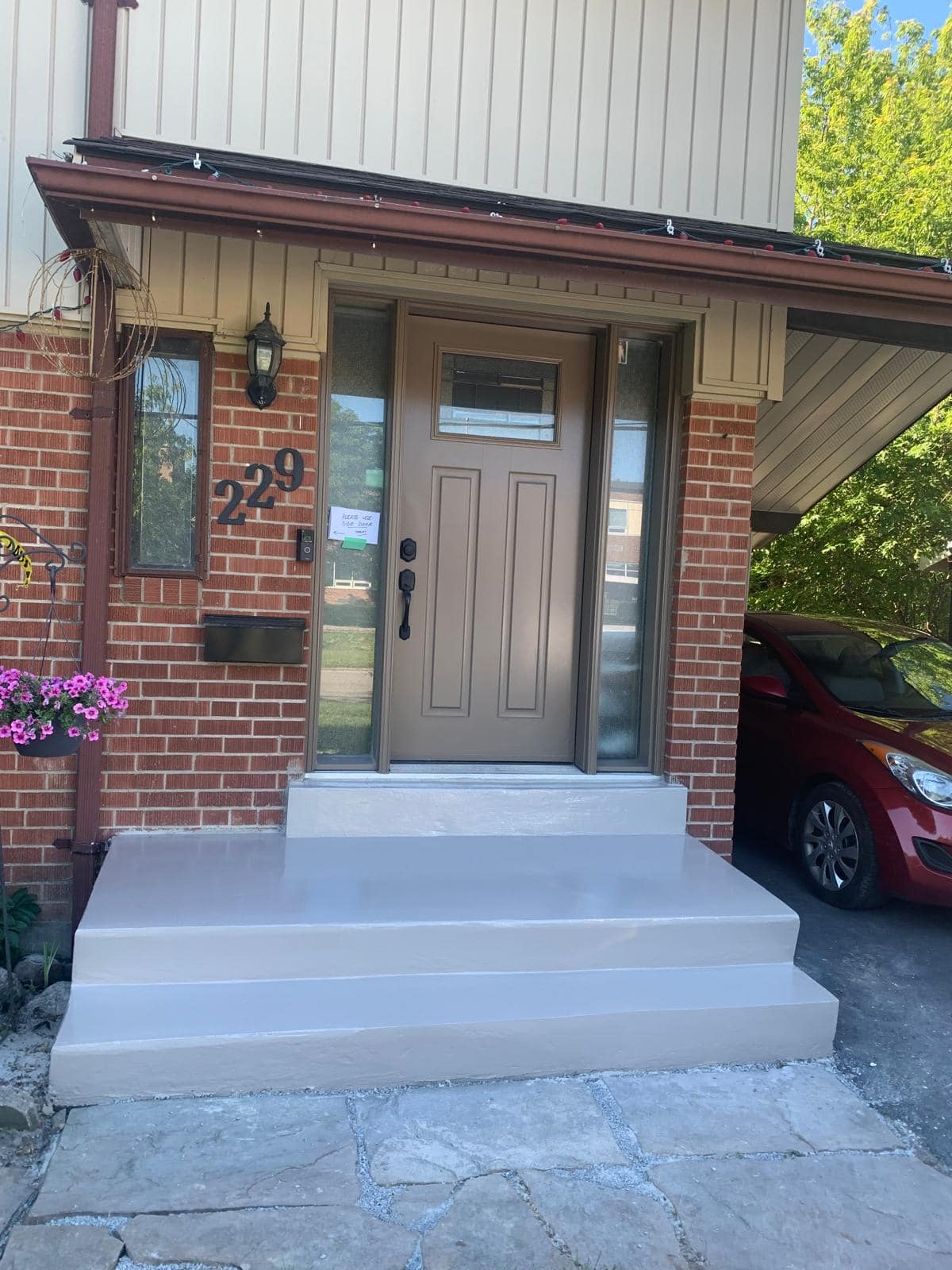
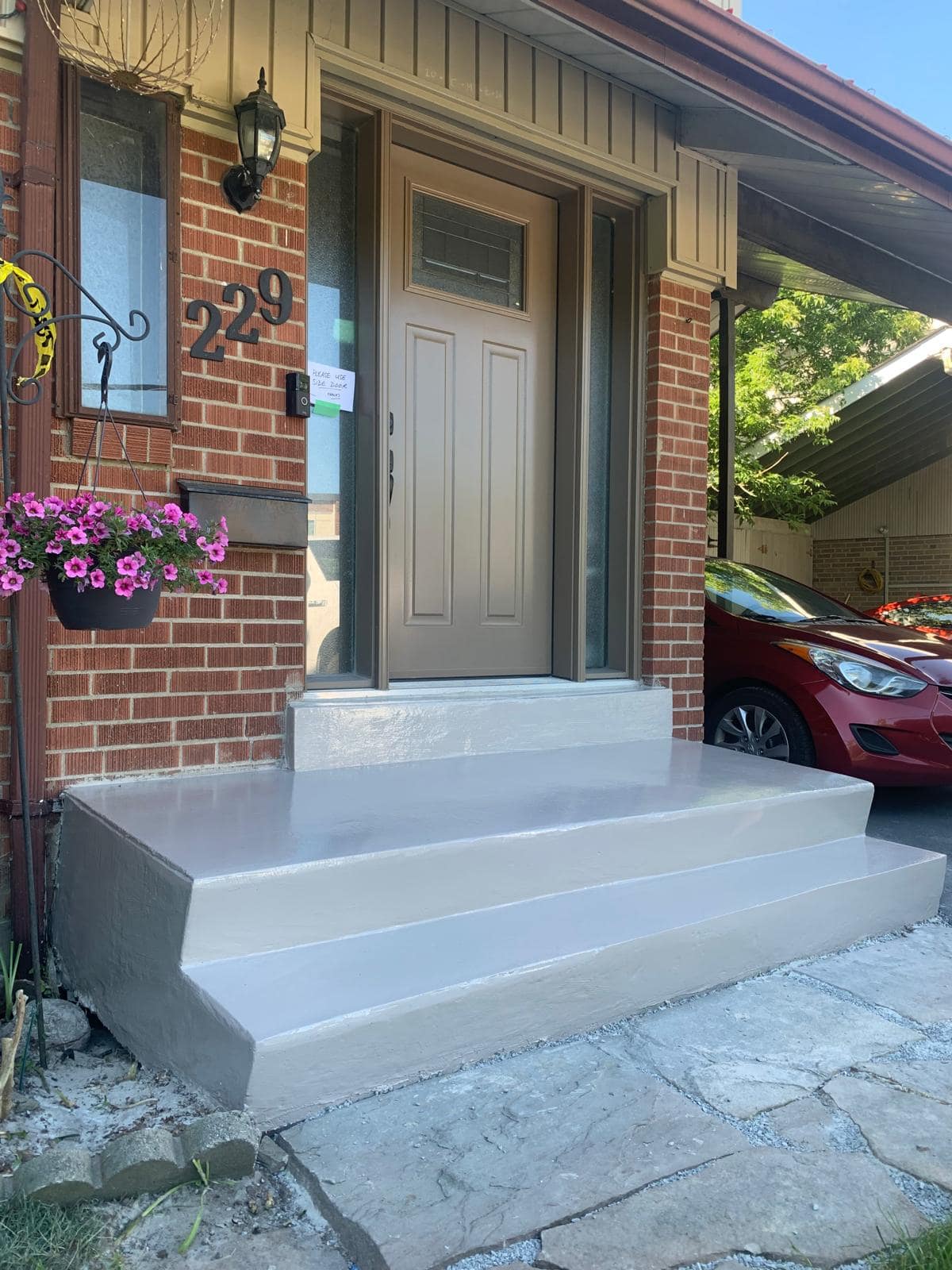
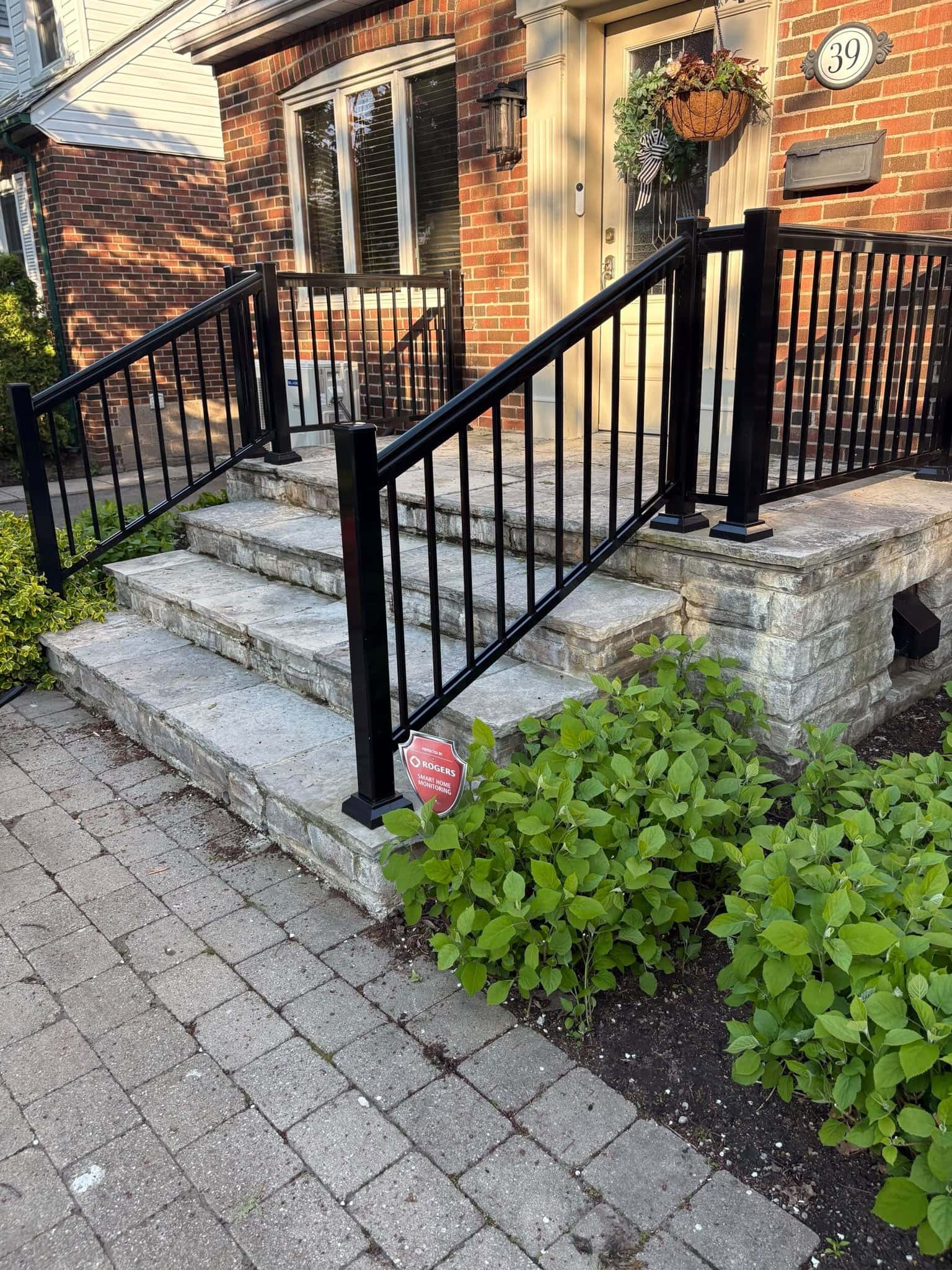
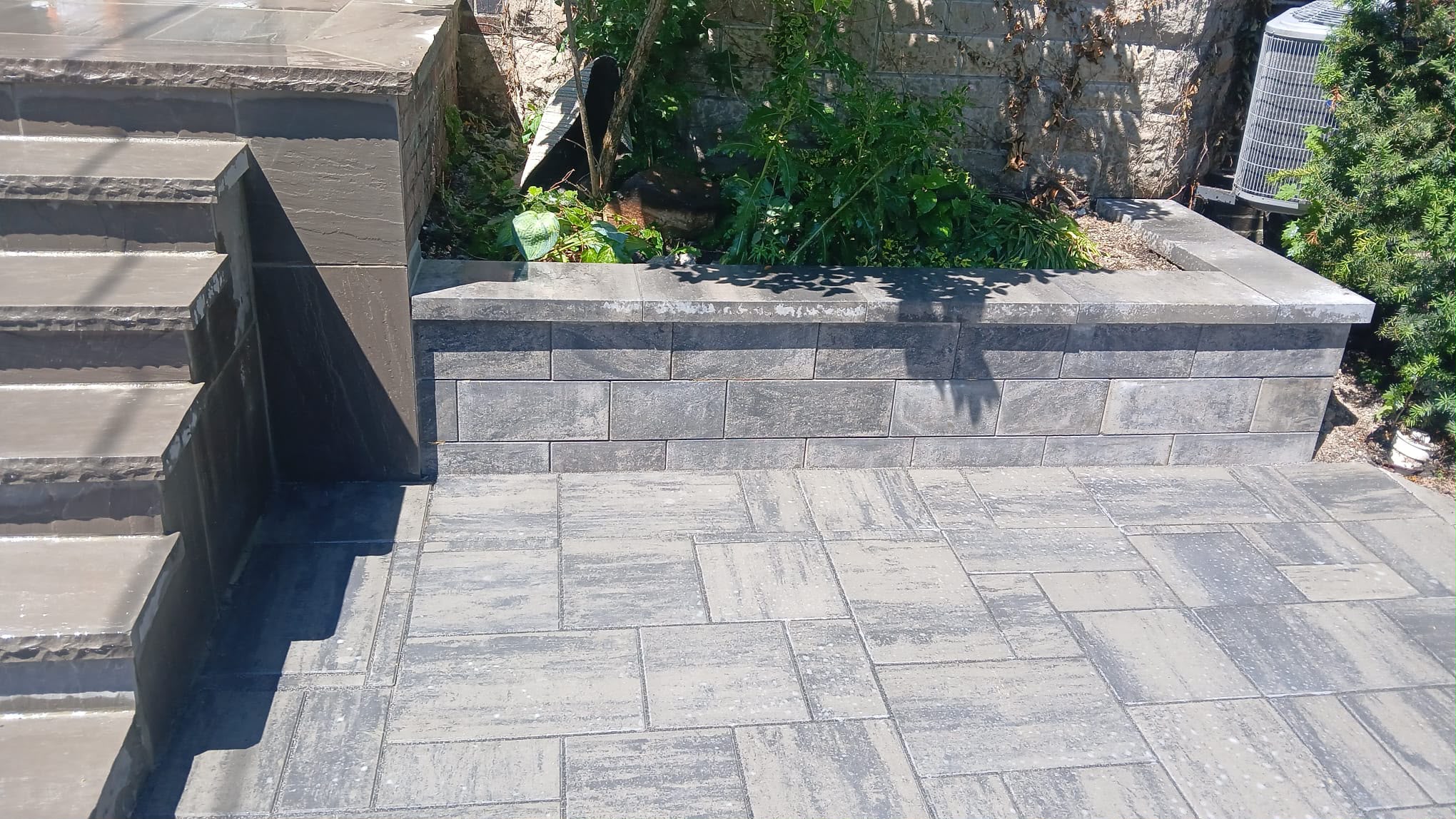
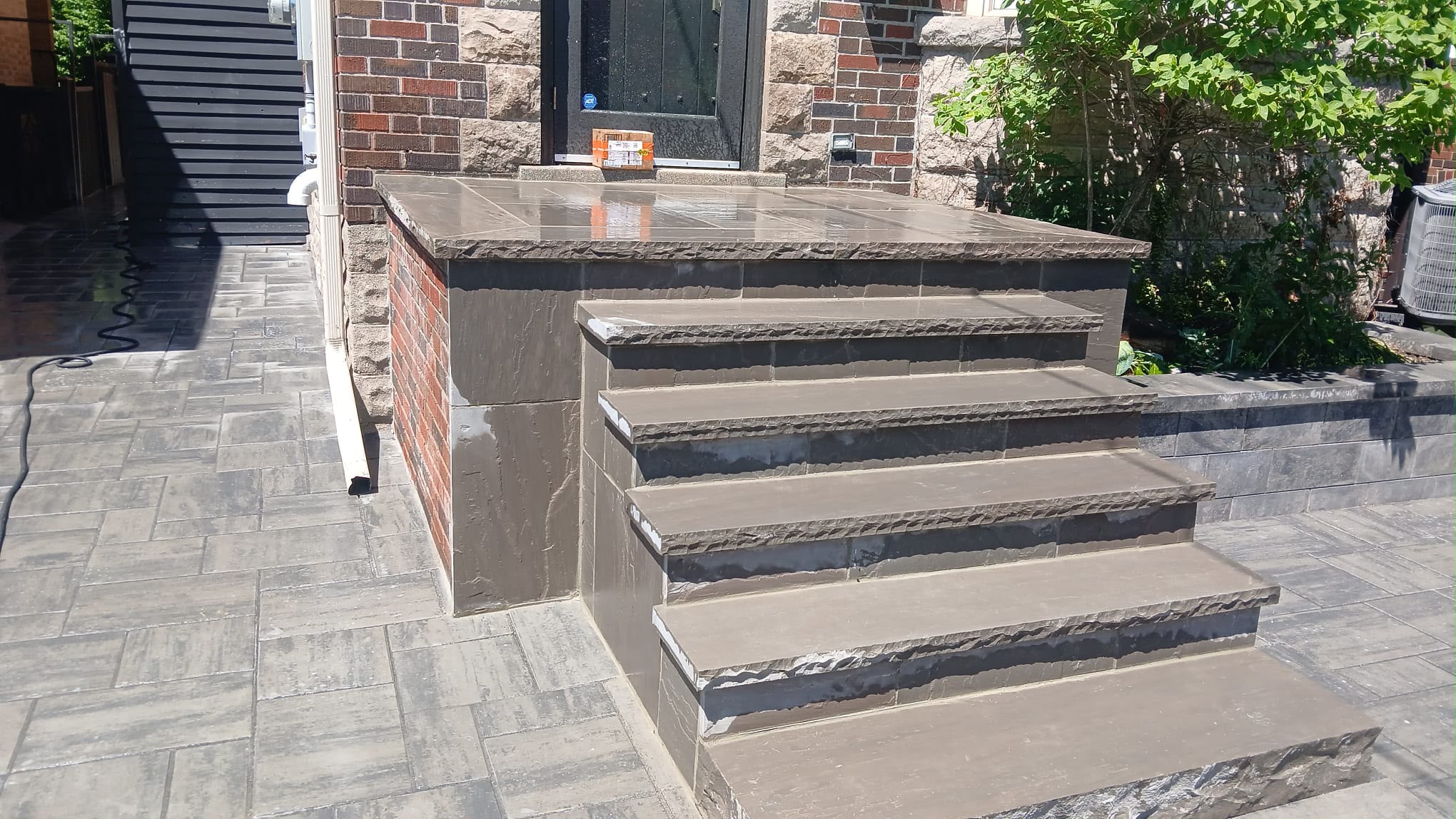
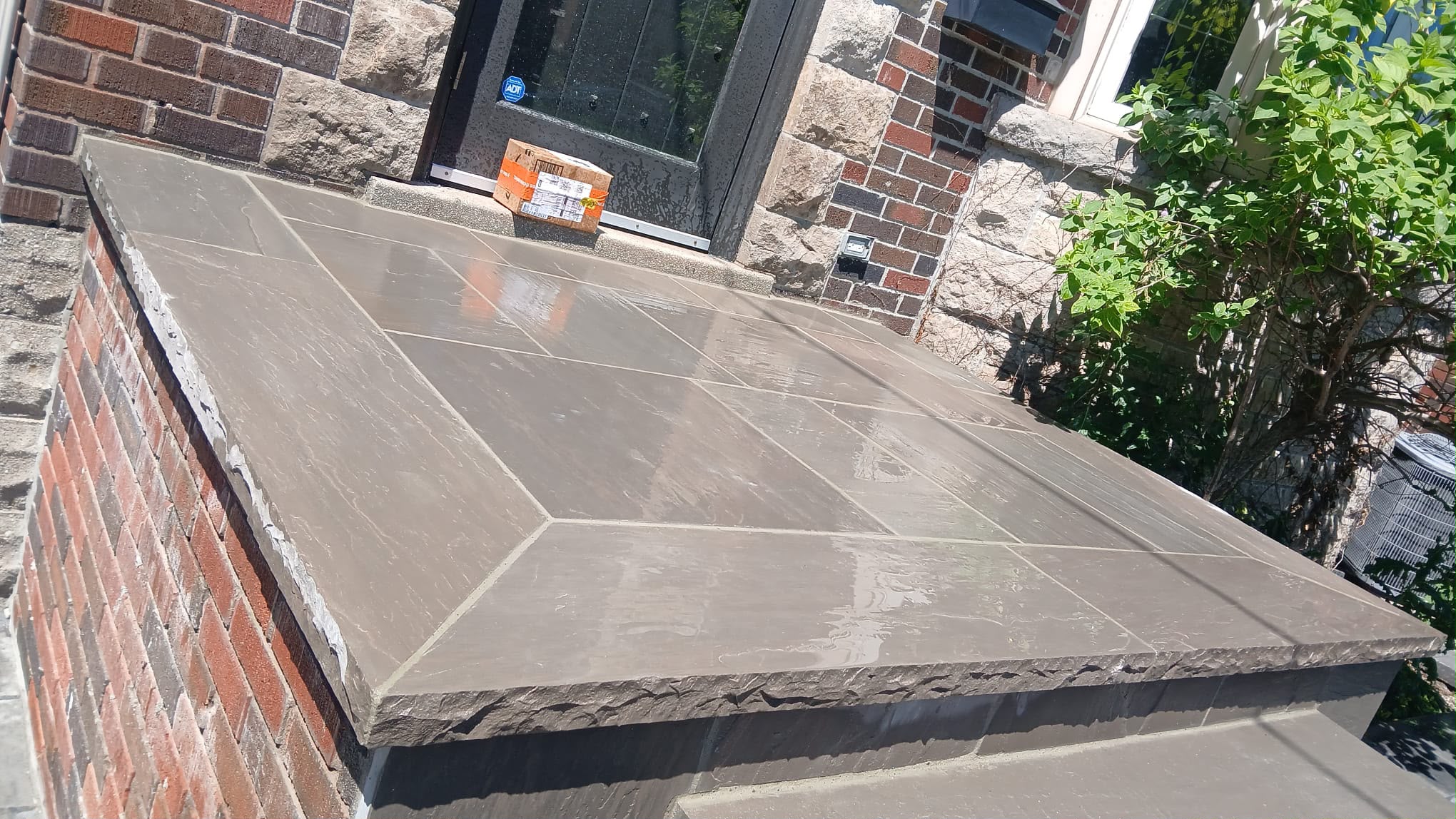
Another step to prepare your masonry for winter is inspecting porches and retaining walls. These structures often sit above foundation walls and channel water directly toward masonry.
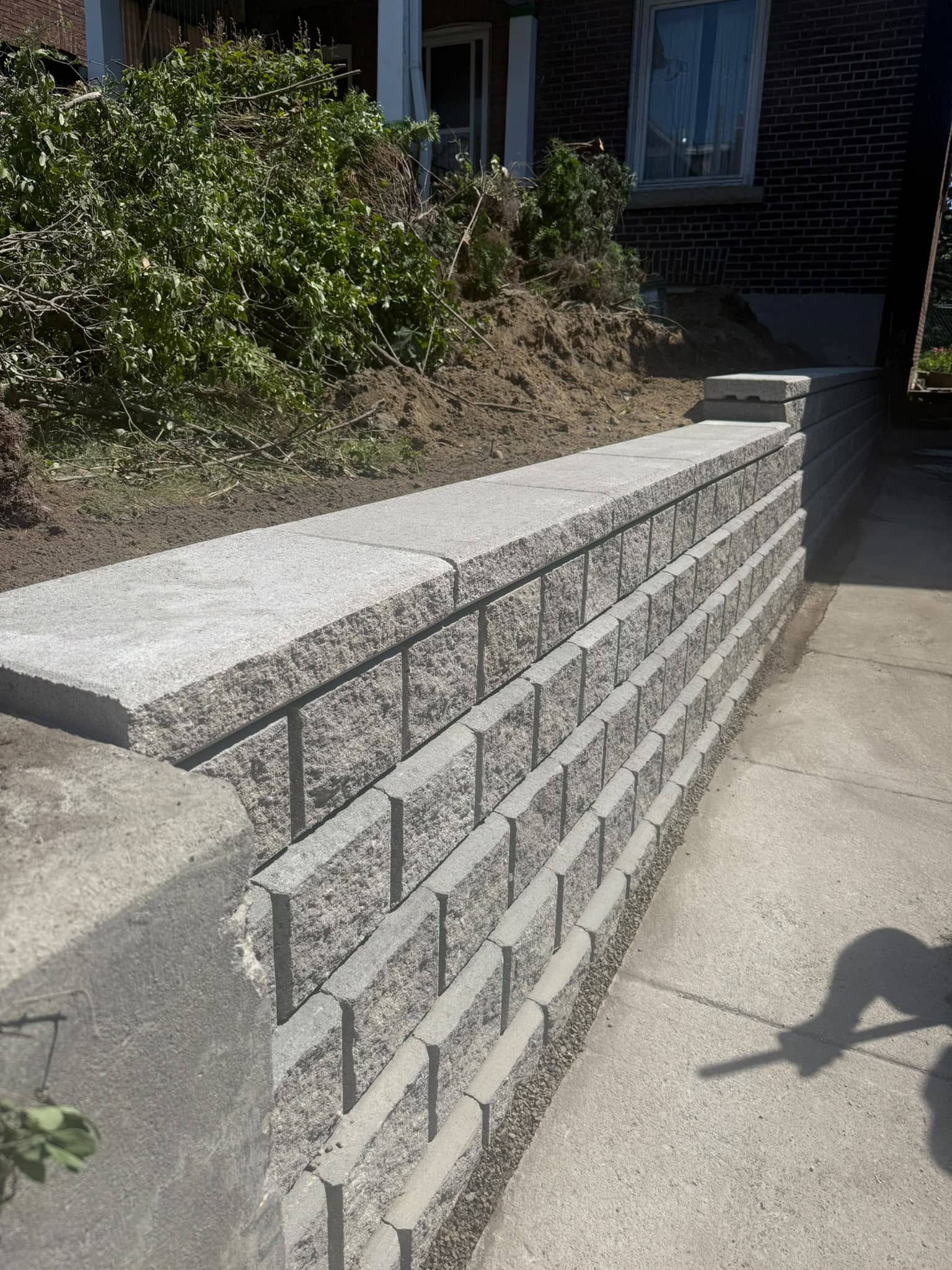
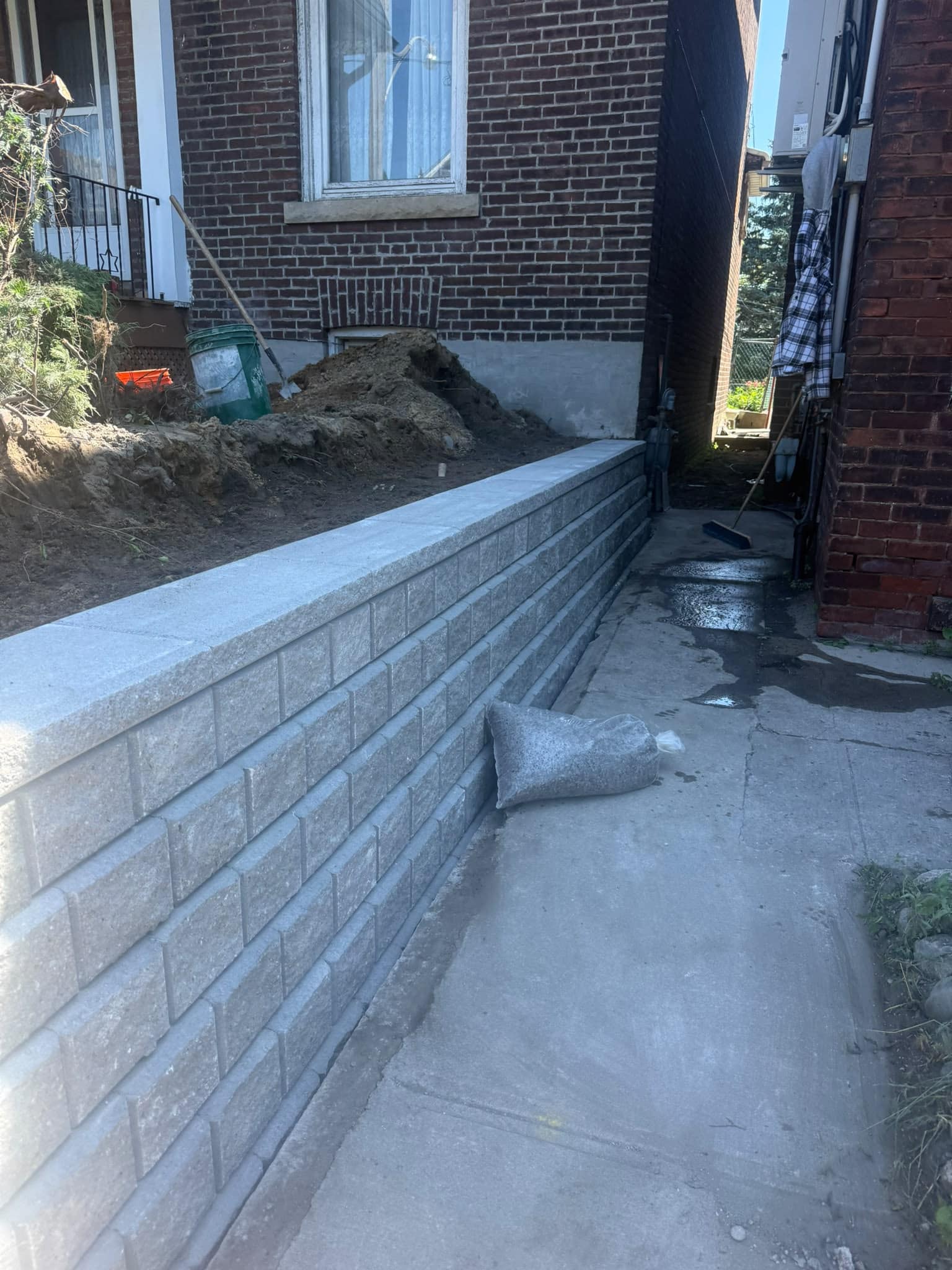
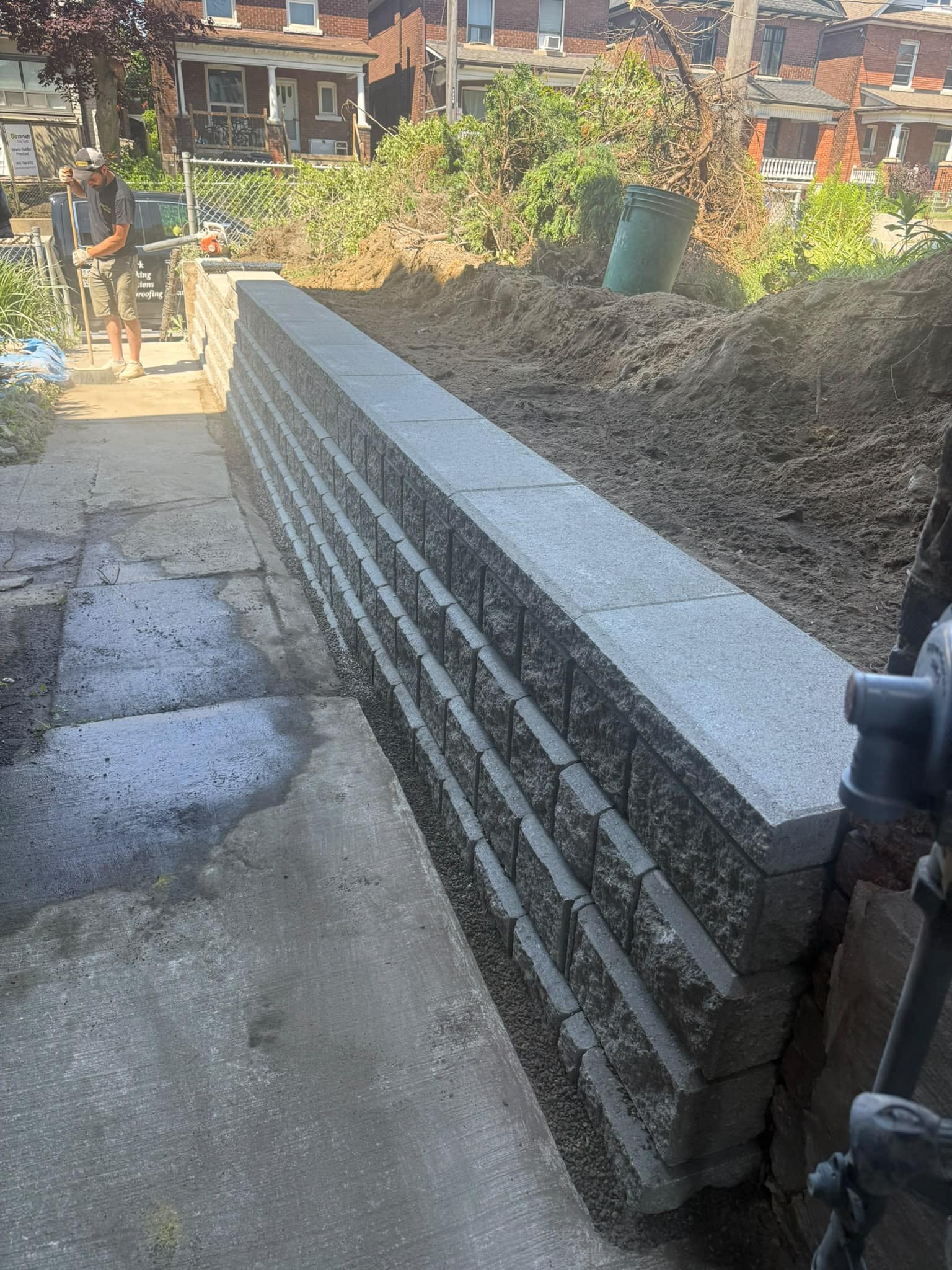
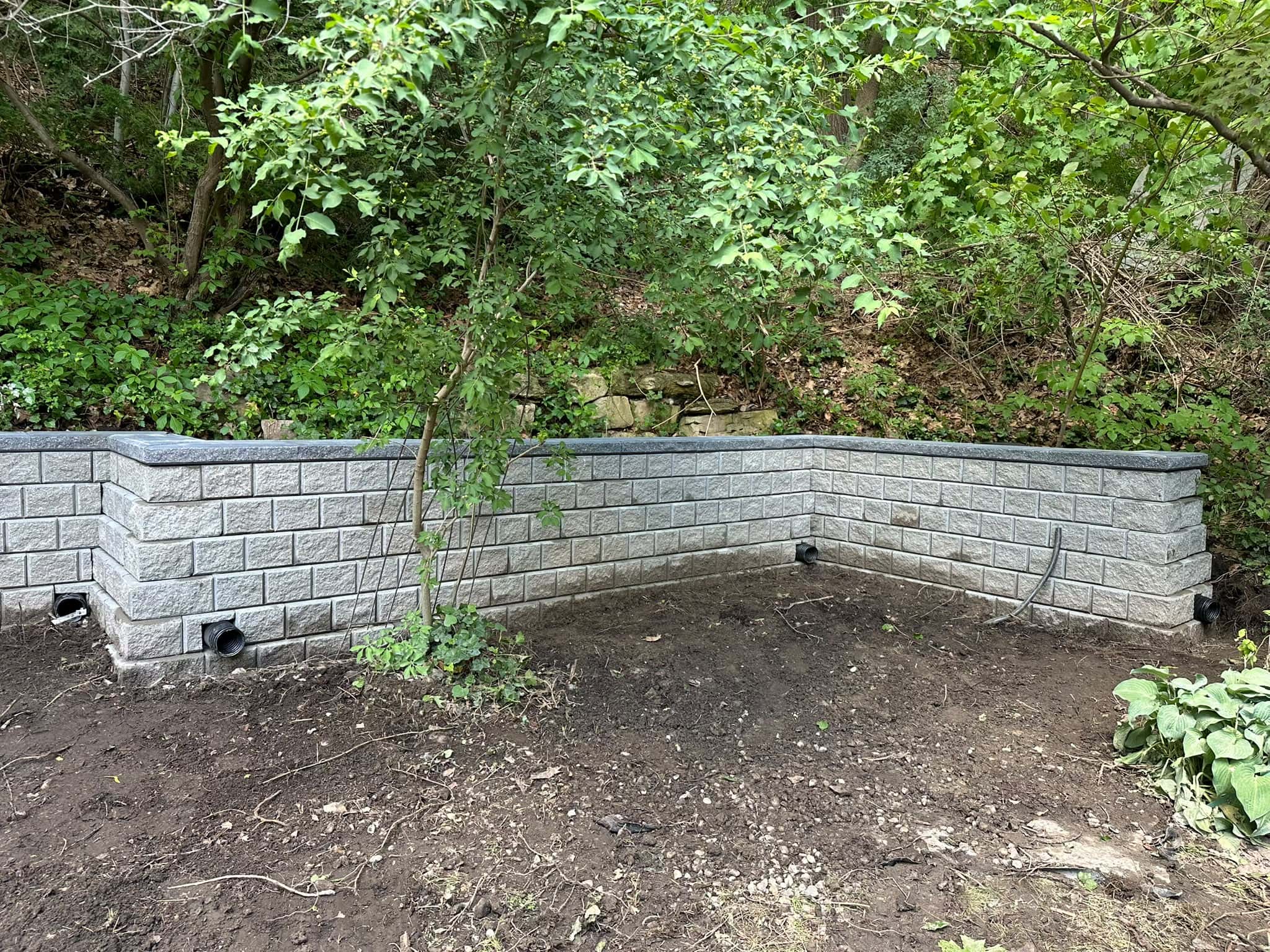
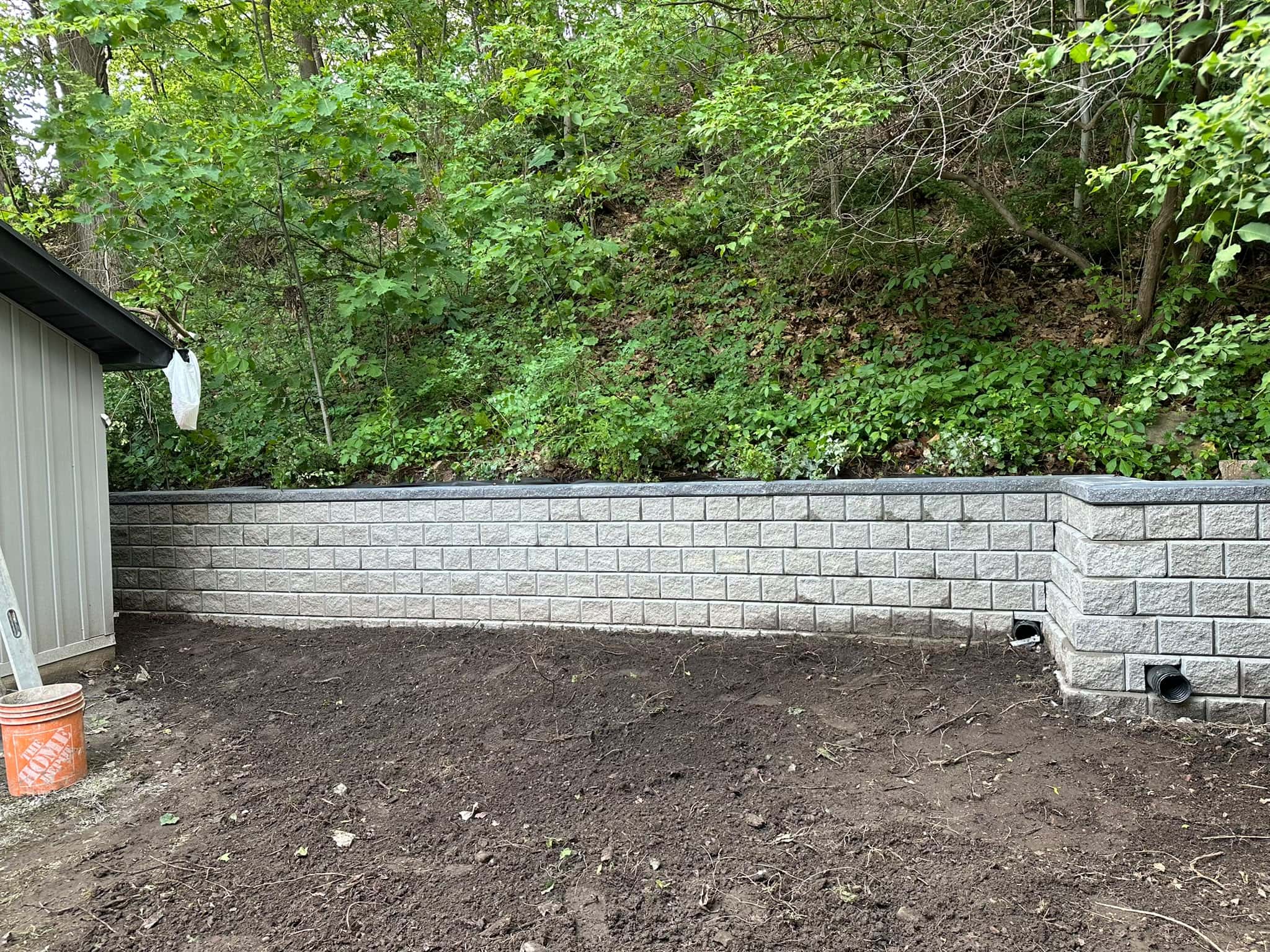
Addressing deterioration through porch repair in Toronto and stabilizing segmental retaining walls improves winter moisture control.
When winter prep becomes a safety concern
At a certain point, failing to prepare your masonry for winter becomes a building safety issue rather than just preventative care.
In Toronto, deteriorating exterior masonry and structural components fall under building safety oversight provided by the City of Toronto Building Division, which provides guidance and inspections related to exterior wall and structural safety.
Final winter preparation checklist
- Inspect and repair mortar joints
- Address cracked or spalling brick
- Seal and repair chimneys before snowfall
- Improve drainage around walkways and porches
- Schedule waterproofing where moisture persists
Final thoughts for Toronto homeowners
To prepare your masonry for winter is to protect your home from predictable damage. Toronto winters are harsh, but masonry failures are often preventable.
By preparing your masonry for winter early, homeowners reduce repair costs, protect structural integrity, and ensure their property enters spring in stable condition.