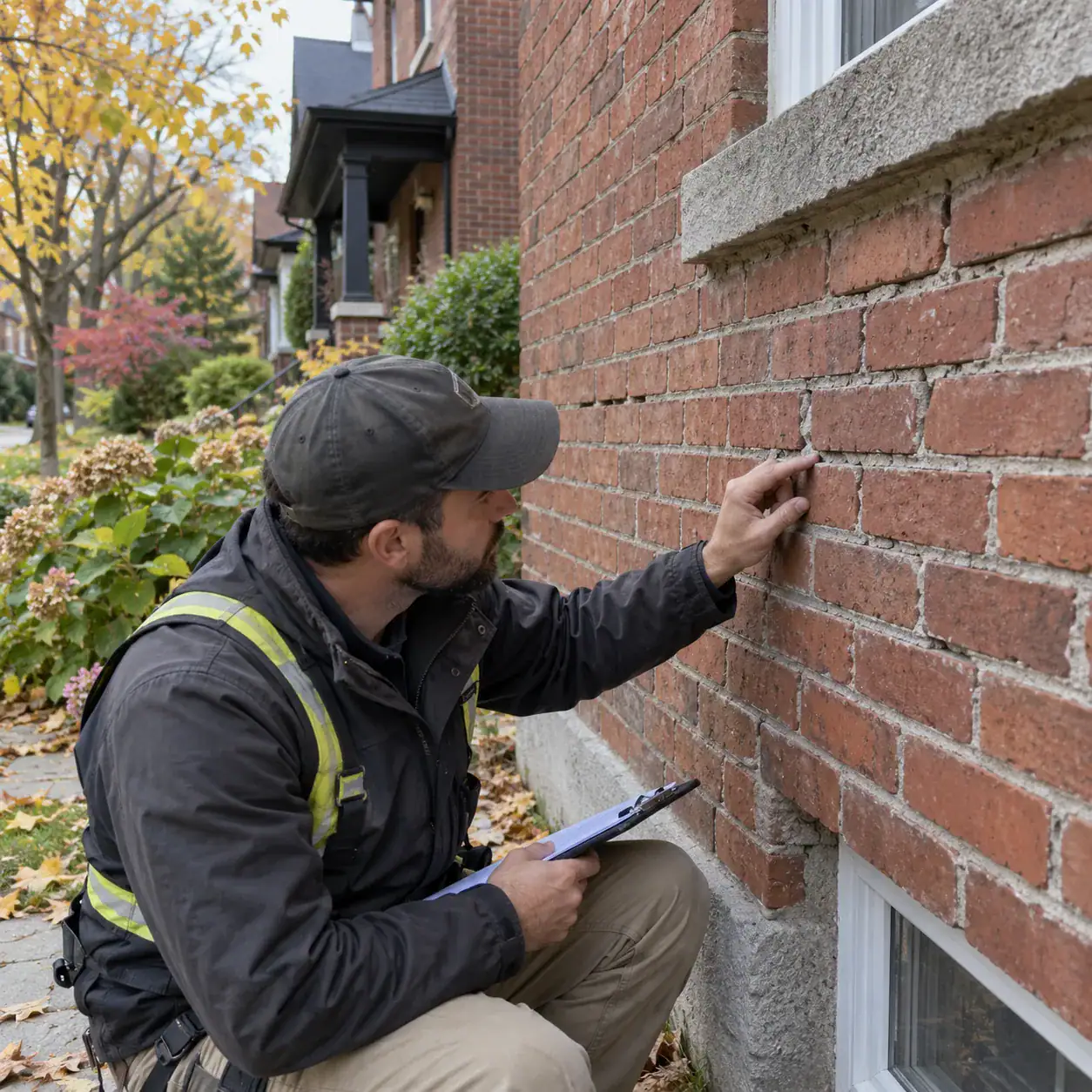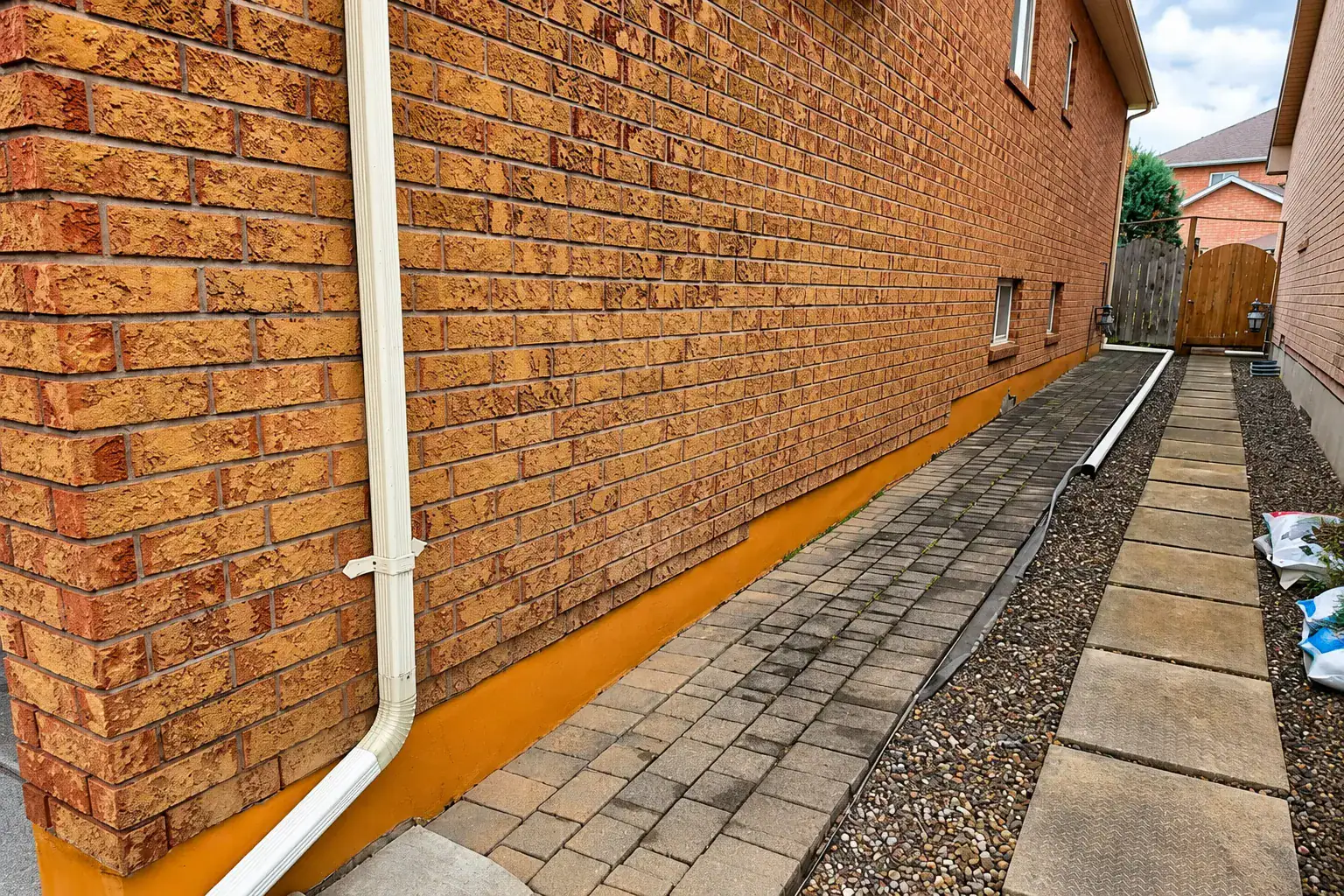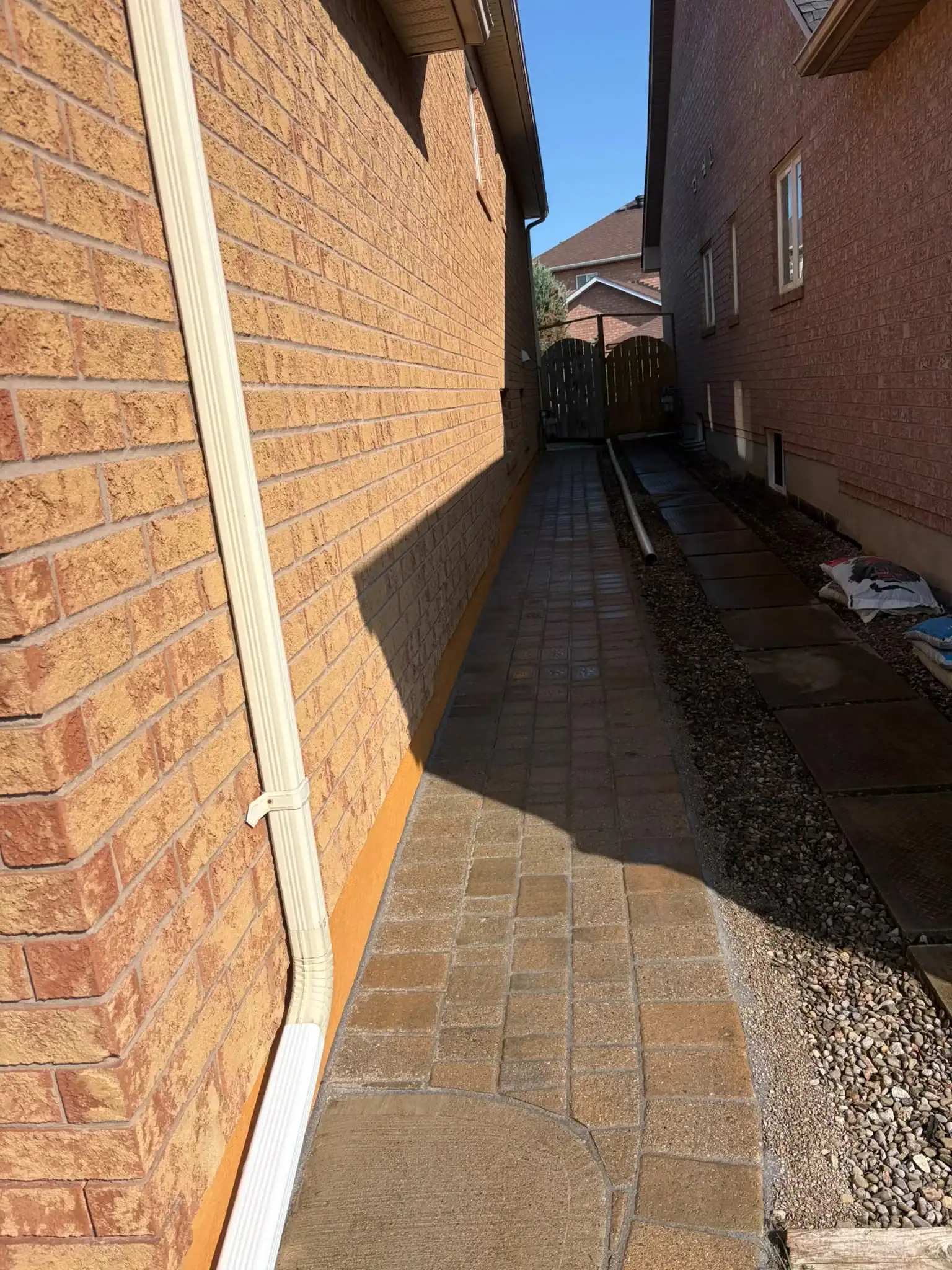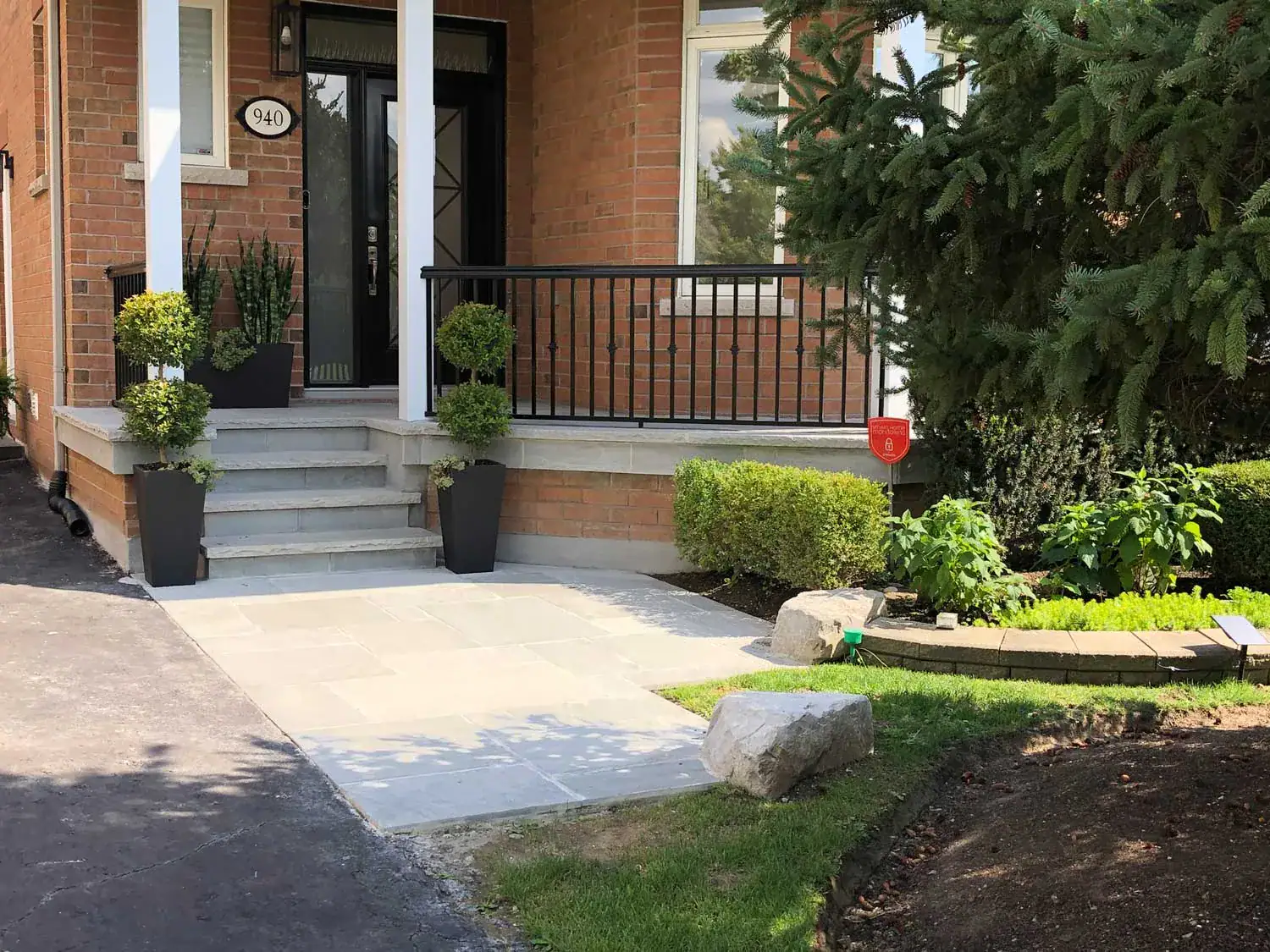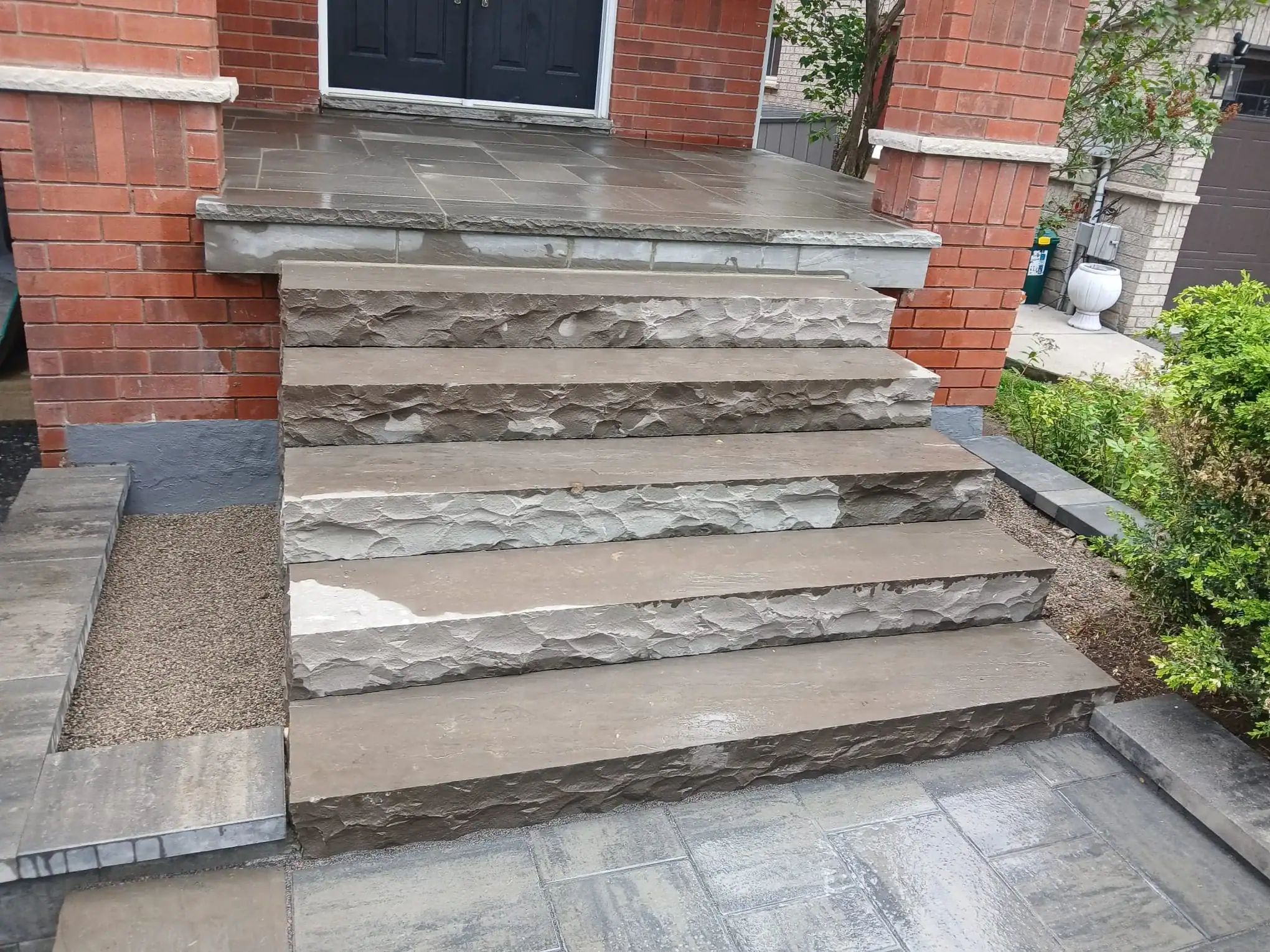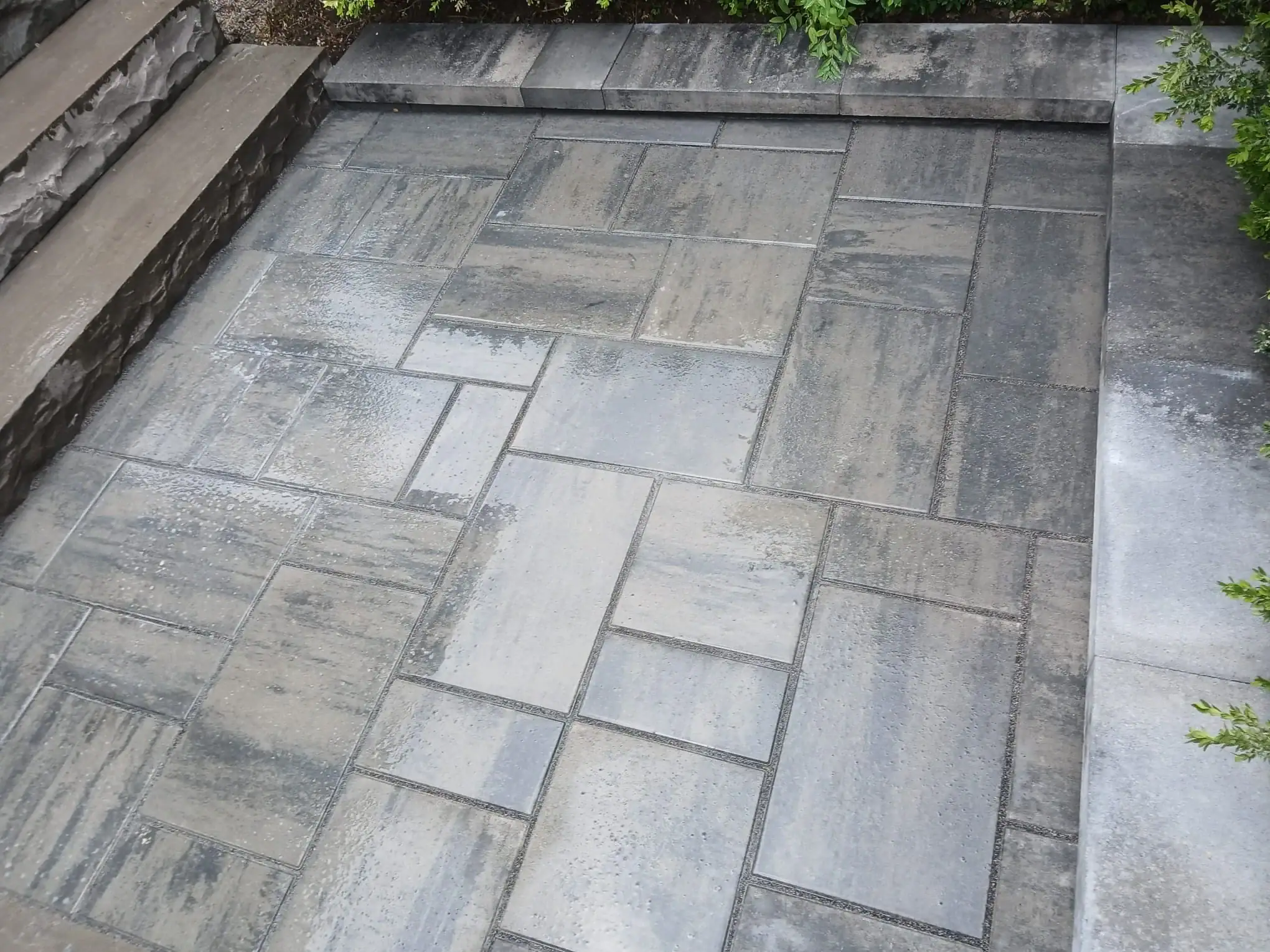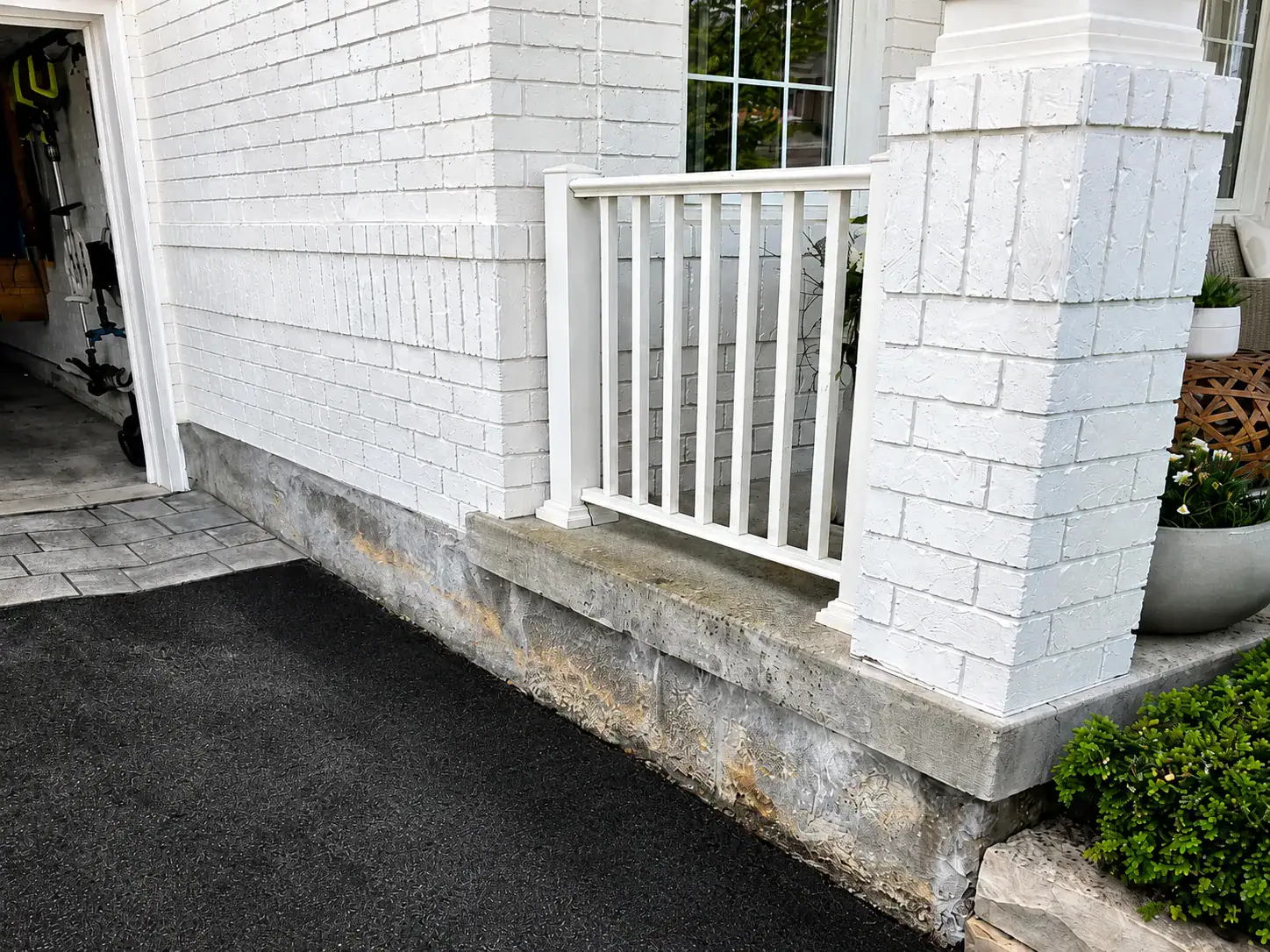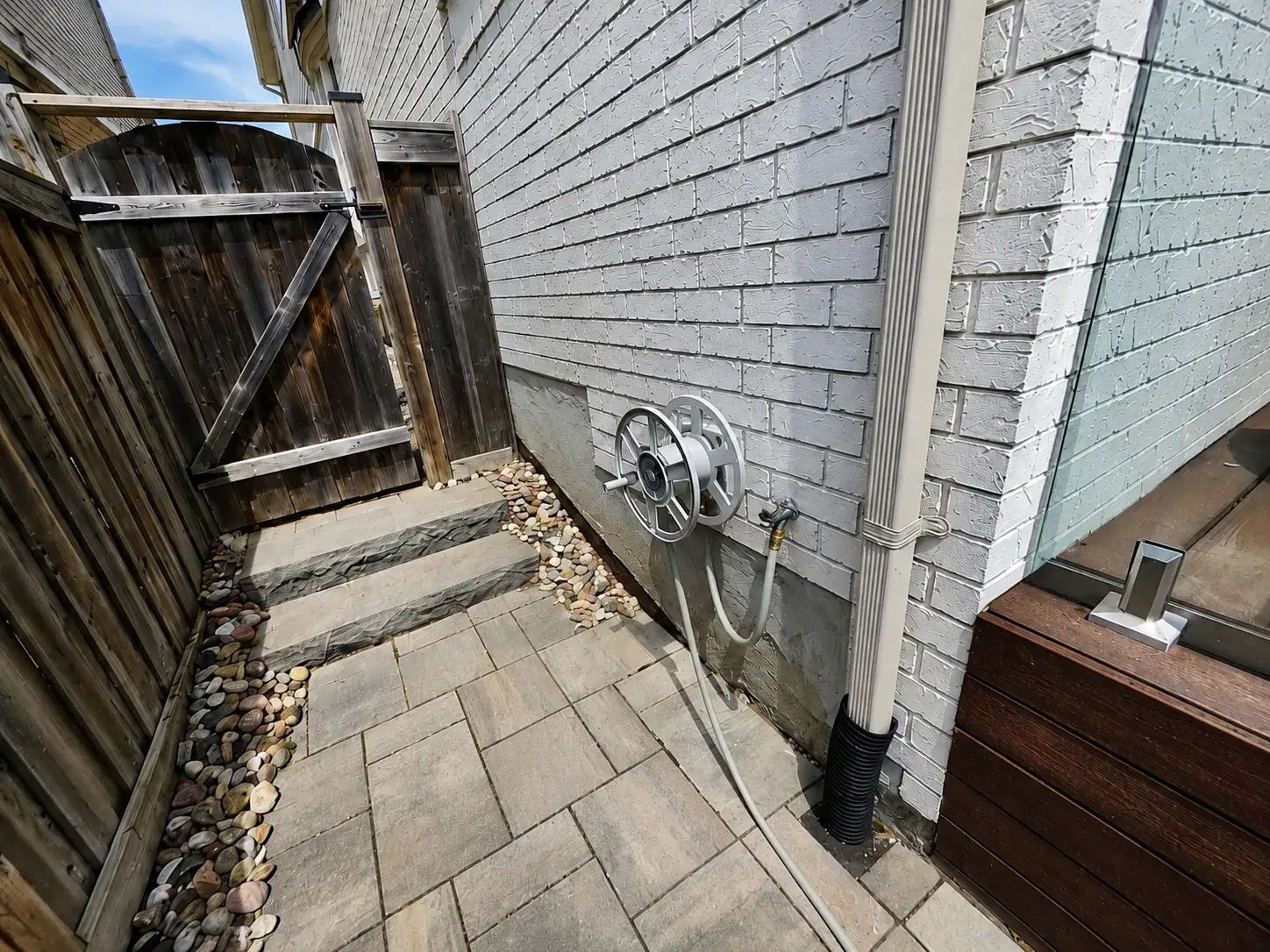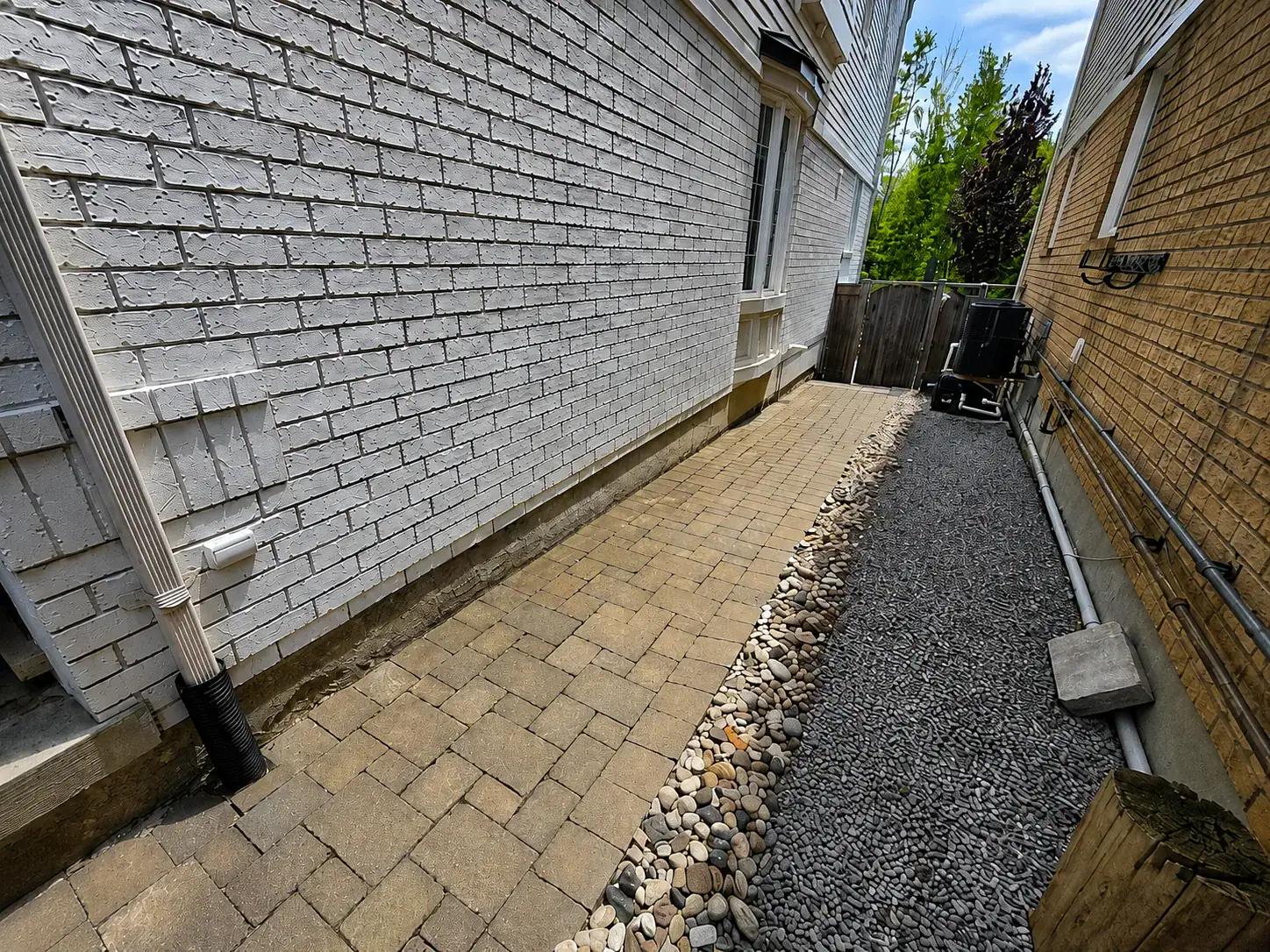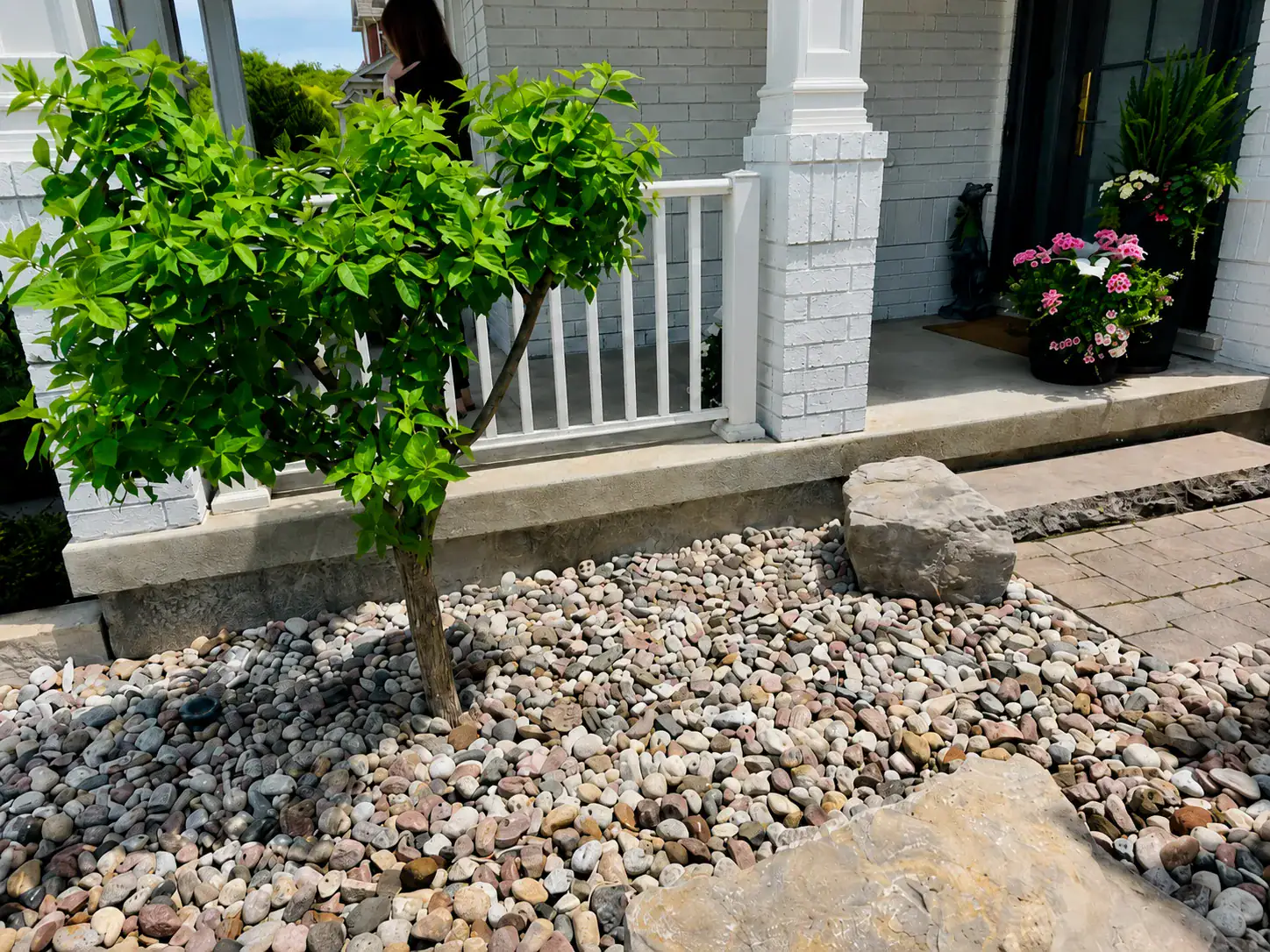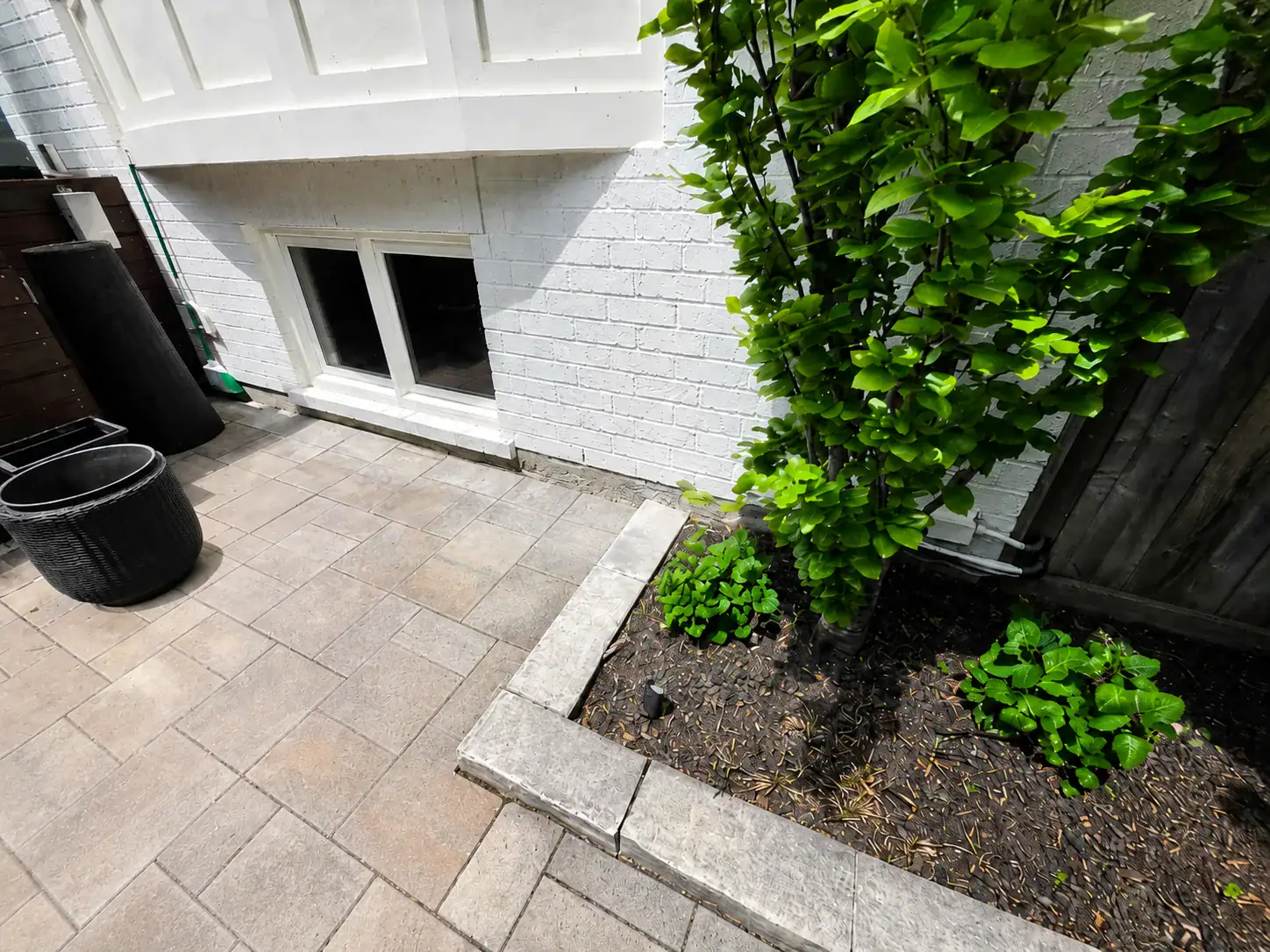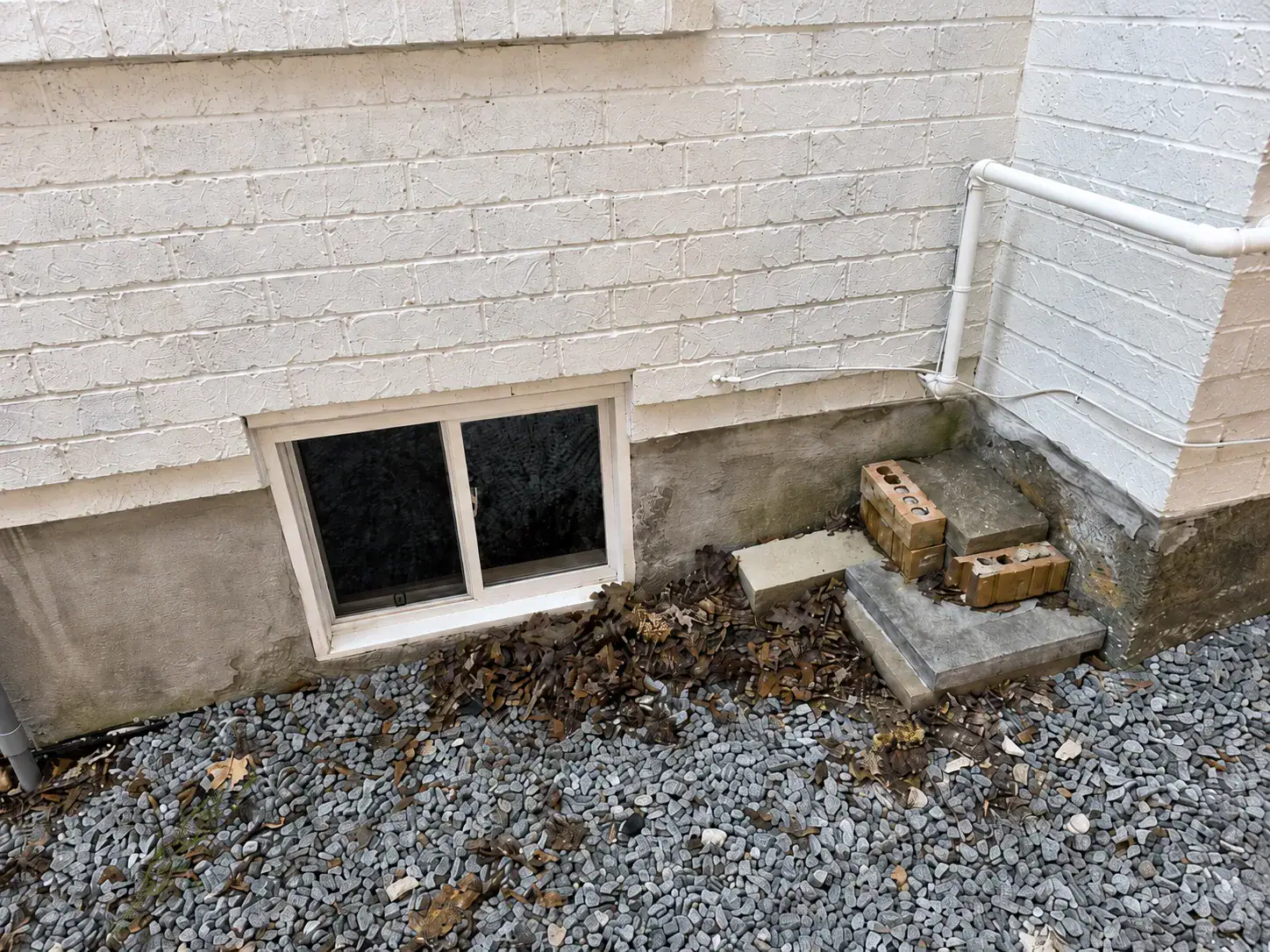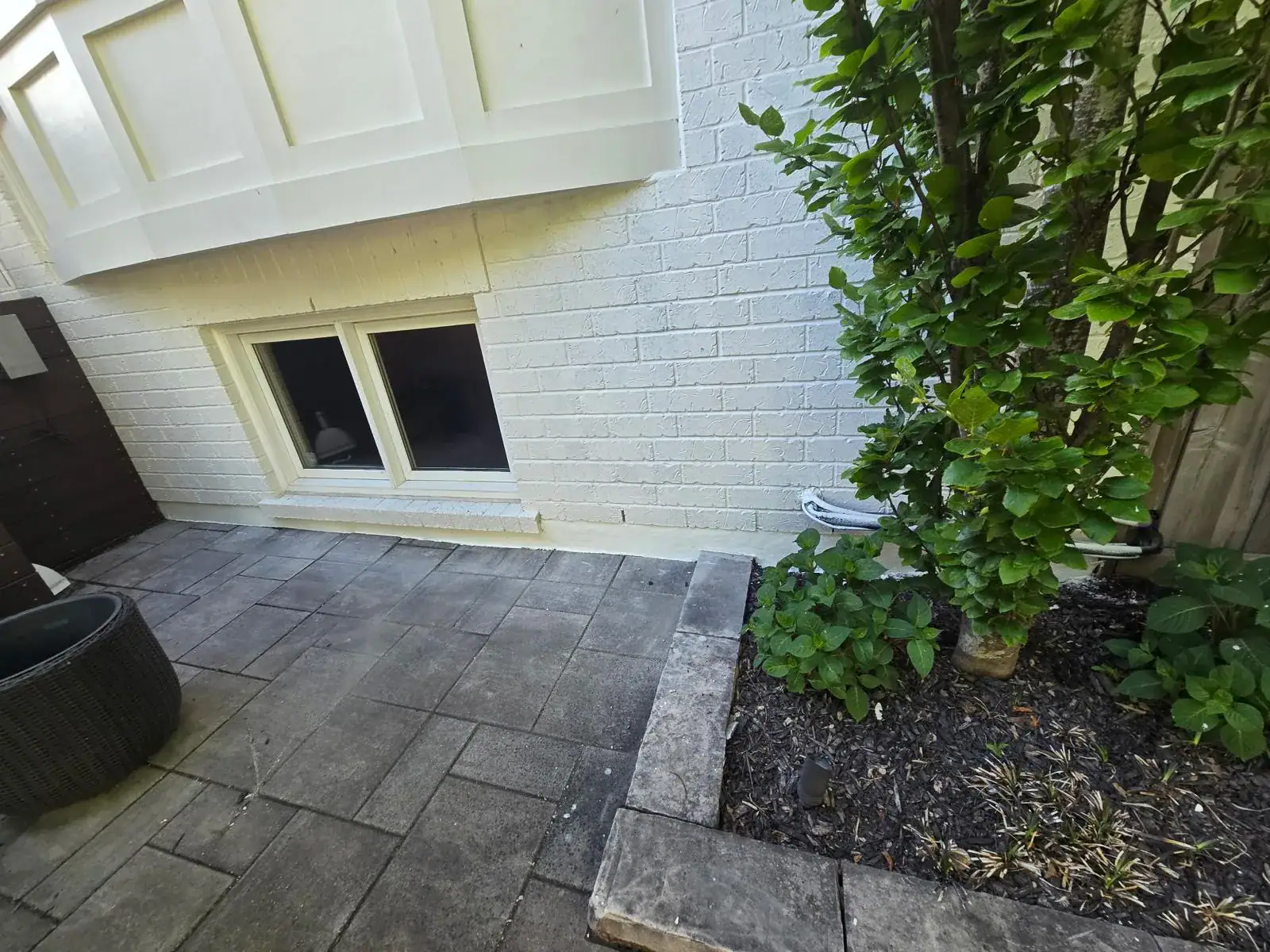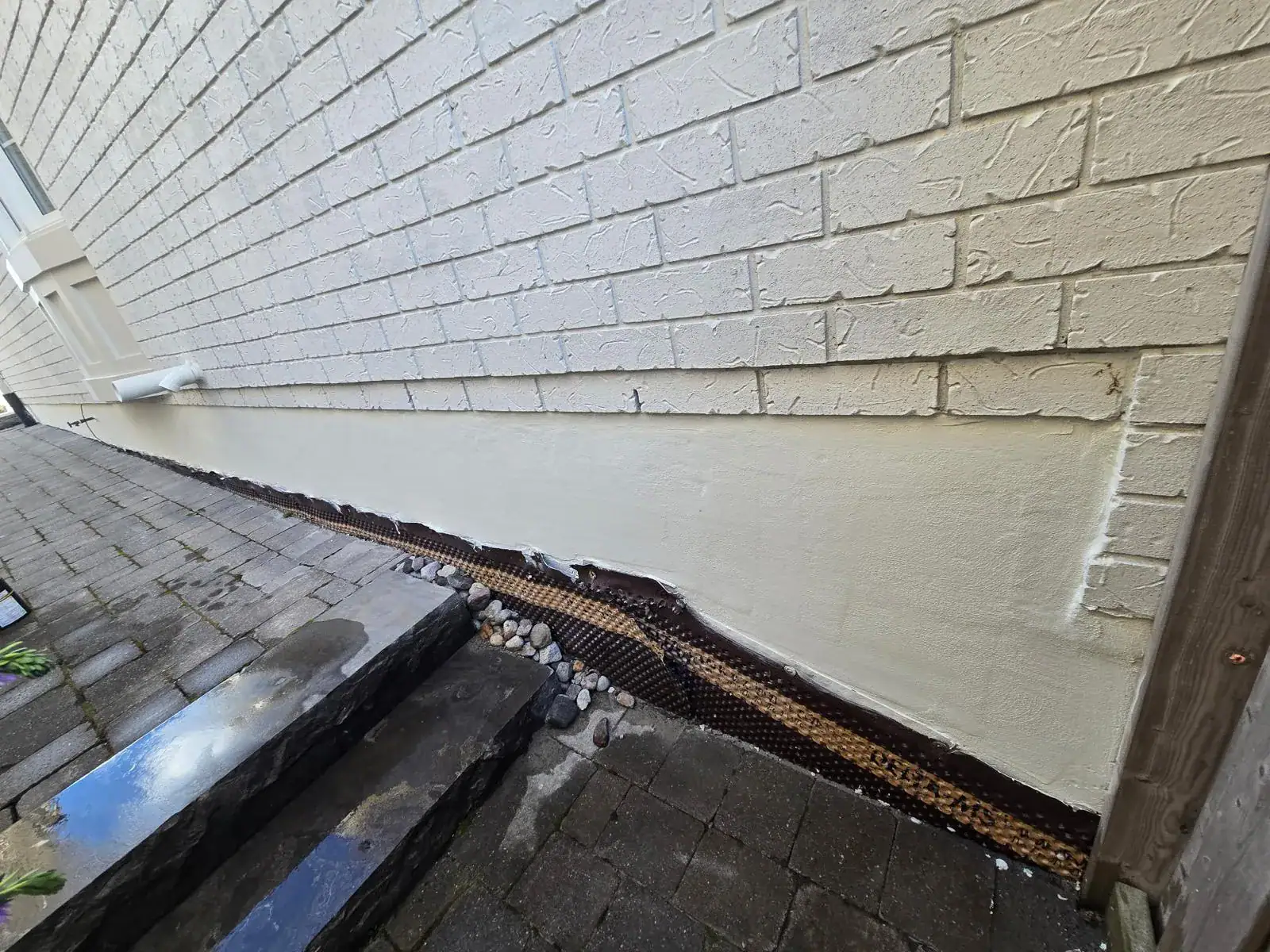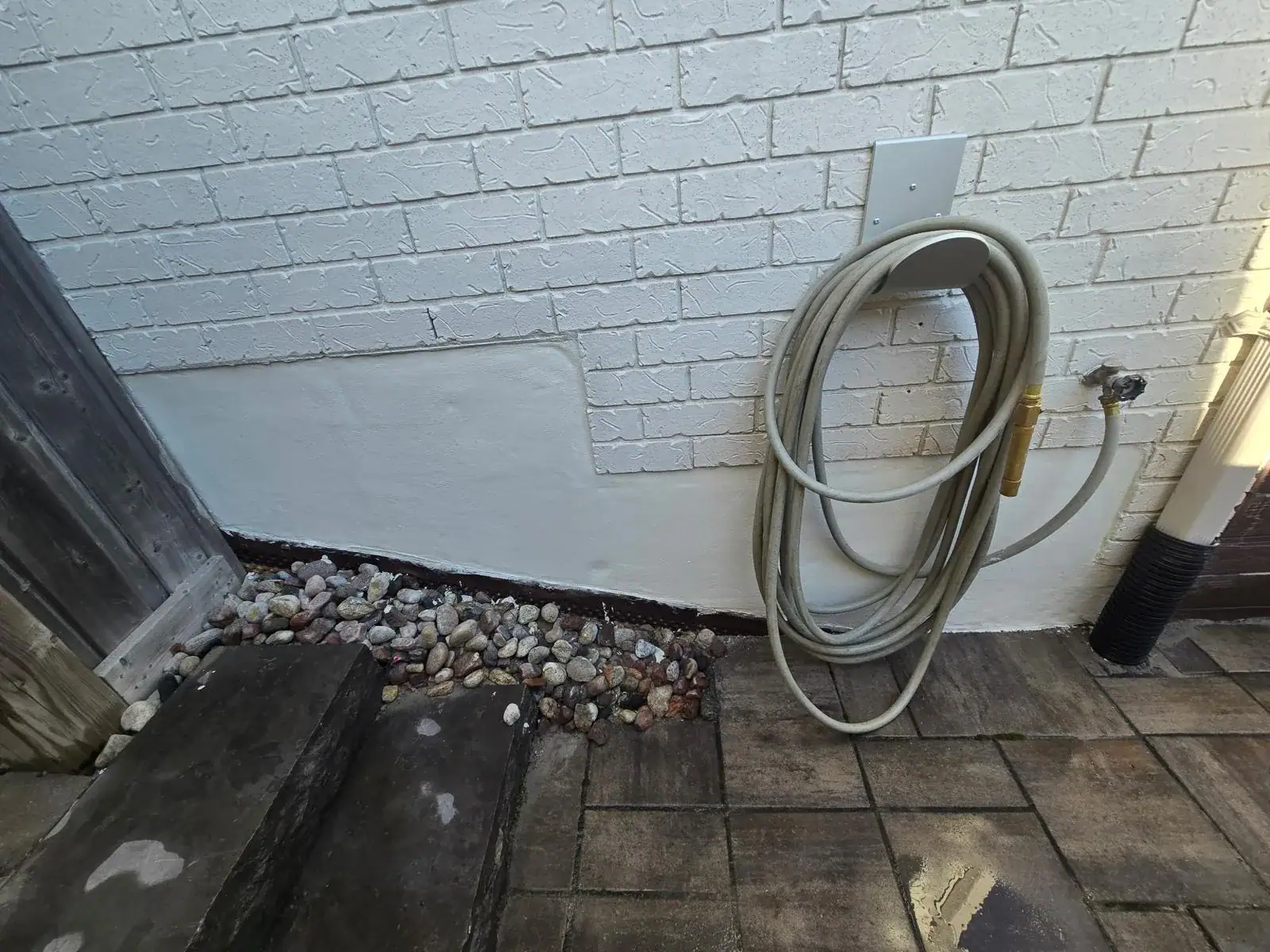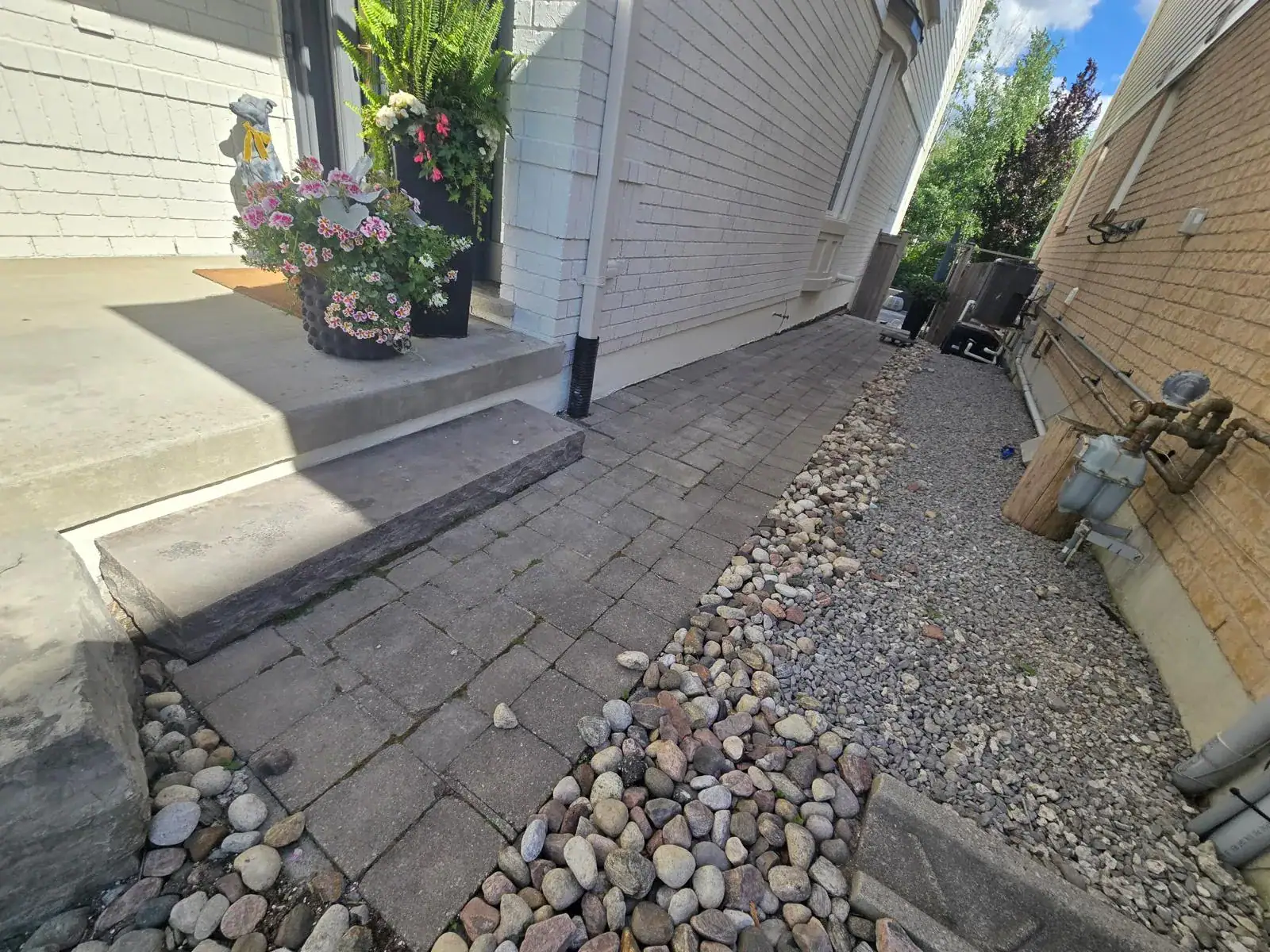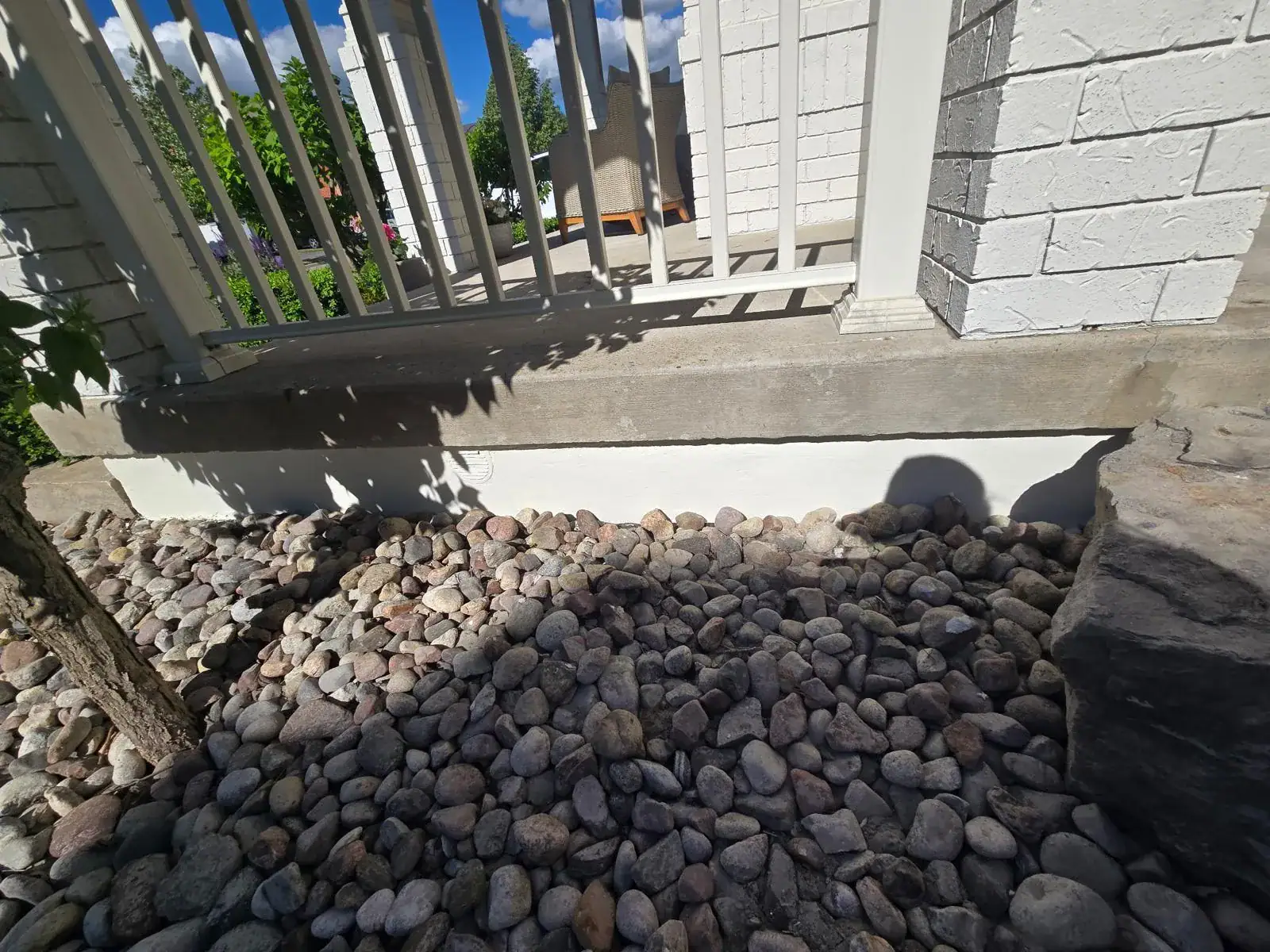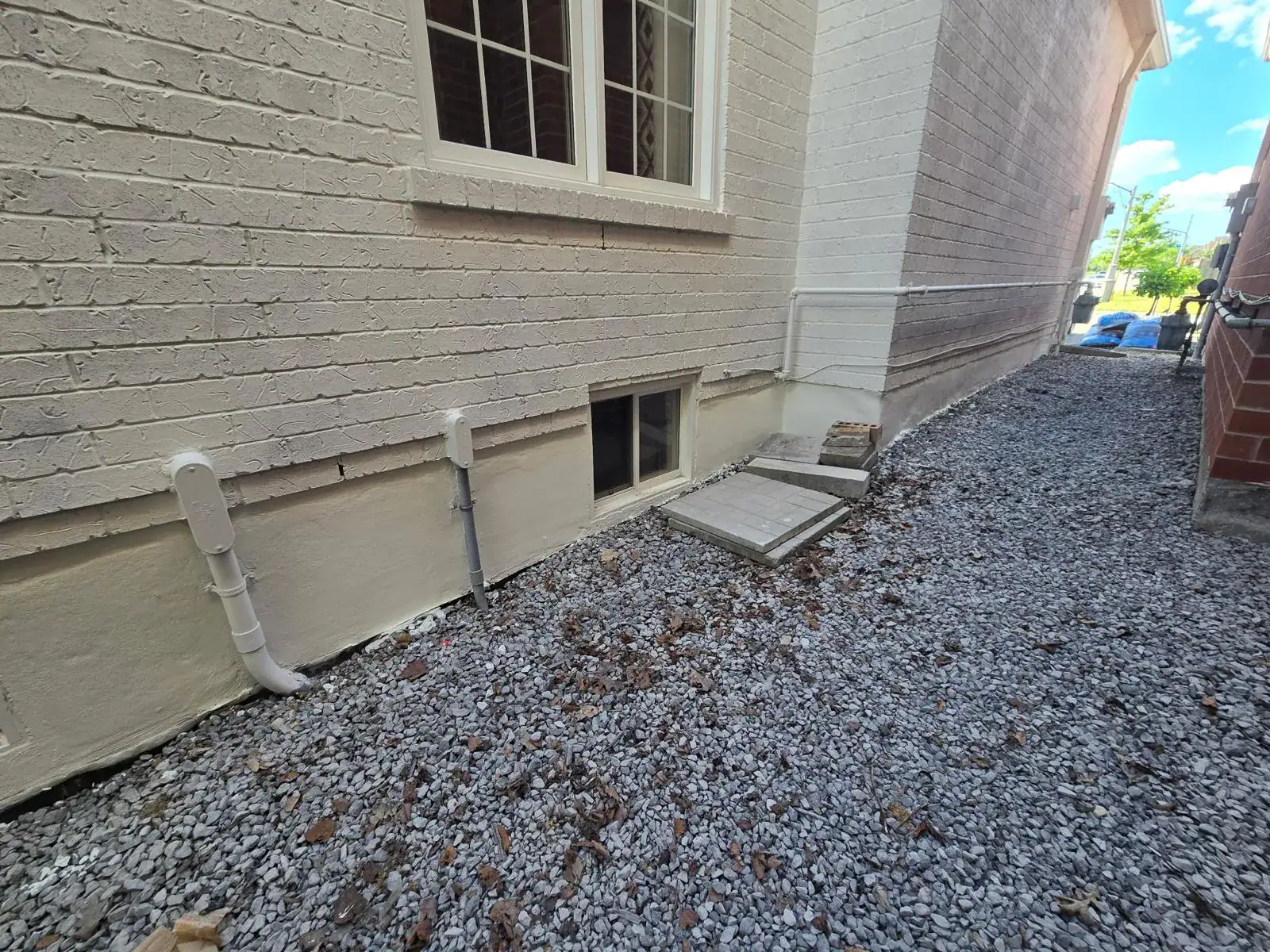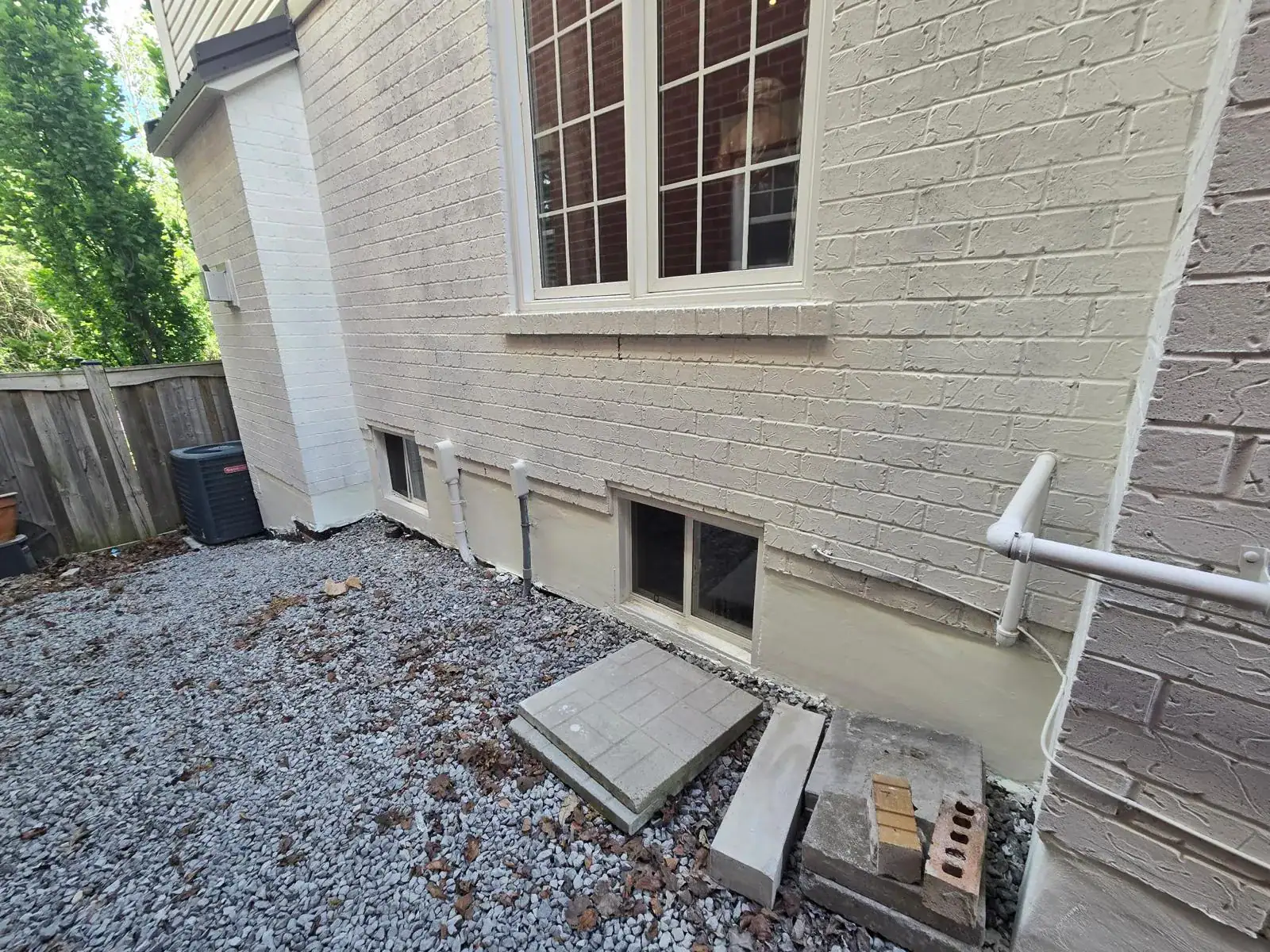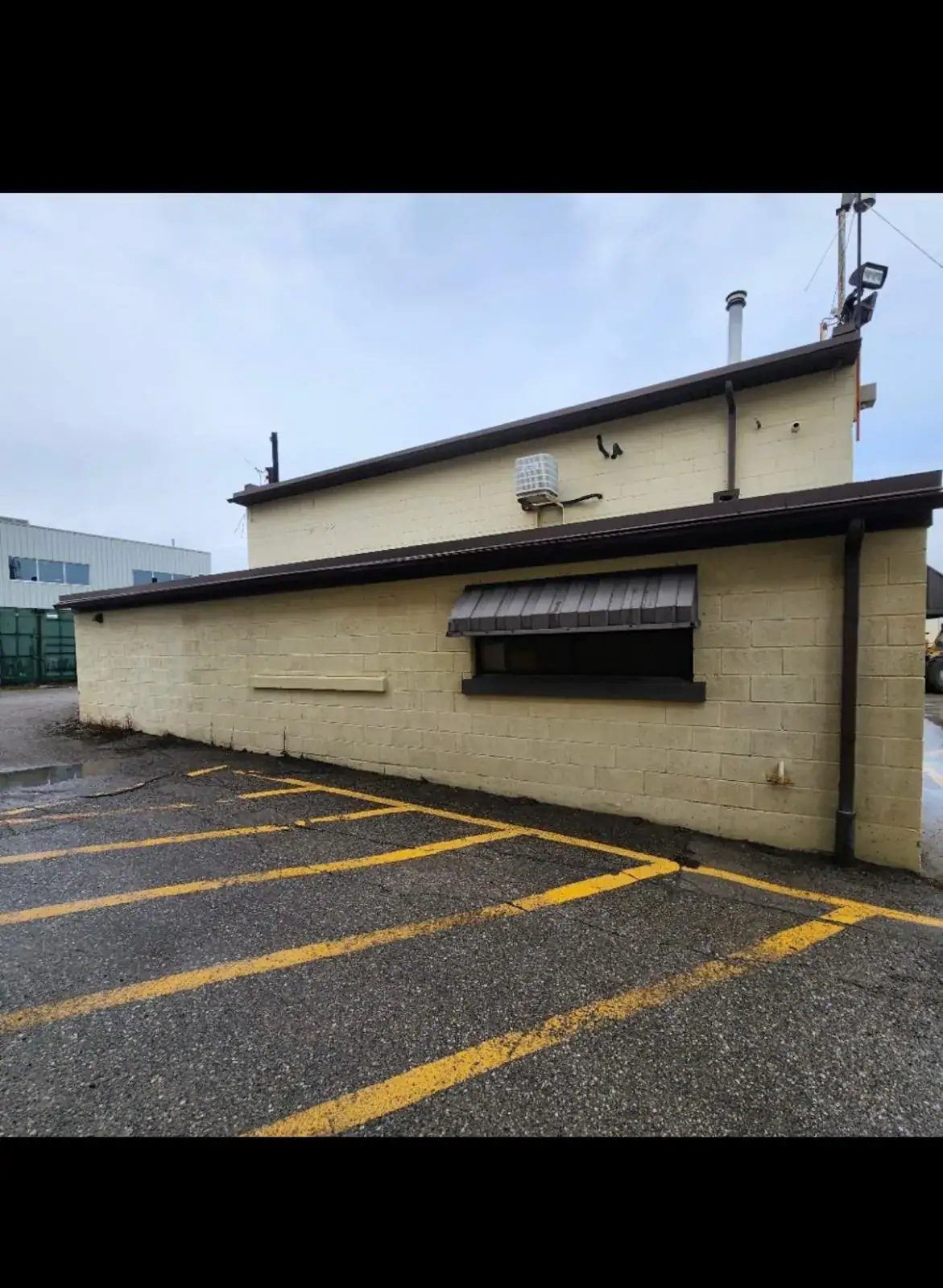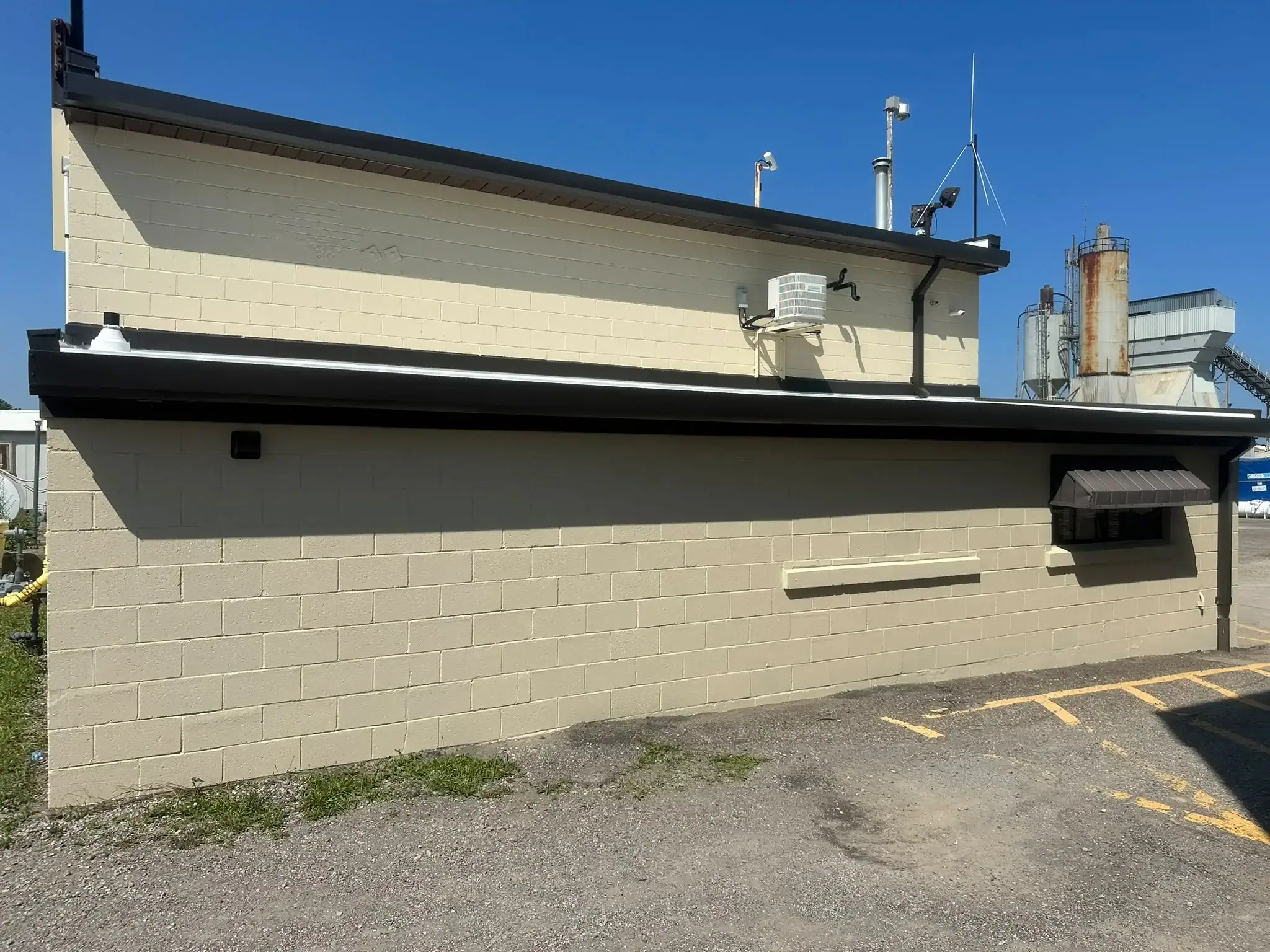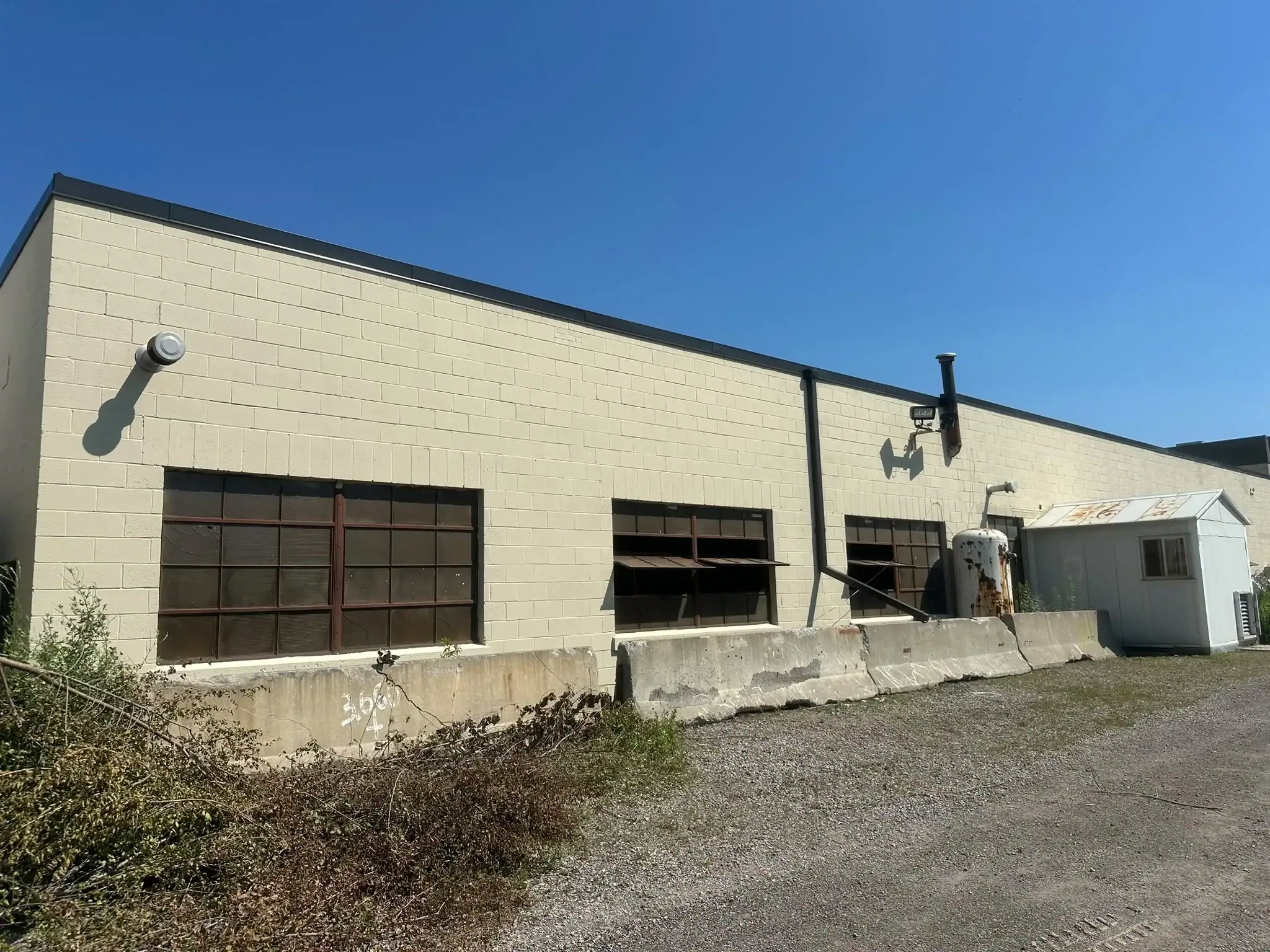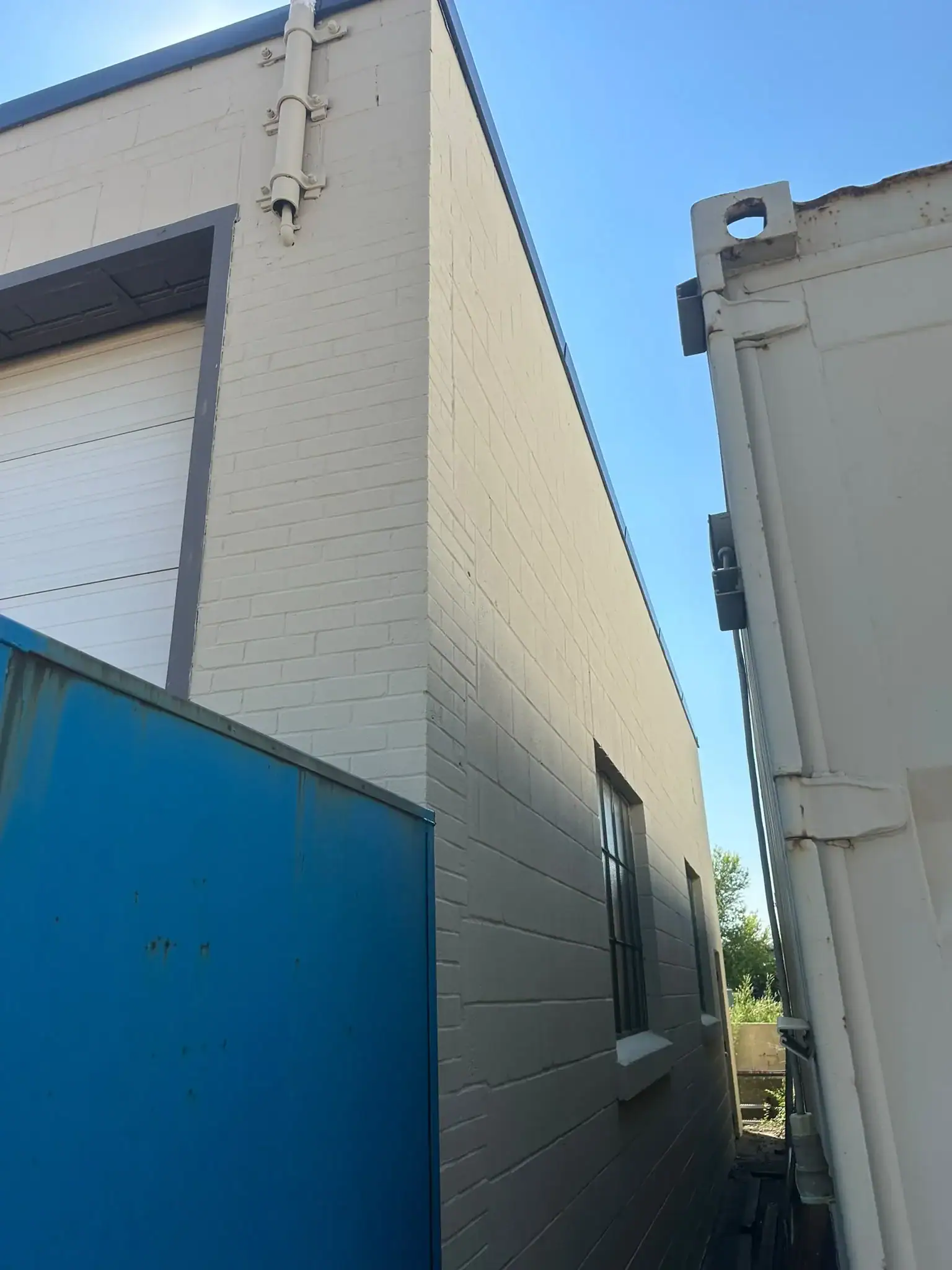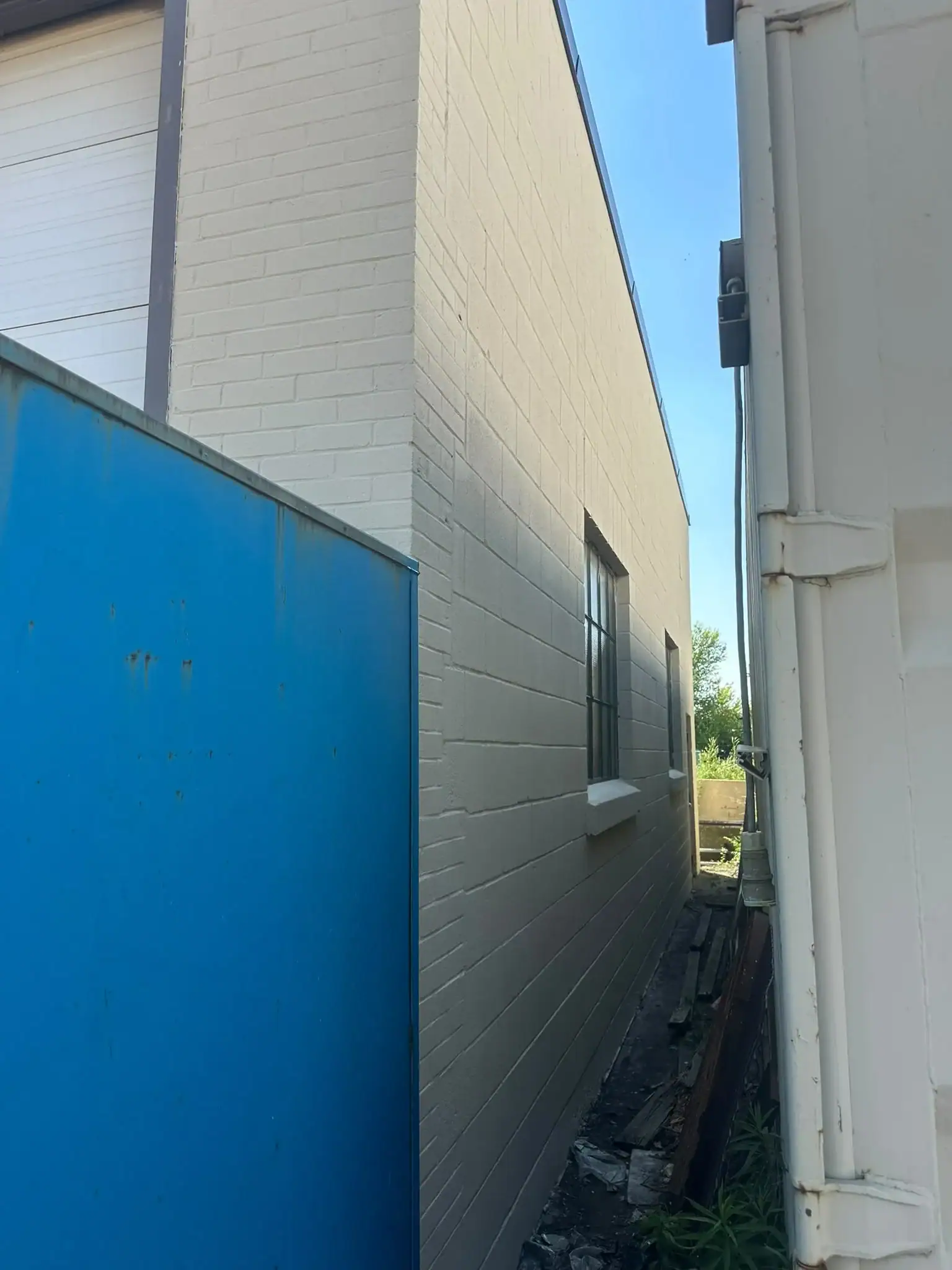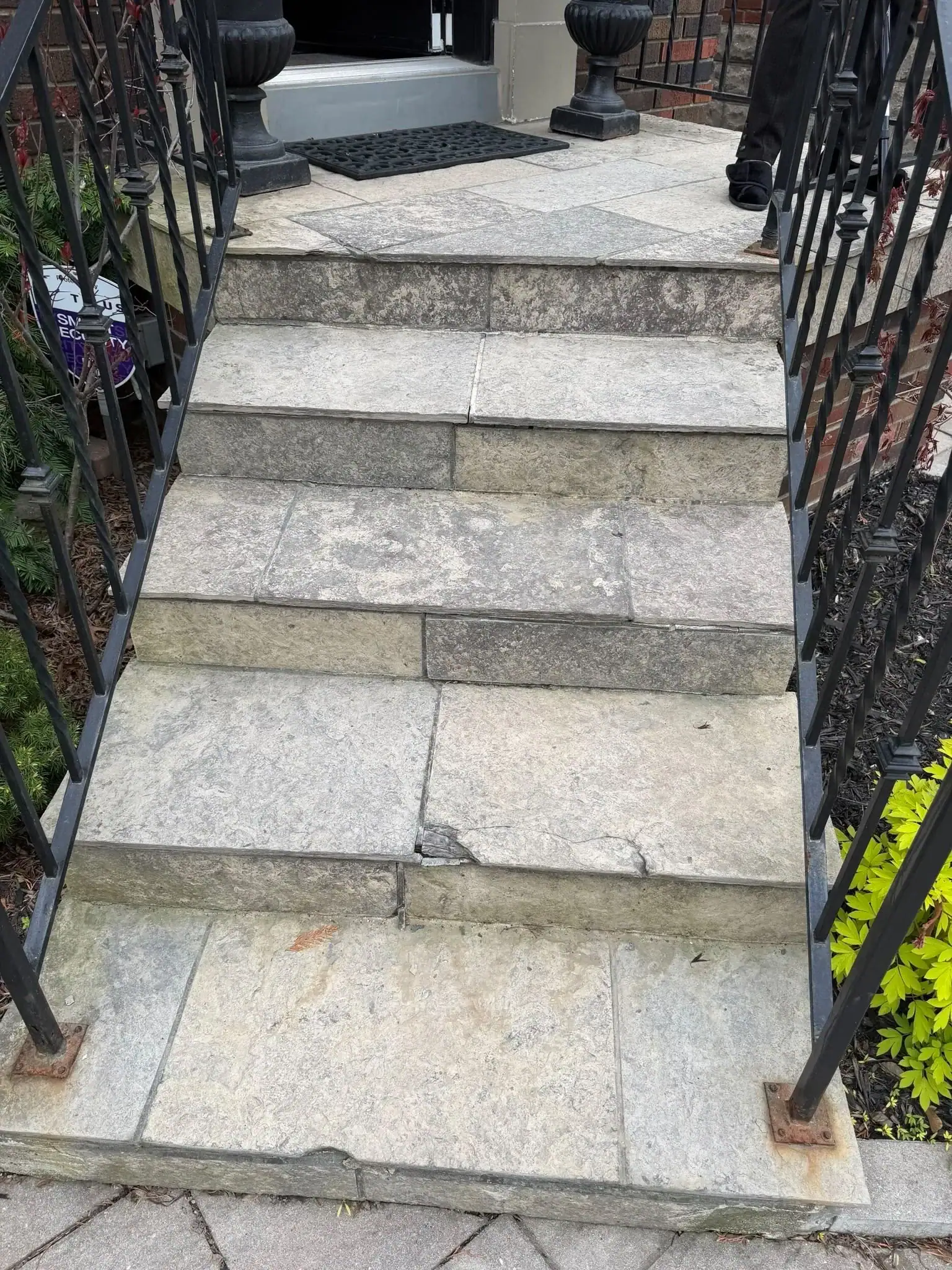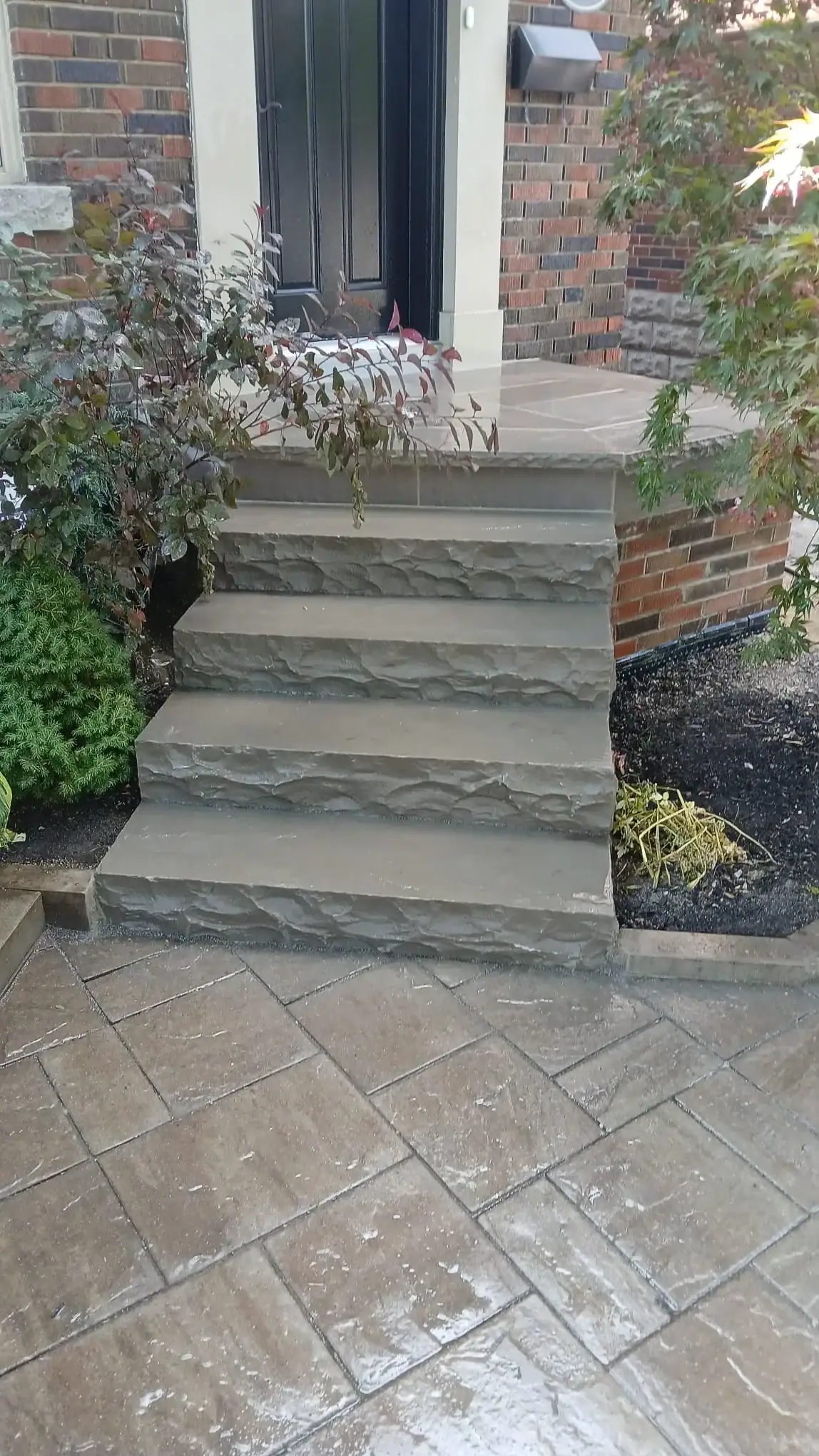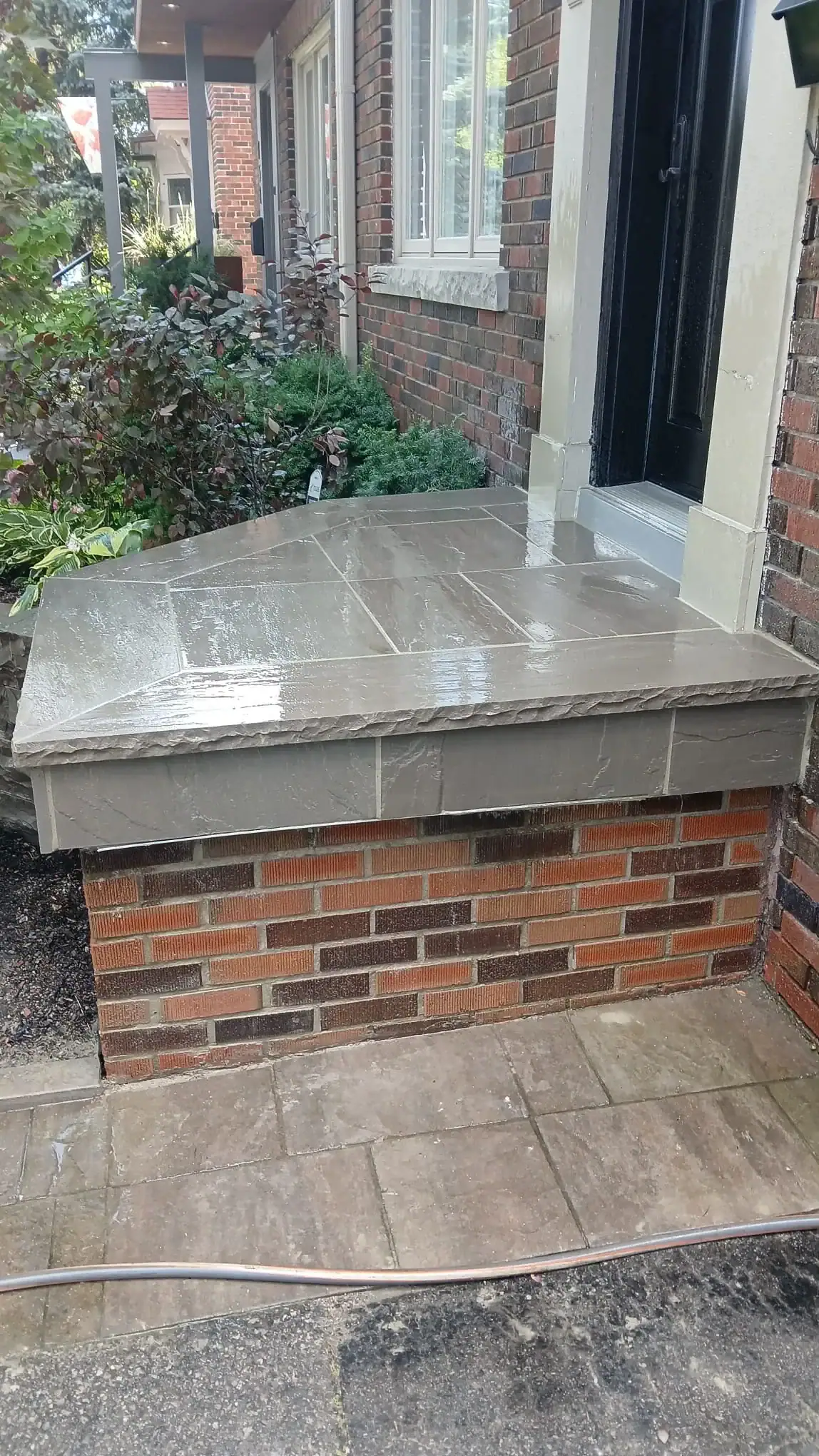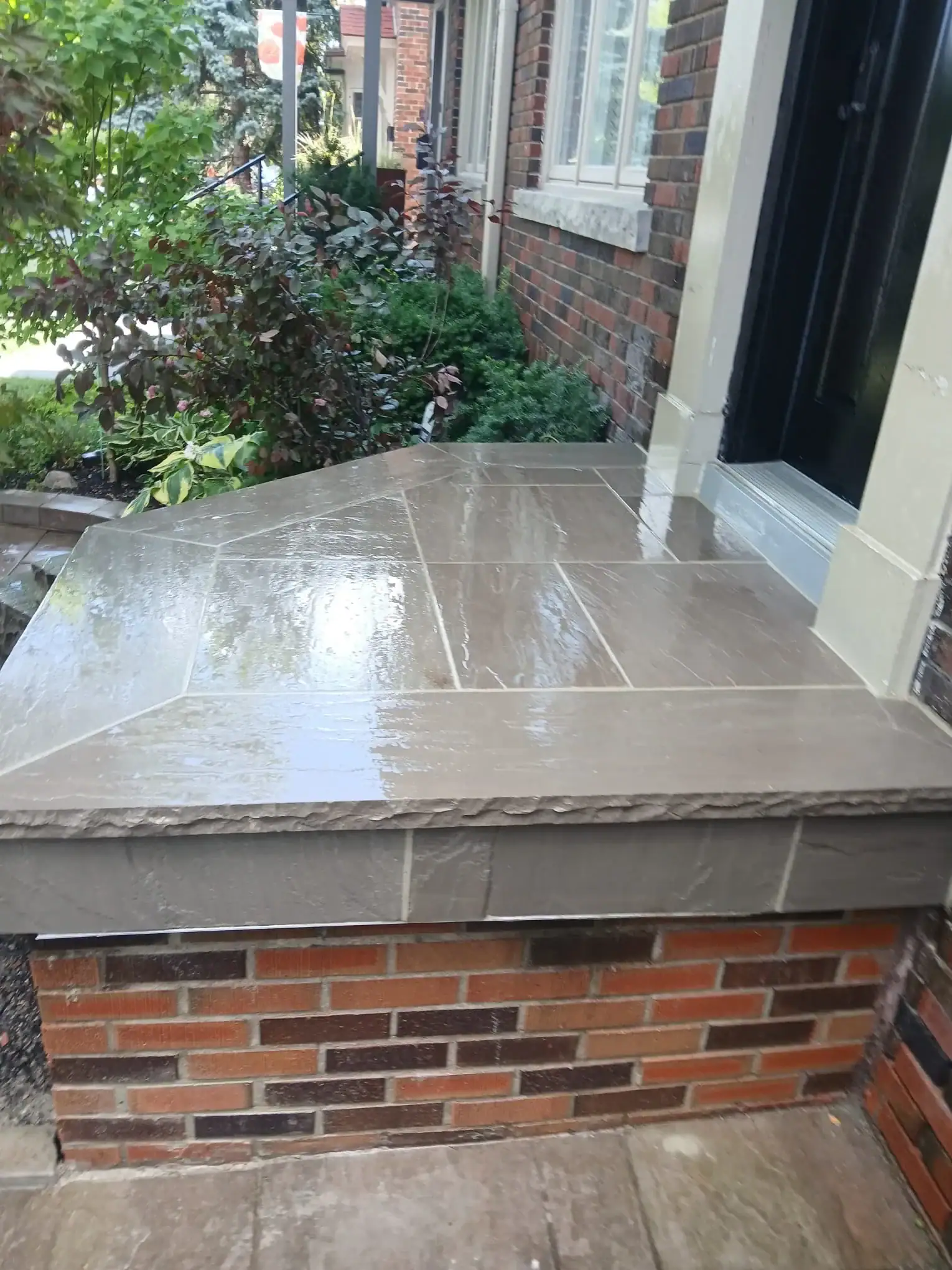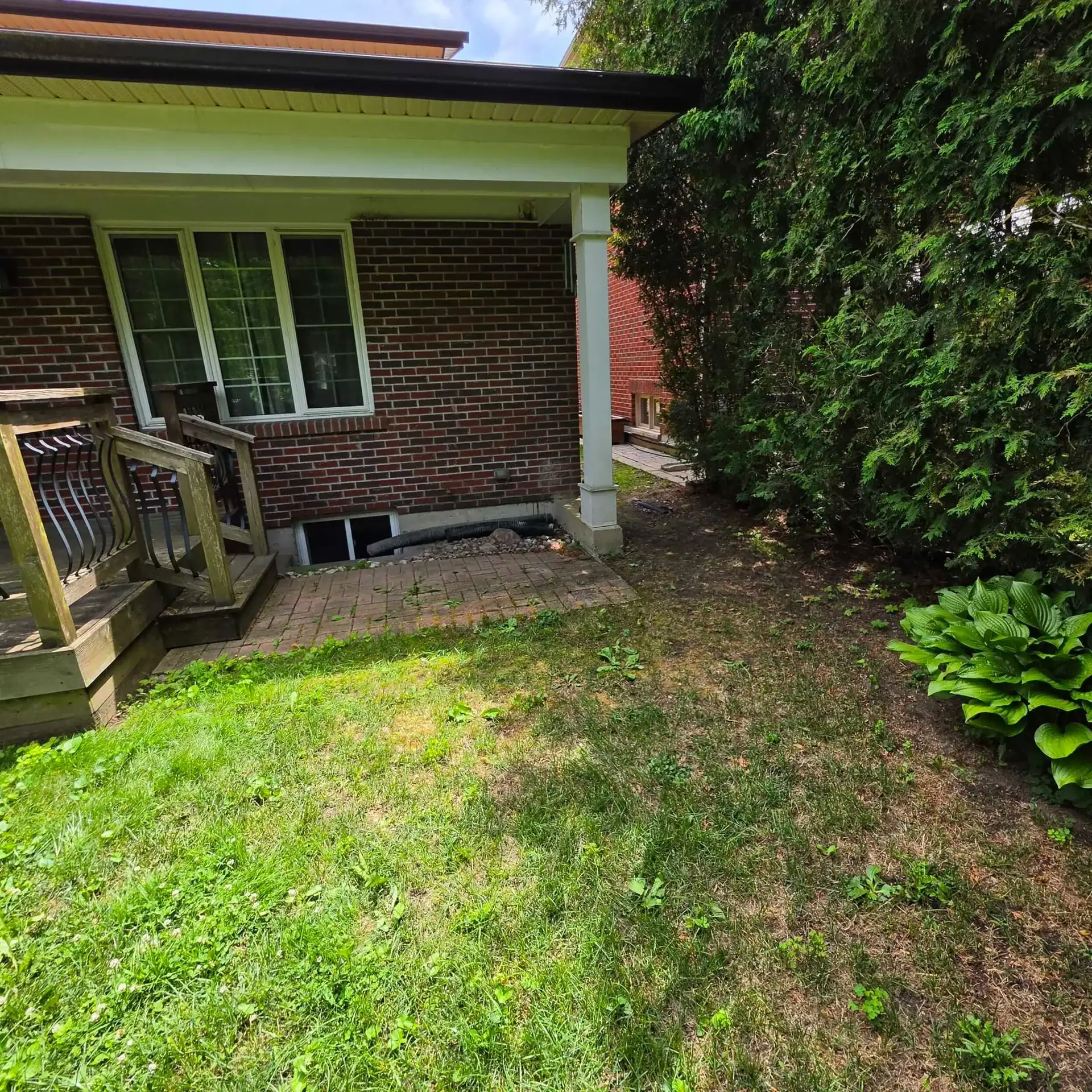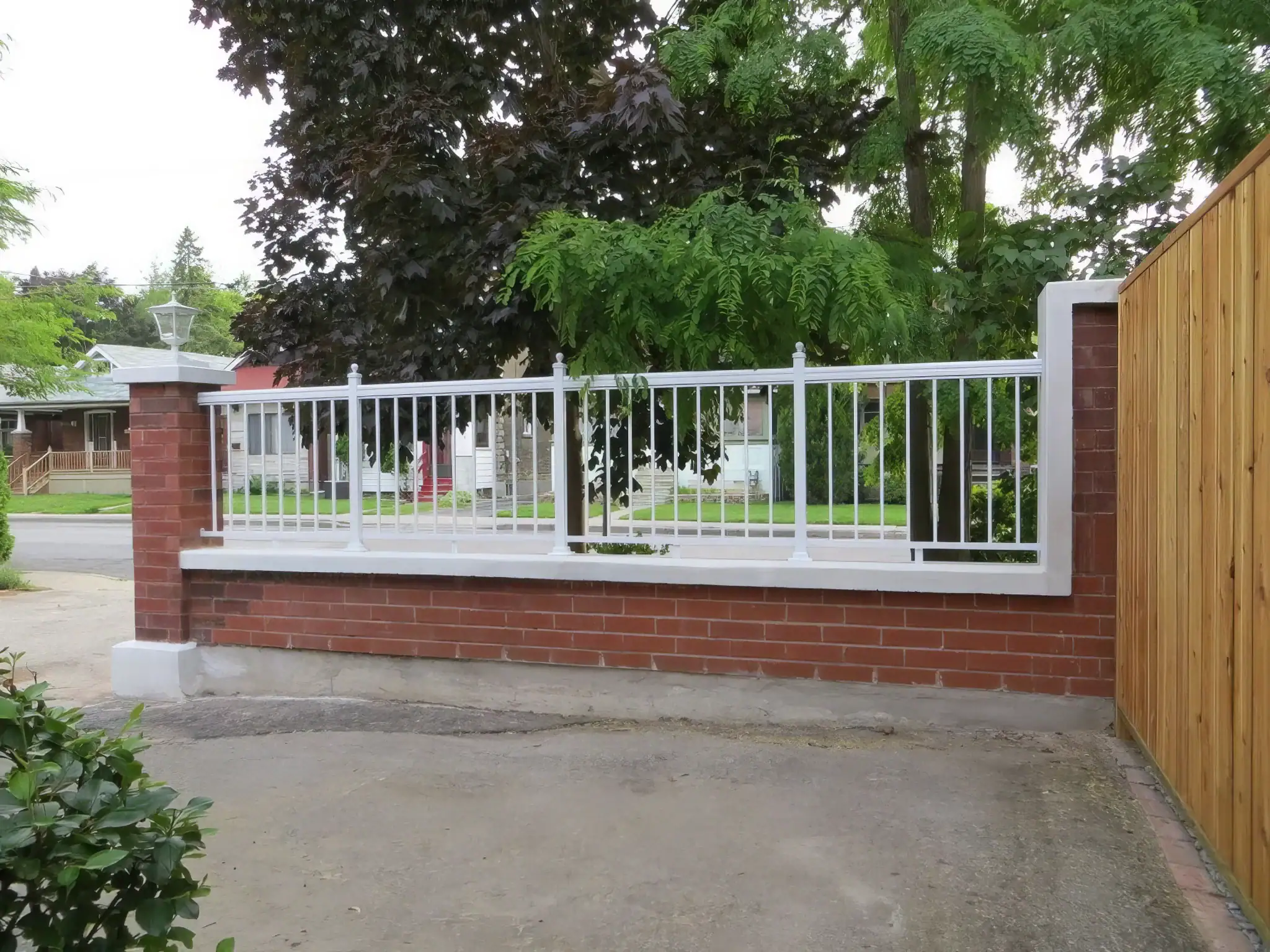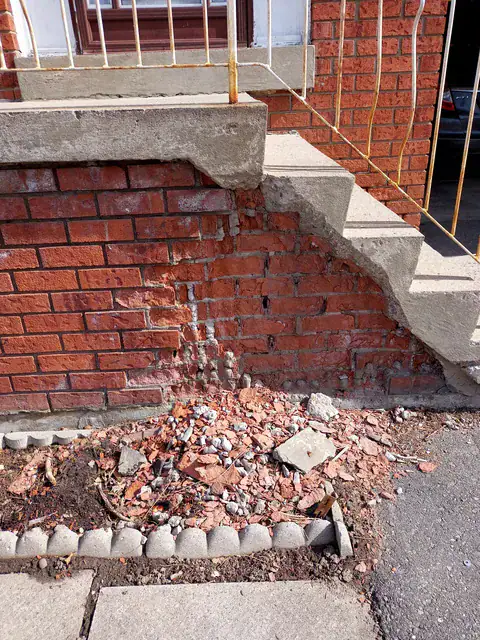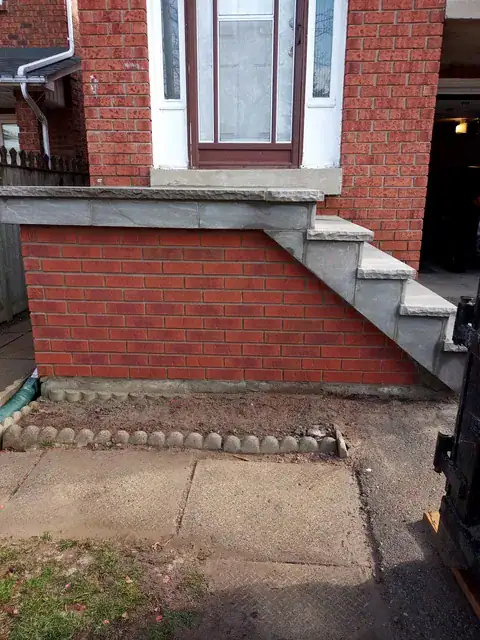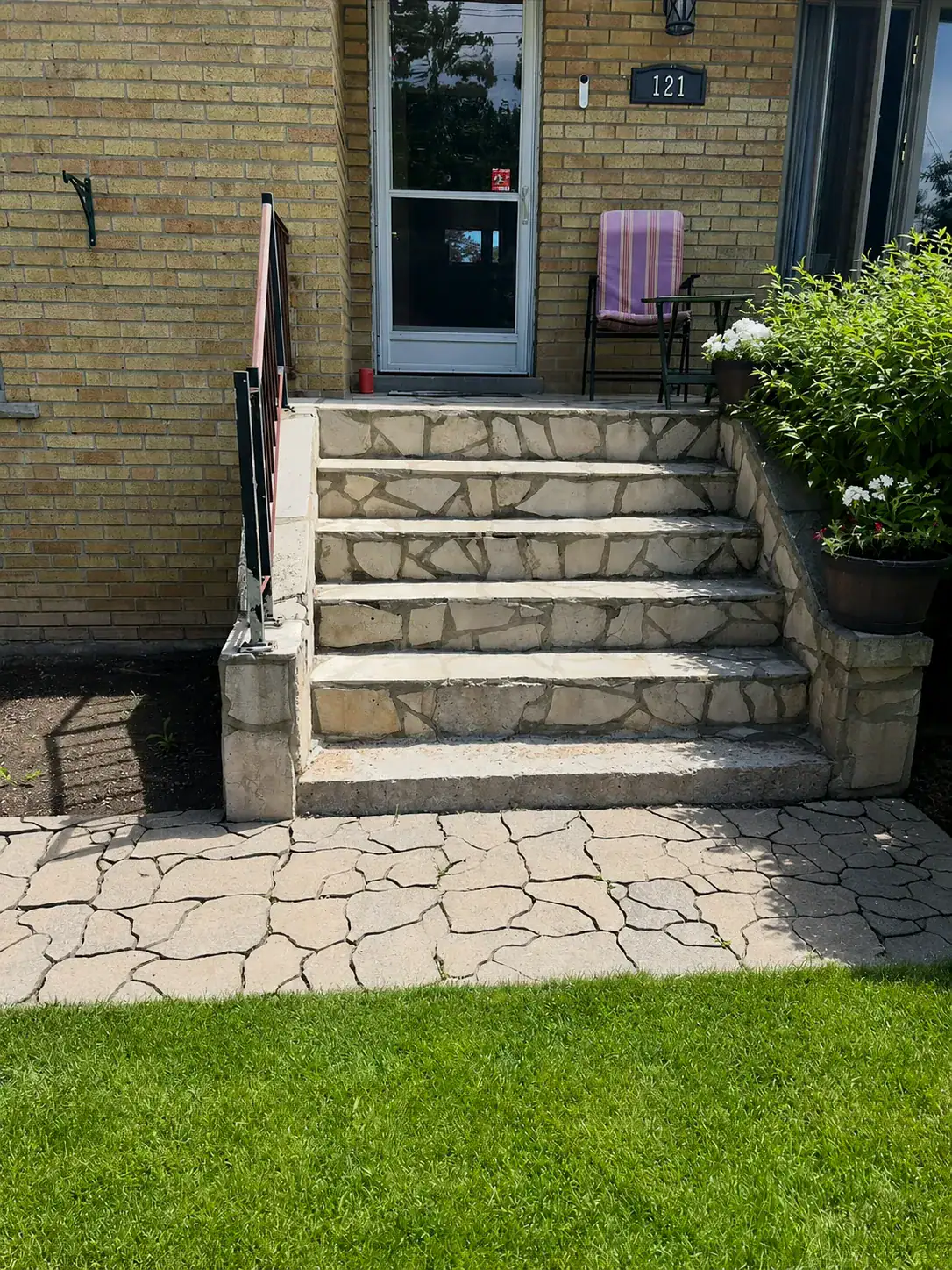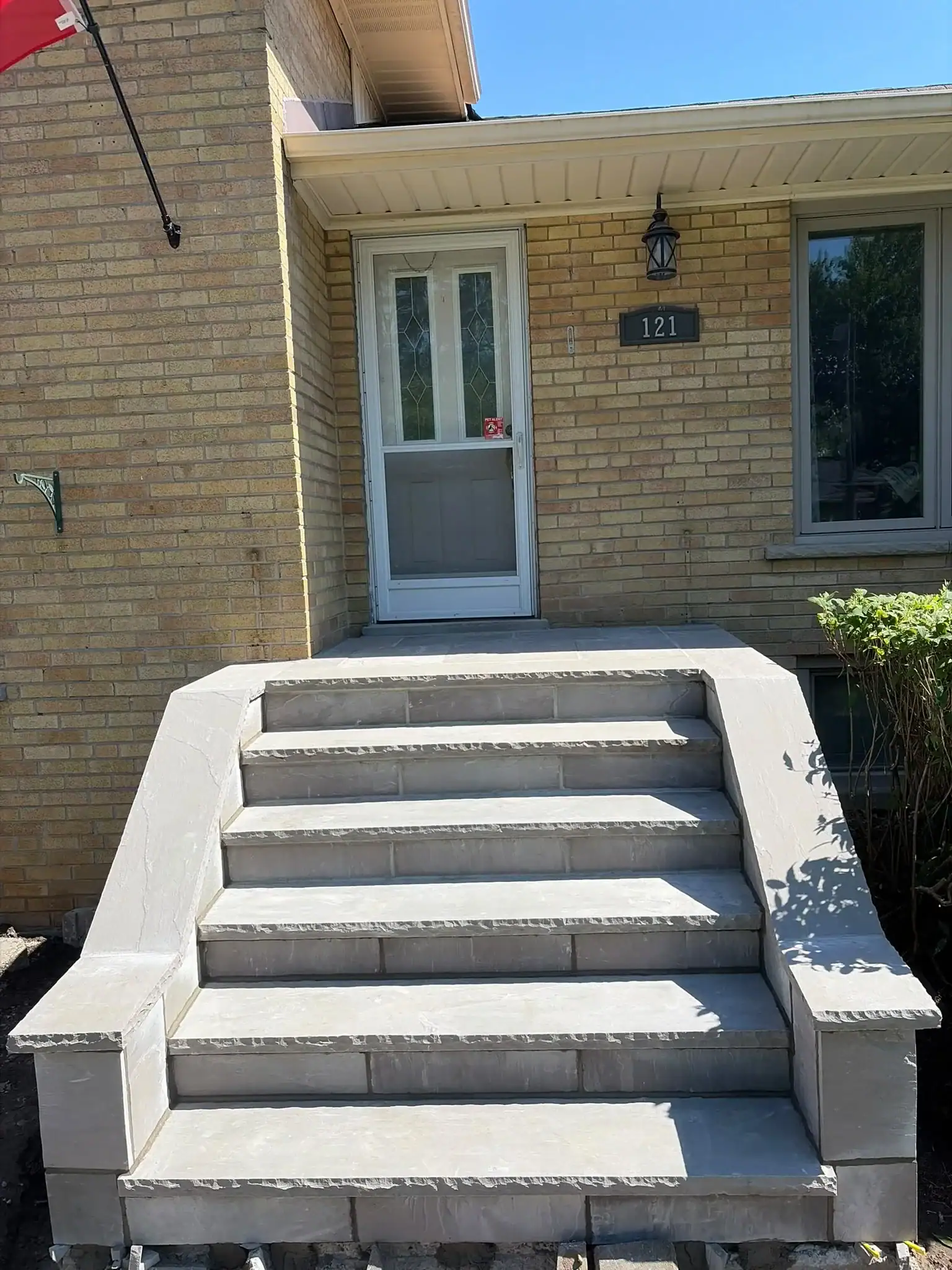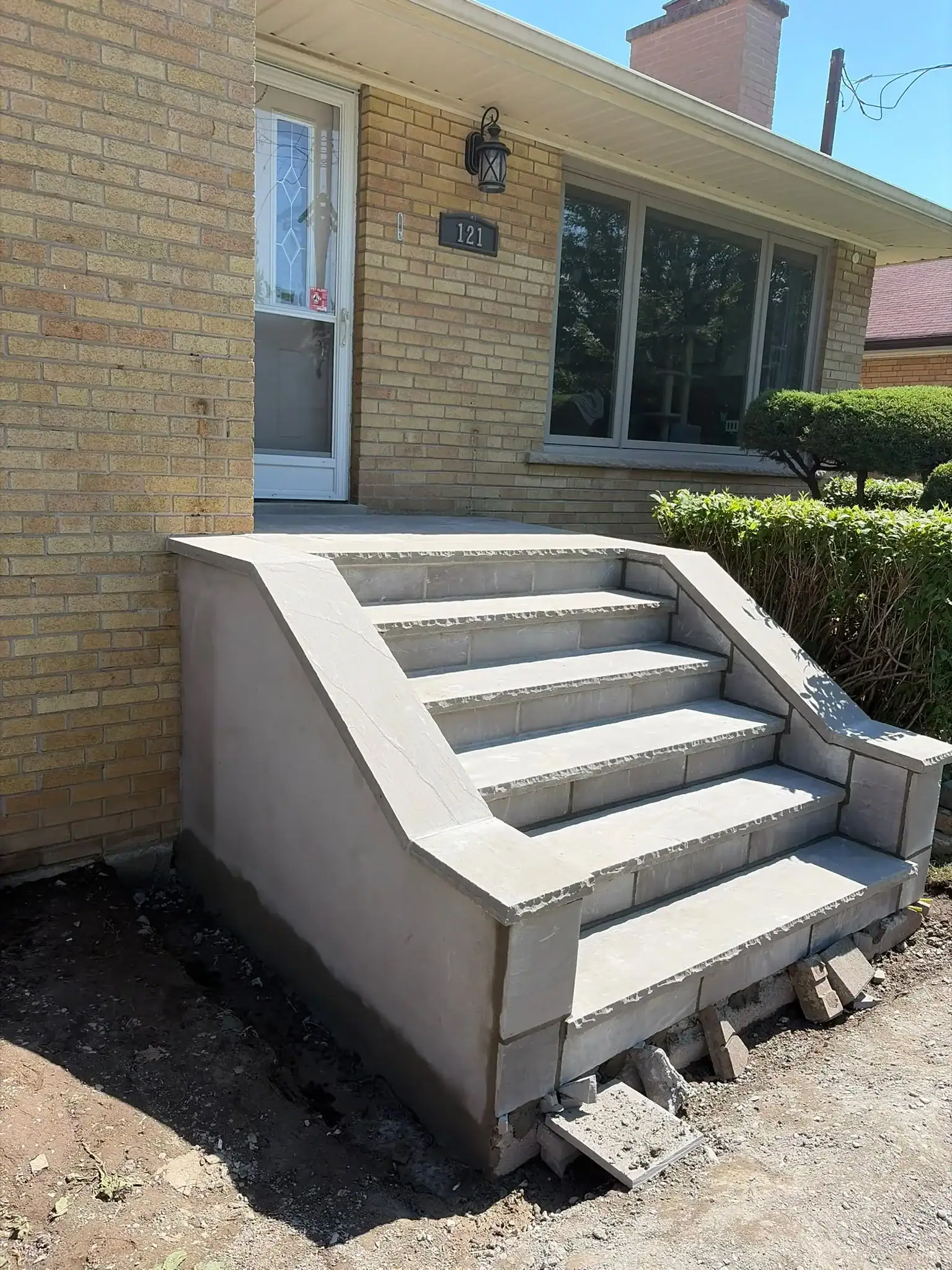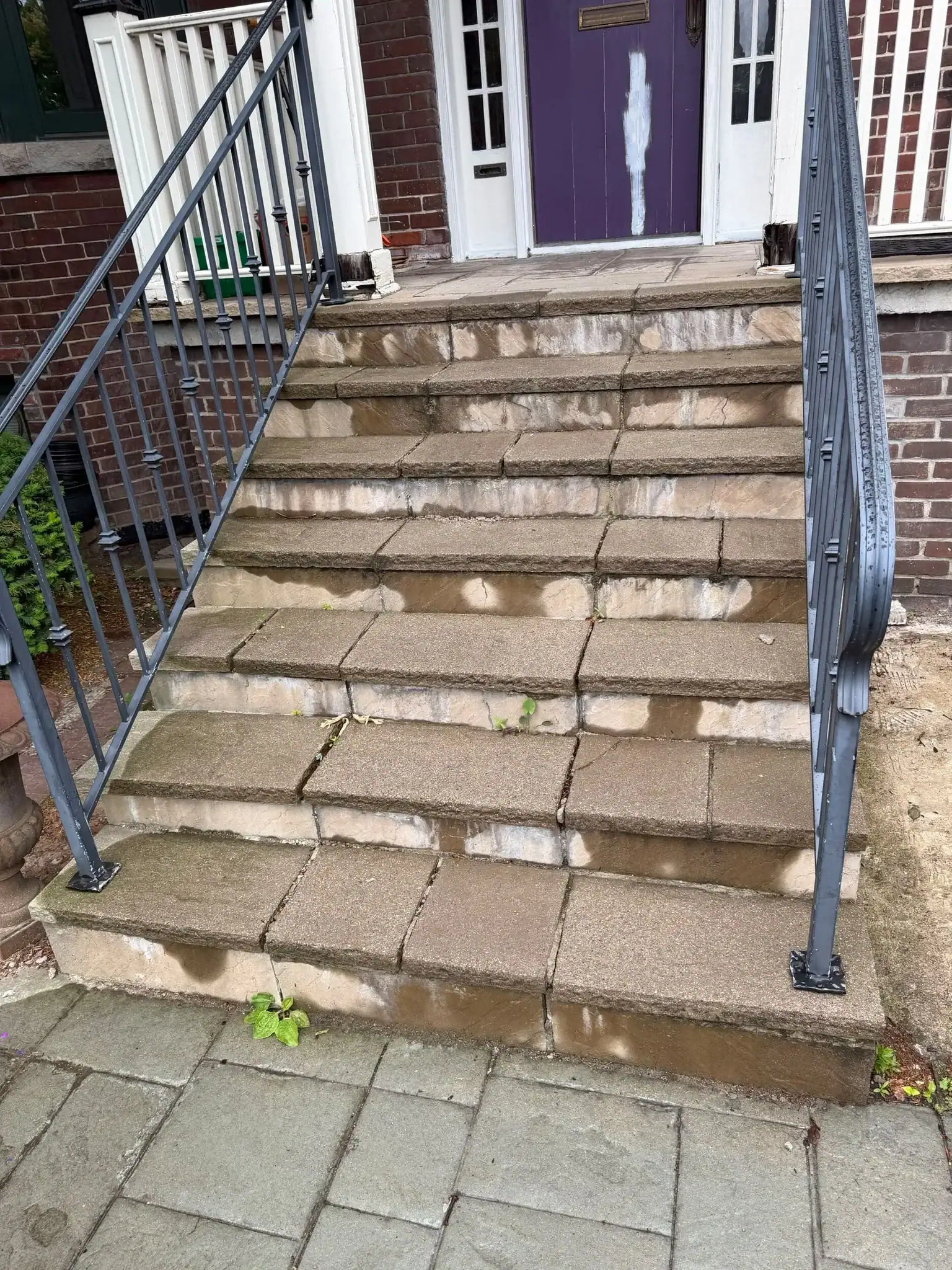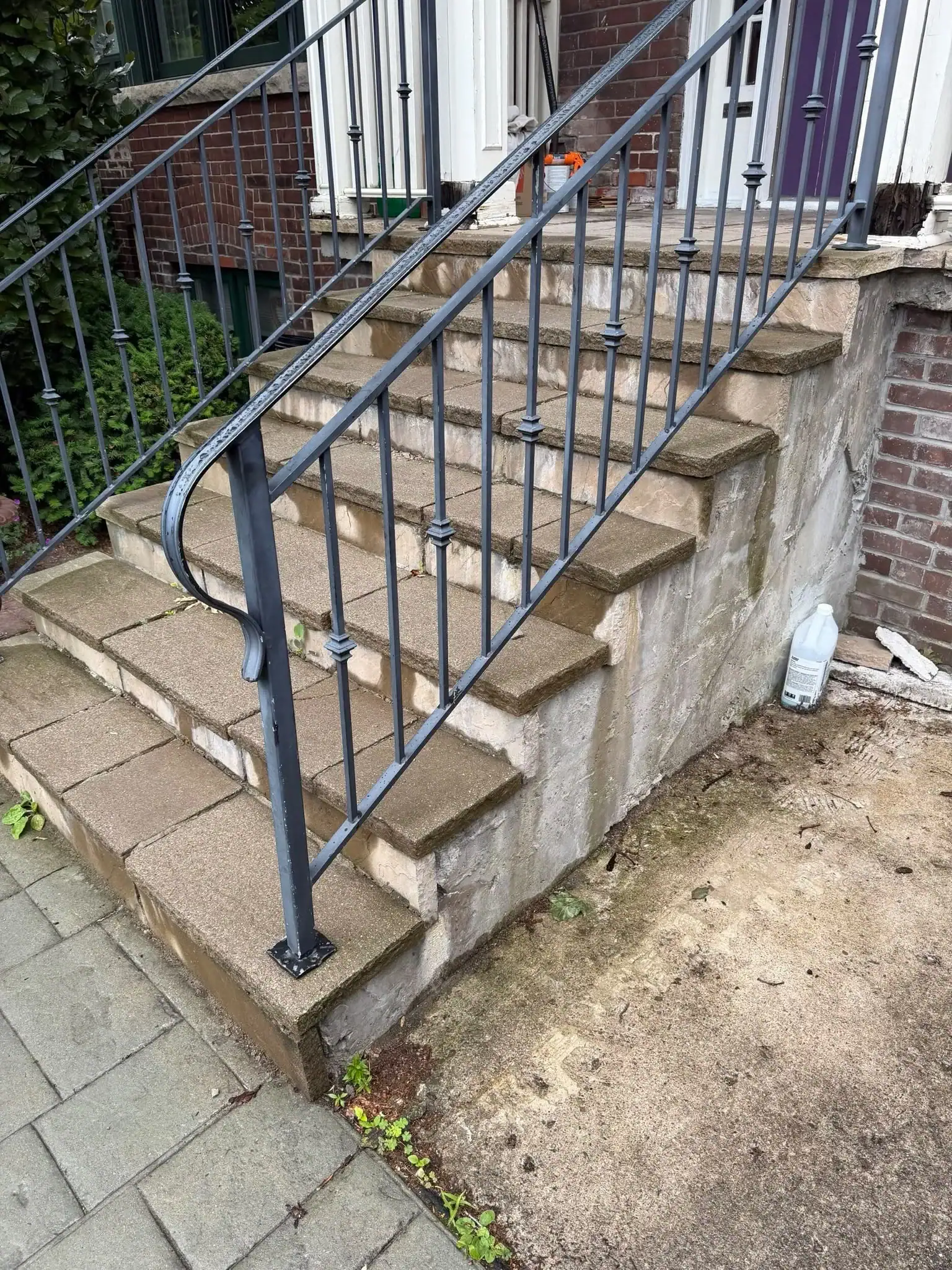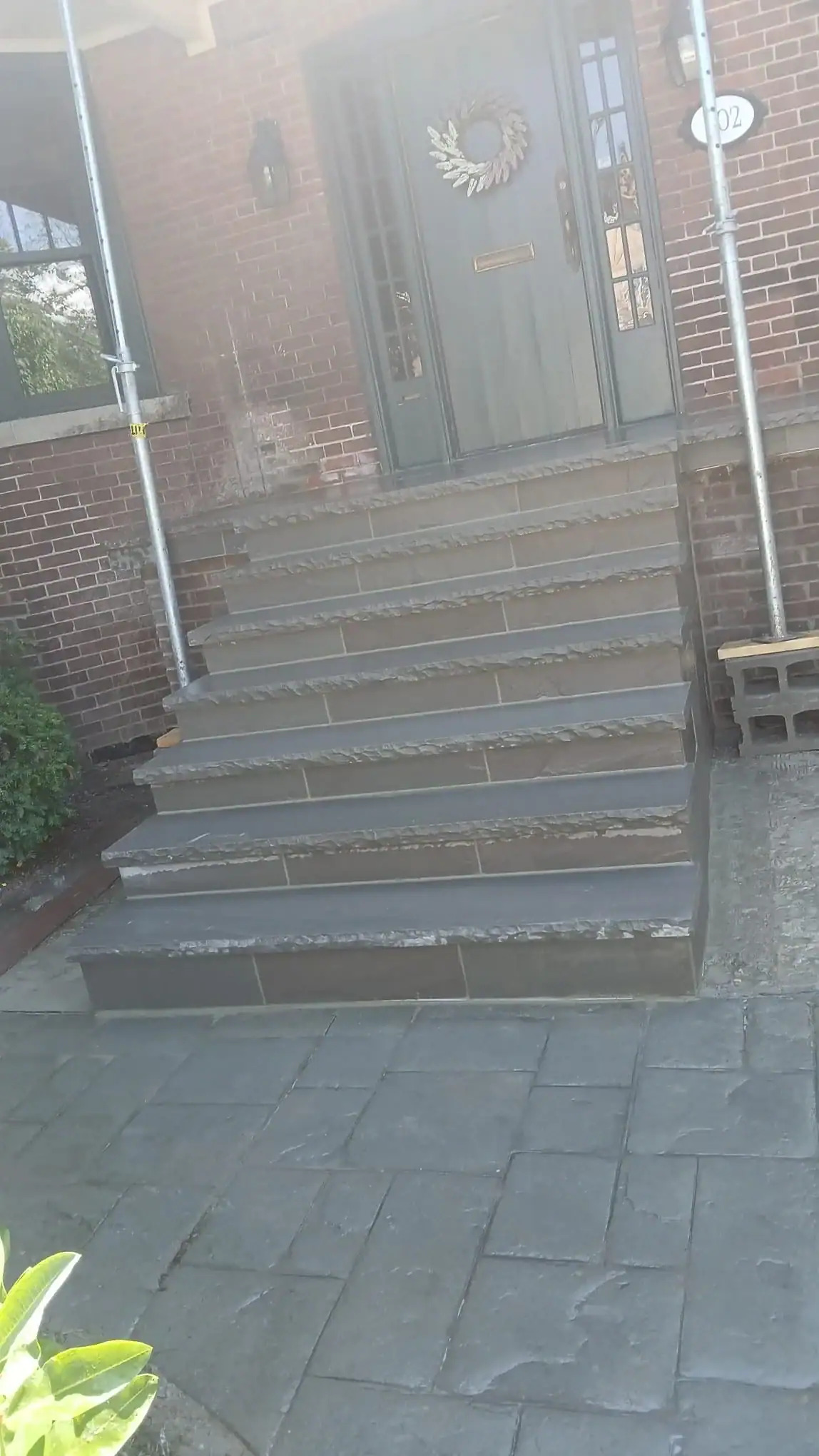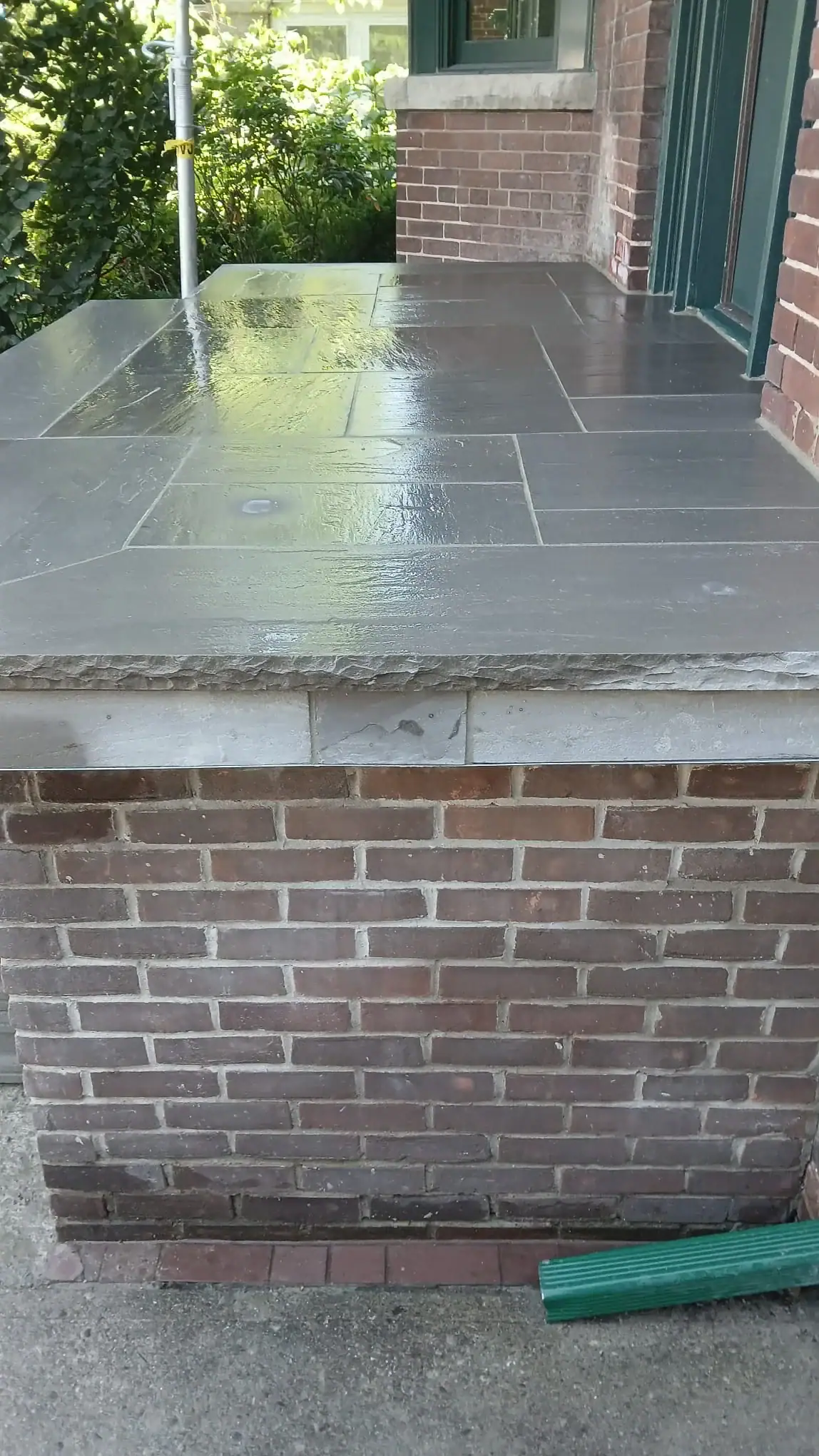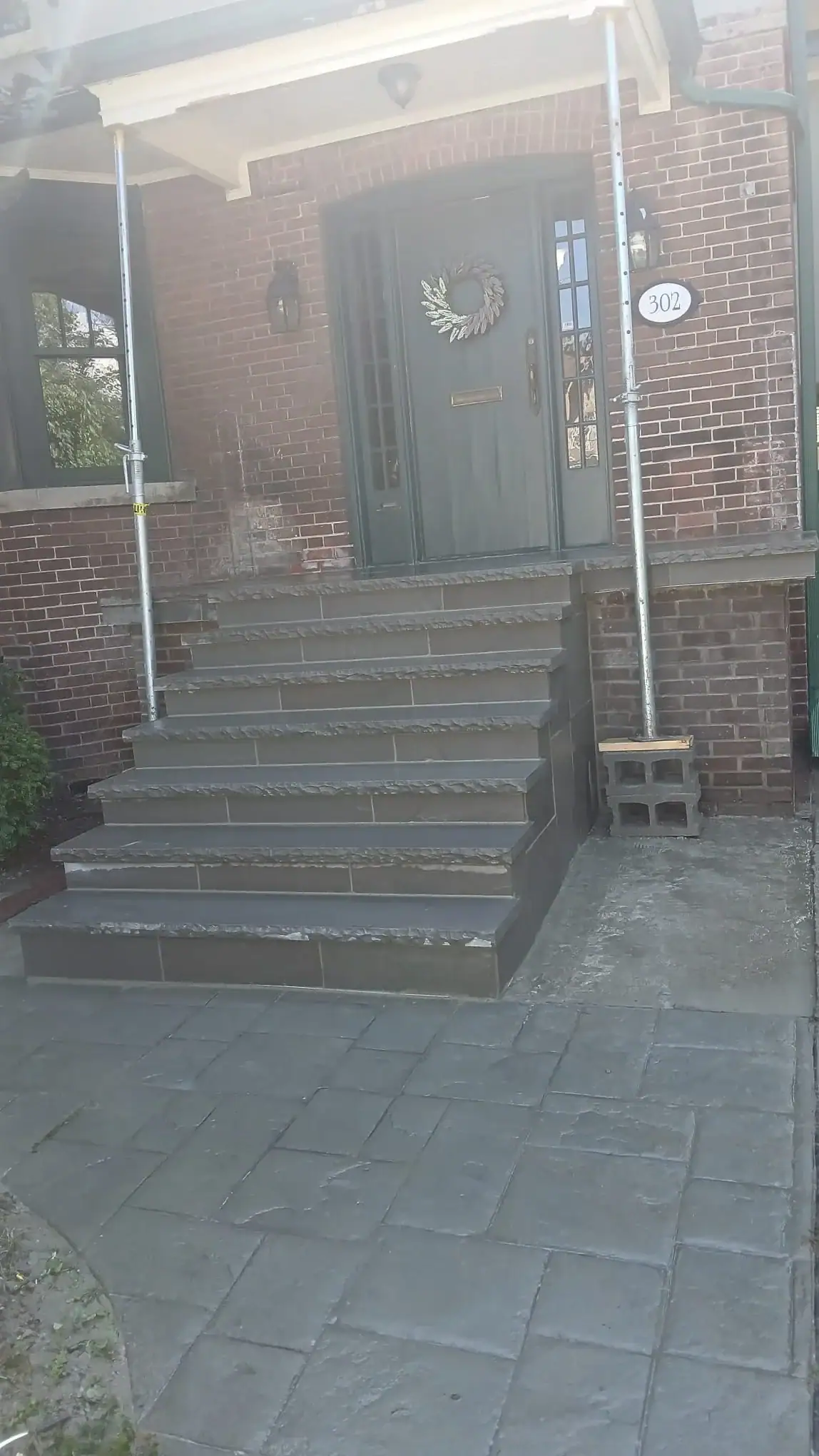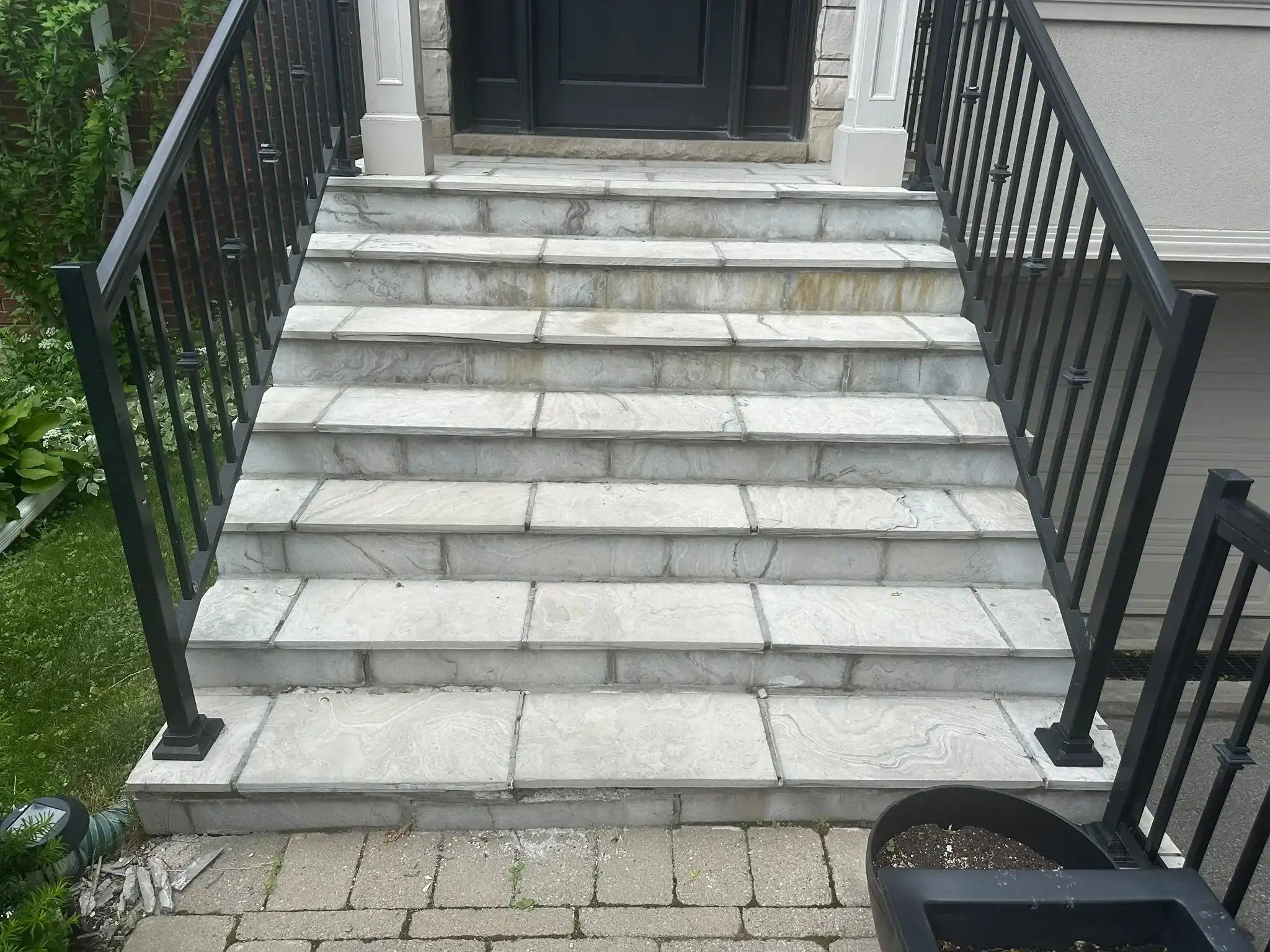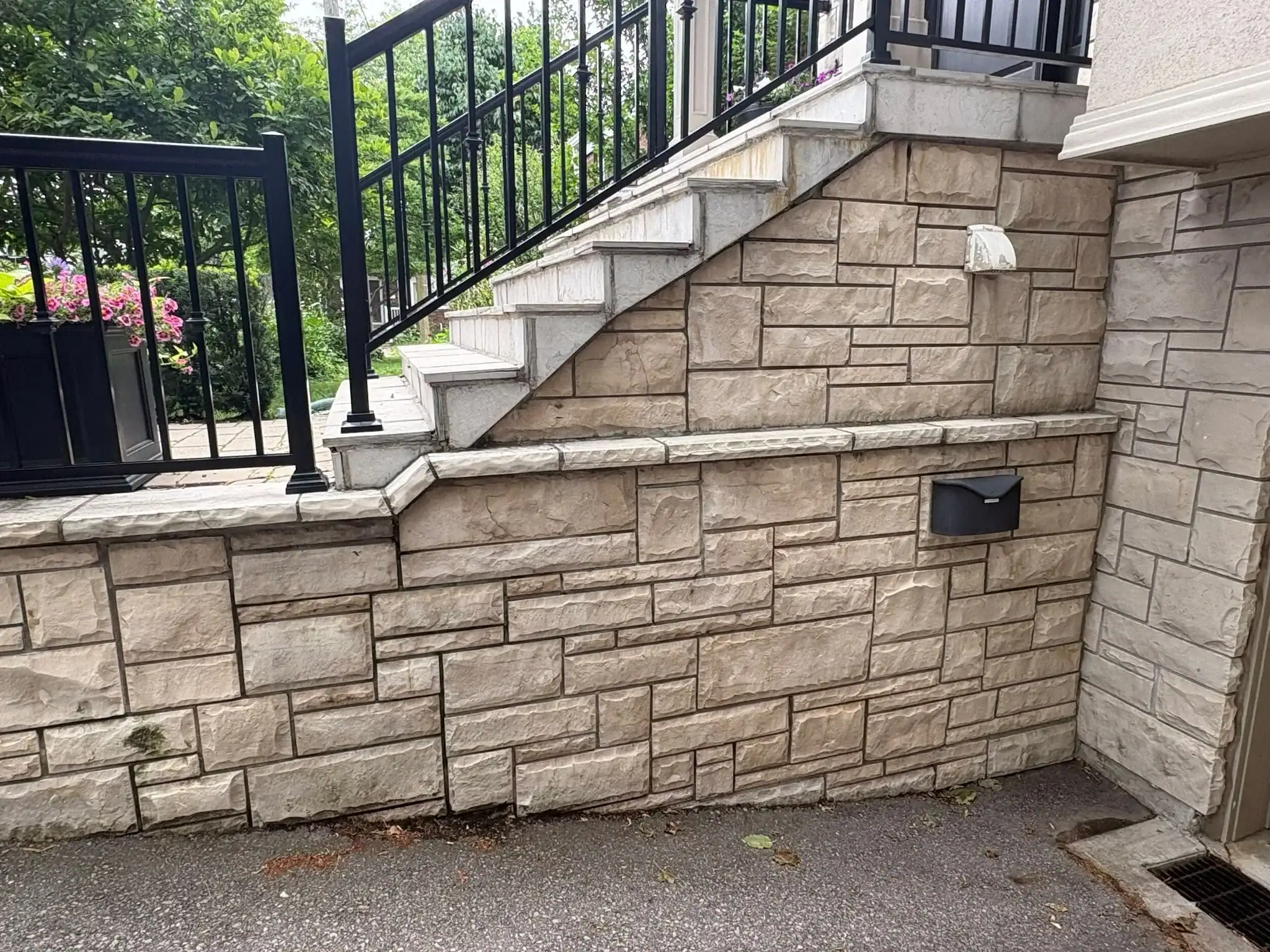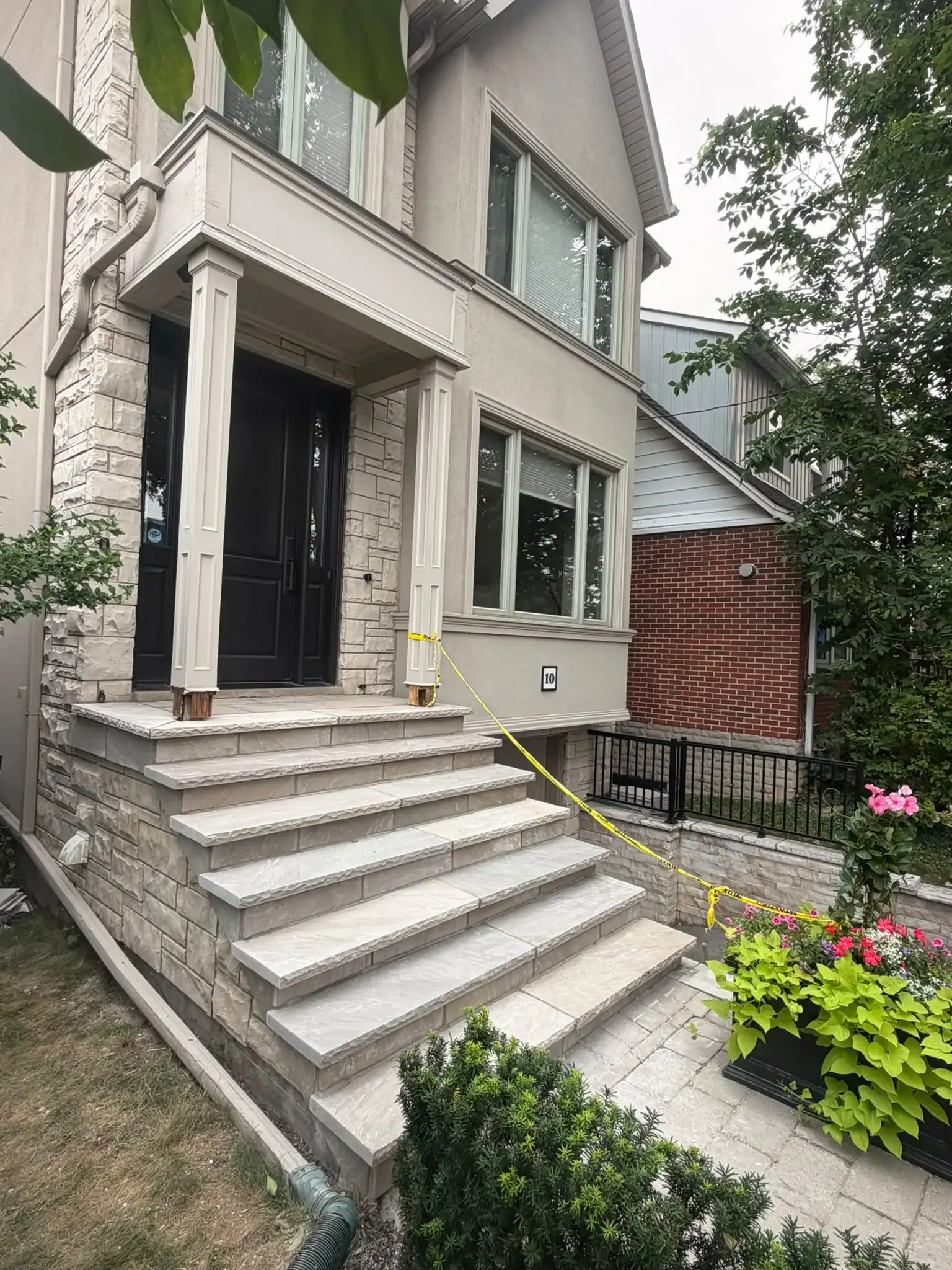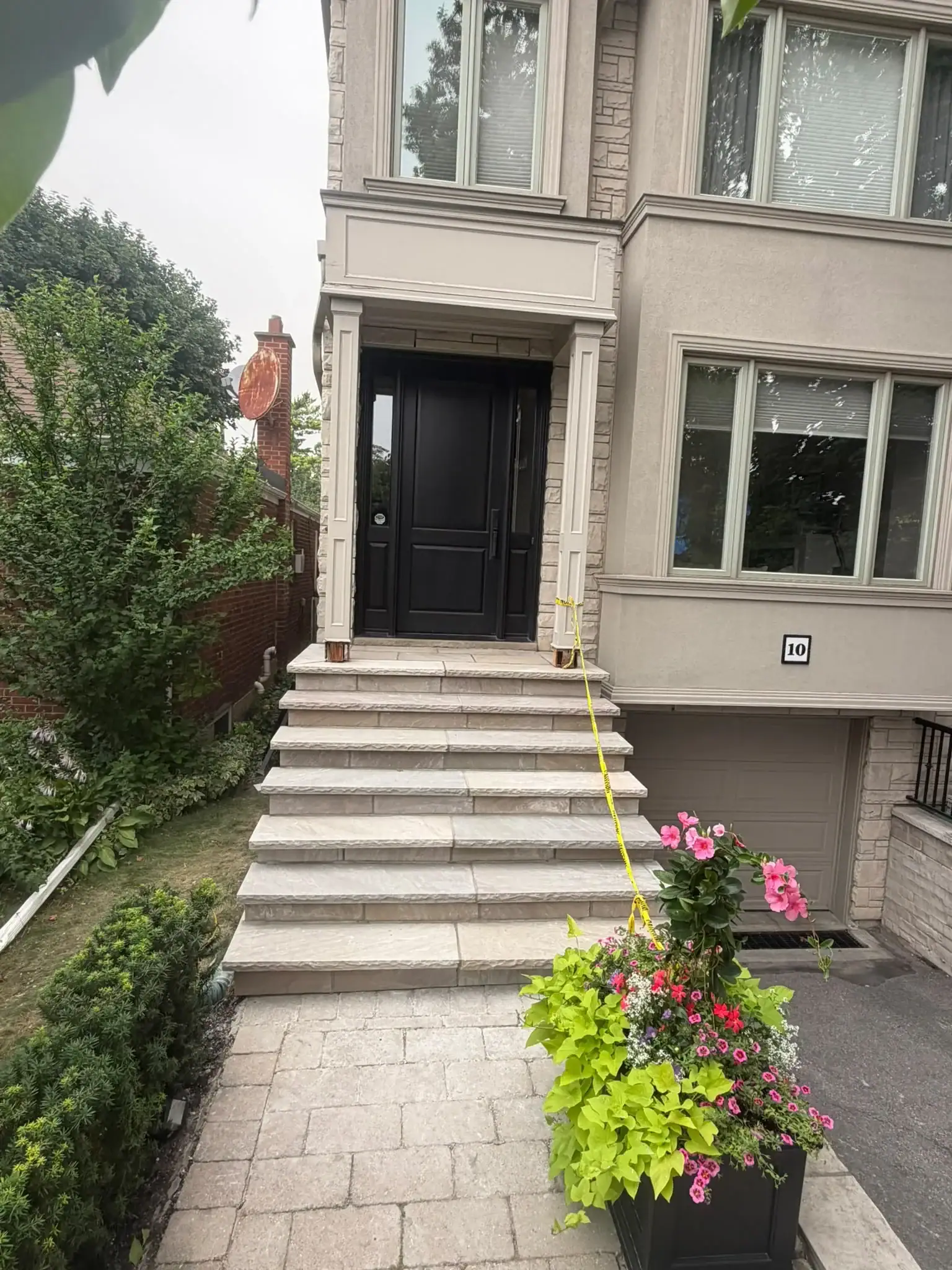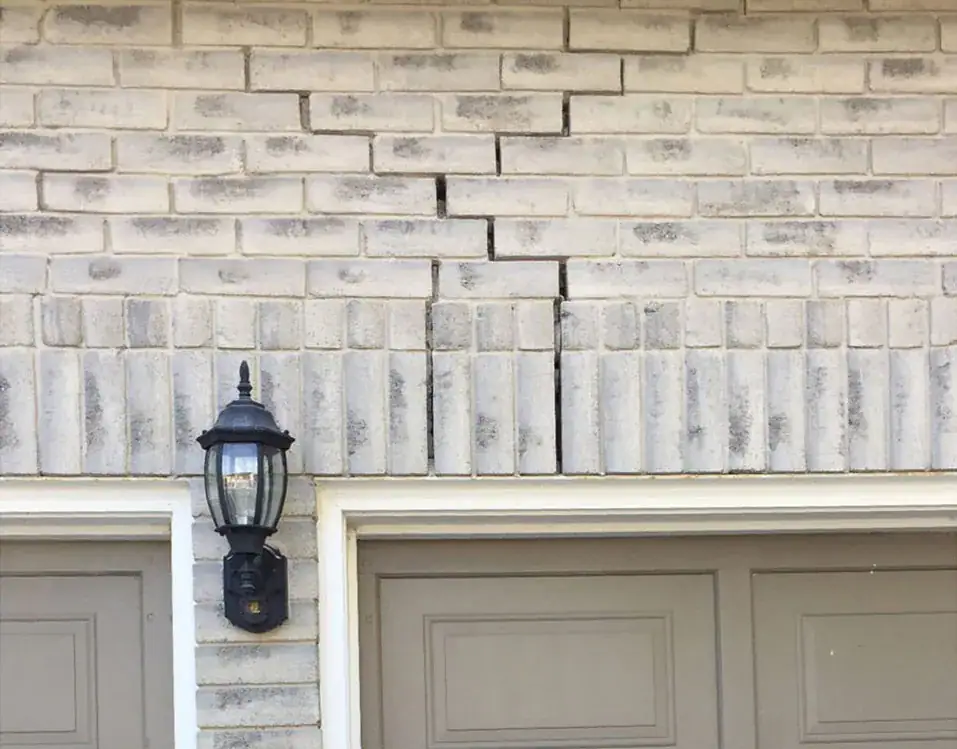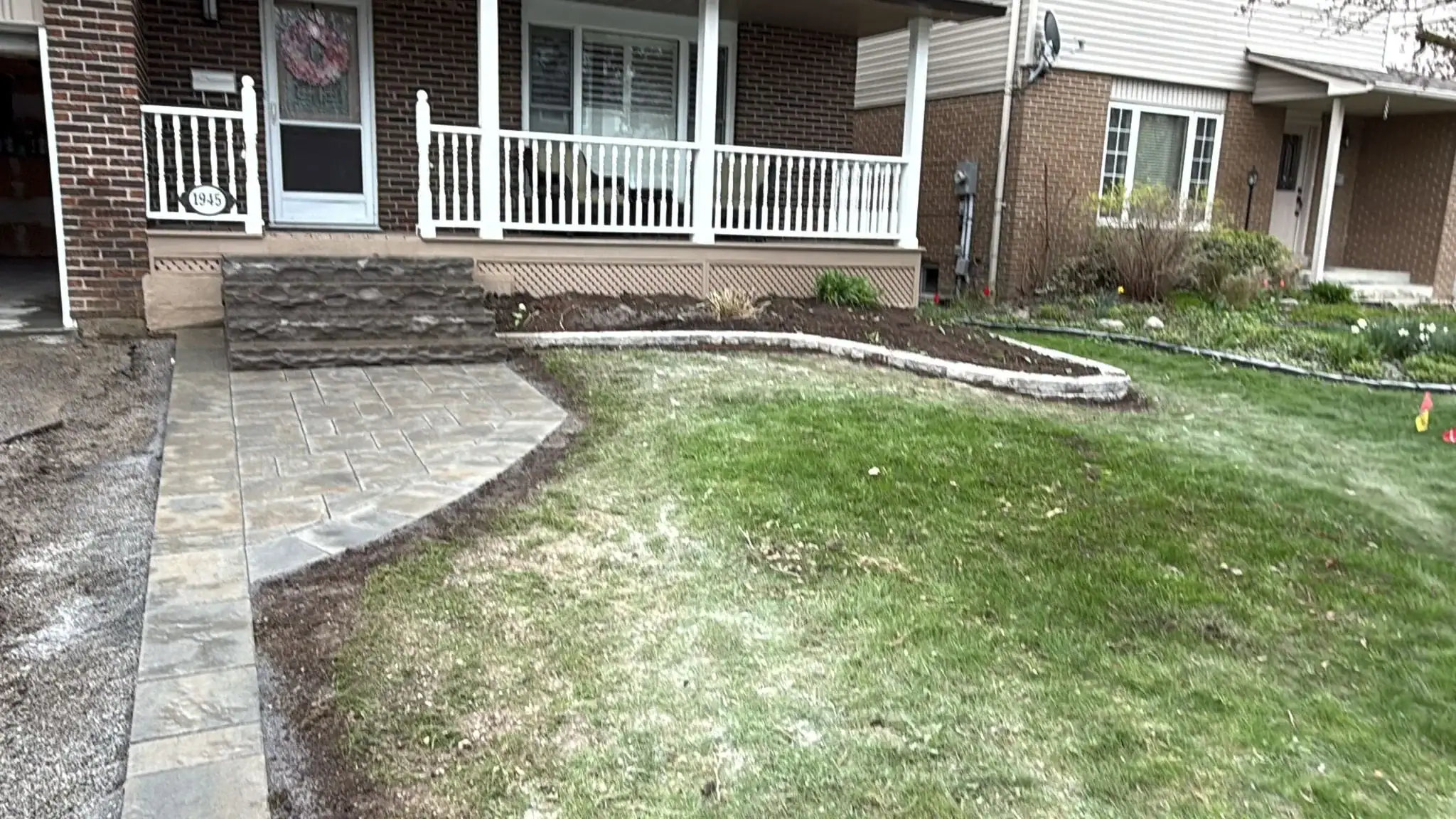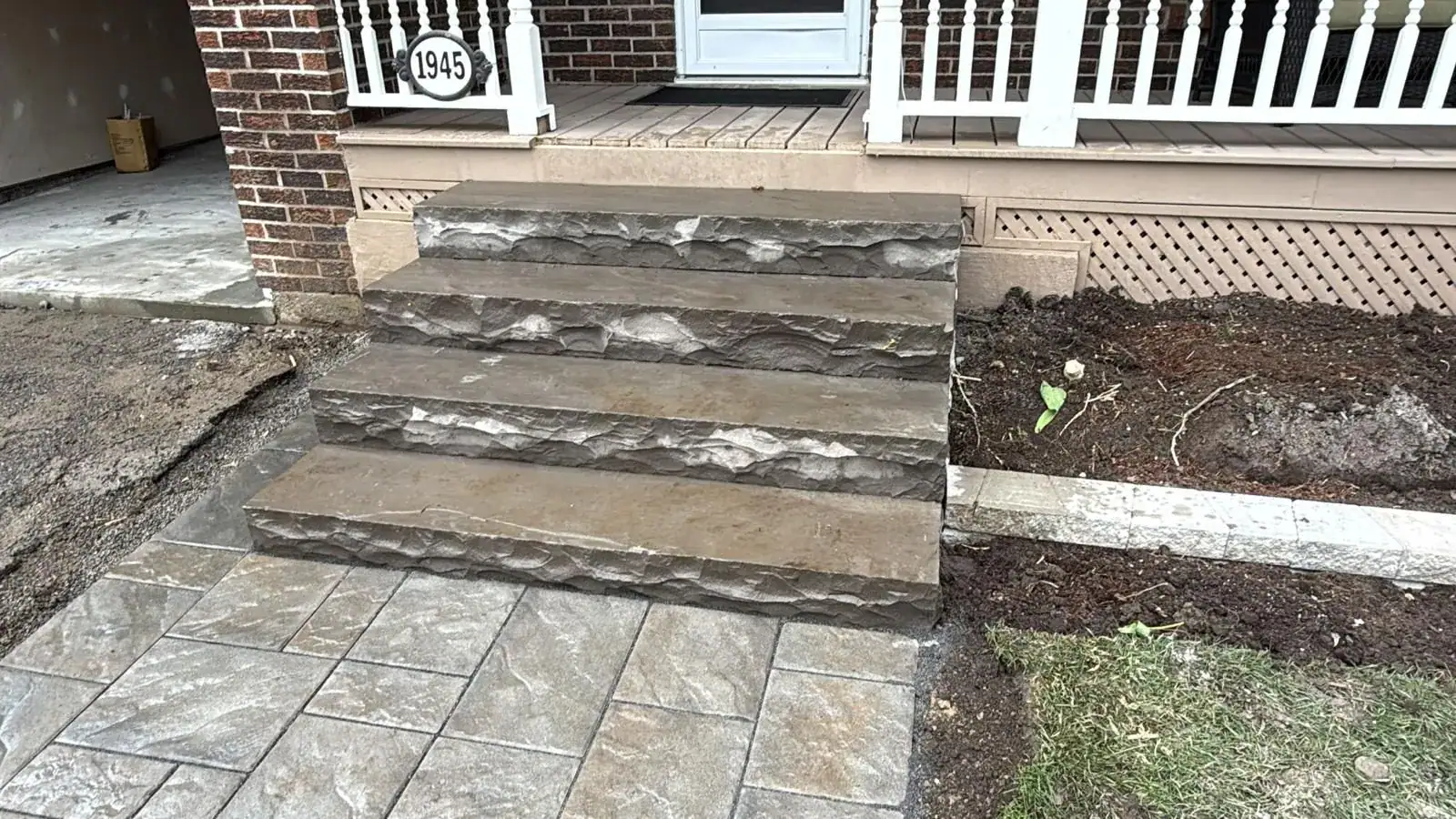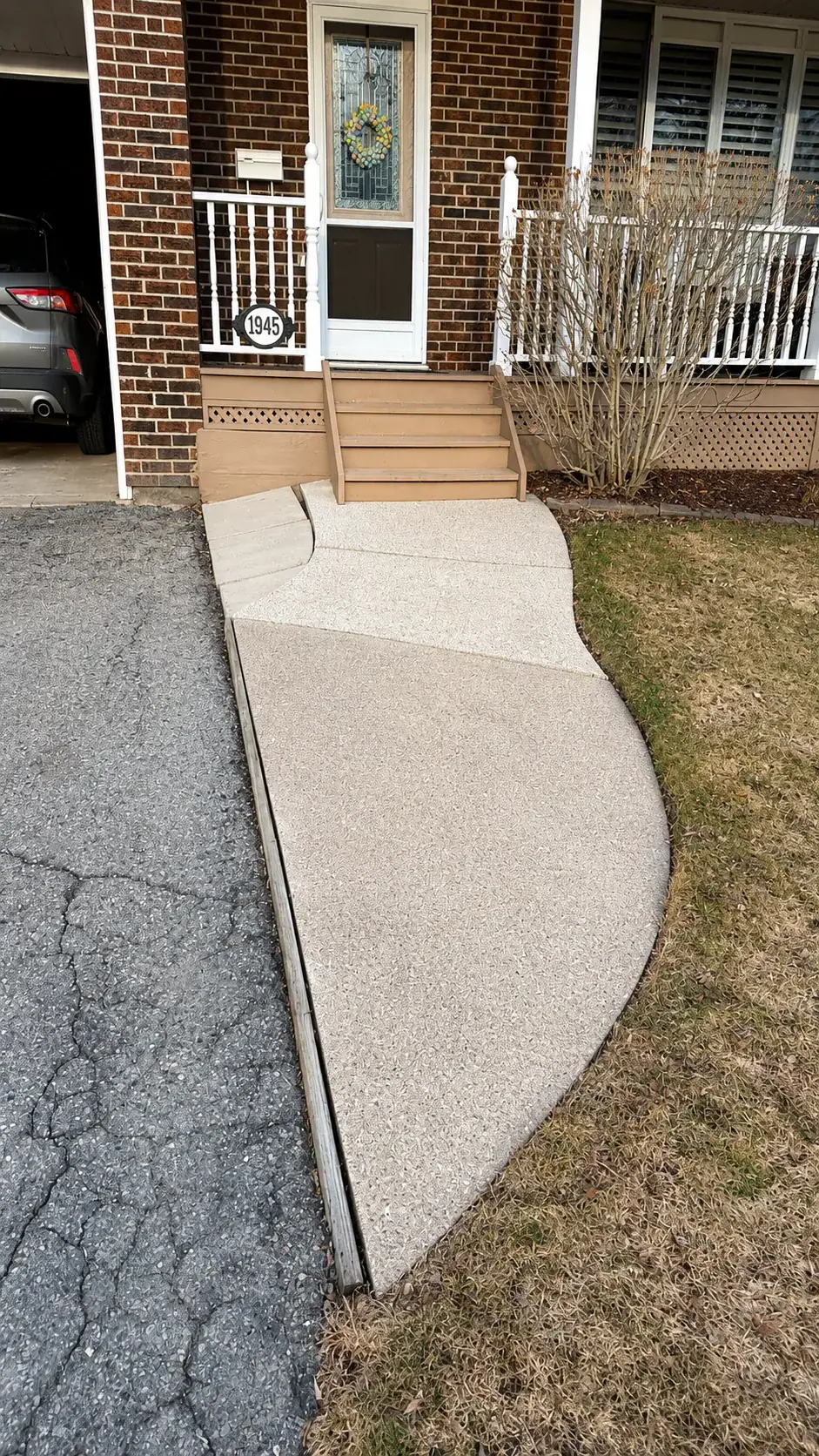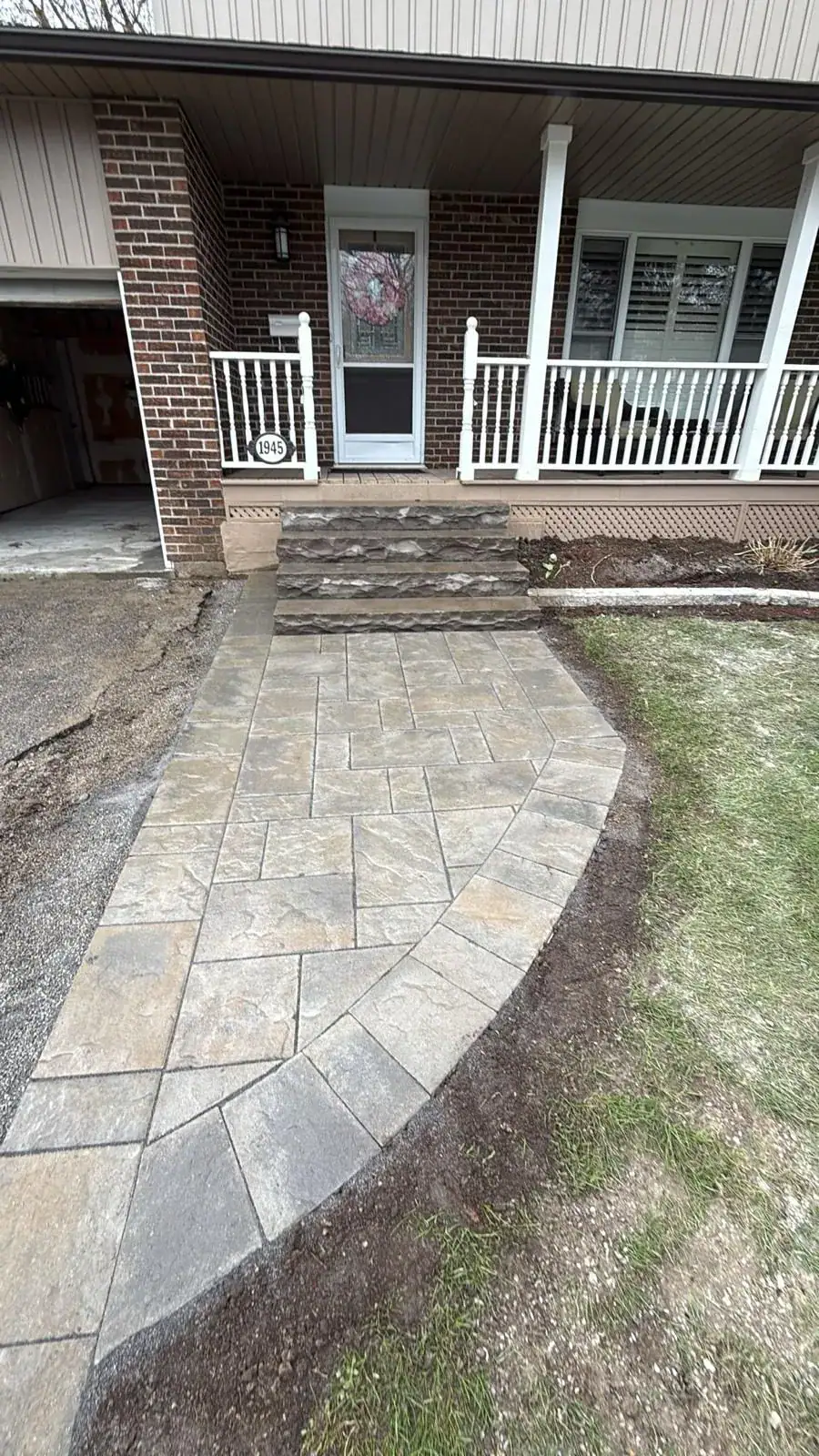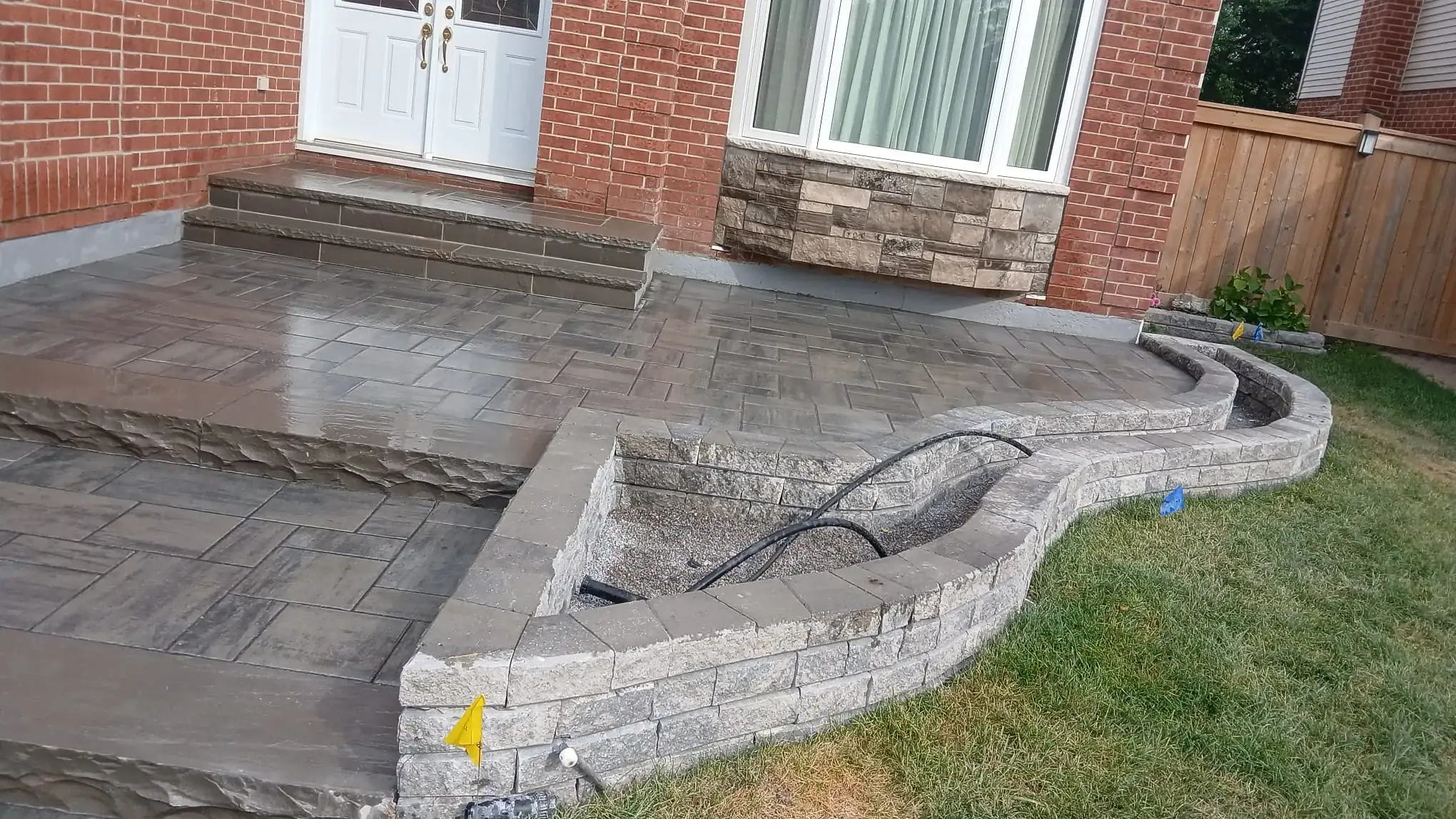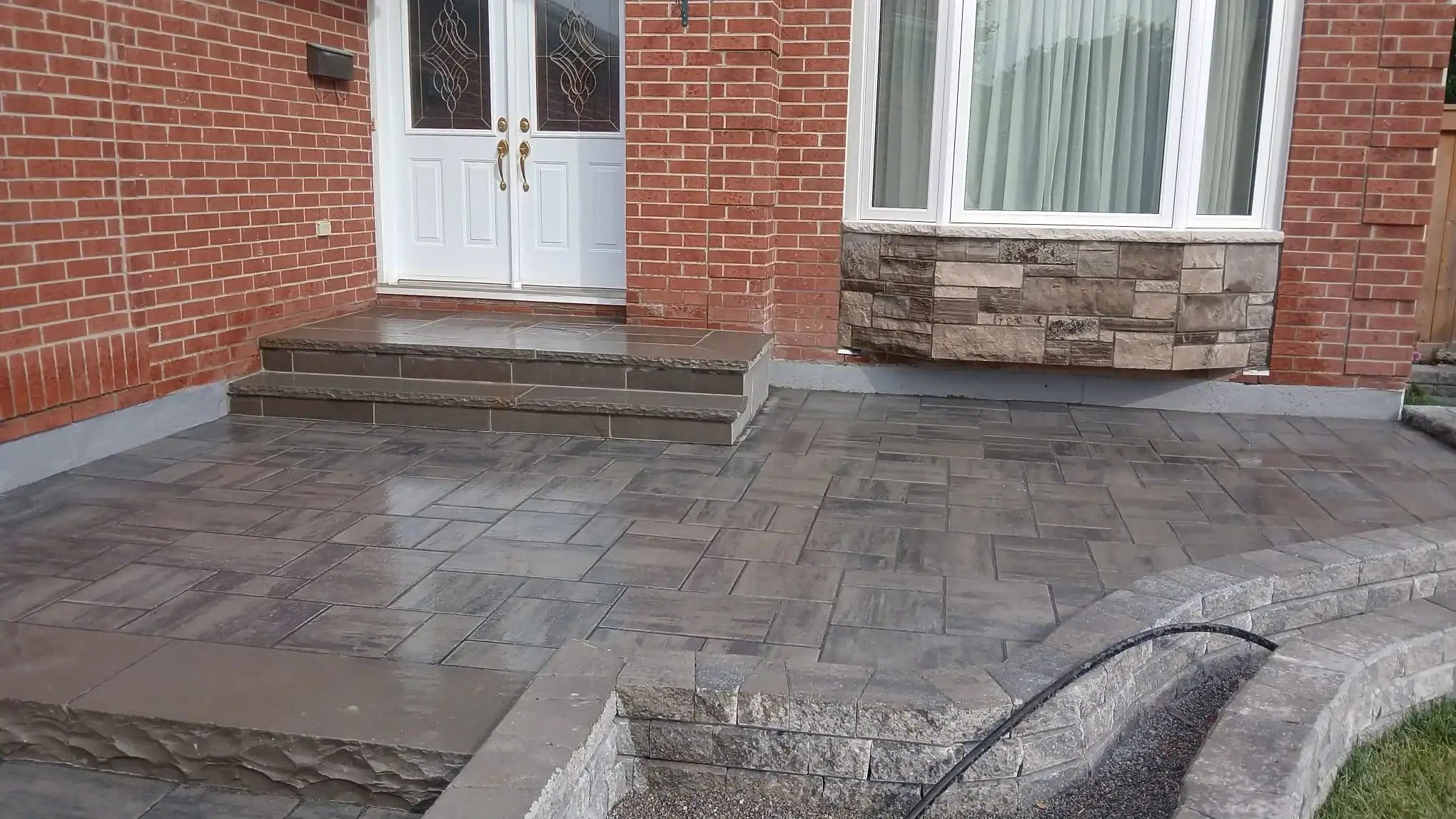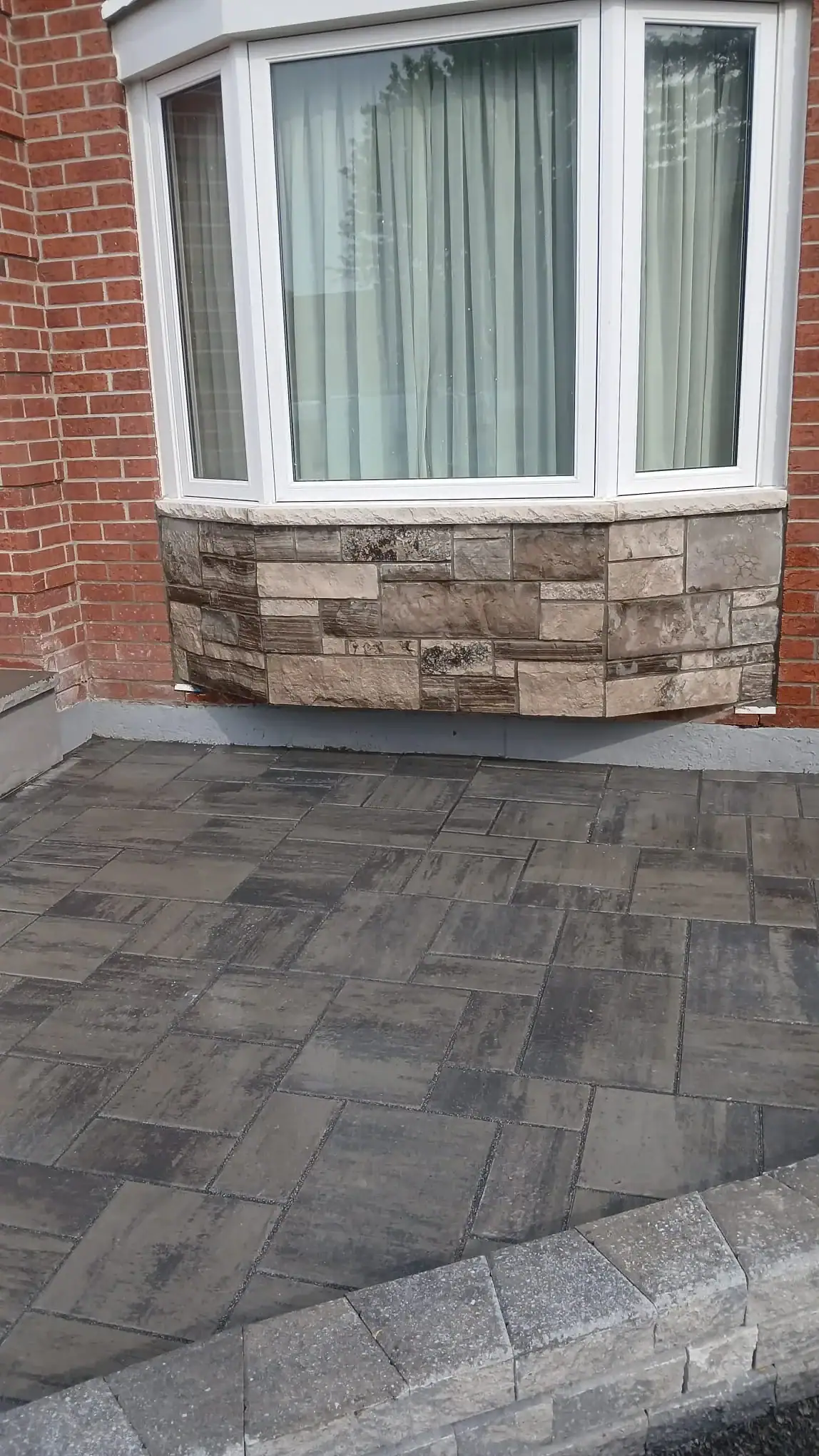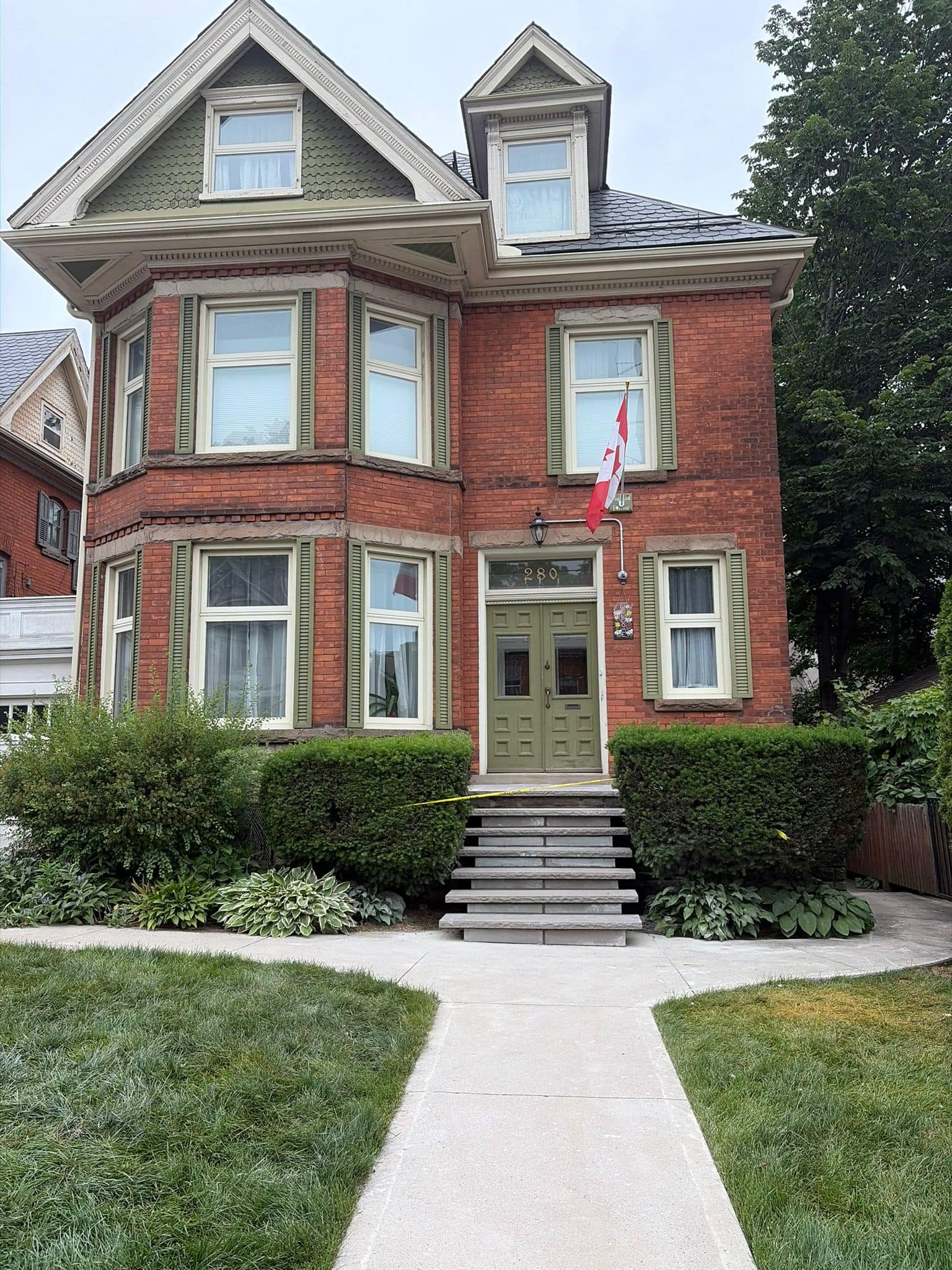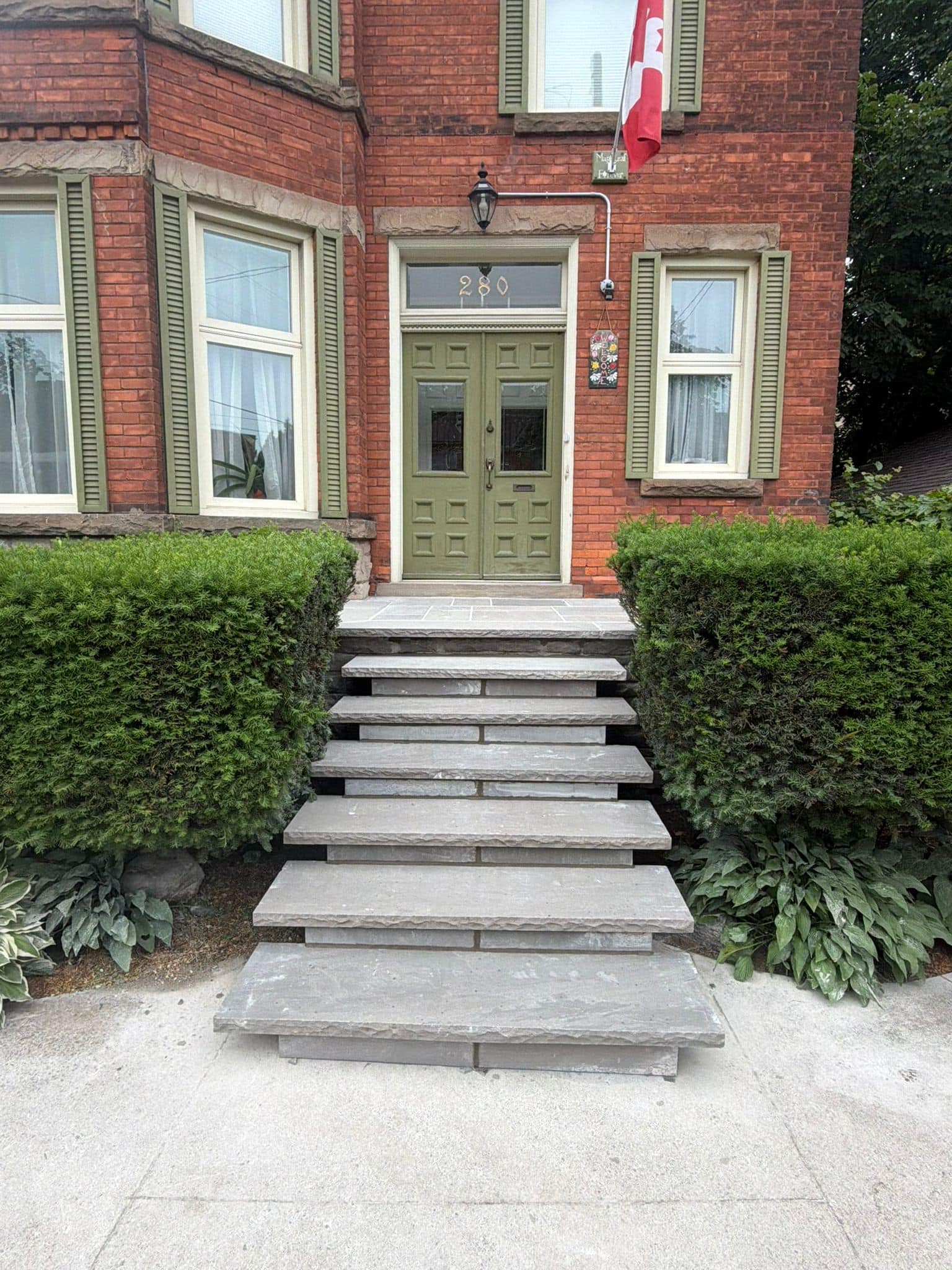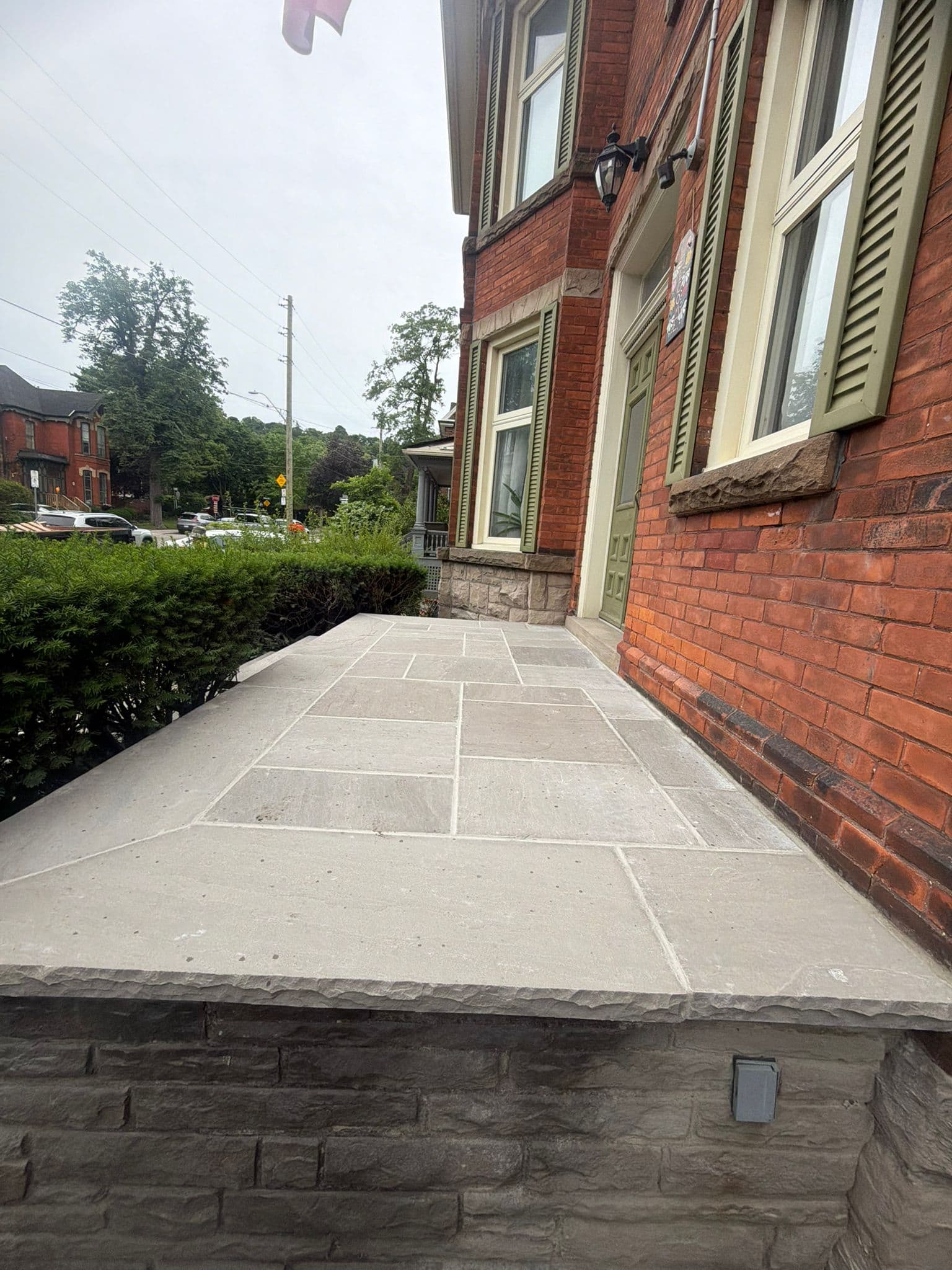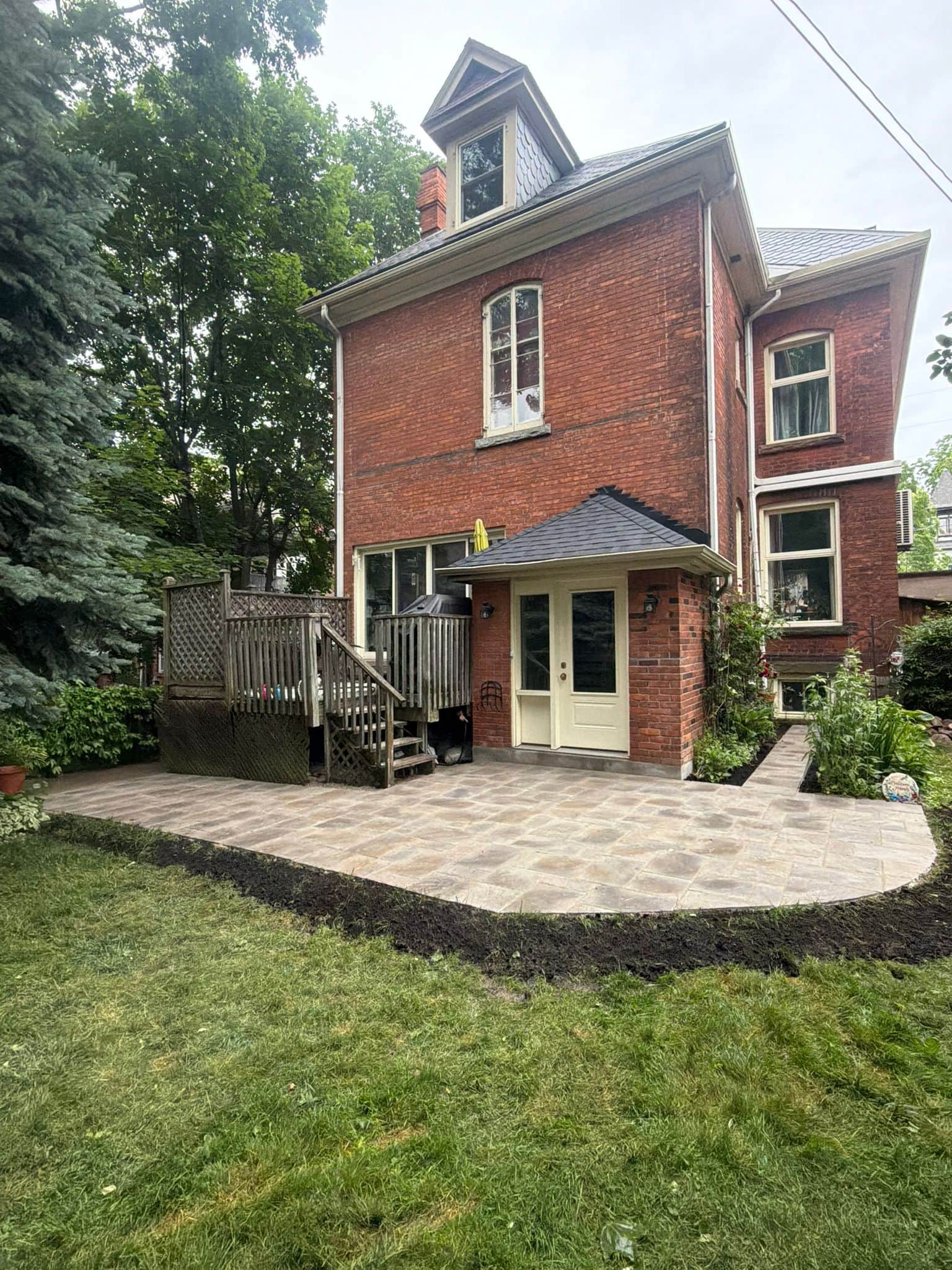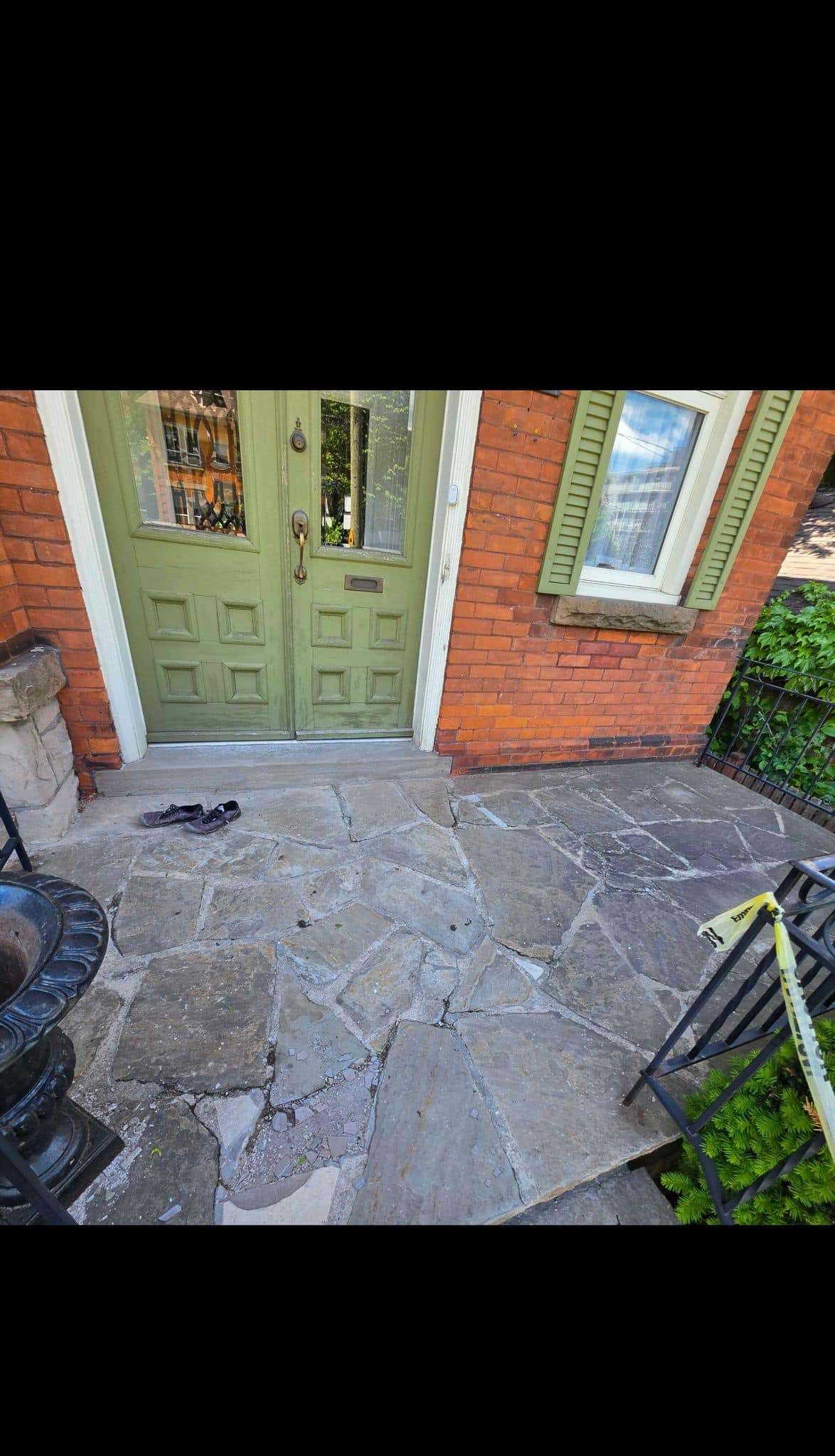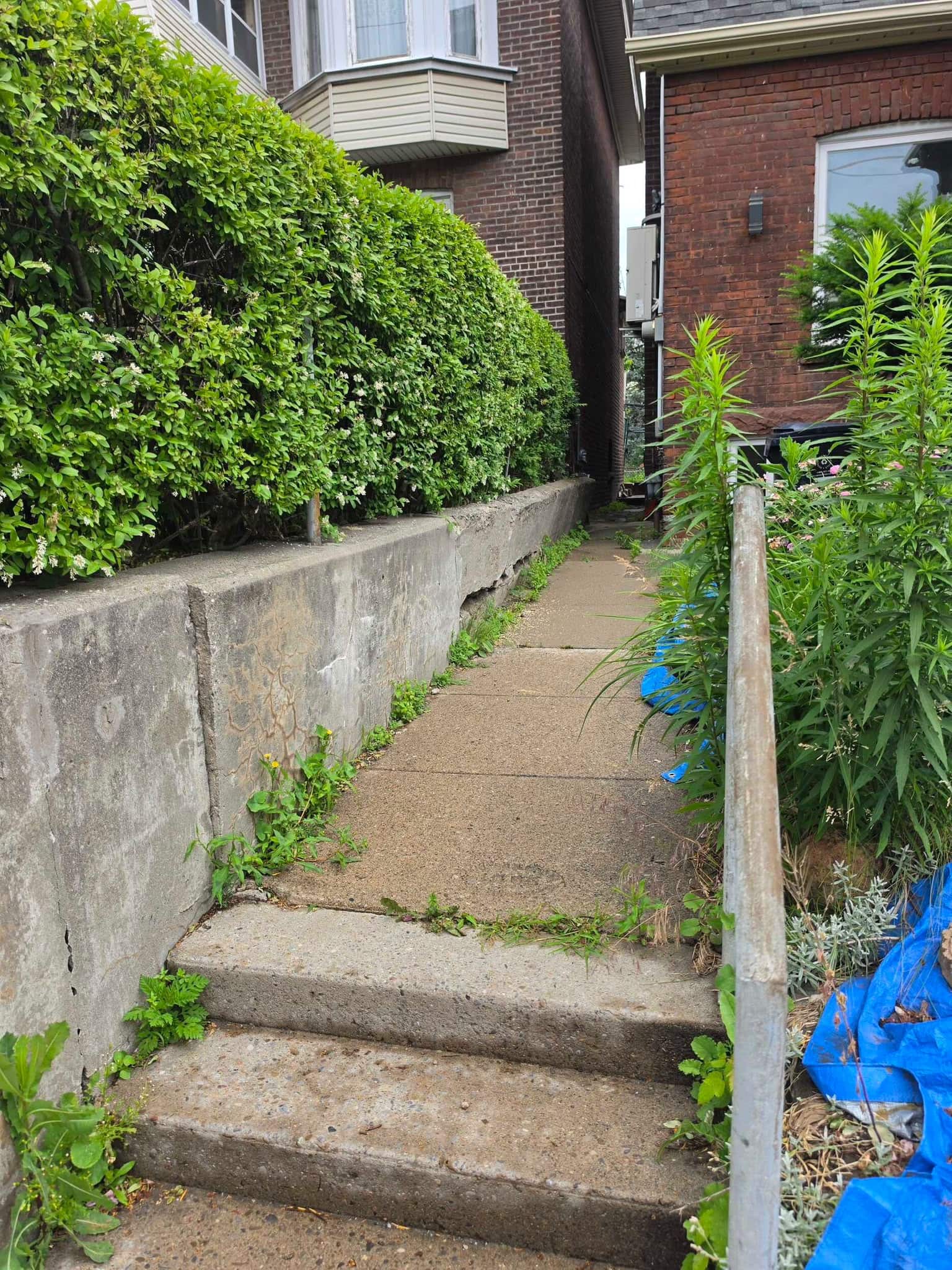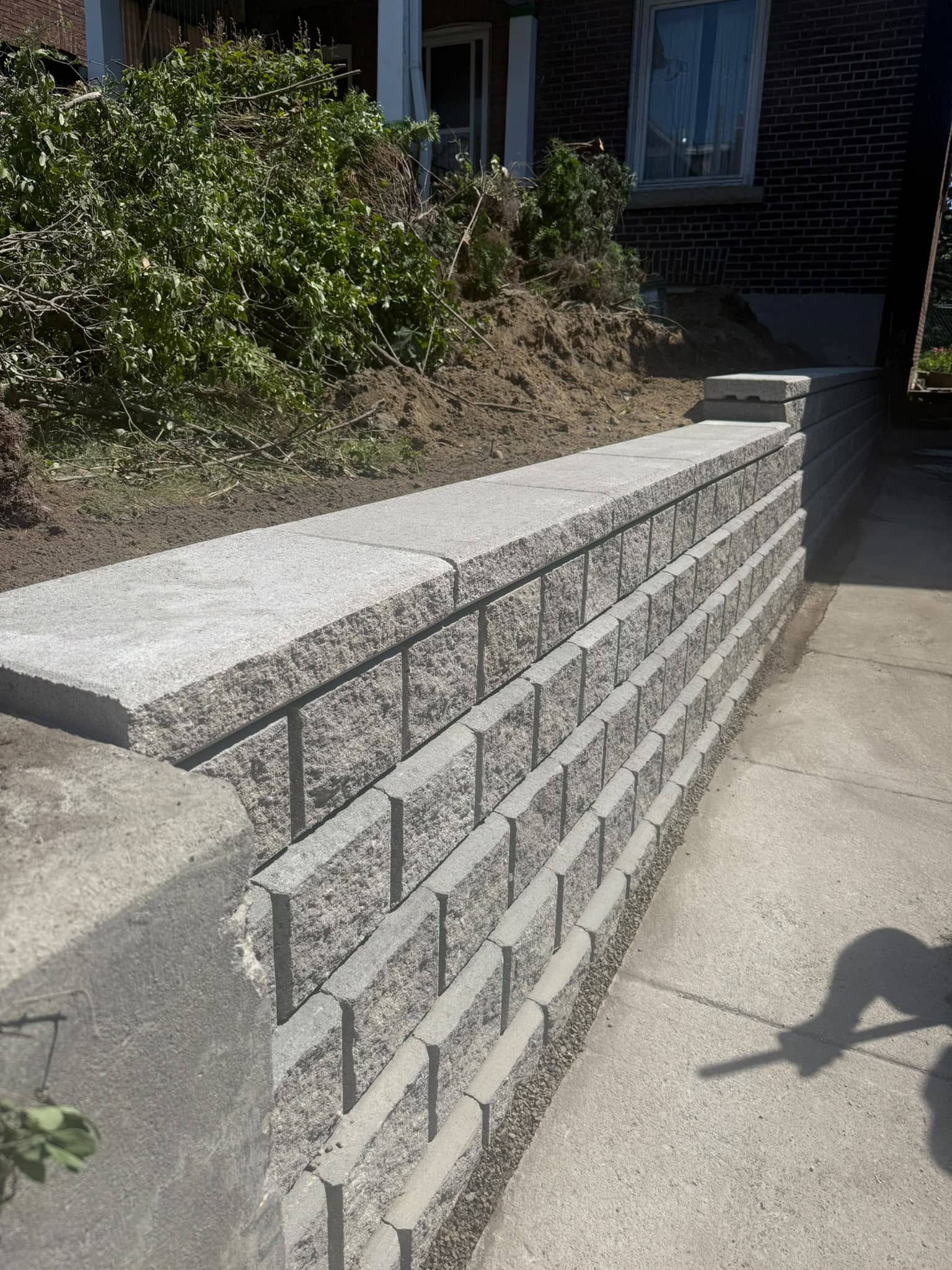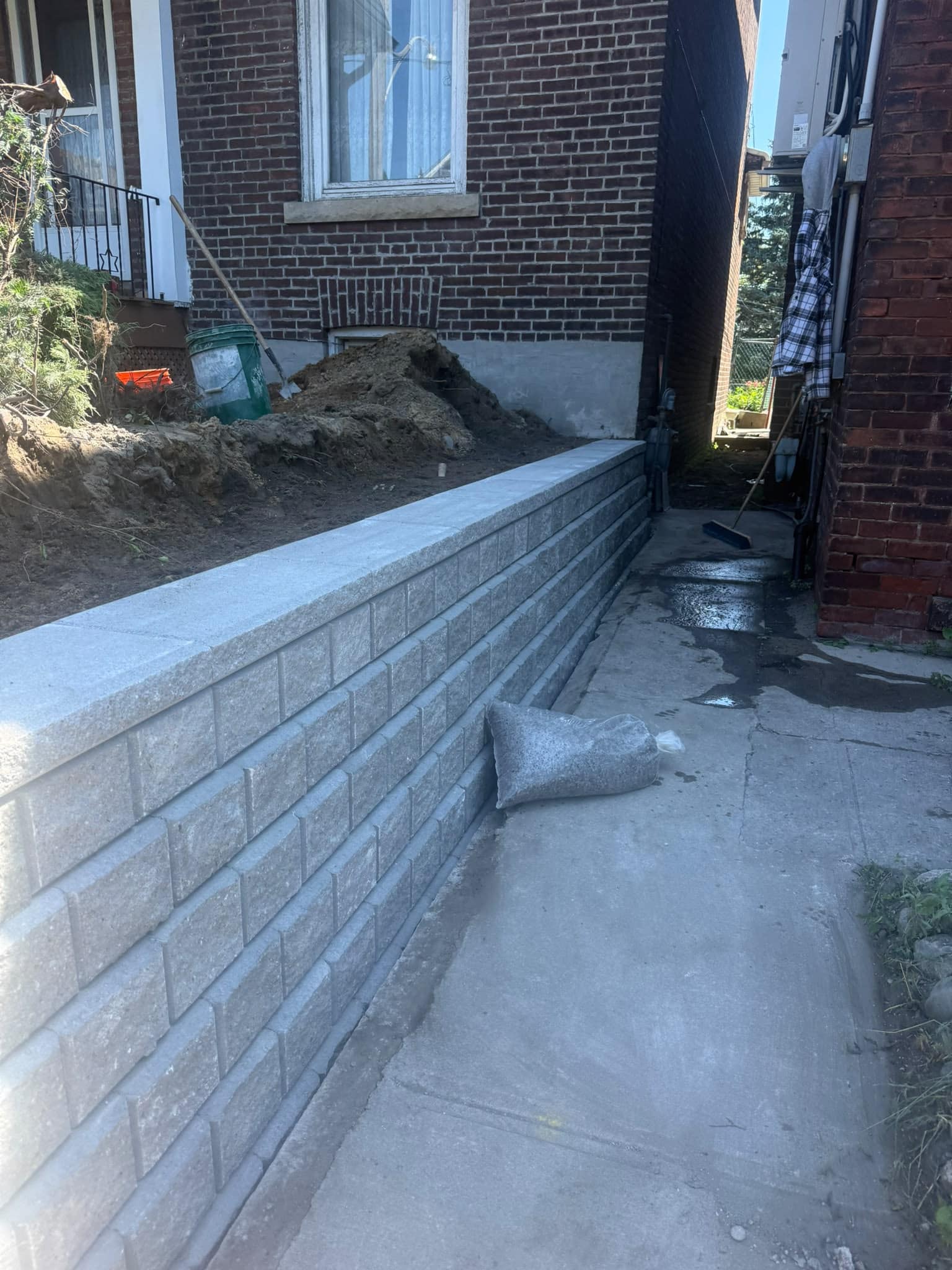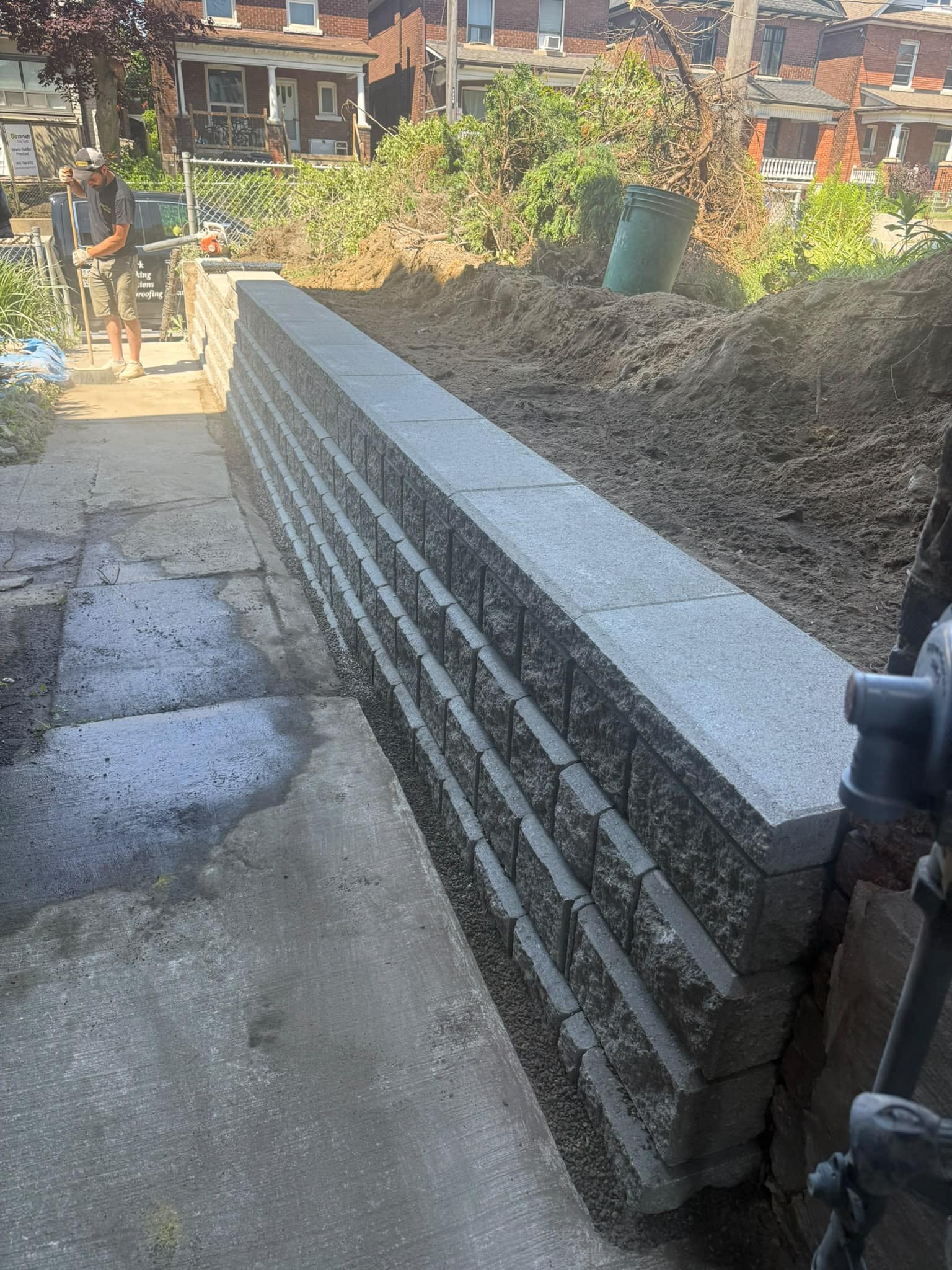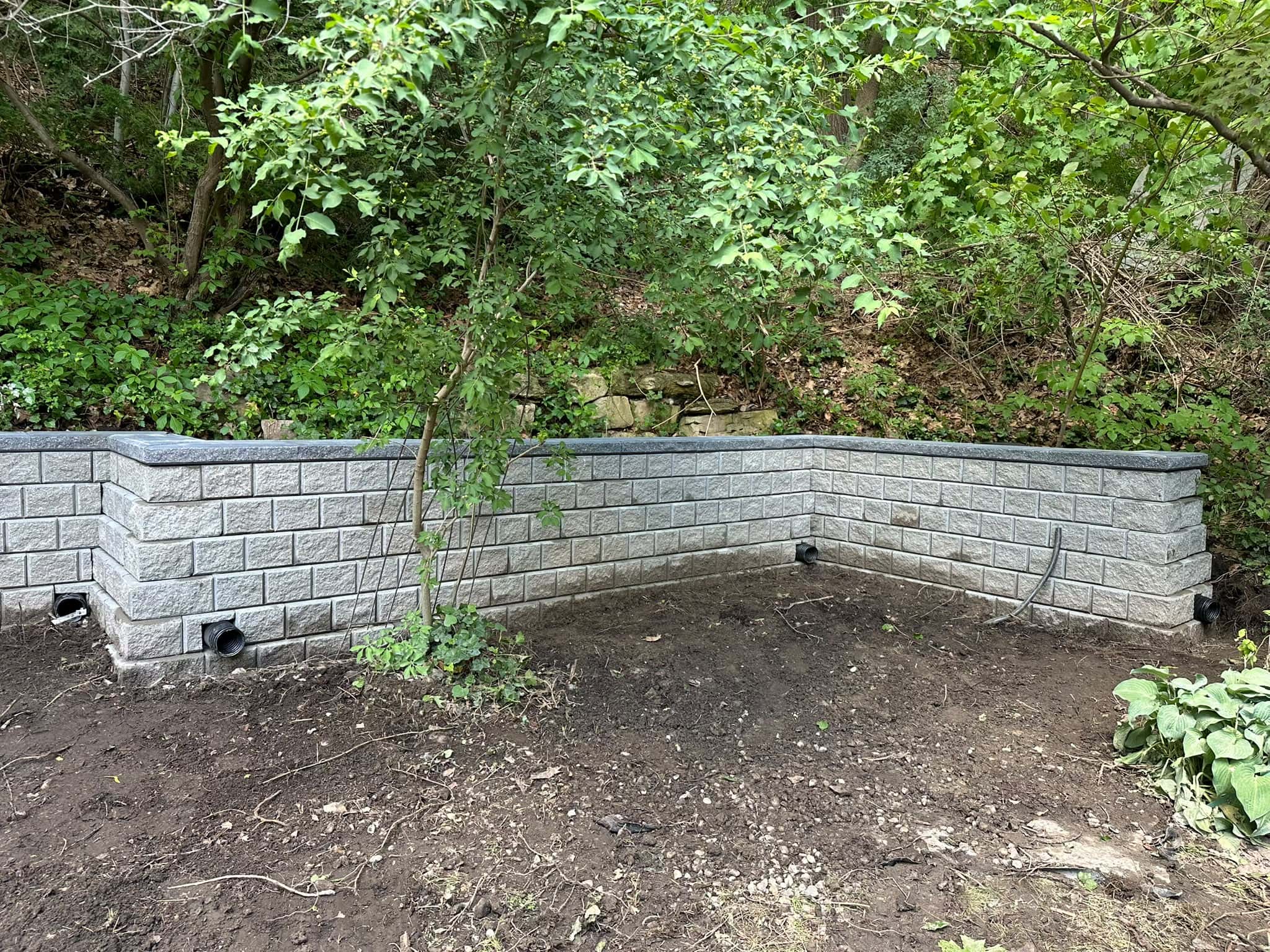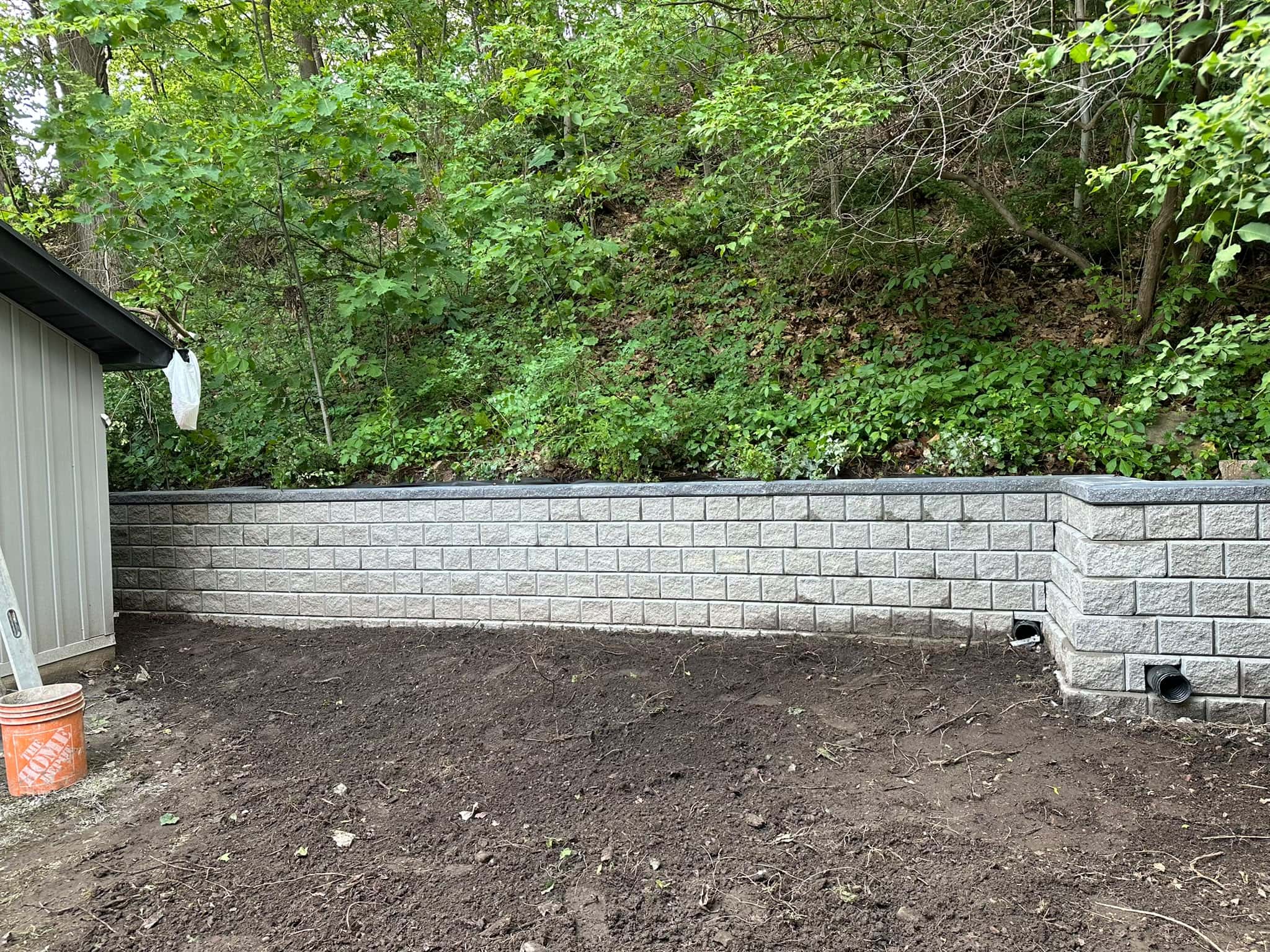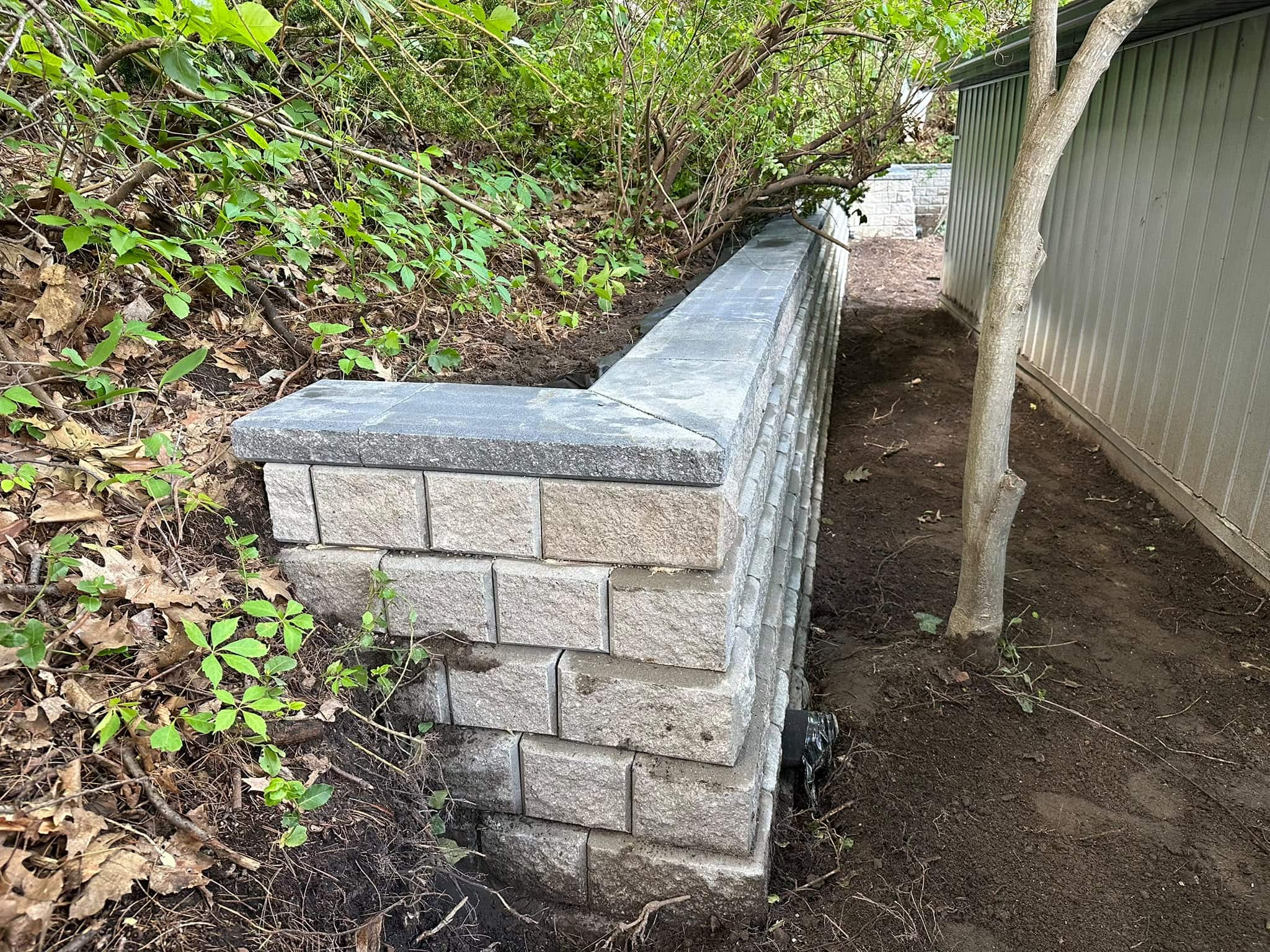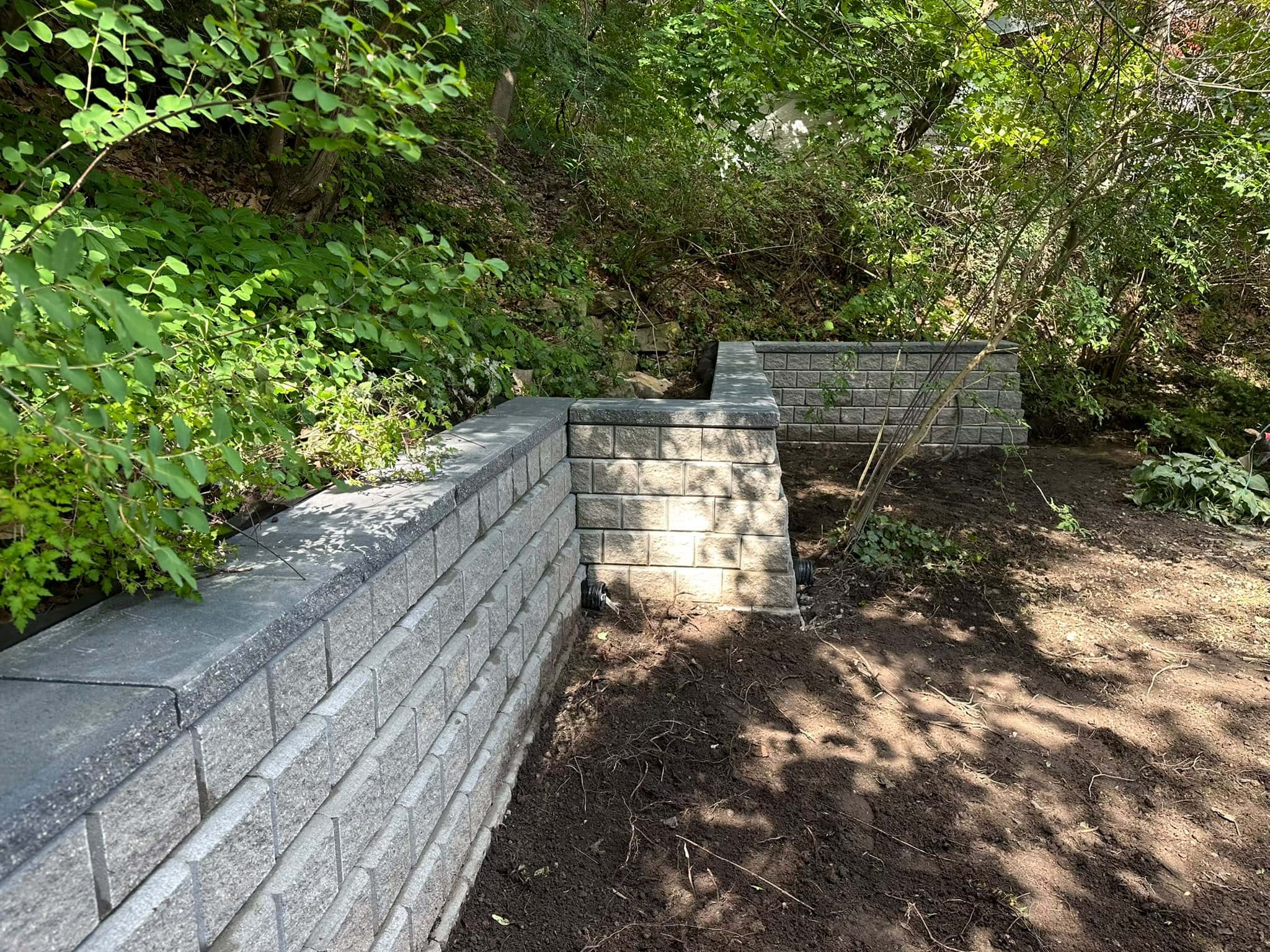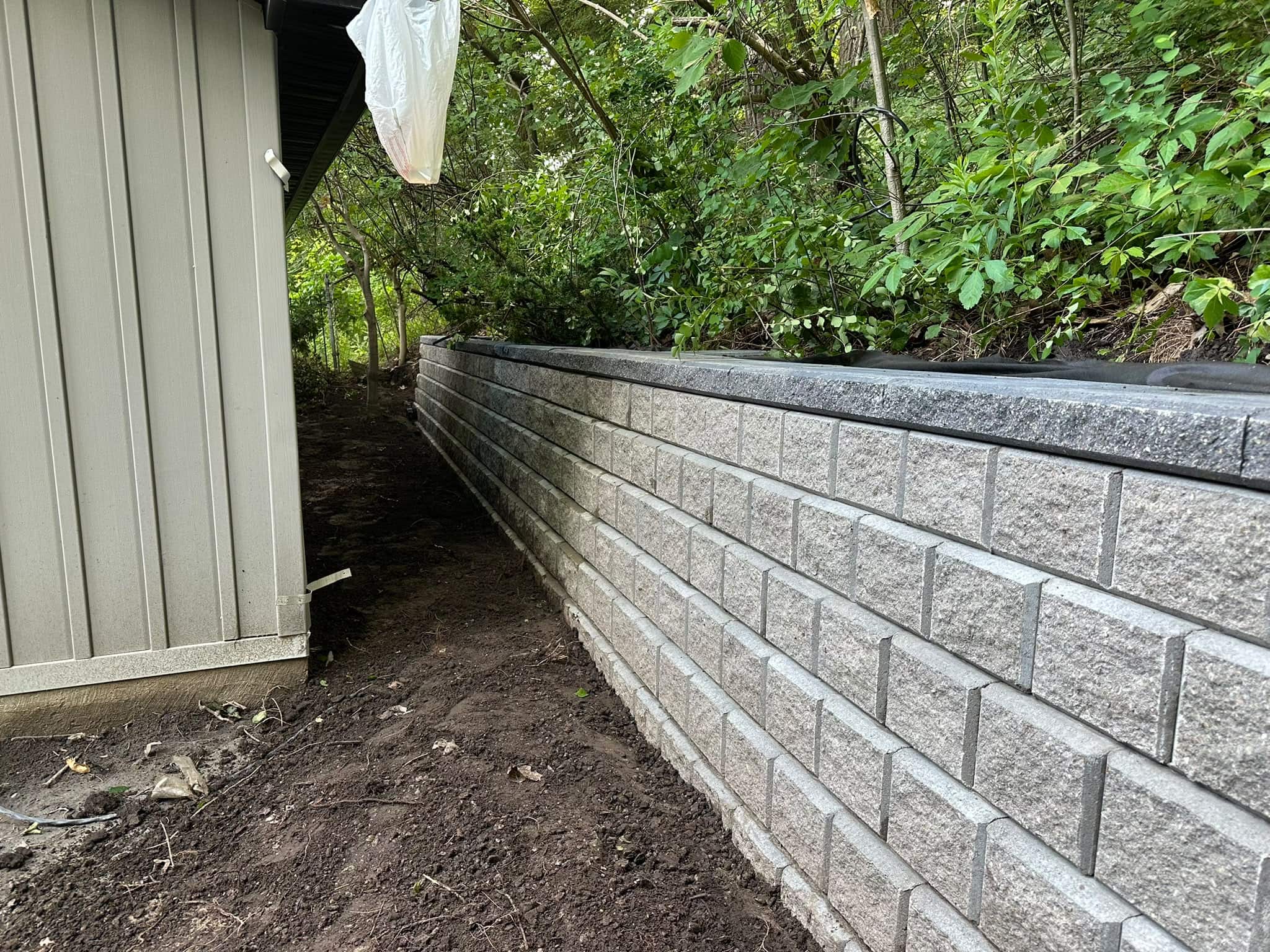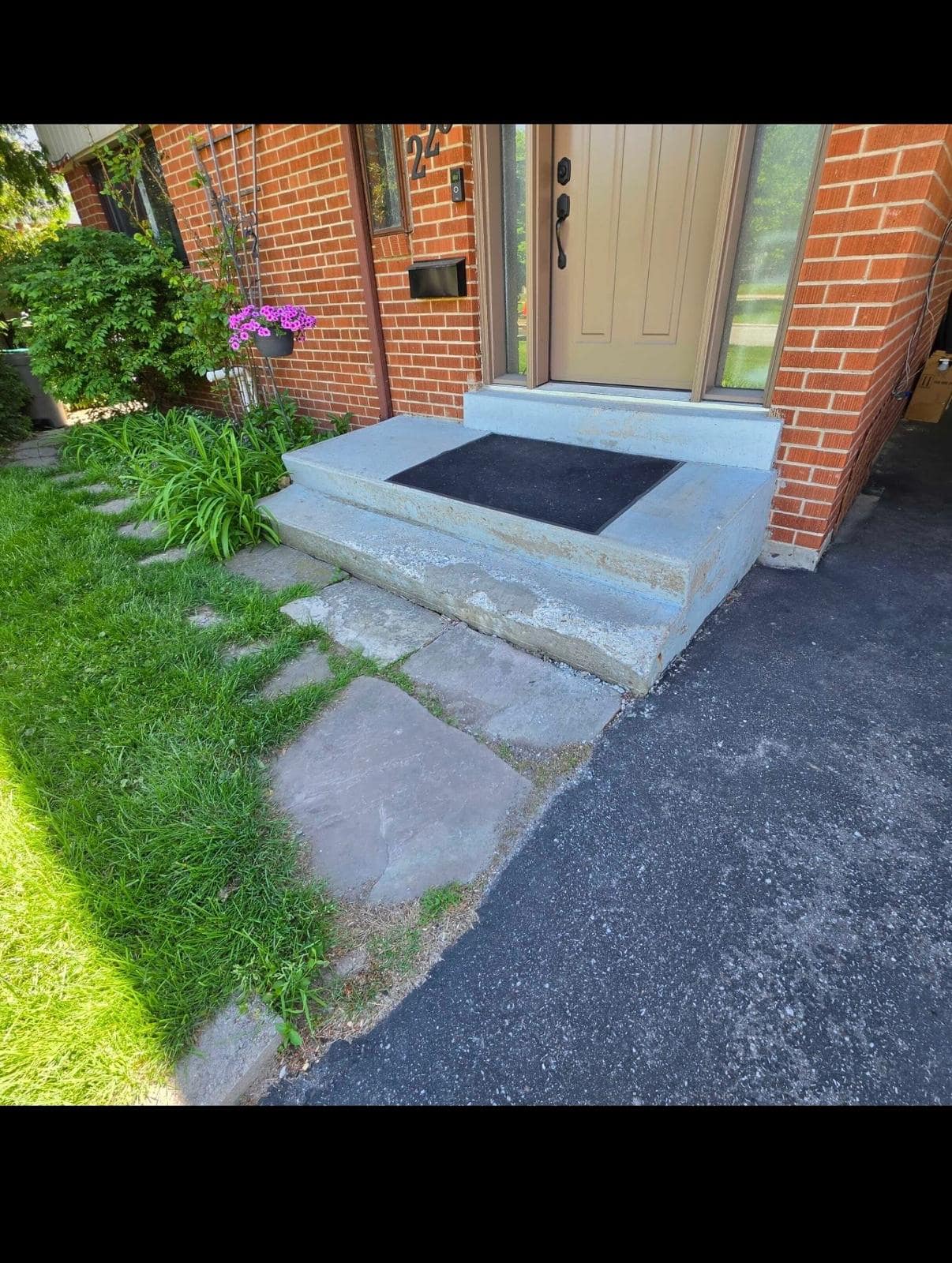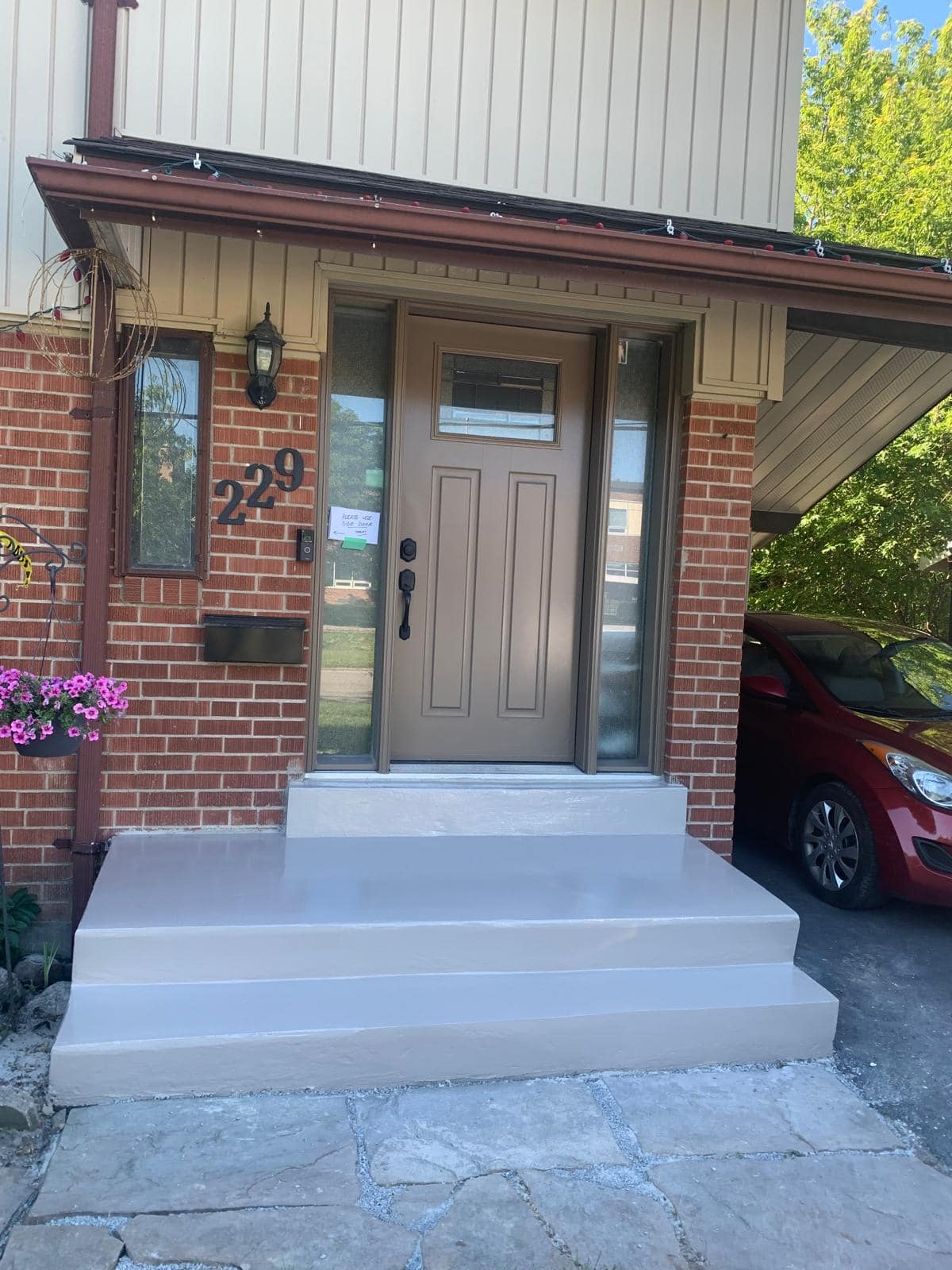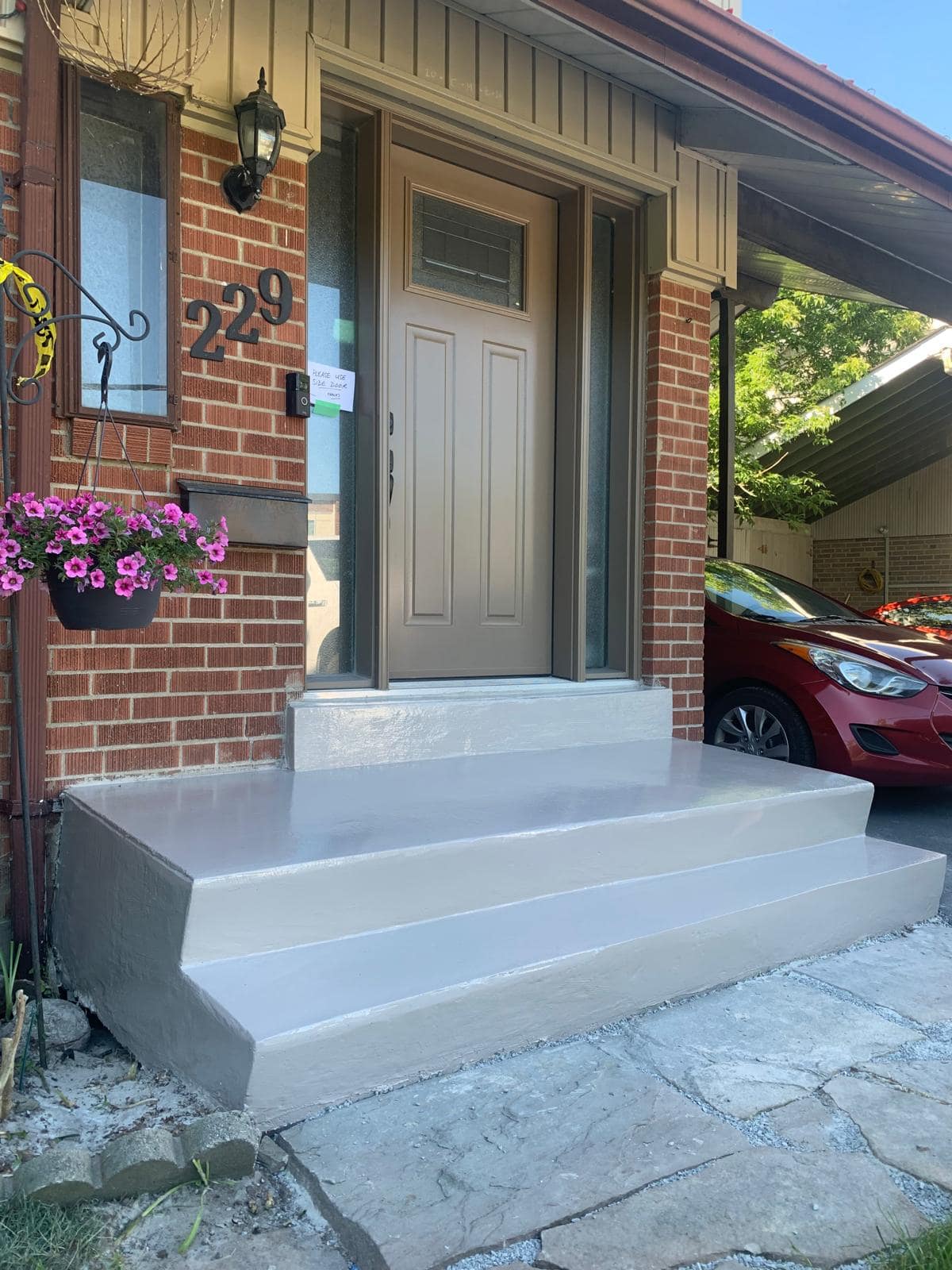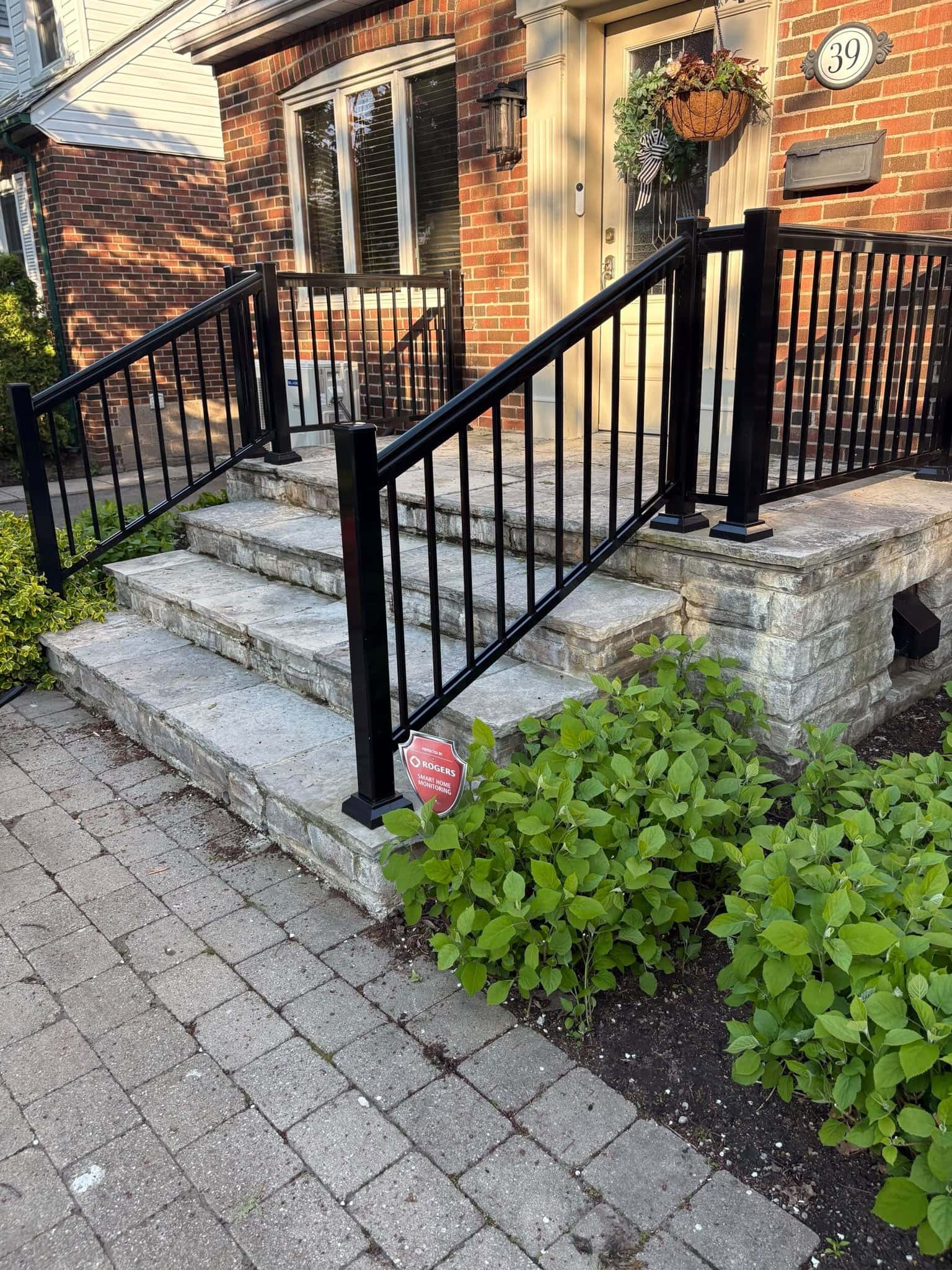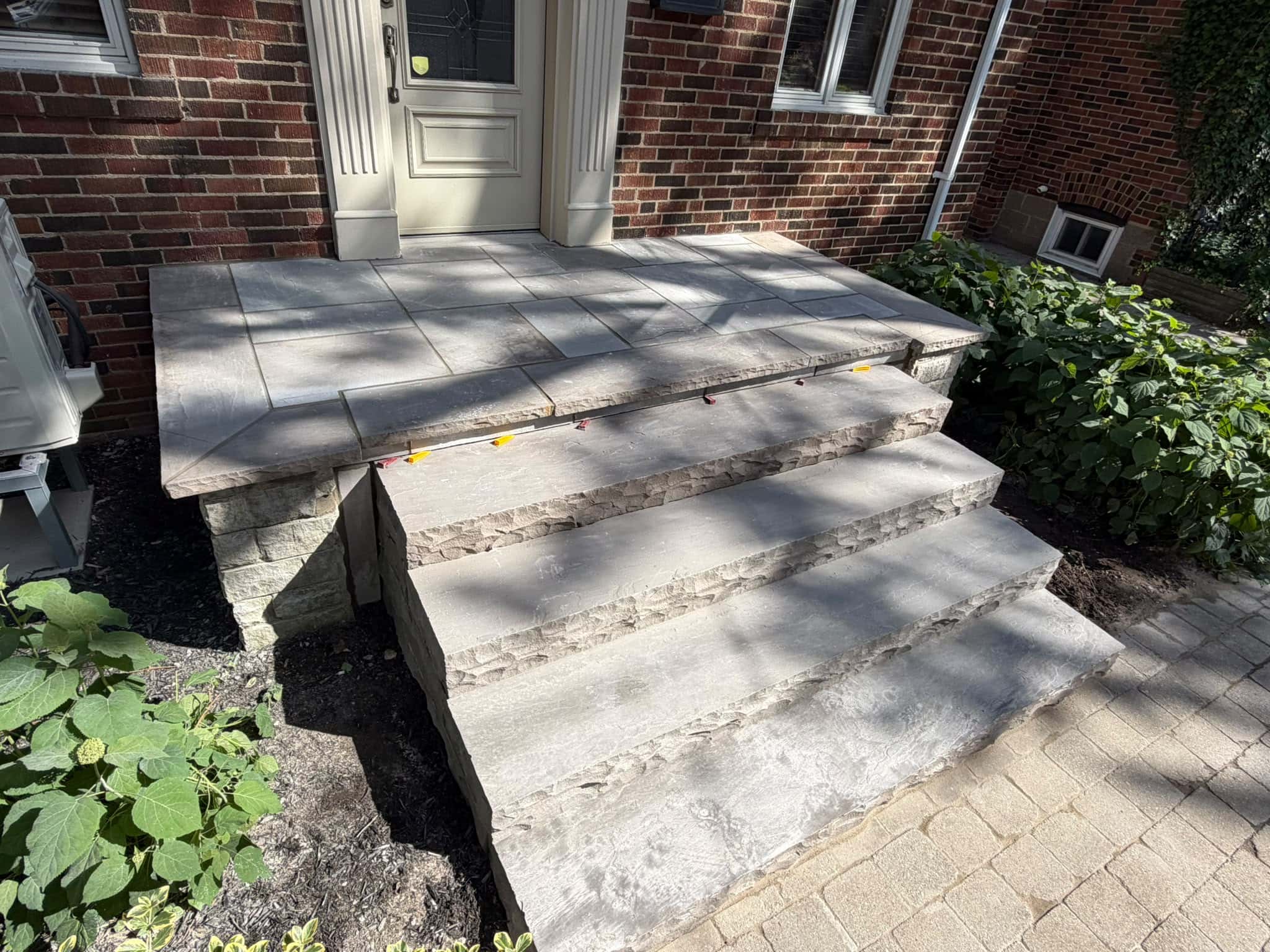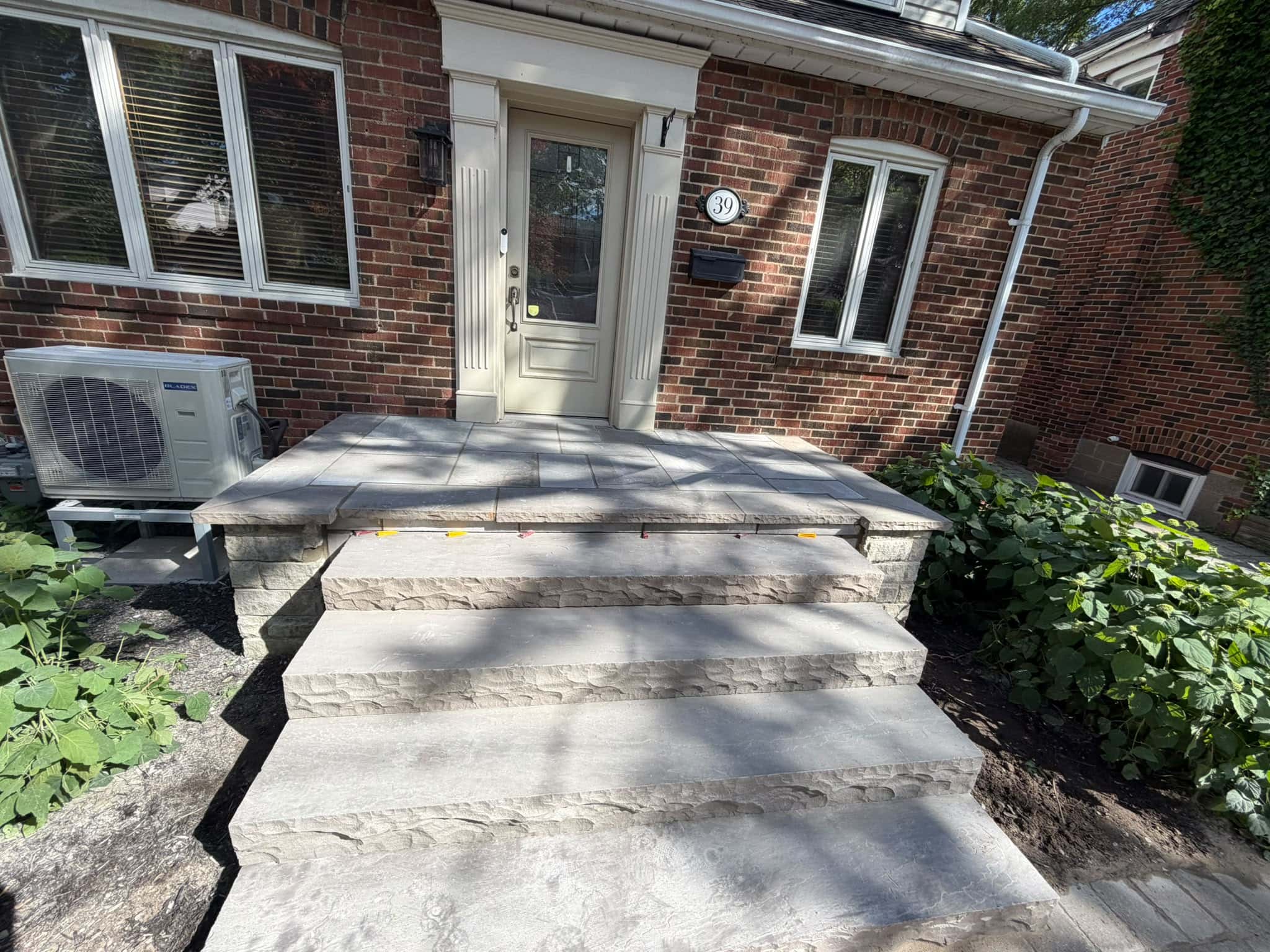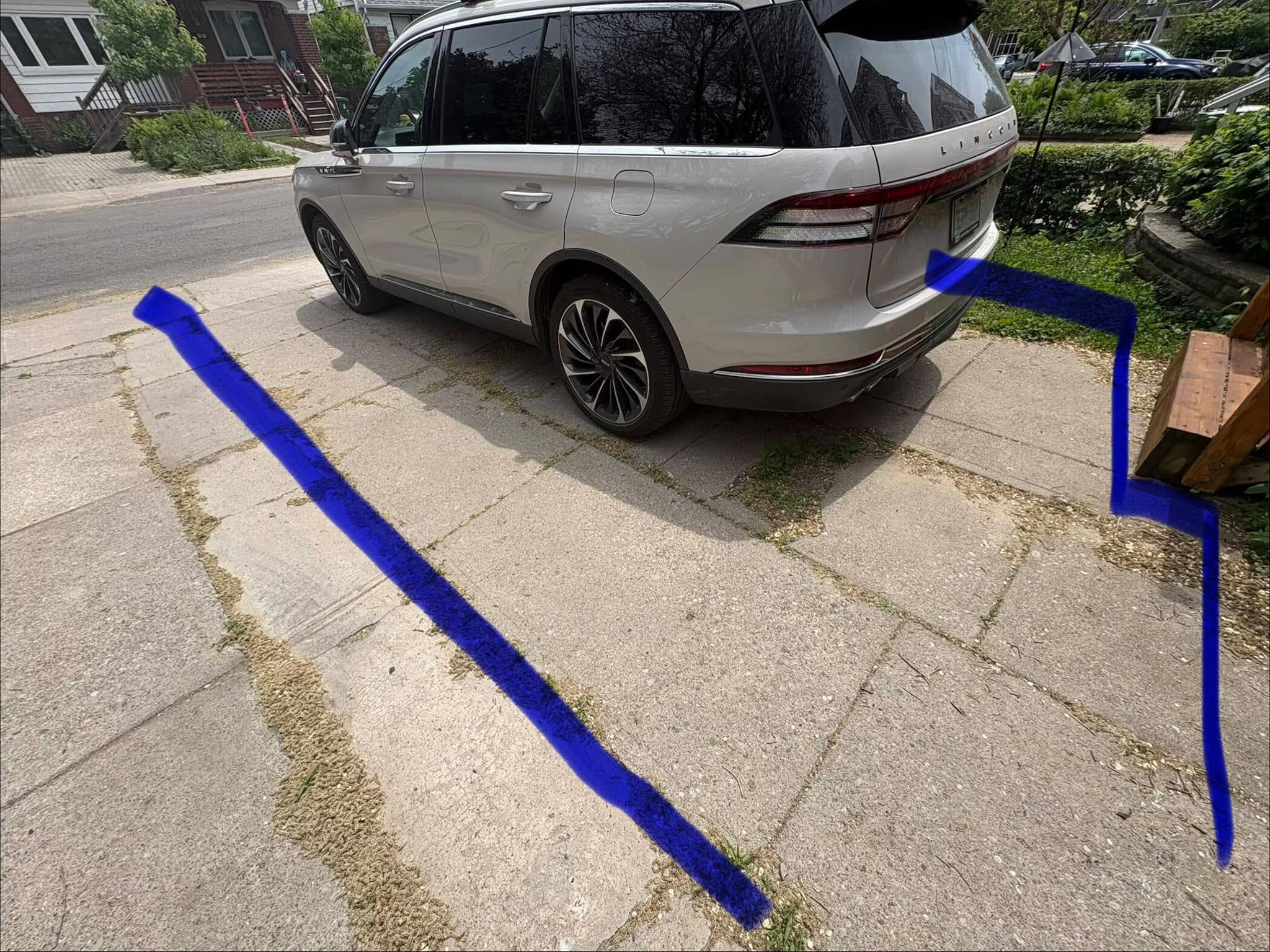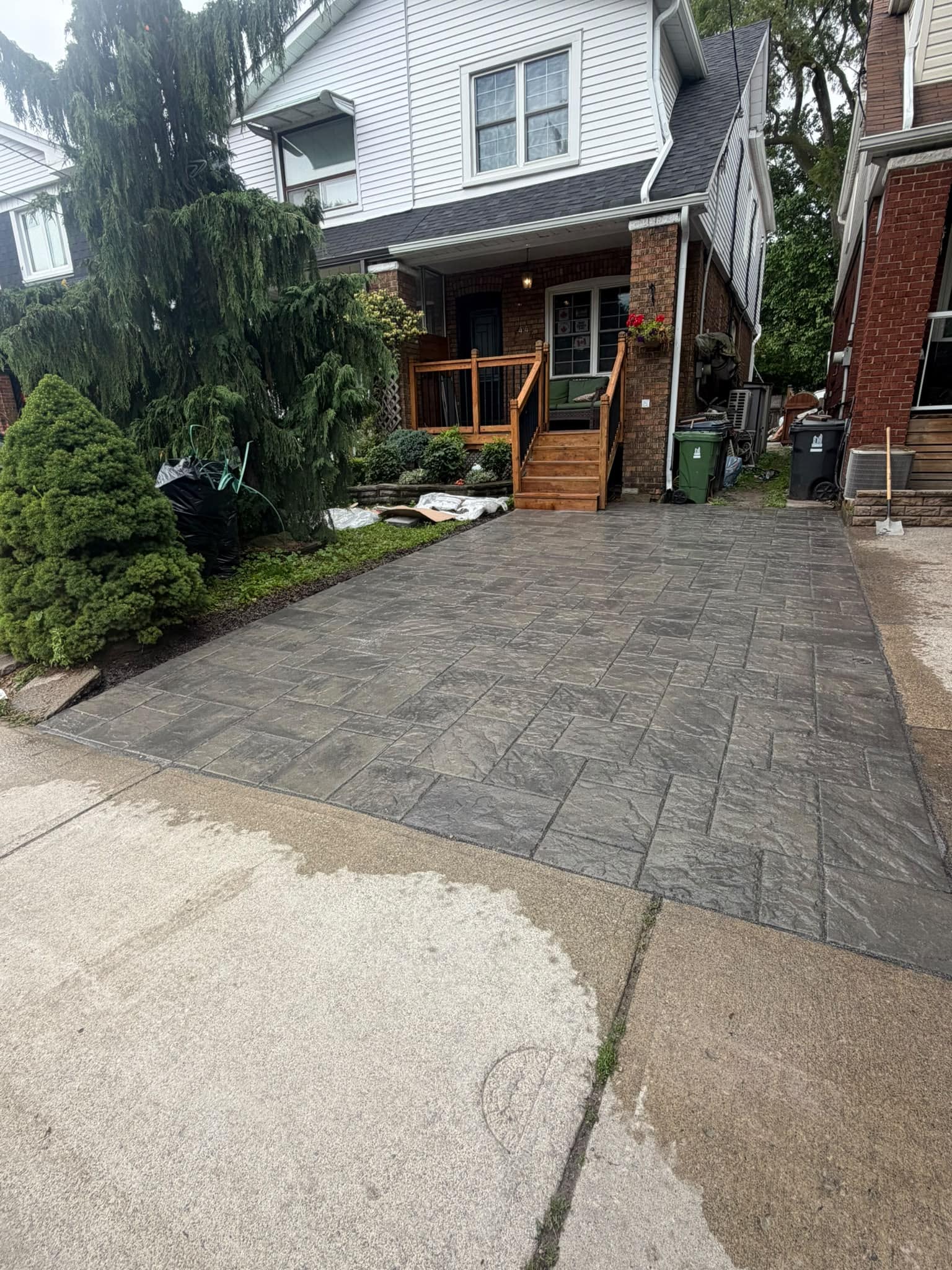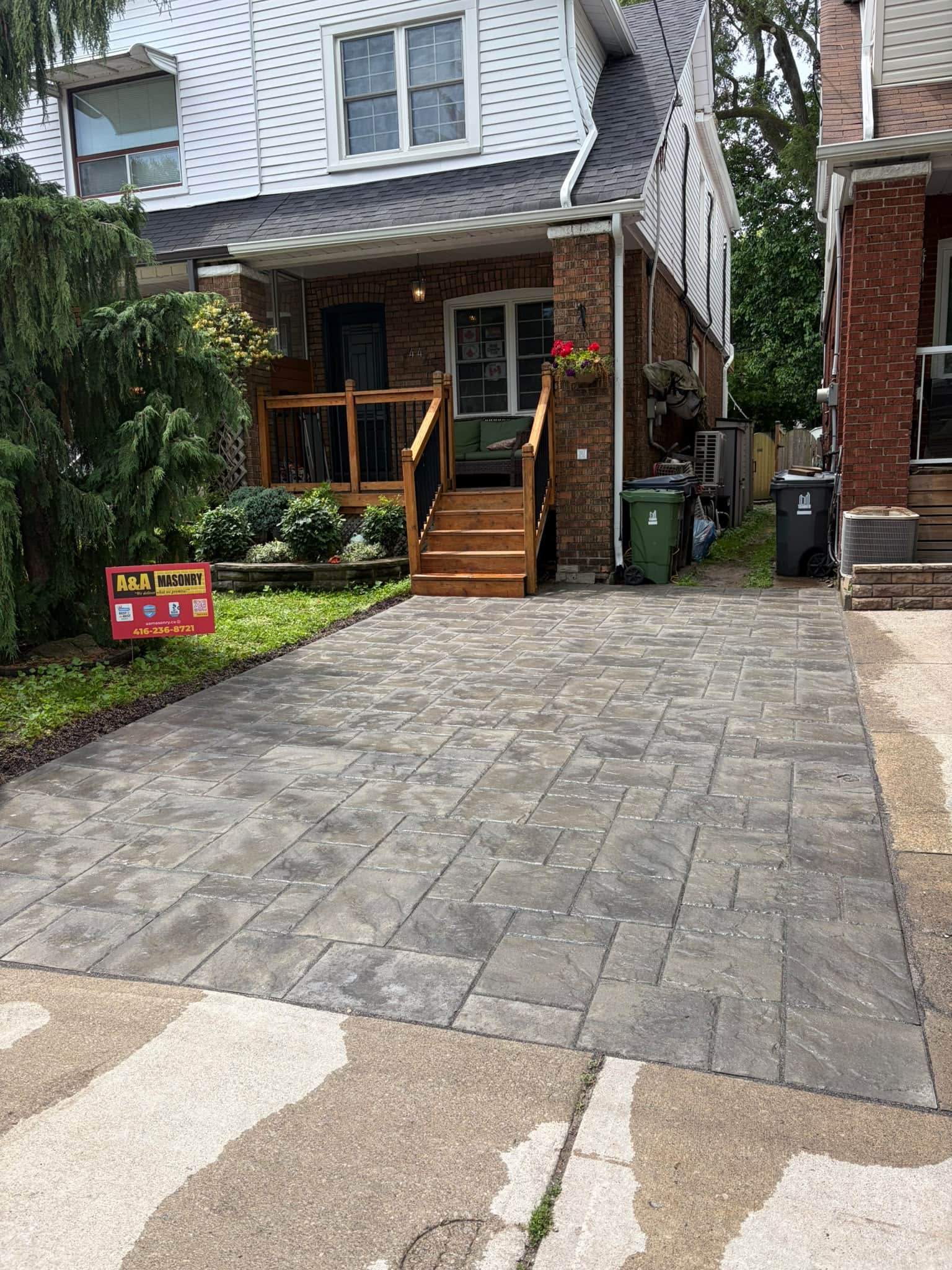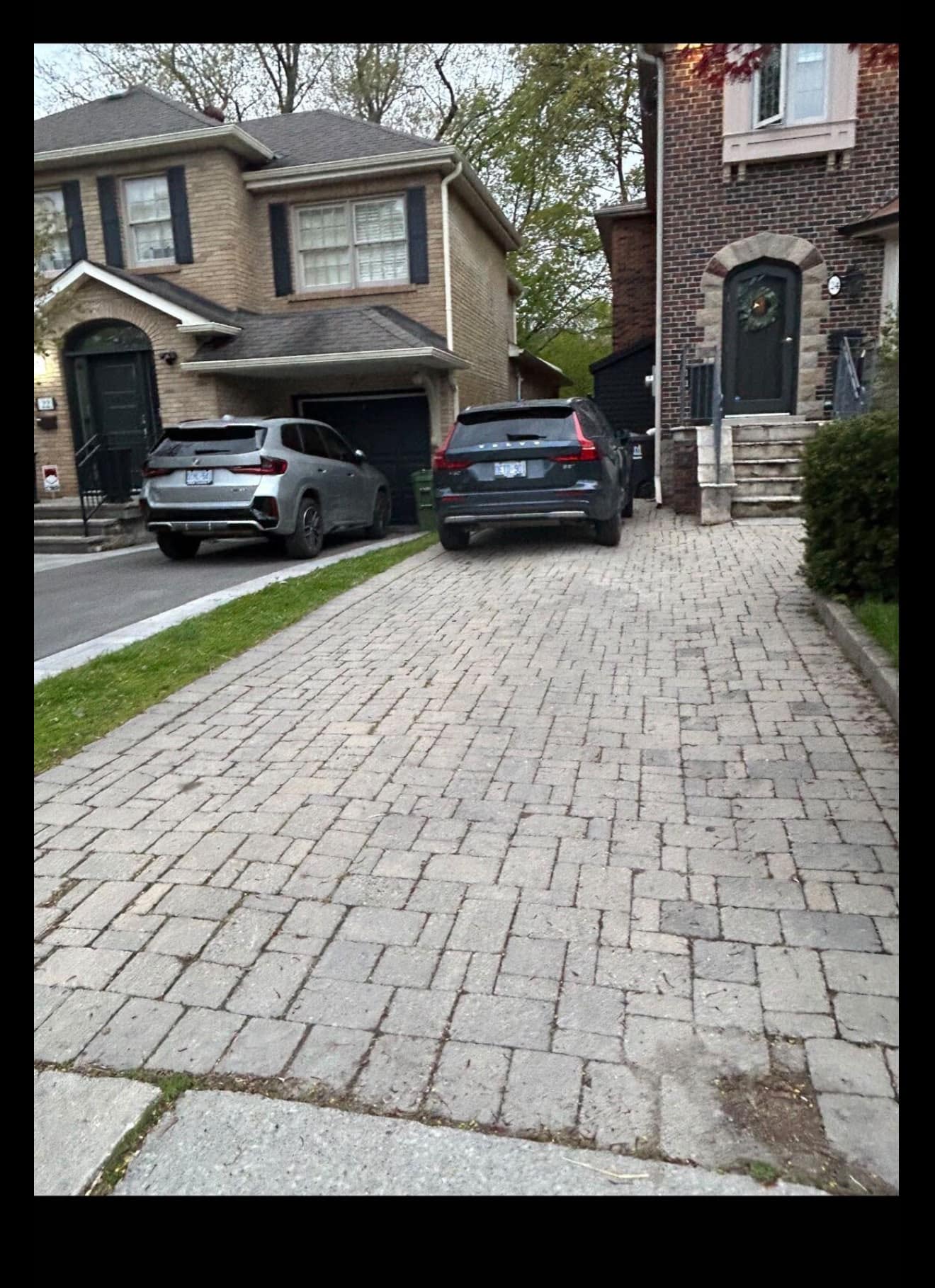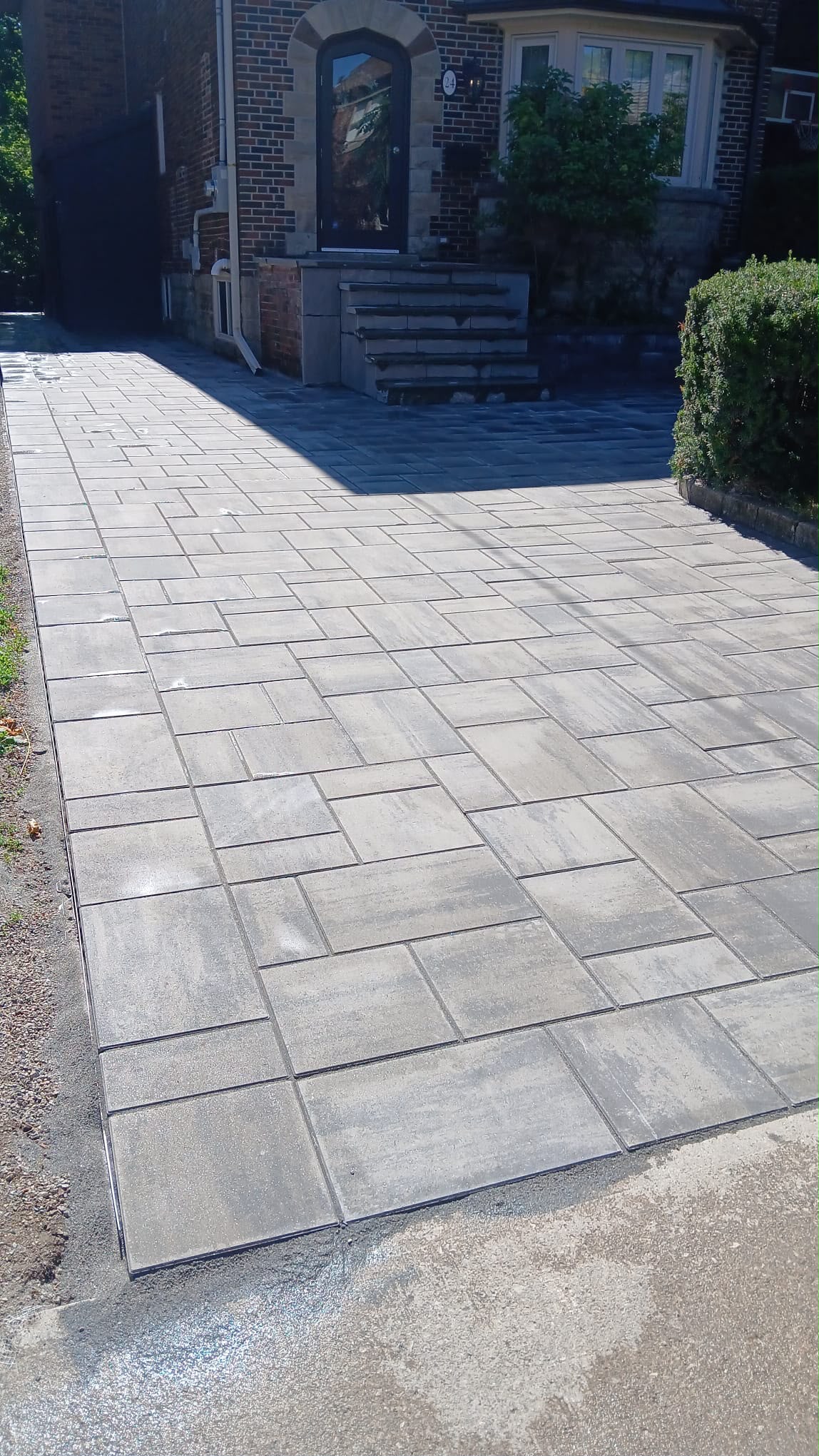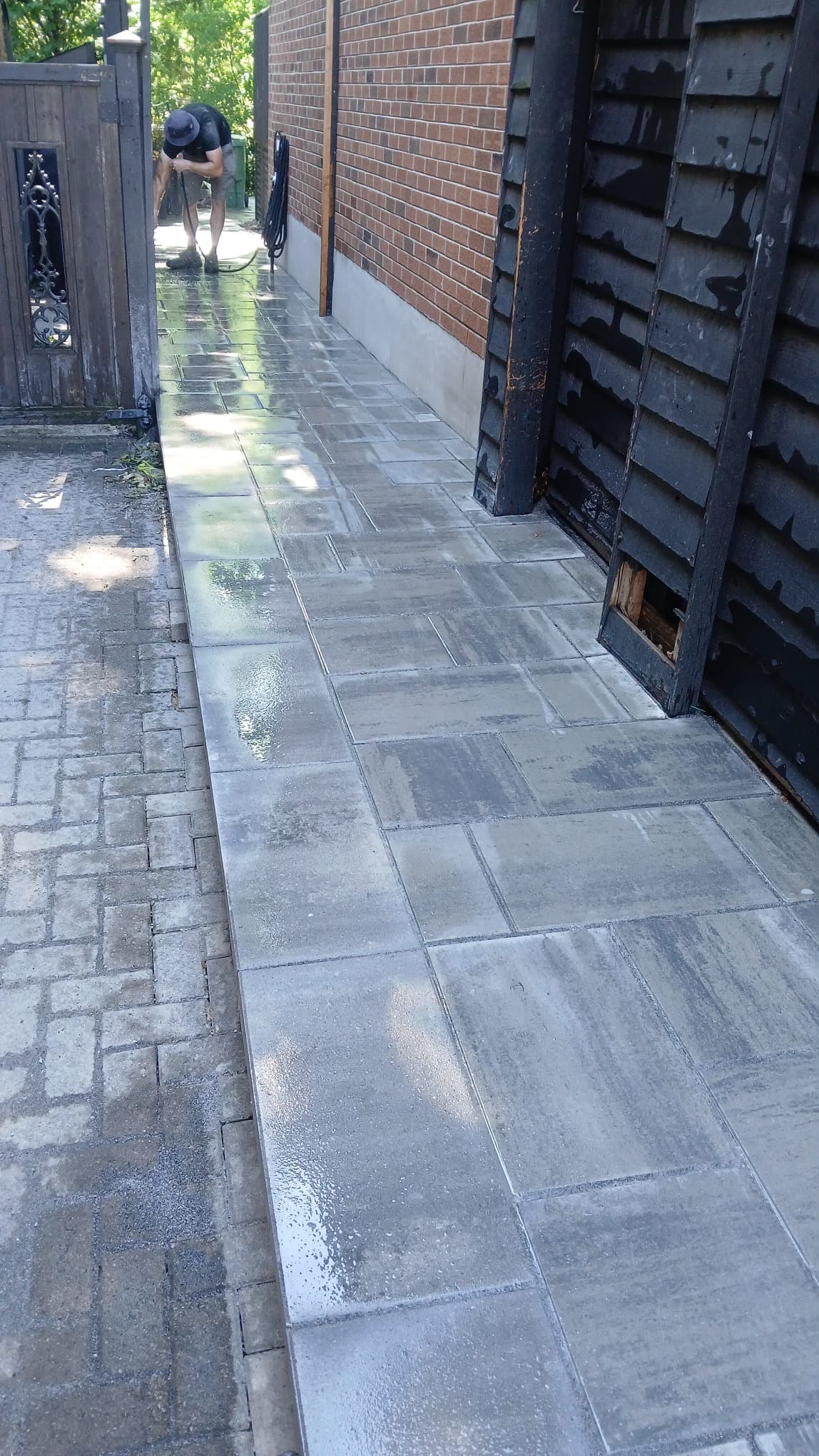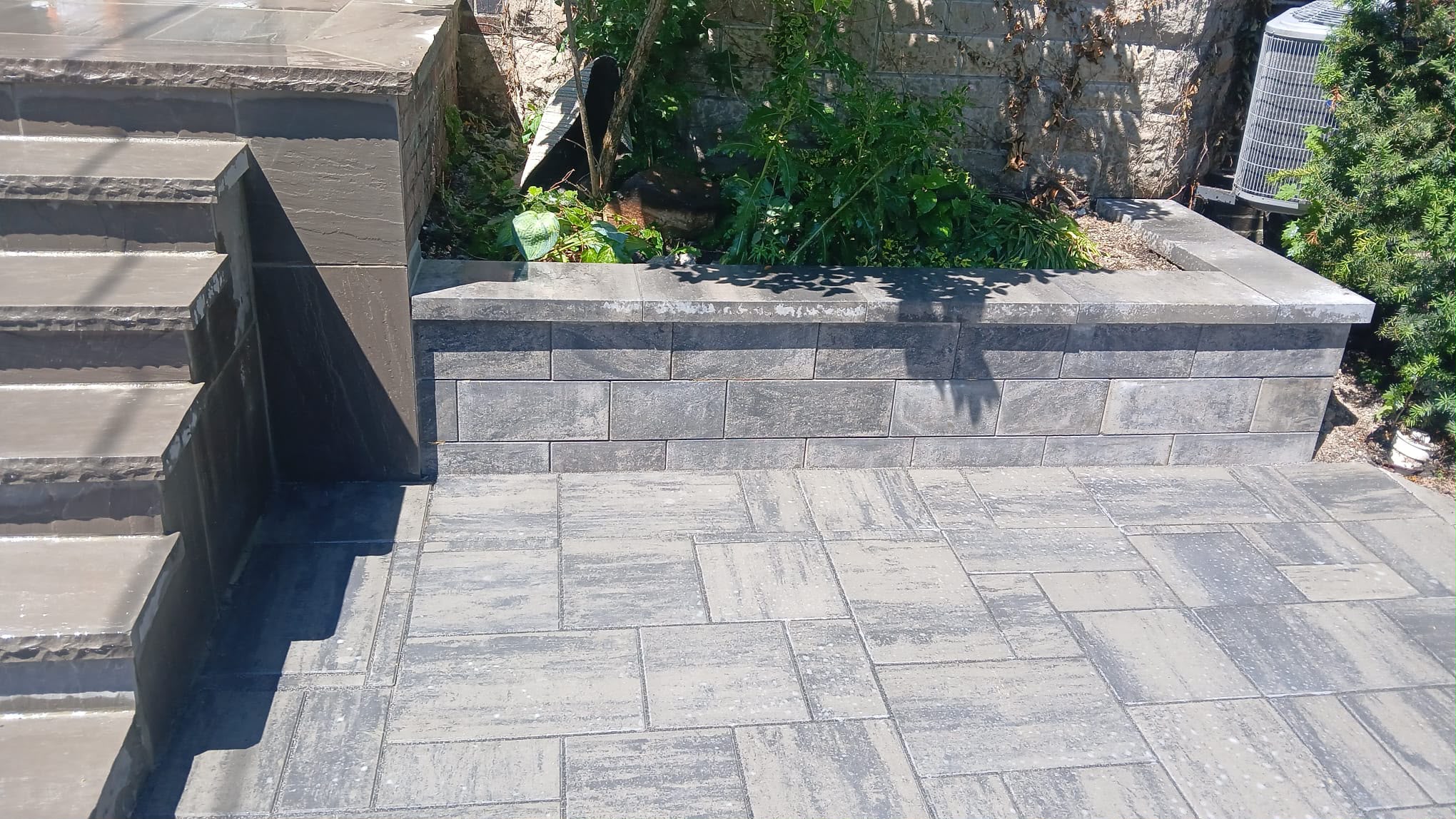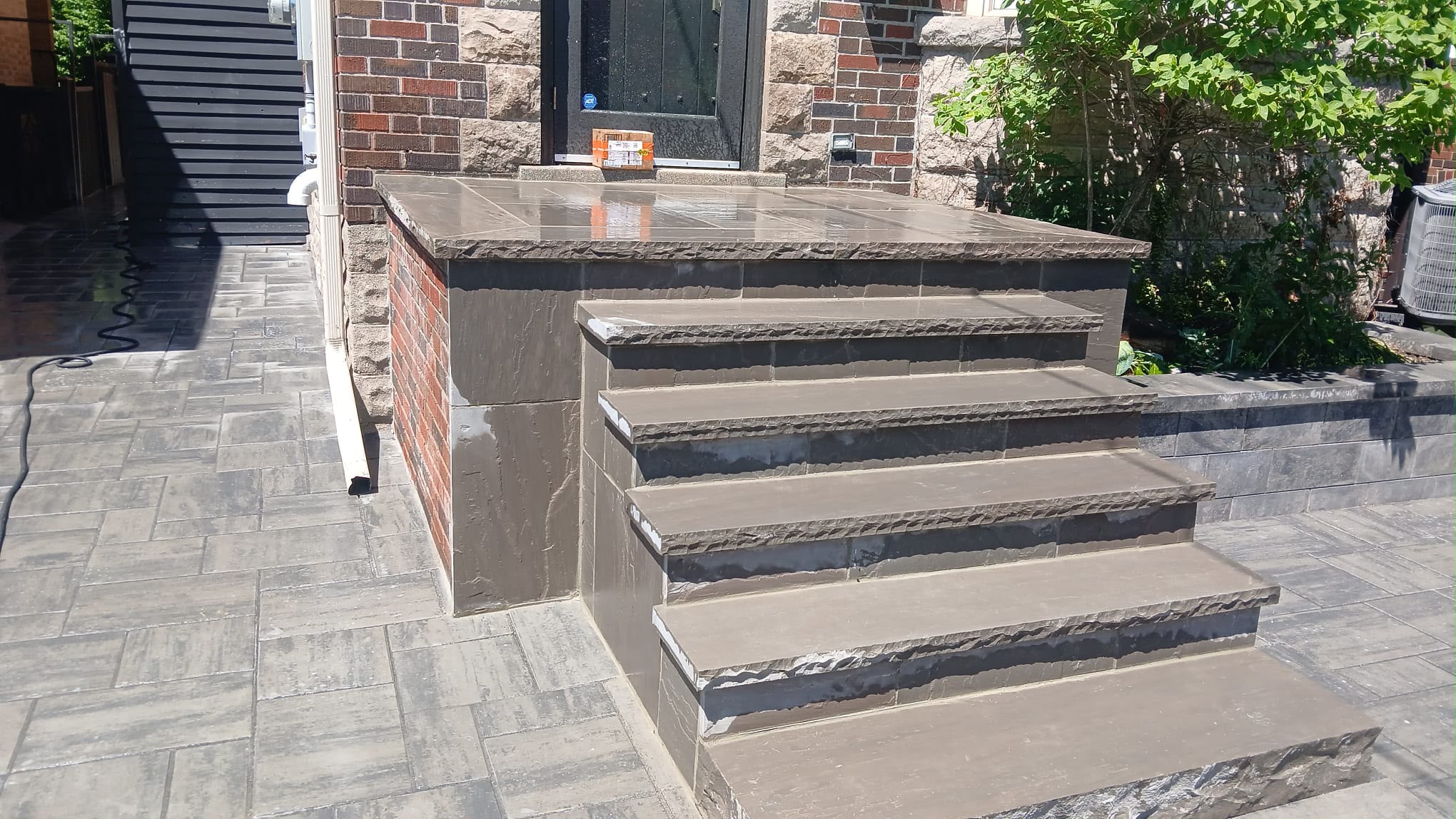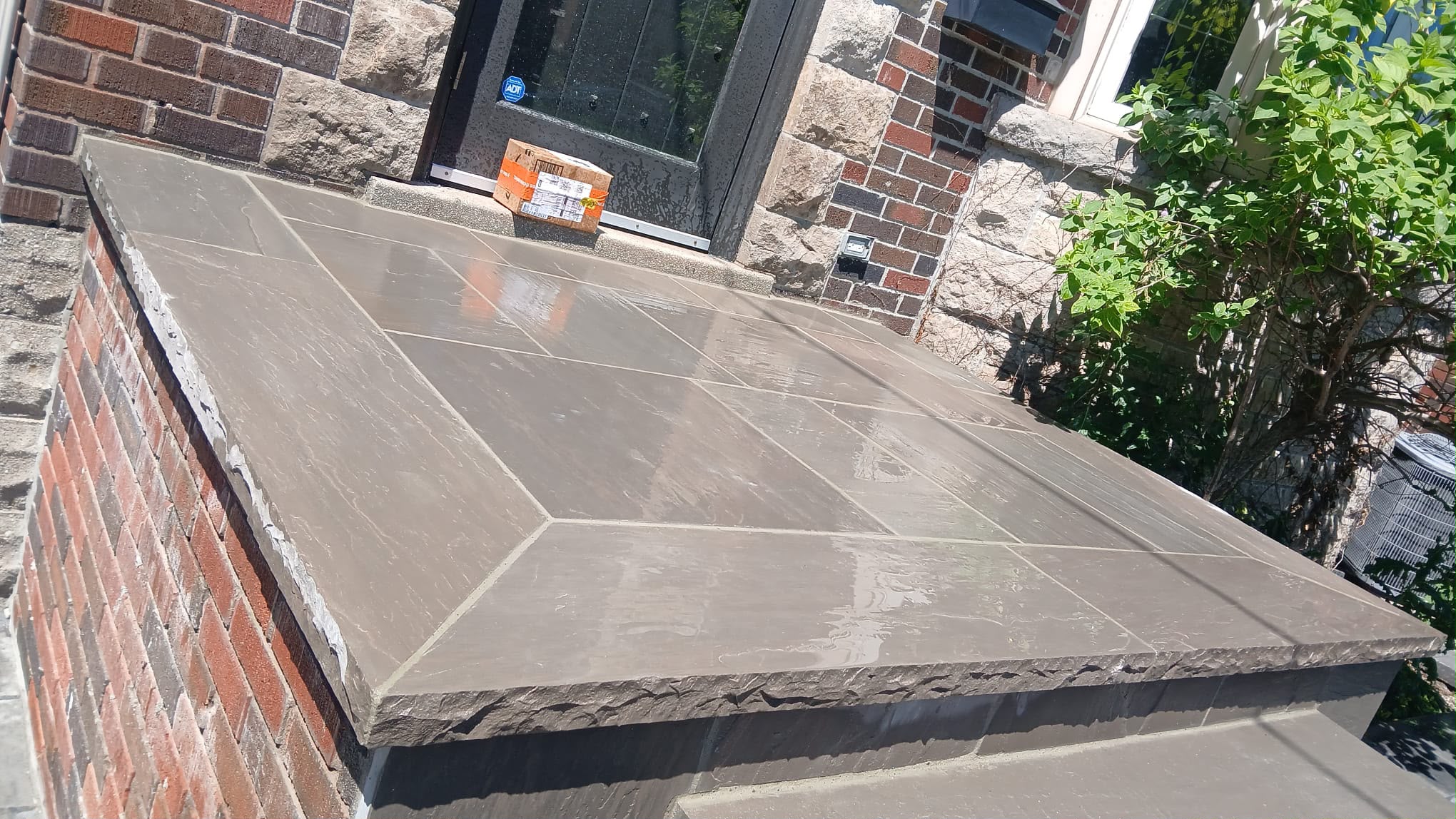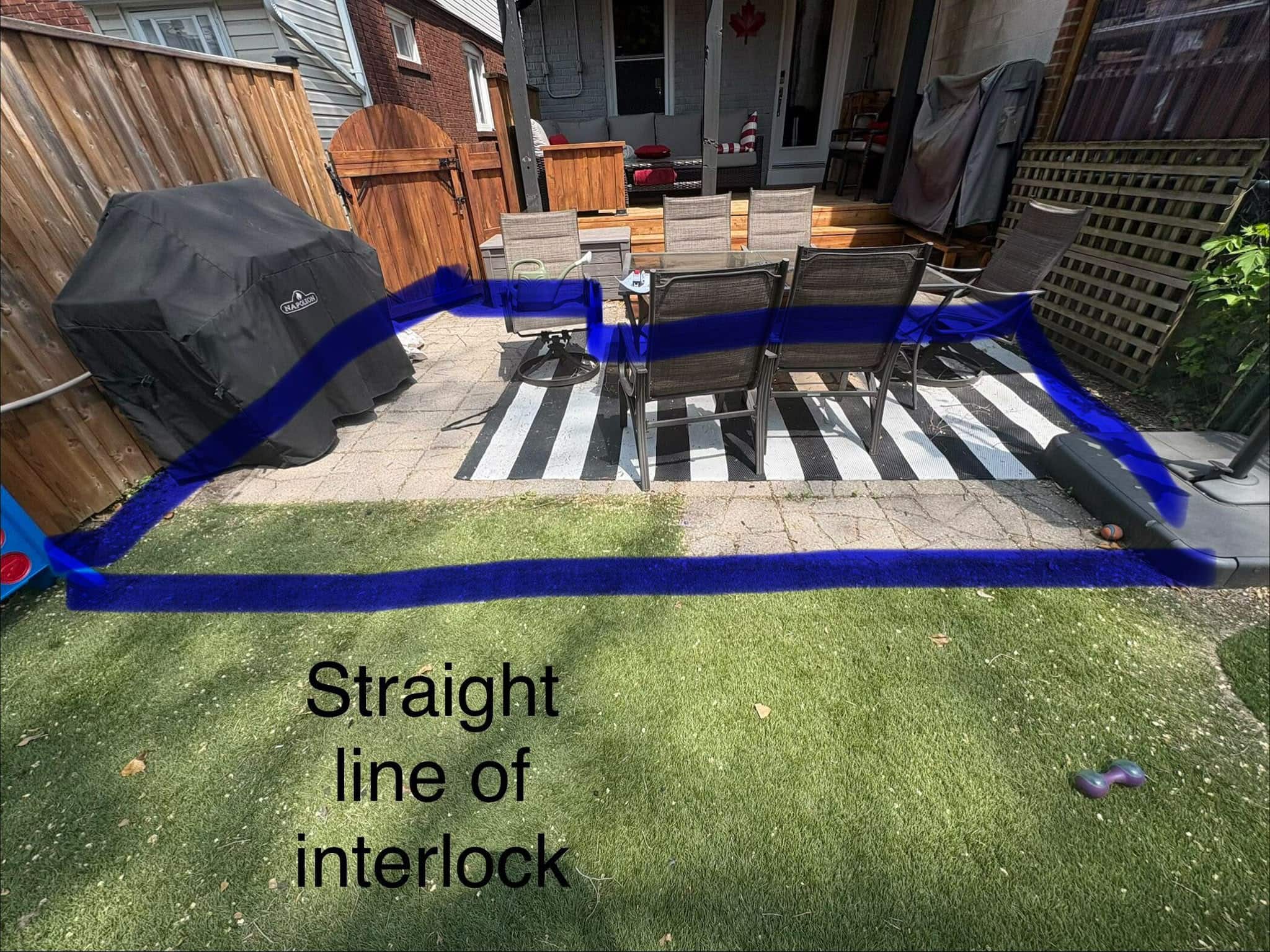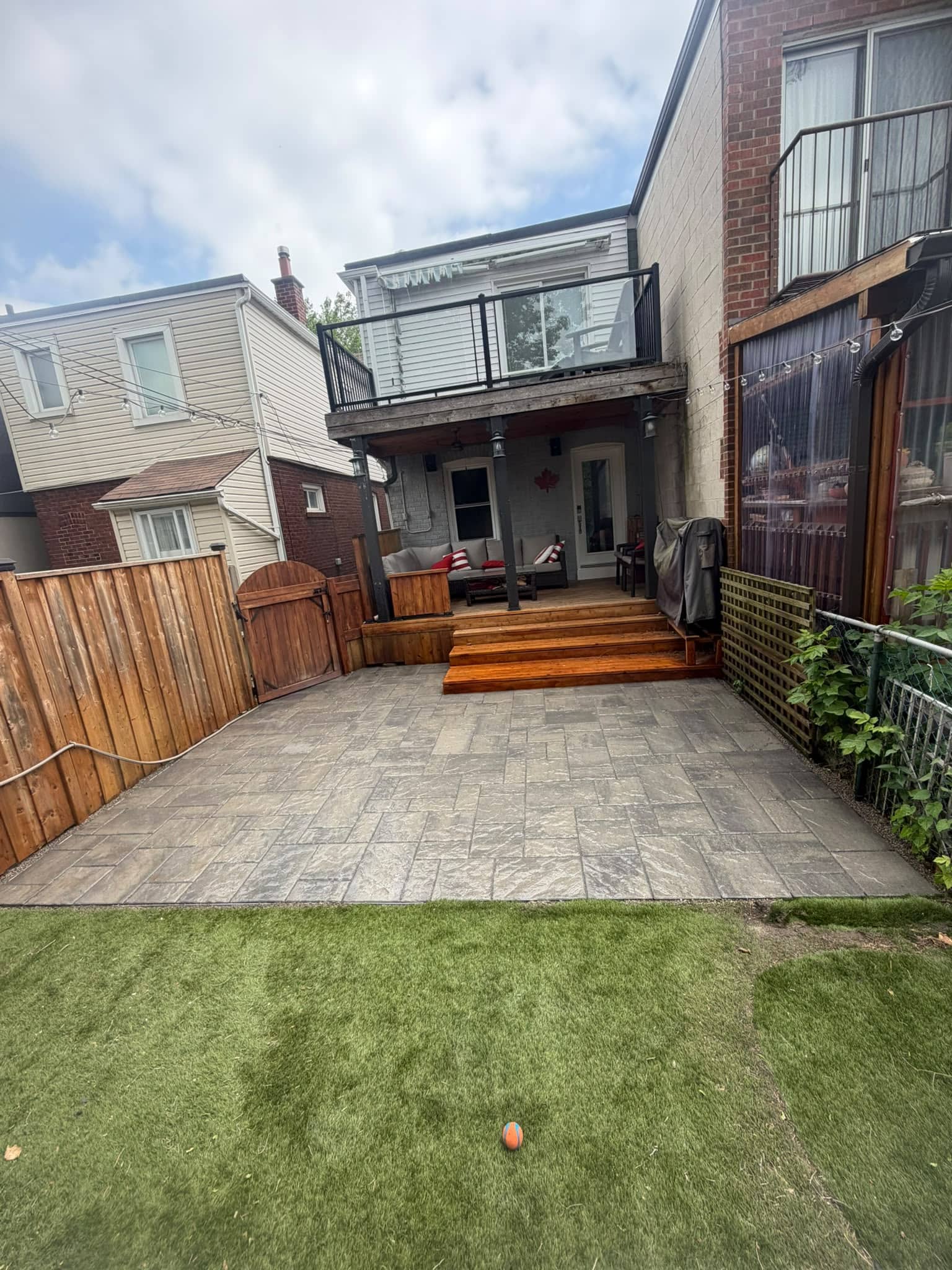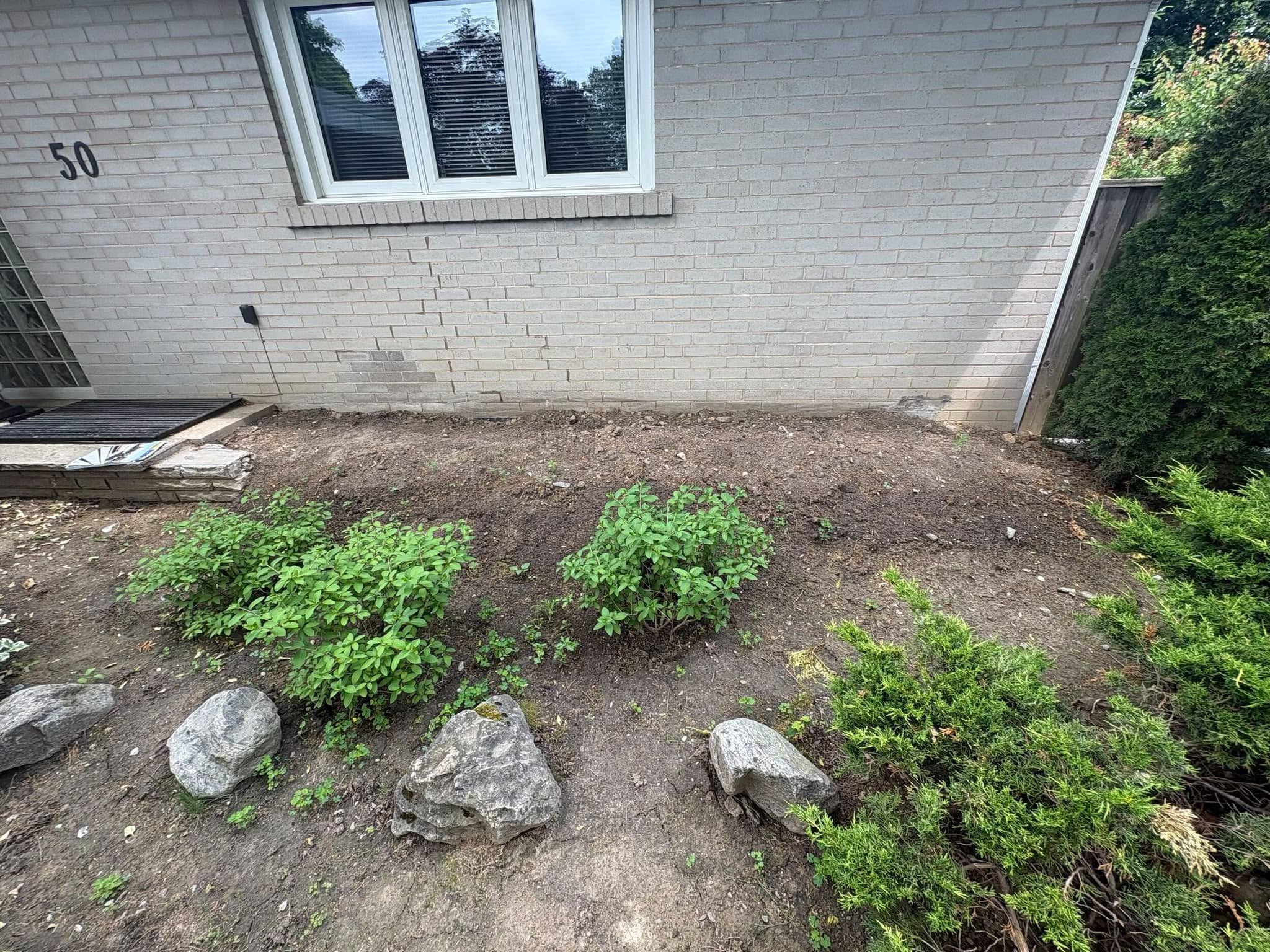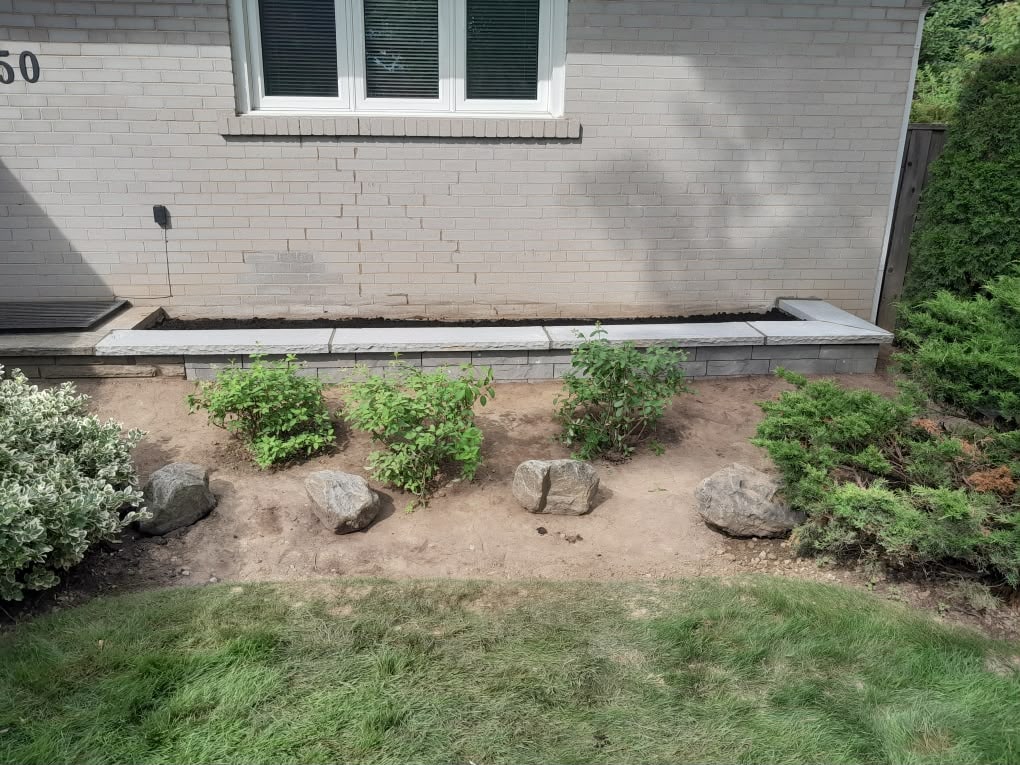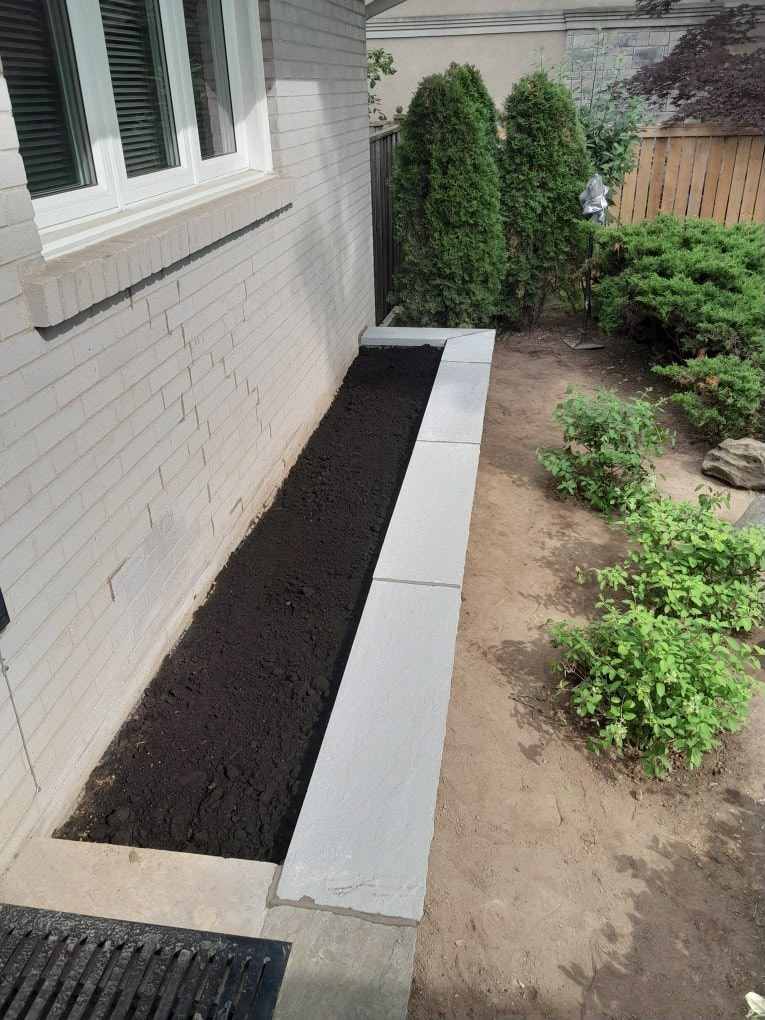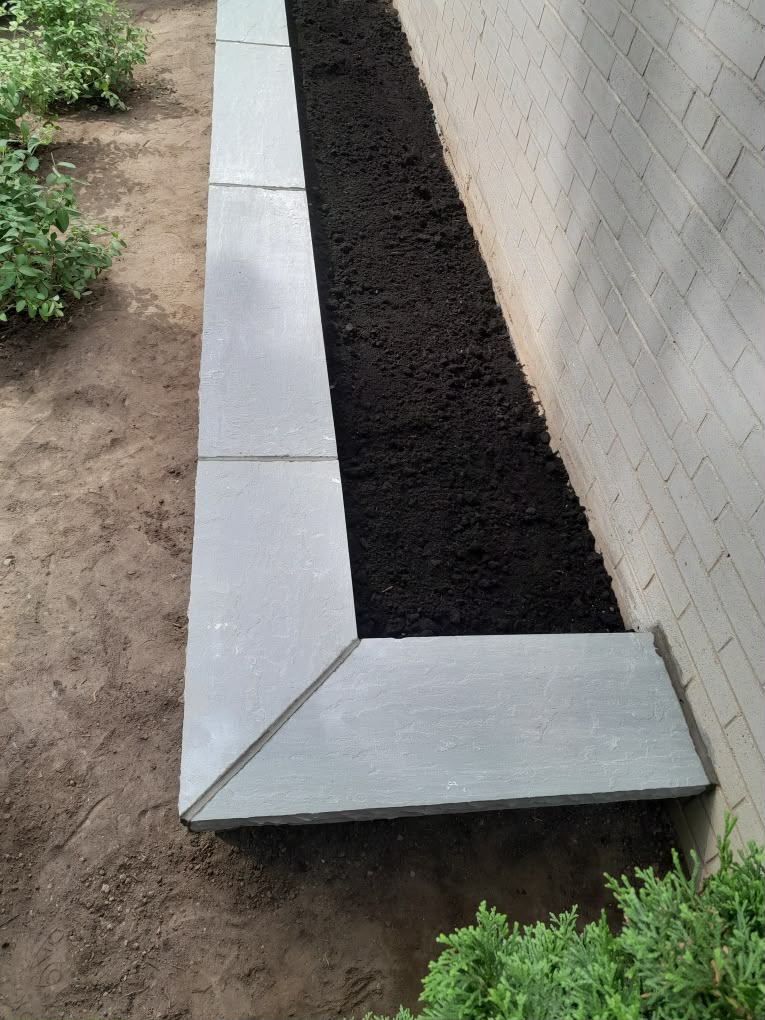

A block retaining wall in your home in Canada is built to hold back soil and prevent land movement. It is typically constructed using engineered blocks of concrete, stone, or other durable materials. These walls are common in landscaping, road construction, and erosion control.
A block retaining wall uses pre-made blocks made of concrete, stone, or other materials. These blocks fit together well, creating a strong and nice-looking wall.
Types of Retaining Wall Blocks You Can Choose for Your Toronto Home
Retaining wall blocks come in various shapes, sizes, and materials to suit project requirements and aesthetic preferences. The wall height, soil conditions, load-bearing requirements, and desired visual appearance influence the type choice.
Below are the most common types of retaining wall blocks:
| Types | Usage | Description | Examples |
| Gravity Retaining Walls | Residential, Commercial, Industrial | Gravity retaining walls rely on their weight to hold back the soil. They are commonly used in landscaping projects, garden terraces, and smaller-scale commercial properties where aesthetic appeal and functionality are essential. | Residential garden borders, commercial landscaping projects, and industrial sites with minimal soil pressure. |
| Cantilever Retaining Walls | Commercial, Industrial | These walls use a reinforced concrete base and stem to effectively leverage soil weight. Cantilever retaining walls are ideal for large-scale projects that require substantial support with minimal material usage. | Highway embankments, parking lots, and industrial storage facilities. |
| Gabion Retaining Walls | Residential, Commercial, Industrial | Made from wire mesh filled with stones, gabion walls are effective for erosion control and drainage management. They are often used where aesthetics and functionality are both important. | Riverbanks, landscaping projects in commercial areas, and erosion control for industrial zones. |
| Concrete Retaining Walls | Commercial, Industrial | These walls are highly durable and provide significant strength, making them suitable for heavy-load applications. Concrete retaining walls are commonly used in large infrastructure projects and commercial developments. | Highways, commercial building |
| Stone Retaining Walls | Offer a natural aesthetic but may require skilled labour for installation. | Residential landscaping, aesthetic, and commercial projects |
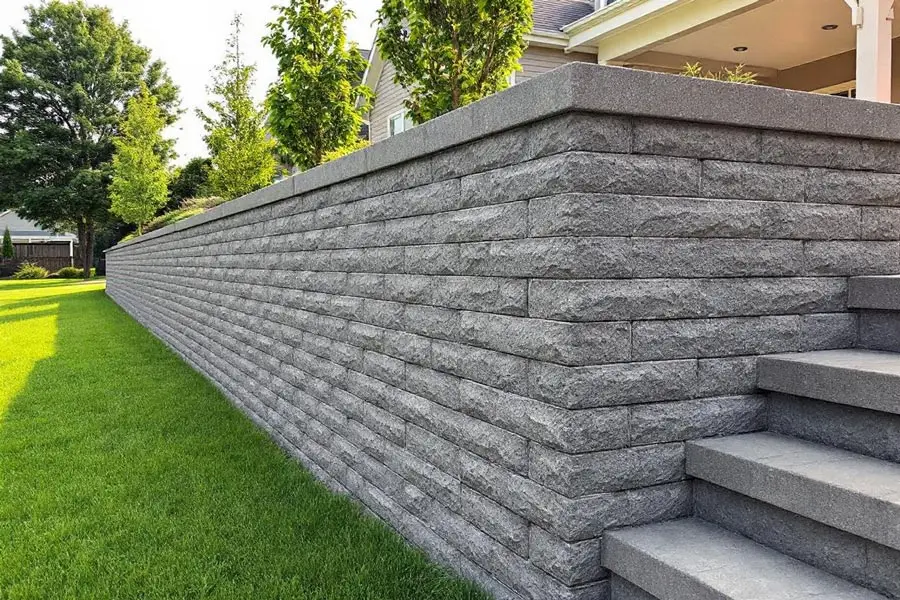
Is Concrete Good For Retaining Walls in Your Canadian Home?
Concrete retaining walls are one of the best wall options, but a few factors must be considered before proceeding.
Advantages of Using Concrete Retaining Walls for a Canadian Backyard Fence:
Durability: Concrete walls are robust and long-lasting, offering excellent resistance to weather, erosion, and soil pressure.
Low Maintenance: Once installed, concrete walls require minimal upkeep compared to wood or metal fencing.
Structural Support: If your backyard has sloping terrain, a concrete retaining wall can provide both fencing and soil retention benefits.
Customization: Concrete walls can be designed with decorative finishes, textures, or colours to enhance the aesthetics of your backyard.
Challenges of Installing Concrete Retaining Wall
Cost: Concrete retaining walls tend to be more expensive than traditional fencing materials due to labour and material costs.
Installation Complexity: Professional installation is usually required to ensure structural integrity, drainage, and proper reinforcement.
Permits and Regulations: Depending on your location, you might need permits or approvals to install a concrete retaining wall as a fence.
Concrete limitations: Concrete block retaining walls have several limitations, including height restrictions. They are typically suitable for up to 4 feet unless reinforced with materials like steel or geogrids. Proper drainage is crucial because water buildup around the base can weaken the structure over time.
They are also prone to cracking and are unsuitable for handling high lateral pressure or heavy loads. Therefore, professional expertise is essential to ensure a safe and long-lasting installation.
When Concrete Retaining Wall Blocks Are a Good Choice for Residential Use?
- If your backyard has uneven or sloped terrain that requires soil retention.
- If you’re looking for a modern, long-lasting fencing solution that is not over 4 feet high.
- If you need a sound barrier for privacy and noise reduction.
- For garden and landscaping features such as garden beds, terraces, and decorative features.
- Patio and outdoor living spaces in outdoor areas such as patios, fire pits, or seating areas.
- Driveway and Walkway Support
- swimming pool surroundings
Concrete Retaining Wall Blocks Alternative Options
If concrete retaining walls seem too costly or excessive, alternatives like stone or gabion walls can offer a more budget-friendly yet attractive and functional solution. Timber or wood can also be a great choice, especially in areas where these materials are readily available.

What are Large Retaining Wall Blocks
Large retaining wall blocks, also known as structural retaining wall blocks, are commonly used in applications that require high strength, durability, and the ability to withstand significant loads.
They are also called concrete barrier blocks and are oversized and heavy. They measure approximately 2.5 feet wide, 2.5 feet tall, and 5 feet long and weigh about 4,200 pounds.
They are typically found in:
Commercial Developments: Used to create retaining walls for commercial buildings, shopping centers, and office complexes
Infrastructure Projects: Ideal for highways, bridges, and road embankments to support large volumes of soil and prevent erosion along roadsides and overpasses.
Industrial Sites: Commonly used in warehouses, manufacturing plants, and logistics hubs, where heavy equipment and materials create high lateral pressures that require robust structural support.
Residential Properties with Significant Elevation Changes: Large retaining wall blocks are used in luxury homes or hillside properties where the terrain requires reinforced support to prevent soil movement and landslides.al support.
Public Spaces and Landscaping: Frequently used in parks, recreational areas, and extensive gardens to create terraces, seating areas, and pathways while ensuring long-term stability.
Water Management Systems: Applied in stormwater management and flood control projects to reinforce riverbanks, drainage channels, and reservoirs.
Agricultural Applications: Used in farmlands and vineyards to create terraces that prevent soil erosion and manage irrigation effectively.
Interlocking Retaining Wall Blocks
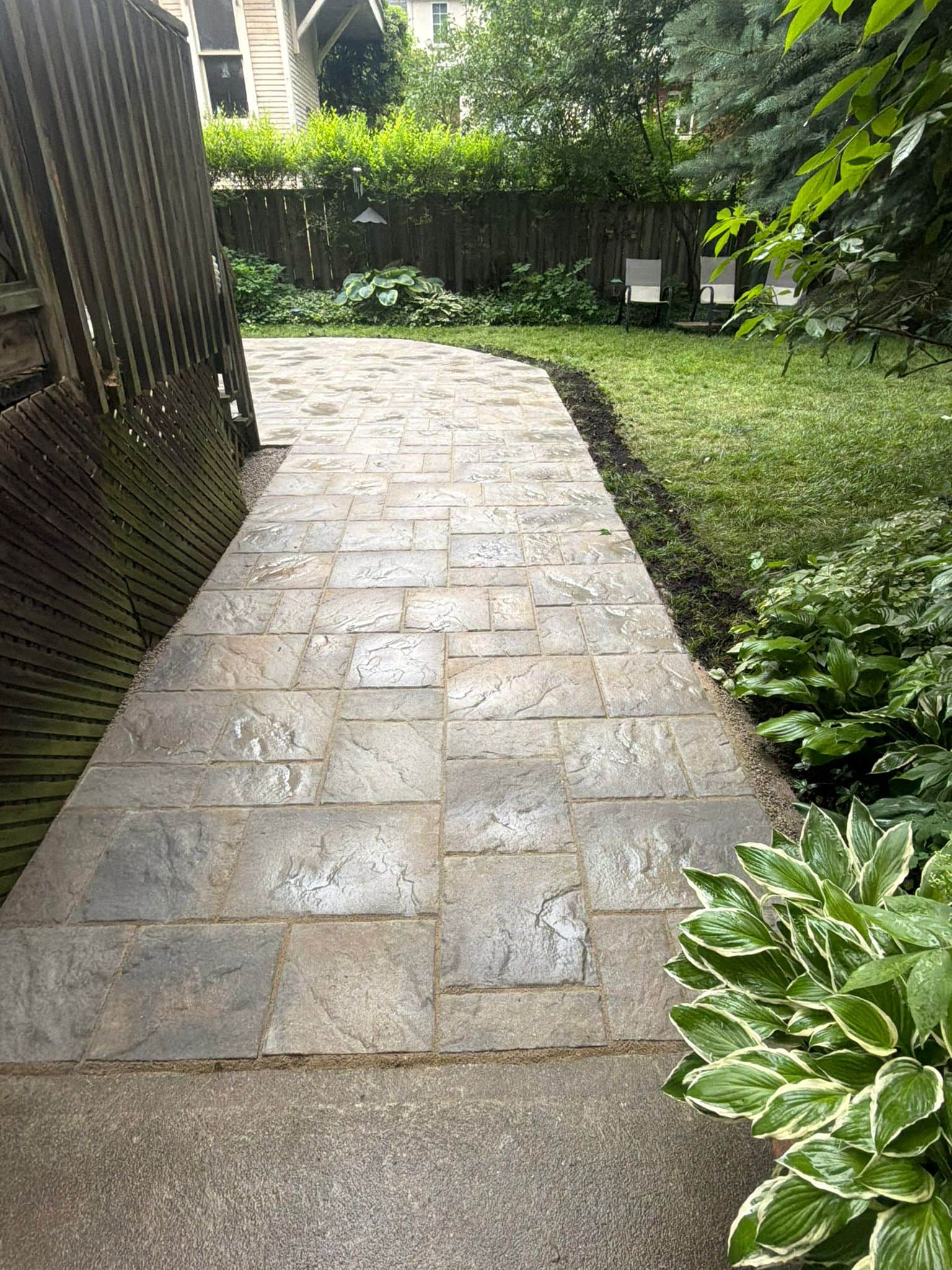
Interlocking Retaining Wall Blocks are specially designed concrete blocks that fit together through a built-in locking mechanism, eliminating the need for mortar or adhesives.
Interlocking blocks are popular options designed for easy installation and stability.
- Materials: Common materials include concrete and natural stone.
- Comparison:
- Concrete interlocking blocks are durable, cost-effective, and suitable for most applications.
- Stone interlocking blocks offer an elegant, natural appearance but may be more expensive and less uniform.
Key features of Interlocking Retaining Wall Blocks include:
- Built-in Locking Mechanism: The blocks have a unique shape, such as lips, pins, or tongue-and-groove systems, that allows them to interlock securely when stacked.
- Dry-Stack Installation: No need for mortar; blocks are stacked and locked into place.

Materials and Specifications of Retaining Wall Blocks To Choose for Your Home In Canada
The choice of material is crucial in determining the retaining wall’s strength, durability, and aesthetic appeal.
Psi Strength Requirements For Concrete Block Retaining Walls
In reality, the compressive strength of concrete blocks and masonry walls can vary significantly depending on several factors:
- Concrete Mix Design
- Type and proportions of cement
- Type and proportions of aggregates
- Inclusion of any admixtures
- These factors can impact the resulting compressive strength of the blocks
- Stacking Orientation of Blocks
- The way the blocks are stacked can influence the overall compressive strength of the wall
- Type of Mortar Used
- The type of mortar used to construct the wall can affect the compressive strength
- Load-Bearing vs. Non-Load-Bearing
- Whether the wall is intended to be a load-bearing structure or a non-load-bearing partition can impact the compressive strength requirements
Typically, the compressive strength of concrete blocks and masonry walls can range from approximately:
- 3.4 MPa (500 psi) for lower-strength applications
- Up to 34.5 MPa (5,000 psi) for high-strength, specialized uses
| Application | Minimum Compressive Strength (PSI) |
| Residential Landscaping (up to 4 feet tall) | 1,500 – 2,000 PSI |
| Residential Landscaping (4 to 8 feet tall) | 2,000 – 3,000 PSI |
| Residential Driveways/Parking Areas | 3,000 – 4,000 PSI |
| Residential Retaining Walls (over 8 feet tall) | 3,000 PSI or higher |
Notes: For residential landscaping applications, walls up to 4 feet in height typically require a minimum compressive strength of 1,500 to 2,000 PSI.
Given the wide range of compressive strength, hiring professional masons and contractors is crucial.
Consulting local building code experts, engineering guidelines, and manufacturer recommendations is vital to ensure the appropriate compressive strength is specified and achieved for the intended application of the retaining wall or other masonry structure.
Choosing The Right Block Size For Your Retaining Wall in Canada
Retaining wall sizes vary depending on the application. Small garden walls have heights of 2 to 4 feet, while large retaining walls can exceed 10 feet and often require professional engineering for structural integrity.
Here is a table outlining the recommended block sizes for different retaining wall applications, from residential to various types of block retaining walls:
Retaining Wall Application Recommended Block Size
| Retaining Wall Type | Block Size (inches) | Block Size (mm) |
| Residential Retaining Wall | 8″ x 8″ x 16″ | 200 mm x 200 mm x 400 mm |
| 12″ x 8″ x 16″ | 300 mm x 200 mm x 400 mm | |
| Gravity Retaining Wall | 12″ x 8″ x 16″ | 300 mm x 200 mm x 400 mm |
| 16″ x 8″ x 24″ | 400 mm x 200 mm x 600 mm | |
| Cantilever Retaining Wall | 16″ x 8″ x 24″ | 400 mm x 200 mm x 600 mm |
| 18″ x 12″ x 36″ | 450 mm x 300 mm x 900 mm | |
| Gabion Retaining Wall | 12″ x 12″ x 24″ | 300 mm x 300 mm x 600 mm |
| 18″ x 18″ x 36″ | 450 mm x 450 mm x 900 mm | |
| Concrete Retaining Wall | 24″ x 12″ x 48″ | 600 mm x 300 mm x 1200 mm |
| 30″ x 12″ x 60″ | 750 mm x 300 mm x 1500 mm | |
| Stone Retaining Wall | 12″ x 8″ x 16″ | 300 mm x 200 mm x 400 mm |
| 16″ x 8″ x 24″ | 400 mm x 200 mm x 600 mm |
The recommended block sizes provided are general guidelines. Still, the block size selection should consider several important factors, such as wall height, soil conditions, load-bearing requirements, and local building codes.
These tasks are best done by experienced contractors that you can consult to determine the most appropriate block size for your project. They can assess the unique requirements of your site and ensure the selected block size meets all necessary structural and code requirements. Finally, they can give you a clearer picture of the cost of installing a retaining wall block.

What formula calculates the number of blocks needed for a retaining wall?
Due to the wide applications and the varying materials of blocks, there is no single universal formula to calculate the number of blocks needed for a retaining wall, as it depends on several factors.
However, here is a general formula for illustration purposes only that will give you an idea of how skilled mason used as a starting point:
Number of Blocks = (Wall Length x Wall Height) / Block Size
Where:
Wall Length is the total length of the retaining wall
Wall Height is the total height of the retaining wall
Block Size is the dimensions of the individual blocks (length x height)
To use this formula, you’ll need to know the following:
The total length of the retaining wall you plan to build.
The total height of the retaining wall you plan to build.
The size of the individual blocks you will be using (length x height).
For example, if you have:
Wall Length: 20 feet (6.1 m)
Wall Height: 4 feet (1.2 m)
Block Size: 8″ x 8″ (200 mm x 200 mm)
The calculation would be:
Number of Blocks = (20 ft x 4 ft) / (8 in x 8 in)
= 80 sq ft / 64 sq in
= 1,250 blocks
This is for illustration purposes only, as it doesn’t account for factors like block overlap, corners, and other construction details. It’s always best to consult a professional on how to do it right.
FAQ: Retaining Wall Blocks
What is a retaining wall block?
A retaining wall block is a durable building material often made of concrete, stone, or other robust materials. It is used to construct retaining walls that prevent soil erosion, manage slopes, or create level spaces.
What are the main types of retaining wall blocks?
The primary types of retaining wall blocks include:
- Gravity retaining wall blocks
- Cantilever retaining wall blocks
- Gabion retaining wall systems
- Concrete retaining wall blocks
- Stone retaining wall blocks
How tall can a retaining wall block structure be?
Most retaining walls should not exceed 4 feet in height without professional engineering. Taller walls require structural reinforcement and compliance with local building codes.
What are large retaining wall blocks?
Large retaining wall blocks, also called concrete barrier blocks, are oversized blocks typically measuring about 2.5 feet wide, 2.5 feet tall, and 5 feet long, weighing approximately 4,200 pounds each. They are ideal for large-scale projects requiring significant load-bearing capacity.
What type of concrete block is used for retaining walls?
Retaining wall blocks are often reinforced or precast concrete designed for durability and weather resistance.
What is the best material for retaining wall blocks?
The choice depends on the application:
- Concrete blocks are strong, durable, and versatile.
- Stone blocks provide a natural aesthetic but are more expensive and less uniform.
- Gabion blocks are excellent for drainage and erosion control.
Do retaining wall blocks require rebar reinforcement?
Rebar reinforcement is often necessary for taller walls or those under significant pressure. Specific requirements depend on the wall’s height, material, and intended use.
What is the recommended PSI strength for concrete retaining wall blocks?
Concrete blocks for retaining walls typically have a PSI strength between 3,000 and 5,000 to withstand heavy loads and weather conditions.
What is the best base material for a retaining wall?
A compacted base of crushed stone or gravel is ideal, as it provides stability and drainage, which are critical for retaining wall longevity.
Do I need a permit to build a retaining wall?
In many regions, including Ontario, Canada, retaining walls over 1 meter (approximately 3.3 feet) often require permits. Always check with your local building authority for specific regulations.
What are common mistakes in retaining wall construction?
- Skipping proper drainage leads to water pressure buildup.
- Using inadequate base material or depth.
- Building walls above 4 feet without professional engineering.
How do professionals install retaining wall blocks?
Professionals follow these steps:
- Excavate and level the base.
- Lay and compact gravel or crushed stone as the foundation.
- Place the first row of blocks and ensure they are level.
- Stack additional rows with proper backfilling for drainage.
- Add reinforcements like geogrid or rebar as needed.
What are the typical sizes of retaining wall blocks?
Standard concrete blocks are approximately 8x8x16 inches. Larger blocks, like those used in commercial projects, can measure 2.5×2.5×5 feet.
How do I ensure my retaining wall complies with local regulations?
Consult your local building authority for height limits, material requirements, and permit processes. Hiring a licensed professional can also ensure compliance.
Can retaining wall blocks be used for decorative purposes?
Yes, retaining wall blocks are often used in landscaping to create terraces, garden walls, or aesthetic borders while providing functional support.
Conclusion
Retaining wall blocks is essential for creating stable, functional, and visually appealing landscapes. They offer a variety of solutions, from managing slopes and preventing soil erosion to enhancing the aesthetics of outdoor spaces. While smaller retaining walls can sometimes be tackled as DIY projects, it’s essential to recognize that not all installations suit amateurs.
Professional expertise is crucial for taller walls, complex designs, or projects involving significant loads and structural demands. Experienced contractors have the knowledge to handle engineering requirements, ensure proper drainage, and comply with local regulations, preventing costly mistakes and ensuring the wall’s longevity.
By partnering with professionals, you can achieve a safe, durable, and visually striking retaining wall that meets functional and aesthetic needs. Always weigh the scope of your project to determine whether it’s best to DIY or leave it to the experts.
Expert Retaining Wall Repair & Installation for Lasting Strength
A well-built retaining wall protects your landscape, prevents erosion, and enhances your property’s appeal. At A&A Masonry, we specialize in professional concrete retaining wall repair and installation, ensuring durability, stability, and a flawless finish.
Whether you need to repair cracks and structural damage or install a new, custom-designed retaining wall, our experienced team delivers high-quality craftsmanship using top-grade materials for long-lasting results.
🔹 Reinforce and restore aging or damaged retaining walls
🔹 Precision installation for optimal support and aesthetics
🔹 Custom solutions tailored to your property’s needs
Our Services Include:
- Concrete Repairs
- Stone Masonry
- Brick Painting
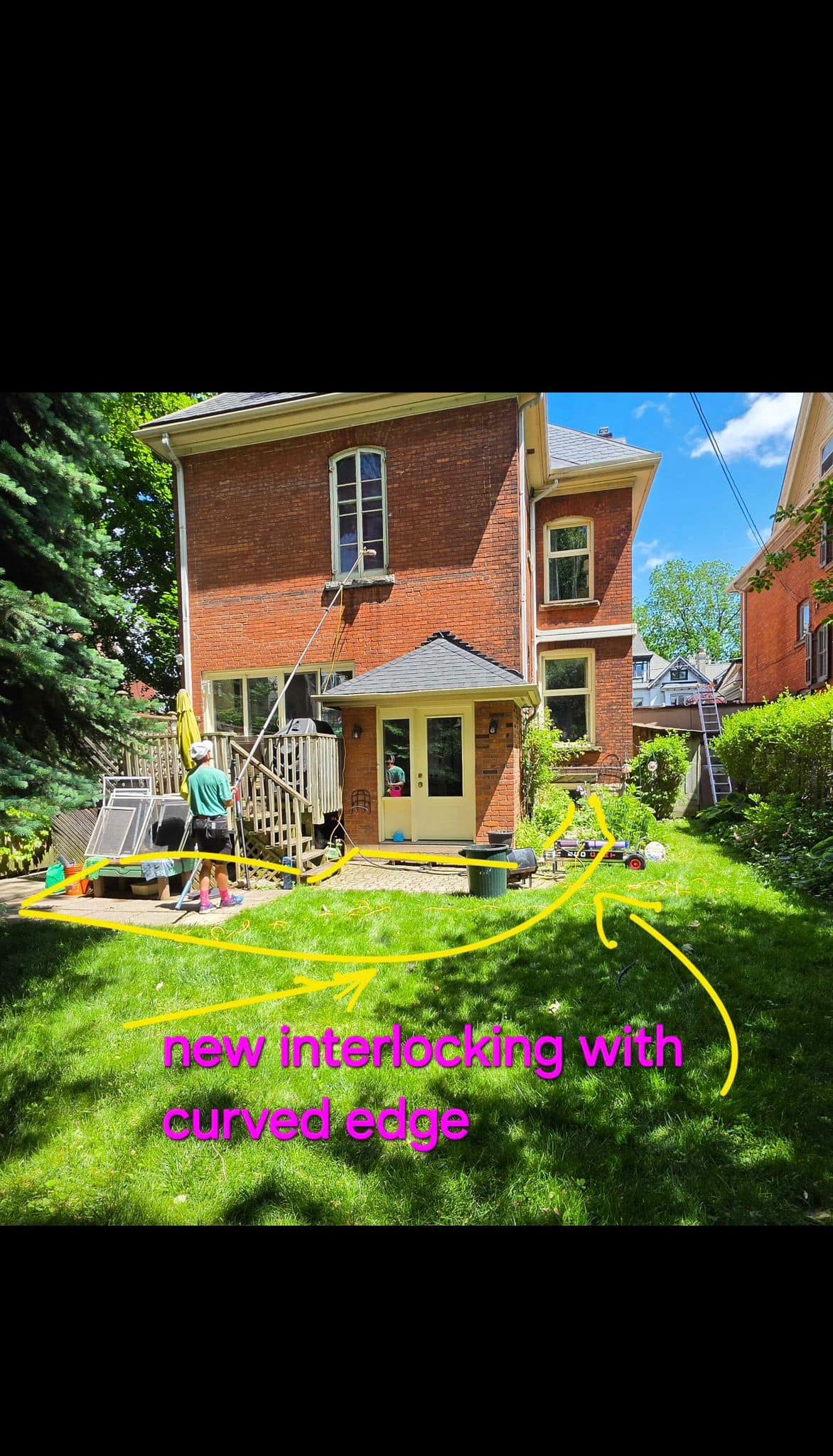
- Interlocking Stone Pavers
- Parging
- Tuckpointing
- Brick Repair
- Fireplace Stone Veneer
- Chimney Repair
- Commercial Exterior Painting
- Basement Waterproofing
- Stucco
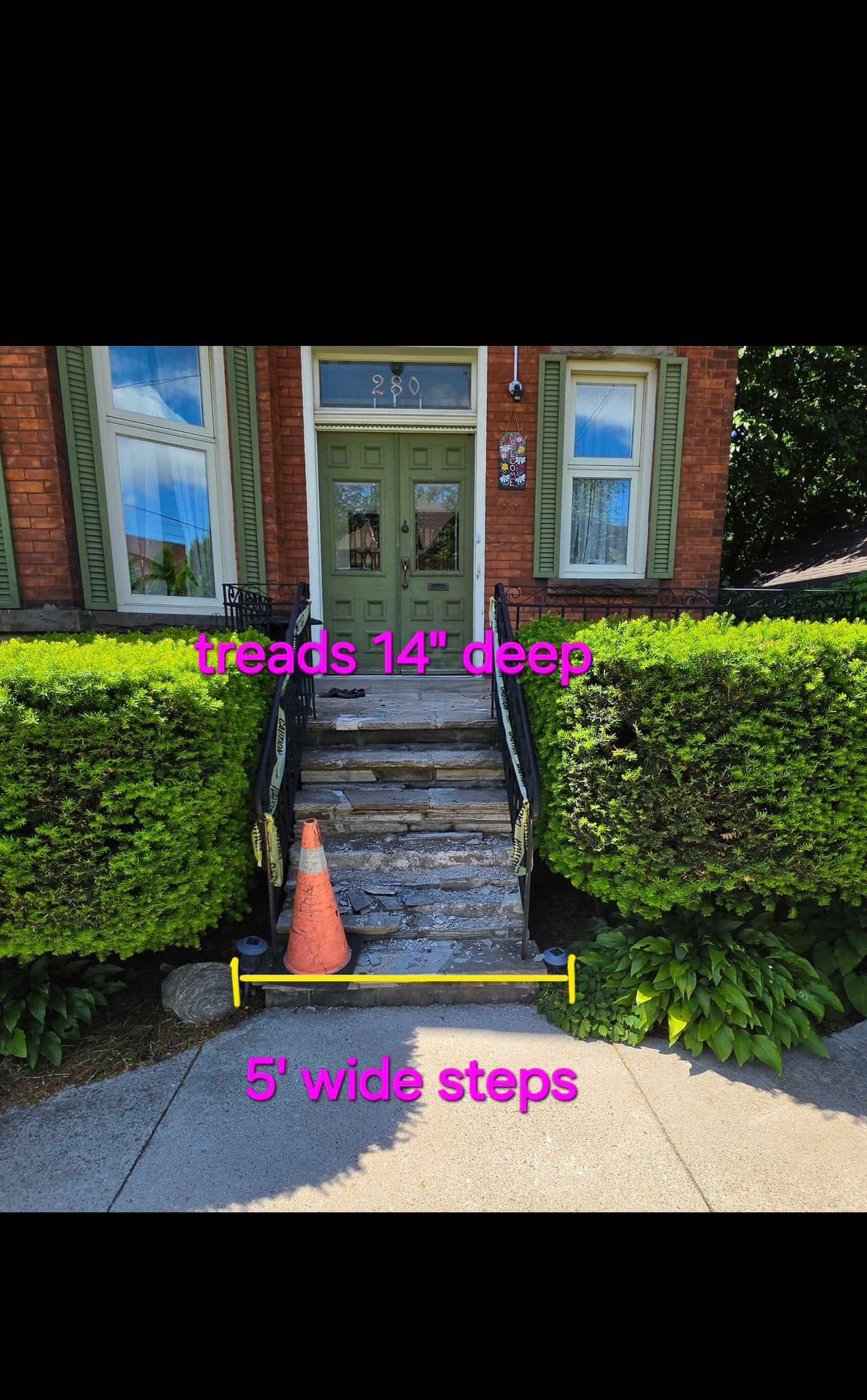
- Interlocking Steps
- Roofing