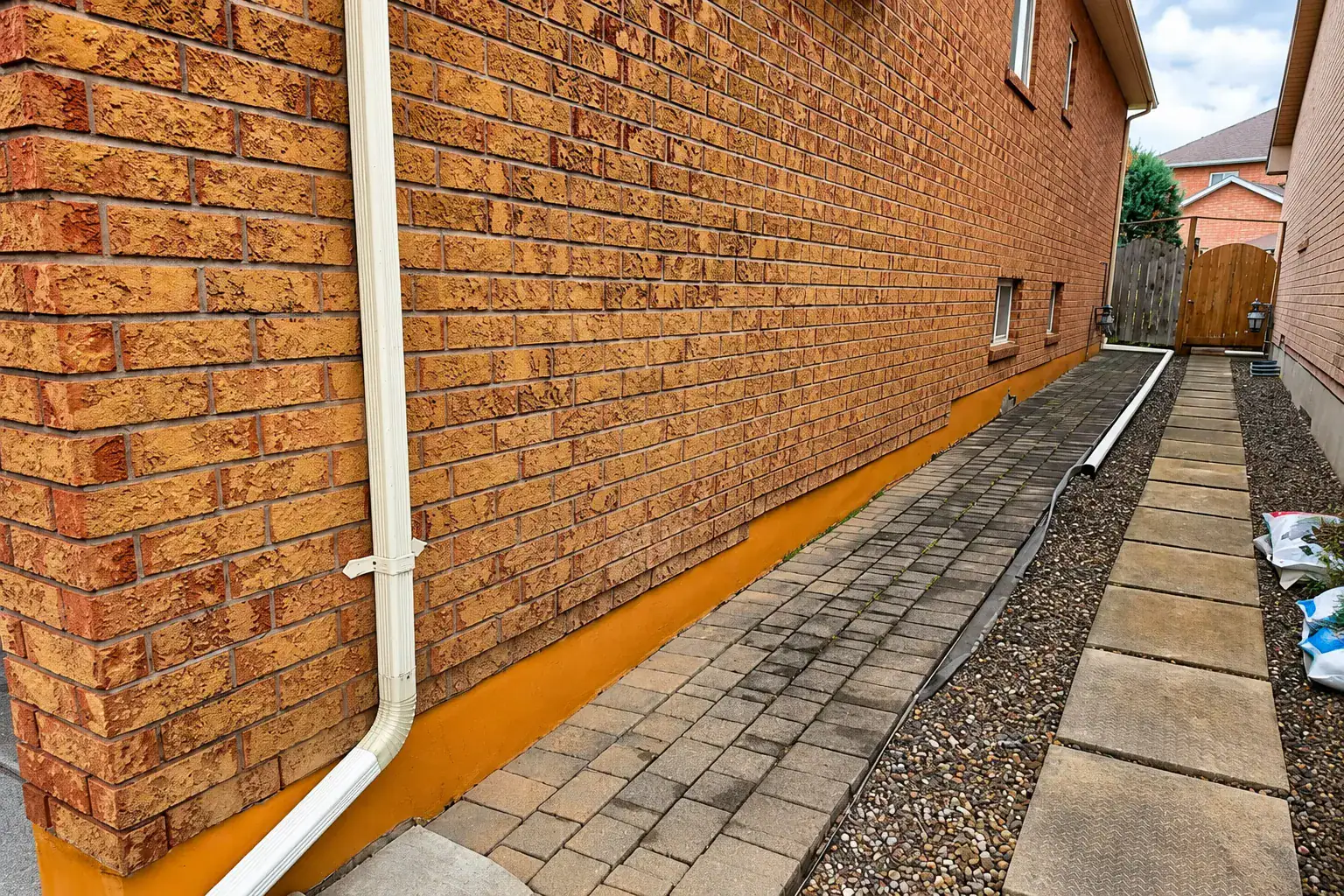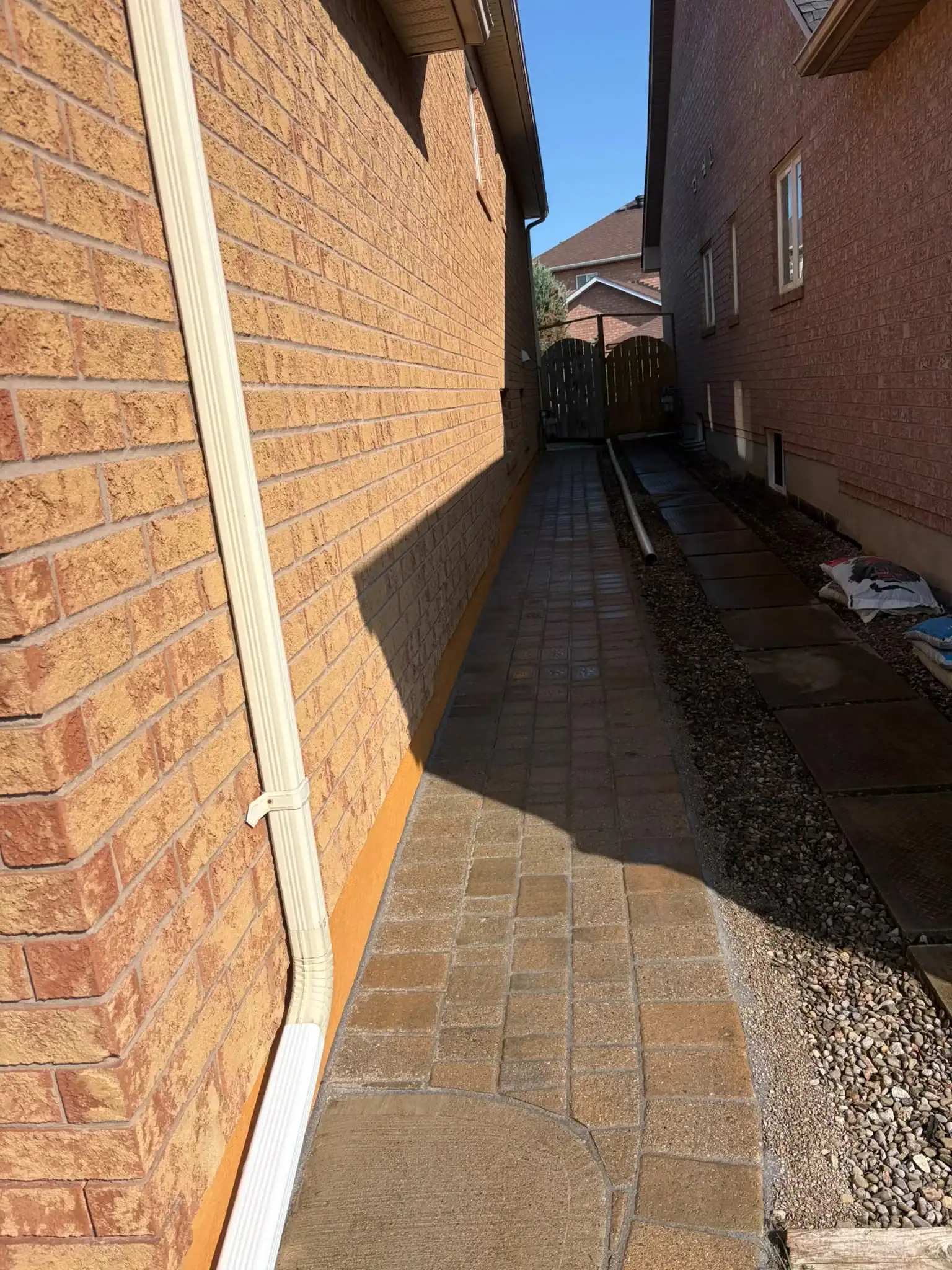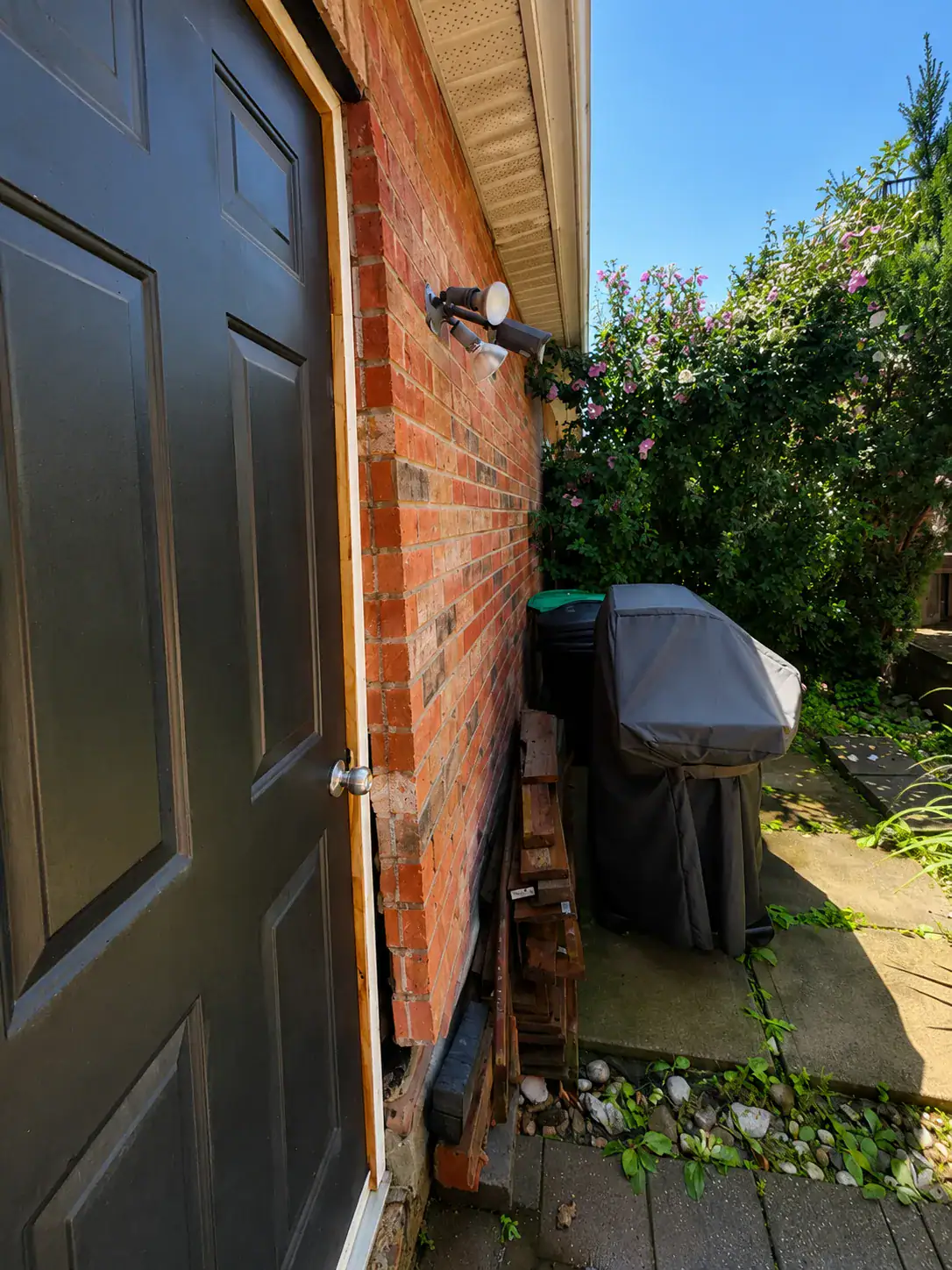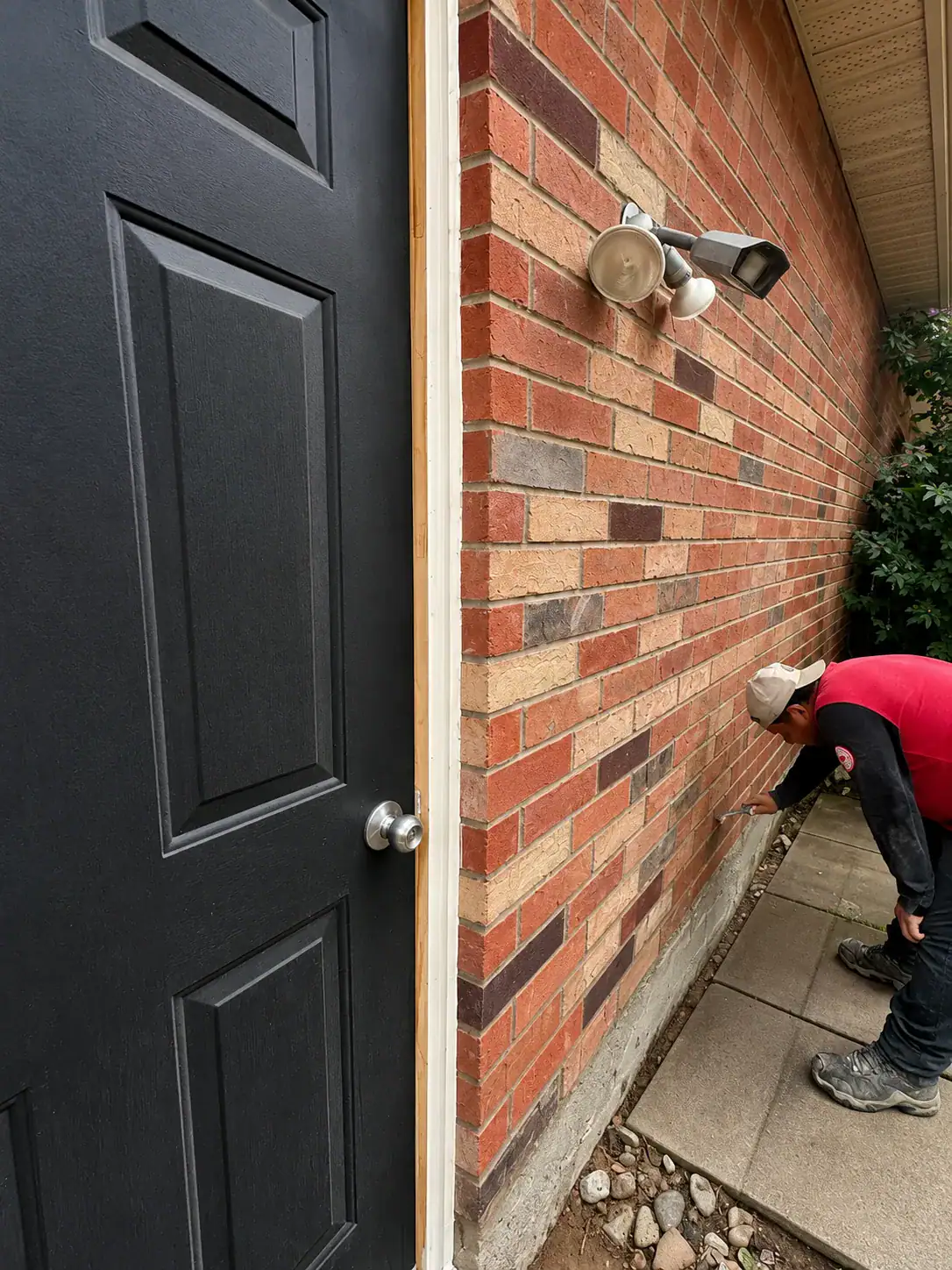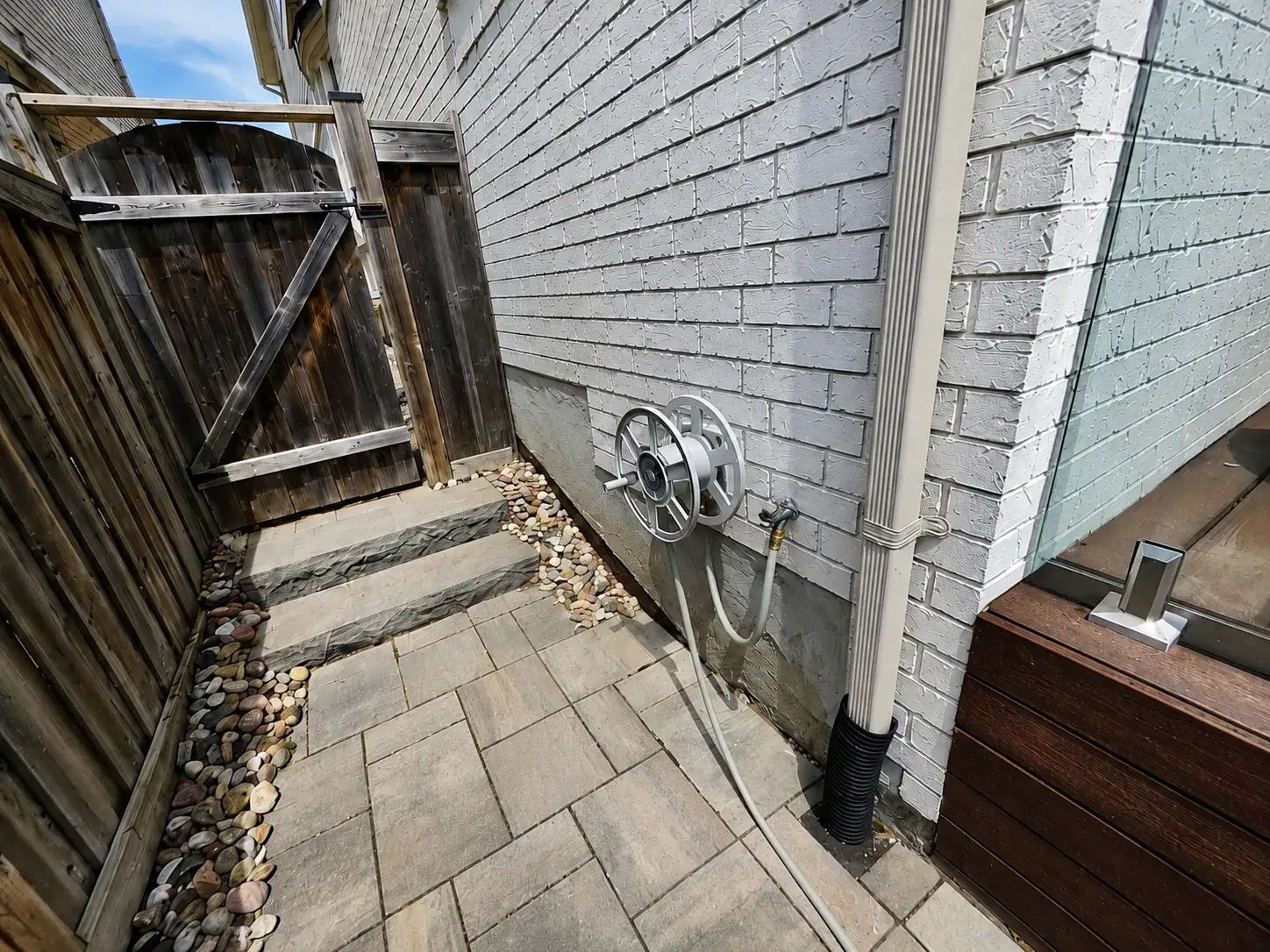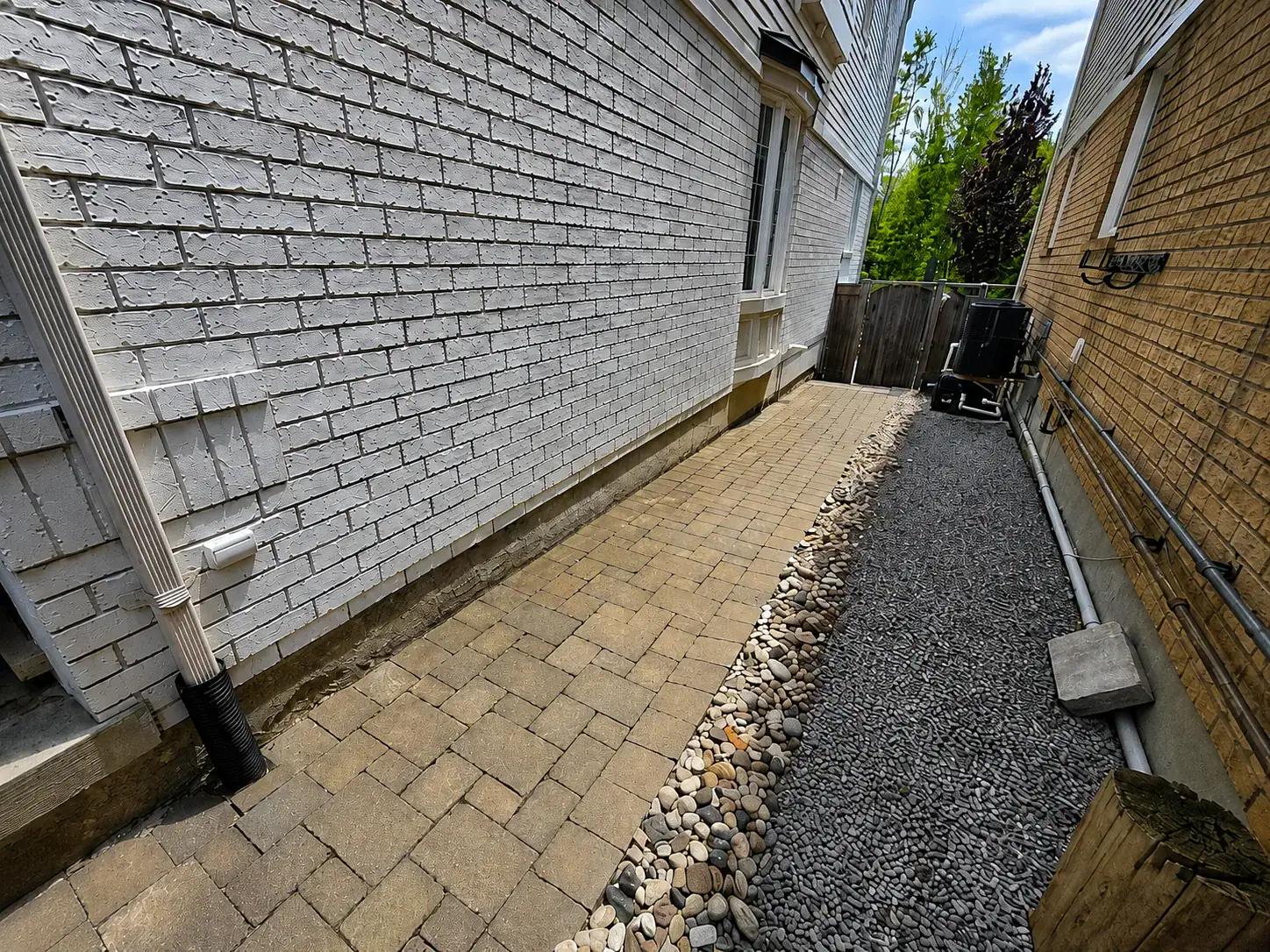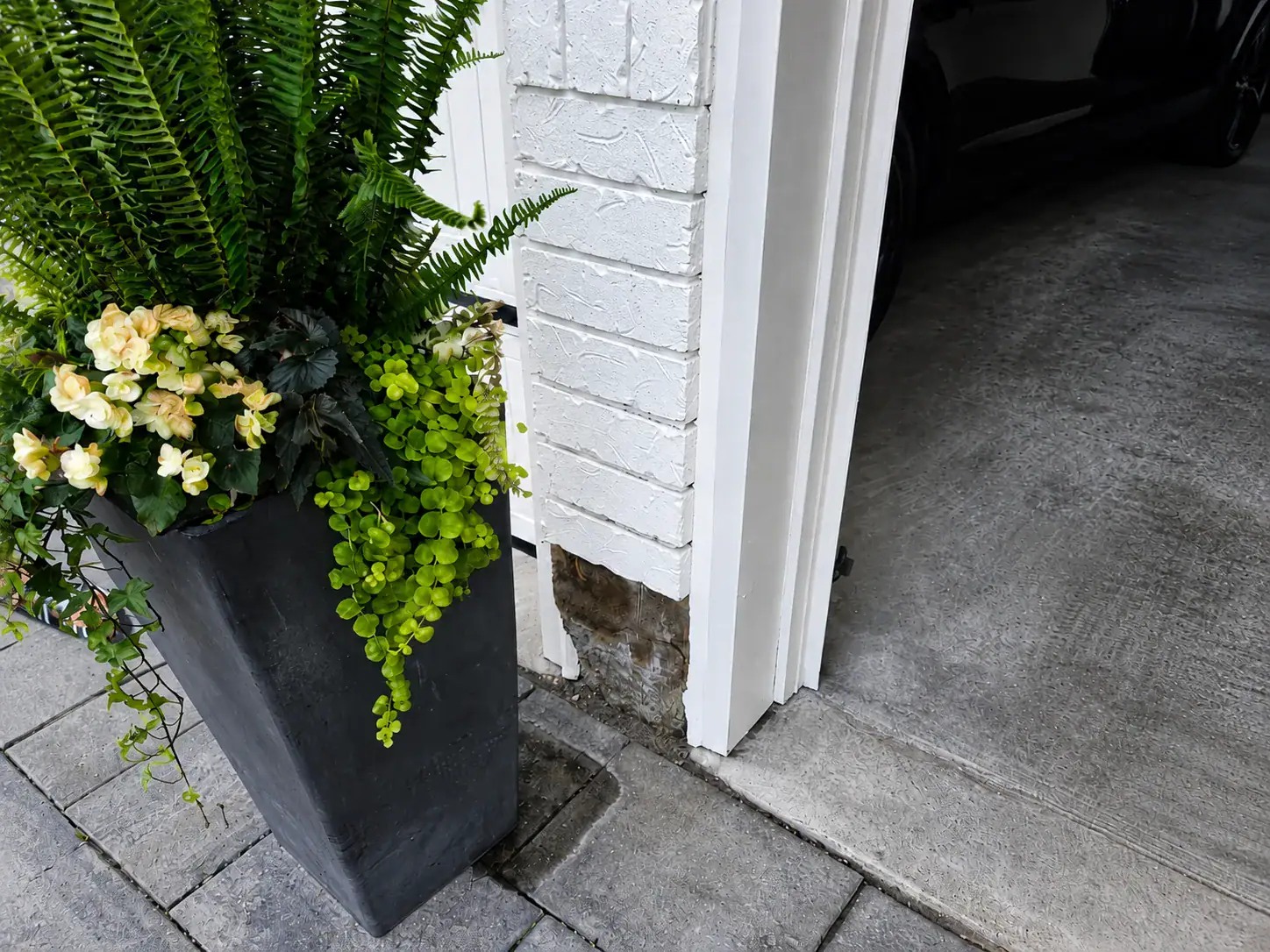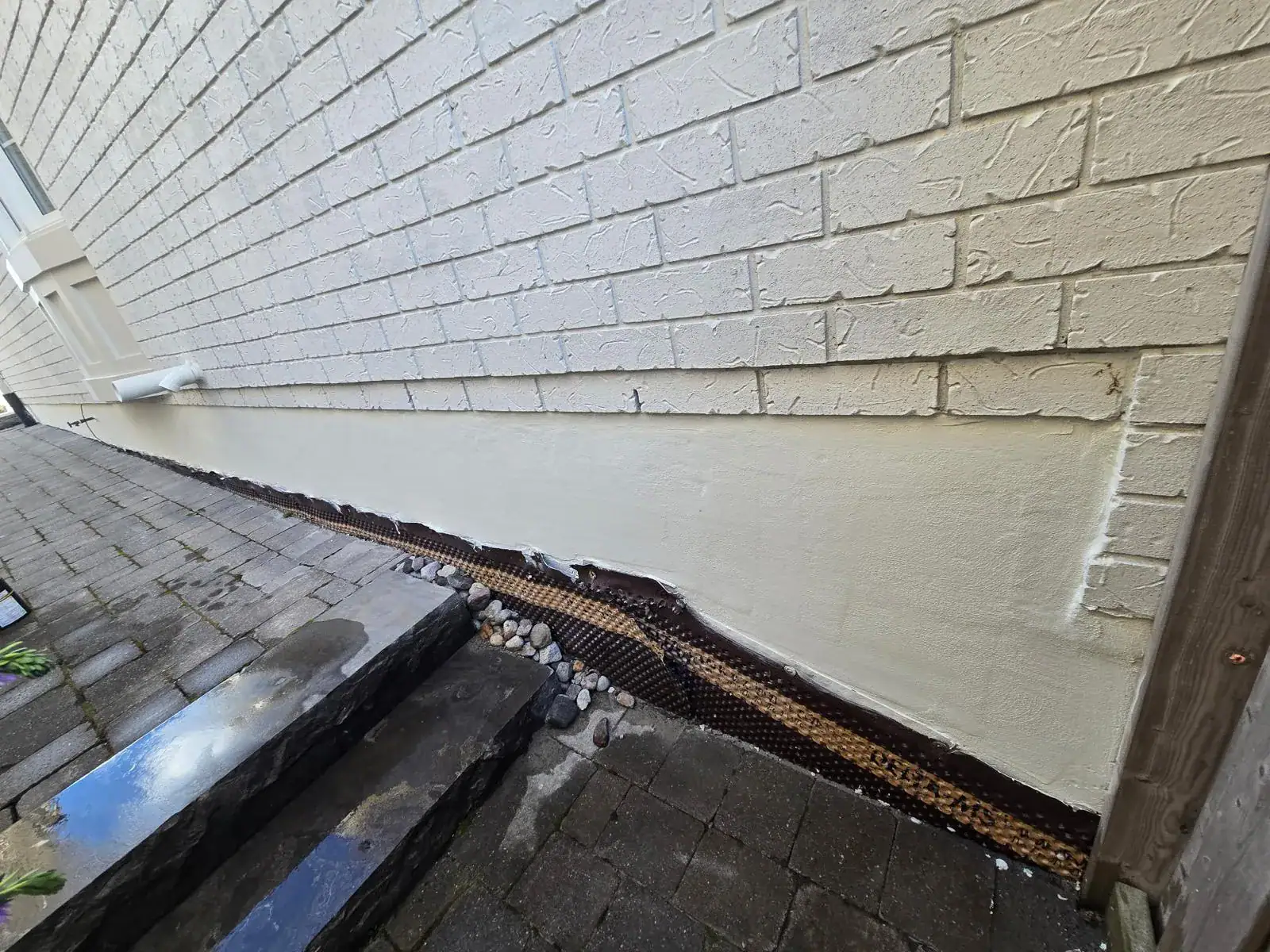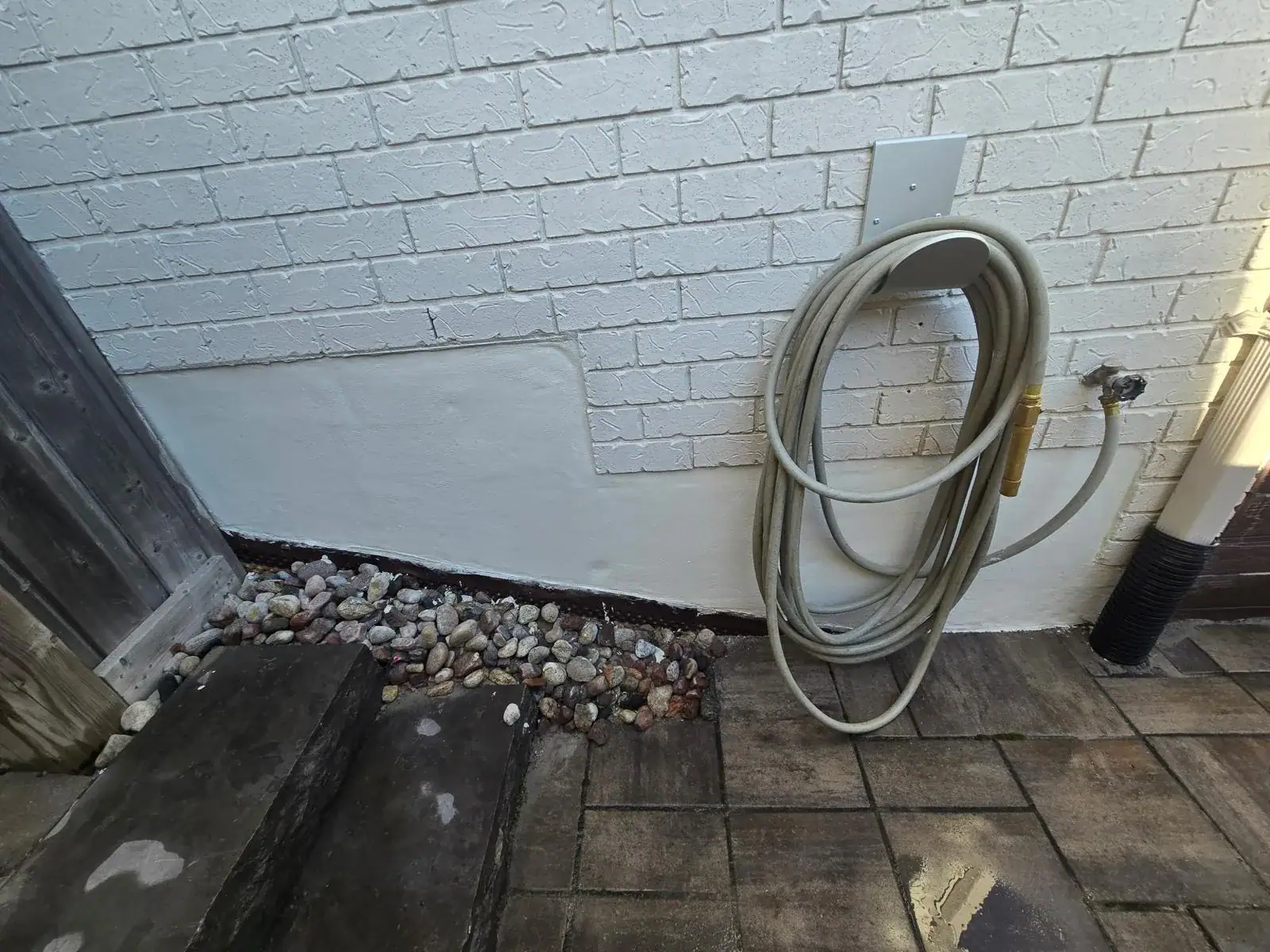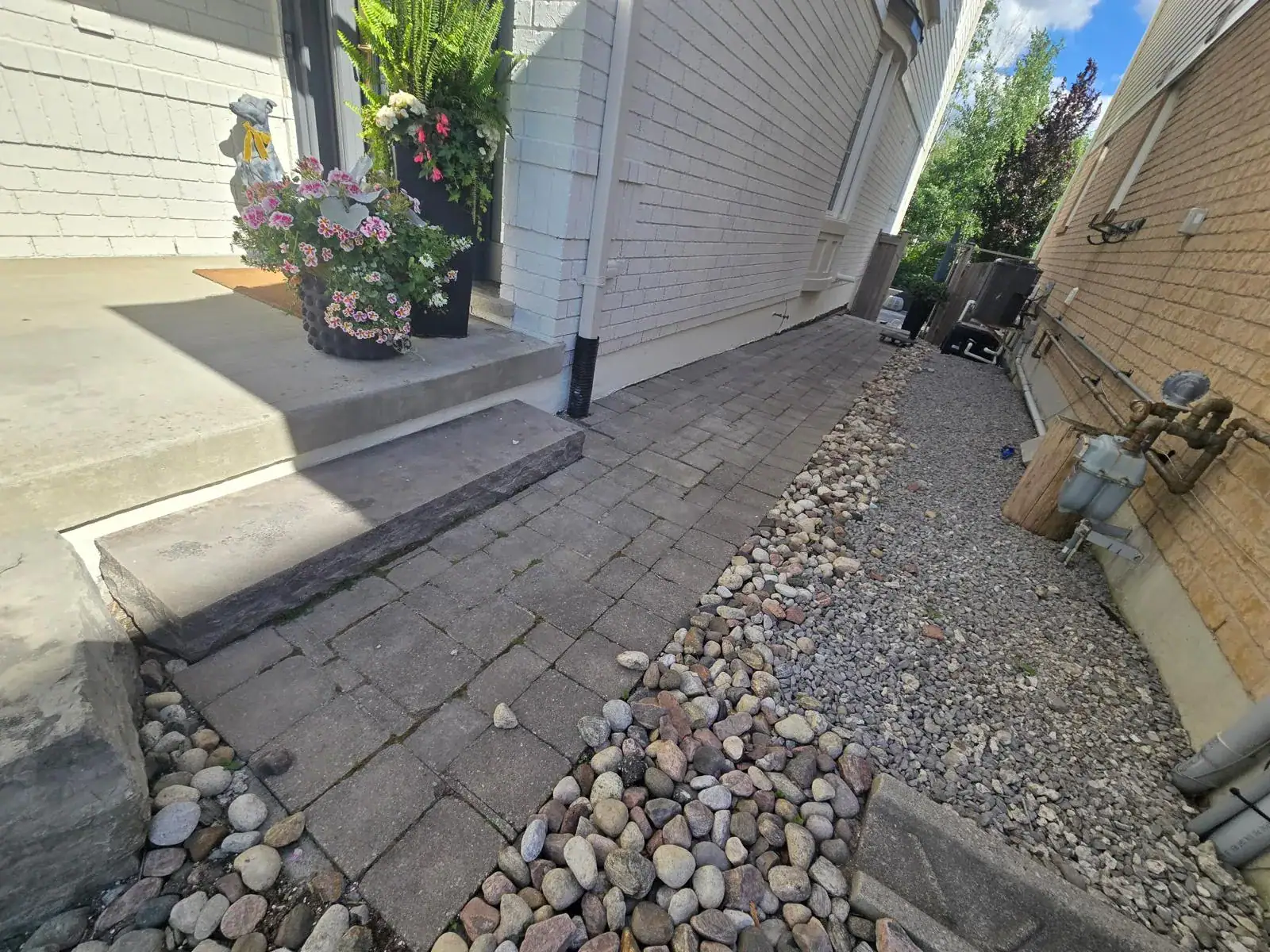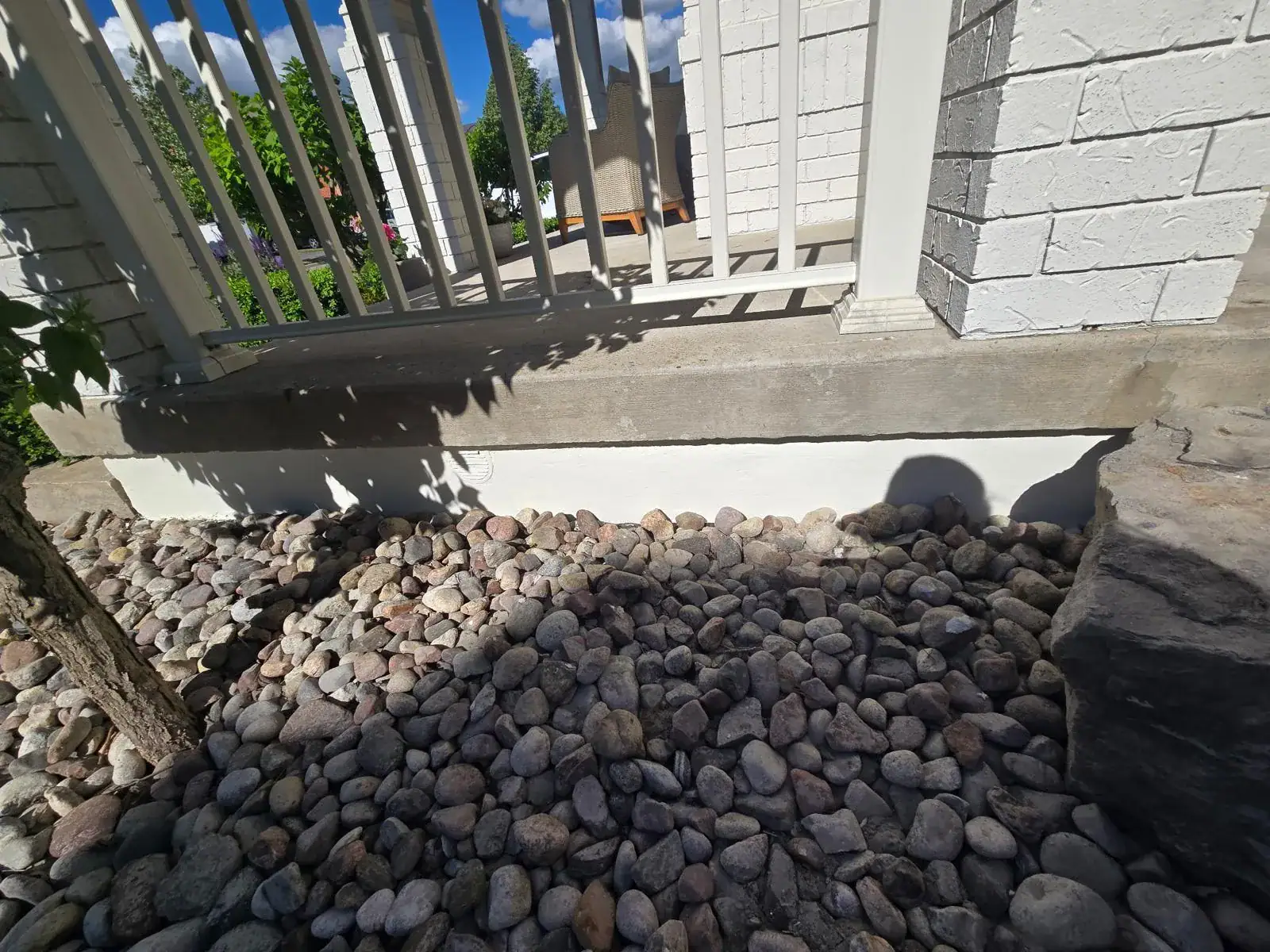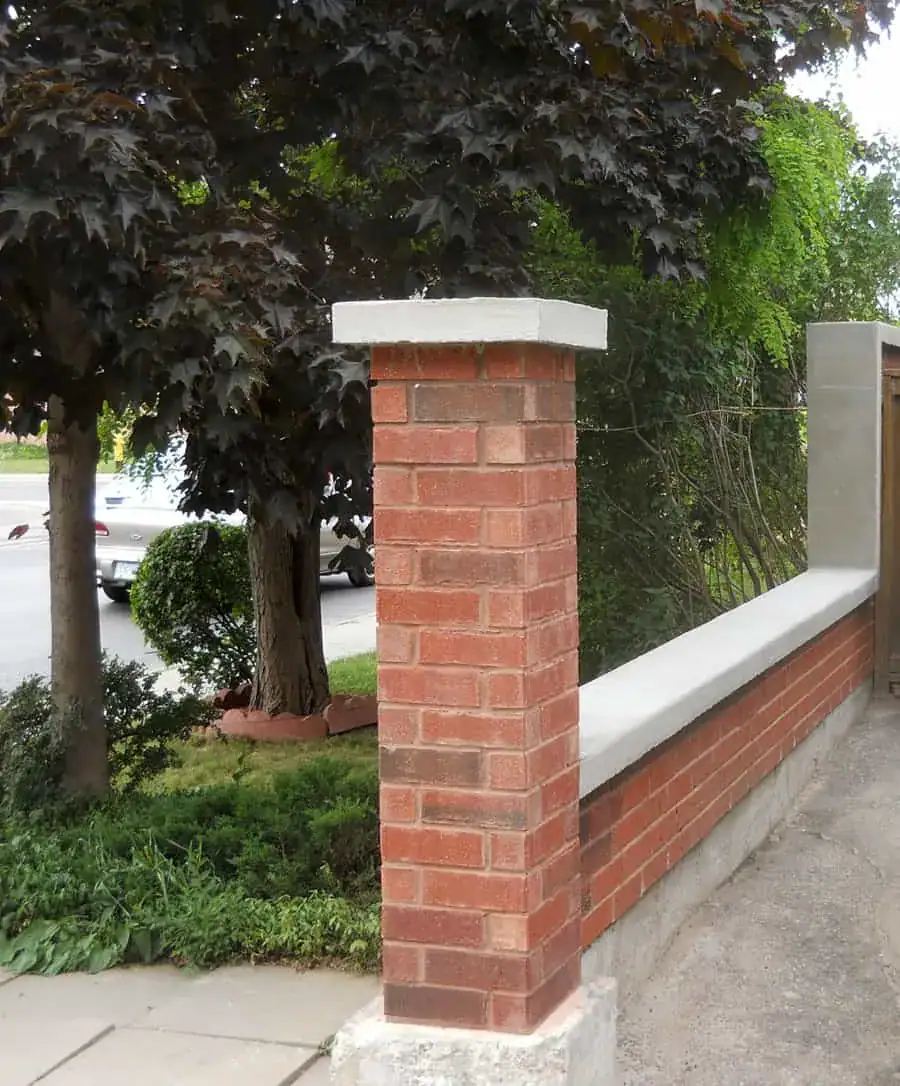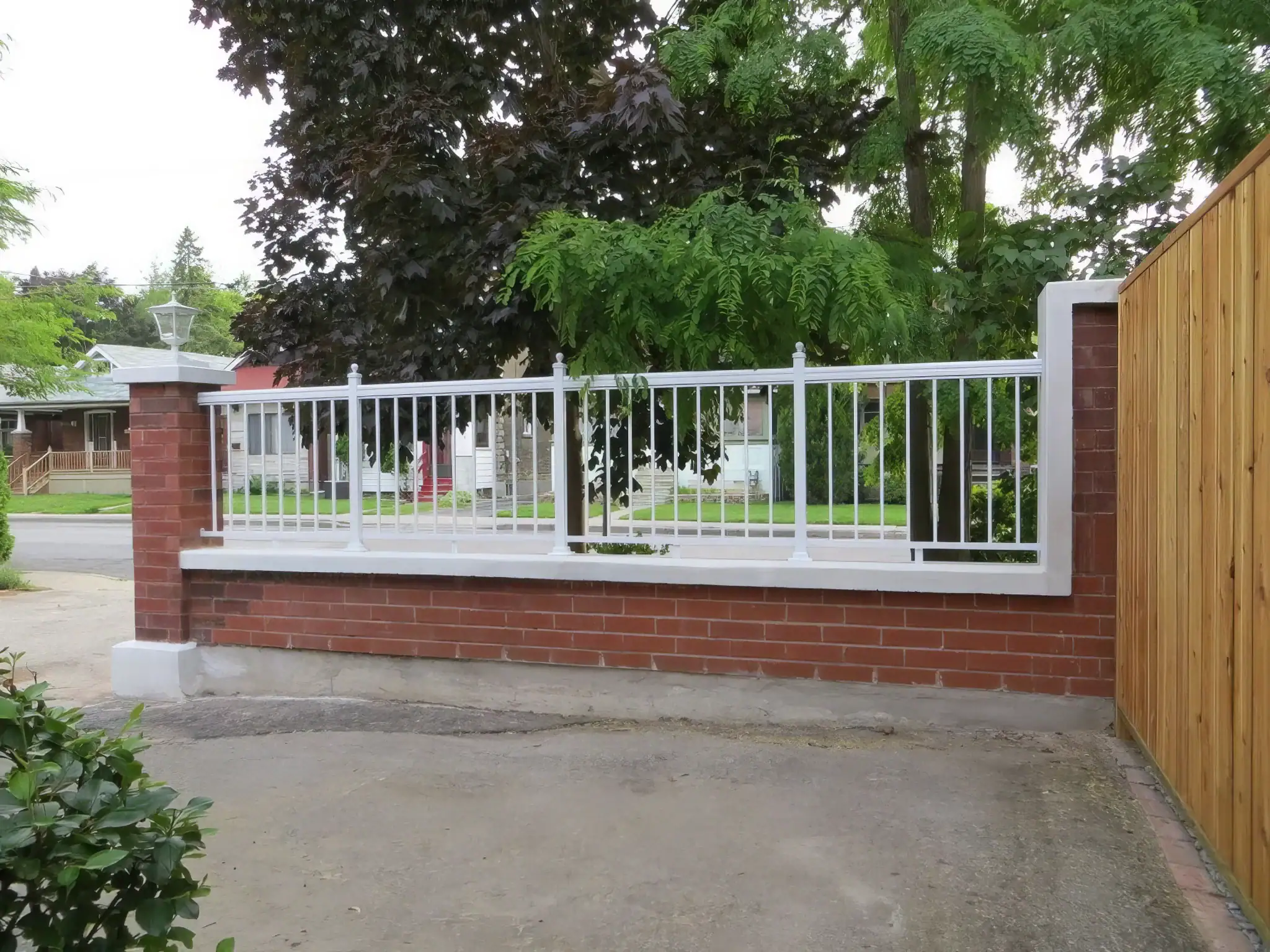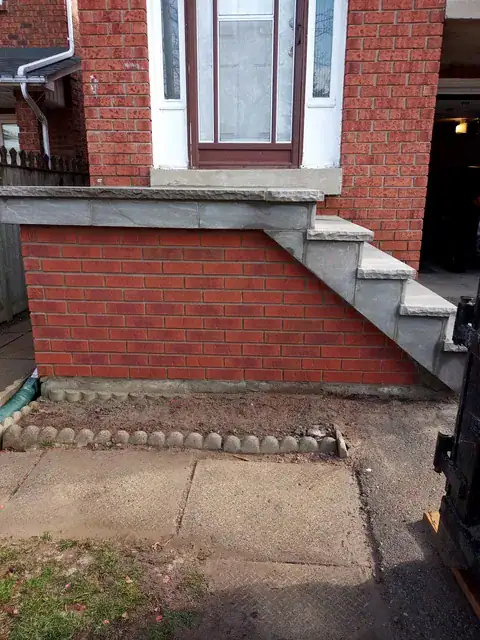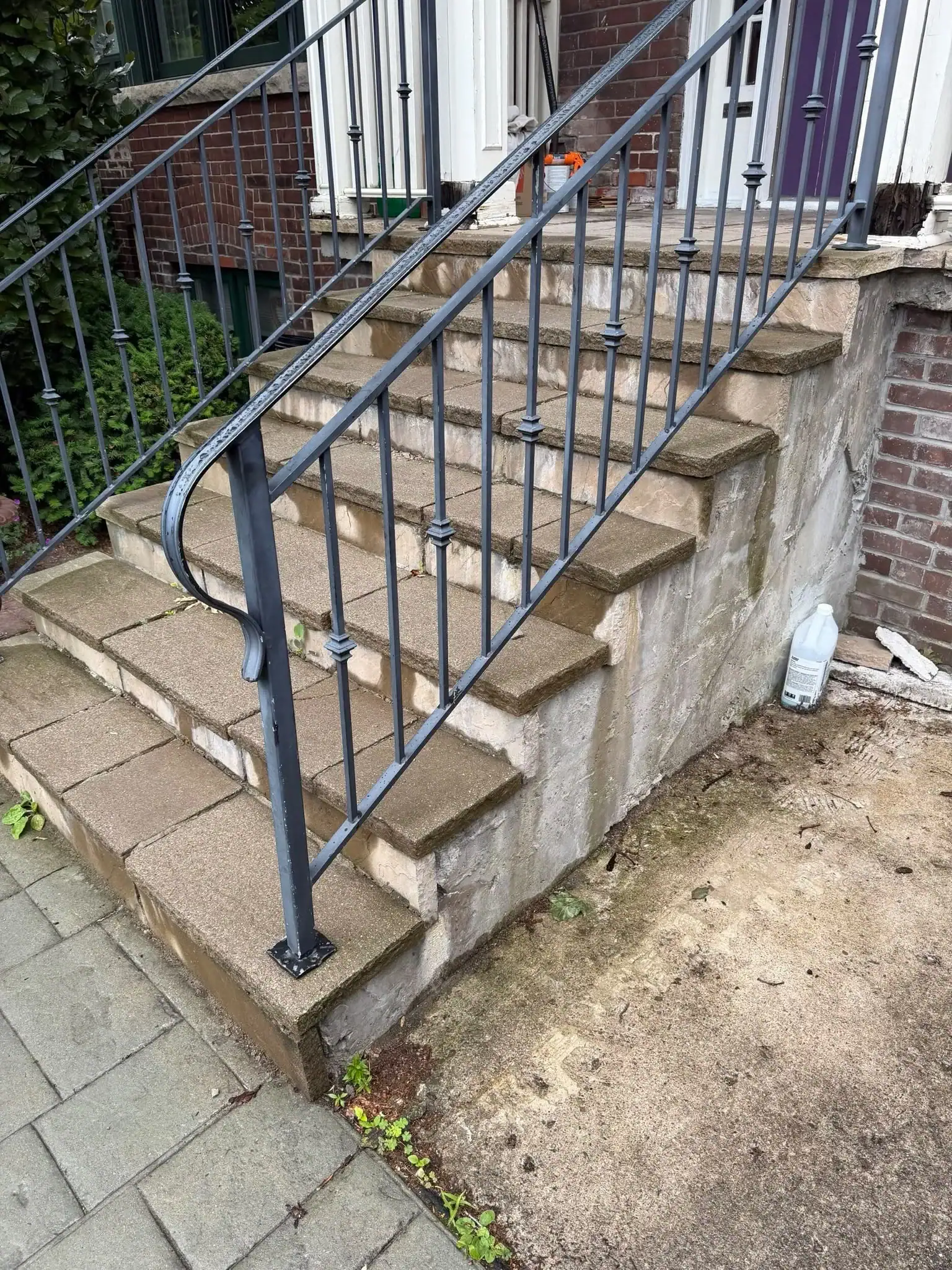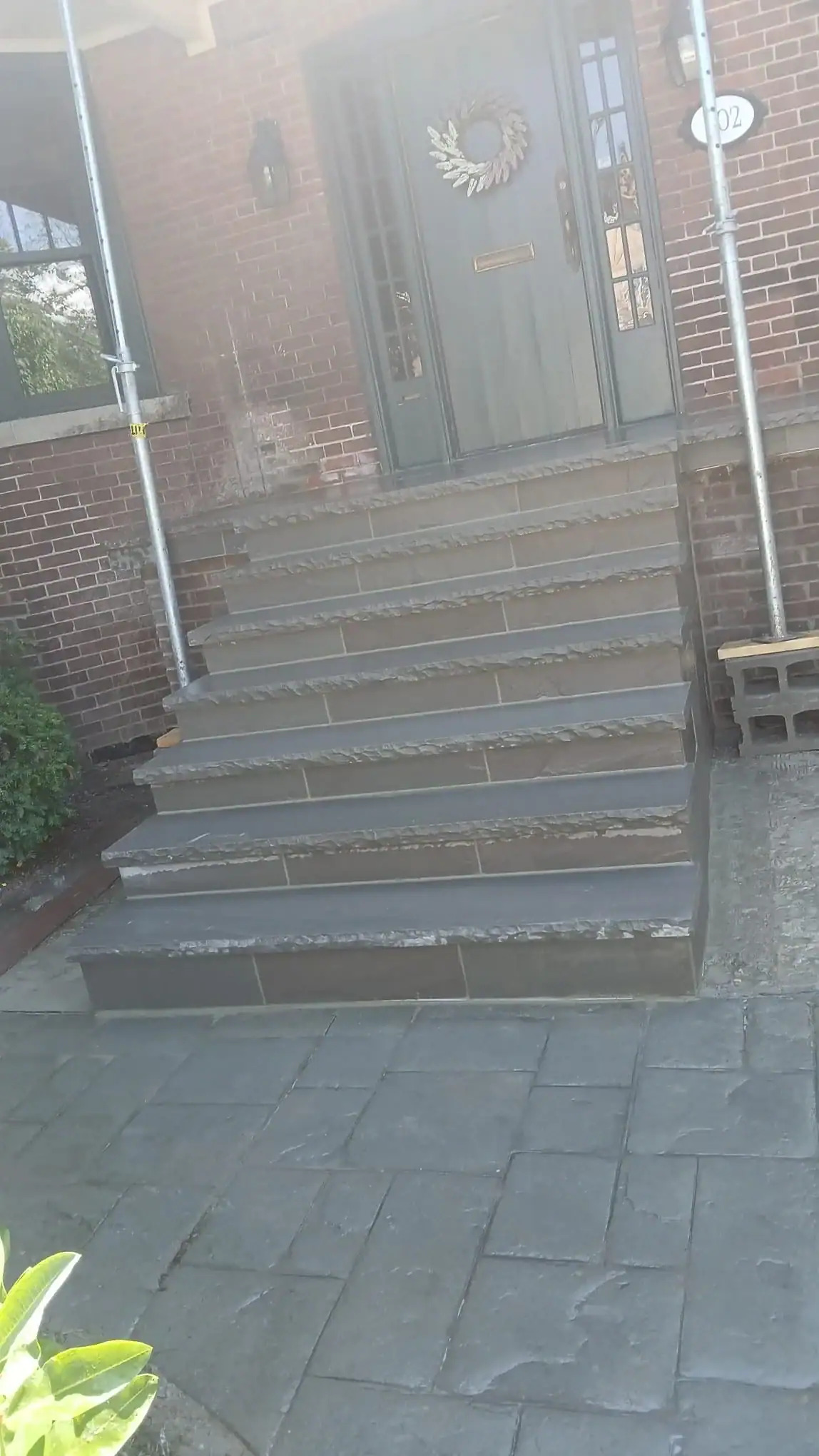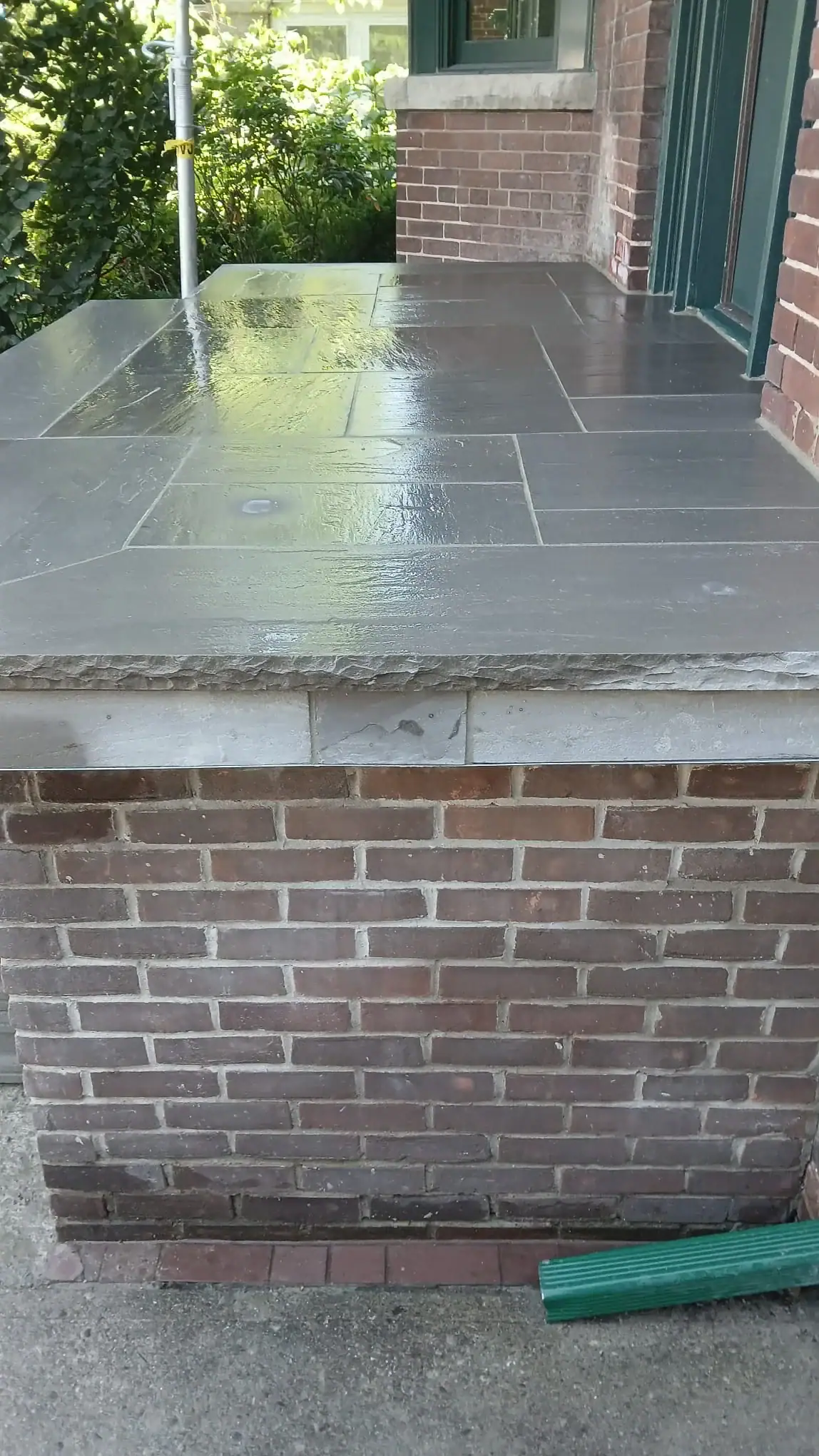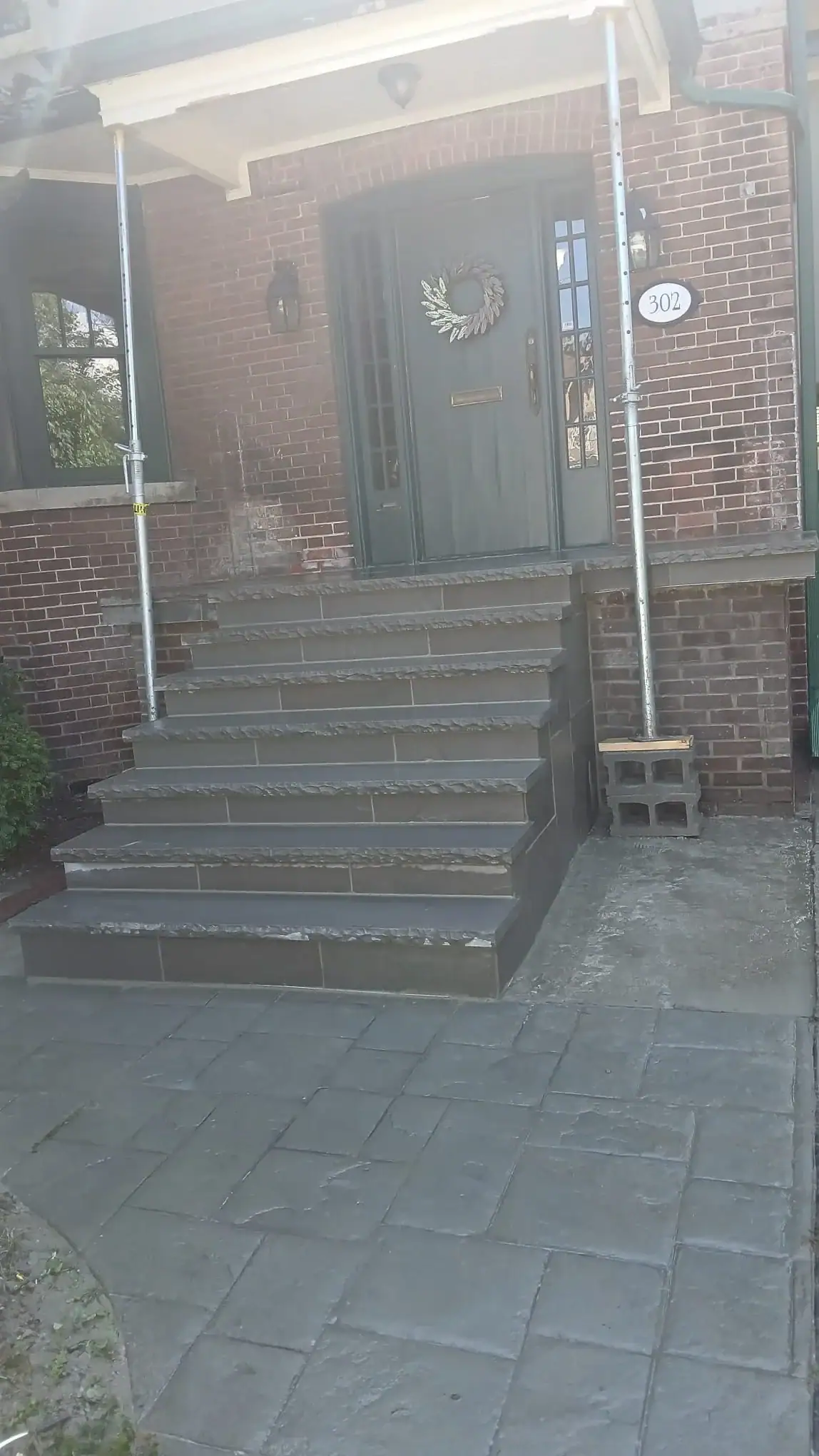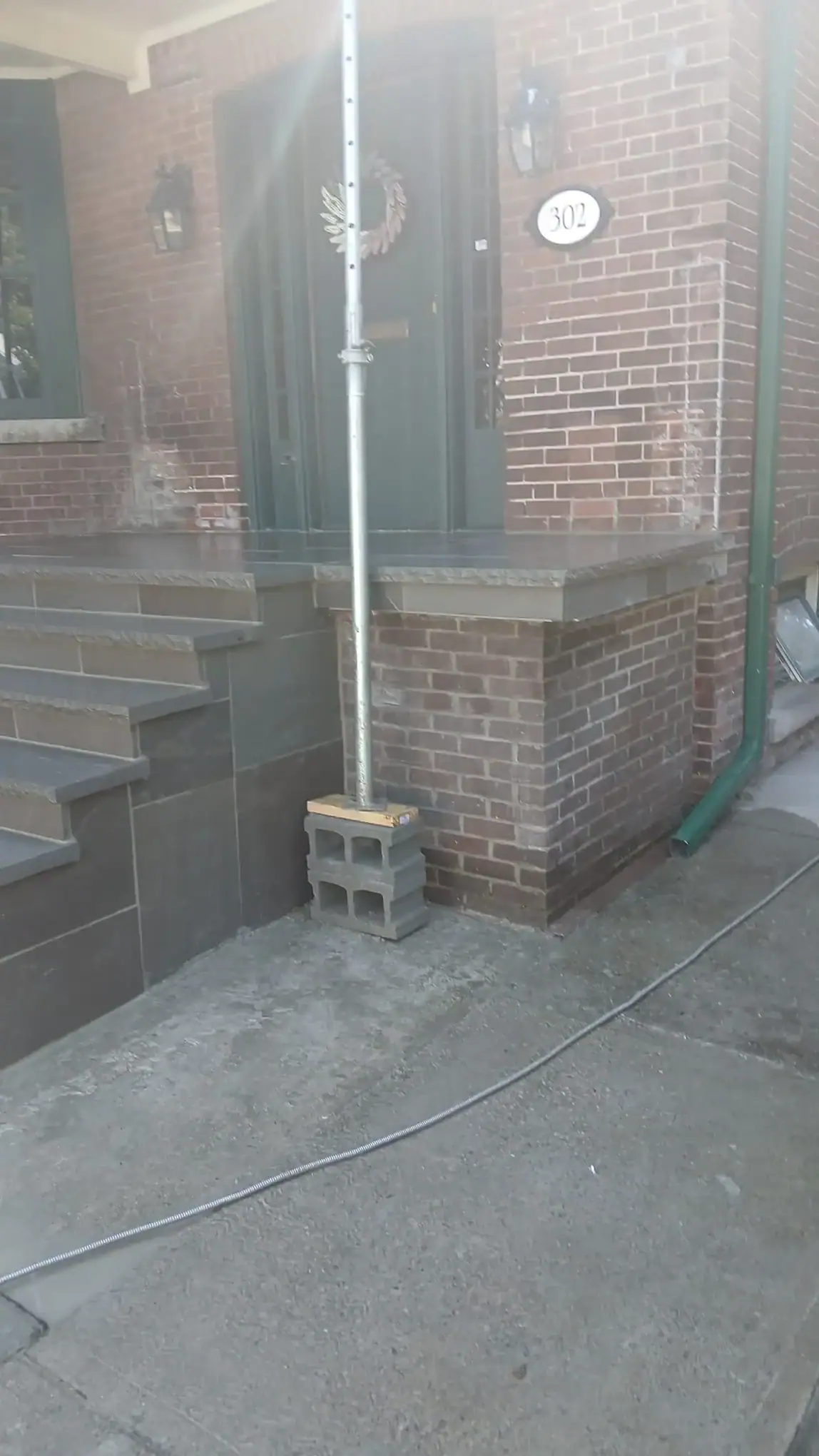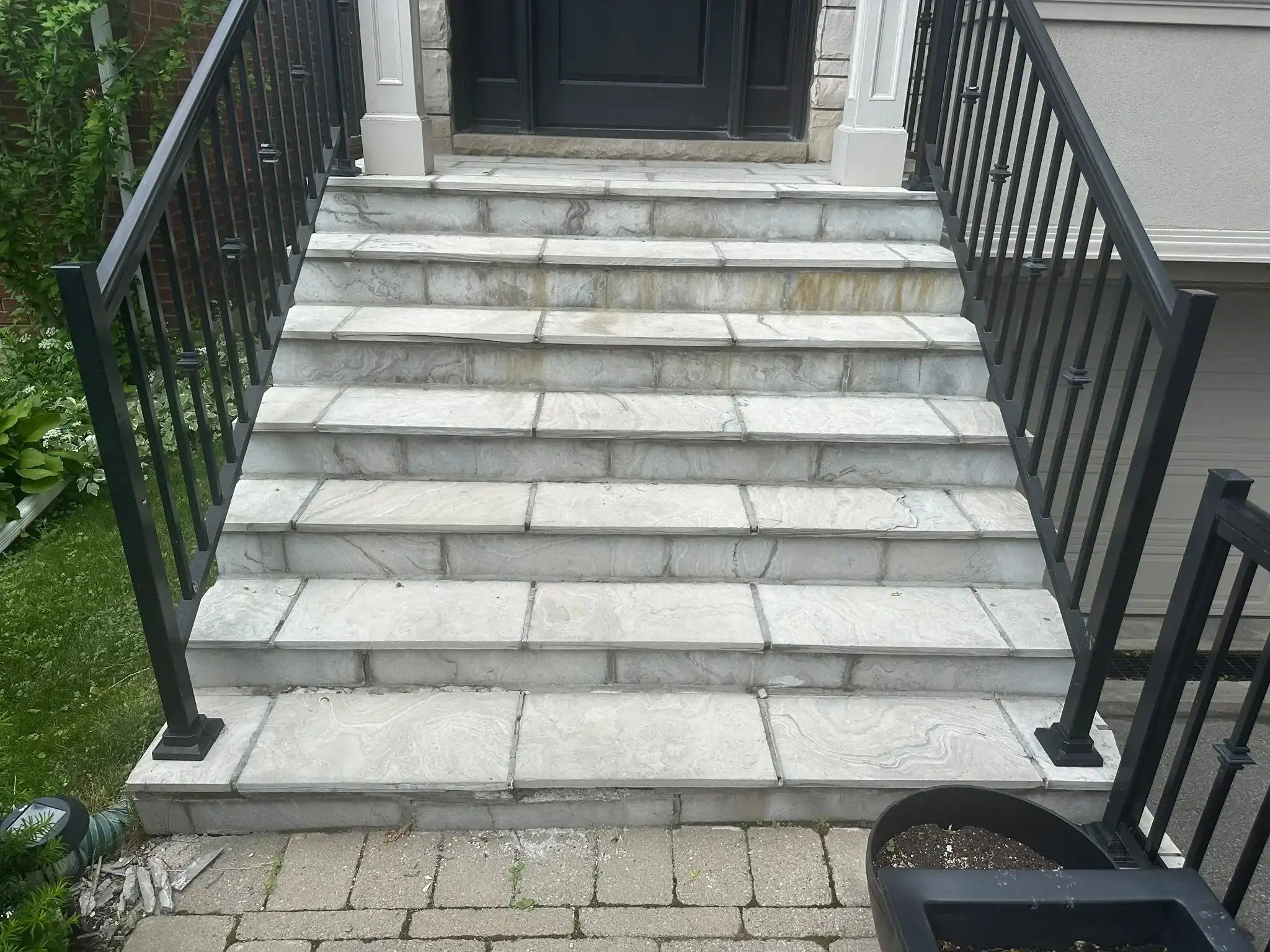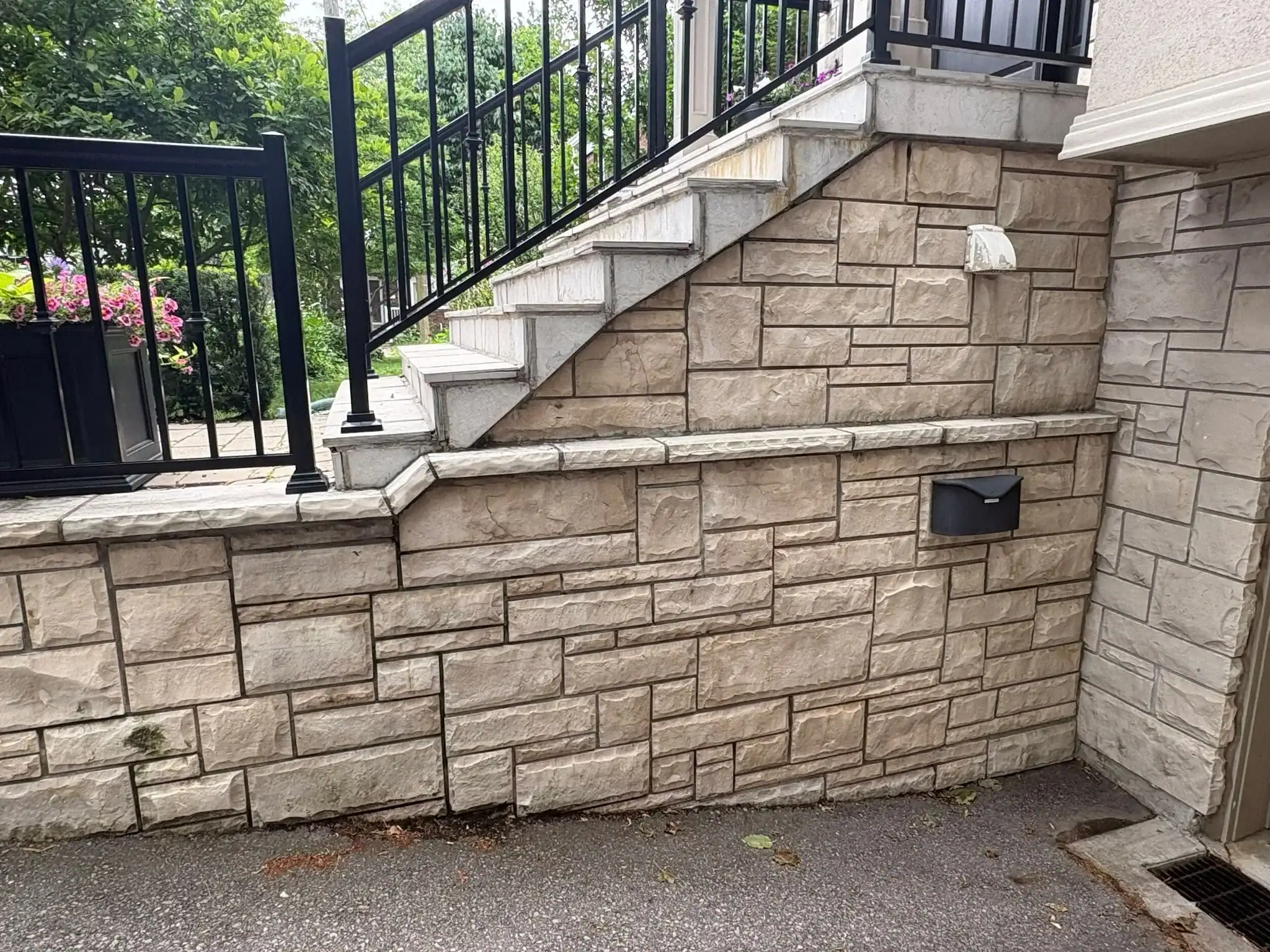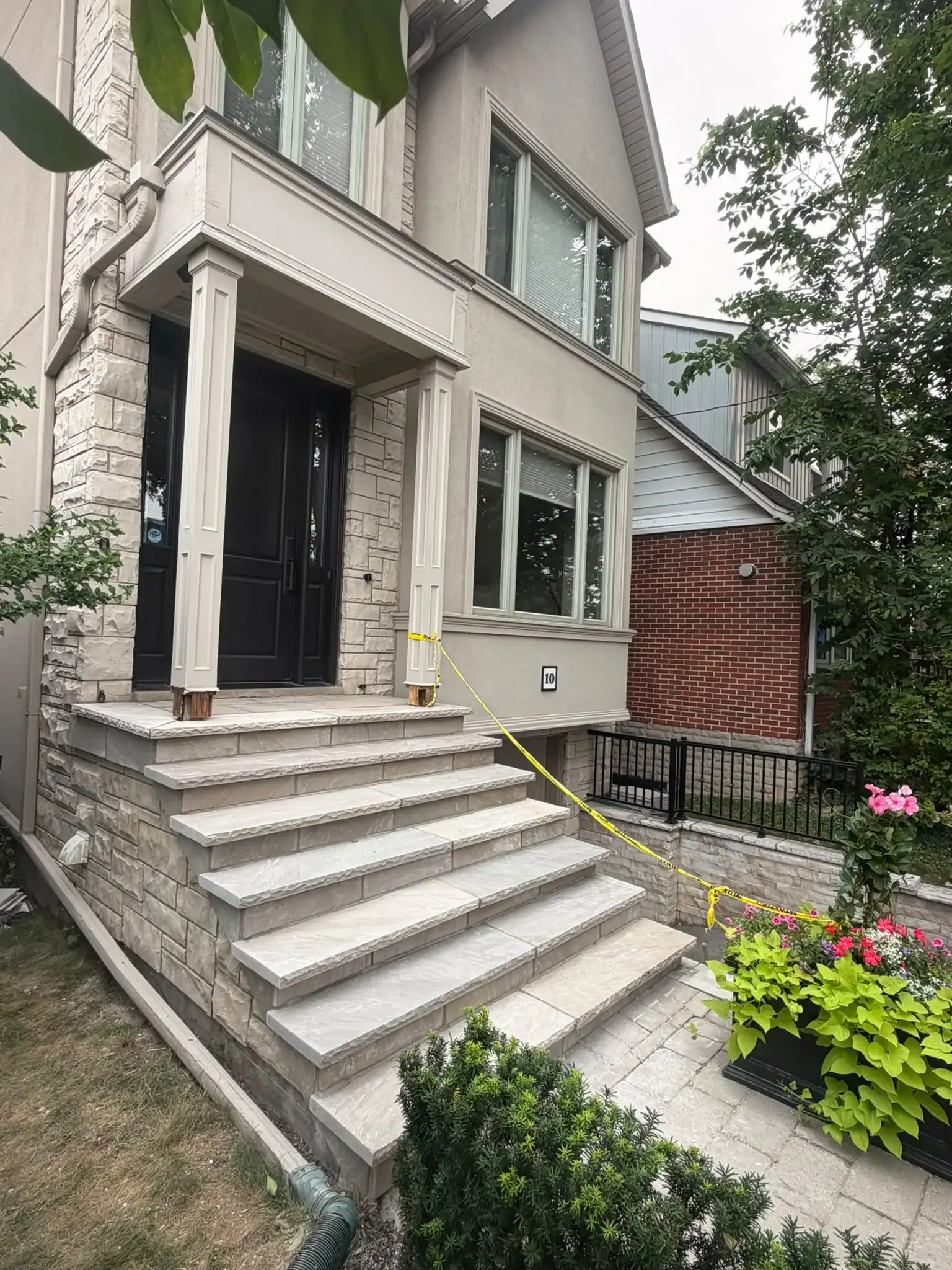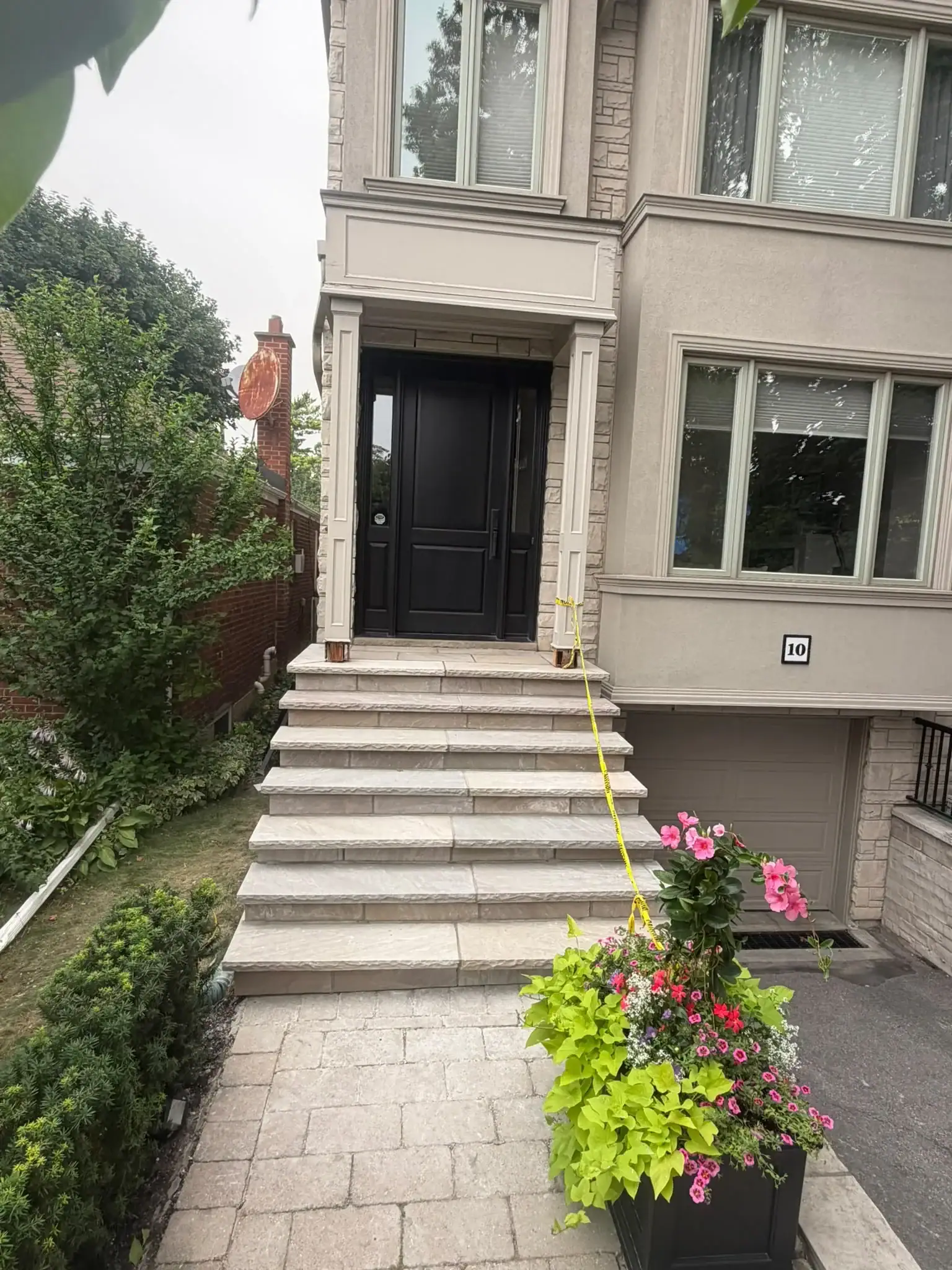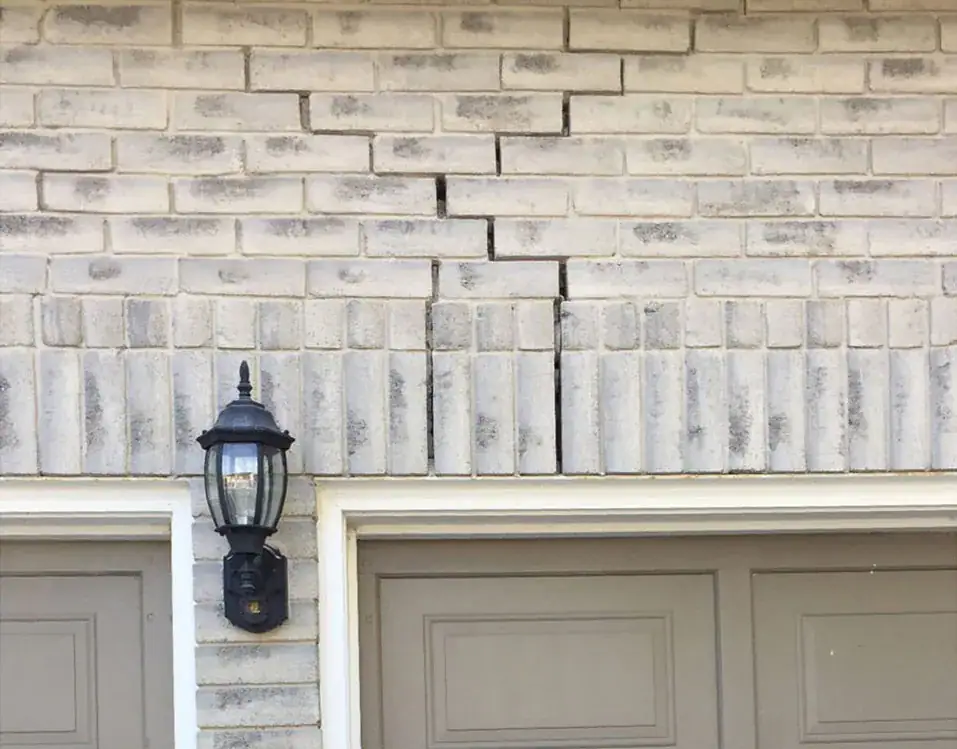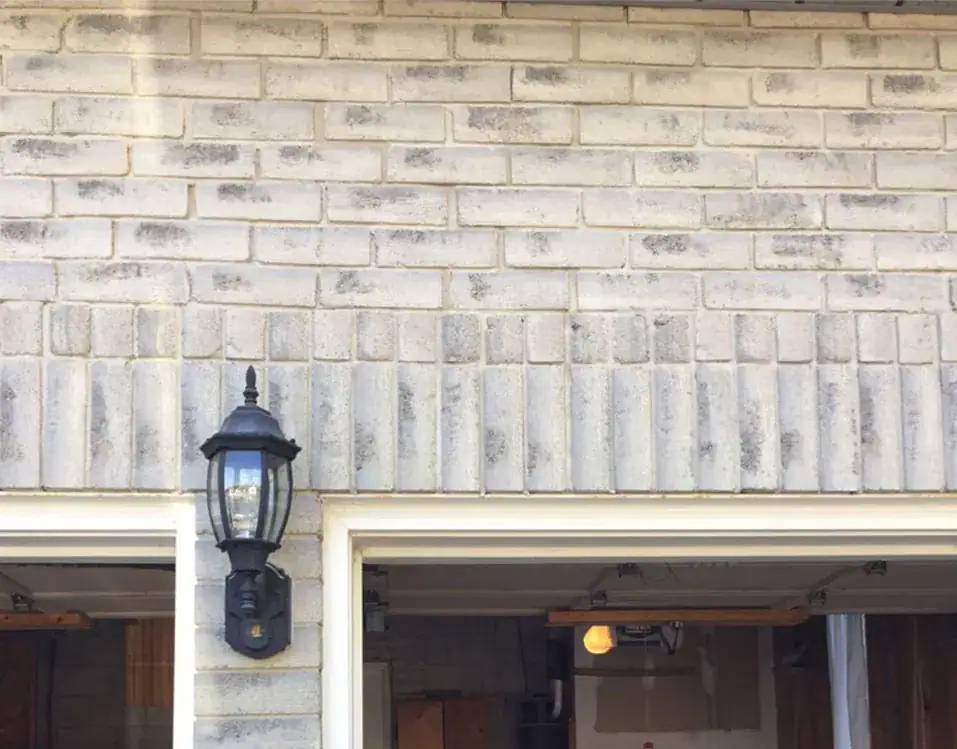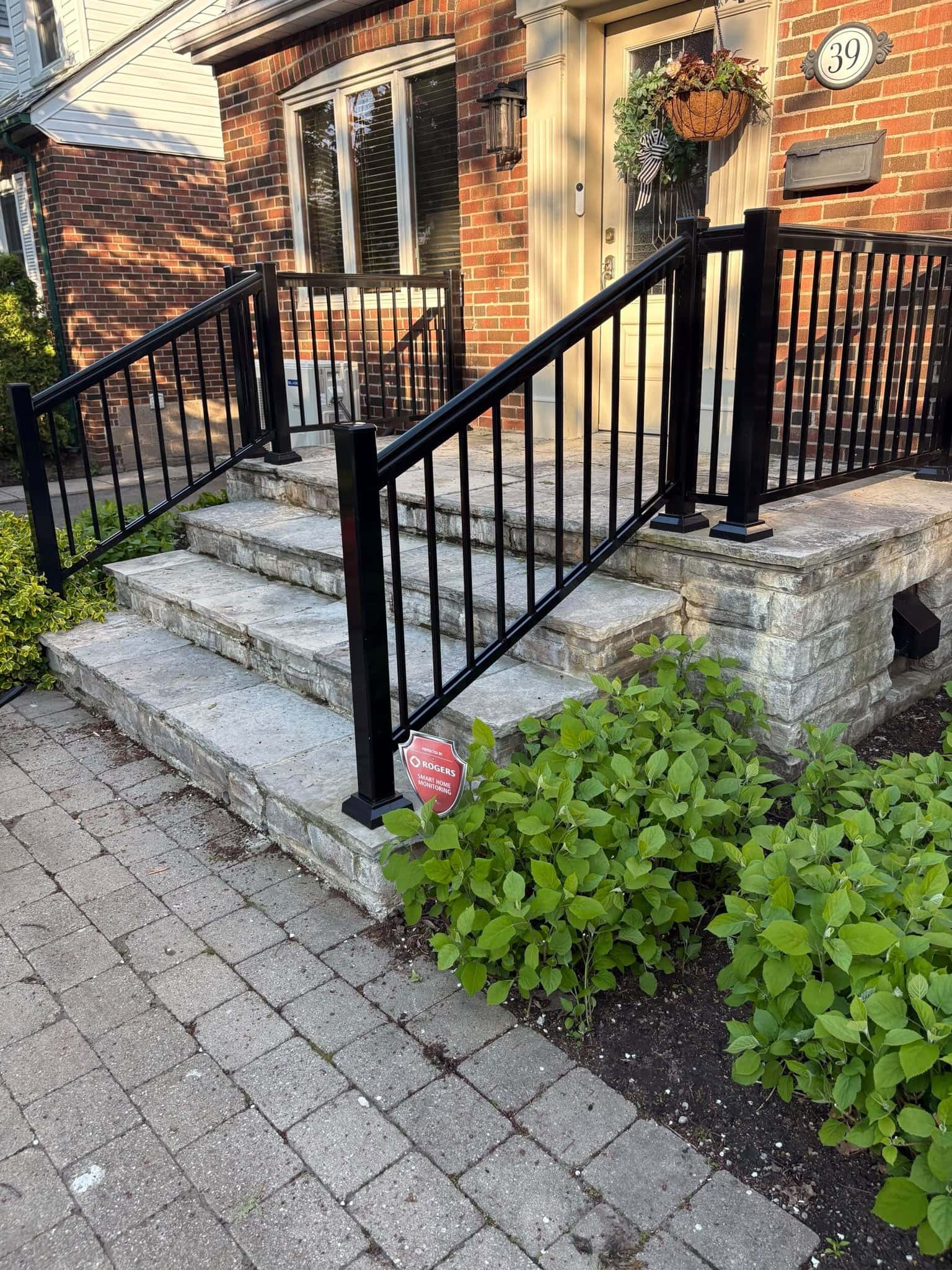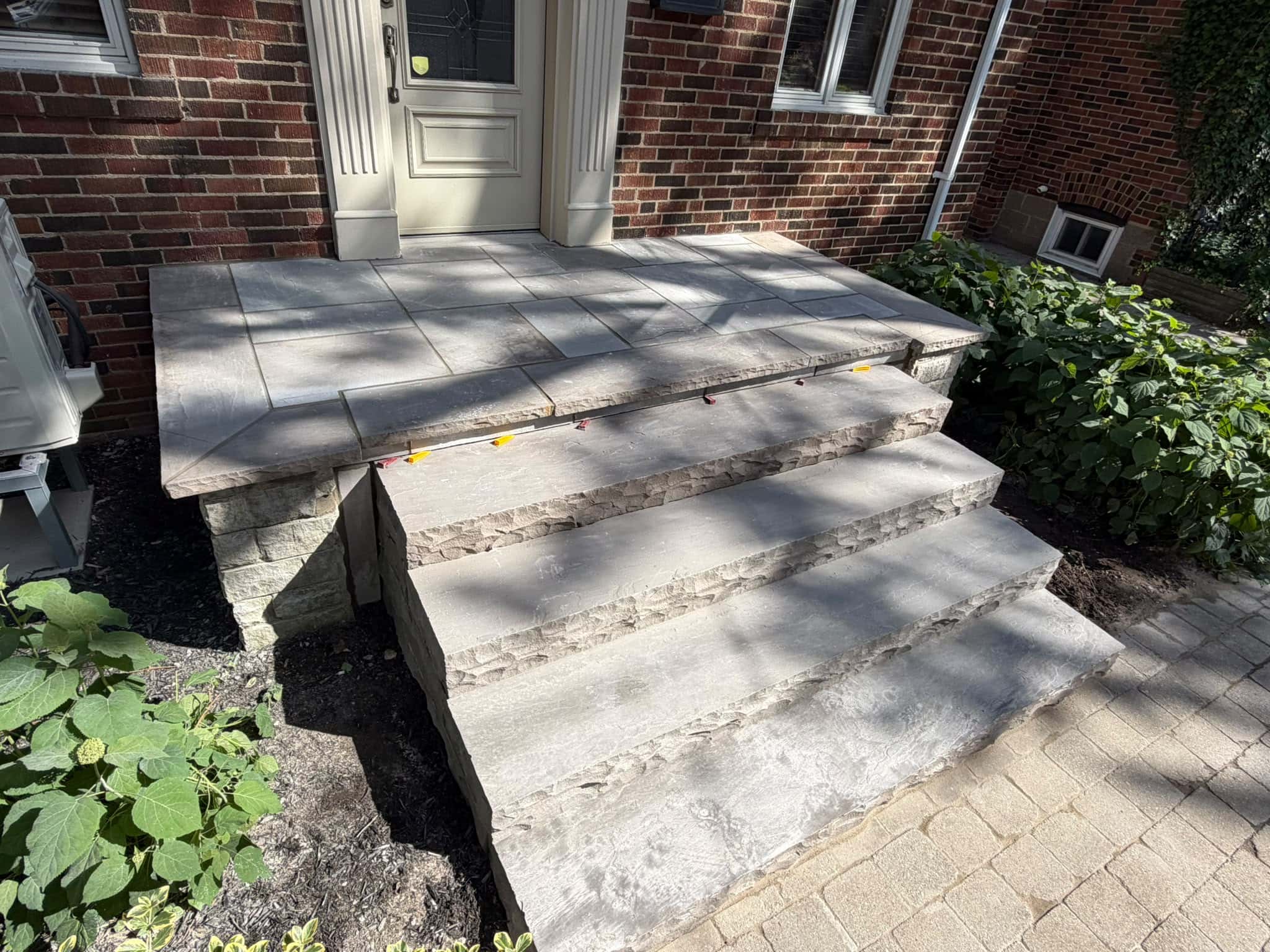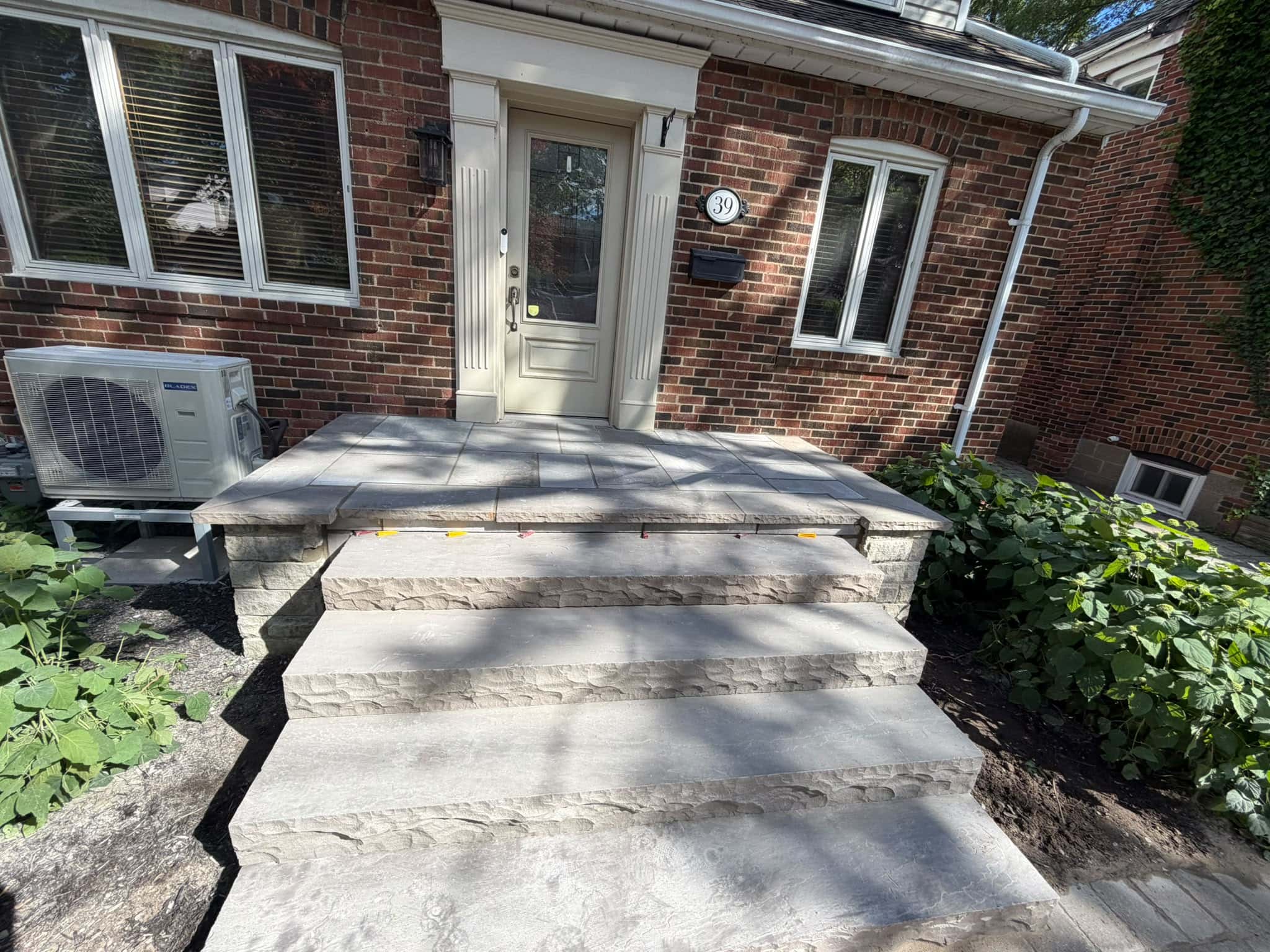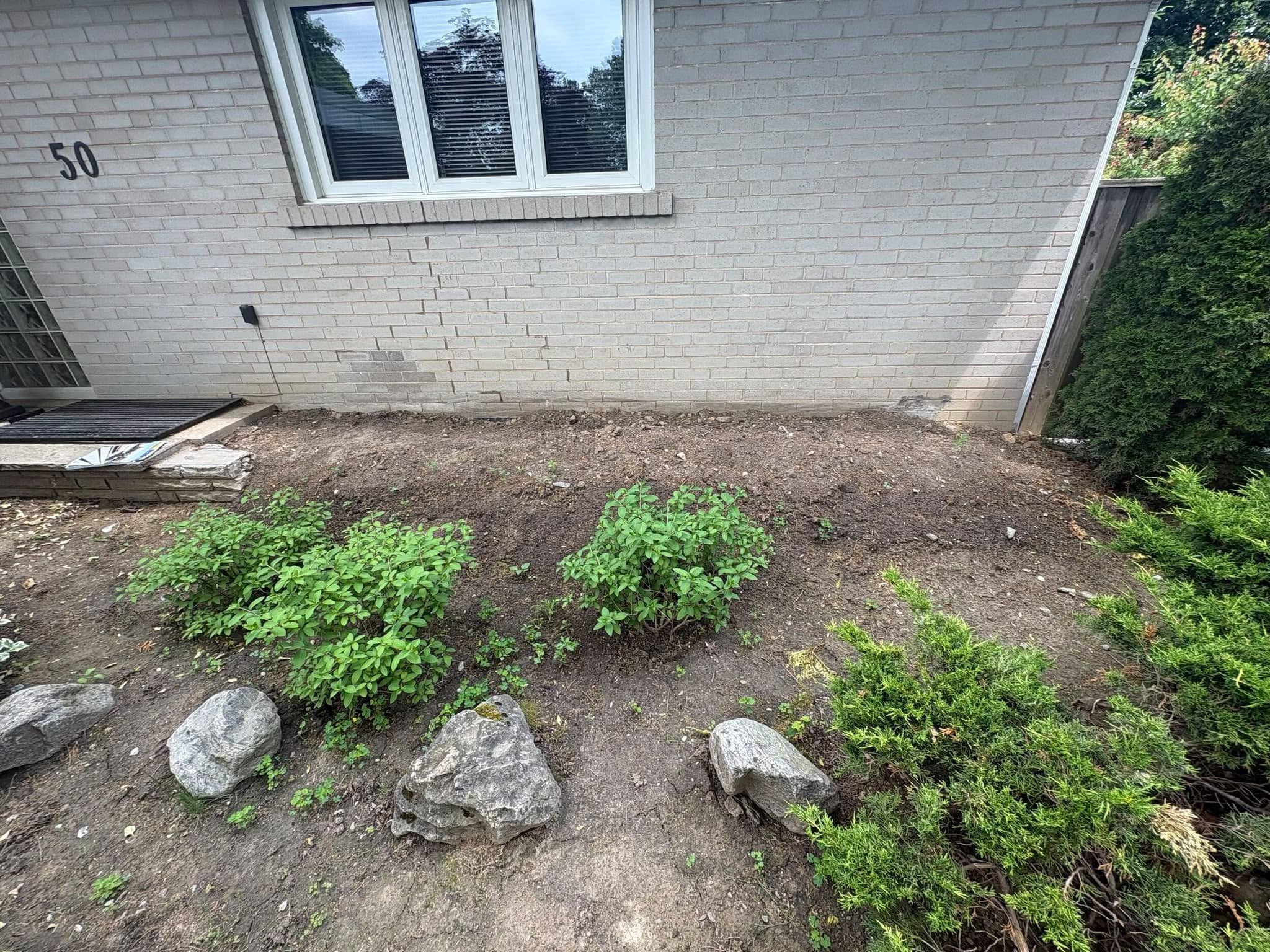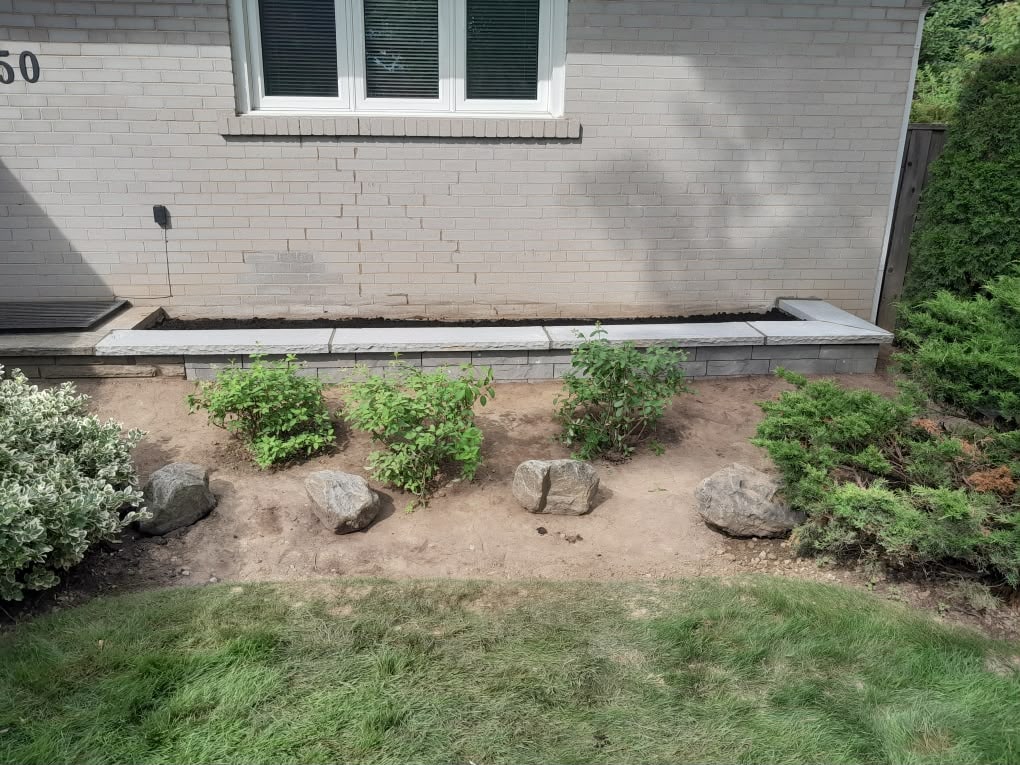
Brick tuckpointing is one of the most effective ways to protect brick homes in Toronto and the GTA from moisture damage, freeze-thaw stress, and long-term structural wear. If you live in an area with harsh seasonal weather, your brickwork is constantly exposed to rain, snow, and temperature fluctuations that gradually weaken mortar joints. This guide explains what brick tuckpointing is and the clear signs that indicate when it’s time to address failing mortar before it leads to larger brick repair issues. Brick tuckpointing is essential to maintaining your home’s integrity.
If your mortar joints are already crumbling, recessed, or missing in several areas, A&A Masonry’s professional tuckpointing services explain how deteriorated mortar is removed and replaced with compatible new mortar for Toronto brickwork.
Estimated read: 6 to 8 minutes | Best for: brick homes, chimneys, porches, and facades | Local focus: Toronto + GTA
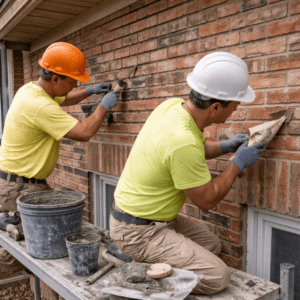
What Is Brick Tuckpointing, in Plain Language?
Homeowners often use “tuckpointing” and “repointing” interchangeably. Technically, repointing removes deteriorated mortar from masonry joints and replaces it with compatible new mortar, while traditional tuckpointing refers to a decorative joint-finishing technique.
In this guide, “tuckpointing” refers to the mortar-joint repair service Toronto homeowners commonly request.
The purpose of the repair is to restore deteriorated joints, reduce pathways for water entry, and help preserve the surrounding brickwork when the masonry units themselves are still serviceable.
For a deeper explanation of the terminology, see A&A Masonry’s guide to tuckpointing vs. repointing.
Quick takeaway: Tuckpointing or repointing repairs deteriorated mortar joints. It is appropriate when the mortar is failing but much of the surrounding brick remains serviceable.
What Tuckpointing Actually Does for Your Home
Tuckpointing is more than a cosmetic repair. It restores deteriorated mortar joints and helps preserve otherwise sound masonry, but it does not correct underlying structural movement or severely damaged brickwork.
1) It Repairs Deteriorated Mortar Joints That Can Admit Moisture
Mortar joints are exposed to rain, snow, temperature changes, and normal weathering. When joints crack, crumble or recede, they can create easier paths for moisture to enter the masonry.
Replacing failed mortar with compatible new material helps restore the joint and reduce water entry through those deteriorated areas.
2) It Can Help Preserve Sound Brick
Repairing failed mortar while the surrounding brick is still sound can help reduce further moisture-related deterioration.
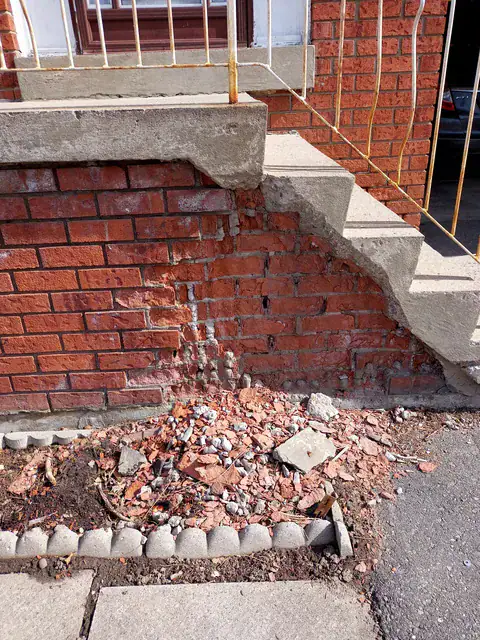
If bricks are already cracked, loose, or spalling, repointing alone may not be enough. In those cases, the work may need to include professional brick repair or selective brick replacement.
3) It Restores Mortar Joints in Otherwise Serviceable Masonry
Mortar joints contribute to how masonry units work together, but assess visible movement, bulging, or instability before assuming tuckpointing alone is the right repair.
On chimneys, parapets, and other highly exposed areas, mortar deterioration may occur alongside failed flashing, crowns, caps, or damaged brick.
When do you actually need tuckpointing? 9 signs that matter
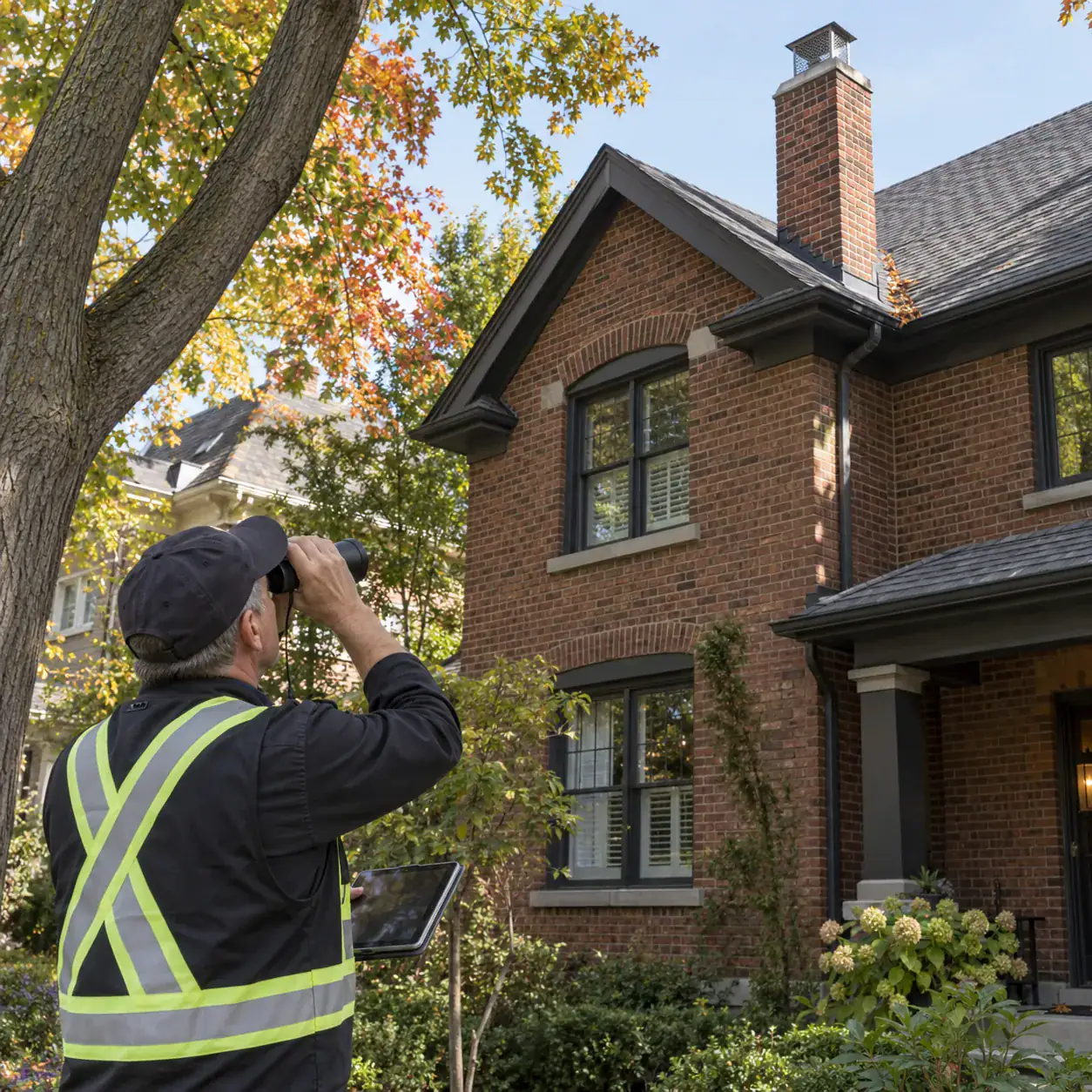
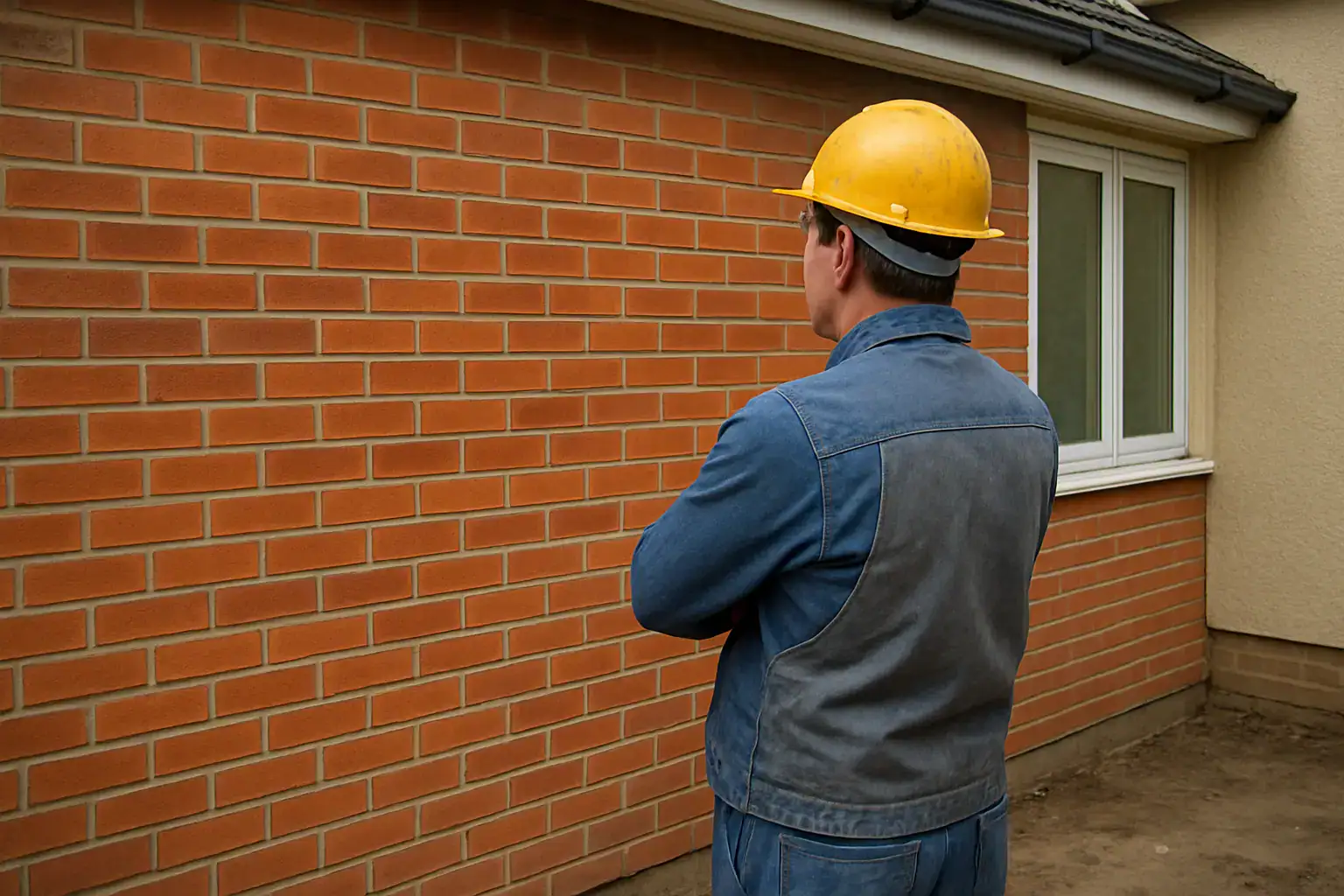
Regular inspections will help you determine if brick tuckpointing is needed as part of your home maintenance routine. Addressing brick tuckpointing issues promptly can prevent costly repairs later.
Here’s the homeowner-friendly checklist. One sign doesn’t always mean “book tomorrow,” but a few together usually mean it’s time to get a proper inspection.
In Toronto, deteriorating exterior brick and mortar can also raise broader building safety concerns, which is why the City of Toronto Building Division provides guidance and conducts inspections on exterior wall conditions and structural maintenance.
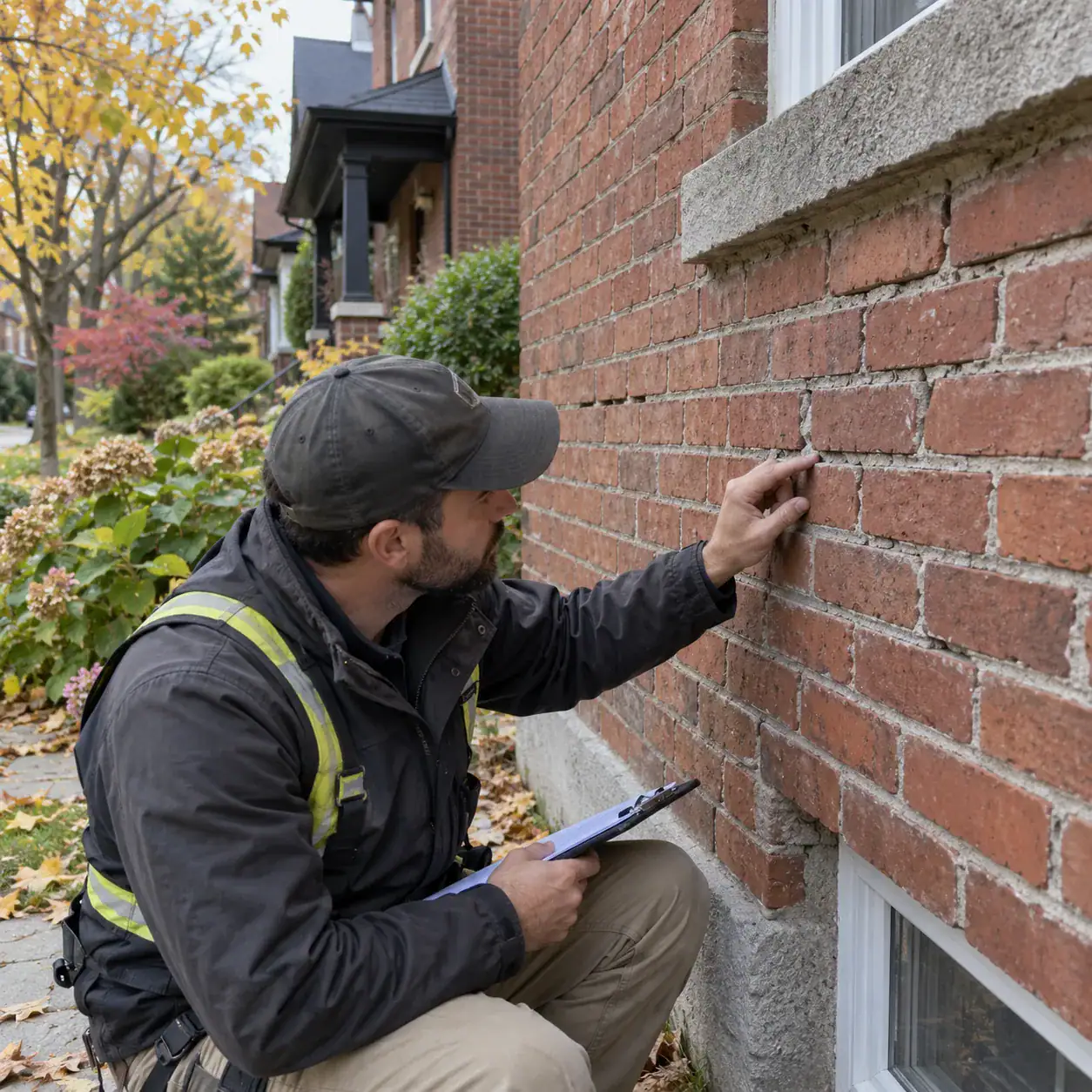
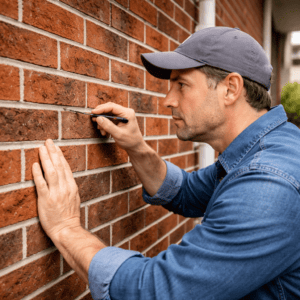
- Mortar is crumbling when you rub it lightly with a key or your finger (it should not turn into sand).
- Gaps or recessed joints where the mortar sits noticeably back from the brick face.
- Hairline cracking running through joints, especially around windows, doors, and corners.
-
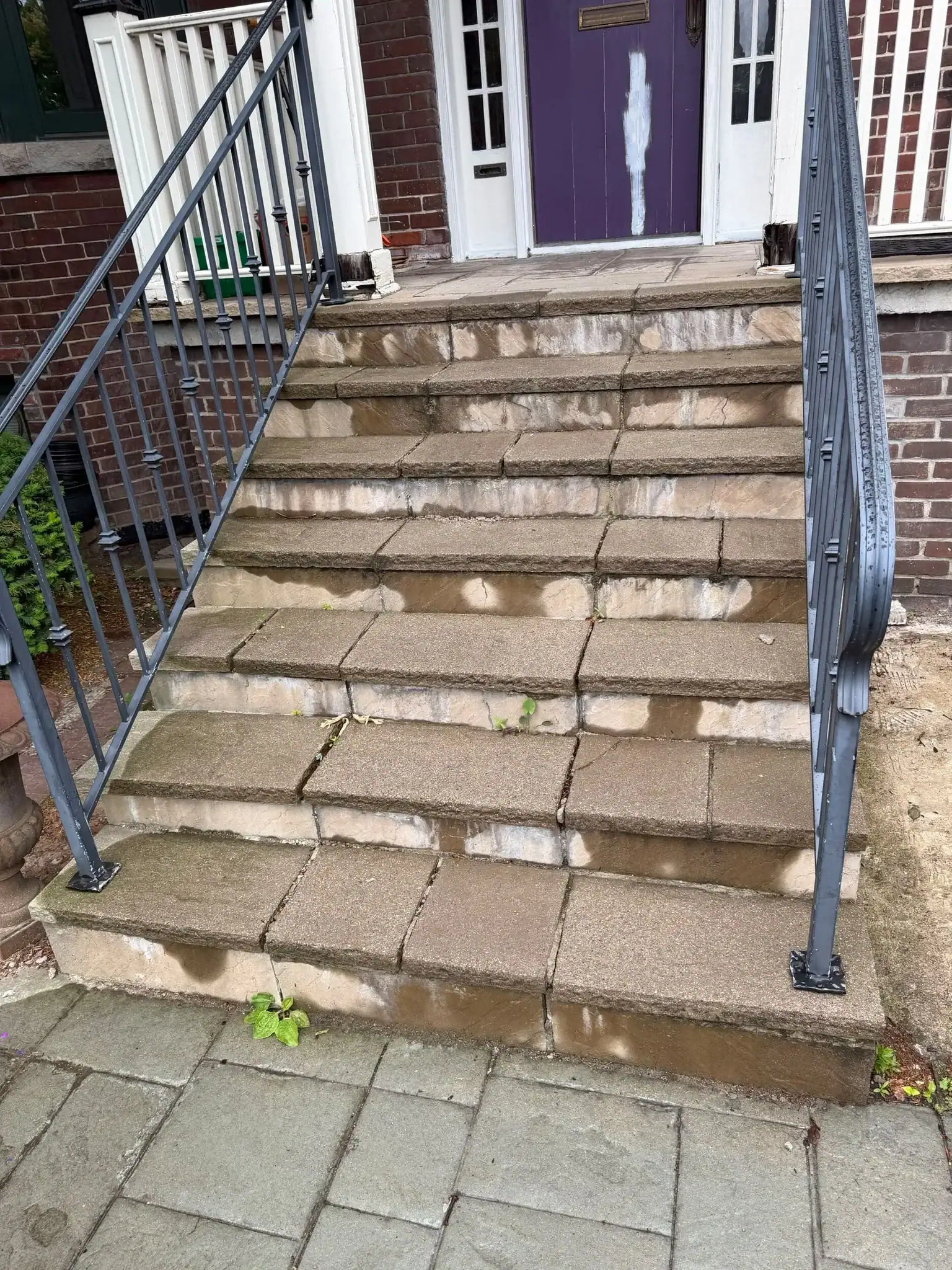
Recurring efflorescence can indicate moisture movement through the masonry and should prompt a check of mortar joints, flashing, drainage and other possible moisture sources.
Assess bricks that visibly move, shift, or have lost supporting mortar rather than treating them as a routine cosmetic tuckpointing issue.
- Damp spots on interior walls after heavy rain (not always masonry-related, but worth checking).
- Loose bricks that wiggle slightly.
- Spalled bricks, where the brick face flakes or pops off, are often caused by moisture and freeze-thaw cycles.
- Mortar repairs that keep failing due to the wrong mix or shortcut patching.
- Chimney joint wear occurs since chimneys are exposed to harsher conditions than most walls.
Reality check: If the mortar is failing because water is getting in from above (bad caps, flashing, coping, etc.), tuckpointing helps but won’t “solve it forever” unless the water entry point is fixed too.
Why Toronto and GTA Homes Often Need Mortar-Joint Repair
Toronto’s repeated freeze-thaw cycles contribute to mortar deterioration, especially where joints already absorb moisture.
Age, wind-driven rain, salt exposure, movement, and incompatible previous repairs can also accelerate deterioration.
The repair should therefore address both the failed mortar and any contributing moisture or movement problem that could cause the joints to deteriorate again.
What a Proper Tuckpointing Job Should Include
Step 1: Remove Deteriorated Mortar to Sound Material
Proper repointing requires removing deteriorated mortar to an appropriate depth and cleaning the joint before installing new mortar.
Smearing new mortar over deteriorated joint surfaces does not provide the same preparation or bond as proper repointing and may fail prematurely.
Step 2: Use Mortar Compatible With the Existing Masonry
Mortar compatibility is especially important on older brickwork.
A replacement mortar that is too hard or too impermeable can shift stress and moisture into the surrounding brick and contribute to deterioration.
The replacement mortar should be selected to suit the existing masonry in strength, composition, colour and joint profile.
For the bigger picture on mortar types, see: mortar type S vs. N and more.
Step 3: Tool and Cure the Mortar Under Suitable Conditions
Mortar needs appropriate temperature, moisture, and curing conditions.
The mason should adjust the installation and curing approach to the repair material, season, wall exposure, and manufacturer or specification requirements.
How Tuckpointing Connects to Brick Repair
If mortar deterioration has been present for some time, the repair may need to include more than joint work.
Cracked, loose, or spalled bricks may require professional brick repair, while bulging walls, movement cracks, or failed lintels should be assessed before the repair scope is selected.
Tuckpointing is most appropriate where deteriorated mortar is the primary problem and much of the surrounding masonry remains serviceable.
FAQ
How long does tuckpointing last?
It depends on exposure, workmanship, and whether you control the moisture source. When done properly, it’s a long-lasting repair, but chimney and parapet areas can wear more quickly due to harsher conditions.
Can I tuckpoint in winter in Ontario?
Sometimes, but it needs proper temperature and curing control. If conditions are not right, the mortar may not cure properly, reducing its service life.
Is tuckpointing mostly cosmetic?
No. It can improve appearance, but the real value is restoring the joint seal and protecting the wall from moisture-driven deterioration.
In summary, brick tuckpointing is not merely cosmetic; it is crucial to maintaining your home’s health. By investing in tuckpointing, you protect your property from the elements.
Not Sure Whether Your Mortar Joints Need Tuckpointing?
If the mortar between your bricks is crumbling, recessed, cracked, or missing, the right repair depends on how widespread the deterioration is and whether the surrounding brick is still sound. A&A Masonry can assess the masonry and determine whether localized tuckpointing, broader repointing, or additional brick repair is appropriate.