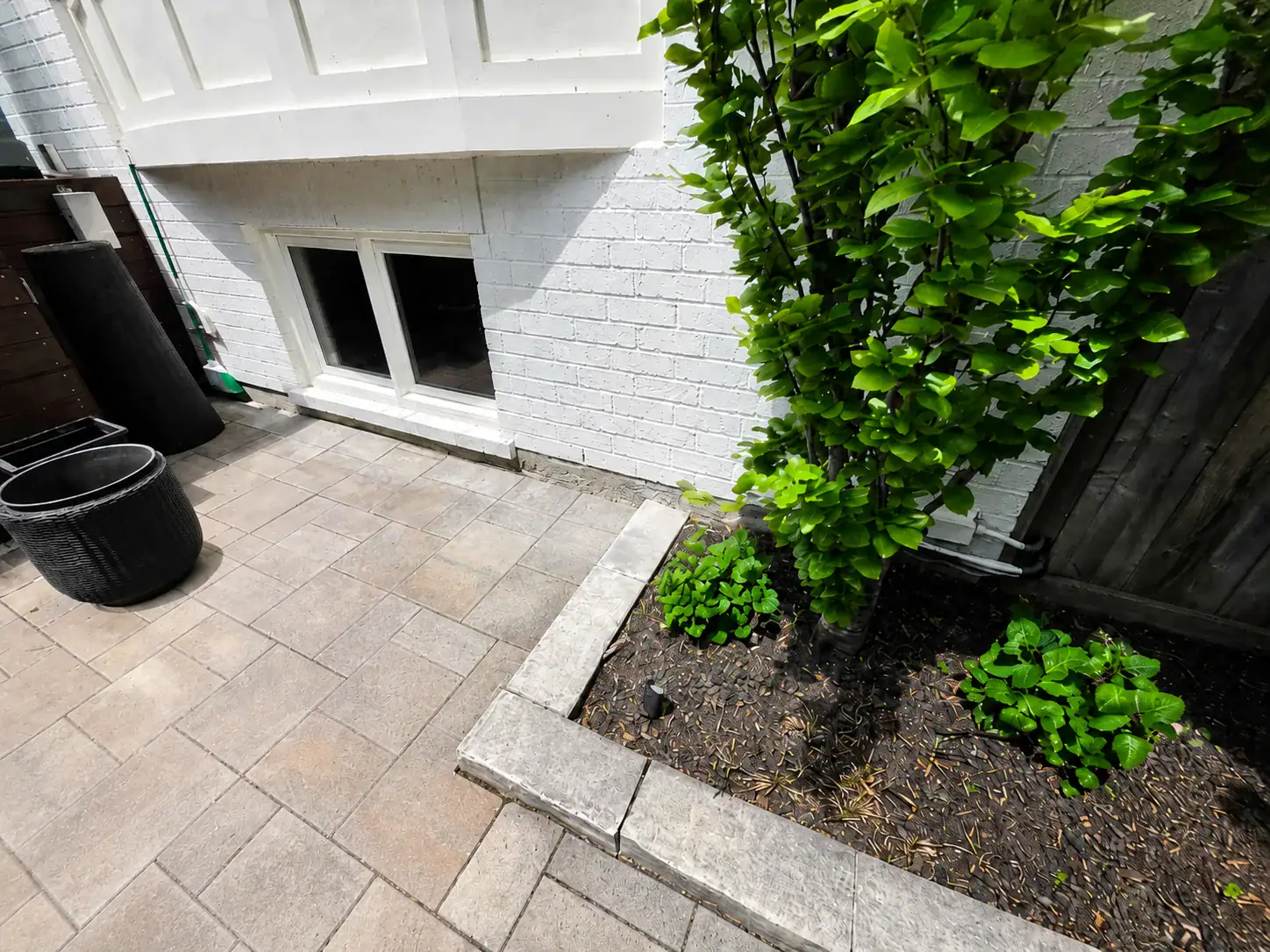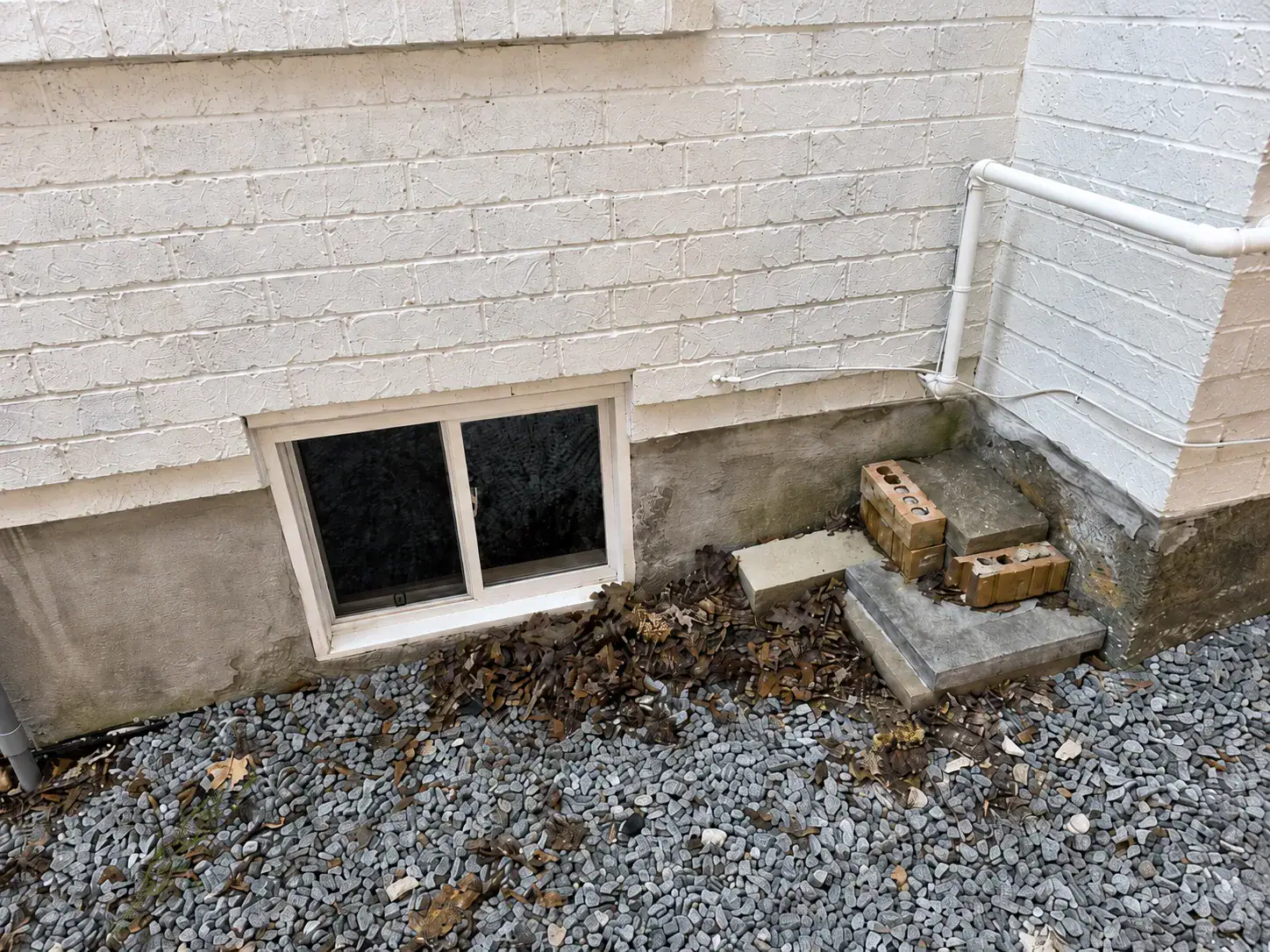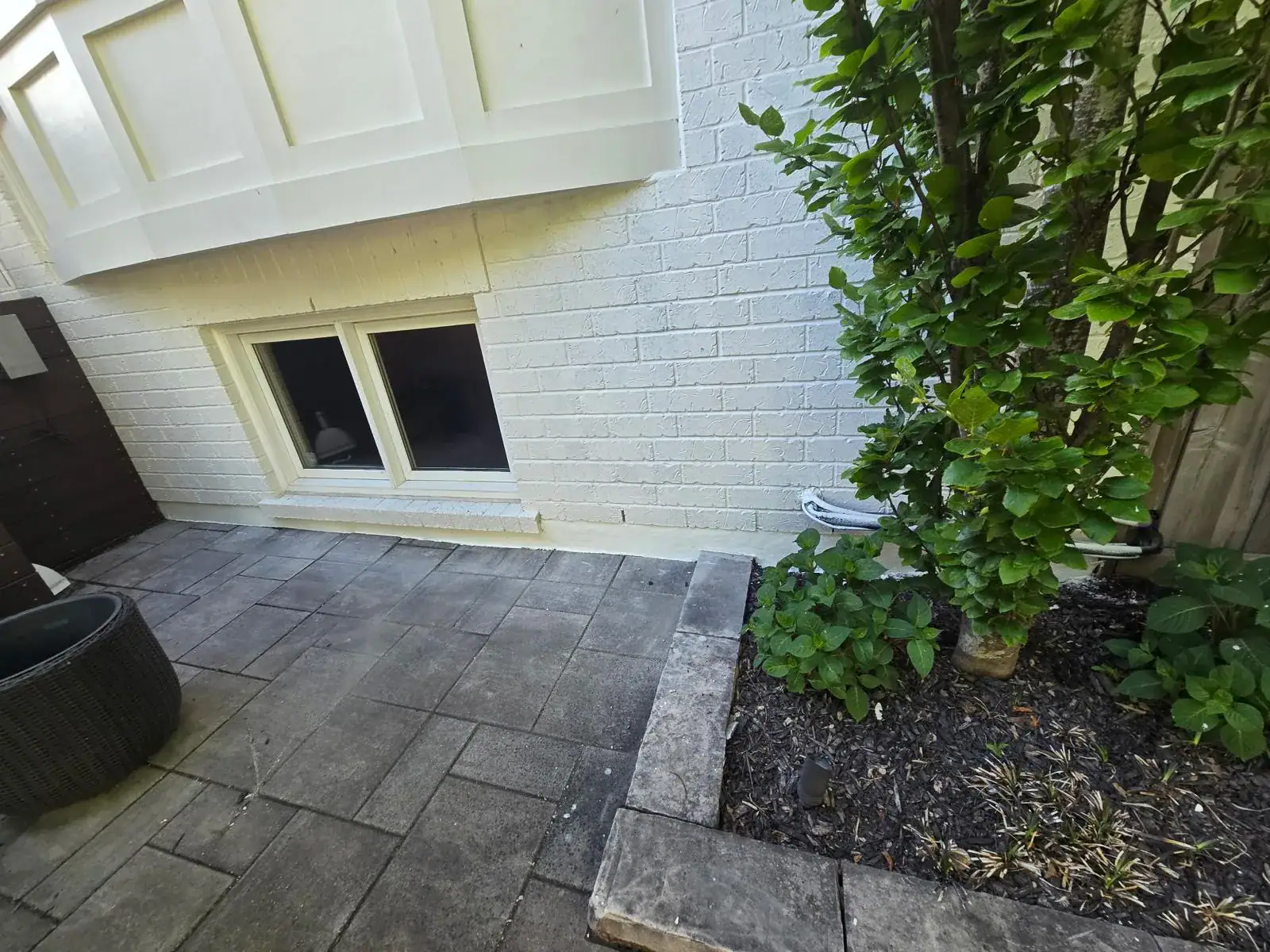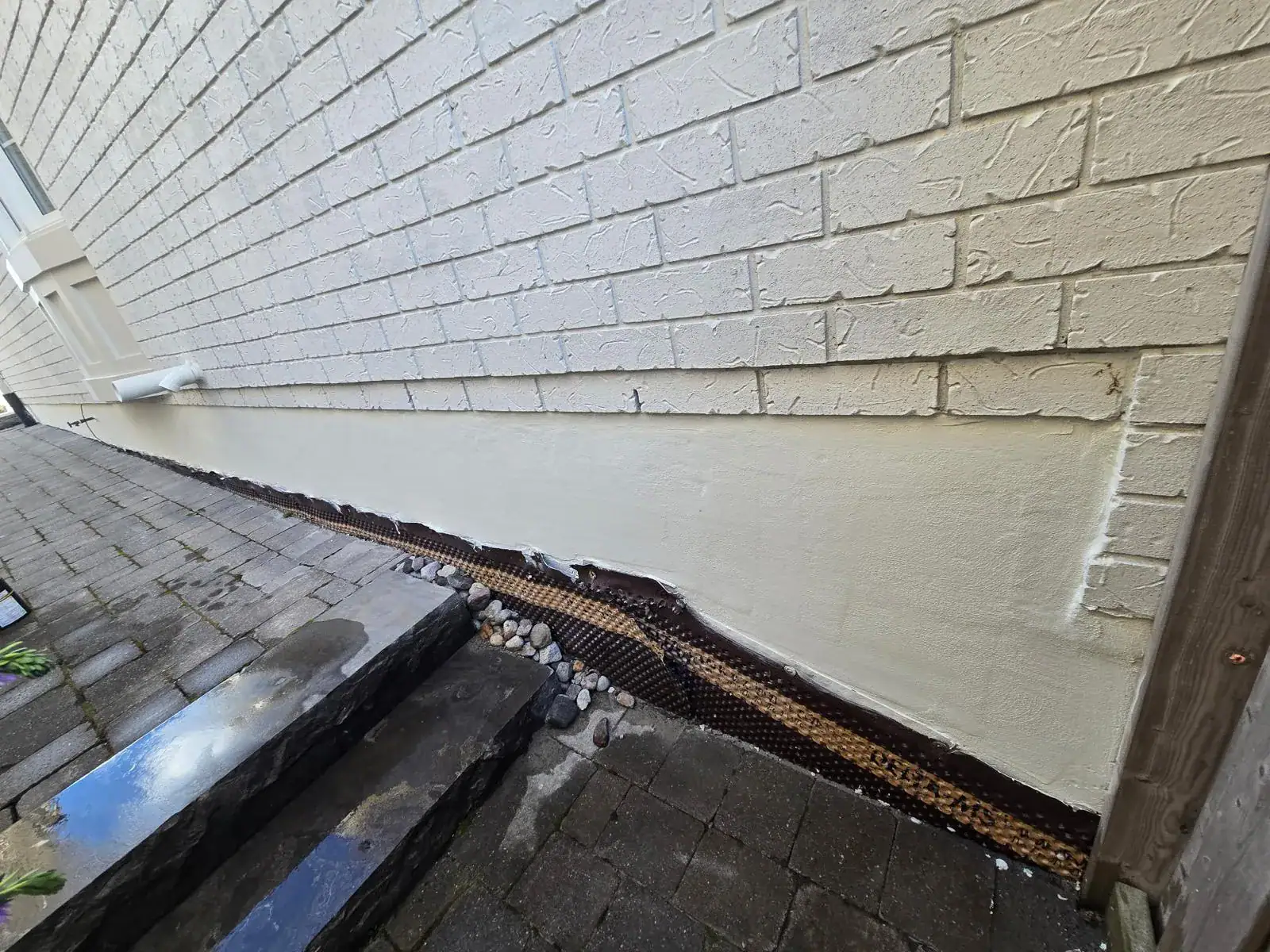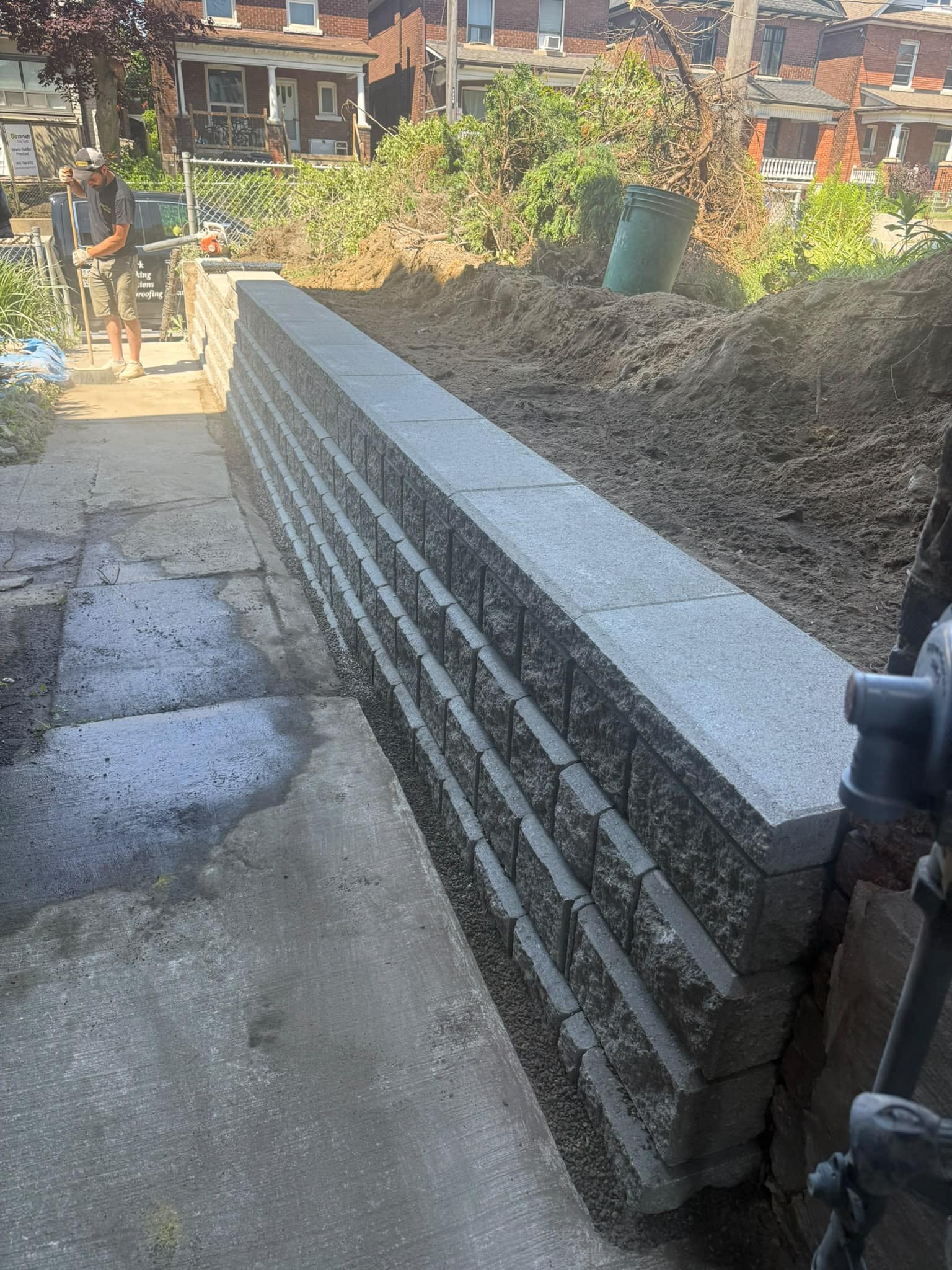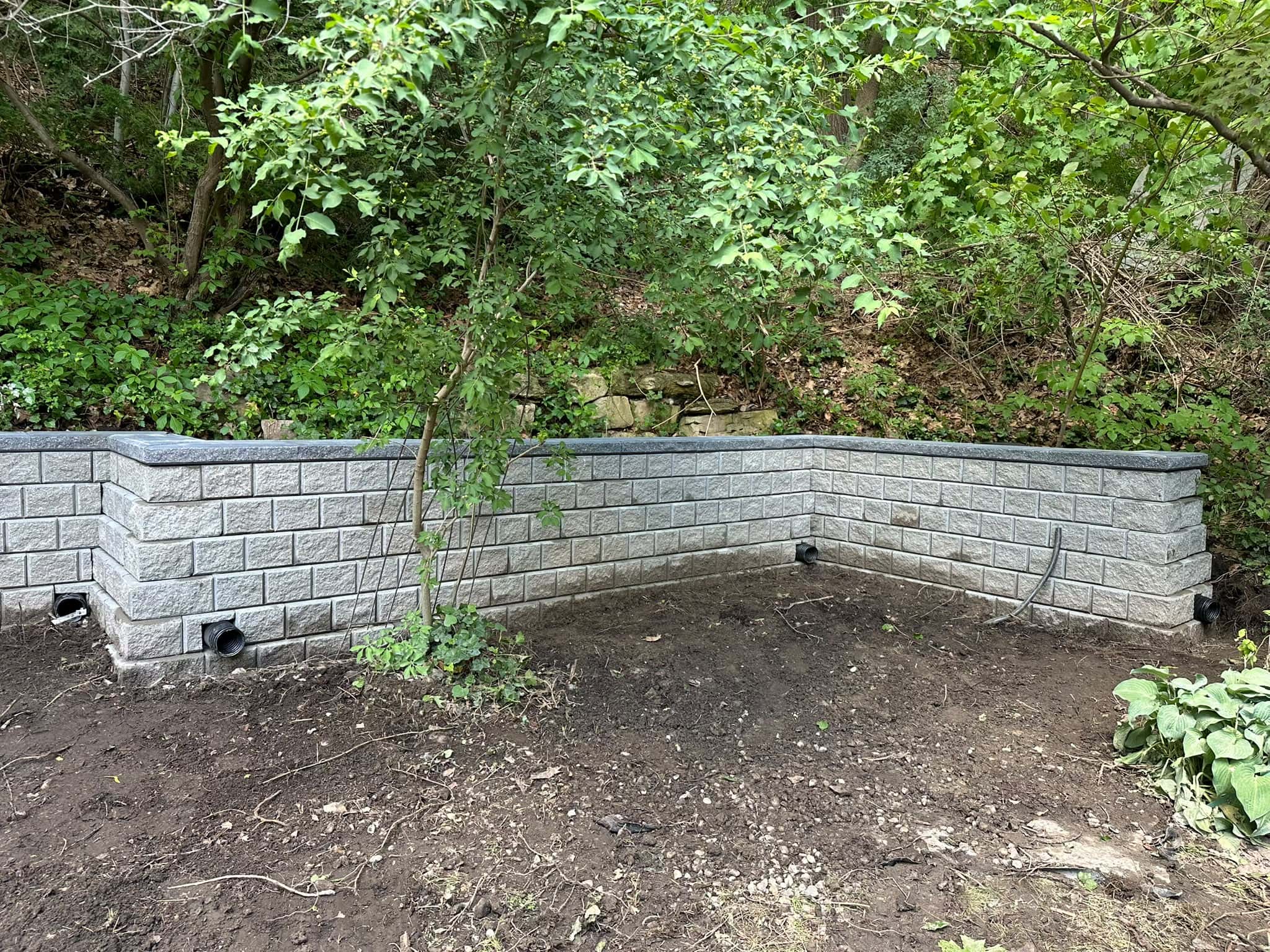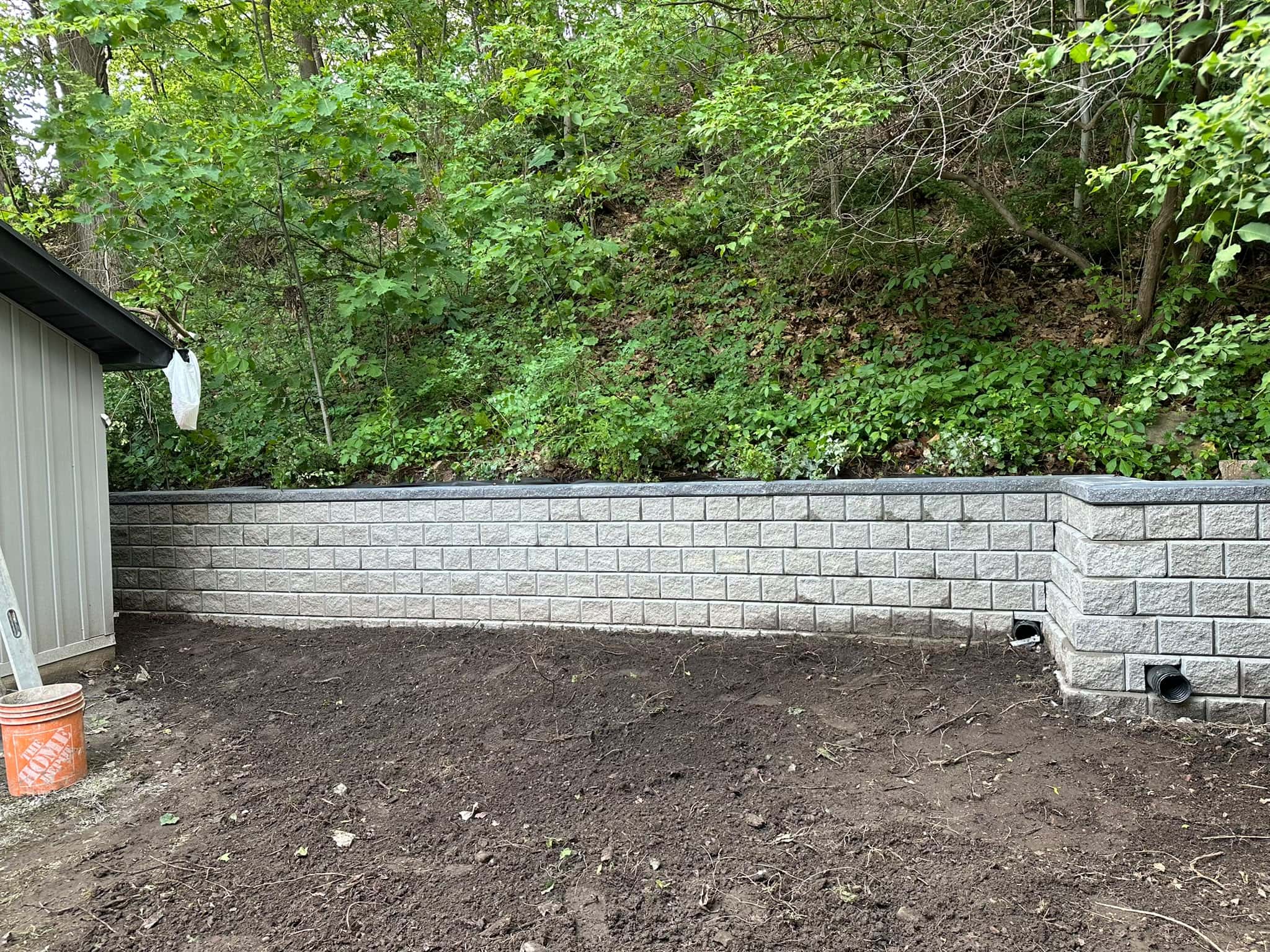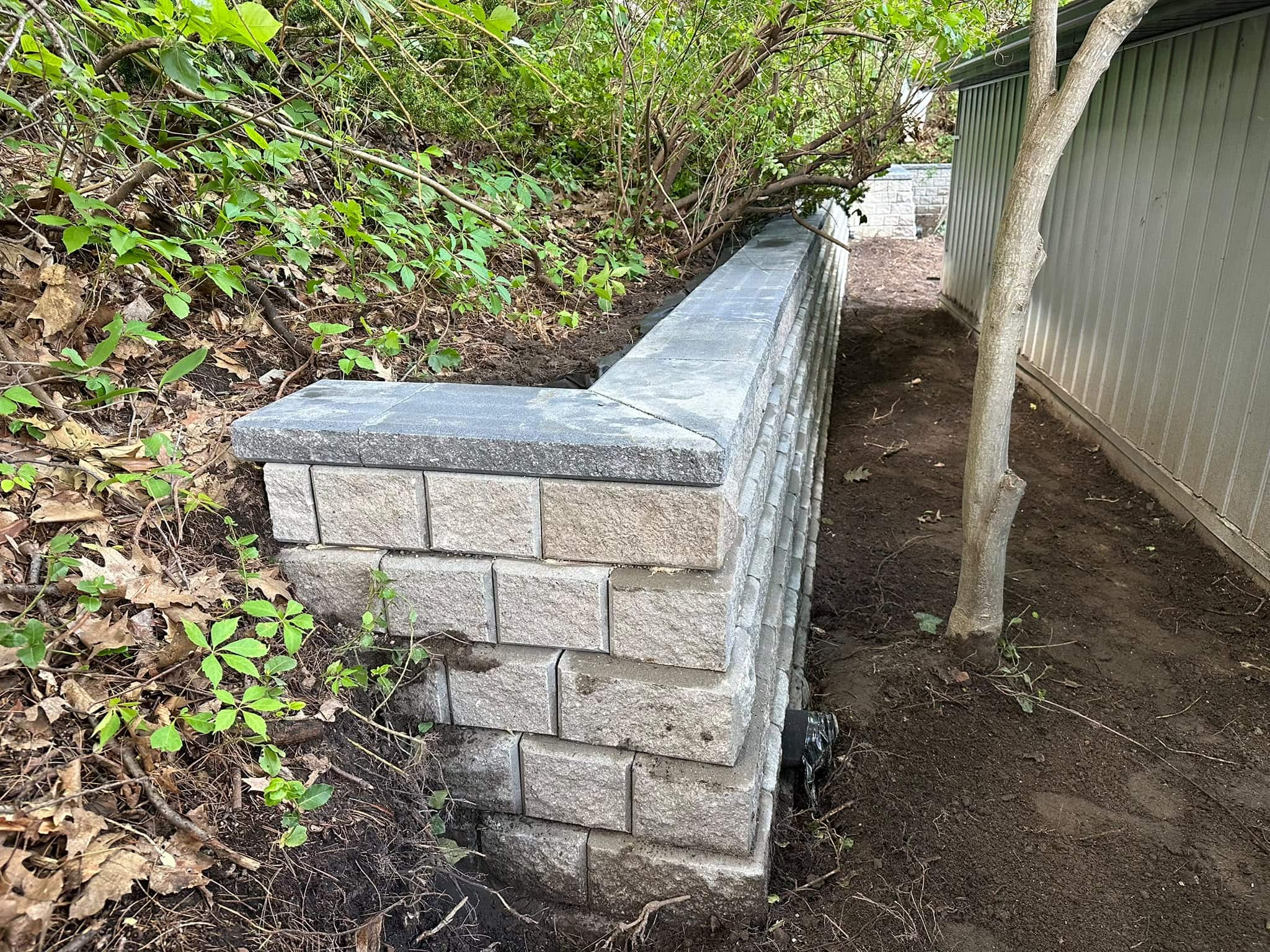

Mortar mix types are fundamental components in masonry construction, playing a crucial role in the strength, durability, and overall performance of structures.
Among the various options, Type N is the most commonly used mortar for general purposes—from simple home projects to more extensive masonry jobs.
However, there are various types of mortar mixes, the Type O, S, and M. Each is formulated with different cement-to-lime-to-sand ratios to provide the appropriate strength, durability, and workability required for every project.
Whether for load-bearing walls, foundations, or delicate restoration work, each type of mortar serves a unique purpose, ensuring the right balance of performance and longevity for the intended construction task.
What are the Different Types of Mortar Mixes?
Mortar is key in construction, holding bricks, stones, and more together. But not all mortars are the same. Builders have four main types to choose from: Type N, Type O, Type S, and Type M. Each has its strengths and uses.
Each type is specifically formulated with unique properties to suit different applications and construction needs.
Type N Mortar
Type N mortar is the most widely used and versatile option available. With a strength of 750 PSI, it offers sufficient durability for above-grade walls while retaining the flexibility necessary to accommodate minor structural movement. The mix ratio for Type N mortar is typically 1:1:6, which consists of one part Portland cement, one part lime, and six parts sand.
Type O Mortar
Type O mortar is a softer, low-strength mix that is easy to work with, making it ideal for non-load-bearing walls and interior partitions. Its compressive Strength of 350 PSI is suitable for simple restoration and repair of older surfaces that do not carry loads.
It usually uses the 1:2:9 Portland cement, lime and sand. The high lime concentration makes it flexible and easy to apply simple repointing or interior walls.
Type S Mortar
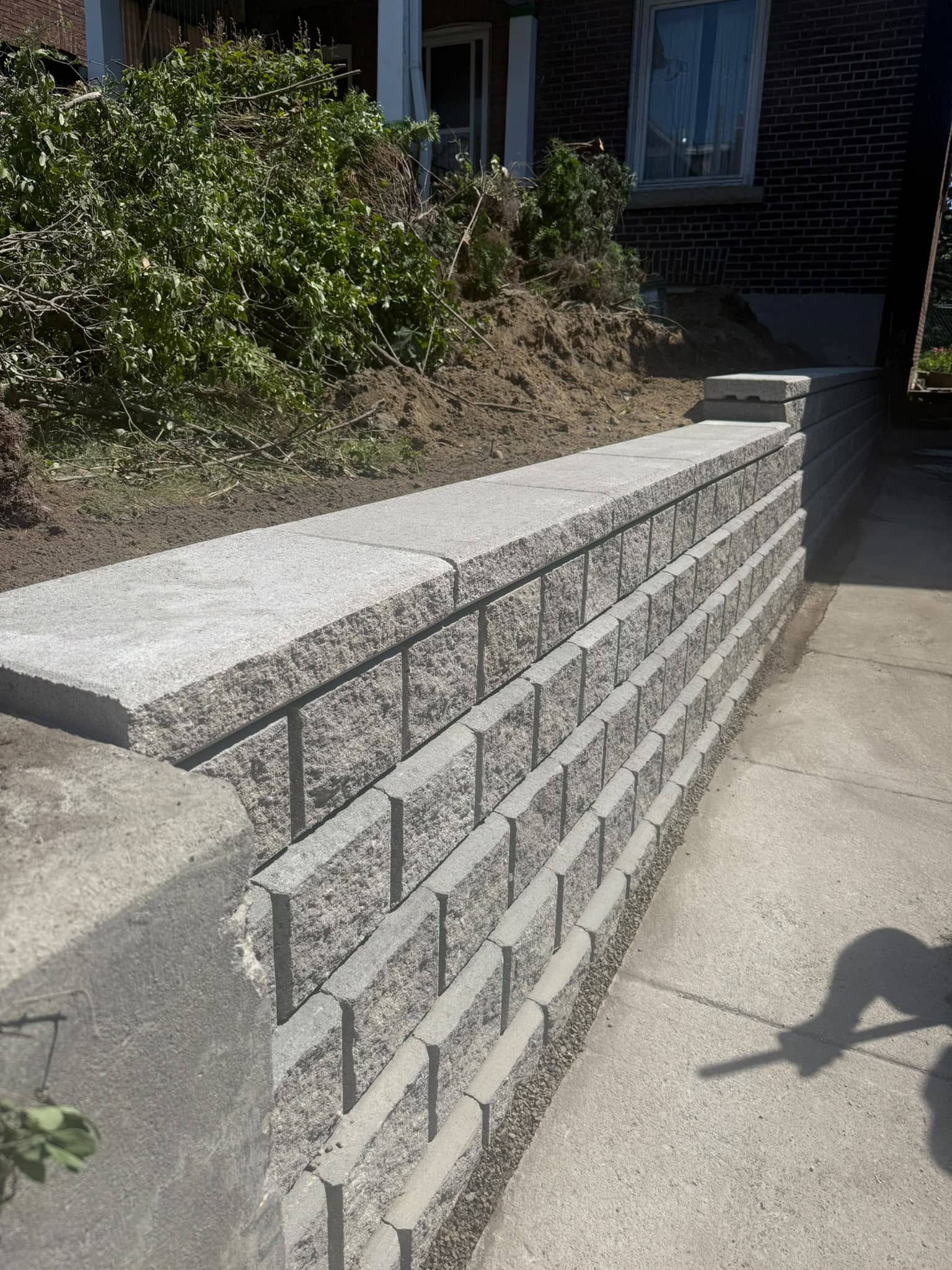
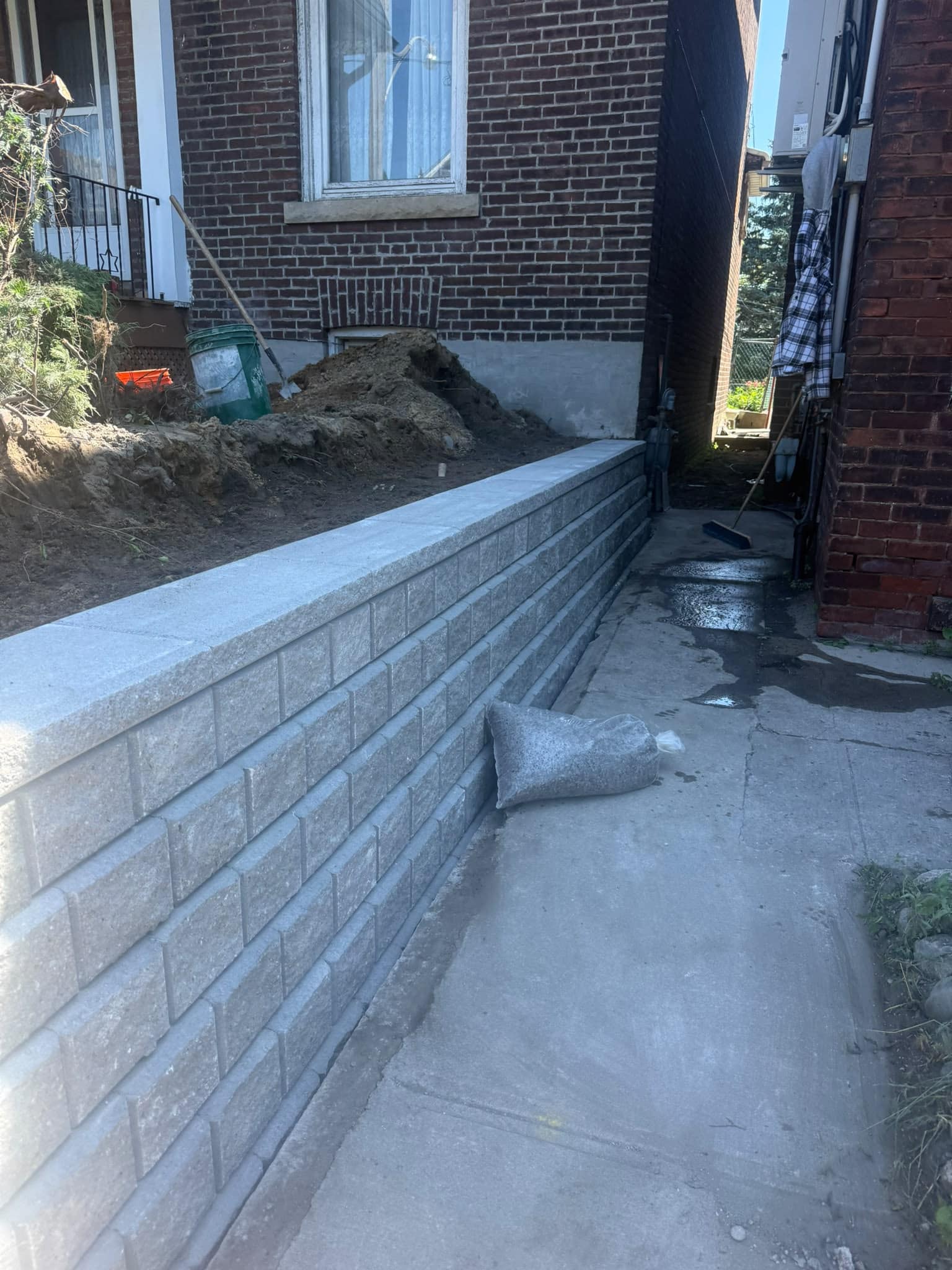
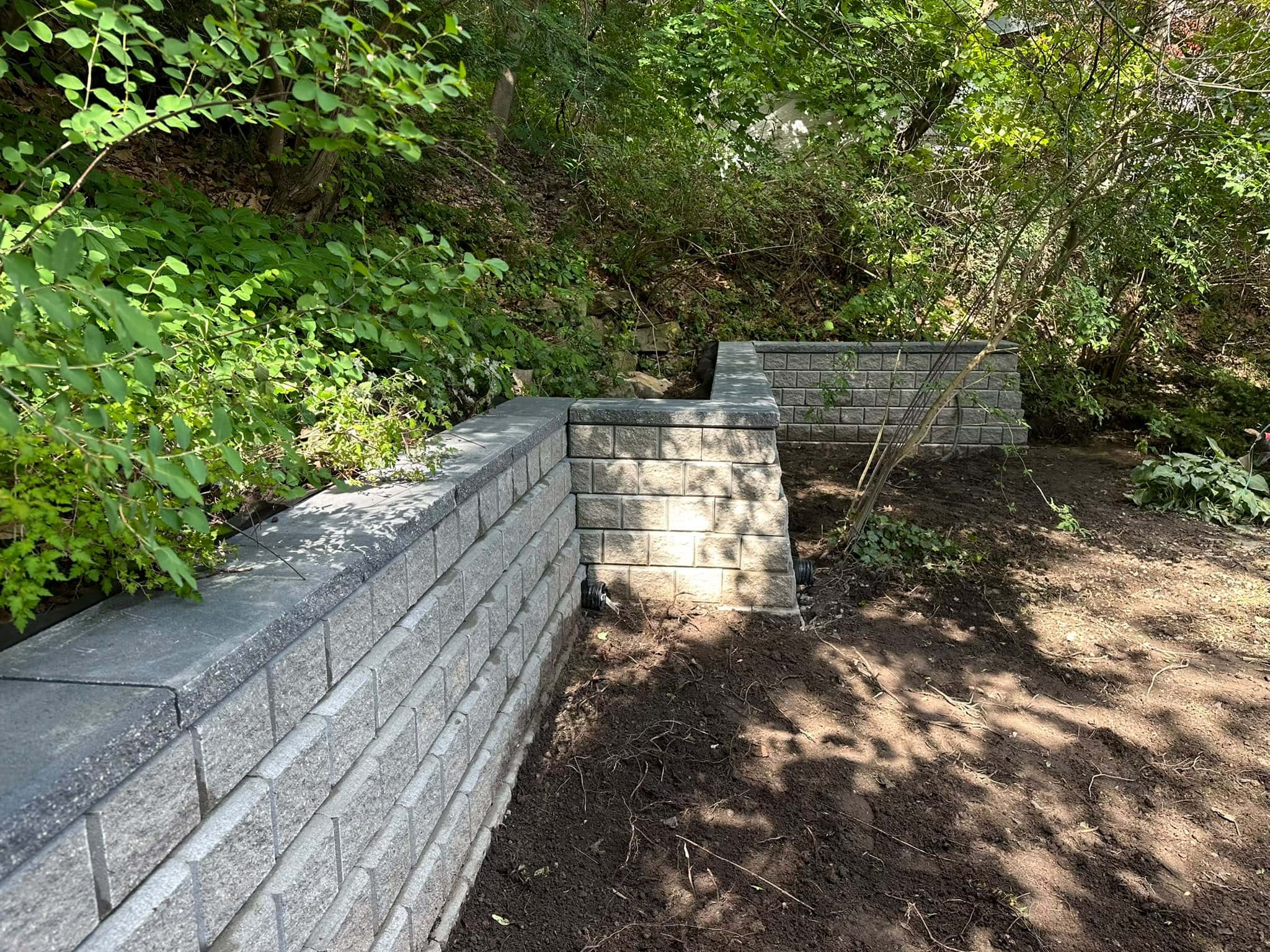
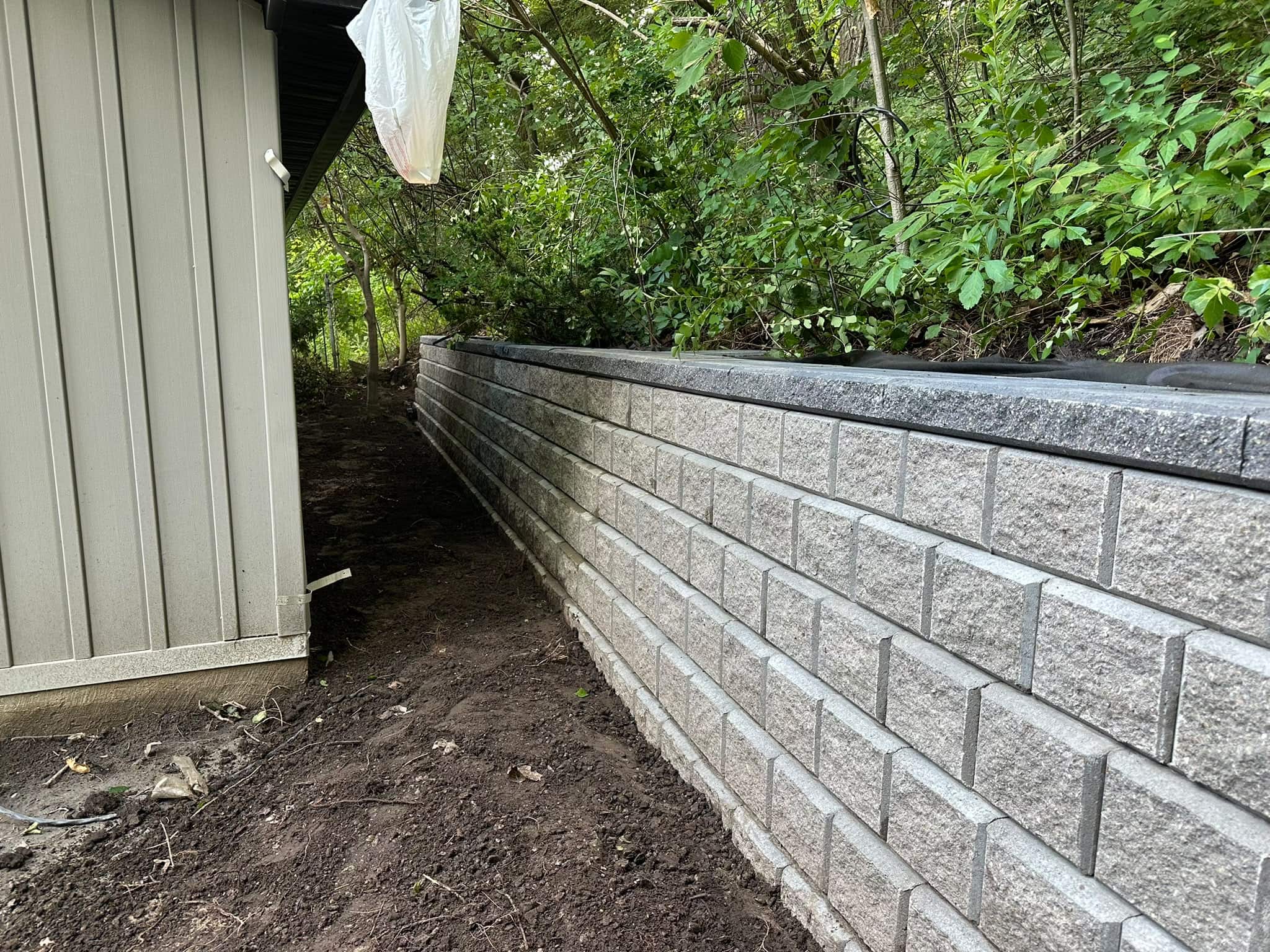
With a compressive Strength of 1,800 PSI, the type S is a high-strength mortar mix designed for structural applications. It provides excellent durability and resistance to lateral forces, such as wind or soil pressure, making it ideal for below-grade and outdoor projects such as foundations, retaining walls, and other load-bearing structures.
Type m Mortar
Type M mortar is the strongest and most durable of all mortar types, with a compressive strength of 2,500PSI, offering twice the strength of Type N. It is specifically designed for heavy-duty and load-bearing applications, where maximum strength is essential.
Its high compressive strength makes it ideal for projects that require maximum structural support, such as load-bearing walls, stone masonry, and chimneys.
Type k Mortar Mix
Type K mortar is a low-strength mortar mix that typically has a compressive strength of around 75 to 350 psi. It is composed of a blend of cement, lime, and sand, which gives it a softer and more flexible nature compared to other mortar types.
It is widely used in historic masonry restoration due to its low strength and flexibility help preserve the integrity of older structures.
Knowing about the different mortars is key to any construction project. The right mortar ensures your masonry lasts a long time.
The Advantage of Type N Mortar
Type N mortar is a popular choice in the construction world. This guide will cover its composition, characteristics, and uses.
Type N mortar is great for many masonry tasks. It has cement, lime, and sand, making it strong and easy to work with. It’s known for being versatile and works well indoors and outdoors.
One significant advantage of Type N mortar is its ability to adhere well to various materials. This includes Type N Mortar, brick, stone, and concrete. It’s perfect for:
- Laying bricks and blocks
- Repointing existing masonry structures
- Plastering and stuccoing walls
- Constructing chimneys and fireplaces
Type N mortar is also durable and can handle the weather well. It’s strong against compression and less likely to crack or crumble. This makes it a solid choice for both inside and outside projects.
Tips:
When excessive water is used in mixing mortar, it can compromise the mortar’s strength.
Mixing in small batches helps maintain freshness and prevents premature setting, ensuring optimal performance for your masonry projects.

Type s Mortar vs Type n: What’s the Difference Between?
Type S and Type N mortars are widely used but serve different purposes based on their strength, durability, and application. For structural integrity and exposure to harsh conditions, Type S is the go-to. For decorative masonry and repairs, Type N provides the perfect balance of strength and flexibility.
Let’s break it down here.
Type S Mortar Mix
Type S mortar is known for its high strength, with a compressive strength of around 1,800 psi. It contains a mix of Portland cement, lime, and sand, making it highly durable and resistant to environmental stressors. This type of mortar is ideal for:
- Exterior applications: Foundations, retaining walls, and other load-bearing structures
- Below-grade projects: Areas exposed to soil pressure and moisture
- High wind or seismic zones: Due to its superior bonding and flexibility
Type n Mortar Mix
Type N mortar has a medium strength of about 750 psi, making it suitable for above-grade, non-load-bearing walls. It’s composed of one part Portland cement, one part lime, and six parts sand. Type N is preferred for:
- Interior and exterior walls: Brick veneers, chimneys, and garden walls
- General-purpose applications: Offering a balance of strength and workability
- Masonry repairs: Its flexibility reduces the risk of cracking over time
Type n Mortar vs Type m: What is the Difference?
Type n mortar and type m mortar are two different types of mortar mixes. They have unique properties and uses. Knowing the differences can help you choose the right mortar for your project.
Strength Comparison
Type M mortar has a higher compressive strength. It’s great for heavy-duty jobs like load-bearing walls and foundations. Type N mortar is stronger than you might think. It’s good for non-load-bearing walls and exterior veneers.

Recommended Uses
Choosing between type n and type m mortar depends on your project’s needs. Type N mortar is often used for:
- Interior and exterior plastering
- Laying bricks and blocks in non-load-bearing walls
- Masonry work in low-rise buildings
Type M mortar is best for:
- Load-bearing masonry construction
- Foundations and retaining walls
- High-moisture areas like chimneys and parapets
Factors Affecting Mortar Strength: What You Need to Know
When it comes to the strength of mortar, several key factors come into play that can significantly influence its performance. Here’s what you need to know:
Cement-to-Sand Ratio: The balance between cement and sand is crucial. A higher cement content generally results in a stronger mortar, as cement acts as the binding agent that holds everything together.
Water-to-Cement Ratio: The amount of water used is equally important. Using less water leads to a denser mix, enhancing the mortar’s strength. More cement relative to water means a sturdier final product.
Curing Conditions: The environment in which the mortar cures matters greatly. Proper moisture levels and temperature are essential for the mortar to achieve its maximum strength. Ideal curing conditions help prevent premature drying, which can weaken the mix.
Aggregate Quality: The quality of the sand or aggregates used in the mix also affects strength. Clean, well-graded aggregates contribute to a more robust mortar.
Mixing Technique: How the mortar is mixed can affect its uniformity and consistency. Thorough mixing ensures that all components are evenly distributed, enhancing strength.
Admixtures: The use of chemical admixtures can modify the properties of the mortar, improving workability, strength, and setting times.
Environmental Conditions: Factors such as temperature and humidity during application and curing can influence the performance of the mortar.
Key PSI Note:
While its high PSI ensures exceptional strength, its rigidity can make it unsuitable for projects requiring flexibility, as it may crack under movement.

What could lead to a weak mortar mix?
Here are some factors that could lead to a weak mortar mix:
- Incorrect Proportions: Using an improper ratio of sand, cement, and water can weaken the mix.
- Poor Quality Materials: Low-quality sand or cement can compromise the strength of the mortar.
- Excess Water: Adding too much water can reduce the mortar’s strength and durability.
- Inadequate Mixing: Insufficient mixing can lead to uneven distribution of materials, resulting in weak spots.
- Temperature Conditions: Extreme temperatures (too hot or too cold) can affect the curing process and strength of the mortar.
- Contamination: The presence of foreign materials like dust, dirt, or organic matter can weaken the mix.
- Improper Curing: Failing to cure the mortar properly can lead to insufficient hydration and strength development.
Repointing with the Right Mortar
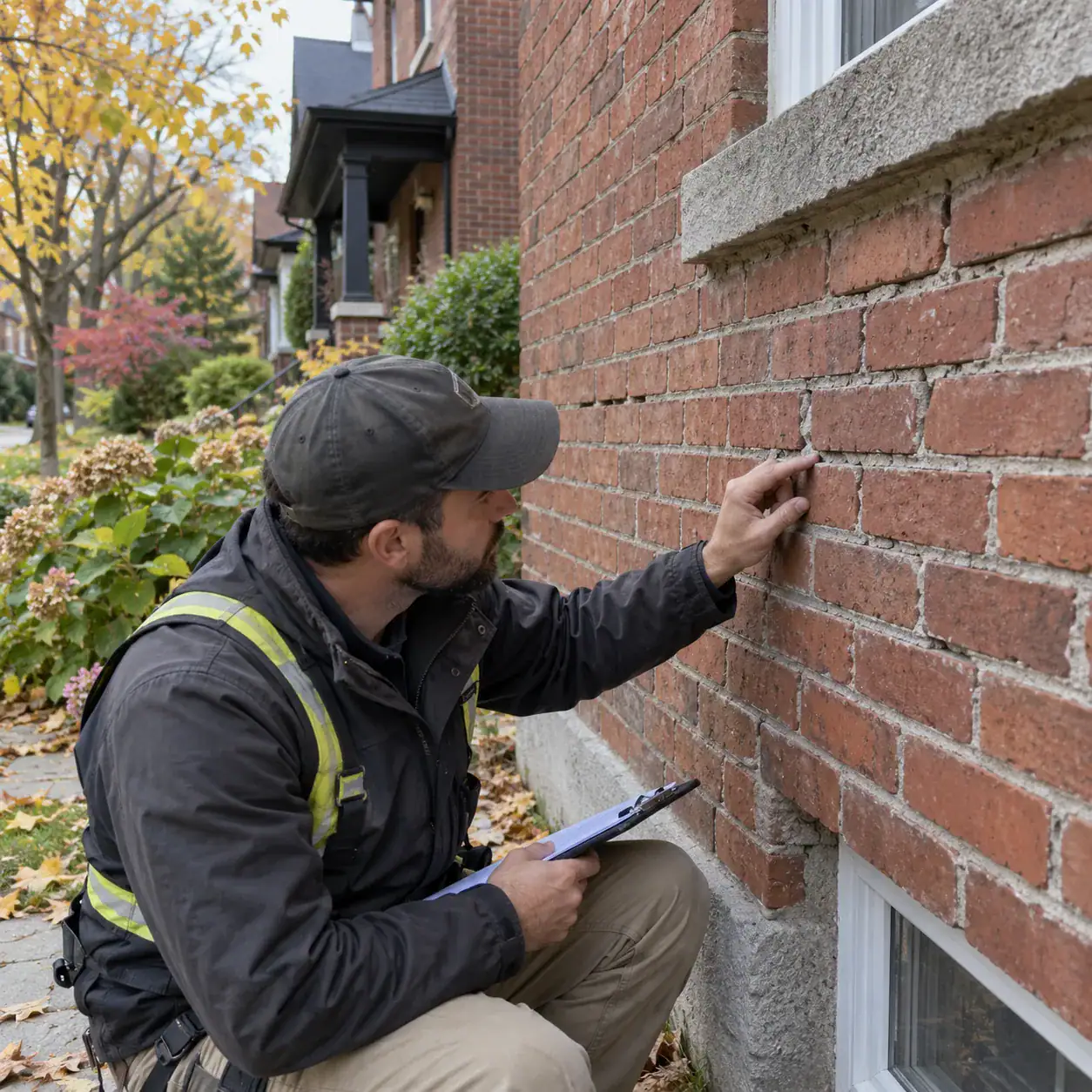
When mortar joints deteriorate, repointing can restore your brickwork. Our tuckpointing services ensure the correct mortar type is used for lasting results.
Choosing the right mortar type is critical for the longevity of your brickwork. Type S offers high strength for load-bearing structures, while Type N is versatile for general use. To learn more about the broader context of brick construction, see our guide on brick construction 101.
FAQs
What is the strongest mortar mix?
The Strongest Mortar Mix: Type M. Type M Mortar is recognized as the strongest mortar mix, with a compressive strength of approximately 2,500 psi.
What’s the difference between Type S and Type N mortar mix?
Type S mortar is stronger and better for structural work. Type N is good for general projects. They differ in strength and use.
Type N mortar versus Type M: what is the difference?
Type M mortar is stronger and is for load-bearing walls. Type N is for non-load-bearing walls and general work. They have different strengths and uses.
Does Type N mortar mix need sand?
Yes, sand is crucial in Type N mortar. It adds strength, workability, and volume. Sand is the best choice for Type N mortar.
With decades of experience, A&A Masonry Inc. has built a reputation for delivering top-quality masonry, waterproofing, and exterior restoration services across Toronto and the surrounding areas. Our skilled team specializes in brick, stone, and concrete repairs, ensuring durable and visually appealing results.
At A&A Masonry, we prioritize craftsmanship, customer satisfaction, and long-lasting solutions. Whether you need foundation waterproofing, brick repair, tuckpointing, or interlocking stone installations, our experts provide reliable service backed by extensive industry experience.
Why Choose A&A Masonry?
✔ Expert Craftsmanship – Our team comprises experienced masons and waterproofing specialists dedicated to high-quality workmanship.
✔ Comprehensive Services – We offer everything from chimney repair to fireplace stone veneer and parging to enhance and protect your property.
✔ Waterproofing Solutions – Protect your home with professional basement waterproofing and exterior foundation sealing.
✔ Customer-First Approach – Transparent quotes, detailed assessments, and a commitment to excellence in every project.
Our Services Include:
- Concrete Repairs
- Stone Masonry
- Brick Painting
- Interlocking Stone Pavers
- Parging
- Tuckpointing
- Brick Repair
- Fireplace Stone Veneer
- Chimney Repair
- Commercial Exterior Painting
- Basement Waterproofing
- Stucco
- Interlocking Steps
- Roofing