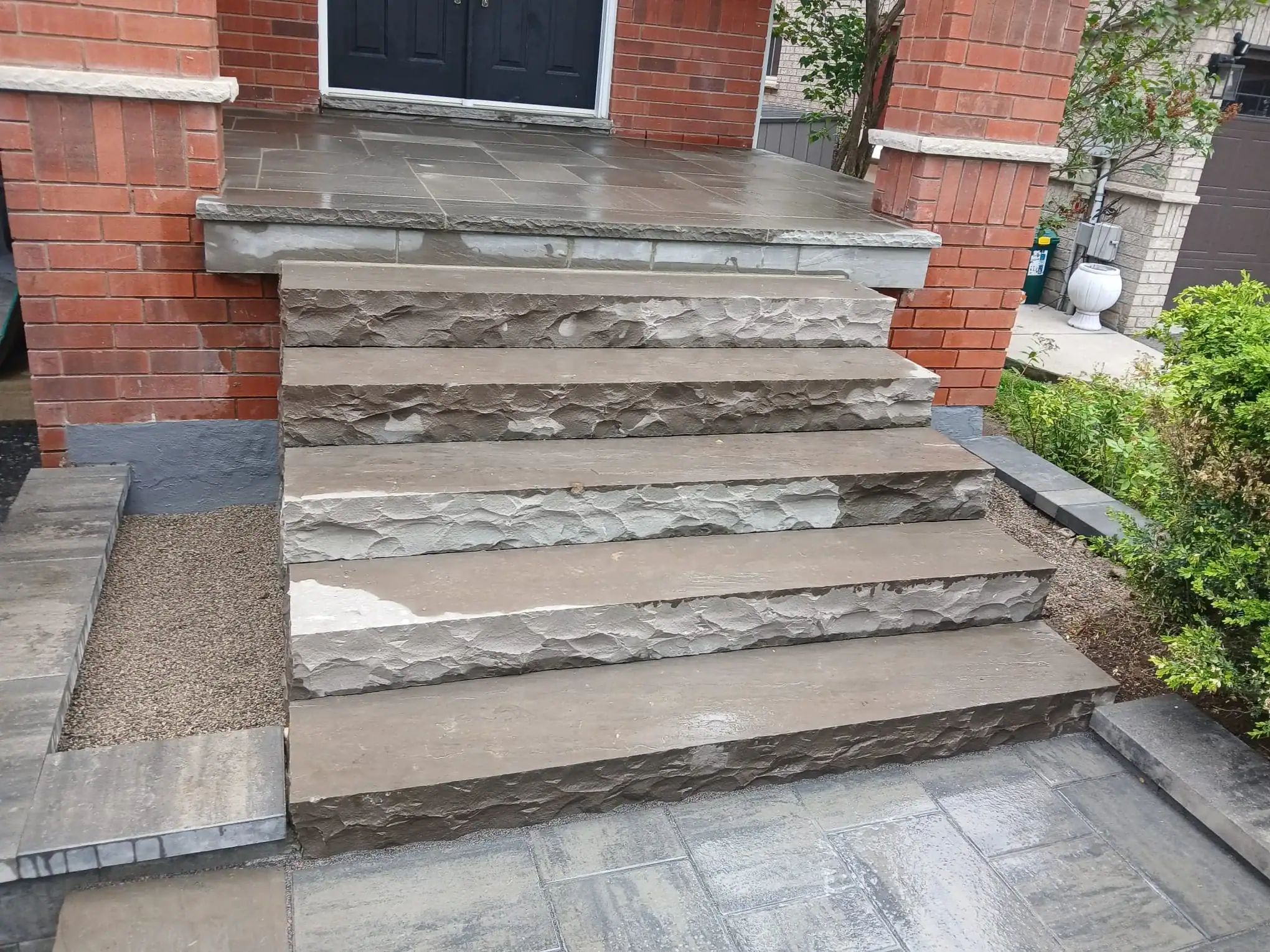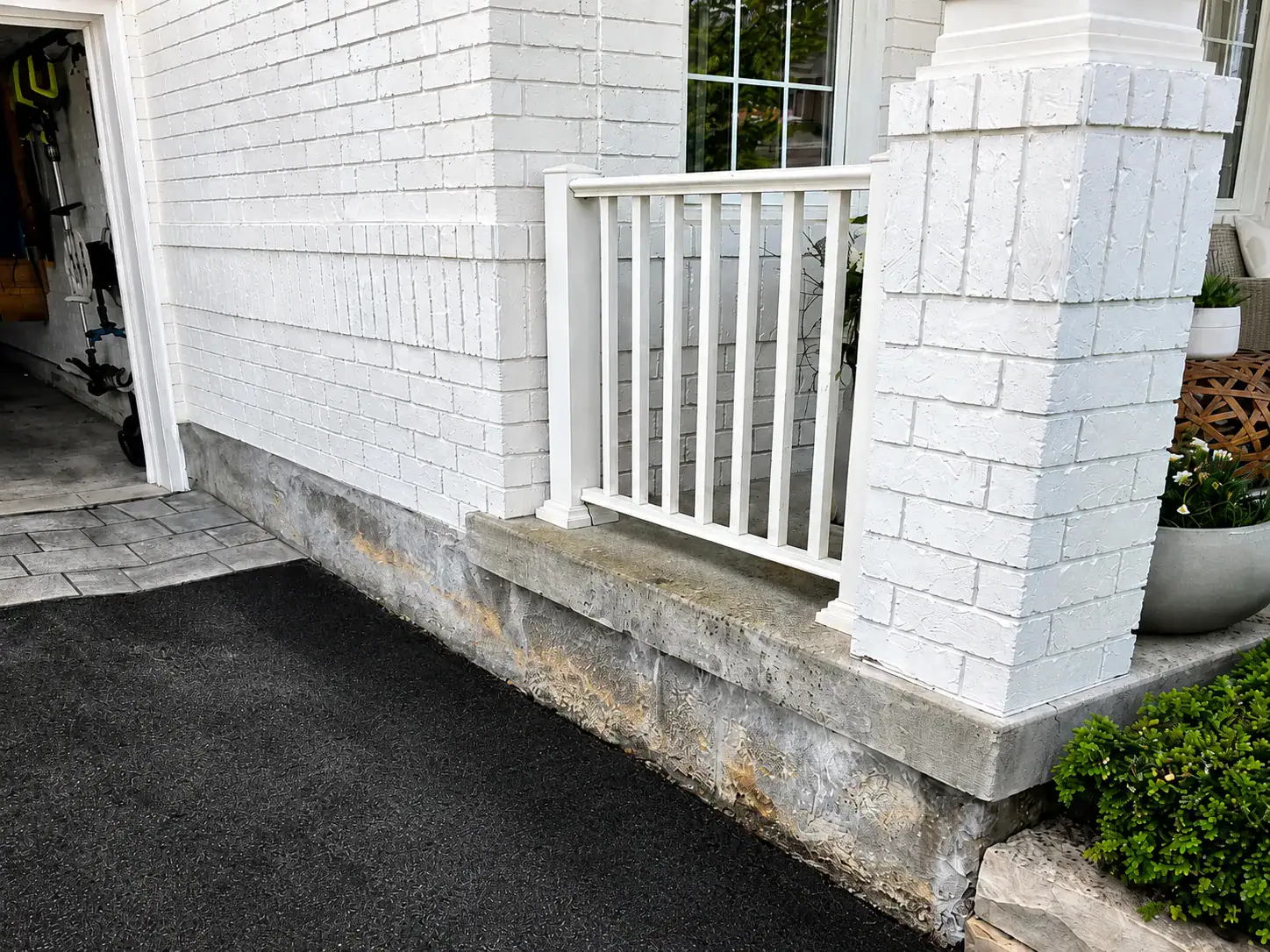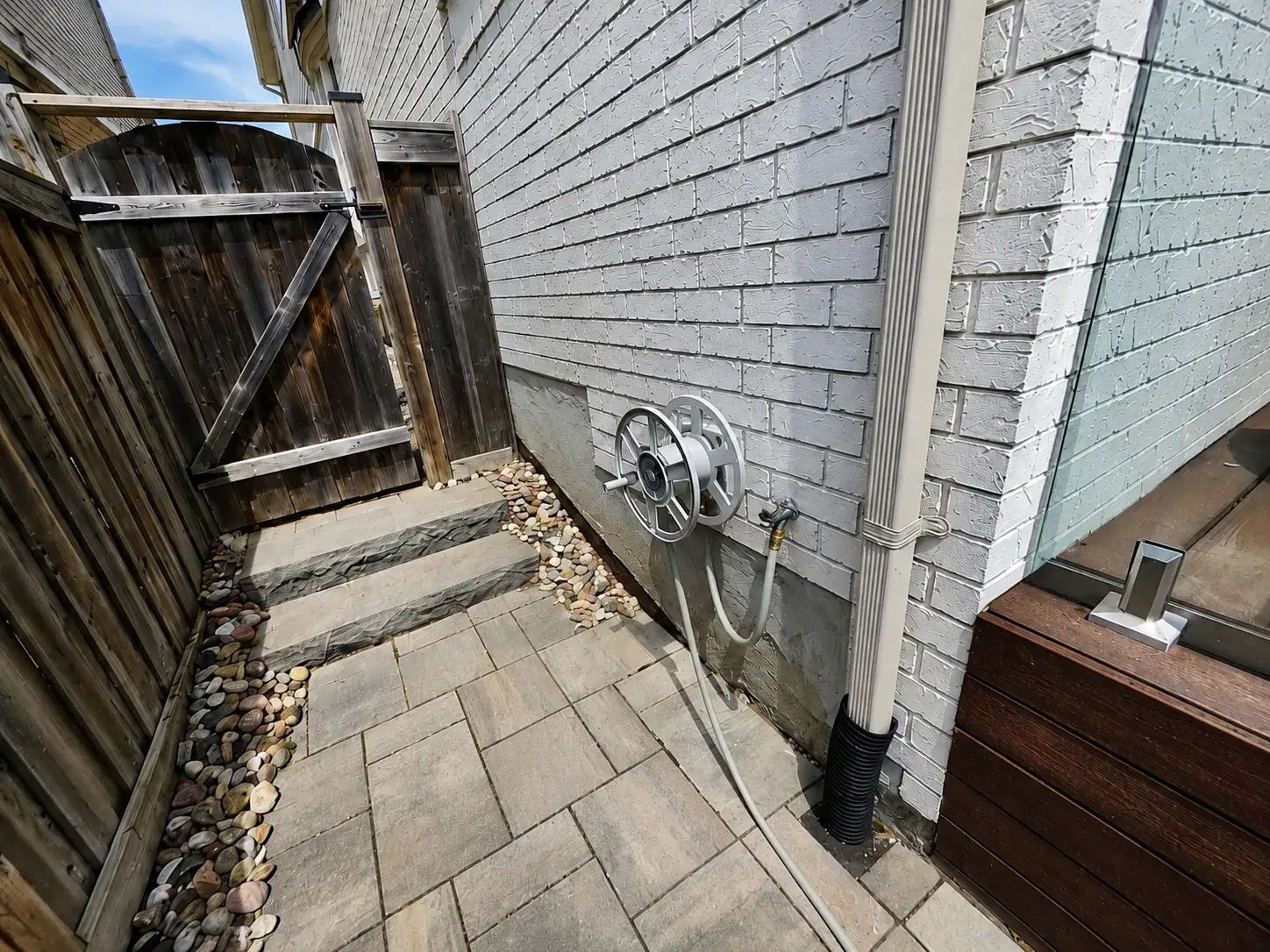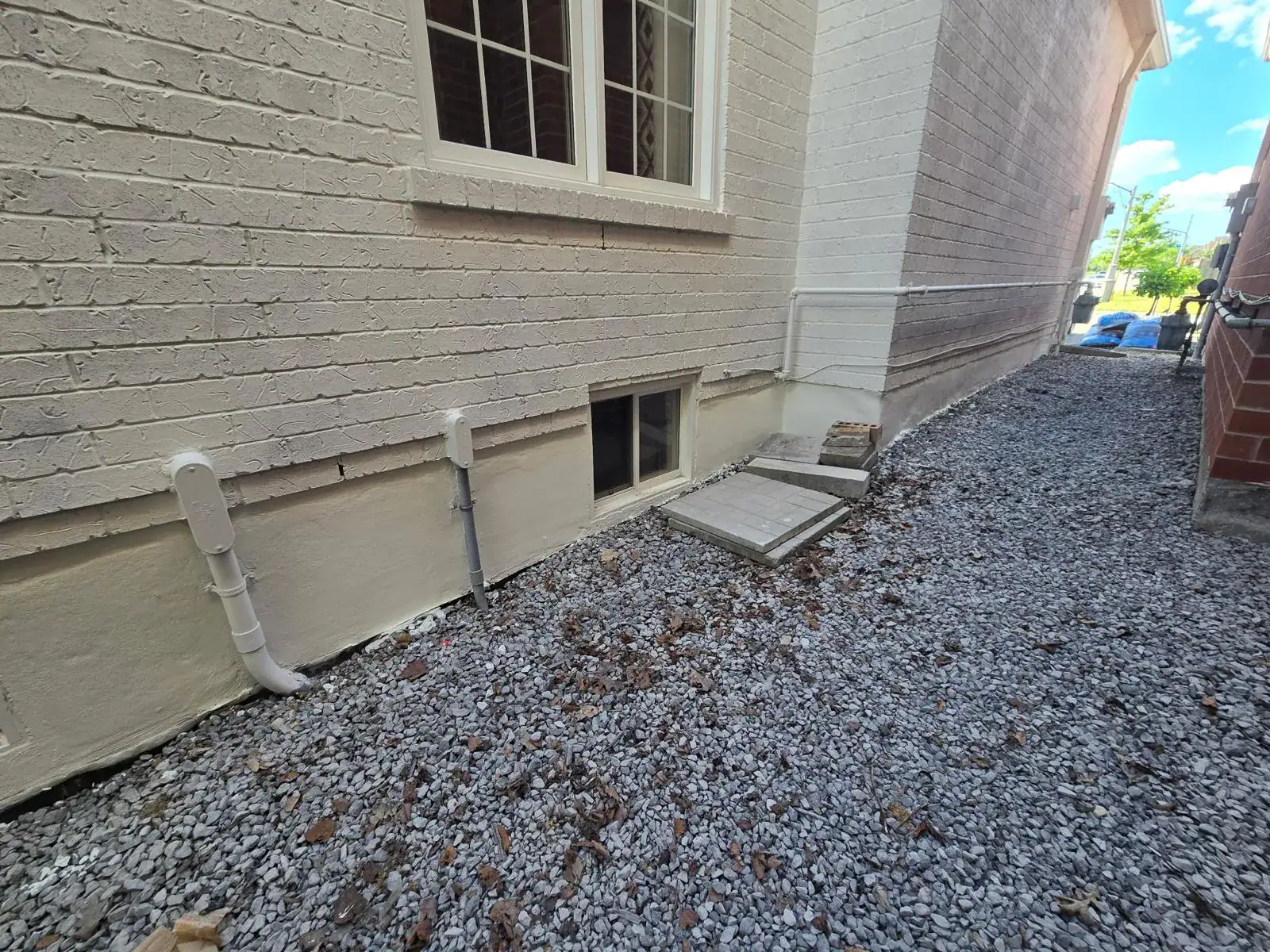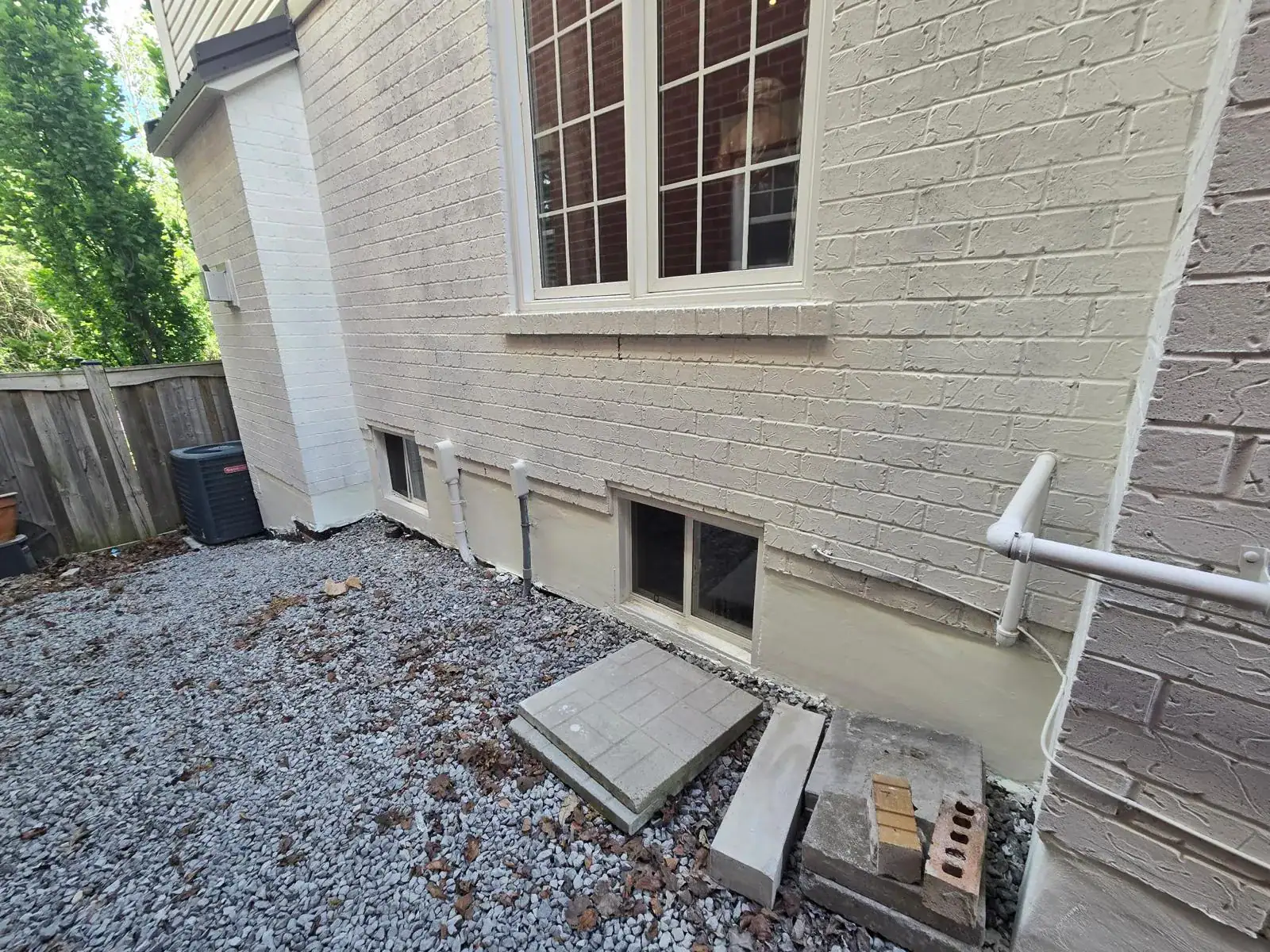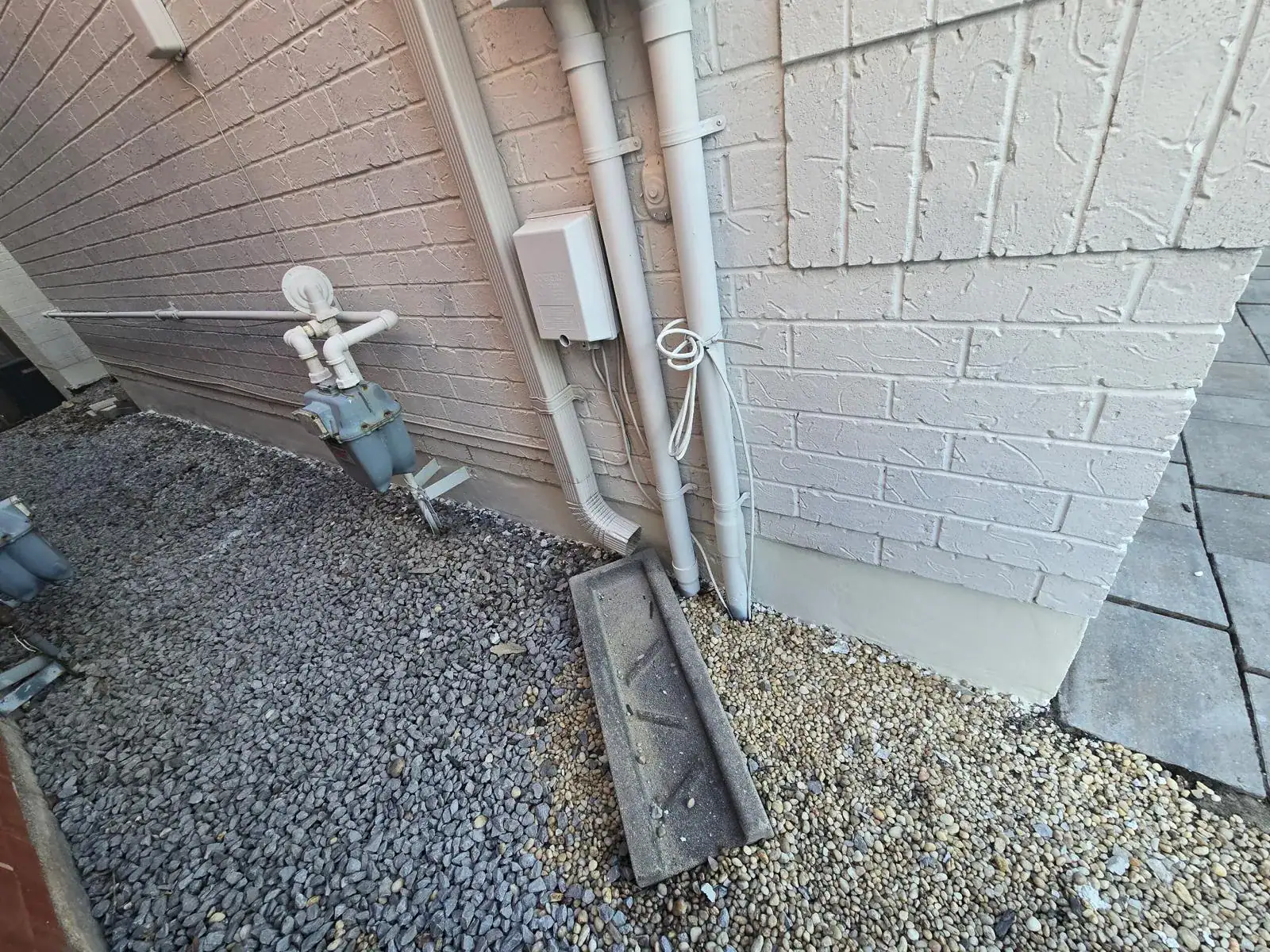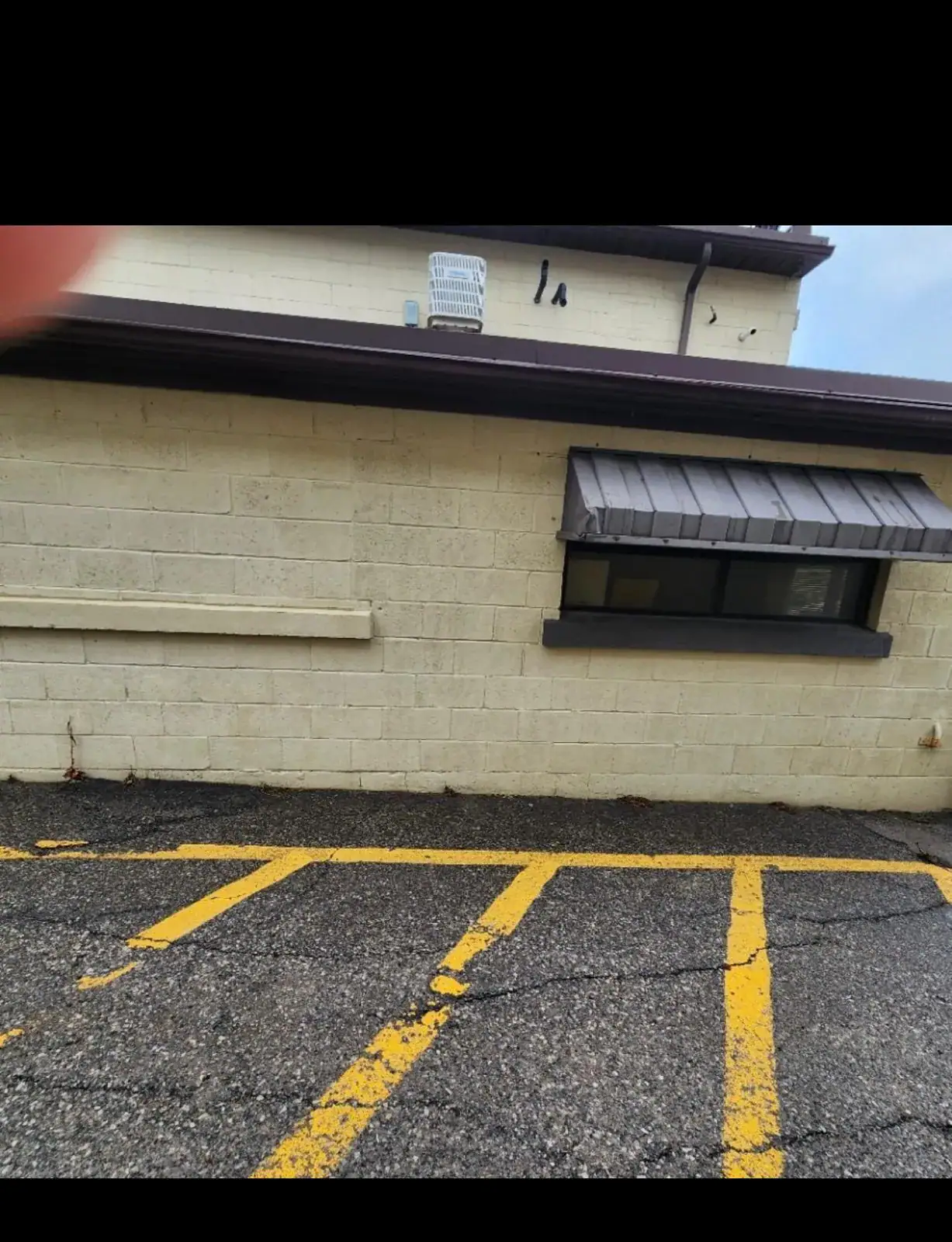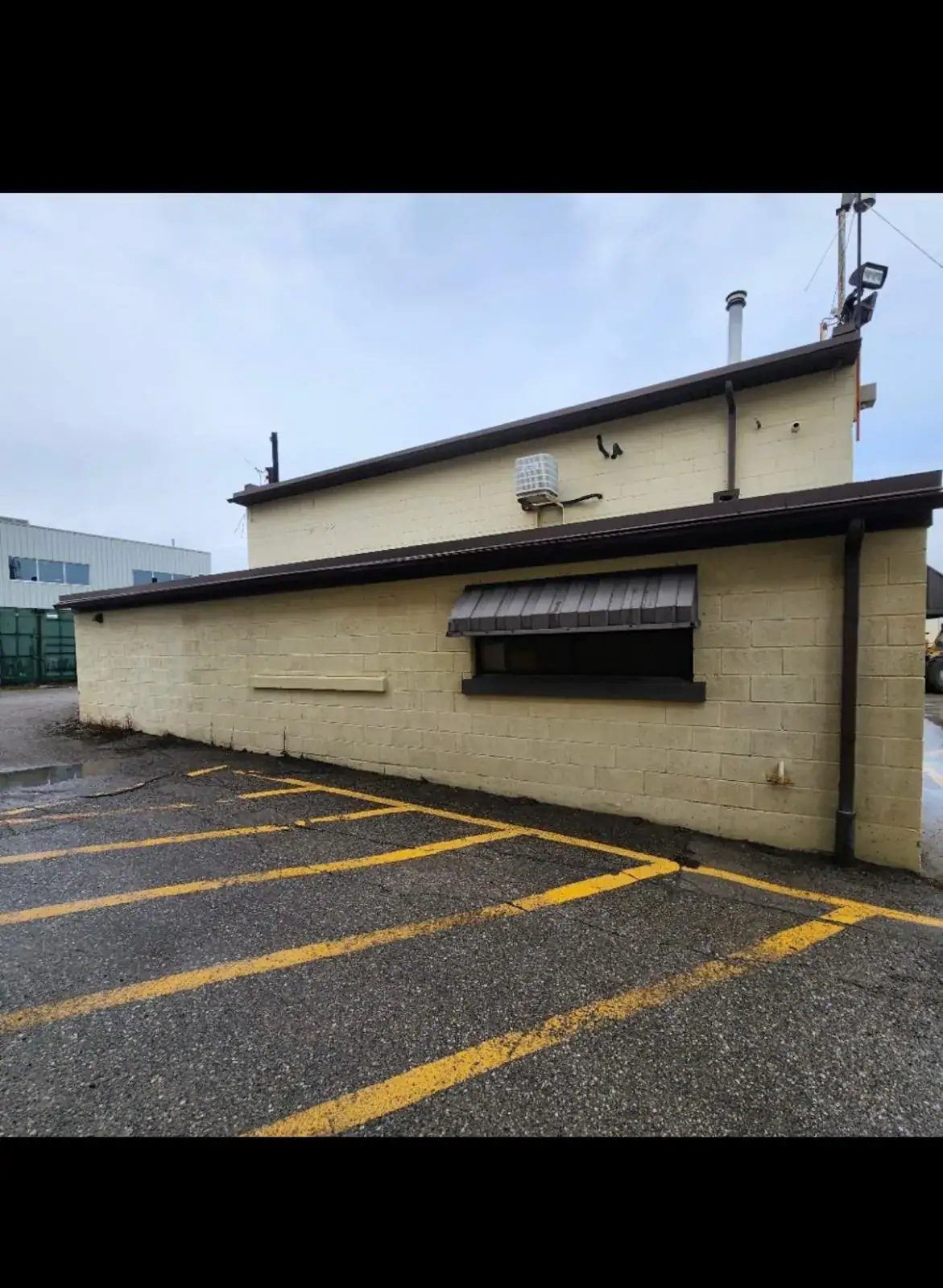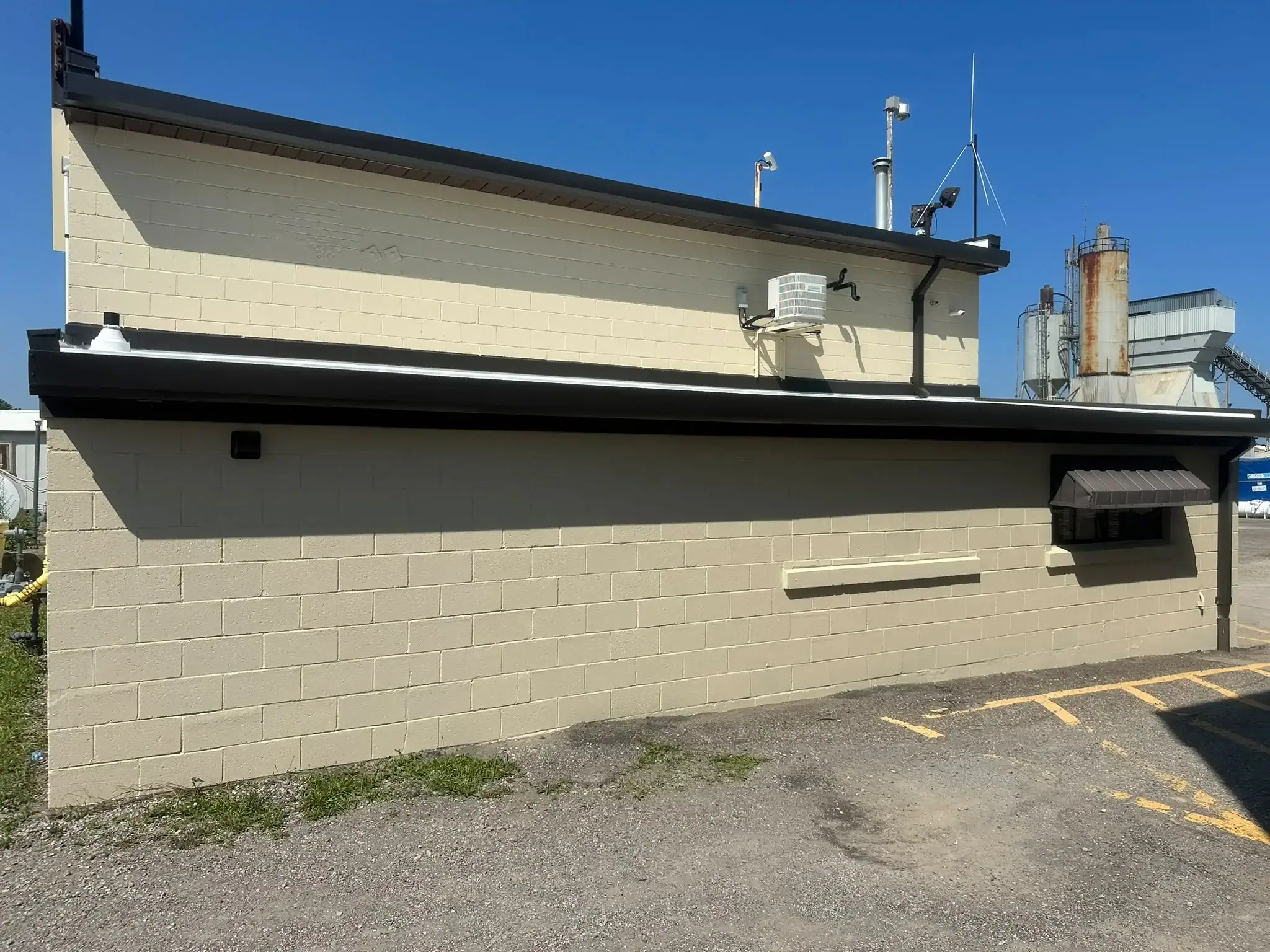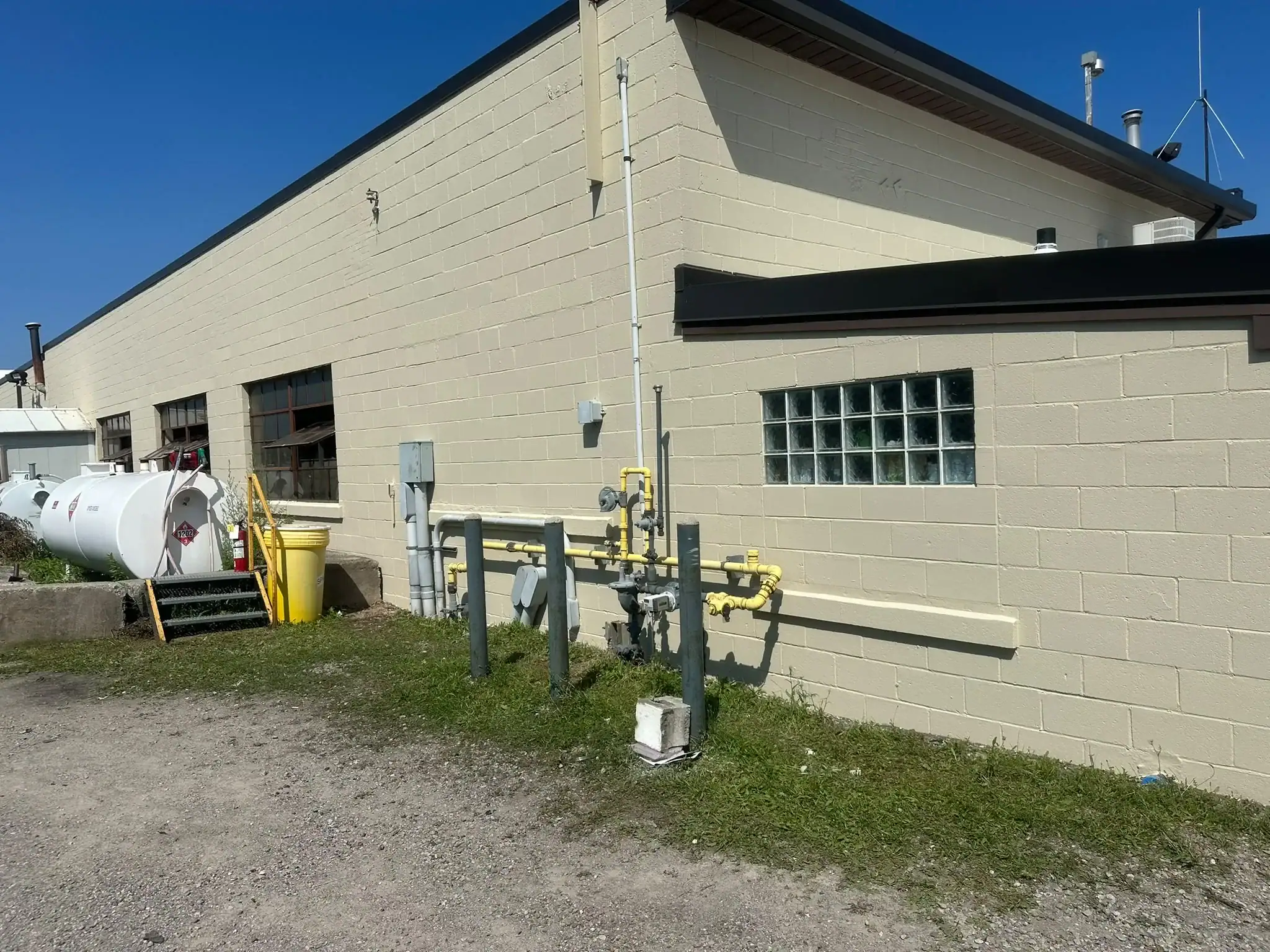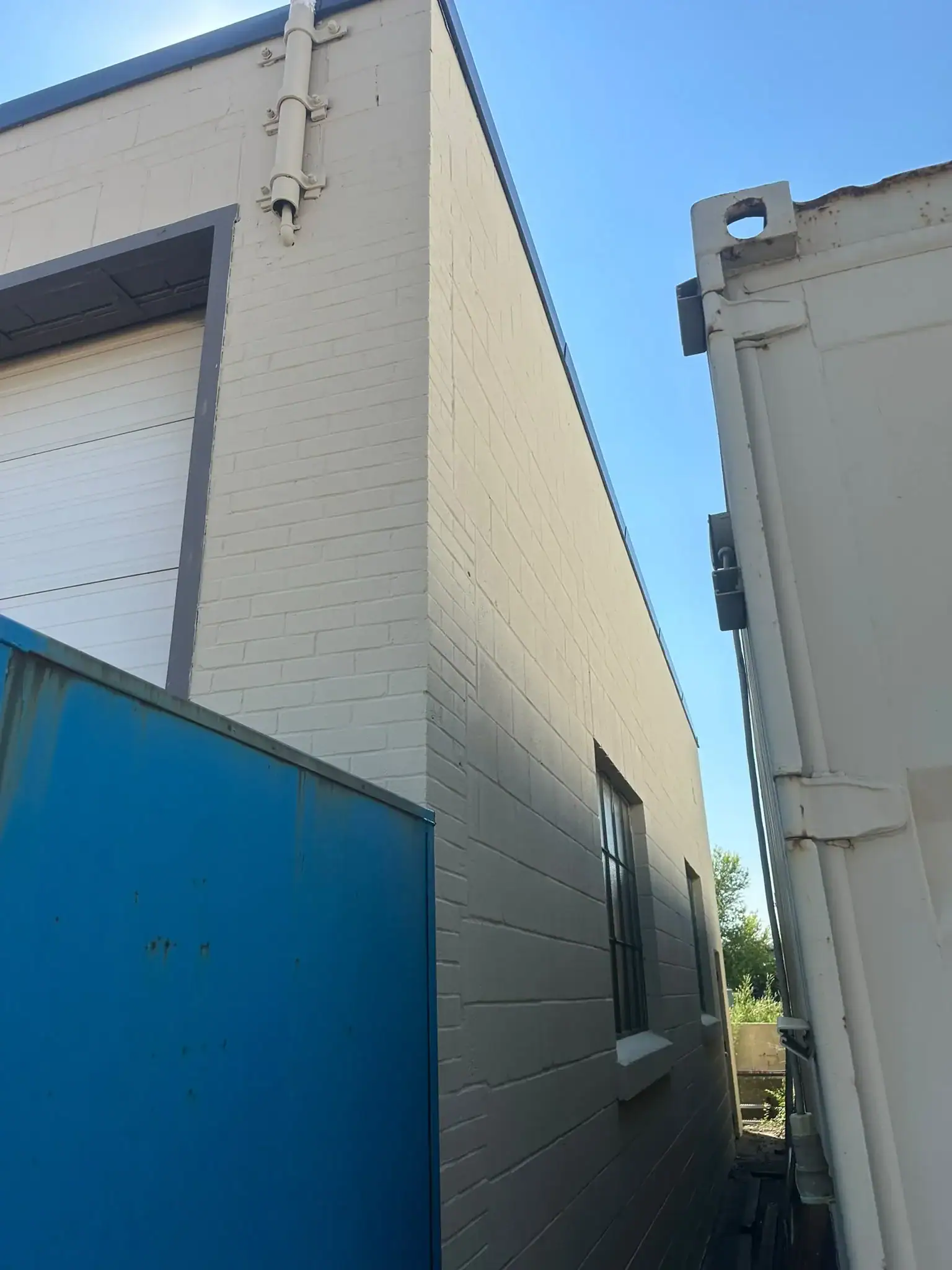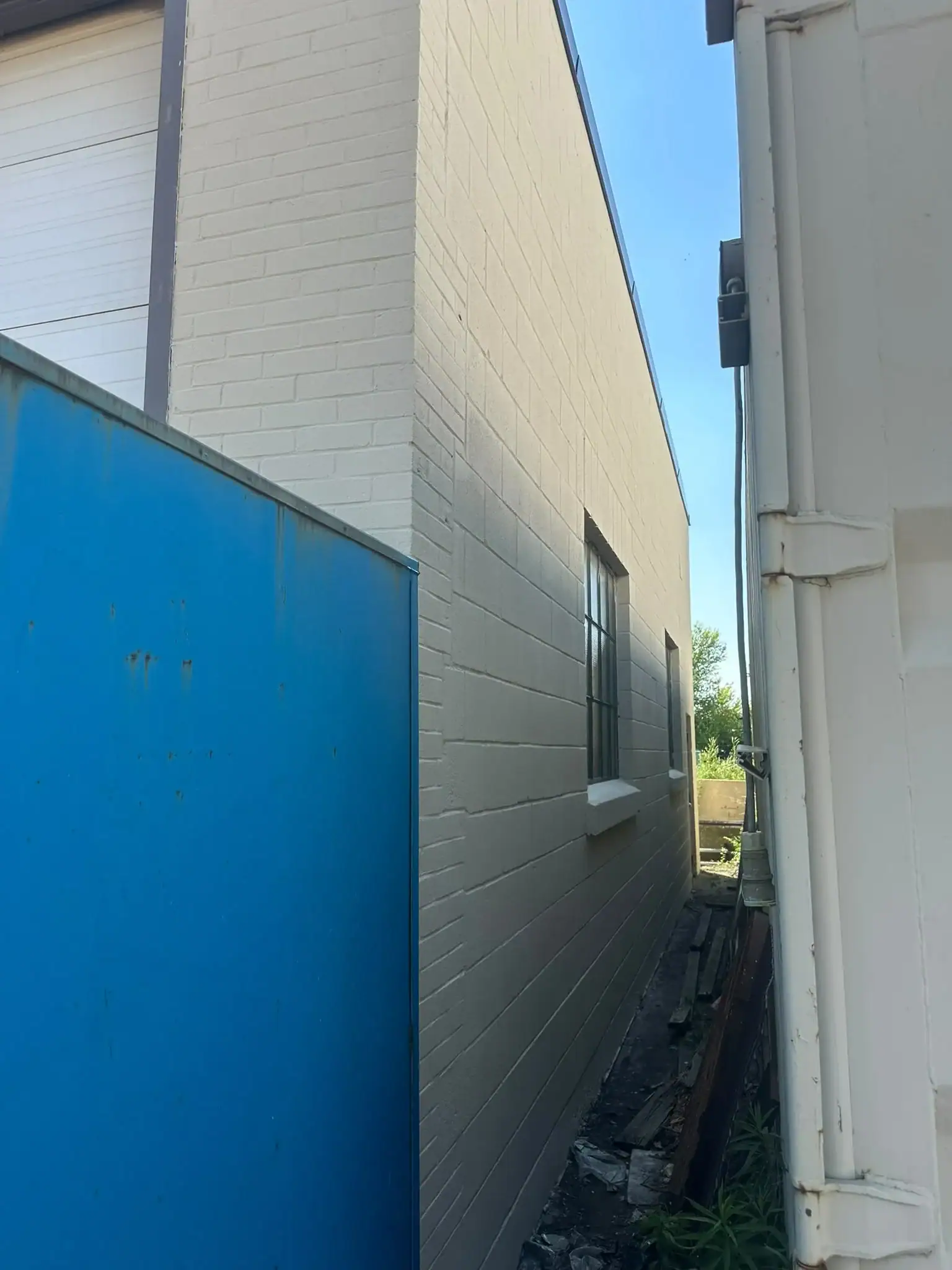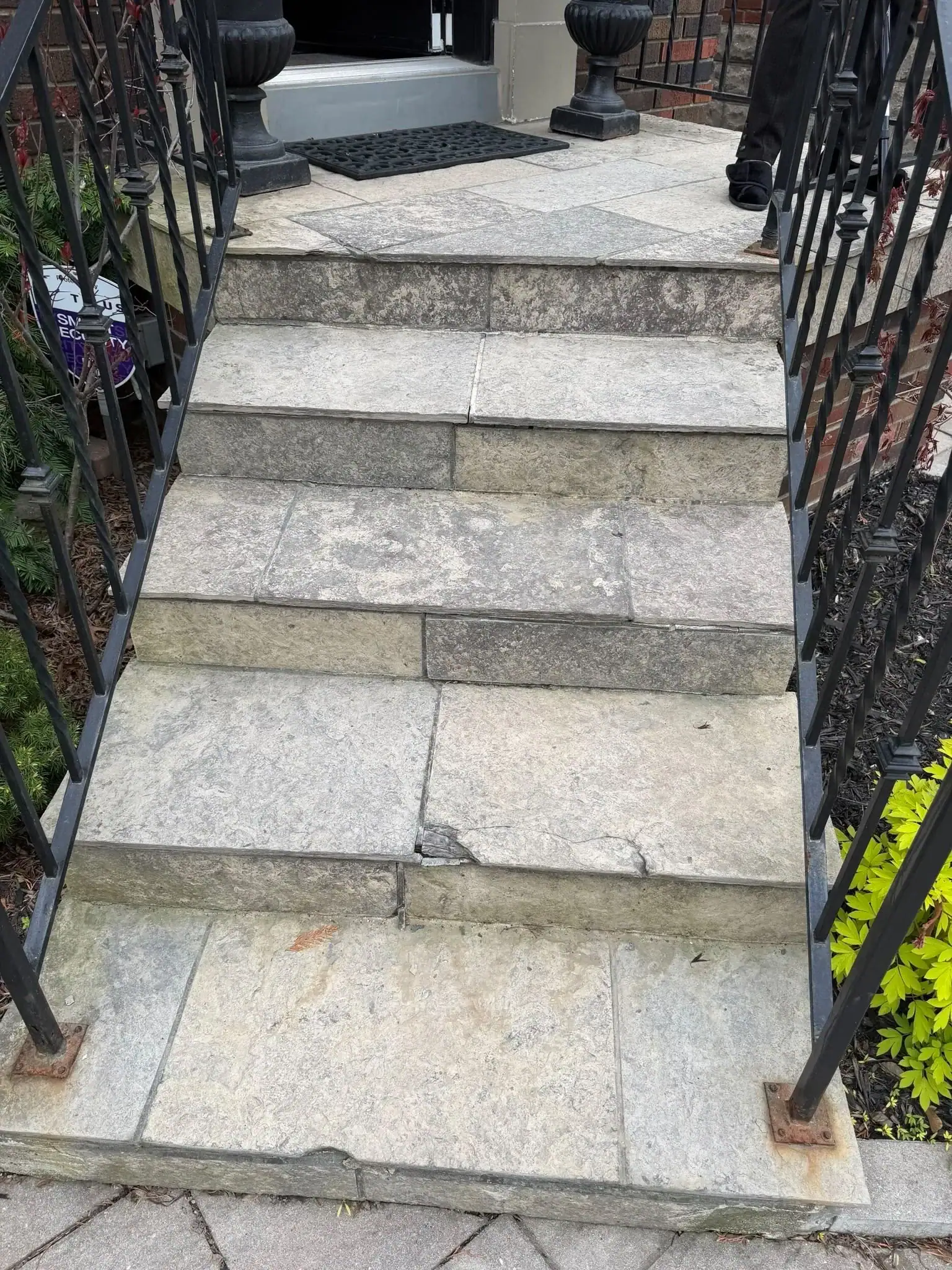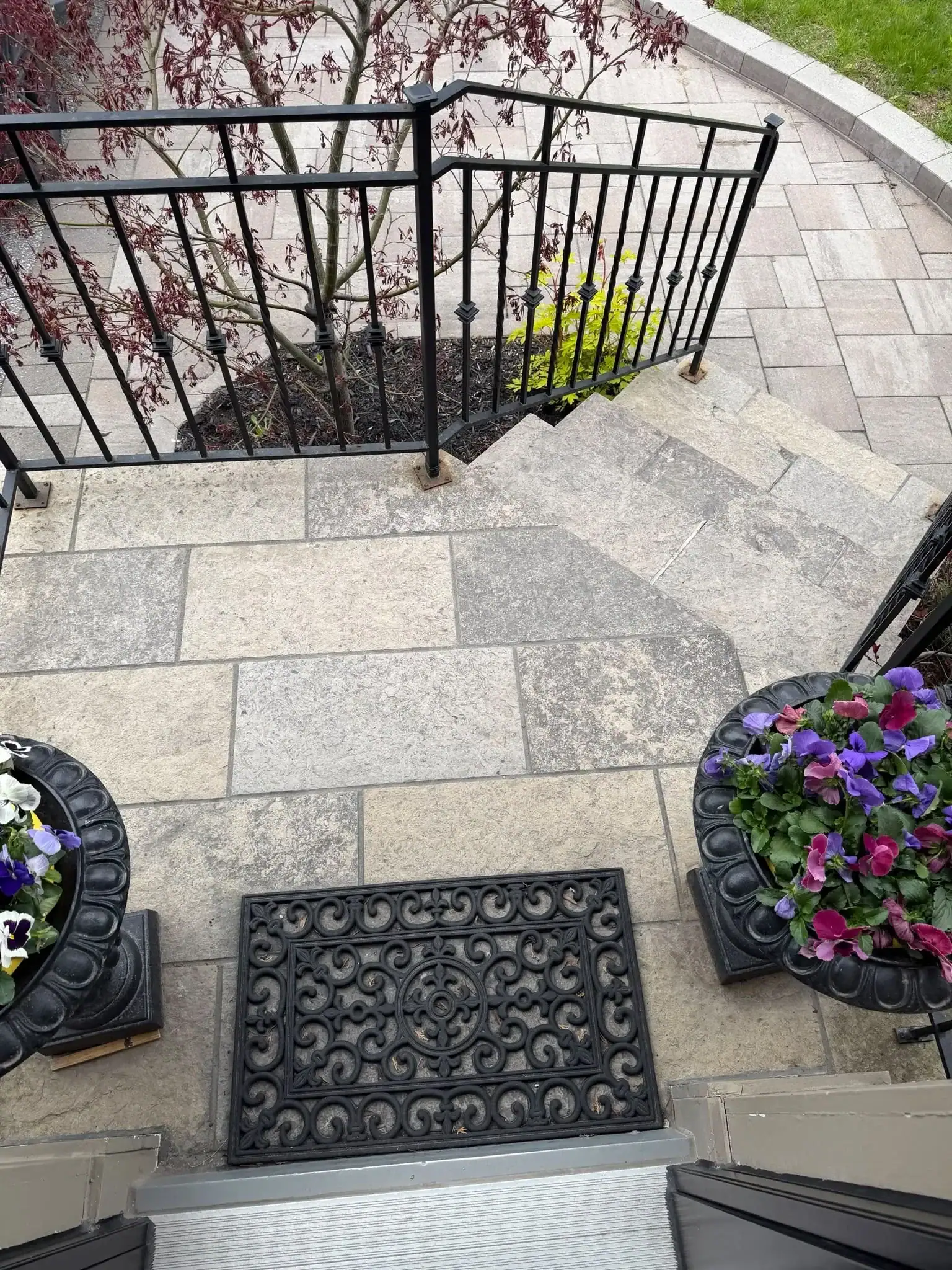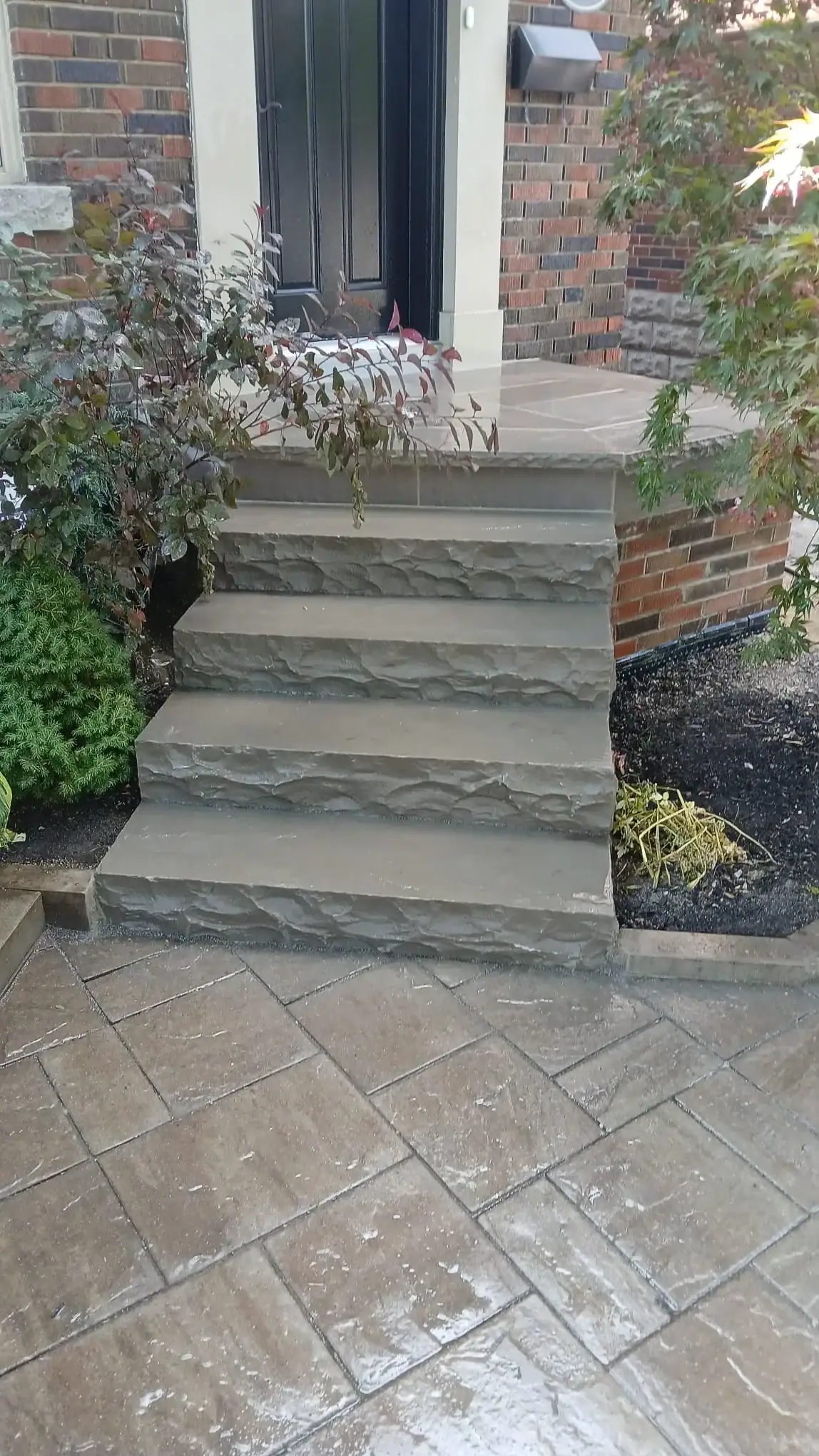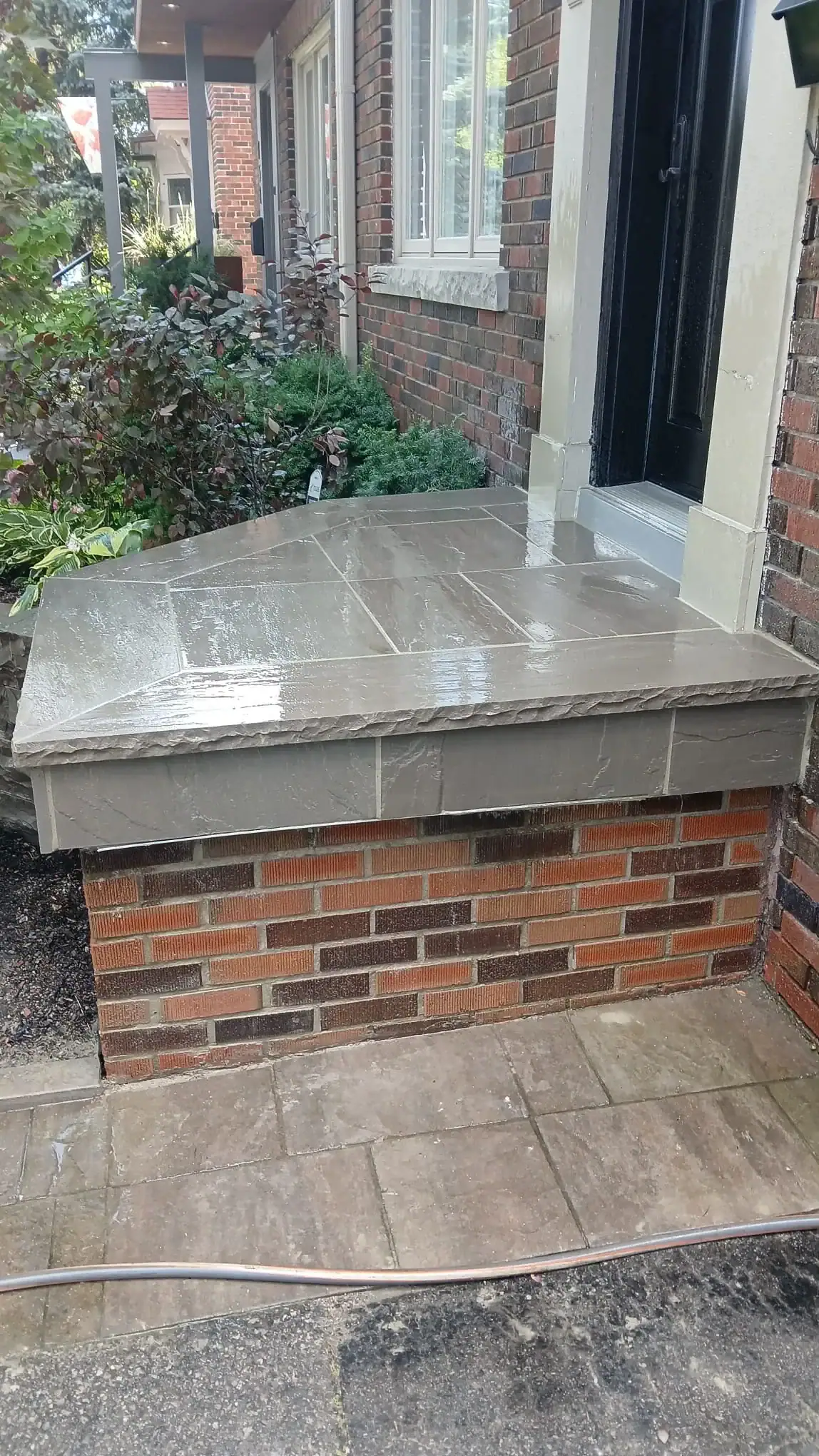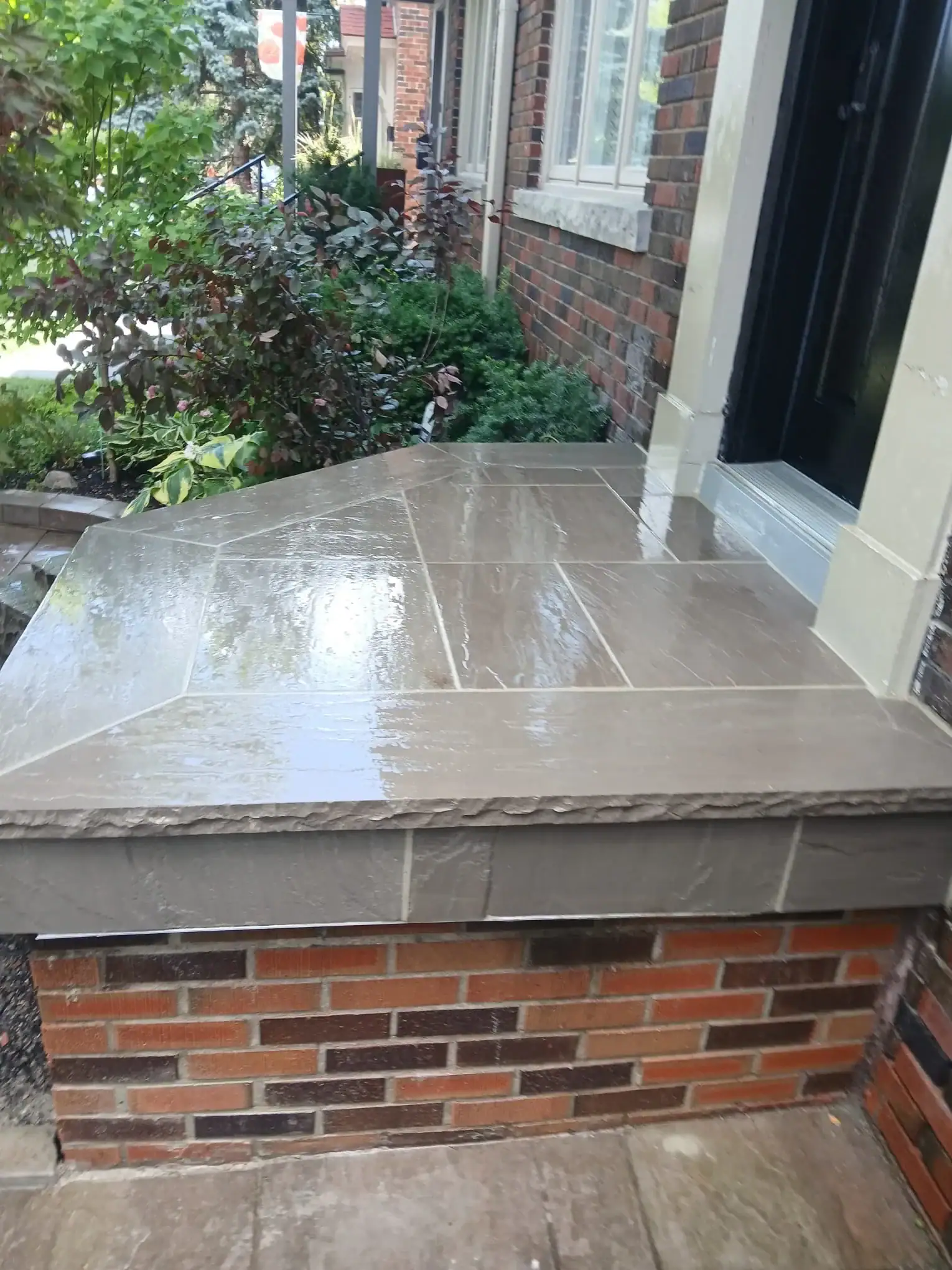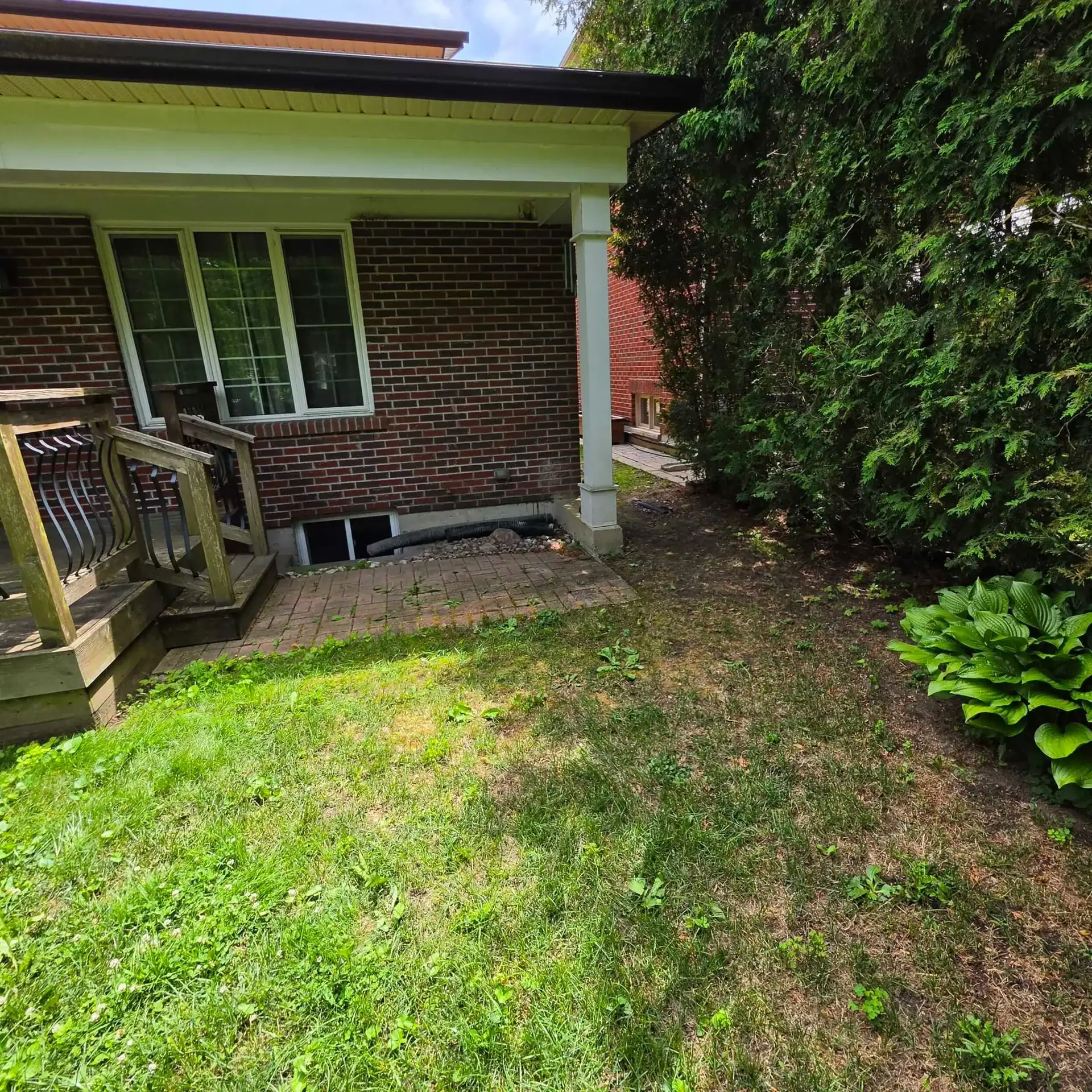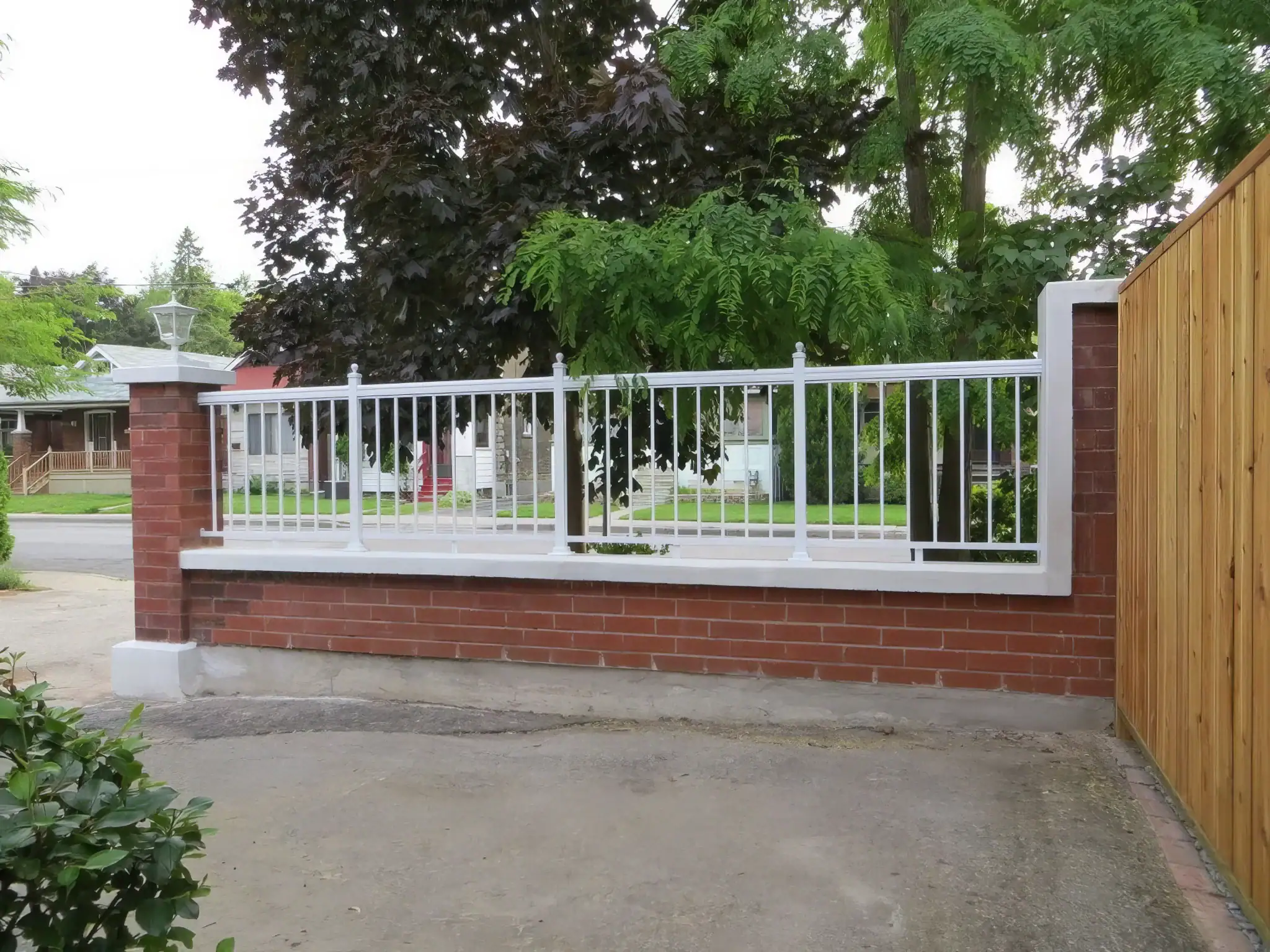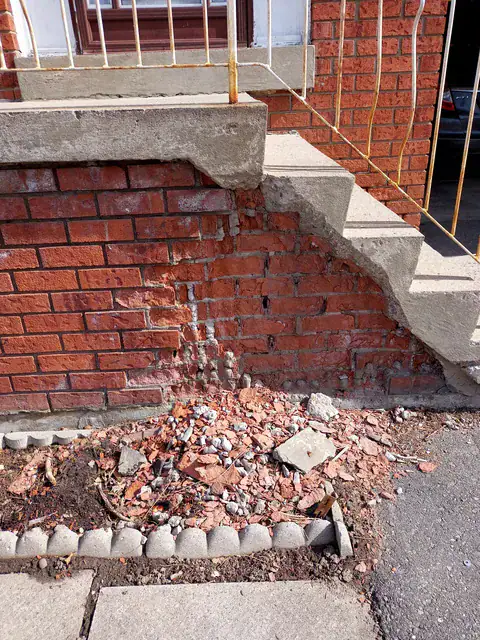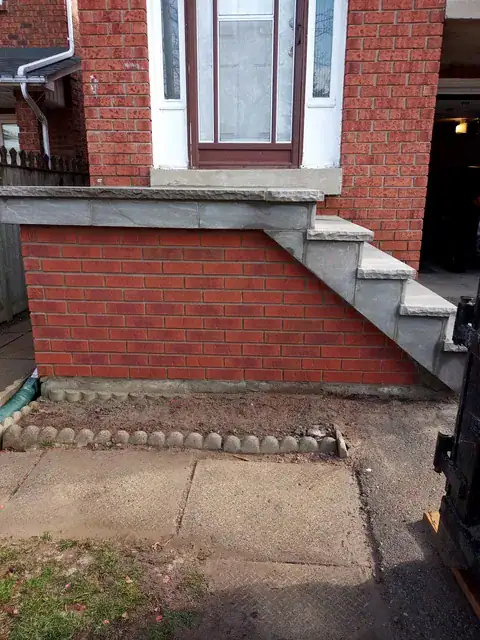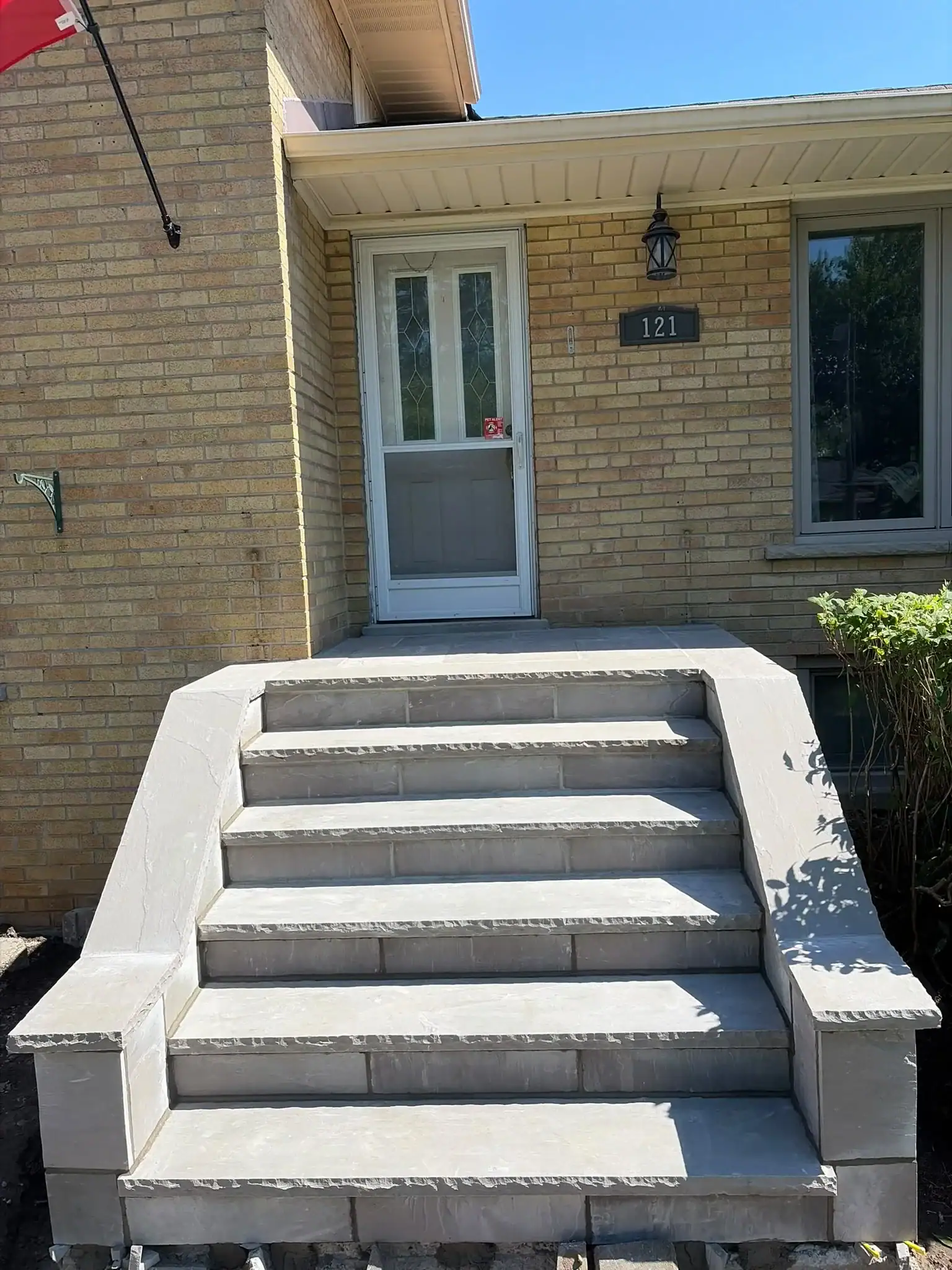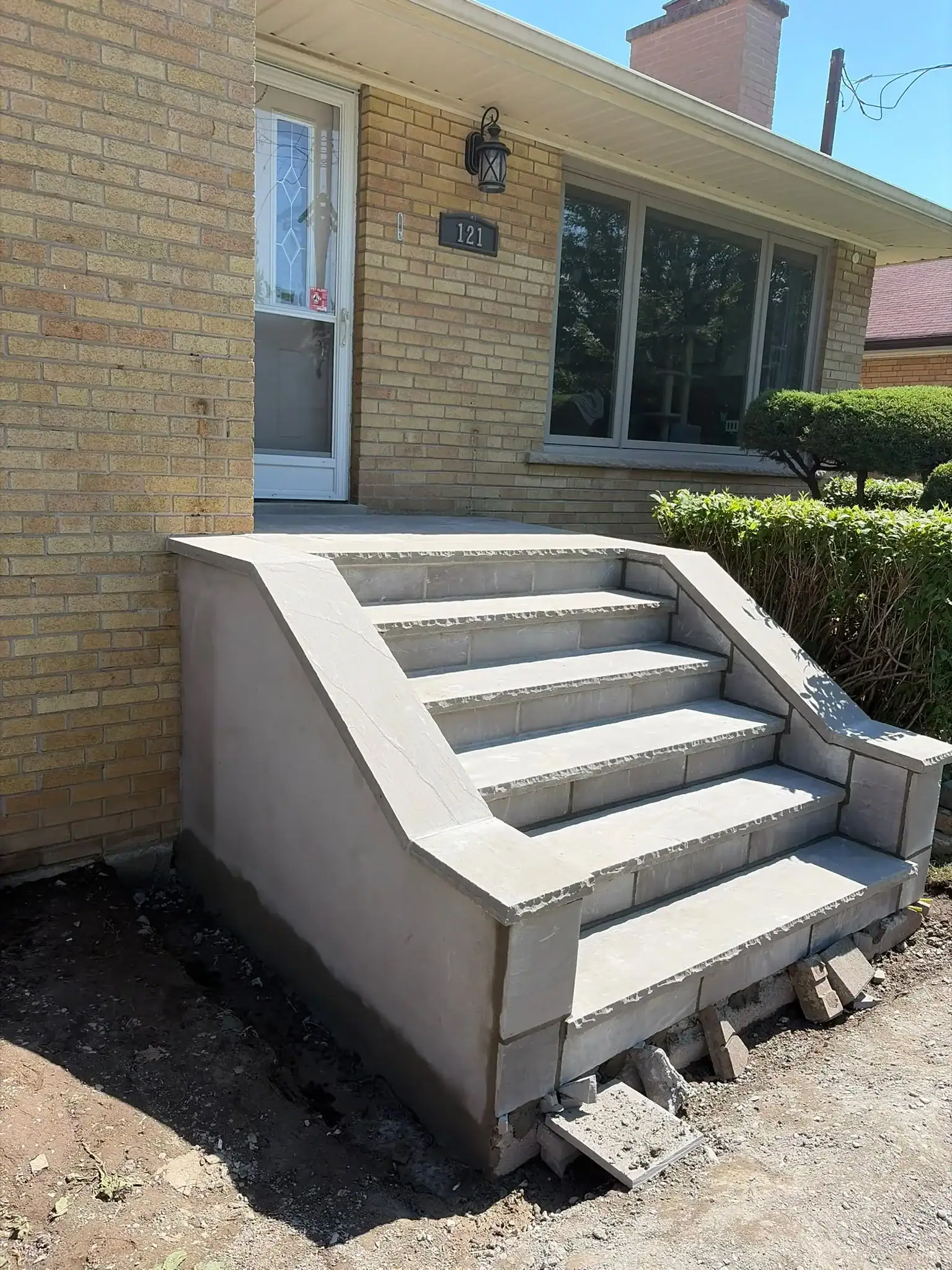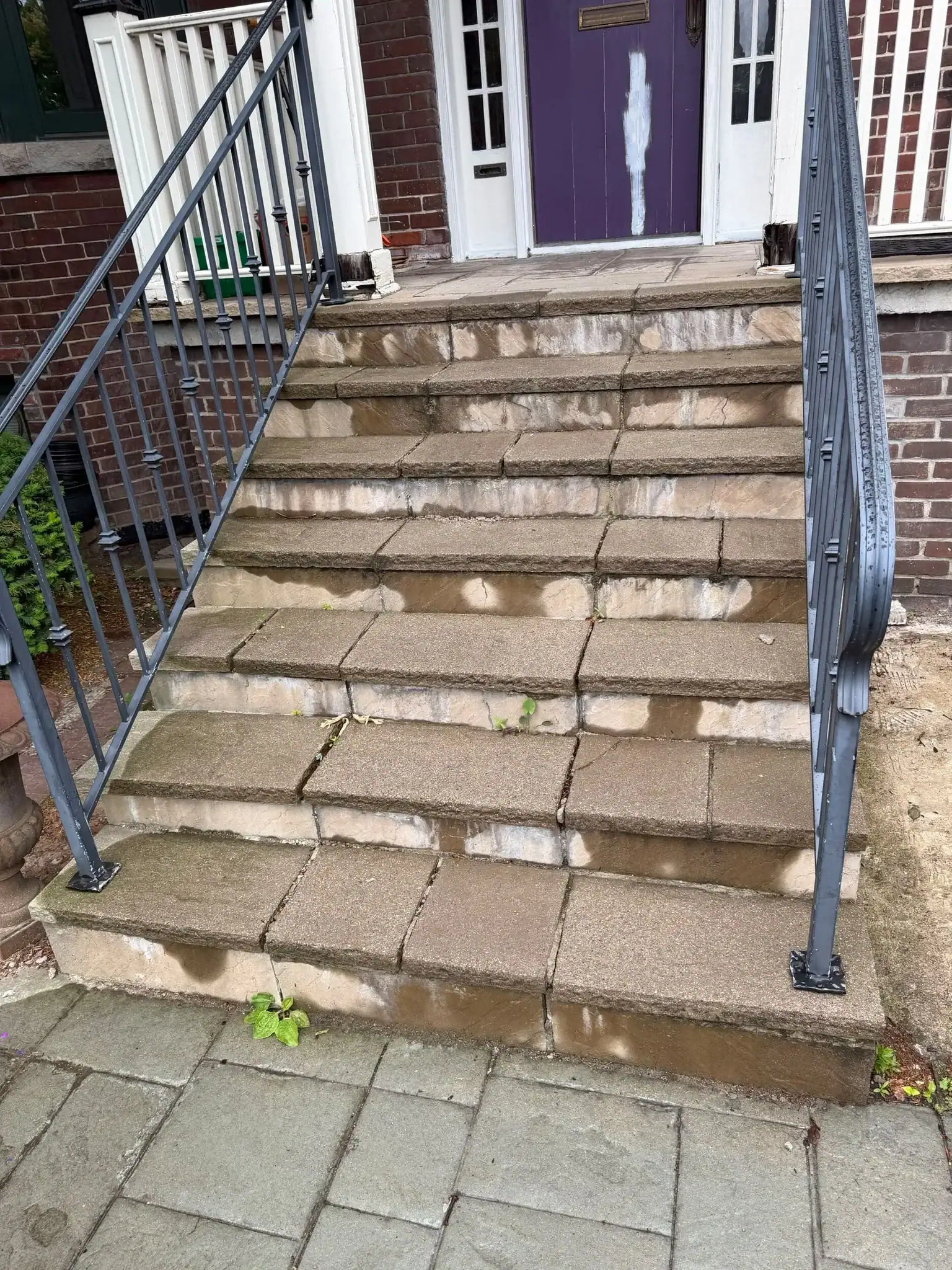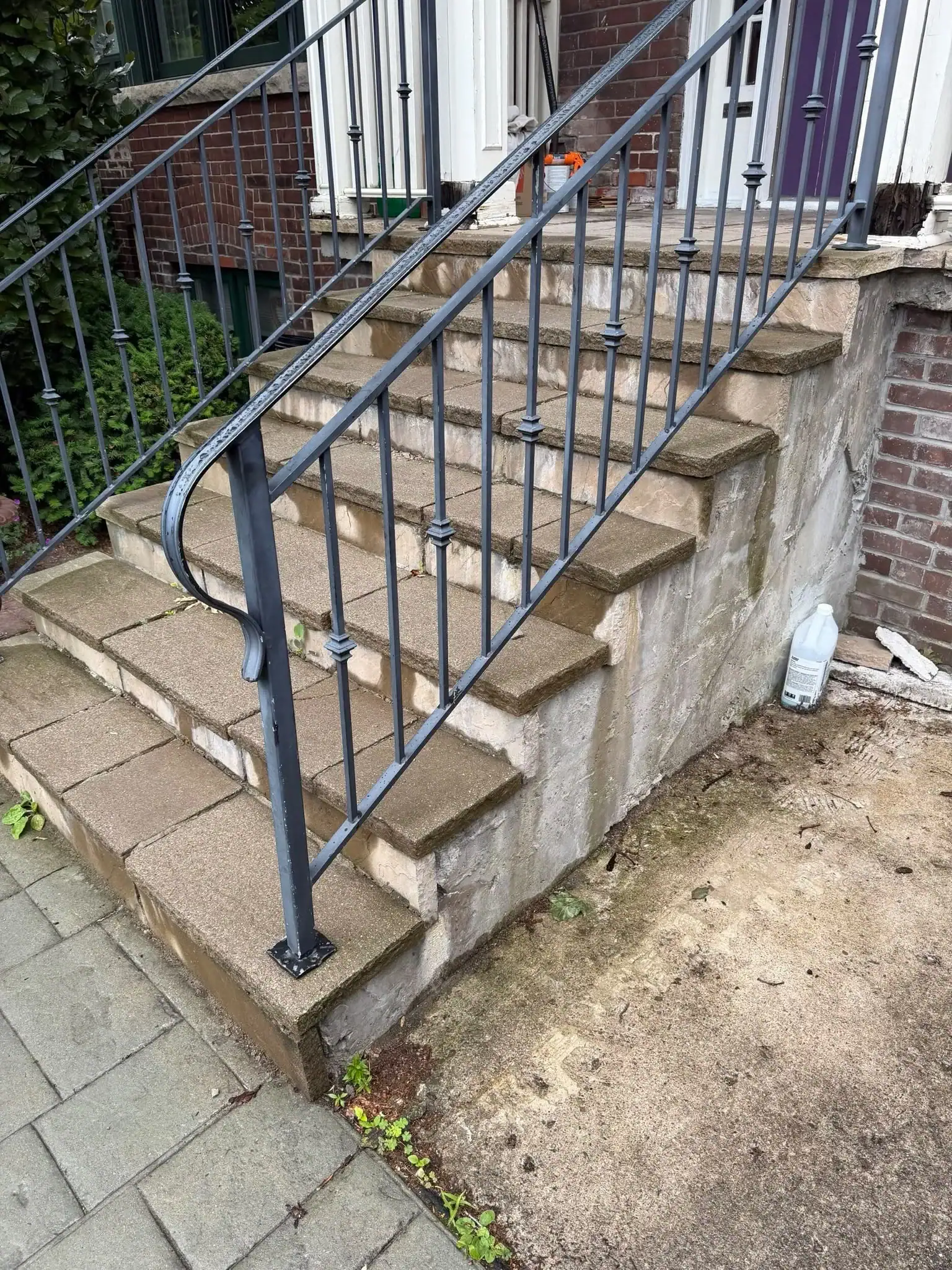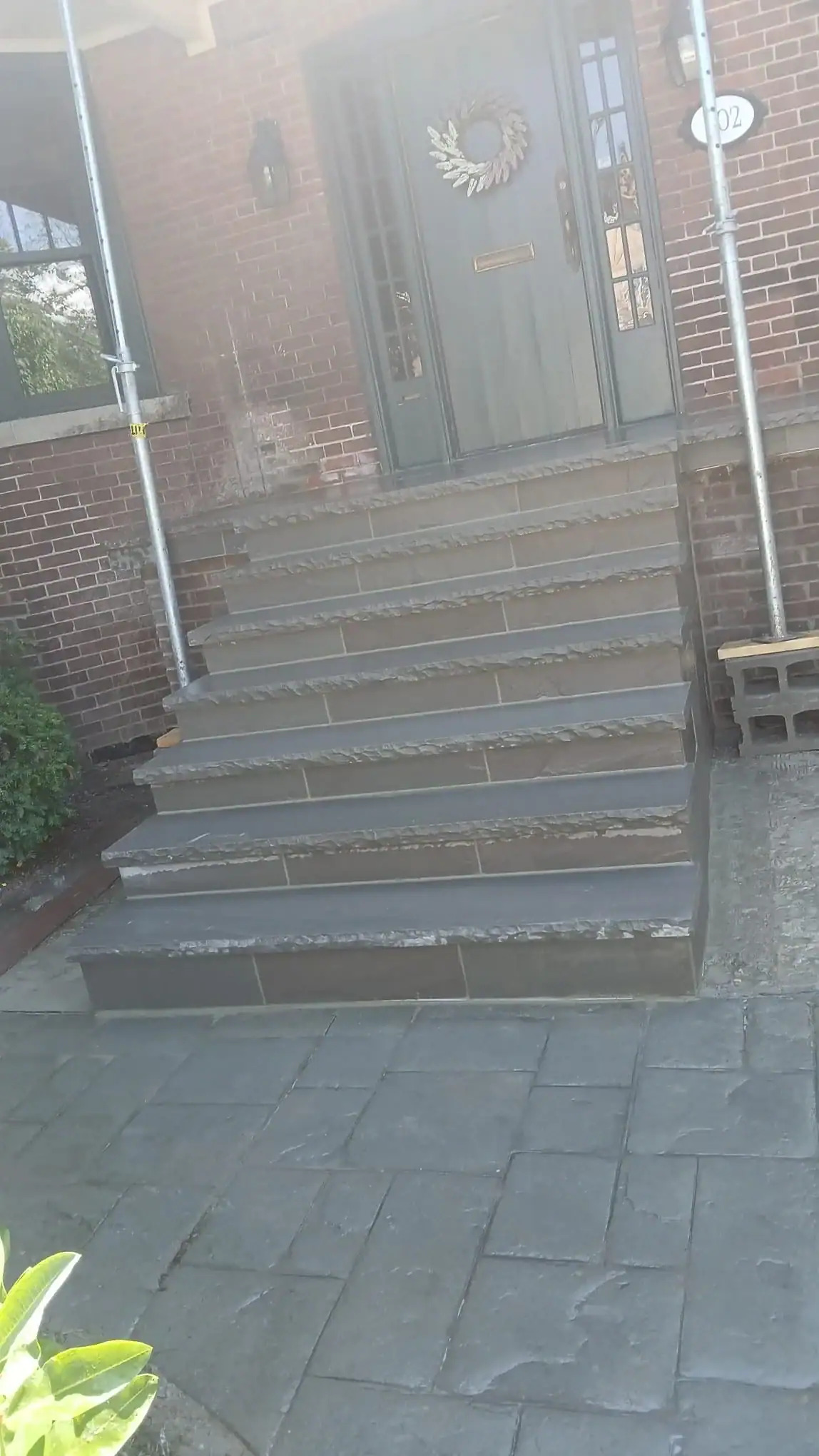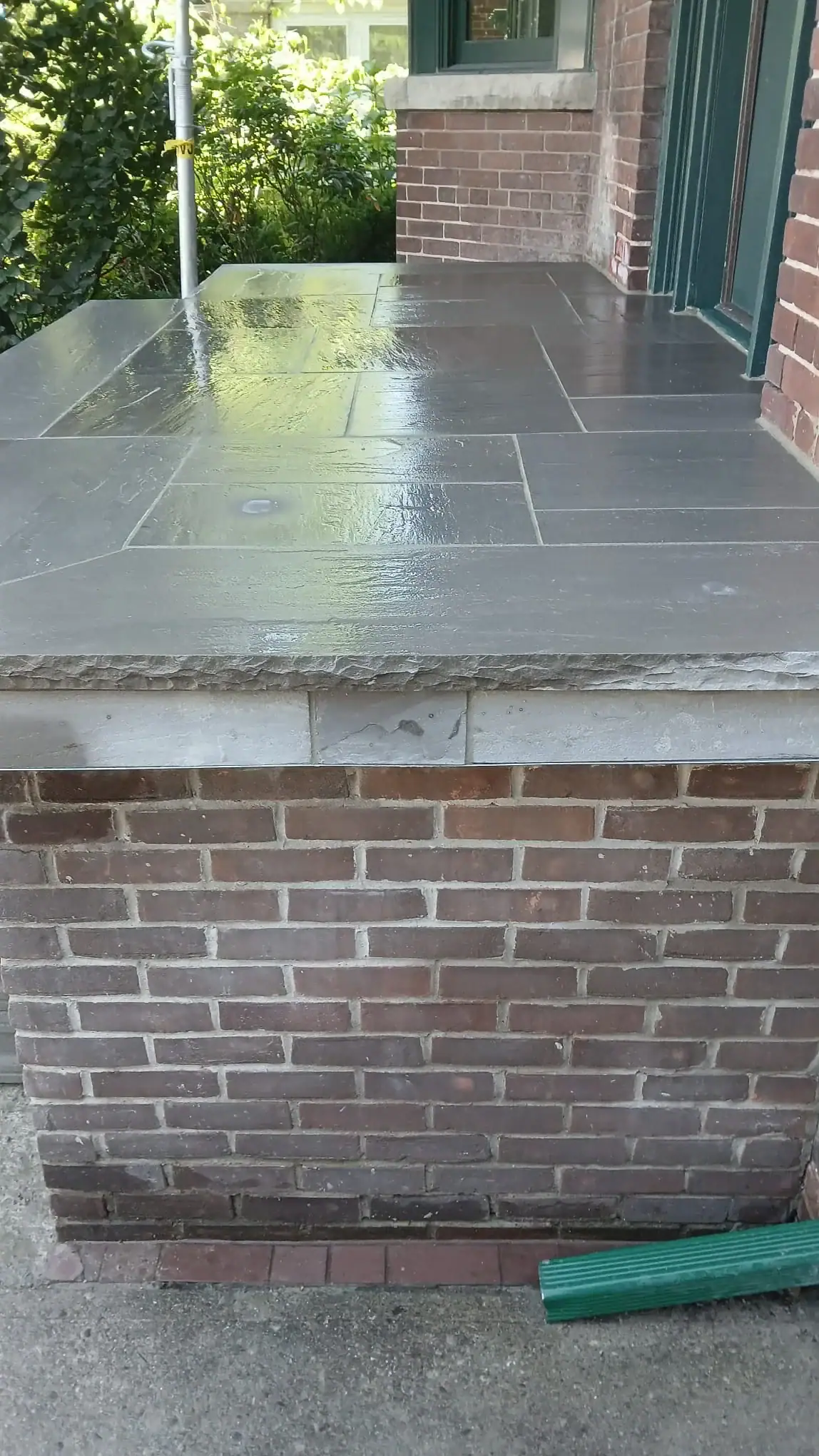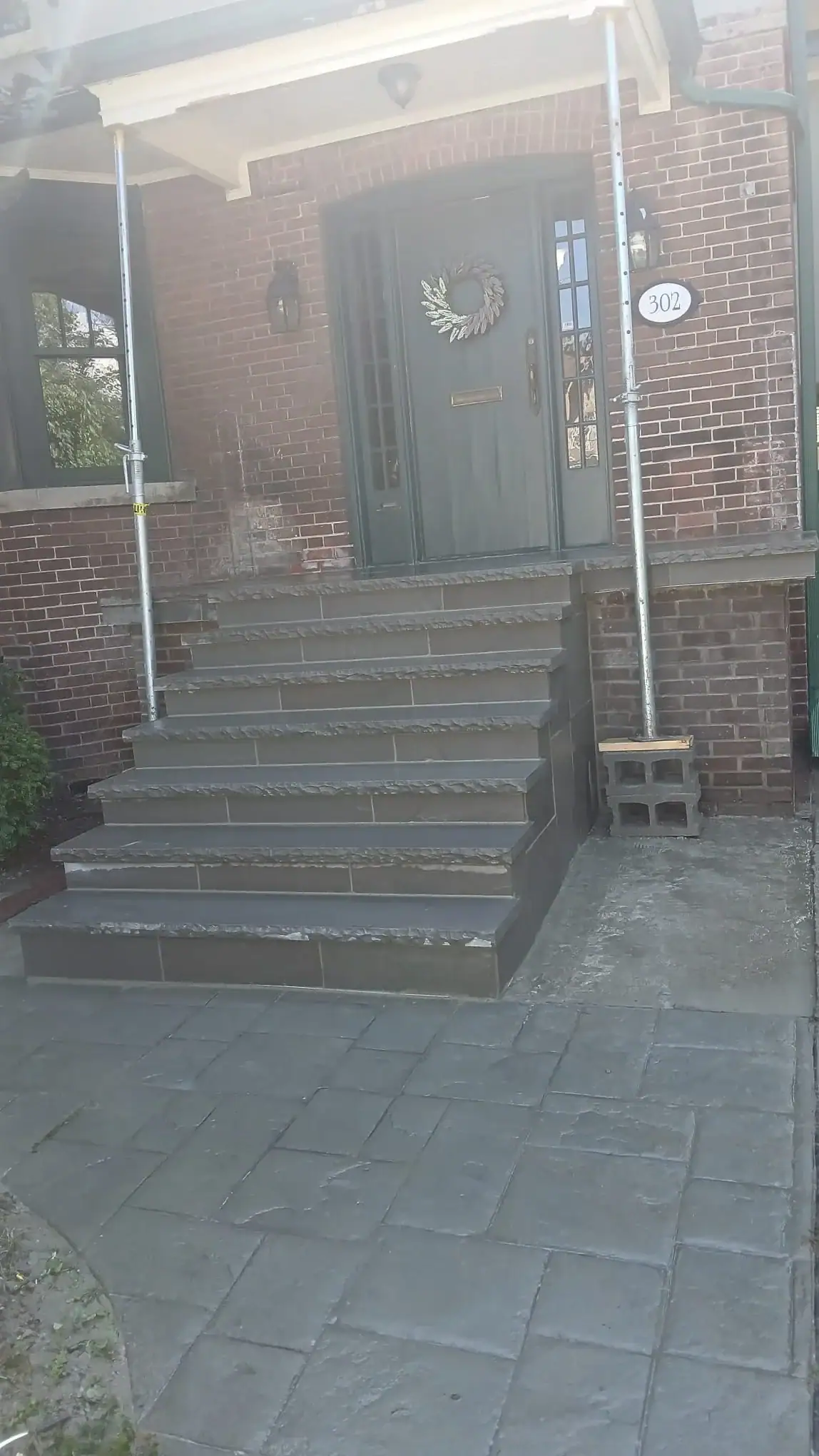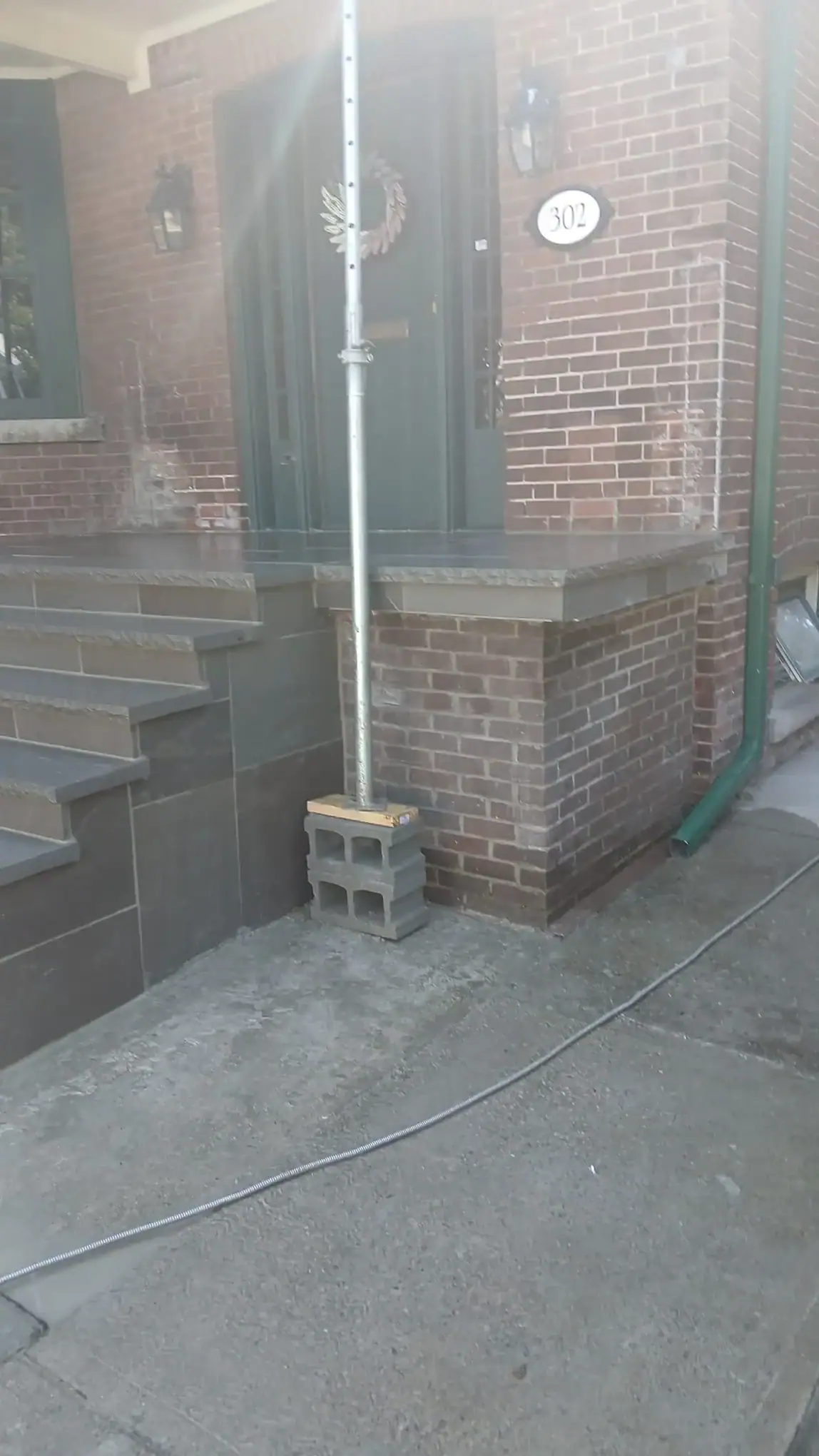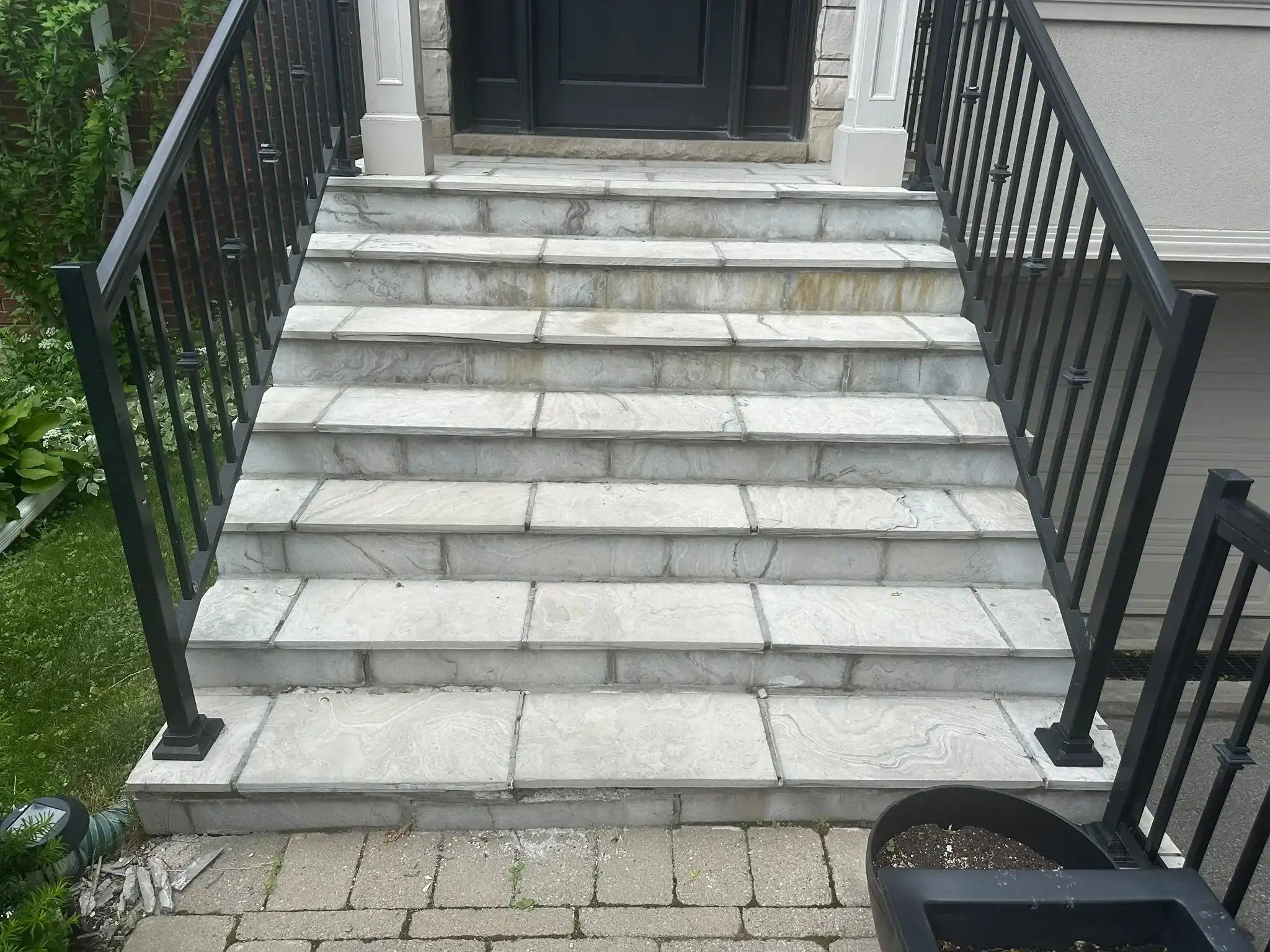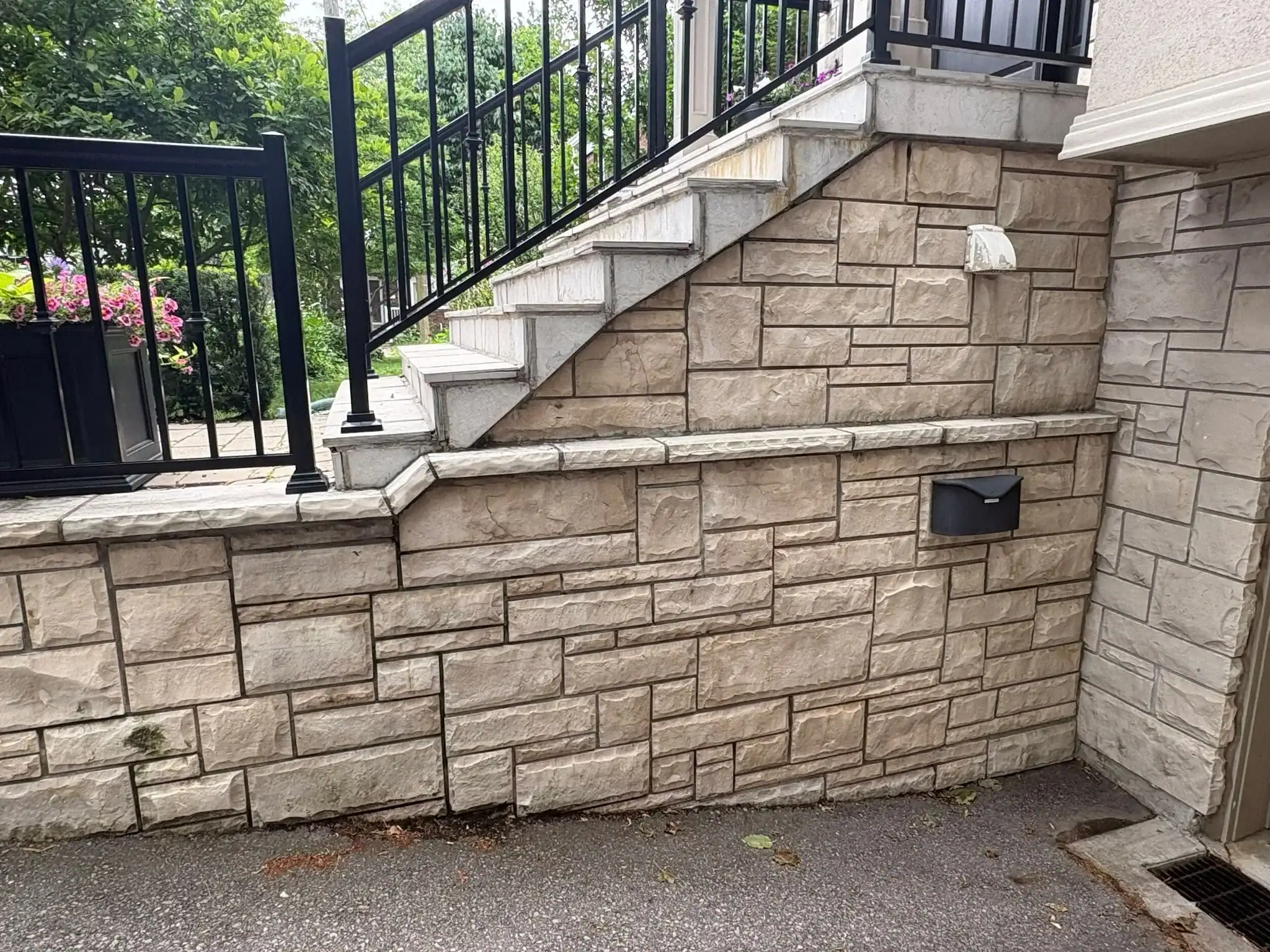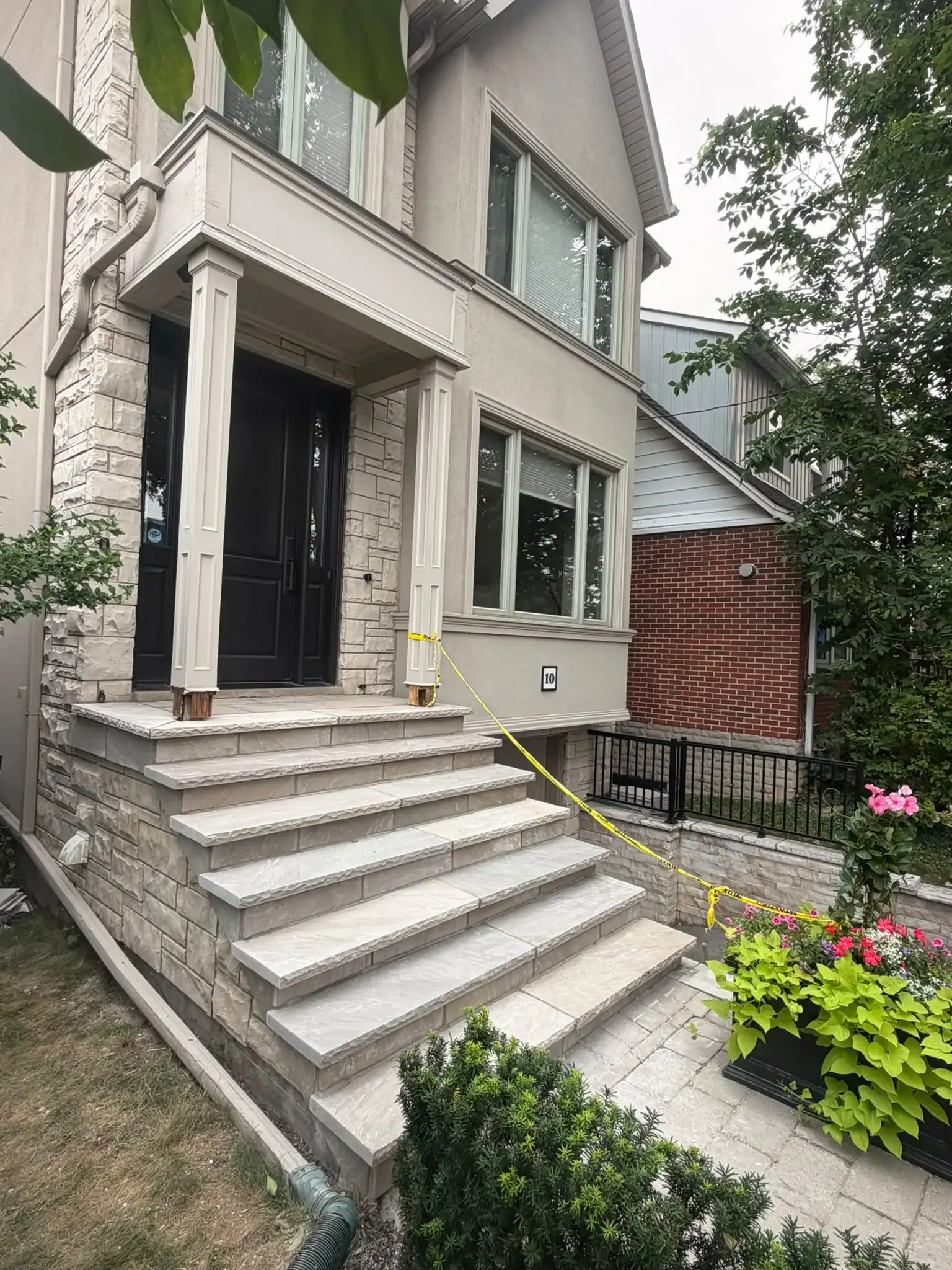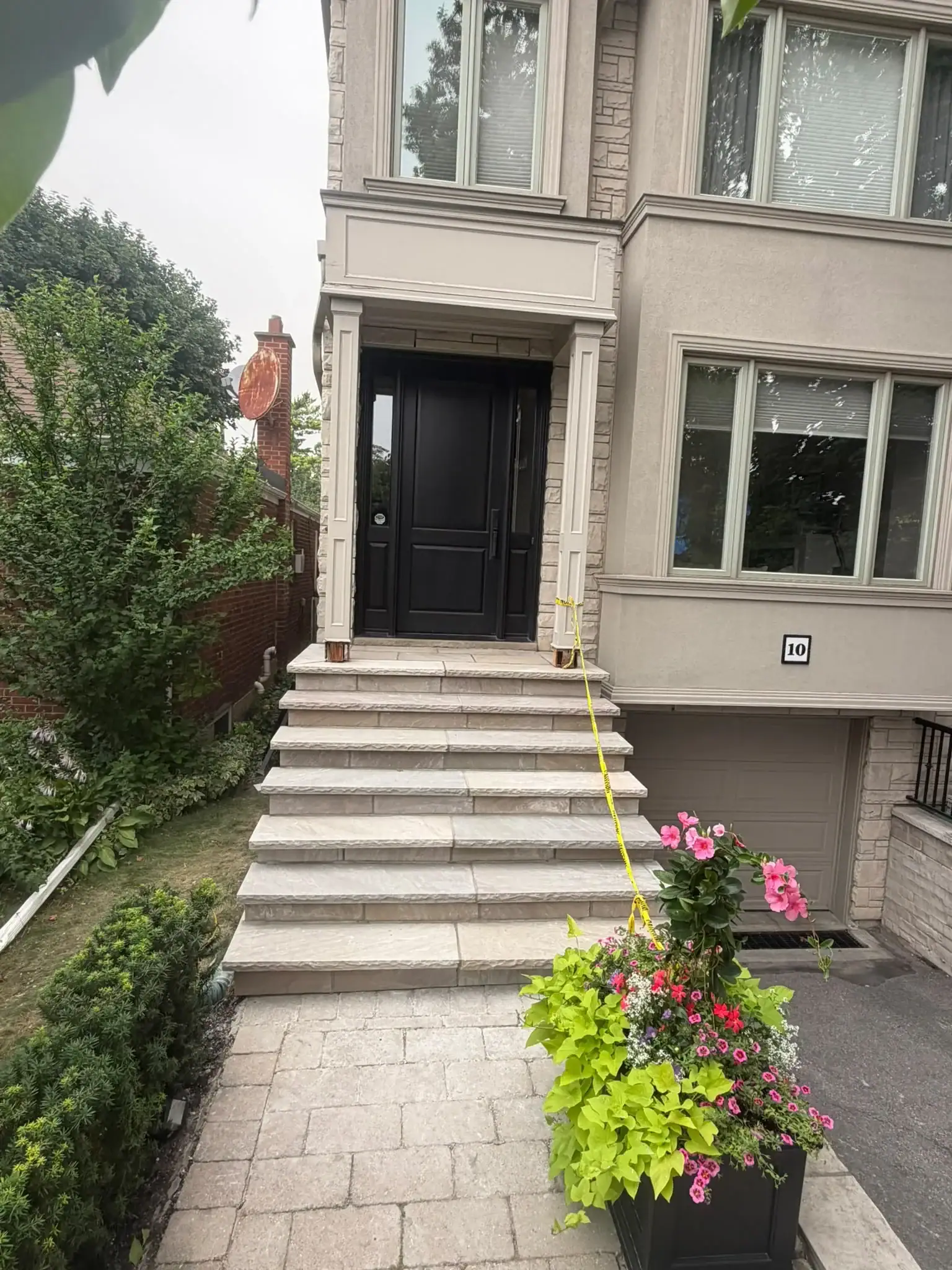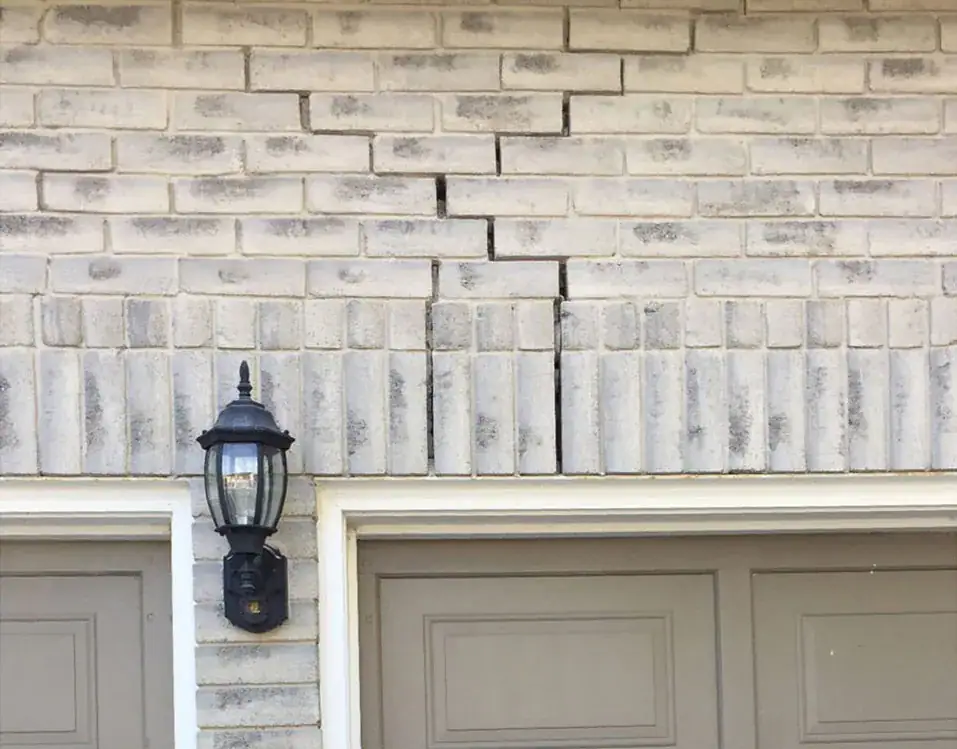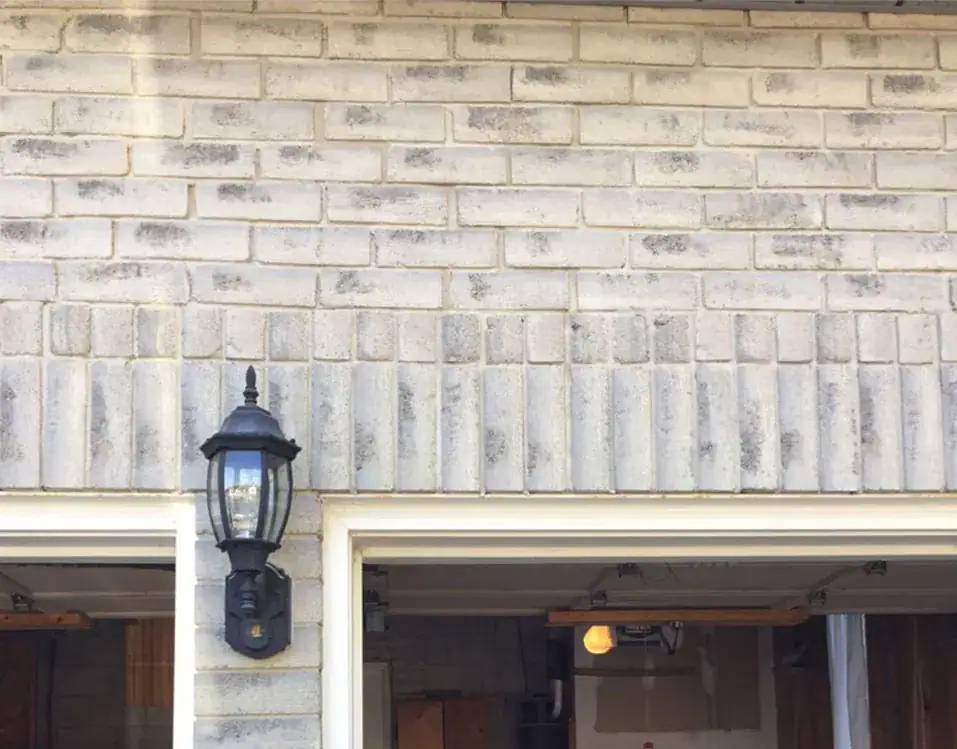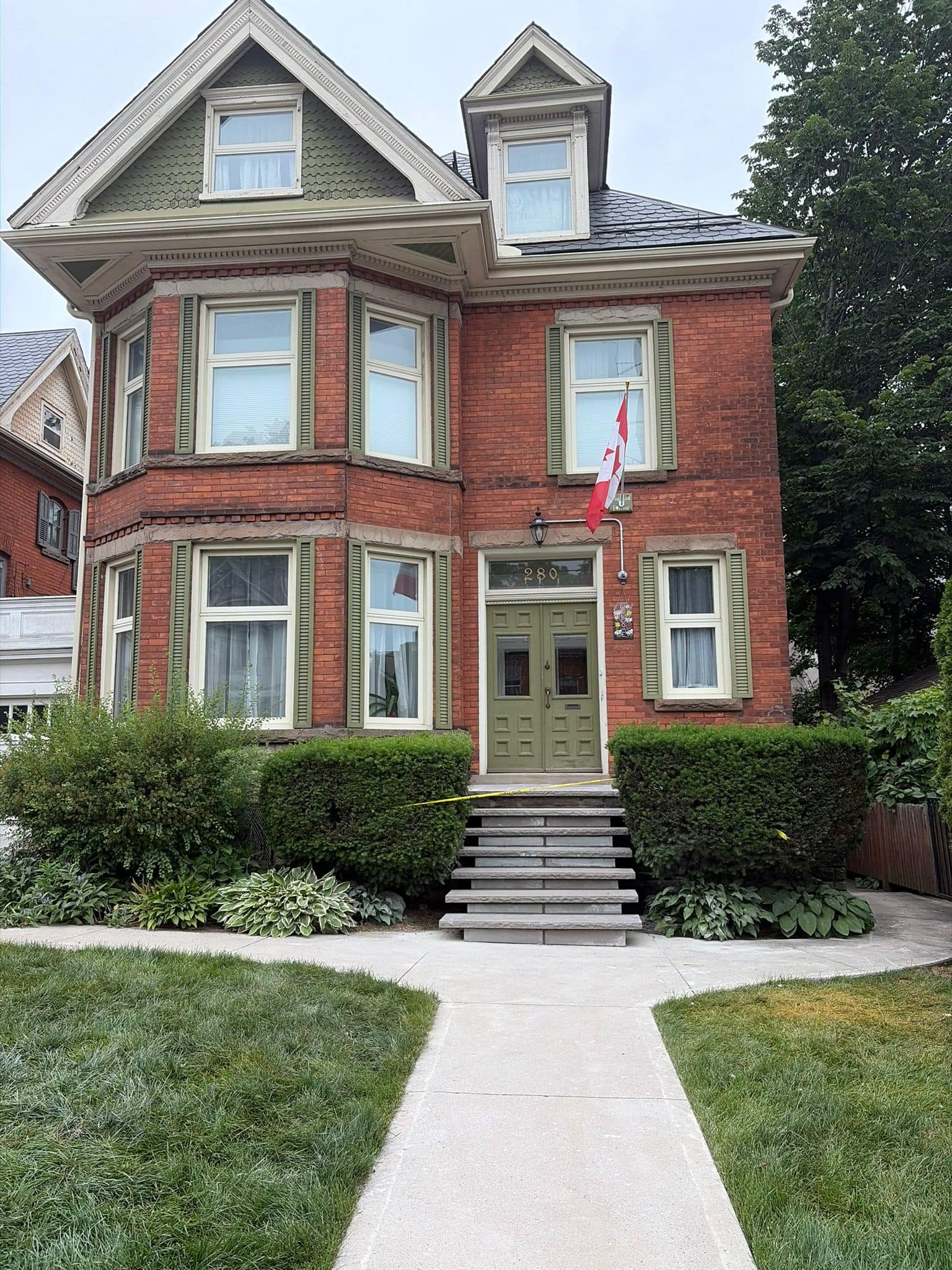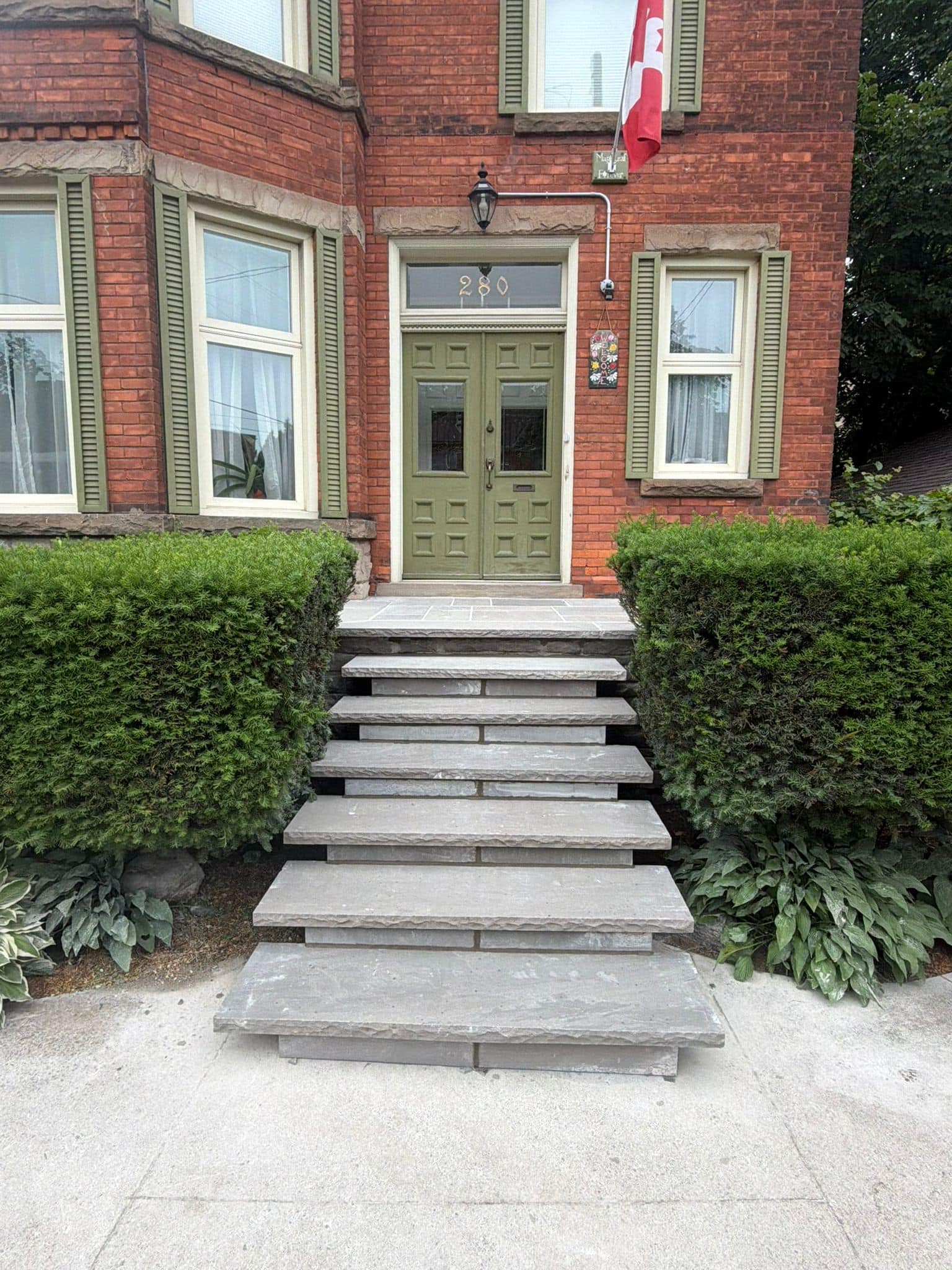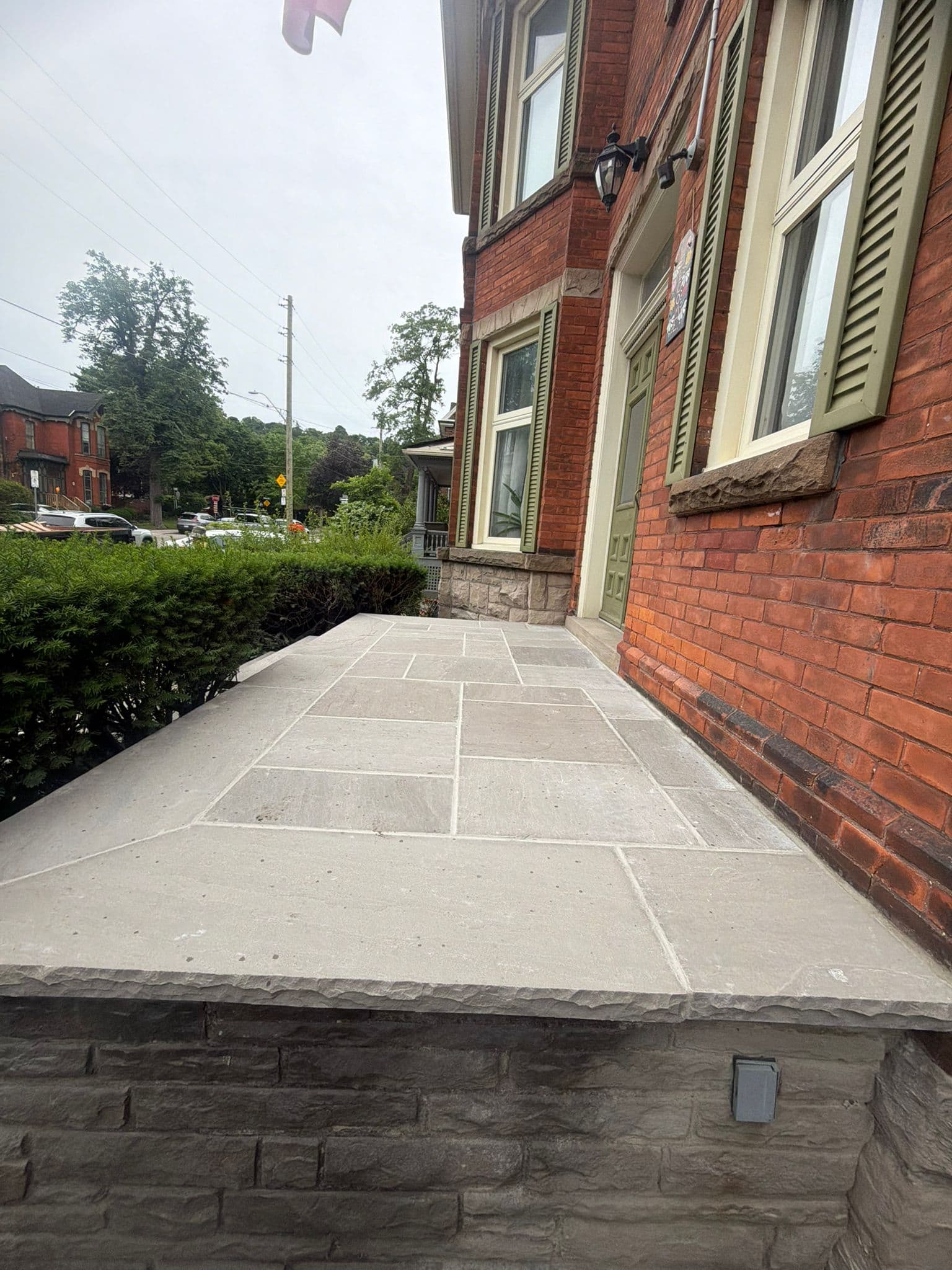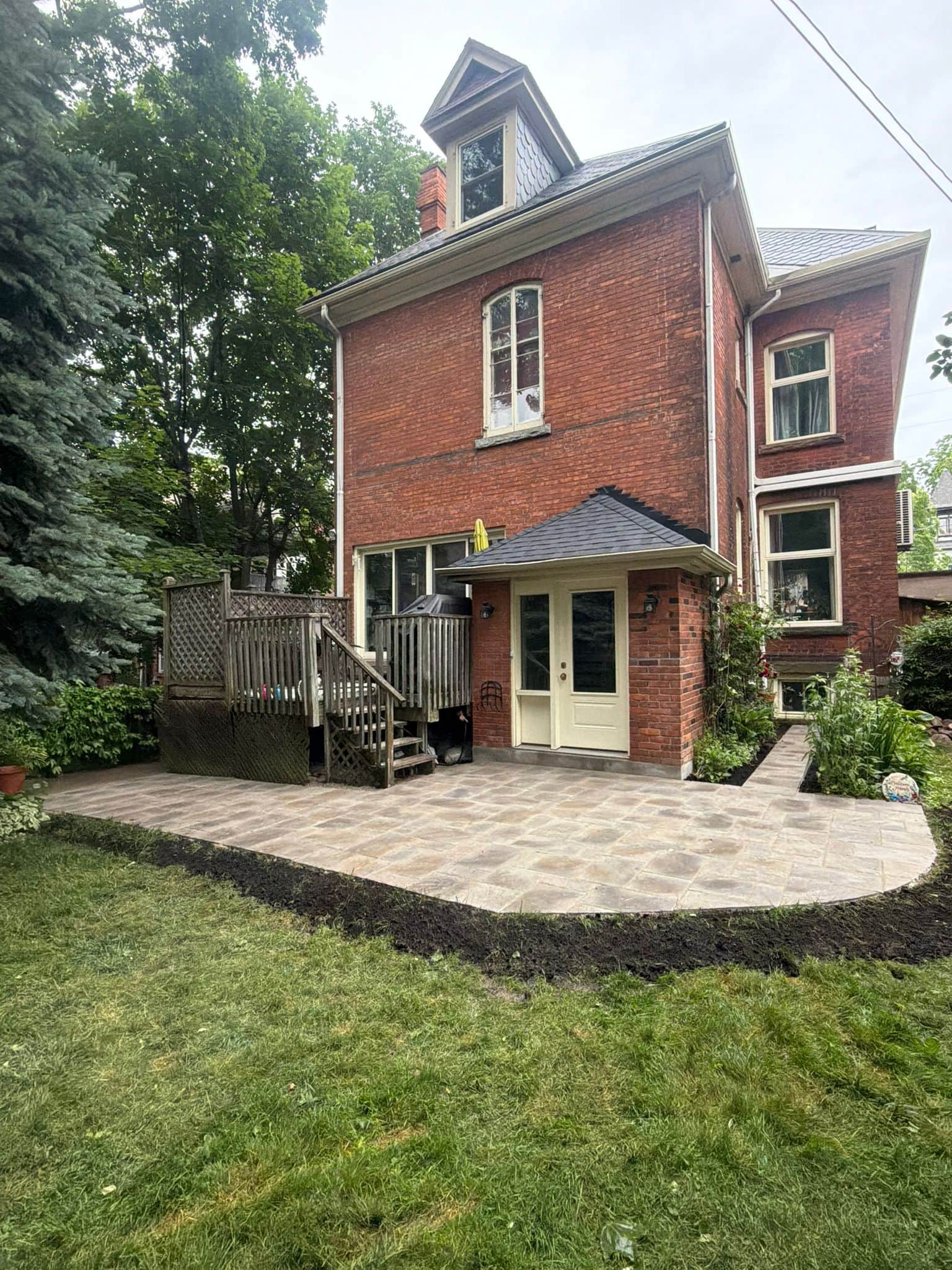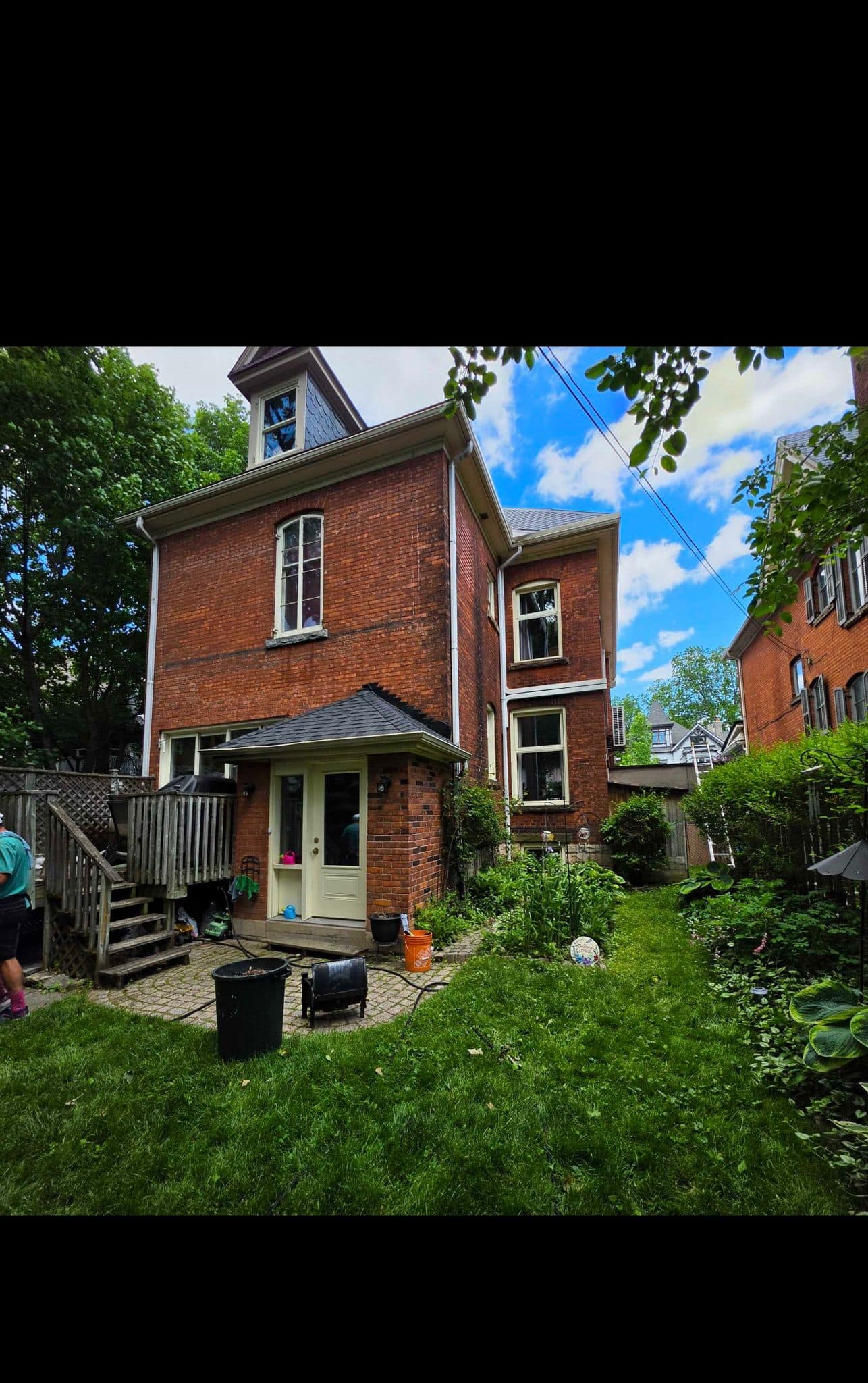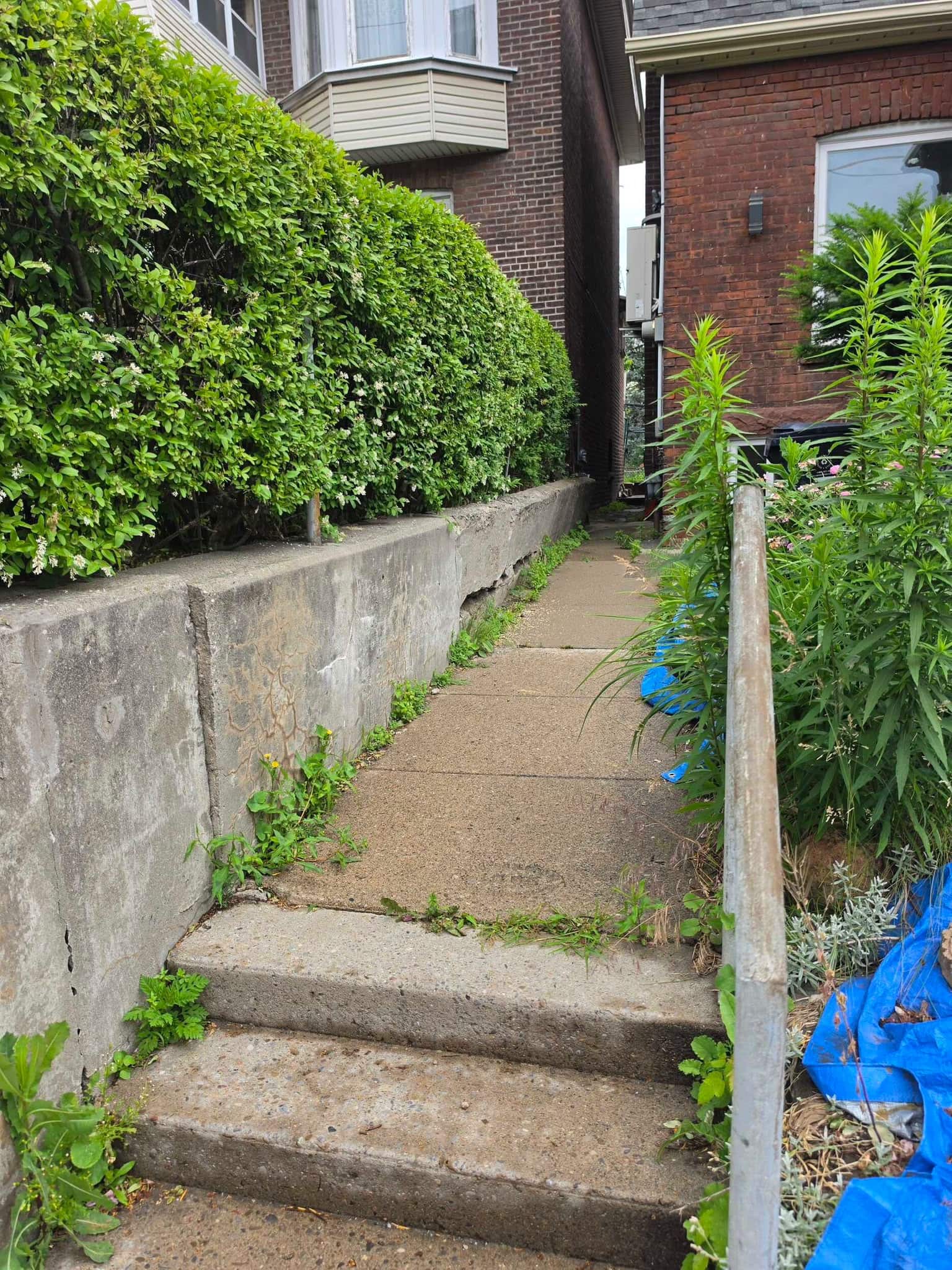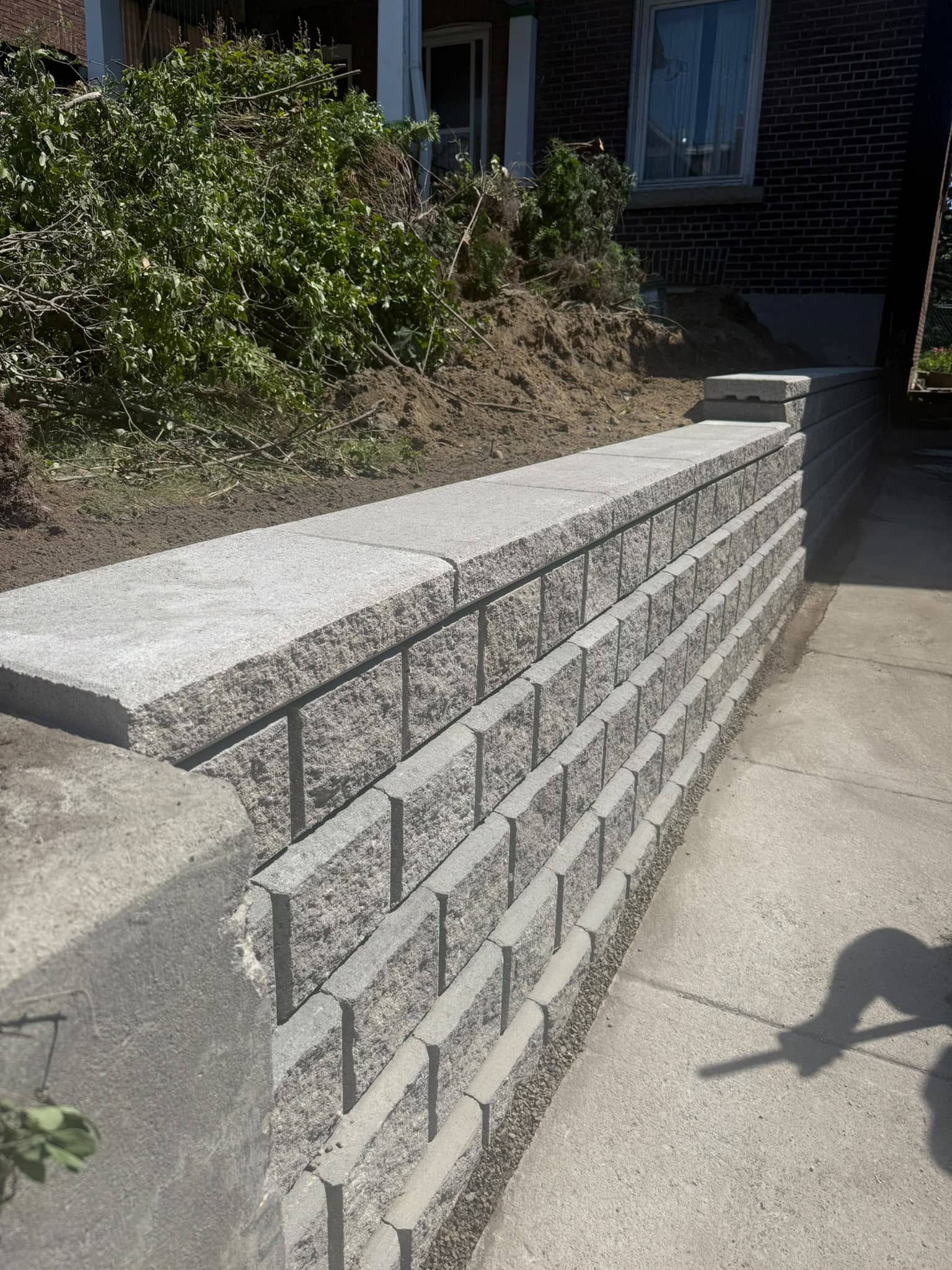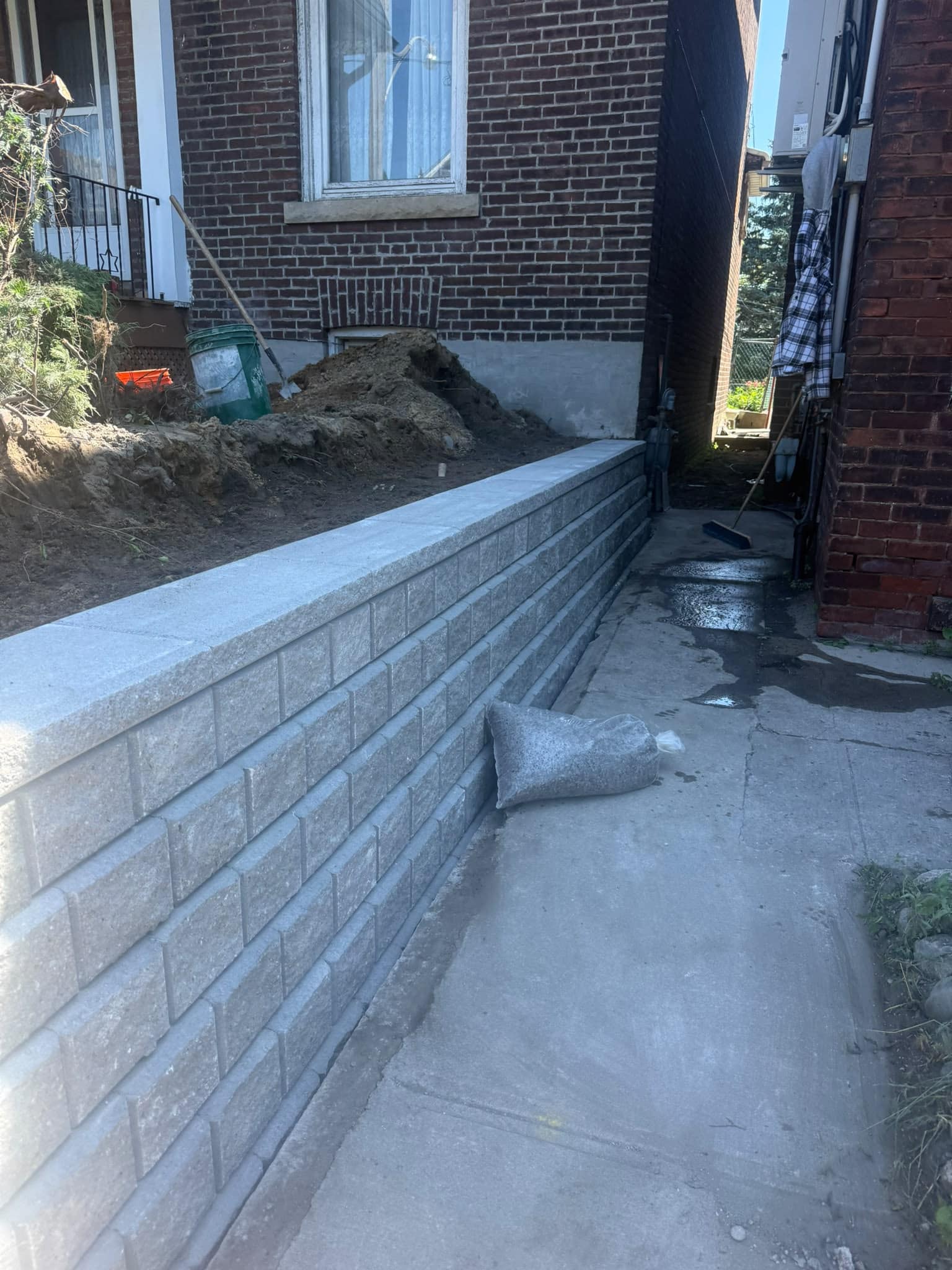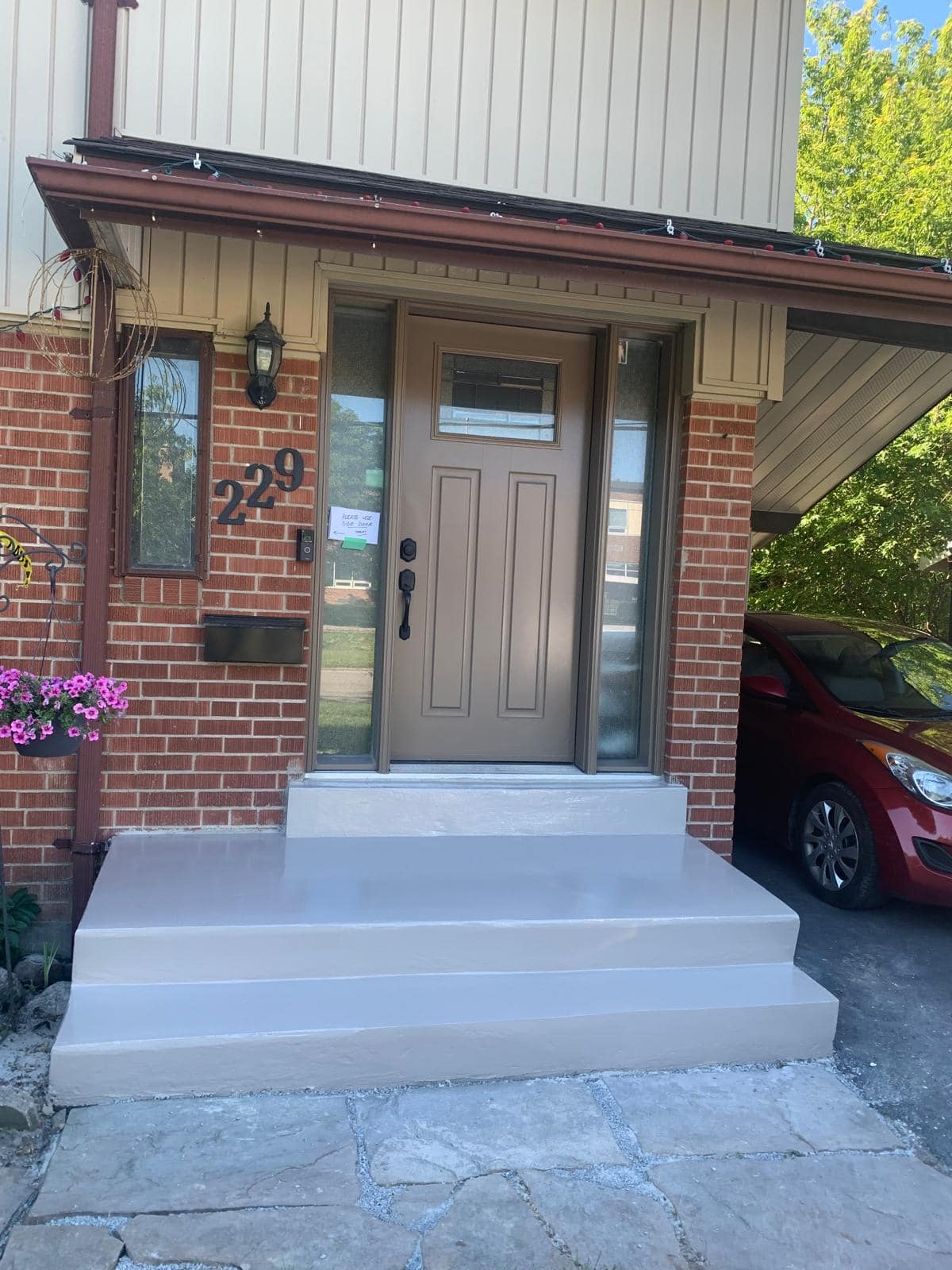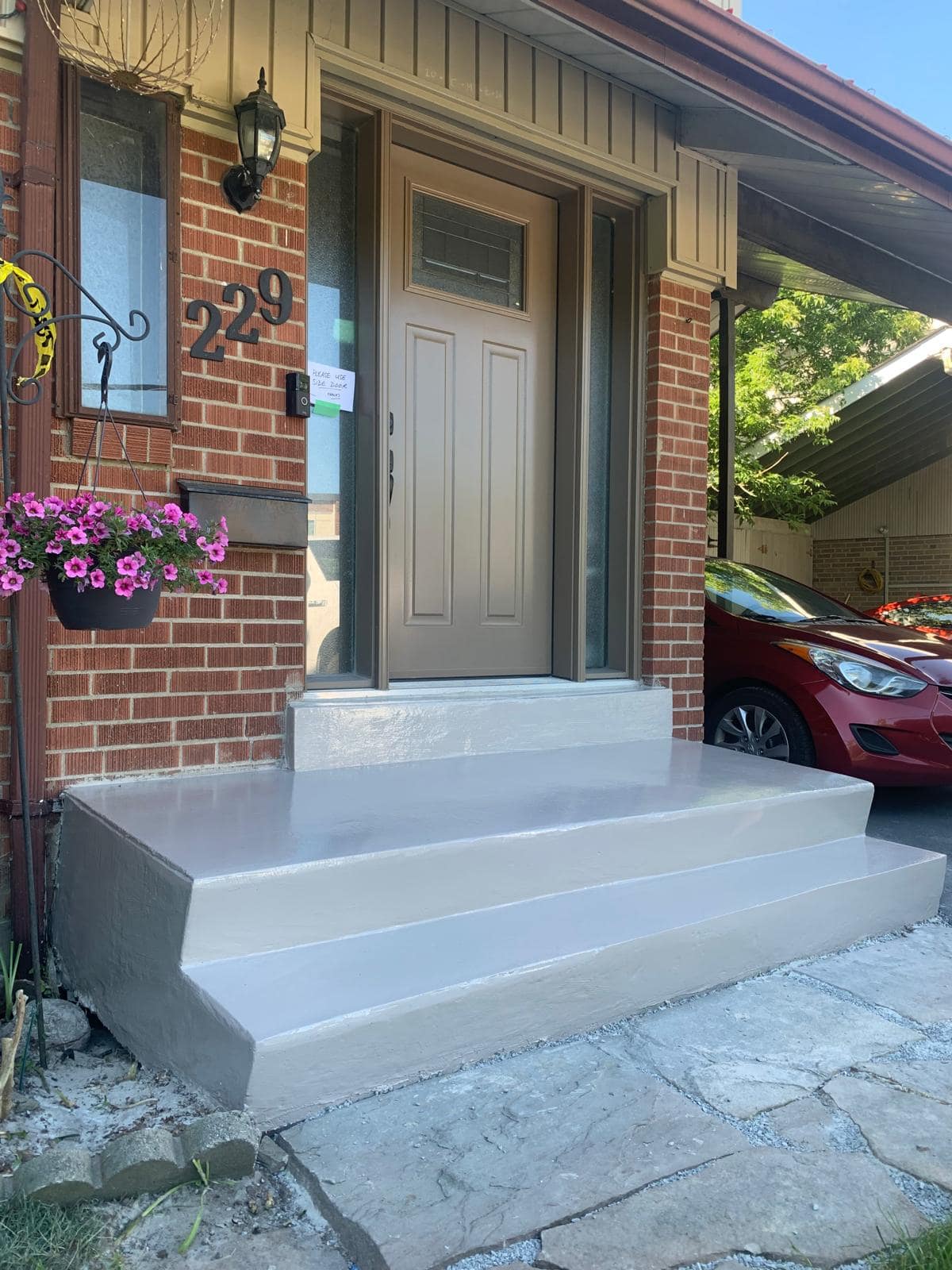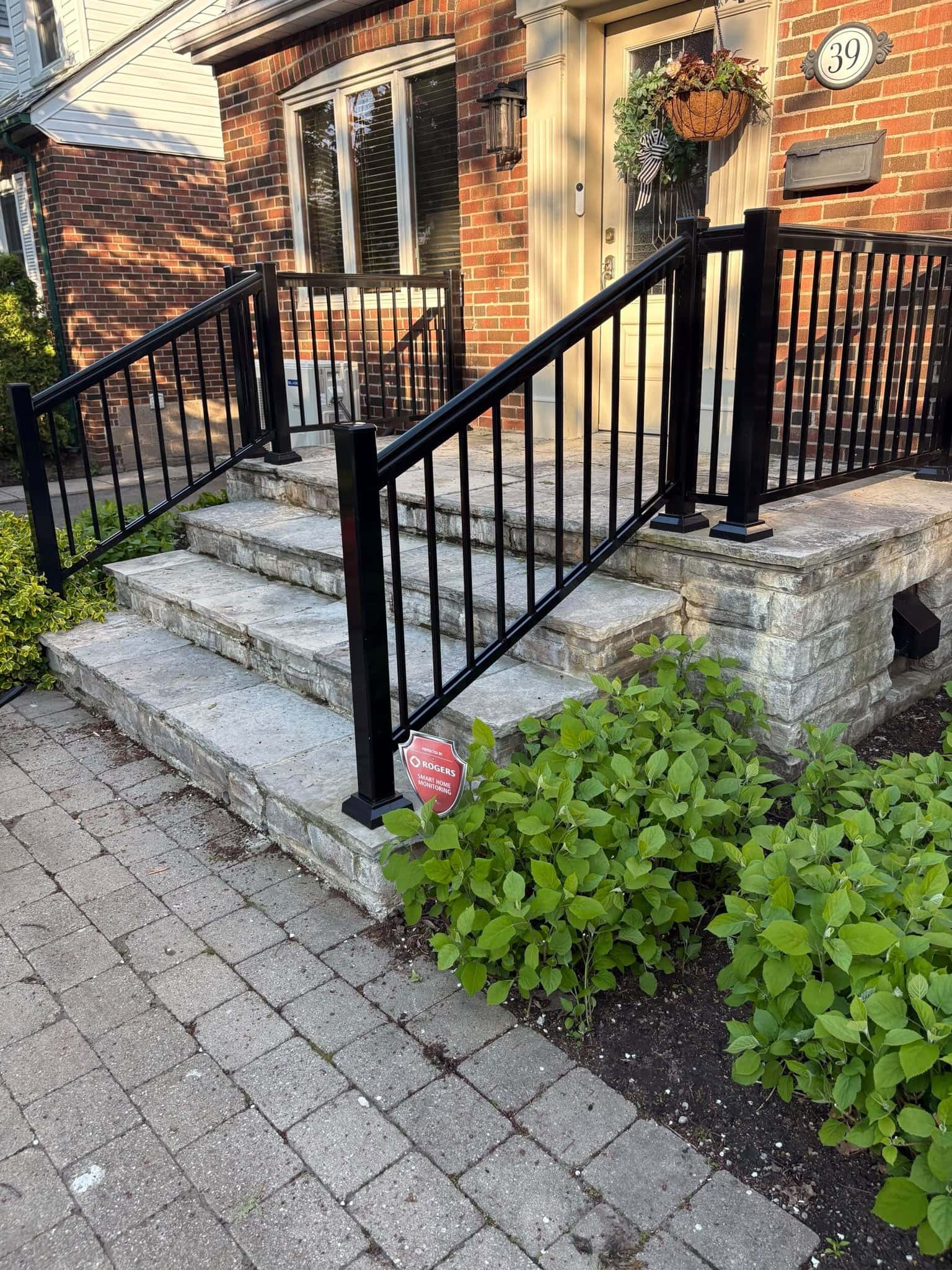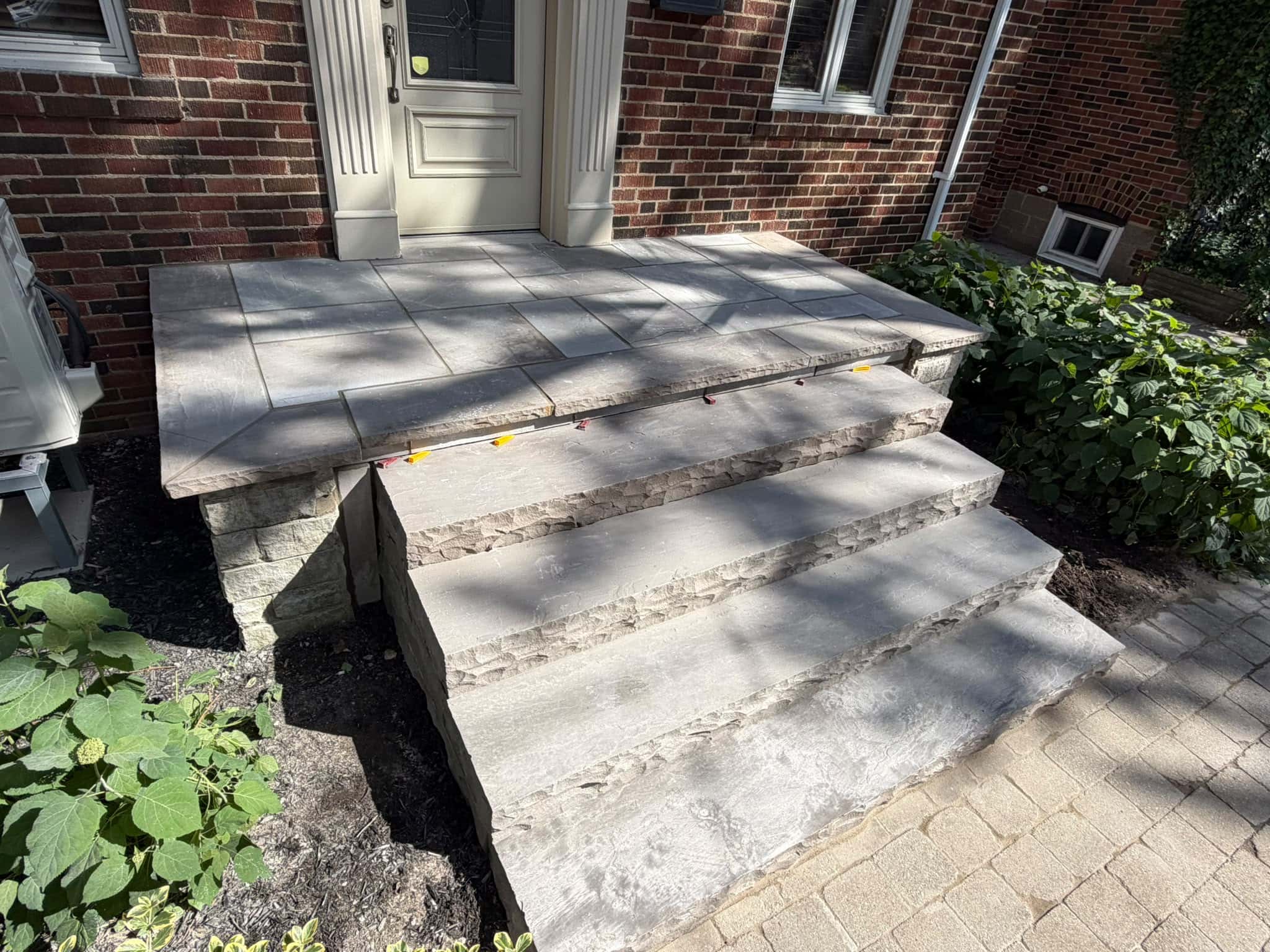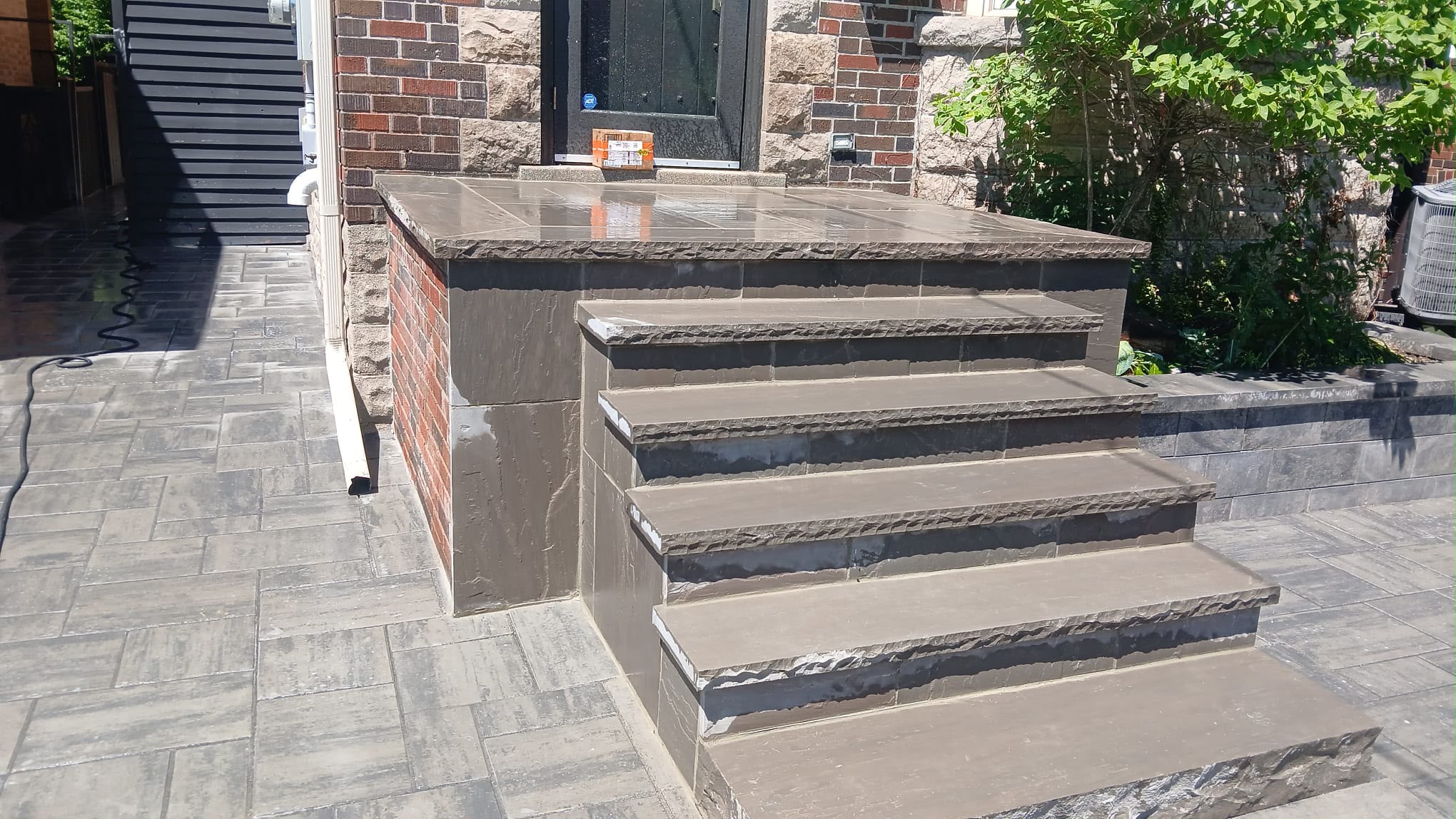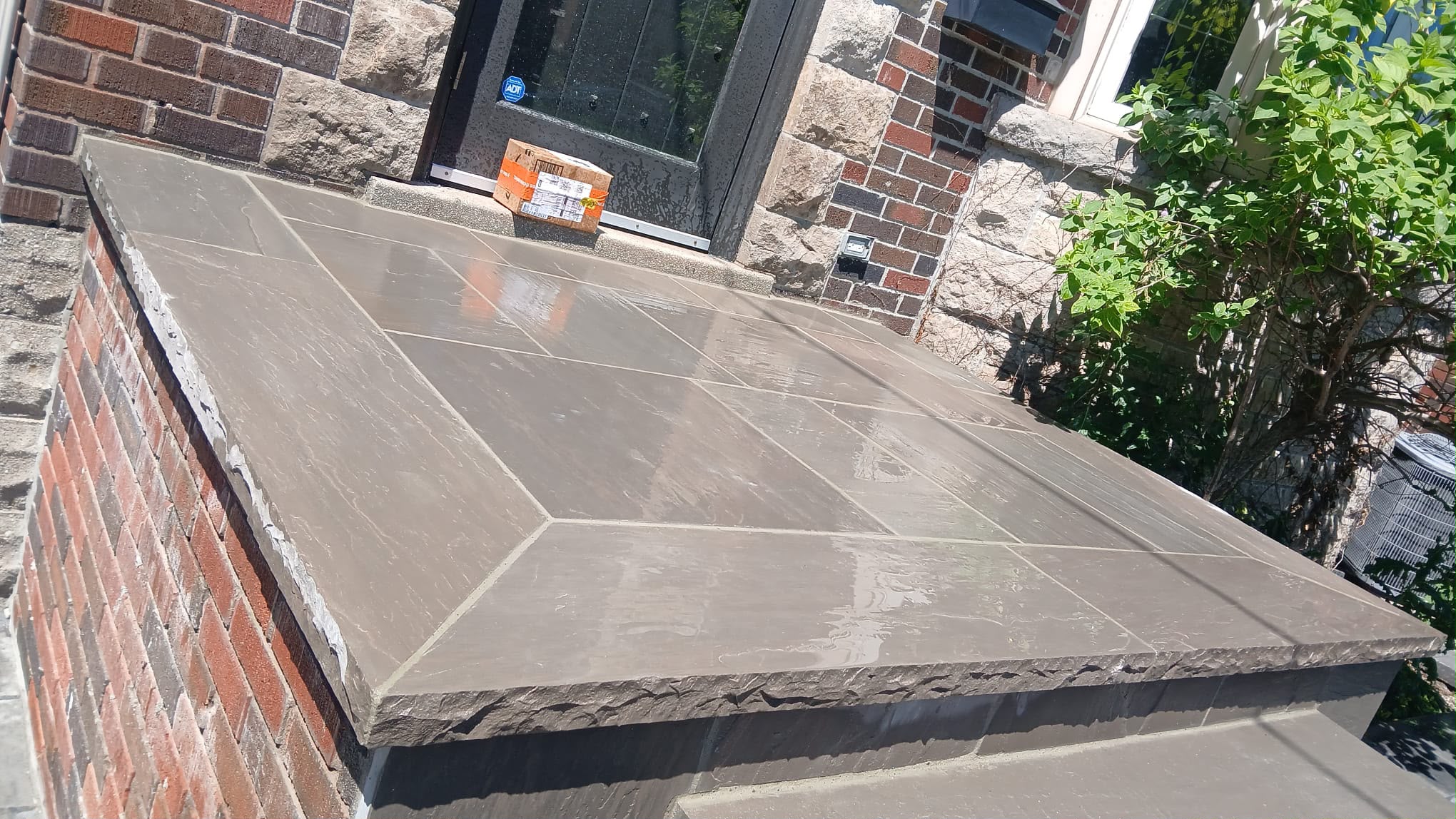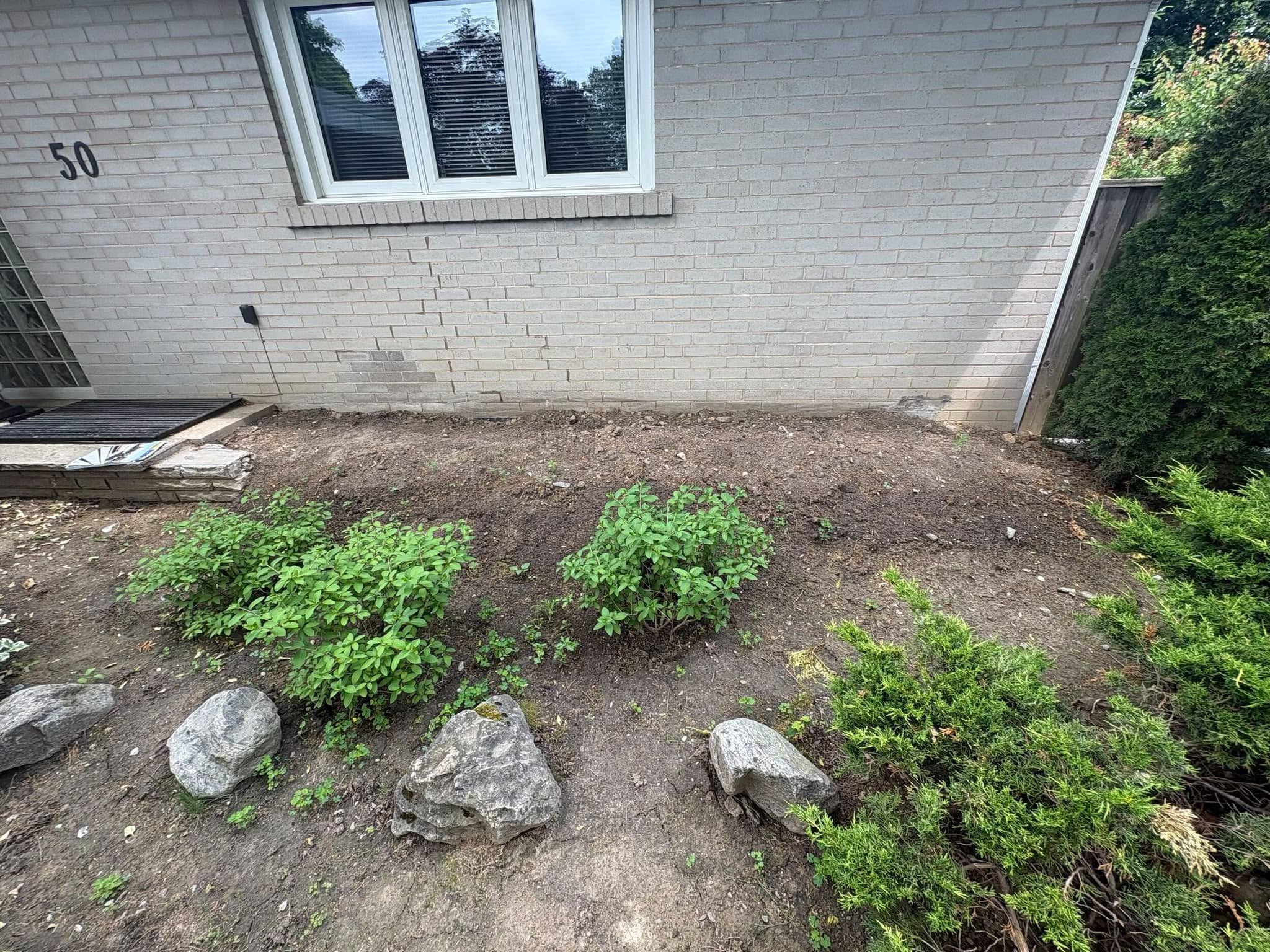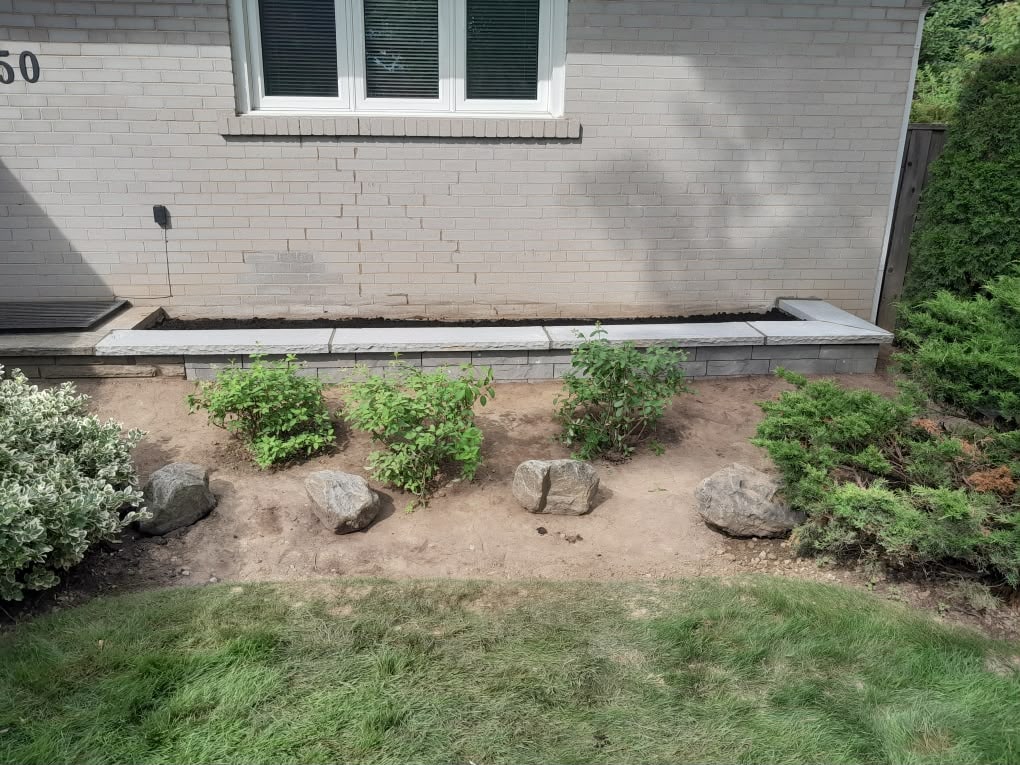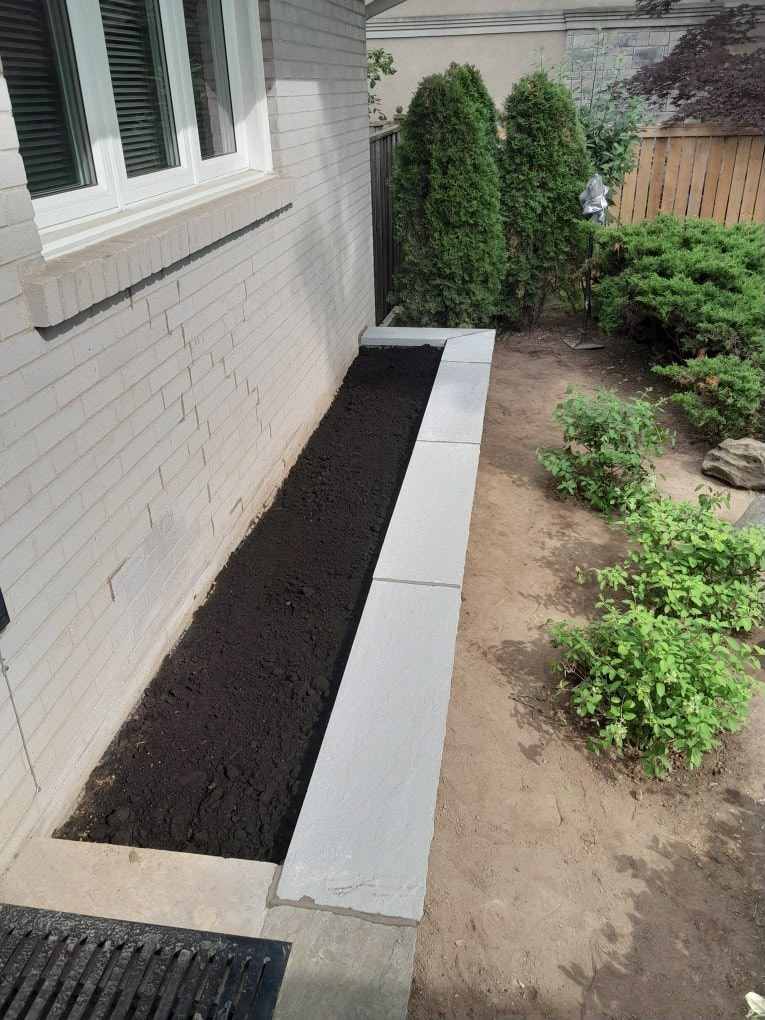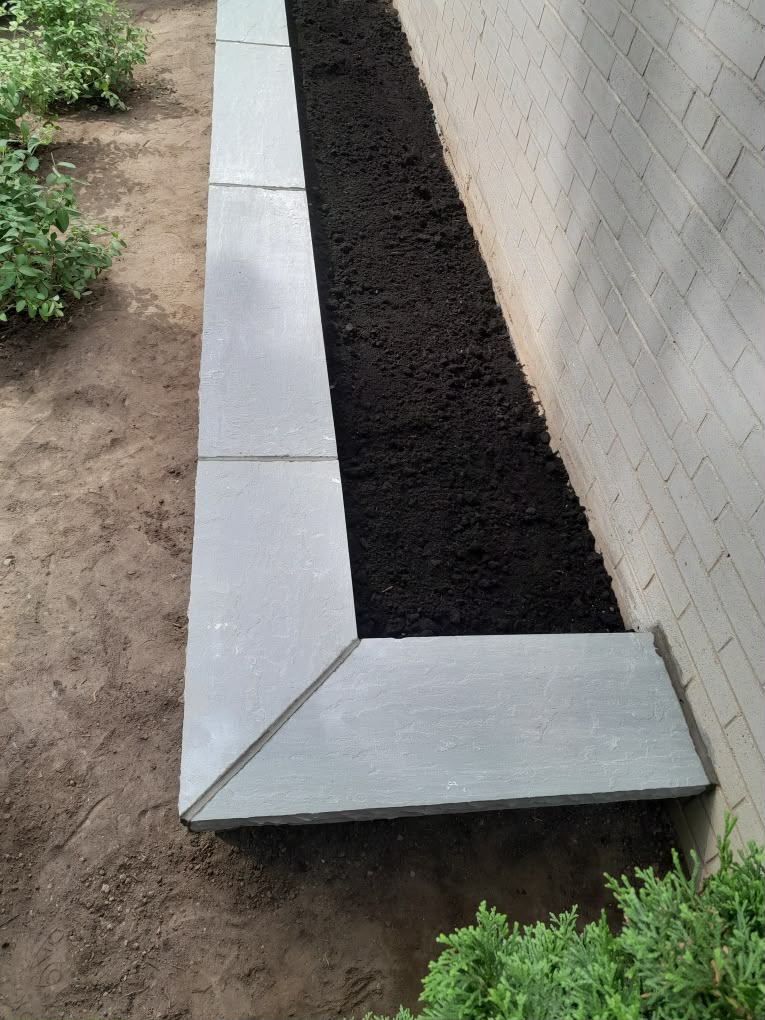

After a rough winter, it’s common to notice new flaking bricks, powdery mortar, or fresh cracks that weren’t there in the fall. Prevent brick damage Toronto winters is less about “brick strength” and more about controlling moisture before it freezes and expands inside your wall.
This guide breaks down what actually causes winter brick damage in Toronto and what homeowners can do to reduce the risk.
Why Toronto winters are hard on brick
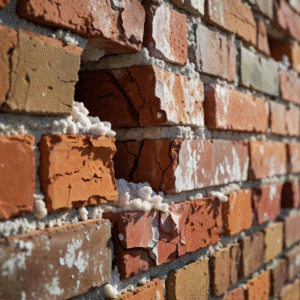 Brick and mortar are porous. When water gets in, it can sit inside tiny gaps and pores. Once temperatures drop, that water freezes and expands. Over repeated freeze-thaw cycles, the expansion creates stress that leads to cracking, spalling (flaking faces), and failing mortar joints.
If you’ve ever wondered why damage seems to “appear overnight” in spring, it’s usually because the wall has been taking on moisture all season.
A common Toronto scenario
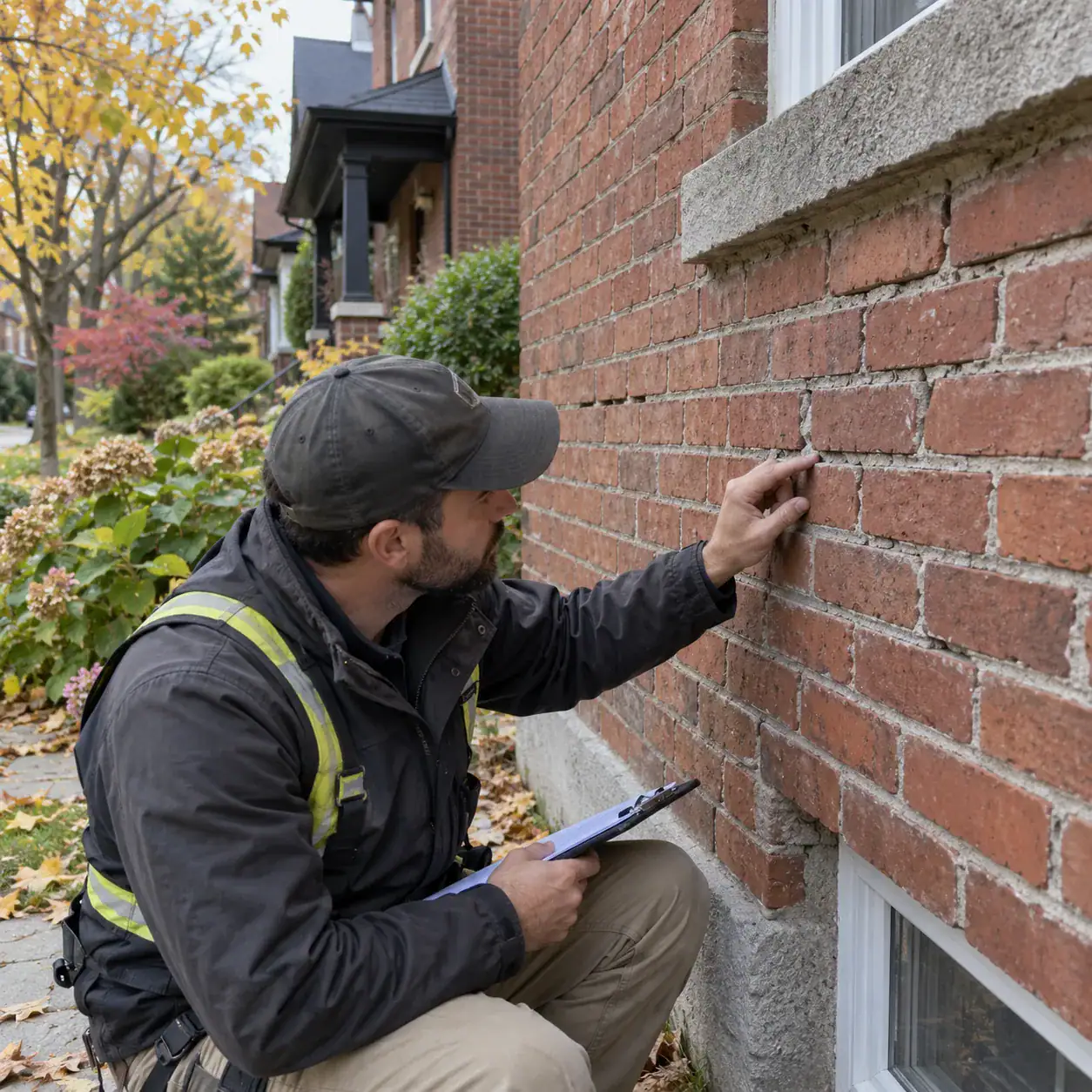
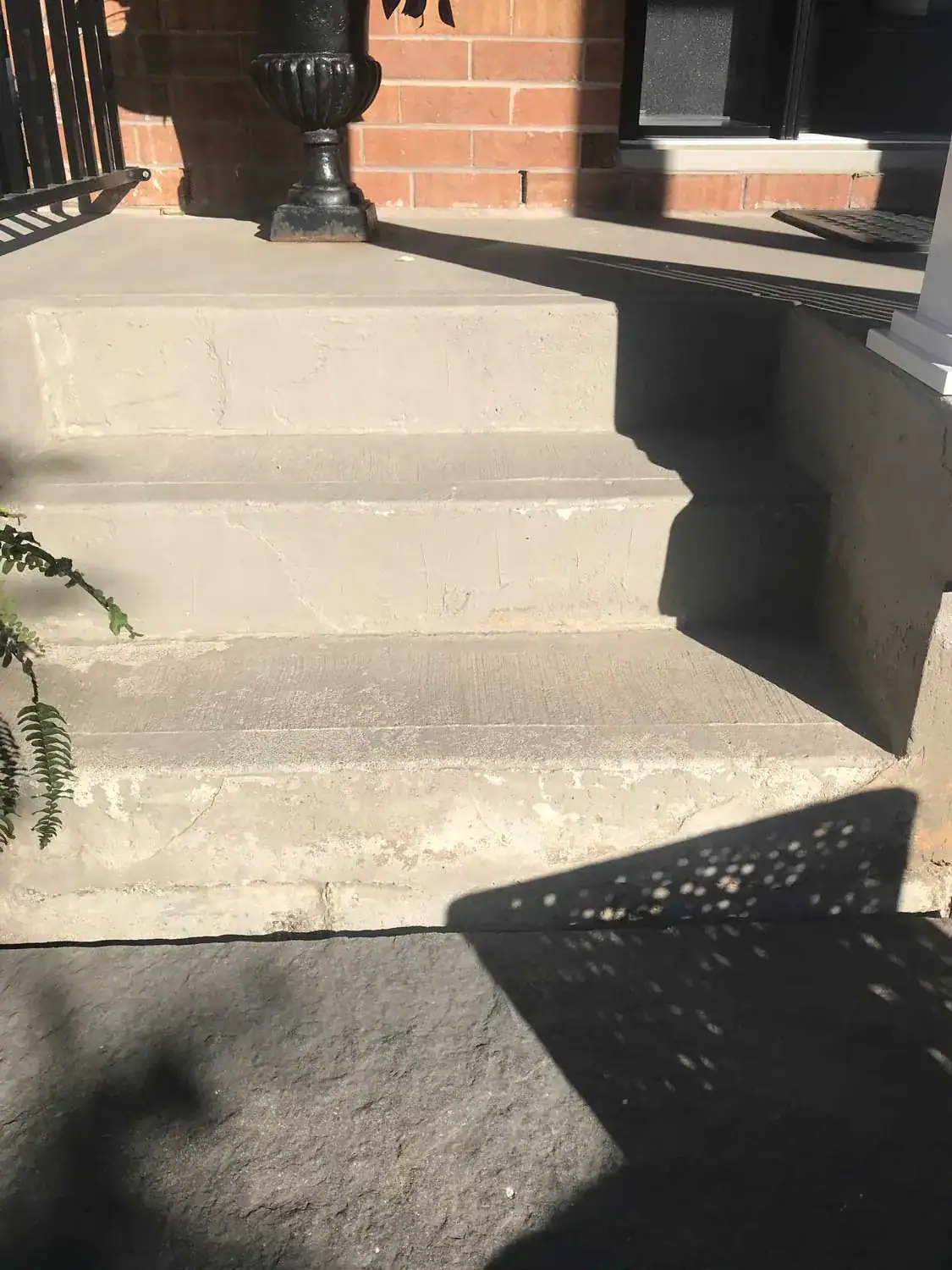
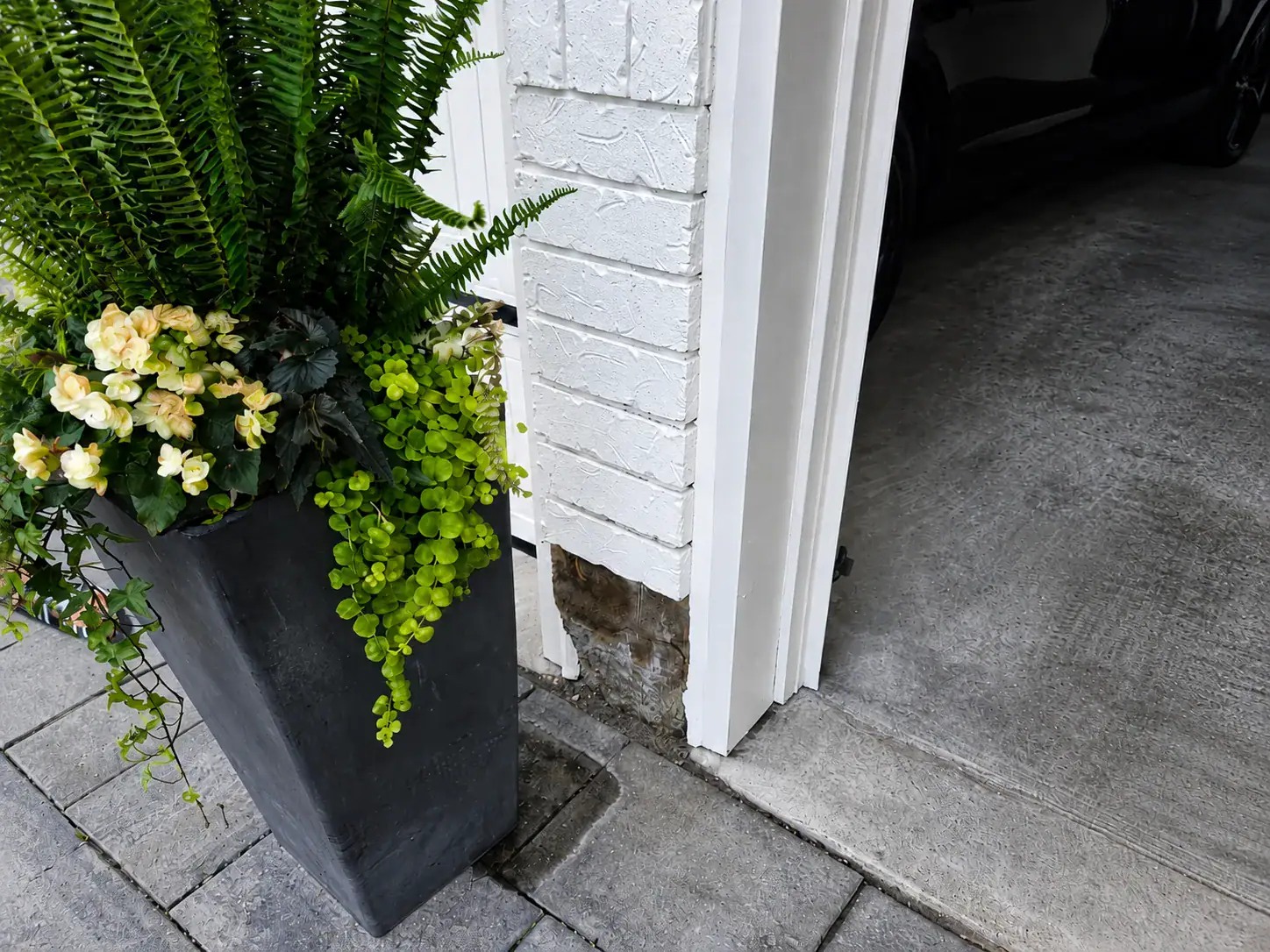
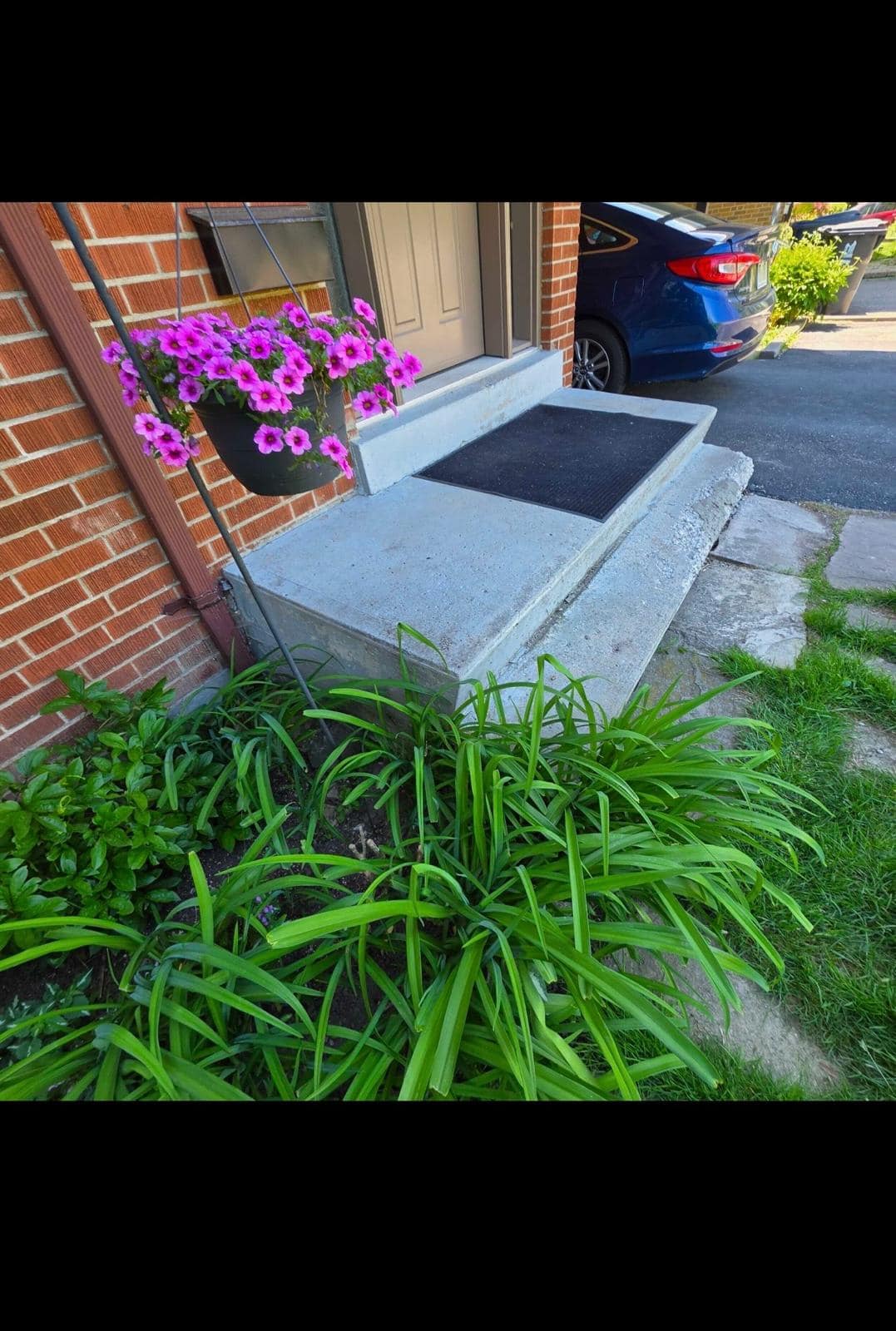
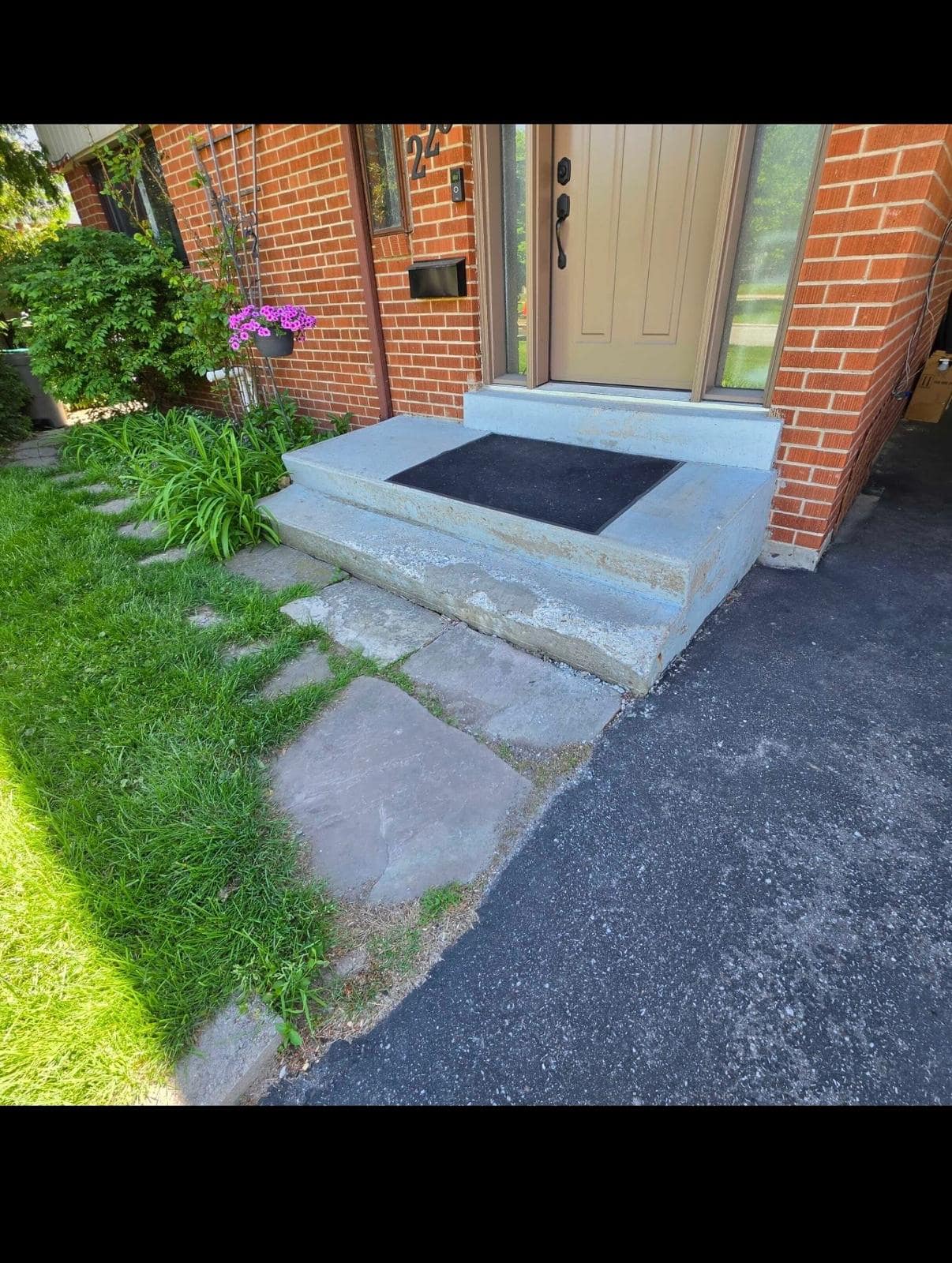
A homeowner notices small mortar gaps near the front steps in October but waits until spring to deal with them. Over winter, meltwater from snow sits along the lower brick courses. By March, a few brick faces begin to flake, and the mortar looks washed out.
The cause isn’t always dramatic. Often it’s a combination of small gaps, repeated moisture exposure, and one or two hard freeze-thaw stretches.
Step 1: Start with the mortar joints
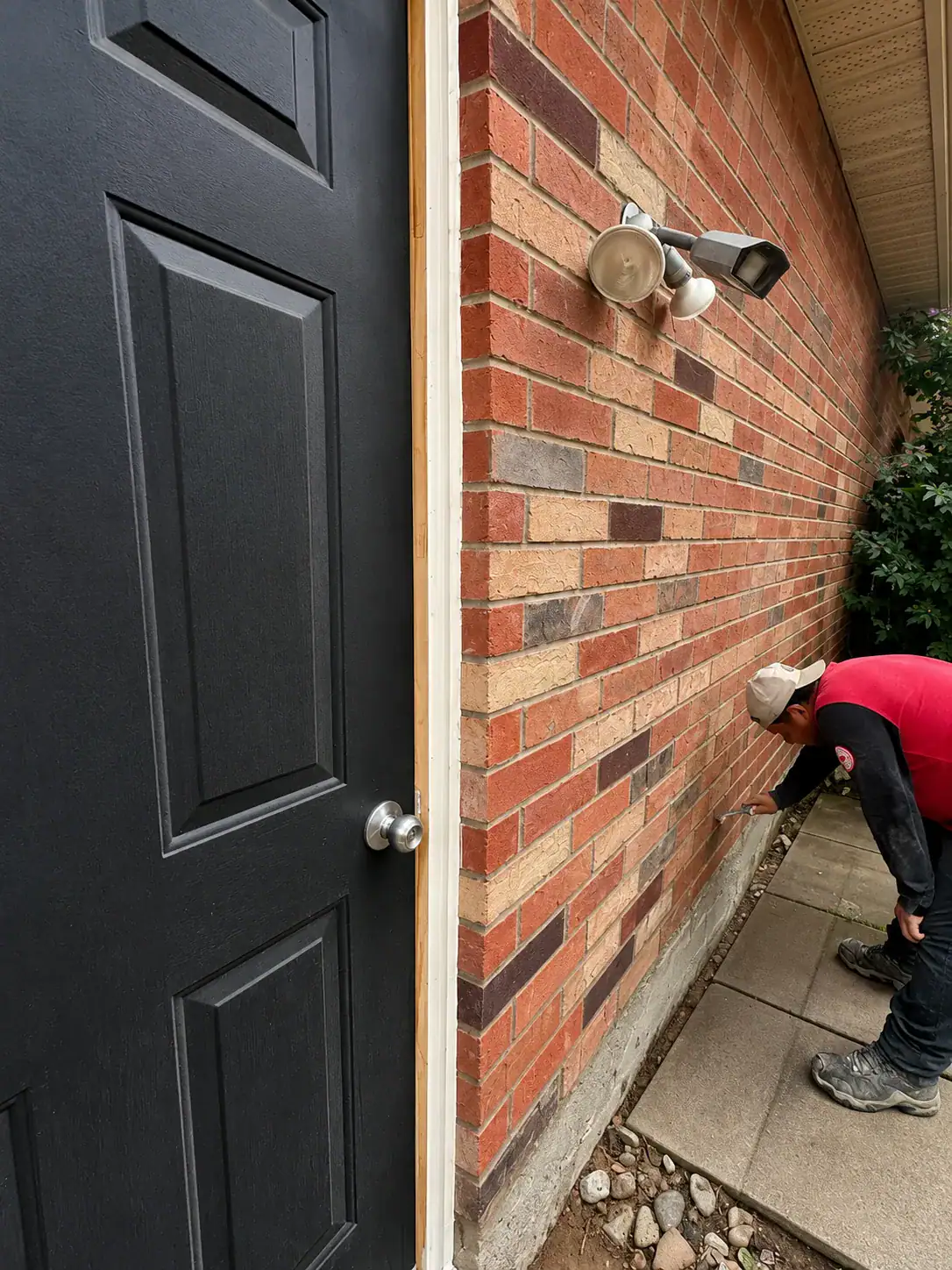
Mortar joints are the “sacrificial” part of masonry. They’re designed to wear before the brick does. When joints recess, crack, or crumble, water entry becomes easier.
If your joints are visibly recessed or sandy, professional tuckpointing Toronto can restore the joint profile and reduce moisture penetration.
Step 2: Stop water at the common entry points
Most winter brick damage starts with water entry around predictable areas:
- Window and door perimeters
- Top edges of walls and parapets
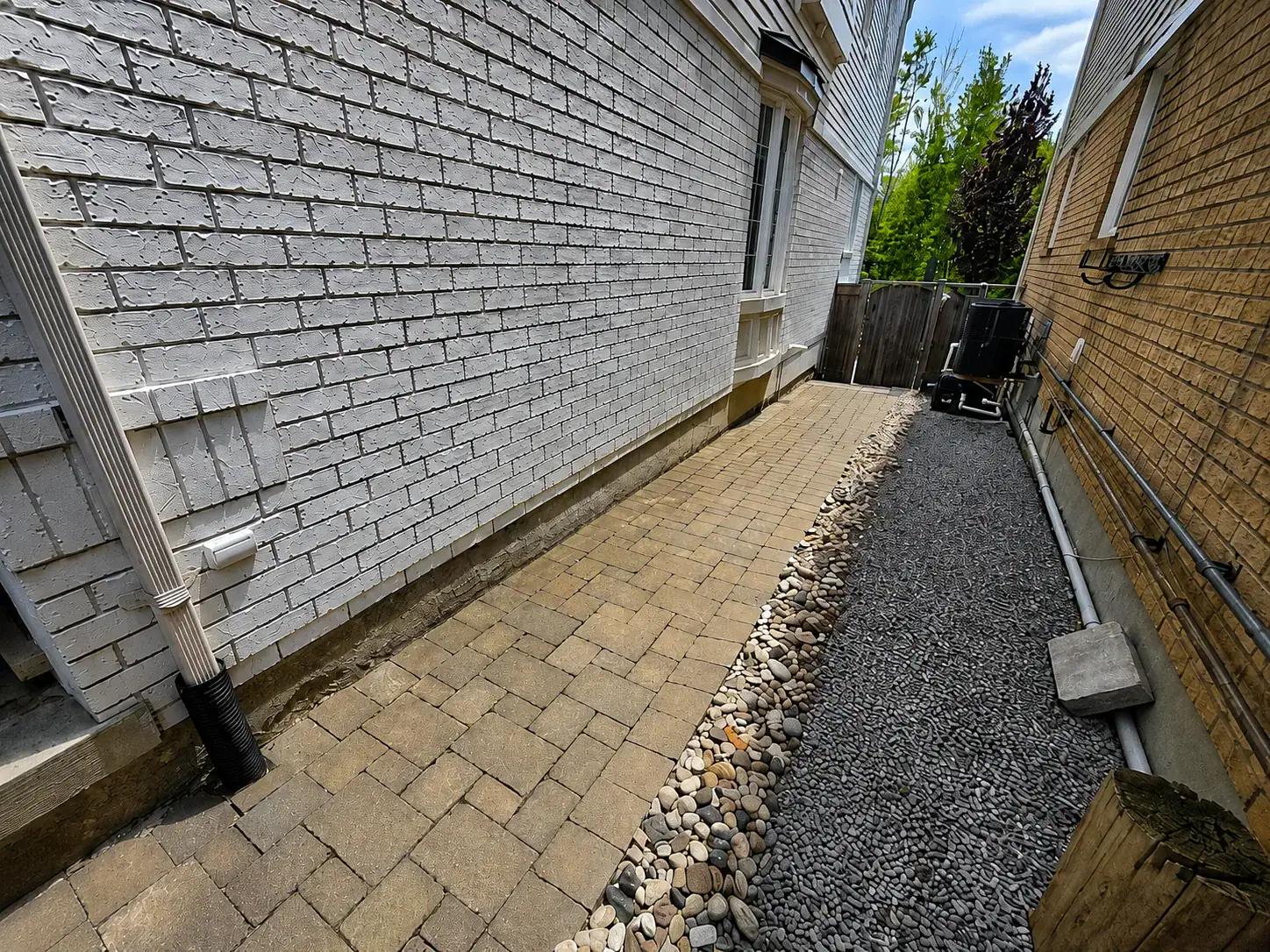
- Lower brick courses near grade
- Cracks at corners and around openings
Sealing gaps around frames helps limit water entry. Where it makes sense, consider window and door caulking Toronto to reduce drafts and moisture intrusion.
Step 3: Manage moisture at the foundation
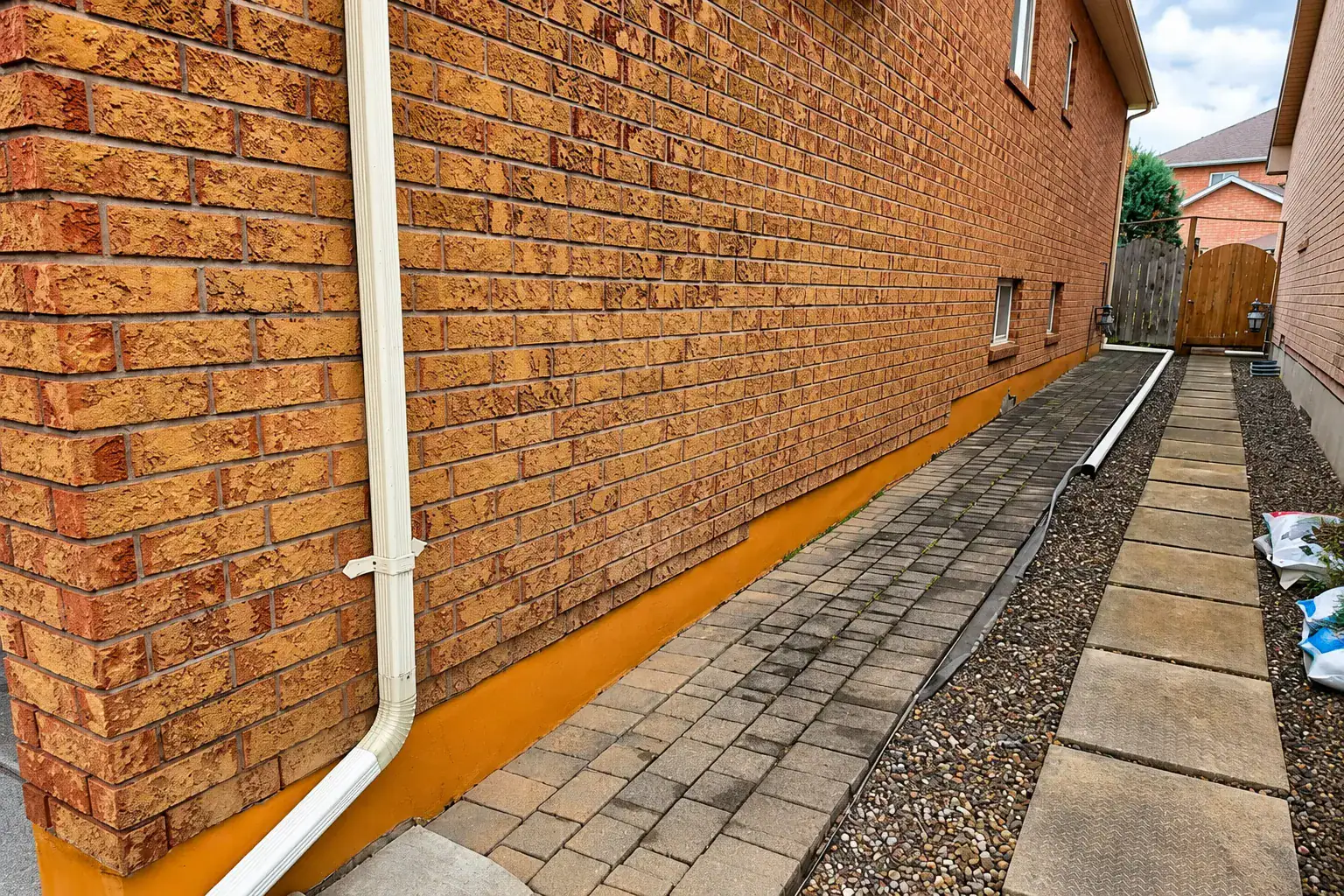
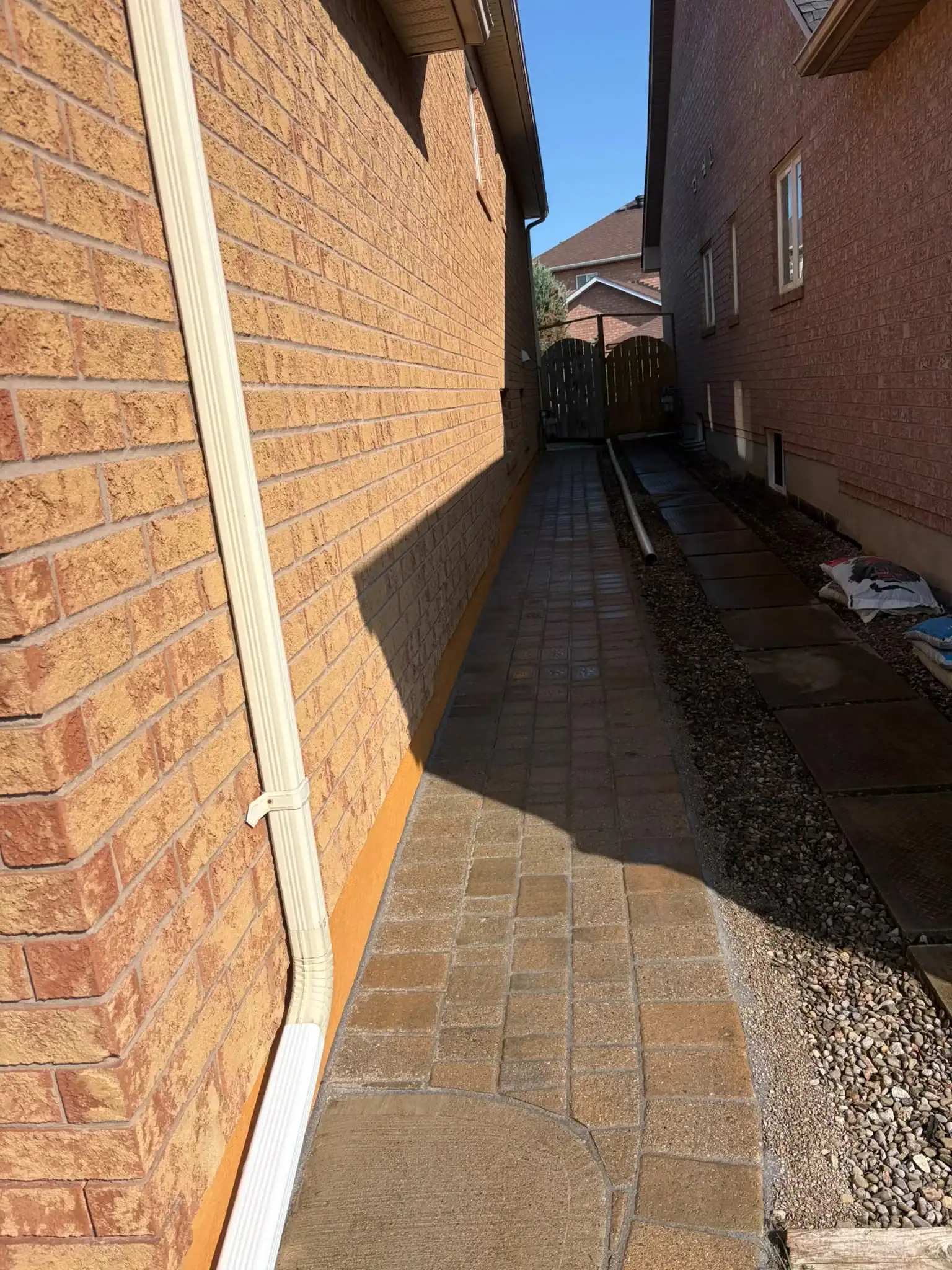
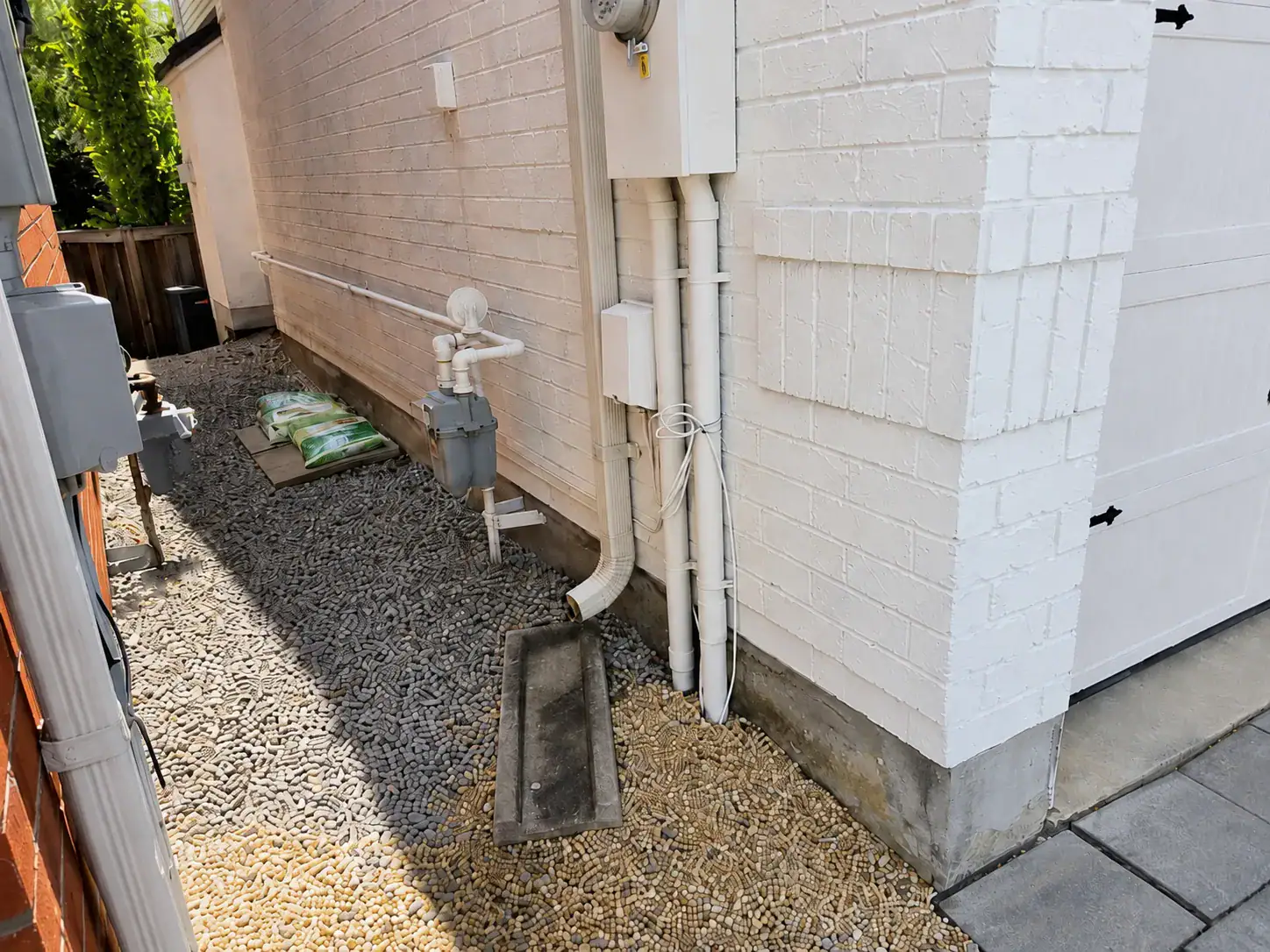
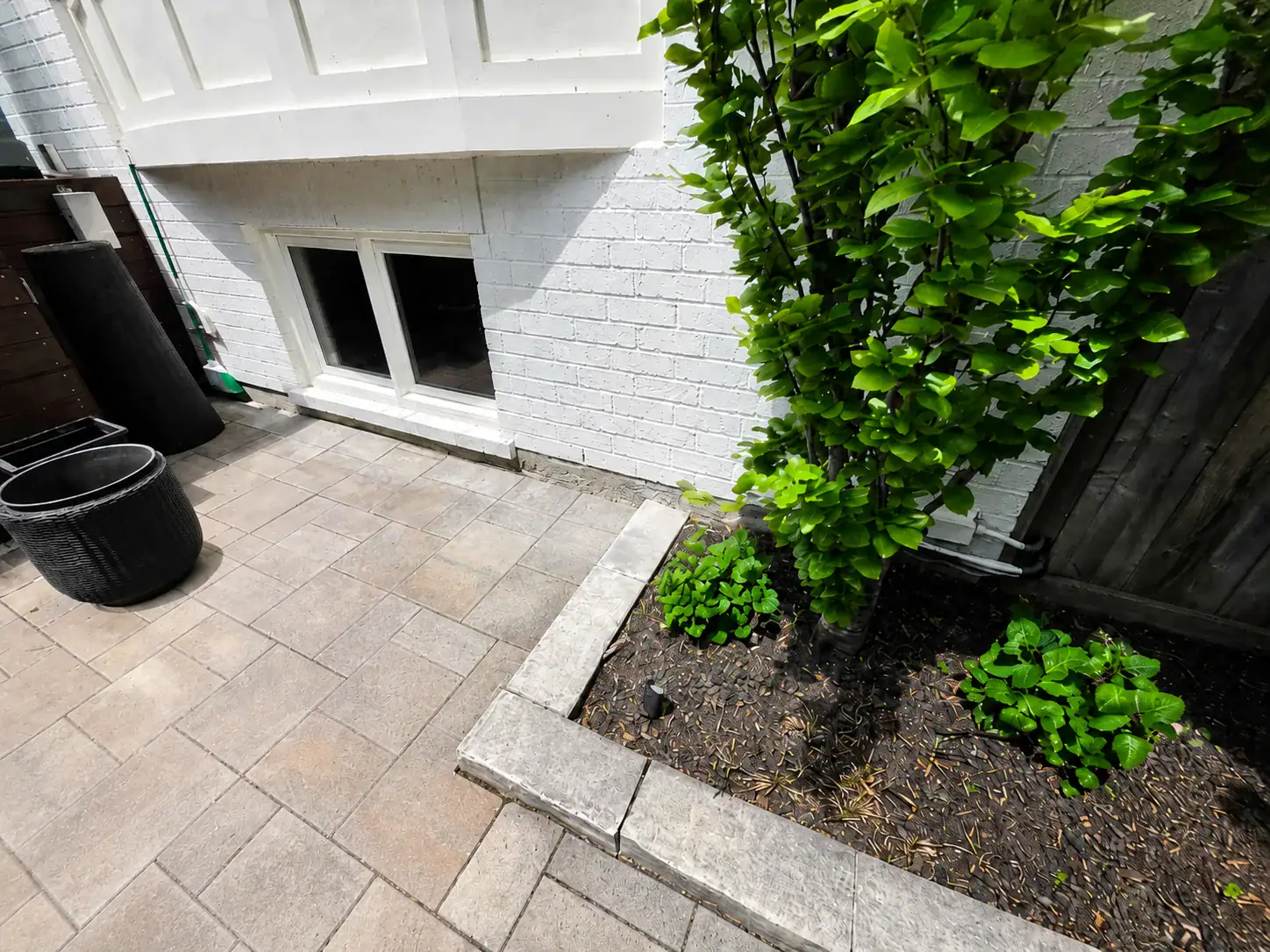
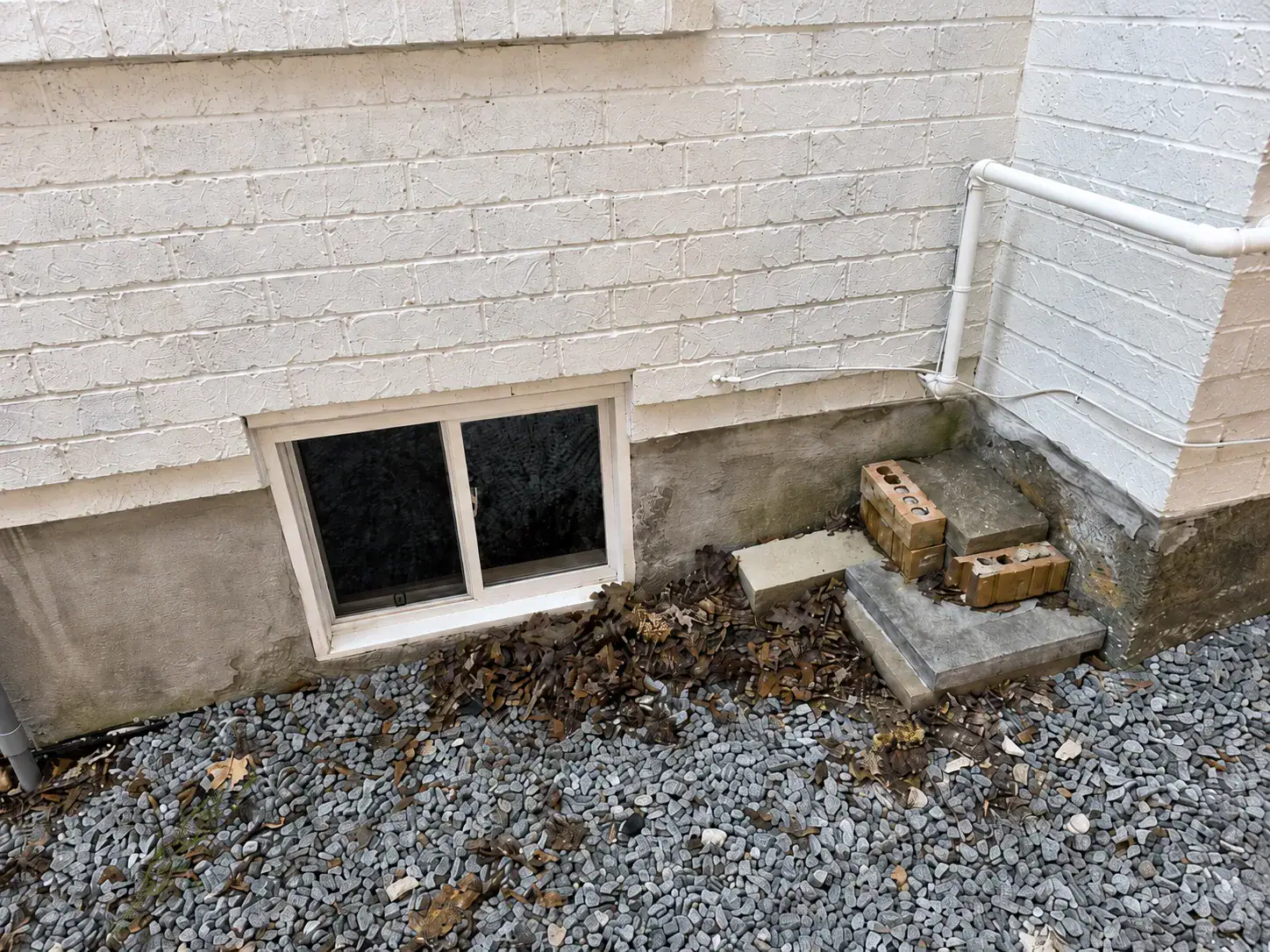
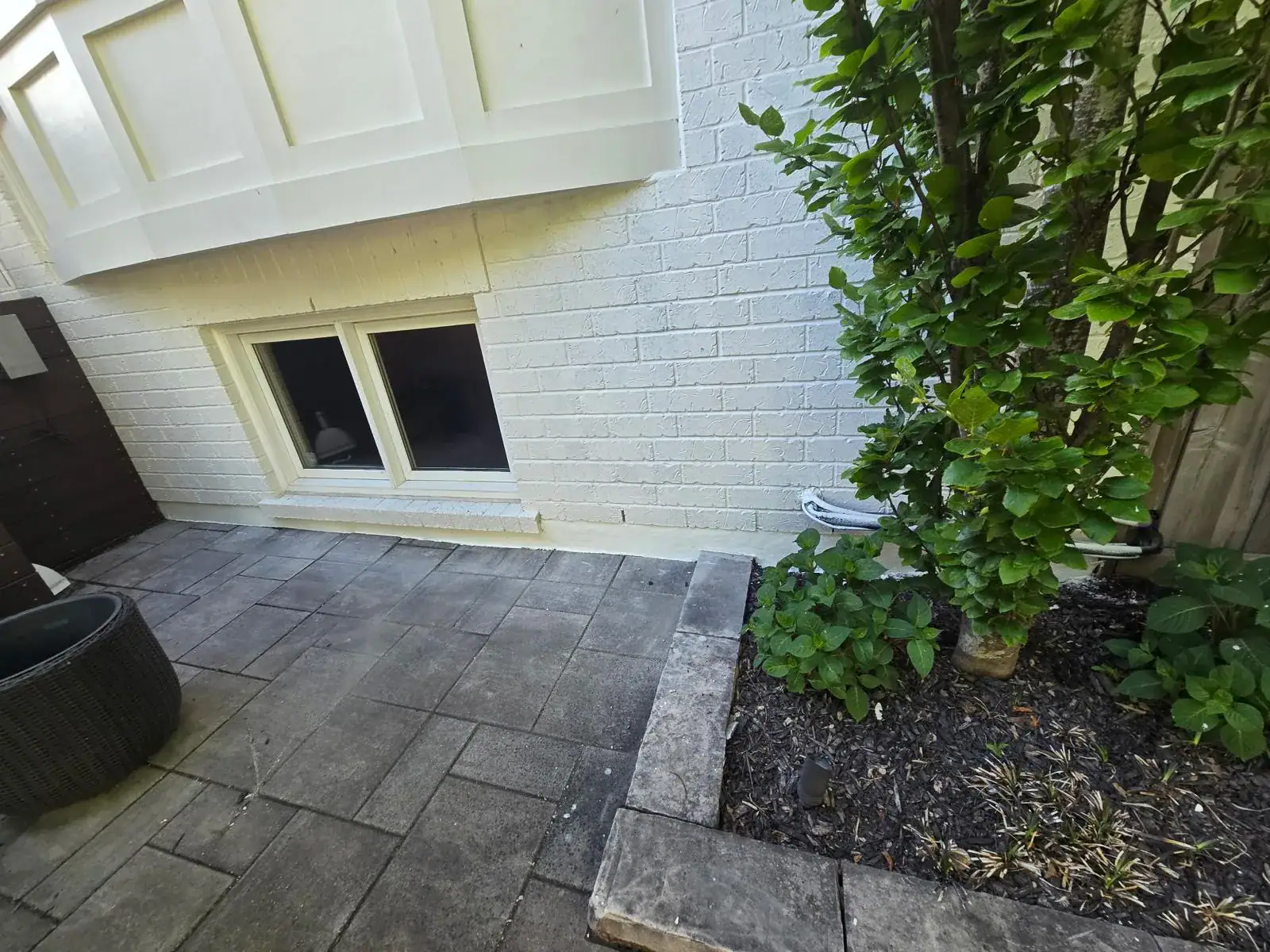
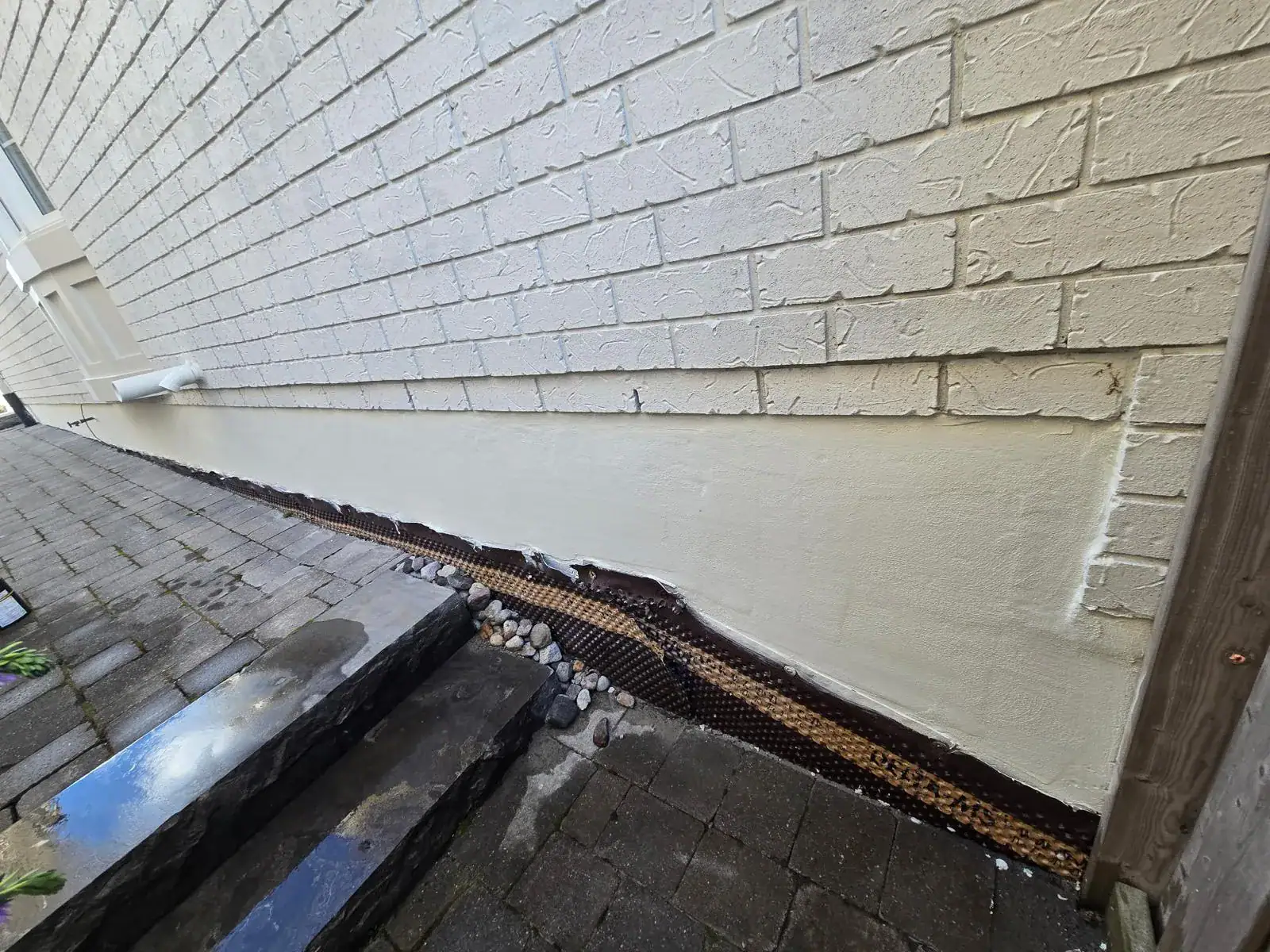
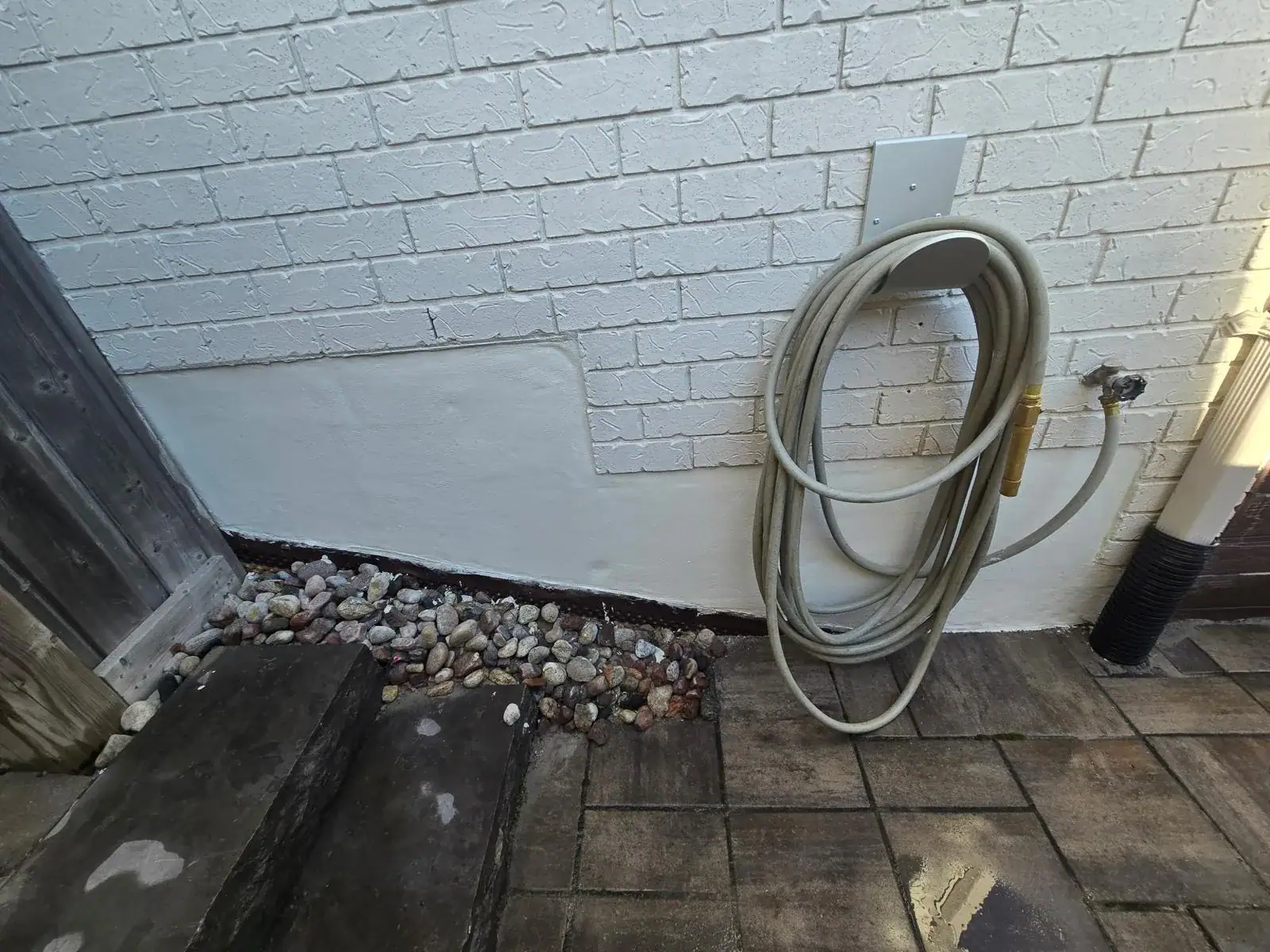
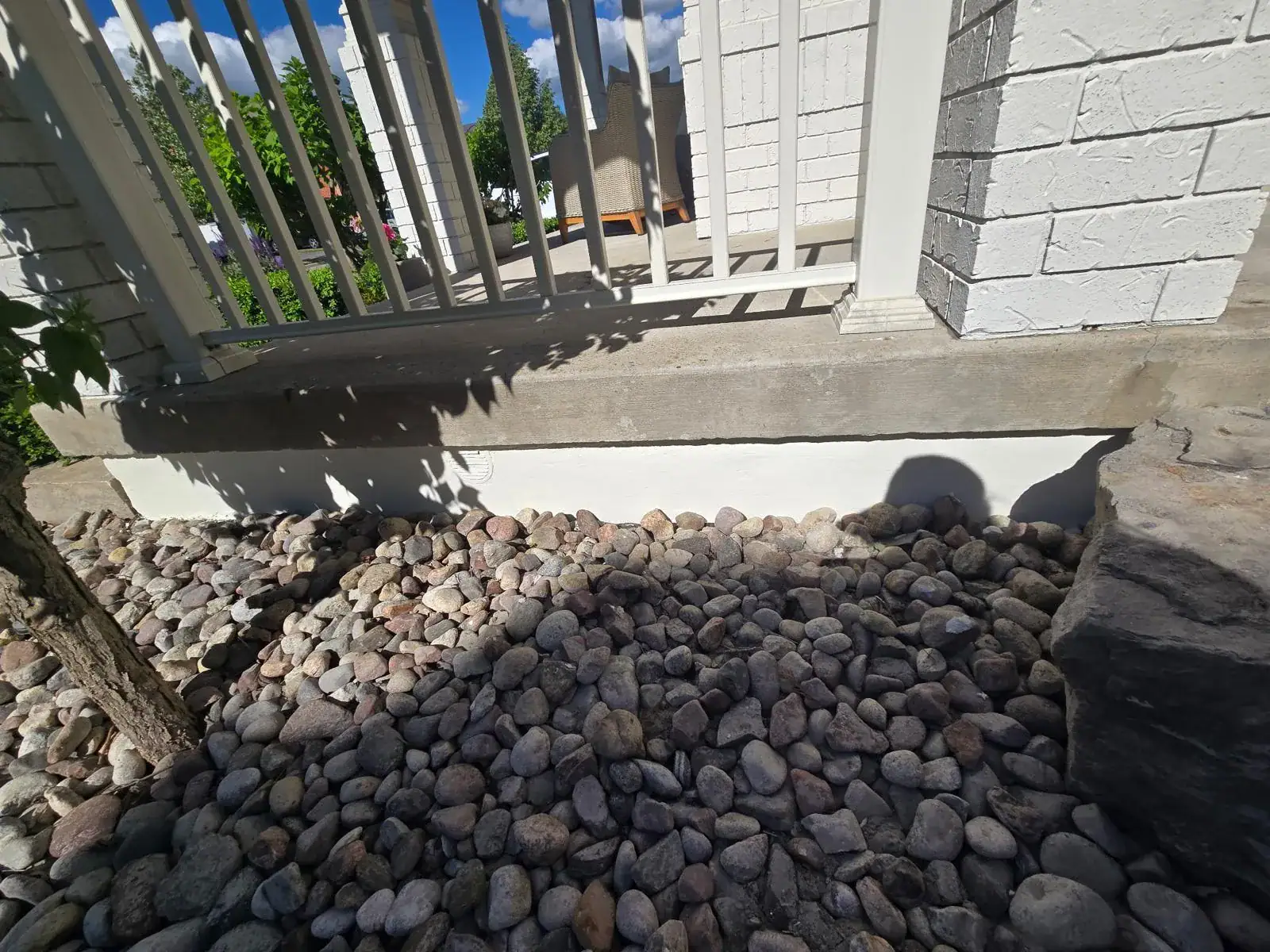
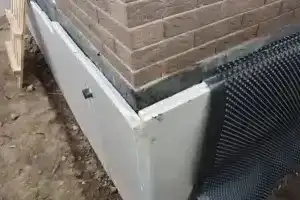 Lower brick courses take a beating because they’re exposed to splashback, snow buildup, and meltwater. If you see dampness inside the basement or staining near the foundation line, the wall may be getting moisture from below grade.
In those cases, waterproofing Toronto or basement waterproofing Toronto can reduce the conditions that accelerate masonry damage.
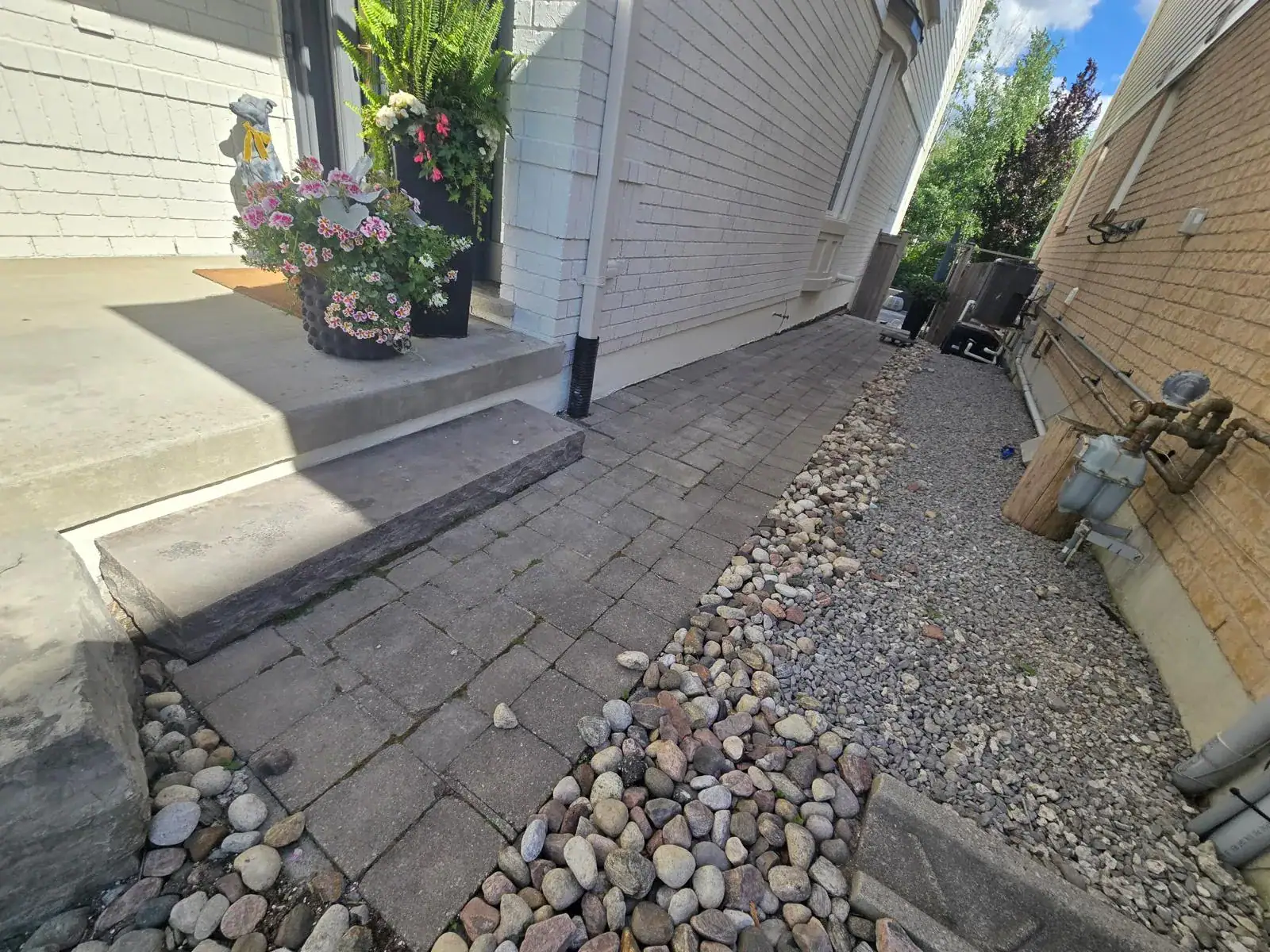
Quick check: If snow piles sit against your wall for weeks, the freeze-thaw effect is stronger. Try to keep heavy snow away from the foundation line when practical.
Step 4: Watch for early warning signs (before repairs get bigger)
Preventing winter damage is mostly about catching issues early. Watch for:
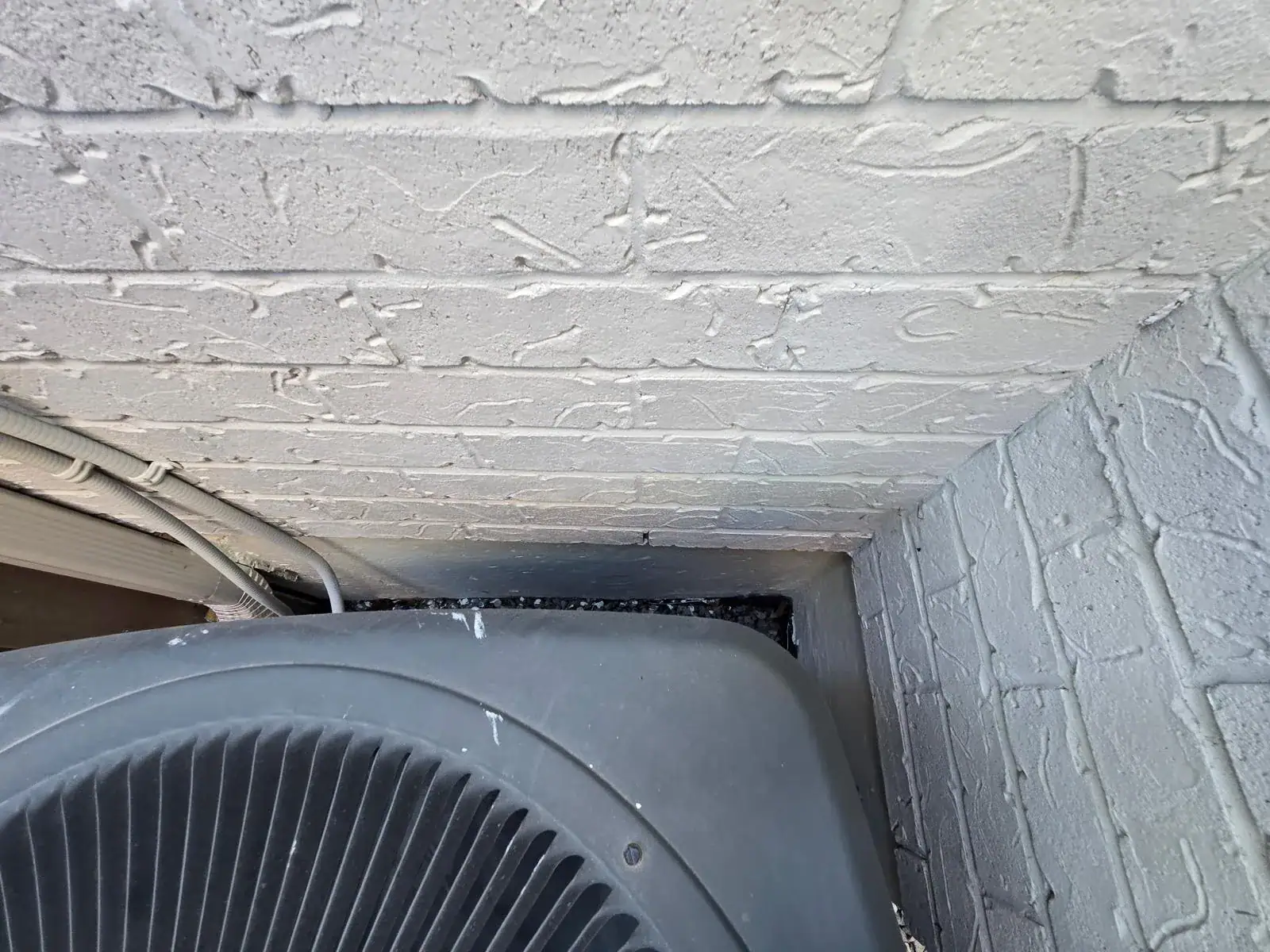
- New hairline cracks in mortar
- White chalky residue (efflorescence)
- Brick faces flaking or “popping”
- Soft or sandy mortar when you rub it
- Recurring cracks in the same spot
If you’re seeing these patterns, this page explains your next step: brick repair Toronto.
Step 5: Understand the difference between repair and restoration
Some homes need targeted joint work. Others need broader intervention because multiple areas are deteriorating. If you’re unsure what level of work your home needs, this guide helps frame it: masonry restoration vs masonry repair.
Local inspection context
If exterior masonry deterioration becomes significant, it can create a safety risk (for example, loose brick or falling debris). For official inspection guidance in Toronto, homeowners can review the City’s building inspection information here: City of Toronto Building Inspections.
Frequently asked questions
Is brick sealing a good idea before winter?
It depends. Some sealers can trap moisture if the wall needs to breathe, which can make freeze-thaw damage worse. A proper assessment of the wall condition matters before applying any product.
Why does brick spalling happen more near the bottom of the wall?
Lower brick courses get more water exposure from splashback, snow buildup, and meltwater. They also experience more salt exposure near walkways and driveways.
Can I DIY mortar repairs on small areas?
Small touch-ups are sometimes possible, but mortar compatibility is important. Using the wrong mix can lead to faster cracking or even brick damage in older walls.
How often should I check my brick exterior?
A quick walk-around once a year, plus a check after major storms, is a practical routine for most Toronto homeowners.
Final thoughts
To prevent brick damage Toronto winters, focus on moisture control: keep joints healthy, stop water at entry points, and address foundation dampness early. Most winter damage isn’t sudden. It’s a slow buildup that becomes visible in spring. Catch the small signs and you’ll avoid the big repairs.