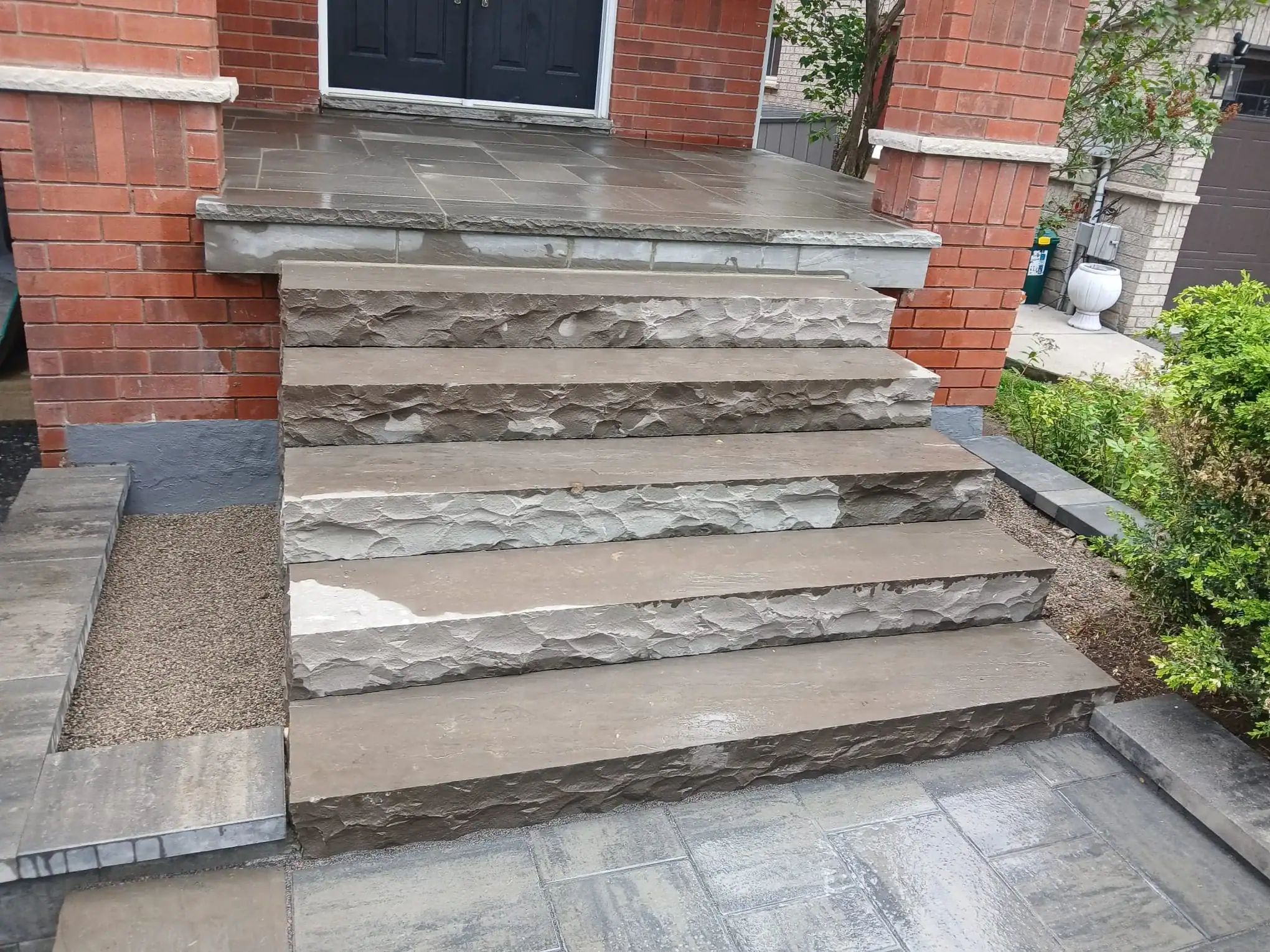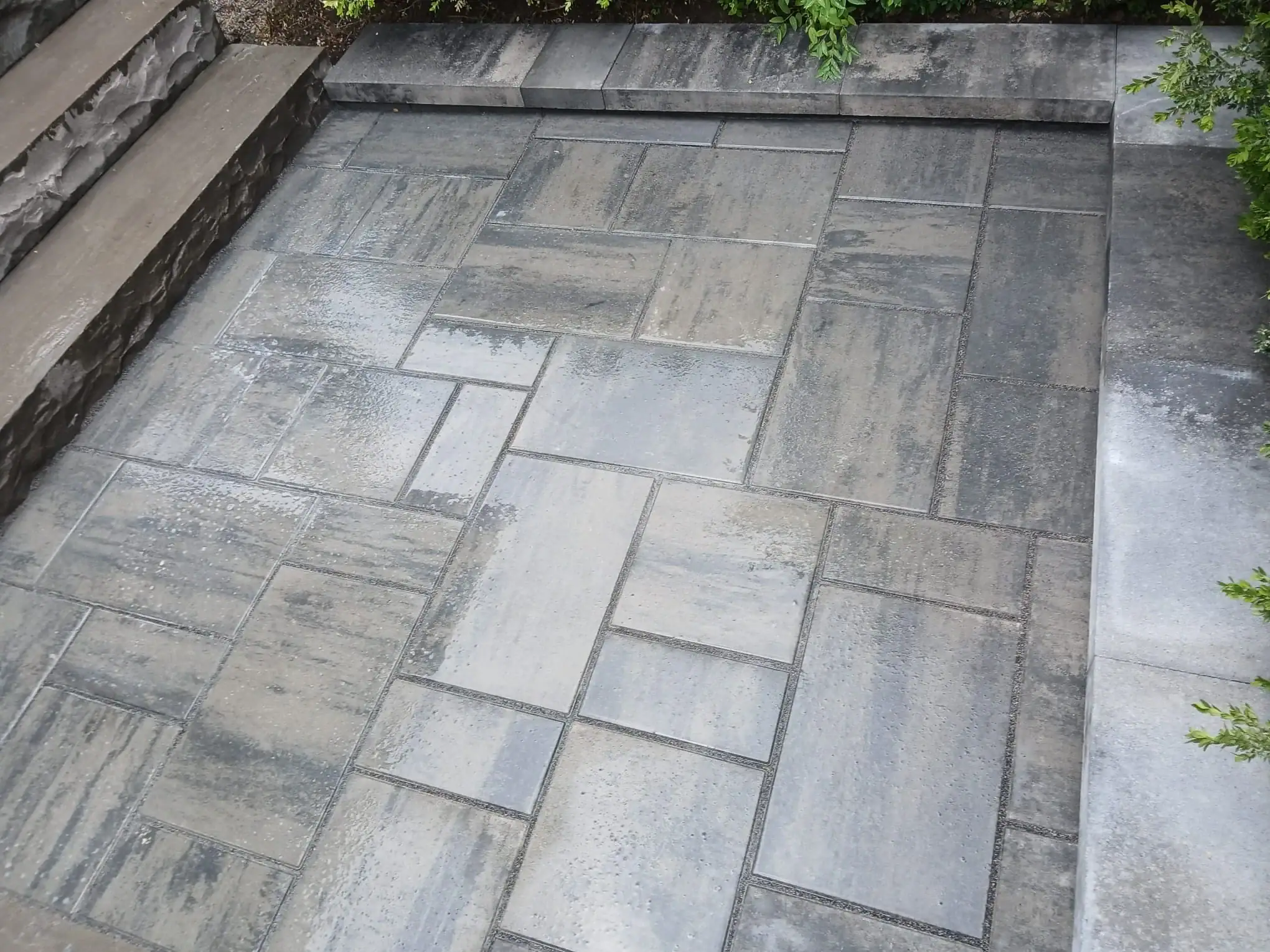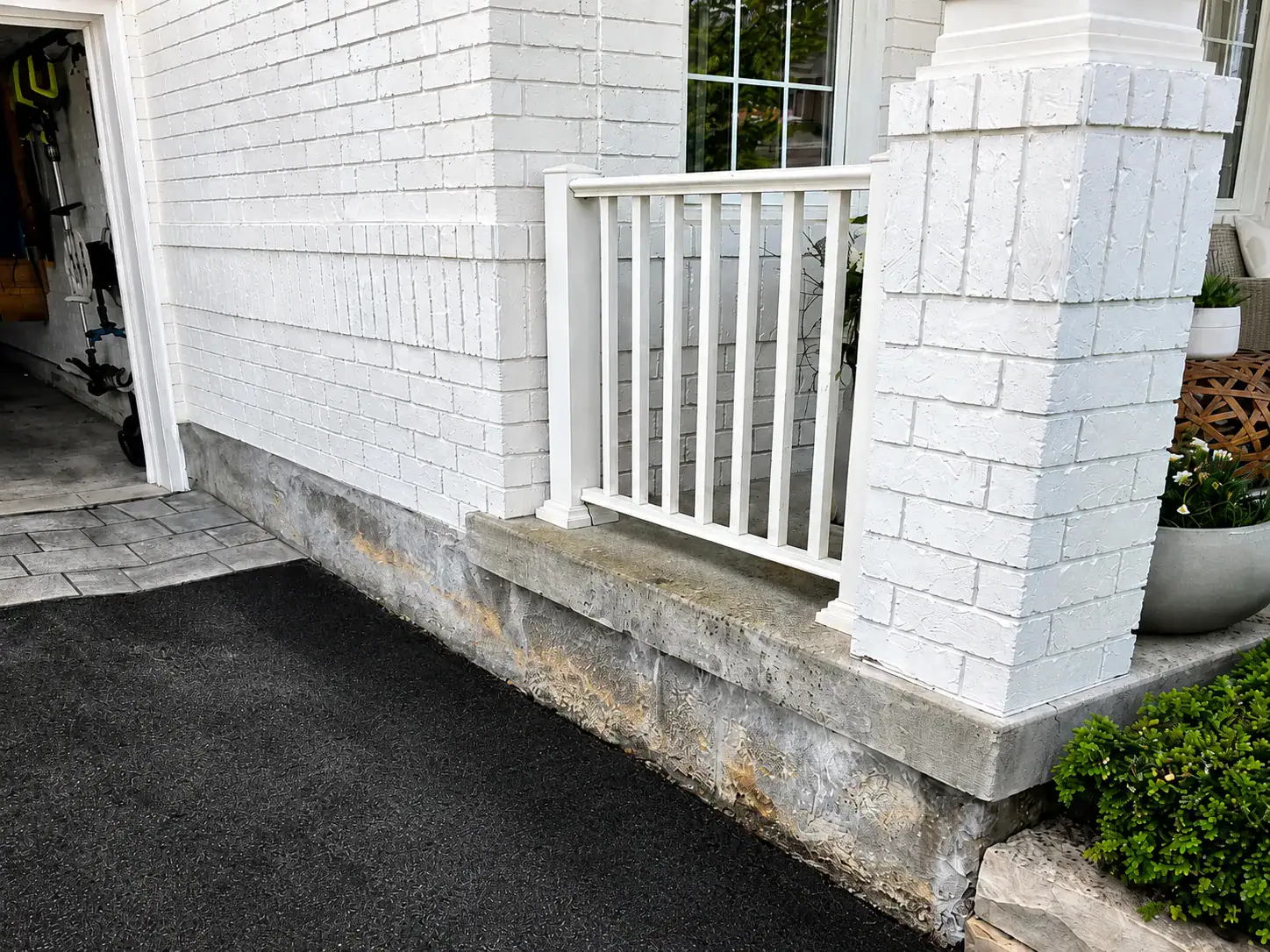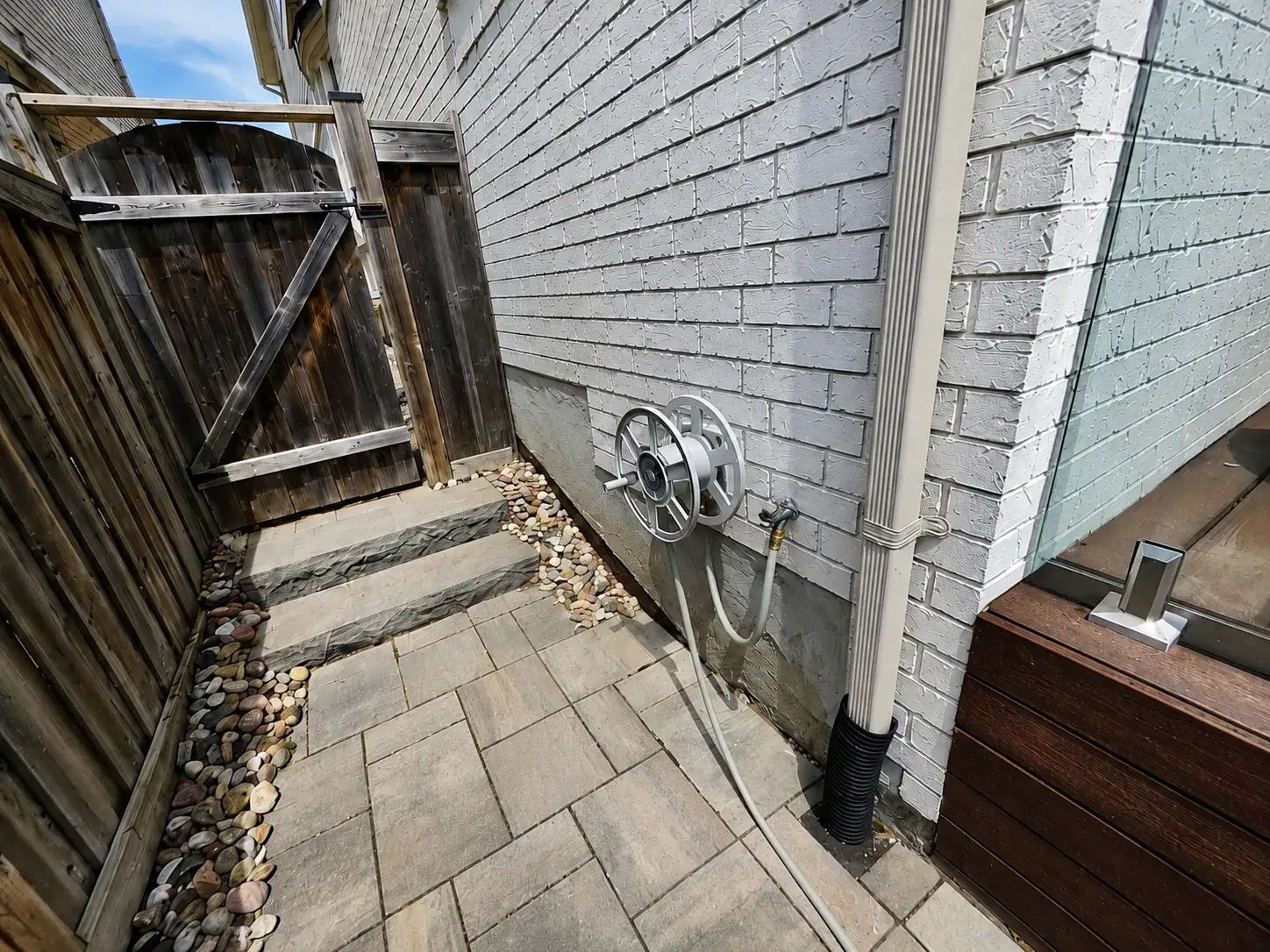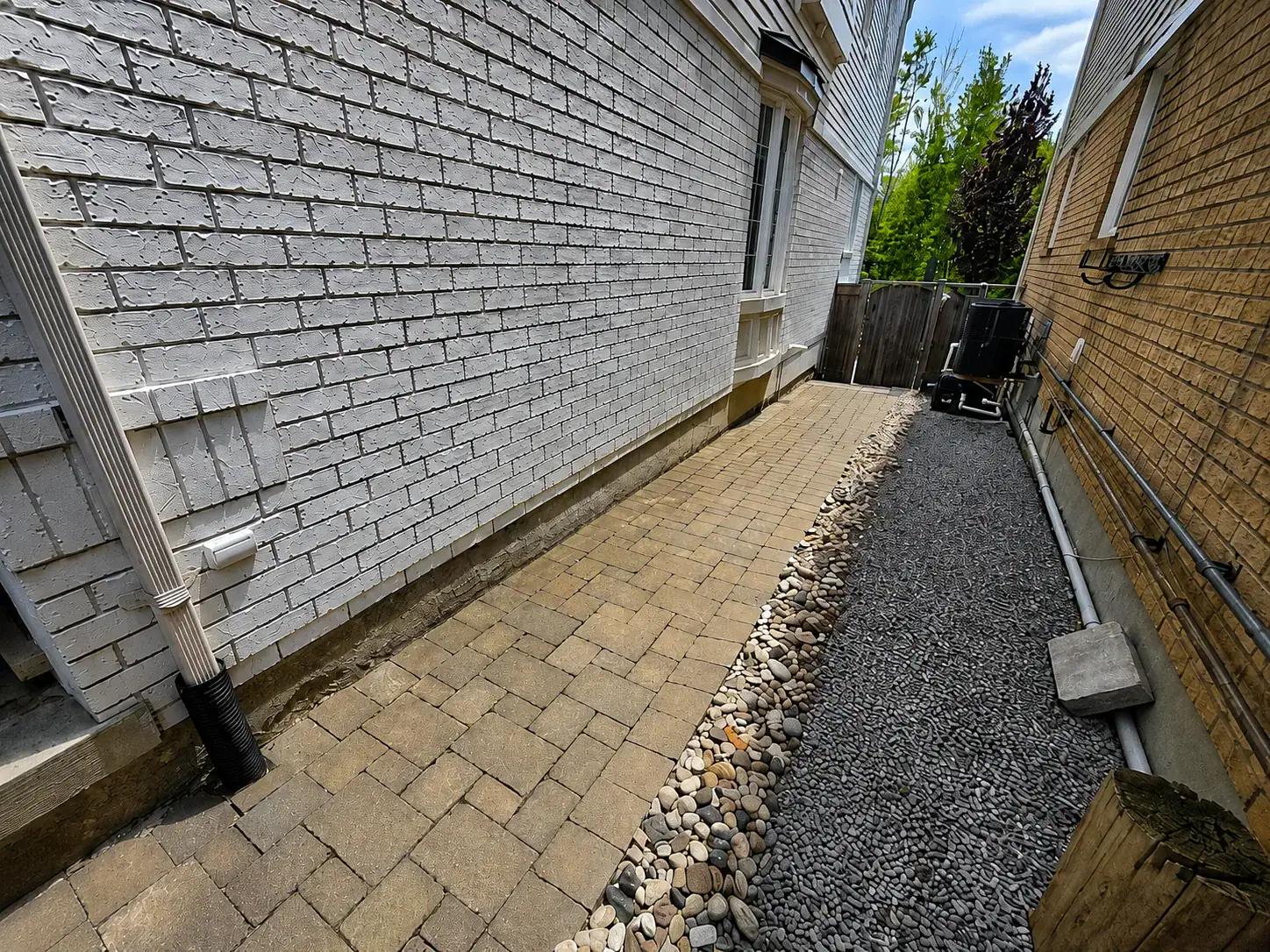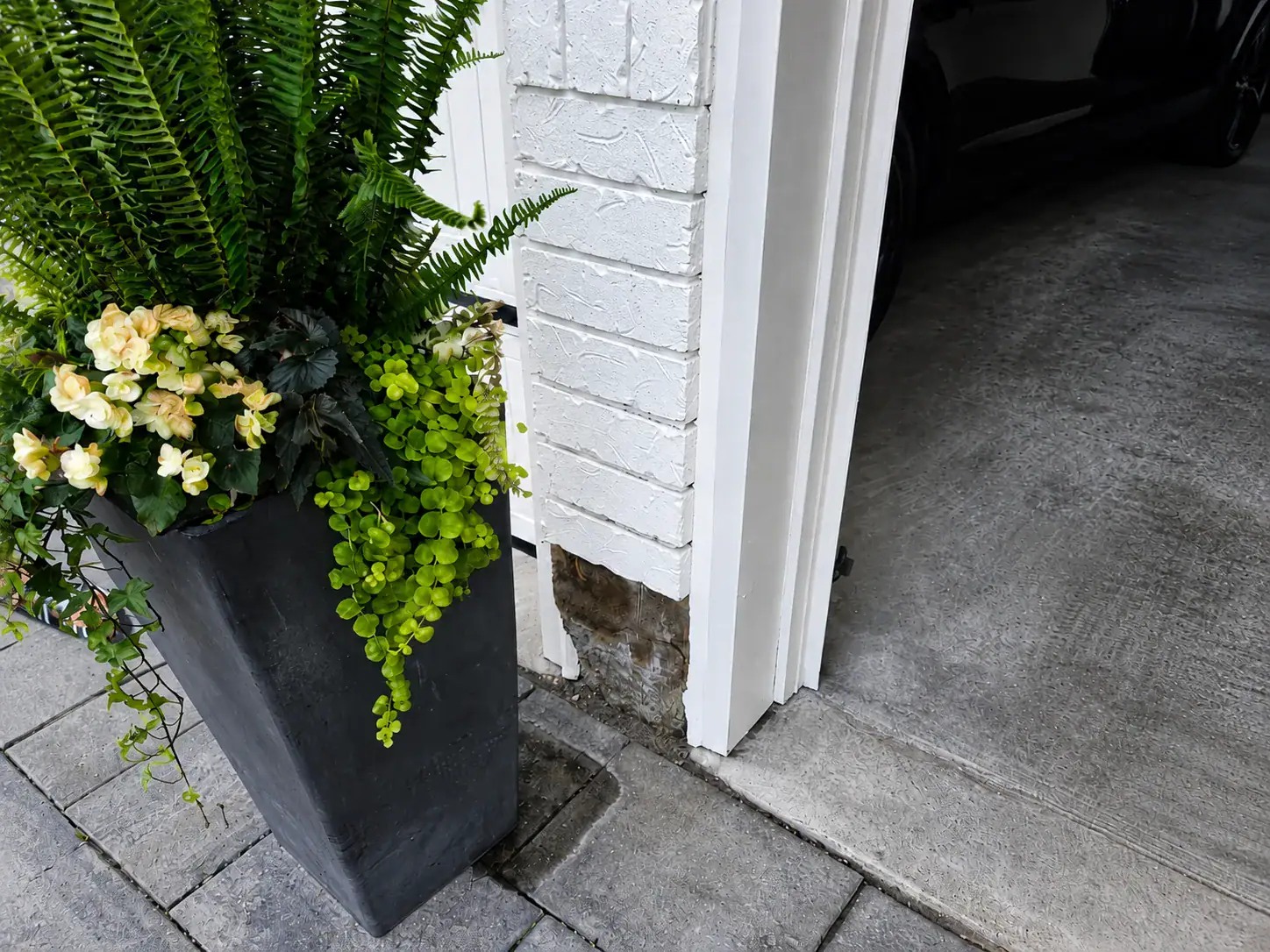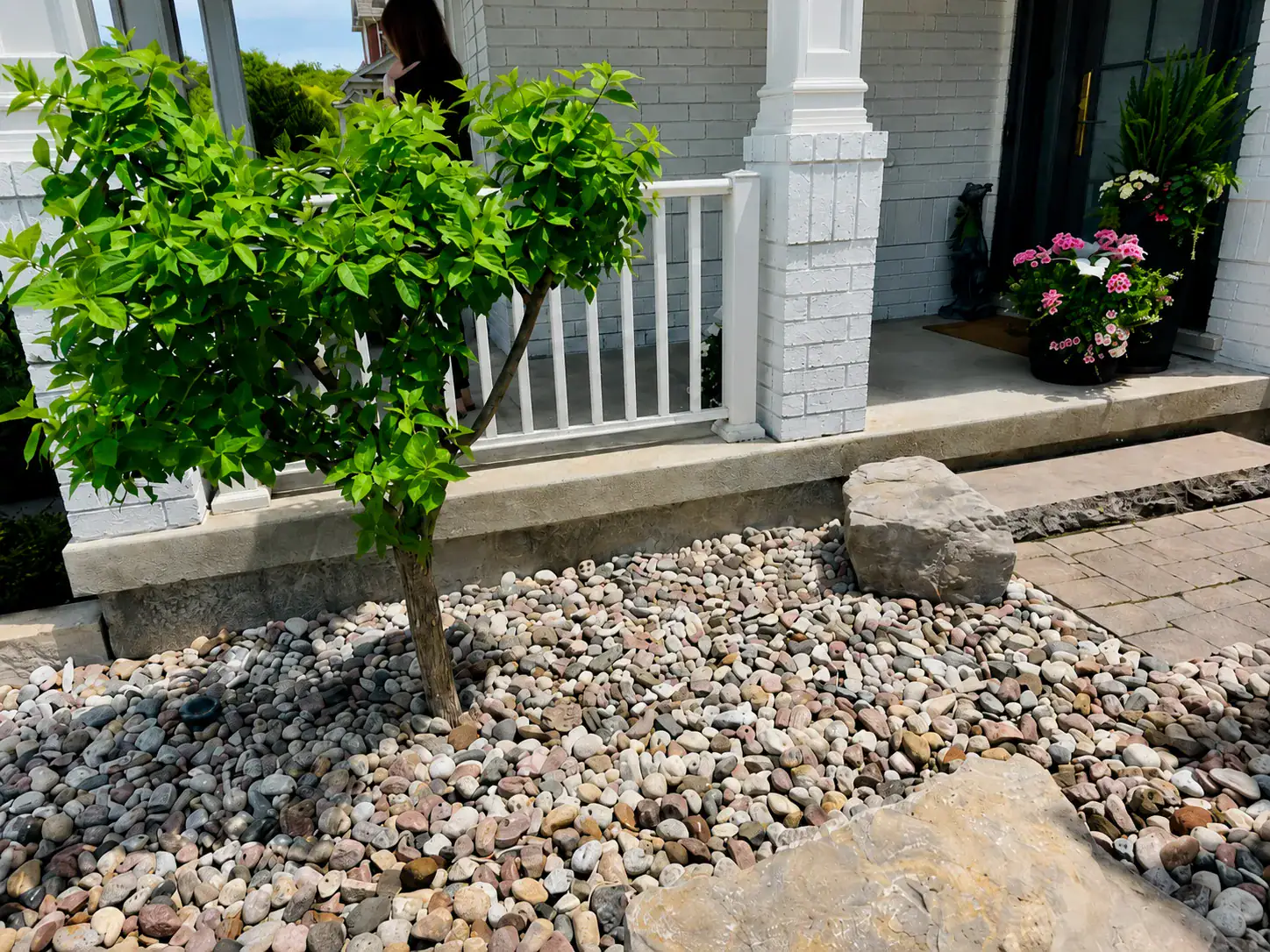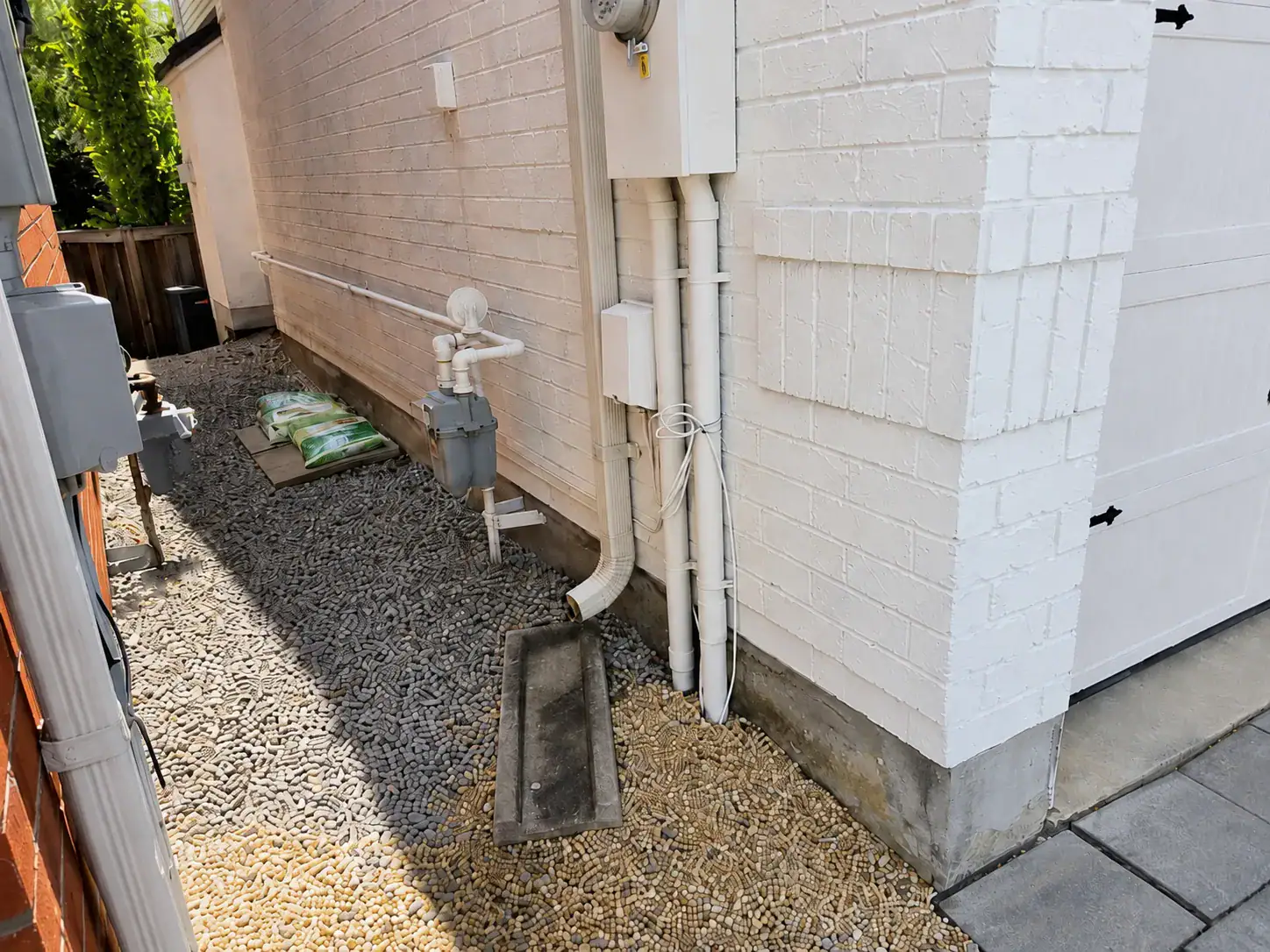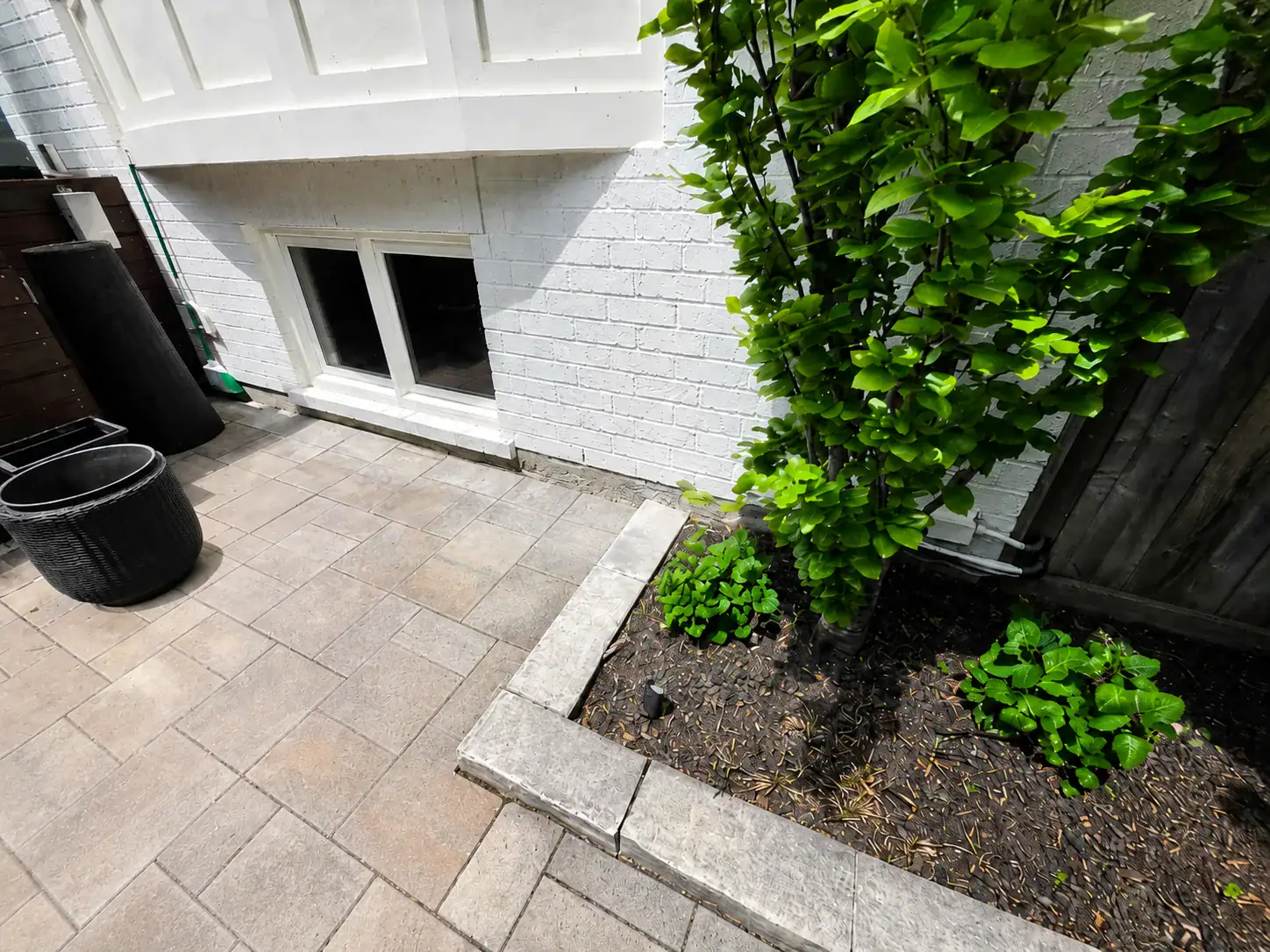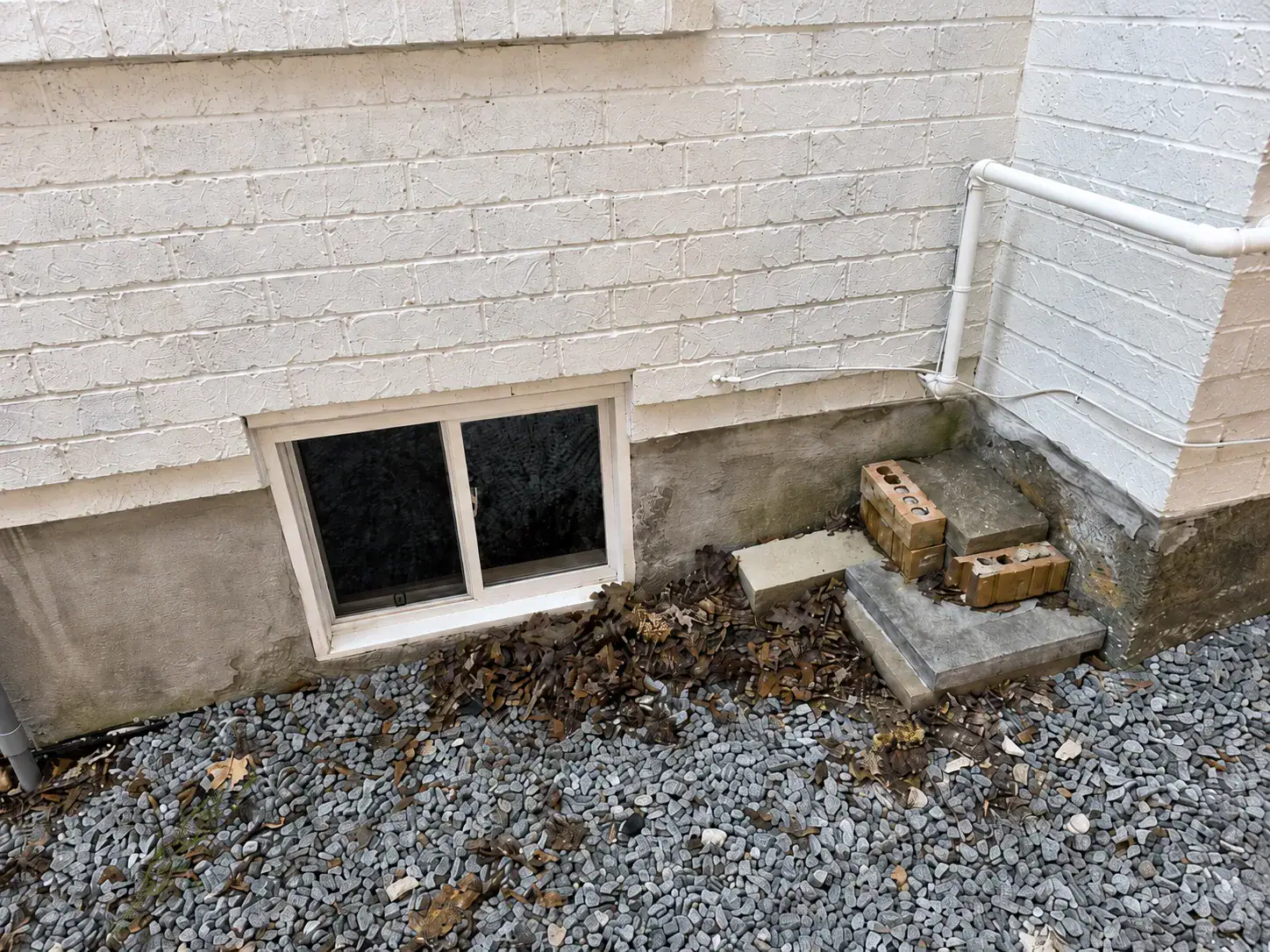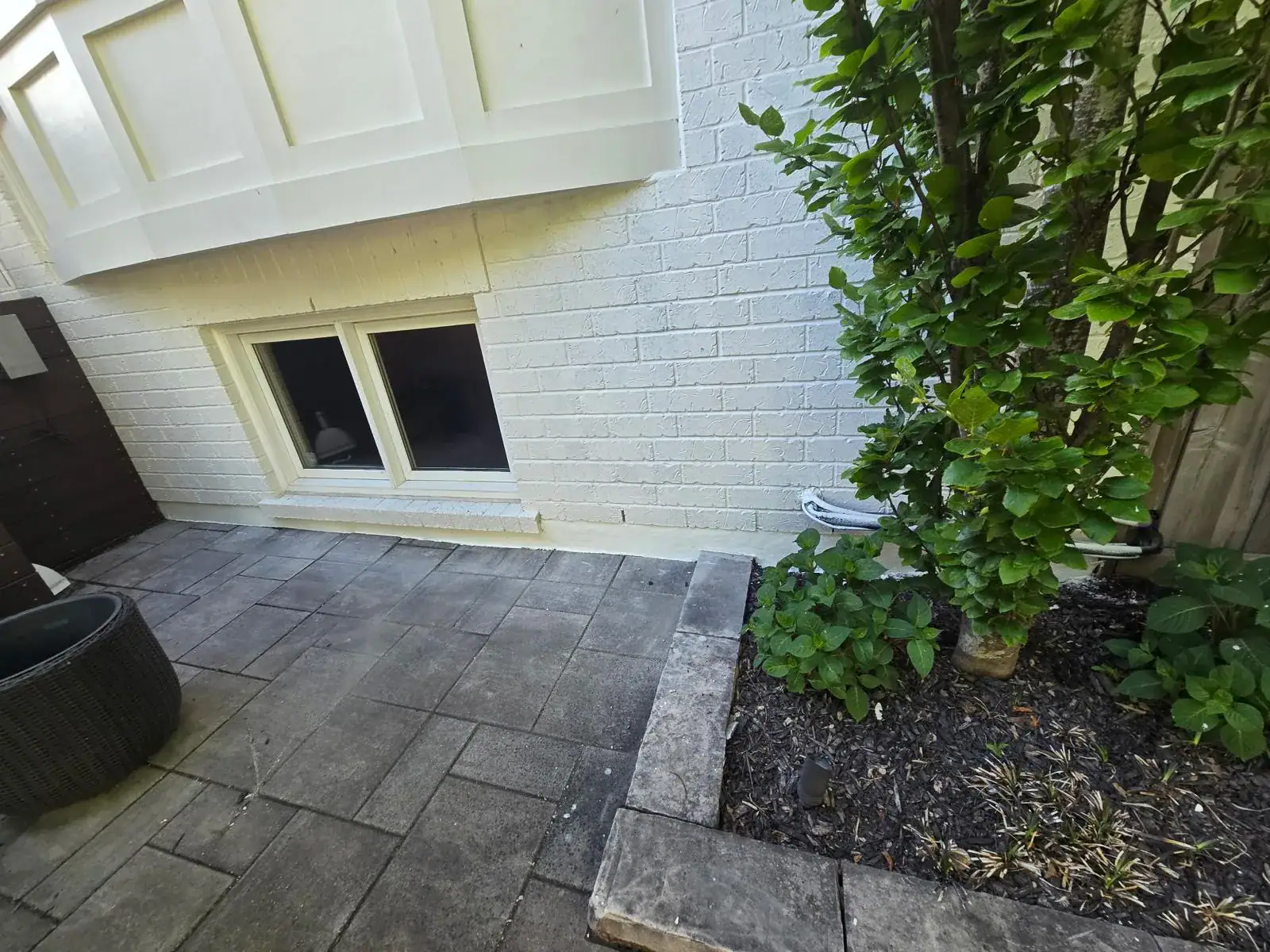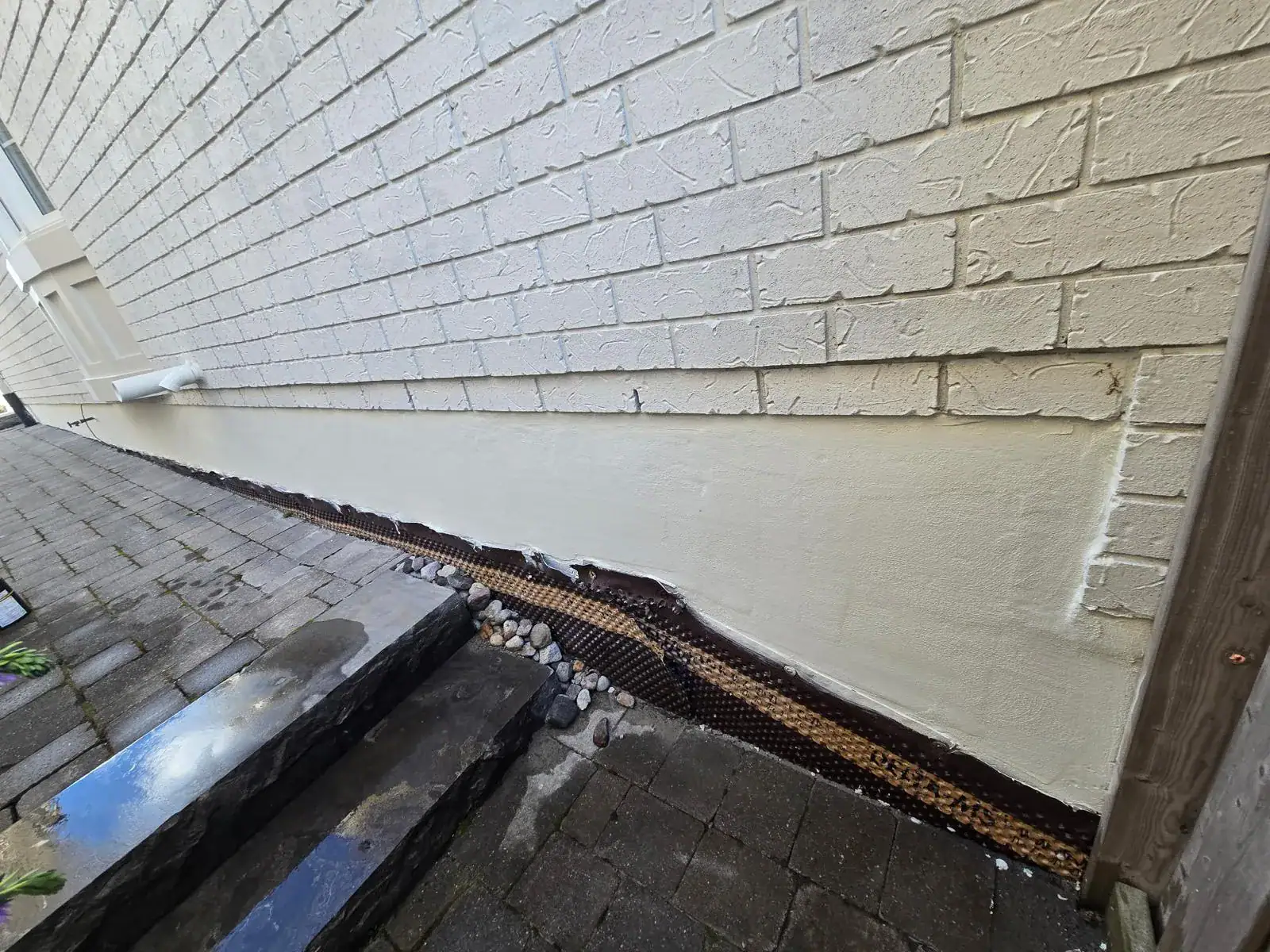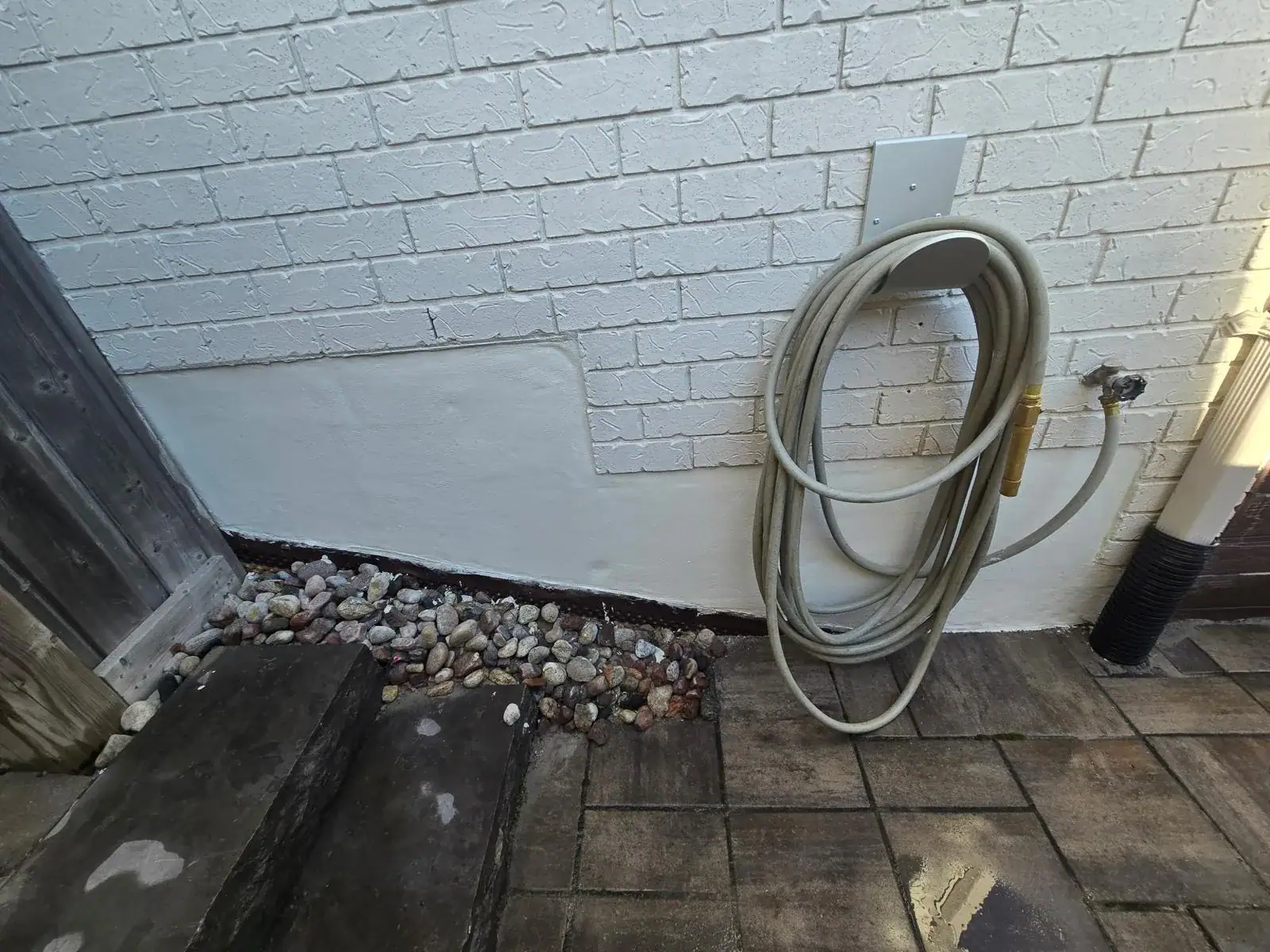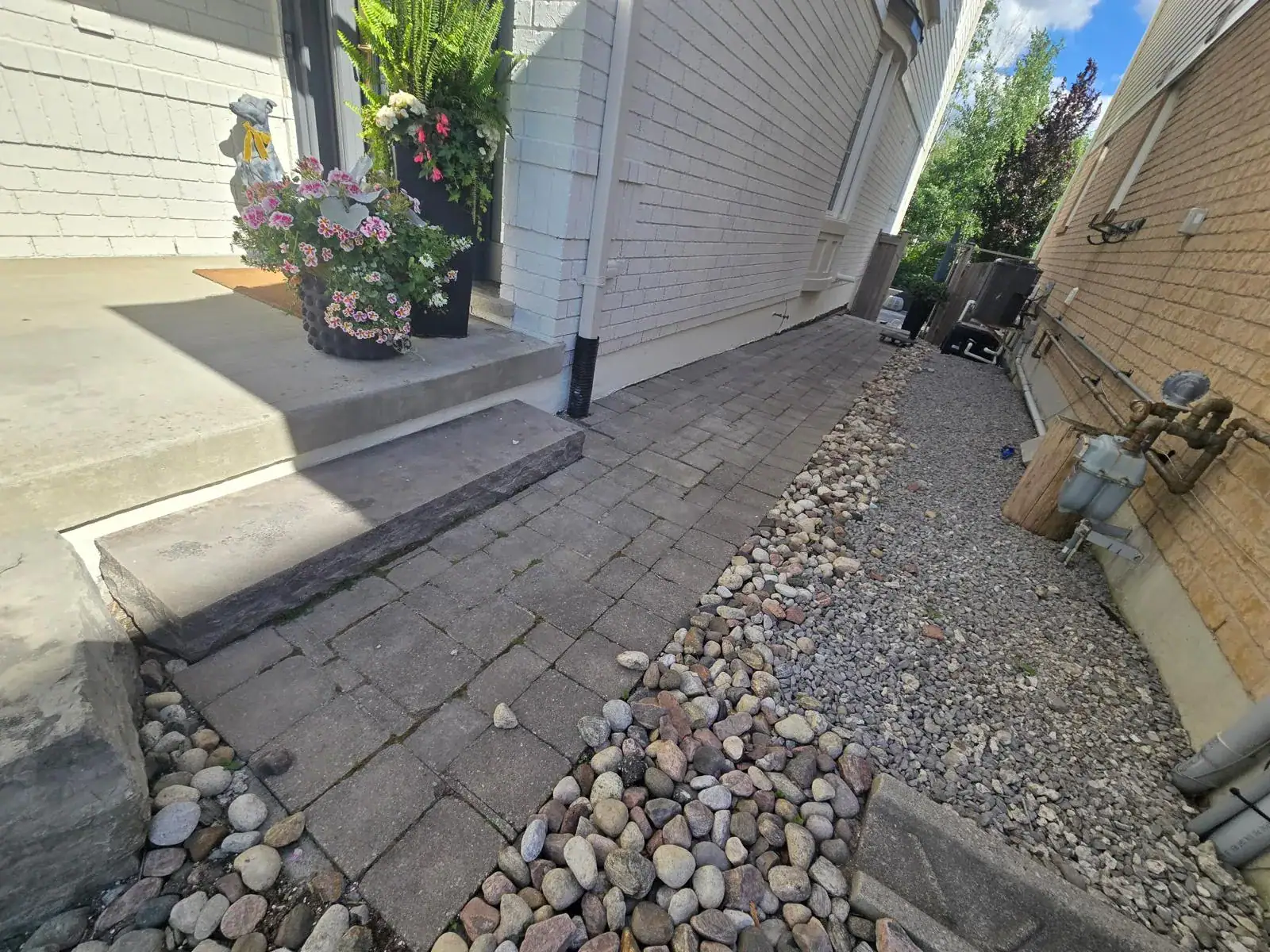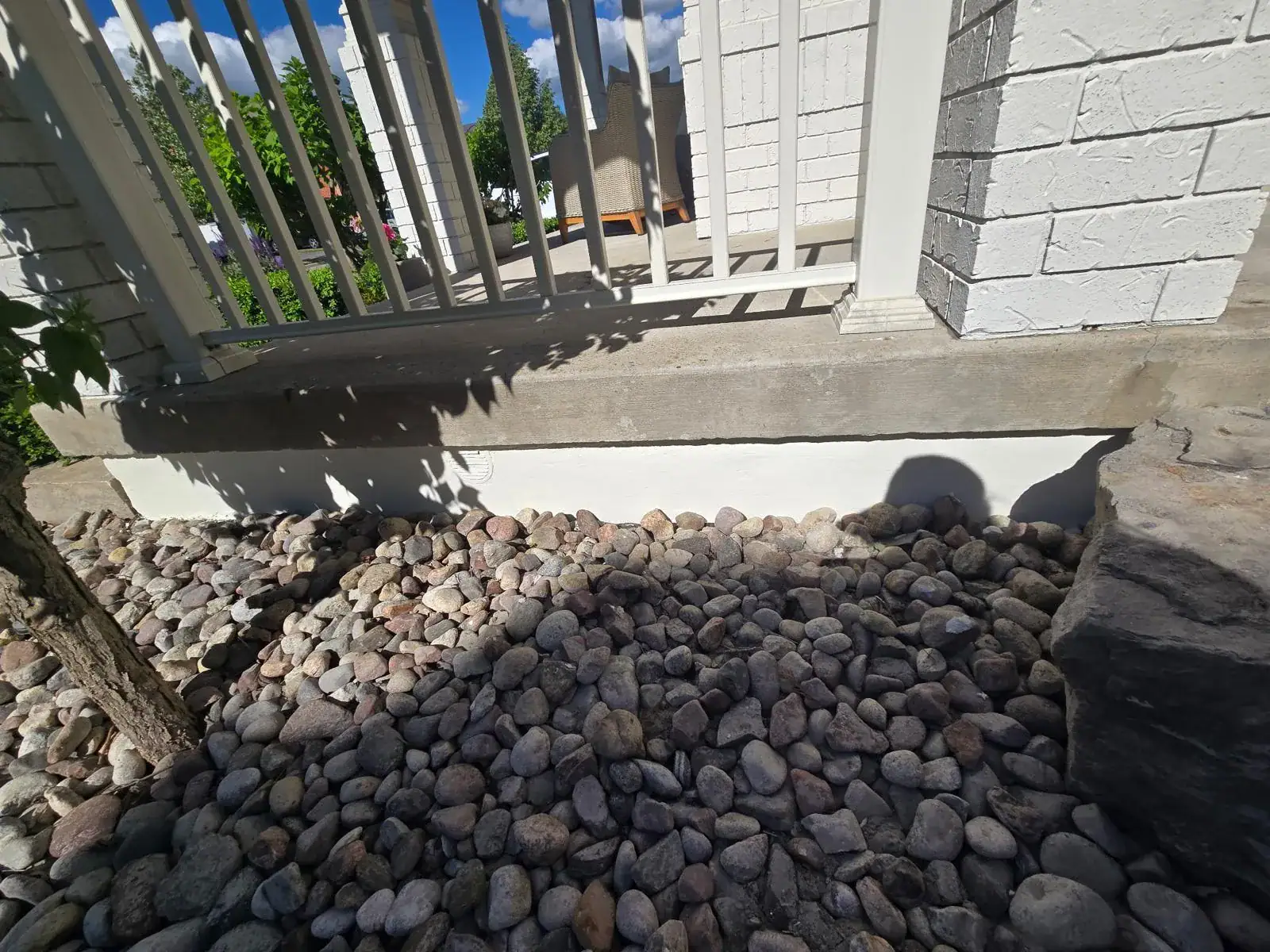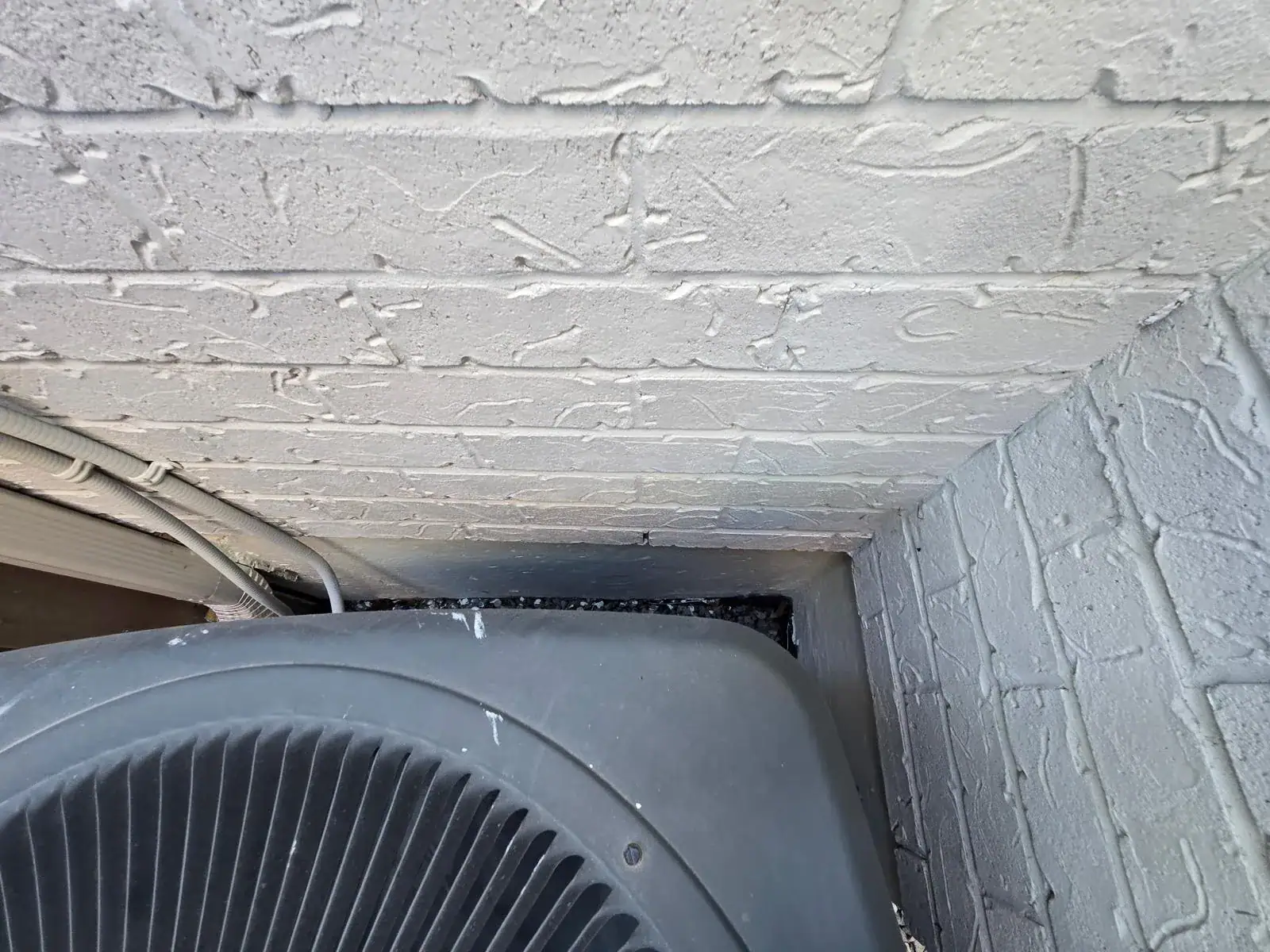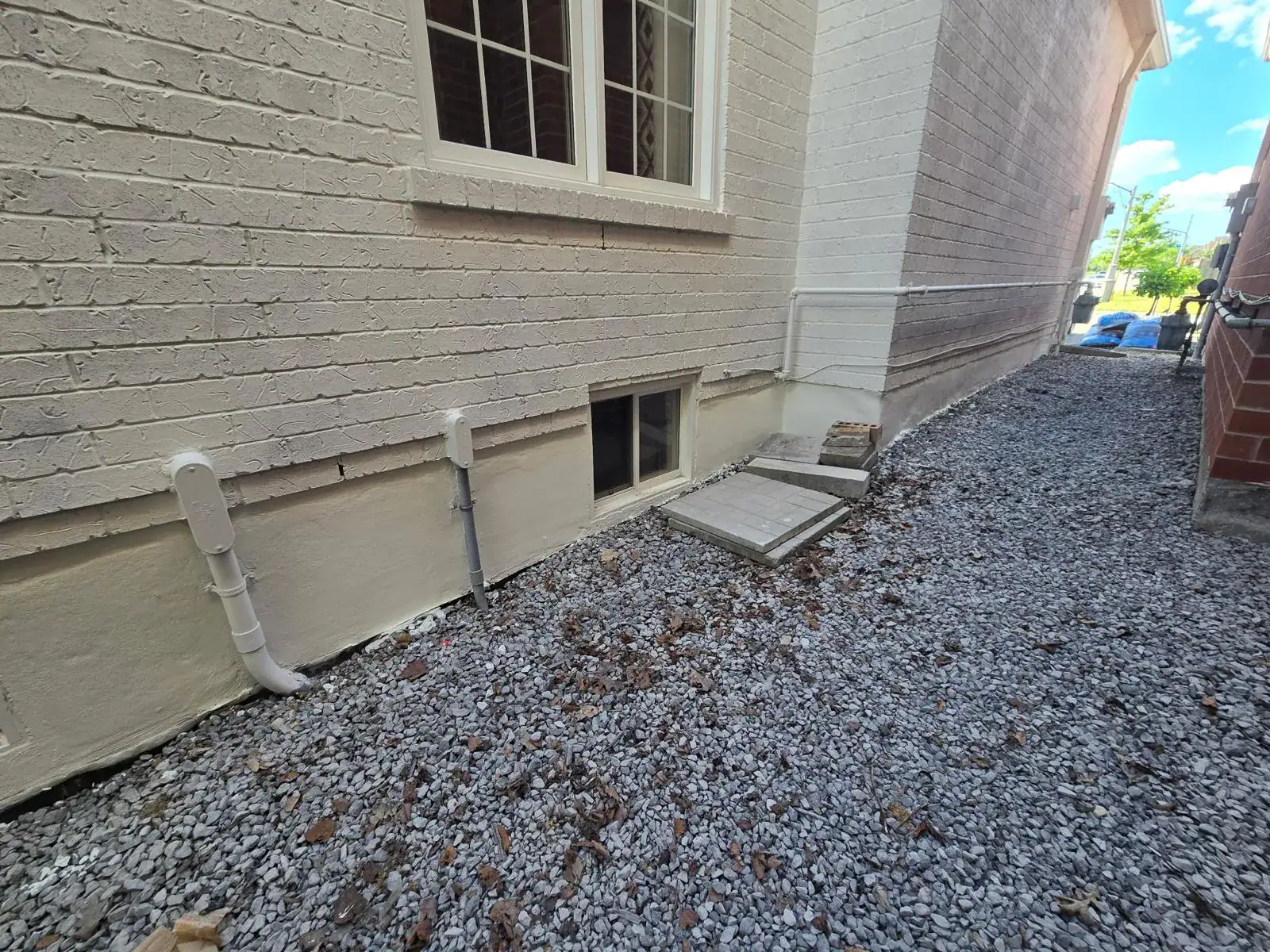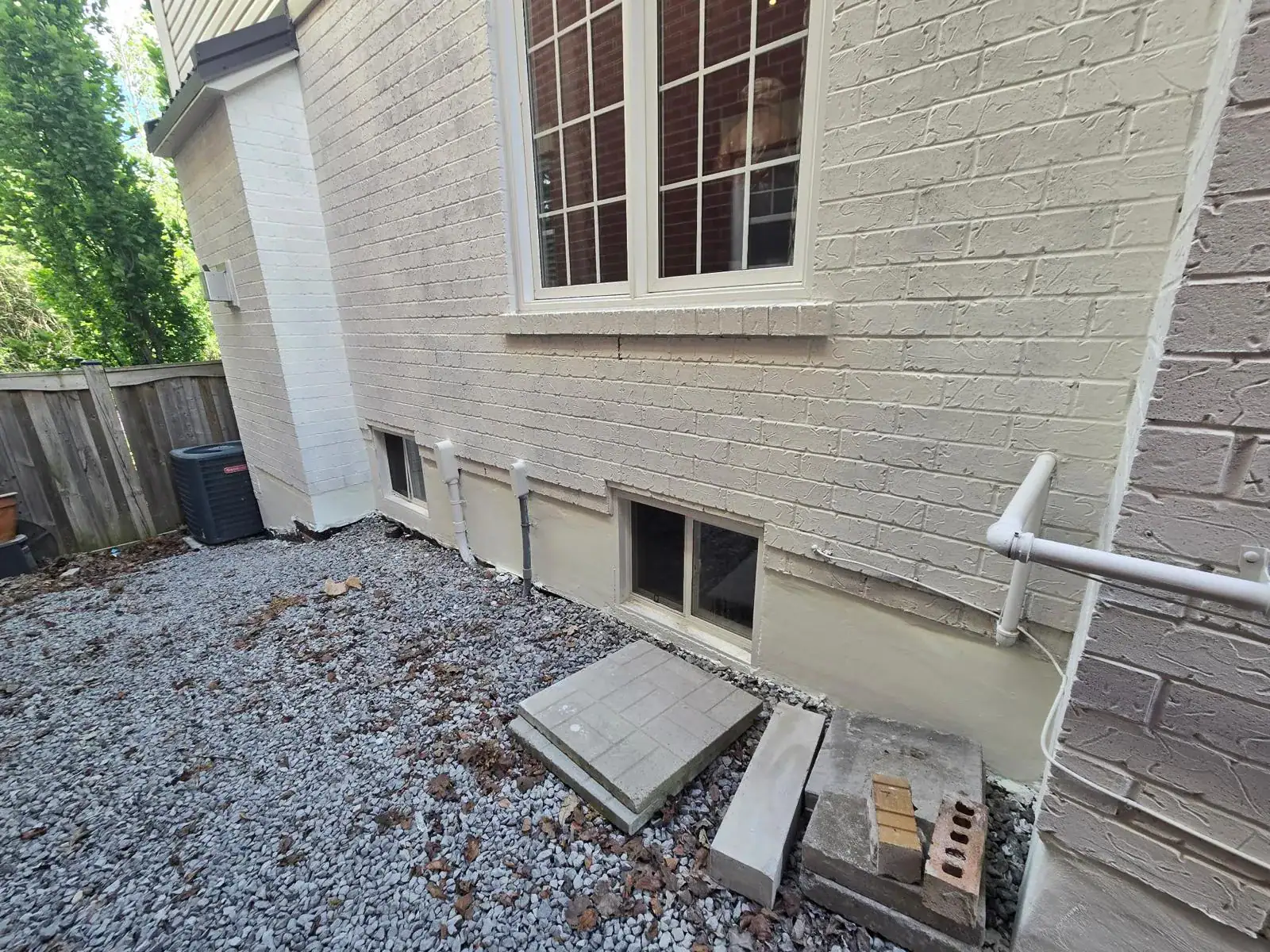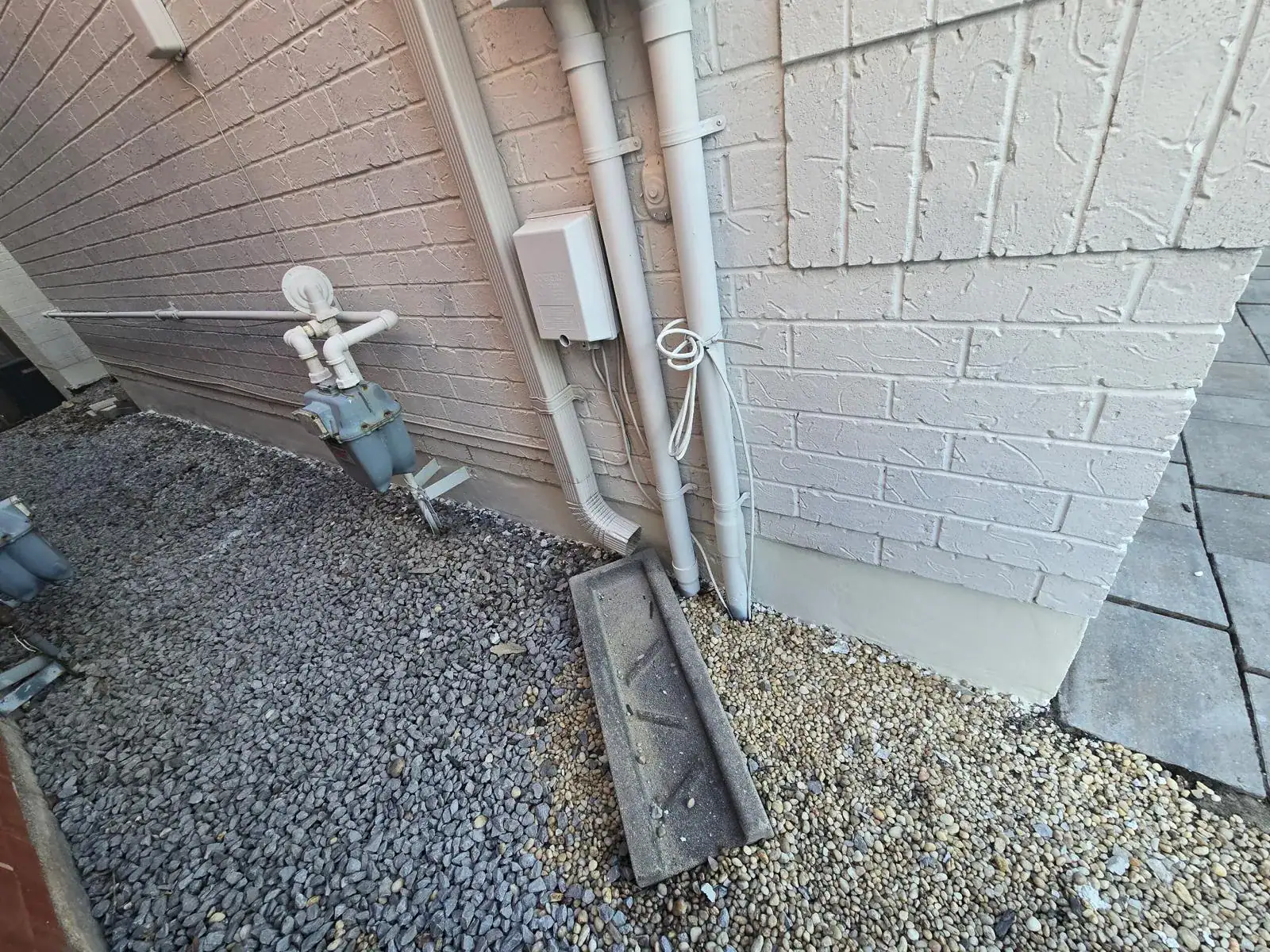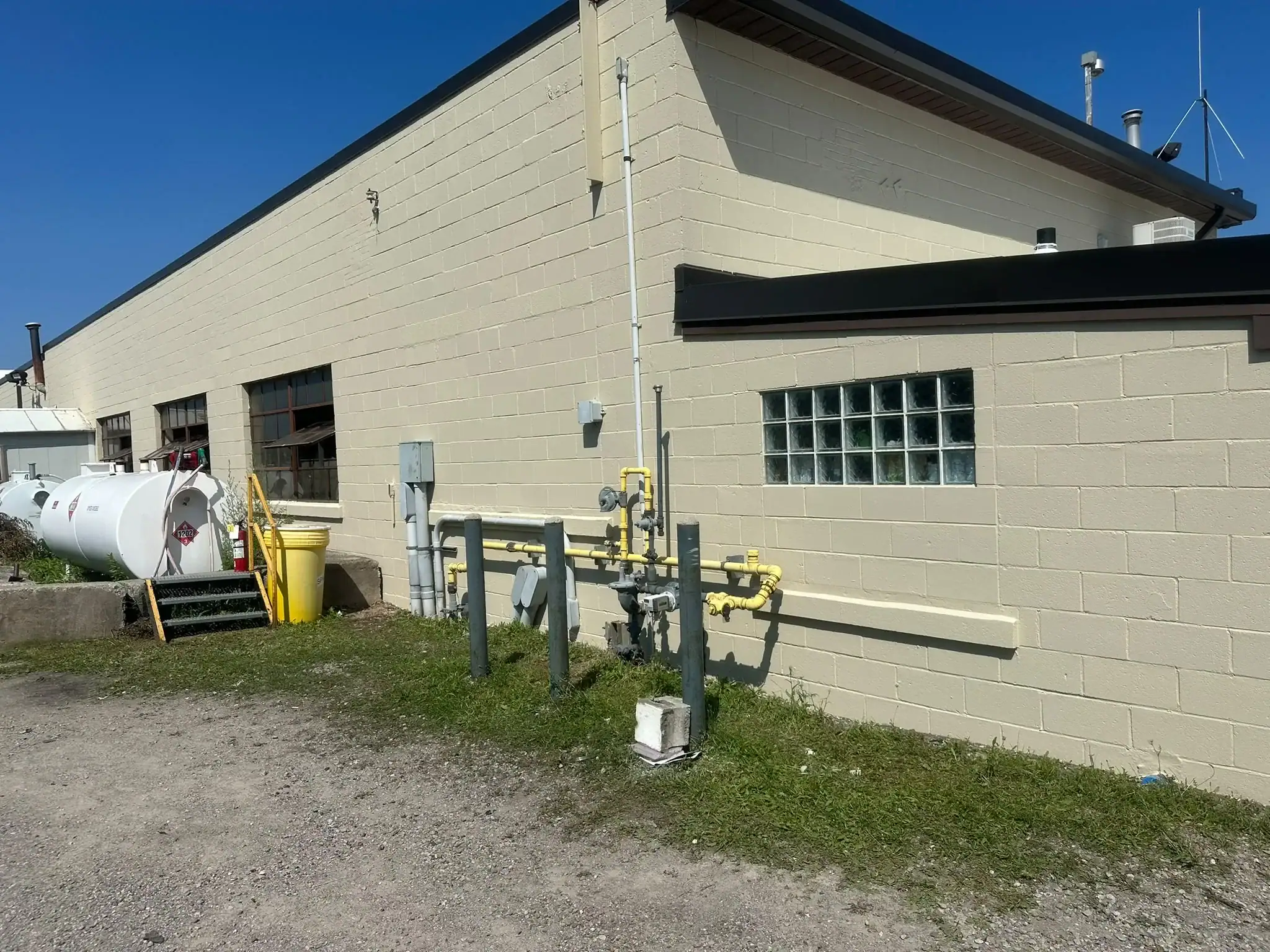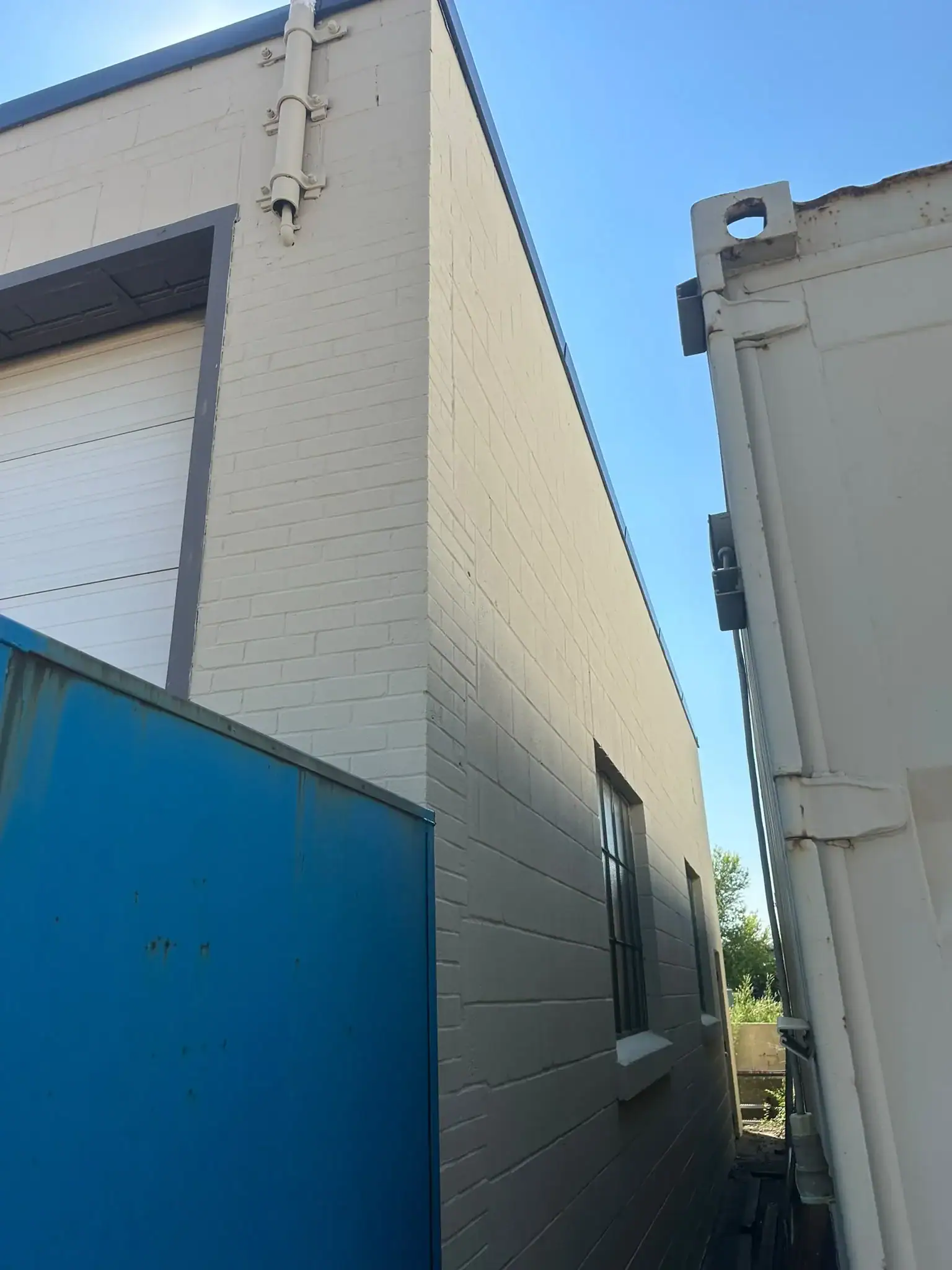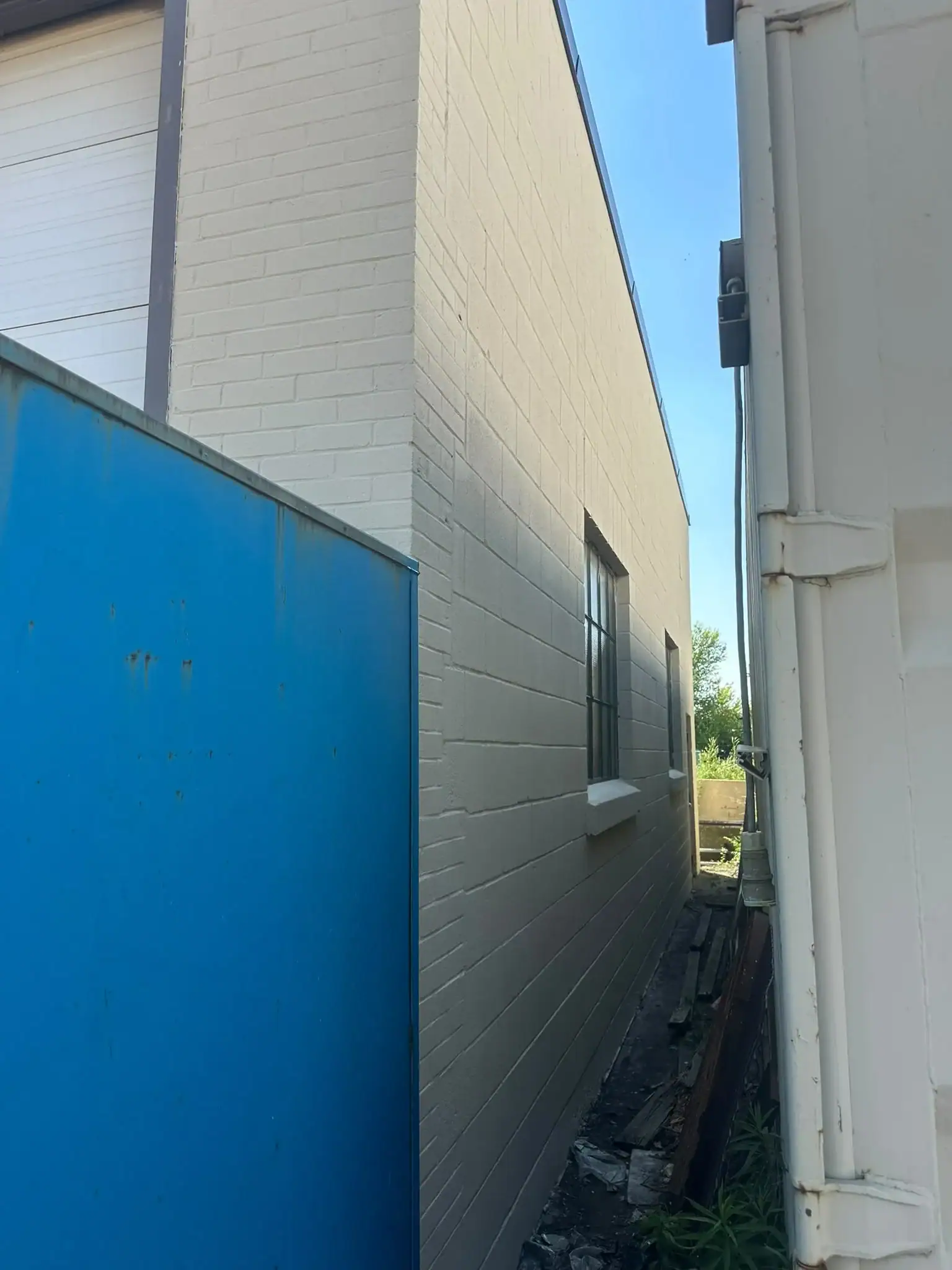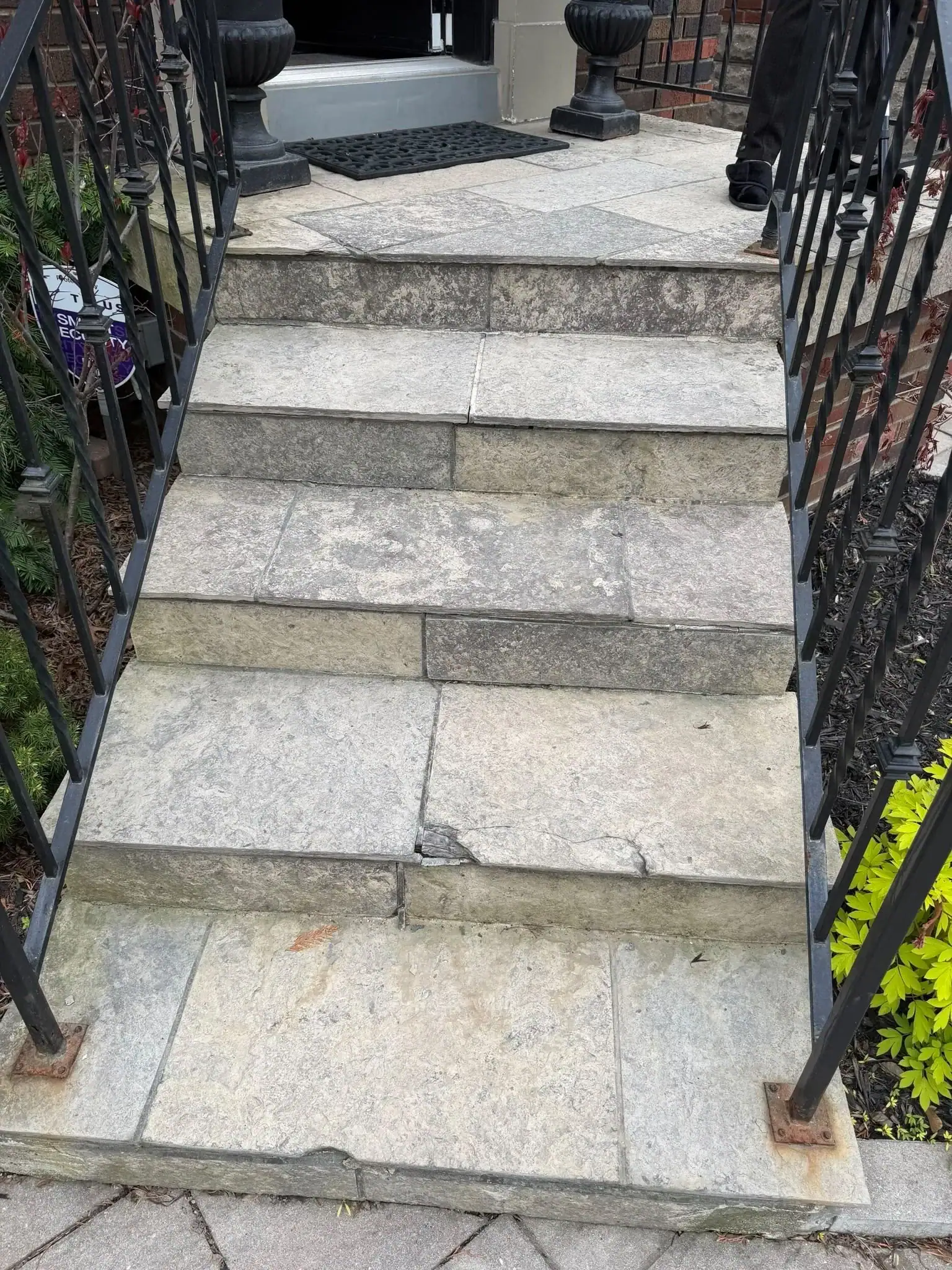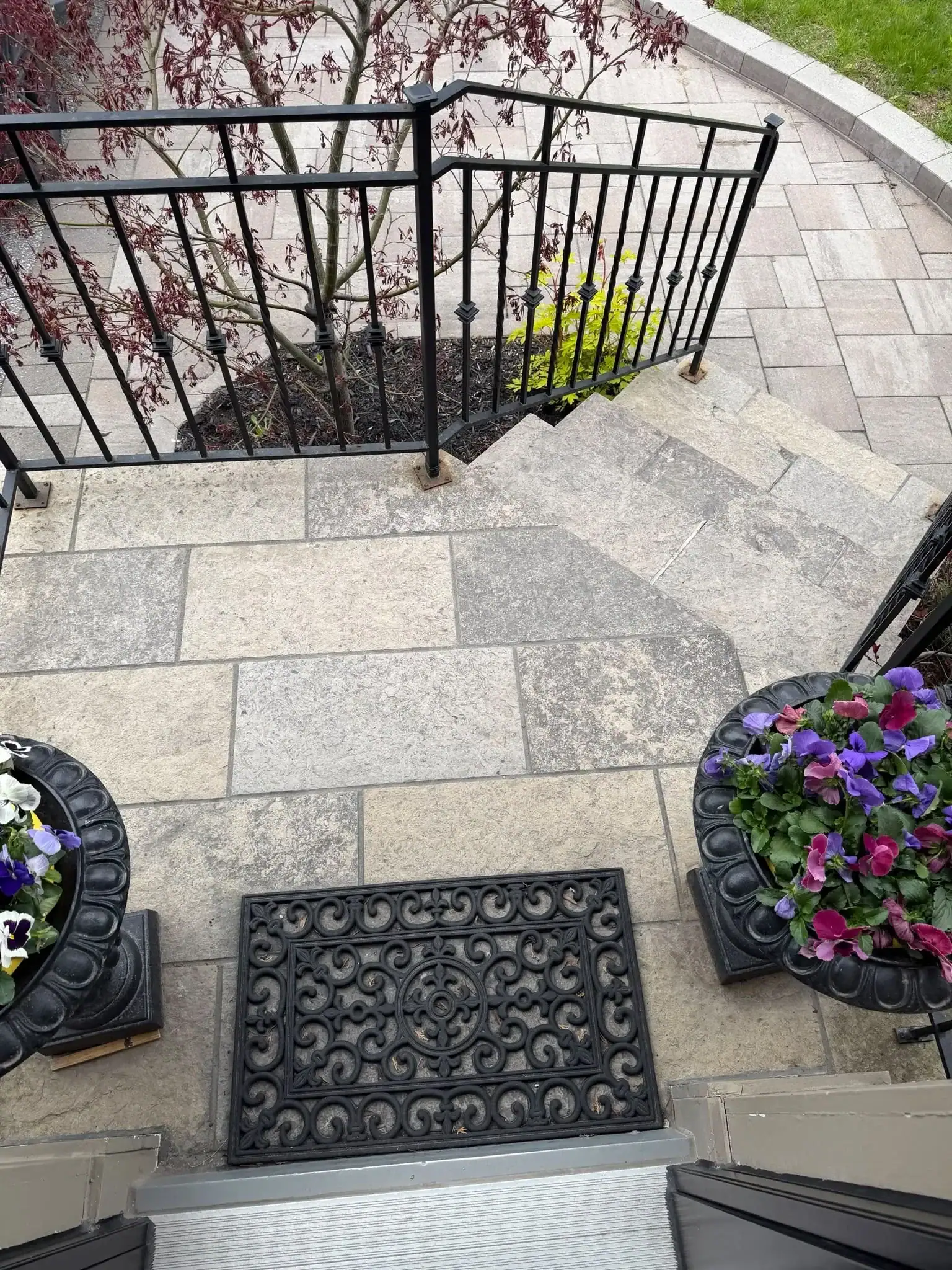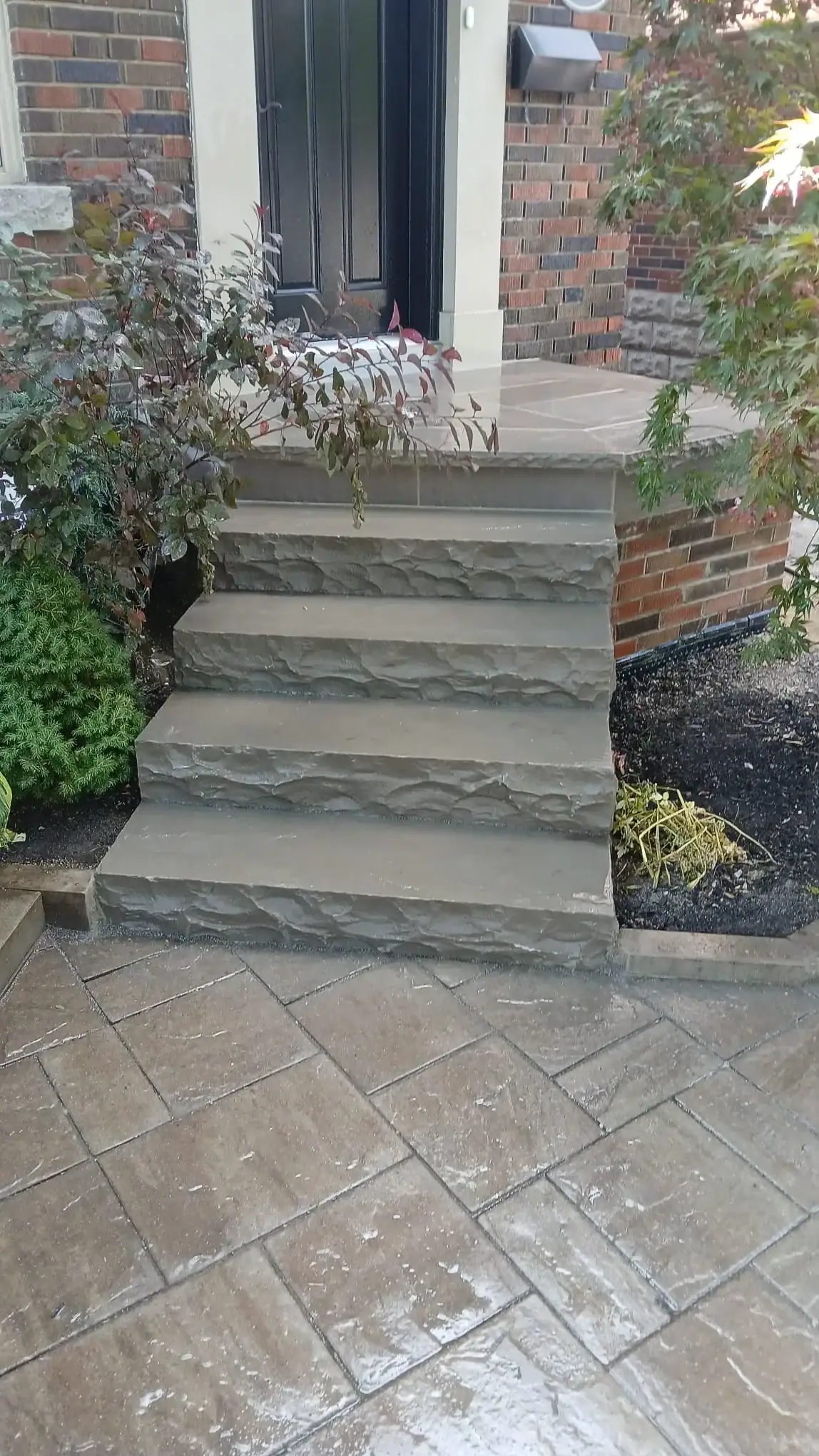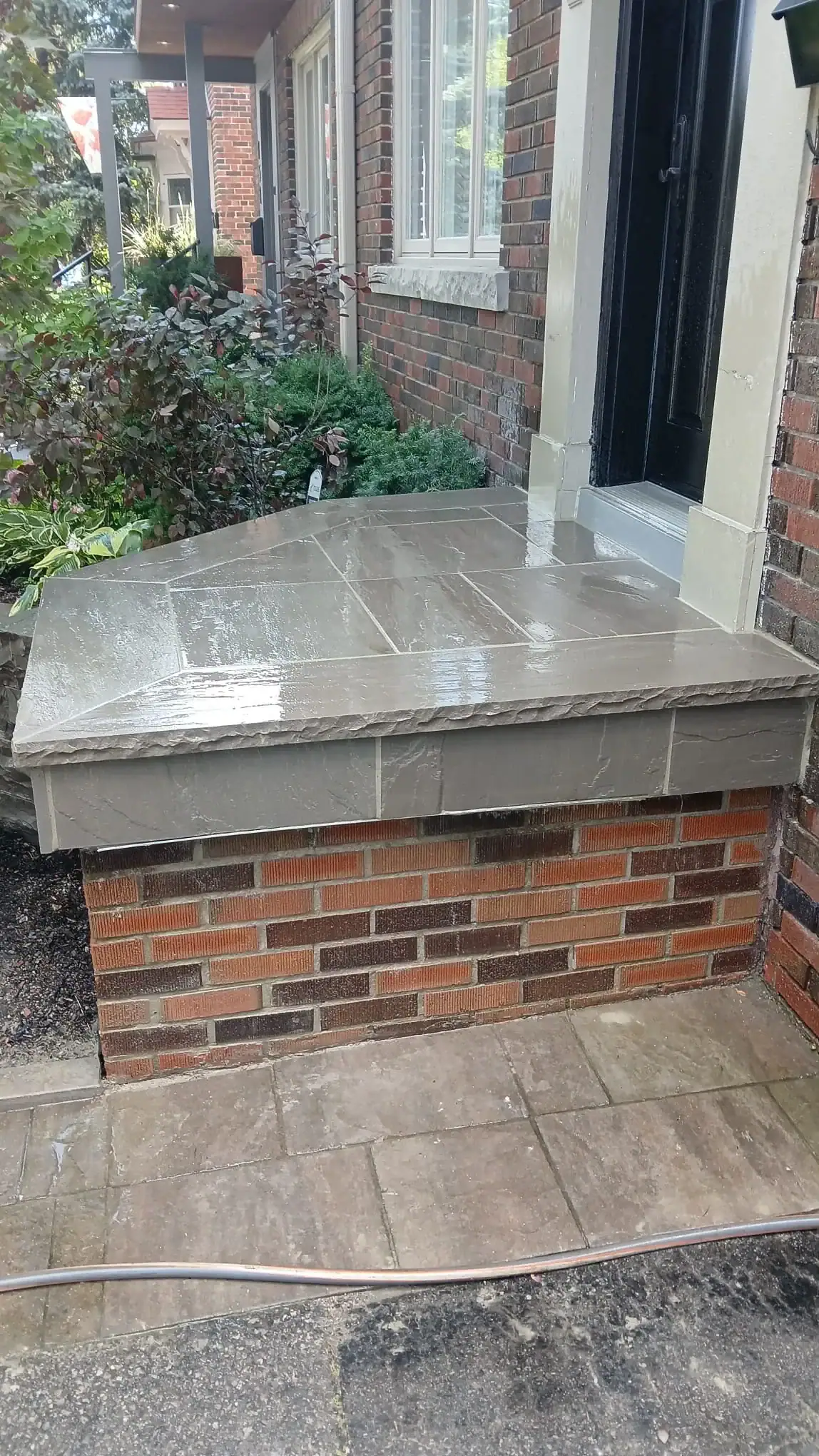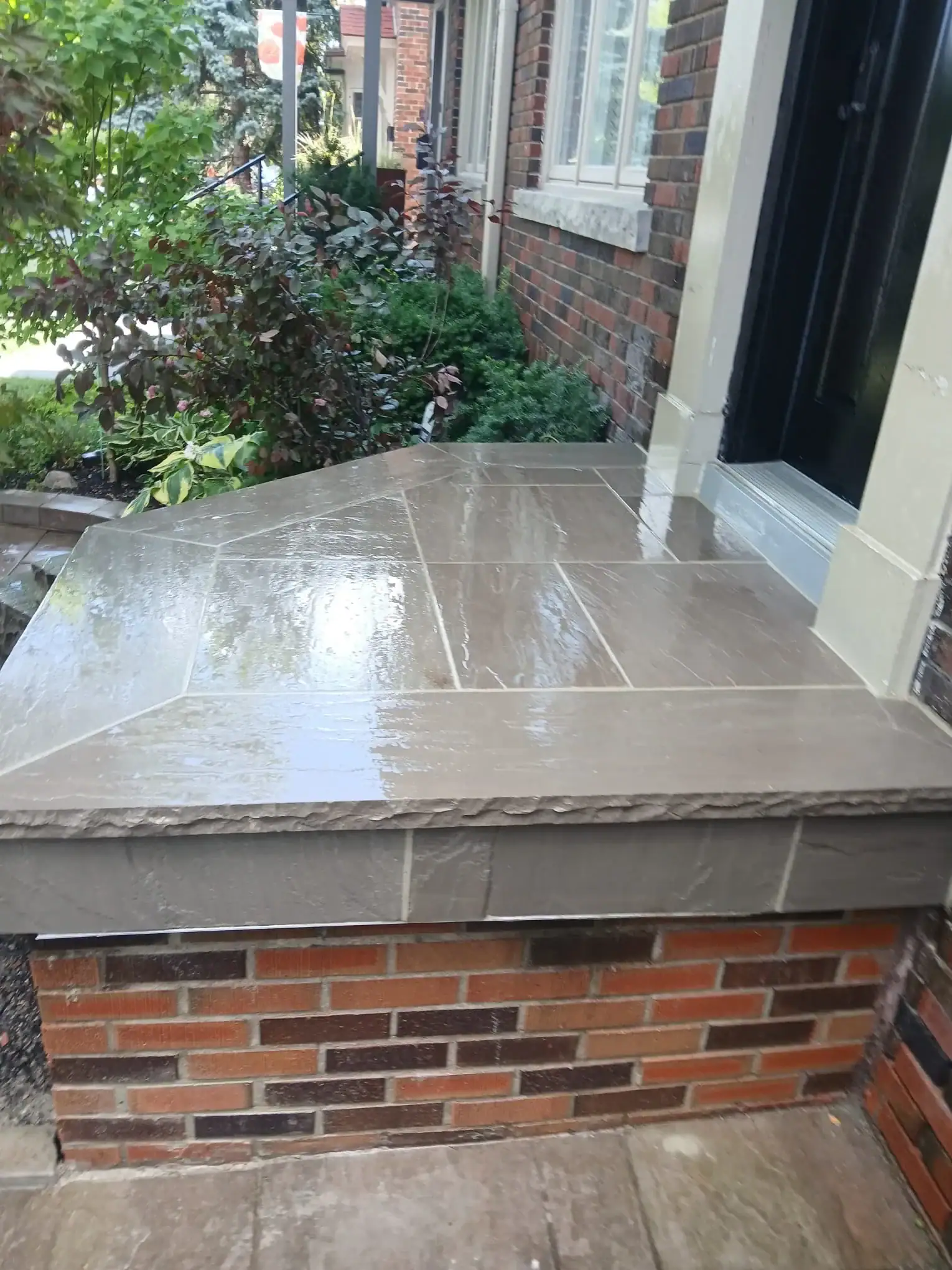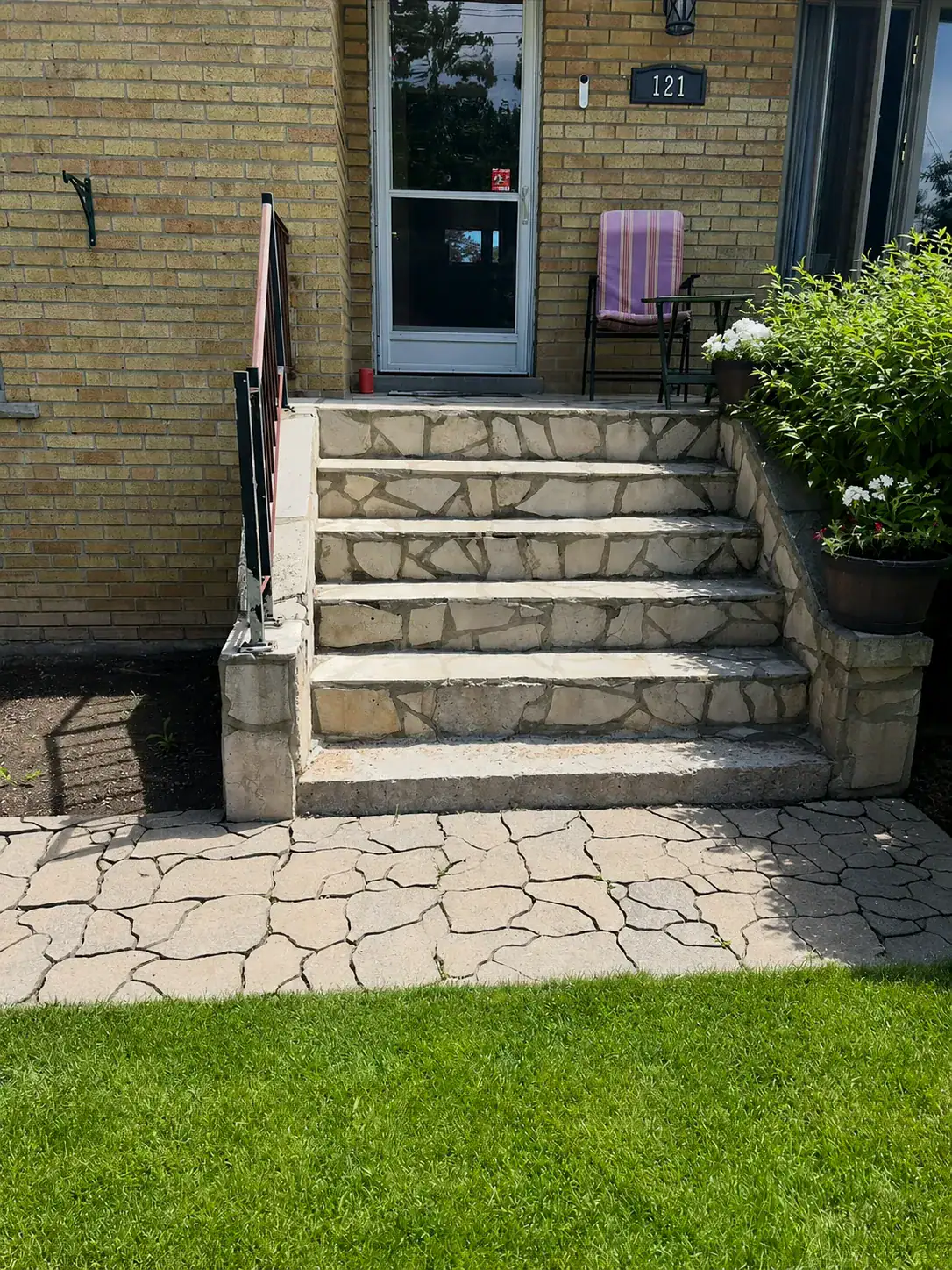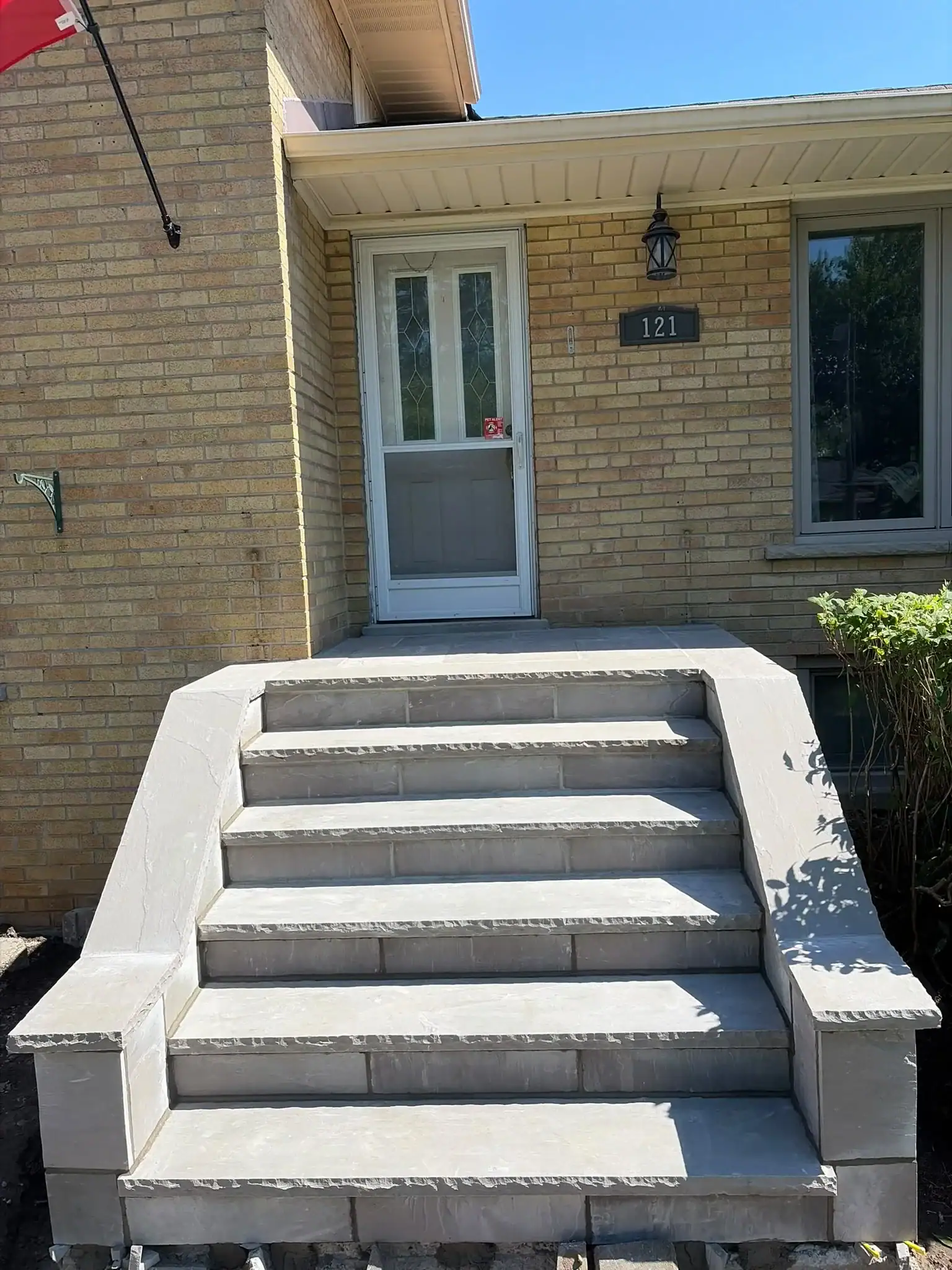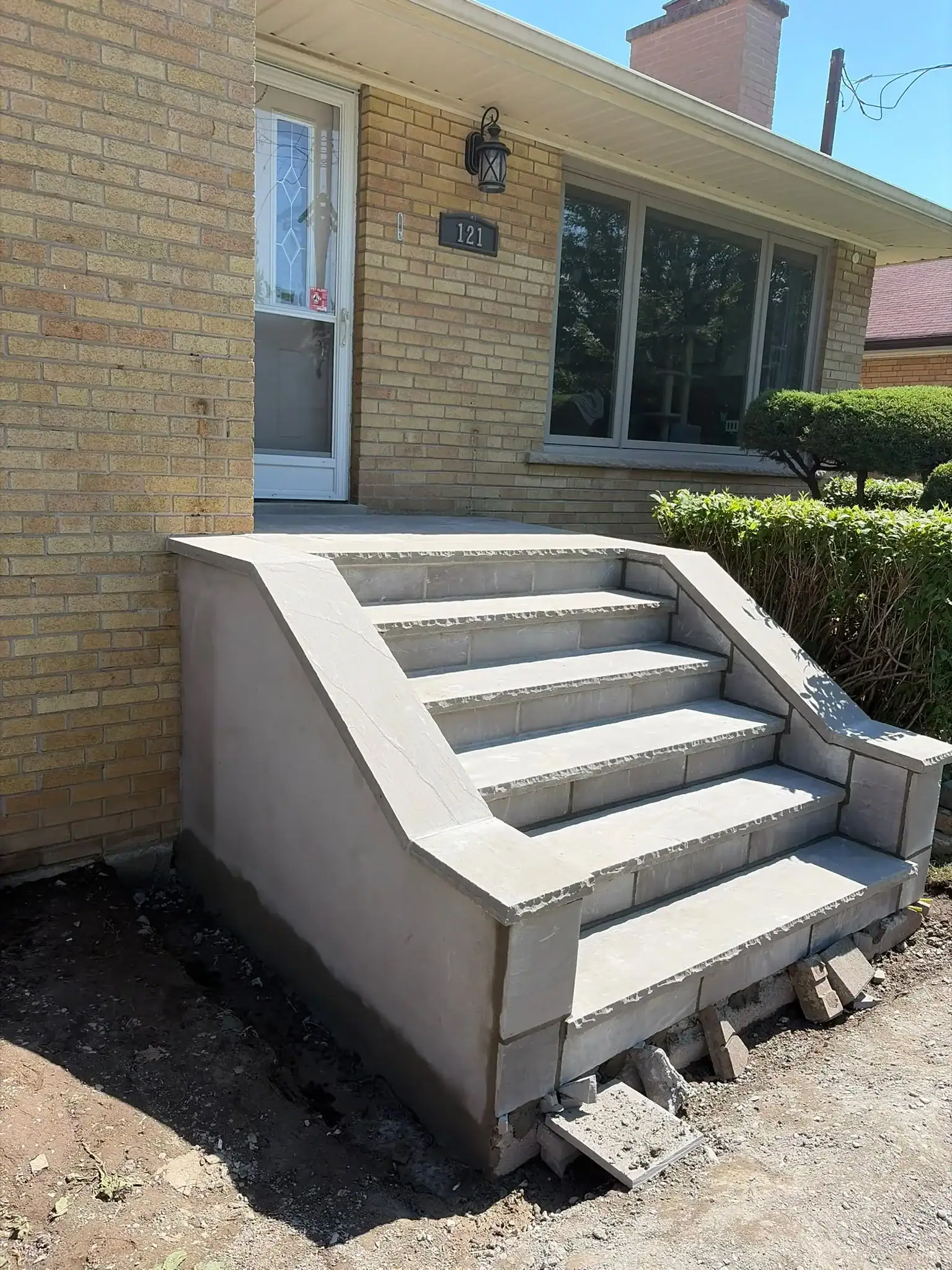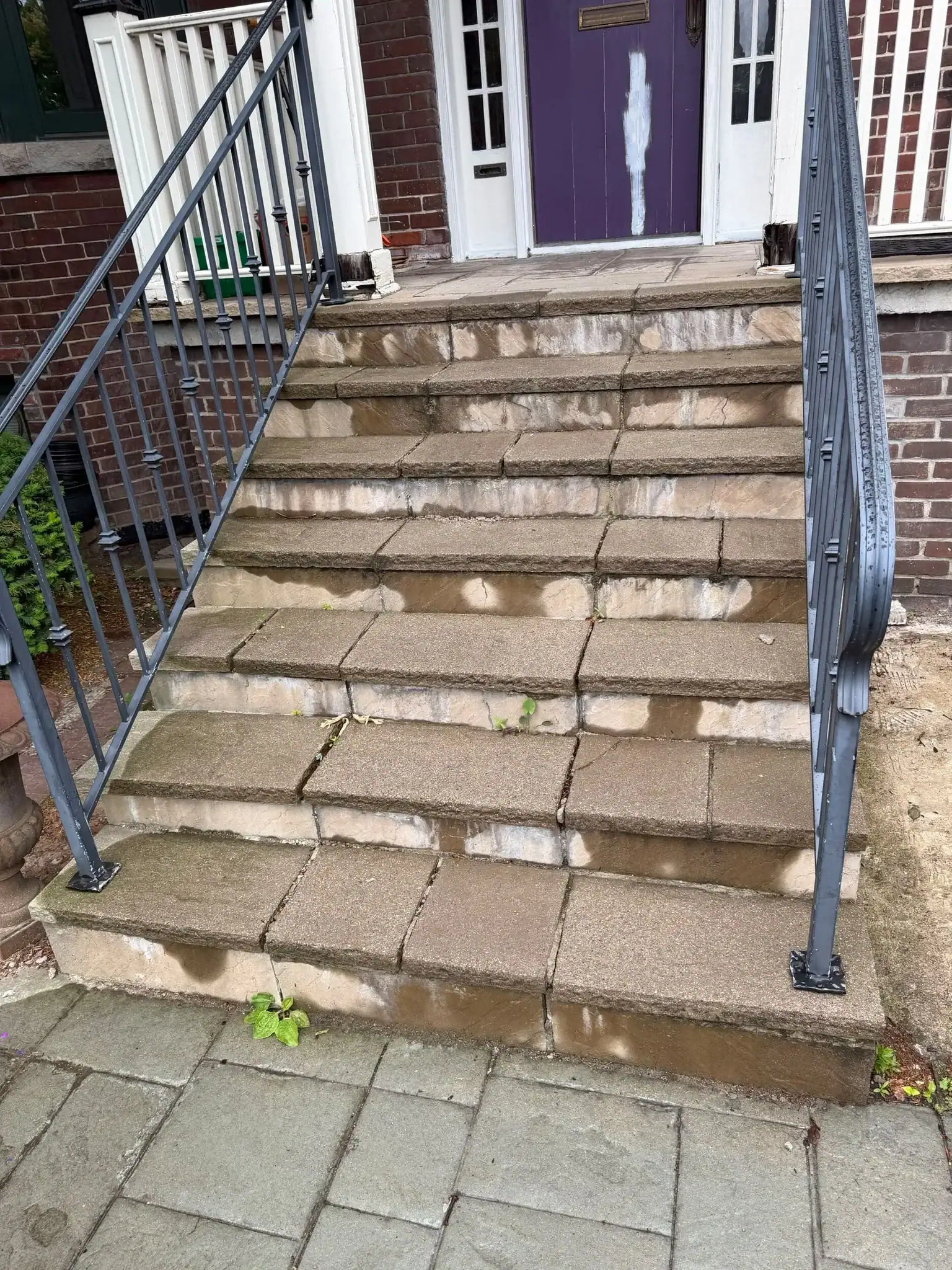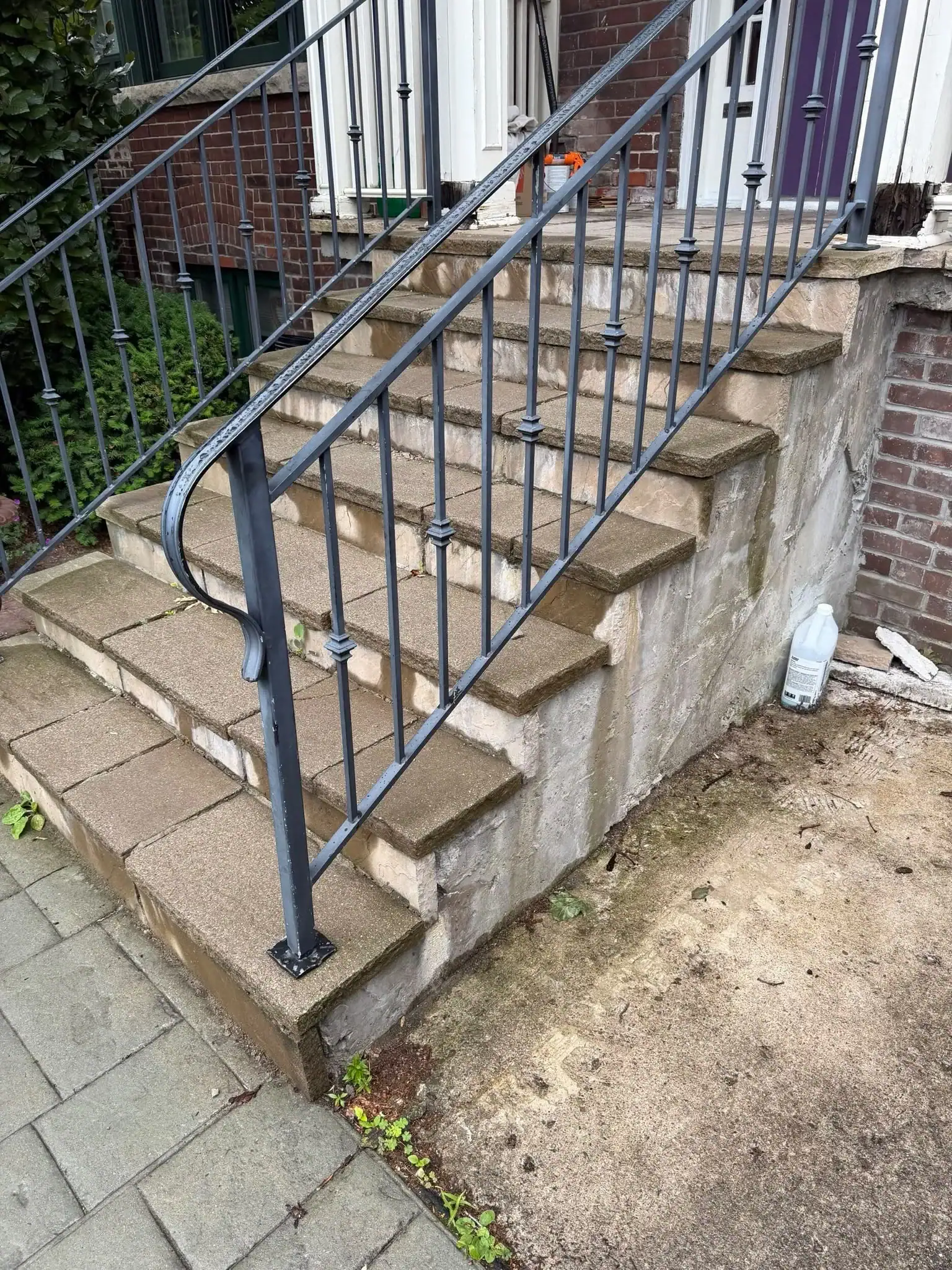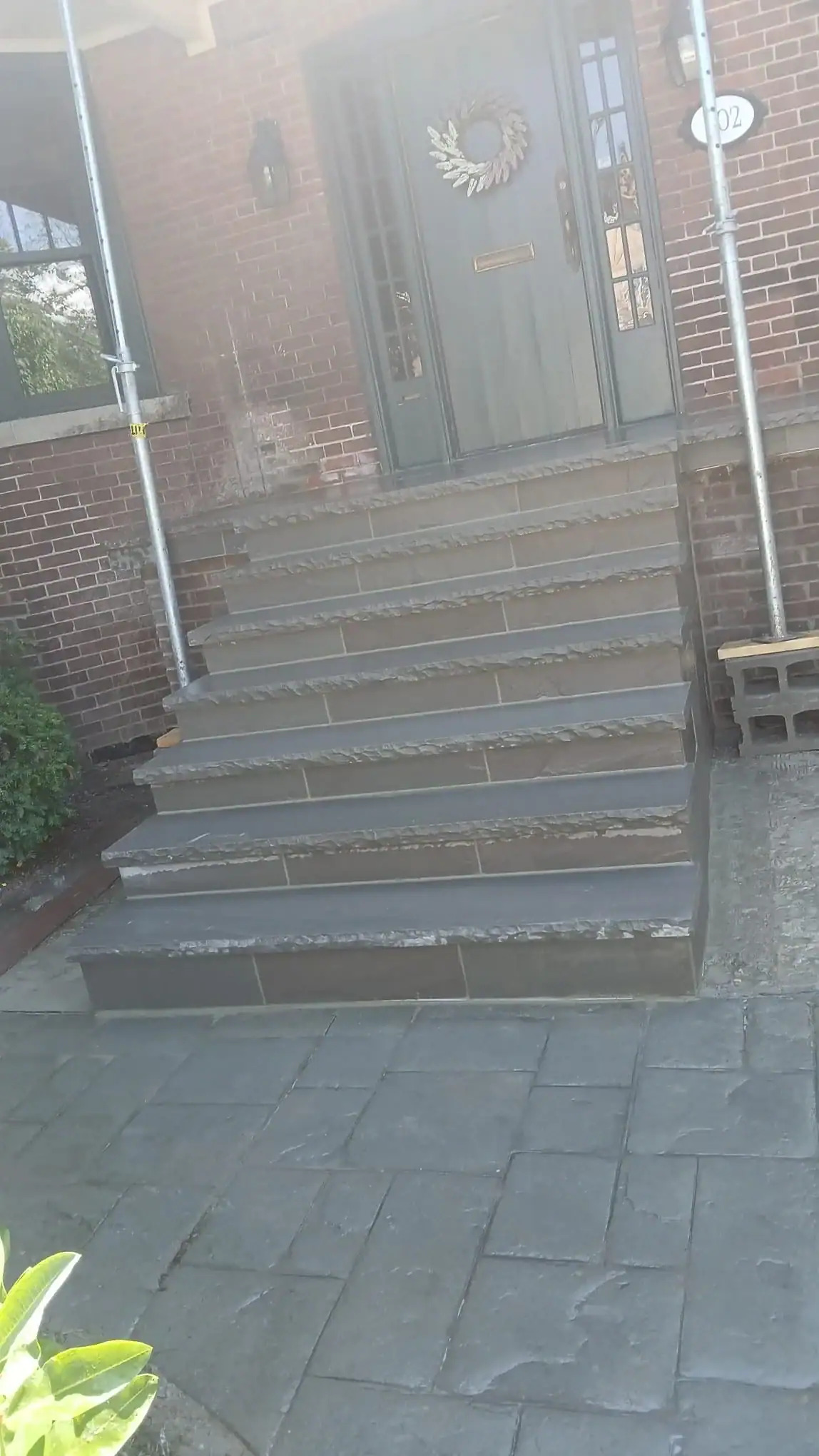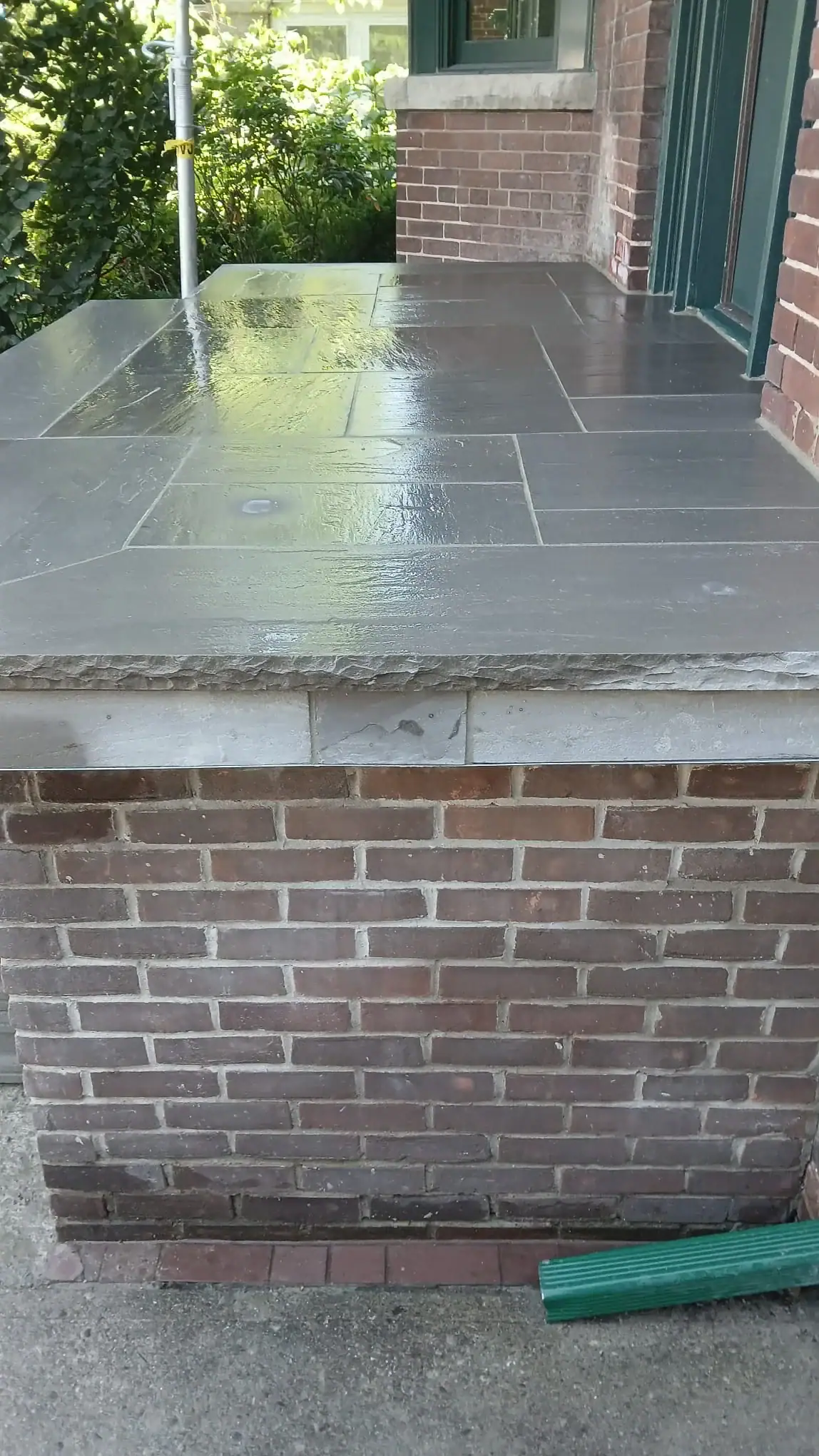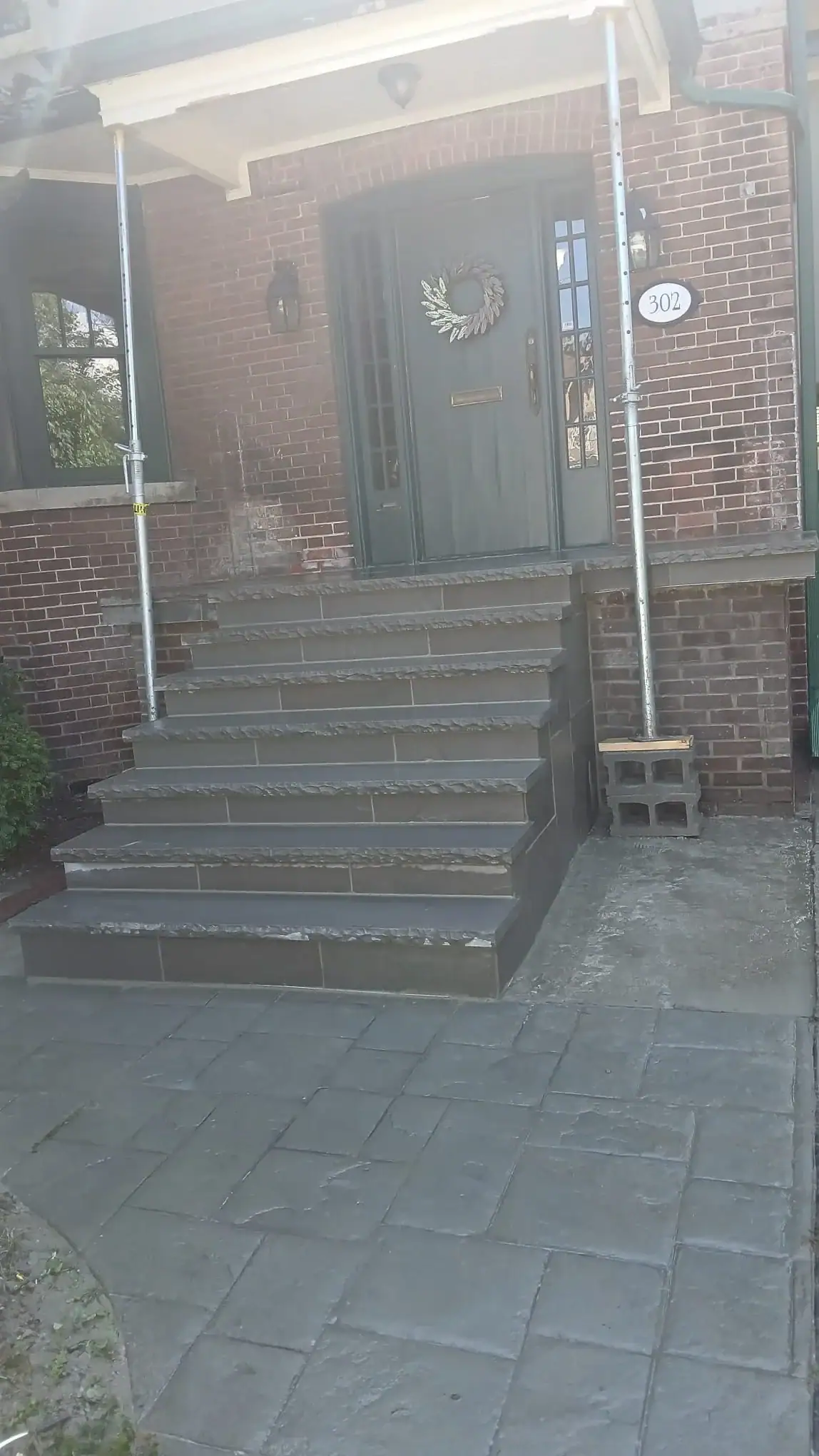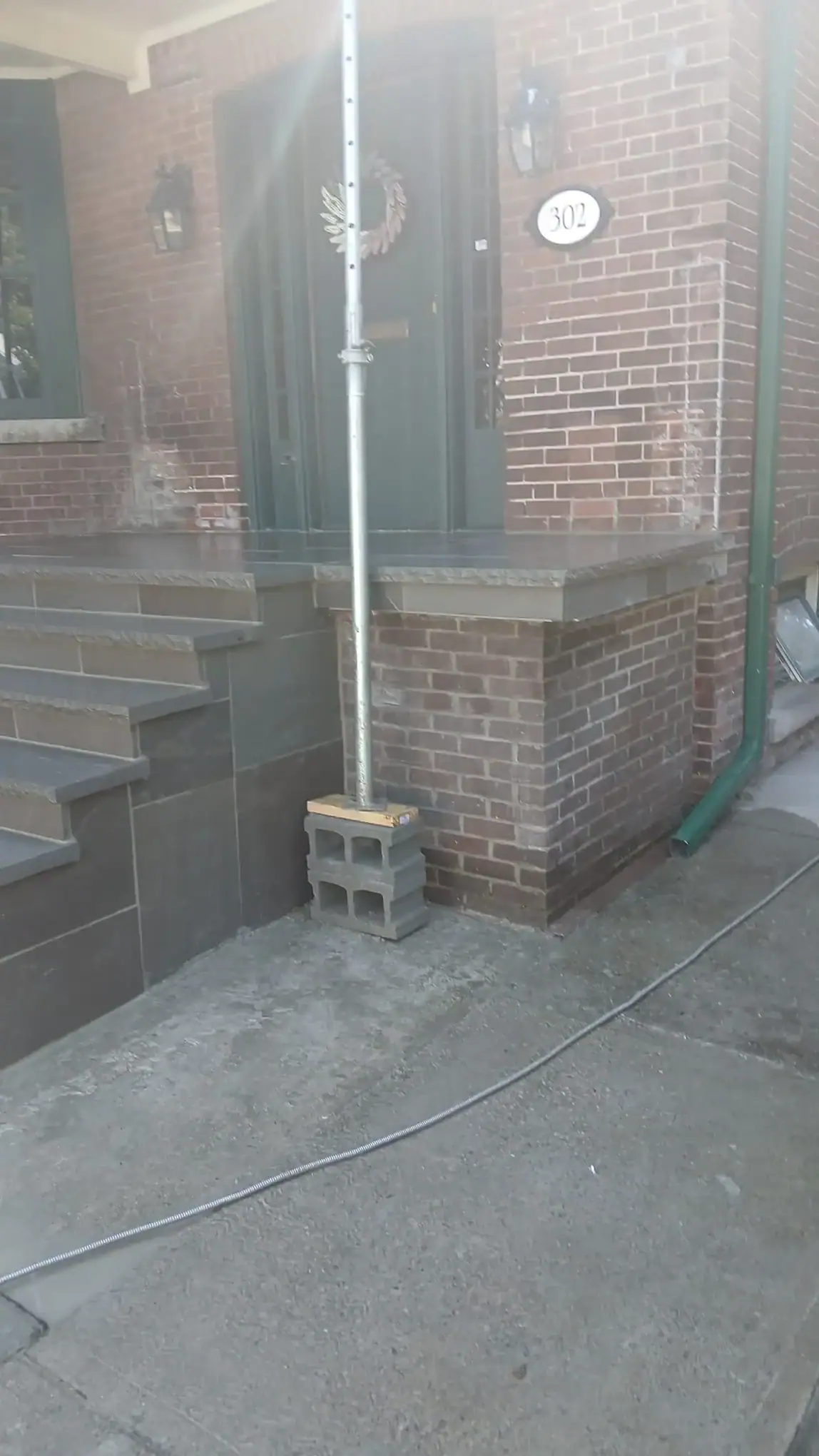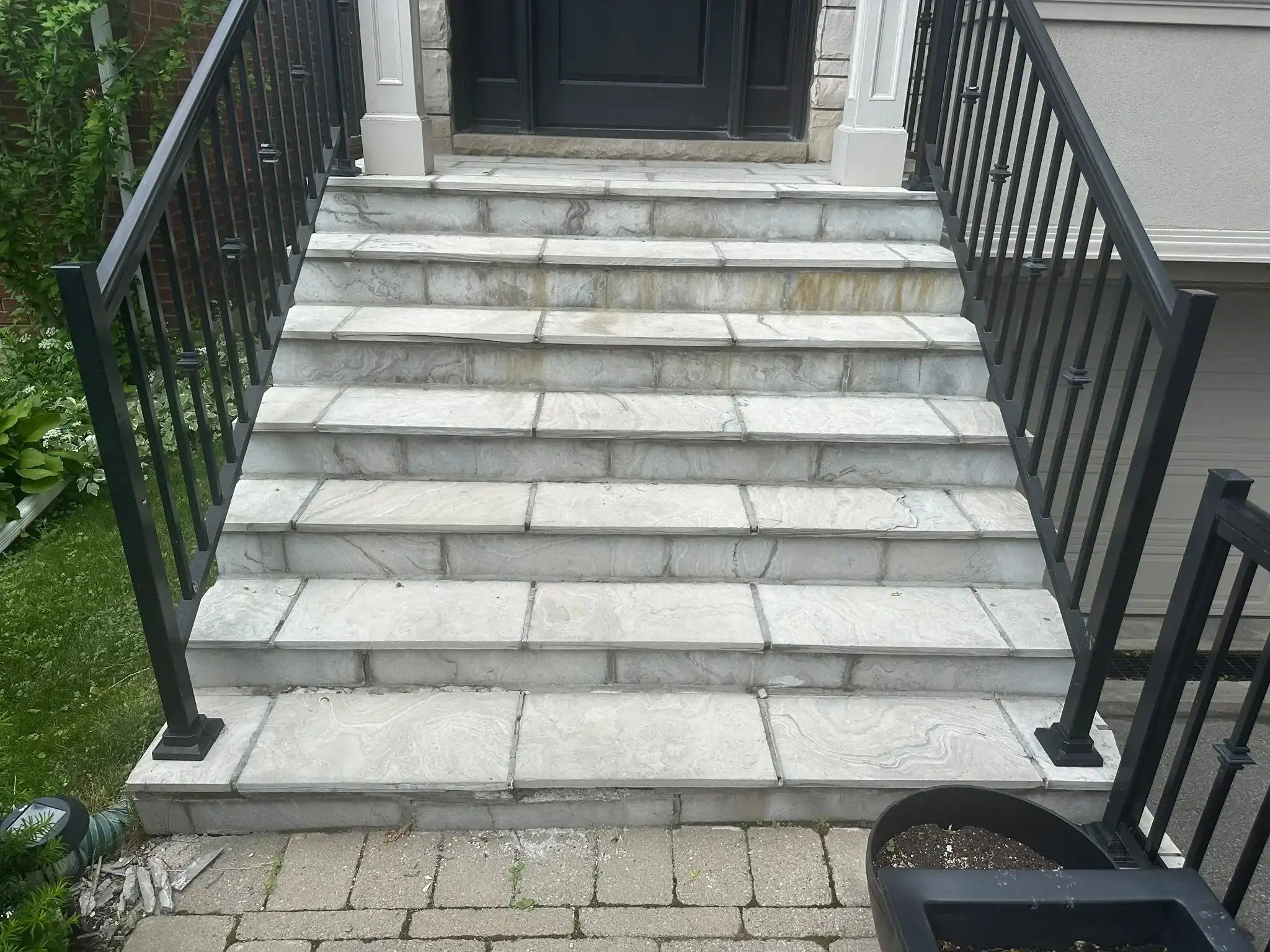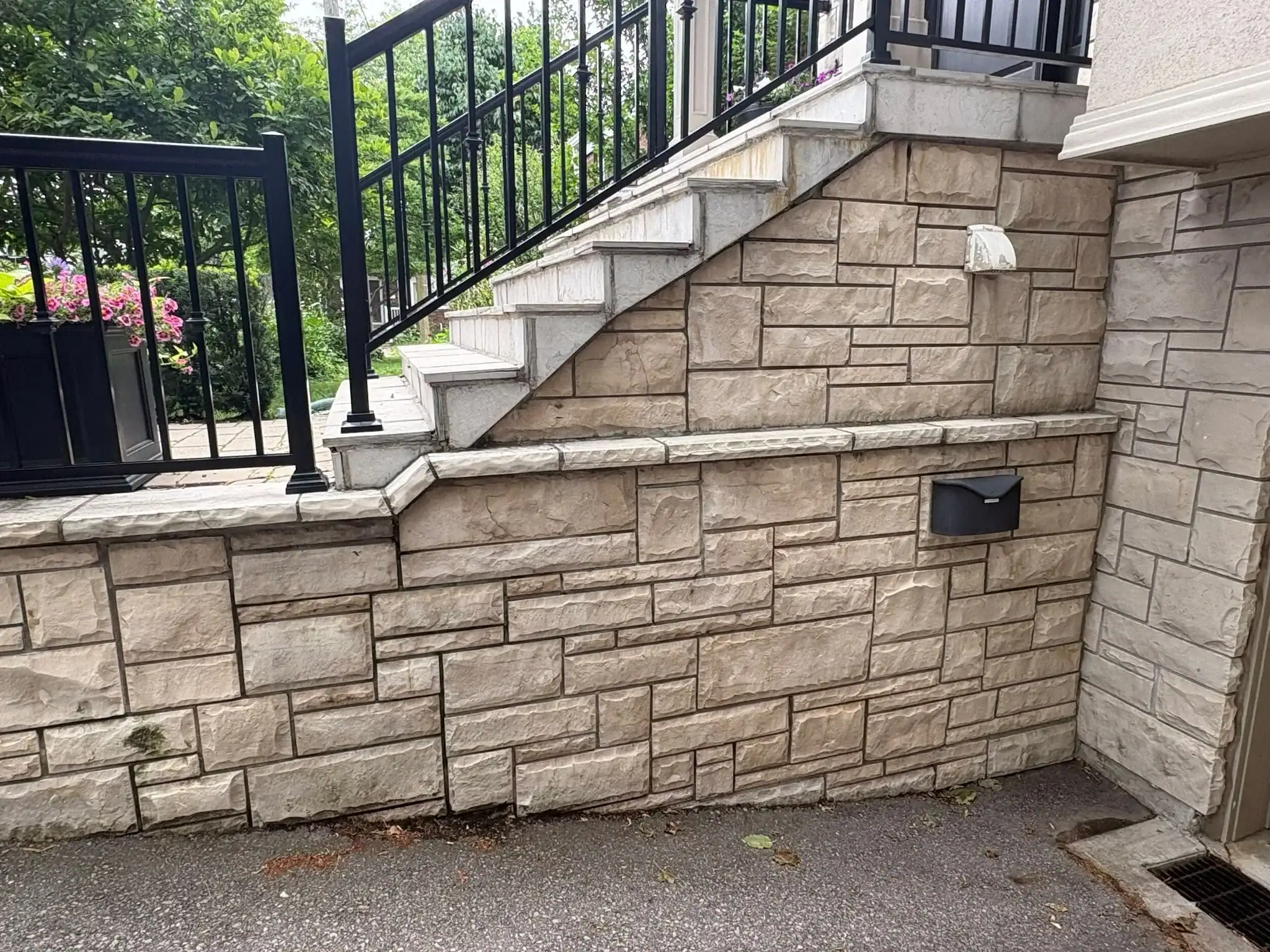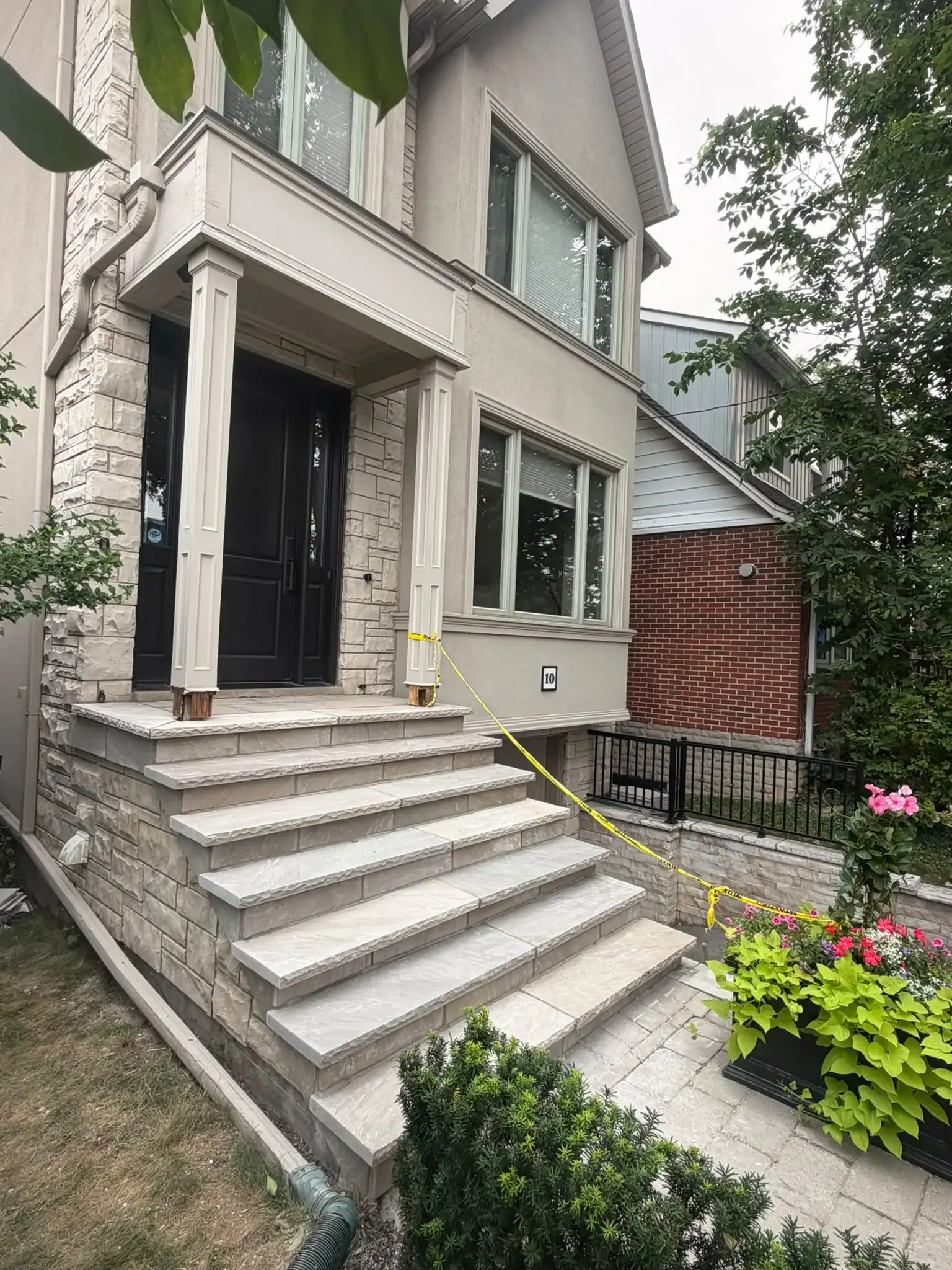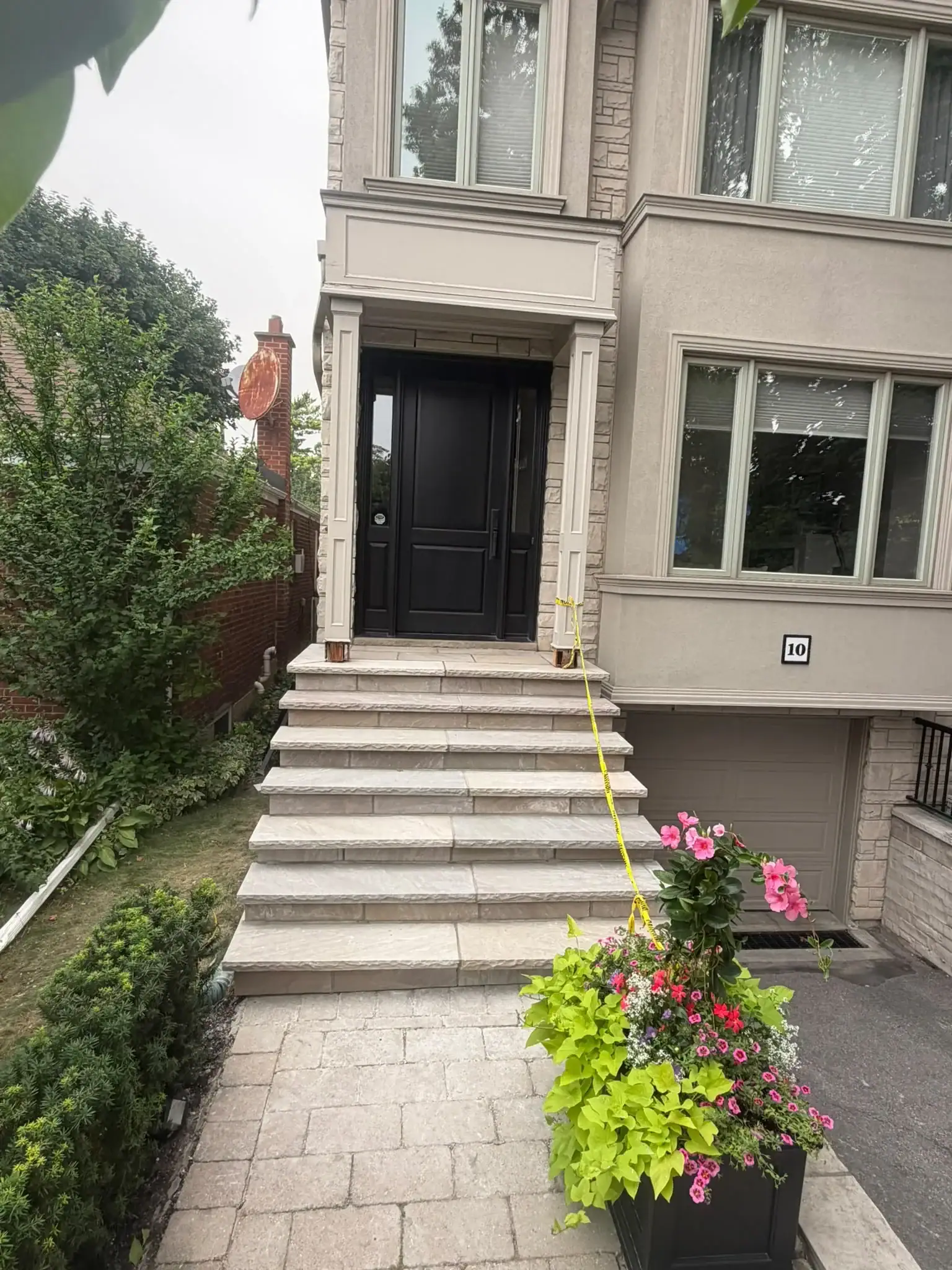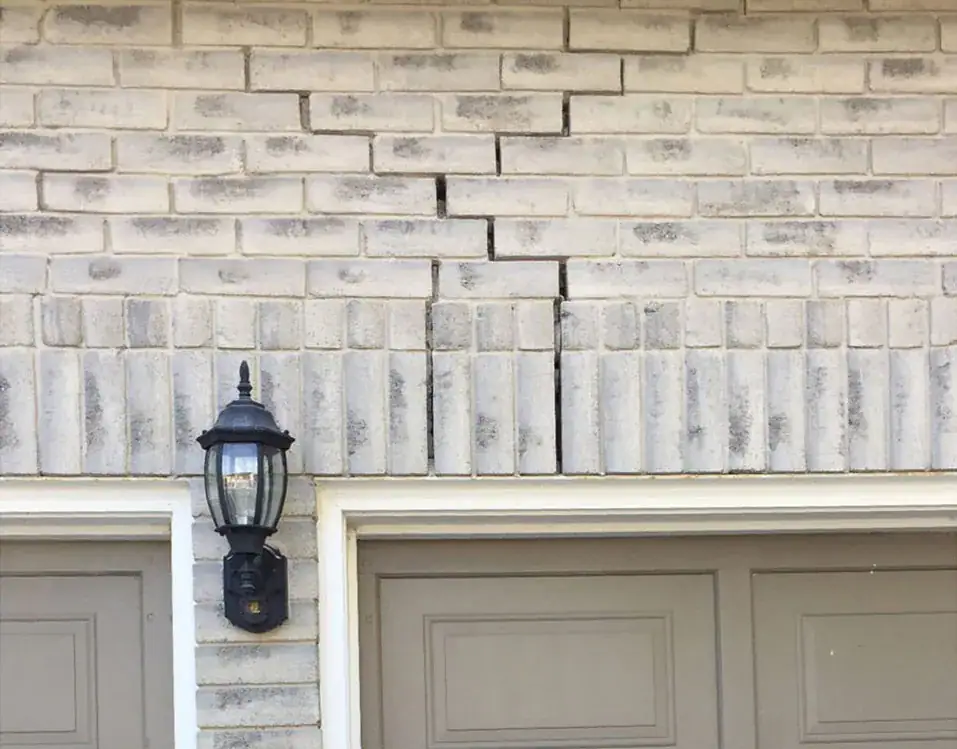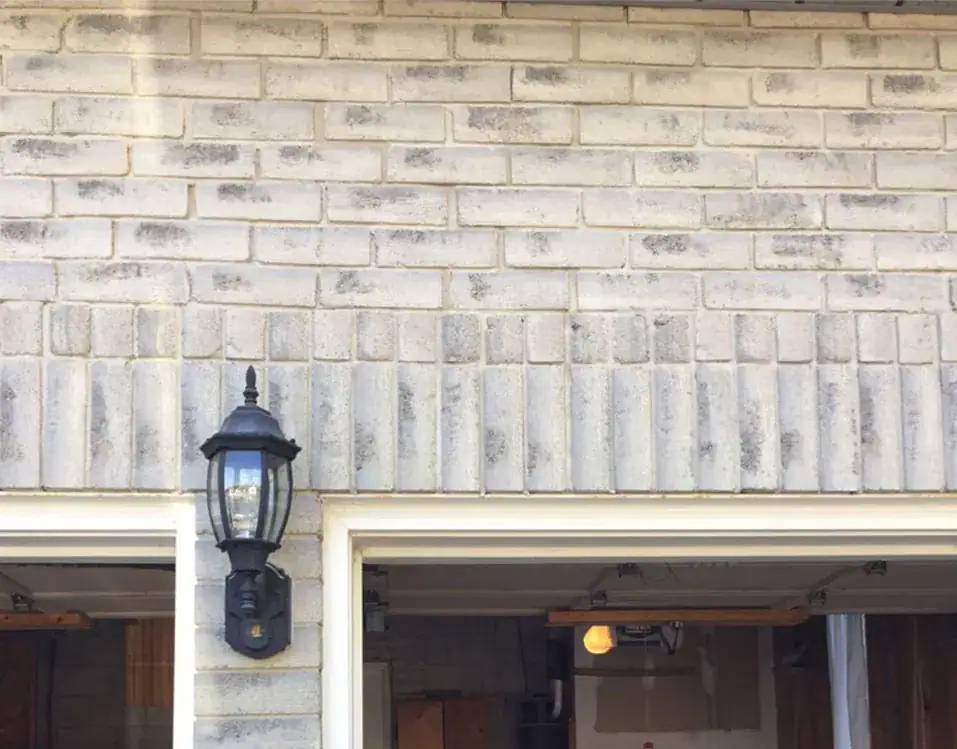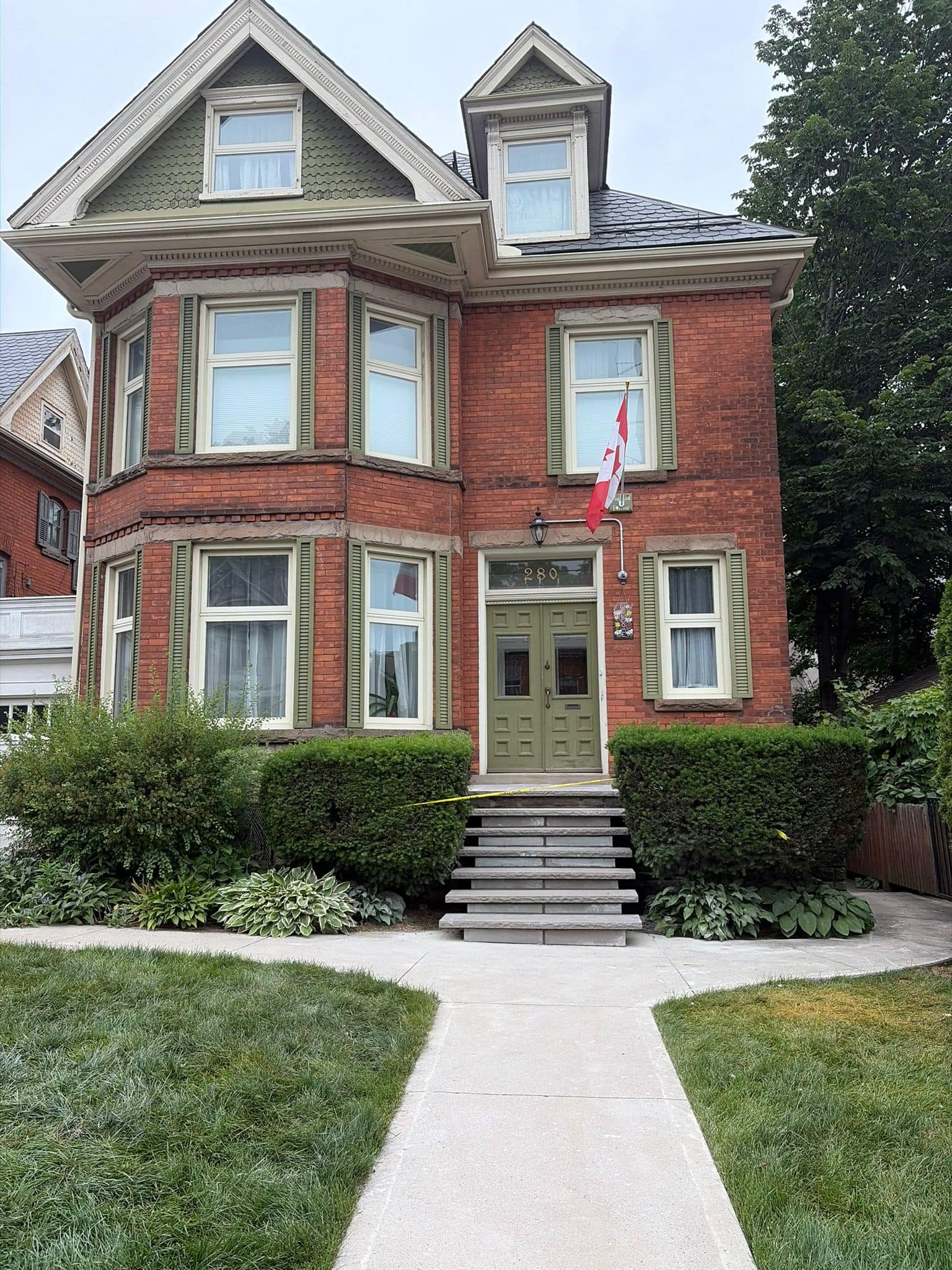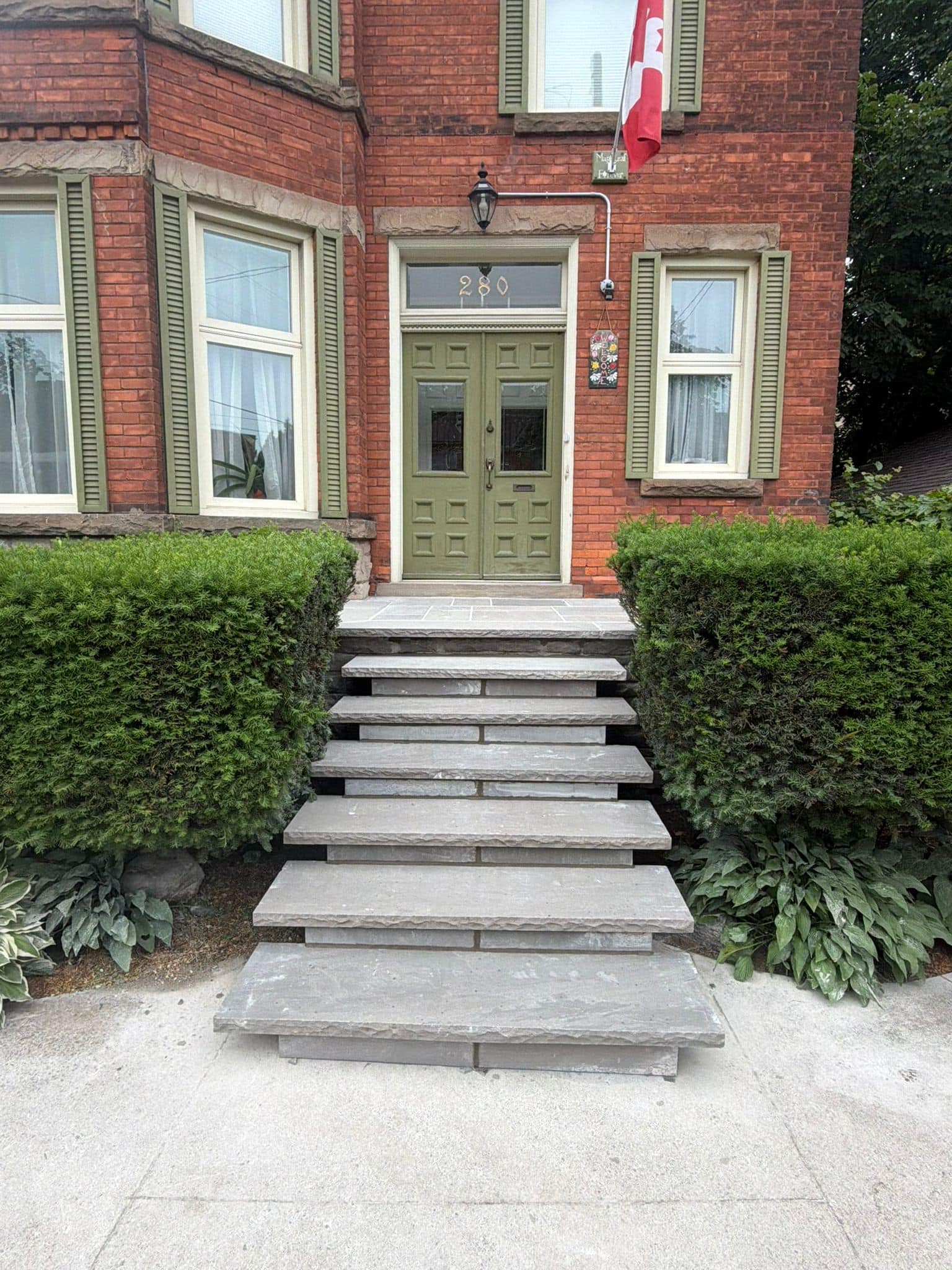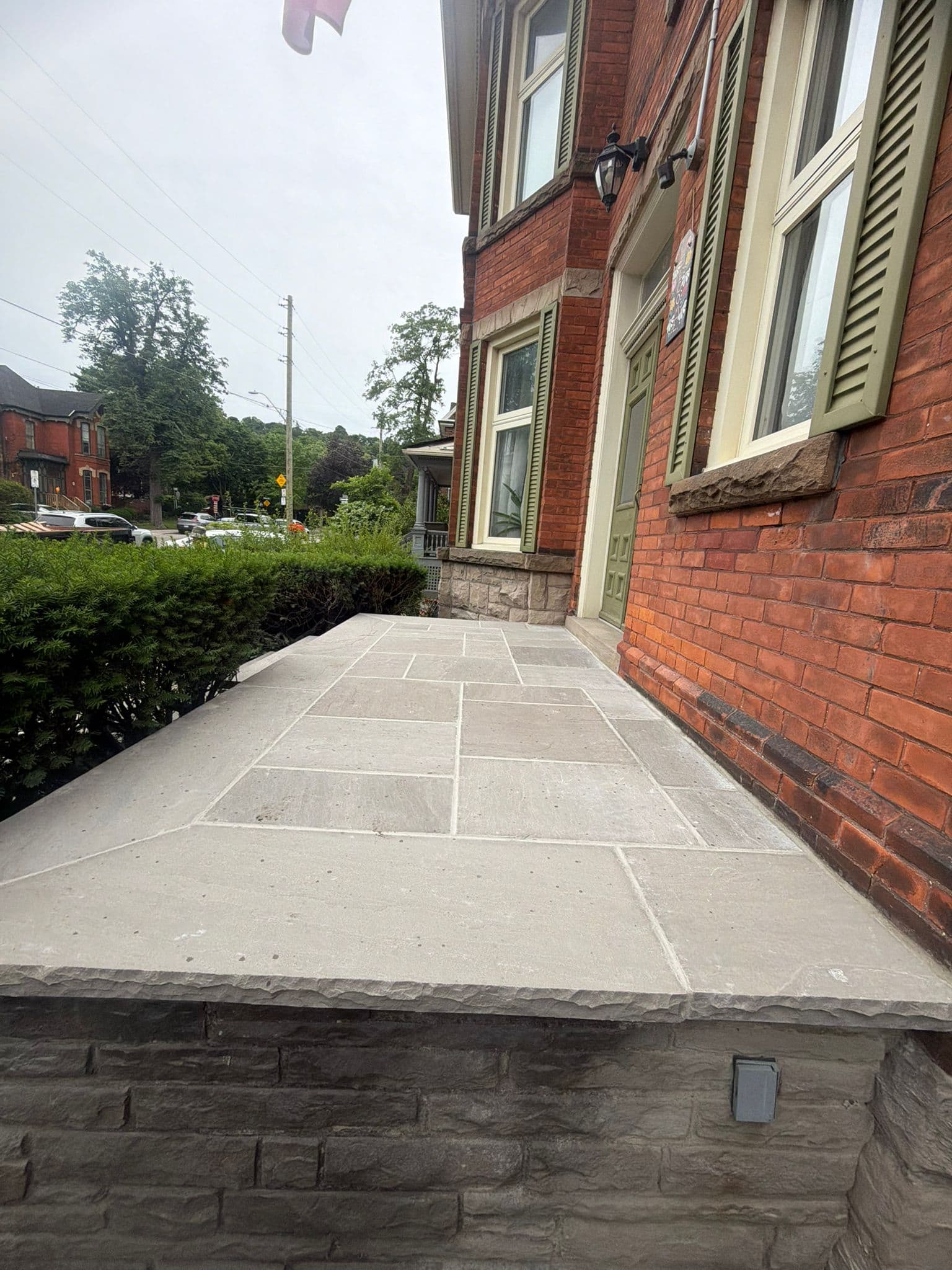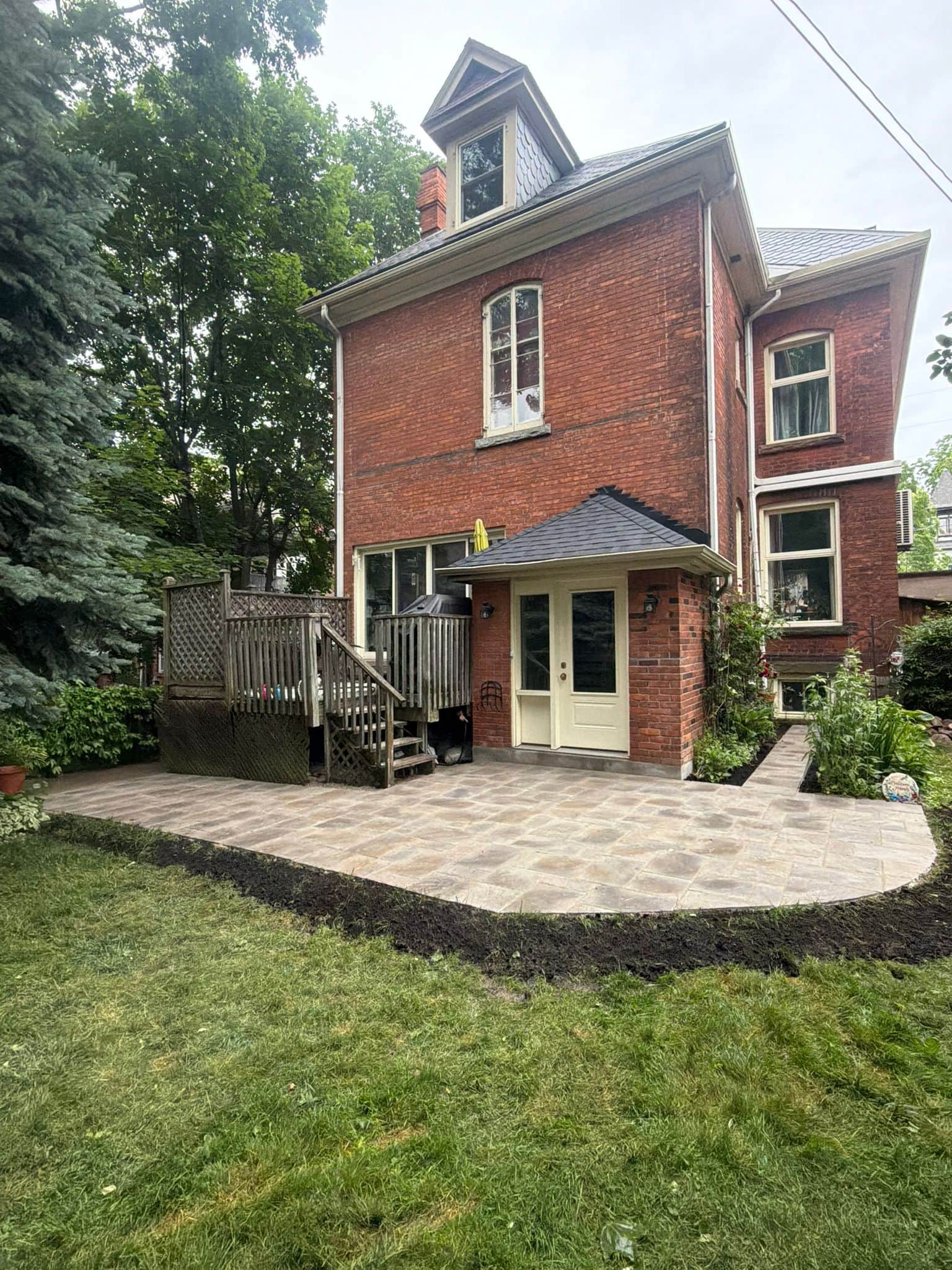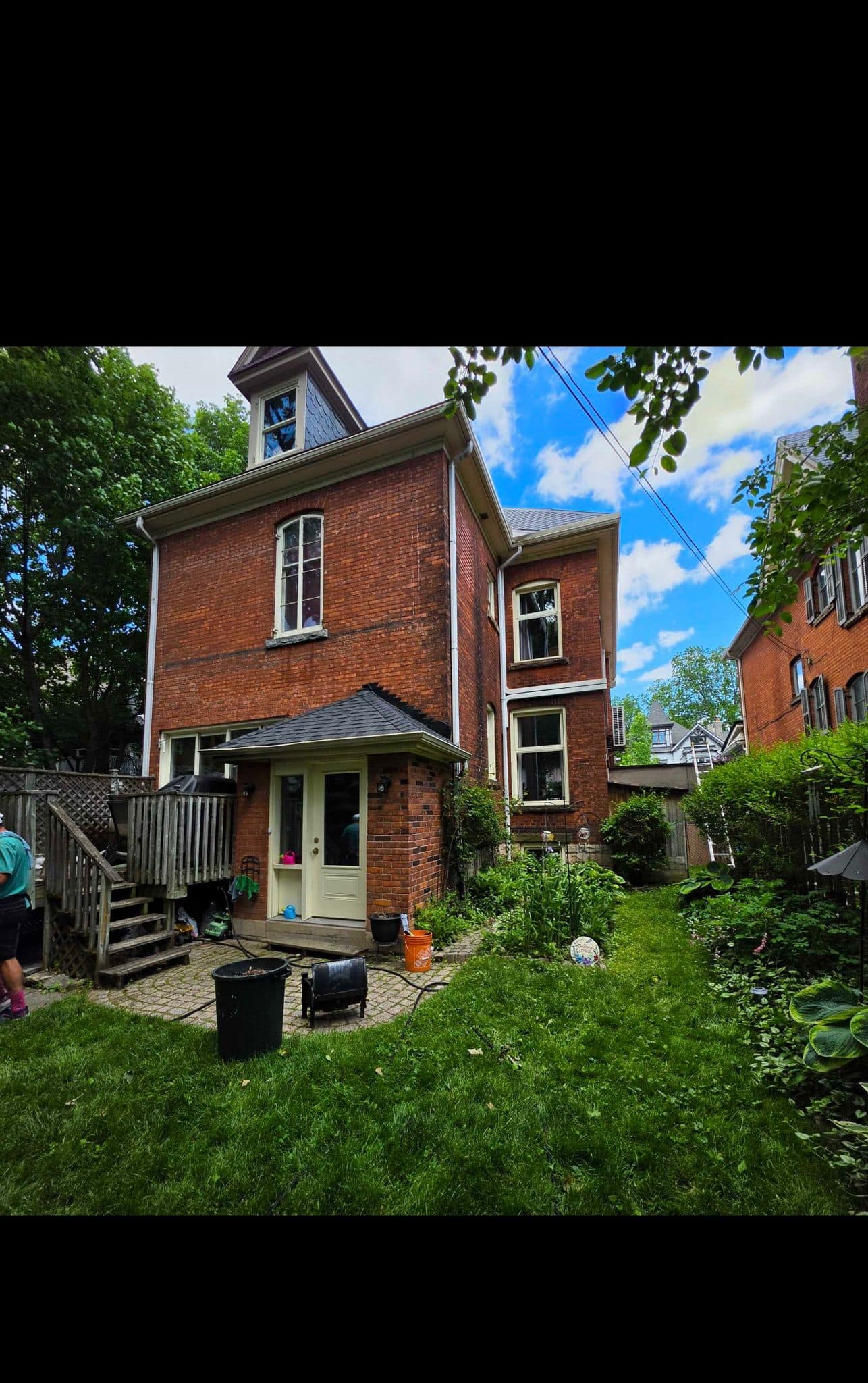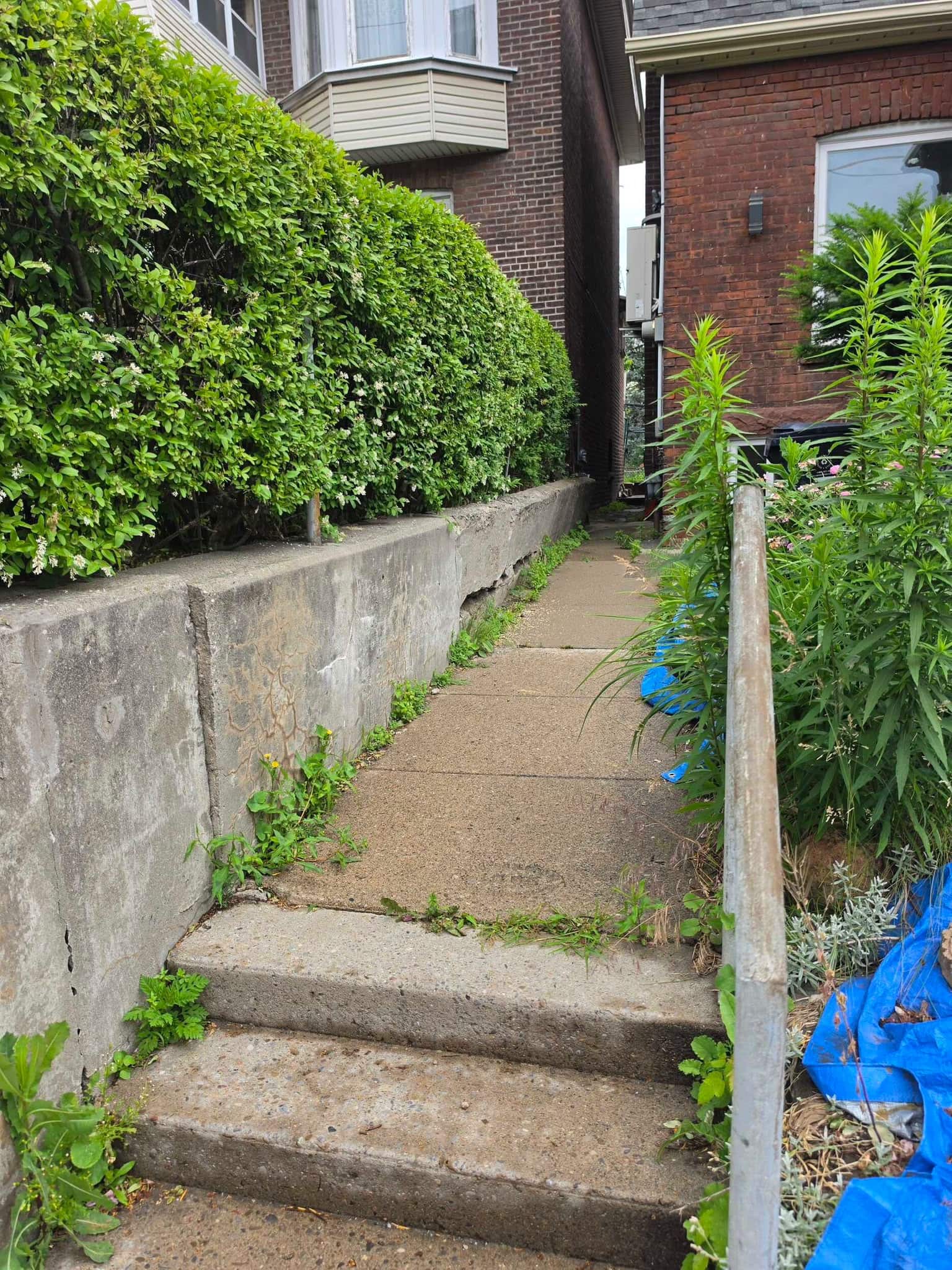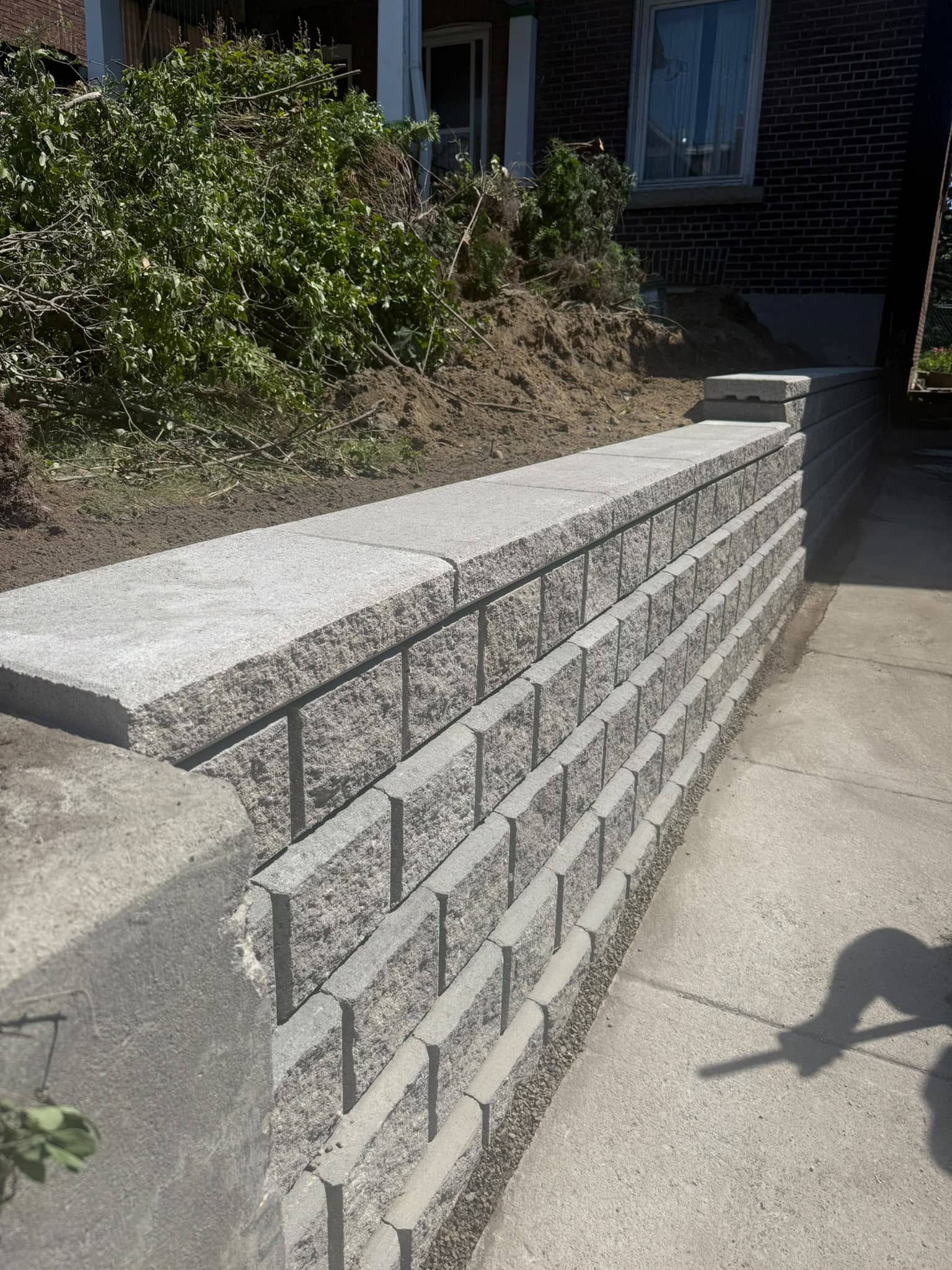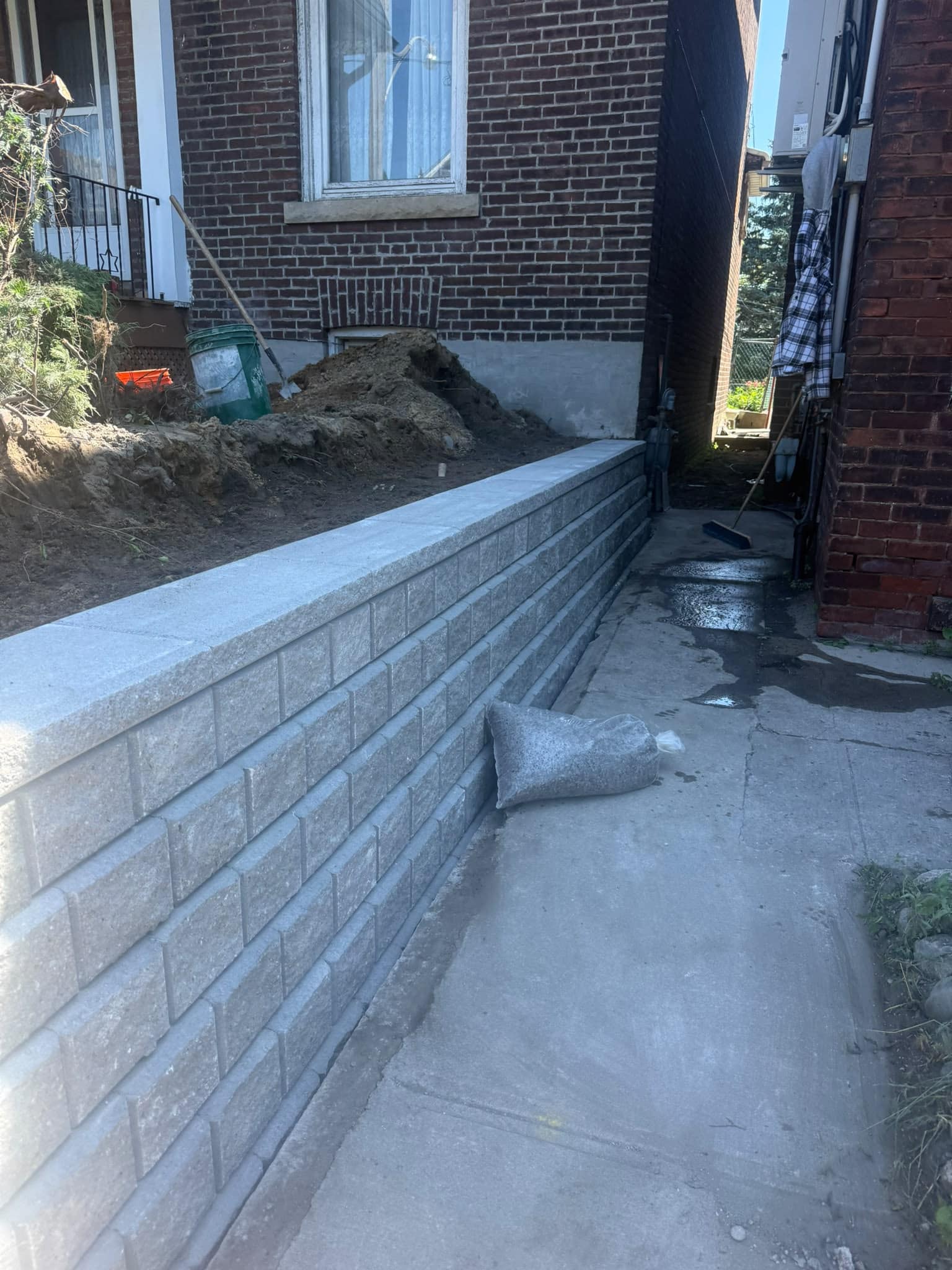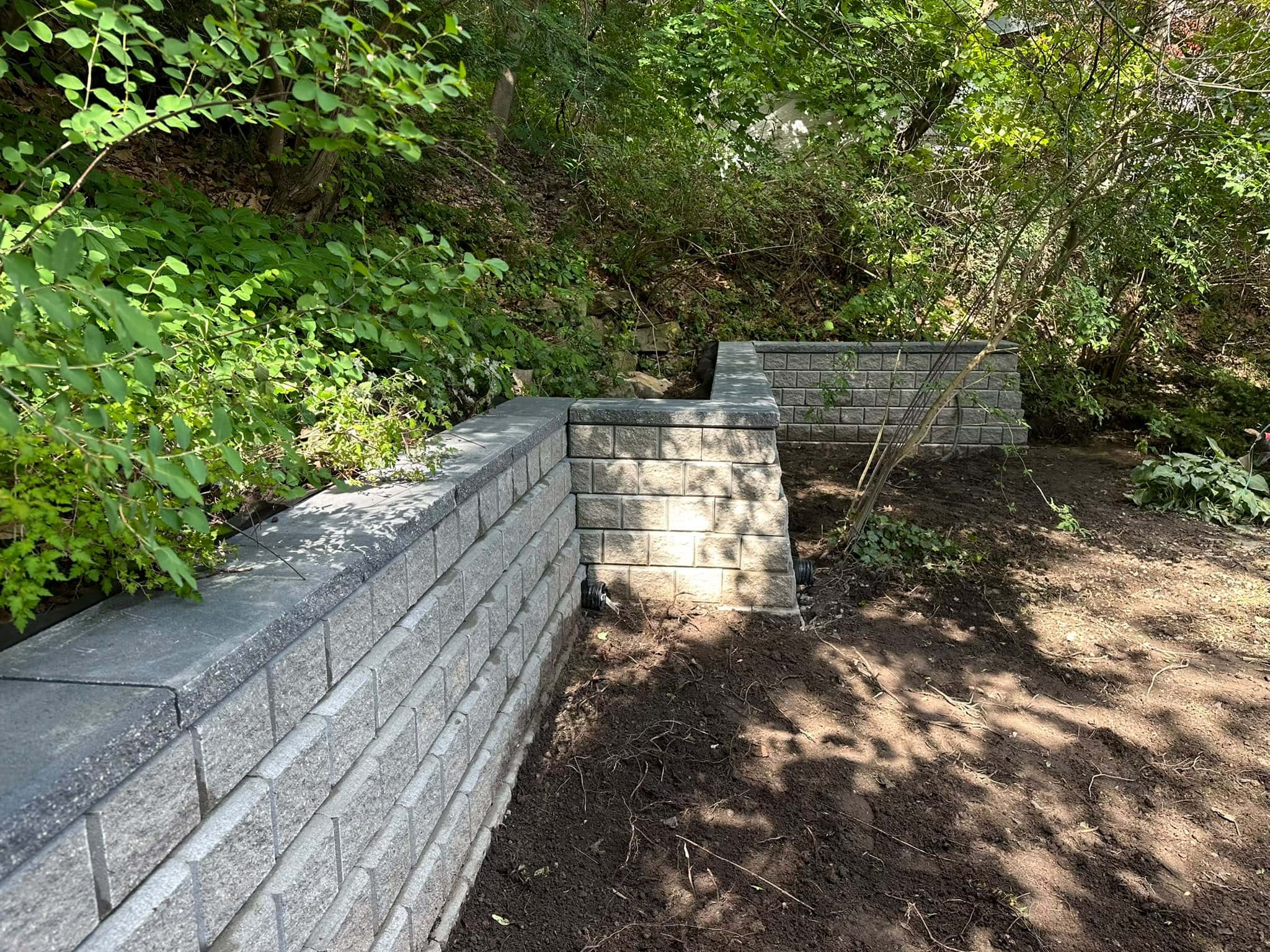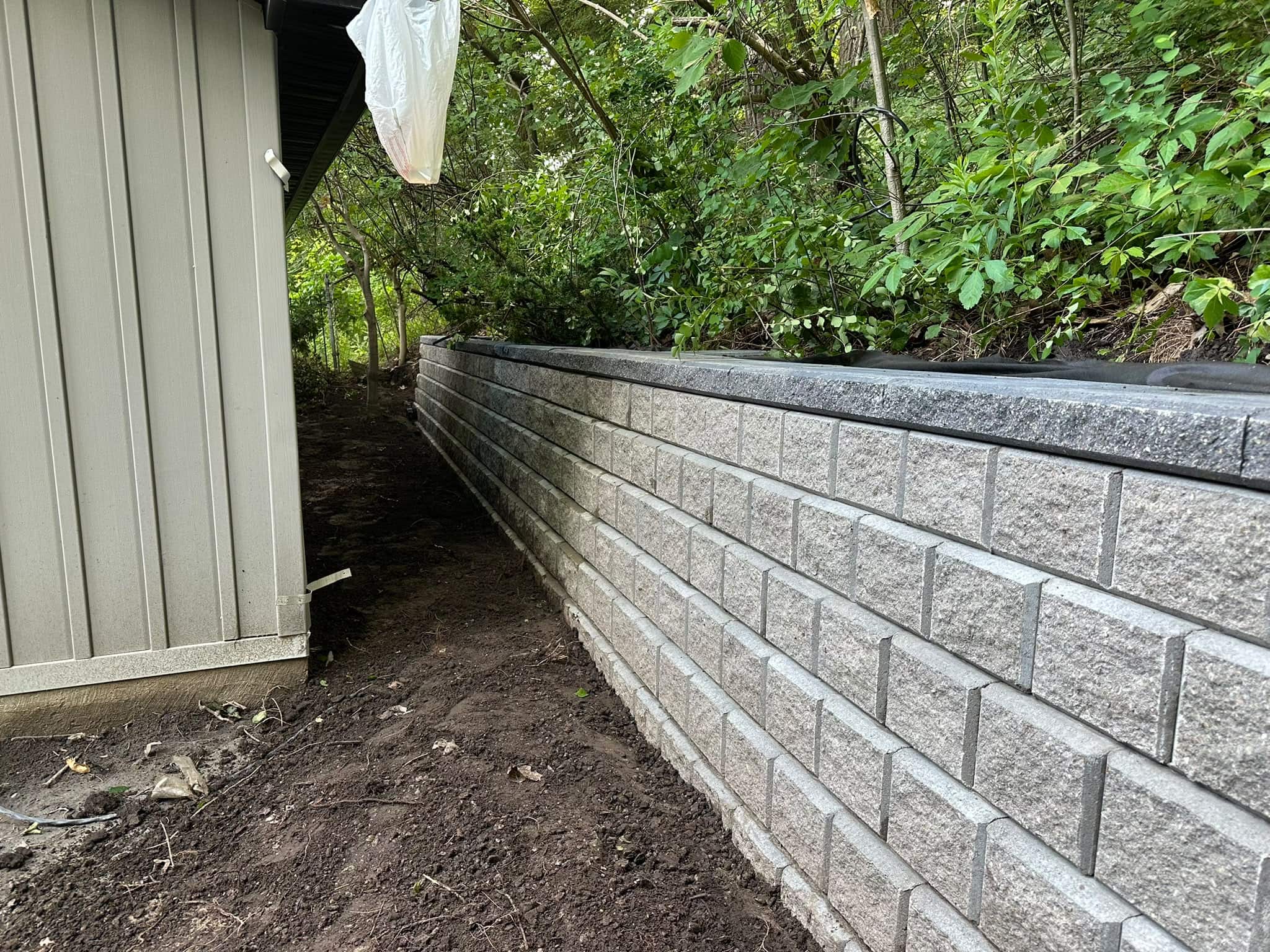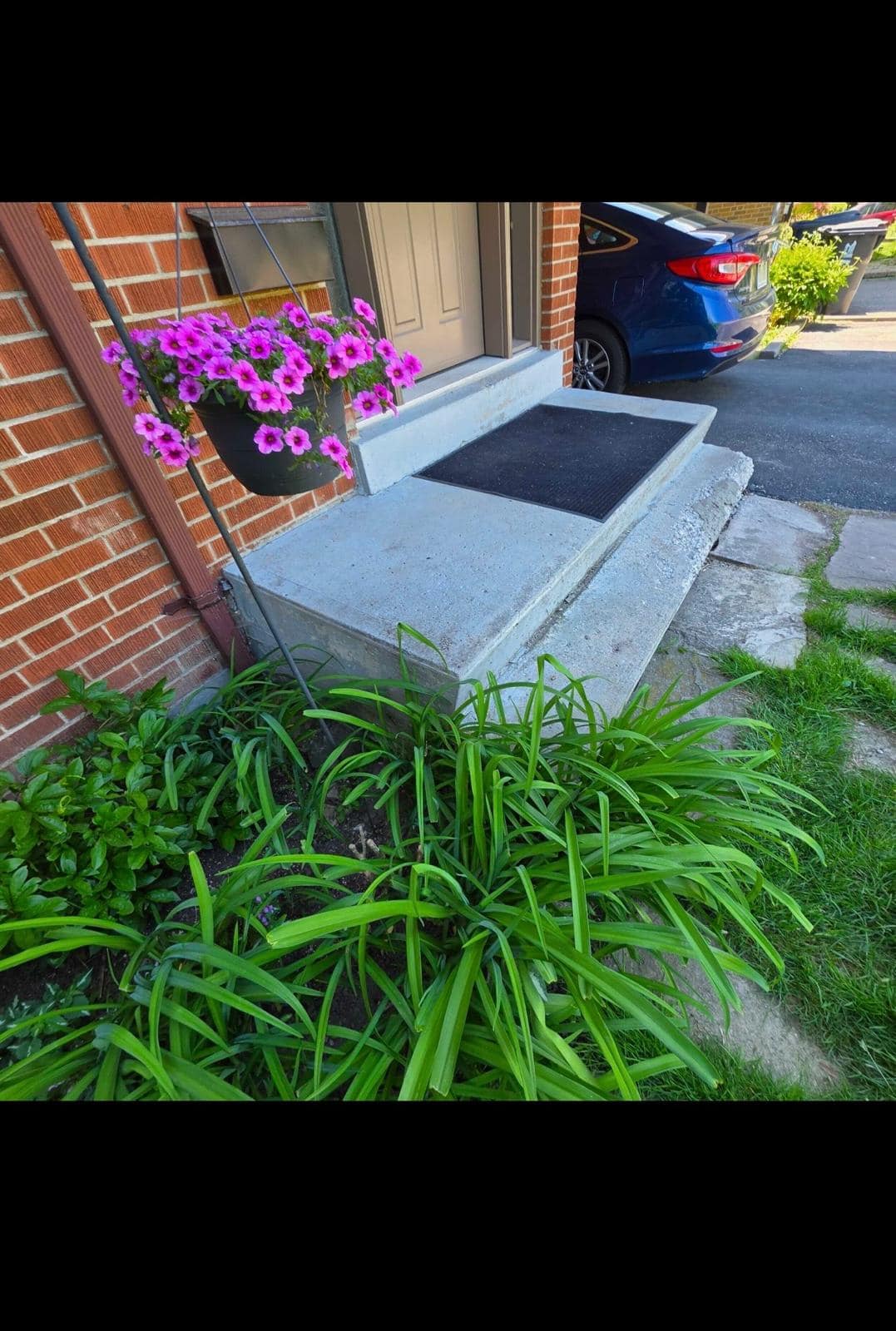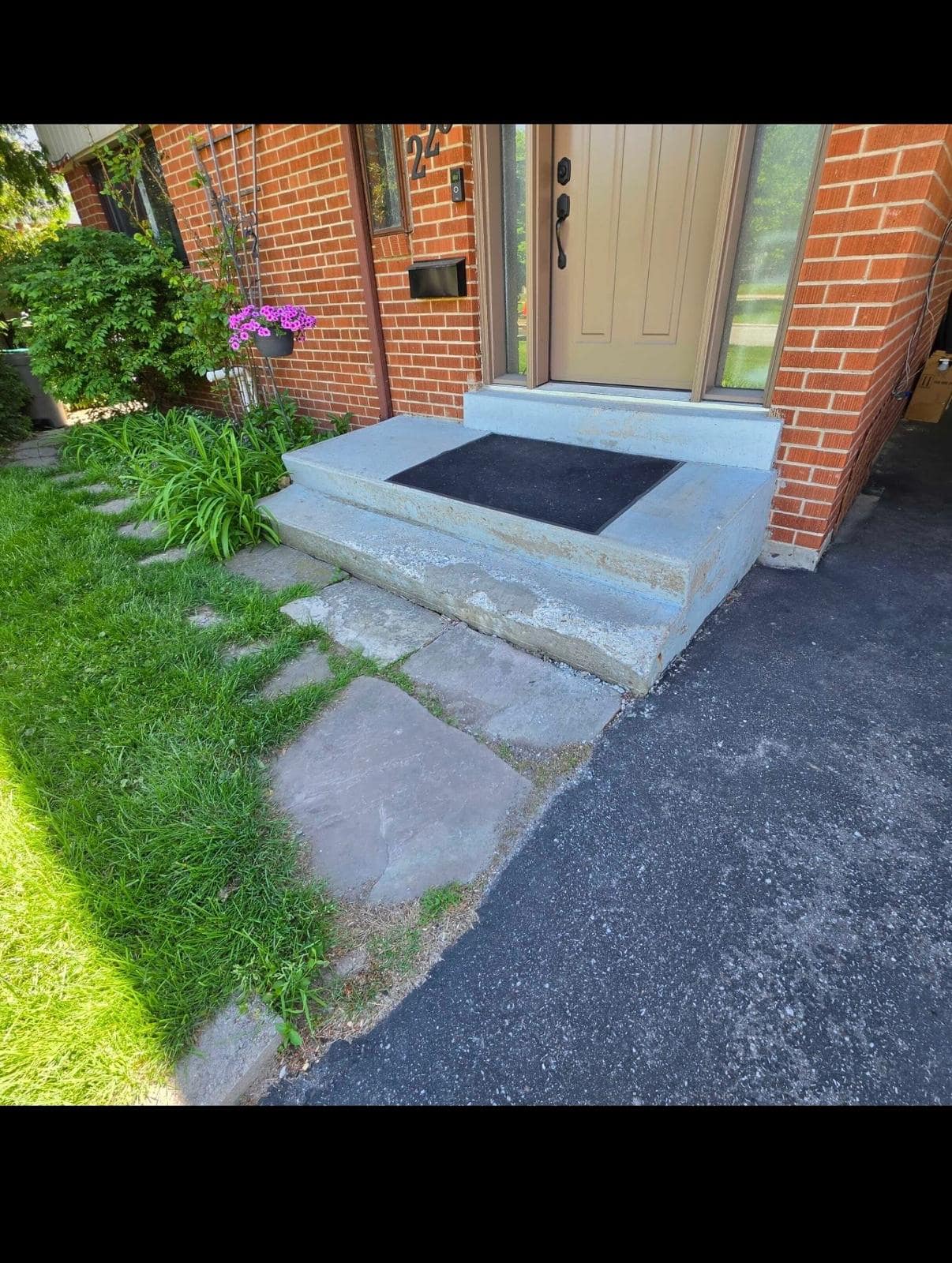

If you have noticed a white, chalky film on brick or stone around your home, you are likely looking at efflorescence. It often shows up on exterior walls, chimneys, steps, porches, retaining walls, garden walls, and foundation areas after wet weather, snowmelt, or winter freeze-thaw cycles. At first glance, it may look like dust, faded paint, or construction residue. Many homeowners try to wipe it off and move on. Sometimes that works. Other times, it keeps coming back.
That is why efflorescence matters. In many cases, the white staining itself is not the real problem. It is a visible sign that moisture is moving through the masonry. As water travels through brick, stone, mortar, or concrete-based materials, it can carry natural salts to the surface. When the water evaporates, the salts are left behind as a powdery or crusty deposit.
For homeowners in Toronto and the nearby GTA, this is especially important. Masonry is constantly exposed to rain, snow, ice, and temperature swings. Older homes often have softer brick, aging mortar joints, worn chimney components, and drainage issues that make moisture problems harder to ignore. In this guide, you will learn what efflorescence means, why it happens, what signs to watch for, what can happen if you ignore it, how to clean it safely, and when it may be time to get professional help.
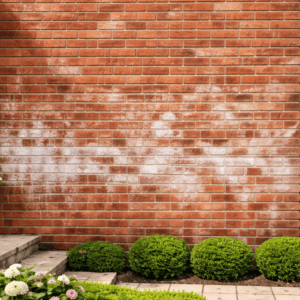
What Efflorescence Means for Homeowners
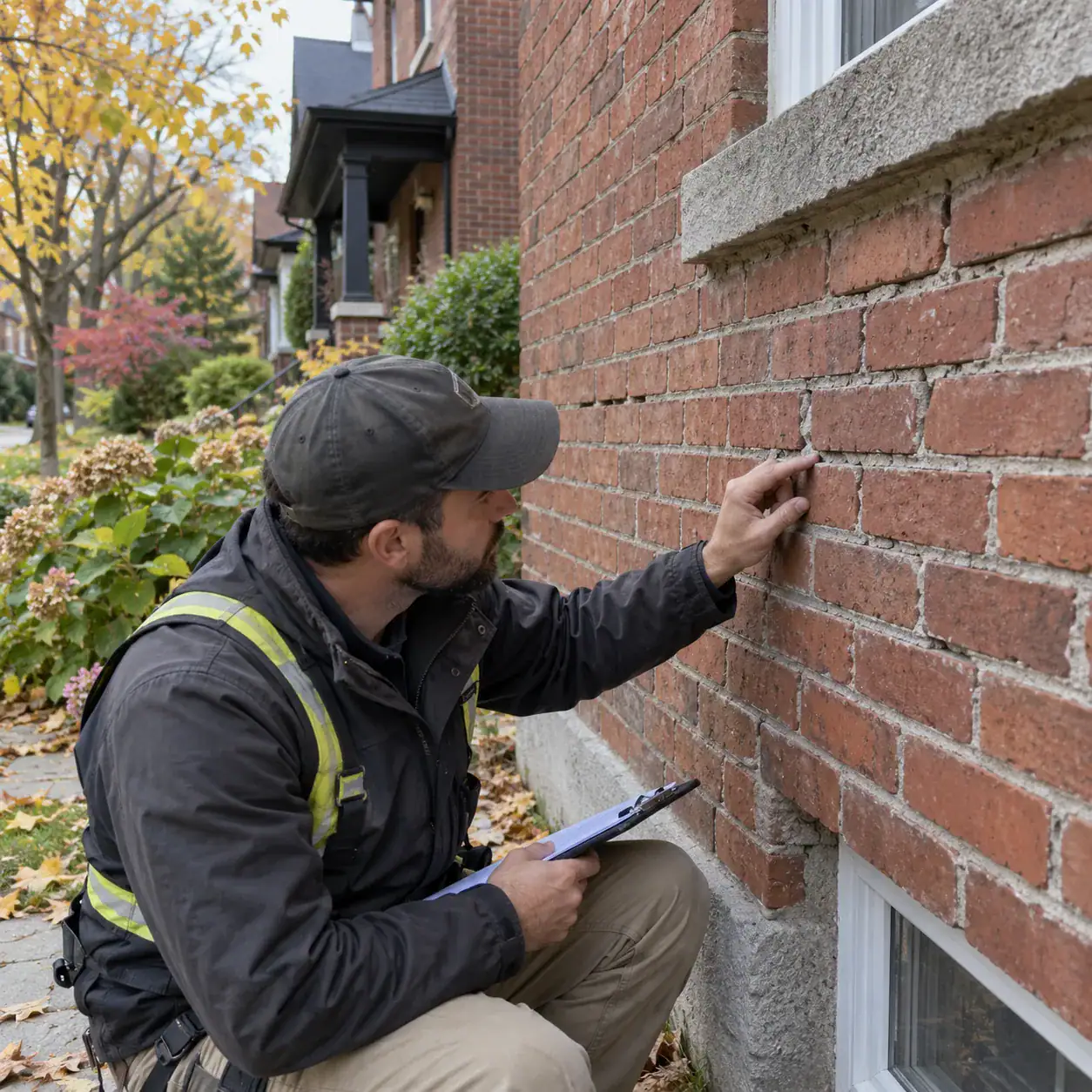
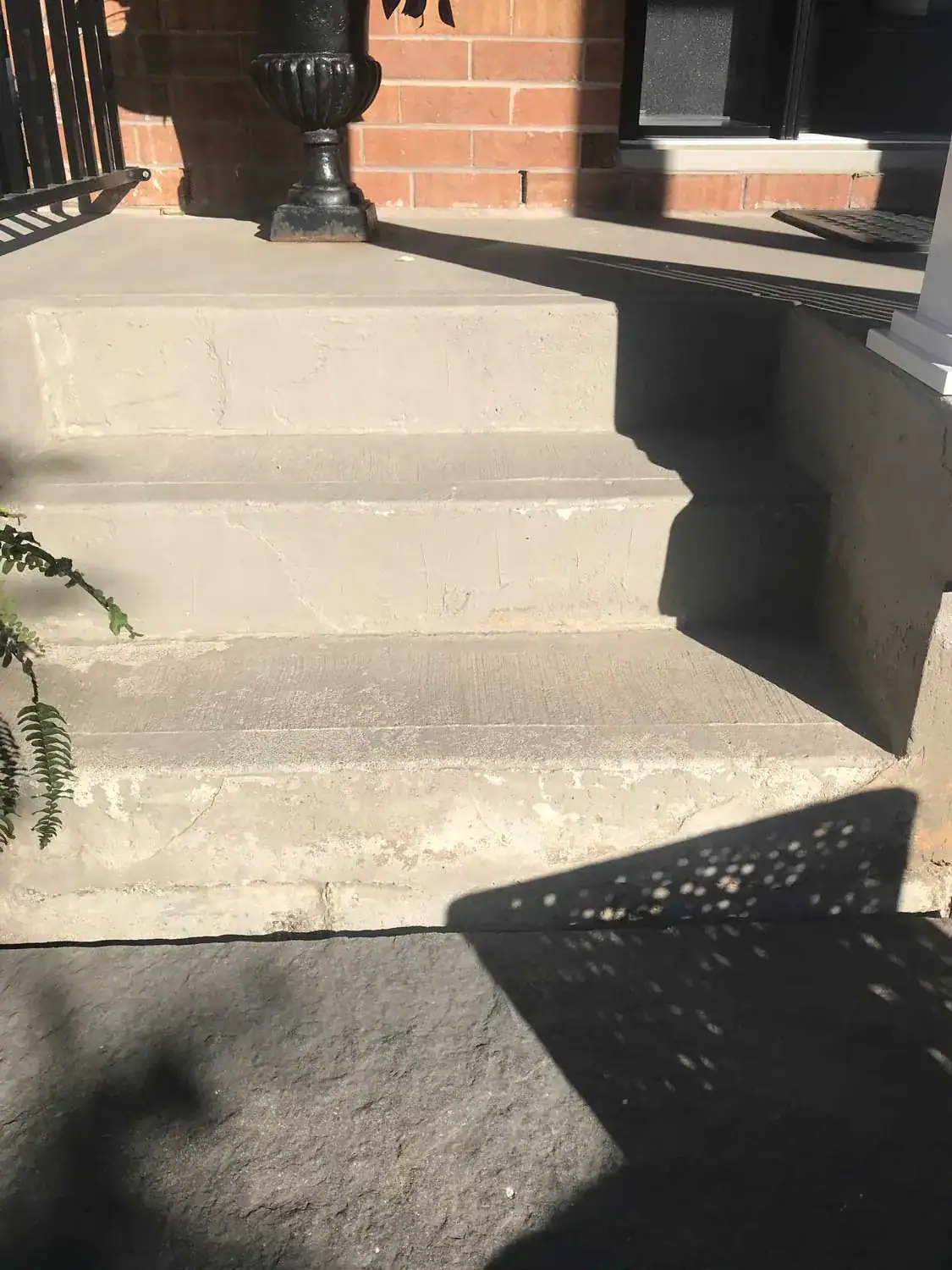
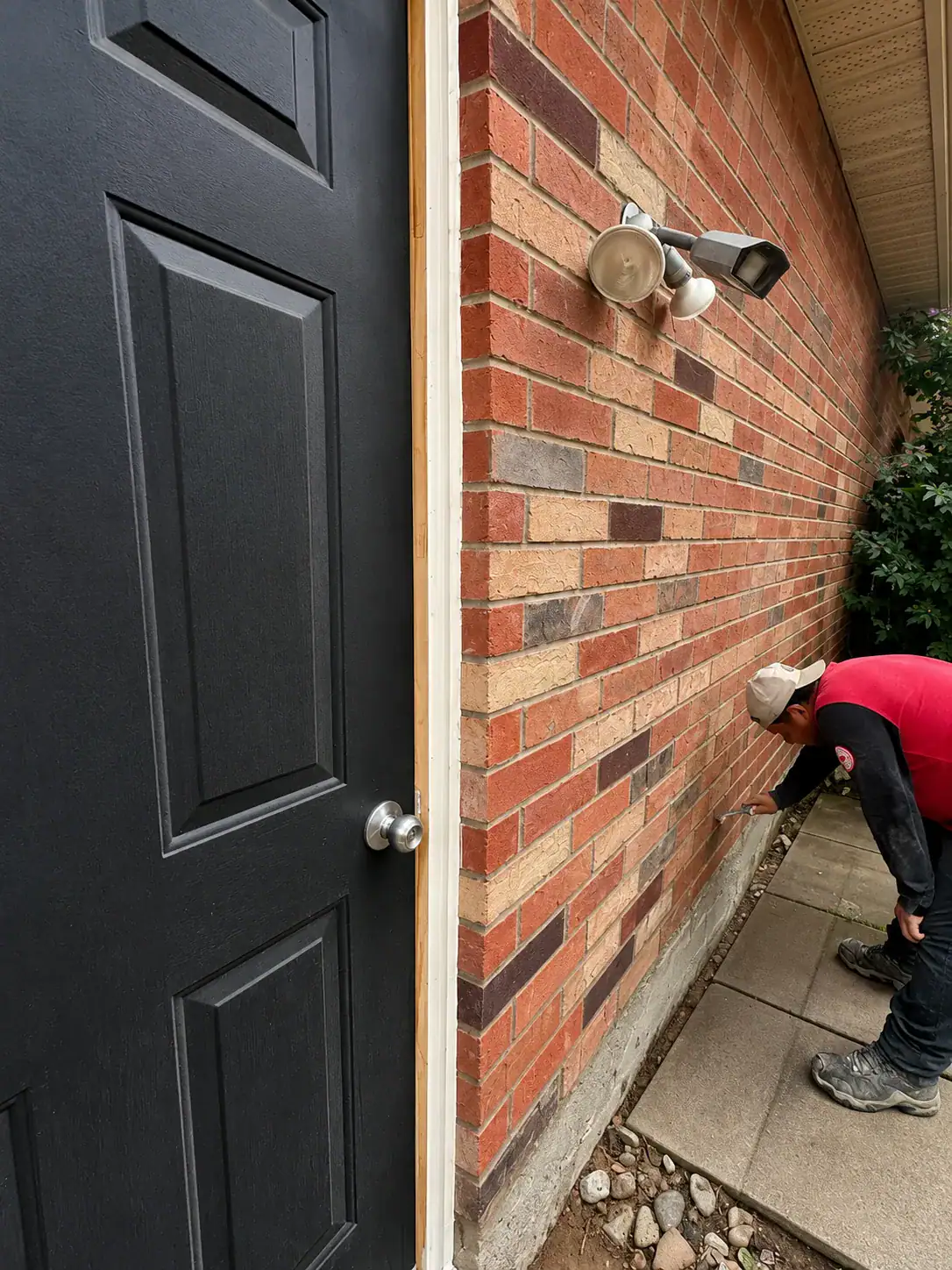
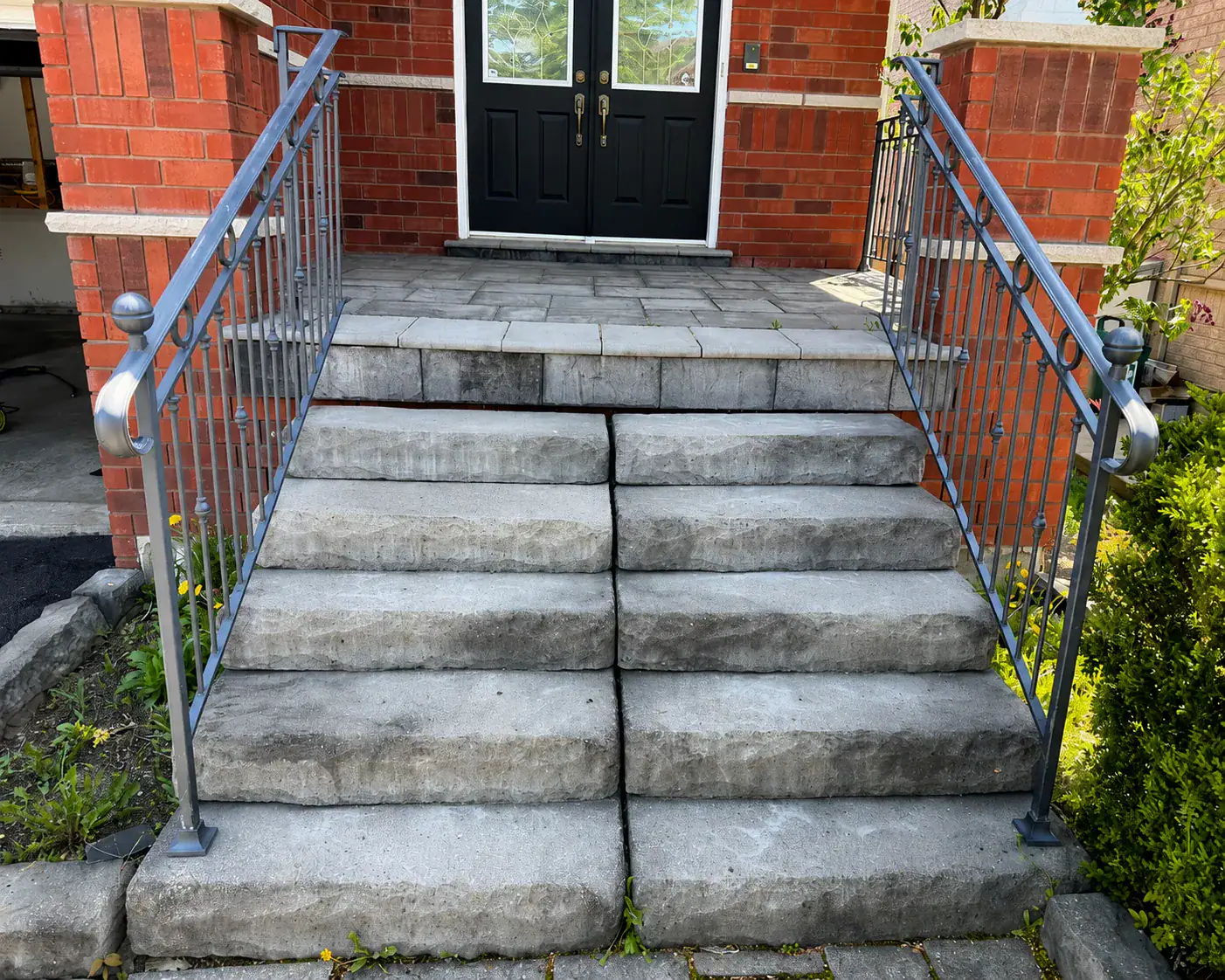
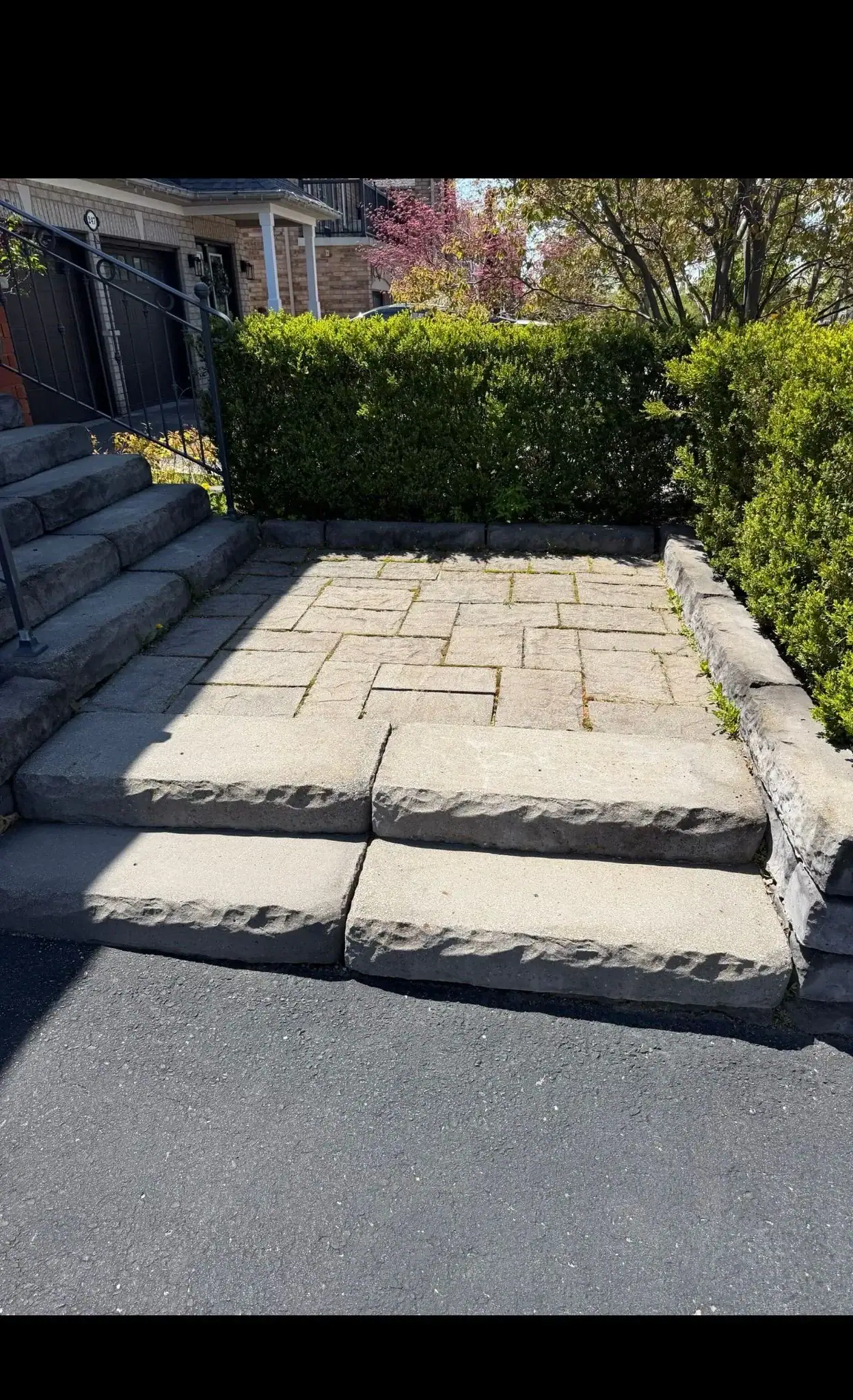
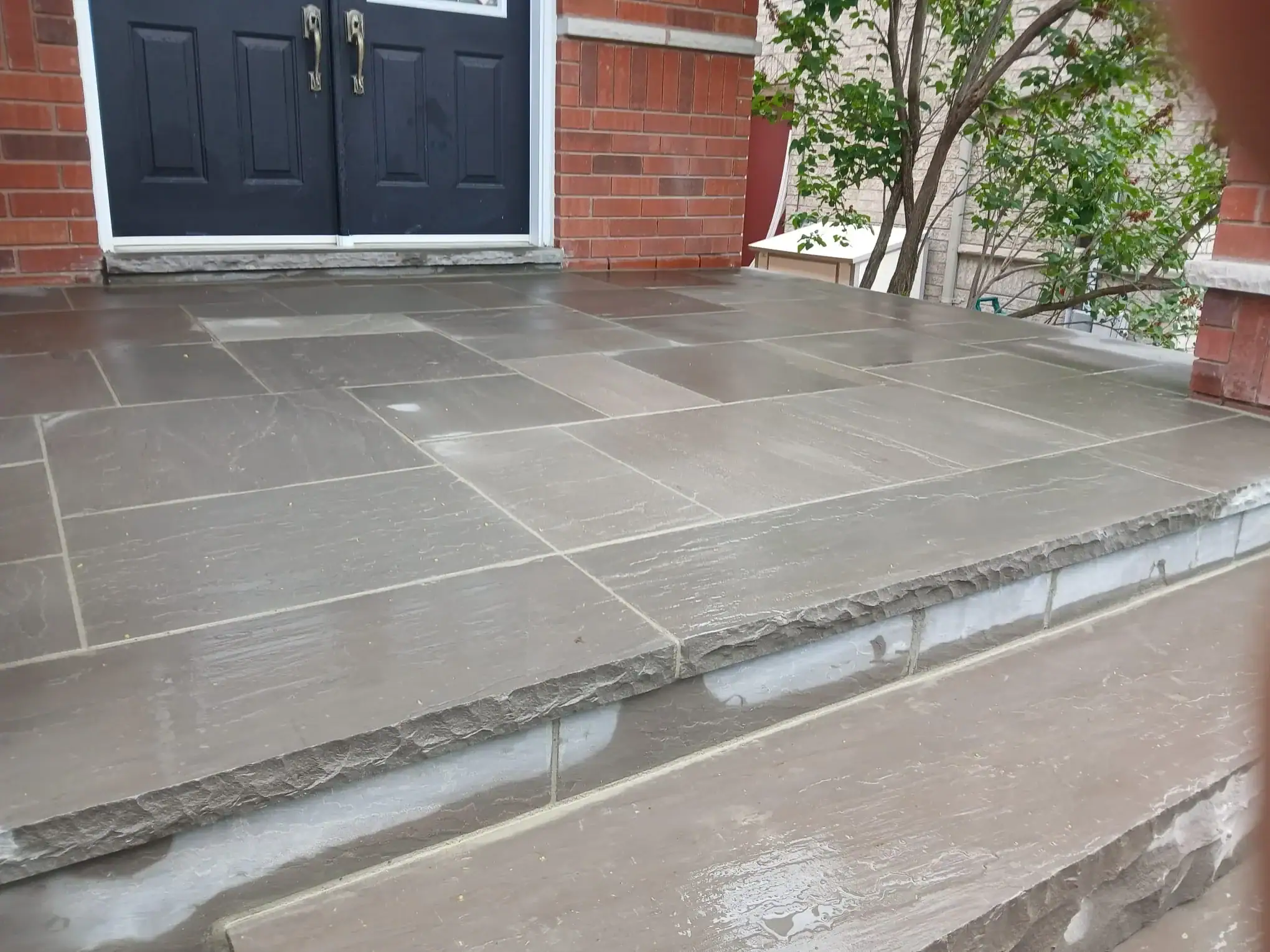
Efflorescence is a surface deposit of salts that forms when water moves through masonry and evaporates at the surface. It usually appears white, pale grey, or chalky. On brick, it often shows up along mortar joints, below windows, near the base of a wall, on chimney stacks, or on exposed areas that stay damp for longer periods. On stone, it may look like a cloudy film, white streaking, or light crusting around joints and edges.
For homeowners, the key thing to understand is this: efflorescence is usually a moisture symptom, not a full diagnosis by itself. In some situations, it can appear briefly on newer masonry and fade over time as the materials finish drying out. In other cases, it keeps returning because water is repeatedly getting into the wall or surface.
This is why it helps to separate the two questions:
- How do I clean the white residue?
- Why is moisture moving through this masonry in the first place?
If you only focus on the first question, the staining may return. If you deal with the second question, you are much more likely to solve the real issue.
It is also worth noting that not every white mark on masonry is the same. Some white staining may be confused with mineral runoff, lime-based deposits, or residue from earlier repairs. From a homeowner’s point of view, though, the practical takeaway is similar: when white staining appears on brick or stone, look at the surrounding moisture conditions before assuming it is only a surface problem.
Why This Happens, Especially in Toronto
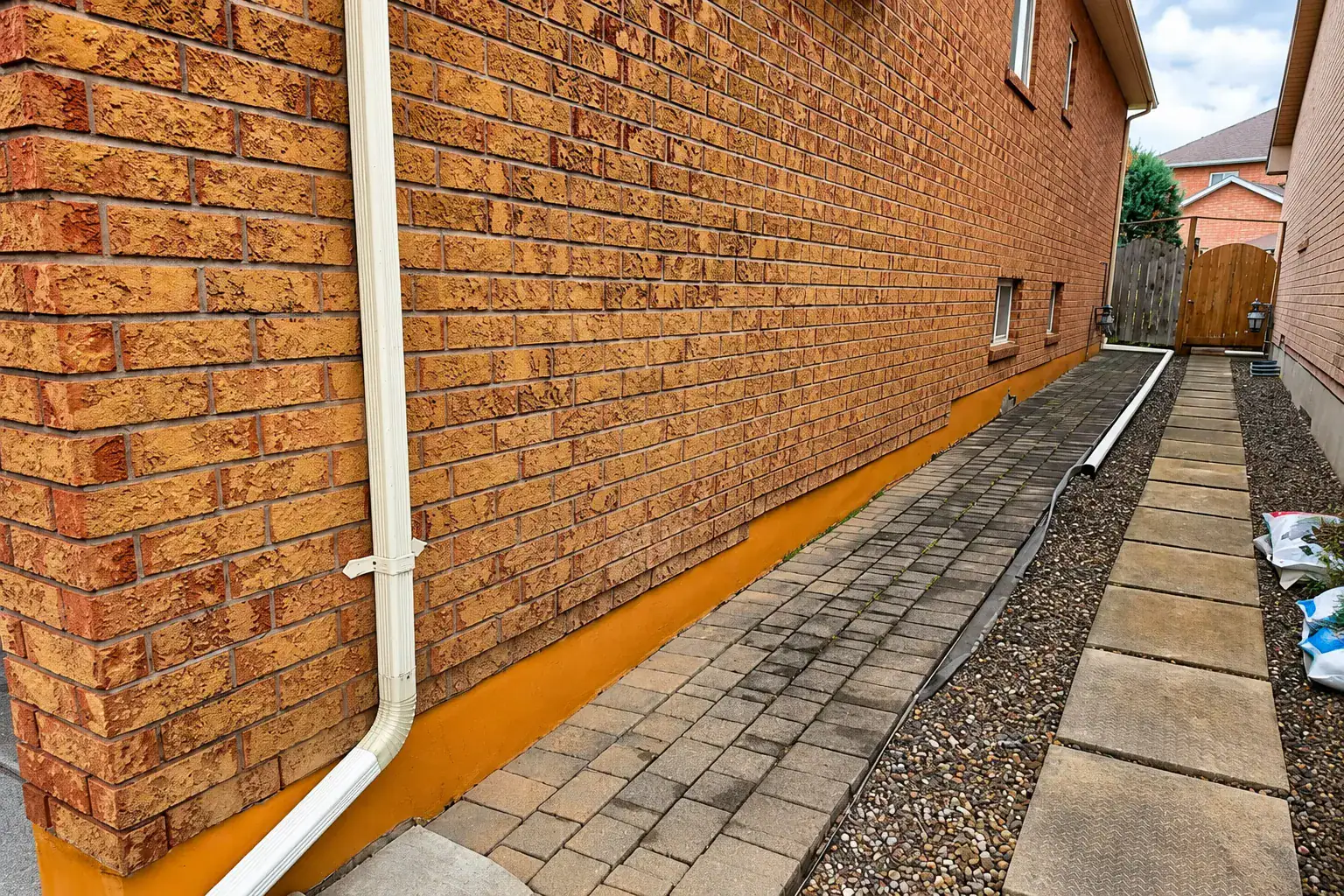
Toronto weather creates the perfect conditions for repeated moisture movement through masonry. Exterior walls and chimney stacks are exposed to rain, melting snow, heavy seasonal moisture, and long freeze-thaw cycles. Front steps, retaining walls, and lower brick areas often stay wet longer due to splashback, pooling water, or snow piled nearby. Once water enters masonry, it can start carrying salts outward as the surface dries.
This is one reason efflorescence tends to occur more often in homes with older brickwork, weathered mortar joints, and exposed masonry details. Many Toronto and GTA homes were built decades ago, and while the materials can last a very long time, they still need upkeep. Mortar joints wear down. Small gaps form around caps or flashing. Drainage changes over time. A wall that handled moisture well years ago may slowly become more vulnerable.
Common causes of efflorescence on brick or stone include:
- cracked, recessed, or deteriorated mortar joints
- water entering through damaged or porous brick
- leaking chimney crowns, caps, or flashing details
- poor grading around the home
- water collecting near the foundation
- snow or ice sitting against lower masonry for too long
- porches, steps, or retaining walls that stay wet after rain
- trapped moisture behind coatings or earlier repair work
- small openings around sills, coping stones, or transition areas
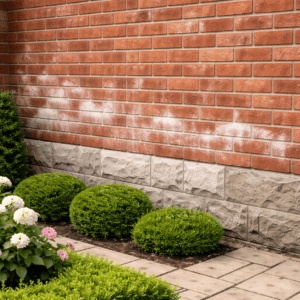
In simple terms, efflorescence needs three things: salts, moisture, and a path to the surface. Masonry materials and surrounding cement-based materials can supply the salts. Toronto weather supplies the moisture. Cracks, open joints, and absorbent surfaces supply the path.
That is why homeowners often notice the problem in late winter or early spring, or after prolonged wet periods. The salts may have been there all along, but moisture movement made them visible. Ontario’s Building Code also includes provisions for masonry walls and water or moisture dissipation, which is one reason drainage and moisture control matter so much in masonry work. You can see the Ontario Building Code here.
Common Signs to Watch For
The most obvious sign is the white deposit itself, but it is smart to look beyond the surface stain. Efflorescence often appears alongside other minor warning signs that indicate a broader moisture issue.
- white powder or crusty buildup on brick, stone, or mortar
- stains that come back after brushing or washing
- damp-looking areas that dry more slowly than the rest of the wall
- streaking below windows, chimneys, sills, or coping stones
- cracks forming in mortar joints
- mortar that looks loose, missing, sandy, or washed out
- brick faces beginning to flake or pop off
- stone edges wearing down faster in one area than others
- peeling paint near adjacent masonry surfaces
- recurring moisture near lower wall sections or foundation areas
It helps to think in terms of patterns. A small white patch on a dry wall may not mean much on its own. But if that same area also has cracked mortar, dark, damp patches, or recurring staining, that is a stronger signal that water is getting into the masonry system.
For example, if the white residue is concentrated around joints or damaged brick units, it may point to a repair issue rather than simple surface cleanup. In homes where the masonry is already showing wear, it makes sense to look at related brick repair issues in Toronto rather than treating the stain as an isolated problem.
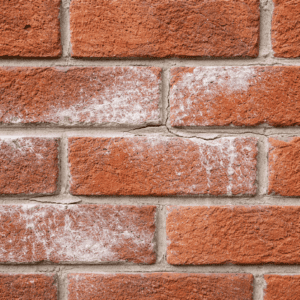
Why Efflorescence Is Easy to Misread
One reason efflorescence gets ignored is that it often looks harmless at first. The surface may still feel solid. The brick may not yet look badly damaged. The stain might even fade during dry weather. That can make homeowners assume the issue has solved itself.
But visible residue is only one part of the story. Moisture problems often develop slowly. A wall can keep absorbing and releasing water over months or years before more obvious damage appears. By the time the brick starts flaking or the mortar starts falling out, the wall has usually been under stress for quite a while.
Another reason it gets misread is that people sometimes try to solve it backward. They clean the stain, apply a sealer, or repaint the area without first asking where the moisture came from. If water is still entering the masonry, the deposit may return, or the trapped moisture may create a different problem elsewhere.
That is why the better mindset is this: efflorescence is not always serious on its own, but it should make you curious. It is a sign worth investigating, especially on older Toronto homes where moisture and winter movement can quietly wear down masonry over time.
What Happens If You Ignore It
Ignoring efflorescence does not always lead to immediate damage, but ignoring the moisture behind it often does. This is where a small maintenance issue can gradually turn into a more expensive repair problem.
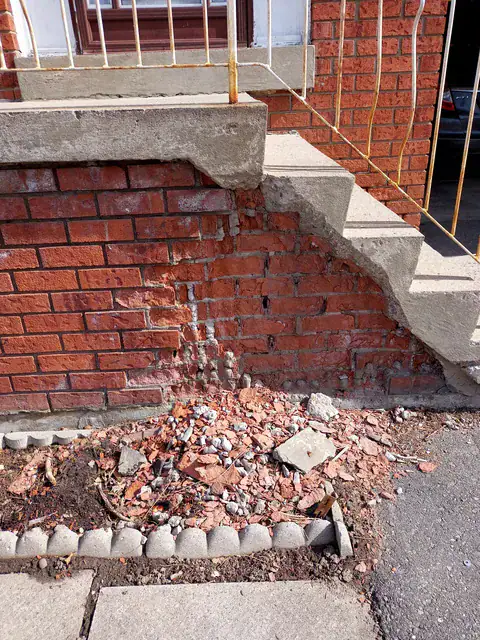
If water continues moving through masonry, several things can happen. The wall may stay damp for longer periods. Mortar joints may weaken and begin to open up. Brick surfaces may start to flake, crack, or spall during freeze-thaw cycles. Stone joints may loosen. Staining may spread. Nearby surfaces may also show signs of moisture stress.
In practical homeowner terms, ignoring recurring efflorescence can lead to:
- deeper moisture penetration into the wall
- faster mortar joint failure
- surface breakdown of brick faces
- damage around chimneys and parapet-style details
- greater risk of leaks near vulnerable transitions
- harder and more expensive repairs later
- repeated cosmetic staining that never fully goes away
Consider a common Toronto example. A homeowner notices white staining near the lower section of a brick wall after winter. They brush it off. A few months later, the staining returns. By the next winter, a few mortar joints have opened, and a couple of brick faces begin to pop. The visible stain was not the expensive part. The ongoing moisture and delayed repair were.
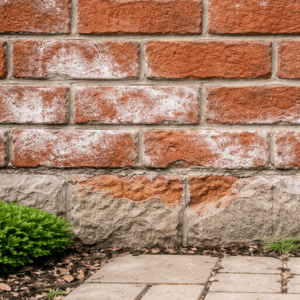
This does not mean every case turns into major damage. It does mean recurring efflorescence should not be dismissed too quickly, especially when it appears with cracked joints, soft mortar, or spalling surfaces.
How to Fix or Handle the Issue
The right approach depends on what kind of efflorescence you are dealing with. A light, one-time surface deposit is different from a recurring moisture pattern tied to damaged masonry.
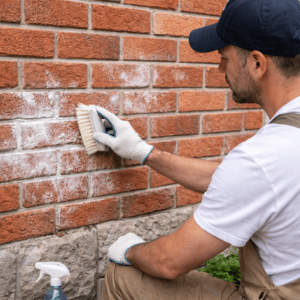
If the buildup is mild and the wall appears otherwise sound, start with the least aggressive method. Let the area dry fully. Then brush the deposit off with a dry, stiff, non-metal brush. In some cases, gentle washing with clean water and light scrubbing may help, but the area should be allowed to dry thoroughly afterward.
What matters next is observation. Does the residue stay gone, or does it return after the next wet period? If it does not come back, you may have been dealing with minor surface salts and no ongoing issue. If it keeps returning, the focus needs to shift to moisture control.
A deeper fix may involve:
- repairing failed mortar joints
- replacing broken or porous bricks
- correcting drainage near the wall or foundation
- fixing chimney-related entry points
- dealing with persistent moisture at porches, steps, or retaining walls
- reviewing whether earlier coatings or sealers are trapping moisture
If the issue is concentrated in worn joints, that often points toward repointing or Toronto tuckpointing services. If the wall already shows visible brick deterioration, loose units, or recurring moisture-related wear, it may be more appropriate to treat it as a broader brick repair issue rather than just a cleaning issue.
If the lower sections of the wall stay wet, if white staining appears near grade, or if the moisture seems tied to the base of the structure, it may also be connected to broader water-entry conditions. In those cases, waterproofing in Toronto may be more relevant than repeated surface cleanup.
It is also important to avoid overcorrecting. Strong chemicals, abrasive tools, and high-pressure washing can do more harm than good, especially on older masonry. Soft brick and aging mortar can be damaged by aggressive cleaning methods. For heritage-style or older masonry, Toronto’s official guidance on masonry repair and estimates is a useful reference point for how to approach careful repairs. See Toronto’s masonry repair guidance here.
What Homeowners Can Try Themselves and What Usually Needs a Professional
This is where many homeowners need a clearer line. Some efflorescence-related steps are reasonable to handle yourself. Others are better left to a trained masonry contractor.
Homeowners can usually do the following:
- inspect the pattern and note where the staining appears
- brush off light residue once the wall is dry
- watch whether the staining returns after rain or snowmelt
- check whether downspouts, splash areas, or grading may be adding moisture
- look for obvious signs like cracked mortar, peeling paint, or dark damp patches
- move snow piles, planters, or wet material away from lower masonry when possible
Professional help is usually better when:
- the staining returns again and again
- the wall has open joints or deteriorated mortar
- brick faces are flaking or popping
- the issue is high up on a chimney or hard-to-access wall
- the cause may involve flashing, caps, or concealed moisture paths
- the home has older masonry that needs compatible repair methods
- you are thinking about sealing or coating the wall without fully knowing the cause
This distinction matters because cleaning is not the same as repair. A homeowner may be able to remove the visible salt, but identifying the moisture path and repairing the masonry correctly are different jobs. In older Toronto homes, using the wrong repair method can sometimes make the problem worse by trapping moisture or damaging softer materials. Ontario also regulates the brick and stone mason trade, which helps show that this is specialized work rather than a generic handyman task. You can view Ontario’s brick and stone mason regulation here.
Prevention Tips
The best way to prevent efflorescence is to reduce the conditions that allow water to keep moving through masonry. That means regular observation, early repair, and practical moisture control.
- inspect brick and stone surfaces after winter and after long wet periods
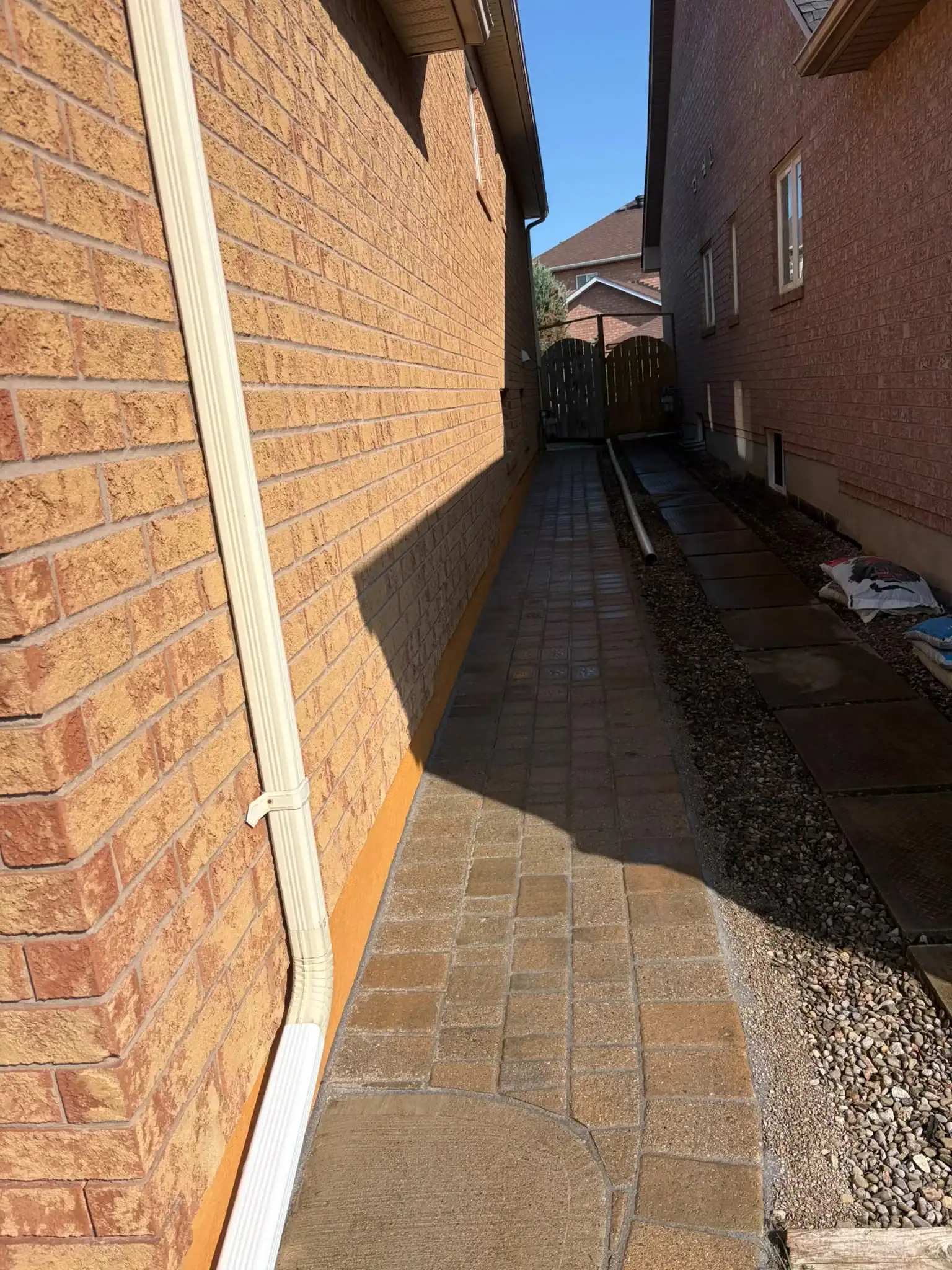
- keep gutters, eavestroughs, and downspouts moving water away from walls
- watch for pooling water or slow drainage near foundations
- repair small mortar problems before they become larger openings
- check chimneys, caps, and exposed wall tops for vulnerable spots
- avoid letting snow, mulch, or wet soil rest against lower masonry for long periods
- pay close attention to porches, front steps, garden walls, and retaining walls
- be cautious with sealers or coatings unless the moisture source is clearly understood
- use materials suited to the age and type of the masonry during repairs
Homeowners who want to stay ahead of problems should also watch for related warning signs, not just white residue. Efflorescence often appears alongside other early clues that something is changing in the wall. This is why a broader article, like these early brickwork warning signs that homeowners in Toronto should not ignore, can be a useful follow-up read.
Prevention is often less about doing one big thing and more about paying attention early. A small joint repair, drainage correction, or moisture fix done at the right time can prevent much larger masonry repairs later. If your property is designated or located in a heritage area, Toronto’s Heritage Grant Program may also be worth reviewing because it covers eligible conservation work, including masonry. You can learn more about that program here.

When to Call a Professional
You do not always need to call a contractor the moment you see white staining. But you should seriously consider it when the issue is recurring, spreading, or appearing with visible masonry wear.
You should consider calling a professional if:
- the efflorescence returns after repeated cleaning
- the area affected keeps getting larger
- mortar joints are cracking, receding, or falling out
- brick or stone surfaces are flaking, popping, or breaking down
- the staining is near a chimney, parapet, or foundation area
- the wall stays damp long after surrounding areas dry
- you suspect water is getting deeper into the wall system
- the home has older brick that may require careful matching and compatible repairs
At that point, a proper inspection can help determine whether the problem is primarily surface-level or points to repairs involving mortar restoration, damaged brick replacement, chimney corrections, or moisture management. The goal is not simply to remove the white deposit. It is to stop the conditions that keep creating it.
For homeowners in Toronto and nearby areas, this matters because climate stress can accelerate the progression from minor staining to actual masonry wear. Waiting too long does not always cause major failure, but it often makes the final repair more involved than it needed to be.
Final Thoughts
Efflorescence on brick or stone is easy to treat as a small cosmetic nuisance, but it often deserves a closer look. In many Toronto and GTA homes, it is best understood as a moisture message. The white residue itself is usually not the biggest issue. The bigger concern is the water movement that brought it there.
If the staining is light, temporary, and does not return, gentle cleaning may be enough. If it keeps coming back, appears with cracked mortar, or shows up alongside spalling brick or damp masonry, the smarter approach is to look deeper and fix the source. That can help protect the wall’s appearance, but more importantly, it can help preserve the brick, stone, and mortar over time.
For homeowners, the key takeaway is simple: do not panic, but do not ignore recurring efflorescence either. Watch the pattern, clean it carefully, and pay attention to the moisture conditions around it. Catching the issue early usually gives you more repair options and a better chance of avoiding bigger masonry problems later.