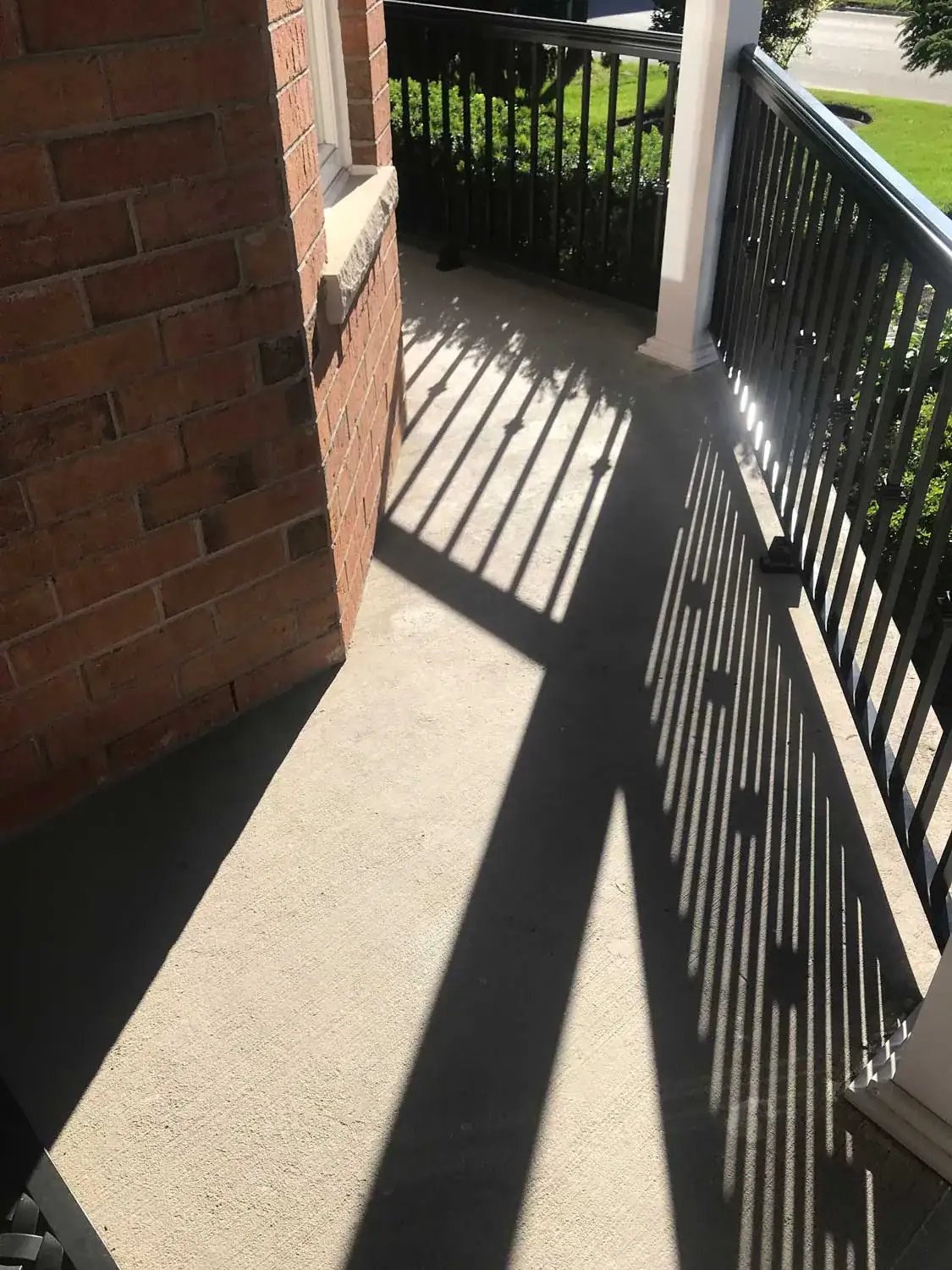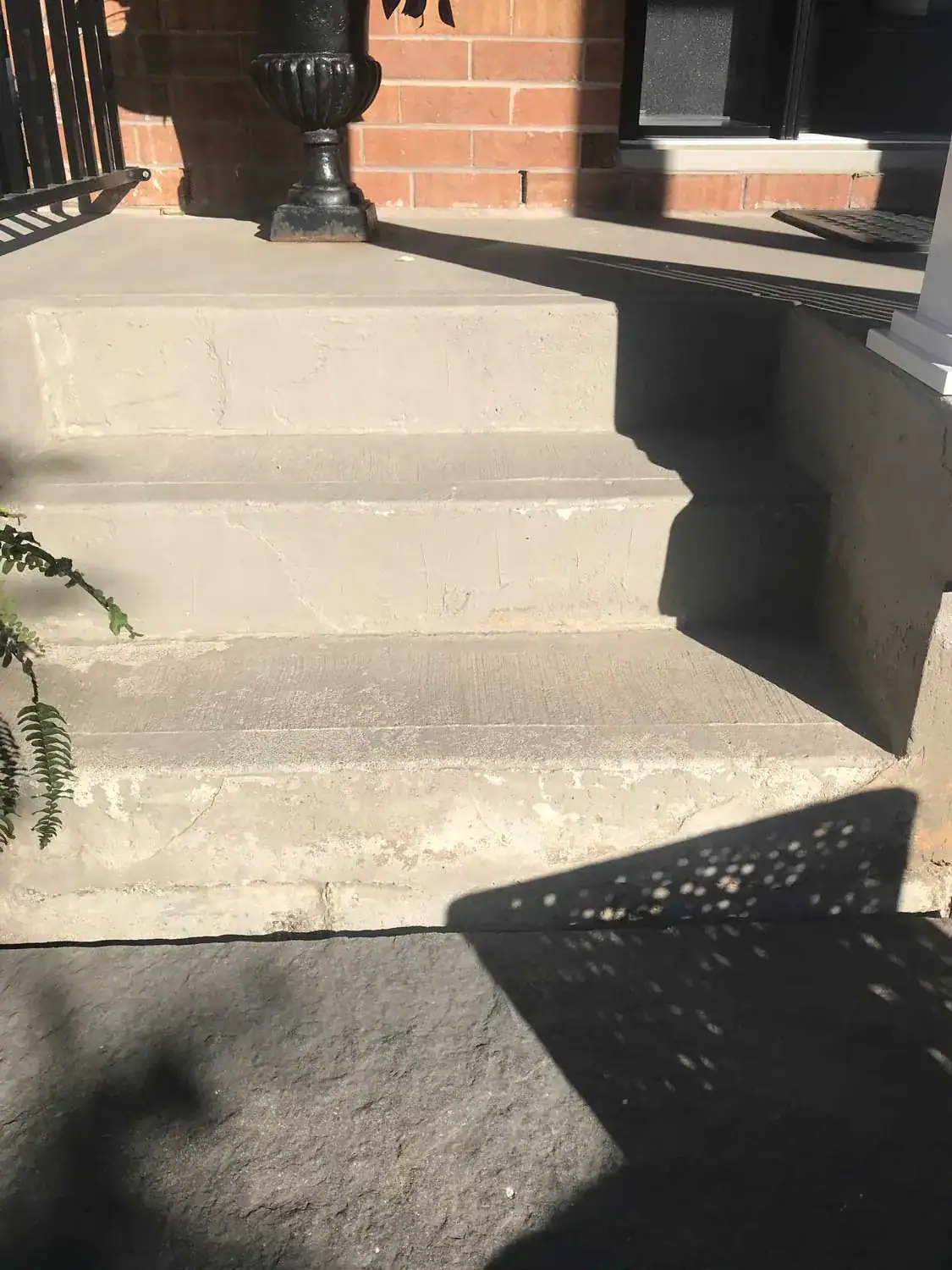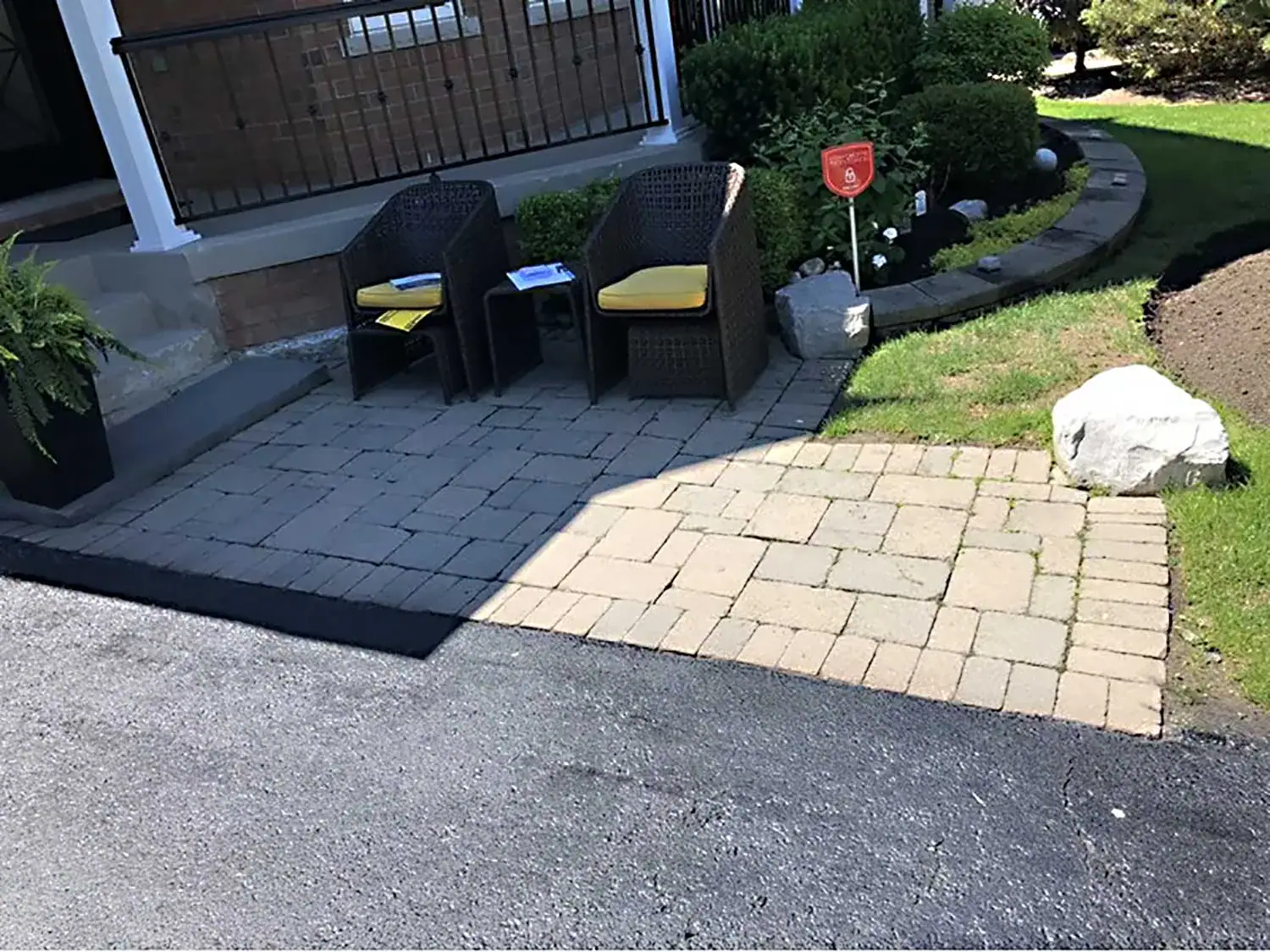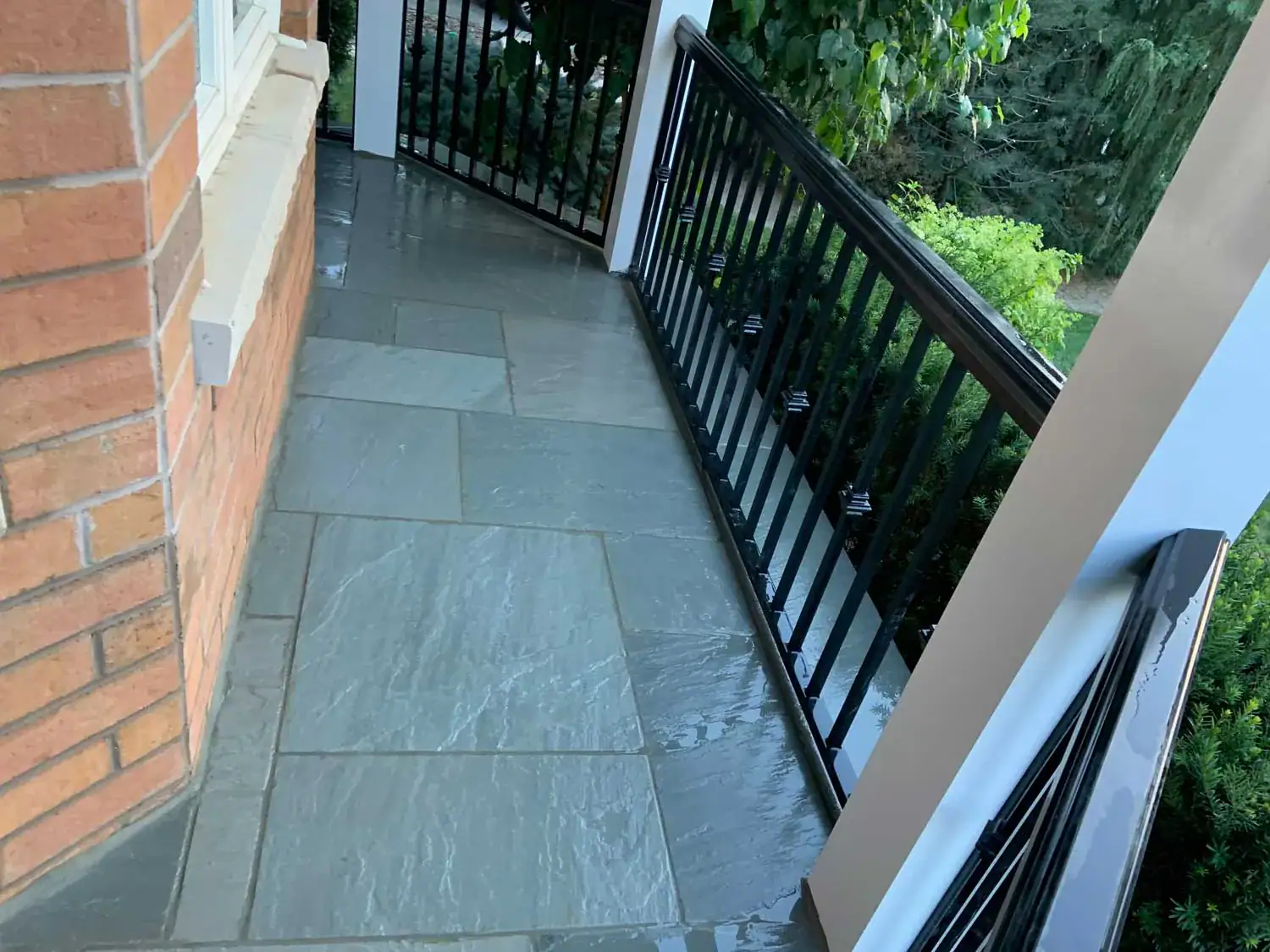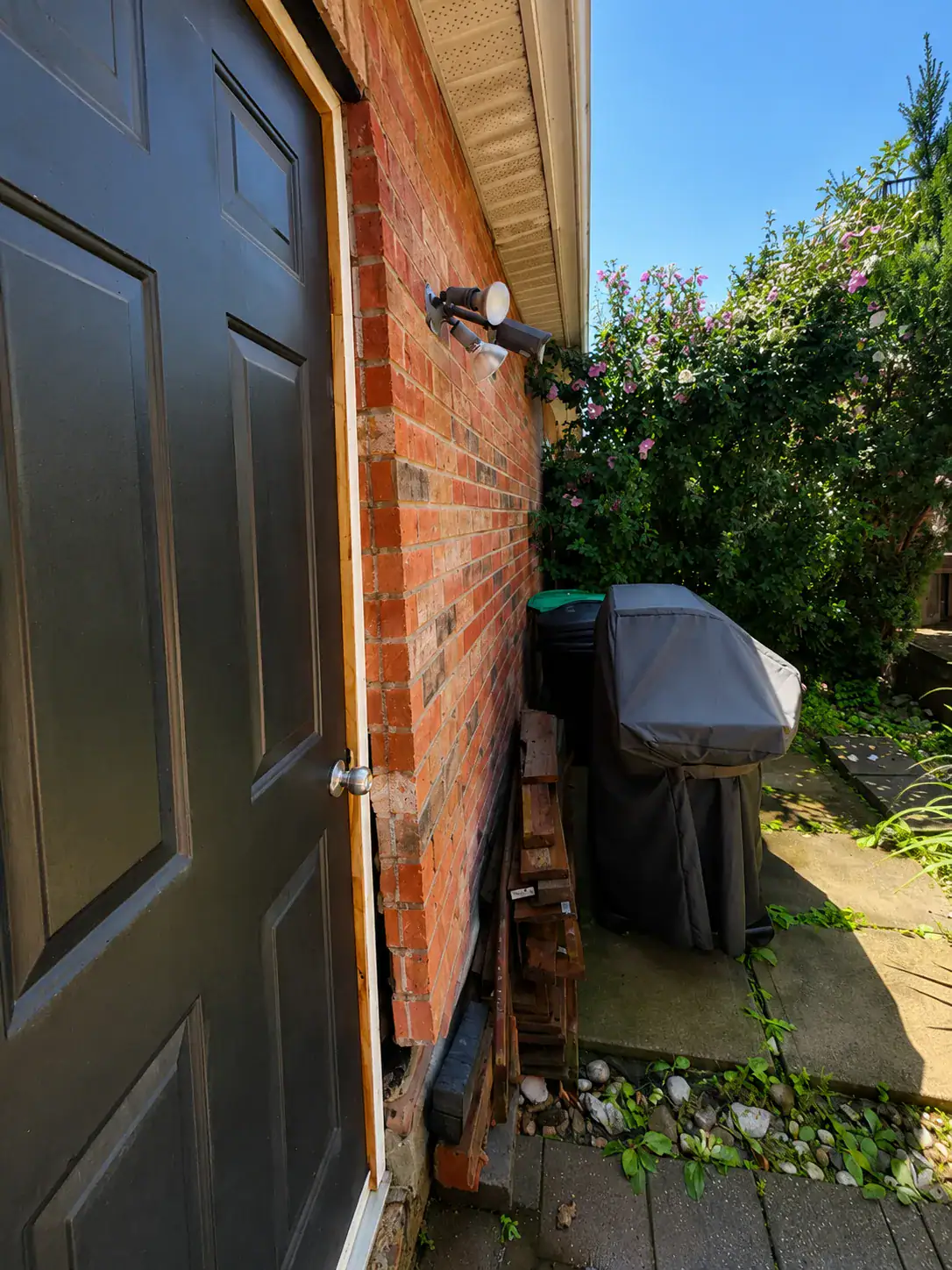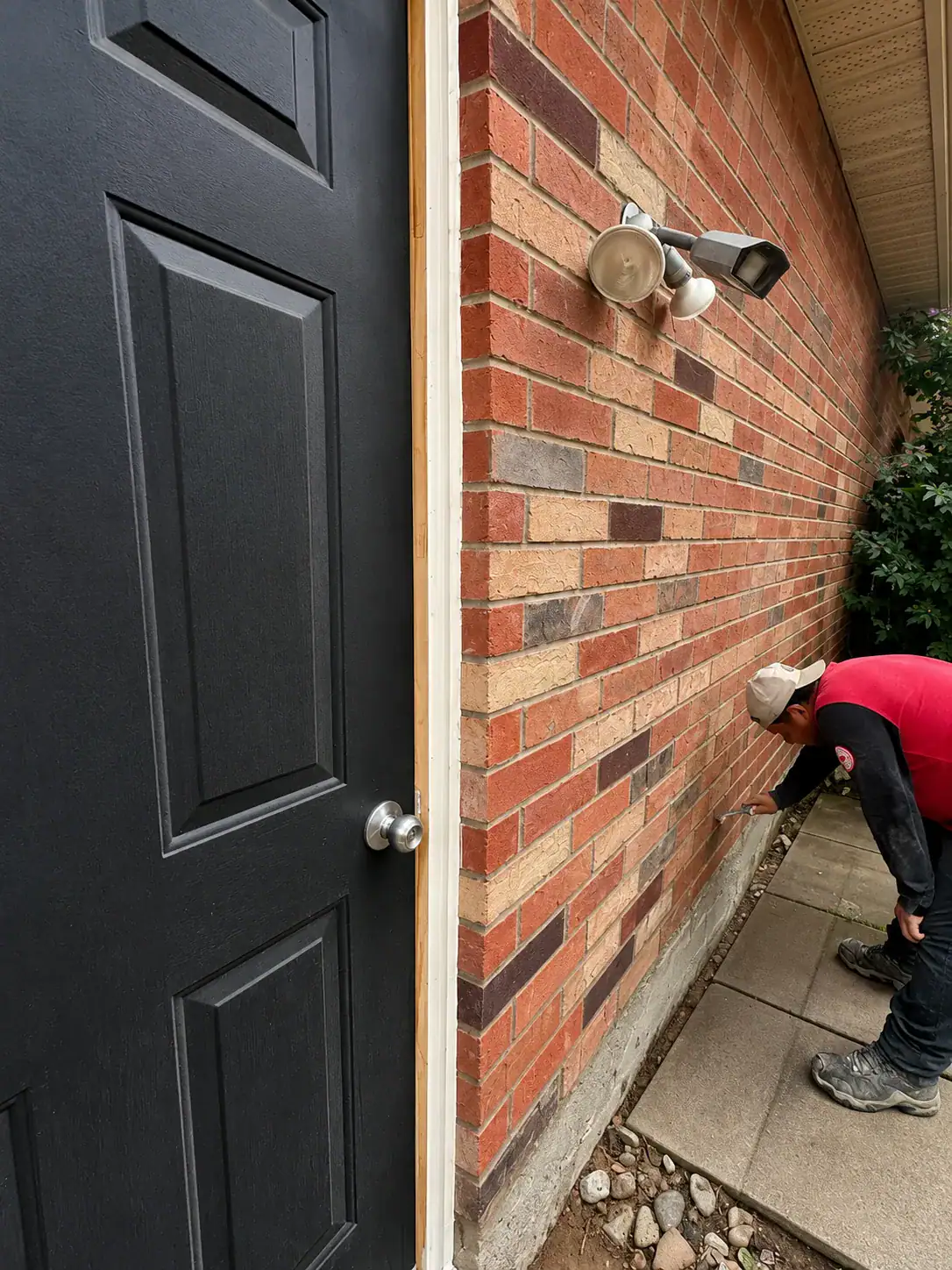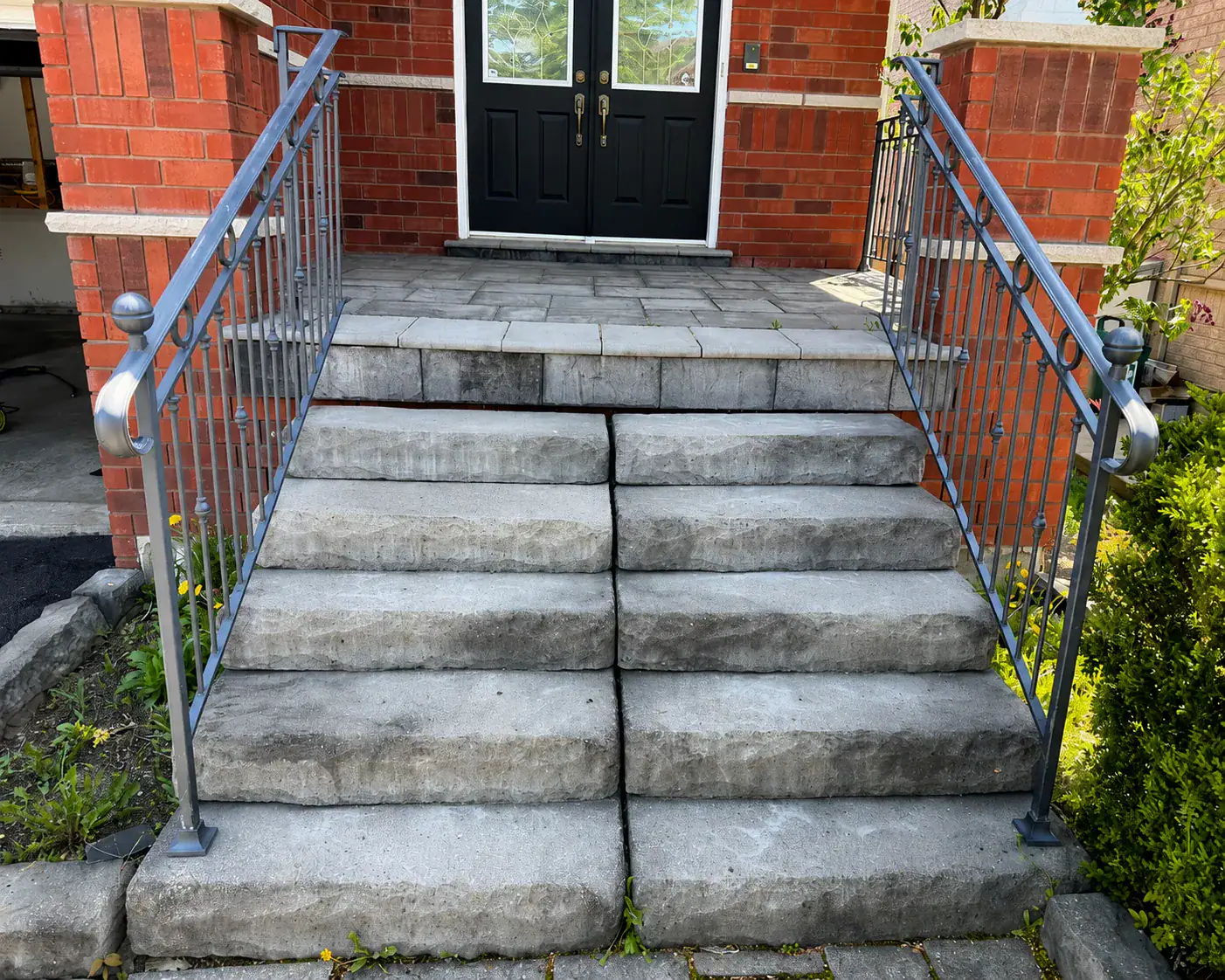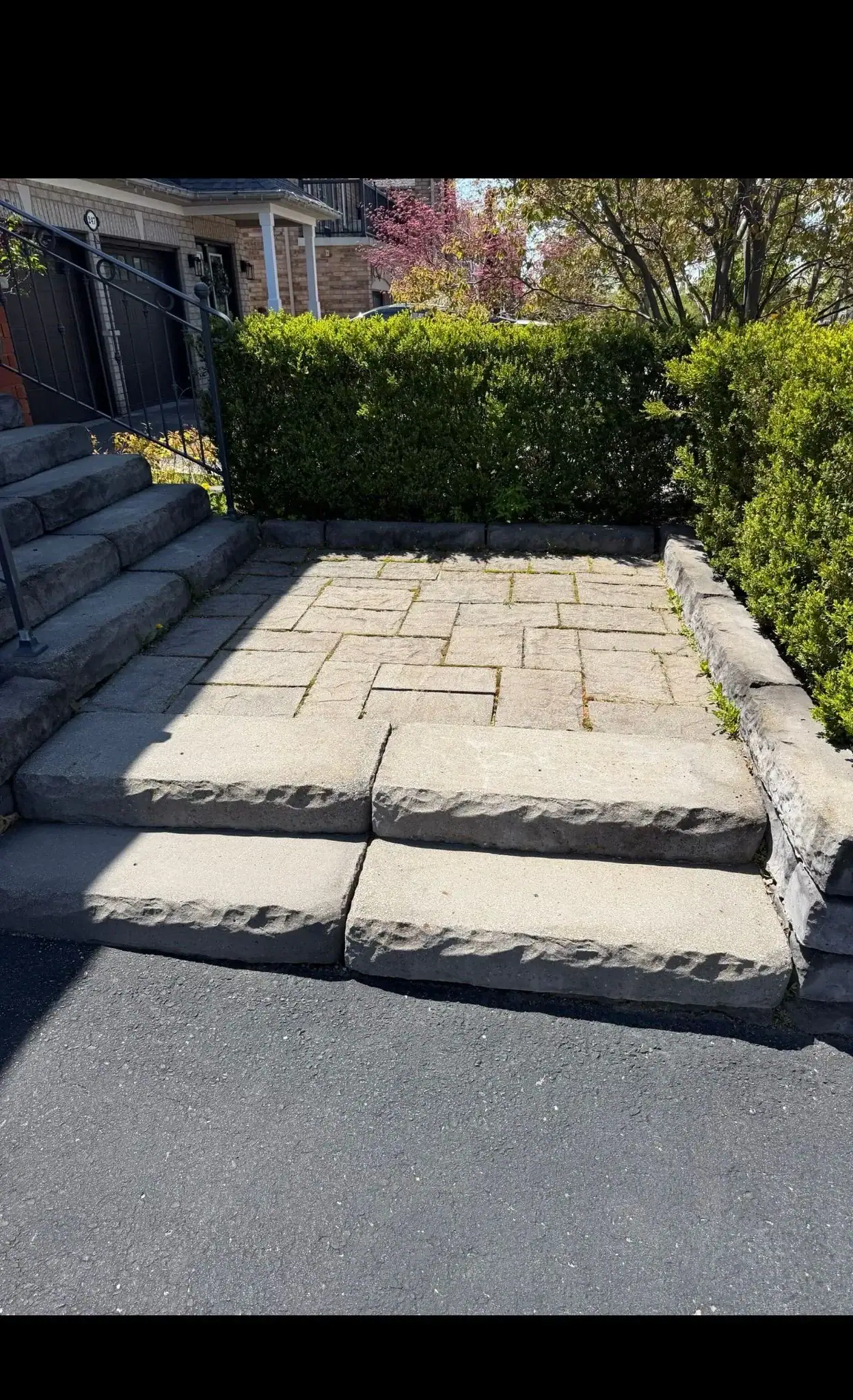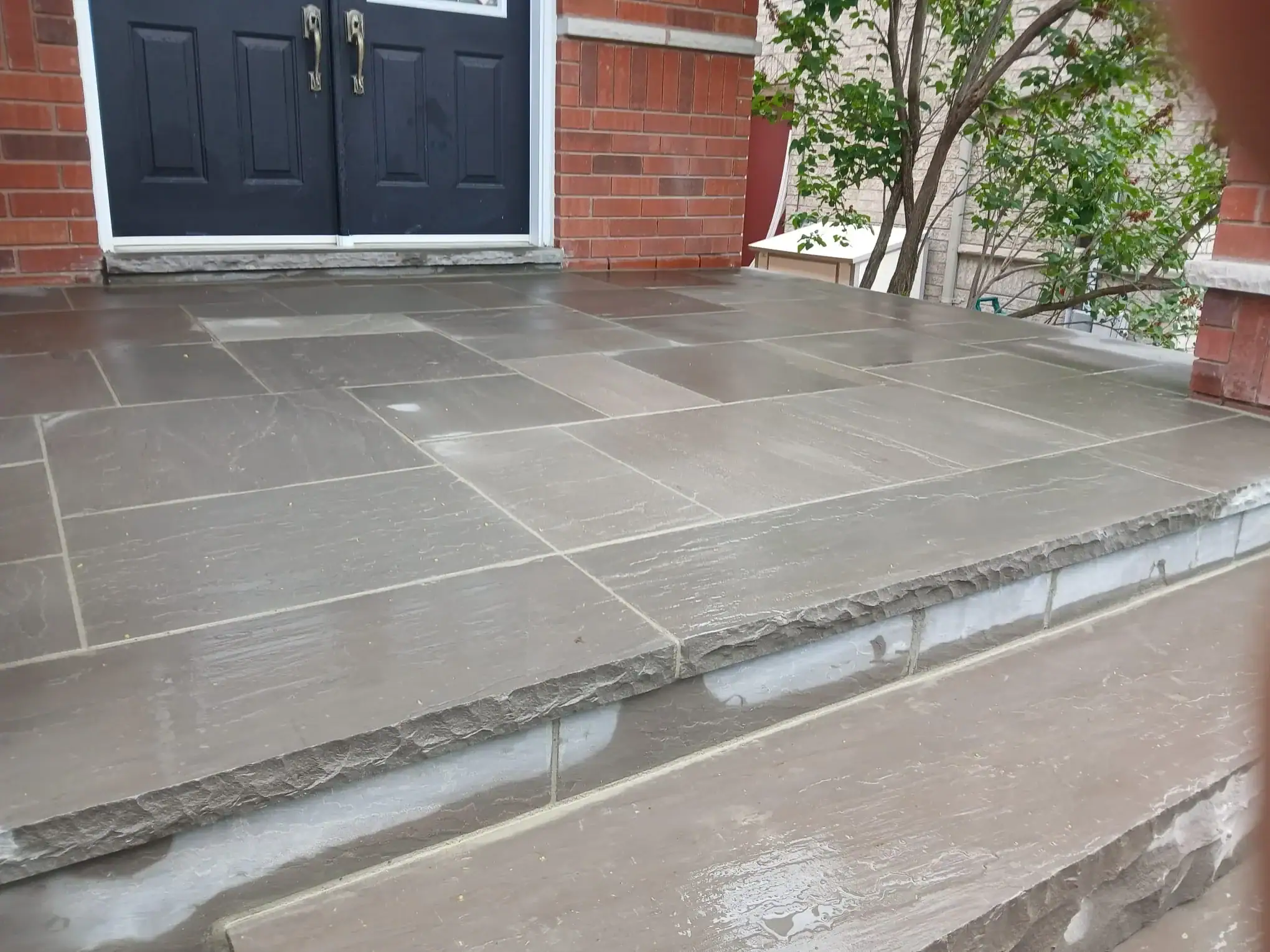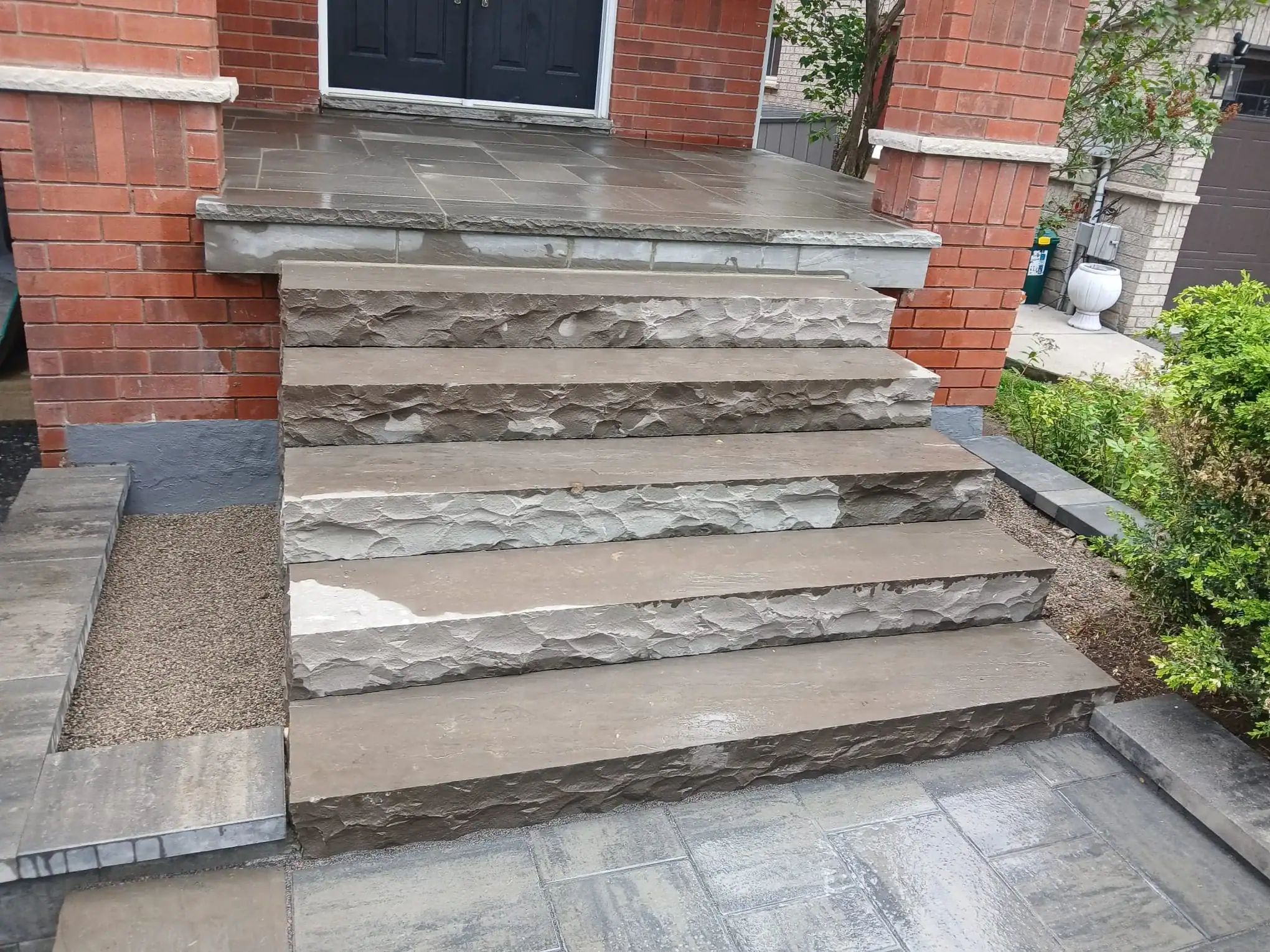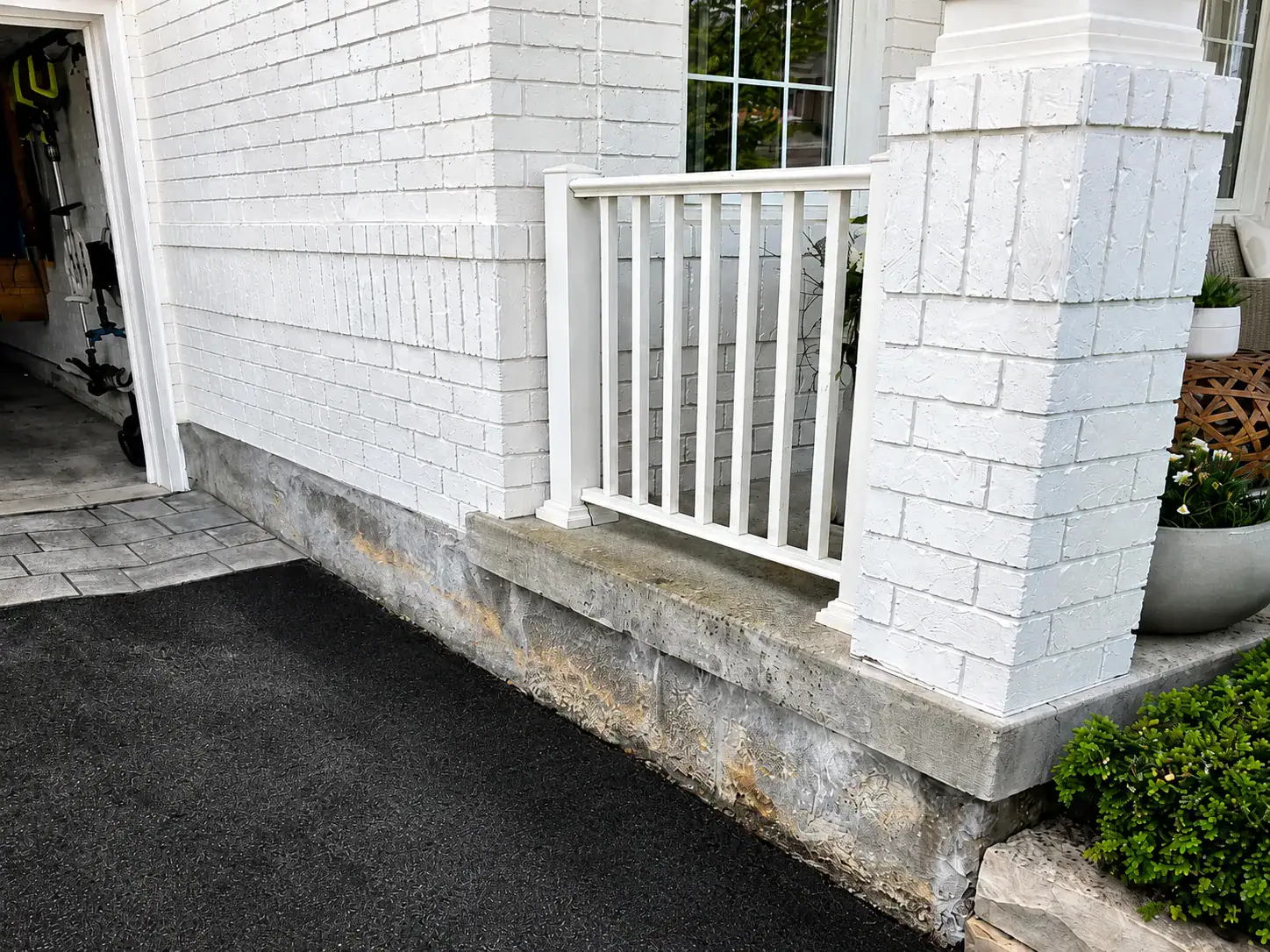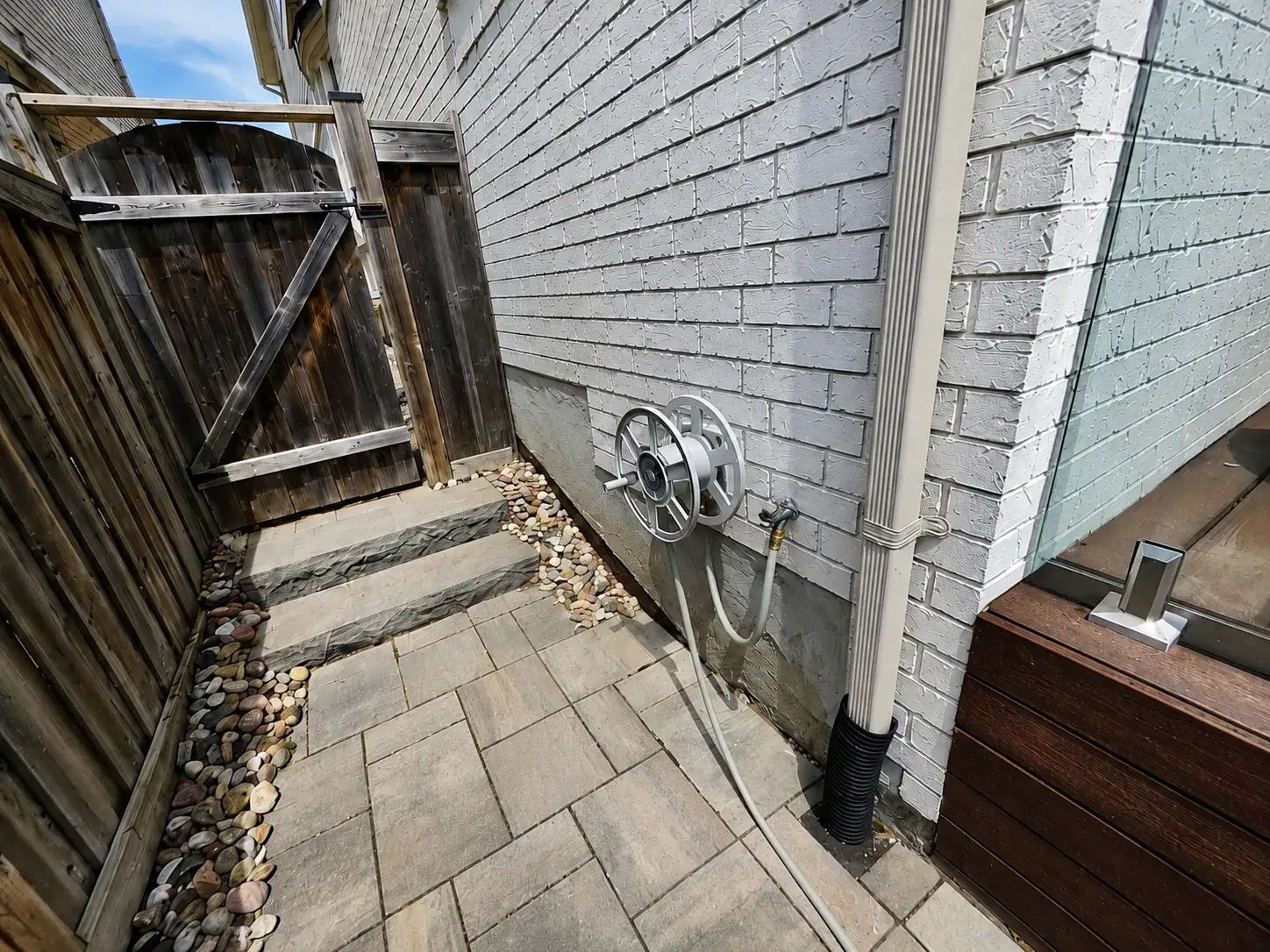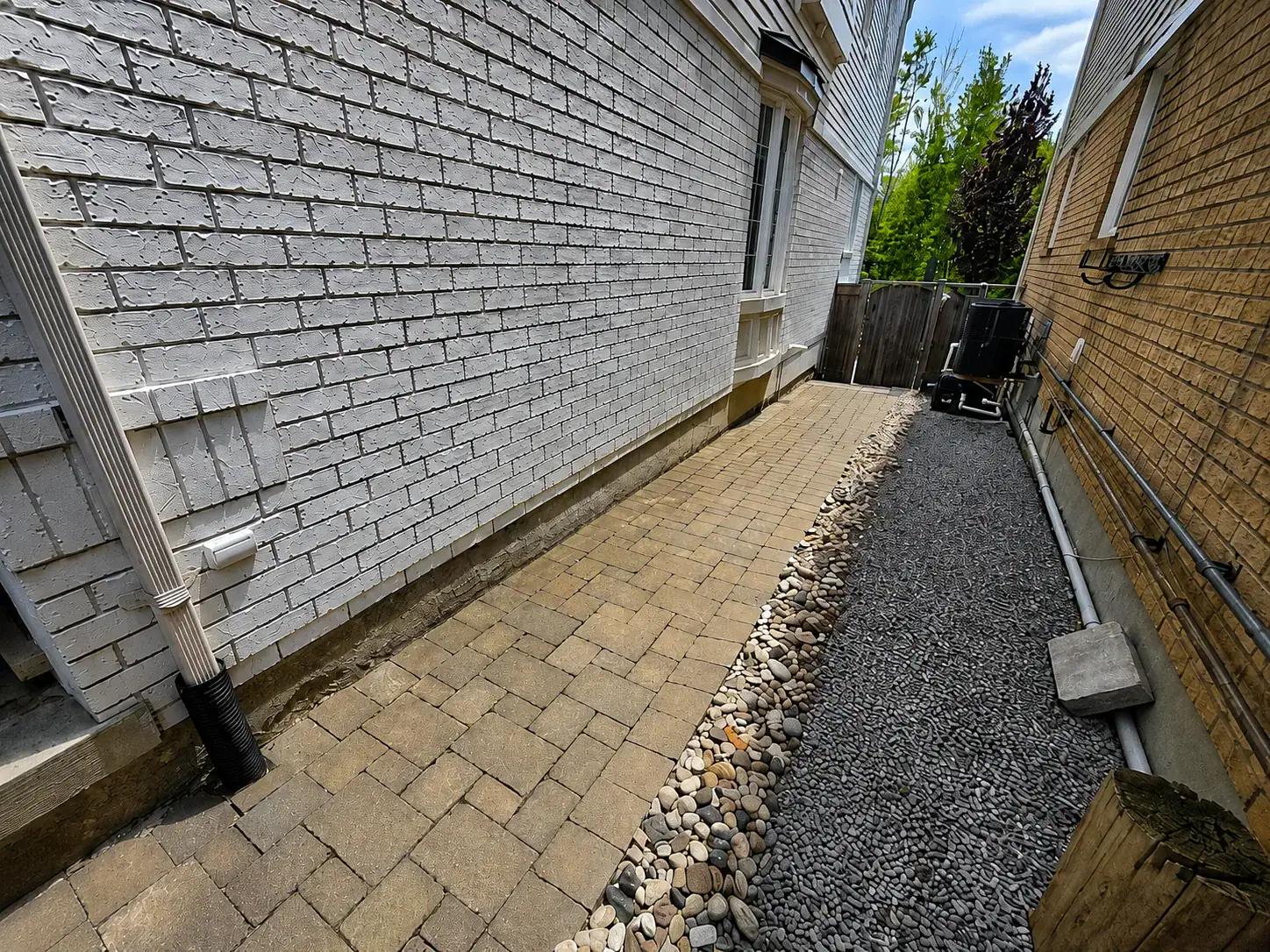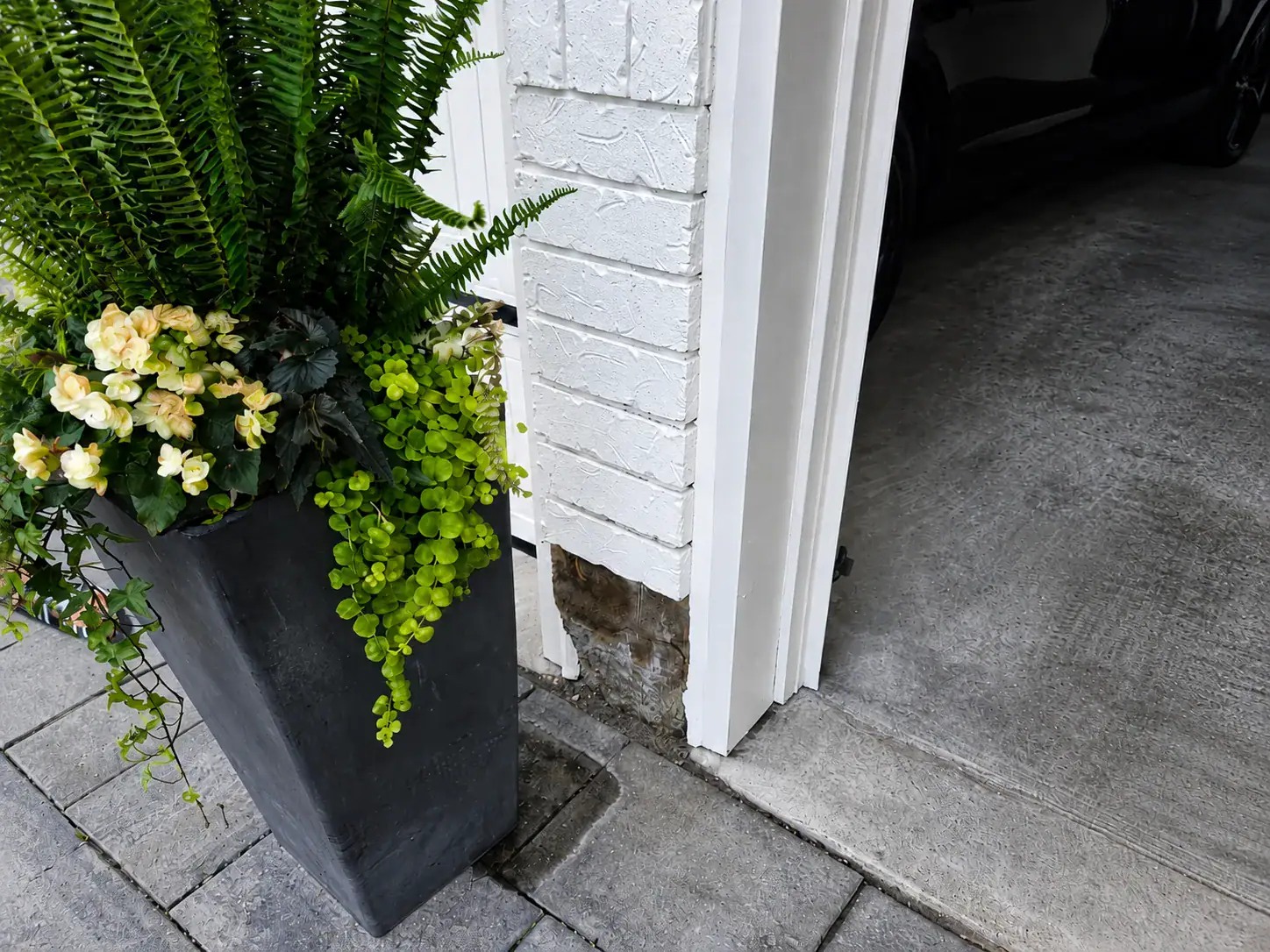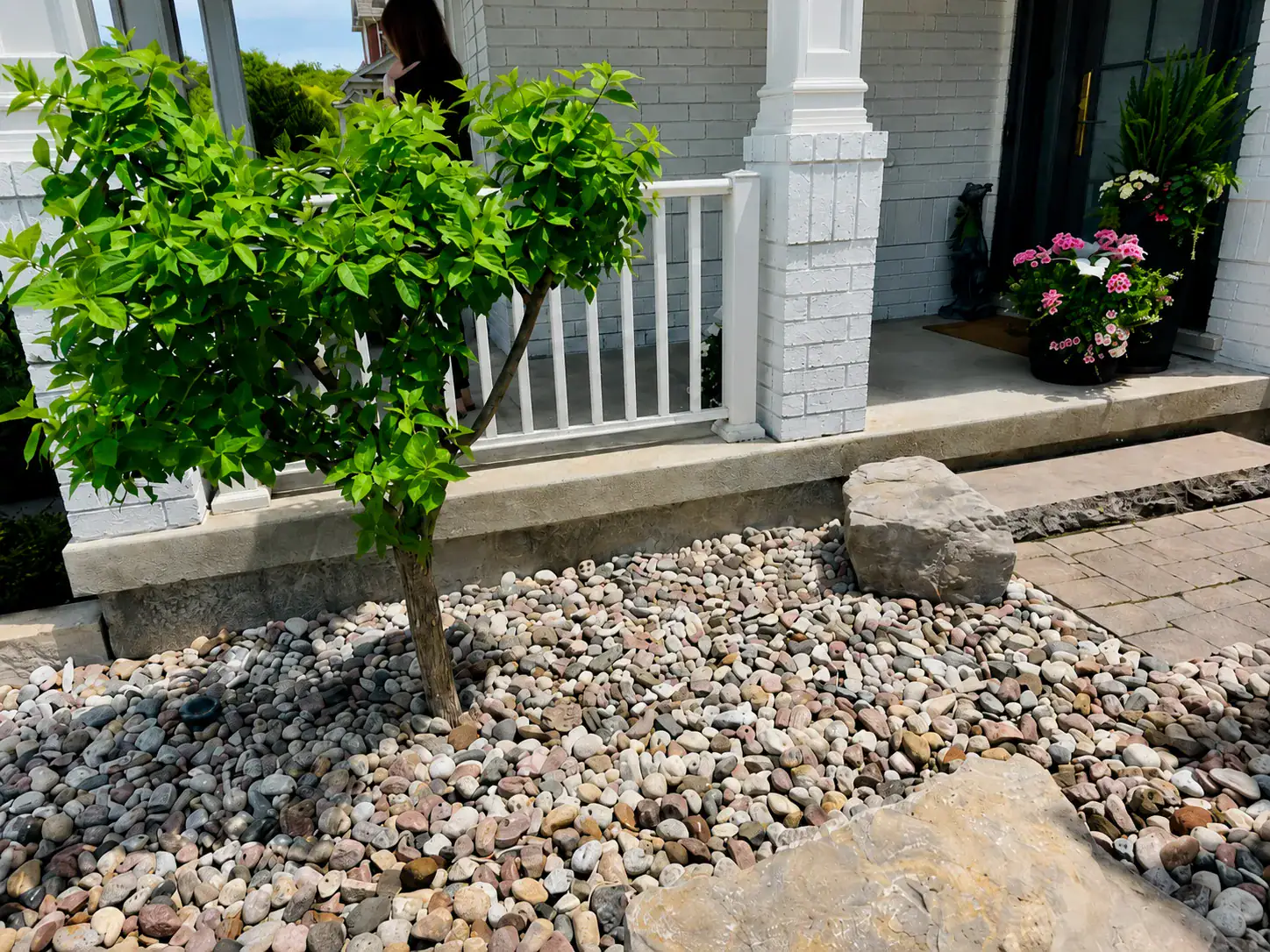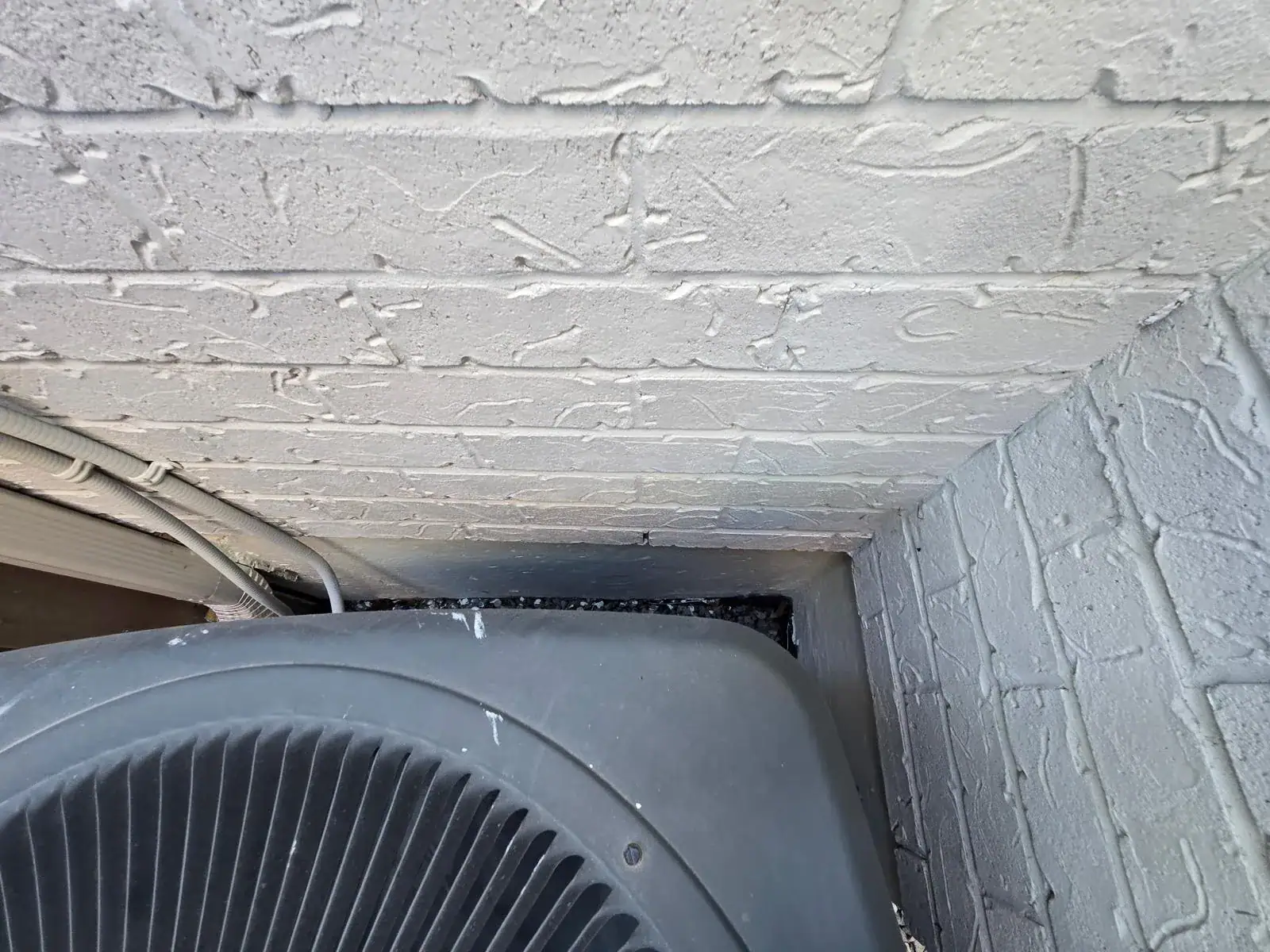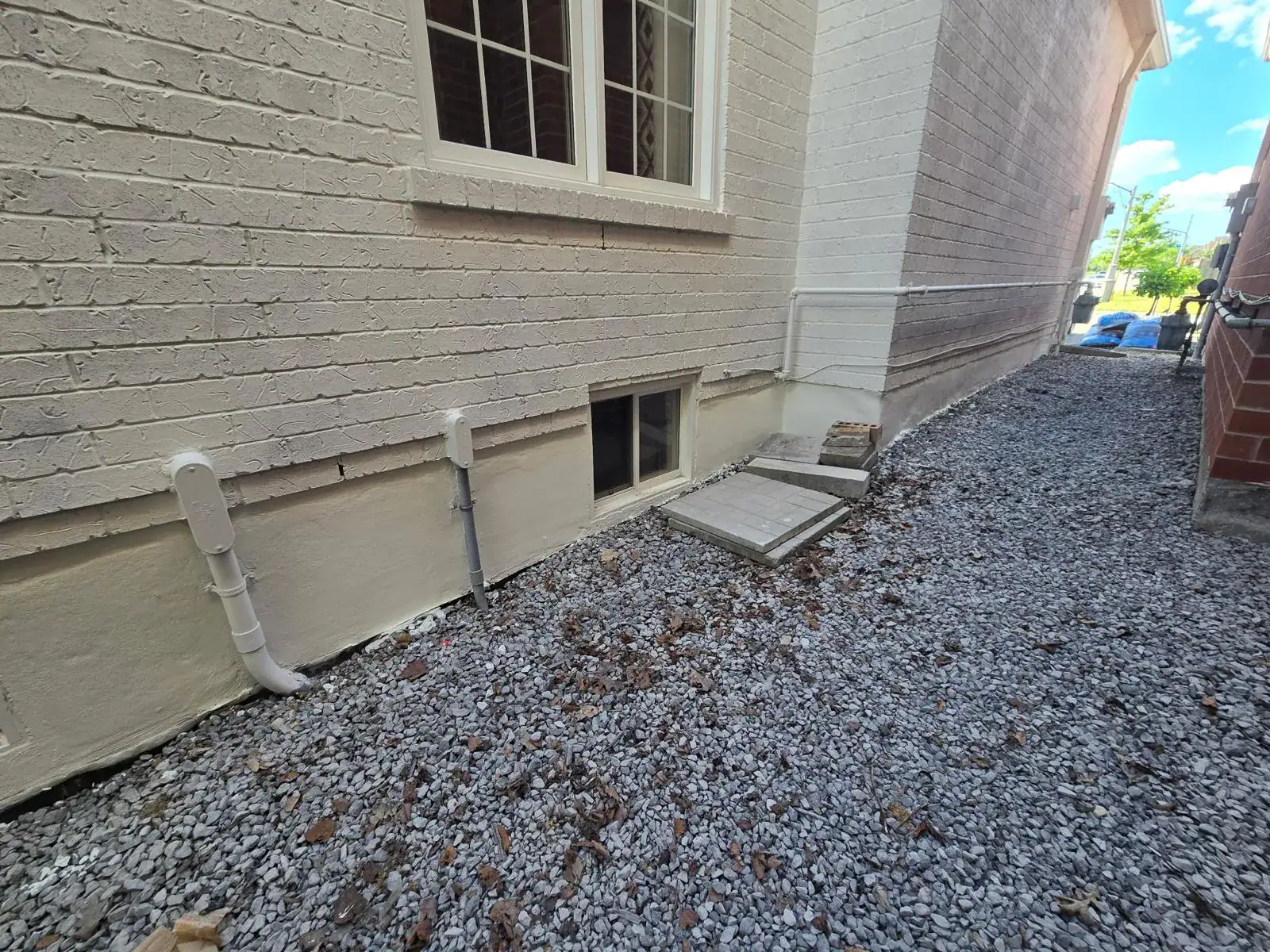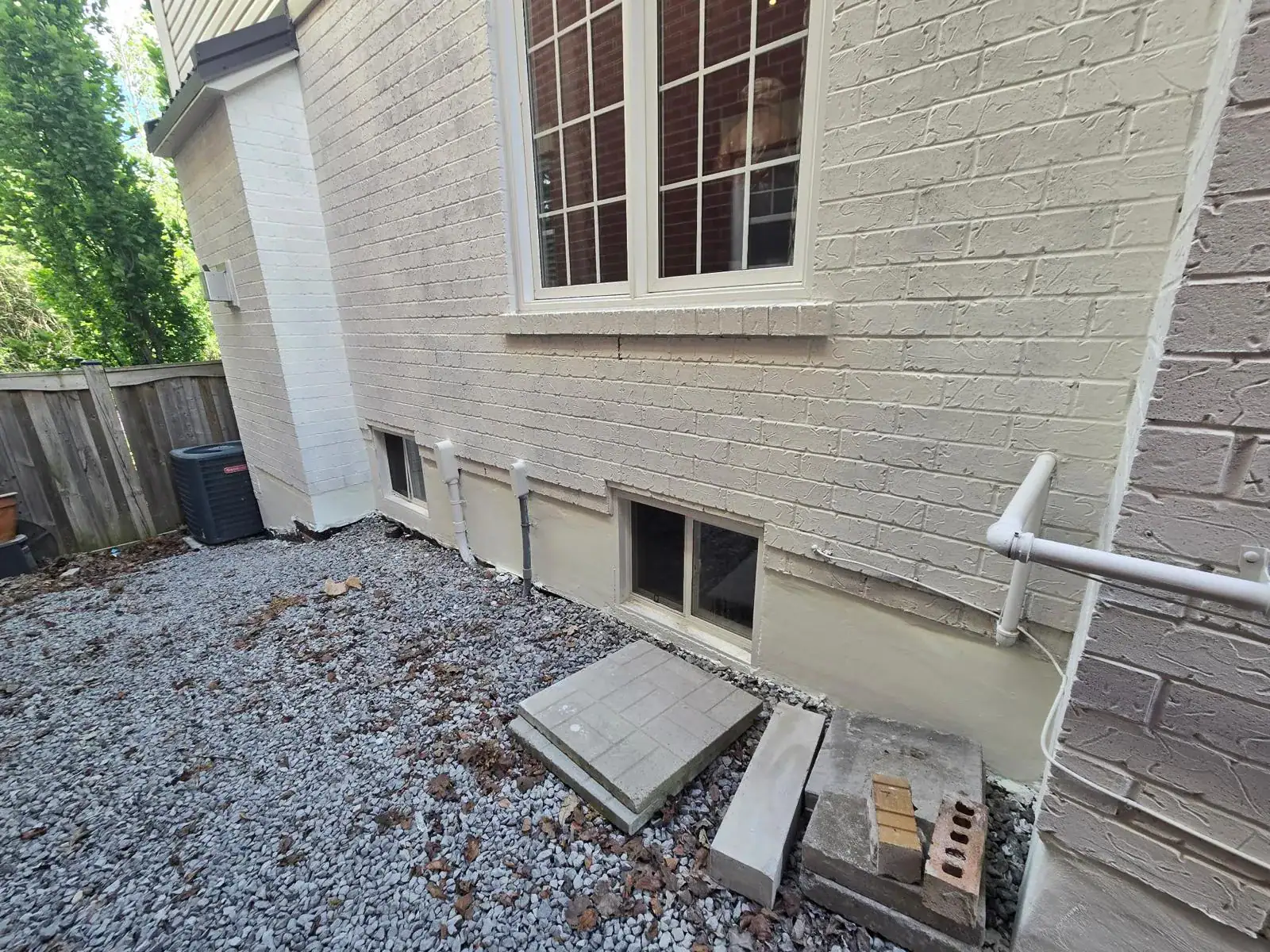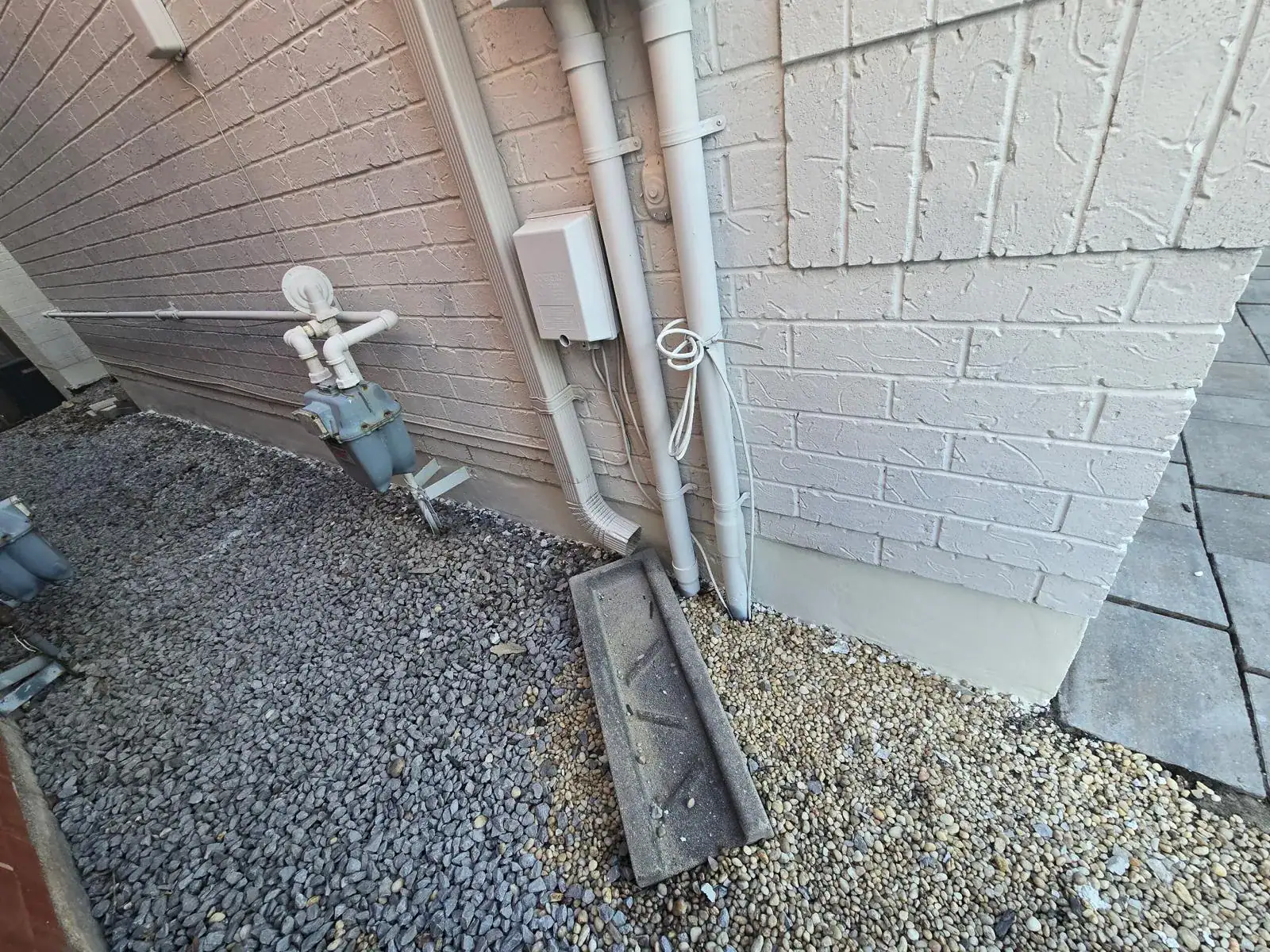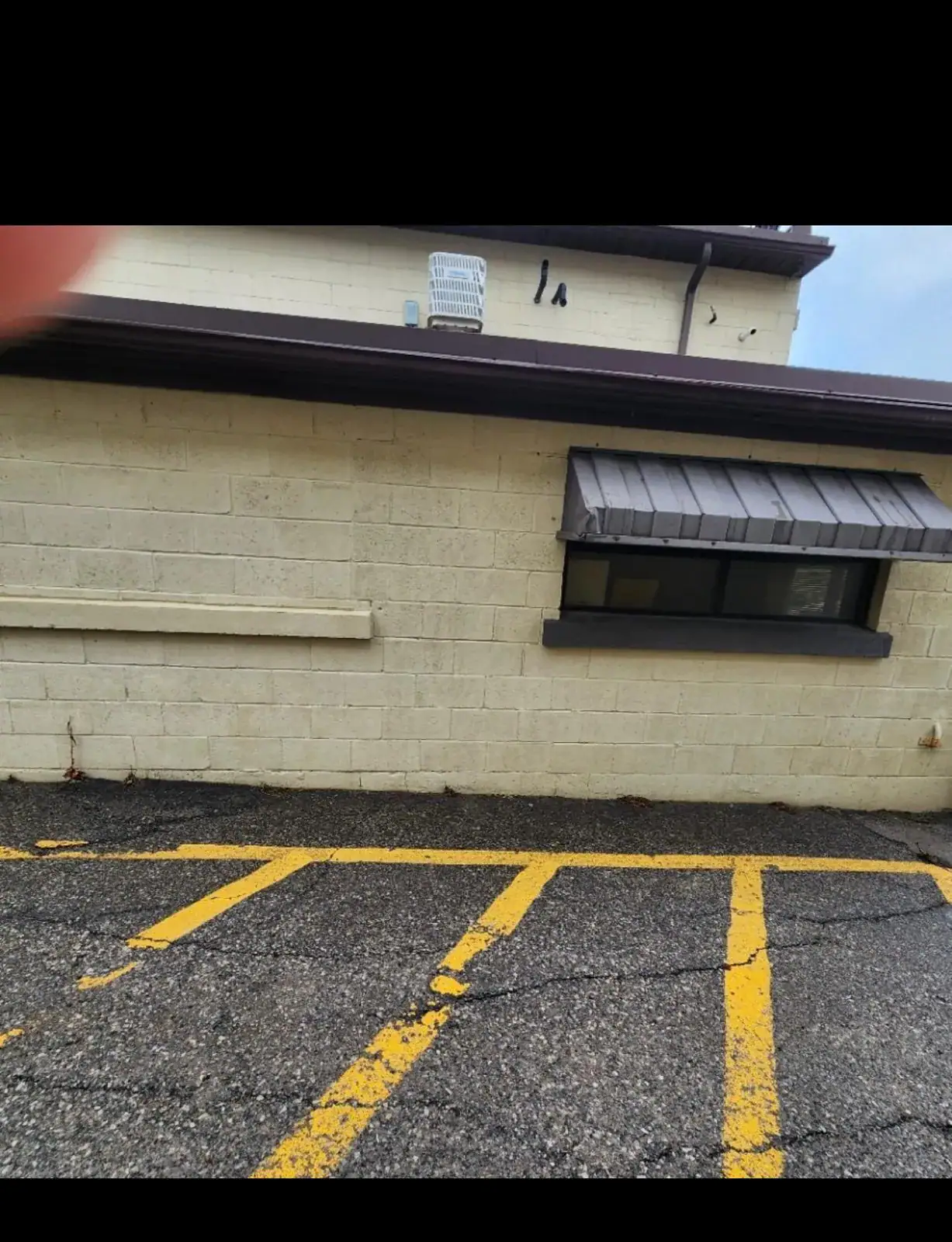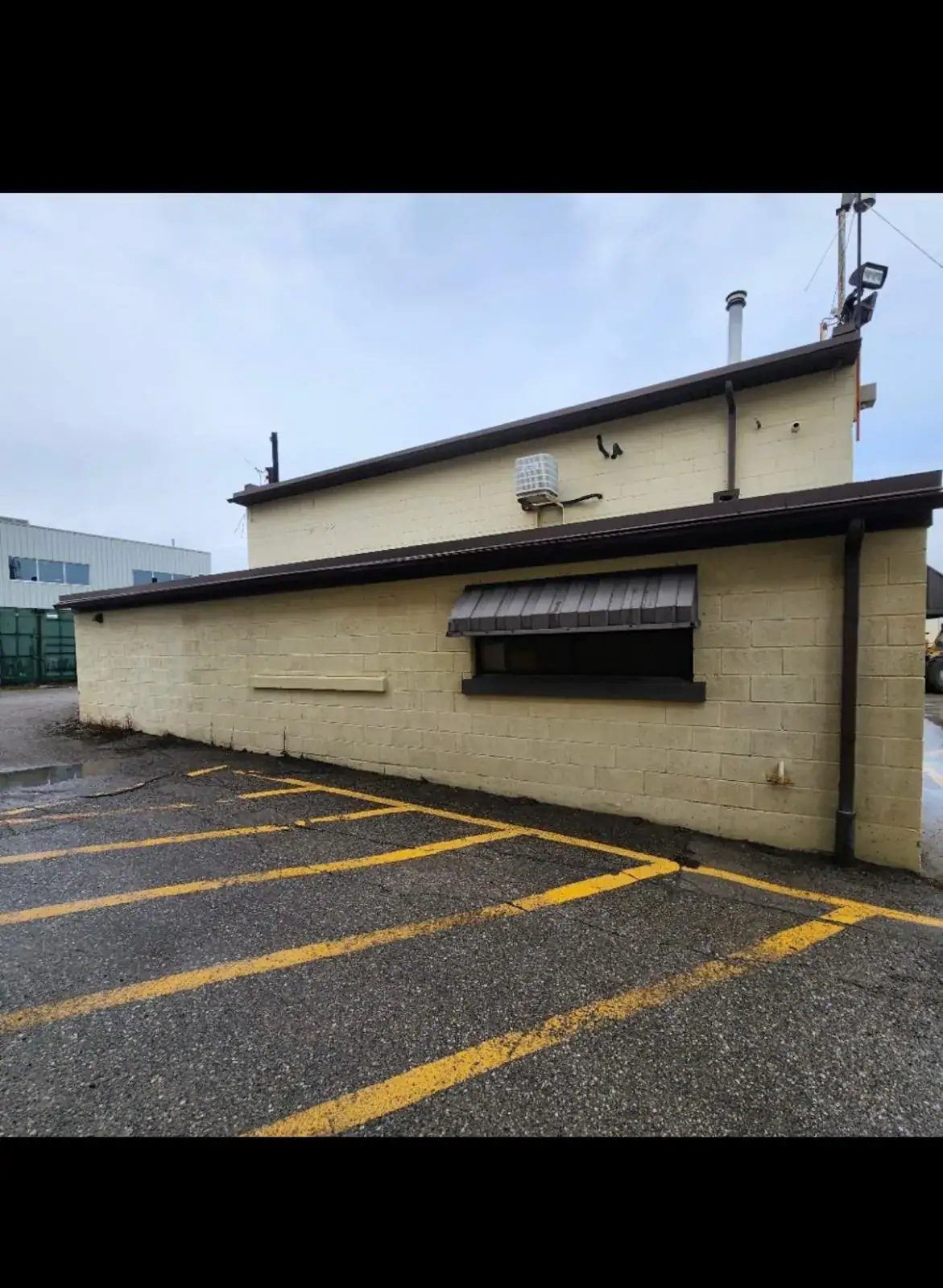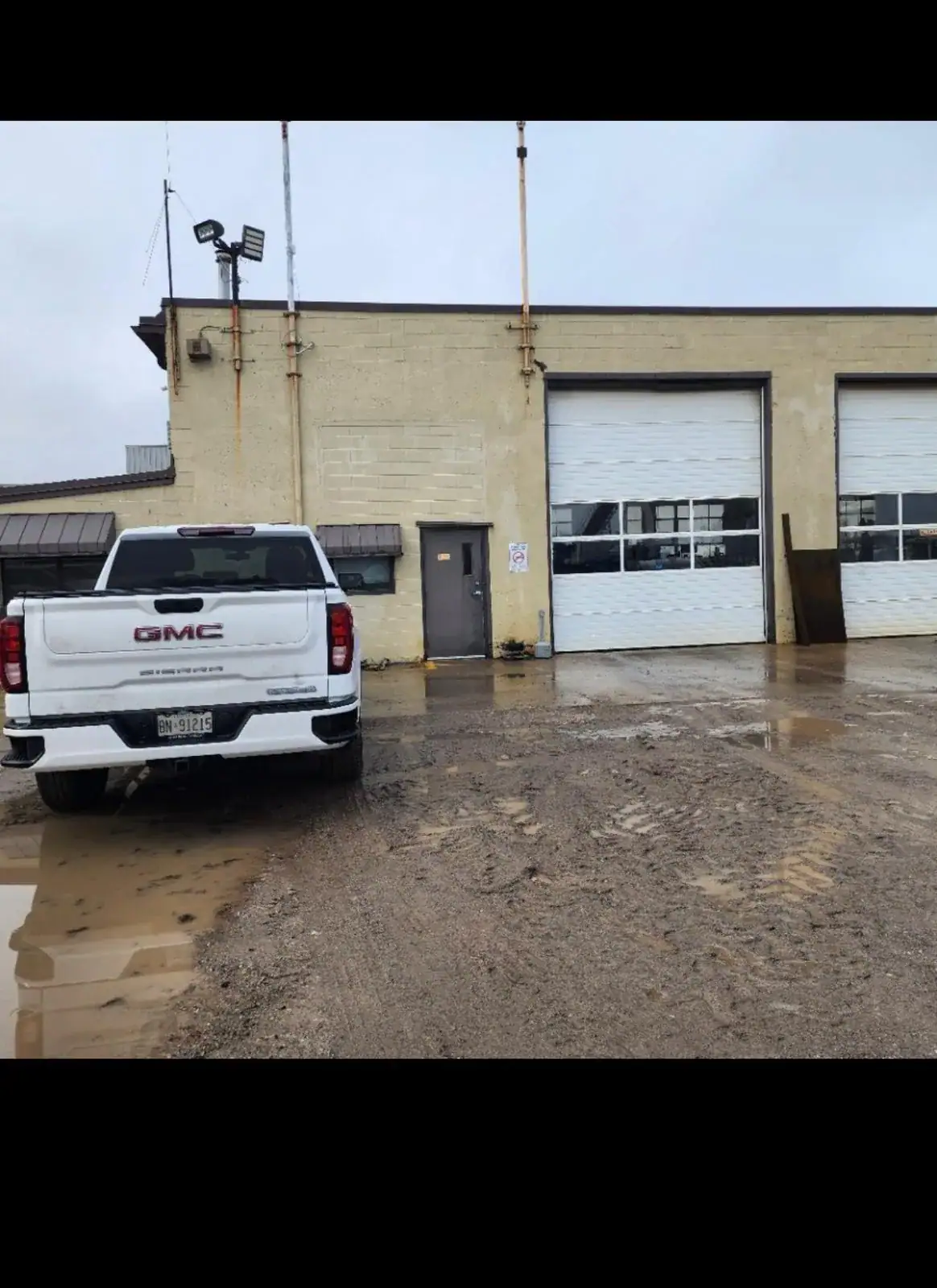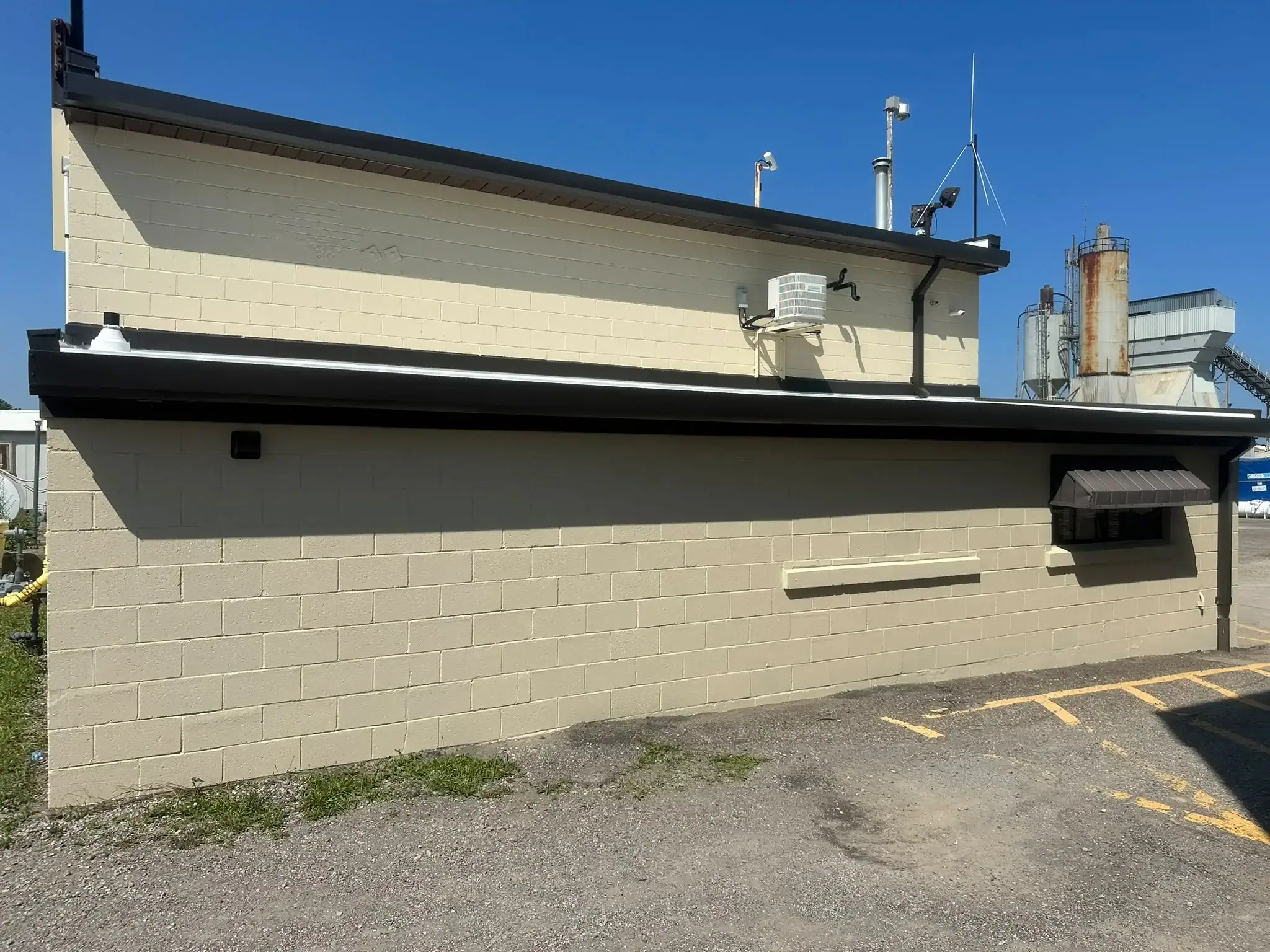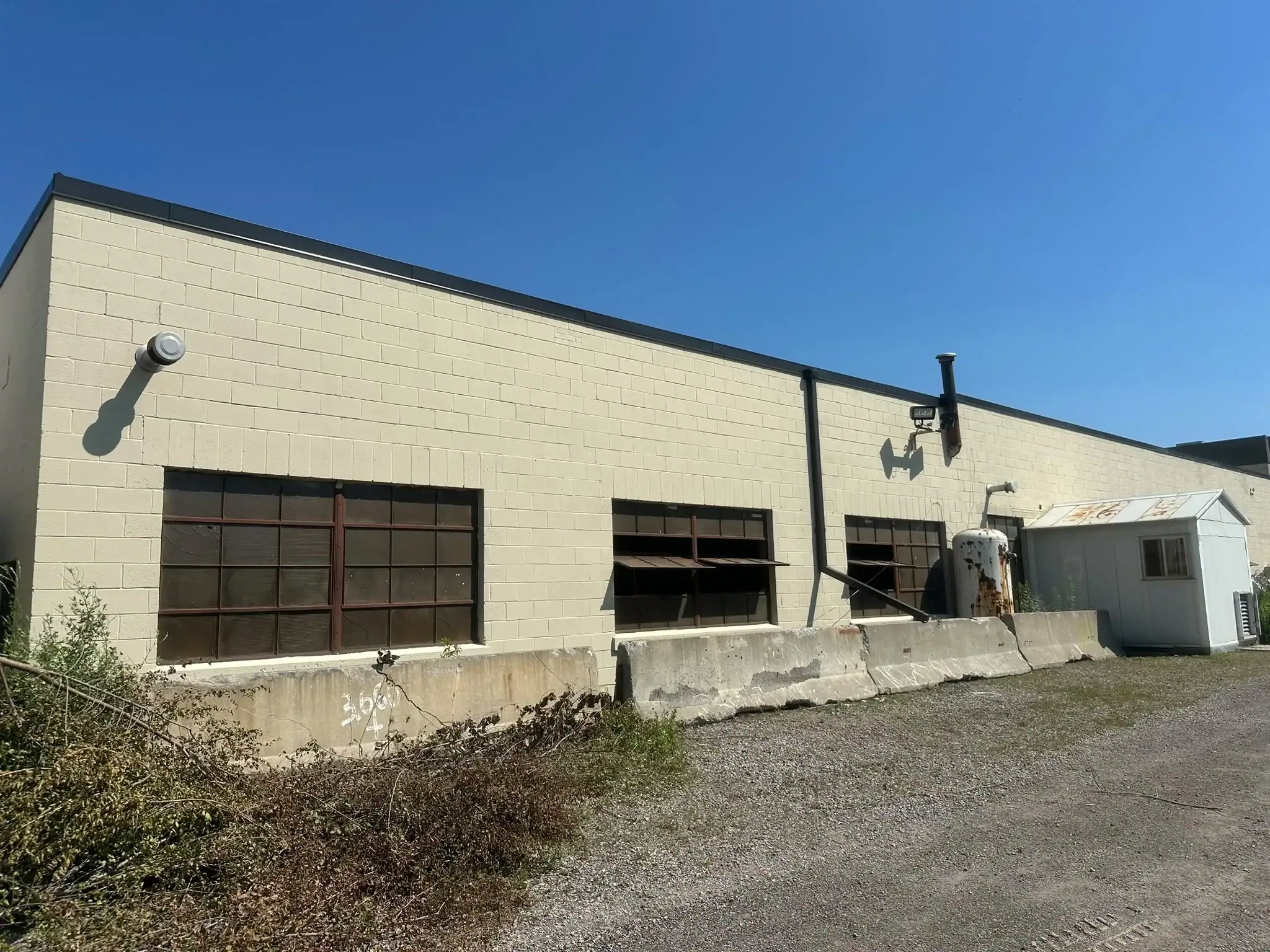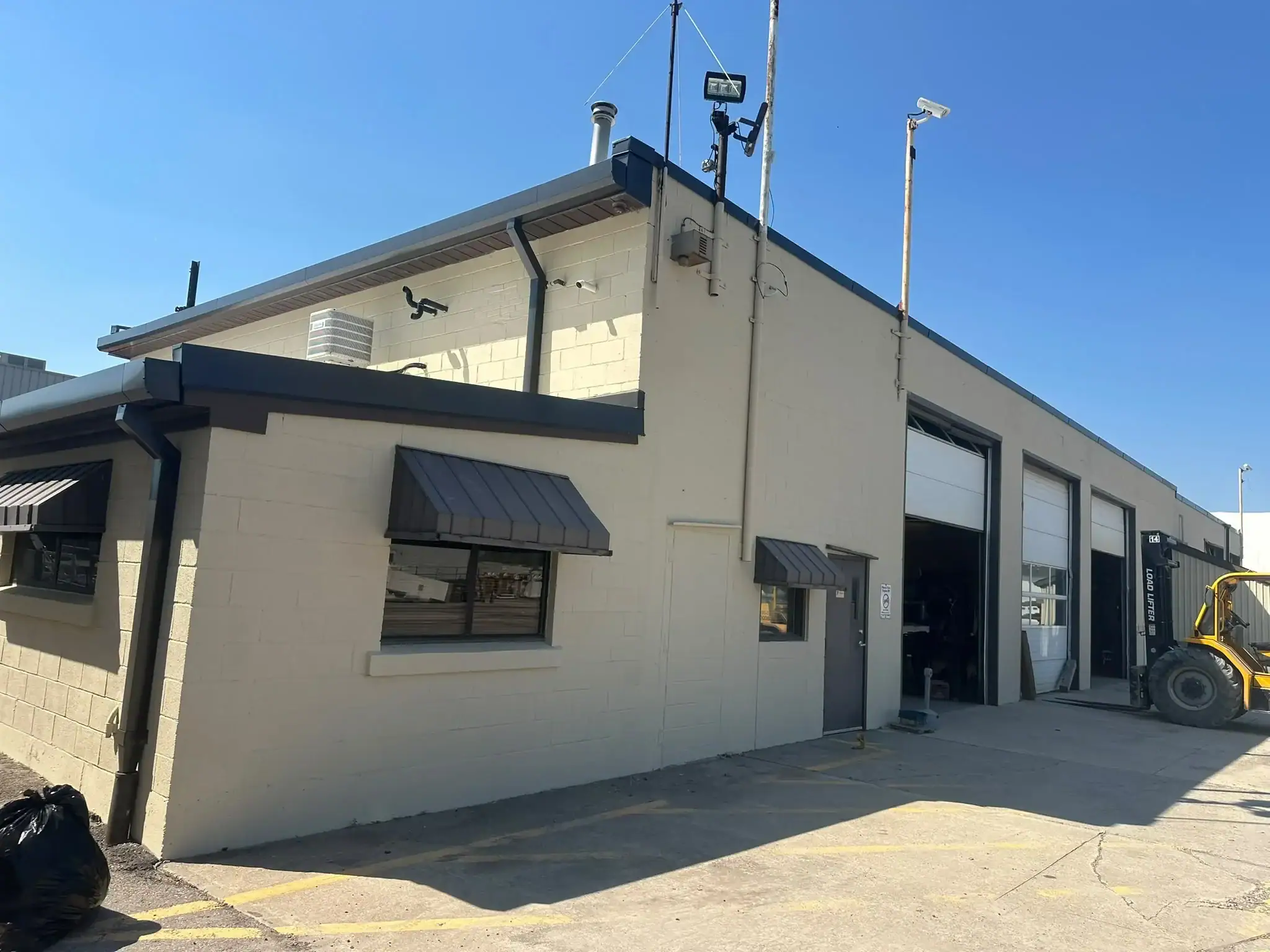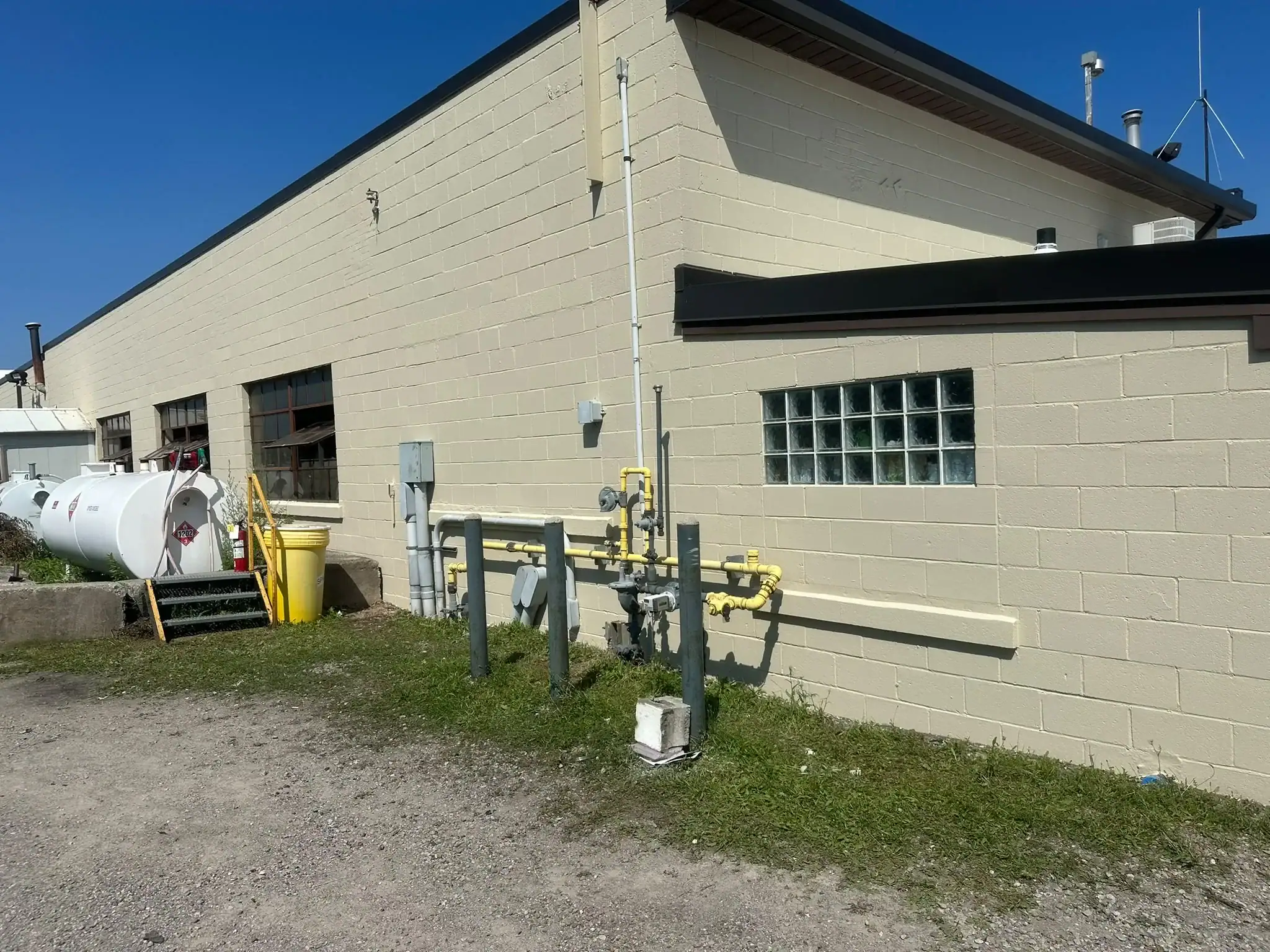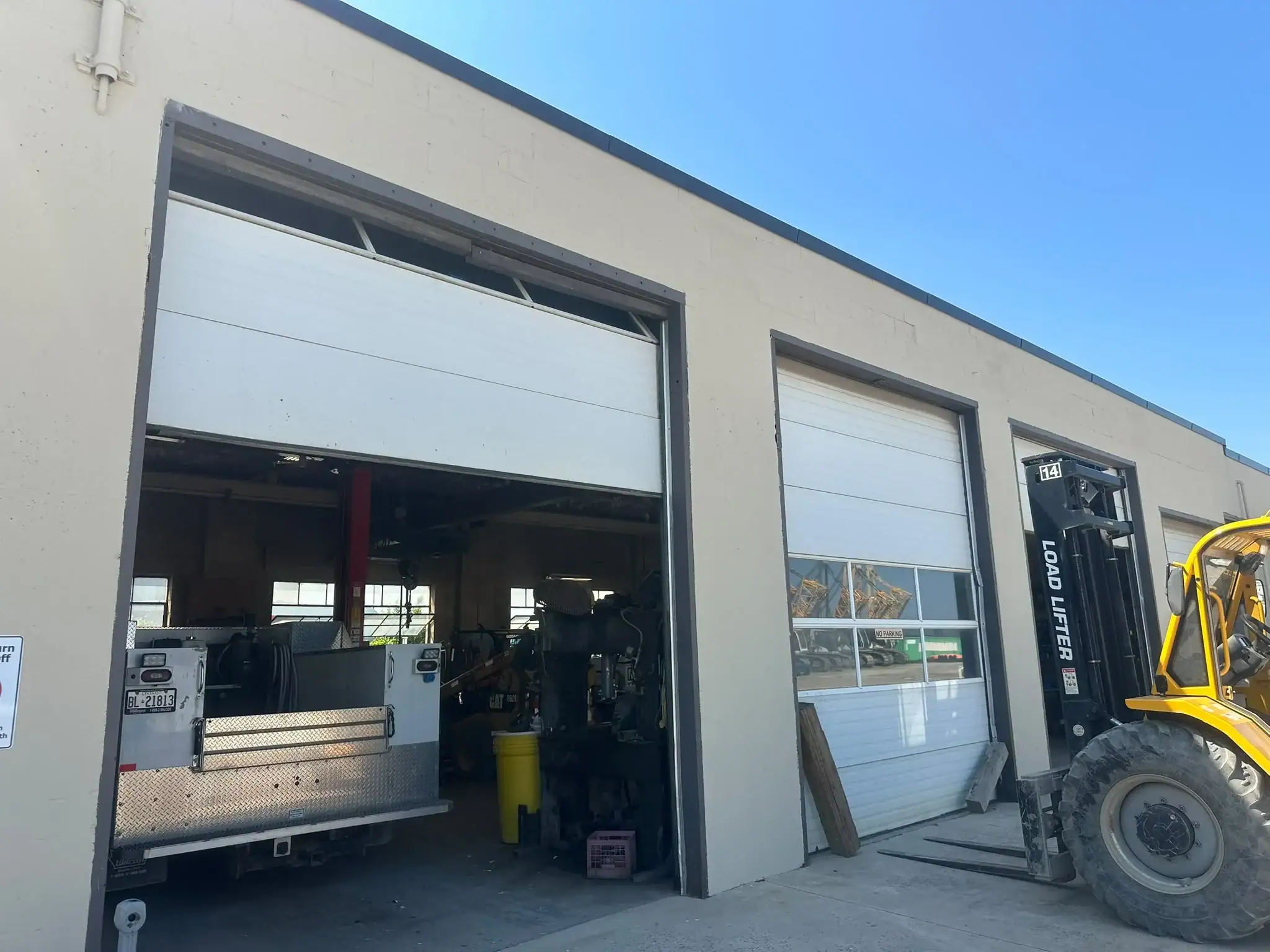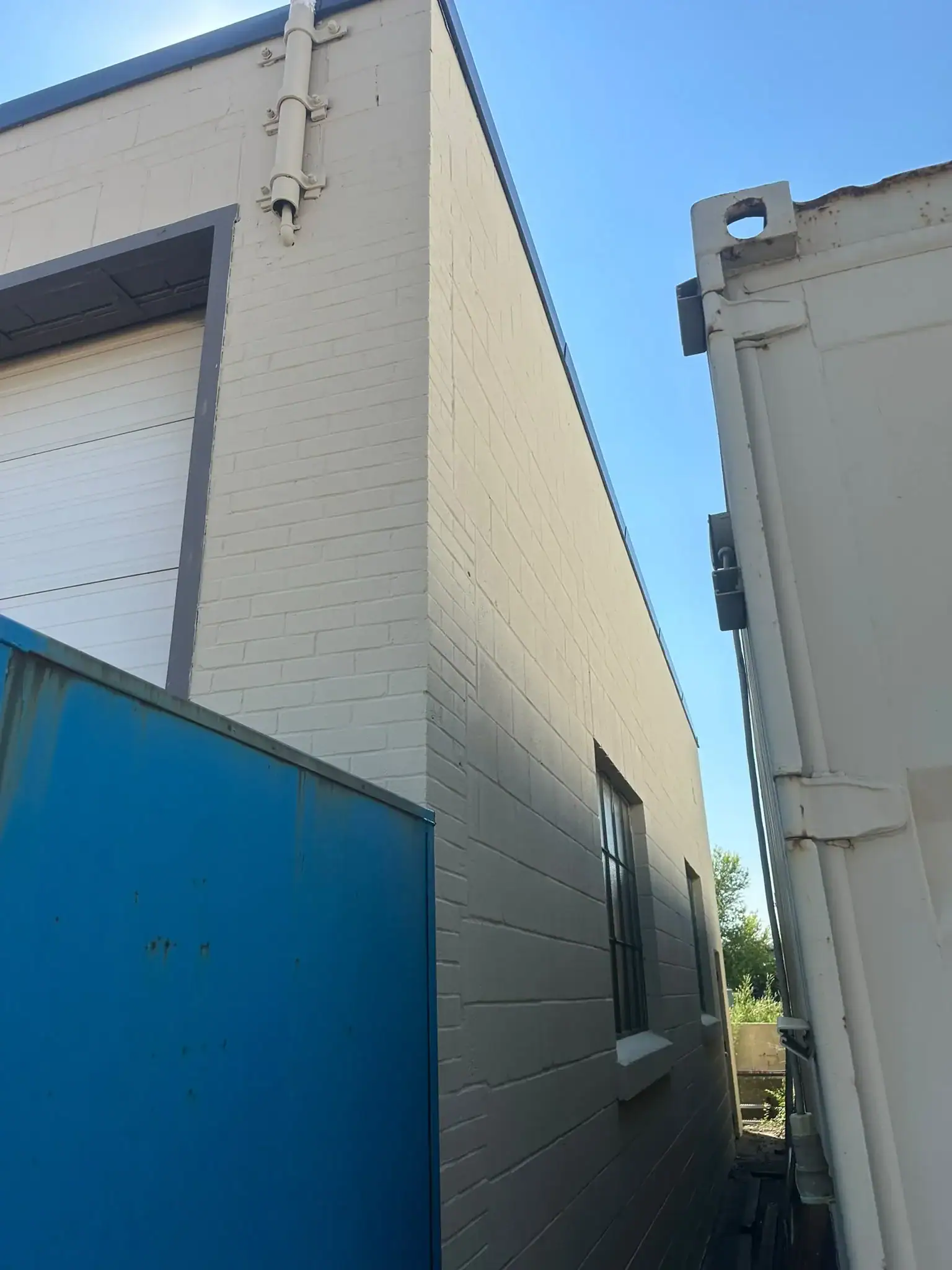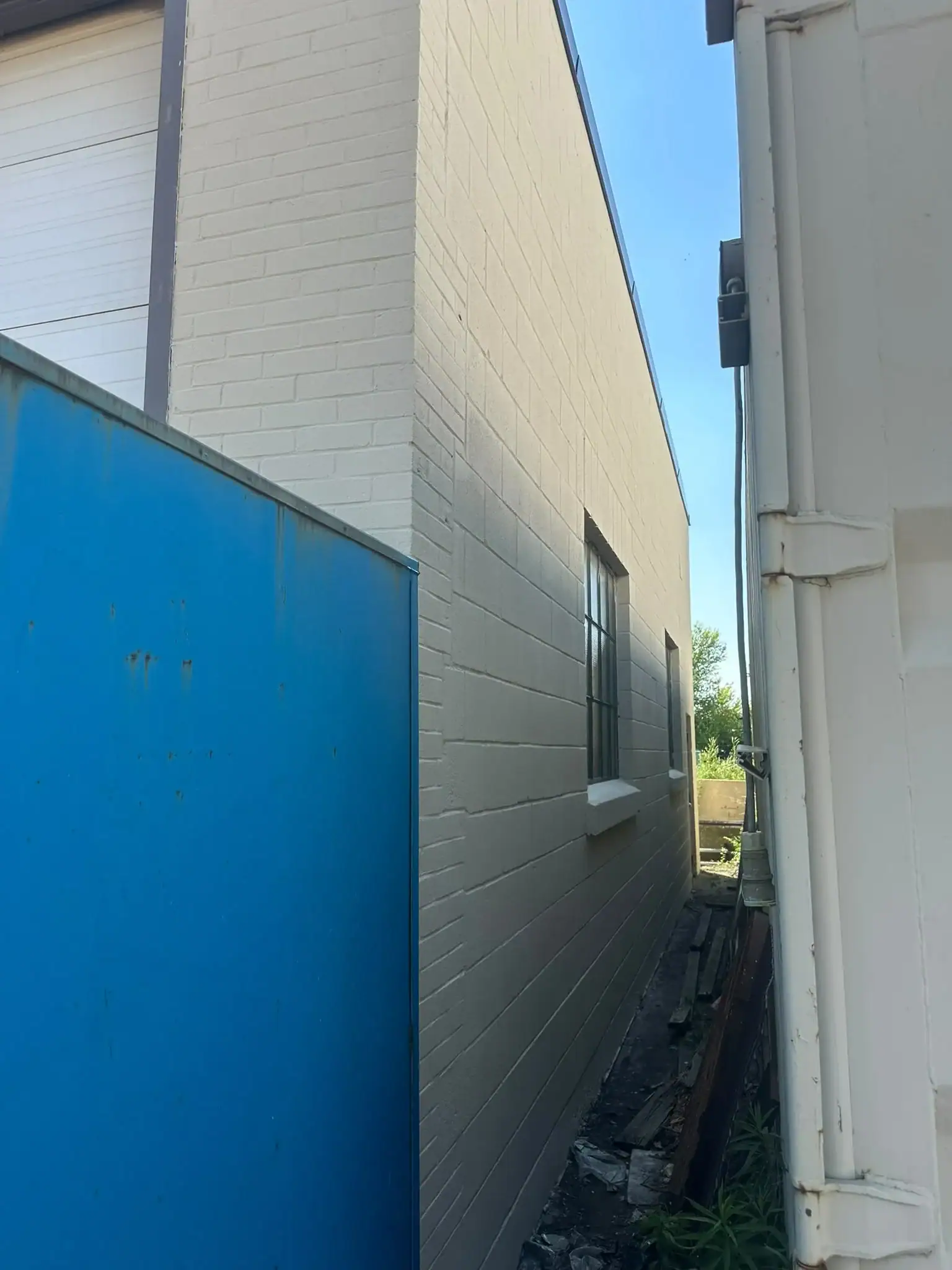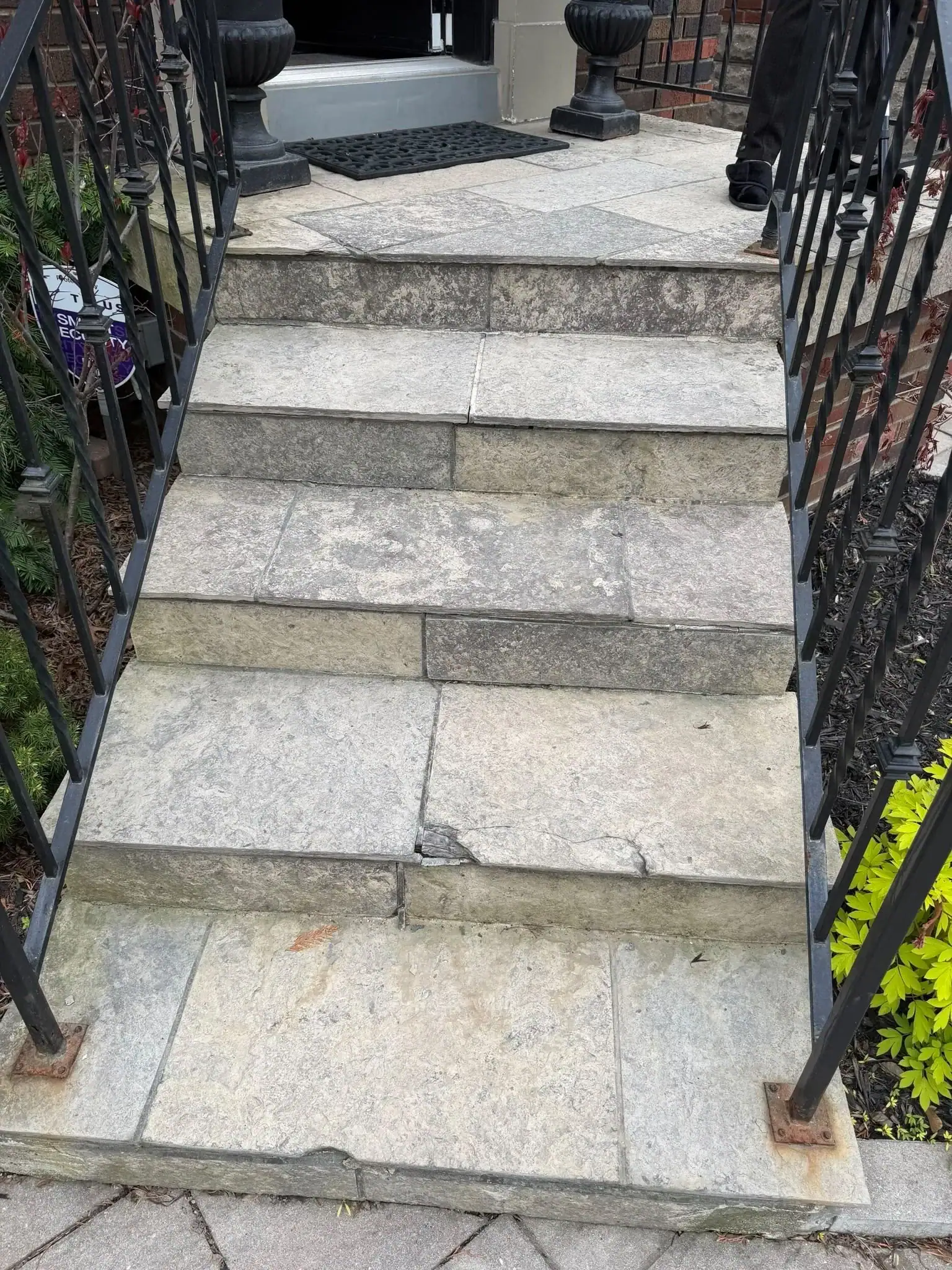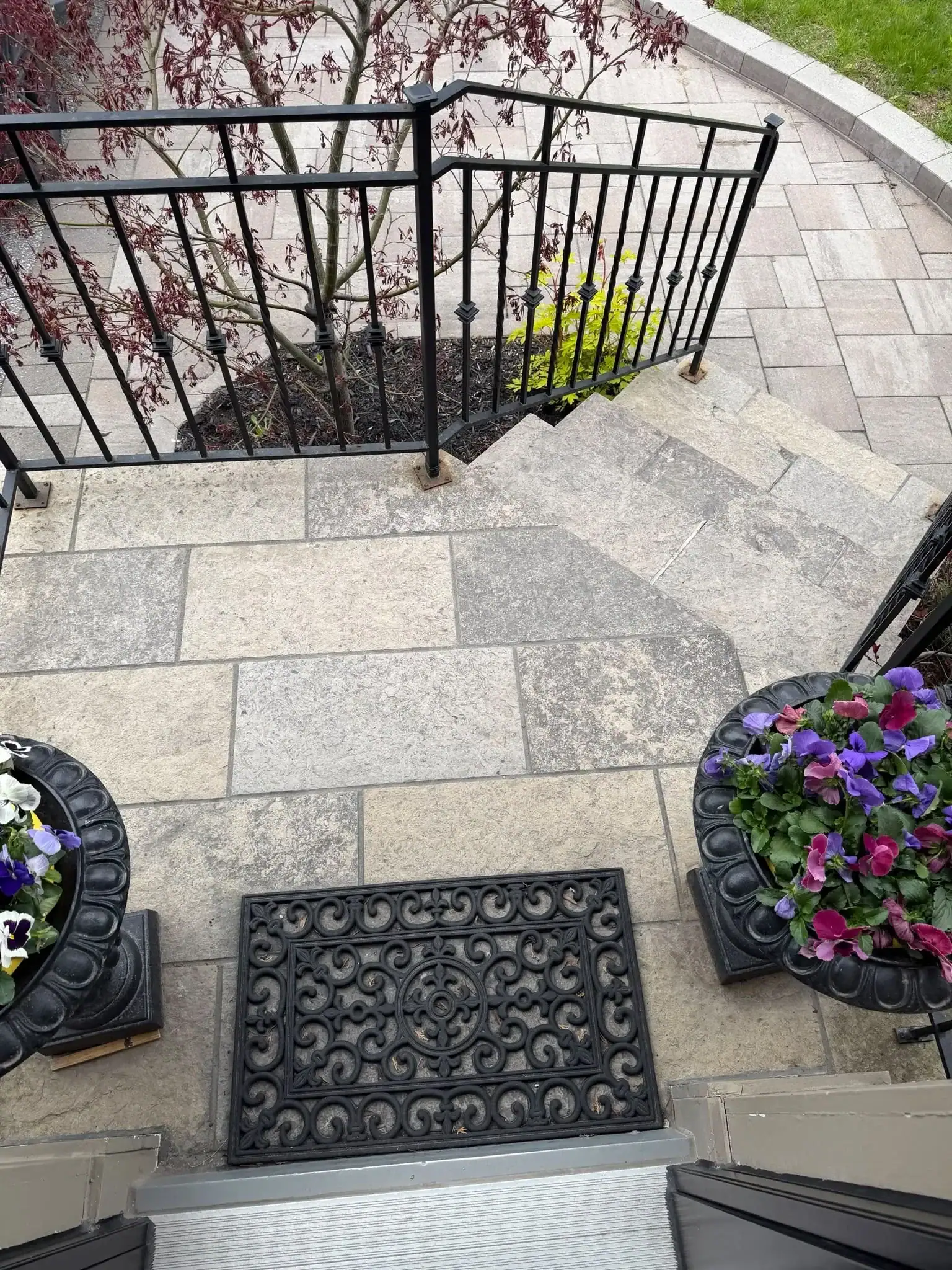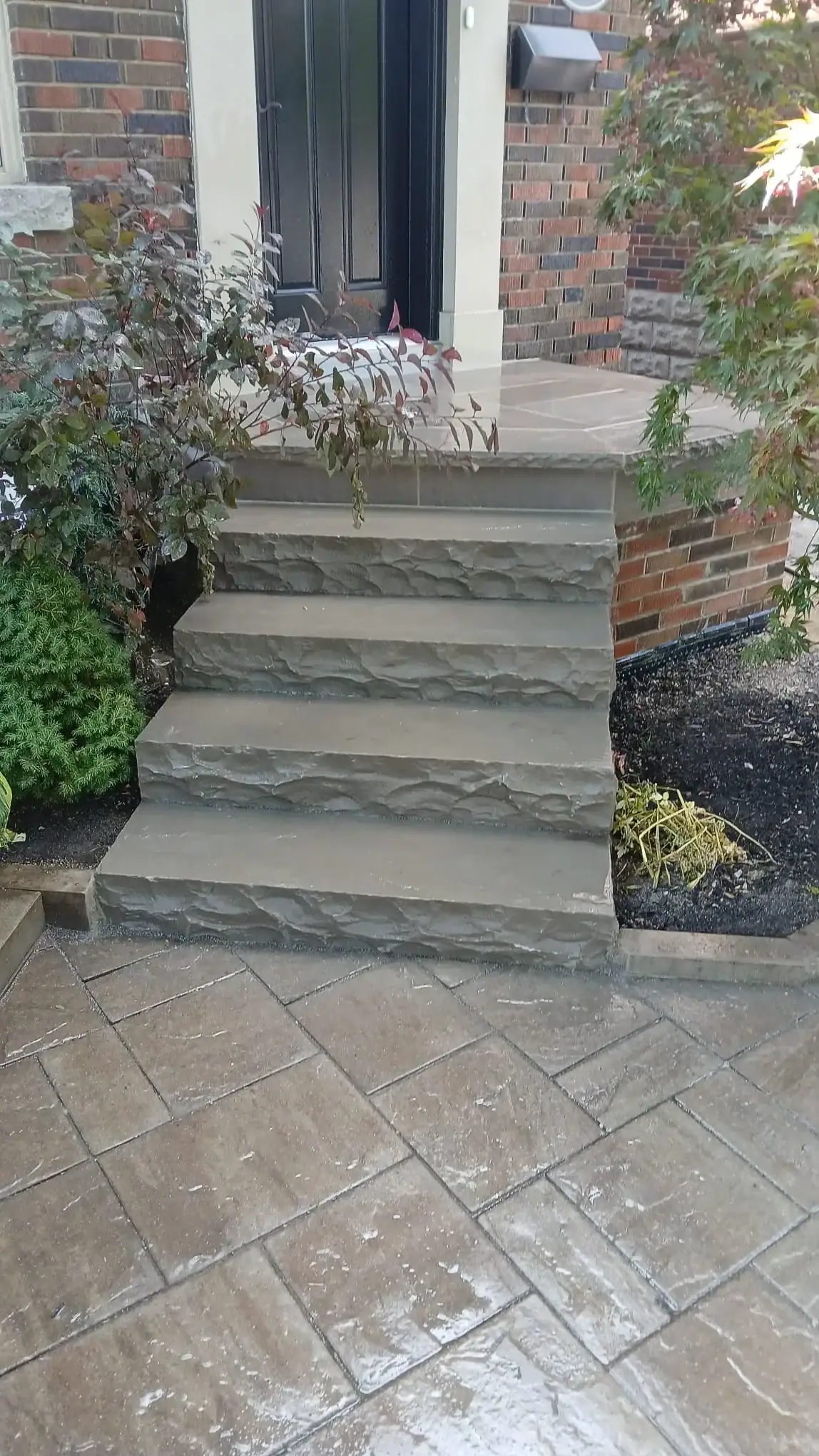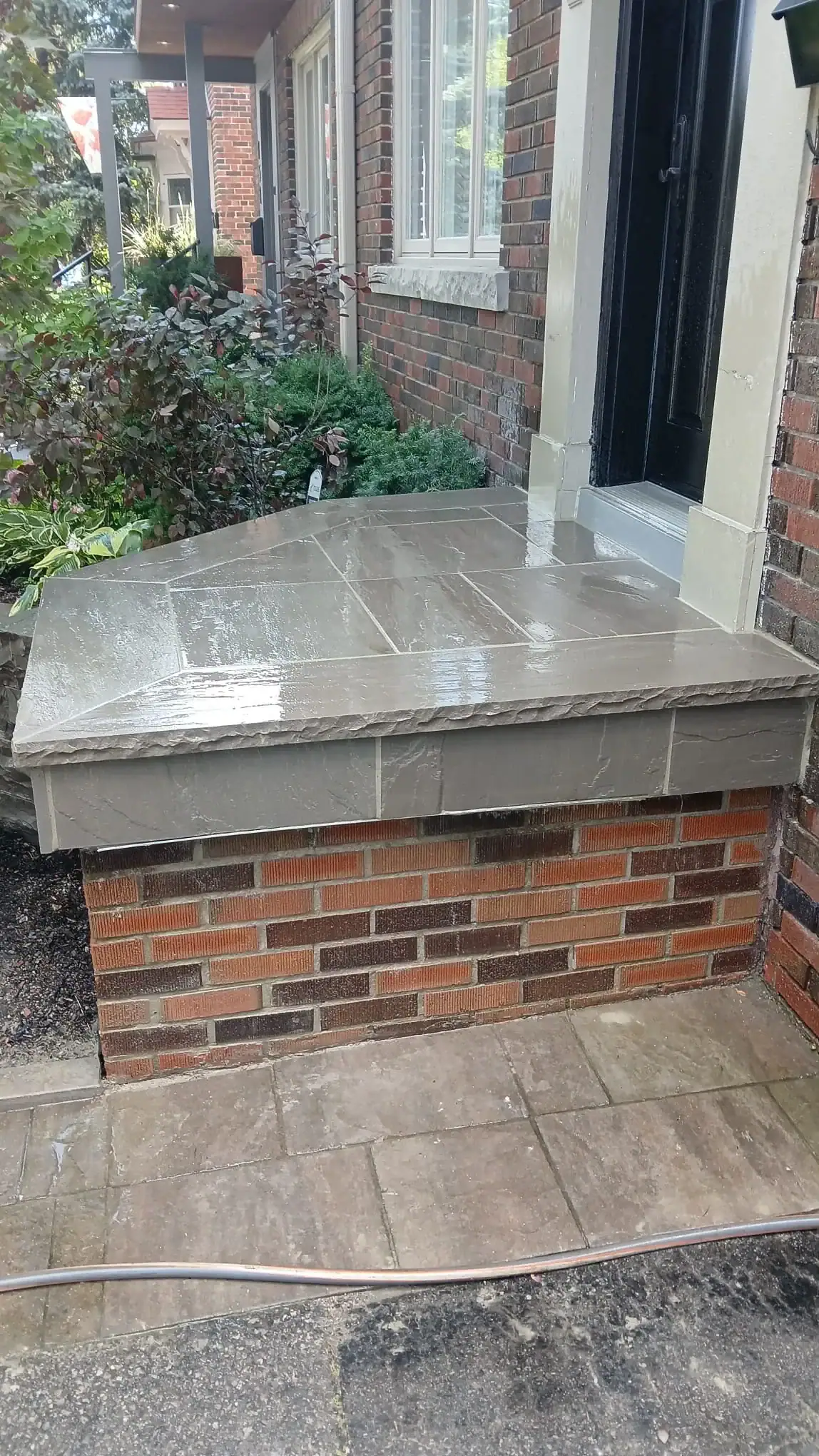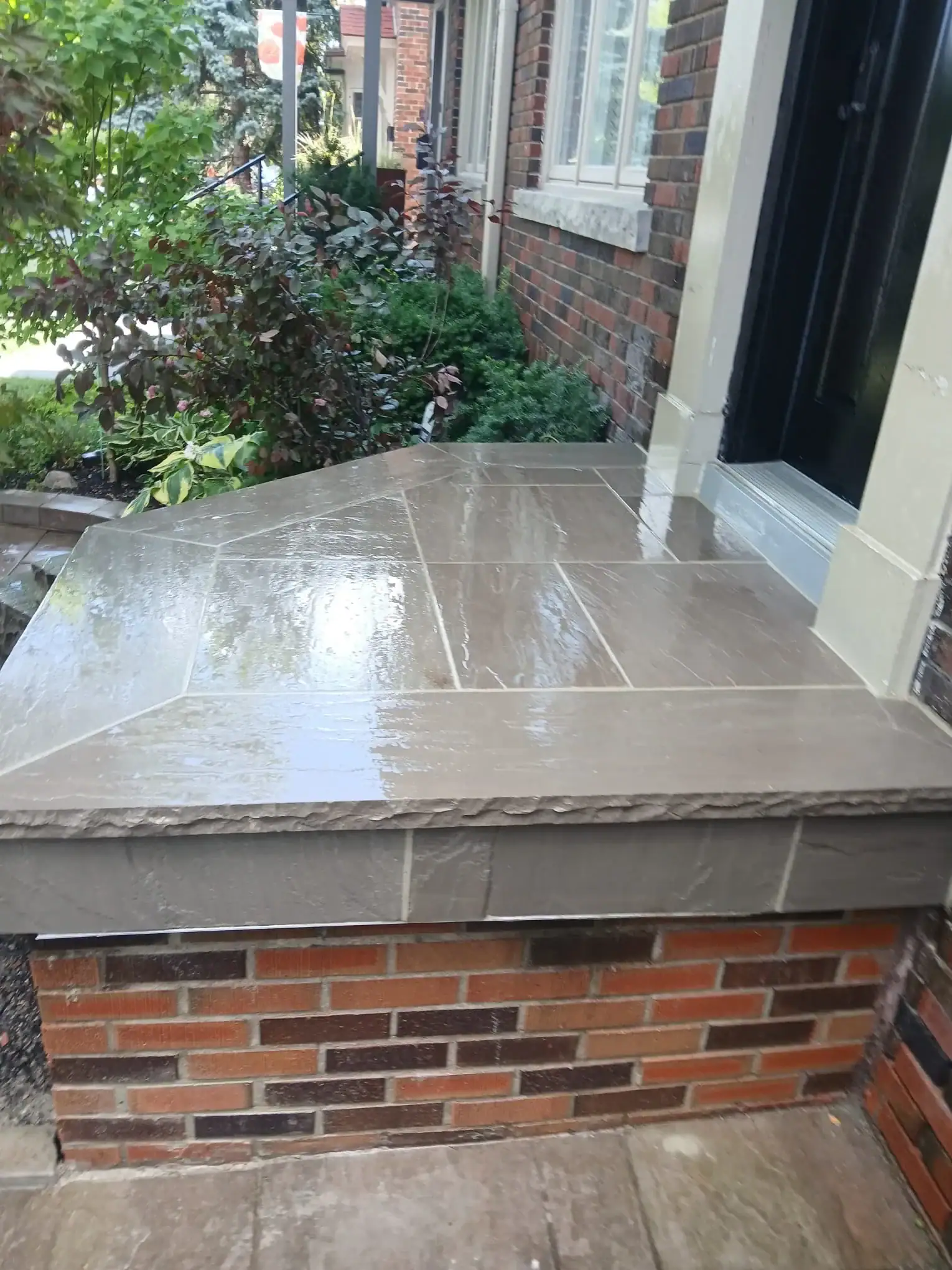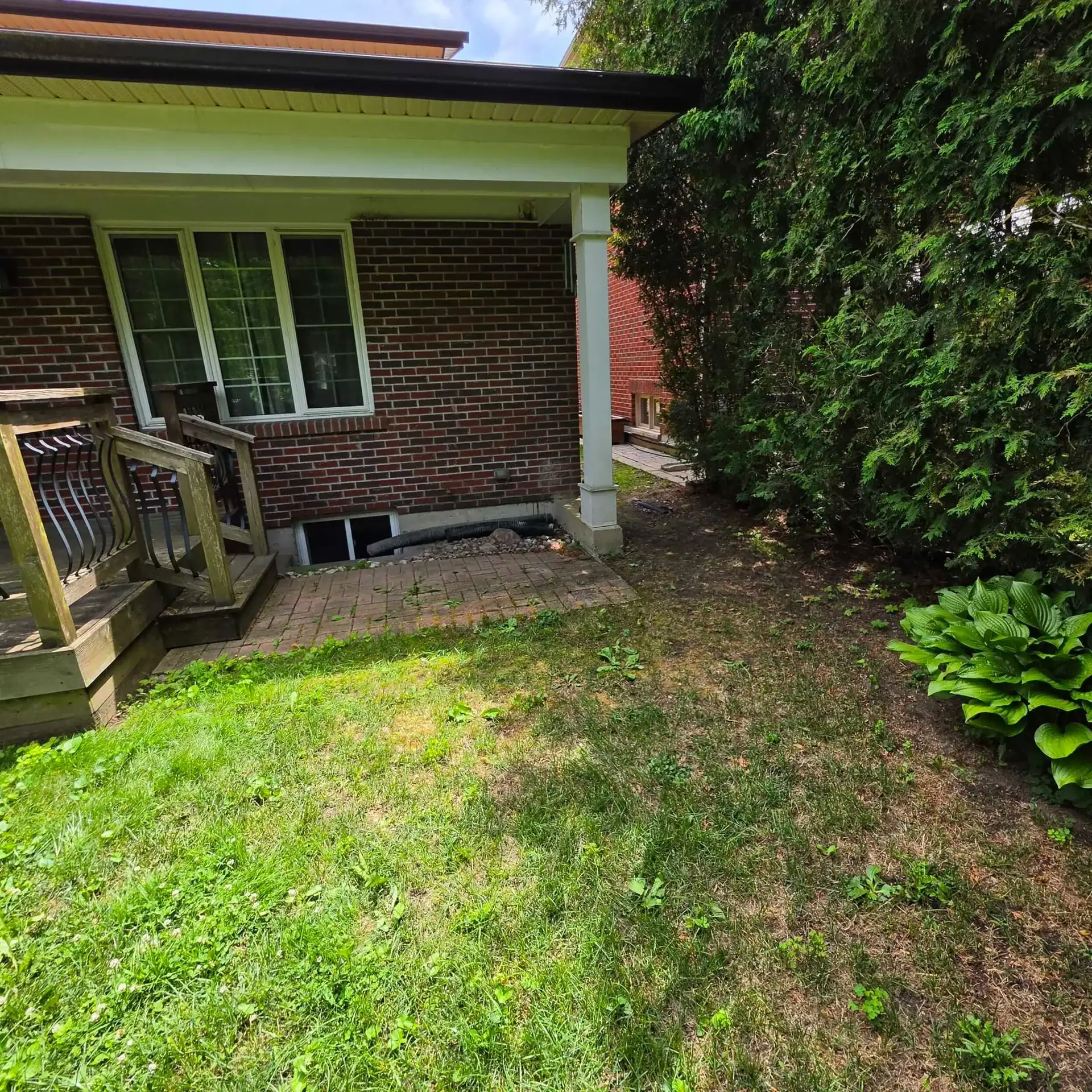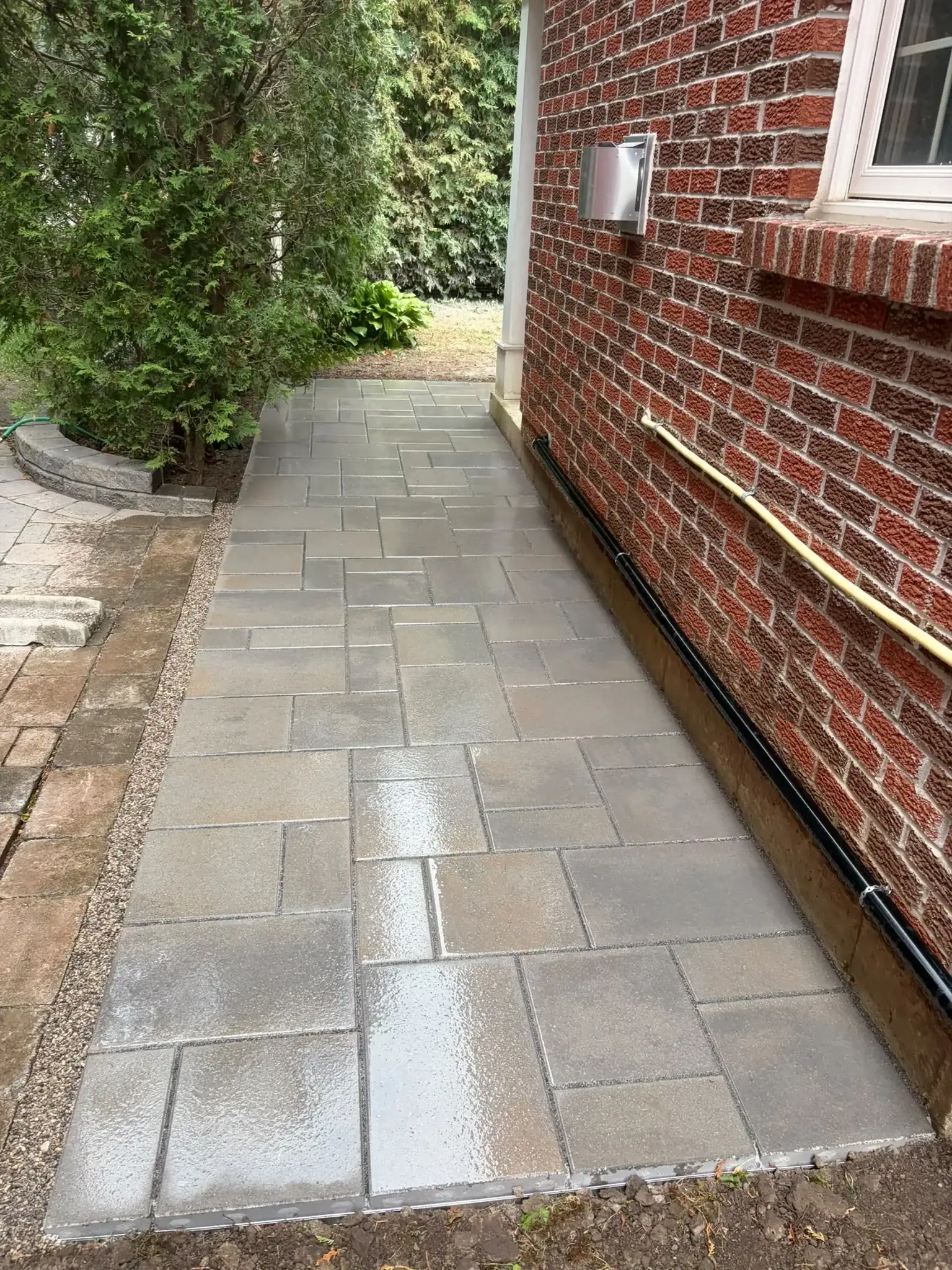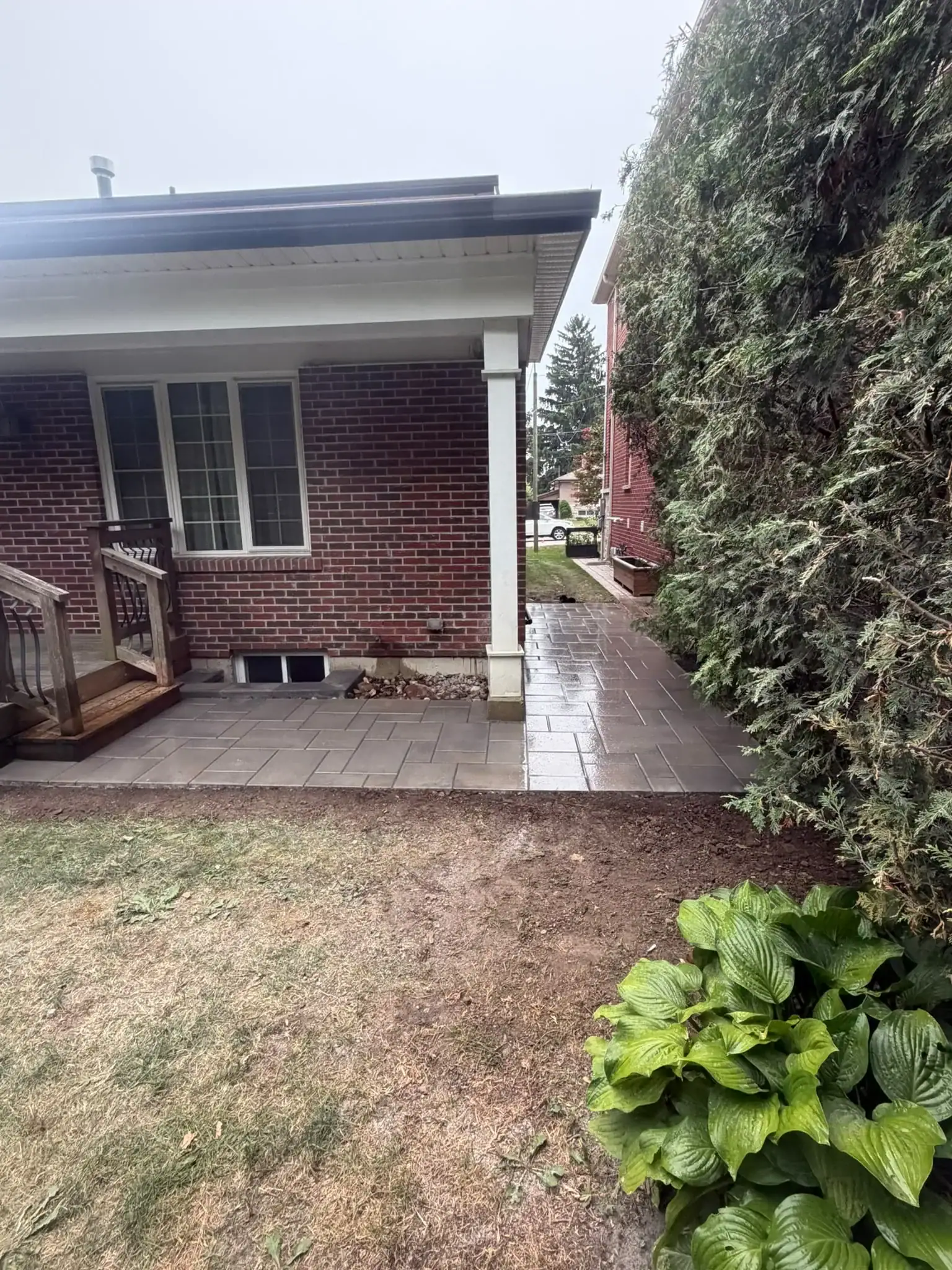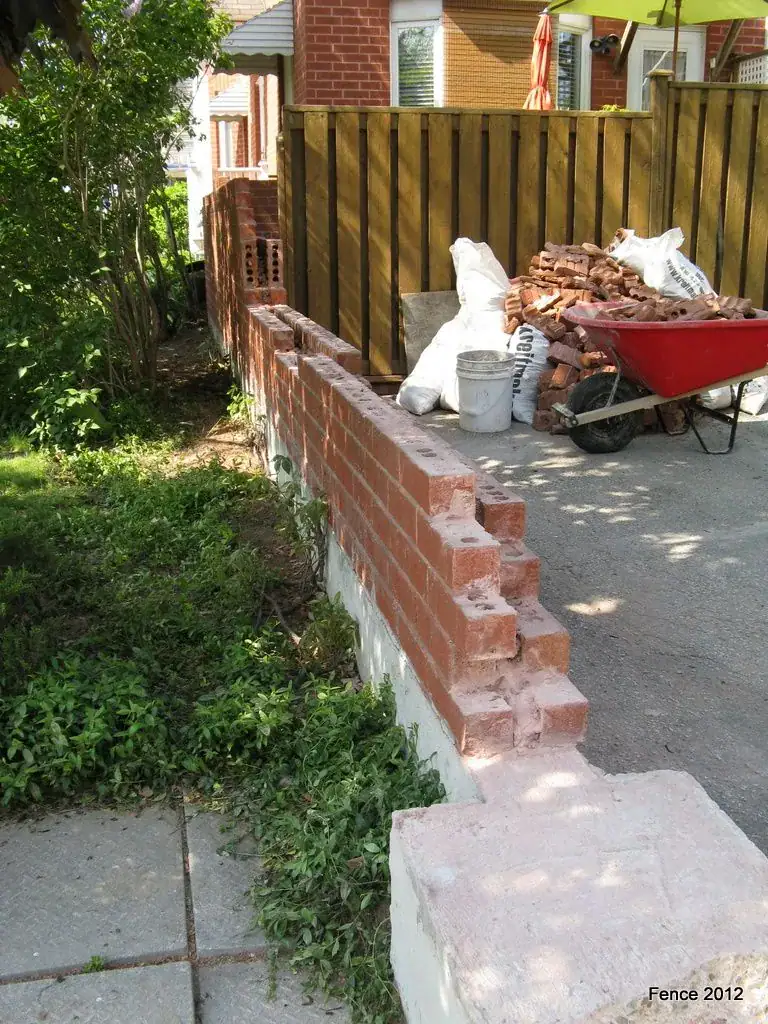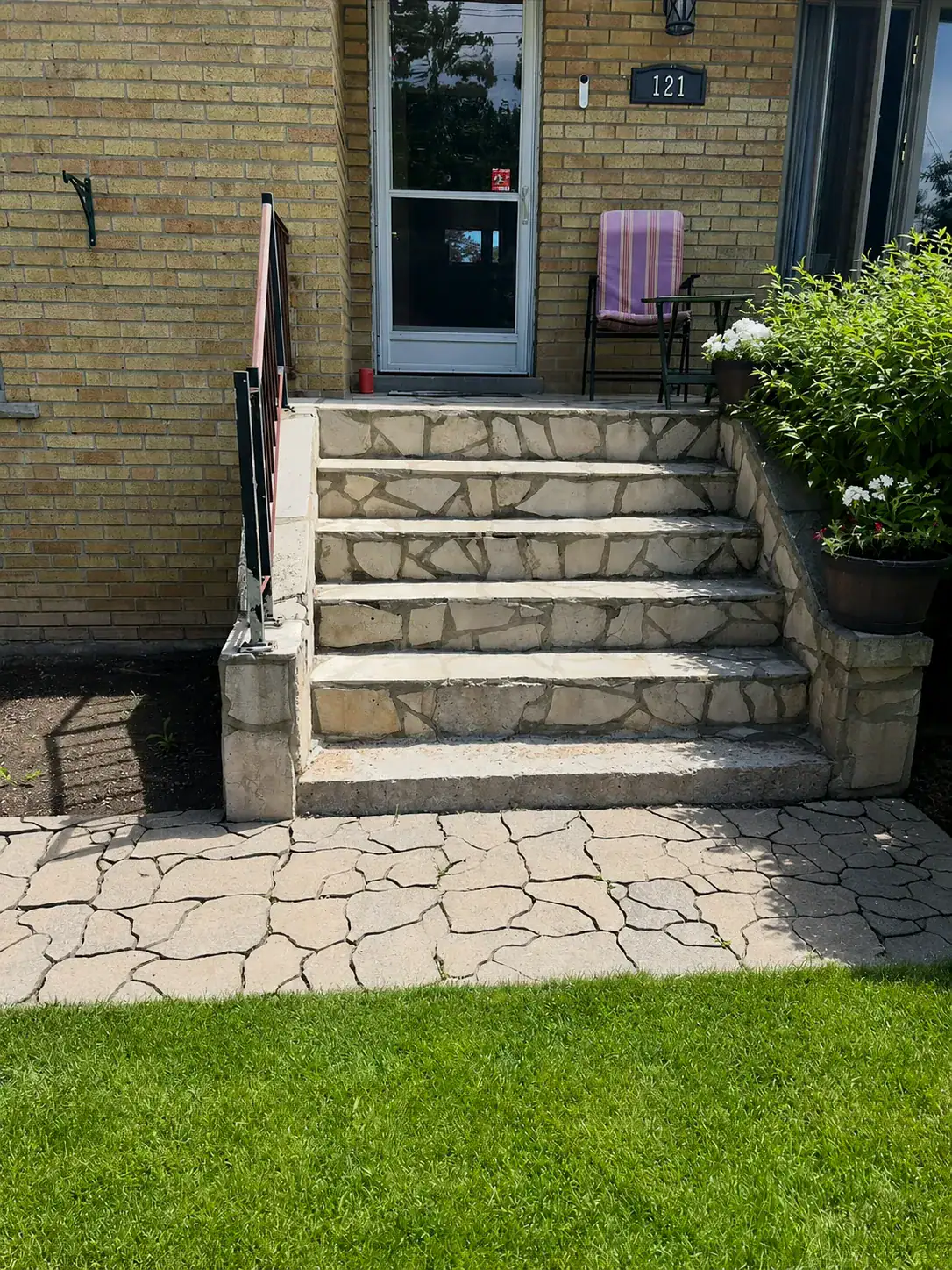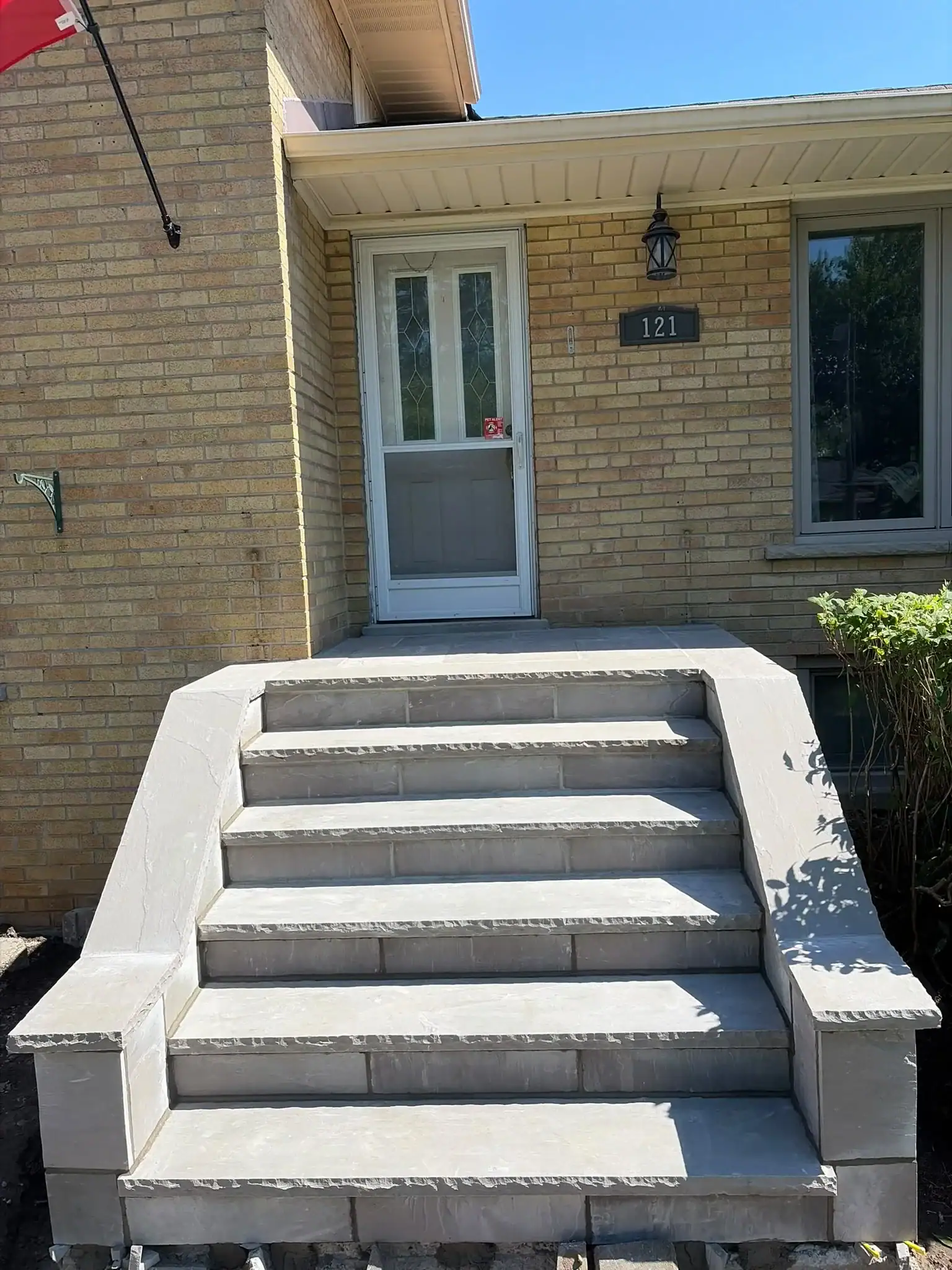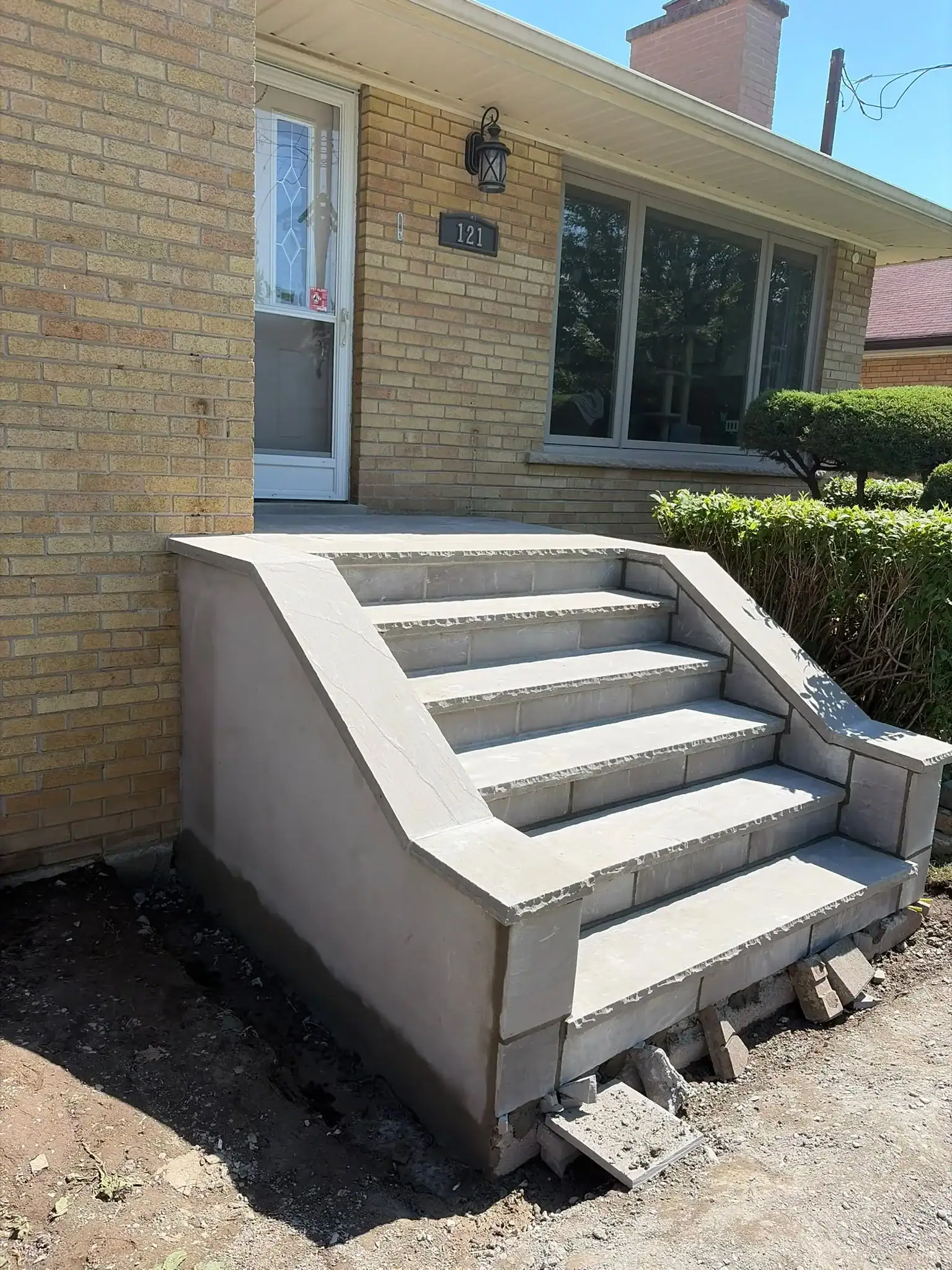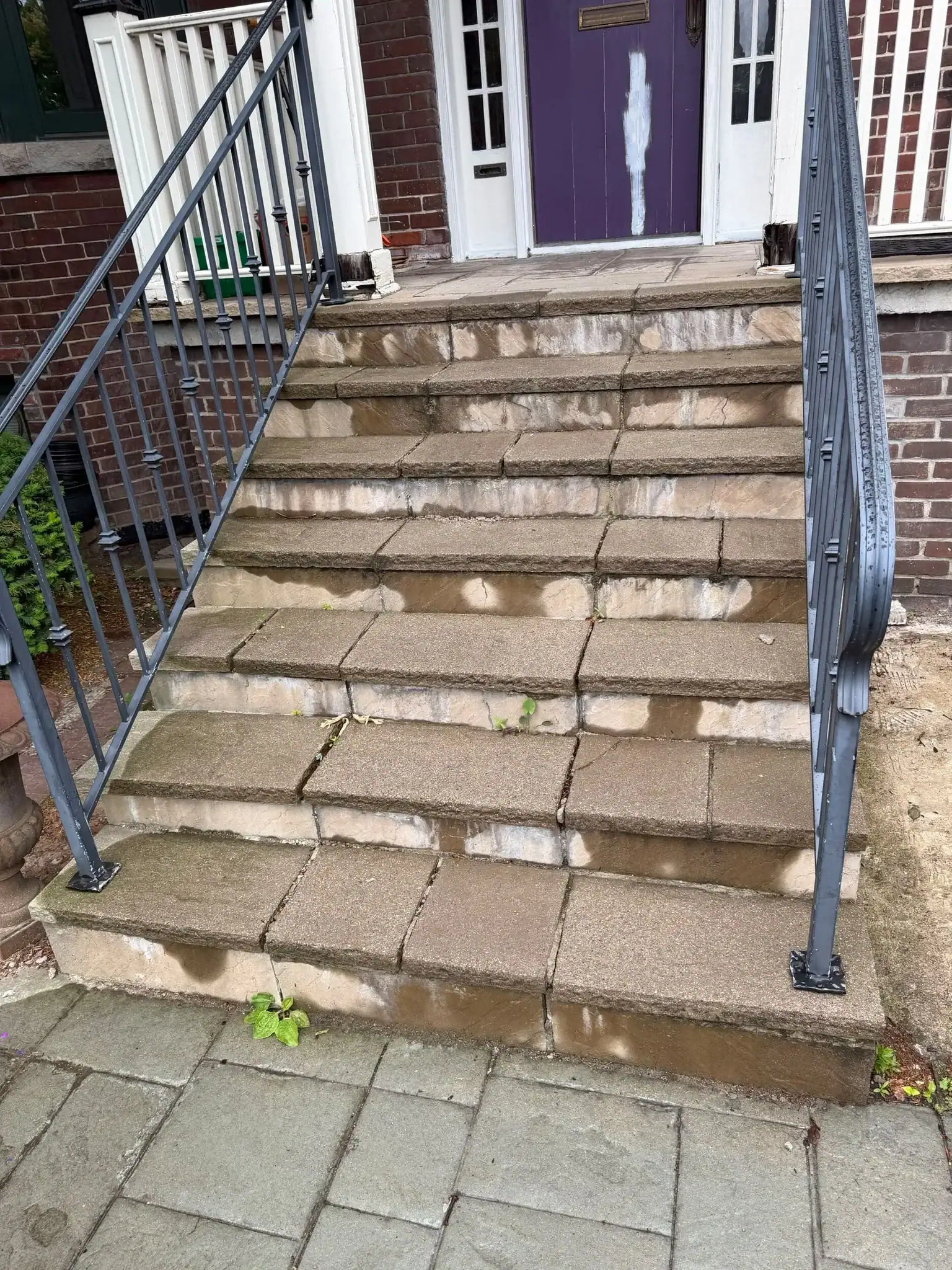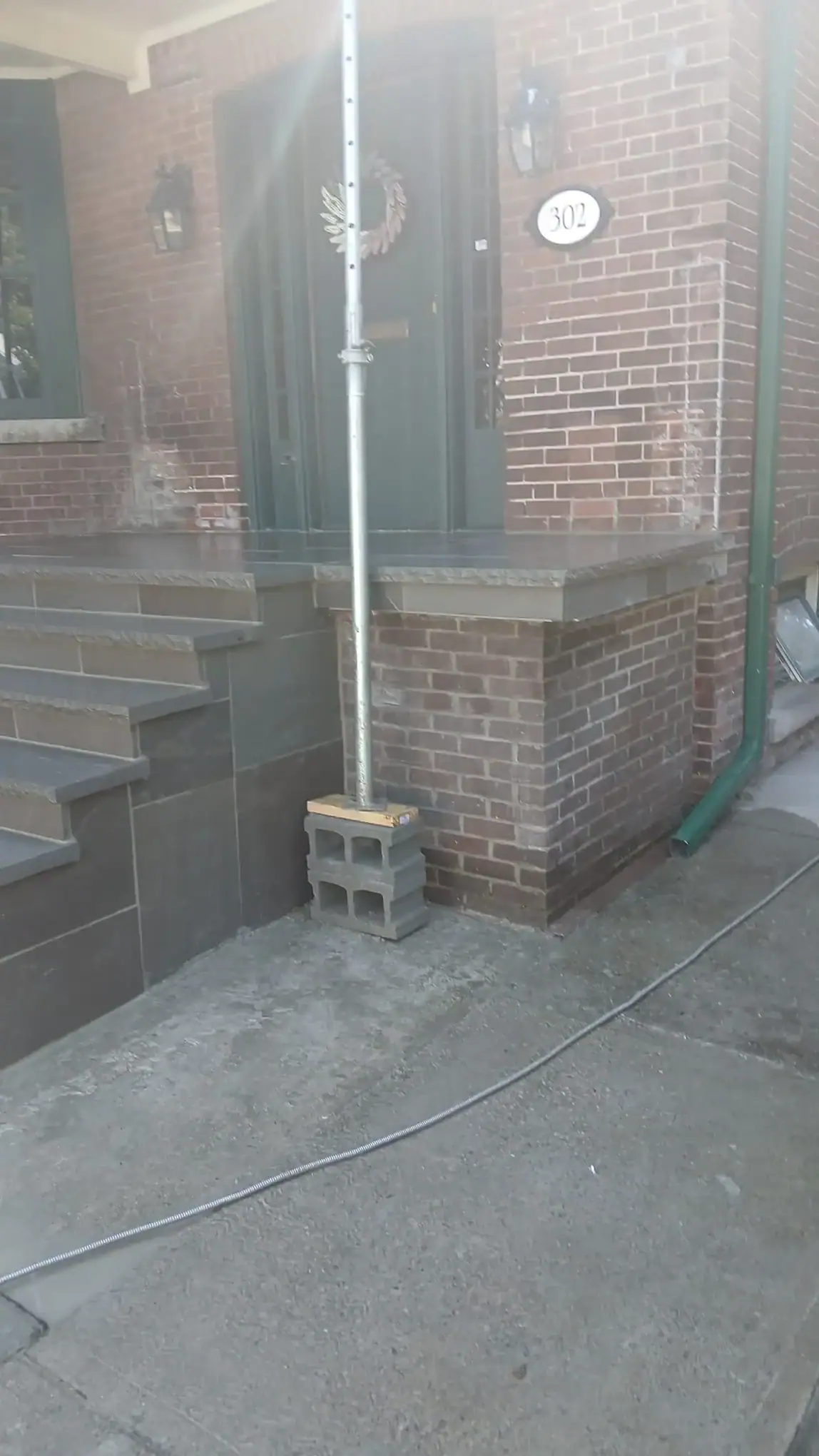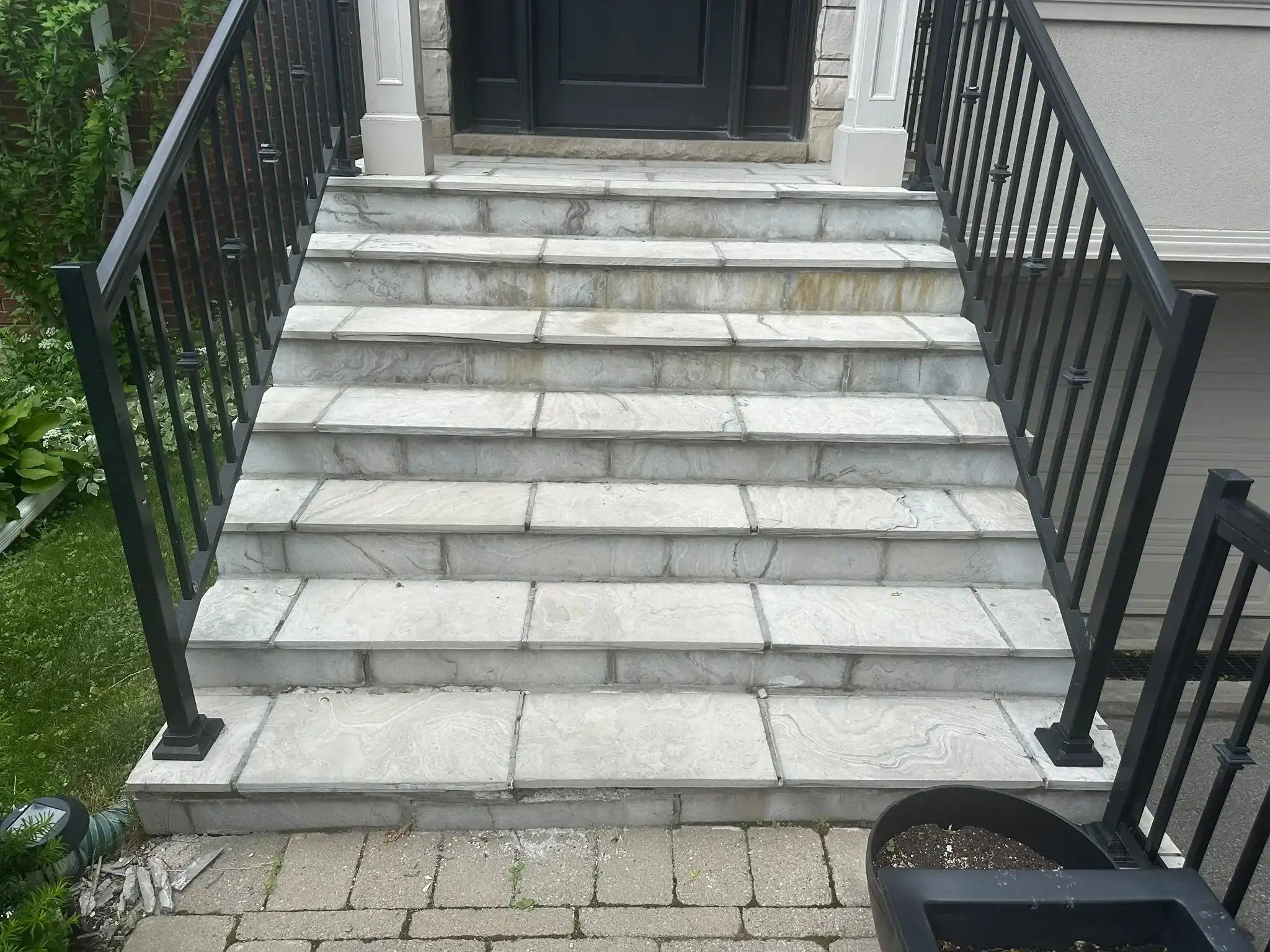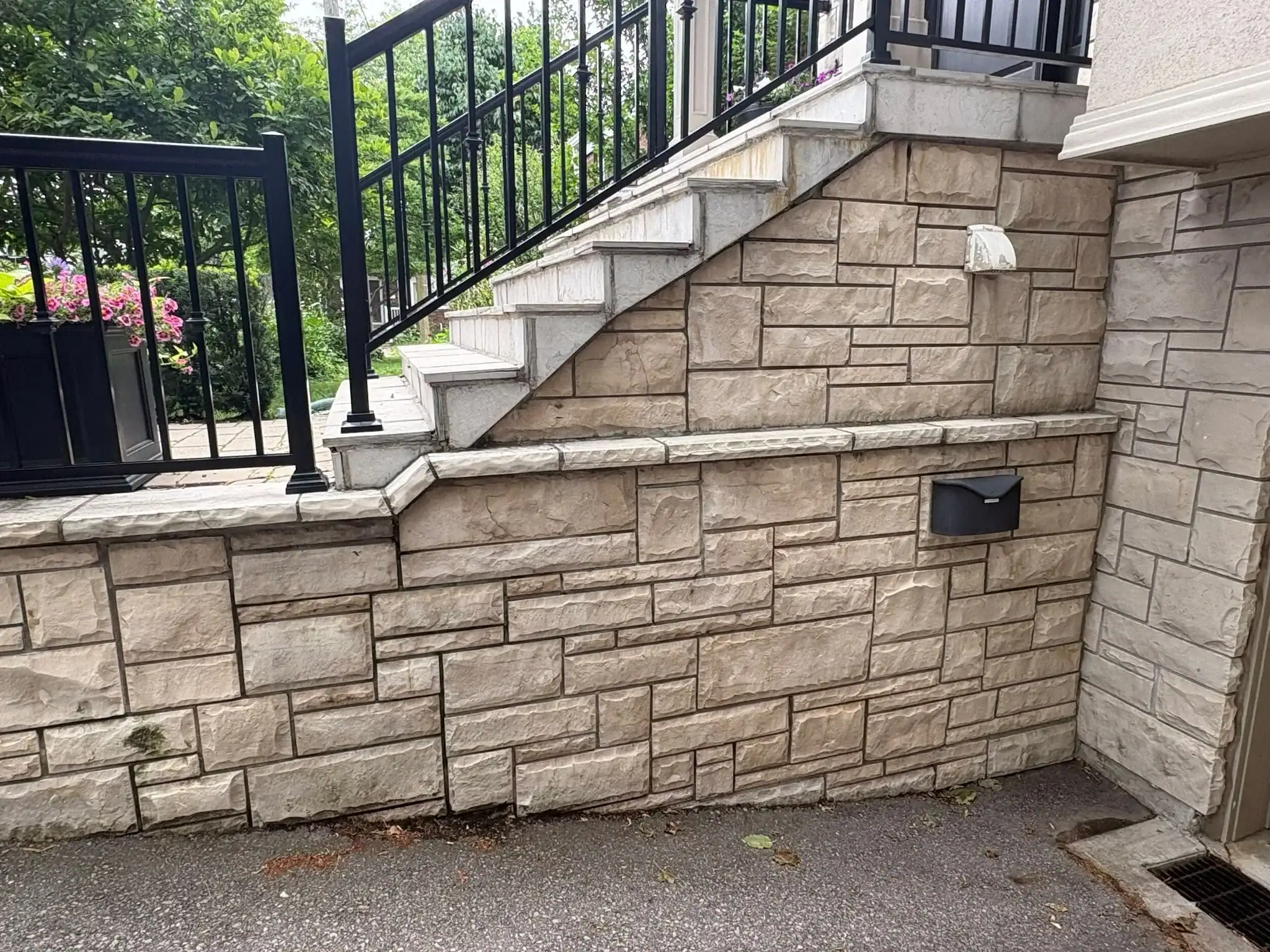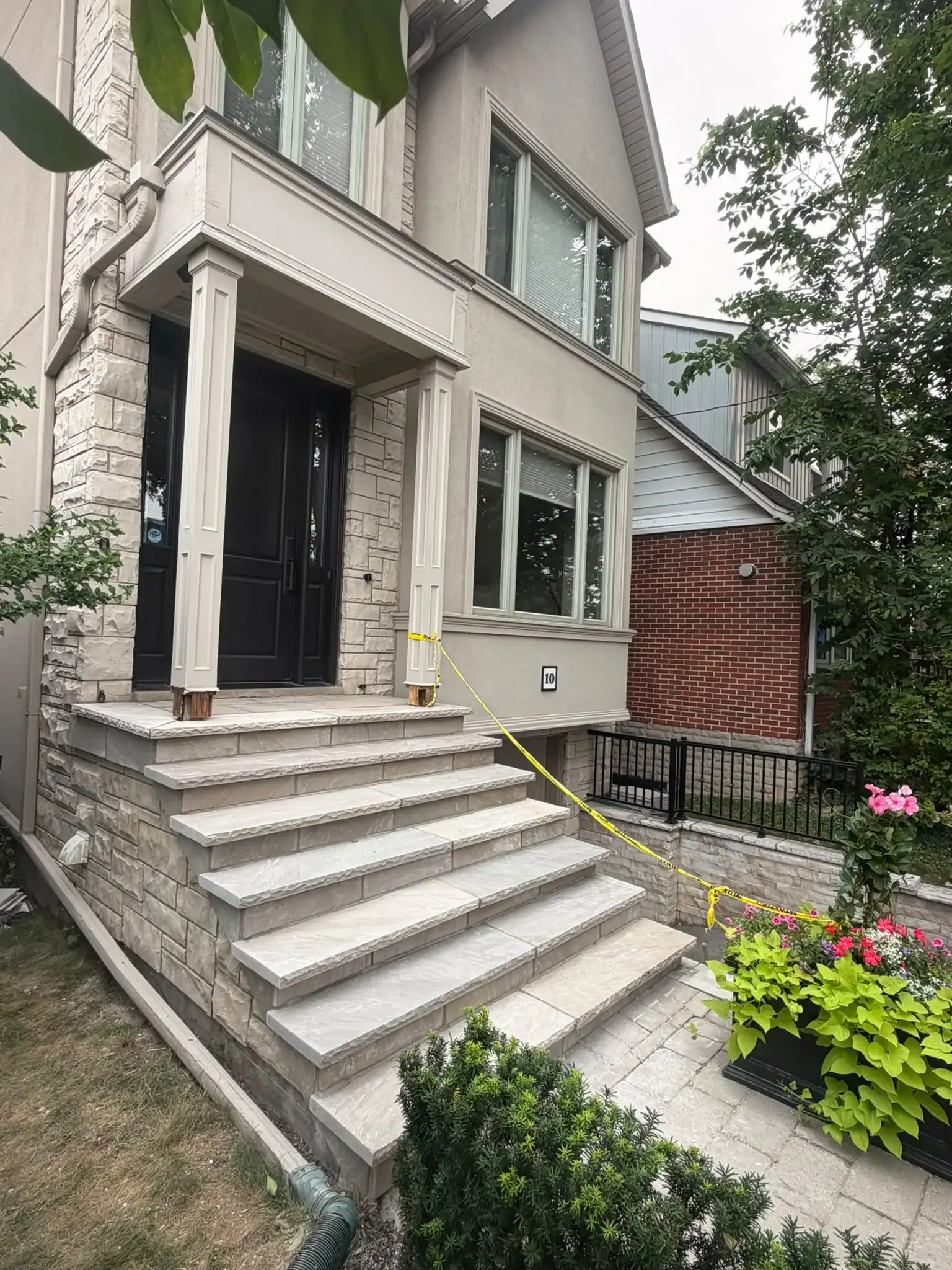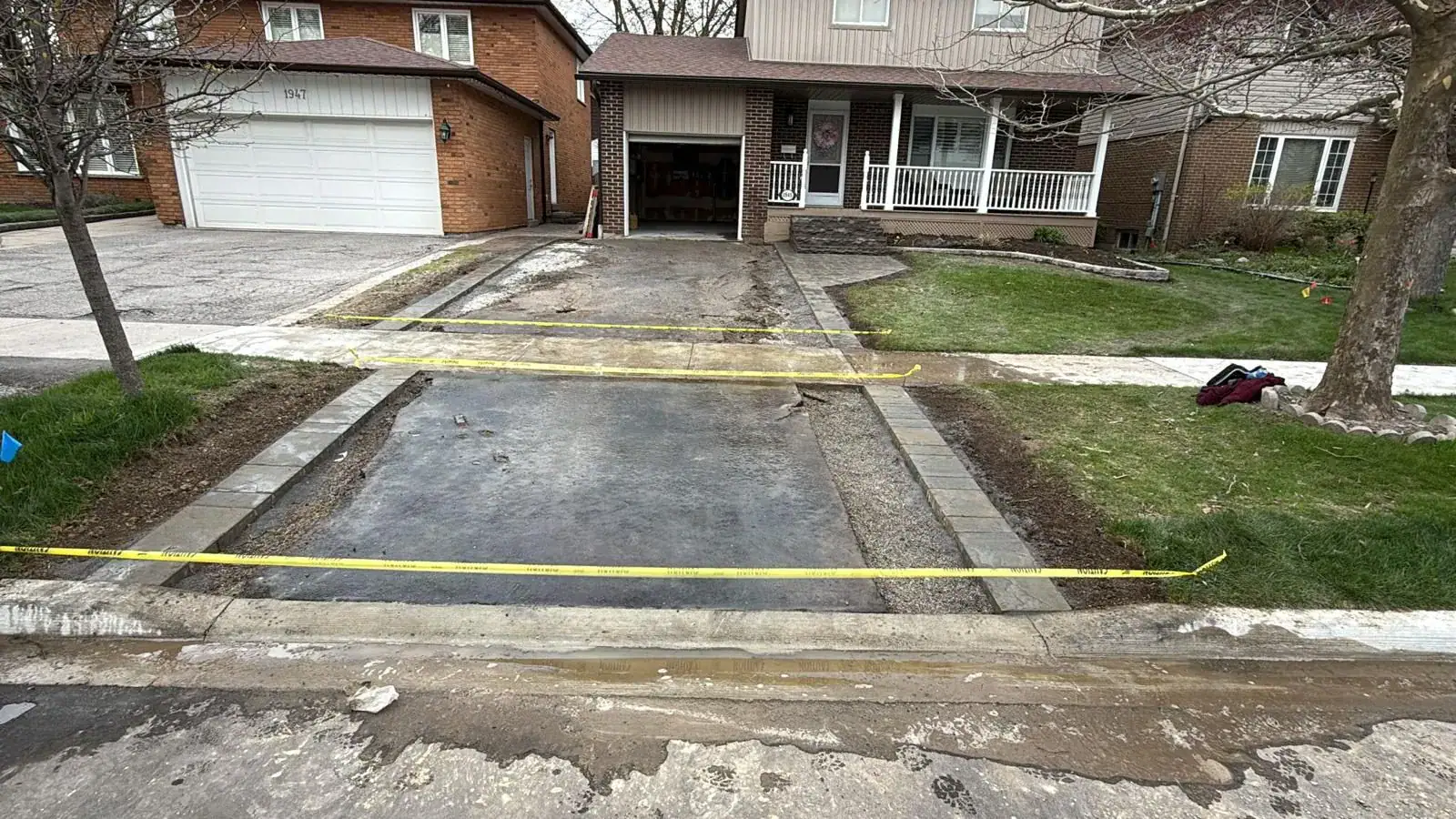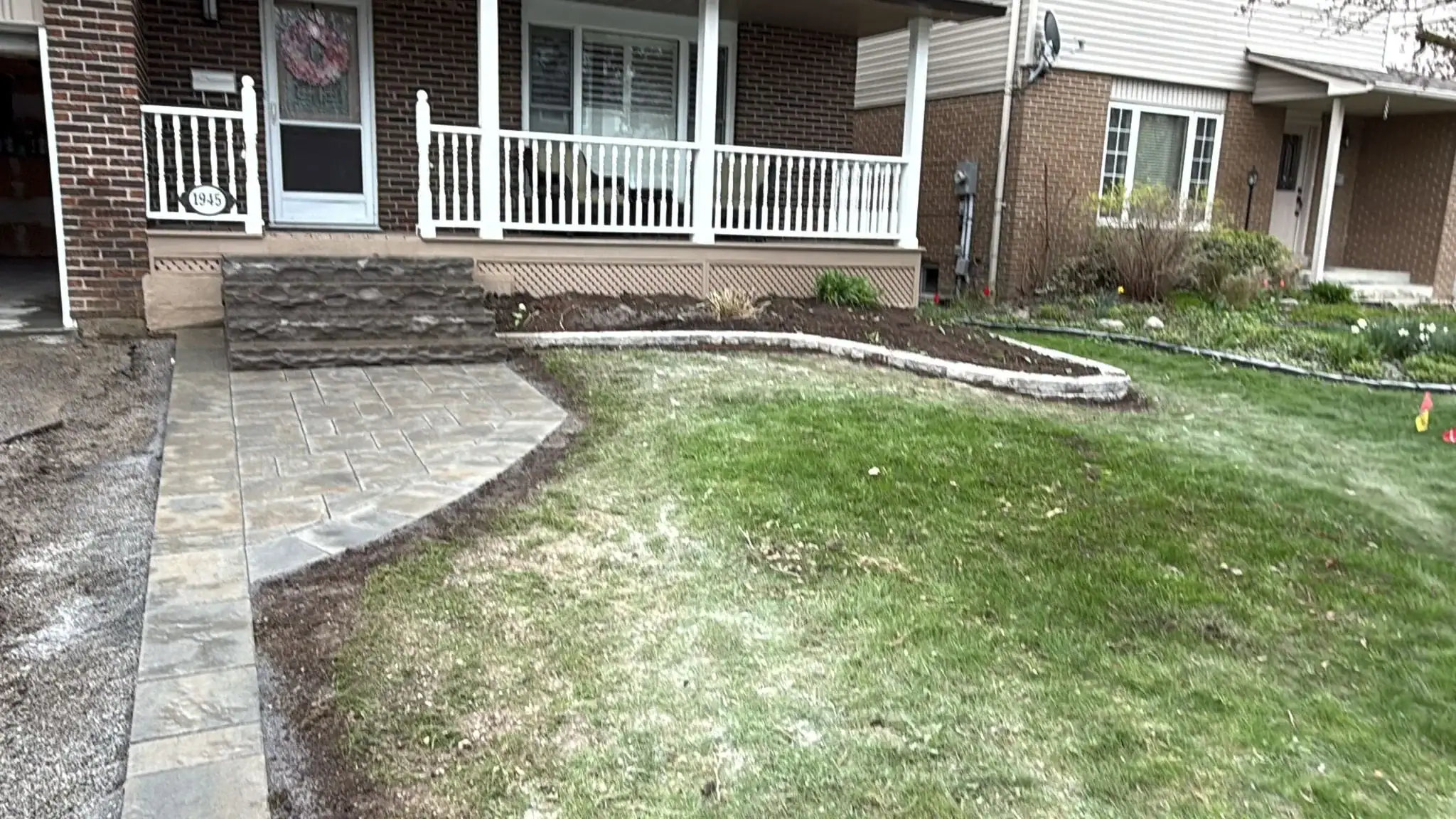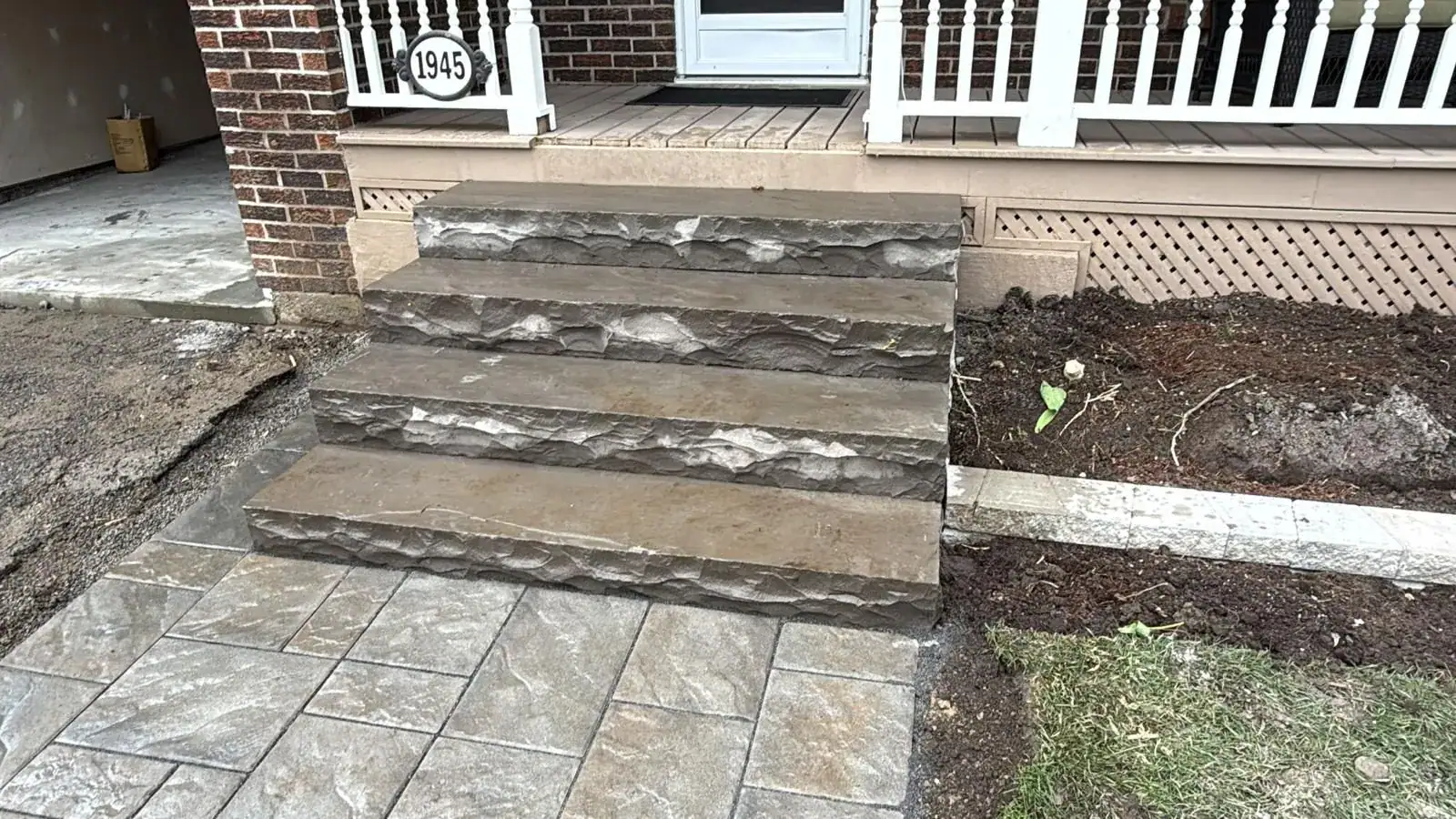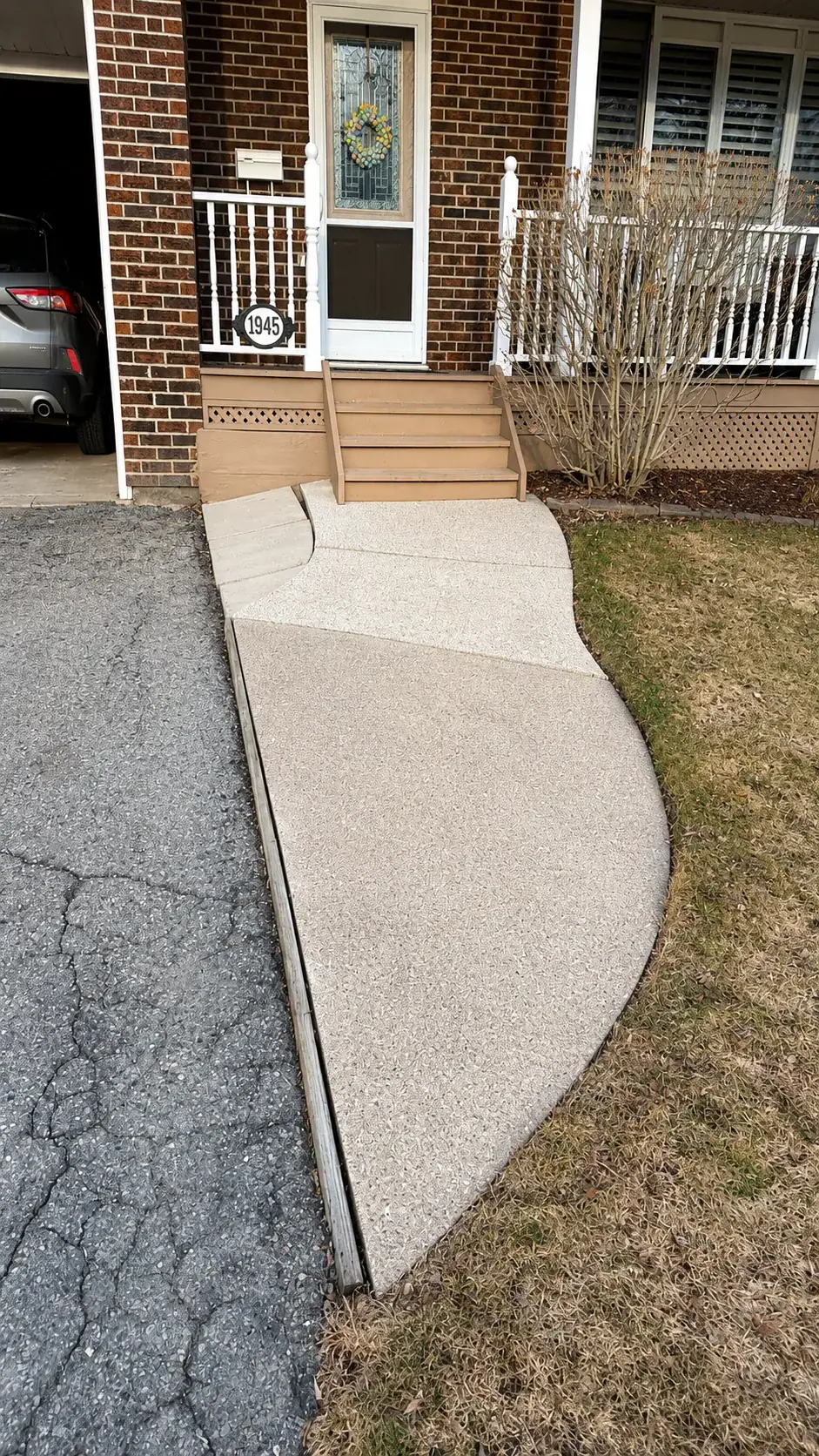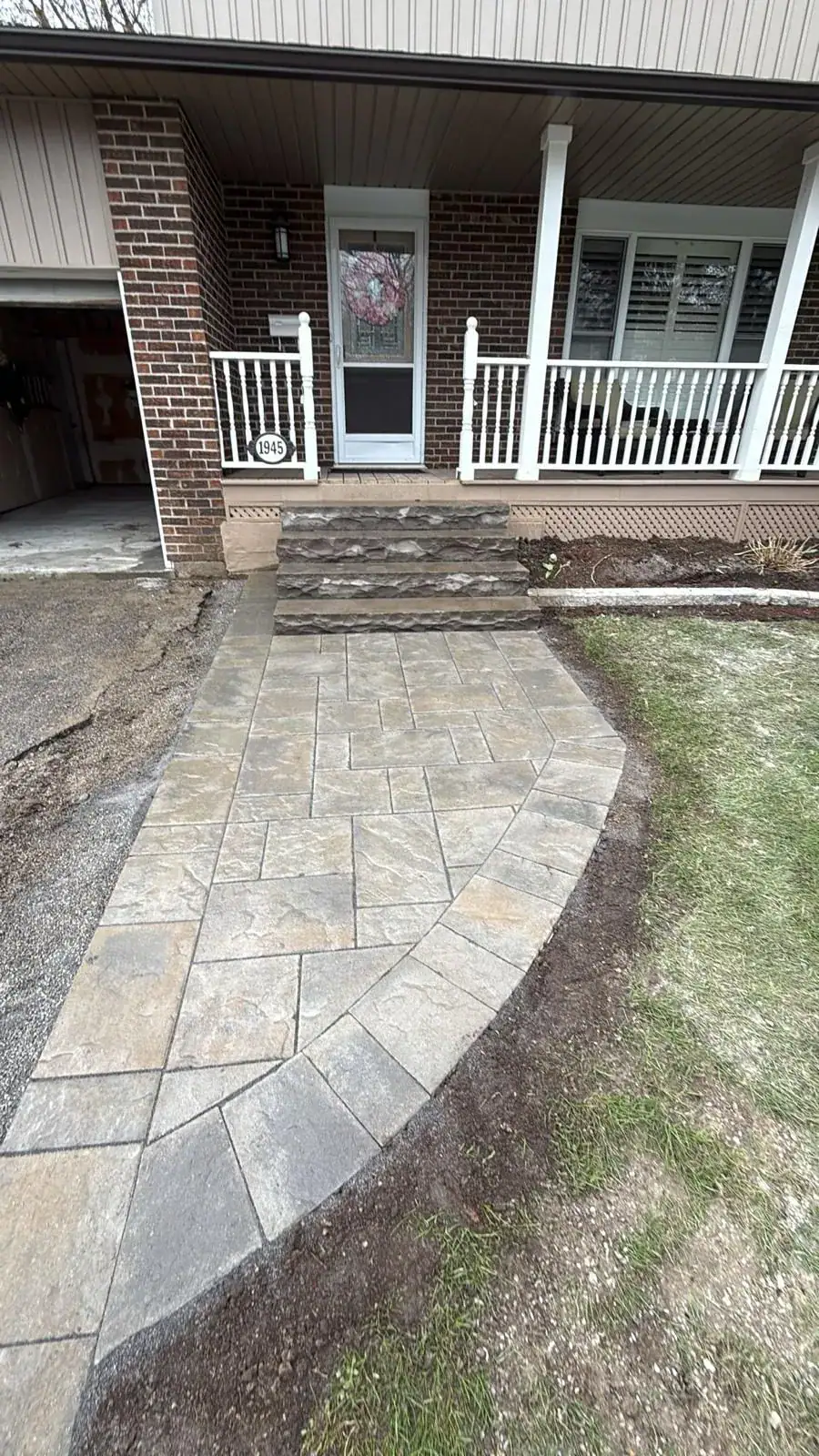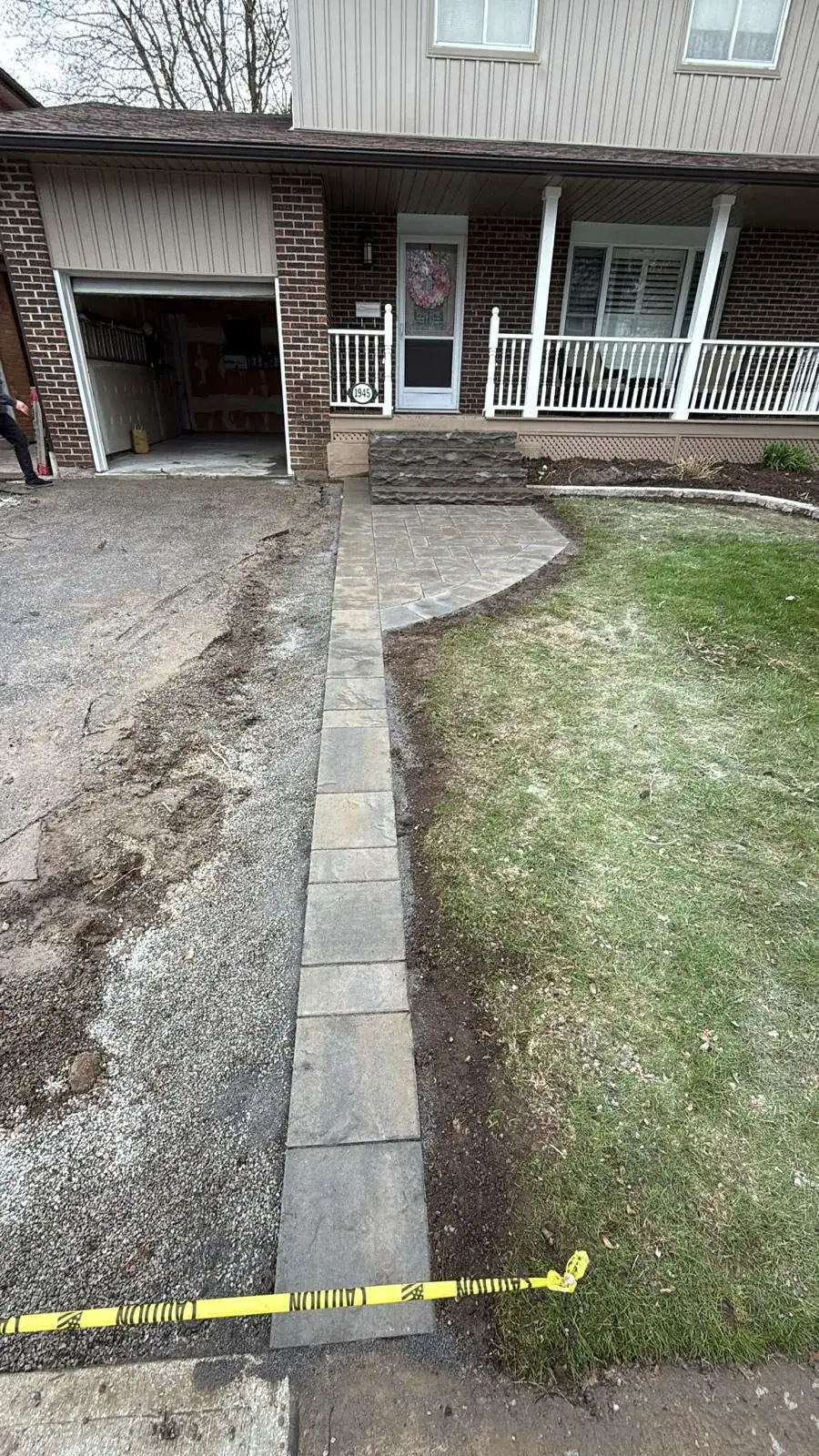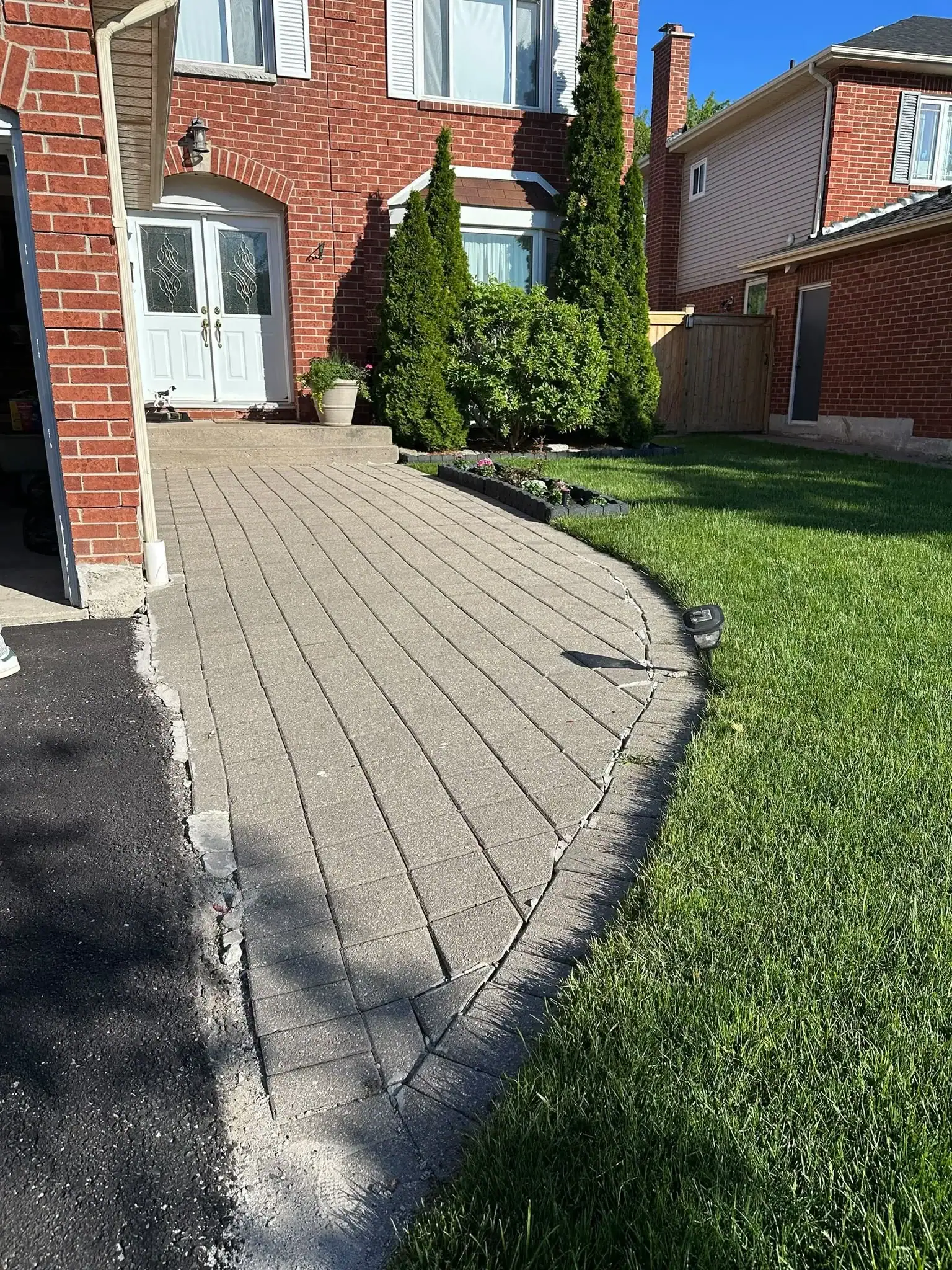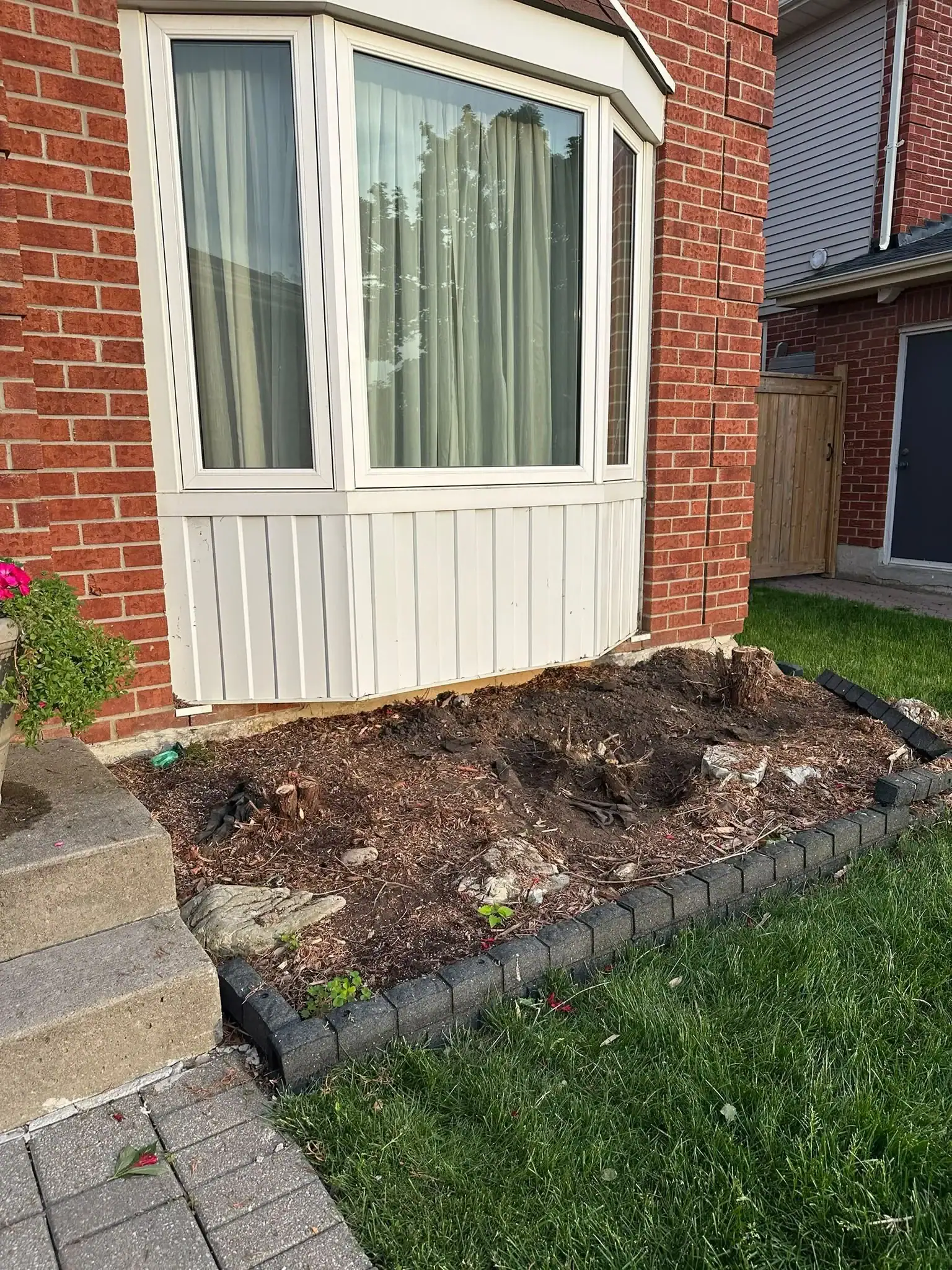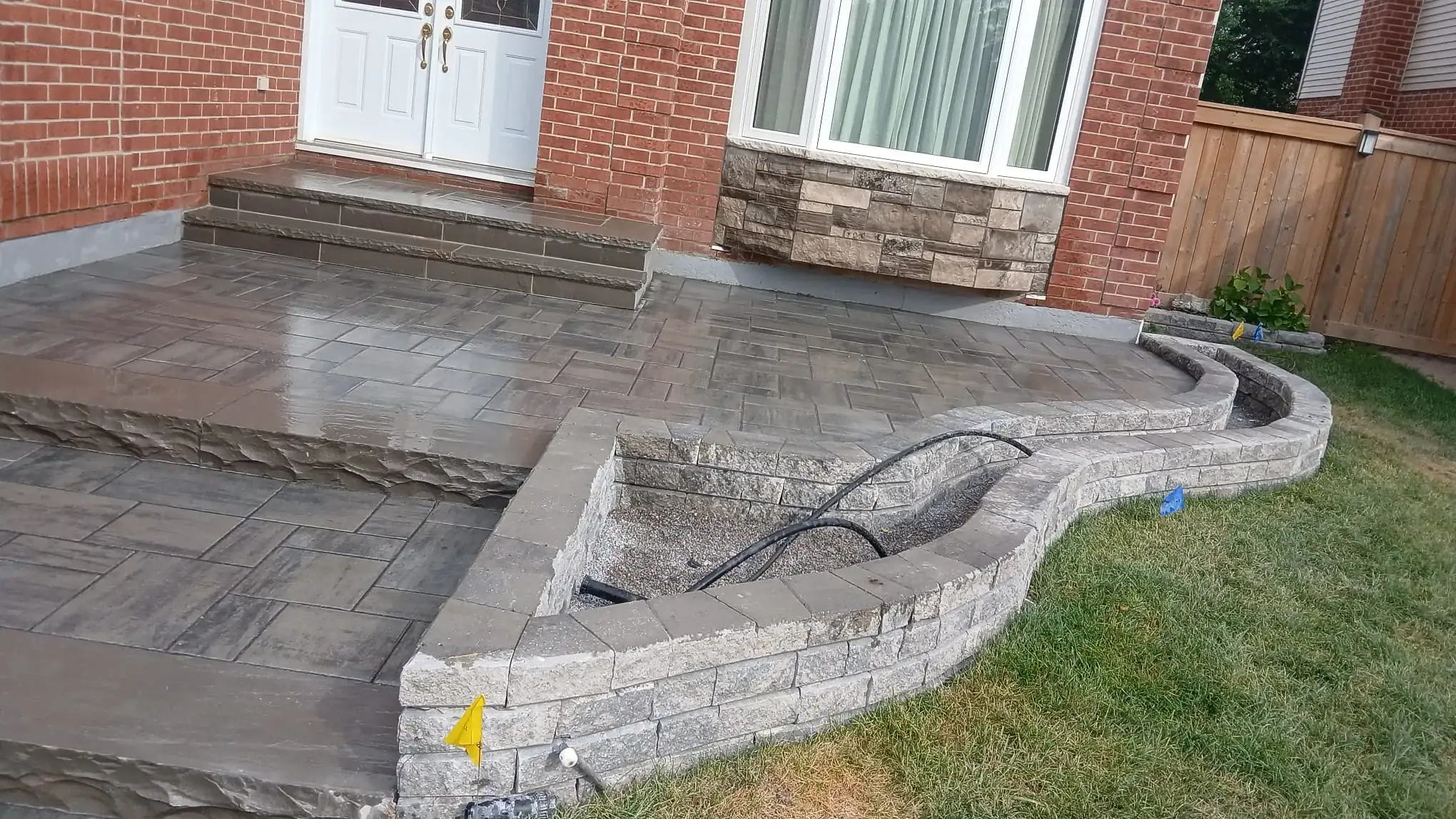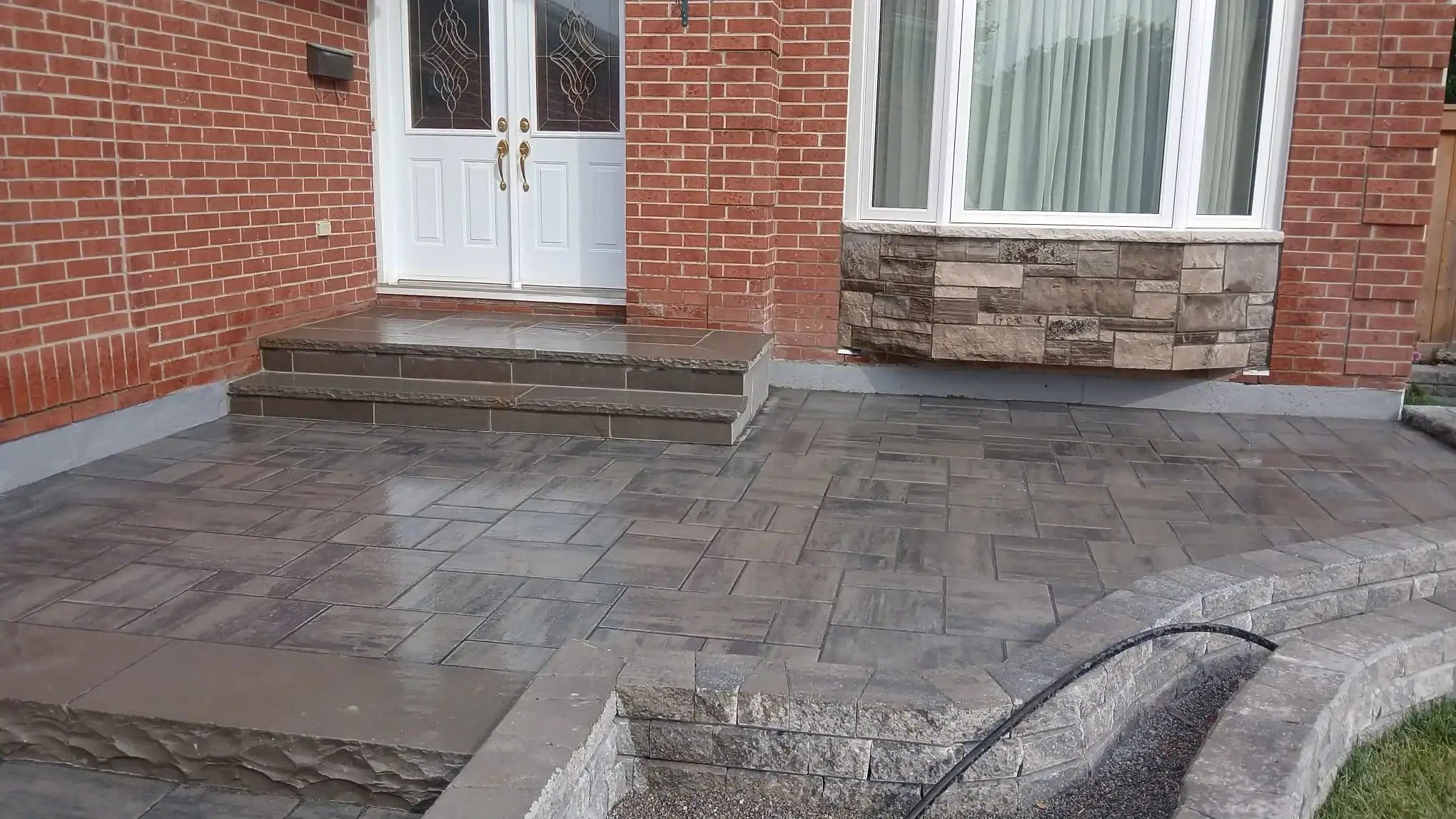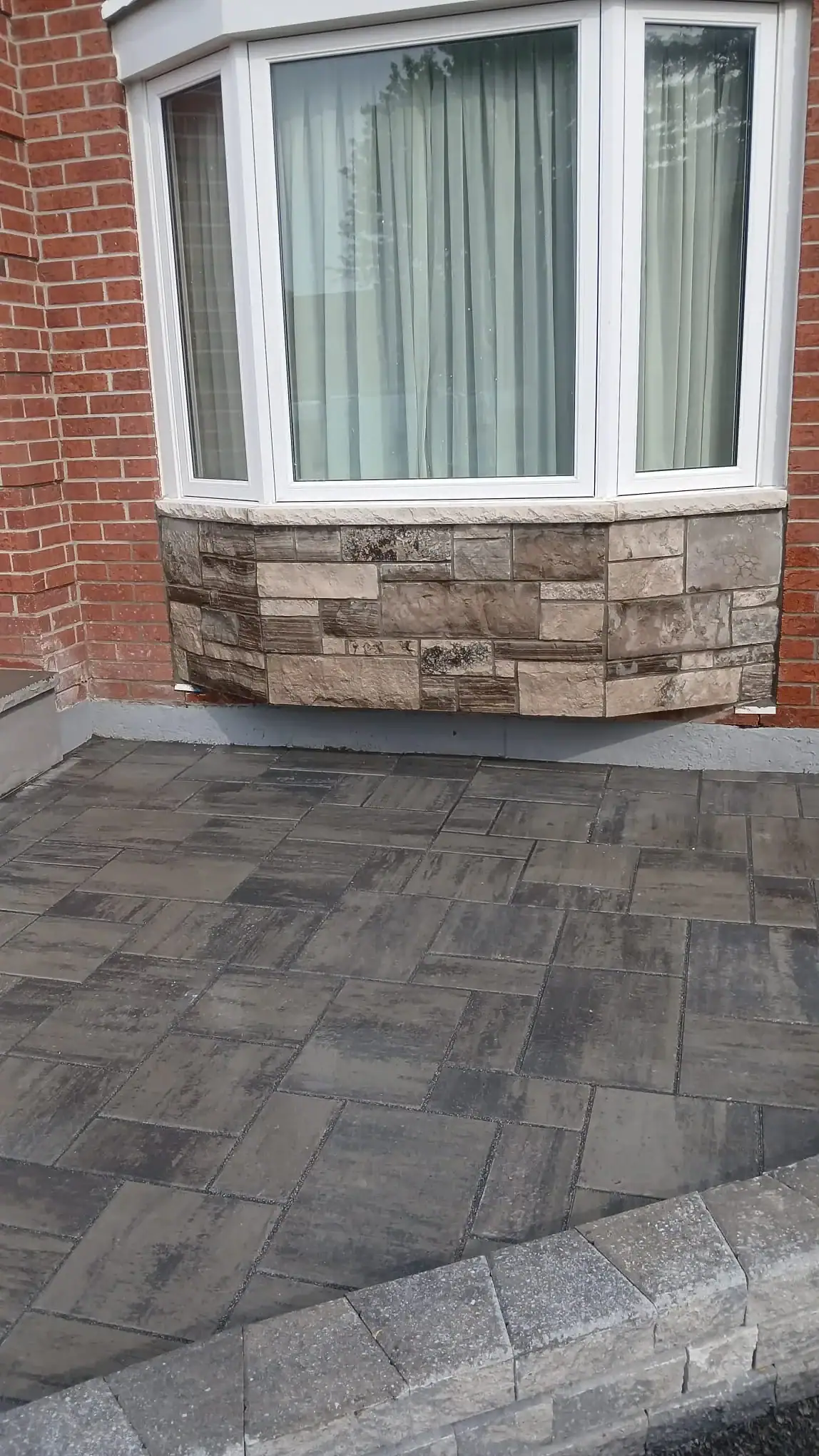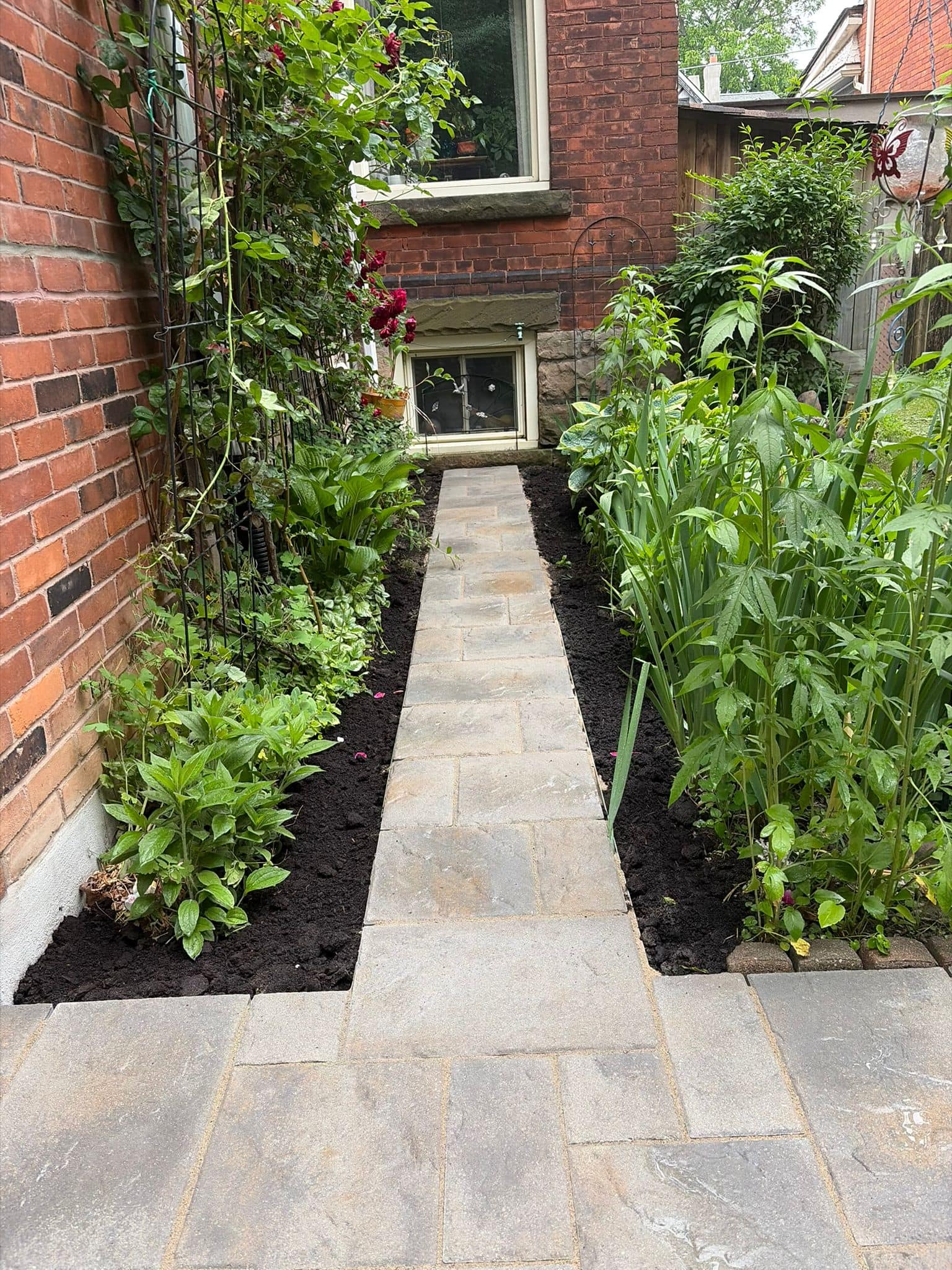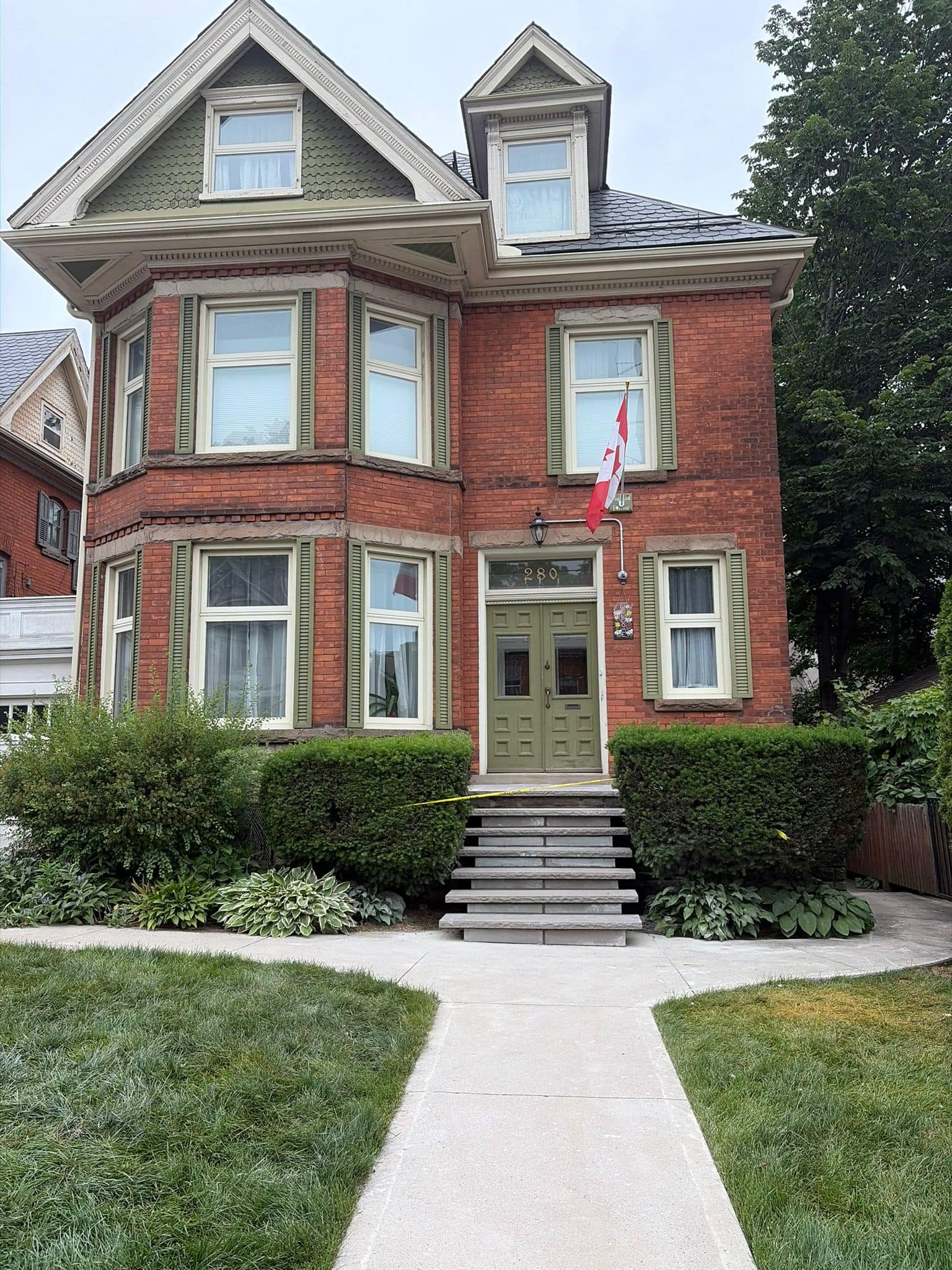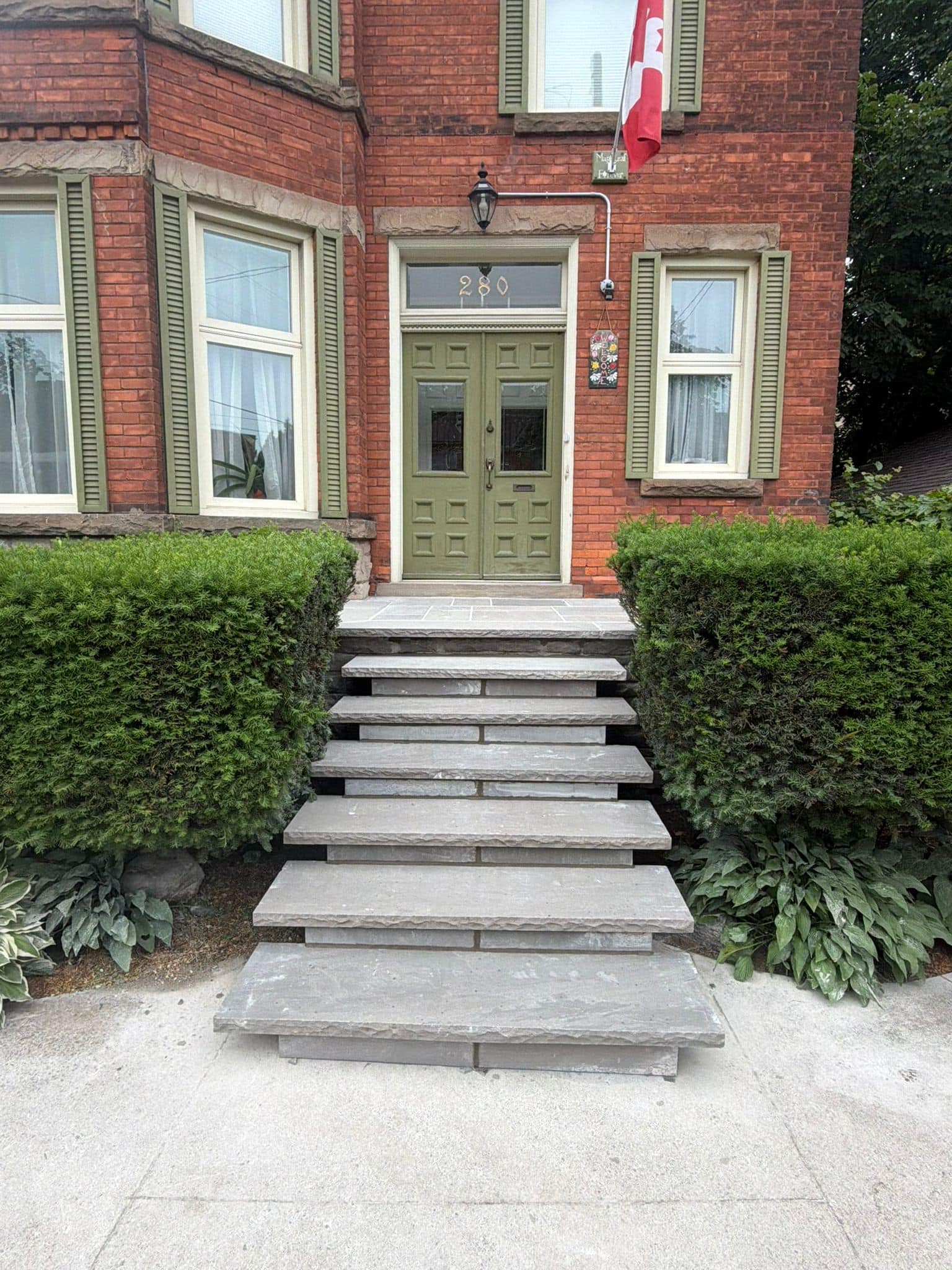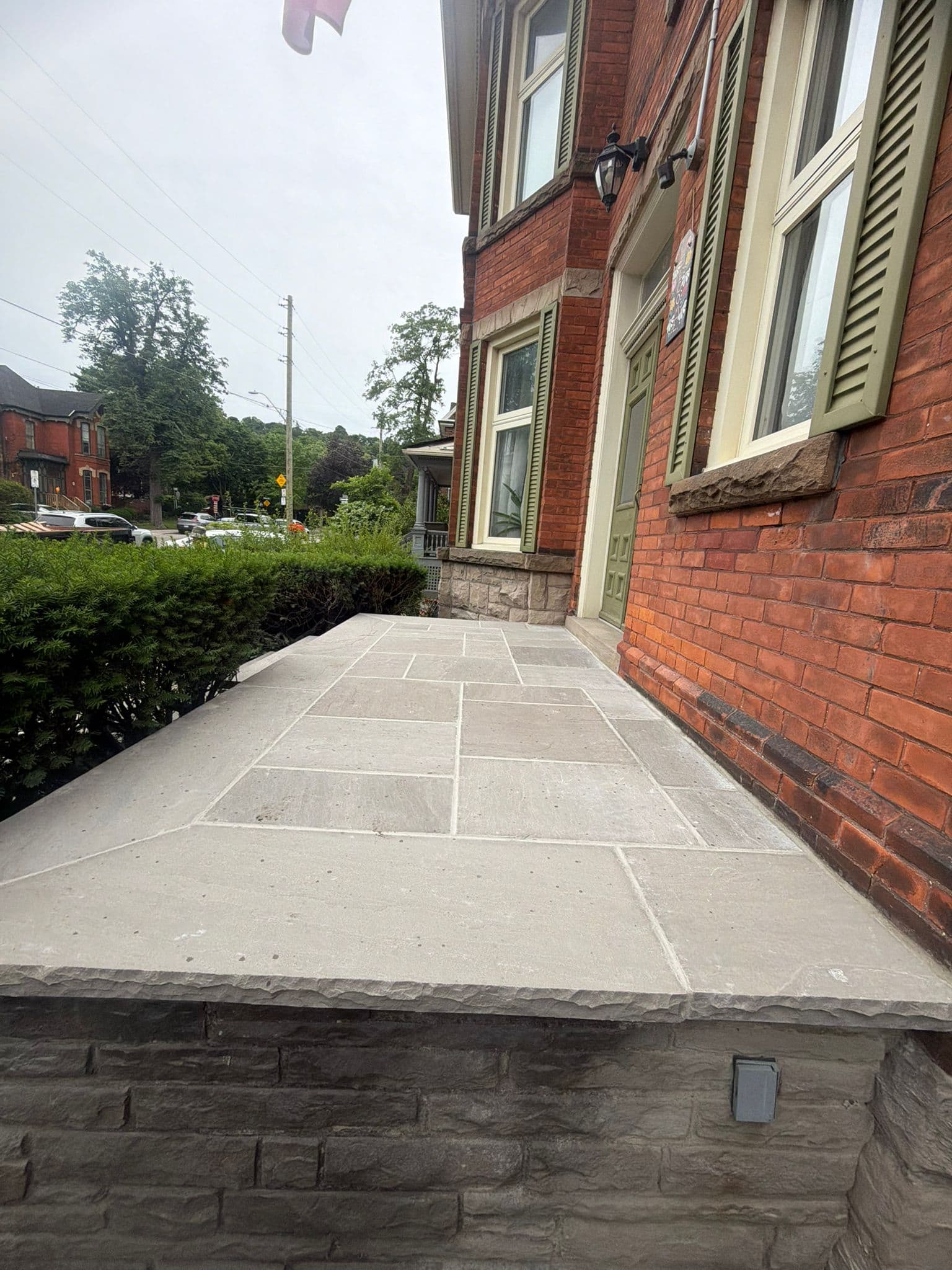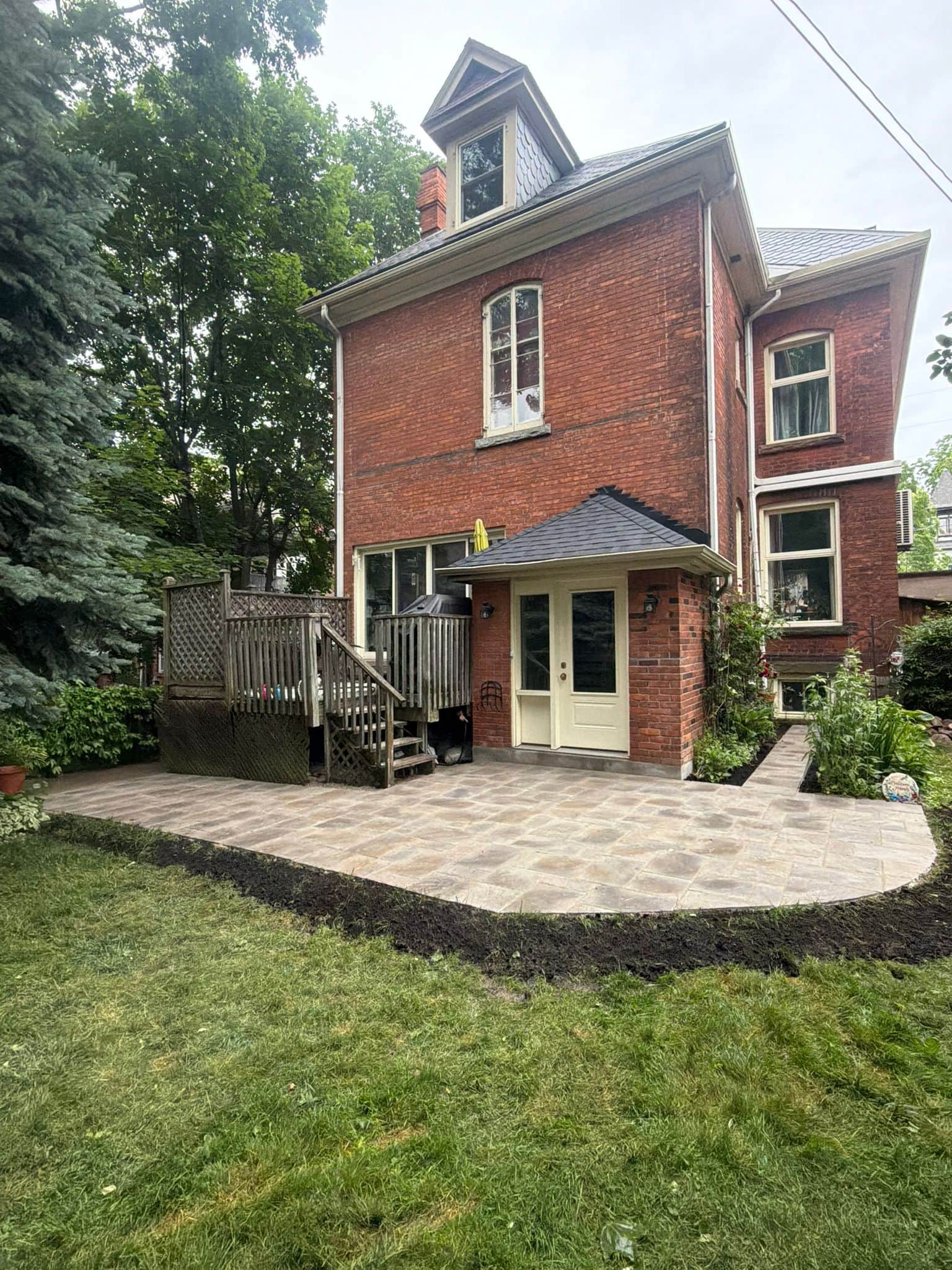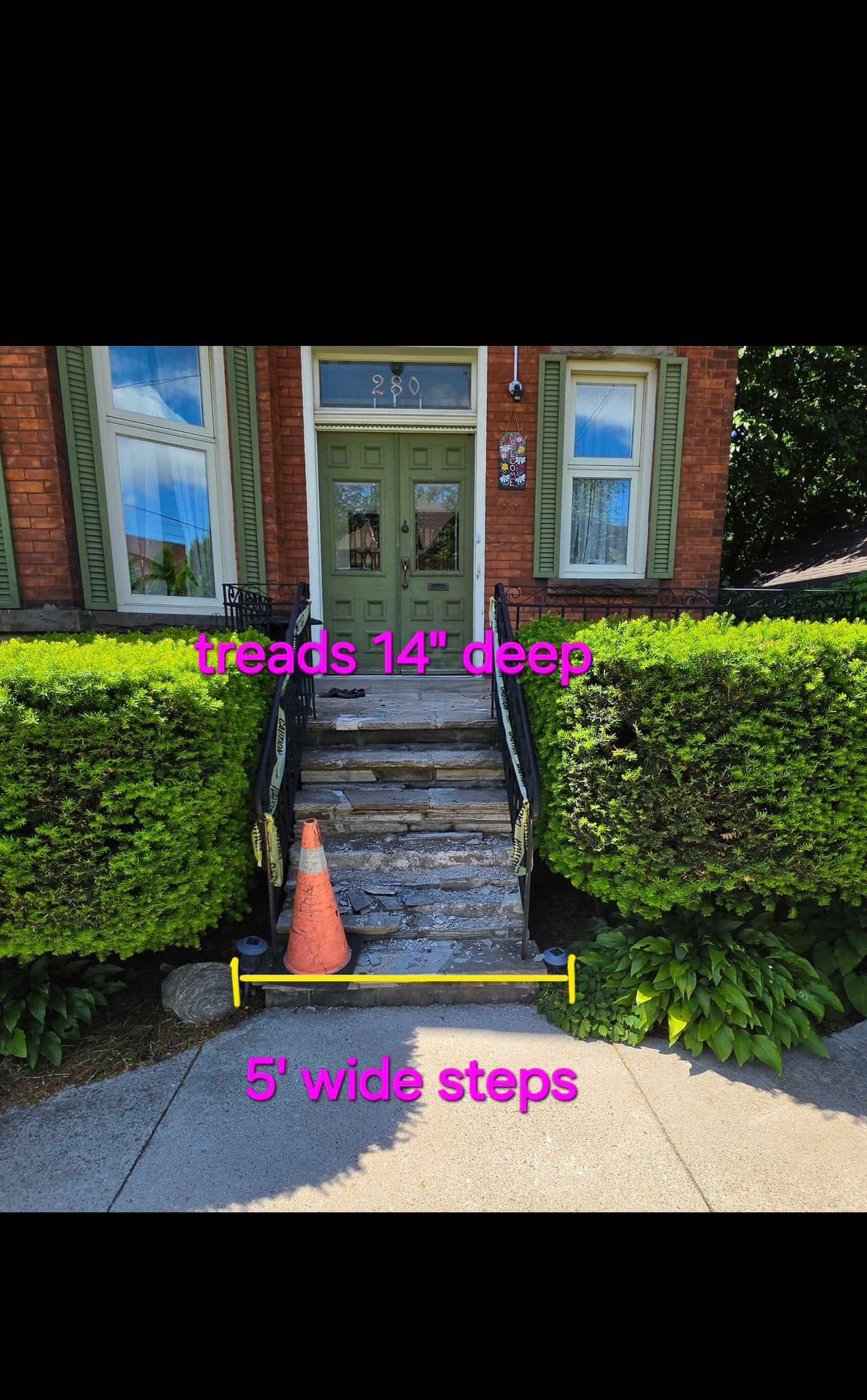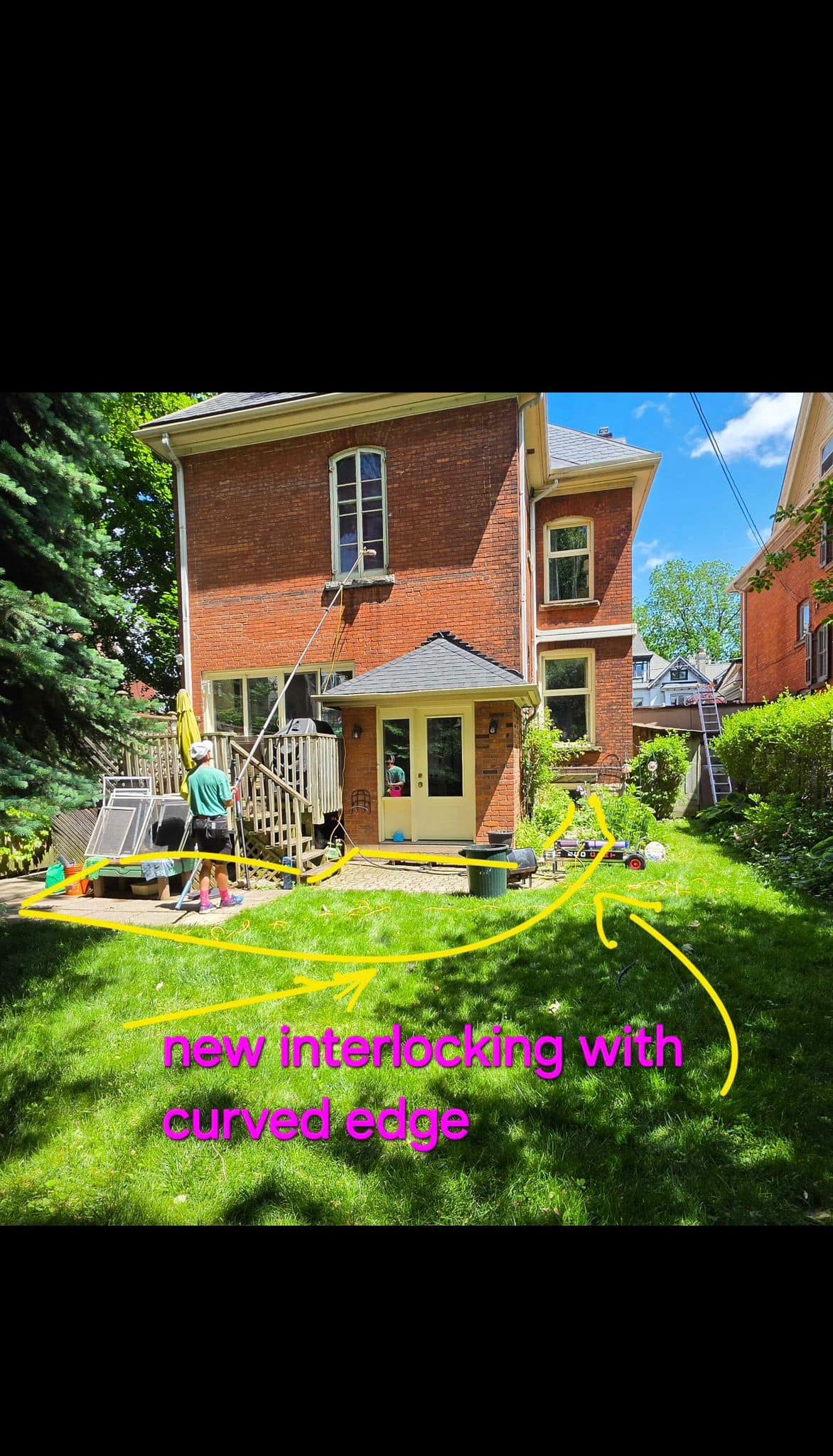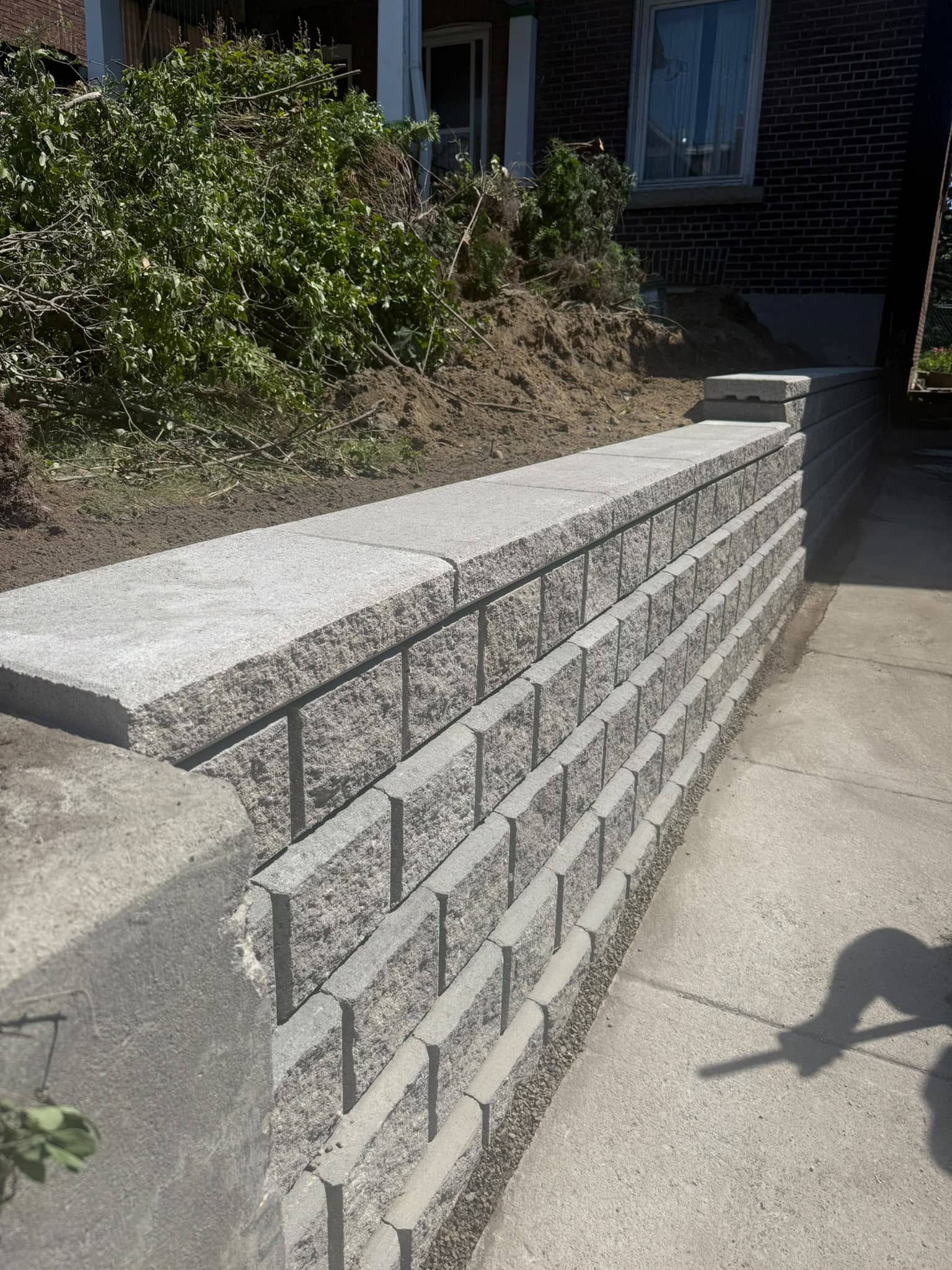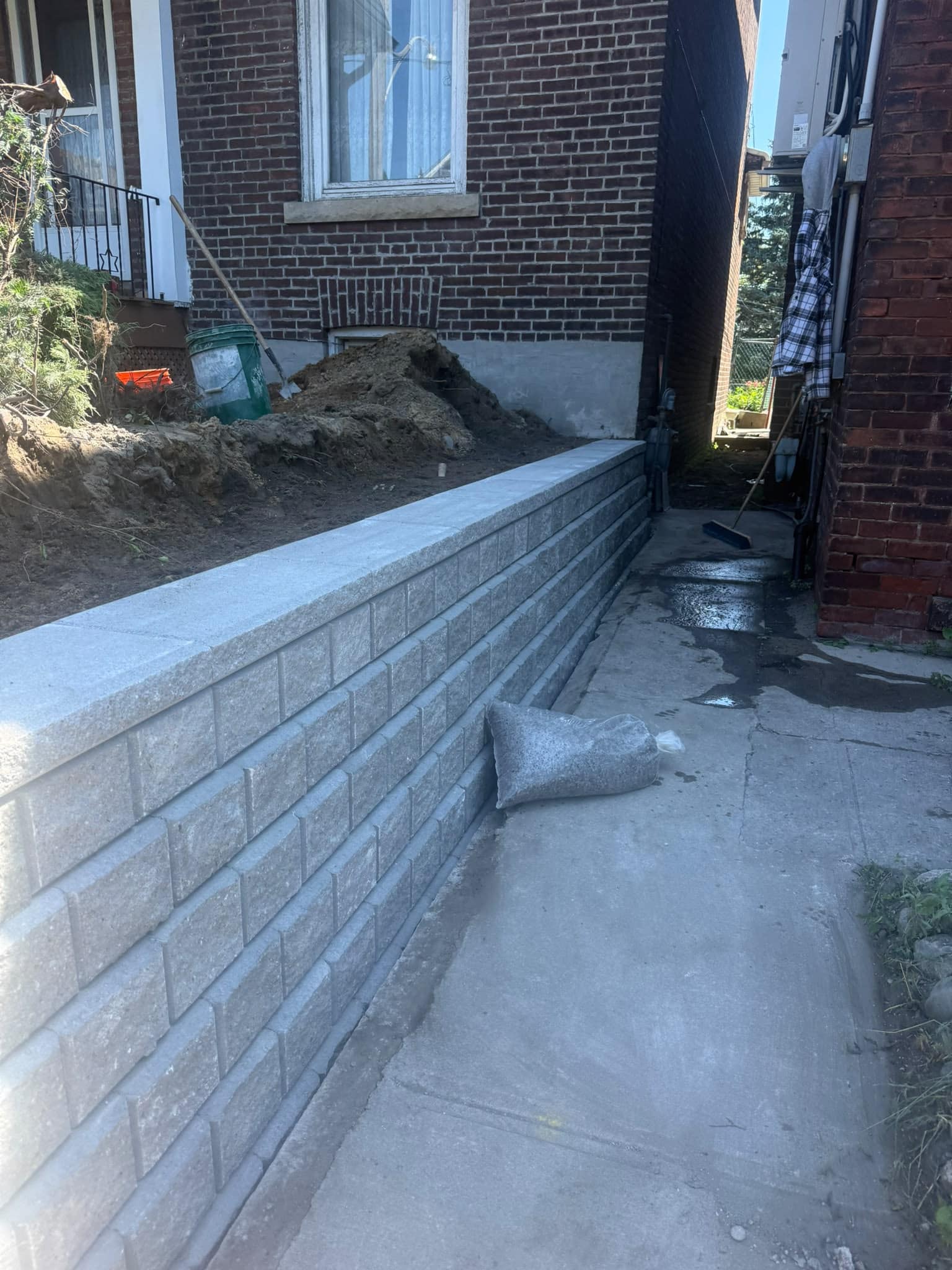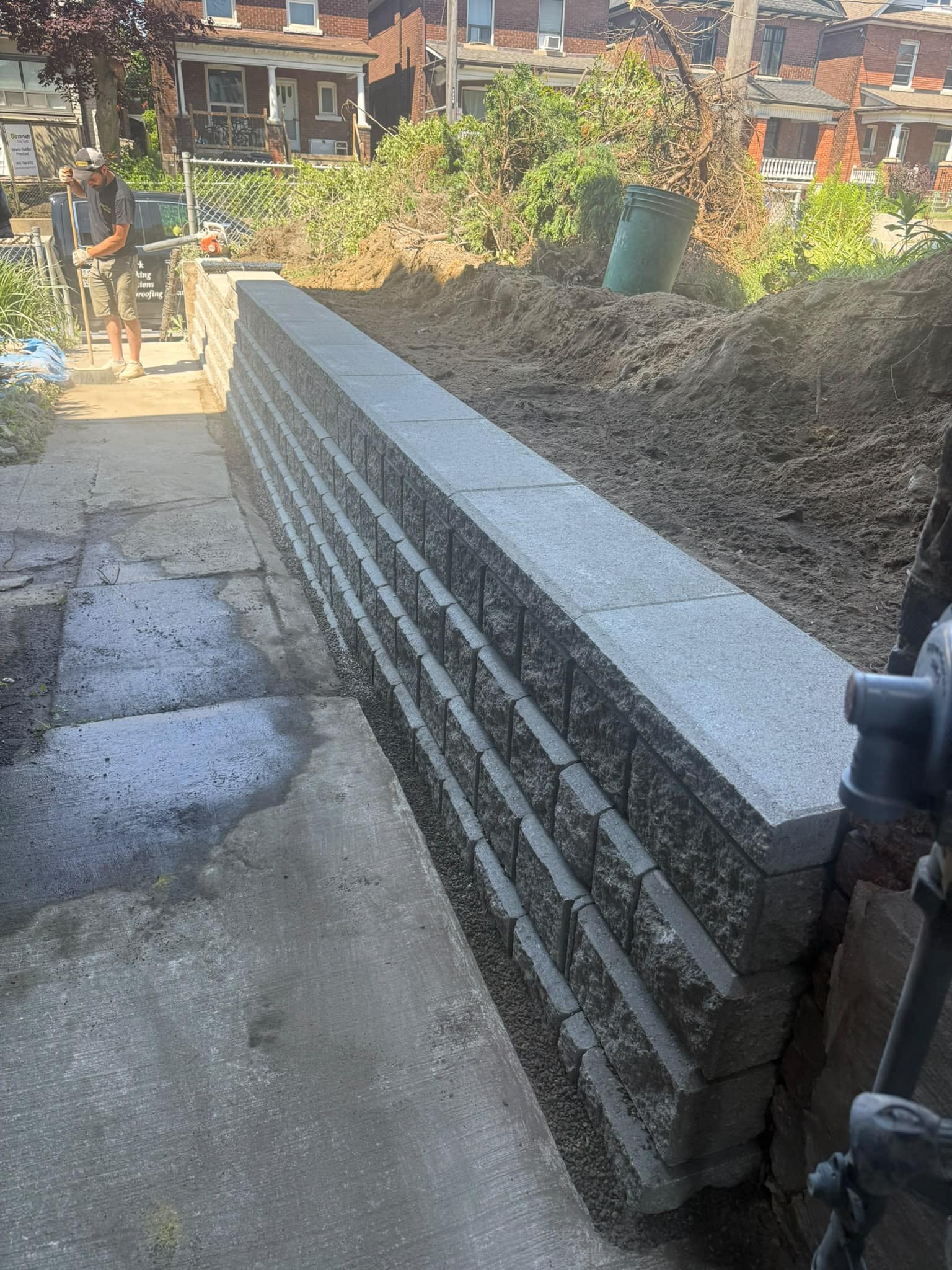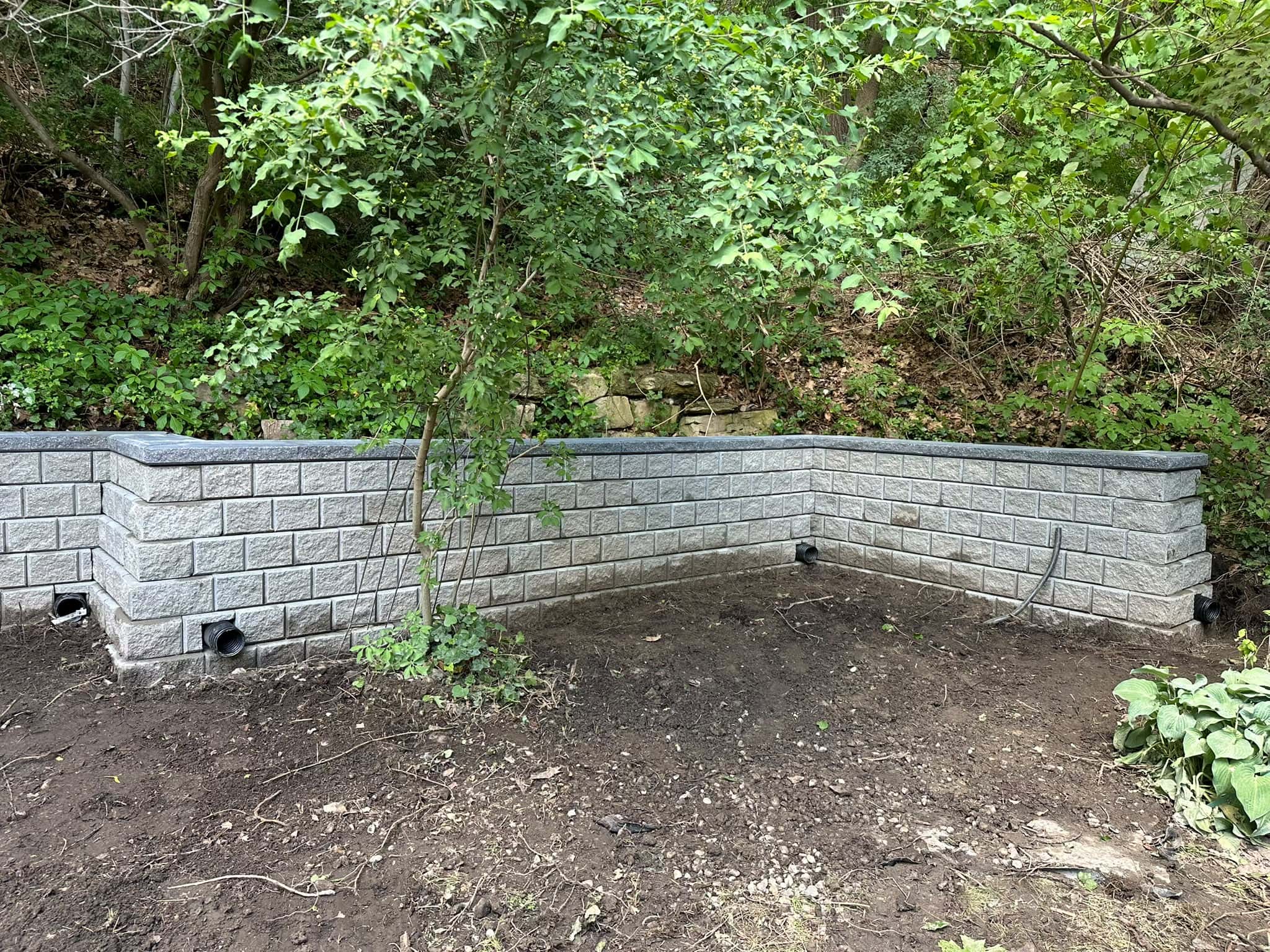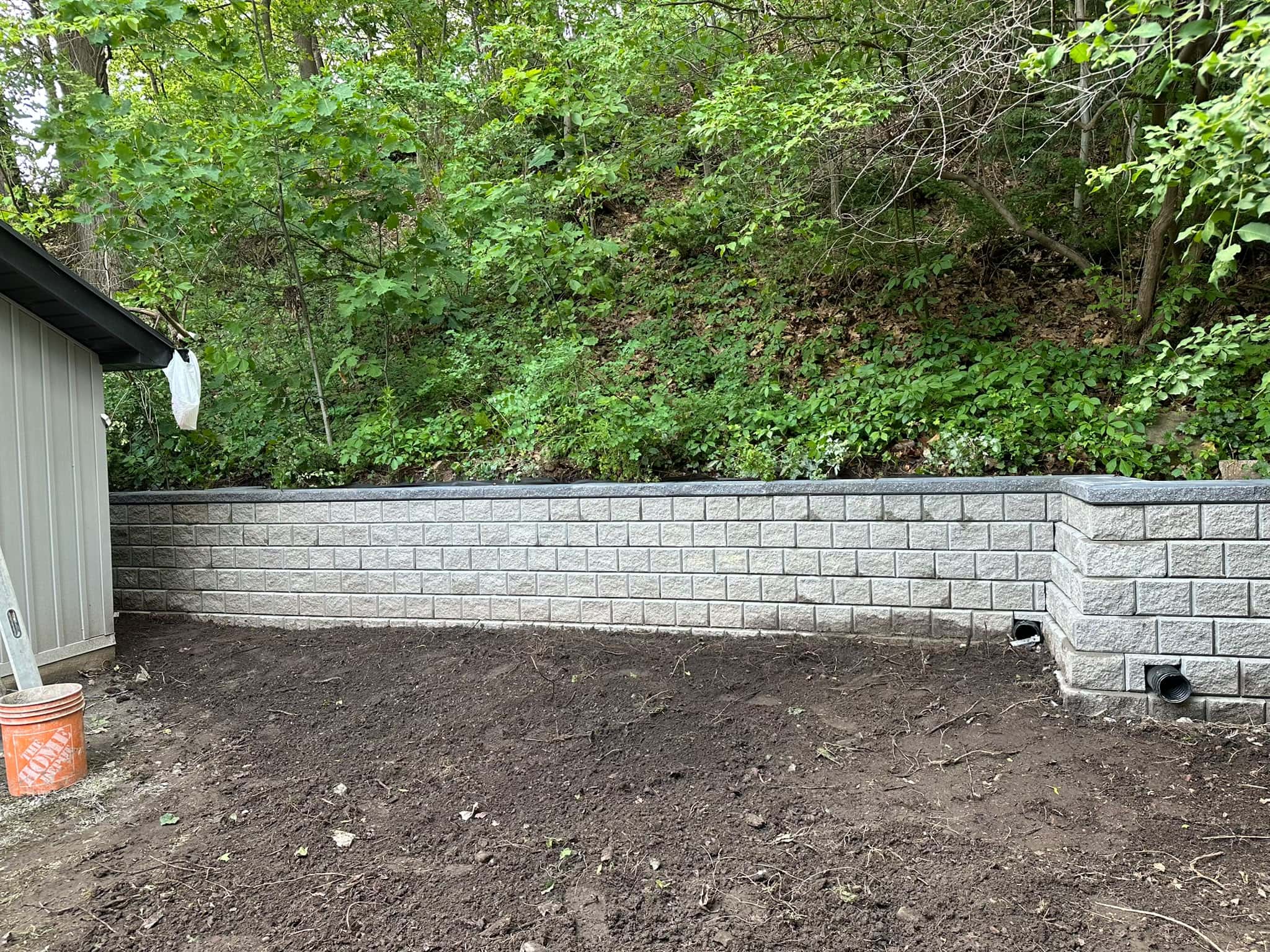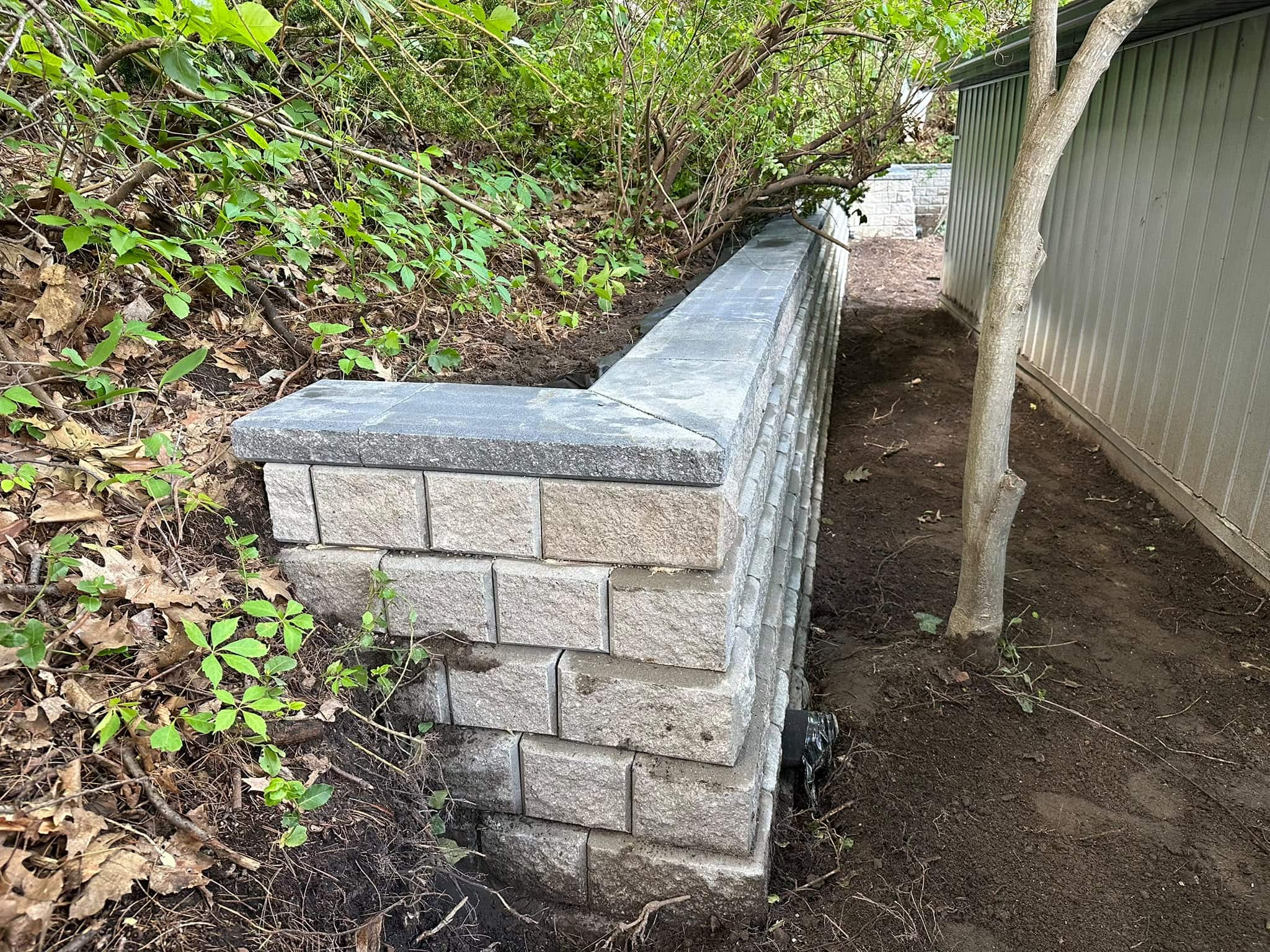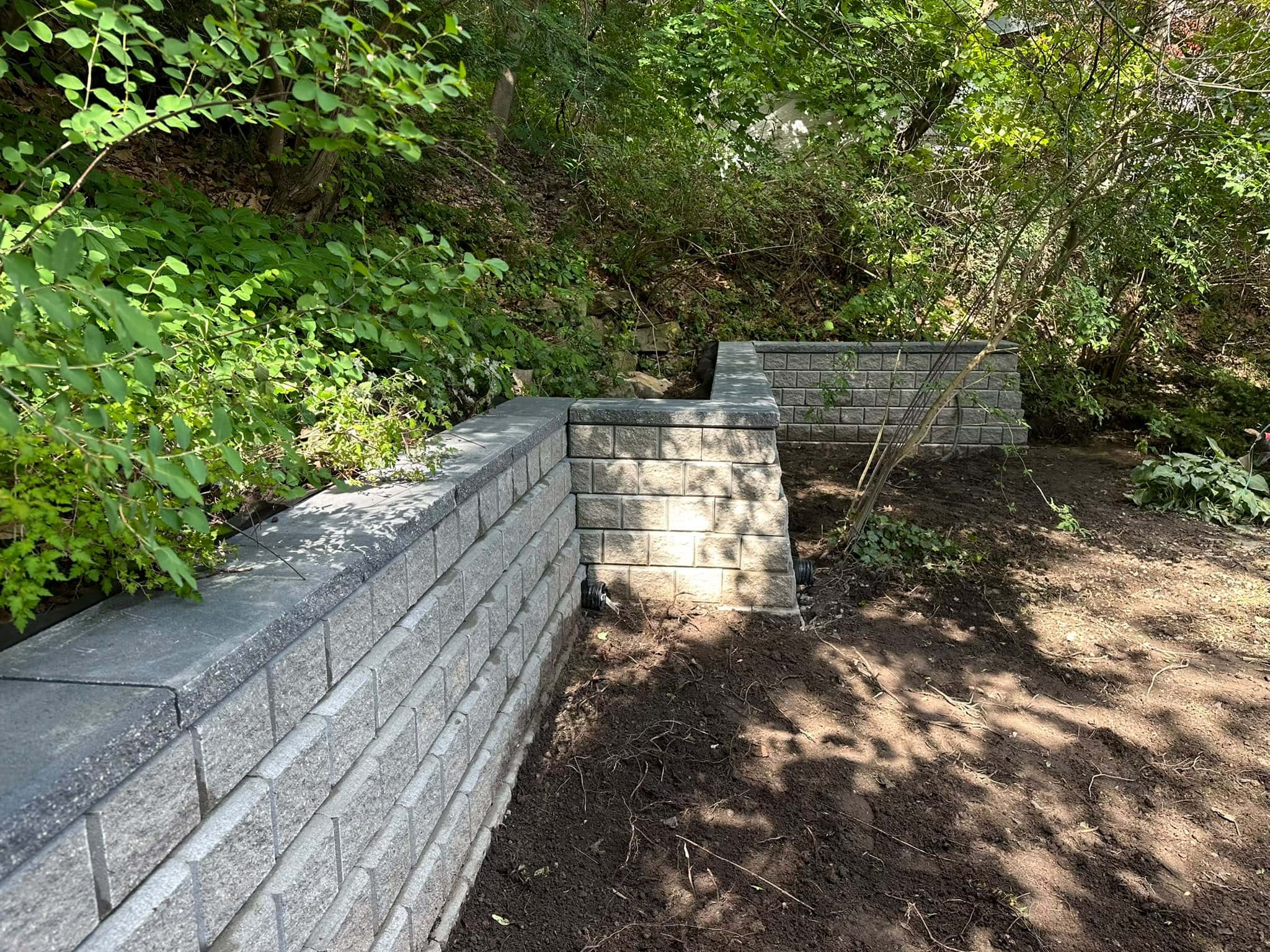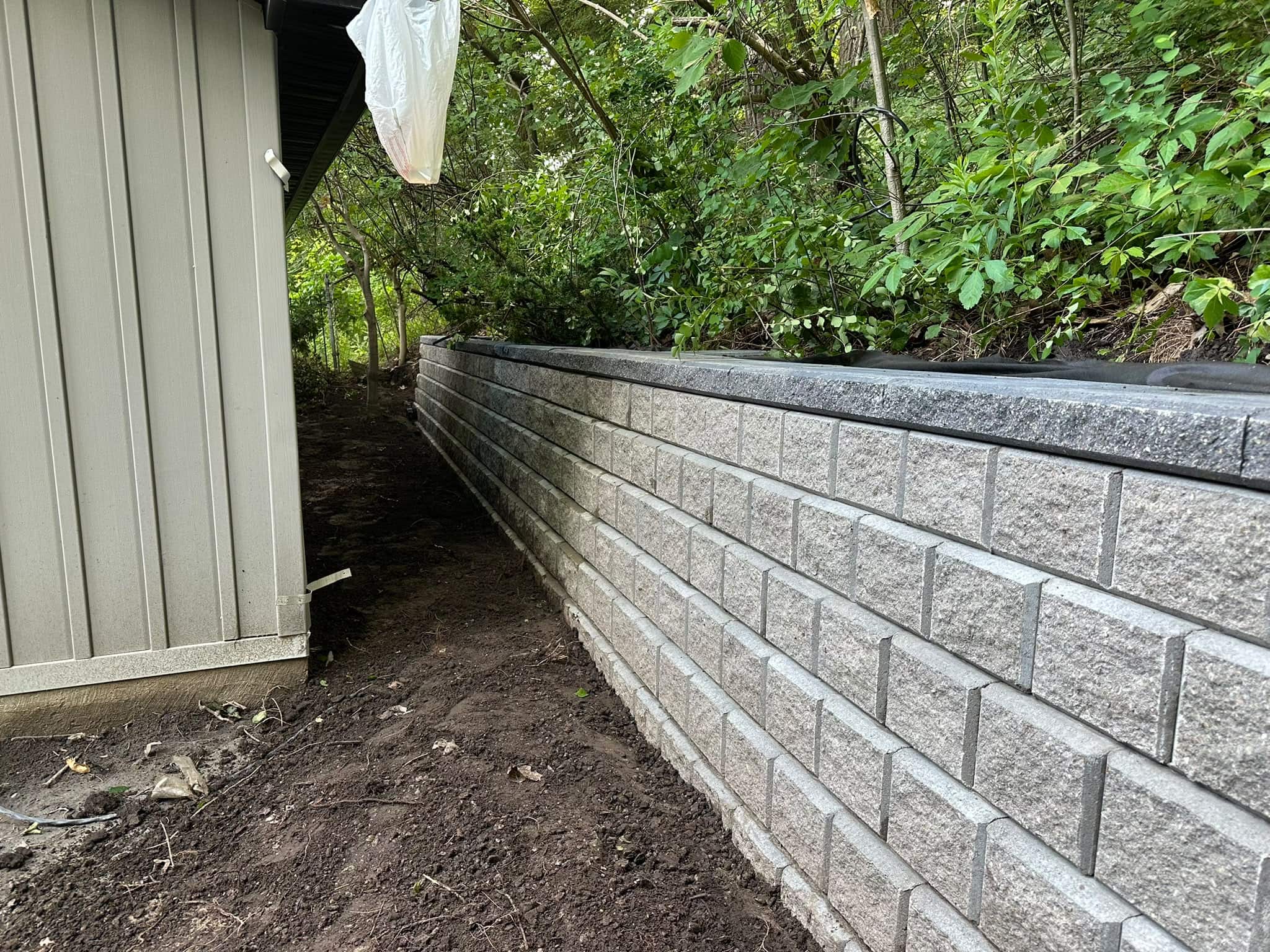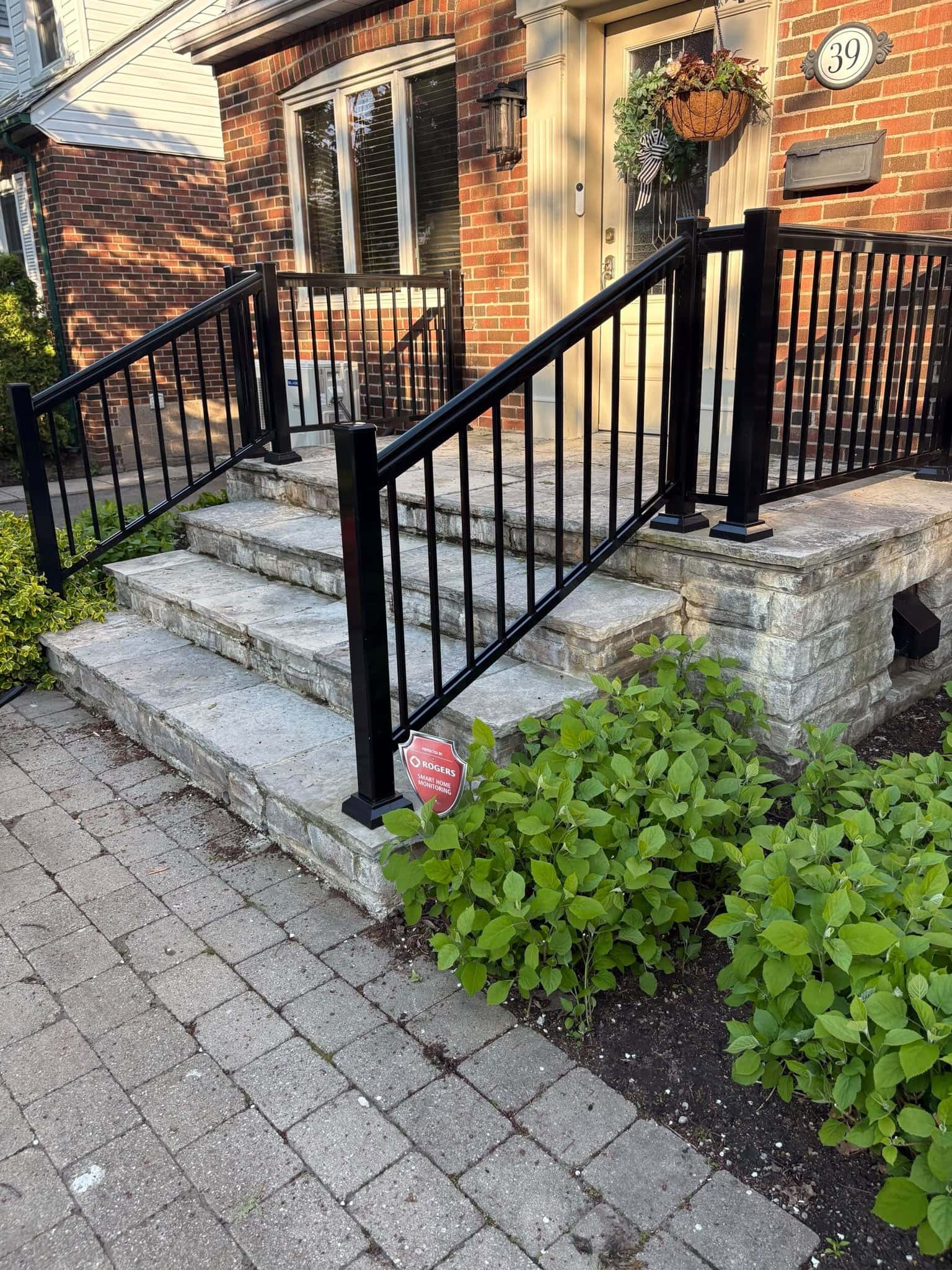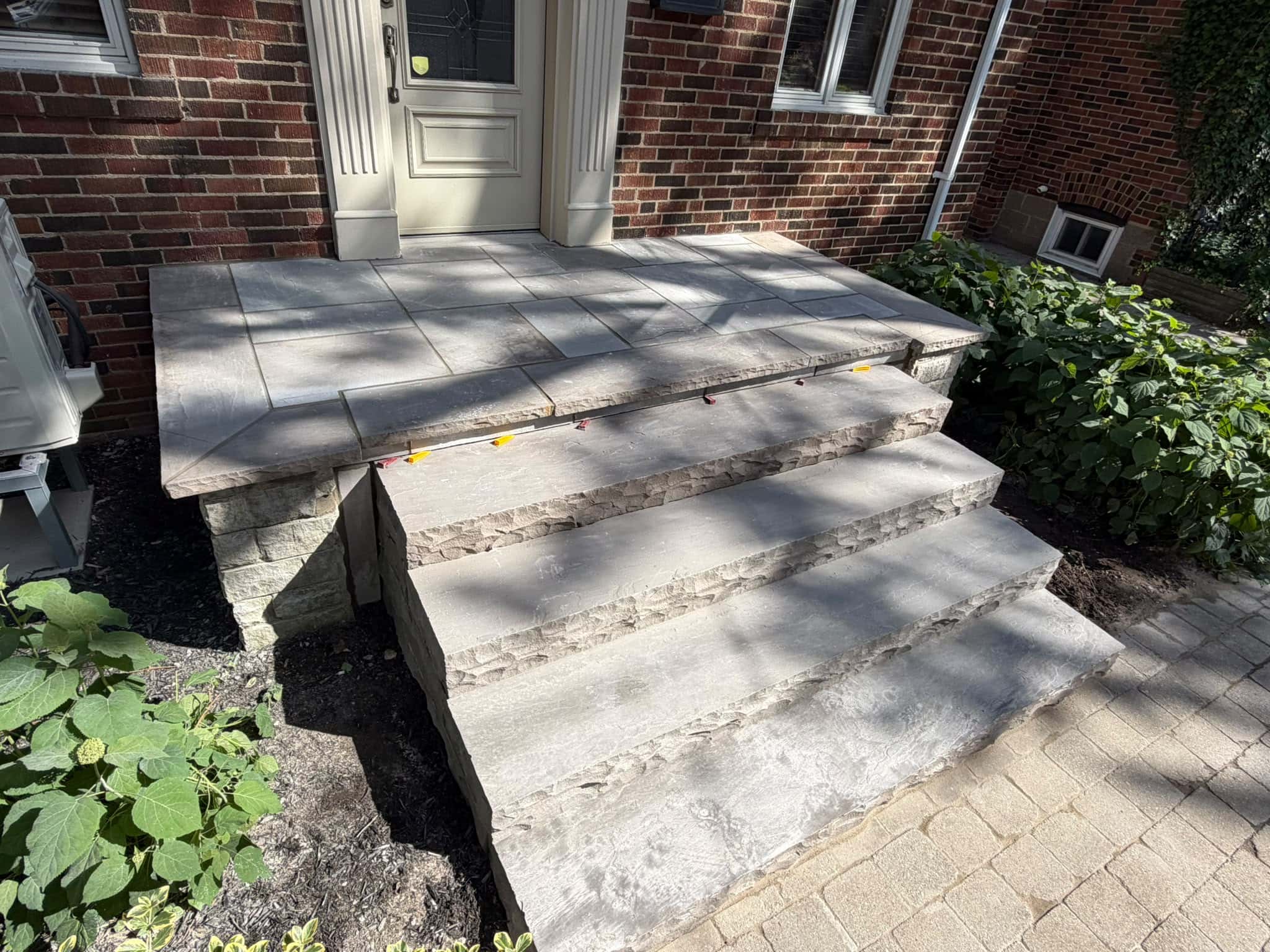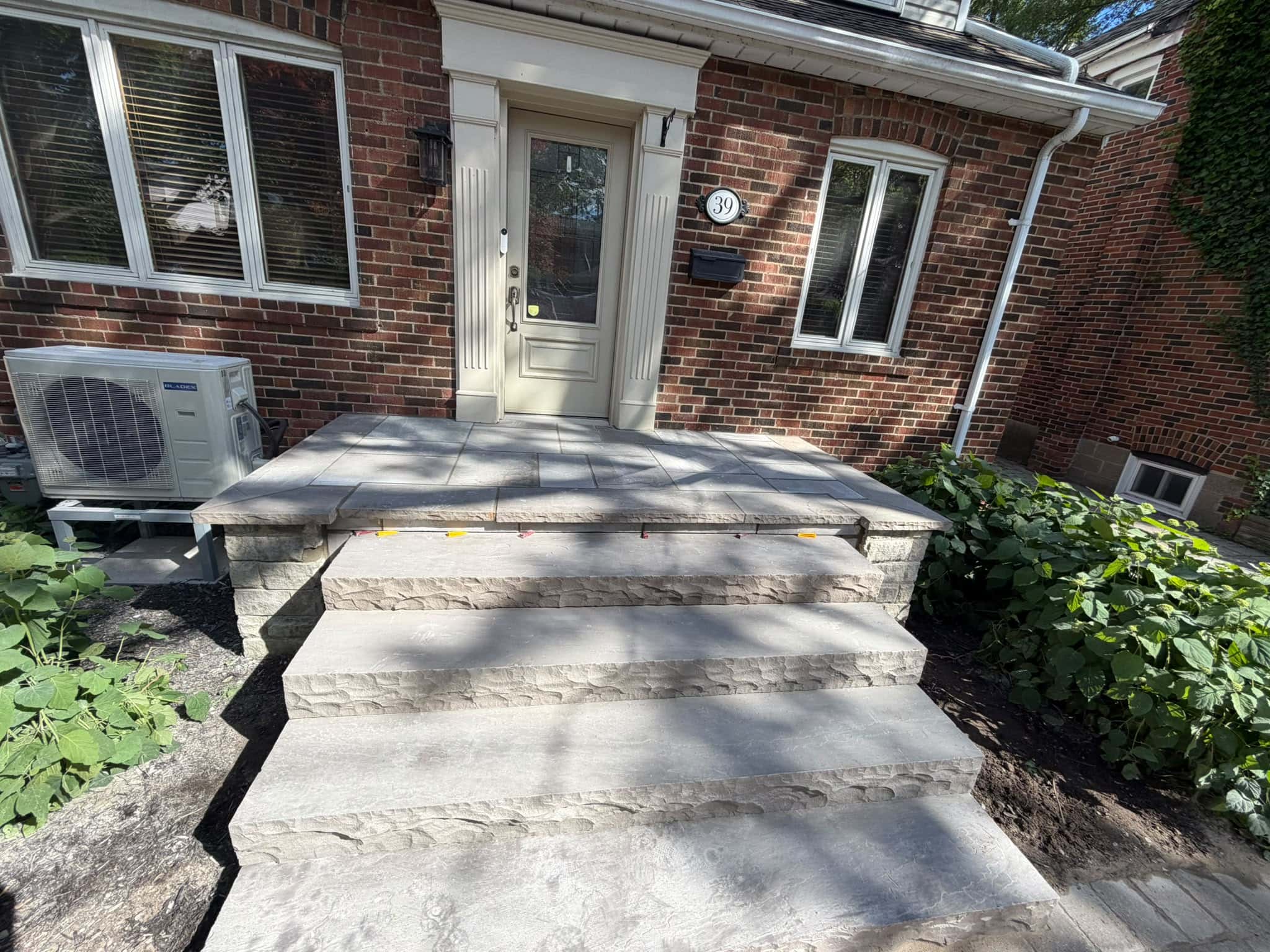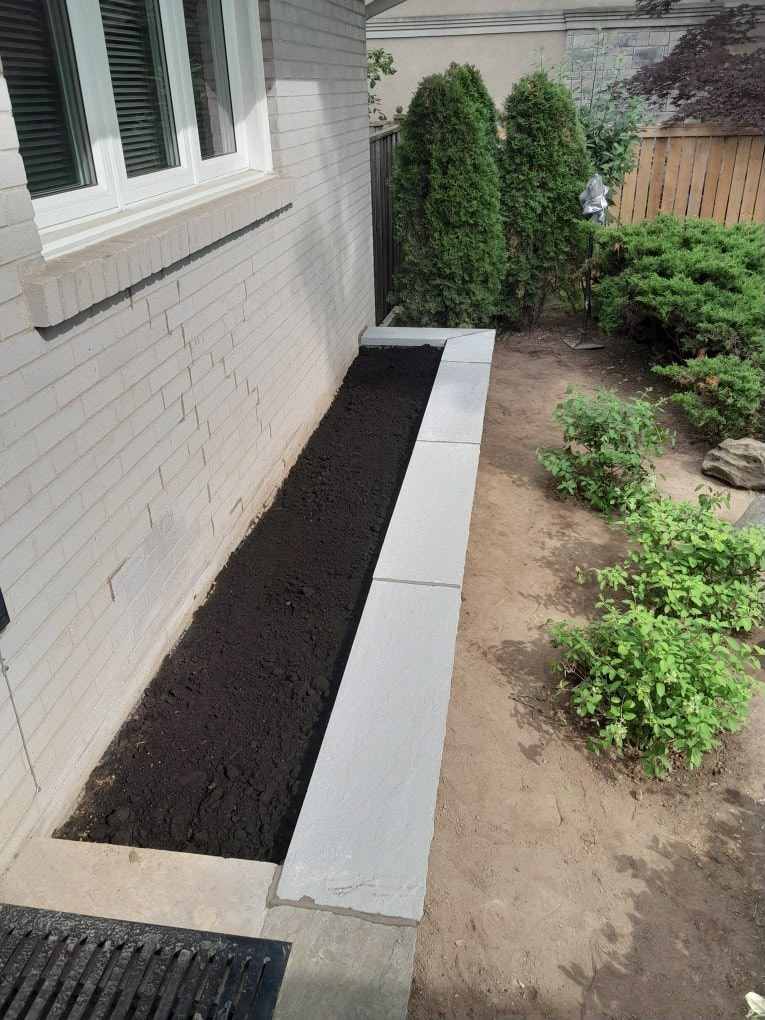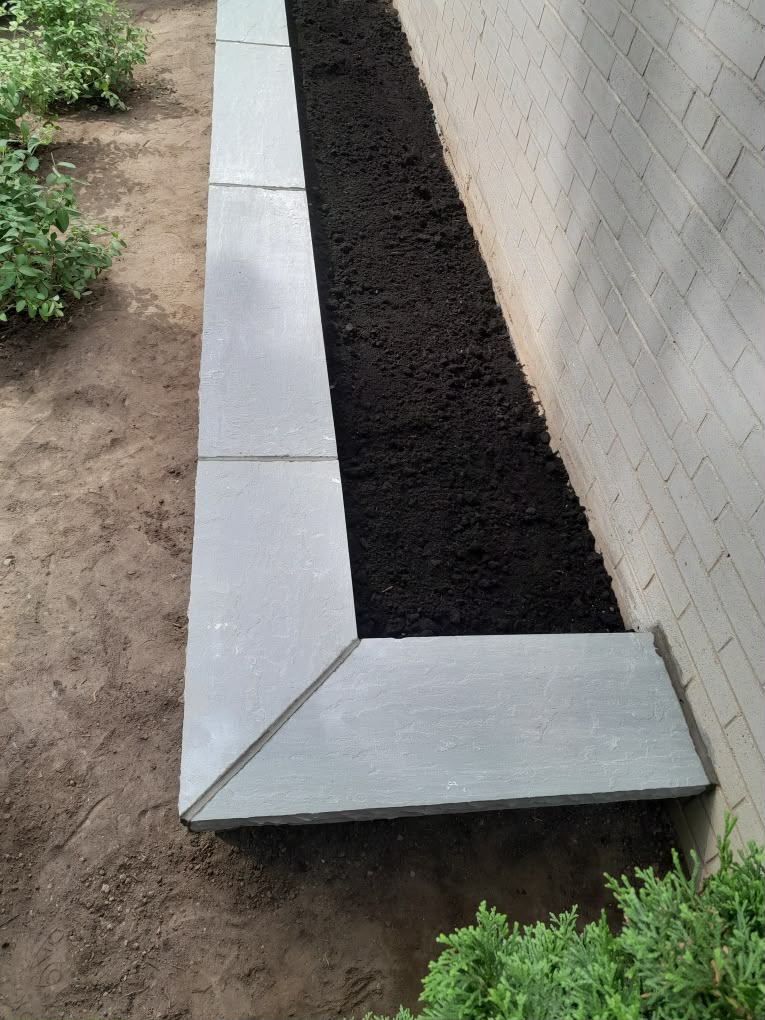

Masonry and pest prevention are closely connected because small gaps, cracked mortar, loose bricks, foundation openings, and damp exterior walls can provide pests with entry points into the home. Rodents, insects, and small wildlife do not need a large opening to create a problem. A small gap around brickwork, a damaged foundation area, a missing mortar joint, or an opening near a utility line can become an entry point if not properly repaired.
For Toronto and GTA homeowners, this matters because older masonry homes, freeze-thaw damage, heavy rain, shifting soil, and aging exterior materials can all create small weaknesses over time. Pest prevention is not only about traps or treatments. It is also about keeping the building envelope sealed, dry, and structurally sound.
This guide explains how masonry conditions can affect pest entry, what warning signs homeowners should watch for, what can be safely checked from the outside, and when masonry repair, waterproofing, or pest-control help may be needed.
How Masonry Affects Pest Prevention
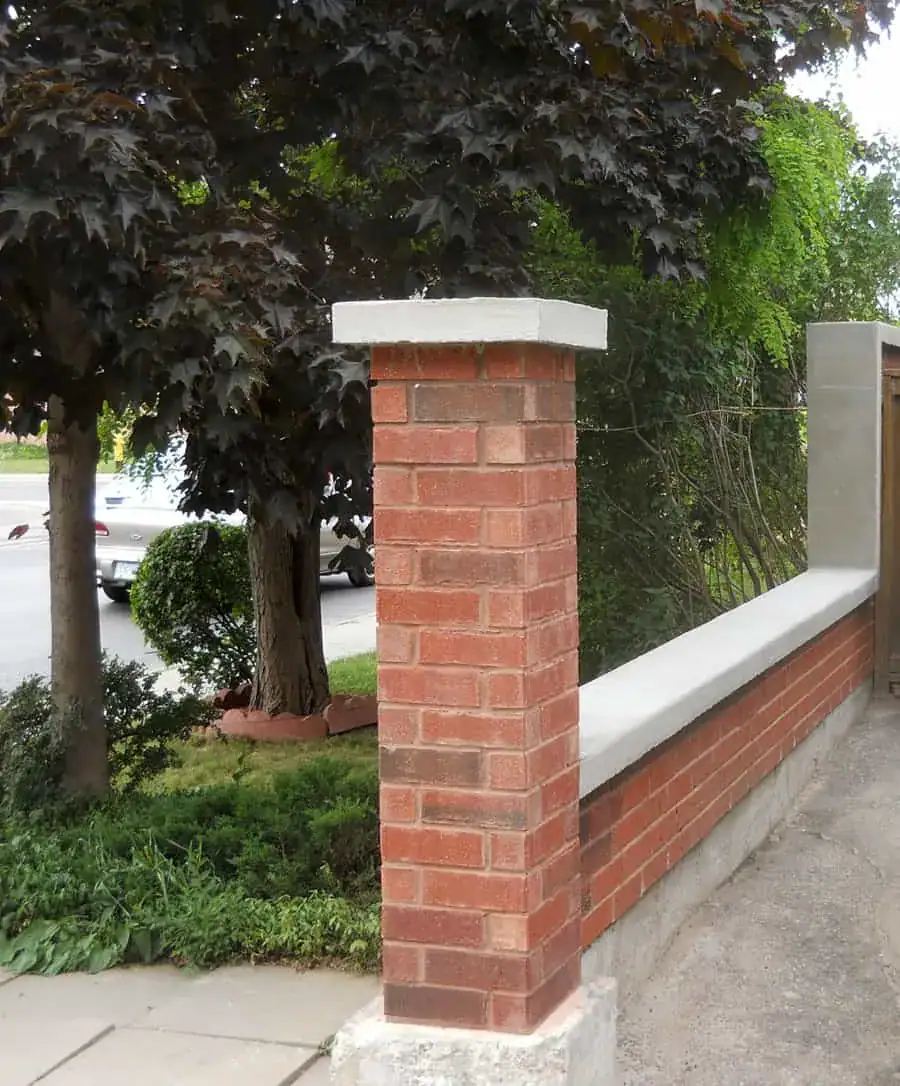
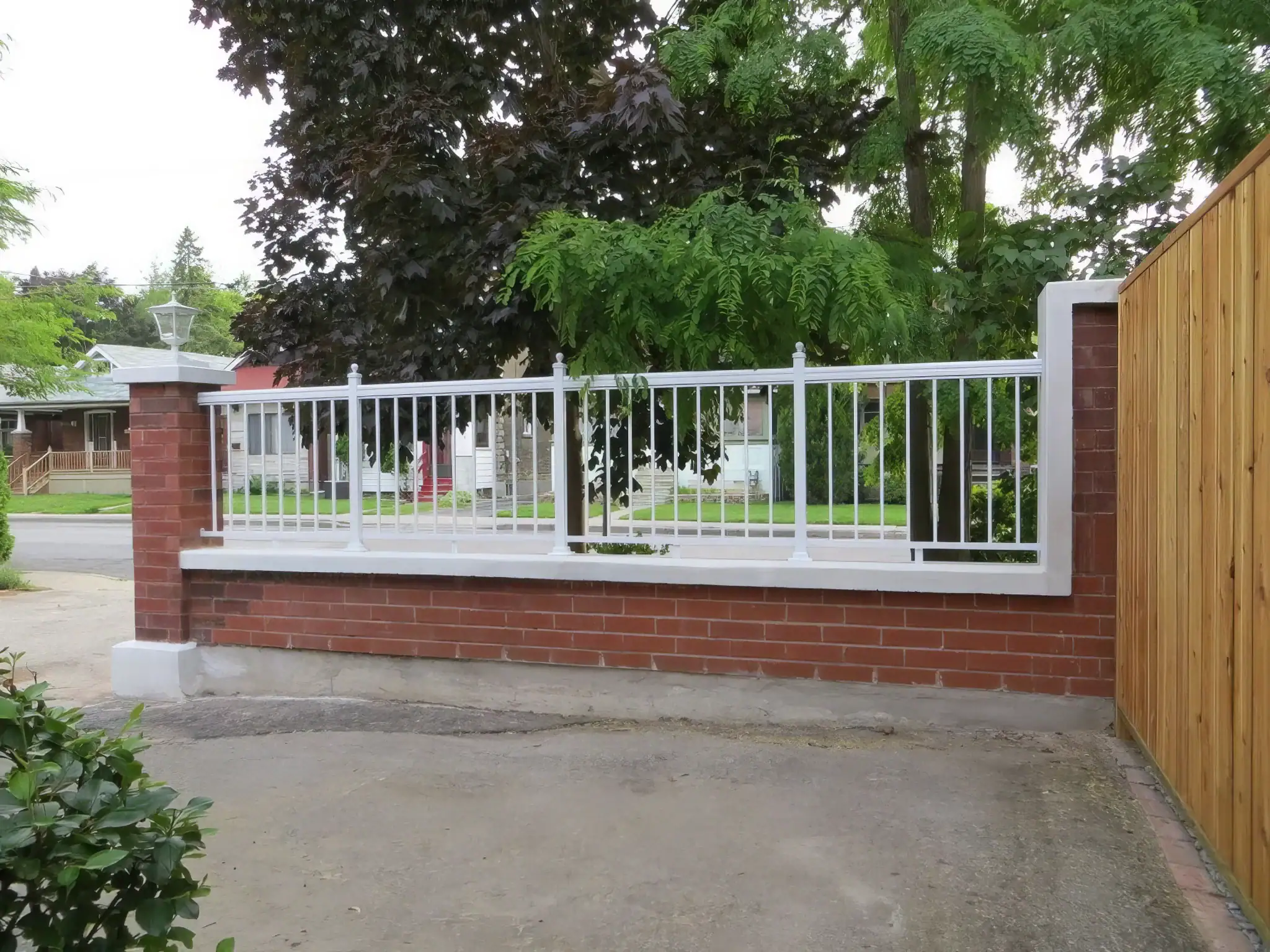
Masonry affects pest prevention by controlling whether pests can enter through exterior walls, foundations, chimneys, porches, steps, and gaps around openings. Brick, stone, concrete, and mortar are strong materials, but they are not maintenance-free. When mortar erodes, brick cracks, foundation parging separates, or gaps open around utility penetrations, pests may use those weak points as shelter or entry routes.
Rodents are especially good at finding small openings. Health Canada notes that mice can squeeze through cracks as small as a dime, while rats can enter through holes about the size of a quarter. That means a masonry opening that looks minor to a homeowner may be large enough for a pest problem to begin.
The City of Toronto also identifies rodents as a common issue in urban environments because they look for food and shelter. A home with open masonry joints, easy access to garbage, damp conditions, or hidden voids can become more attractive to pests. Masonry repair does not replace pest control, but it plays an important role in blocking access and reducing shelter.
Why Pest Prevention Matters for Toronto Masonry Homes
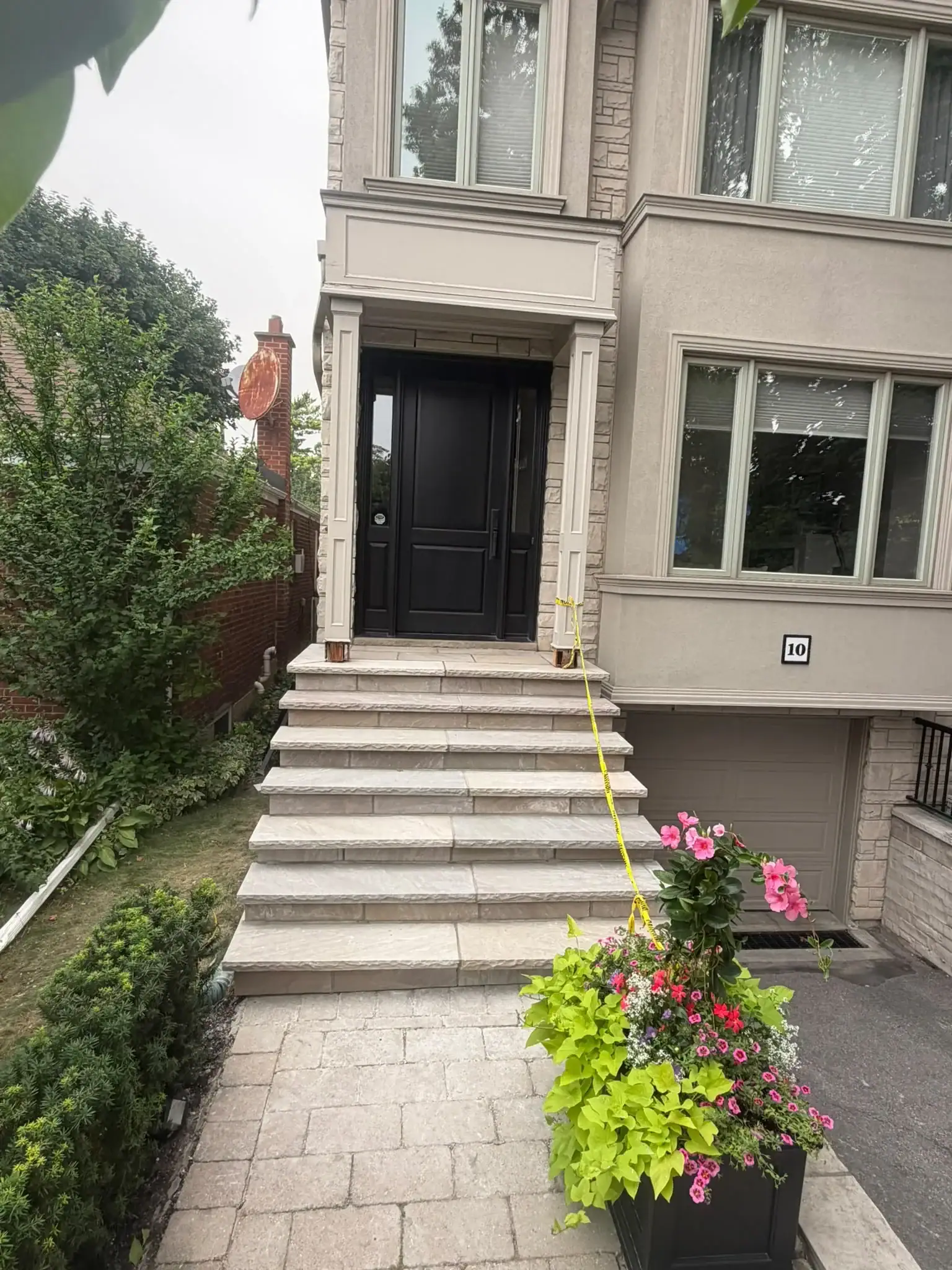
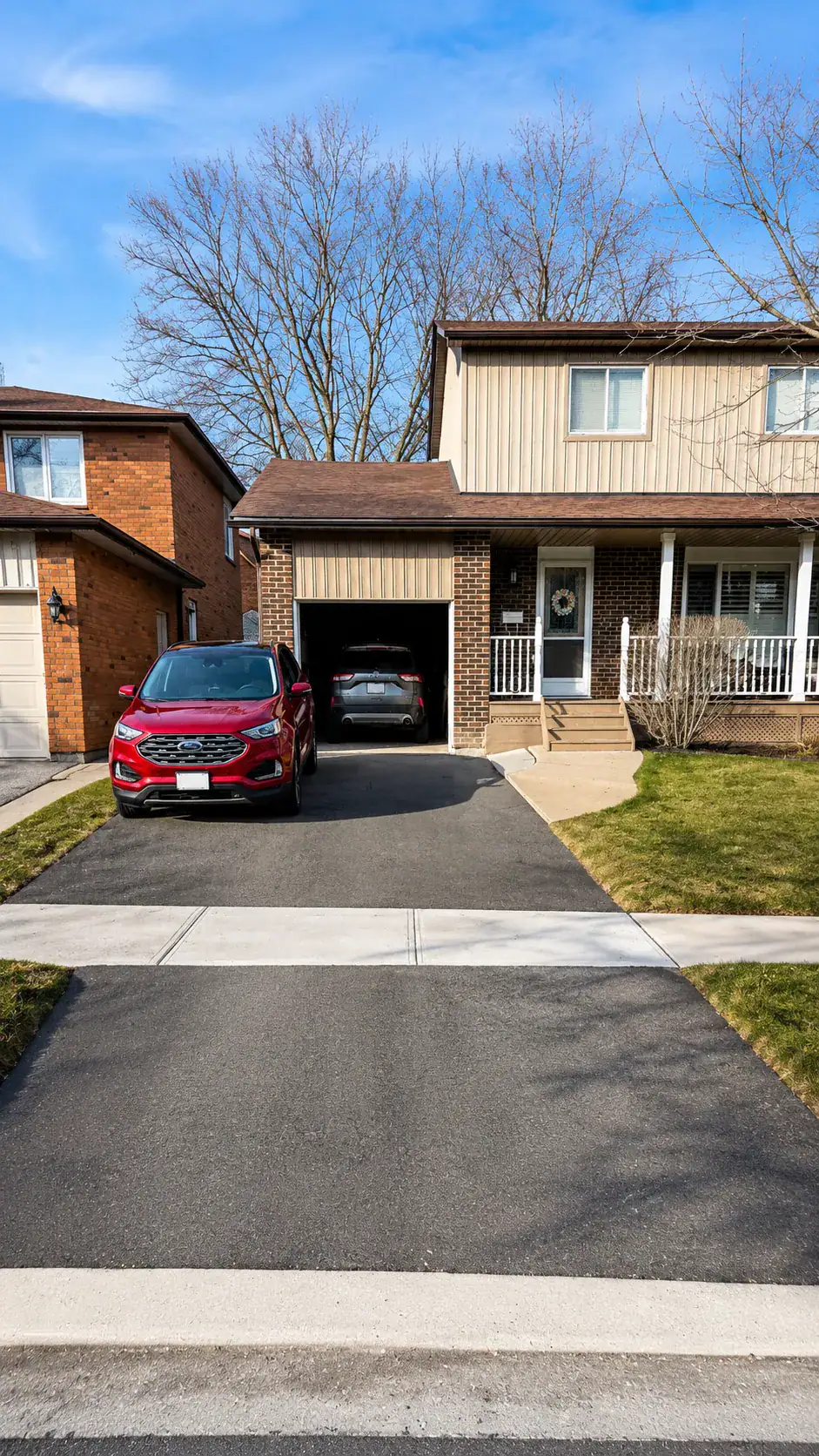
Pest prevention matters for Toronto masonry homes because many local houses have older brickwork, basement foundations, porches, chimneys, laneway walls, additions, and past repairs that may have aged unevenly. These conditions can leave small openings that are easy to miss from the ground.
Toronto’s weather also adds pressure. Freeze-thaw cycles can widen cracks. Rain and melting snow can weaken mortar. Poor drainage can keep foundation areas damp. Over time, damp or damaged masonry can create conditions that pests prefer, especially near basements, crawl spaces, garages, porch edges, and lower exterior walls.
A homeowner may first notice pests indoors and assume the issue is only inside the house. But the real question is often outside: how did they get in? If the entry point is in the brick, mortar, foundation, chimney, or exterior wall system, treatments alone may not keep the problem from returning.
Common Masonry Entry Points for Pests
Common masonry entry points are usually found where materials meet, where older repairs have failed, or where water has weakened the exterior over time. These areas deserve close attention during a pest-prevention inspection.
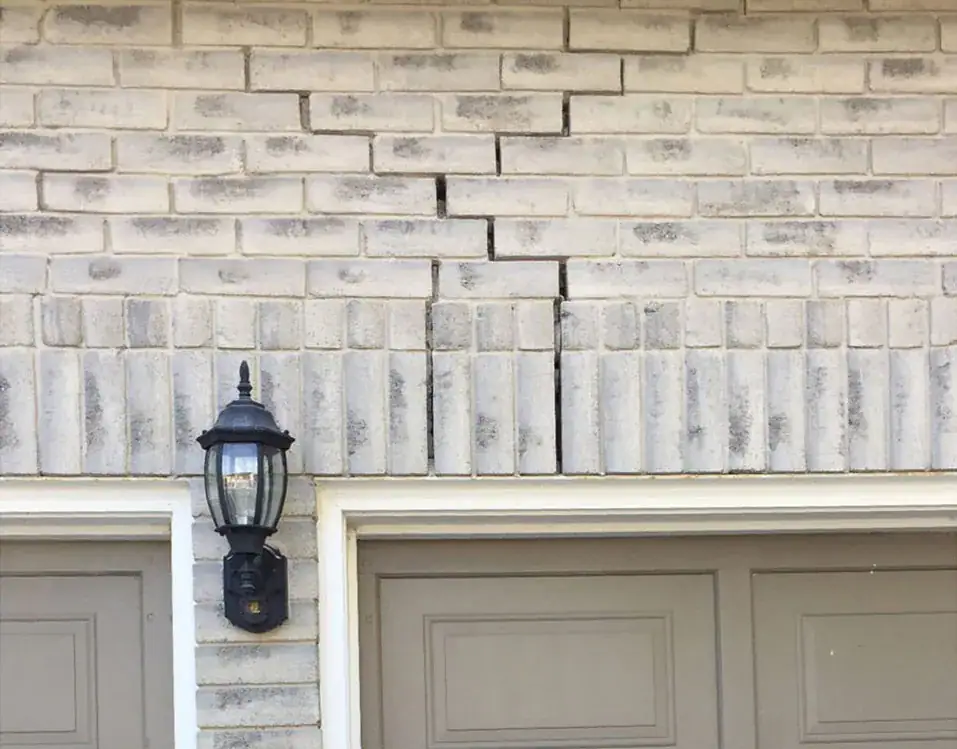
- Cracked mortar joints: Open joints between bricks can create small pathways into wall cavities or sheltered exterior spaces.
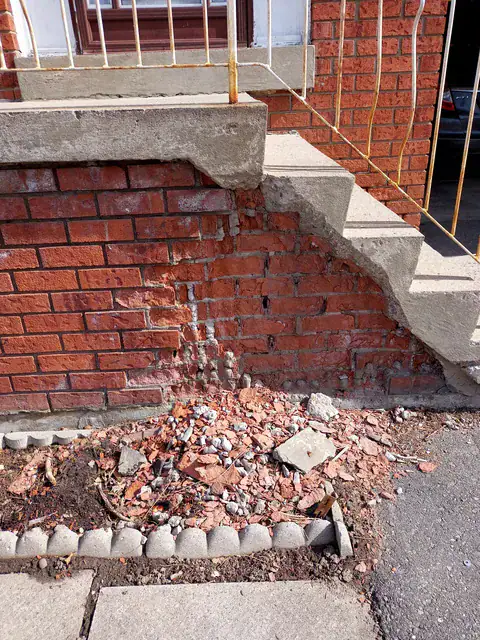
- Damaged brick: Spalled, broken, or missing brick can leave gaps that insects, rodents, or small animals may explore.
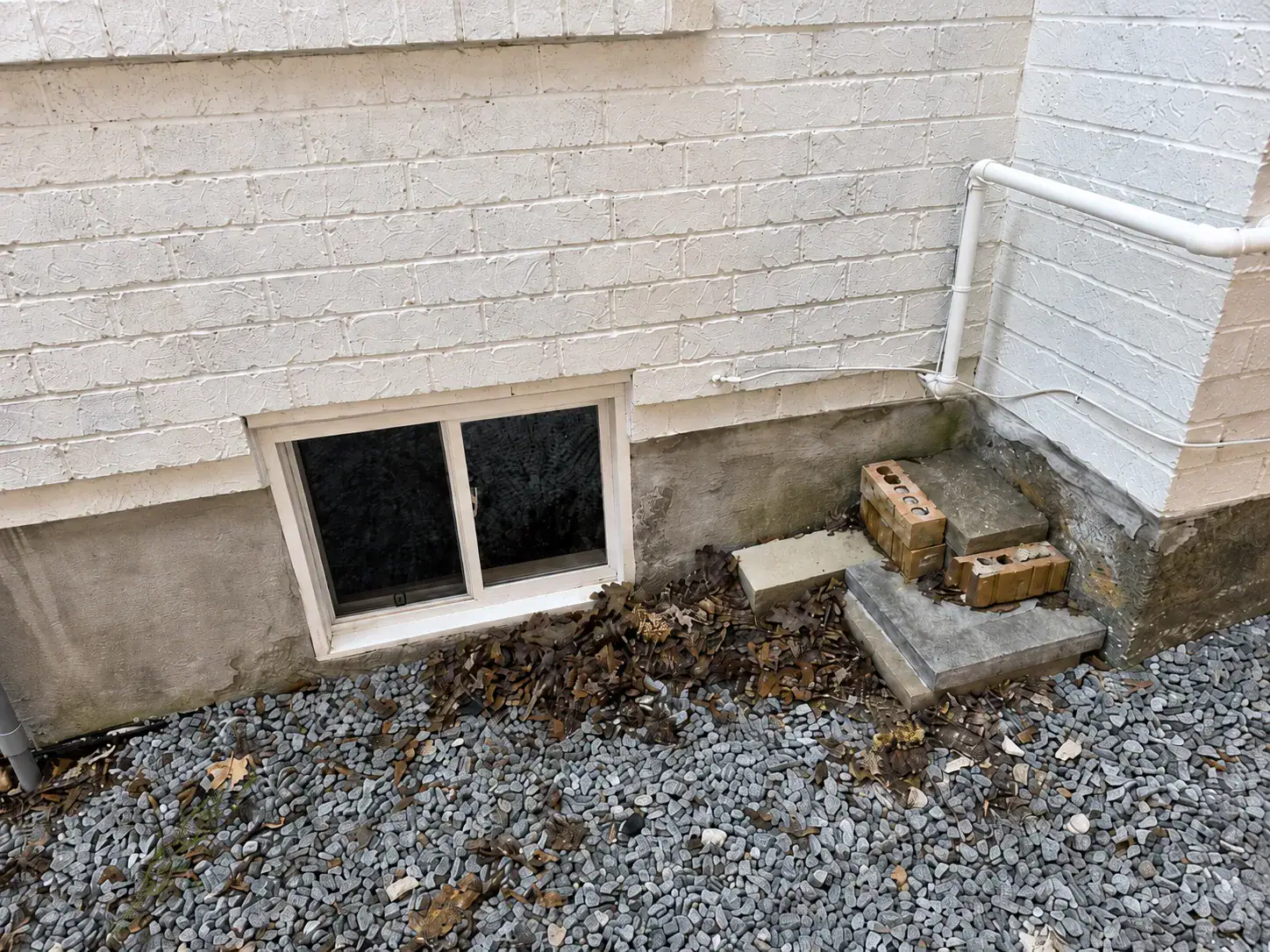
- Foundation cracks: Gaps near the foundation can be entry points, especially if they connect to basements or crawl spaces.
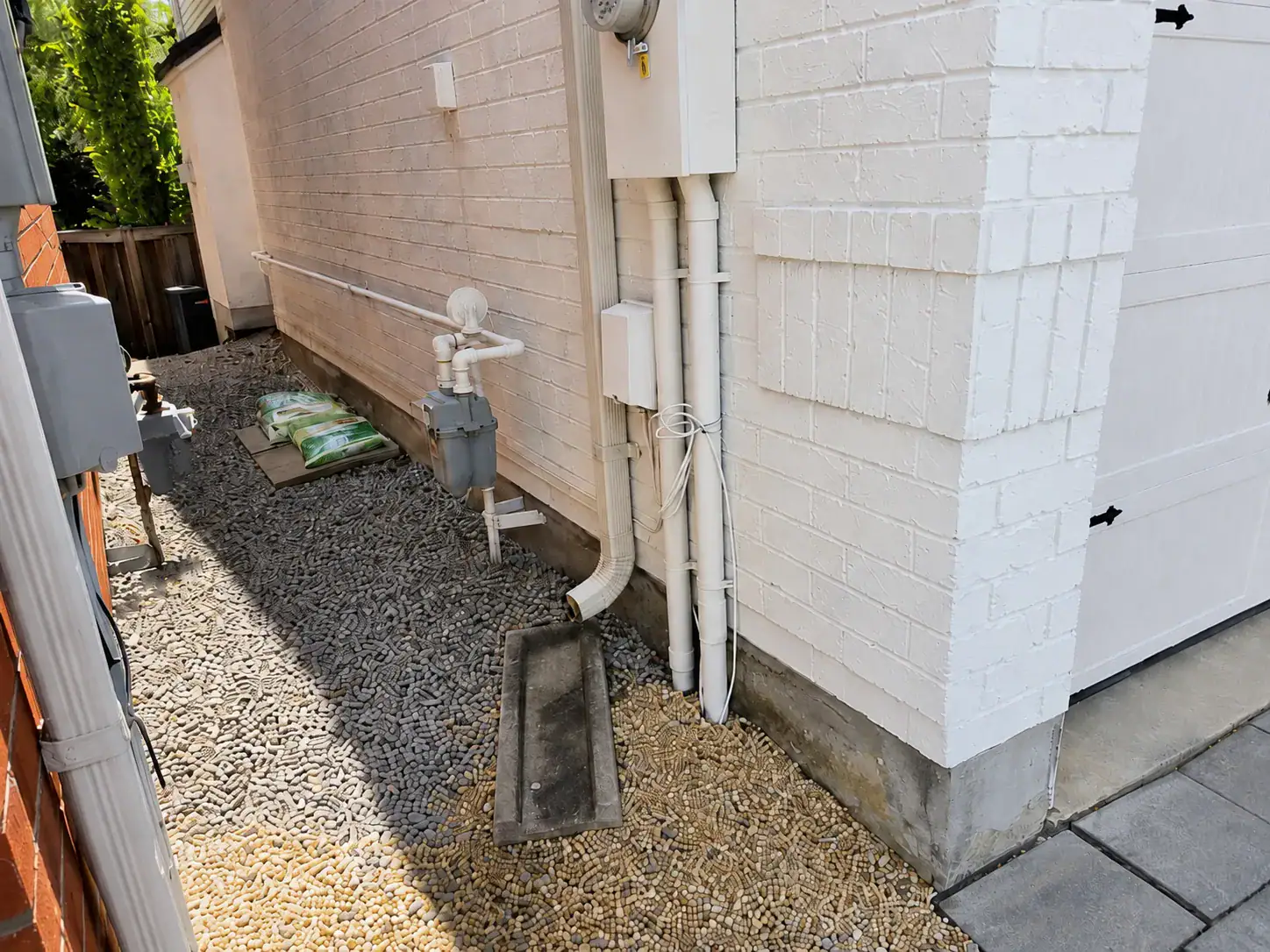
- Utility penetrations: Openings around pipes, cables, vents, and service lines are common weak spots.
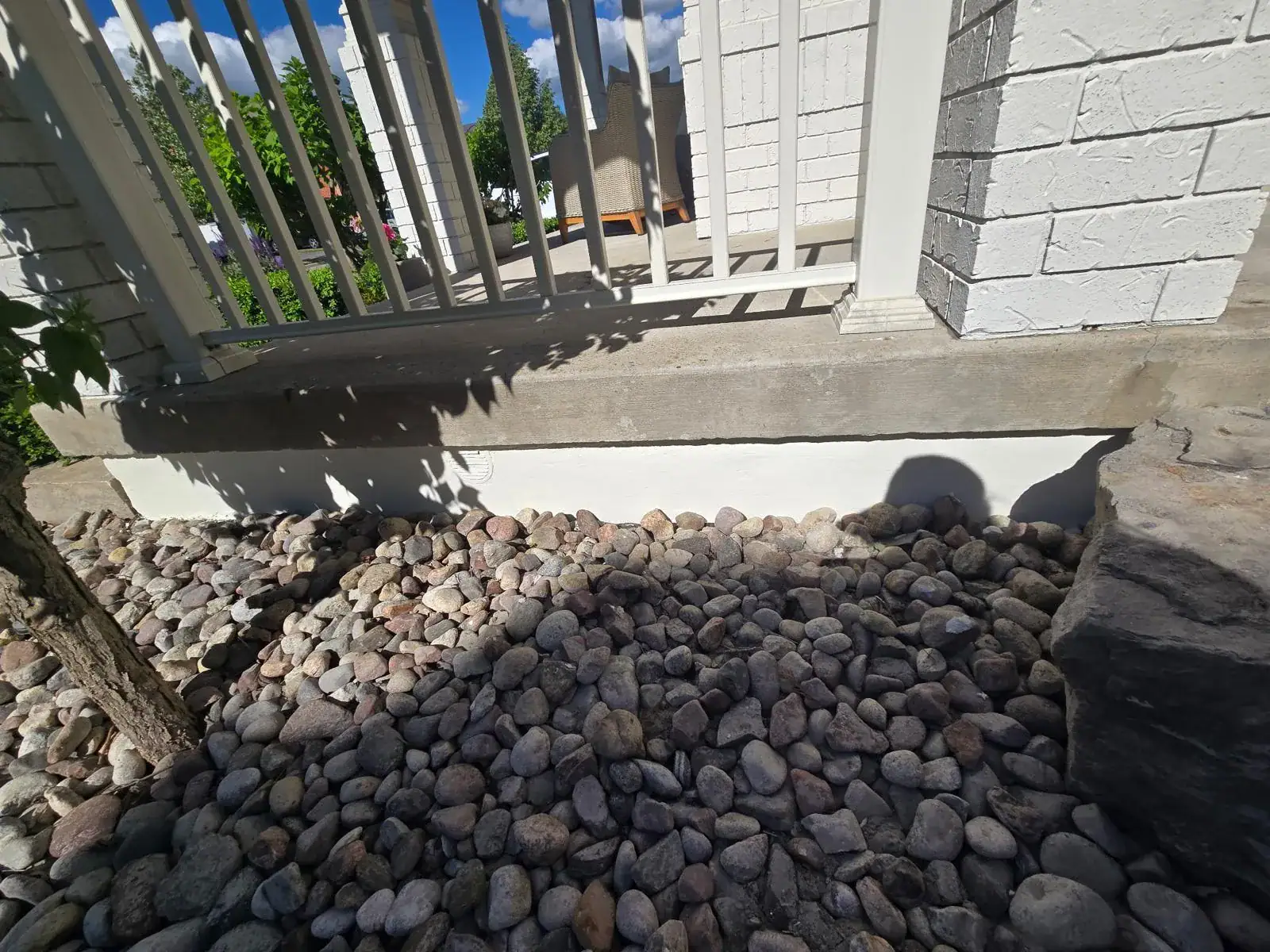
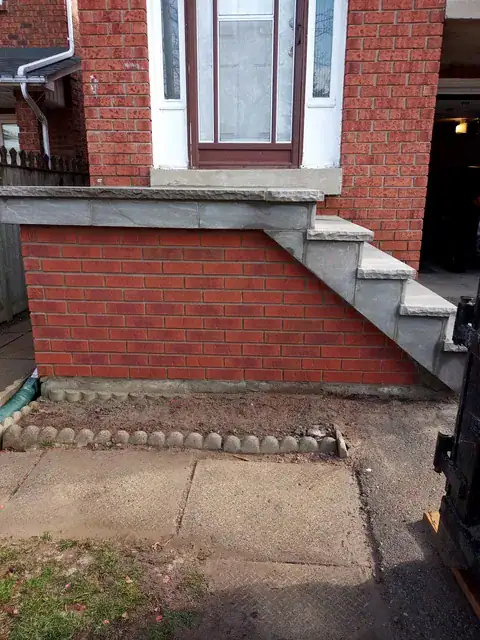
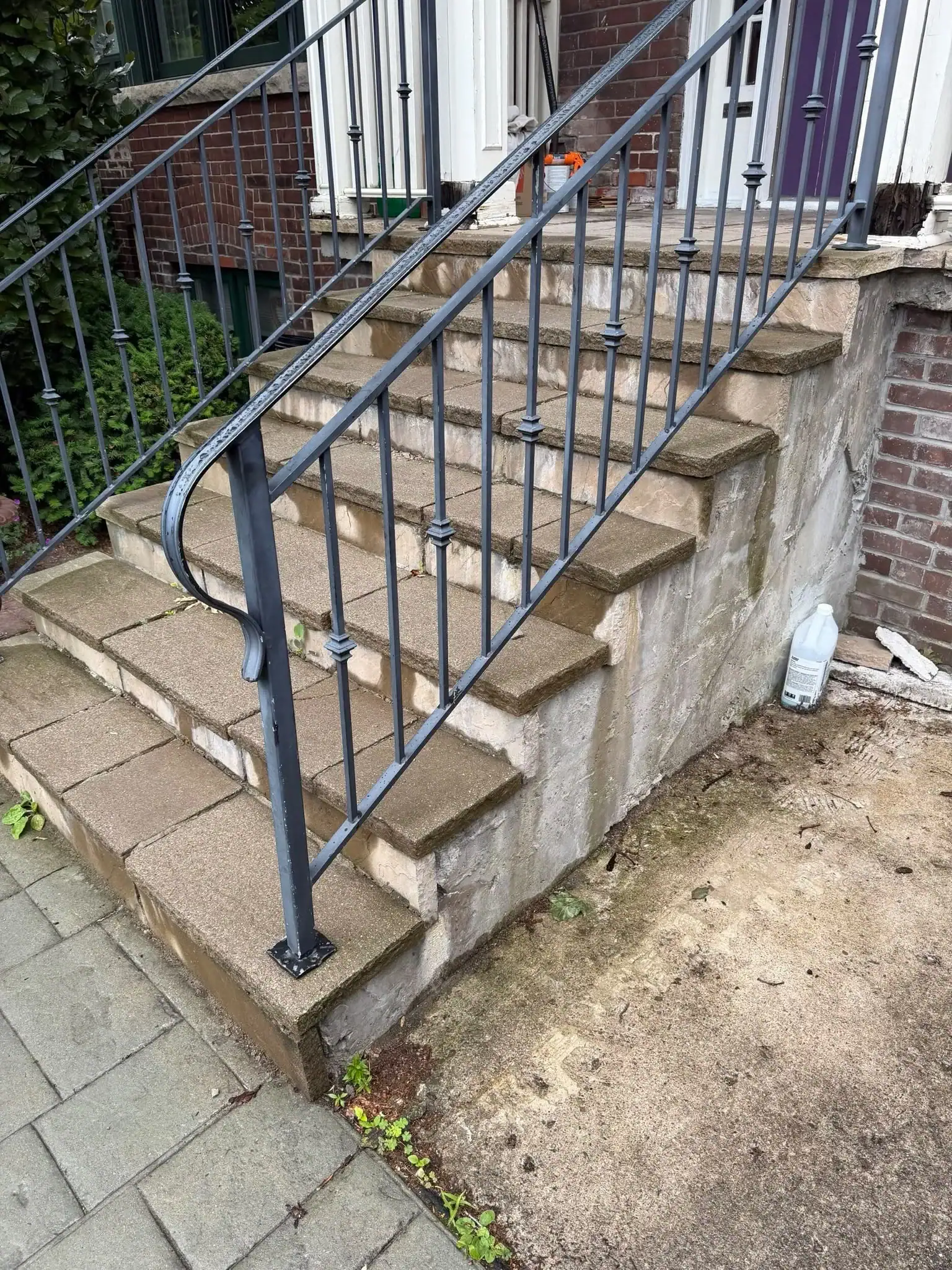
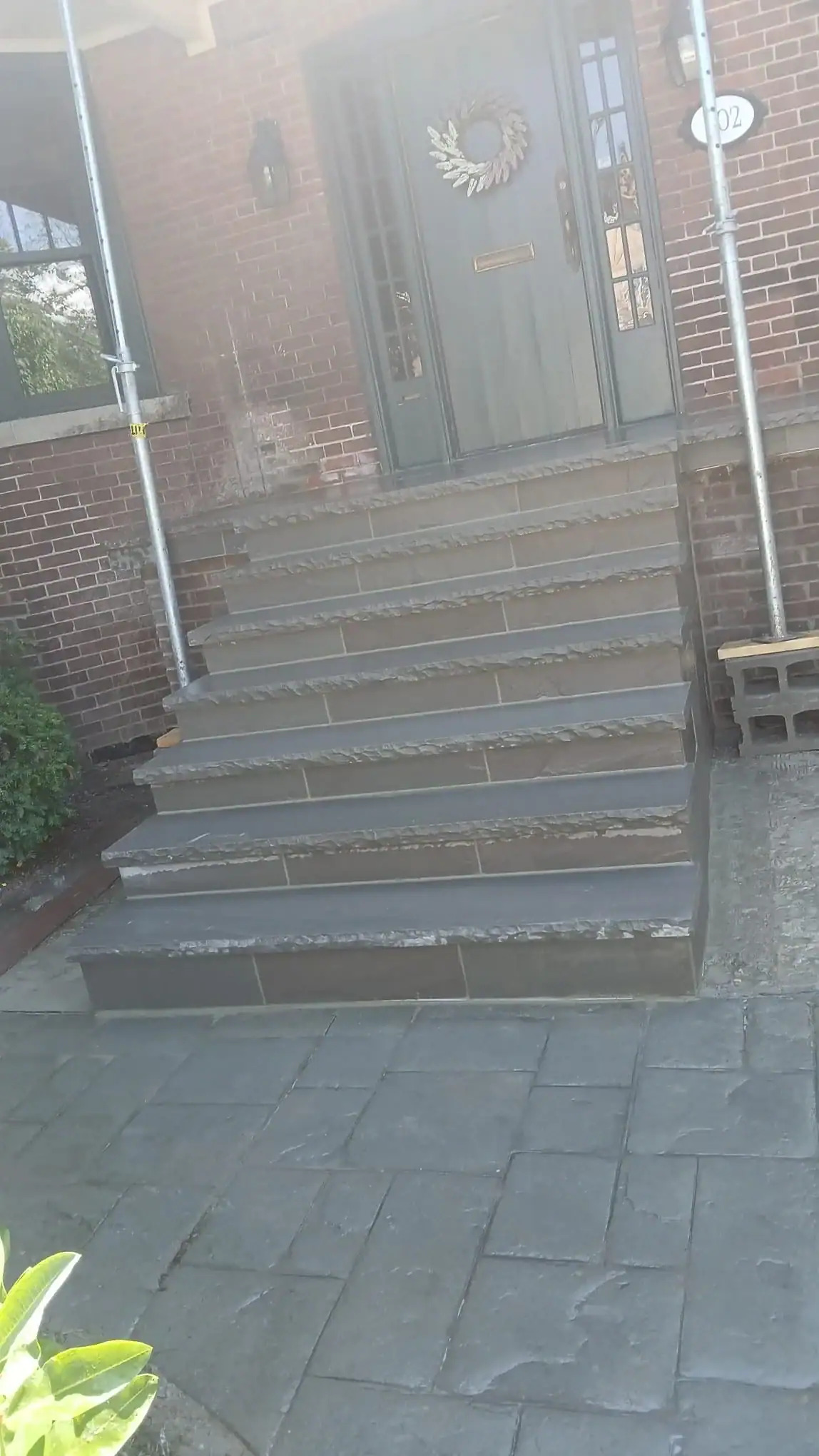
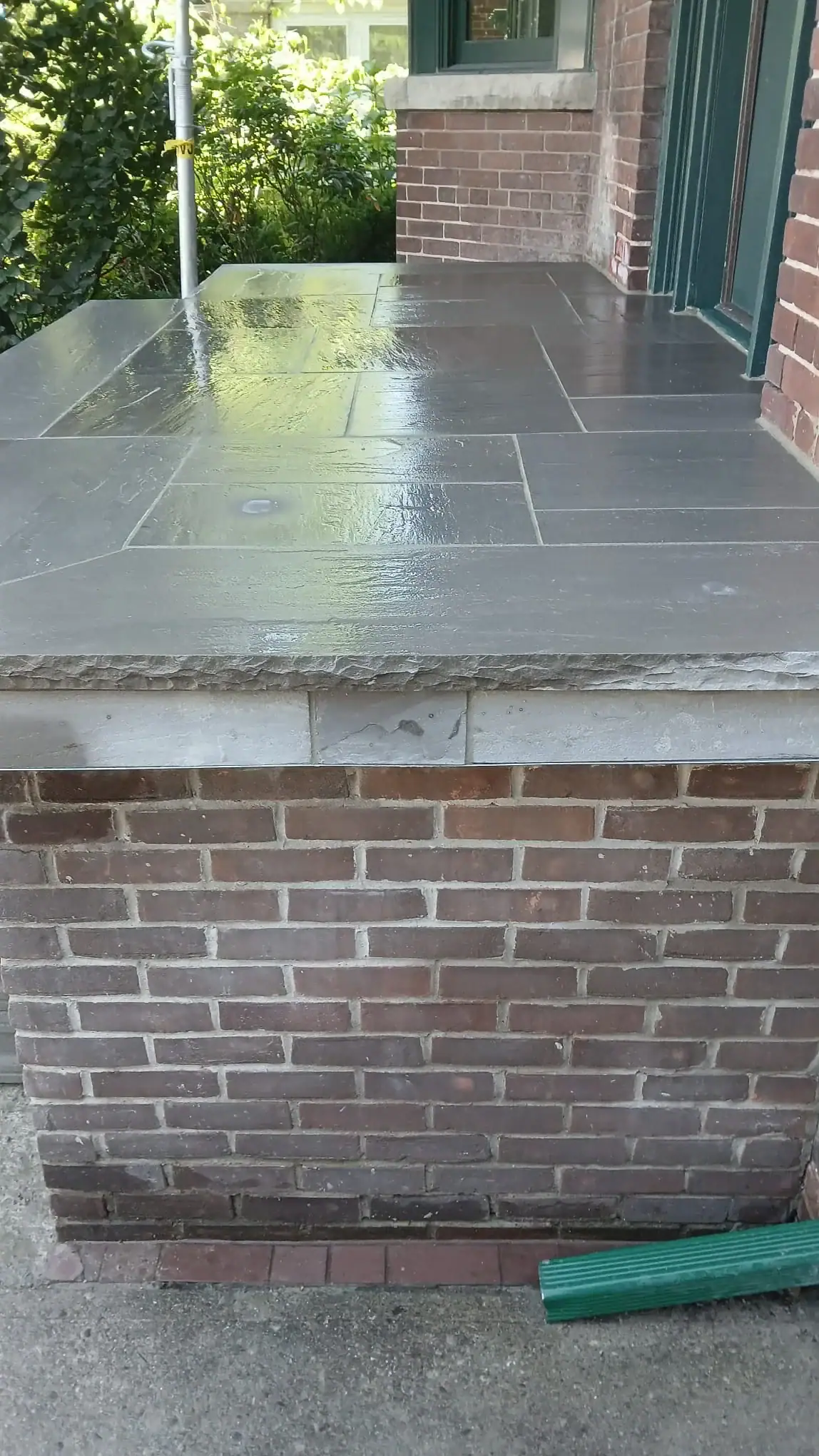
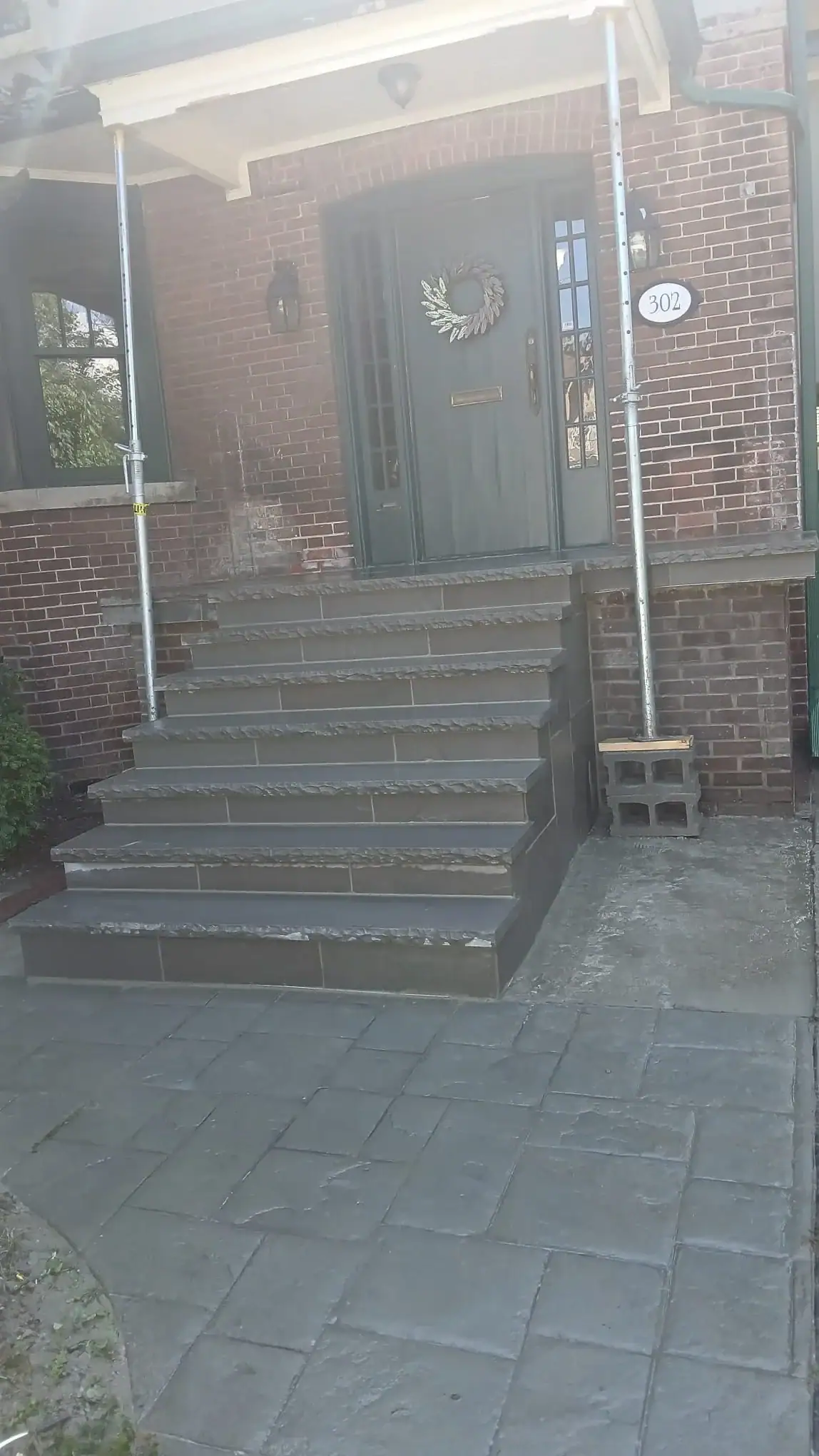
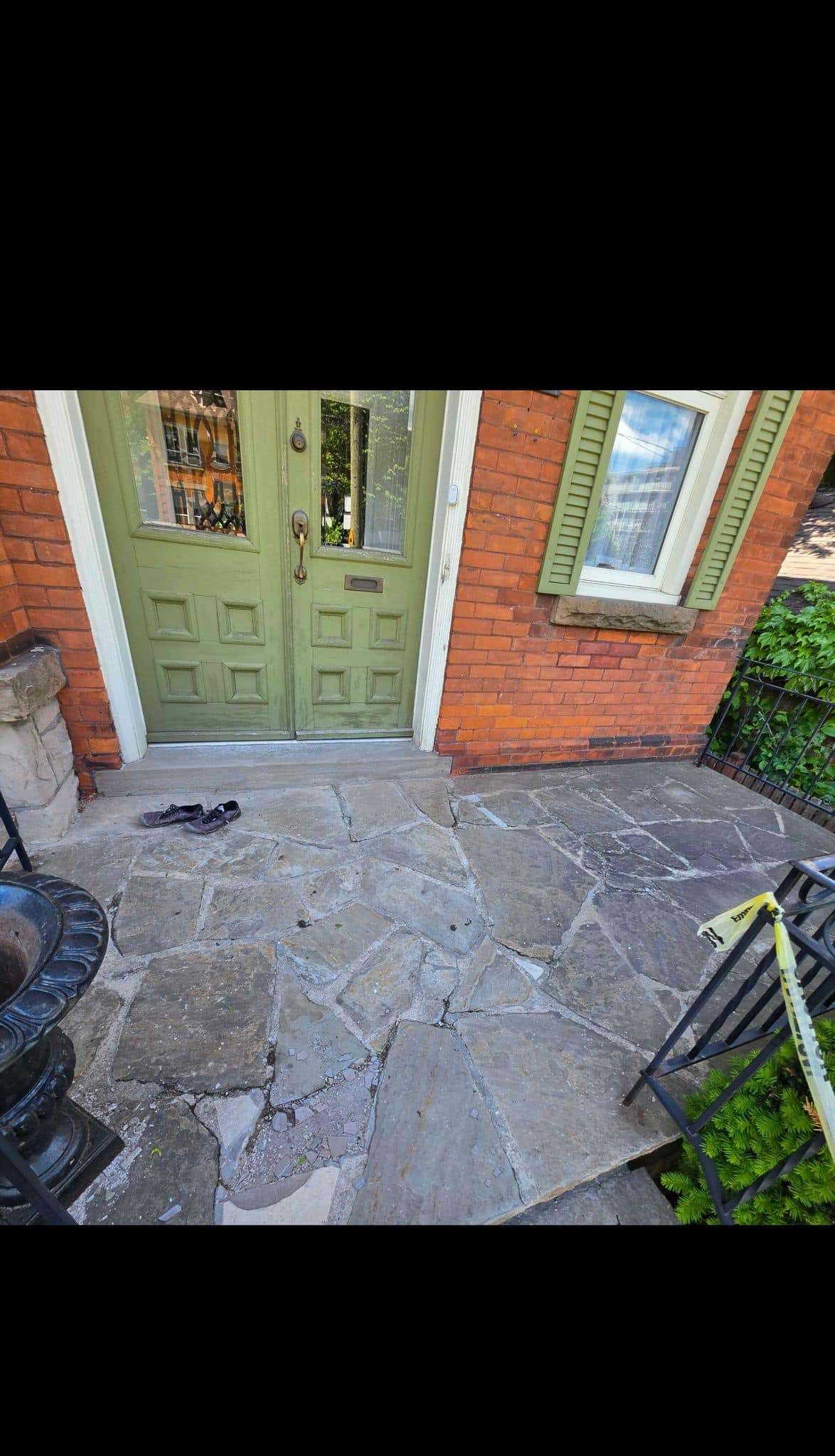
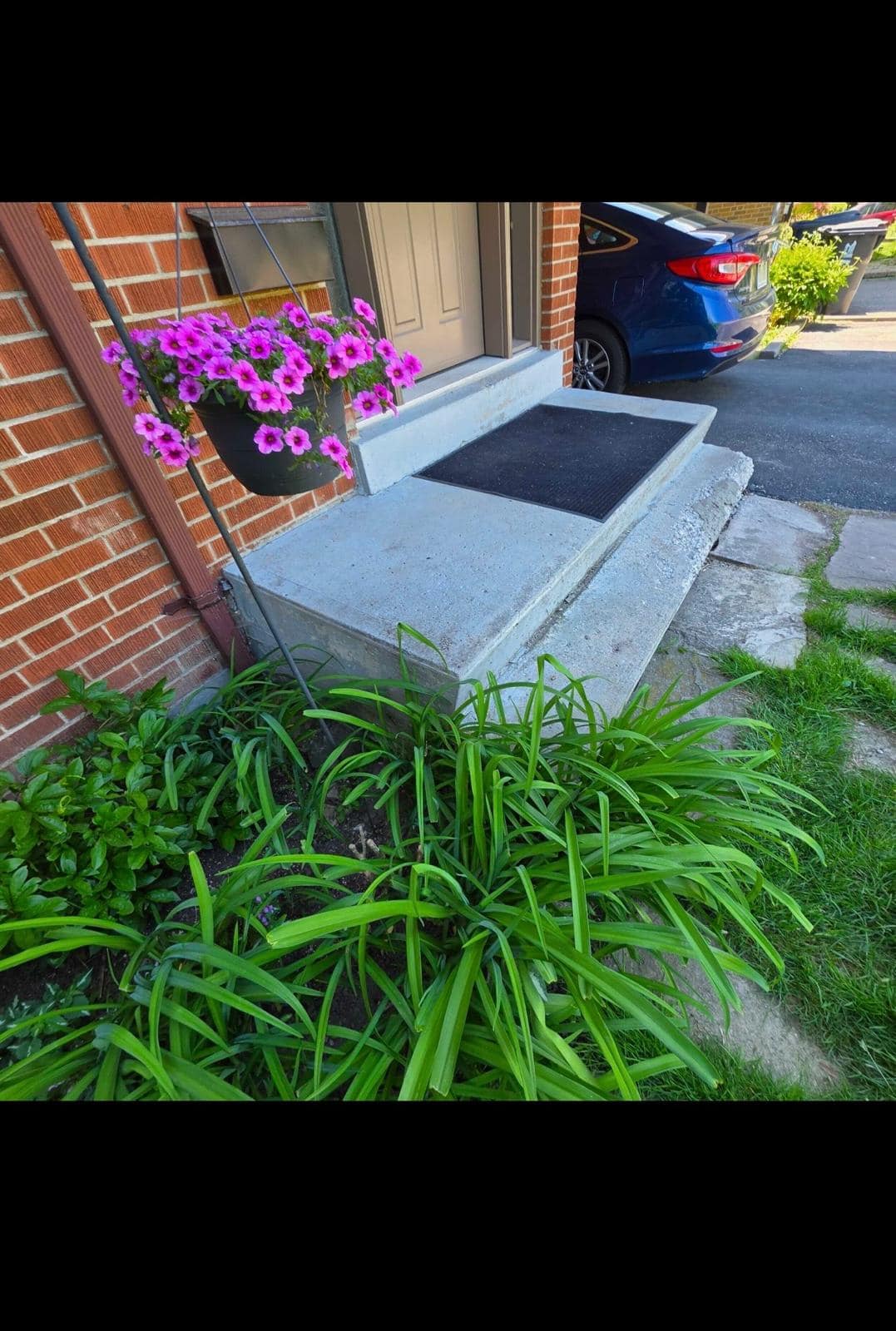
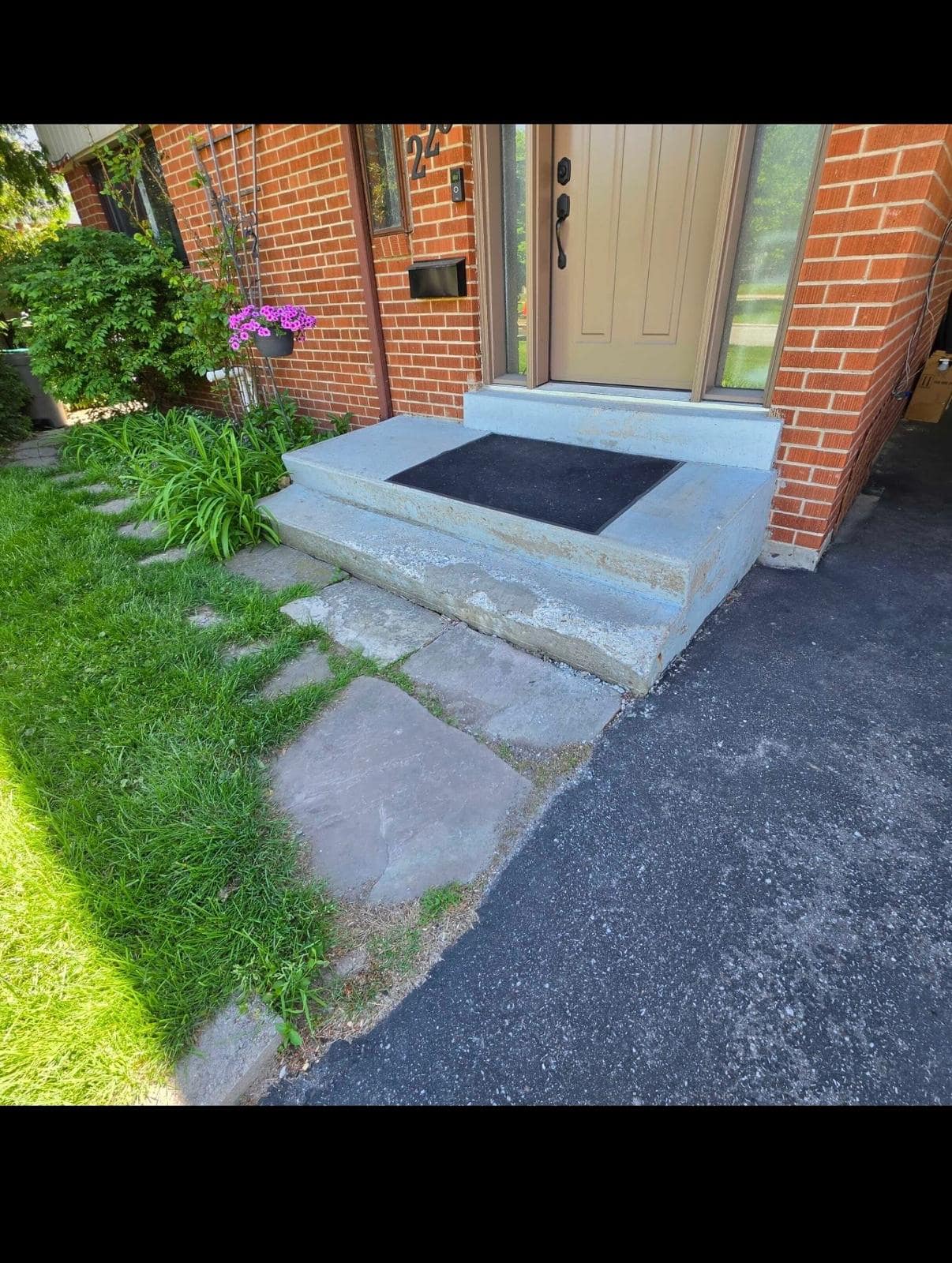
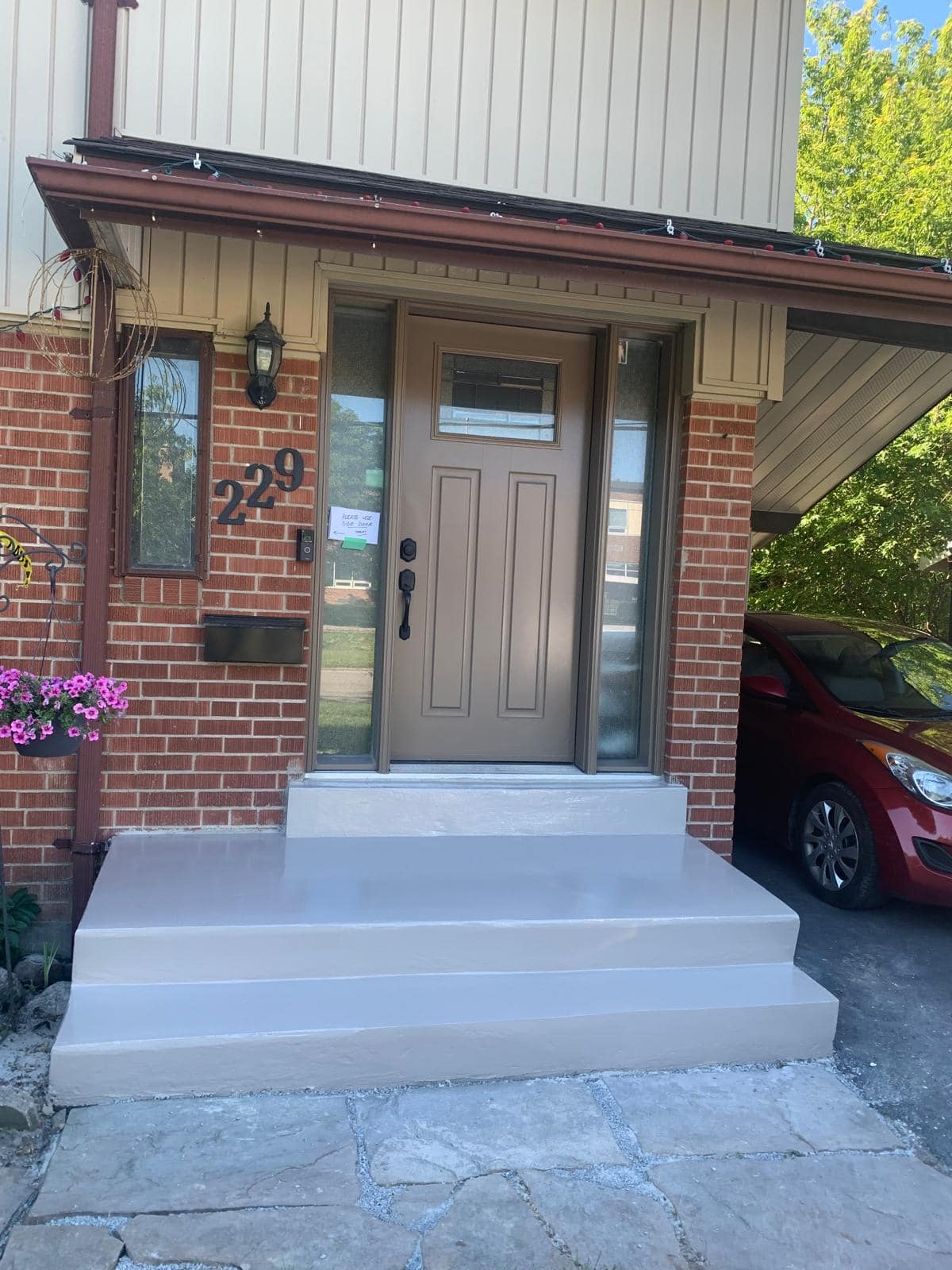
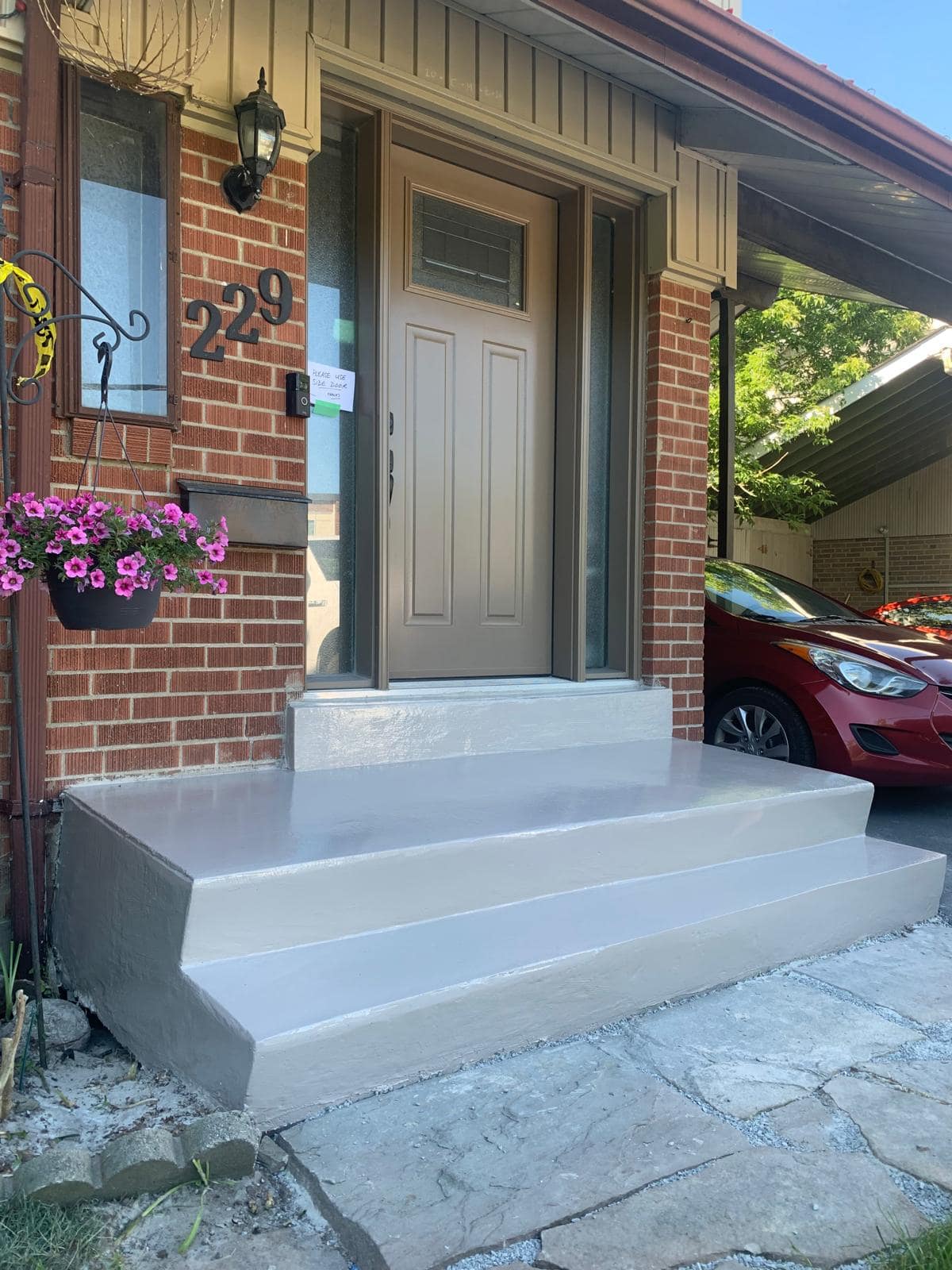
- Porch and step edges: Settled masonry around porches, steps, and landings can leave hidden openings underneath.
- Chimney gaps: Open mortar joints, damaged crowns, missing caps, and loose flashing can create access for water and wildlife.
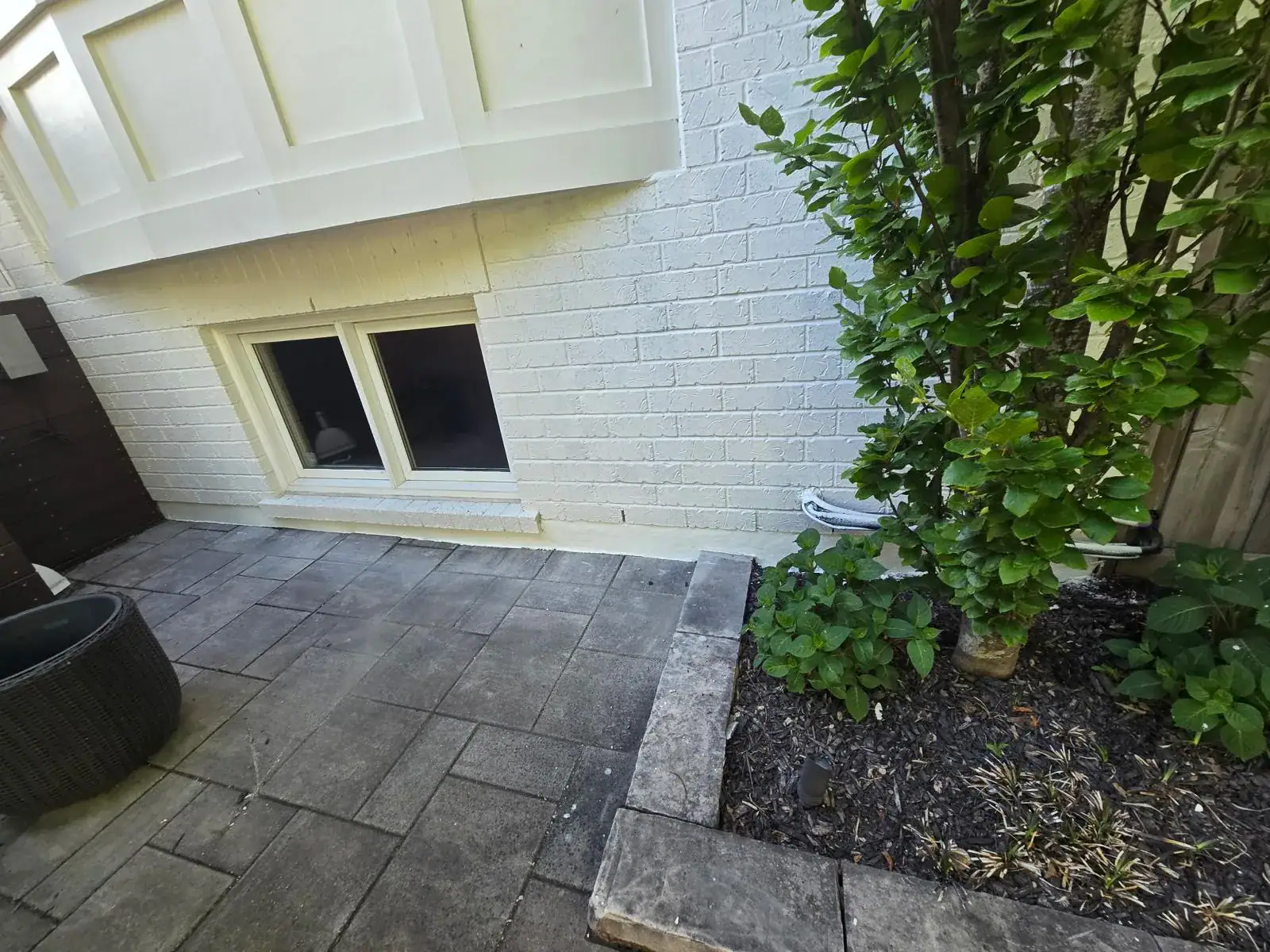
- Window and door surrounds: Cracks around sills, lintels, and masonry returns can allow insects or rodents to enter nearby voids.
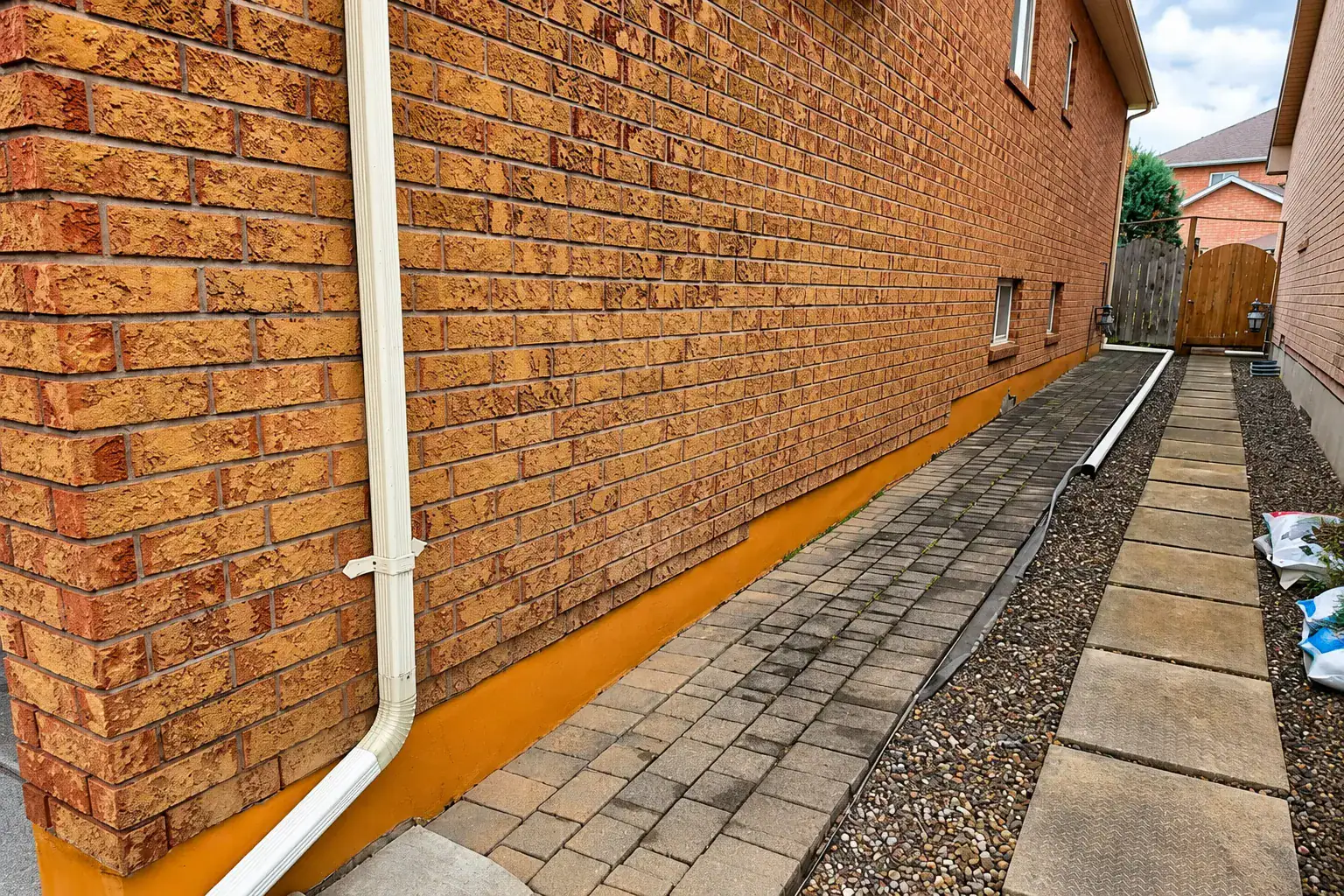
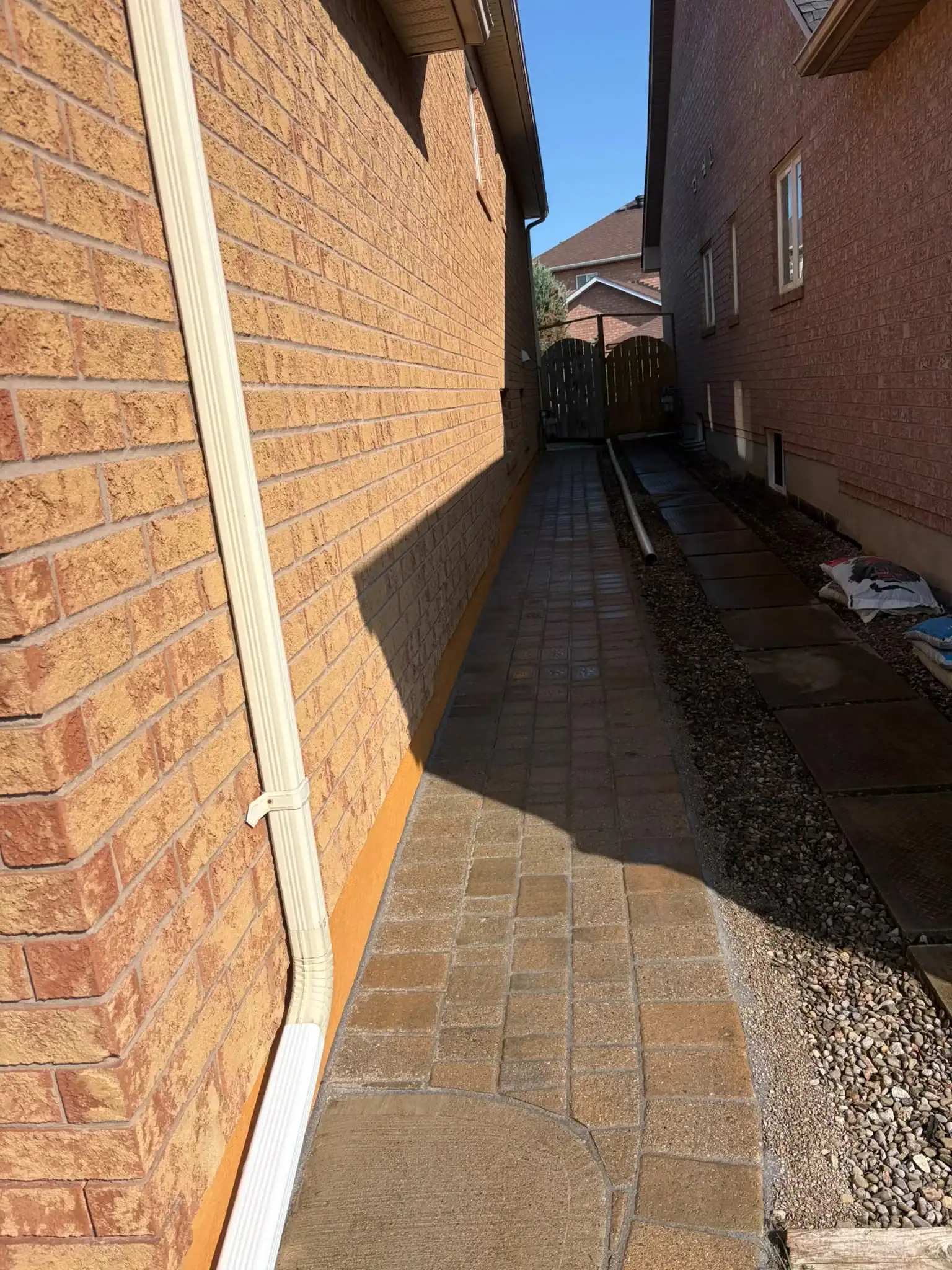
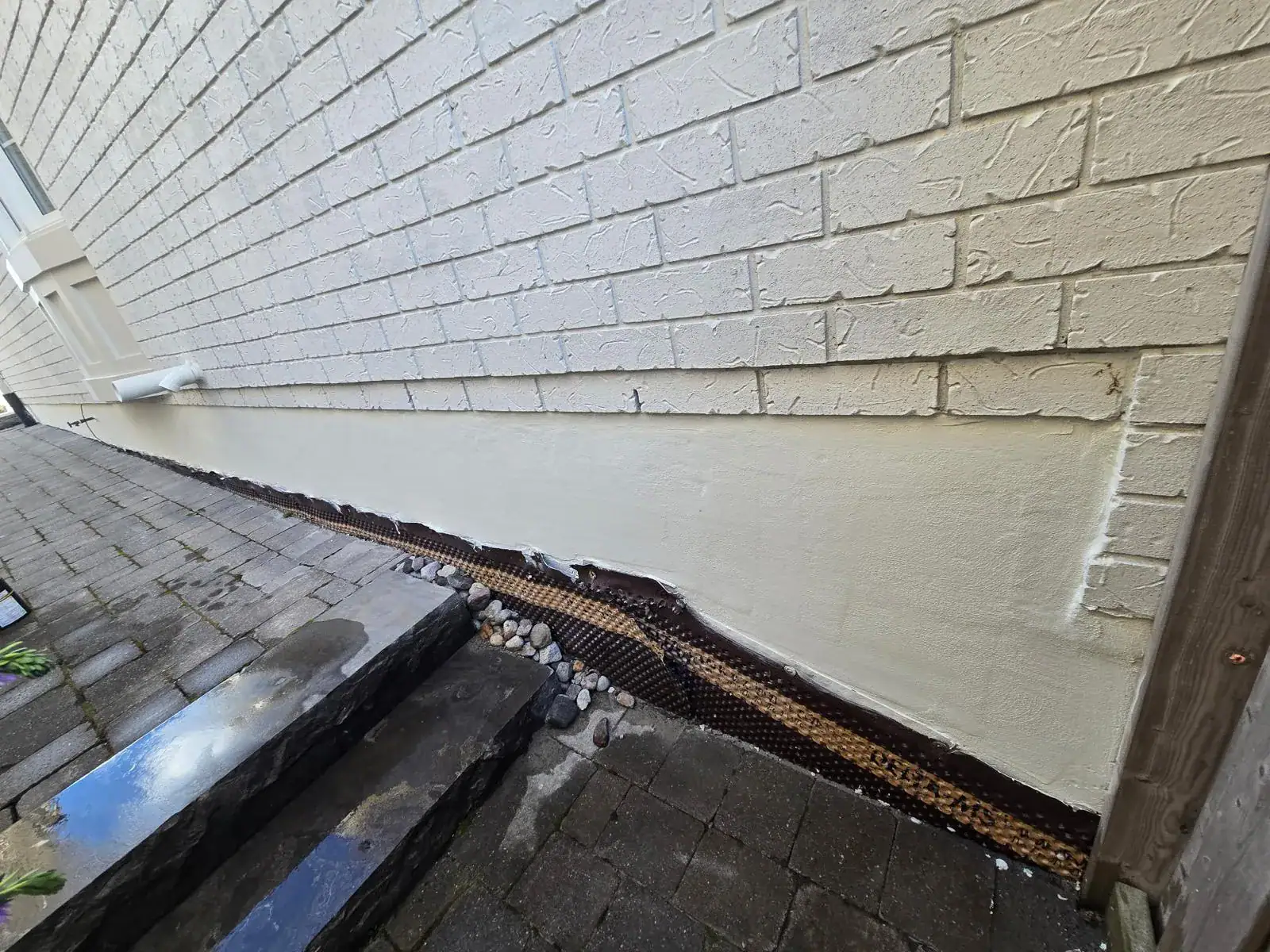
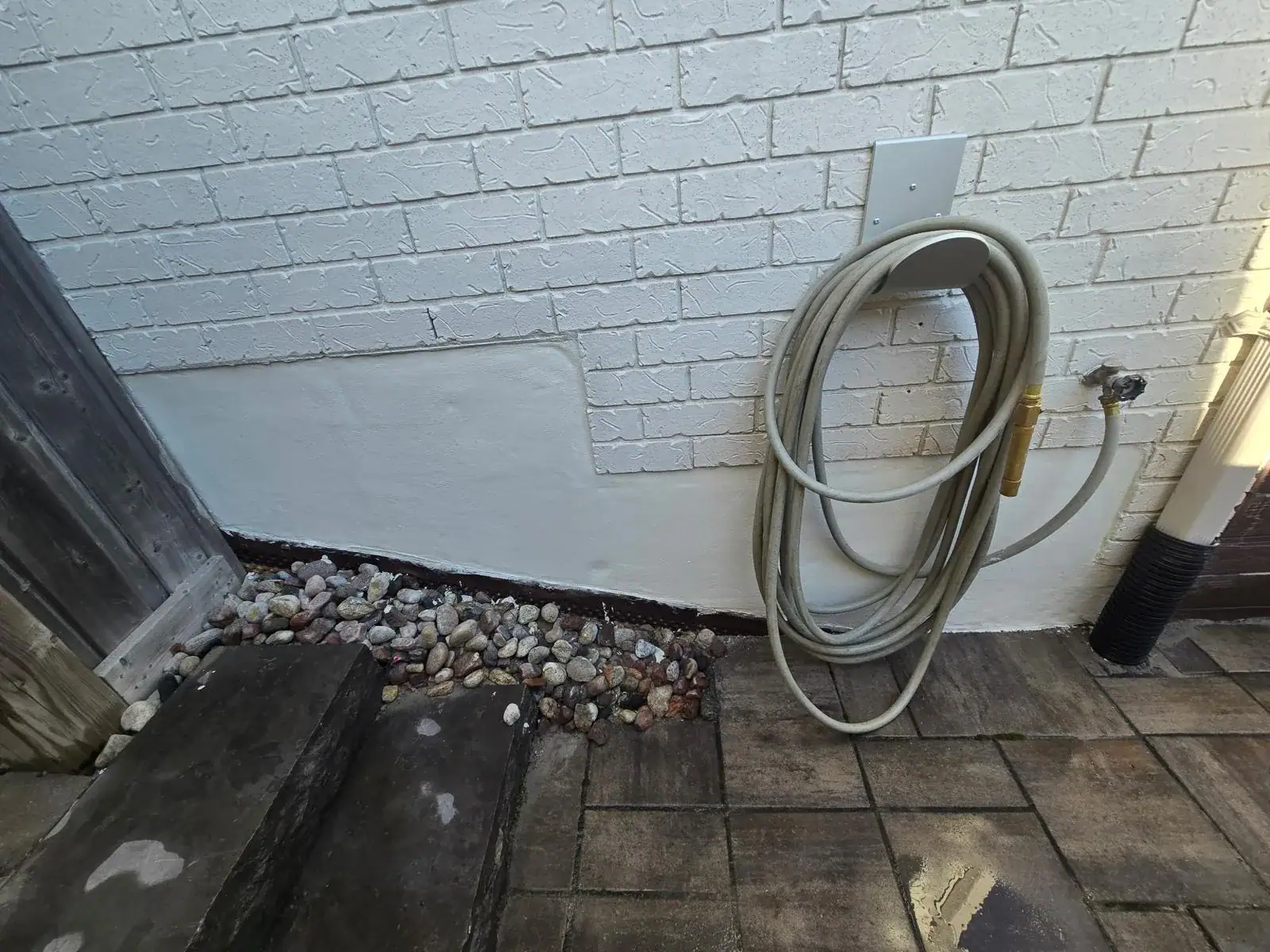
- Loose parging: Parging that separates from the foundation can hide cracks or voids behind it.
If brick damage is visible, A&A Masonry’s brick repair Toronto page is a useful starting point for understanding how to repair cracked, loose, or damaged brickwork before problems spread.
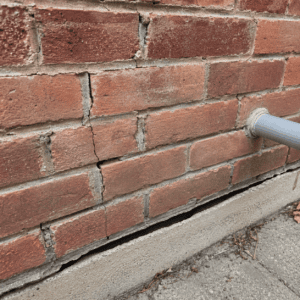
Moisture Makes Pest Problems More Likely
Moisture increases pest problems because damp areas often provide better shelter, softer materials, and easier access points. Pests do not only look for food. They also look for warmth, water, cover, and hidden travel paths. Damp exterior masonry can support some of those conditions.
Water can enter masonry through cracked mortar, damaged brick, poor grading, clogged drainage, failed flashing, or foundation openings. Once water gets into a wall or foundation area, it can weaken materials, stain surfaces, and create hidden gaps. In winter, trapped moisture can freeze and expand, making small cracks larger.
Toronto homeowners should pay attention to repeated dampness near basement walls, lower brickwork, porch foundations, and exterior steps. These areas often combine masonry, soil, drainage, and access points. If water is part of the issue, pest prevention may need to include masonry repair and exterior water management, not just sealing visible holes.
For moisture-related masonry concerns, A&A Masonry’s waterproofing Toronto page explains how water control around foundations and exterior walls can help protect the home.
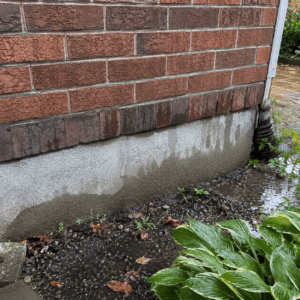
Brick and Mortar Damage Can Invite Pests
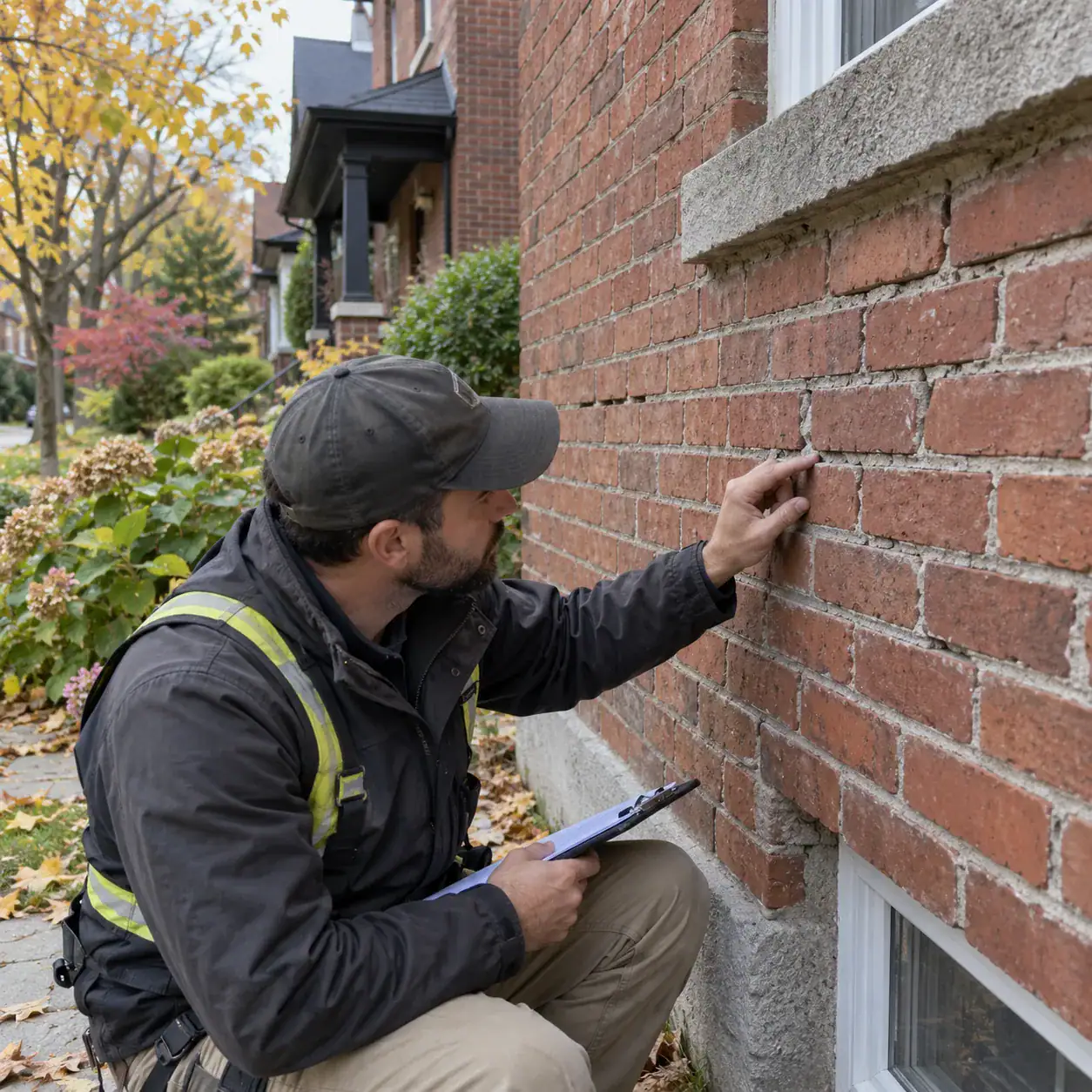
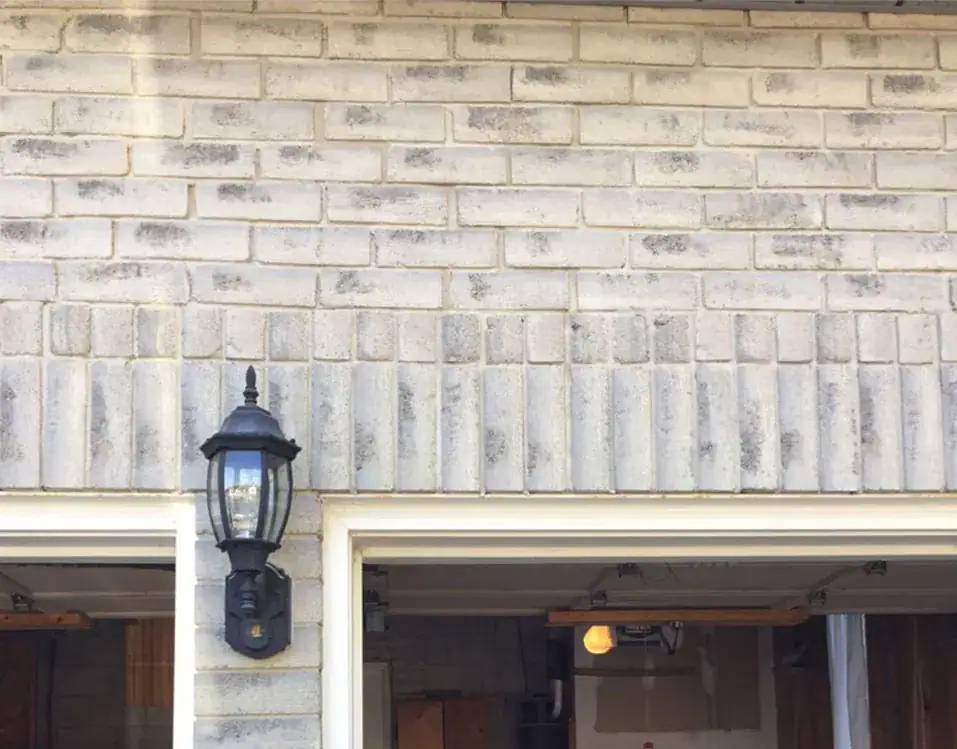
Brick-and-mortar damage can invite pests by creating gaps, loose material, or sheltered pockets. Mortar joints are one of the most important parts of a masonry wall because they hold units together and help seal the exterior surface. When mortar begins to crumble or pull back, it can create thin openings that pests may use.
This is especially common on older brick homes where mortar has weathered over many seasons. The damage may begin as a small recess in the joint, then grow after rain, ice, and temperature changes. From the outside, it may look like a cosmetic issue. In reality, deteriorated mortar can allow water and pests to enter deeper into the wall system.
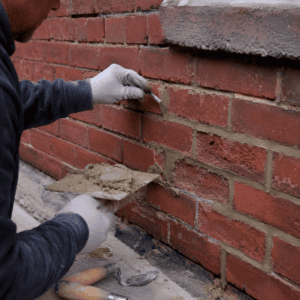
Tuckpointing can help when mortar joints have deteriorated, but the surrounding brick is still in good condition. The process removes failing mortar and replaces it with new mortar that fits the existing masonry. If the brick itself is damaged, brick replacement may also be needed.
If mortar gaps are a concern, A&A Masonry’s tuckpointing services in Toronto page offers a clearer look at how mortar joints are repaired to protect brickwork.
Chimneys, Rooflines, and Upper Masonry Can Also Be Entry Points
Chimneys and roofline masonry can become entry points for pests because they are exposed to wind, rain, snow, ice, and temperature fluctuations. When mortar weakens, flashing separates, chimney caps fail, or crowns crack, gaps can open near the top of the home.
Small animals may use damaged areas of chimneys for shelter. Insects may enter through cracks or damp gaps. Water can also travel through these weak points, worsening masonry damage. If a chimney leak or wildlife issue appears, it is important to inspect the full chimney system, not just the visible opening.
Common warning signs include loose mortar near the roofline, rusted or lifted flashing, missing chimney caps, interior staining near the chimney, and brick faces that are flaking or breaking apart. These signs may indicate both water entry and pest access risks.
For chimney-related exterior issues, A&A Masonry’s chimney repair Toronto page can help homeowners understand common repair needs involving brickwork, mortar, and chimney structure.
Why Surface Patching Is Not Always Enough
Surface patching is not always enough because pests often exploit weak materials, hidden voids, and openings behind the visible surface. A quick patch may temporarily close a gap, but if the surrounding brick, mortar, concrete, or parging is loose, the opening may reappear.
Foam, caulk, and soft fillers can be useful in the right setting, but they should not be used as a substitute for proper masonry repair when brick, mortar, concrete, or foundation materials have failed. Rodents can chew through some soft materials. Water can also break down weak patches over time. In masonry areas, the repair needs to match the cause of the opening.
For example, if a pipe opening in a brick wall has a small gap, sealing may be appropriate. But if the brick around the opening is loose, the mortar is crumbling, or water has damaged the surrounding area, the repair needs more than a bead of sealant. The same is true for foundation cracks, porch voids, and damaged basement walls.
What Homeowners Can Check From the Outside
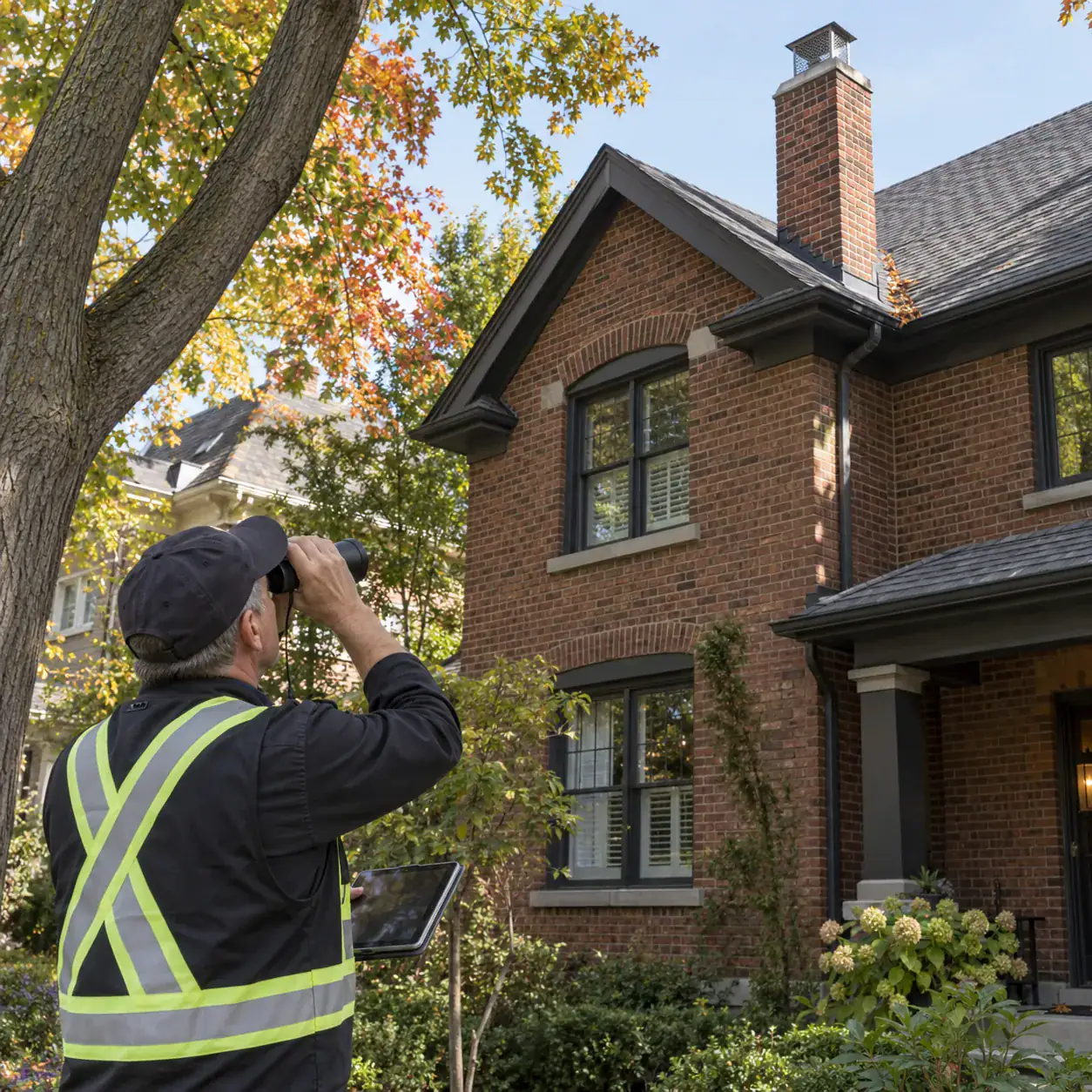
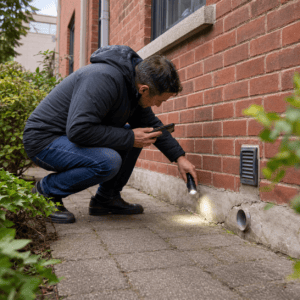
Homeowners can safely check many exterior masonry areas without climbing or disturbing materials. A careful visual inspection can help identify early warning signs before pests or water damage become harder to manage.
- Walk around the home and look for holes, cracks, missing mortar, and loose bricks.
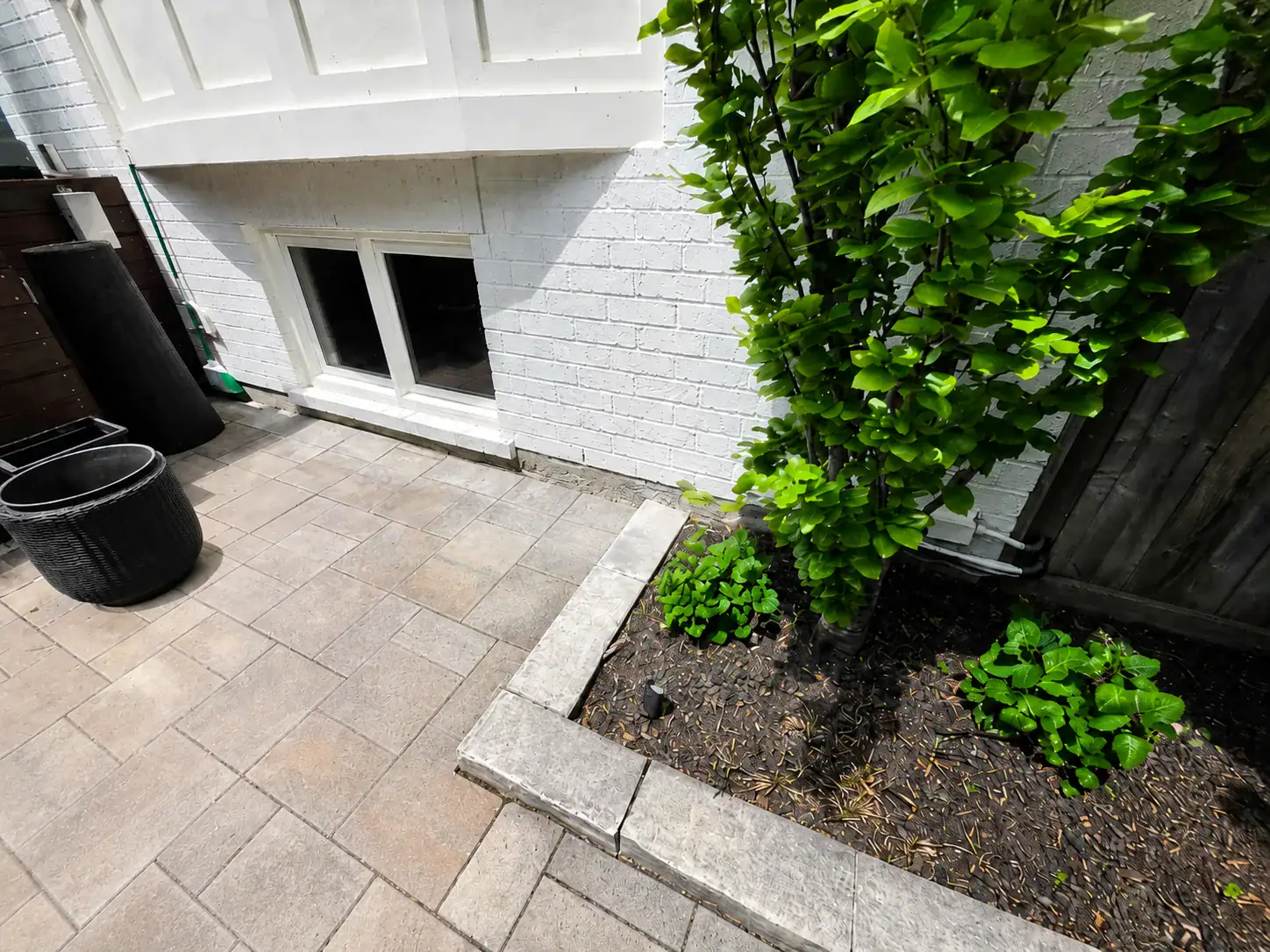
- Check lower walls, especially near soil, walkways, driveways, decks, porches, and steps.
- Look around pipe openings, cable entries, vents, basement windows, and exterior utility lines.
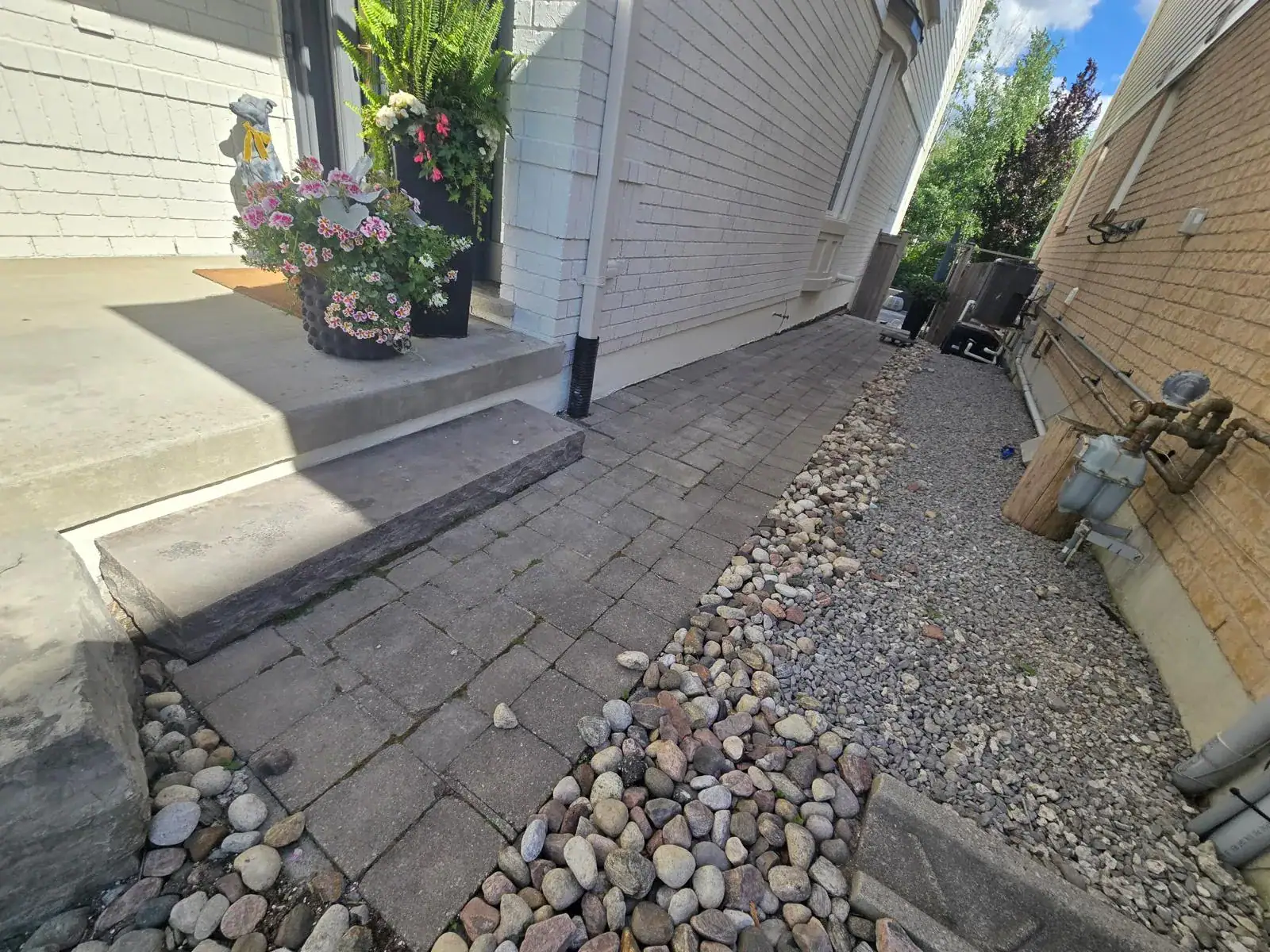
- Check for soil or mulch piled high against brick or foundation walls.
- Look for water staining, efflorescence, moss, or damp masonry near the foundation.
- Inspect porch edges, step joints, garage corners, and chimney areas from safe ground-level viewpoints.
- Take photos of suspicious openings so you can compare them over time.
The City of Toronto recommends removing food sources, reducing shelter, and blocking access points as part of rodent prevention. Health Canada also advises homeowners to seal entry points and remove conditions that attract rats and mice. Masonry repair fits into this larger prevention strategy because it closes off durable exterior openings rather than only treating the pest after it appears.
How to Reduce Pest Risk Around Masonry
Reducing pest risk around masonry means combining exterior maintenance, water control, and smart property habits. Masonry repair is important, but it works best when the surrounding property is properly managed as well.
- Repair cracks and mortar gaps early: Small openings are easier to fix before water and pests enlarge them.
- Keep masonry dry where possible: Direct water away from foundation walls and avoid constant dampness at lower brickwork.
- Control vegetation: Dense shrubs, vines, and overgrowth can obscure gaps and provide pests with cover near walls.
- Keep soil and mulch below masonry openings: High soil can hold moisture against brick and foundation surfaces.
- Seal around utilities properly: Openings around pipes, wires, and vents should be closed with suitable, durable materials.
- Maintain porches and steps: Settled or cracked masonry near entrances can create a hidden shelter below.
- Manage garbage and outdoor food sources: Even a well-sealed home can attract pests if food and shelter are readily available.
If you are unsure whether the issue is masonry-related, start by identifying whether the opening is in brick, mortar, concrete, stone, parging, or a non-masonry material. This helps determine whether a mason, pest control professional, roofer, or general contractor is the best person to call first.
Masonry Repair vs. Pest Control: Which Do You Need?
Masonry repair and pest control solve different parts of the same problem. Pest control addresses active infestations, removal, treatment, and monitoring. Masonry repair addresses physical openings, damaged materials, and exterior weaknesses that may allow pests to return.
Choose pest control first if you have active rodents, droppings, scratching sounds, nests, recurring indoor sightings, or health concerns. Choose masonry repair when you can see cracks, holes, damaged mortar, broken brick, loose parging, foundation gaps, or chimney openings. In many real homes, both may be needed.
The better question is not “Do I need a mason or pest control?” It is “Is there an active pest issue, and is there also a physical entry point that needs to be repaired?” If pests are removed but the entry point remains open, the problem may return. If the entry point is sealed but active pests are already inside, sealing alone may not solve the immediate issue.
When Professional Masonry Help Makes More Sense
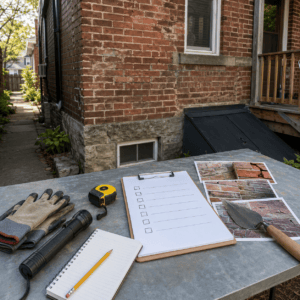
Professional masonry help makes more sense when the opening is larger than a simple sealant gap, when brick or mortar is crumbling, when foundation cracks are visible, when water is involved, or when the problem is near a chimney, porch, steps, basement, or structural area.
A mason can assess whether the visible gap is isolated or part of a larger exterior issue. For example, a small hole near a foundation may connect to failing parging, cracked concrete, poor drainage, or settlement. A gap near a window may connect to lintel movement, brick cracking, or mortar failure. A chimney opening may connect to crown damage, flashing problems, or loose brick.
For a broader view of exterior repairs, A&A Masonry’s masonry services in Toronto page outlines common repair categories, including brick repair, tuckpointing, chimney repair, concrete repair, parging, waterproofing, and exterior restoration.
Quick Decision Guide for Masonry and Pest Prevention
A simple decision guide can help homeowners decide what to do next.
- If you see pests indoors: Contact a pest-control professional and look for exterior entry points at the same time.
- If you see cracks in brick or mortar: Consider masonry repair before gaps widen through weather exposure.
- If the area is damp: Check drainage, grading, waterproofing concerns, and foundation conditions.
- If the opening is near a utility line: Make sure it is sealed with a durable material suitable for the location.
- If the issue is near a chimney or roofline: Have the chimney, flashing, cap, and mortar reviewed together.
- If the wall is bulging, loose, or heavily cracked: Treat it as a masonry repair issue, not just a pest-prevention task.
This approach helps avoid the two most common mistakes: treating pests without closing the entry point, or sealing a visible hole without understanding why the masonry failed.
Final Thoughts on Masonry and Pest Prevention
Masonry and pest prevention work together because a well-maintained exterior gives pests fewer ways into the home. Cracked mortar, damaged brick, foundation gaps, loose parging, chimney openings, and damp lower walls can all create opportunities for rodents, insects, or small wildlife. In Toronto and the GTA, freeze-thaw cycles, rain, older homes, and shifting exterior conditions make regular inspection even more important.
Homeowners should not rely on quick patching alone when the surrounding masonry is damaged. The stronger approach is to identify the entry point, determine whether water or material failure caused it, and properly repair the exterior. Pest-control treatment may still be needed for active infestations, but masonry repair helps reduce the chance of the same problem returning.
If you notice repeated pest activity, open mortar joints, foundation cracks, damp masonry, or gaps around exterior openings, inspect the outside of the home carefully. The earlier these issues are addressed, the easier it is to protect the home’s structure, comfort, and long-term maintenance.