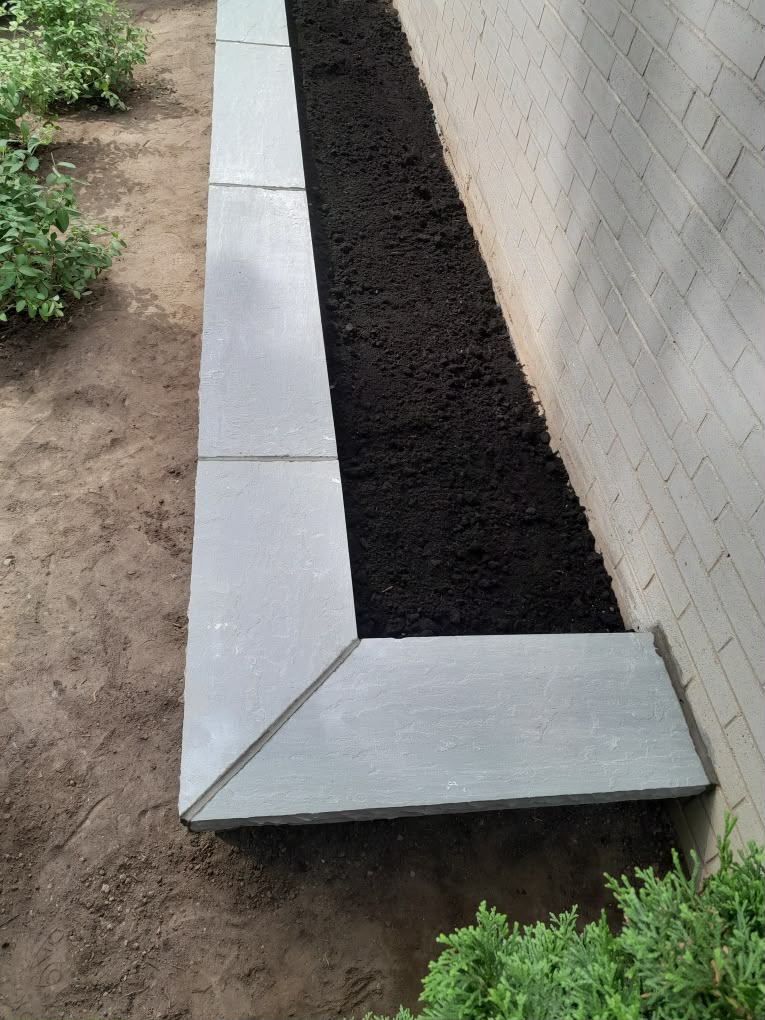

Chimney liner options can affect fireplace safety, appliance performance, moisture control, and the long-term condition of a masonry chimney. A chimney liner is the inner passage that helps carry smoke, combustion gases, heat, and by-products out of the home. When the liner is cracked, missing, too large or too small, damaged by a past chimney fire, or not suited to the appliance, the chimney may not operate as safely or efficiently as it should.
For Toronto and GTA homeowners, chimney liner decisions matter because many homes have older masonry chimneys exposed to decades of rain, snow, freeze-thaw cycles, and appliance changes. A chimney that originally served a wood-burning fireplace may later be connected to a gas appliance, insert, or another heating system. The liner that worked for one use may not be right for another.
This guide explains the main chimney liner options, the pros and cons of each, warning signs that a liner may need inspection, and why chimney liner decisions should be made with proper professional guidance rather than guesswork.
What a Chimney Liner Does
A chimney liner protects the chimney interior and helps direct combustion by-products out of the home. It creates a defined flue path so smoke and gases can move upward and exit safely. It also helps reduce direct exposure between hot gases and the surrounding masonry.
In a masonry chimney, the liner is part of a larger system. The chimney crown, cap, flashing, brickwork, mortar joints, firebox, appliance connection, and flue all work together. If one part fails, the rest of the system can be affected. A cracked liner, for example, may allow heat, moisture, or combustion by-products to reach areas they should not. A damaged crown or missing cap can allow water to enter, accelerating liner deterioration.
A liner should not be treated as an isolated upgrade. Before choosing a liner, the condition of the entire chimney should be assessed. If the exterior chimney is also damaged, A&A Masonry’s chimney repair Toronto page is a useful starting point for understanding masonry-related chimney repair needs.
Why Chimney Liners Matter in Toronto Homes
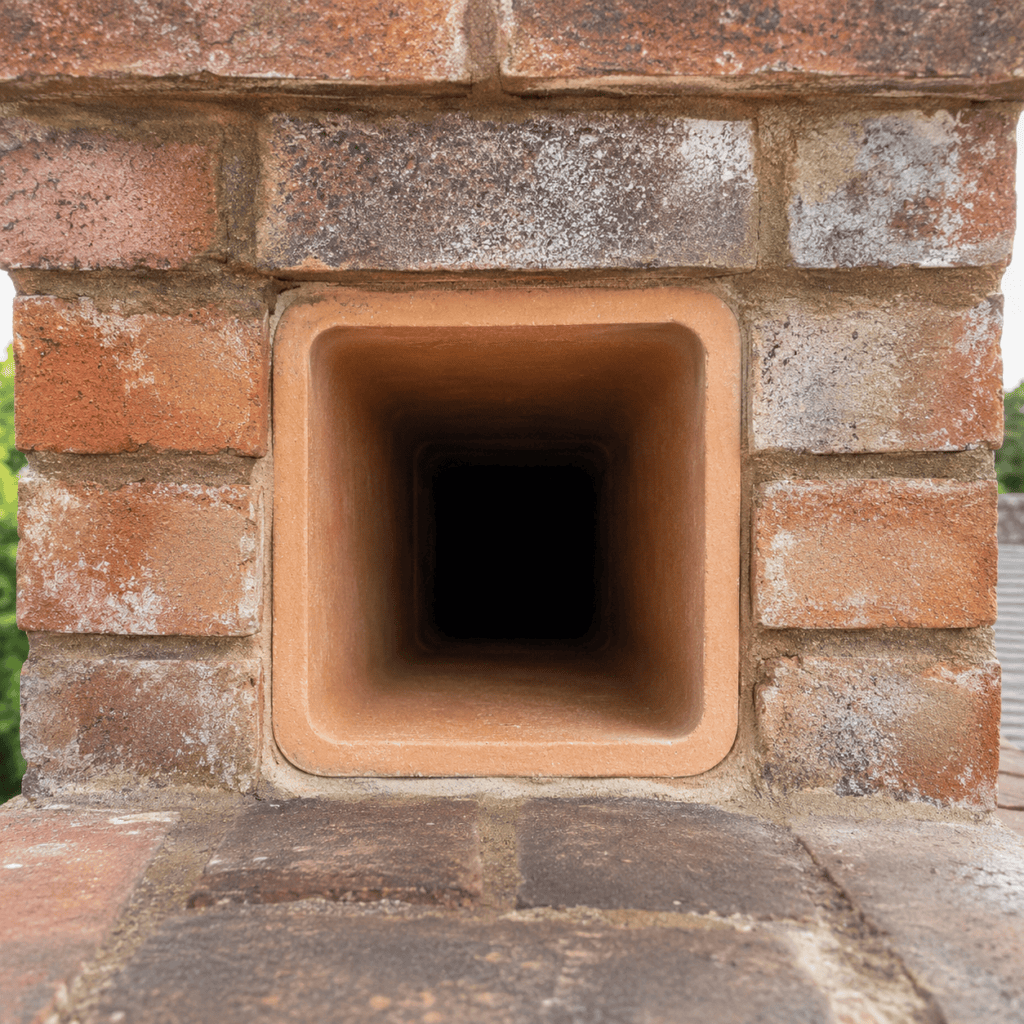
Chimney liners matter in Toronto homes because older masonry chimneys often face both interior and exterior stress. Inside the chimney, heat, smoke, moisture, acids, and appliance exhaust can wear down materials. Outside the chimney, rain, snow, ice, wind, and freeze-thaw cycles can damage brick, mortar, crowns, and flashing.
A chimney liner problem may not be visible from the outside. The exterior brick may look acceptable, while the flue tiles inside are cracked or displaced. The opposite can also happen: exterior masonry damage may let water enter and slowly weaken the liner. This is why a proper inspection matters before deciding whether the issue is only masonry, only liner-related, or both.
Toronto Fire Services advises homeowners to have a professional inspect and clean chimneys at least once a year as part of winter safety guidance. Ontario also provides official information about carbon monoxide safety, which matters because fuel-burning appliances, blocked venting, or poor combustion-gas removal can create serious risks.
Common Signs a Chimney Liner Needs Attention
A chimney liner may need attention when there are signs of poor draft, visible damage, moisture, odours, or previous chimney stress. Some signs appear around the fireplace or appliance, while others show up outside around the masonry chimney.
- Smoke entering the room: Smoke backing up into the home can suggest draft, blockage, sizing, or liner problems.
- Strong odours: Persistent smoky or acidic smells may indicate creosote buildup, moisture, or flue issues.
- White staining on the chimney: Efflorescence may show moisture movement through masonry.
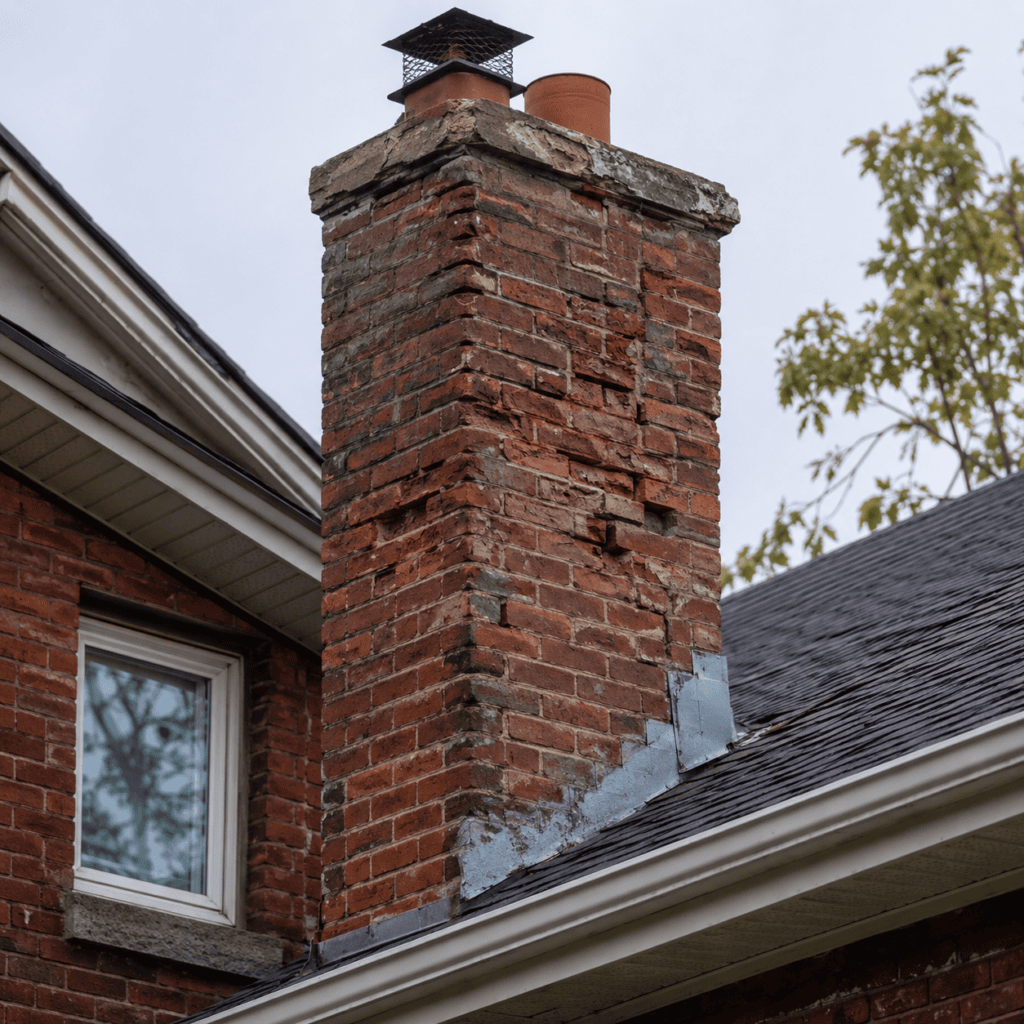
- Cracked or spalling brick: Exterior deterioration can allow water to reach the inner chimney system.
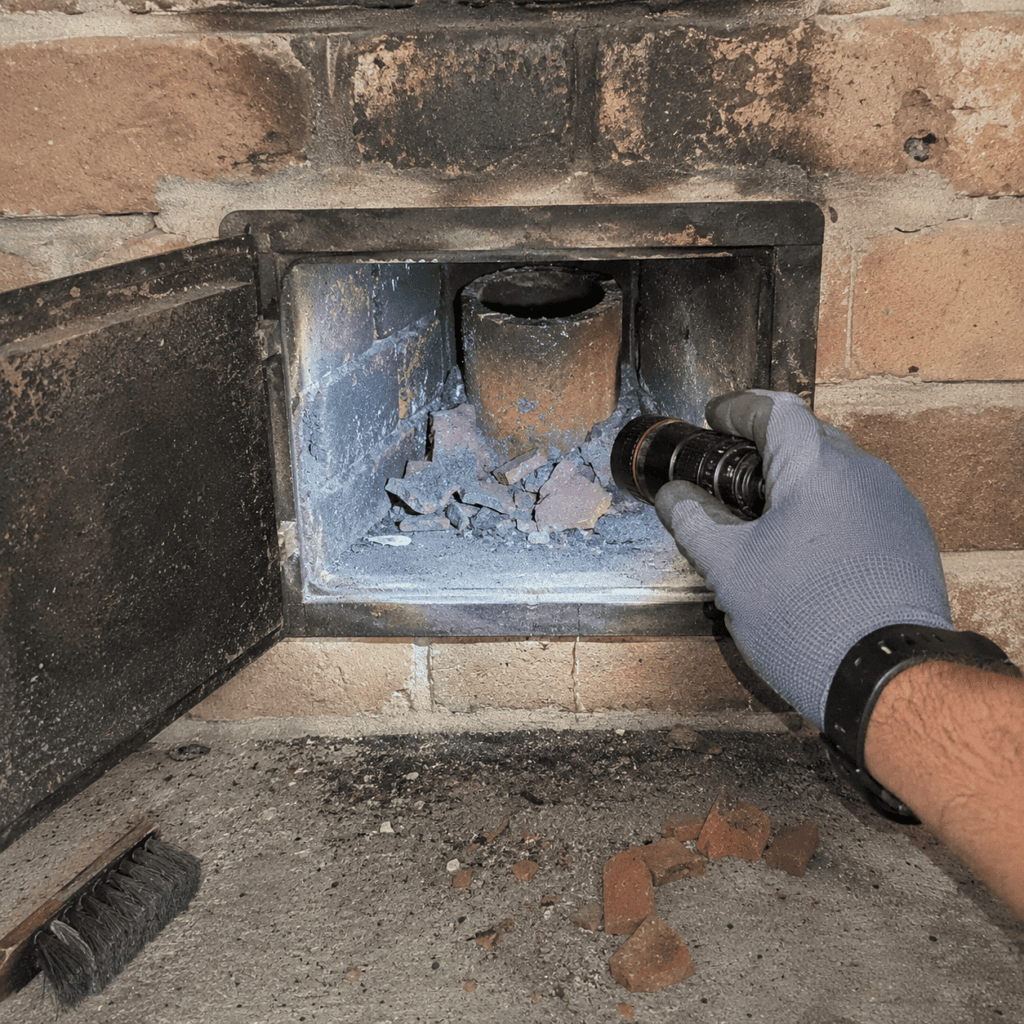
- Loose or falling liner pieces: Broken clay tile fragments in the firebox or cleanout are a warning sign.
- Appliance changes: A new insert, stove, or heating appliance may require a different flue size or liner type.
- Past chimney fire: High heat can damage clay liners, mortar, and surrounding masonry.
- Water leaks near the chimney: Leaks can damage liners, mortar joints, flashing, and roofline materials.
If the chimney also has cracked brick, deteriorated mortar, damaged flashing, or a failing crown, the liner should not be reviewed alone. A&A Masonry’s article on taking care of your chimney explains common exterior signs such as crumbling masonry, damaged caps, rusty flashing, spalling brick, and deteriorating mortar.
Clay Tile Chimney Liners: Pros and Cons
Clay tile liners are a traditional option found in many masonry chimneys. They are made of fired-clay sections stacked inside the chimney. Many older Toronto masonry chimneys were built with clay tile liners because they are durable when properly installed and used under suitable conditions.
Pros: Clay tile liners can last a long time in the right chimney. They are non-combustible, familiar in traditional masonry construction, and often suitable for standard open fireplaces when the liner is intact, properly sized, and in good condition. They also fit the character of many older masonry chimneys.
Cons: Clay liners can crack due to heat stress, chimney fires, moisture, age, or freeze-thaw cycles. Once cracked, they are difficult to repair in sections because the tiles sit inside the masonry chimney. They may also be poorly sized for newer appliances or inserts. If the flue is too large for the appliance, draft and condensation problems can occur. If the liner is damaged, simply repairing the outside brickwork will not fix the inner flue.
Clay tile may be acceptable when the existing liner is sound and the chimney is used as intended. It becomes less practical when the liner is cracked, offset, hard to access, or no longer compatible with the connected appliance.
Stainless Steel Chimney Liners: Pros and Cons
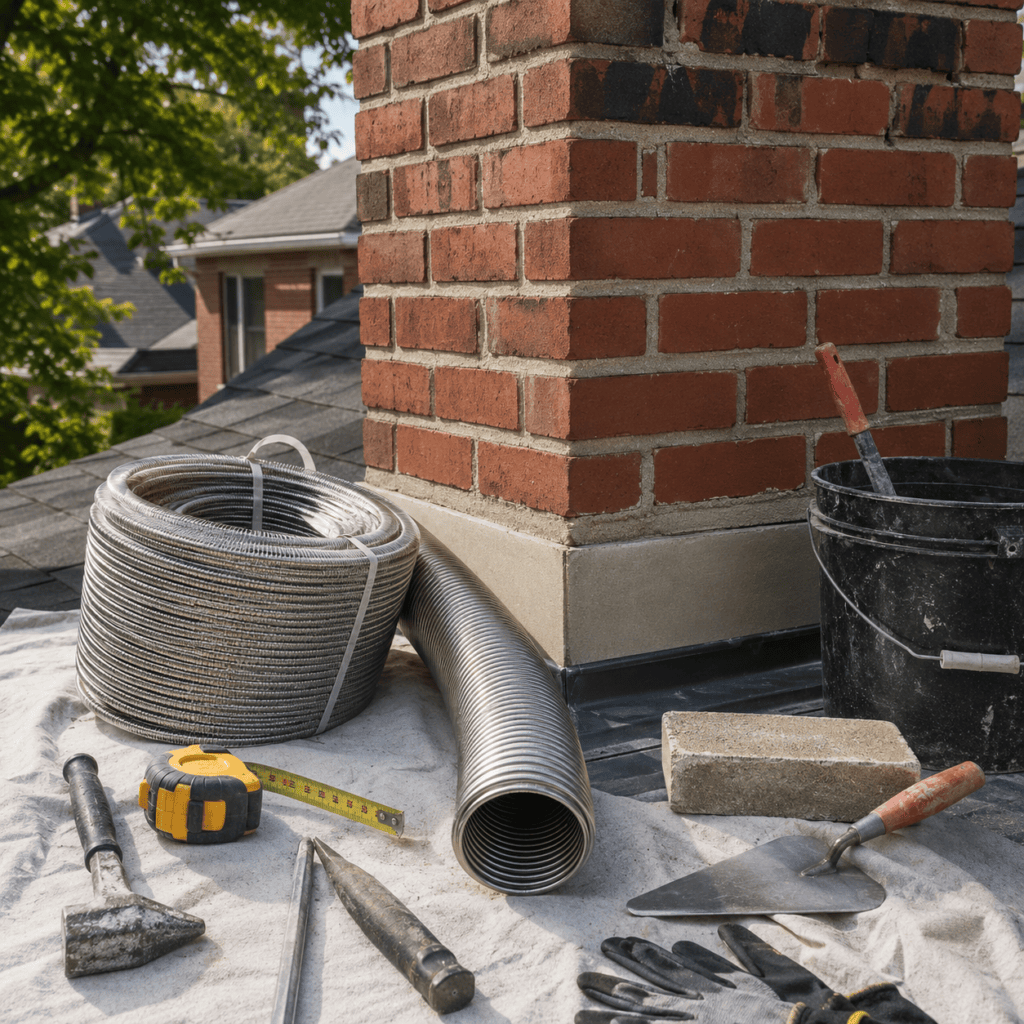
Stainless steel liners are commonly used when an existing masonry chimney needs relining or when an appliance requires a specific flue size. They may be rigid or flexible, depending on chimney shape, access, and installation requirements.
Pros: Stainless steel liners can be a practical relining option for existing masonry chimneys. They are often used for wood, gas, oil, or appliance-specific venting when the correct liner type is selected. They can help resize the flue to match the appliance better than an oversized old masonry flue. Flexible liners can sometimes be installed through chimneys that are not perfectly straight.
Cons: Stainless steel liners must be chosen carefully. Different fuels and appliances may require different grades or systems. Some installations may require insulation, proper termination, correct connectors, and careful sizing. A stainless liner is not a quick sleeve that solves every chimney problem. If the surrounding masonry is cracked, wet, unstable, or poorly capped, it still needs repair.
Stainless steel liners are often a strong option when a chimney is being adapted for a new appliance or when damage to the clay tile makes relining necessary. The key is to match the liner to the appliance and chimney conditions, not to choose based on material alone.
Cast-in-Place Chimney Liners: Pros and Cons
Cast-in-place chimney liners are formed inside the existing chimney using a specialized cement-like material. The goal is to create a new liner surface within the old flue while also helping reinforce some chimney conditions. These systems are more specialized and are not the right fit for every home.
Pros: Cast-in-place liners can help create a continuous lining in some older chimneys and may add support to the existing flue structure. They can be useful where a chimney has an irregular shape or where the homeowner wants a more masonry-like liner solution. They may also help seal some gaps in an old flue when installed correctly.
Cons: Cast-in-place systems require specialized installation and careful assessment. They may not be suitable for every appliance, chimney size, or level of damage. They can also be more involved than other relining options. If the chimney has severe structural damage, moisture issues, or exterior masonry failure, those issues must be addressed as part of the overall plan.
This option is best considered after a detailed inspection. It should not be chosen simply because it sounds stronger. The liner must still match the appliance, chimney condition, and safety requirements.
Aluminum Liners: Limited Use and Important Cautions
Aluminum liners have limited use and should only be considered where they are specifically allowed for the appliance and conditions. They are generally associated with gas appliance venting, but they are not suitable for wood-burning fireplaces or high-heat applications.
Pros: Aluminum can be lightweight and easier to install in some limited applications. It may be less expensive than some stainless steel systems when the use case is appropriate.
Cons: Aluminum is not suitable for many chimney uses. It can corrode in the wrong environment and cannot handle the same heat exposure as stainless steel or clay tile. It is not a general-purpose chimney liner. Homeowners should never choose aluminum without confirmation from a qualified professional that it matches the appliance, fuel type, local requirements, and manufacturer instructions.
For most homeowners comparing chimney liner options, aluminum should be treated as a narrow-use material, not a standard replacement for clay tile or stainless steel.
Does Every Chimney Need a New Liner?
Not every chimney needs a new liner, but every active chimney should be inspected and maintained. A sound existing liner may continue to serve properly if it is correctly sized, undamaged, and matched to the fireplace or appliance. A new liner may be needed when the existing liner is cracked, missing, unsafe, improperly sized, or incompatible with a new appliance.
A linear decision should be based on inspection findings, not assumptions. If a contractor recommends a new liner without explaining what is wrong with the current one, ask for details. If someone says the chimney is fine without inspecting the flue, that’s not enough.
The National Research Council of Canada publishes the National Fire Code of Canada, and Ontario provides official guidance on fire safety legislation and Ontario’s Fire Code. Homeowners do not need to interpret code alone, but these references show why chimney and venting work should be treated as a safety matter rather than just a masonry upgrade.
Chimney Liner Choice Depends on the Appliance
The right chimney liner depends heavily on what the chimney serves. A wood-burning fireplace, wood stove, gas insert, oil appliance, furnace, or decorative appliance may each require different venting conditions. The liner must match the appliance’s fuel type, output, flue size, and manufacturer requirements.
This is where homeowners should be careful. A masonry chimney may look like a single structure from the outside, but inside it may serve different systems or require different liner performance. For example, switching from a traditional fireplace to an insert can alter the venting needs. Replacing an appliance can also make an older flue too large, too cold, or otherwise unsuitable.
A liner that is too large can lead to poor draft or condensation. A liner that is too small can restrict exhaust flow. A liner made from the wrong material can corrode, overheat, or fail early. The safest choice is made after the appliance and chimney are assessed together.
Exterior Chimney Masonry Still Matters
Exterior chimney masonry still matters even when the liner is the main concern. A new liner does not stop water from entering through cracked crowns, damaged caps, open mortar joints, spalling brick, or loose flashing. If the chimney exterior is failing, the liner may be exposed to moisture and damage over time.
Toronto weather makes this especially important. Rain and snow can enter small chimney openings. Freeze-thaw cycles can widen cracks. Wind-driven rain can push moisture into weak mortar joints. Once water enters, it can damage both the masonry shell and inner chimney components.
If the exterior chimney needs repair, liner work should be coordinated with masonry work. Tuckpointing, crown repair, cap replacement, flashing review, and brick replacement may all be part of protecting the full chimney system. If mortar joints are failing, A&A Masonry’s tuckpointing services in Toronto page explains how mortar repair helps protect brickwork from water entry.
Chimney Liner Repairs vs Full Relining
Chimney liner repairs and full relining solve different problems. A small, isolated issue may sometimes be repairable, depending on the liner type and condition. Wider cracking, displacement, severe deterioration, incompatible sizing, or appliance changes may require relining instead.
Clay tile liners are often hard to repair locally because damaged pieces are inside the chimney. Stainless steel liners may be replaced if they are damaged, corroded, improperly sized, or not suitable for the appliance. Cast-in-place systems are more specialized and require inspection to determine their suitability.
Homeowners should ask three questions before choosing repair or relining: What is damaged? Why did it fail? What will the chimney serve after the work is done? Without those answers, it is easy to spend money on the wrong solution.
What Homeowners Can Safely Check
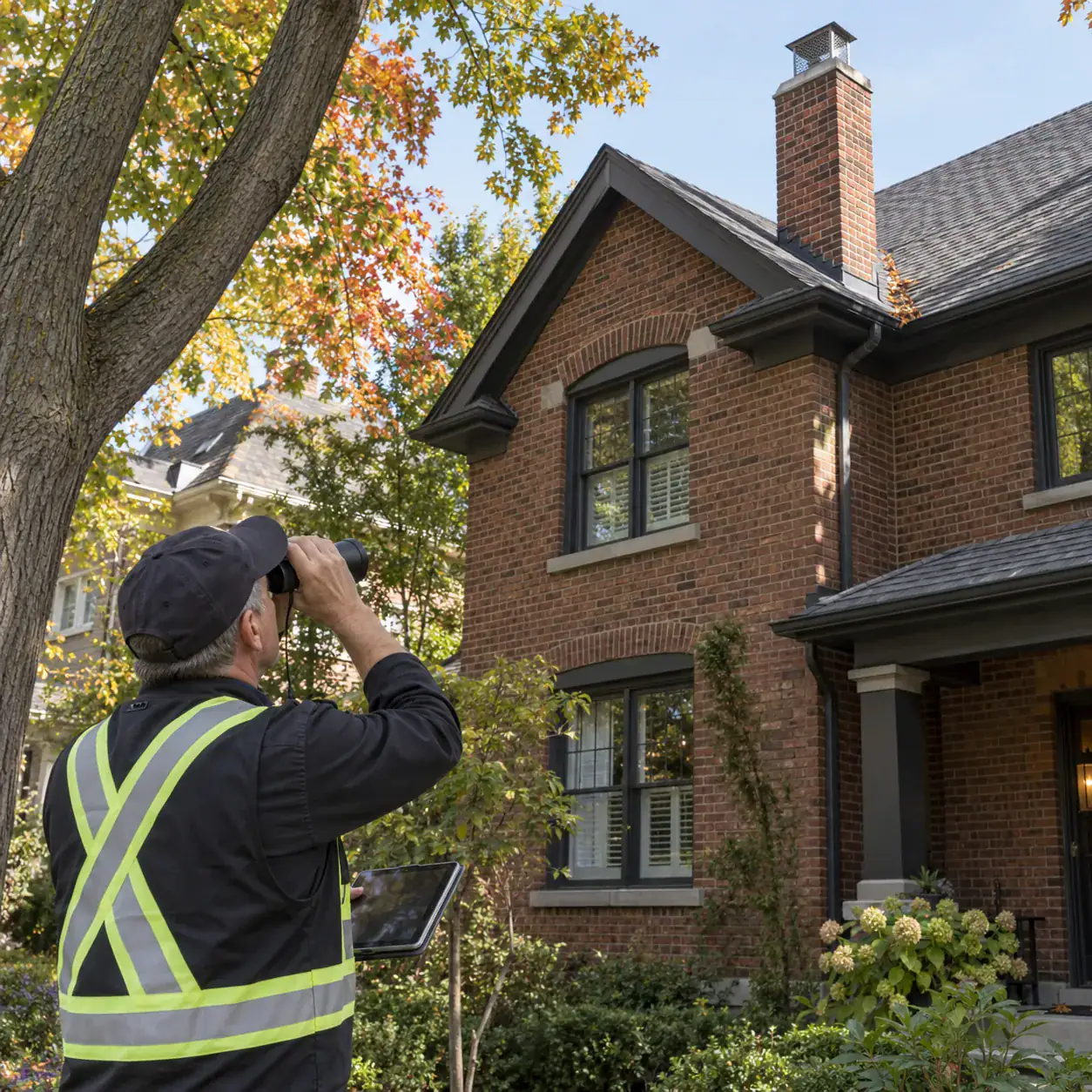
Homeowners can check some chimney warning signs from safe areas, but they should not climb onto the roof, look down a flue, or disturb liner materials. Chimney inspection often requires proper tools, training, and safety precautions.
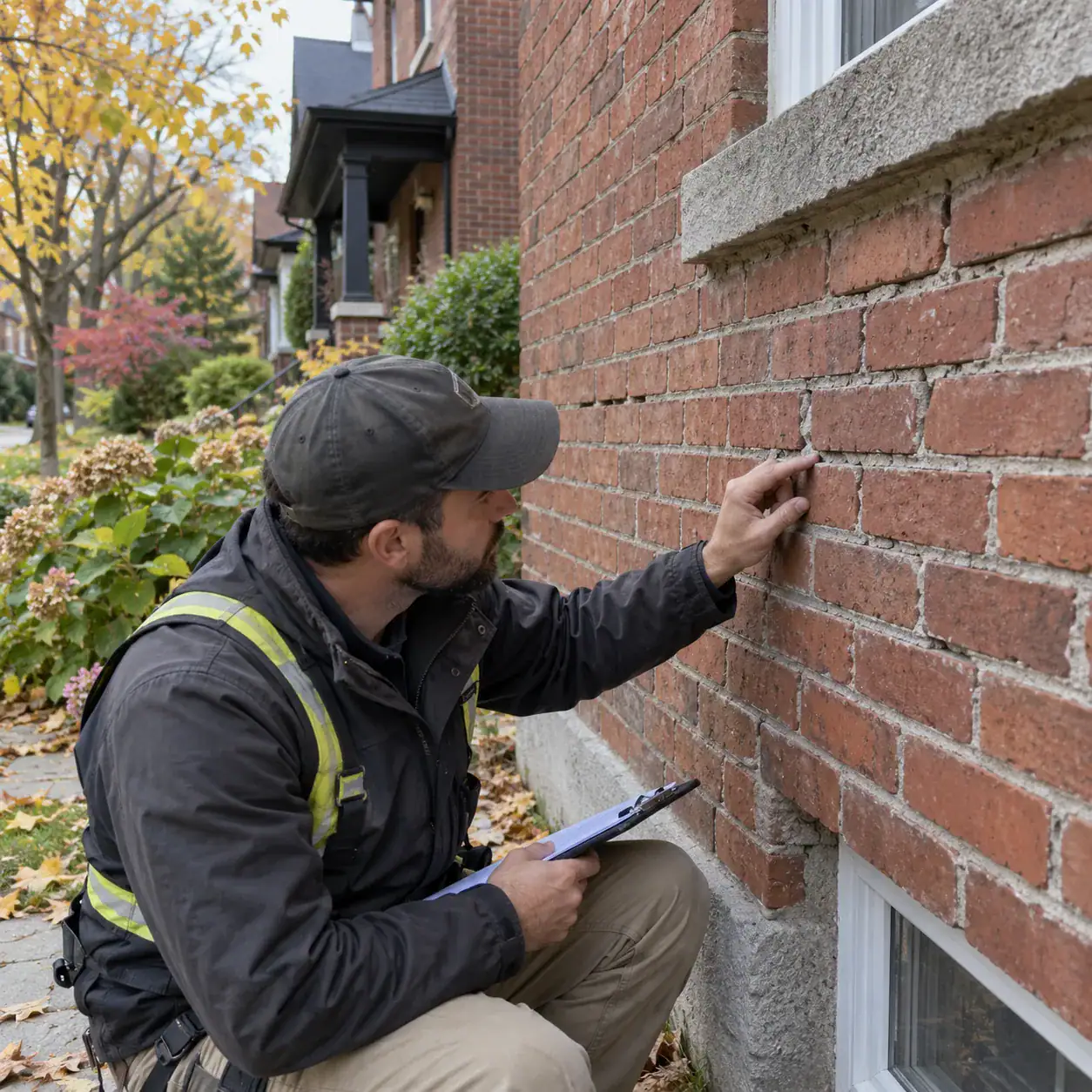
- Look from the ground for spalling brick, missing mortar joints, leaning bricks, cracked crowns, or missing caps.
- Check inside for smoke backup, unusual odours, staining, or falling tile pieces.
- Watch for water stains near the chimney, fireplace, attic, or roofline.
- Note whether the chimney has changed use, such as a new fireplace insert or heating appliance.
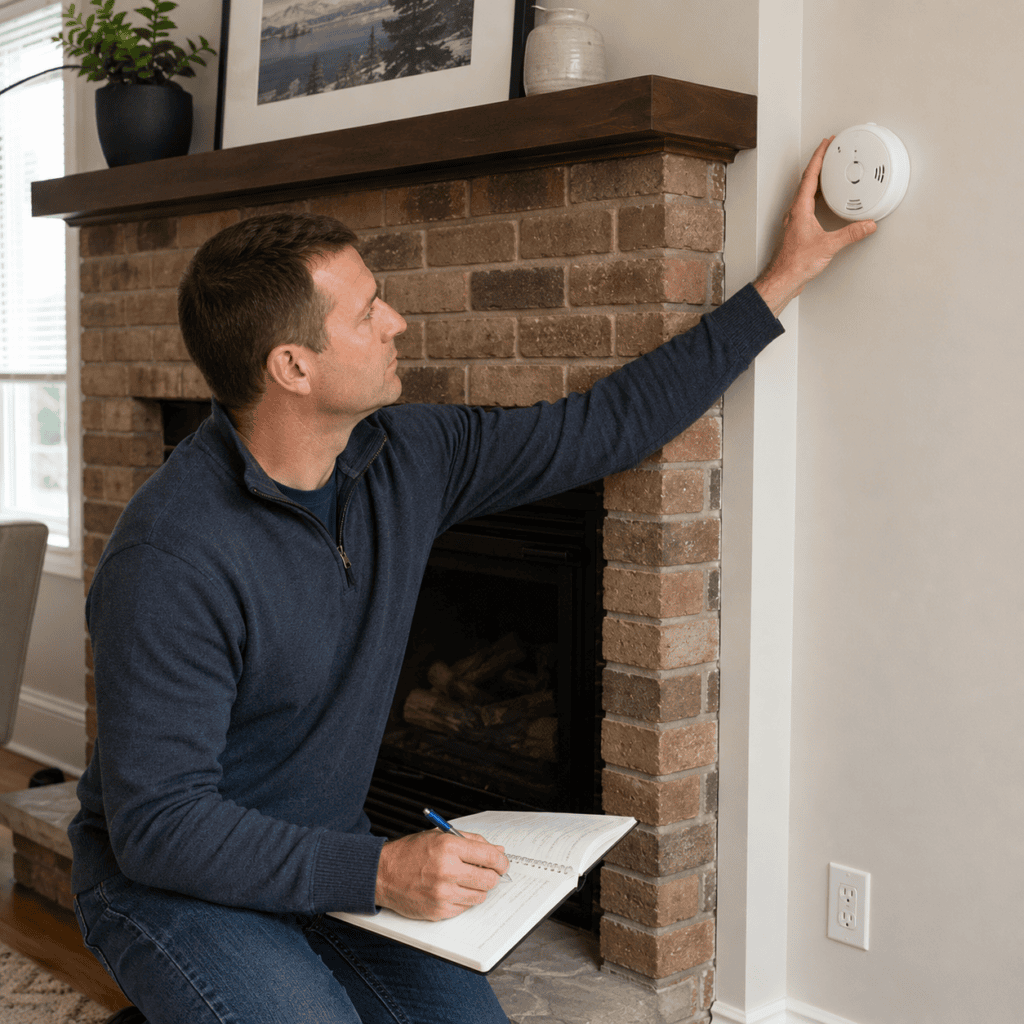
- Check whether carbon monoxide alarms are installed and working, especially near sleeping areas and fuel-burning appliances.
- Schedule a professional inspection if the chimney has not been checked recently or if there are signs of damage.
Ontario’s carbon monoxide safety page explains that carbon monoxide cannot be detected without a working CO alarm. That is a separate safety layer from chimney repair, but it matters in any home with fuel-burning appliances.
When Permits, Code, or Certified Inspection May Matter
Permits, code, or a certified inspection may be required when chimney liner work is connected to appliance installation, fireplace changes, major chimney repair, structural work, or a change in use. Homeowners should not assume that liner work is only a simple material upgrade.
The City of Toronto provides guidance on building permits, while Ontario’s official Building Code page is the preferred provincial reference for building requirements. Fire safety and appliance requirements may also apply depending on the situation.
For homeowners, the practical rule is simple: if the liner work is tied to a new appliance, a fireplace insert, a damaged chimney, a structural chimney change, or a safety concern, ask the installer, inspector, or local authority what requirements apply before work begins.
Quick Comparison of Chimney Liner Options
A simple comparison can help homeowners understand the main differences before speaking with a chimney professional.
- Clay tile liner: Traditional and durable when intact, but difficult to repair if cracked and may not suit newer appliances.
- Stainless steel liner: Versatile for many relining situations, but must be matched to fuel type, appliance, sizing, and installation requirements.
- Cast-in-place liner: Can create a continuous liner inside some older chimneys, but requires specialized assessment and installation.
- Aluminum liner: Limited-use option for specific appliance conditions, not suitable for high-heat or wood-burning applications.
- No liner replacement: May be acceptable only when the existing liner is sound, correctly sized, and suited to the current use.
The best option is not the most expensive or the newest material. It is the liner that meets the chimney, appliance, and safety requirements, and the long-term condition of the masonry.
When Professional Help Makes More Sense
Professional help makes more sense when the chimney is active, damaged, leaking, connected to a fuel-burning appliance, or showing signs of liner failure. Chimney liner decisions affect fire safety, carbon monoxide safety, draft, moisture, and masonry durability. This is not a good area for guesswork.
A chimney professional can inspect the flue, identify liner damage, confirm appliance compatibility, and recommend whether repair, relining, or masonry work is needed. A mason can assess exterior brick, mortar, crowns, caps, flashing, and structural chimney concerns. In many cases, both liner condition and exterior masonry condition should be reviewed together.
For a broader look at chimney and exterior masonry repairs, A&A Masonry’s masonry services in Toronto page outlines related repair categories, including chimney repair, tuckpointing, brick repair, concrete repairs, waterproofing, and exterior restoration.

Final Thoughts on Chimney Liner Options
Chimney liner options each have pros and cons. Clay tile liners are traditional and durable when intact, but they can crack and may not meet the needs of newer appliances. Stainless steel liners are versatile and often useful for relining, but they must be properly sized and matched to the fuel type. Cast-in-place liners can help in some older chimneys but require specialized assessment. Aluminum liners have limited use and should only be chosen when clearly appropriate.
For Toronto and GTA homeowners, the right liner choice should start with an inspection. The chimney’s age, masonry condition, moisture exposure, appliance type, and past damage all matter. A liner can improve safety and performance only when the full chimney system is understood.
Before deciding, ask what problem the liner is solving, whether the exterior chimney also needs repair, and whether the liner is compatible with the appliance. A careful decision now can help protect the chimney, the home, and the people living inside it.