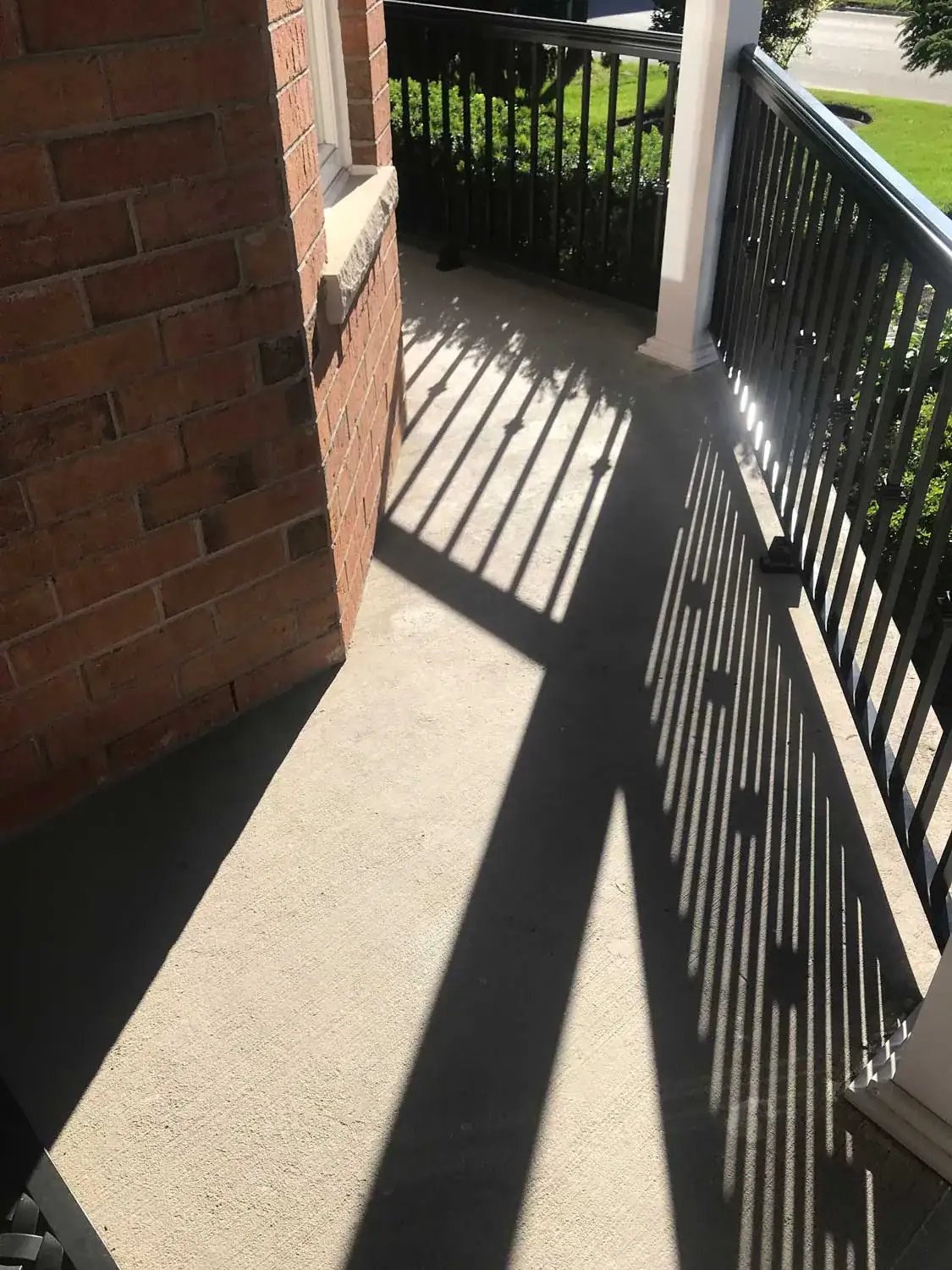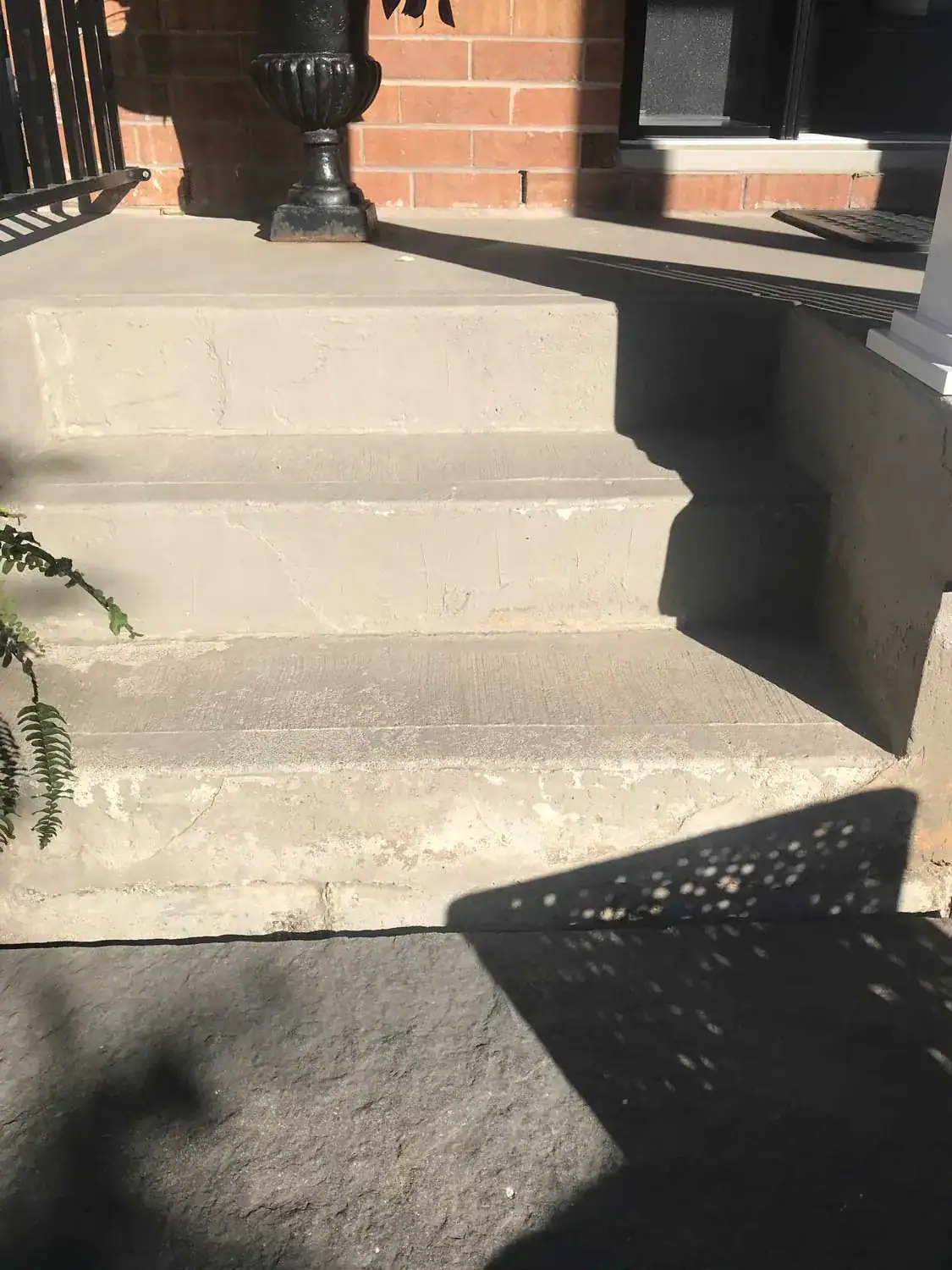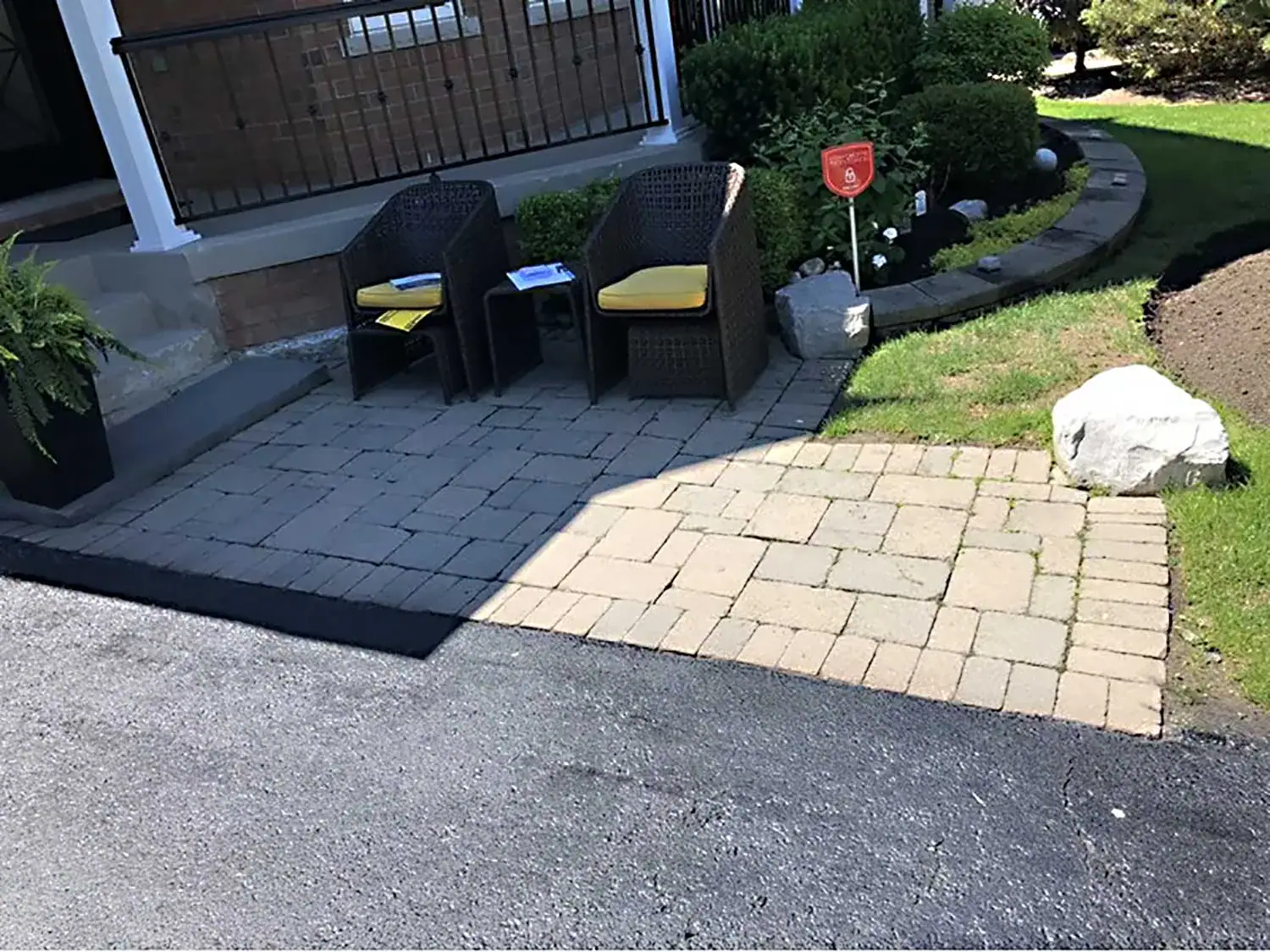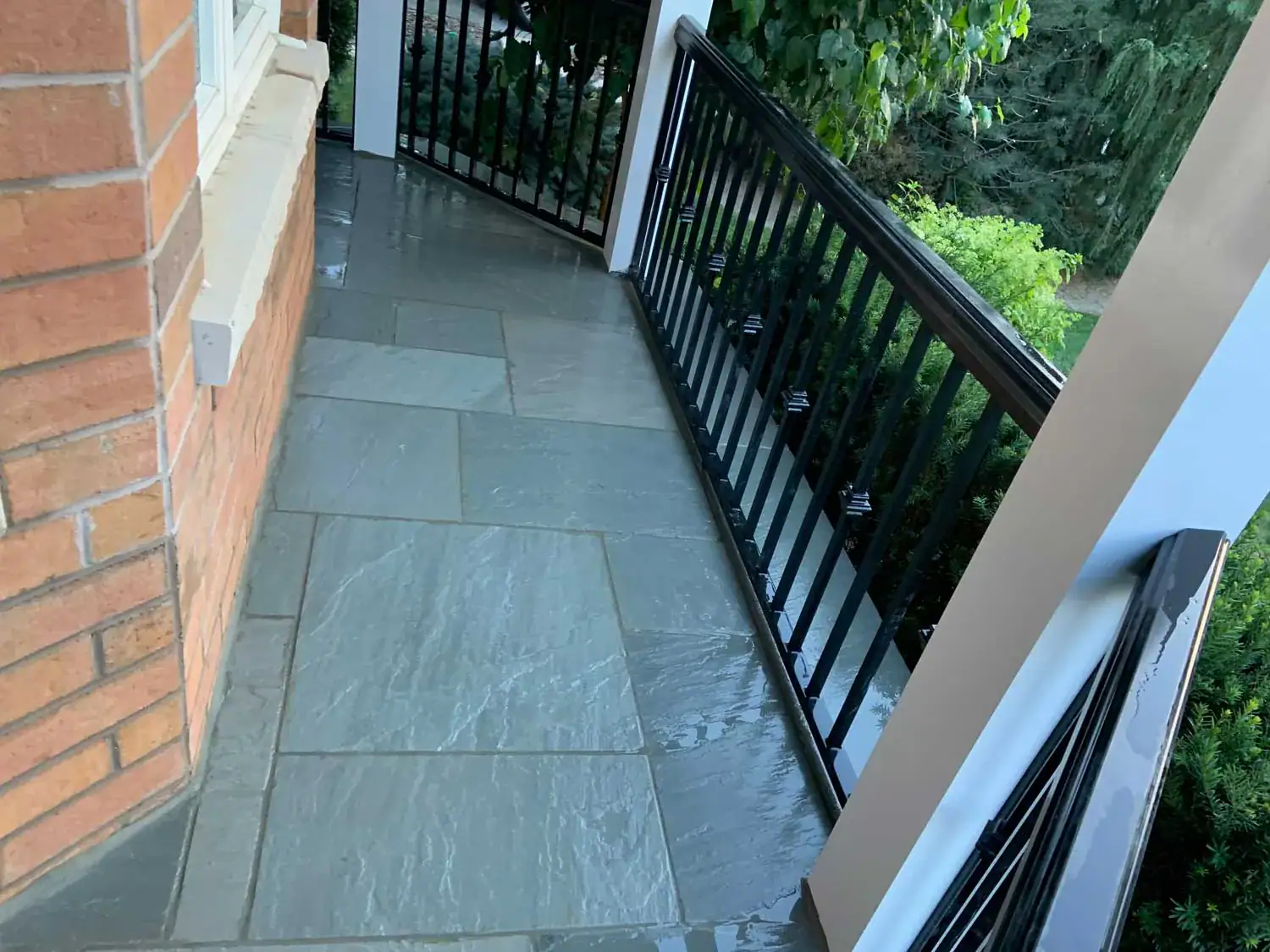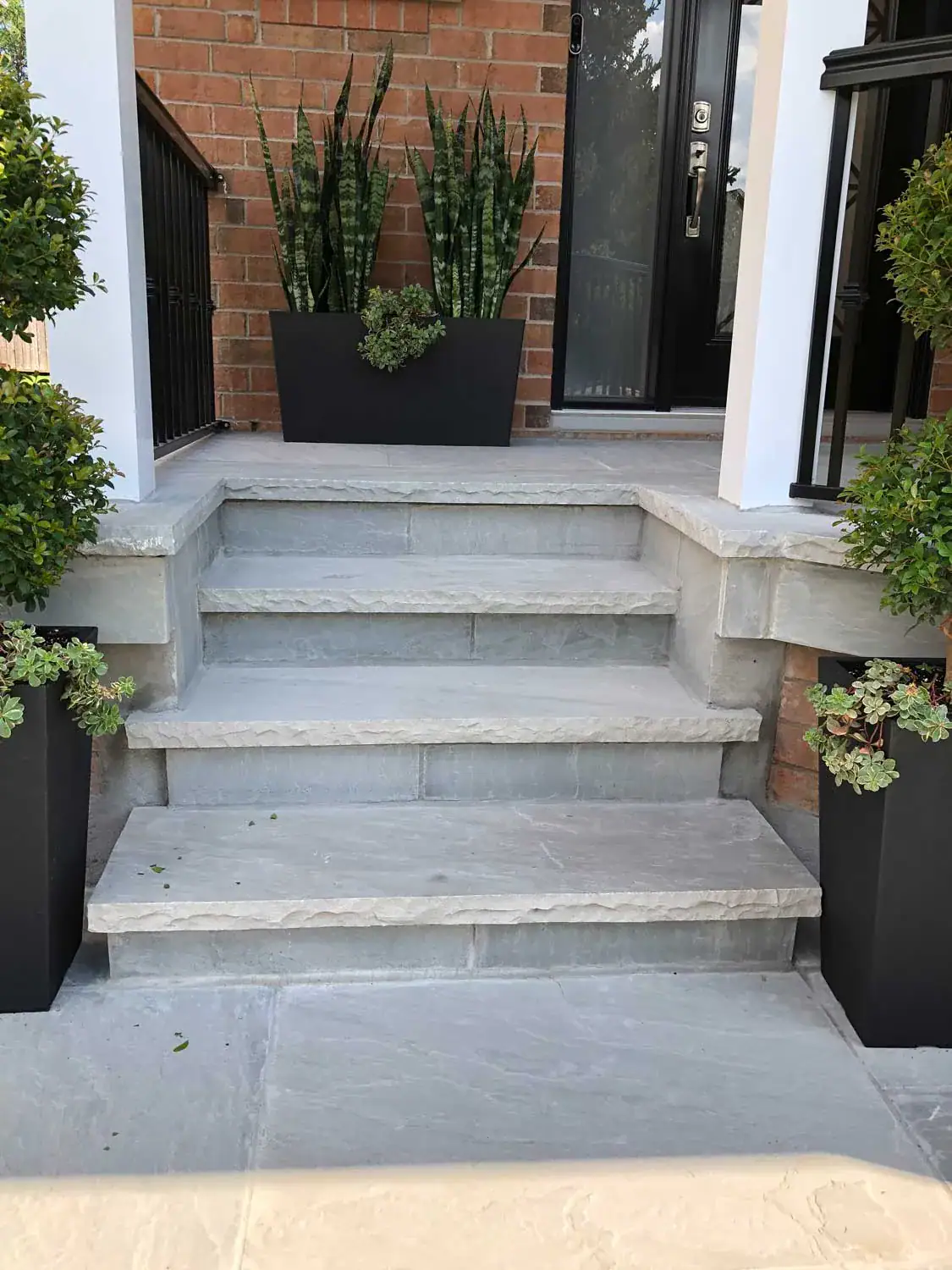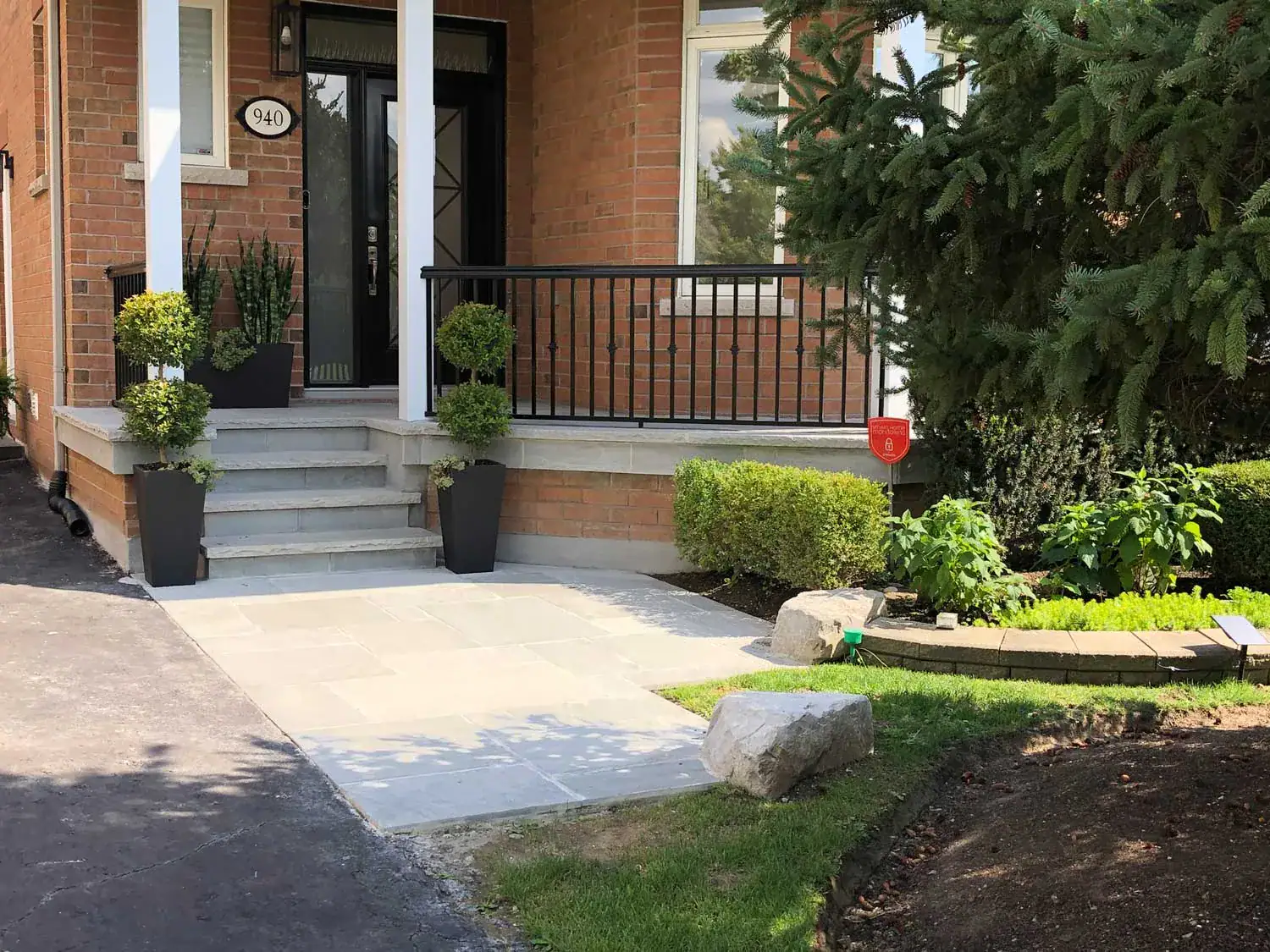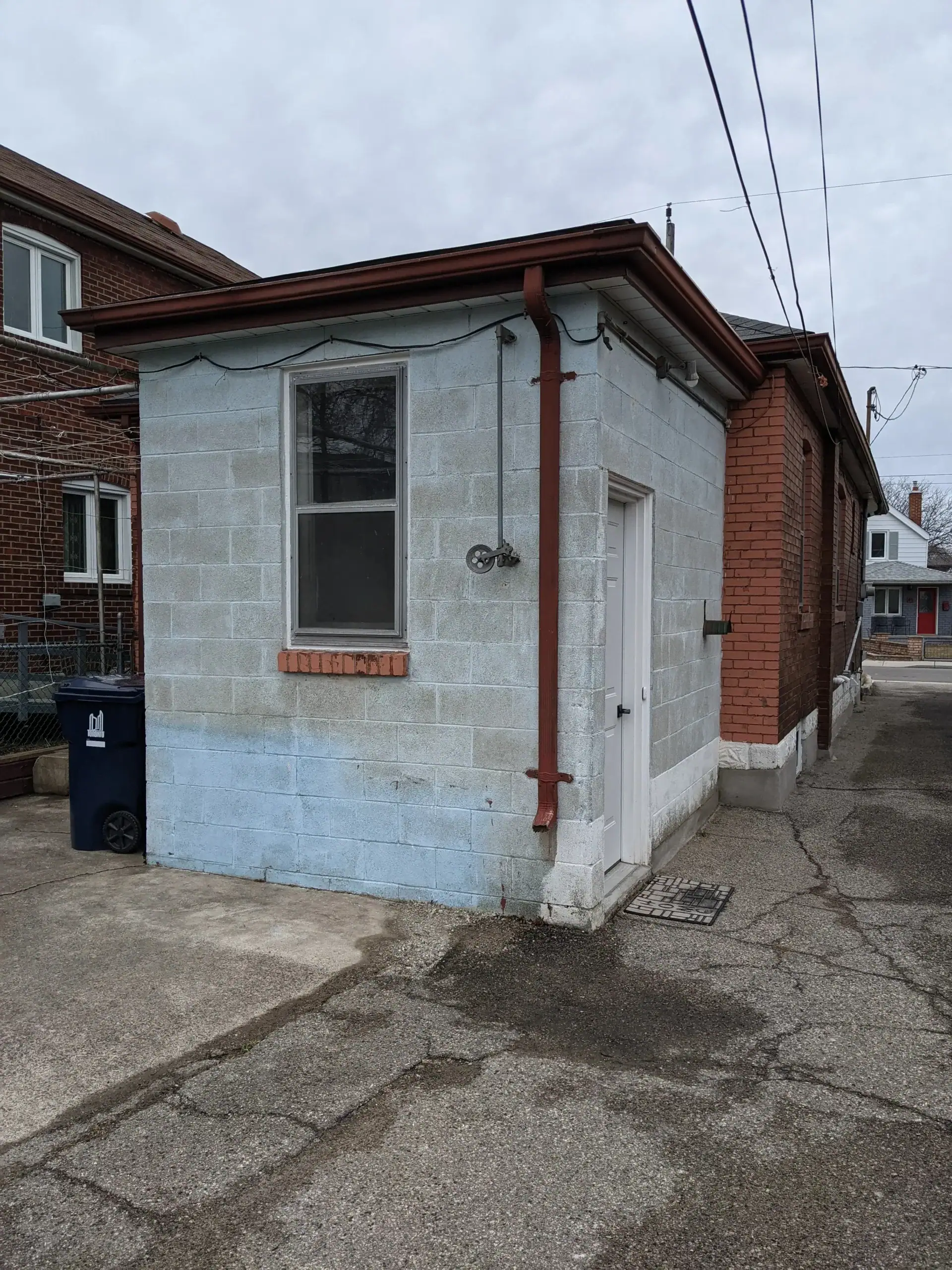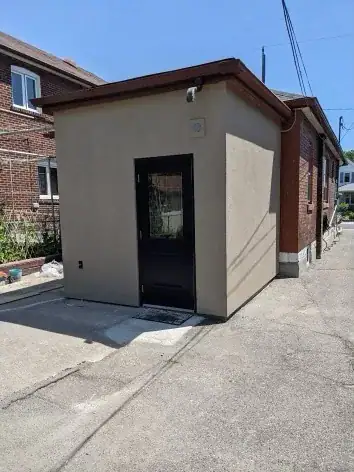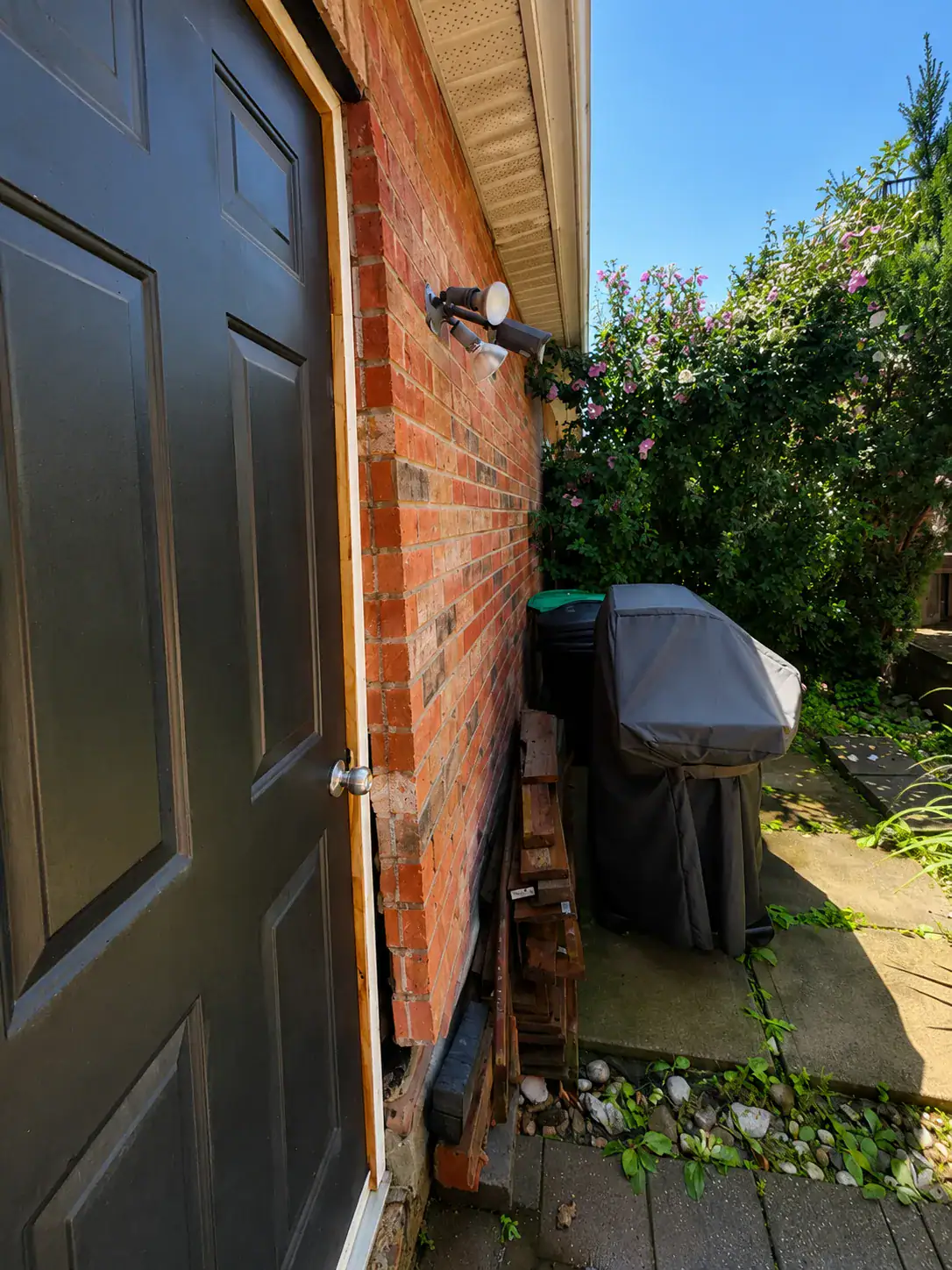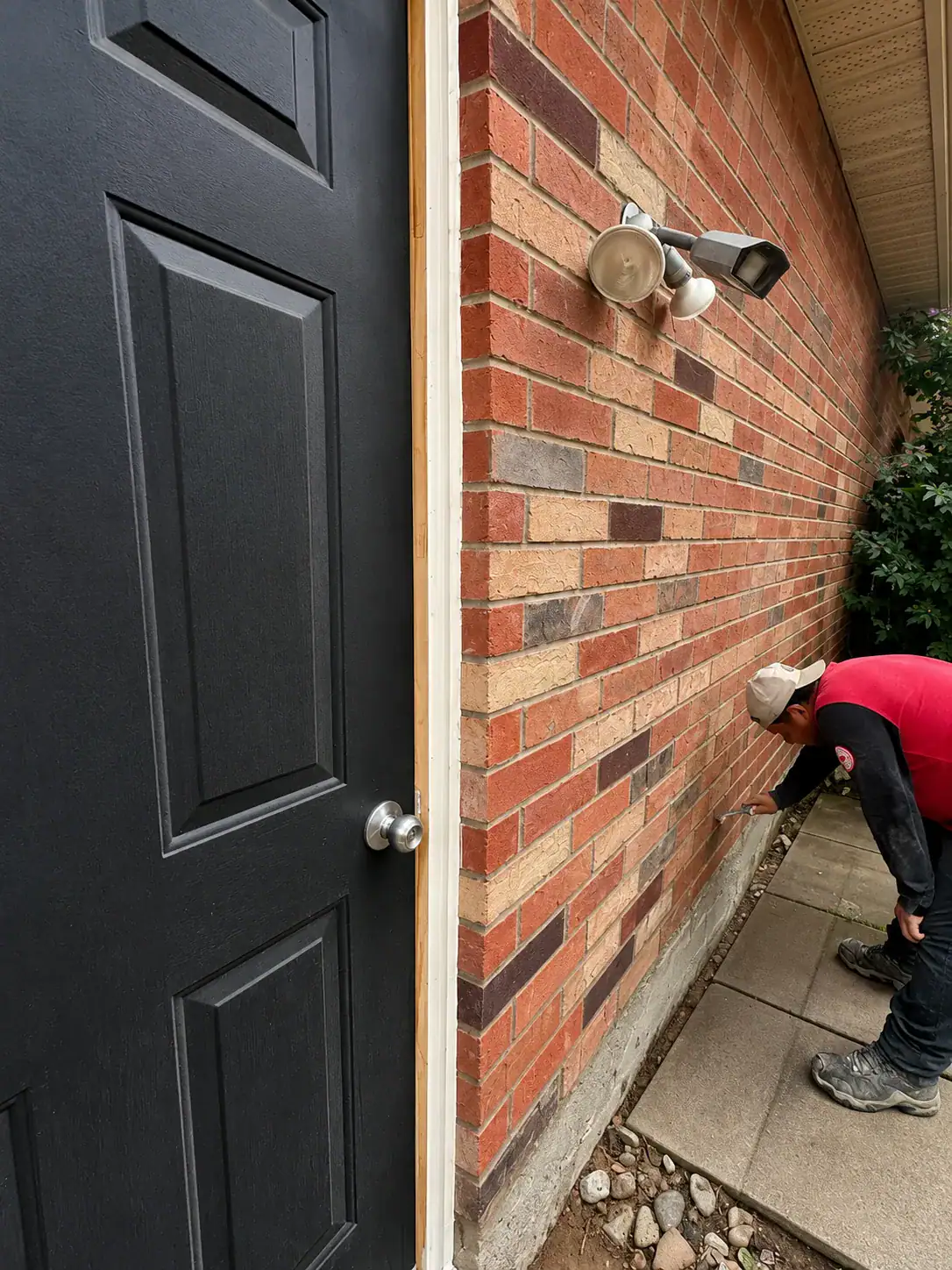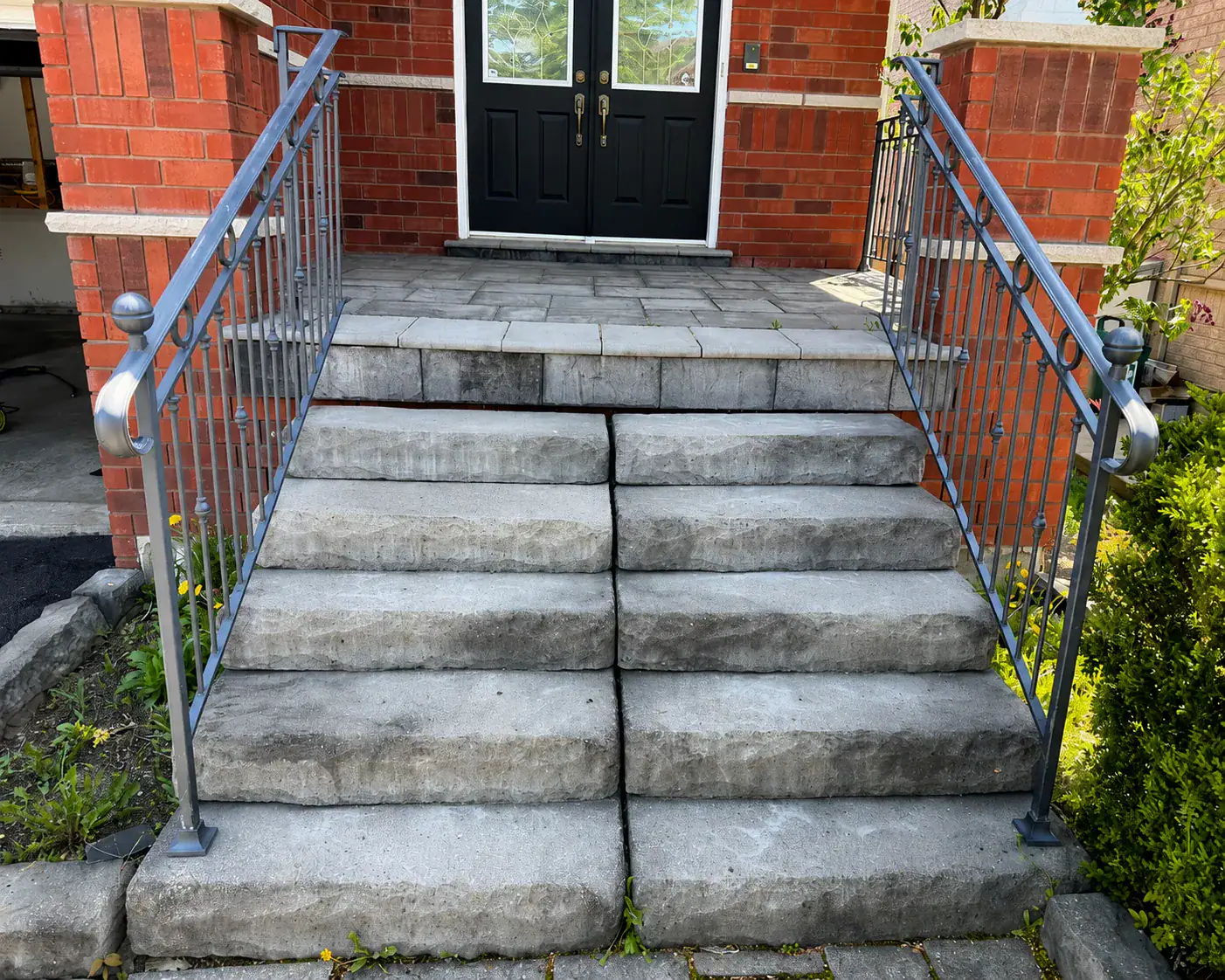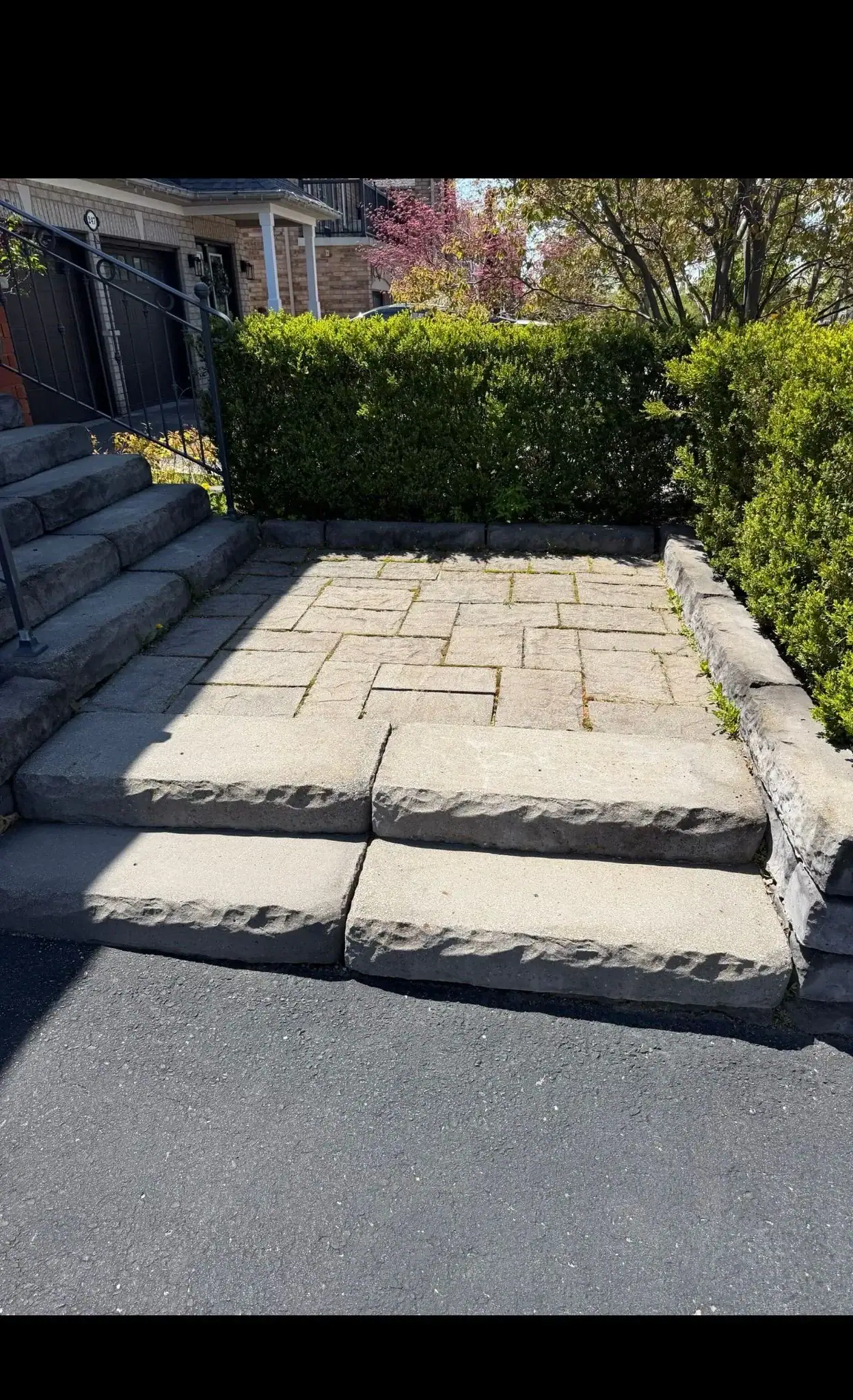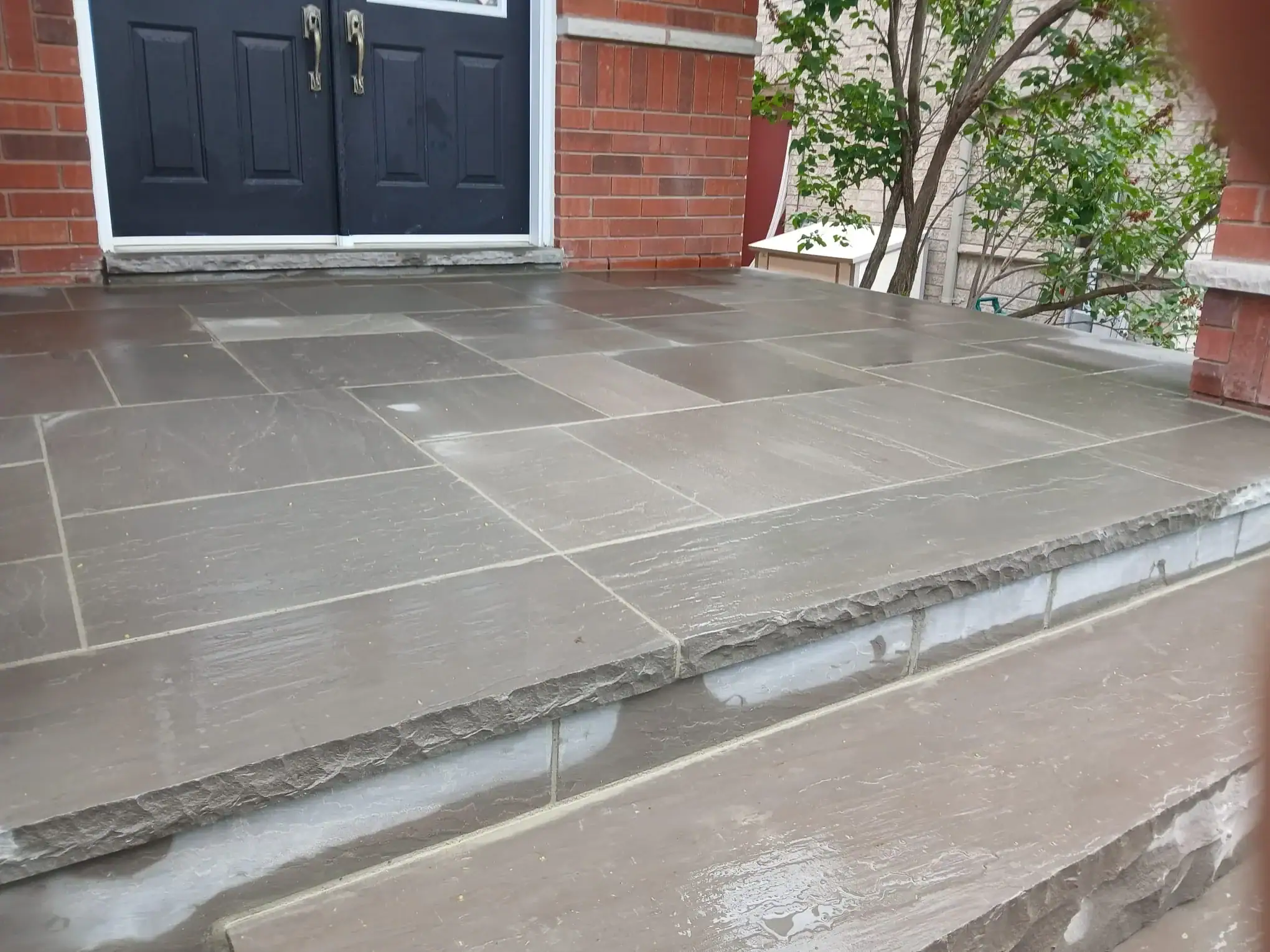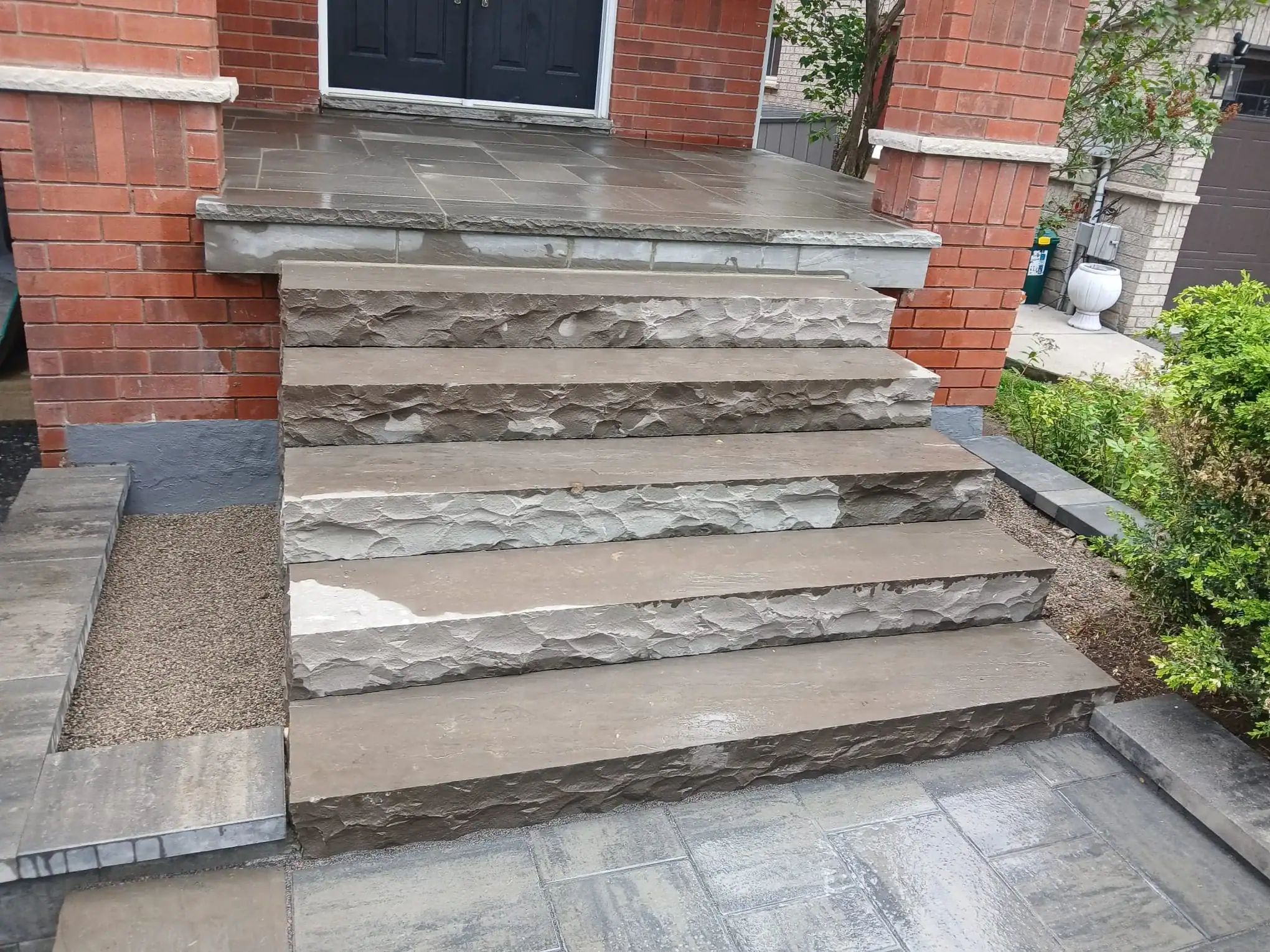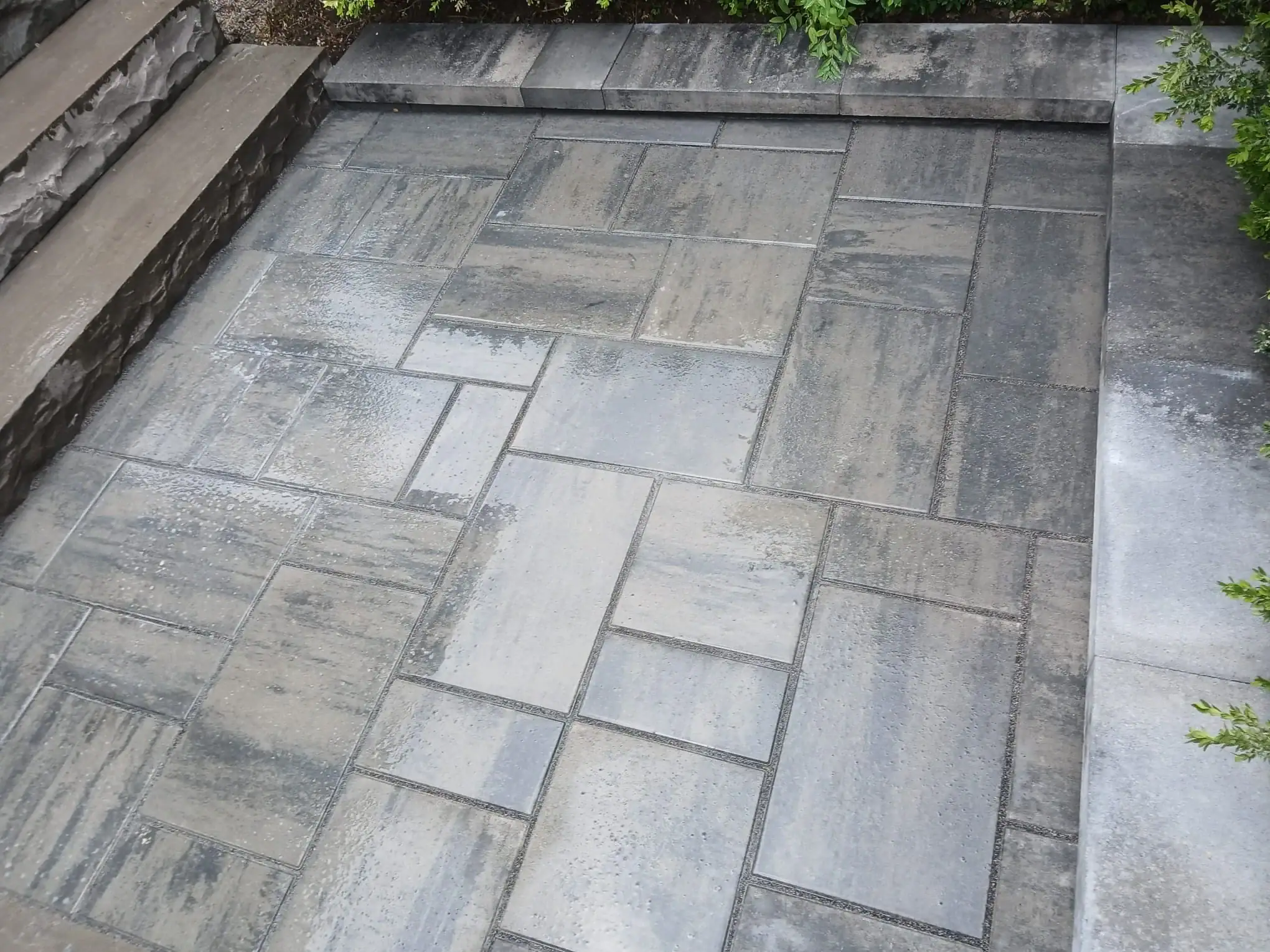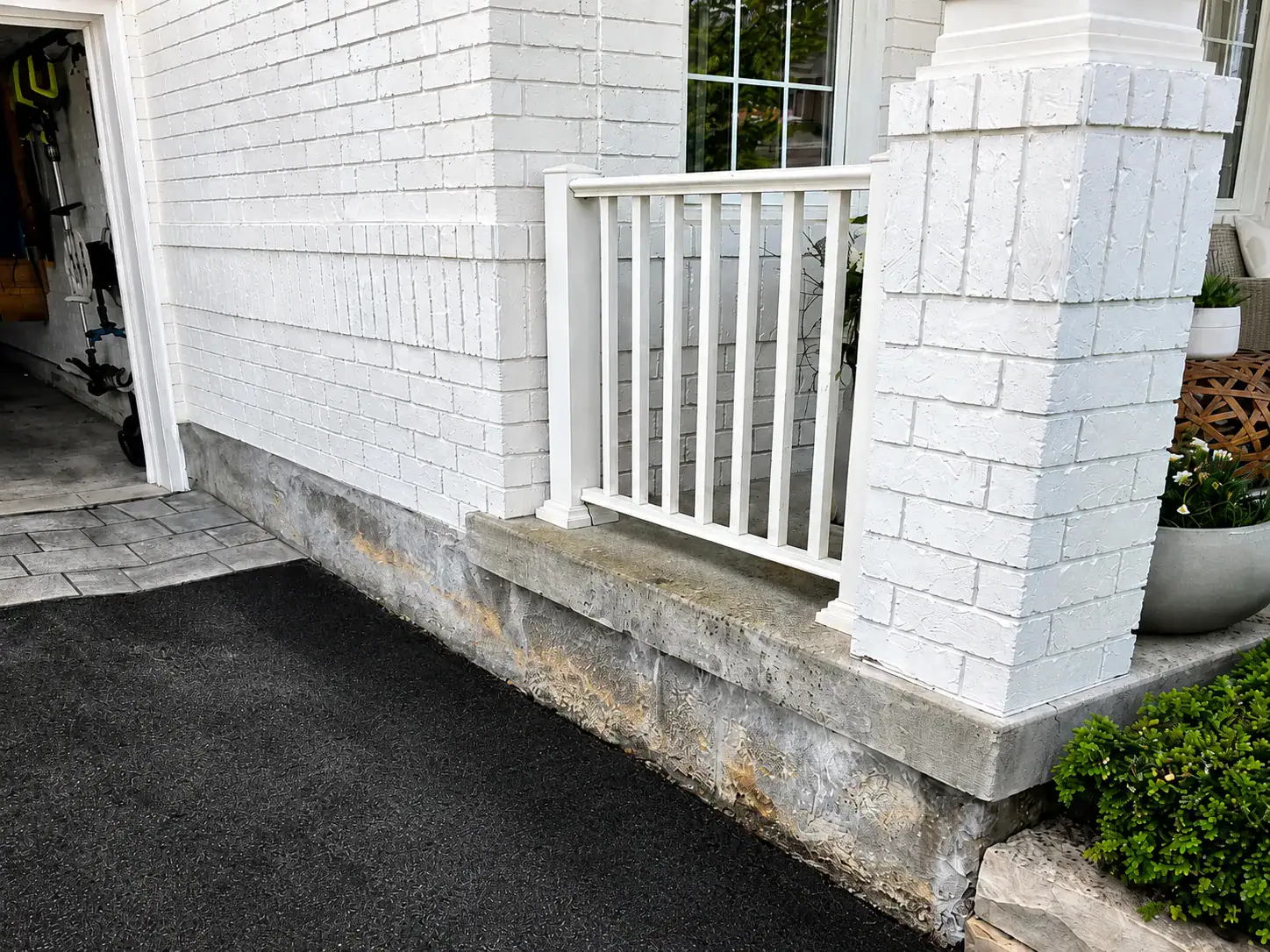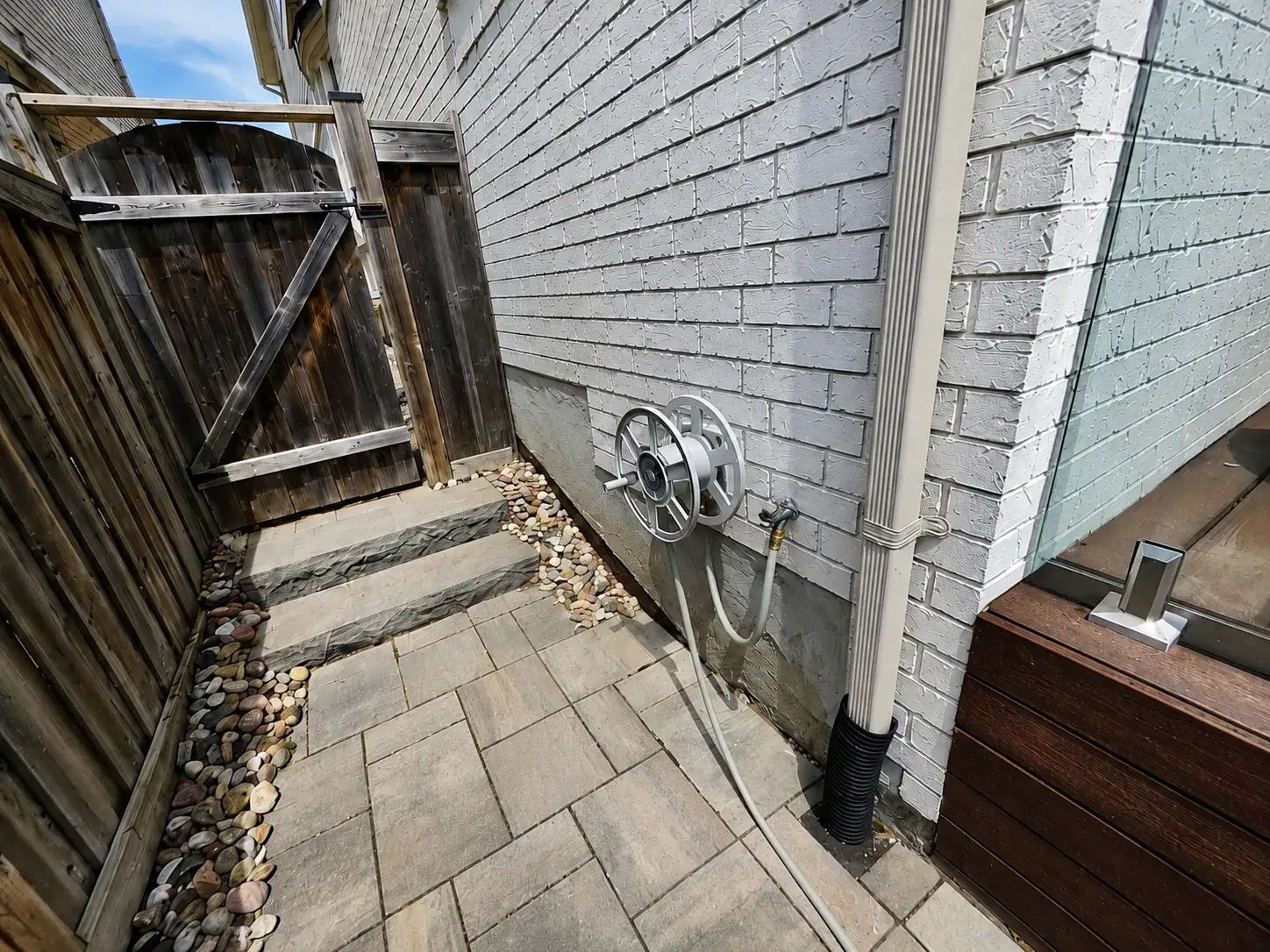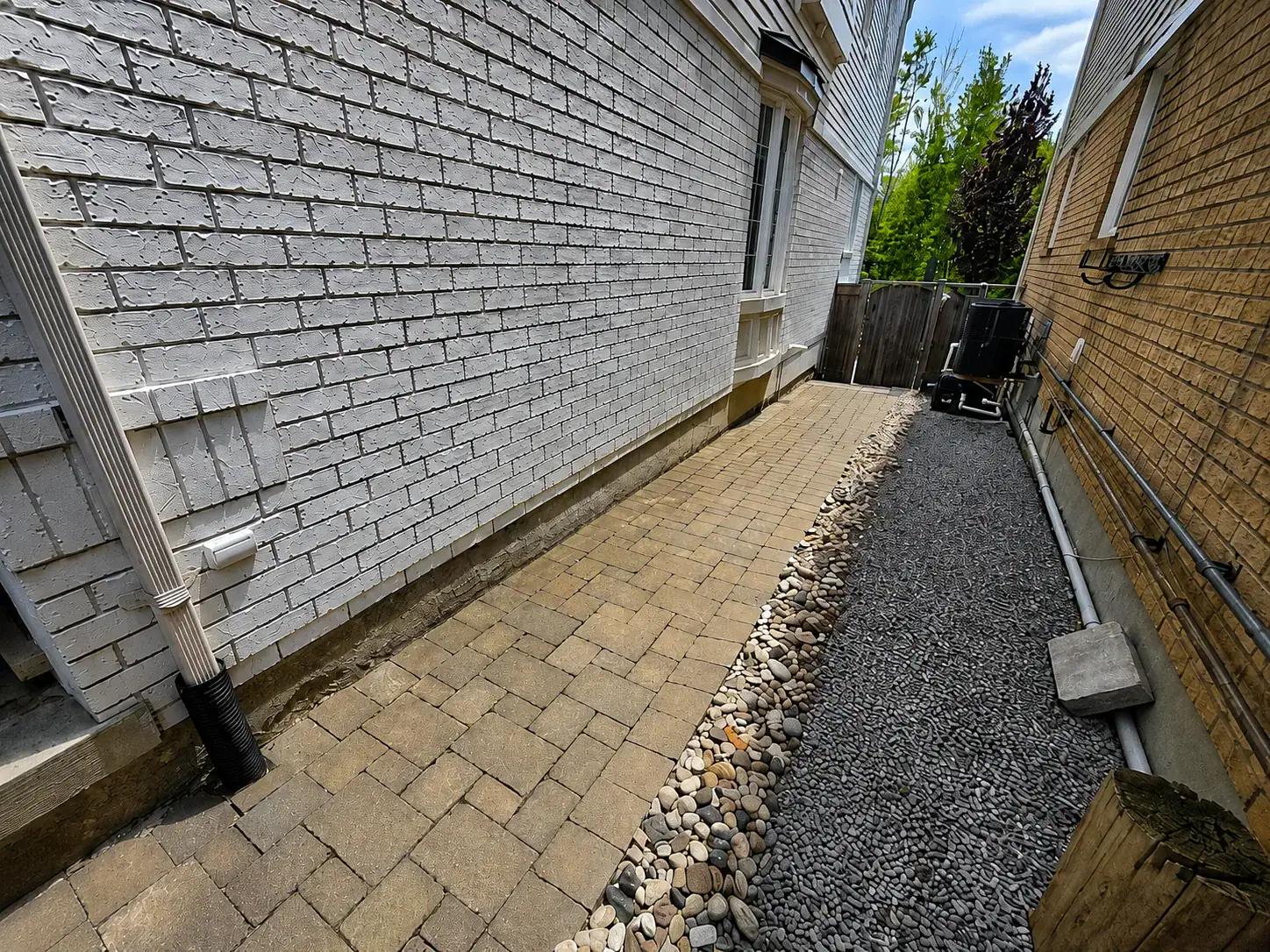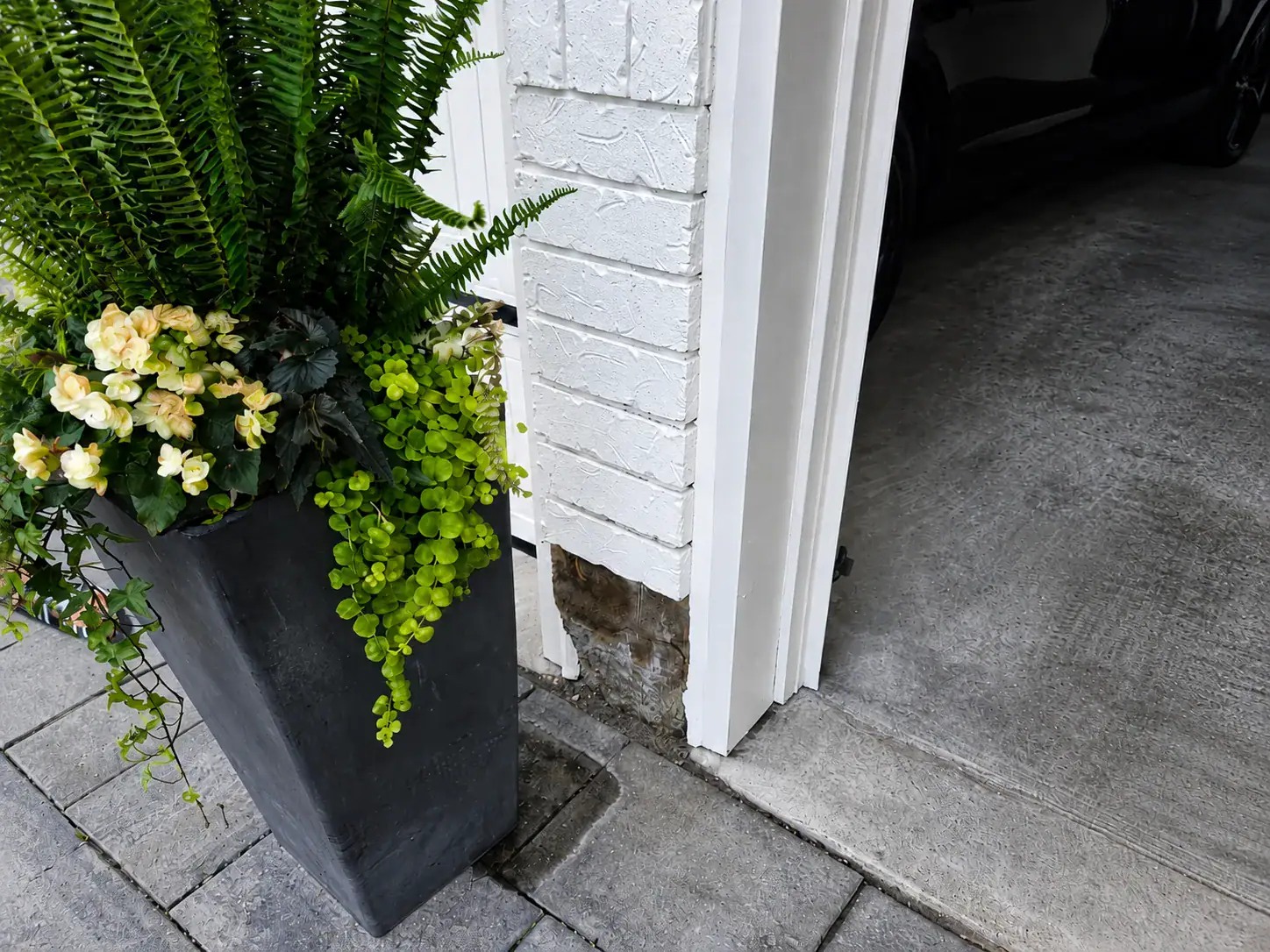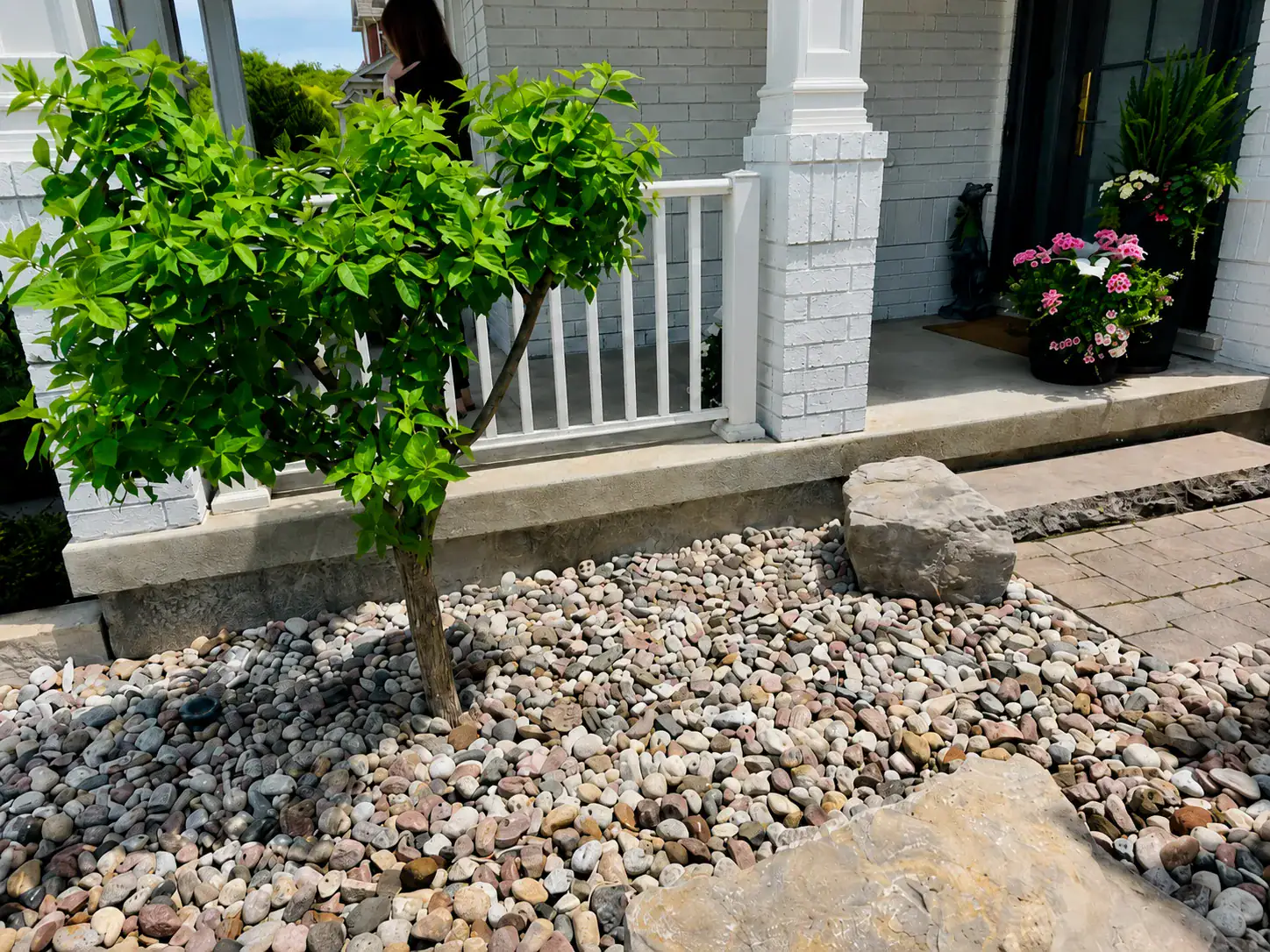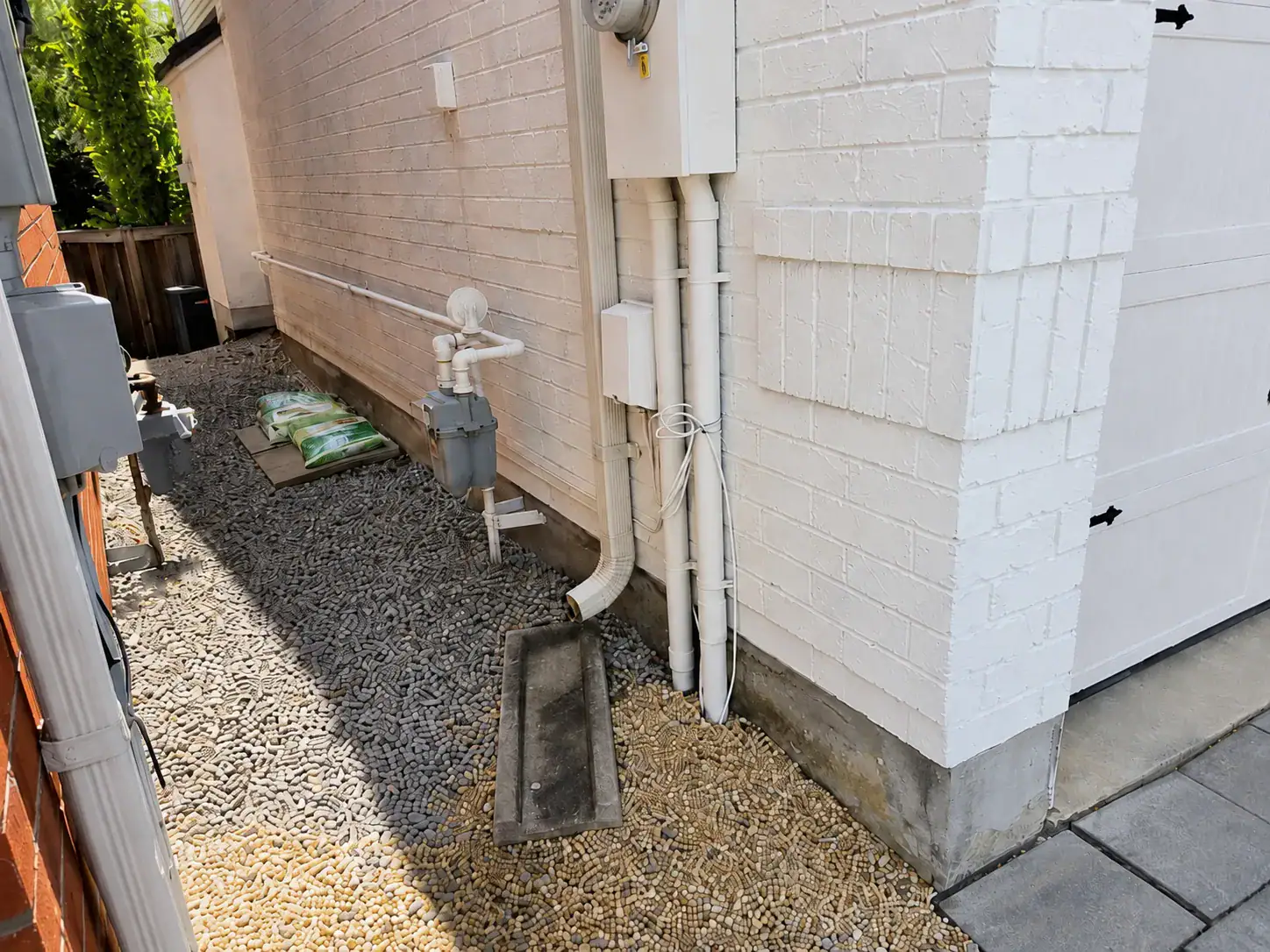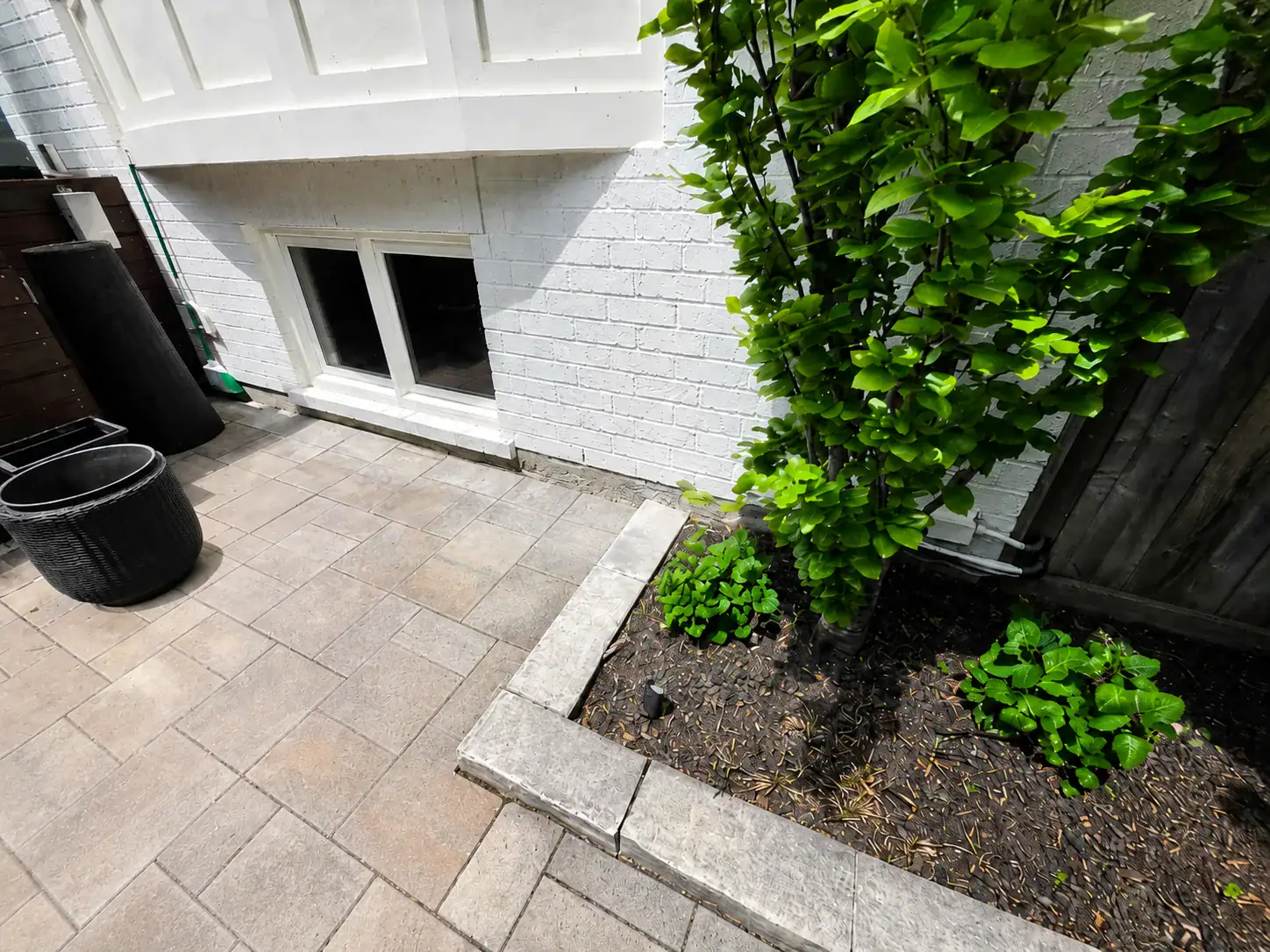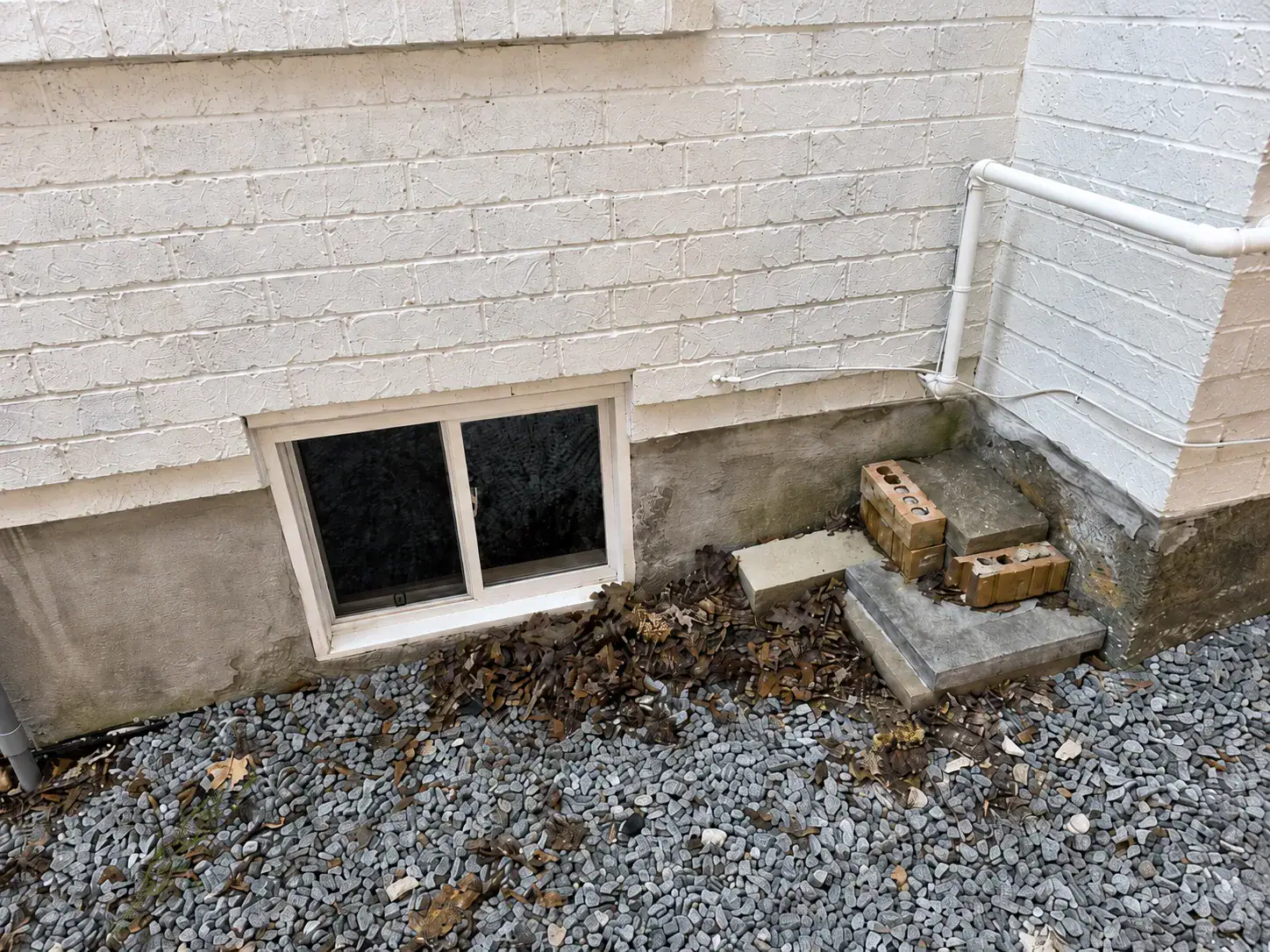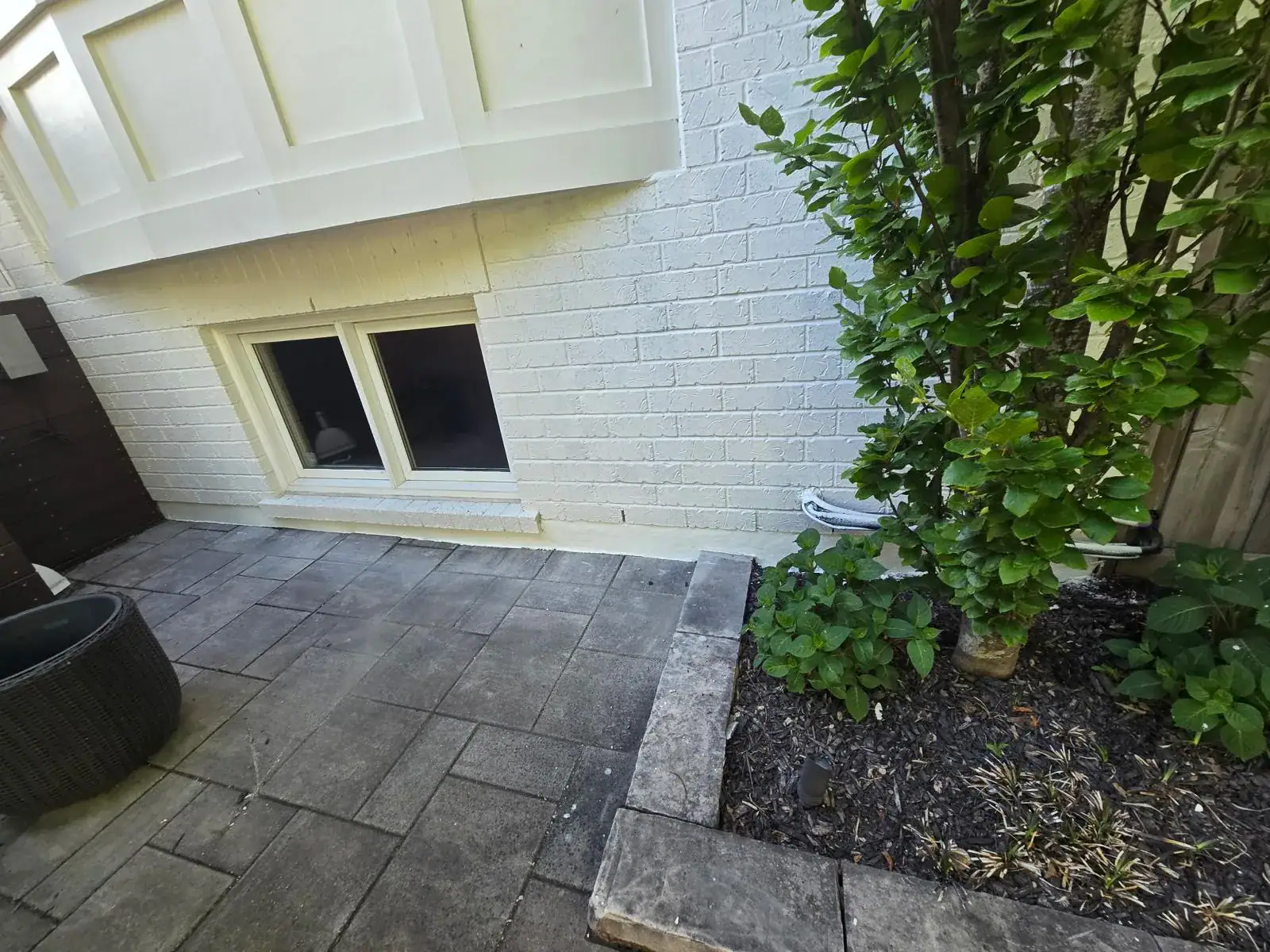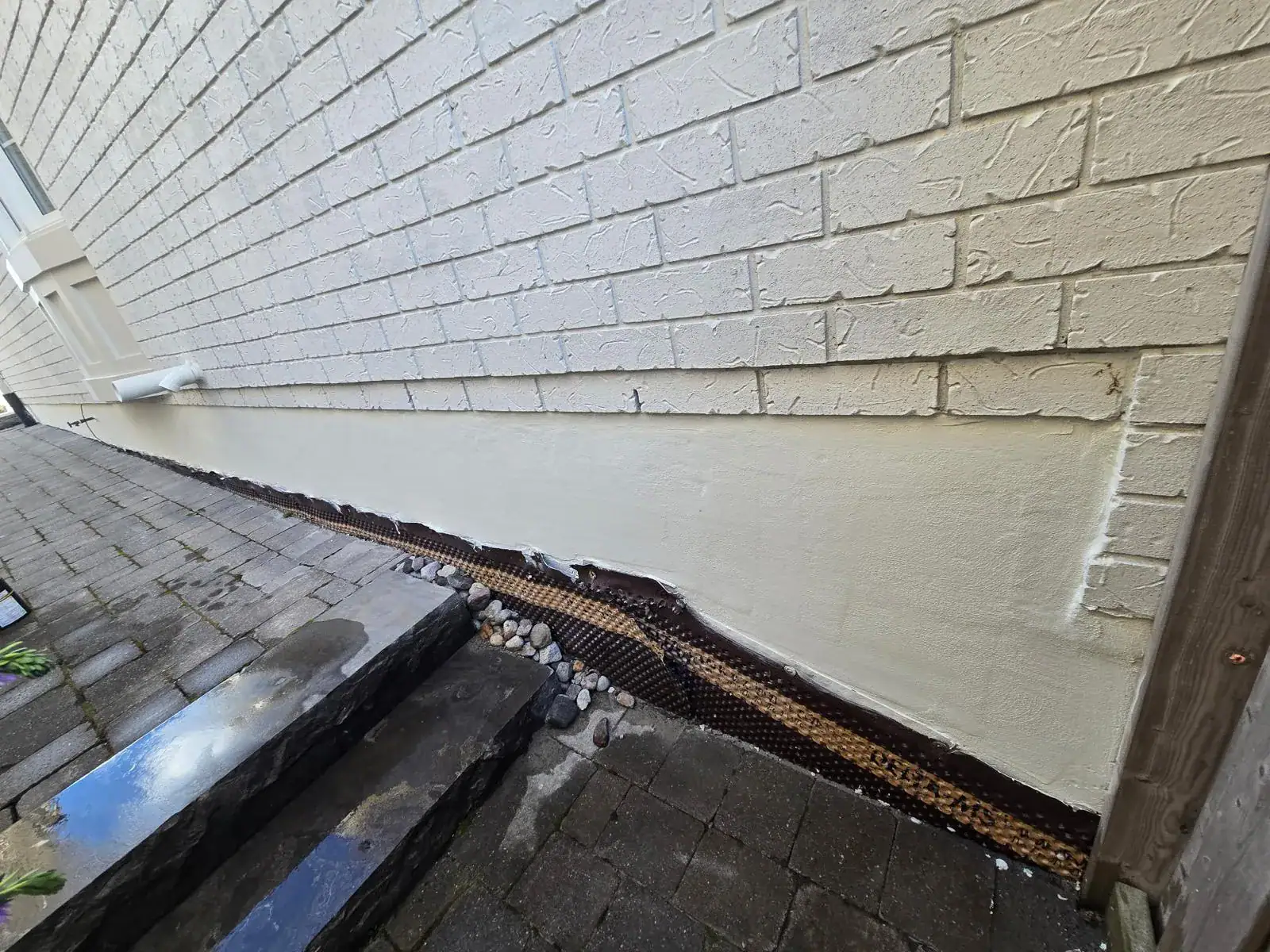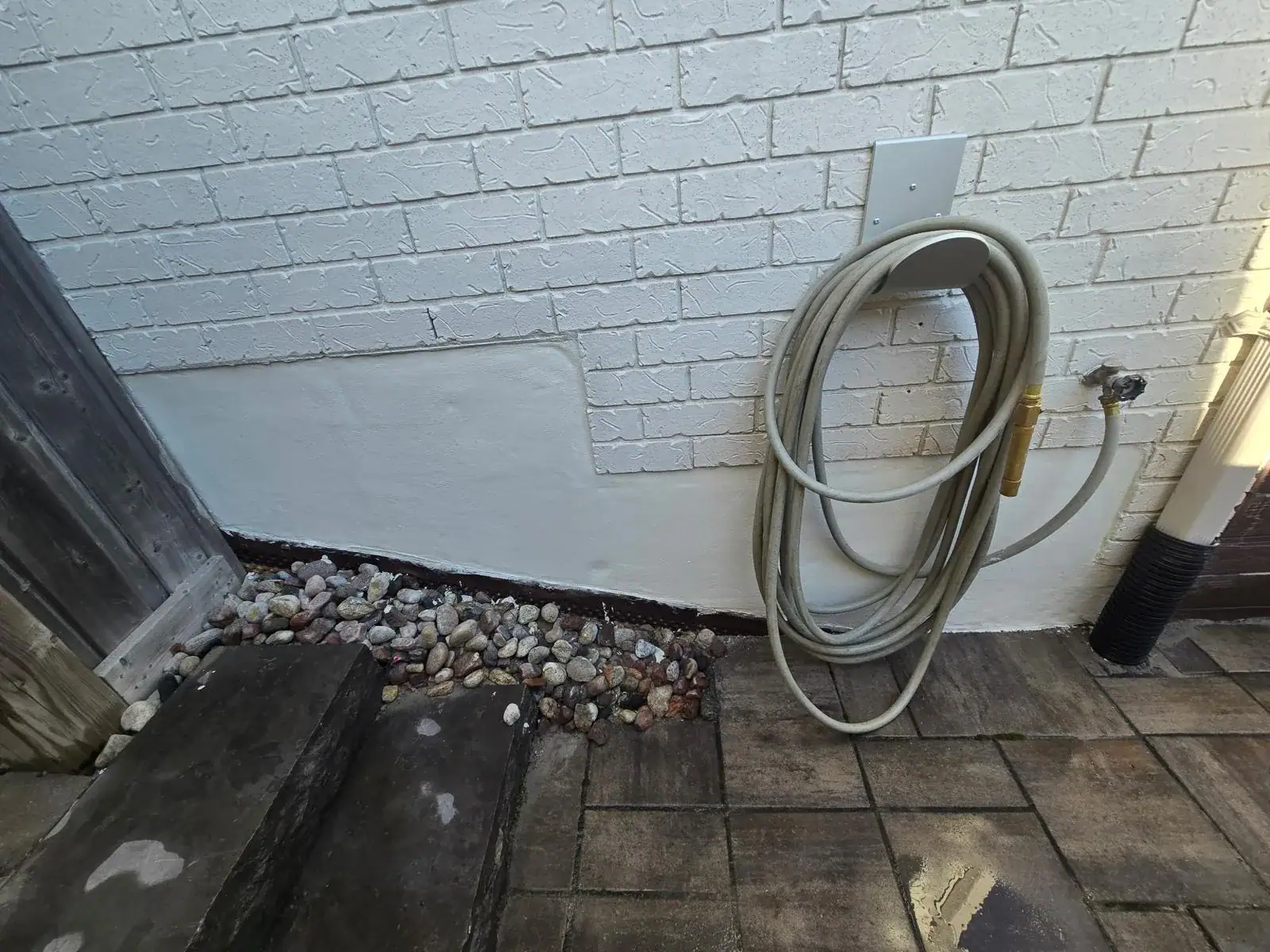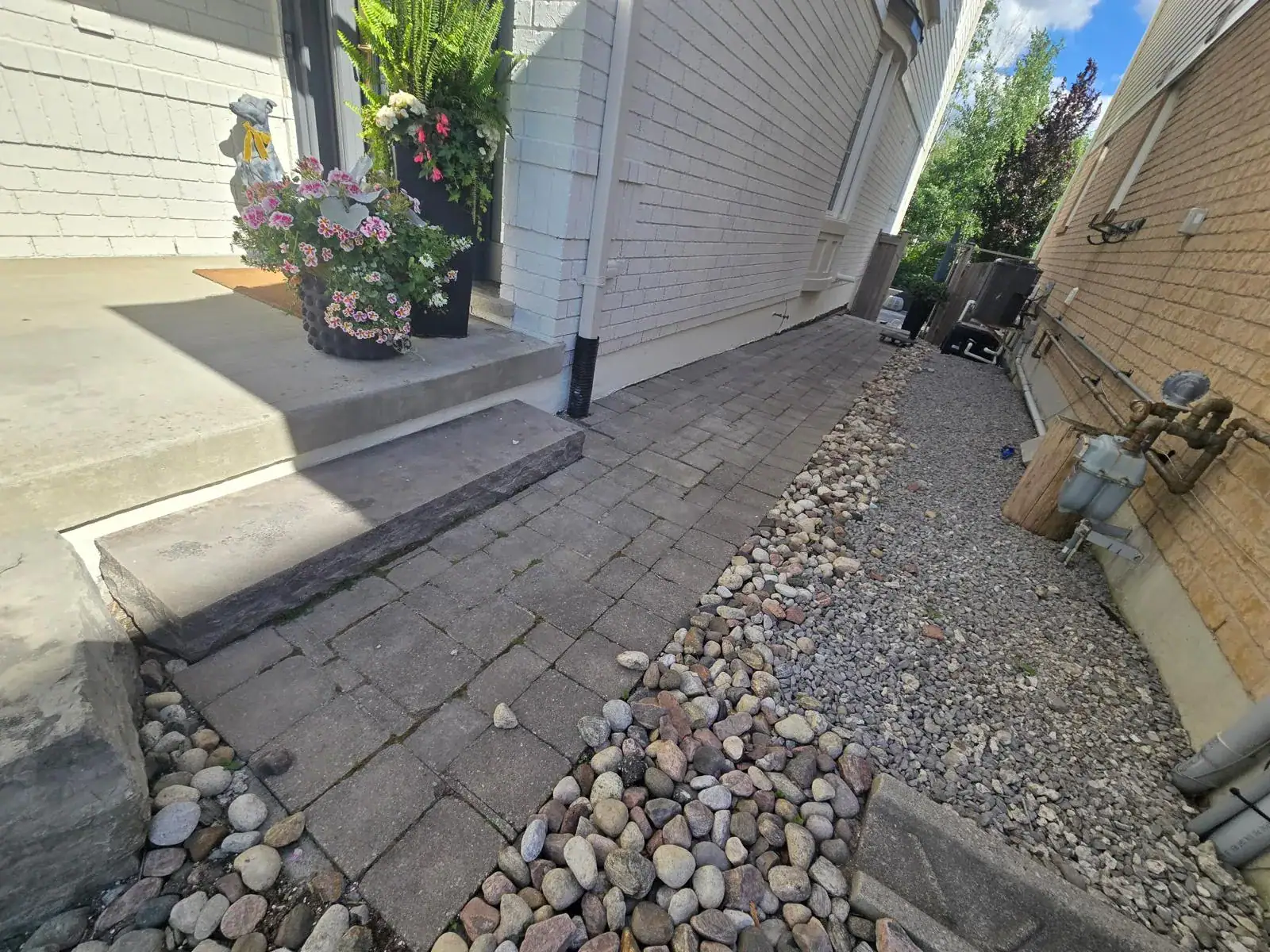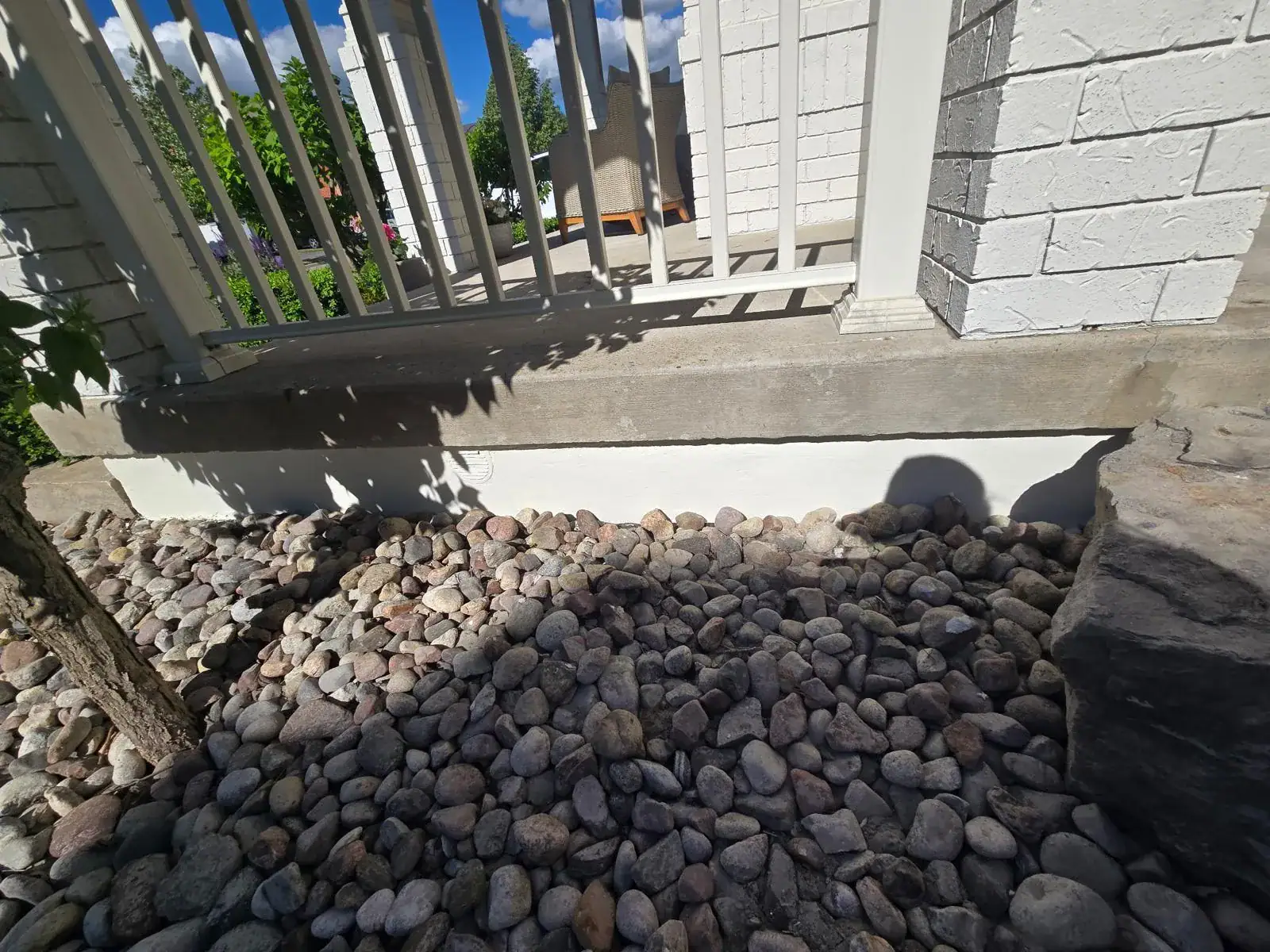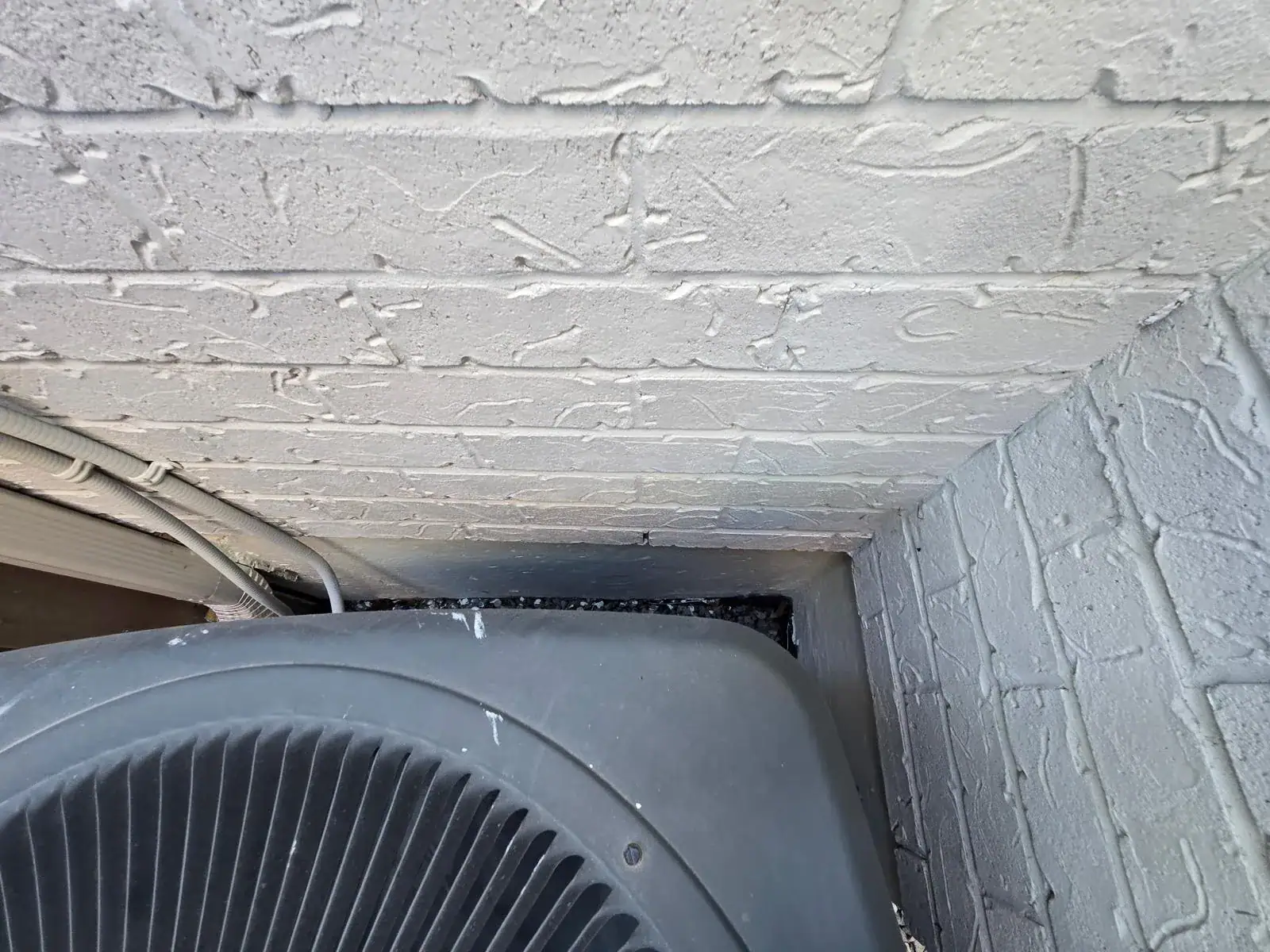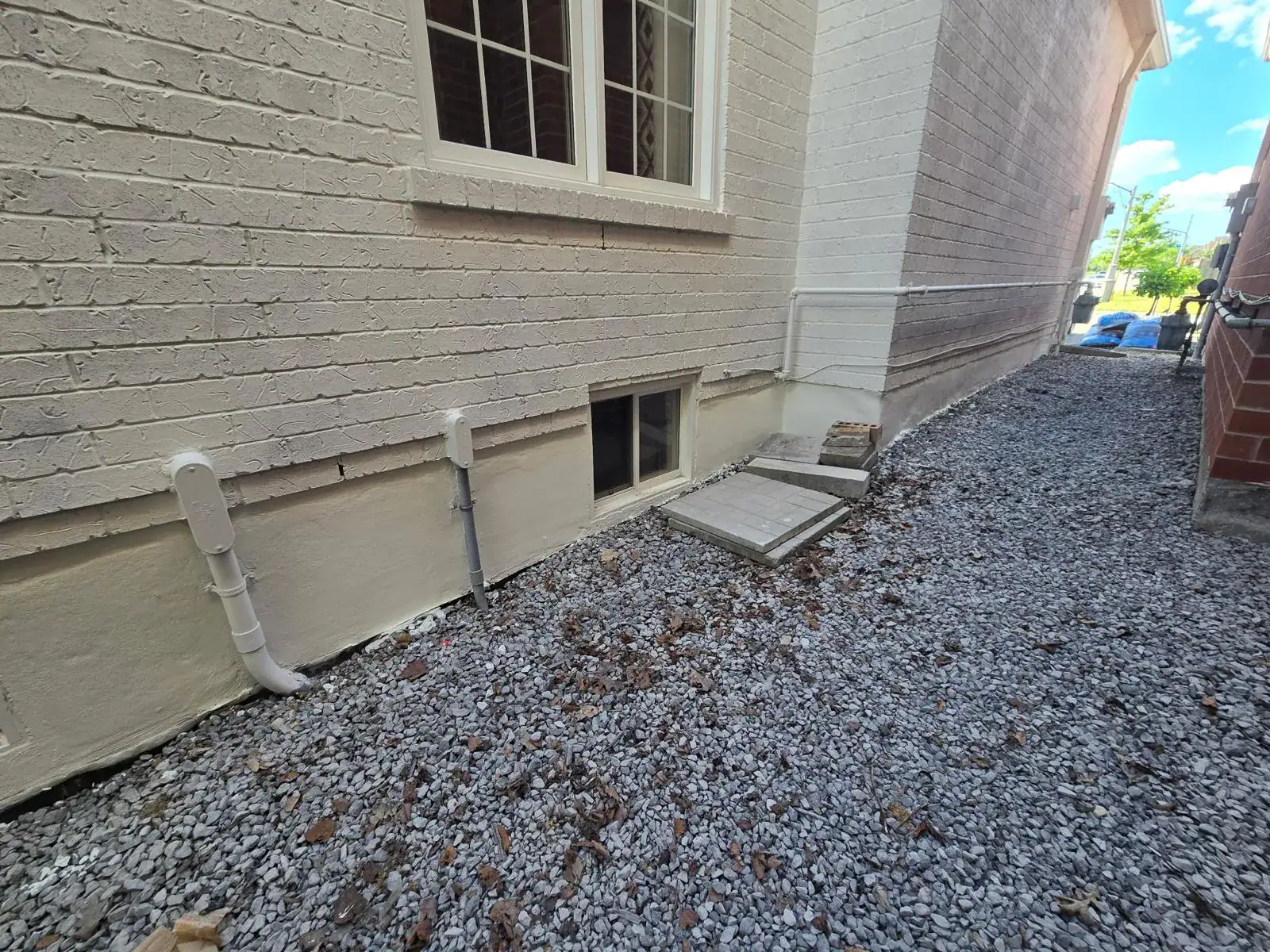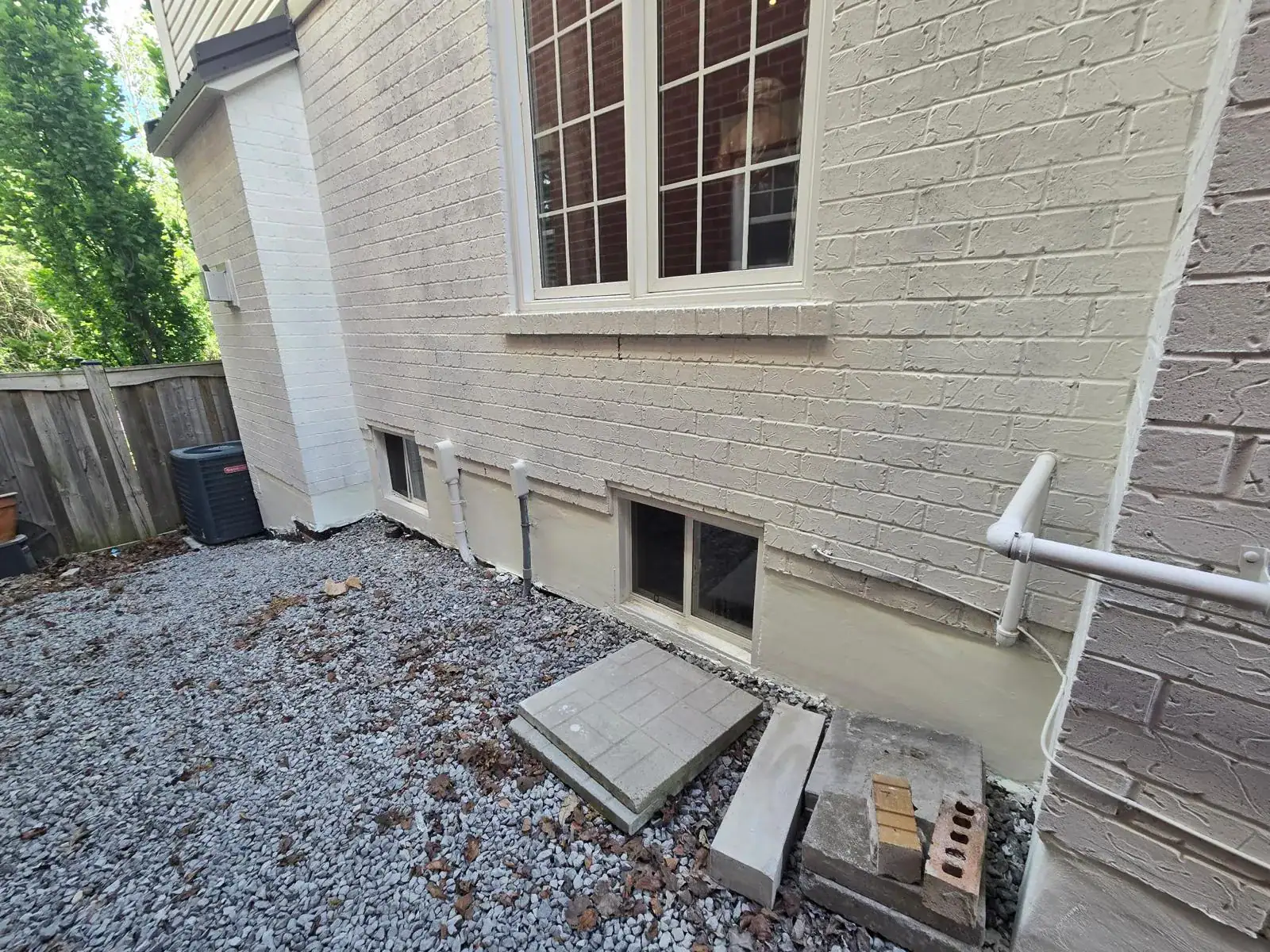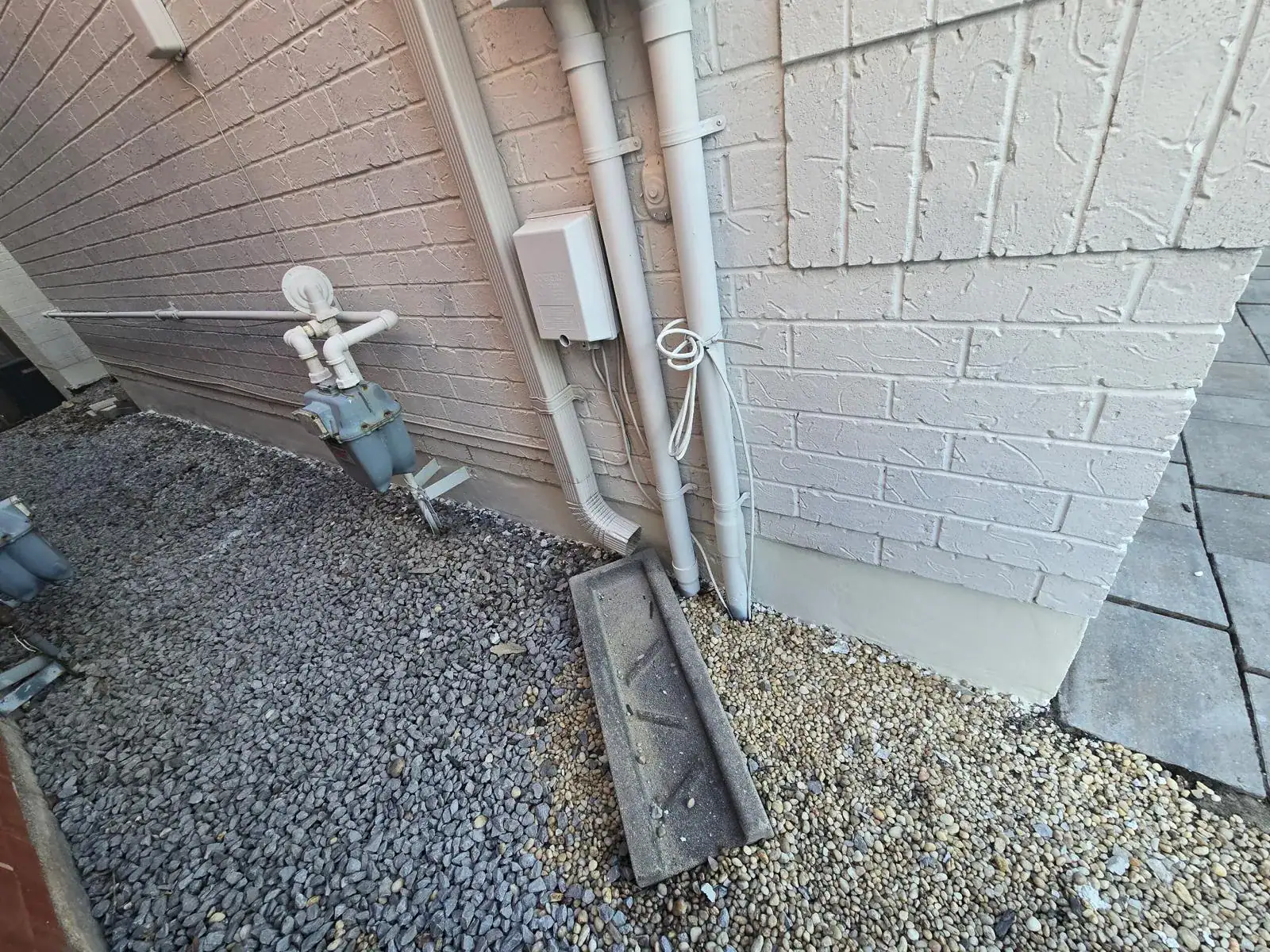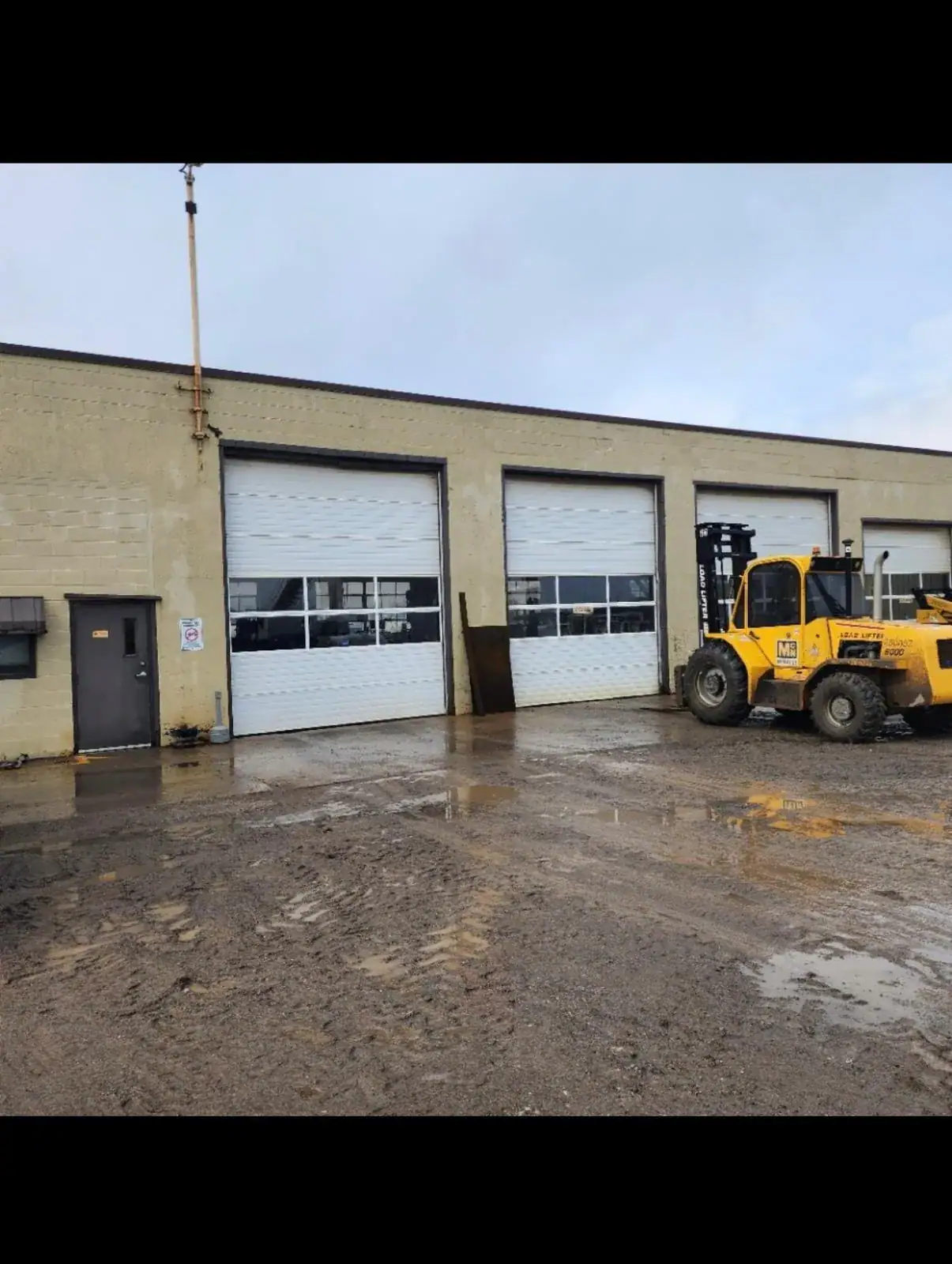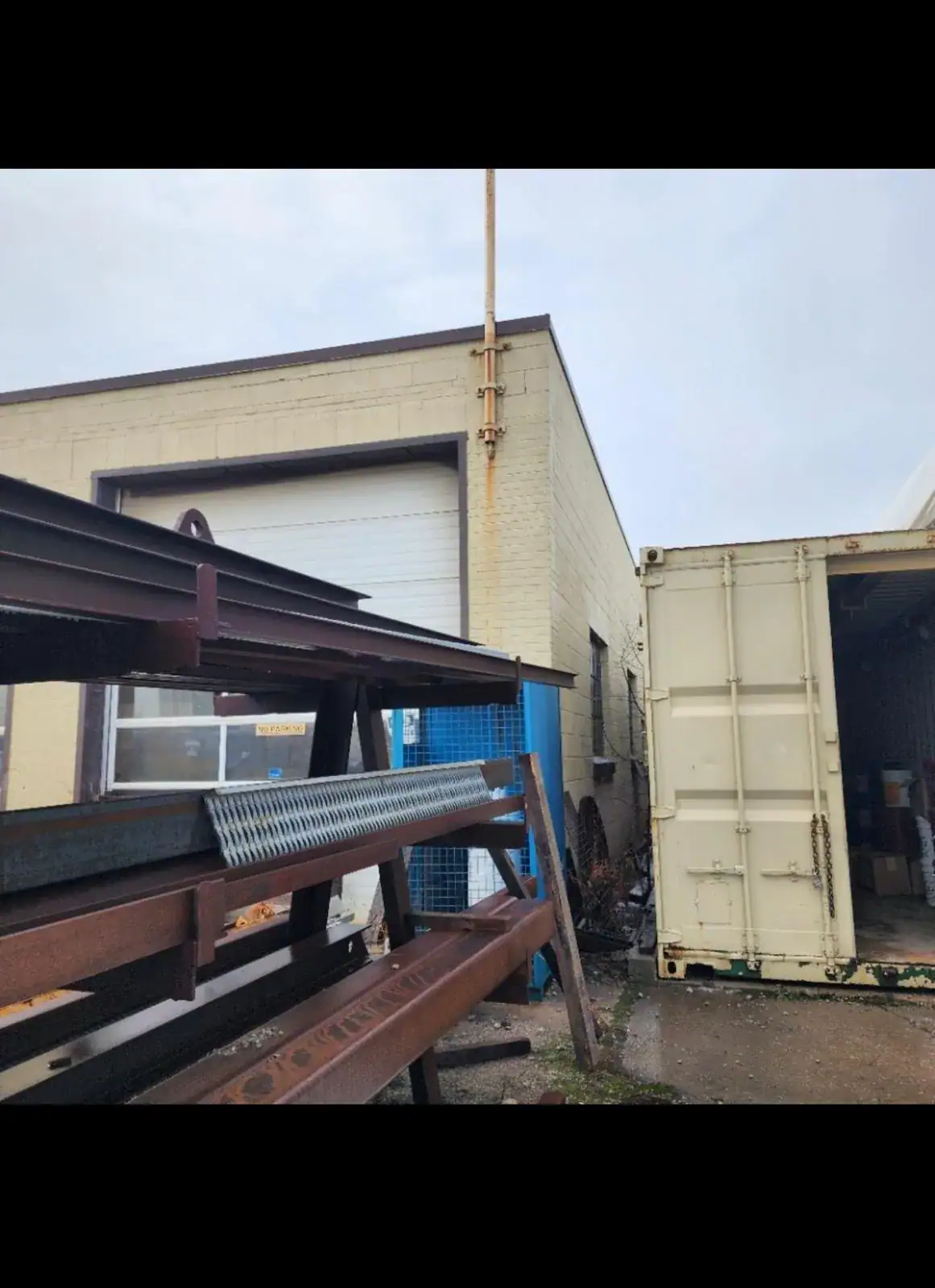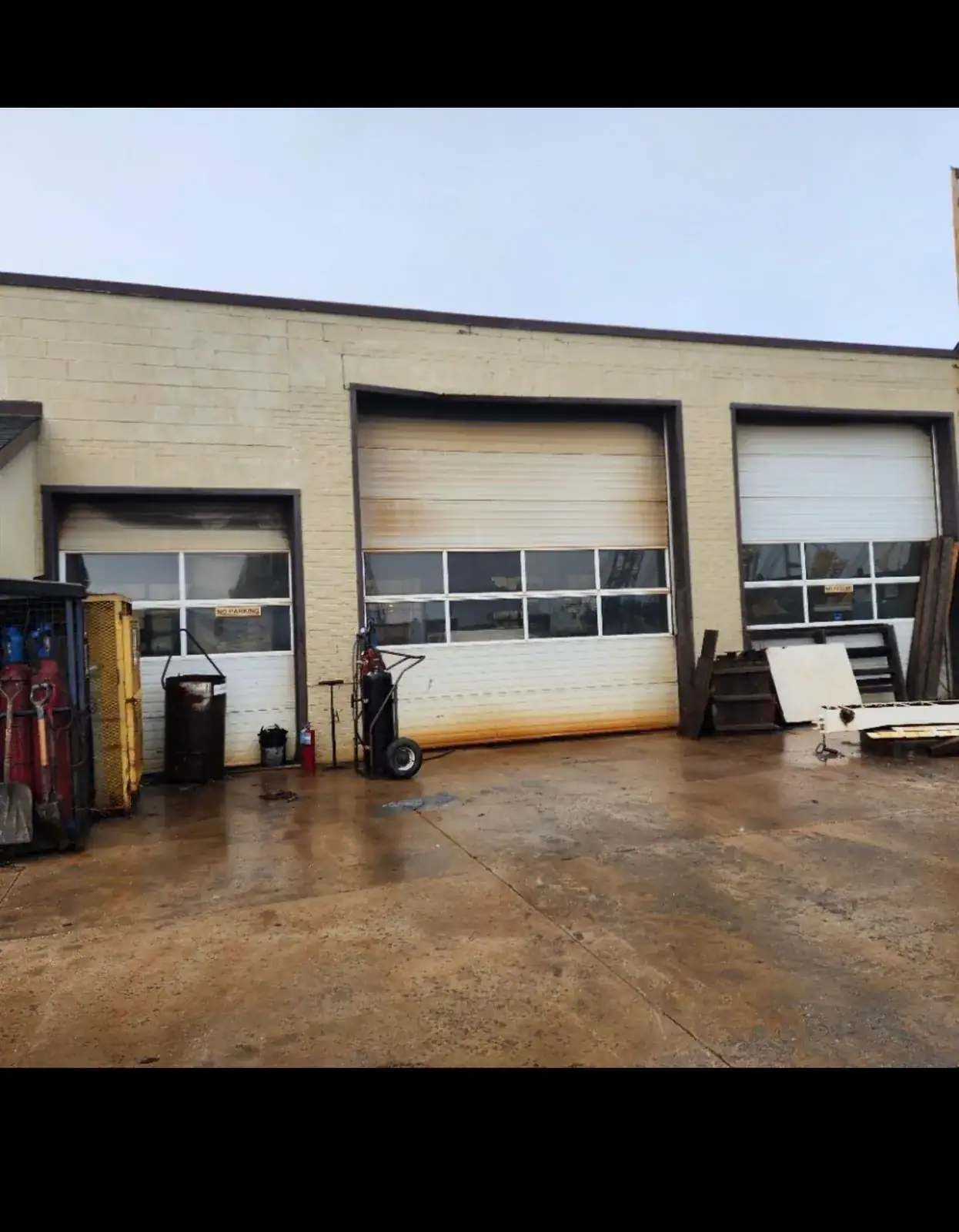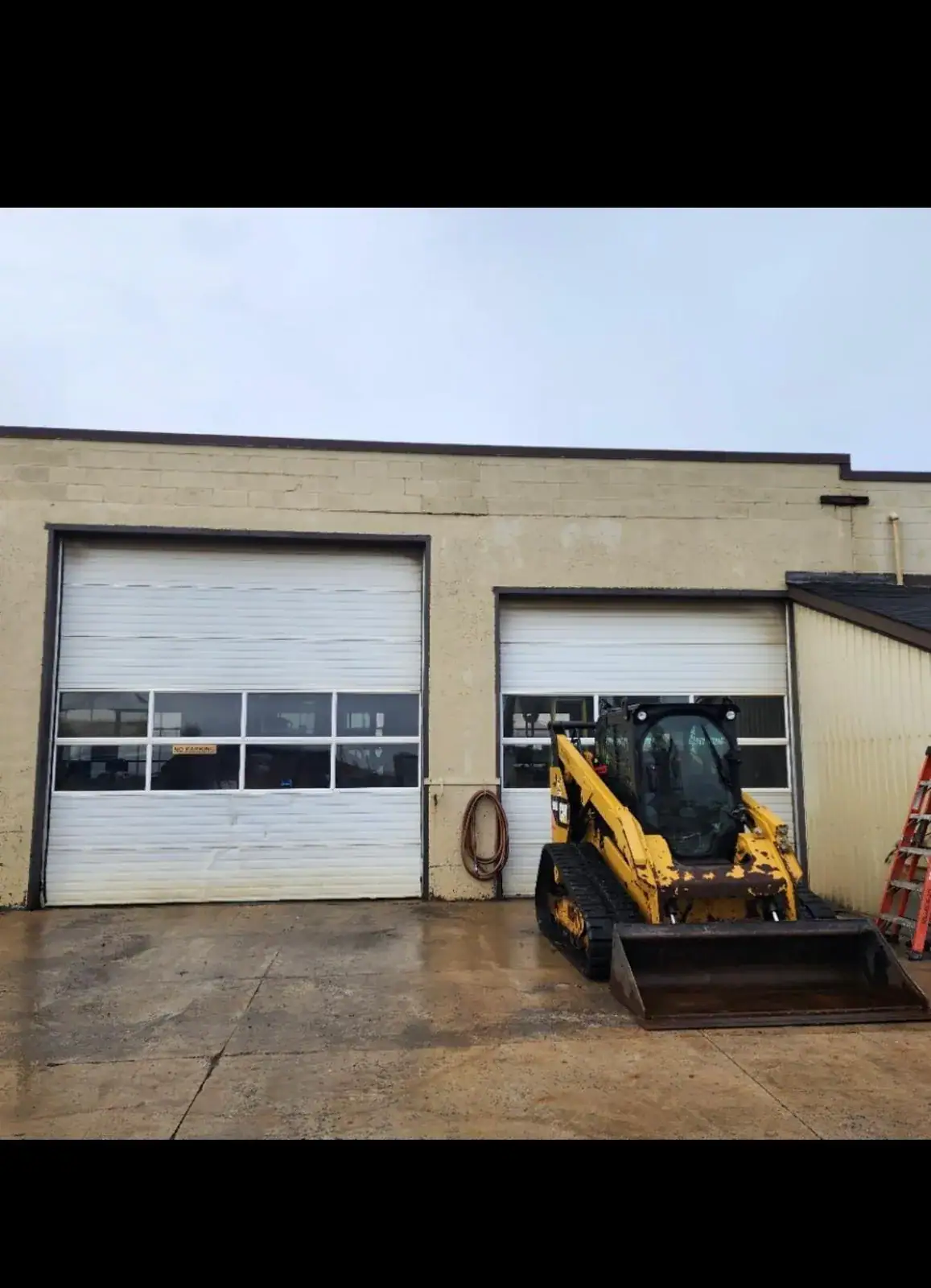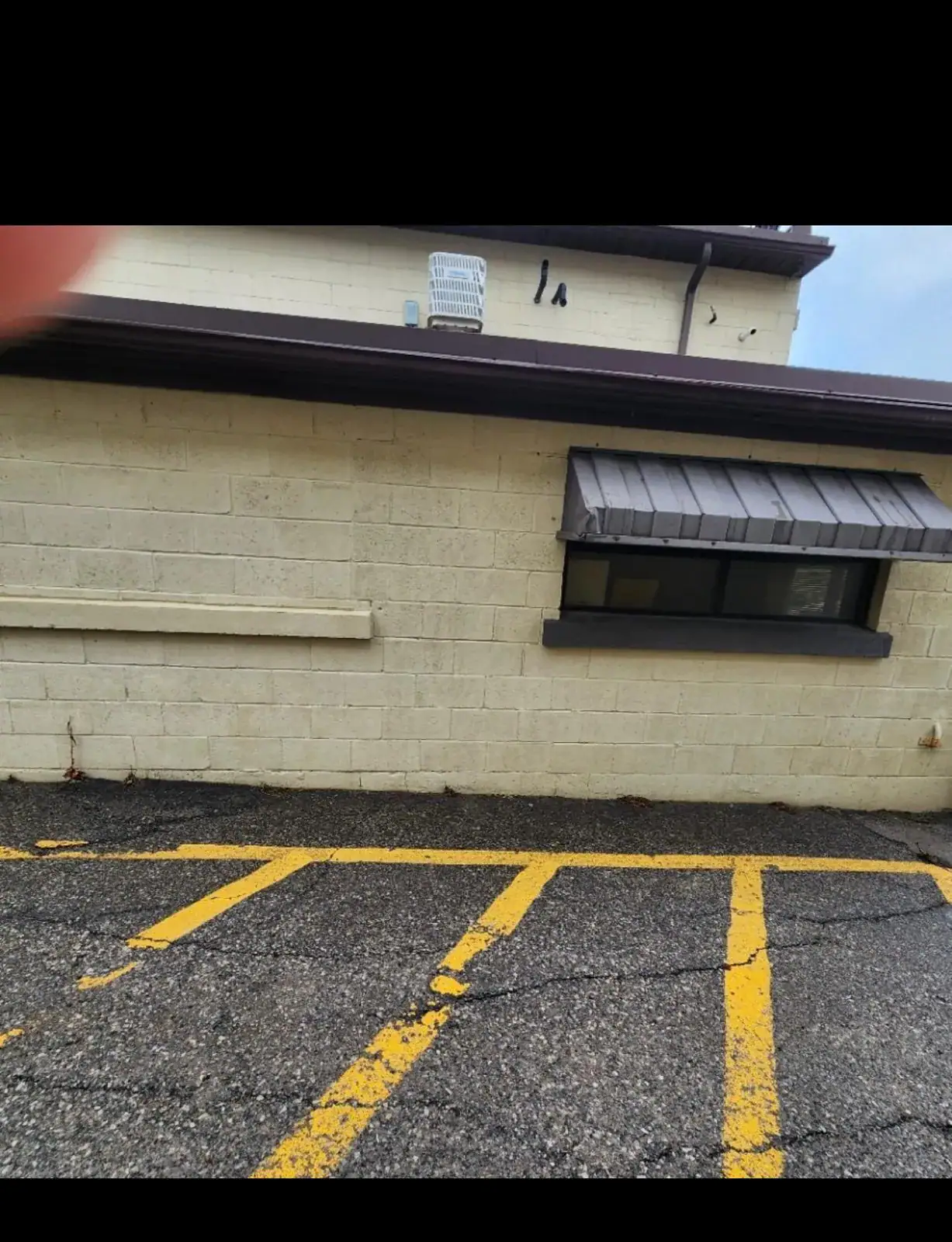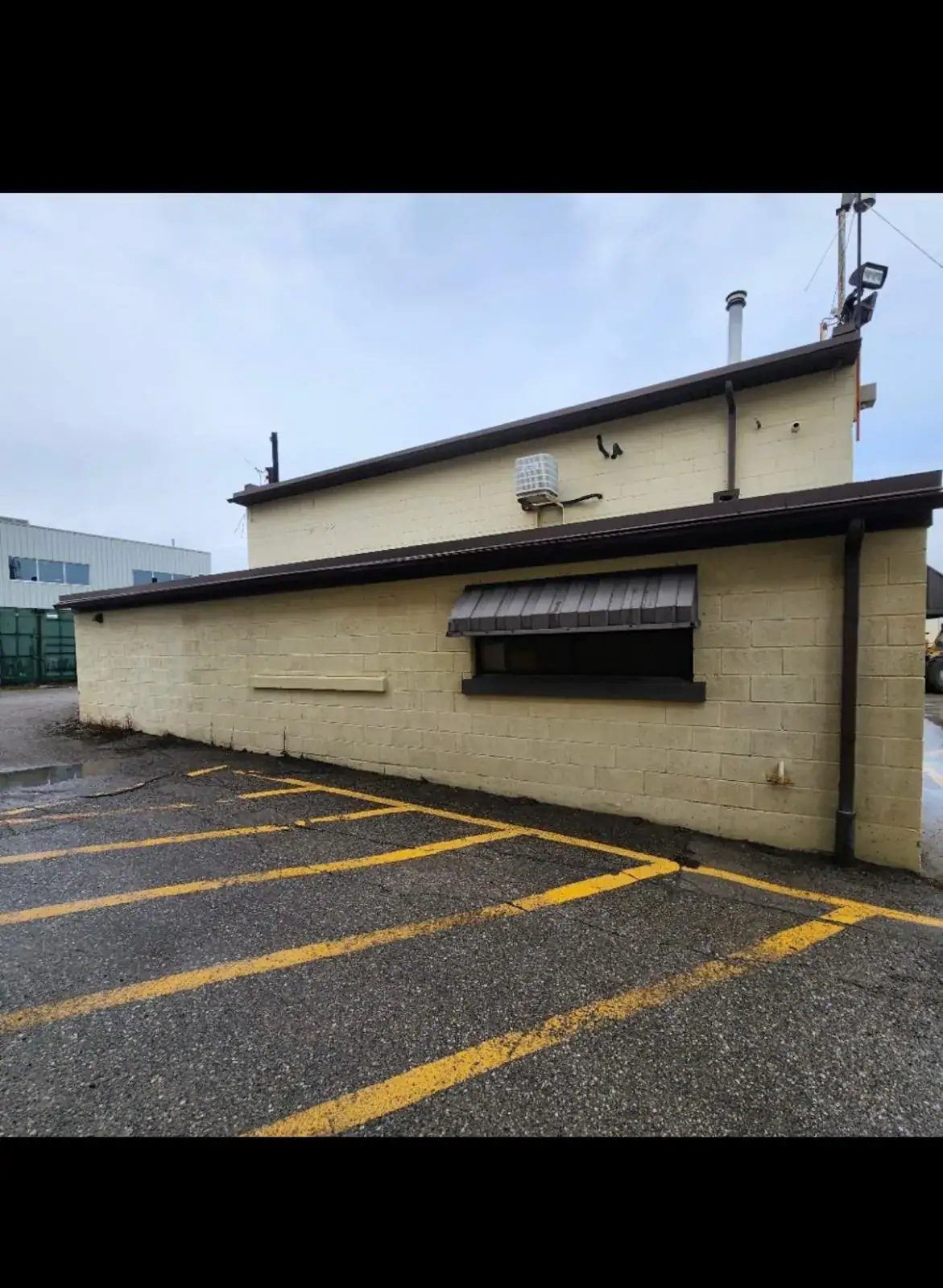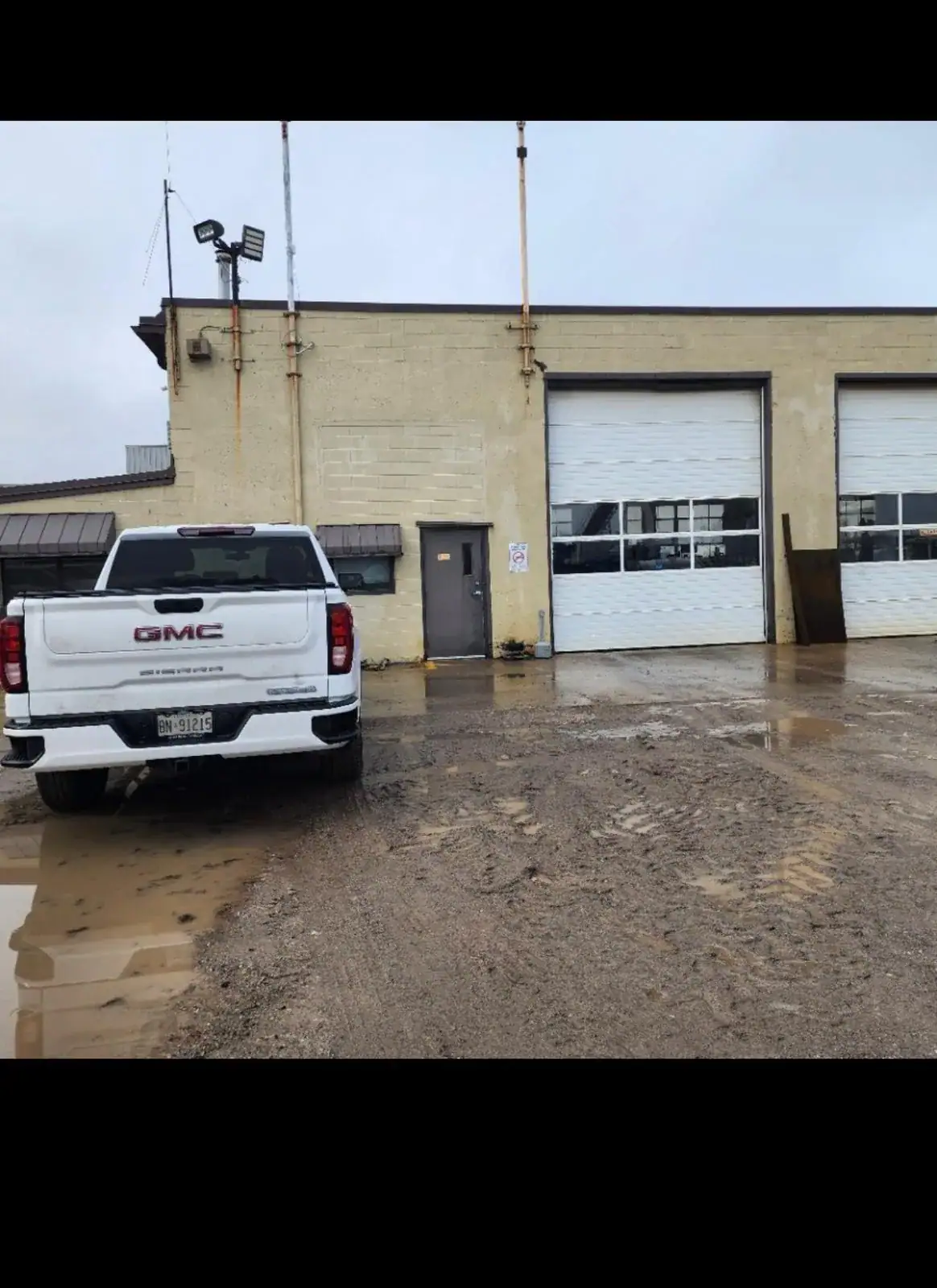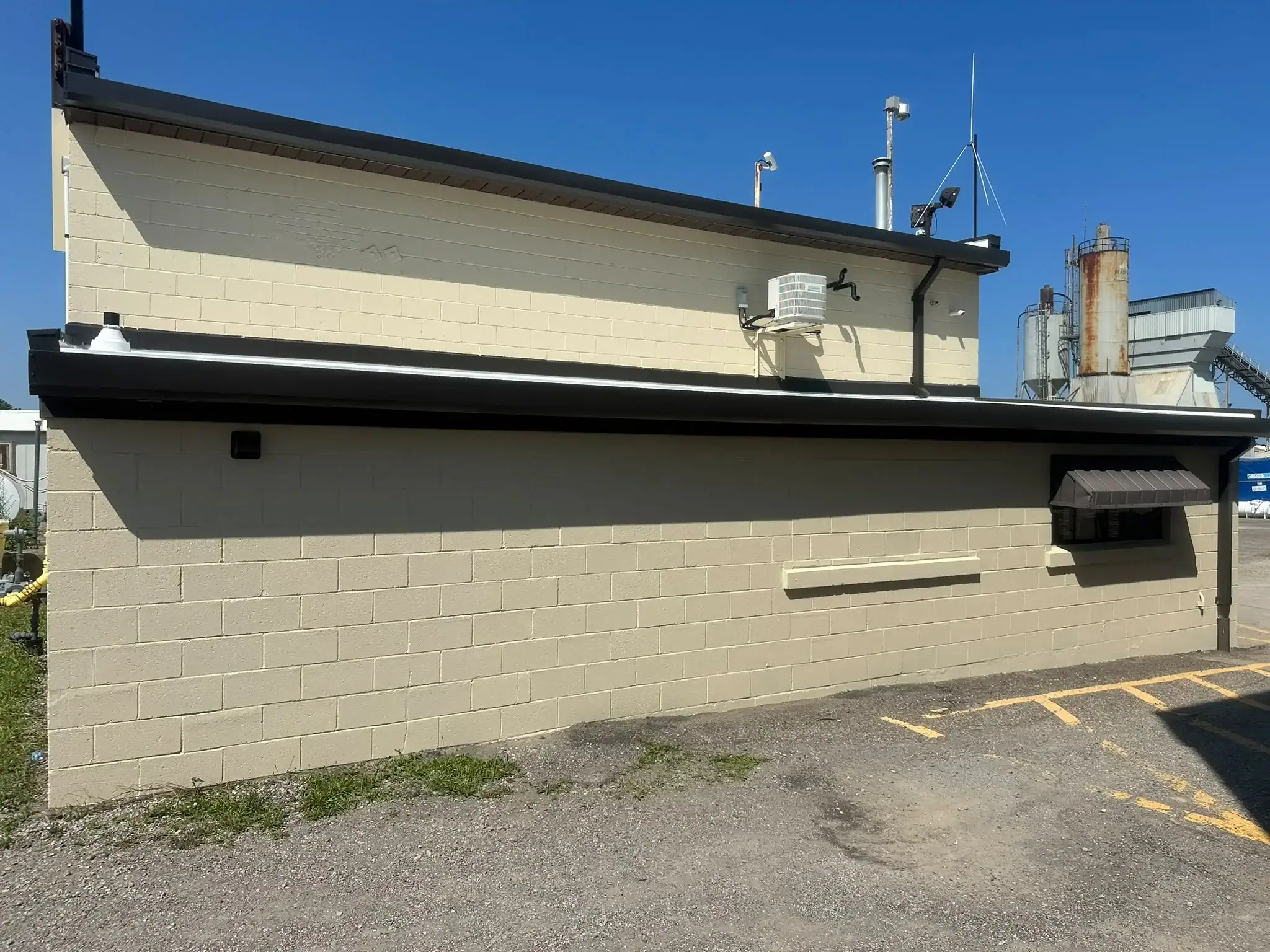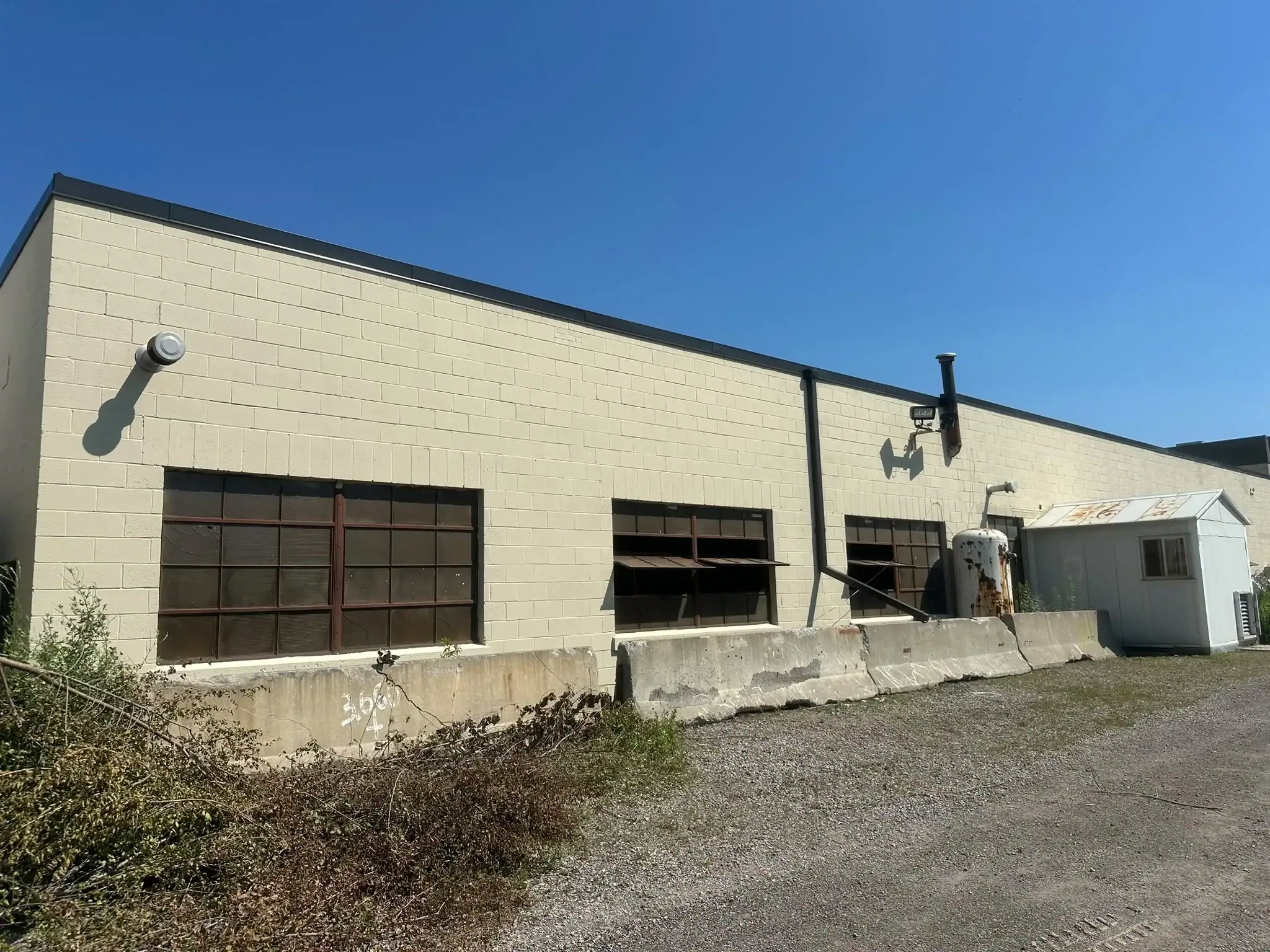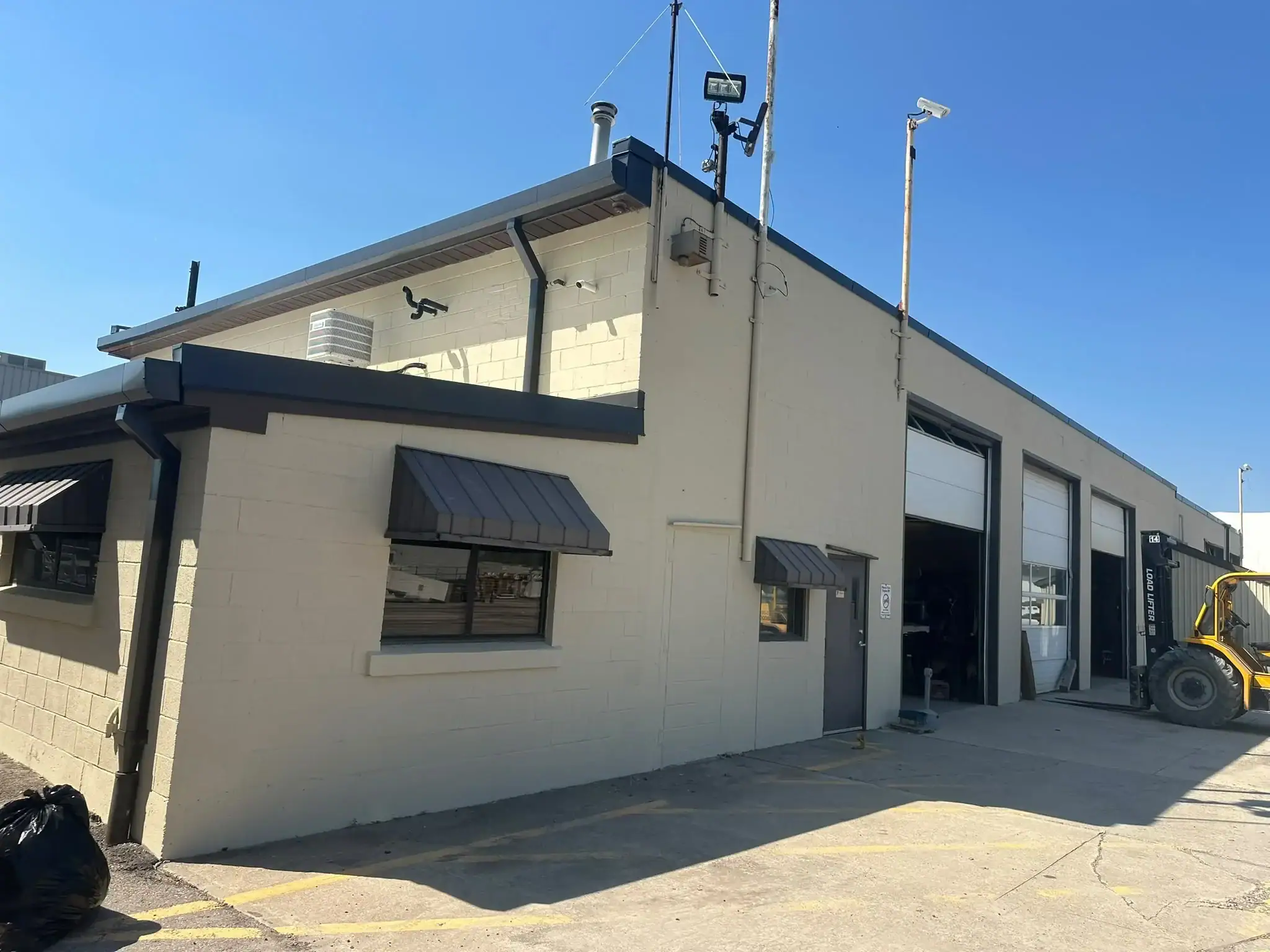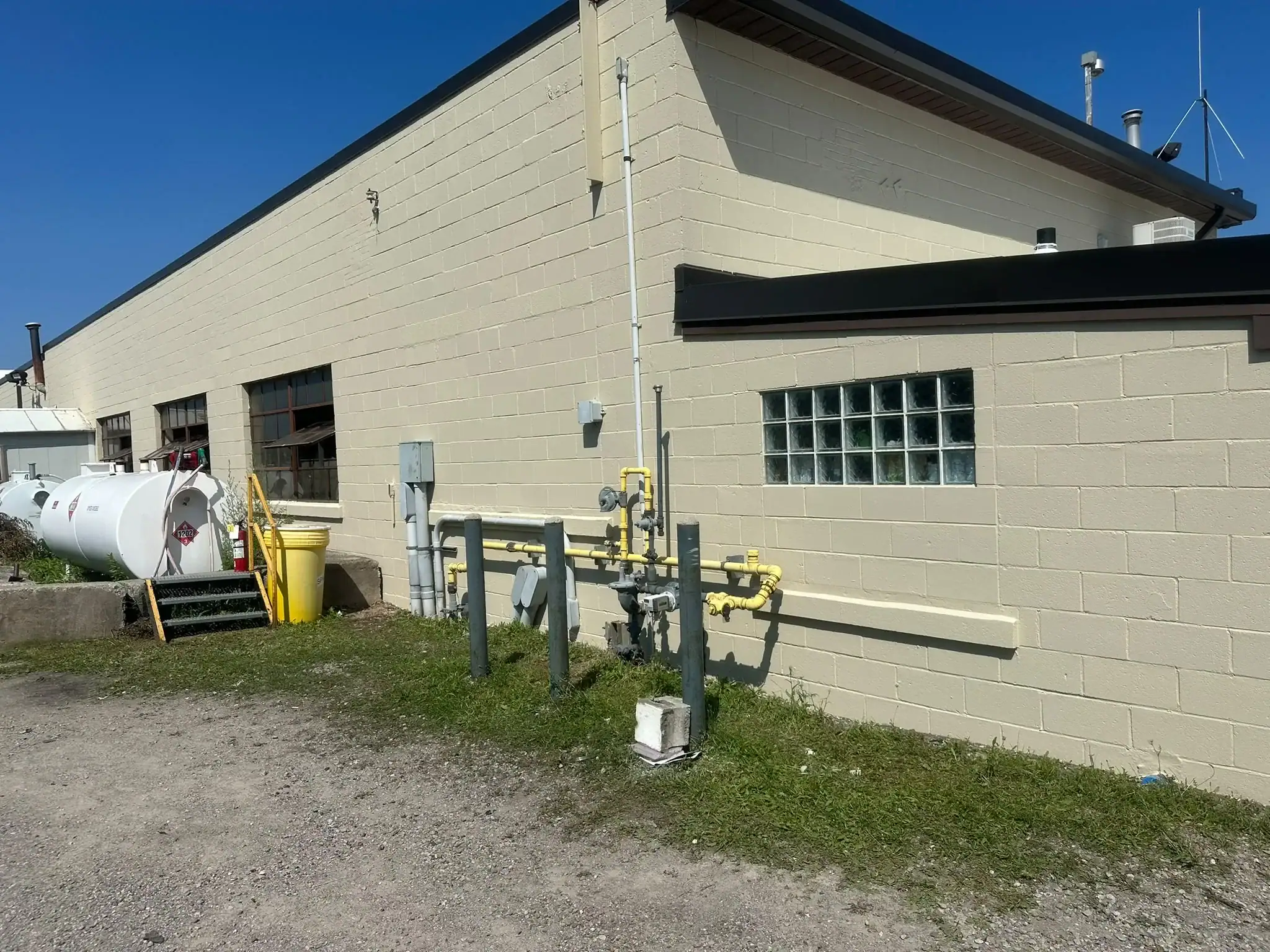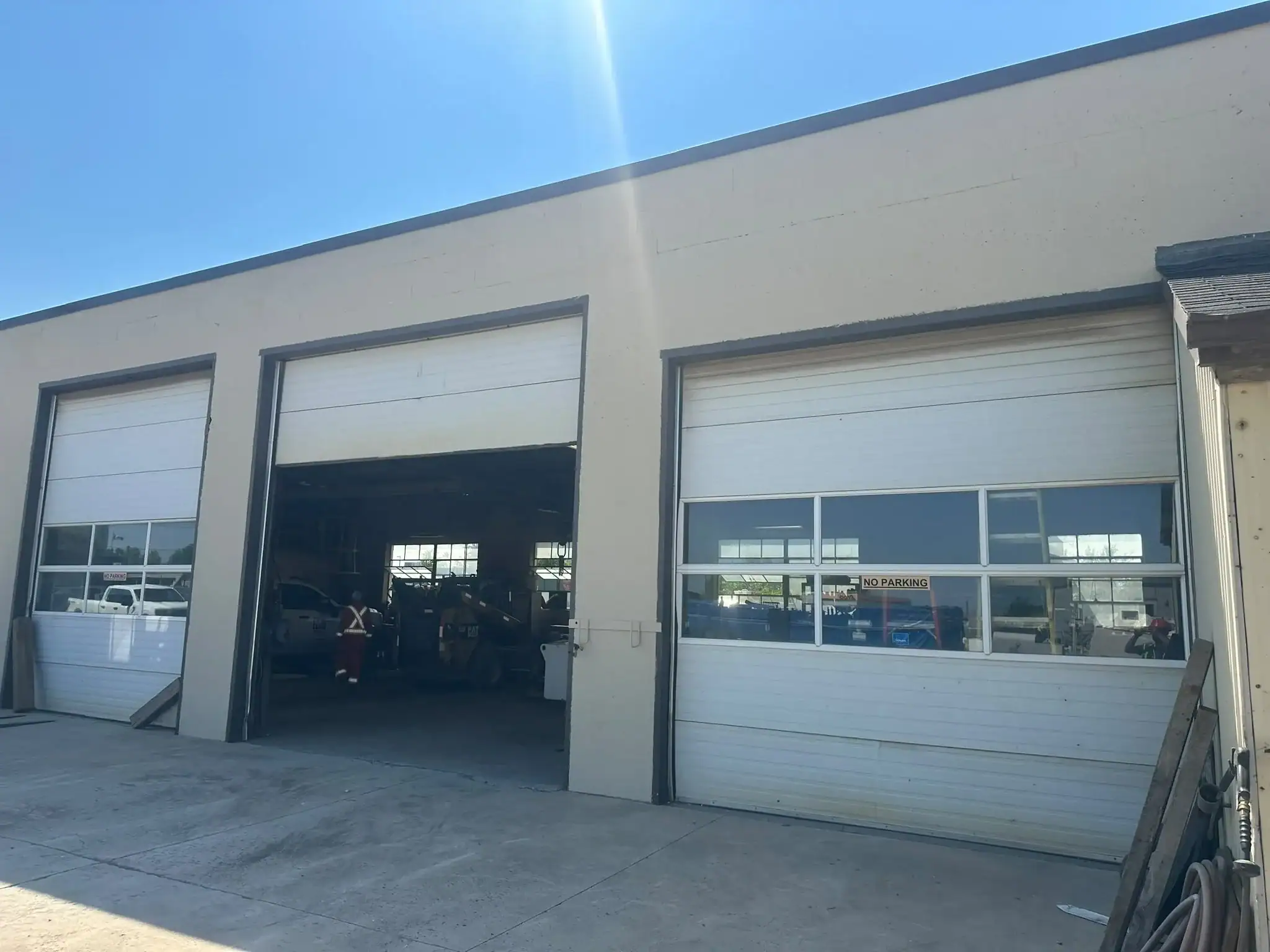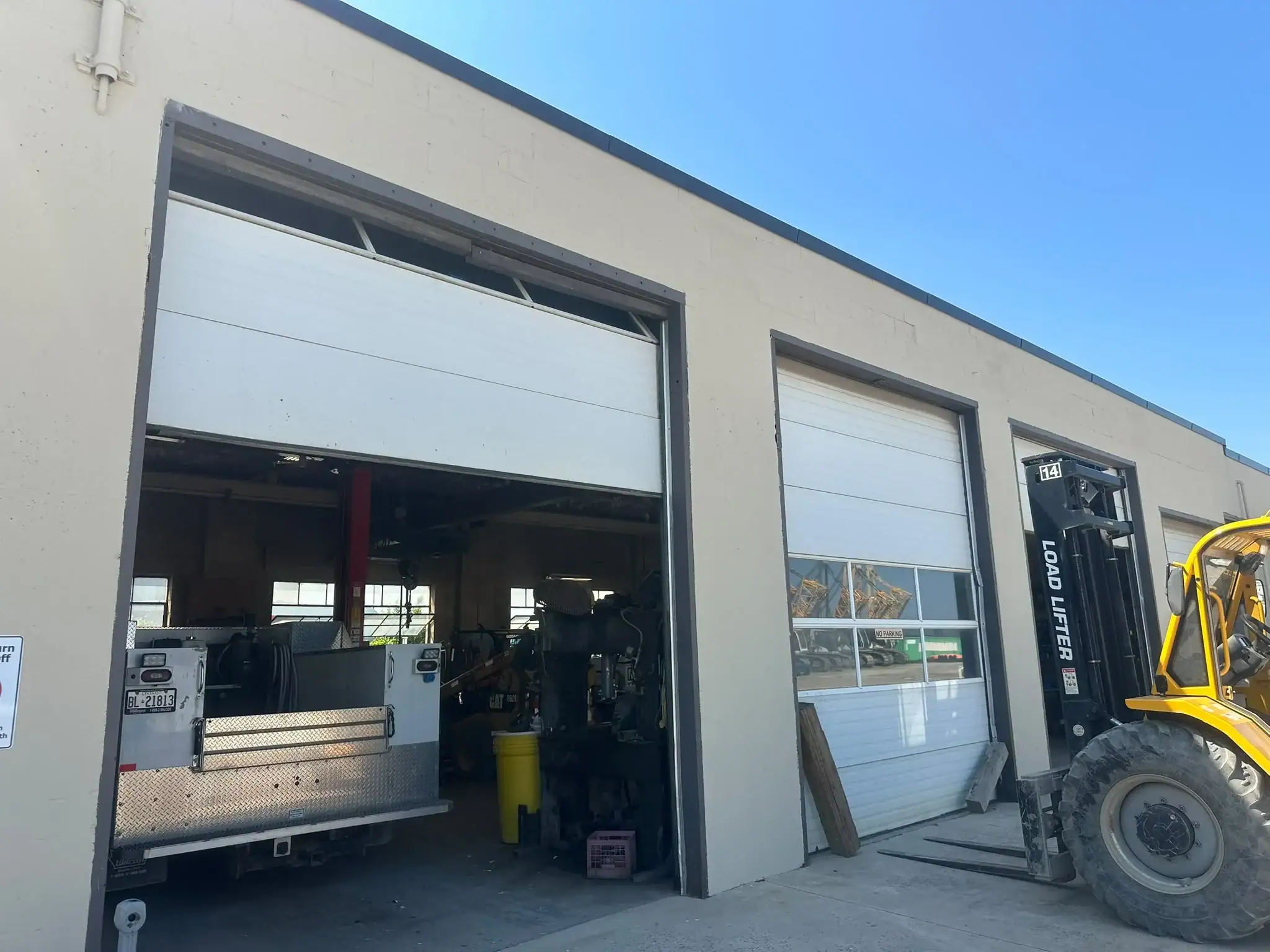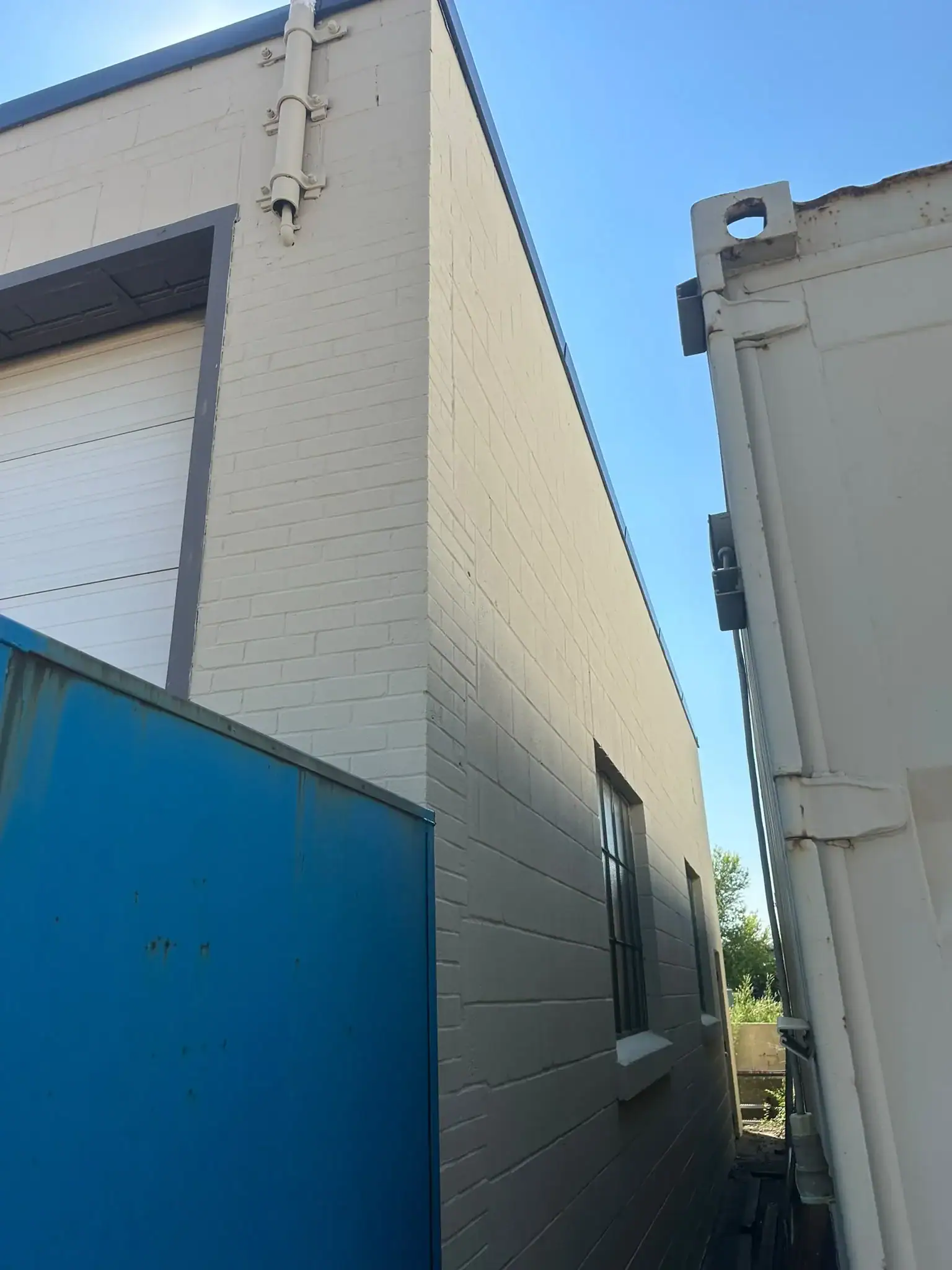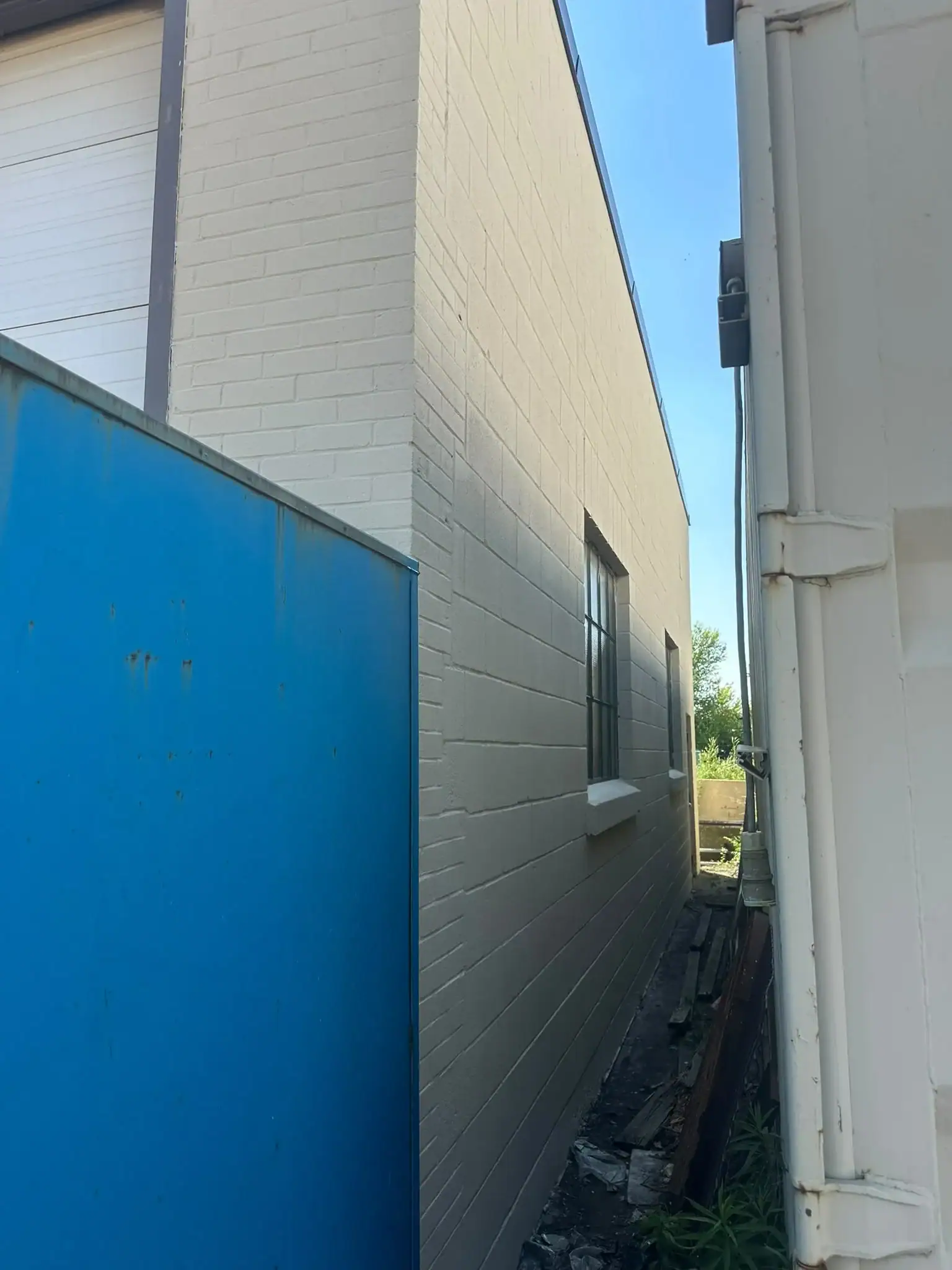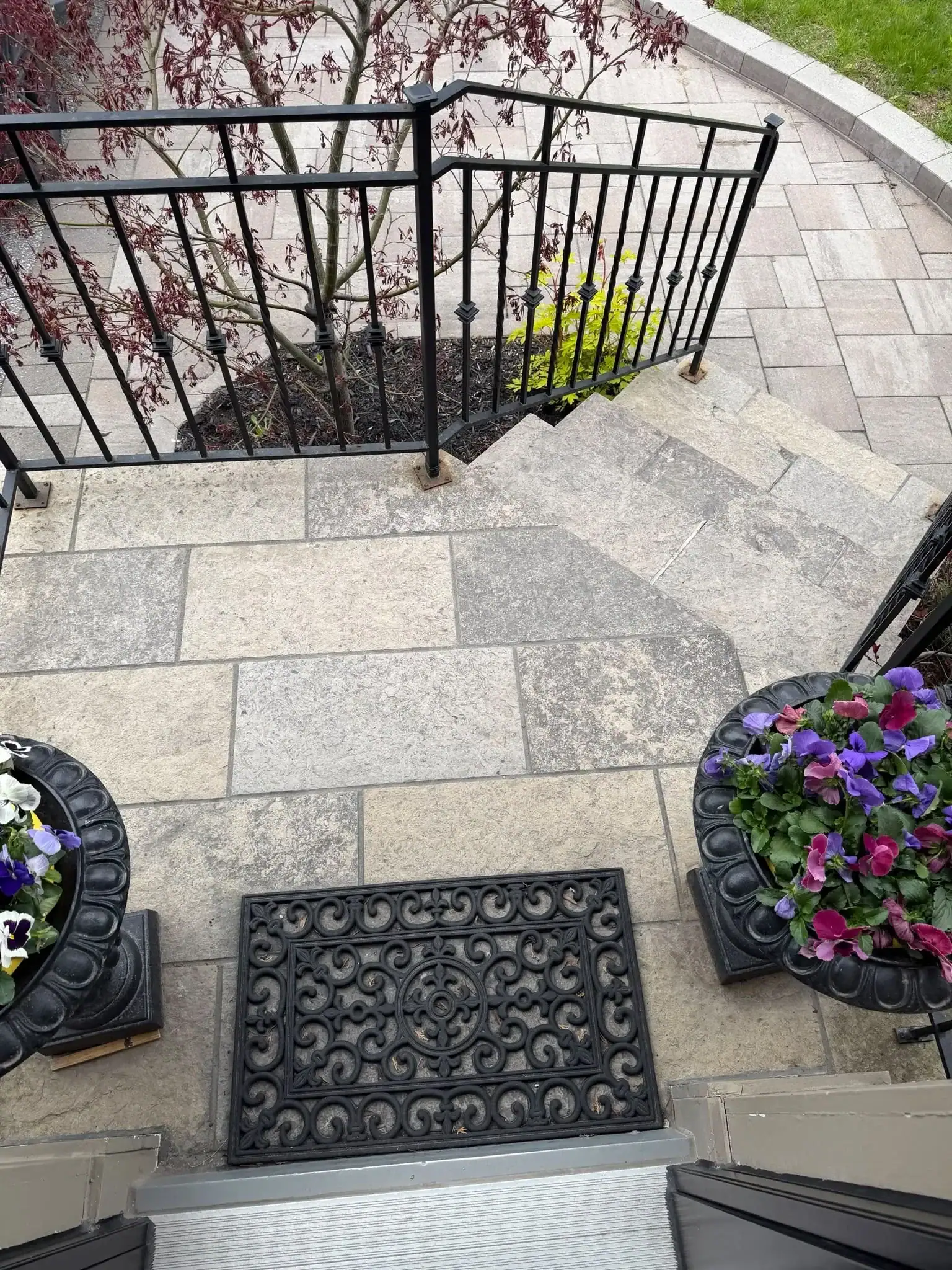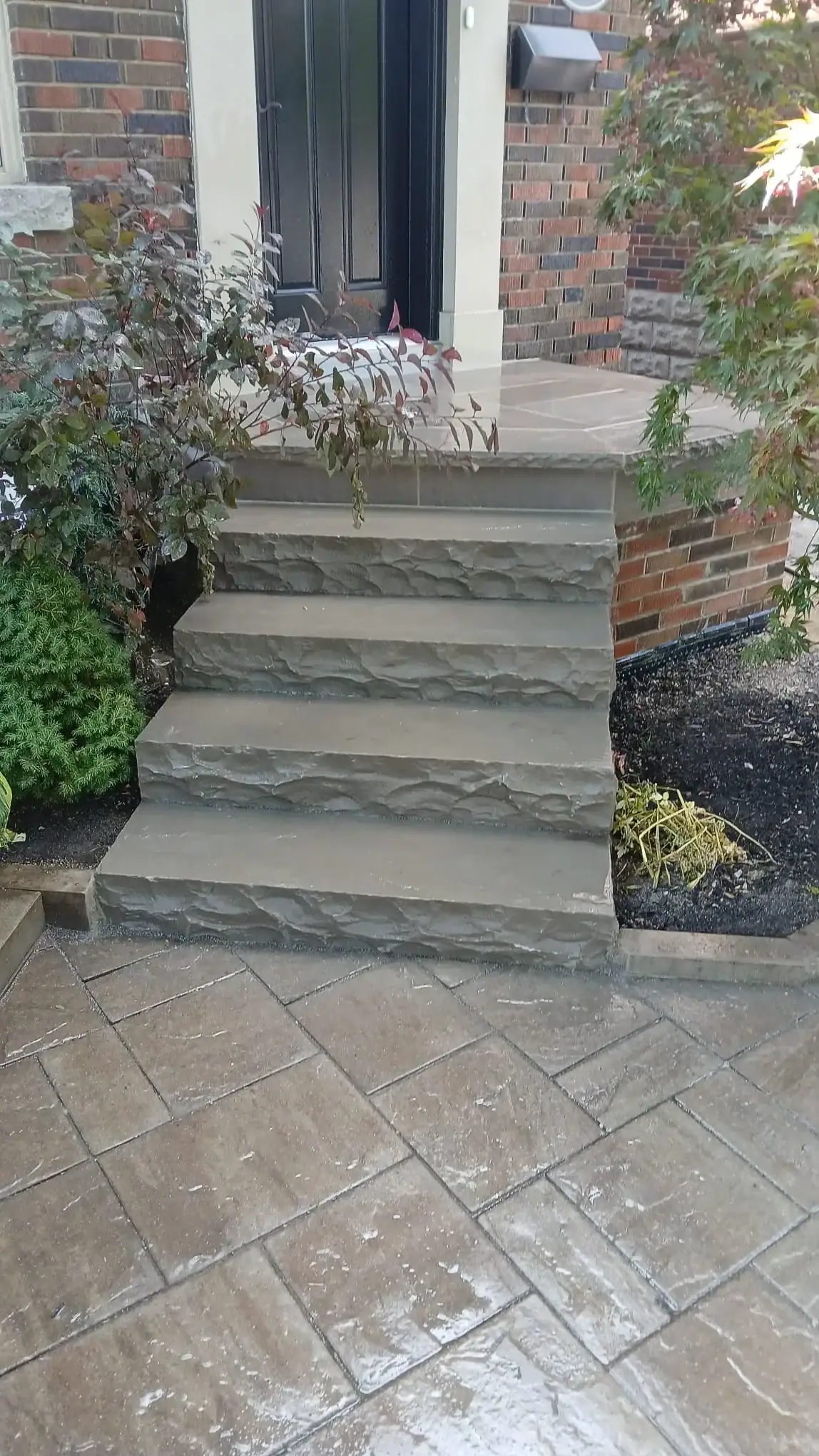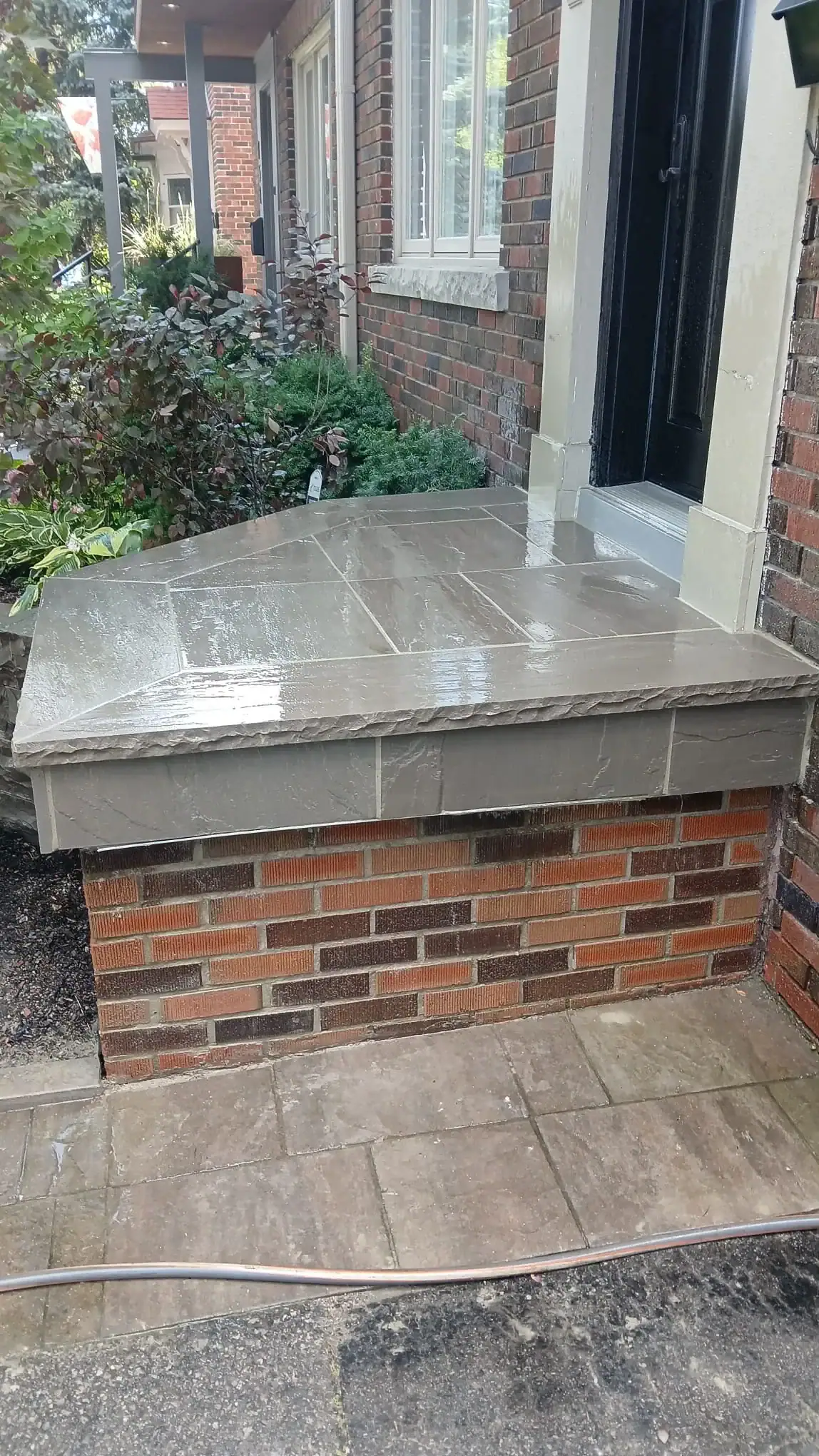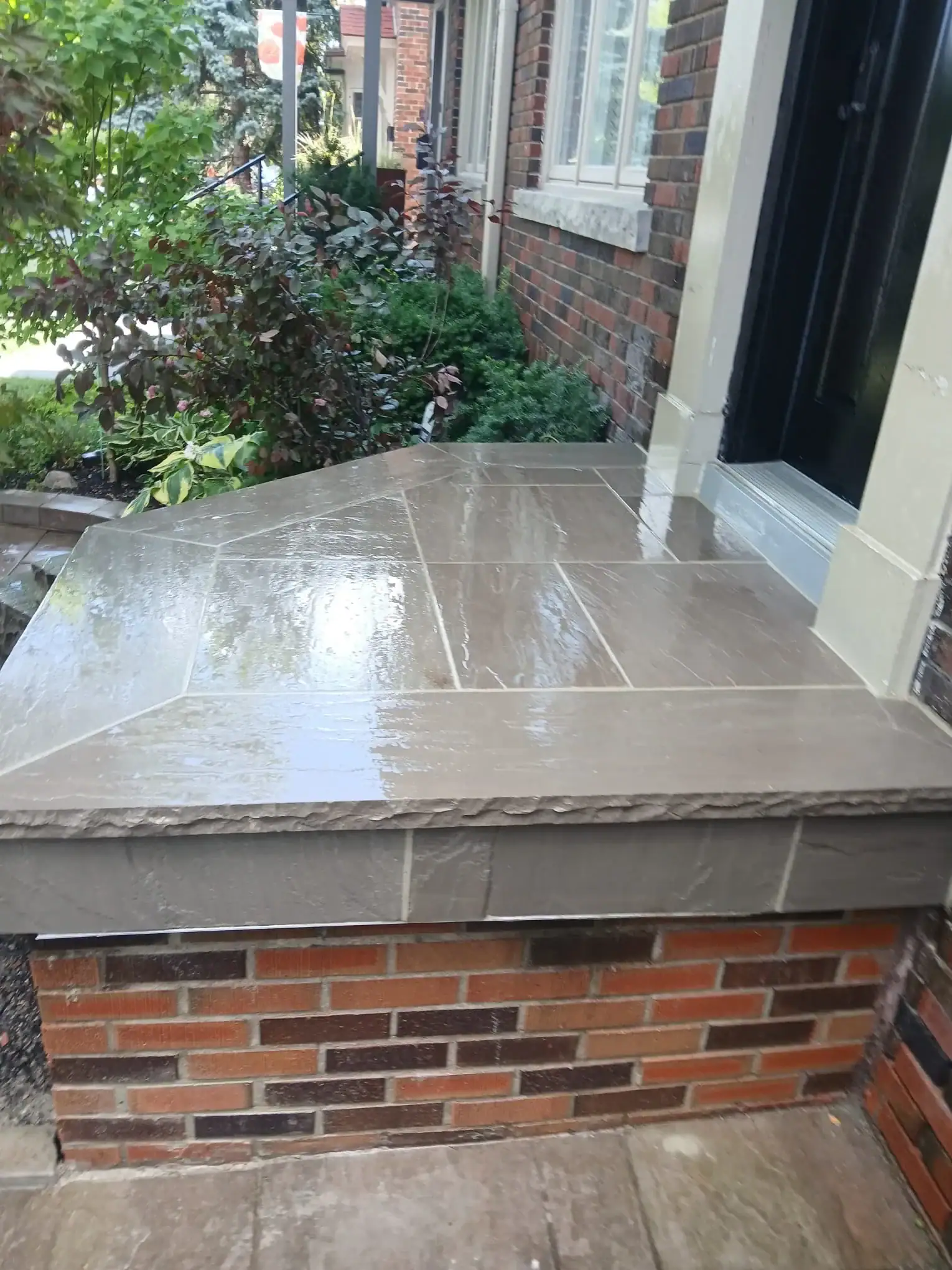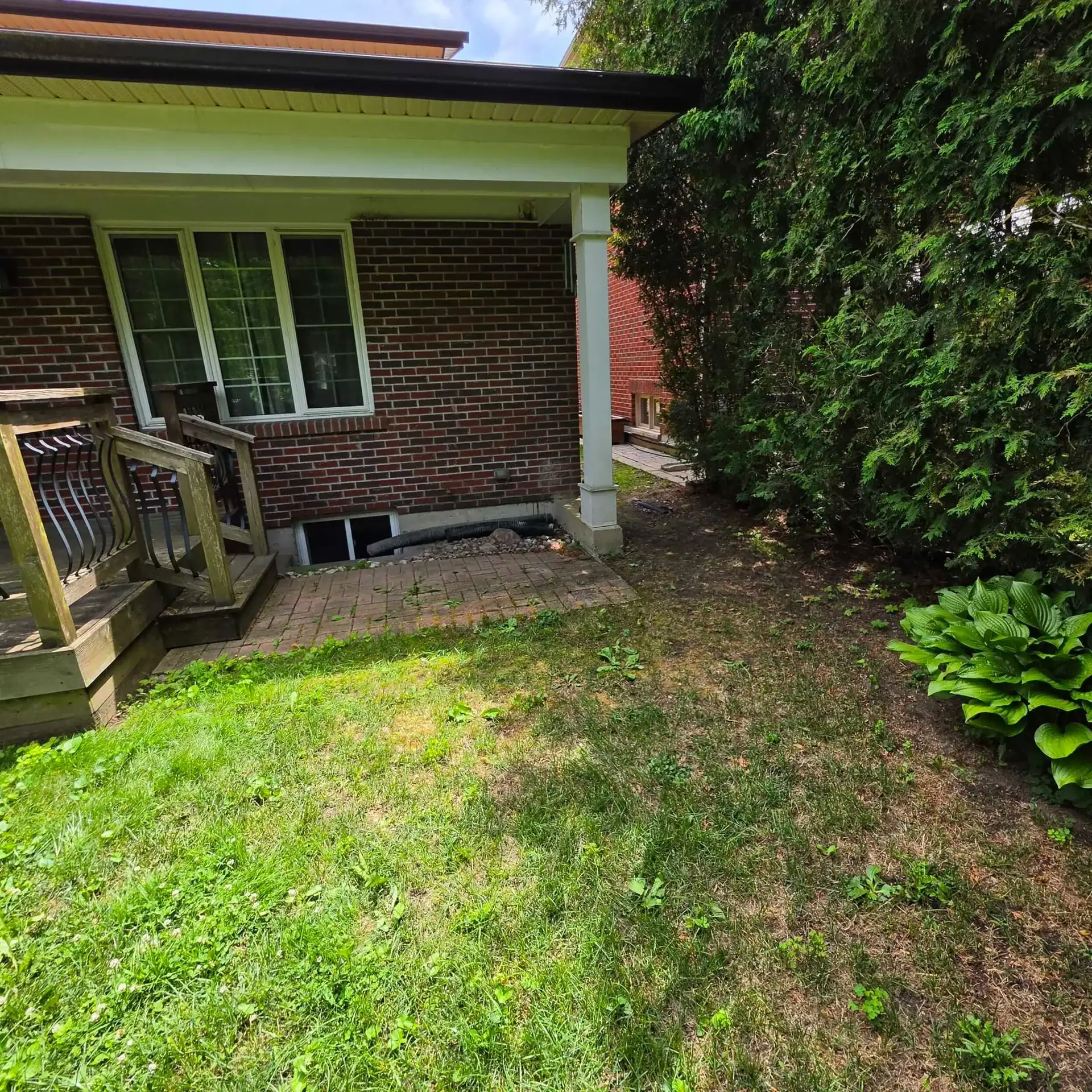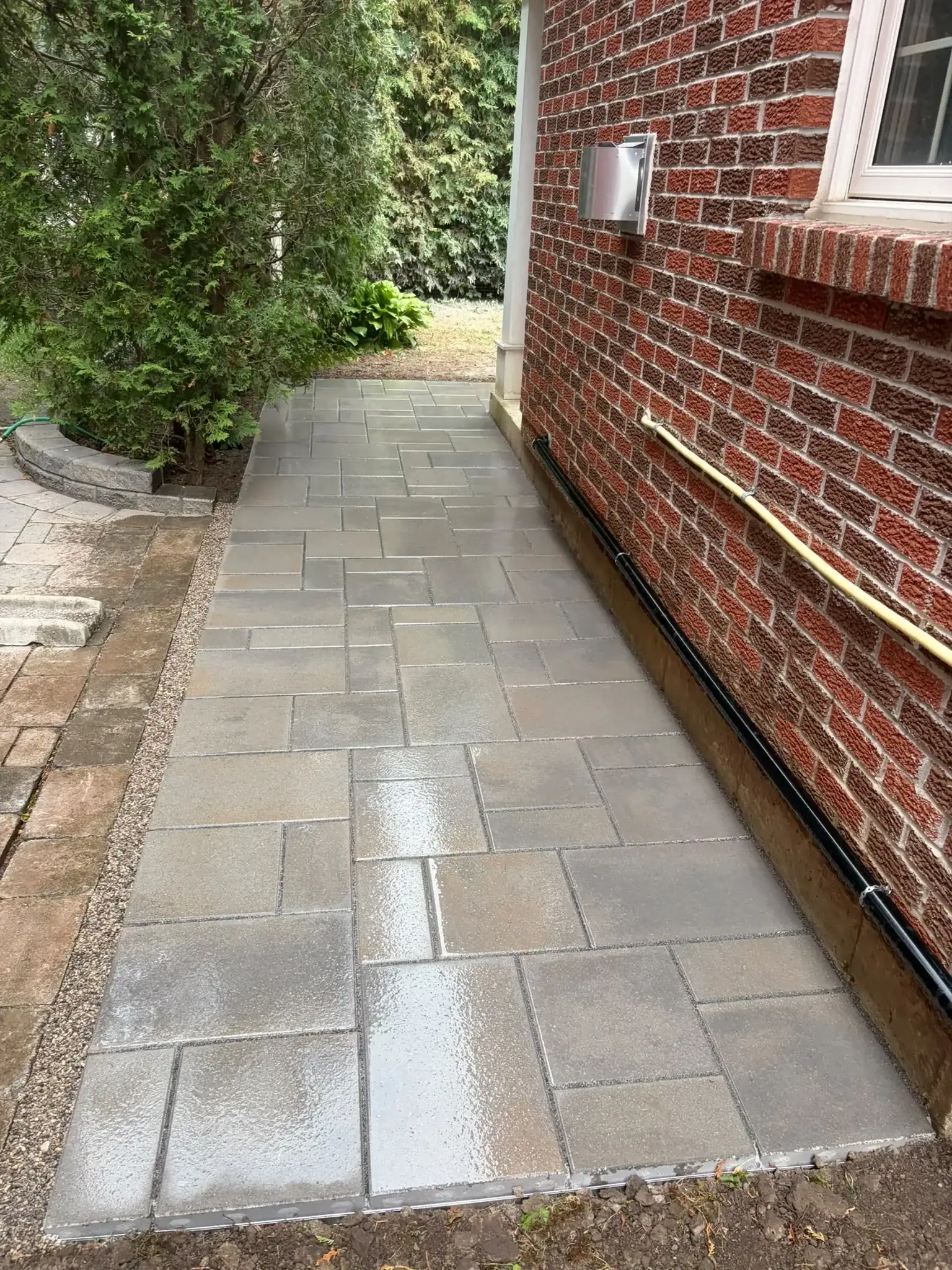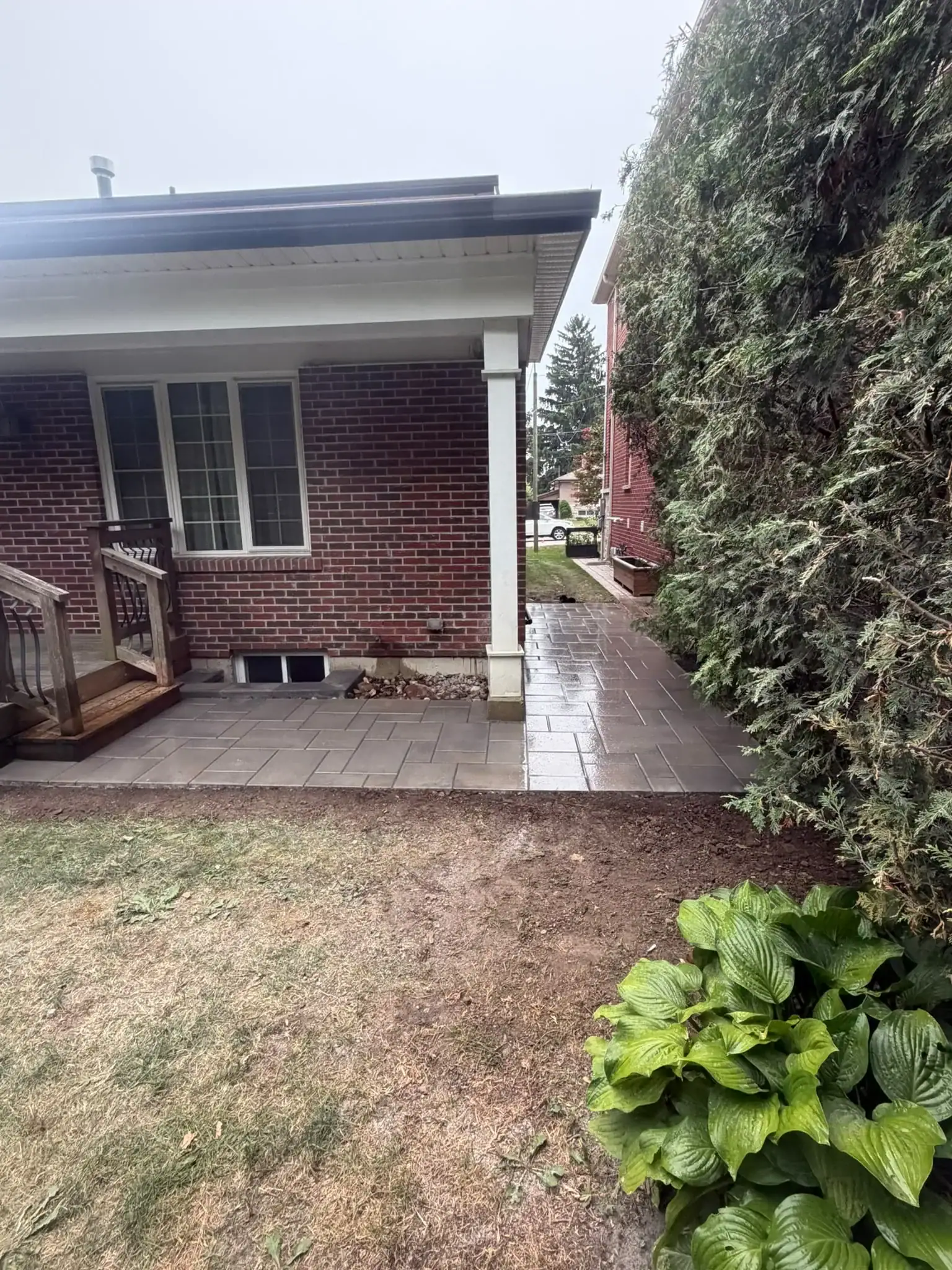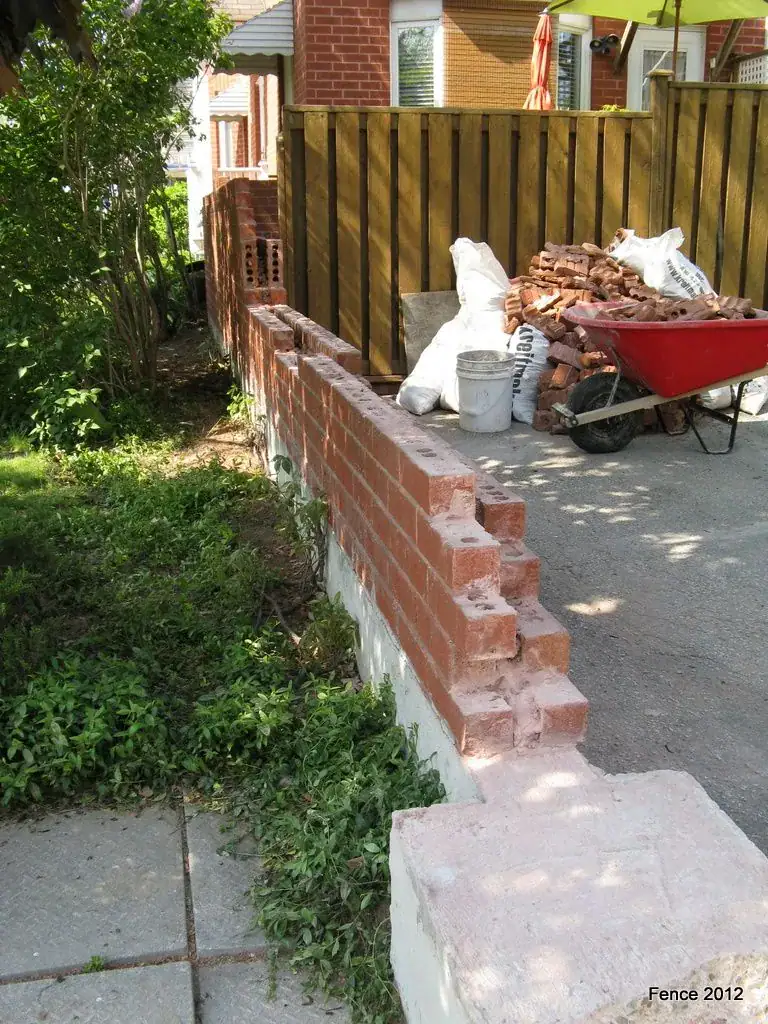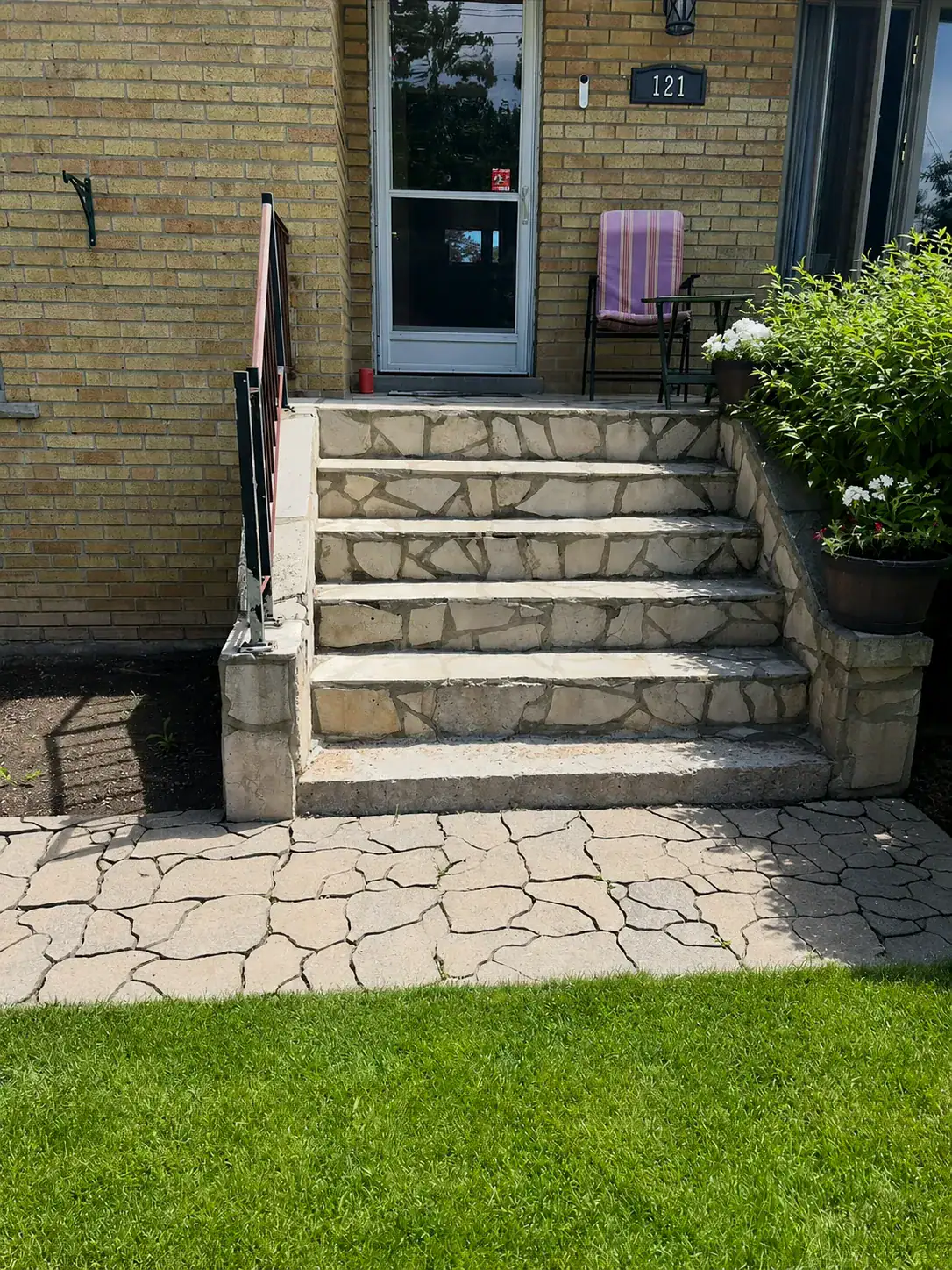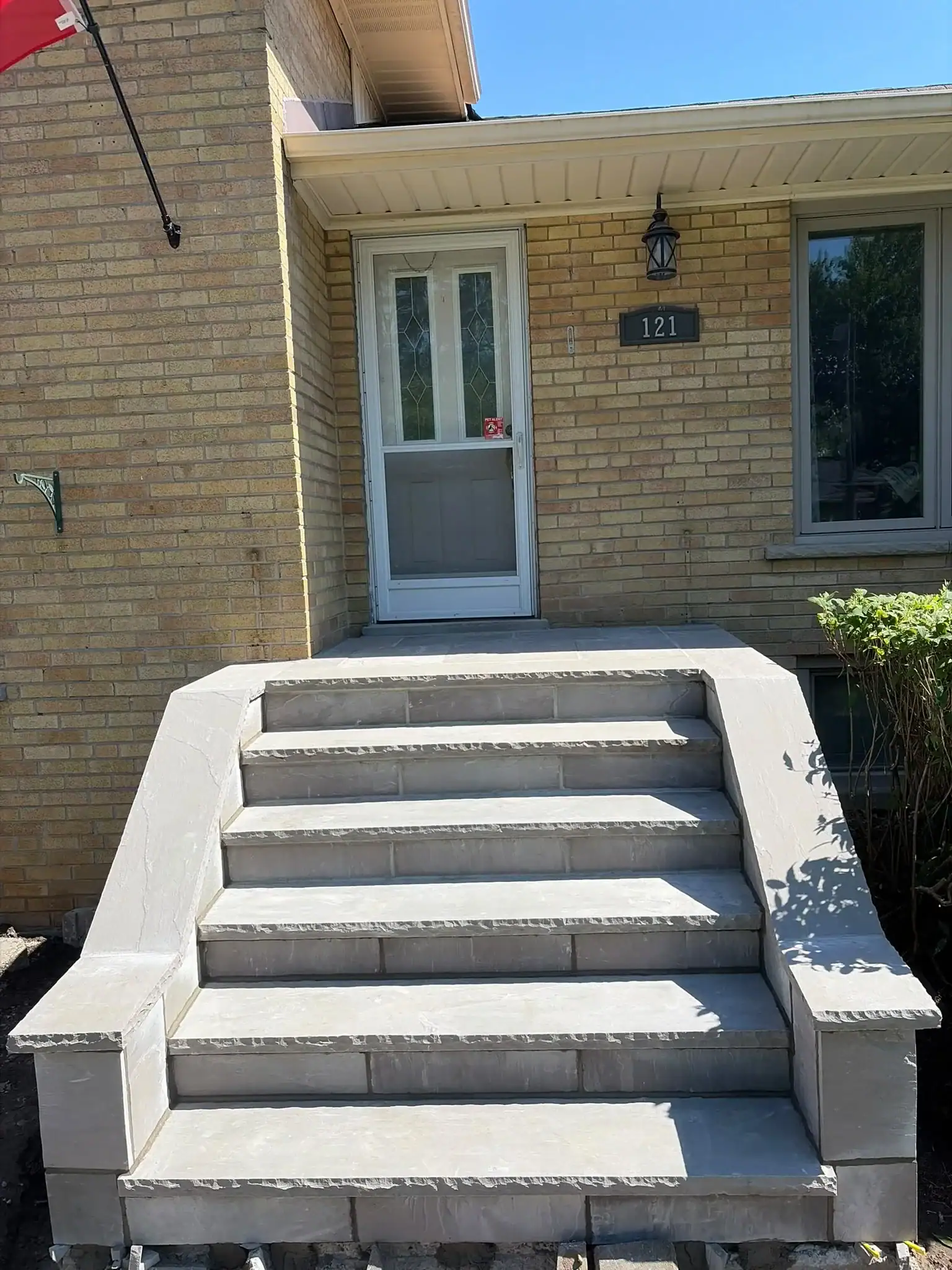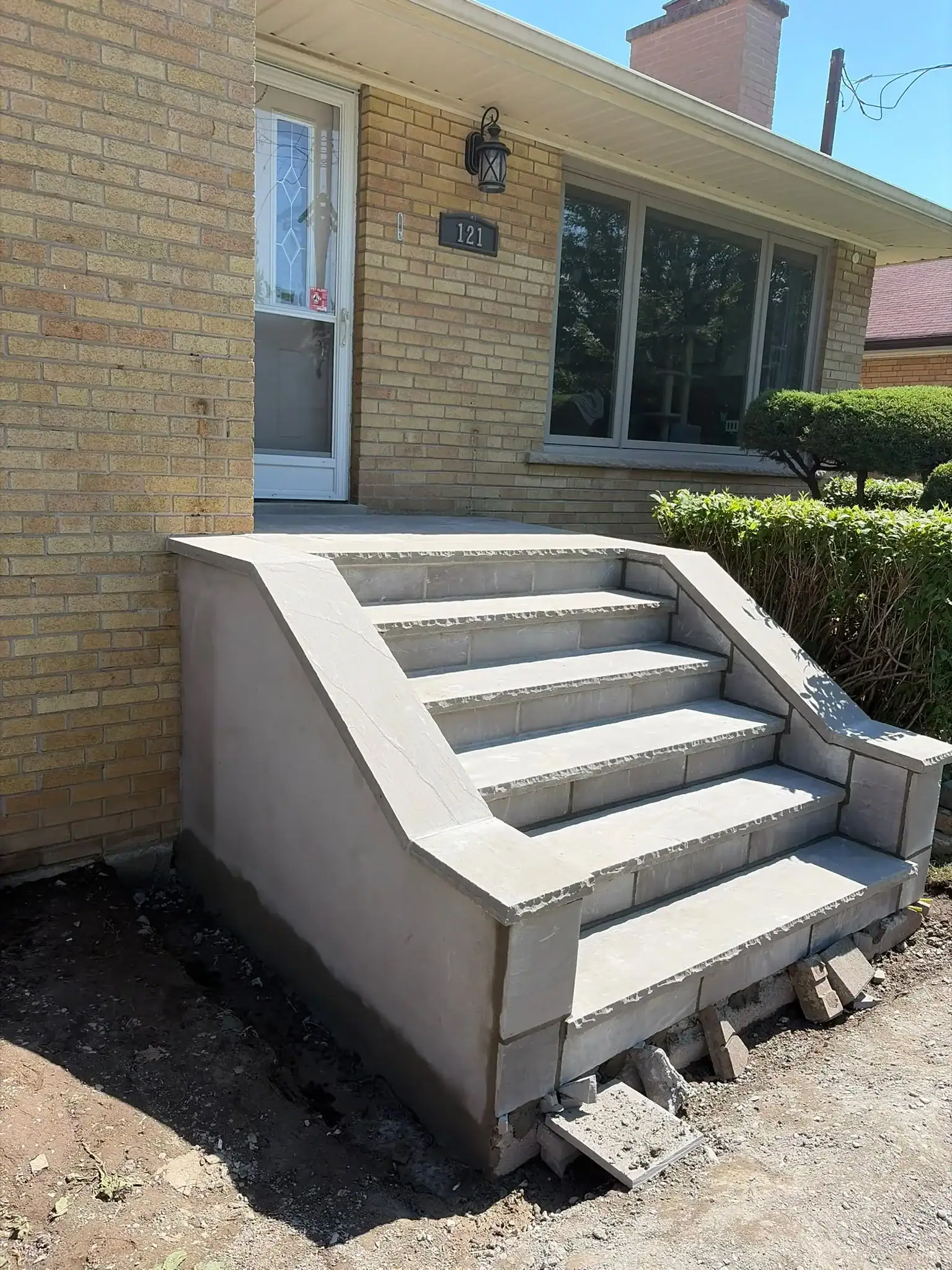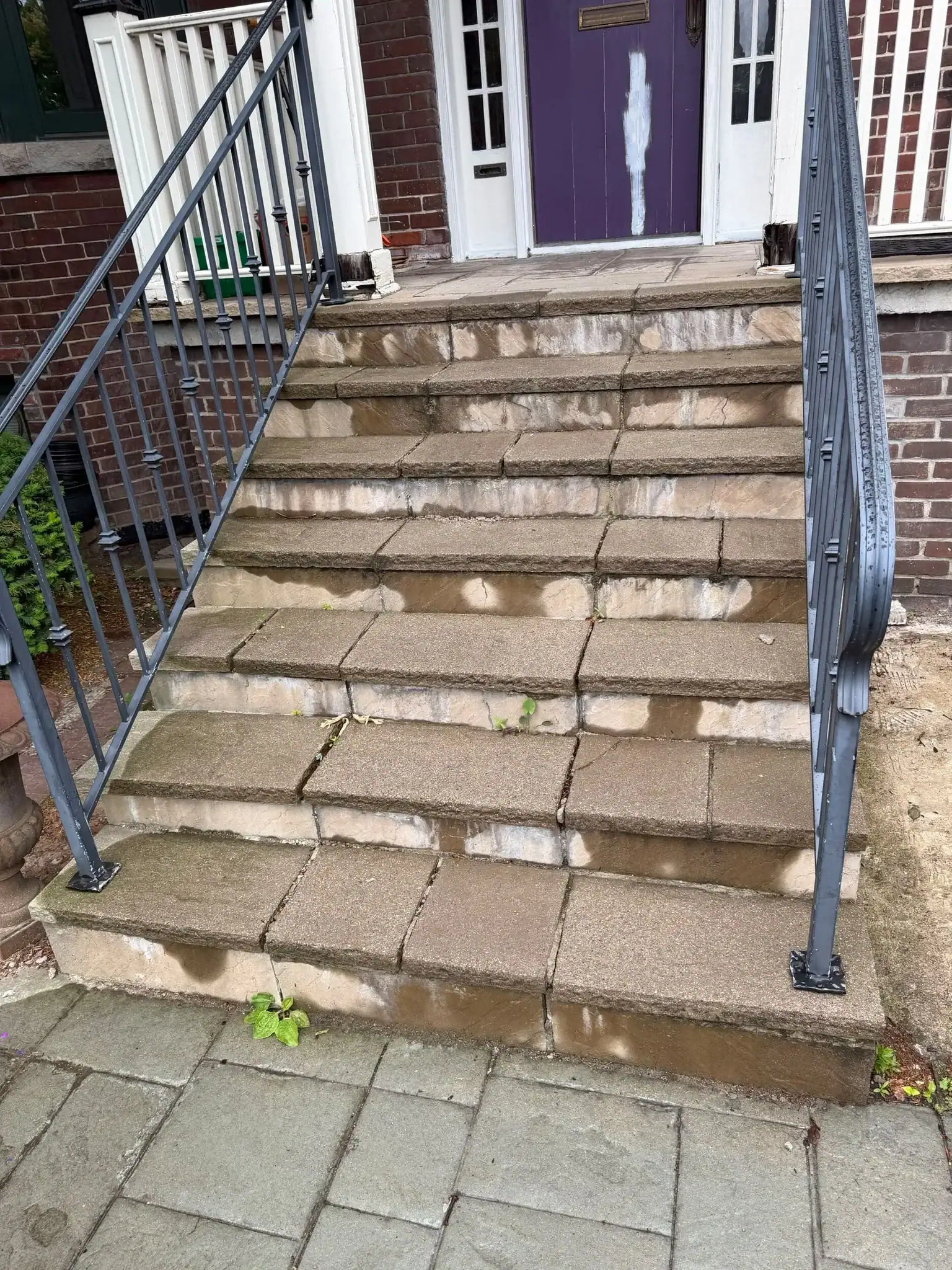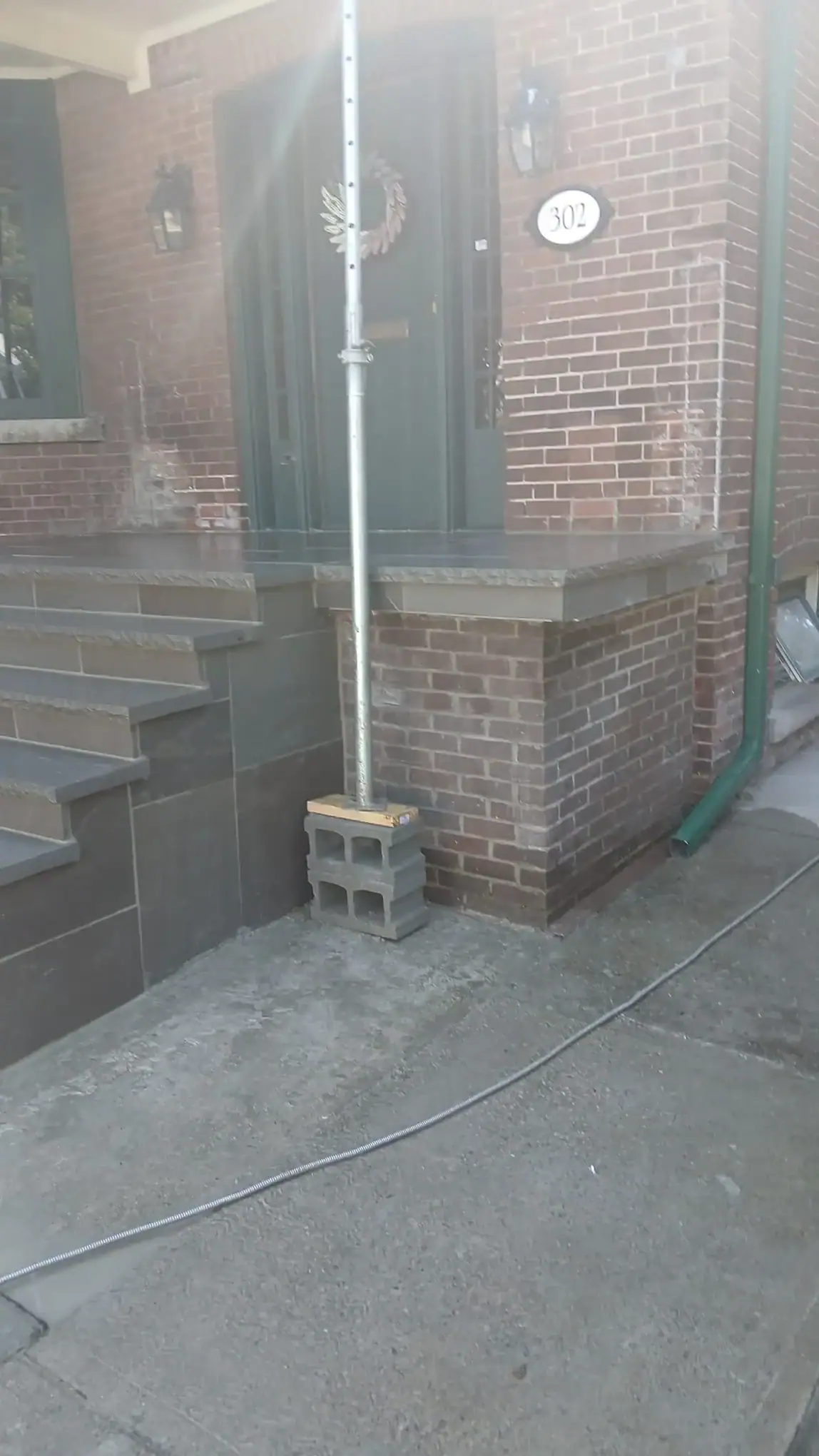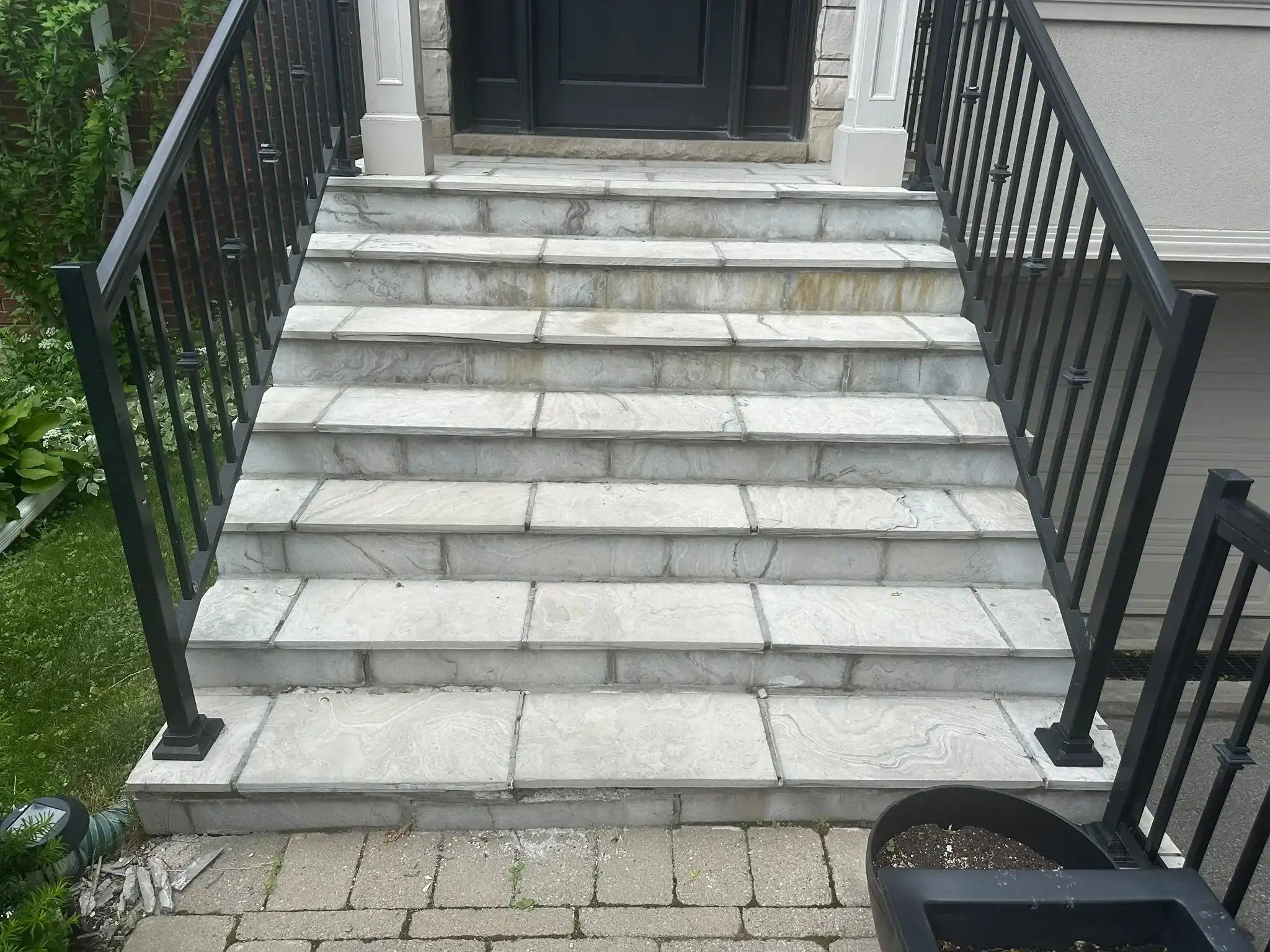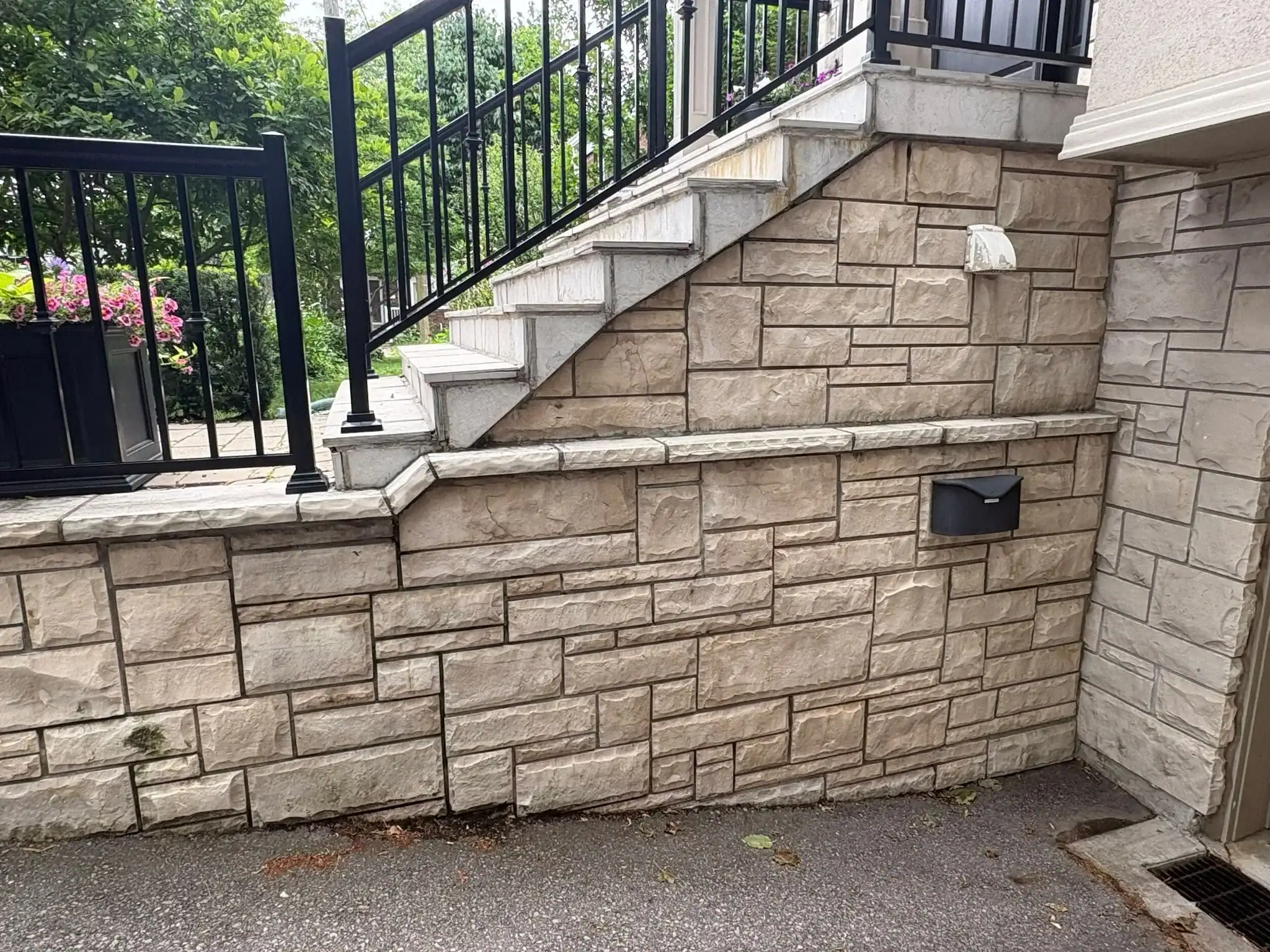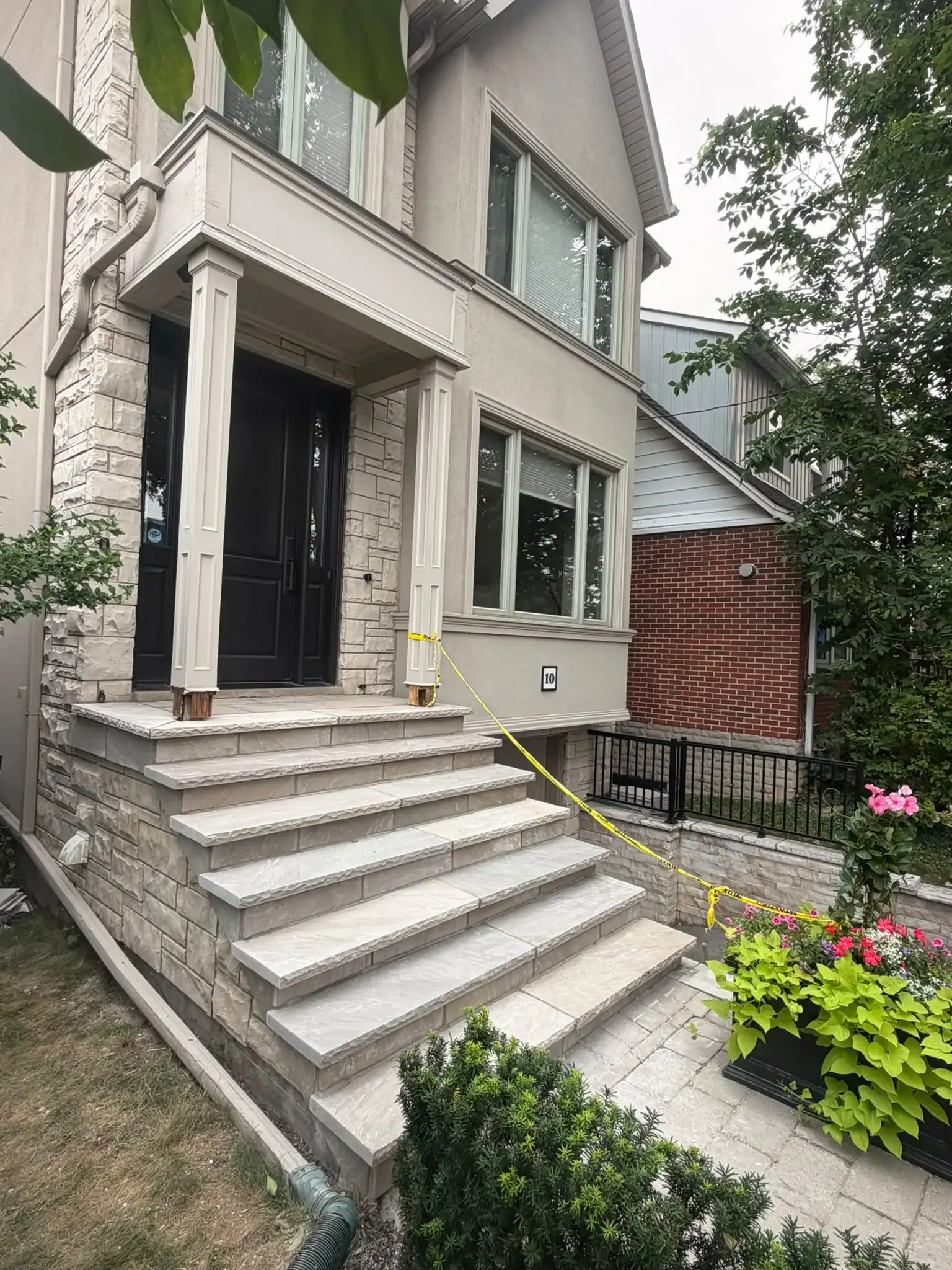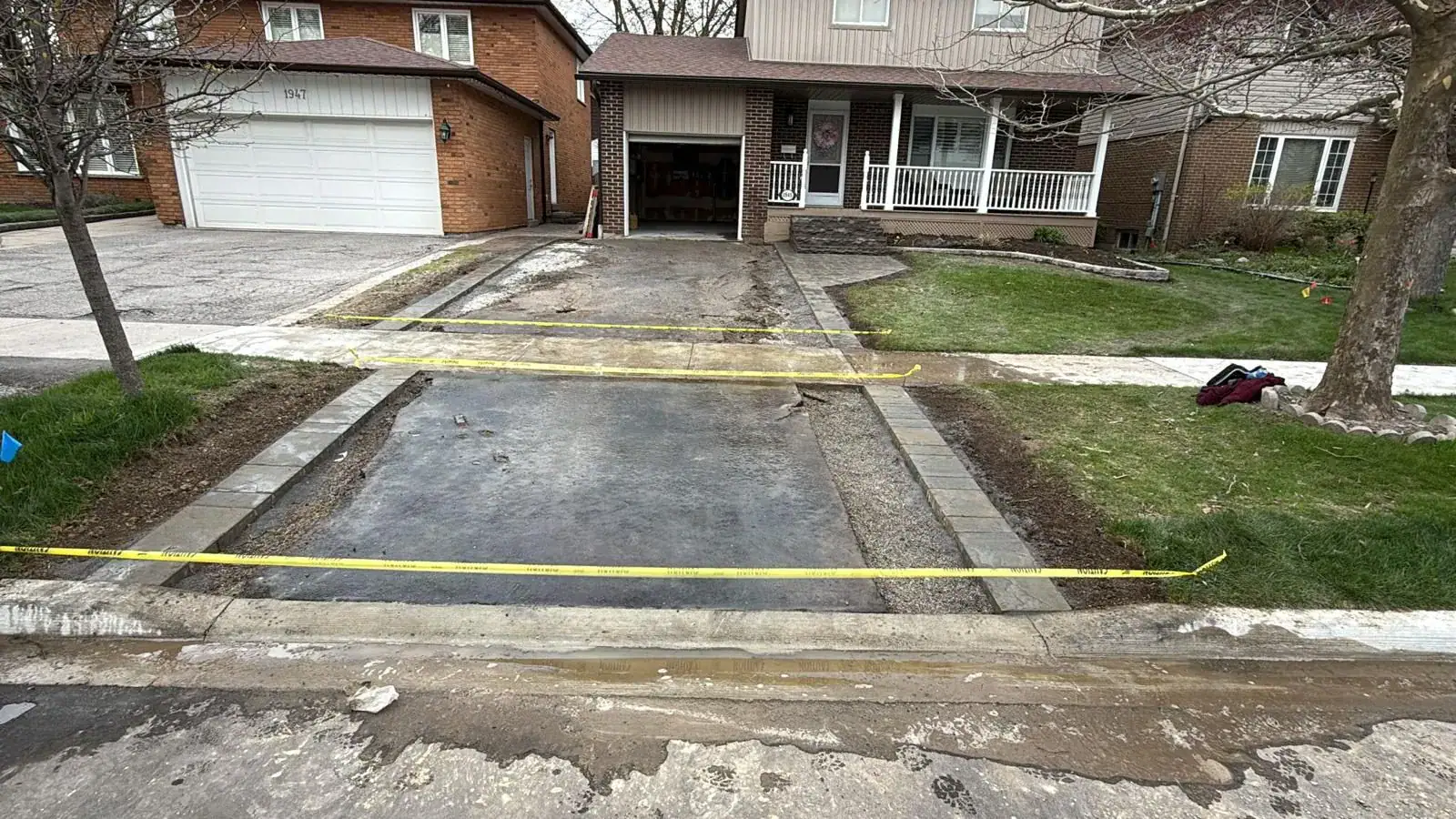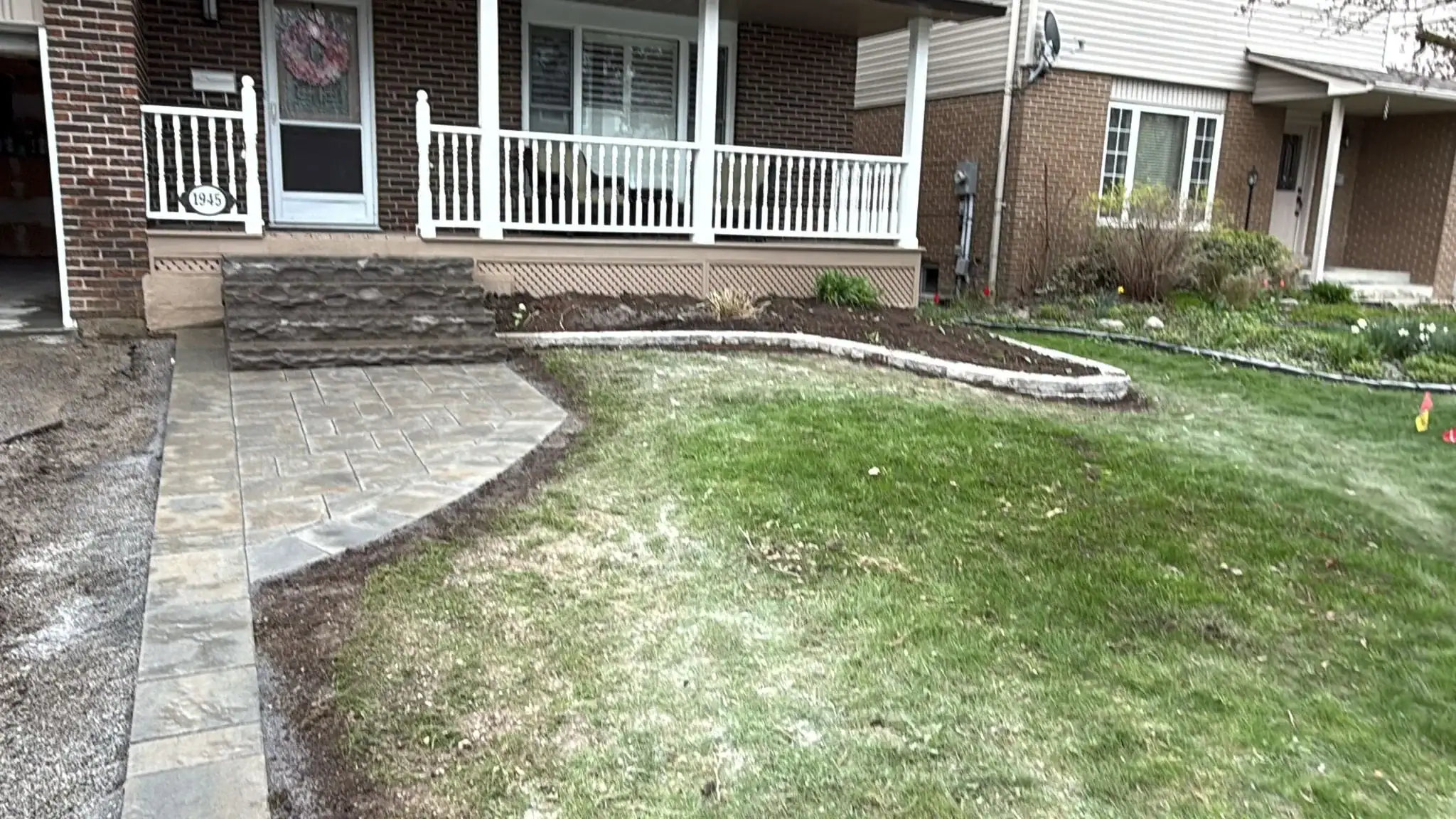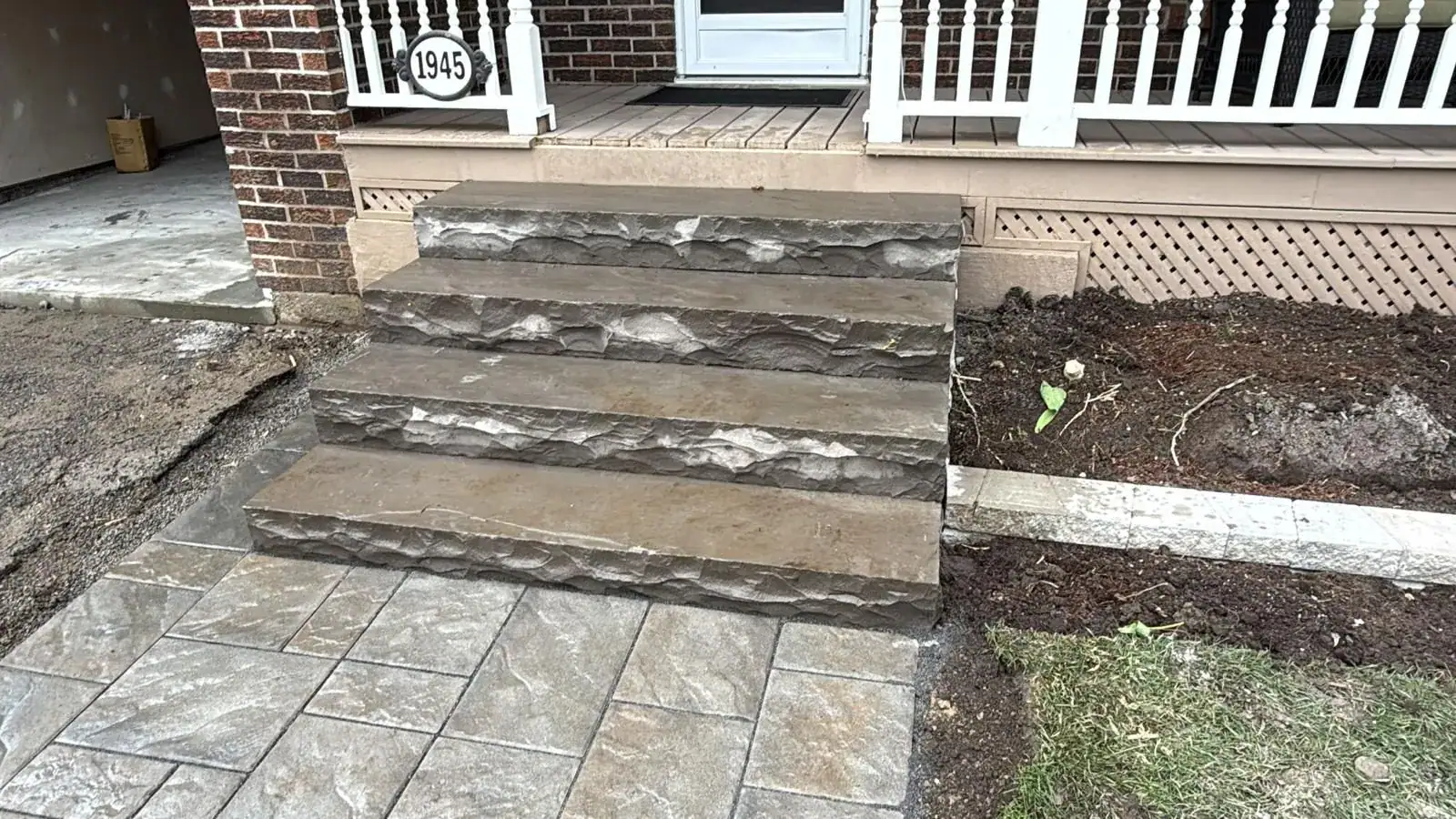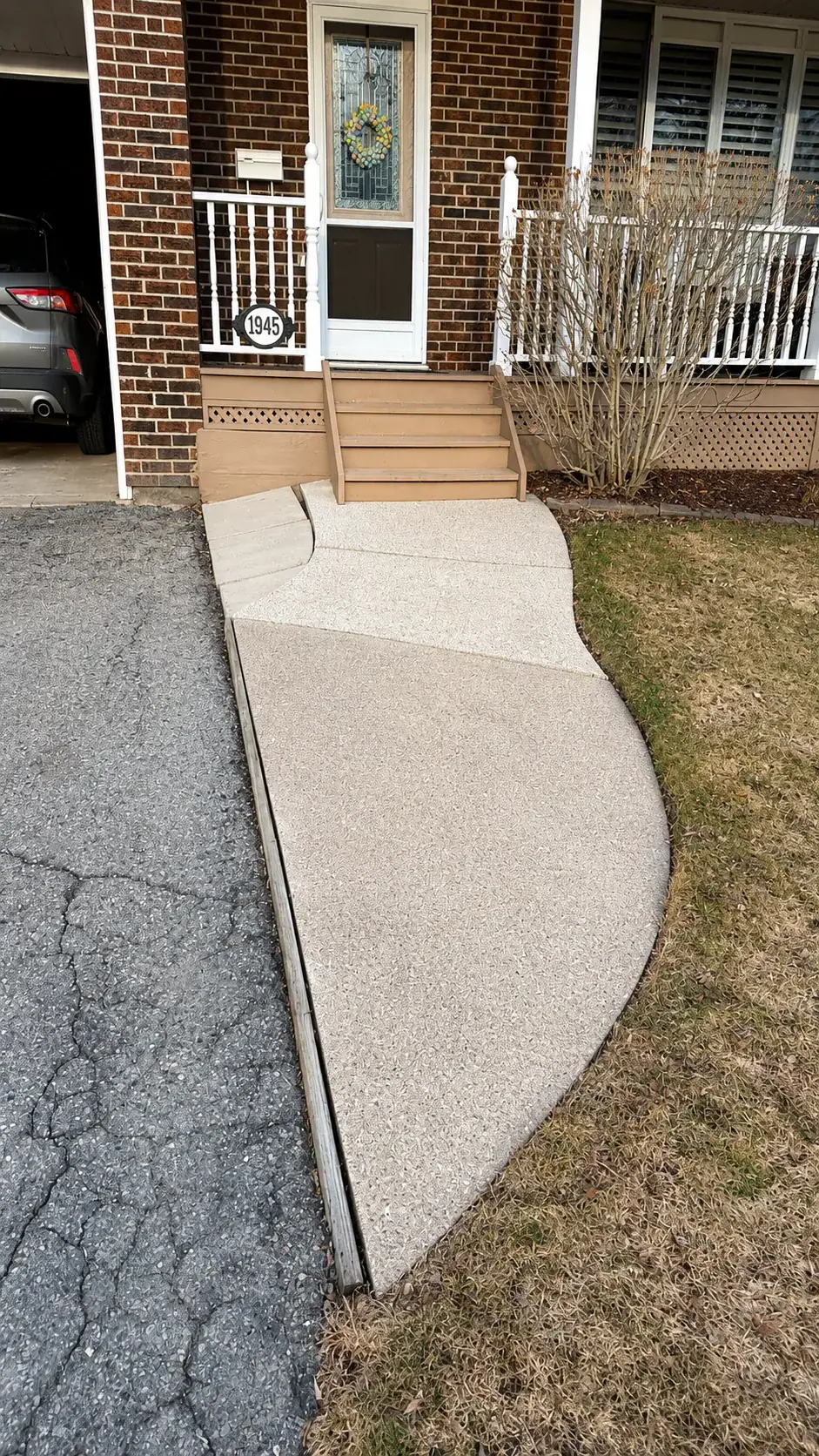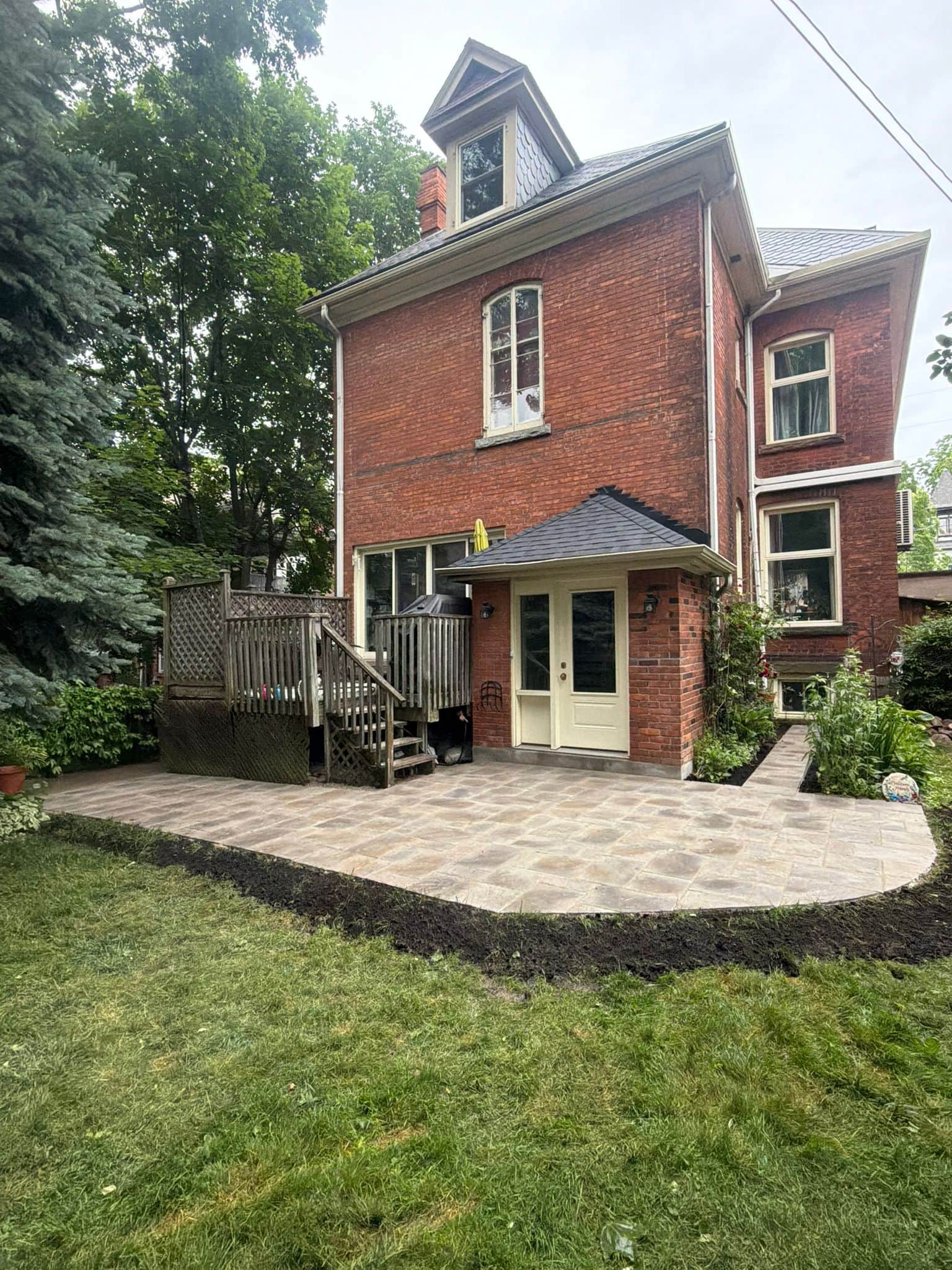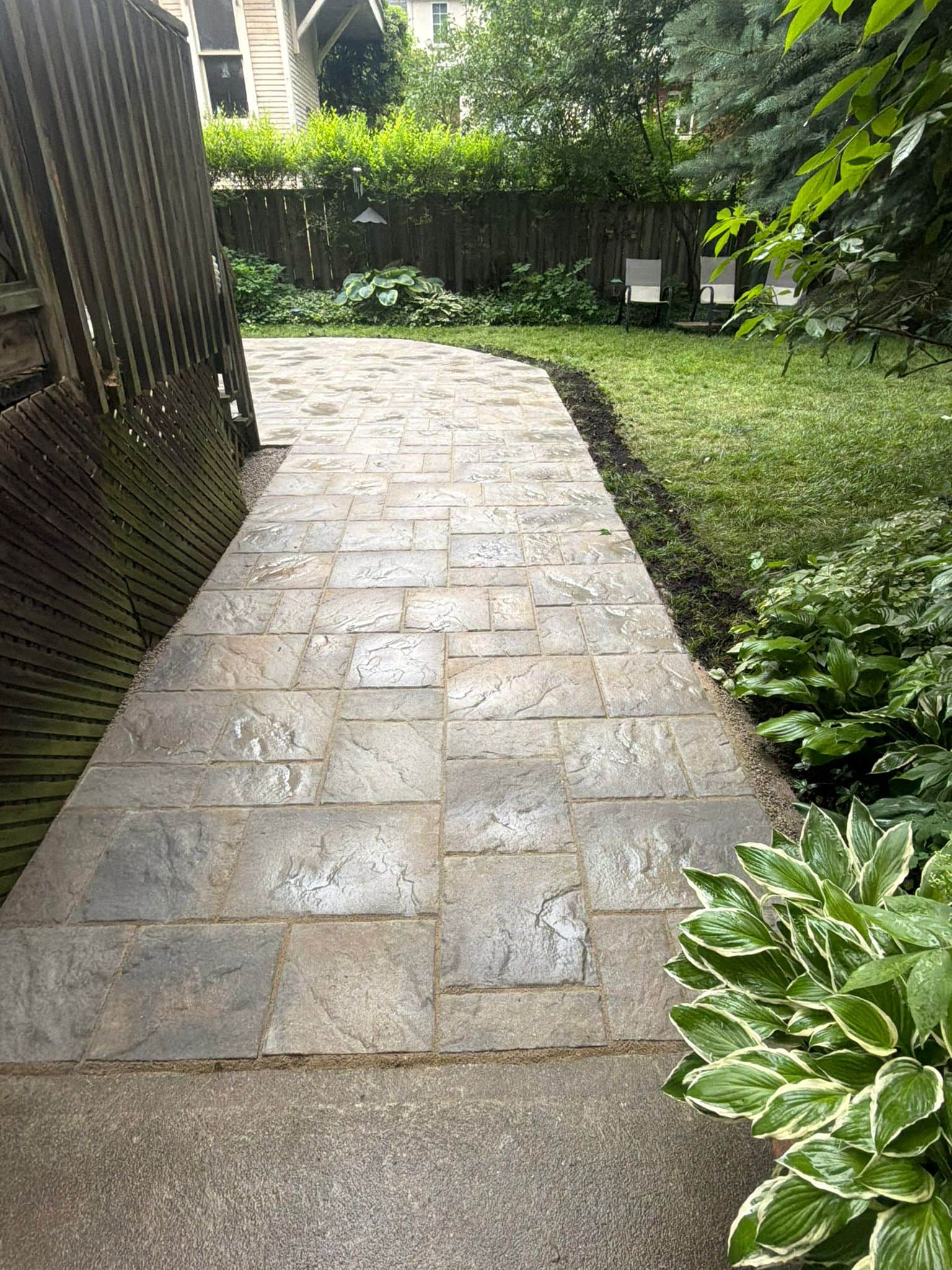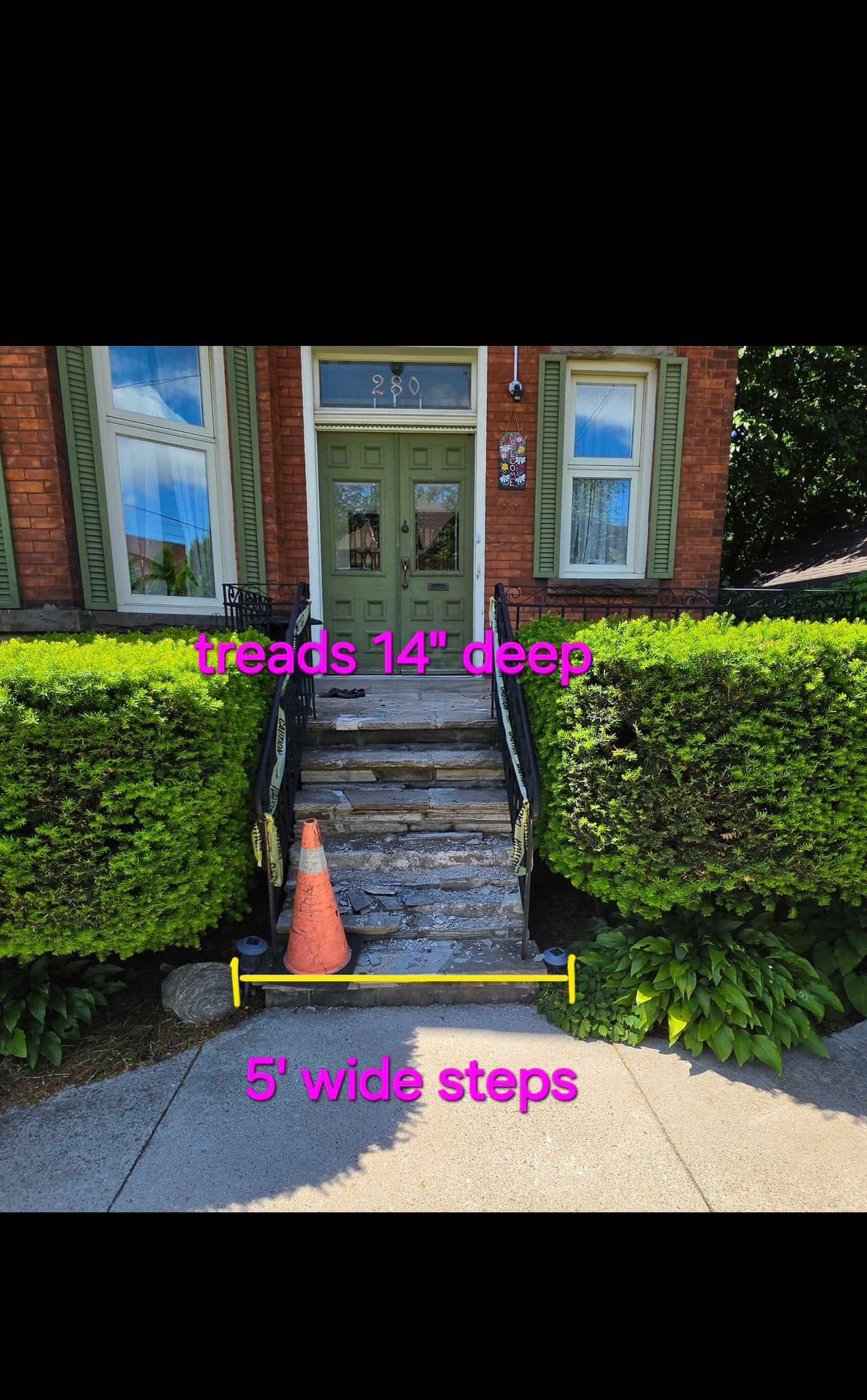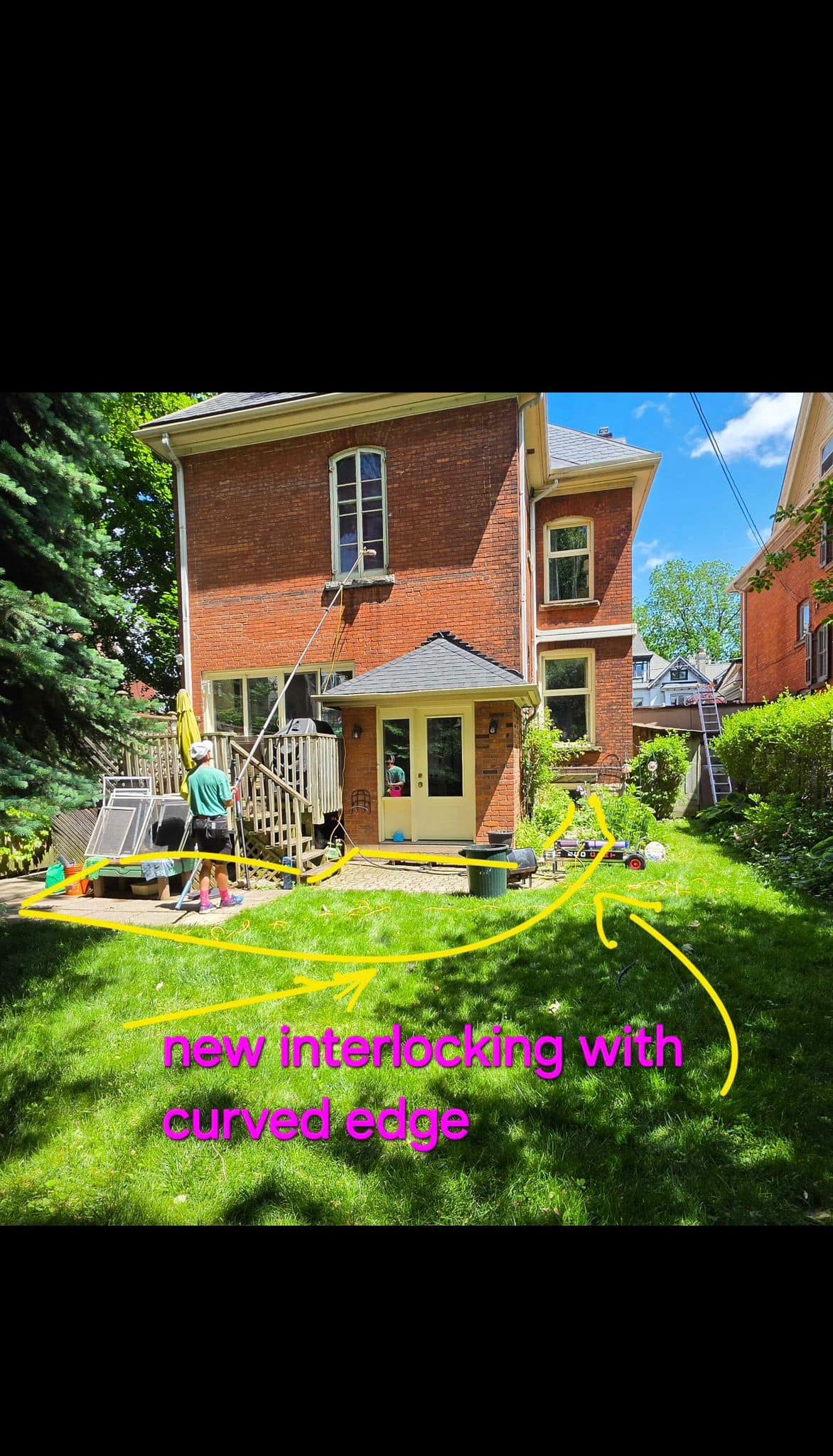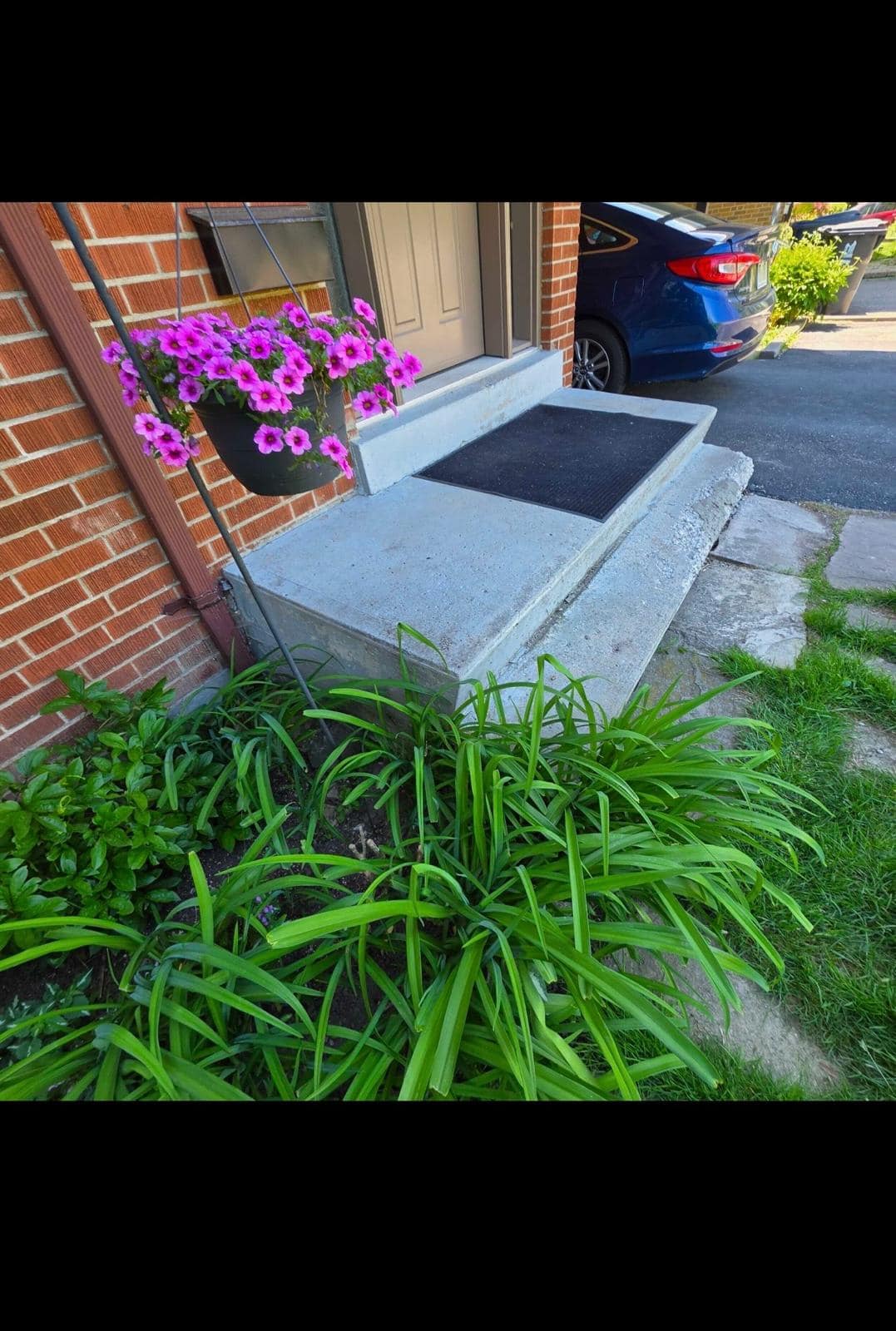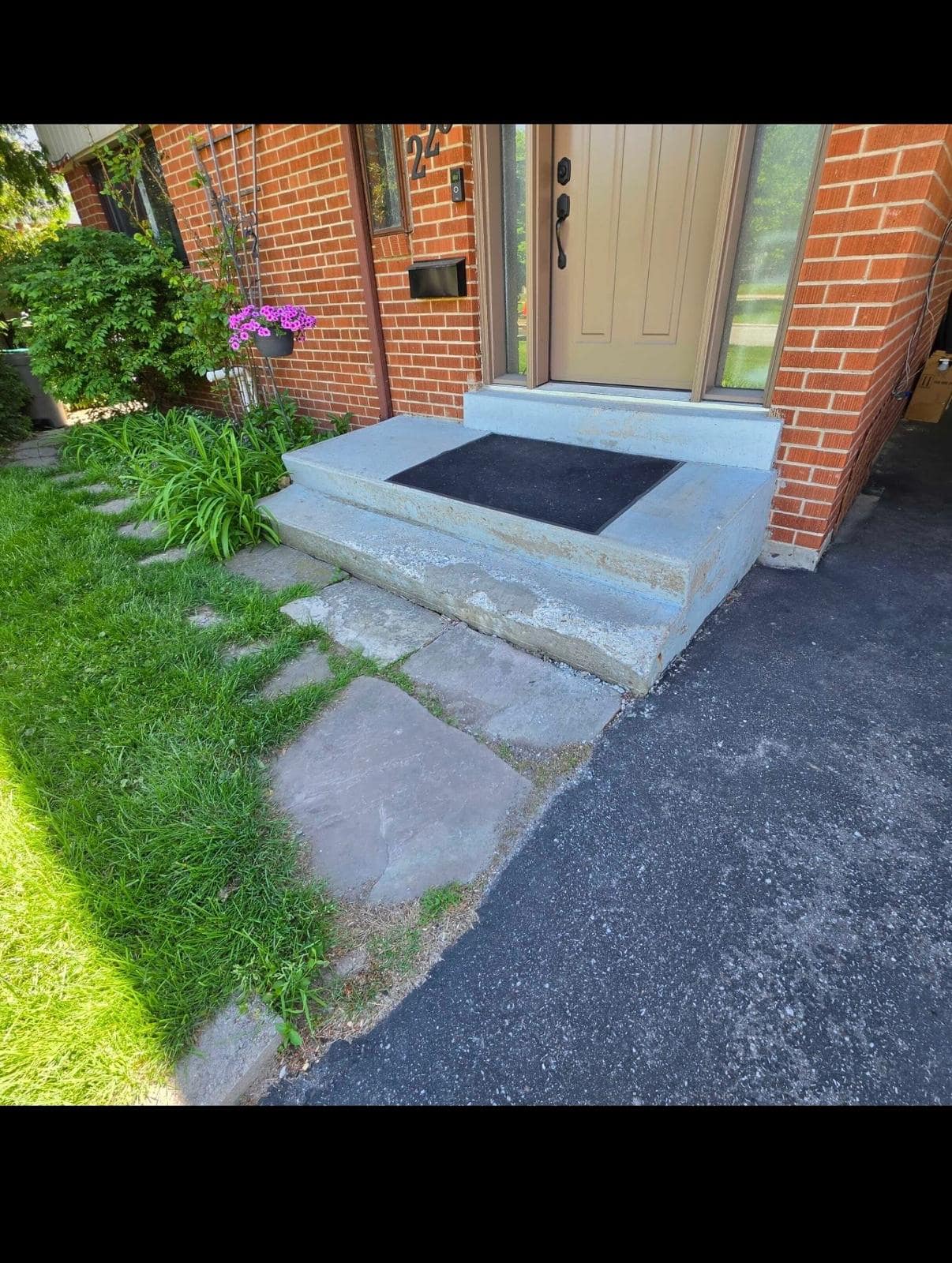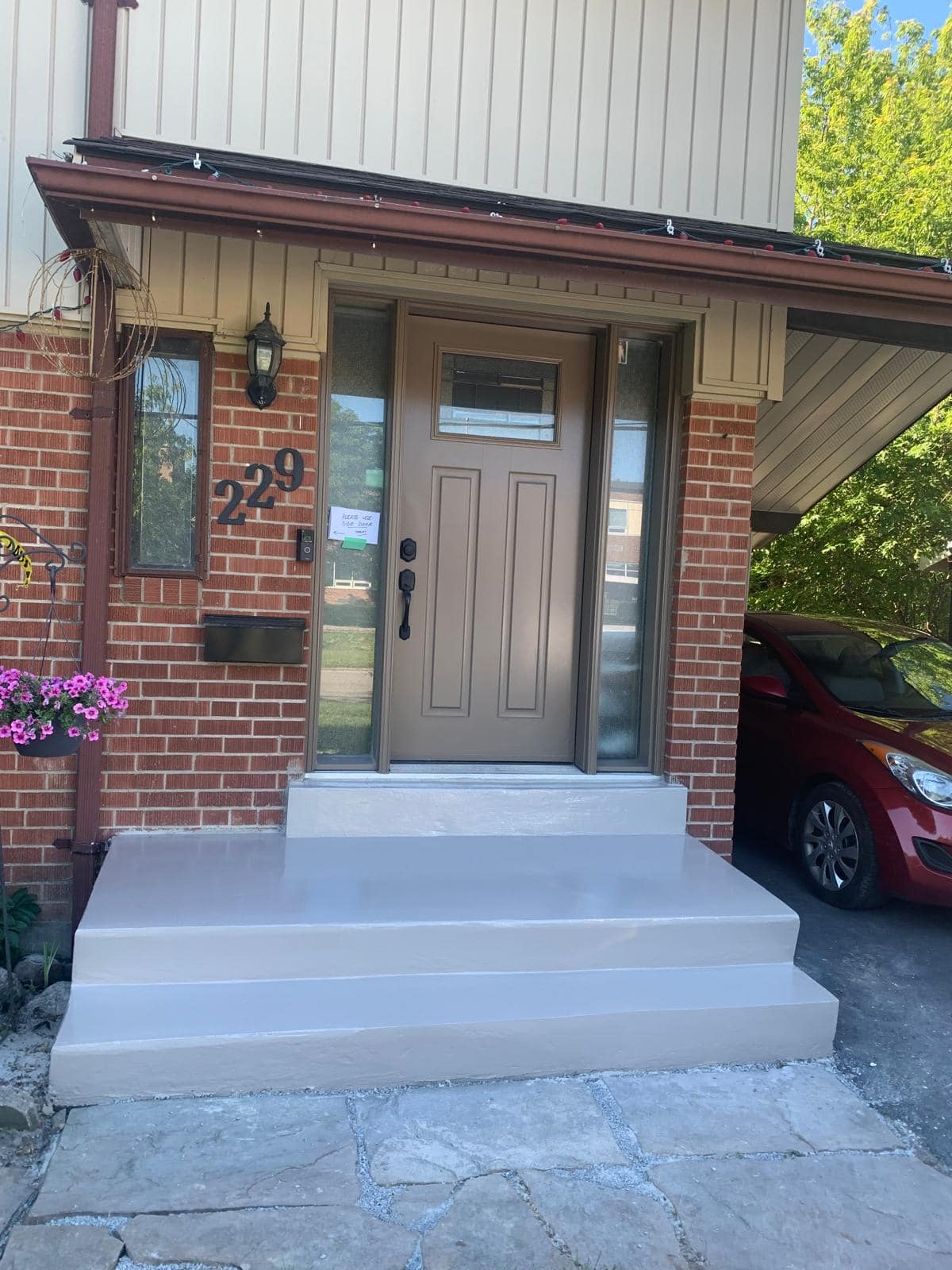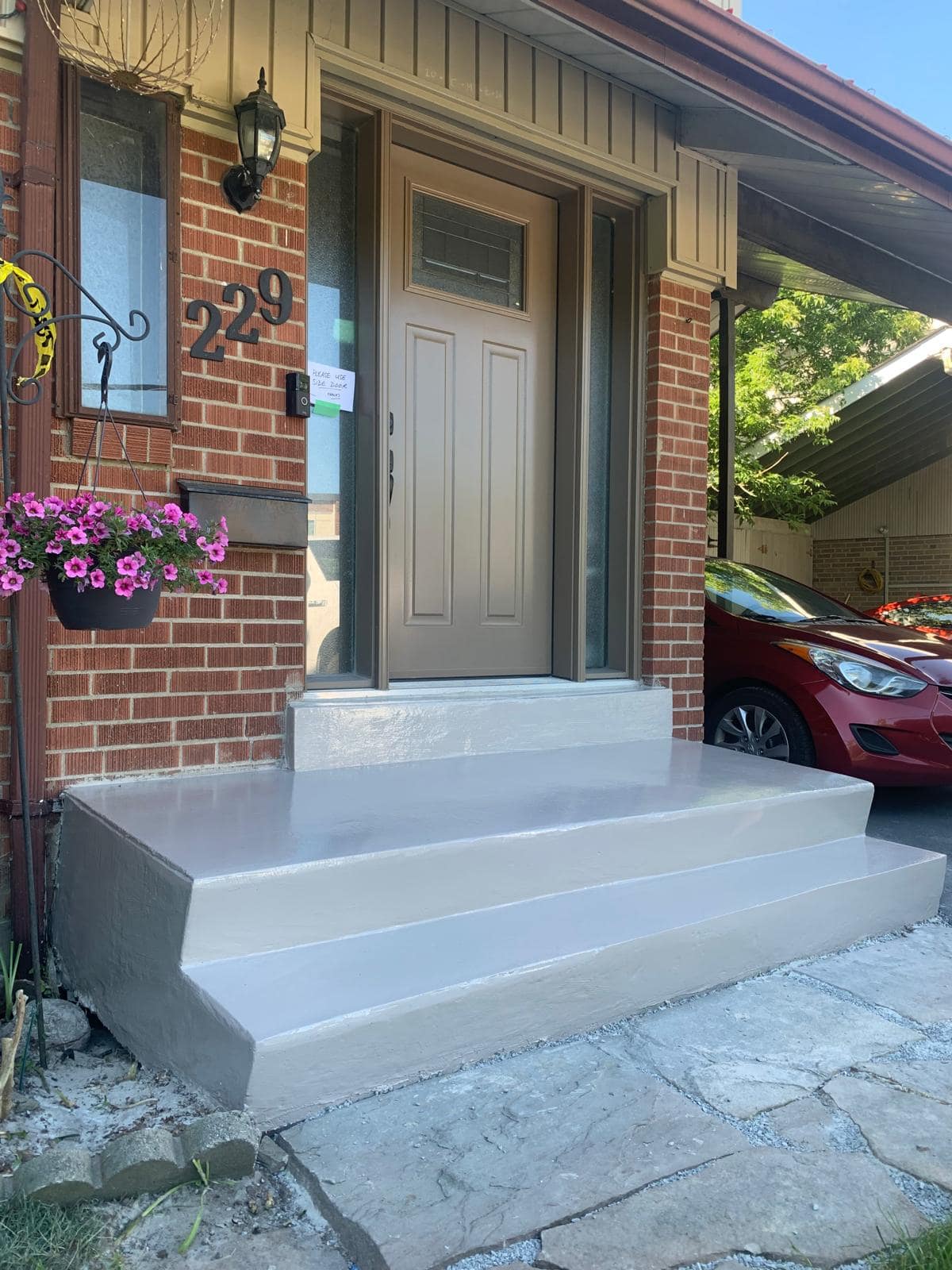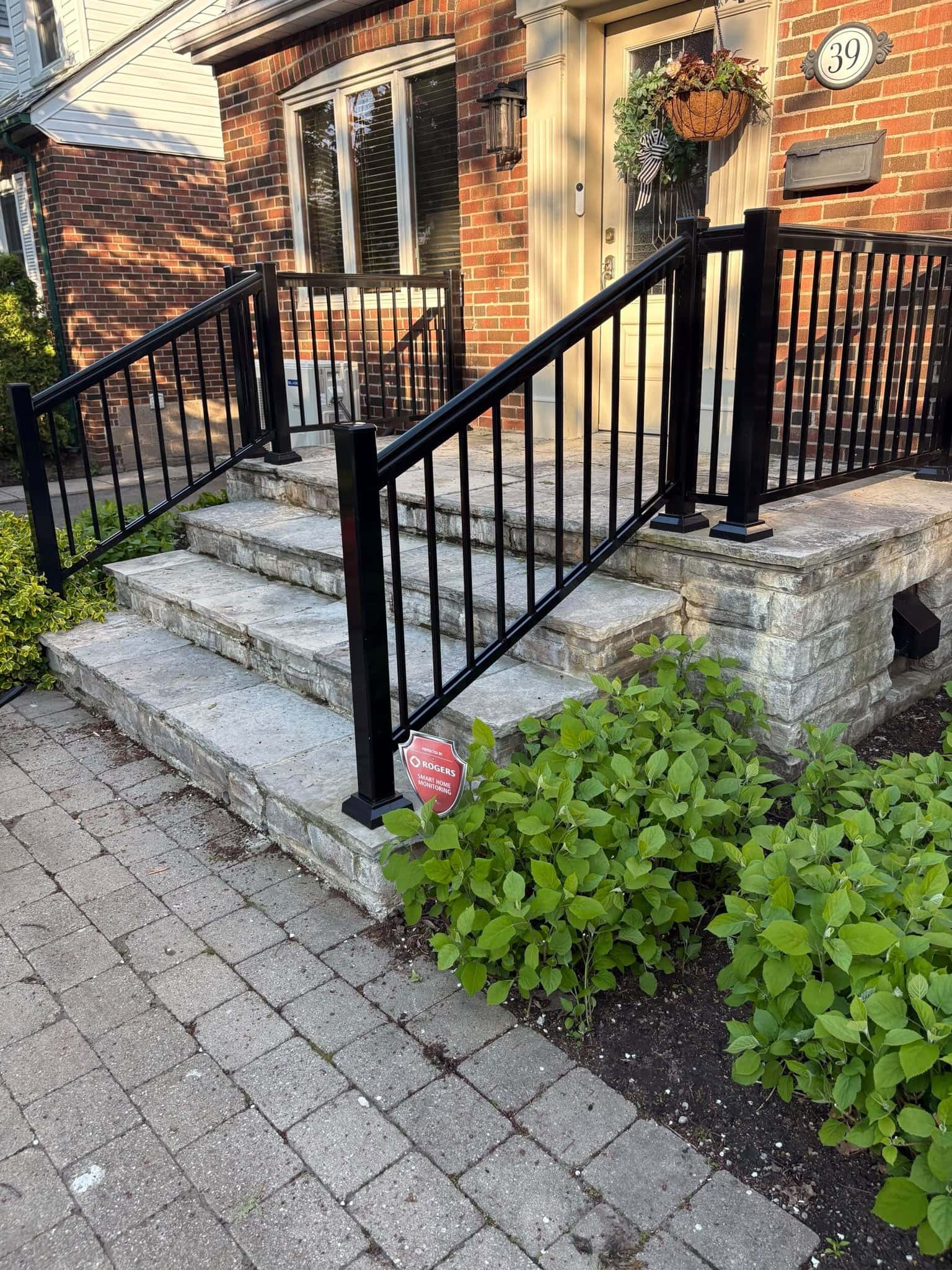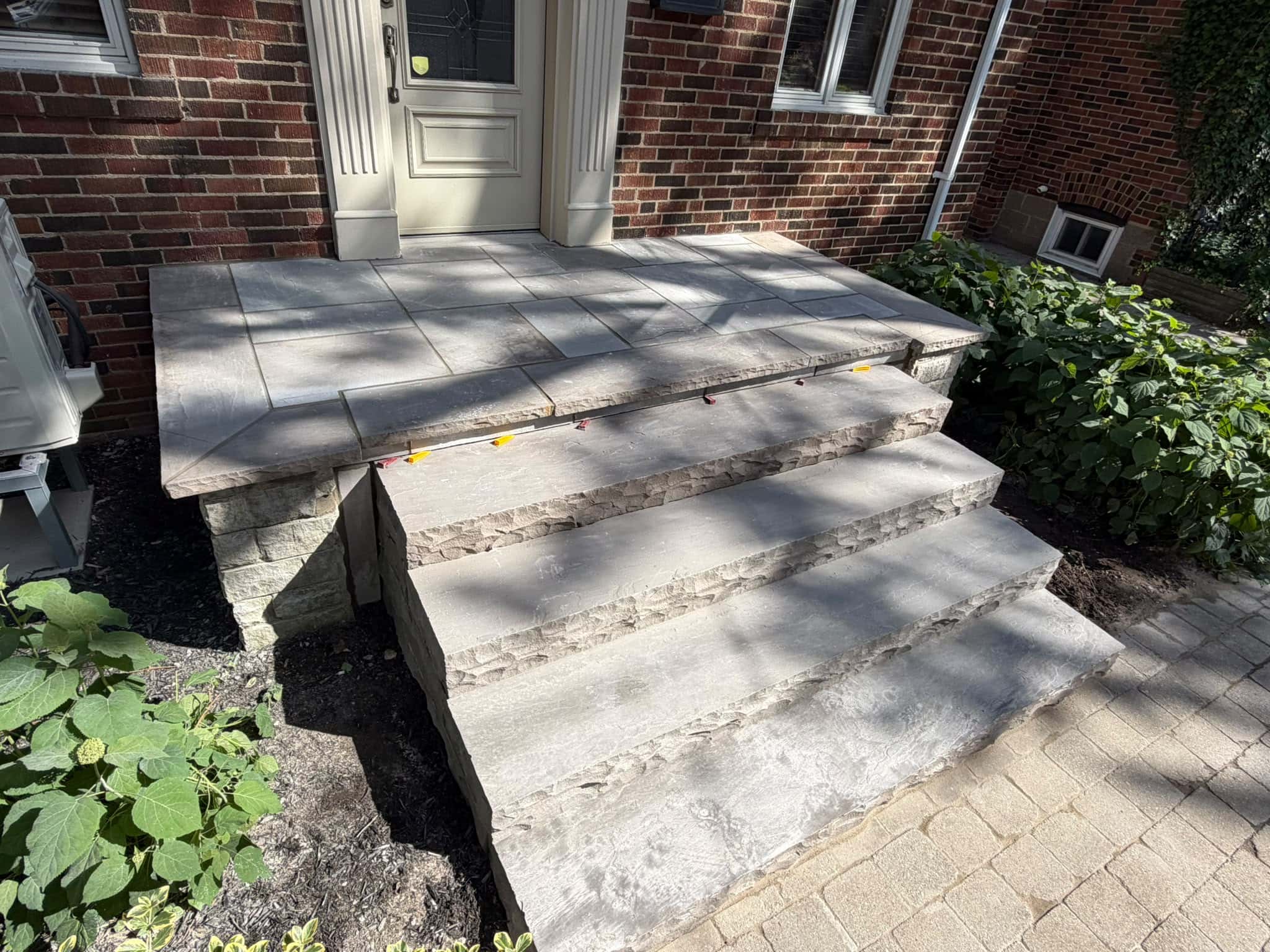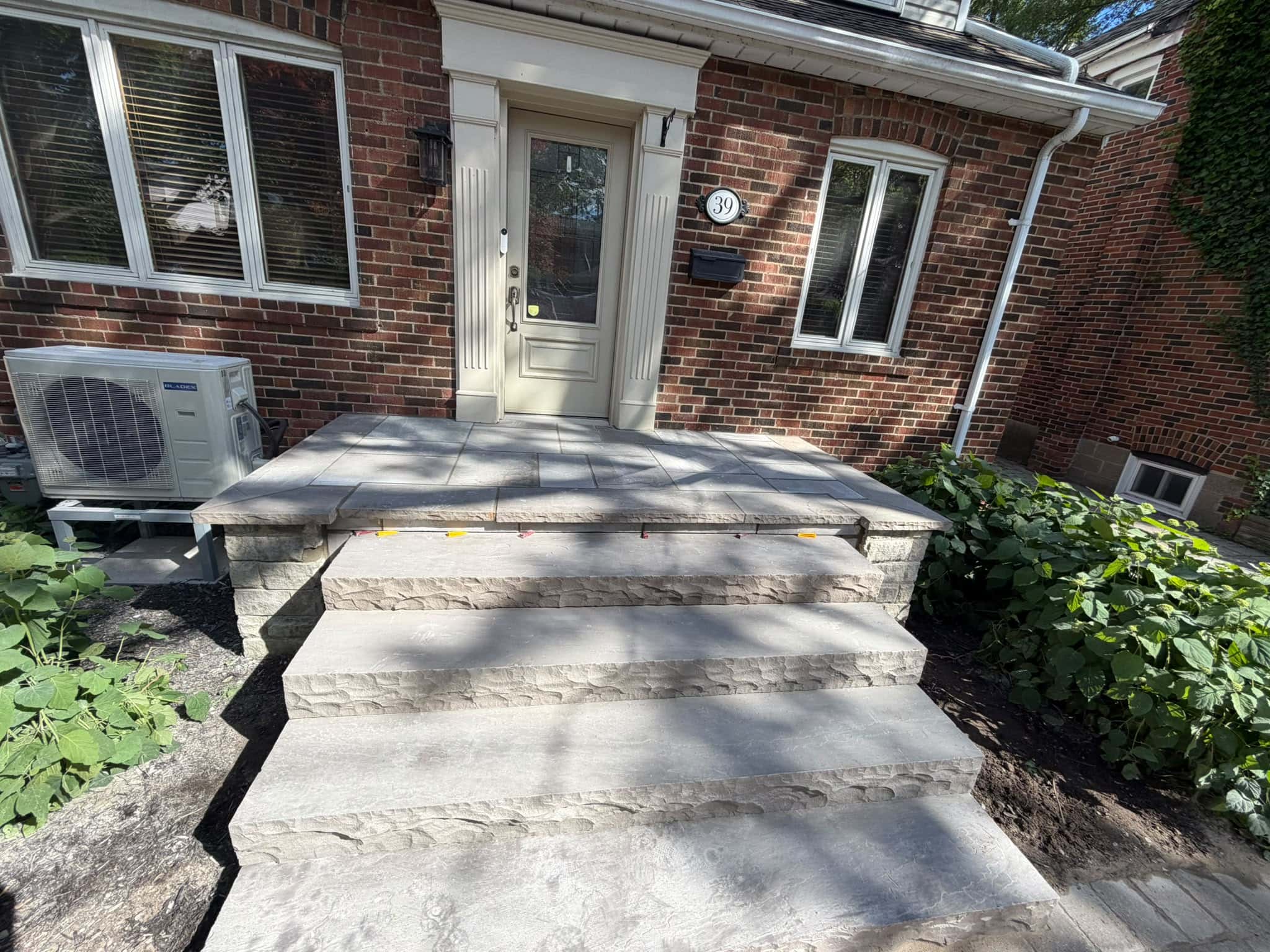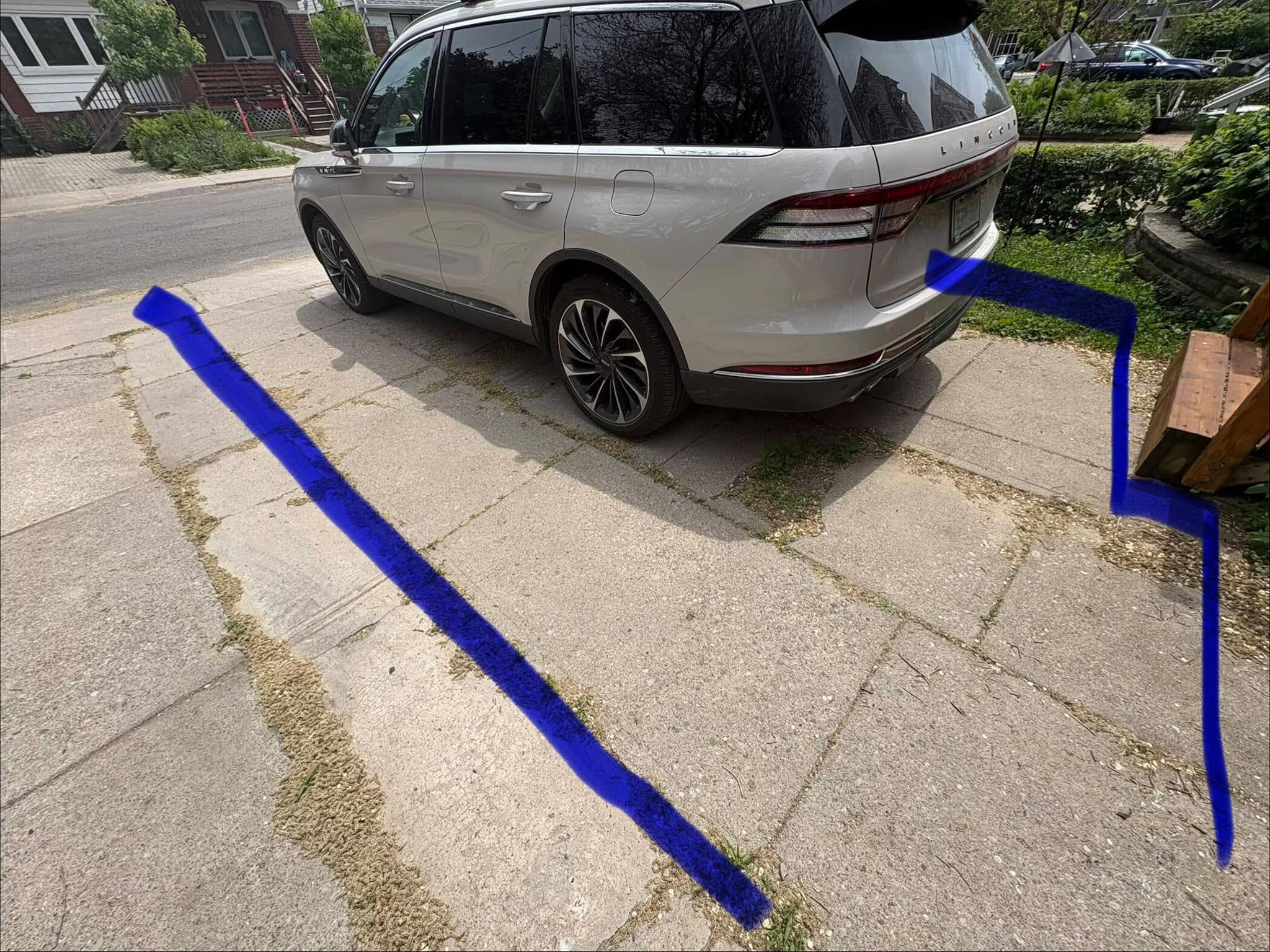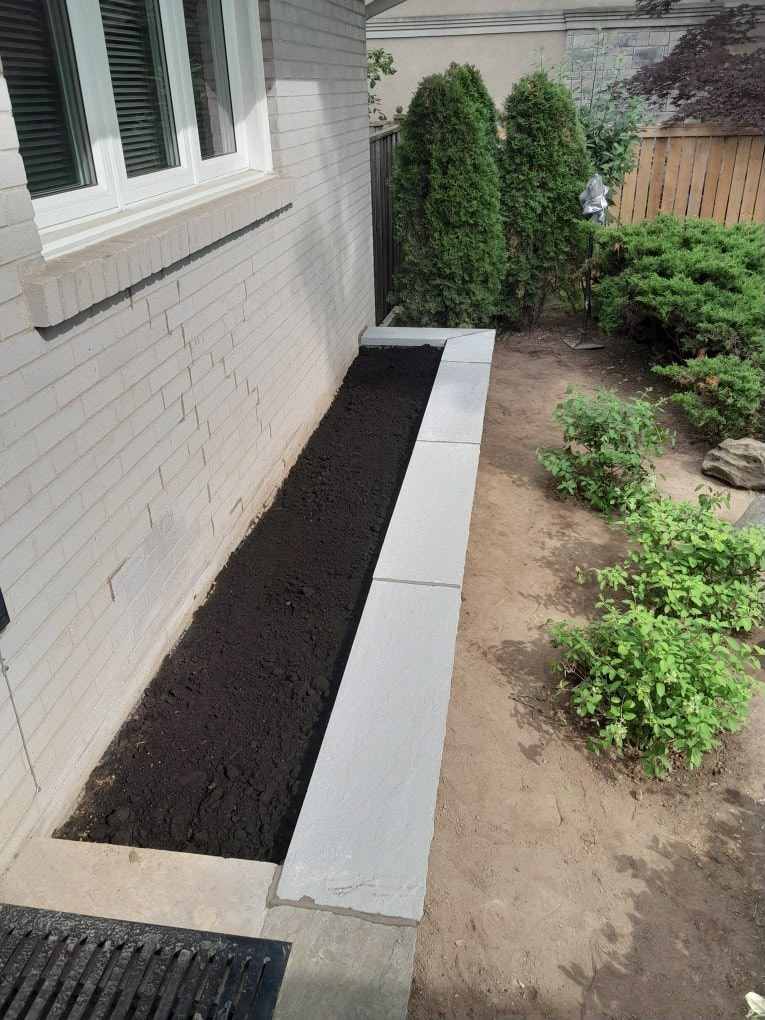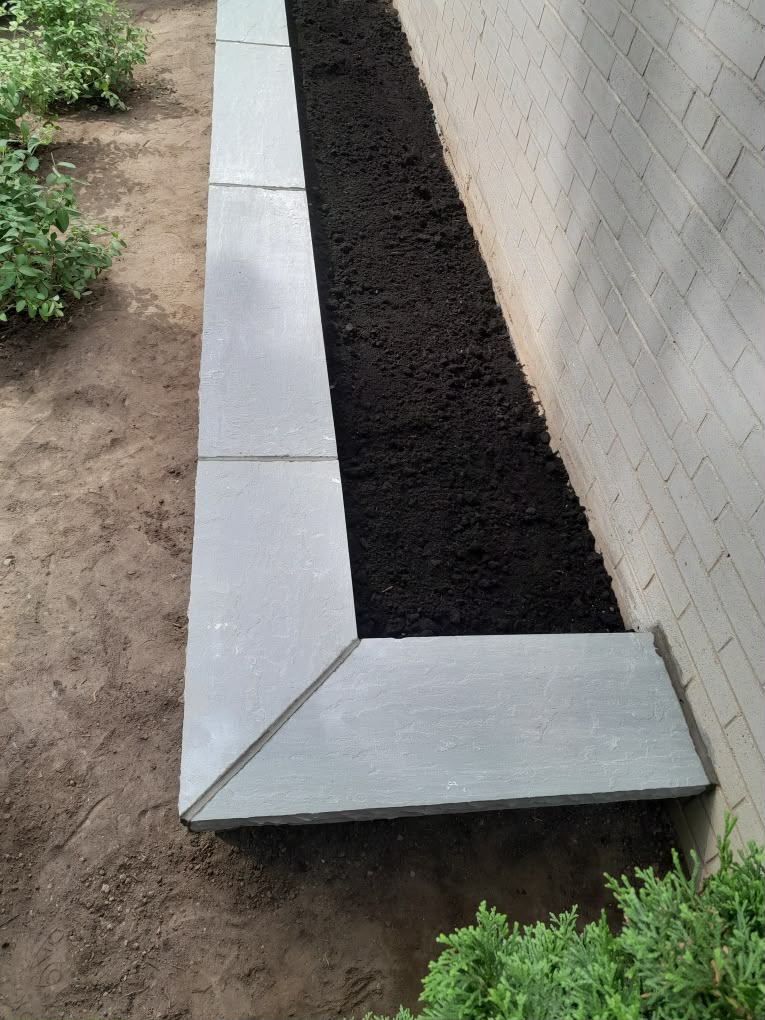
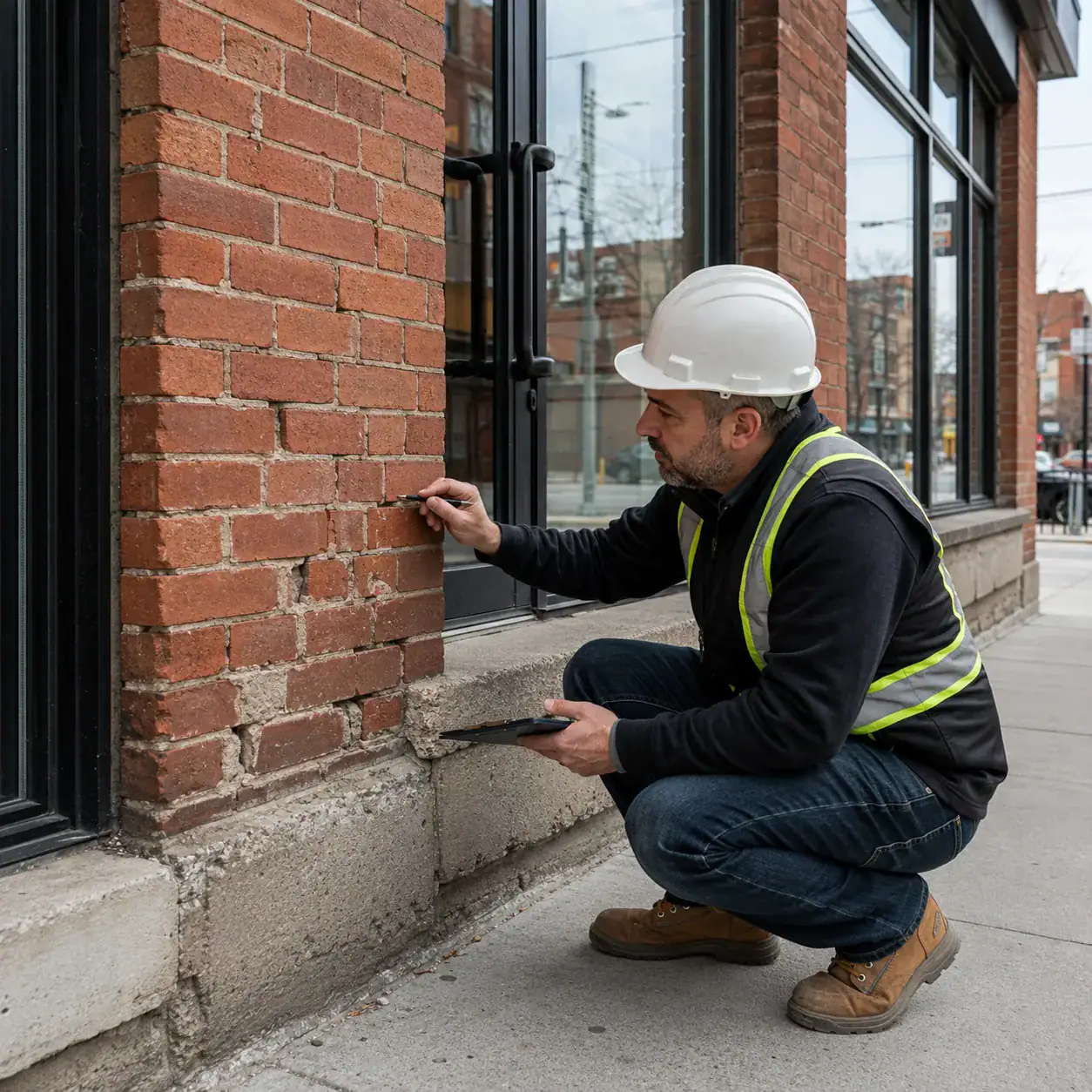
Commercial masonry solutions help business owners keep their buildings safe, professional-looking, weather-resistant, and easier to maintain. For Toronto and GTA properties, this can include brick repair, tuckpointing, concrete repair, stone masonry, waterproofing, chimney or parapet repair, storefront masonry, retaining walls, interlocking walkways, and exterior restoration.
Commercial masonry is different from small residential repair because it often affects customers, tenants, staff, signage, entrances, accessibility, drainage, insurance concerns, business hours, and long-term property value. A cracked brick wall, failing mortar joint, uneven step, leaking foundation area, or damaged storefront can create more than a cosmetic issue. It can affect safety, first impressions, and how well the building handles weather.
This guide explains practical commercial masonry solutions for business owners, what common problems to watch for, how to plan repairs without unnecessary disruption, and when professional help makes more sense.
Why Commercial Masonry Matters for Business Properties
Commercial masonry matters because the exterior of a business property affects safety, trust, maintenance, and daily use. Customers may notice cracked brick, stained walls, broken steps, or uneven walkways before they ever enter the building.
For business owners, masonry problems are not only about appearance. Open mortar joints can let water in. Damaged concrete steps can become trip hazards. Loose brick can create safety concerns. Poor drainage can lead to recurring leaks. Deteriorated storefront masonry can make a property look neglected even when the business inside is well run.
In Toronto, commercial properties also deal with rain, snow, salt, sidewalk splashback, freeze-thaw cycles, older brickwork, and heavy foot traffic. A building that looks fine in summer may show more damage after winter if water keeps entering cracks and joints.
For a general overview of exterior repair options, A&A Masonry’s masonry services in Toronto page outlines services such as brick repair, tuckpointing, concrete repair, waterproofing, stone masonry, chimney repair, and exterior restoration.
Brick Repair for Commercial Buildings
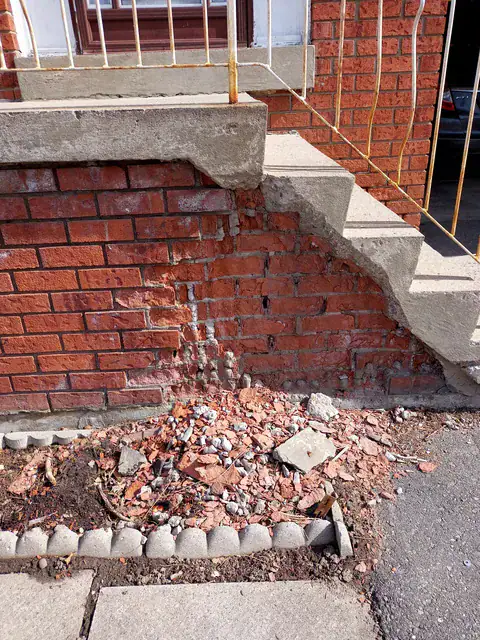
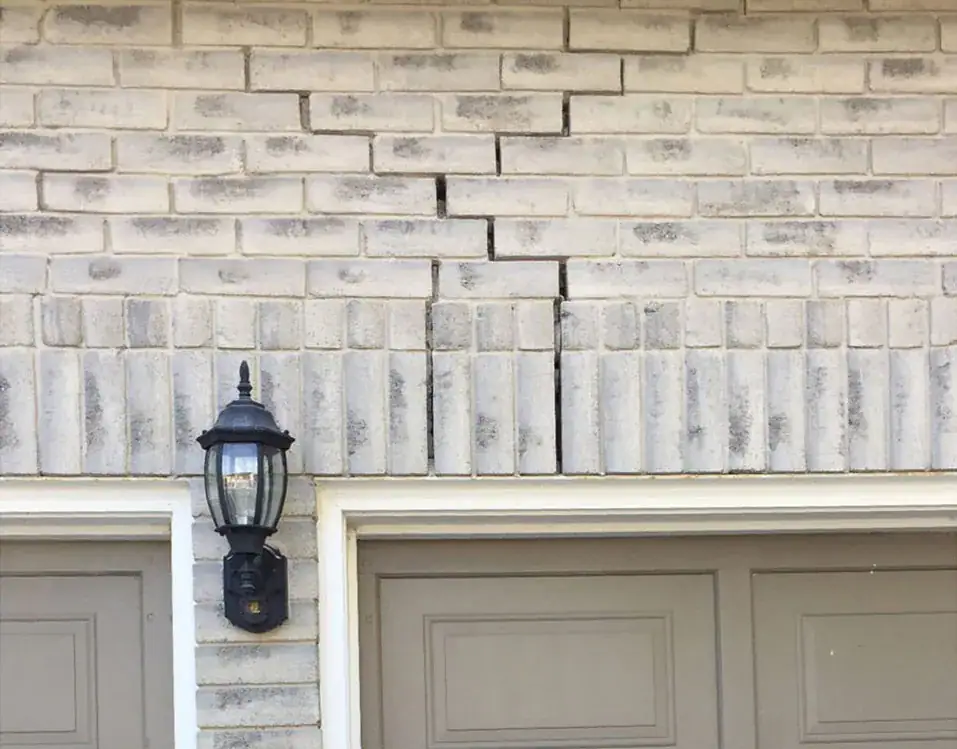
Brick repair is one of the most common commercial masonry solutions because brick buildings are widely used across Toronto storefronts, offices, mixed-use properties, restaurants, small plazas, and older commercial blocks. Brick damage can show up as cracks, spalling, loose units, staining, bulging sections, or areas where the brick face is breaking away.
Spalling brick is especially common on walls exposed to repeated wetting and freezing. Once the brick face breaks down, the unit can absorb more water and deteriorate faster. Brick near sidewalks, entrances, parapets, loading areas, and rooflines may fail sooner because it sees more moisture, salt, impact, or weather exposure.
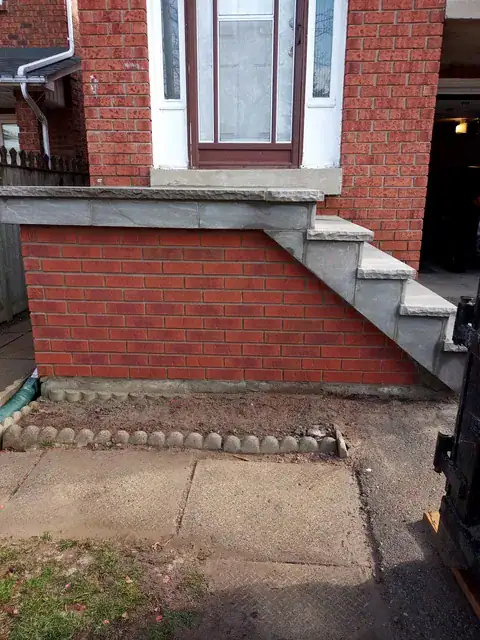
Commercial brick repair may involve replacing damaged bricks, repairing cracks, matching existing brick, correcting moisture sources, and restoring the wall’s appearance. Matching matters because a poorly matched repair can stand out on a storefront or front facade.
If your property has cracked or weather-damaged brick, A&A Masonry’s brick repair Toronto page explains common brick repair concerns and repair planning.
Tuckpointing and Mortar Joint Repair
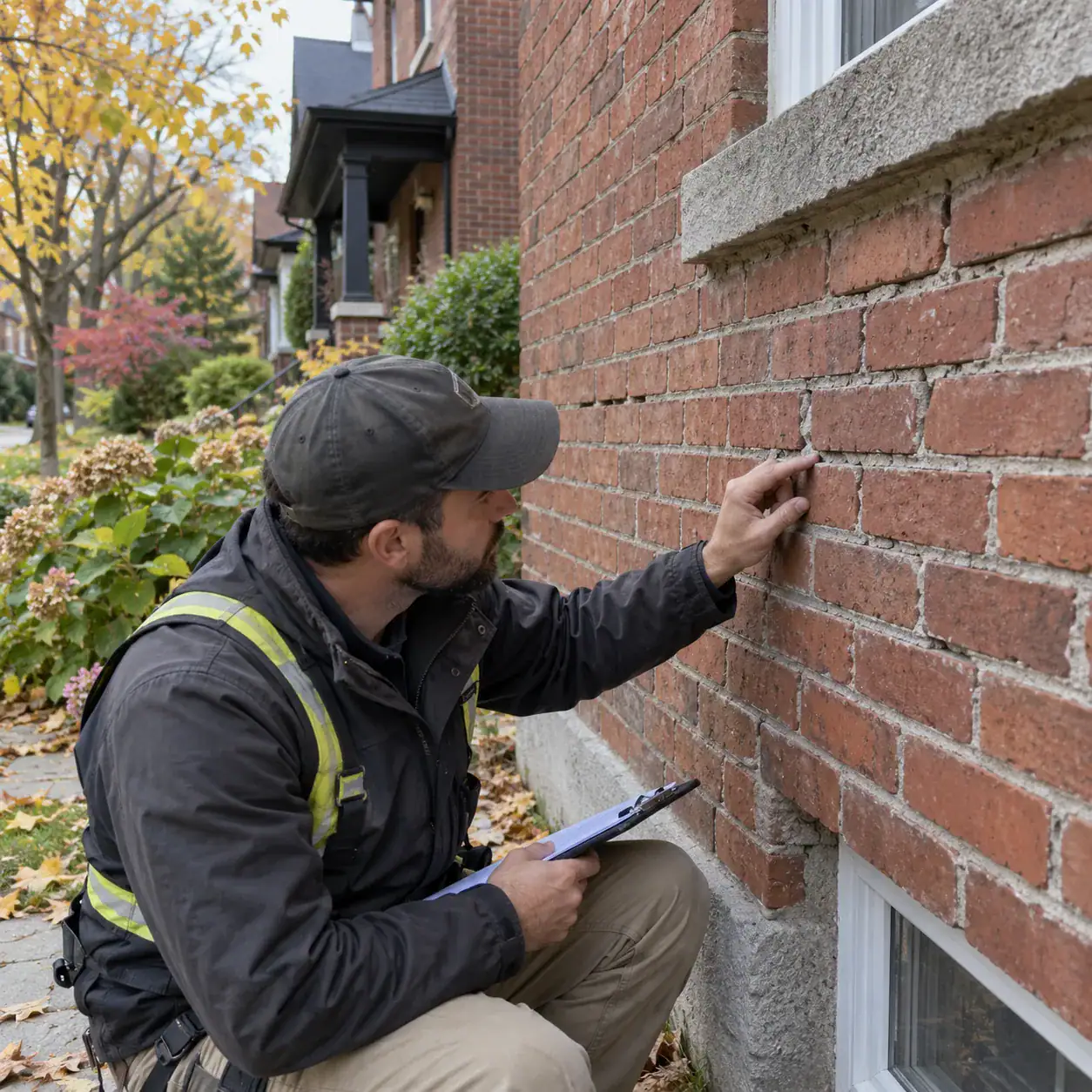
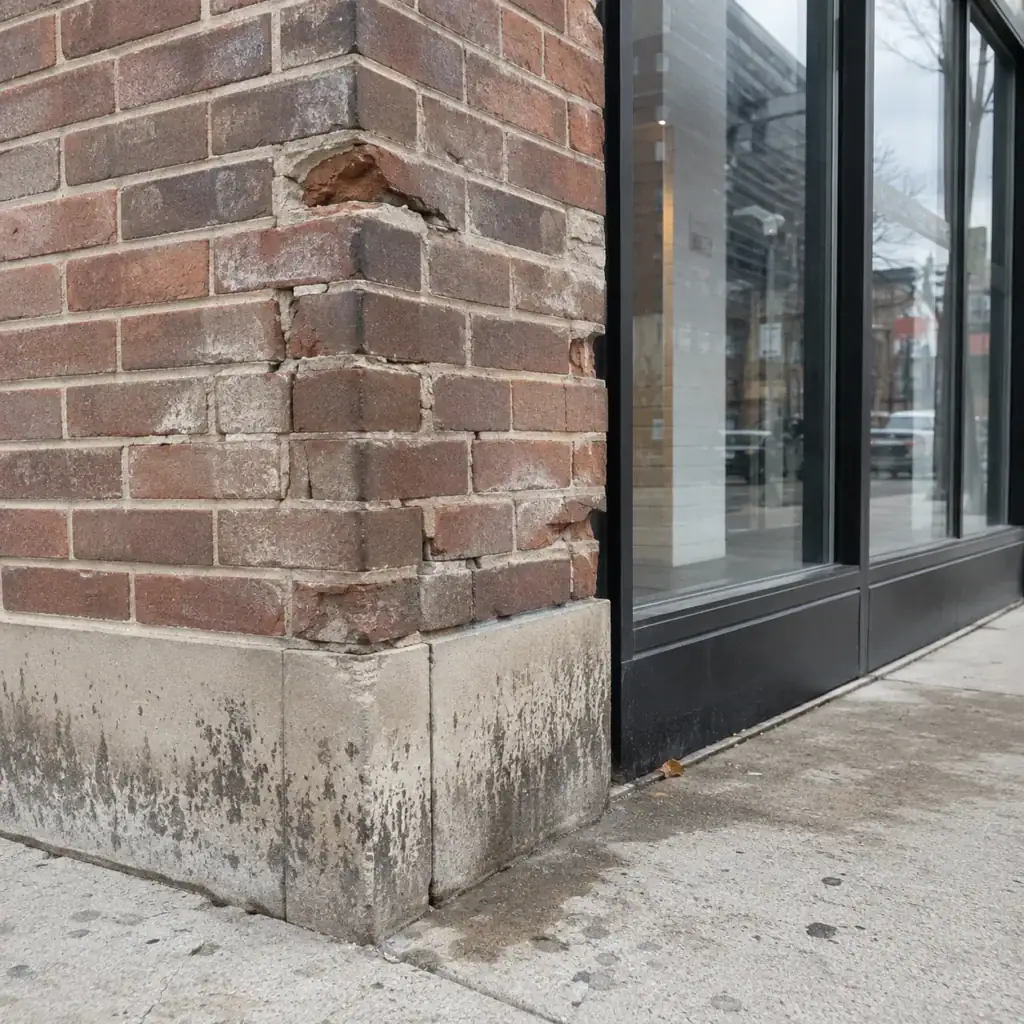
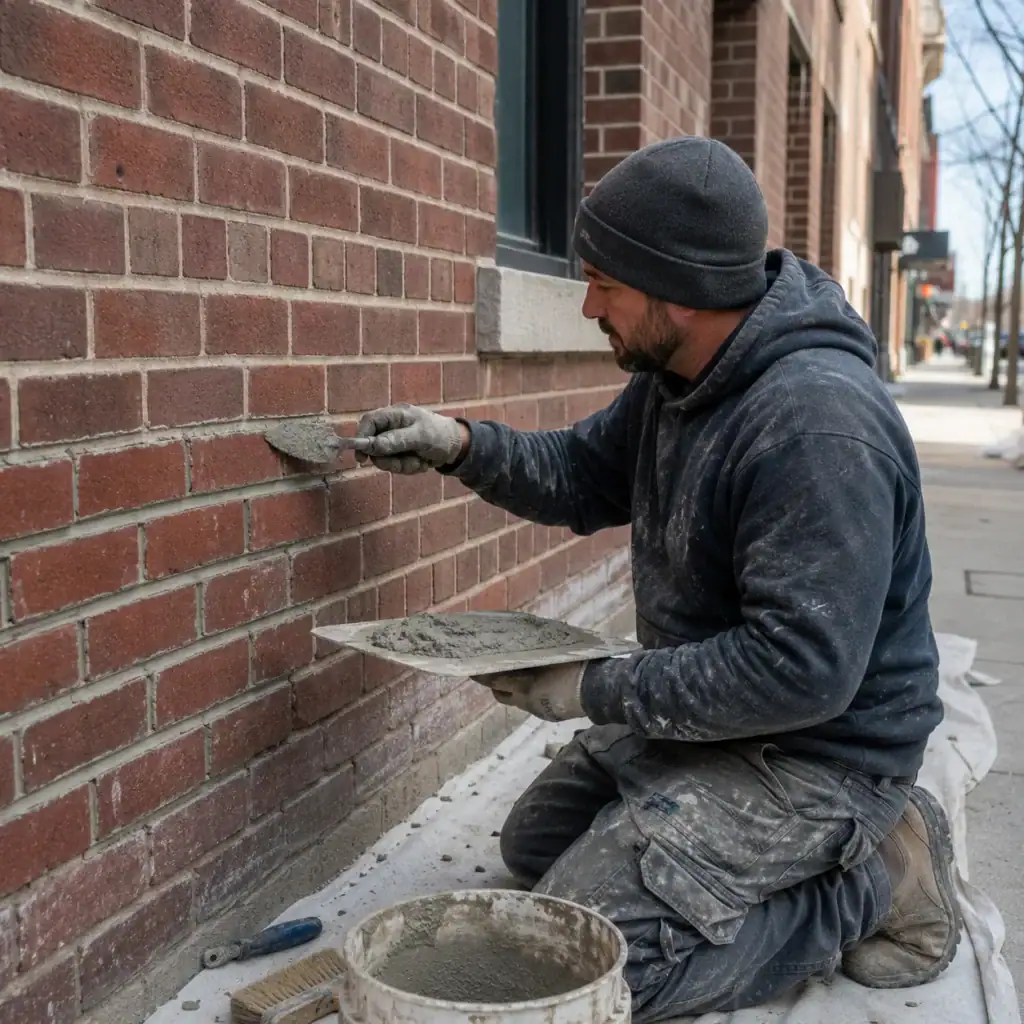
Tuckpointing is important for commercial buildings because failed mortar joints let water enter the wall. Mortar is the material between bricks or stones, and it often wears down before the masonry units themselves.
Signs of mortar joint failure include sandy mortar, missing sections, open gaps, stair-step cracks, recessed joints, and white staining. On commercial buildings, these problems often appear near parapets, storefront walls, older side elevations, chimneys, rooflines, and areas exposed to sidewalk splashback.
Tuckpointing should not be treated as a surface smear. Proper work involves removing failed mortar to a suitable depth, cleaning the joint, using compatible mortar, and finishing the joint so it sheds water. On older commercial brick, using mortar that is too hard can damage softer brick over time.
For more detail on why joints fail, A&A Masonry’s blog on what causes mortar joint failure explains how water, freeze-thaw cycles, age, wrong mortar, and poor repairs affect masonry.
Concrete Repair for Entrances, Steps, and Walkways
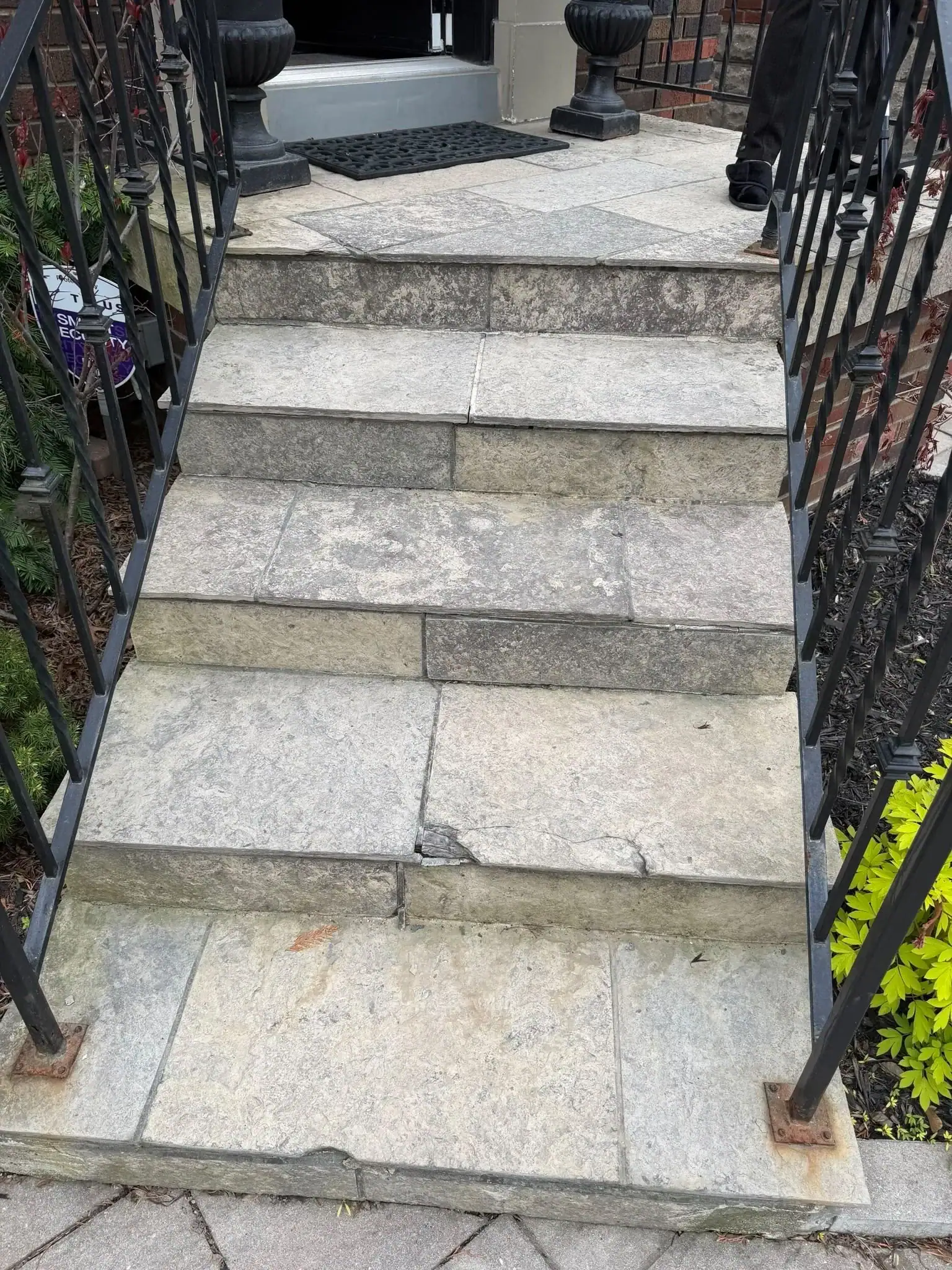
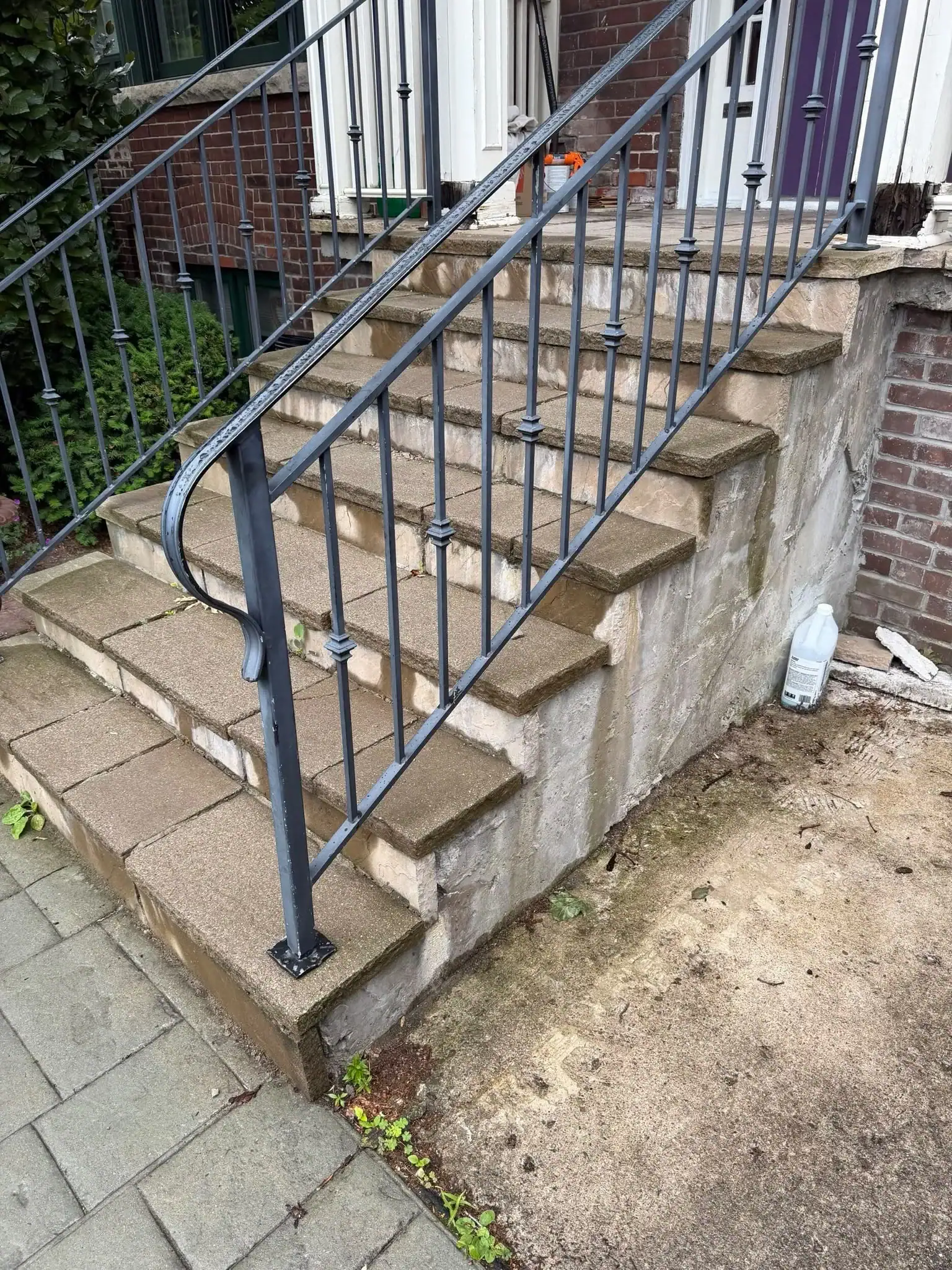
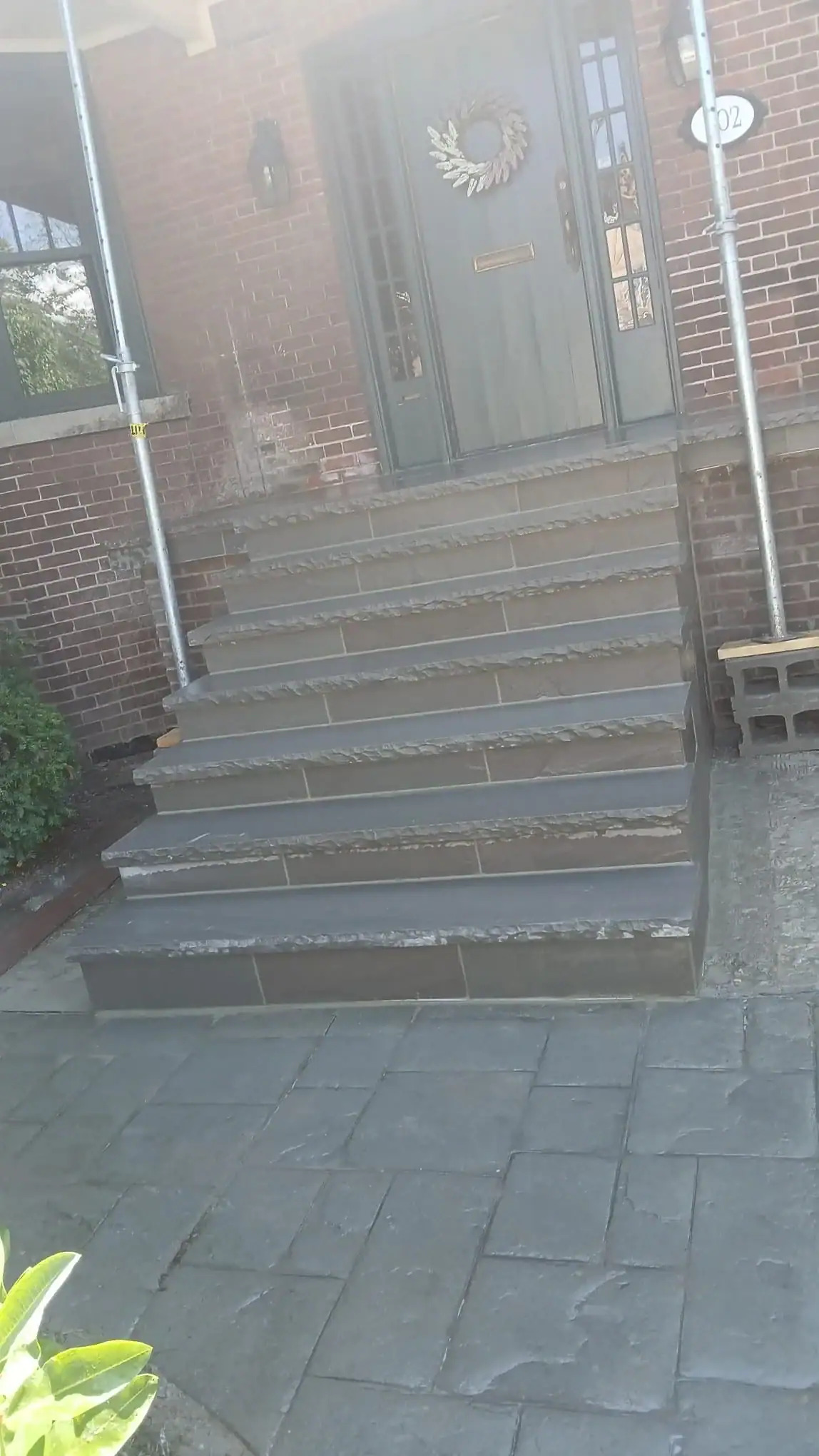
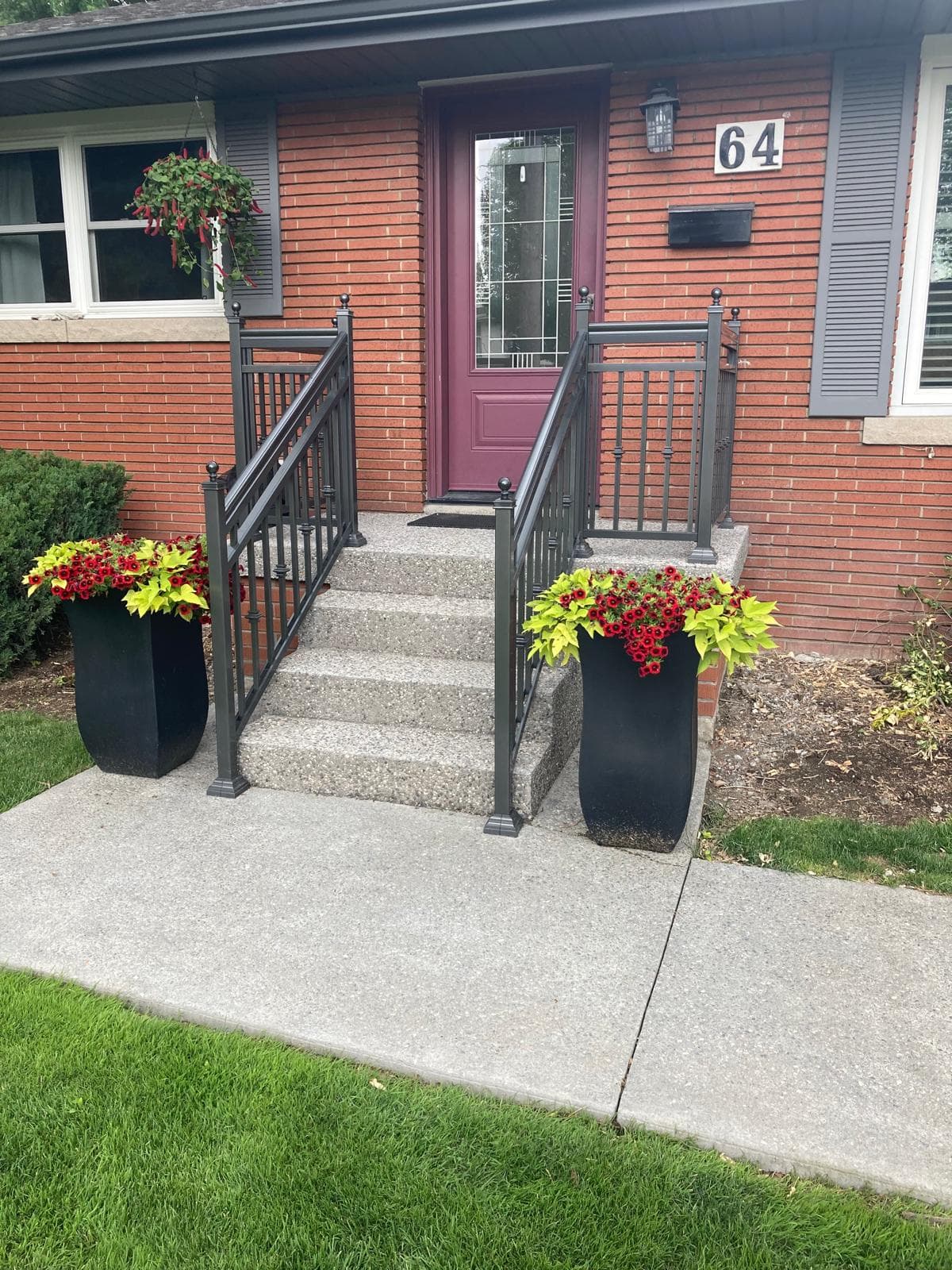
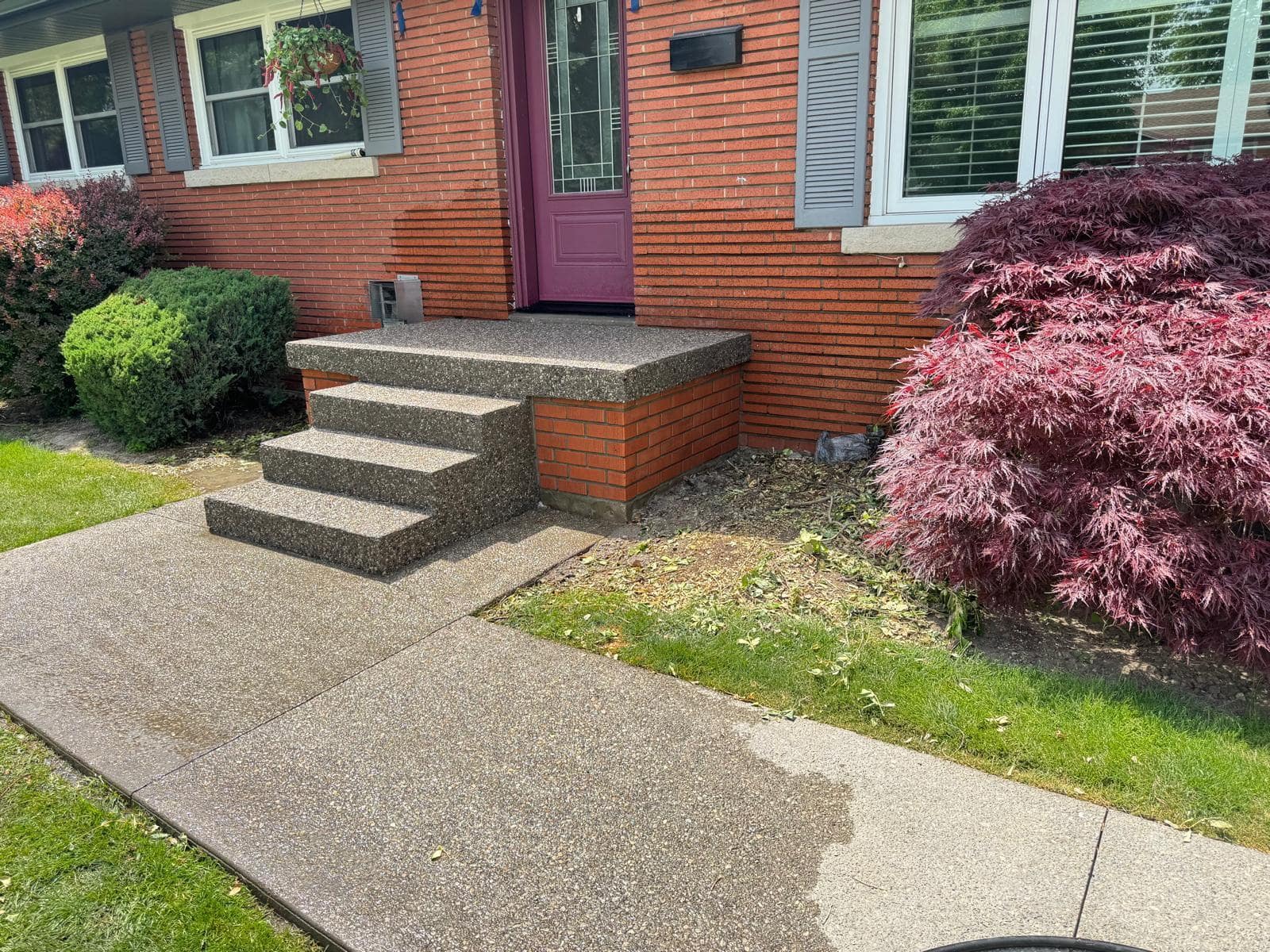
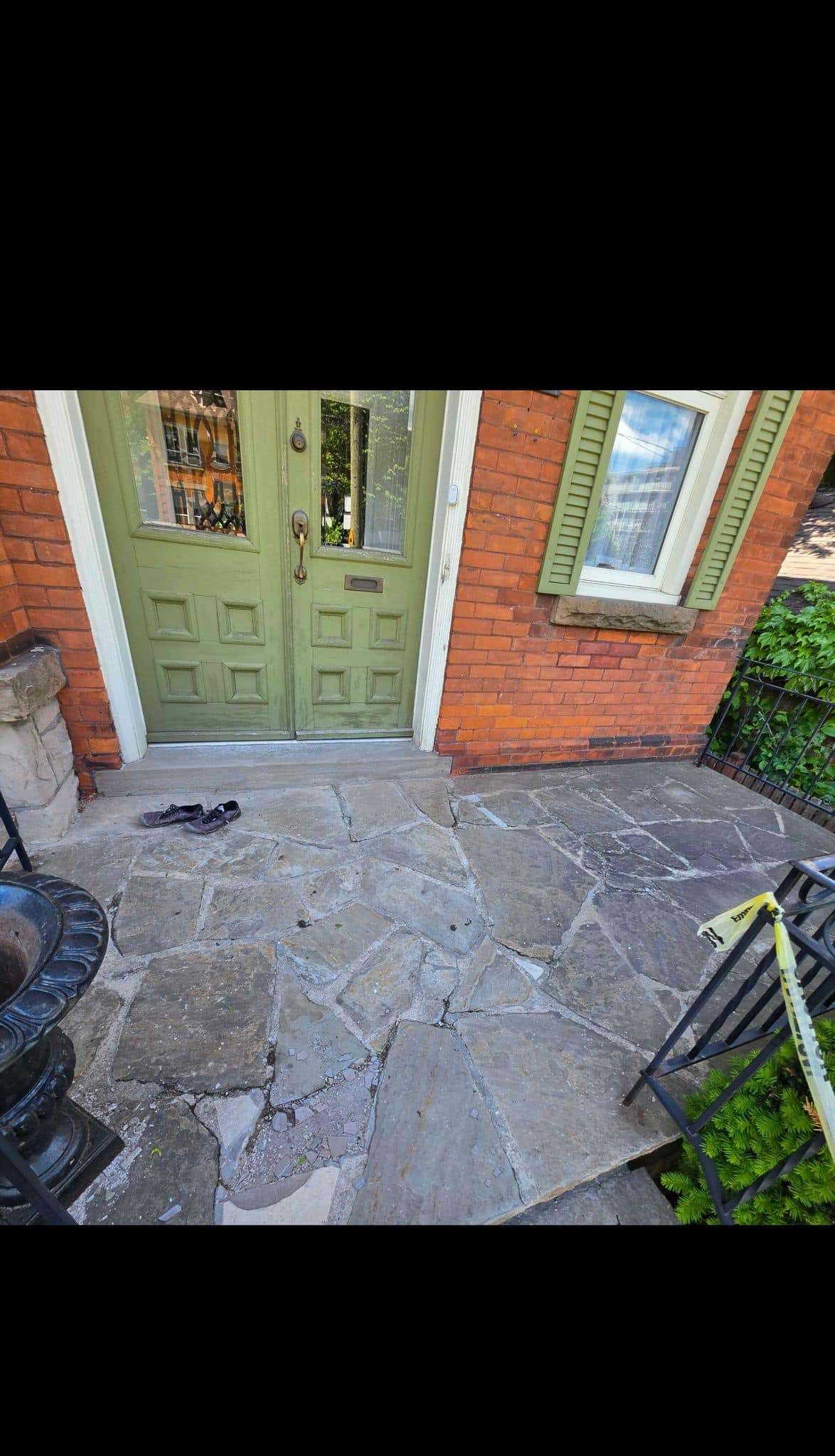
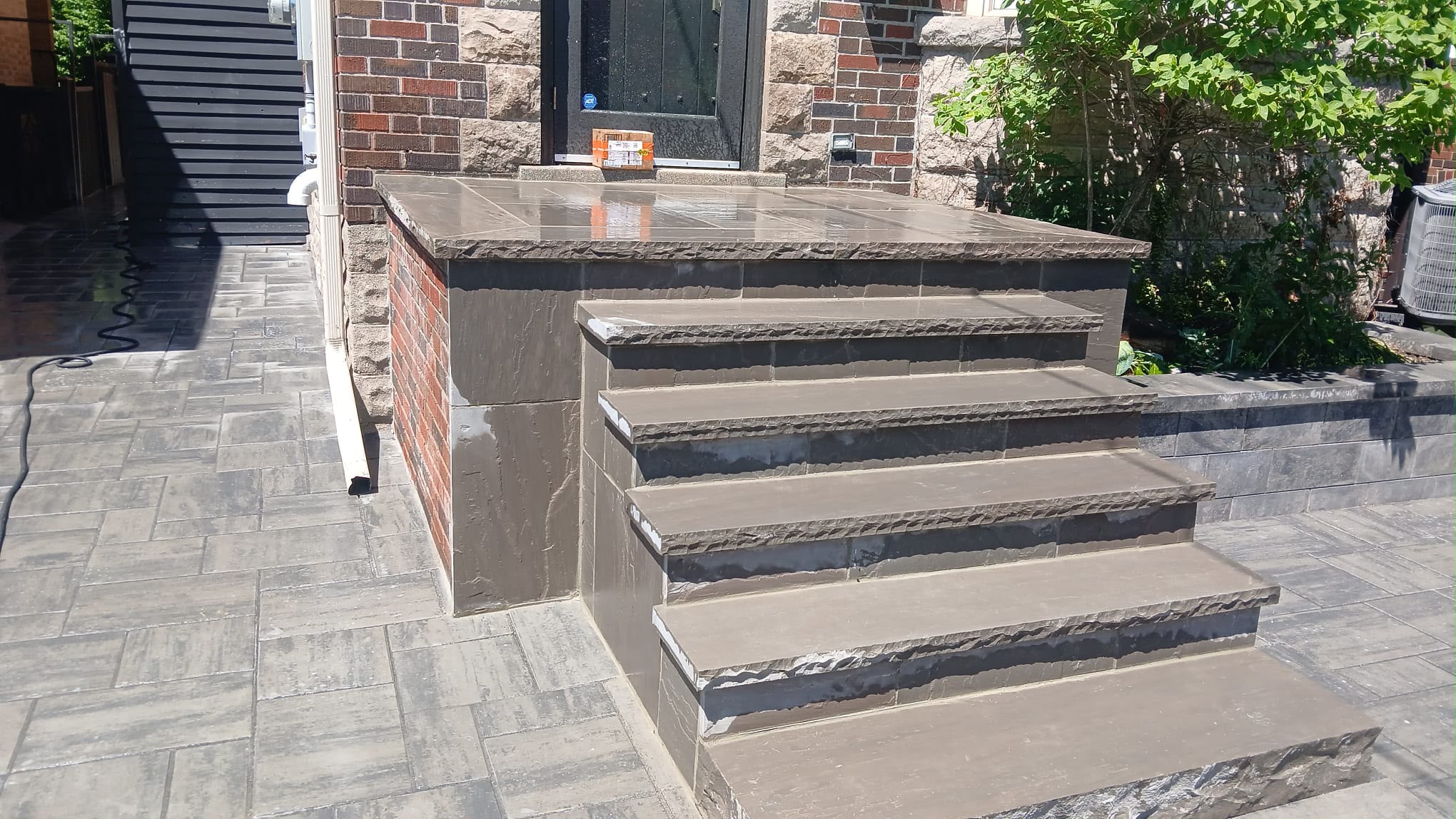
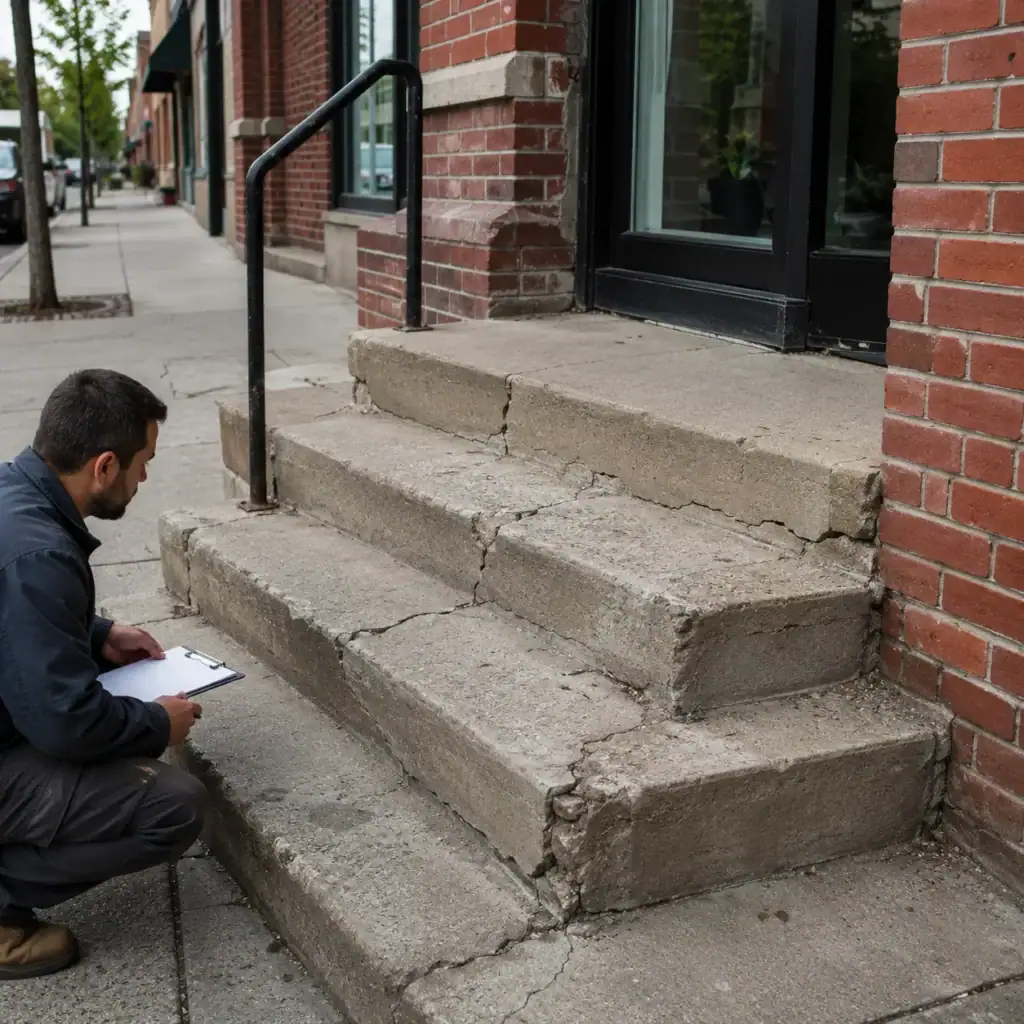
Concrete repair matters for business properties because entrances, steps, ramps, walkways, loading areas, and sidewalks affect daily access. Cracked, uneven, crumbling, or sinking concrete can create safety concerns and make the property look poorly maintained.
Toronto winters can be hard on concrete. Snow, ice, salt, and freeze-thaw cycles can widen cracks and break down surfaces. Concrete near entrances also gets heavy use from customers, staff, deliveries, carts, and snow-clearing equipment.
Not every concrete problem needs full replacement. Small, stable cracks or chipped edges may be repairable. But concrete that is sinking, rocking, deeply cracked, holding water, or repeatedly breaking apart may need more than patching.
A&A Masonry’s concrete repair Toronto page is a useful resource for business owners reviewing damaged concrete surfaces around commercial properties.
Storefront Masonry and First Impressions
Storefront masonry affects how customers judge a business before they walk in. Brick, stone, concrete, steps, sign bases, planters, columns, and front walls all contribute to the building’s appearance.
Small masonry issues can make a storefront look tired. Missing mortar, stained brick, cracked concrete, loose stone veneer, damaged sills, and uneven entrance areas can reduce trust. This matters for retail stores, restaurants, clinics, professional offices, showrooms, and service businesses that rely on foot traffic or client visits.
Good storefront masonry does not need to be flashy. Clean brick repair, properly matched mortar, safe steps, neat stone details, repaired sills, and controlled drainage can make the building look cared for. A commercial exterior should look stable, safe, and consistent with the business inside.
When planning storefront repairs, prioritize safety and moisture first, then appearance. Cosmetic work over damaged masonry often fails quickly.
Stone Masonry and Veneer for Commercial Properties
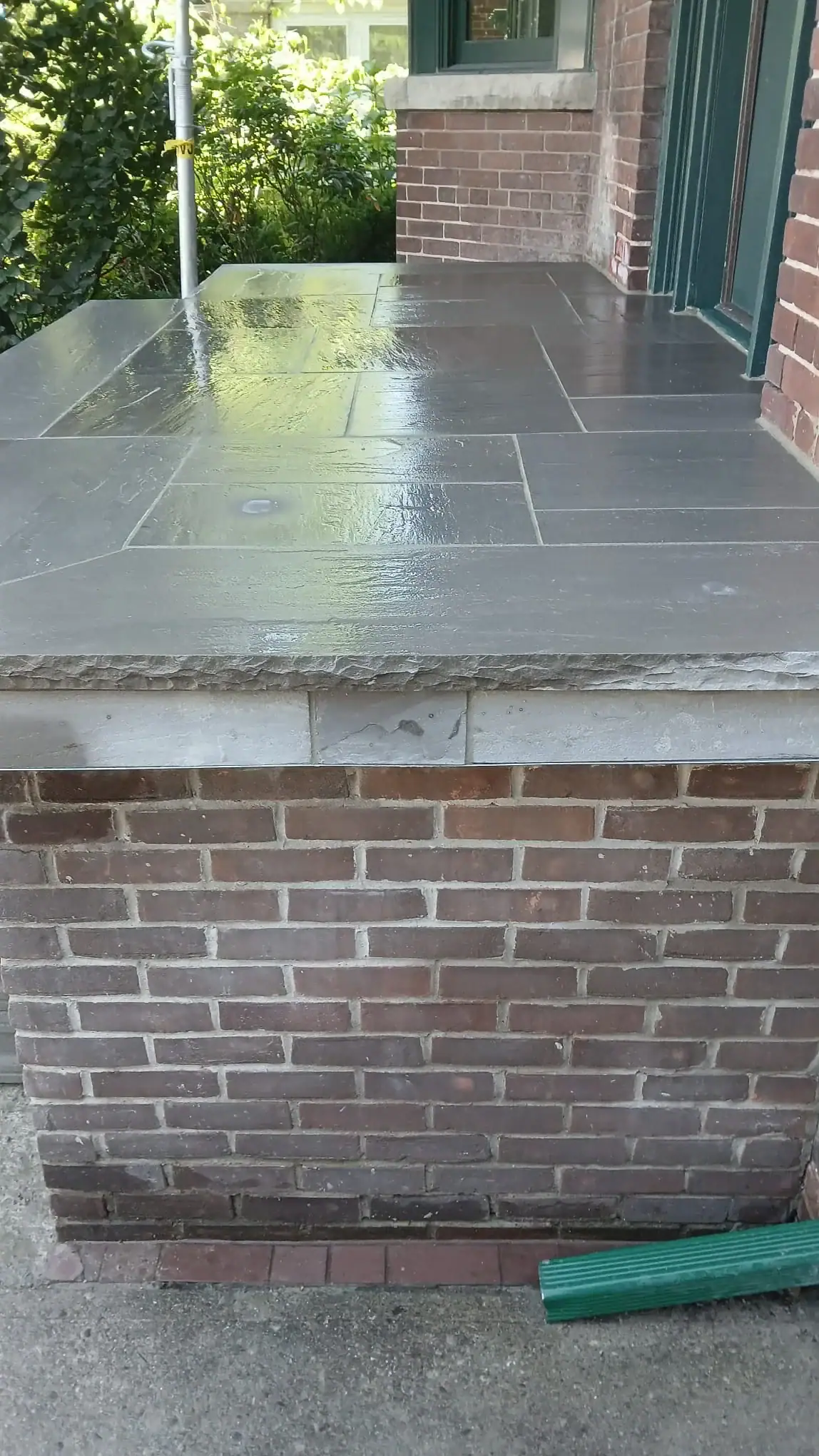
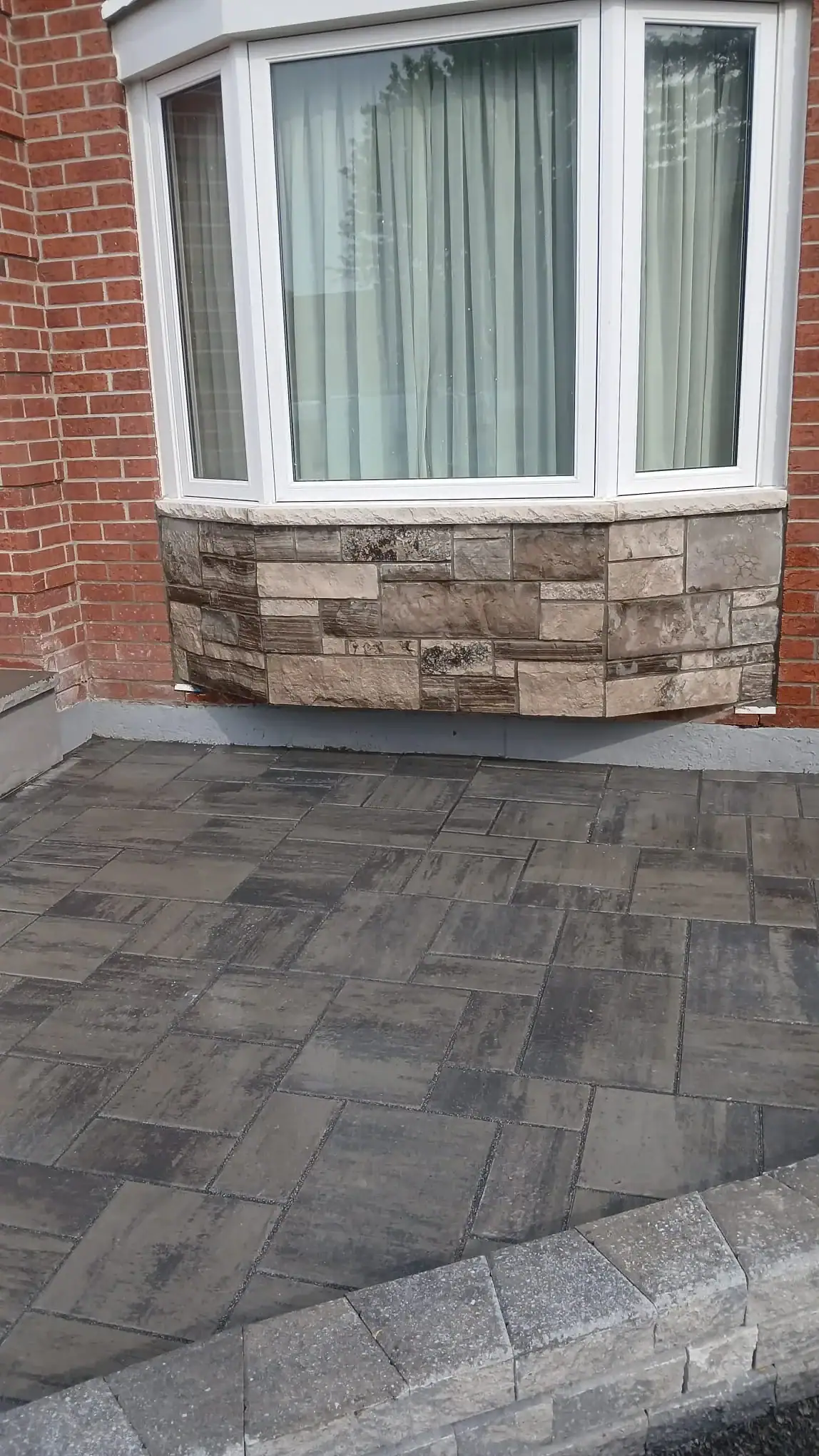
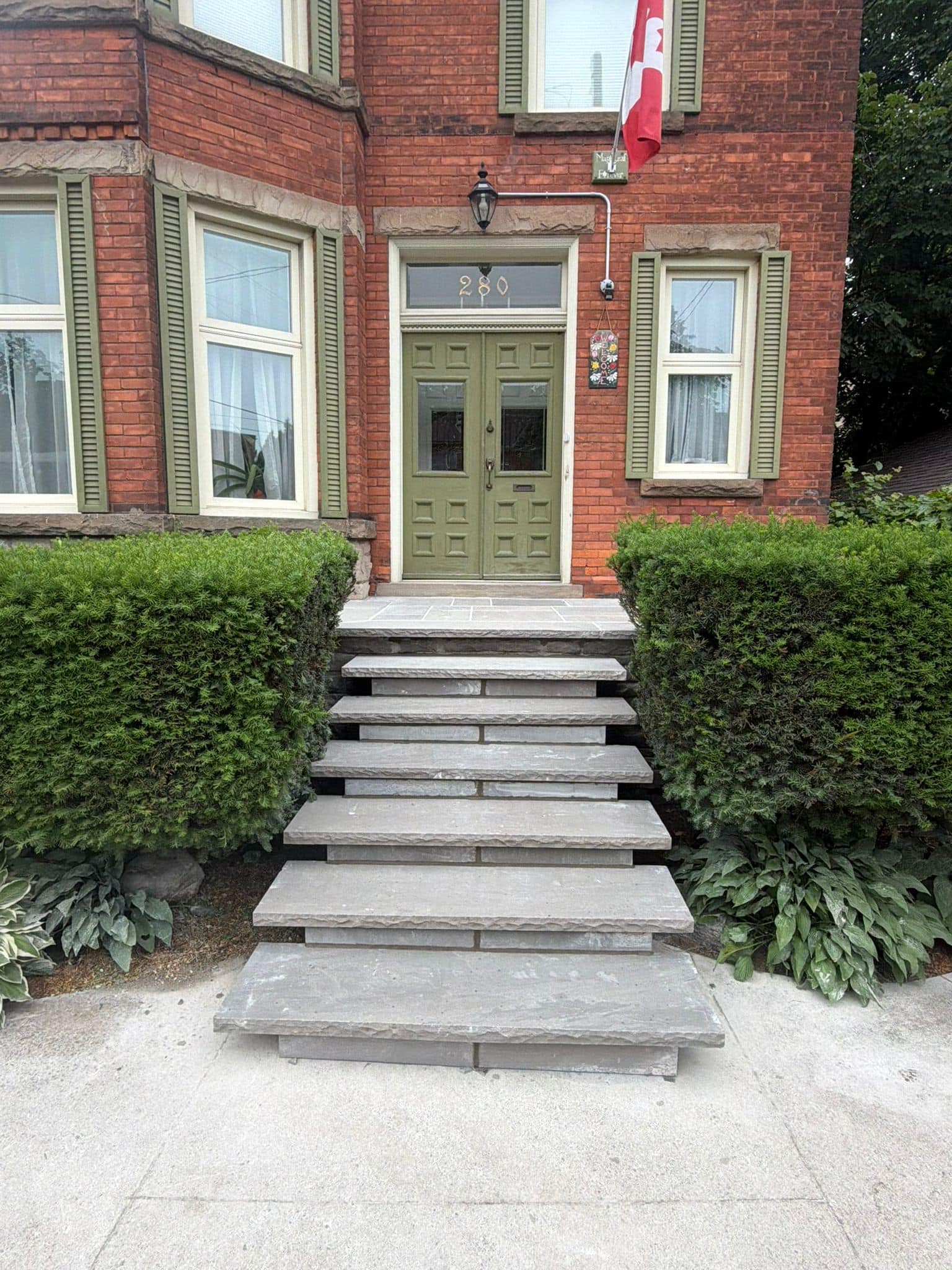
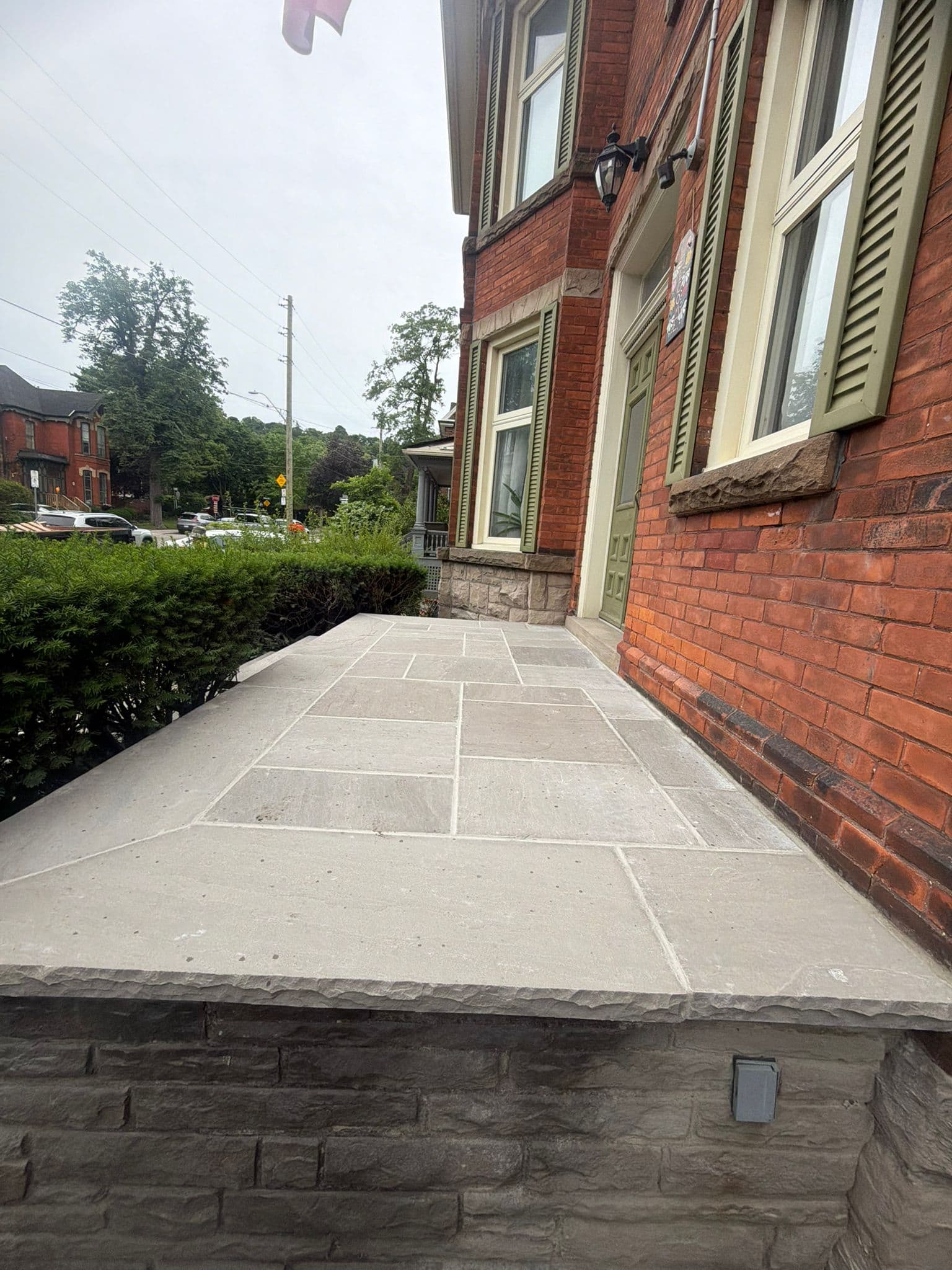
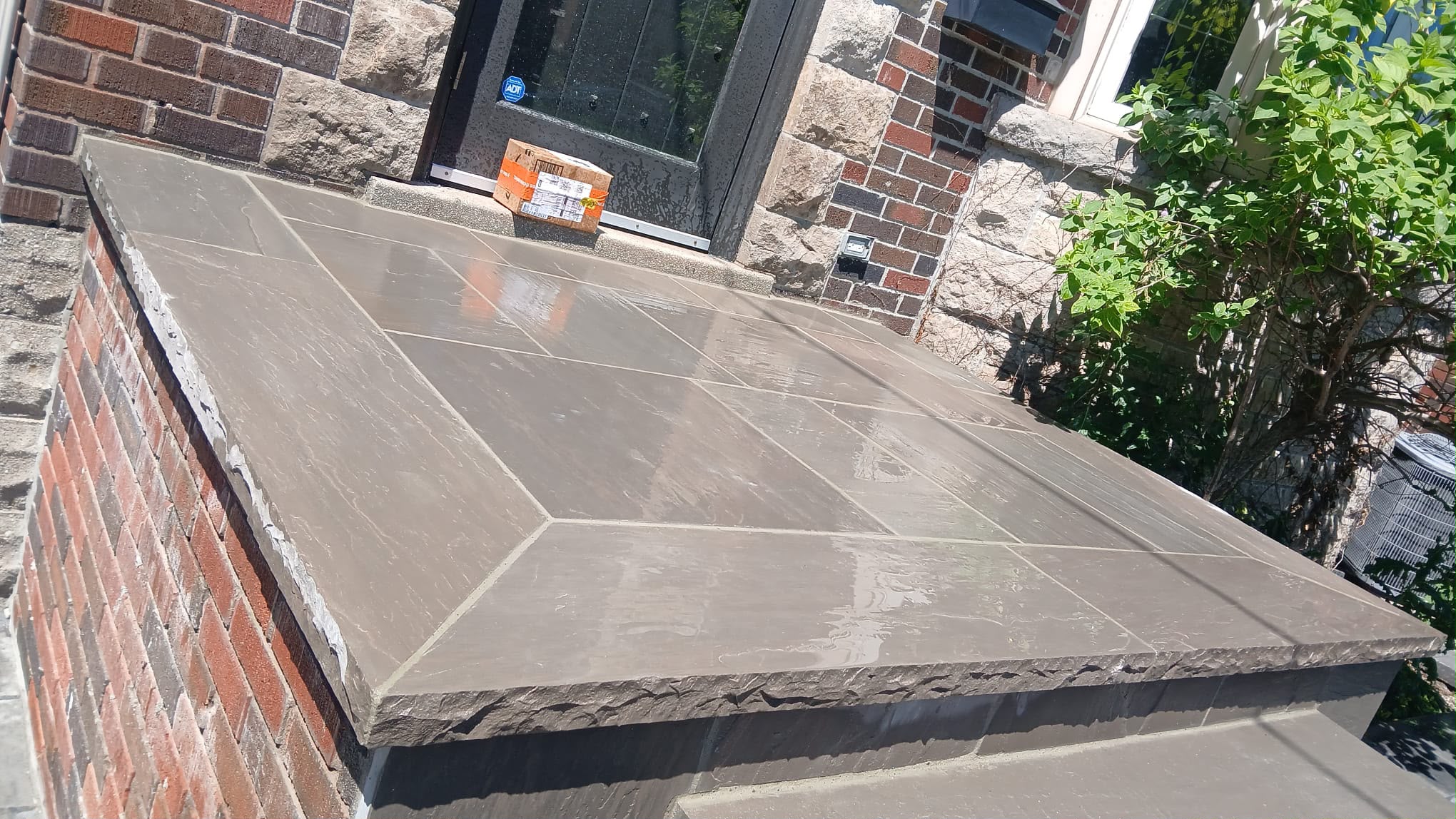
Stone masonry and stone veneer can help commercial properties create a stronger exterior presence. Stone may be used on entrance features, columns, low walls, signage bases, garden walls, storefront accents, and lobby-adjacent exterior walls.
Natural stone can add texture and durability when installed properly. Stone veneer can provide a stone look without a full stone wall, but it needs careful moisture detailing, caps, backing, and joint work. Commercial veneer failures can be noticeable because they often happen in high-visibility areas.
Loose stone, cracks, efflorescence, staining, or water behind the veneer should not be ignored. These signs can mean moisture is entering or the veneer bond is failing.
If your property includes stonework or you are considering exterior stone details, A&A Masonry’s stone masonry Toronto page explains stone masonry options for walls, steps, facades, and custom features.
Waterproofing and Moisture Control
Waterproofing and moisture control are important commercial masonry solutions because water is one of the most common causes of long-term damage. Water can enter through cracks, open joints, failed flashing, poor grading, damaged foundation areas, flat surfaces, and roofline details.
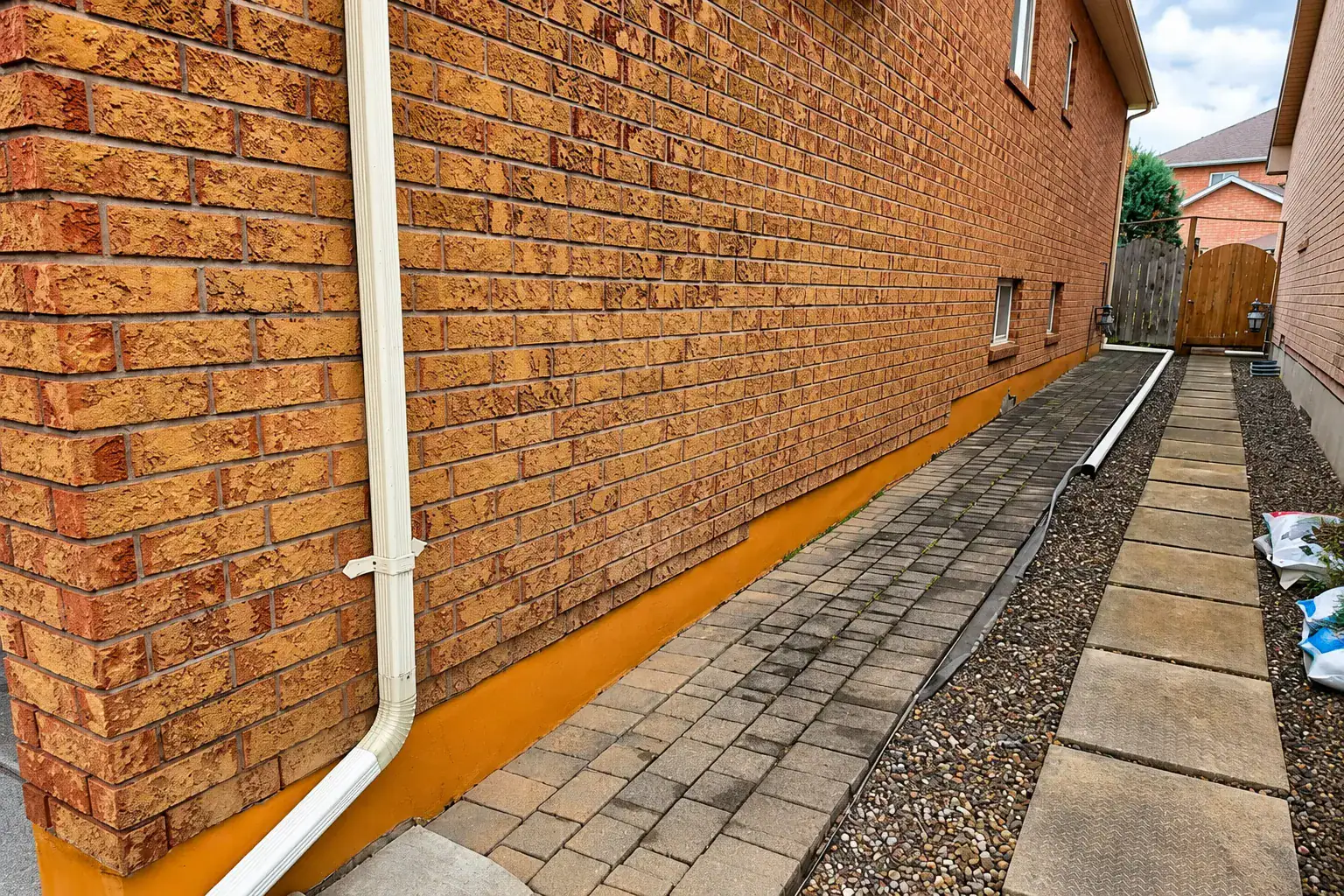
Commercial buildings may also have hard surfaces around them, such as sidewalks, driveways, loading areas, parking lots, and patios. These surfaces can send rain and melted snow toward the building if drainage is not planned properly.
The City of Toronto explains that managing rain and melted snow is important for reducing the risk of basement flooding and protecting local waterways. For commercial masonry, this is a useful reminder that exterior surfaces, downspouts, and grading should move water safely away from the building.
If moisture is part of the issue, A&A Masonry’s waterproofing Toronto page explains exterior waterproofing and water-entry concerns that may affect masonry and foundation areas.
Drainage Around Commercial Masonry
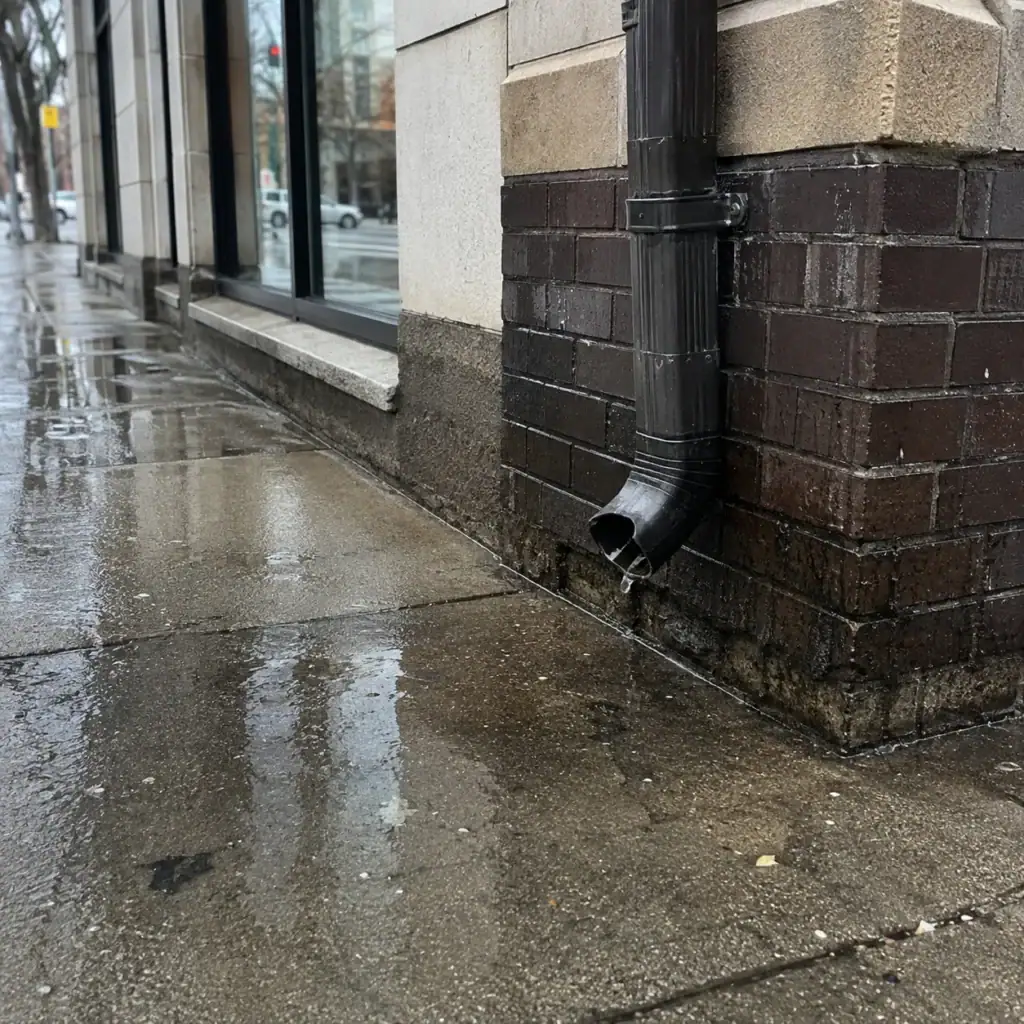
Drainage around commercial masonry should be reviewed before repairs are planned. If water keeps reaching the same wall, step, foundation, or walkway, the repair may fail again.
Look for pooling near entrances, water running toward the building, downspouts emptying onto walkways, snow piles melting against brick, and low areas beside foundation walls. In winter, these areas can turn into ice hazards and increase freeze-thaw damage.
The City of Toronto’s guide on how to help manage stormwater explains ways property owners can reduce runoff and manage rain and melting snow. Commercial masonry repairs should fit into that same water-management thinking.
Good drainage protects walls, entrances, walkways, foundations, retaining walls, and lower brickwork. It also helps reduce repeated repair costs.
Interlocking Walkways and Commercial Hardscaping
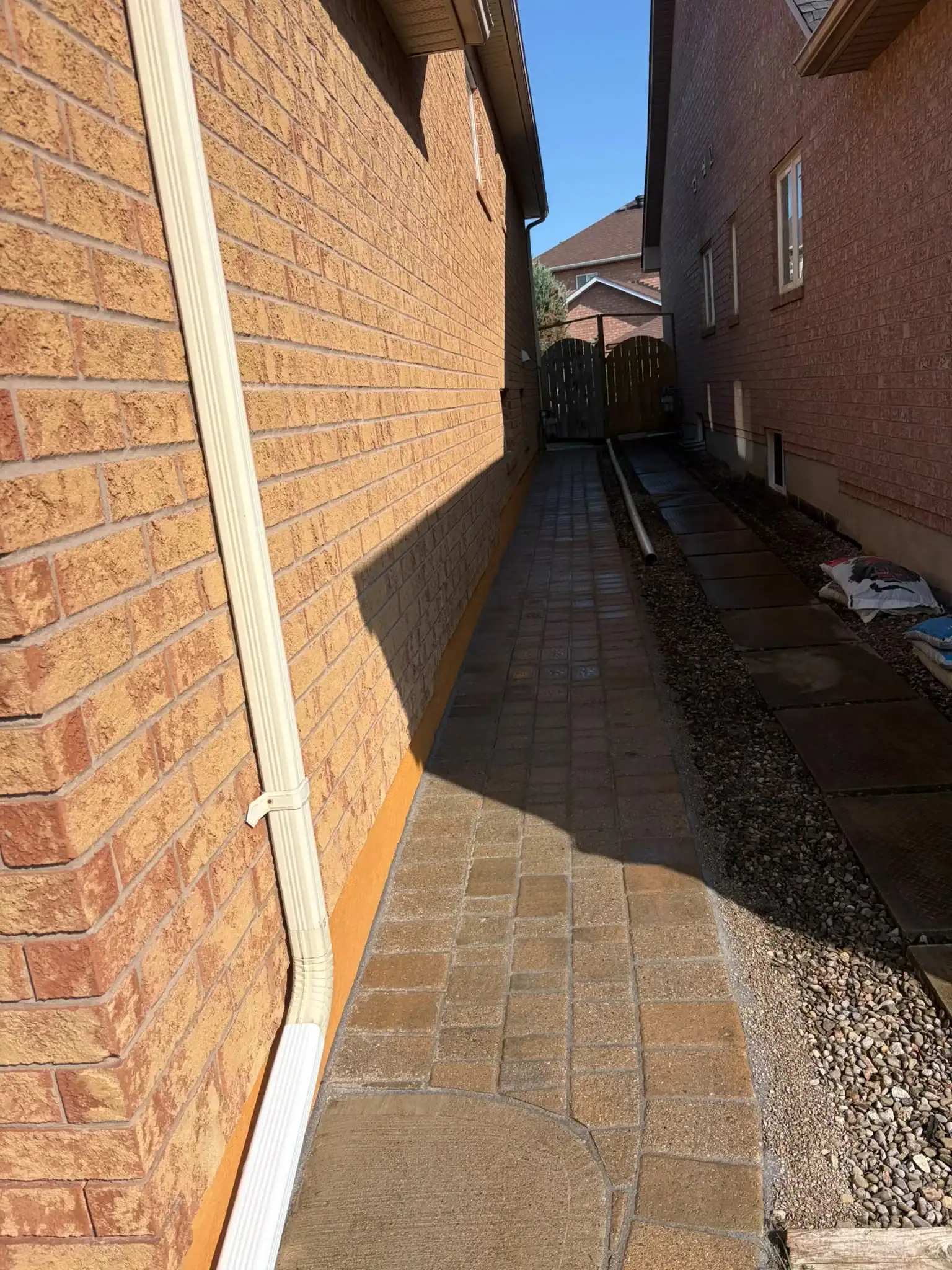
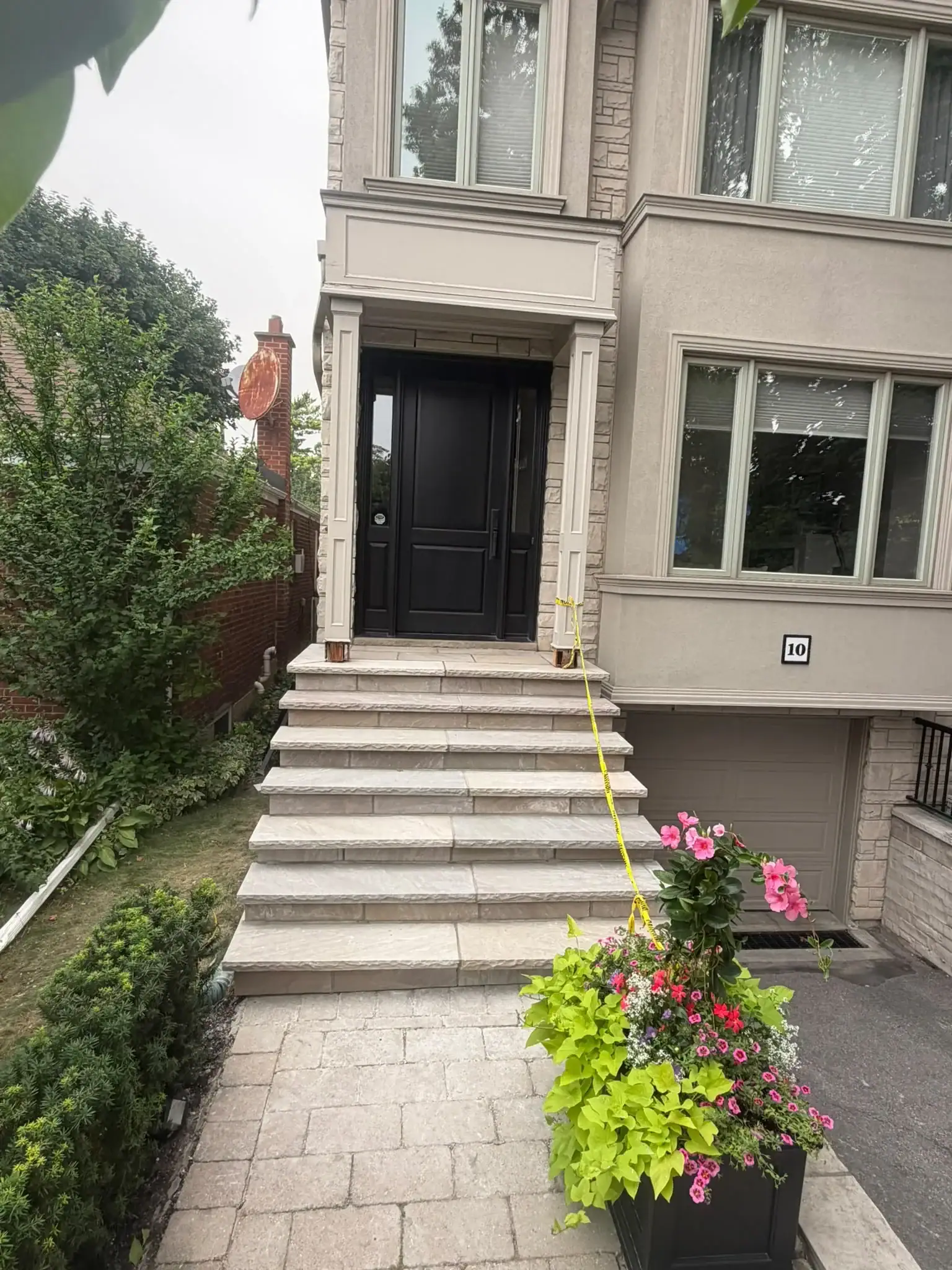
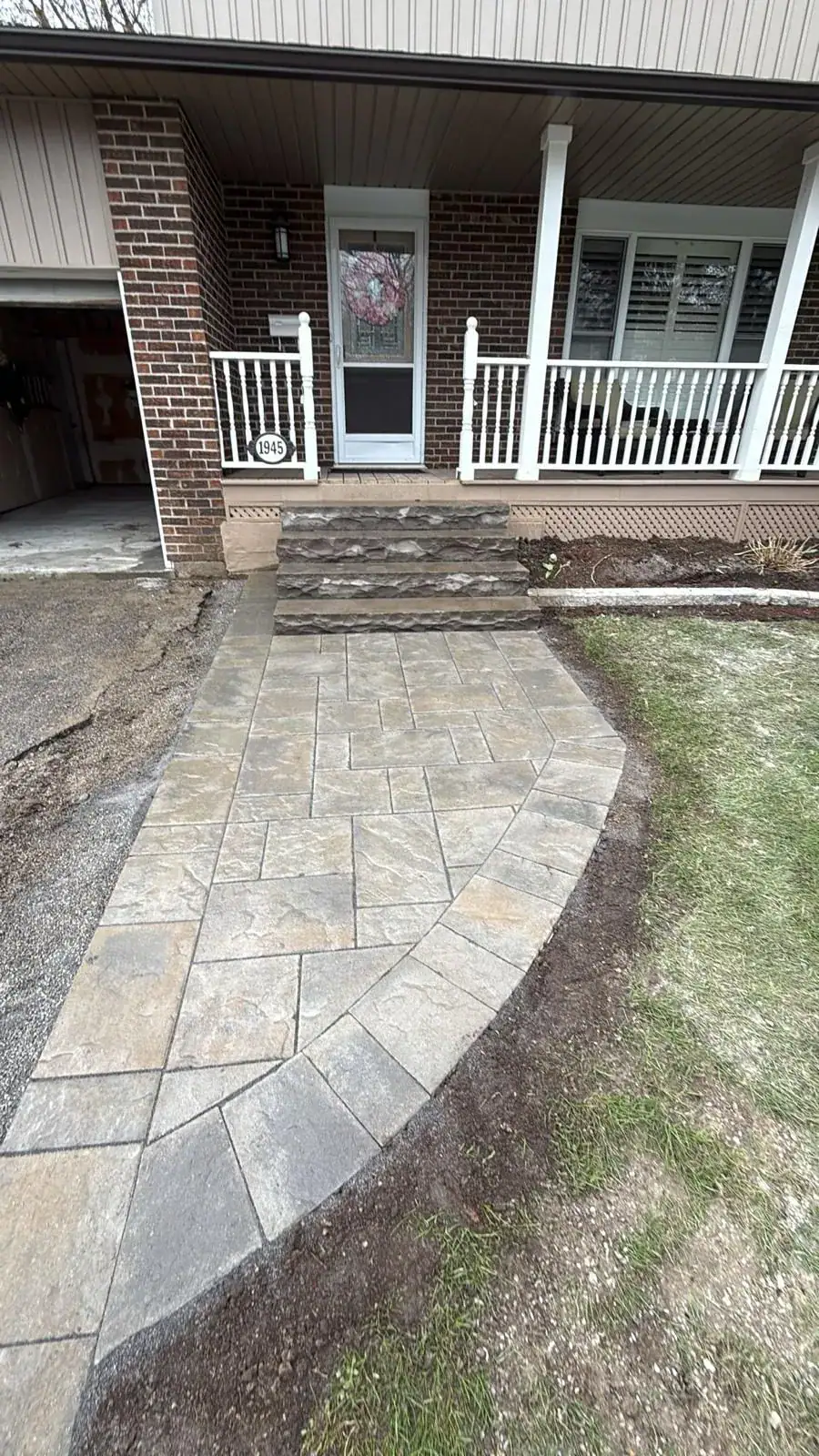
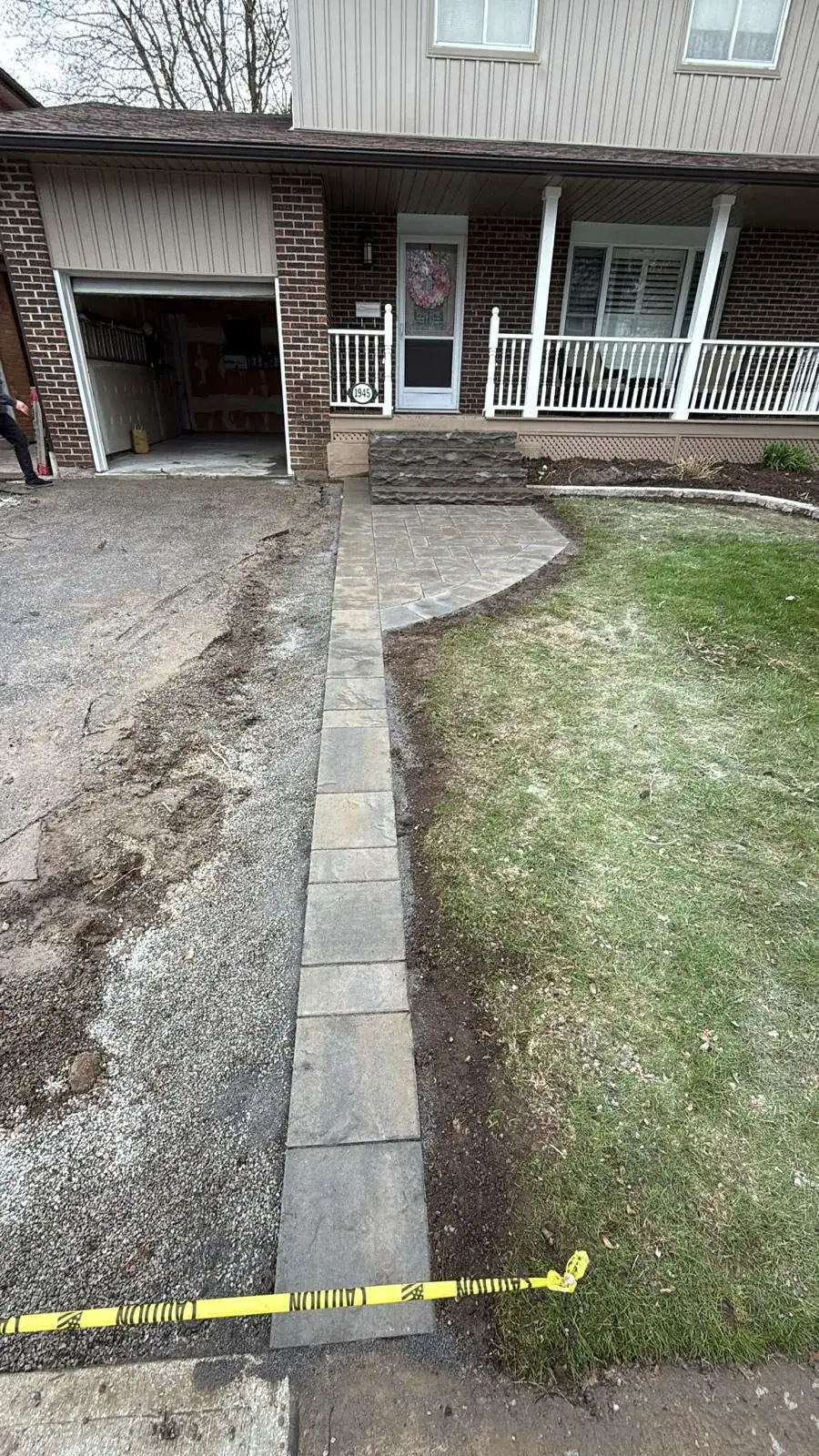
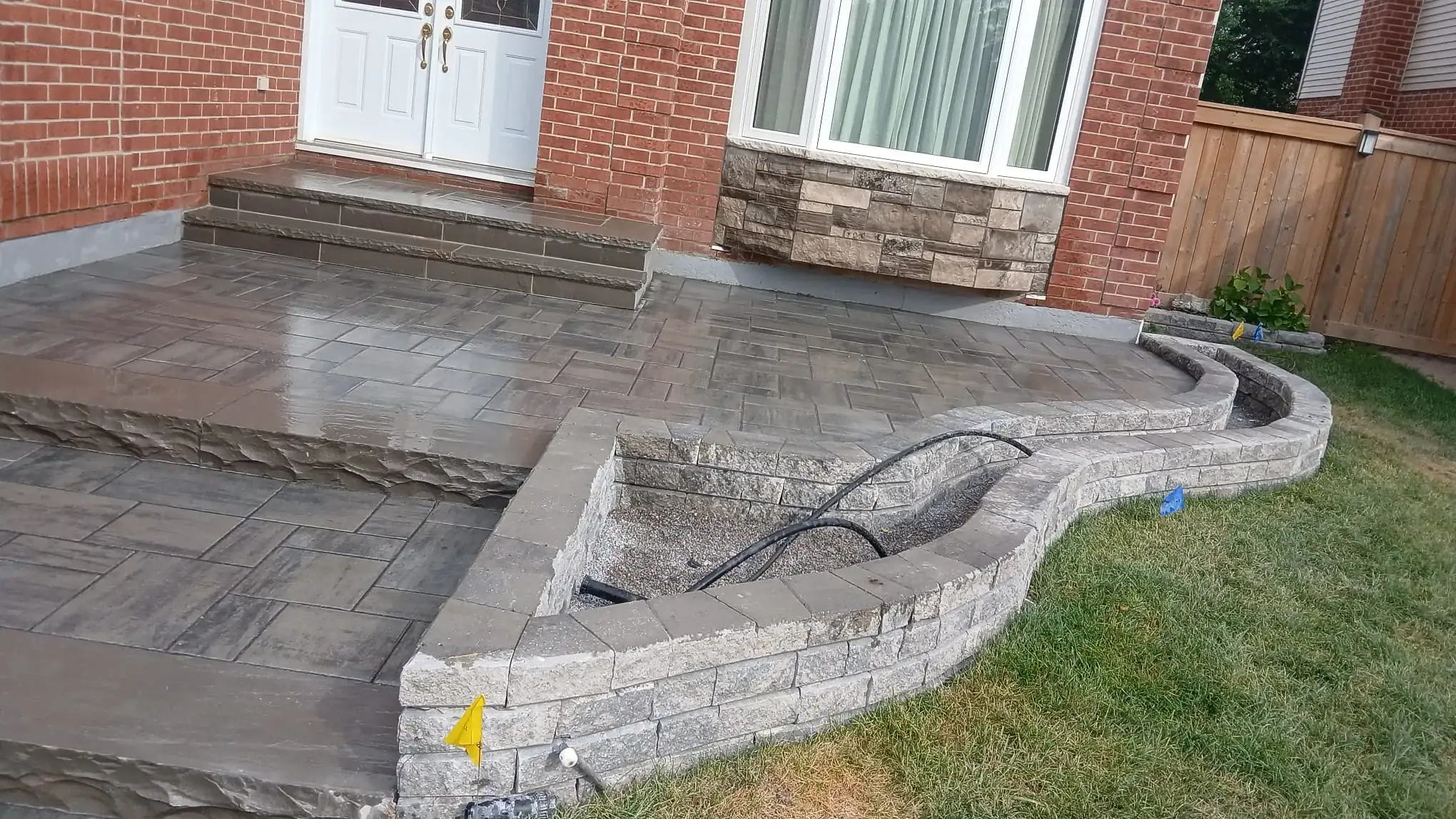
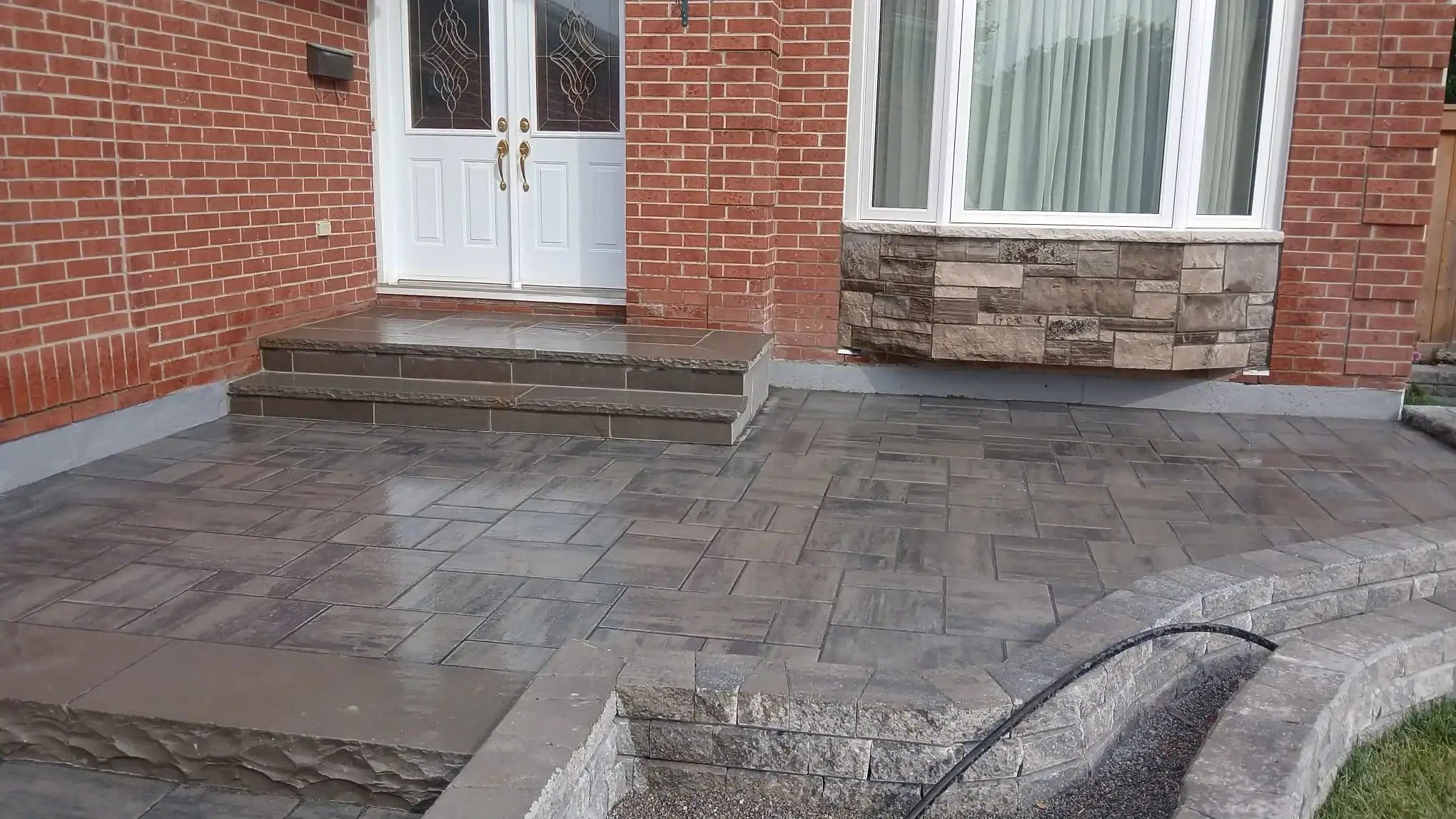
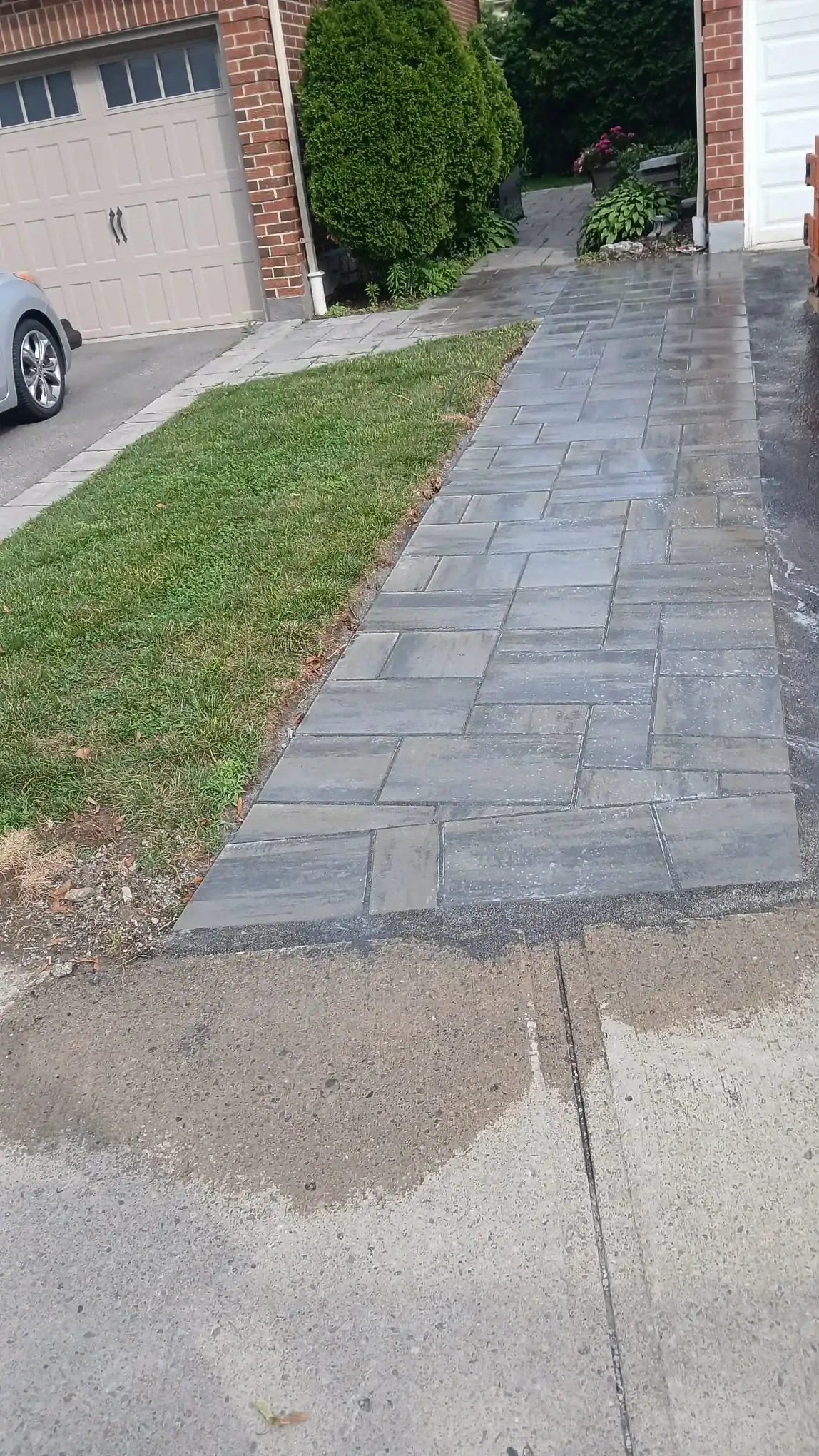
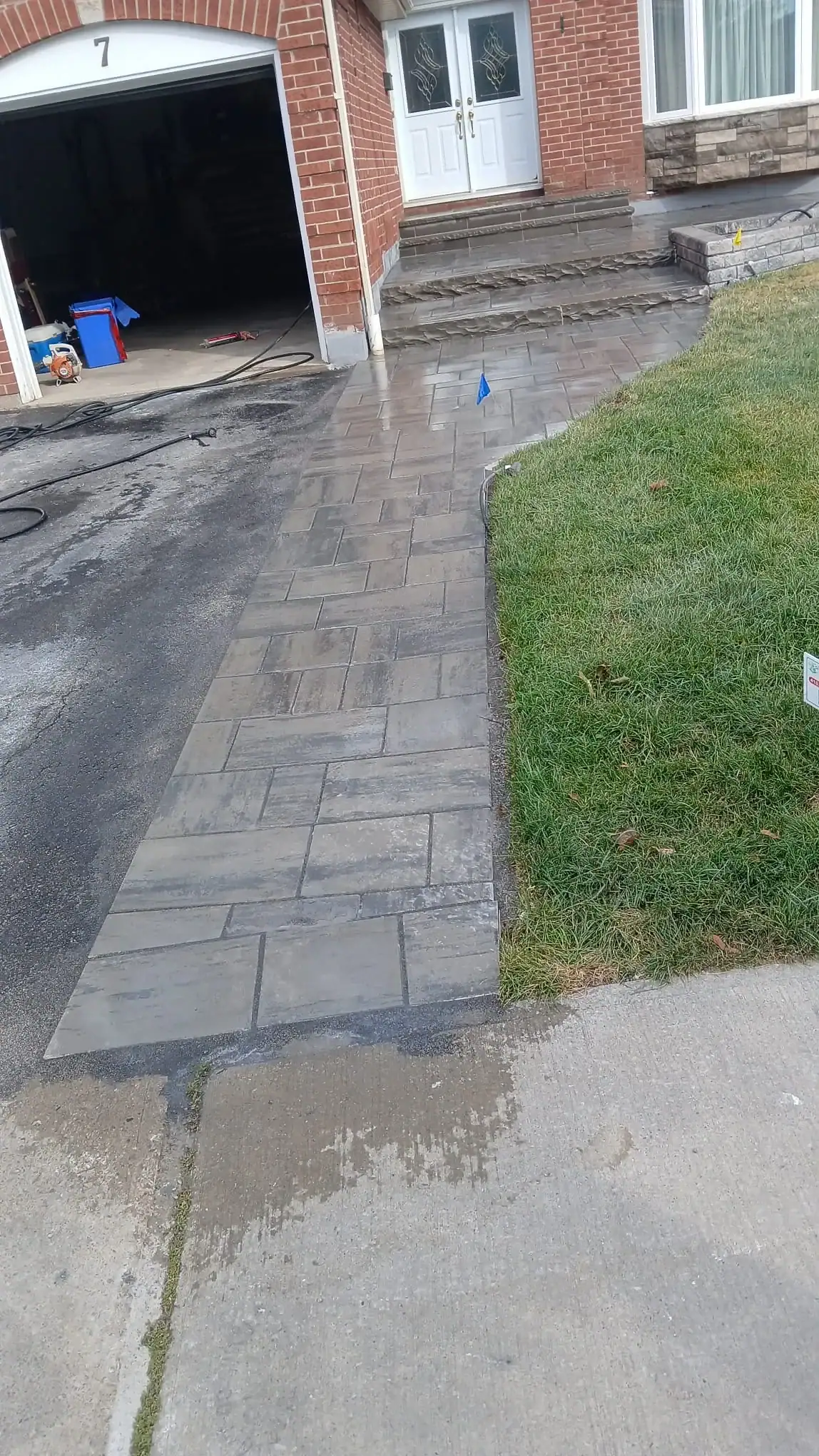
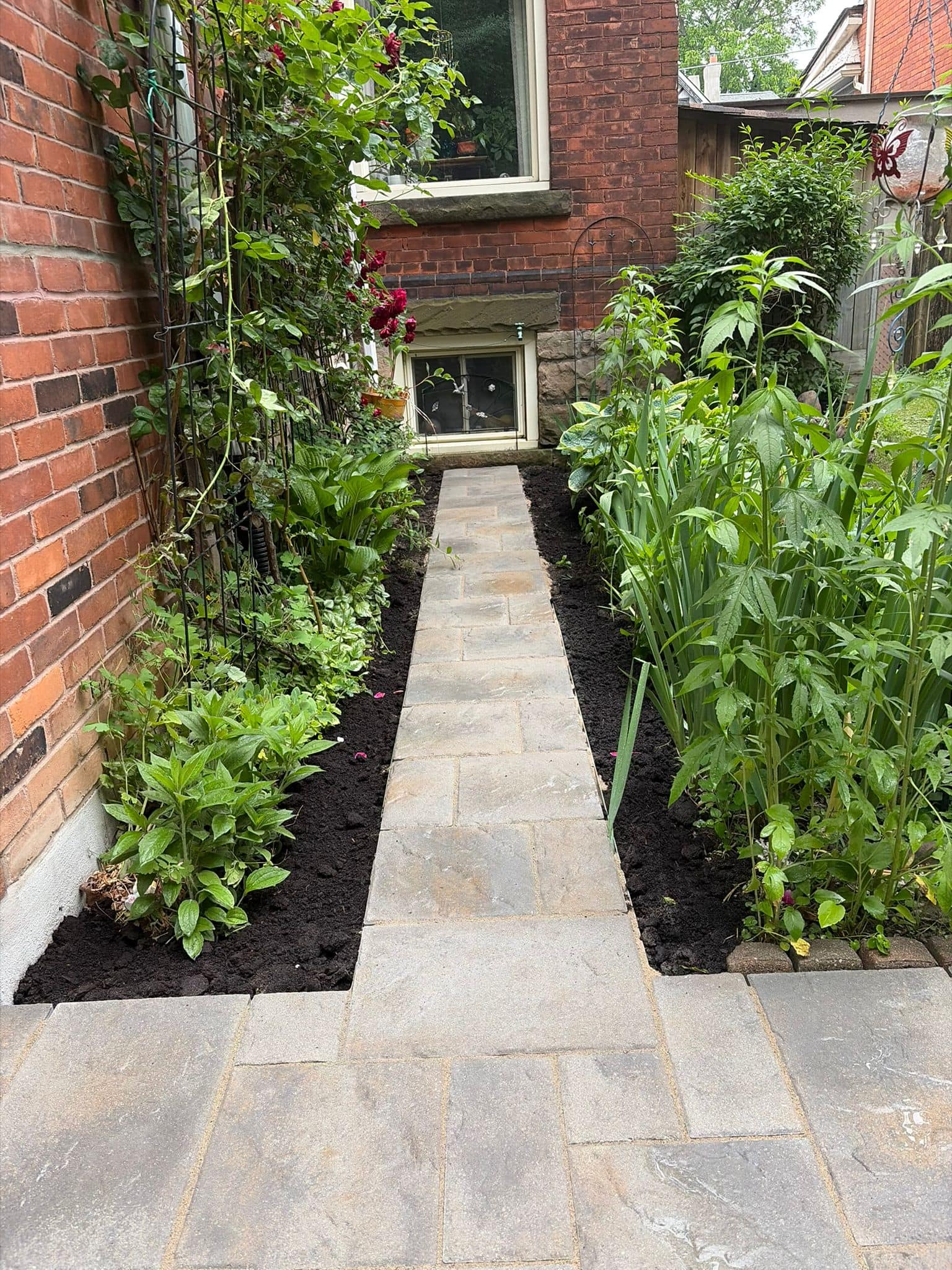
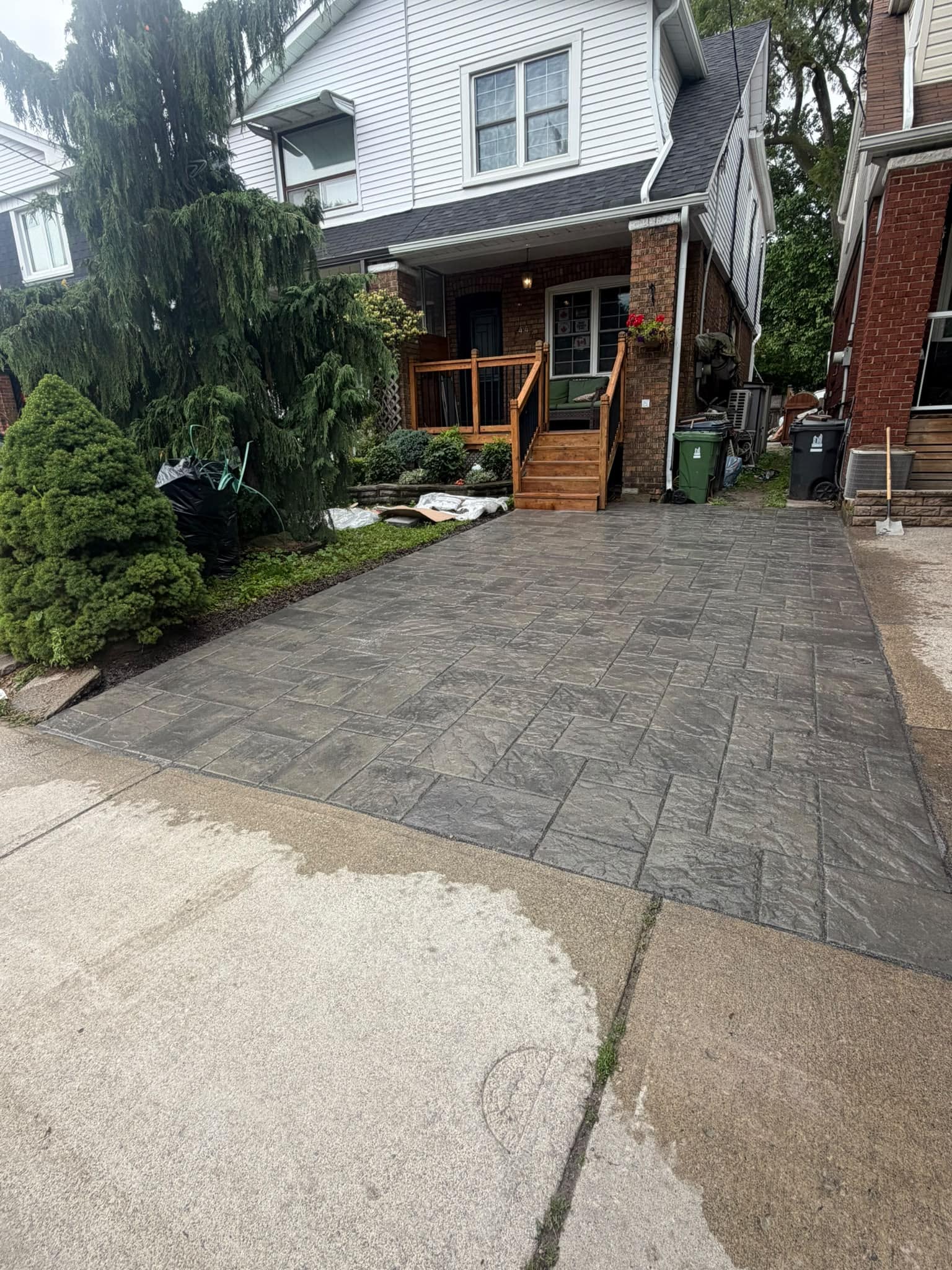
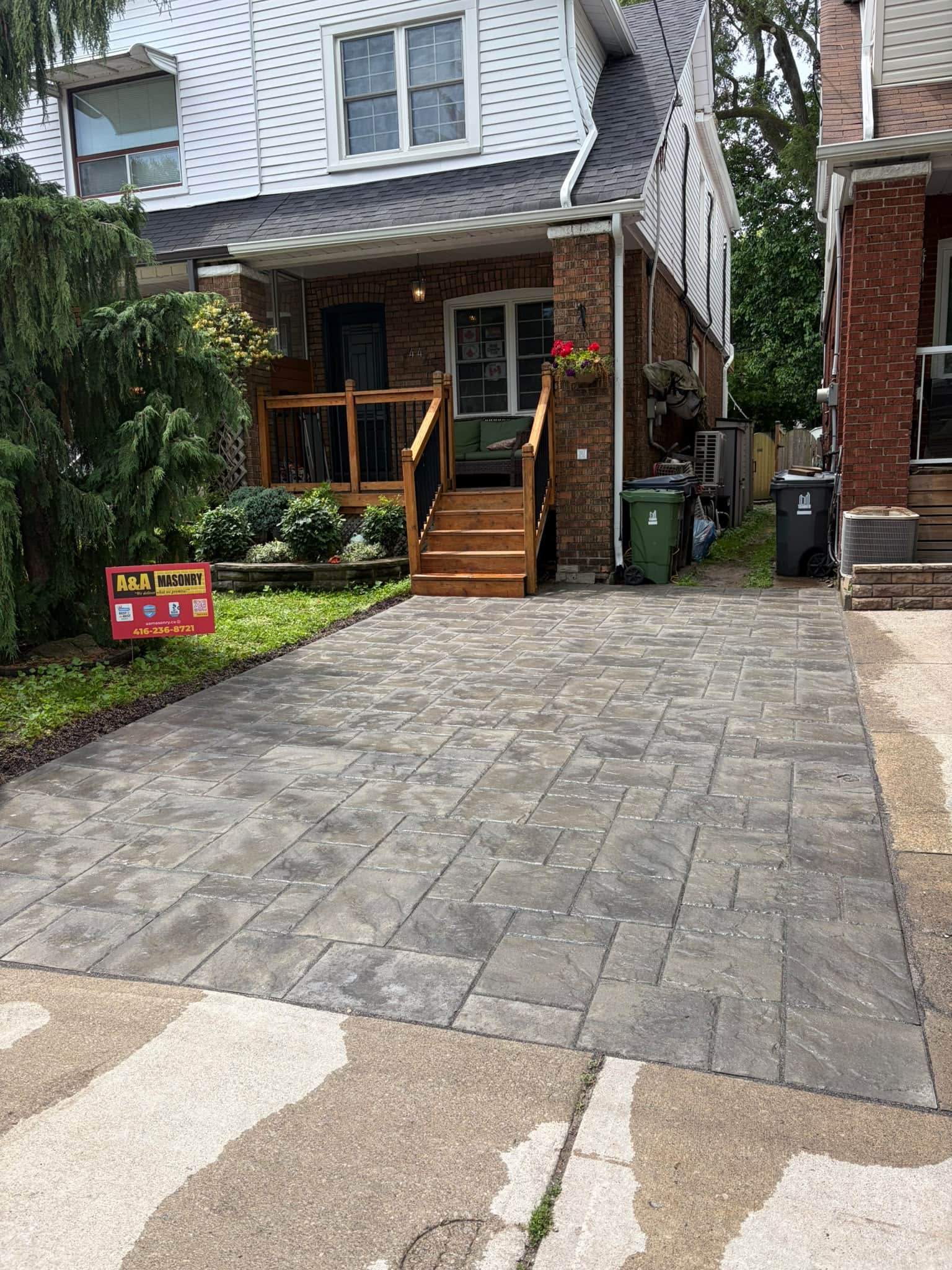
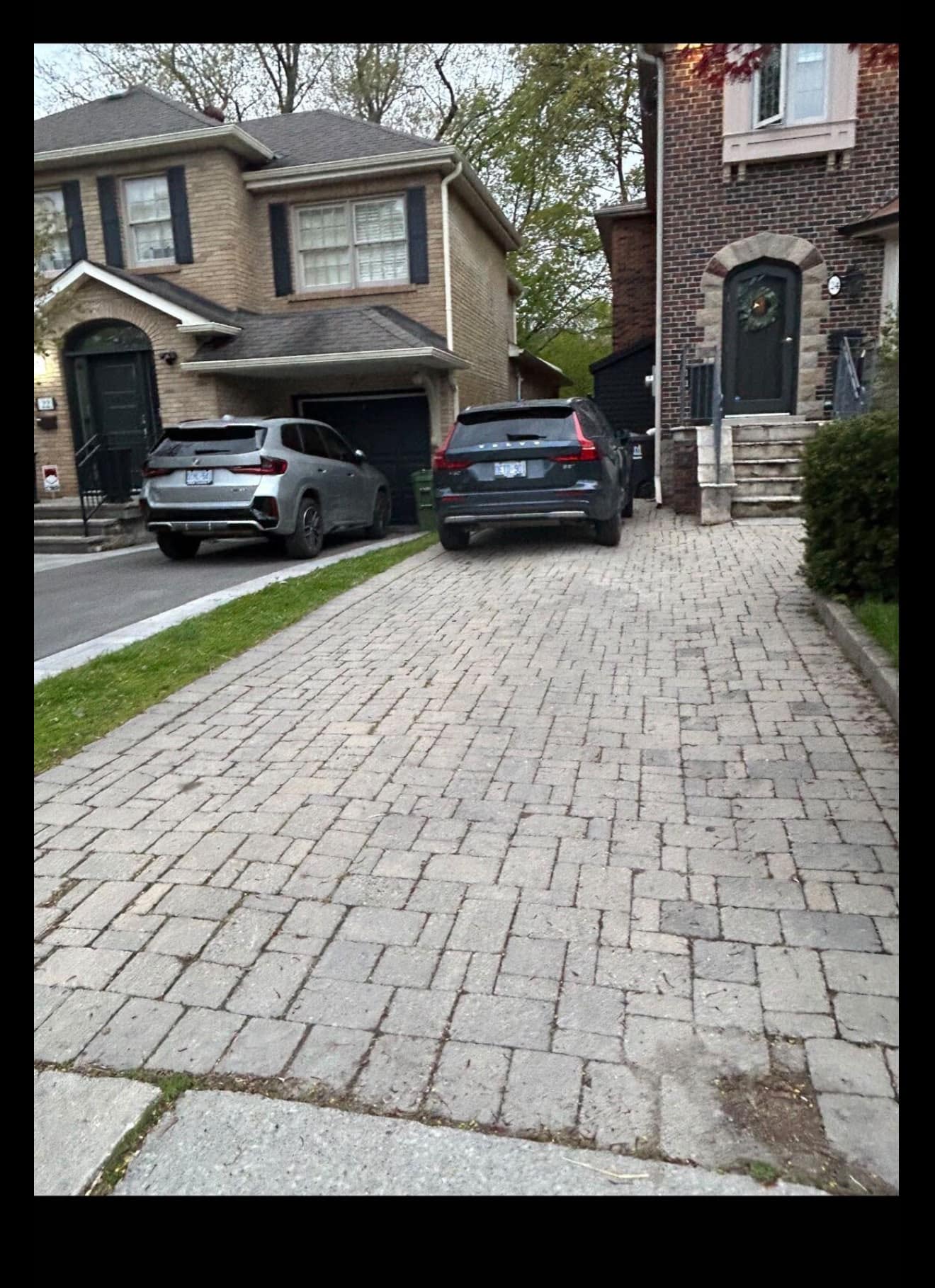
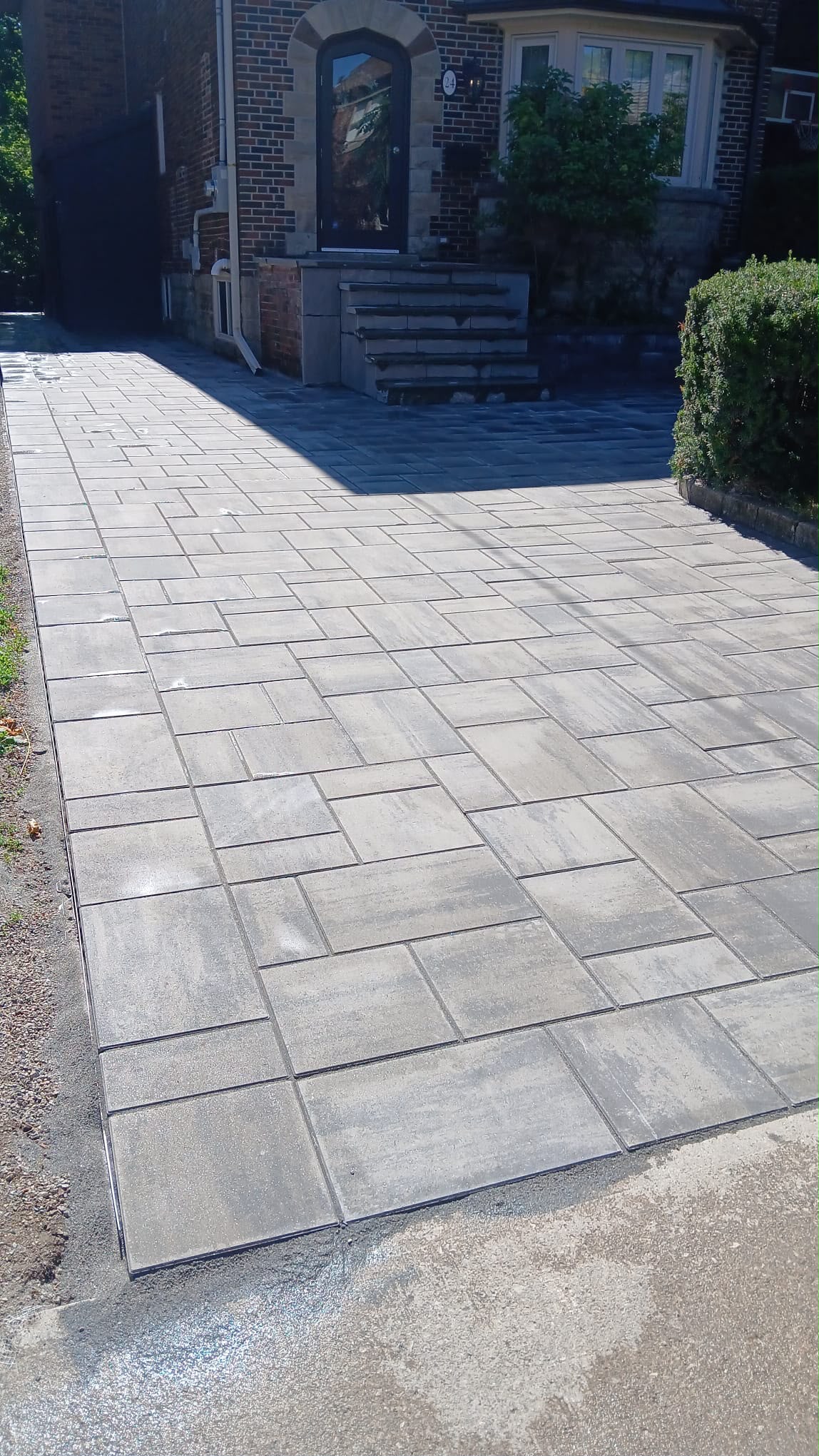
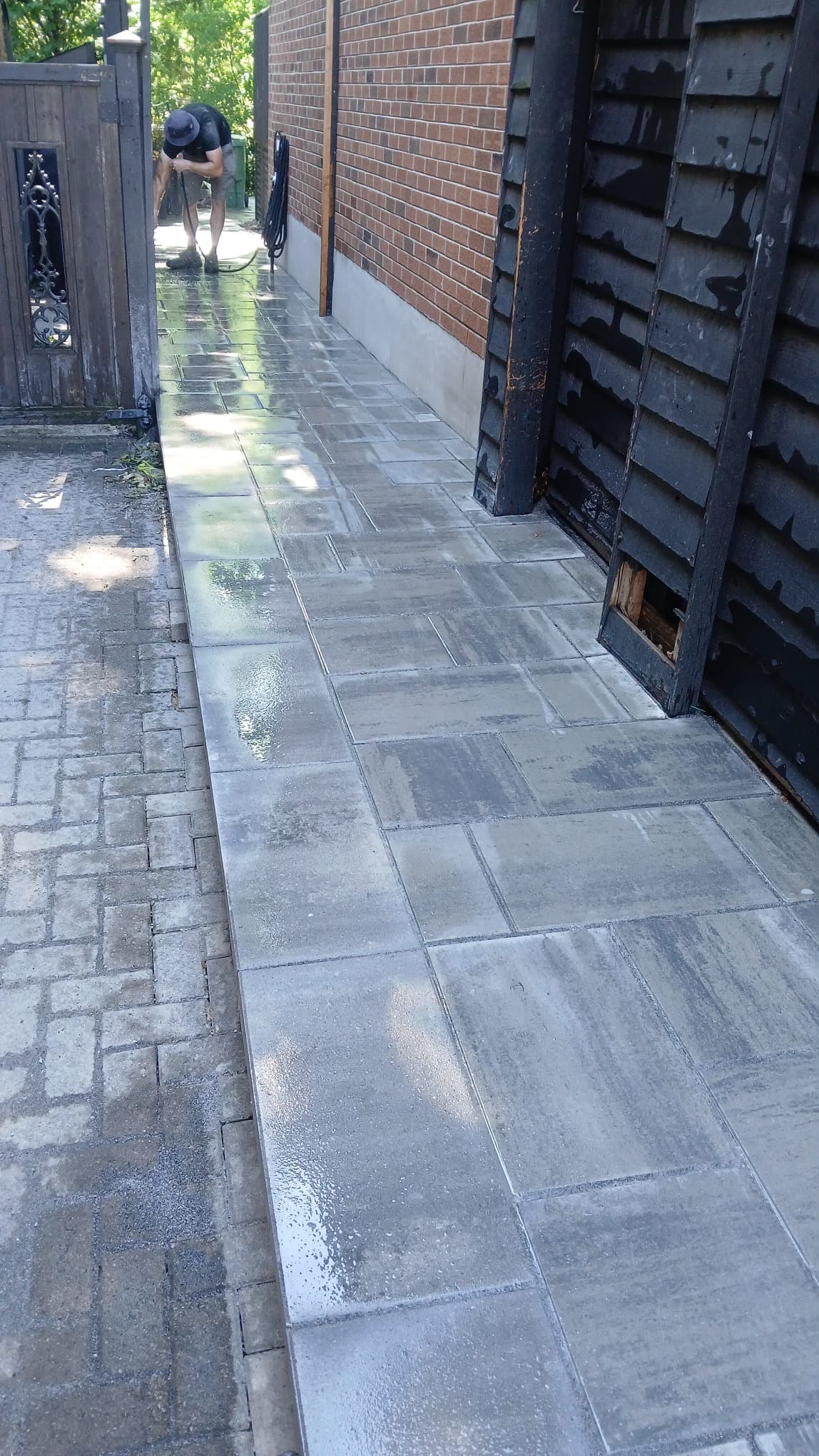
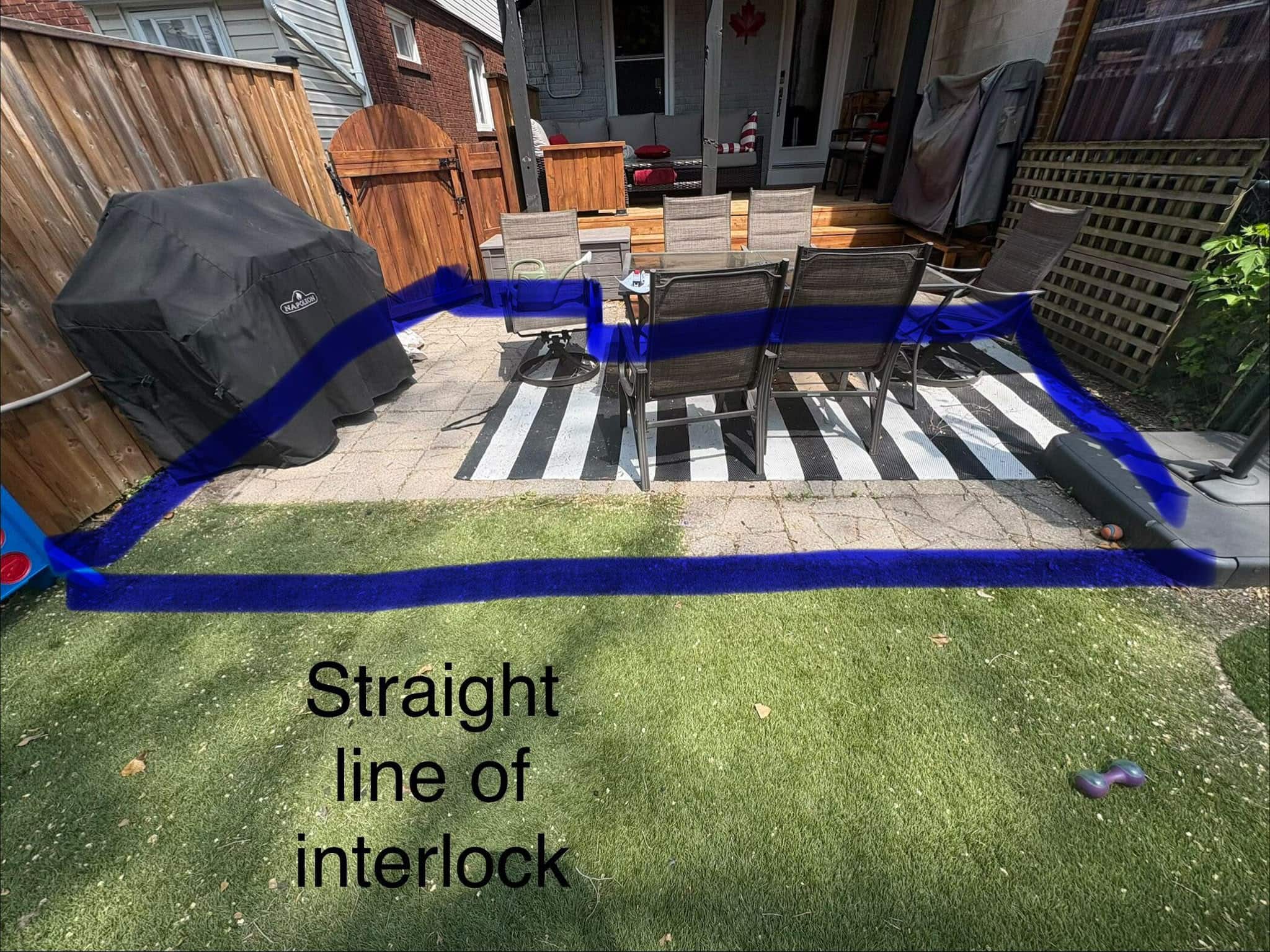
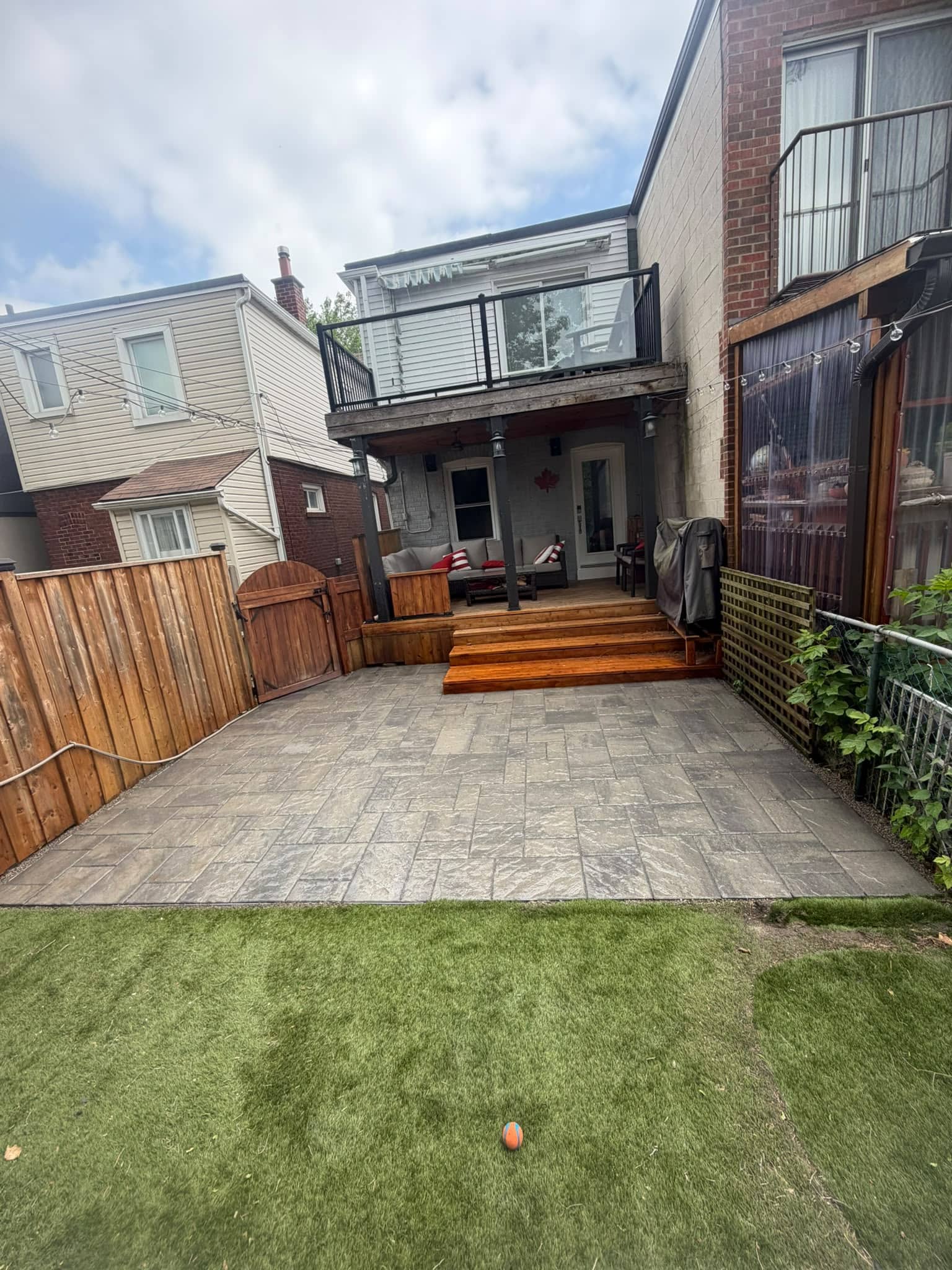
Interlocking walkways and commercial hardscaping can improve access, appearance, and function when designed properly. Pavers may be used for entrance paths, courtyards, patios, customer waiting areas, side access, garden borders, and small outdoor seating zones.
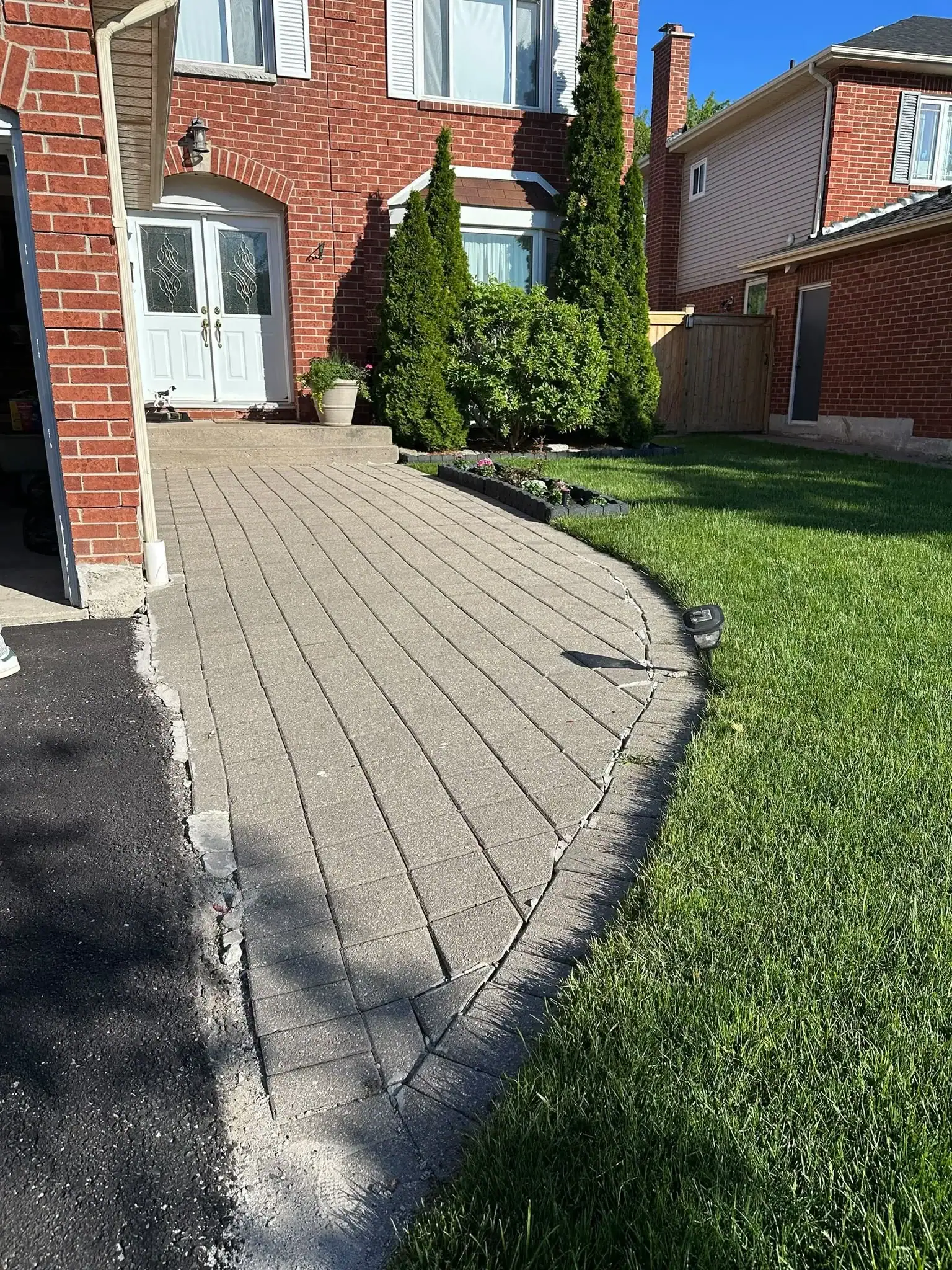
For business properties, the base and drainage are just as important as the visible paver pattern. Pavers can shift, sink, or become uneven if the base is weak or water collects below the surface. Commercial foot traffic may also be heavier than residential use.
Interlocking surfaces should be planned for snow clearing, de-icing, drainage, edge restraint, and safe walking routes. A good design should avoid low spots that collect ice or create trip hazards near entrances.
If your business property needs walkways, patios, or exterior hardscape improvements, A&A Masonry’s interlocking stone services in Toronto page is a relevant resource.
Retaining Walls and Grade Changes
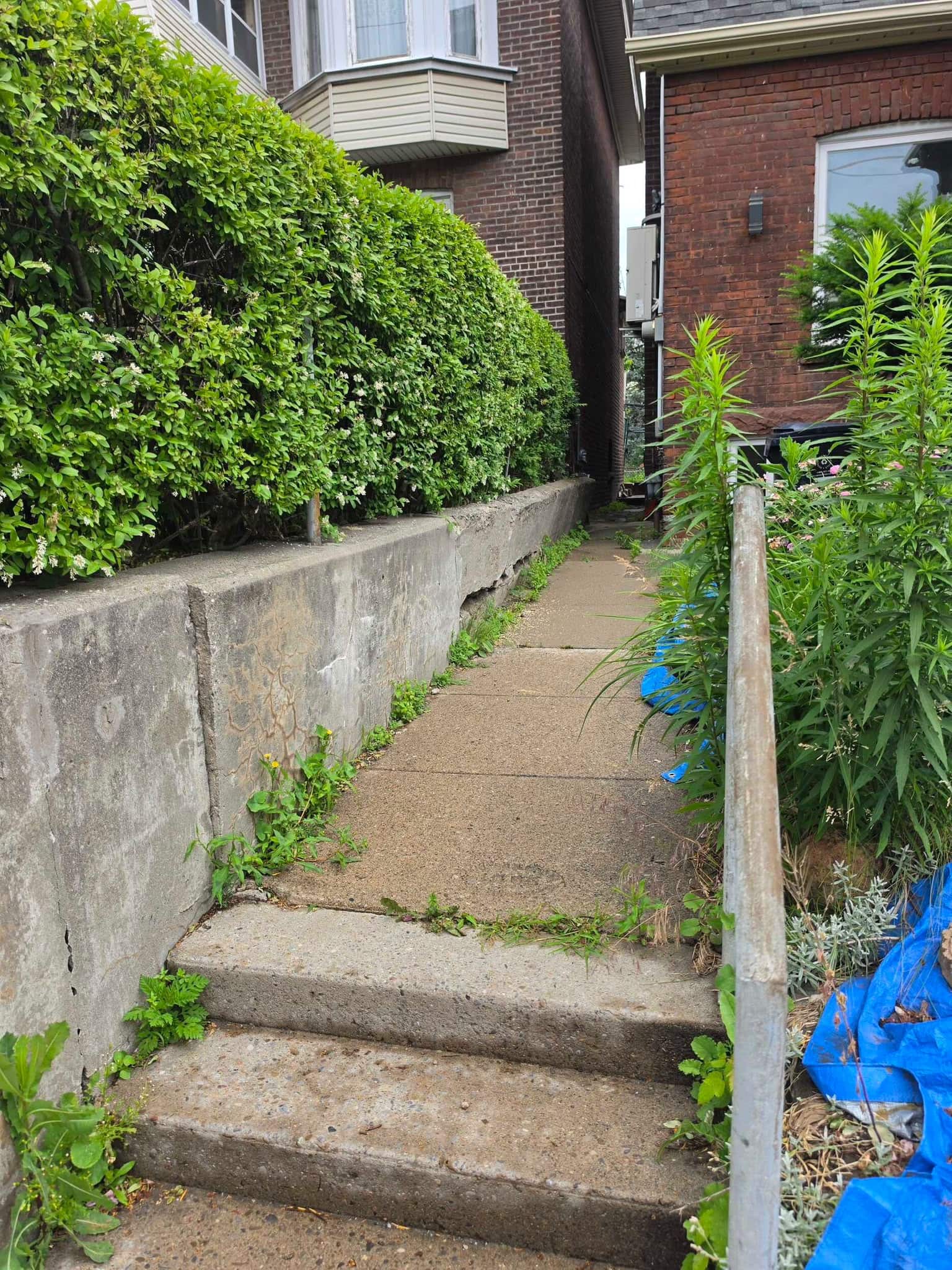
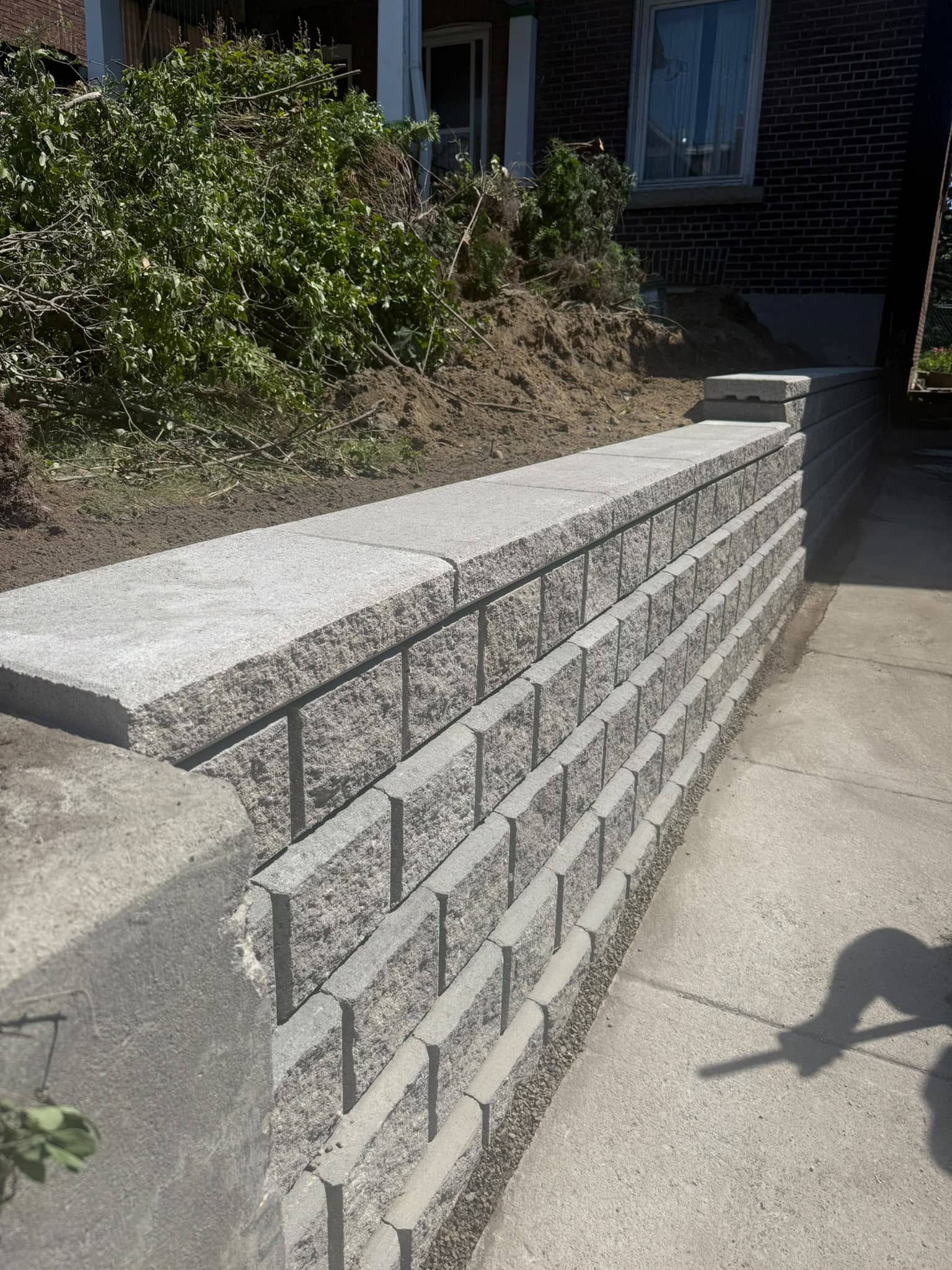
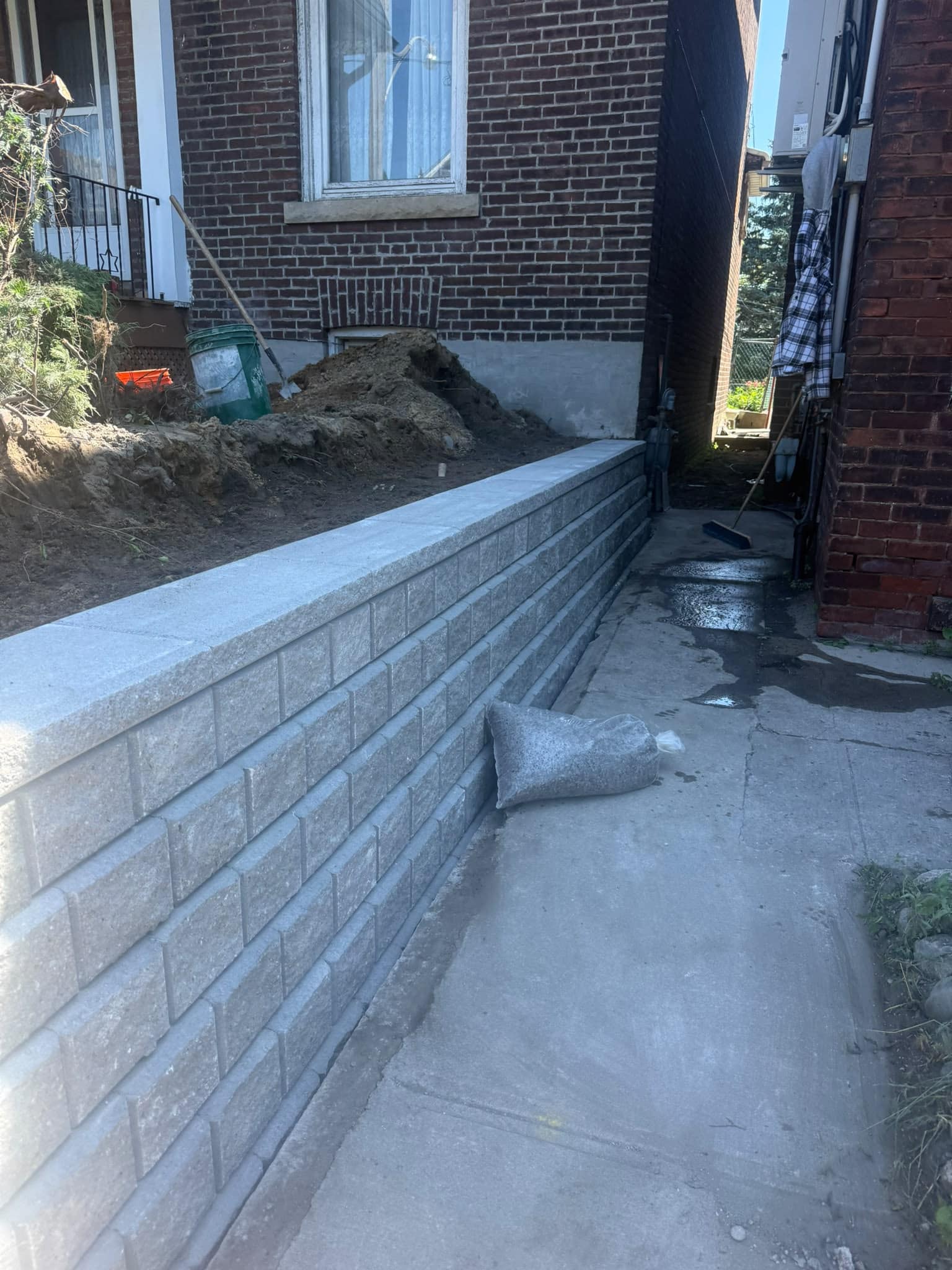
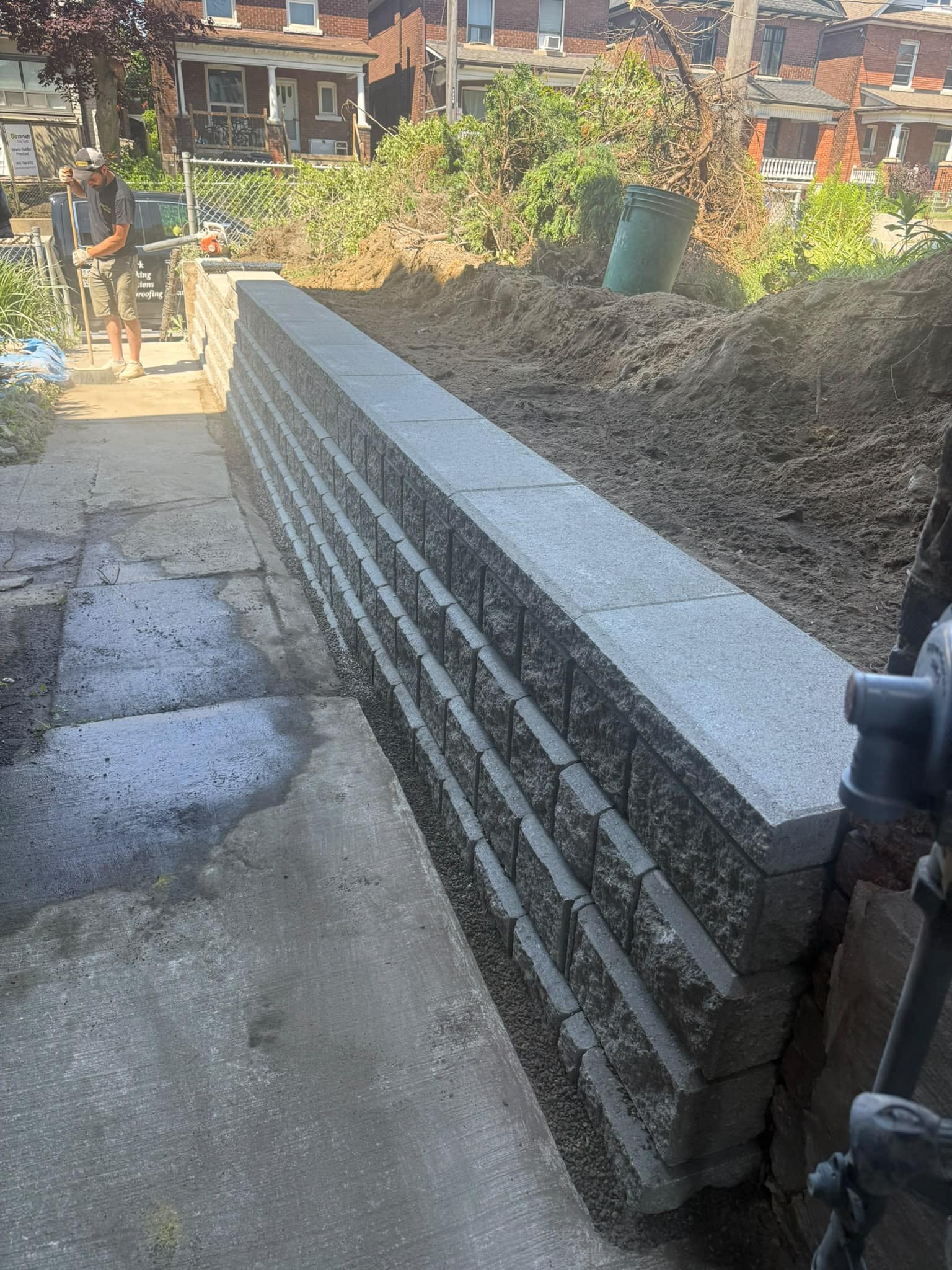
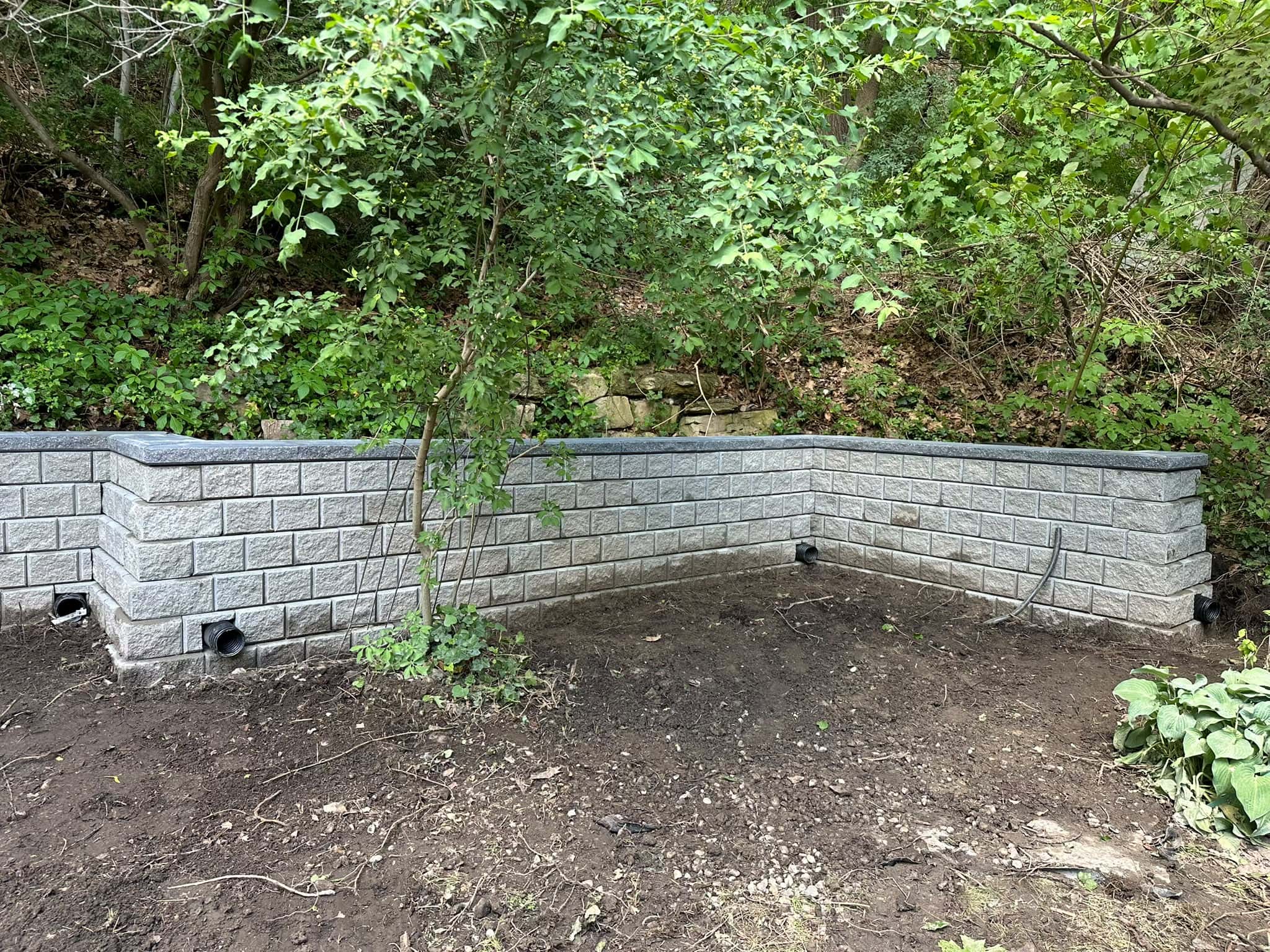
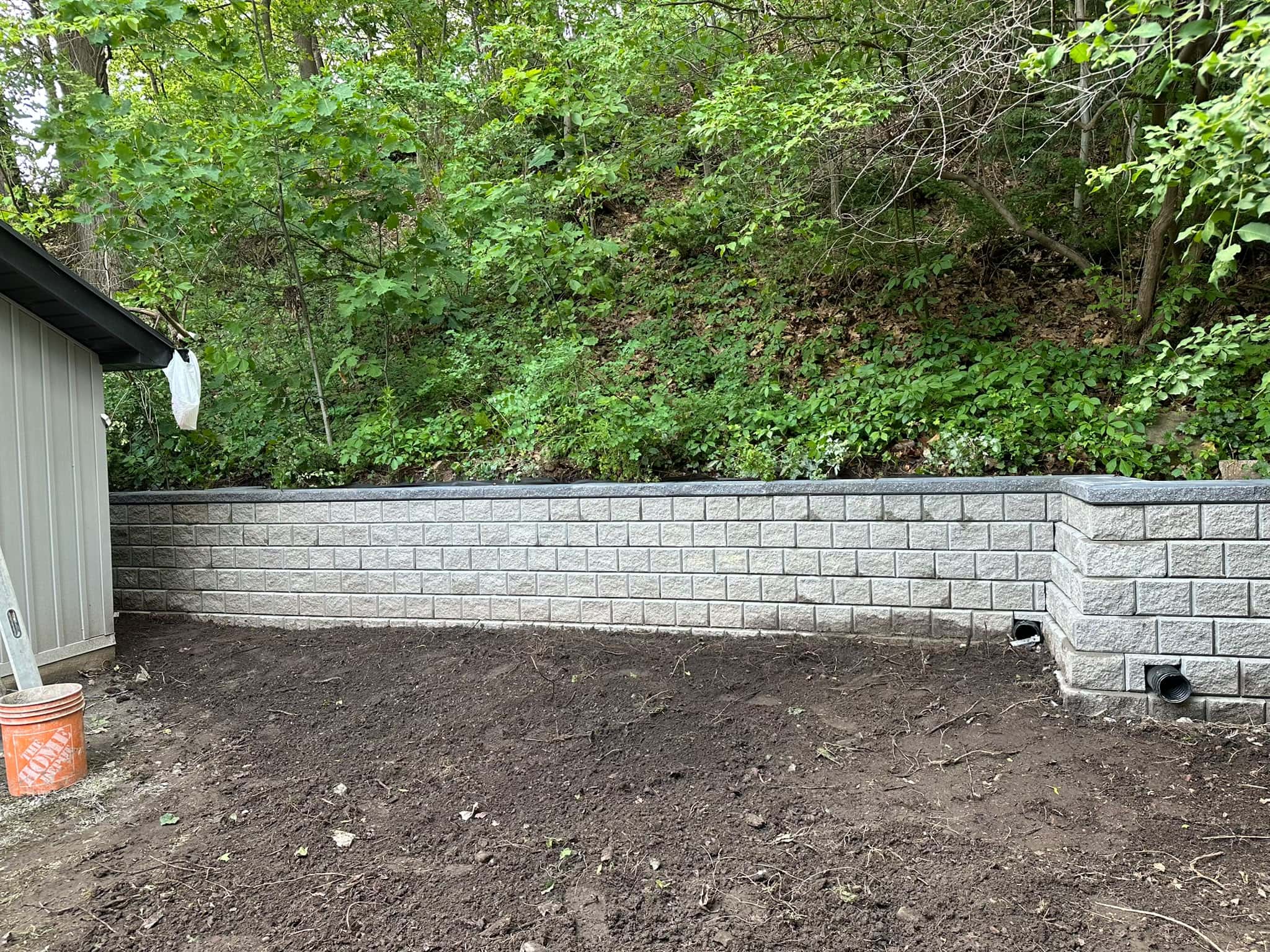
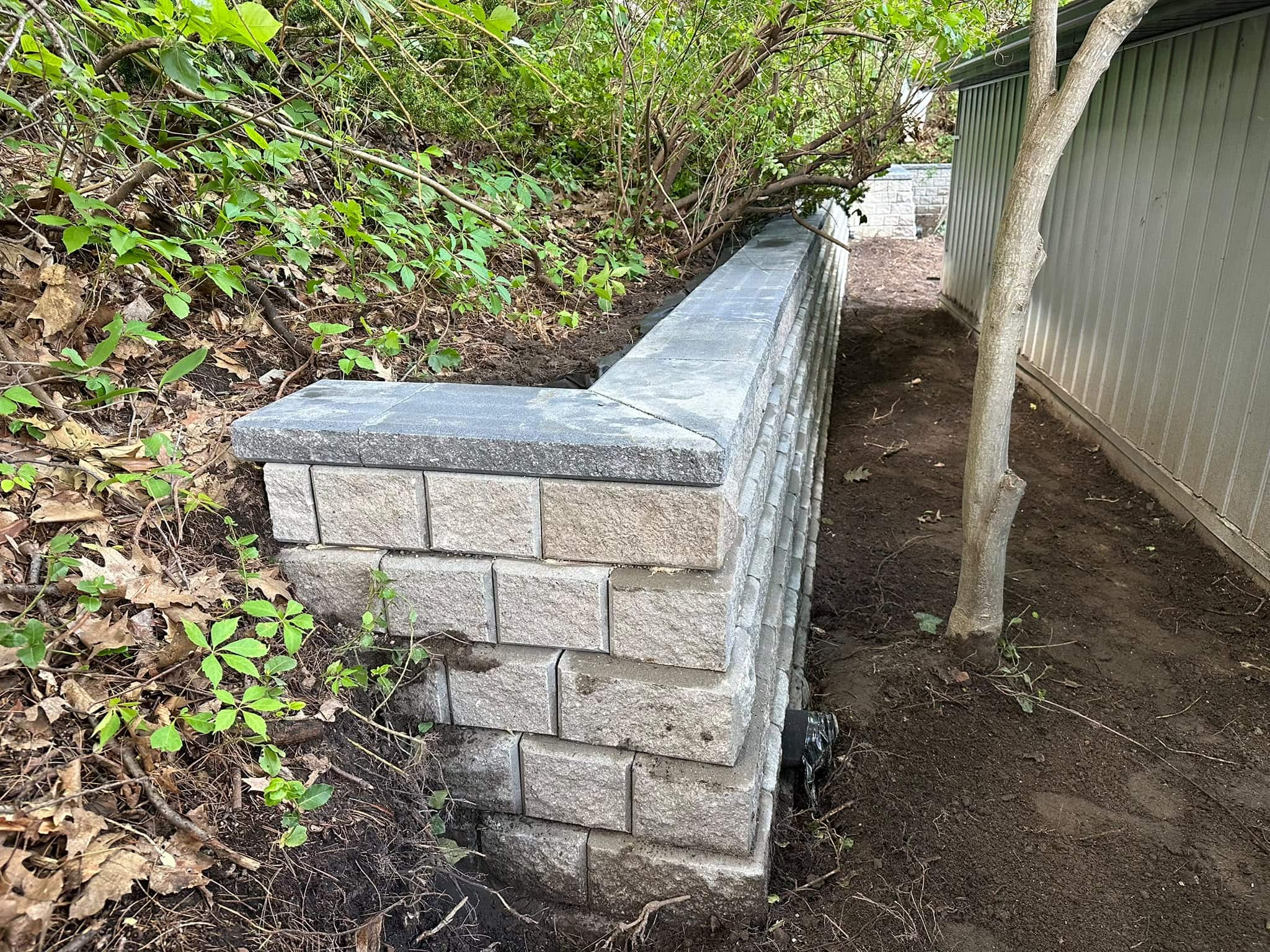
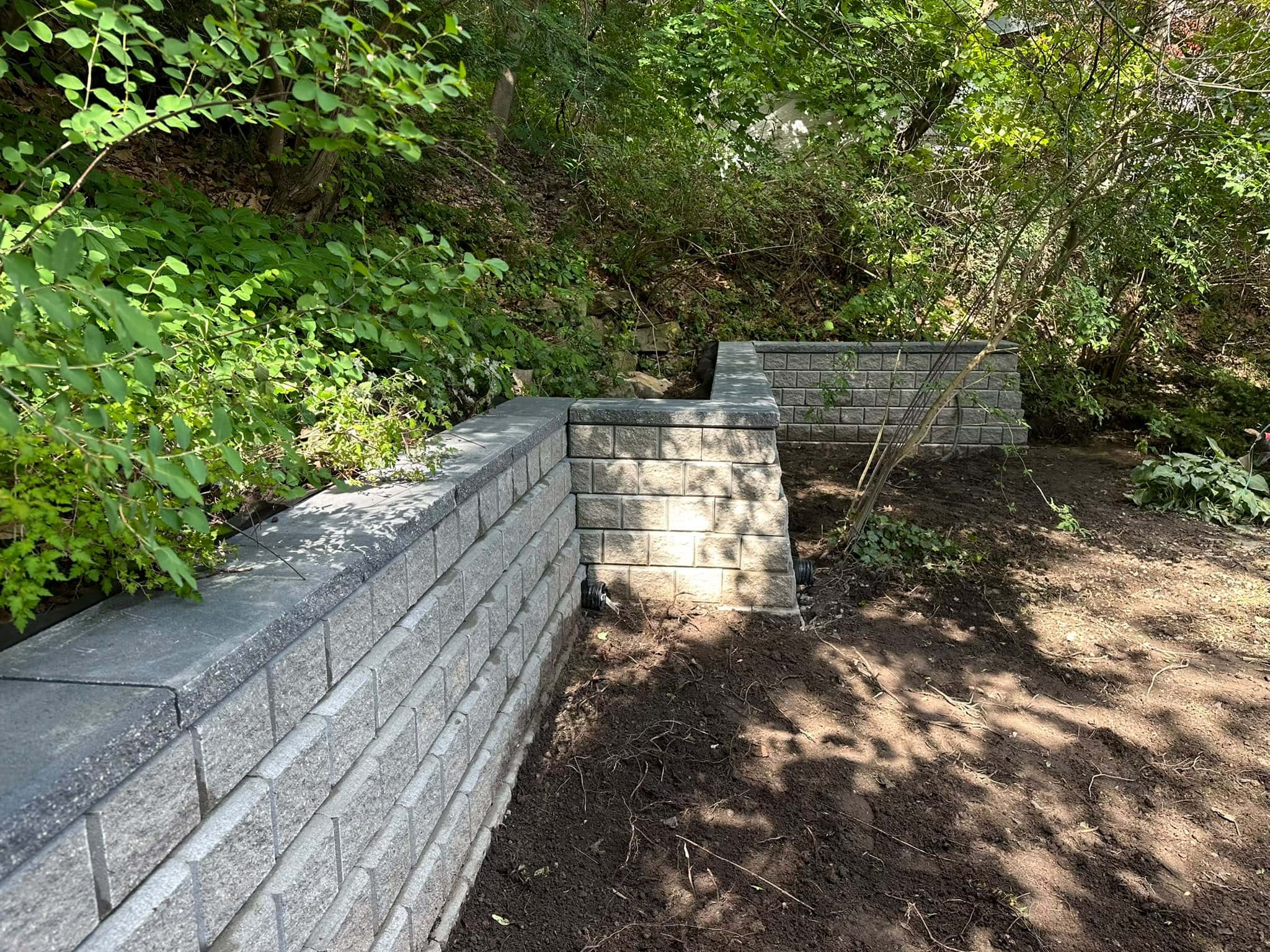
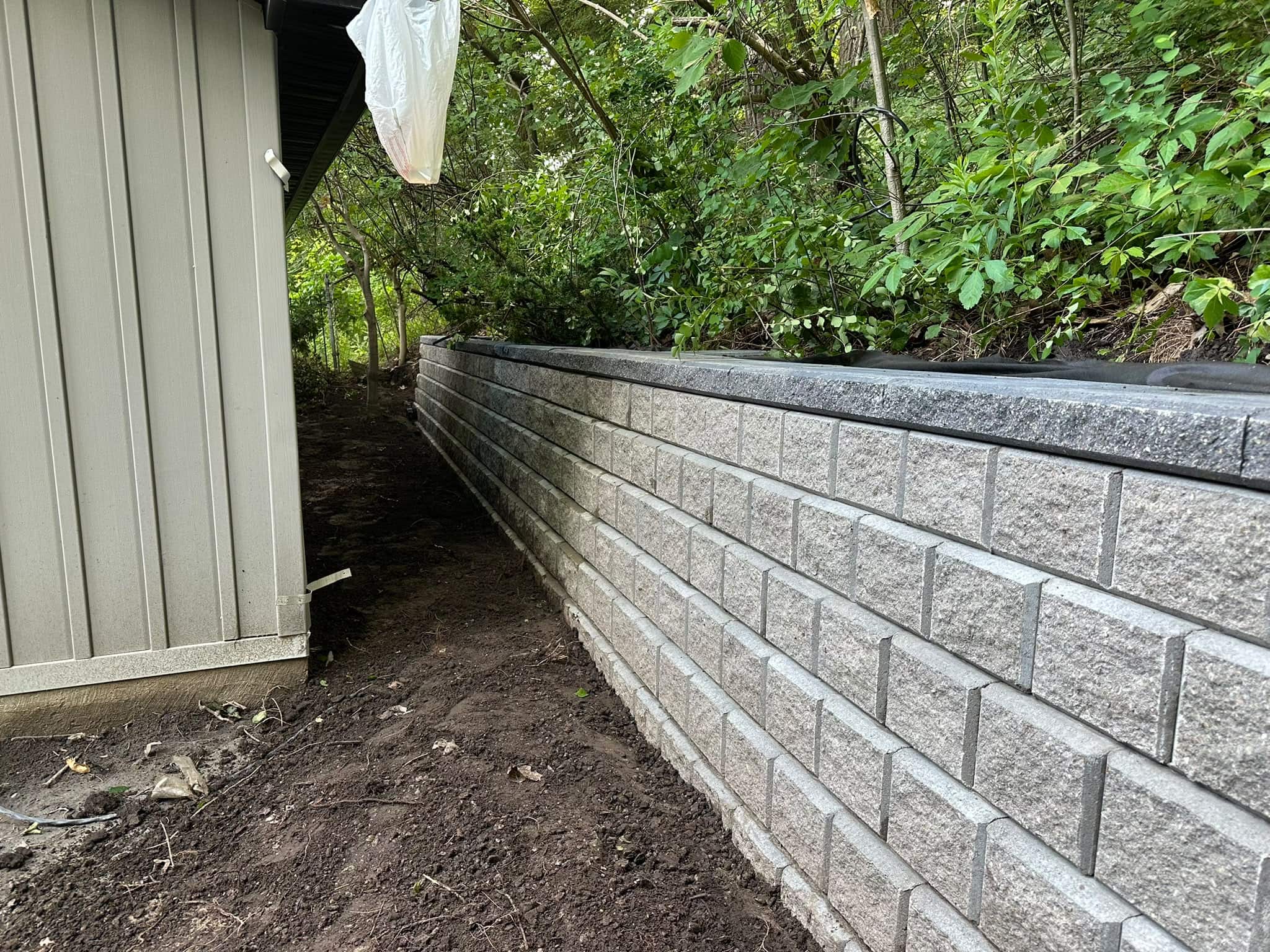
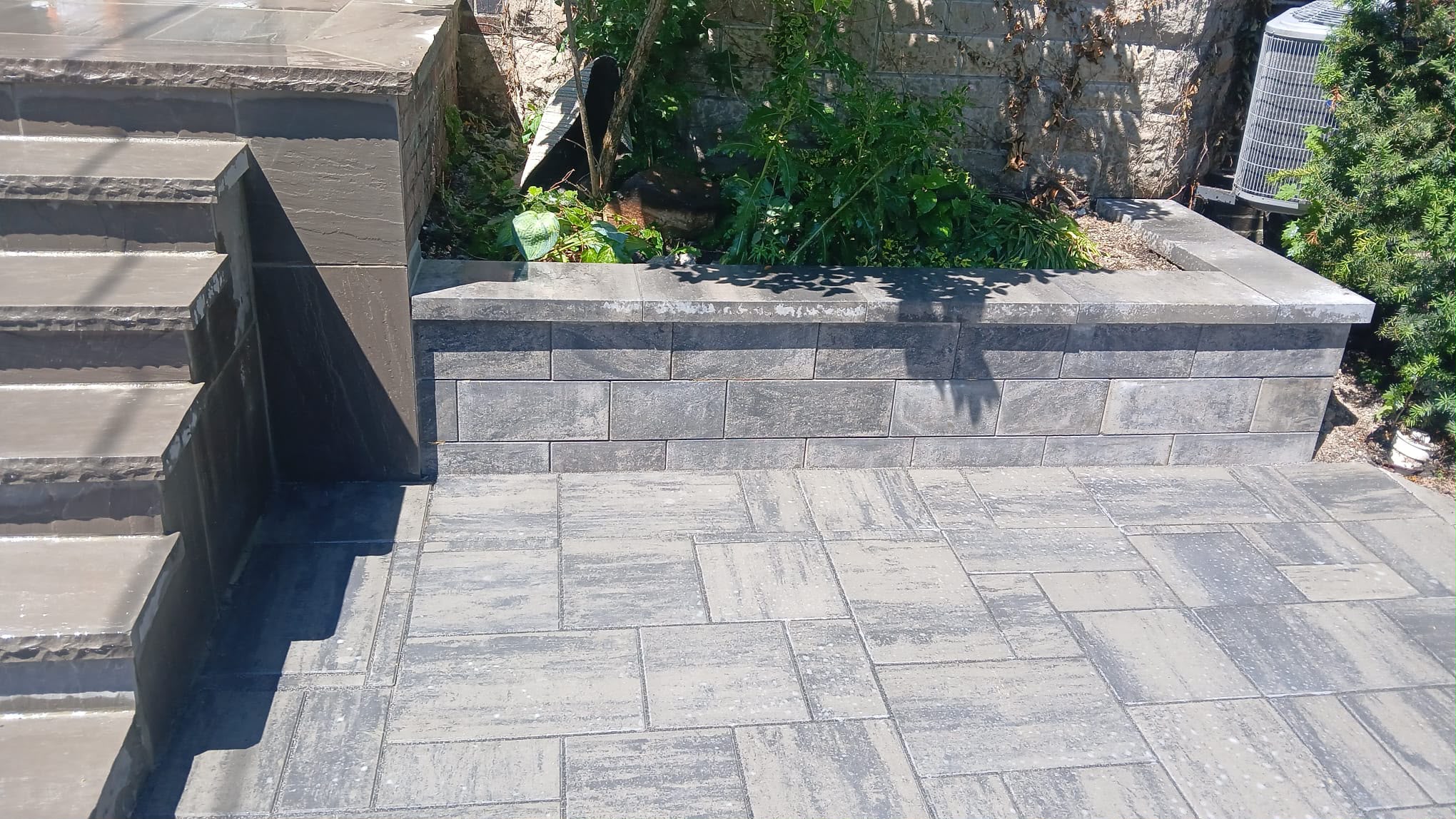
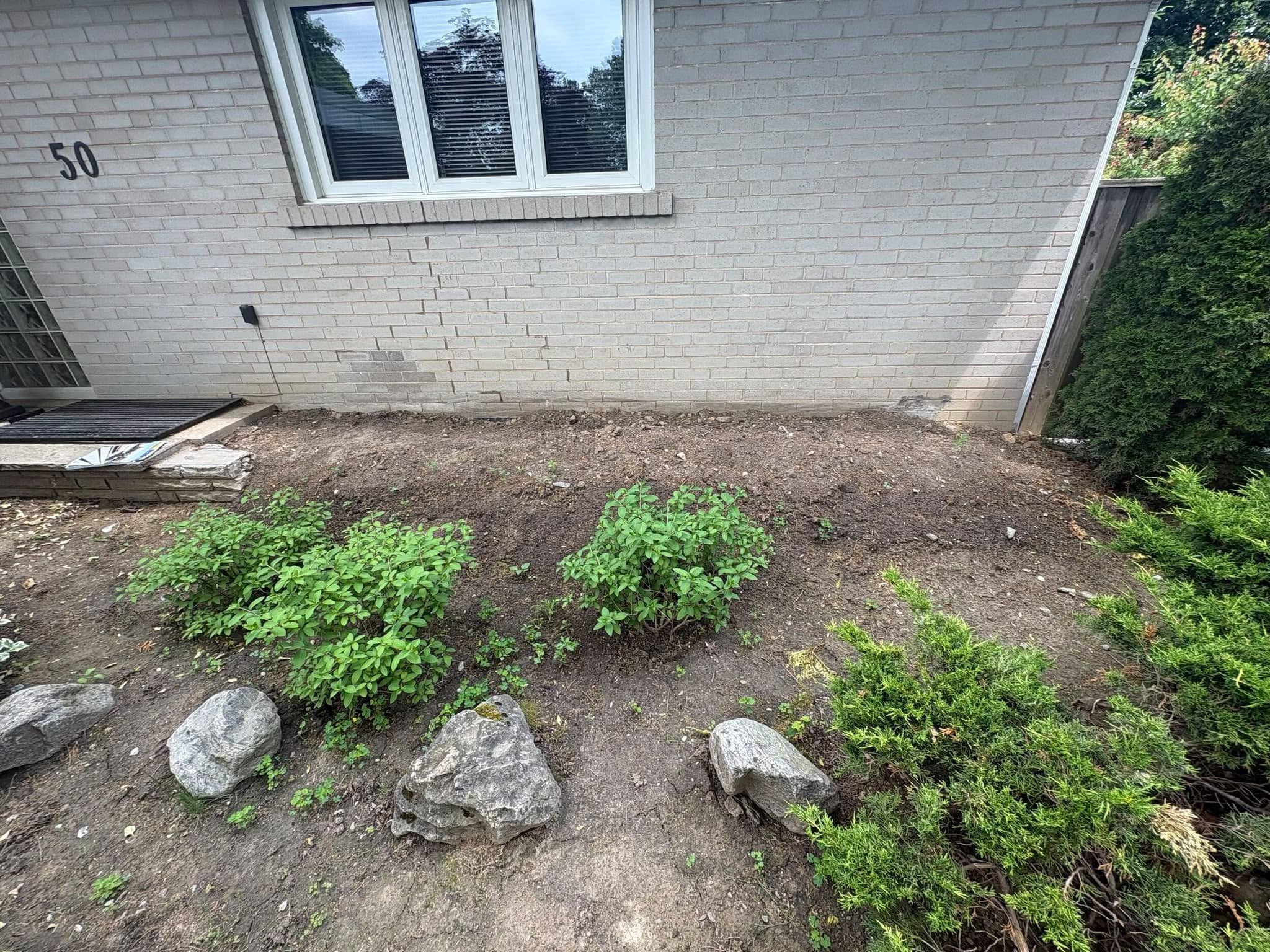
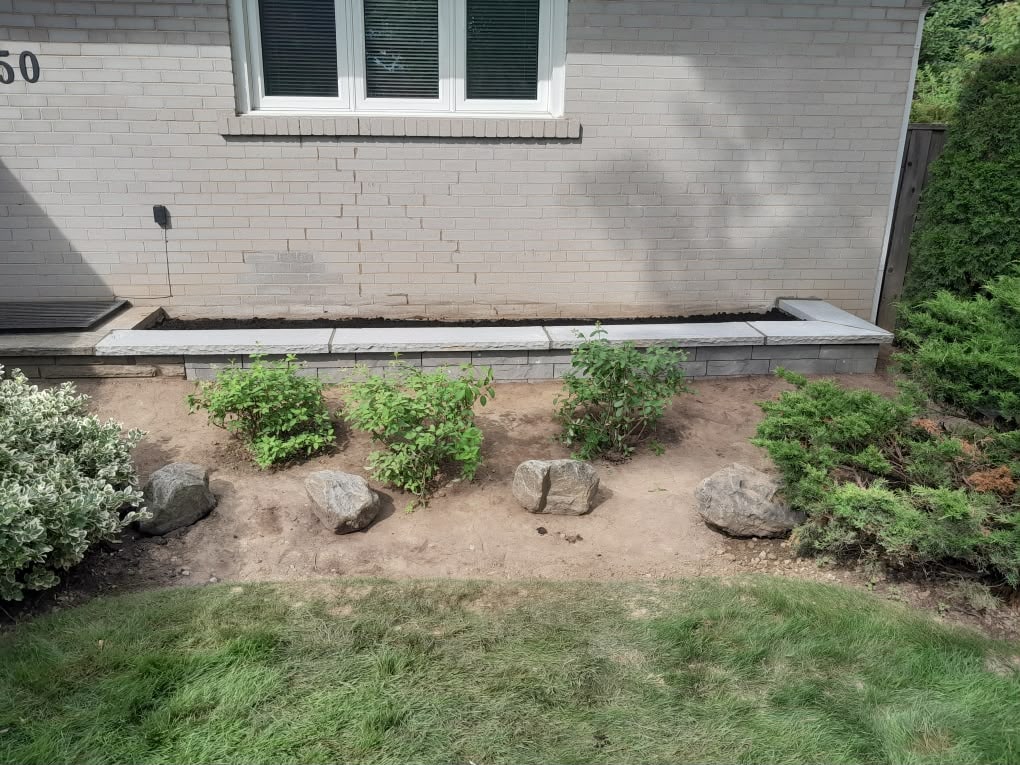
Retaining walls are commercial masonry solutions when a property needs to manage soil, grade changes, parking edges, landscaping, service areas, entrances, or sloped outdoor spaces. A retaining wall is not only a decorative wall. It holds back soil and must handle water pressure behind it.
Commercial retaining walls can fail when drainage is ignored. Wet soil becomes heavier, and trapped water can push against the wall. Signs of trouble include leaning, bulging, cracks, loose caps, soil washing out, and blocked drainage openings.
A retaining wall near a sidewalk, parking area, entrance, or neighbouring property should be taken seriously because failure can affect safety and access.
For planning or repair, A&A Masonry’s retaining walls Toronto page explains retaining wall concerns for masonry and hardscape projects.
Parapets, Roofline Masonry, and Chimney Areas
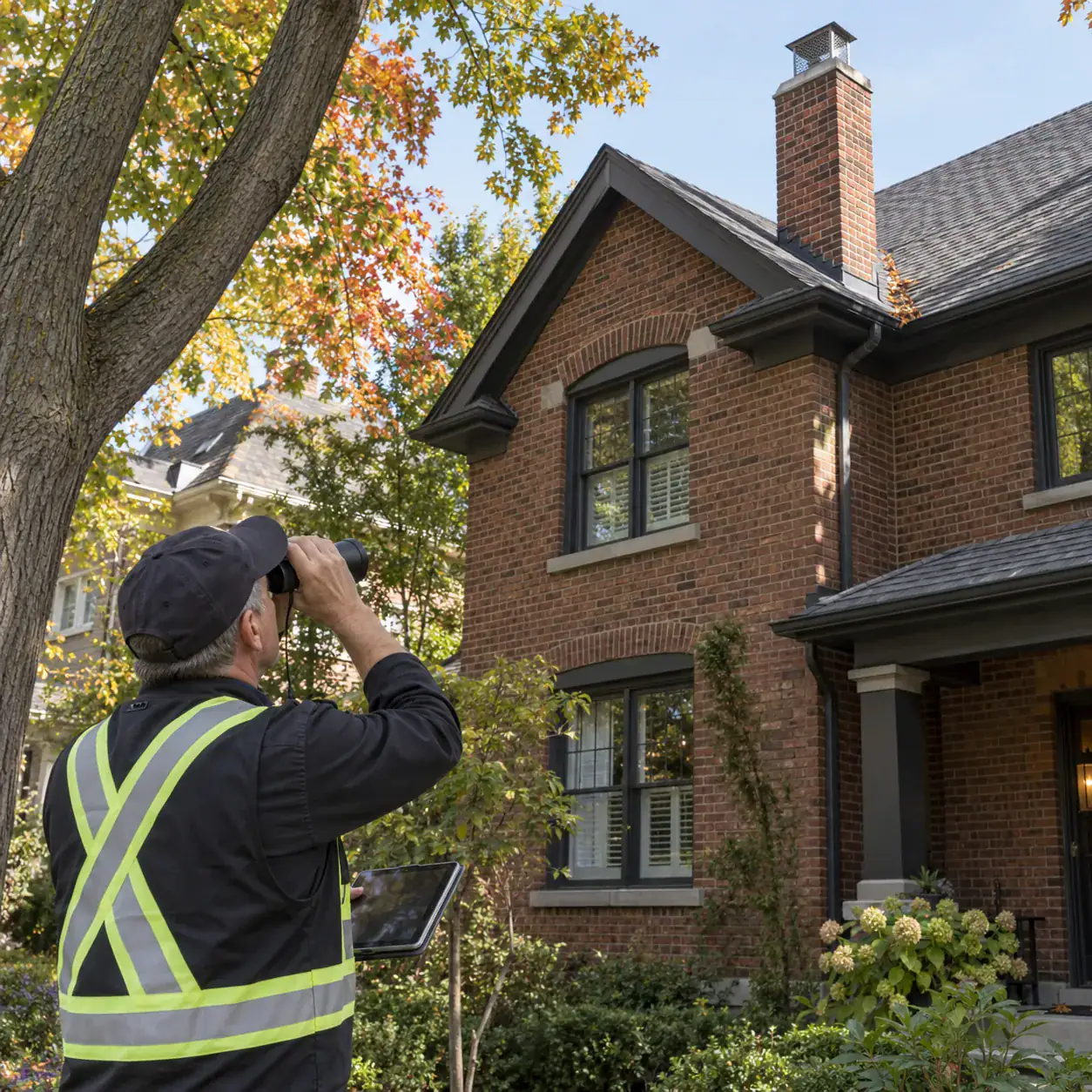
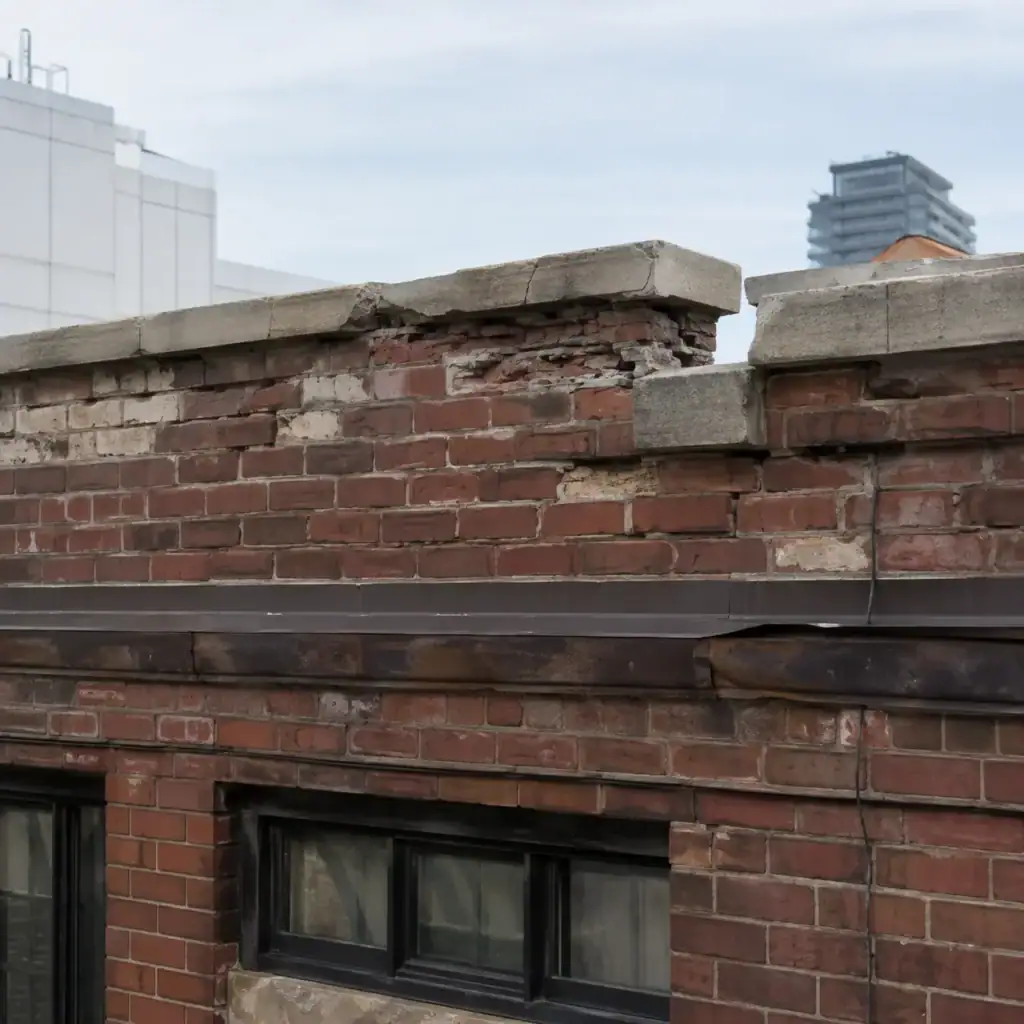
Parapets, roofline masonry, and chimney areas are often vulnerable because they are exposed to wind, rain, snow, ice, and freeze-thaw cycles from multiple sides. Commercial buildings with flat roofs or older brick rooflines often need regular masonry checks in these areas.
Open mortar joints, cracked caps, loose coping stones, damaged flashing interfaces, and spalling brick can all allow water to enter. Once water enters from above, it can travel down through walls and show up as interior stains, dampness, or repeated exterior deterioration.
Roofline masonry should be inspected safely and regularly. Business owners should not wait until water appears inside before checking exterior wall tops and parapets.
If the property has a masonry chimney or roofline masonry damage, A&A Masonry’s chimney repair Toronto page gives useful context for exposed masonry repair, crowns, caps, tuckpointing, and water damage.
Commercial Masonry for Older Buildings
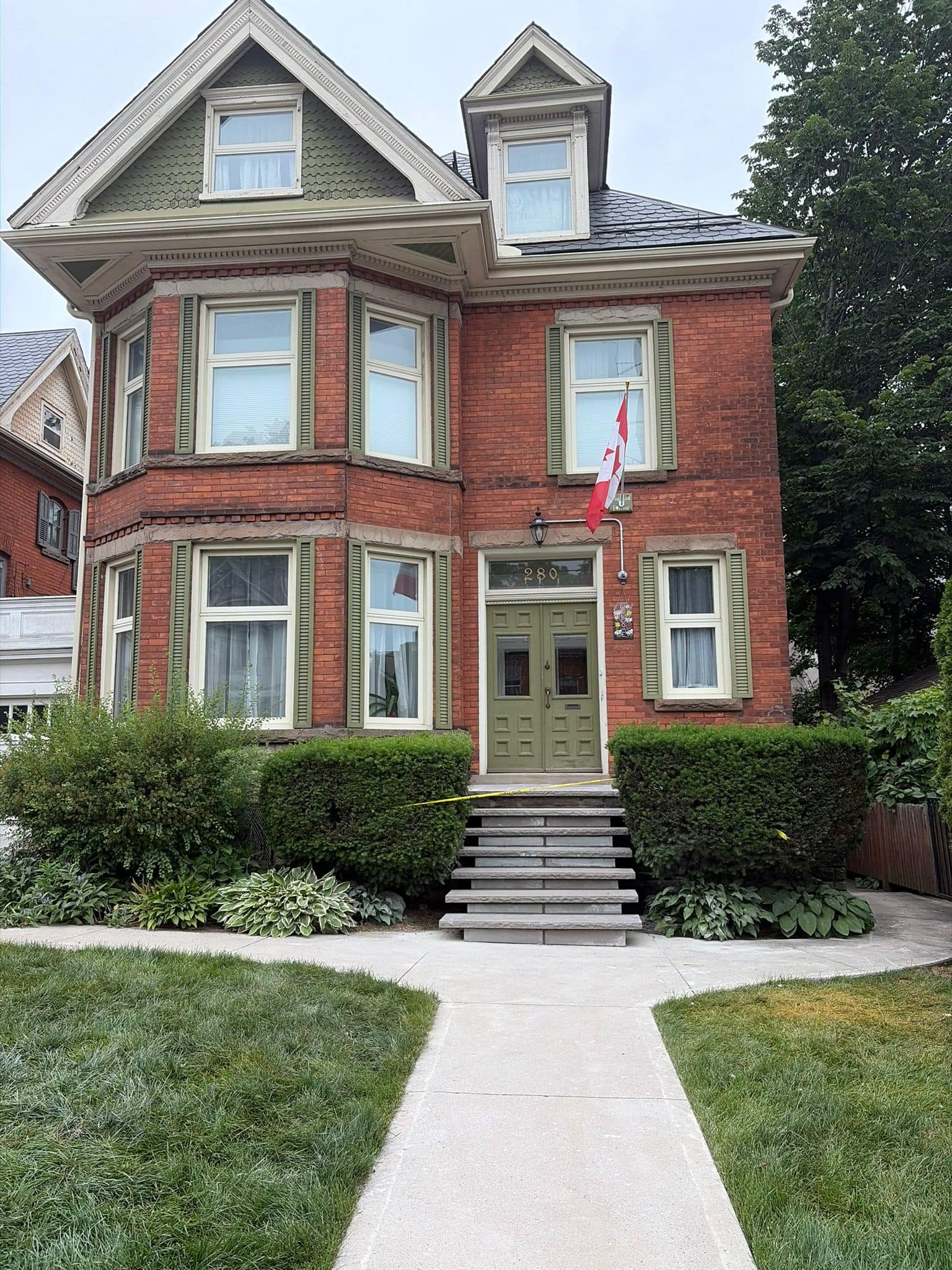
Commercial masonry for older buildings should balance repair, preservation, safety, and appearance. Toronto has many older commercial properties with brick facades, stone details, older mortar, decorative masonry, and mixed-use storefronts.
Older masonry should not always be treated with modern repair shortcuts. Mortar compatibility, brick matching, gentle cleaning, joint profiles, and water management matter. Using mortar that is too hard can damage softer old brick. Aggressive cleaning can damage the brick face. Coatings can trap moisture if used incorrectly.
When the building has heritage value or older character, careful restoration can protect both the structure and the look of the property. Parks Canada’s Standards and Guidelines for the Conservation of Historic Places in Canada are a helpful public reference for preservation-minded masonry planning.
For older brick commercial properties, repair should focus on keeping what is sound, replacing only what is damaged, and using materials that suit the existing masonry.
Safety and Access Around Business Entrances
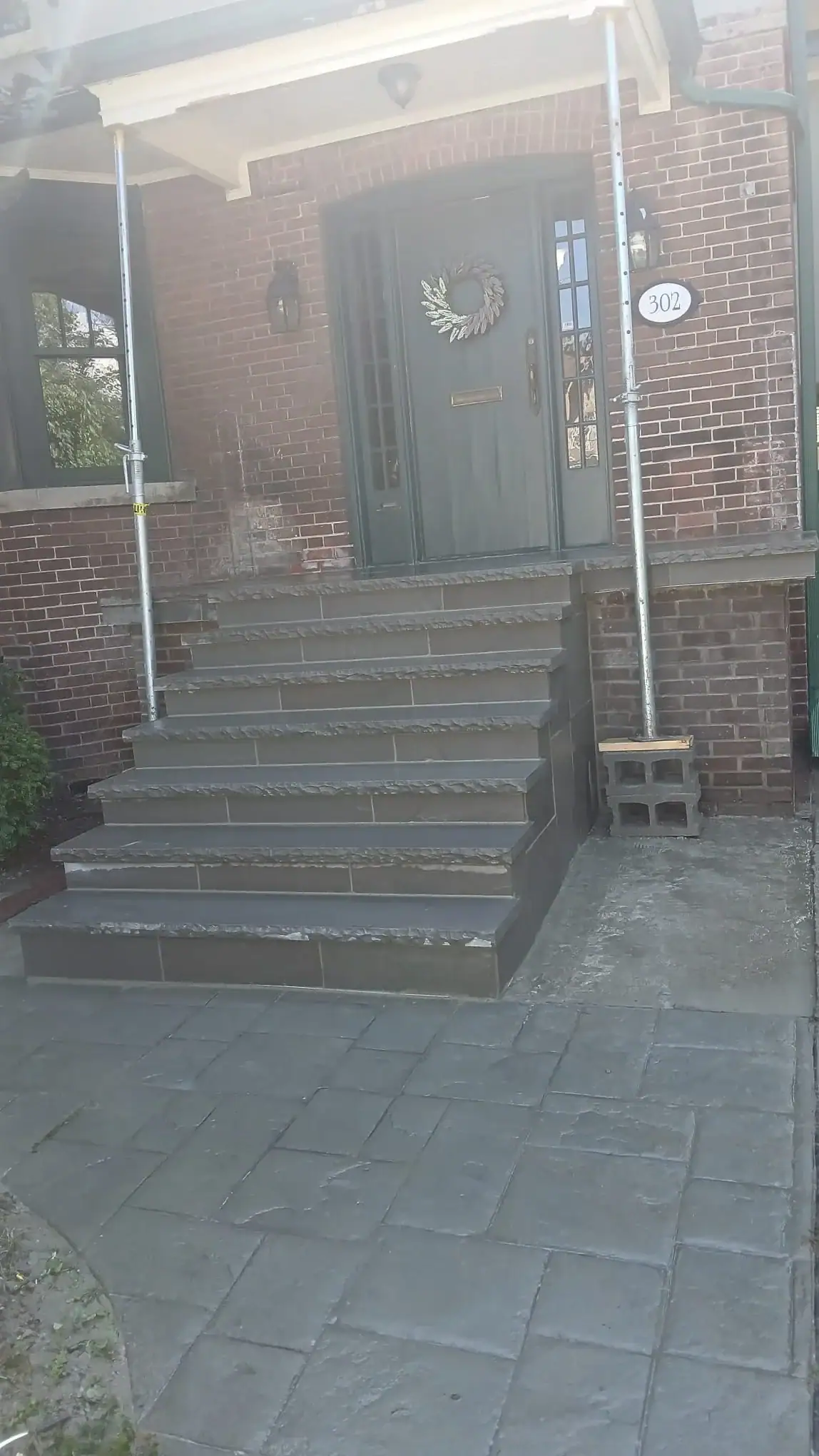
Safety and access around business entrances should be a priority when planning masonry repair. Steps, walkways, ramps, retaining edges, storefront thresholds, and exterior walls all affect how customers, staff, and deliveries move through the property.
Cracked concrete, uneven pavers, loose bricks, broken steps, failing mortar, and poor drainage can create hazards. In winter, these problems become more serious when snow and ice cover the surface.
Business owners should view the property as customers use it. Where do people walk first? Where do delivery drivers step? Where does water freeze? Where do customers wait? Where does snow pile up? These practical questions help prioritize repairs.
Safety-related masonry should not be delayed only because the damage looks small. A small uneven edge at an entrance can matter more than a larger cosmetic crack in a low-traffic area.
Planning Repairs Around Business Hours
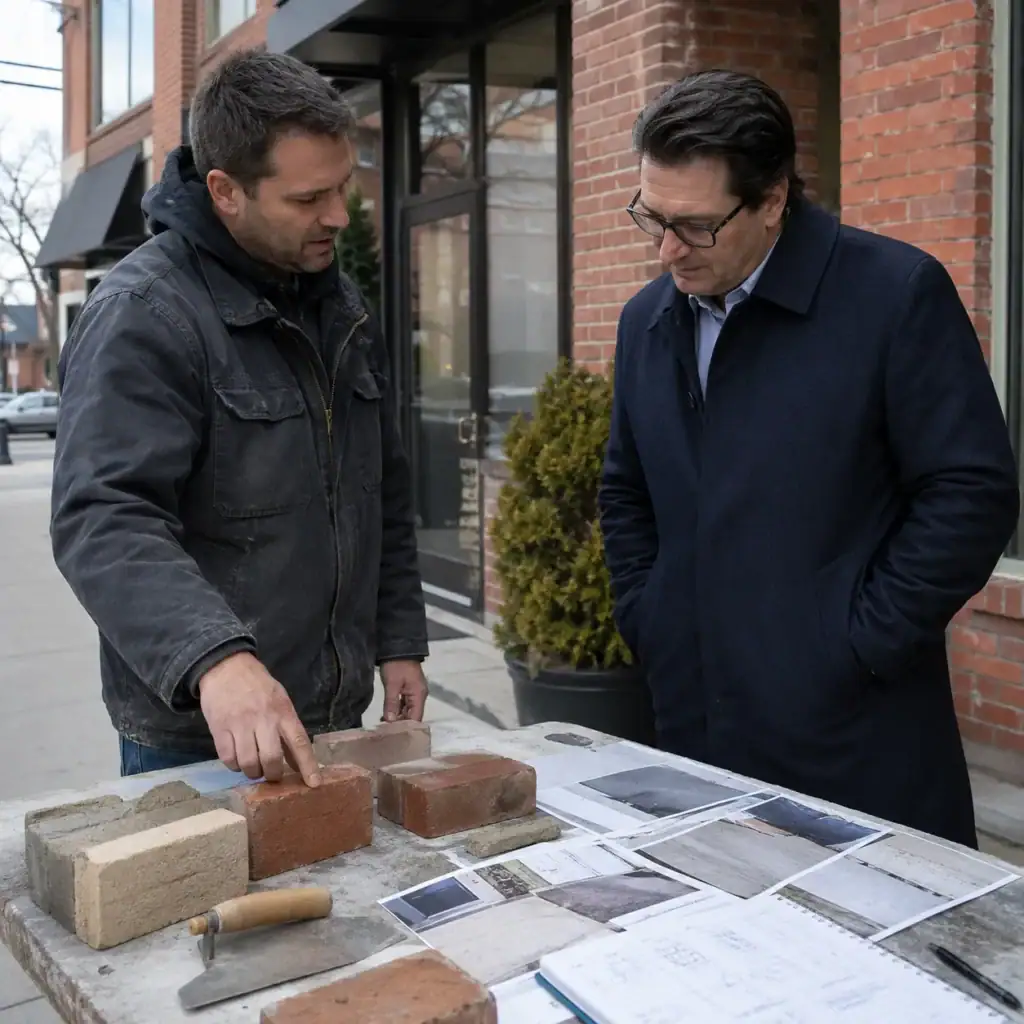
Commercial masonry repairs should be planned around business hours, customer access, deliveries, tenant needs, and site safety. A good repair plan should reduce disruption while still allowing the work to be done properly.
Some projects may be phased. For example, entrance repairs may need temporary access routes. Storefront masonry may need to be scheduled outside peak business times. Walkway repairs may need barricades, signage, or coordination with tenants.
Weather also affects scheduling. Mortar, concrete, waterproofing products, and sealers need suitable temperature and moisture conditions. Rushing exterior masonry work in poor weather can lead to weak repairs.
Business owners should plan earlier when possible, especially before winter. Waiting until damage becomes urgent can create more disruption and fewer scheduling options.
Budgeting for Commercial Masonry Maintenance
Budgeting for commercial masonry maintenance helps business owners avoid emergency repairs. Masonry problems are often less expensive to manage when they are found early.
A practical maintenance budget should include regular inspection, minor joint repair, concrete touch-ups, drainage improvements, cap repairs, sealing where appropriate, and occasional brick or stone replacement. Older buildings may need more frequent review, especially after winter.
For multi-tenant properties, plazas, restaurants, storefronts, offices, and service businesses, maintenance planning can also support tenant satisfaction and customer confidence. A property that looks cared for is easier to trust.
A simple annual walkaround after winter and before fall can help identify masonry repairs before they become urgent.
When Masonry Repair Should Not Be Delayed
Masonry repair should not be delayed when the issue affects safety, water entry, structural stability, or public-facing access. Cosmetic cracks can often be monitored, but certain signs should be reviewed sooner.
- Loose brick or stone: Falling material can create safety concerns.
- Open mortar joints: Water can enter and spread damage.
- Spalling brick: Damaged brick faces can worsen after winter.
- Uneven steps or walkways: These can create trip hazards.
- Leaking foundation areas: Moisture may affect interior spaces.
- Leaning retaining walls: Soil pressure and water can worsen movement.
- Cracked parapets or caps: Water may enter from above.
- Repeated ice in the same area: Drainage or grading may need correction.
Delaying these repairs can make the final project larger and harder to schedule around business operations.
Permits, Code, and Commercial Masonry Work
Permits and code questions may matter when commercial masonry work involves structural changes, major exterior alterations, chimneys, retaining walls, entrances, grade changes, foundations, or building envelope work. Not every repair needs a permit, but larger projects should be checked before work begins.
The City of Toronto provides building and construction information for permit applications and property work. Ontario’s official Building Code page is also the preferred provincial reference for building requirements.
Before starting larger work, business owners can review the City of Toronto’s building and construction resources and confirm whether the project may need a permit, professional design, engineering review, or coordination with property management.
The practical rule is simple: if the work affects structure, public access, building openings, support, retaining walls, roofline masonry, or foundation areas, check official guidance before starting.
What Business Owners Can Check Themselves
Business owners can safely perform basic visual checks from ground level. These checks help identify problems before they become more expensive or disruptive.
- Walk around the building after heavy rain and look for water pooling.
- Check entrances, walkways, and steps for uneven surfaces or cracking.
- Look for missing mortar, open joints, or loose brick on visible walls.
- Check for spalling brick near sidewalks, rooflines, and lower walls.
- Look for white staining, rust stains, dark damp patches, or peeling coatings.
- Watch where snow is piled during winter clearing.
- Check downspouts and drains to see whether water is directed away from masonry.
- Photograph problem areas so changes can be tracked over time.
These checks do not replace professional assessment, but they help business owners decide which areas need attention first.
Quick Guide: Commercial Masonry Solutions
A quick guide can help business owners match common problems with practical masonry solutions.
- Cracked or spalling brick: Brick repair or selective brick replacement may be needed.
- Missing mortar: Tuckpointing can close joints before water enters.
- Uneven steps: Concrete repair or replacement may improve safety.
- Water near the building: Drainage correction or waterproofing review may be needed.
- Damaged storefront masonry: Repair and matching can improve both appearance and performance.
- Loose stone veneer: Stone repair or replacement may be needed before sealing.
- Leaning retaining wall: Wall repair or rebuilding may be needed, with drainage addressed.
- Roofline deterioration: Parapet, cap, crown, or flashing interface repair may be needed.
The best commercial masonry solution is the one that solves the cause of the problem, not only the visible damage.
When Professional Help Makes More Sense
Professional help makes more sense when masonry damage affects safety, public-facing areas, tenants, customers, structural elements, water entry, or building operations. Commercial buildings often require more planning than small residential repairs because access, timing, liability, and durability all matter.
A professional mason can assess brick, mortar, concrete, stone, parapets, chimneys, steps, retaining walls, interlocking surfaces, waterproofing concerns, and exterior deterioration. They can also help plan work in phases so the business can continue operating where practical.
Commercial masonry should be repaired with long-term function in mind. A quick surface patch may look acceptable for a short time, but it can fail if water, movement, salt, or poor drainage are still present.
Final Thoughts on Commercial Masonry Solutions for Business Owners
Commercial masonry solutions help business owners protect their buildings, improve customer-facing areas, reduce water damage, and plan maintenance more clearly. Brick repair, tuckpointing, concrete repair, waterproofing, stone masonry, retaining walls, interlocking walkways, and roofline repairs can all play a role depending on the property.
For Toronto and GTA businesses, the biggest masonry concerns often come from water, freeze-thaw cycles, sidewalk salt, heavy foot traffic, older materials, and delayed maintenance. Small issues can become larger when they are exposed to weather and daily use.
The best approach is to inspect regularly, prioritize safety and moisture problems, plan repairs around business operations, and choose solutions that fit the building’s age, use, and exposure. When commercial masonry is maintained properly, it helps the property look professional and perform better through every season.