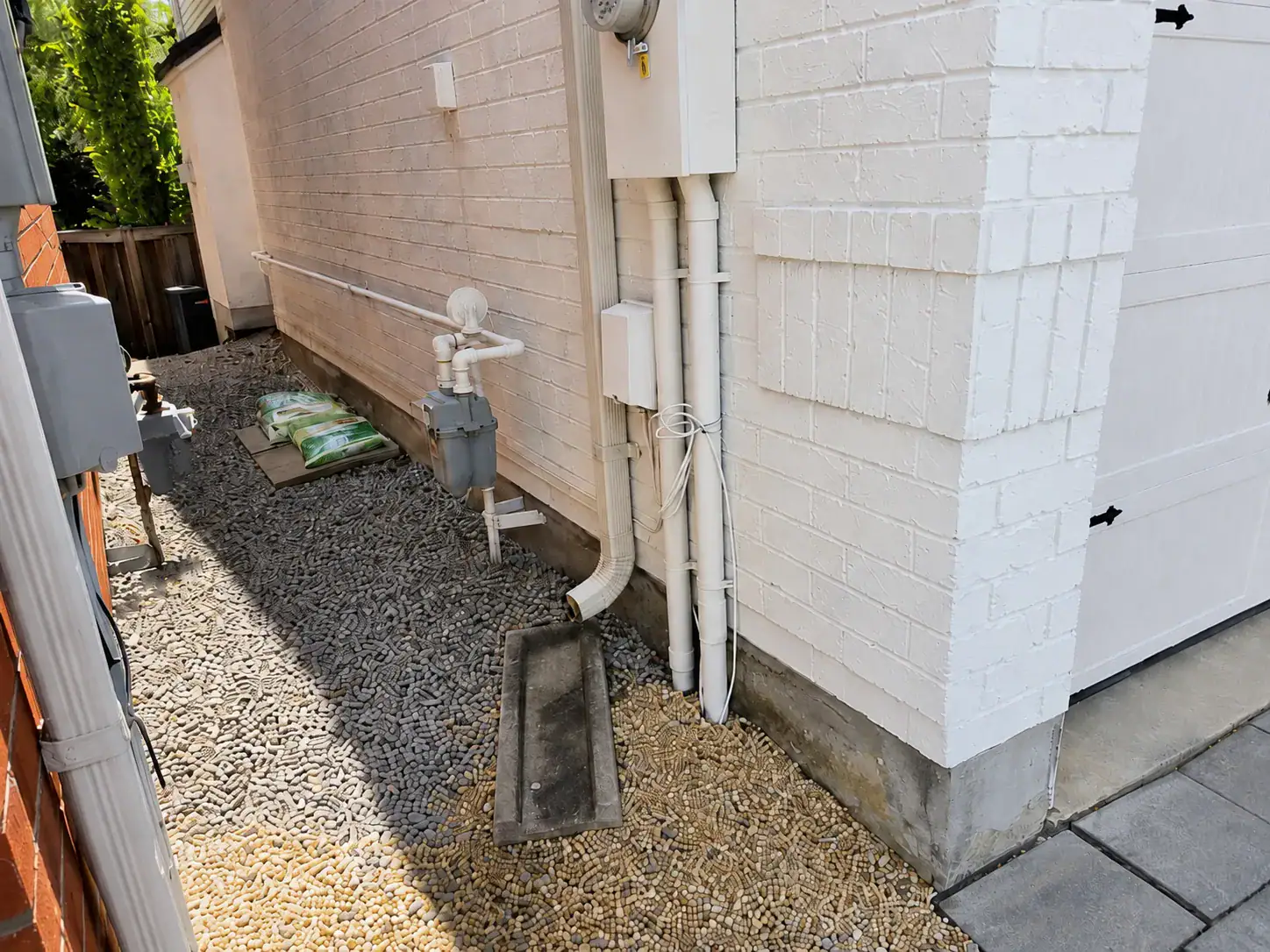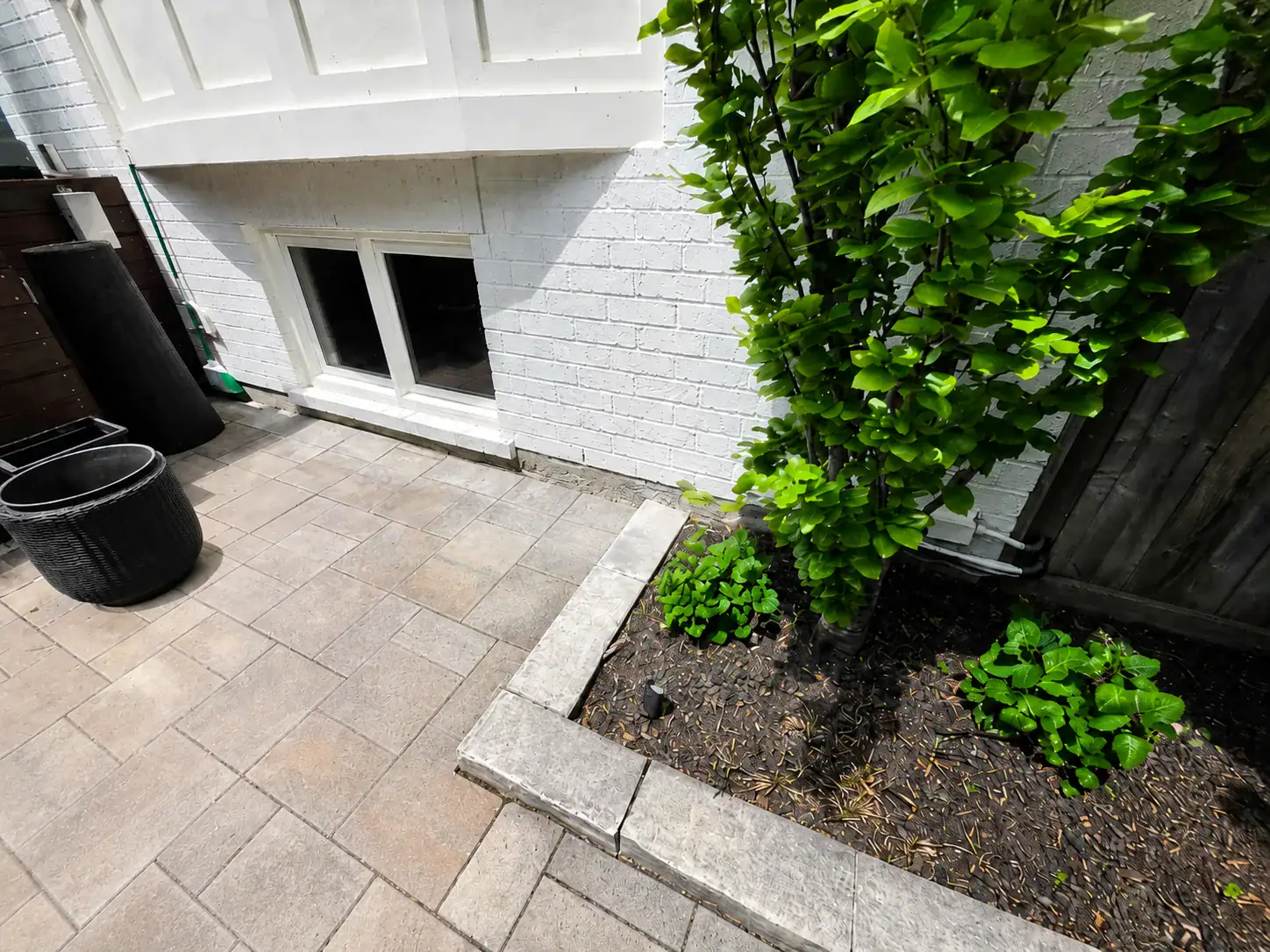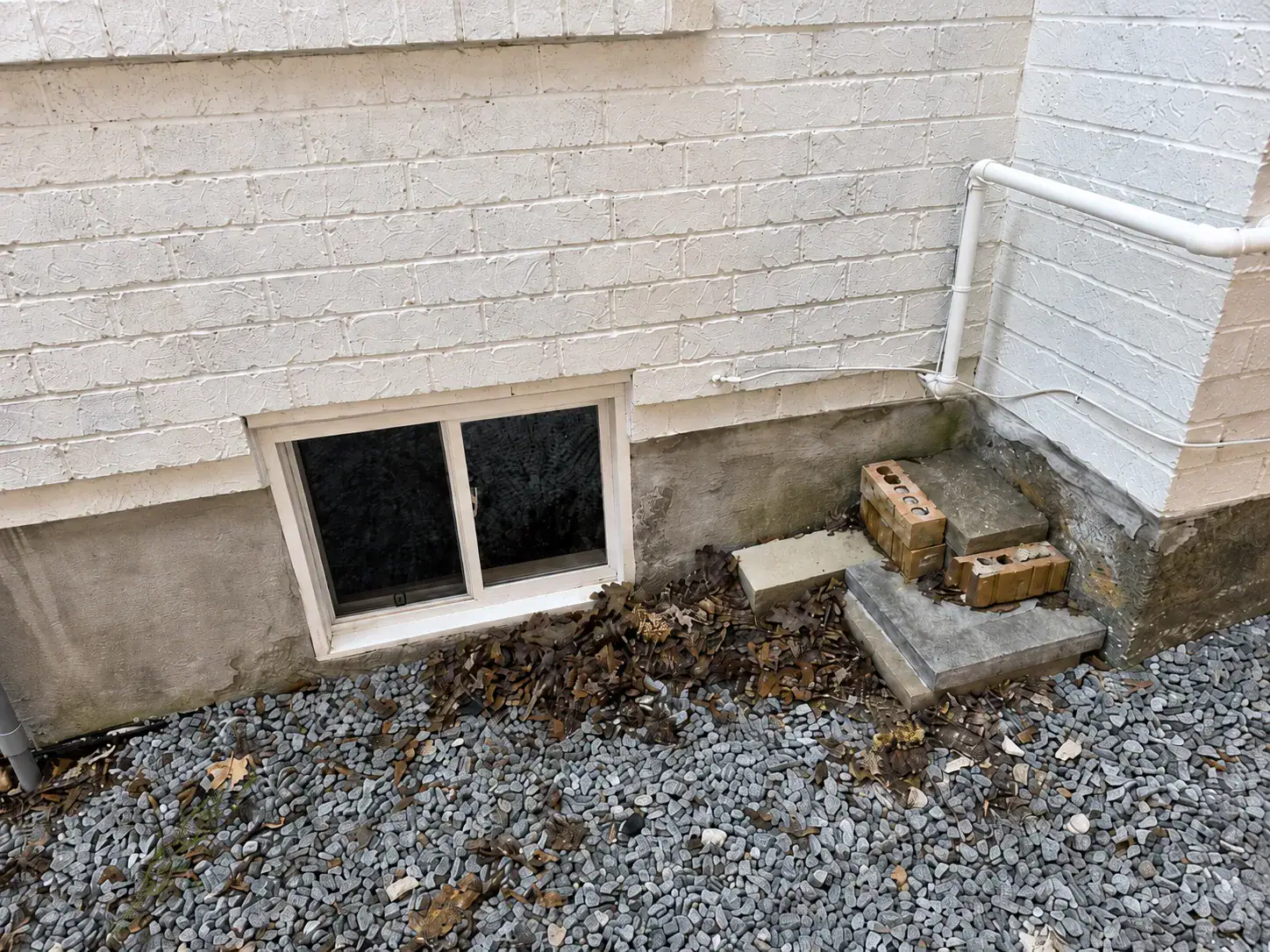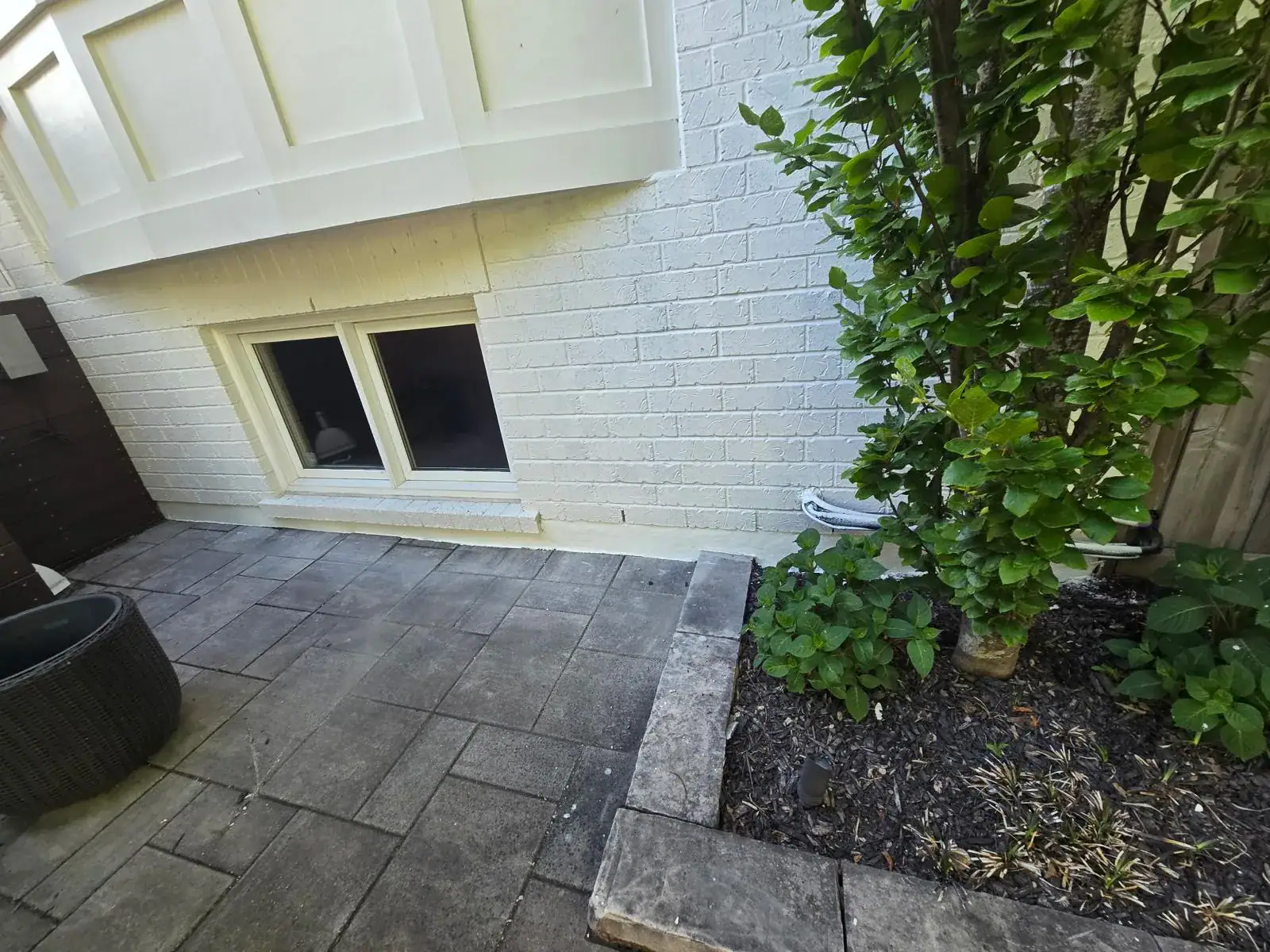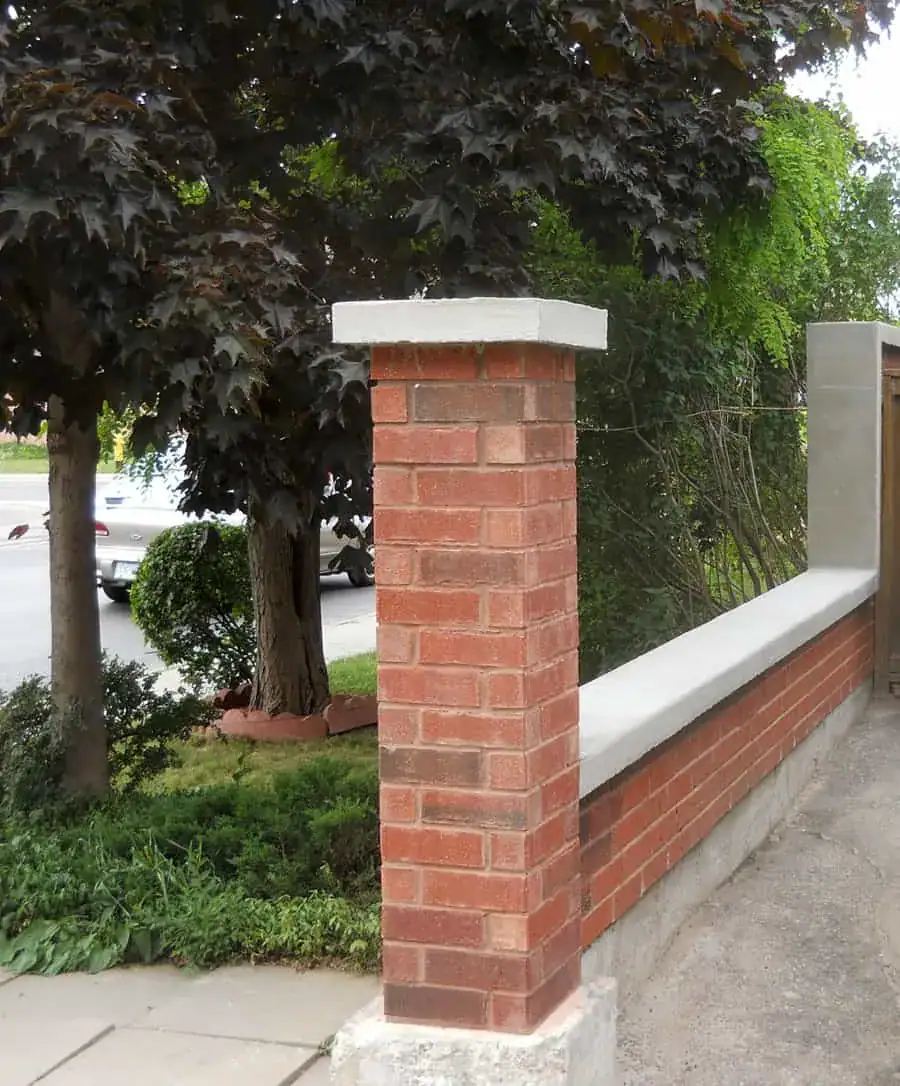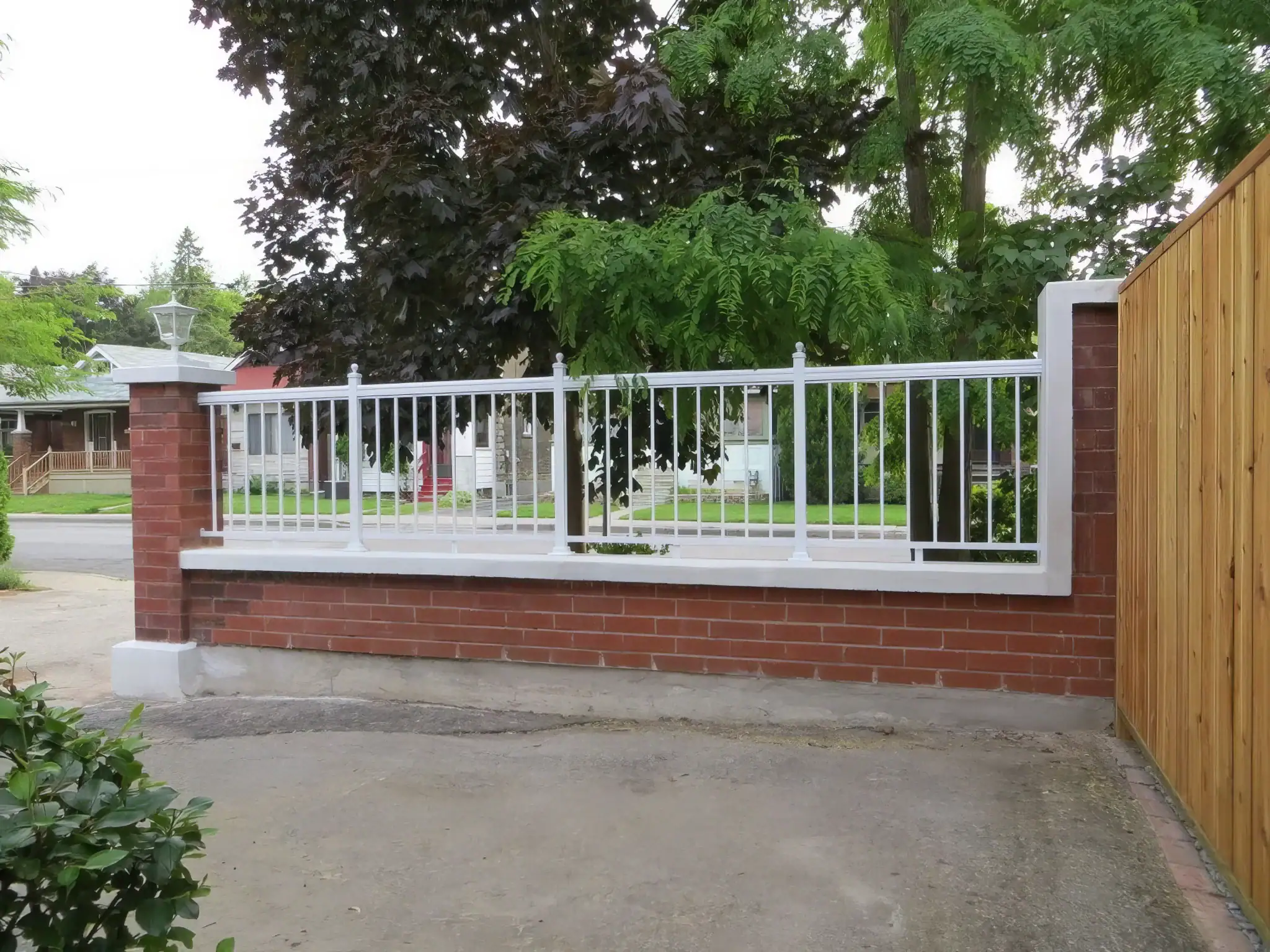
Masonry affects home energy bills by influencing how a home handles heat, moisture, air movement, and temperature changes. Brick, stone, concrete, block, chimneys, foundations, and exterior walls can all affect comfort, but masonry should not be treated as insulation on its own. A brick wall can feel solid and durable, yet still allow heat loss if there are air leaks, damp areas, failed mortar joints, uninsulated wall sections, or gaps where the masonry meets wood framing.
For Toronto and GTA homeowners, masonry energy performance matters most during winter heating season, summer heat waves, and damp shoulder seasons. Older homes with solid brick walls, aging mortar, exposed foundations, drafty chimneys, cracked concrete, and poor drainage may feel colder or cost more to heat than expected. In summer, masonry can also affect how long a home holds heat after the sun hits exterior walls.
This guide explains how masonry affects home energy bills, what it can and cannot do, where energy loss often happens, and how repairs, waterproofing, tuckpointing, chimney maintenance, and careful insulation planning can support a more comfortable home.
Masonry Is Durable, But It Is Not the Same as Insulation
Masonry is durable and can help regulate temperature, but it is not the same as insulation. Brick, stone, concrete, and block have thermal mass, which means they can absorb and release heat slowly. This can help moderate temperature swings in some situations, but it does not stop heat loss the way insulation is designed to do.
This distinction matters for older Toronto homes. Many older brick houses were built with solid masonry walls or older wall systems that do not perform like modern insulated walls. They may feel sturdy, but heat can still move through the wall, and air can leak around joints, openings, floors, attics, and foundation areas.
Natural Resources Canada’s Keeping the Heat In guide explains home energy efficiency through insulation, air sealing, moisture control, and building envelope performance. For masonry homes, those same principles matter because brick or stone alone does not solve every comfort or energy issue.
Good masonry helps protect the building envelope. Insulation and air sealing help reduce heat loss. The best energy result usually comes from both working together.
Thermal Mass: How Brick and Stone Store Heat
Thermal mass is one way masonry can affect energy use. Materials like brick, stone, and concrete can absorb heat and release it slowly. In the right conditions, this can help smooth out indoor temperature changes.
For example, a masonry wall exposed to winter sun may absorb some warmth during the day and release it later. In summer, masonry can slow heat movement, but it can also hold heat after a hot day if the wall is exposed to strong sun and the home lacks proper shading or ventilation.
Thermal mass is useful, but it is not magic. It does not replace insulation, and it does not automatically lower energy bills. If the wall is damp, cracked, poorly sealed, or uninsulated, the home may still lose heat. If sun-facing masonry absorbs heat all day in summer, it may make some rooms feel warmer in the evening.
Homeowners should think of masonry as part of the home’s temperature behaviour, not as a complete energy solution by itself.
Air Leaks Around Masonry Can Increase Heating Costs
Air leaks around masonry can increase heating costs because warm indoor air escapes and cold outdoor air enters. This can happen even when the brick or stone itself looks solid.
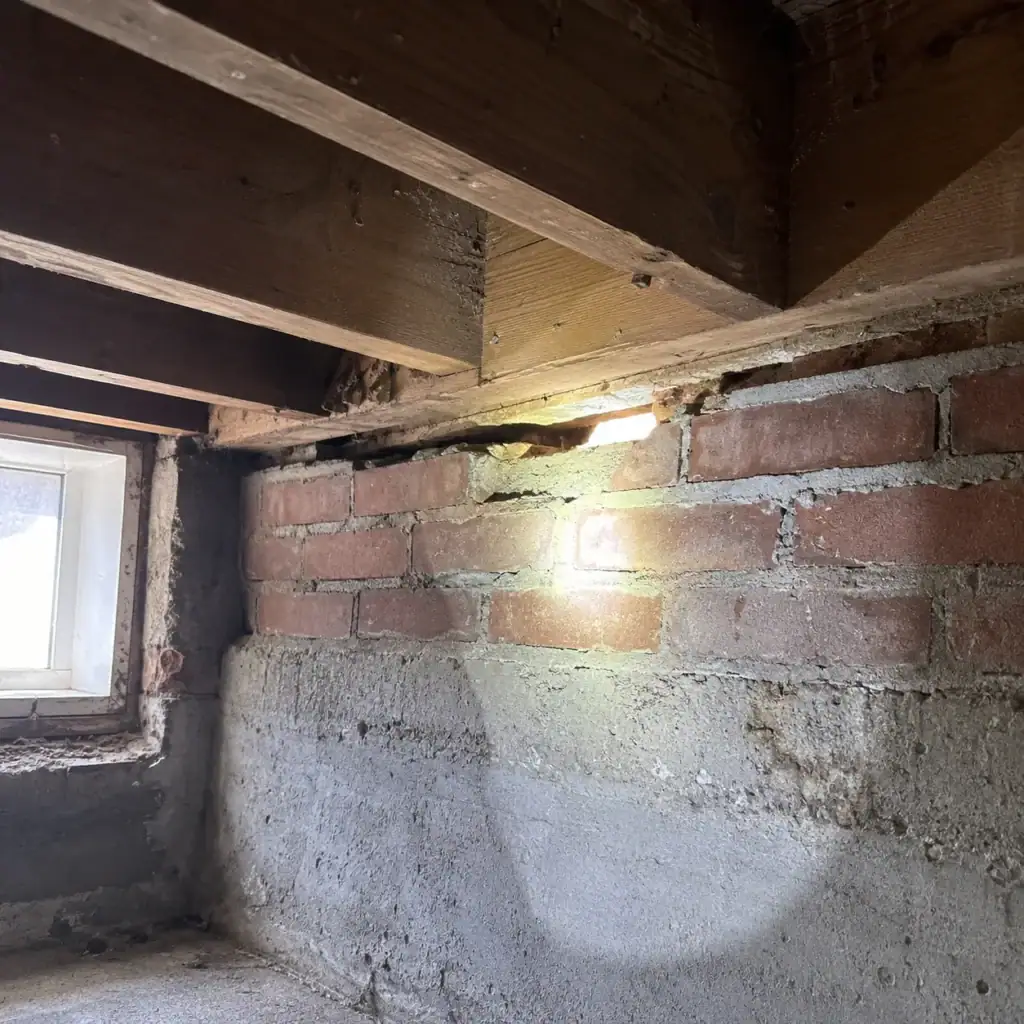
Common leak points include where wood framing meets masonry foundations, where joists enter masonry walls, around basement rim joists, around old windows and doors set into brick openings, around chimneys, and at cracks or gaps in older walls.
Natural Resources Canada’s section on comprehensive air leakage control specifically notes that air leakage can occur where a wood-frame wall meets a masonry foundation or where joists penetrate masonry. For Toronto homeowners, these areas are common in basements, older additions, porch areas, and mixed wall construction.
Masonry repair can help close exterior cracks and failed joints, but full energy improvement may also require air sealing work by an insulation or energy retrofit professional. The important point is to find the actual air path instead of assuming the brick wall is the only issue.
Failed Mortar Joints Can Let in Air and Moisture
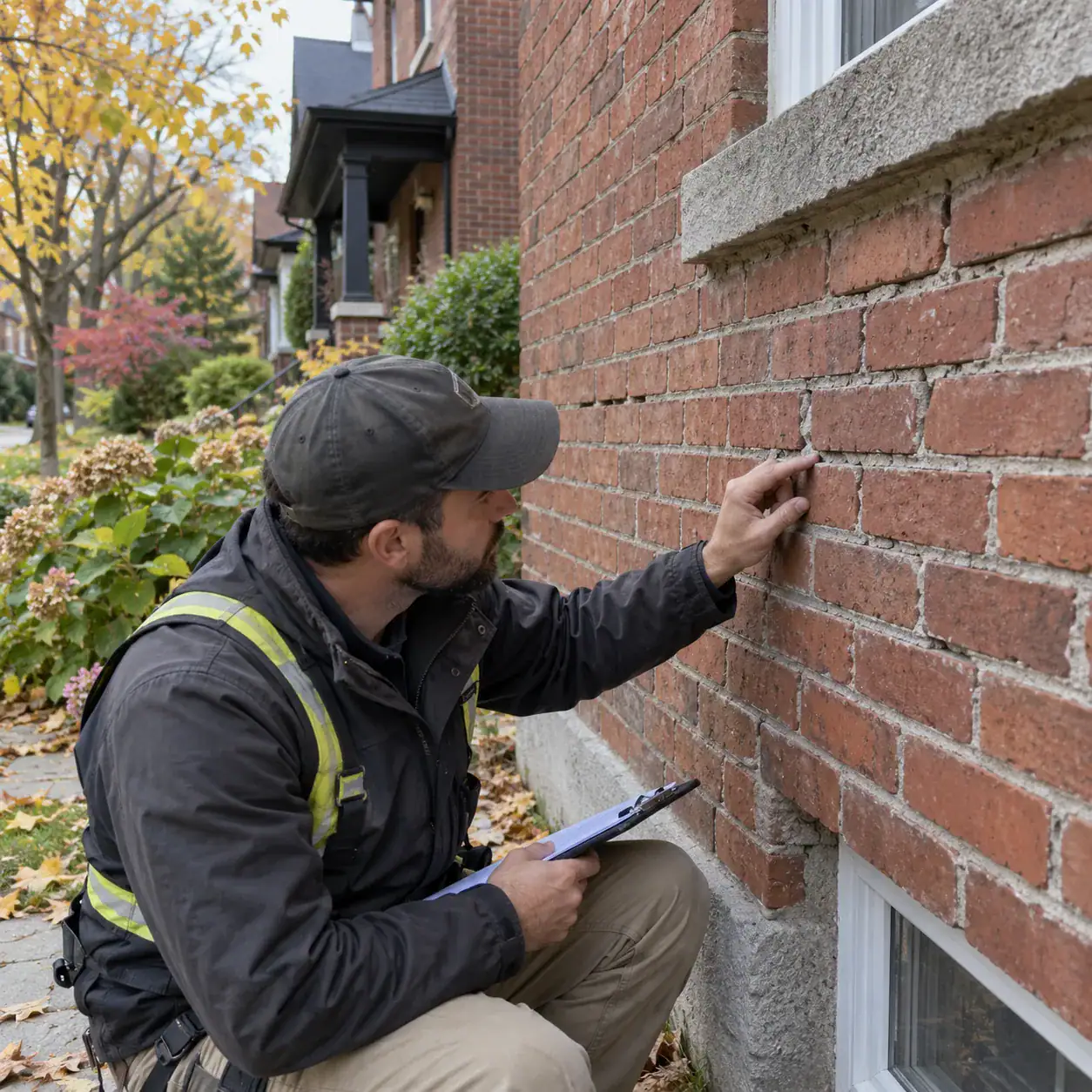
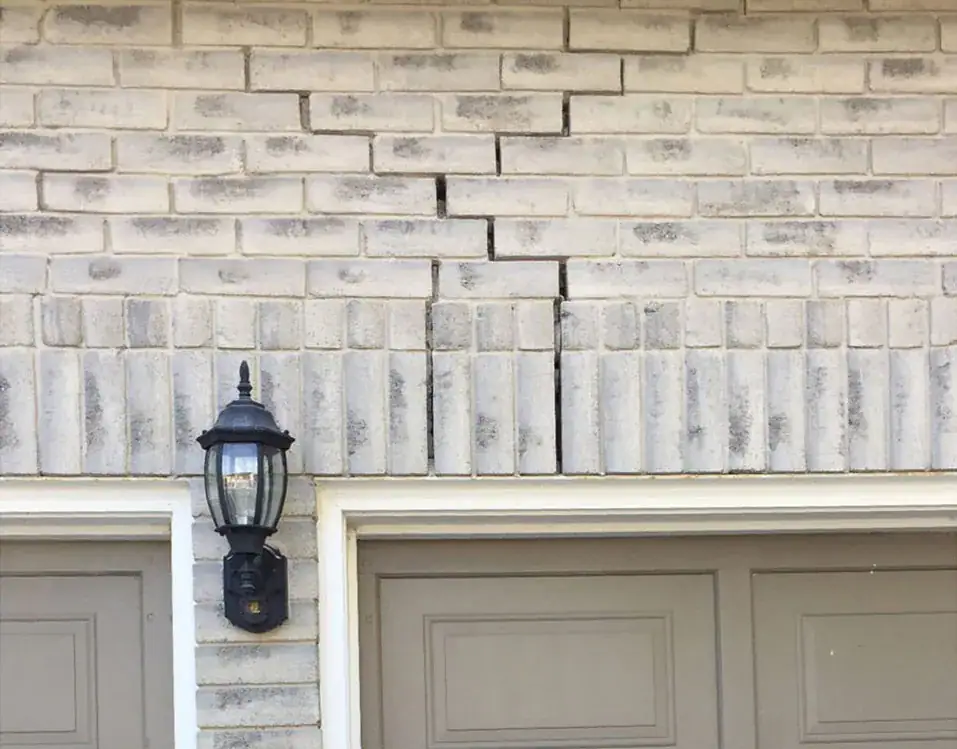
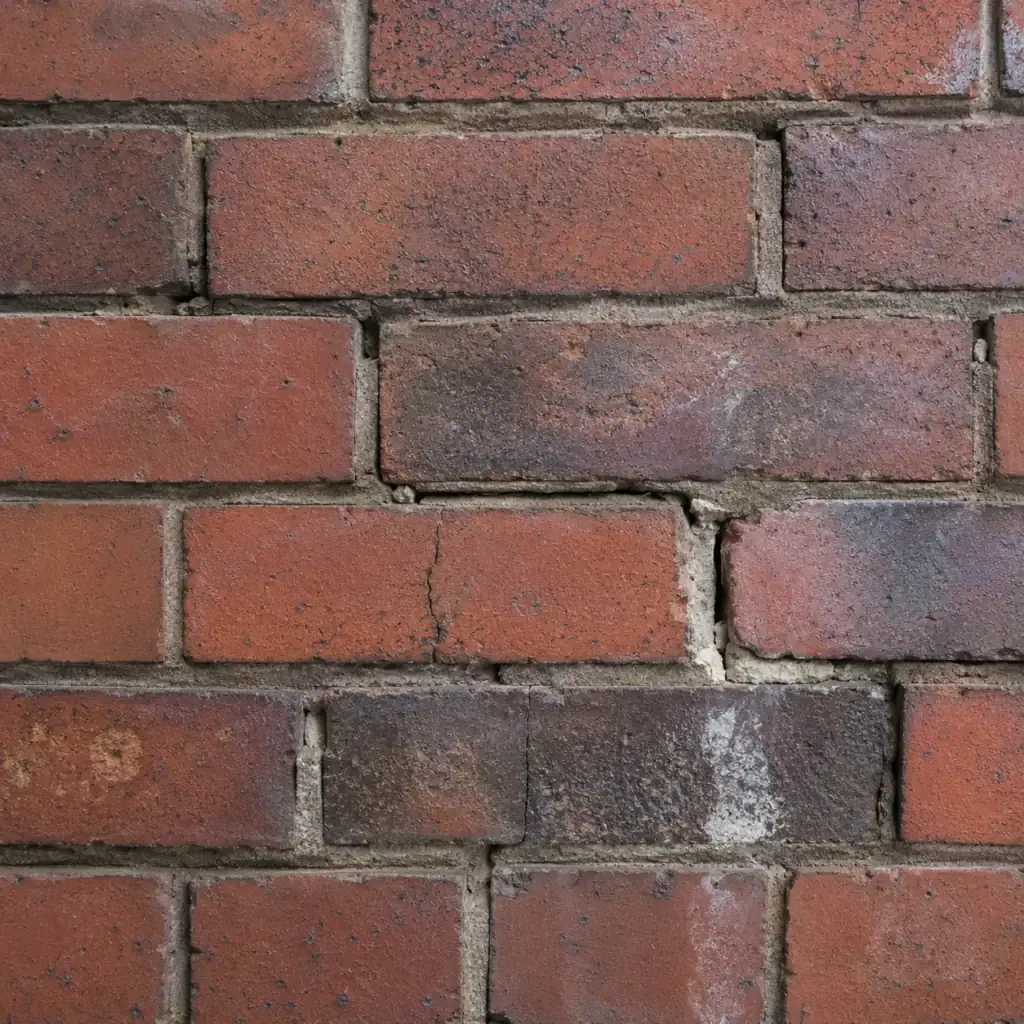
Failed mortar joints can affect energy bills by allowing moisture and air movement into the wall system. Mortar joints are the lines between bricks, stones, or blocks. When they crack, crumble, or recede, the wall becomes more vulnerable to rain, wind, and freeze-thaw damage.
Open joints do not always create a direct draft into the living space, but they can allow the wall to become wetter and less stable. Damp masonry can feel colder, dry more slowly, and contribute to uncomfortable rooms, especially near exterior walls.
In Toronto, failed mortar joints often worsen after winter because water enters the joints, freezes, and expands. The damage may start as a small gap but eventually lead to spalling brick, staining, and larger wall repairs.
If mortar joints are cracked, missing, or sandy, A&A Masonry’s tuckpointing services in Toronto page explains how proper mortar repair helps protect brick and stone from moisture and freeze-thaw damage.
Moisture Makes Masonry Less Comfortable
Moisture can make masonry walls feel colder and less comfortable. Wet masonry absorbs and stores water. During cold weather, damp brick, stone, block, concrete, or mortar can make nearby rooms feel chilled even when the thermostat is set higher.
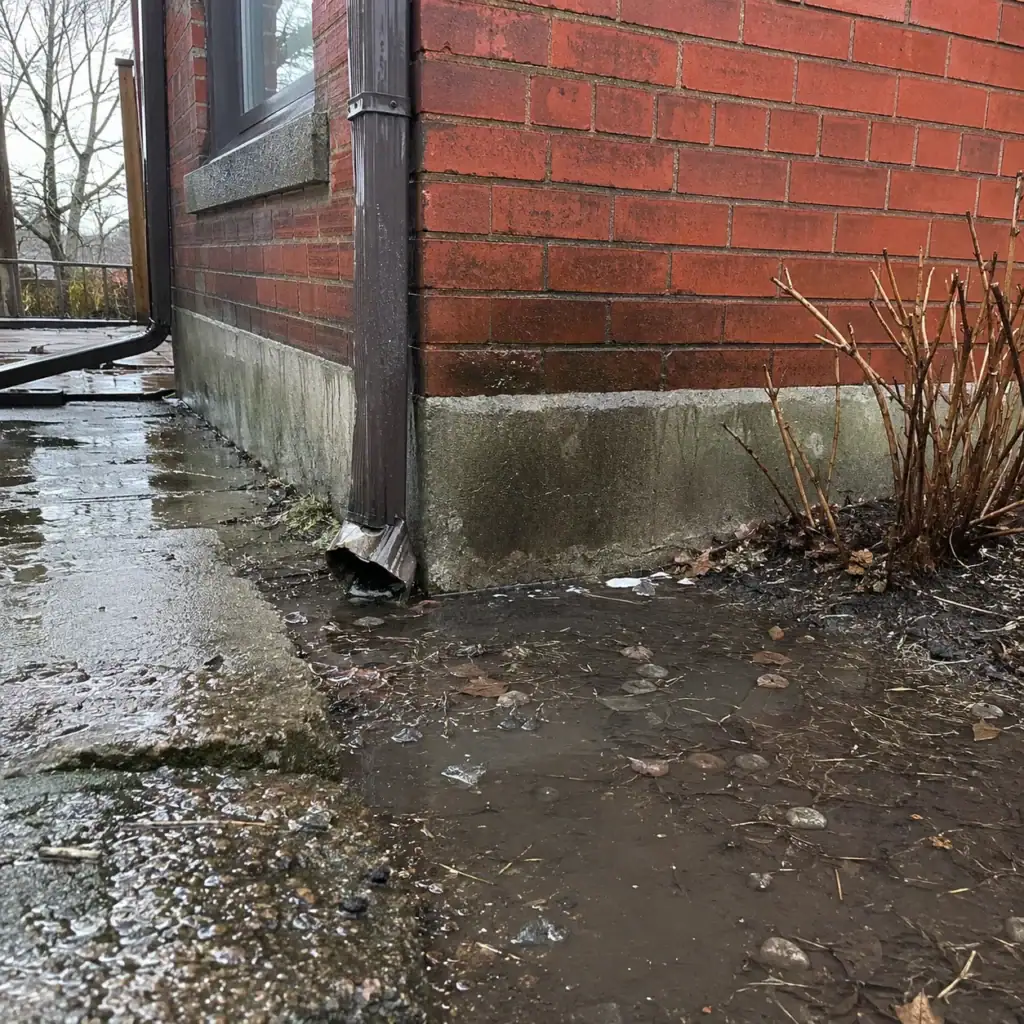
Moisture can come from rain, snowmelt, poor grading, clogged gutters, short downspouts, leaking sills, cracked chimney crowns, open mortar joints, high soil, or basement water entry. Once water enters masonry, it can be slow to dry, especially on shaded walls or north-facing sides of a home.
The City of Toronto’s managing rain and melted snow guidance is useful for homeowners because exterior water movement affects foundations, walls, walkways, and basement moisture risks. For masonry energy performance, keeping water away from walls helps keep the building more comfortable.
If moisture is repeatedly reaching masonry or foundation areas, A&A Masonry’s waterproofing Toronto page can help homeowners understand exterior water-entry concerns.
Brick Walls and Older Toronto Homes
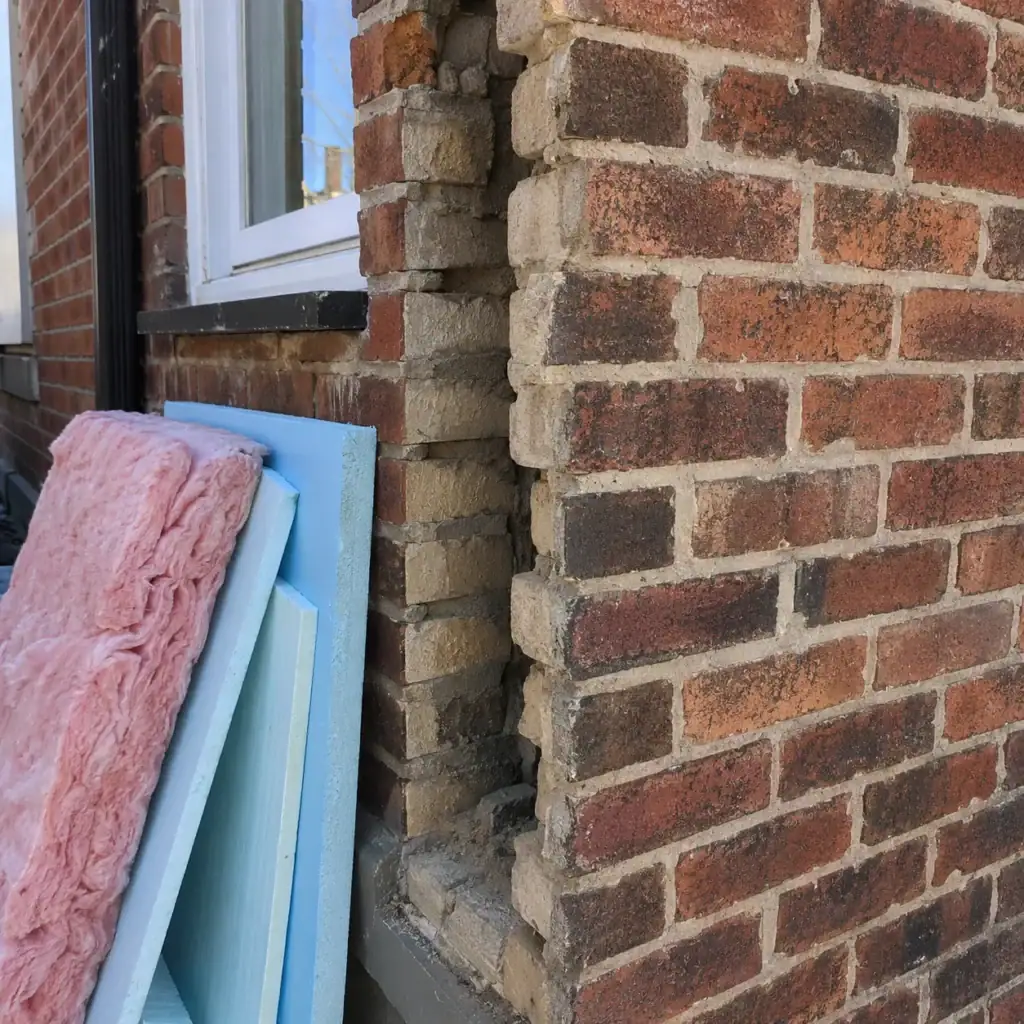
Brick walls in older Toronto homes often affect energy bills differently than newer insulated walls. Many older homes were built before modern energy standards and may have solid masonry, limited insulation, or wall assemblies that need careful retrofit planning.
Older brick walls often need to manage moisture by drying to the inside, outside, or both depending on how they were built. Adding insulation without understanding the wall can sometimes change how moisture behaves. If the exterior brick is already cracked, wet, or poorly maintained, insulation changes may increase the risk of trapped moisture or freeze-thaw damage.
Natural Resources Canada’s guide on insulating walls notes that insulated wall upgrades can be added to existing masonry walls, but wall conditions, air sealing, moisture control, and retrofit design matter.
For older brick homes, masonry repair should often come before major insulation work. Open joints, spalling brick, cracked walls, and water-entry issues should be addressed so the wall is in better condition before the energy retrofit changes how it dries.
Chimneys and Energy Loss
Chimneys can affect energy bills because they may allow air leakage, heat loss, moisture entry, and drafts when not maintained or properly controlled. An unused, poorly sealed, damaged, or missing chimney component can become a weak point in the home’s energy performance.
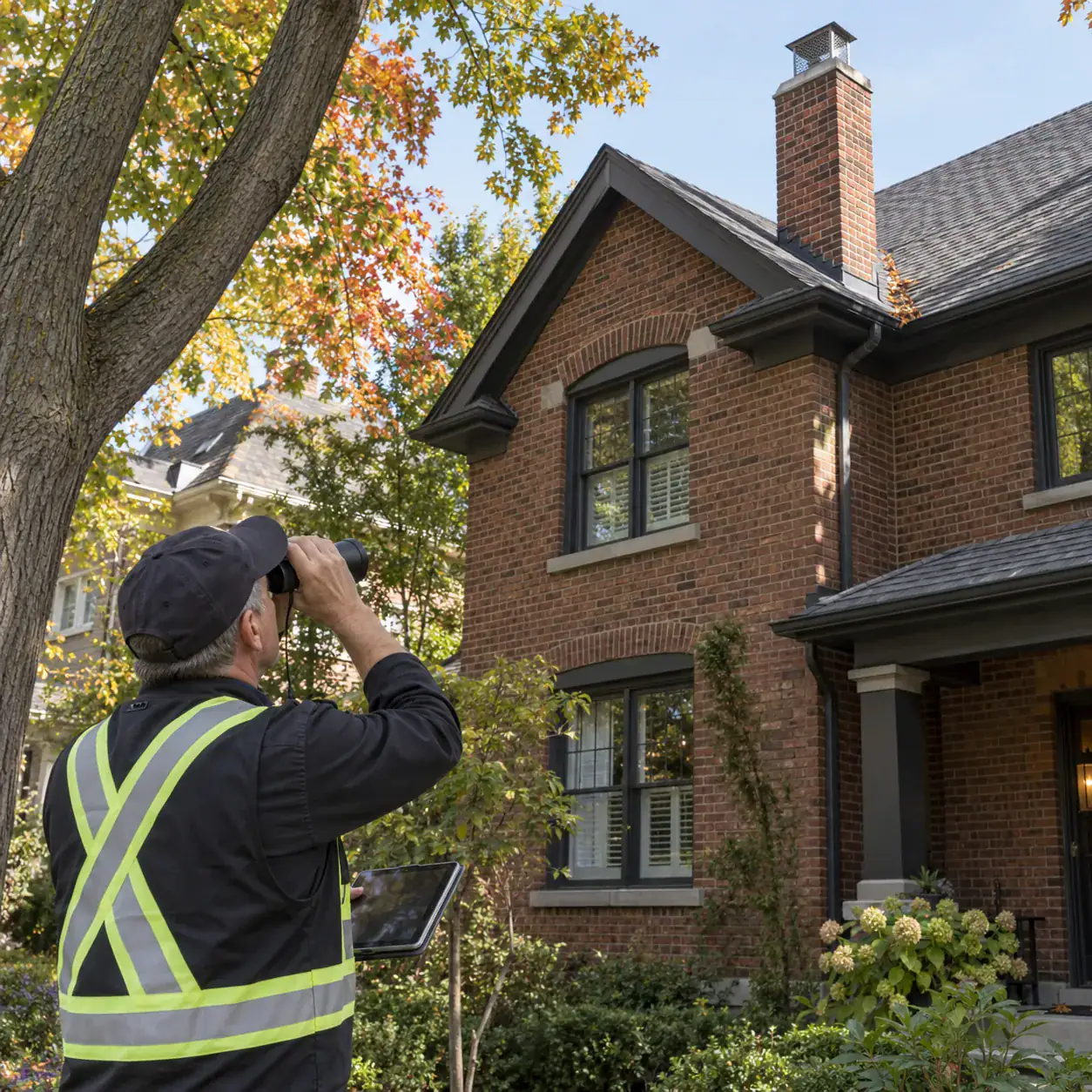
Exterior chimney masonry can also affect comfort when water enters through cracked crowns, missing caps, open mortar joints, or spalling brick. Moisture in the chimney structure can create cold surfaces, odours, staining, and freeze-thaw damage.
If a chimney serves a fireplace or fuel-burning appliance, safety comes first. Ontario’s carbon monoxide safety page explains why fuel-burning appliances and fireplaces need proper venting. Masonry repair can address exterior chimney damage, but flue condition, appliance safety, and venting should be reviewed by the right qualified professional when relevant.
A&A Masonry’s chimney repair Toronto page explains common masonry chimney concerns such as cracked brick, failing mortar, crown damage, cap issues, and water damage.
Chimney Caps, Crowns, and Drafty Fireplace Areas
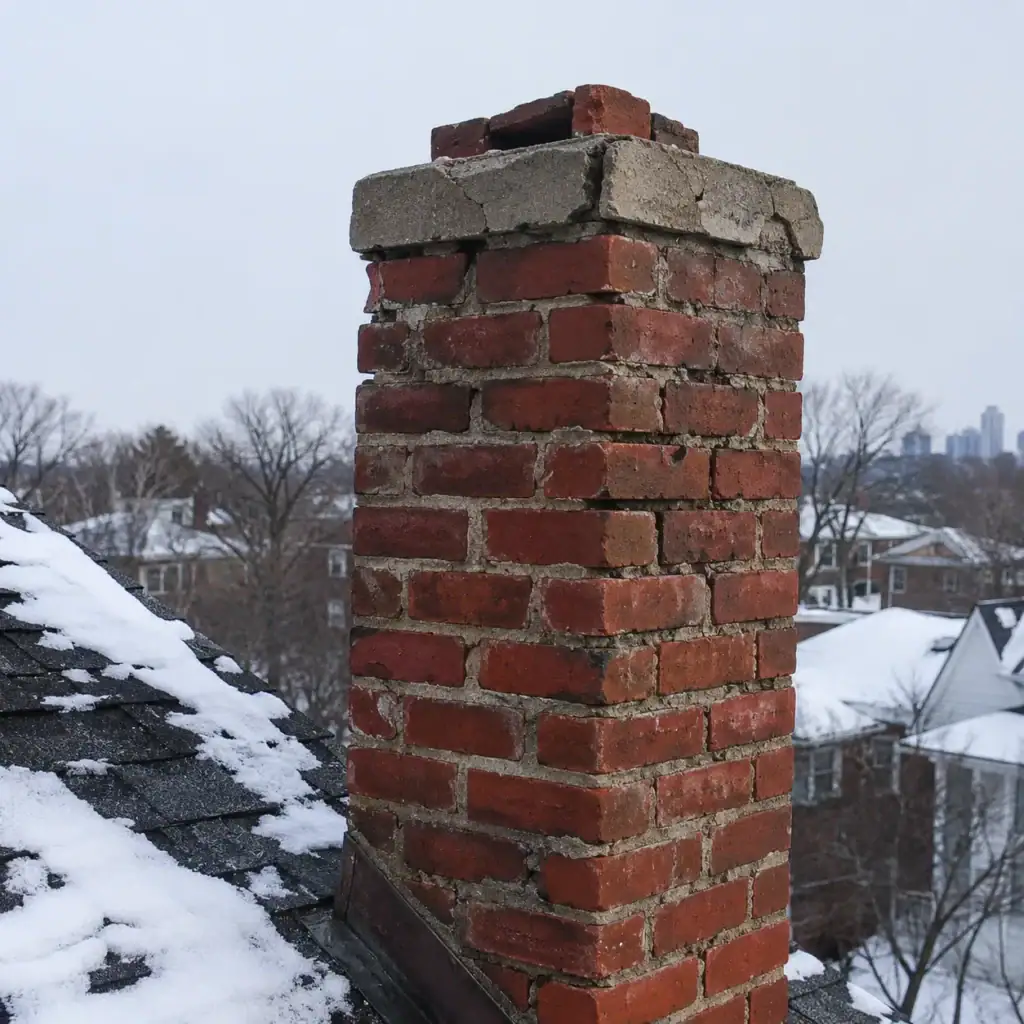
Chimney caps and crowns can indirectly affect comfort and energy bills by helping keep rain, snow, animals, and debris out of the chimney. They do not replace a damper, air sealing, or appliance review, but they help protect the chimney from moisture that can lead to damage.
A cracked crown can allow water into the top of the chimney. A missing cap can let snow, rain, and debris enter. Once the chimney masonry becomes wet and damaged, it may become harder to keep the fireplace area dry and comfortable.
Drafts around a fireplace may also come from damper issues, gaps, poor seals, chimney design, or negative pressure in the home. Those issues may need a chimney sweep, fireplace professional, or energy auditor. Still, the exterior masonry should be sound, so water and freeze-thaw damage do not make the problem worse.
A&A Masonry’s blog on chimney waterproofing options explains how caps, crowns, tuckpointing, brick repair, flashing review, and breathable water repellents work together to protect chimney masonry.
Foundations, Basements, and Heat Loss
Foundations and basements can affect energy bills because they are large contact points between the home and the ground. Masonry or concrete foundation areas can feel cold, especially when there are air leaks, dampness, cracks, or poor insulation.
Basement heat loss is often connected to more than the foundation wall itself. Rim joist areas, sill plates, cracks, window wells, basement windows, and gaps around penetrations may all allow cold air or moisture into the home.
Damp basement masonry can make the lower level feel colder and harder to heat. Moisture can also affect insulation performance and indoor comfort. If water is entering through cracks, around windows, or at the base of the wall, energy upgrades should be planned carefully after water issues are understood.
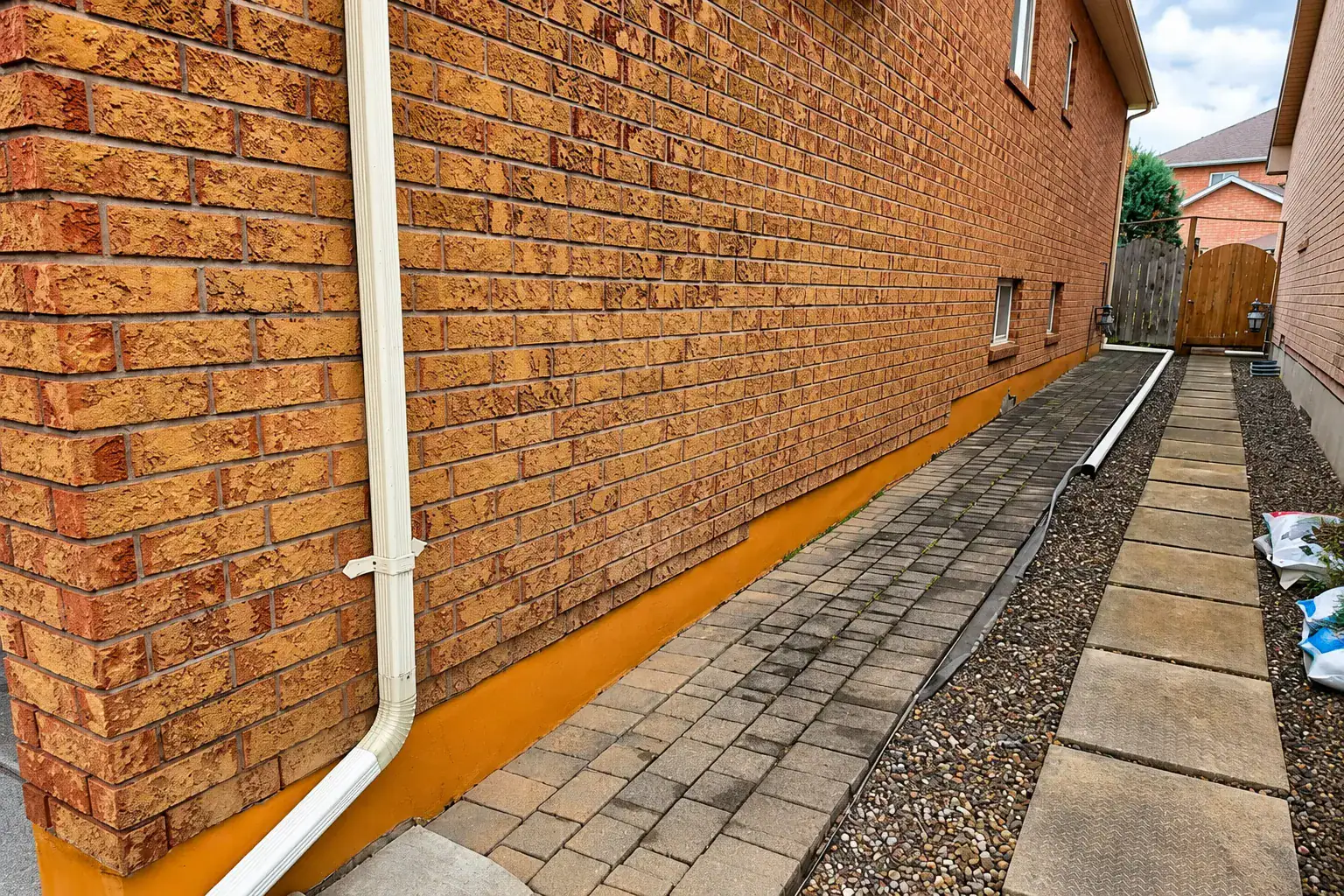
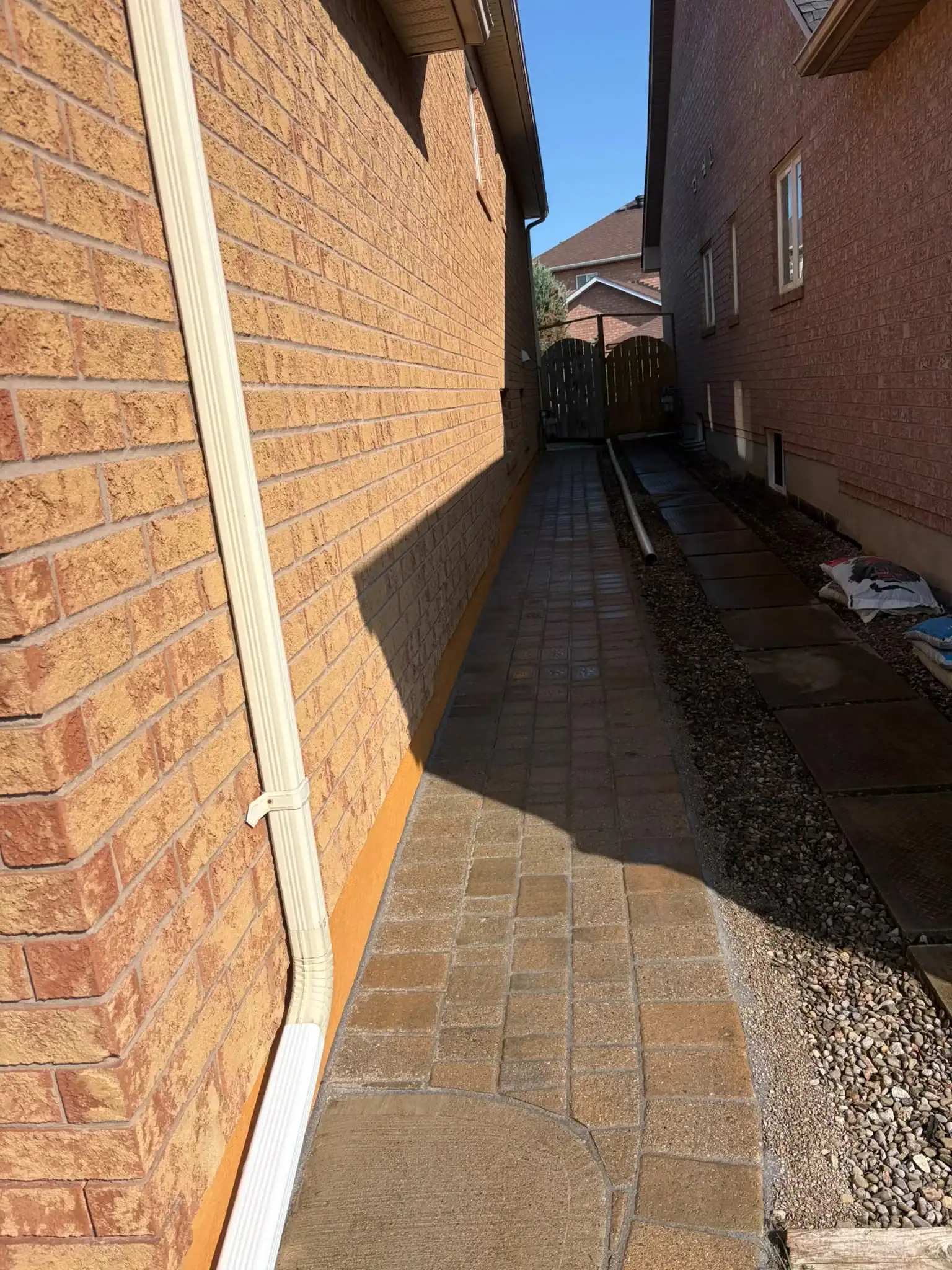
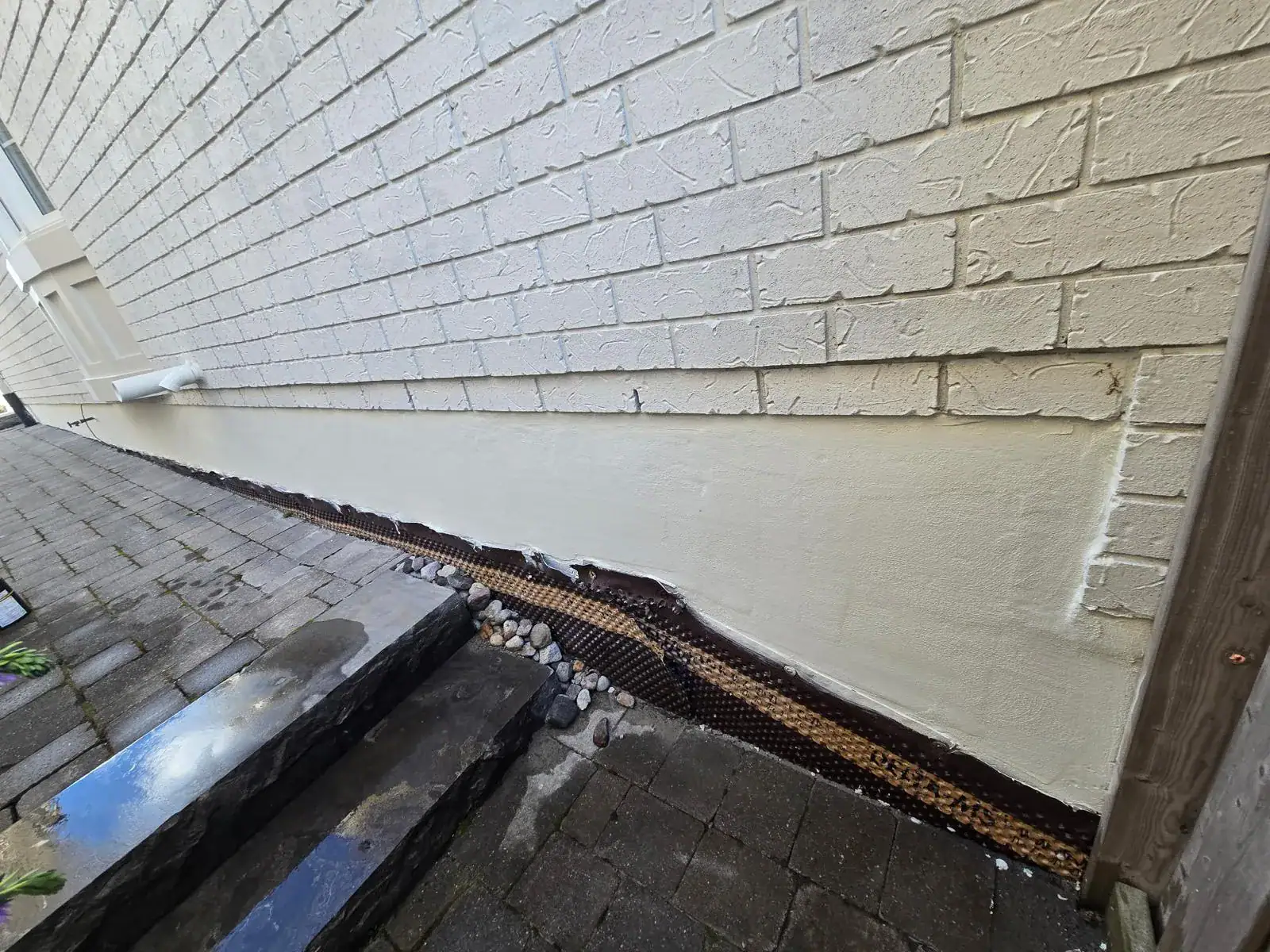
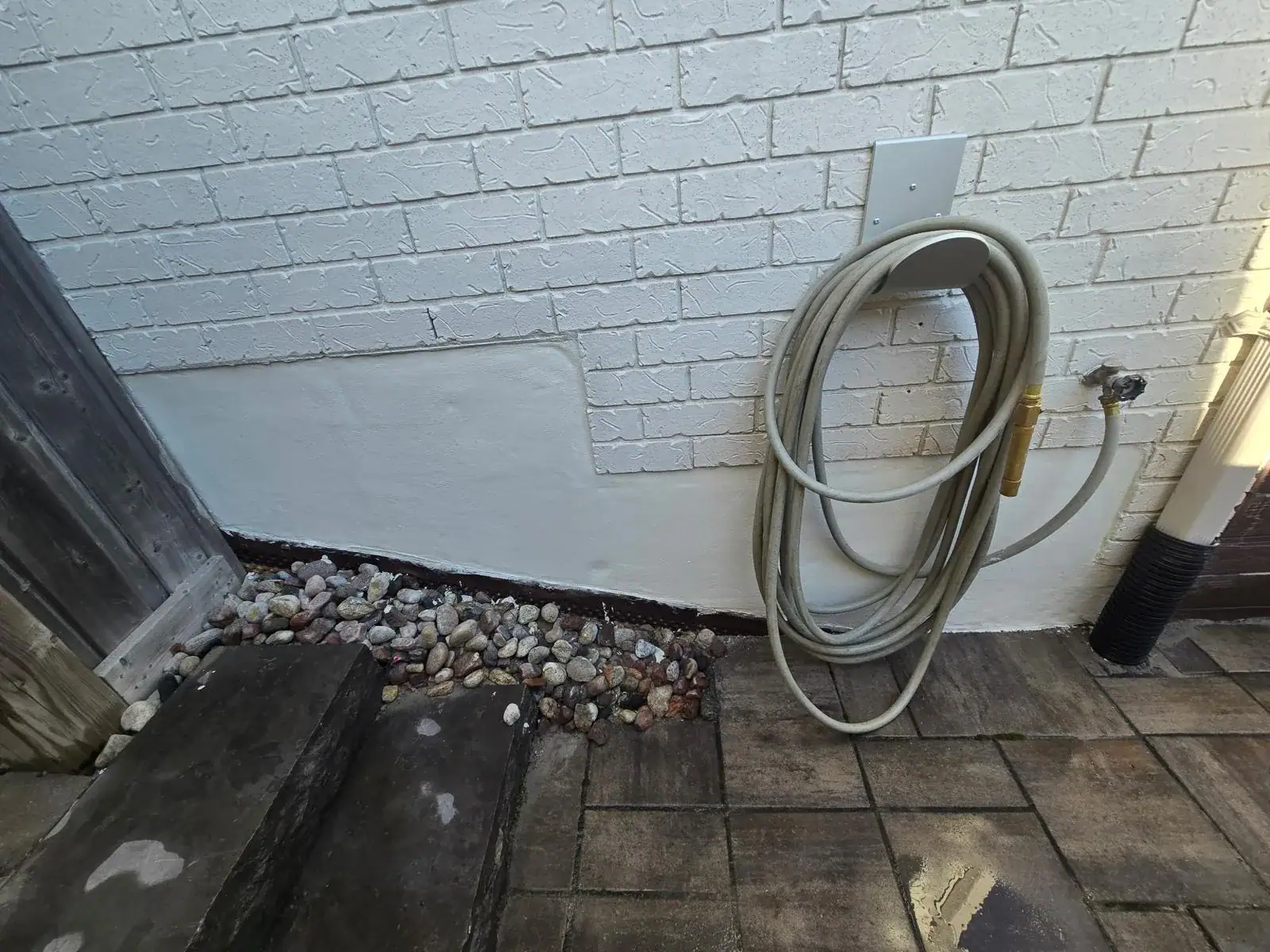
Waterproofing, drainage correction, crack repair, parging repair, and proper insulation planning can all improve basement comfort.
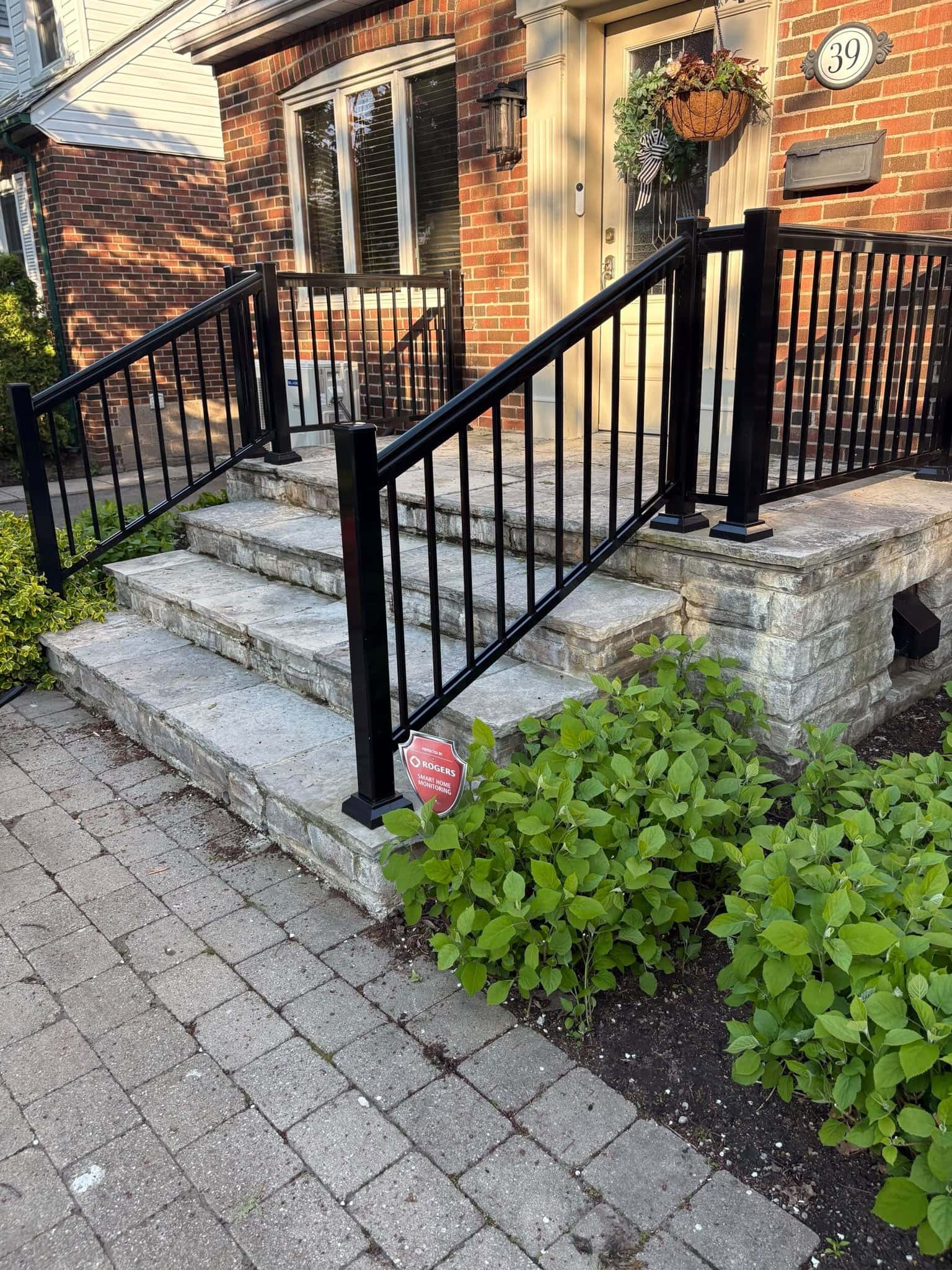
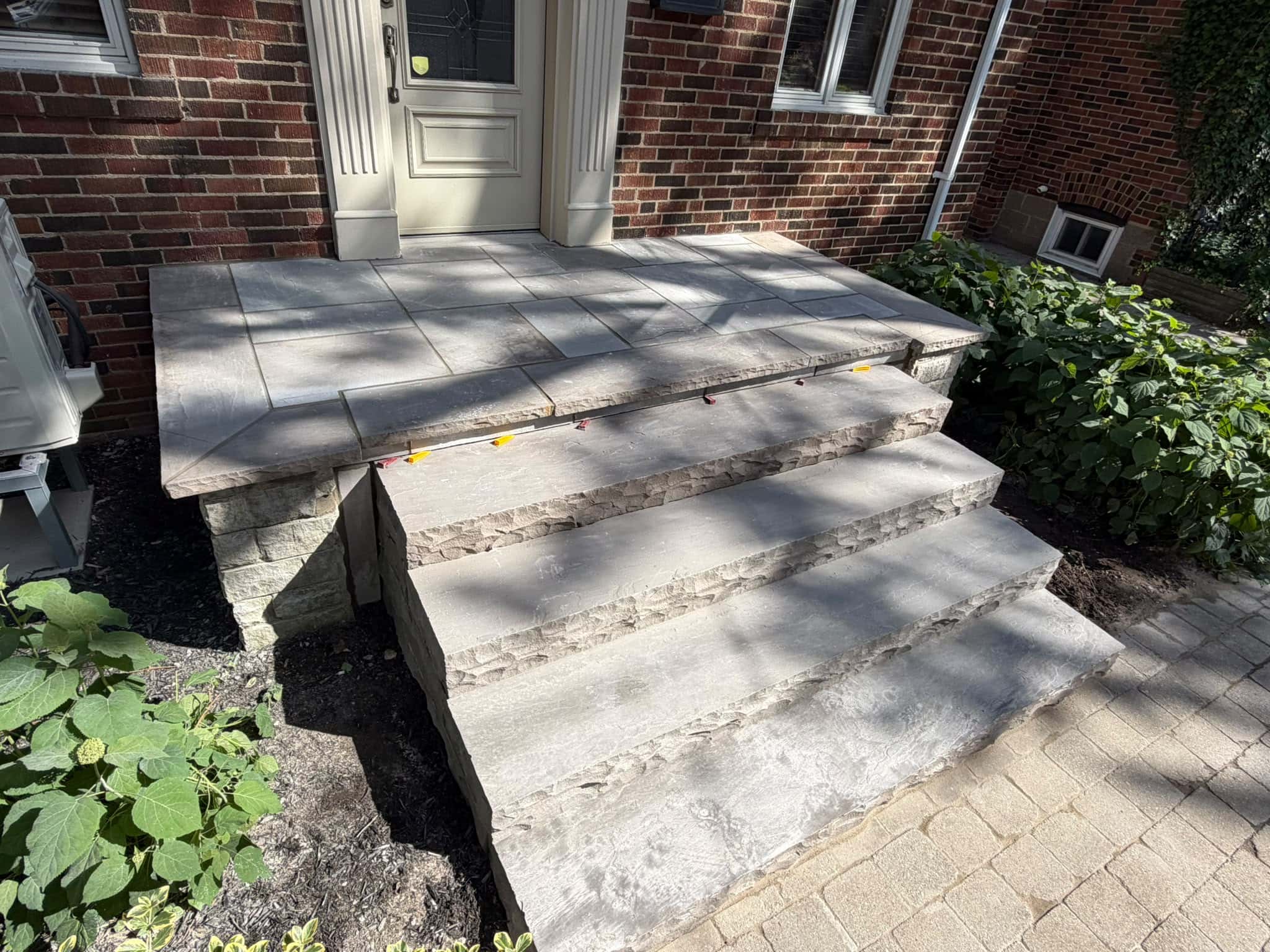
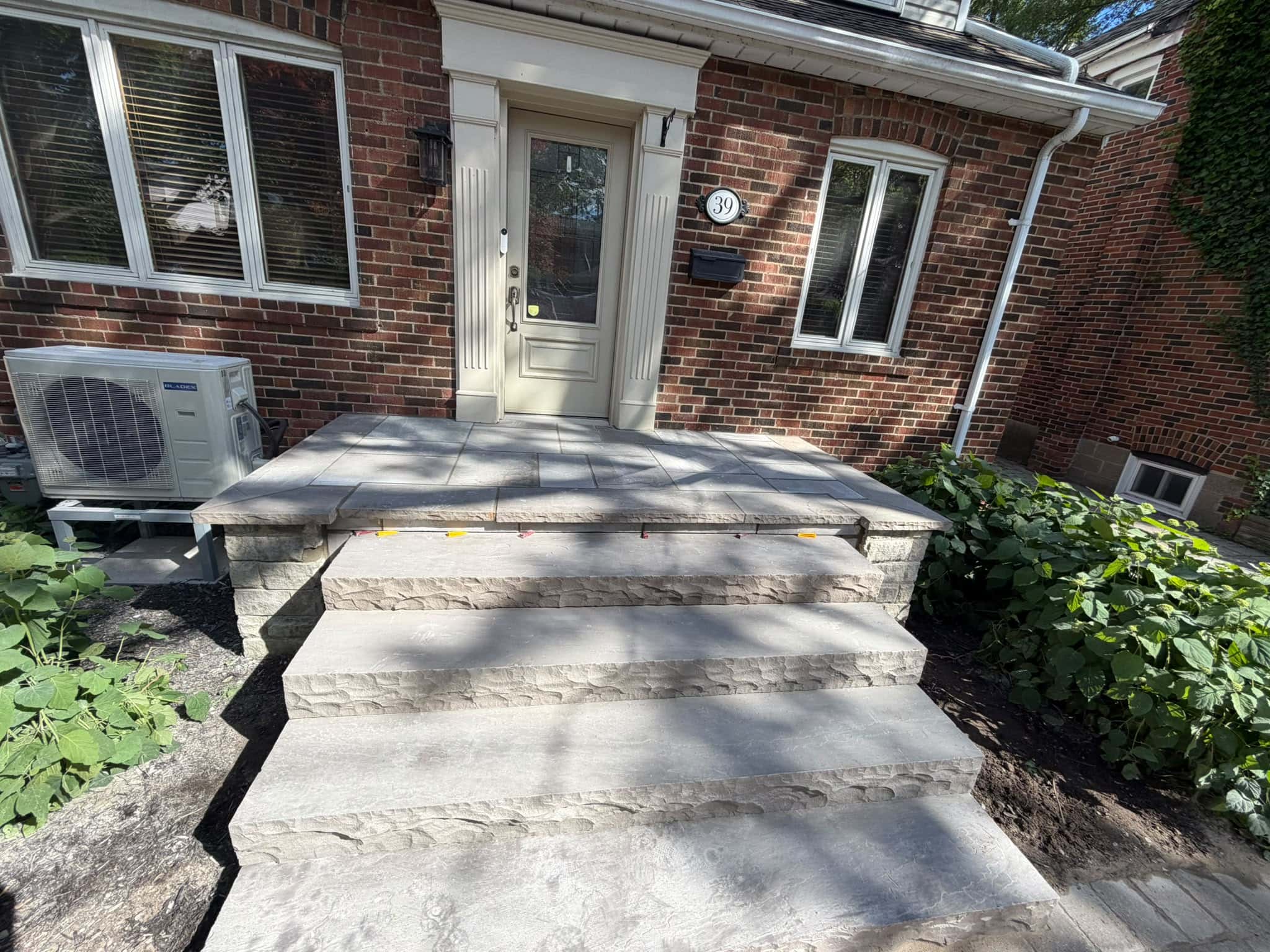
Concrete, Stone, and Exterior Steps
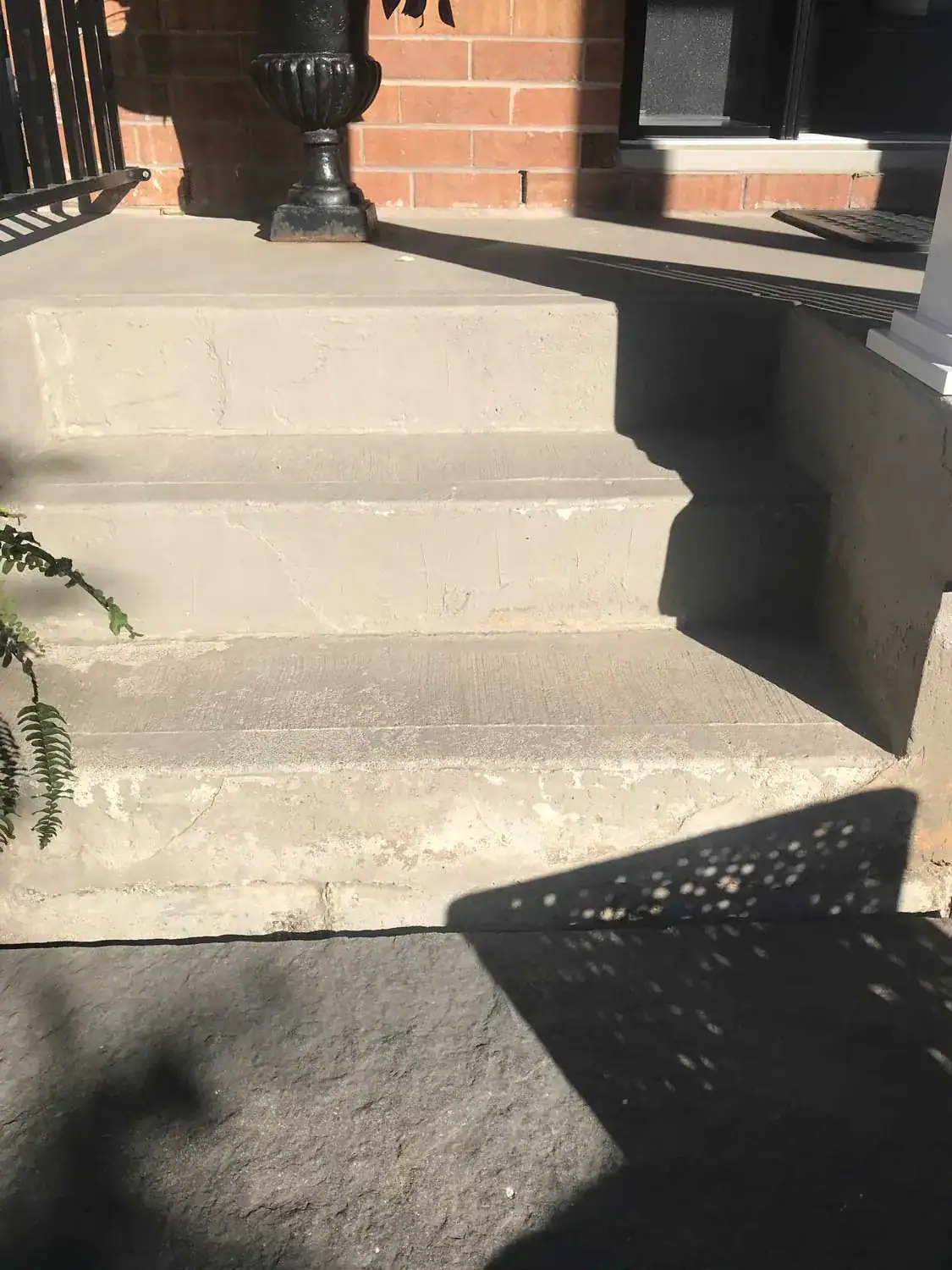
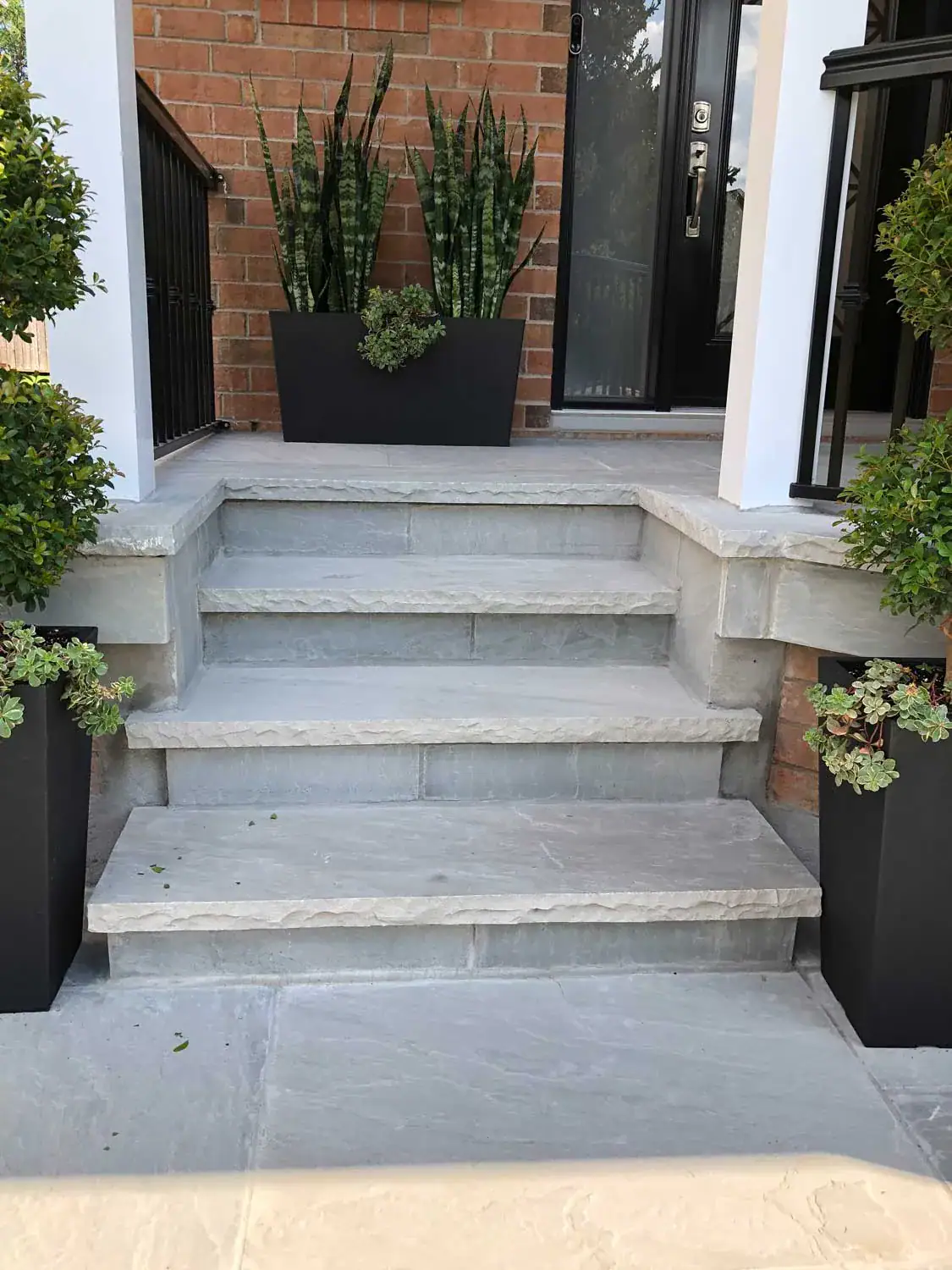
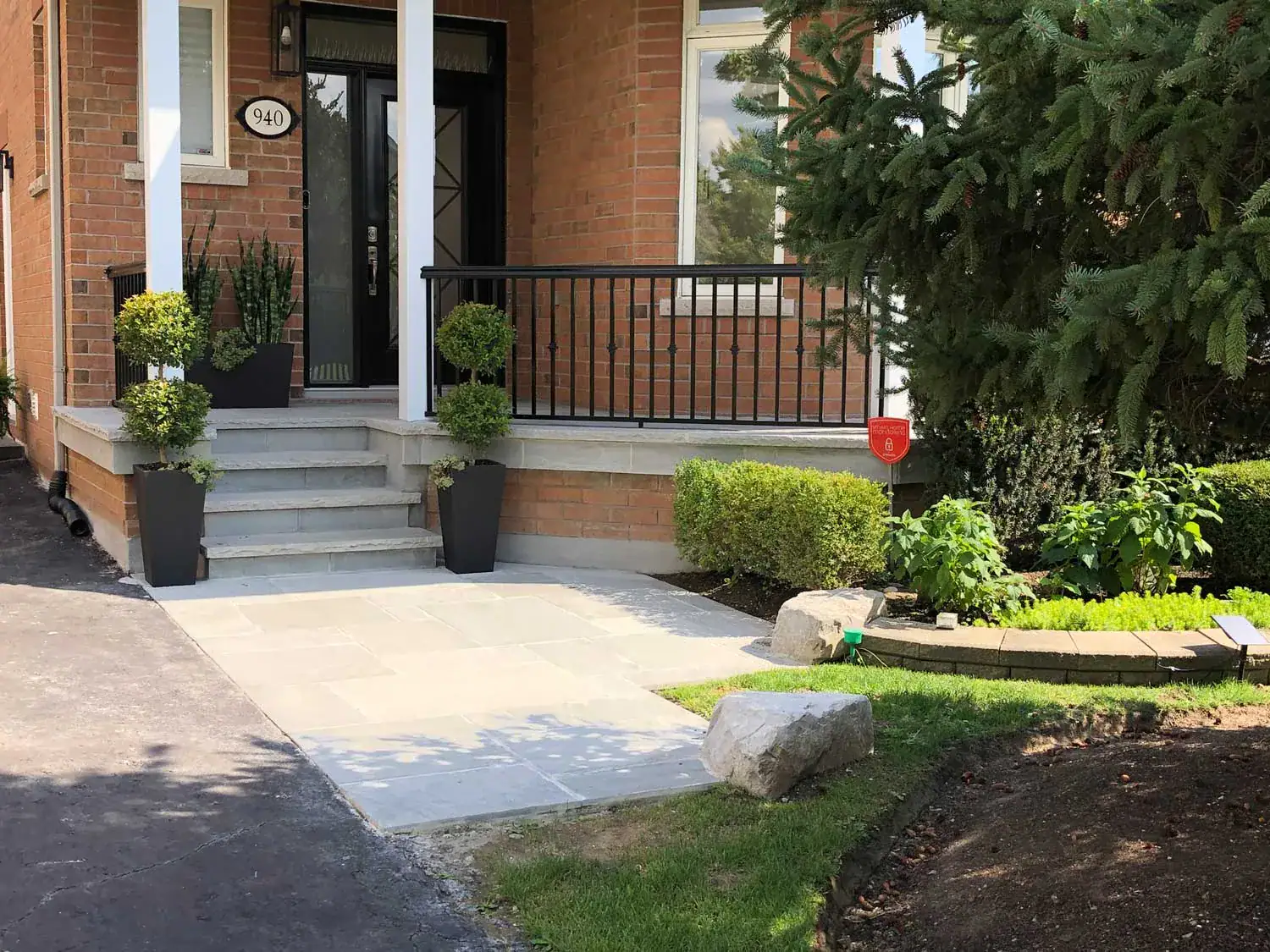
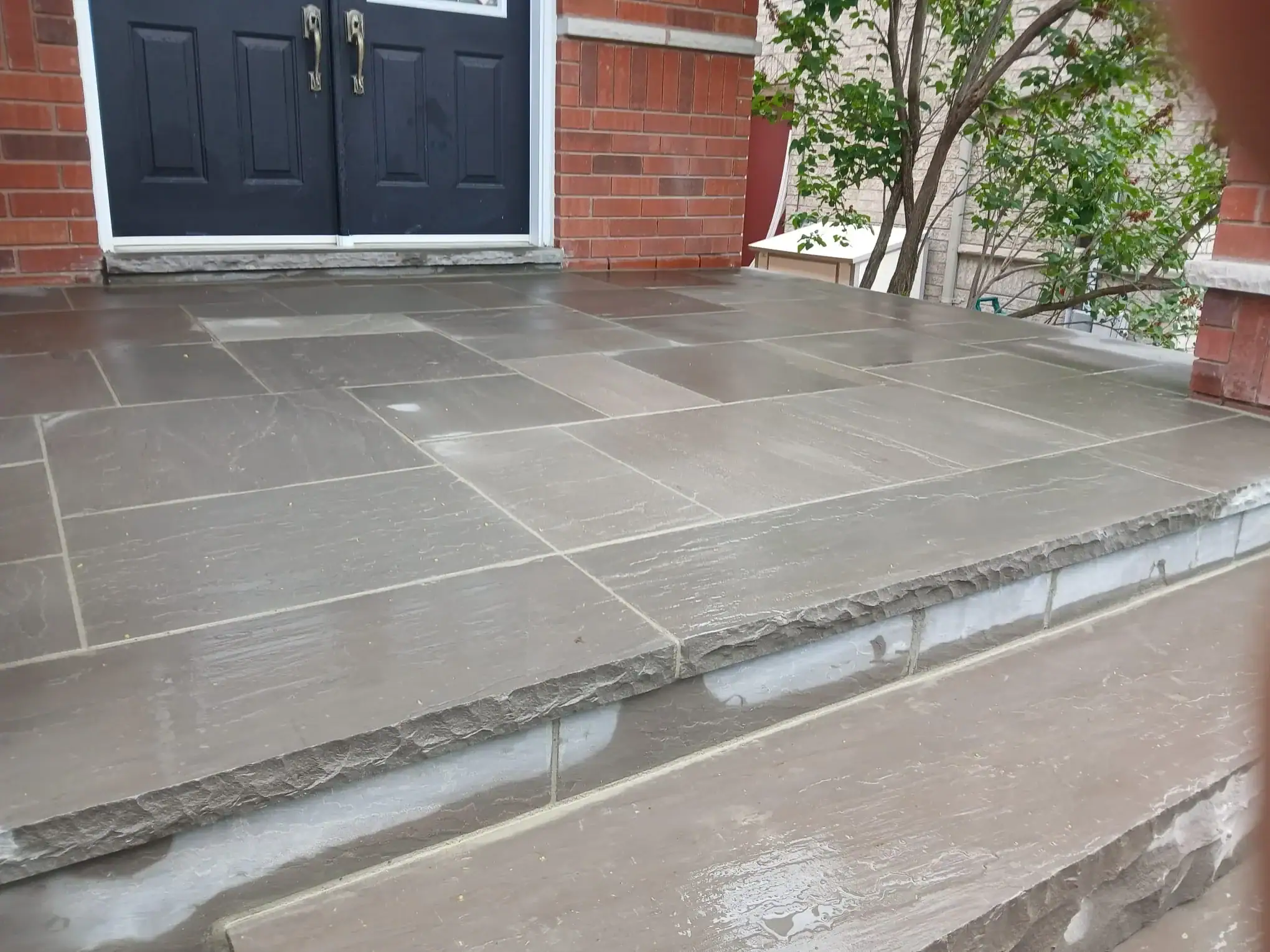
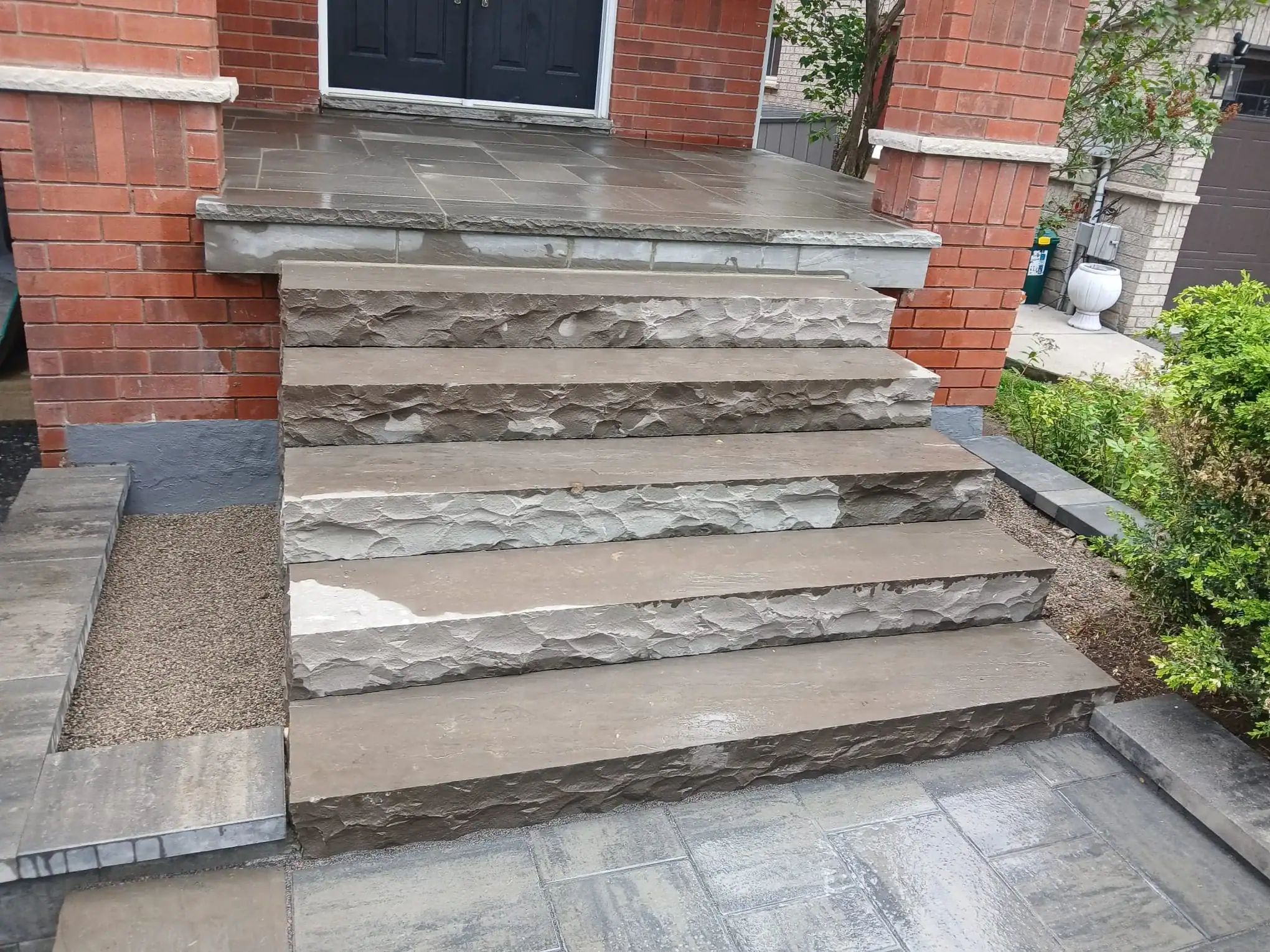
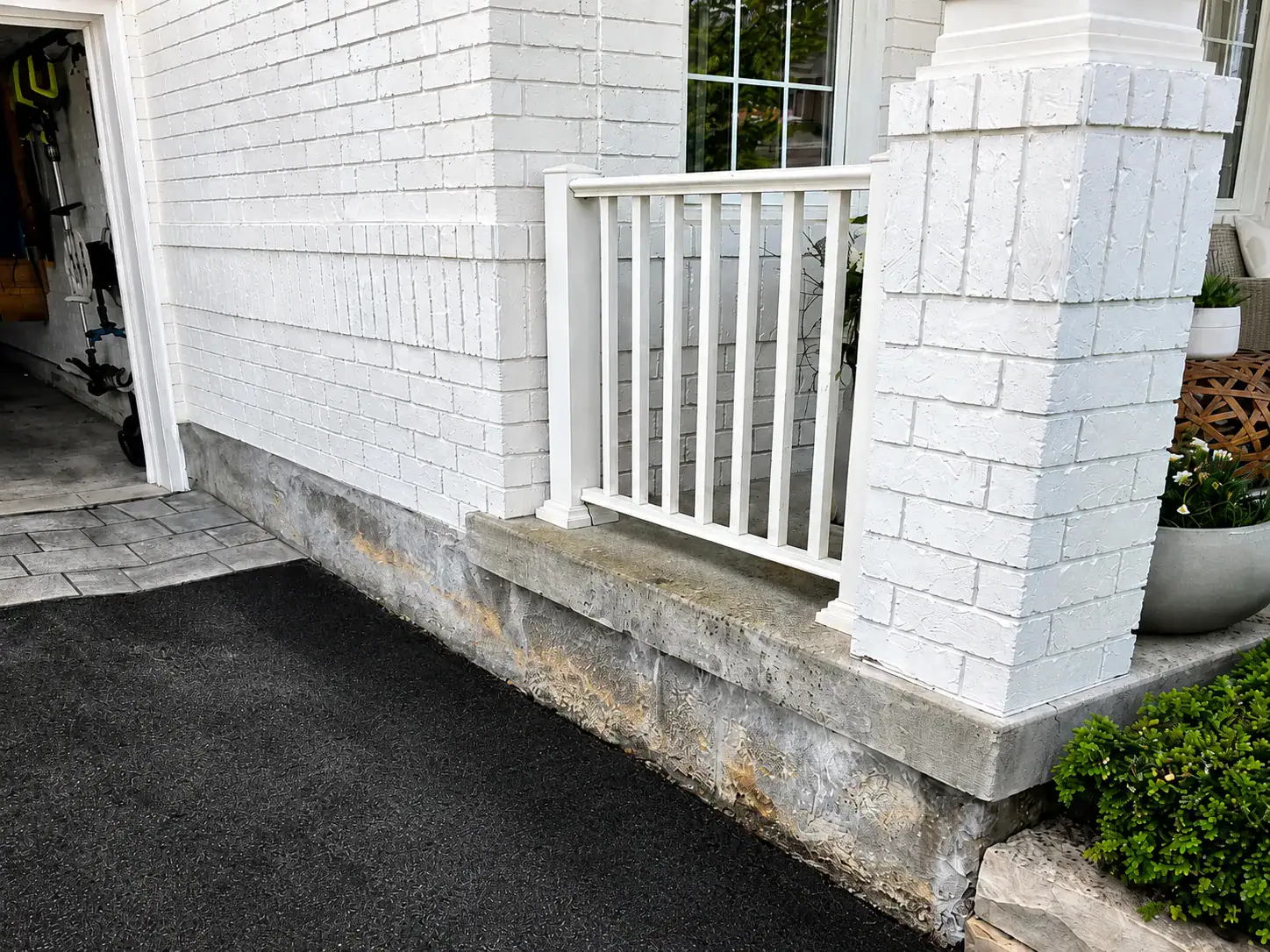
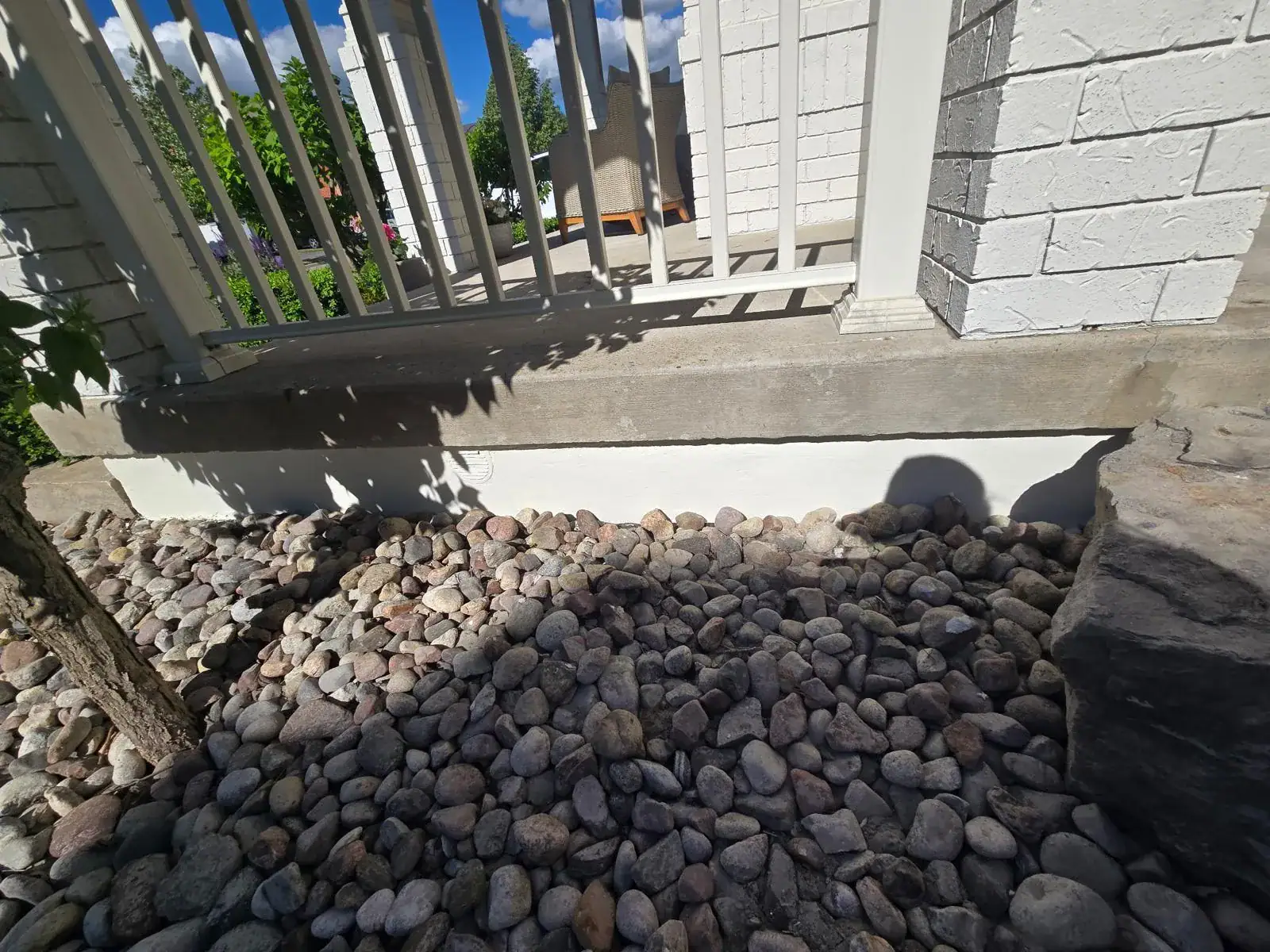
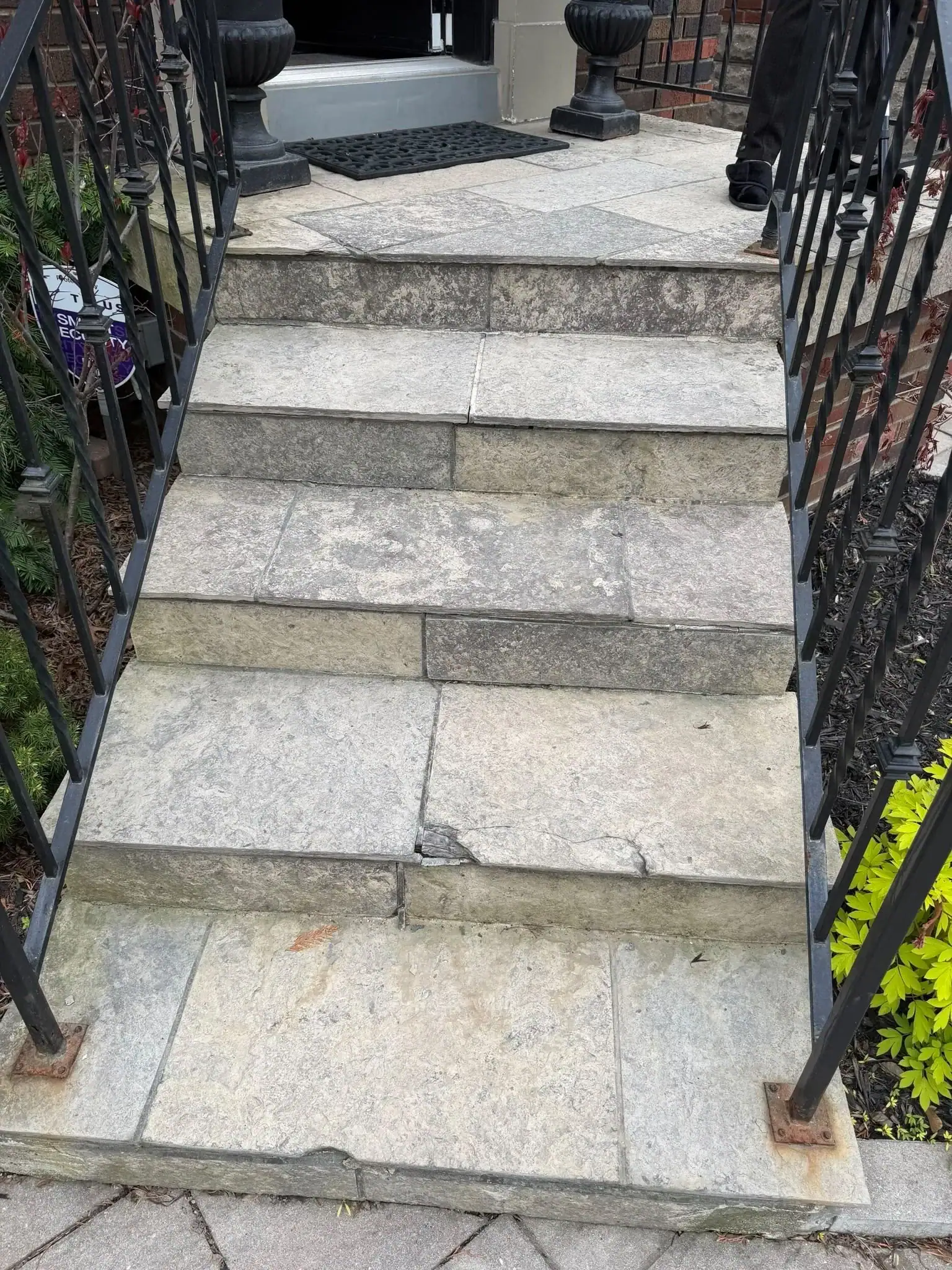
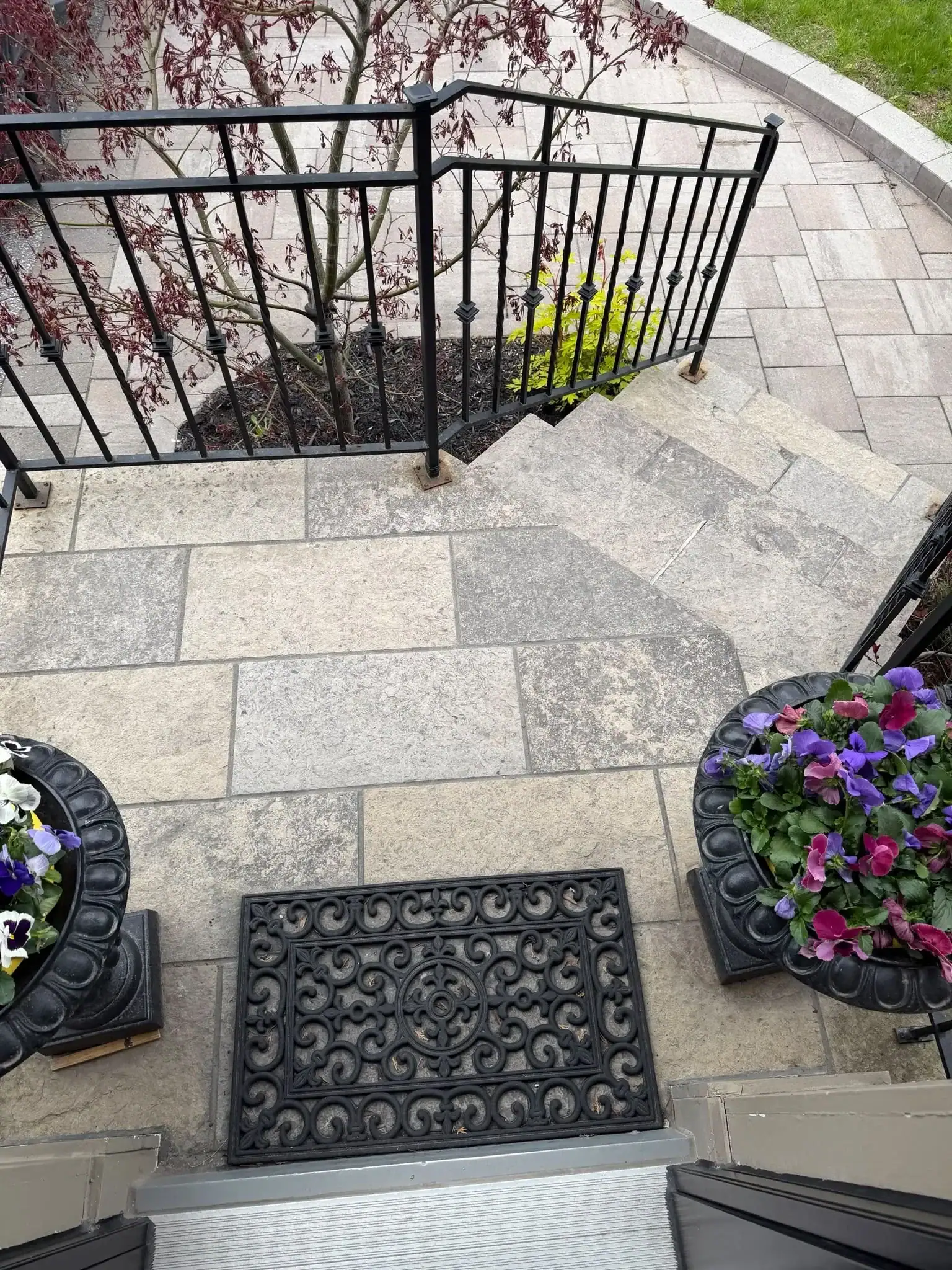
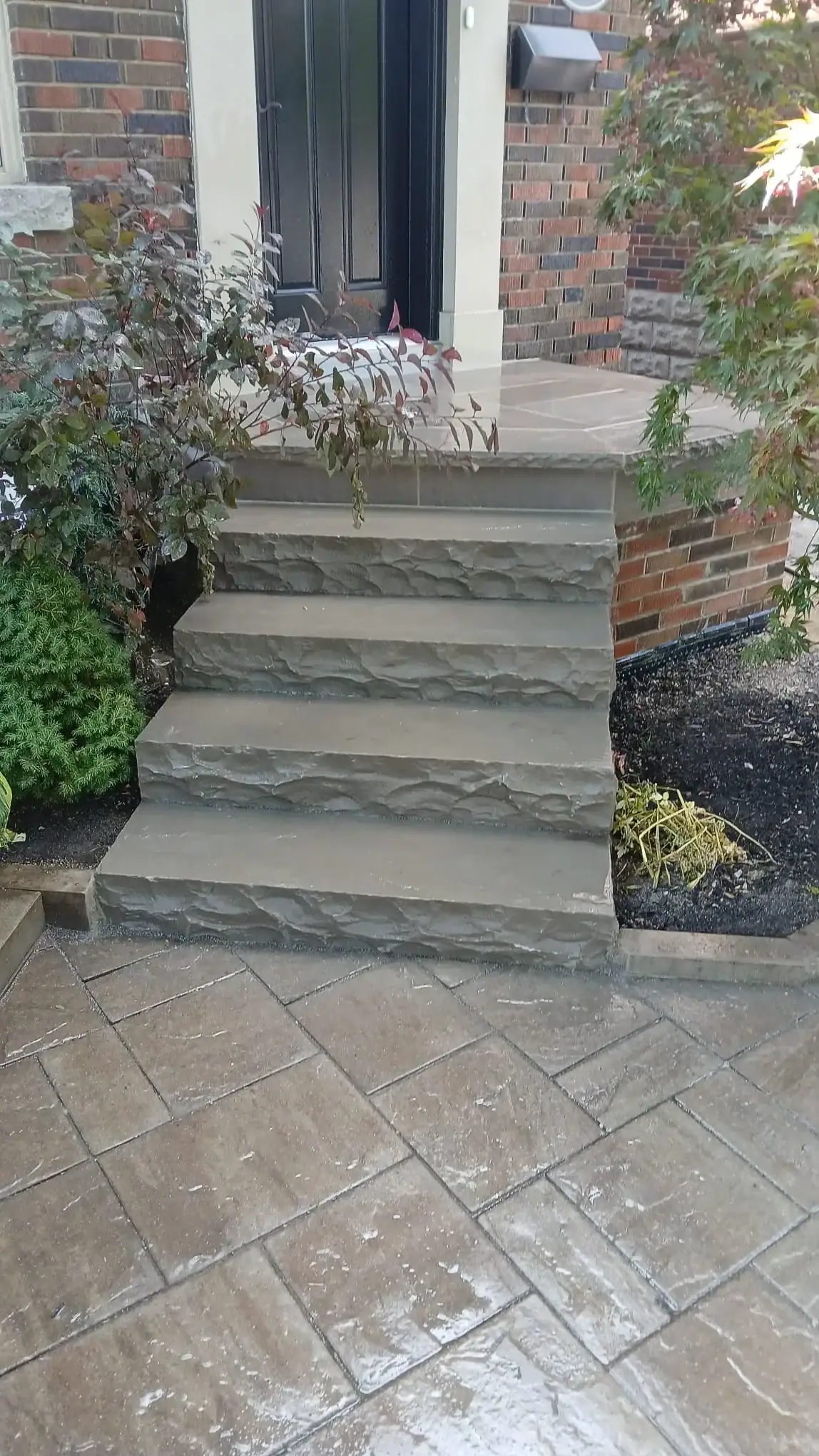
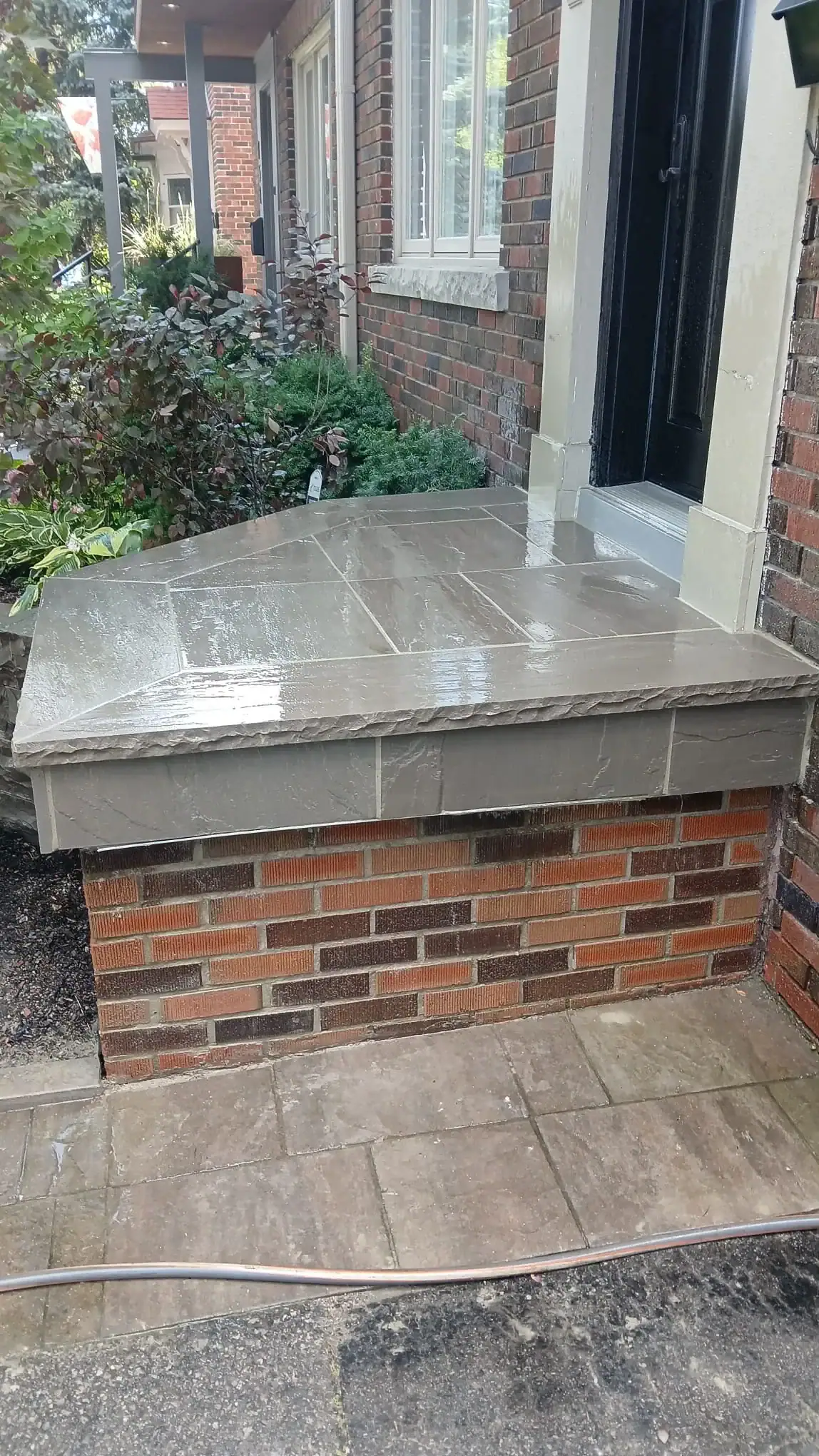
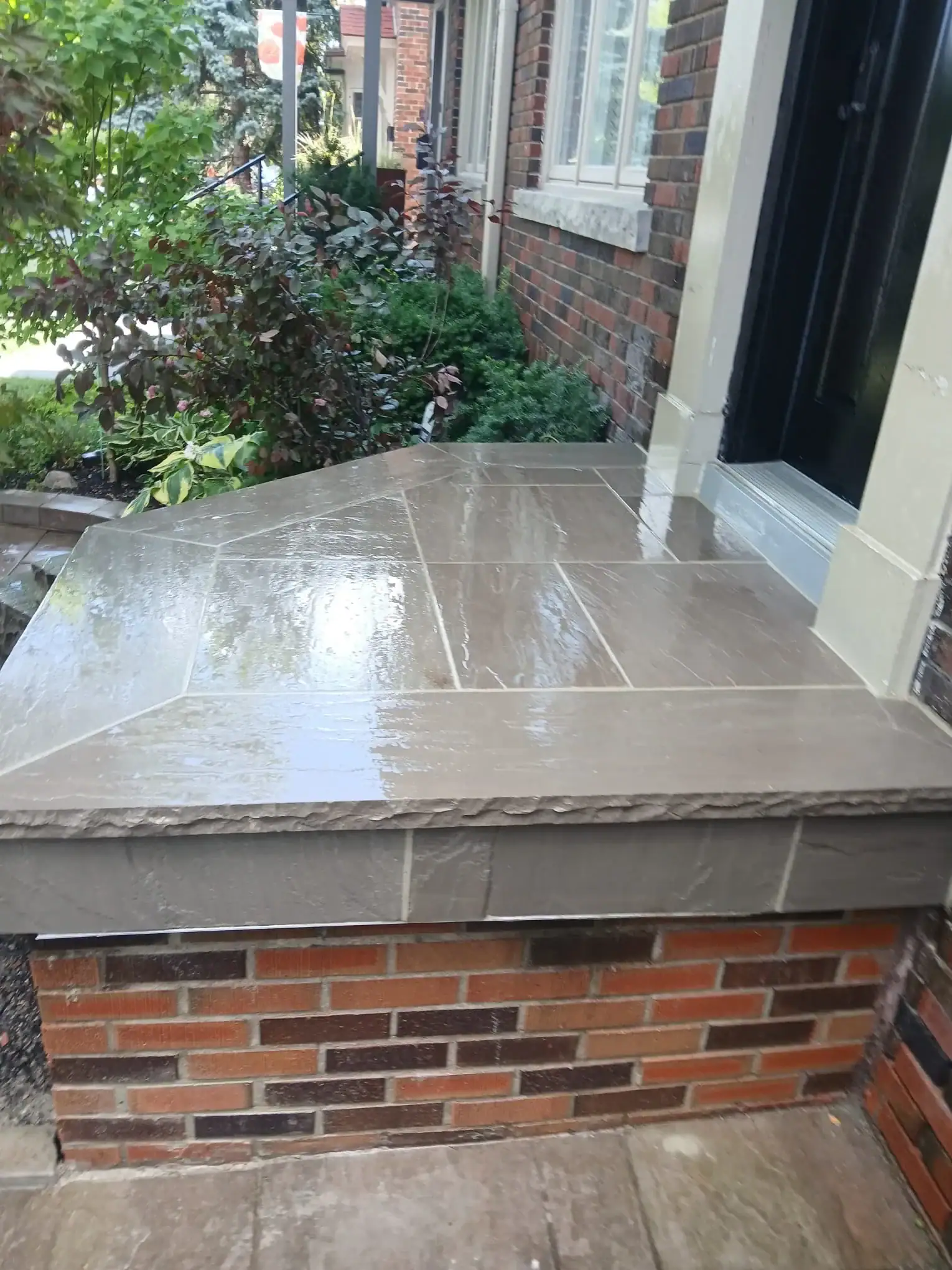
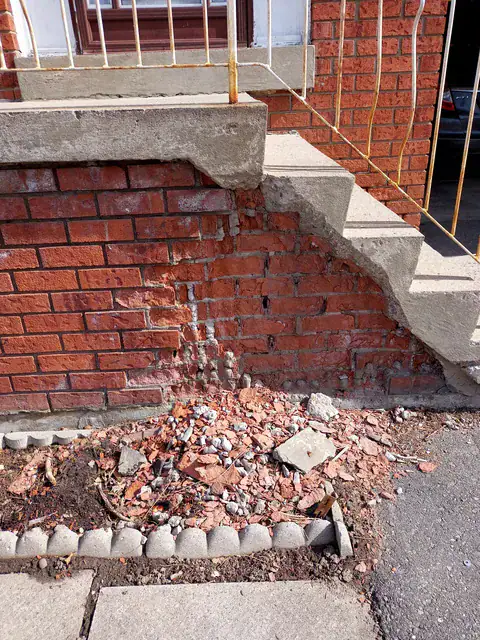
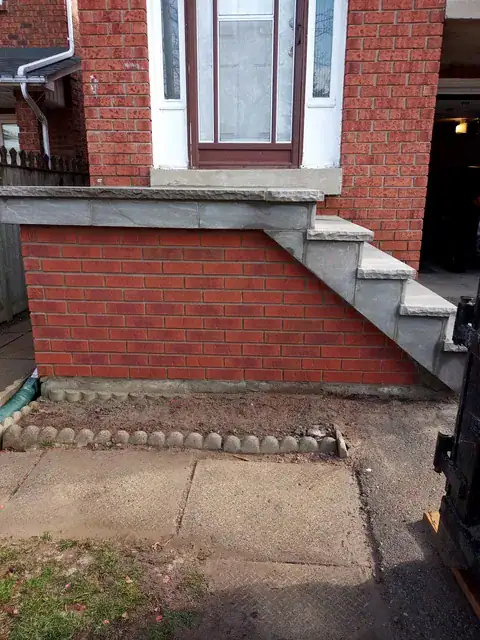
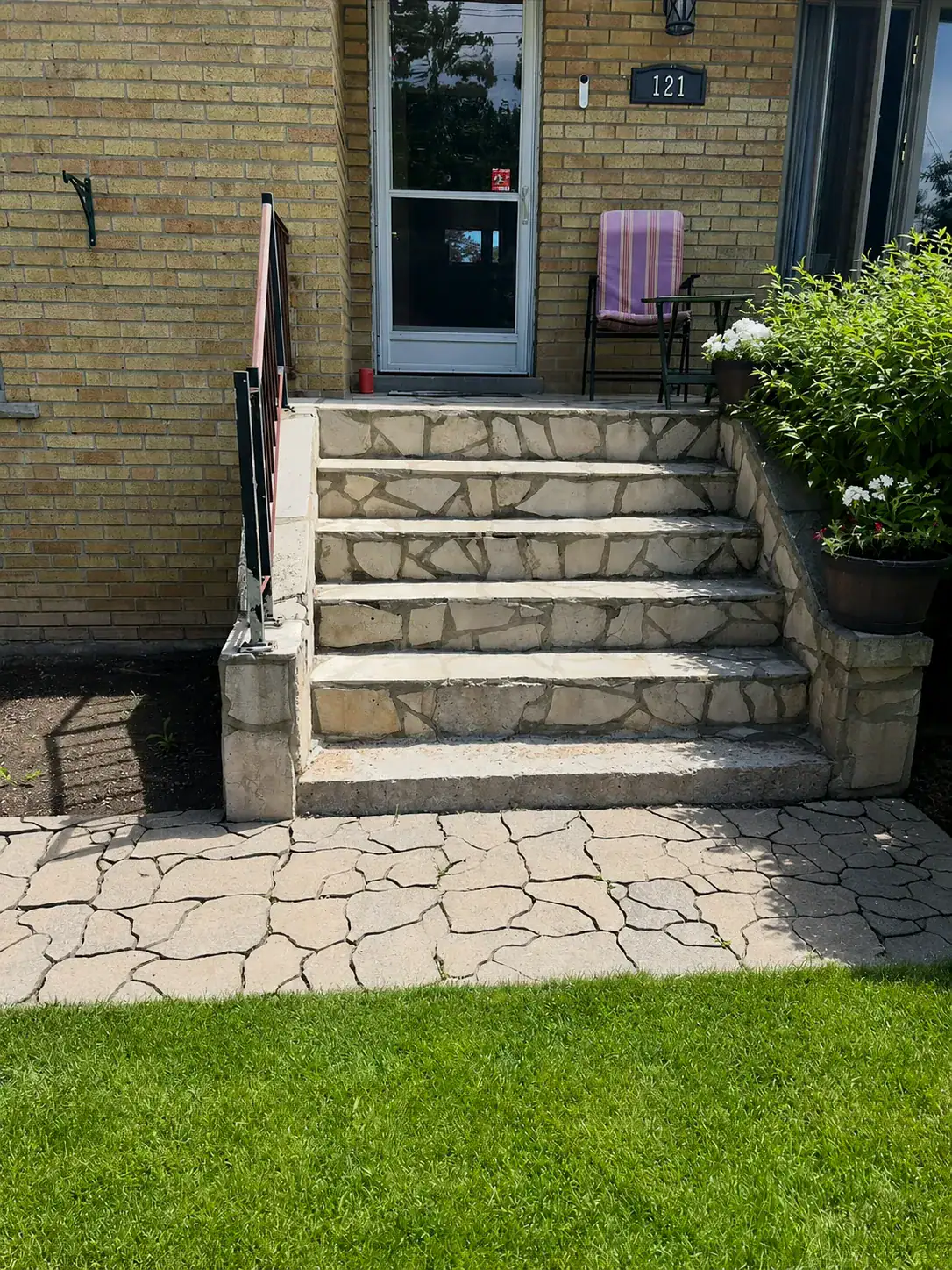
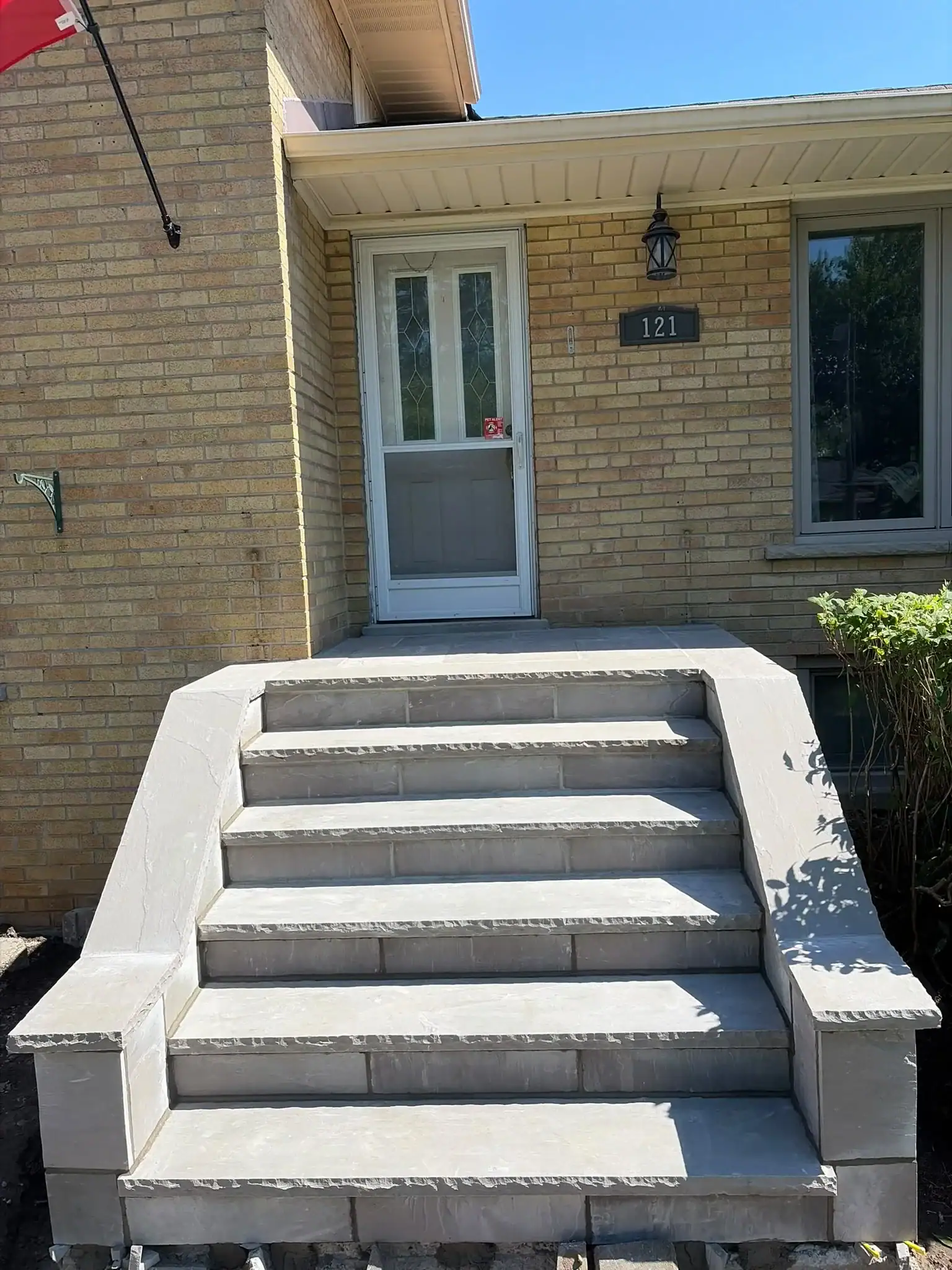
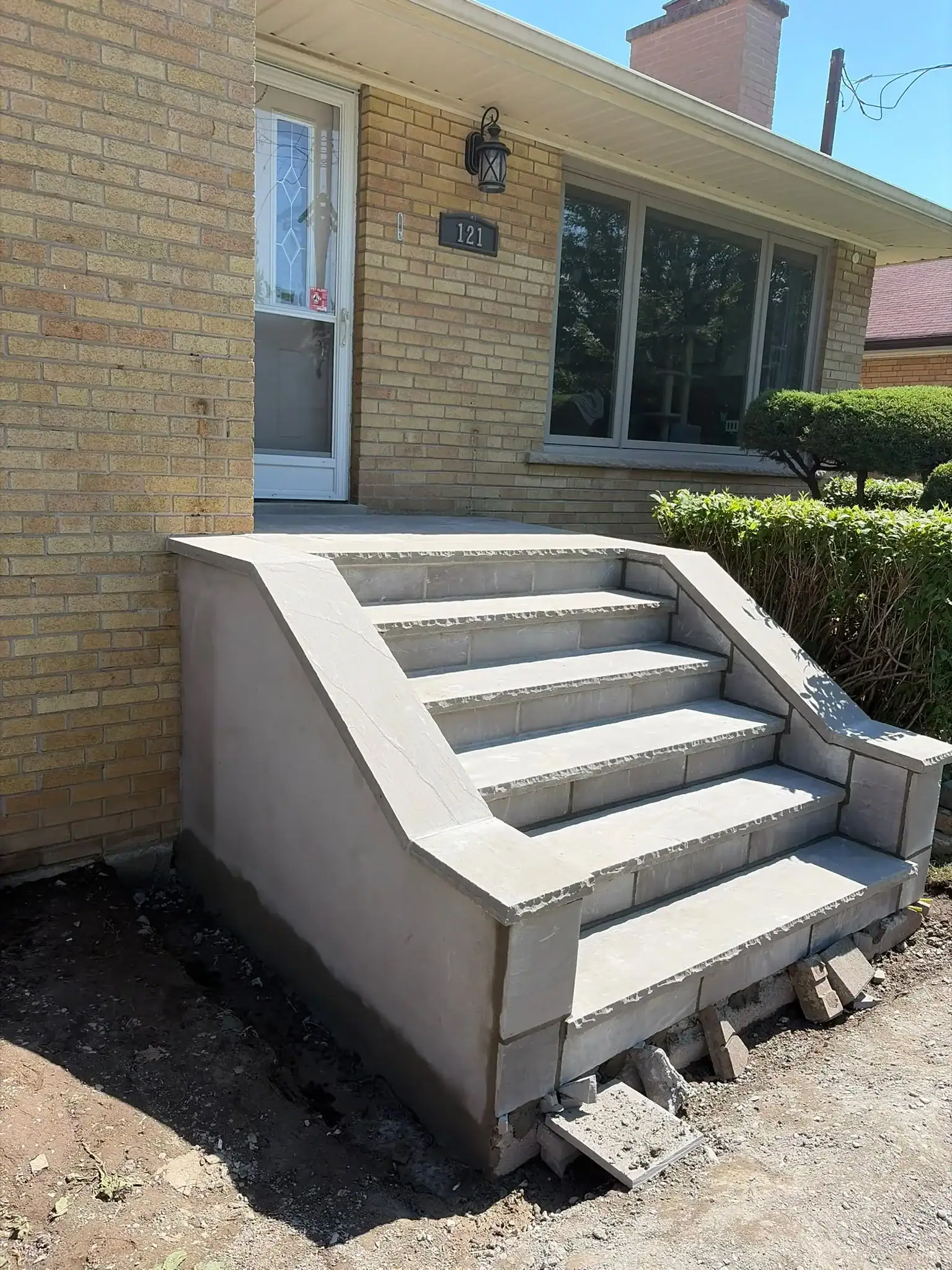
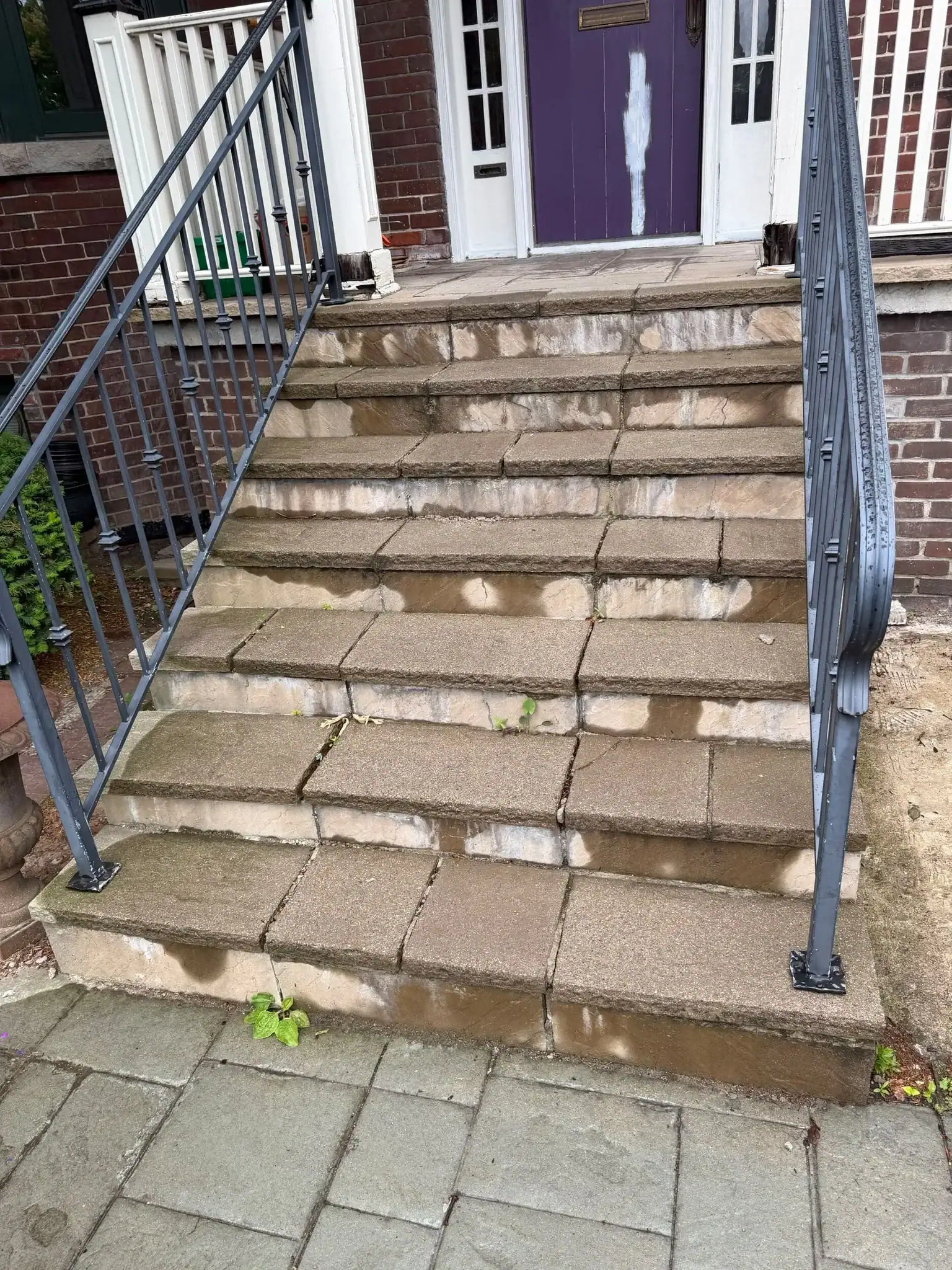
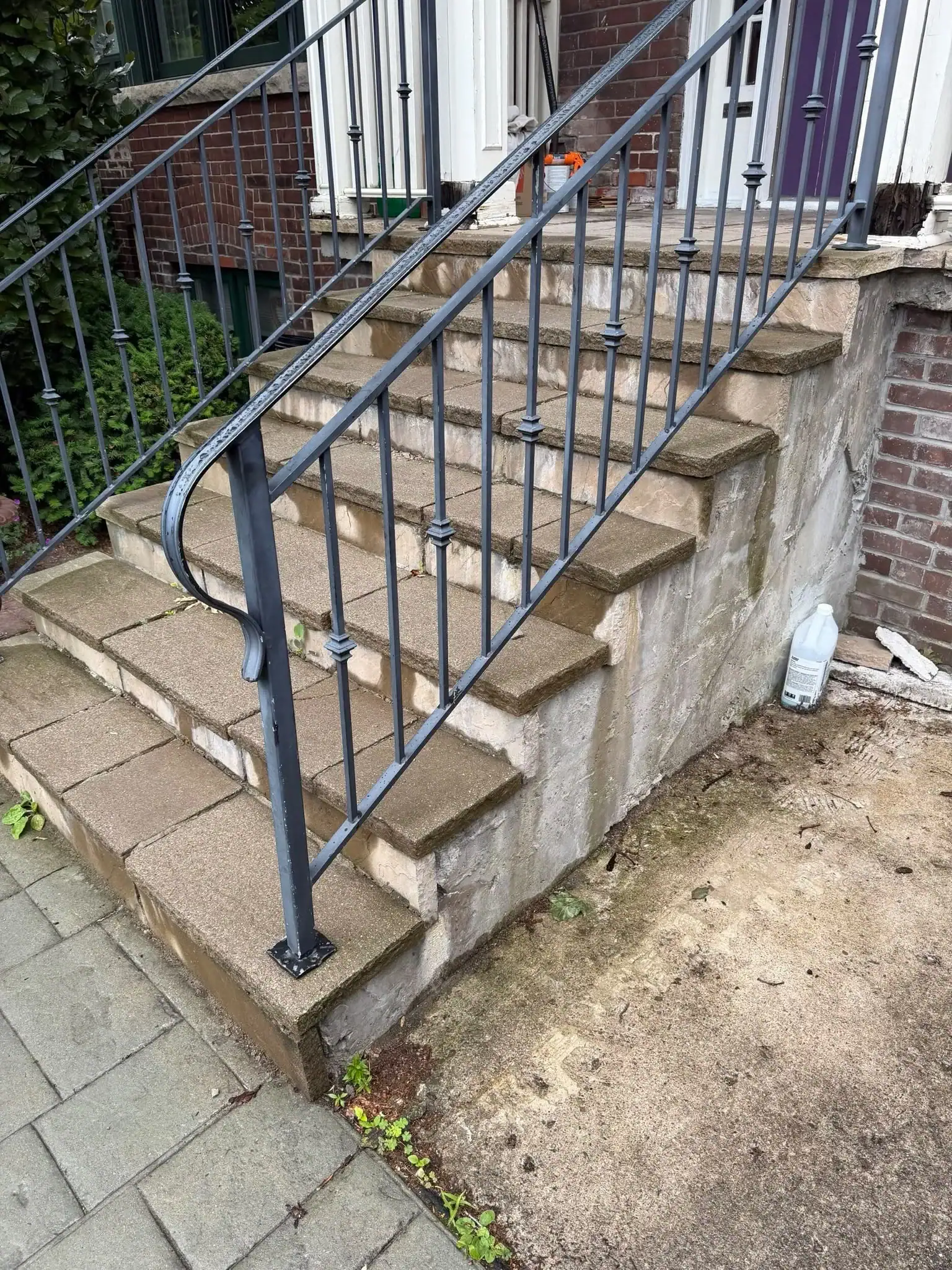
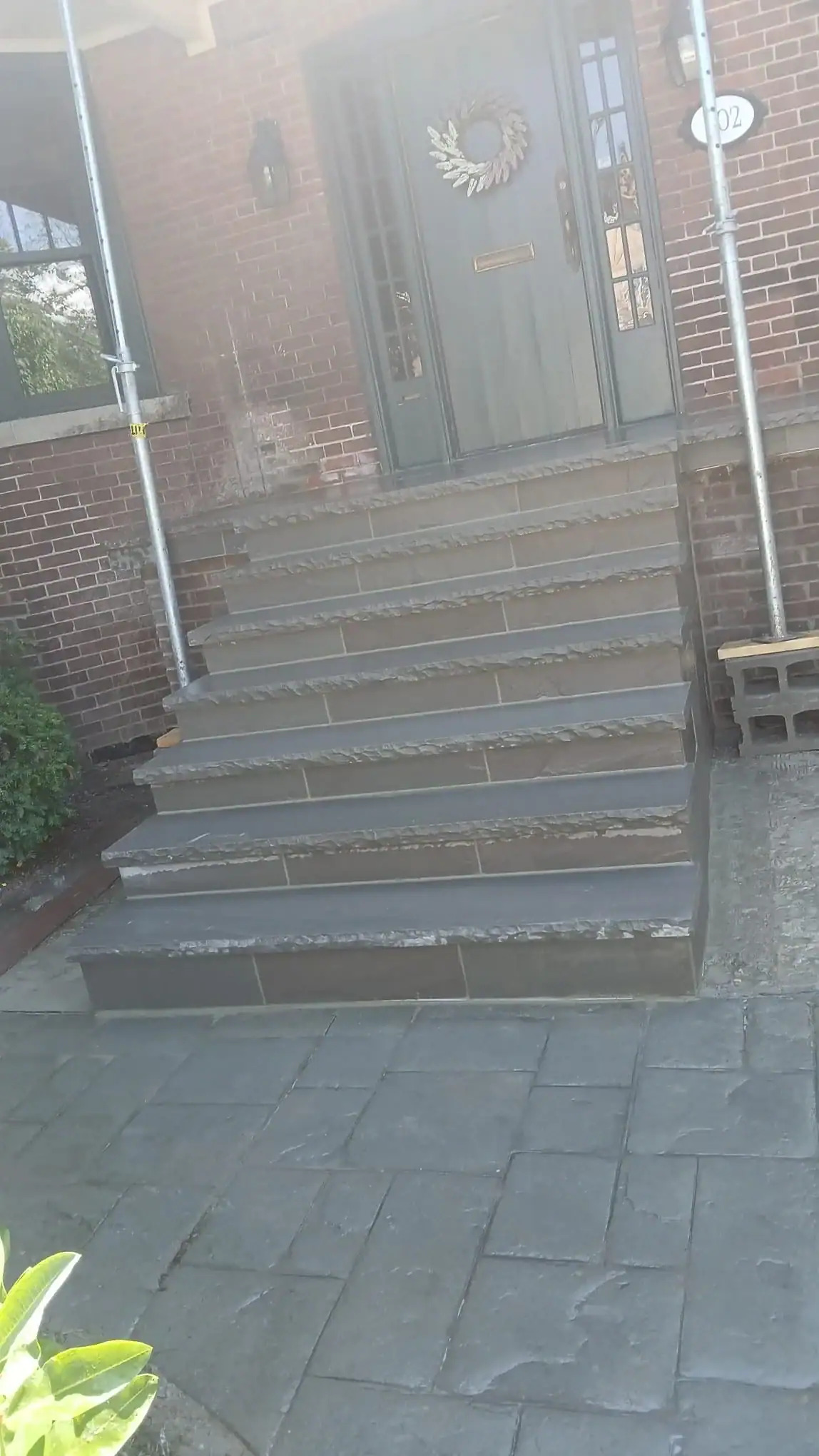
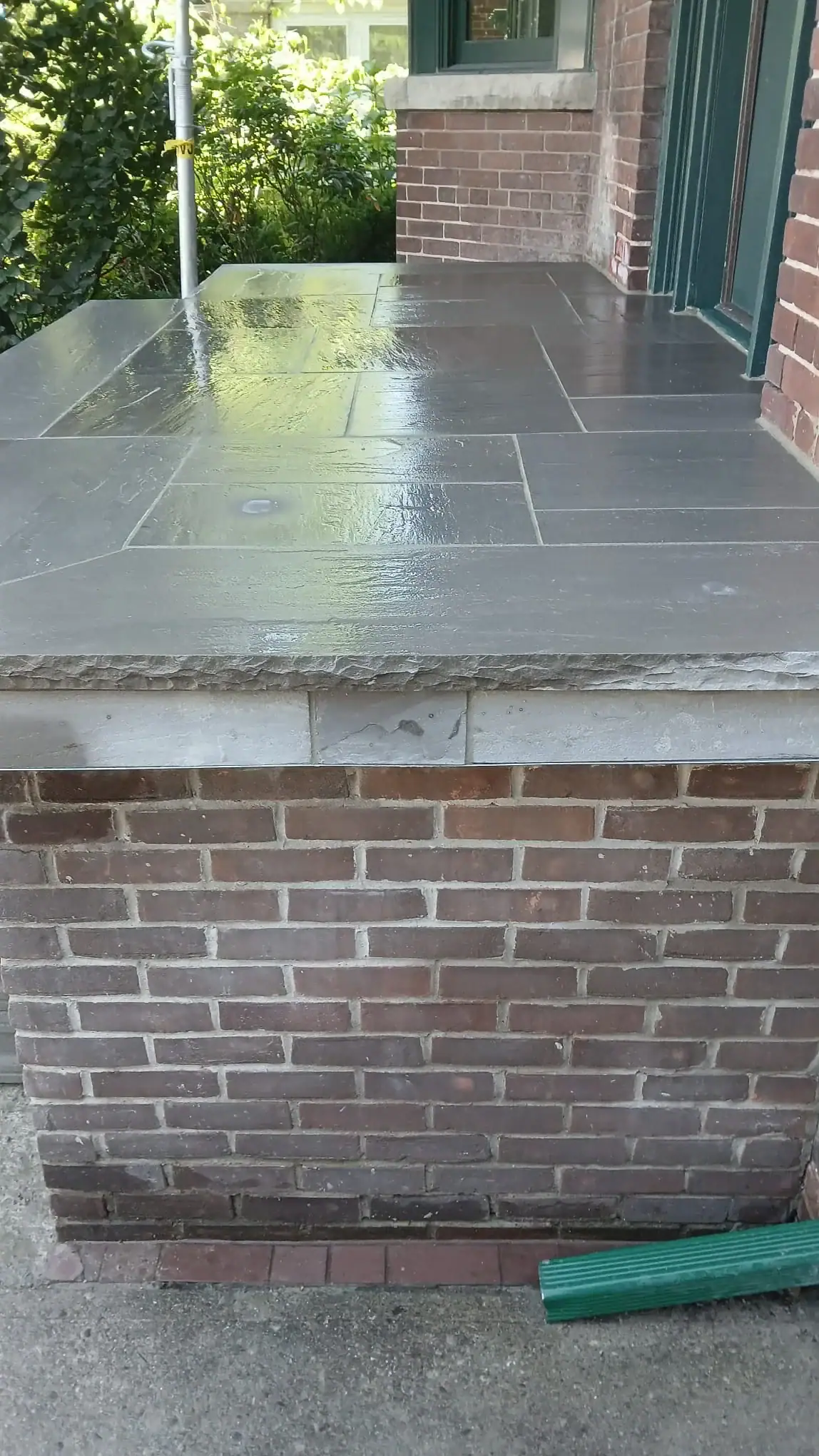
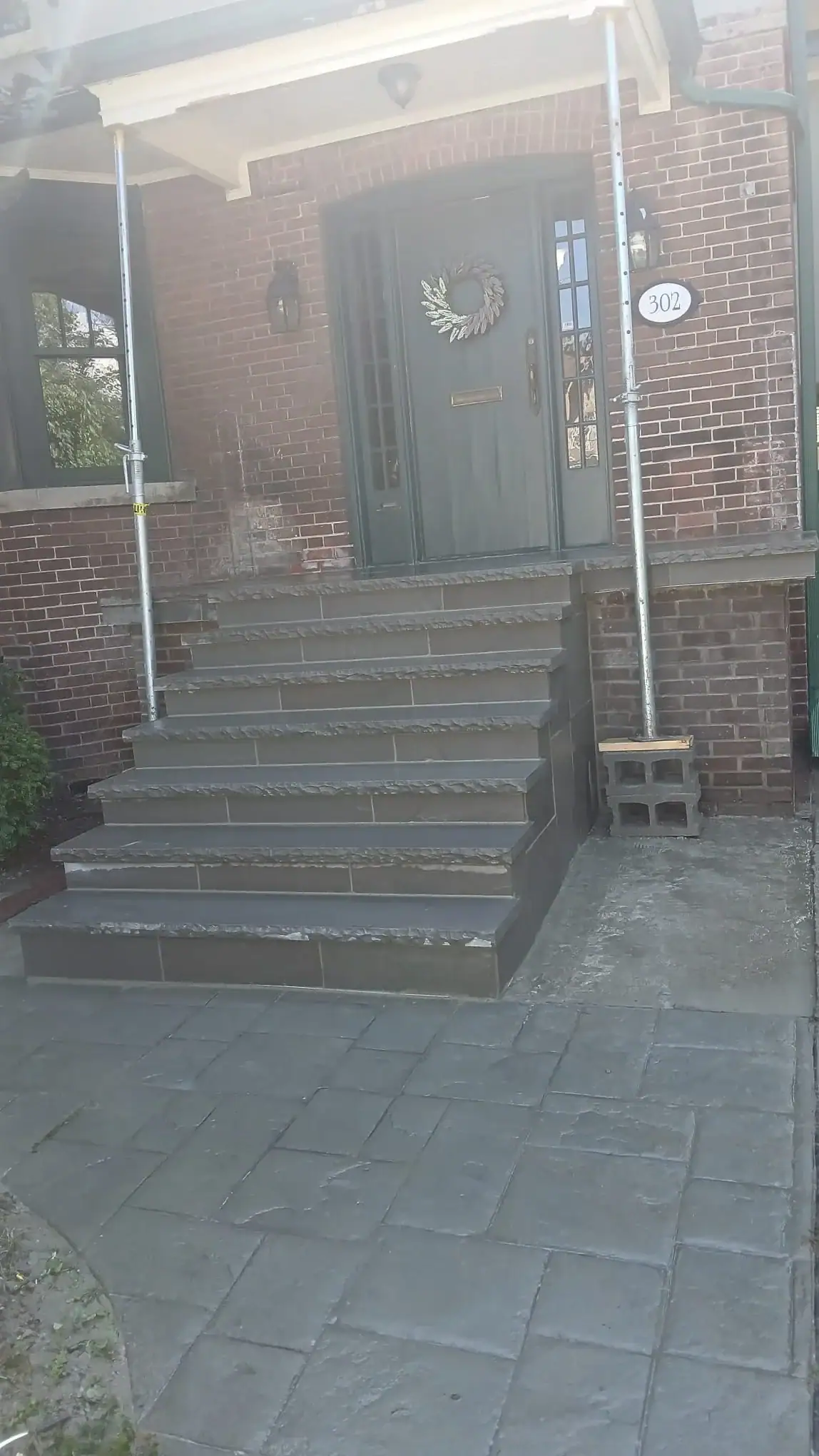
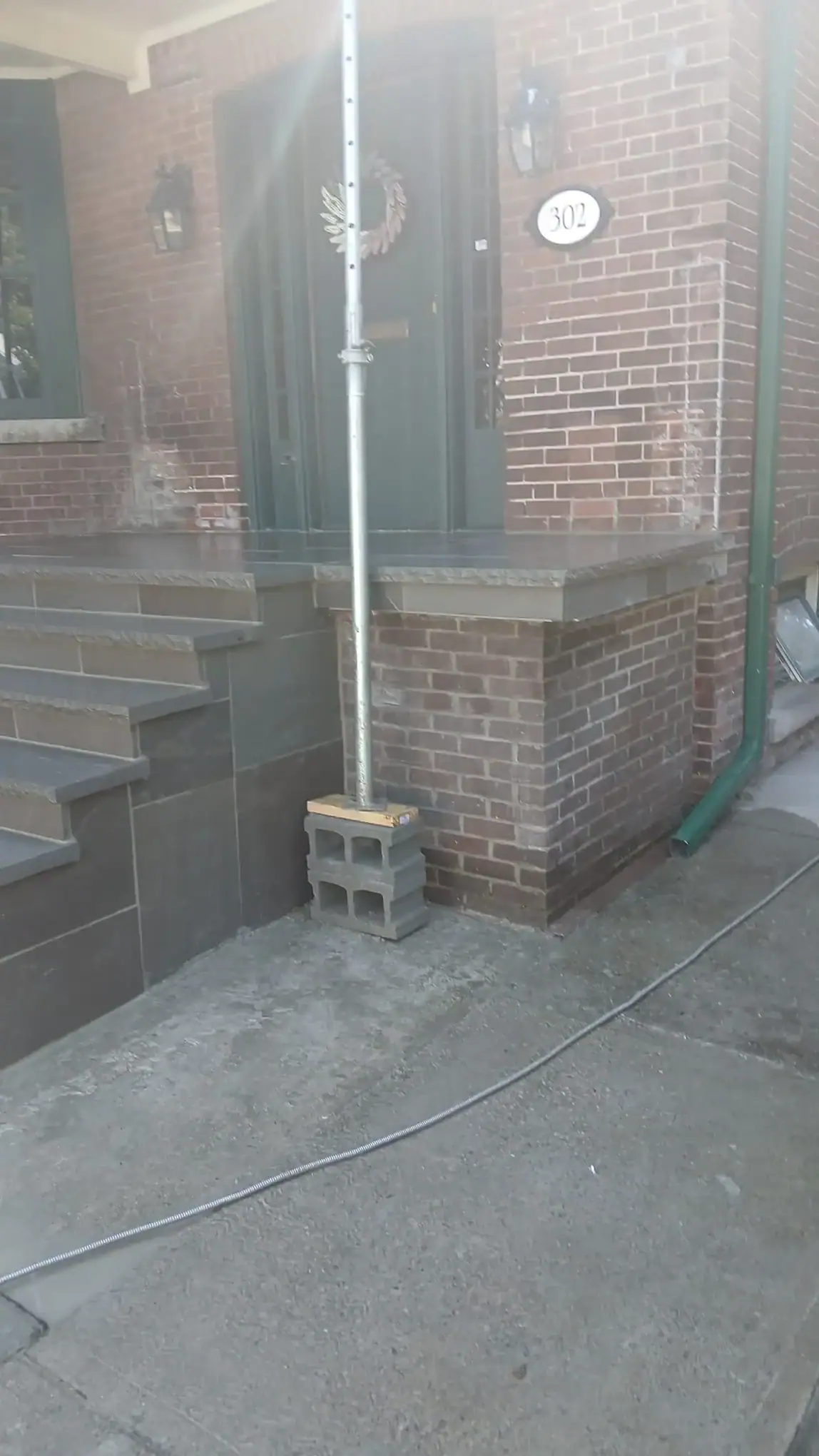
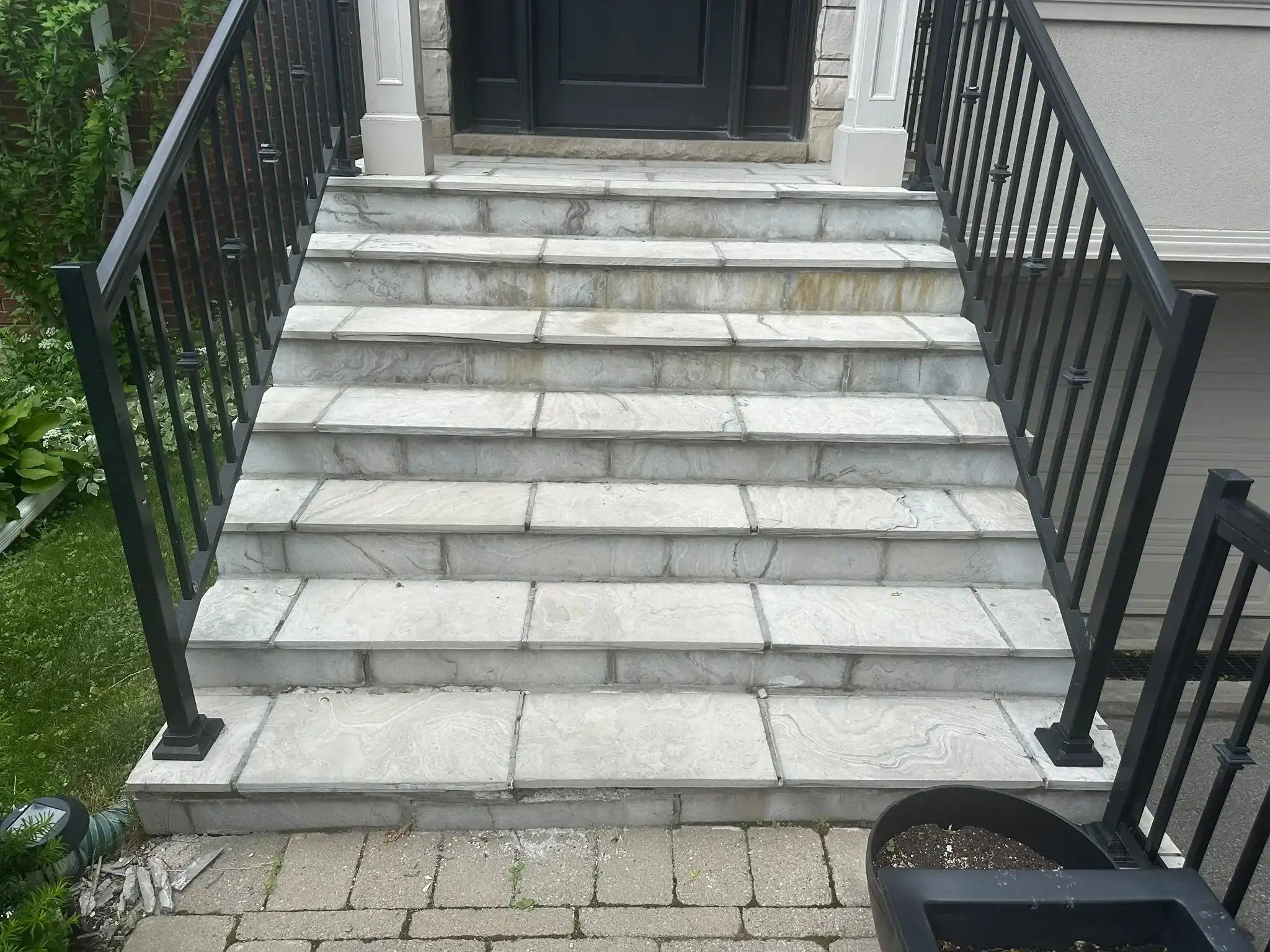
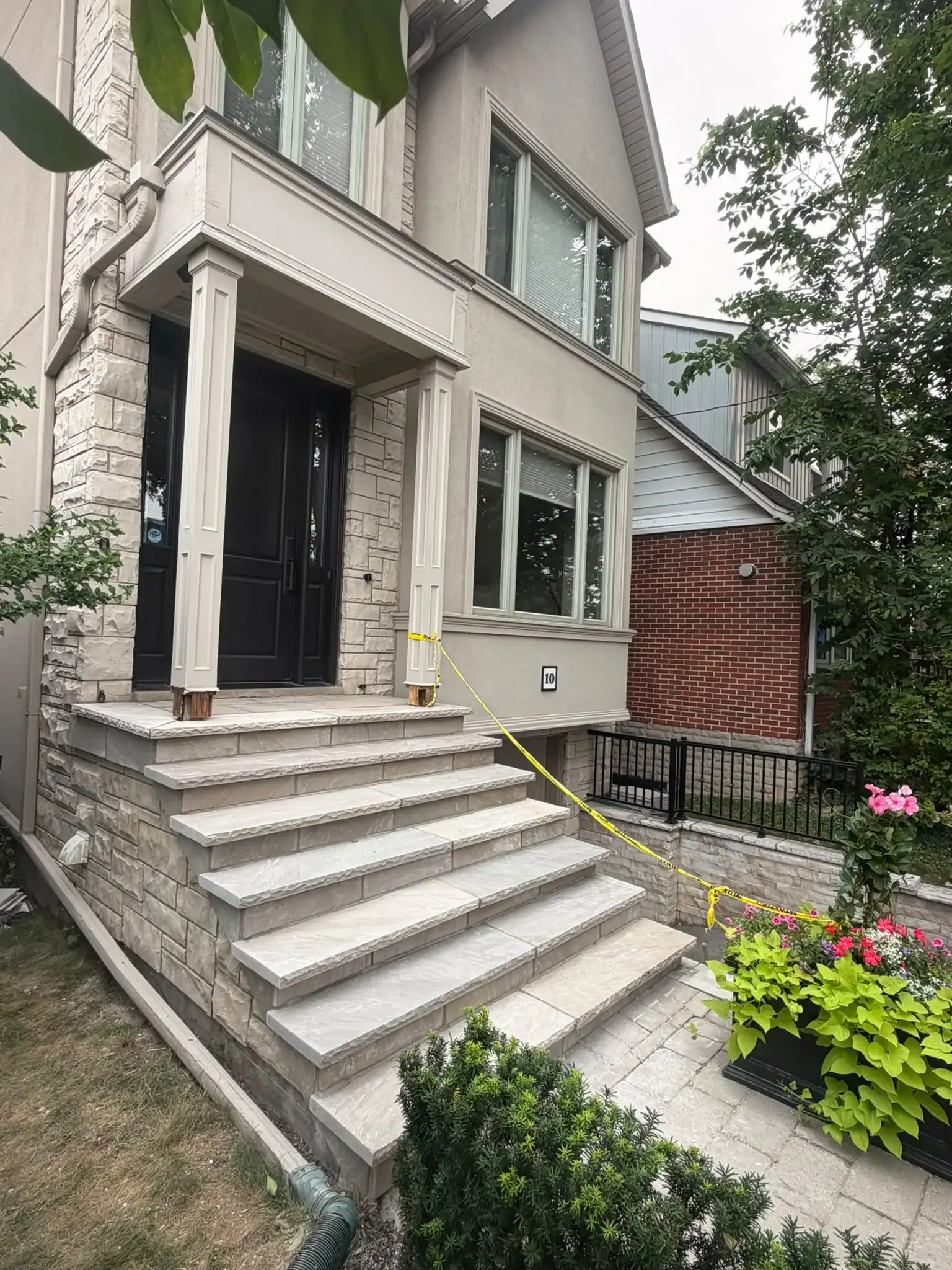
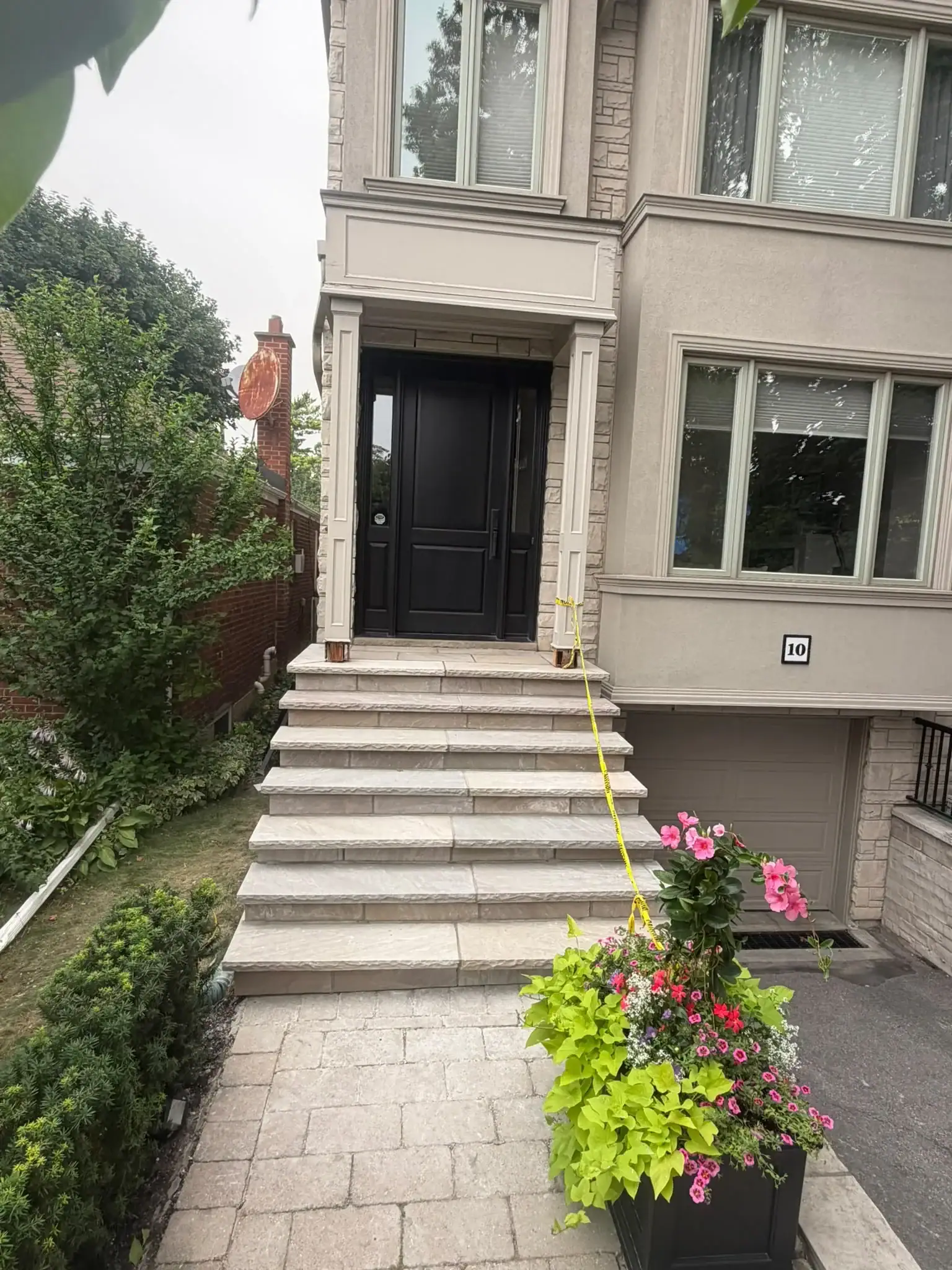
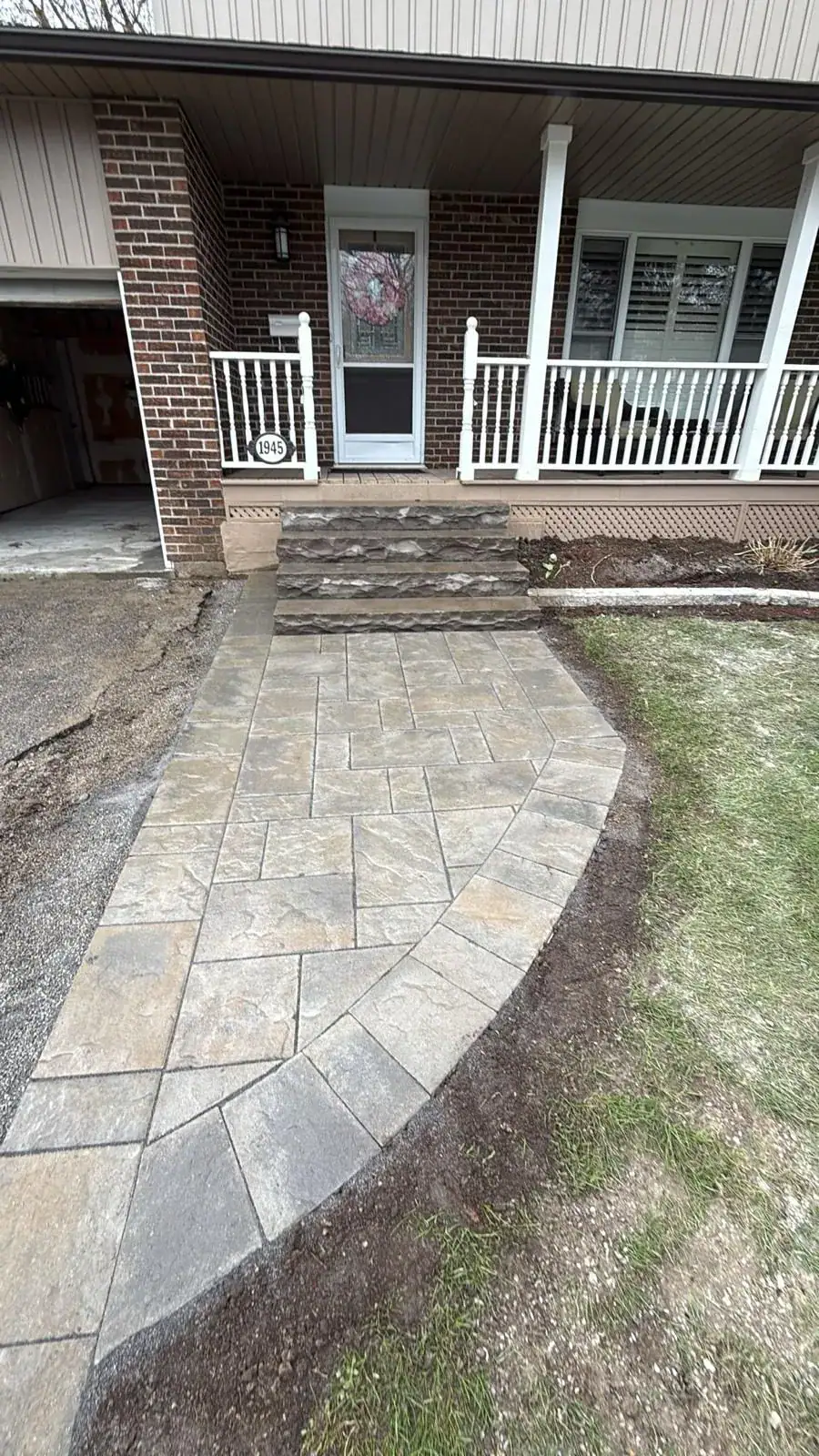
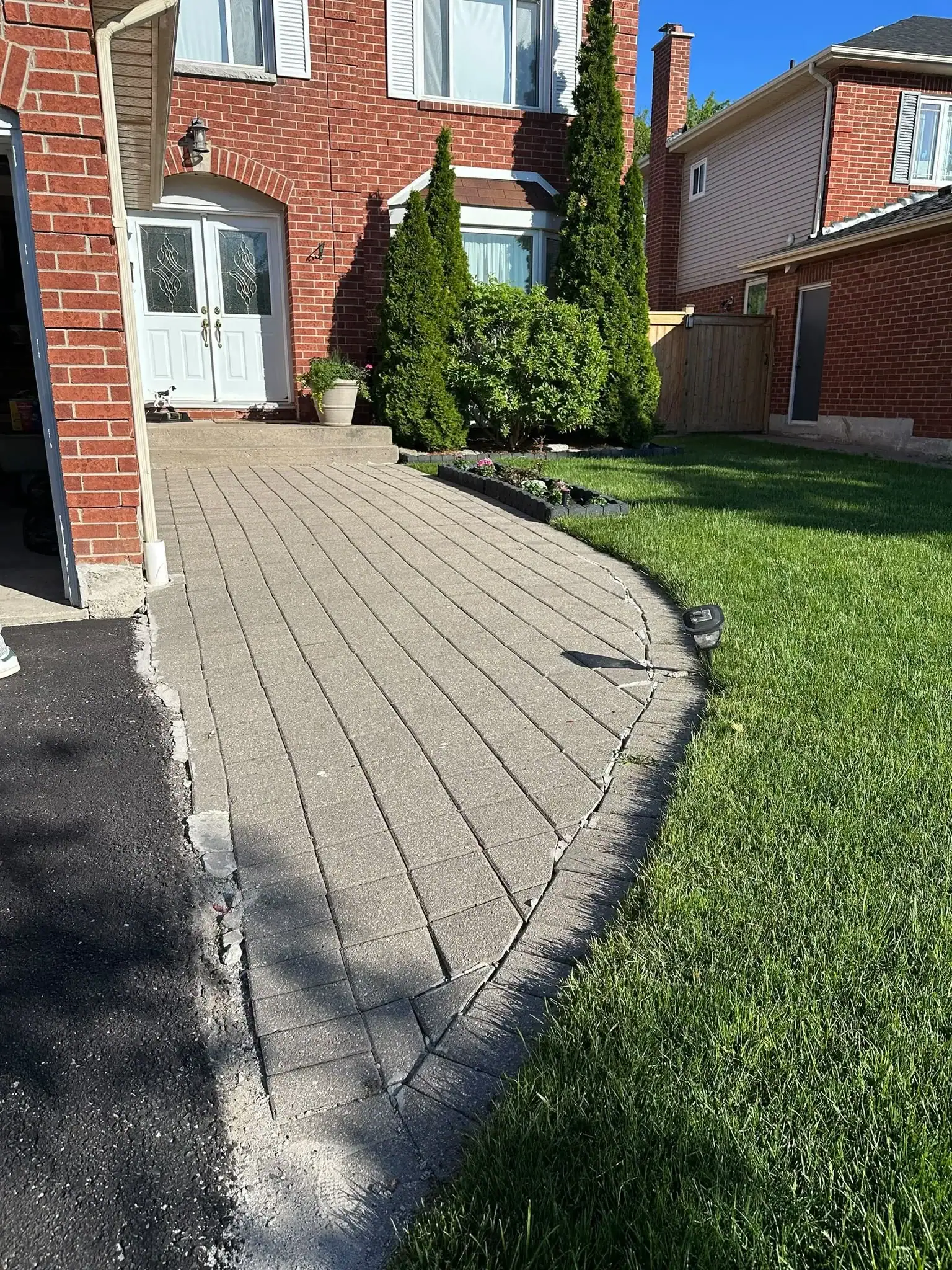
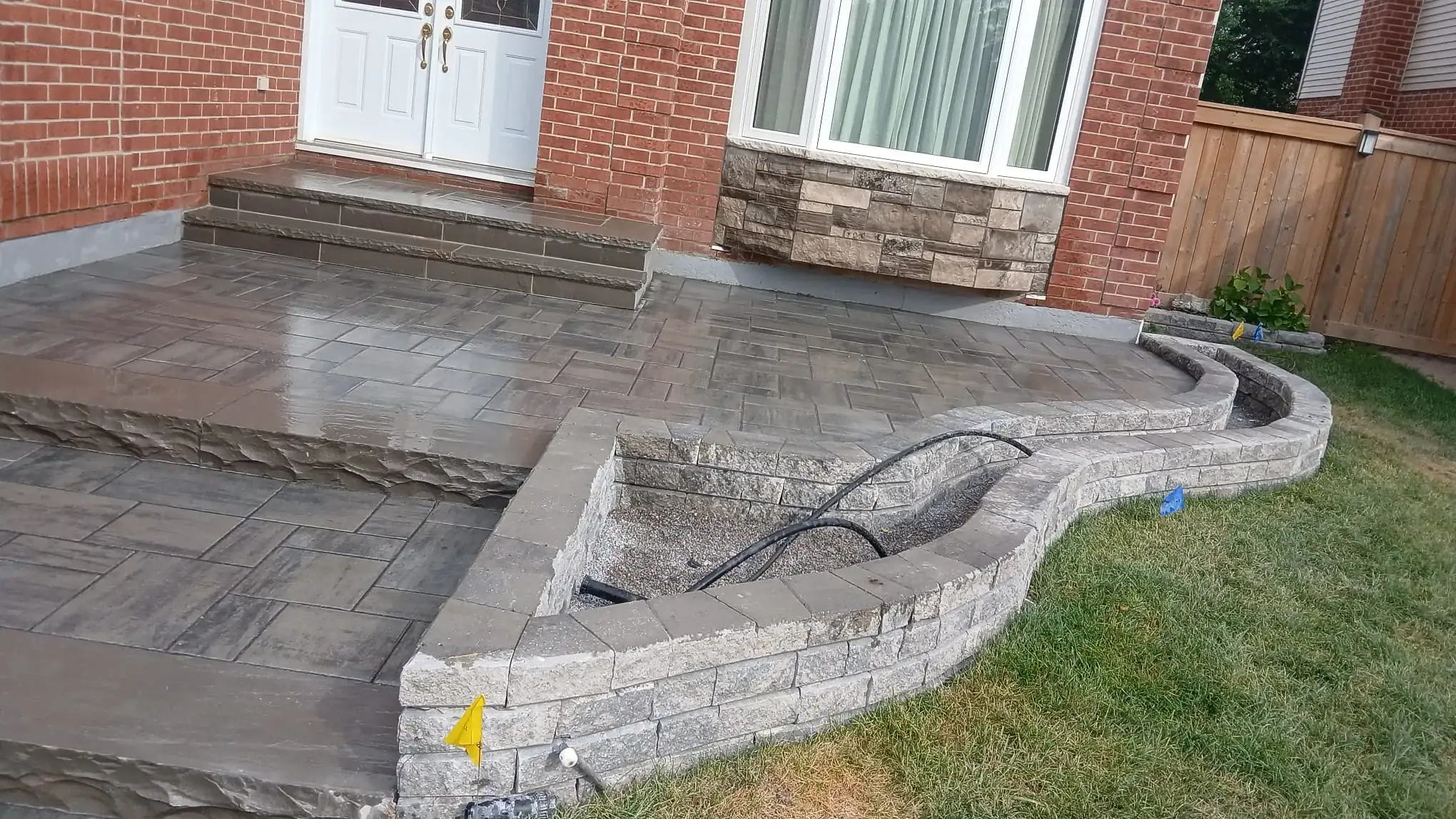
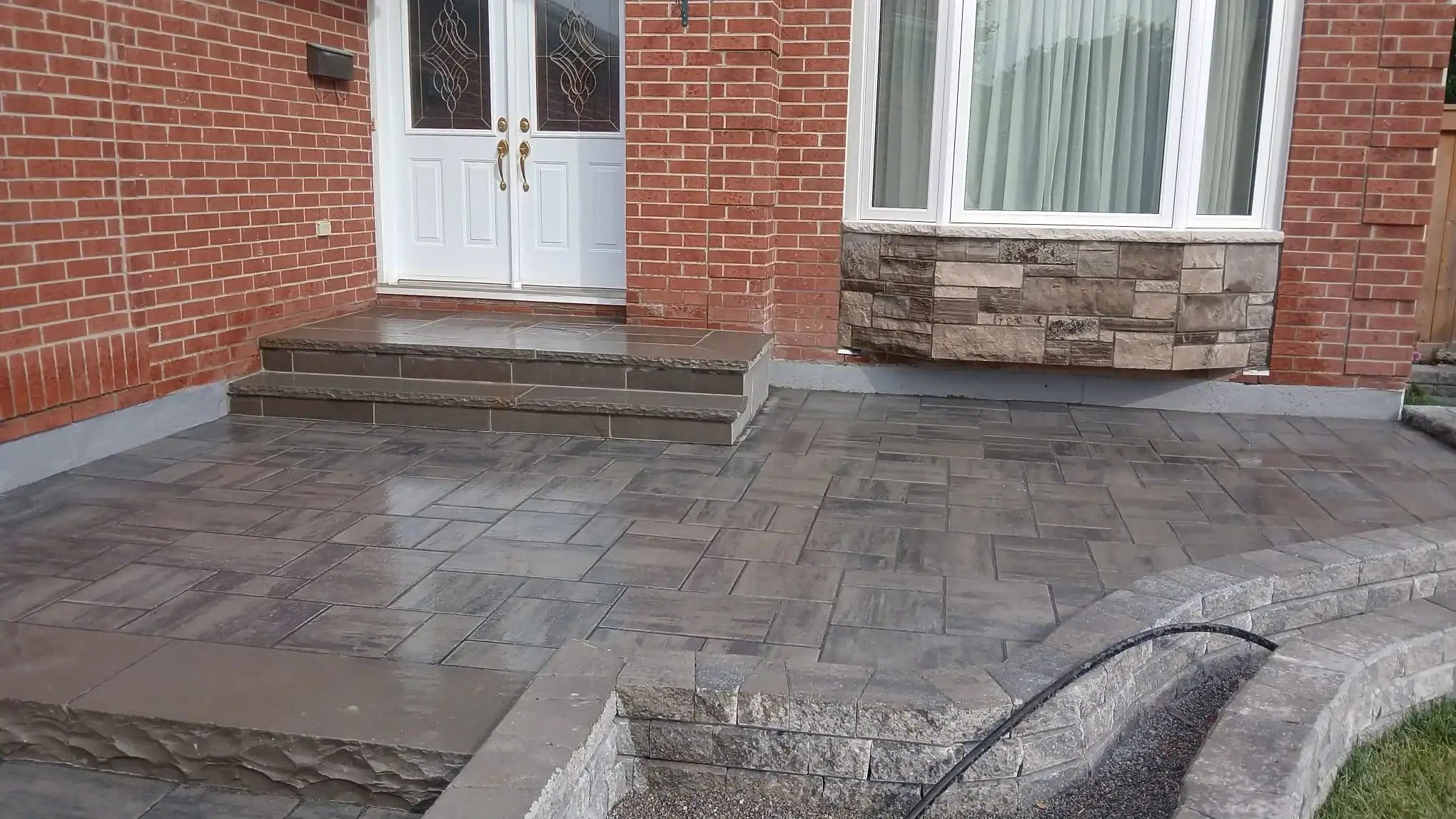
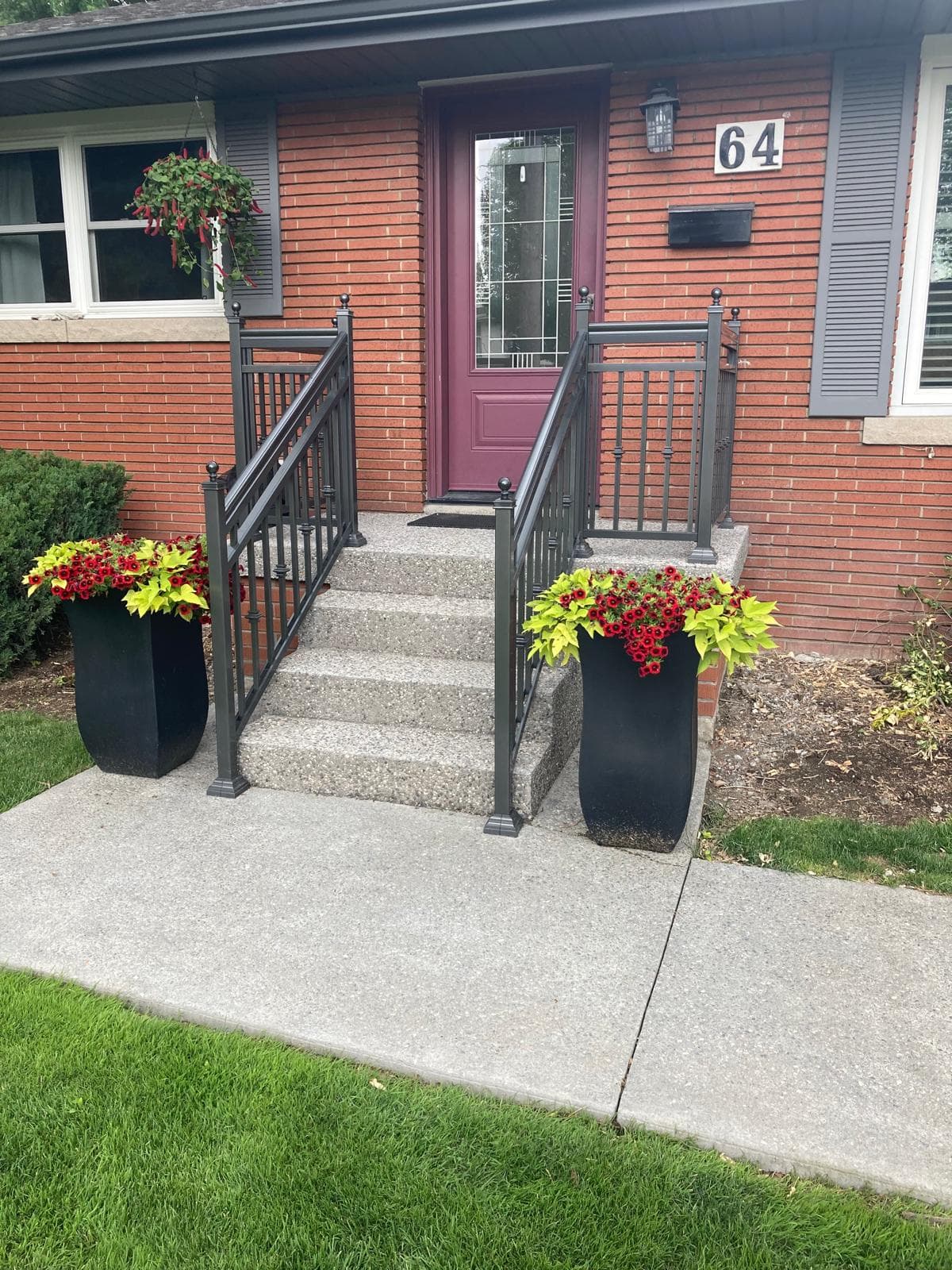
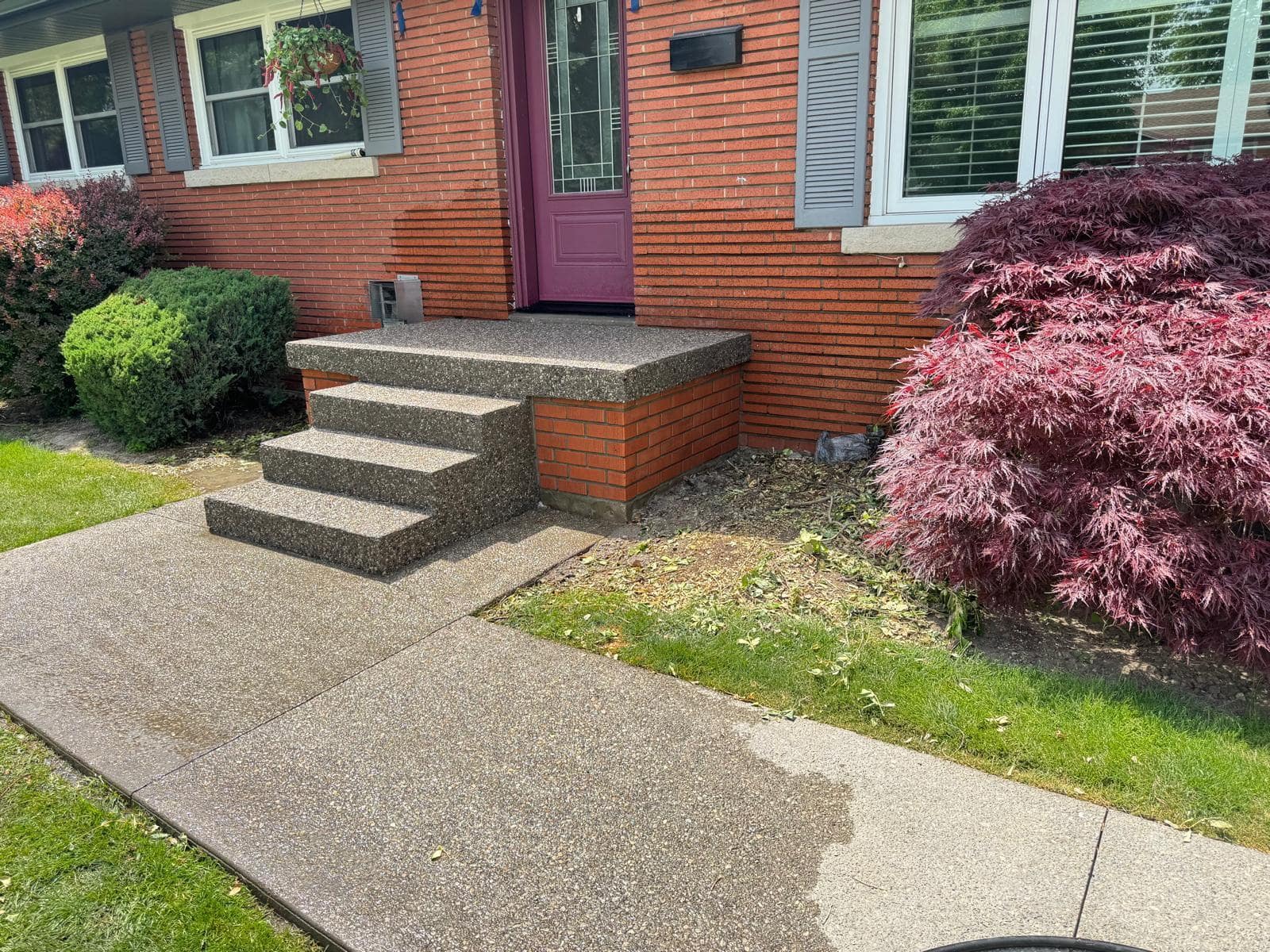
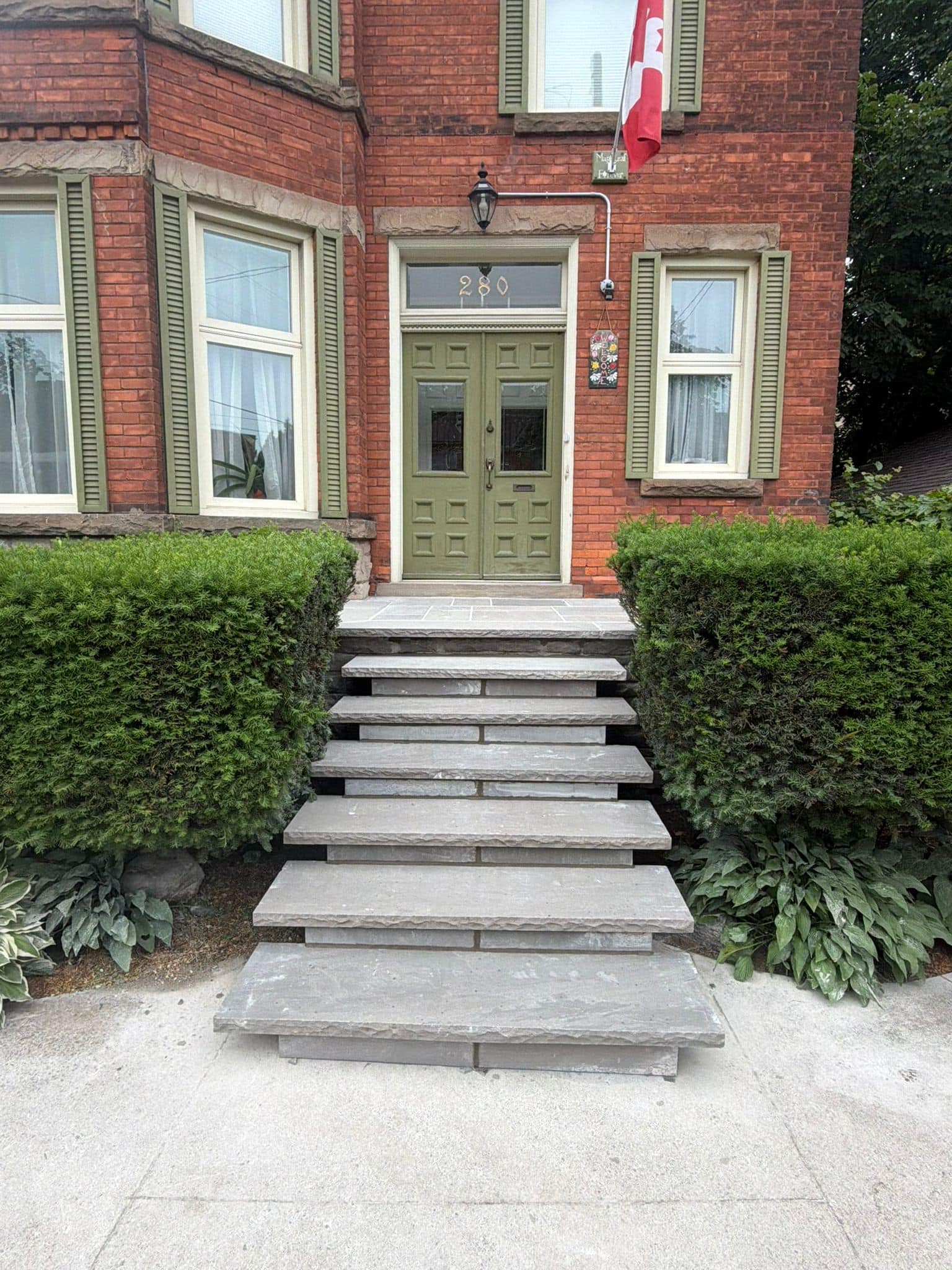
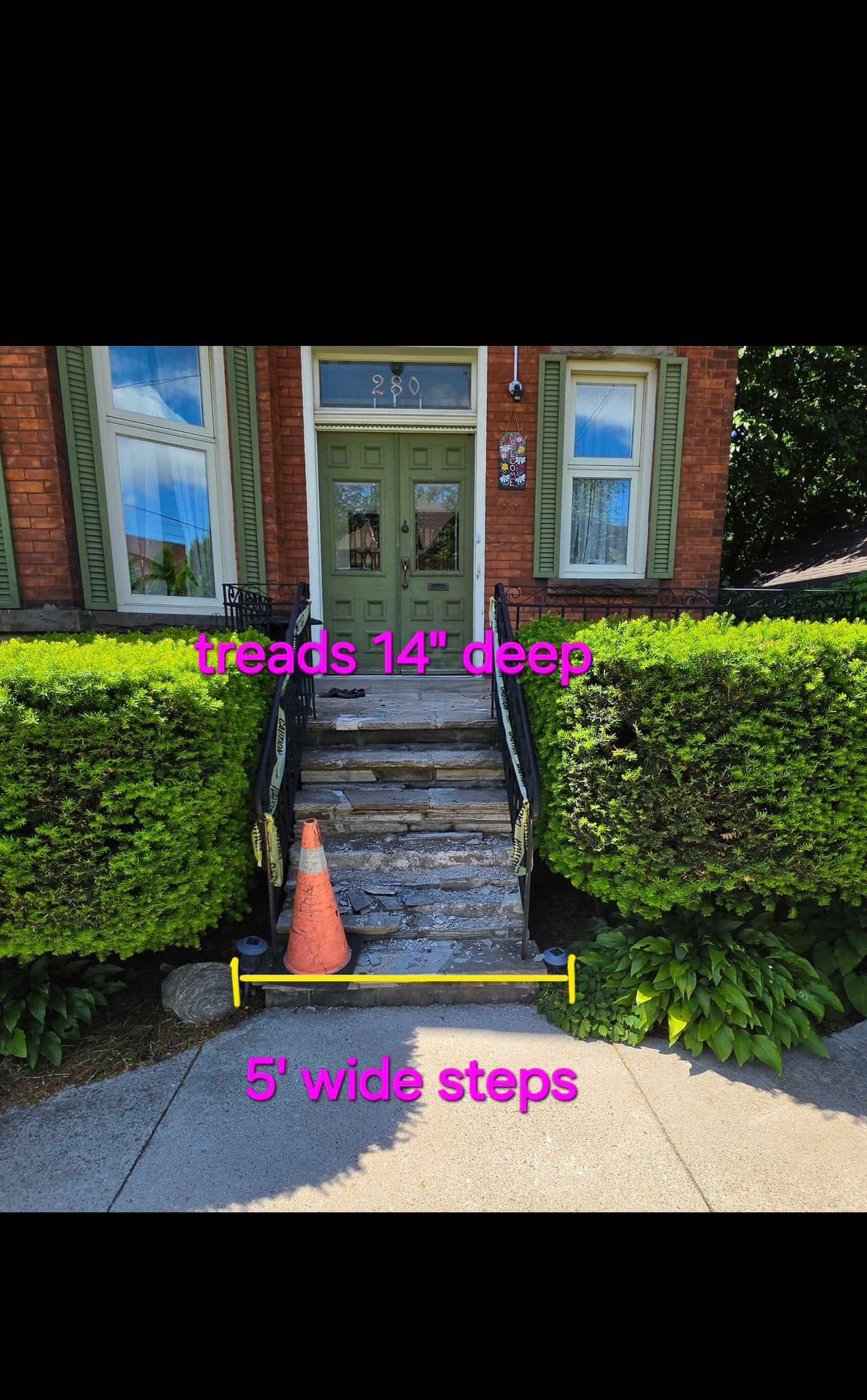
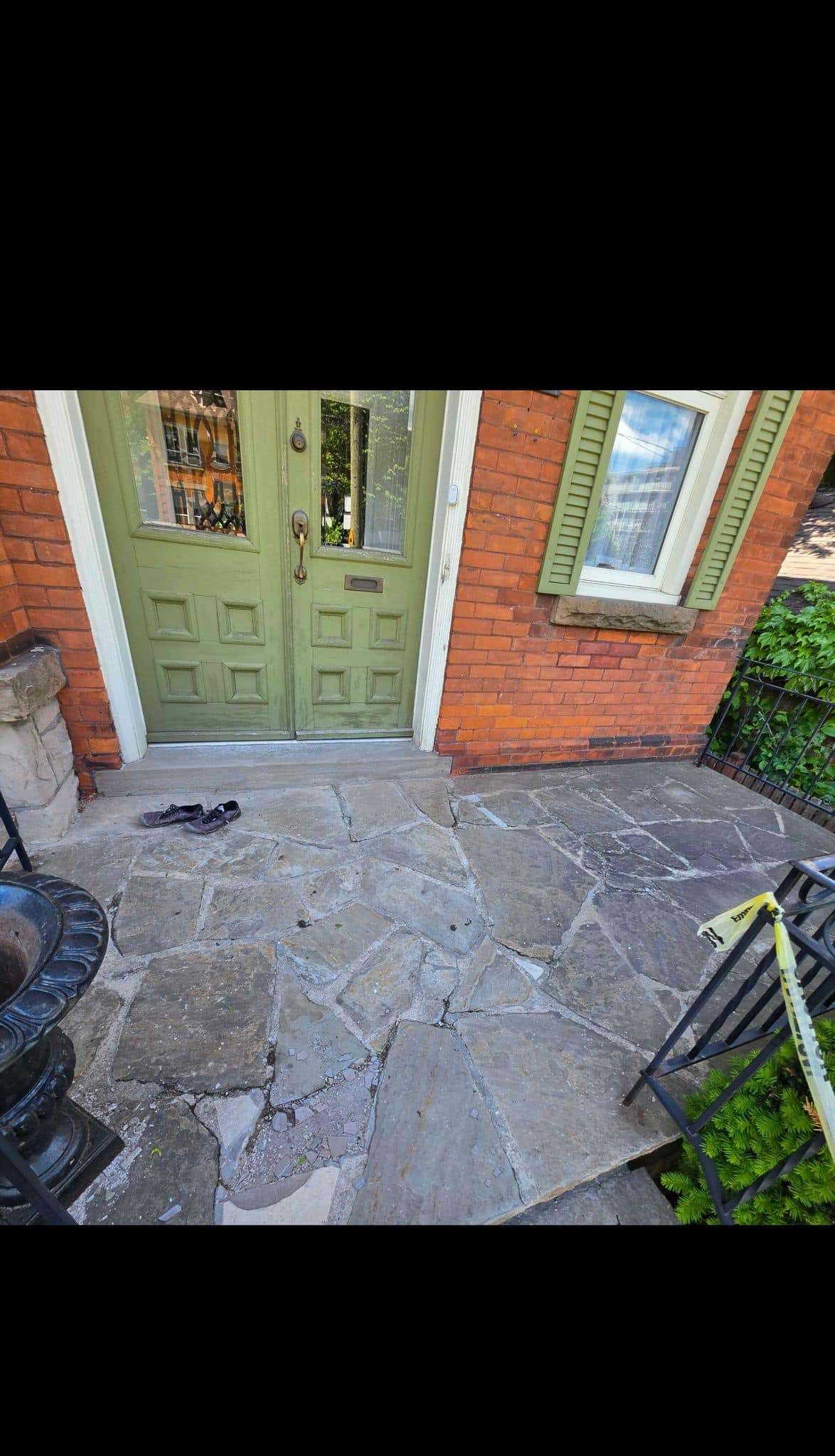
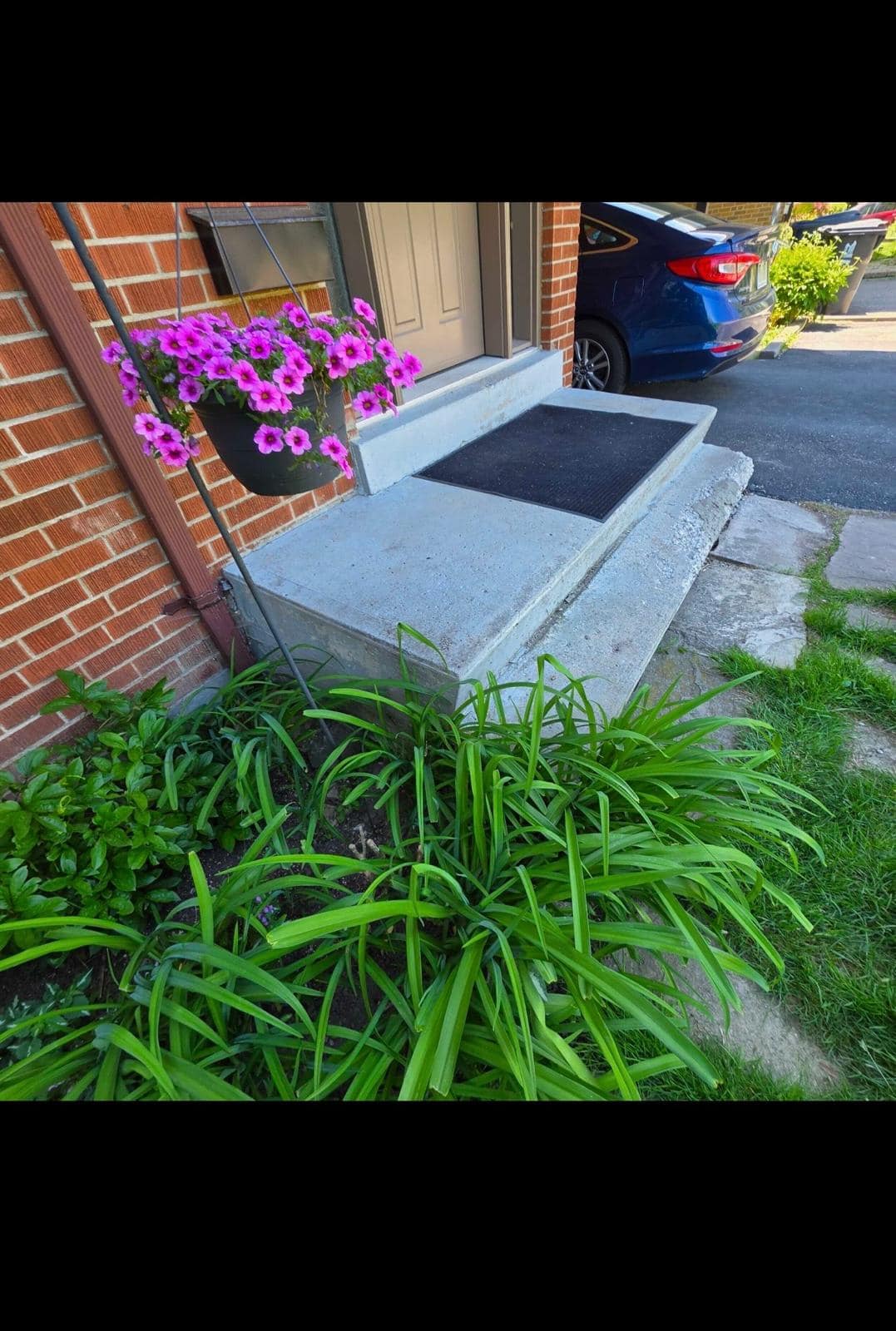
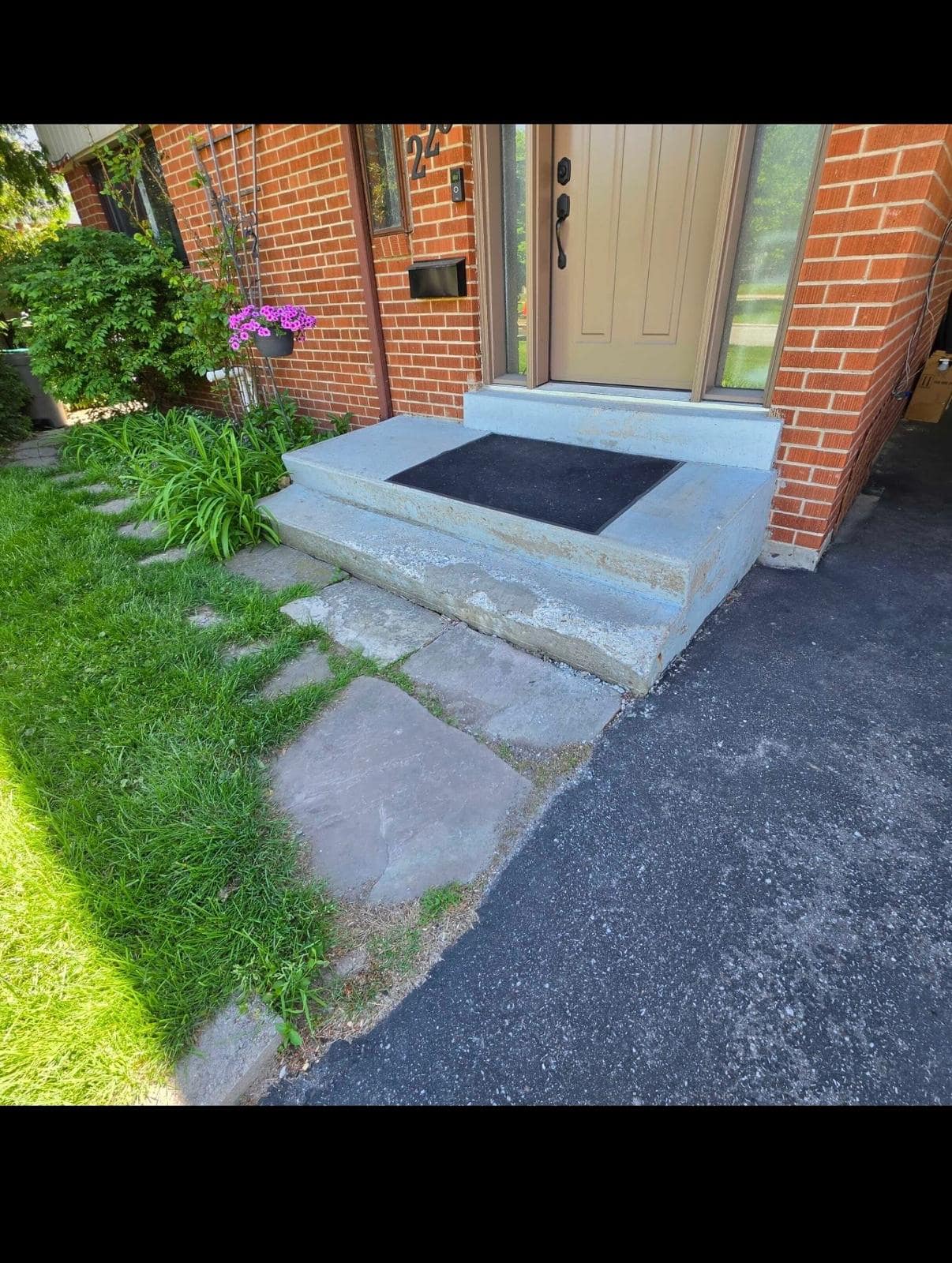
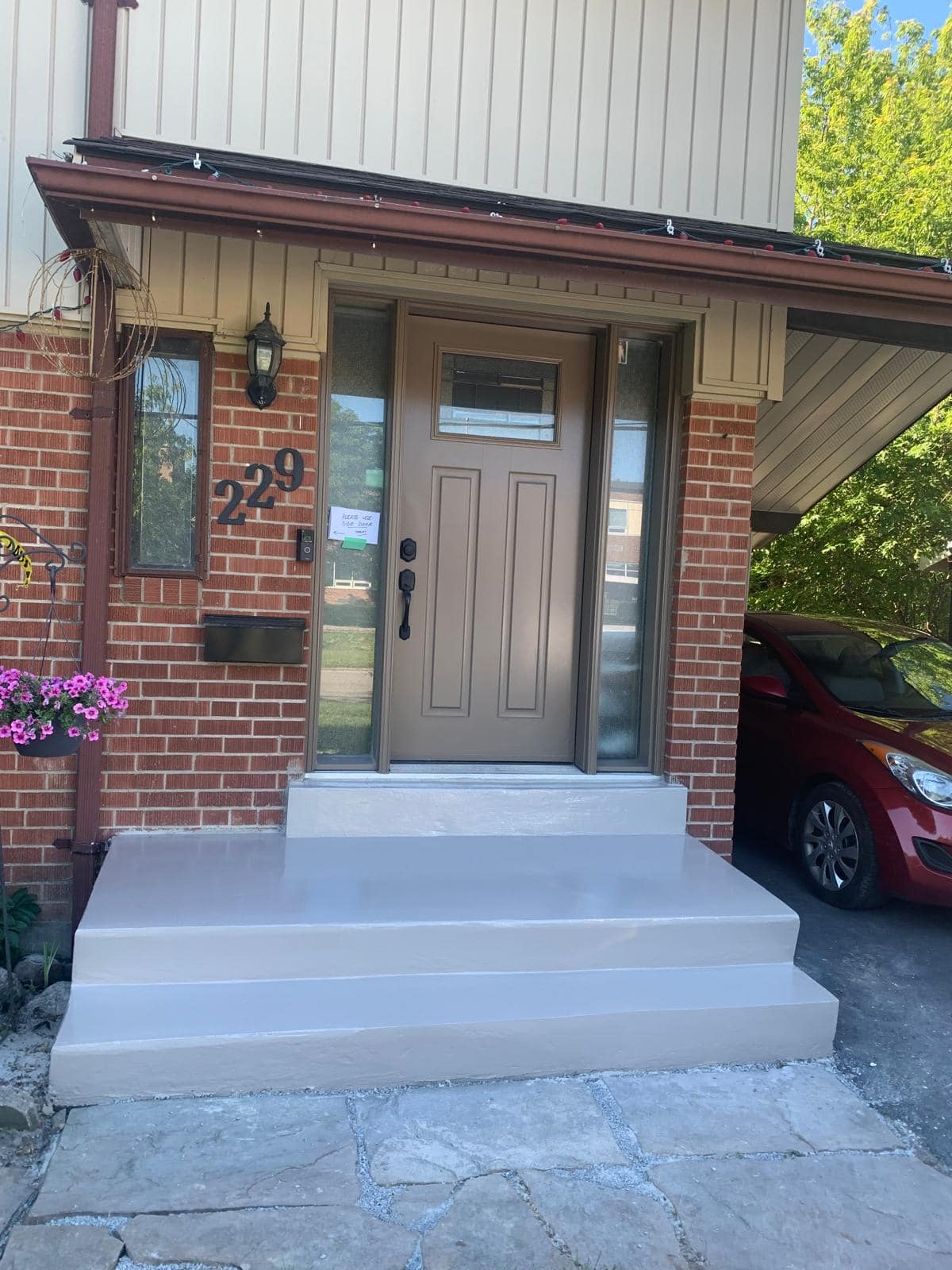
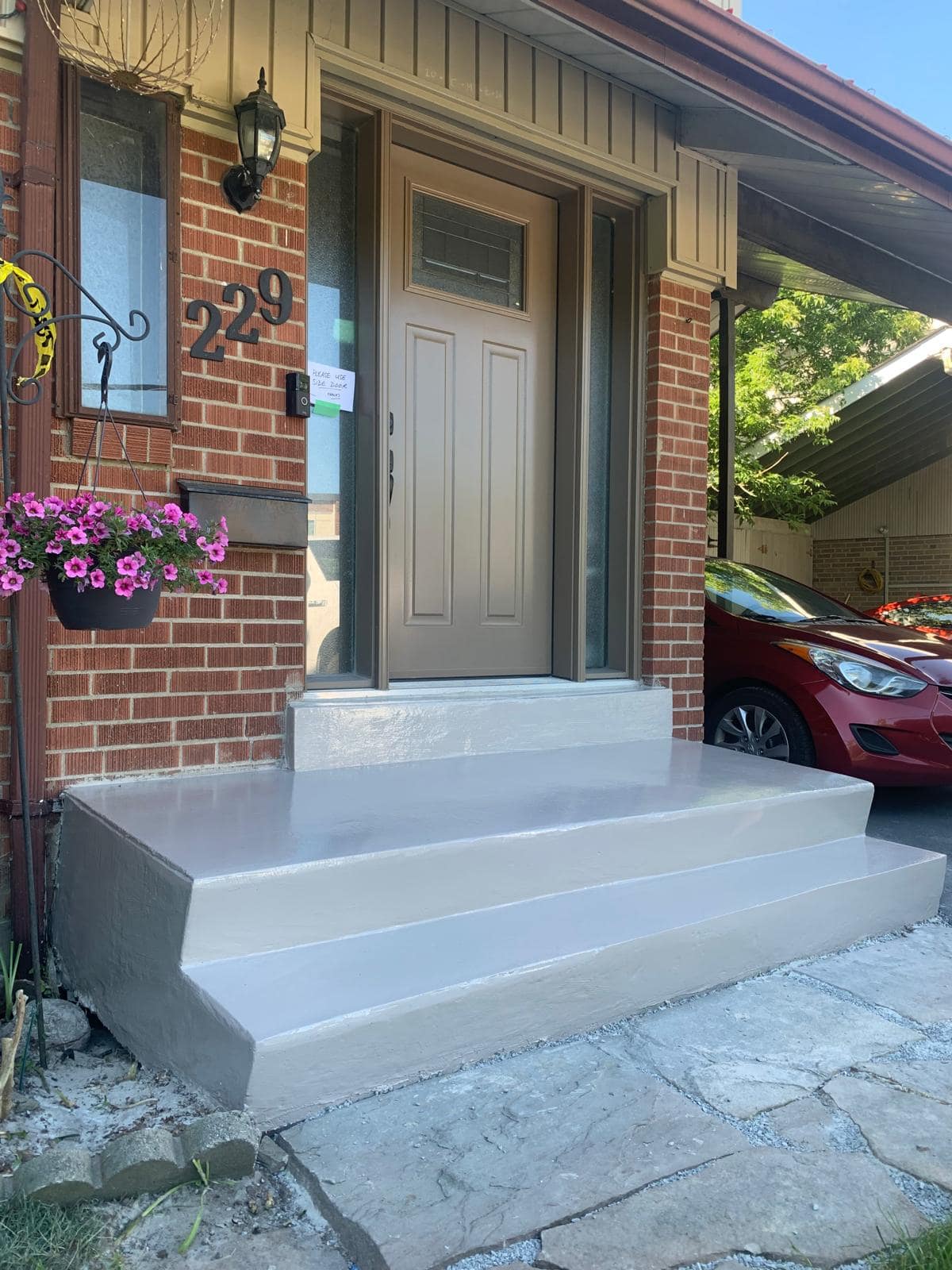
Concrete, stone, and exterior steps affect energy bills indirectly by influencing water movement, air leakage near entrances, and comfort around doors. Cracked or settled steps can direct water toward the home. Gaps at thresholds or foundation edges can allow drafts and moisture.
Front entrances are common weak points. If concrete steps are cracked, sloped toward the house, or holding ice and water, the area around the door may become colder and more vulnerable to moisture. Stone or concrete landing areas should shed water away from the building.
Repairing cracked concrete will not lower energy bills by itself in most cases, but it can help protect the entrance area from water problems that contribute to drafts, ice, and deterioration.
If steps, porches, or walkways are cracked or settling, A&A Masonry’s concrete repair Toronto page is a useful resource for understanding repair concerns.
Exterior Walls, Solar Heat, and Summer Comfort
Exterior masonry walls can affect summer comfort because brick and stone absorb heat from the sun and release it slowly. This can be helpful in some conditions and uncomfortable in others.
A shaded masonry wall may help keep the home more stable through the day. A west-facing brick wall exposed to strong afternoon sun may hold heat and release it into the evening. This can make nearby rooms feel warmer after the outdoor temperature starts to drop.
Homeowners can reduce summer heat gain through shading, trees, awnings, ventilation, roof and attic improvements, and careful exterior maintenance. Masonry colour, exposure, and moisture also influence how walls behave. Damp masonry may feel cooler at first, but moisture problems are not a healthy cooling strategy and can lead to damage.
Masonry can help moderate temperature swings, but comfort still depends on insulation, air sealing, shading, ventilation, windows, and mechanical systems.
Stone Veneer and Energy Performance
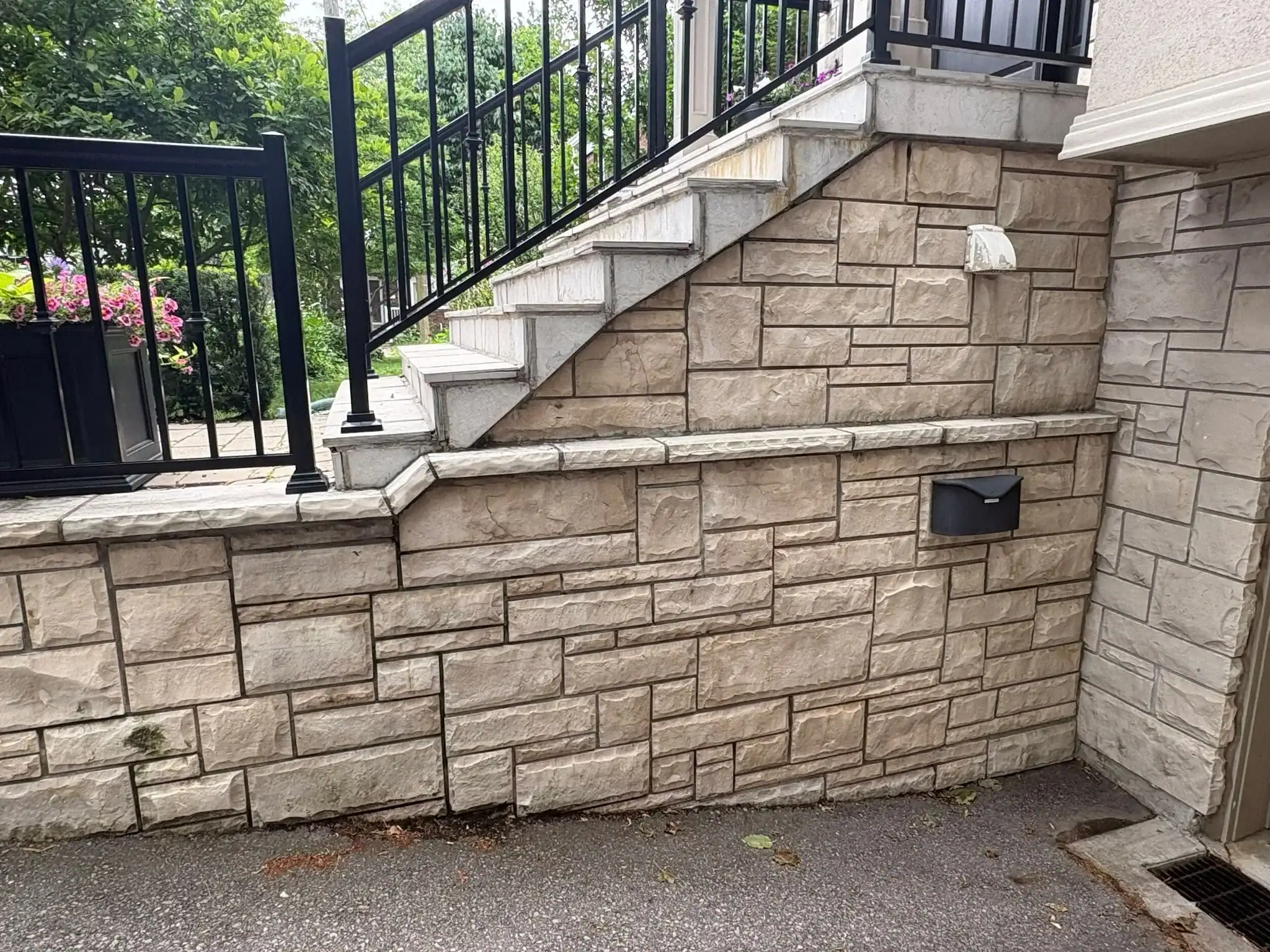
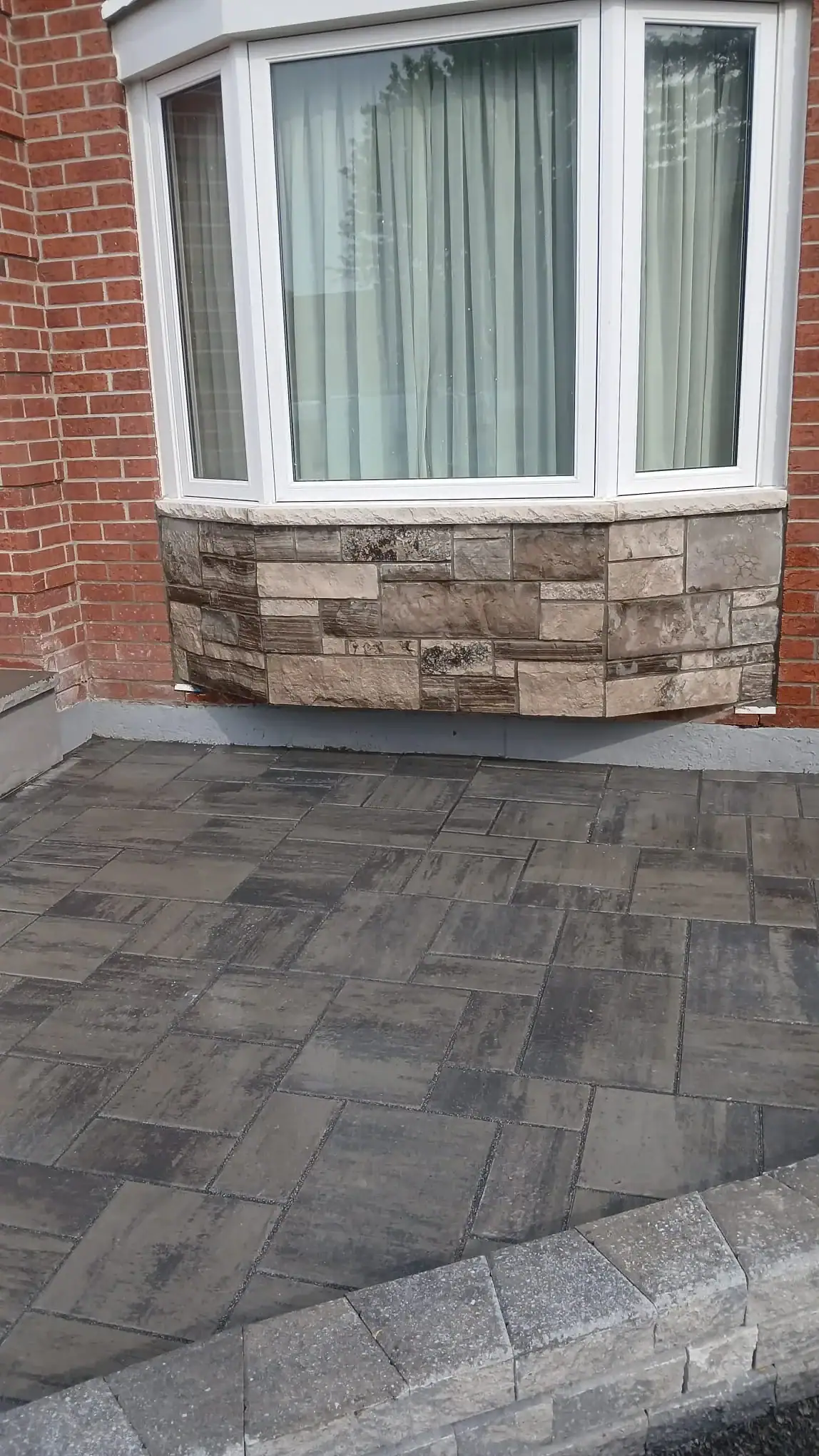
Stone veneer can affect energy performance mostly through moisture control and wall detailing, not because it acts as major insulation. Veneer stone can add mass and weather protection when installed properly, but it should not be counted on as the main energy upgrade.
Exterior stone veneer must be detailed so water can drain and dry properly. If moisture gets behind the veneer, it can cause staining, cracks, loose units, and wall dampness. A damp wall can feel colder and may create comfort issues in nearby rooms.
Stone veneer may be part of an exterior design upgrade, but the energy side depends on what happens behind it. The backing wall, drainage plane, air barrier, insulation, and moisture management are the key performance details.
If you are considering veneer, A&A Masonry’s veneer stone installation Toronto page explains common uses for stone veneer on exterior and interior features.
How Masonry Repairs Can Support Energy Efficiency
Masonry repairs can support energy efficiency by reducing water entry, improving wall durability, closing exterior gaps, and protecting the building envelope. They may not replace insulation, but they help create better conditions for the home to perform properly.
Helpful repairs may include:
- Tuckpointing: Repairs open mortar joints where water and wind can affect the wall.
- Brick repair: Replaces spalling or cracked bricks that absorb water.
- Chimney repair: Addresses crowns, caps, mortar joints, and water entry.
- Waterproofing: Helps manage foundation and exterior moisture concerns.
- Concrete repair: Corrects steps, walkways, and areas directing water toward the home.
- Stone repair: Fixes cracks, open joints, and loose stone that can allow moisture in.
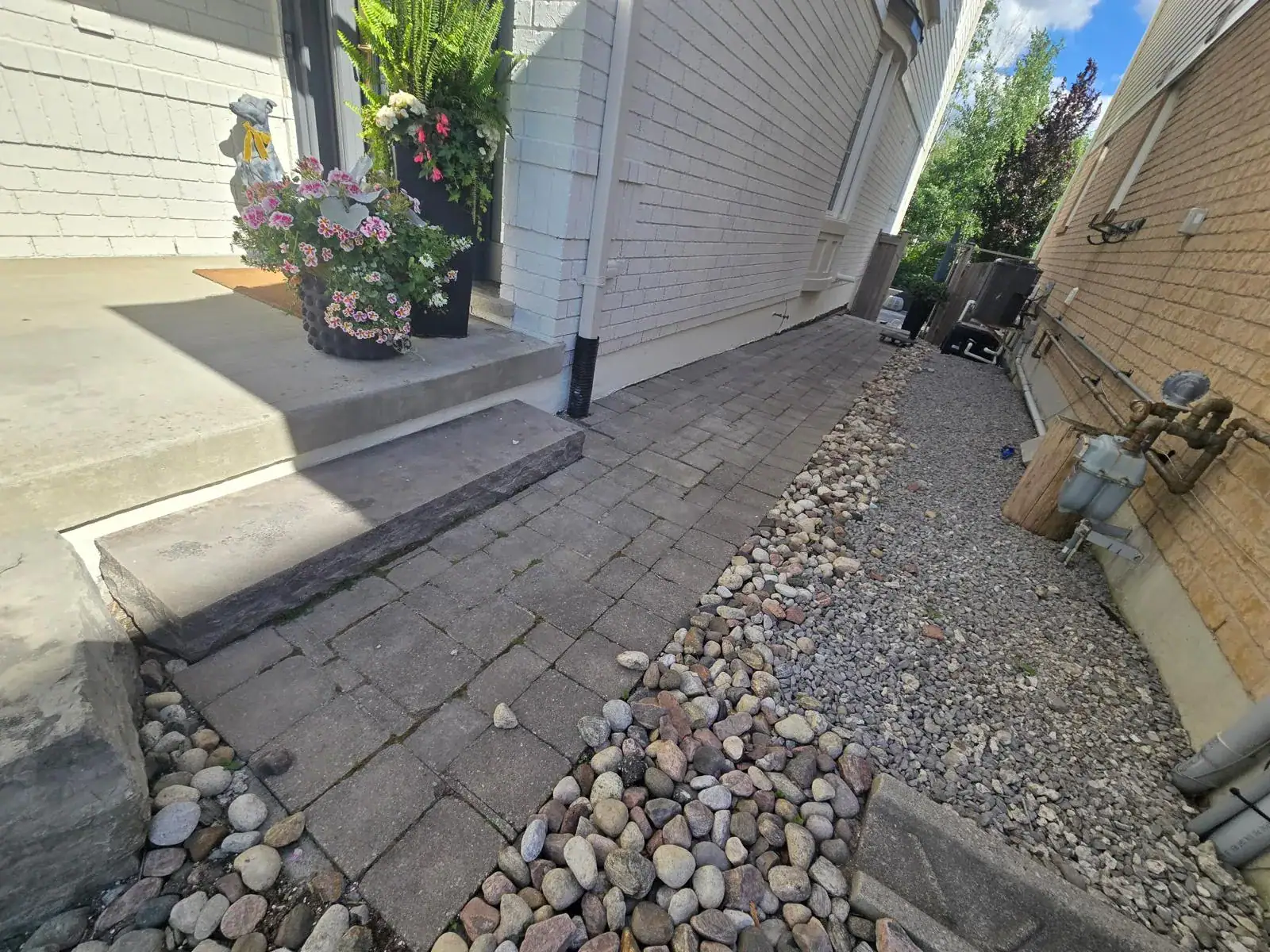
- Drainage improvements: Keeps water away from walls, foundations, and entrances.
The energy benefit is often indirect but important. A dry, sound building envelope is easier to insulate, seal, maintain, and keep comfortable.
When Masonry Problems Can Raise Energy Costs
Masonry problems can raise energy costs when they allow cold air, moisture, or repeated damage into parts of the home. The biggest issues are usually not the brick or stone itself, but the weak points around it.
- Open mortar joints: Water and wind can enter the wall system.
- Spalling brick: Damaged brick absorbs more water and worsens freeze-thaw damage.
- Damp foundations: Basement areas can feel colder and harder to heat.
- Drafty chimney areas: Air movement around fireplaces can affect comfort.
- Cracked crowns or missing caps: Chimney moisture can lead to cold, damp masonry.
- Settled steps or walkways: Water may be directed toward entrances or foundations.
- Poor roof-to-wall joints: Water and air may enter where roof and masonry meet.
- Improper coatings: Trapped moisture can worsen masonry damage.
If energy bills are rising along with dampness, drafts, stains, or visible masonry damage, the exterior envelope should be reviewed along with insulation and mechanical systems.
What Masonry Cannot Fix by Itself
Masonry cannot fix every energy problem by itself. High energy bills may come from poor attic insulation, air leaks, old windows, inefficient heating equipment, uninsulated ducts, basement leakage, roof issues, or occupant habits.
It is important not to overstate what masonry repair can do. Tuckpointing a wall may reduce moisture entry and protect the brick, but it will not turn an uninsulated wall into a high-performance wall. Repairing a chimney crown may stop water entry, but it will not replace a fireplace damper or solve attic heat loss.
A complete energy improvement plan may include energy auditing, insulation, air sealing, window and door review, ventilation, HVAC maintenance, and masonry repair. Masonry is one piece of the building envelope.
The best approach is to identify what is causing the comfort problem before spending money on the wrong fix.
What Homeowners Can Check Themselves
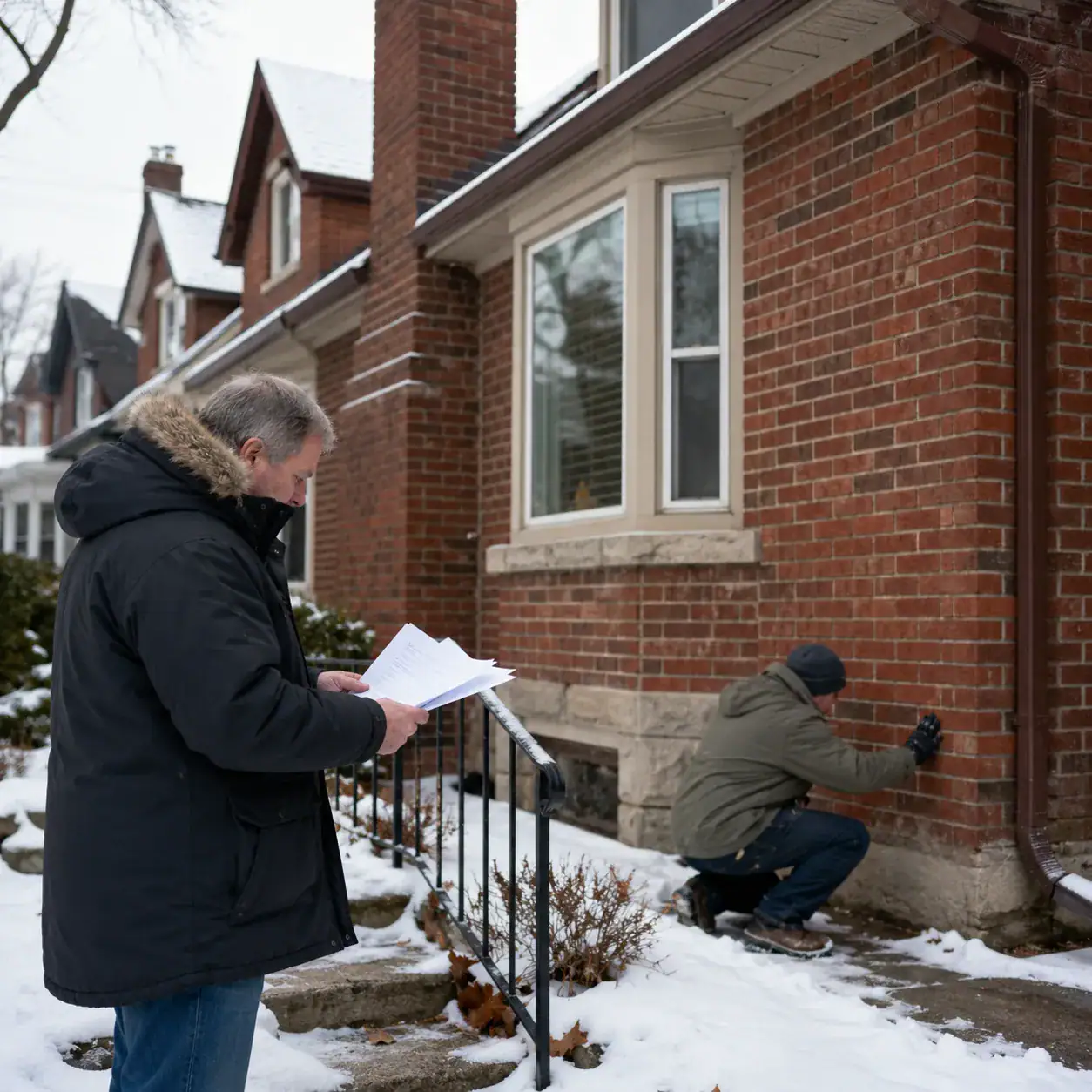
Homeowners can safely check several masonry-related areas that may affect comfort and energy use. These checks help identify problems before deciding what kind of professional help is needed.
- Look for cracked, missing, or sandy mortar joints on exterior walls.
- Check for spalling brick, especially near lower walls and chimneys.
- Look for damp patches, white staining, or peeling coatings on masonry.
- Notice cold areas near exterior brick walls, chimneys, and basement walls.
- Check whether downspouts discharge near the foundation.
- Look for water pooling near steps, walkways, and foundation areas.
- Check fireplace areas for drafts, odours, or moisture stains.
- Take photos after rain and after winter to compare changes.
Homeowners should avoid grinding mortar, sealing damp walls, climbing roofs, or opening chimney systems without the right knowledge and safety equipment.
When to Consider an Energy Audit
An energy audit can help when energy bills are high, but the cause is not obvious. A trained energy advisor may use testing and inspection to identify air leaks, insulation gaps, moisture concerns, ventilation issues, and other performance problems.
This can be especially helpful for older masonry homes because comfort problems may come from several sources at once. A cold room may have drafty windows, poor insulation, damp exterior masonry, and attic heat loss. Fixing only one issue may not solve the full problem.
Masonry observations can support the audit. If you have photos of damp brick, failed mortar, chimney stains, foundation moisture, or ice buildup, those details can help connect exterior damage with indoor comfort problems.
An energy audit does not replace masonry repair, but it can help prioritize the work.
Permits, Code, and Larger Energy-Related Masonry Work
Permits and code questions may matter when energy-related masonry work involves structural changes, exterior wall alterations, chimney reconstruction, foundation work, new openings, major insulation retrofits, or building envelope changes.
The City of Toronto provides information about building permits. Ontario’s official Building Code page is also the preferred provincial reference for building requirements.
For homeowners, the practical rule is simple: if the work affects structure, wall assemblies, foundations, chimneys, openings, fire safety, or major exterior changes, check official guidance before starting.
Quick Guide: How Masonry Affects Home Energy Bills
A quick guide can help homeowners connect masonry conditions to comfort and energy concerns.
- Solid brick walls: Durable, but not the same as modern insulation.
- Thermal mass: Helps slow temperature swings but does not stop heat loss by itself.
- Open mortar joints: Can allow moisture and wind into the wall system.
- Damp masonry: Can make rooms feel colder and harder to heat.
- Chimneys: Can affect drafts, moisture, and heat loss when damaged or poorly sealed.
- Foundations: Air leaks and dampness around masonry foundations can affect basement comfort.
- Concrete steps: Poor slope can send water toward entrances and foundations.
- Waterproofing: Helps reduce moisture problems that make masonry and basements uncomfortable.
- Insulation planning: Should consider wall condition and moisture behaviour before retrofit work.
The main takeaway is that masonry supports energy performance best when it is dry, sound, properly repaired, and coordinated with insulation and air sealing.
When Professional Help Makes More Sense
Professional help makes more sense when masonry damage appears with high energy bills, drafts, dampness, water stains, basement moisture, chimney problems, spalling brick, failed mortar, or repeated freeze-thaw damage. These signs often mean the building envelope needs closer review.
A mason can assess brick, mortar joints, stone, chimneys, concrete, foundations, waterproofing concerns, and exterior water paths. An energy advisor, insulation contractor, roofer, chimney professional, or HVAC technician may also be needed depending on the cause of the energy problem.
For masonry-specific planning, A&A Masonry’s masonry services in Toronto page outlines related services such as brick repair, tuckpointing, chimney repair, waterproofing, concrete repairs, stone masonry, veneer stone installation, retaining walls, and exterior restoration.
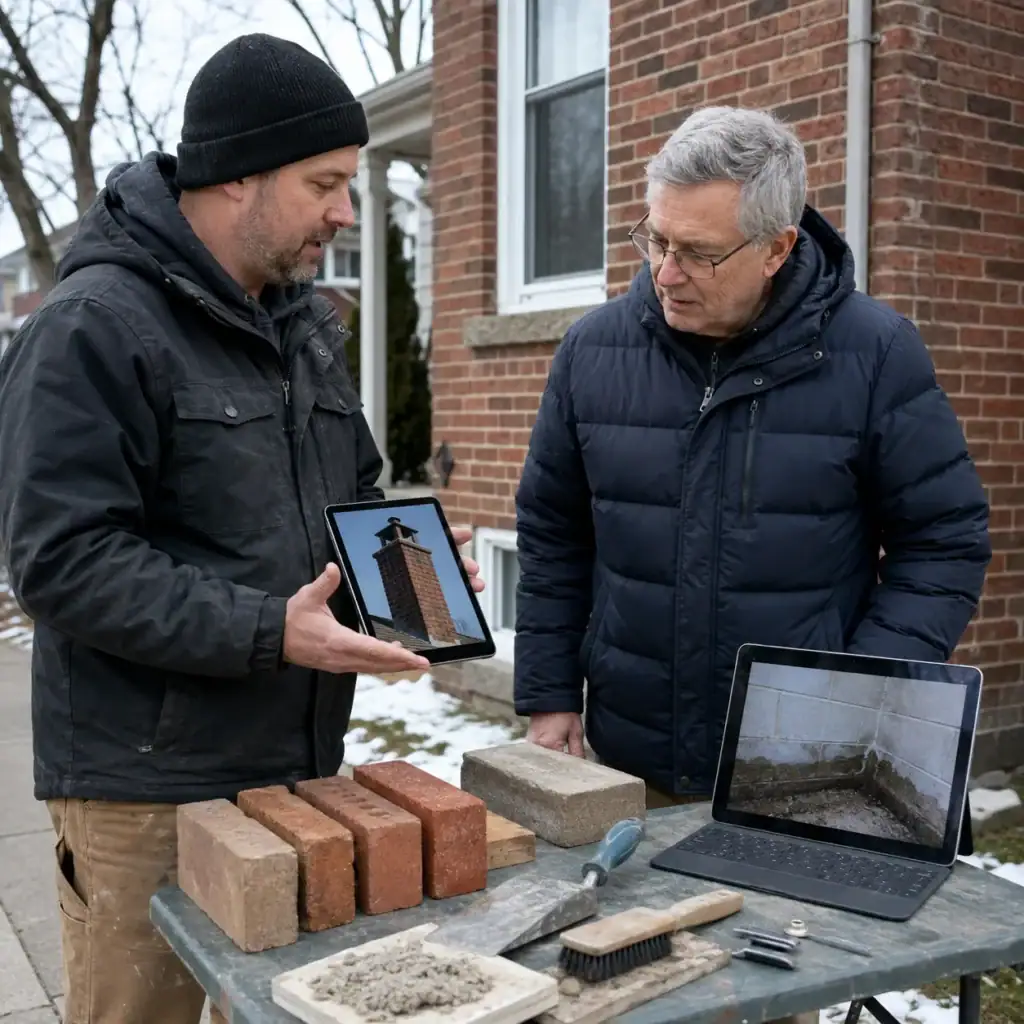
Final Thoughts on How Masonry Affects Home Energy Bills
Masonry affects home energy bills by shaping how the home manages heat, moisture, air movement, and comfort. Brick, stone, concrete, chimneys, foundations, and exterior walls can all support a more stable home, but they do not replace insulation, air sealing, or proper mechanical systems.
For Toronto and GTA homeowners, the most important masonry-related energy issues are often moisture, air leaks, failed mortar joints, damp foundations, chimney drafts, cracked concrete near entrances, and older brick walls that need careful retrofit planning. Repairing masonry can help protect the building envelope and make future energy upgrades work better.
The best approach is to keep masonry dry, repair cracks and open joints, manage water around the home, inspect chimneys and foundations, and coordinate masonry work with insulation and air-sealing improvements where needed. A sound masonry exterior is not the whole energy solution, but it is an important part of a comfortable, efficient home.